article
Curtiss XP-60 – Curtiss’s Last Attempt at a New Fighter
Curtiss XP-60 Prototypes and the XP-40Q-2A – History and Modeling Guide
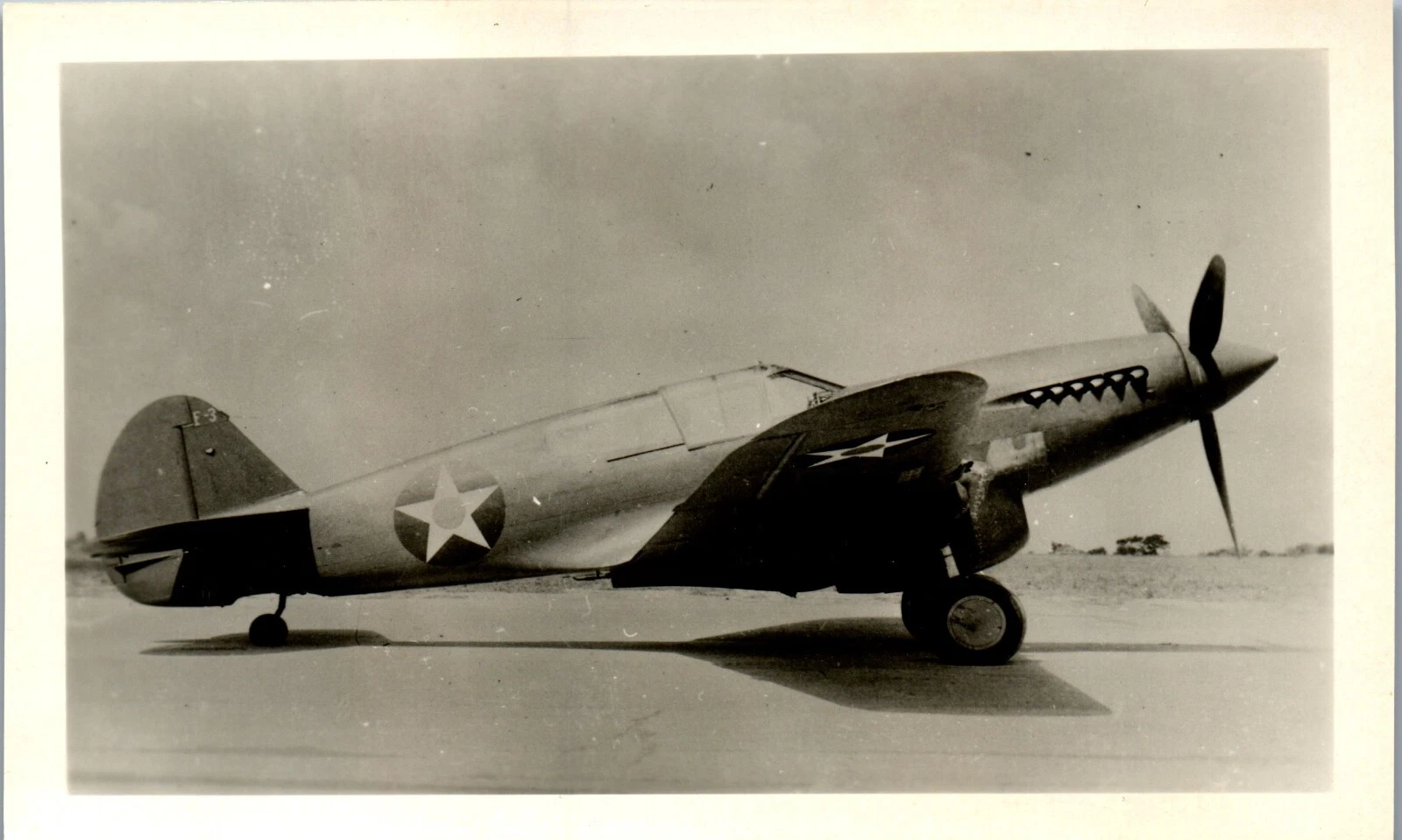
During World War II the American aircraft industry was developing new fighters at an extremely rapid pace. The company Curtiss-Wright, already famous for the successful Curtiss P-40 Warhawk, attempted to design a new high-performance fighter capable of replacing the P-40 and competing with newer aircraft entering service.
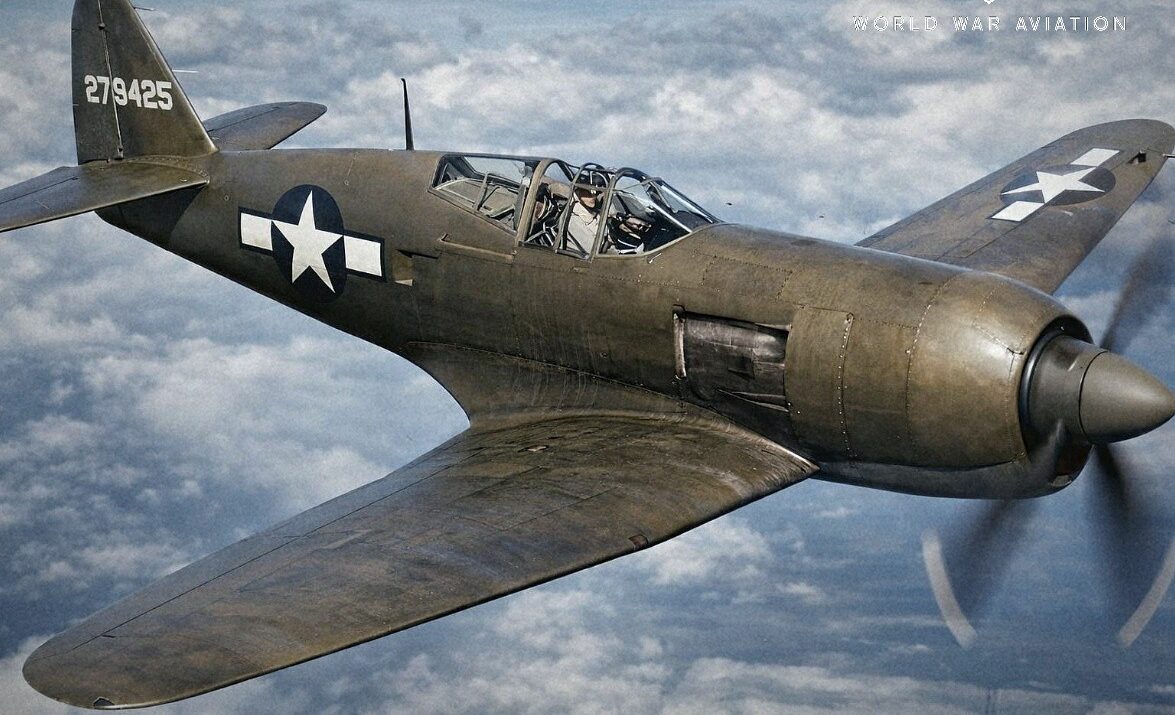
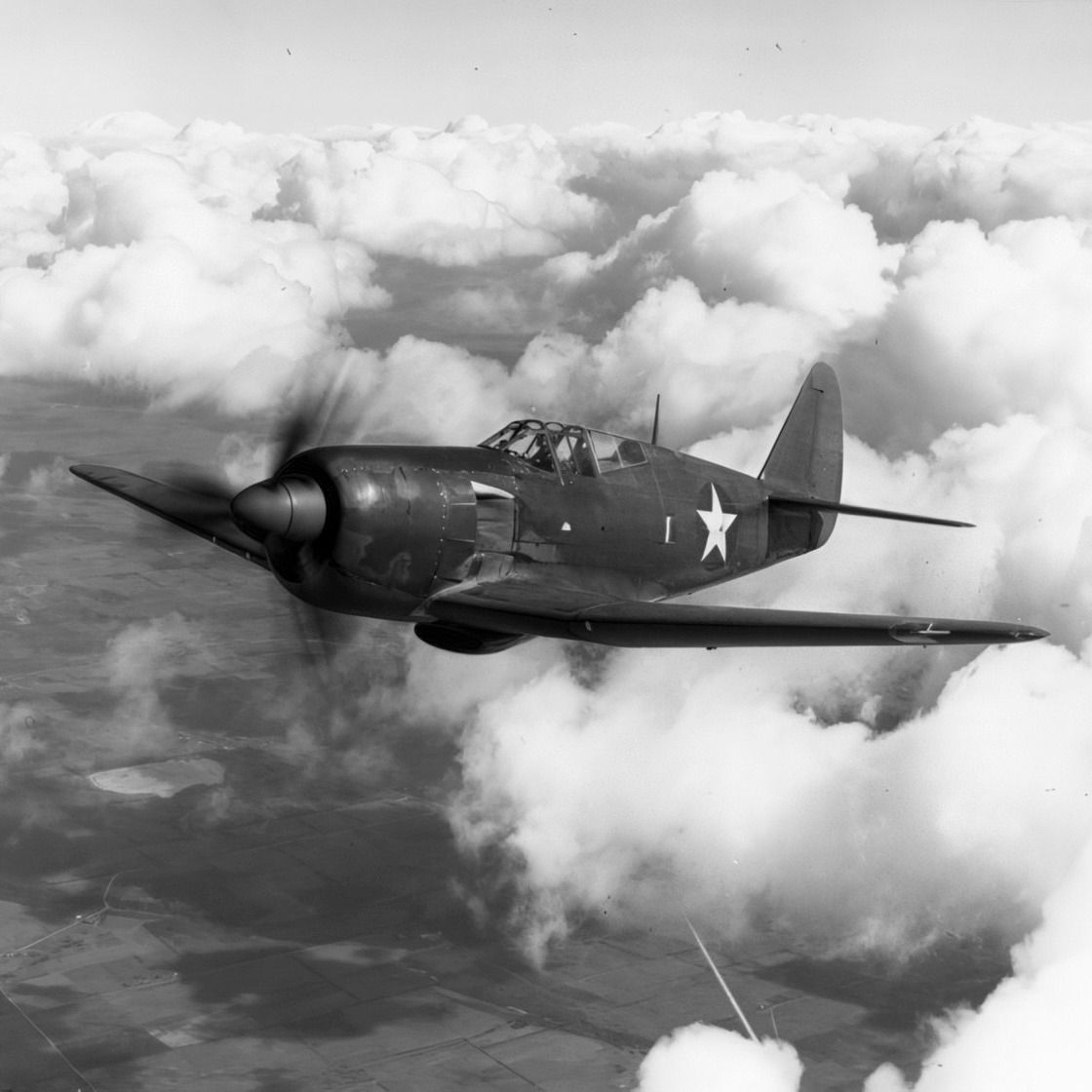
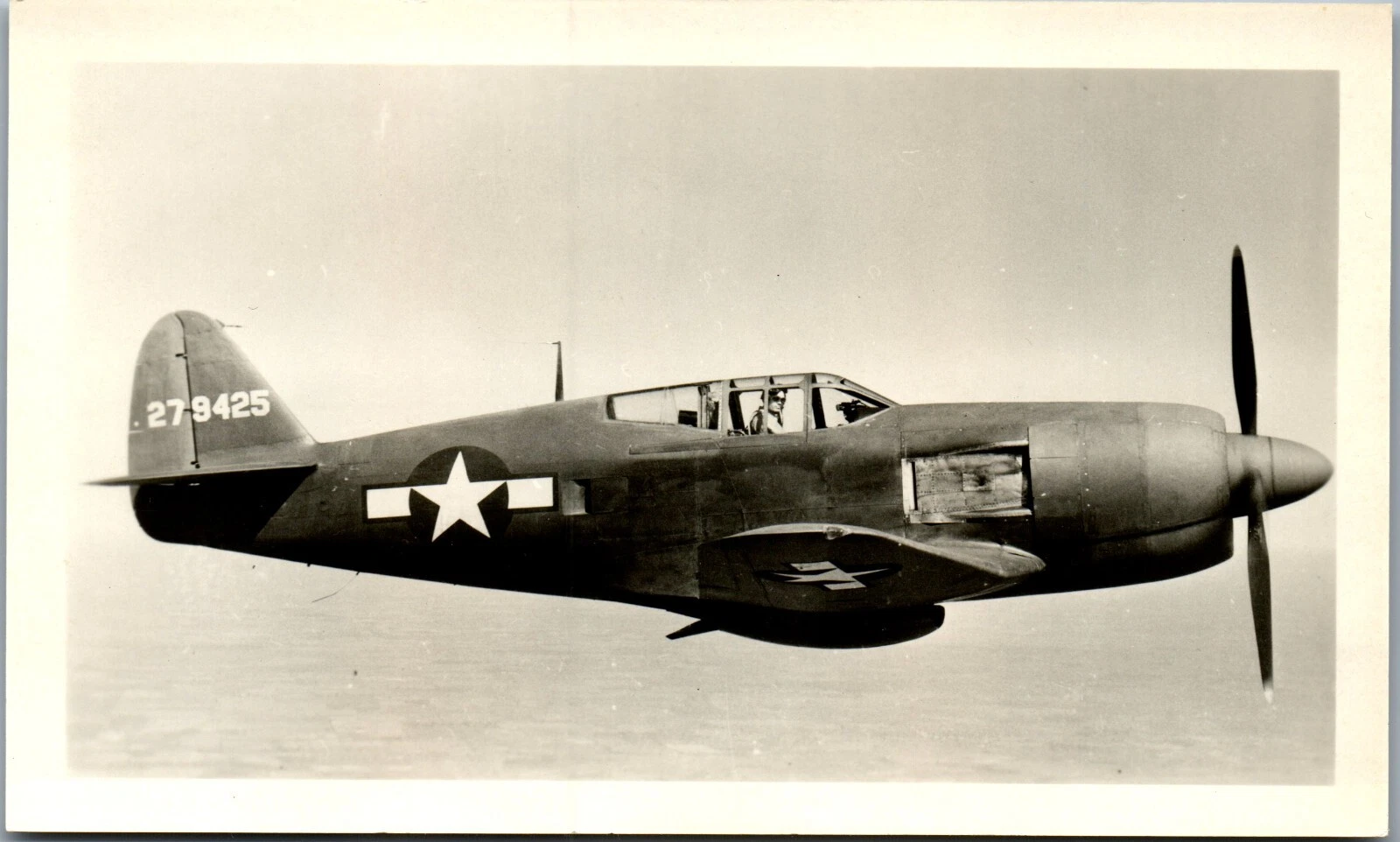
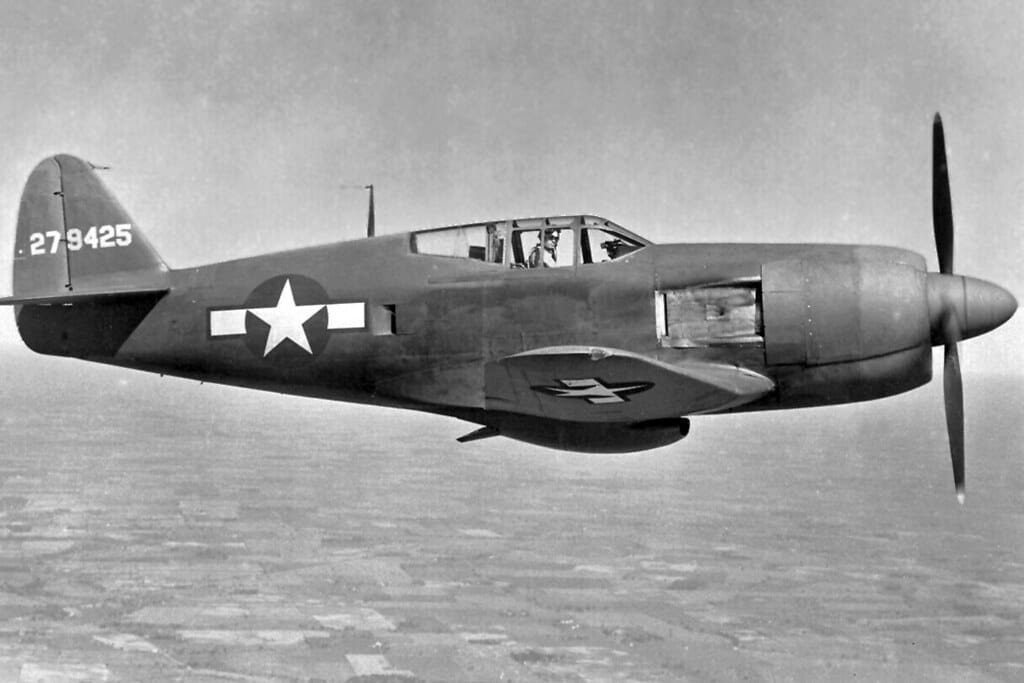
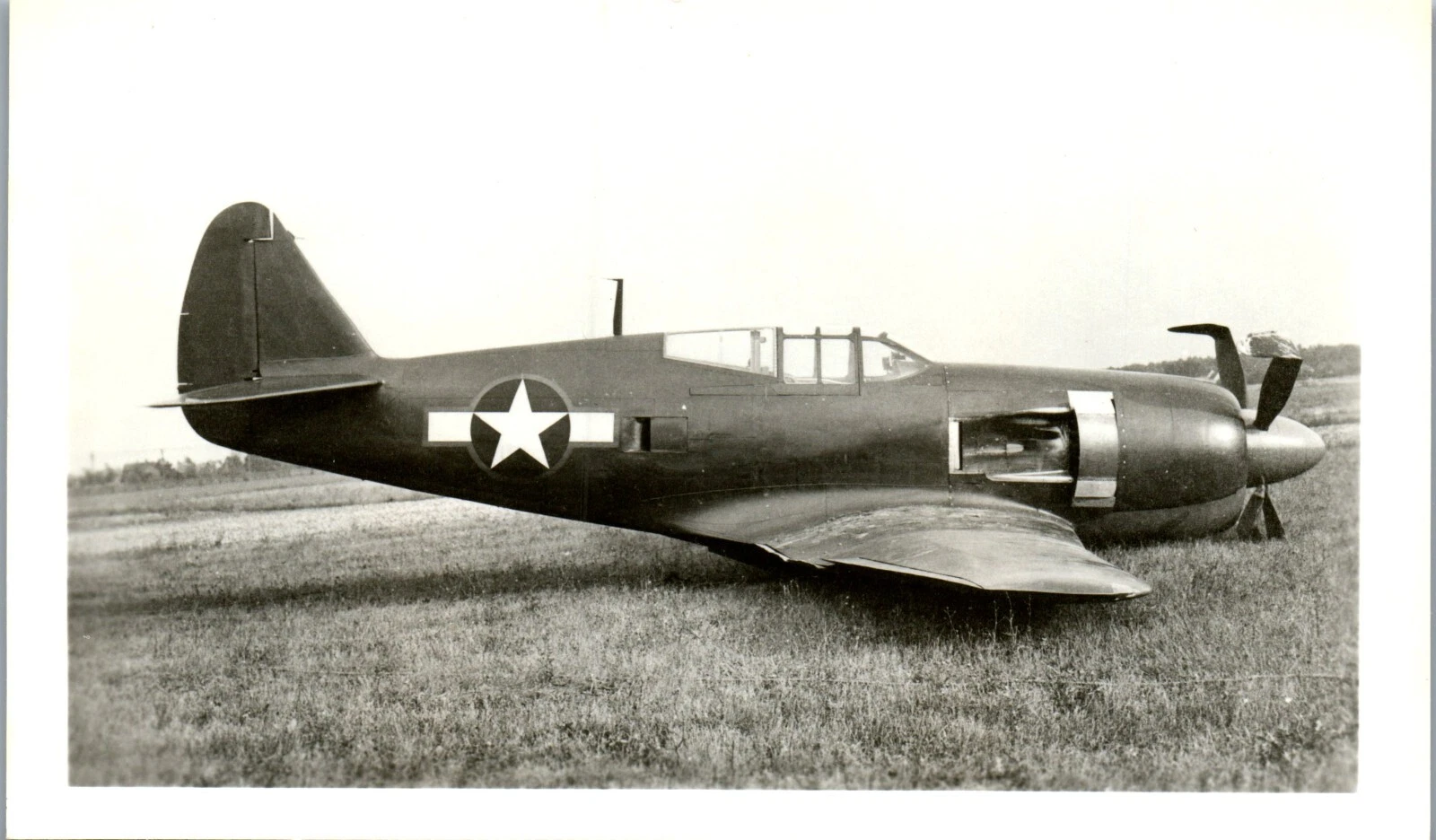
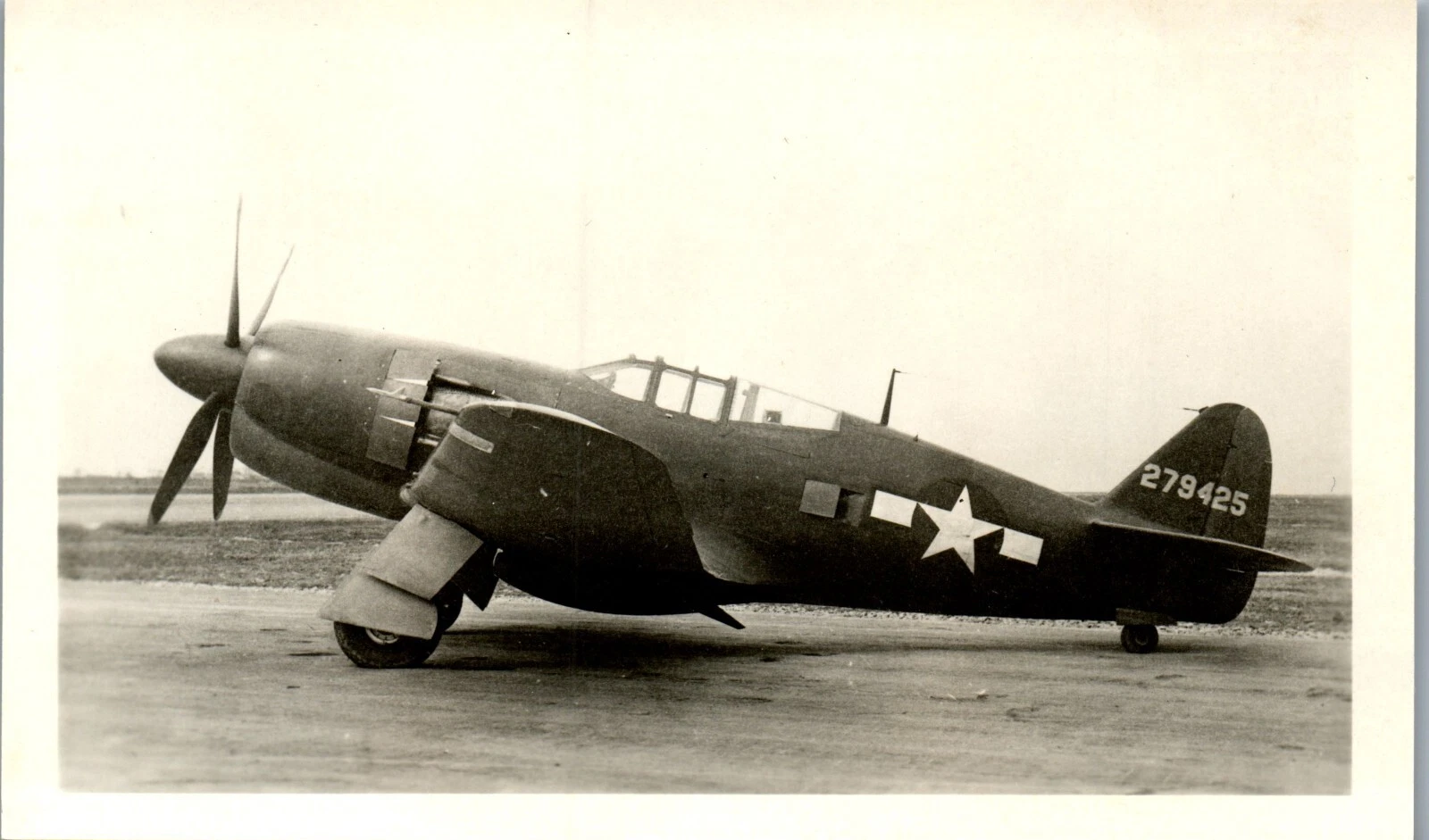
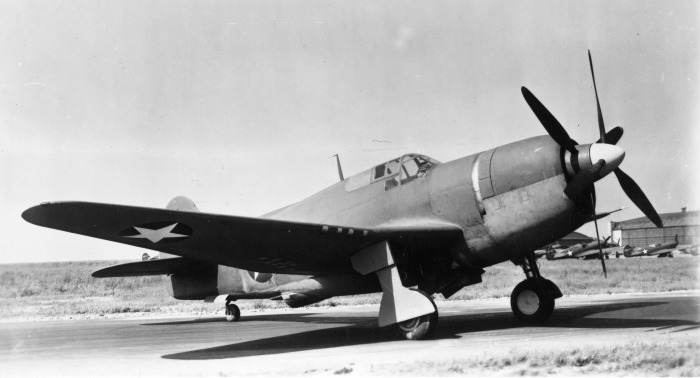
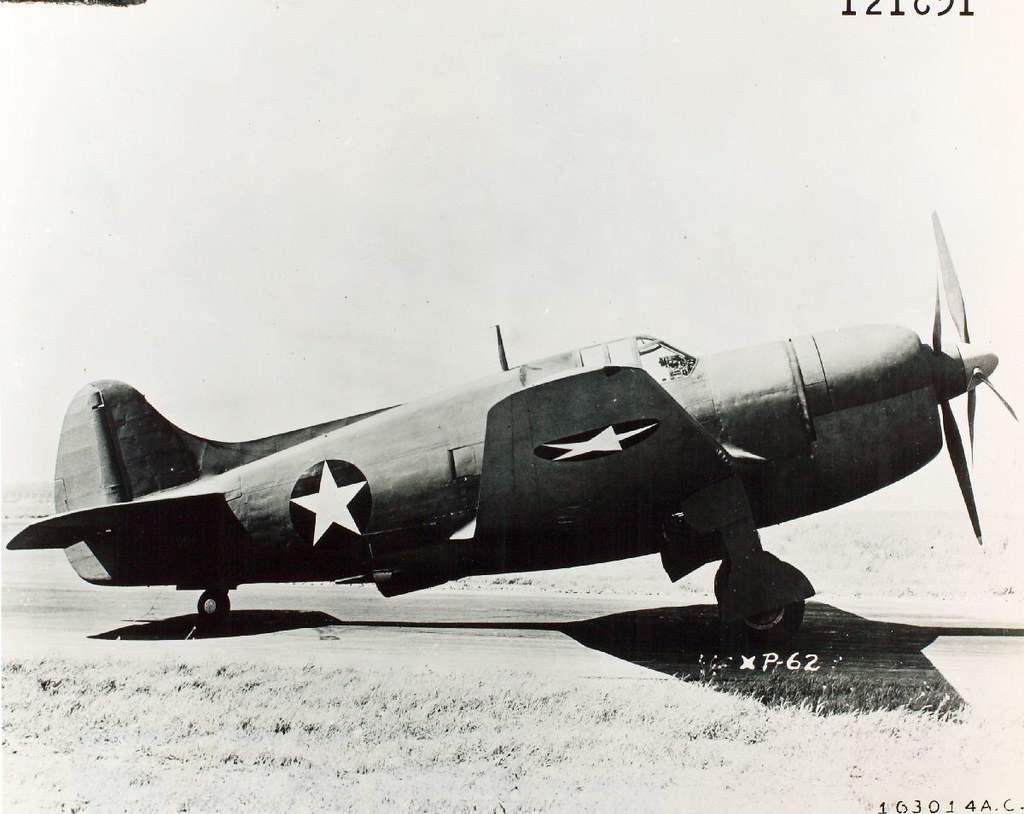
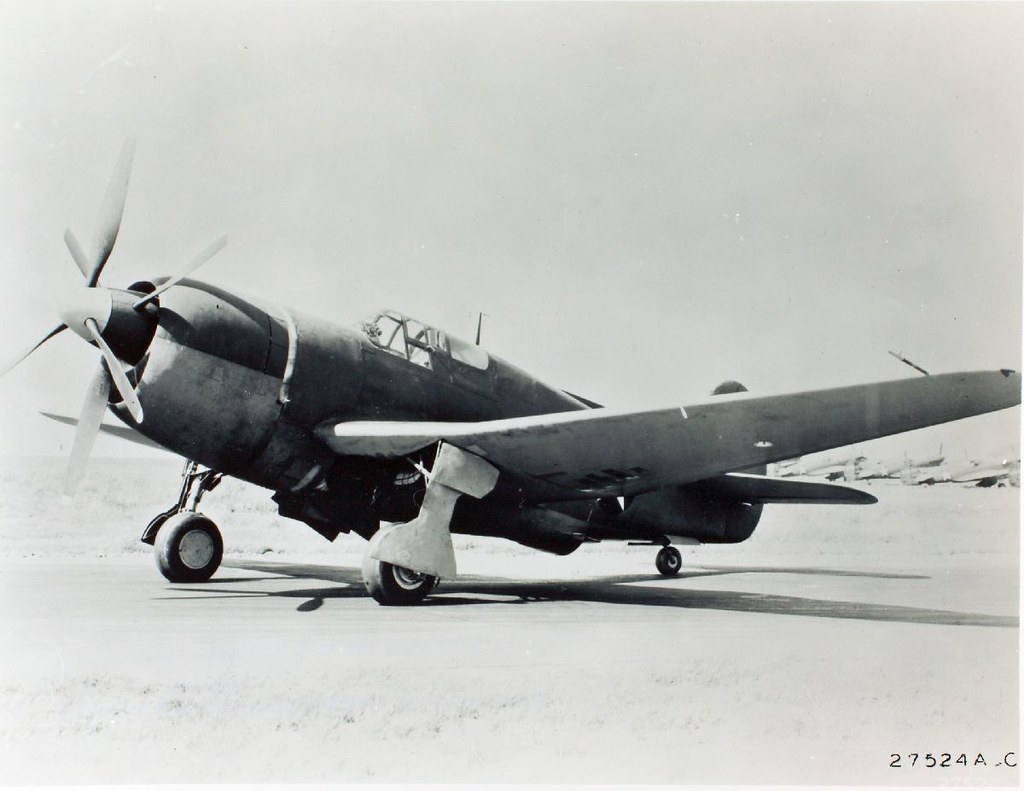
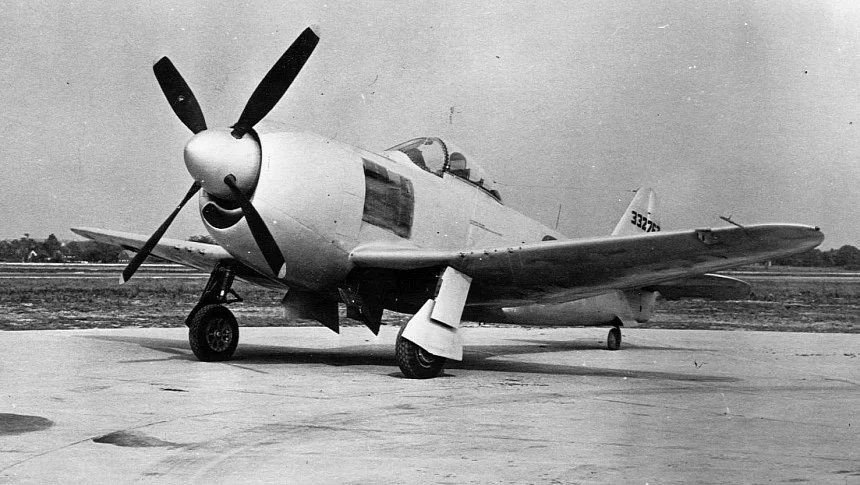
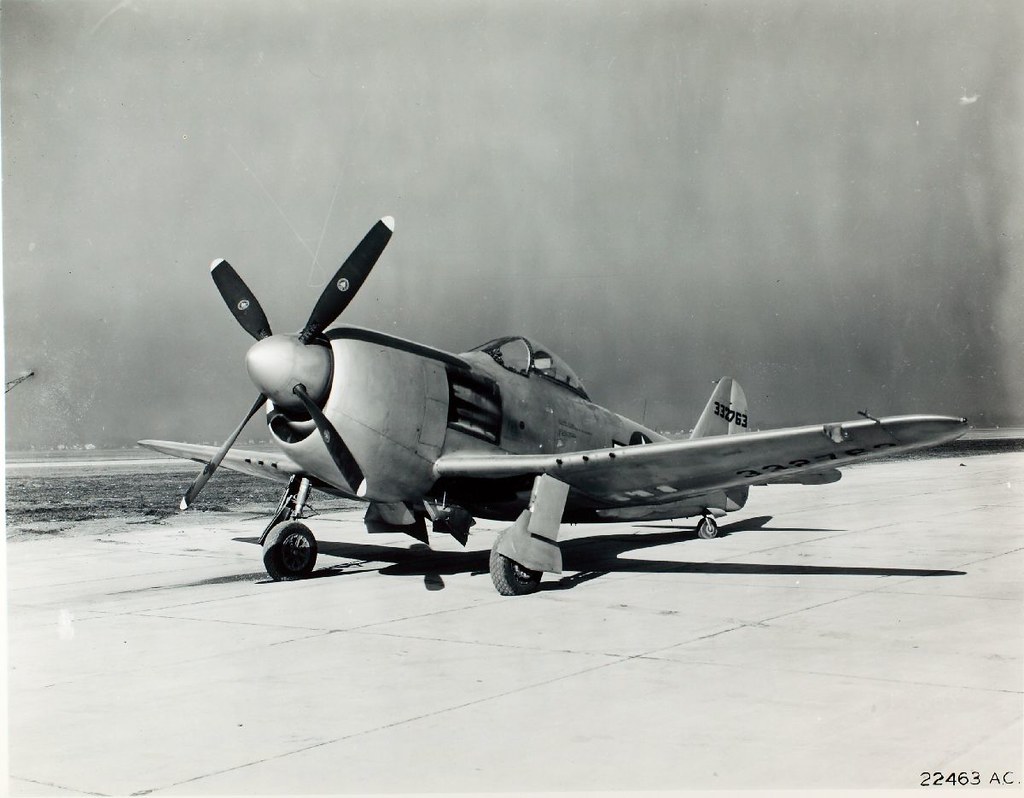
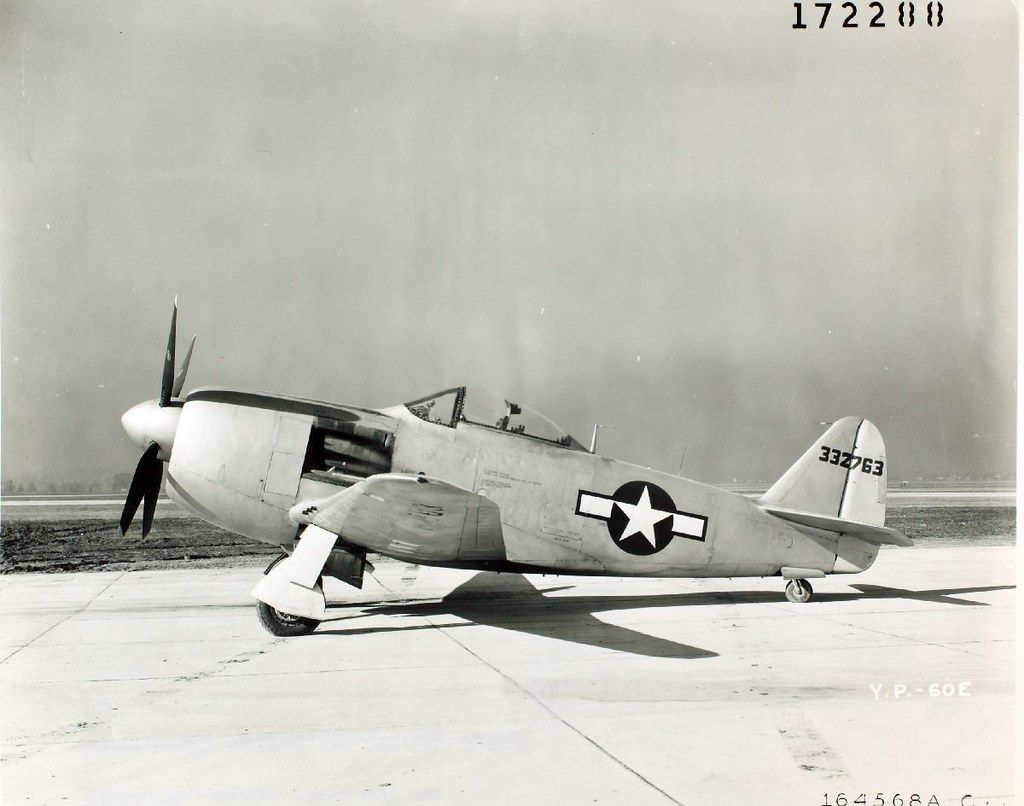
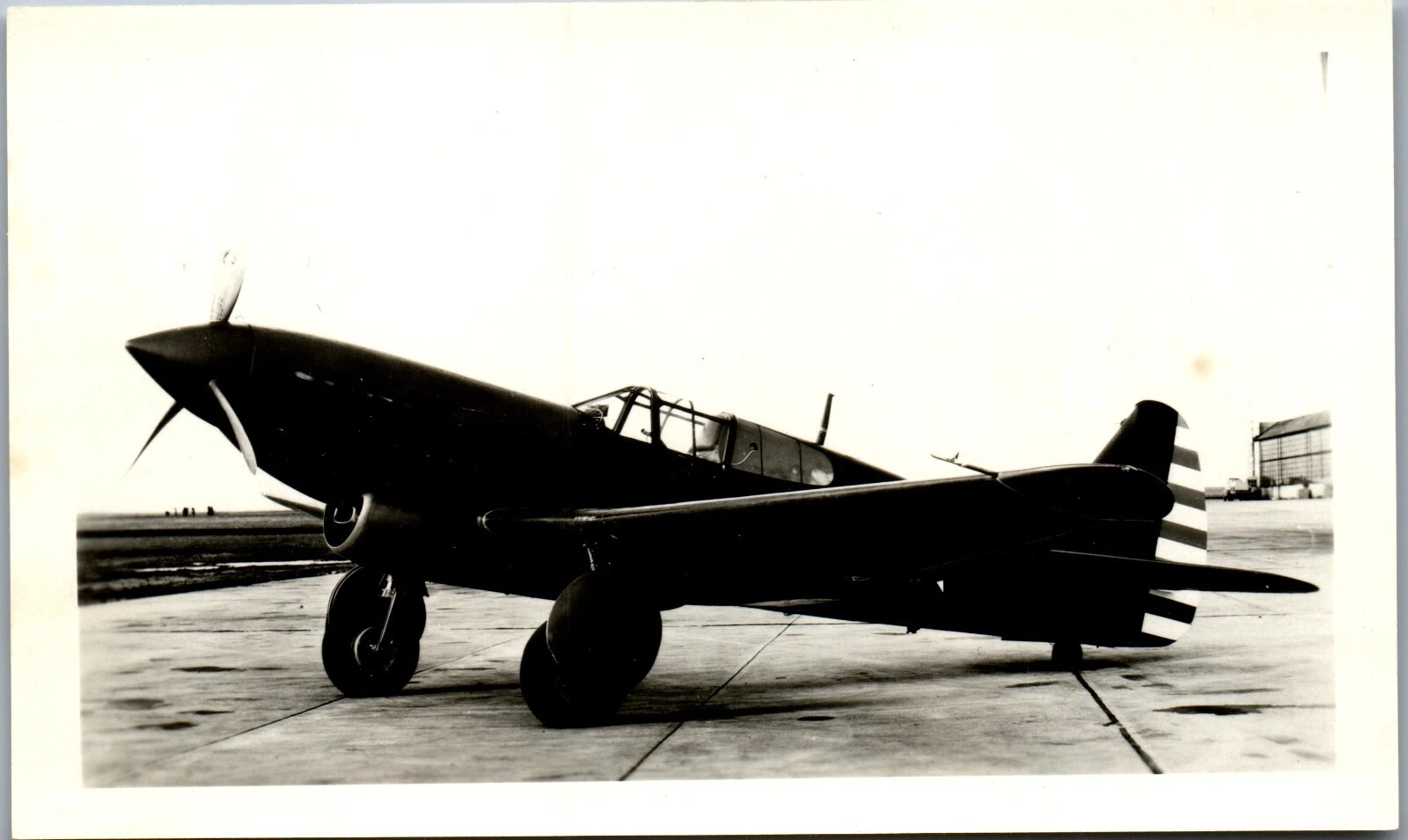
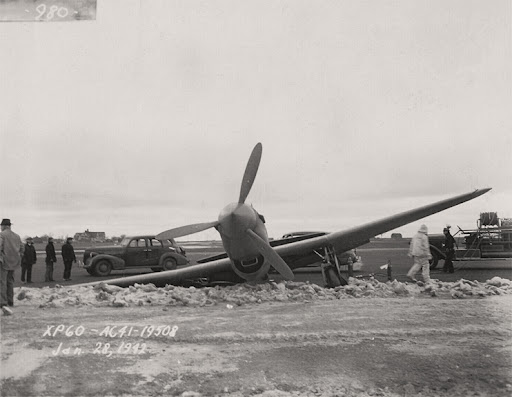
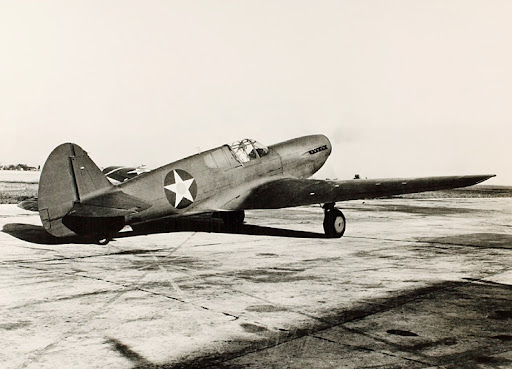
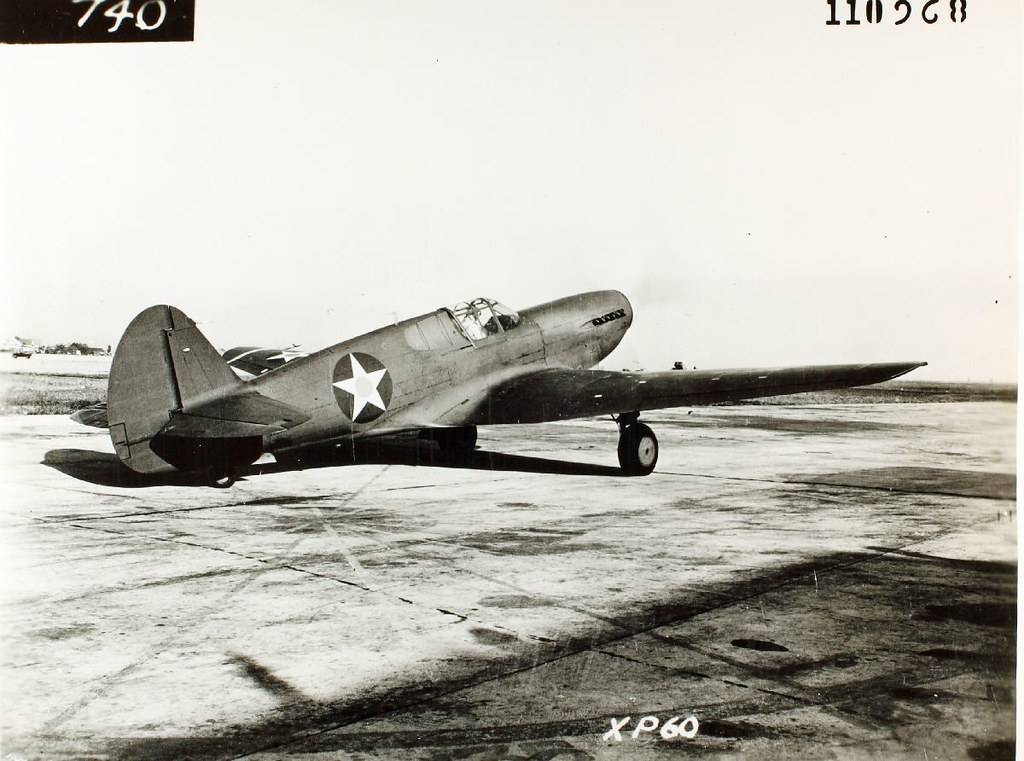
The result was the XP-60 program, a family of experimental fighters designed to test new engines, improved aerodynamics and heavier armament. Although the aircraft never entered mass production, the program produced several fascinating prototypes including the XP-60C, XP-60D and XP-60E.
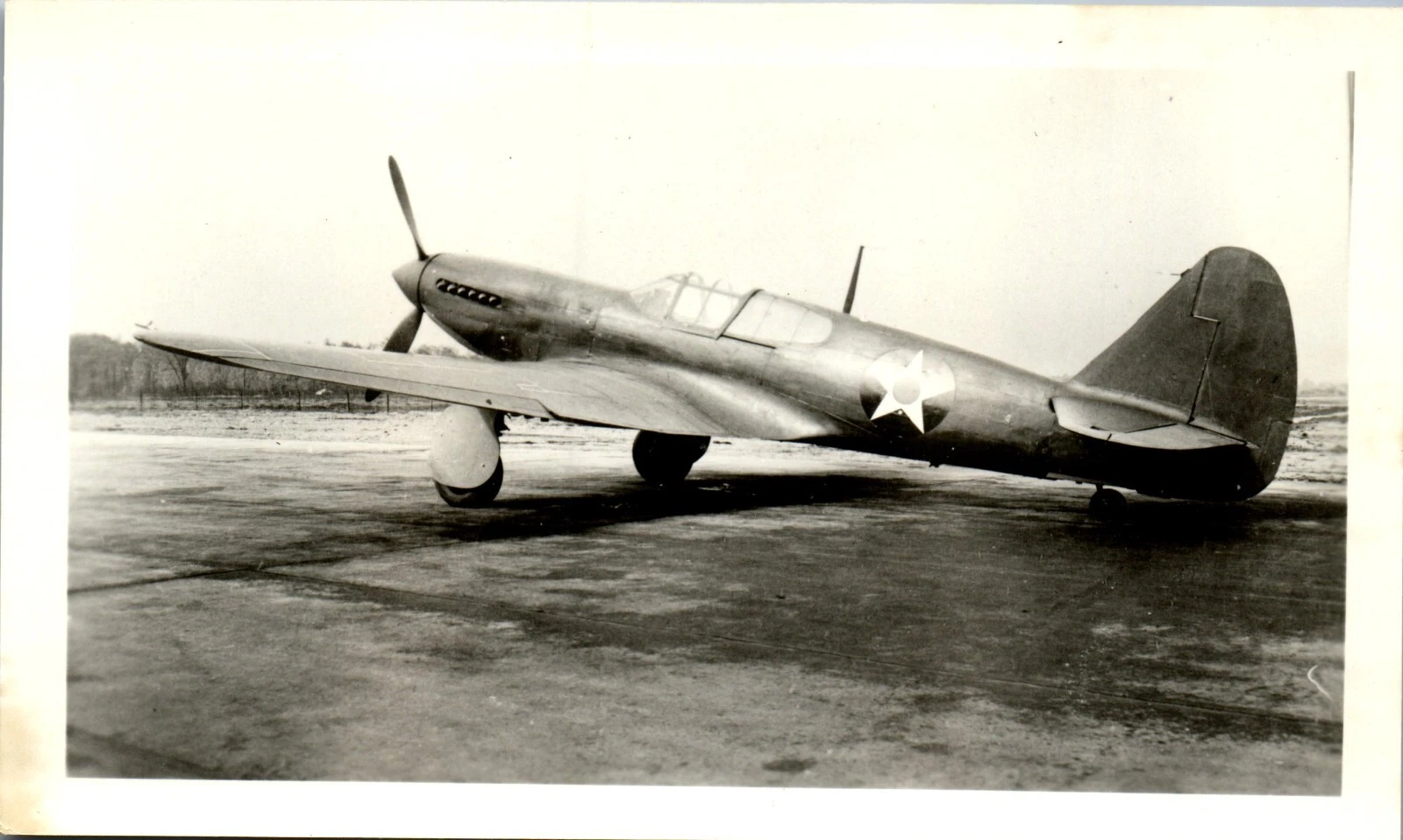
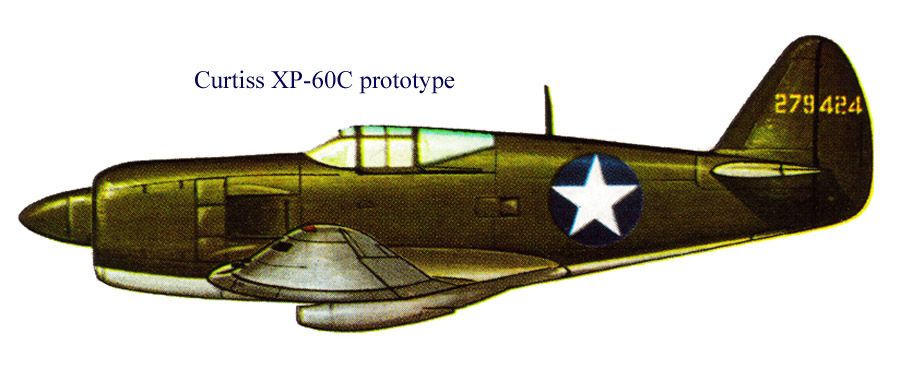
The XP-60C was perhaps the most technologically ambitious version. It was powered by the experimental Chrysler XIV-2220 inverted V engine and featured contra-rotating propellers designed to eliminate torque and increase efficiency. Despite the advanced concept, engine reliability problems limited the aircraft’s performance and prevented further development.
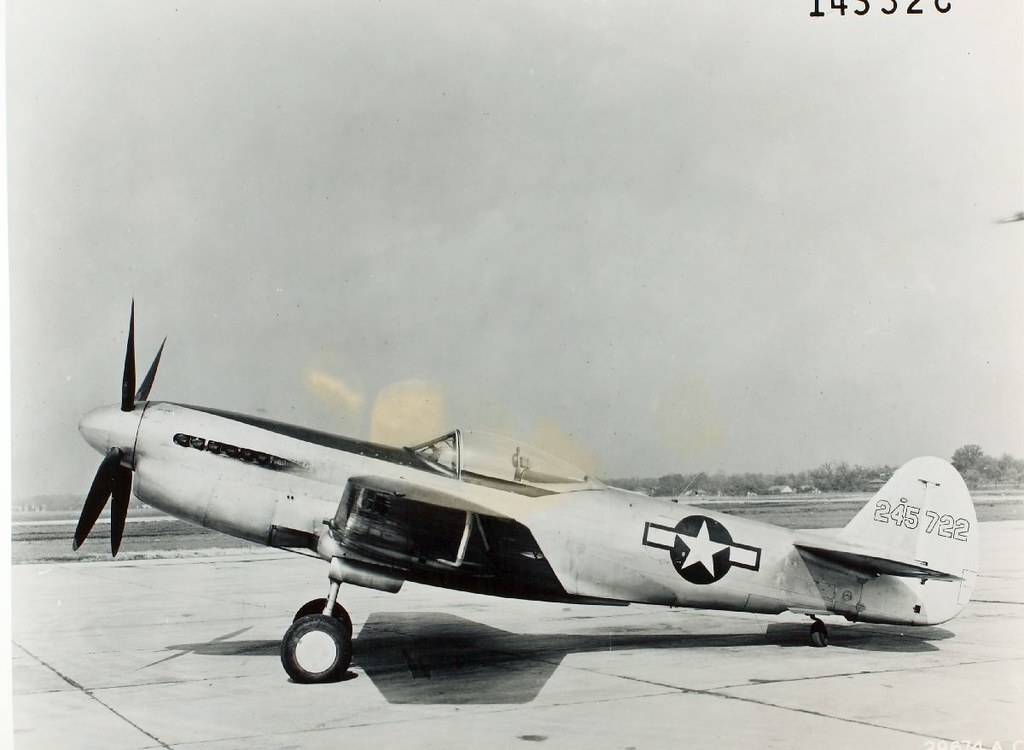
The XP-60D attempted to solve these issues by adopting the Packard-built Merlin engine, already proven in aircraft such as the North American P-51 Mustang. The aircraft featured a revised nose and cooling system along with a four-blade propeller. However, by the time the prototype was tested, the design had already been surpassed by other American fighters including the Republic P-47 Thunderbolt.
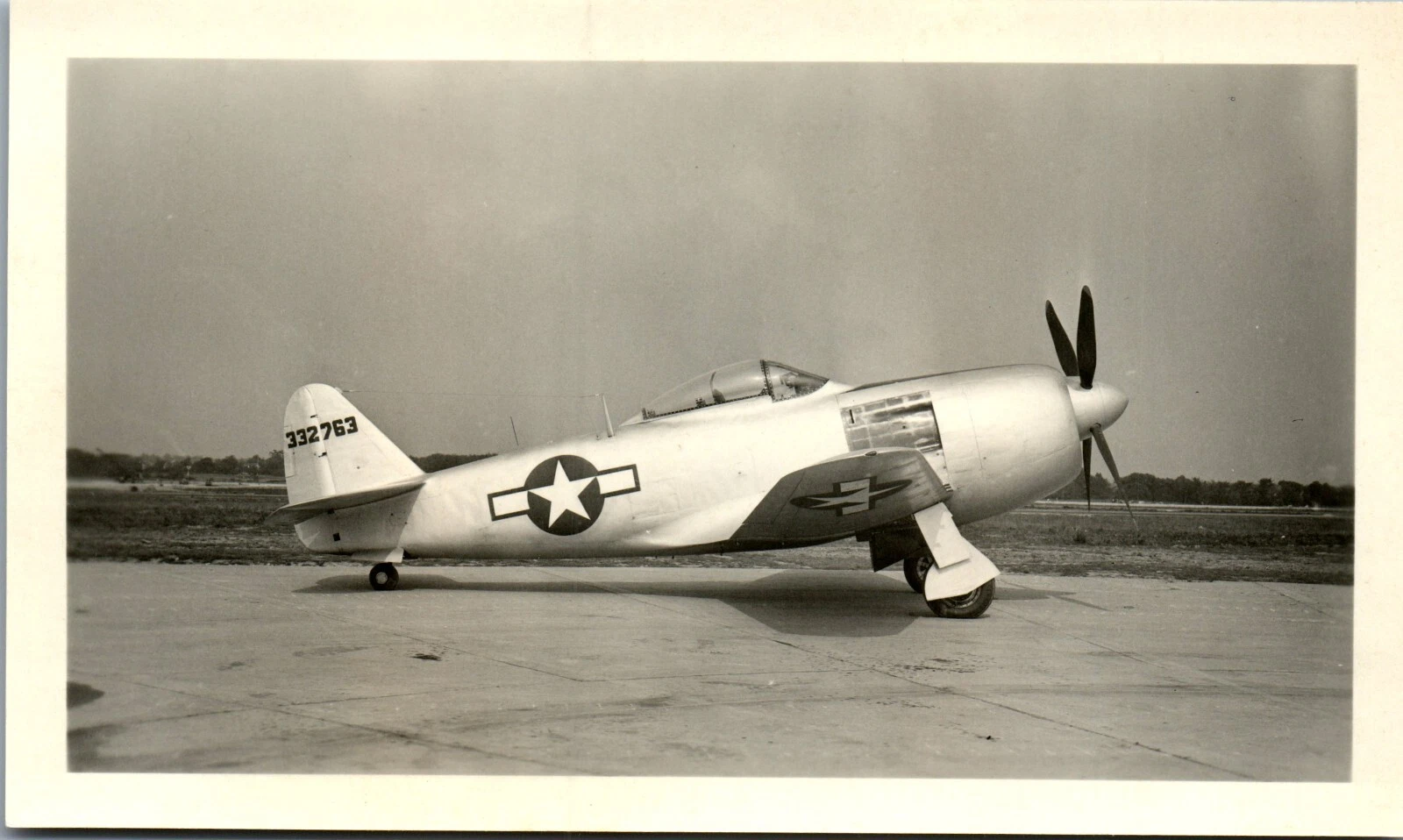
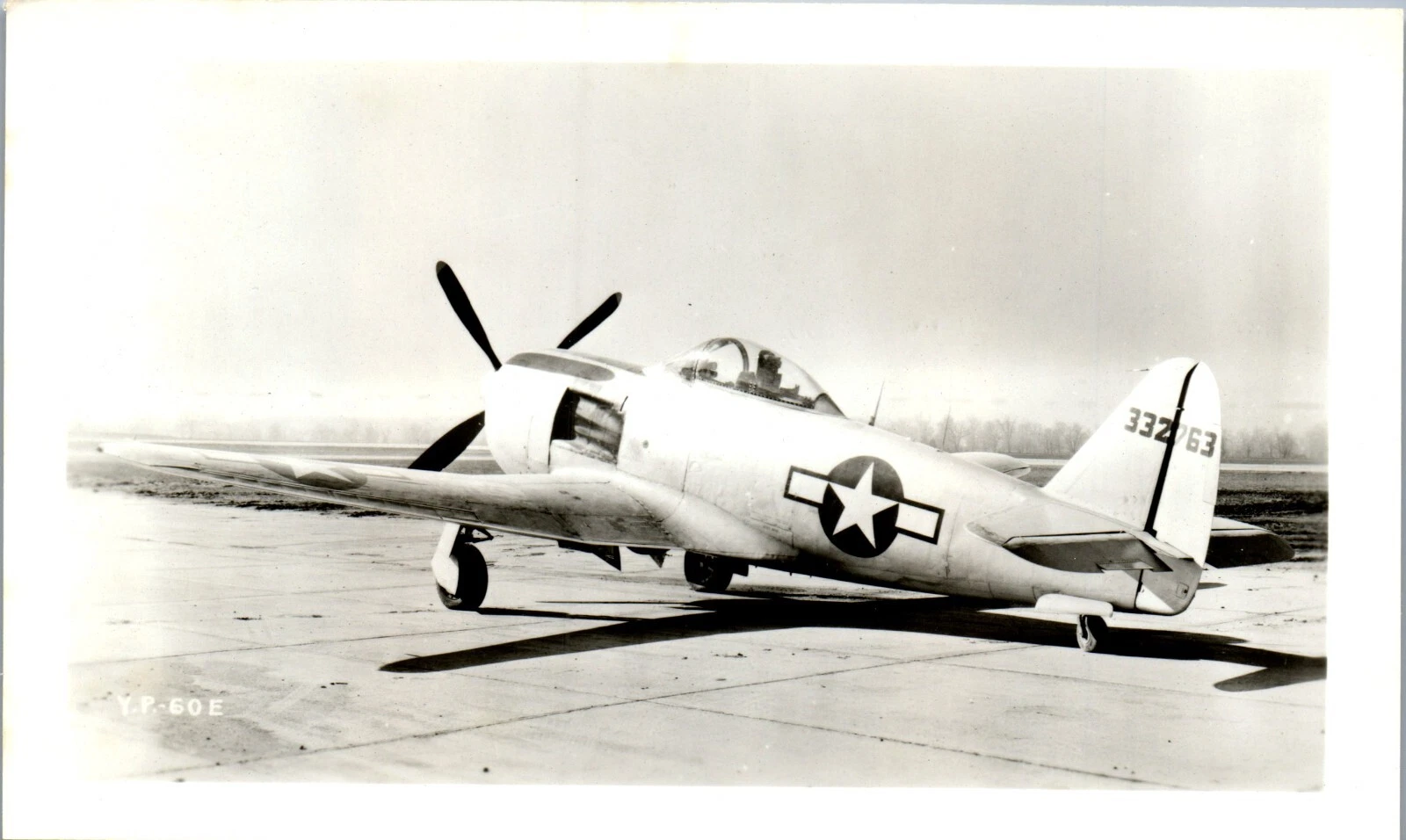
The final development was the XP-60E, which introduced structural modifications aimed at simplifying production and improving flight characteristics. Despite these efforts, the program failed to meet USAAF expectations and was cancelled in 1944.
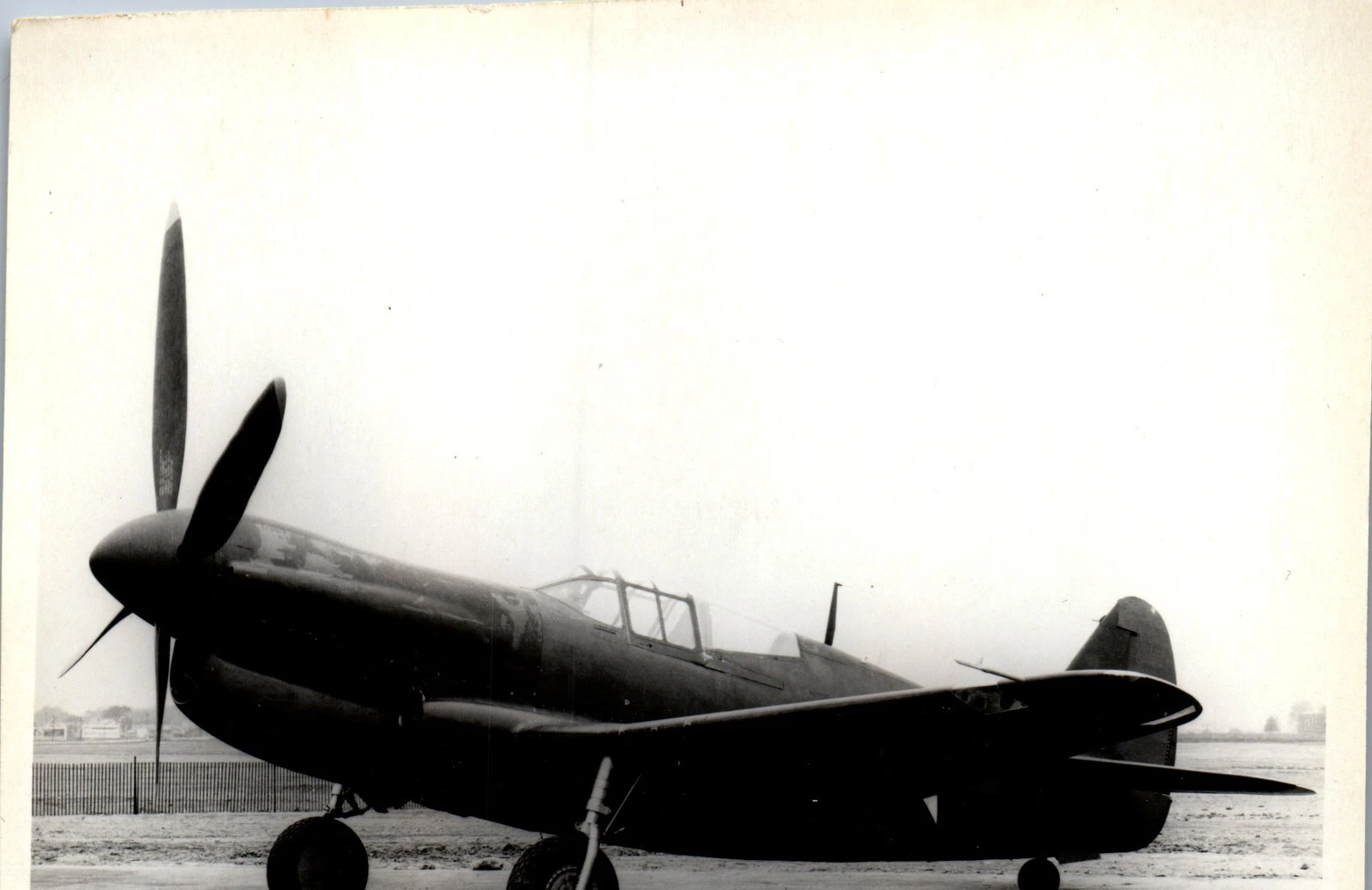
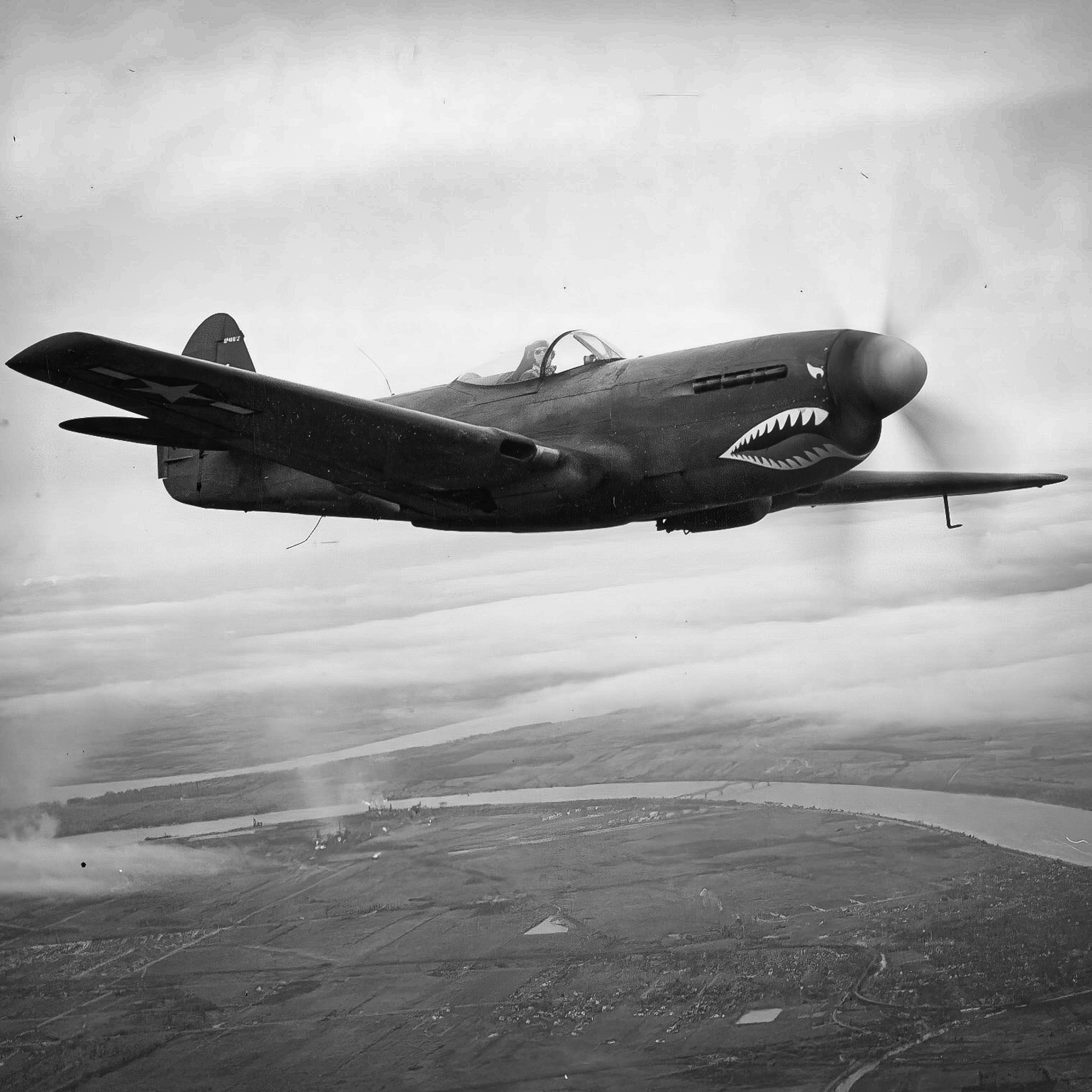
At roughly the same time Curtiss engineers were also pushing the limits of the Warhawk design with the experimental Curtiss XP-40Q-2A. This aircraft represented the ultimate evolution of the P-40 family. The XP-40Q featured a completely redesigned fuselage, bubble canopy, clipped wings and a more powerful Allison engine. These changes significantly improved performance compared to earlier Warhawk variants. Nevertheless, the arrival of superior fighters such as the P-51 made further development unnecessary.
Although none of these aircraft entered operational service, they represent an important stage in American fighter development and remain fascinating subjects for aviation historians and scale modelers.
For modelers, the XP-60 series and the XP-40Q-2A offer unique opportunities to build rare prototype aircraft with unusual configurations and experimental finishes. Because these aircraft were test platforms, they typically displayed factory paint schemes rather than combat camouflage, which makes them visually distinct from operational fighters.
Many tools, paints and modeling accessories suitable for such projects can be found through the marketplace of GModel Art, where scale modeling enthusiasts can source specialized products for historical aircraft builds.
| Aircraft Variant | Upper Surfaces | Lower Surfaces | Cockpit | Propeller / Spinner |
|---|---|---|---|---|
| XP-60C | Olive Drab FS34087 | Neutral Gray FS36270 | Interior Green FS34151 | Black FS37038 |
| XP-60E | Natural Metal | Aluminum | Interior Green FS34151 | Black |
| XP-40Q-2A | Olive Drab | Neutral Gray | Interior Green FS34151 | Red spinner (prototype dependent) |
When building prototype aircraft models, special attention should be given to cockpit configuration and surface finish. Test aircraft often carried simplified equipment and were usually well maintained, meaning heavy weathering is rarely appropriate. Subtle panel line washes, light exhaust staining and minimal paint chipping generally produce the most realistic results.
Prototype aircraft finished in natural metal also require careful preparation. Applying a glossy primer before metallic paints and slightly varying the tone of individual panels can help create a convincing aluminum finish that reflects the experimental nature of these aircraft.
https://www.daveswarbirds.com/usplanes/aircraft/p-60.htm
https://www.autoevolution.com/news/curtiss-p-60-how-the-iconic-p-40-warhawk-s-last-gasp-at-relevance-ended-in-failure-226426.html
https://en.wikipedia.org/wiki/Curtiss_XP-62
https://en.wikipedia.org/wiki/Curtiss_P-60
Despite their limited operational history, the XP-60 prototypes and the XP-40Q-2A remain remarkable examples of Curtiss engineering during the intense technological race of World War II aviation. For scale modelers seeking something unusual and historically interesting, these aircraft offer a rewarding and distinctive project.
Bell P-59 Airacomet