article
F4u Corsair Factory Assembly Line
From Production Reality to Scale Modeling Accuracy
The Vought F4U Corsair is often approached by modelers as a finished war machine, heavily weathered and placed on a Pacific airstrip. Yet the real story of the Corsair begins long before combat—inside the factory, on the assembly line, where raw materials were transformed into one of the most effective naval fighters of the Second World War.
Understanding this production environment is not just historical curiosity. It is a powerful modeling tool. When the builder shifts focus from “operational aircraft” to “aircraft in production,” new possibilities emerge in painting, detailing, and storytelling. The result is a model that feels authentic, layered, and alive.
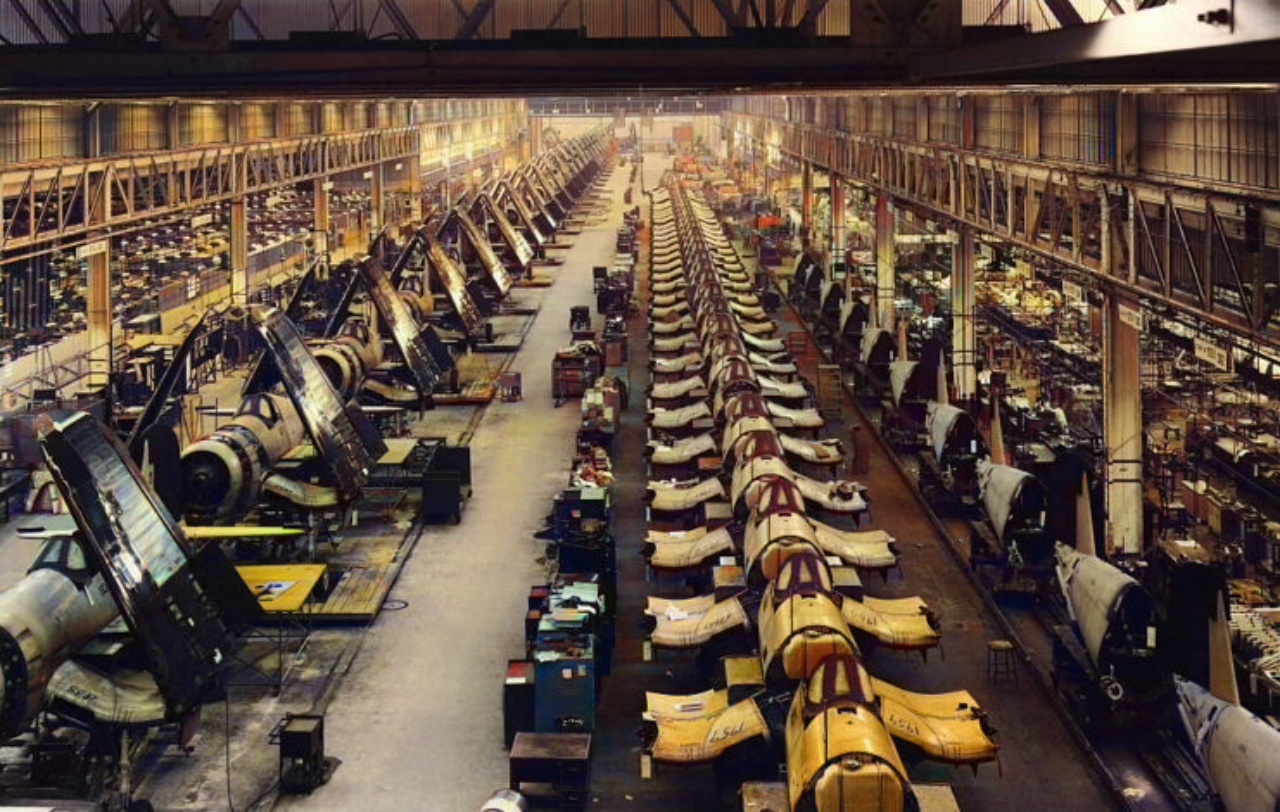
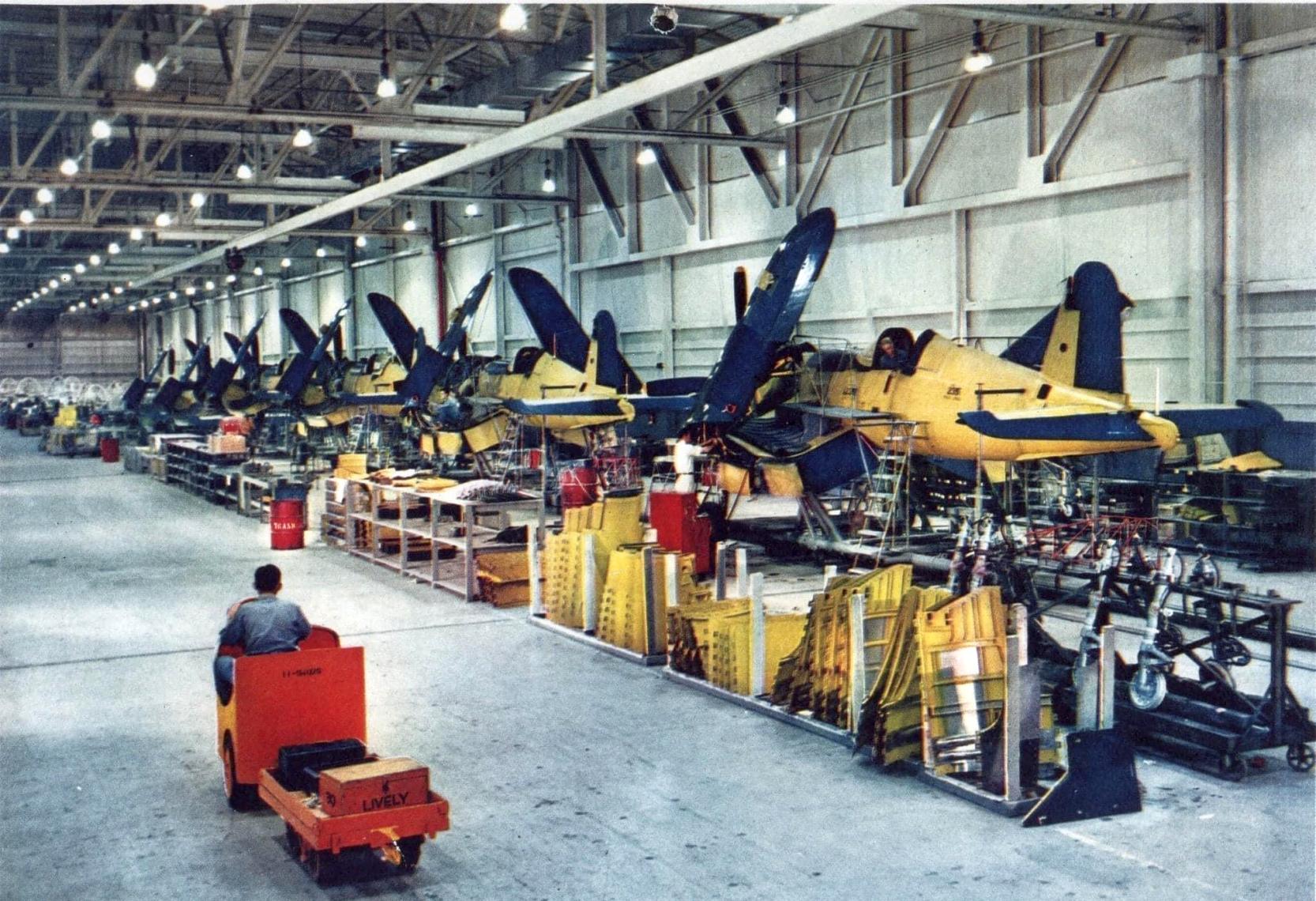
The Corsair was originally developed by Vought, but wartime demand quickly exceeded the company’s production capacity. This led to licensed manufacturing by Goodyear and Brewster Aeronautical Corporation, each contributing to a total of more than 12,500 aircraft produced between 1942 and 1953. These parallel production lines introduced subtle variations in finish, materials, and assembly practices—details that are often overlooked but can significantly elevate a scale model when reproduced accurately.
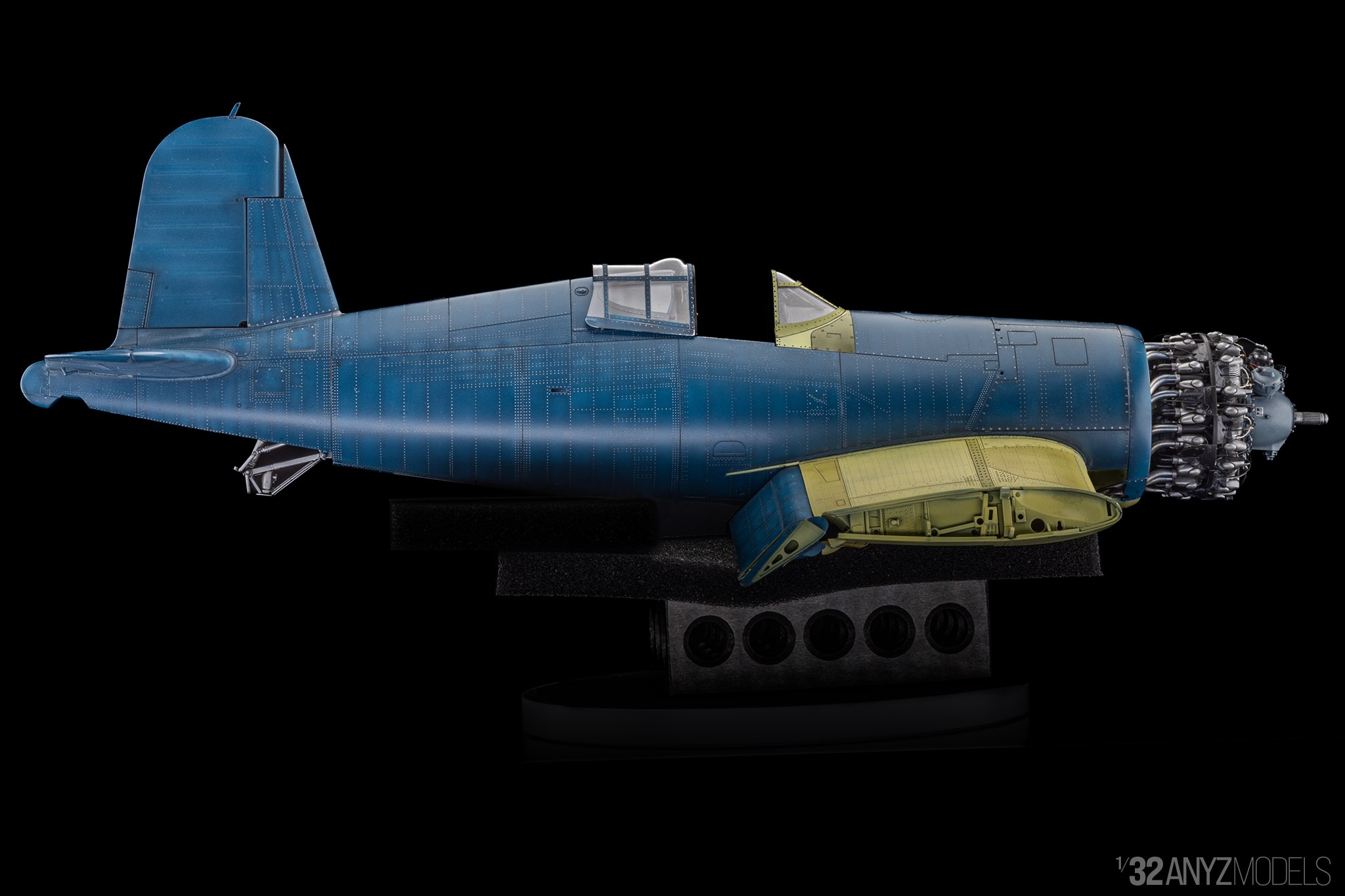
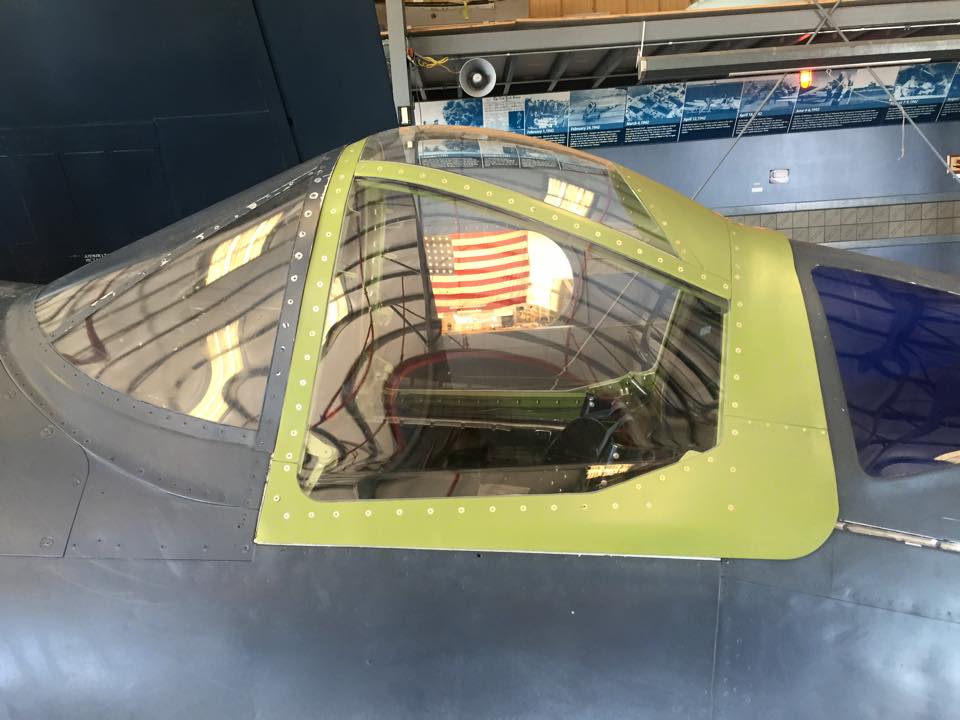
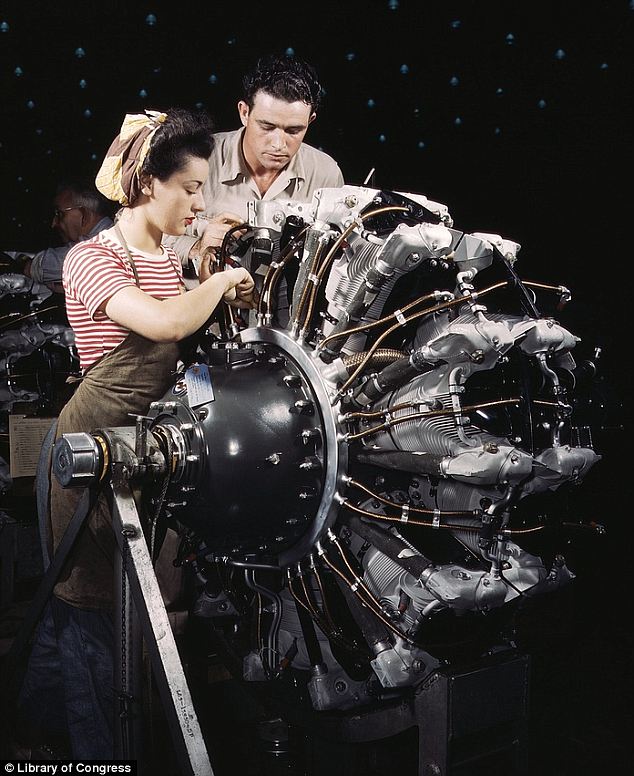
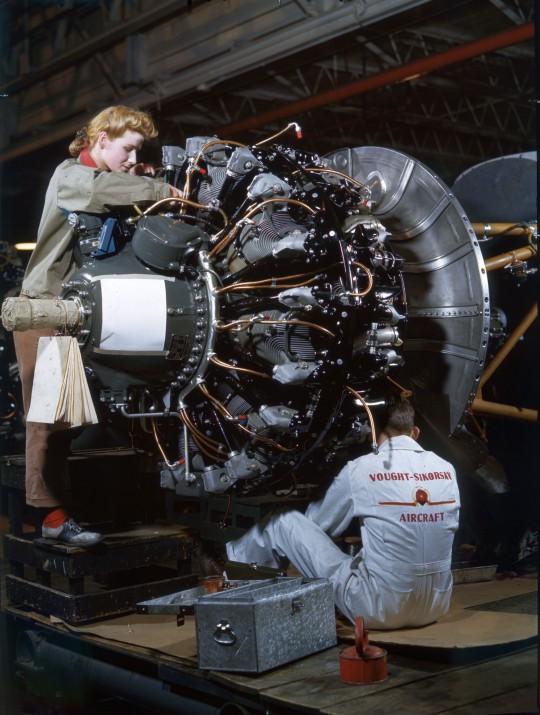
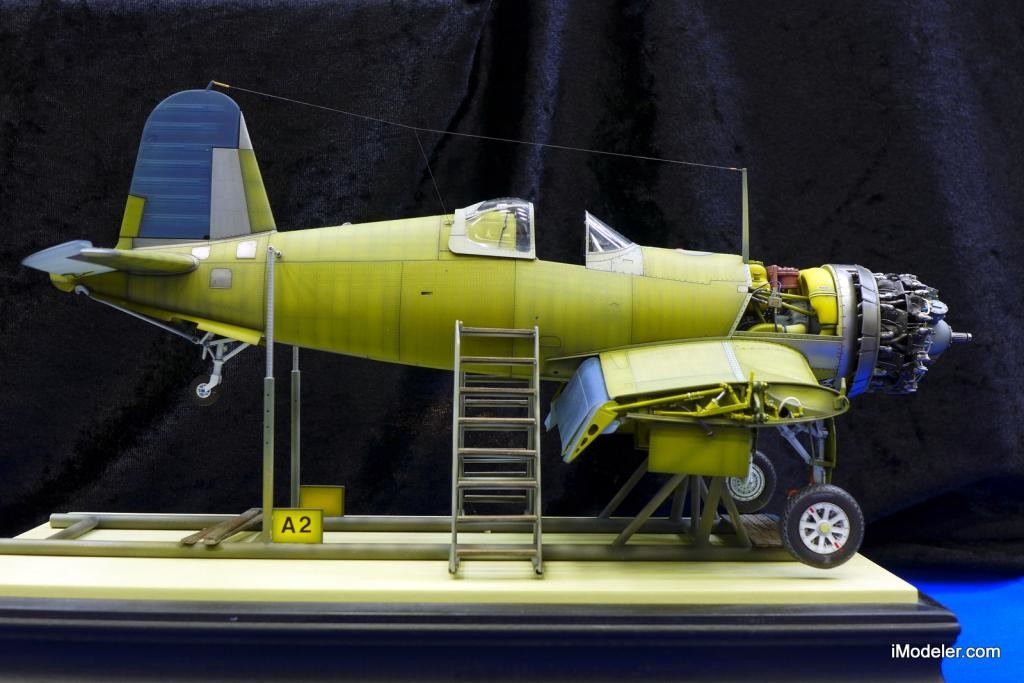
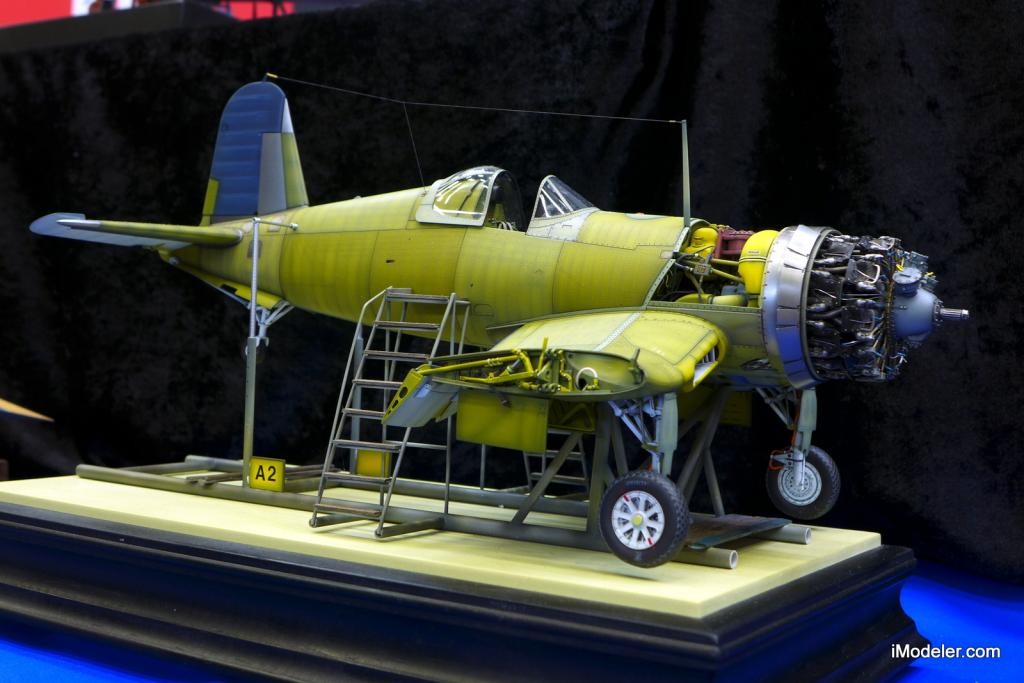
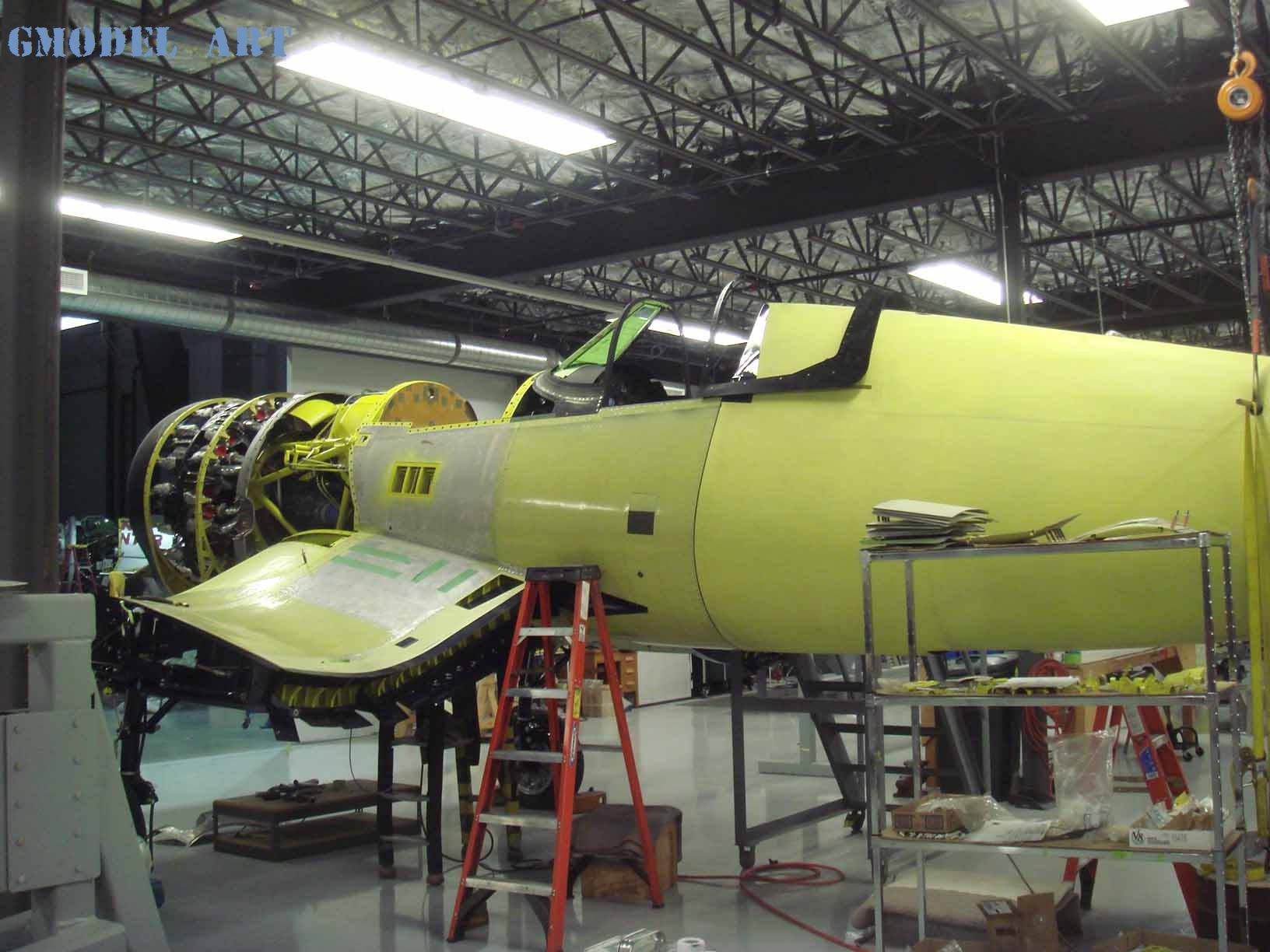
On the factory floor, the Corsair did not appear as a complete aircraft but as a sequence of evolving structures. Fuselage frames were assembled first, followed by the installation of internal systems, cockpit components, and wiring. Wings, engines, and landing gear were integrated later, often already pre-assembled in separate stations. Each stage introduced its own textures, tones, and levels of finish. Bare metal surfaces coexisted with primers, partially painted panels, and exposed mechanical systems.
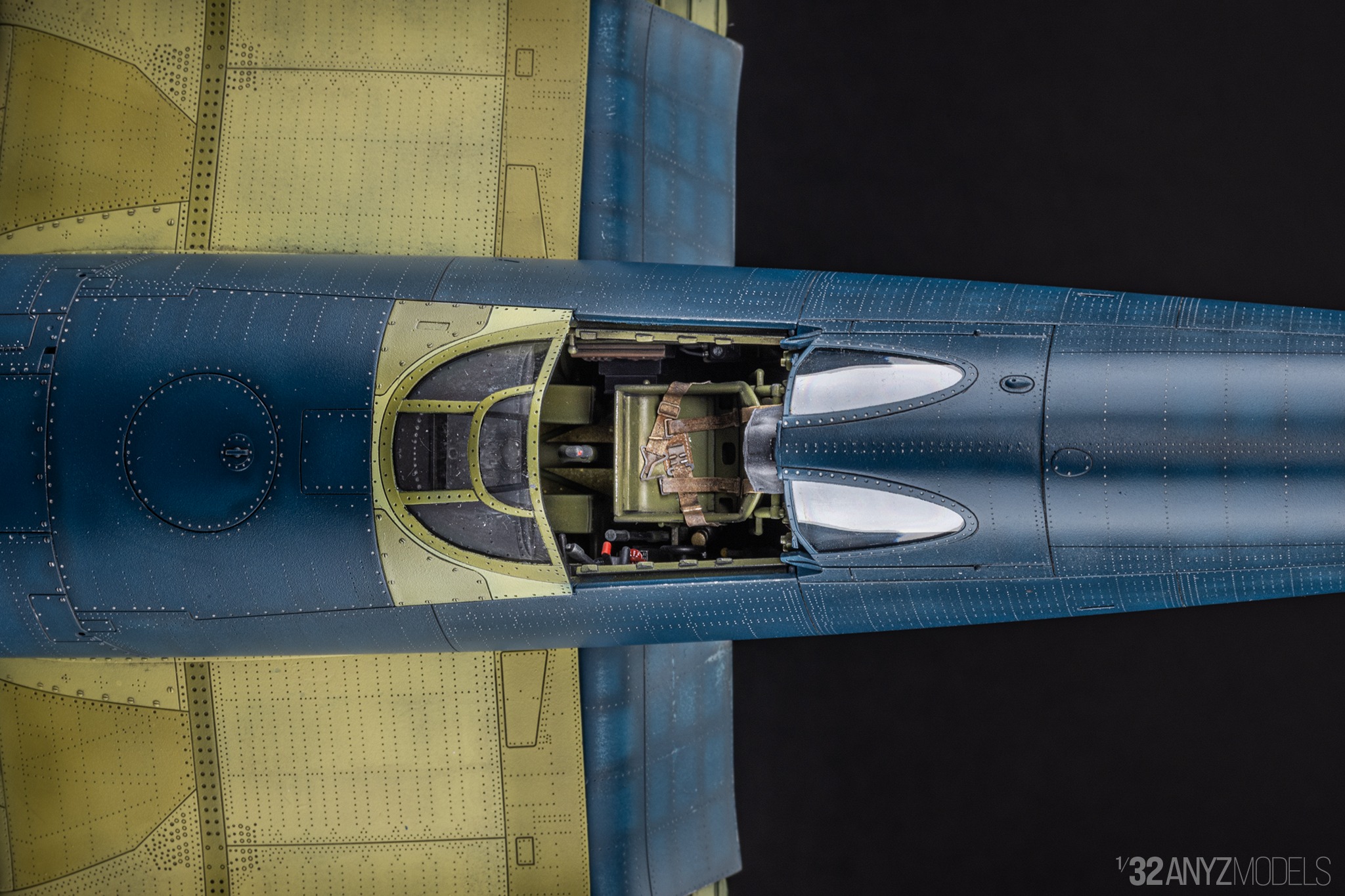
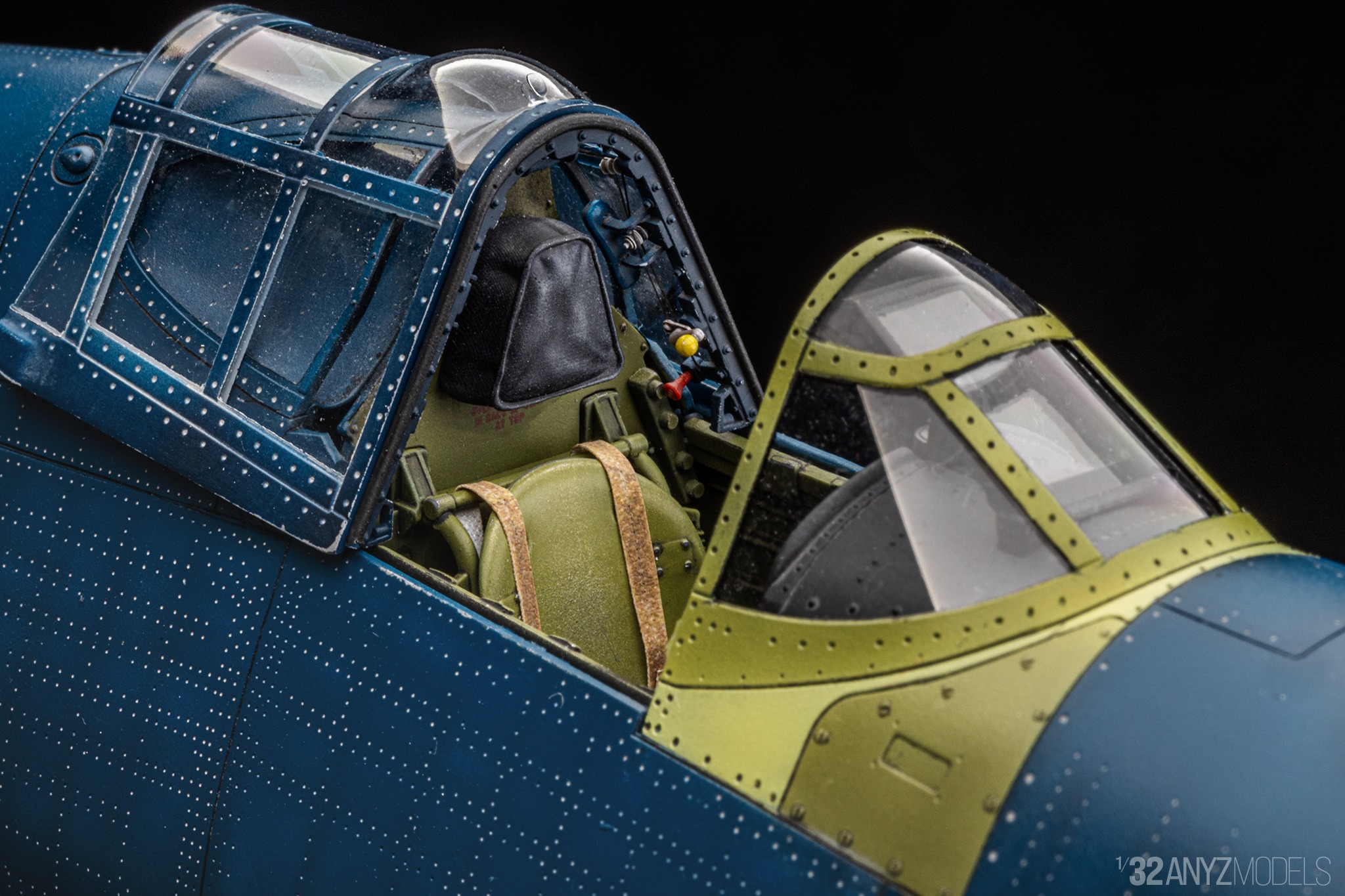
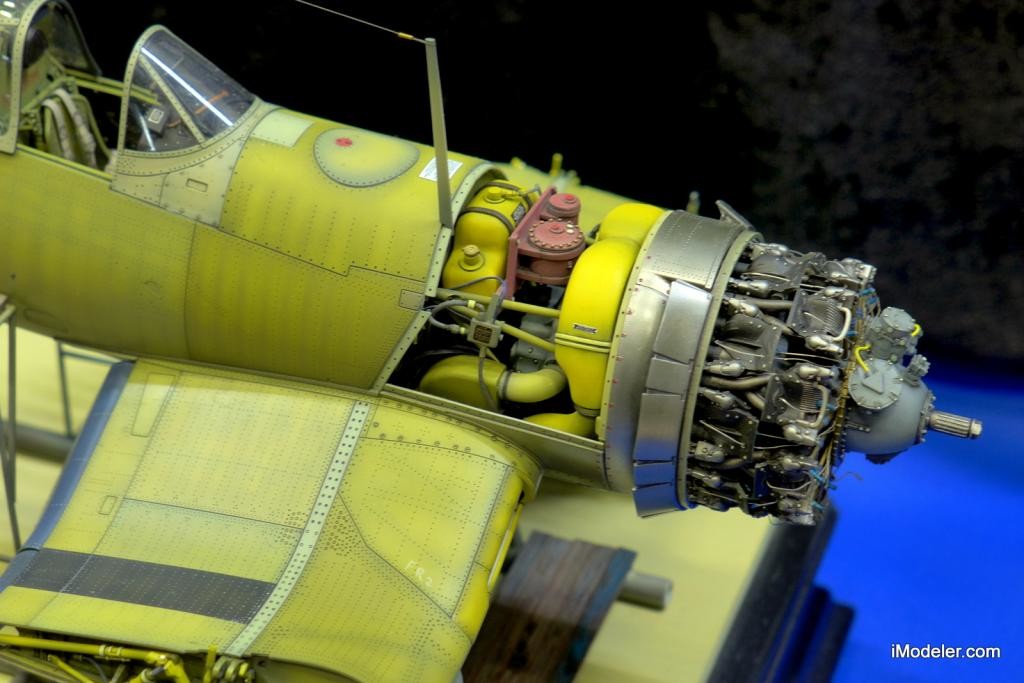
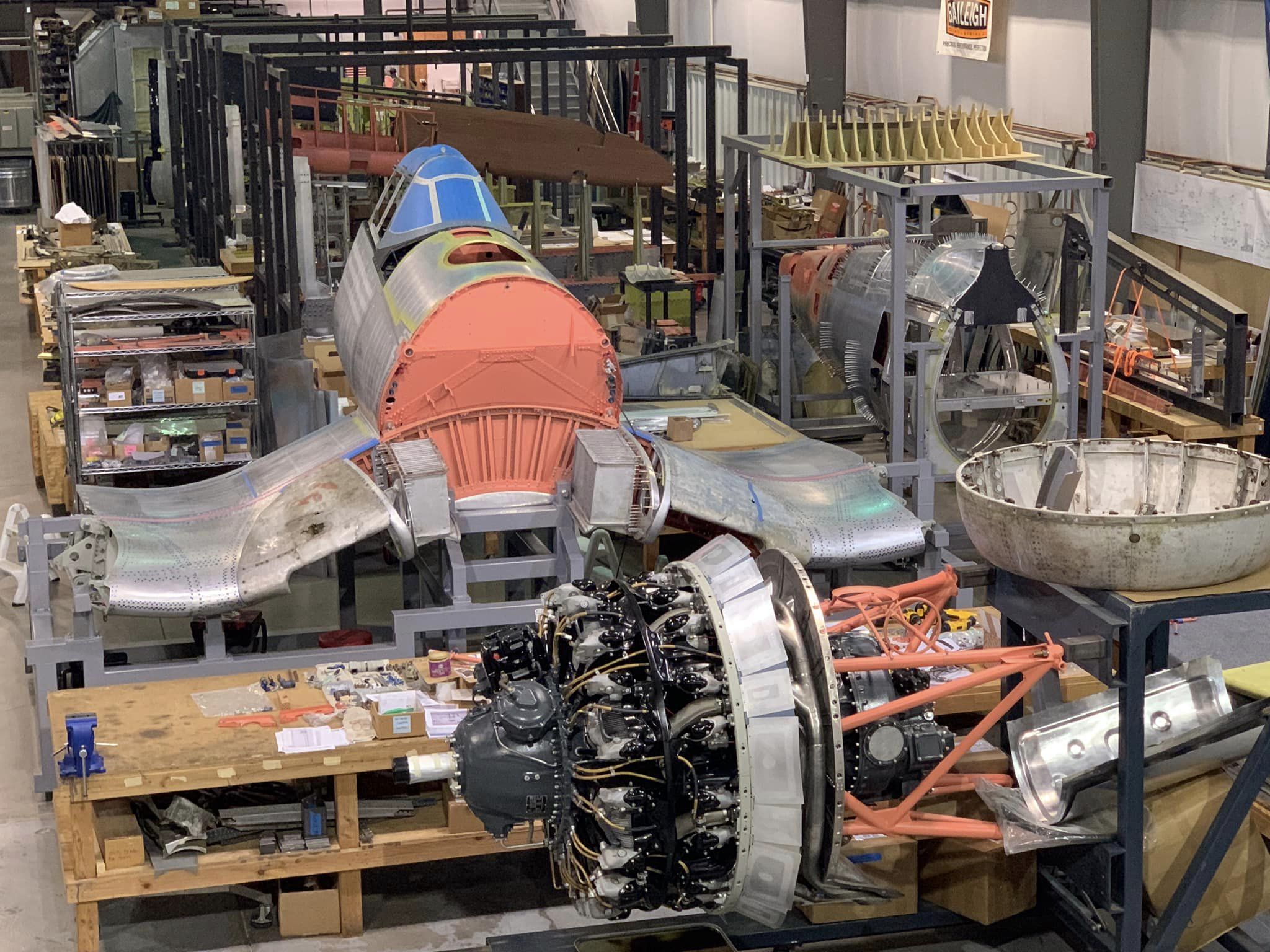
This layered construction process explains one of the most misunderstood aspects of early Corsair variants, especially the F4U-1 Corsair Birdcage. The internal areas of these aircraft were not uniformly painted. Instead, a distinctive primer known as “Salmon Pink” was applied in several sections, including the cockpit, wheel wells, and internal fuselage structures. This tone resulted from a mixture of zinc chromate and red oxide, producing a warm, muted pinkish hue rather than a vivid color. In practice, it varied depending on application method, thickness, and wear, creating subtle tonal shifts that are ideal for advanced modeling techniques.
Replicating this environment in scale, particularly with a high-quality base kit such as the 1/32 offering from Tamiya, opens the door to a much deeper level of realism. However, achieving that realism requires more than careful painting. It depends on the integration of fine detail—wiring, connectors, placards, and surface variation—that brings the structure to life. This is where the product range of ANYZ becomes essential.
ANYZ specializes in micro-detailing systems designed specifically for high-end scale modeling. Their approach is not simply to add parts, but to replicate the logic of real engineering in miniature. This makes their products particularly suitable for factory assembly line scenes, where internal detail is exposed and visually critical.
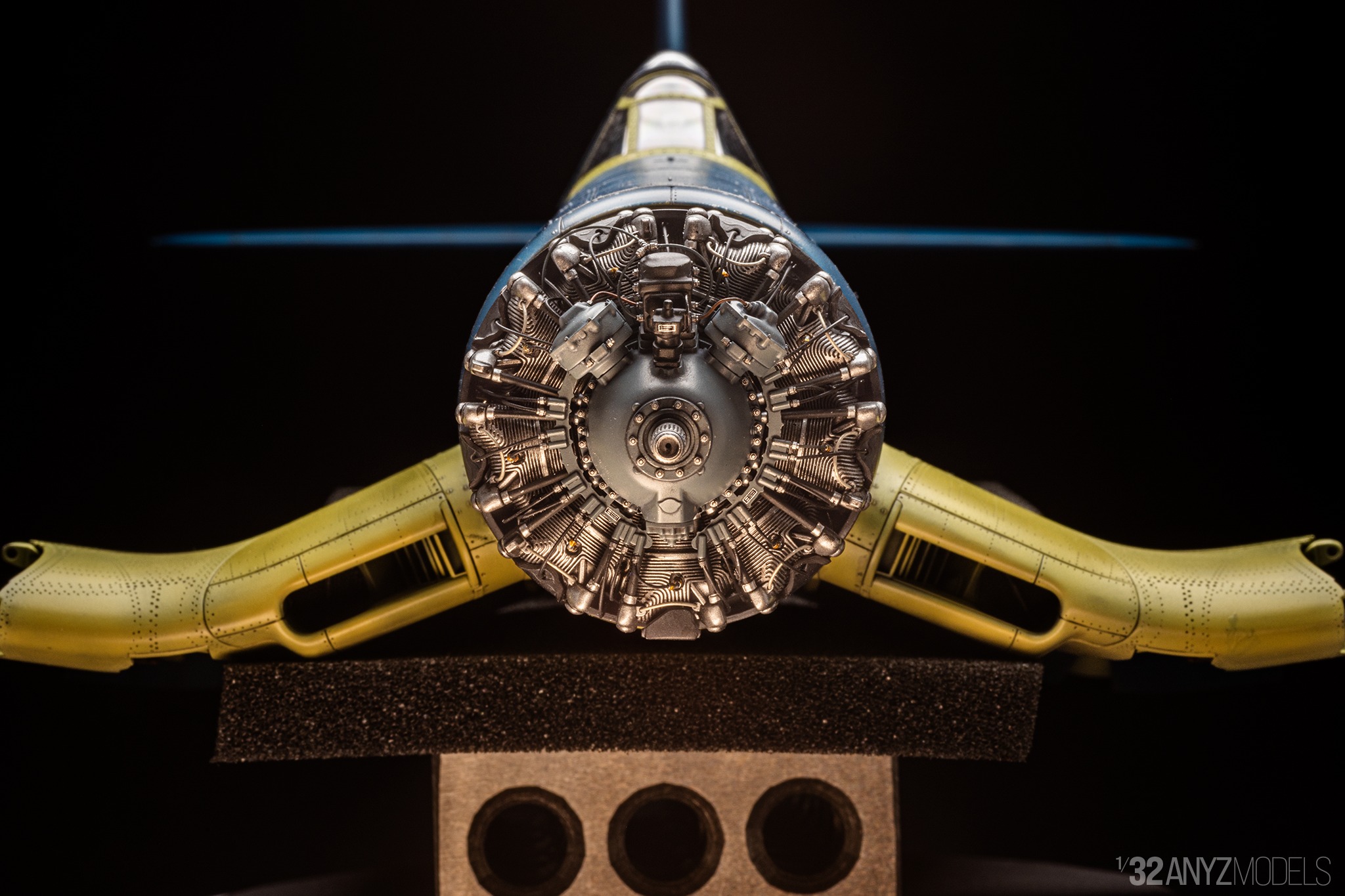
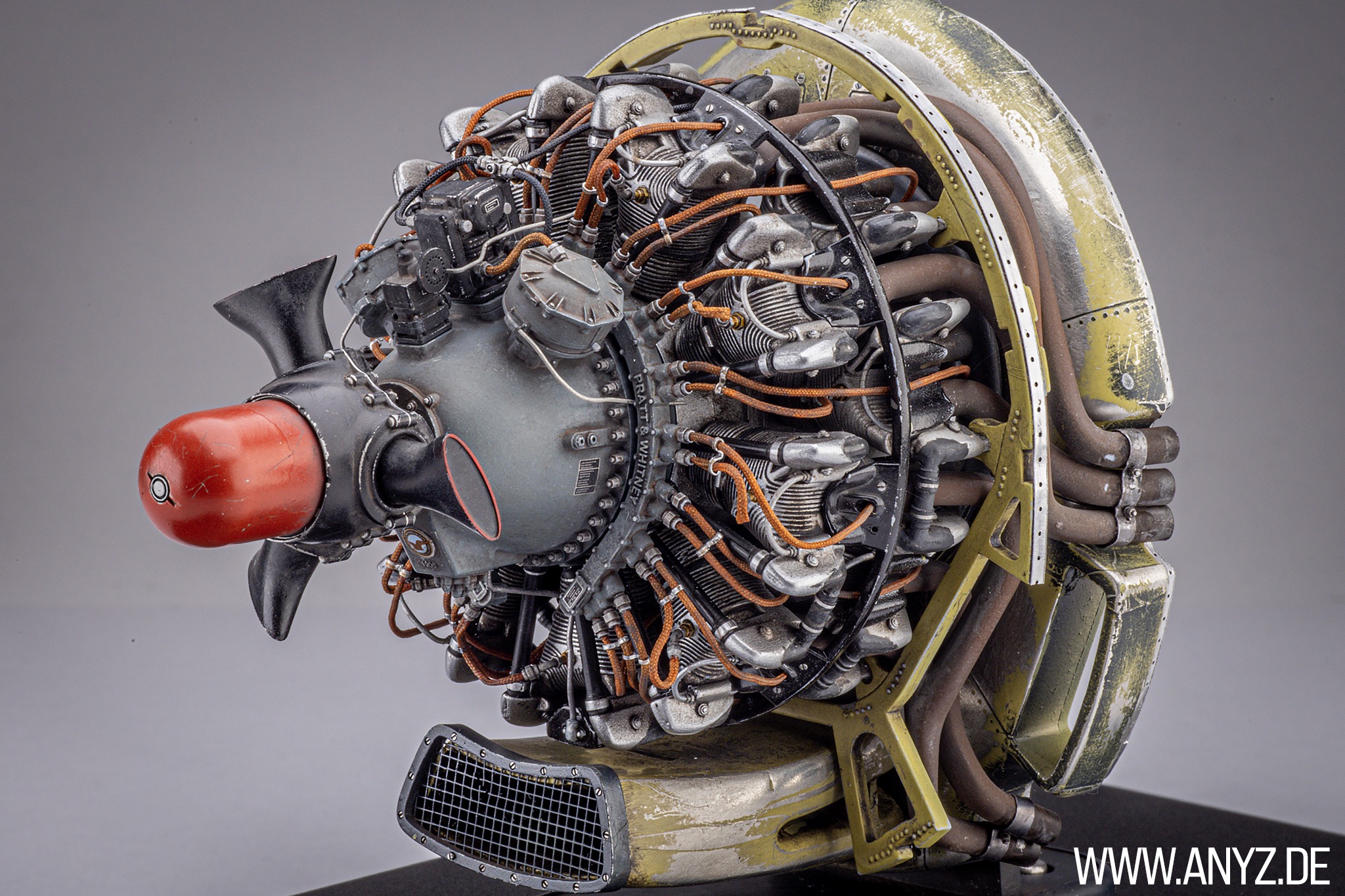
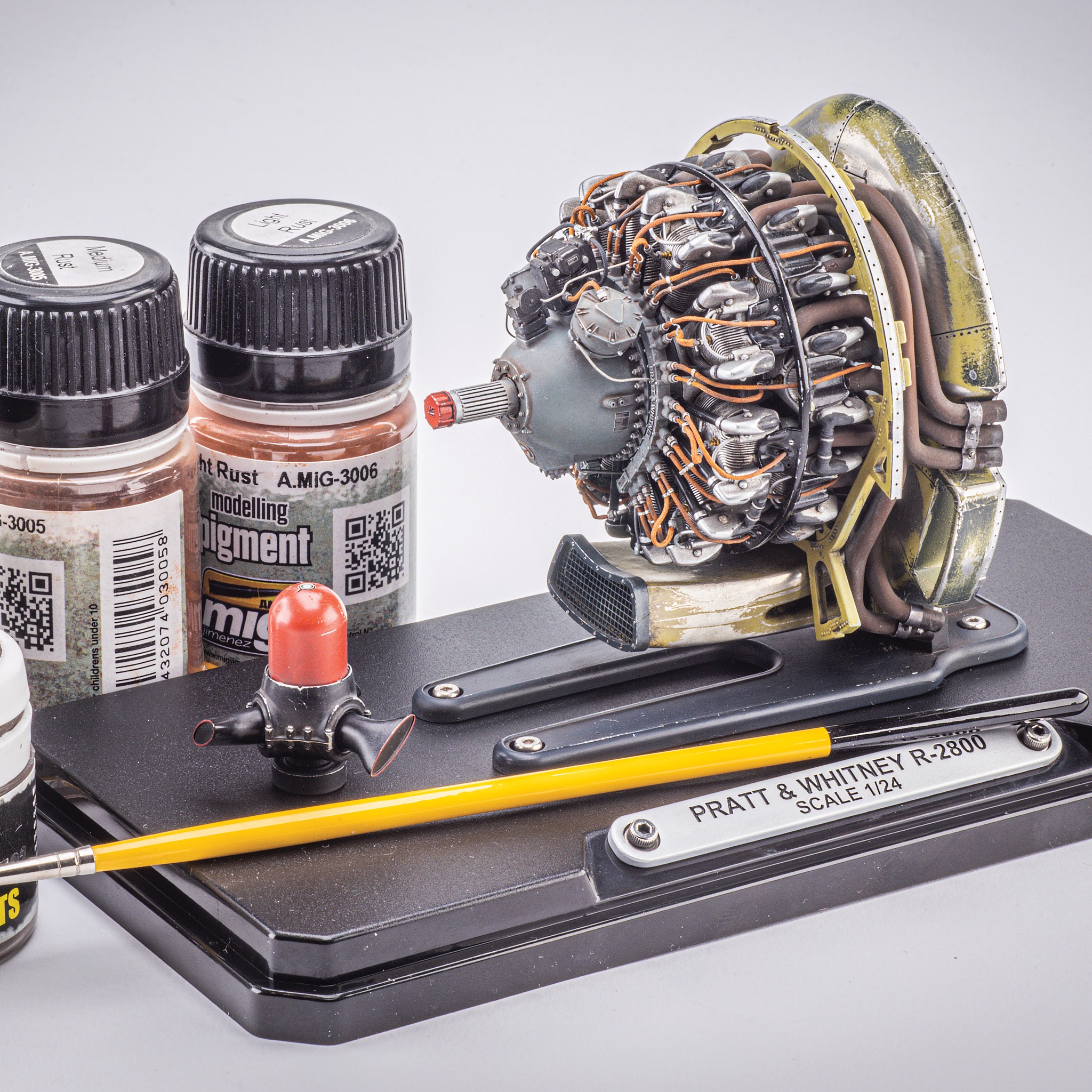
One of the most impactful areas is wiring and cabling. The Corsair’s Pratt & Whitney R-2800 engine, as well as its cockpit and radio compartments, featured dense networks of electrical and hydraulic lines. ANYZ provides ultra-fine wires in multiple diameters and pre-colored variations that eliminate the need for complex painting while maintaining accuracy. These can be used to recreate ignition harnesses, control lines, and structural cabling with a level of precision that transforms the visual depth of the model.
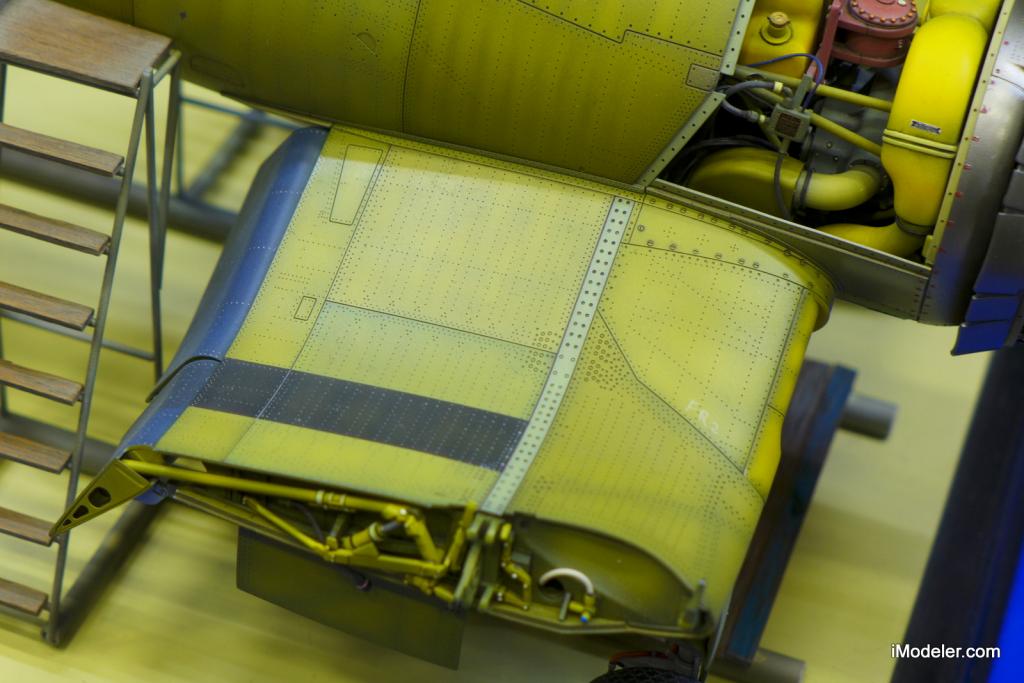
Beyond wiring, ANYZ offers a wide range of 3D resin components such as connectors, junction boxes, and switches. These elements are critical in a factory context, where panels are often open and systems are visible. Adding these details introduces scale complexity that cannot be achieved with kit parts alone. Even in a highly detailed kit, these micro-components create focal points that draw the viewer’s eye and reward close inspection.
Equally important are the placards and stencil details. Aircraft interiors were filled with data plates, warning labels, and operational markings that are often missing or simplified in standard kits. ANYZ provides highly refined decal sets designed to replicate these features accurately. When applied correctly, they contribute to a sense of realism that is particularly evident in macro photography, where empty surfaces immediately break the illusion of scale.
Paint is another area where ANYZ stands out. Their paint systems are designed with layering and tonal variation in mind, making them ideal for replicating industrial finishes rather than uniform color coats. This is especially relevant for a factory assembly line Corsair, where surfaces may show differences in primer tone, incomplete coverage, or early signs of wear and handling. By building color gradually and varying opacity, the modeler can recreate the subtle inconsistencies that define real-world manufacturing.
Approaching the Corsair as a factory subject also changes the philosophy of weathering. Instead of heavy operational wear, the focus shifts to handling marks, oil residues, and slight discoloration from assembly processes. Panels may not match perfectly, finishes may appear uneven, and certain areas may remain in primer while others are fully painted. This controlled imperfection is what gives the model authenticity.
The result of combining historical understanding with precise detailing tools is a model that tells a different story. It captures a moment in time when the aircraft was not yet a weapon, but a work in progress—an object shaped by human hands, industrial processes, and wartime urgency.
The Corsair remains one of the most compelling subjects in scale modeling not only because of its performance in combat, but because of the richness of its construction. When that construction is studied and reproduced with intention, supported by advanced detailing solutions like those from ANYZ, the model becomes more than a representation. It becomes an interpretation of reality at scale.
https://imodeler.com/2017/04/moson-model-show-2017-part-3-148-and-132-aircraft-contd/
https://anyz.io/shop/galleries
https://imodeler.com/2017/04/moson-model-show-2017-part-3-148-and-132-aircraft-contd/