article
F6-F Hellcat Air Group 16 – USS Lexington (CV16) – 1942-1945
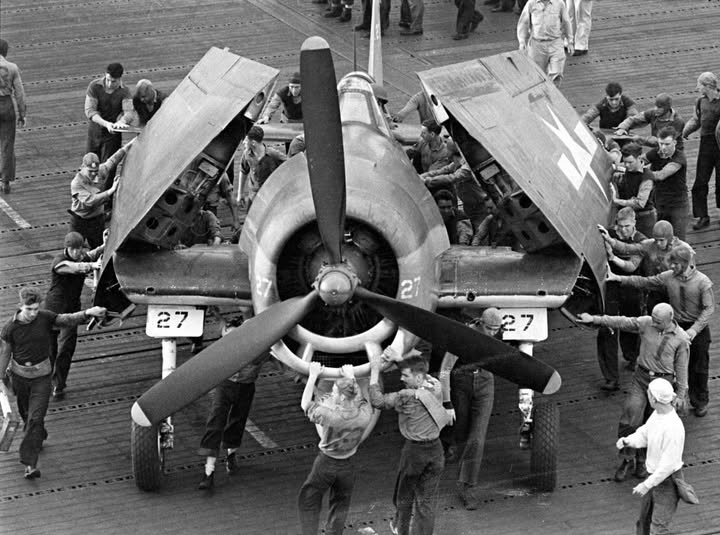
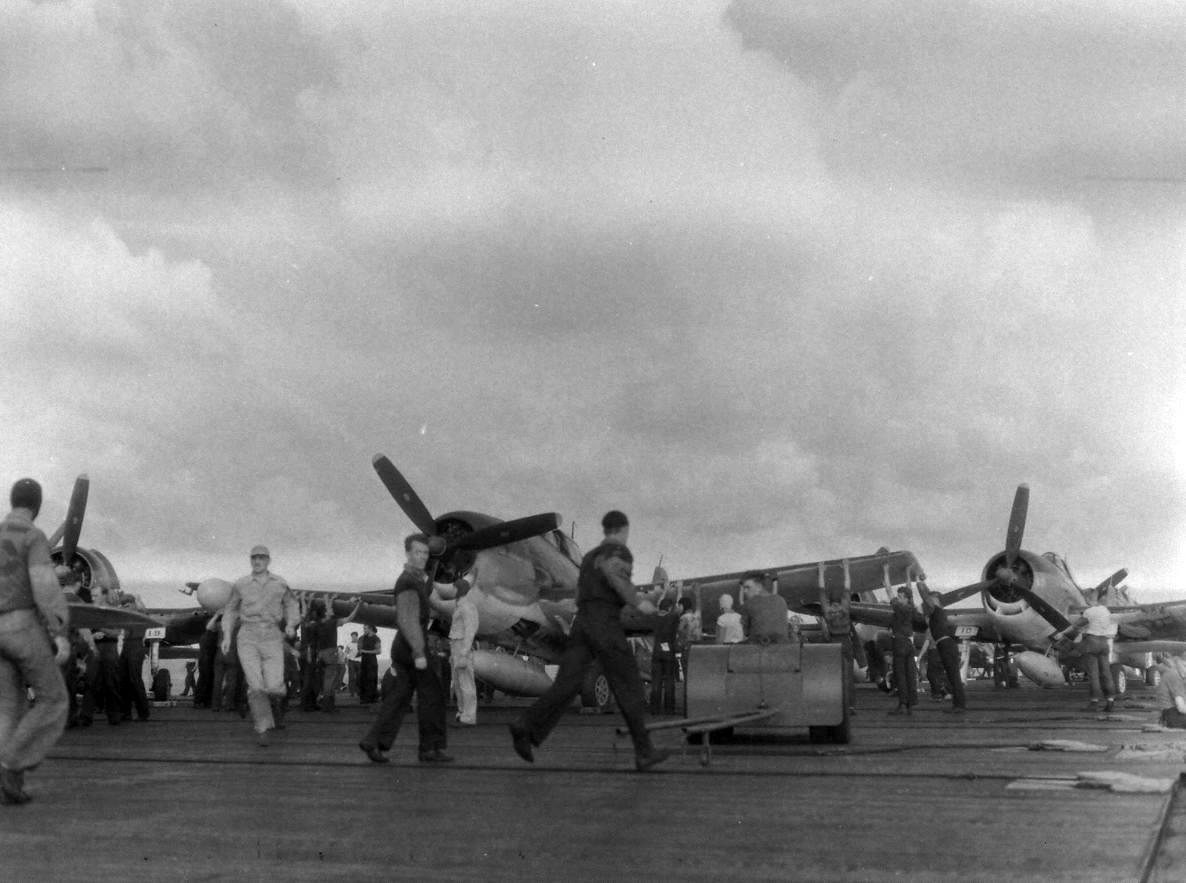
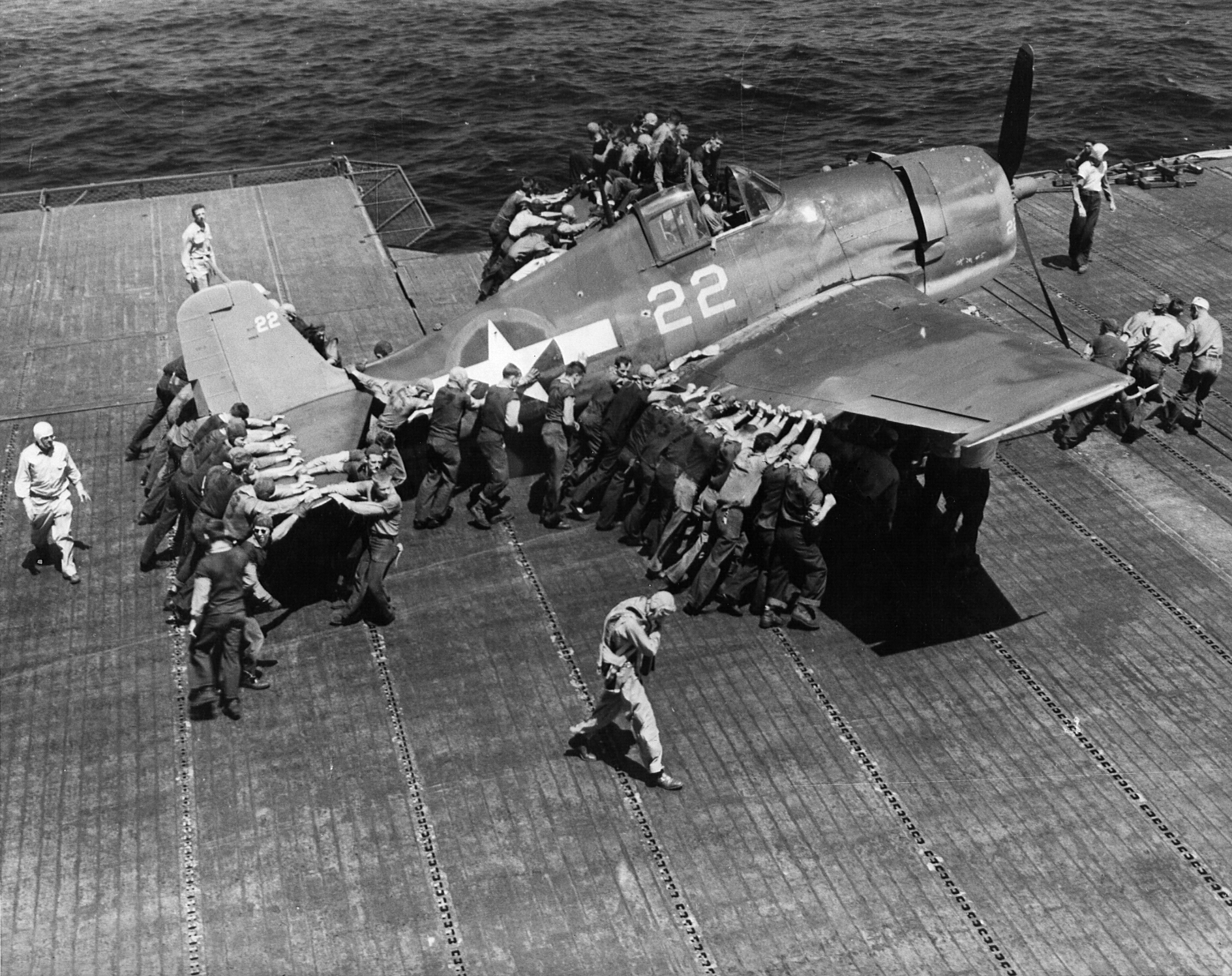
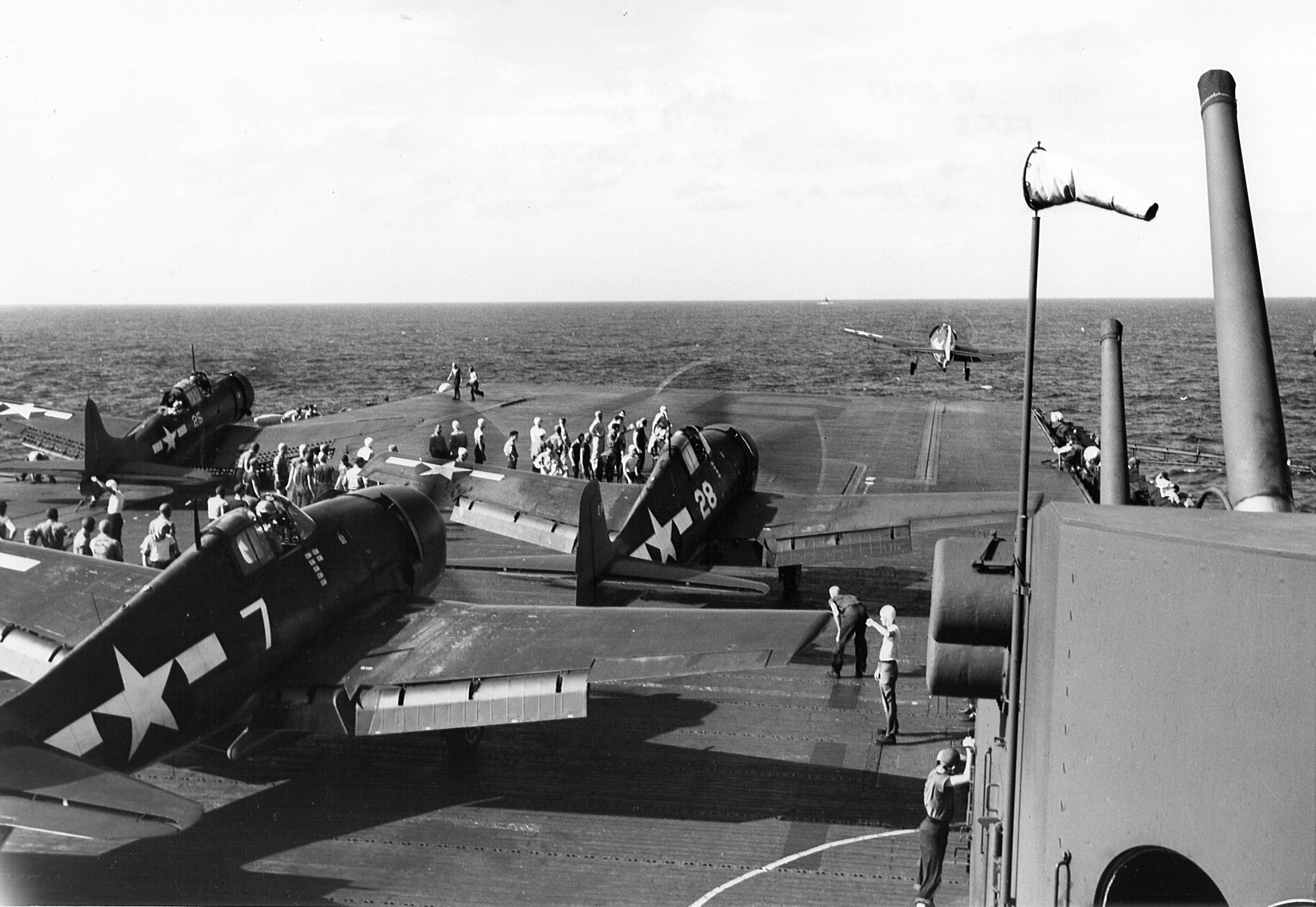
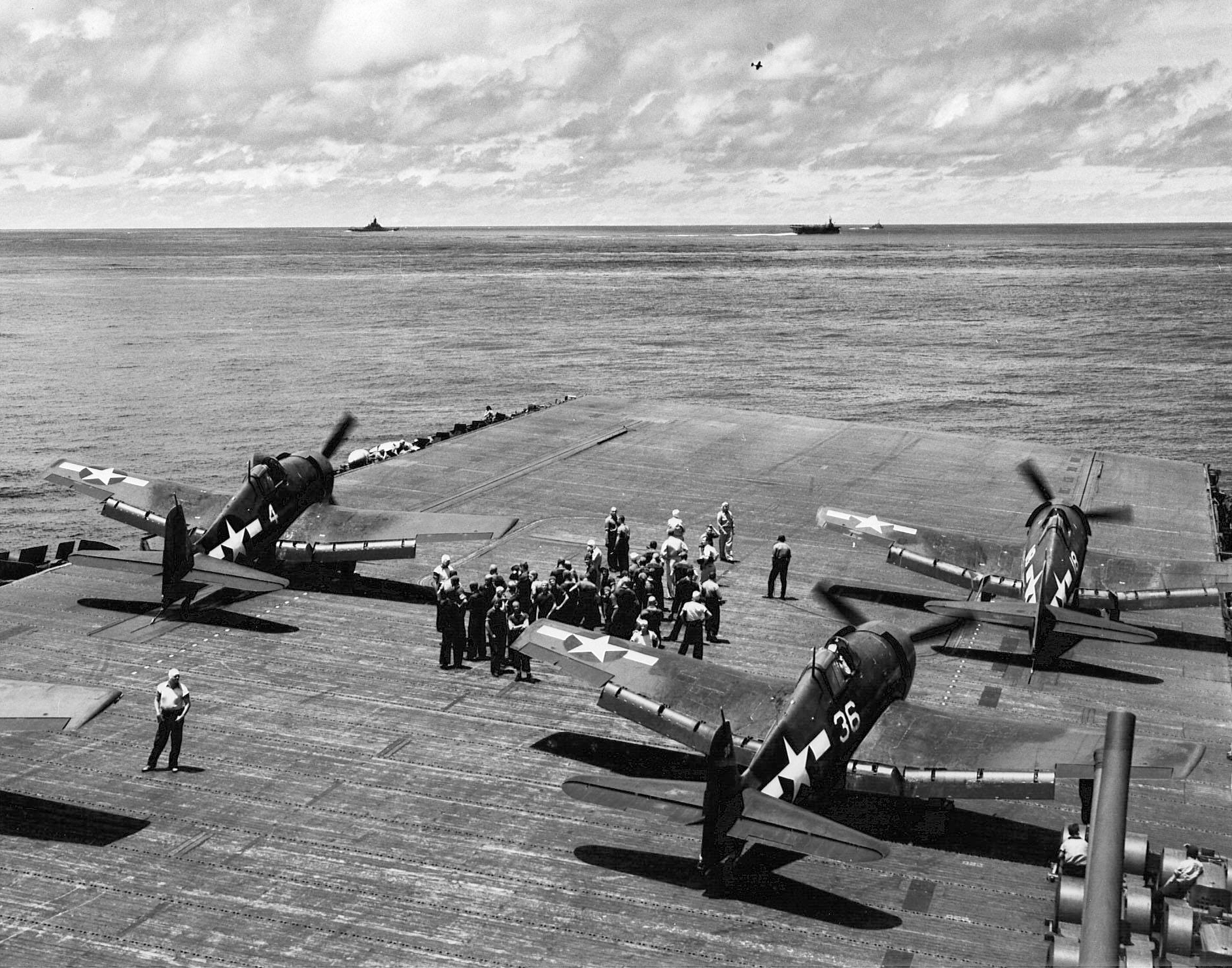
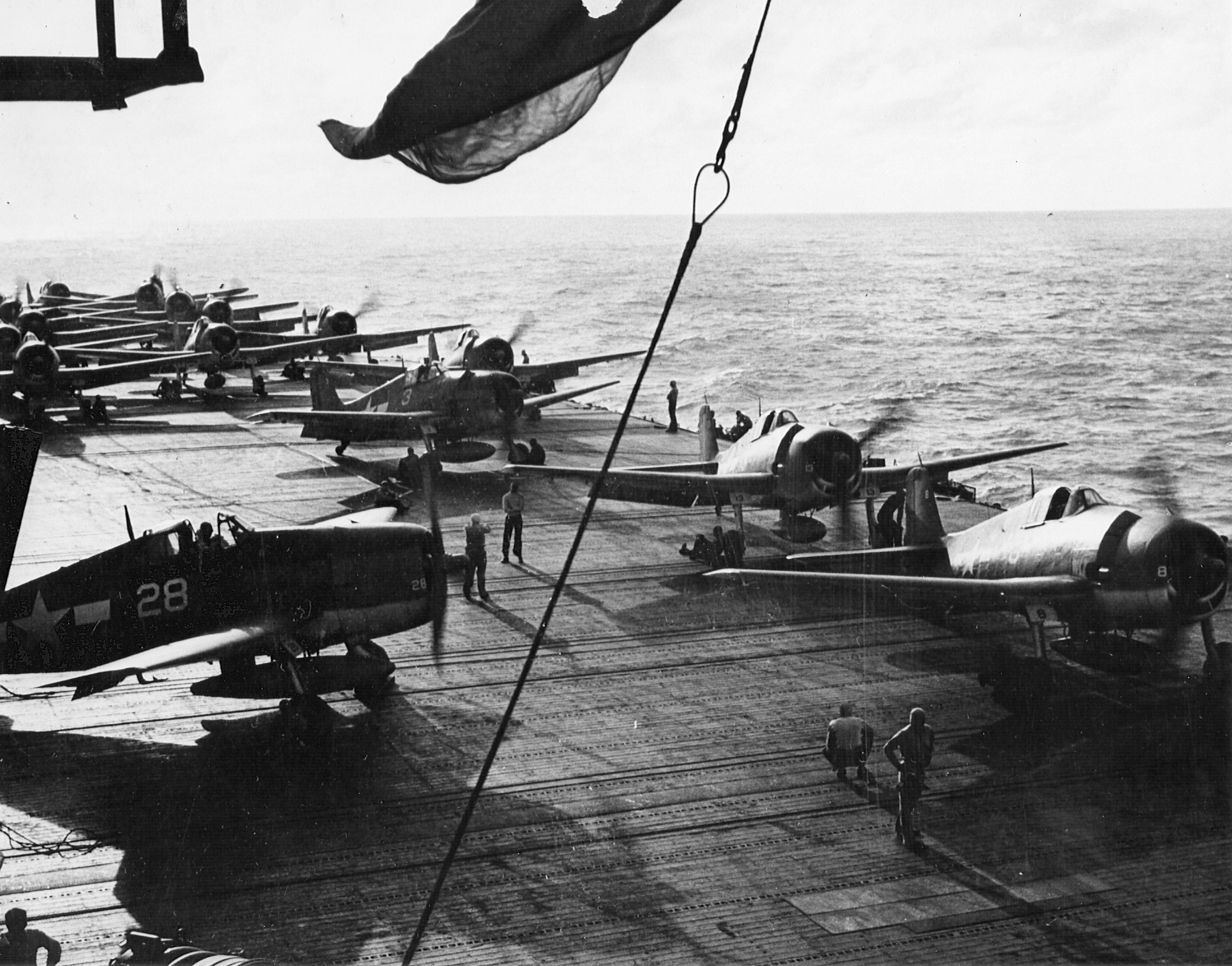
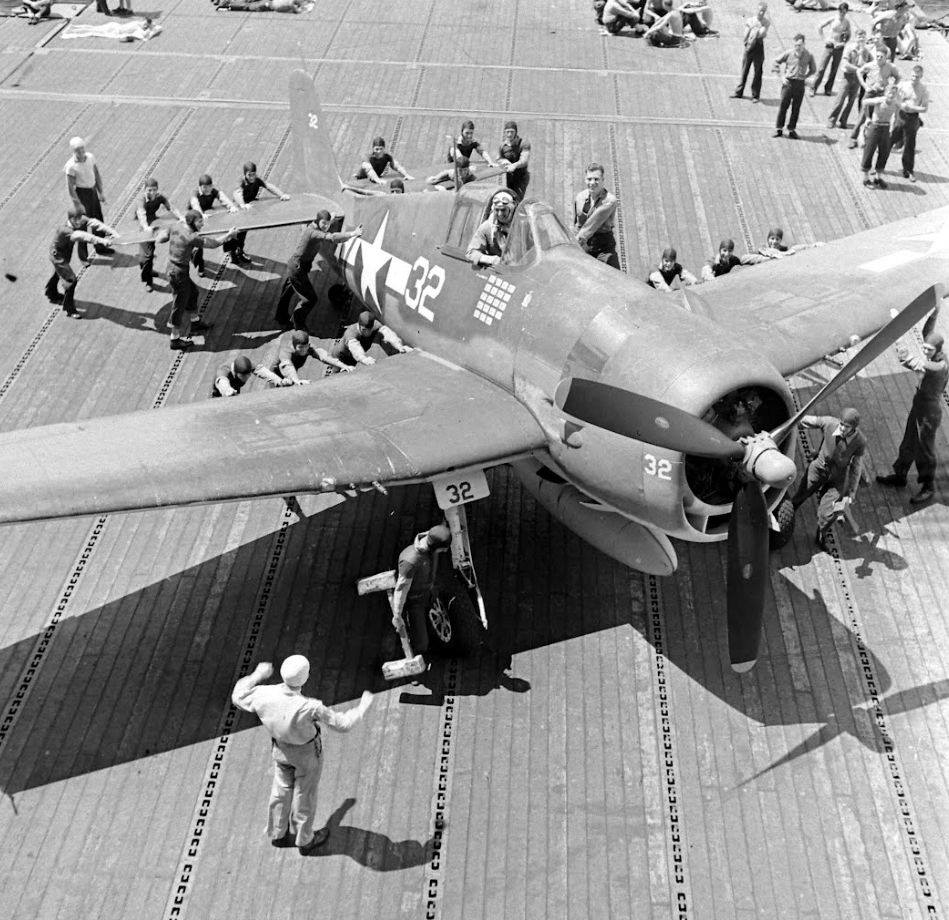
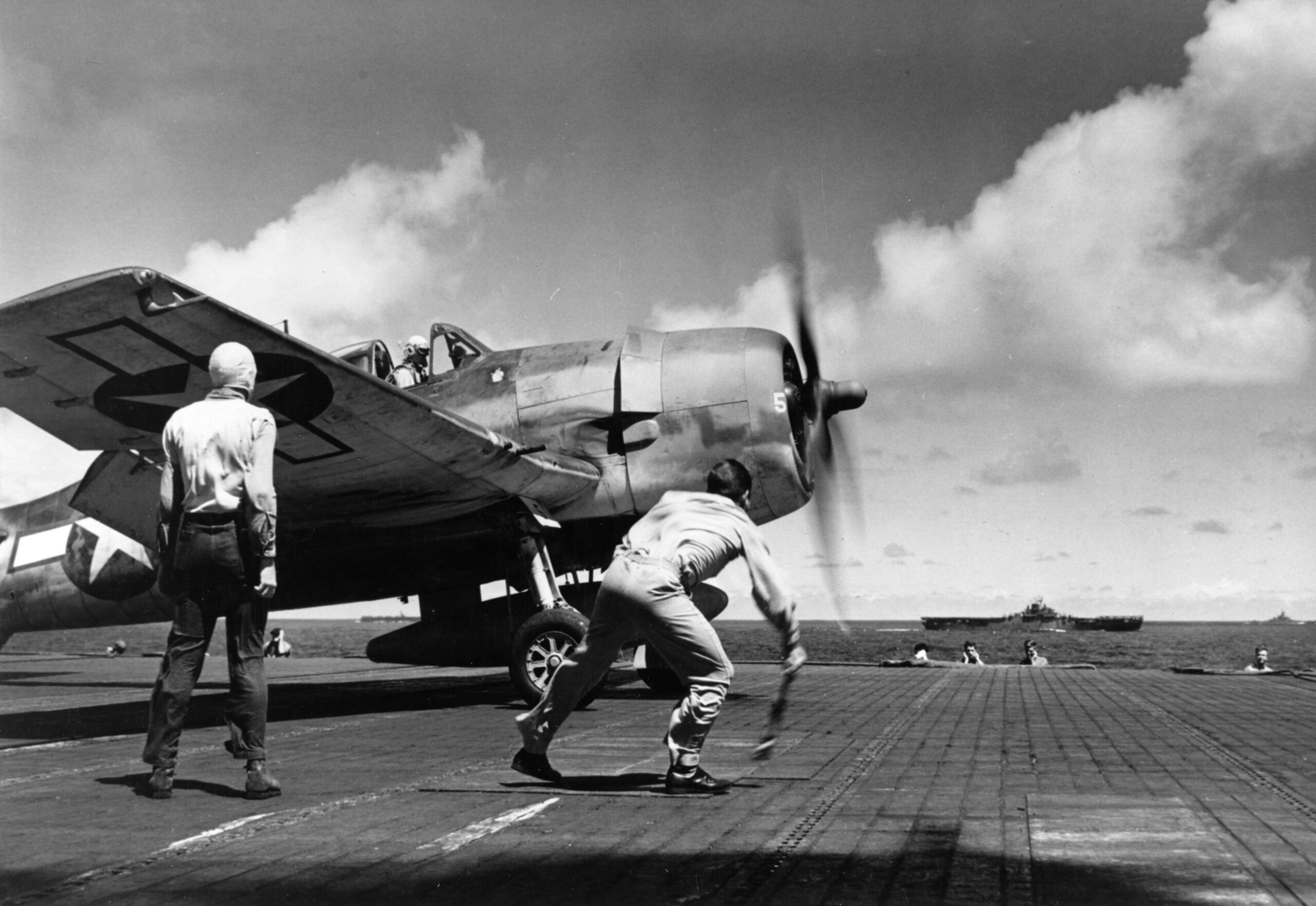
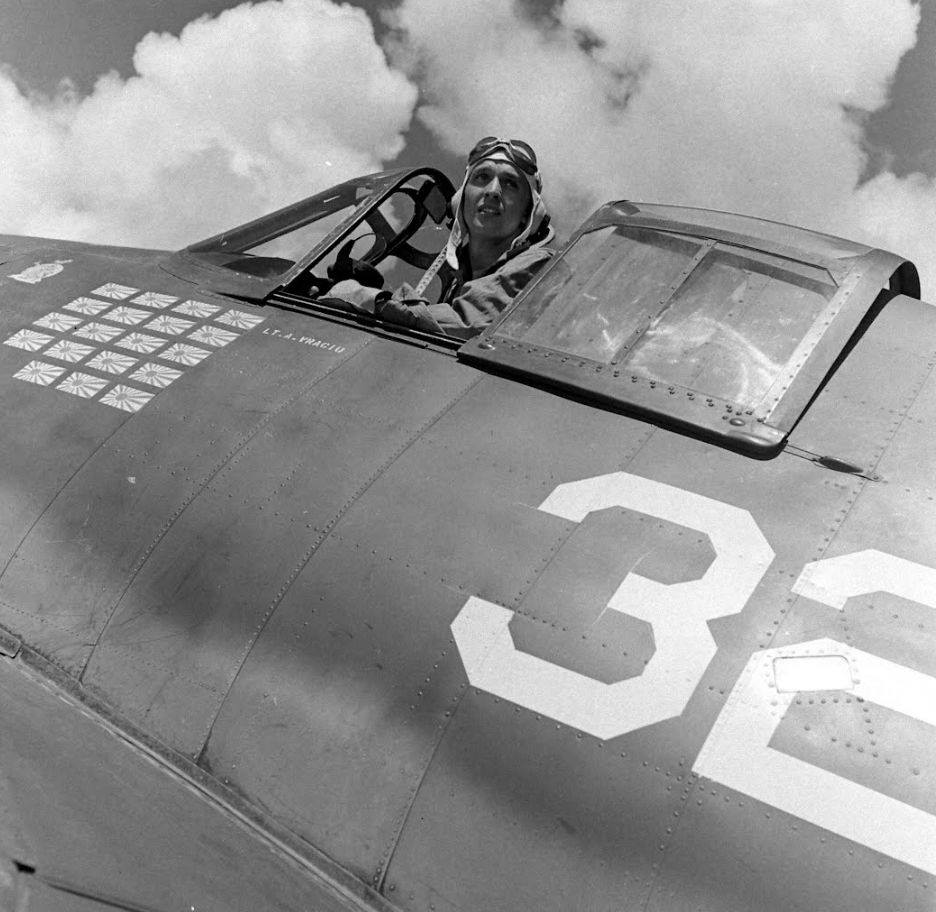
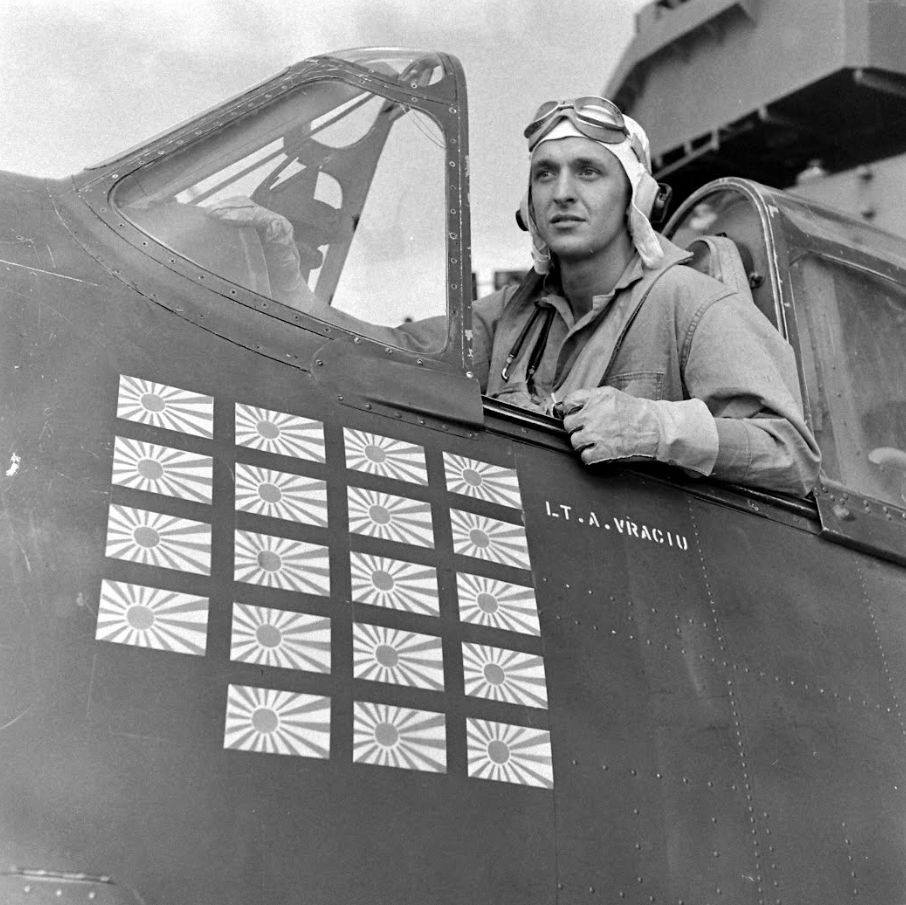
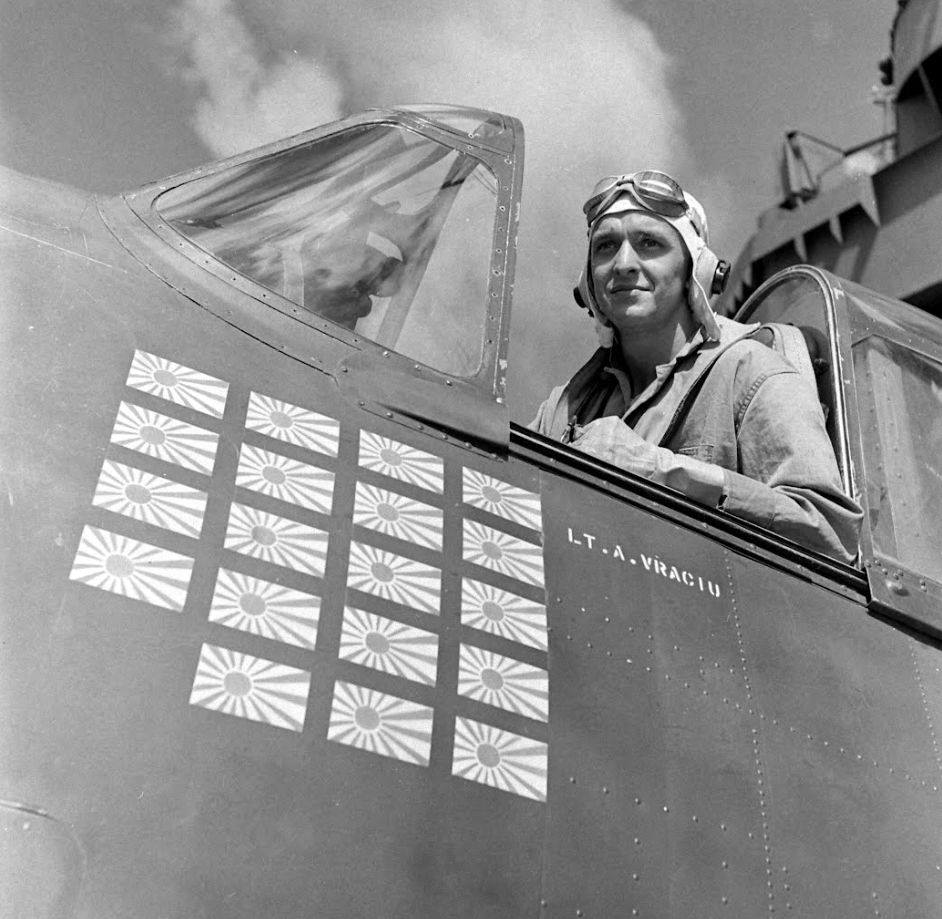
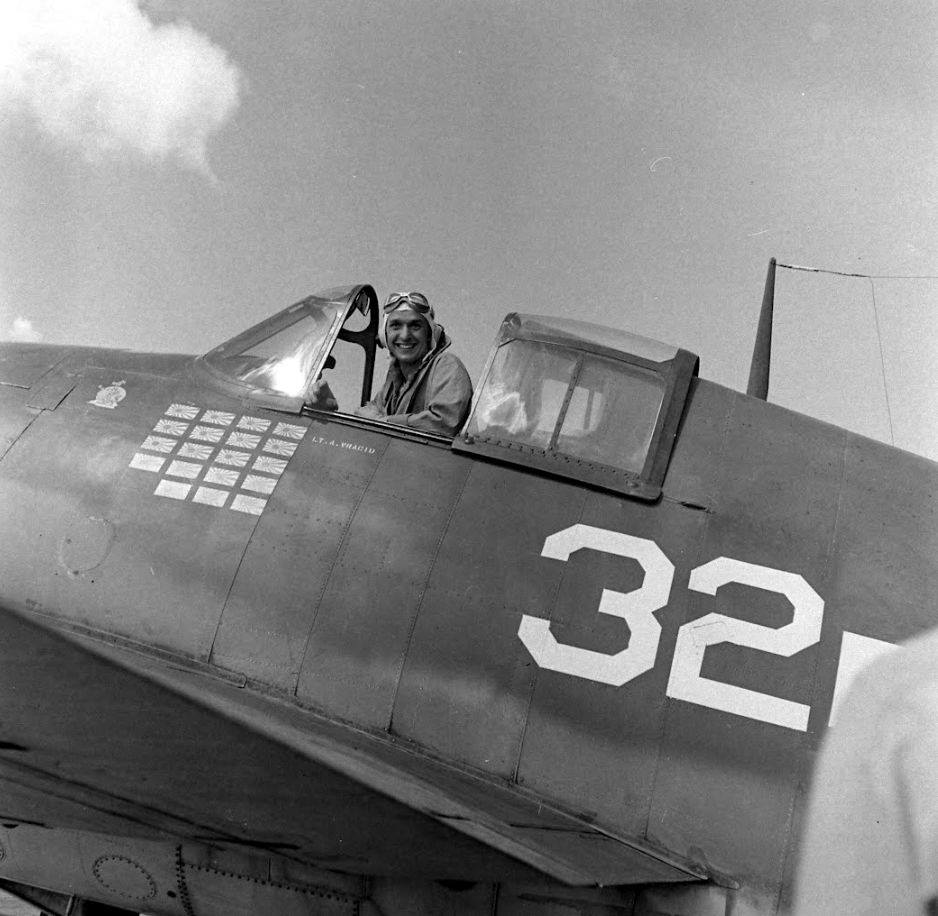
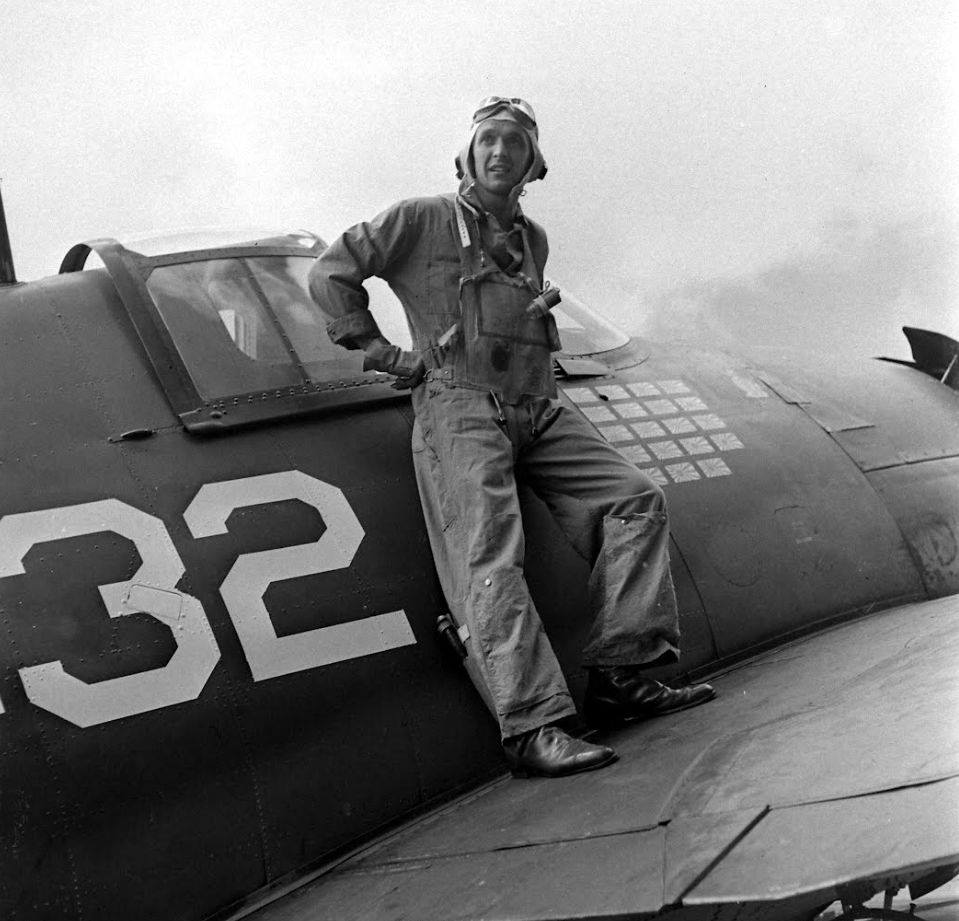
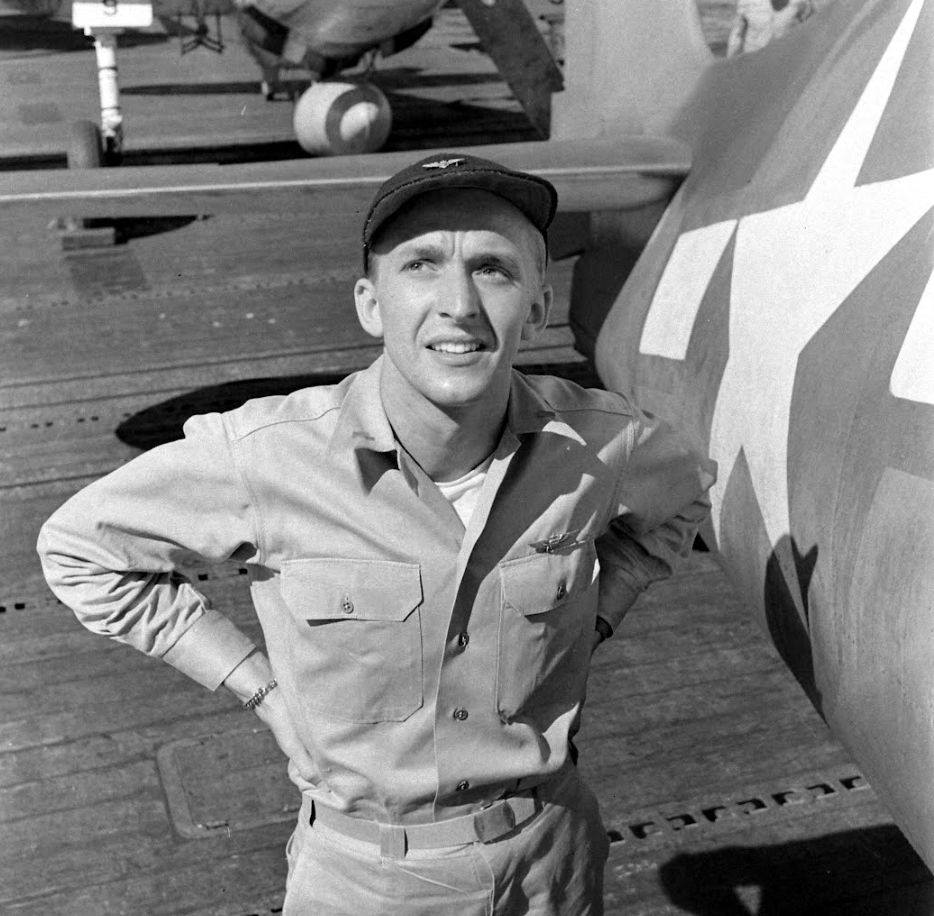
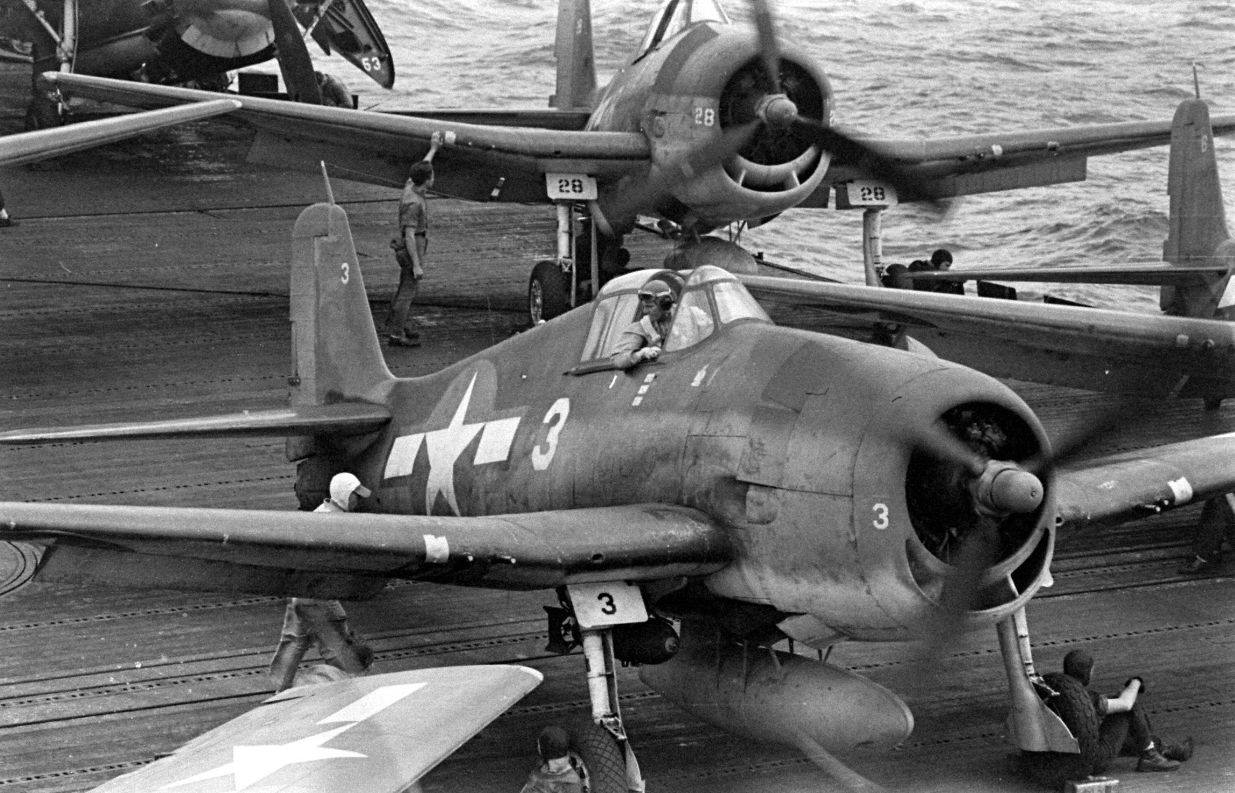
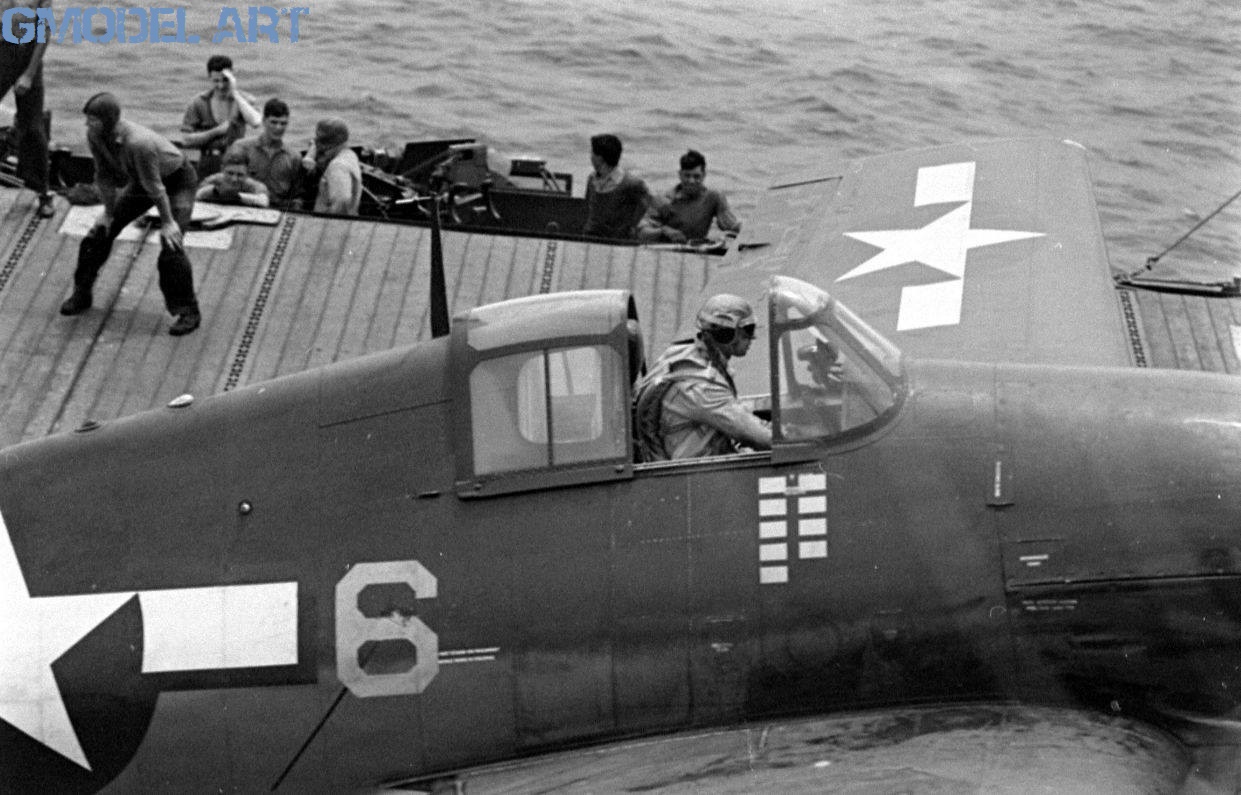
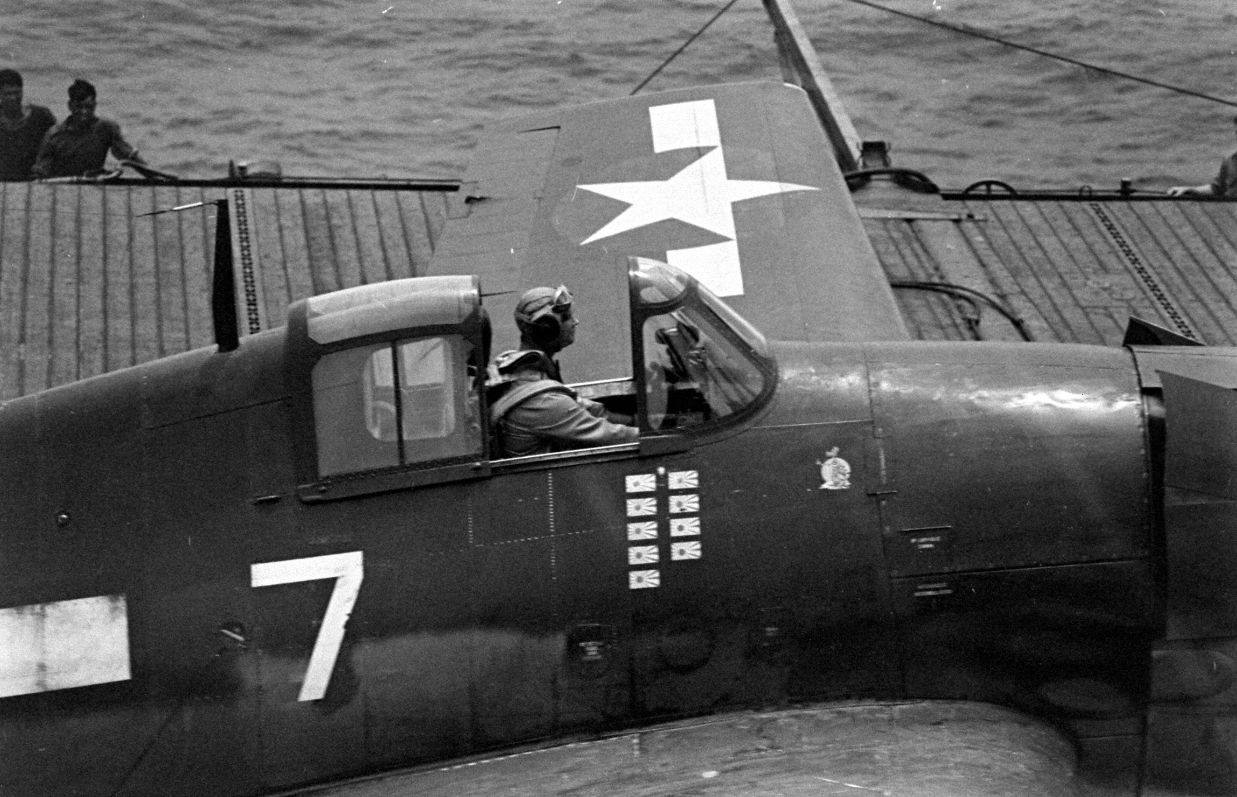
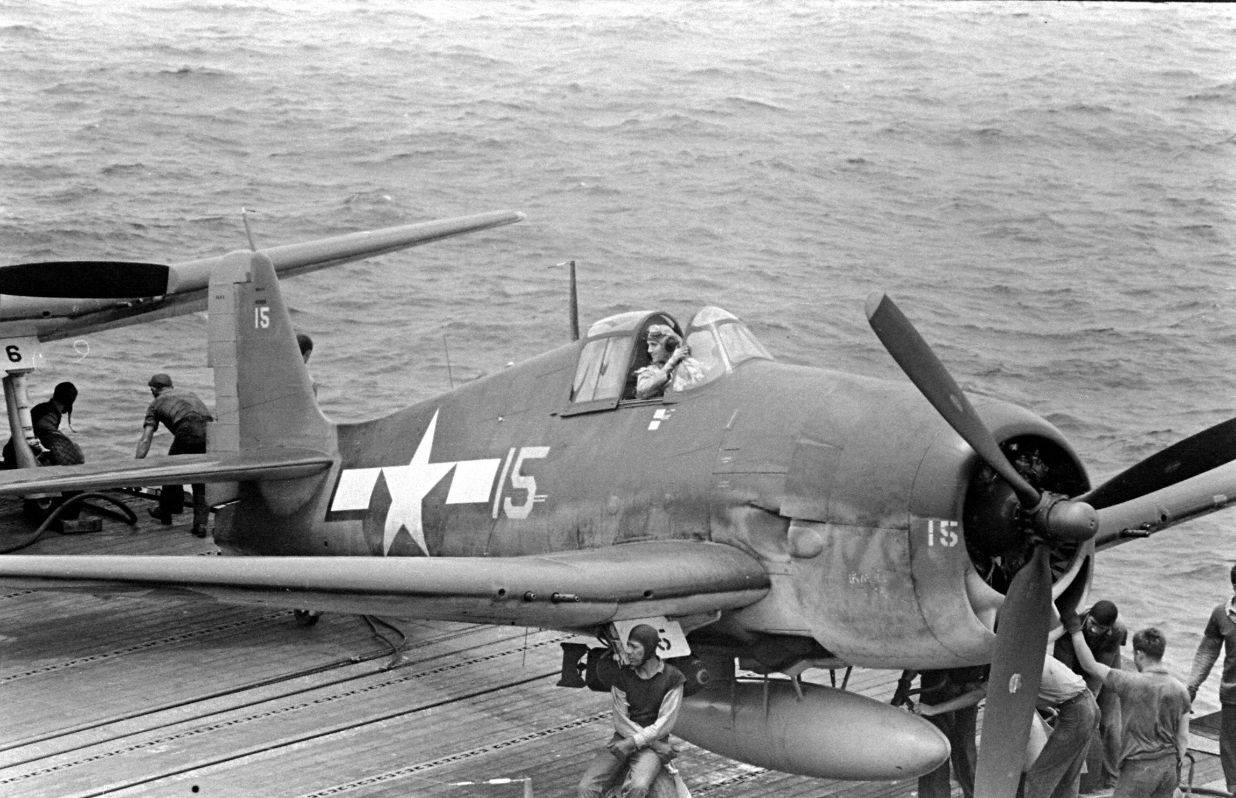
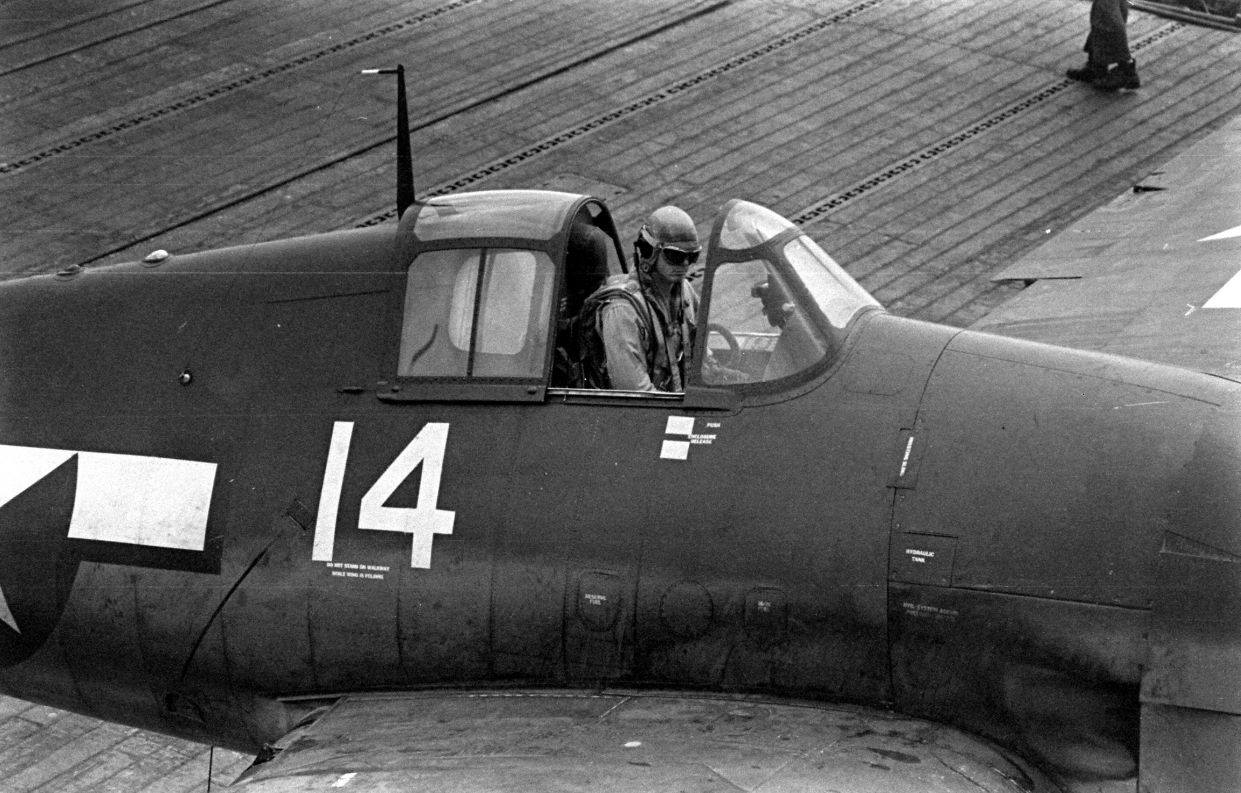
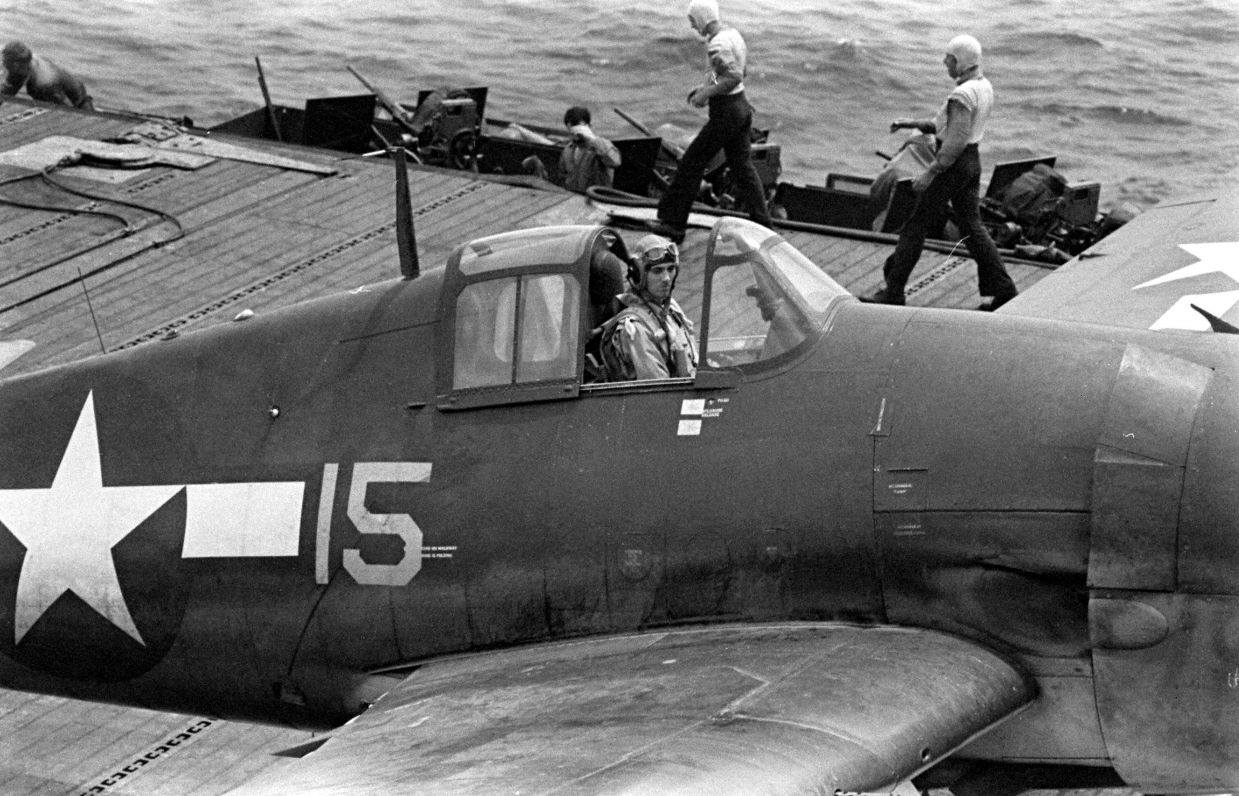
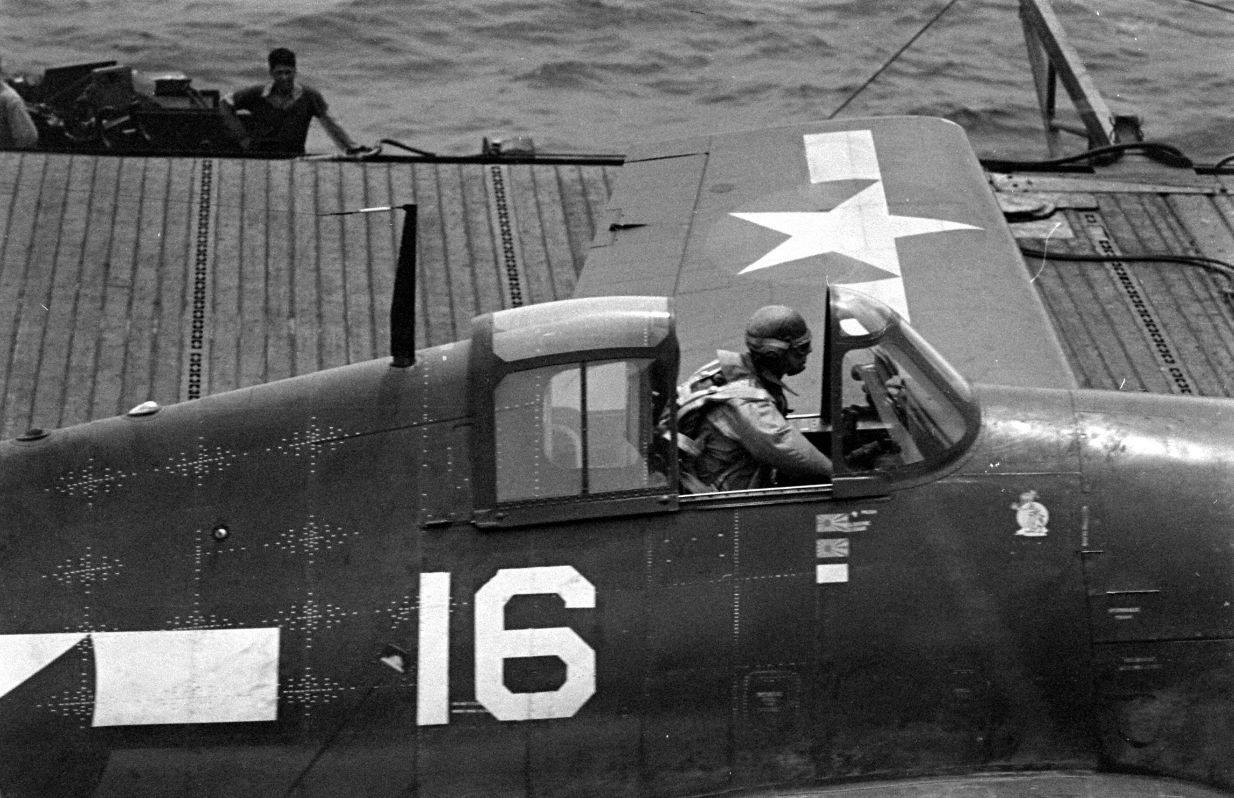
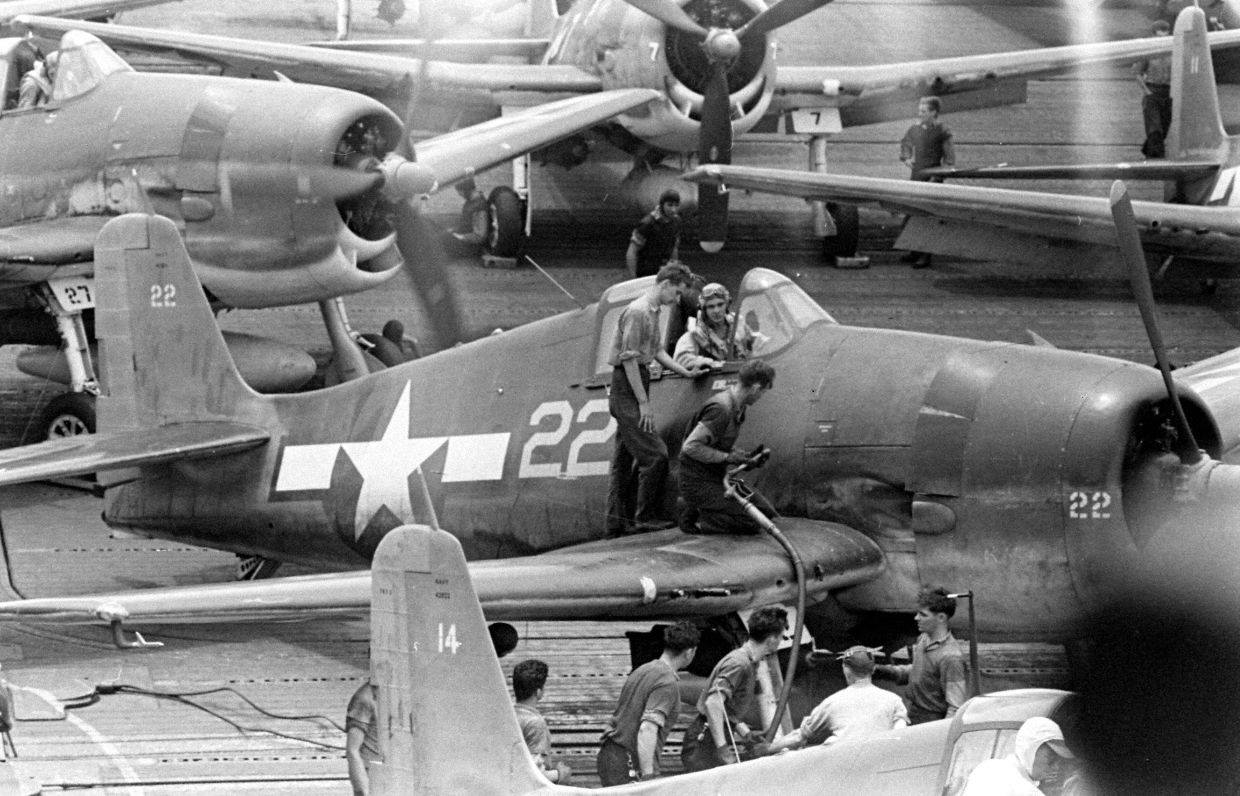
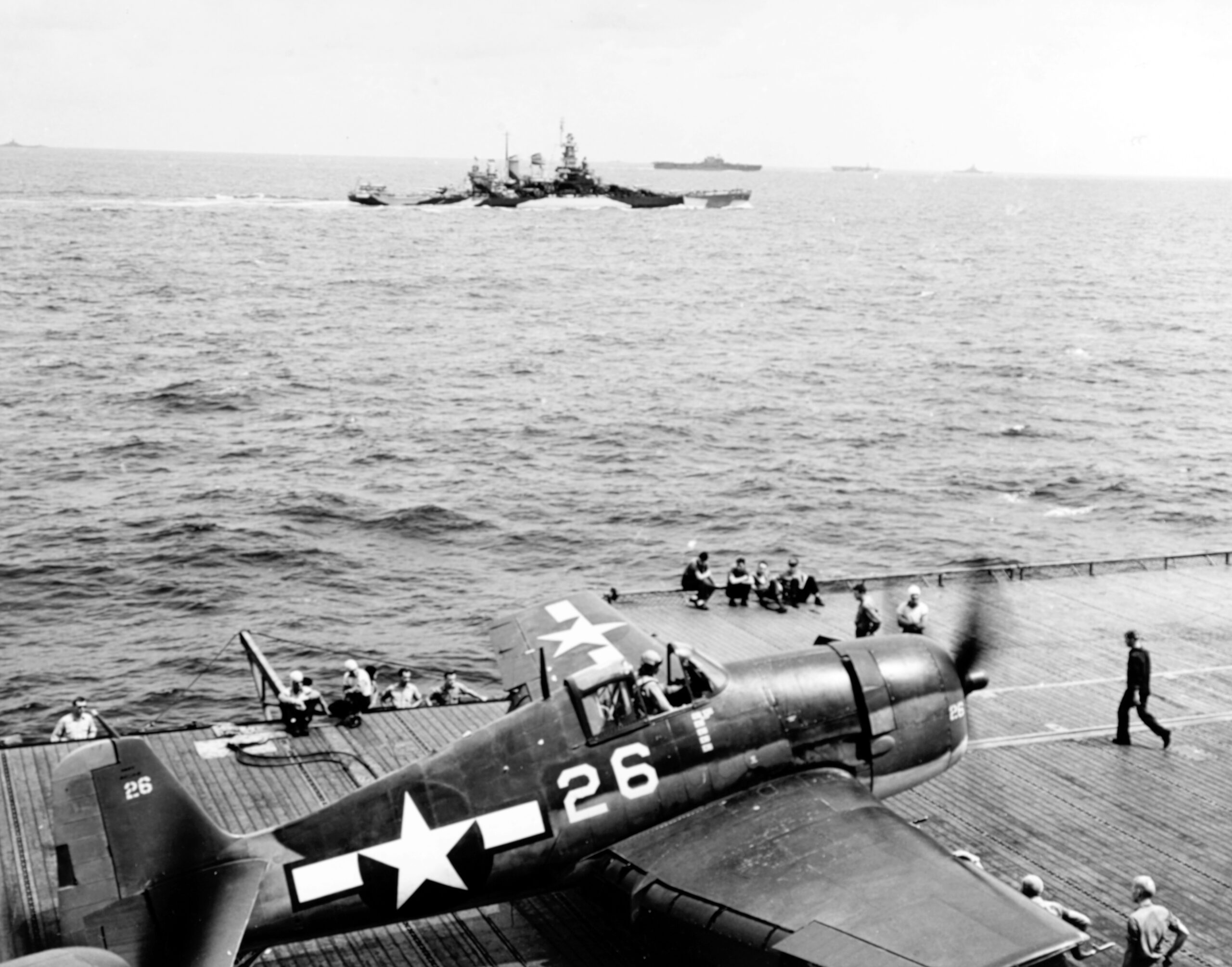
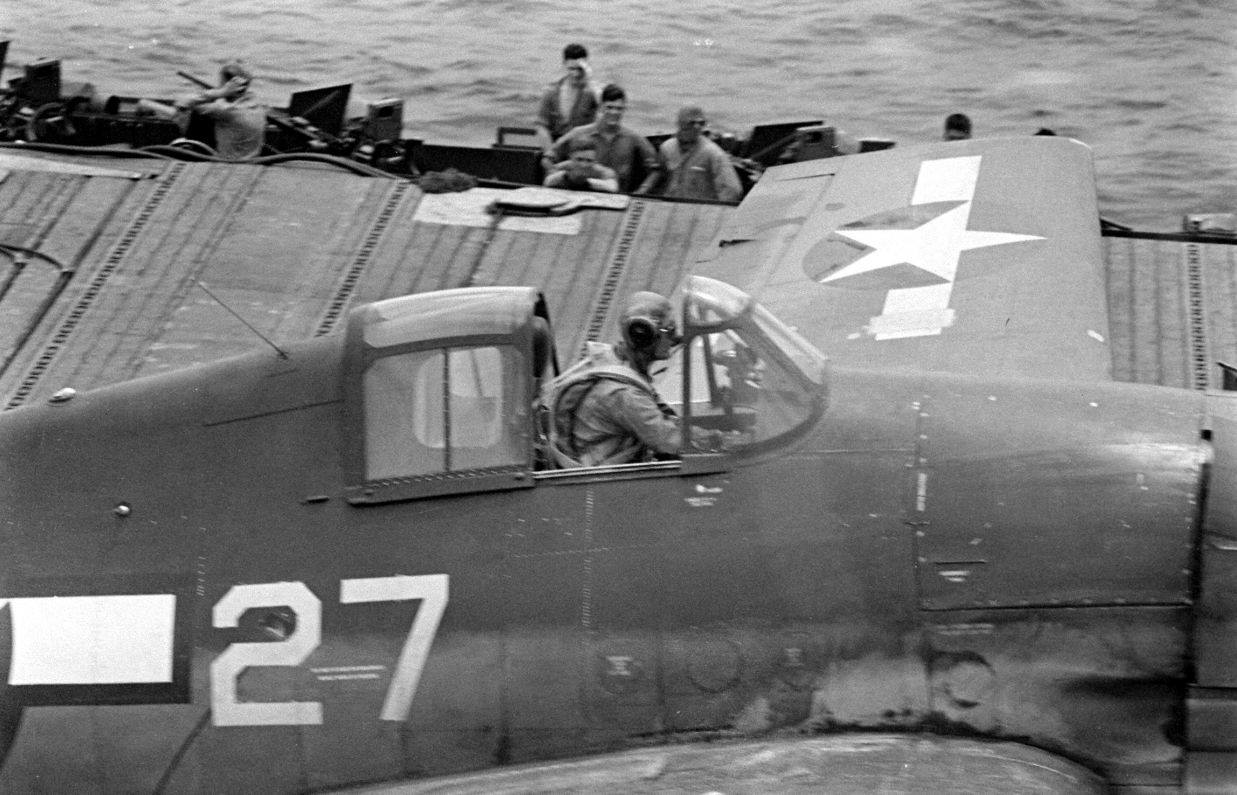
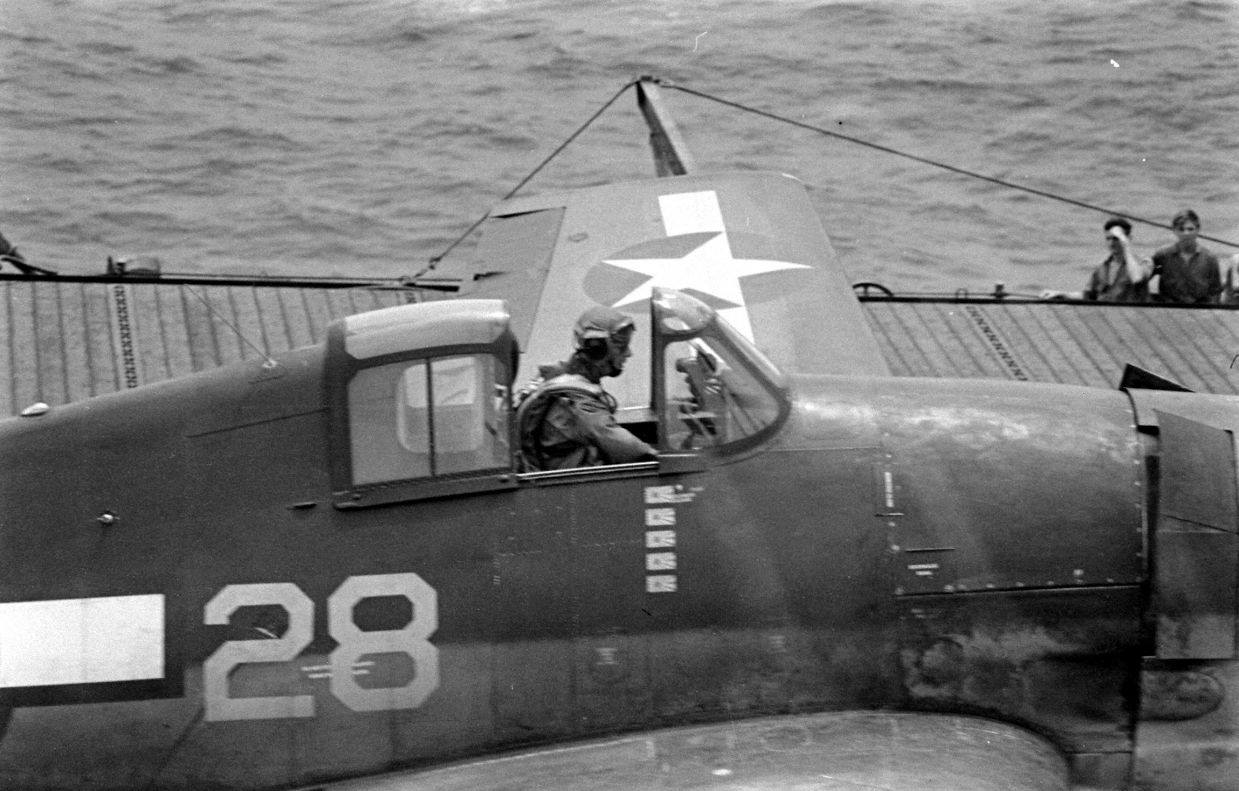
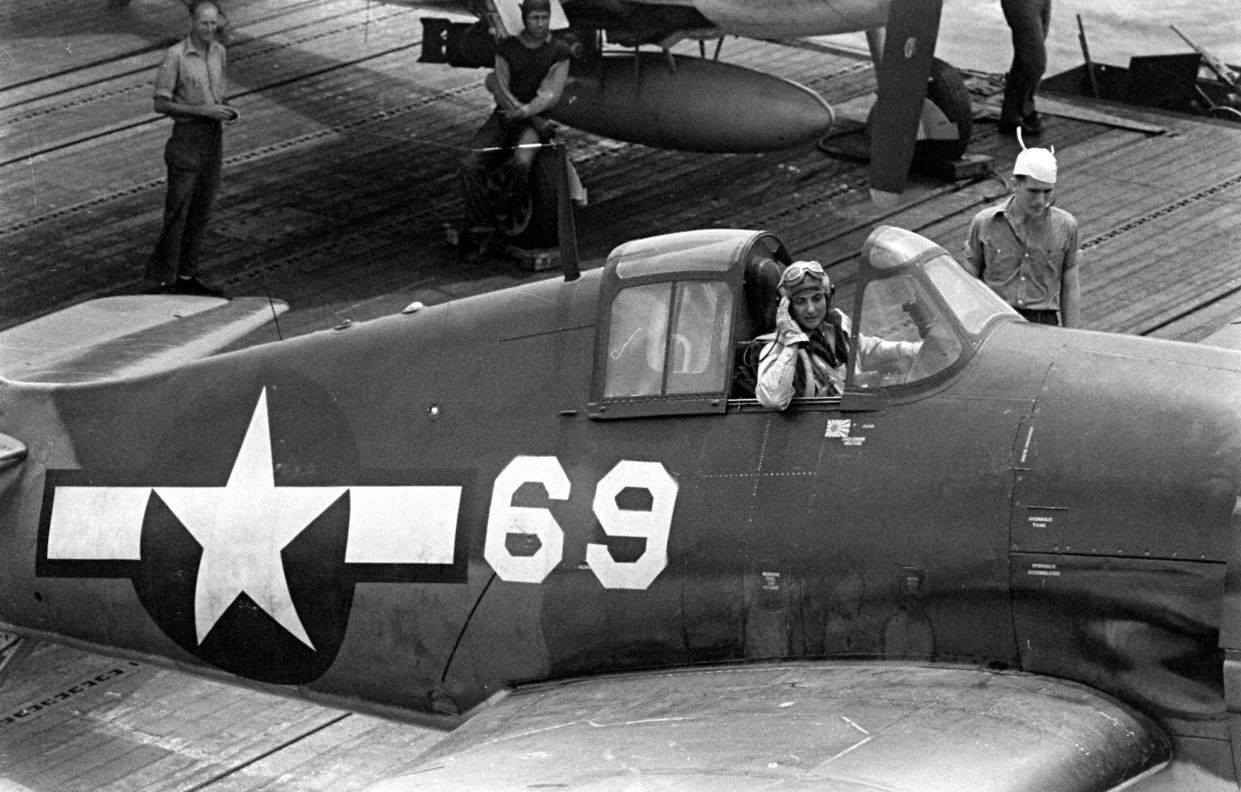
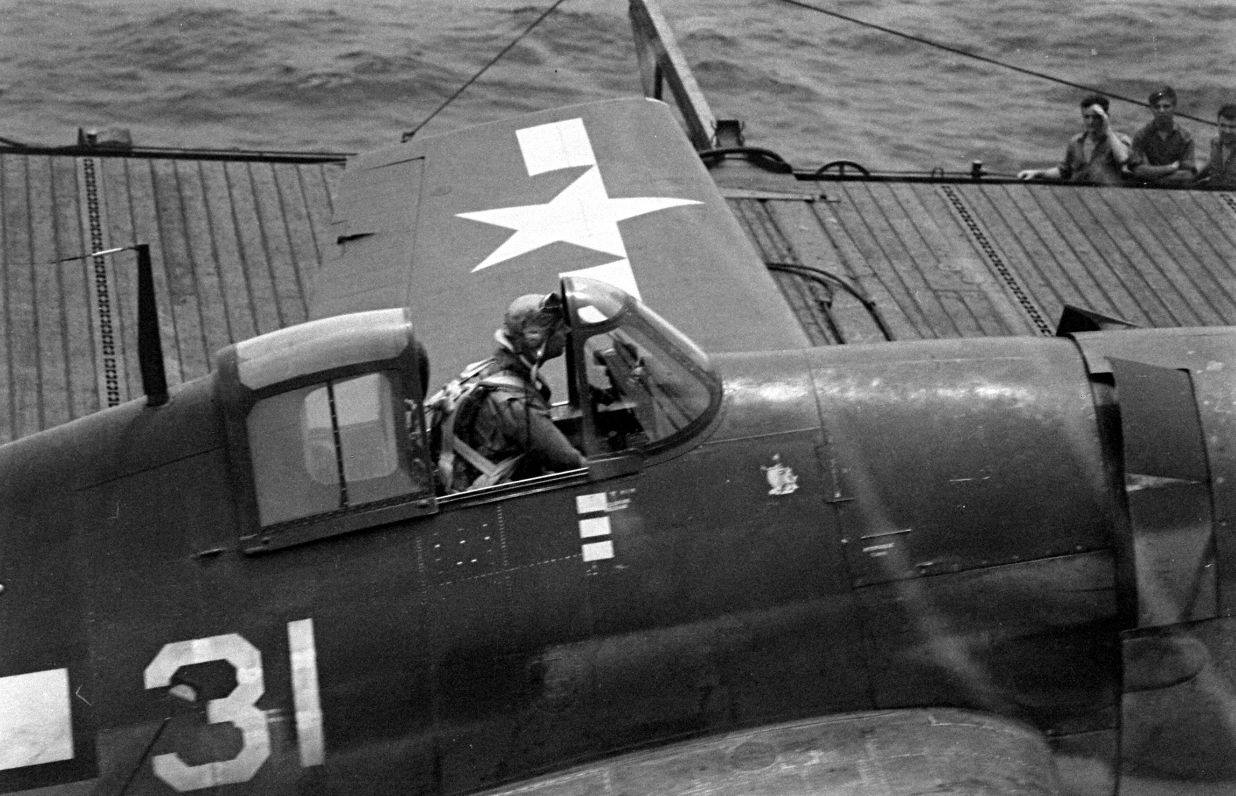
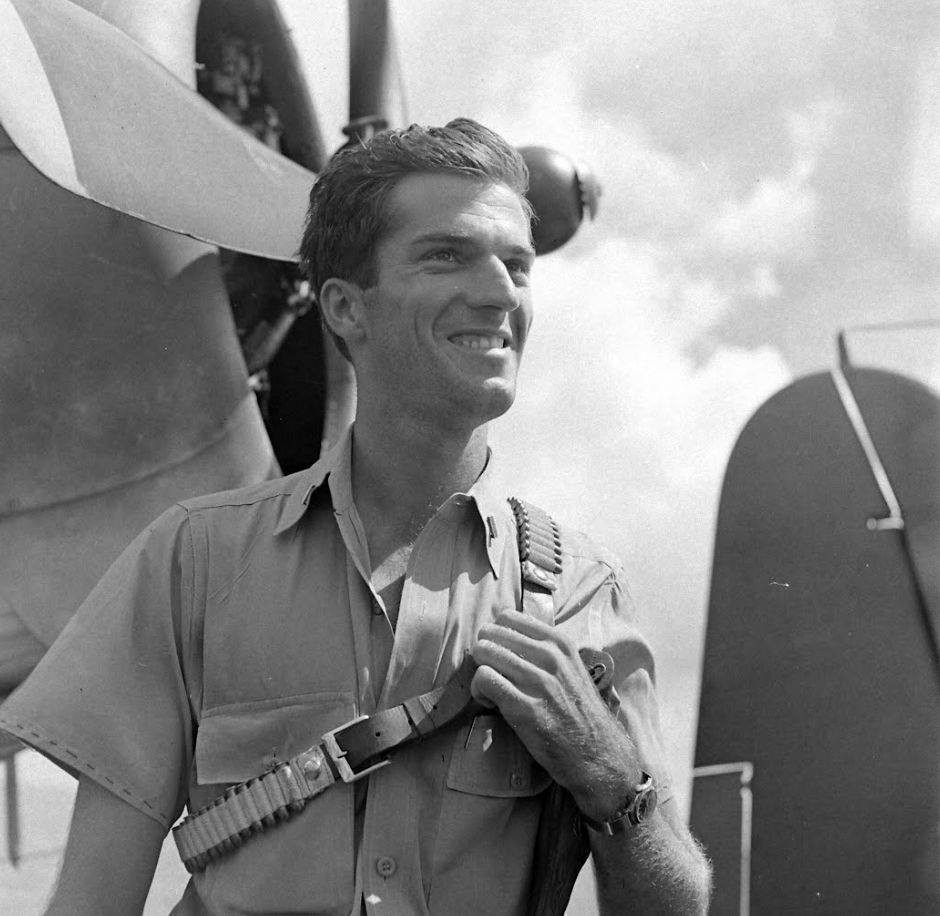
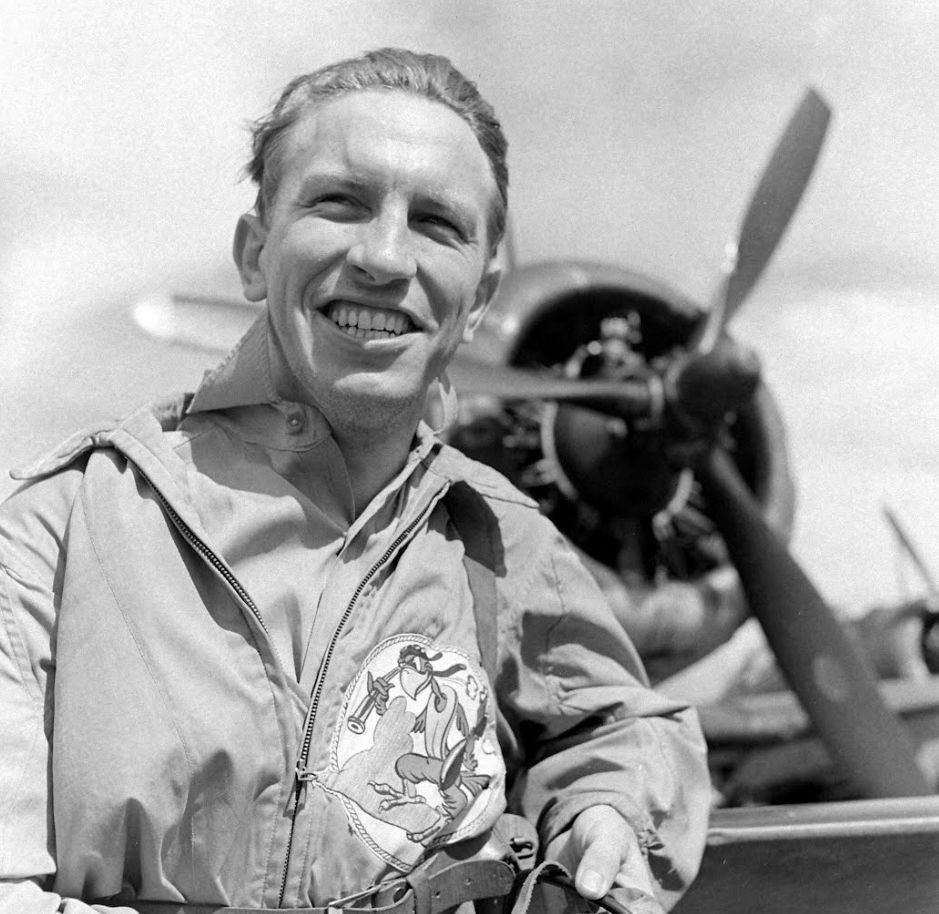
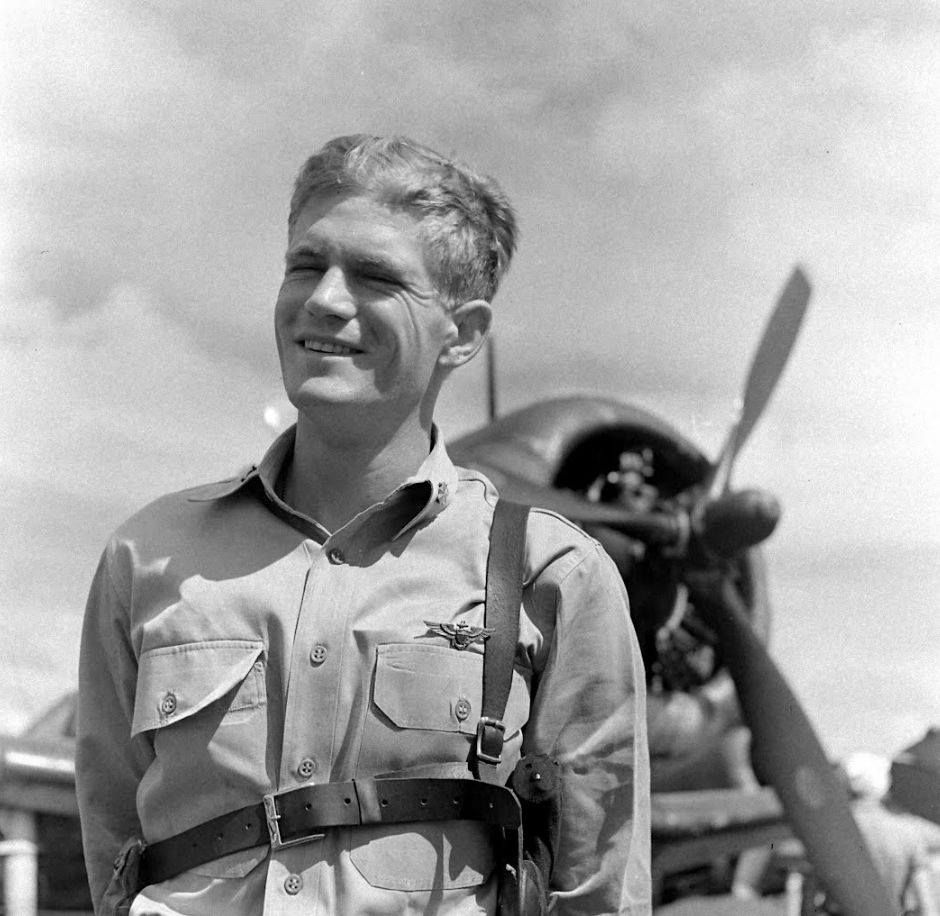
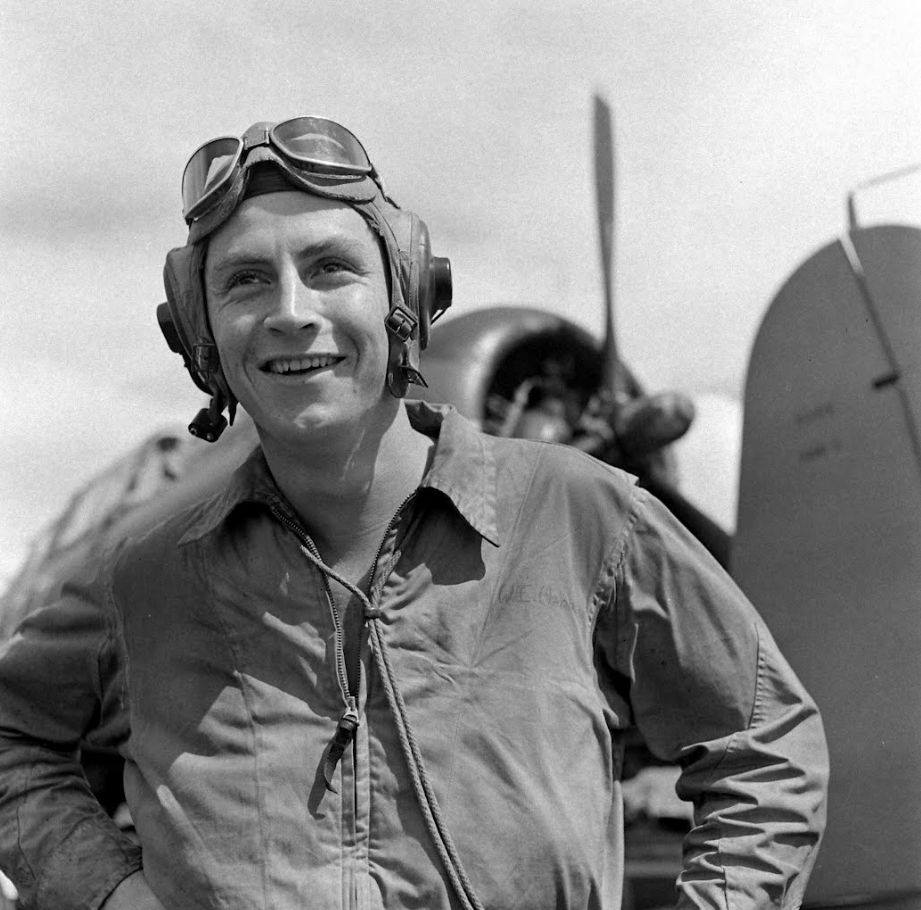
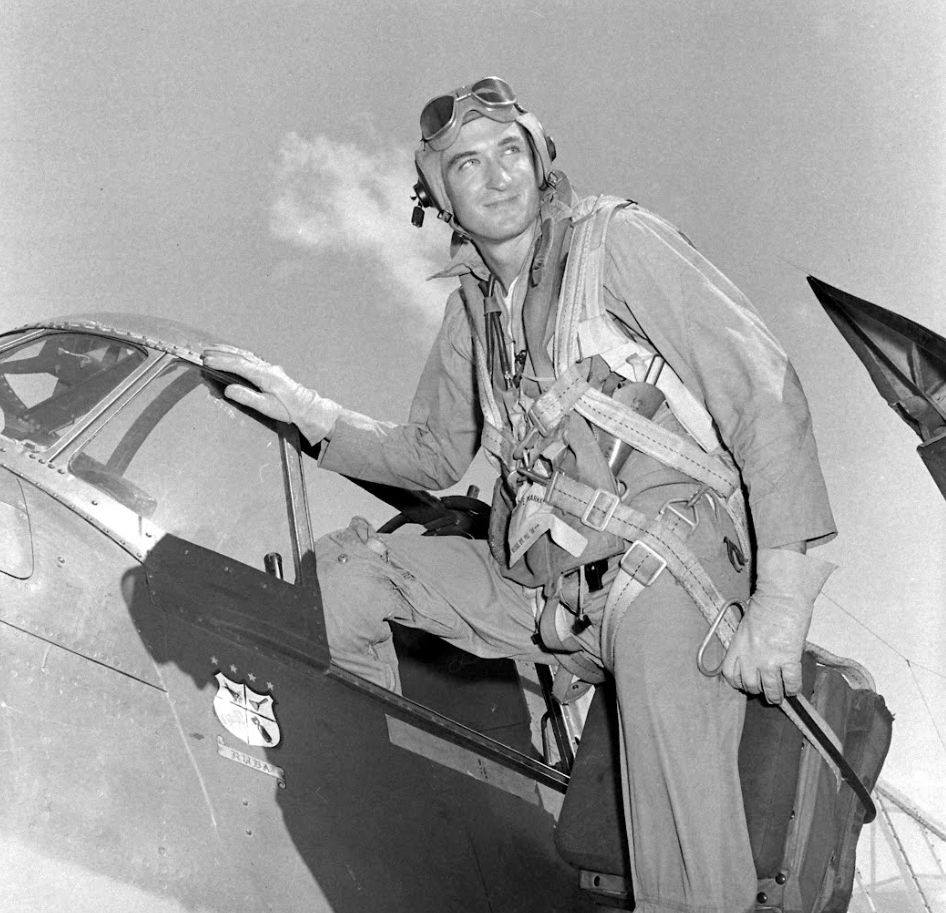
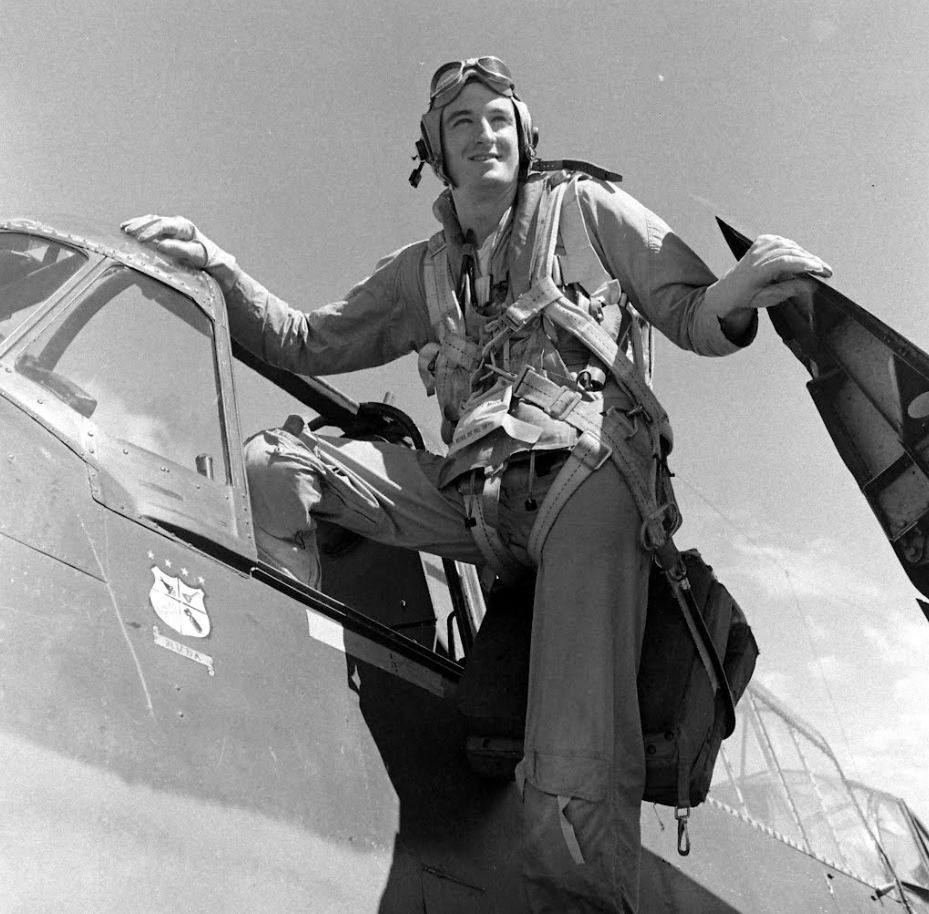
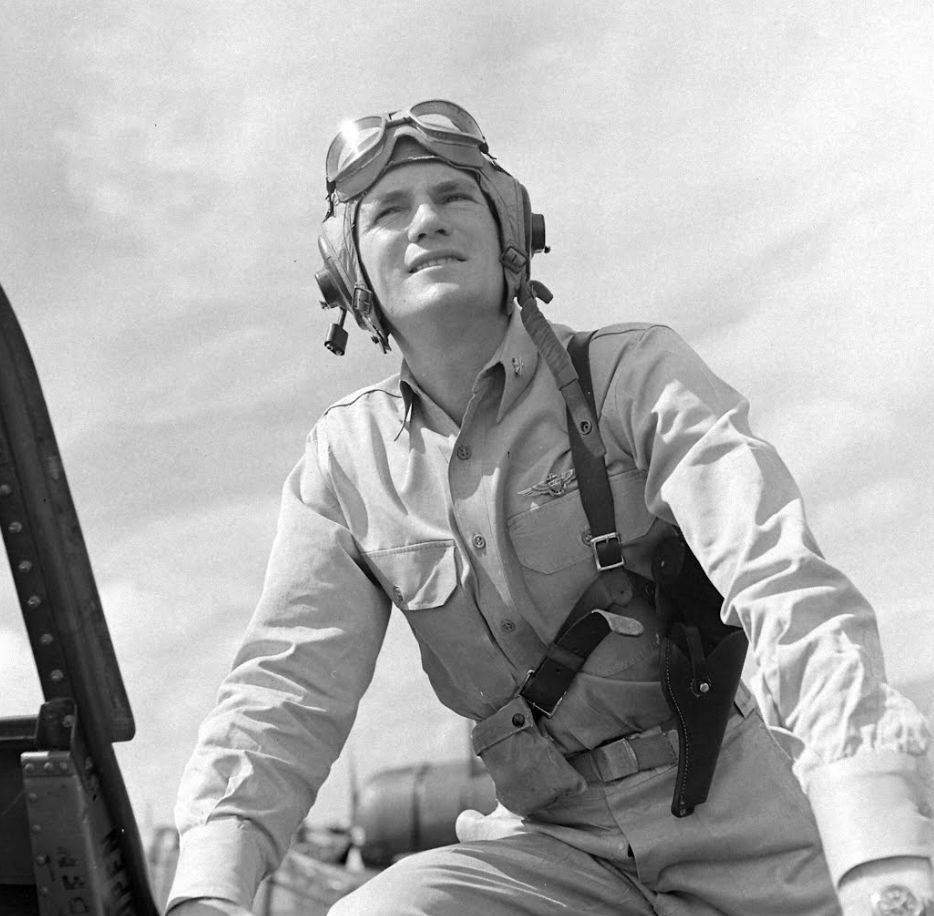
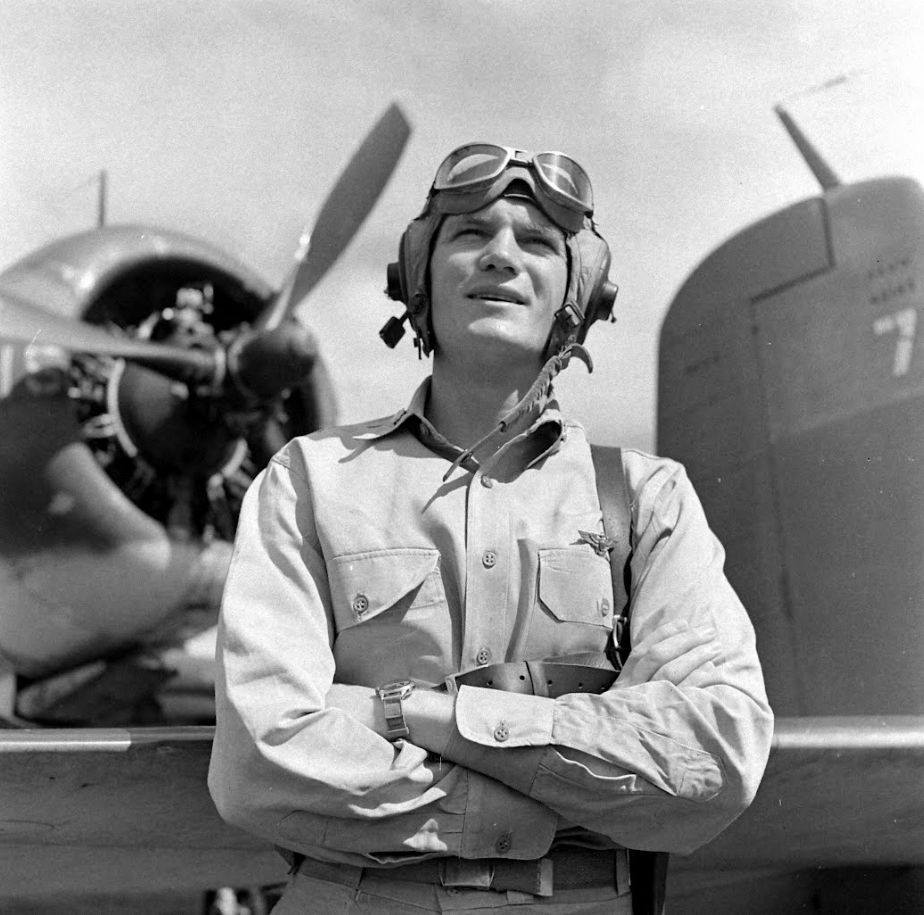
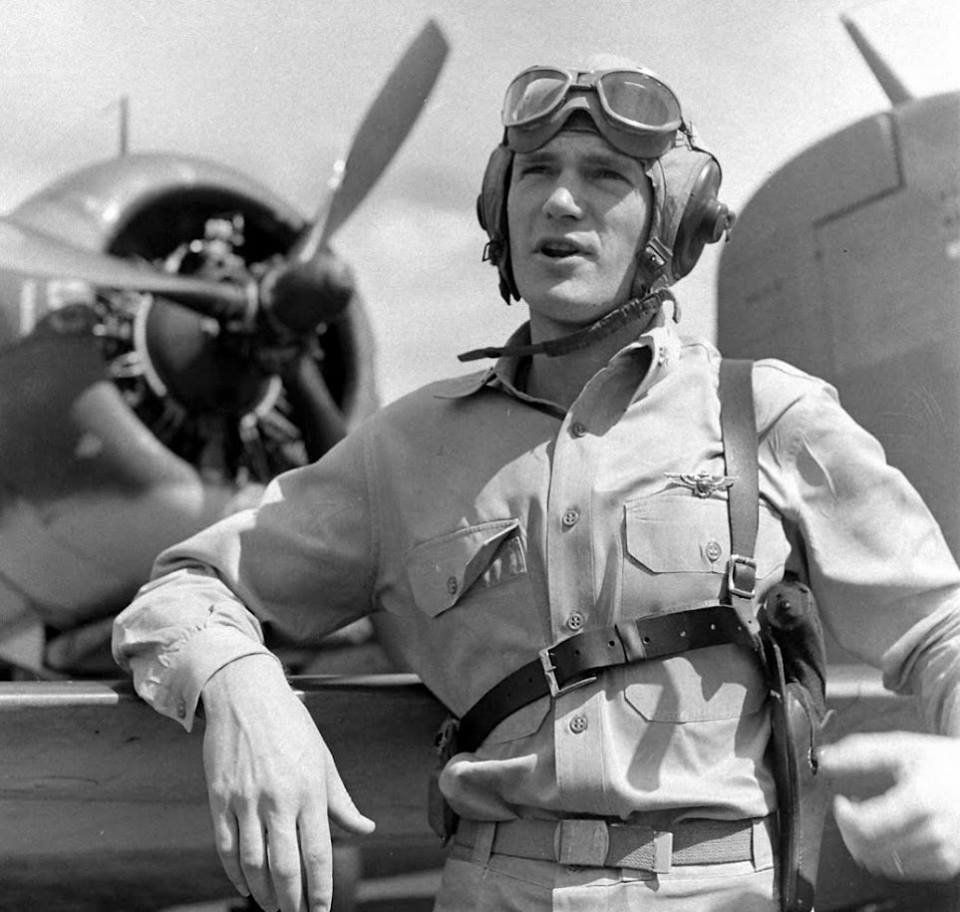
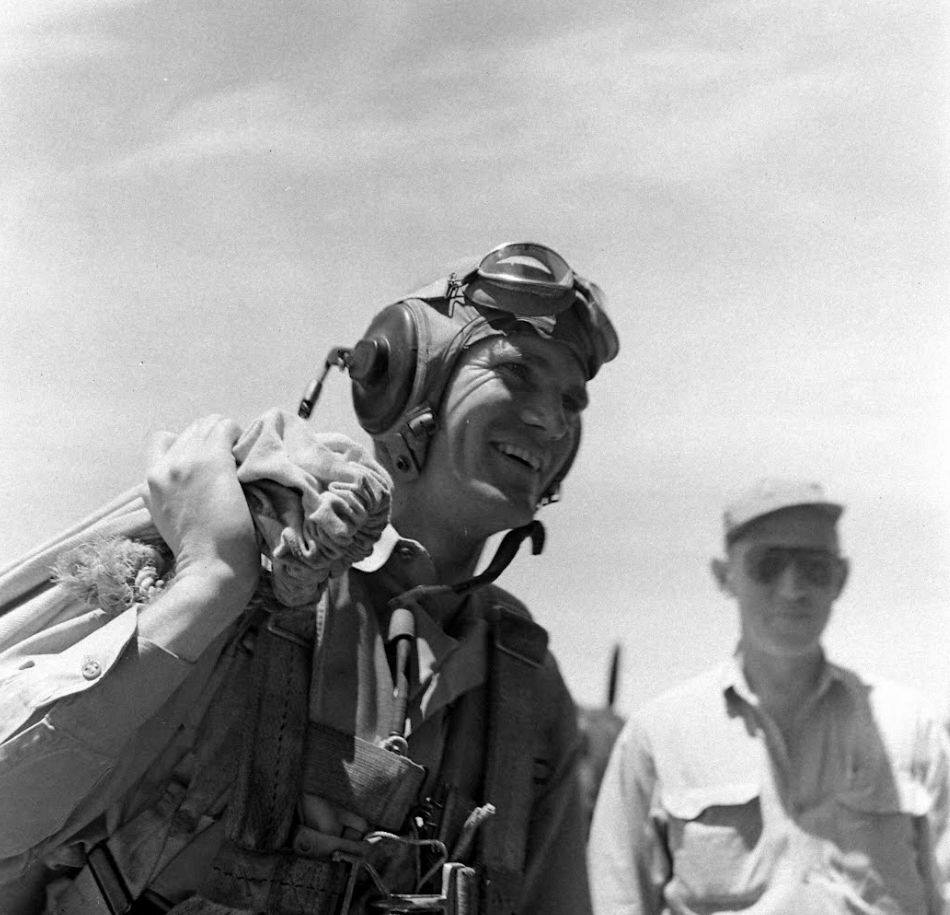
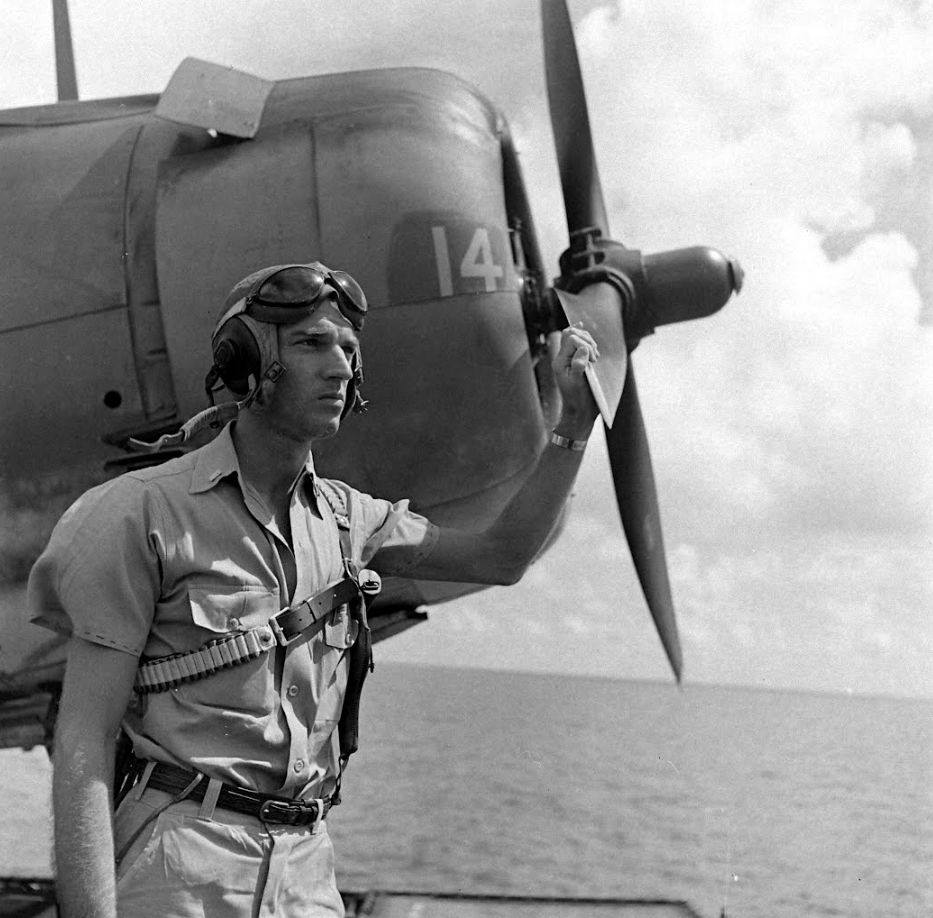
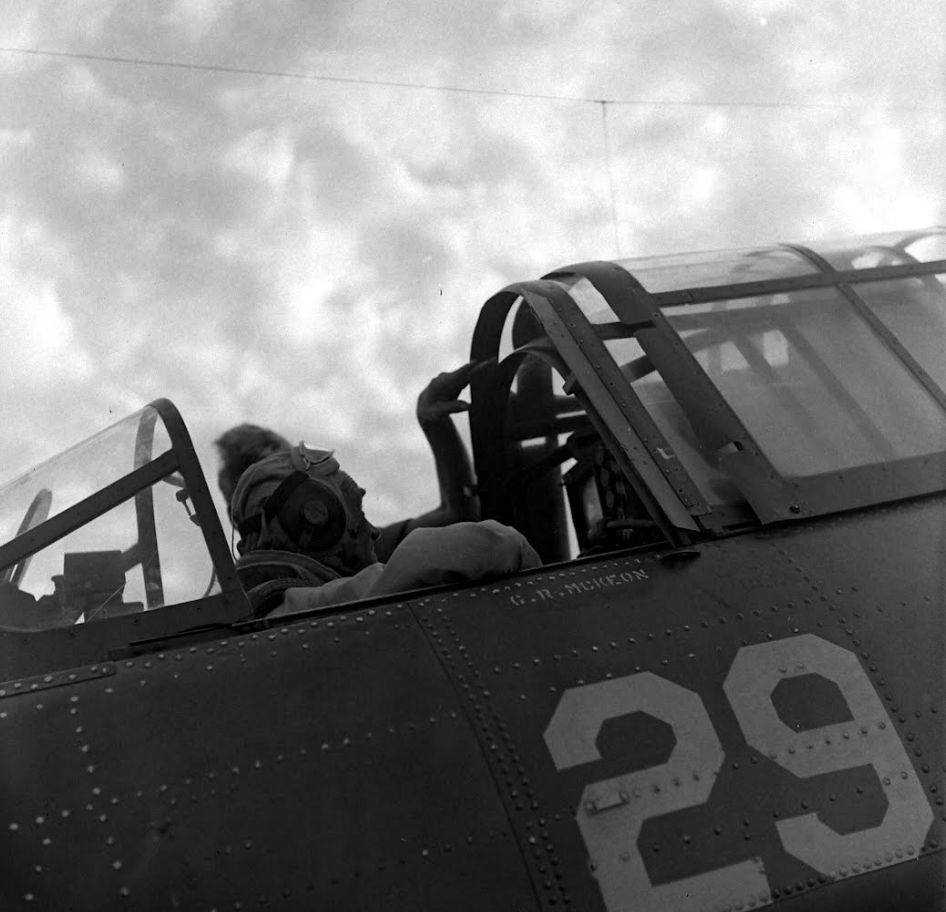
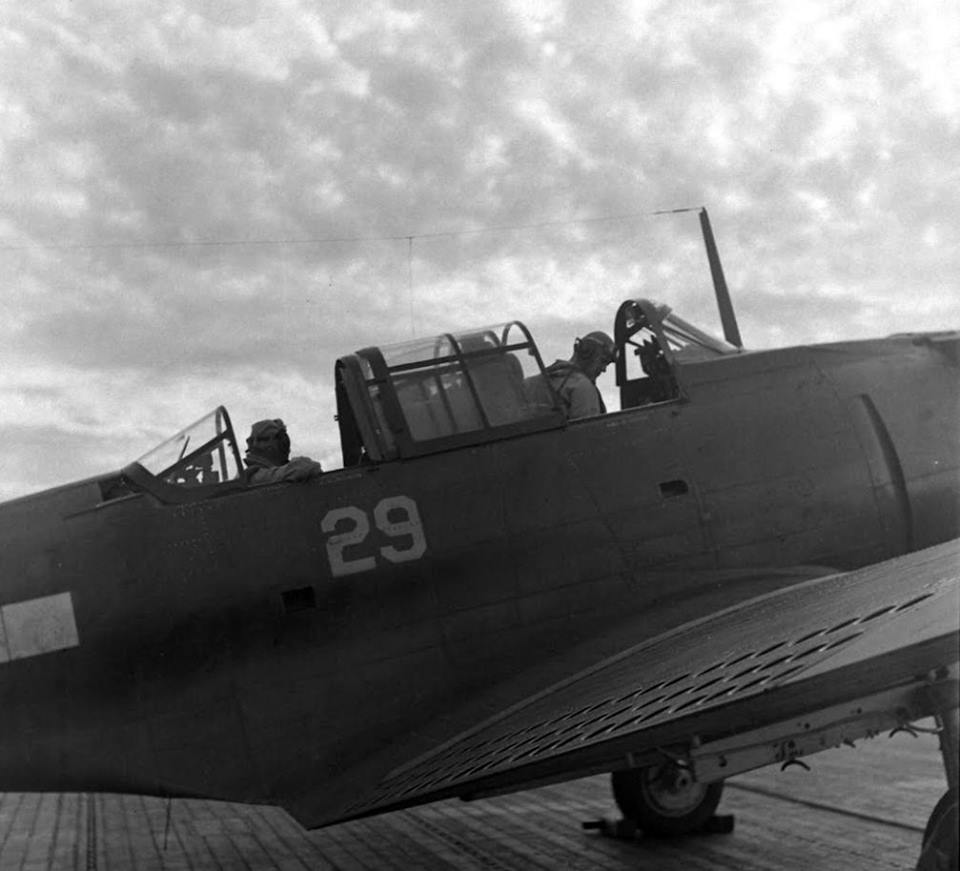
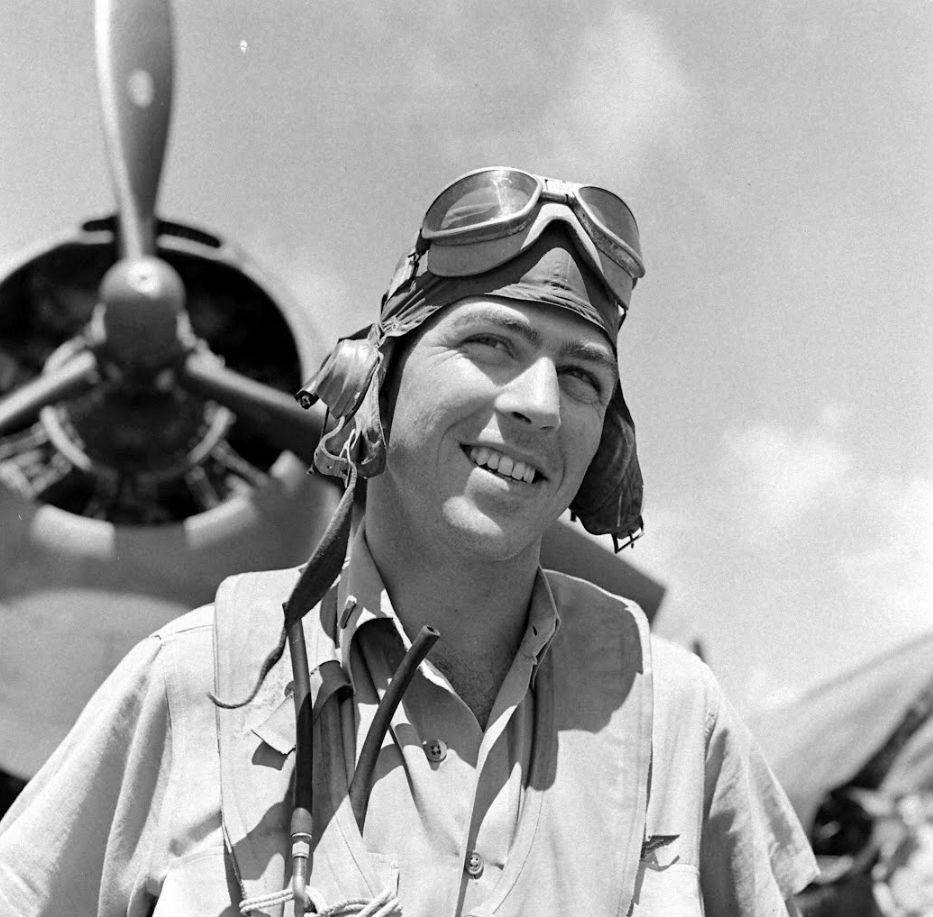
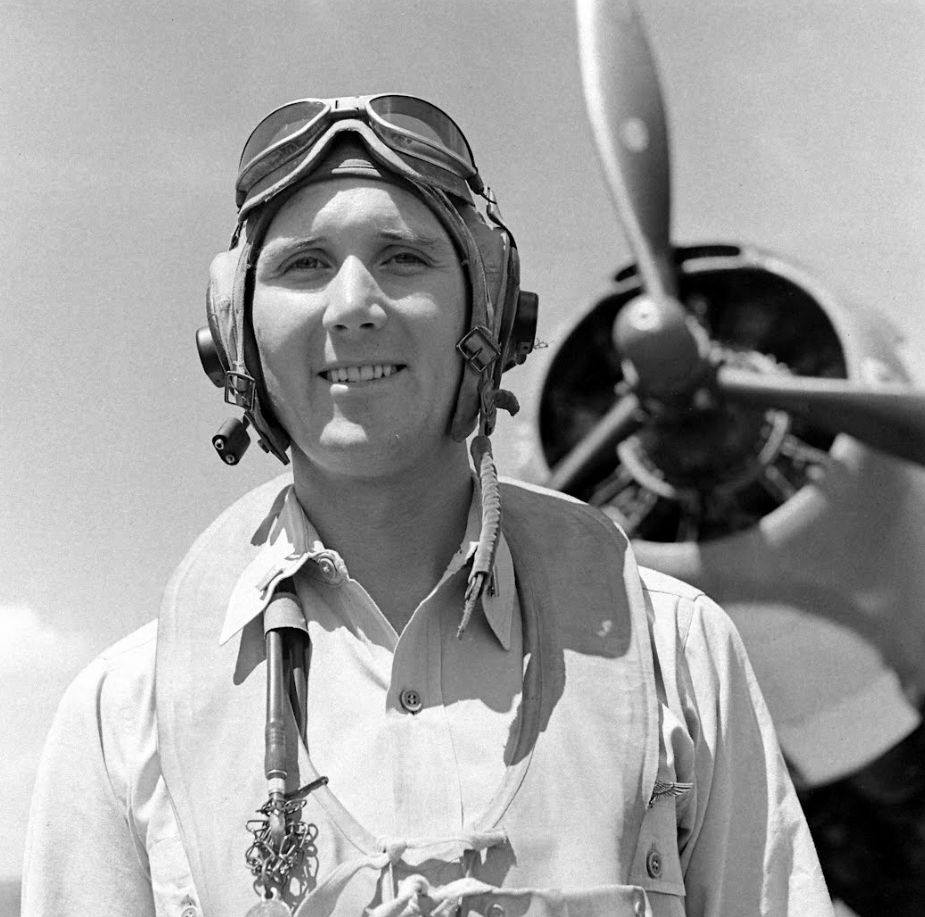
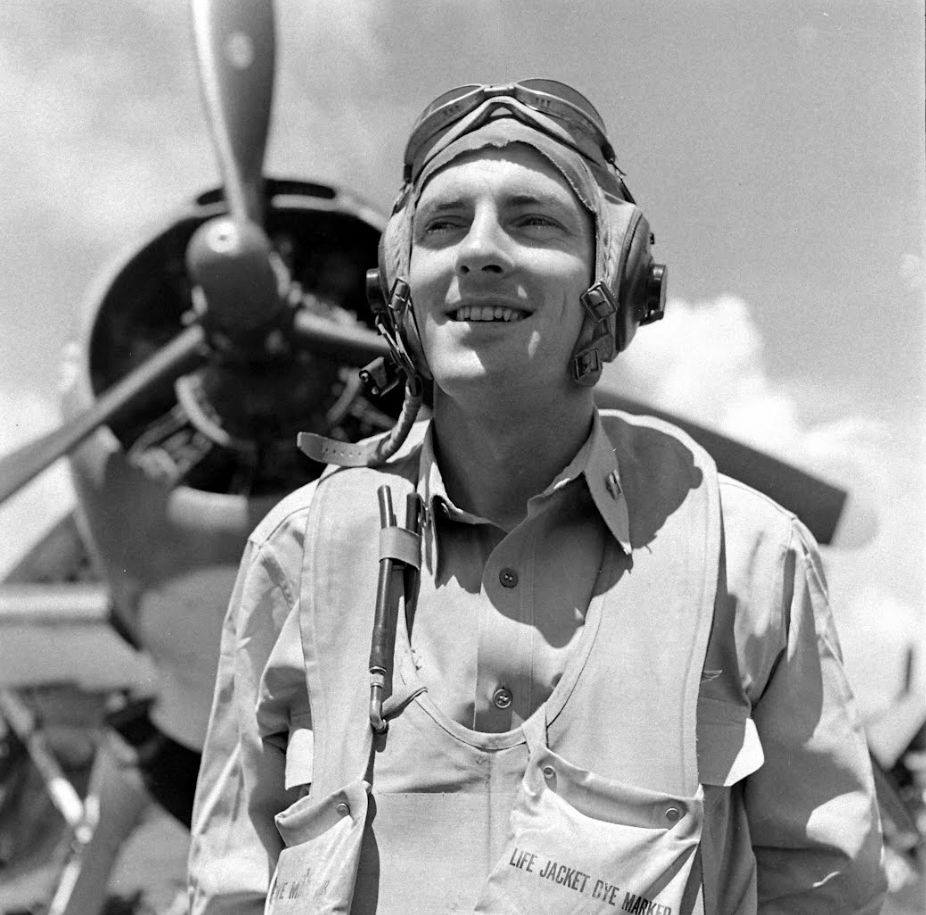
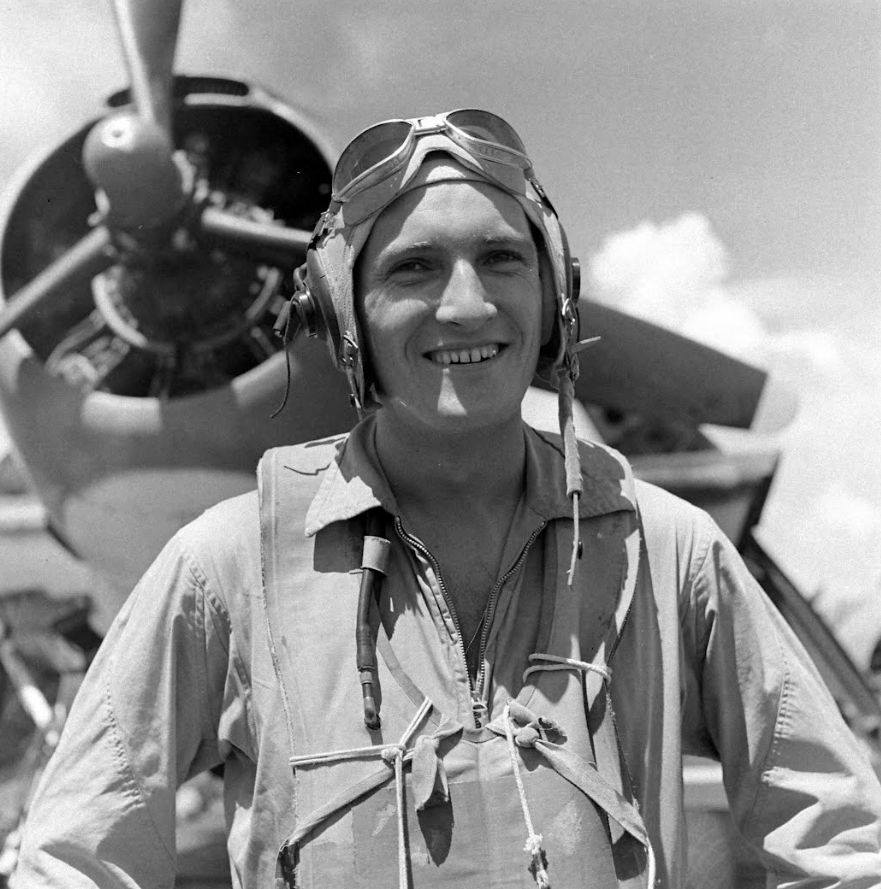
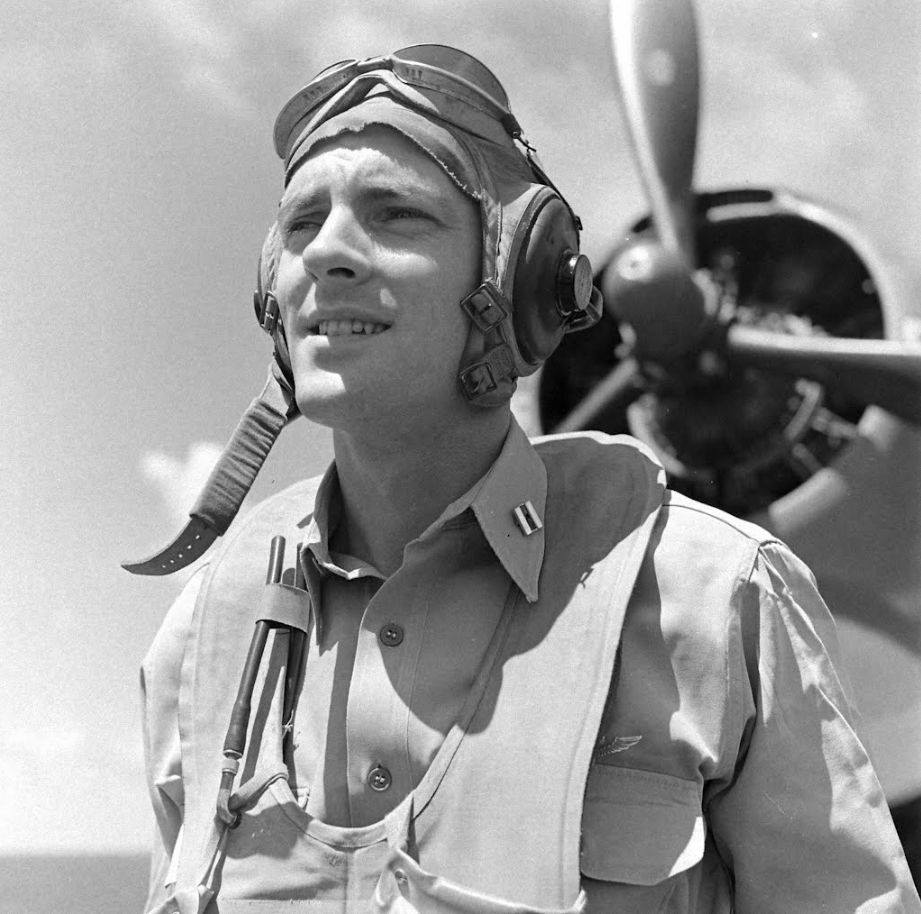
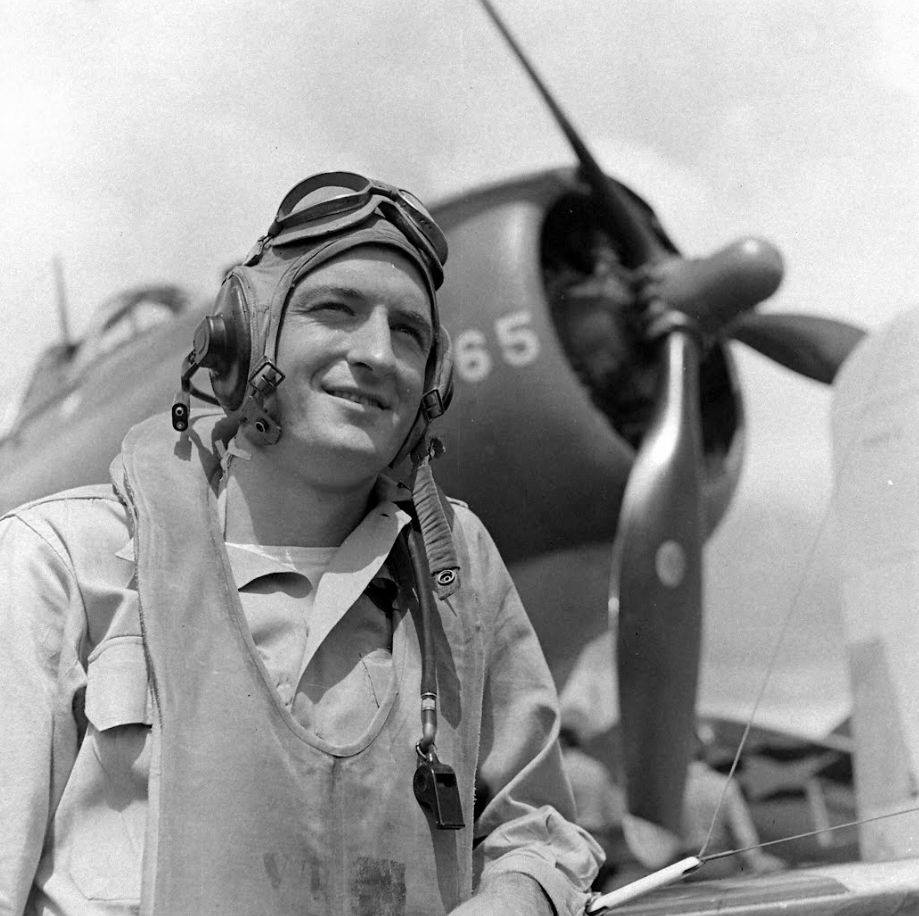
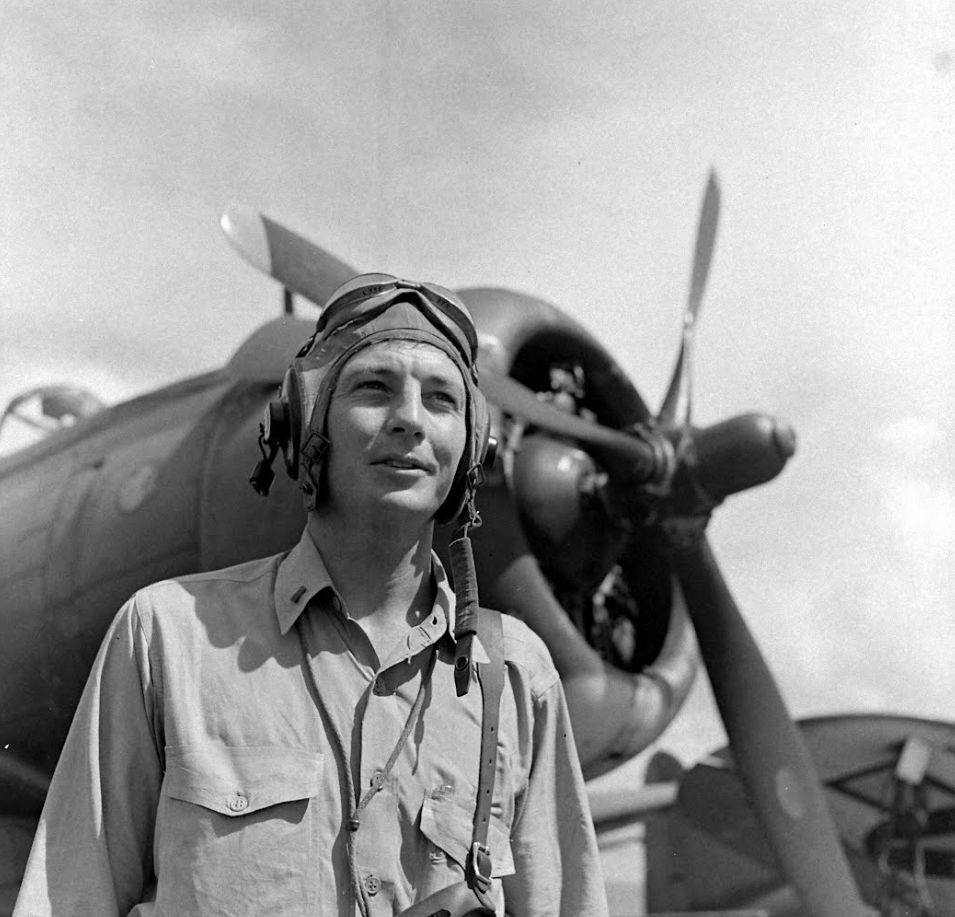
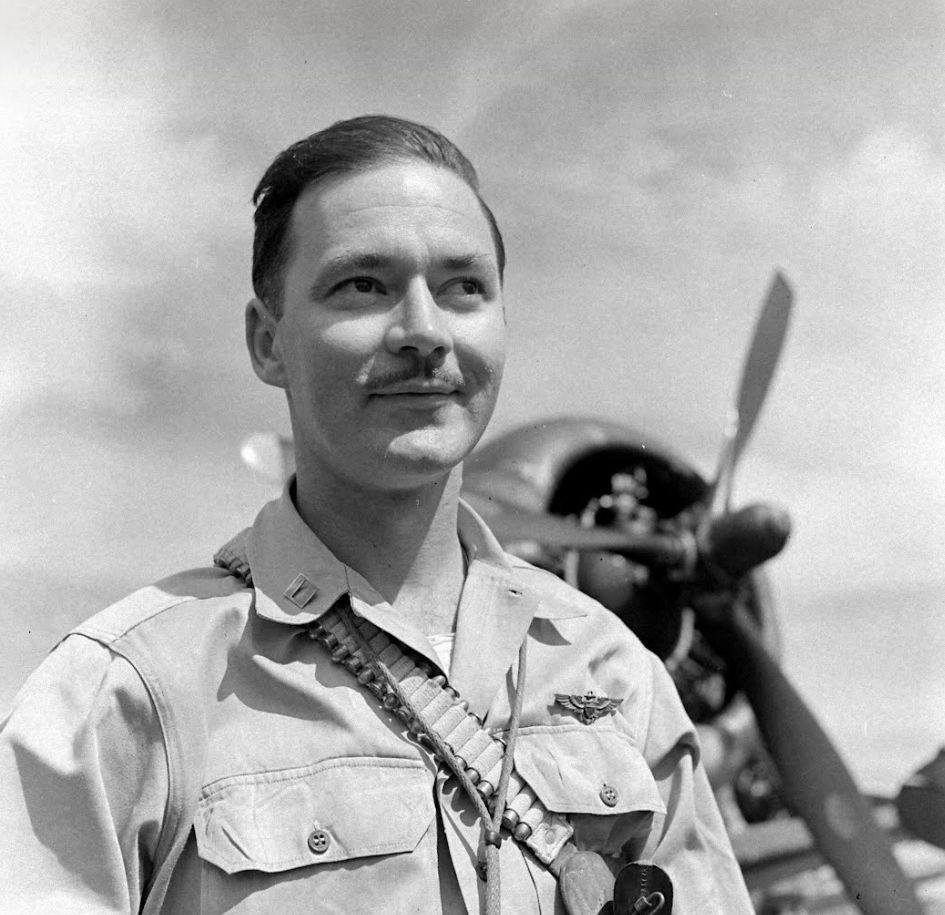
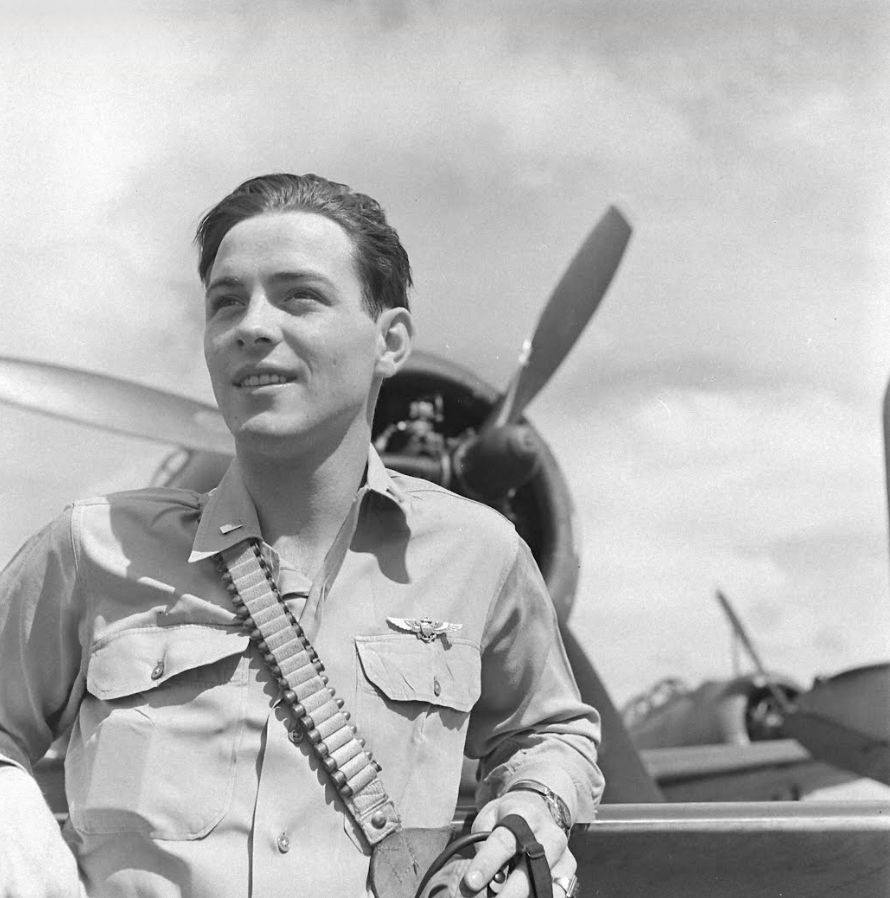
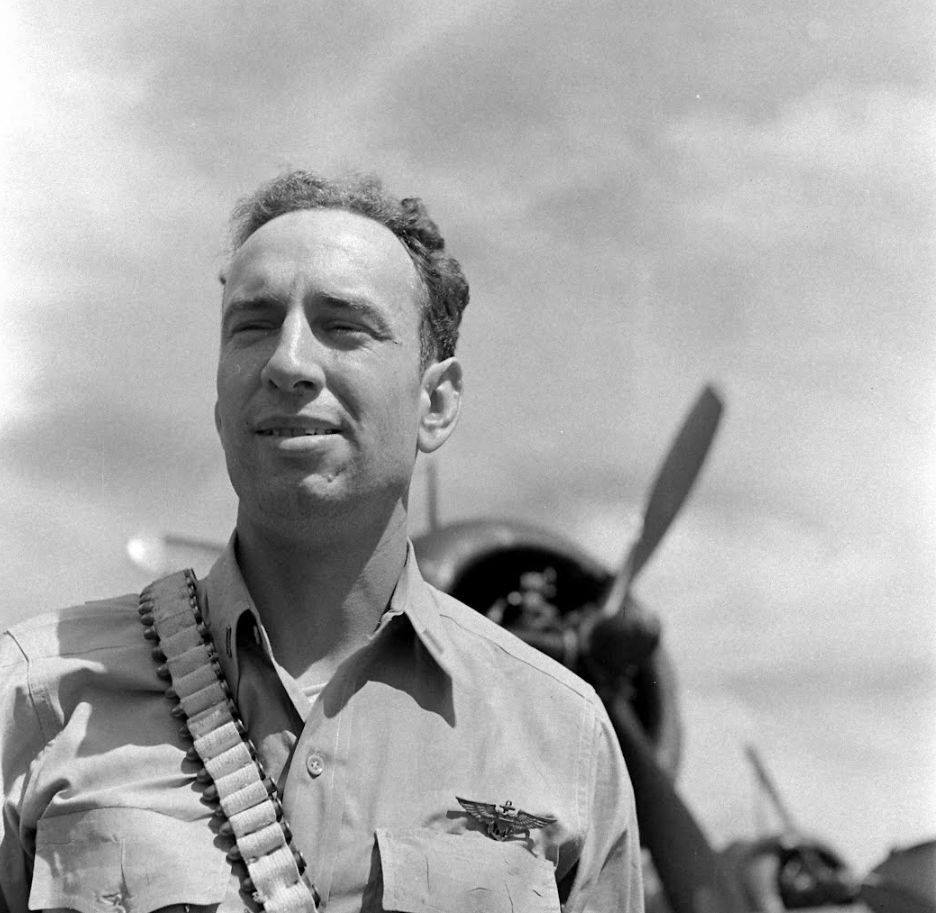
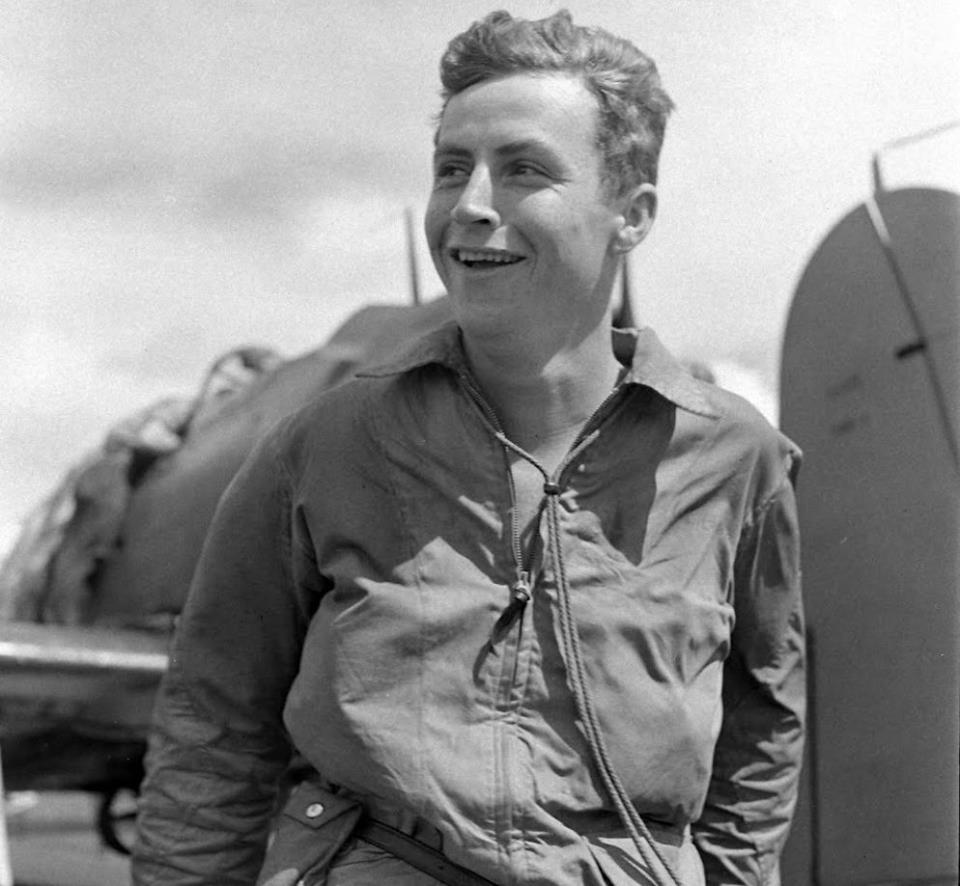
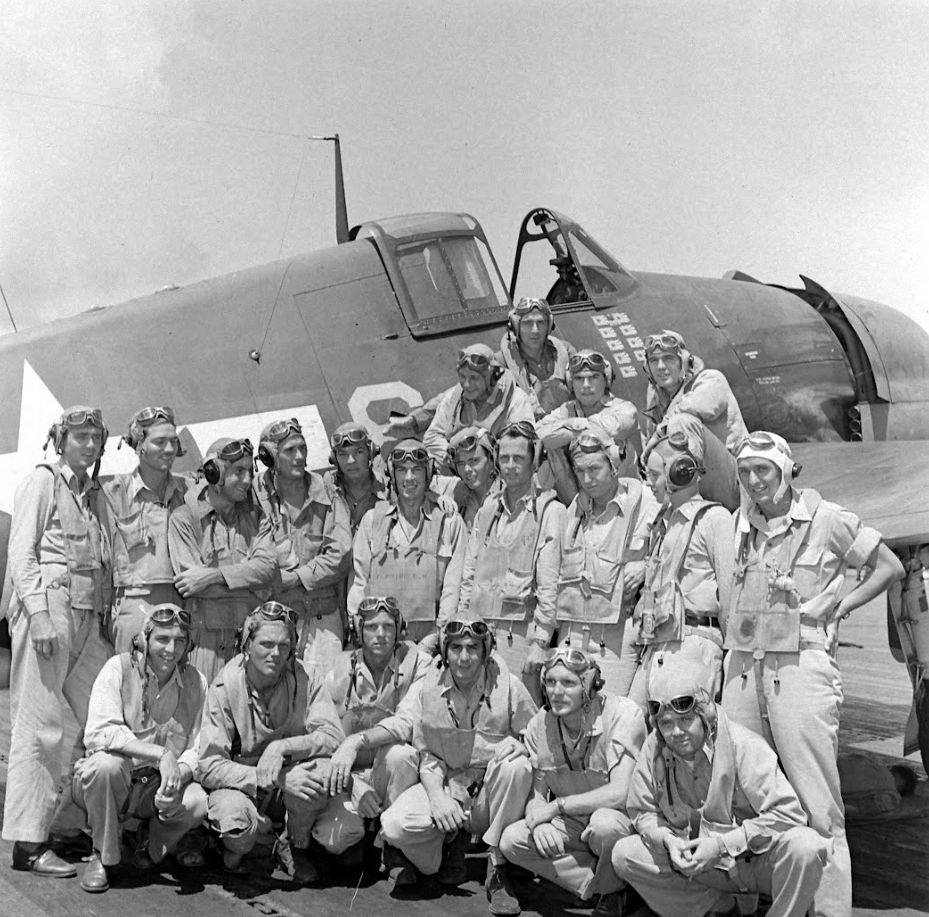
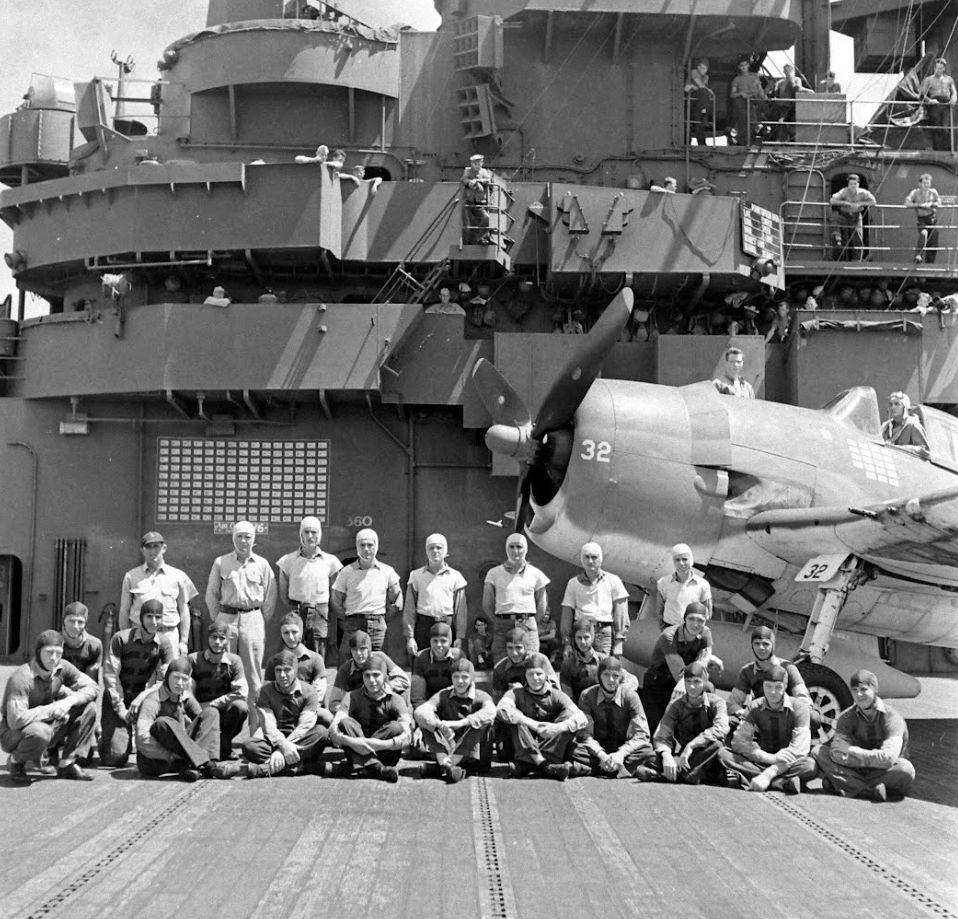
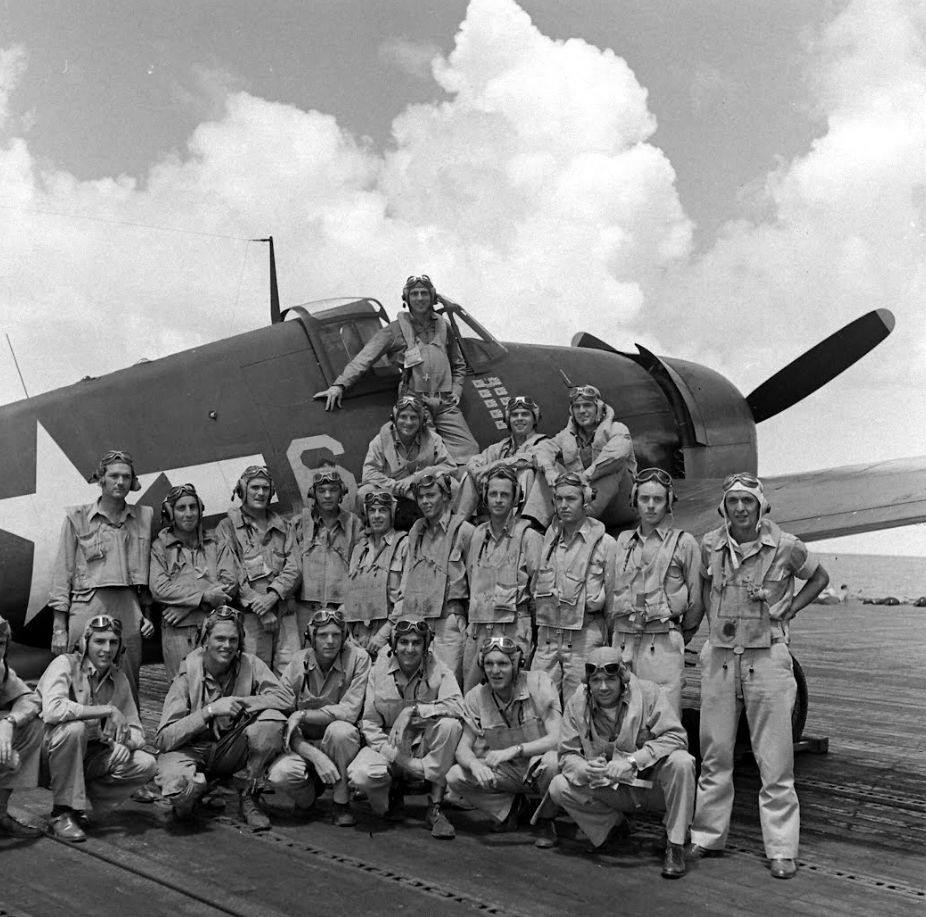
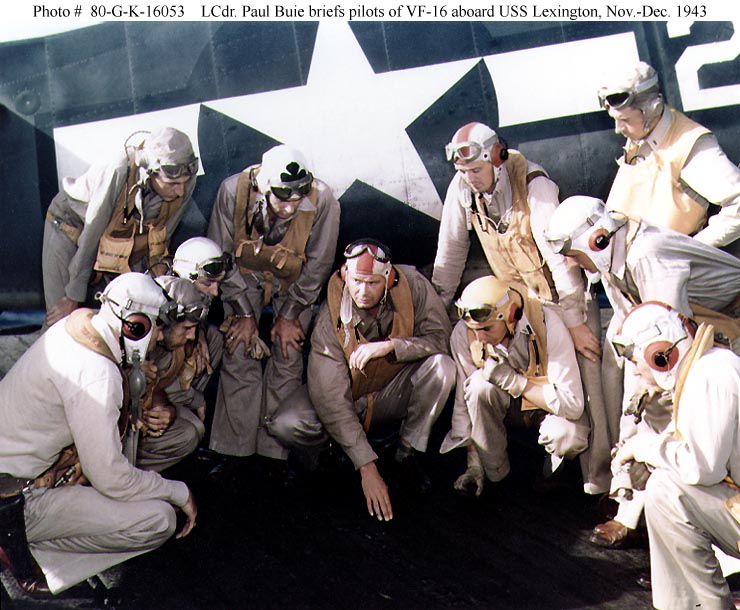
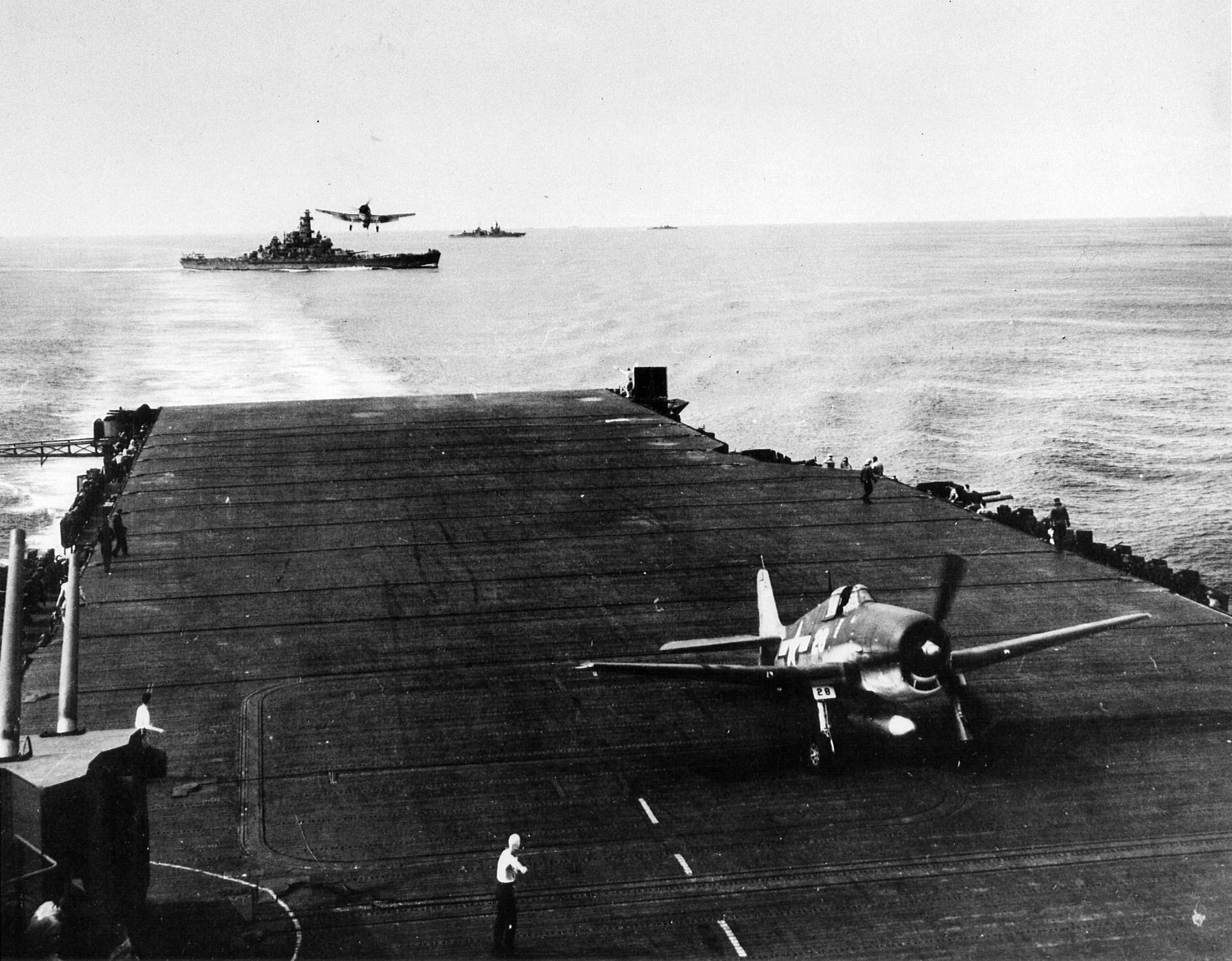
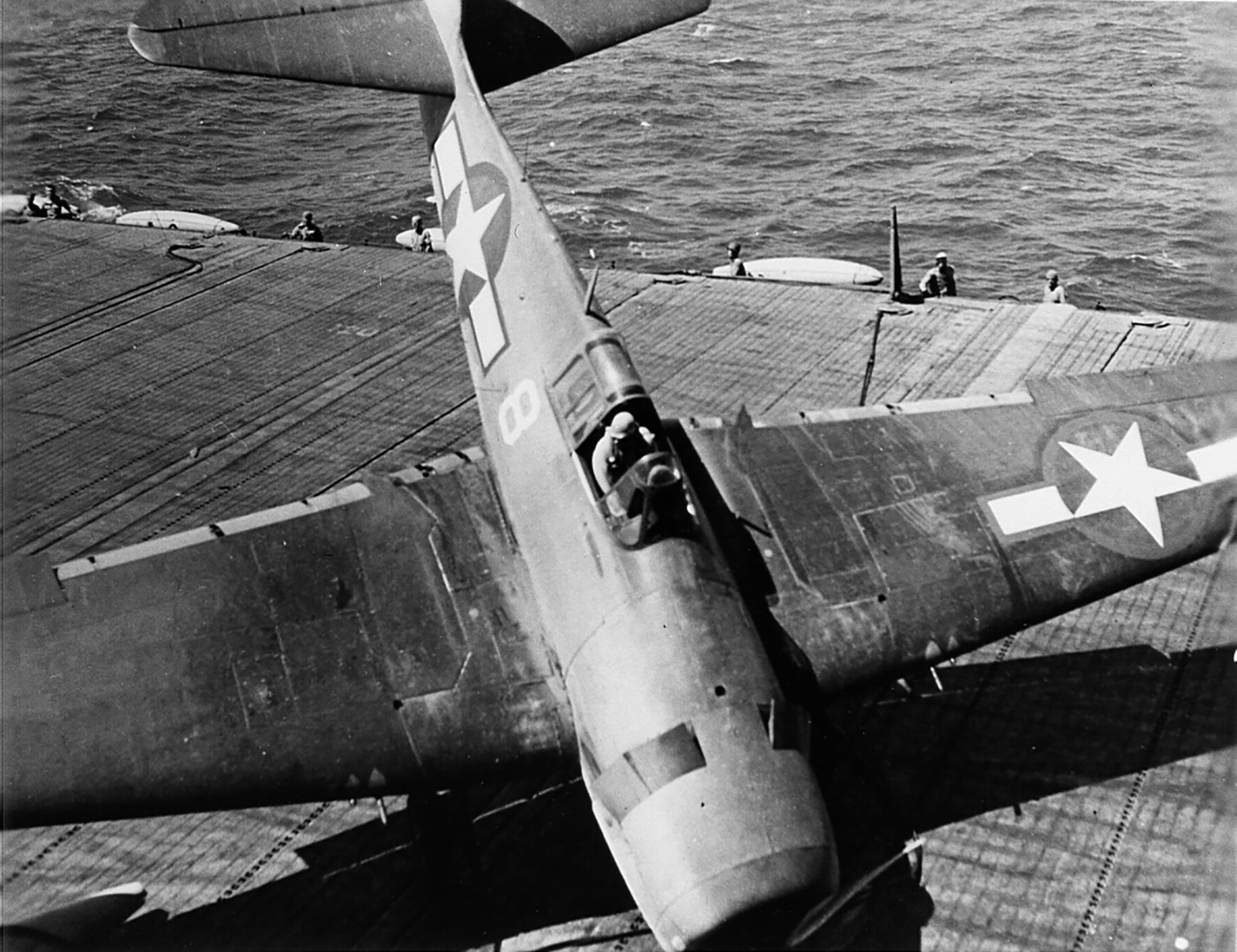
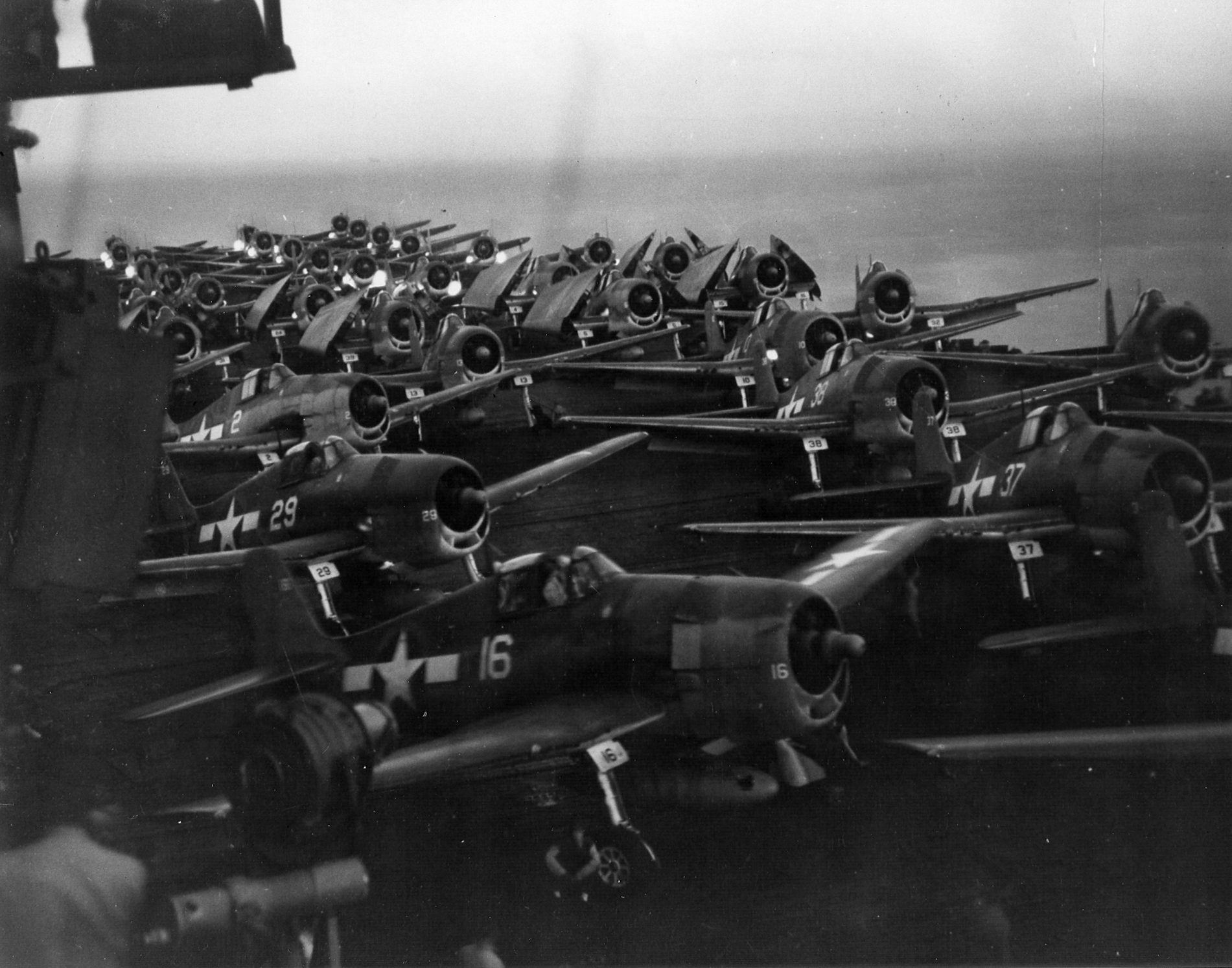
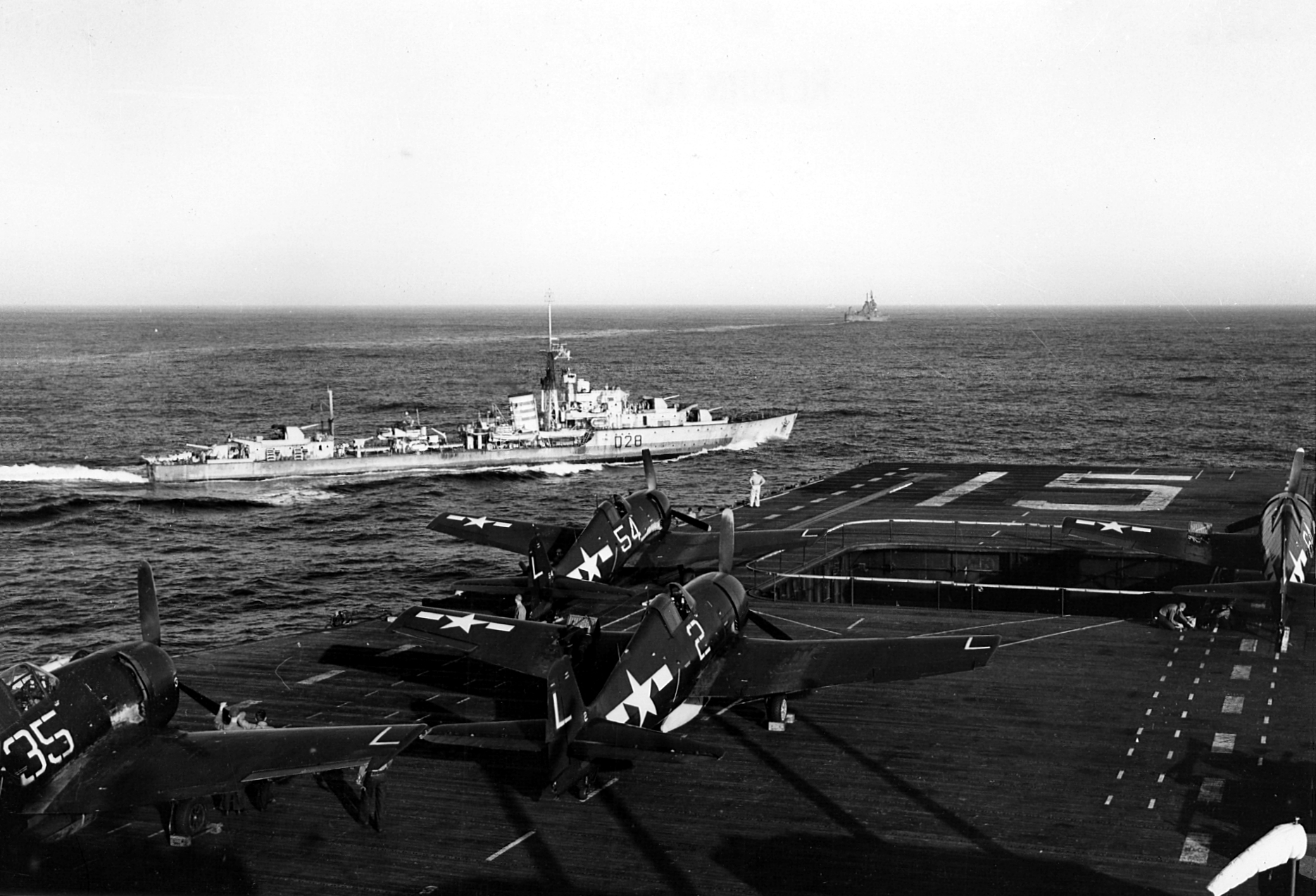
Rare photographic material from the pilots of Air Group 16 gives us the opportunity to see the F6F Hellcatnot just as a successful World War II fighter, but as a living operational tool aboard one of the most historic aircraft carriers in the Pacific: the USS Lexington (CV-16).
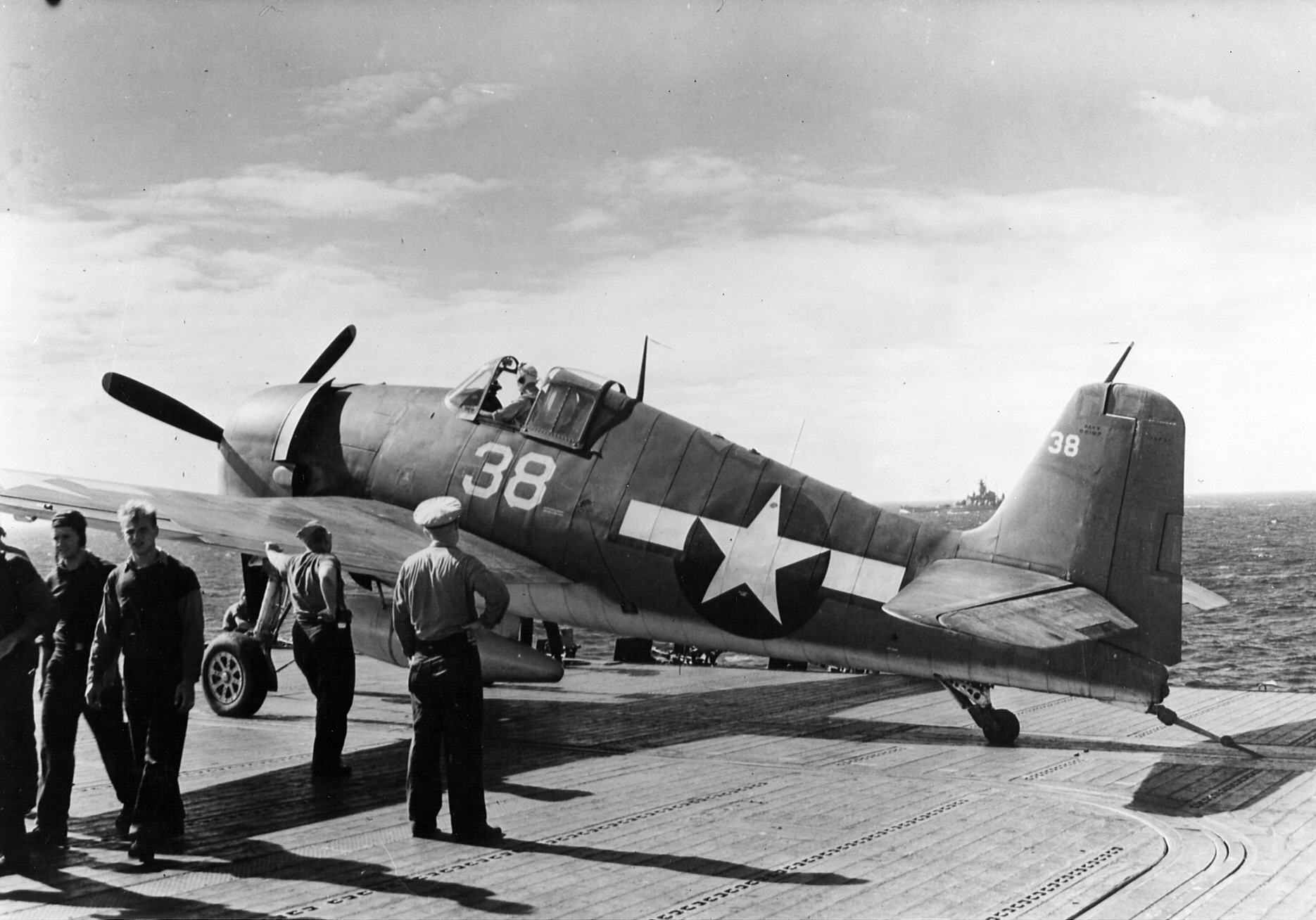
When Lexington joined the Pacific operations in the summer of 1943, Air Group 16 was equipped with the then-new F6F-3 Hellcat. Its arrival drastically changed the balance of air power against Japan. The Hellcat was designed for durability, ease of maintenance, and most importantly, to dominate against the Zero. In late 1944, the transition to the F6F-5 began, with improved visibility and slight structural changes, but for the Gilbert, Marshall, and Philippine Sea operations, the F6F-3 was the mainstay of the ship’s air force.
To the modeler, the correct chronology determines everything. A 1943–early 1944 Hellcat wears the tricolor scheme: Non-Specular Sea Blue (approximate FS 35042), Intermediate Blue (FS 35164), and Insignia White (FS 37875). The application was not “clean production line.” In the Pacific sun, the upper colors faded severely, with unevenness per panel. From mid-1944 onwards, most F6F-5s were painted in an overall Glossy Sea Blue (FS 15042). In practice, however, the sheen was quickly lost due to salt, fuel and constant use on the deck.
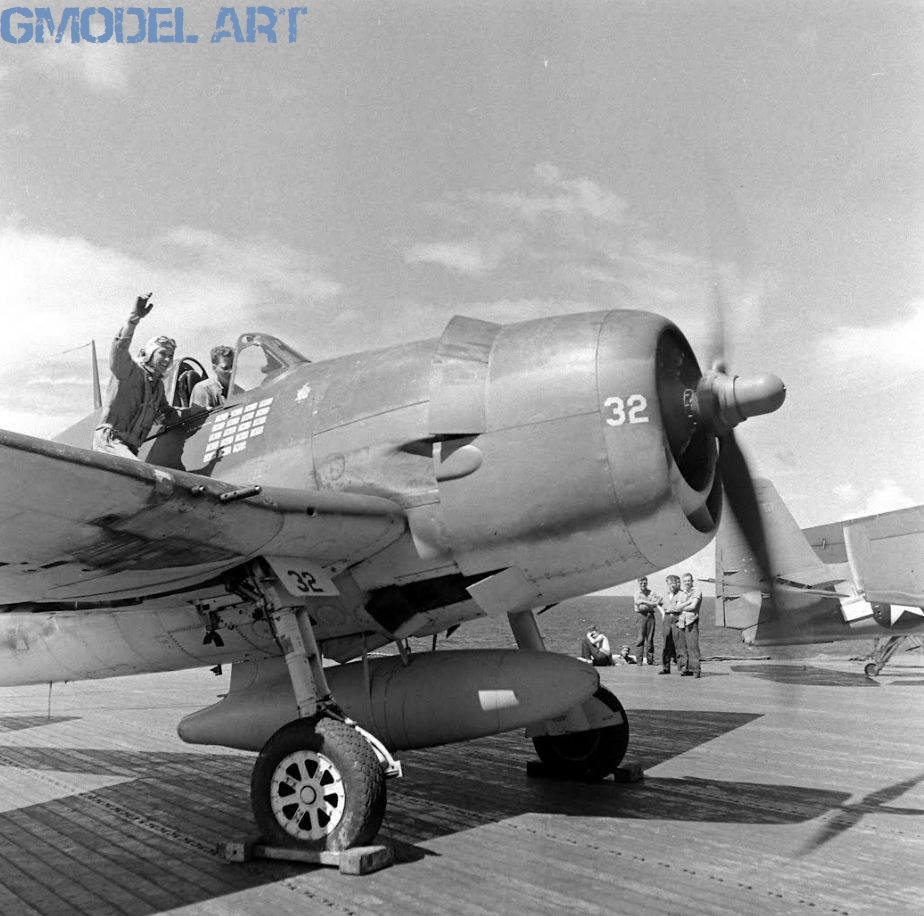
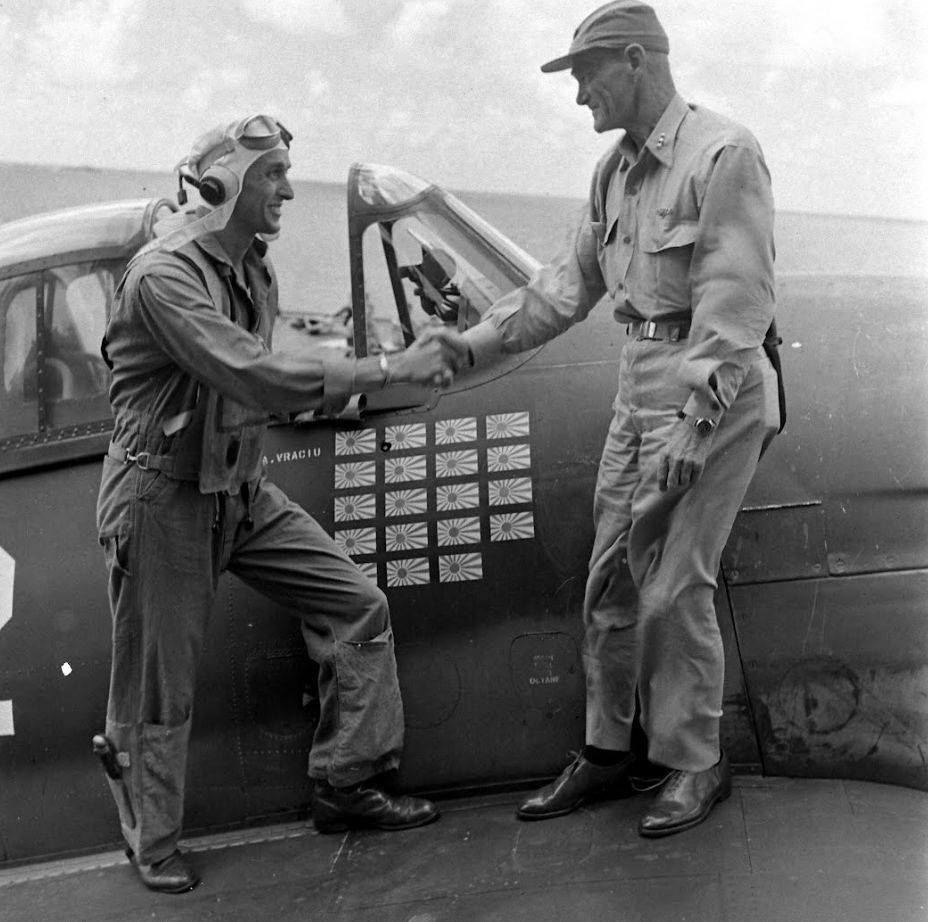
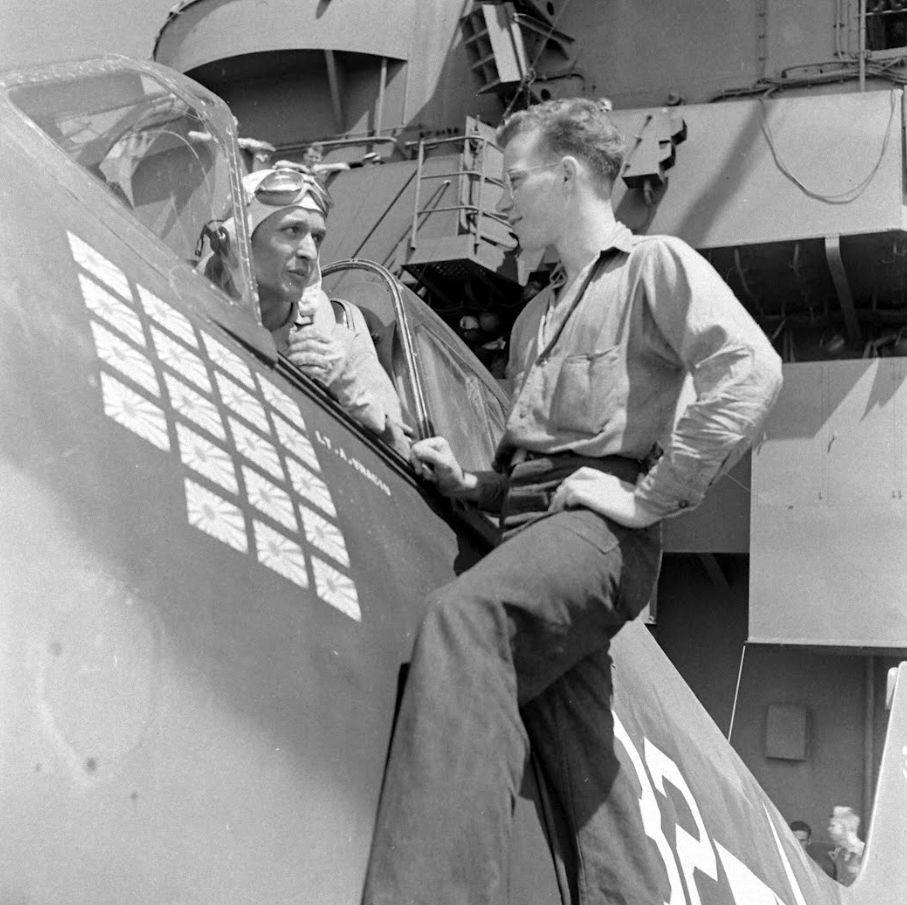
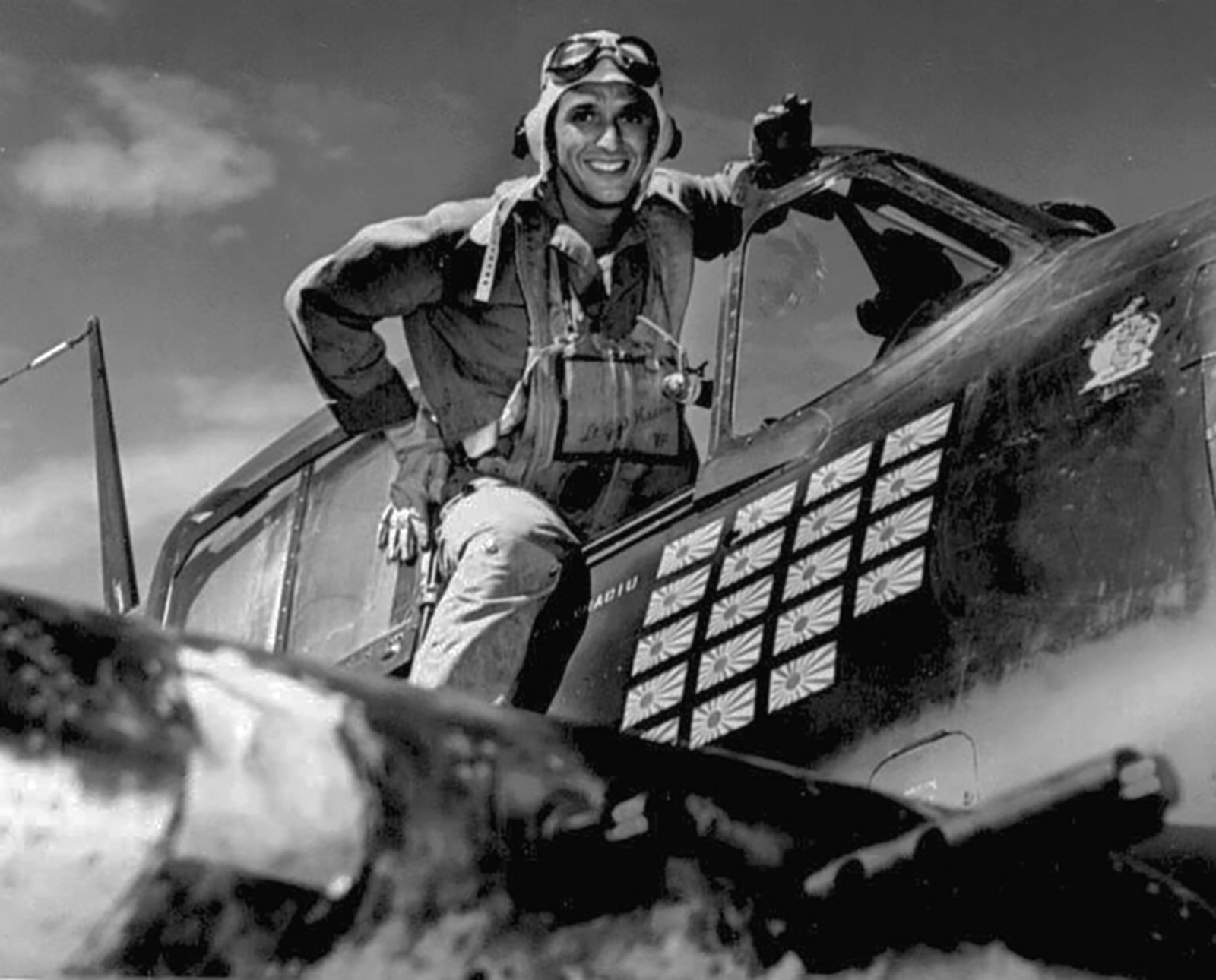
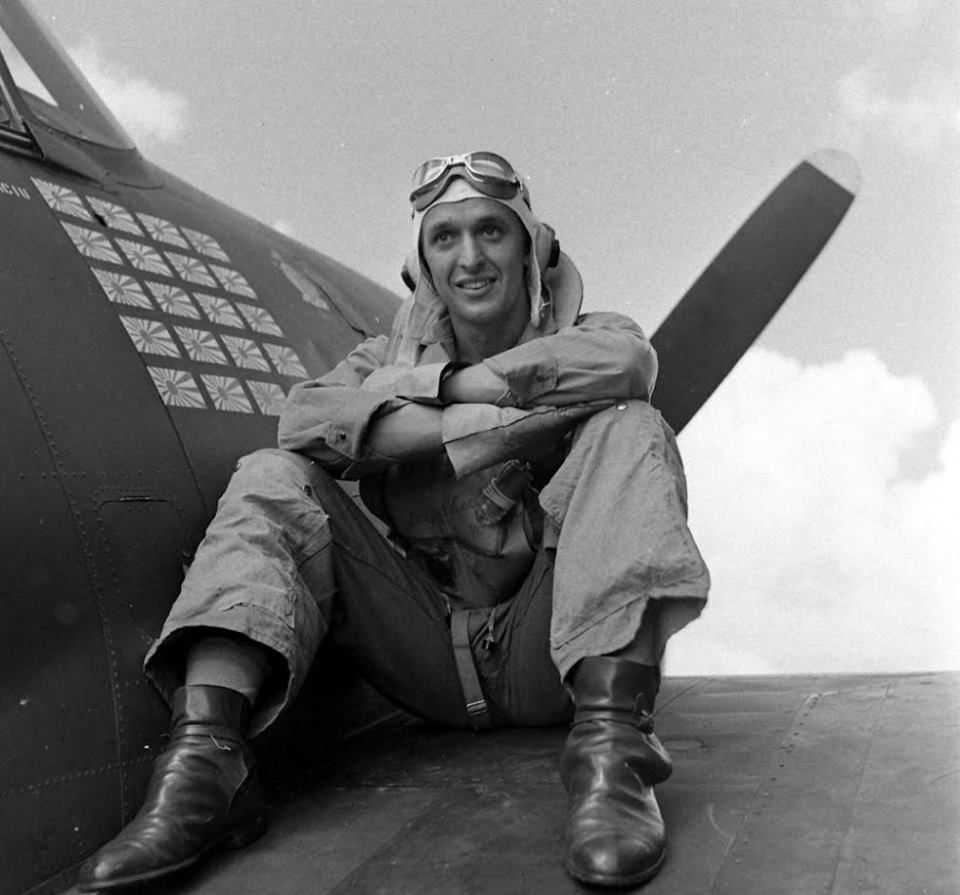
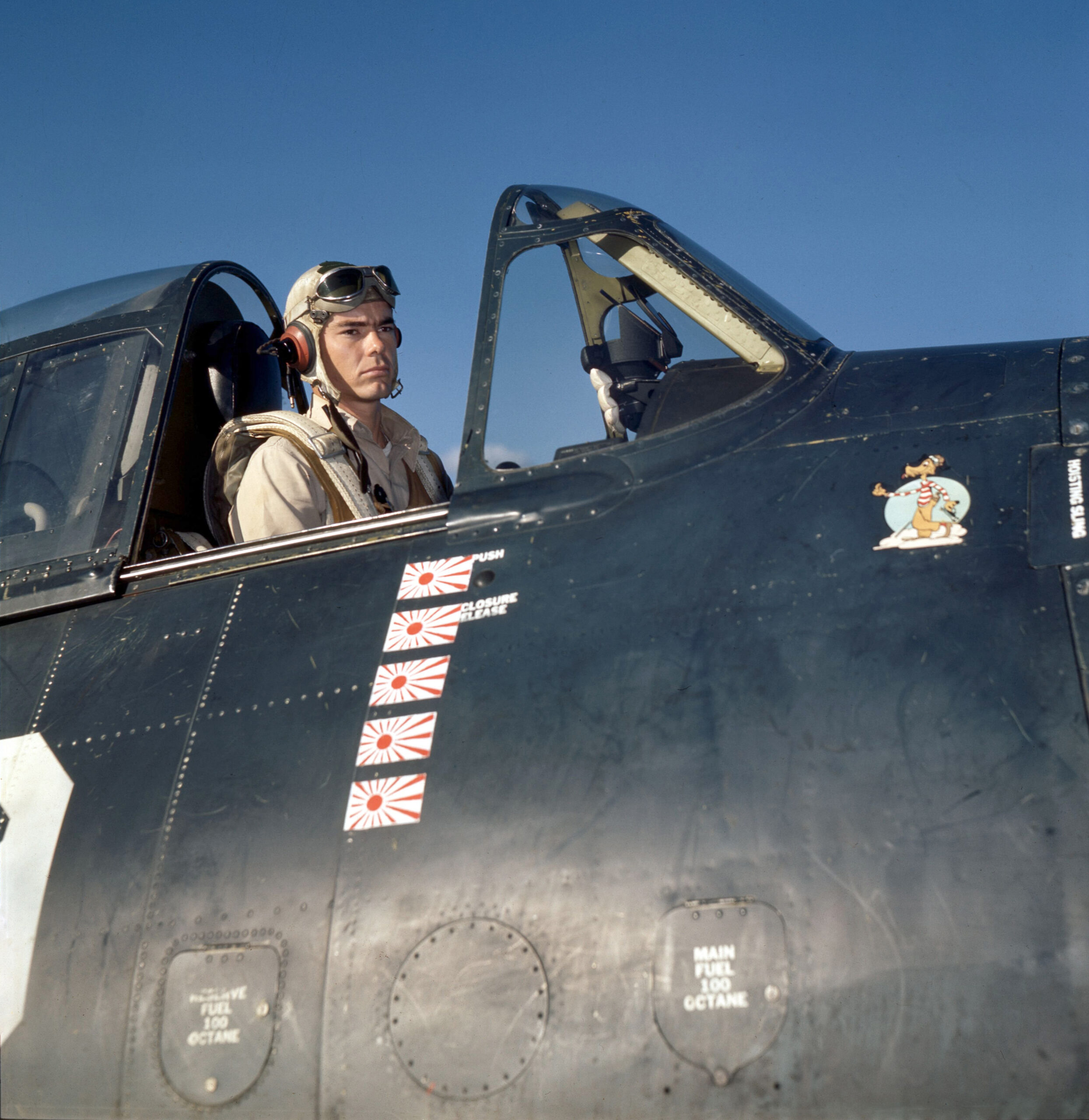
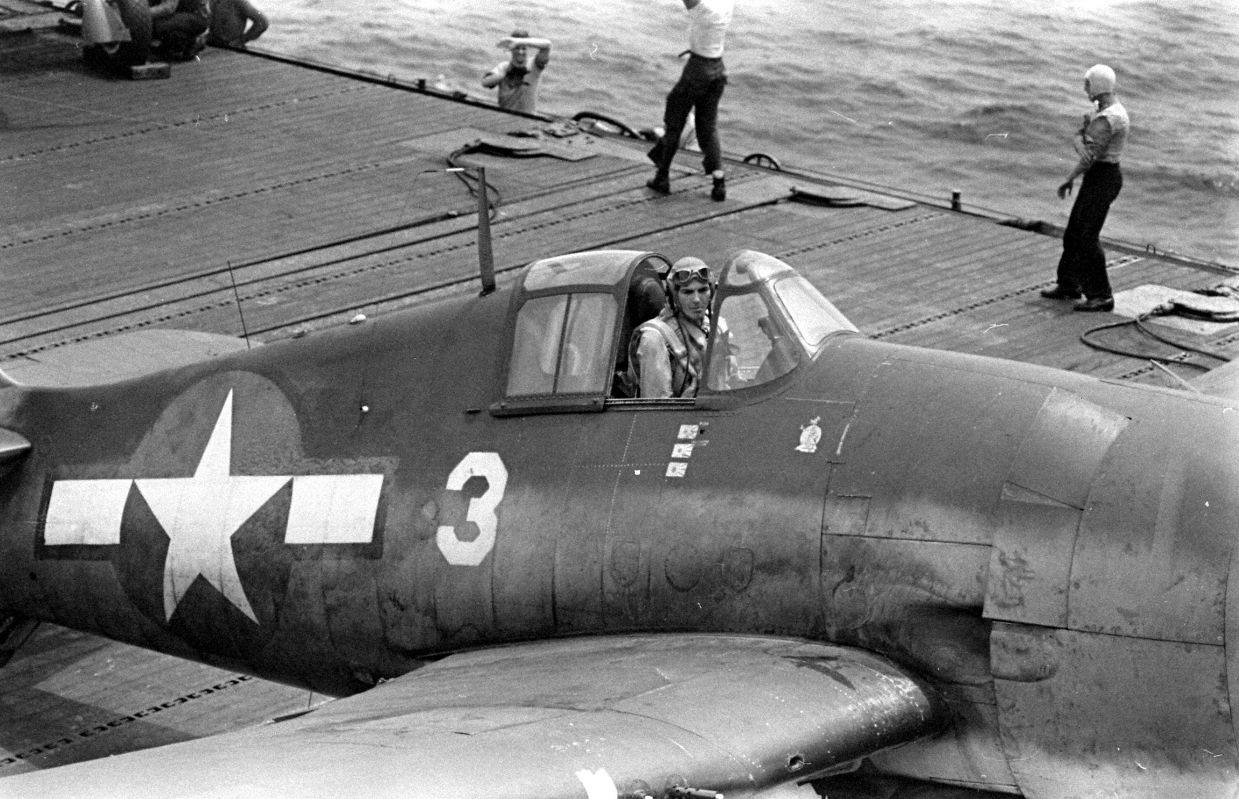
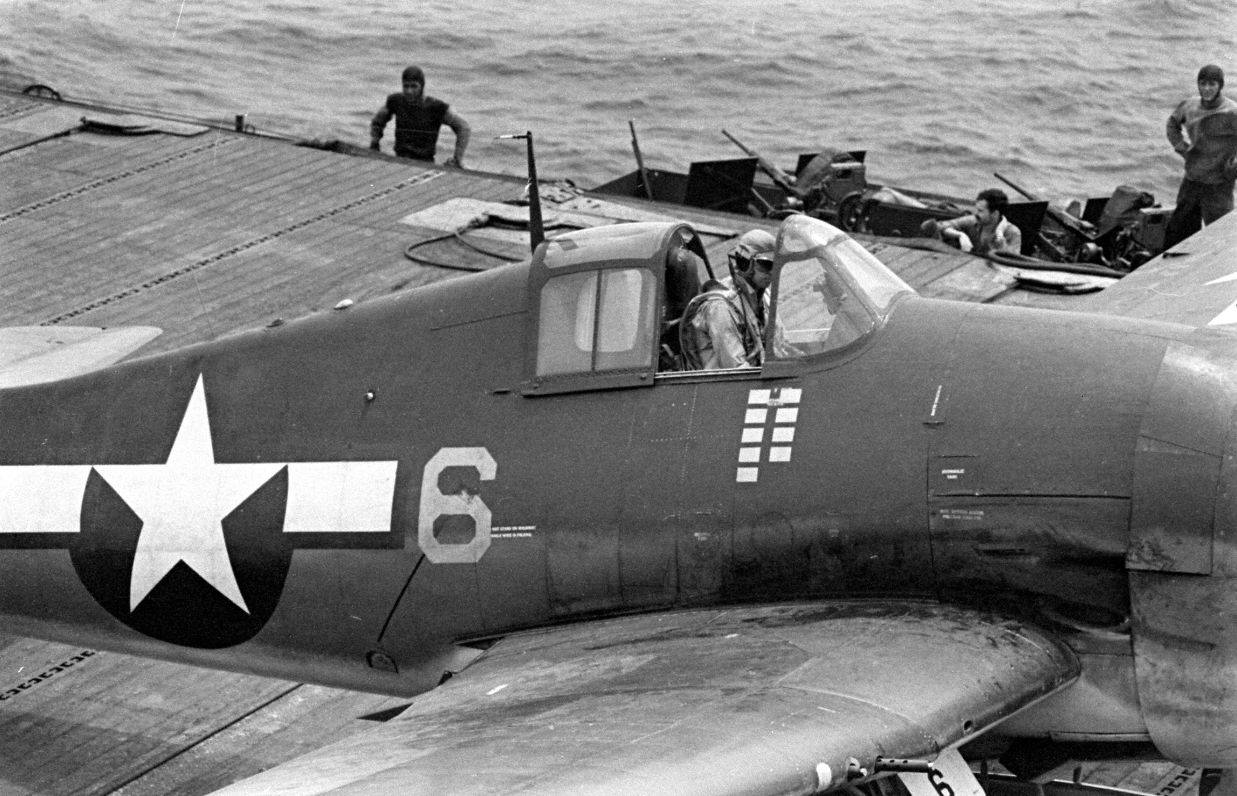
Air Group 16 was actively involved in the great air-to-sea battle of June 1944, the famous “Turkey Shoot”, where Hellcat pilots recorded a significant number of kills. It was not the only unit with aces, but it had pilots with multiple successes, which was often recorded in small victory markings under the cockpit. These details give character to a model and transform it from a “typical Hellcat” into a specific aircraft with history.
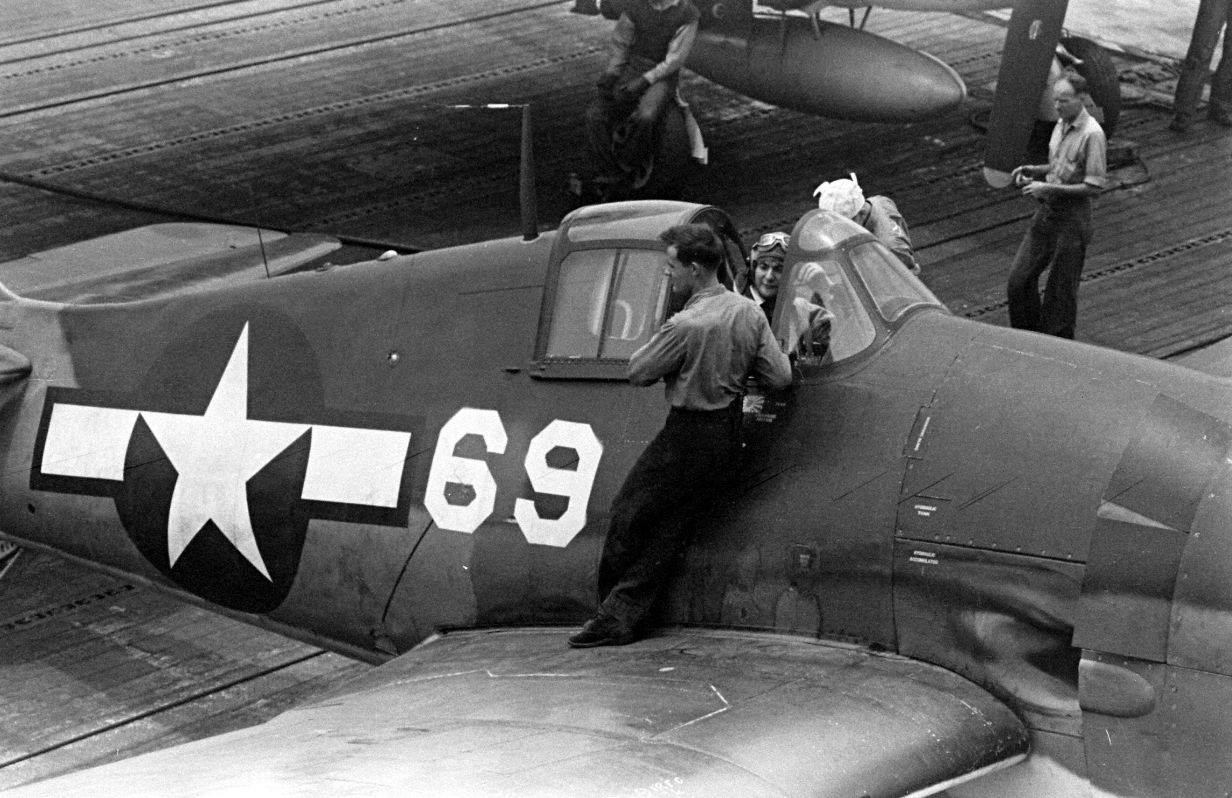
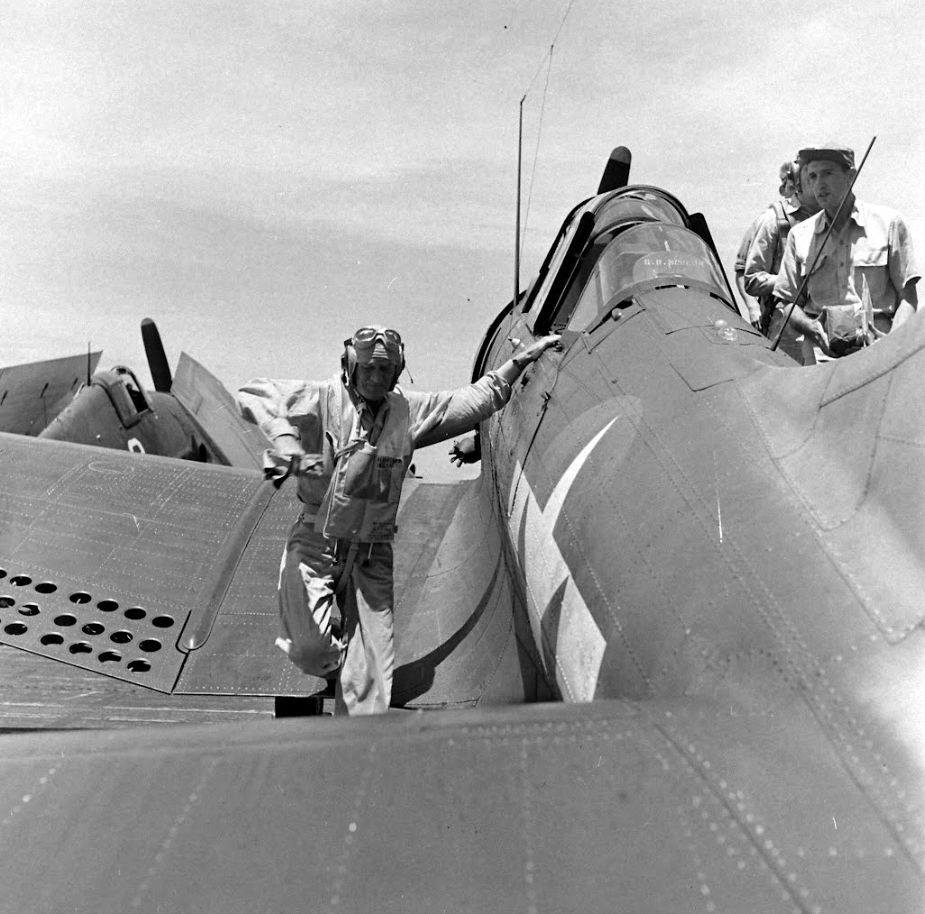
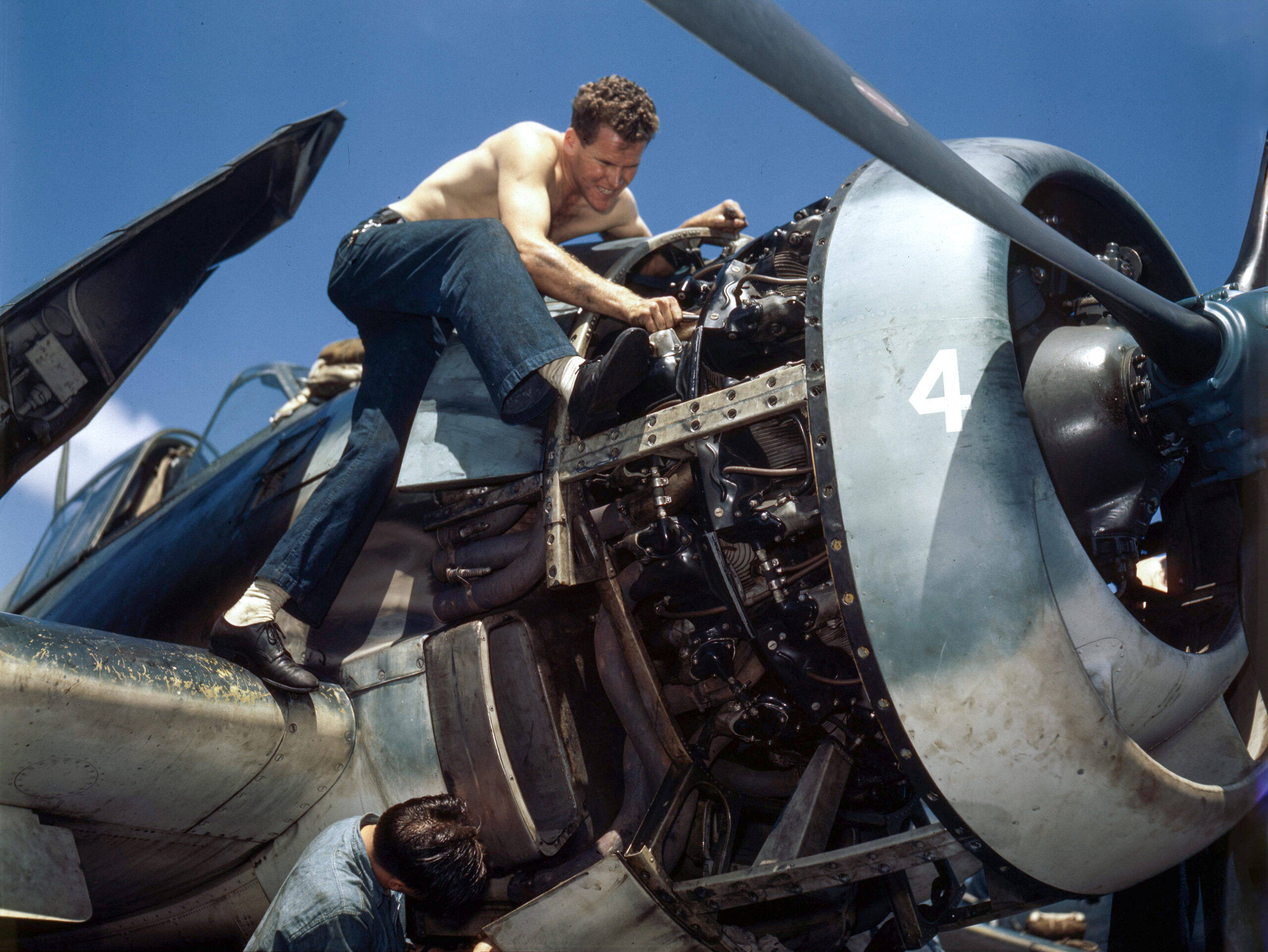
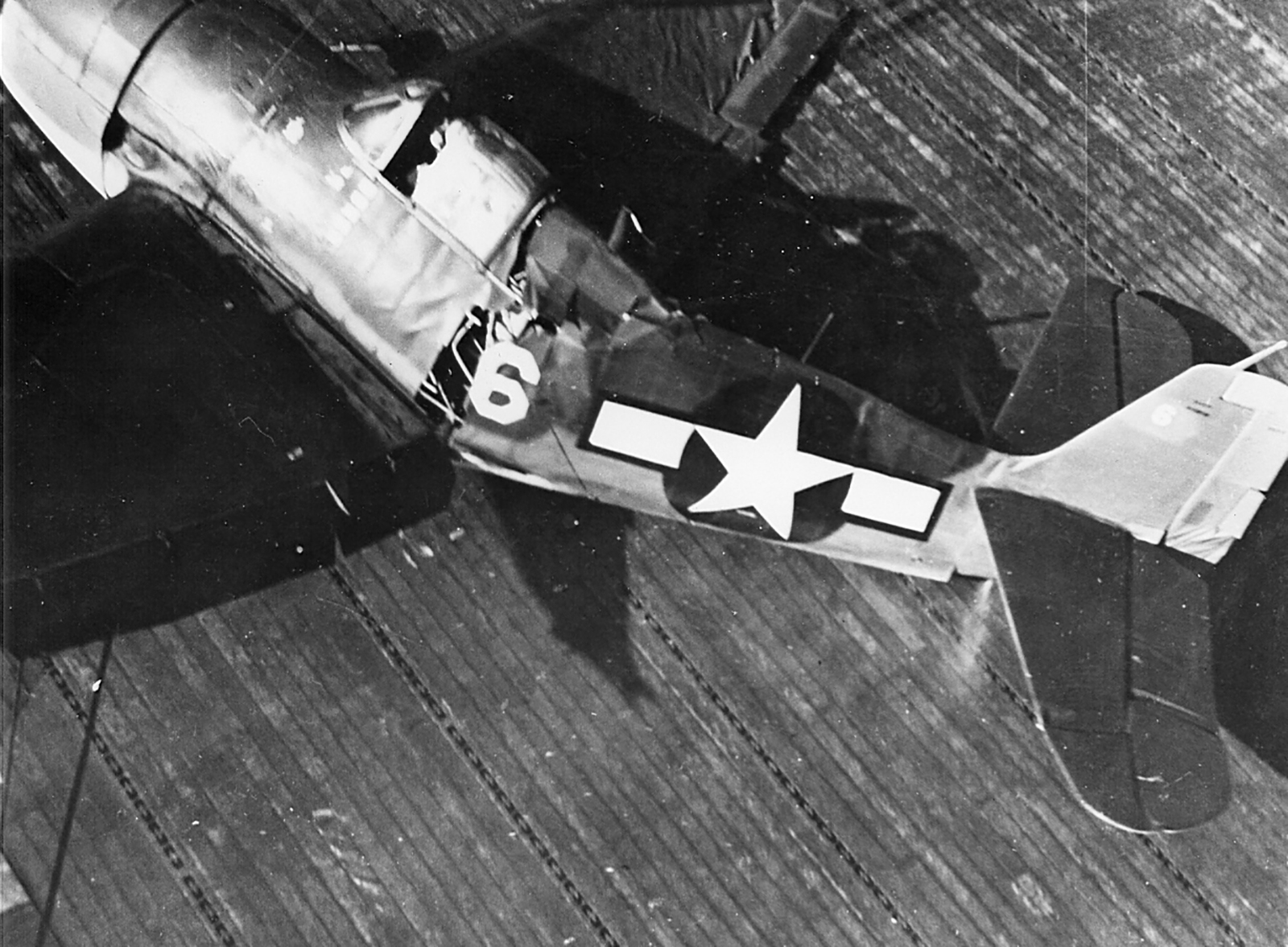
The construction of an F6F operating from Lexington is of particular interest because the environment of a World War II aircraft carrier was harsh. Sea salt created white streaks and corrosion on rivets and wing joints. The wing flaps were filled with grease and dirt. The wing roots showed heavy wear from the boots of the engineers and pilots. There were fuel stains under the fuel filler flaps, while hydraulic leaks and accumulated deck dust were visible on the landing gear.
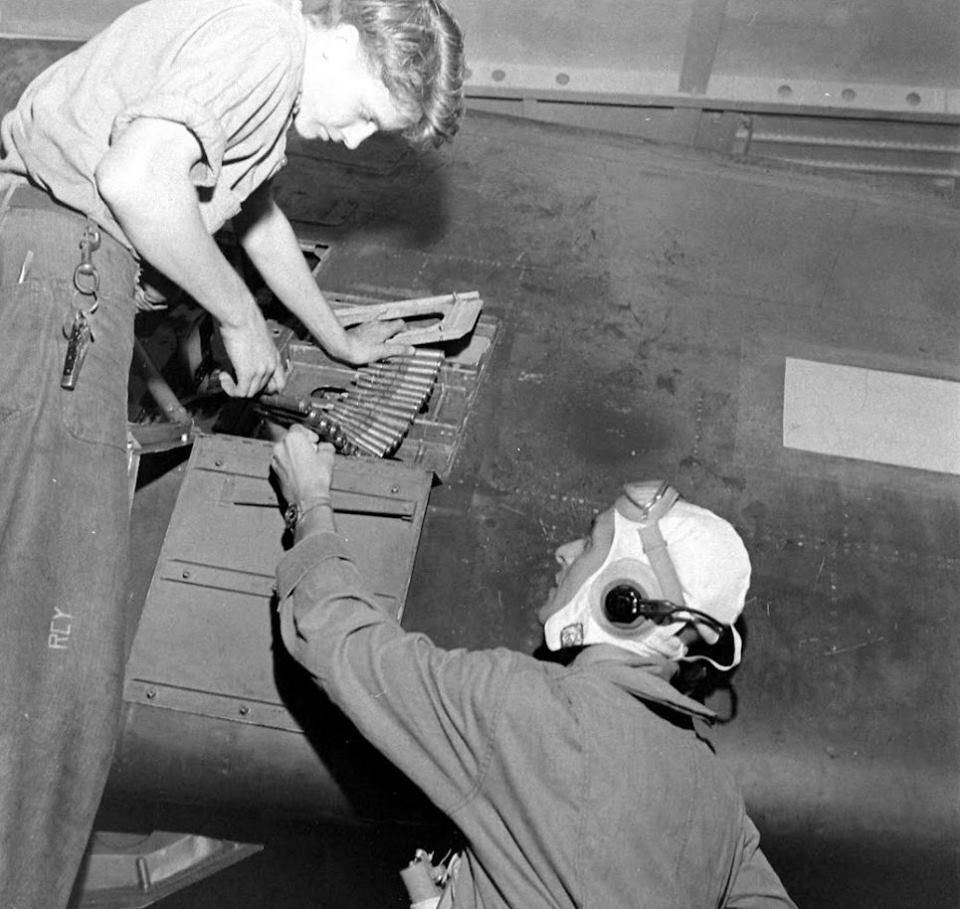
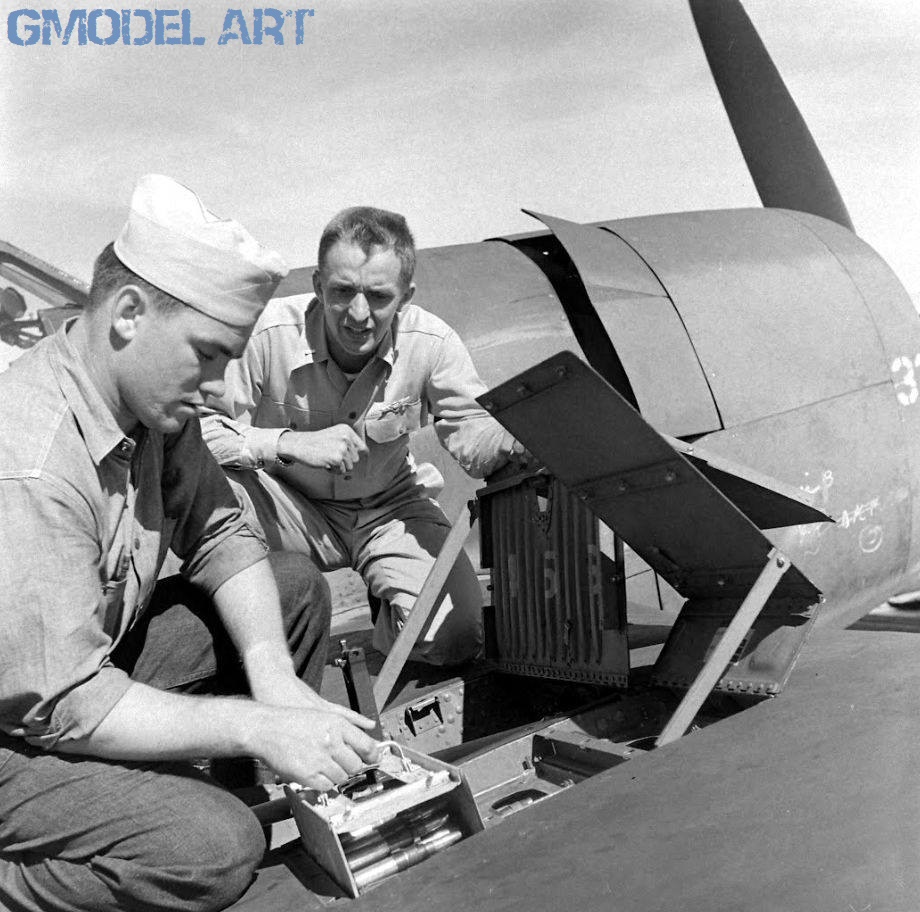
The battle scars deserve special attention. The .50 machine guns left characteristic exhaust residues in front of the ports. The exhausts created brown-gray lines that “broken” the uniformity of the blue. The propellers showed peeling at the edges from particles and salt. The Hellcat was durable, but not indestructible; and it is this operational fatigue that gives realism to a structure.
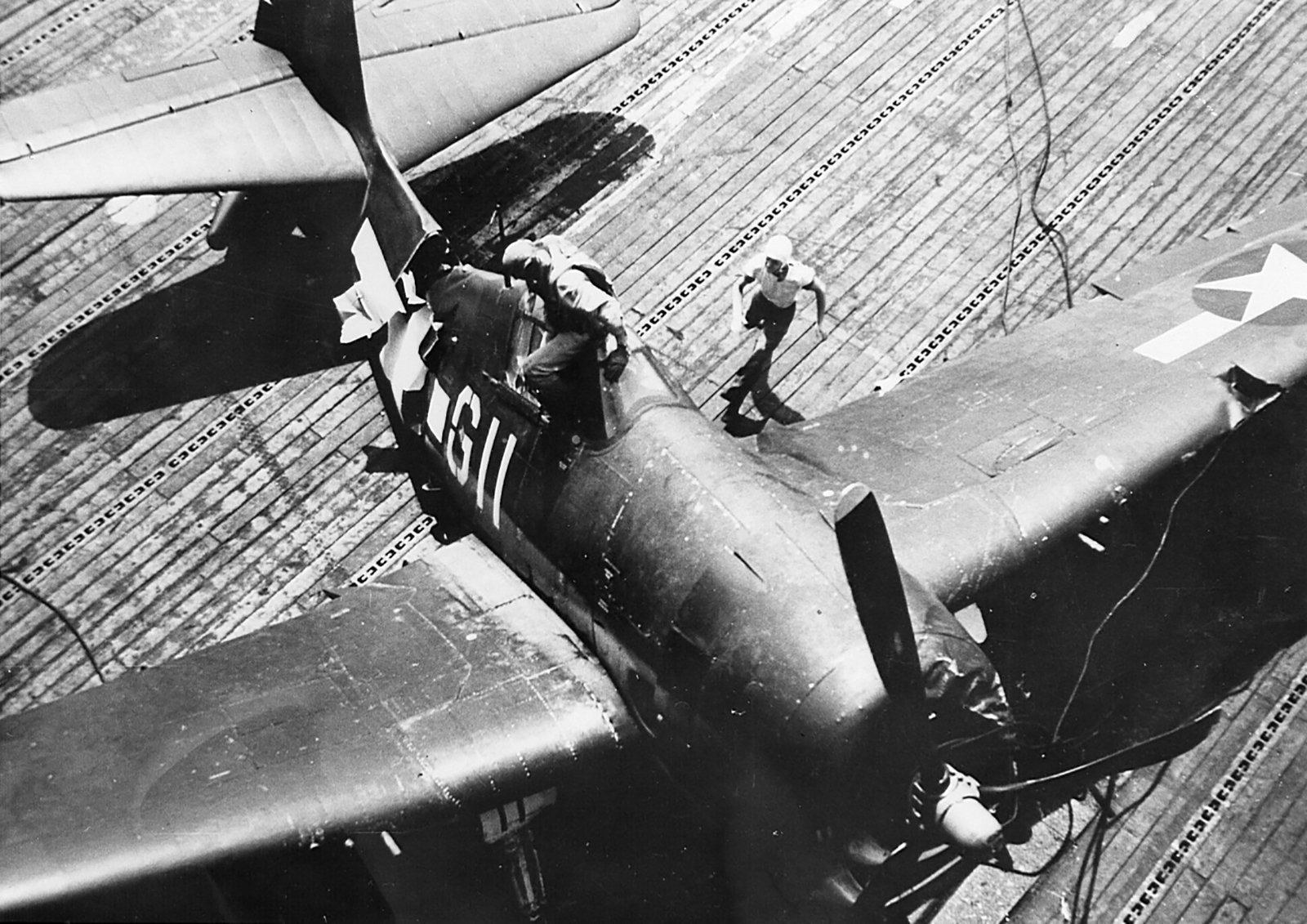
If a section of deck is added, the result becomes even more convincing. The wooden deck of the time showed faded planks, dark oil lines, and mooring chain marks. The aircraft rarely stood alone; there was always movement, personnel, and equipment. A Hellcat aboard the Lexington is not just an airplane, it is part of a complex naval machine that operated daily in demanding conditions.
The value, then, of such a modeler’s approach lies not only in the right shade of blue. It lies in understanding the context: when it flew, from which ship, on which operations, and under what conditions. The F6F of Air Group 16 aboard the USS Lexington is not just another Hellcat. It is part of the air superiority that was being forged in the Pacific — and for the modeler, that means responsibility for detail and the opportunity for a build with substance.
When did Air Group 16 receive the F6Fs?
The F6F-3 began to be delivered to frontline units in the summer of 1943.
USS Lexington (CV-16) arrived in the Pacific in August 1943.
Air Group 16 was equipped with F6F-3 Hellcats for the Gilbert–Marshall operations (late 1943).
In late 1944, the transition to the F6F-5 began.
So if you model:
1943–mid 1944 = F6F-3
late 1944–1945 = F6F-5
Paint & FS Correspondences
Early Scheme (Tri-Color – 1943–1944)
Non-Specular Sea Blue – FS 35042(approximation)
Fading heavily due to Pacific sun.
Late War Scheme (Overall Glossy Sea Blue – 1944–45)
Important: on carrier-based aircraft the gloss was lost quickly → semi-gloss look with salt fading.
Why it has huge modeling interest
Carrier wear & tear
Salt corrosion
Deck handling marks
Exhaust staining
Gun gas residue on wings
Boot scuffs on wing root
The Hellcat was not a “clean showroom aircraft”. It was a tool of war.
Weathering Guide – Pacific Carrier Conditions
1️⃣ Pacific Sun
Fading on upper surfaces.
Panel variation with lighter tone Sea Blue.
2️⃣ Salt & Moisture
White salt streaks.
Corrosion around rivets.
Wing fold hinges with grime.
3️⃣ Carrier Deck Operations
Scratches from tie-down chains.
Fuel stains under filler caps.
Hydraulic leaks near landing gear.
4️⃣ Combat Fatigue
Cordite stains on gun ports.
Exhaust streaking intense, brown-gray.
F6F-5 Hellcat “White 115”USN Fighter Squadron Eighty Three VF-83. by Eduard – A Carrier Killer in 1/48 Scale
Propeller blade chipping.
https://www.markstyling.com/F6F.04.htm
https://www.navsource.net/archives/02/16.htm