article
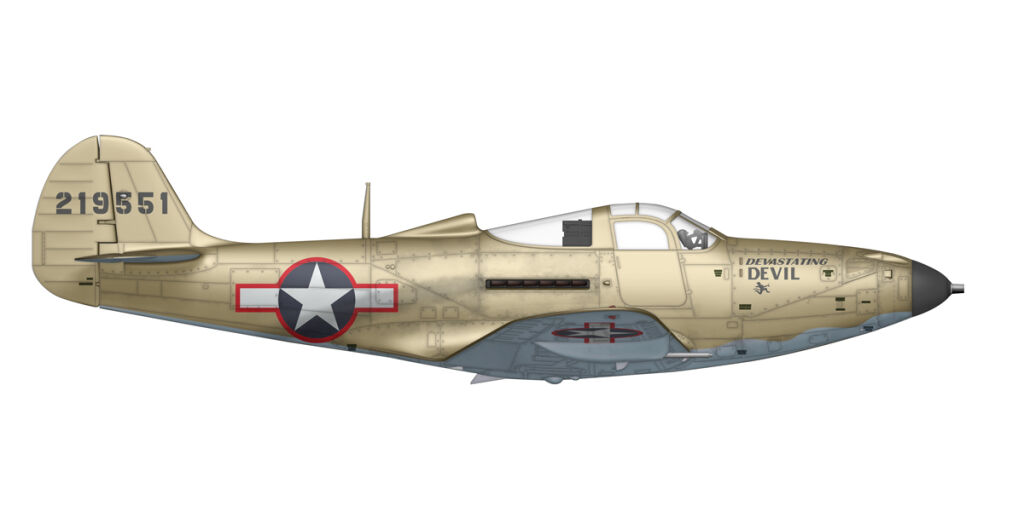
P-39Q-1 Airacobra – 46th Fighter Squadron, Makin Island 1943
Import
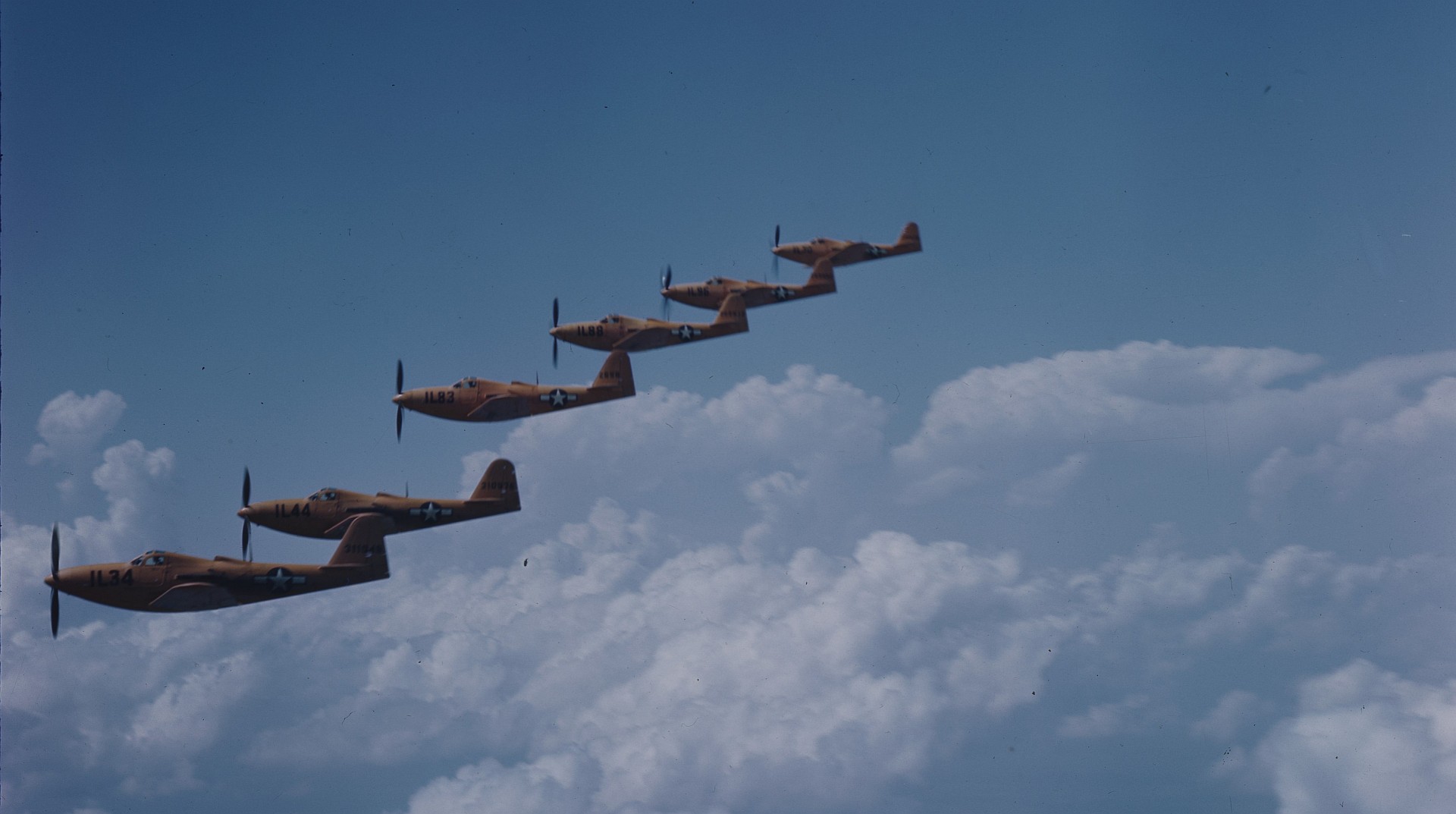
During the critical stages of the Allied advance into the Central Pacific in 1943, American fighter units began operating from newly captured island bases. Among the aircraft defending these forward positions was the distinctive Bell P-39 Airacobra .
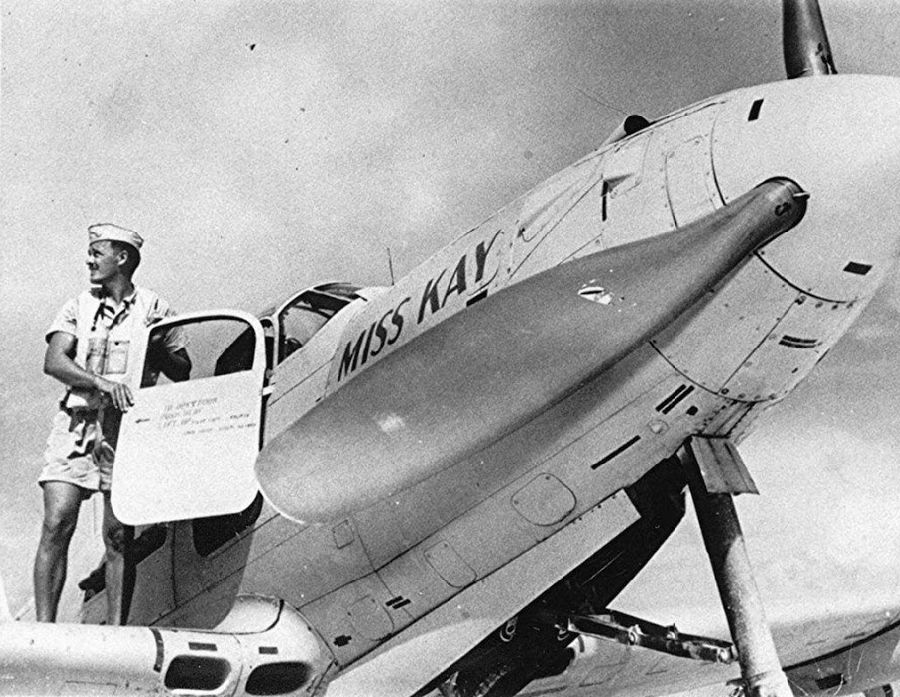
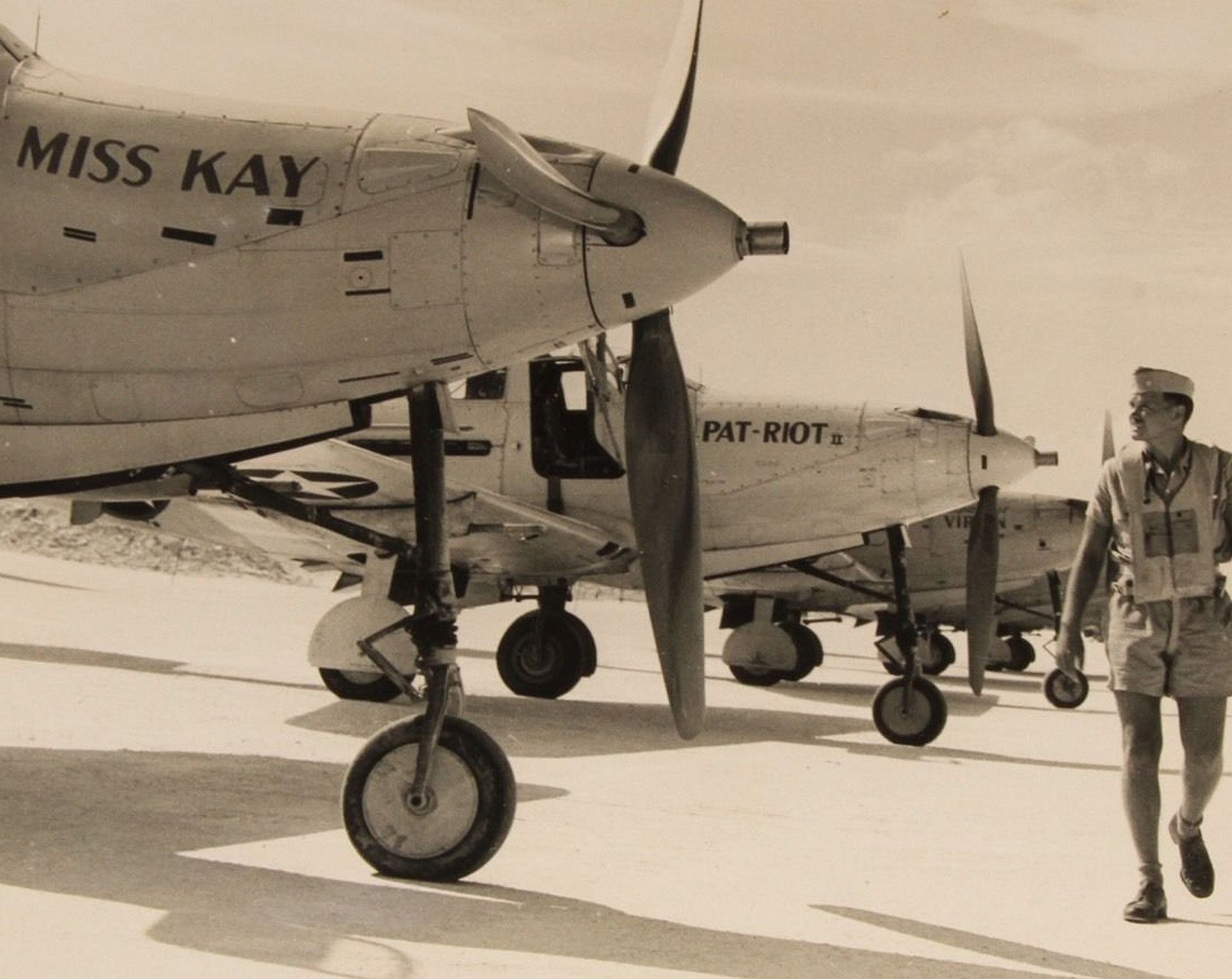
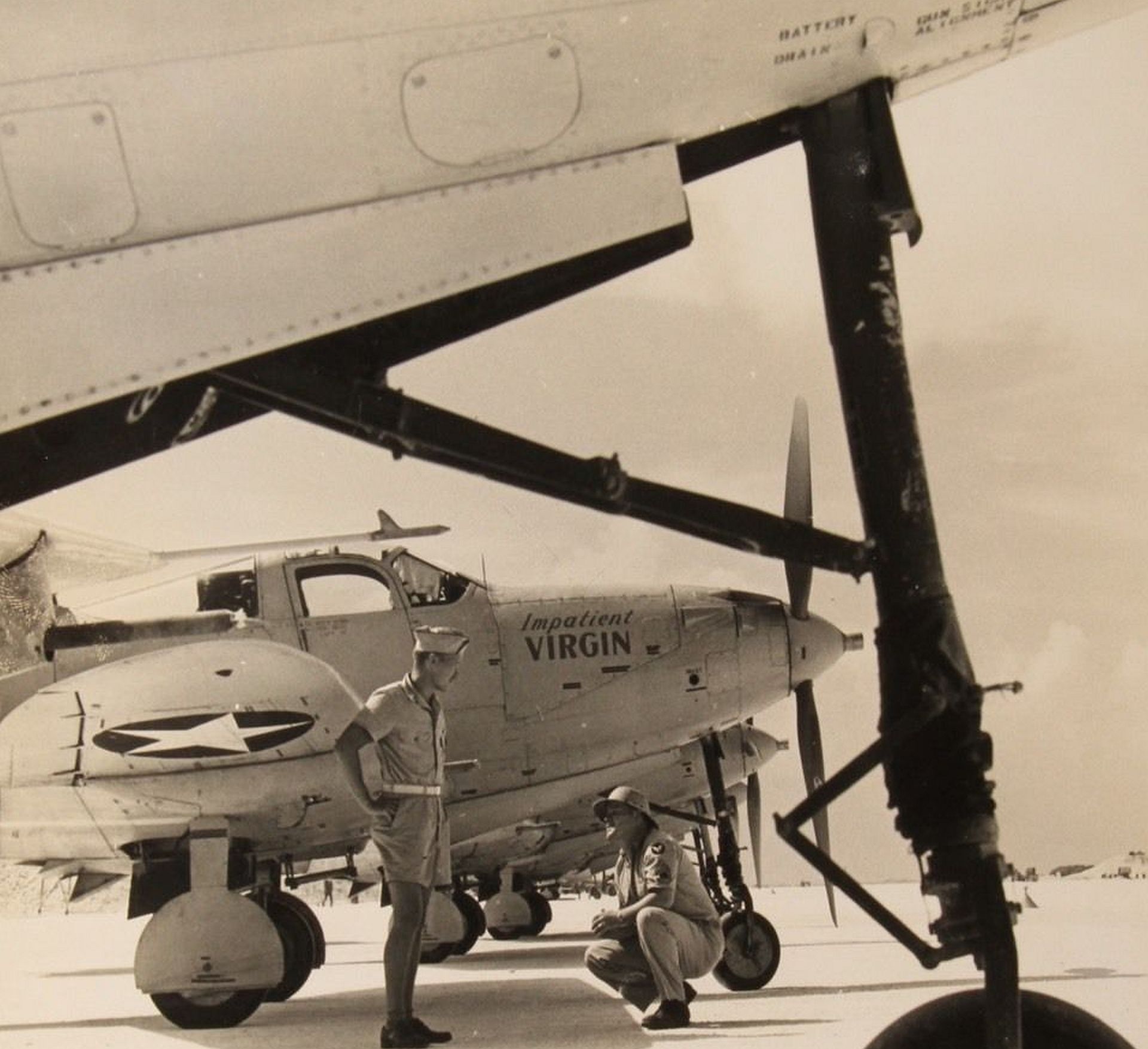
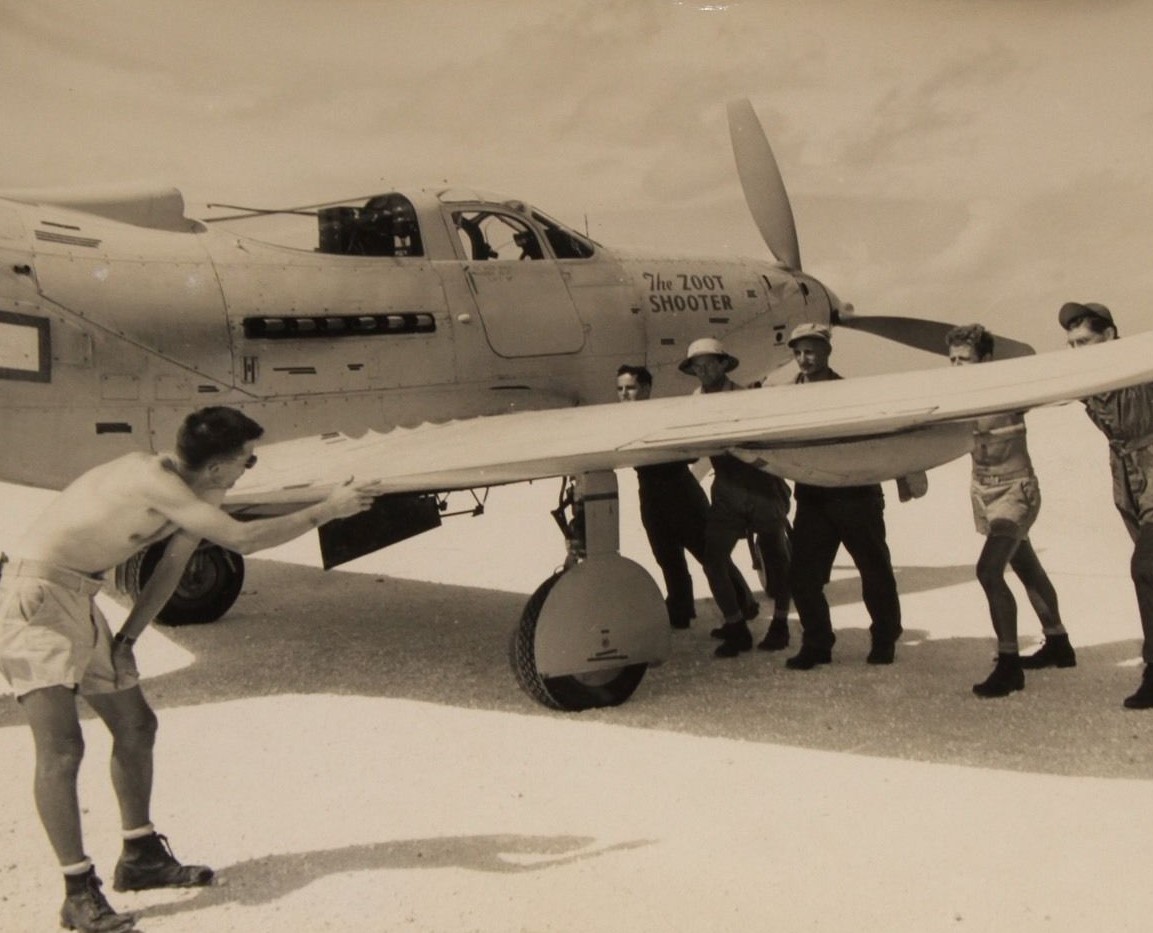
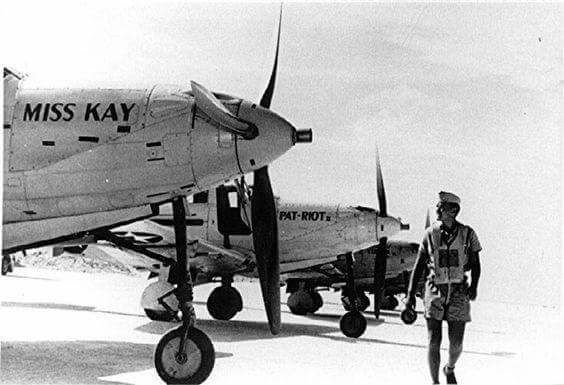
One of the squadrons operating the aircraft in the area was the 46th Fighter Squadron , part of the 15th Fighter Group . Based on forward airfields in the Gilbert Islands, including Makin Atoll , these fighters flew air defense patrols, interception missions, and ground attack operations in late 1943.
Although the Airacobra is often overshadowed by more famous fighters such as the North American P-51 Mustang or the Vought F4U Corsair , it played an important role in many theaters of war. In the Pacific, where many aerial engagements took place at low and medium altitudes, the aircraft proved particularly effective.
A unique fighter design
The Airacobra was developed by Bell Aircraft and featured one of the most unconventional designs of all the fighter aircraft of World War II.
Instead of placing the engine in the nose, engineers placed the Allison V-1710 engine behind the pilot, creating a mid-engine configuration rarely seen in fighter aircraft of the era. A long driveshaft connected the engine to the propeller at the front of the aircraft.
This configuration allowed the installation of one of the aircraft’s most powerful weapons: a 37 mm cannon that fired directly through the propeller hub .
The P-39Q-1 version had impressive armament for its size:
1 × M4 37 mm cannon
2 .50 caliber machine guns in the nose
2 .50 caliber machine guns in the wings
ability to bomb or drop a tank
This powerful firepower made the aircraft particularly effective in ground attack missions and low-altitude combat , roles often required in the Pacific theater of operations.
The Air War over the Gilbert Islands
The presence of the Airacobras in Makin was directly linked to the Allied offensive in the Central Pacific.
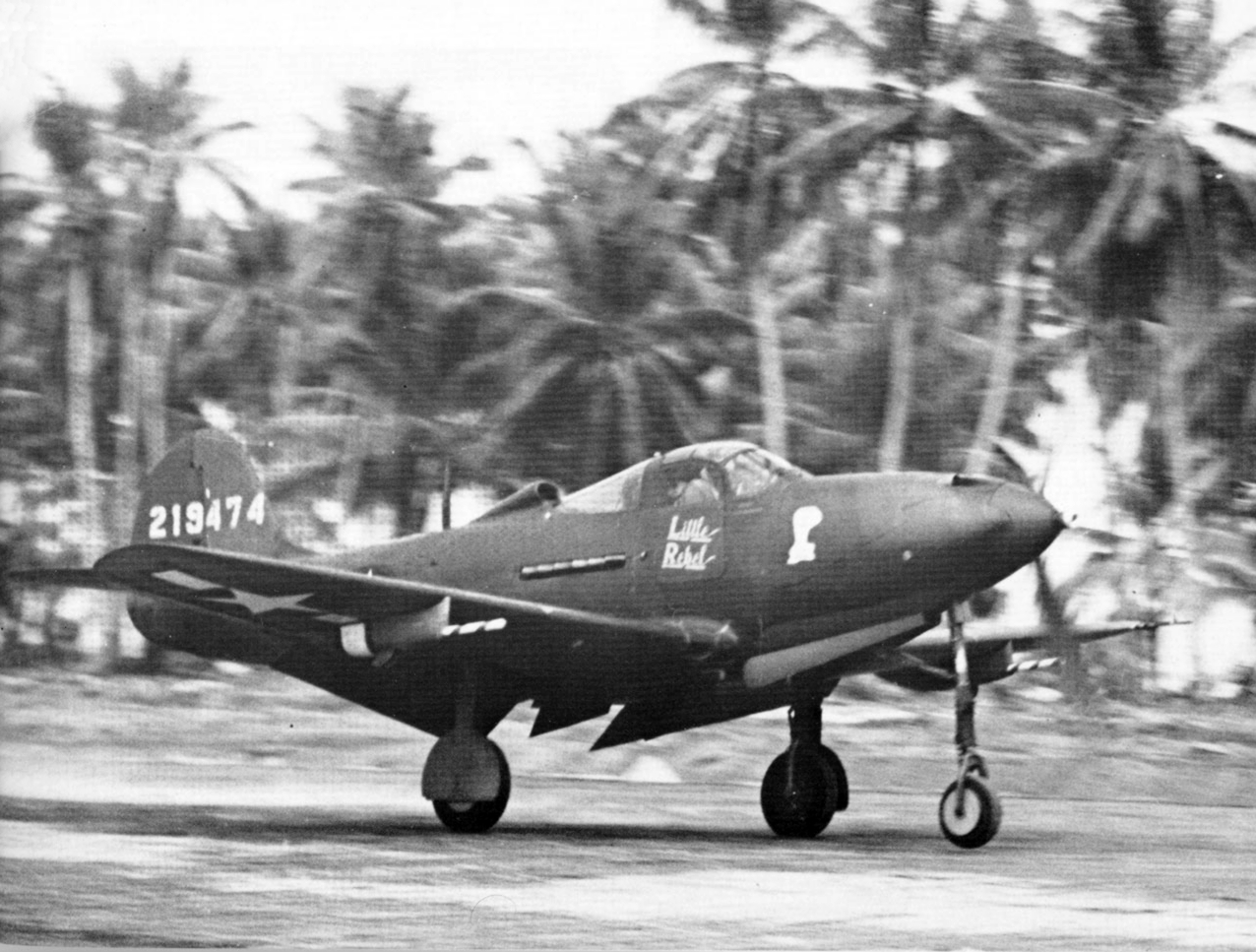
Following the Allied landings during the Battle of Makin in November 1943, American forces quickly established airfields throughout the atoll. These forward bases allowed Allied aircraft to patrol the surrounding area and support the next phase of operations in the Pacific campaign.
From these coral corridors, fighter jets like the Airacobra flew on routine missions, such as:
defensive air combat patrols
interception of a Japanese reconnaissance aircraft
escort missions for allied bombers
tactical attacks against enemy positions
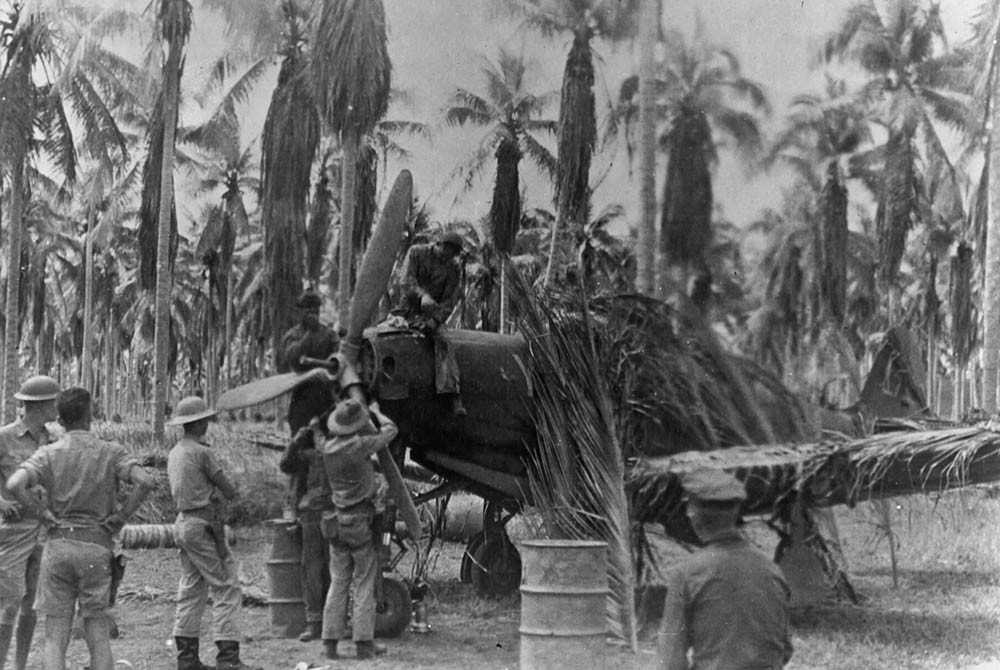
Life at these remote bases was harsh. Pilots and ground crews worked in extreme tropical conditions, dealing with heat, humidity, and constant maintenance challenges caused by coral dust and salty air.
The Sand Camouflage Pattern
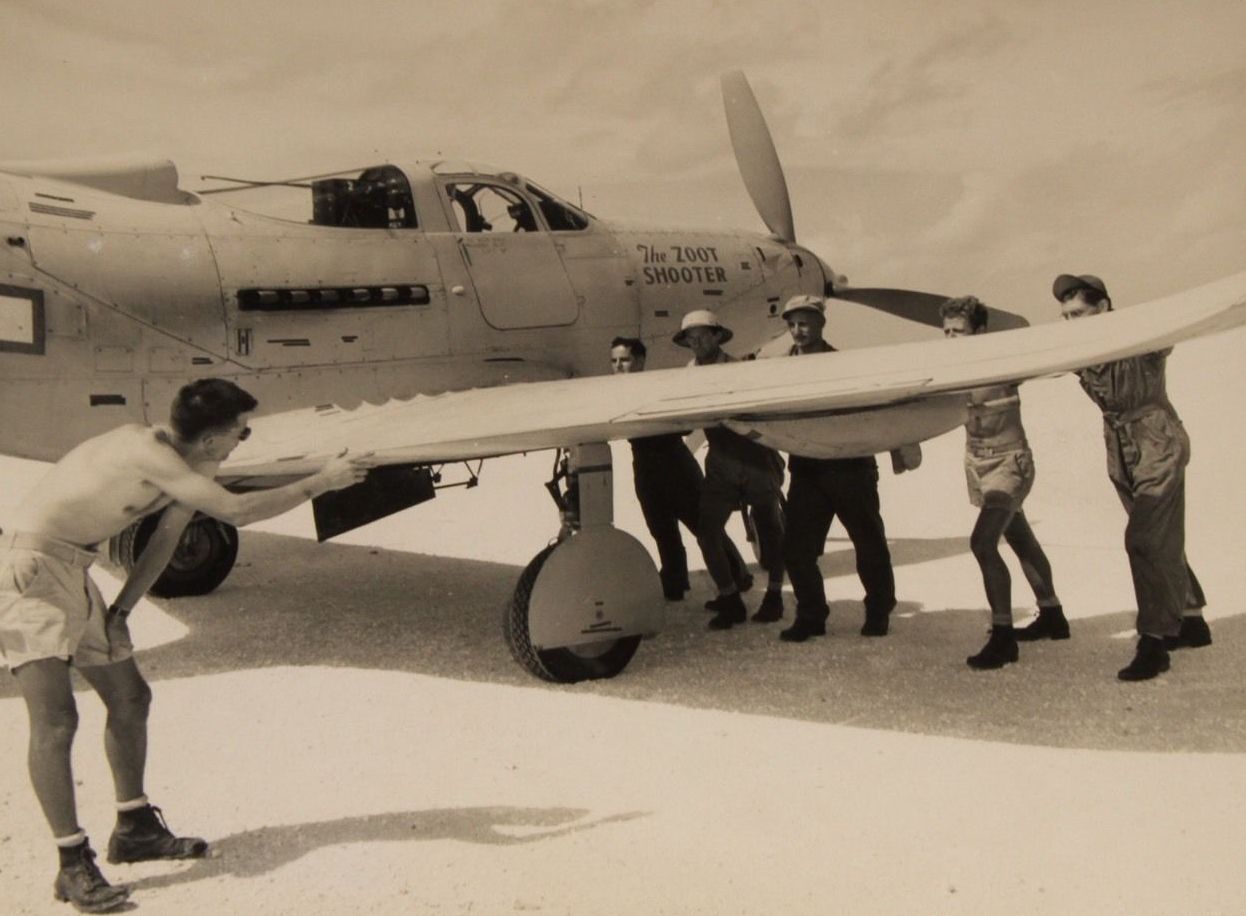
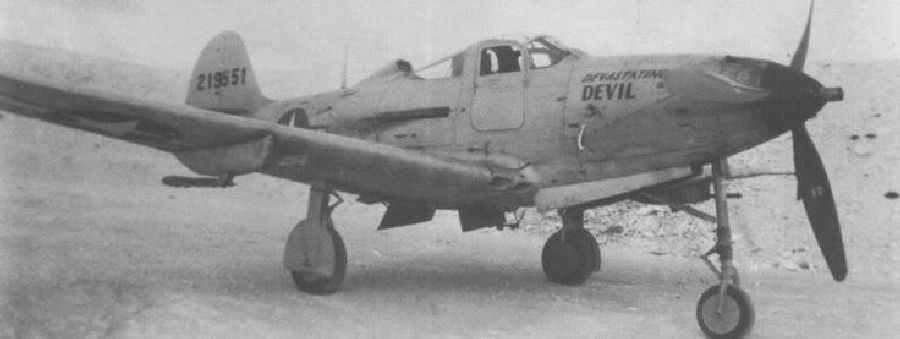
Some Airacobras operating in the Central Pacific featured modified camouflage adapted to the tropical environment. Instead of the standard olive drab finish, some aircraft were repainted or weathered in lighter shades that blended better with the coral islands and sandy airfields.
Aircraft of the 46th Fighter Squadron at Makin are known to have displayed light sandy or brown camouflage , which was heavily affected by sun fading and operational wear.
This finish created a very distinctive look that is particularly appealing to scale modelers.
Airacobra P-39Q-1 color scheme
46th Fighter Squadron – Makin Island, 1943
| Aircraft Area | Color | FS approx. | Model painting examples | Notes |
|---|---|---|---|---|
| Upper surfaces | Sand / Light brown | FS 30279 (approx.) | Tamiya XF-59 / Gunze H313 | Tropical camouflage tone |
| Faded panels | Buff / Light Sand | FS 33531 | Tamiya XF-57 | Sun fading effect |
| Bottom surfaces | Neutral gray | FS 36173 | Tamiya XF-53 / Gunze H53 | Standard USAAF lower part |
| Spinner | Sand | FS 30279 | XF-59 | same tone as the upper surfaces |
| Propeller blades | Black | FS 37038 | XF-1 | Standard bracket color |
| Propeller tips | Yellow | FS 33538 | XF-3 | USAAF ID |
| National insignia | Blue / White | FS 35044 | XF-17 + White | Star and Bar |
| Landing gear | Neutral gray | FS 36173 | XF-53 | Often dusty from the coral corridors |
| Wheel hubs | Neutral gray | FS 36173 | XF-53 | Worn appearance |
| Evaporation area | Burnt metal/soot | — | Metallic + black wash | Intense coloring typical of P-39 |
Cockpit interior colors
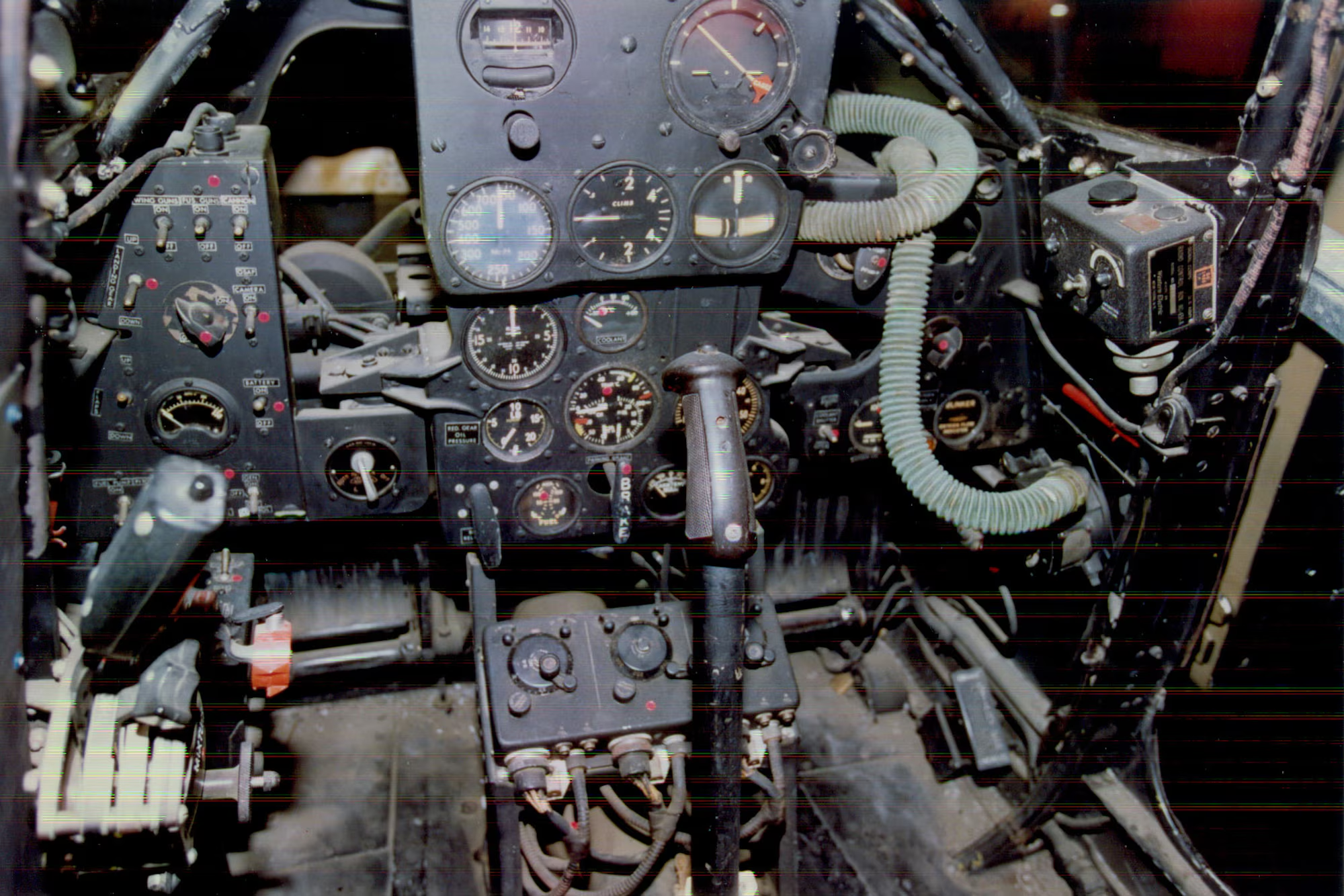
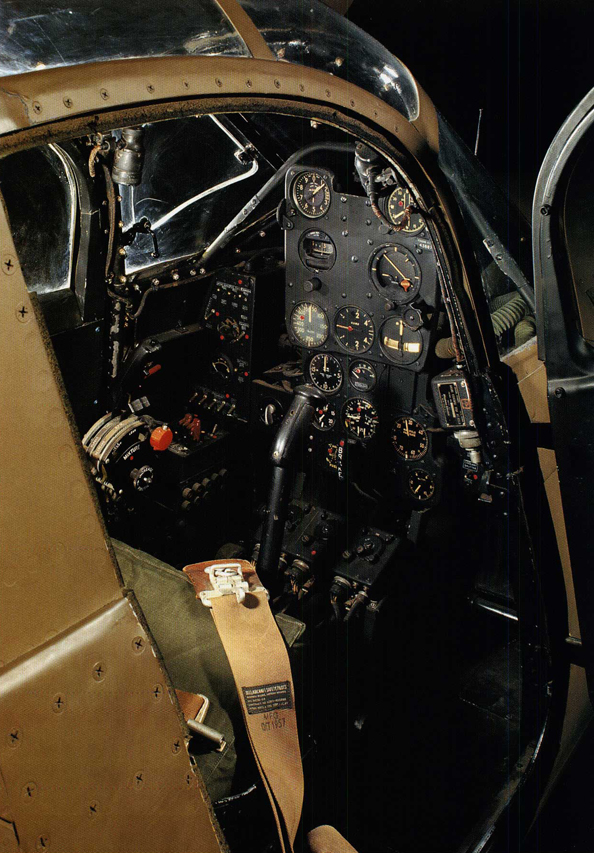
The Airacobra cockpit was painted to standard USAAF interior specifications. Due to the unusual configuration of the aircraft and the car-style side doors, the cockpit layout was very distinctive.
P-39 Airacobra cockpit color scheme
| Area | Color | Paint suggestion | Notes |
|---|---|---|---|
| Cockpit interior | Interior Green | Tamiya XF-71 / Gunze H58 | Standard USAAF cockpit color |
| Instrument panel | Black | XF-1 | Light dry brushing is recommended. |
| Seat | Interior Green | XF-71 | Visible wear on the edges |
| Control lever | Black | XF-1 | Metal wear on the handle |
| Rudder pedal | Steel | Gunmetal | Effects of wear and tear on the feet |
| Cockpit floor | Interior Green | XF-71 | Scratches and signs of wear |
| Side panels | Interior Green | XF-71 | Wiring and equipment visible |
| Seat belts | Khaki / Canvas | XF-49 | Fabric wear |
Scale modeling of the Airacobra
For scale modelers, the Airacobra offers many unique features that make it an interesting project.
The unusual mid-engine layout, compact fuselage and distinctive cockpit doors give the aircraft a very recognizable appearance. When recreating an aircraft based in Makin in 1943, special attention should be paid to weather conditions and environmental effects.
Aircraft flying from coral runways typically exhibit:
intense sun fading on upper surfaces
dust accumulation on the landing gear and wheels
oil streaks and exhaust stains along the fuselage
peeling paint around maintenance panels
These features provide excellent opportunities for implementing advanced modeling techniques such as color shaping, subtle peeling, and pigment wear.
Historical Heritage
Although the Airacobra never achieved the legendary status of later American fighters, it served with distinction in many theaters of operations during World War II.
Aircraft such as the P-39Q-1 operated by the 46th Fighter Squadron on Makin Island in 1943 were part of the growing network of Allied air power across the Pacific. These remote island airfields allowed Allied forces to extend their reach across the ocean, gradually pushing into Japanese-held territory.
https://armahobbynews.pl/en/blog/2022/10/19/the-coral-aircobras-70055/
https://imodeler.com/2015/07/p-39-aeracobra-132-scale-special-hobby/
For historians, these aircraft represent a significant stage in the development of air warfare in the Pacific. For scale modelers, they offer the opportunity to recreate a fighter shaped both by combat and the harsh tropical environment in which it served.
P-40N Warhawk of the 45th Fighter Squadron at Nanumea (1943)