article
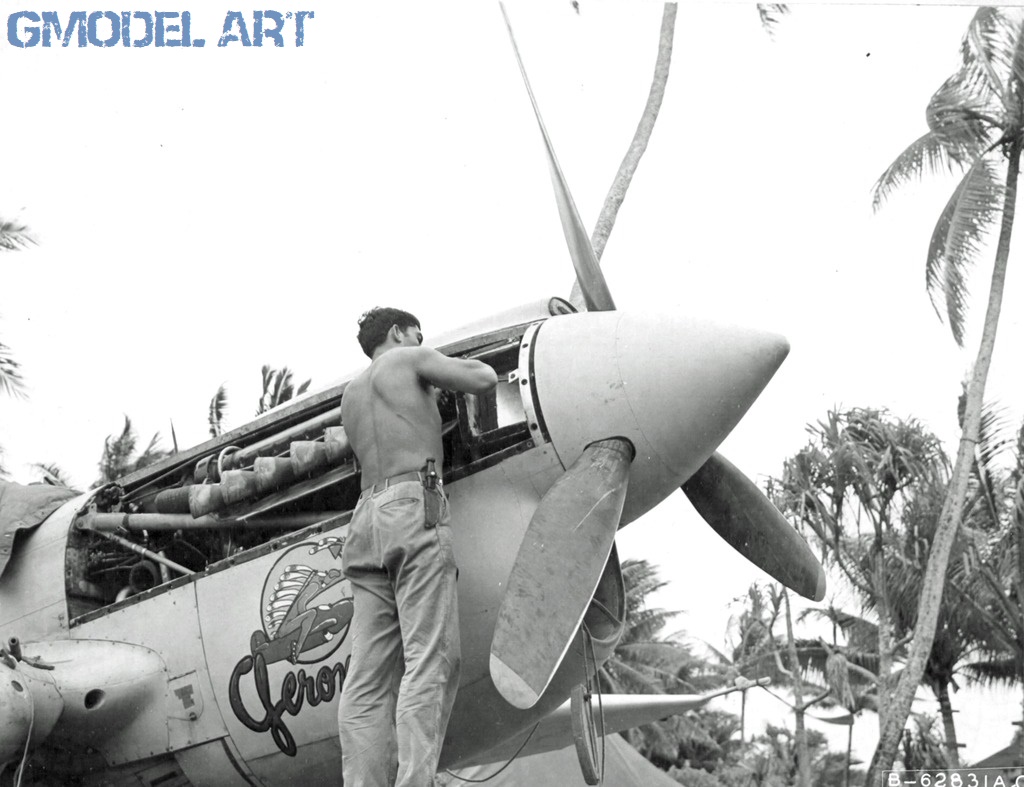
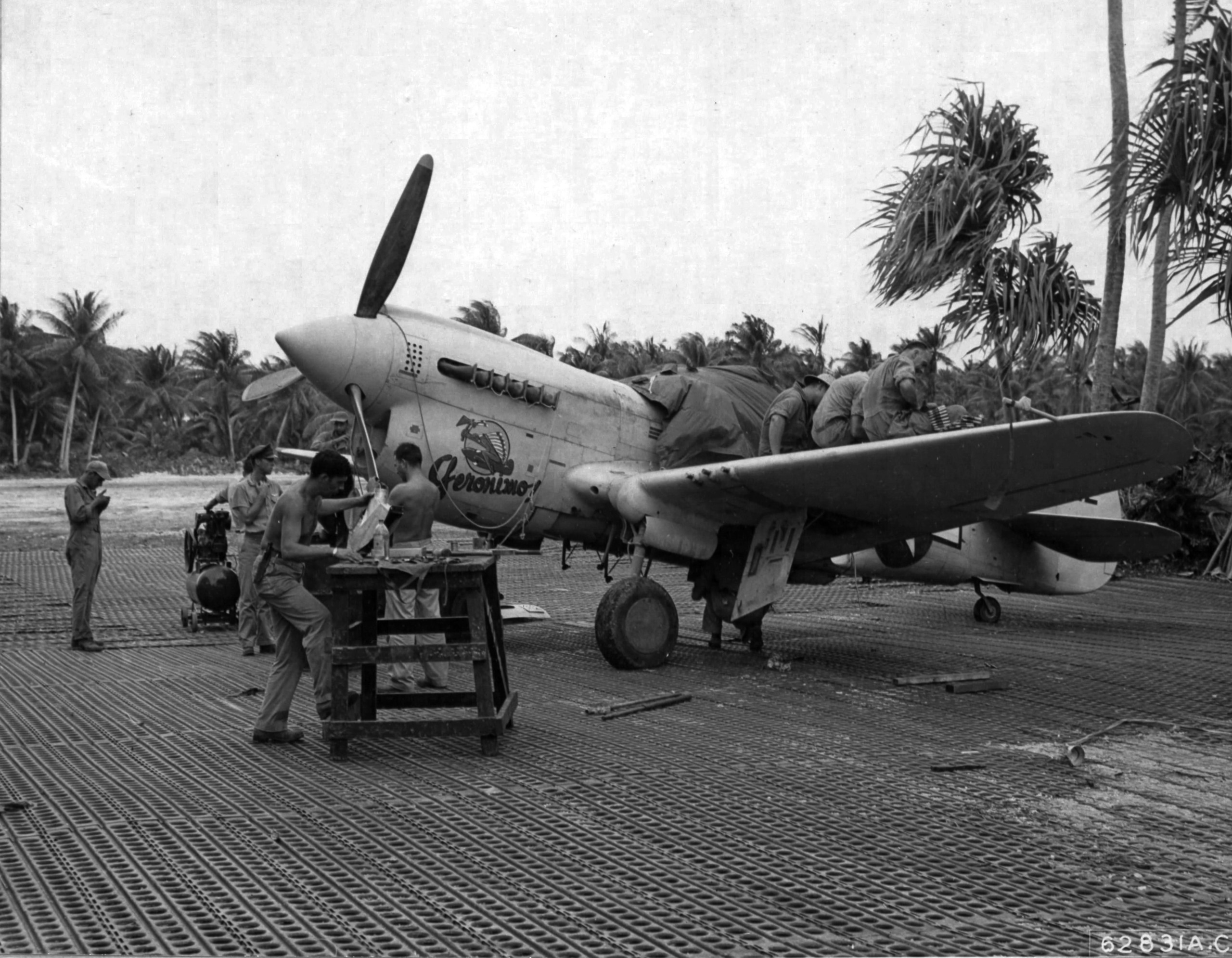
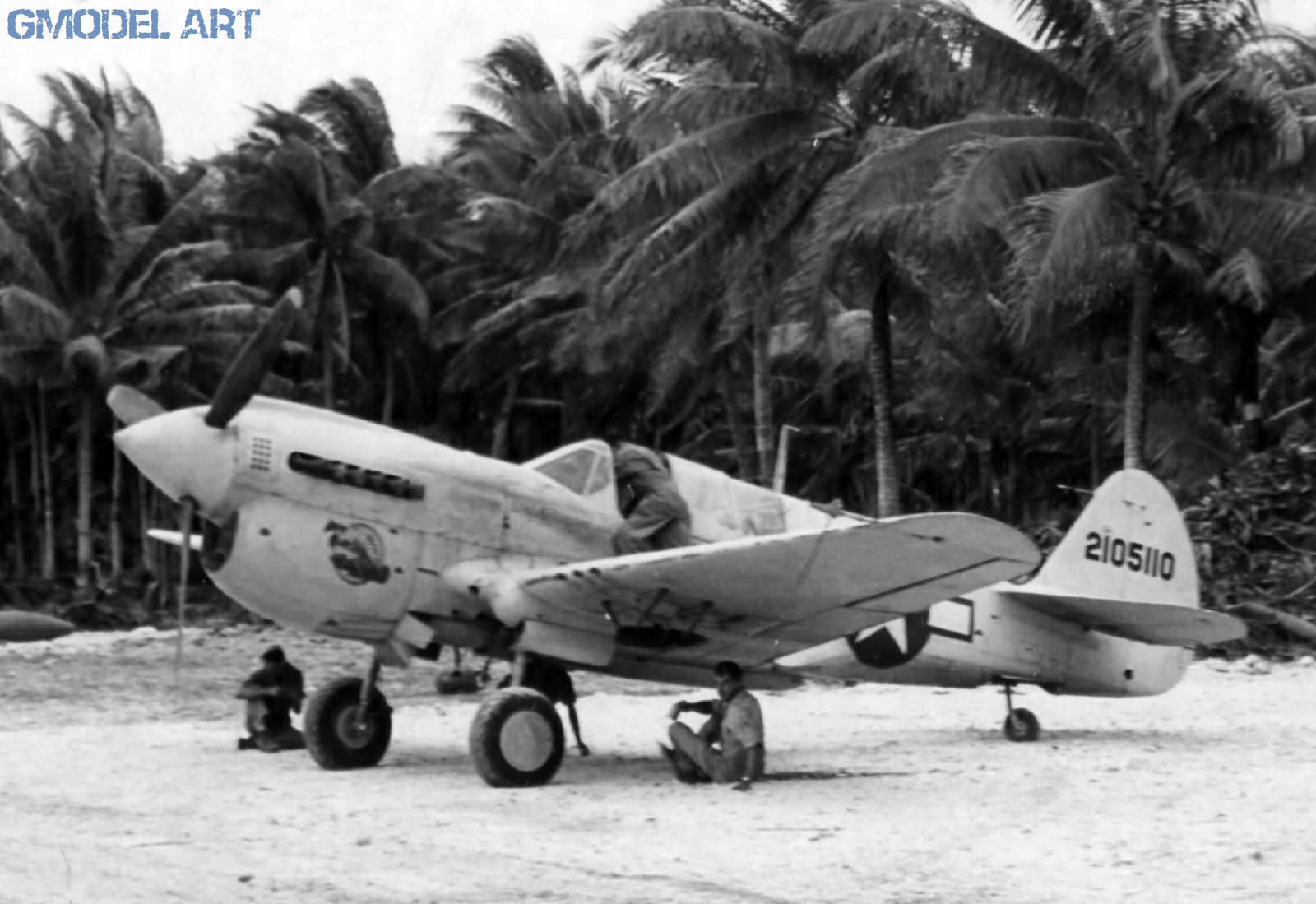
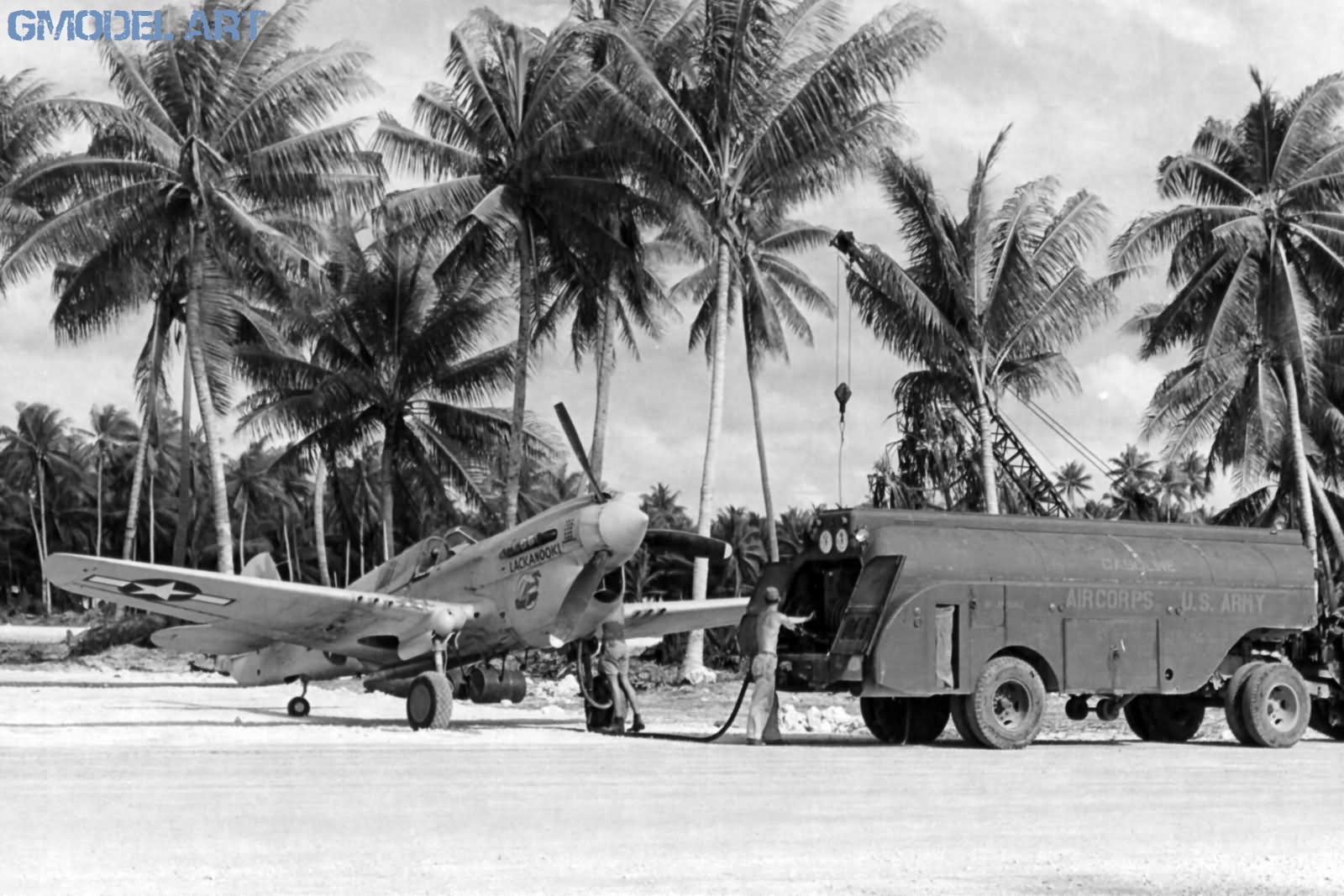
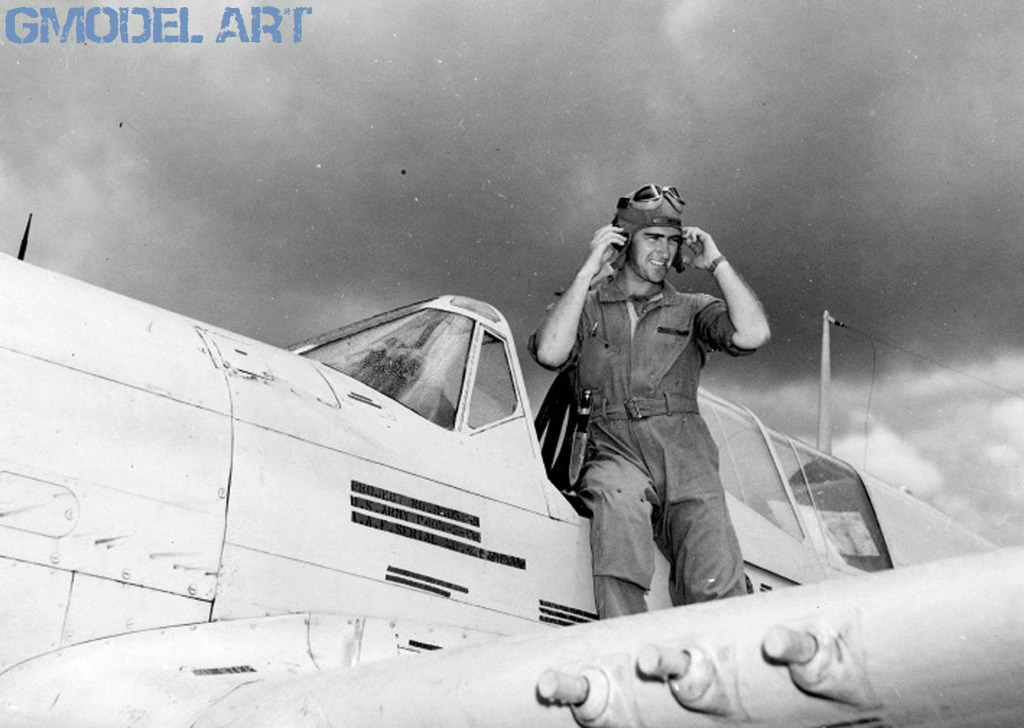
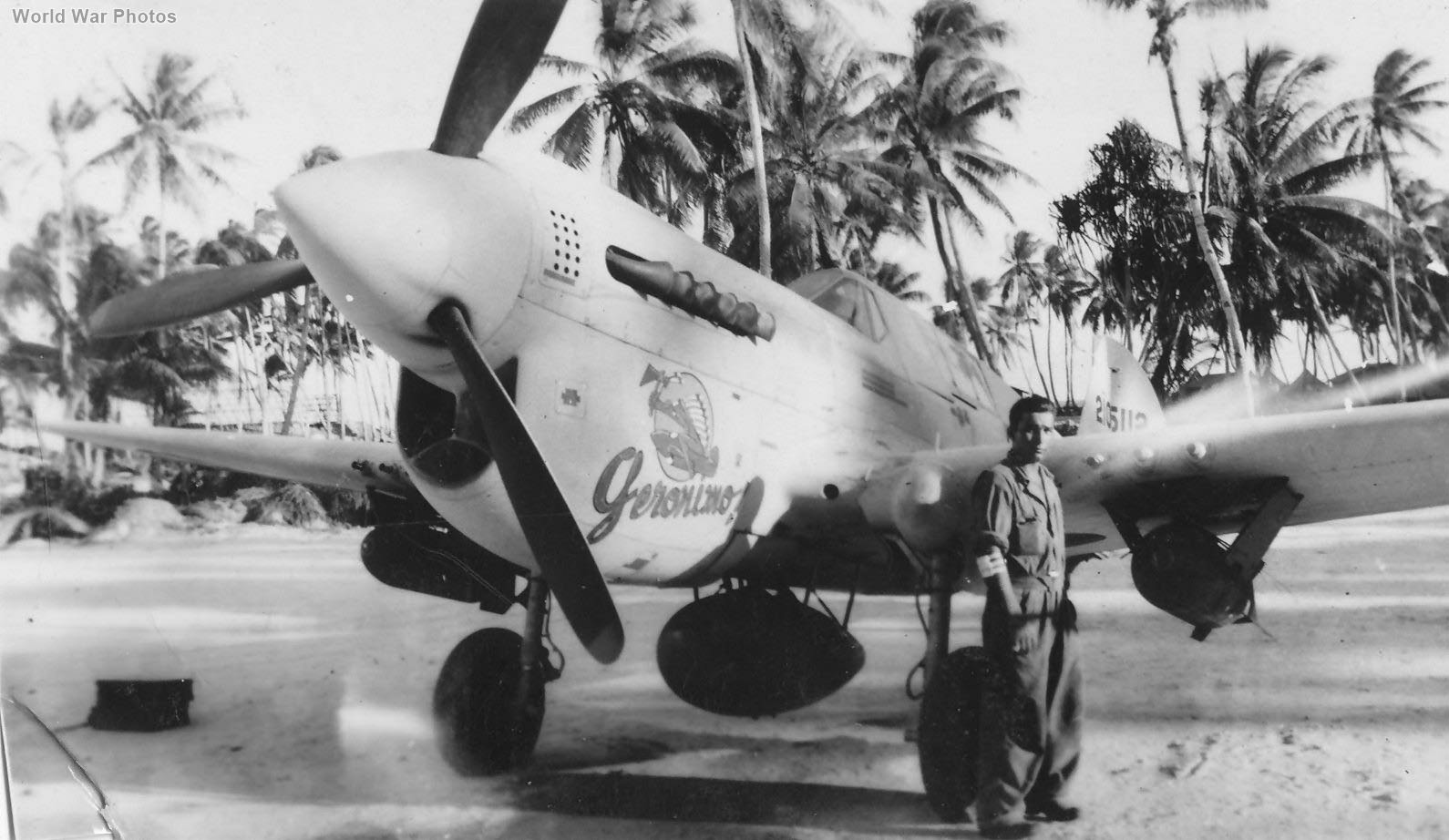
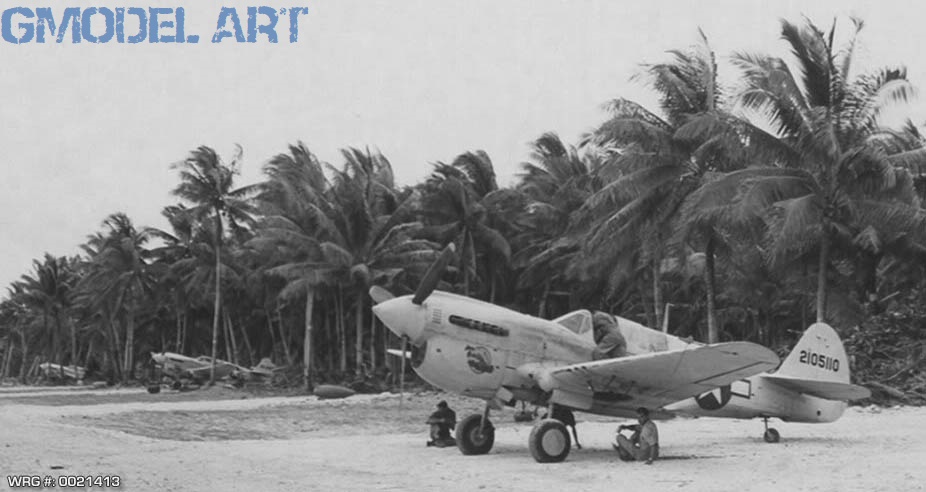
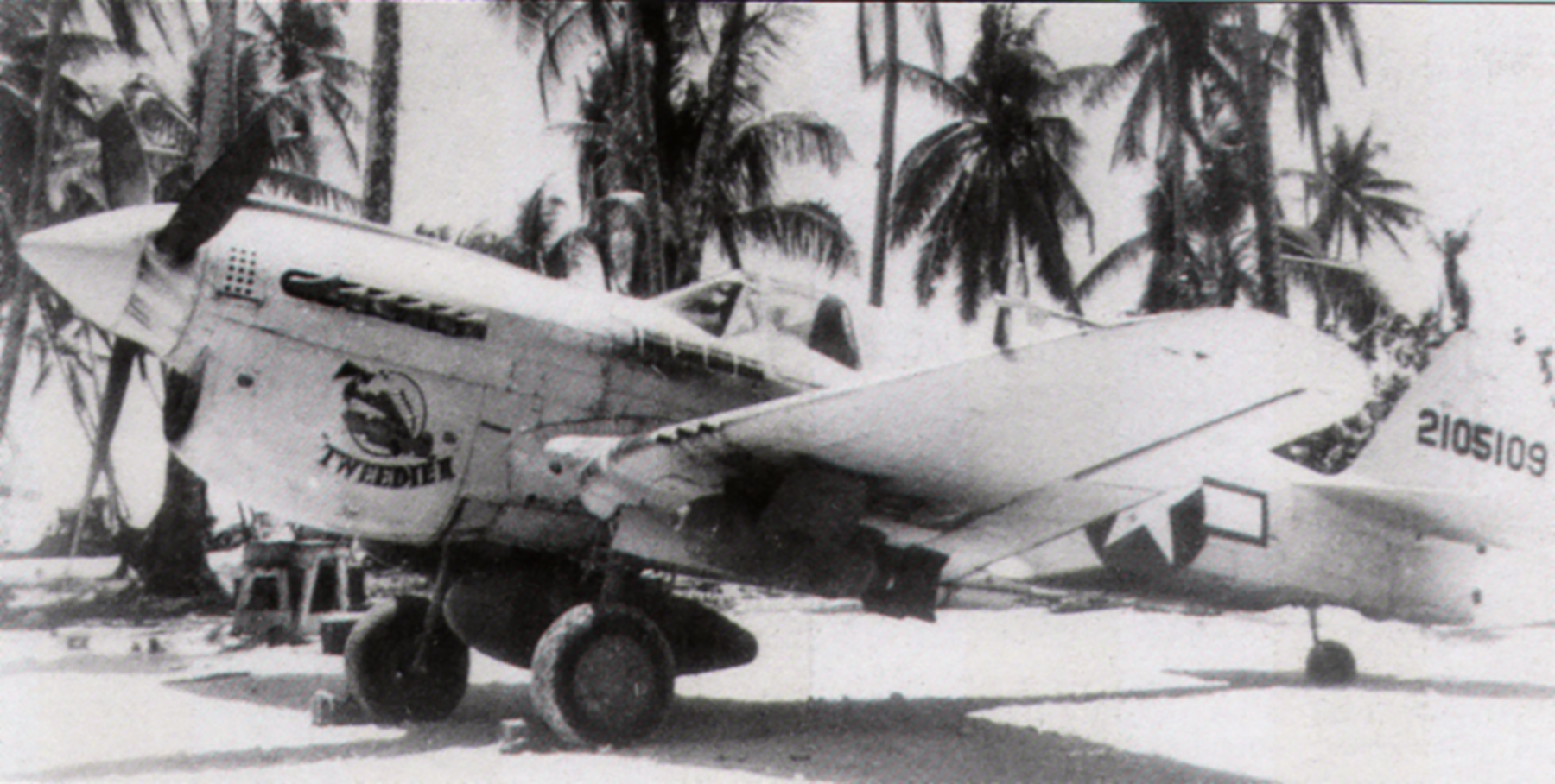
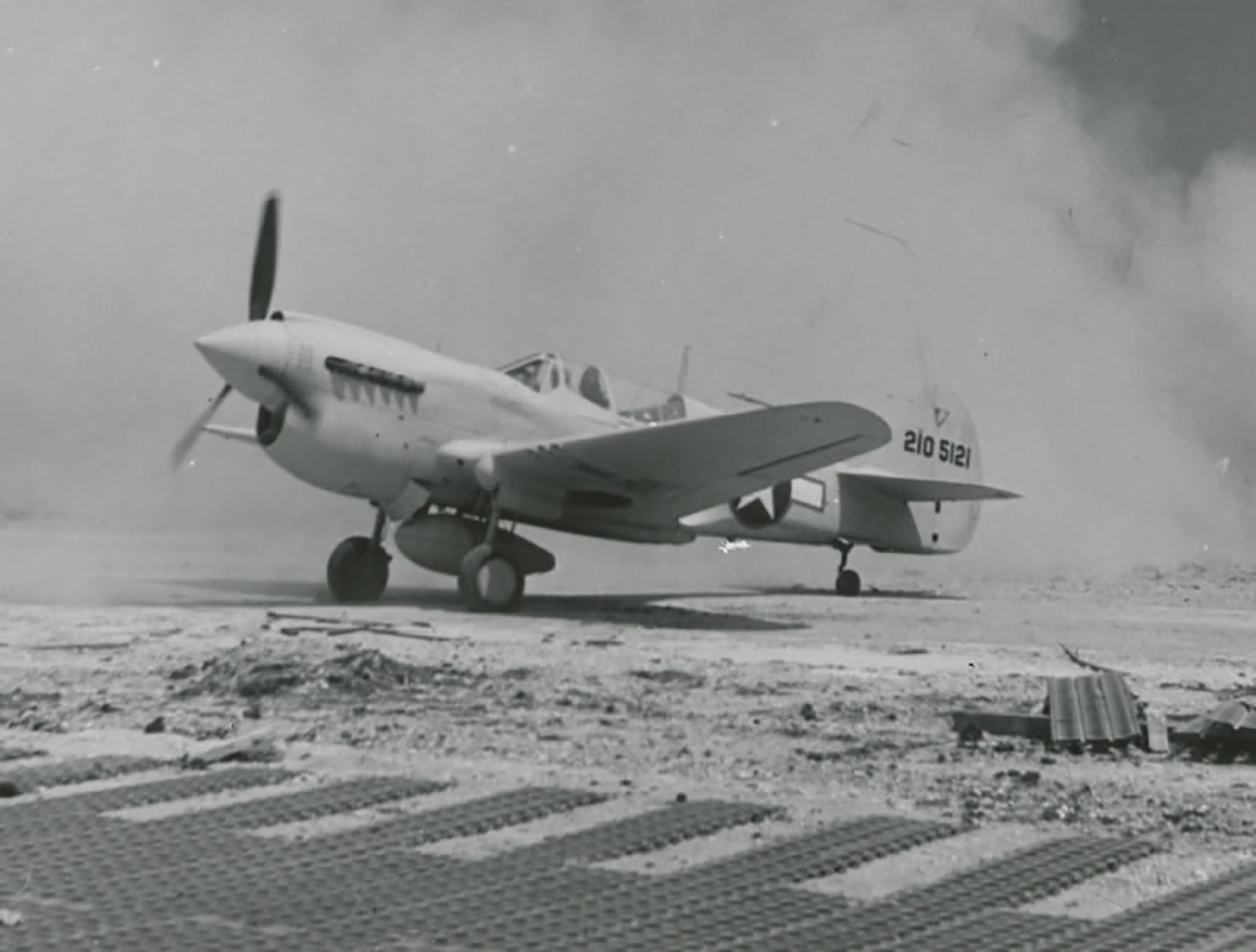
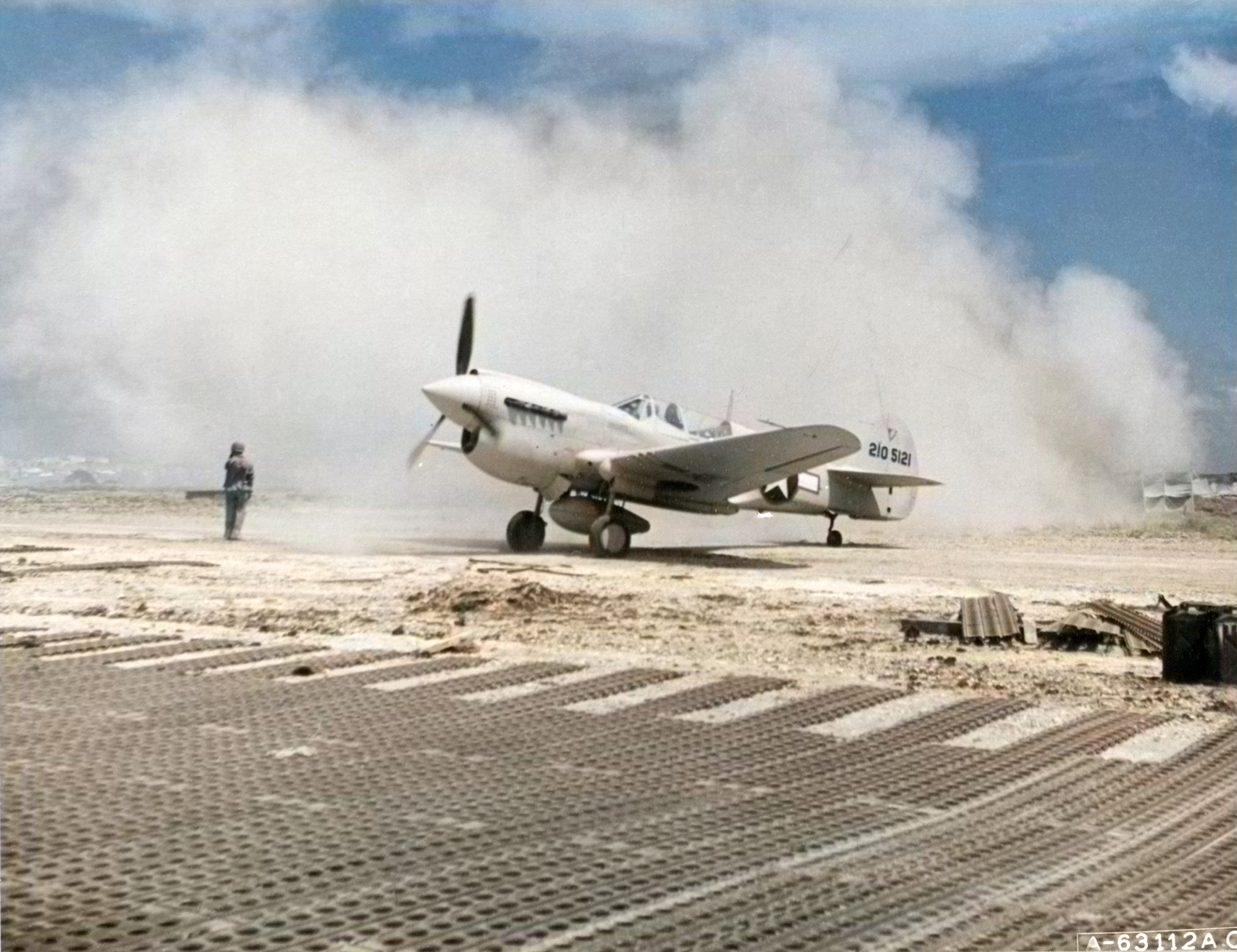
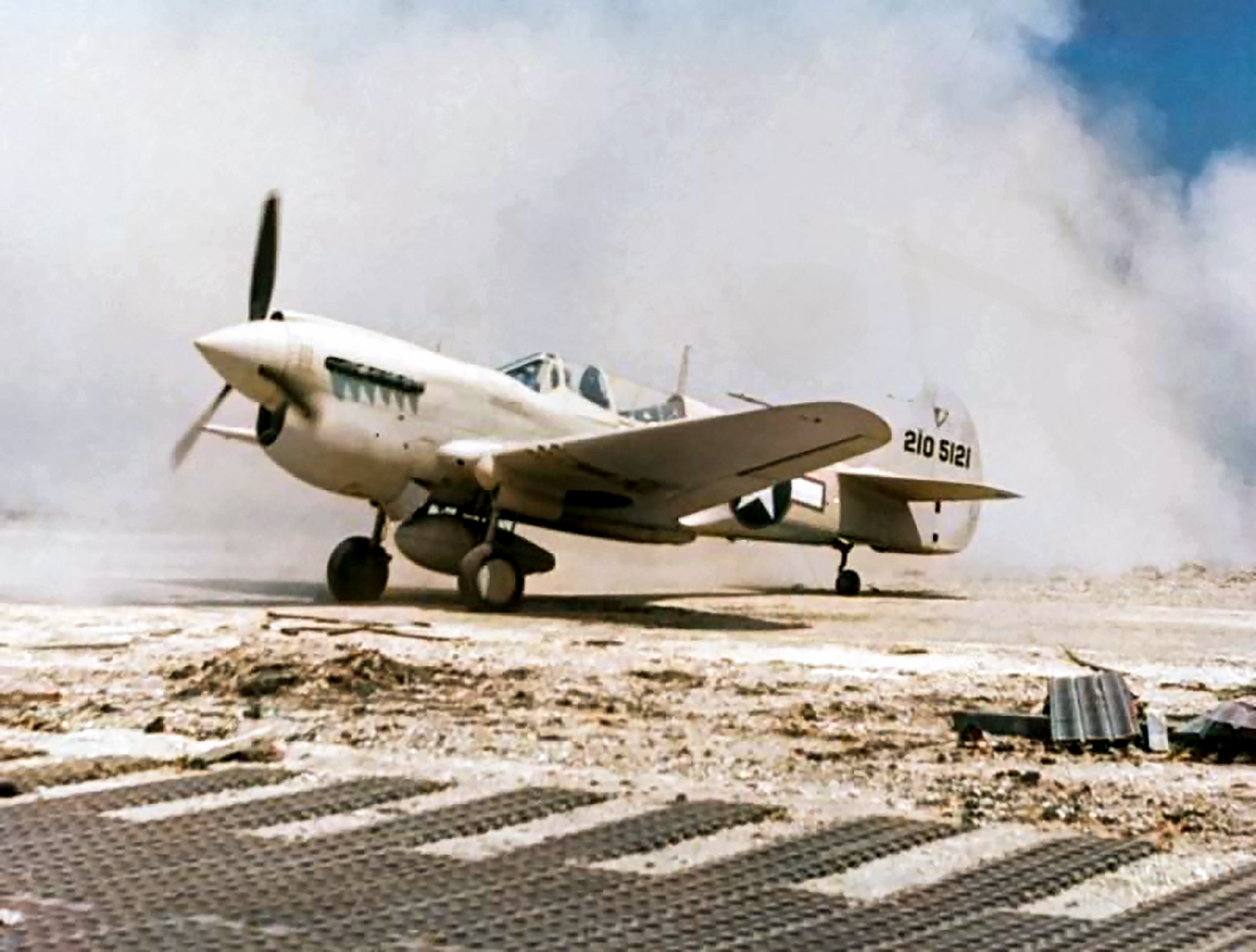
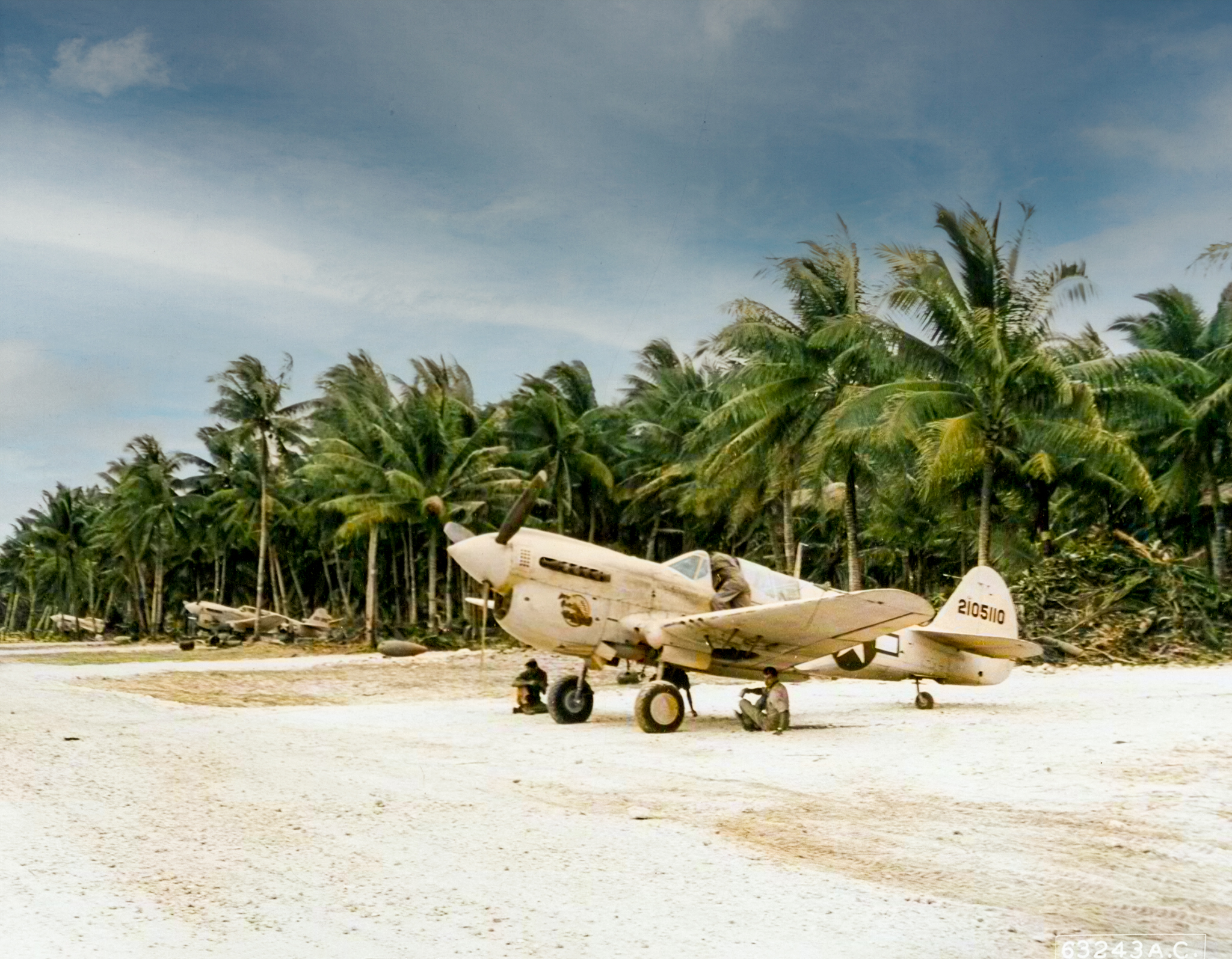
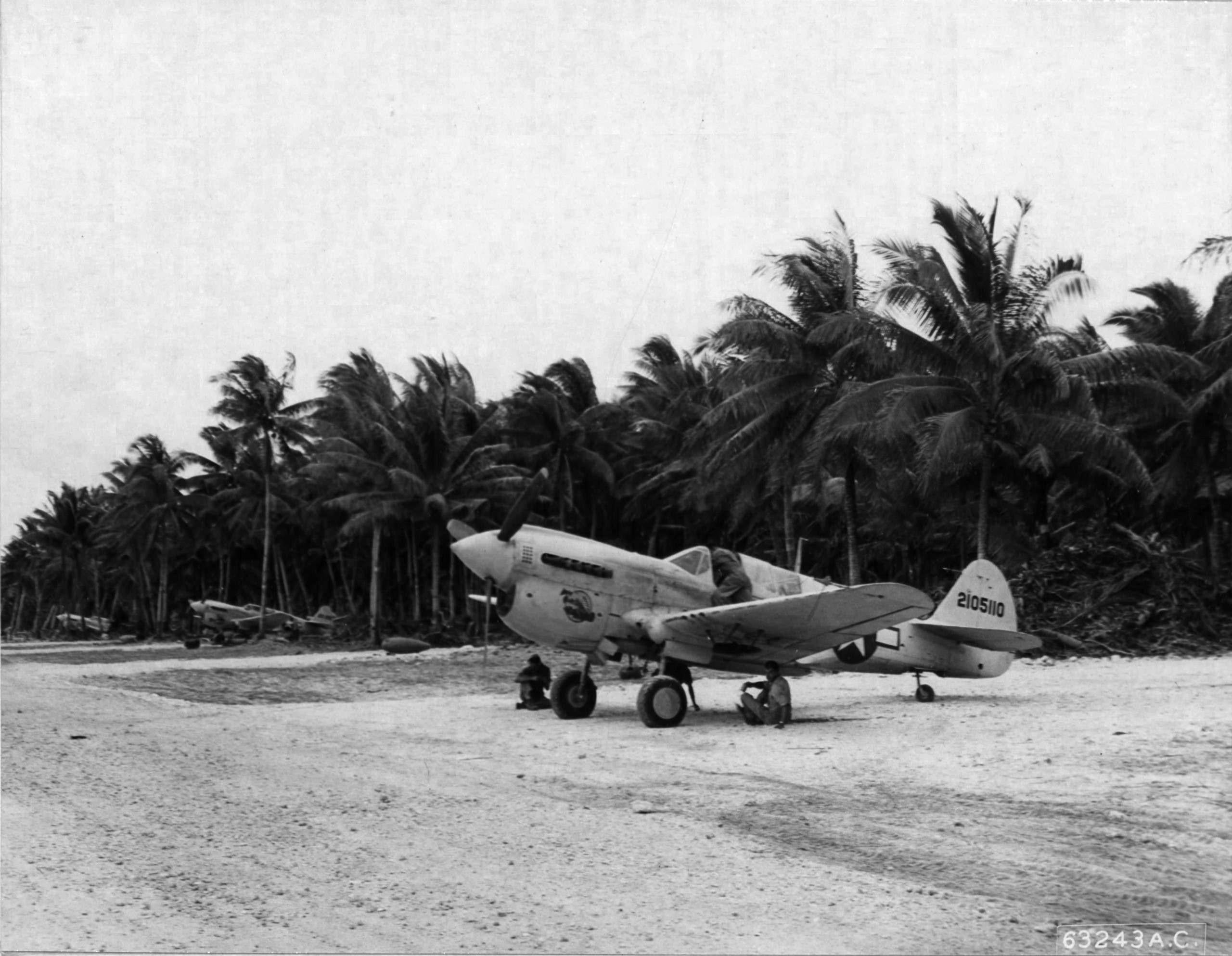
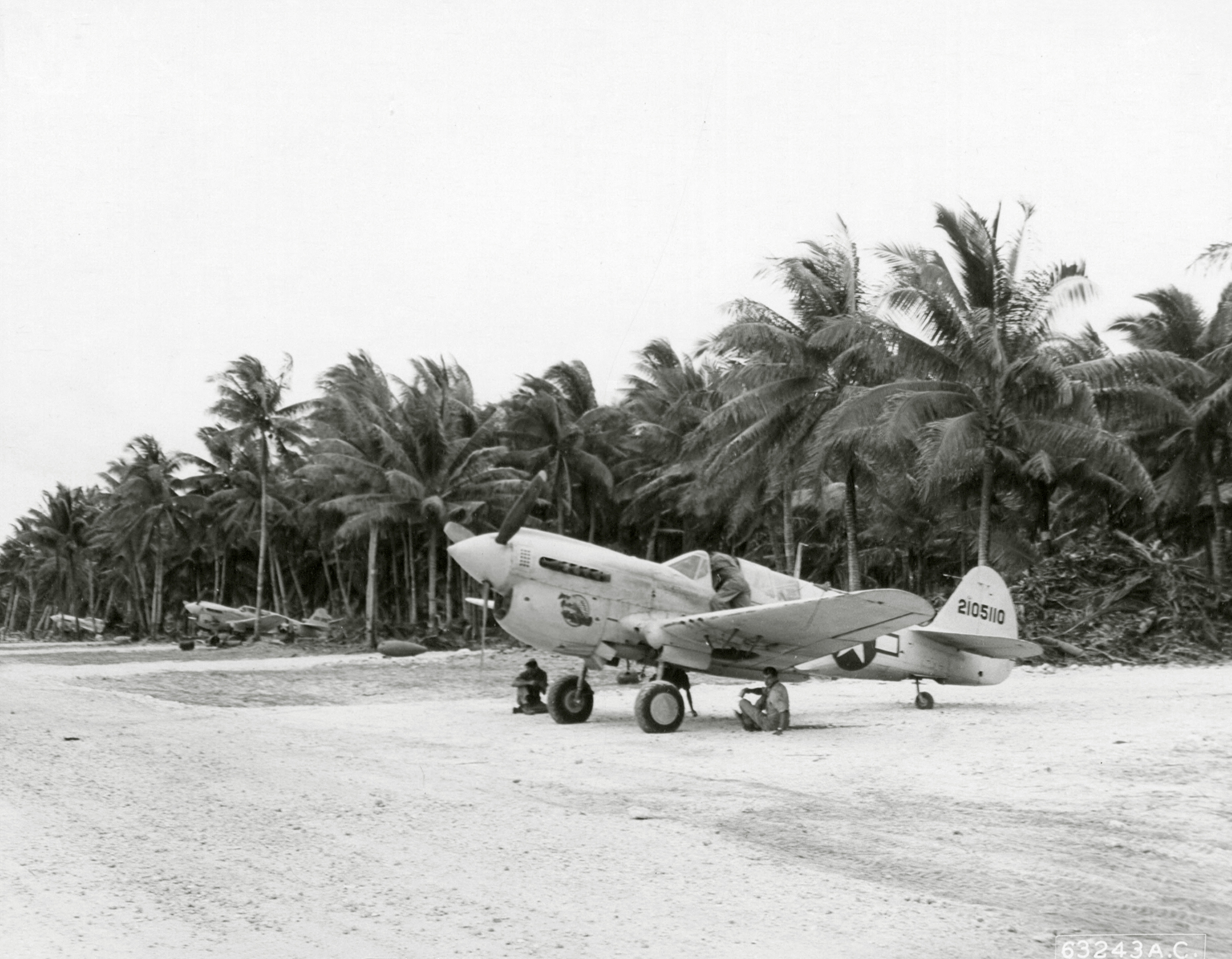
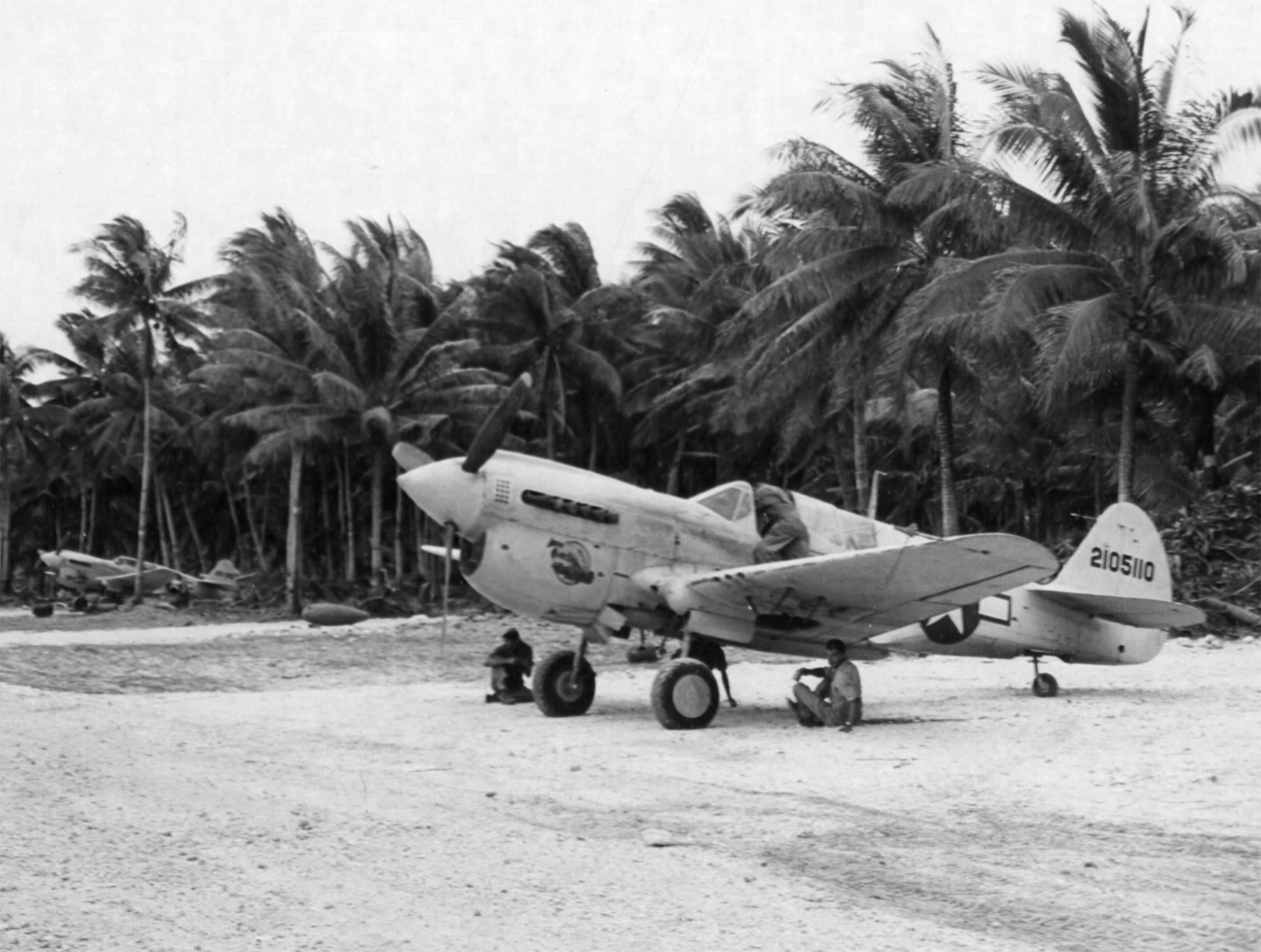
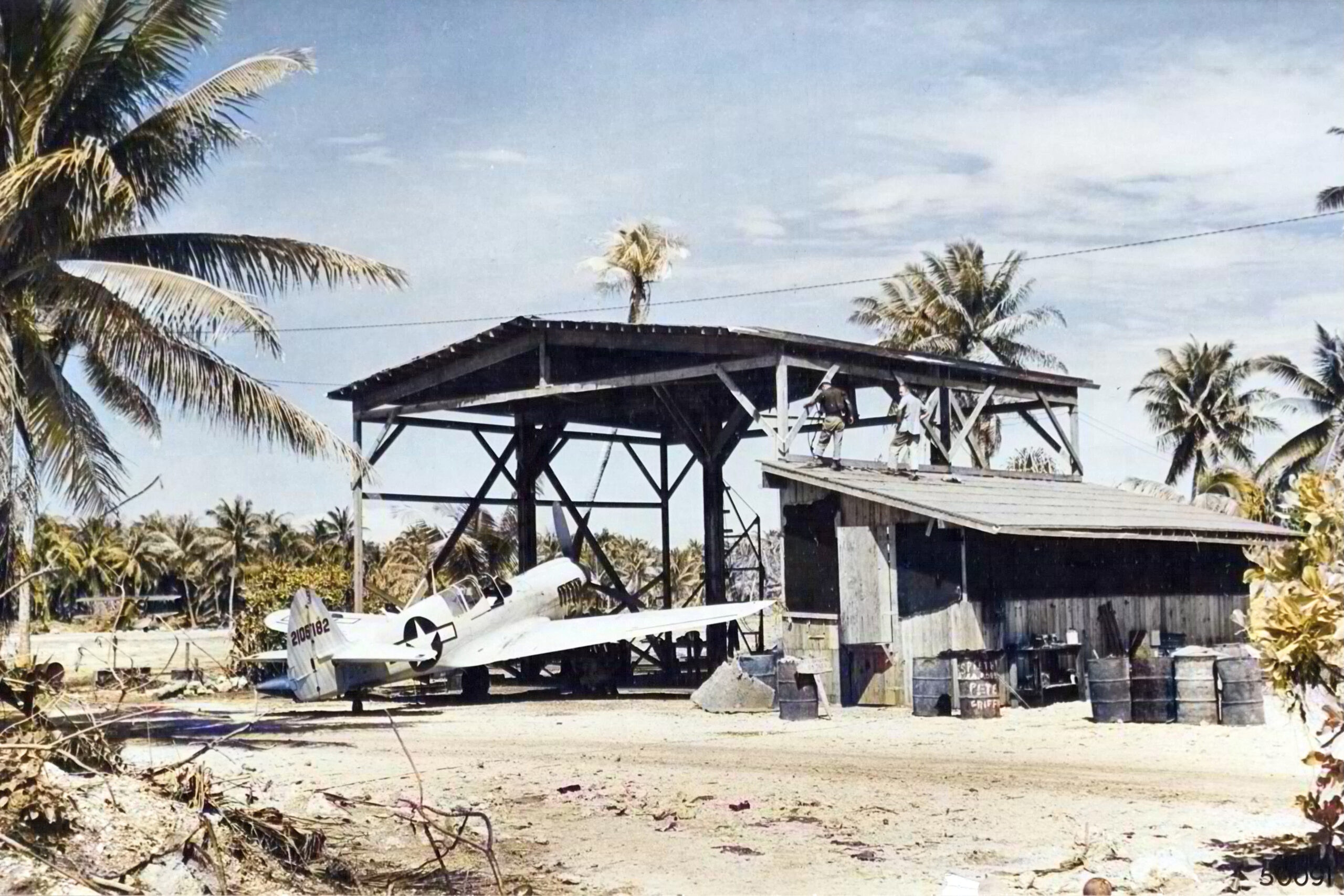
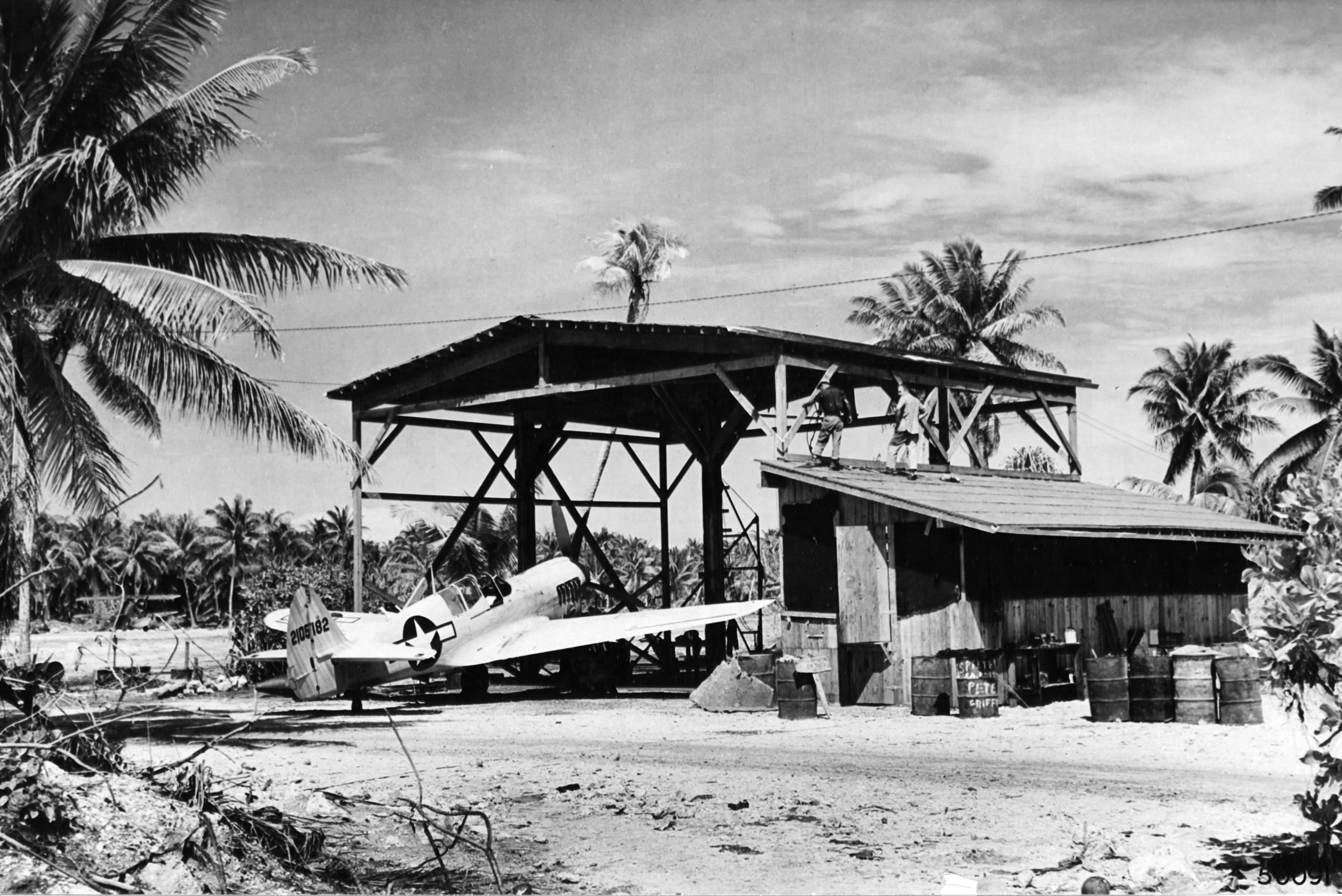
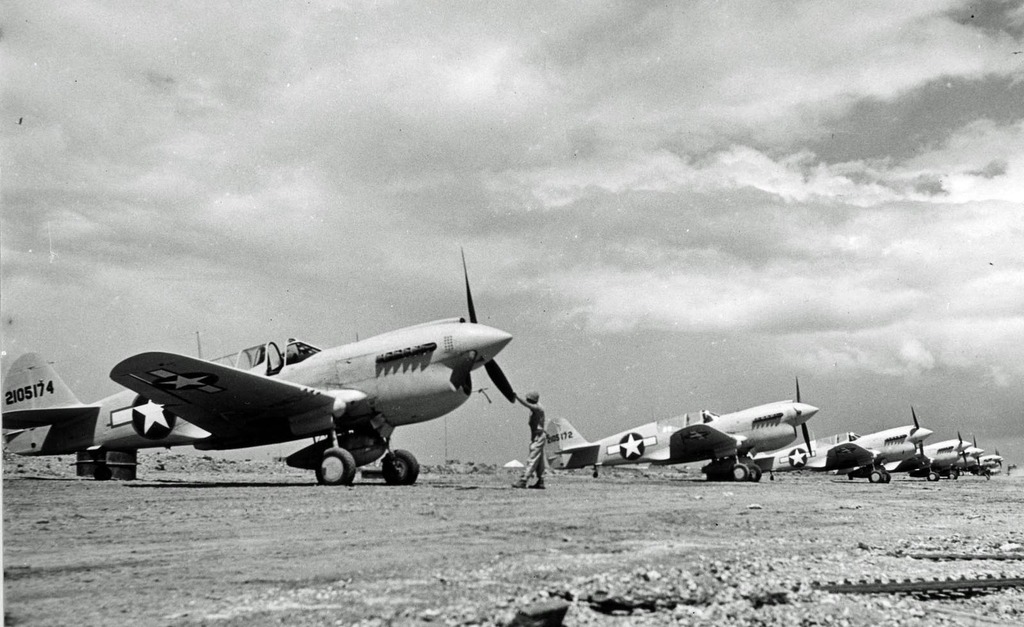
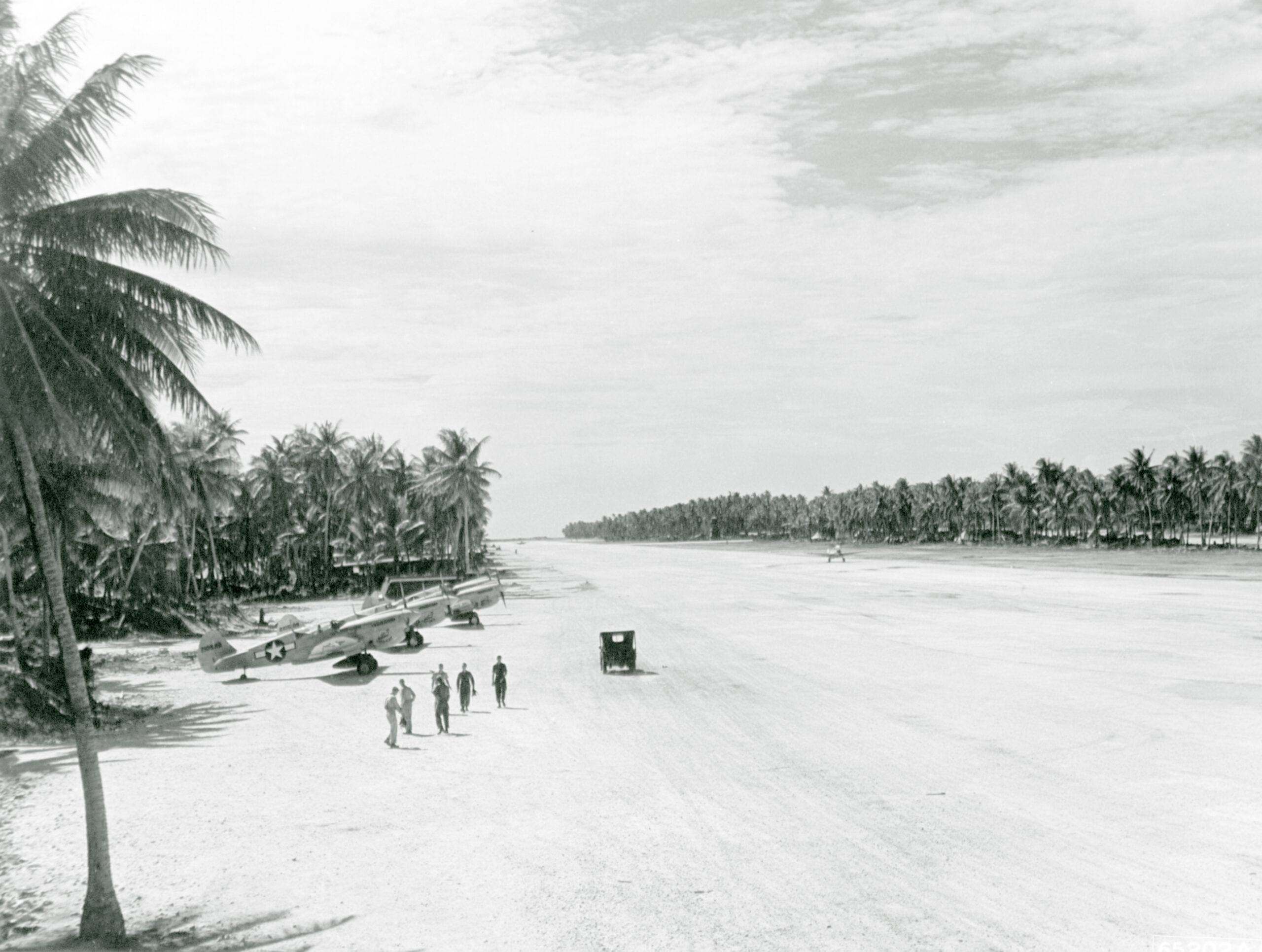
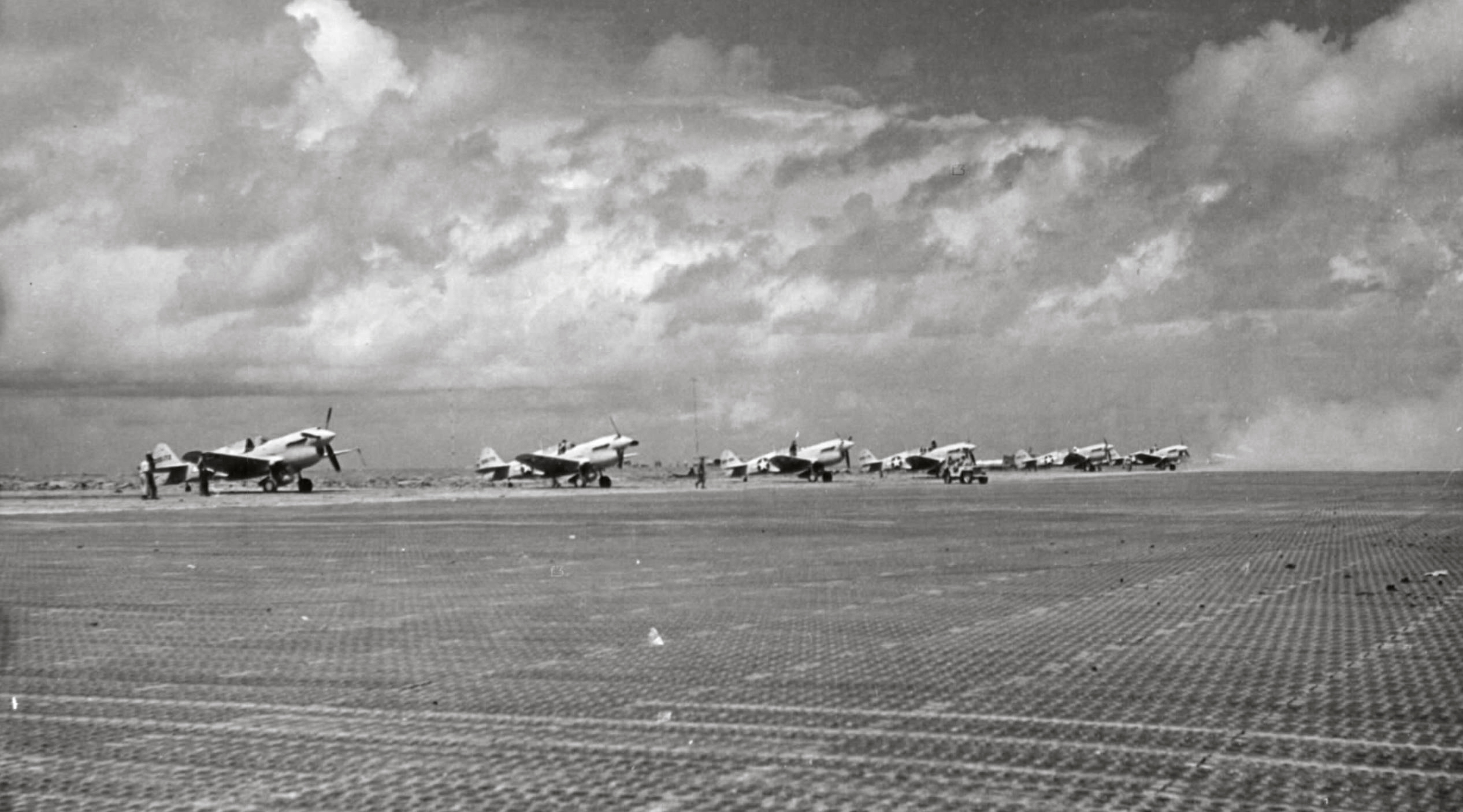
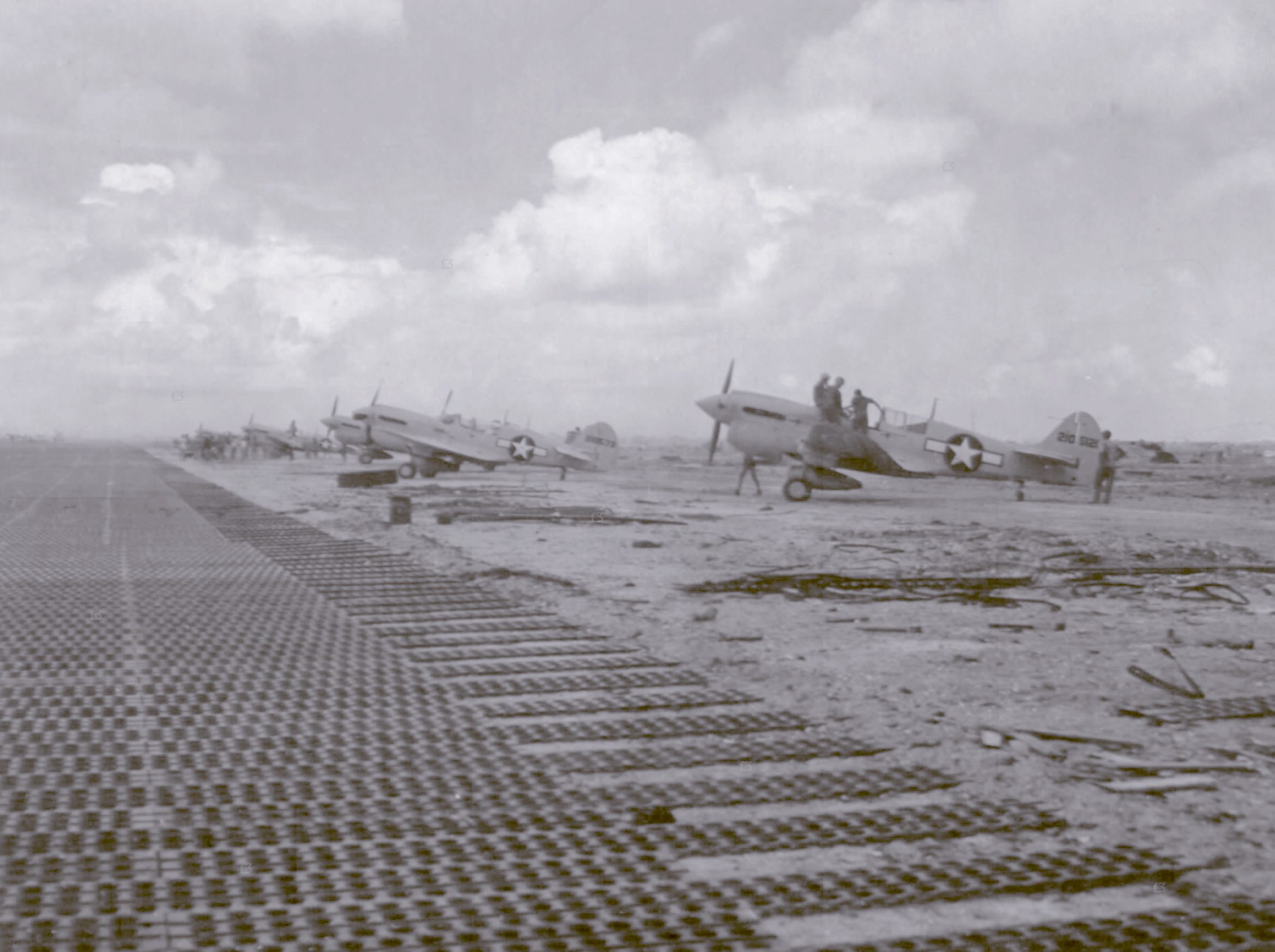
P-40N Warhawk of the 45th Fighter Squadron at Nanumea (1943)
The Unusual Pacific Island Camouflage
During World War II, aircraft of the United States Army Air Forces operated in some of the most diverse and demanding environments on the planet. One particularly interesting example of battlefield adaptation is the Curtiss P‑40 Warhawk used by the 45th Fighter Squadron in 1943 at the airfield on Nanumea in the Gilbert Islands.
Unlike the standard camouflage worn by most American fighters of the period, these P-40N aircraft received a distinctive and improvised paint scheme. This camouflage was not applied at the factory but was created in the field by the squadron’s ground crews in order to better match the unique environment of the Pacific islands.
The Operational Environment of the Gilbert Islands
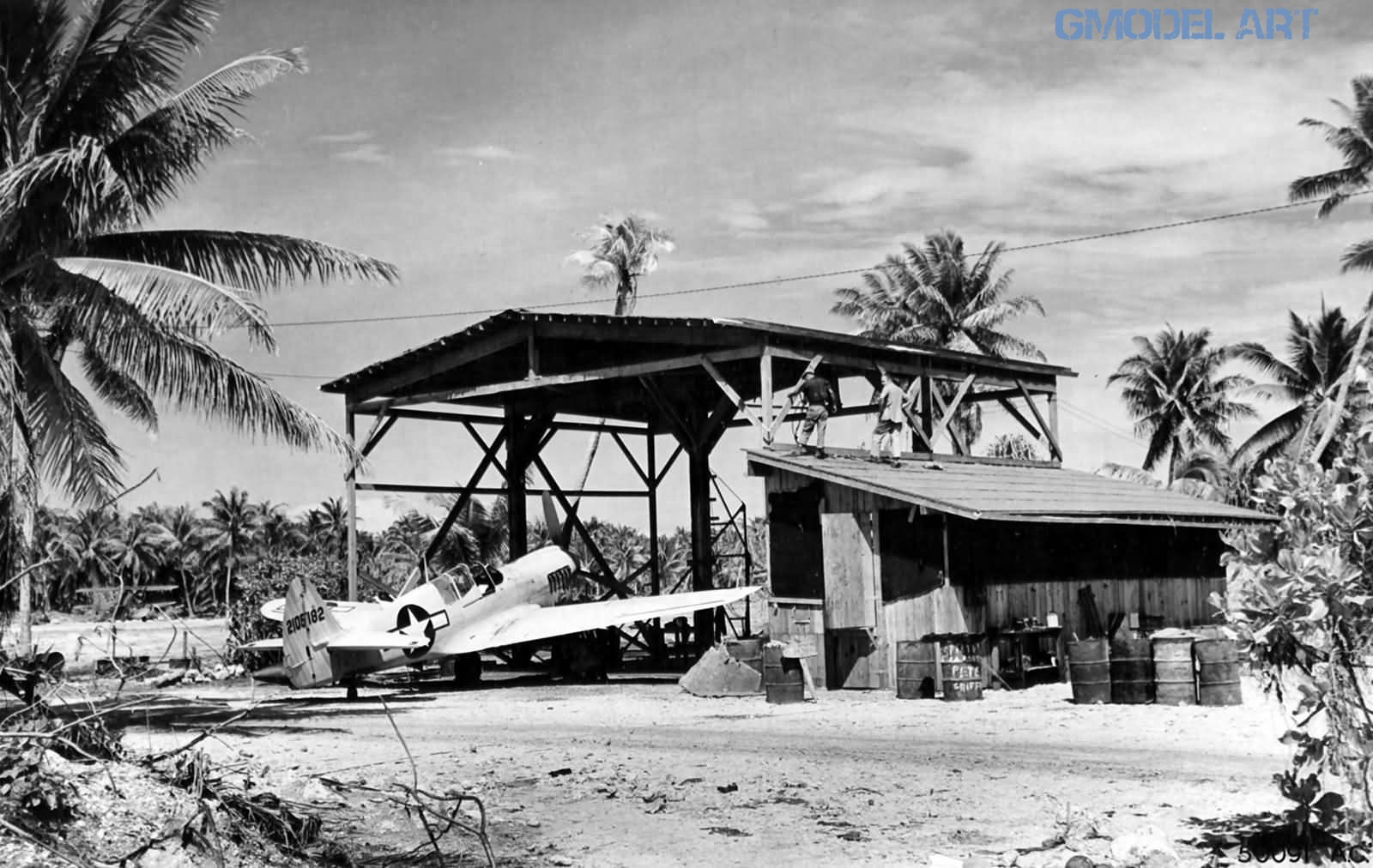
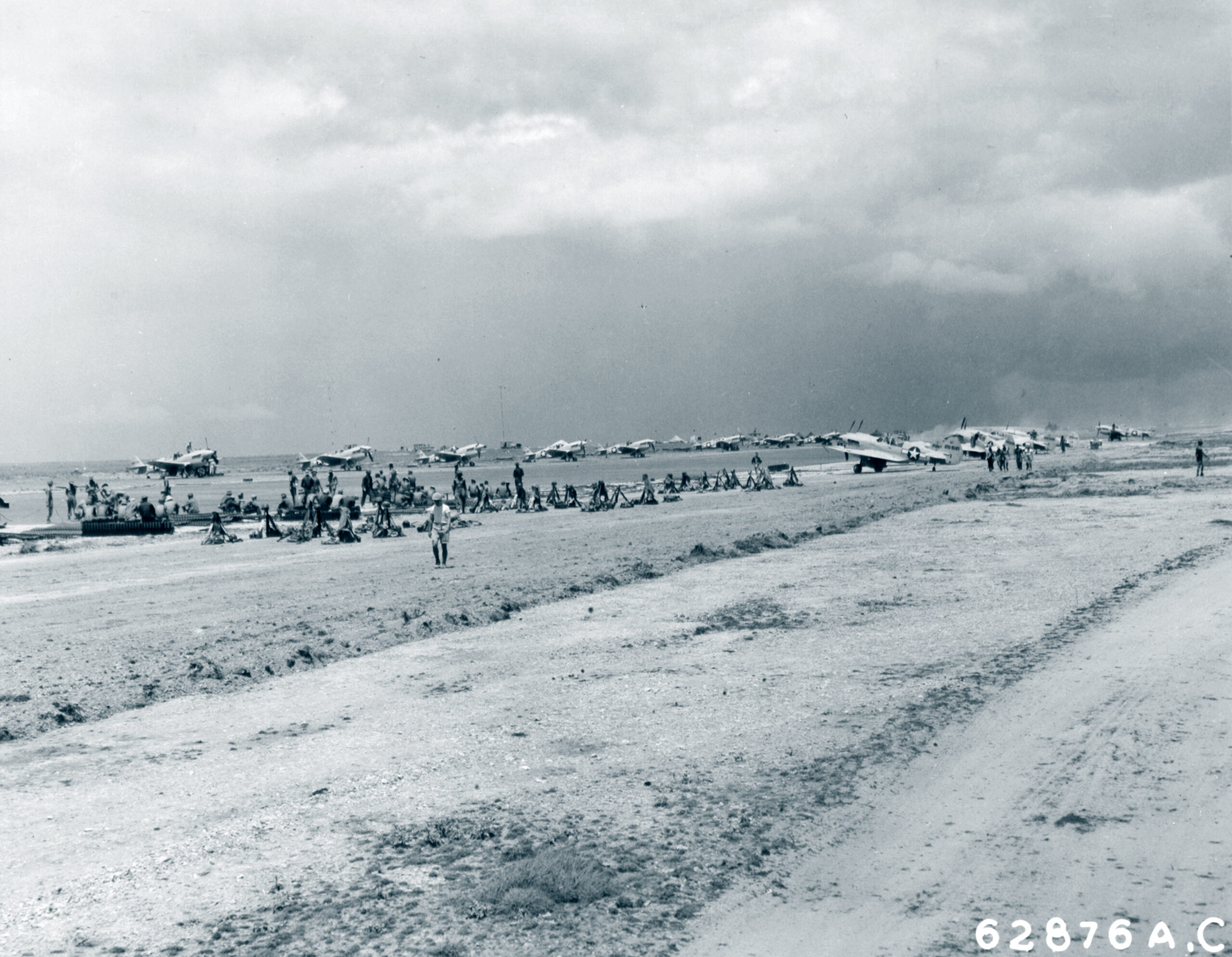
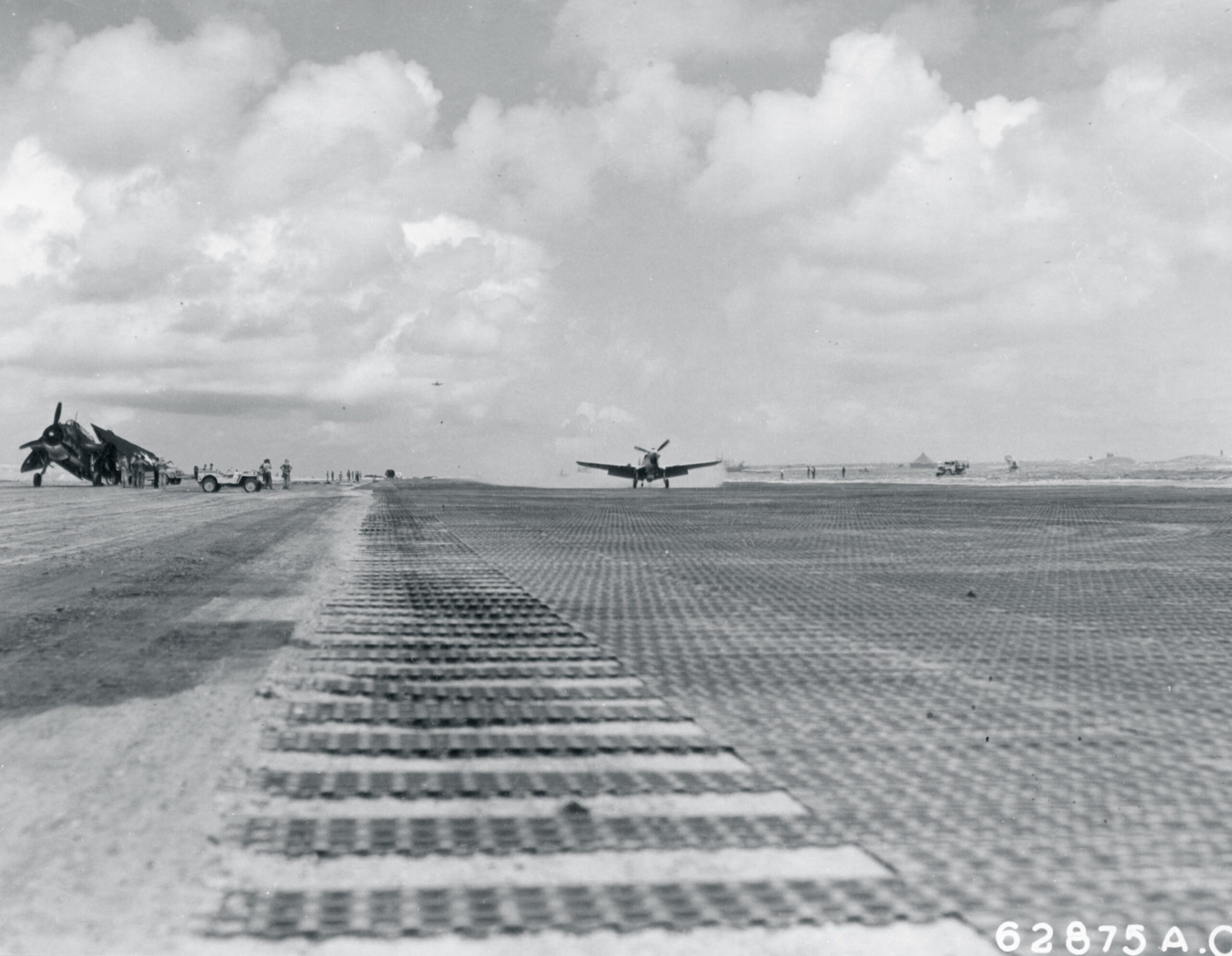
The islands of the central Pacific where the squadron operated—such as Nanumea and Makin Atoll—were small coral atolls with airstrips constructed on bright coral sand.
The landscape was characterized by:
bright white coral sand
extremely intense tropical sunlight
very limited vegetation
light-colored coral runways
In this environment, the standard American camouflage scheme of Olive Drab upper surfaces and Neutral Gray undersides stood out dramatically against the terrain. As a result, the ground crews decided to repaint the aircraft directly at the base.
The Improvised Camouflage of the P-40N
The solution adopted was a camouflage scheme inspired by the natural colors of the coral islands themselves.
Upper Surfaces
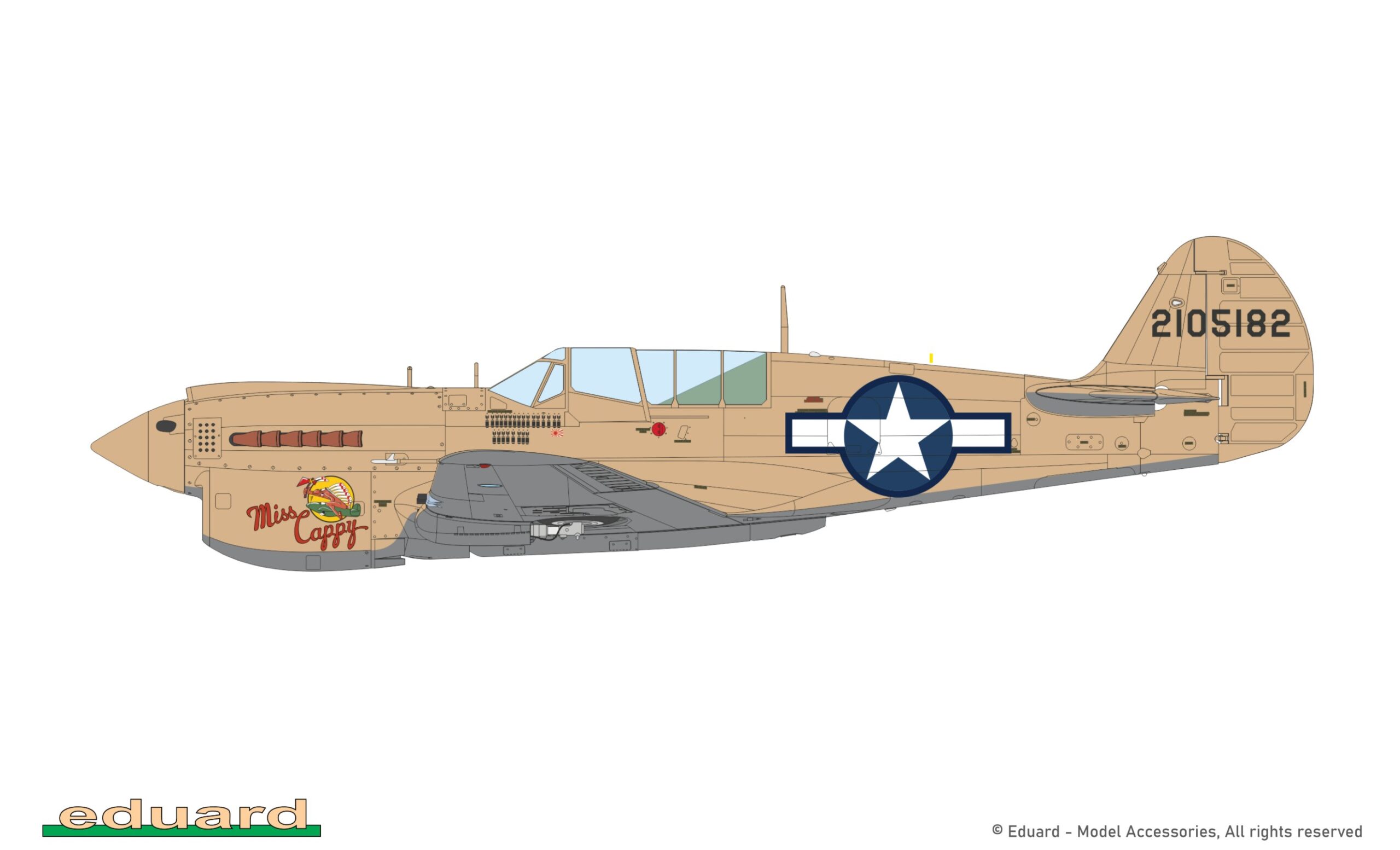
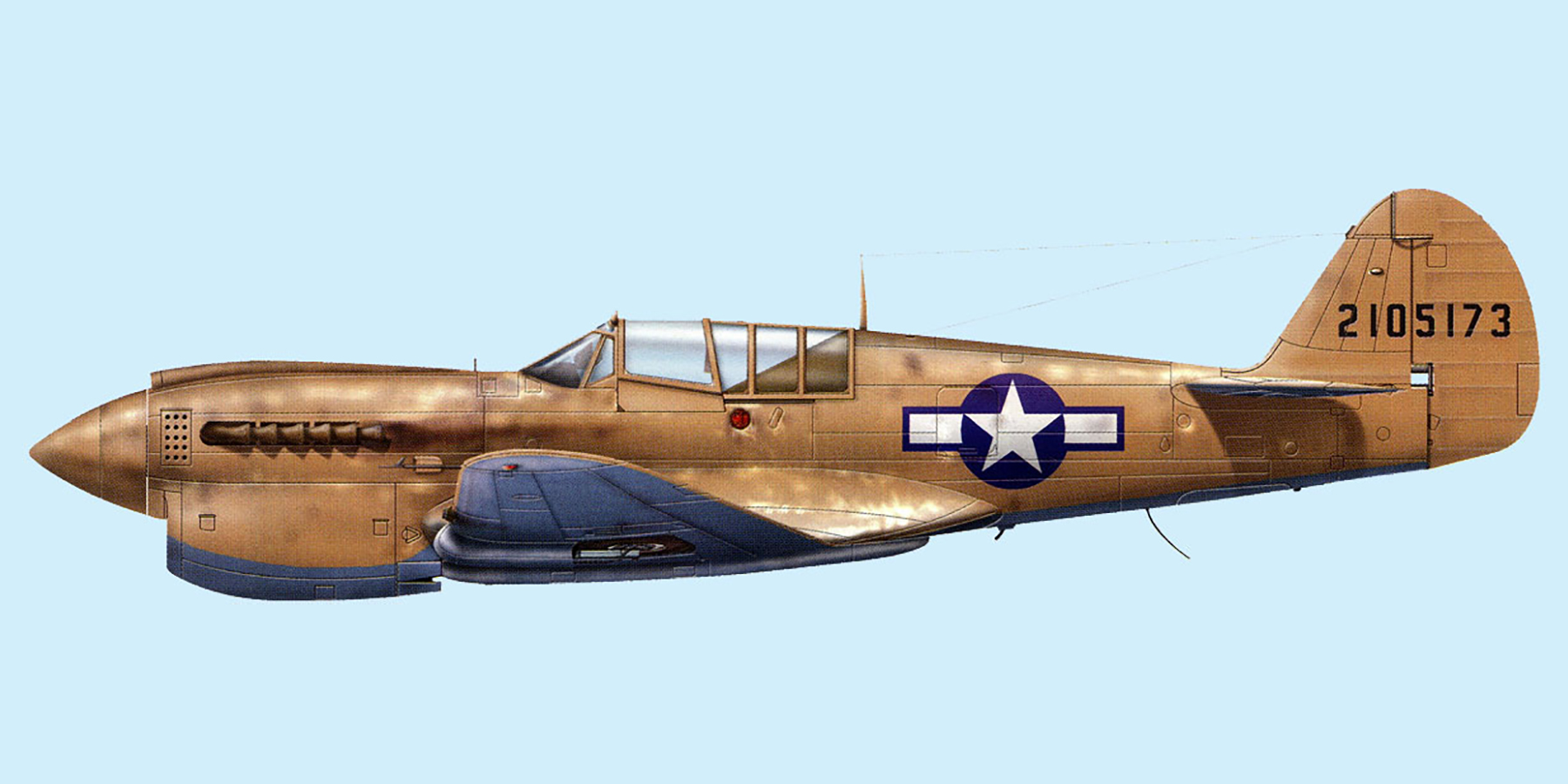
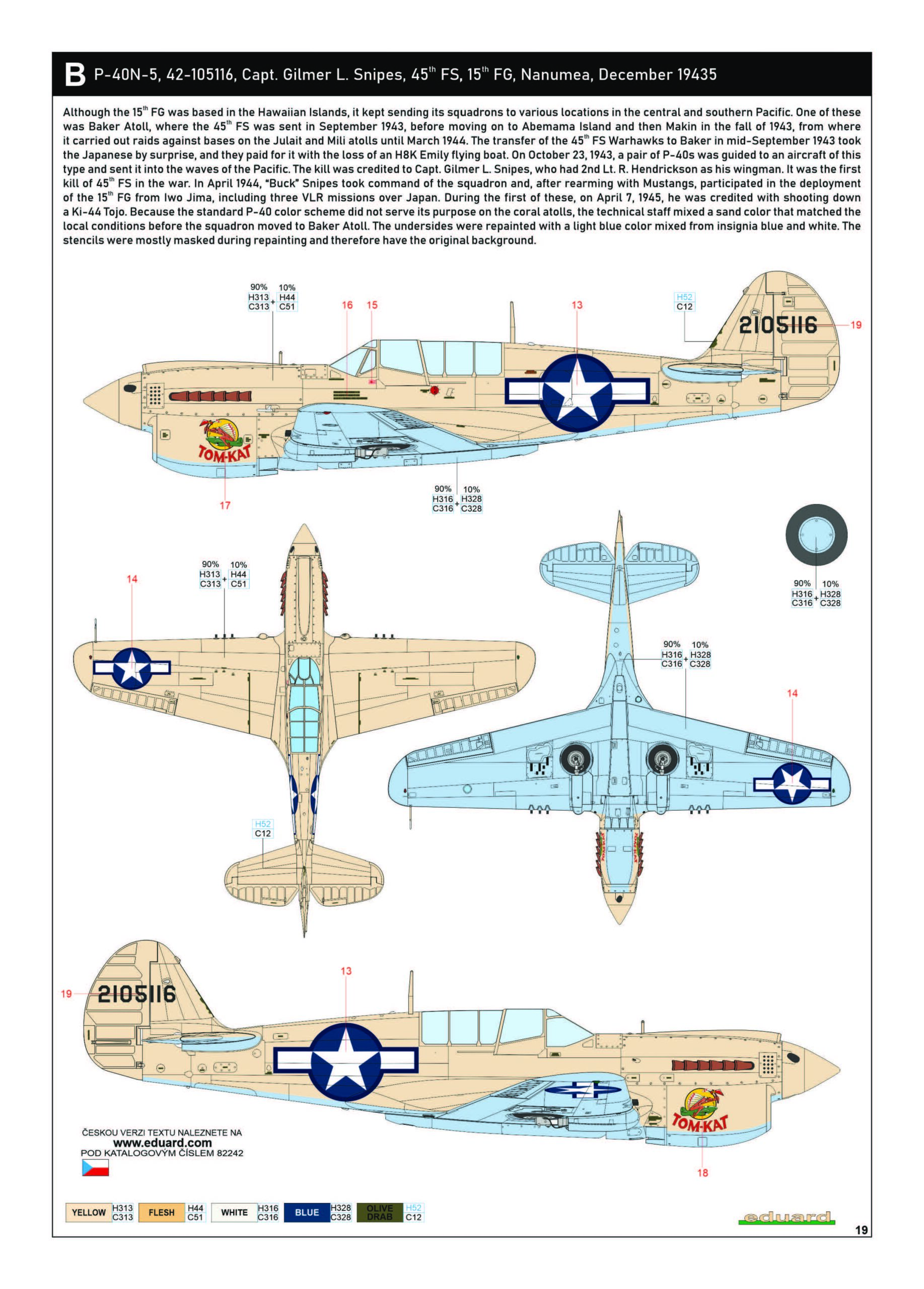
The upper surfaces were painted in a light sand tone closely resembling the modern color reference:
FS 31433 – Sand / Coral Beige
This color typically displayed:
a pale beige tone
subtle pink-brown hues
very little yellow saturation
In reality, this was a field-mixed paint, meaning the color was created locally using available paints at the airfield. The result closely matched the coral sand of the Pacific atolls and significantly improved ground camouflage.
Undersurfaces
The undersides were painted in a light blue shade approximating:
This color was also likely mixed locally, probably using a combination of white paint and blue paint normally used for USAAF insignia.
The final camouflage combination produced a very distinctive appearance for an American fighter aircraft of the period:
| Surface | Color |
|---|---|
| Upper surfaces | Sand FS 31433 |
| Lower surfaces | Light Blue FS 35466 |
| Anti-glare panel | Olive Drab |
This improvised scheme proved particularly effective for aircraft operating from coral island airfields.
Why Photographs Create Confusion
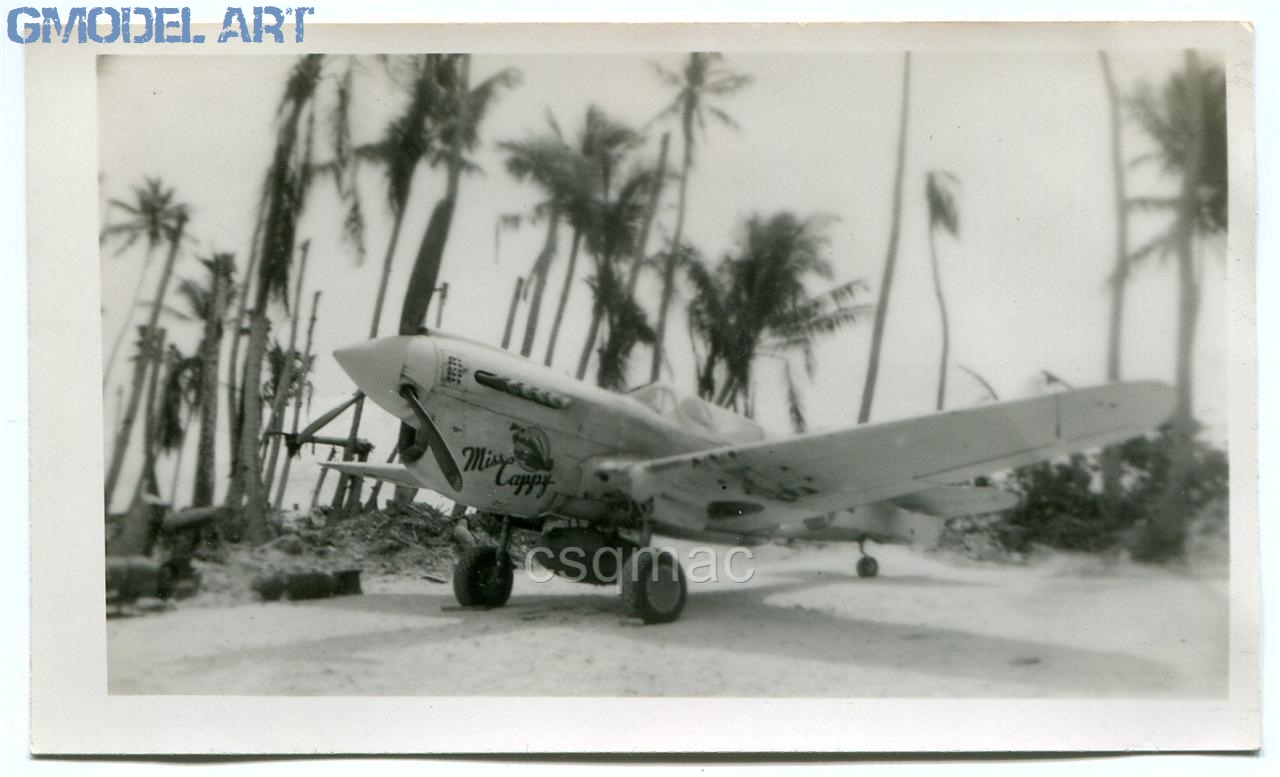
Research into these aircraft is complicated because most surviving photographs are black and white.
This leads to several visual issues:
the sand color often appears almost white
the light blue underside sometimes looks identical to the sand tone
intense tropical sunlight caused rapid fading of the paint
Because of this, some historical interpretations have described the color as “desert pink” or “coral sand.”
In reality, it was a locally mixed camouflage specifically adapted for the Pacific island environment.
Operations of the 45th Fighter Squadron
During 1943, the P-40N aircraft of the 45th Fighter Squadron carried out a variety of missions, including:
air defense patrols
ground-attack missions
protection of Allied airfields and installations
These operations formed part of the Allied effort to secure the central Pacific islands and advance toward Japanese-held territory.
Although the Curtiss P‑40 Warhawk was no longer the most advanced fighter of the war by this time, it remained extremely reliable and well-suited for the demanding conditions of forward island bases.
Distinctive Characteristics of the Aircraft
Despite the repainting, many aircraft retained several original features, including:
the Olive Drab anti-glare panel in front of the cockpit
standard USAAF national insignia
squadron markings
The repainting process was often carried out quickly, and in some cases traces of the original camouflage could still be seen beneath the new paint layers.
This gave the aircraft a worn and operational appearance typical of frontline Pacific airfields.
Conclusion
The P-40N aircraft of the 45th Fighter Squadron at Nanumea represent a fascinating example of practical wartime adaptation.
Their distinctive camouflage—featuring:
Sand FS 31433 on the upper surfaces
Light Blue FS 35466 on the undersides
—was not the result of factory design but rather the initiative of ground crews responding to the unique conditions of coral island airfields.
https://grokipedia.com/page/45th_fighter_squadron
This improvised scheme allowed the aircraft to blend more effectively into the environment of the central Pacific, demonstrating once again that adaptability was often just as important as technology during wartime aviation operations.
P-40 Warhawk “Miss Frances III” U.S.– 80th Fighter Group, CBI, May 1944