article
History, Racing Modifications and Legacy
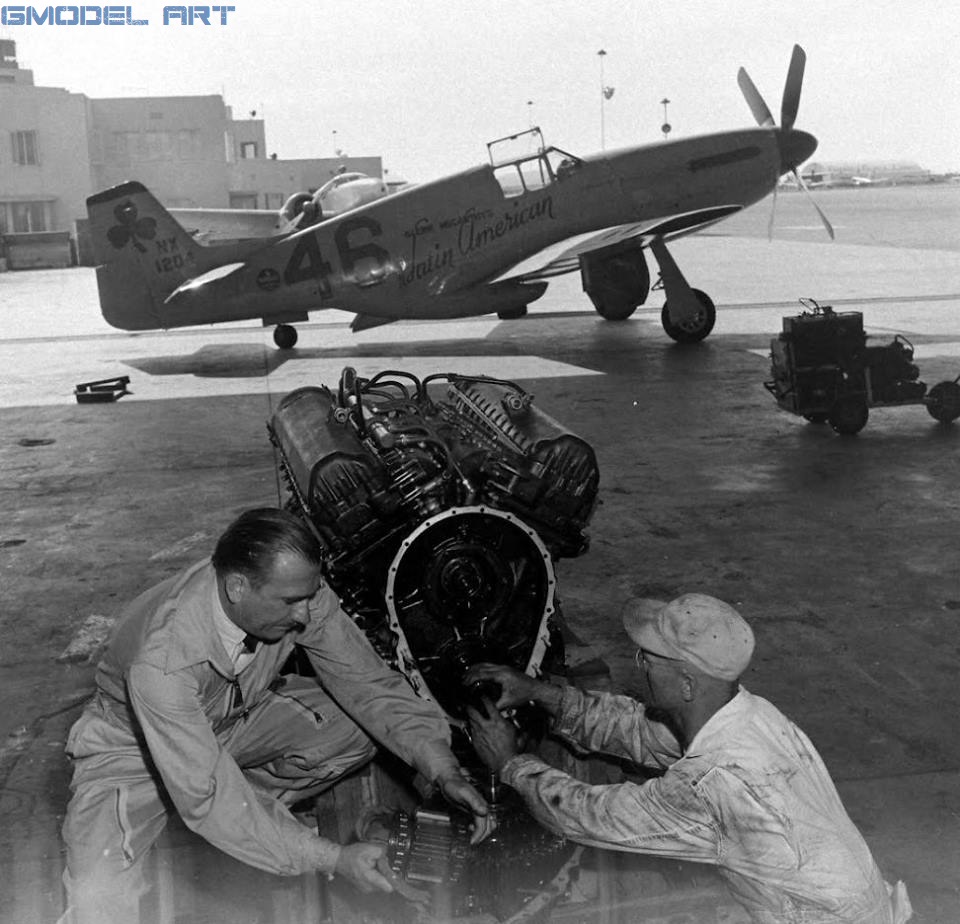
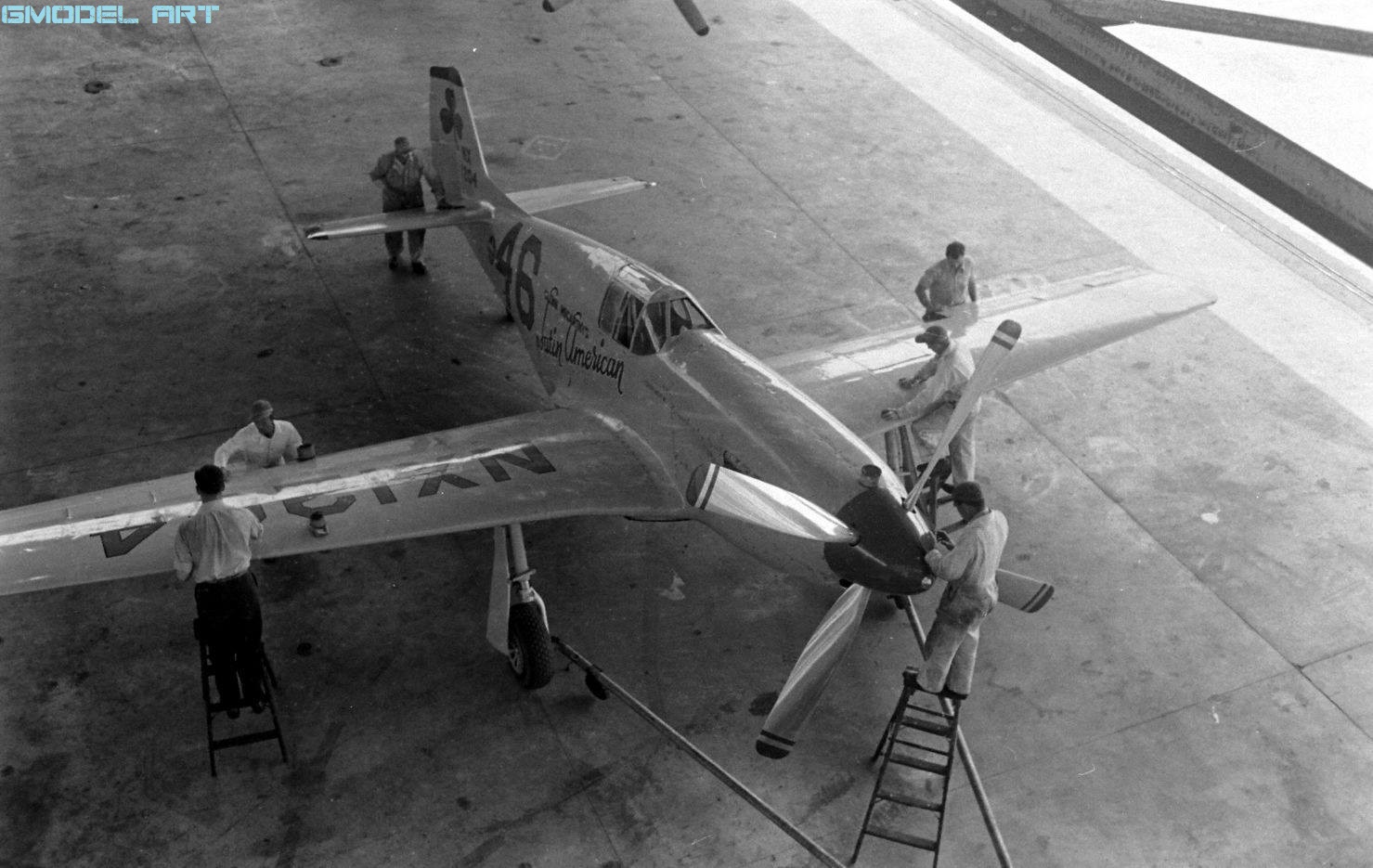
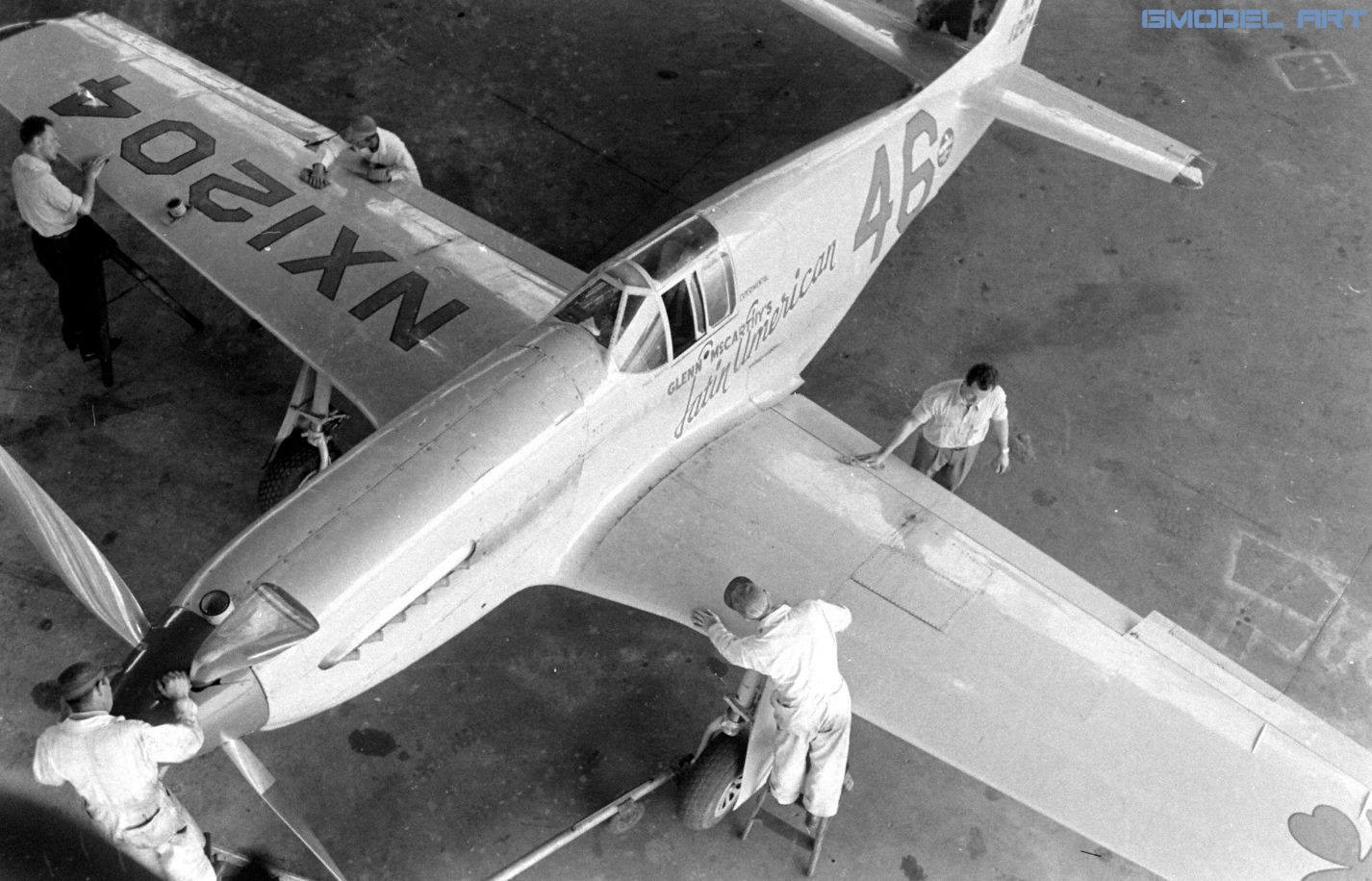
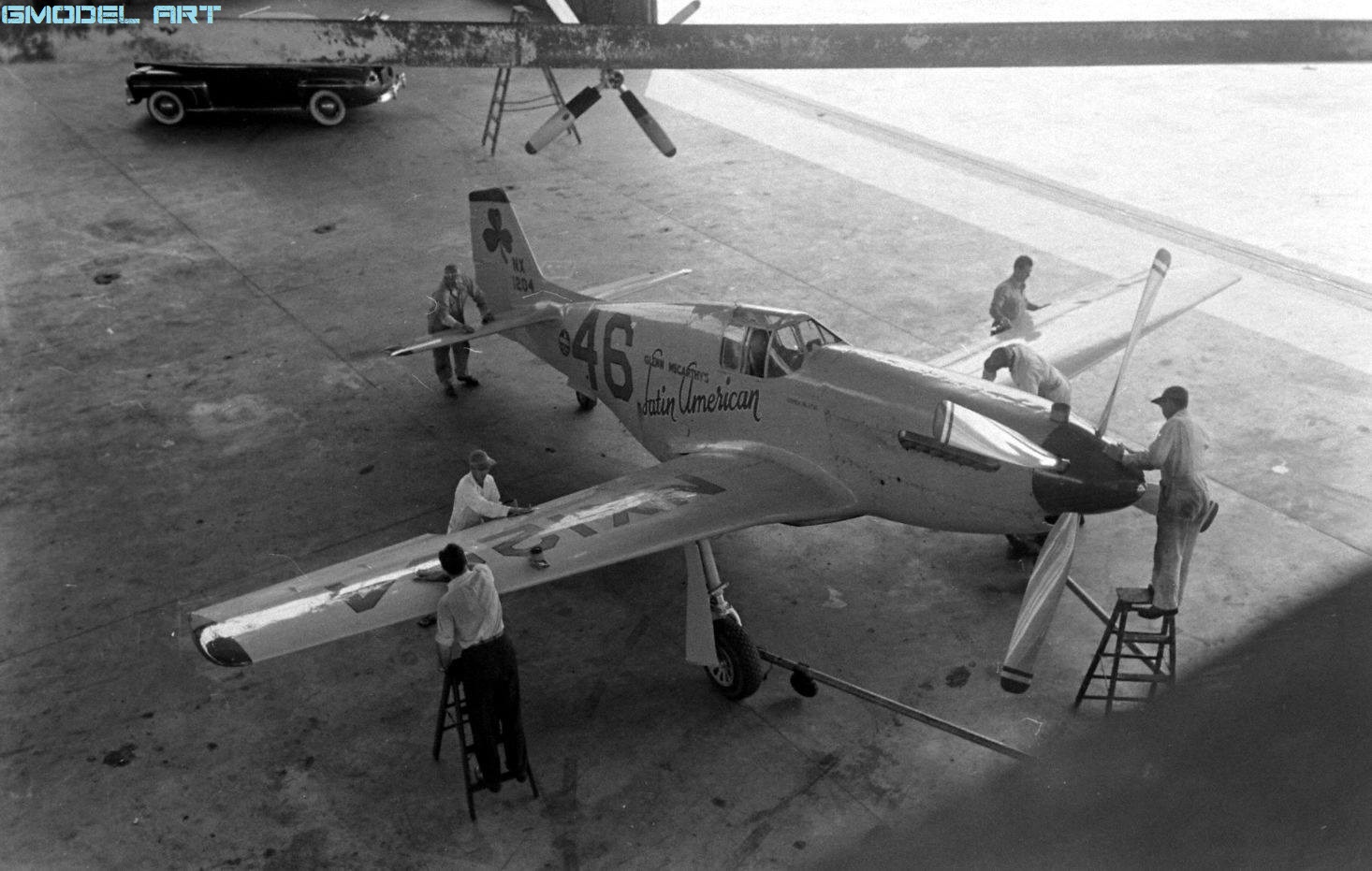
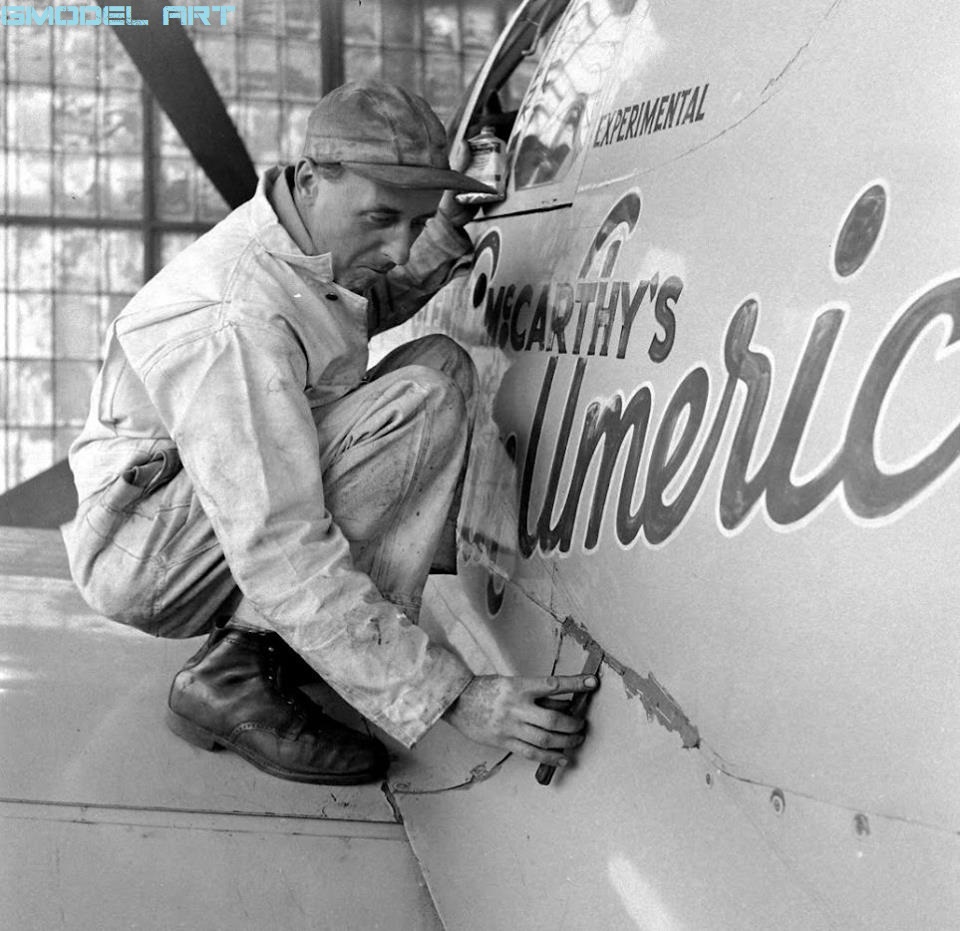
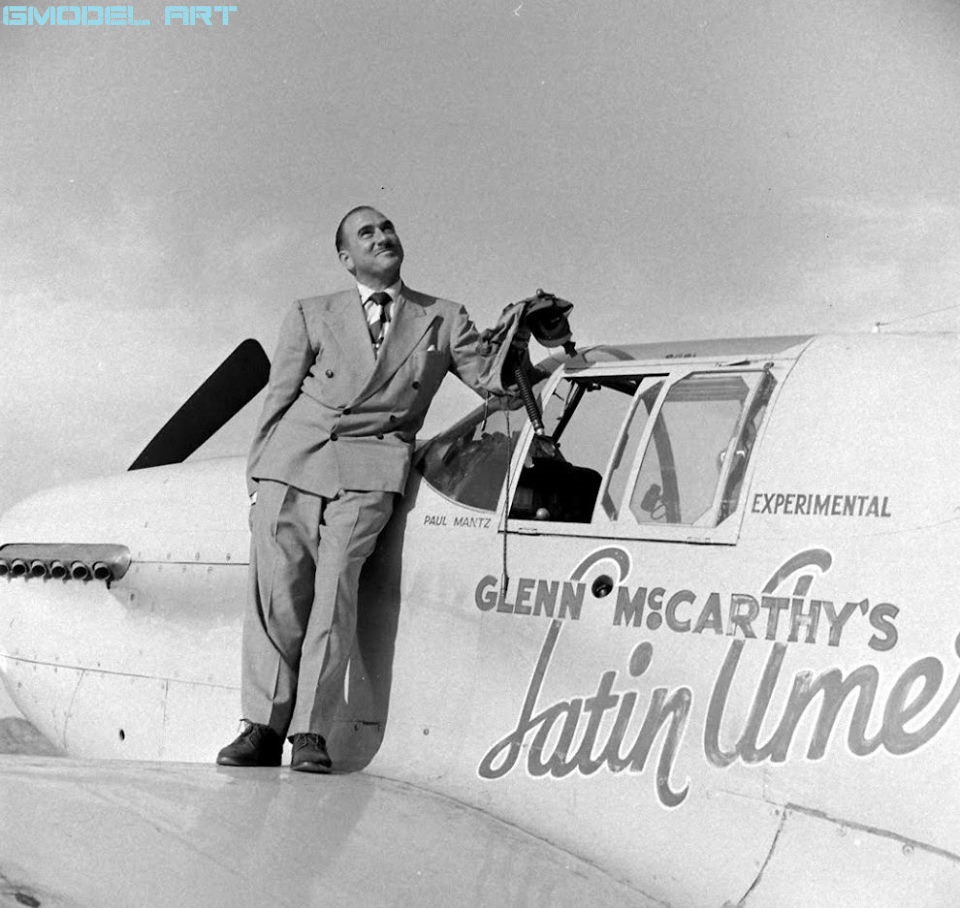
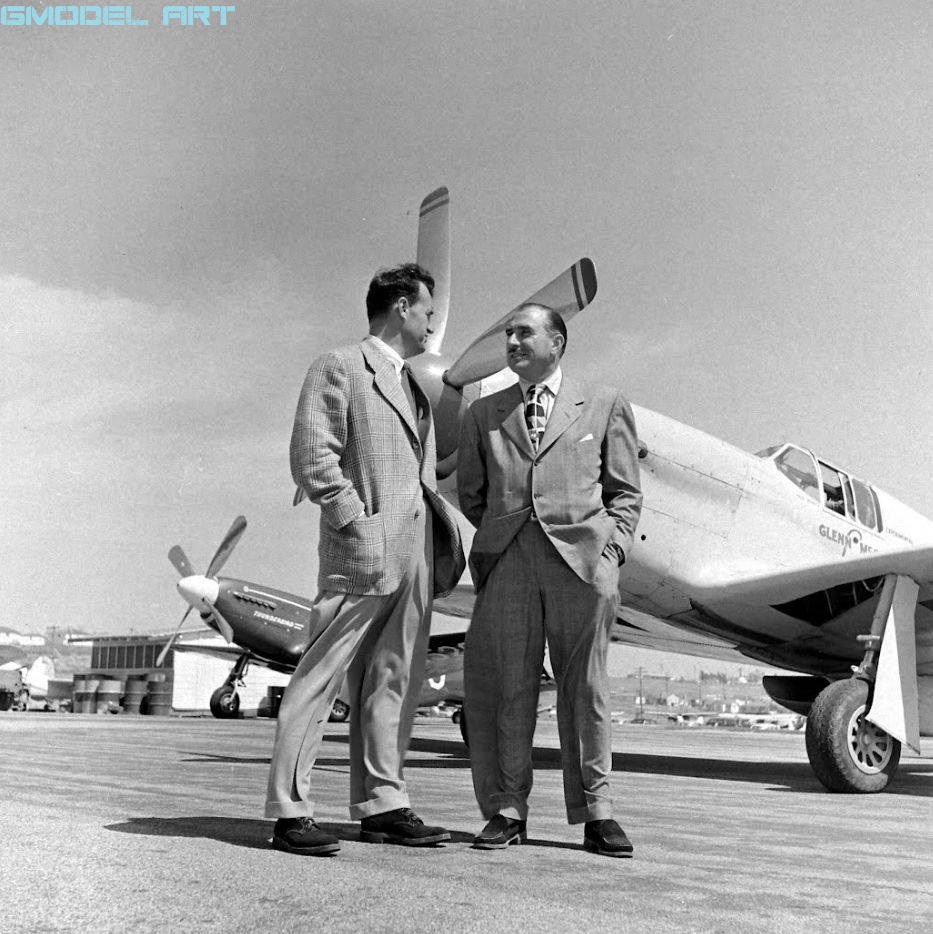
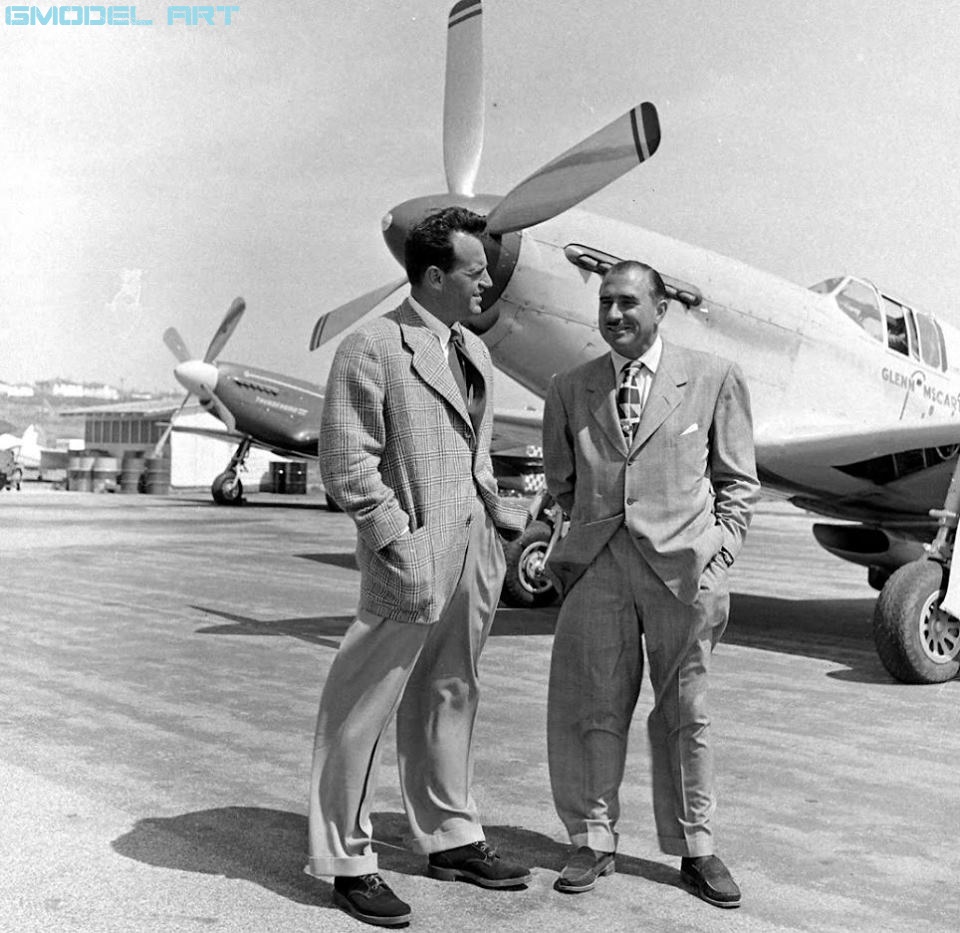
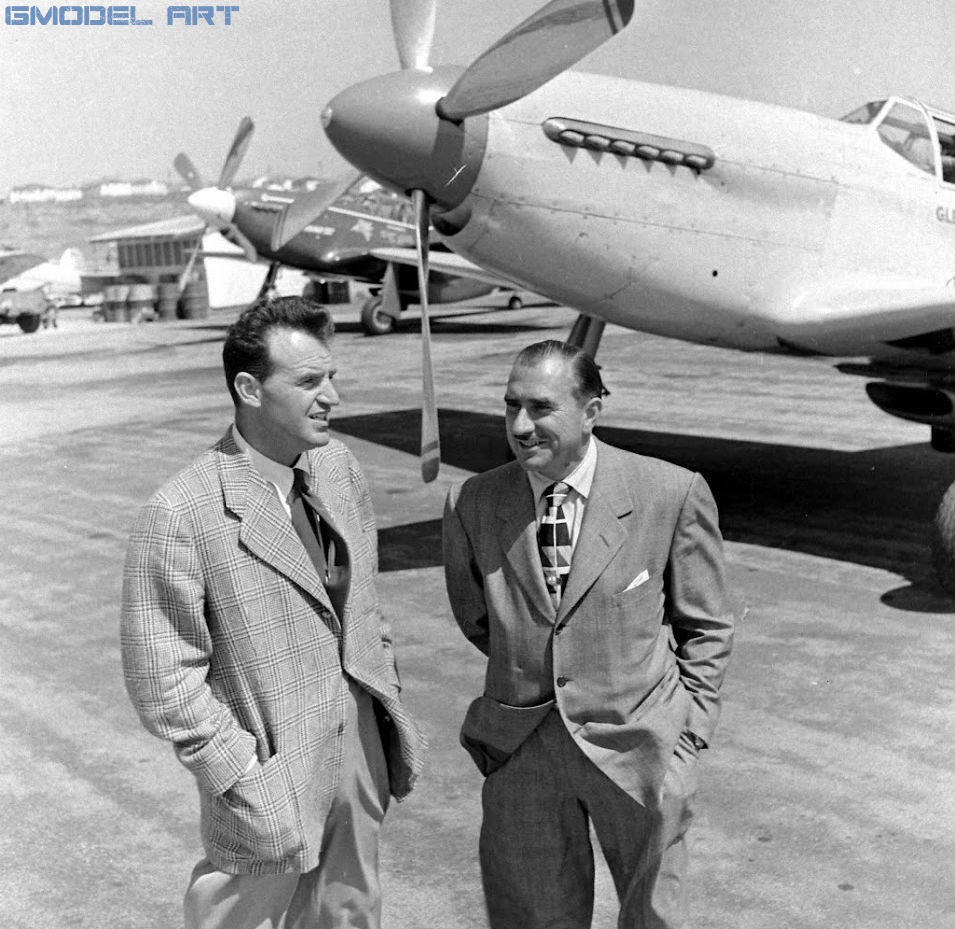
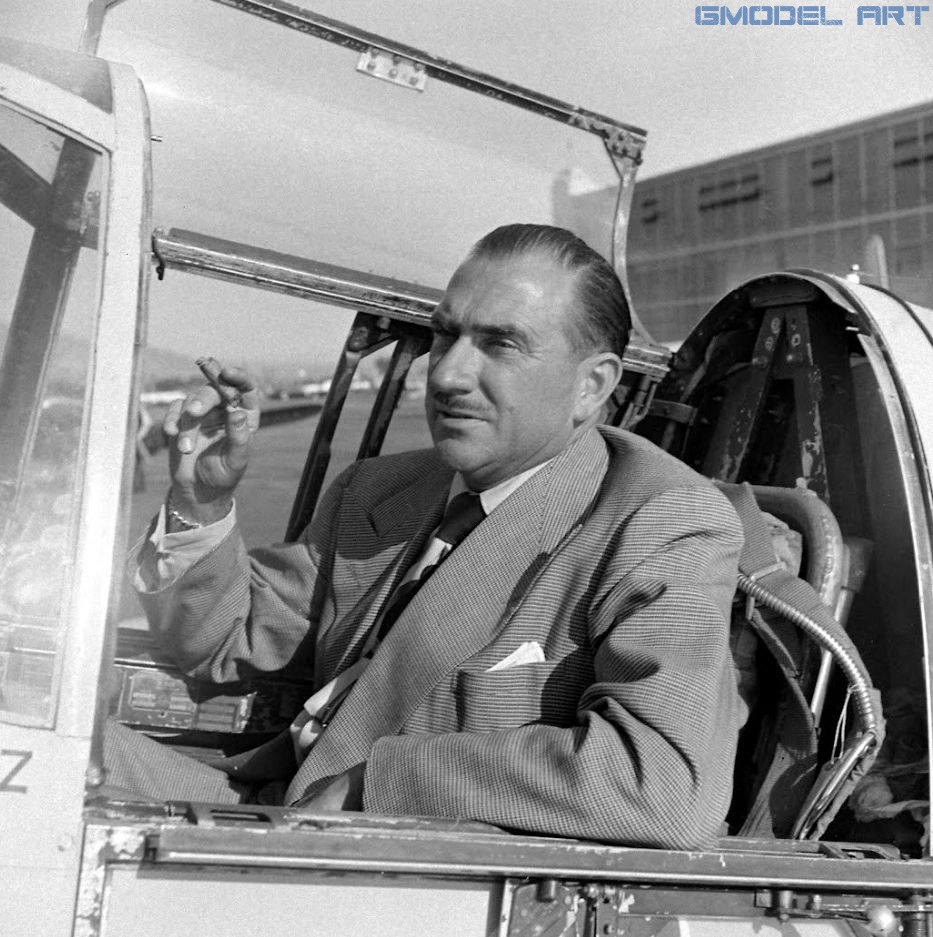
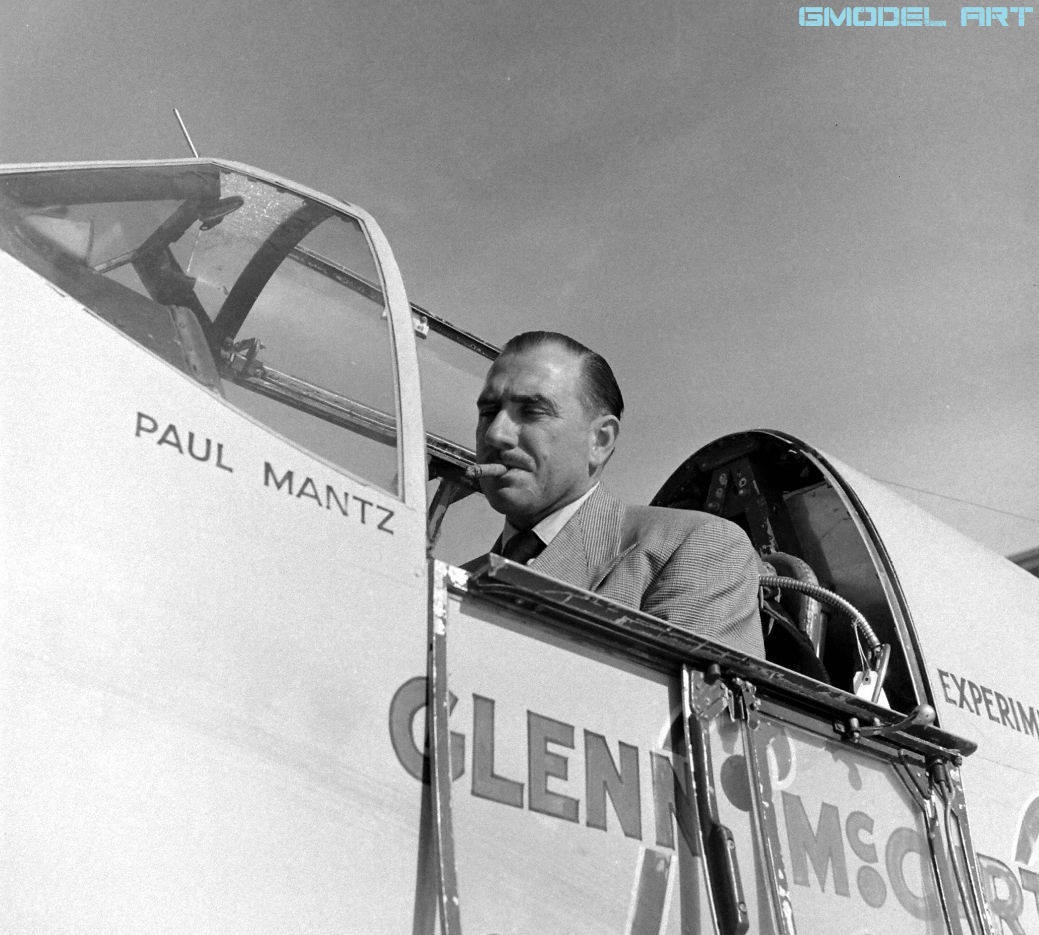
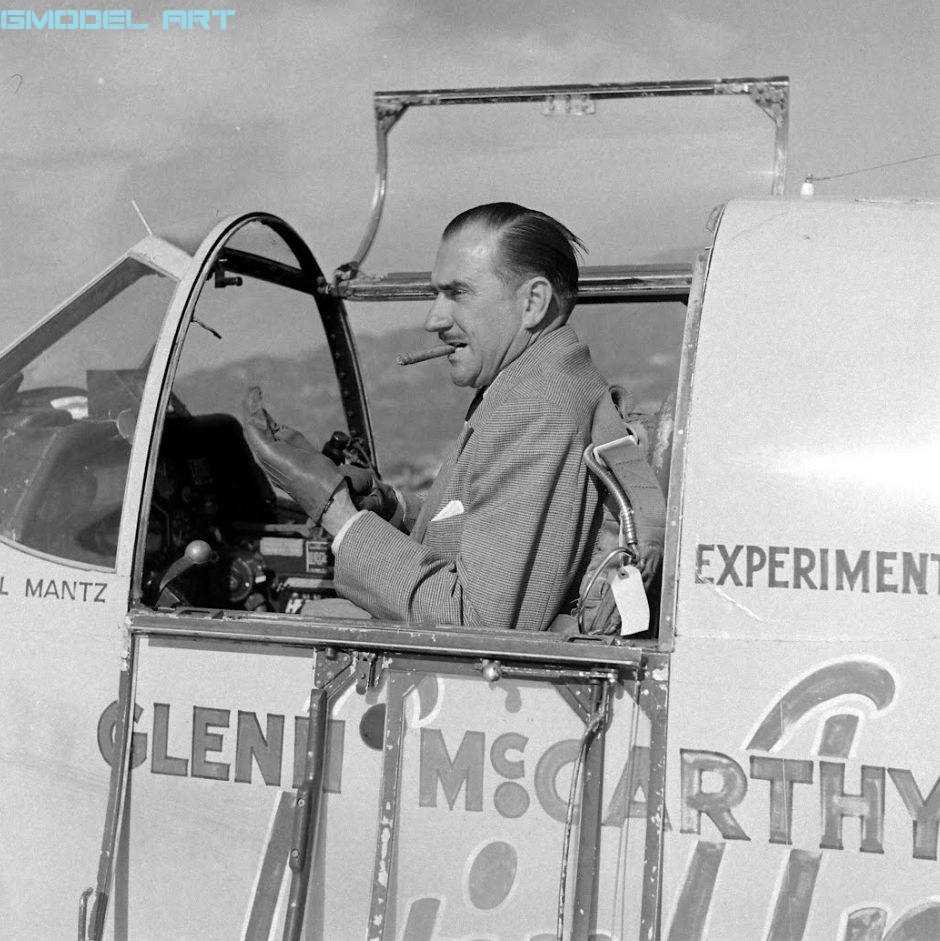
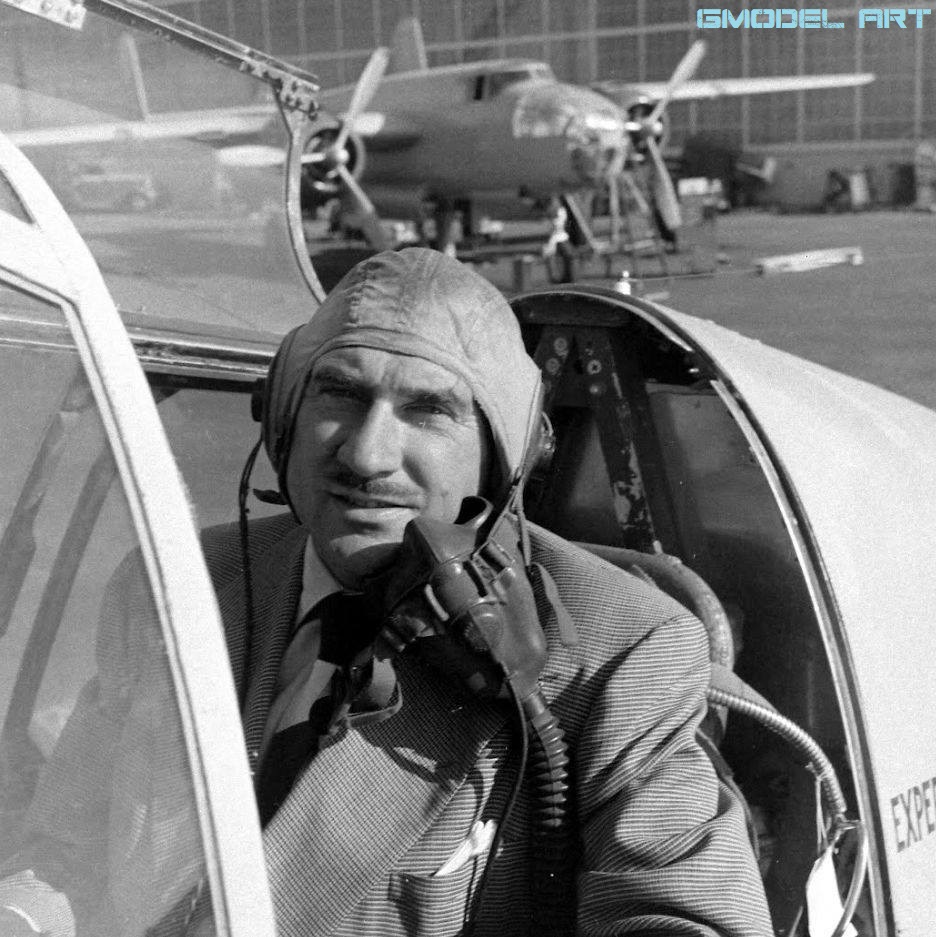
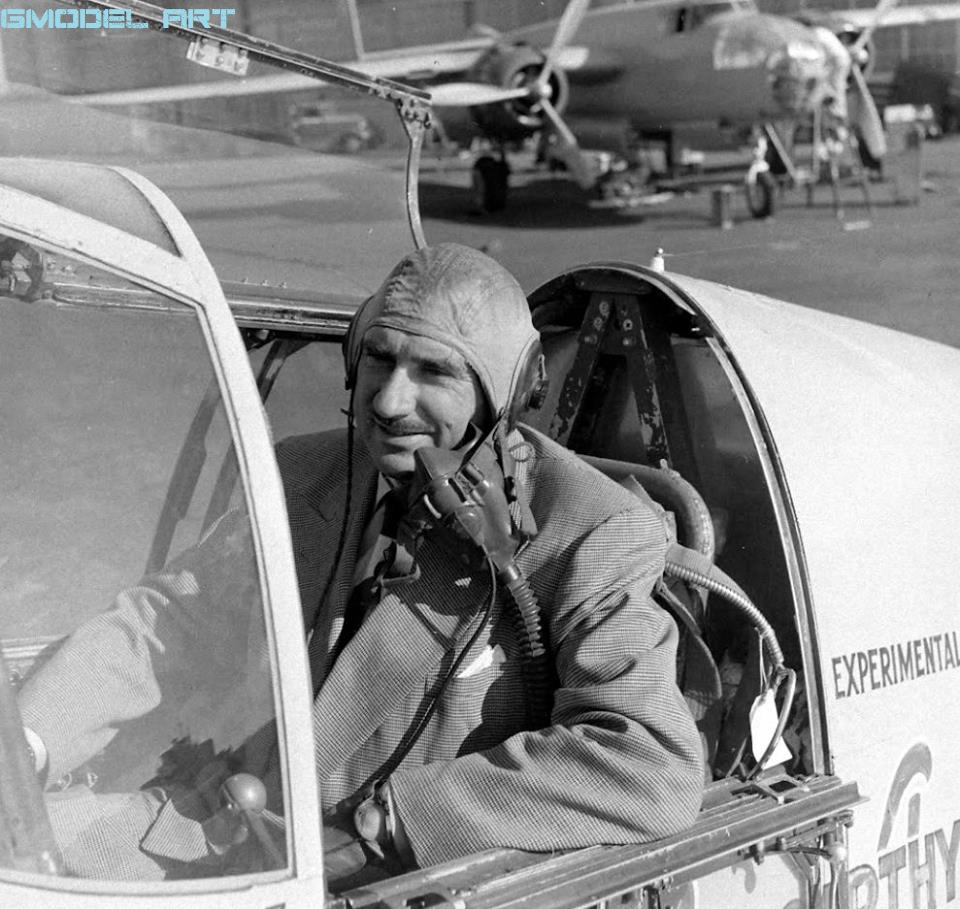
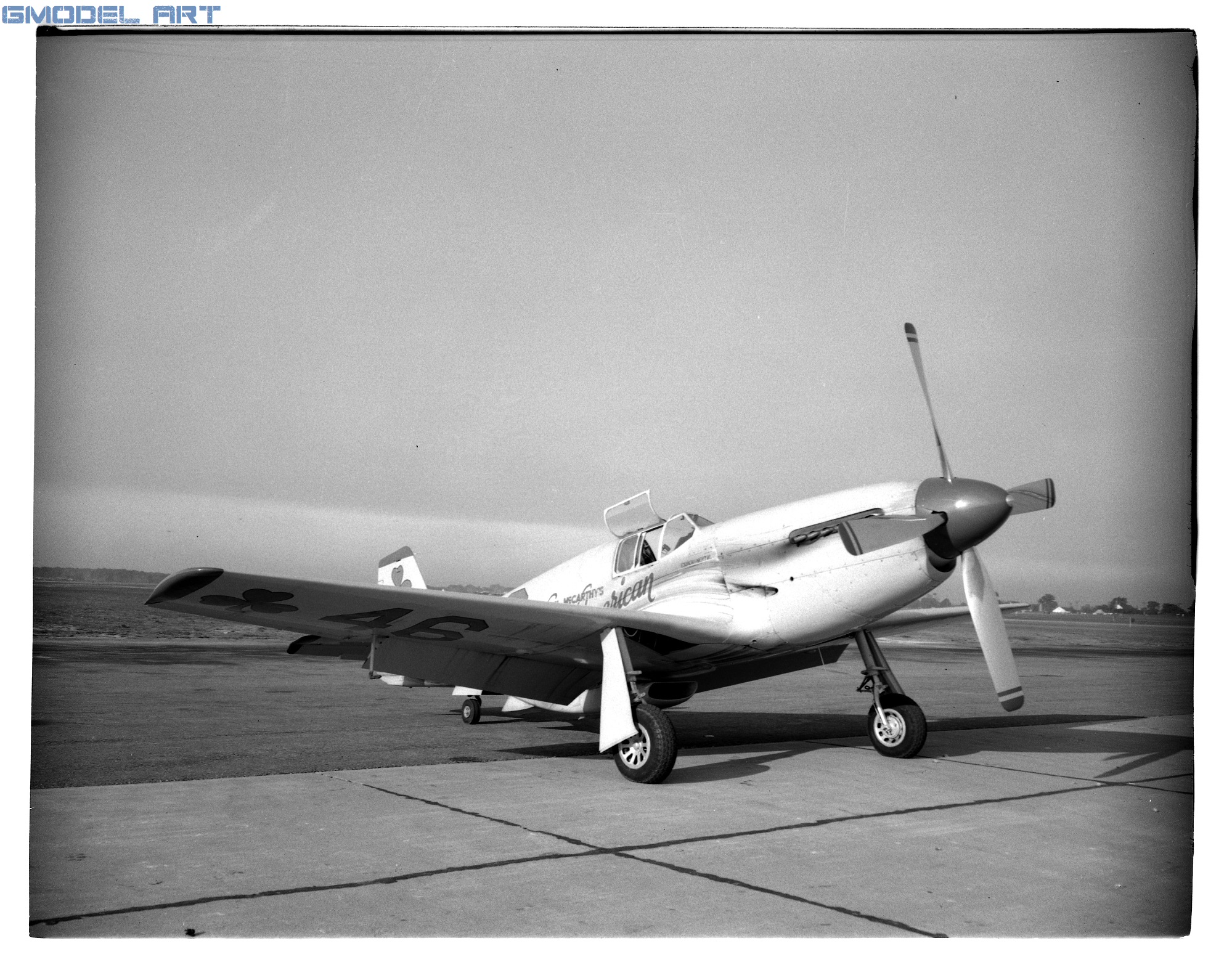
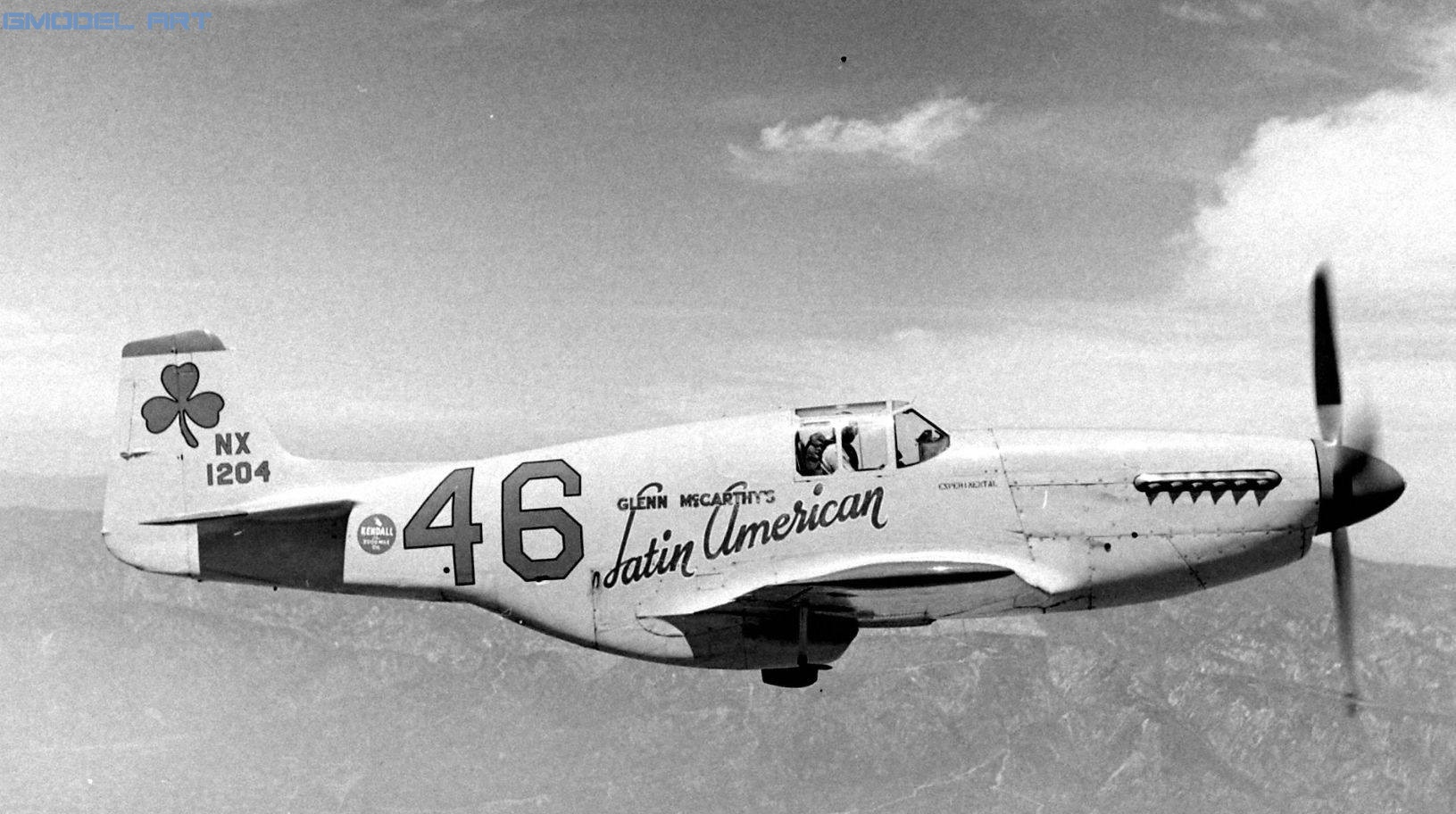
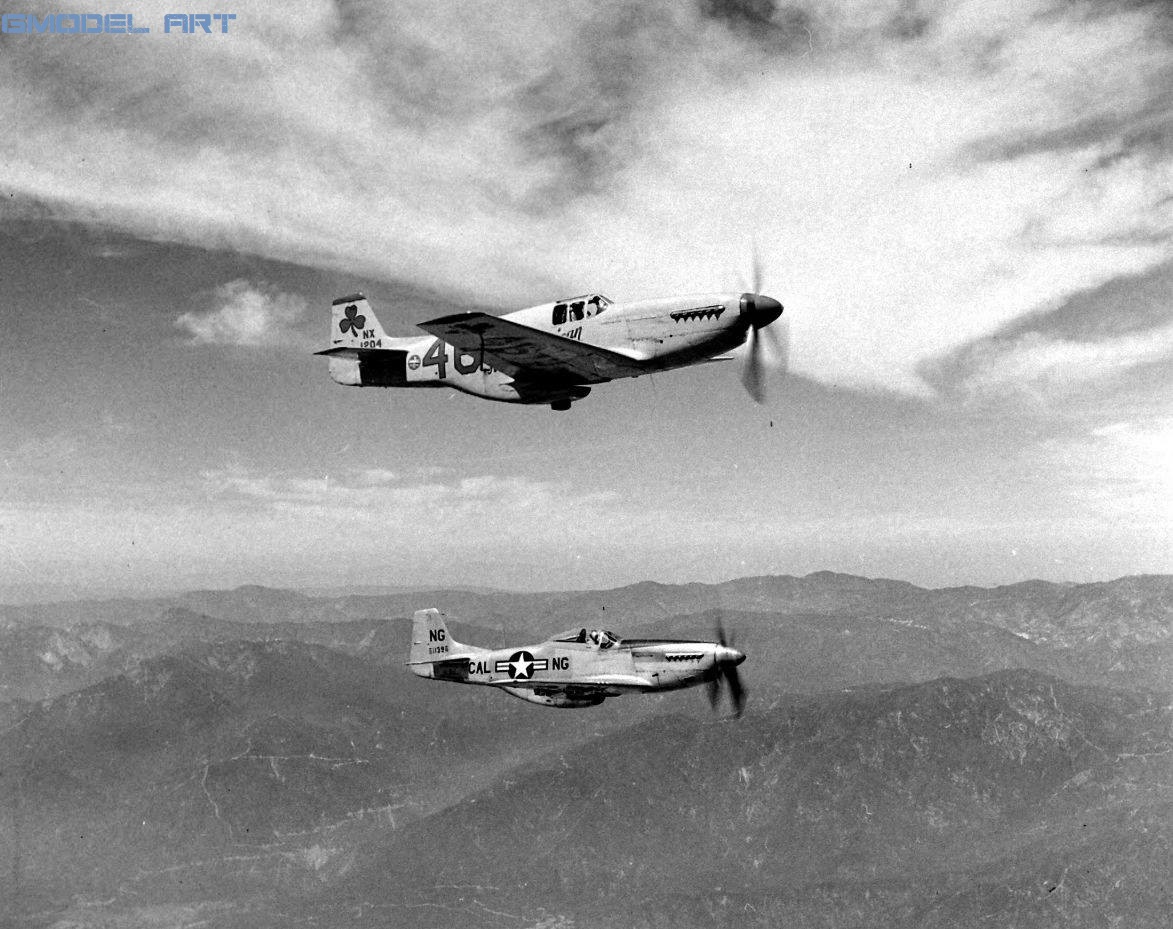
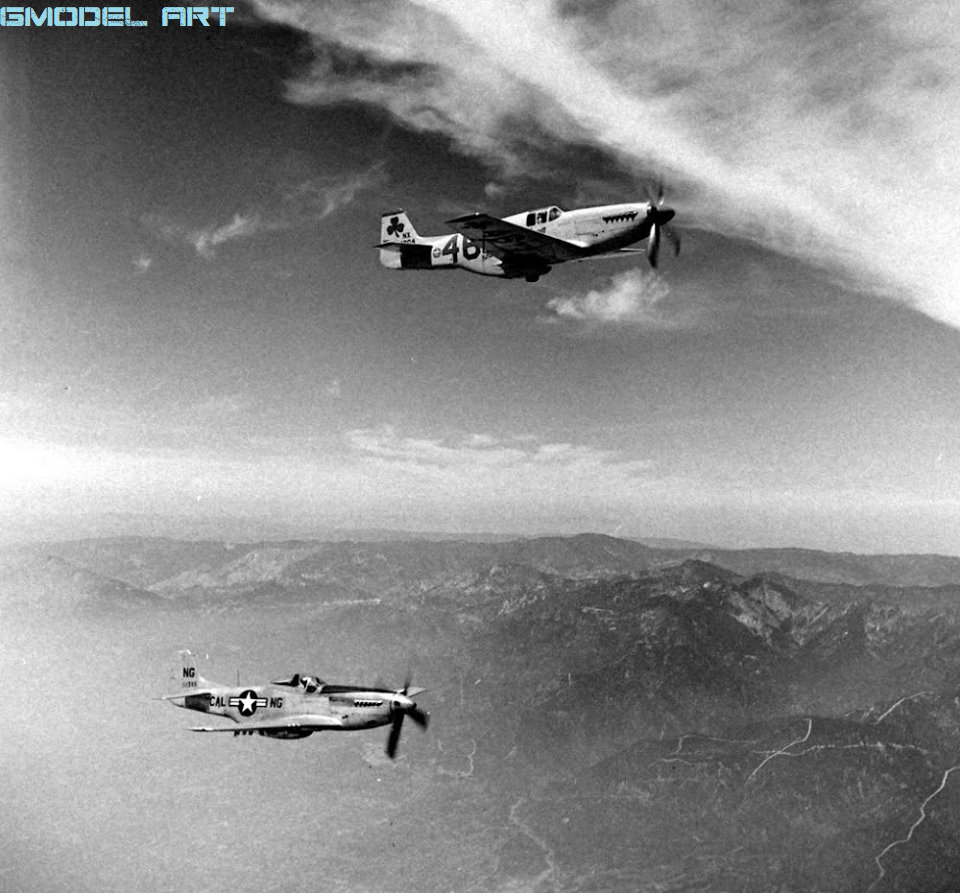
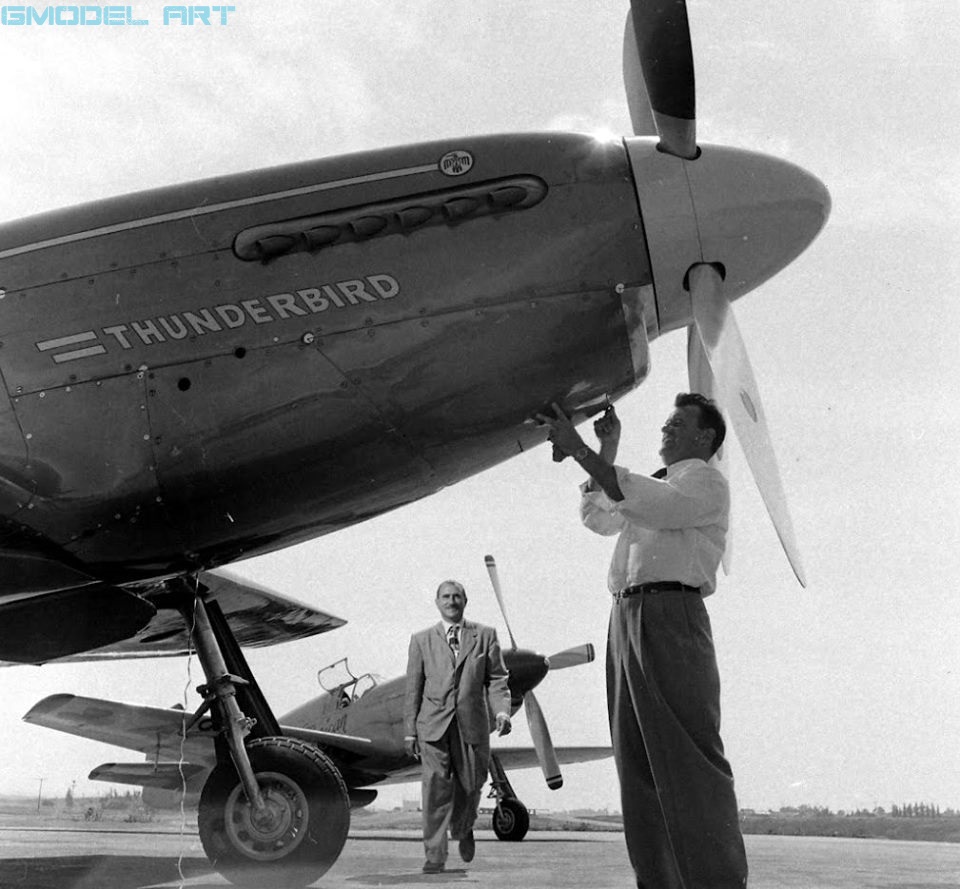
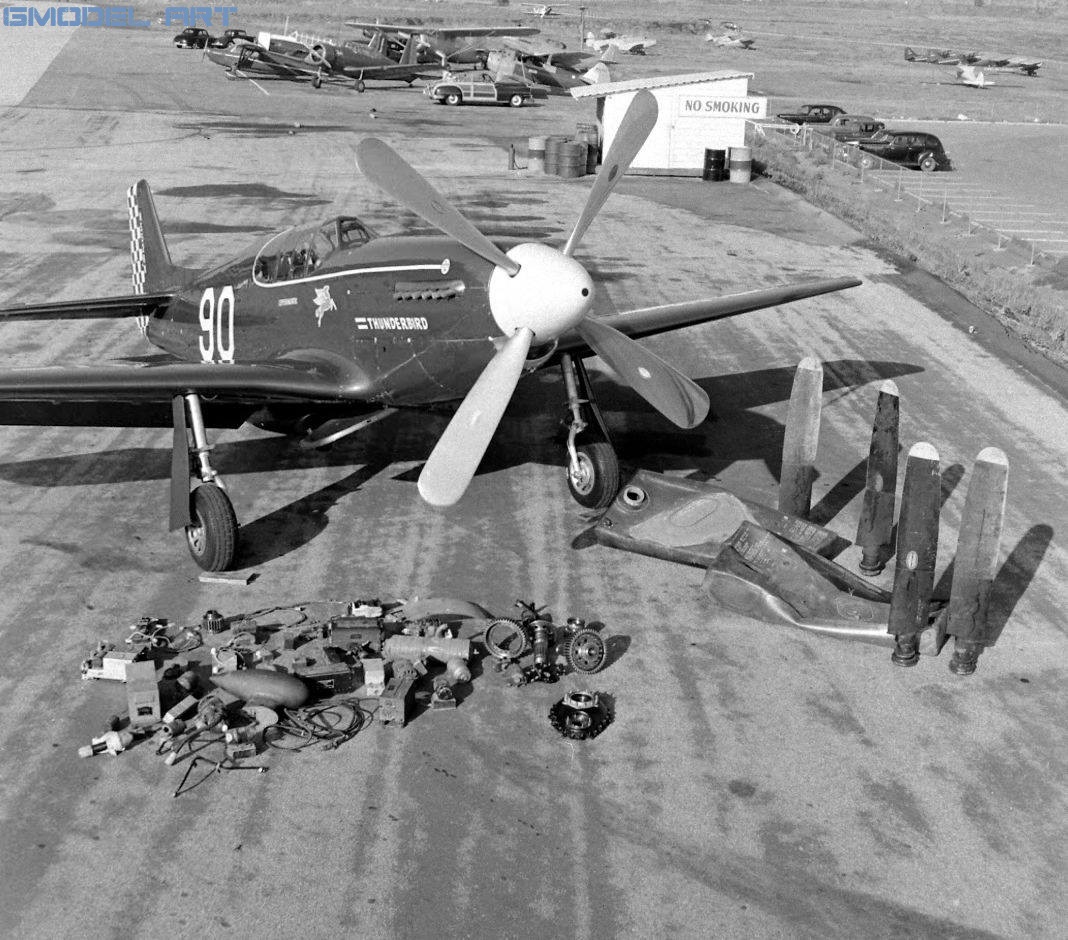
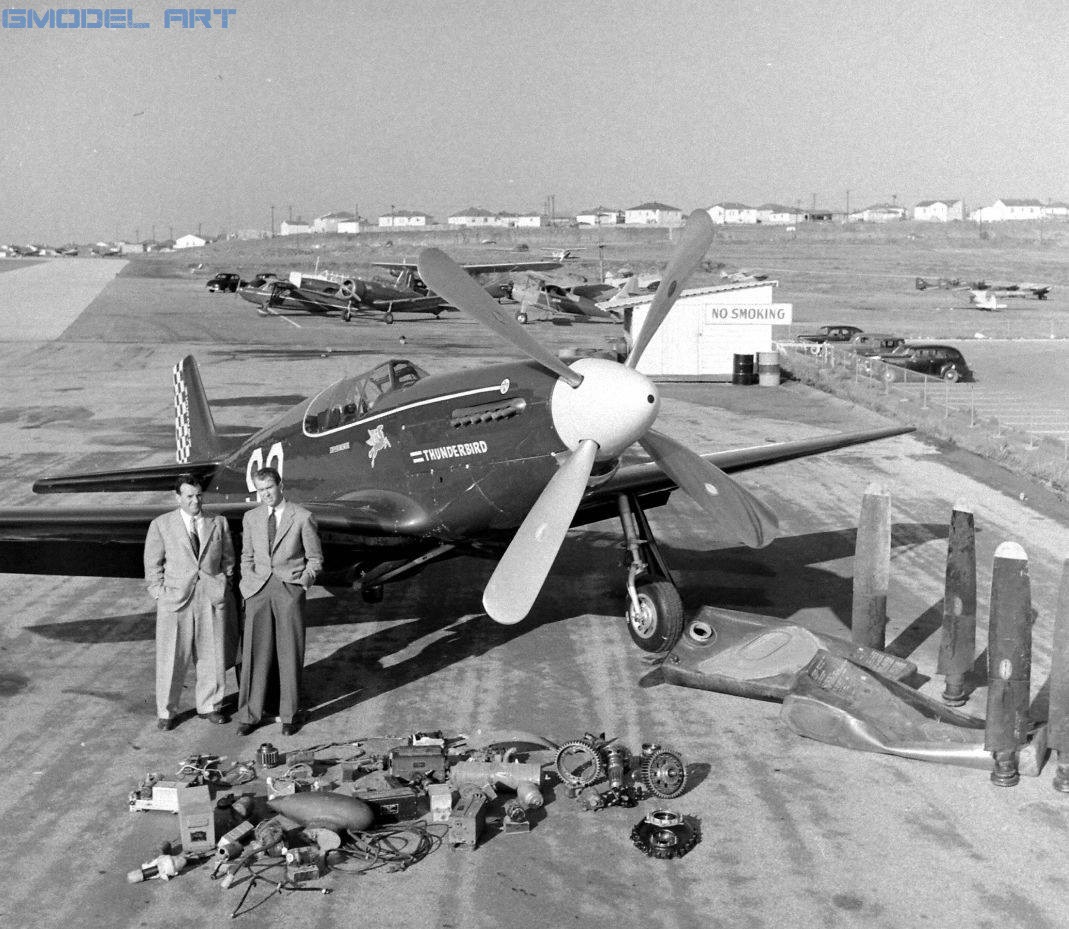
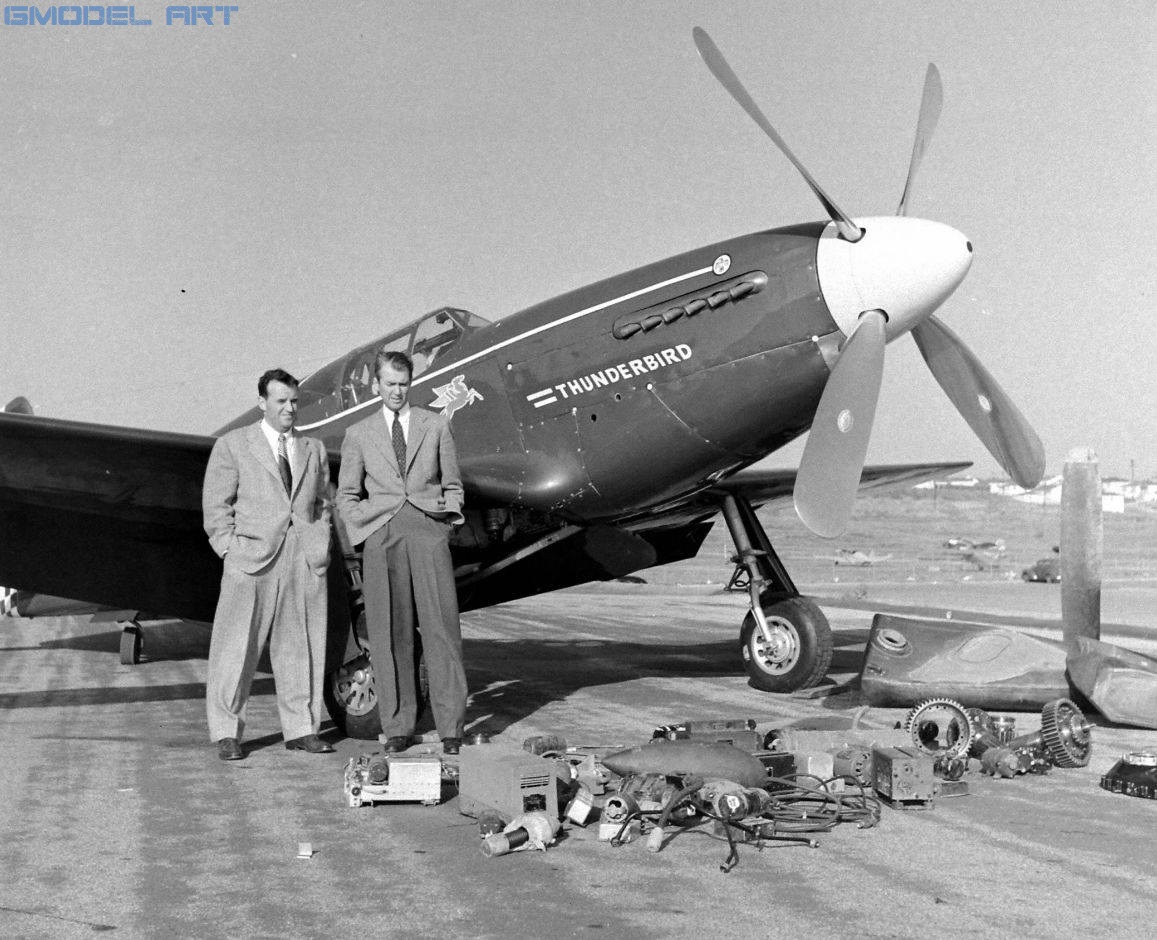
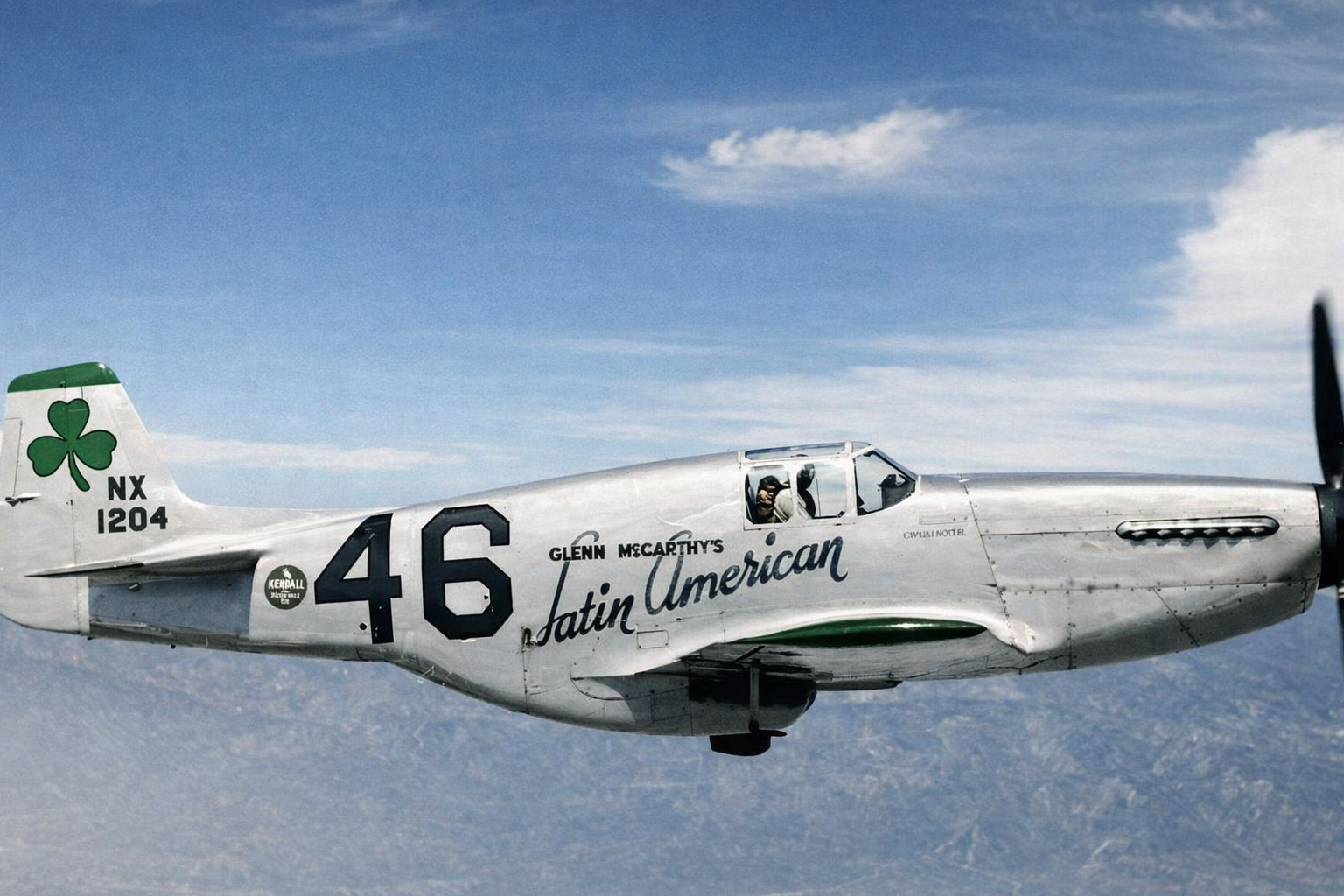
The North American P-51 Mustang is widely regarded as one of the most successful fighter aircraft of the Second World War. However, its story did not end in combat. In the late 1940s, a number of surplus Mustangs were acquired by private owners and transformed into high-performance racing aircraft. Among them was NX1204, known as “Latin American,” part of the racing fleet owned by Glenn McCarthy.
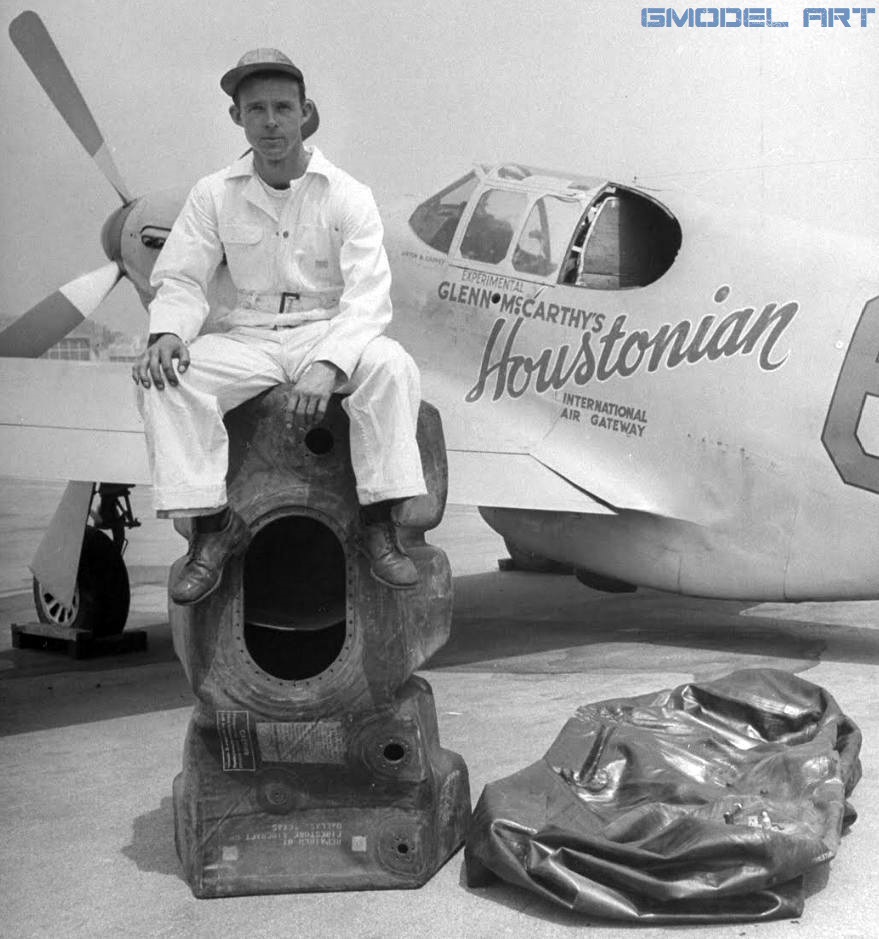
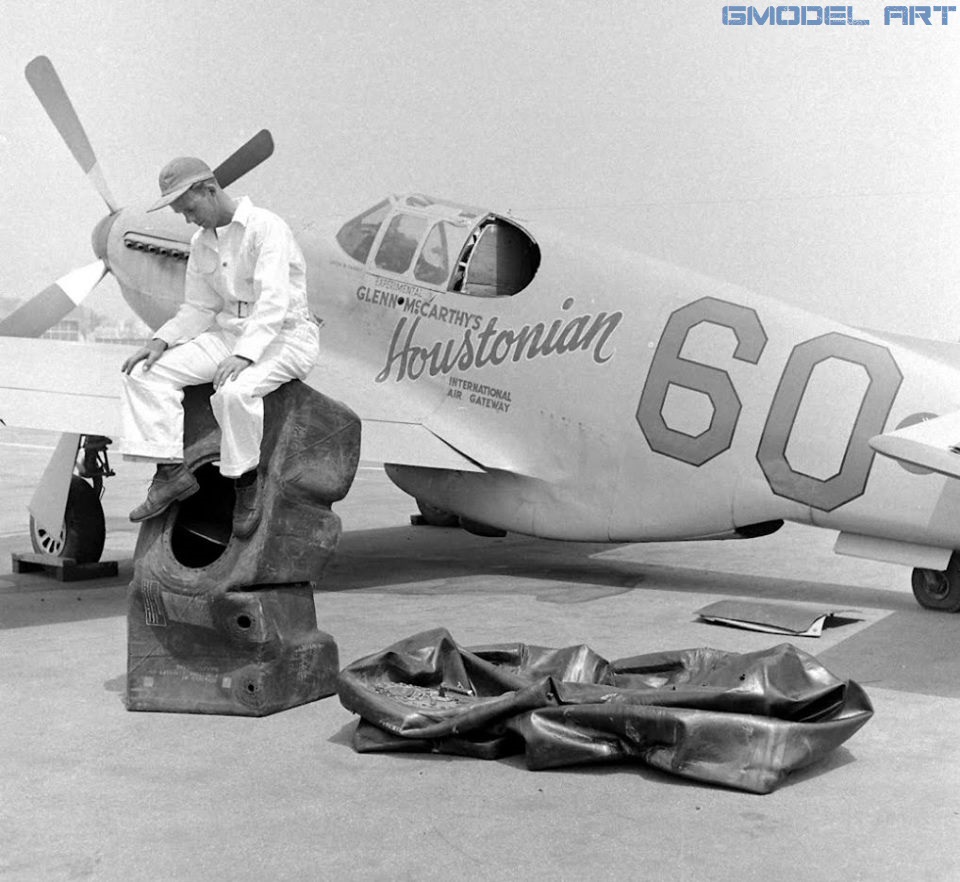
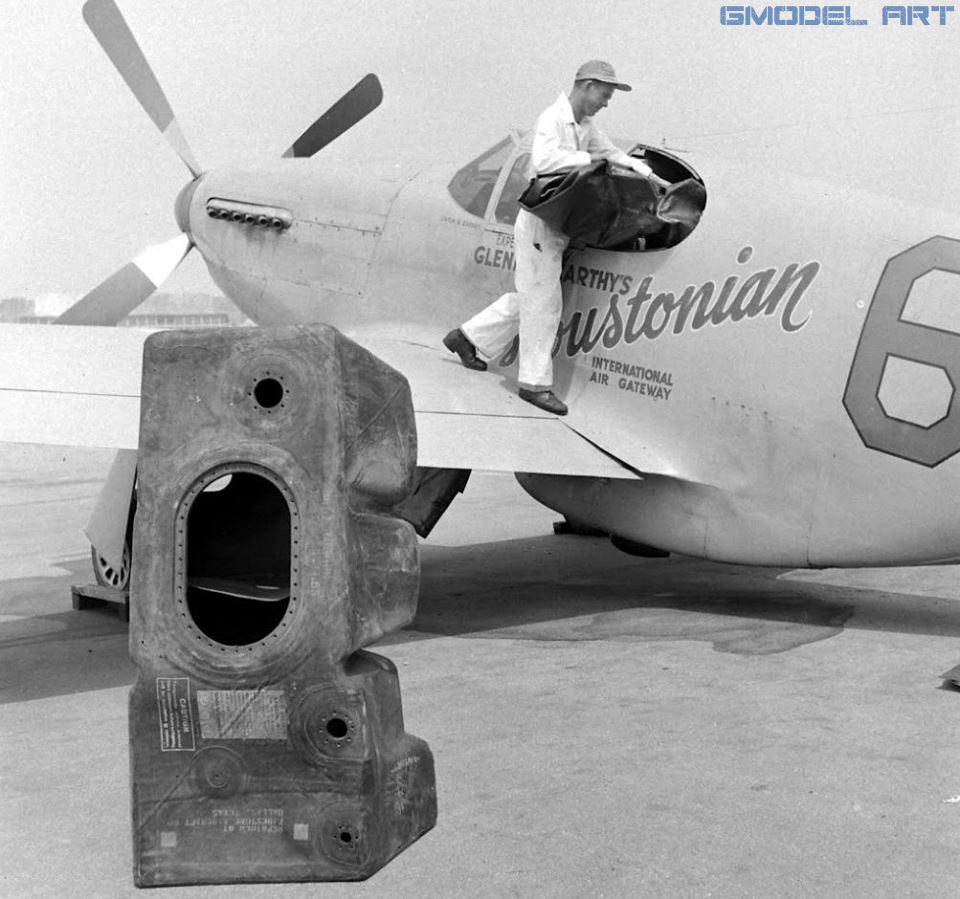
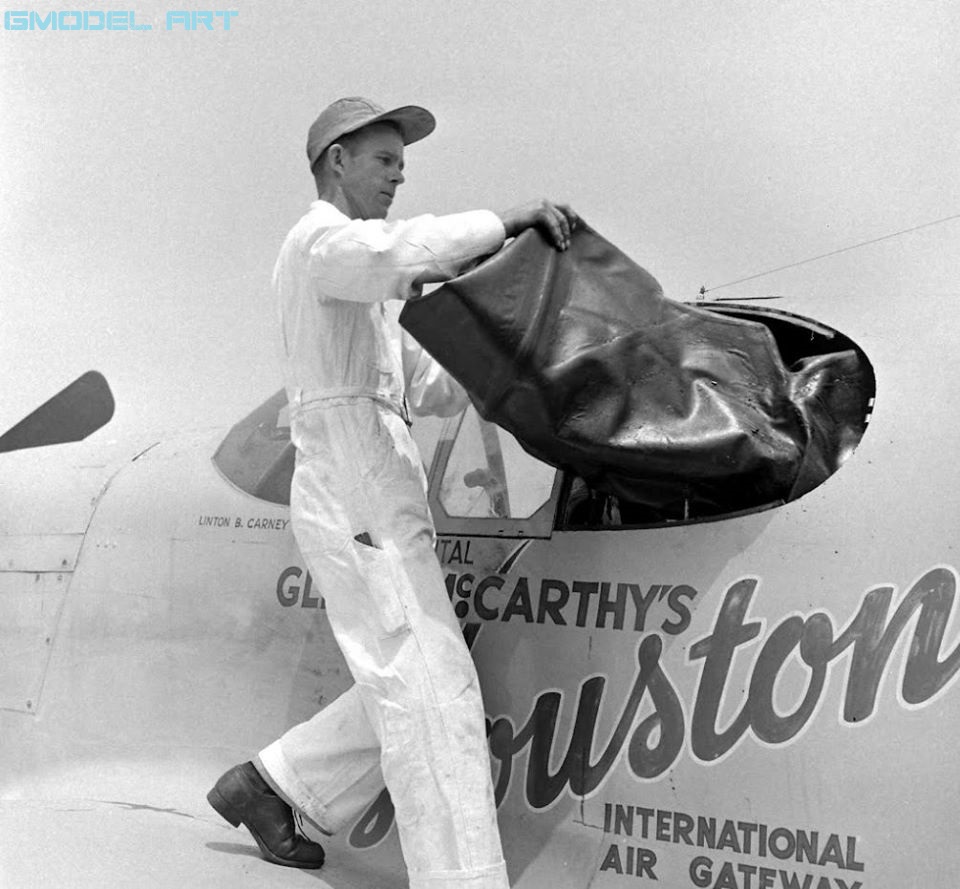
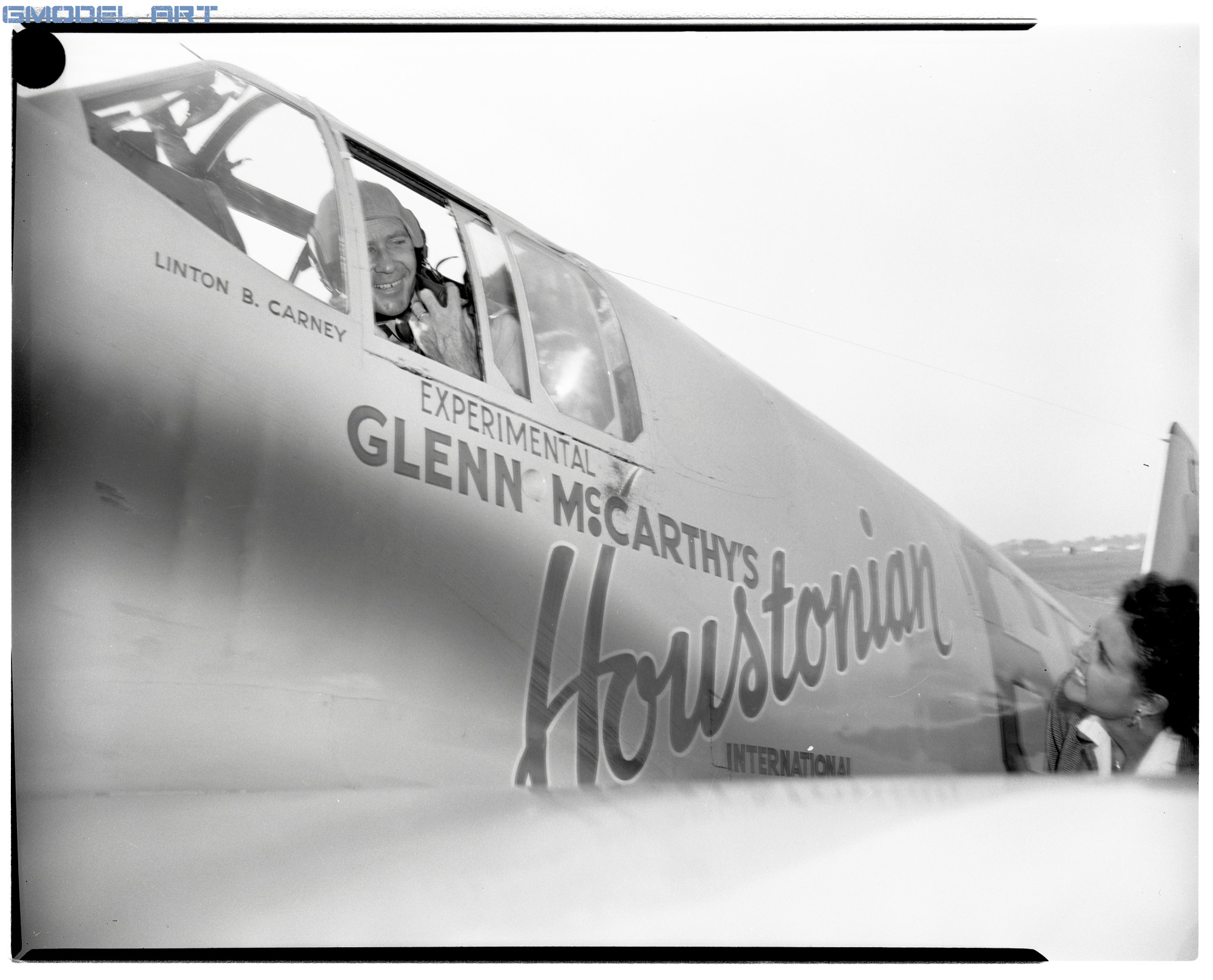
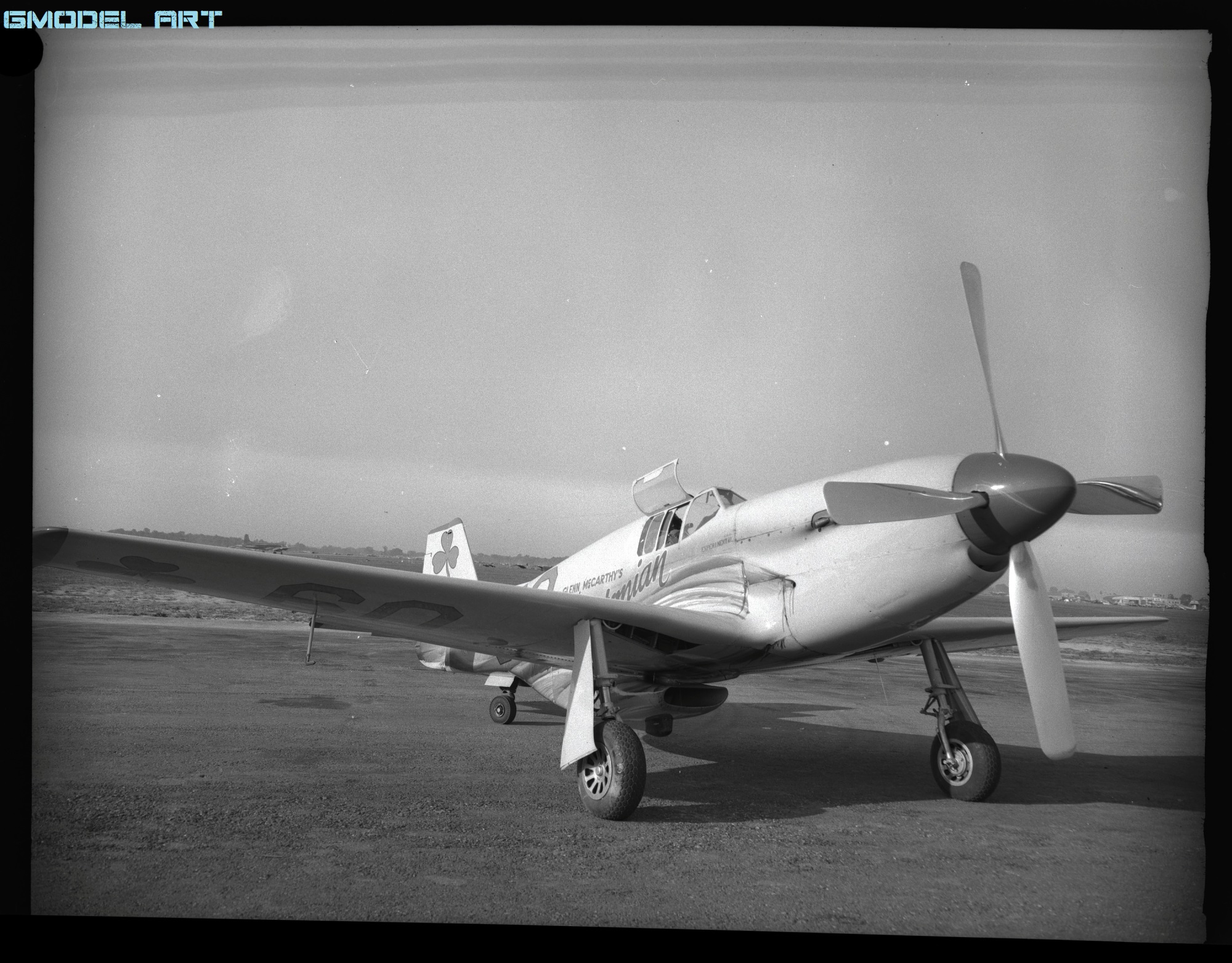
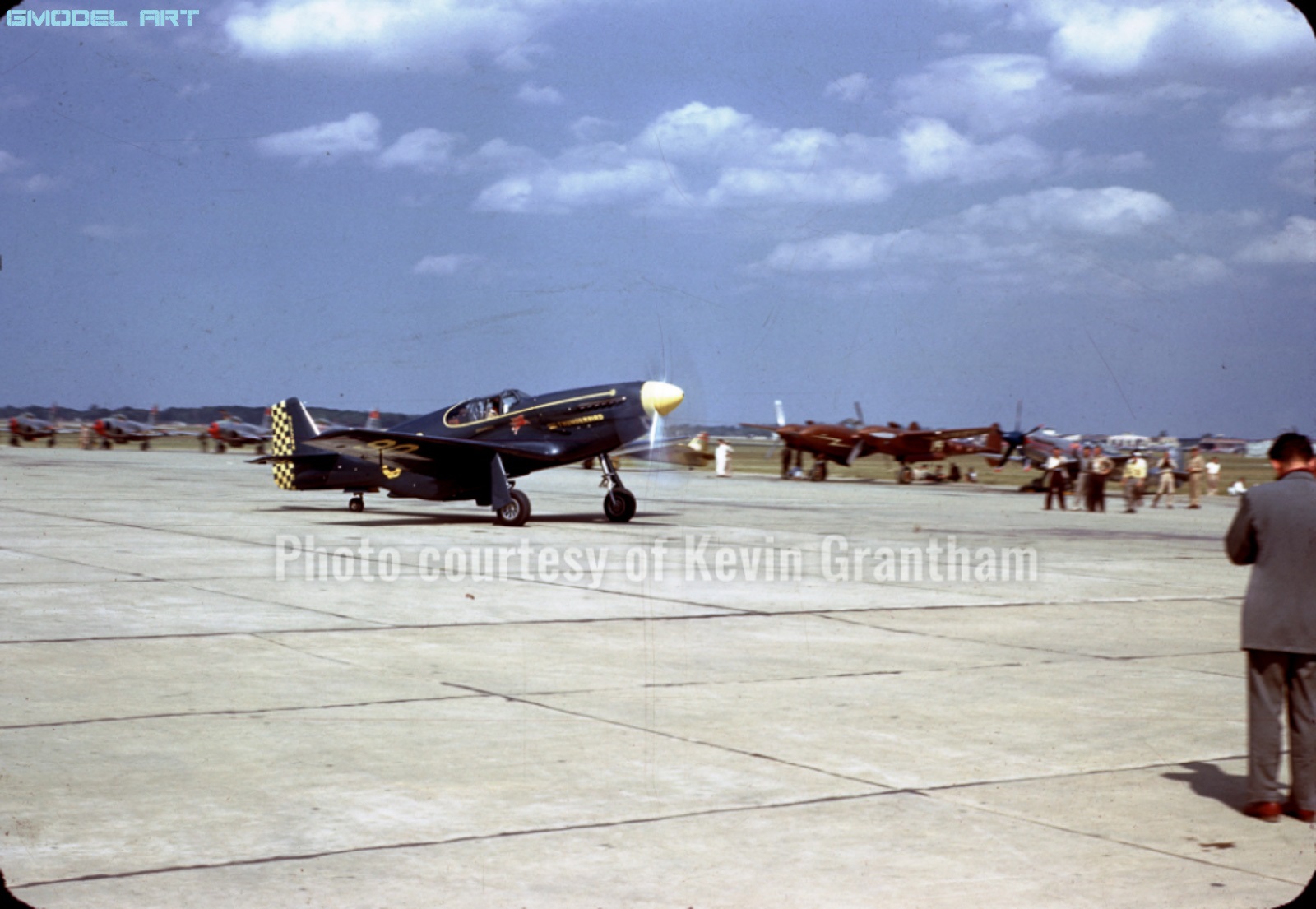
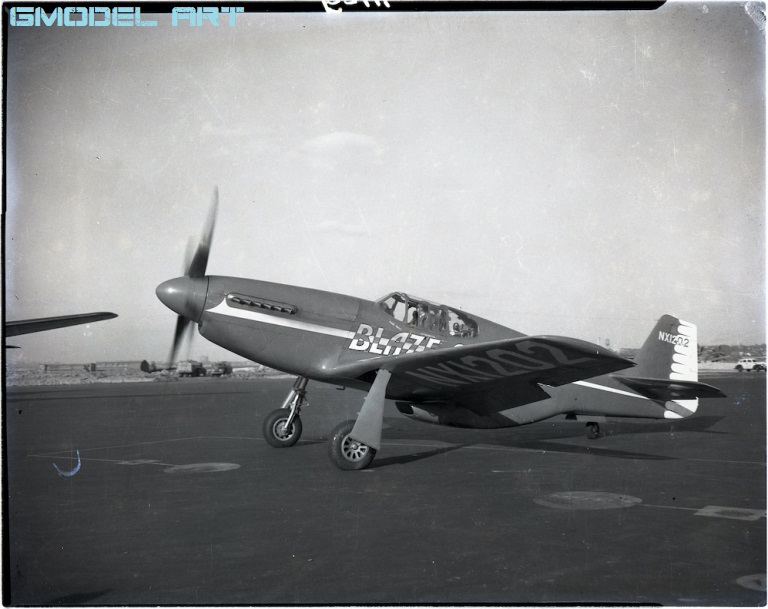
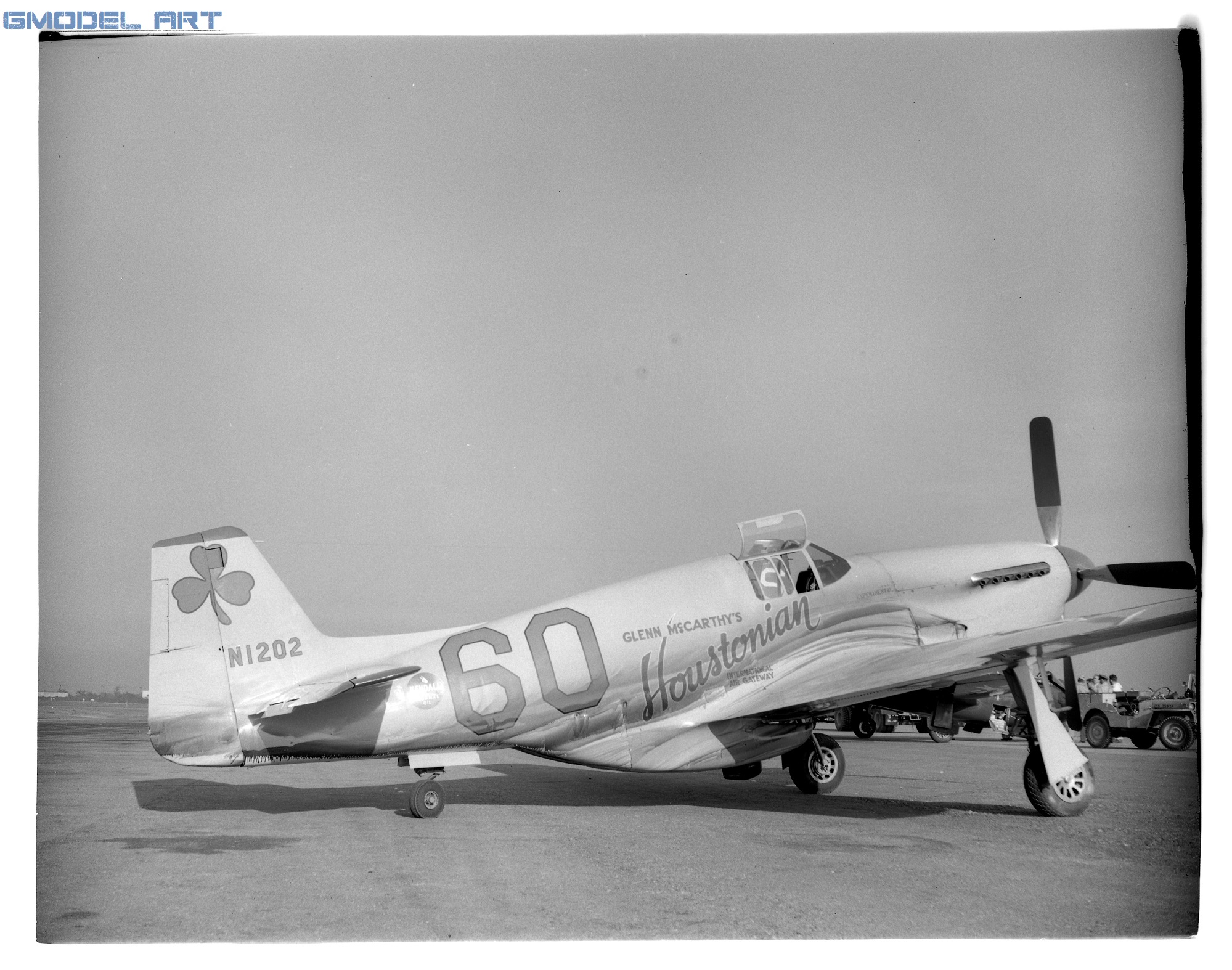
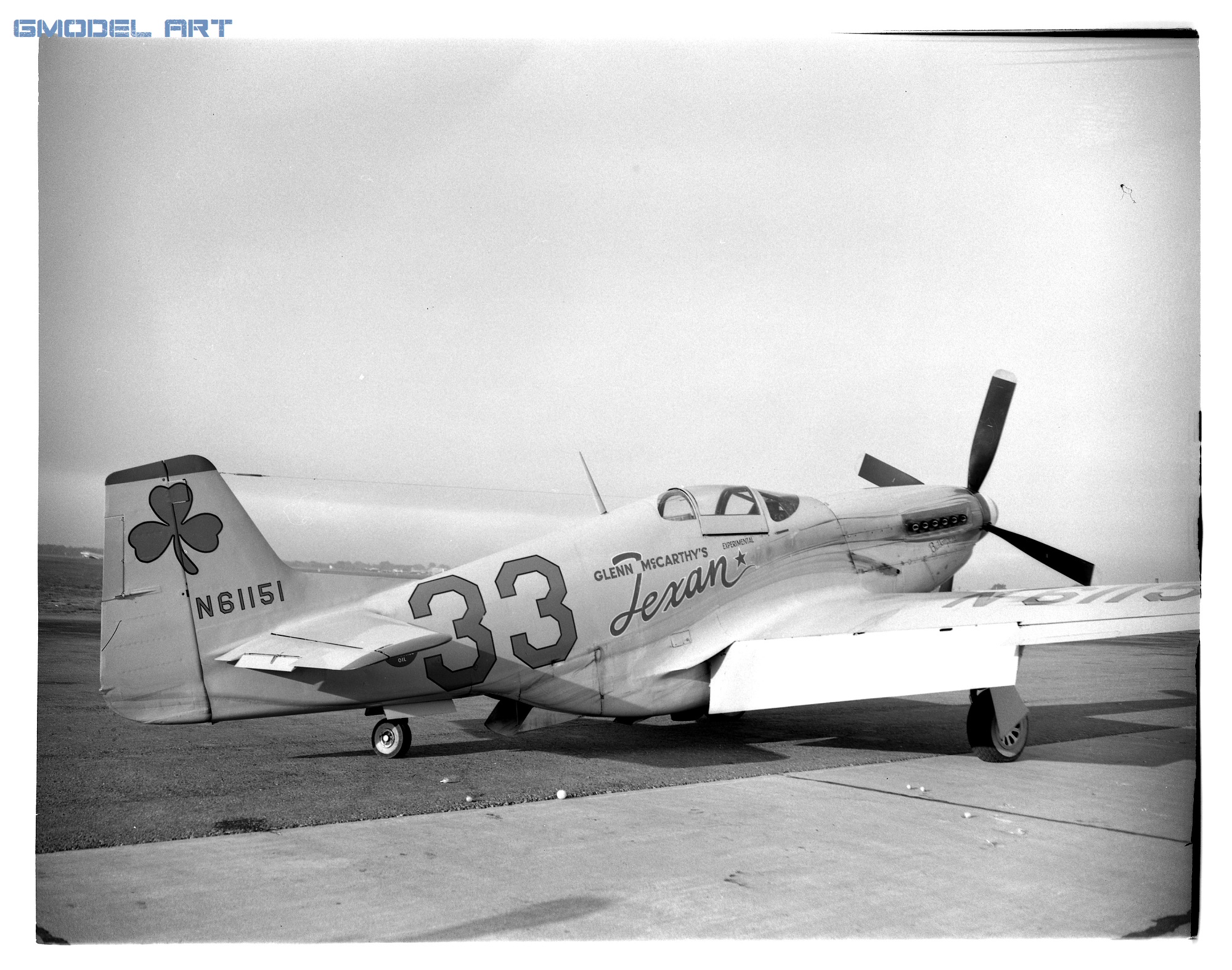
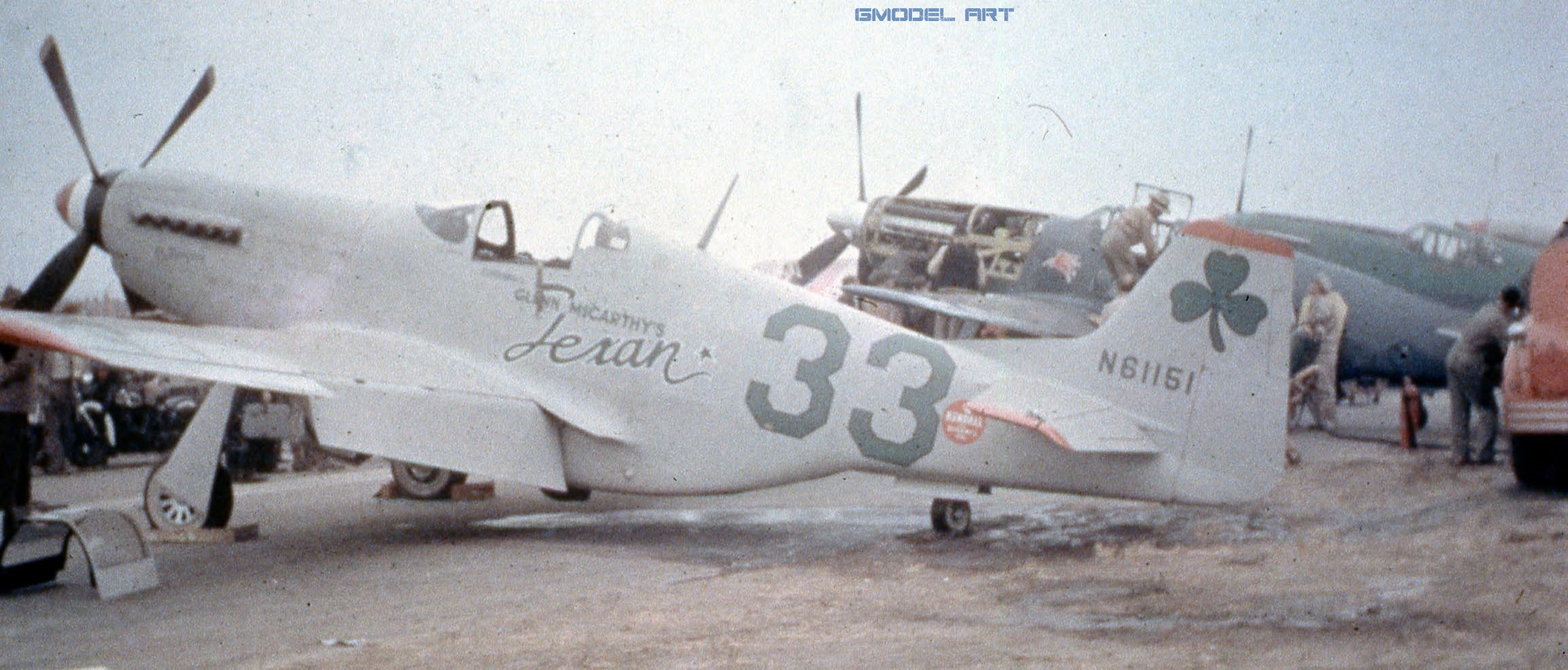
McCarthy, a prominent oilman and aviation enthusiast, owned three racing Mustangs, each representing a different stage in the evolution of post-war air racing. These included the P-51D “Texan” (NX61151), the P-51C “Houstonian” (NX1202), and the P-51C NX1204, which became one of the lesser-documented but historically significant aircraft of the Bendix Trophy era.
The Bendix Trophy, one of the most prestigious air races of its time, focused on long-distance speed rather than short bursts of performance. Aircraft competing in this event were required to maintain extremely high average speeds across cross-country routes, making efficiency, reliability, and aerodynamic refinement critical factors.
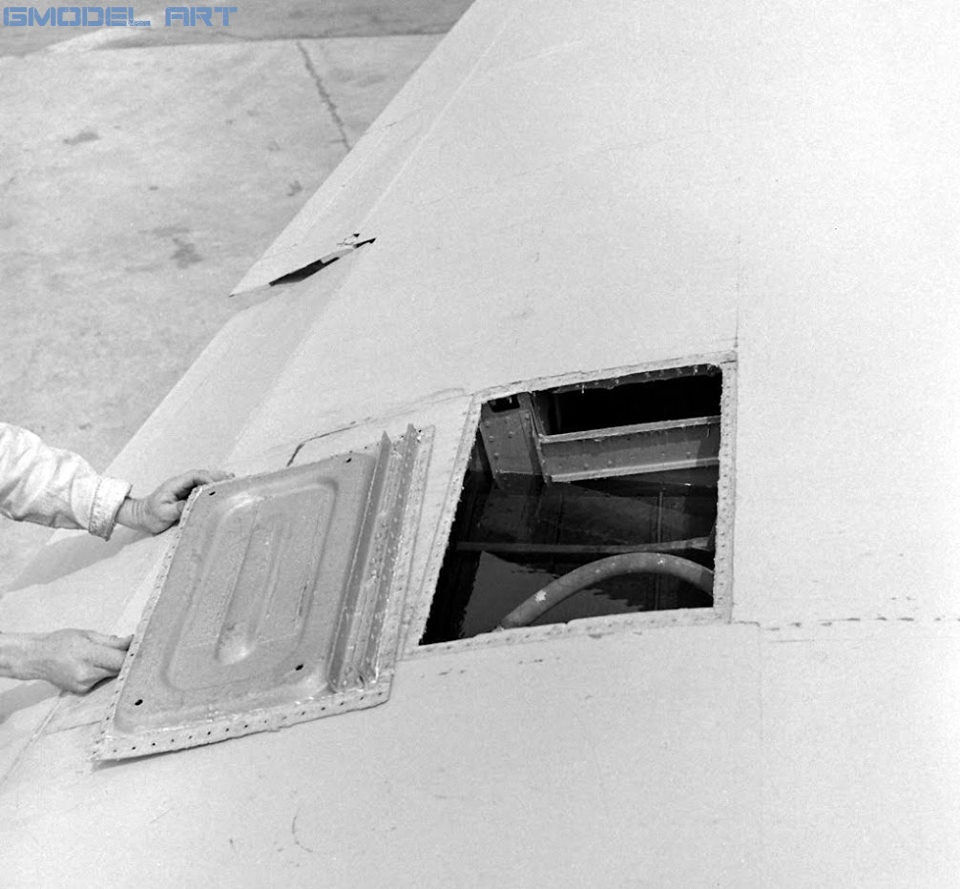
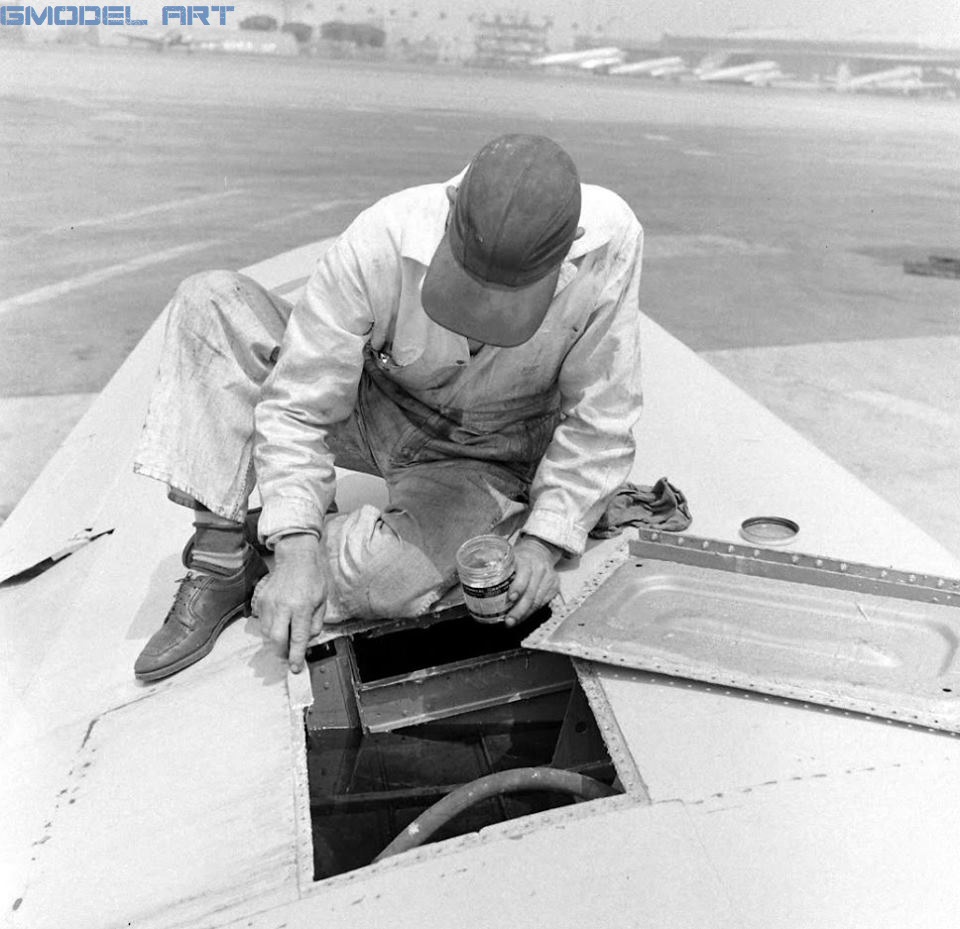
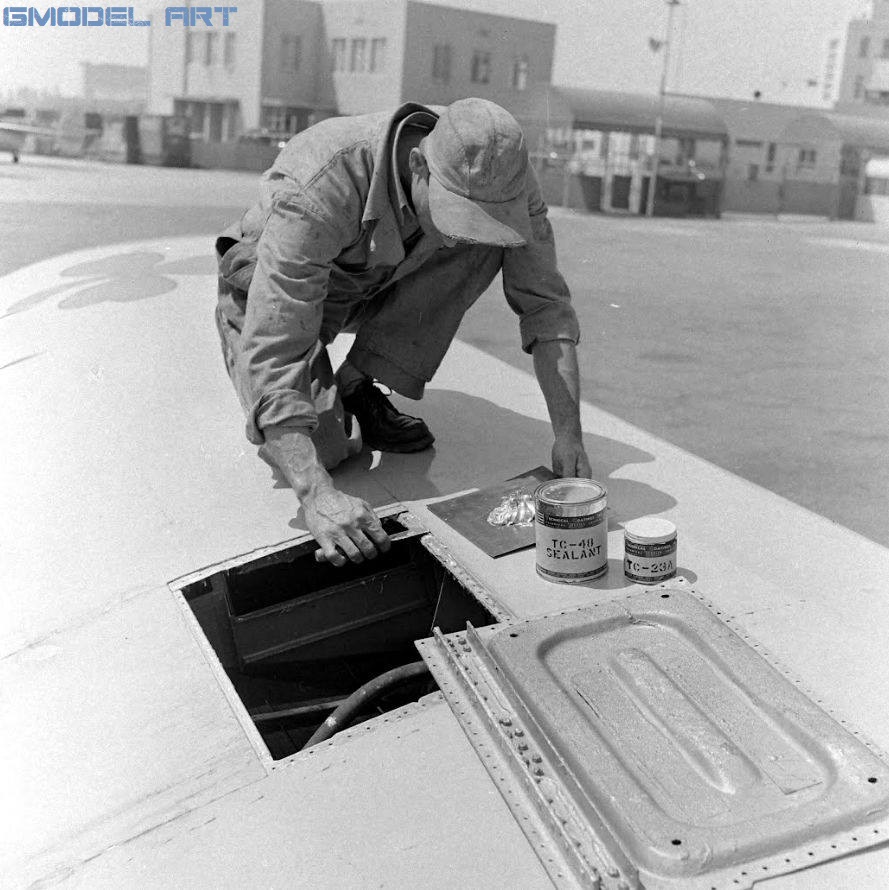
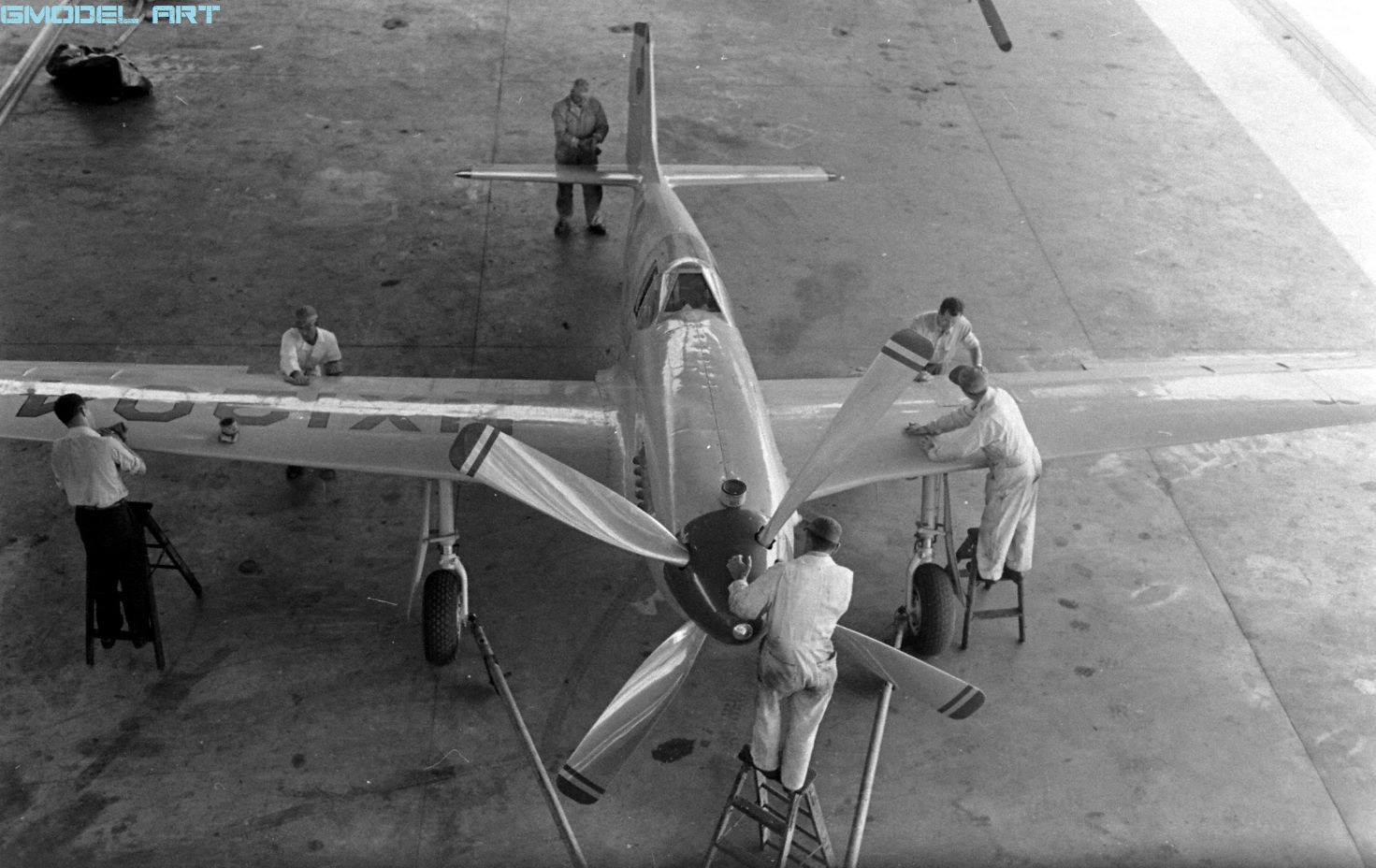
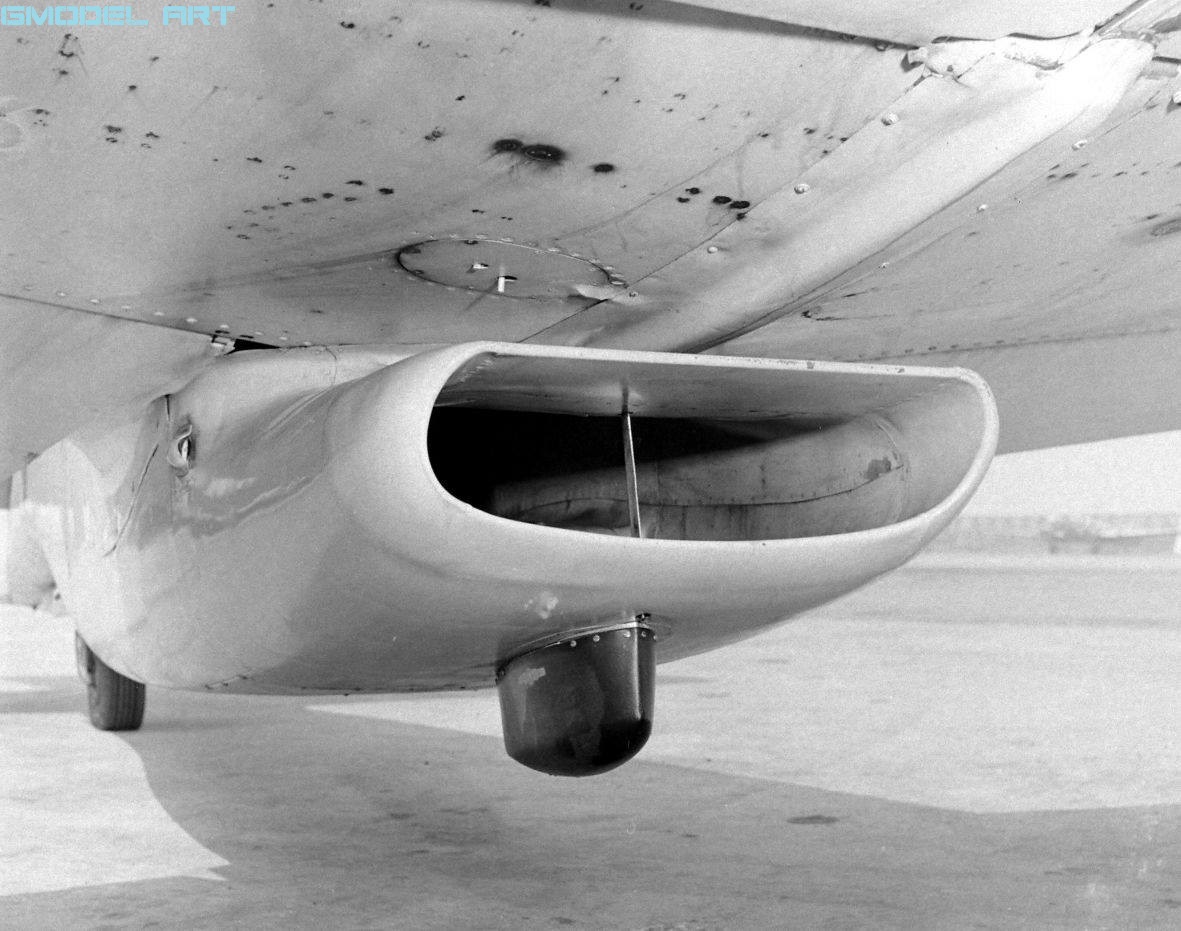
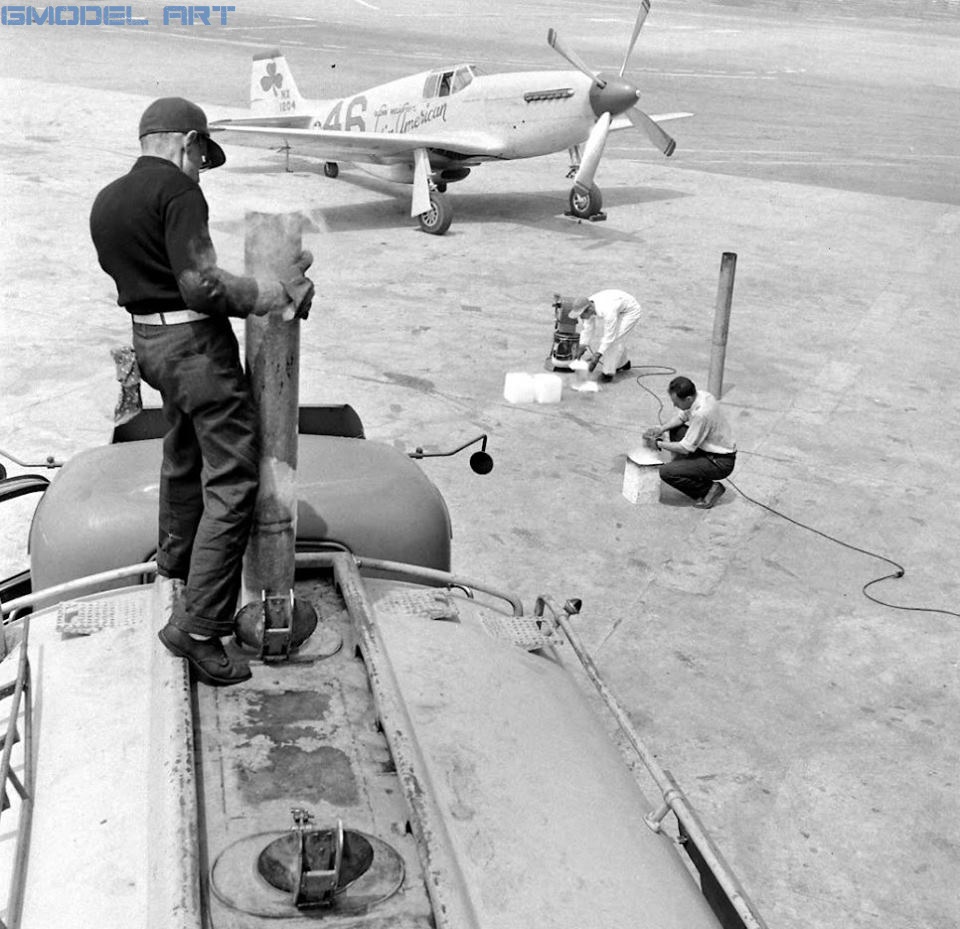
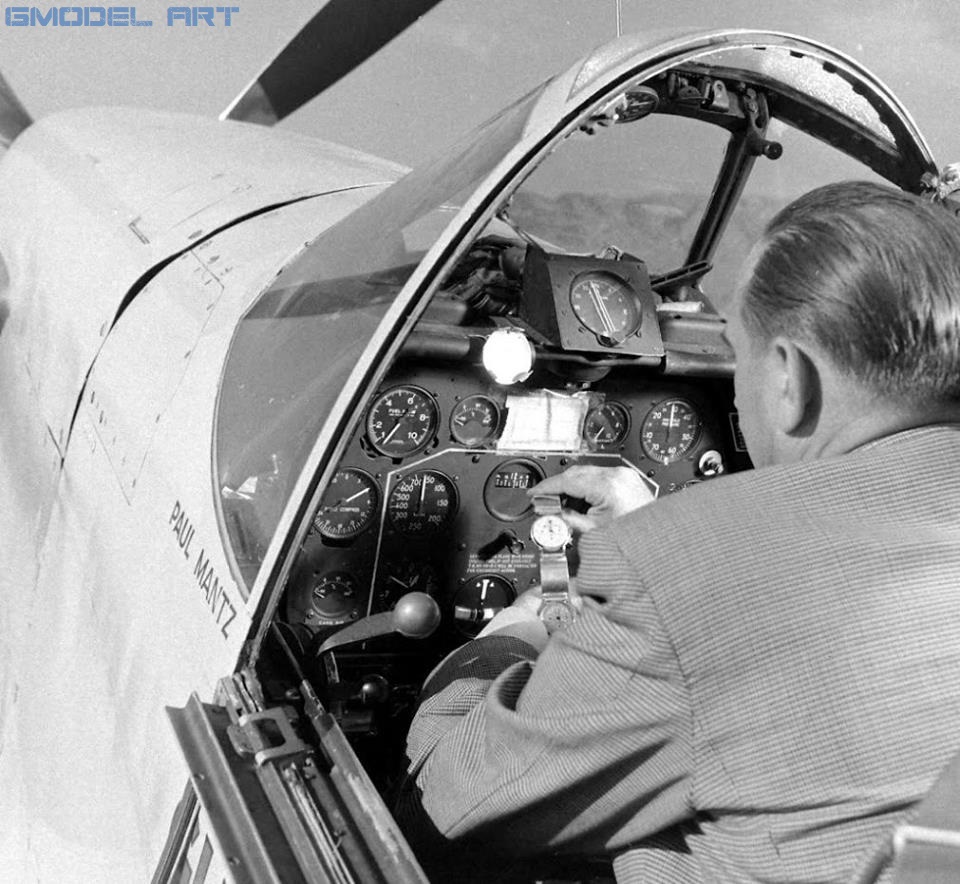
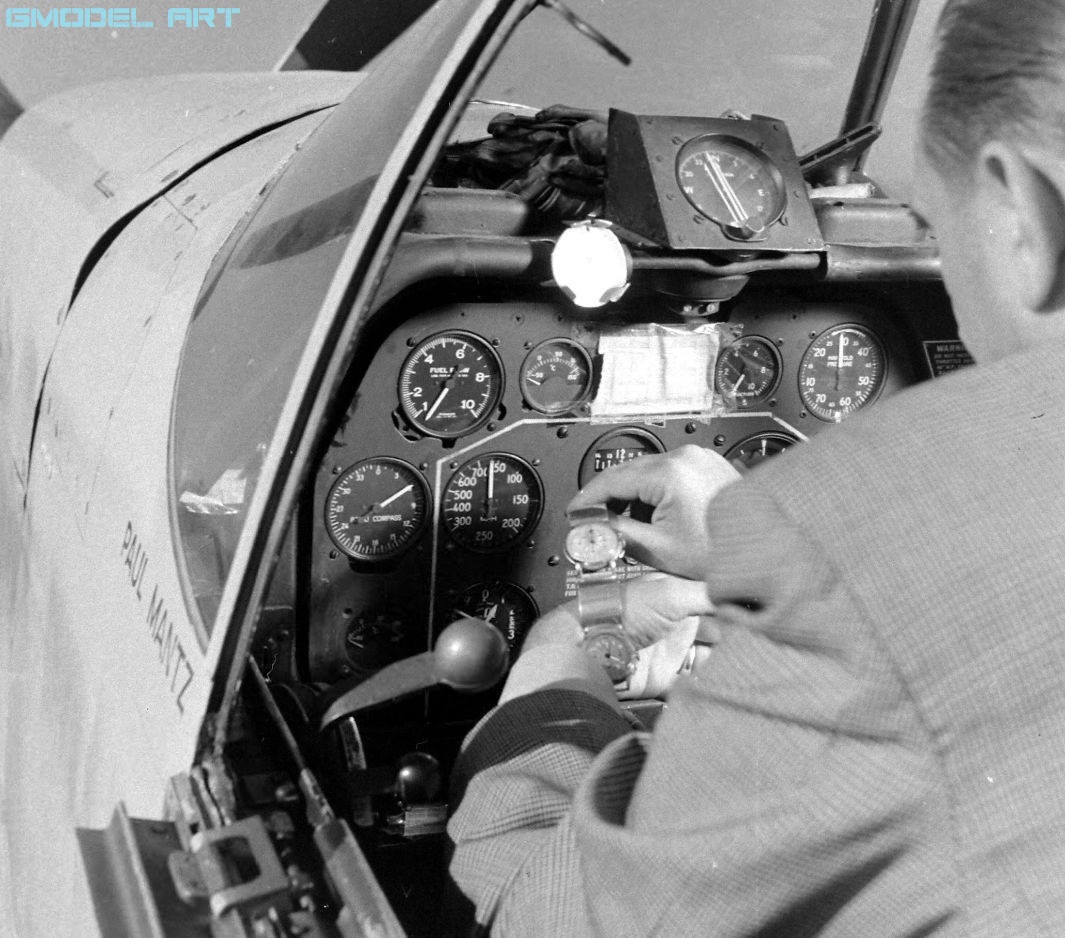
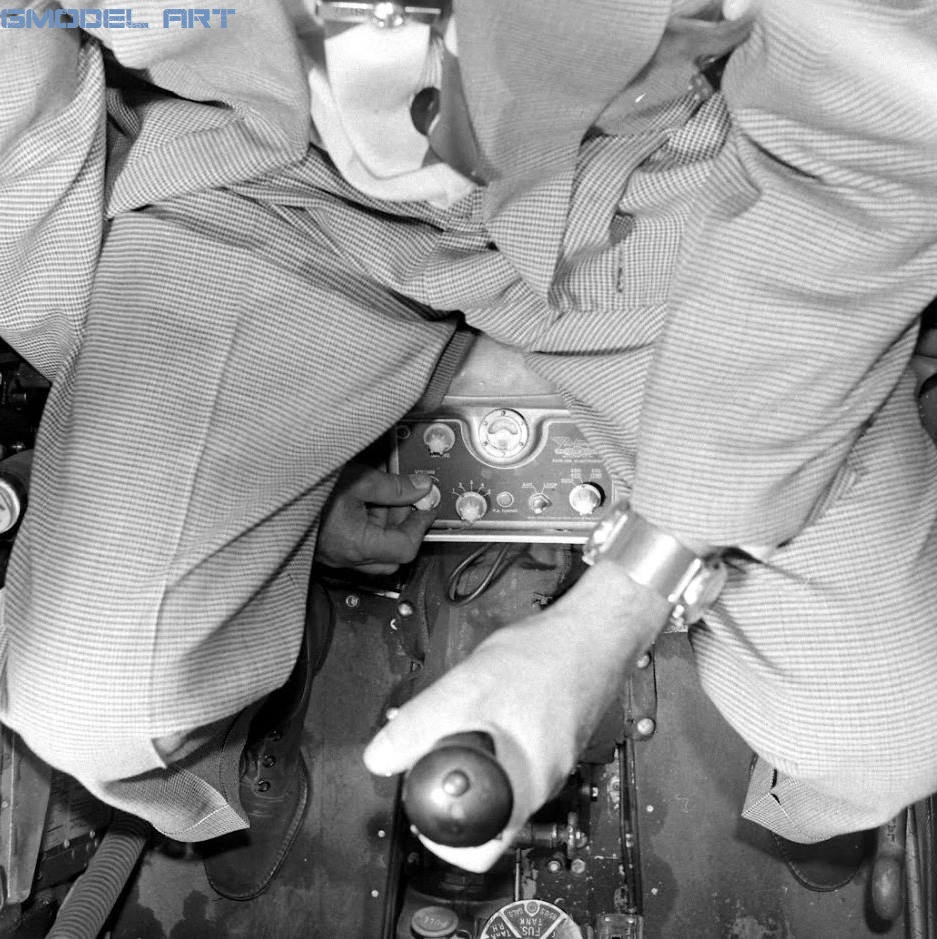
To meet these demands, the NX1204 underwent extensive modifications. Like most racing Mustangs, it was stripped of all military equipment. Armament, armor, and unnecessary systems were removed to reduce weight. This process significantly improved acceleration and overall performance.
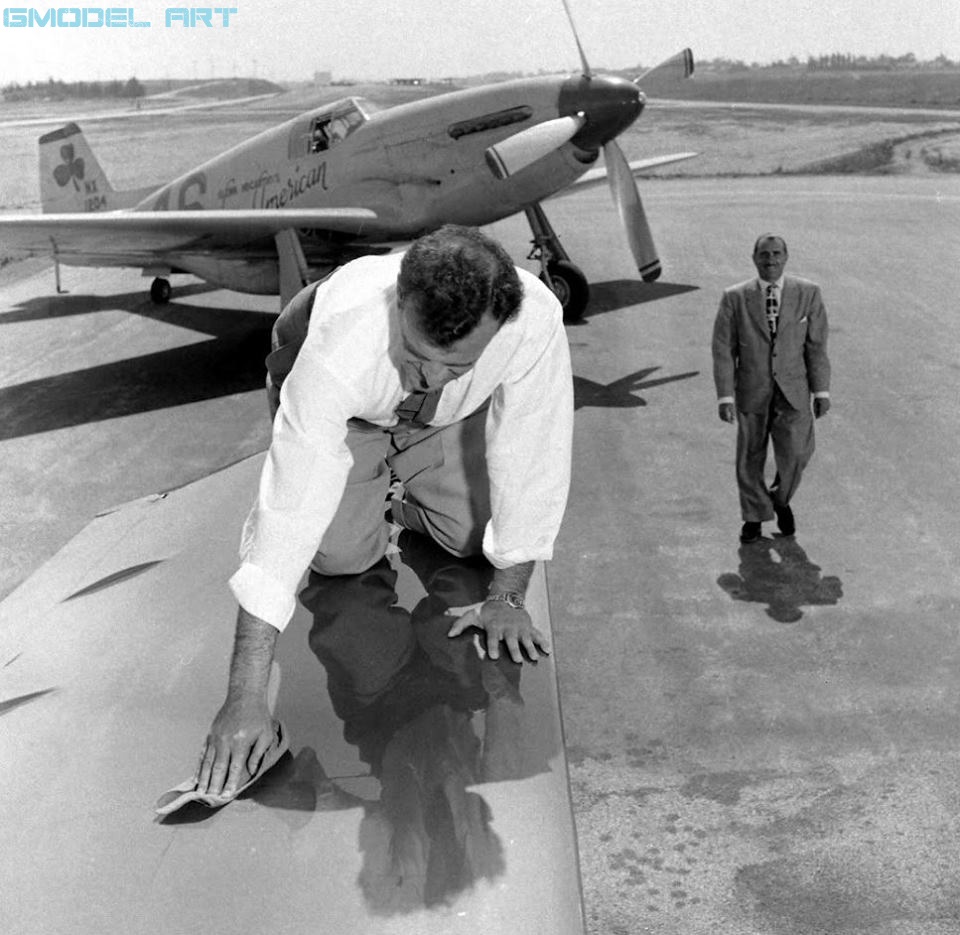
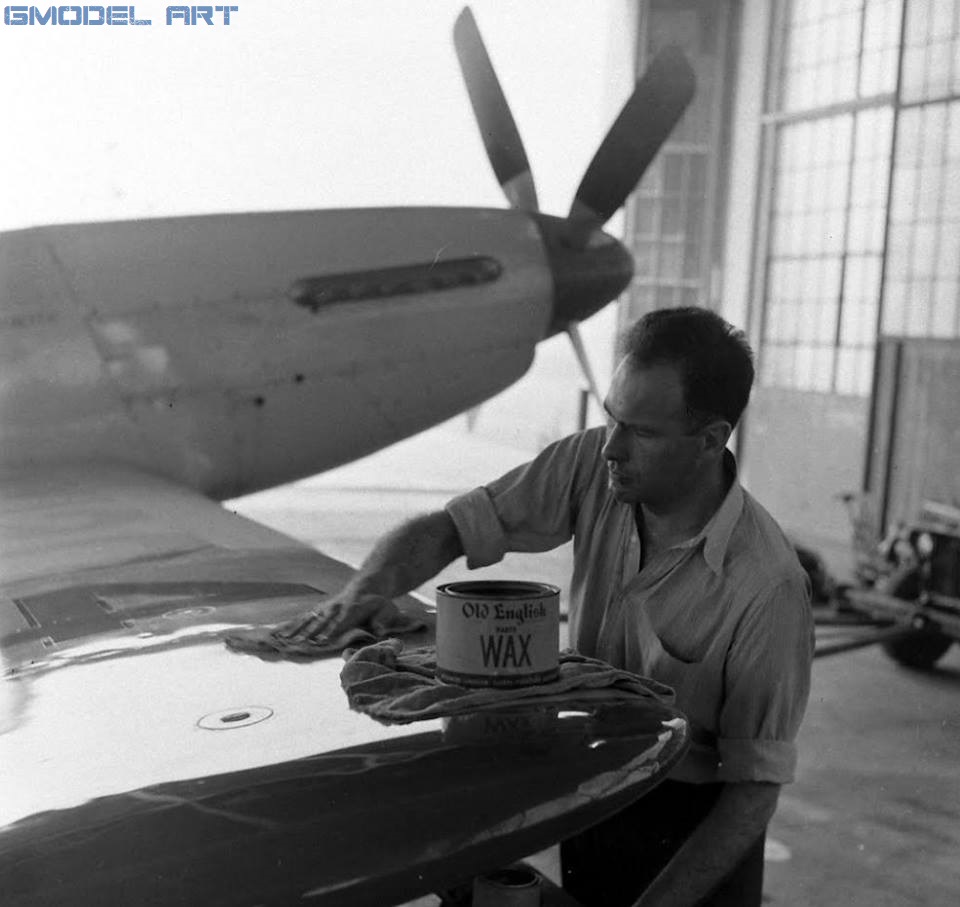
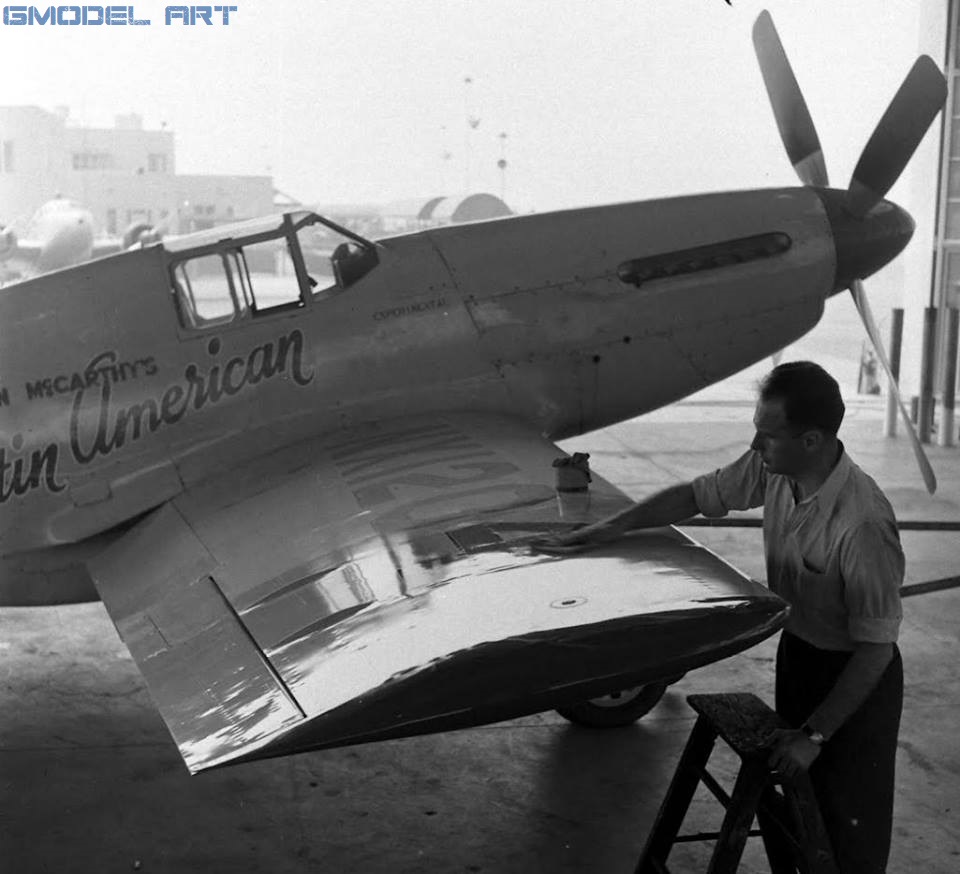
Aerodynamic refinement played an equally important role. The aircraft’s external surfaces were carefully smoothed, with panel lines reduced or filled where possible. The fuselage was polished to minimize drag, while the laminar flow wing design of the Mustang was optimized through meticulous surface preparation. These changes allowed the aircraft to achieve higher speeds with improved efficiency.
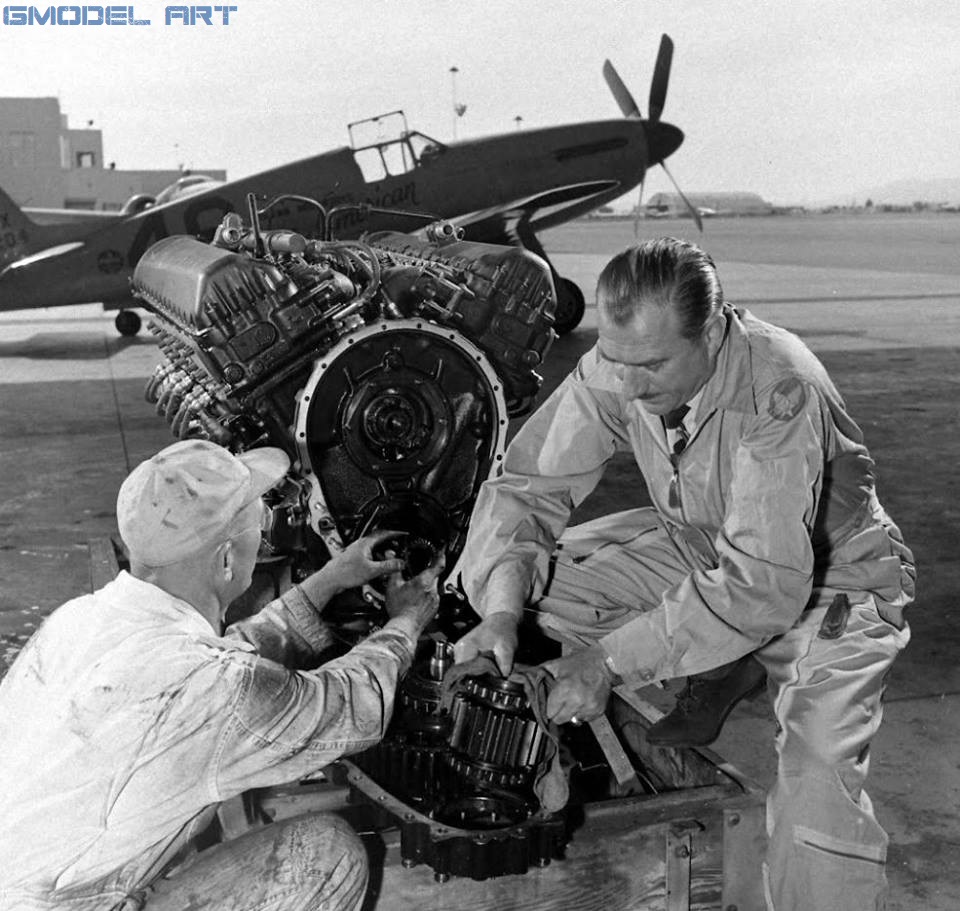
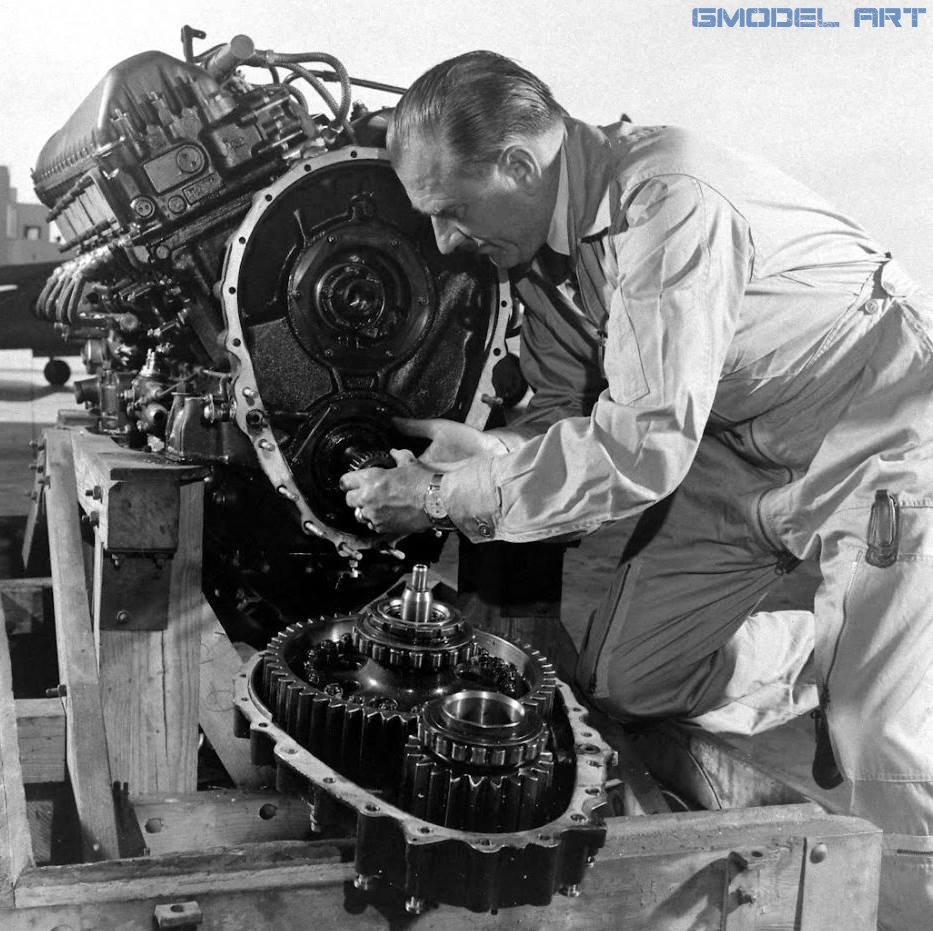
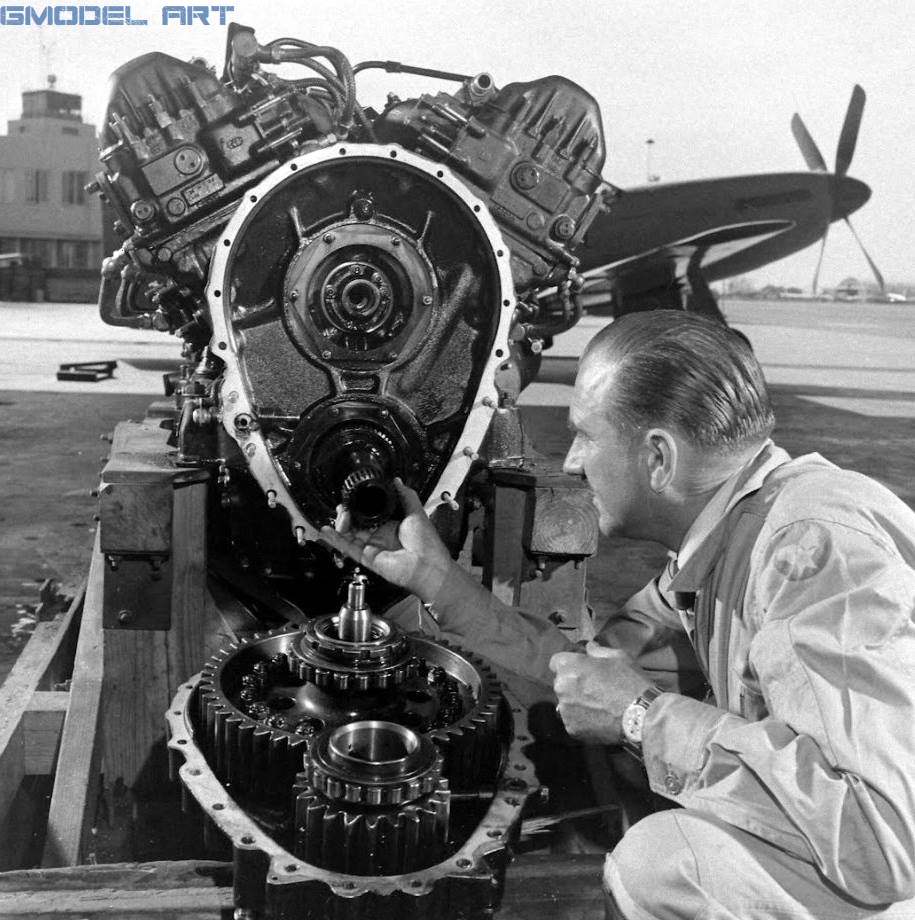
The Rolls-Royce Merlin engine was tuned beyond its standard operational limits. Increased manifold pressure and specialized fuels were commonly used in racing configurations, delivering greater power output at the cost of long-term durability. In the competitive environment of the Bendix Trophy, maximum performance was the primary objective.
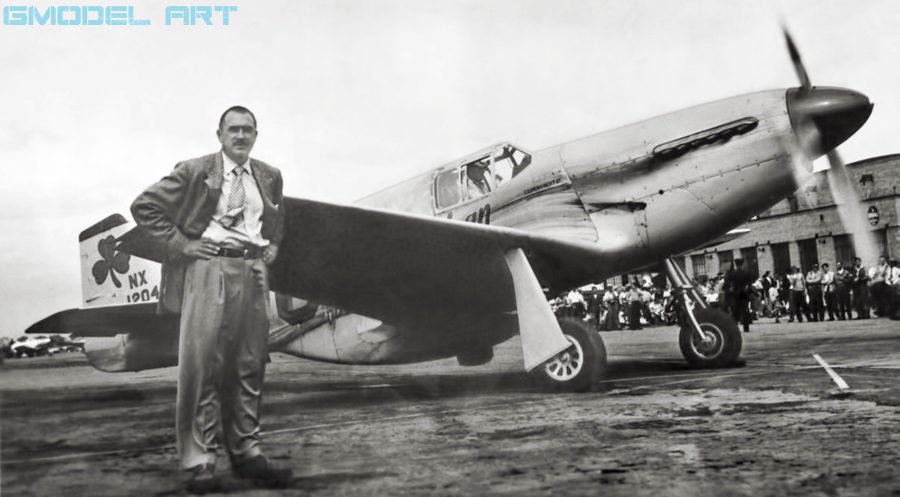
NX1204 participated in the National Air Races held in Cleveland, Ohio, during the late 1940s. While it did not achieve the same level of recognition as some of its contemporaries, it formed part of an elite group of racing Mustangs that defined the era. Other aircraft within McCarthy’s fleet demonstrated notable success, such as the P-51D “Texan,” which achieved third place in the 1947 Bendix Trophy and fourth place in 1948, flown by Edmund Lunken. The P-51C “Houstonian” later gained historical significance after being sold to Charles F. Blair and renamed “Excalibur III,” an aircraft that is now preserved at the Steven F. Udvar-Hazy Center, part of the National Air and Space Museum.
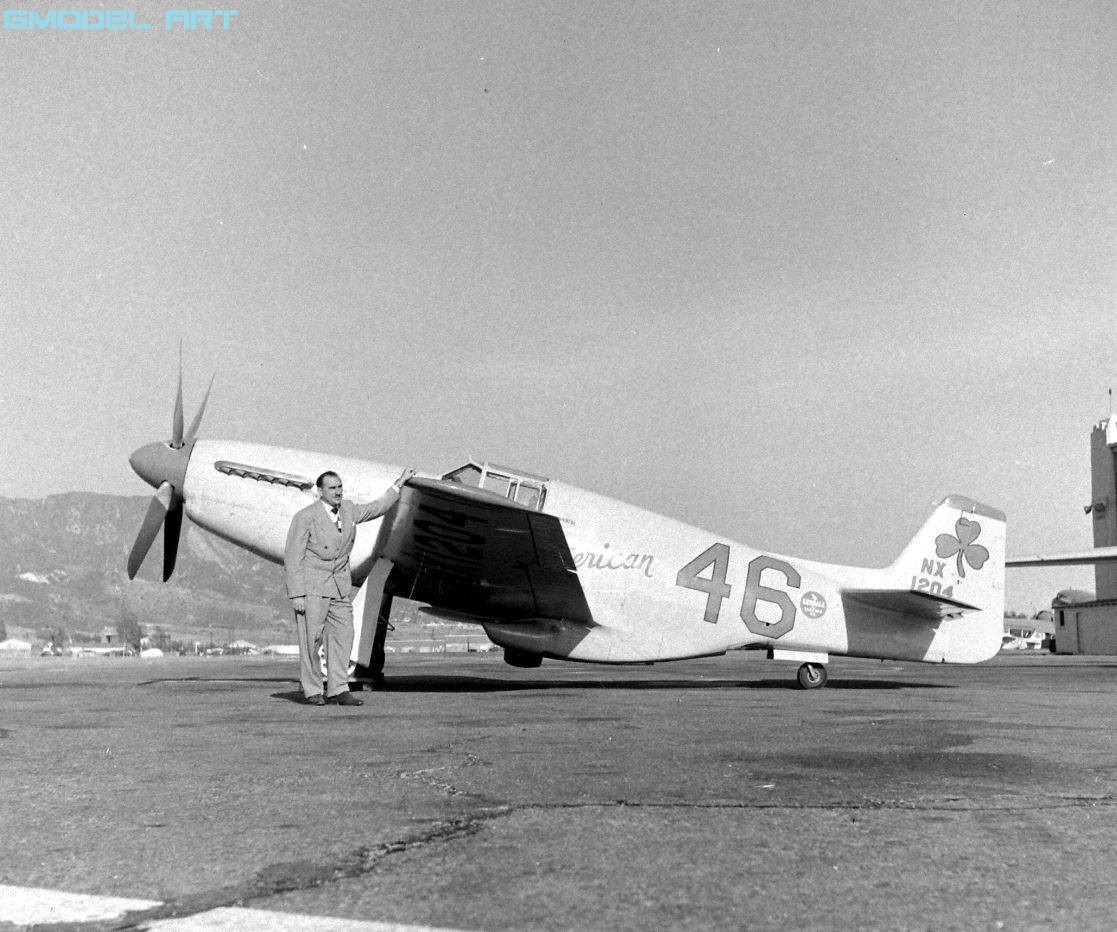
In contrast, the detailed competitive record of NX1204 remains less clearly documented. This lack of complete historical data is not unusual for racing aircraft of the period, as many underwent frequent modifications, ownership changes, and repainting schemes. As a result, reconstructing its exact configuration at a specific point in time requires careful interpretation of available photographic evidence.
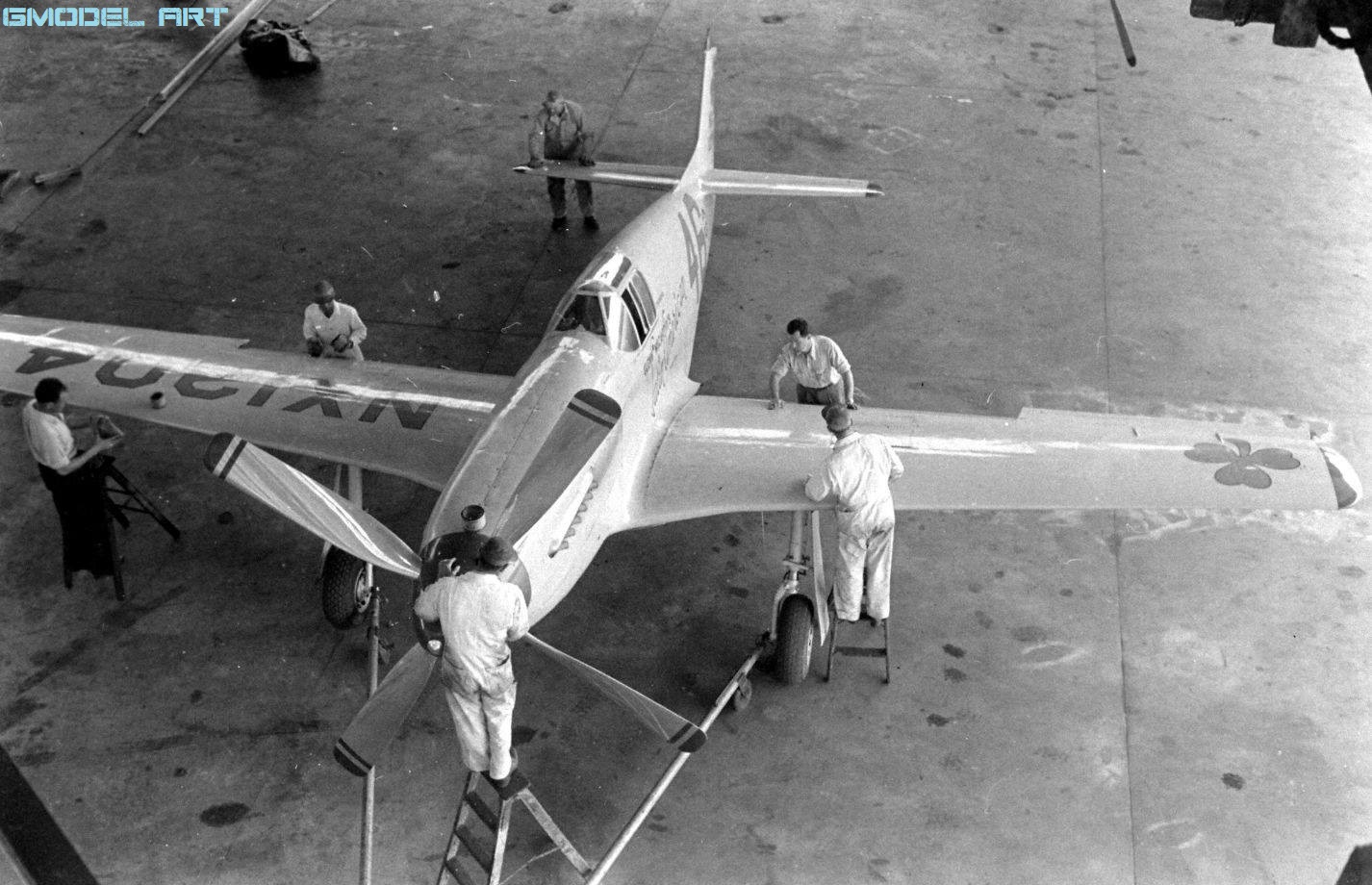
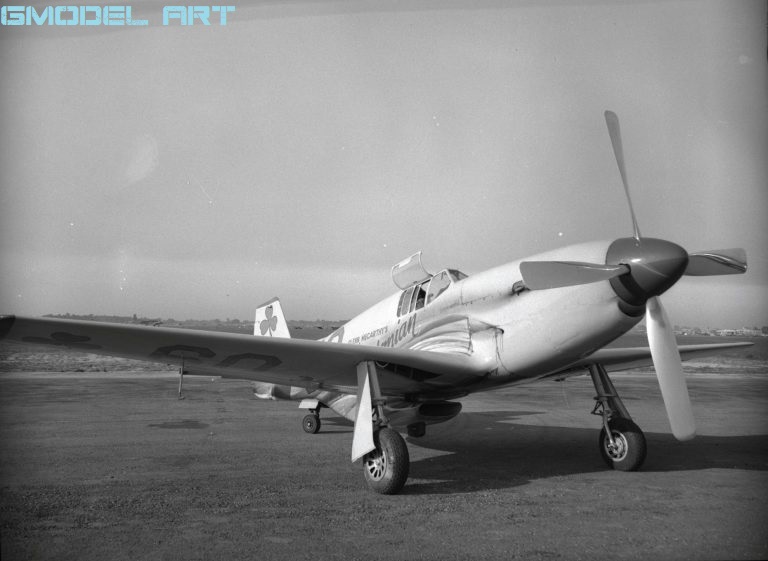
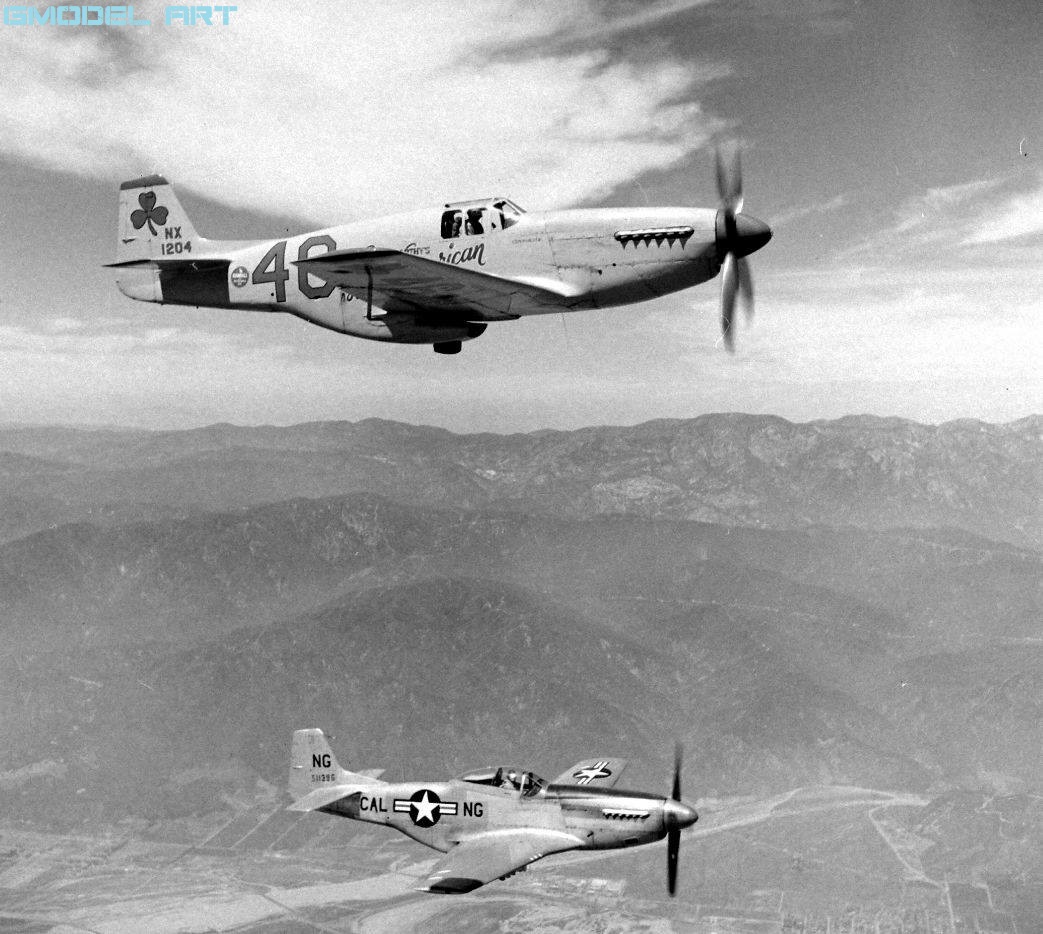
The aircraft’s finish is generally understood to have been natural metal, with a semi-polished appearance rather than a highly reflective, mirror-like surface. The race number “46” was applied in dark lettering, and the tail featured a white background with a distinctive green clover marking. The “Latin American” name was also displayed in a dark tone along the fuselage.
One of the most debated aspects of NX1204 concerns the presence of red-painted wing and tail tips. Some sources suggest their existence based on tonal analysis of black-and-white photographs. However, no confirmed color documentation exists for the aircraft in its 1949 configuration. For this reason, a conservative and historically cautious approach would exclude red tips, while their inclusion may be considered an interpretative choice rather than a verified feature.
Following its racing career, the later history of NX1204 is not fully documented. Like many aircraft of its type, it may have undergone further modifications, ownership transfers, or even been lost. This uncertainty adds to the complexity of accurately representing the aircraft today, whether in historical research or scale modeling.
https://www.aerovintage.com/forum/viewtopic.php?t=4459
| Area | FS Code | Description | Tamiya | Mr Hobby | AK Interactive |
|---|---|---|---|---|---|
| Natural Metal | FS 17178 | Semi-polished aluminium | LP-11 | SM201 | Xtreme Metal Aluminium |
| Black Markings | FS 37038 | Numbers and lettering | XF-1 | H12 | AK Black |
| White Tail | FS 17875 | Tail base color | XF-2 | H1 | AK White |
| Green Clover | FS 14062 (approx) | Tail marking | XF-5 + small XF-3 | H6 | AK Dark Green |
| Red Tips (Optional) | FS 11136 | Wing/tail tips (unconfirmed) | XF-7 | H3 | AK Real Red |
| Spinner (Alt) | FS 37038/ FS 11136 | Black or Red | XF-1 / XF-7 | H12 / H3 | AK Black / Red |
P-51C Mustang Reconstructed North American Navy ROCAF Texas – 1948