article
Introduction
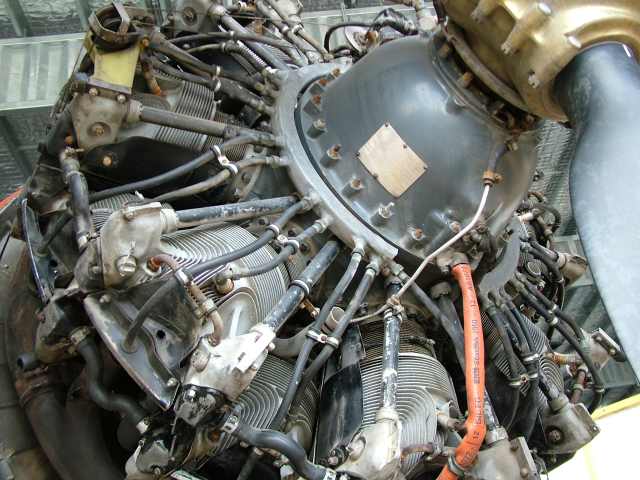
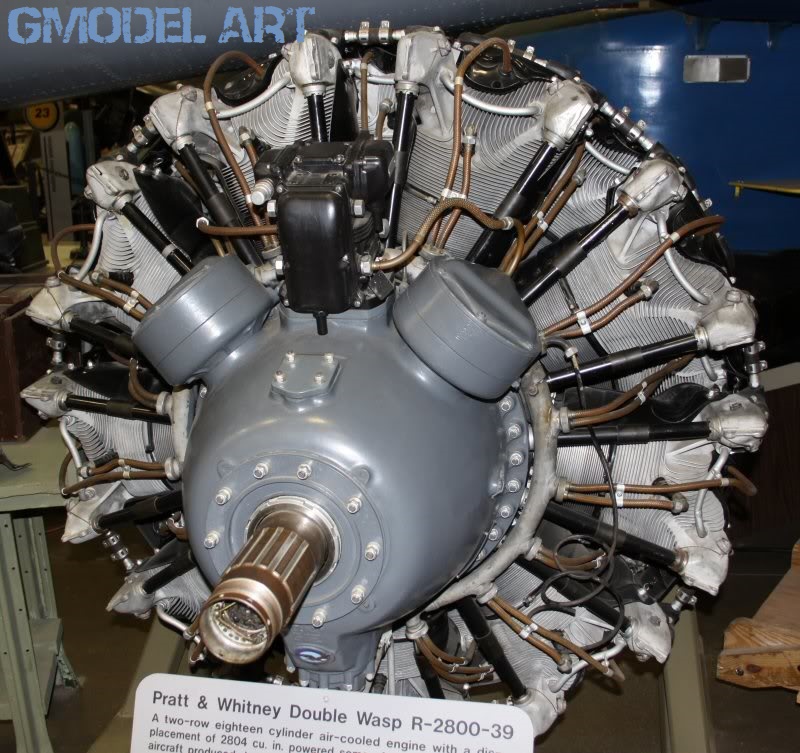
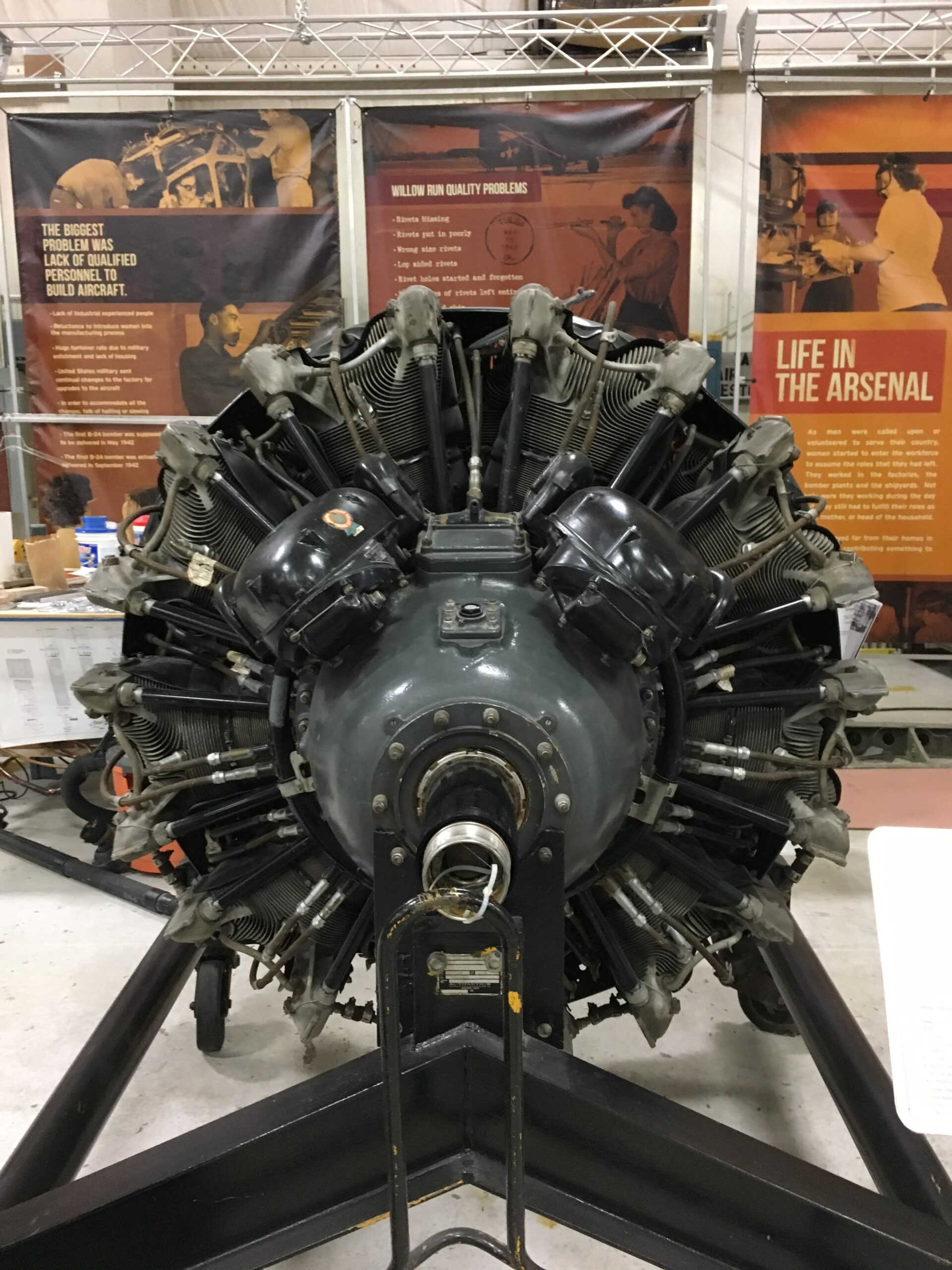
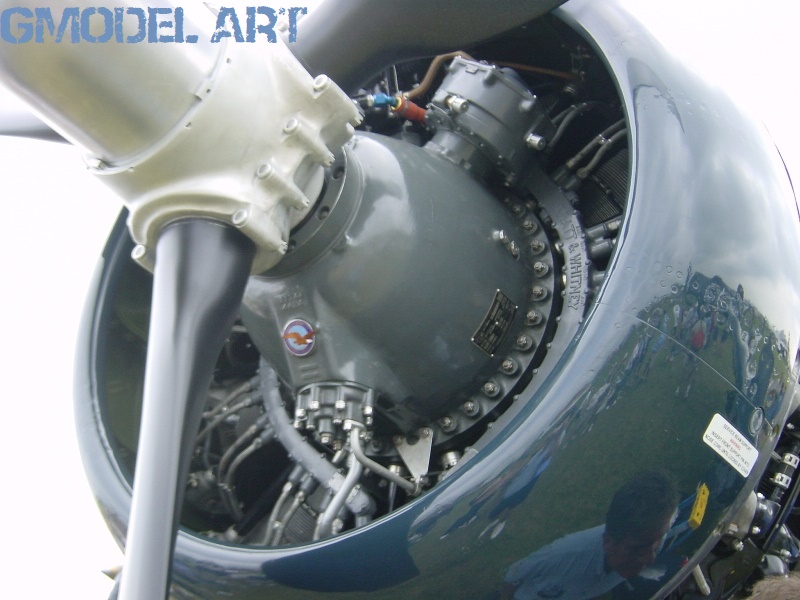
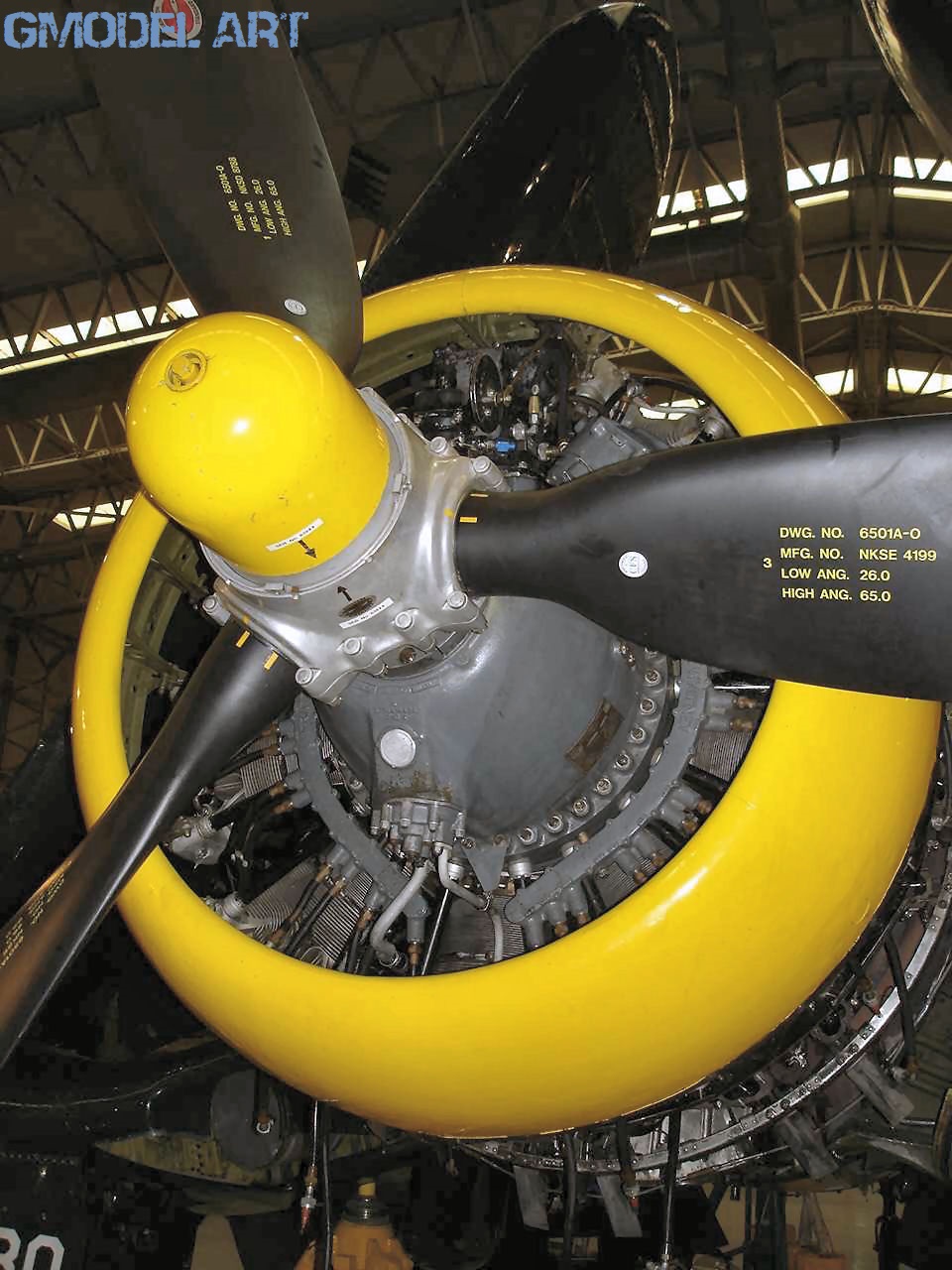
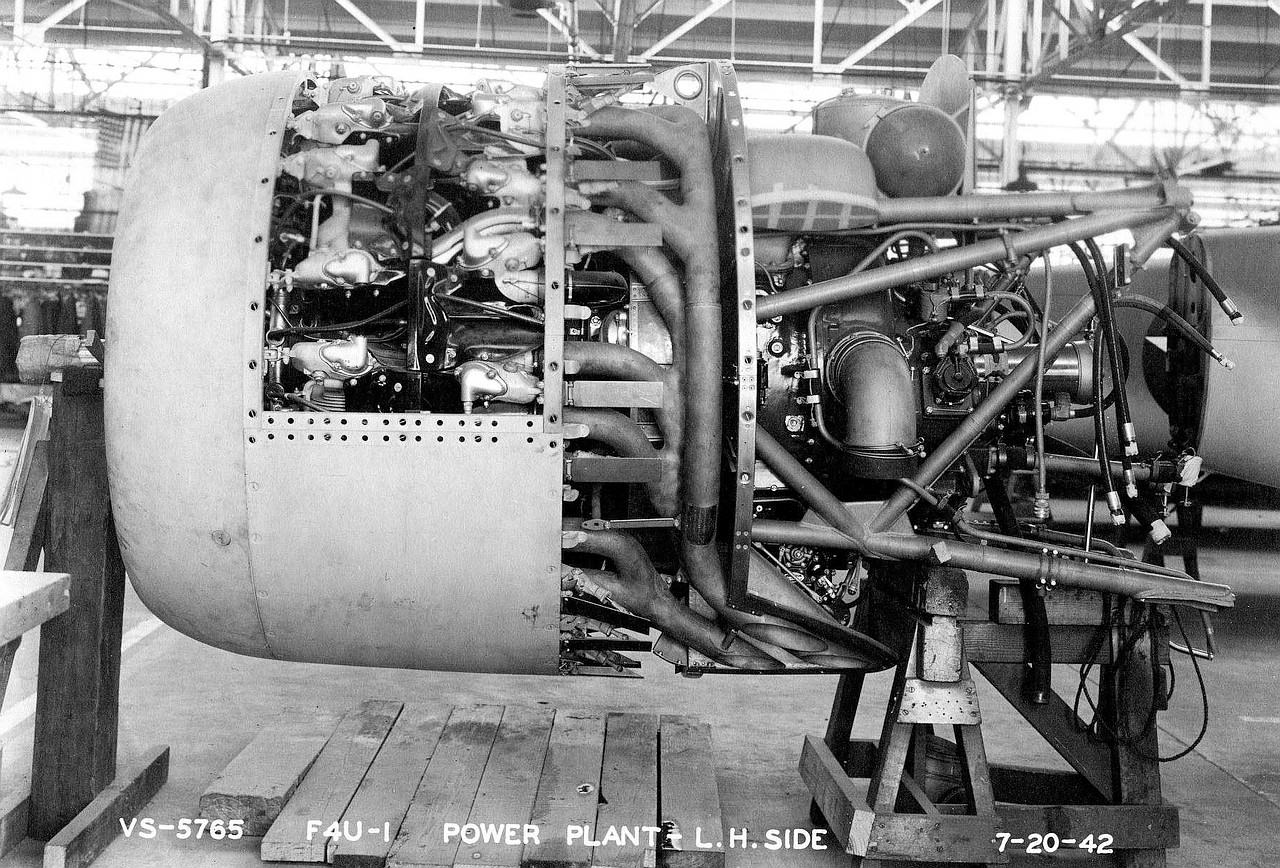
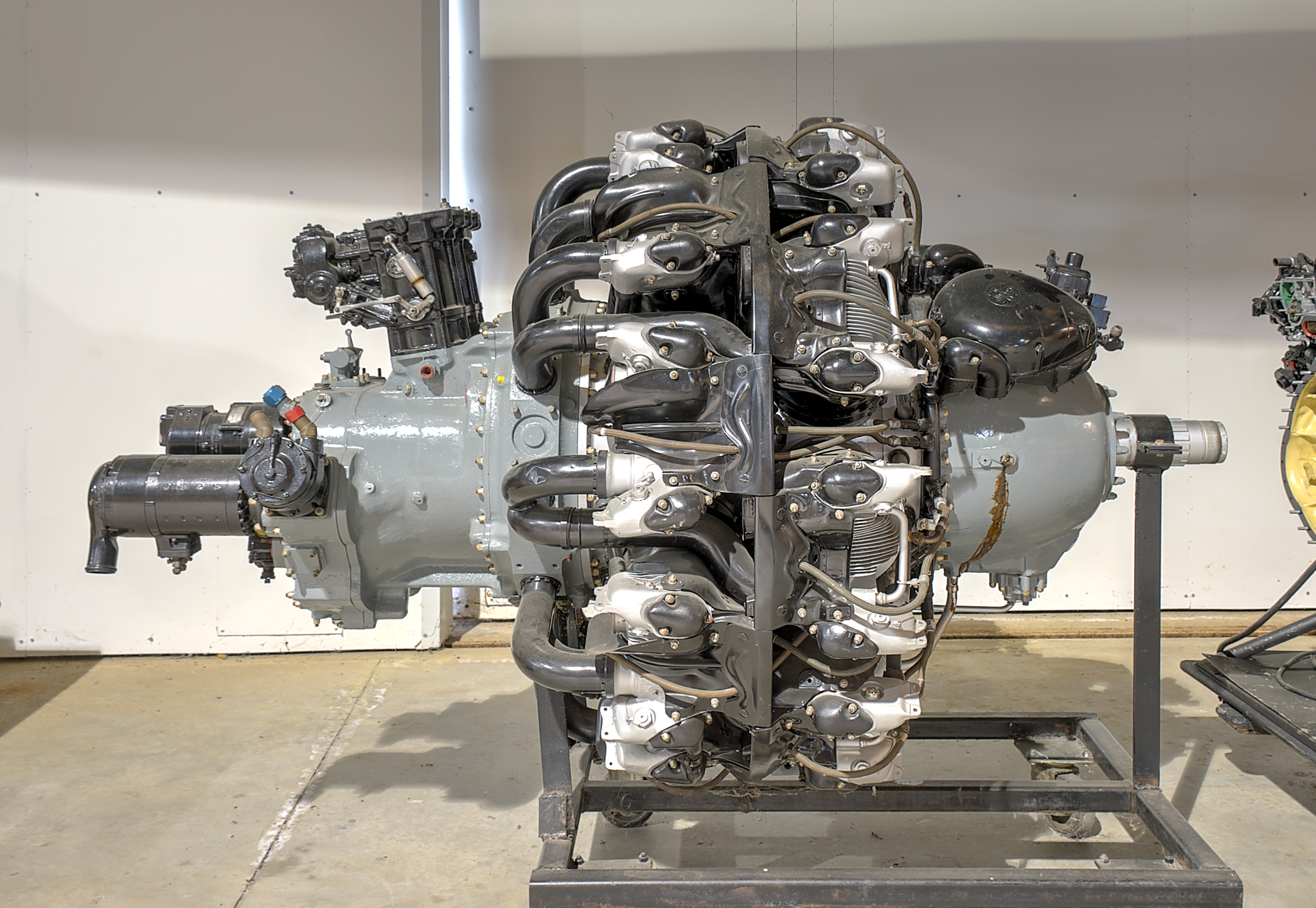
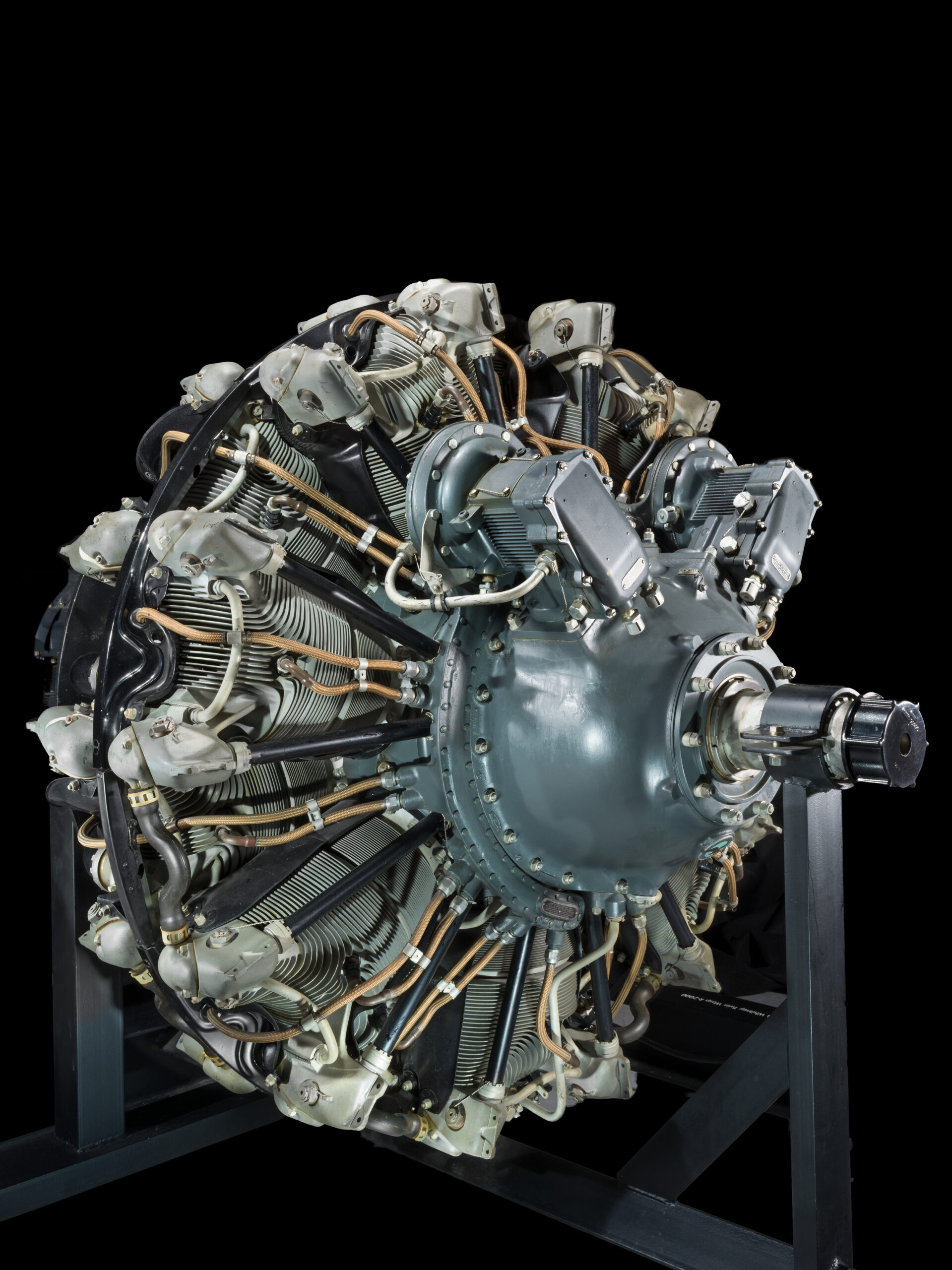
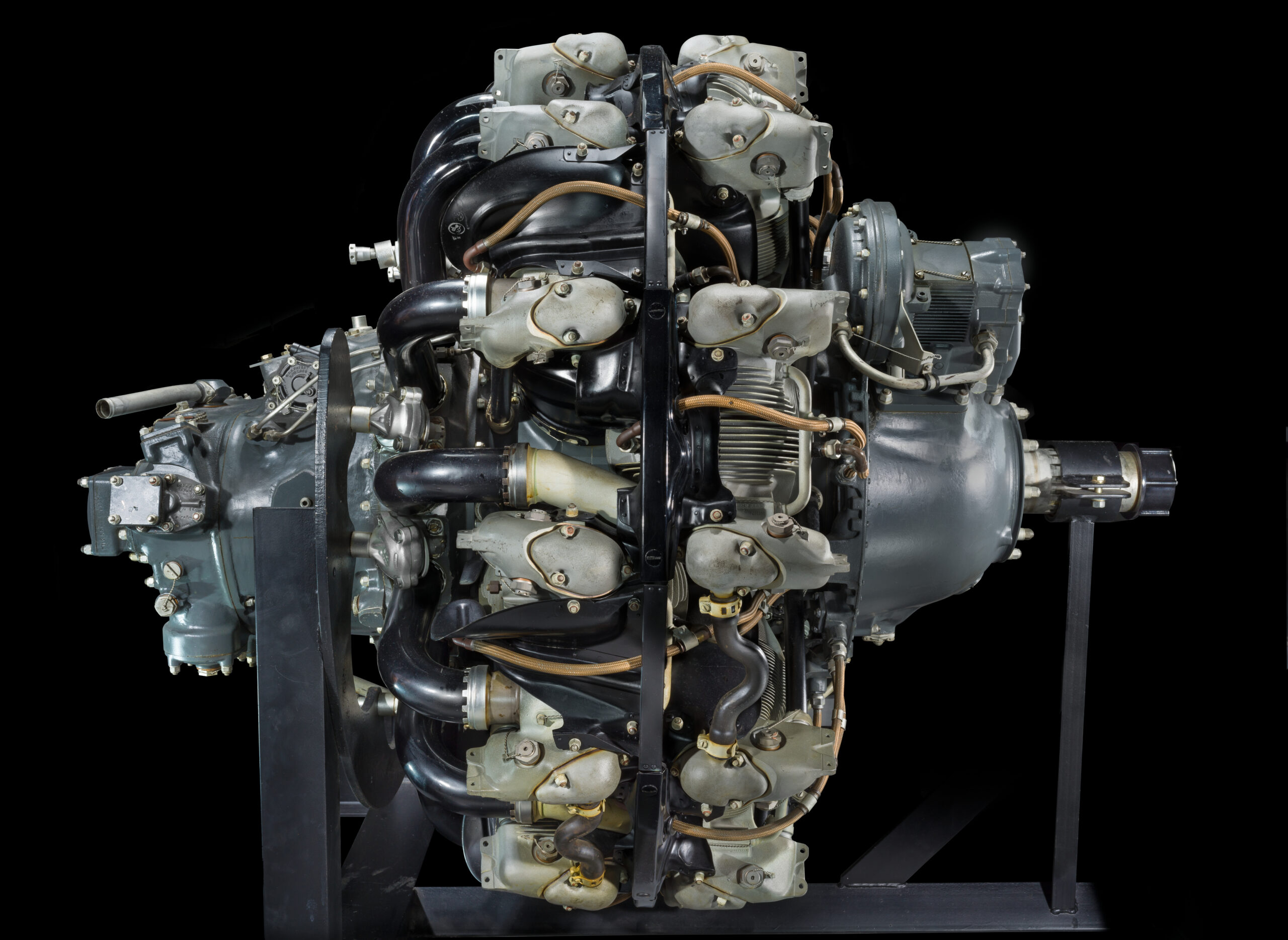
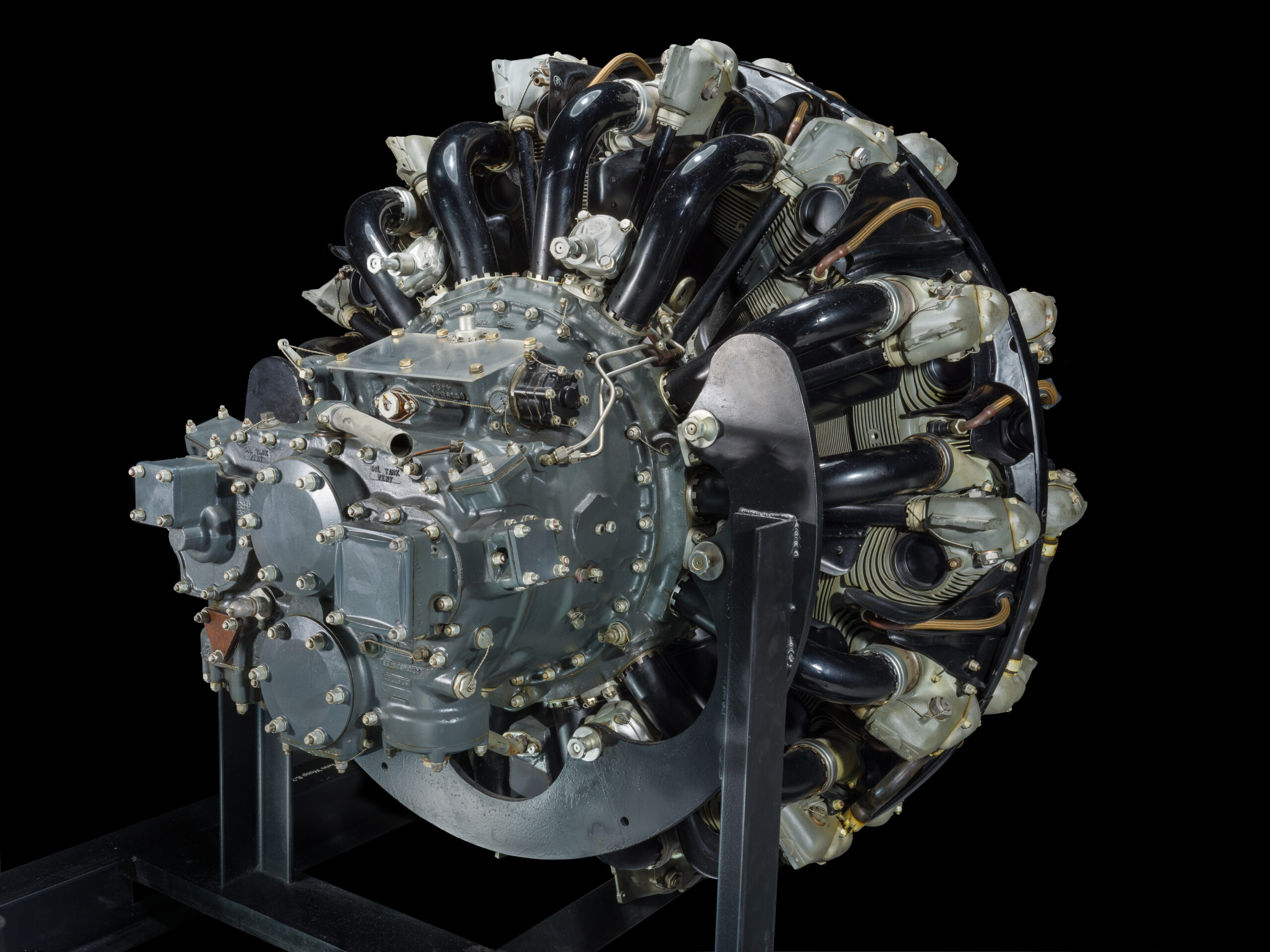
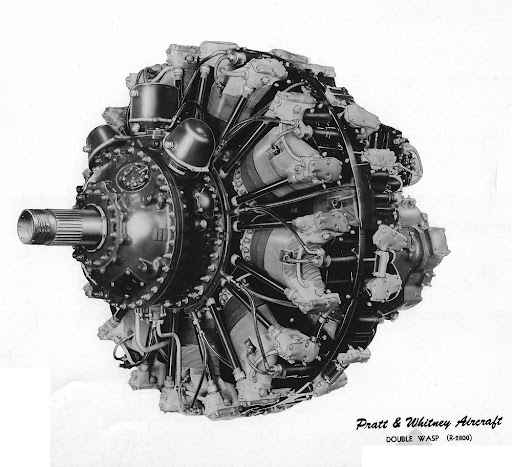
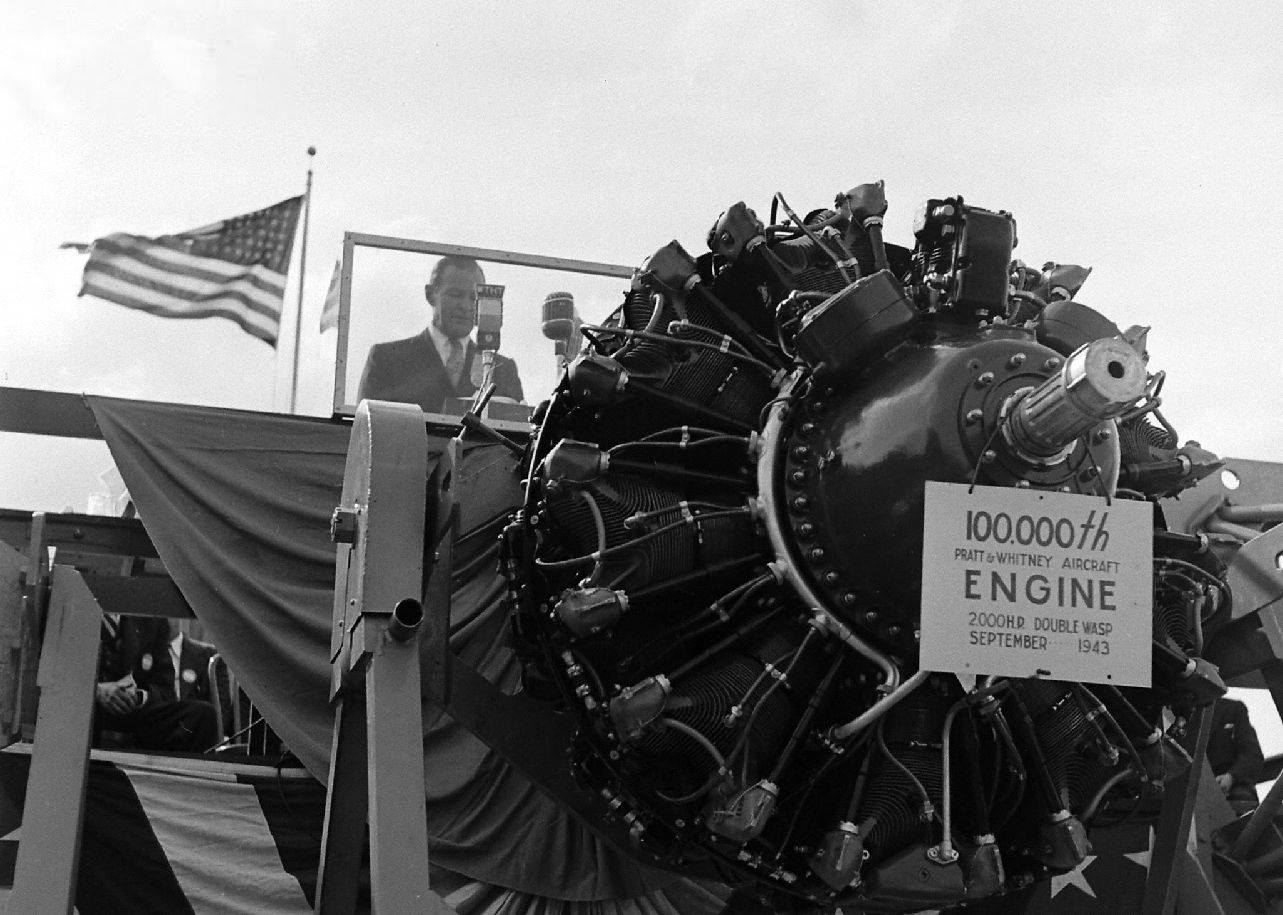
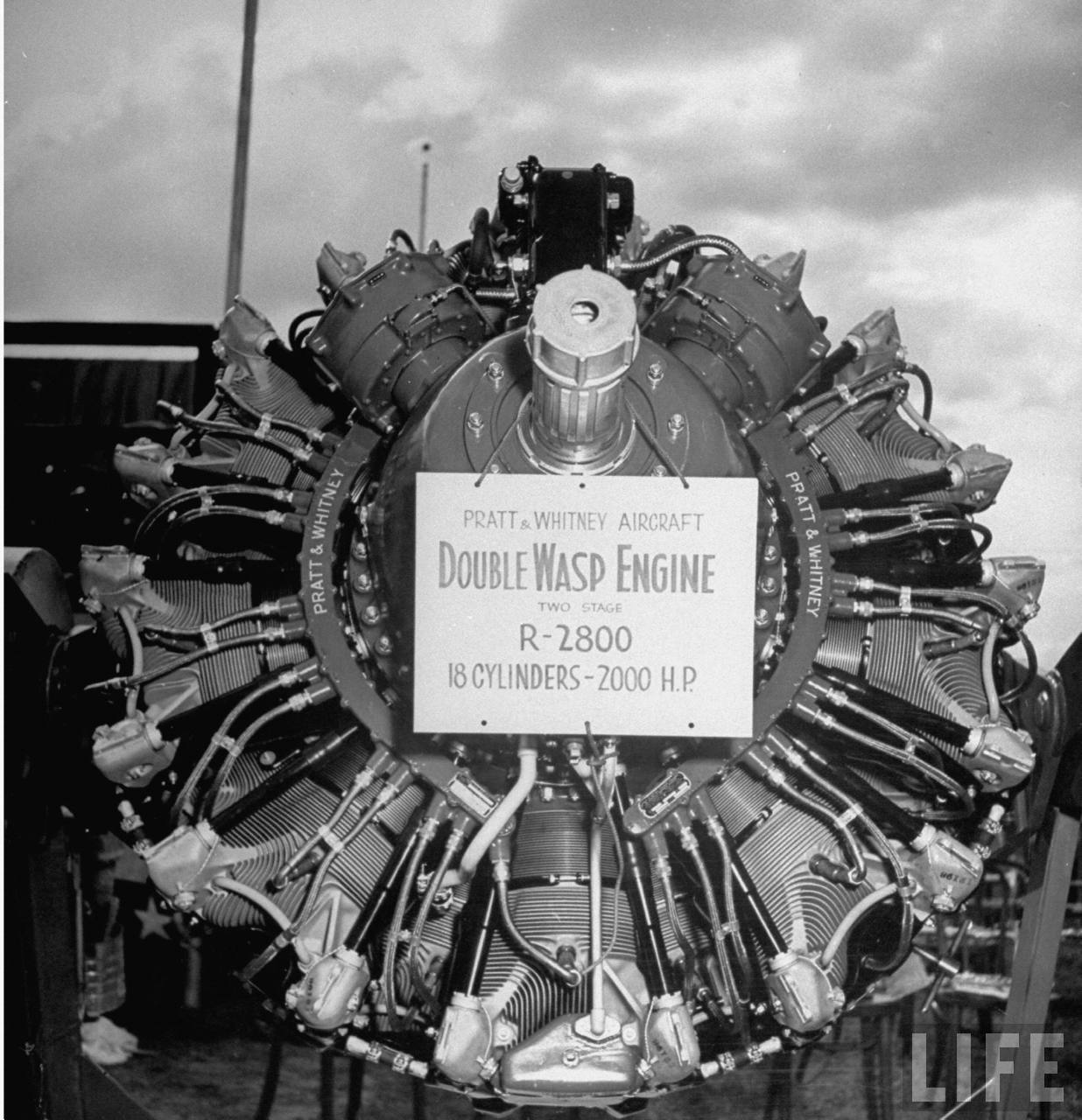
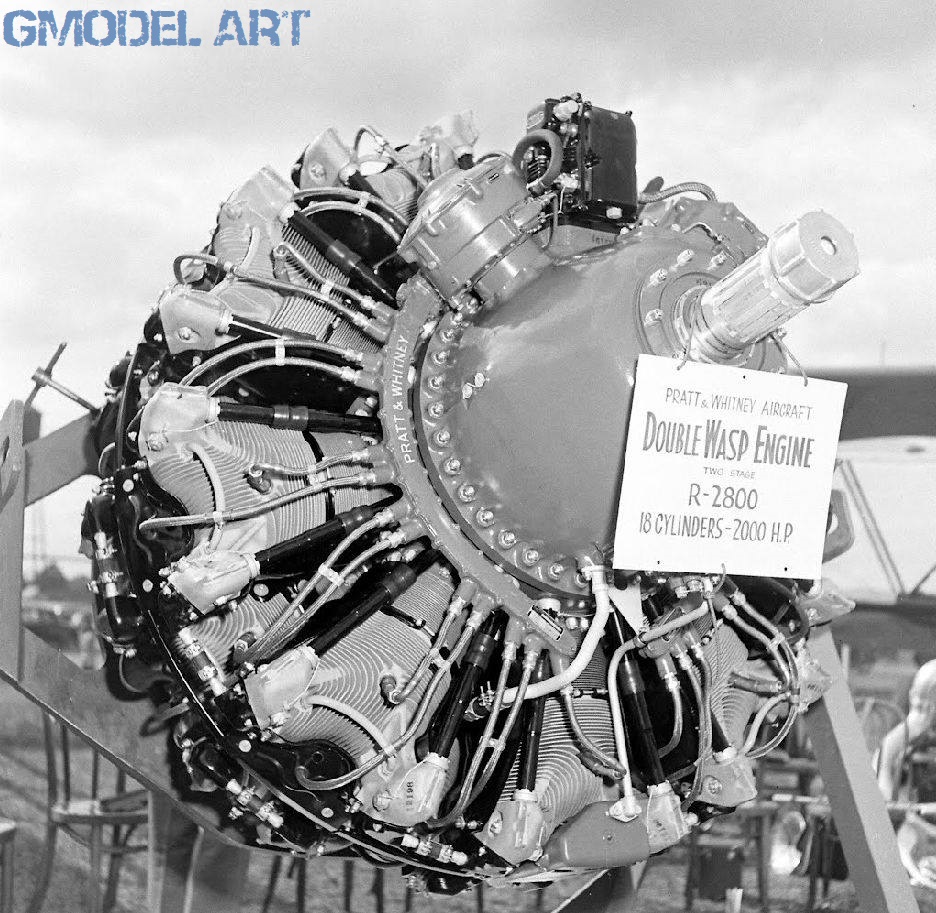
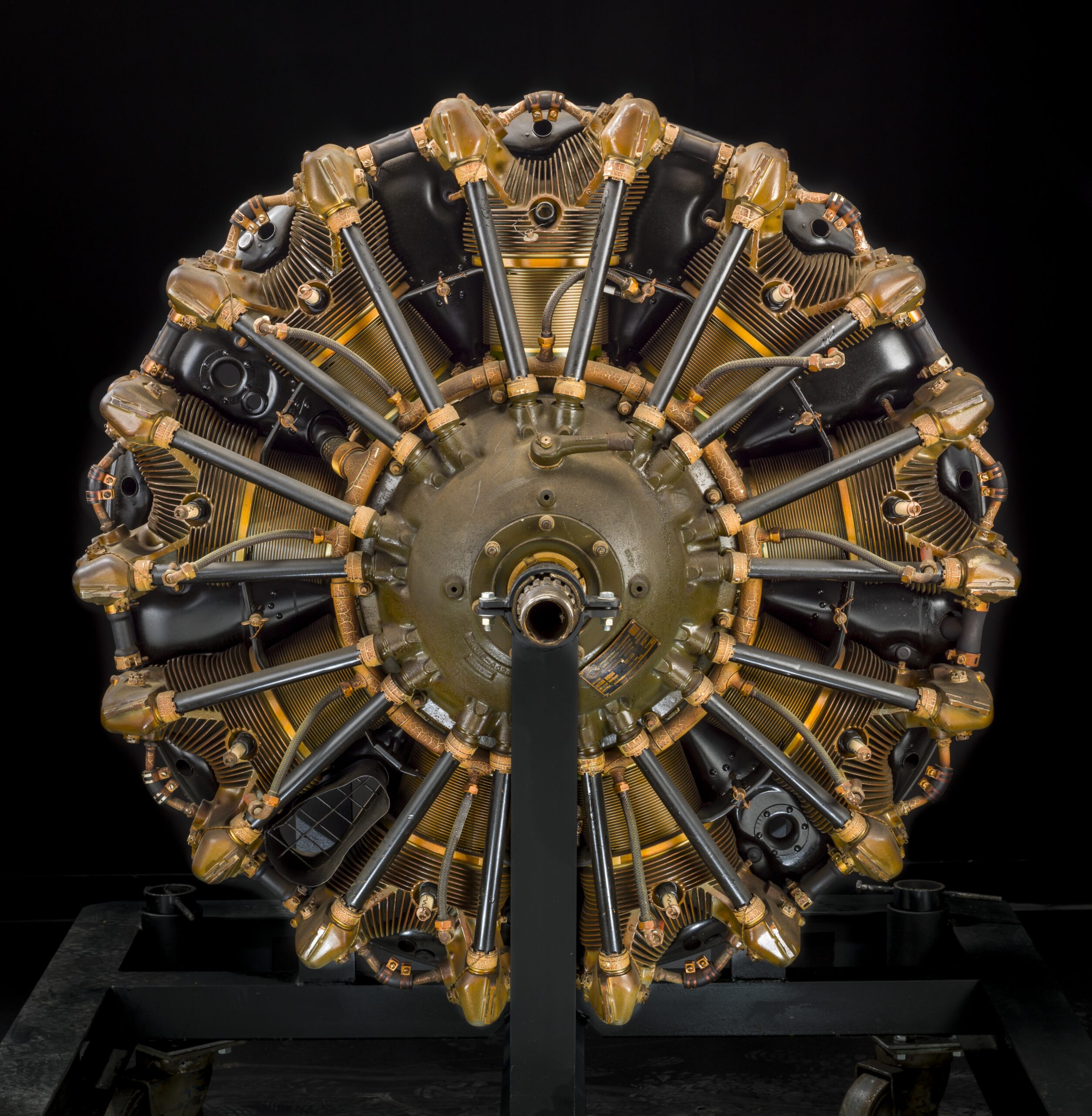
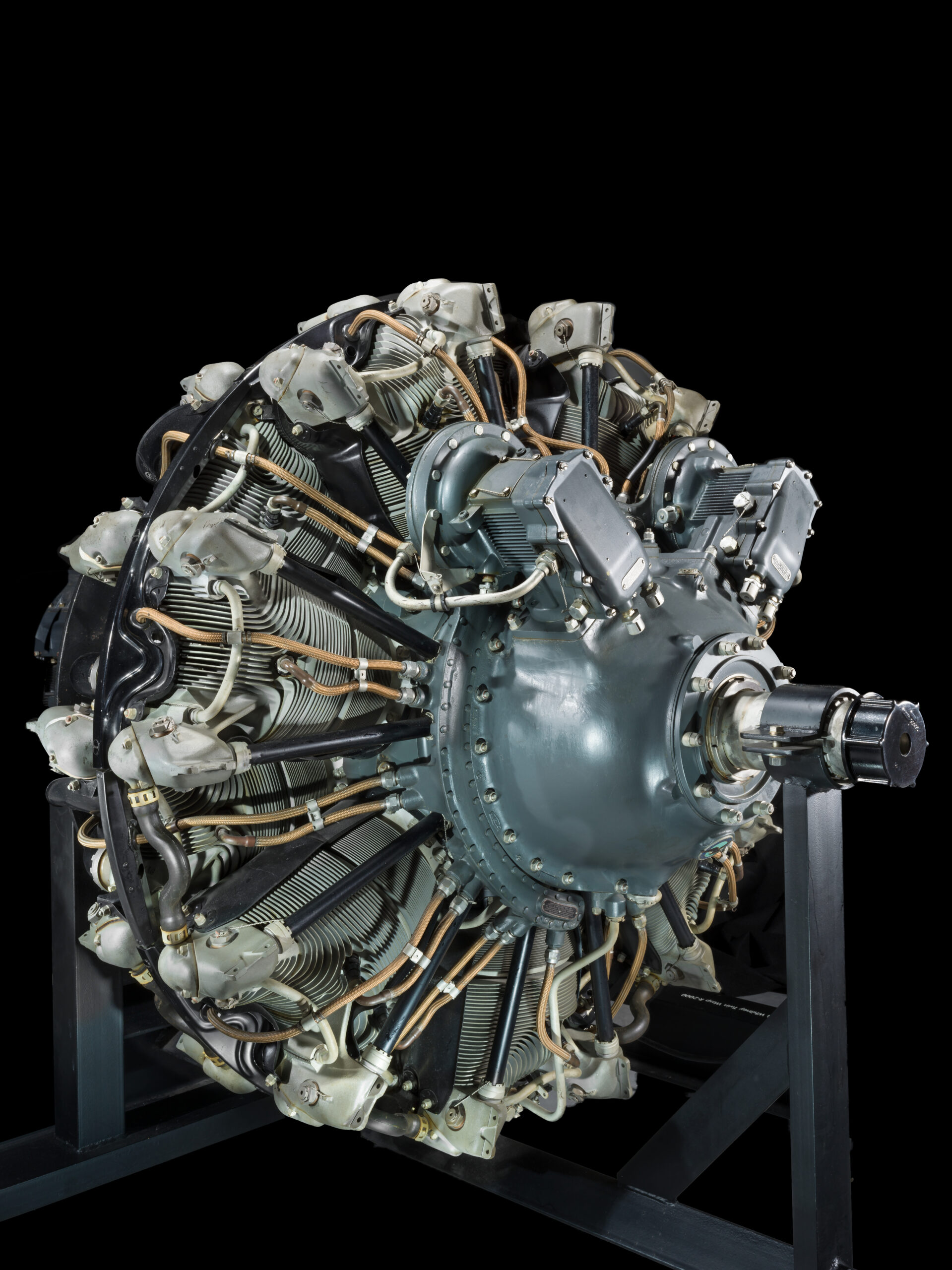
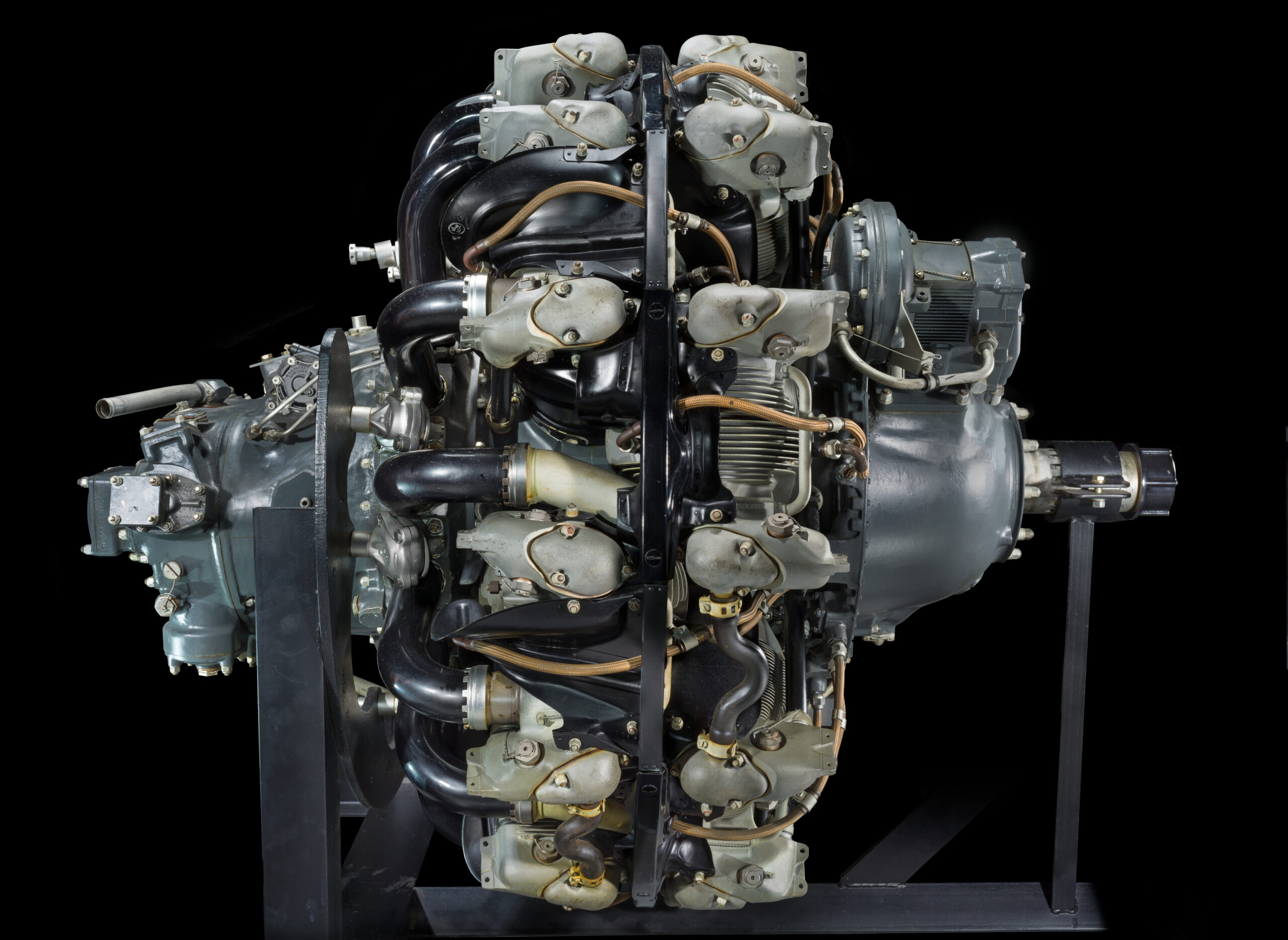
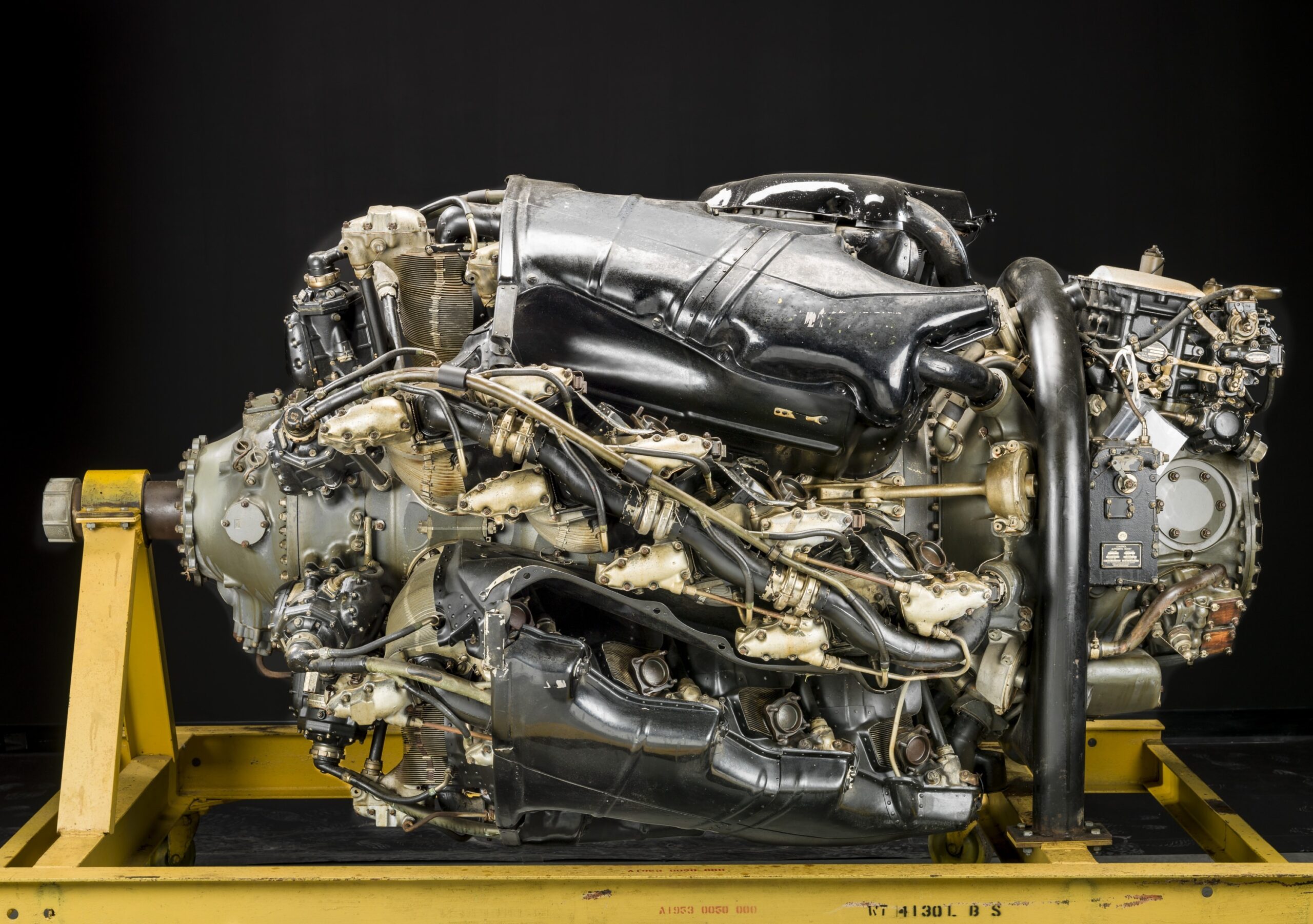
The Pratt & Whitney R-2800 Double Wasp is one of the most famous radial aircraft engines ever produced. Introduced in the late 1930s, this powerful air-cooled engine powered some of the most iconic aircraft of the Second World War.
Among the most famous aircraft equipped with the R-2800 were:
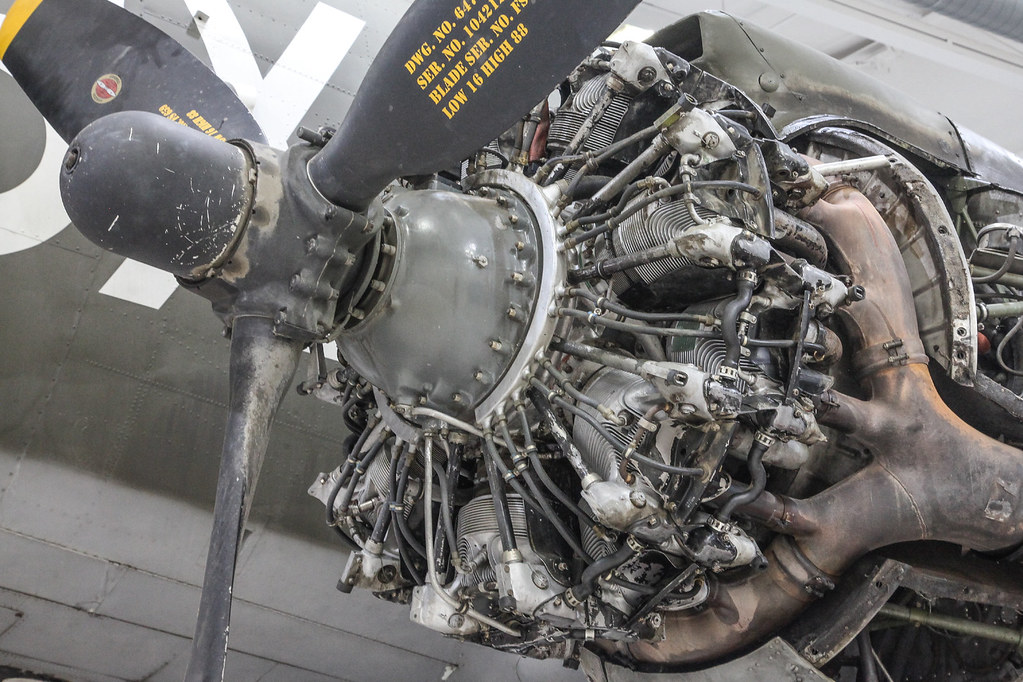
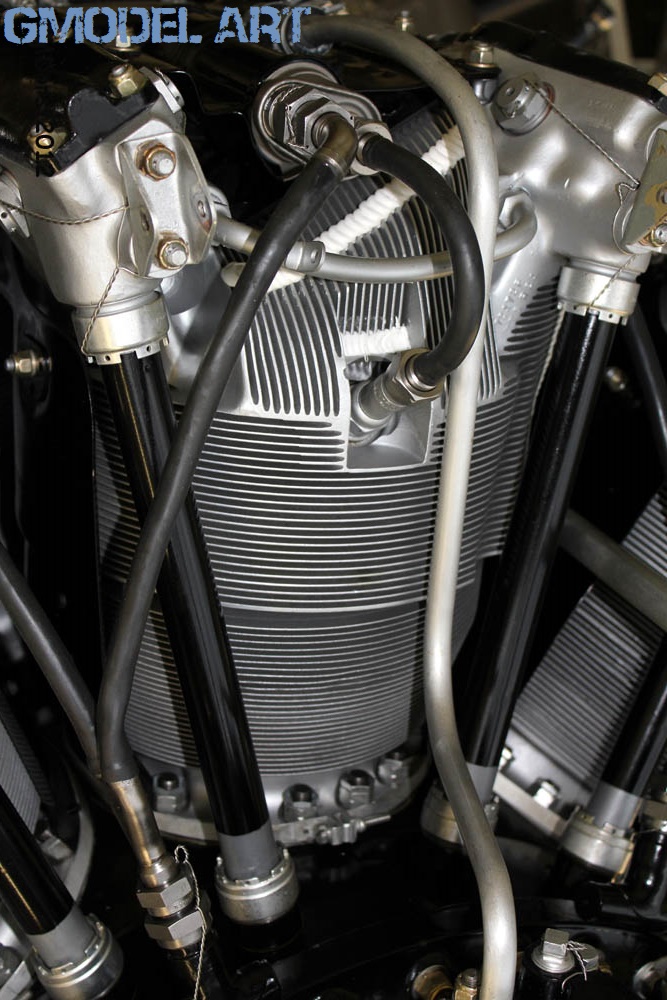
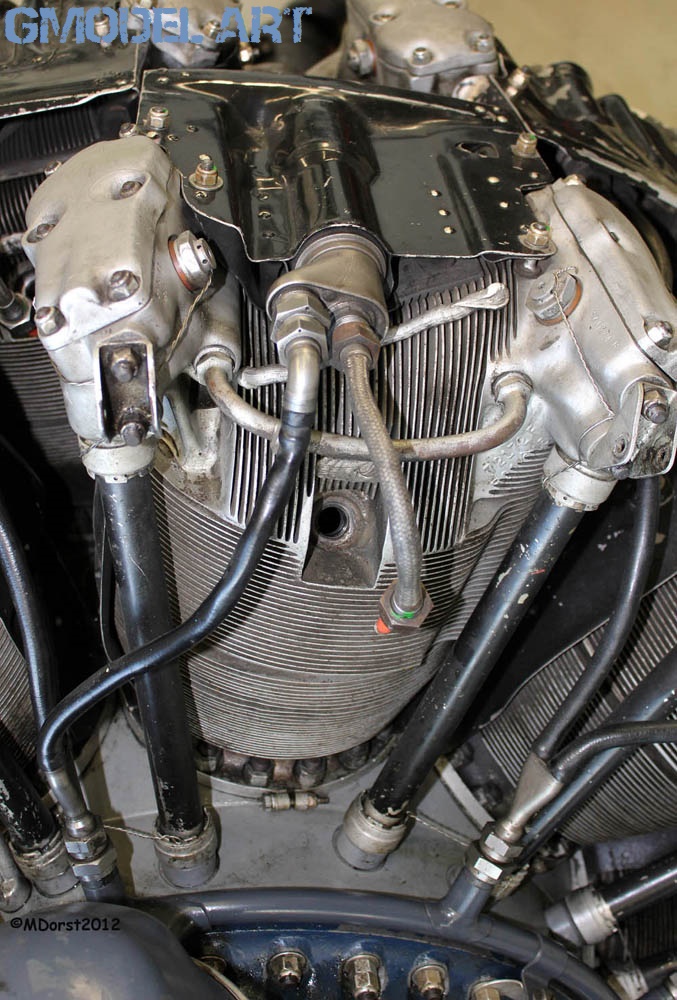
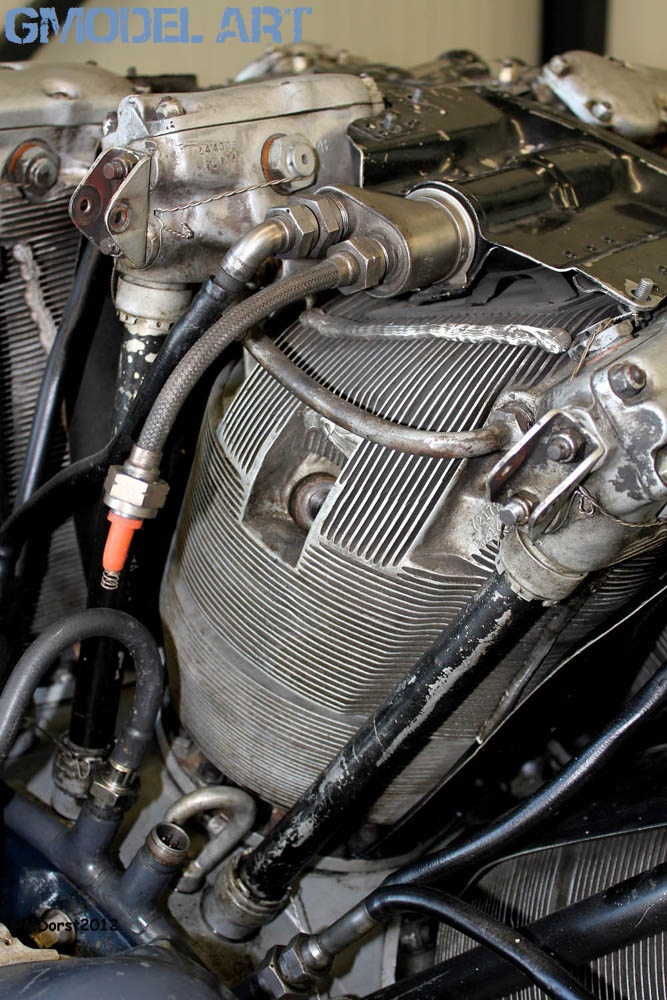
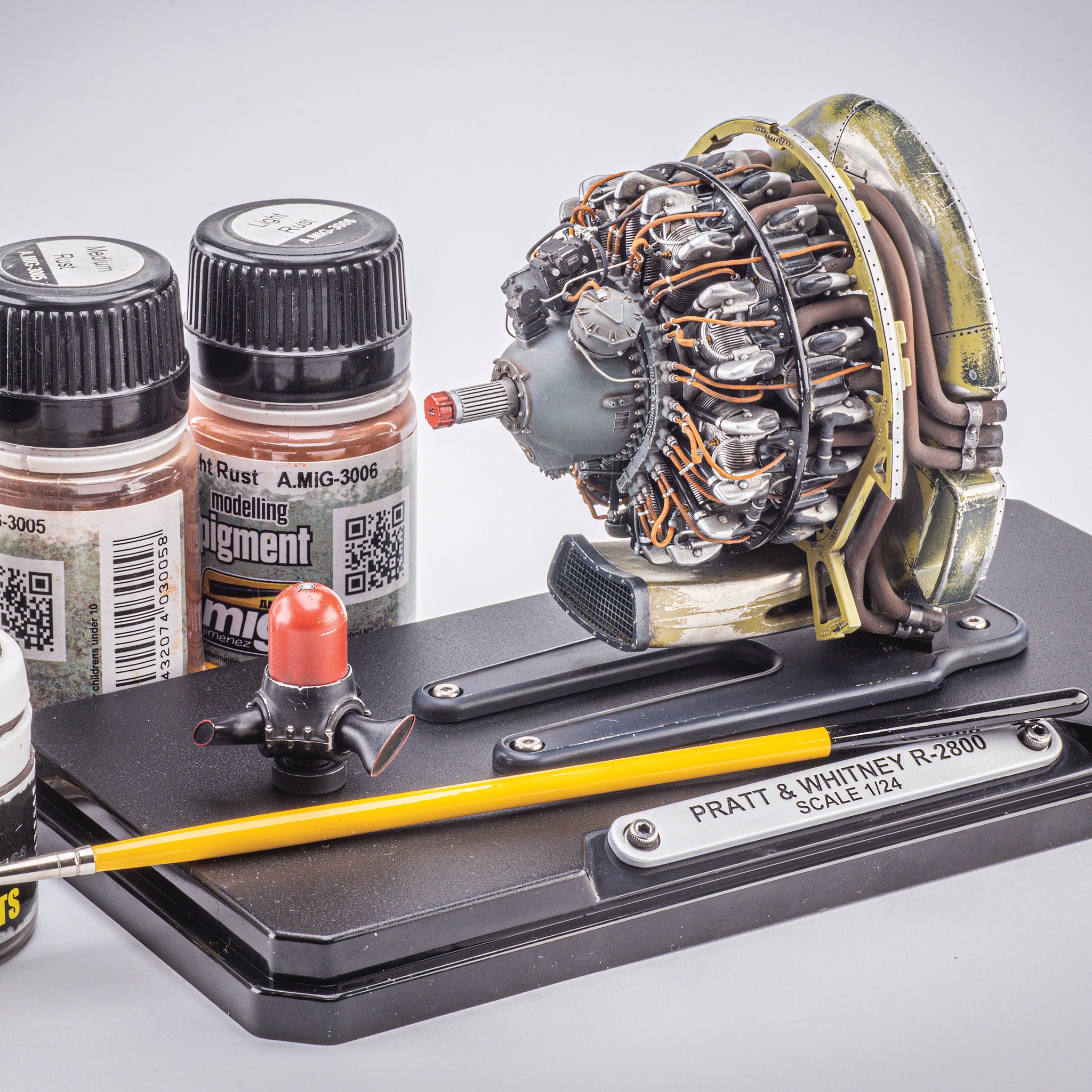
For scale modelers, the R-2800 is an ideal subject for engine detailing, as the engine features complex wiring, lubrication systems and mechanical components that can be reproduced in scale.
With careful painting and a few added wires, even a simple kit engine can become a highly realistic centerpiece of a model.
Understanding the Engine Layout
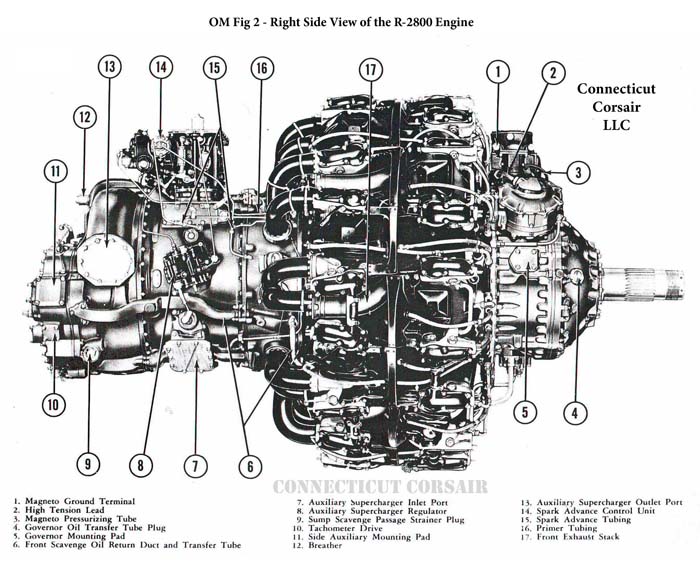
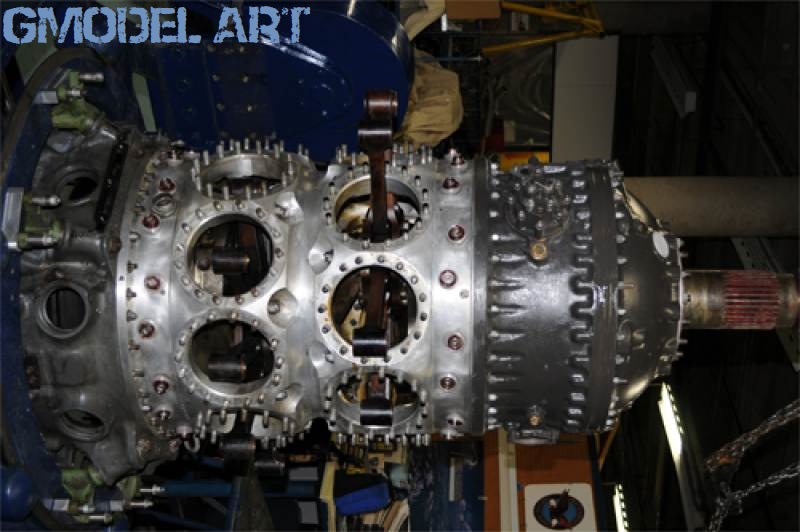
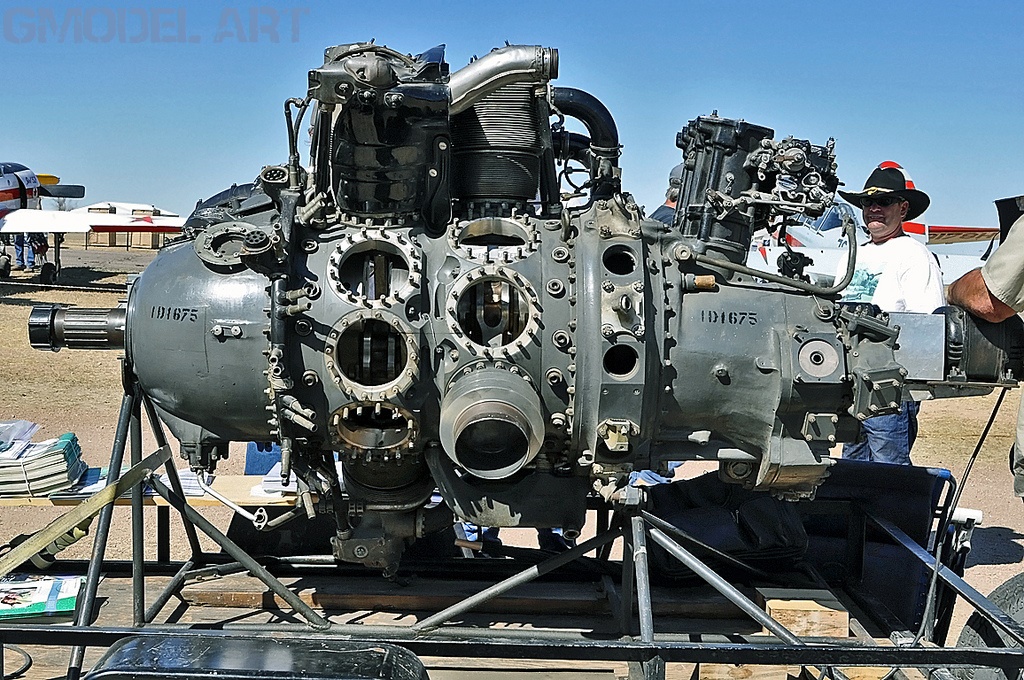
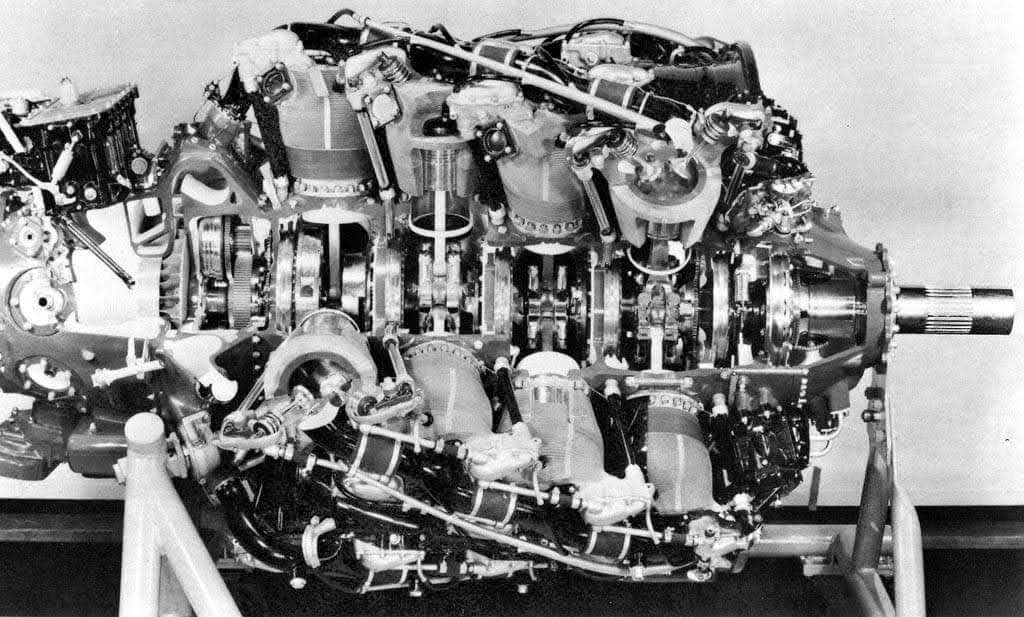
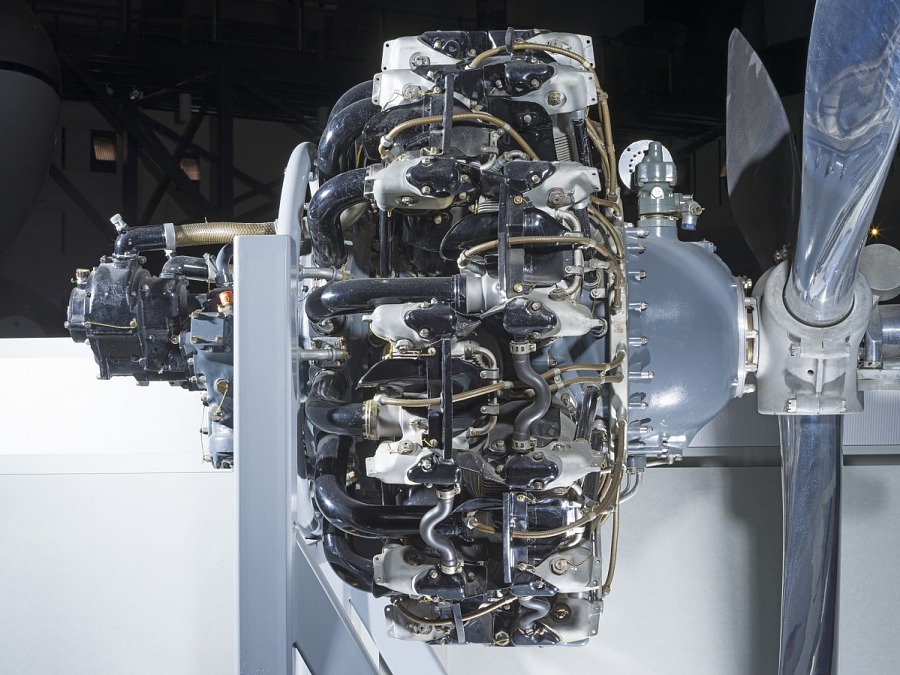
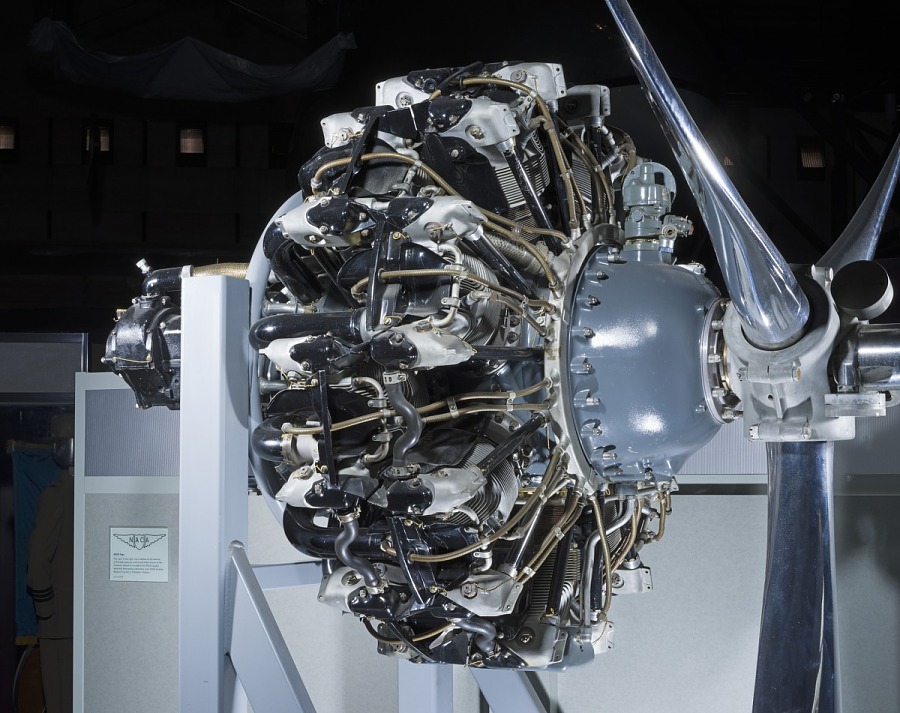
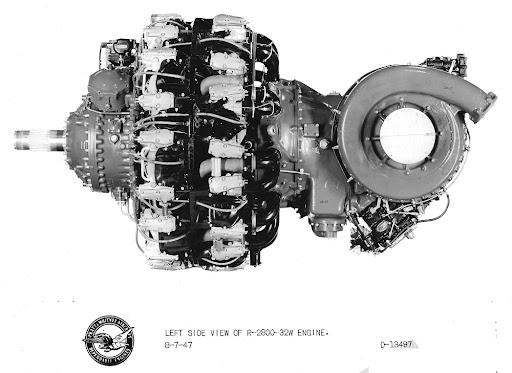
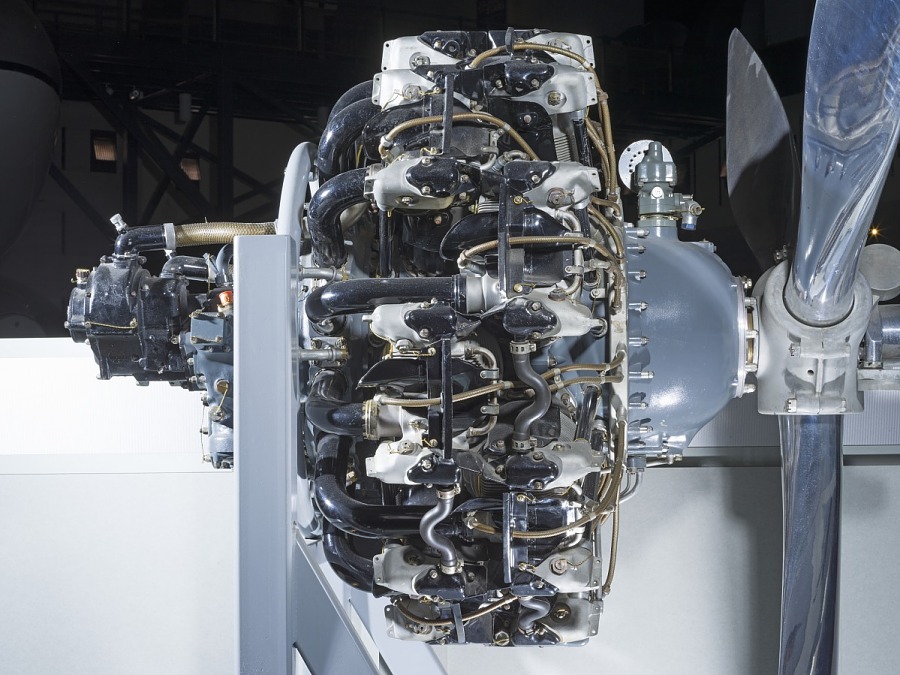
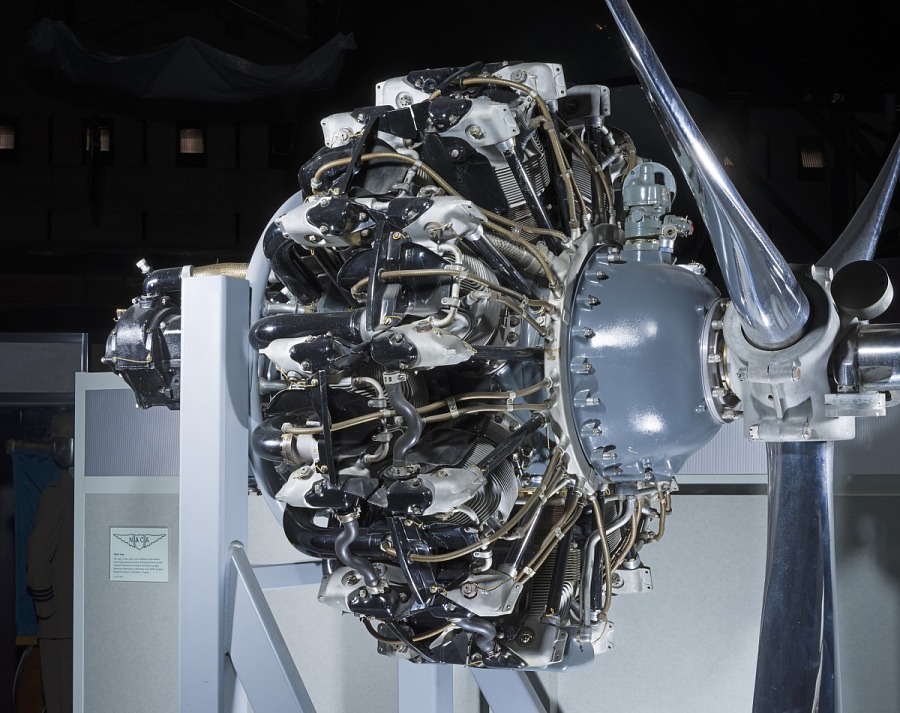
The R-2800 radial engine is composed of three main sections.
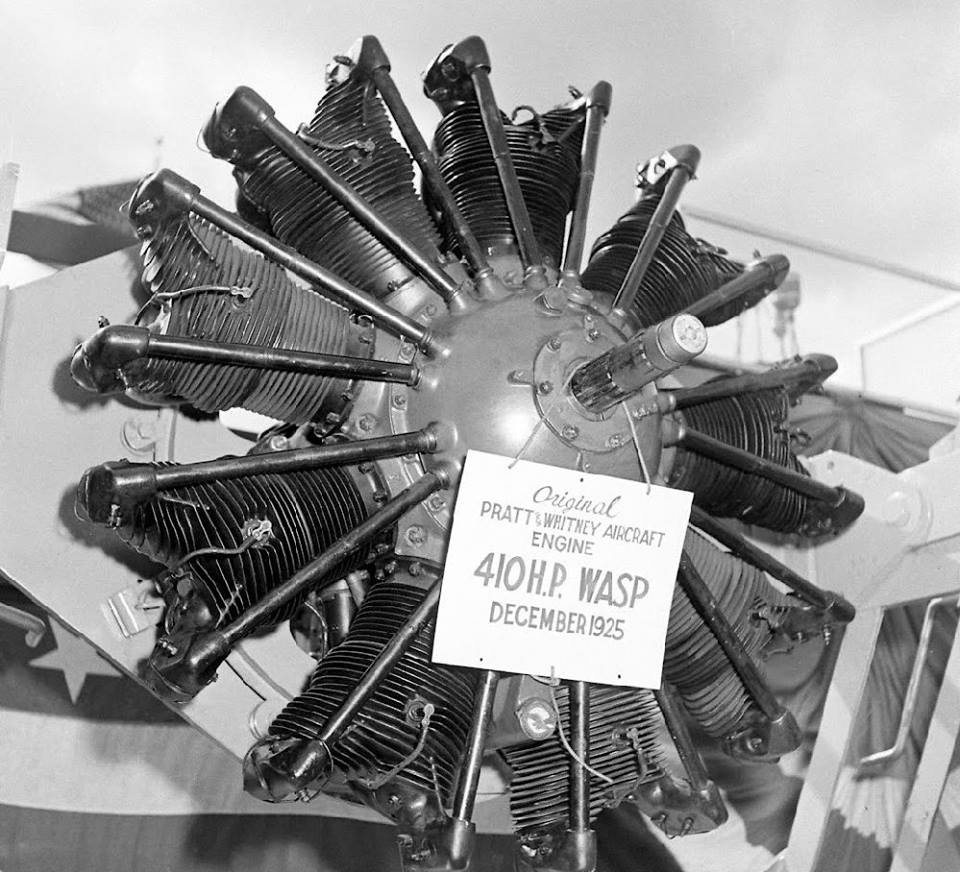
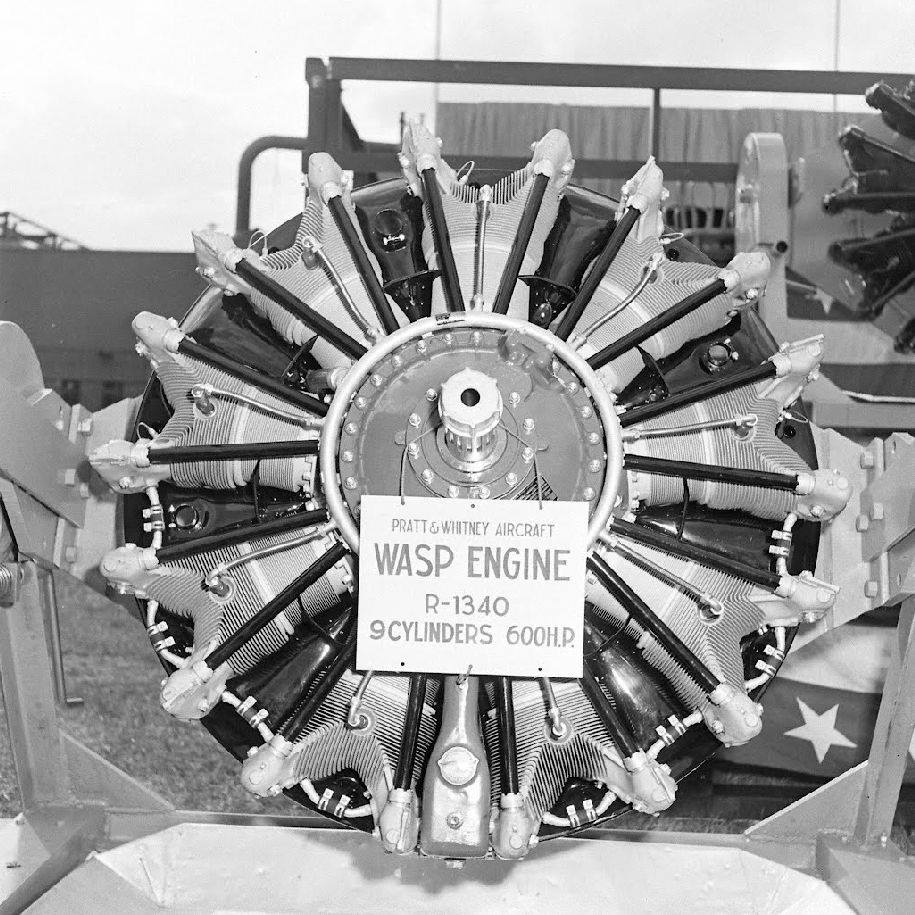
• Pratt & Whitney R-985 Wasp Junior
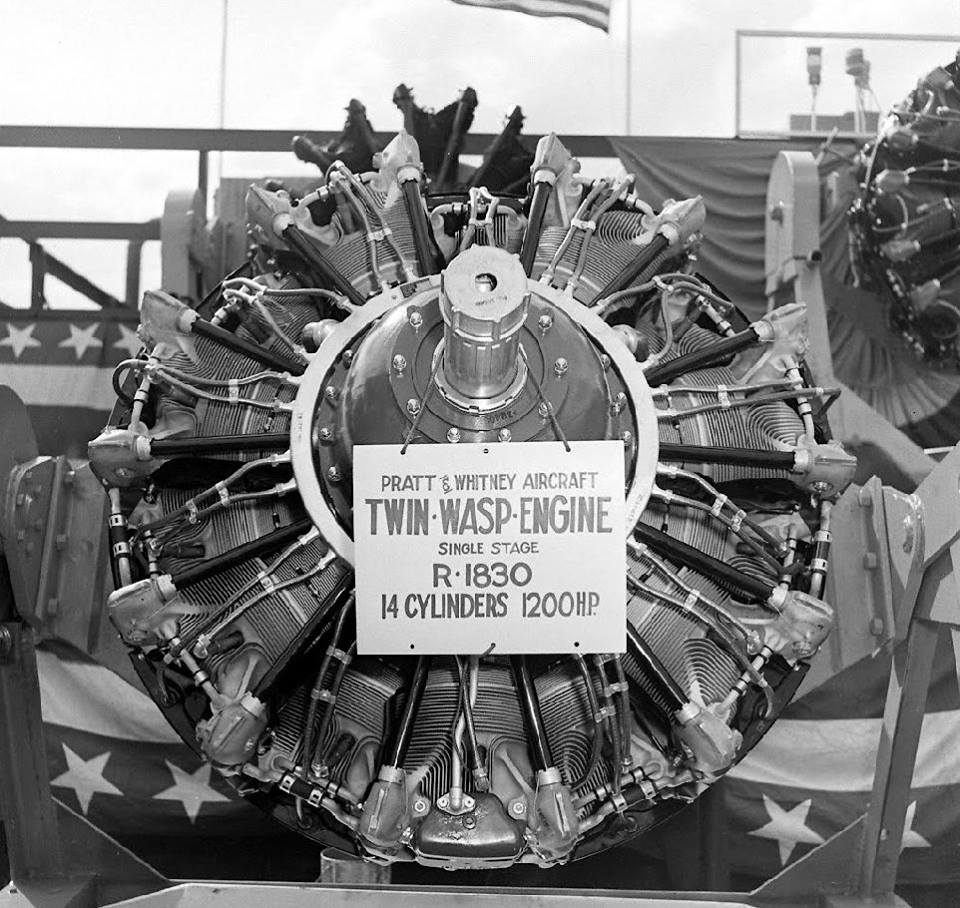
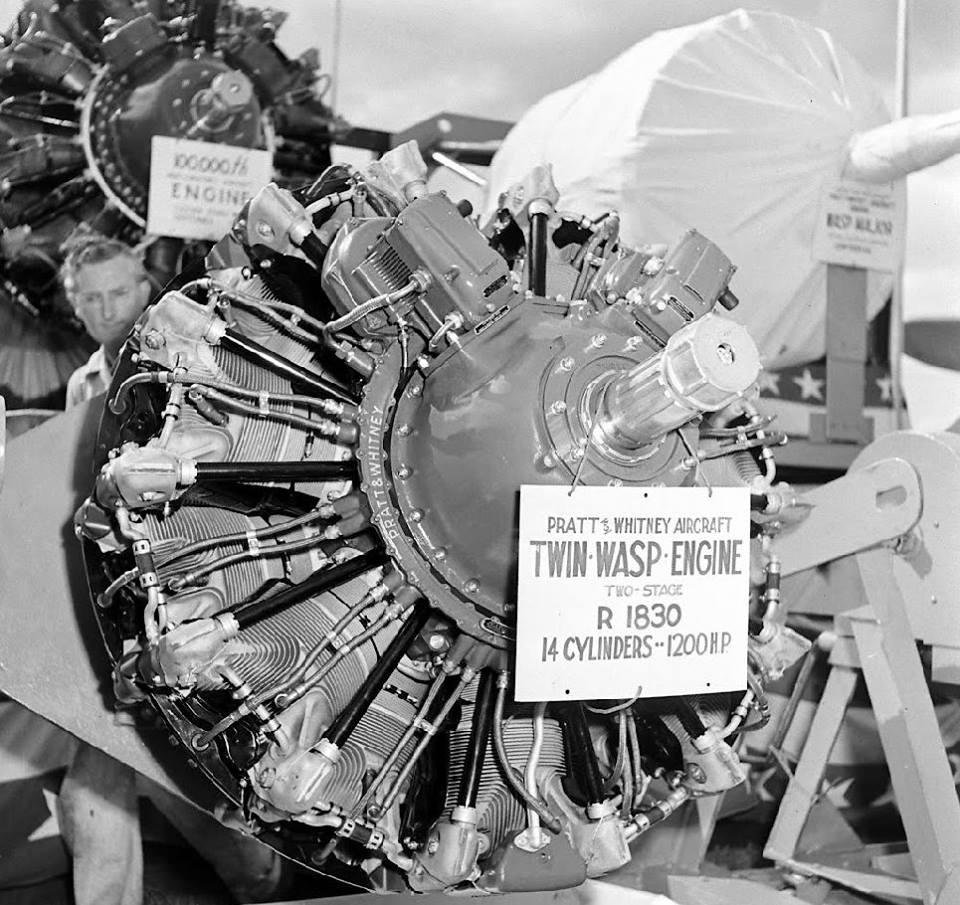
• Pratt & Whitney R-1830 Twin Wasp
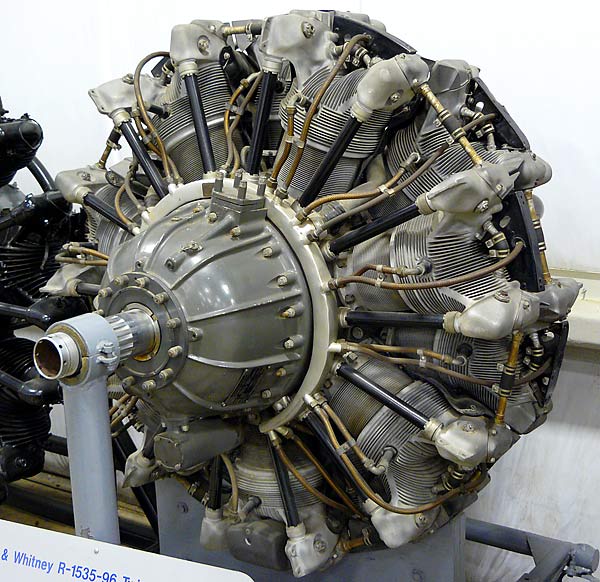
• Pratt & Whitney R-1535 Twin Wasp Junior
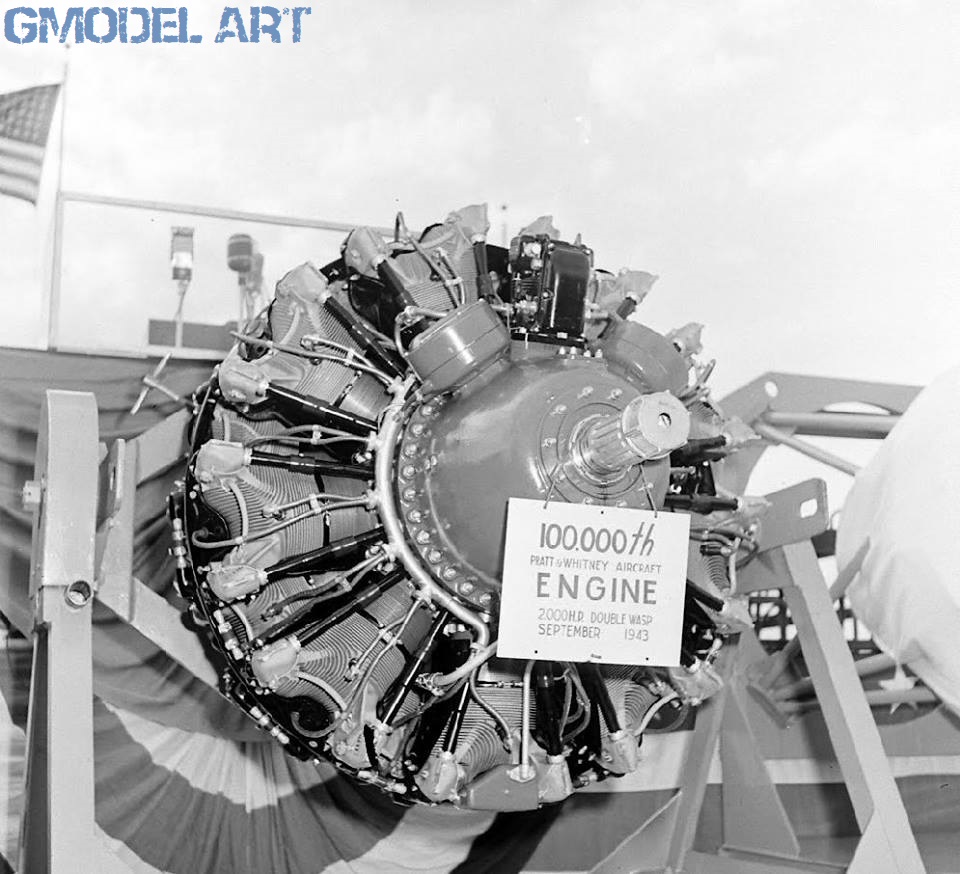
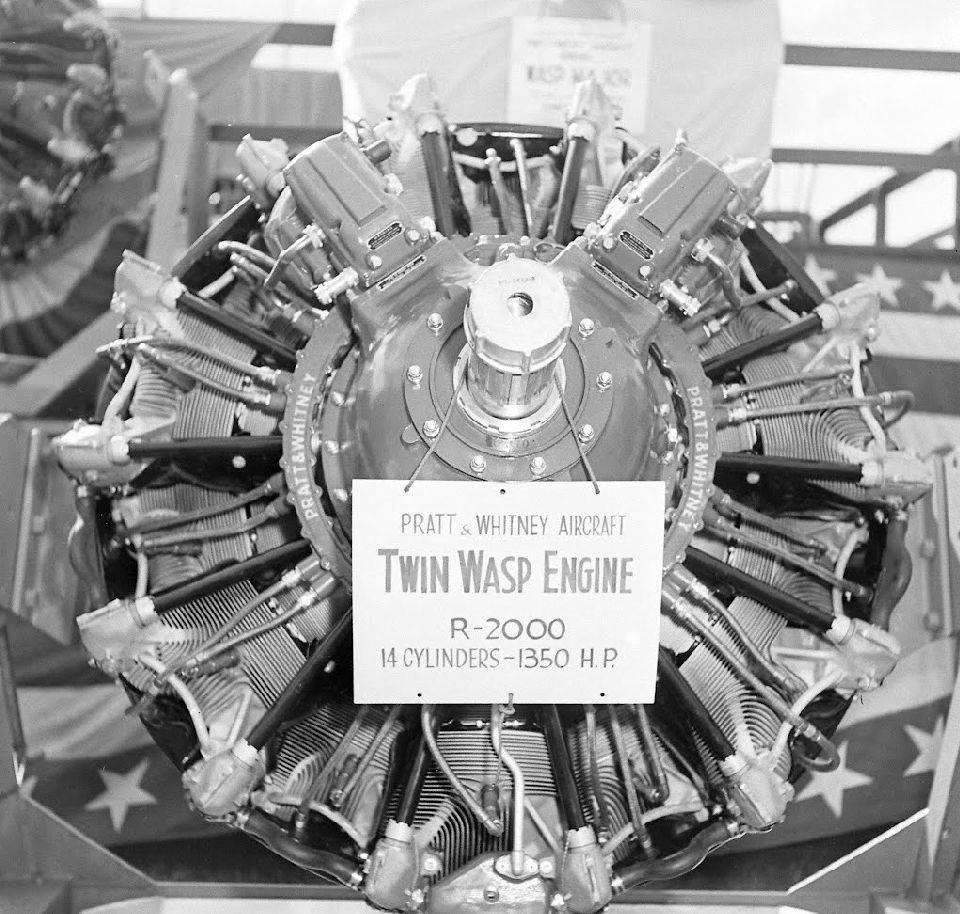
• Pratt & Whitney R-2000 Twin Wasp
• Pratt & Whitney R-2180-E Twin Wasp E
• Pratt & Whitney R-2800 Double Wasp
Pratt & Whitney R-4360 Wasp Major
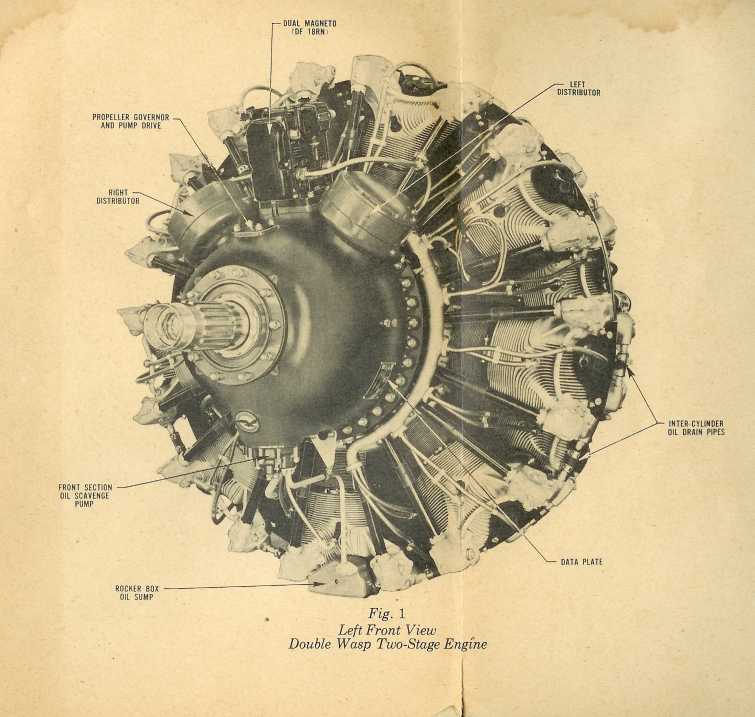
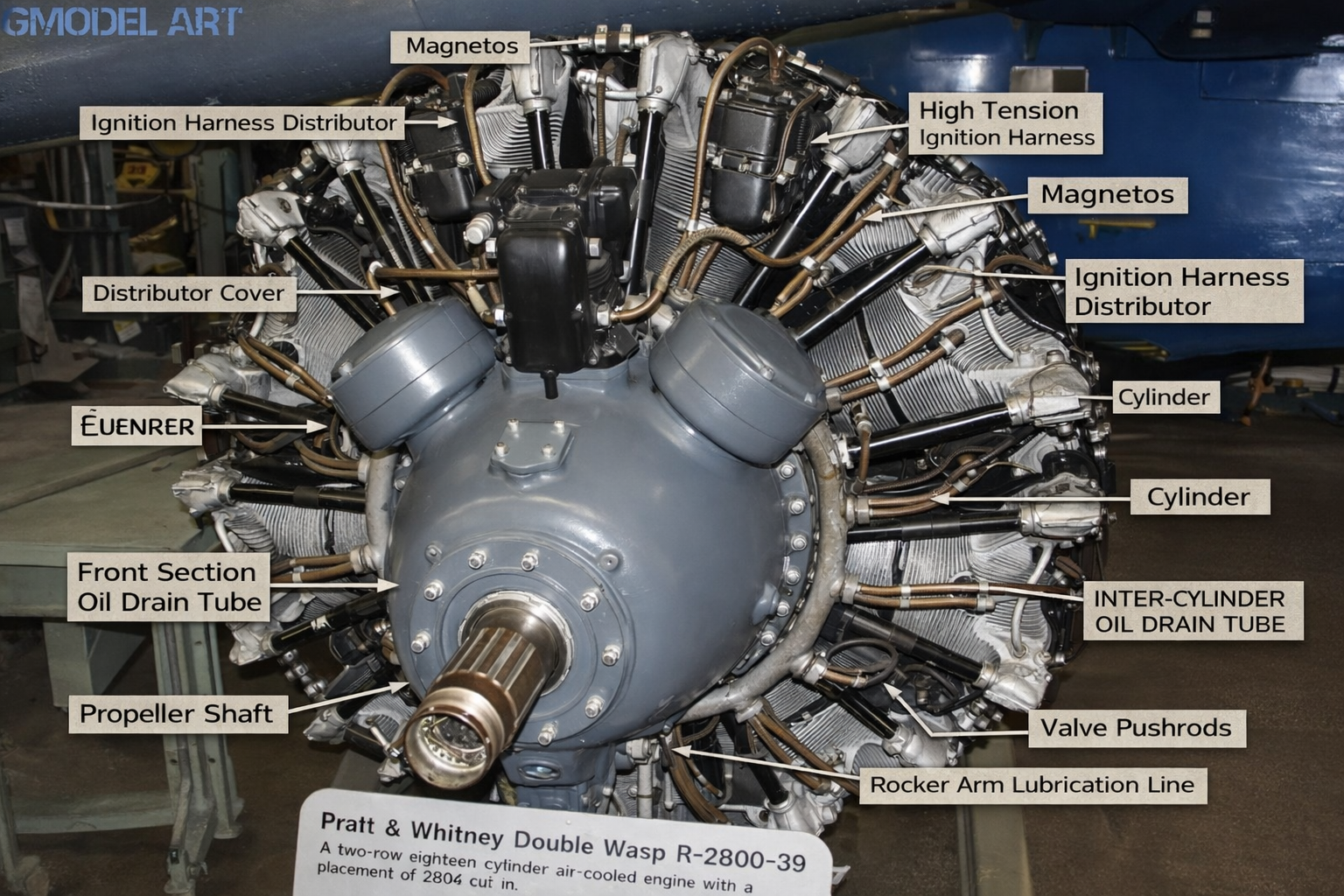
Front Section
This section includes:
- propeller shaft
- reduction gear housing
- ignition harness distributor
- magnetos
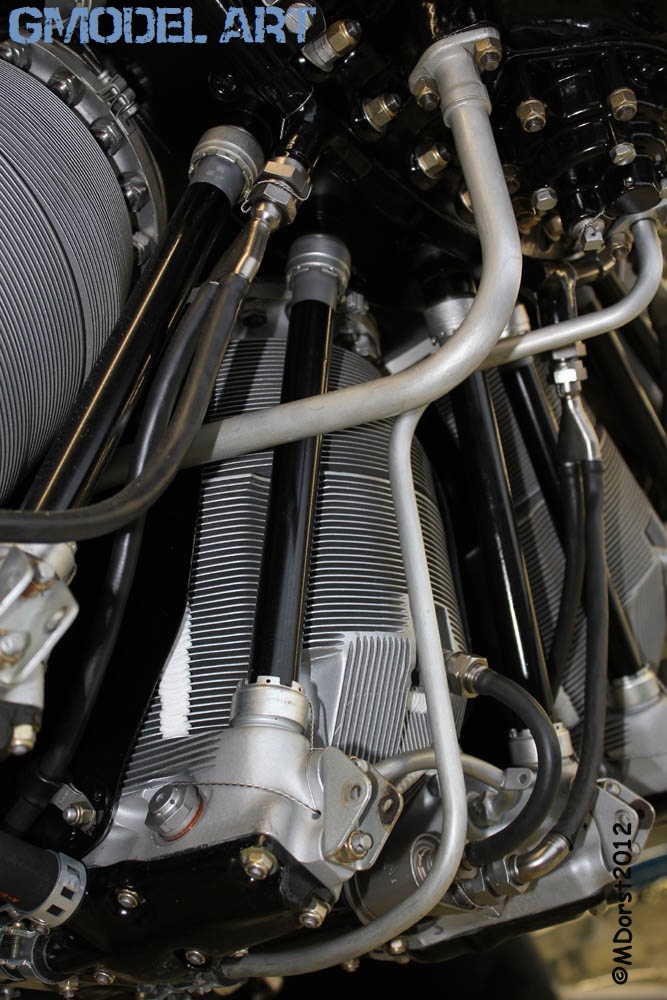
Cylinder Section
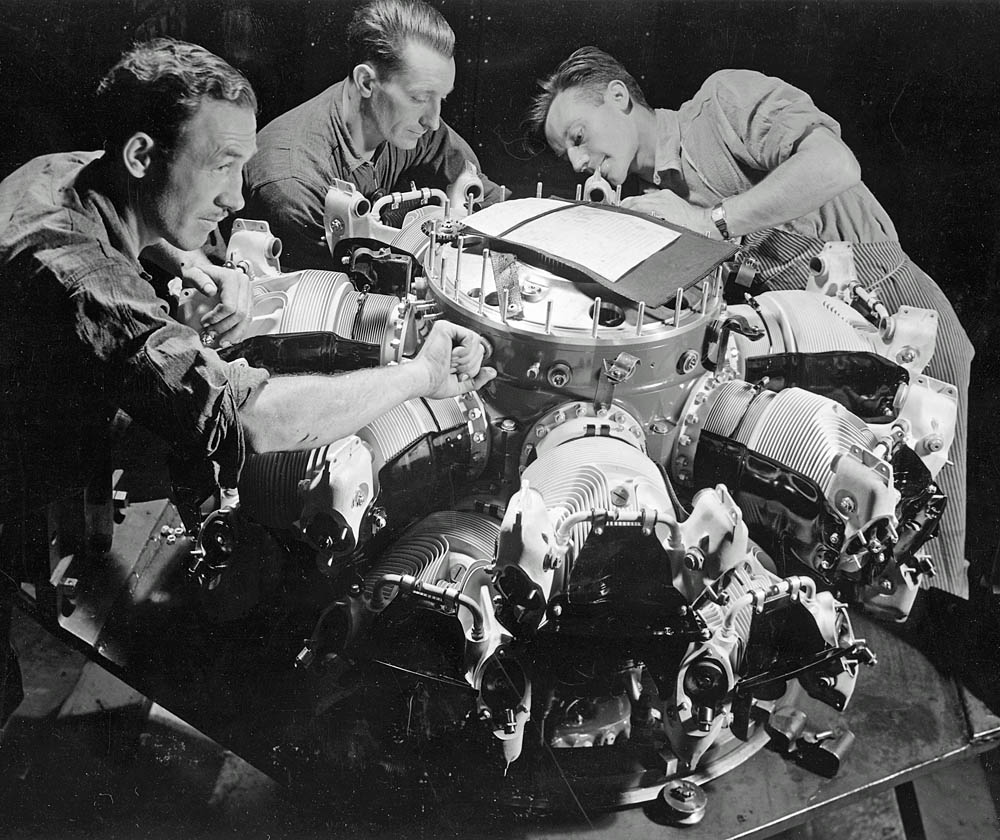
The engine consists of:
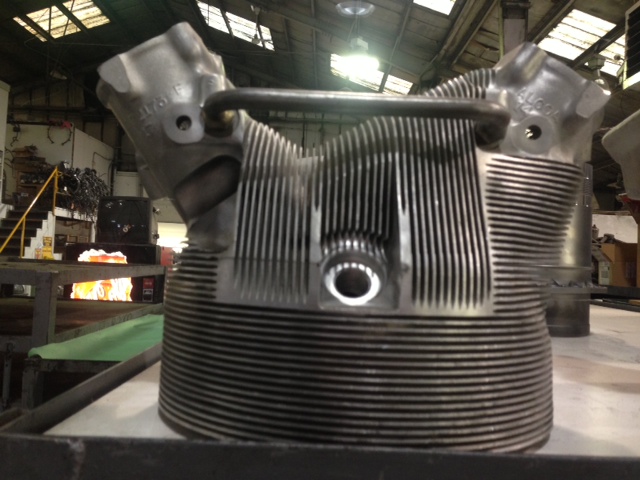
- 18 air-cooled cylinders
- two rows of nine cylinders each
- rocker arms and pushrods
- spark plugs and ignition leads
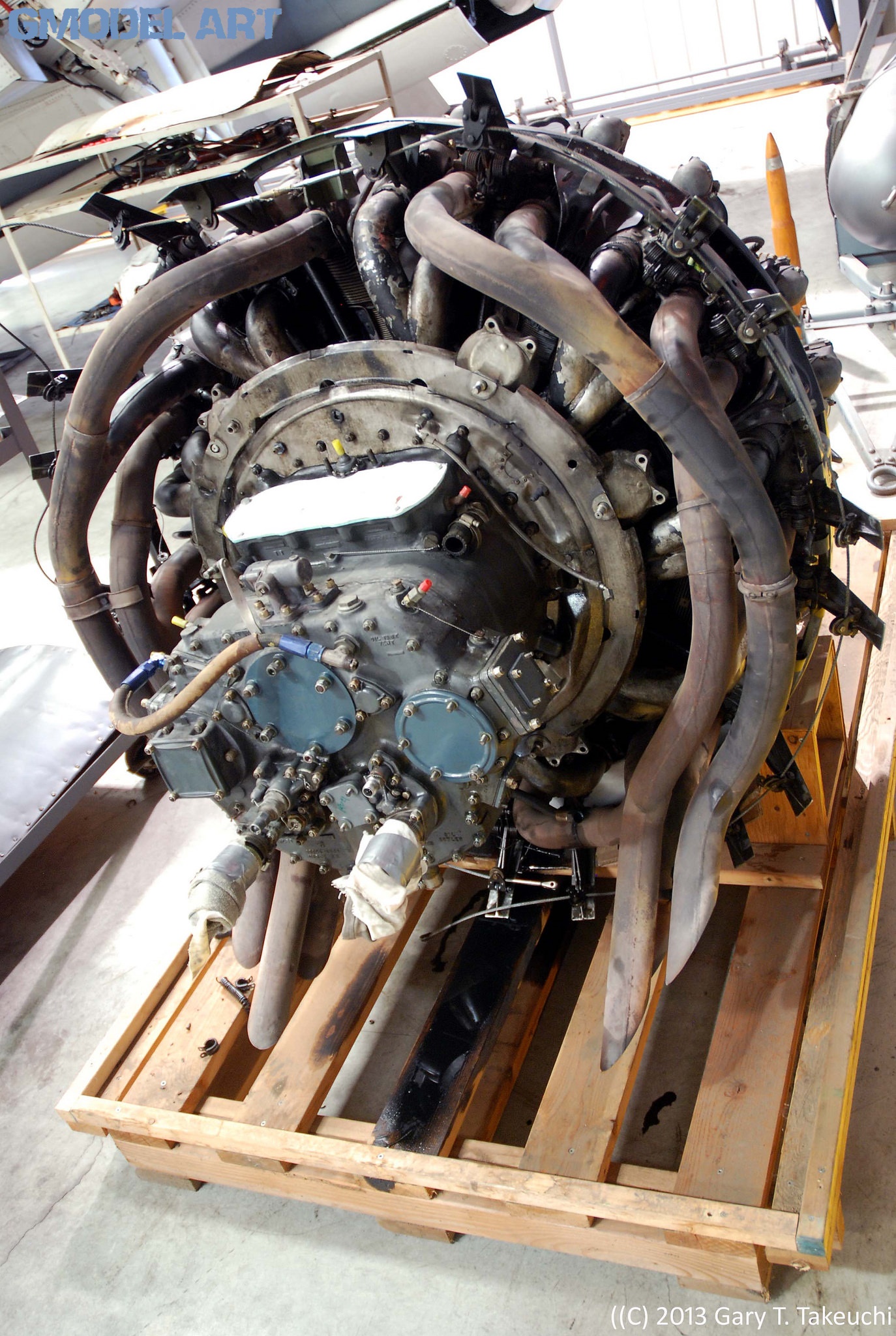
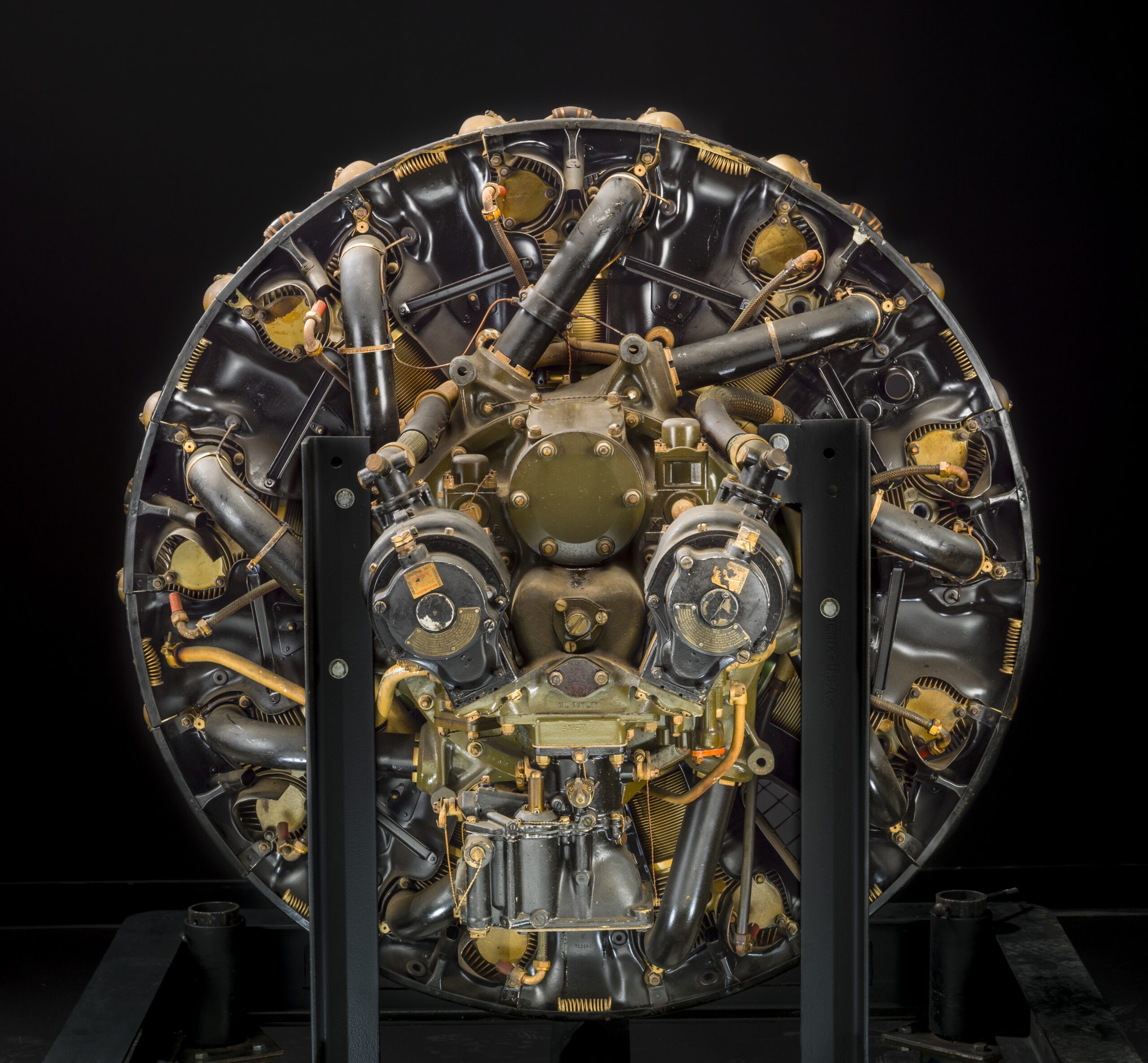
Accessory Section
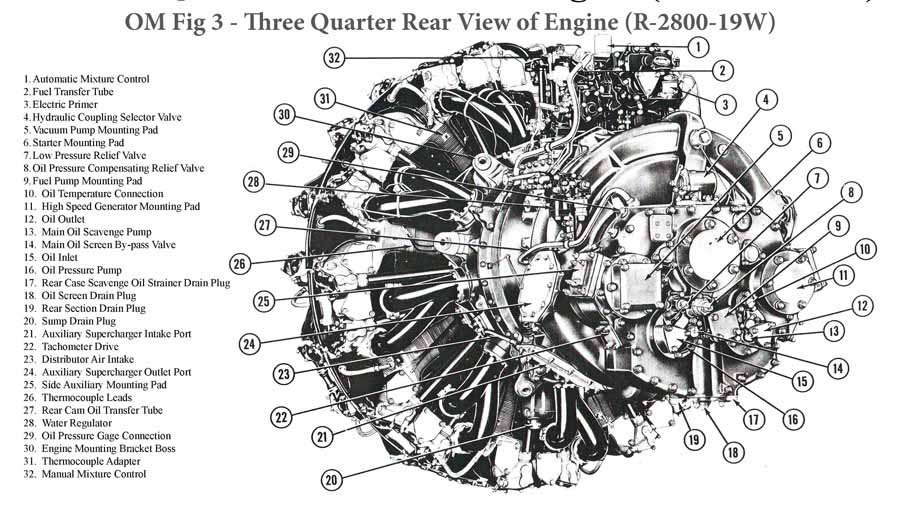
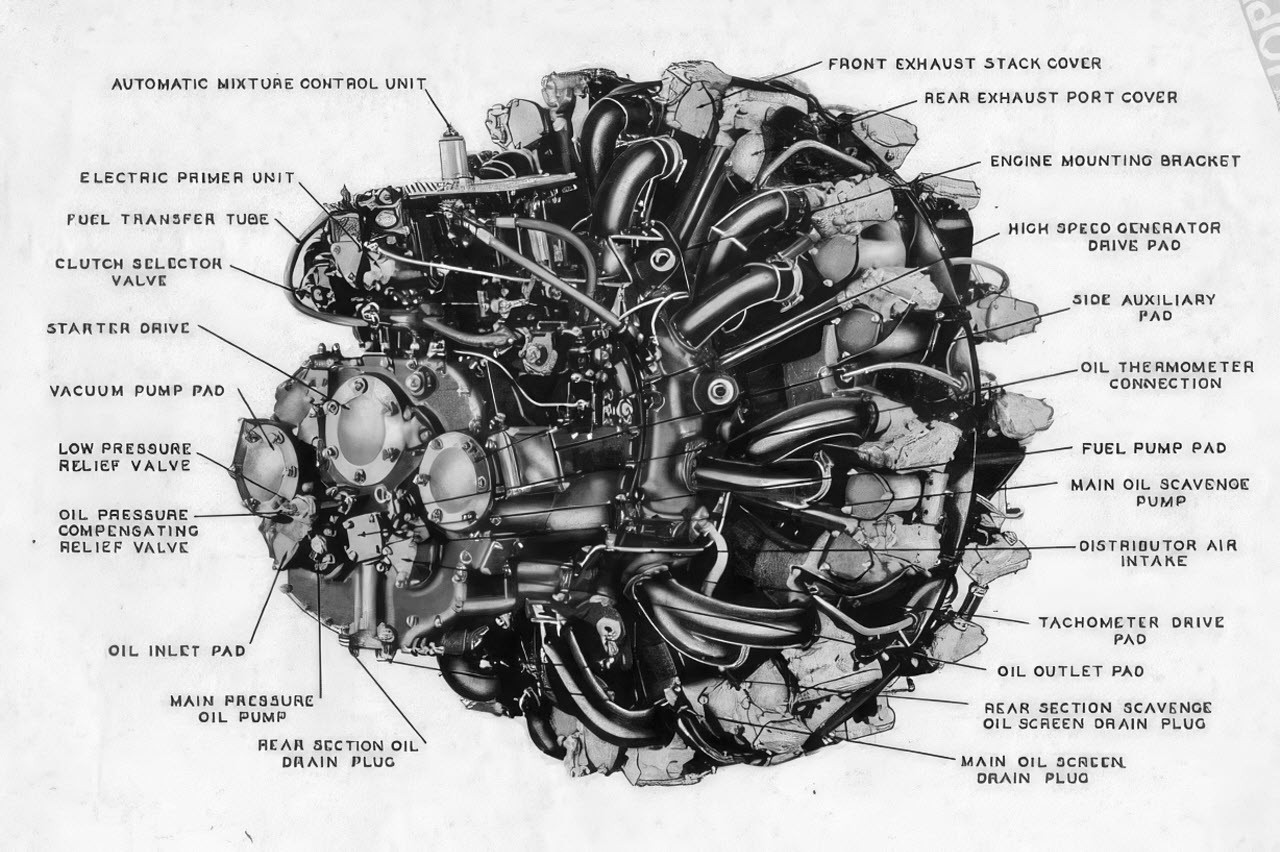
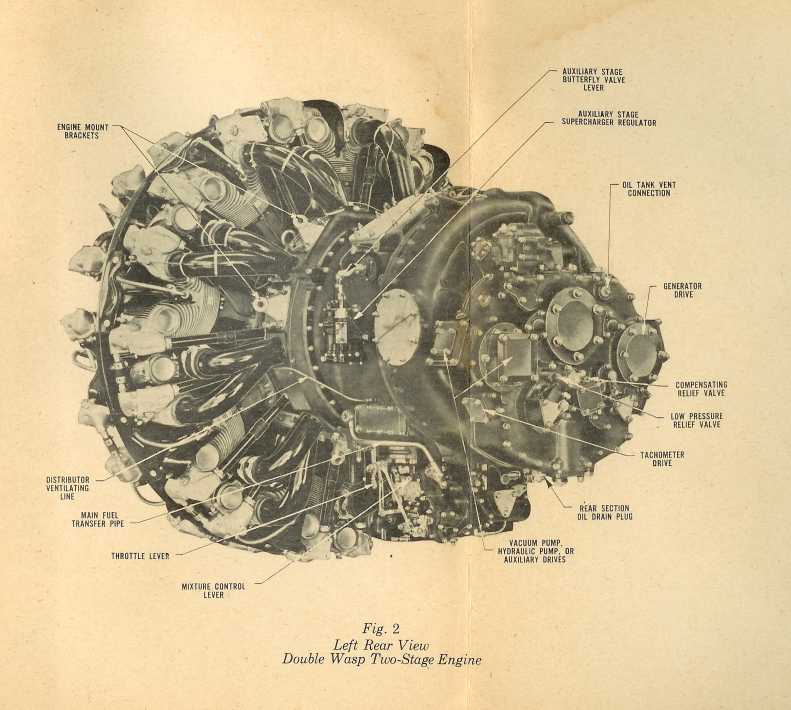
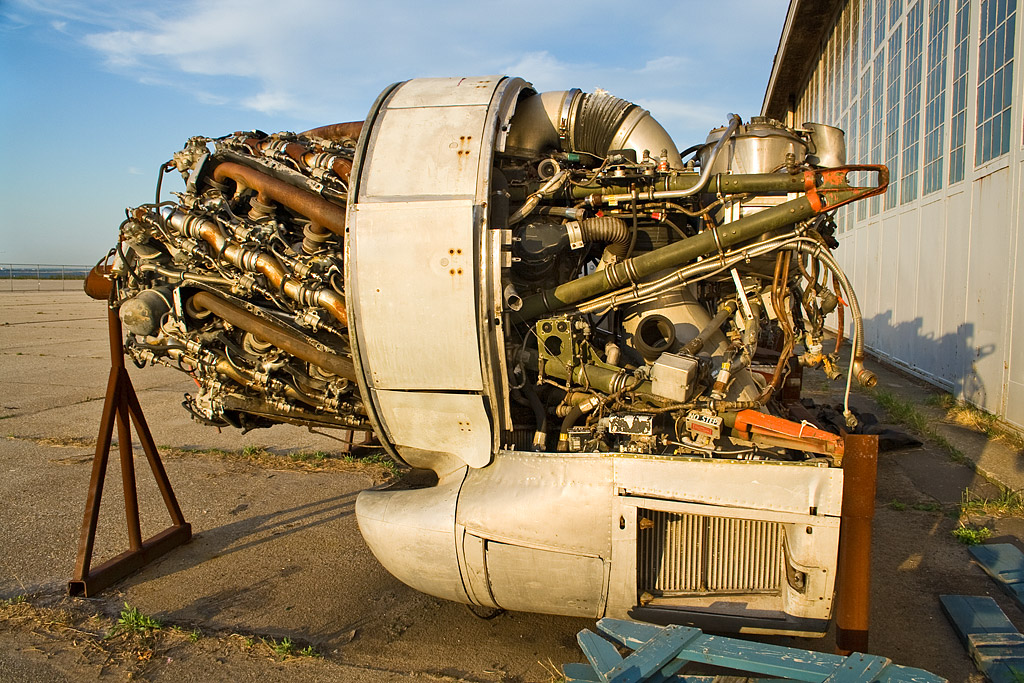
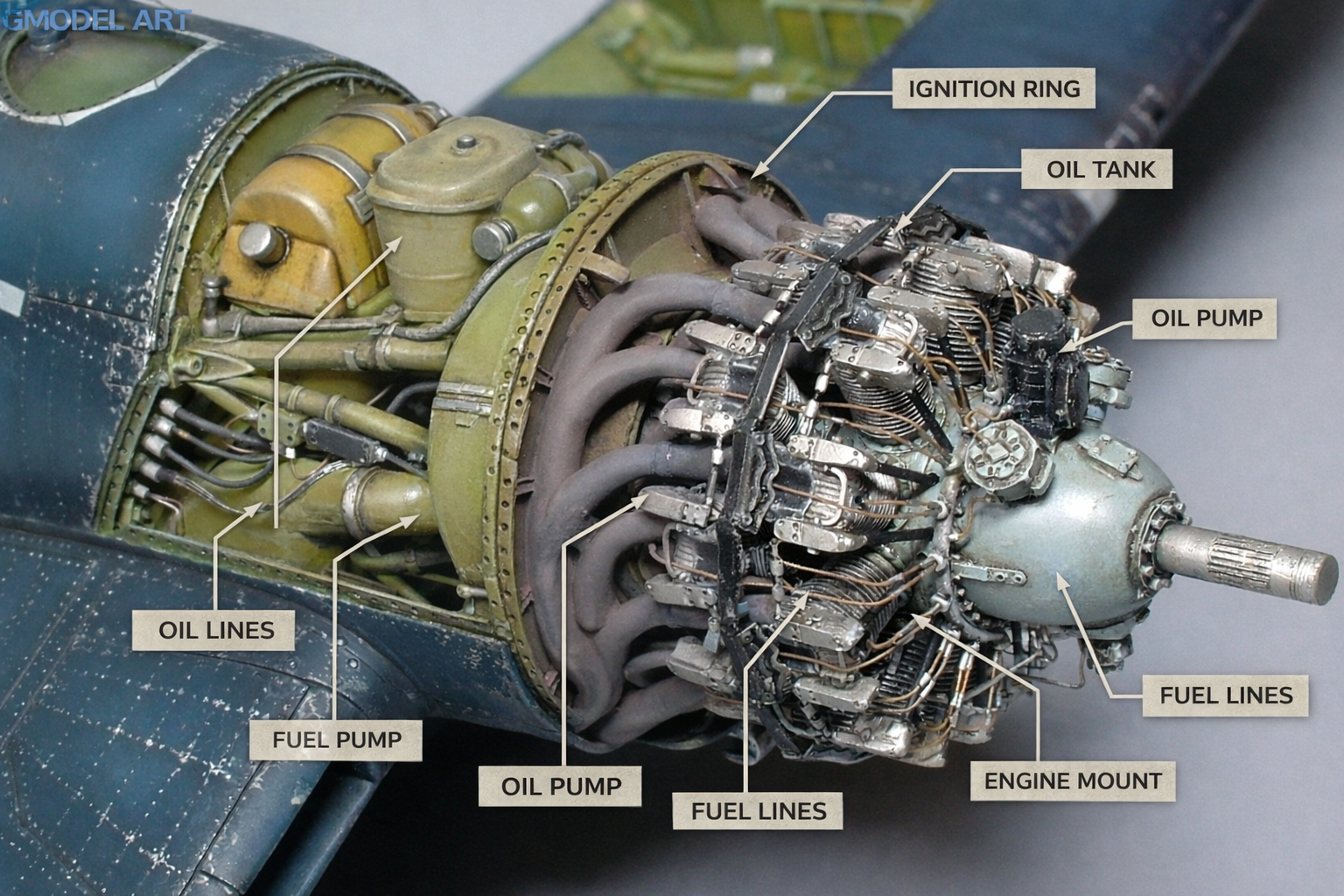
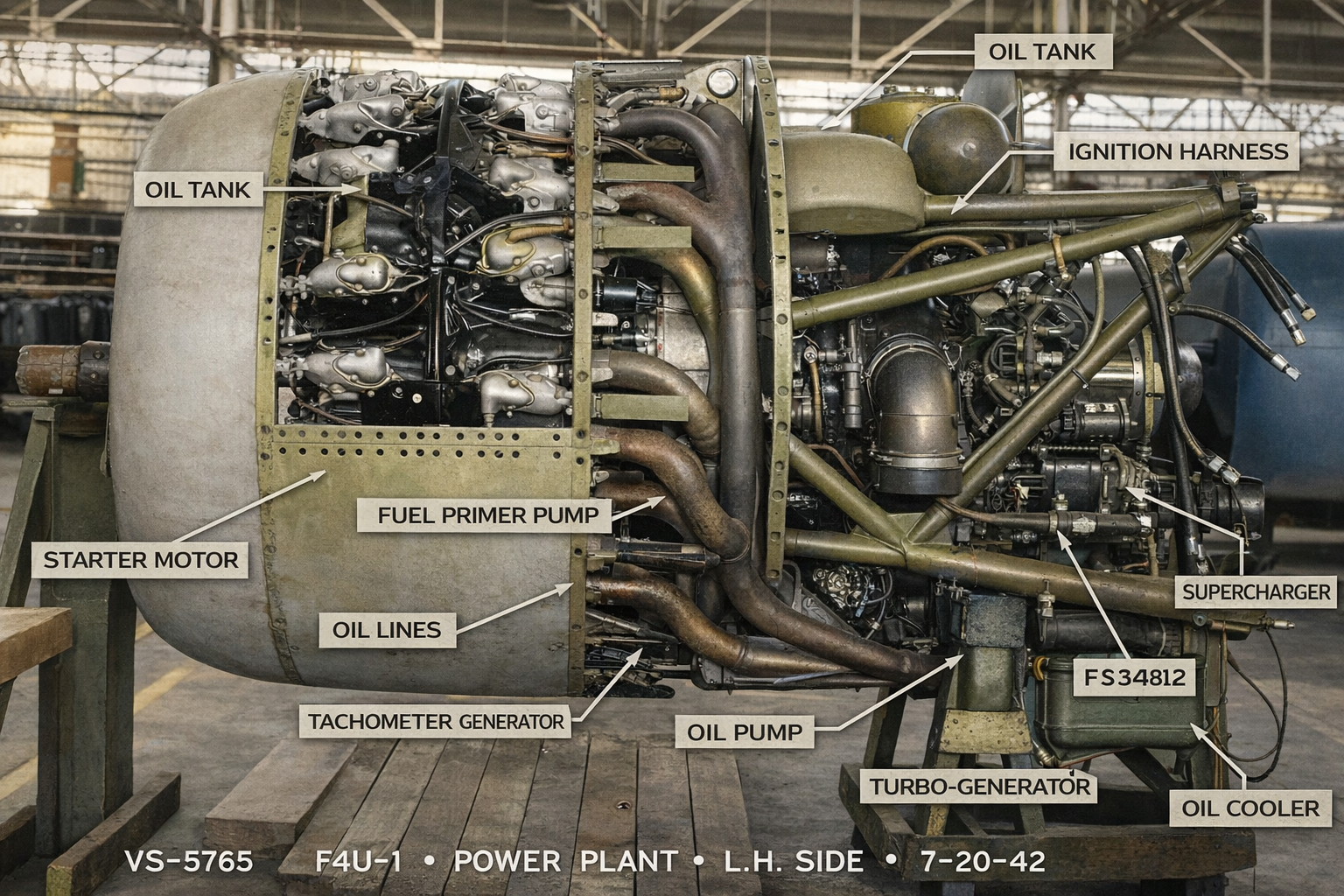
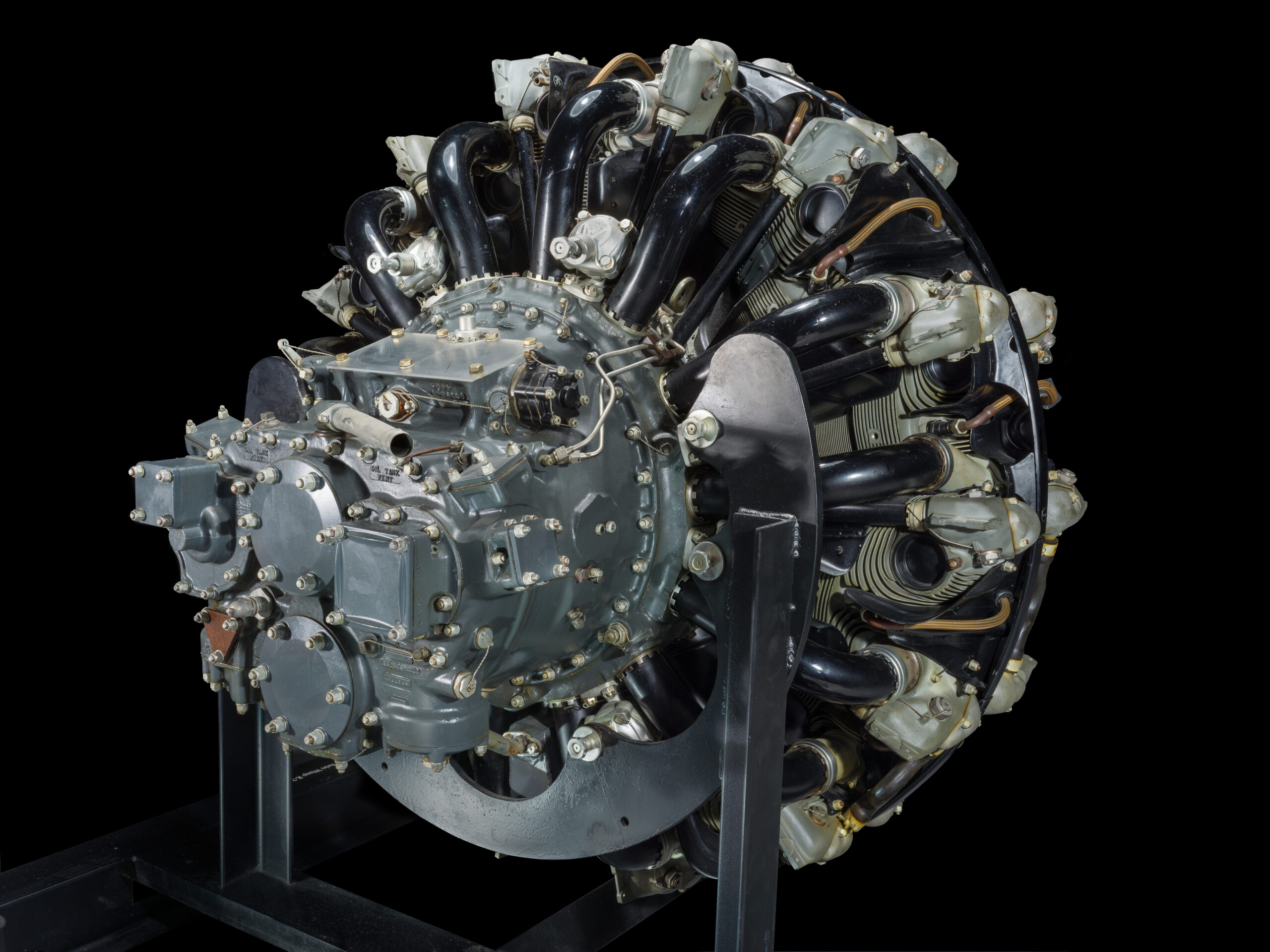
Located behind the engine, the accessory section contains the systems that power various aircraft components.
Typical equipment includes:
- fuel pumps
- oil pumps
- generators
- tachometer drives
- supercharger systems
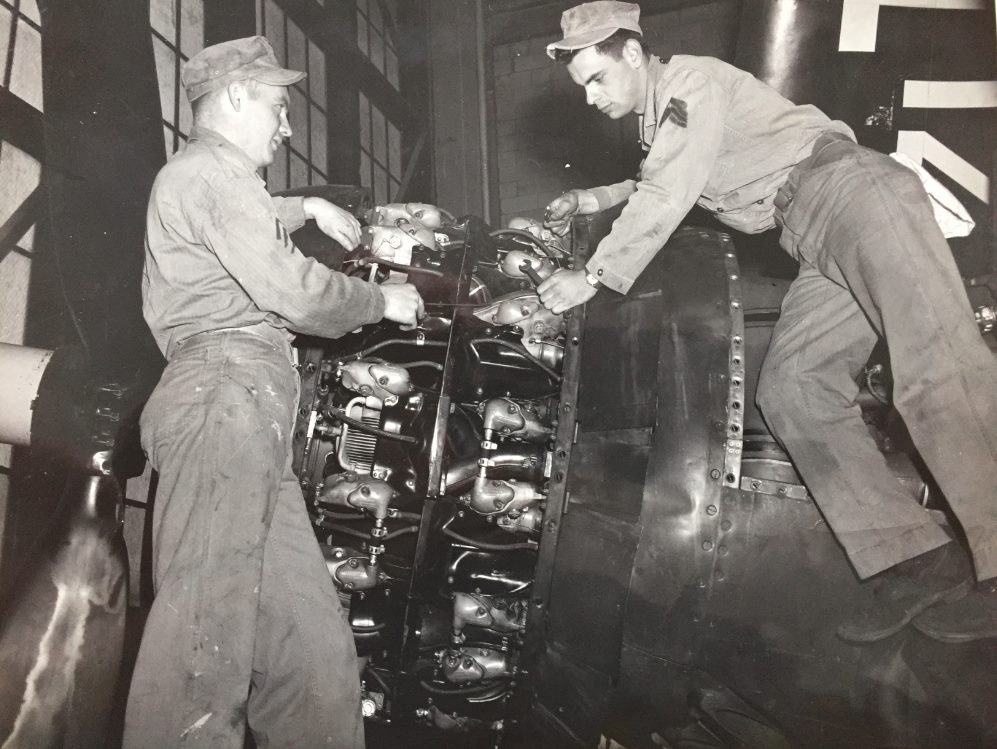
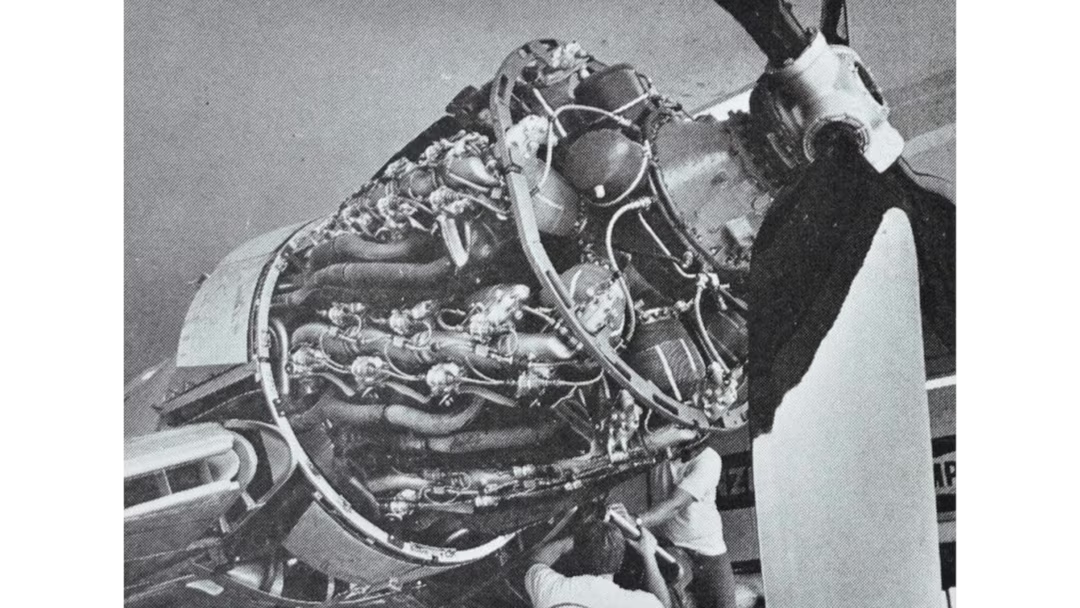
When cowling panels are removed, many of these components become visible and provide excellent opportunities for extra detailing.
FS Color Reference Table for the R-2800 Engine
Correct colors are essential when building a realistic engine. The table below lists commonly accepted color references along with modeling paint equivalents.
| Engine Part | Real Color | FS Reference | Tamiya | Mr Hobby / Gunze | AK Interactive | Vallejo |
|---|---|---|---|---|---|---|
| Crankcase | Blue Grey | FS 35164 | XF-18 Medium Blue + XF-19 mix | H56 Intermediate Blue | AK11869 Blue Grey | 71.109 Faded PRU Blue |
| Reduction Gear Housing | Grey Blue | FS 35237 | XF-23 Light Blue + Grey | H337 Grayish Blue | AK11870 Blue Grey | 71.295 USN Sea Blue |
| Cylinders | Burnt Steel | FS 36081 | XF-56 Metallic Grey | H76 Burnt Iron | AK488 Burnt Metal | 77.712 Steel |
| Cylinder Heads | Aluminium | FS 17178 | XF-16 Flat Aluminium | H8 Silver | AK479 Aluminium | 77.701 Aluminium |
| Pushrods | Semi Gloss Black | FS 27038 | XF-1 Black | H12 Black | AK11029 Rubber Black | 70.862 Black Grey |
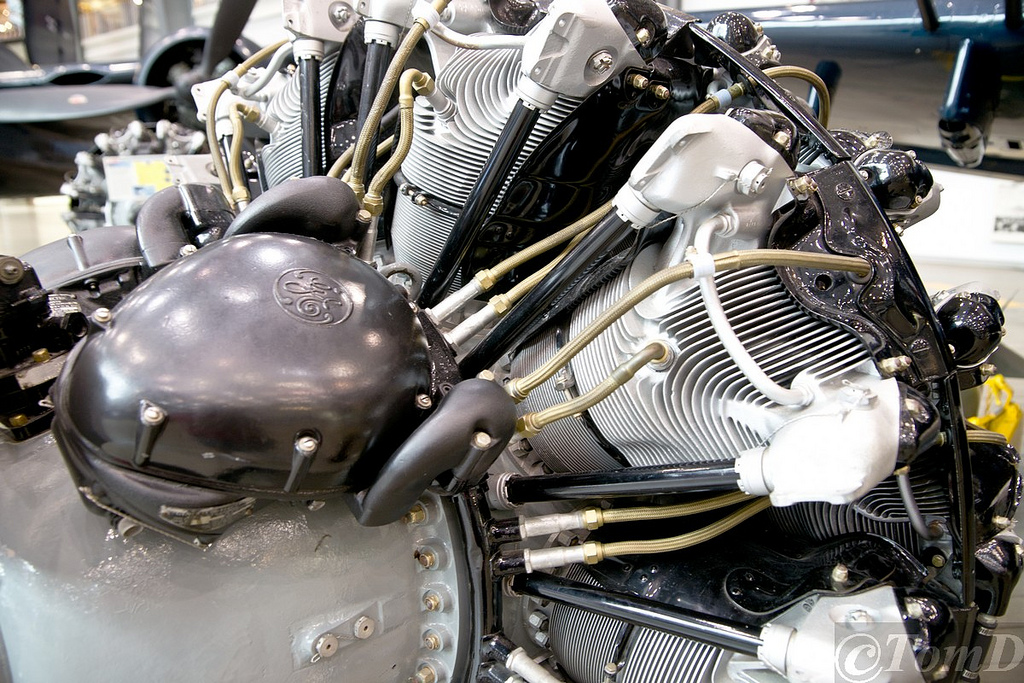
| Ignition Harness | Brown / Copper | FS 30117 | XF-64 Red Brown | H47 Red Brown | AK11083 Leather Brown | 70.984 Flat Brown |
| Magnetos | Black | FS 37038 | XF-1 Black | H2 Black | AK11029 Rubber Black | 70.950 Black |
| Oil Lines | Steel | FS 17178 | XF-56 Metallic Grey | H18 Steel | AK483 Dark Steel | 77.712 Steel |
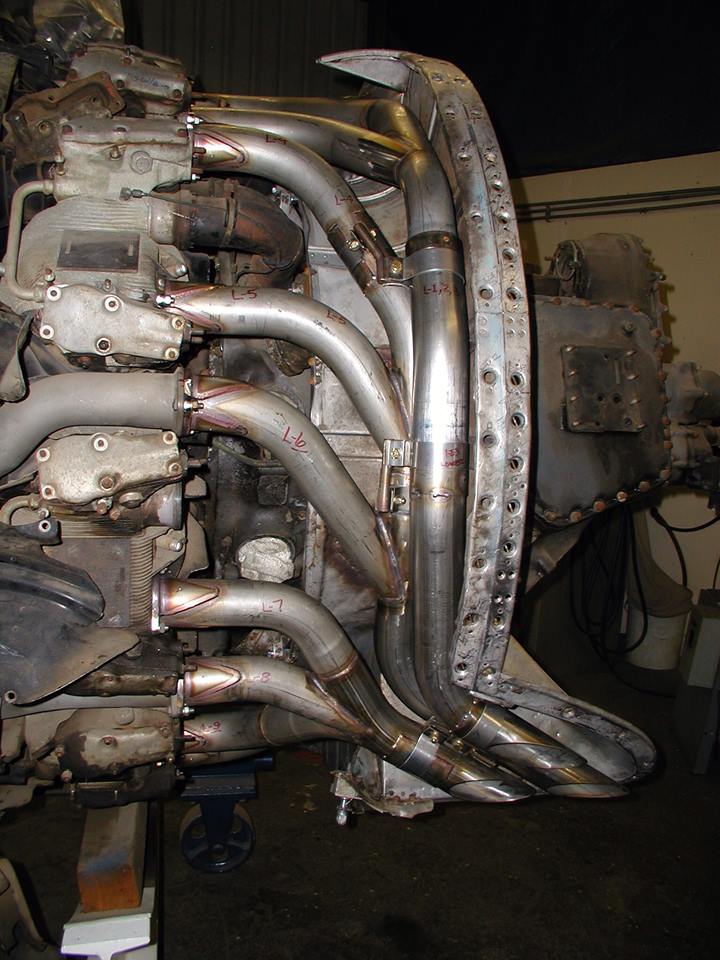
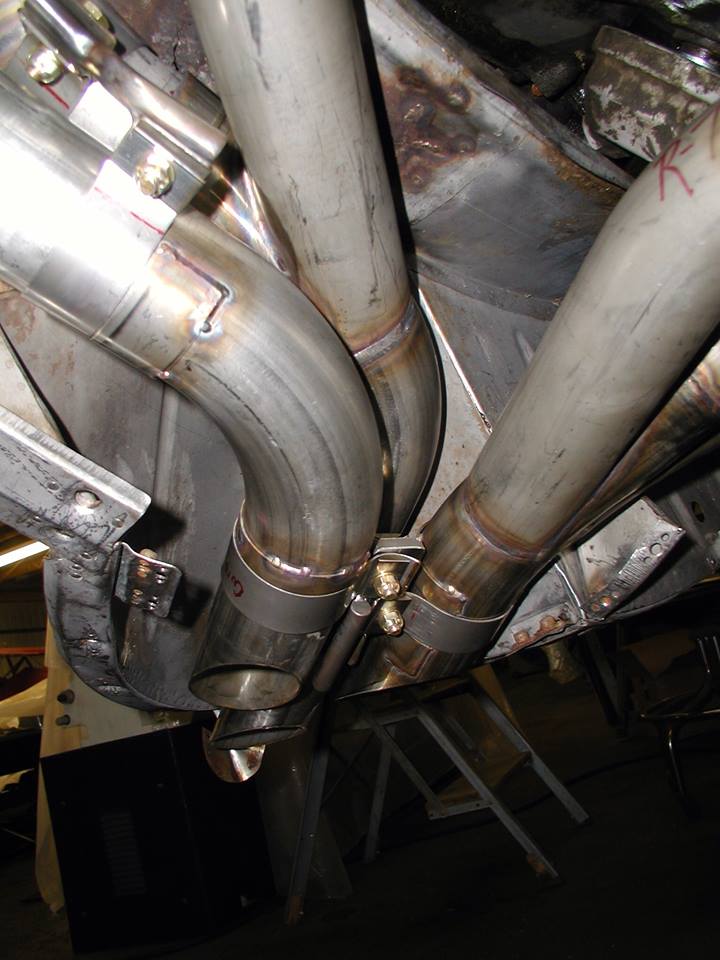
| Exhaust Pipes | Burnt Iron | FS 30099 | XF-84 Dark Iron | H76 Burnt Iron | AK484 Burnt Metal | 77.721 Gunmetal |
| Engine Mount | Interior Green | FS 34151 | XF-71 Cockpit Green | H58 Interior Green | AK2206 Interior Green | 71.010 Interior Green |
Because operational engines show variation in metal surfaces, using two or three metallic tones across the cylinders greatly improves realism.
Weathering Products and Effects
Radial engines rarely appear clean. Oil leaks, heat discoloration and exhaust residue are common.
The following products are commonly used to reproduce realistic weathering effects.
| Effect | Recommended Product |
|---|---|
| Engine oil stains | AK Engine Oil |
| Fuel residue | AK Kerosene |
| Exhaust soot | AK Exhaust Wash |
| Oil leakage | Ammo Oil Stains |
| Grease deposits | Abteilung Engine Grease |
| Panel wash | Dark Brown Wash |
| Burnt metal effect | Exhaust pigments |
Applying these effects carefully adds depth and realism to the finished engine.
Tools and Materials for Engine Detailing
To improve the level of detail on an R-2800 engine, several basic tools and materials are recommended.
Essential tools:
Detailing materials:
- copper wire
- lead wire
- stretched sprue
- photo-etched detailing parts
- resin engine upgrade sets
In many modern kits, only a small amount of extra wiring is needed to achieve a convincing result.
Ignition Wiring of the R-2800
One of the most visible improvements that can be made is adding ignition wiring.
The engine features:
- 18 cylinders
- 2 spark plugs per cylinder
Total:
36 ignition wires
These wires originate from the ignition harness distributor and connect to the spark plugs located near the cylinder heads.
Wiring Guide for 1/48 Scale
Recommended wire diameter:
0.3 mm copper or lead wire.
Steps:
- Drill small holes near each spark plug position.
- Cut 36 wire segments.
- Insert the wires into the ignition distributor ring.
- Route each wire toward the corresponding cylinder head.
- Secure using a small amount of CA glue.
Paint colors for ignition wiring:
- dark brown
- copper
- brass
These tones simulate the braided shielding of real ignition cables.
Wiring Guide for 1/32 Scale
Recommended wire diameter:
0.4–0.5 mm.
Because of the larger scale, additional lines can also be added:
- rocker lubrication lines
- oil return lines
- ignition clamps
- accessory wiring
Allow the wires to curve naturally to achieve a realistic appearance.
Step-by-Step Engine Detailing Guide
Step 1 – Clean Assembly
Remove mold lines and assemble the engine cylinders and crankcase.
Step 2 – Base Painting
Apply the main engine colors according to the FS reference table.
Step 3 – Detail Painting
Paint smaller components such as:
- magnetos
- pushrods
- ignition distributor
Step 4 – Add Ignition Wiring
Install the 36 ignition wires following the wiring guide.
Step 5 – Add Oil and Lubrication Lines
Use thin wire to represent lubrication pipes between cylinders.
Step 6 – Apply Wash
Apply a dark wash to highlight cooling fins and recesses.
Step 7 – Weathering
Add subtle oil stains and exhaust discoloration.
Tips for Achieving Maximum Realism
For the most convincing R-2800 engine:
- vary metallic shades across cylinders
- add ignition wiring
- apply subtle oil staining
- avoid overly clean surfaces
Even simple modifications such as wiring and light weathering can dramatically improve the appearance of a radial engine.
Conclusion
The Pratt & Whitney R-2800 Double Wasp remains one of the most impressive radial engines ever produced. For scale modelers it offers exceptional opportunities for detailing and painting.
With accurate colors, proper ignition wiring and realistic weathering, it is possible to recreate the complex mechanical character of this historic engine and enhance the realism of models such as the Vought F4U Corsair or the Republic P-47 Thunderbolt.
FAQ
How many spark plug wires does the R-2800 engine have?
The engine has 36 ignition wires because each of the 18 cylinders uses two spark plugs.
What is the main crankcase color of the R-2800?
Most engines used a blue-grey crankcase color close to FS 35164.
Is ignition wiring necessary in scale models?
While not mandatory, adding ignition wiring significantly improves realism, especially in scales 1/48 and 1/32.
Scale Modeling: From Ancient Rituals to Digital Artistry – A Timeless Journey
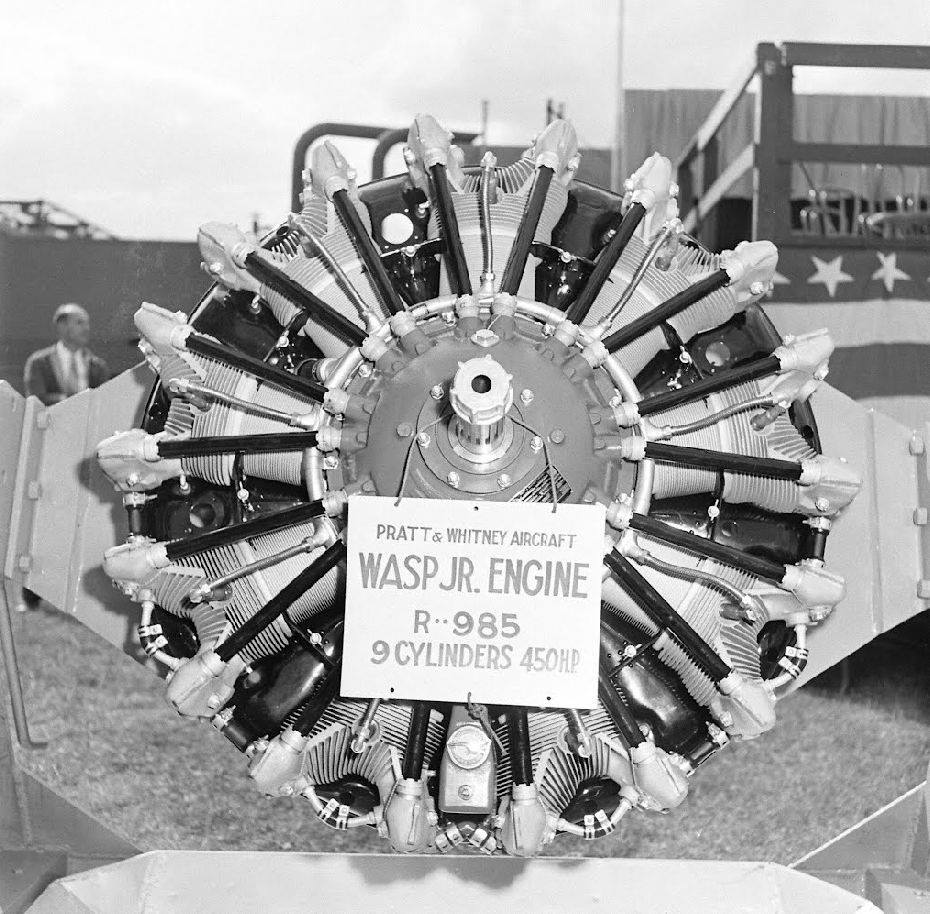
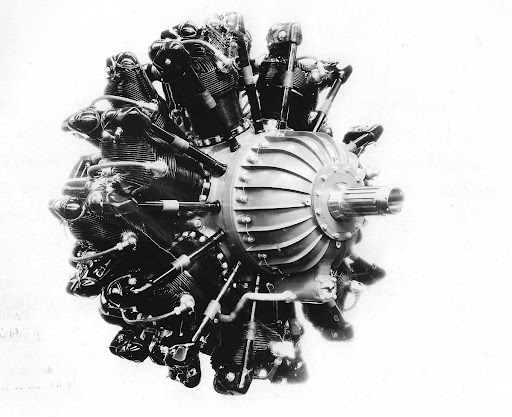
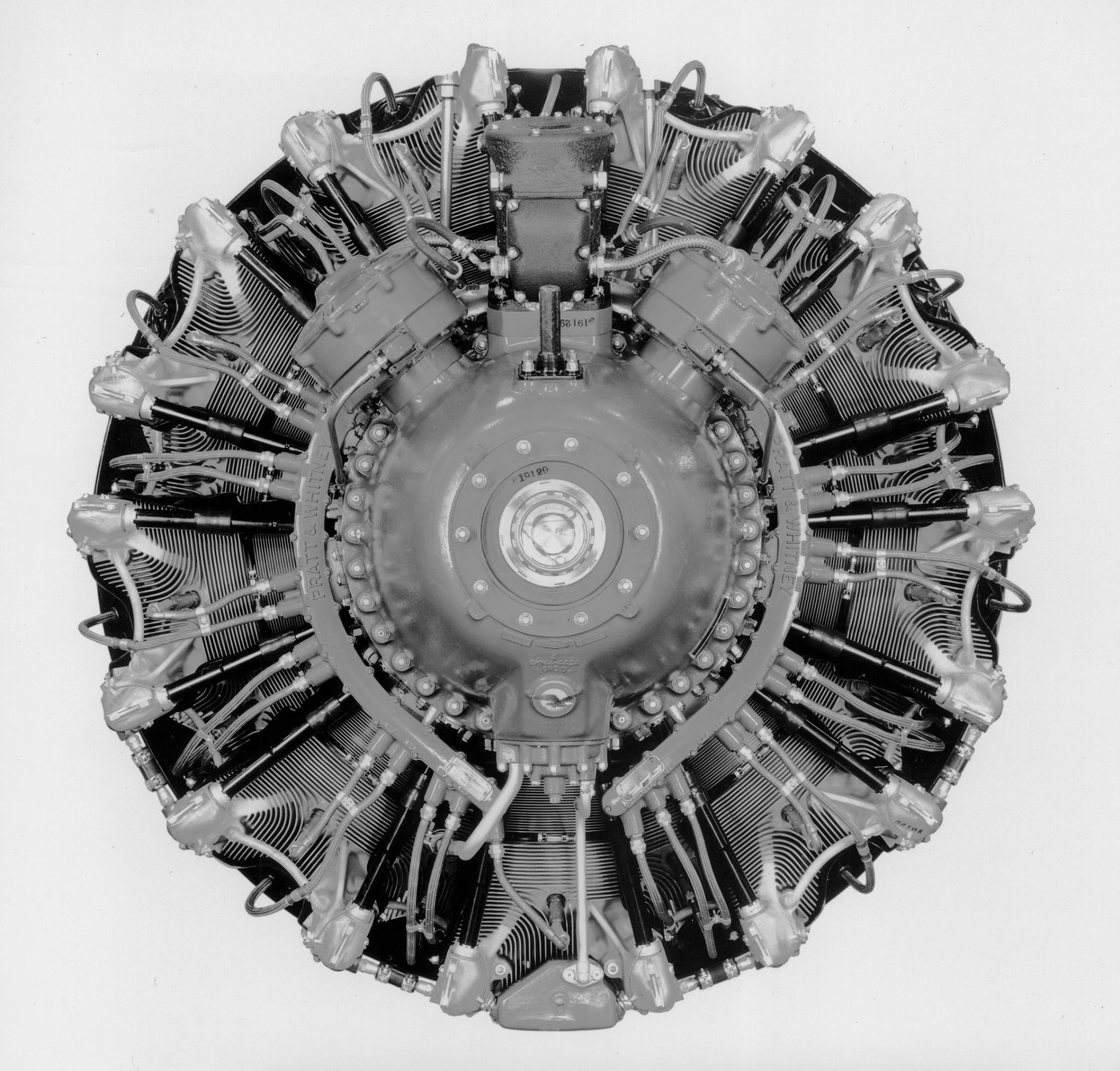
![Jacobs (Pratt & Whitney Wasp Jr.) R-985-AN5, Radial 9 Engine (A19600112000). Left side view. [A19600112000_0005]](https://forum.gmodelart.com/wp-content/uploads/2026/04/NASM-A19600112000-NASM2015-01912-000001-scaled.jpg)
![Jacobs (Pratt & Whitney Wasp Jr.) R-985-AN5, Radial 9 Engine (A19600112000). Detail of engine data plate. [A19600112000_0010]](https://forum.gmodelart.com/wp-content/uploads/2026/04/NASM-A19600112000-NASM2015-01914-scaled.jpg)
![Jacobs (Pratt & Whitney Wasp Jr.) R-985-AN5, Radial 9 Engine (A19600112000). One-half left front view. [A19600112000_0013]](https://forum.gmodelart.com/wp-content/uploads/2026/04/NASM-A19600112000-NASM2015-01915-000001-scaled.jpg)
![Jacobs (Pratt & Whitney Wasp Jr.) R-985-AN5, Radial 9 Engine (A19600112000). Right side view. [A19600112000_0017]](https://forum.gmodelart.com/wp-content/uploads/2026/04/NASM-A19600112000-NASM2015-01916-scaled.jpg)
![Pratt & Whitney R-4360-35 Wasp Major, 4-Row, Radial 28 engine (A19530050000 ). Right side view. This engine was used on the Boeing B-50 "Lucky Lady" when it made the first non-stop around the world flight from Fort Worth, Texas in 1949. [A19530050000_0006]](https://forum.gmodelart.com/wp-content/uploads/2026/04/NASM-A19530050000-NASM2015-00852.jpg)
![Pratt & Whitney R-4360-35 Wasp Major, 4-Row, Radial 28 engine (A19530050000 ). One-half right side view. This engine was used on the Boeing B-50 "Lucky Lady" when it made the first non-stop around the world flight from Fort Worth, Texas in 1949. [A19530050000_0011]](https://forum.gmodelart.com/wp-content/uploads/2026/04/NASM-A19530050000-NASM2015-00853-000001.jpg)
![Pratt & Whitney R-4360-35 Wasp Major, 4-Row, Radial 28 engine (A19530050000 ). Front view. This engine was used on the Boeing B-50 "Lucky Lady" when it made the first non-stop around the world flight from Fort Worth, Texas in 1949. [A19530050000_0015]](https://forum.gmodelart.com/wp-content/uploads/2026/04/NASM-A19530050000-NASM2015-00854-000001.jpg)
![Pratt & Whitney R-4360-35 Wasp Major, 4-Row, Radial 28 engine (A19530050000 ). Rear view. This engine was used on the Boeing B-50 "Lucky Lady" when it made the first non-stop around the world flight from Fort Worth, Texas in 1949. [A19530050000_0023]](https://forum.gmodelart.com/wp-content/uploads/2026/04/NASM-A19530050000-NASM2015-00857-000001.jpg)