article
RF-5A Abandoned-NATO Airbase Diorama Base (Part 2)
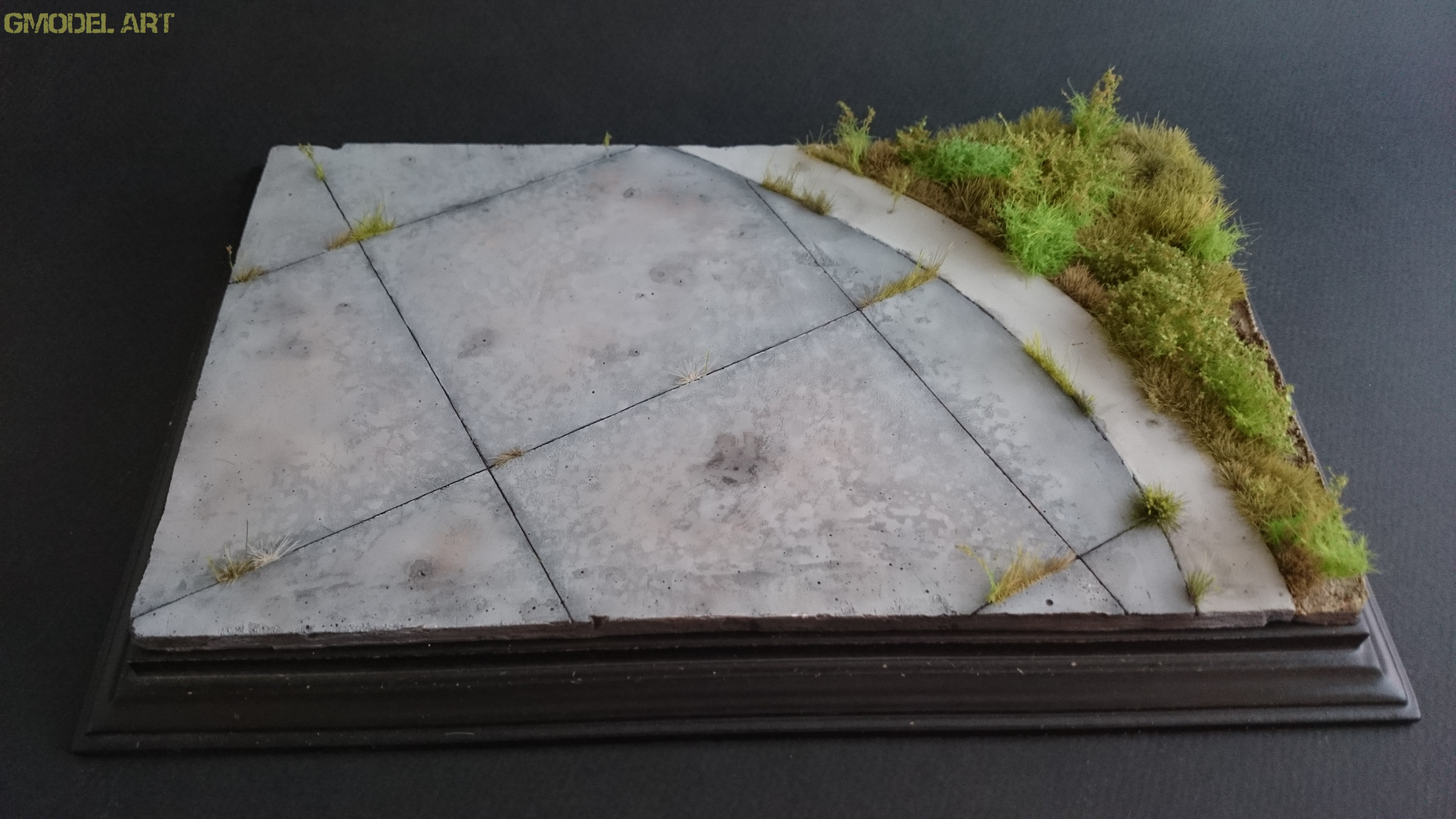
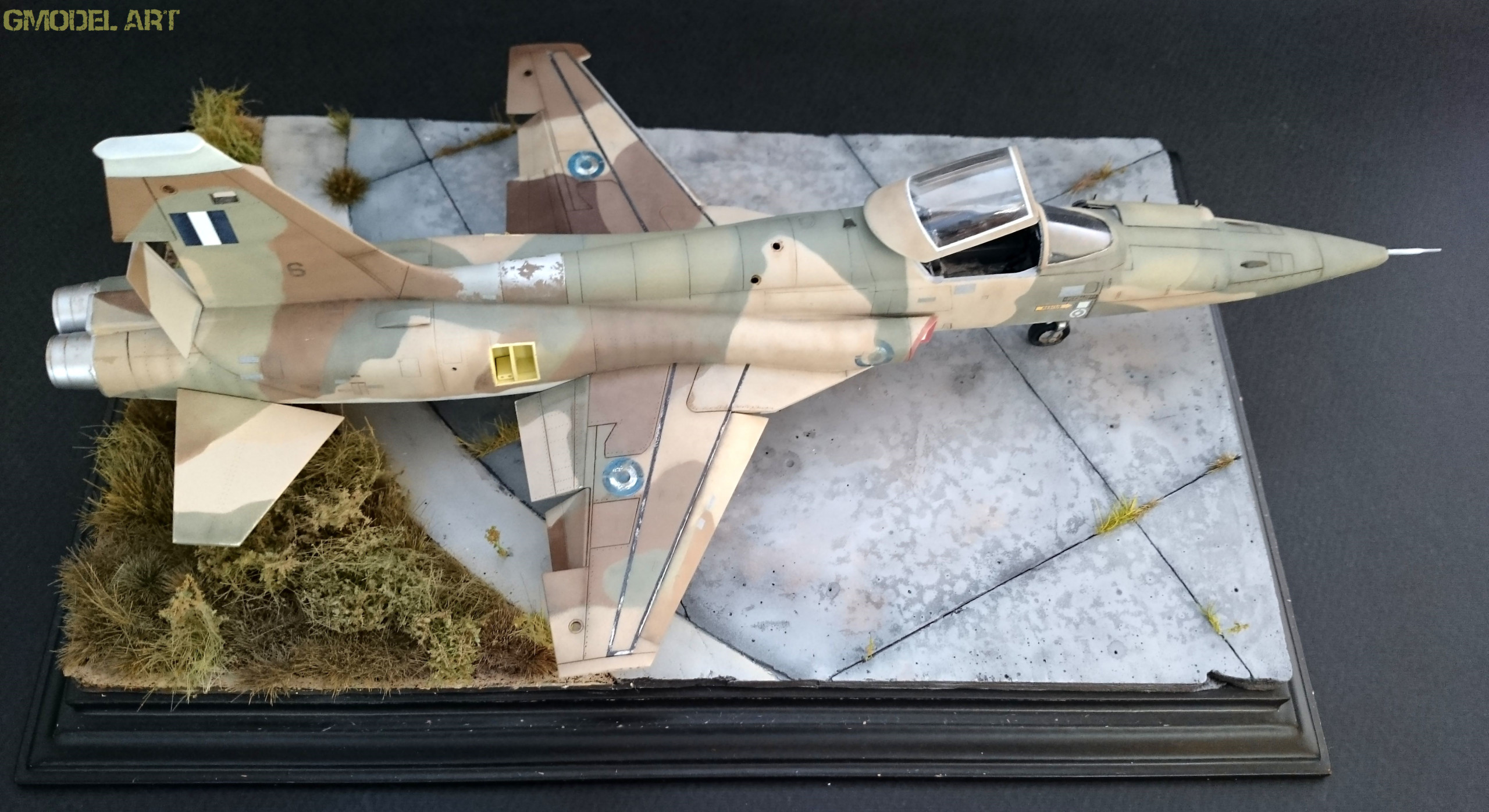
After completing the concept and story of the RF-5A abandoned aircraft in Part 1, the realism of the scene now depends entirely on the base. A strong, believable ground surface is what transforms a model into a story.
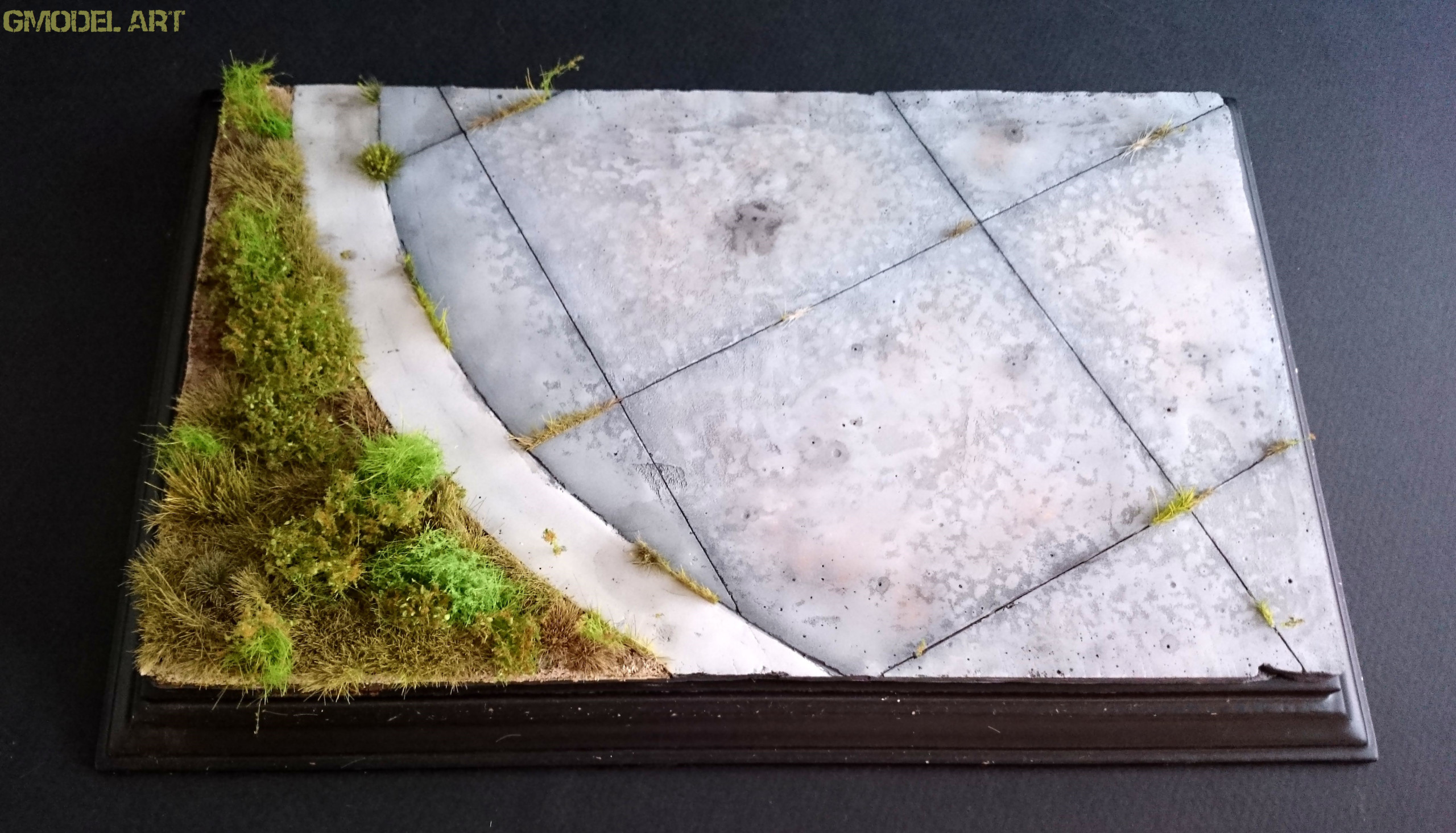
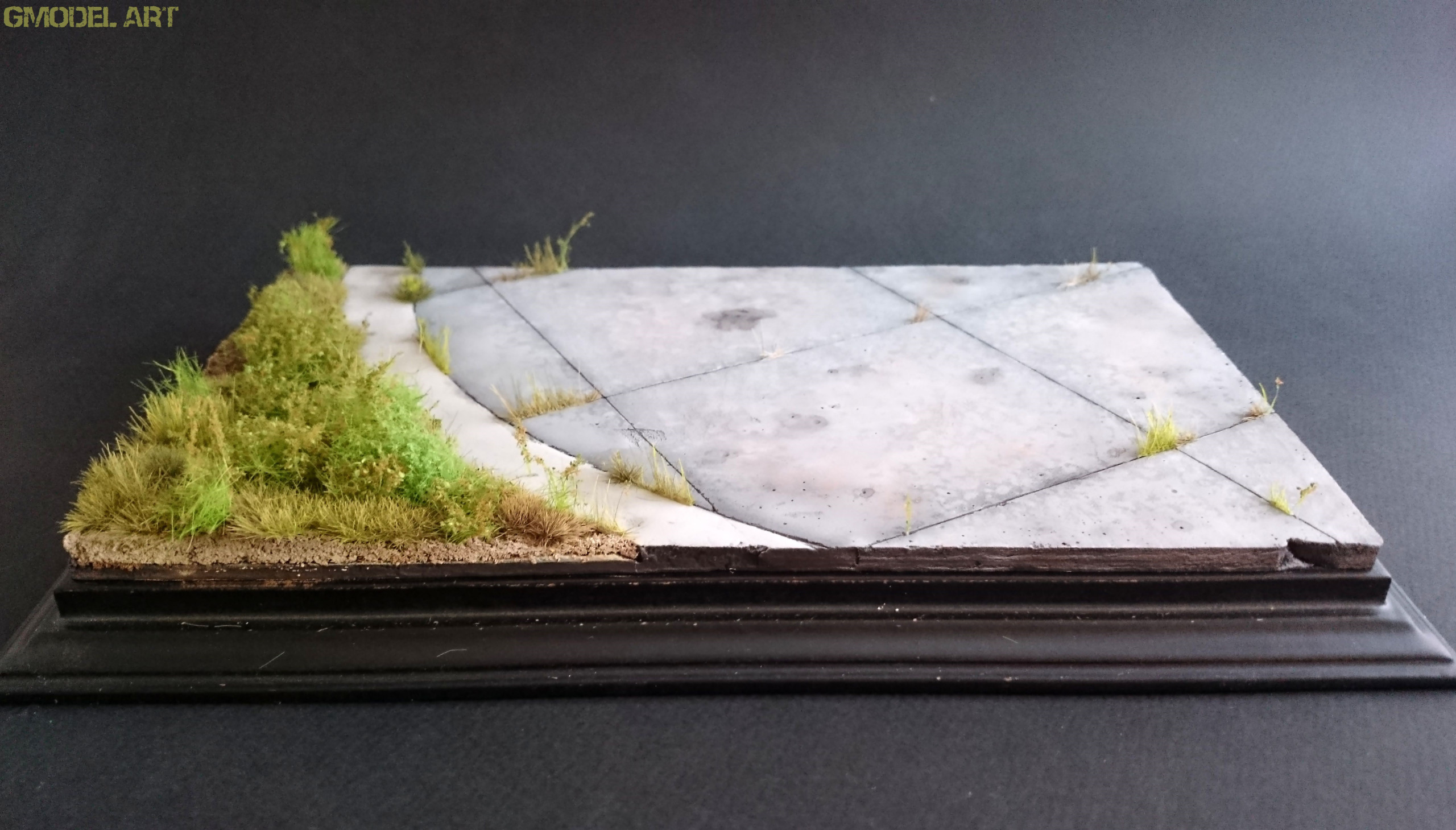
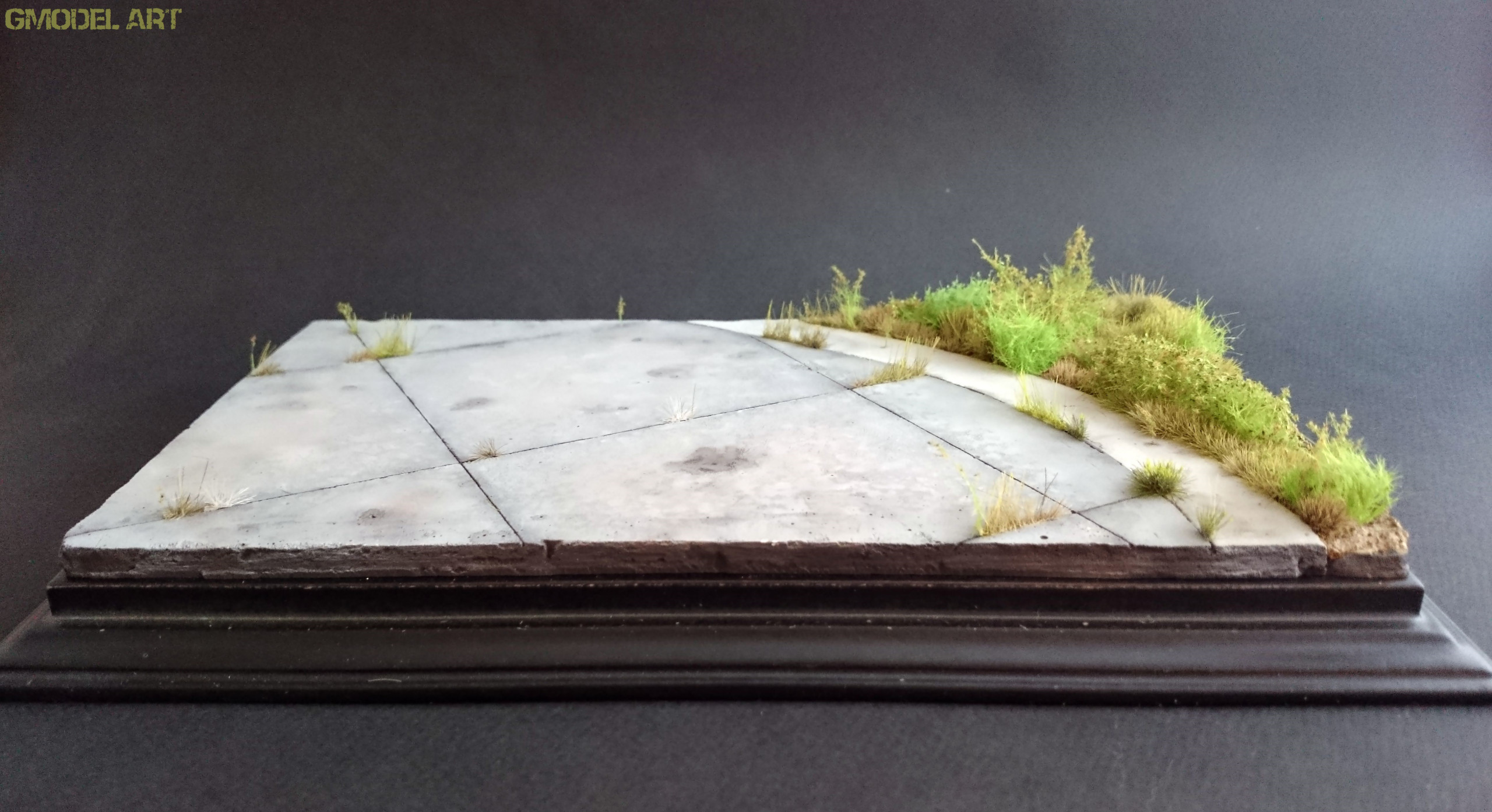
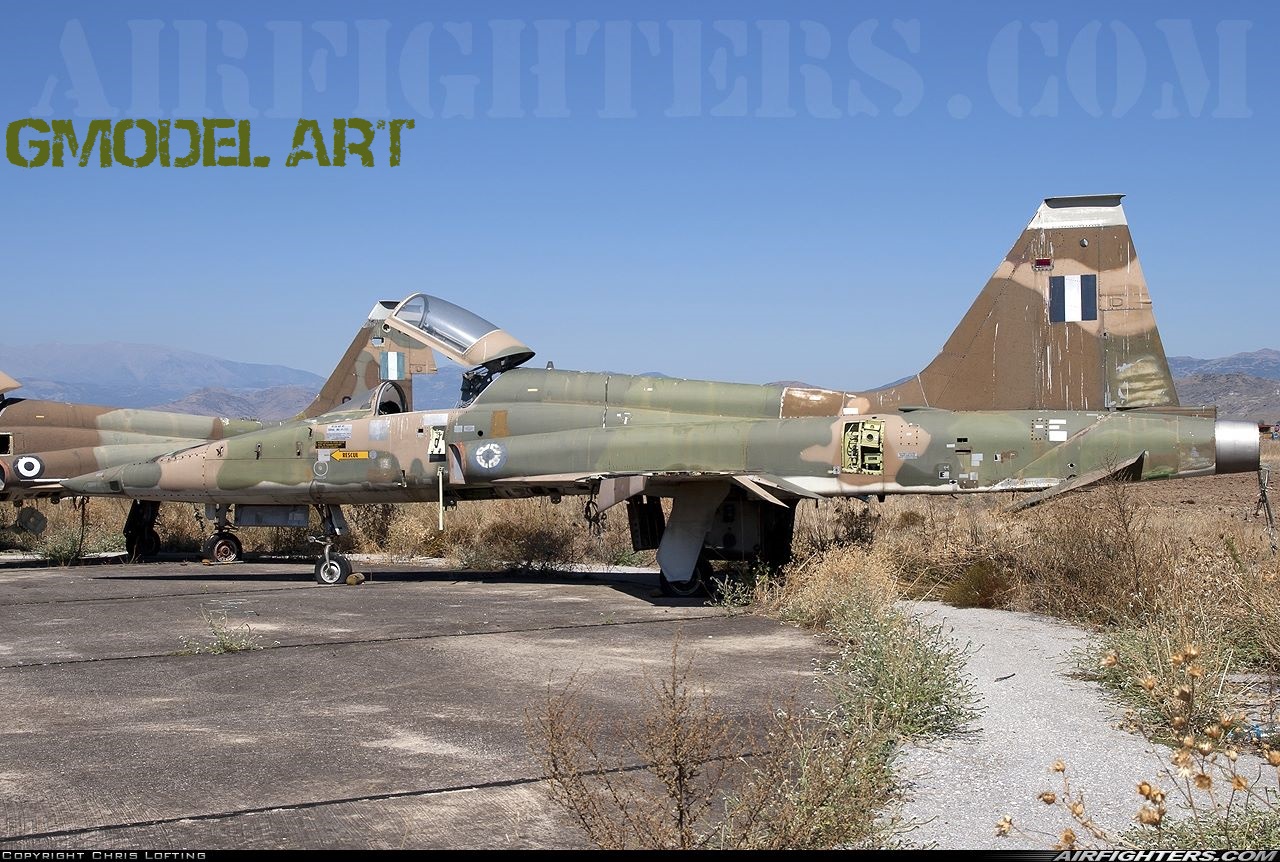
In this build, the goal was to recreate a worn NATO-style airbase surface, showing clear signs of abandonment, environmental wear, and natural aging. The entire process combines simple materials with careful technique and controlled imperfection.
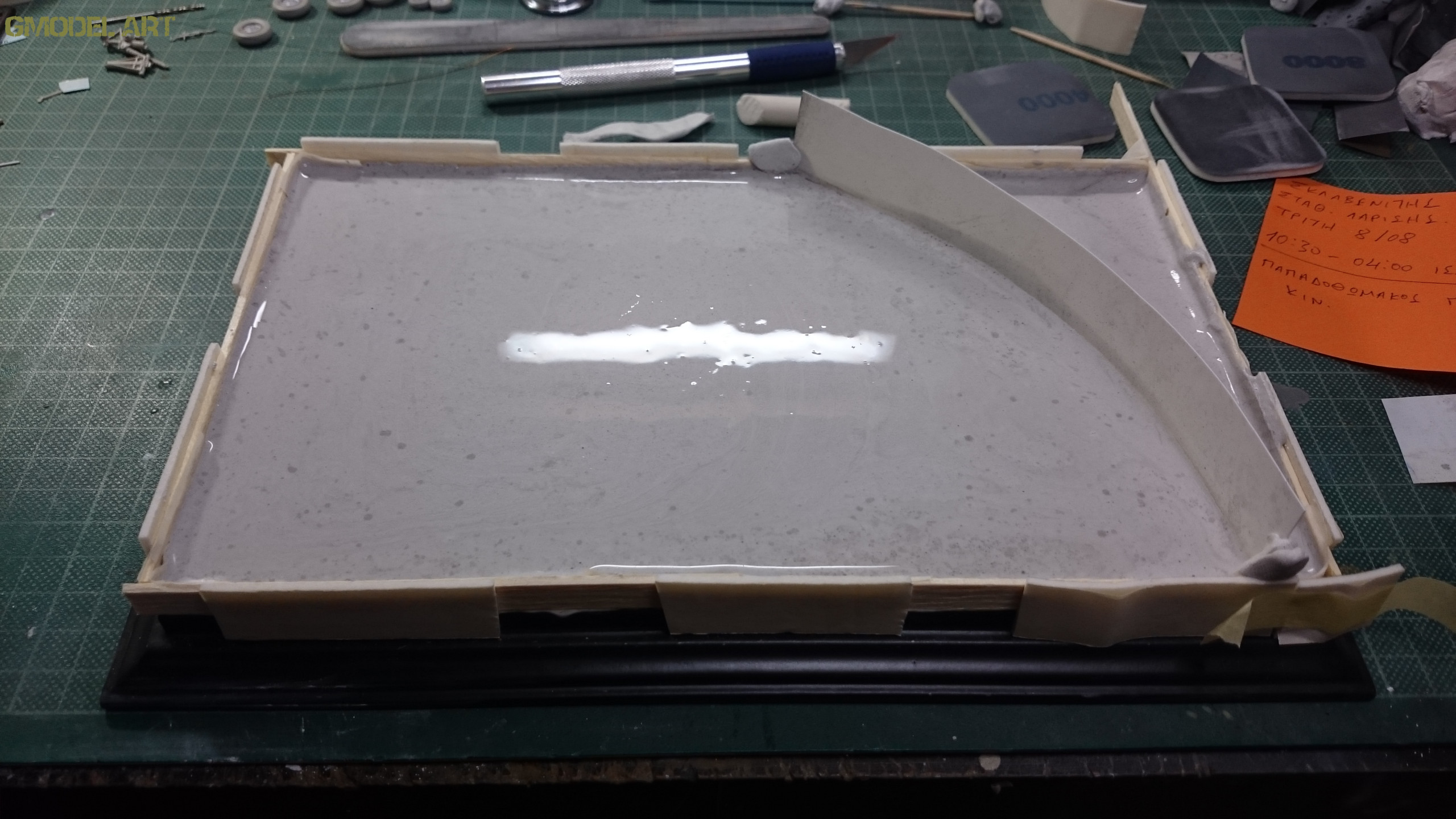
The construction began with a WOODEN DISPLAY BASE (MDF BASE) in the desired dimensions. This provides stability and a clean presentation. To define the working area, BALSA WOOD STRIPS / WOODEN SLATS were used to create a frame. This step ensures that the material stays contained and gives sharp, professional edges.
Inside this frame, PLASTER OF PARIS (MODELING PLASTER) was poured to form the surface. The material was left to settle naturally without overworking it. This is important because plaster develops its own subtle and realistic texture while drying, something that cannot be replicated artificially.
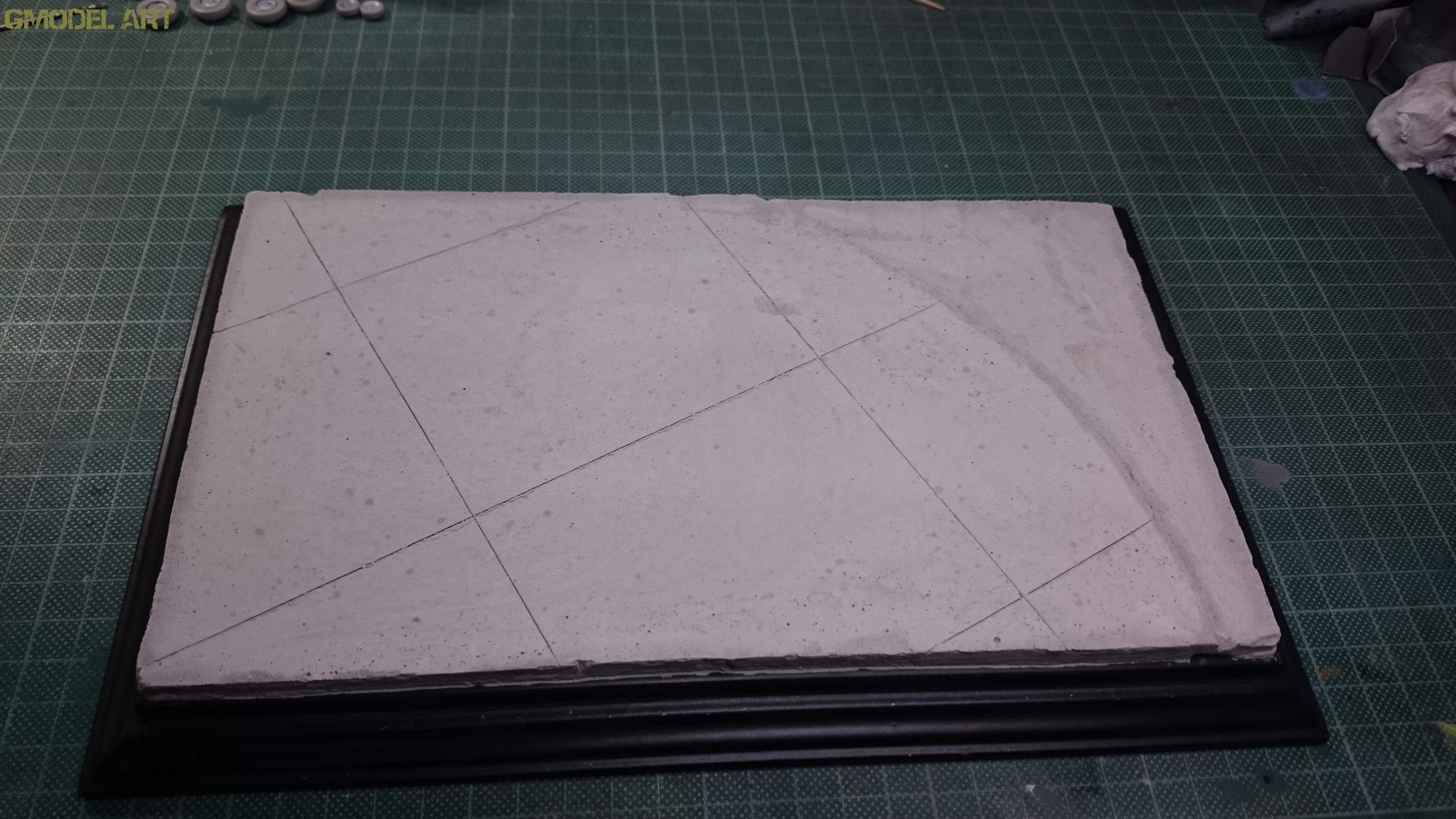
Once the plaster had partially cured—but was not yet fully hardened—the surface was carefully removed from the mold. At this stage, it is firm enough to hold its shape while still soft enough to be worked.
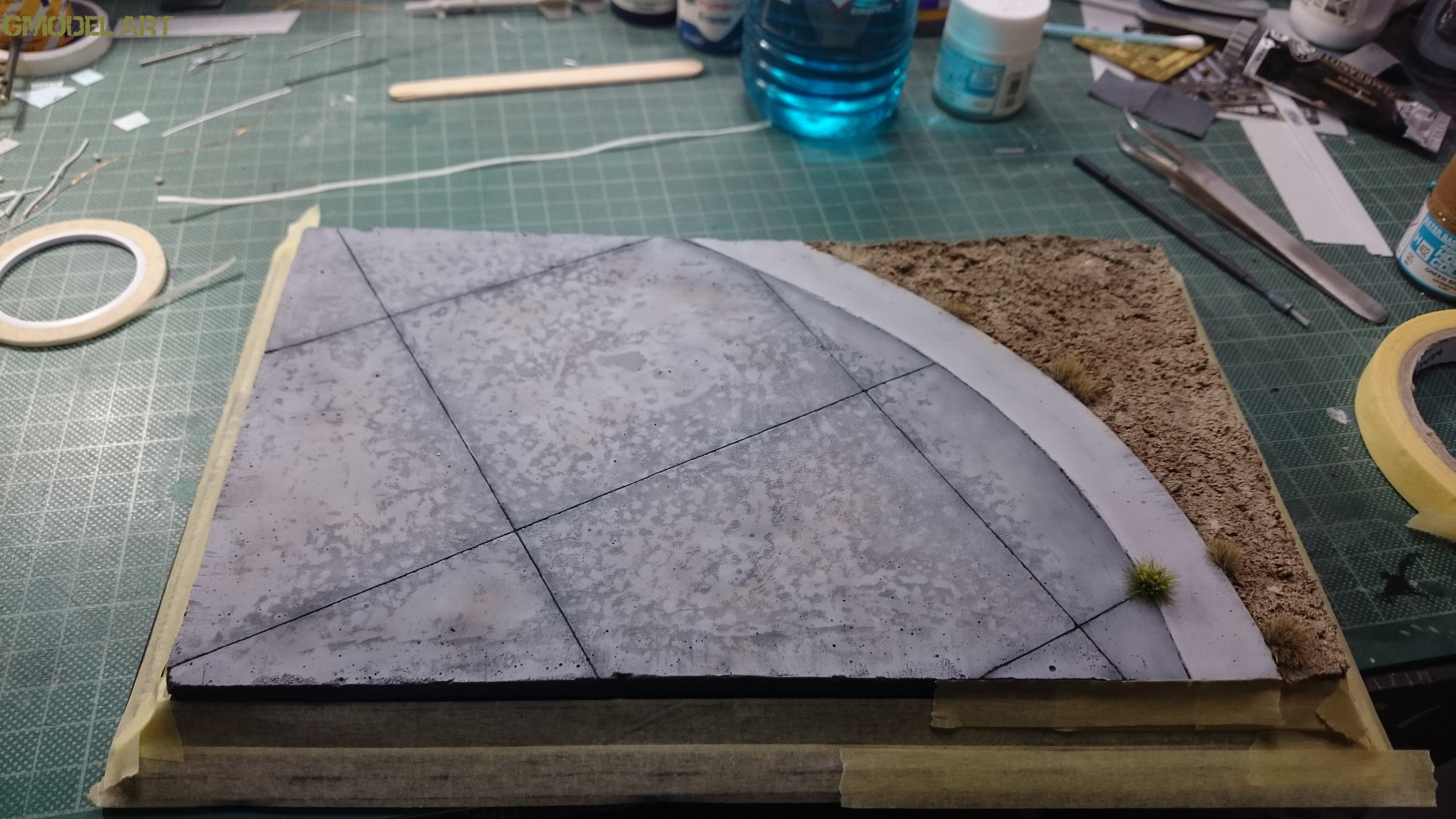
Using a MODELING CUTTER / HOBBY KNIFE and a METAL RULER, the concrete slab lines were engraved. The lines were kept thin, straight, and consistent with scale. This is one of the most critical steps, as it defines the realism of the entire base.
After allowing the plaster to dry further, the surface was gently treated with SANDING SPONGES / FINE SANDPAPER and lightly rubbed with tissue paper. This process softened the surface while maintaining natural imperfections. The engraved lines were then refined again using the MODELING CUTTER / HOBBY KNIFE to ensure clarity.
These imperfections—small cracks, uneven textures, and irregularities—are essential. Real concrete is never perfect, and embracing these details creates a far more convincing result.
The base was then left to fully cure for 24 hours before moving to the painting stage.
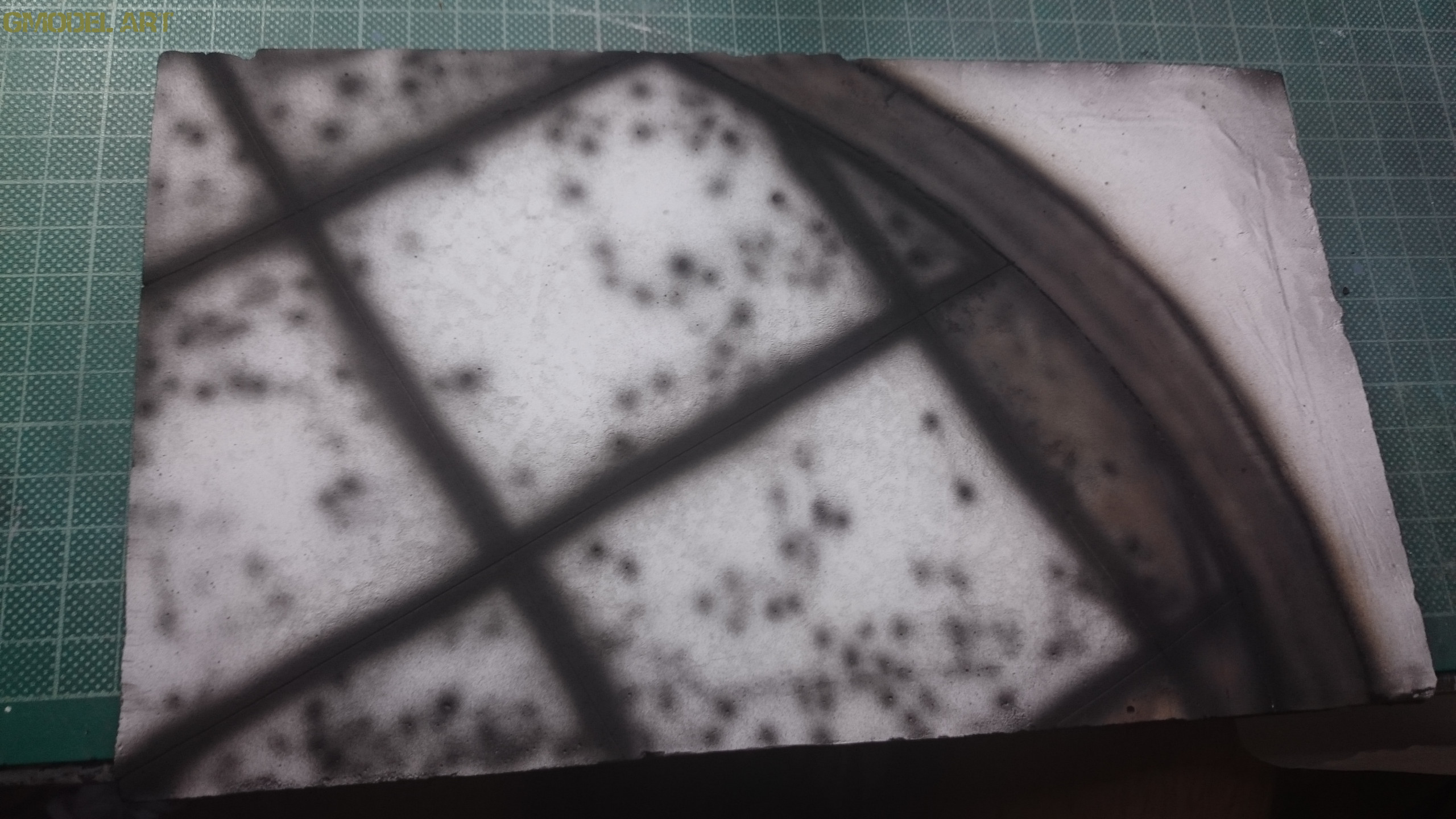
Once completely dry, the surface was primed using PRIMER (MR. SURFACER 1000 / 1200). Priming ensures proper paint adhesion and reveals any surface details that need correction.
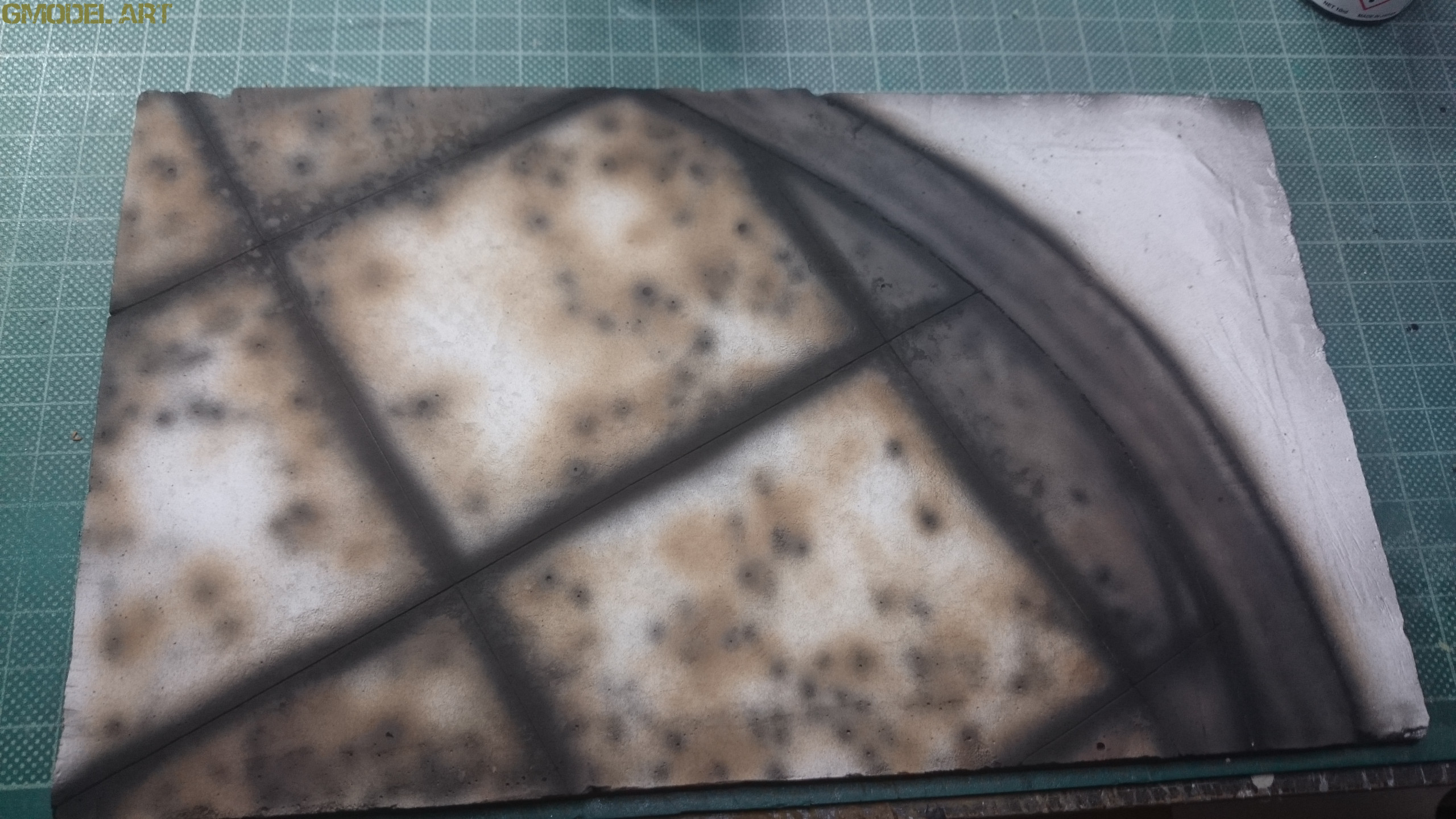
The main base color was created using GUNZE MR. HOBBY H307 GRAY FS36320, slightly mixed with GUNZE MR. HOBBY H310 BROWN FS30219. This mixture was applied across the entire surface to create a realistic concrete tone.
After the base coat, additional depth was added by spraying darker tones locally, especially between the slab lines. For this step, FLAT BLACK MODEL PAINT and brown shades were used to simulate dirt accumulation and long-term wear.
Two to three additional light passes were applied using variations of gray and brown tones, building a layered effect. This technique avoids a flat appearance and creates subtle variations, which are essential for realism.
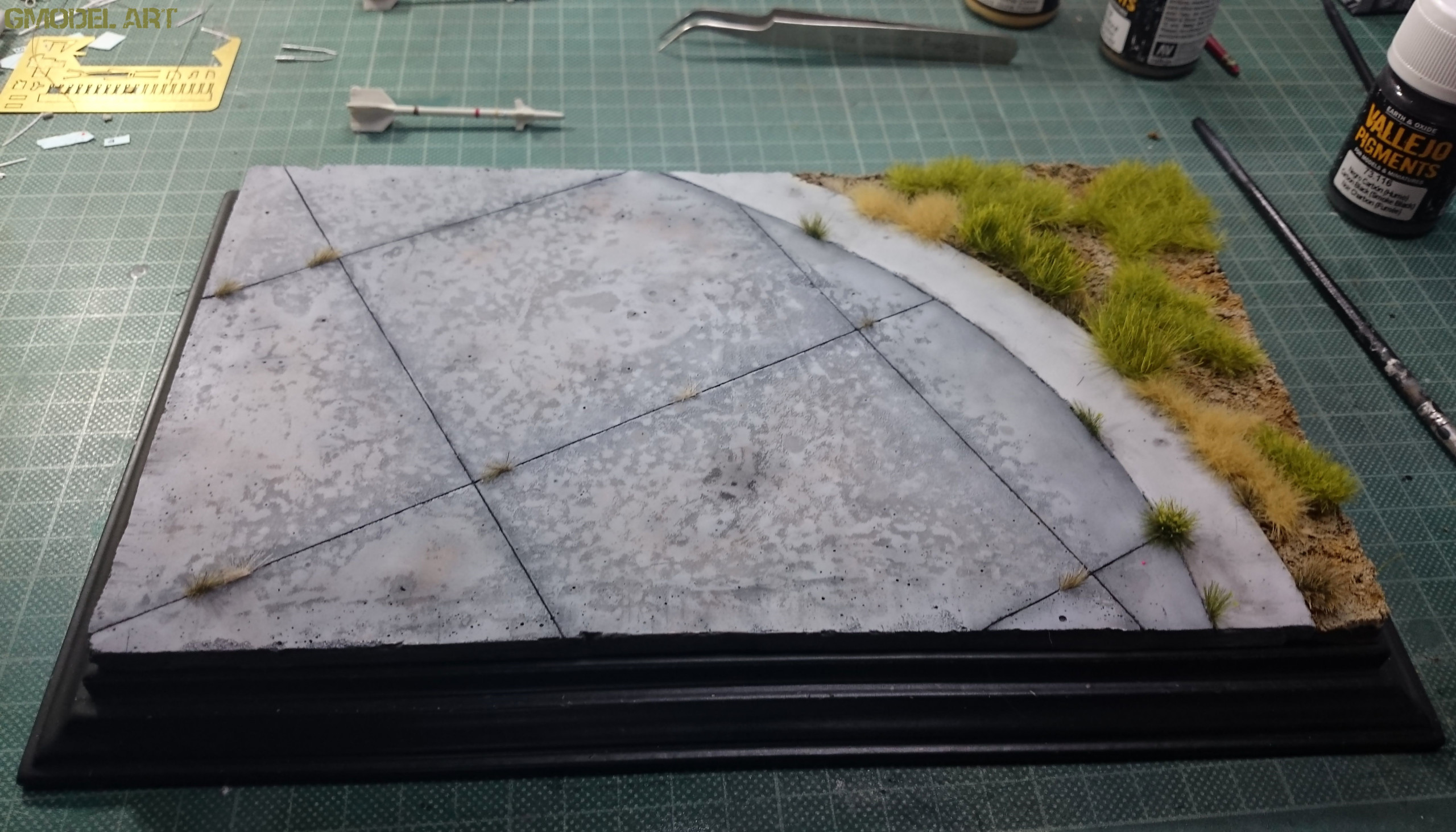
To enhance the weathered look further, PANEL LINE WASH (BLACK / BROWN) was applied into the engraved lines to emphasize depth. Additional effects were achieved using WEATHERING PIGMENTS (DUST / EARTH TONES), which simulate dirt, dust, and environmental exposure. In some areas, OIL PAINTS FOR STREAKING EFFECTS were used to create subtle stains and discoloration.
To blend and control these effects, ENAMEL THINNER was carefully applied, allowing for smooth transitions and realistic finishes.
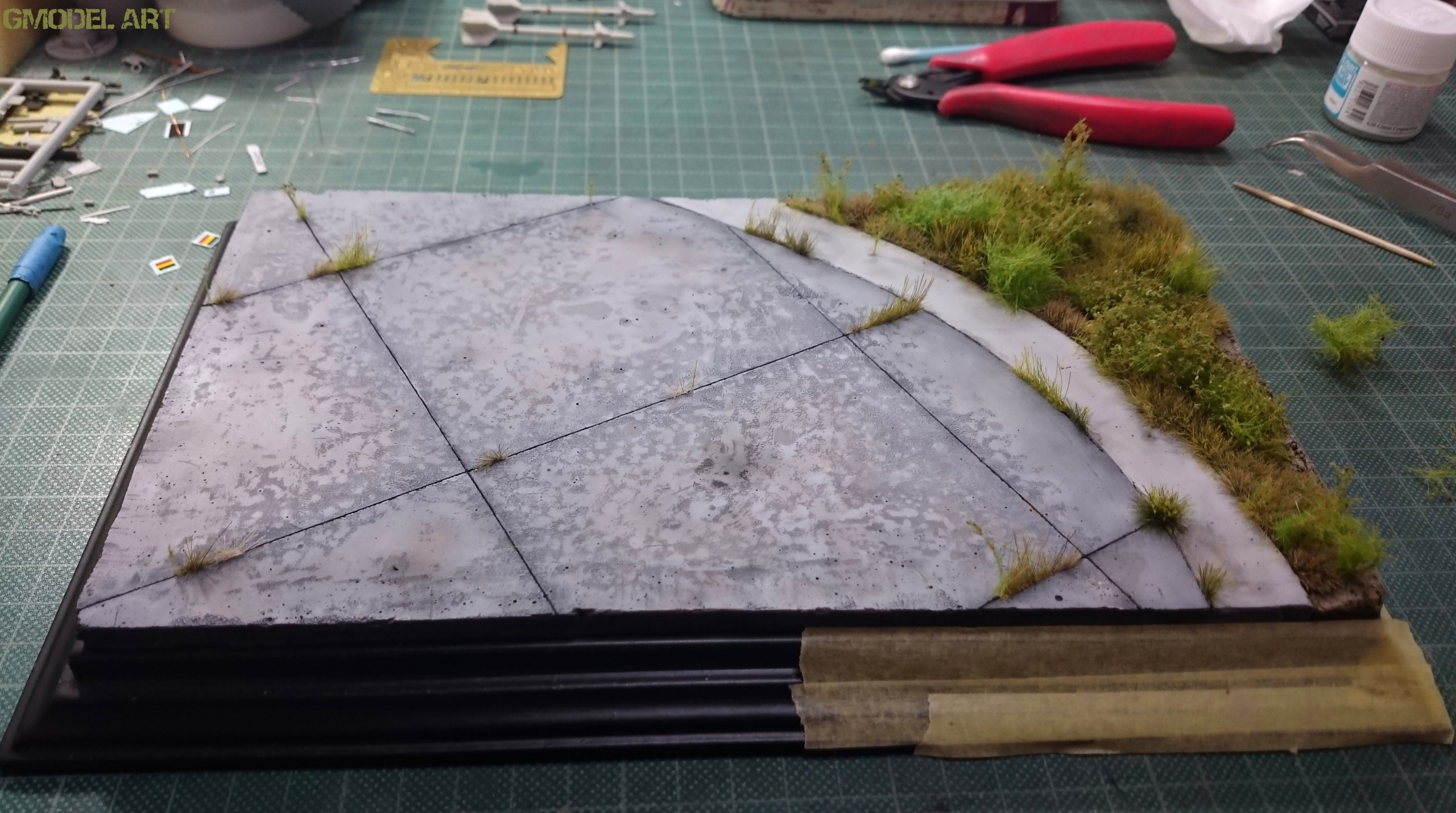
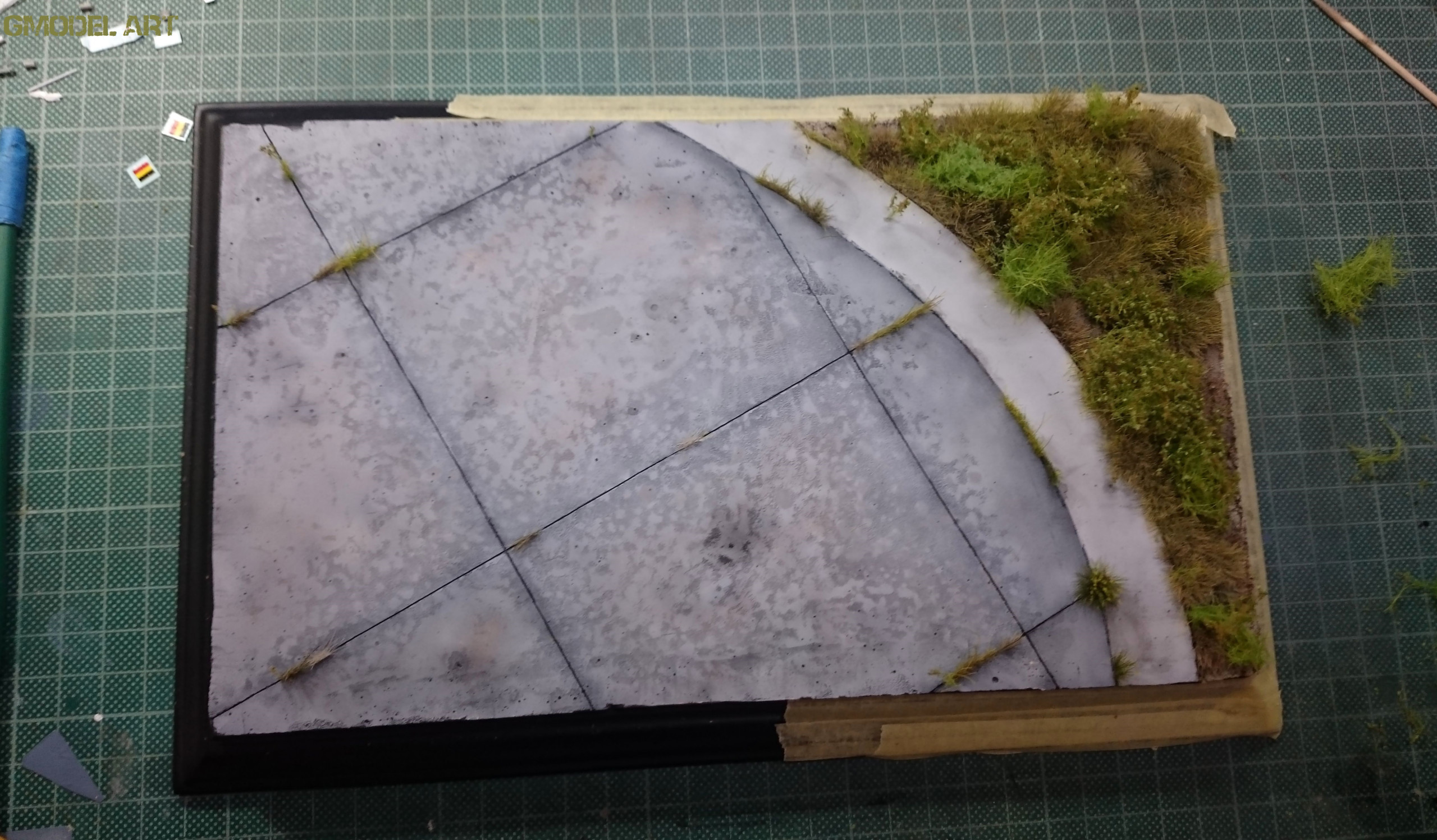
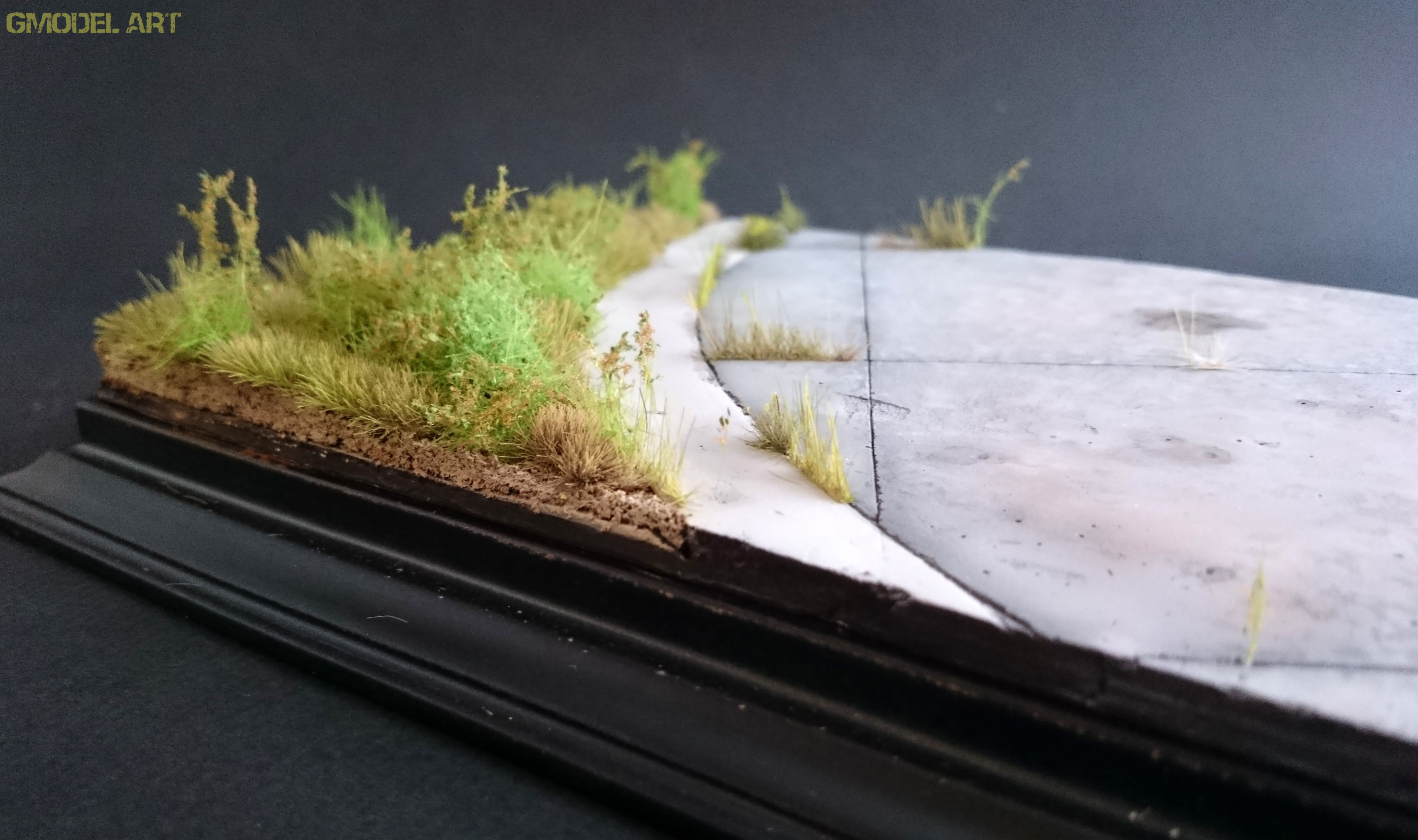
The final stage involved adding vegetation to reinforce the abandoned atmosphere. Bushes and scenic elements were mainly used from NOCH SCENERY PRODUCTS (BUSHES & VEGETATION).
These elements were not used straight from the package. Instead, they were toned down using light sprays of brown shades, helping them blend naturally into the environment. Bright green tones were avoided, as they would break the realism of an abandoned scene.
Dry grasses were added using STATIC GRASS / DRY GRASS TUFTS, placed strategically in cracks, along slab lines, and in random areas where vegetation would naturally grow. To secure them properly, SCENIC GLUE FOR DIORAMAS was used.
The placement was intentionally irregular. Nature does not grow in patterns, and this randomness is what creates authenticity.
In the end, the base becomes much more than just a support. It becomes a storytelling element. The worn concrete, layered paint, and scattered vegetation all work together to create a believable abandoned airbase environment.
The key to success in projects like this is simple: avoid perfection. Realism comes from variation, subtlety, and understanding how materials behave in the real world.
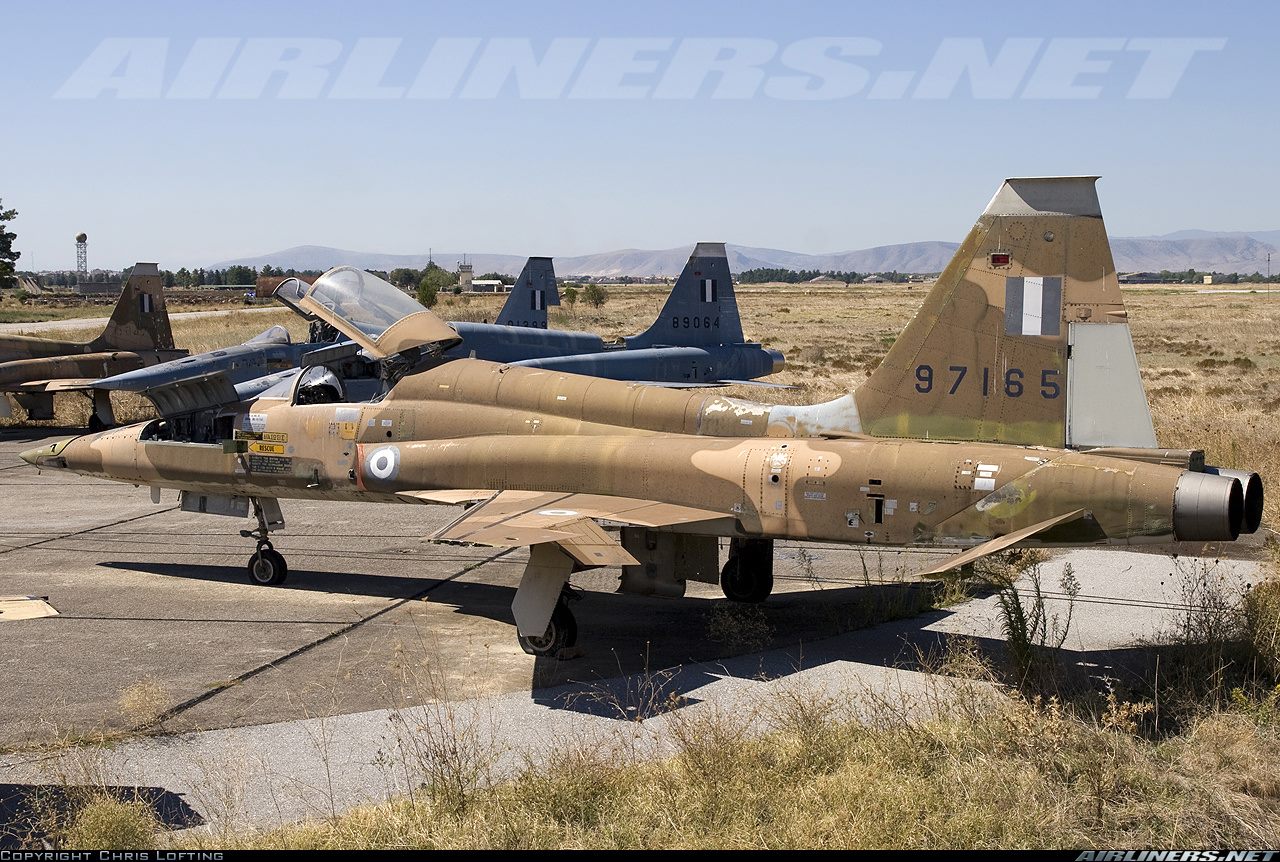
https://www.airliners.net/photo/Greece-Air-Force/Northrop-F-5A-Freedom-Fighter/1327342
Mitsubishi A6M Zero– “Wreck of War in Eden”