article
Who Was Sheperd Paine
Sheperd Paine (1946–2015) was one of the most influential figures in scale modeling history. More than just a modeler, Sheperd Paine transformed modeling from a simple hobby into a powerful storytelling art form.
Born in Chicago, Sheperd Paine started as a self-taught artist. His breakthrough came when Monogram Models asked him to create dioramas for their kits. These dioramas didn’t just showcase models — they told stories. That shift changed the entire modeling industry.
He was not only an artist but also a historian, educator, and war veteran. For Sheperd Paine, every figure represented a human story, not just plastic and paint.
The Works of Sheperd Paine
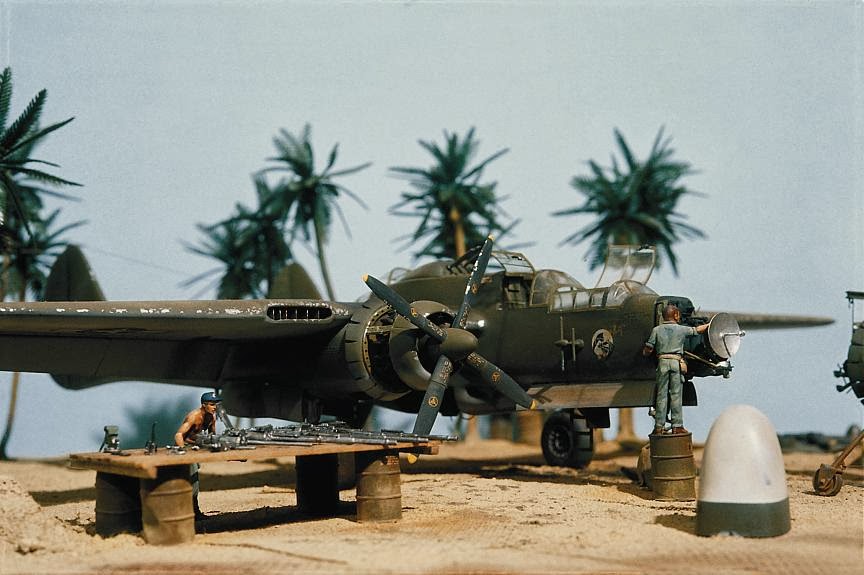
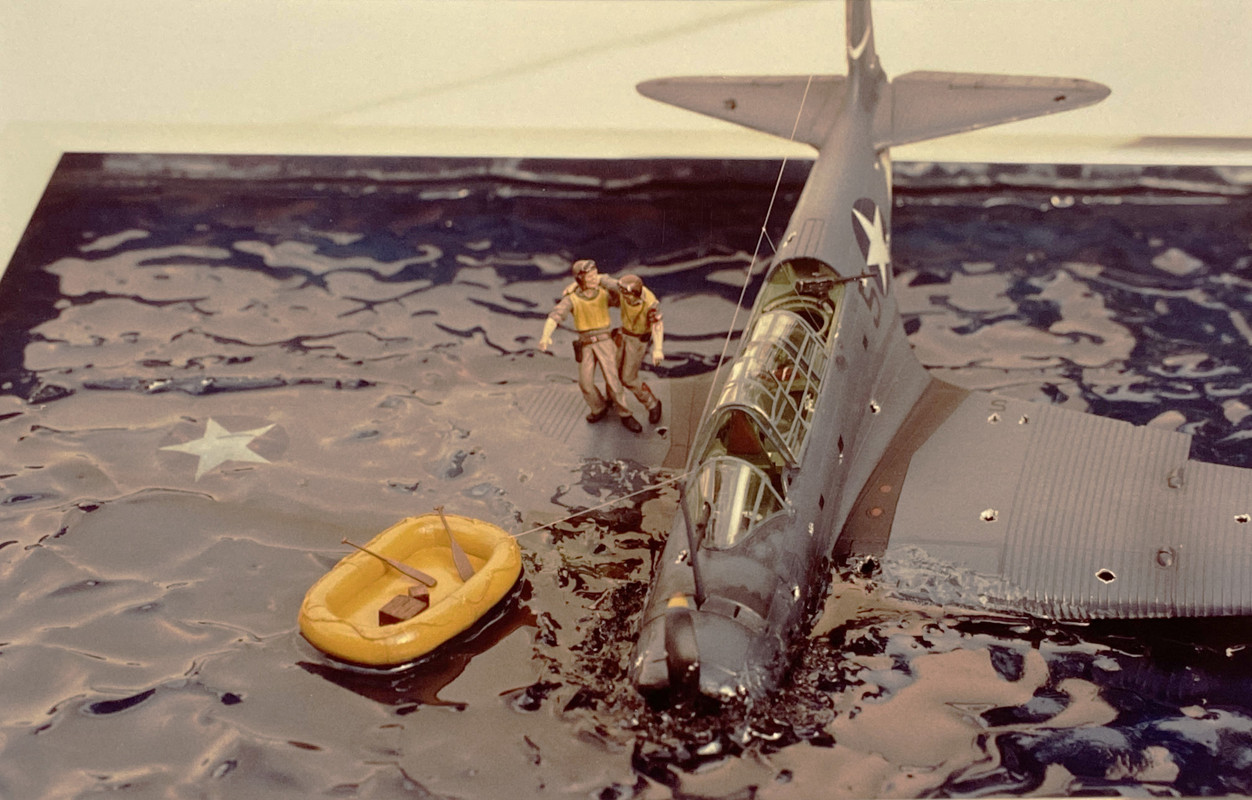
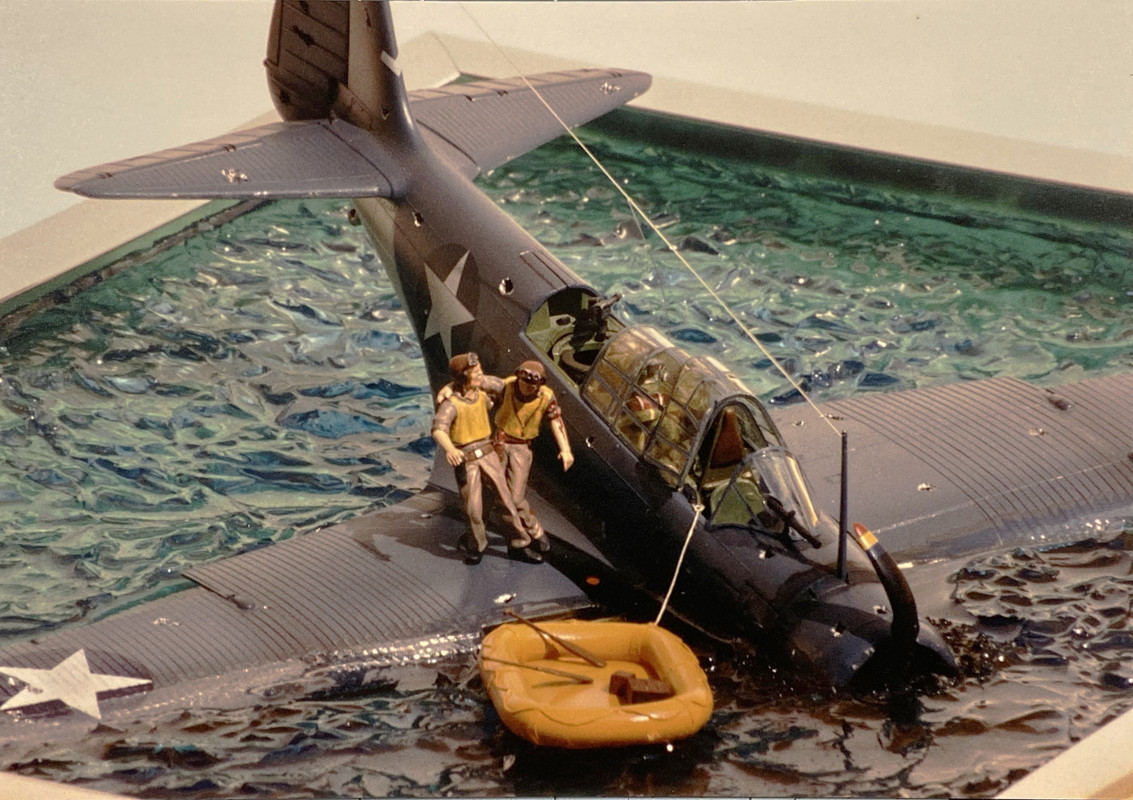
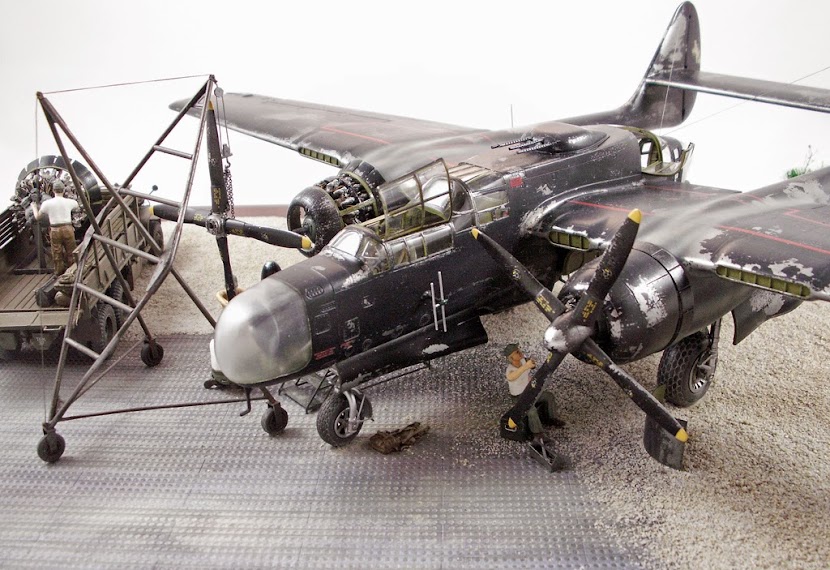
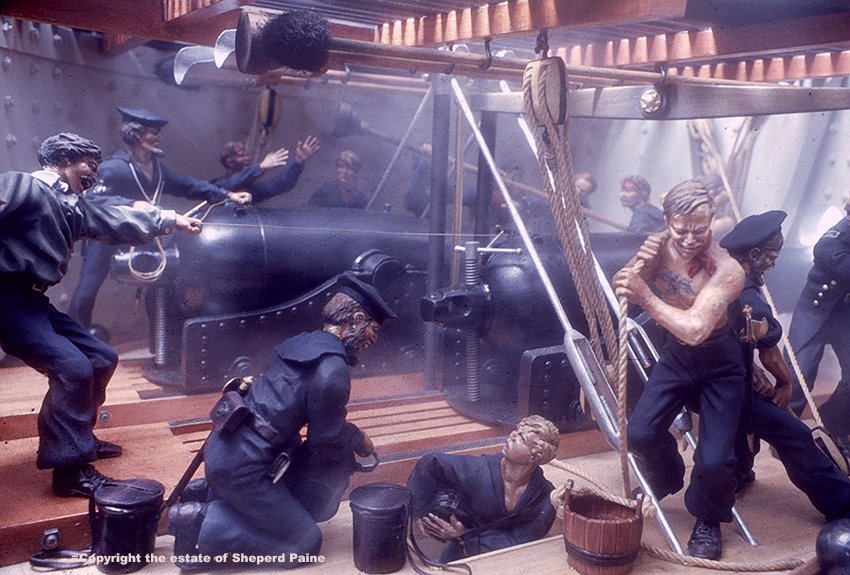
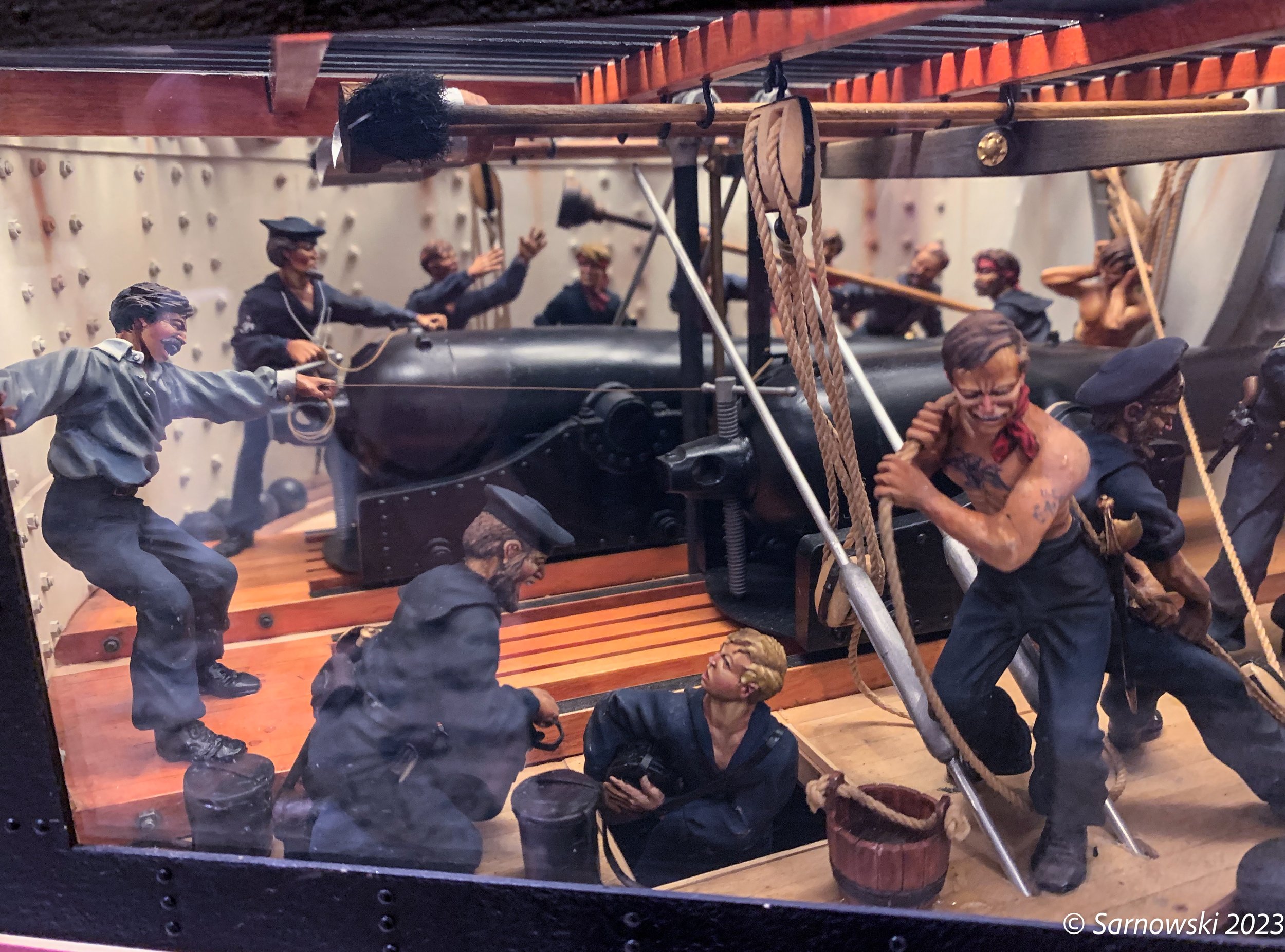
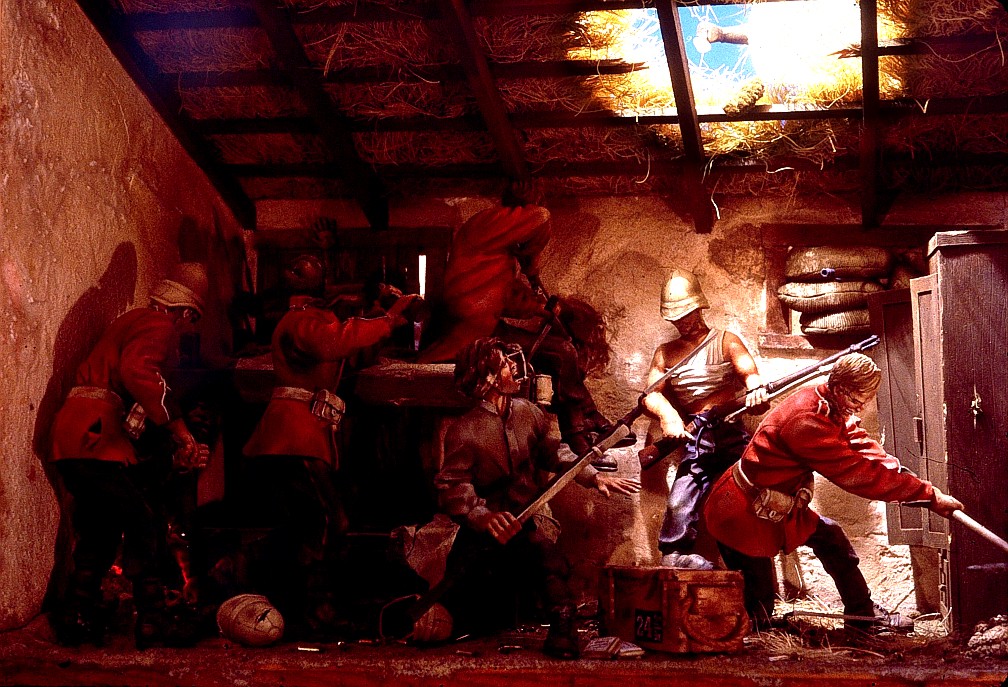
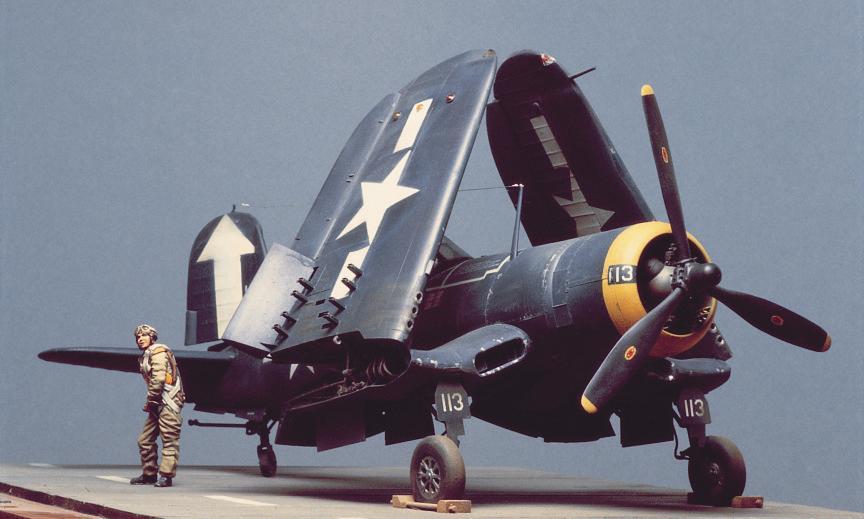
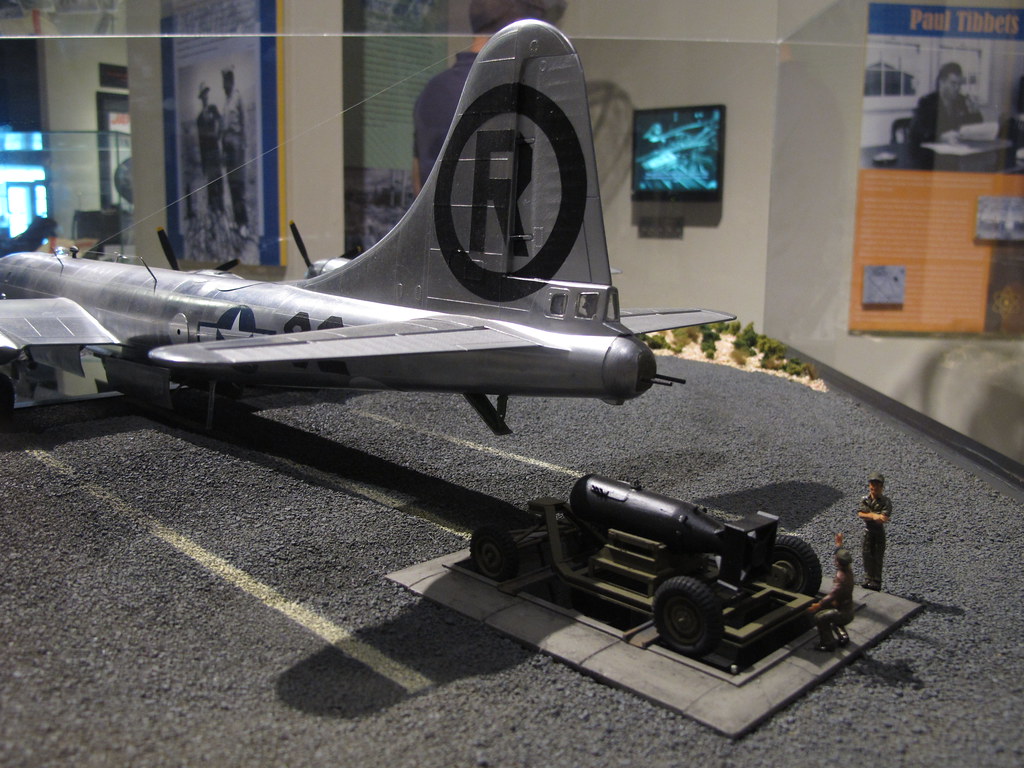
Sheperd Paine created dioramas that felt alive. His scenes captured tension, emotion, and realism in ways that few had achieved before.
Stalingrad – The Sniper’s Moment
A frozen battlefield scene inspired by the Battle of Stalingrad, where every detail — from snow textures to facial expressions — creates emotional intensity.
SS Officer’s Last Cigar
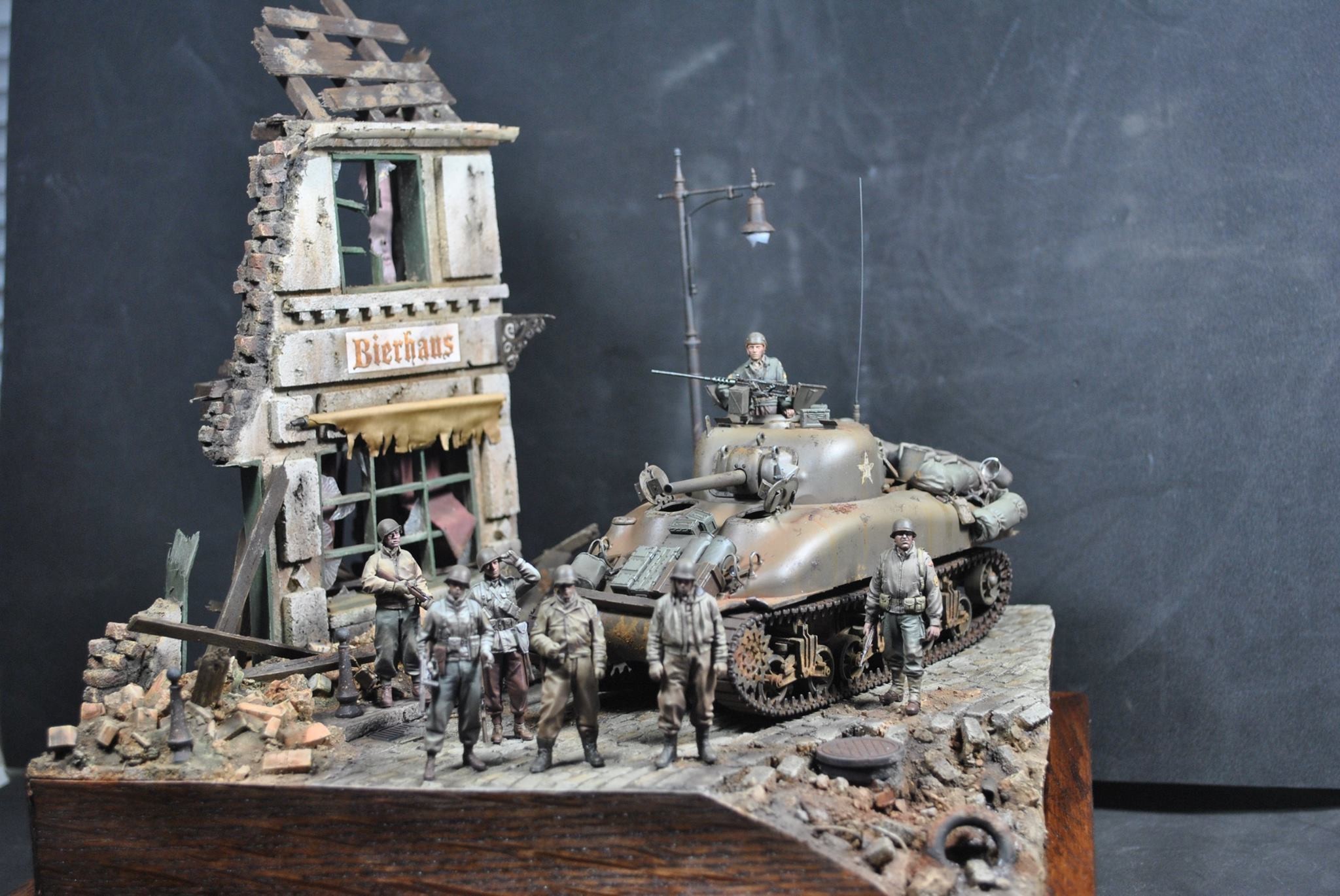
A quiet but powerful moment set in France, 1944. A single figure inside a ruined house tells a story of defeat, reflection, and irony.
Napoleon at the Danube
A historical scene blending authority, pressure, and atmosphere, showing how Sheperd Paine could merge storytelling with historical accuracy.
Techniques That Defined Sheperd Paine
Drybrushing in Sheperd Paine Style
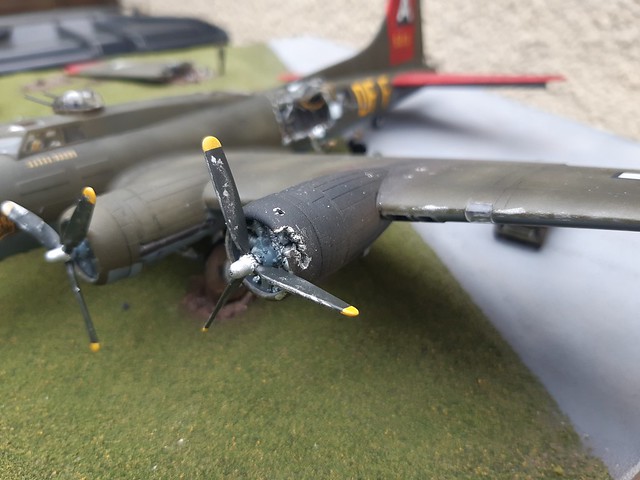
Drybrushing was one of the core techniques used by Sheperd Paine to highlight details and textures.
Use a nearly dry brush with minimal paint and gently apply it on raised surfaces. This technique reveals depth instantly and gives life to flat surfaces.
Glazing and Toning
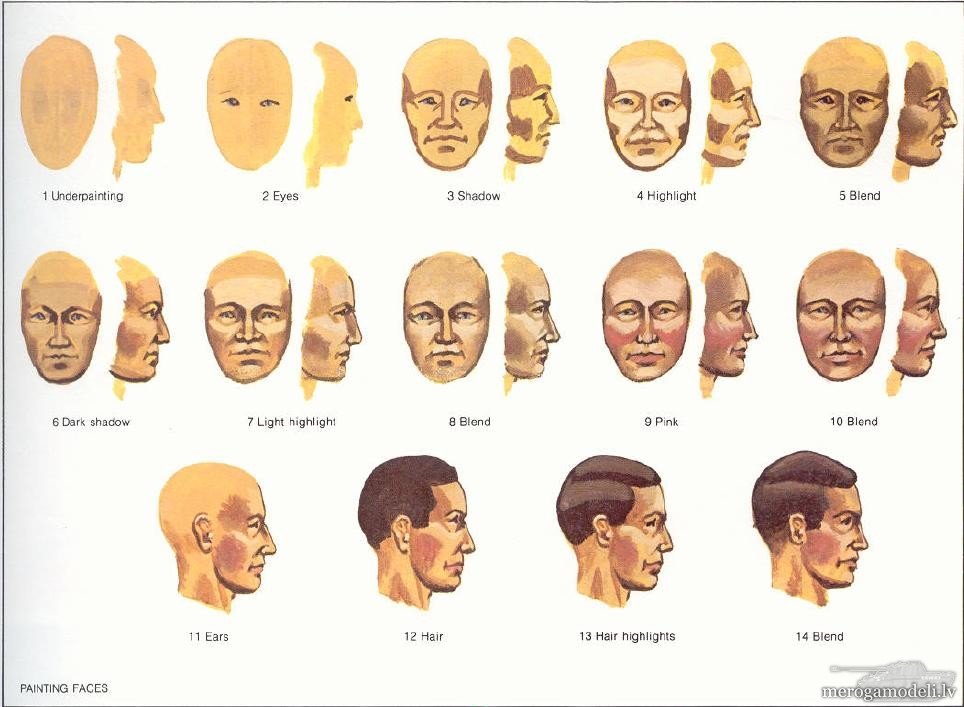
Sheperd Paine used thin layers of transparent paint to create realistic skin tones and shadows. This method adds depth and realism, especially on figures.
Emotionally Driven Dioramas
Every diorama by Sheperd Paine had a purpose. Composition, lighting, and positioning were carefully chosen to evoke emotion.
Scratchbuilding
If something didn’t exist, Sheperd Paine built it. Using simple materials like plastic, wood, and cardboard, he achieved unmatched authenticity.
The Philosophy of Sheperd Paine
Sheperd Paine believed that modeling was not about assembling parts, but about telling stories.
“Most people see a figure. I see a person with a story.”
“The most important tool is not the airbrush. It is your imagination.”
A diorama, according to Sheperd Paine, should speak for itself without explanation. Emotion mattered more than technical perfection.
The Legacy of Sheperd Paine
The influence of Sheperd Paine is still visible today across the modeling world.
His name is associated with major modeling awards and competitions
Organizations like MMSI continue to promote his philosophy
Thousands of modelers still learn from his books and techniques
Sheperd Paine is widely considered the father of modern diorama storytelling.
GModel Art and the Influence of Sheperd Paine
GModel Art follows the philosophy of Sheperd Paine by promoting modeling as storytelling, not just construction.
The platform supports creators who want to express emotion through their work, offering carefully selected tools and materials.
Explore modeling tools inspired by Sheperd Paine here:
https://eshop.gmodelart.com/
You can also explore the community here:
The Hobby of Modeling Is Psychotherapy!