article
XF4U-3B Corsair – The Turbocharged High-Altitude Corsair
The Corsair family is widely known as one of the most successful naval fighter designs of the Second World War. Designed by Vought Aircraft, the aircraft combined speed, heavy armament and rugged carrier capability.
However, engineers continued experimenting with ways to expand the aircraft’s operational envelope. One of the most ambitious development branches was the XF4u-3 Corsair, a high-altitude interceptor variant developed from the famous F4u-1 Corsair.
The goal of the XF4U-3 Corsair program was simple: maintain Corsair performance at extreme altitude. Standard Corsair variants relied on mechanical superchargers, which meant power output dropped significantly above certain altitudes. To overcome this limitation, engineers introduced a turbo-supercharger installation that dramatically improved high-altitude performance.
The result was an aircraft capable of reaching approximately 480 mph at 40,000 feet, a remarkable figure for the time.
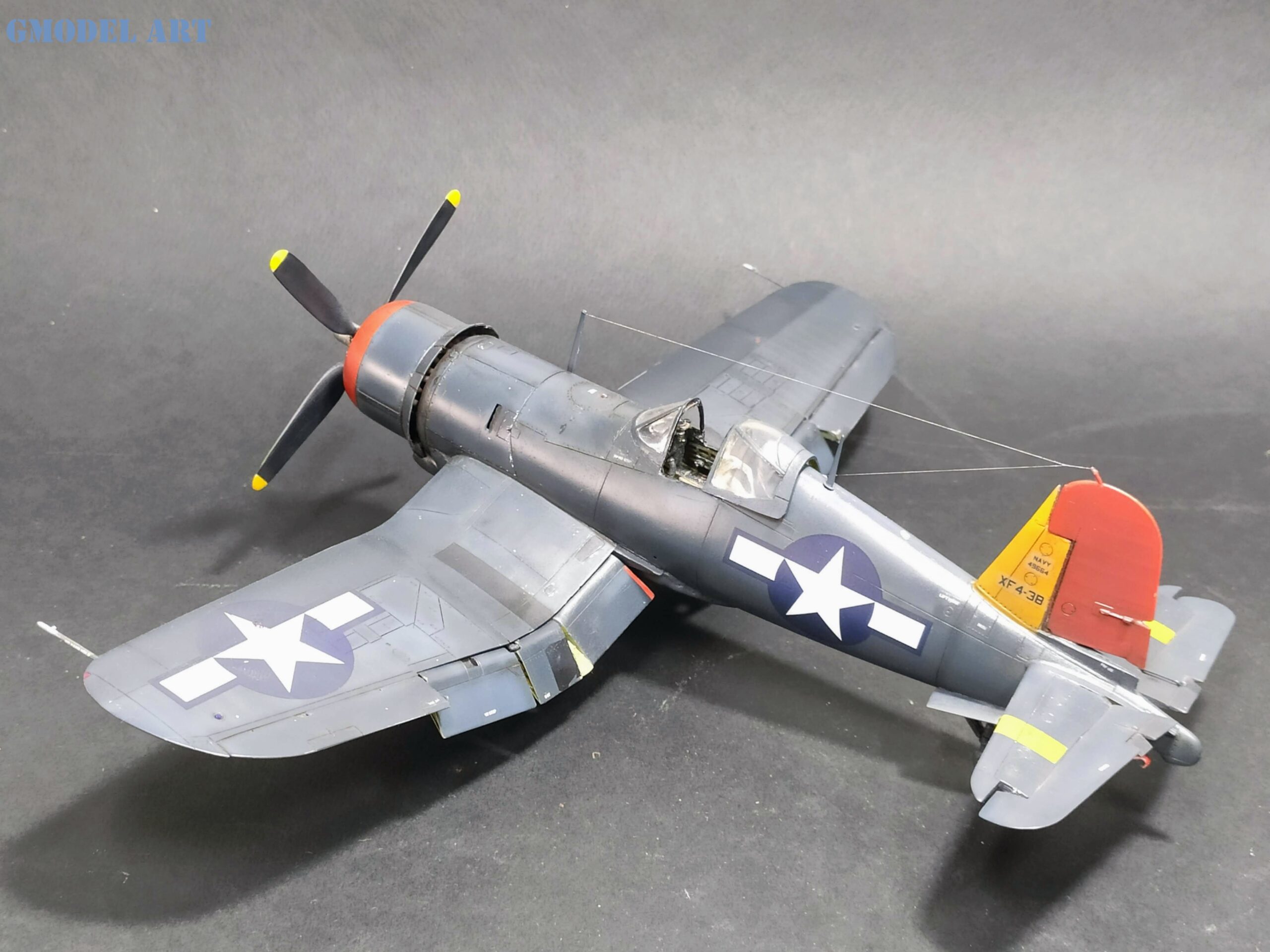
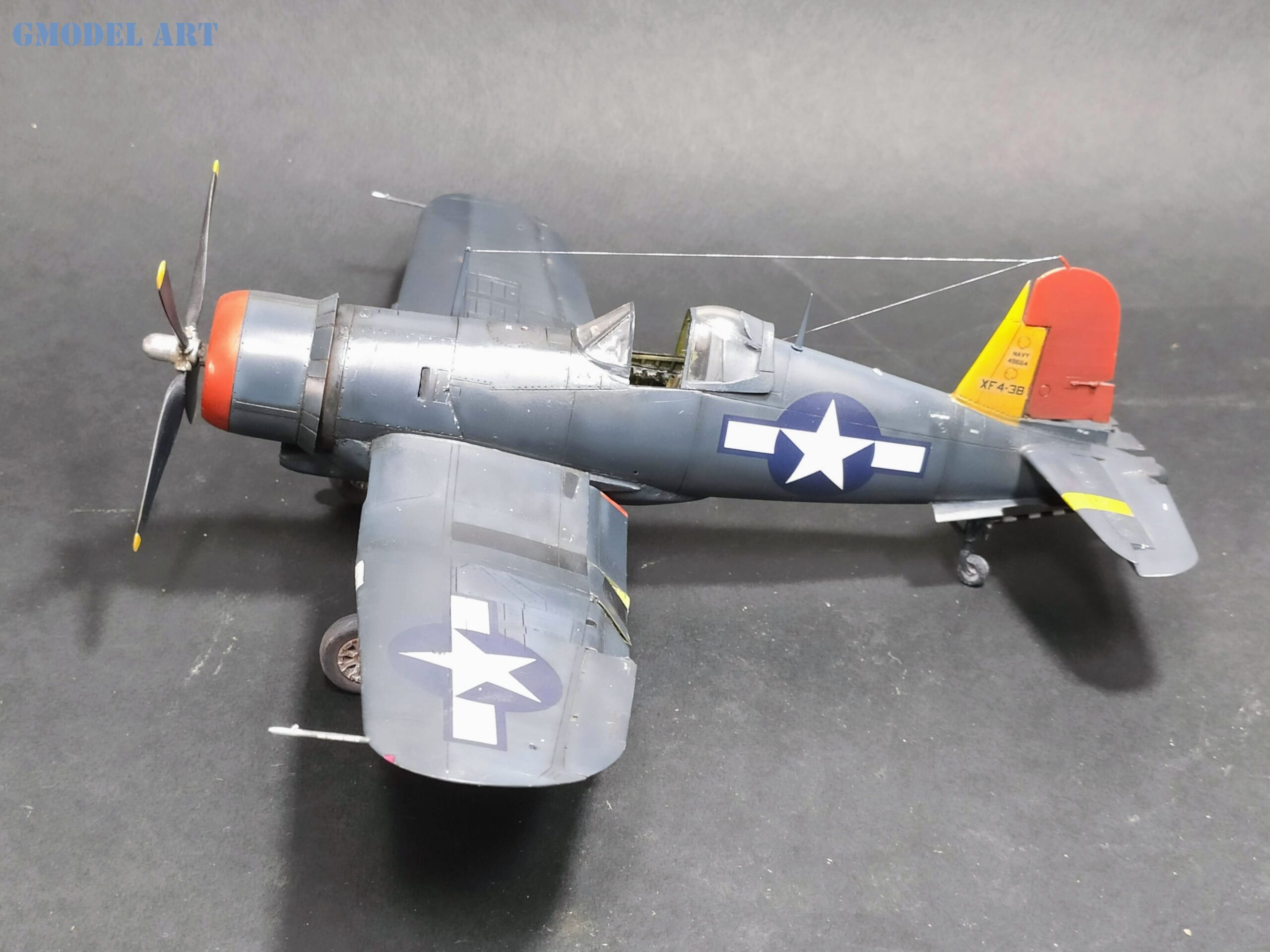
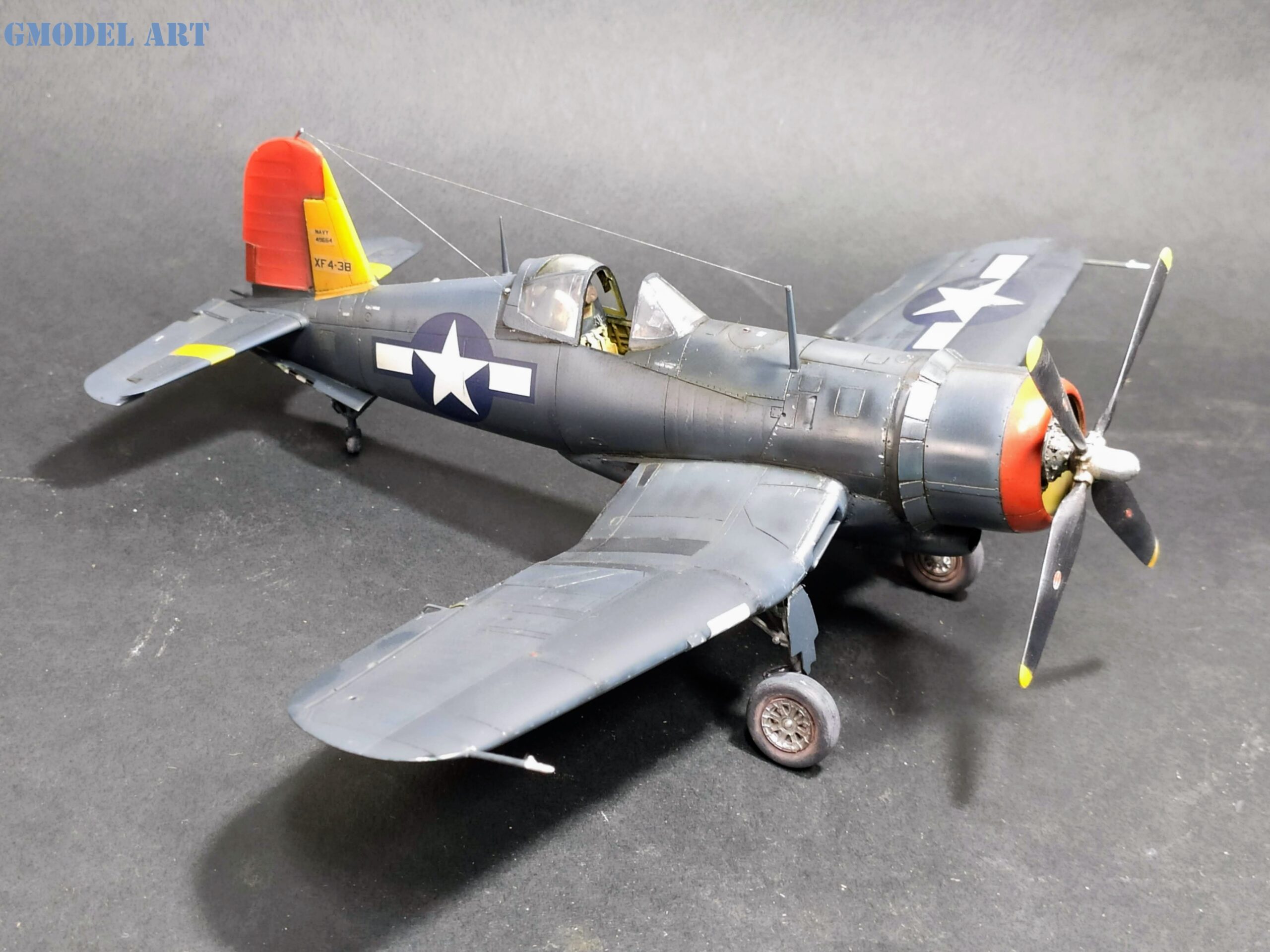
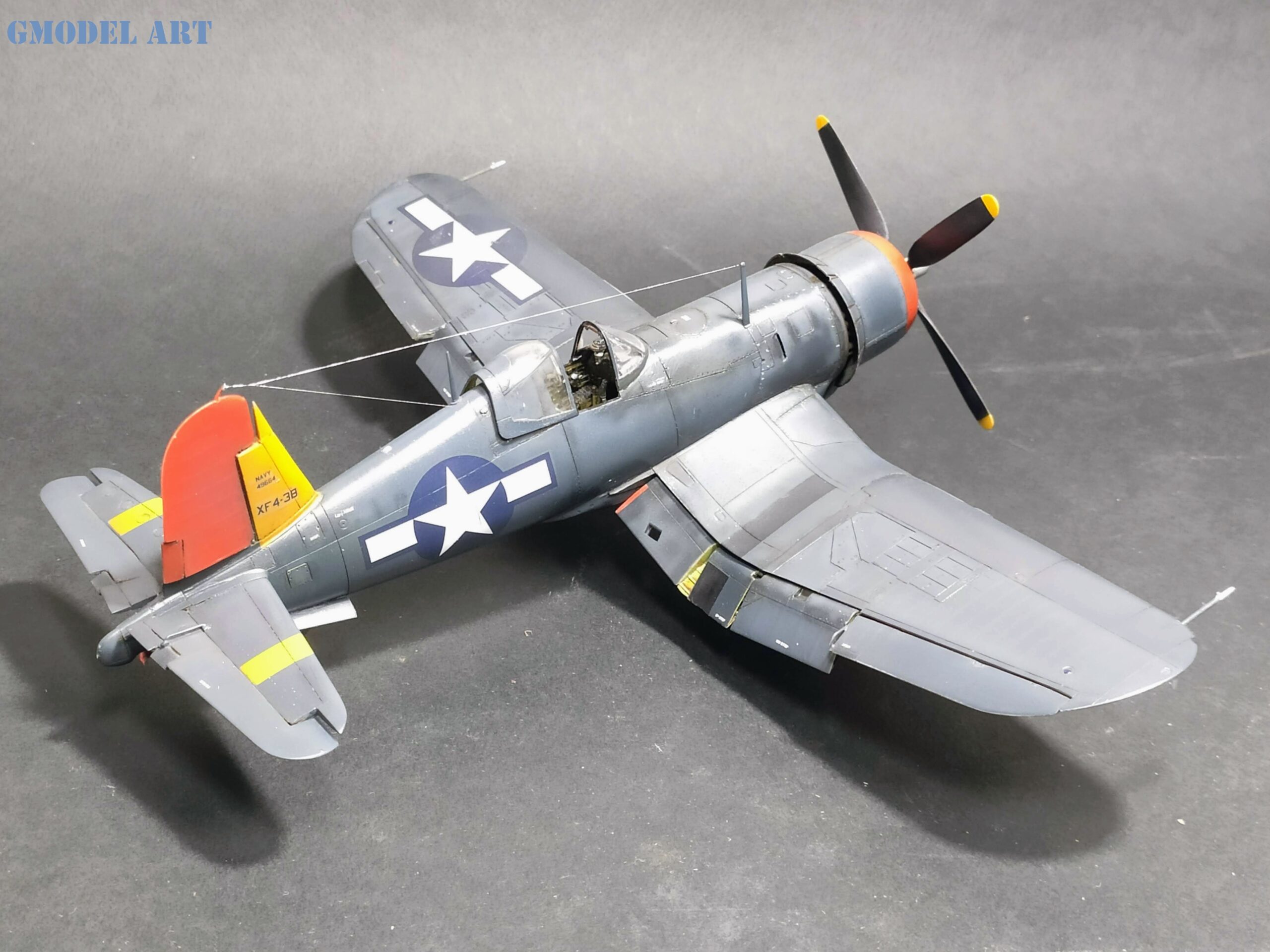
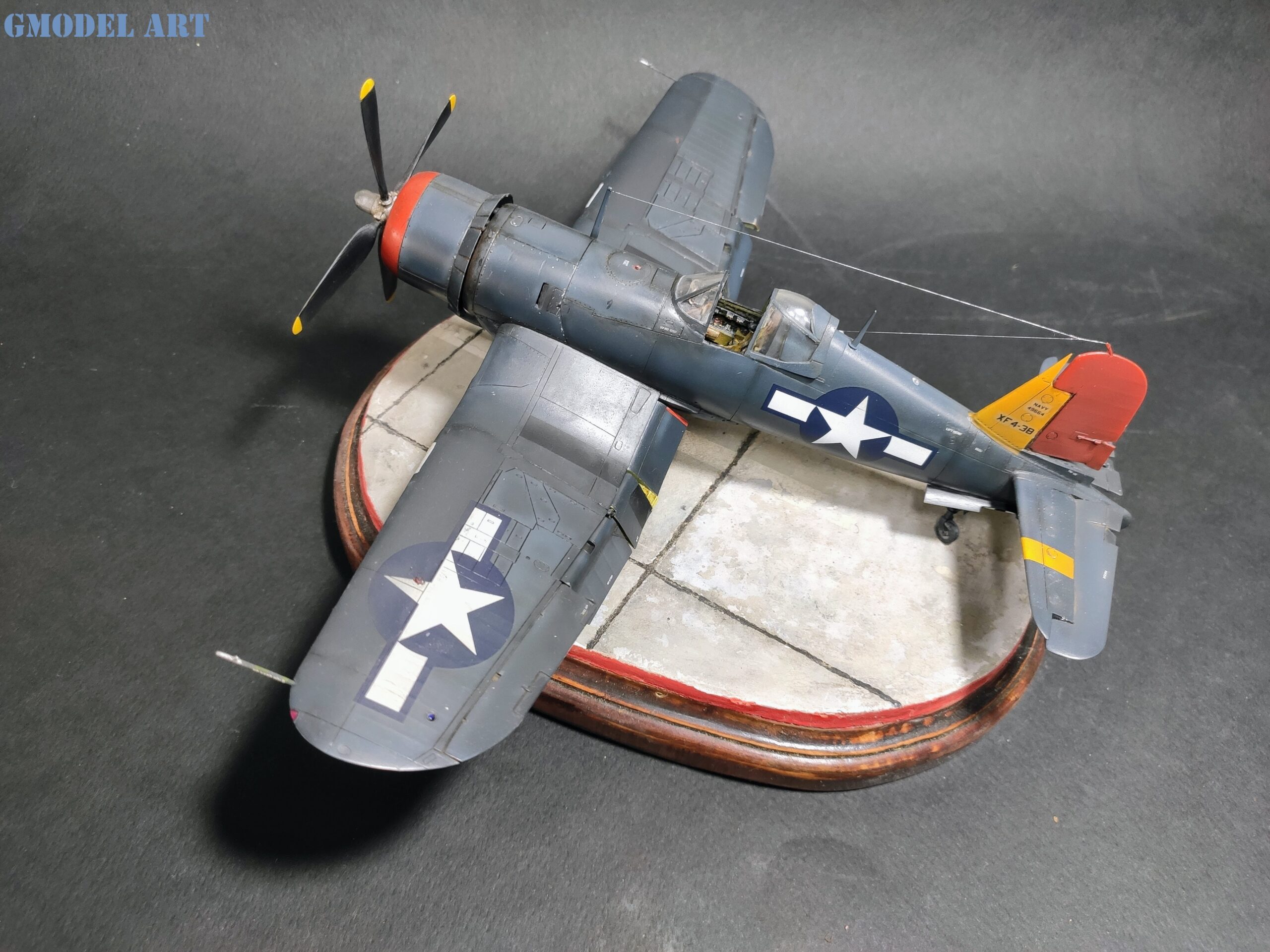
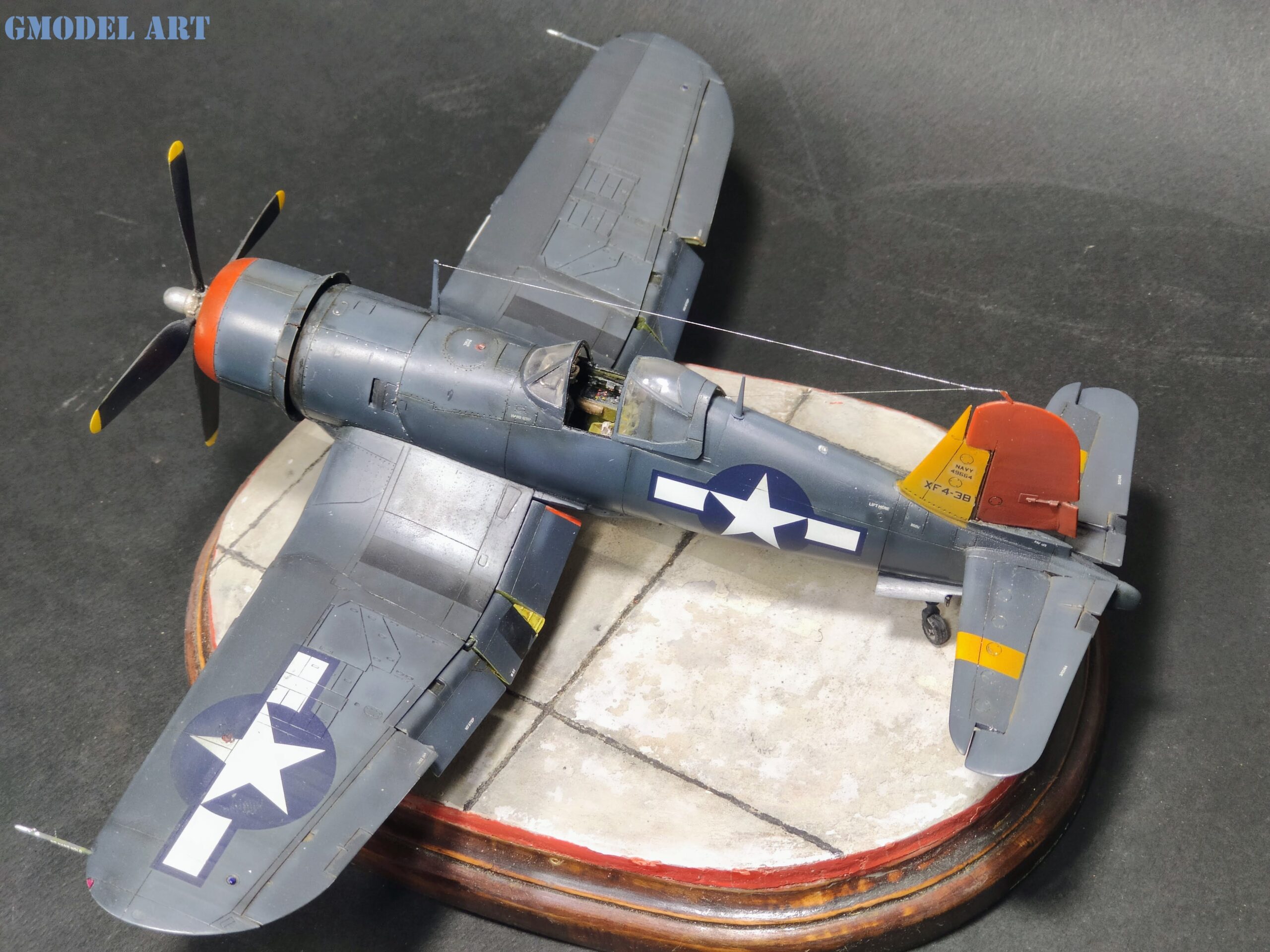
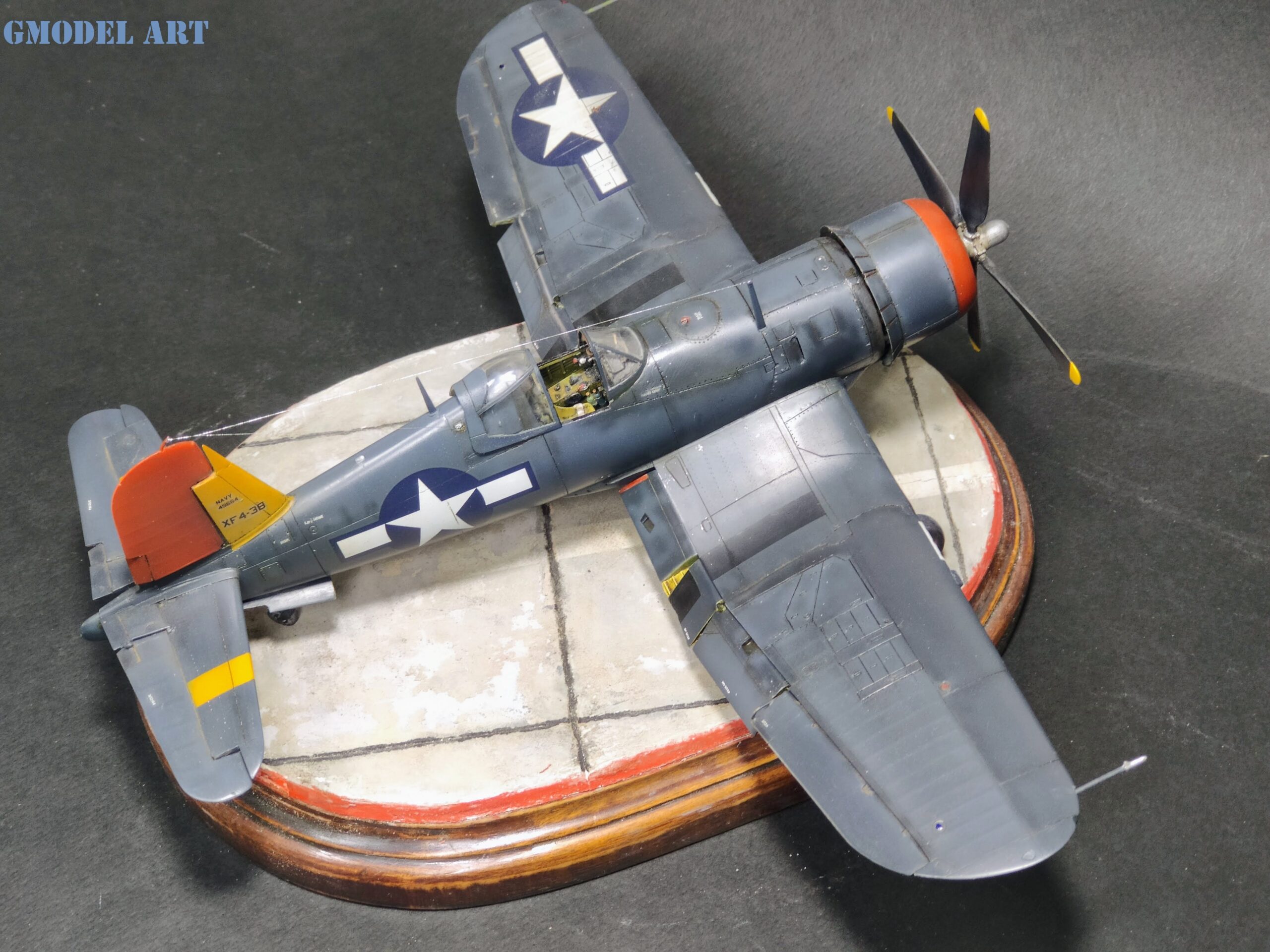
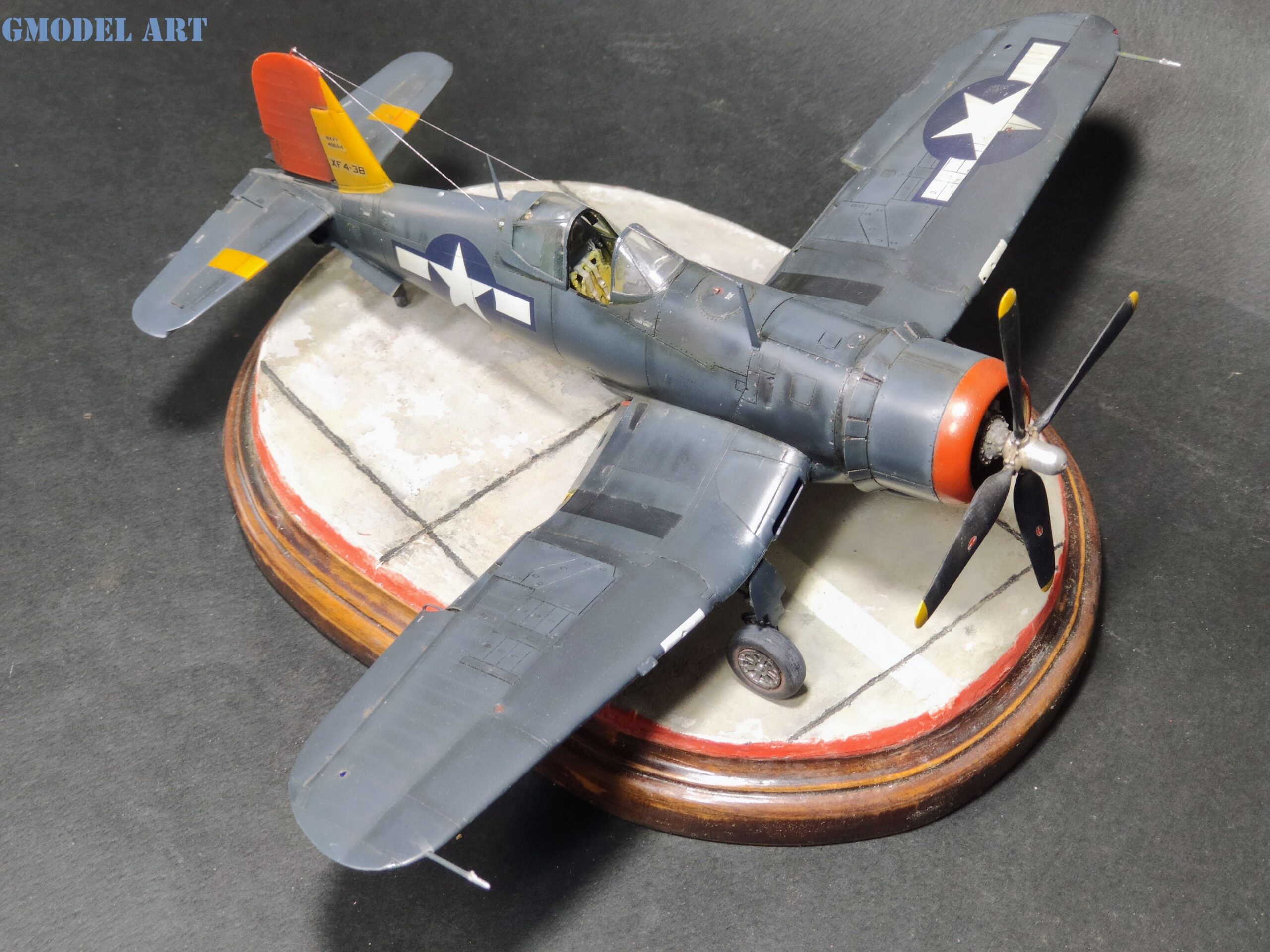
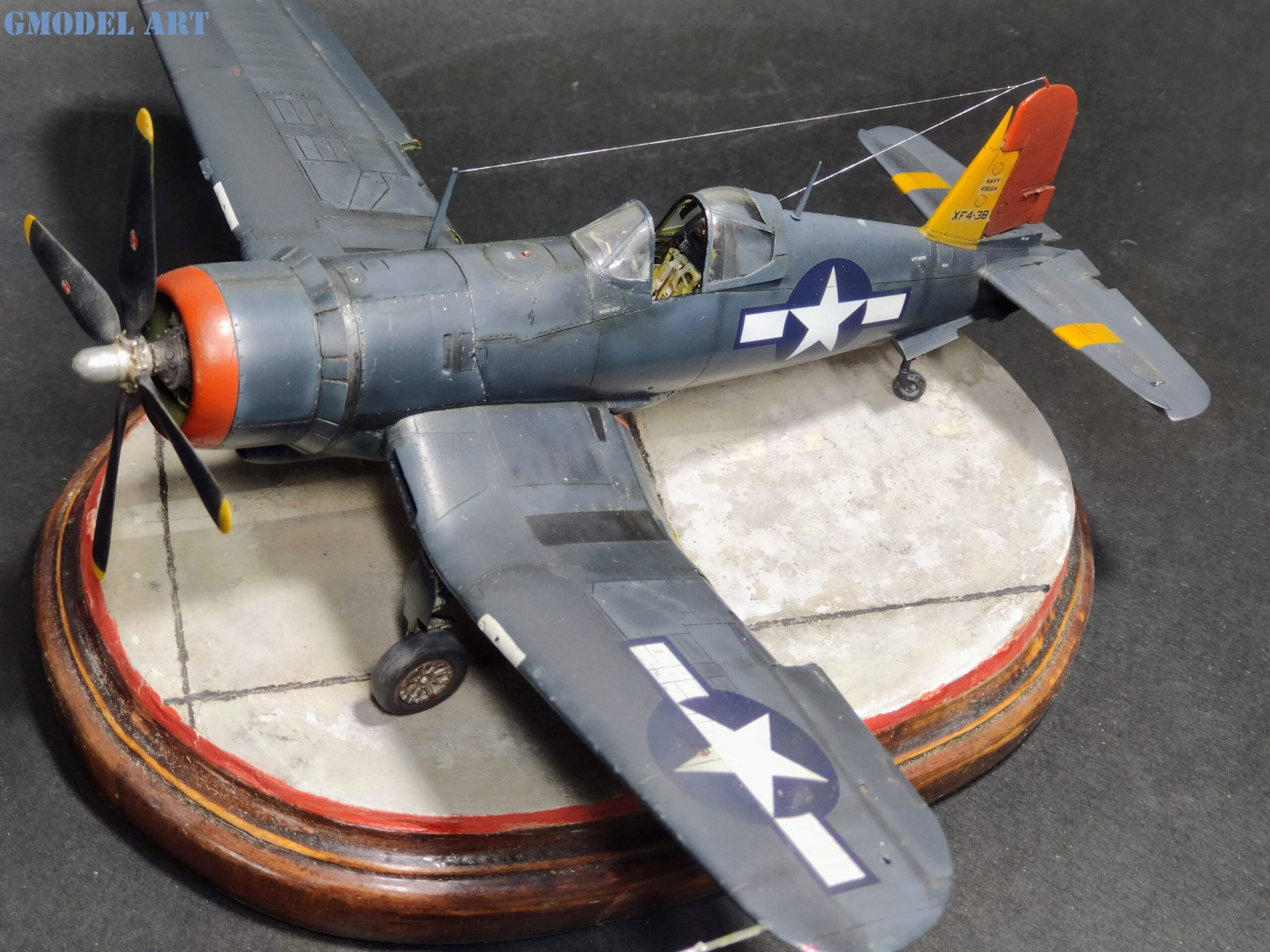
XF4u-3B BuNo 49664
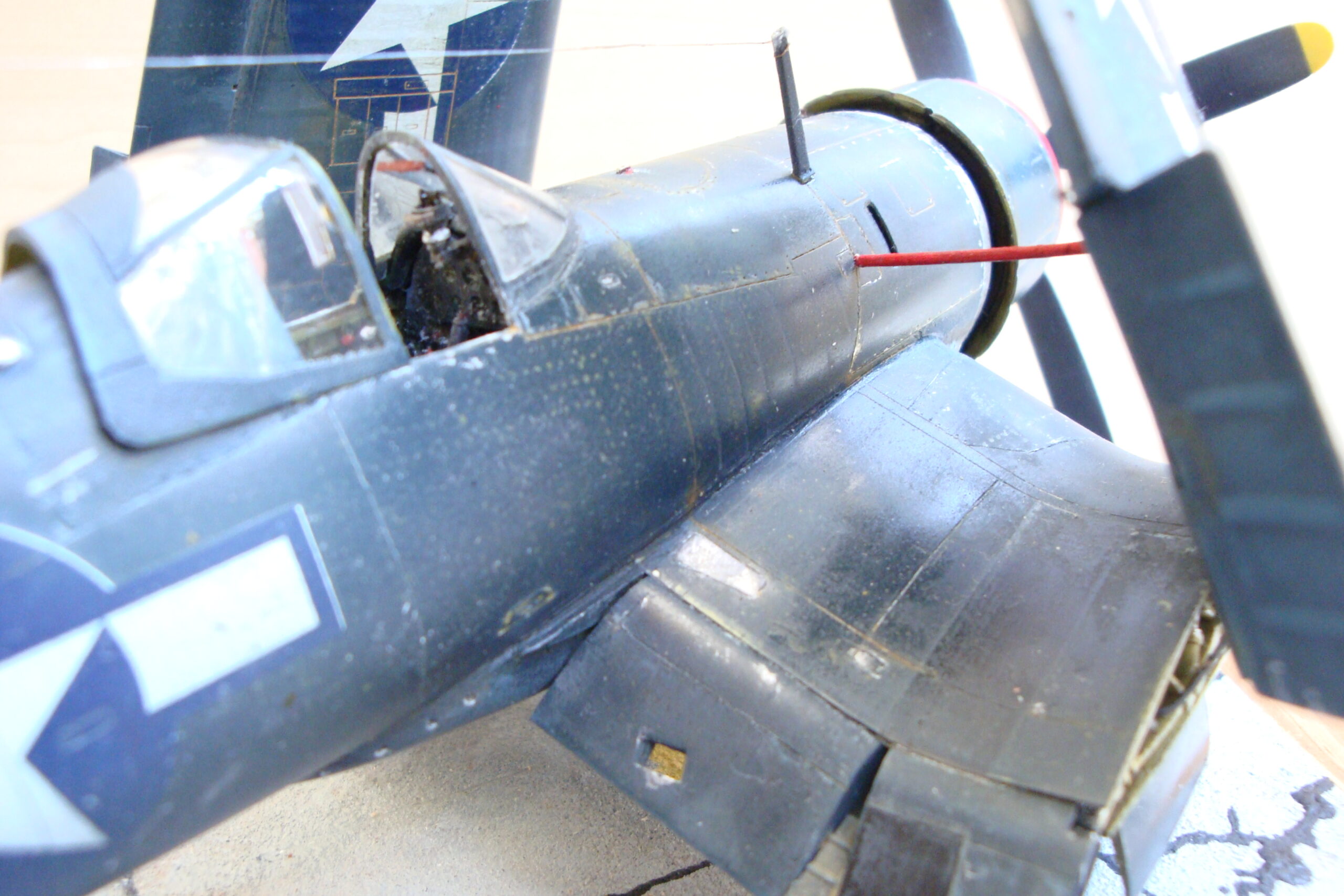
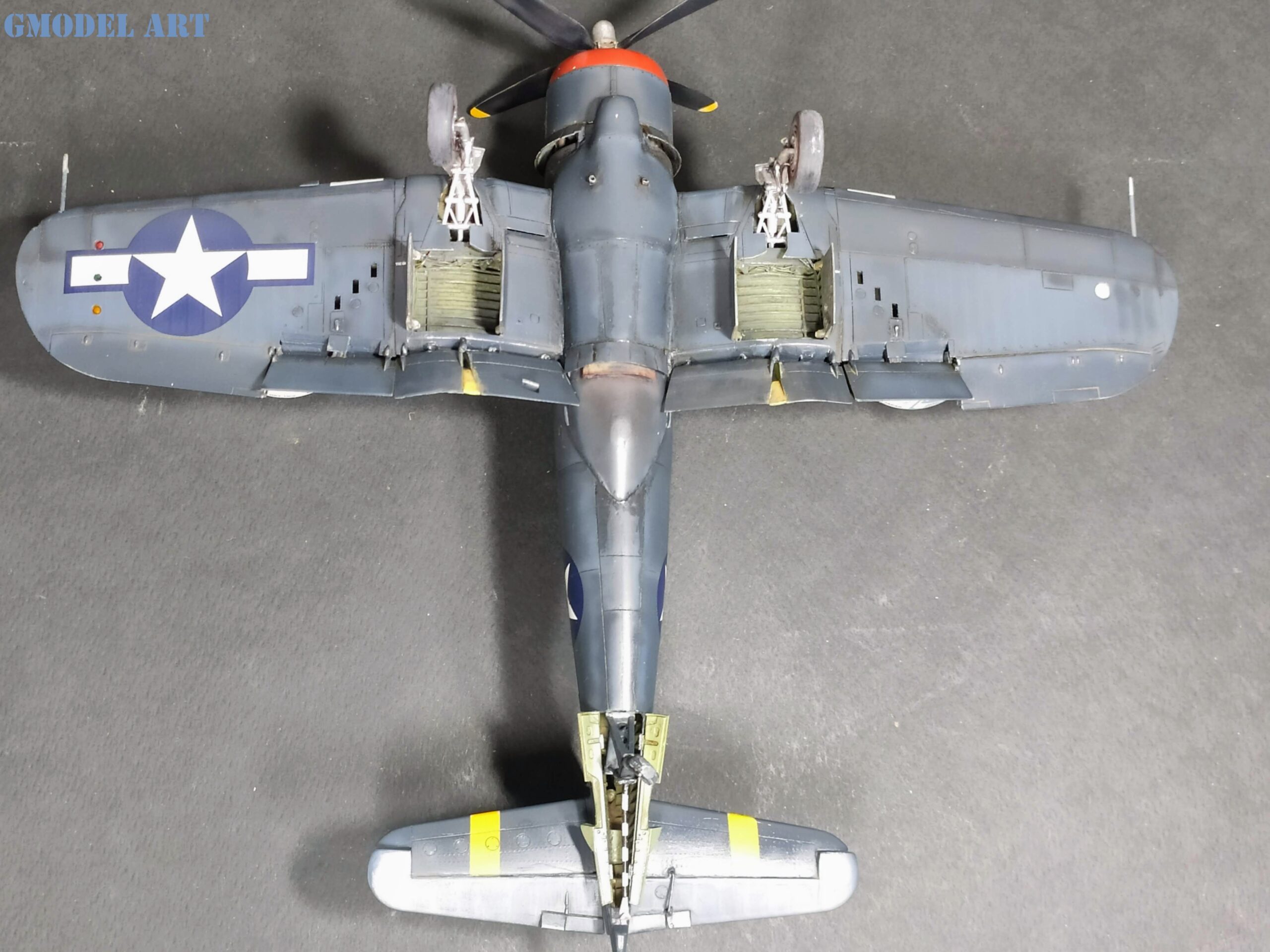
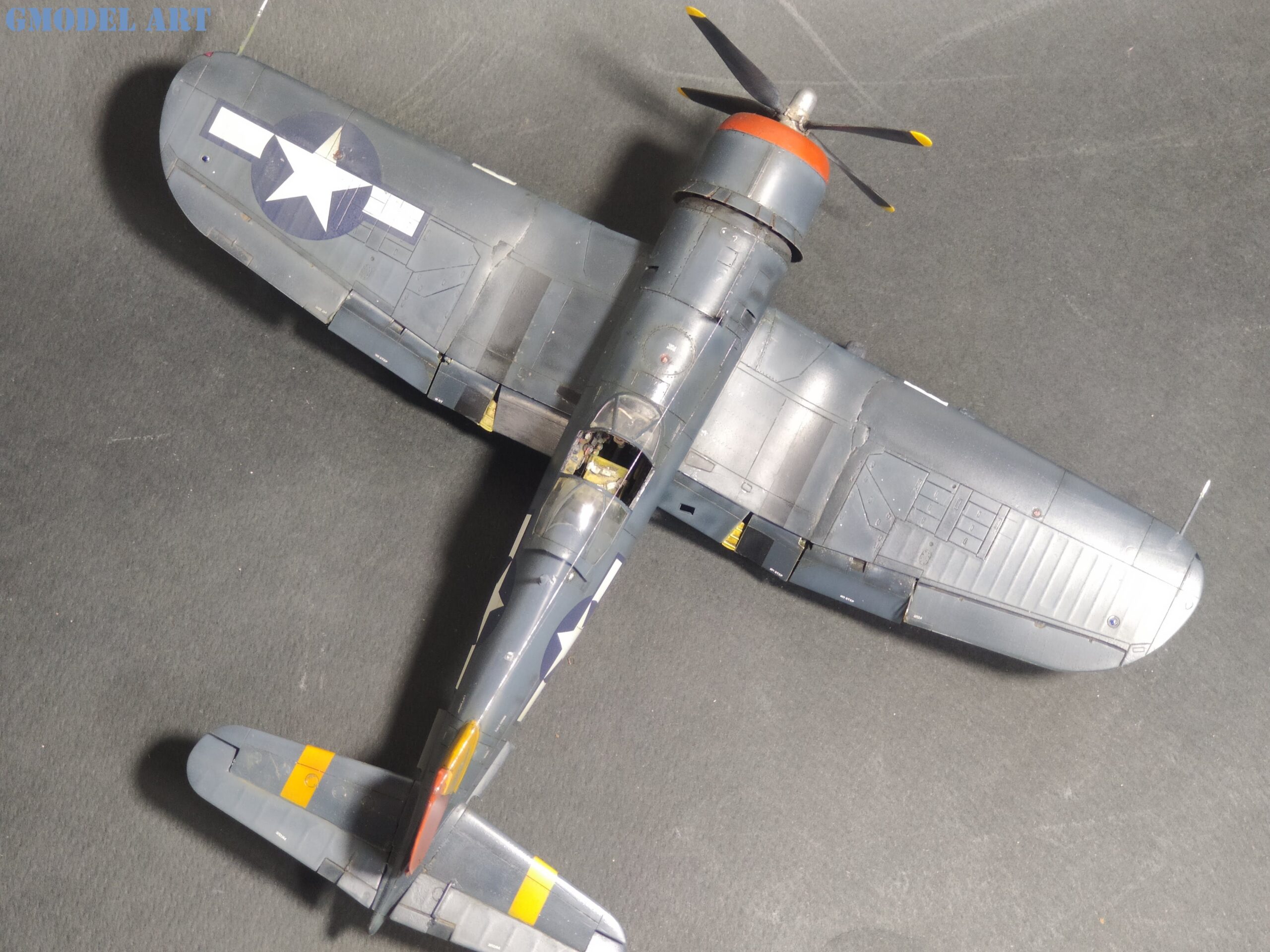
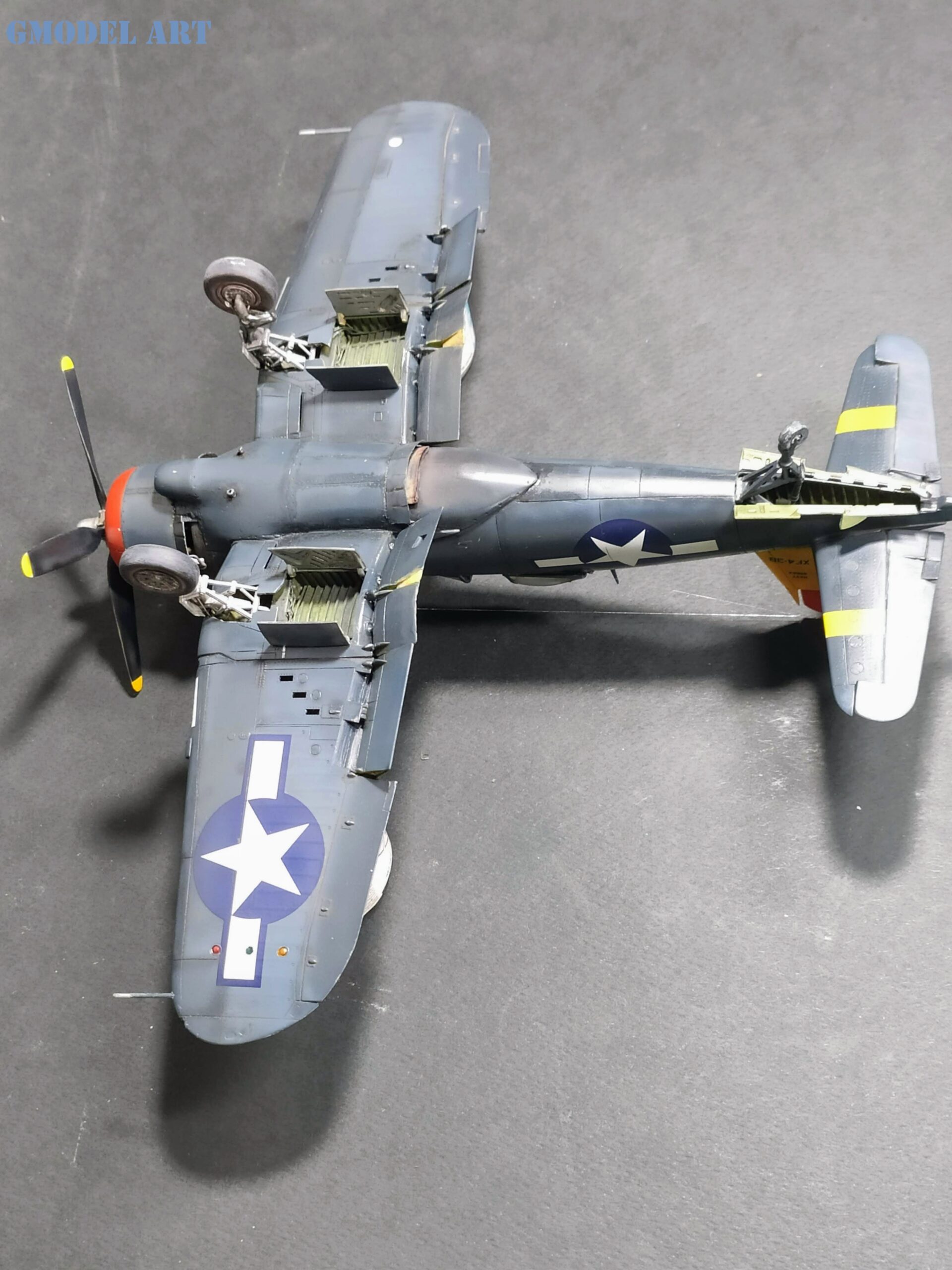
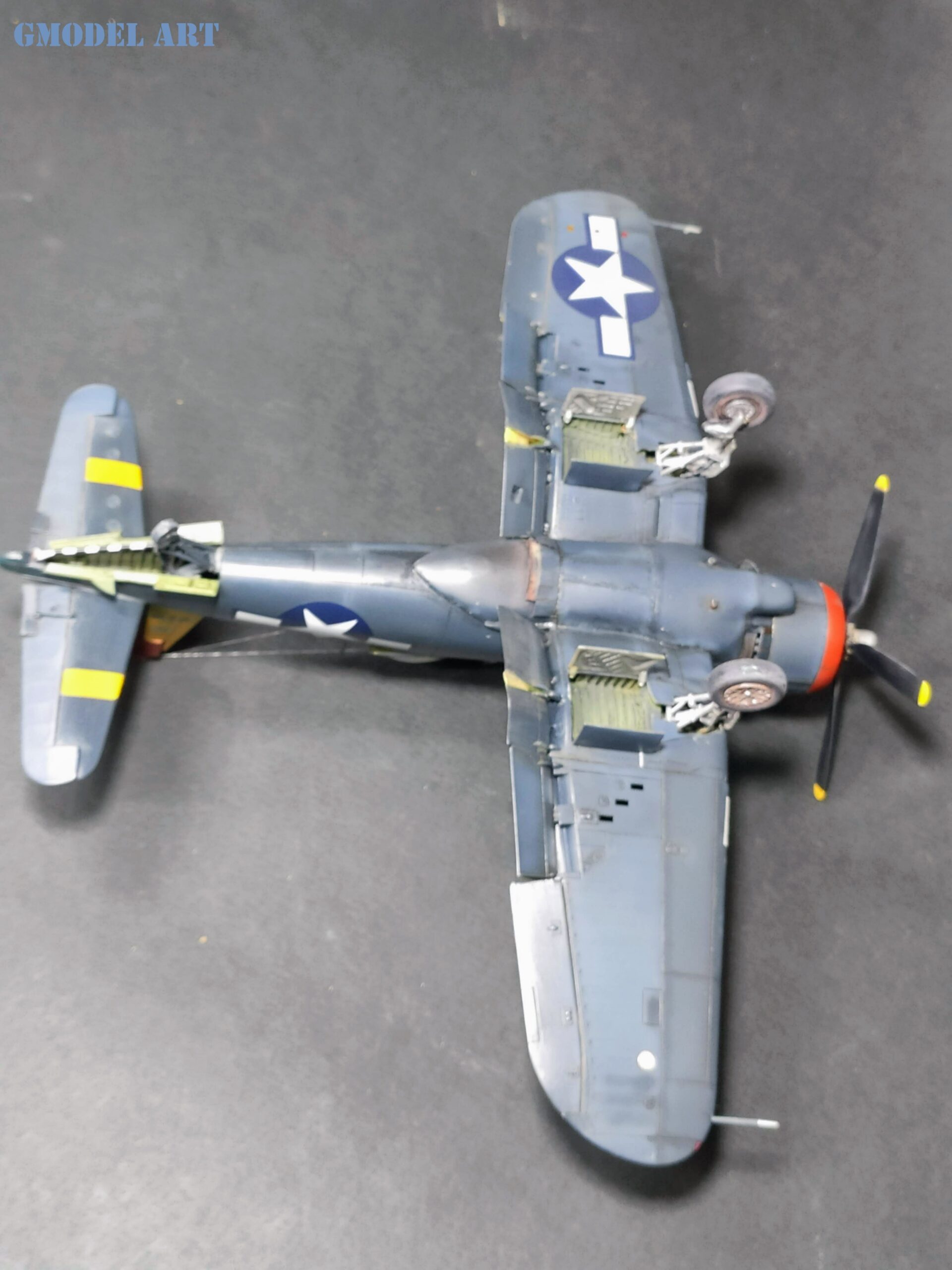
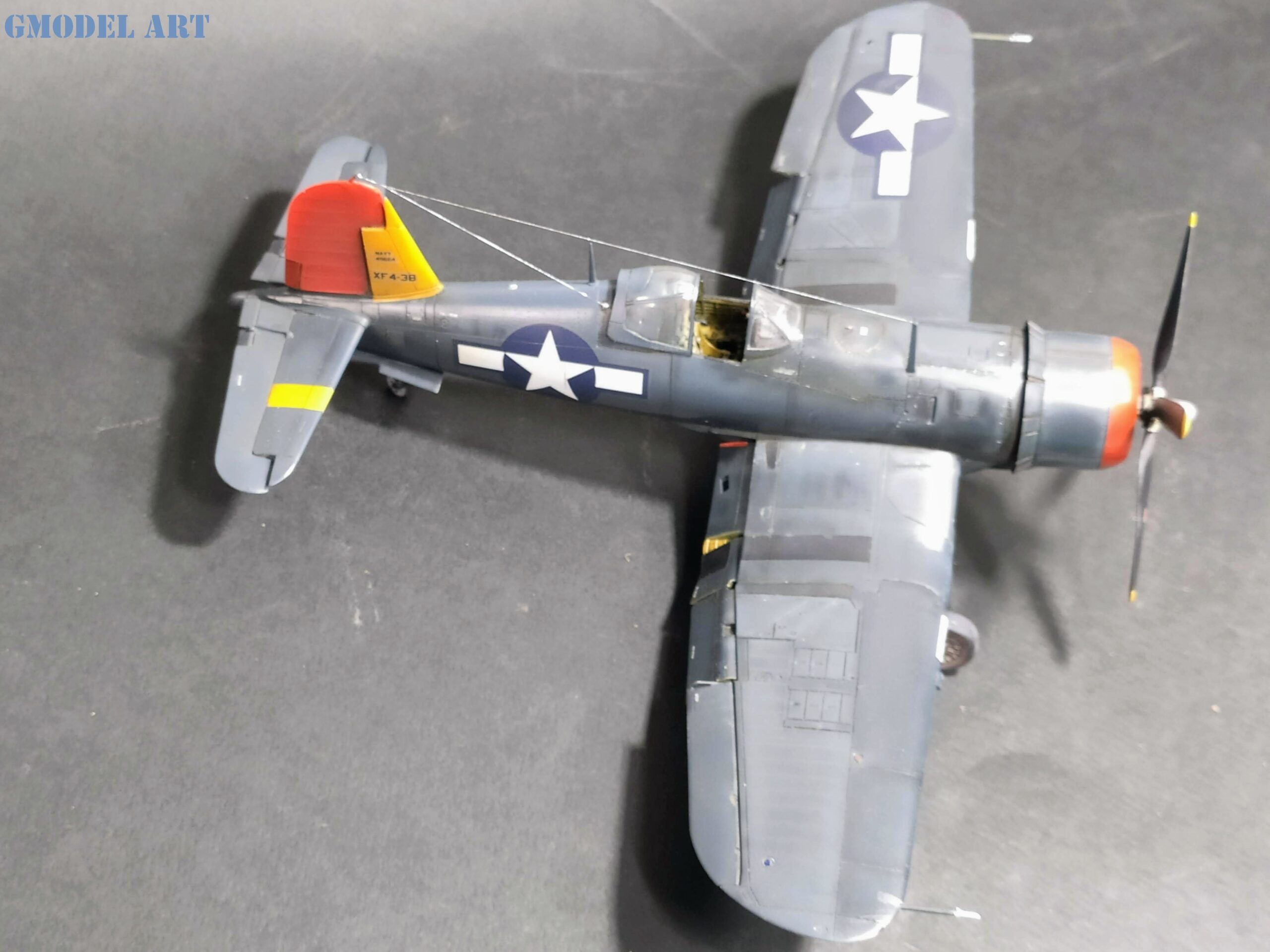
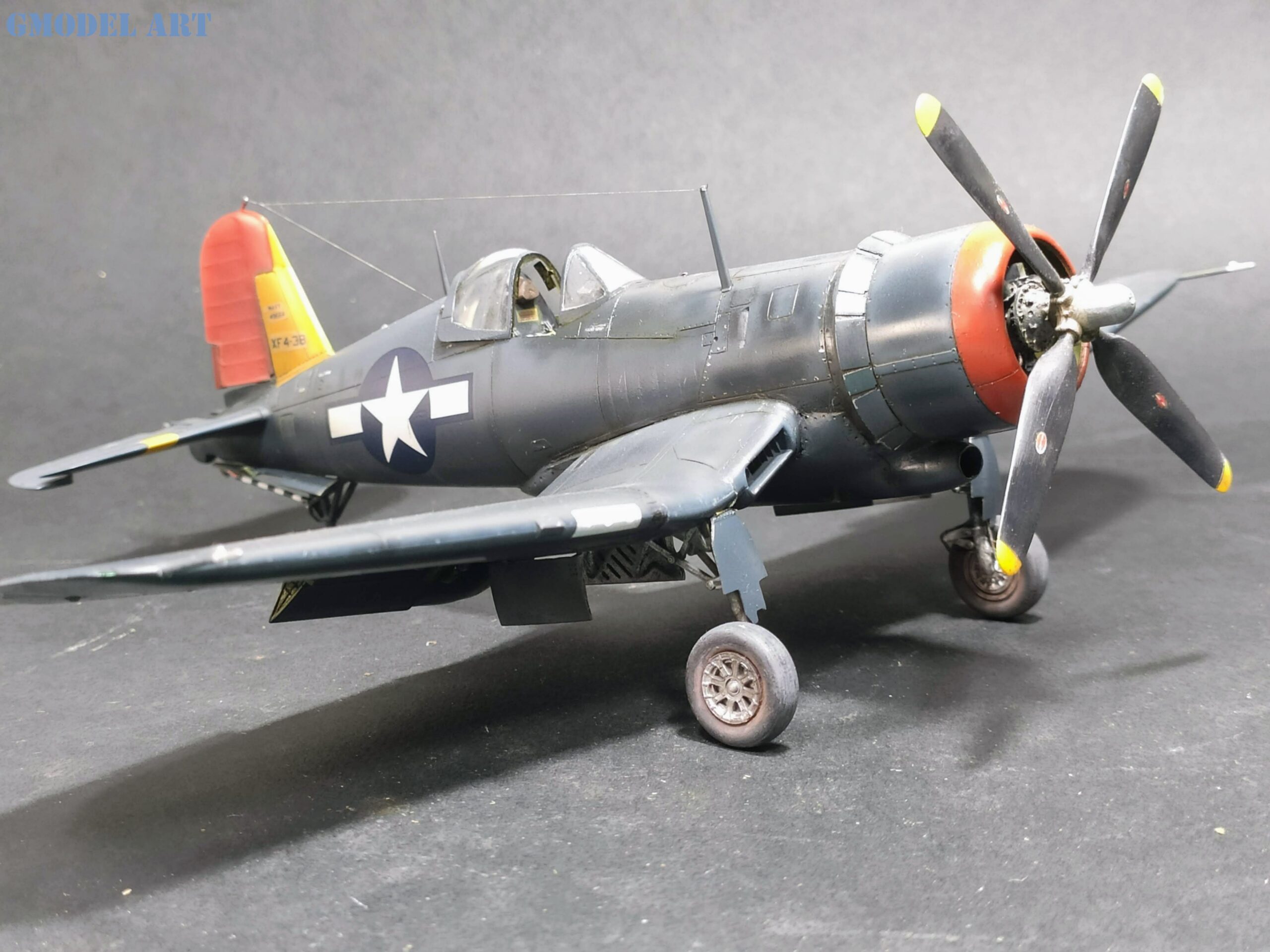
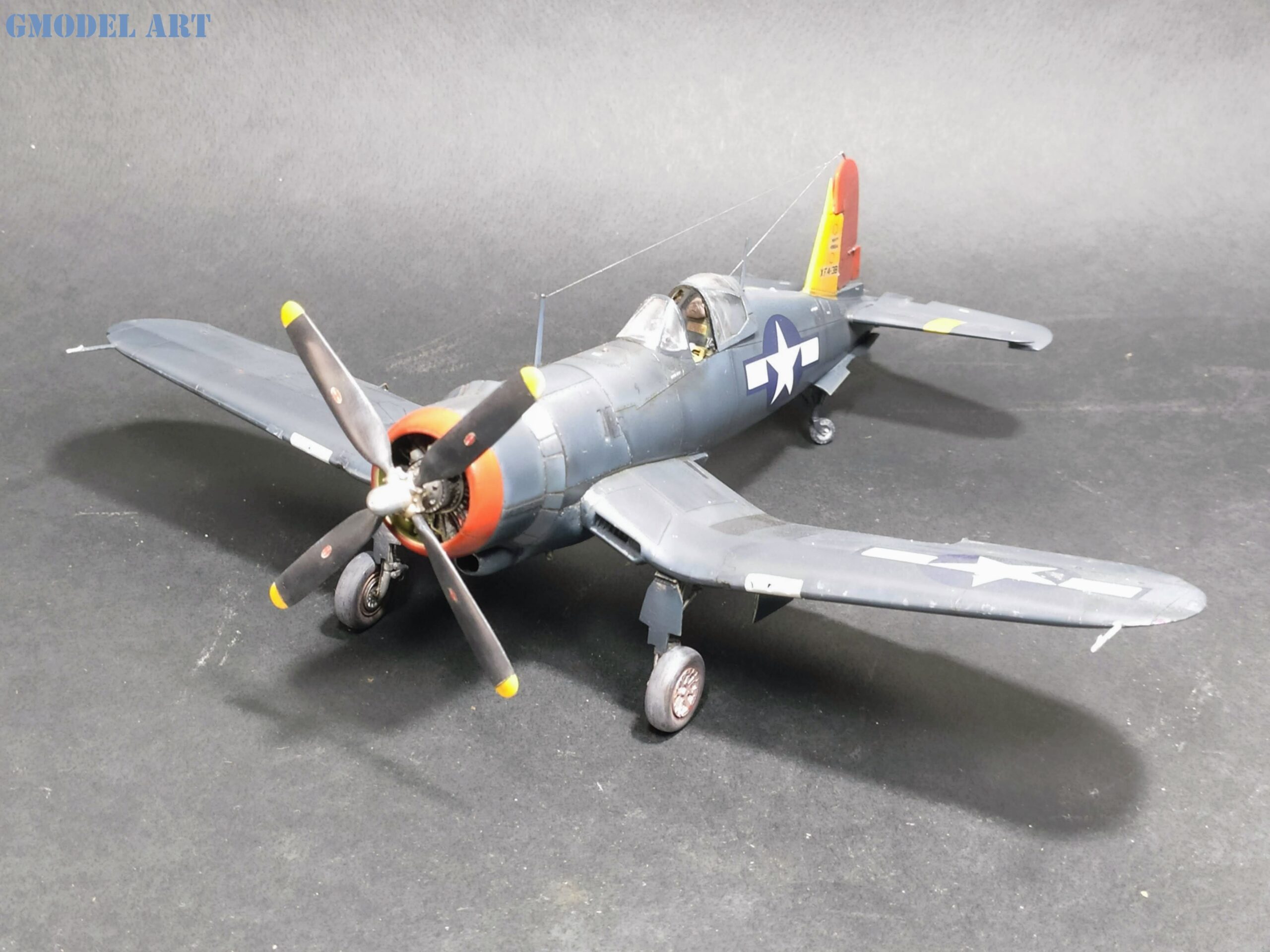
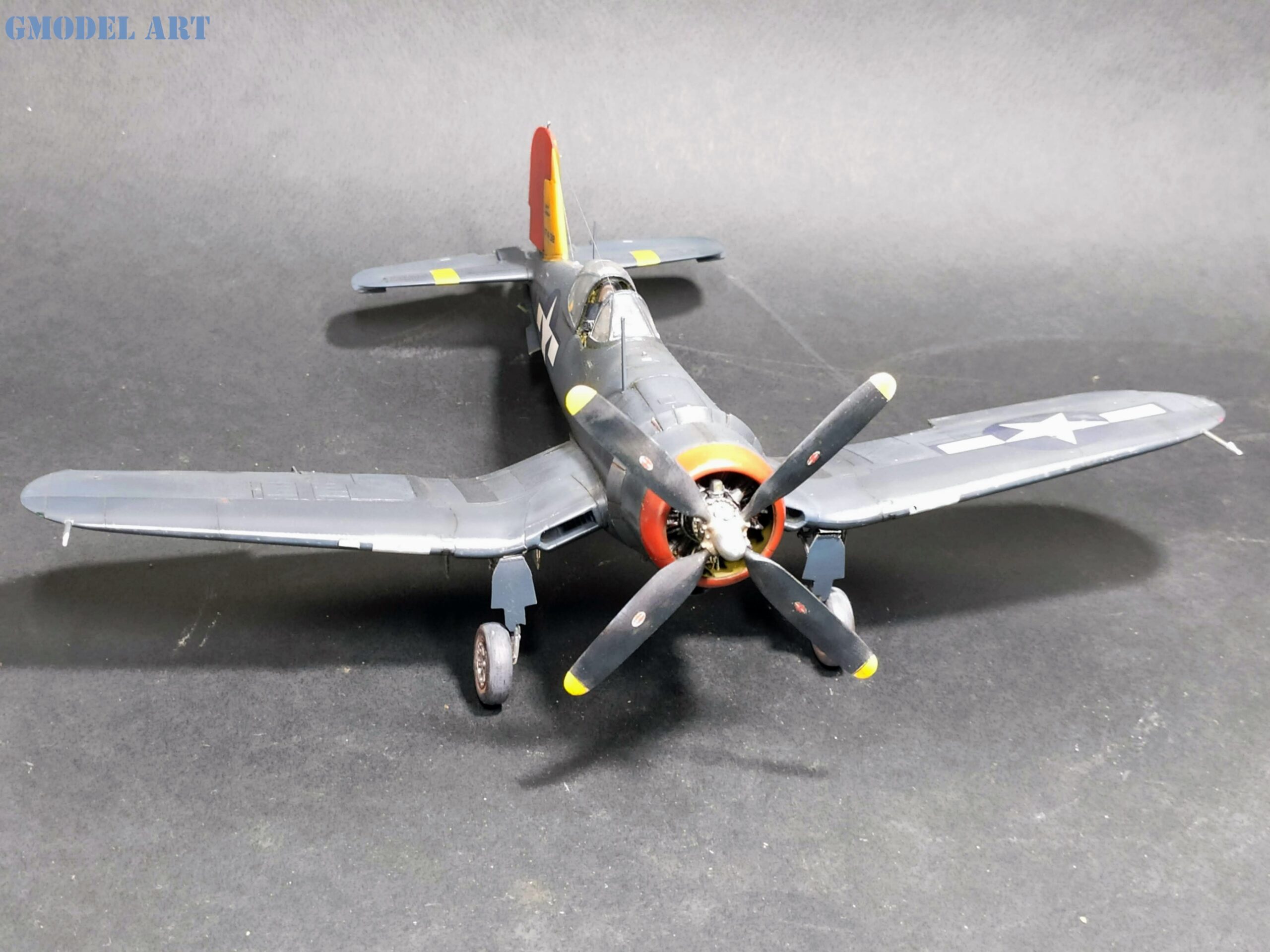
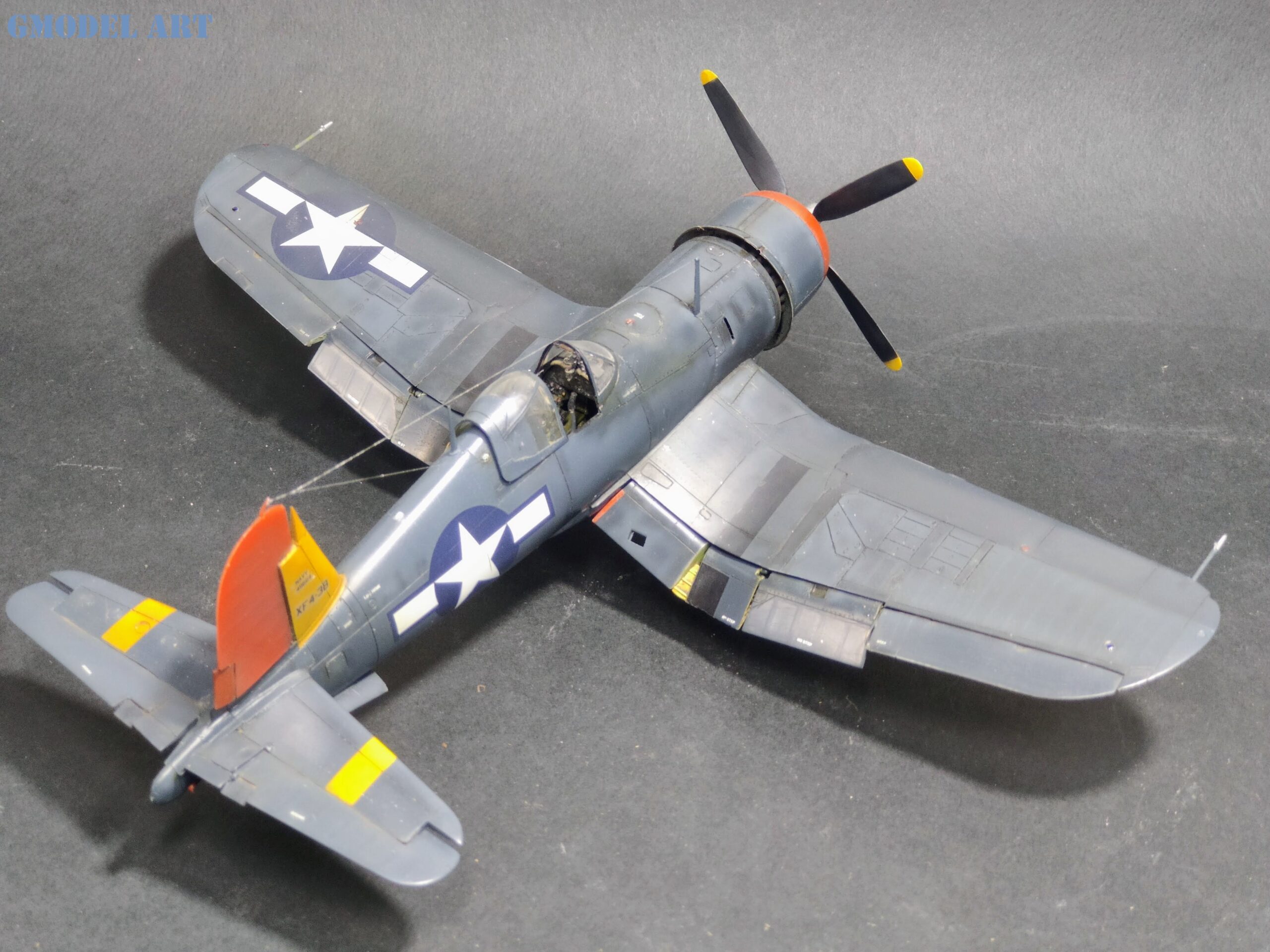
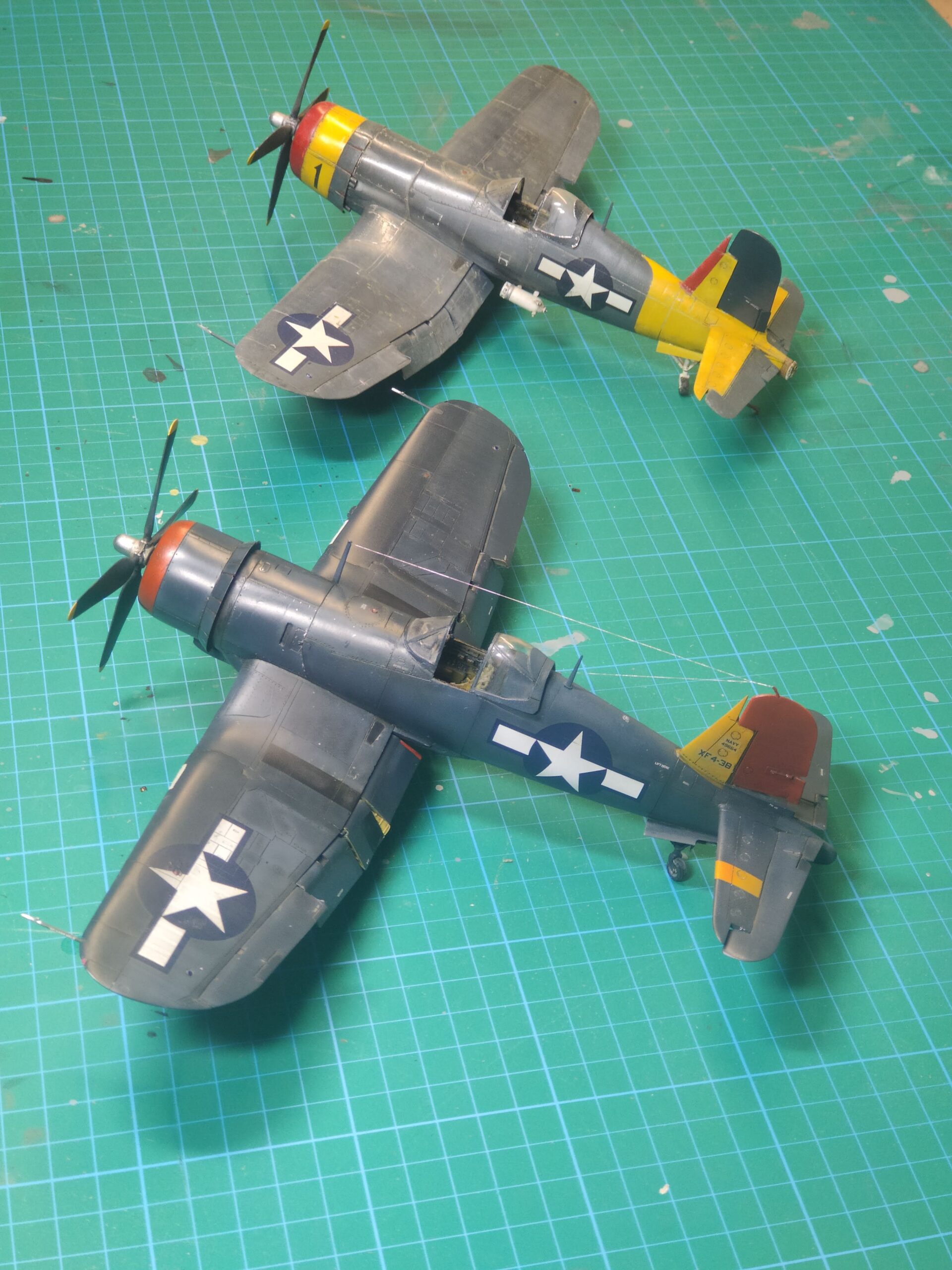
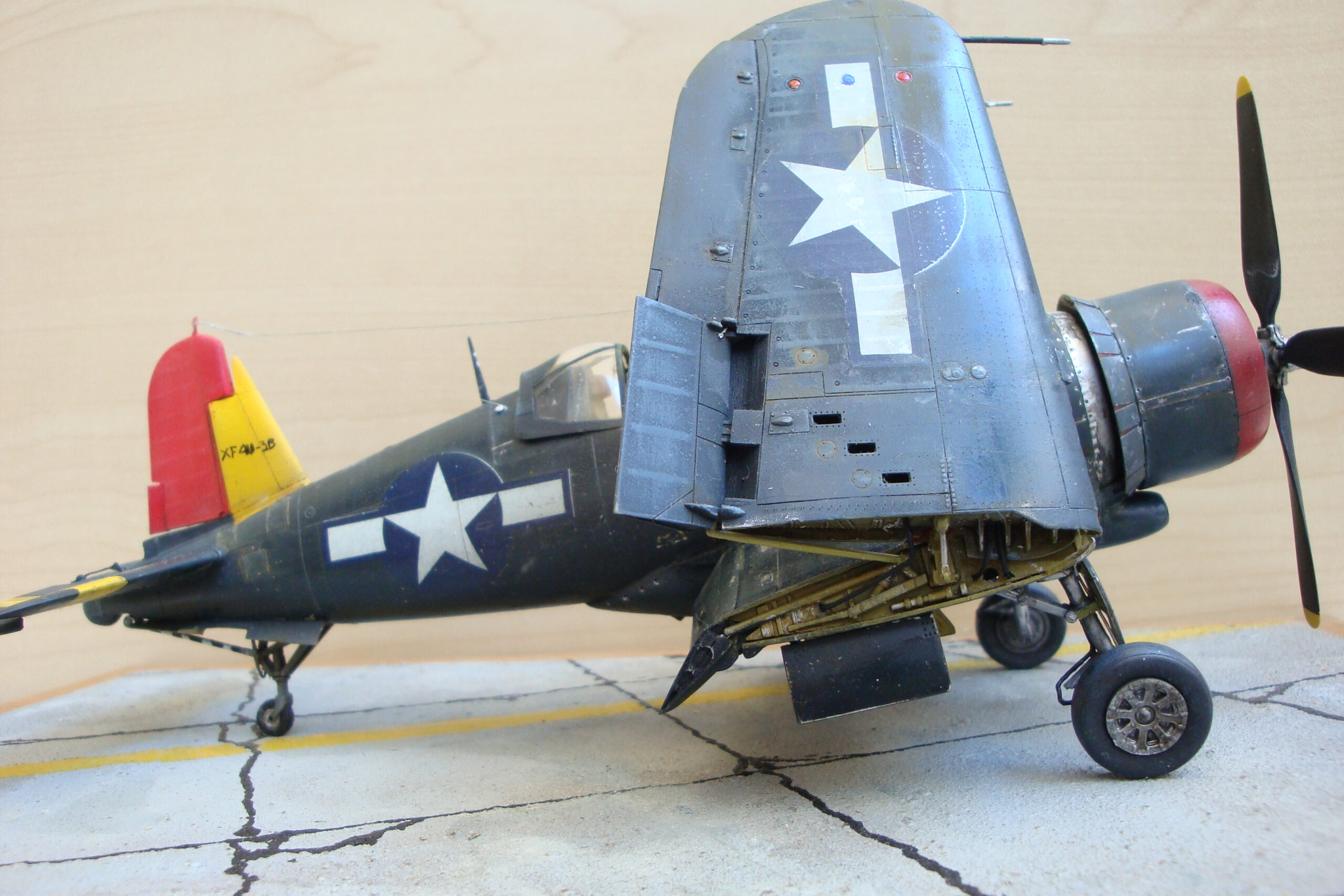
One of the prototypes from the program was XF4u-3B BuNo 49664, an aircraft that visually resembled an early Corsair but incorporated major internal differences.
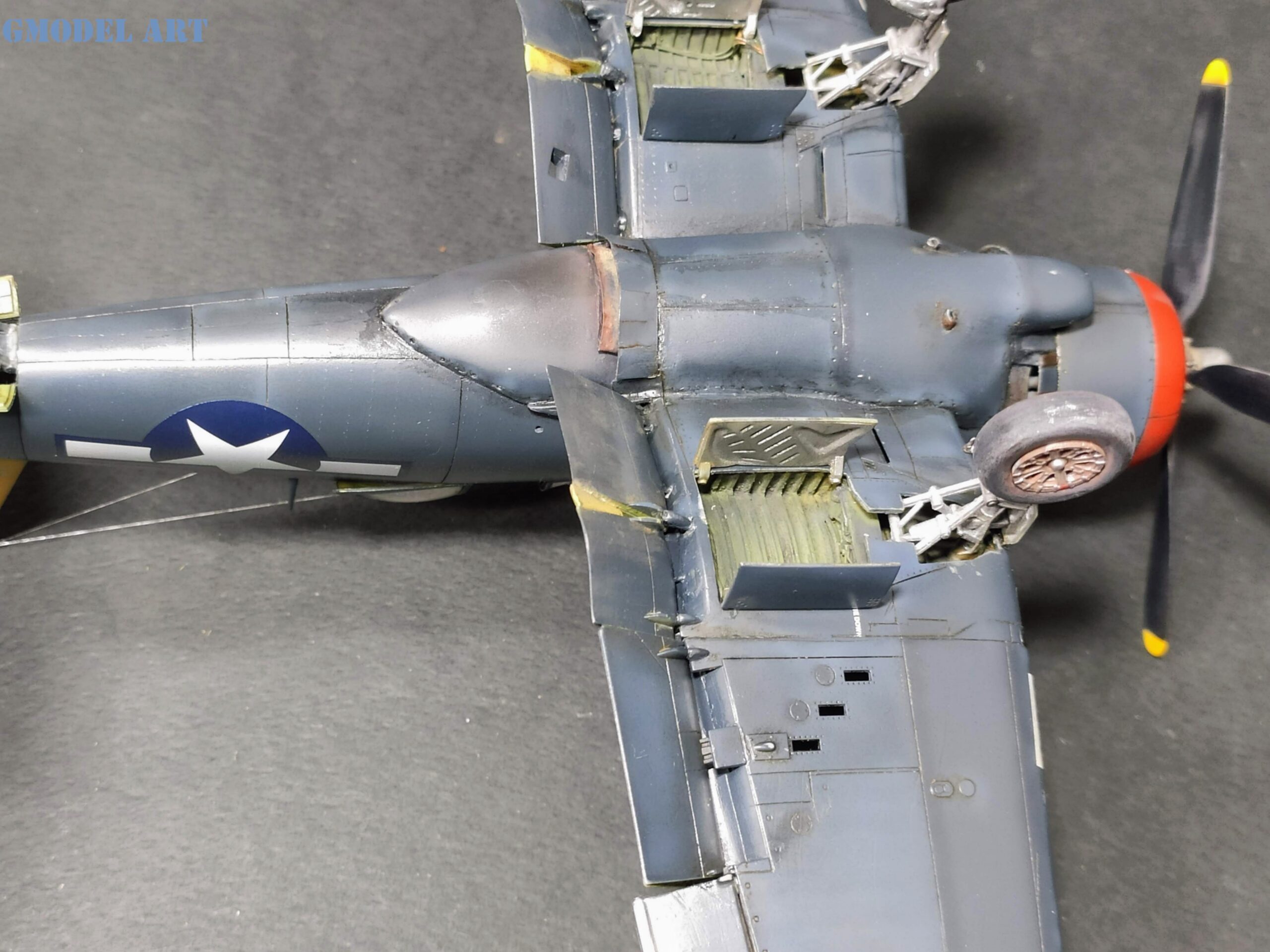
At first glance the aircraft looks similar to the early R-2800 engine, but several details distinguish it from the production fighter.
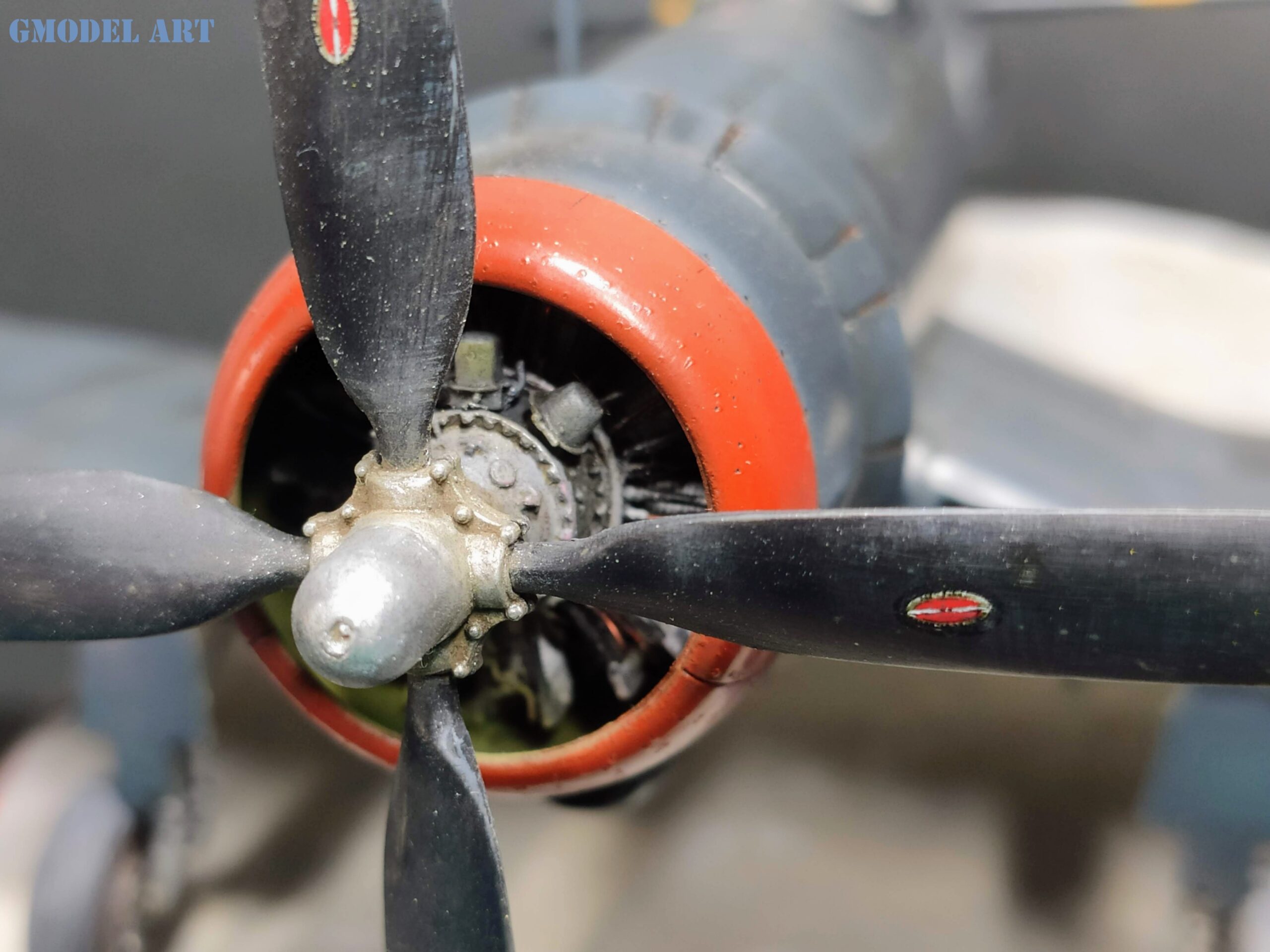
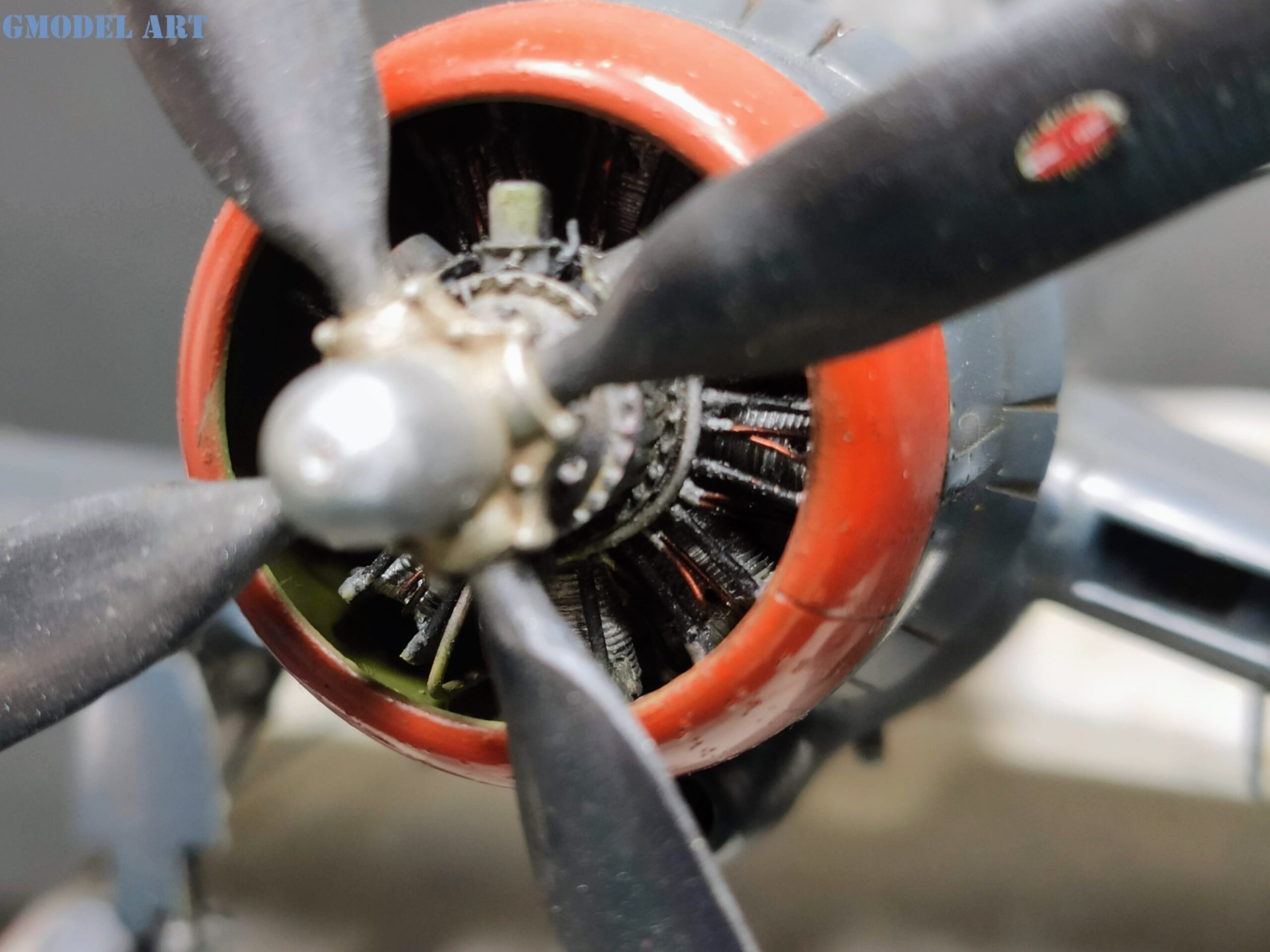
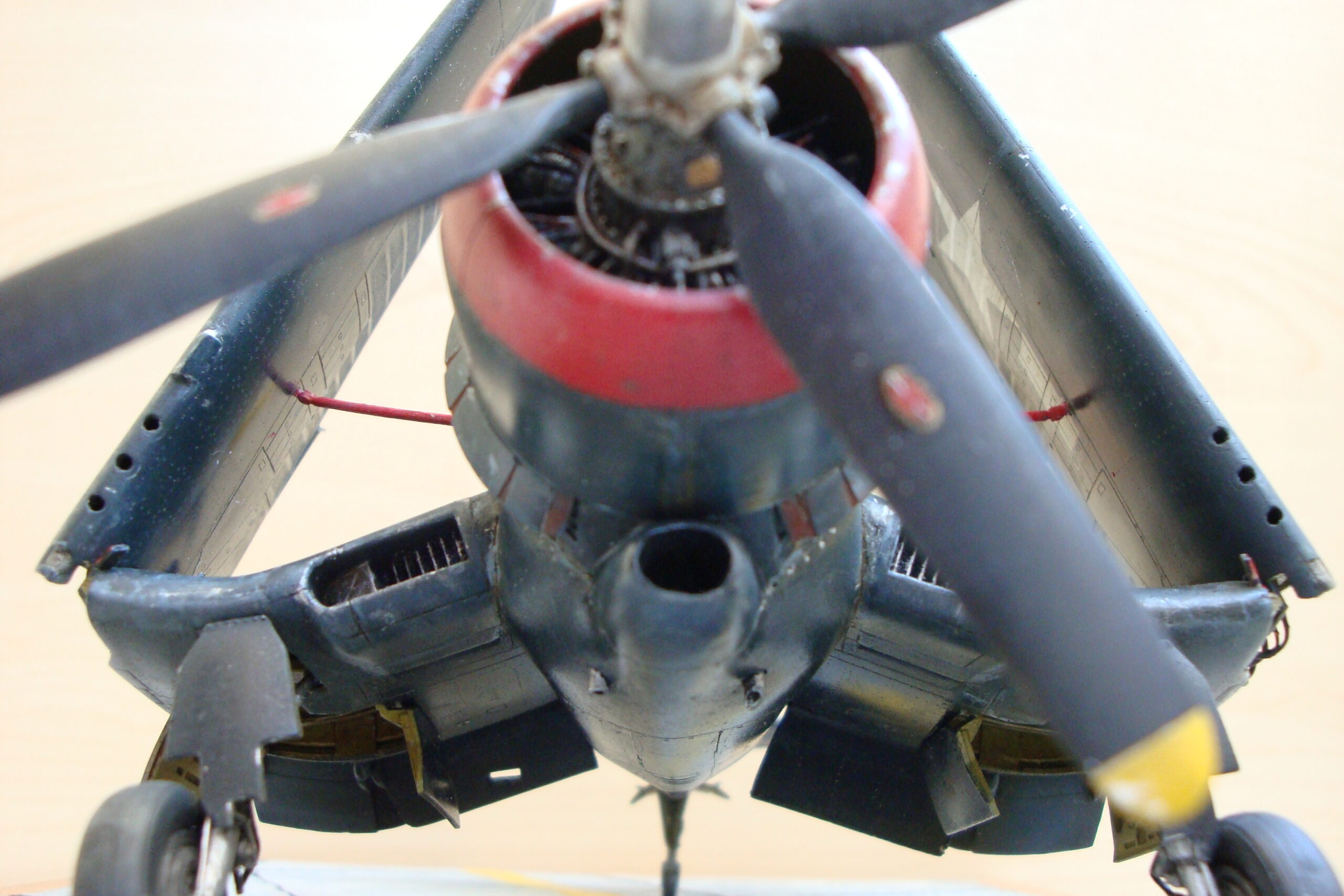
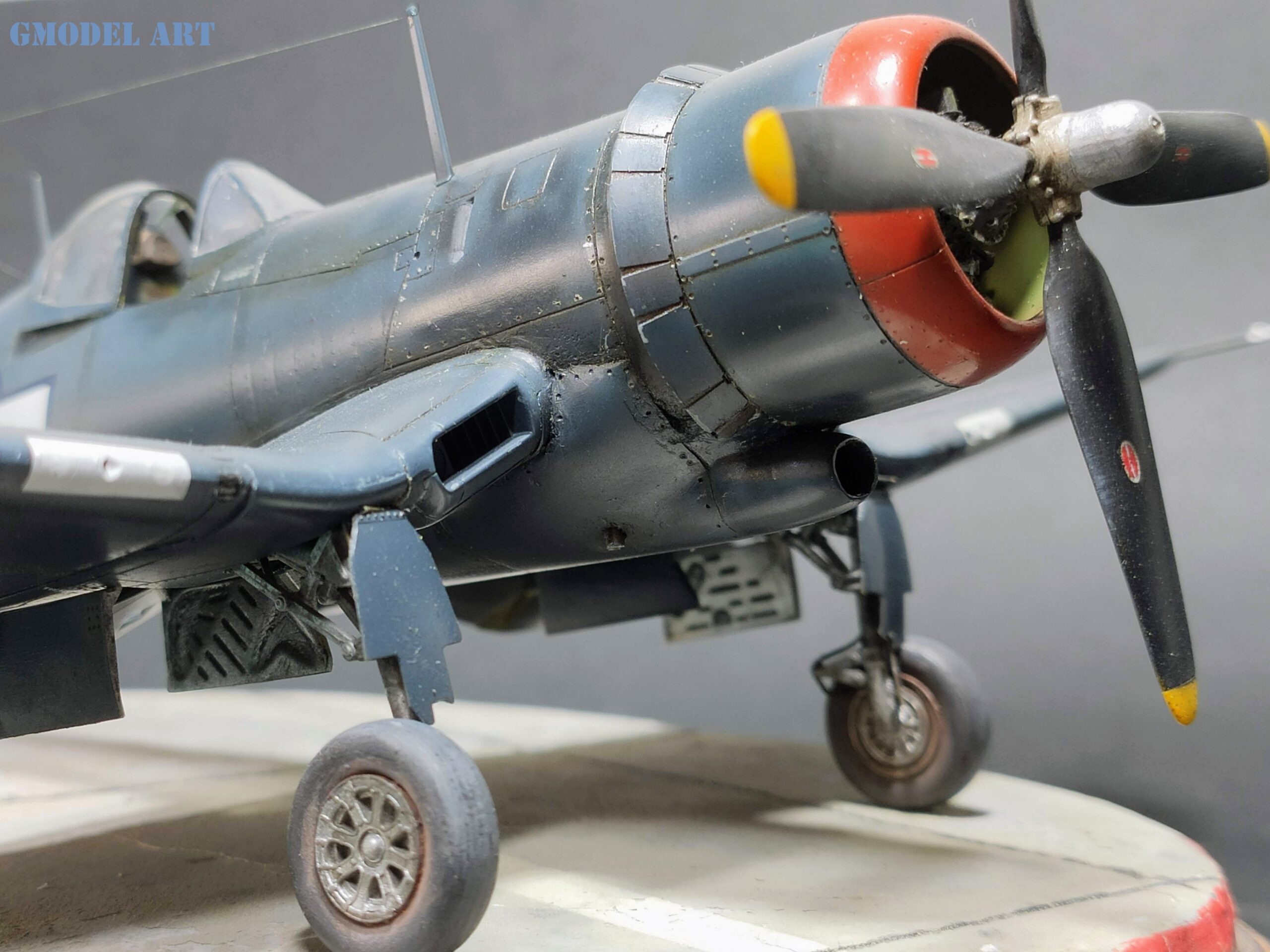
The most noticeable difference is the four-bladed propeller, necessary to handle the increased power generated by the turbocharged engine. The aircraft was powered by the famous Pratt & Whitney R‑2800 Double Wasp, one of the most powerful piston aircraft engines of the era.
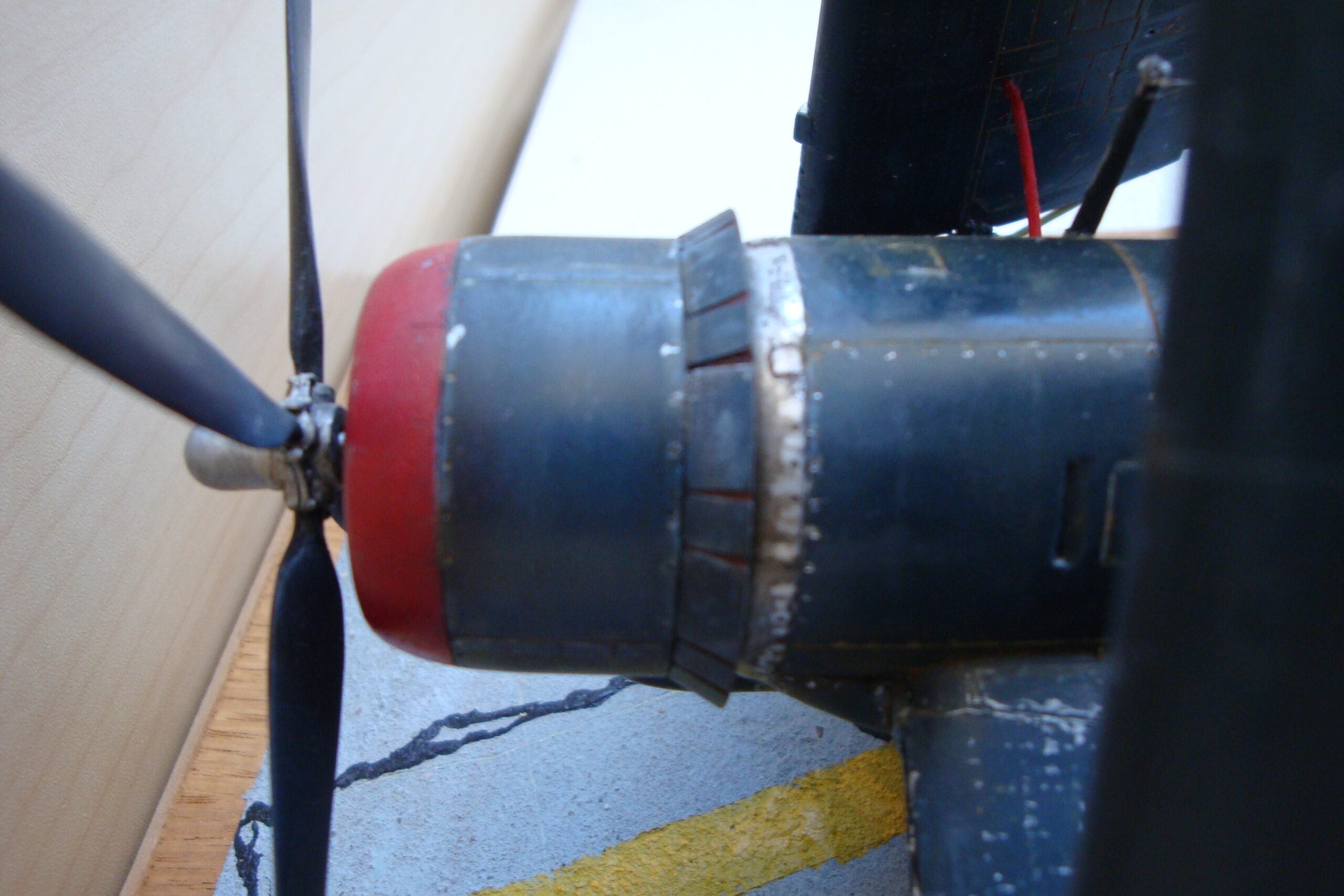
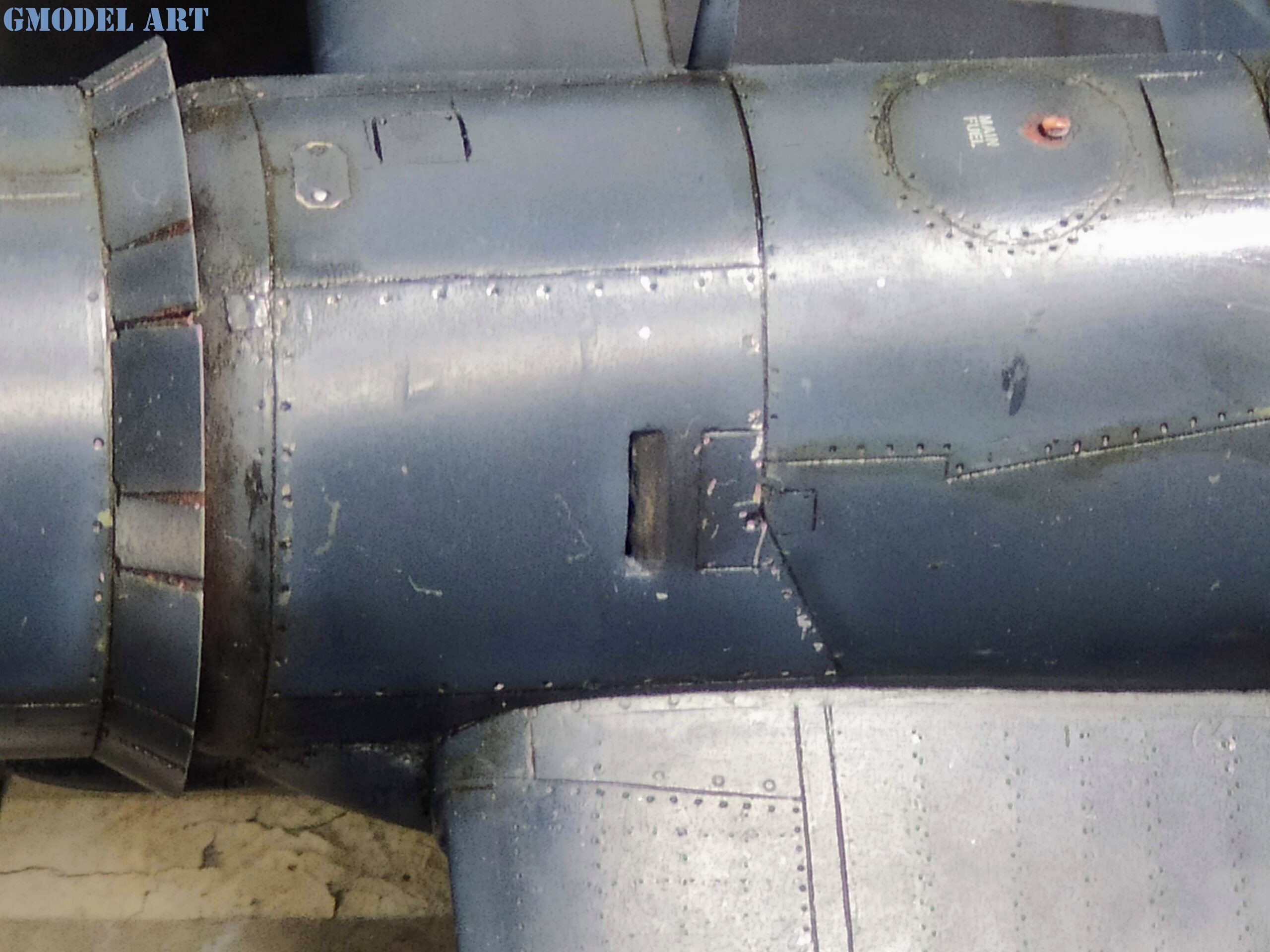
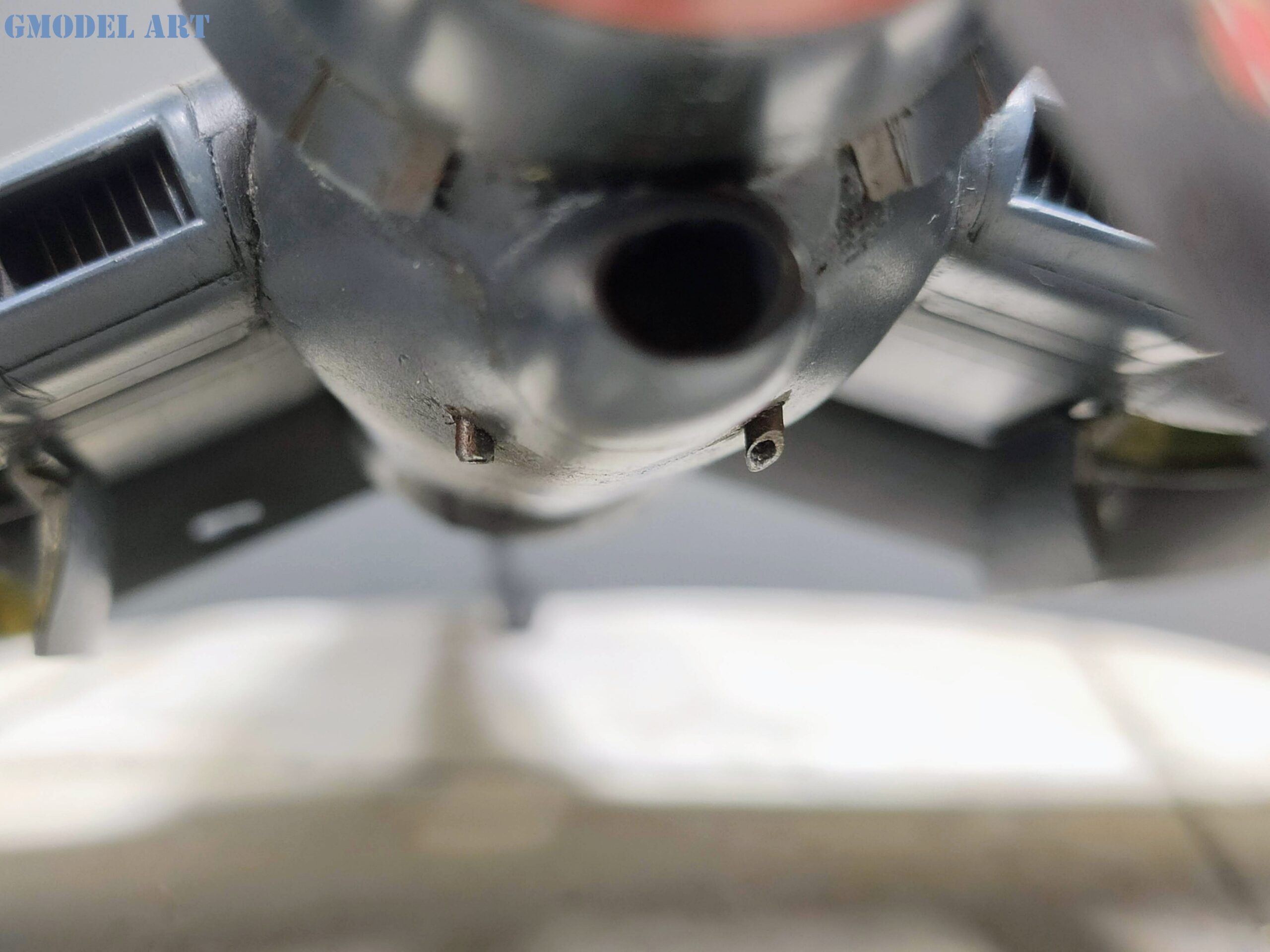
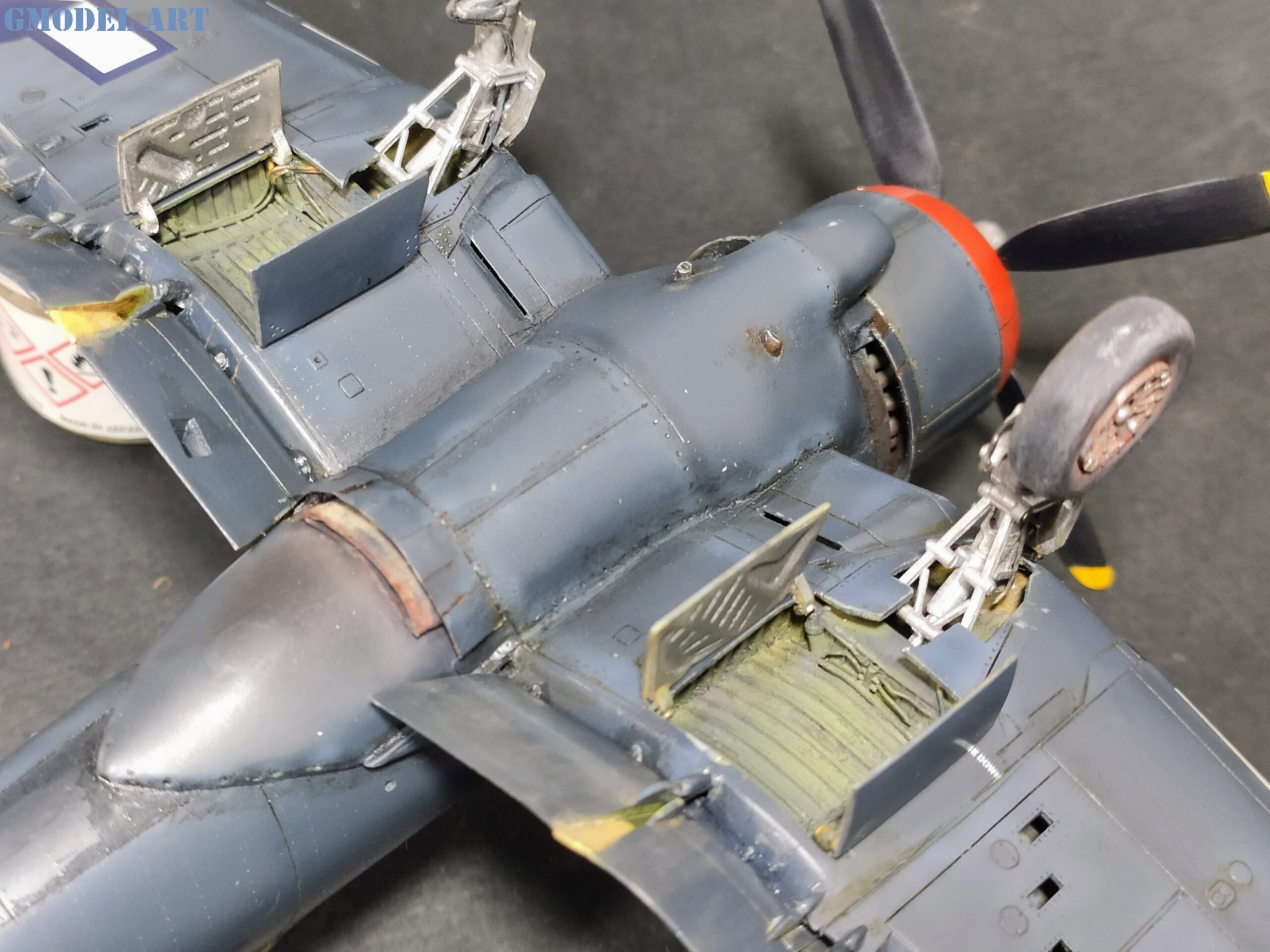
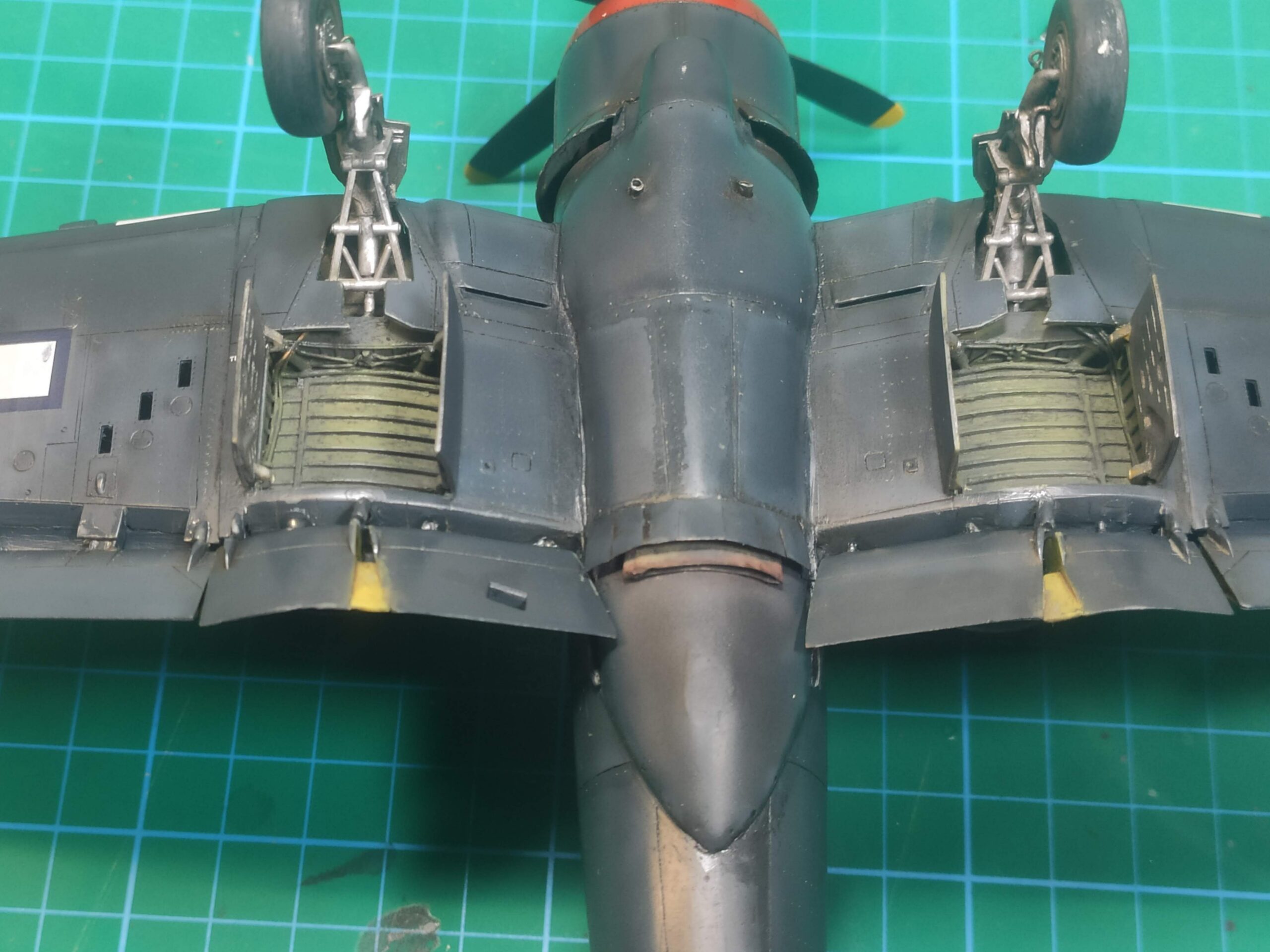
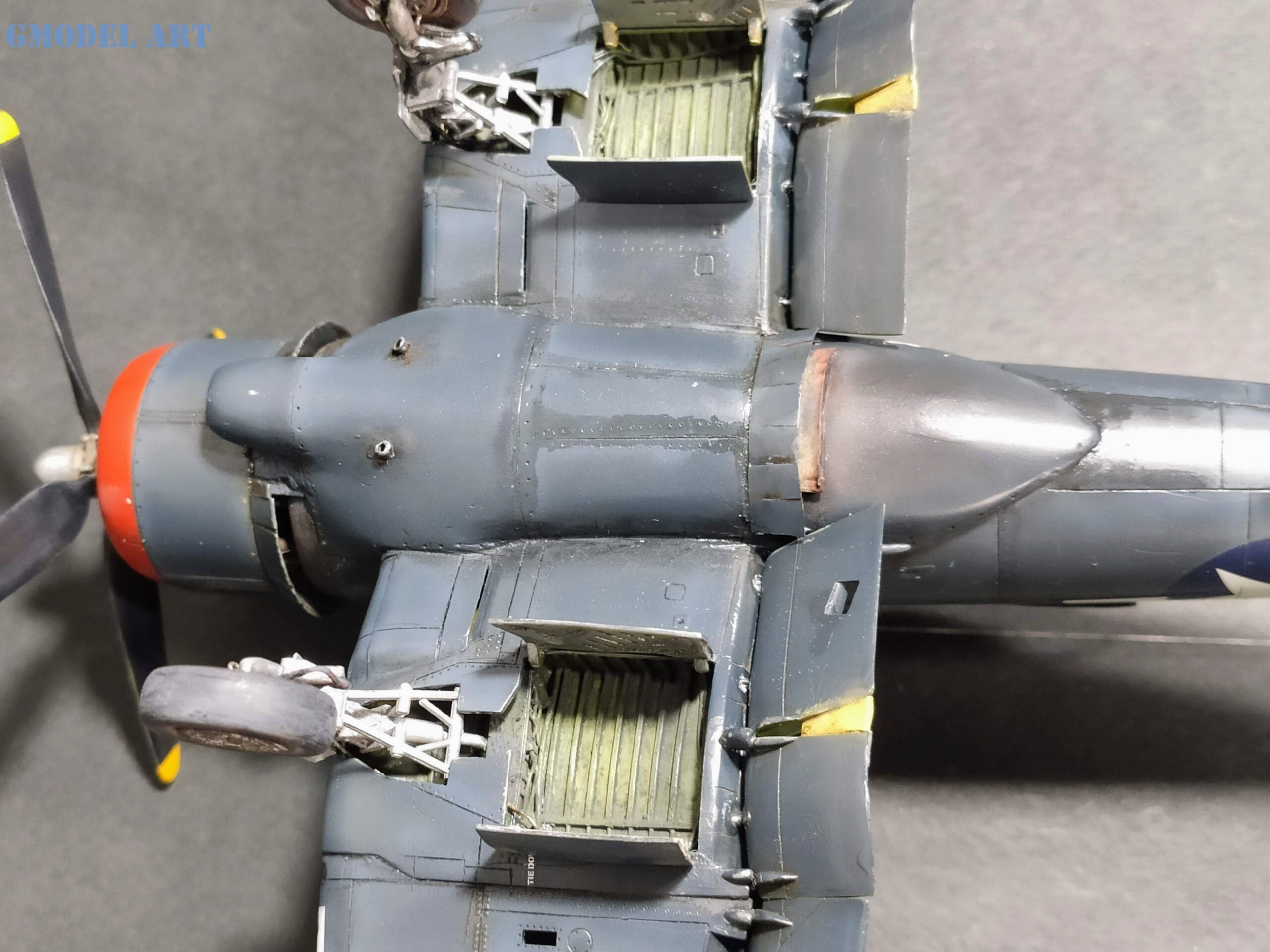
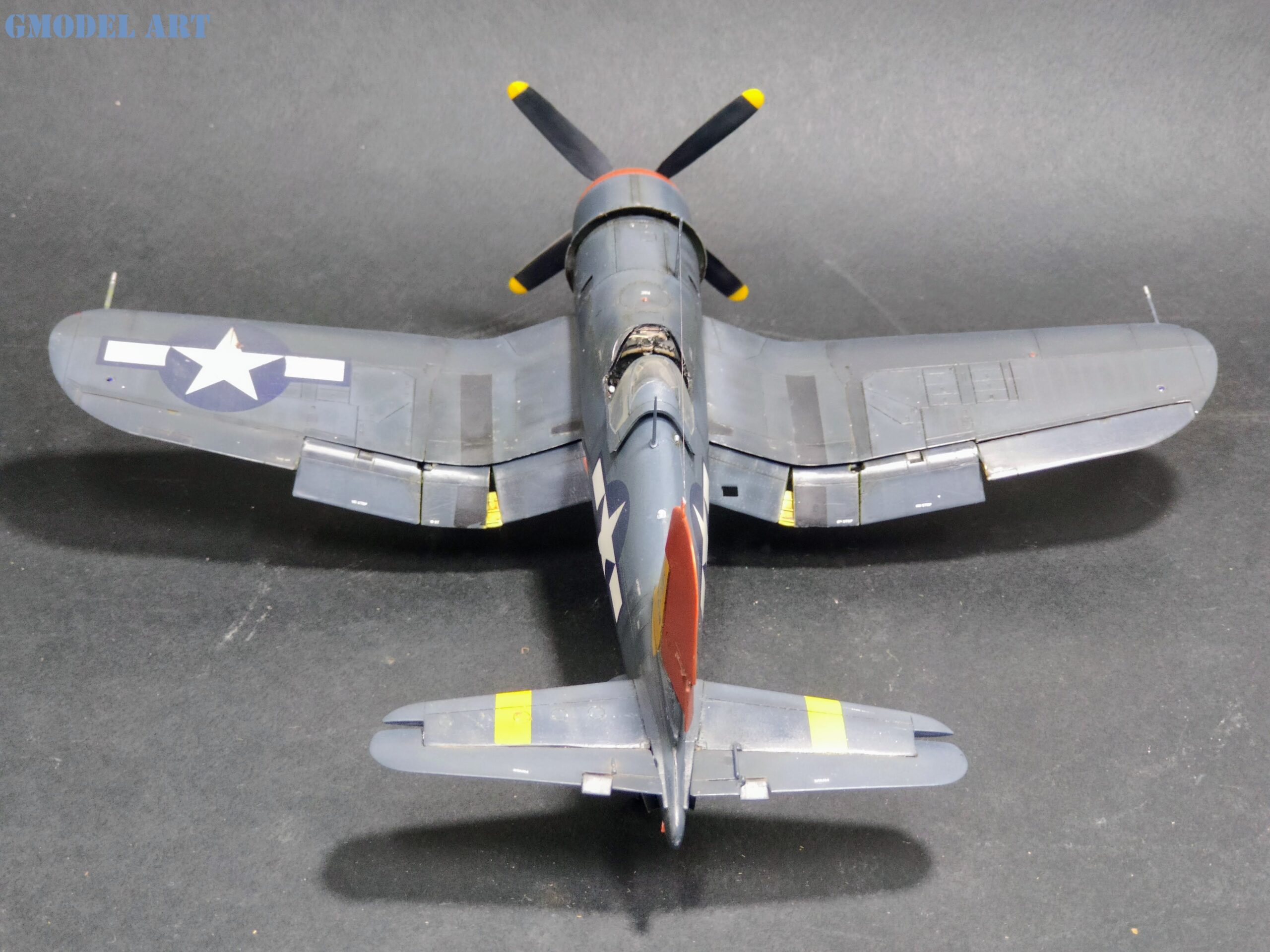
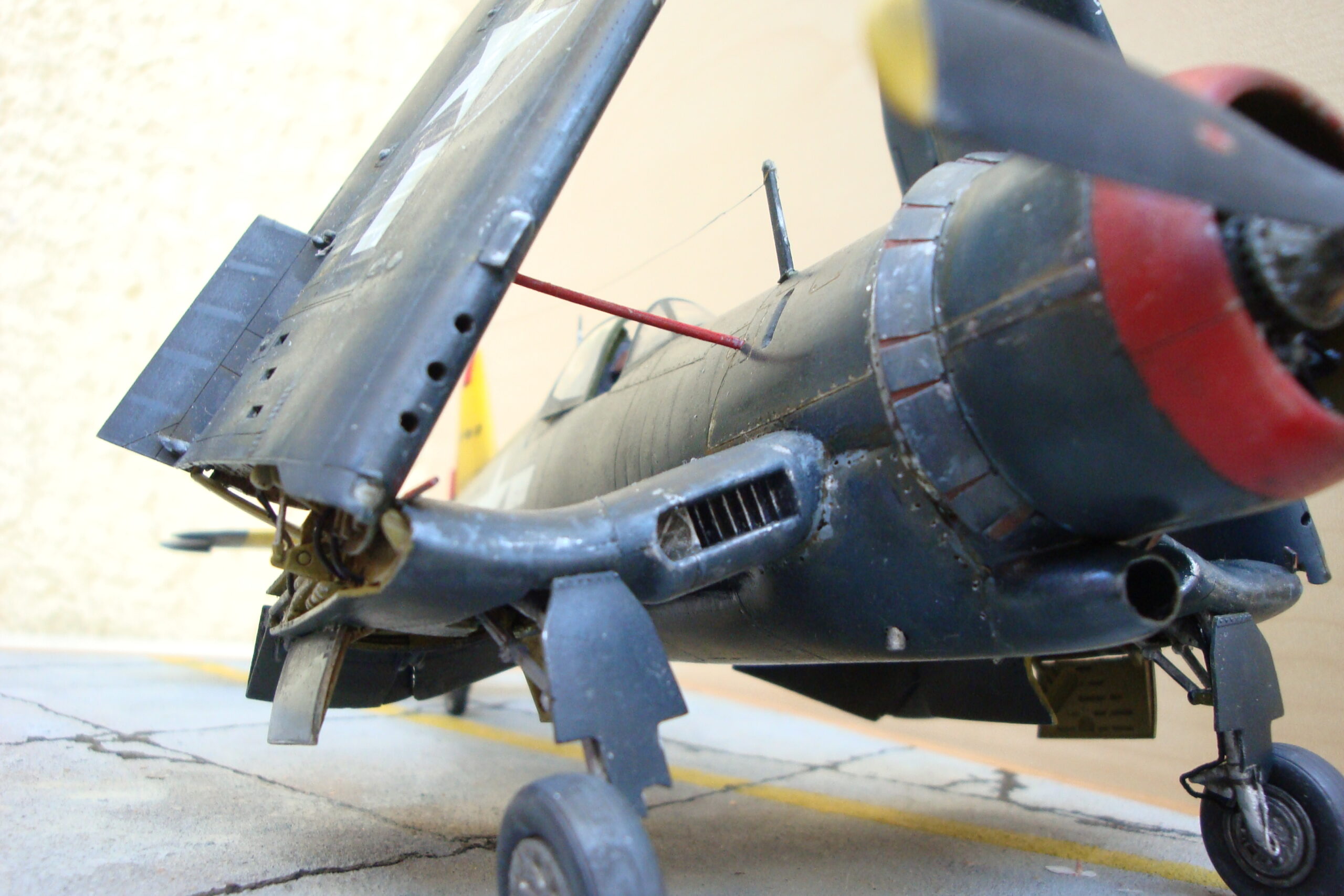
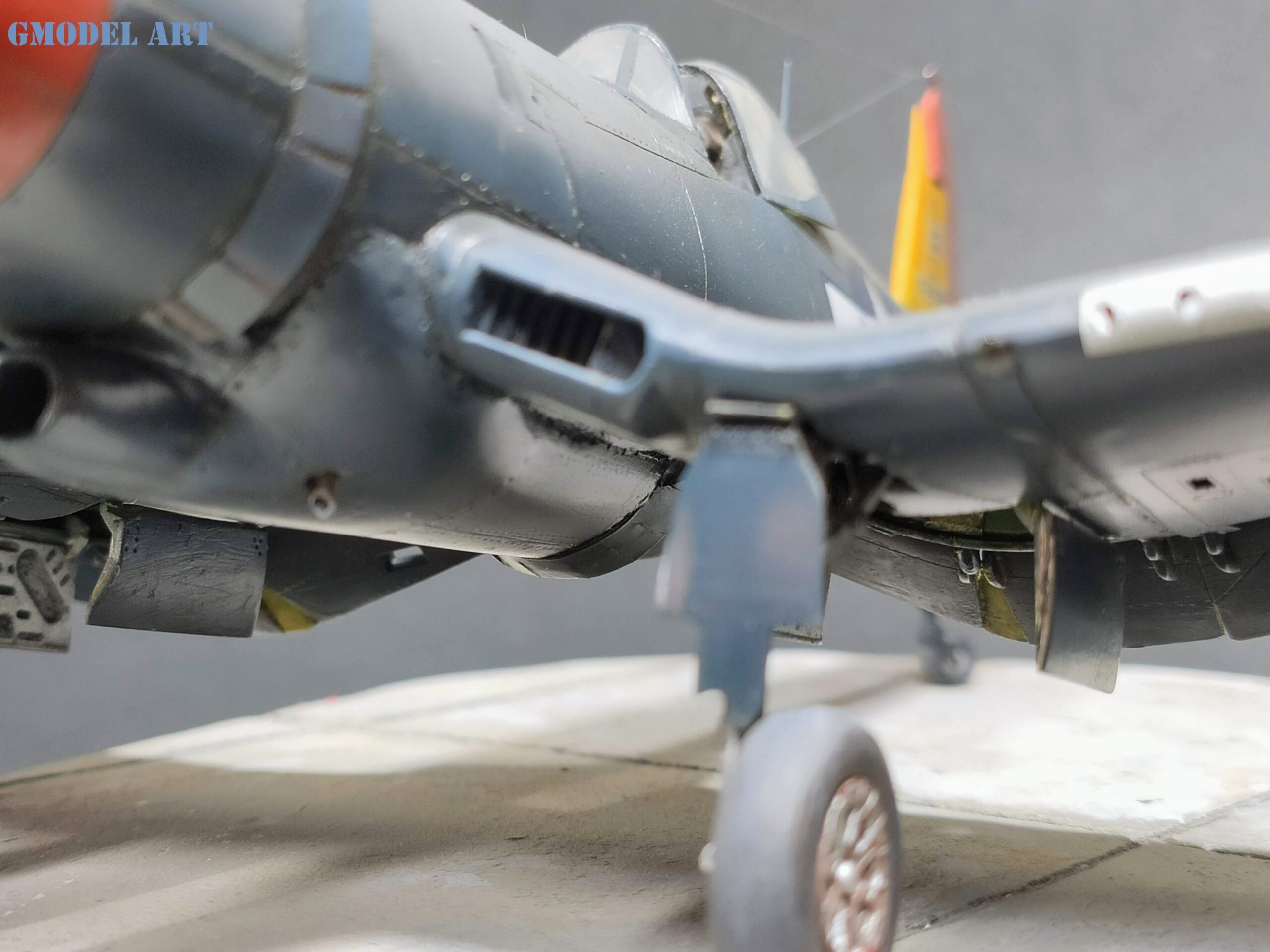
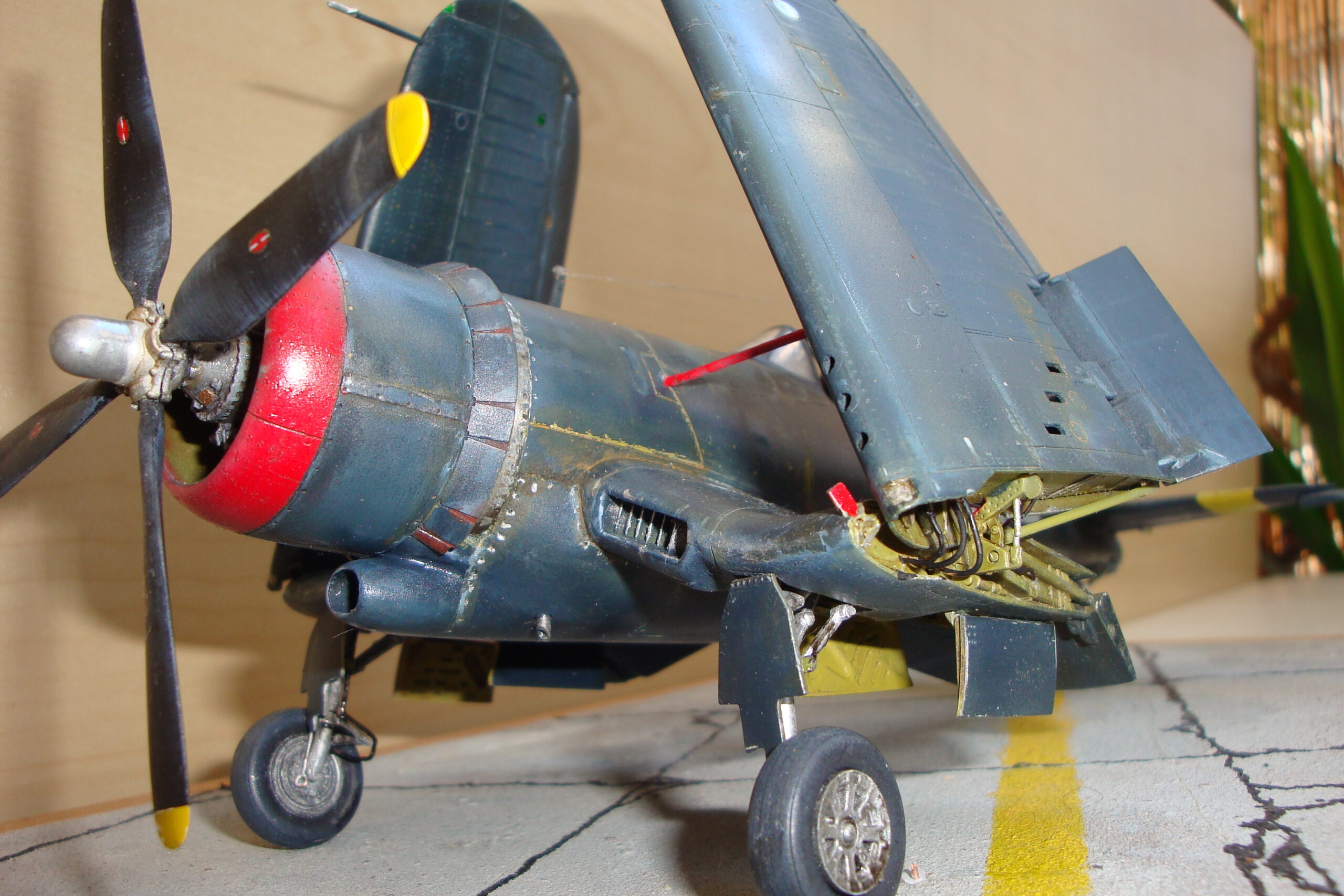
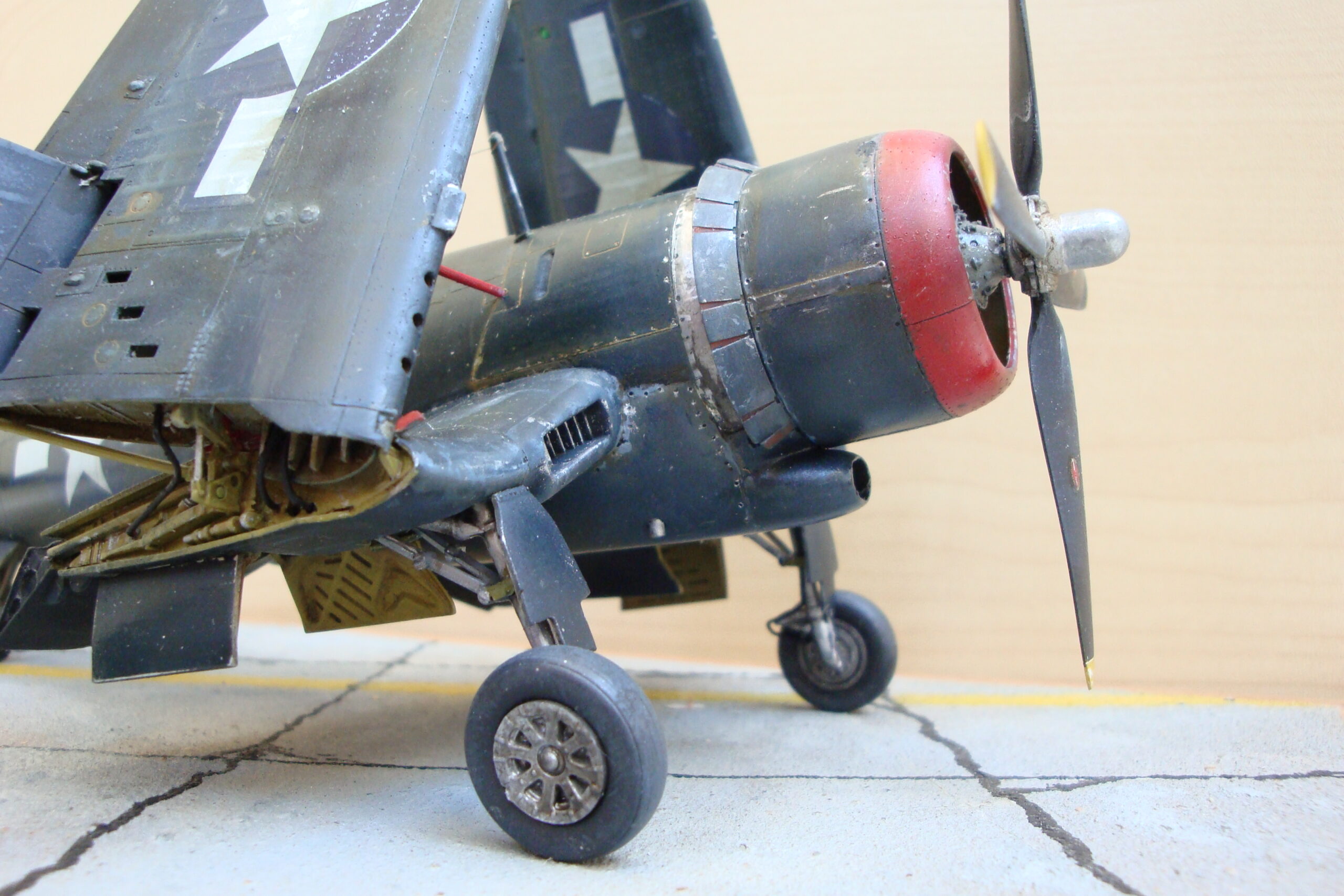
Another distinctive feature appears in the exhaust design. The XF4u-3B Corsair prototype displayed a slightly different exhaust arrangement compared to the other prototypes. While the other aircraft eventually received a comb-style exhaust rim, BuNo 49664 incorporated drop-shaped exhaust outlets, designed to reduce reflections and improve airflow around the turbo installation.
These subtle changes make the aircraft an interesting and unusual subject for scale modeling.
Building the XF4u-3B in 1/48 Scale
This model represents a conversion based on the excellent Tamiya 1/48 F4u-1D Corsair kit, which remains one of the most accurate and well-engineered Corsair kits available.
The project had been planned for quite some time, mainly because the XF4U-3 is a rare prototype rarely represented in scale models. The Tamiya kit provided the perfect foundation for the conversion thanks to its excellent fit and refined surface detail.
Propeller Modification
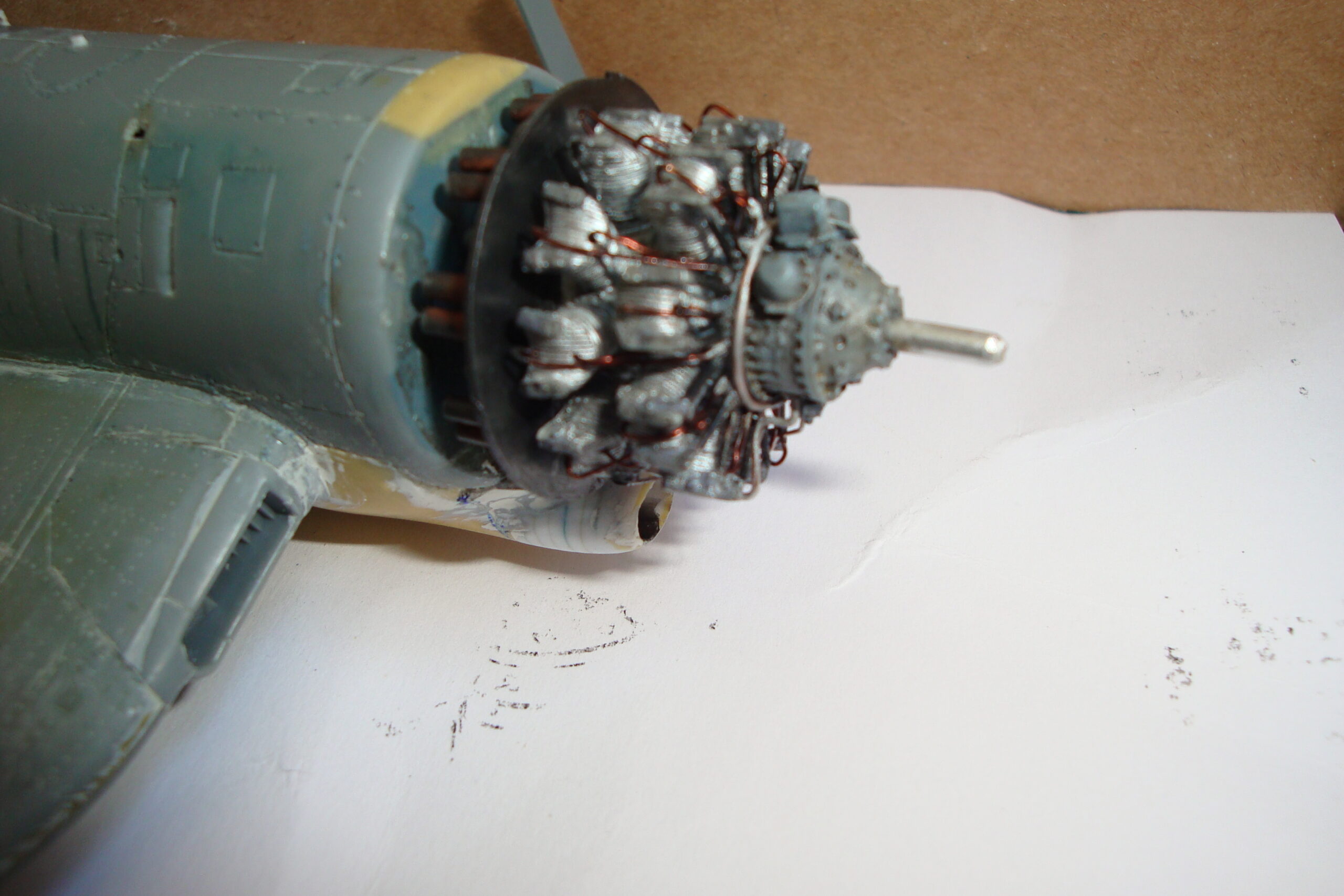
To represent the prototype correctly, the aircraft required a four-blade propeller configuration.
For this conversion a propeller from the Republic P‑47 Thunderbolt Tamiya kit was used, combined with an aftermarket propeller designed for the late R-2800 engine.
Vector
Product number: VEC48-004
Scale: 1/48
This upgrade improves blade shape and provides a more accurate appearance compared to the standard kit parts.
Turbocharger Construction
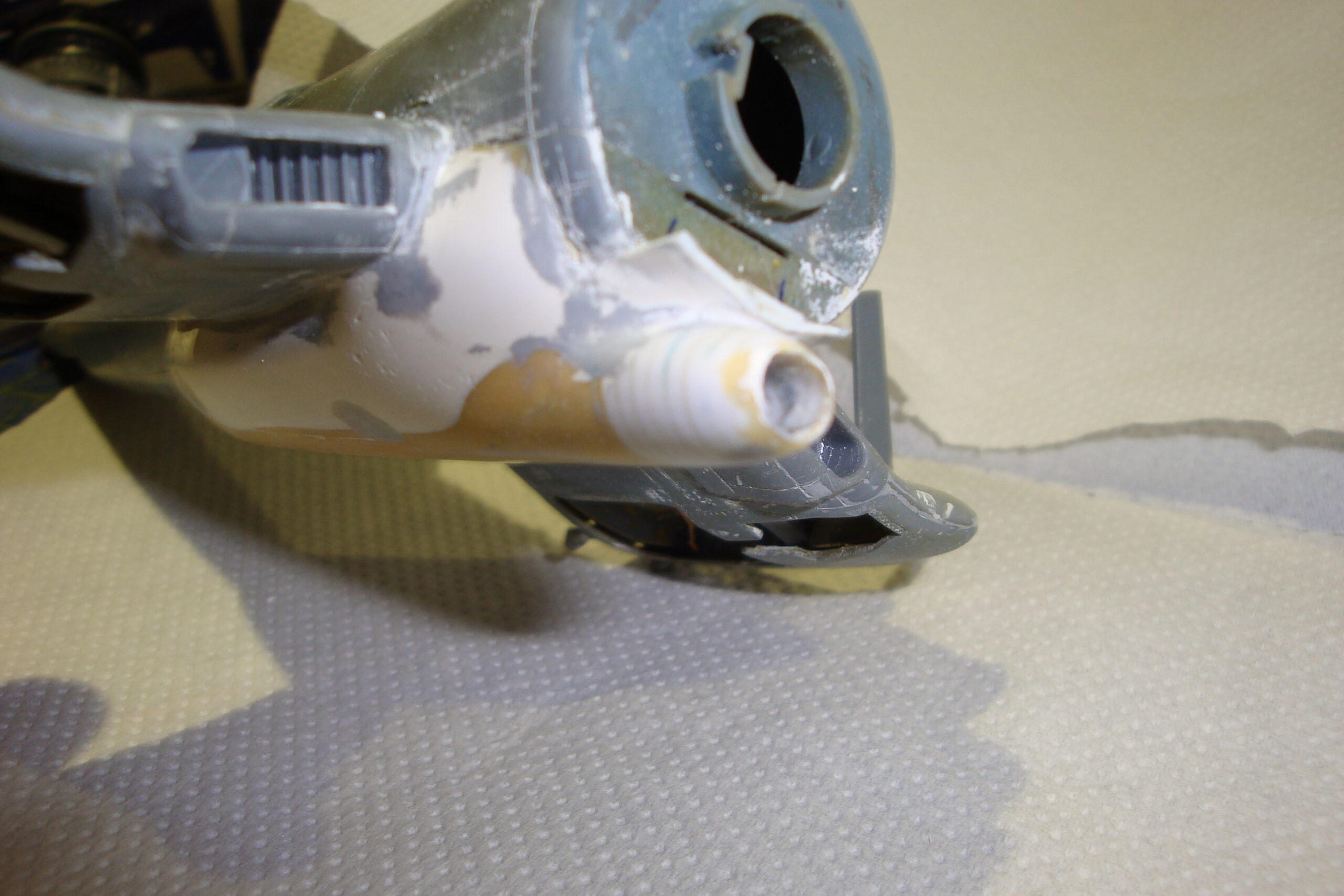
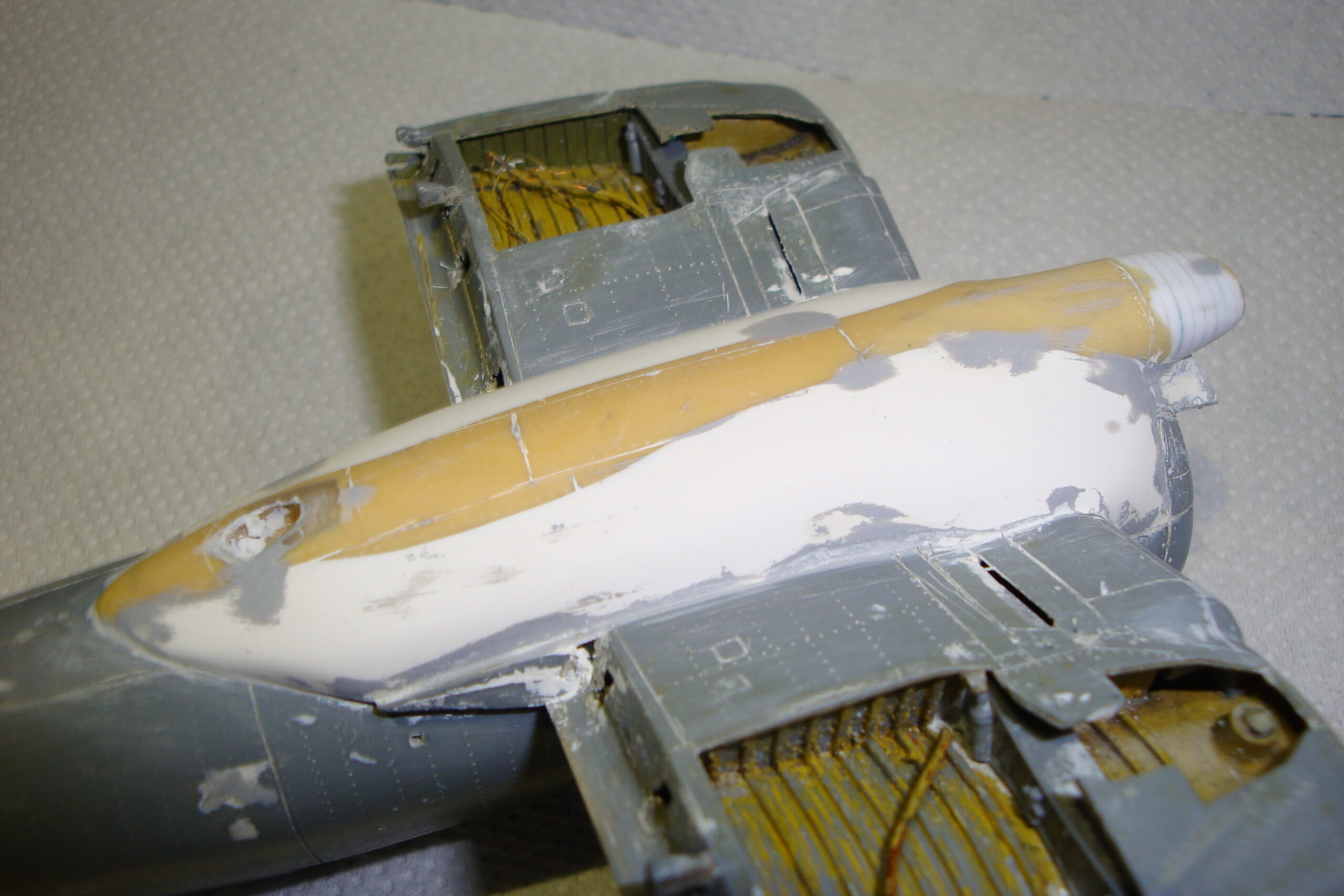
One of the most distinctive features of the XF4U-3 was the turbocharger system.
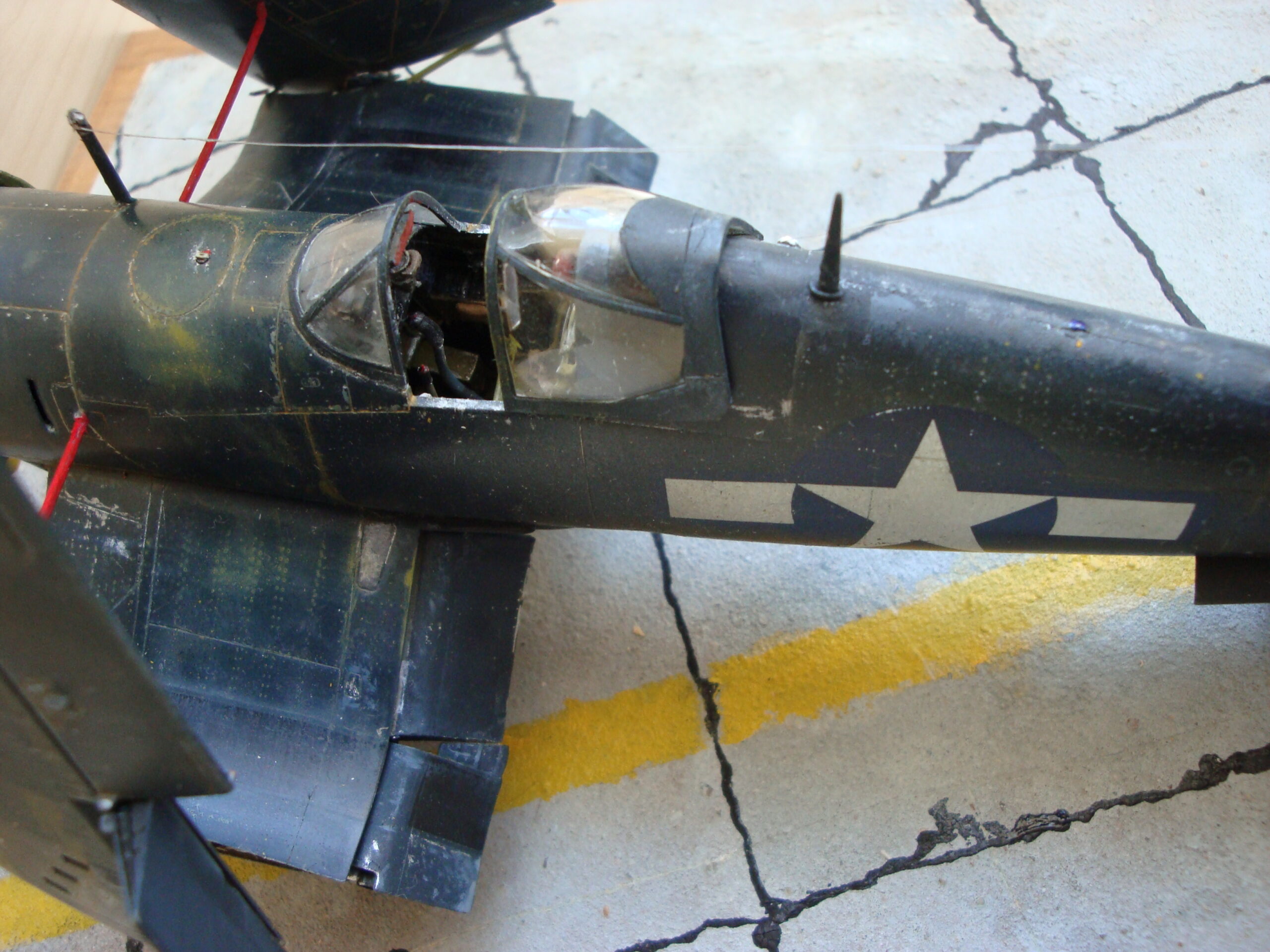
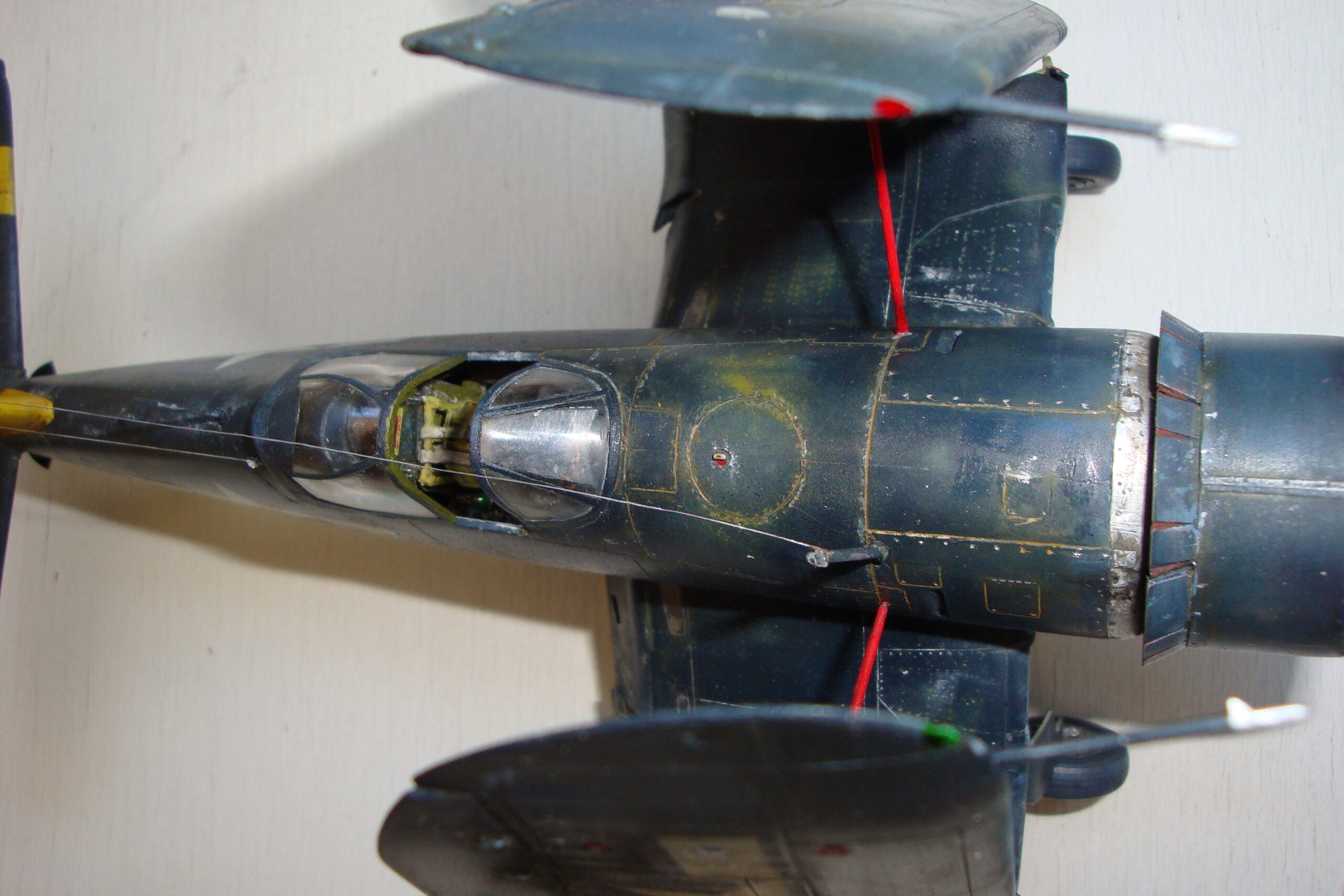
The entire turbo housing and exhaust ducting were scratch-built using Tamiya Epoxy Putty (Quick Type) combined with thin plastic sheet. This allowed the complex shapes of the turbo installation to be recreated and blended into the fuselage.
This stage required careful shaping, sanding and repeated test fitting in order to integrate the turbocharger assembly smoothly into the aircraft structure.
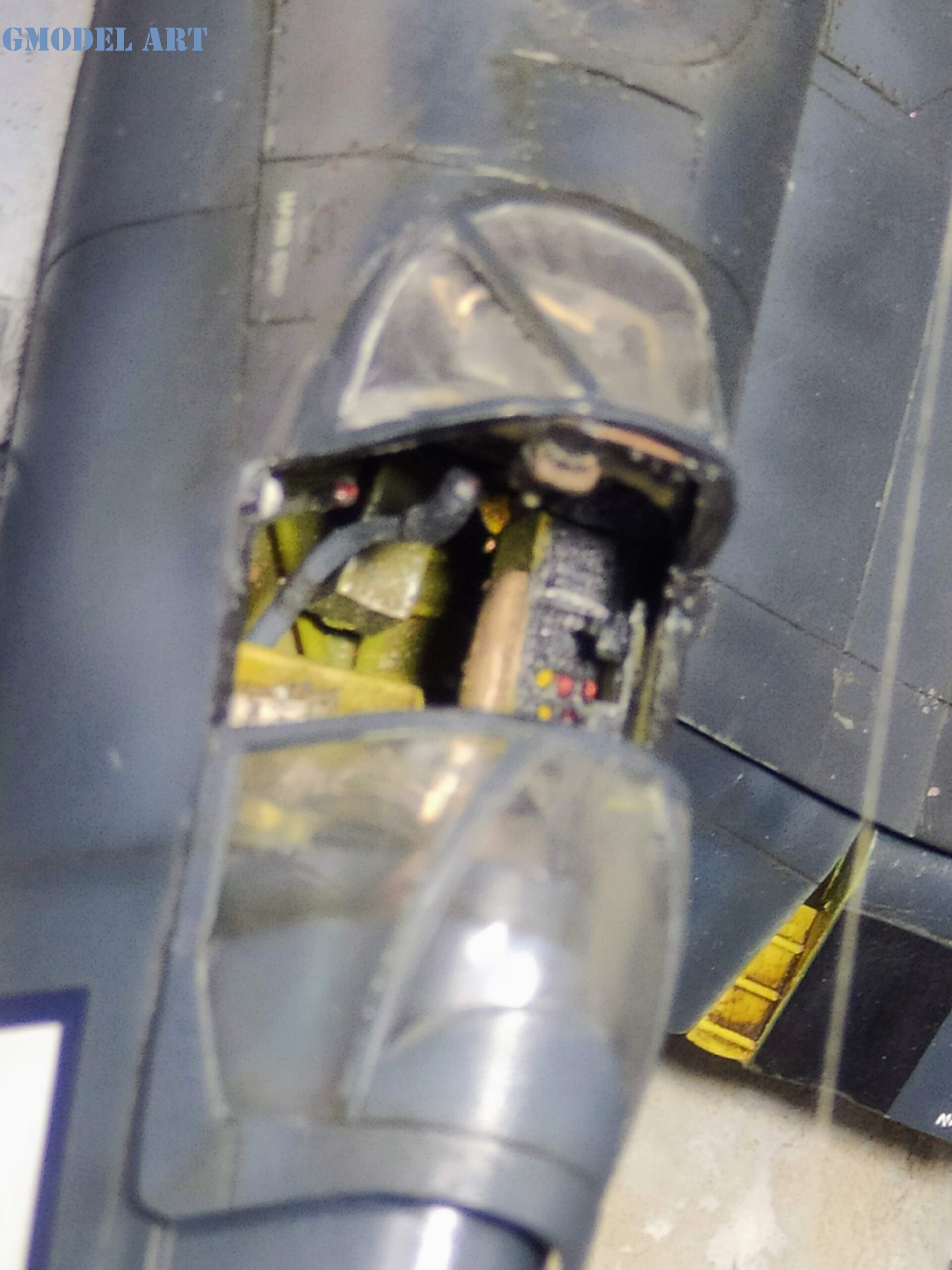
Cockpit Upgrade
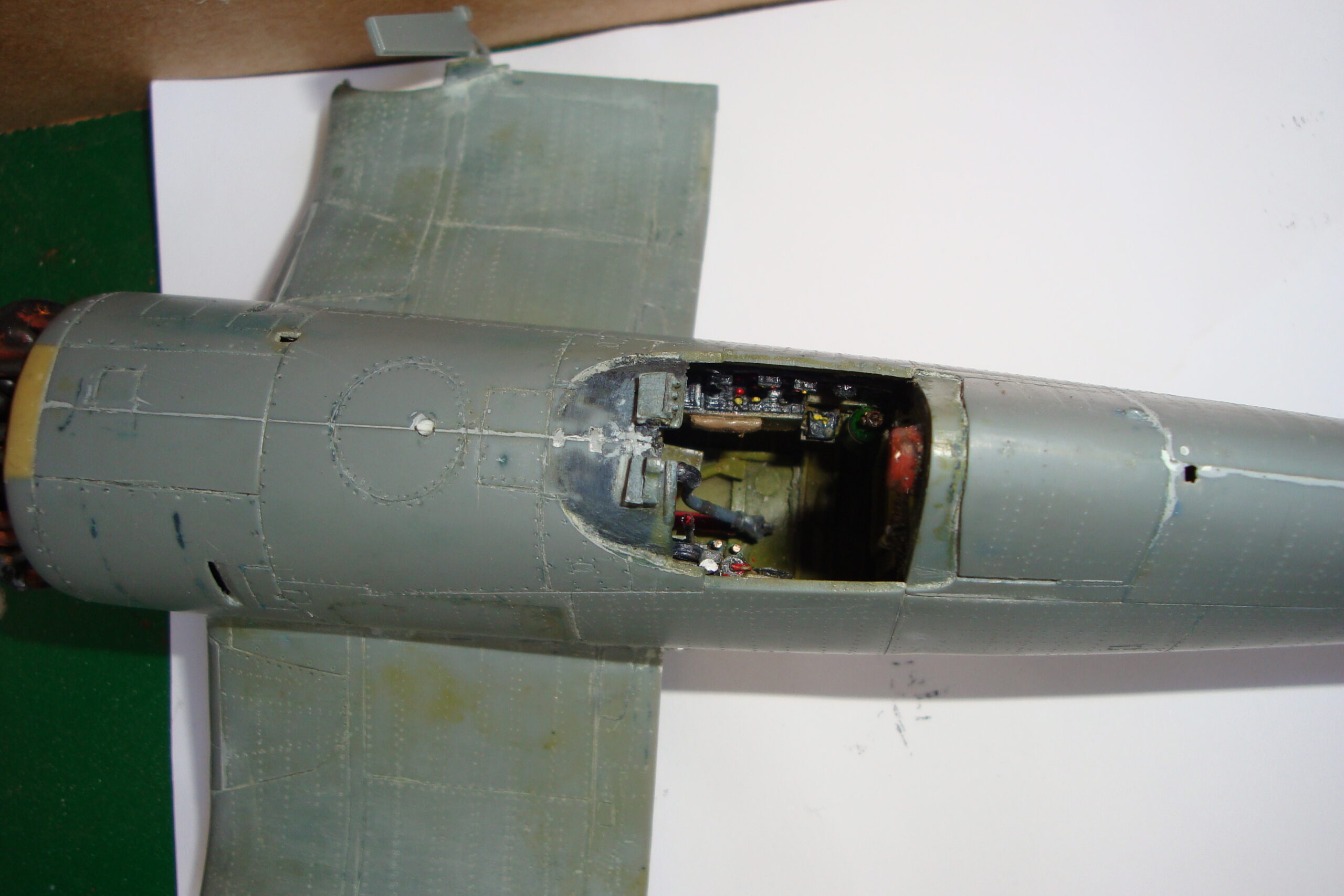
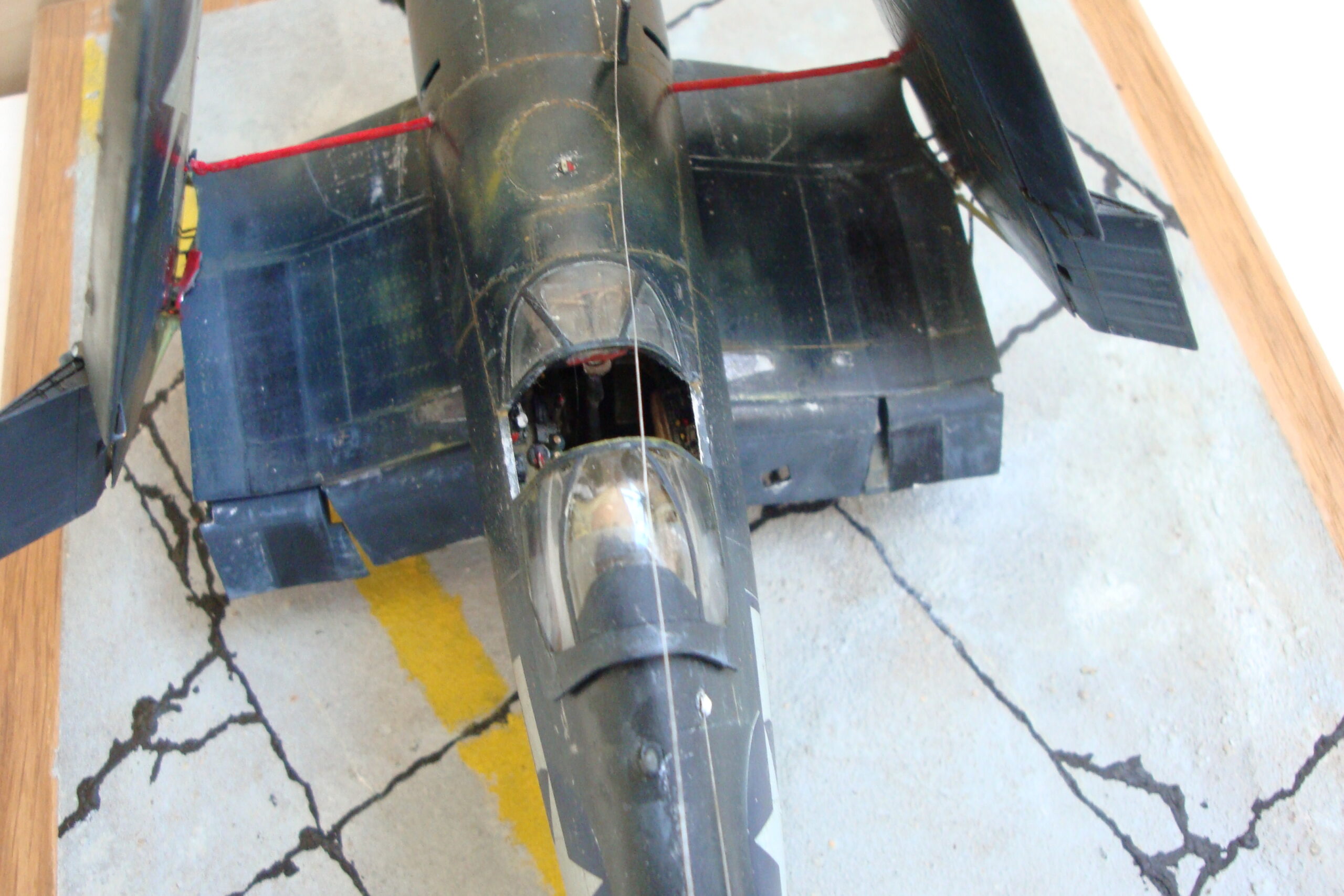
The cockpit was enhanced using the resin upgrade set:
Aires
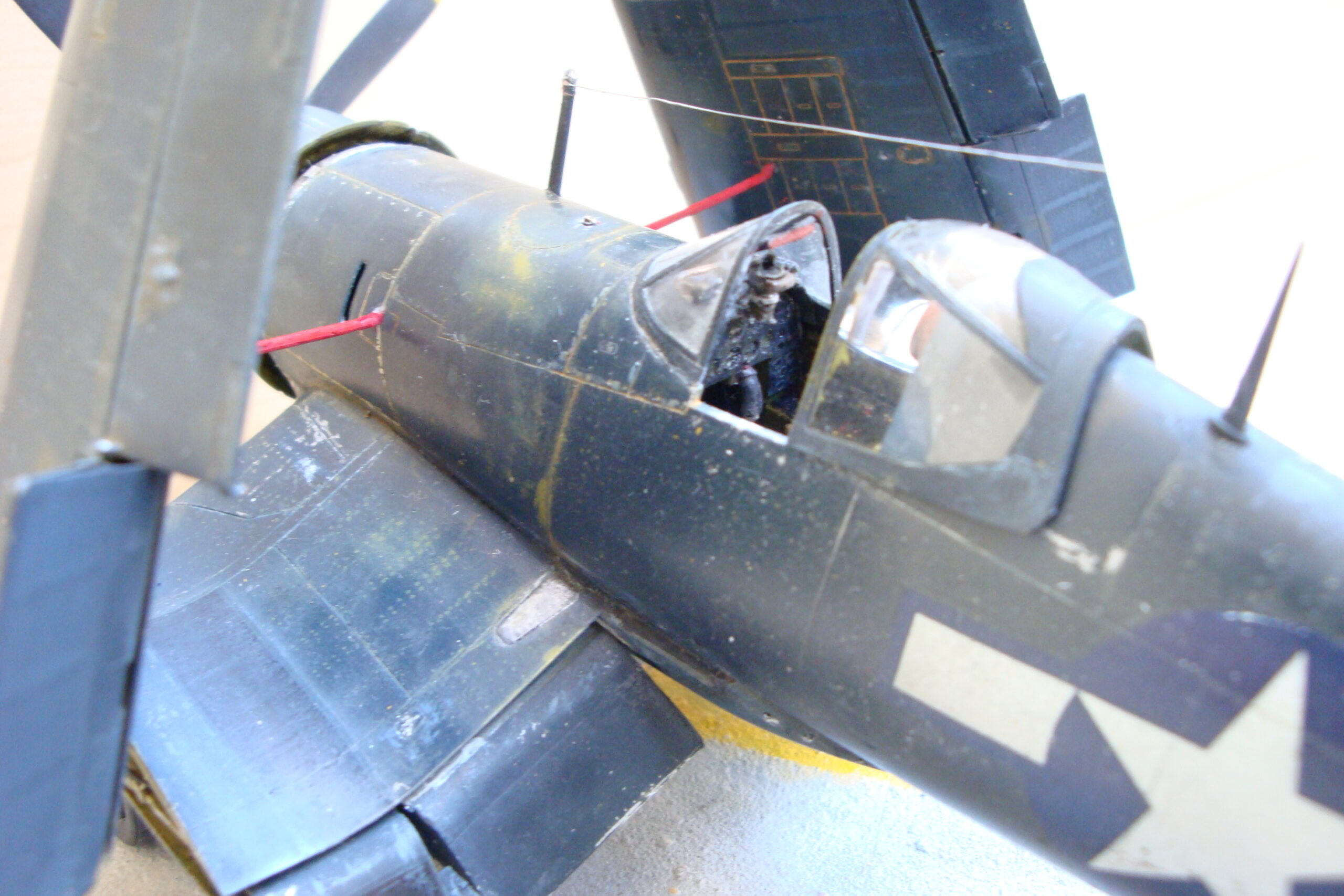
F4U-1 Corsair Birdcage Cockpit Set
No. 4247 – Scale 1/48
This set dramatically improves the cockpit detail and includes:
- resin seat and frame
- detailed sidewalls
- instrument panel
- cockpit floor and structural details
These upgrades add significant realism and depth to the interior.
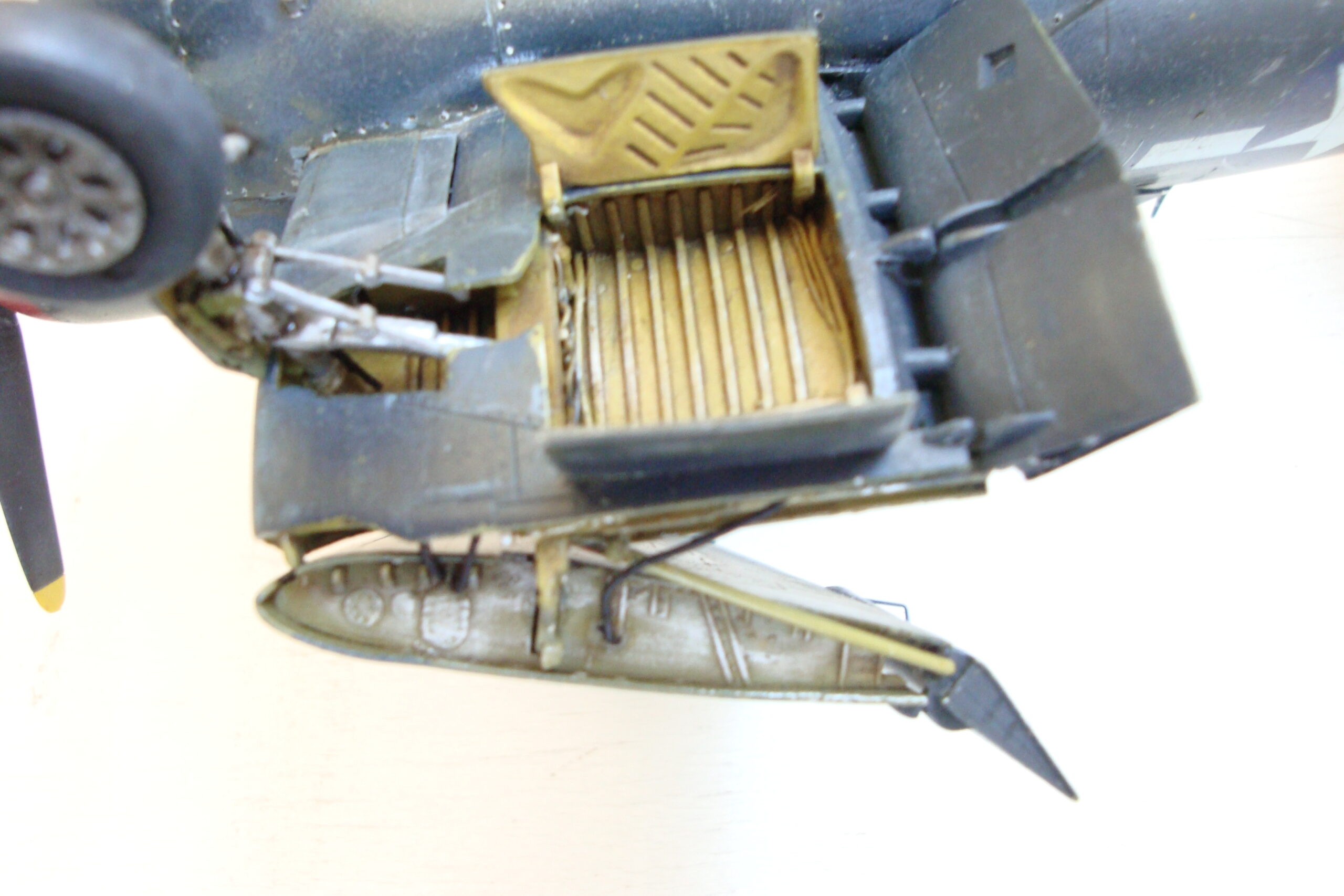
Interior Painting
The interior was painted using lacquer paints from MRP (Mr. Paint), which provide smooth coverage and excellent color accuracy.
Interior Paint References
| Area | Paint | FS Equivalent |
|---|---|---|
| Cockpit | MRP-131 Interior Green | FS 34151 |
| Structural Interior | MRP-229 Dark Dull Green | FS 34092 |
| Interior Details | MRP-140 Medium Green | FS 34102 |
| Primer Areas | MRP-129 Zinc Chromate | FS 33481 |
| Instruments & Panels | MRP-255 Black | FS 37038 |
These colors replicate the typical internal finishes used on US Navy aircraft during World War II.
Surface Preparation and Riveting
After attaching the wings to the fuselage, additional work was required to restore surface details.
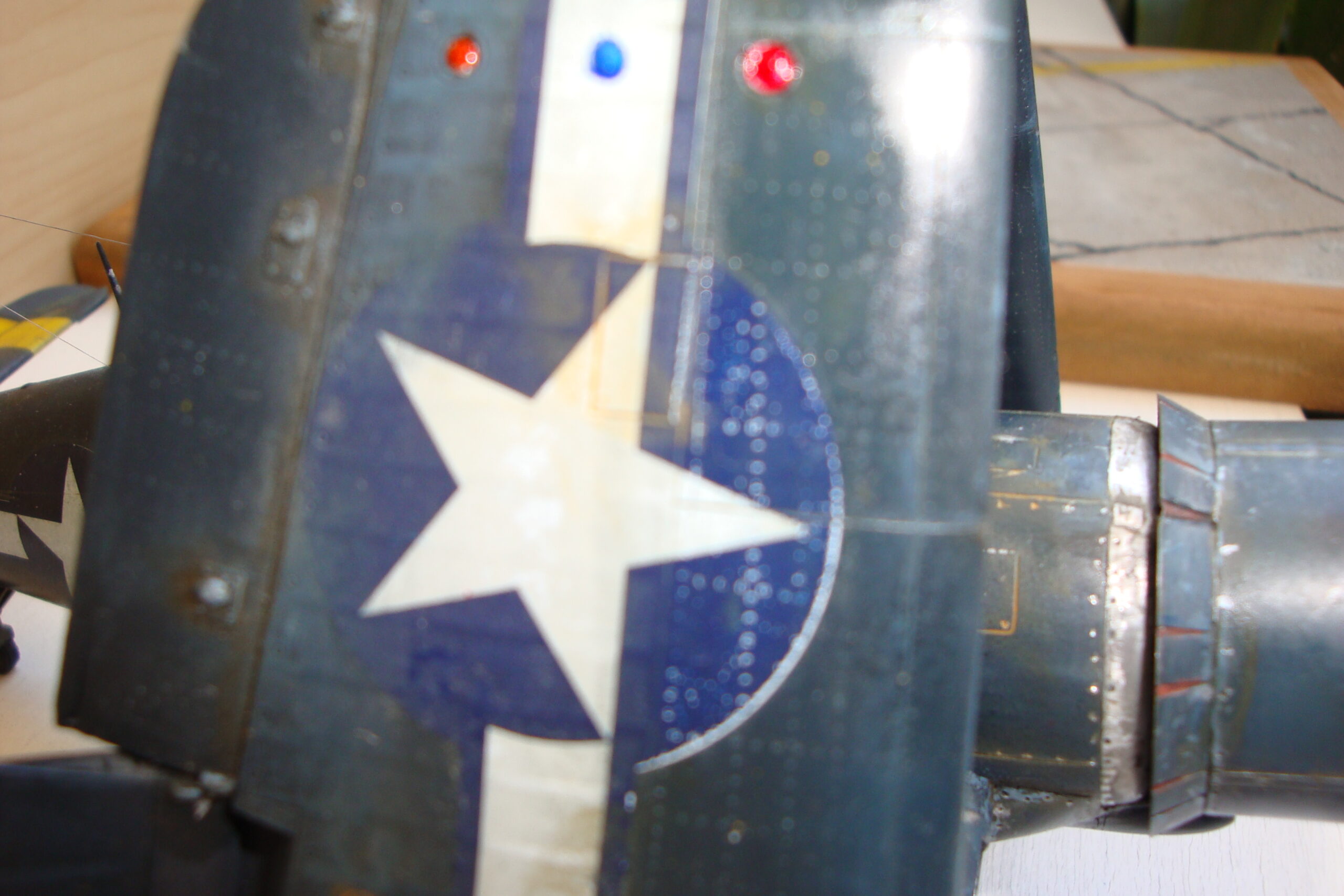
During sanding and conversion work some of the rivet lines were lost, so the aircraft was carefully re-riveted across the entire airframe.
This process enhances realism, especially after the final paint is applied and light interacts with the subtle surface texture.
Painting the XF4U-3B
One of the most enjoyable stages of the build was the painting process.
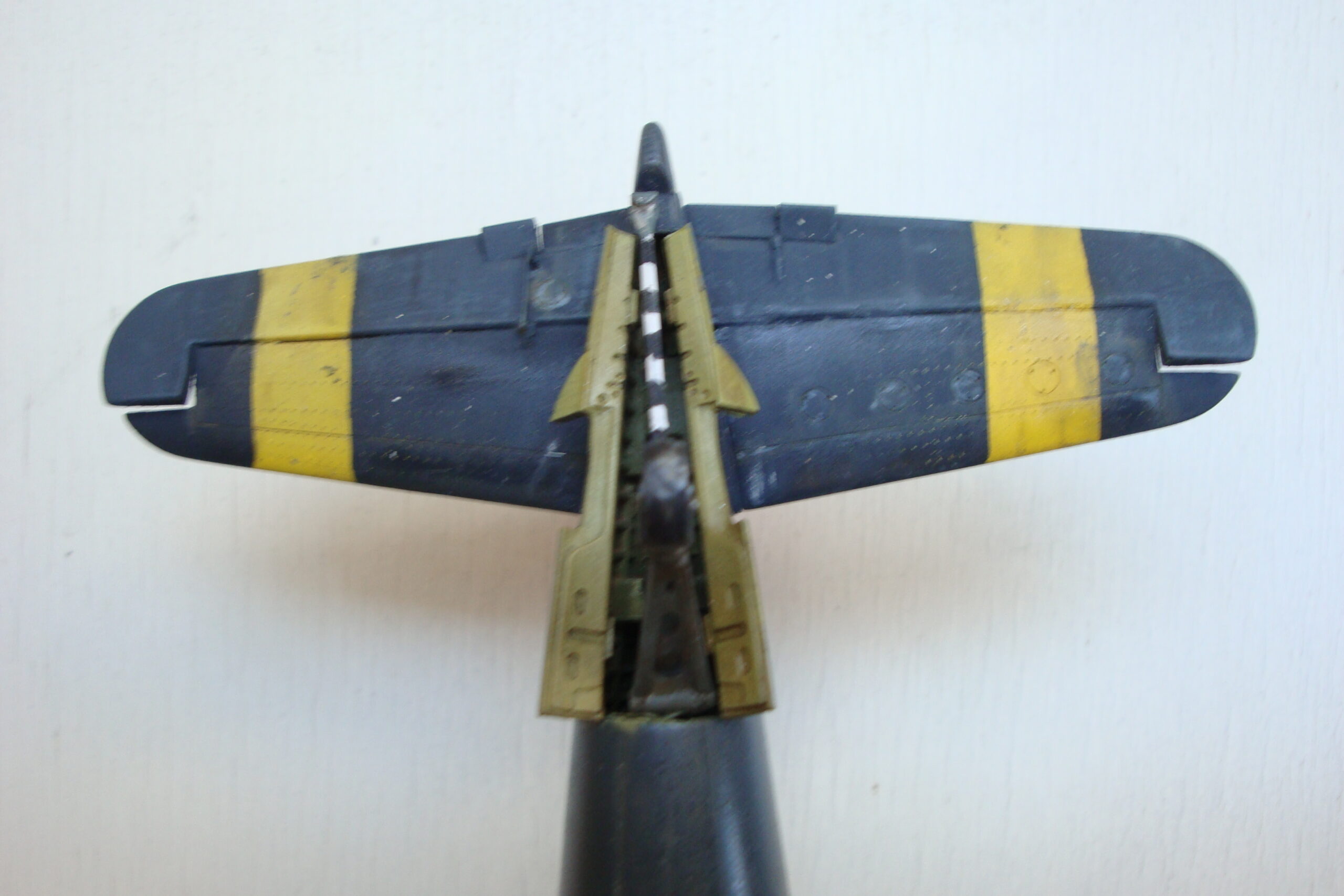
Before applying the main camouflage color, the yellow and red identification markings on the rear wings and rudder were painted and carefully masked.
Once these colors were fully cured, the aircraft received its final naval blue finish.
Exterior Paint References
| Area | Paint | FS Equivalent |
|---|---|---|
| Identification Yellow | MRP-142 Orange Yellow | FS 13538 |
| Identification Red | MRP-002 Insignia Red | FS 11136 |
| Main Camouflage | MRP-237 Sea Blue | FS 35042 |
| Final Tone Variation | MRP-014 Sea Blue | FS 15042 |
This layered painting approach produces subtle variations in tone that give the aircraft a more realistic scale appearance.
Markings and Serial Numbers
The serial numbers for BuNo 49664 were created using custom laser-printed decals, allowing accurate reproduction of the prototype markings.
This approach is often necessary when building experimental aircraft where commercial decal sheets are not available.
Conclusion
The XF4u-3B Corsair represents one of the most fascinating experimental developments of the Corsair family. By introducing turbocharging technology, engineers attempted to transform the Corsair into a dedicated high-altitude interceptor capable of operating far above the altitude range of standard naval fighters.
Although the aircraft never entered production, the XF4U-3 program demonstrated the remarkable flexibility of the Corsair design and remains an intriguing chapter in aviation history.
For scale modelers, building this rare prototype offers a rewarding challenge that combines historical research, scratch-building techniques and careful finishing work.
Using the excellent Tamiya 1/48 F4u-1D Corsair kit as a base, it is possible to recreate this unique aircraft and add a truly uncommon subject to any collection.
XF4U-3B Corsair