article
XF4u-3B Corsair – Development of the High-Altitude Turbocharged Corsair
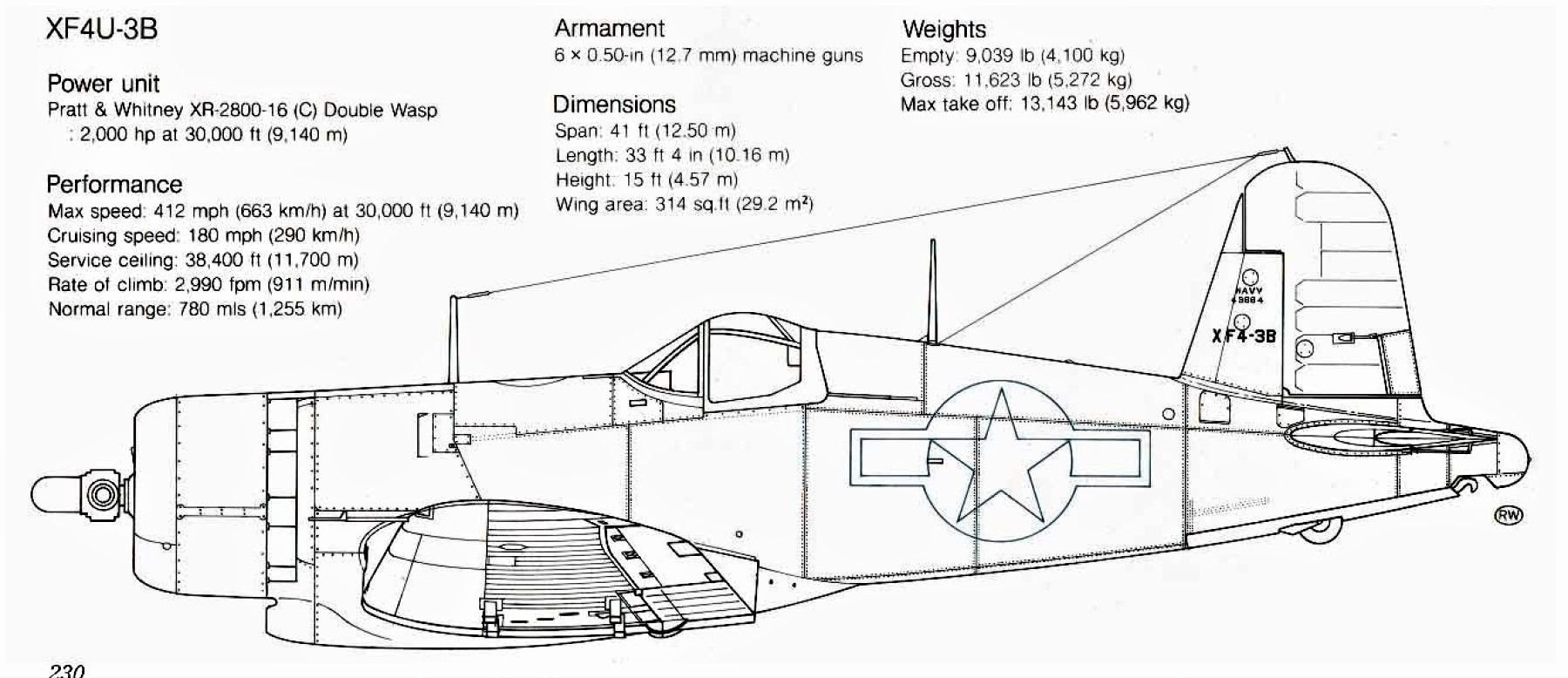
During the later stages of World War II, the United States Navy explored several methods to improve the high-altitude performance of its carrier-based fighters. Although the Vought F4u Corsair had already proven itself as one of the most capable naval fighters of the war, its performance decreased significantly at altitudes above approximately 25,000 feet.
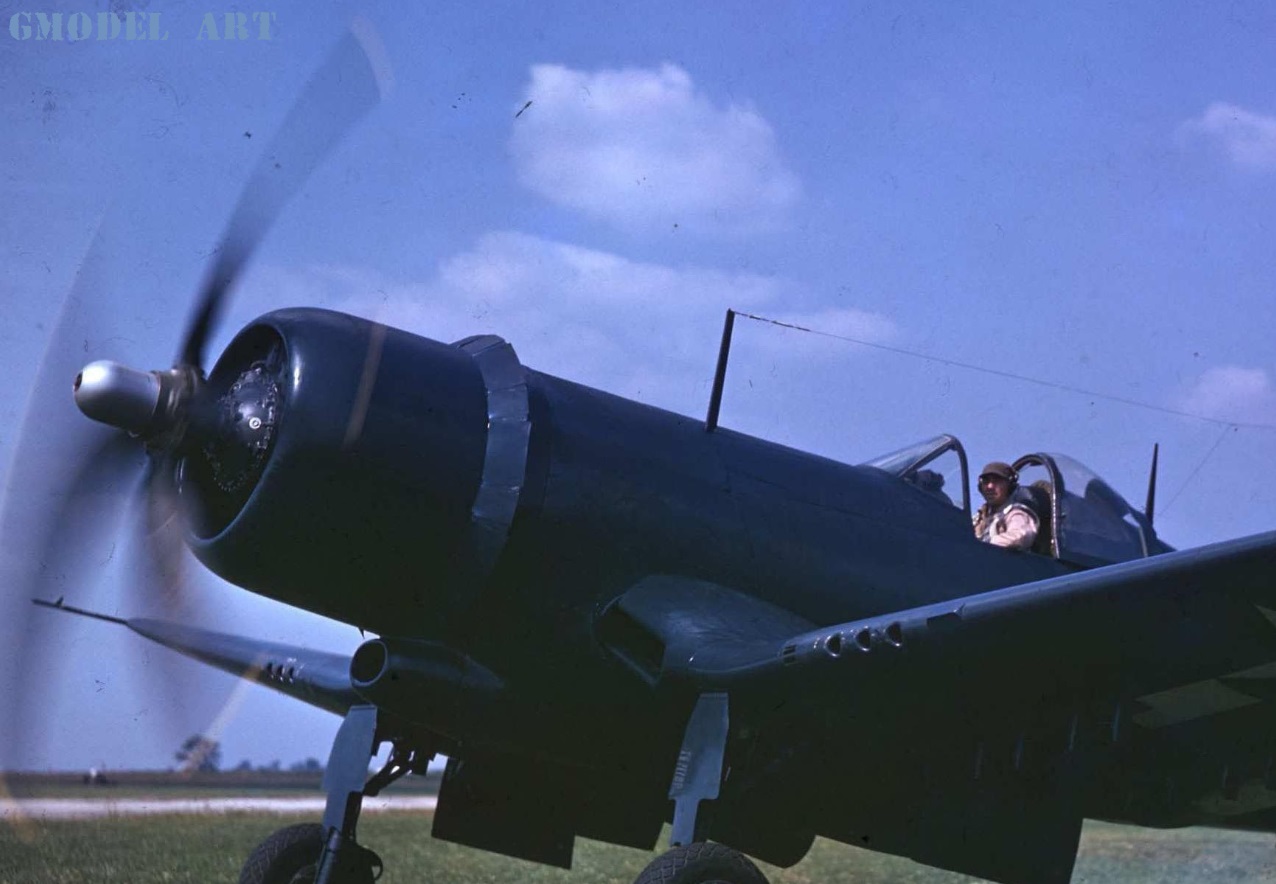
To address this limitation, engineers at Chance Vought began developing a specialized high-altitude interceptor based on the Corsair airframe. This project led to the creation of the XF4u-3B Corsair, an experimental variant designed specifically to maintain engine performance at extreme altitude.
The development program focused on combining the strong Corsair airframe with a turbo-supercharged engine installation capable of maintaining power output above 35,000 feet.
Design Concept of the XF4u-3B Corsair
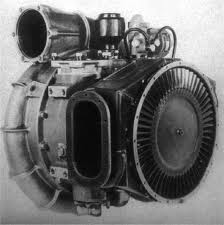
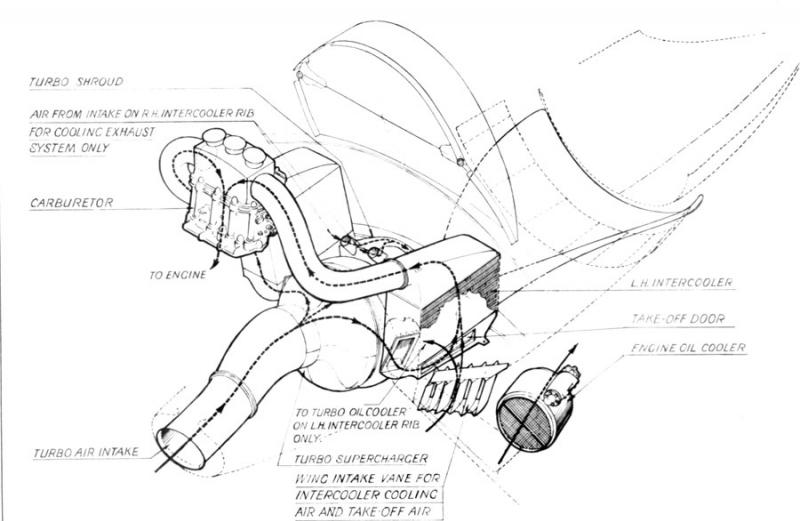
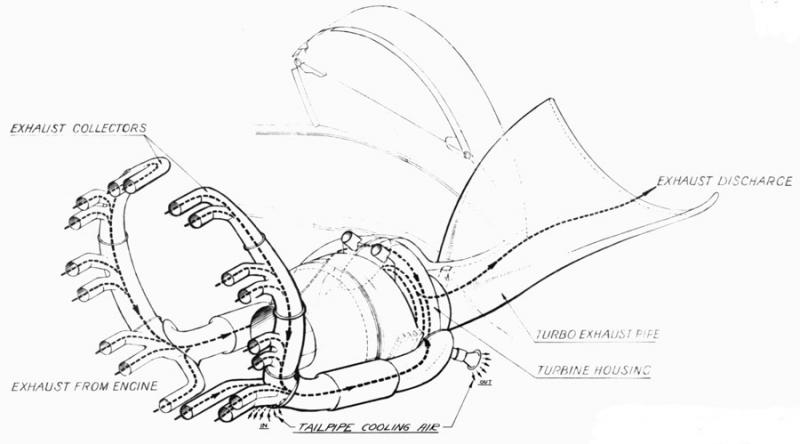
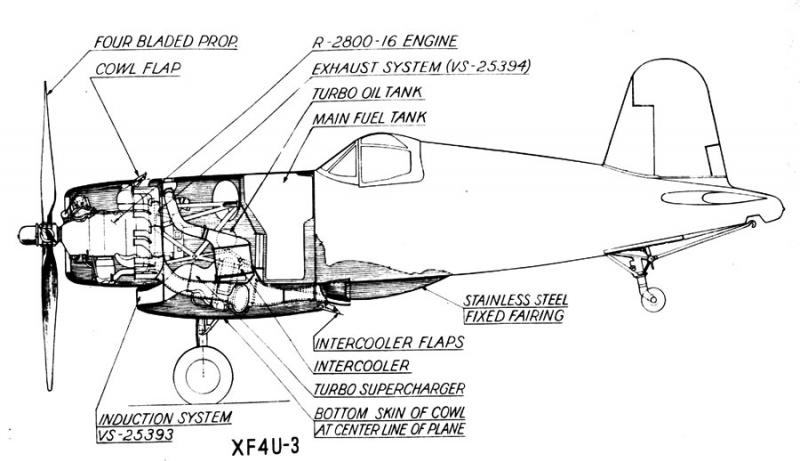
The most important modification introduced on the XF4u-3B Corsair was the installation of a turbo-supercharger system.
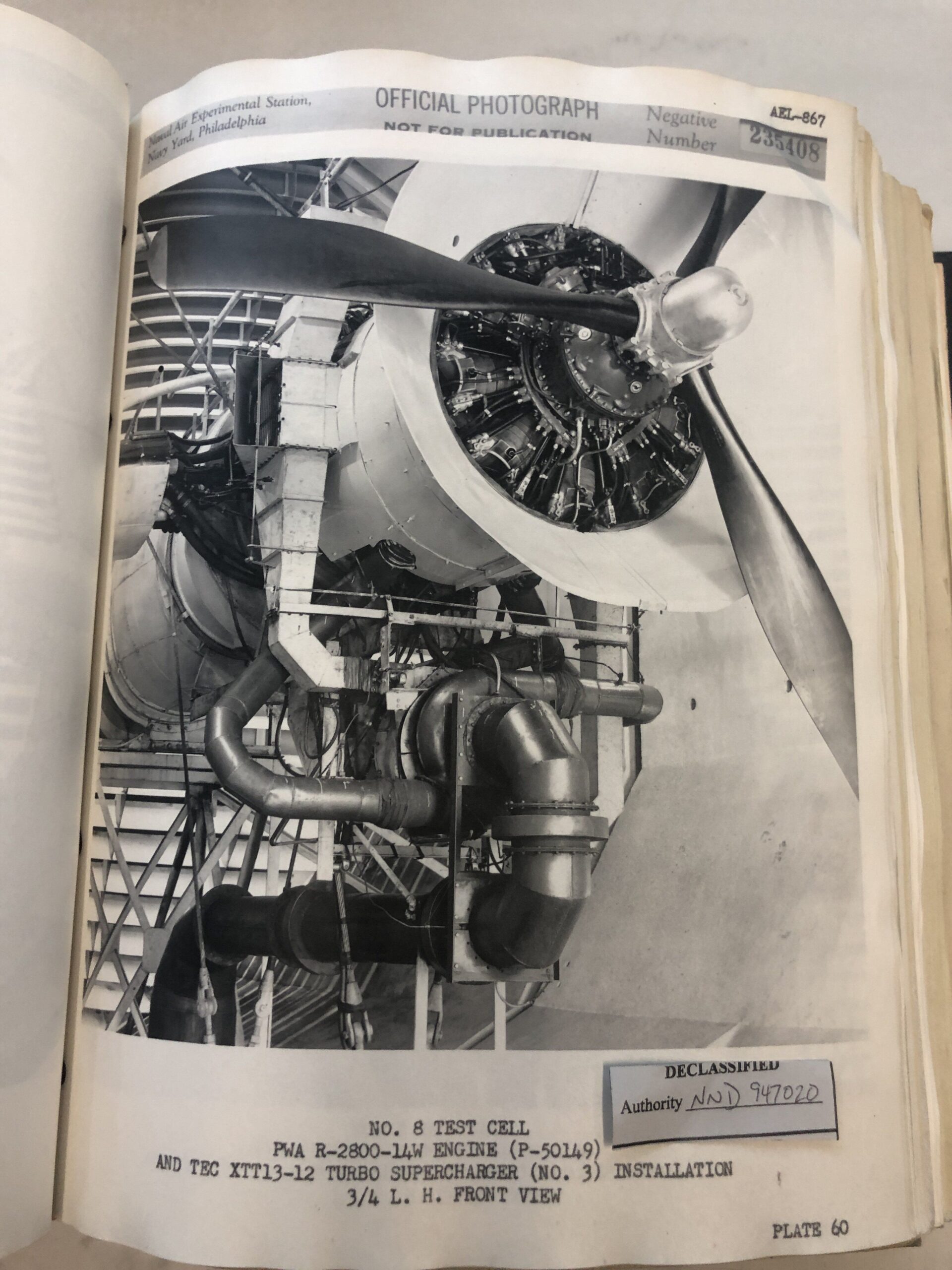
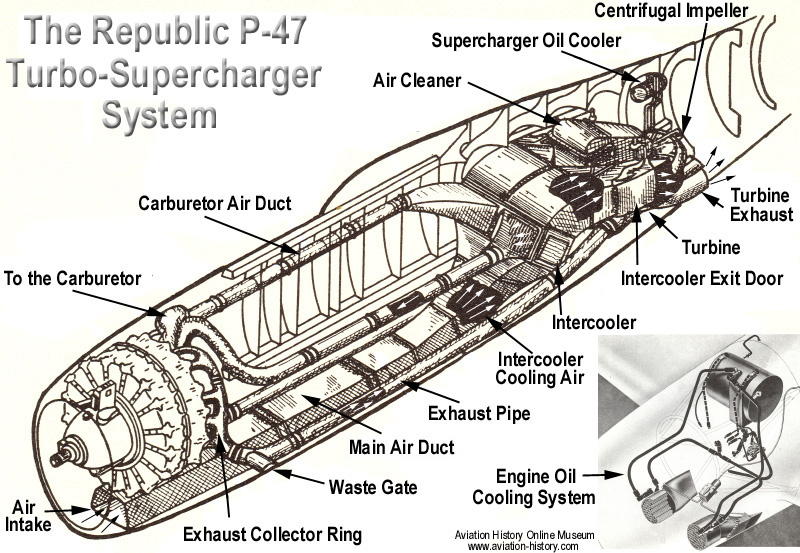
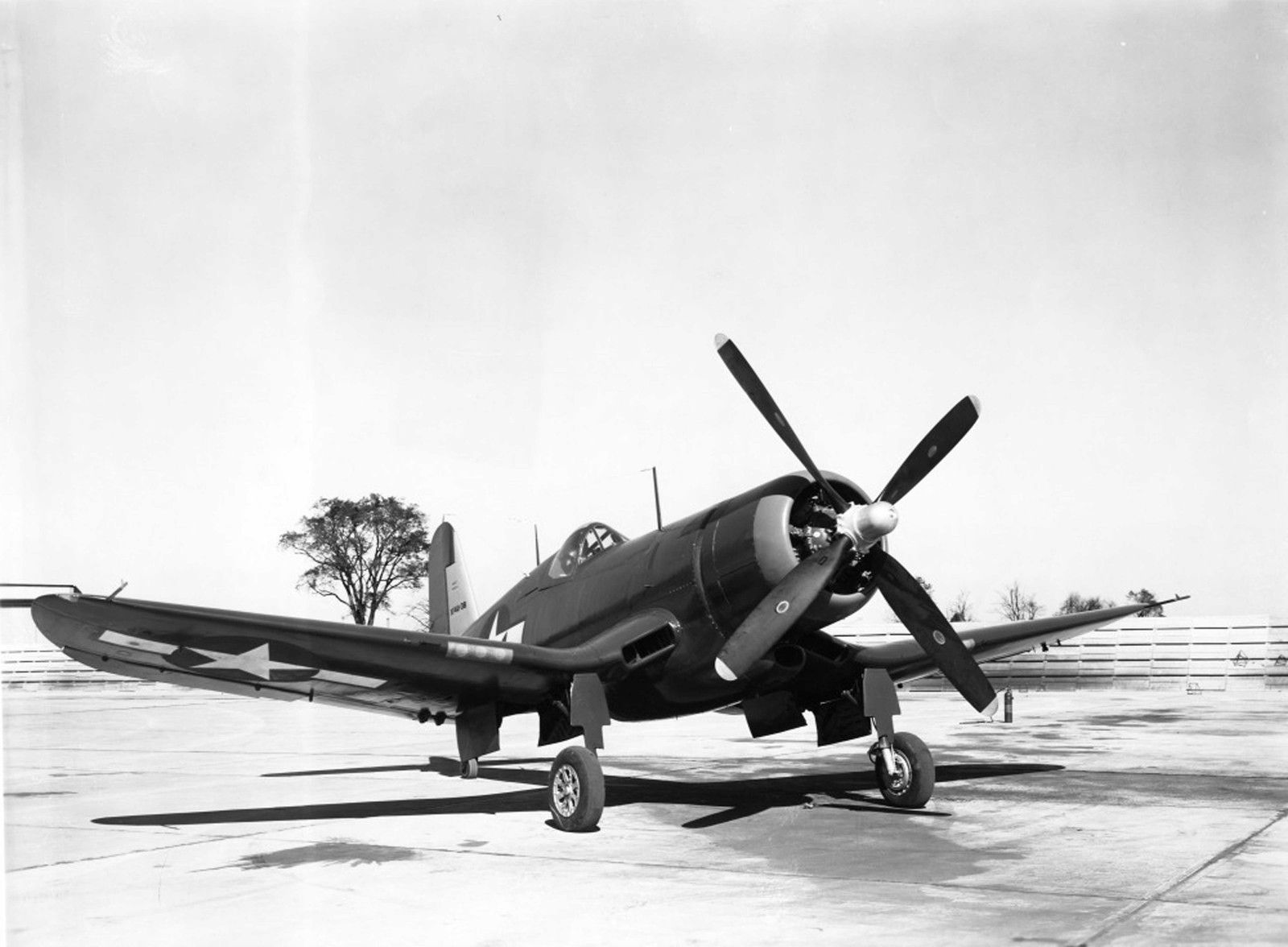
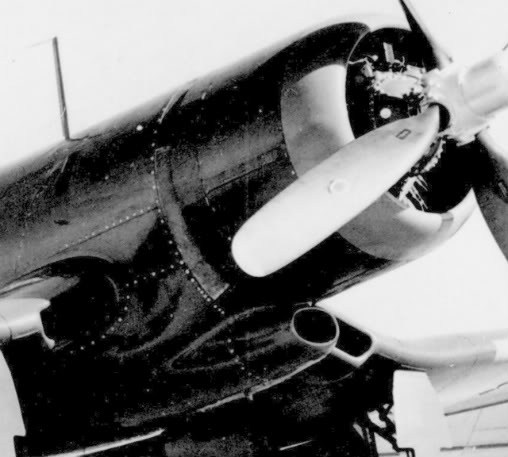
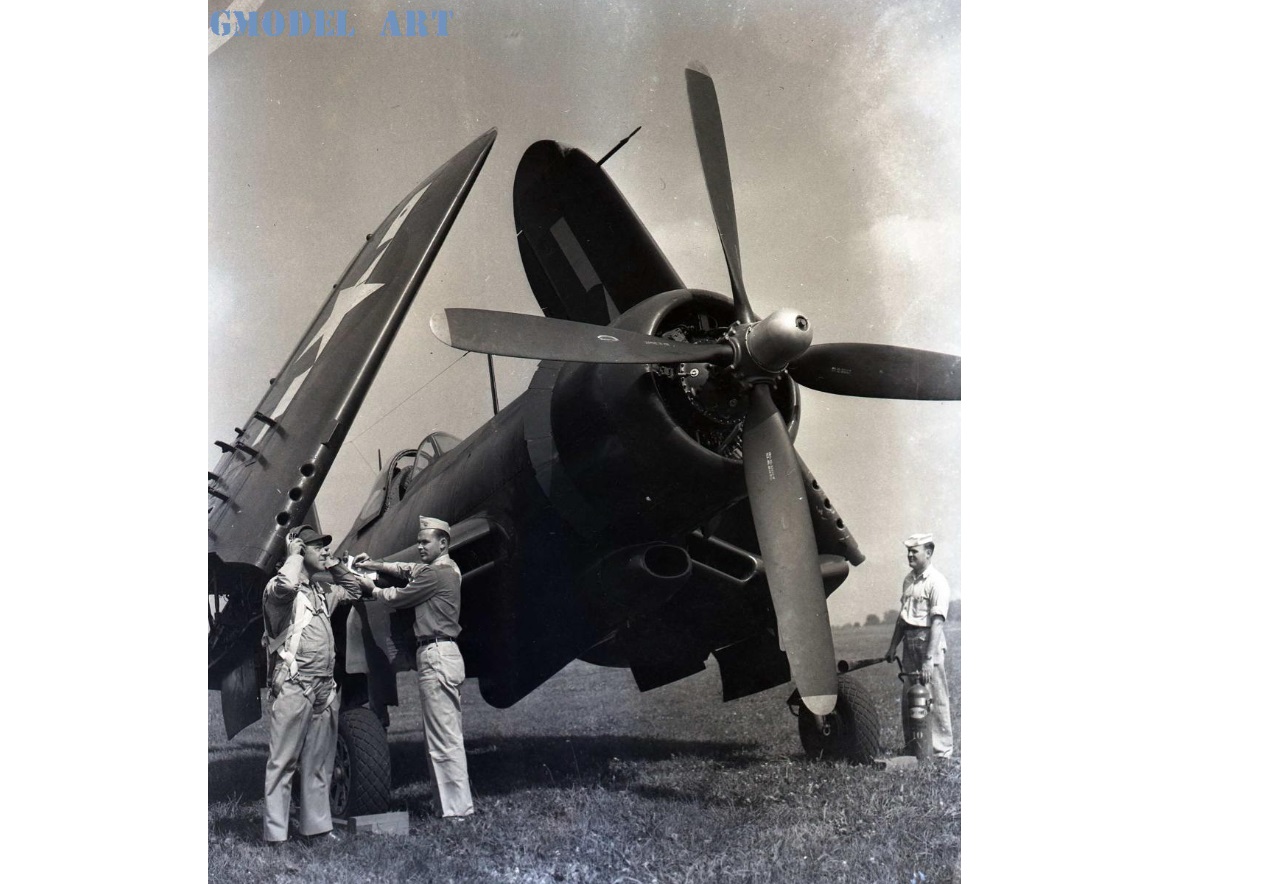
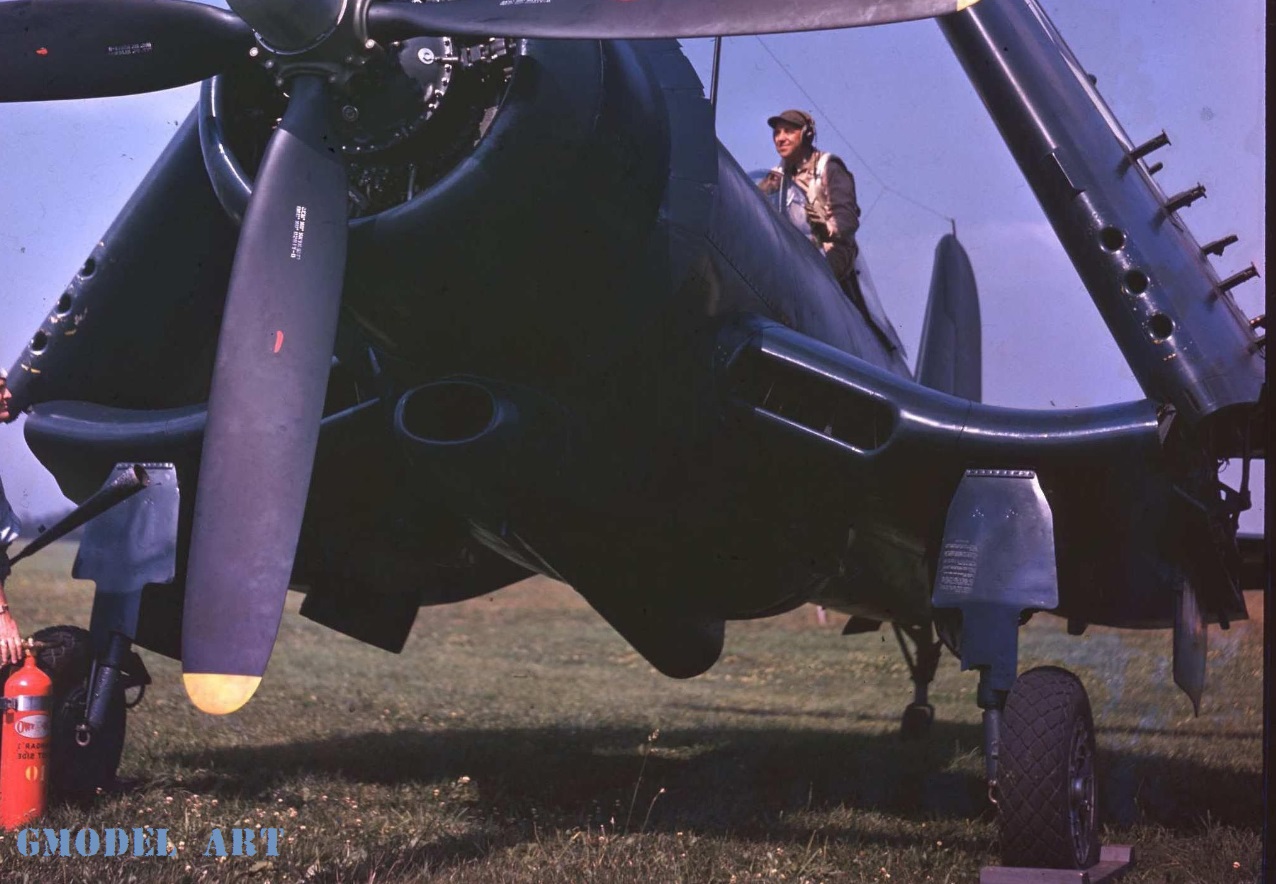
This system used a Birmann-type turbo-supercharger, designed to maintain manifold pressure at high altitude. Unlike the externally mounted turbochargers used on aircraft such as the Lockheed P-38 Lightning and the Republic P-47 Thunderbolt, the turbo installation on the XF4U-3B Corsair was largely contained within the fuselage.
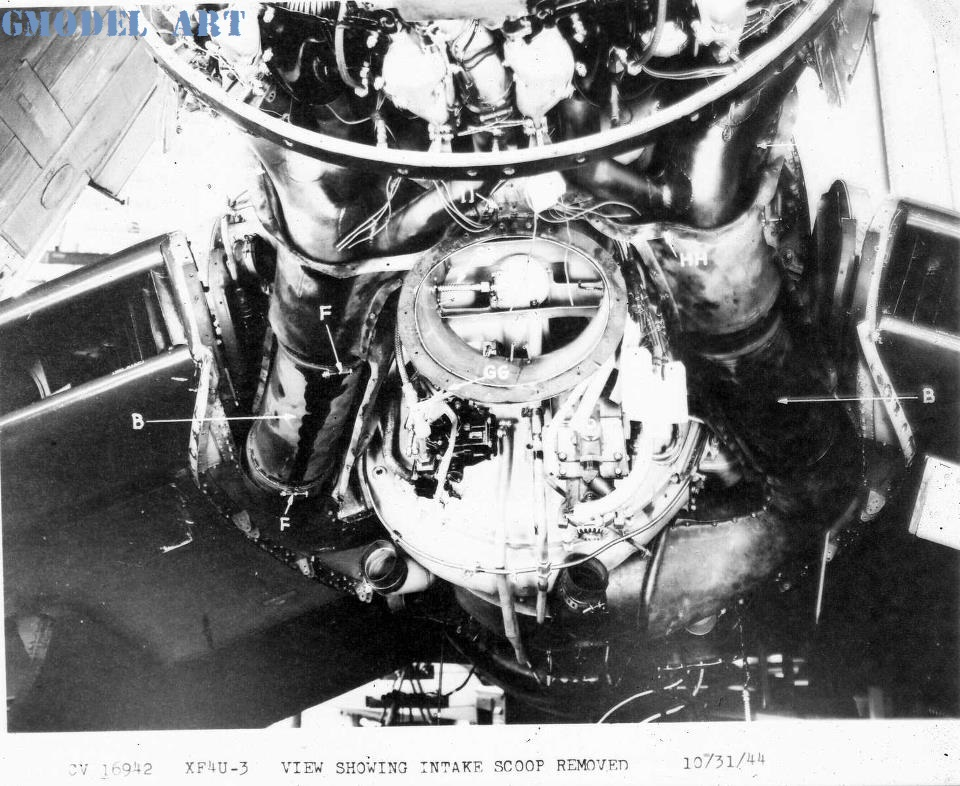
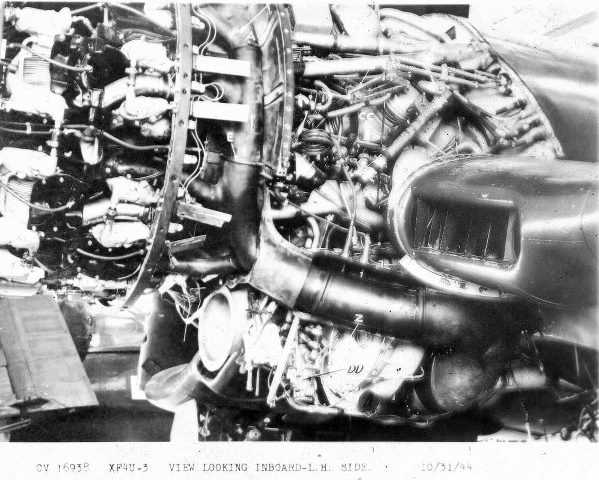
This configuration required significant structural modifications to the Corsair airframe. These included:
• installation of a large turbocharger assembly
• internal exhaust ducting running through the fuselage
• a large ventral air intake feeding the turbocharger system
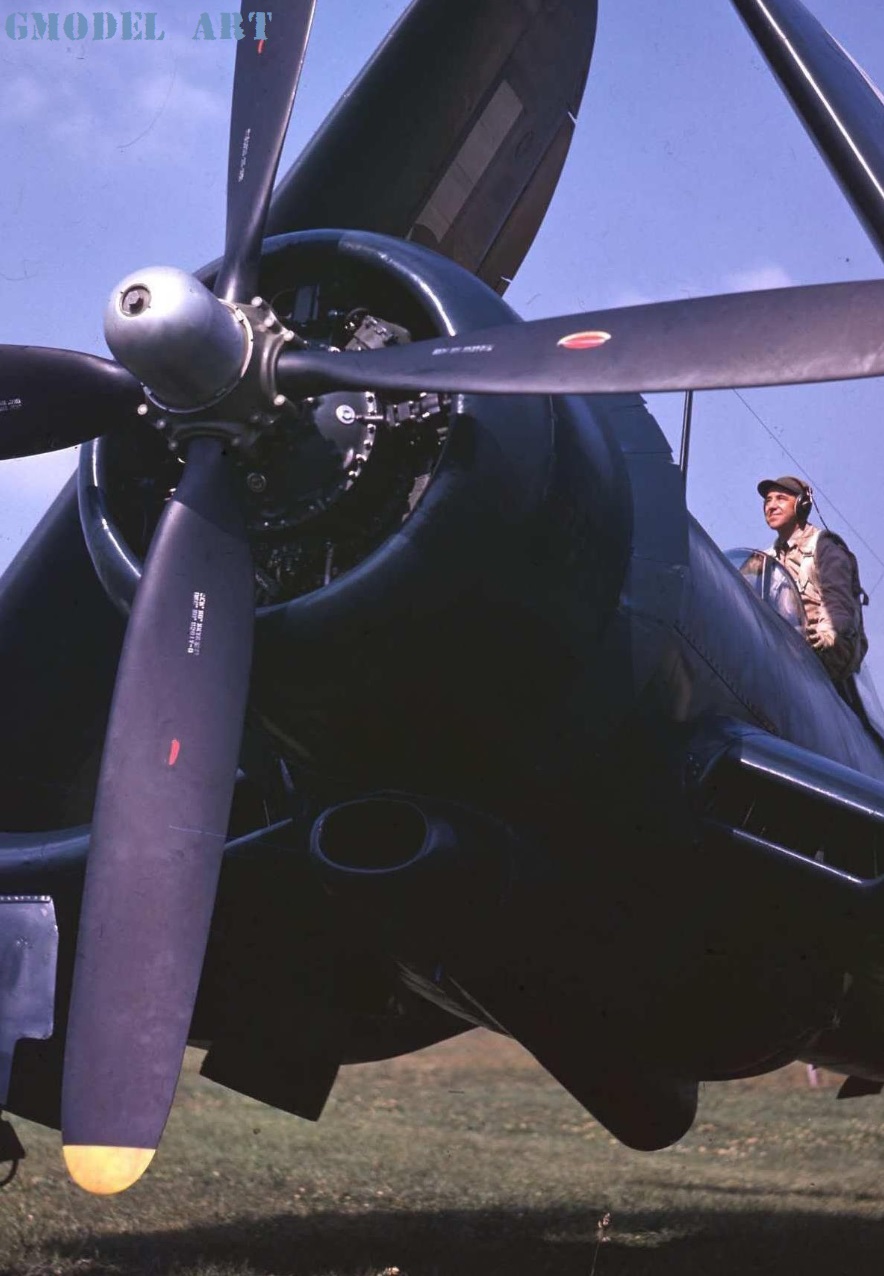
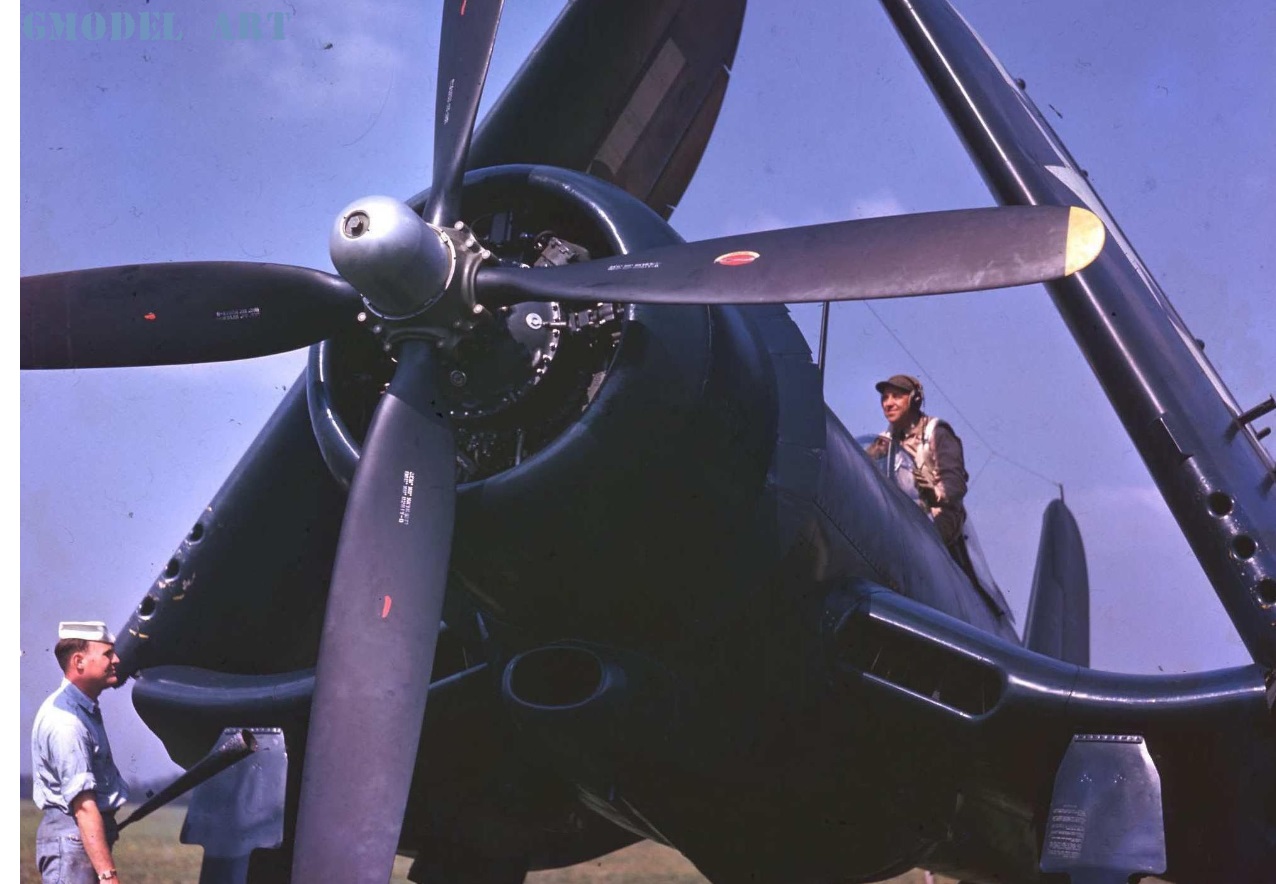
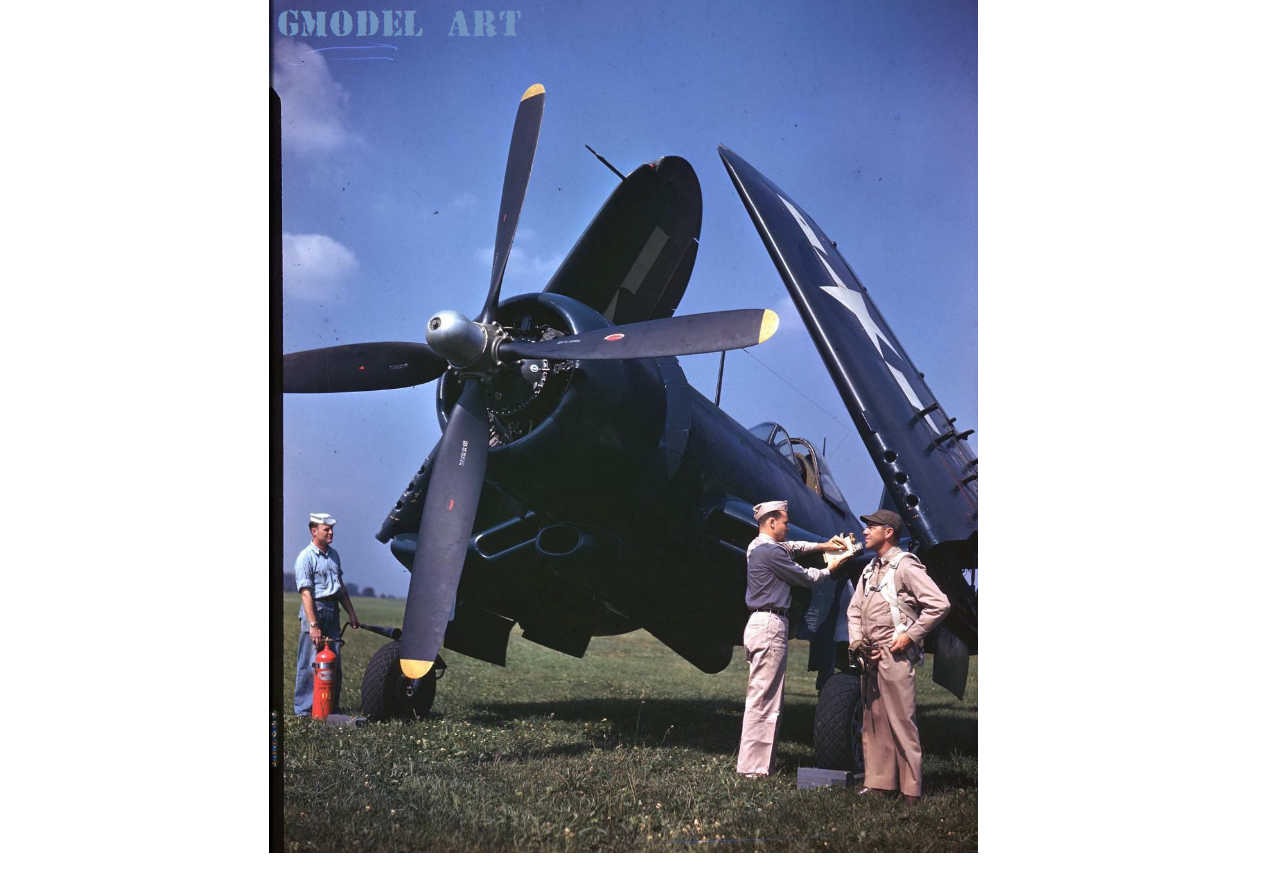
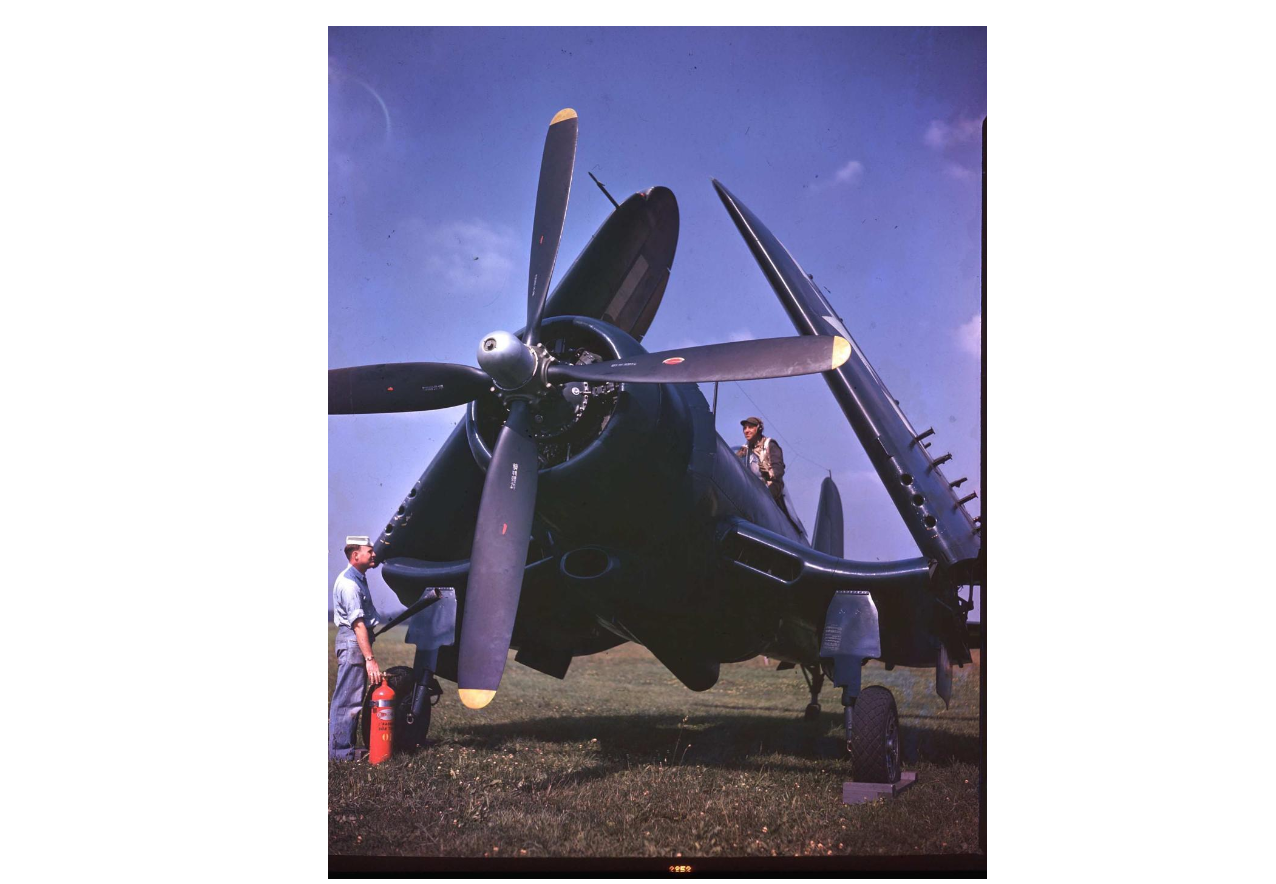
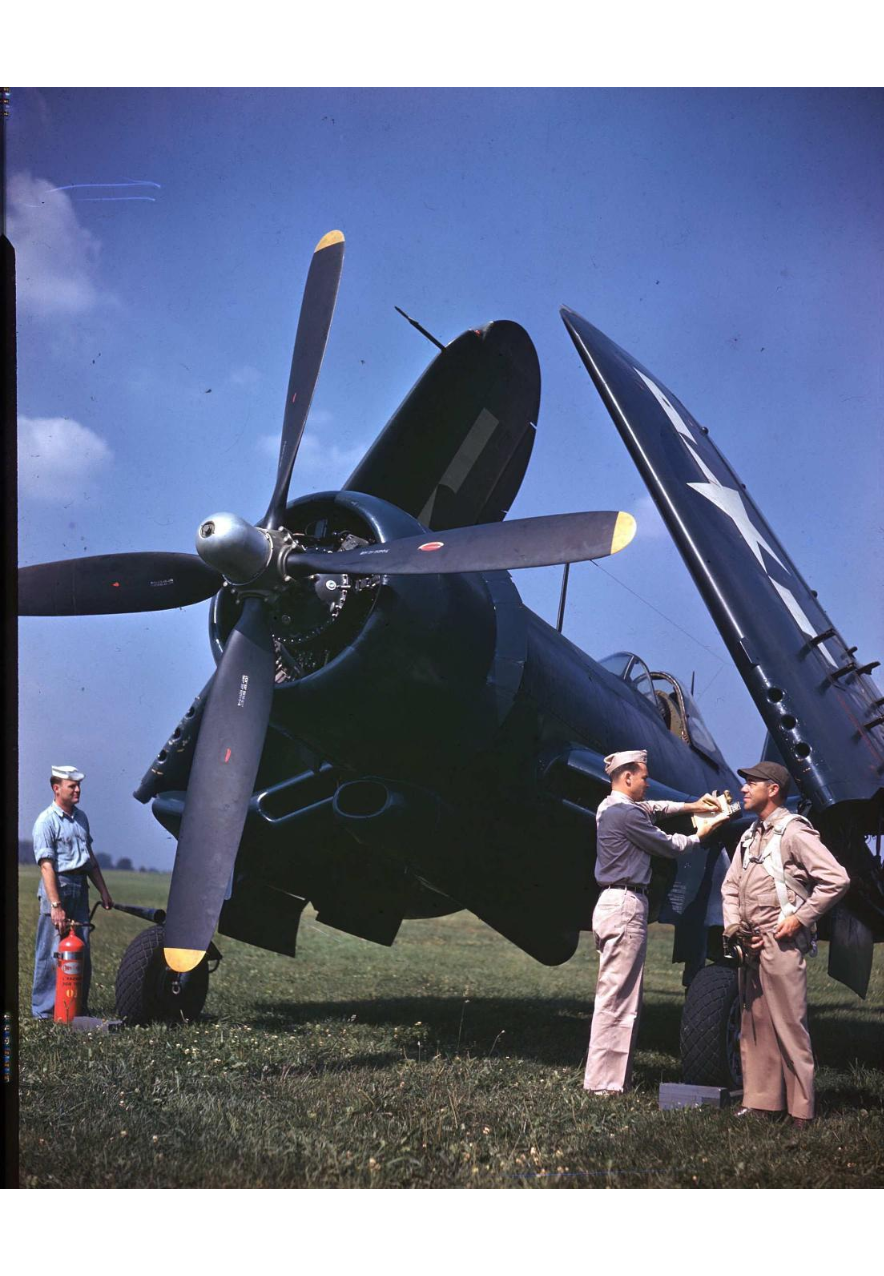
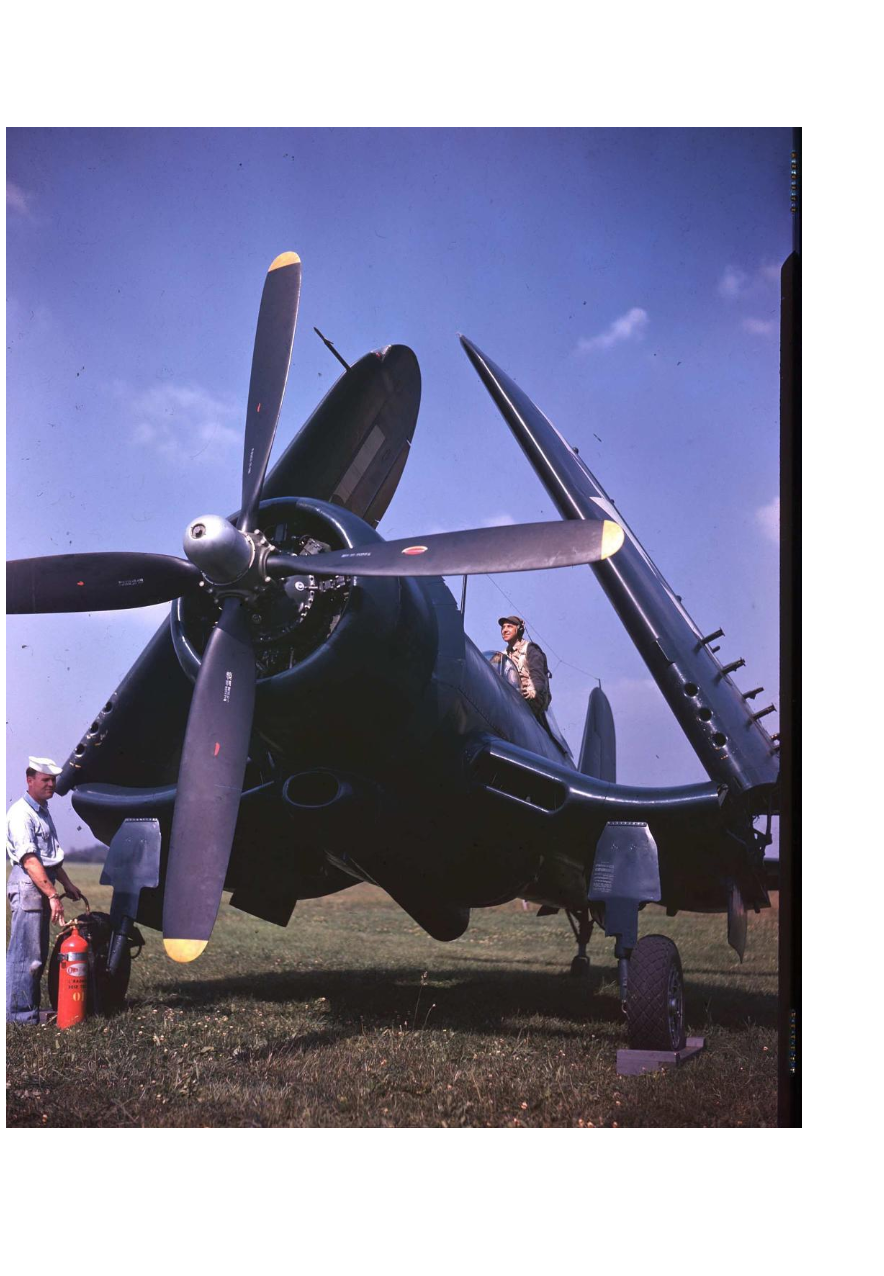
To absorb the increased engine power produced by the turbocharged engine, the XF4U-3B Corsair was also equipped with a four-blade Hamilton Standard Hydromatic propeller, replacing the standard three-blade propeller used on earlier Corsair variants.
XF4u-3A Corsair Prototype
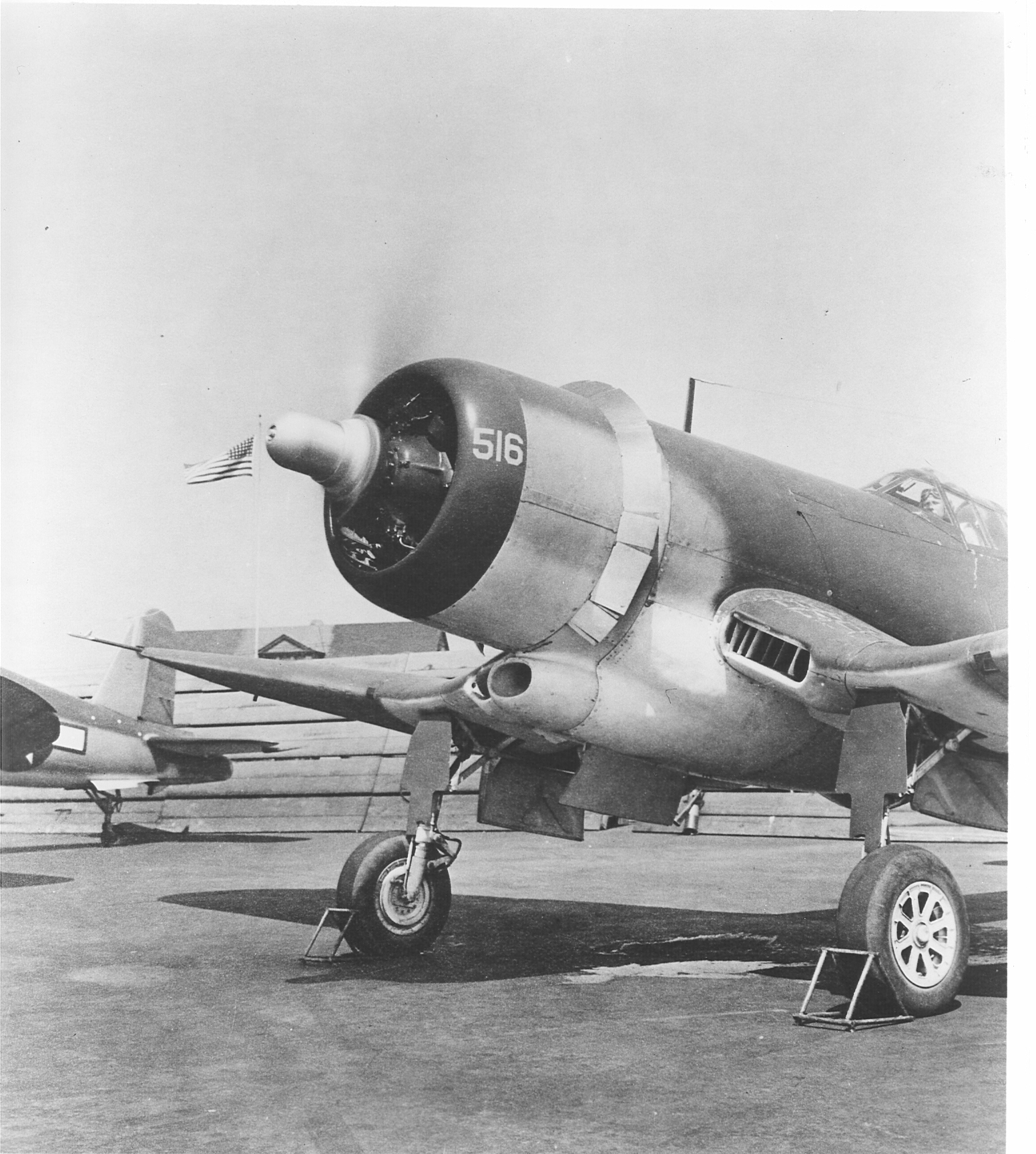
The first aircraft converted under the high-altitude Corsair development program was BuNo 17516, designated XF4u-3A Corsair.
This prototype was equipped with the experimental Pratt & Whitney XR-2800-16 Double Wasp radial engine combined with the Birmann turbo-supercharger system.
The aircraft completed its first flight on 26 March 1944, flown by Chance Vought test pilot William “Bill” Horan.
Although the aircraft demonstrated promising high-altitude performance, development of the XR-2800-16 engine encountered several technical problems that slowed the program.
XF4U-3B Corsair Prototype – BuNo 49664
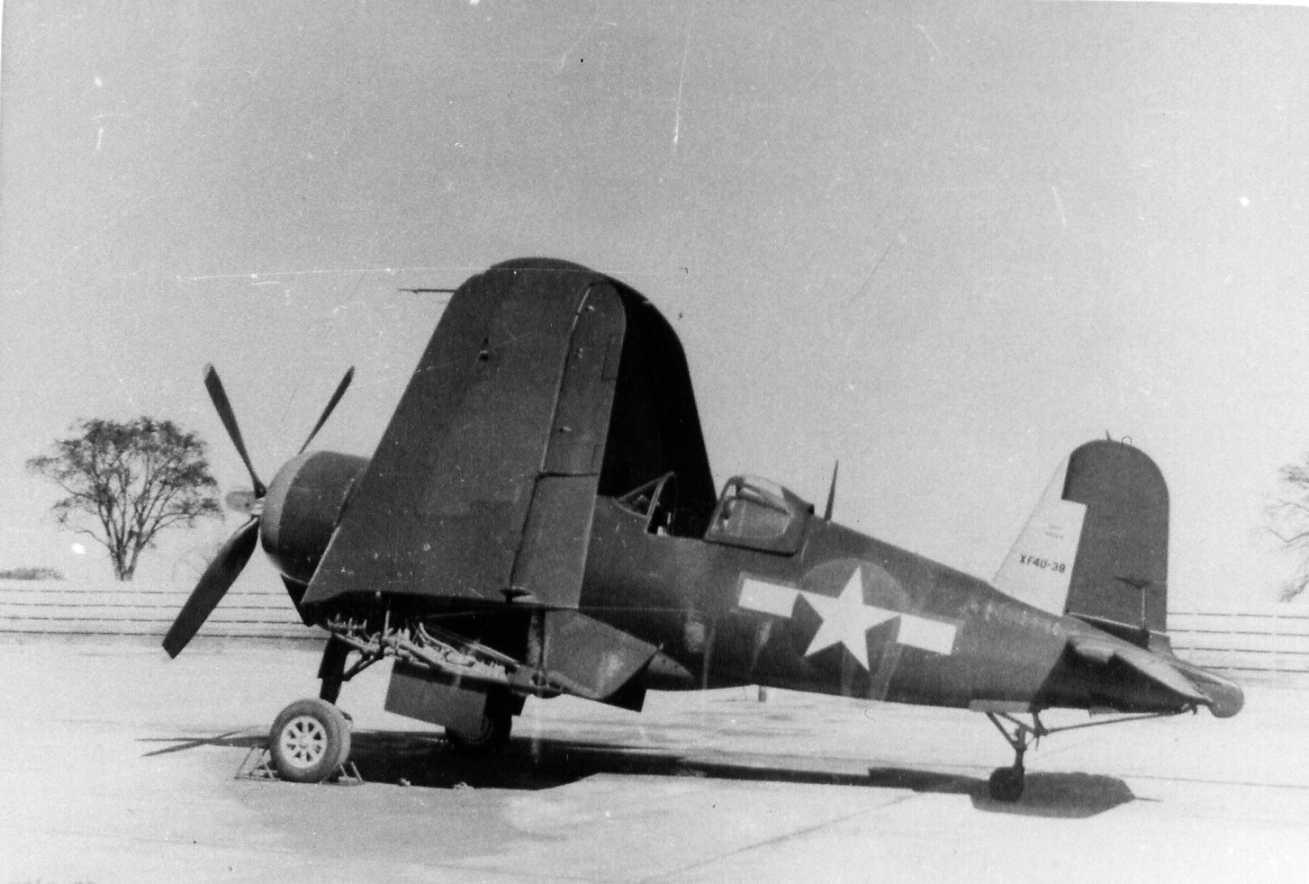
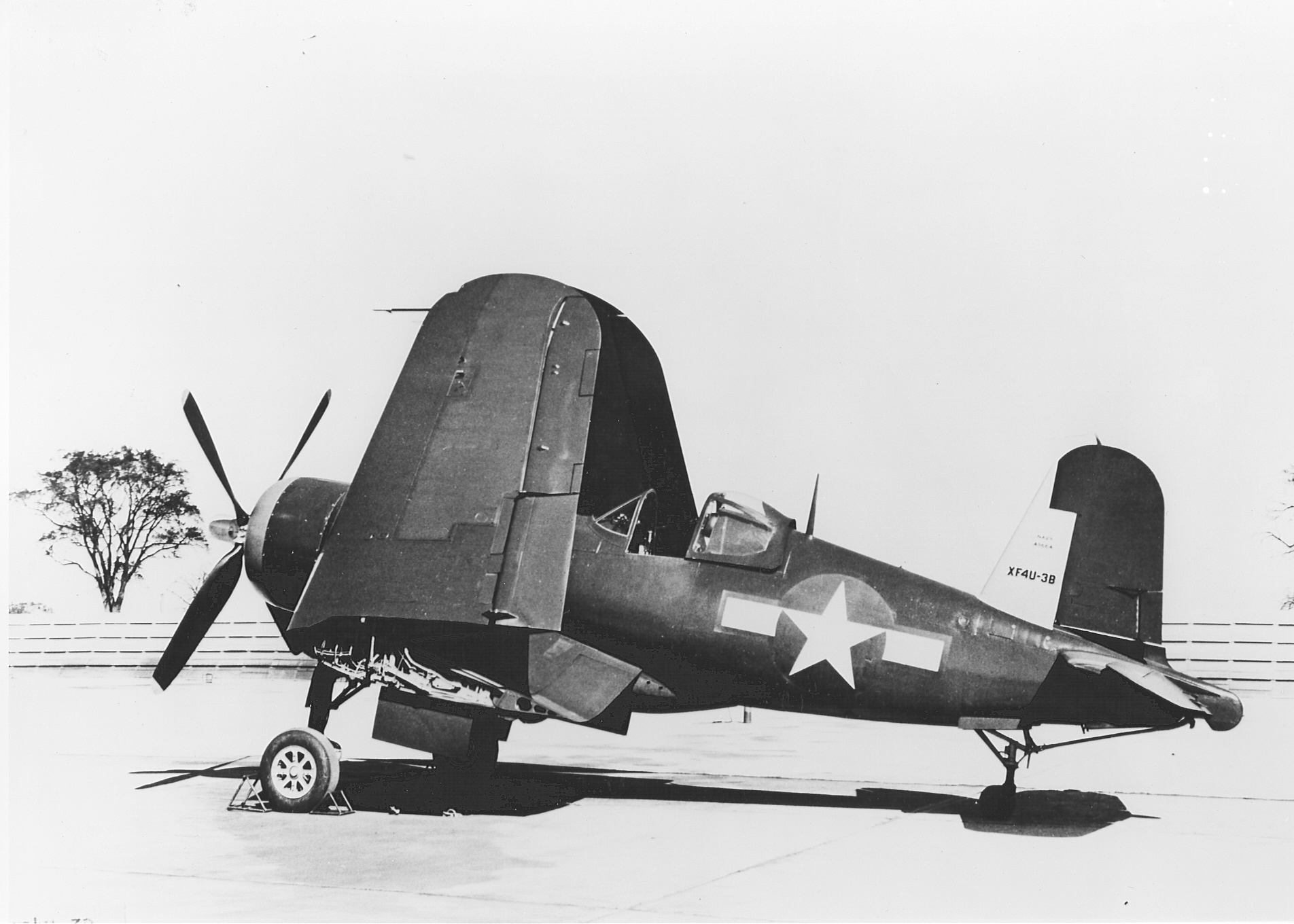
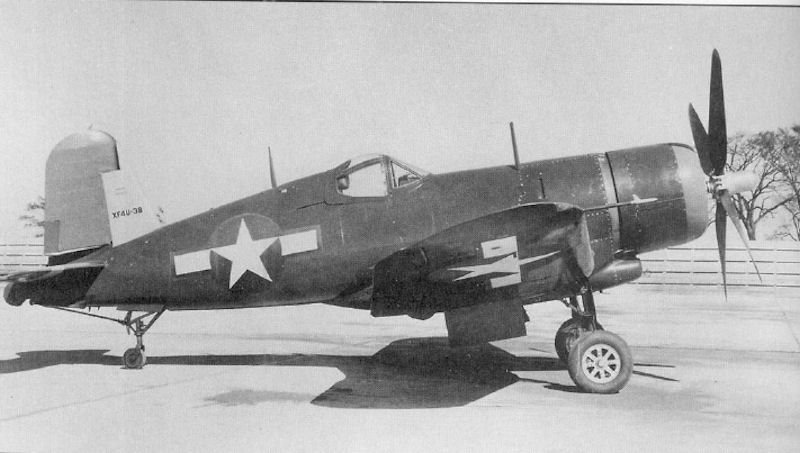
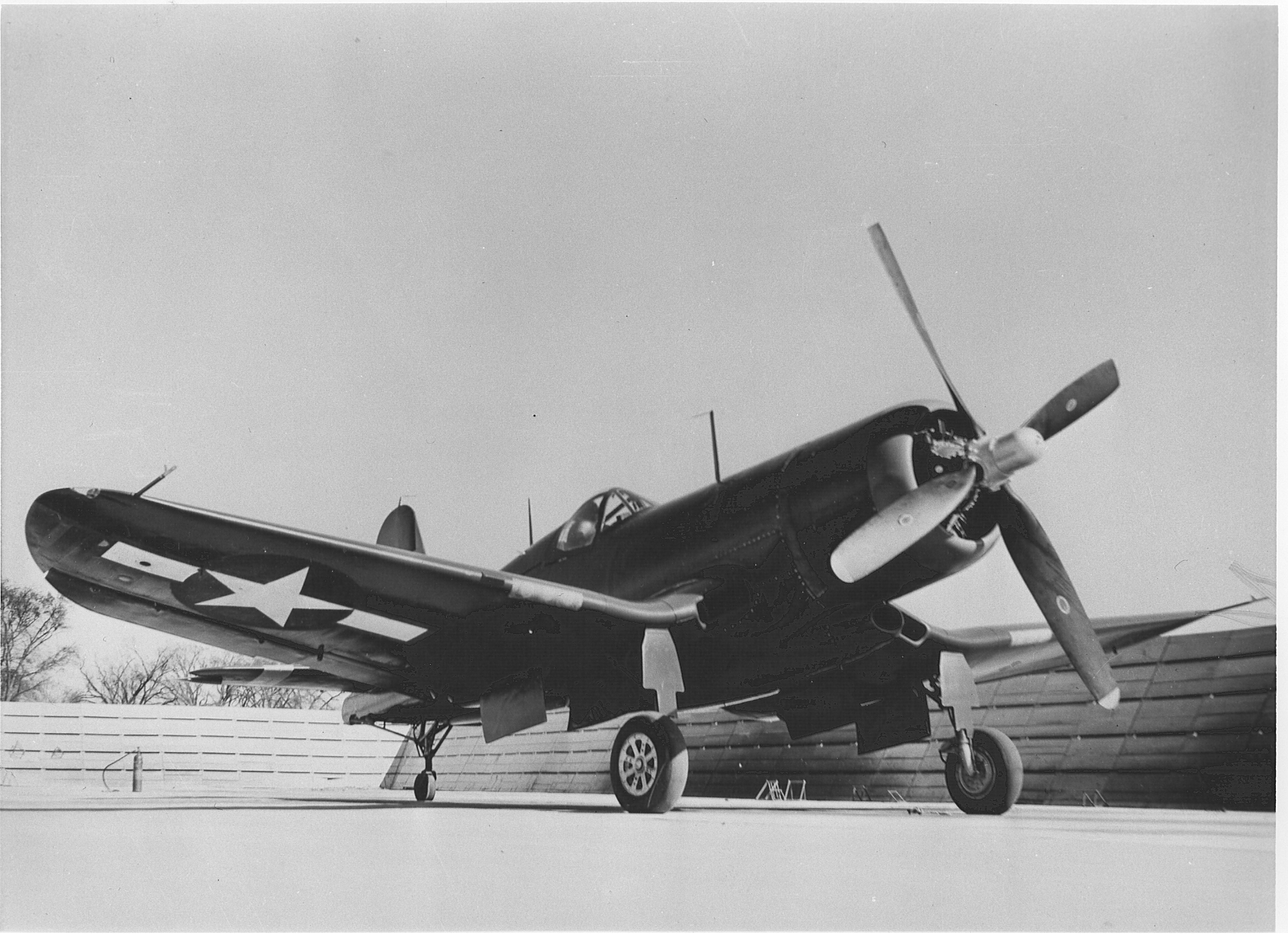
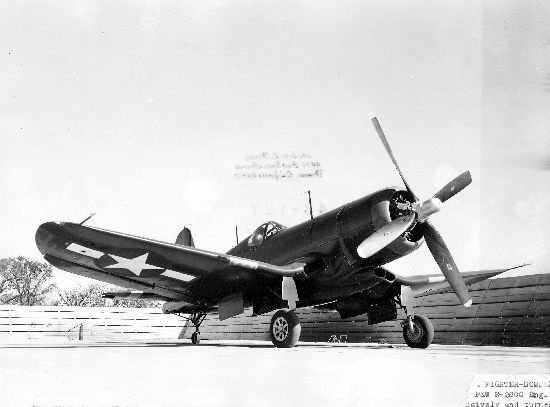
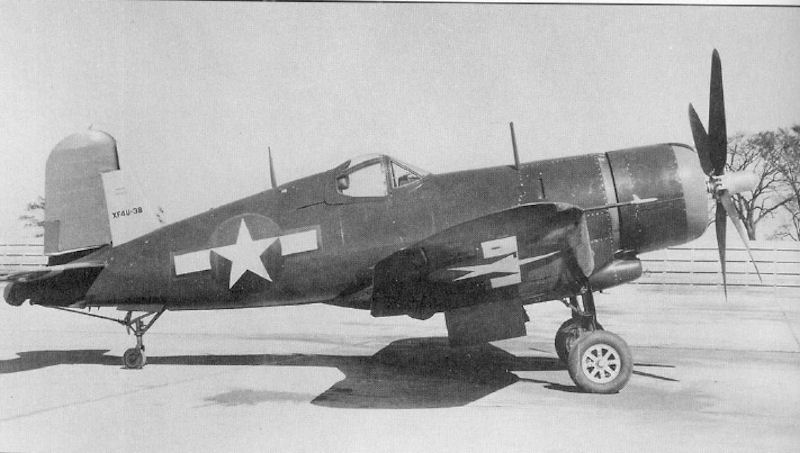
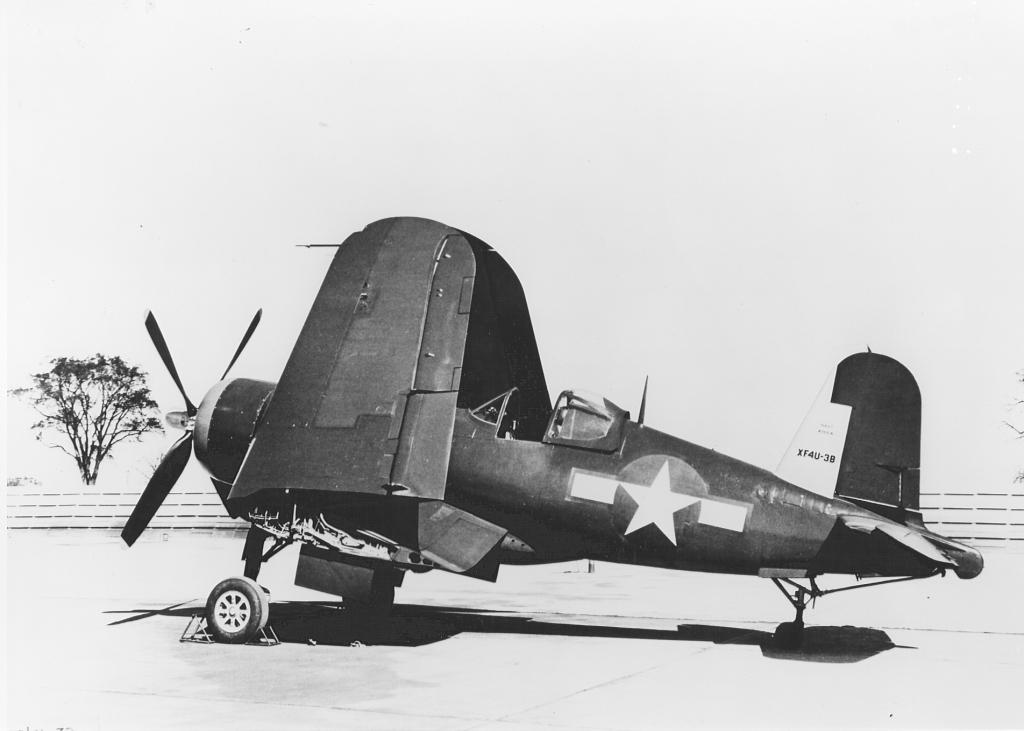
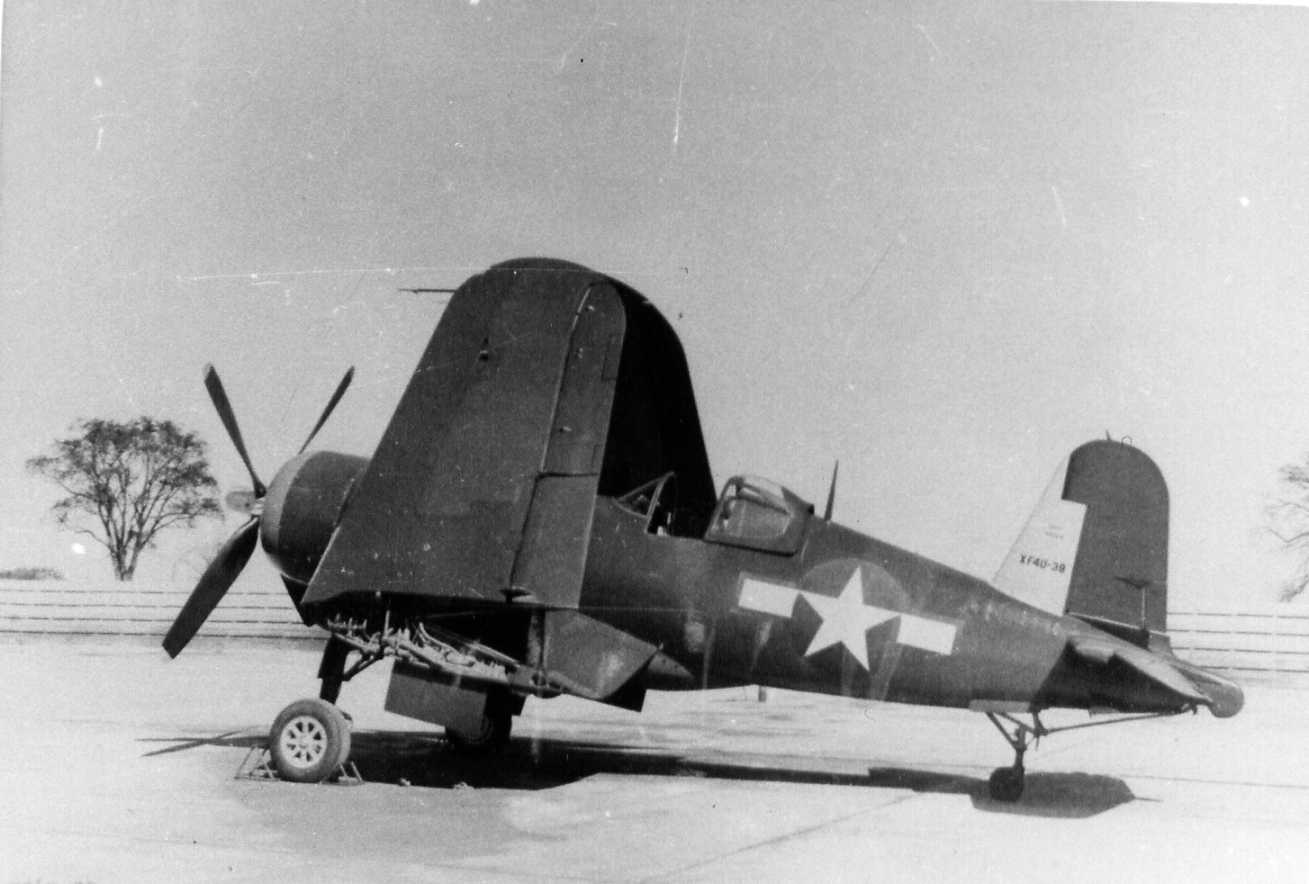
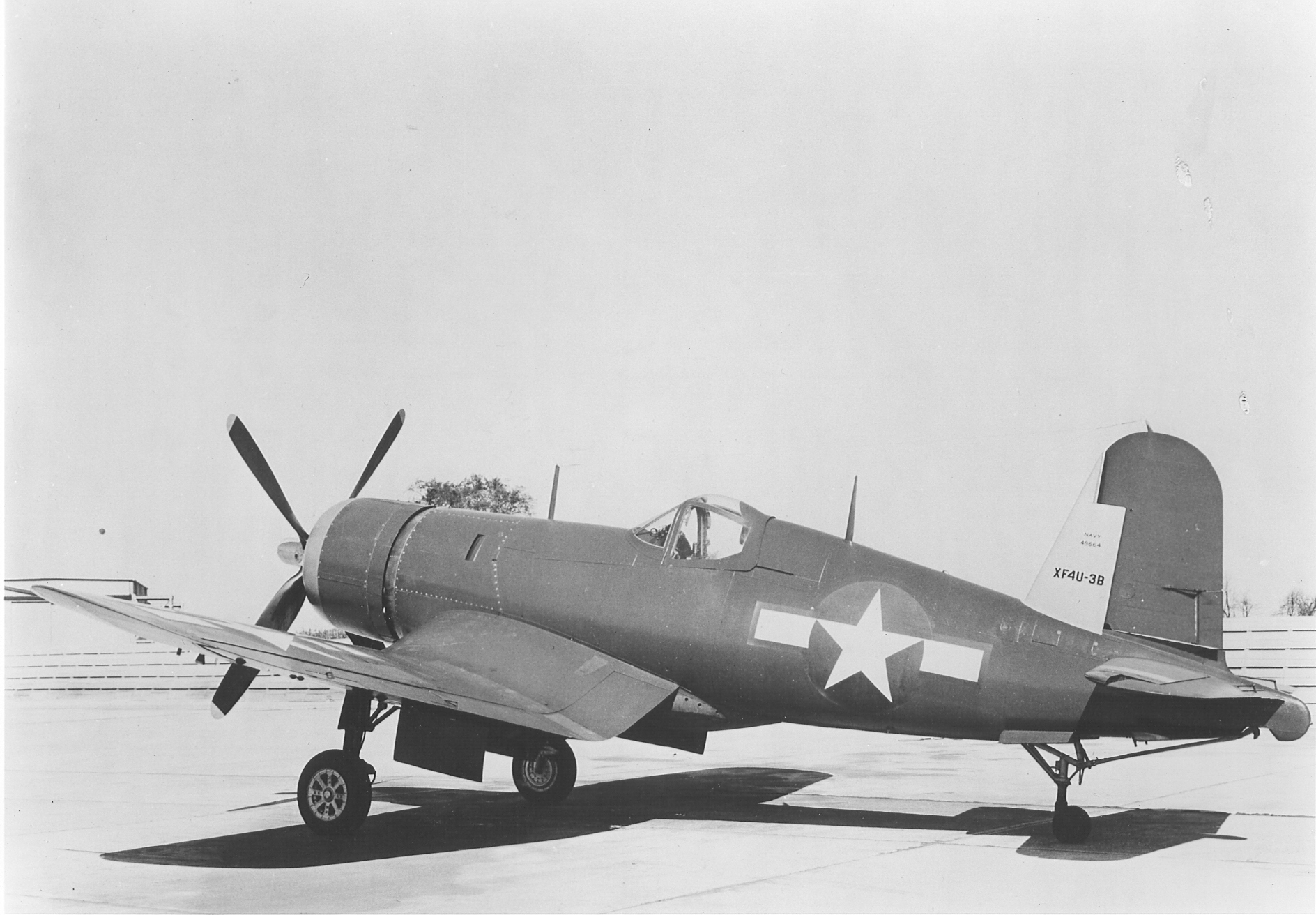
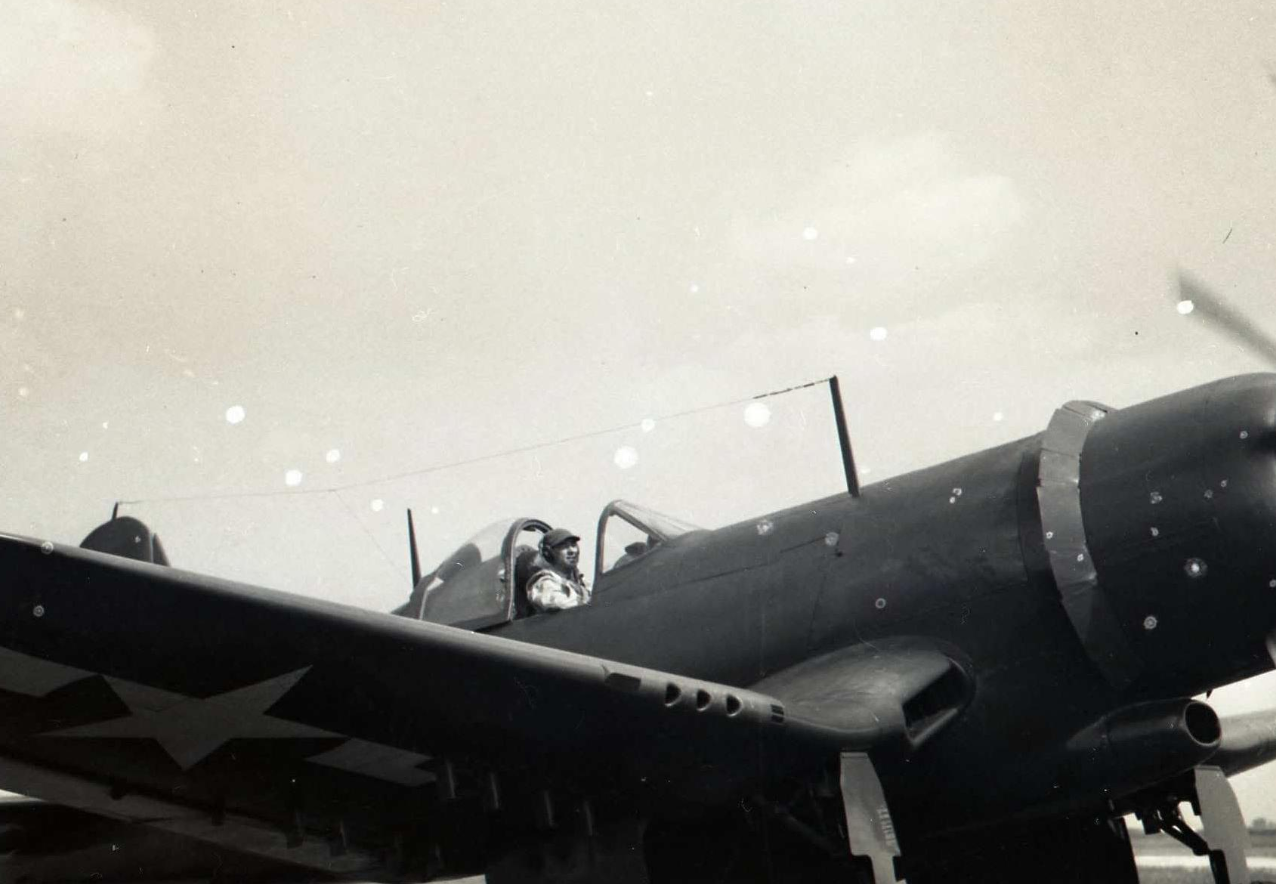
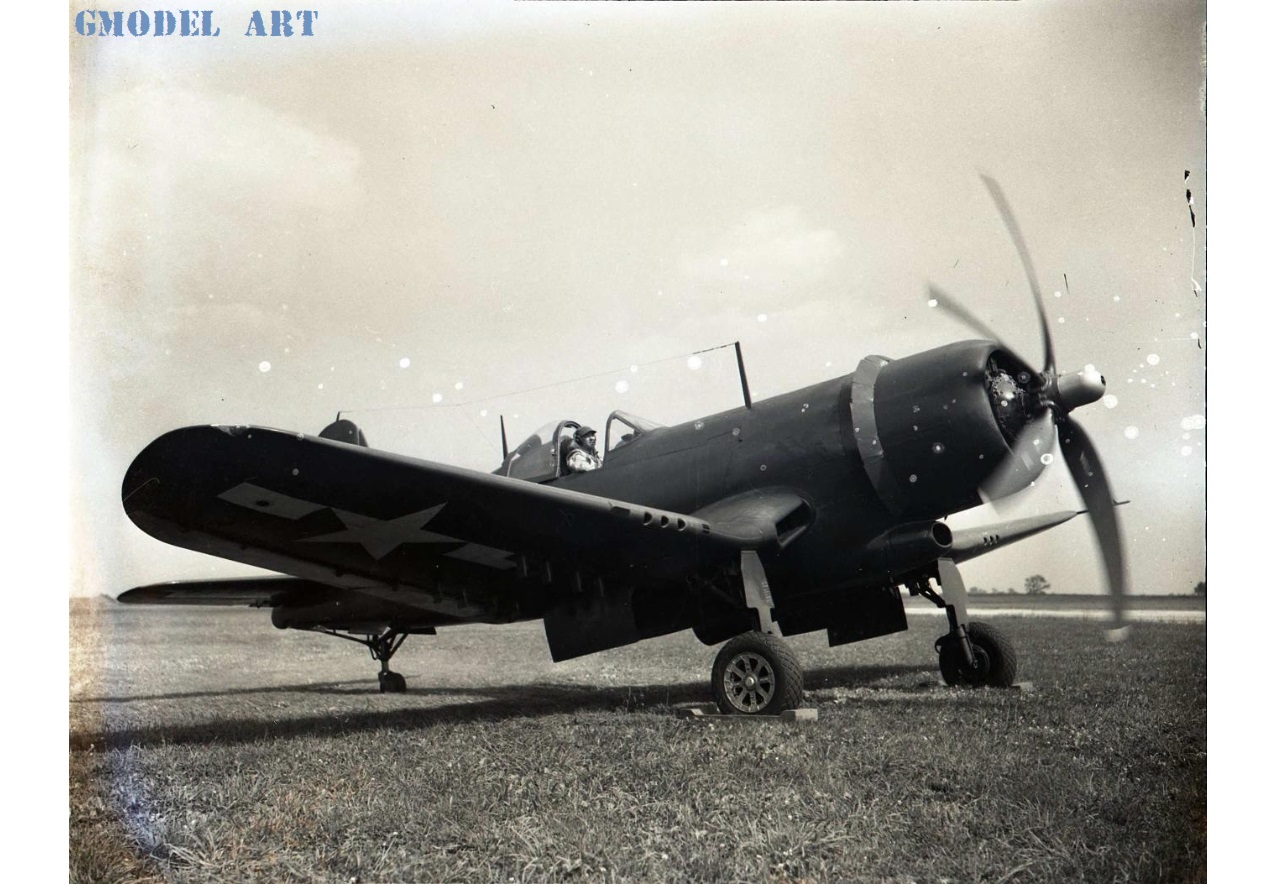
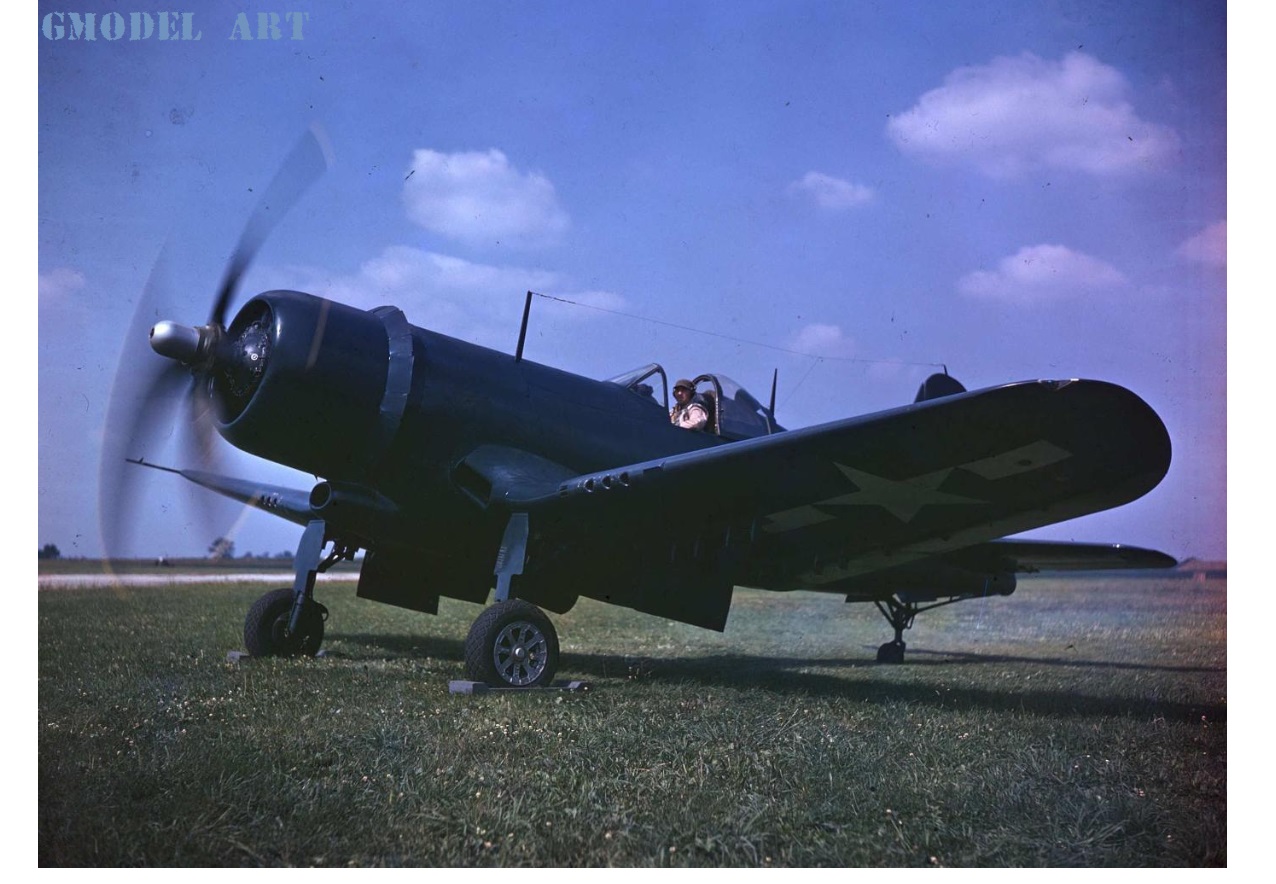
The second prototype of the program was BuNo 49664, designated XF4u-3B Corsair.
Due to delays with the XR-2800-16 engine program, this aircraft was equipped with the more established Pratt & Whitney R-2800-14W Double Wasp, which included a water-injection system for increased power.
The XF4u-3B Corsair retained the turbo-supercharger concept but incorporated improvements in airflow management and structural layout.
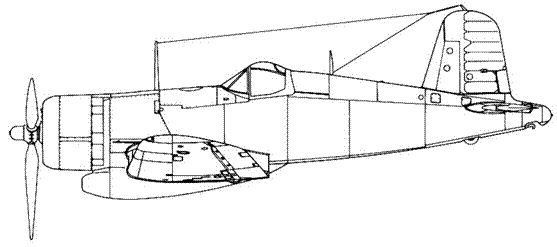
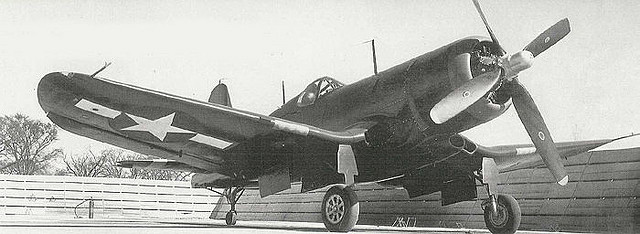
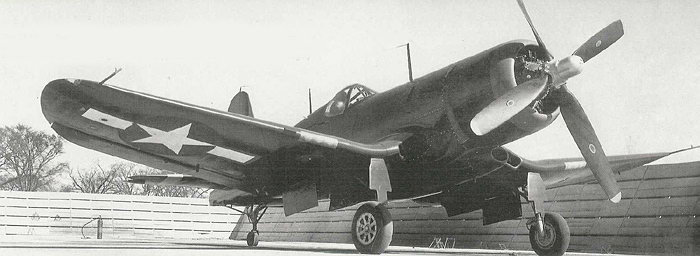
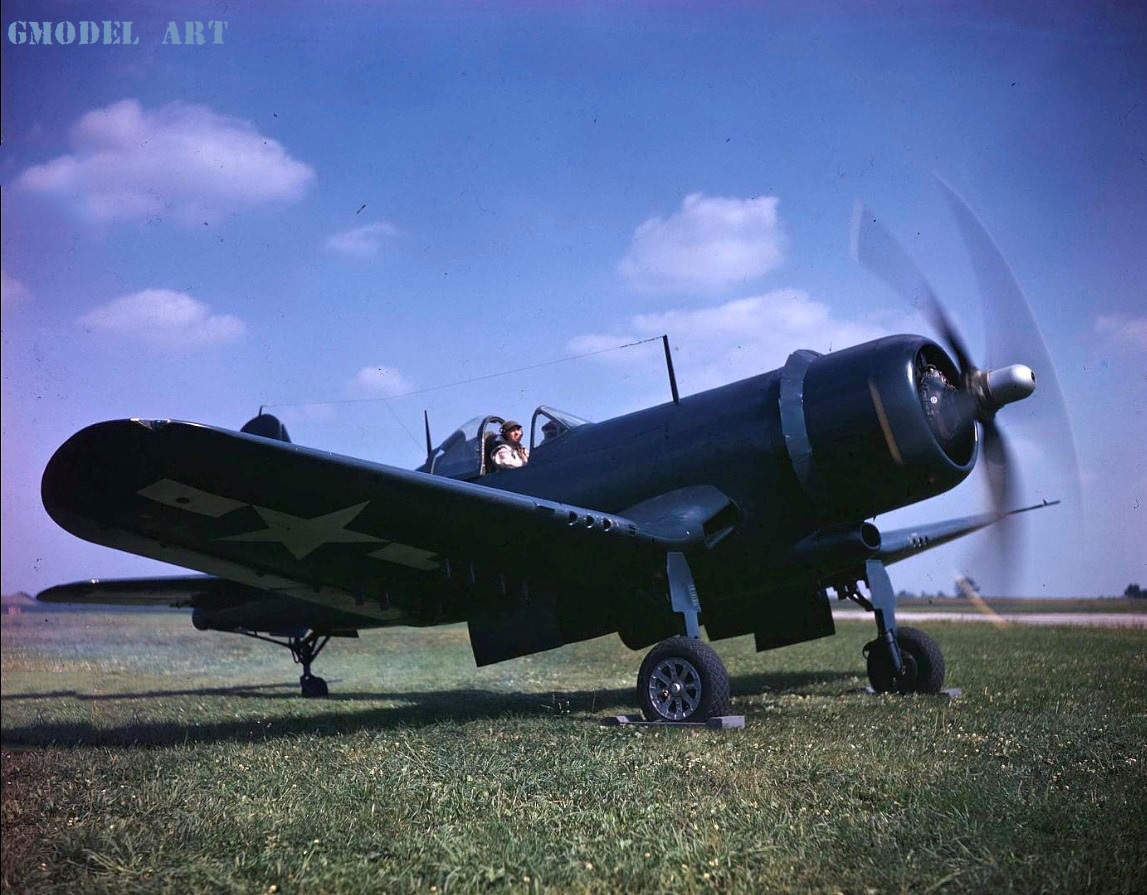
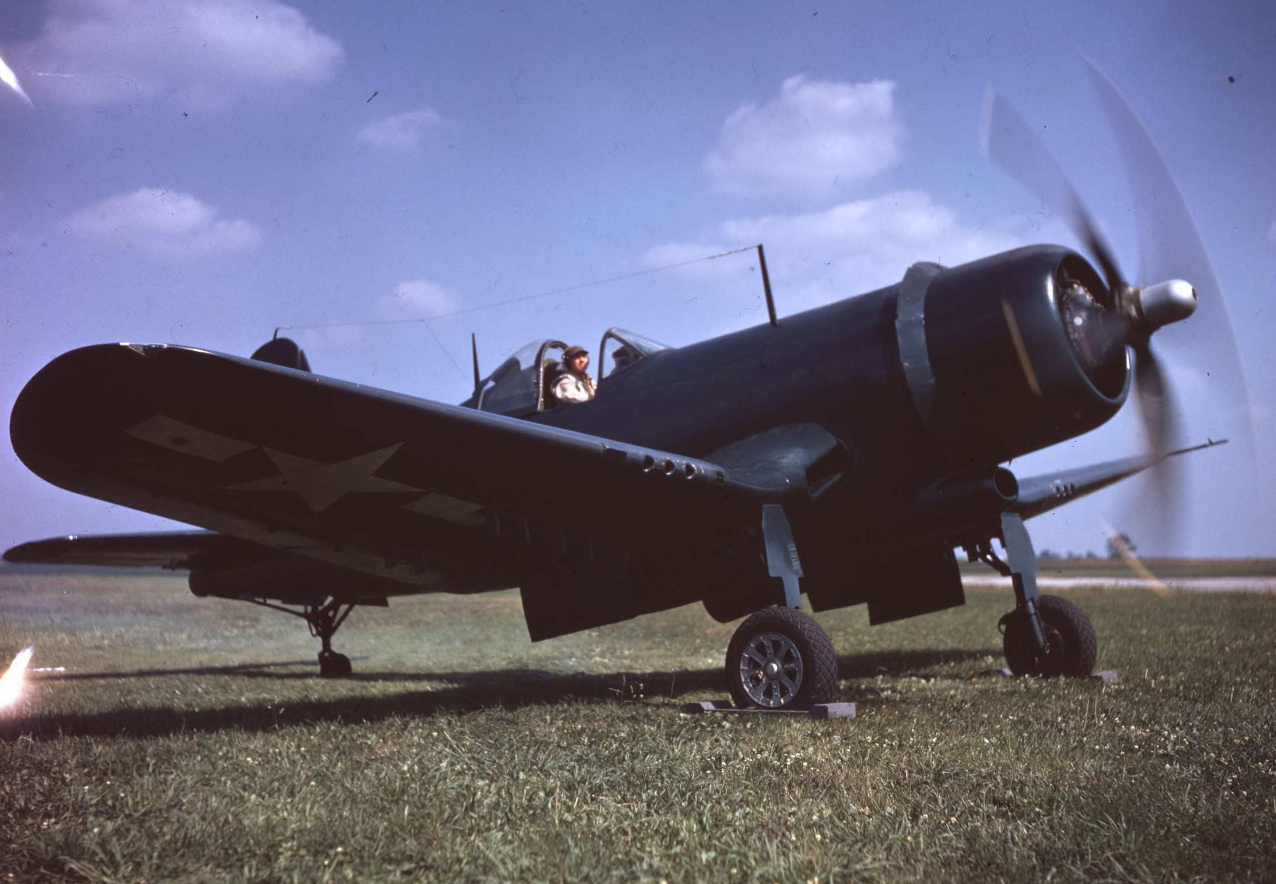
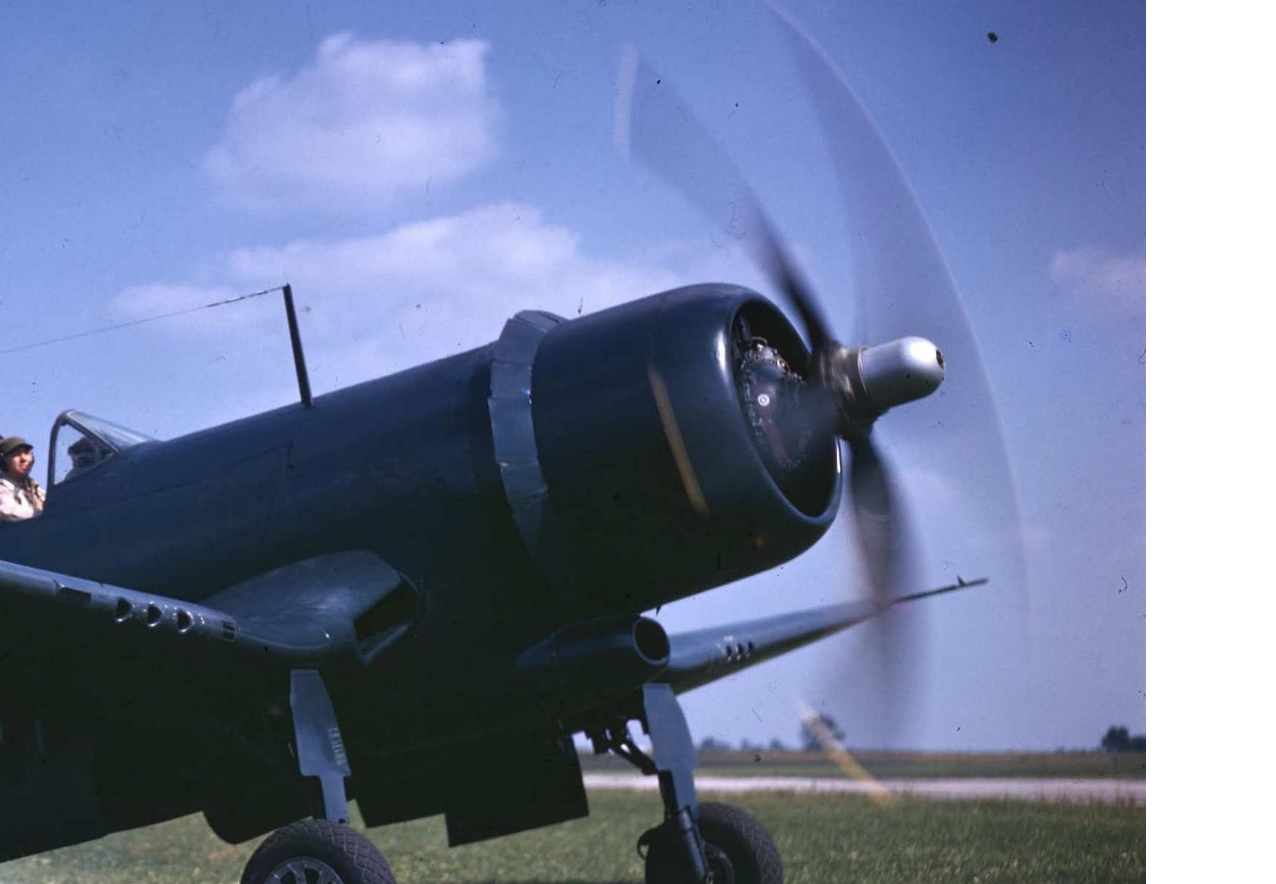
Externally, the aircraft featured several distinctive characteristics:
• a four-blade Hamilton Standard propeller
• a large ventral air intake for the turbocharger system
• modified exhaust outlets
• internal turbocharger ducting
During flight testing the XF4U-3B Corsair demonstrated exceptional high-altitude performance. Test estimates suggested a top speed approaching 480 miles per hour at approximately 40,000 feet, making it one of the fastest piston-engine fighter prototypes developed during the war.
Third XF4u-3 Corsair Prototype
A third Corsair airframe was also scheduled for conversion under the XF4u-3 Corsair development program.
However, the aircraft did not complete the full evaluation phase. The airframe was lost in an accident before the testing program could be fully completed.
As a result, most of the experimental evaluation of the high-altitude Corsair concept relied on the two primary prototypes, particularly the XF4U-3B Corsair.
Evaluation of the XF4U-3B Corsair
Despite the impressive performance of the XF4U-3B Corsair, the aircraft faced several challenges.
The turbo-supercharger installation significantly increased the complexity of the aircraft’s structure and maintenance requirements. The internal ducting and turbo components required extensive modifications to the fuselage and complicated potential mass production.
At the same time, the strategic needs of the war were rapidly evolving. By late 1944 and early 1945, the requirement for a specialized high-altitude interceptor was reduced, and development priorities shifted toward other aircraft programs.
Conclusion
The XF4U-3B Corsair represents one of the most technically ambitious experimental developments of the Corsair family.
Although the aircraft never entered production, the program demonstrated the adaptability of the Corsair design and highlighted the potential advantages of turbo-supercharged engines for high-altitude fighter operations.
Today the XF4U-3B Corsair remains a fascinating experimental aircraft and an important chapter in the technical evolution of the Corsair lineage.
Scale Modeling the XF4u-3B Corsair
For scale modelers, the XF4u-3B Corsair represents a fascinating subject due to its rare configuration and unusual modifications.
A common starting point for building this aircraft in scale is the Tamiya 1/48 F4u Corsair kit, which provides excellent surface detail and accurate proportions.
Because the XF4U-3B Corsair differs significantly from production Corsairs, several modifications are required.
These typically include:
• installation of a four-blade propeller
• scratch-built turbocharger system
• modified exhaust outlets
• internal cockpit upgrades
Resin cockpit sets such as the Aires F4U-1 Birdcage cockpit provide additional realism and help replicate the interior layout of early F4u Corsair variants.
XF4u-3B Corsair FS Color Reference Table
Below is a Federal Standard color reference guide useful for scale modelers building the XF4u-3B Corsair prototype.
| Area | Color | FS Code |
|---|---|---|
| Main Camouflage | Gloss Sea Blue | FS 15042 |
| Alternate Navy Blue Tone | Sea Blue | FS 35042 |
| Identification Yellow | Orange Yellow | FS 13538 |
| Identification Red | Insignia Red | FS 11136 |
| Cockpit Interior | Interior Green | FS 34151 |
| Internal Structure | Dark Dull Green | FS 34092 |
| Zinc Chromate Primer | Yellow Zinc Chromate | FS 33481 |
| Instrument Panel | Flat Black | FS 37038 |
These colors match typical U.S. Navy aircraft finishes of the mid-1940s.
XF4u-3B Corsair – Chance Vought’s High-Altitude Turbocharged Prototype (Tamiya 1/48 Build)