article
US Navy & Marine Corps WWII Camouflage – First Period Colors (1931–1941)
Introduction to US Color Standards (1931–1941)
Between 1931 and 1941, US military aviation operated under multiple evolving color standards, long before the unified systems introduced during World War II. This period is critical for modelers because it defines the transition from high-visibility finishes to operational camouflage.
The US Army Air Corps introduced Specification 14057 in 1931, later revised as 14057-C in 1939, forming the backbone of pre-war aircraft finishes. In 1940, Air Corps Bulletin No. 41 introduced a simplified palette of operational colors, just before the creation of the USAAF in 1941.
At the same time, the US Navy followed a completely separate system based on BuAer Specification M-485 (1940), which defined a limited range of non-specular (matte) colors. This lack of standardization between services is one of the main reasons why pre-war aircraft display such visual diversity.
Full standardization would only arrive in 1943 with the ANA system, meaning that all aircraft in this article belong to a transitional and less rigidly controlled period.
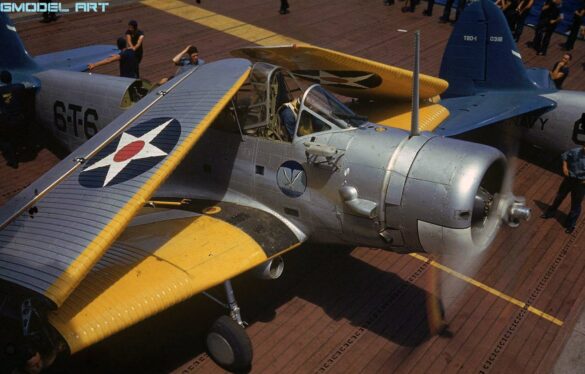
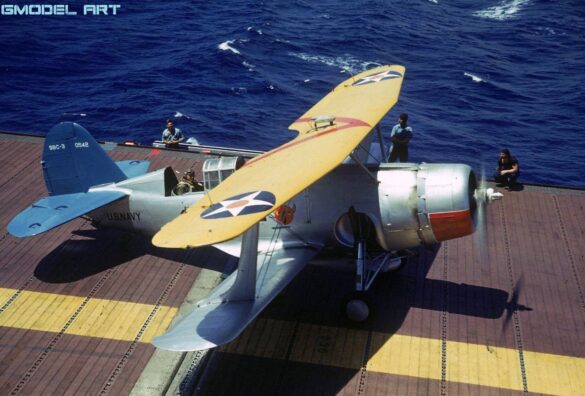
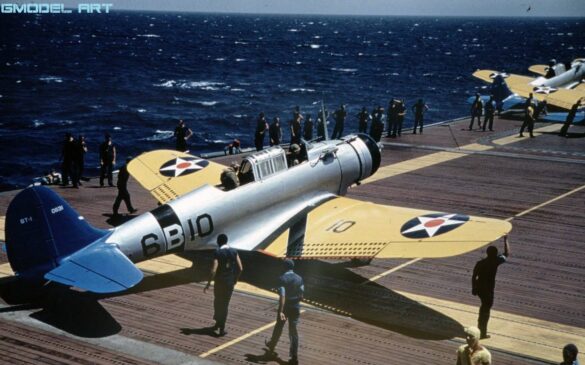
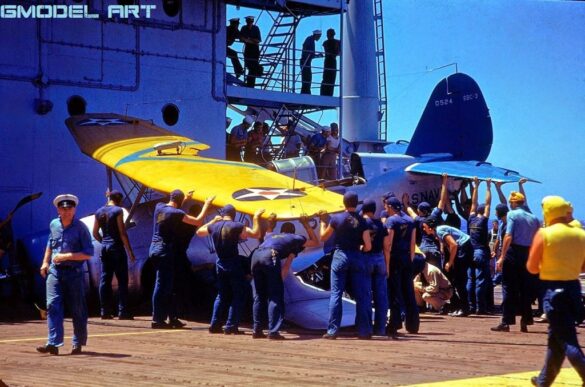
The “Yellow Wings” Era Explained
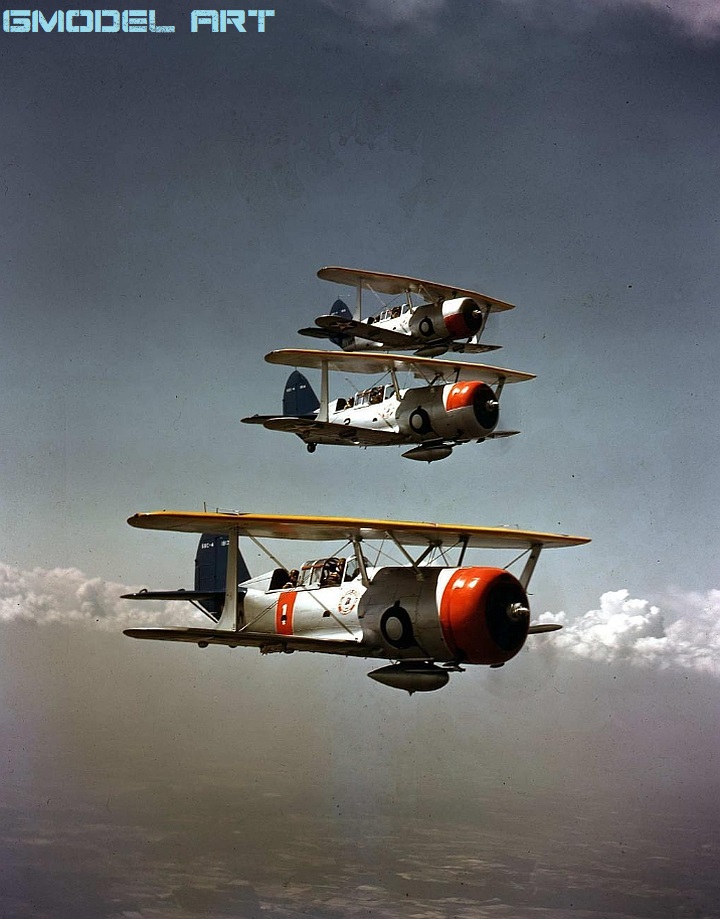
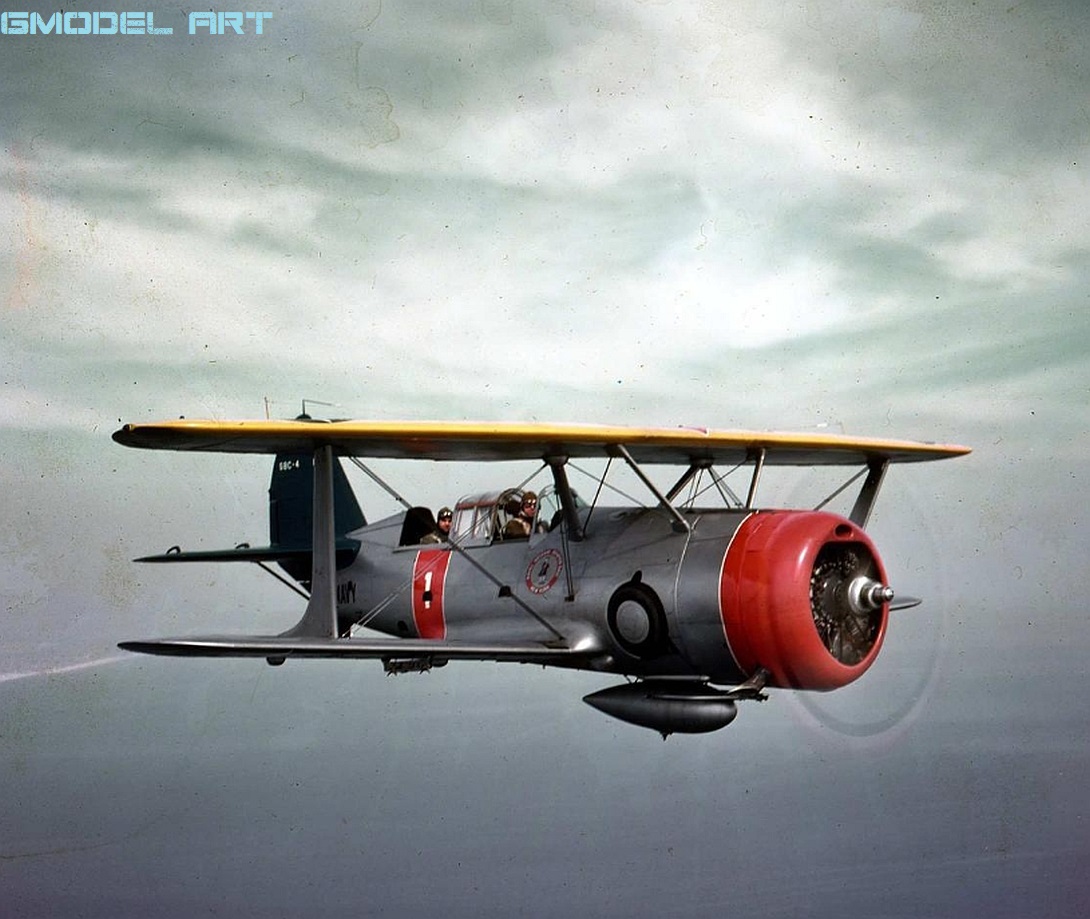
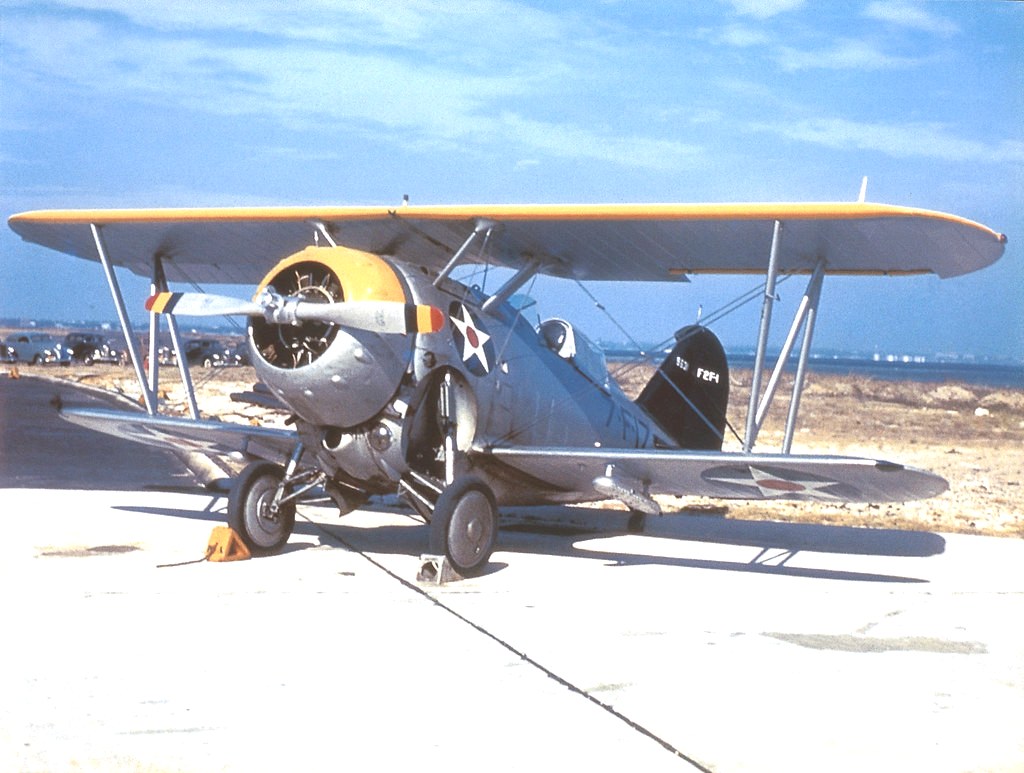
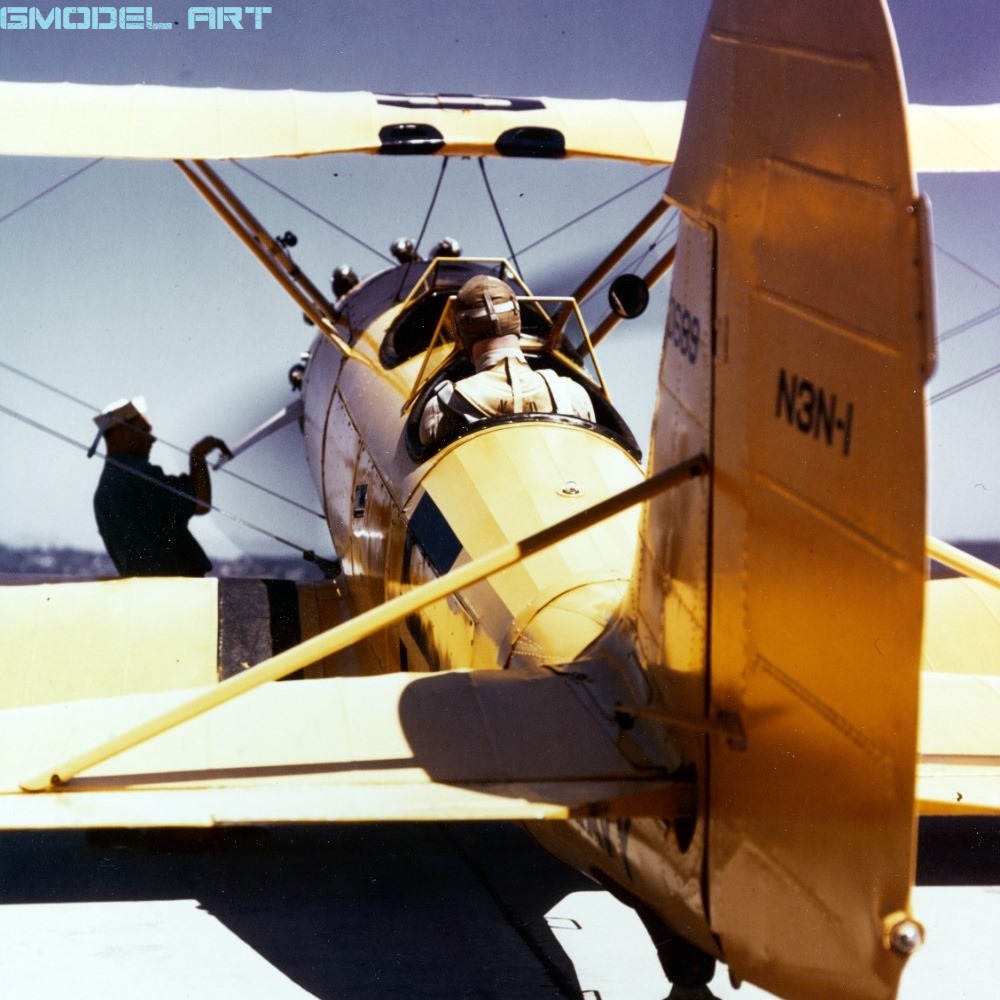
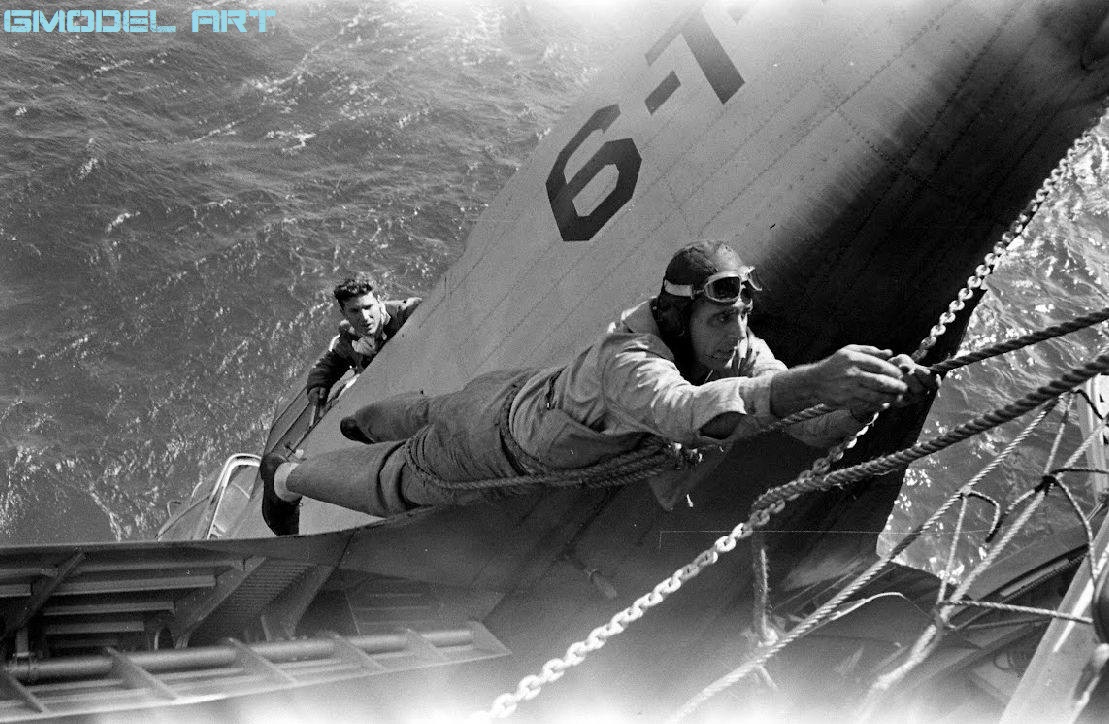
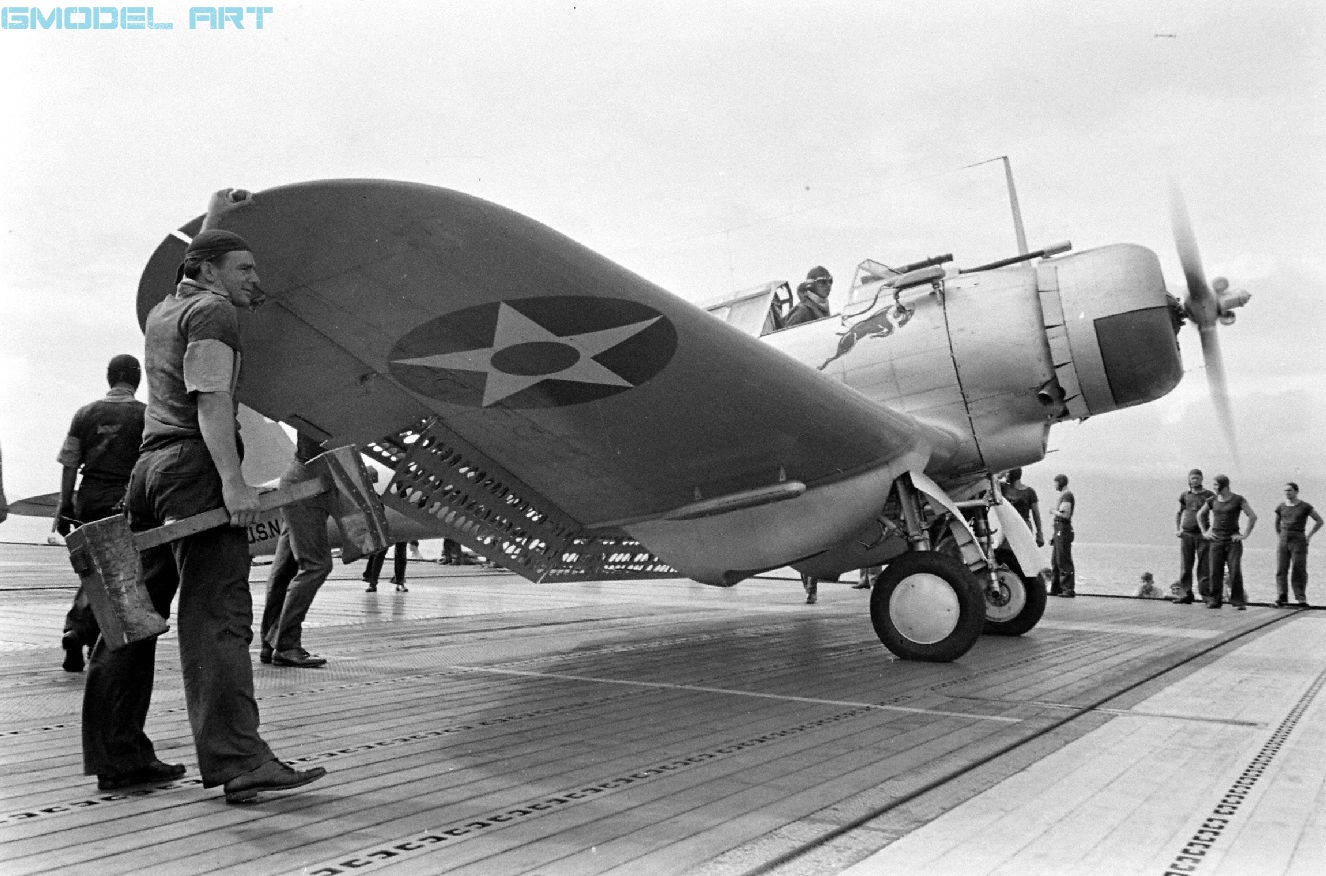
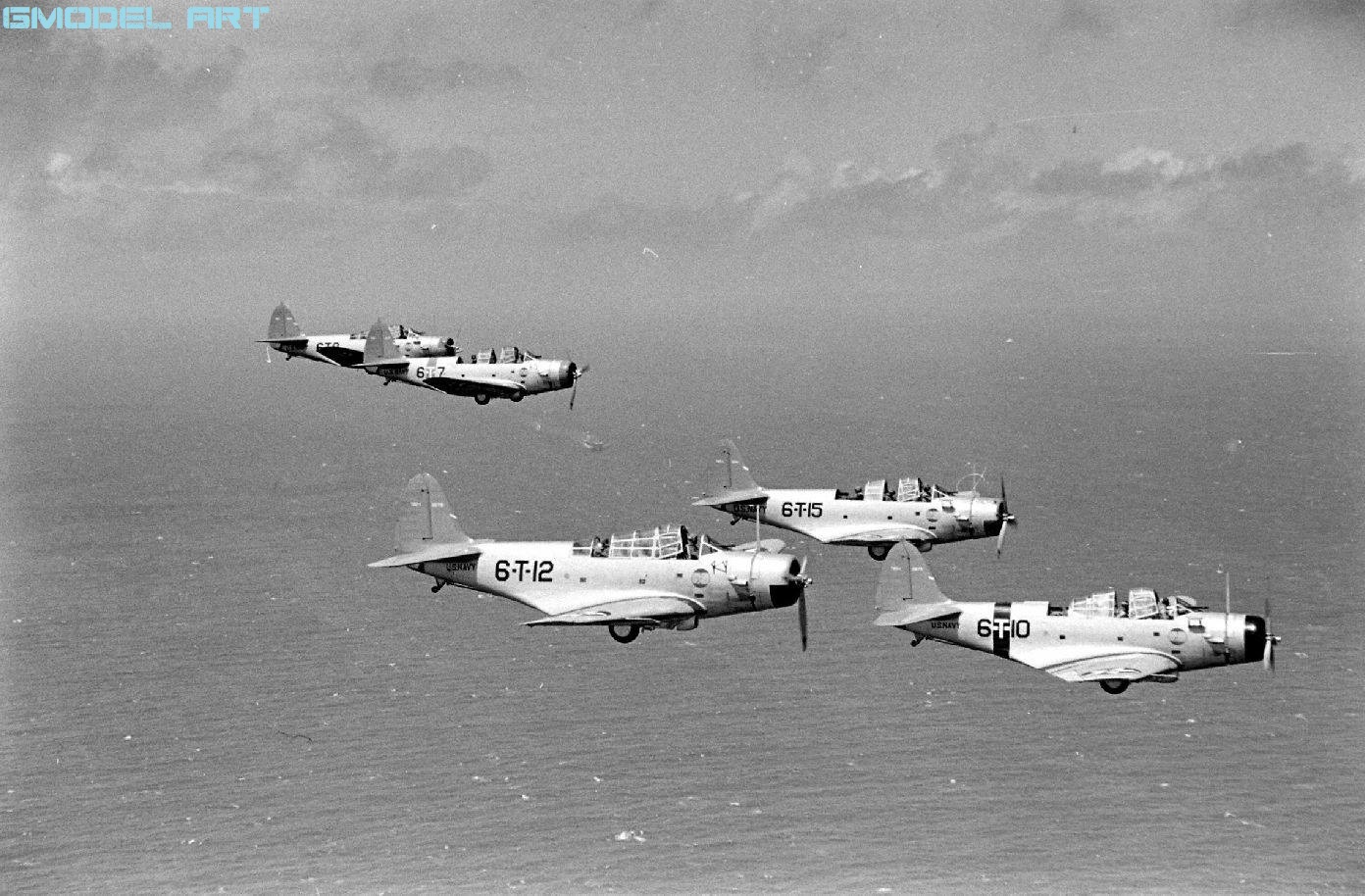
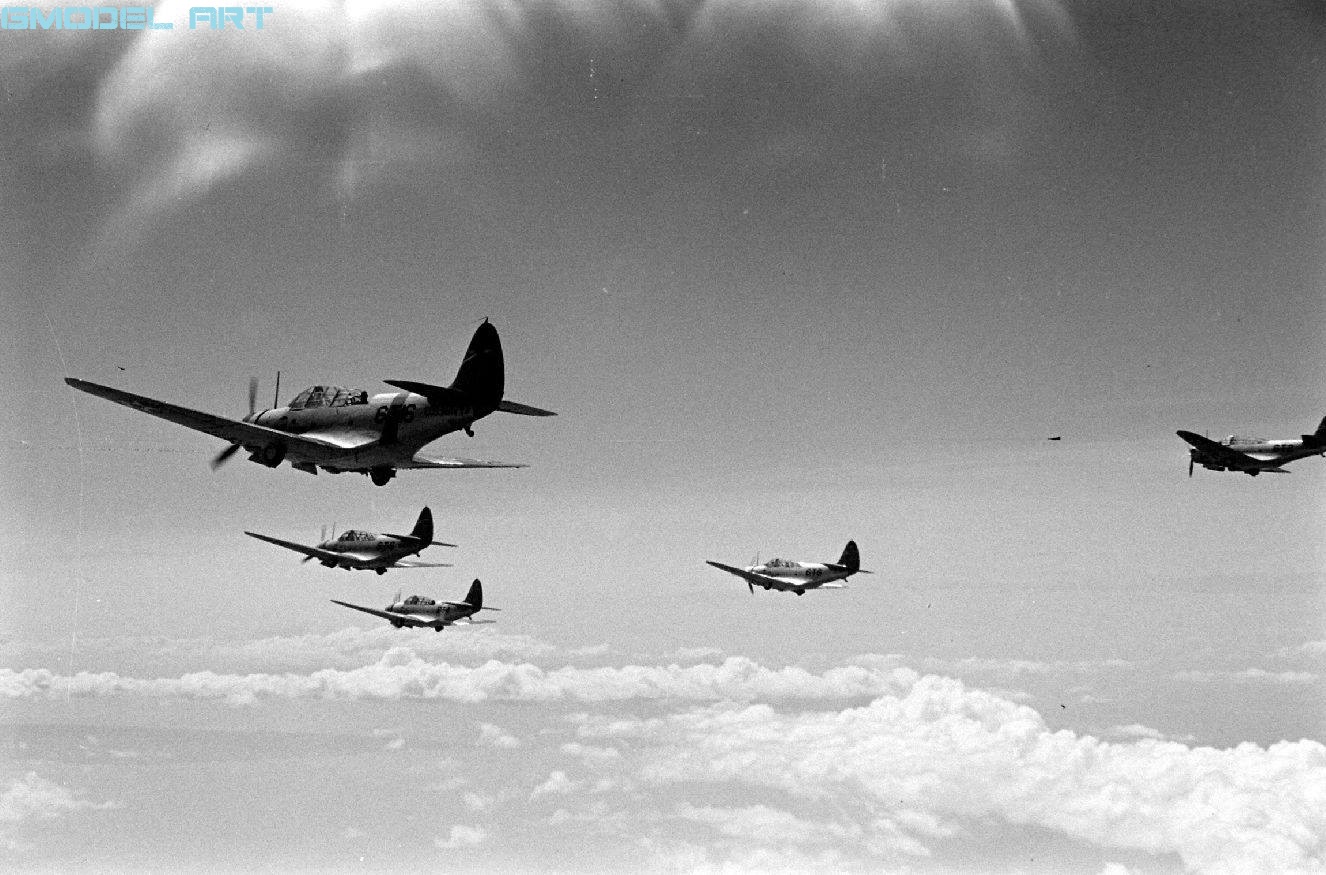
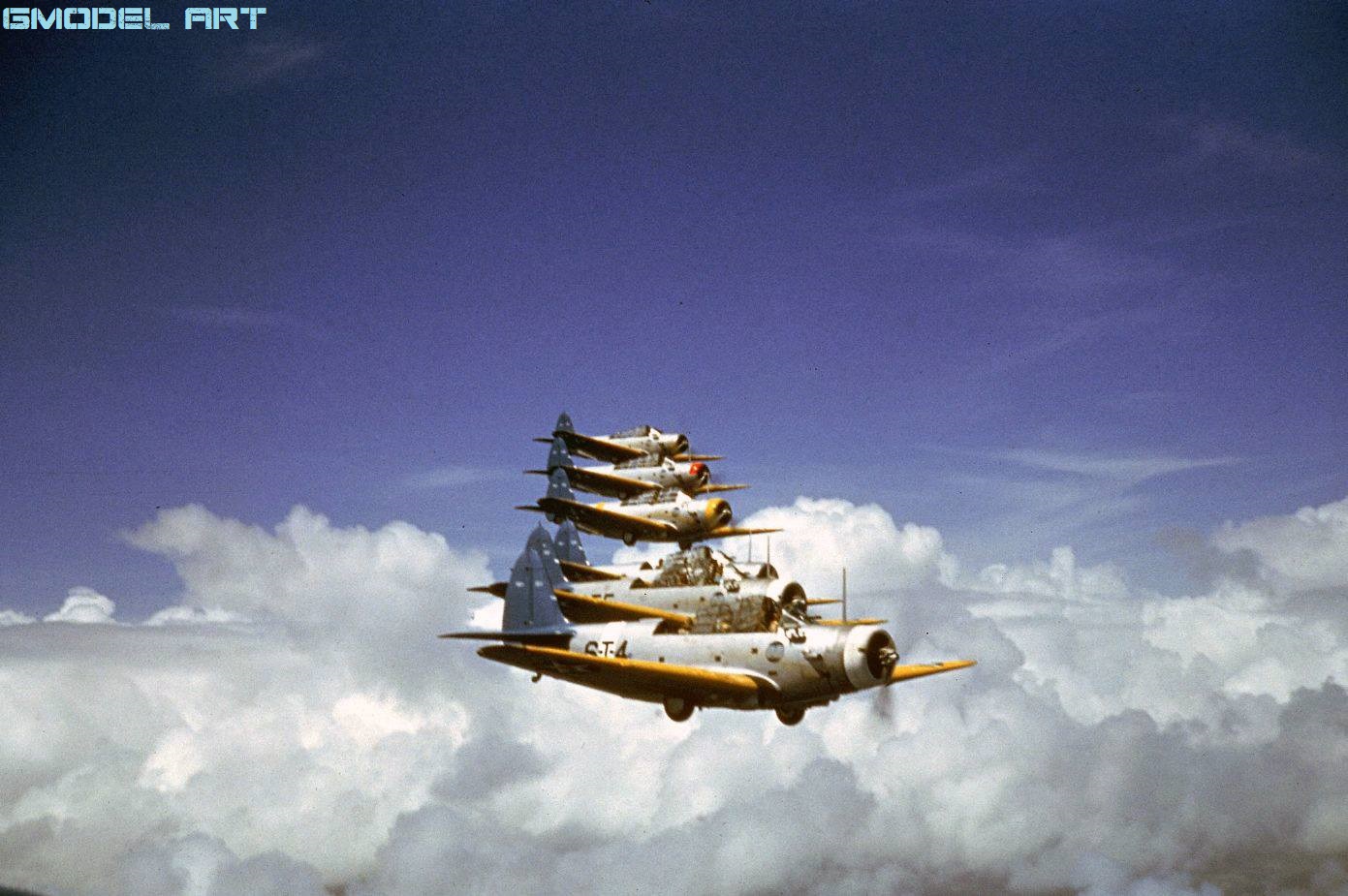
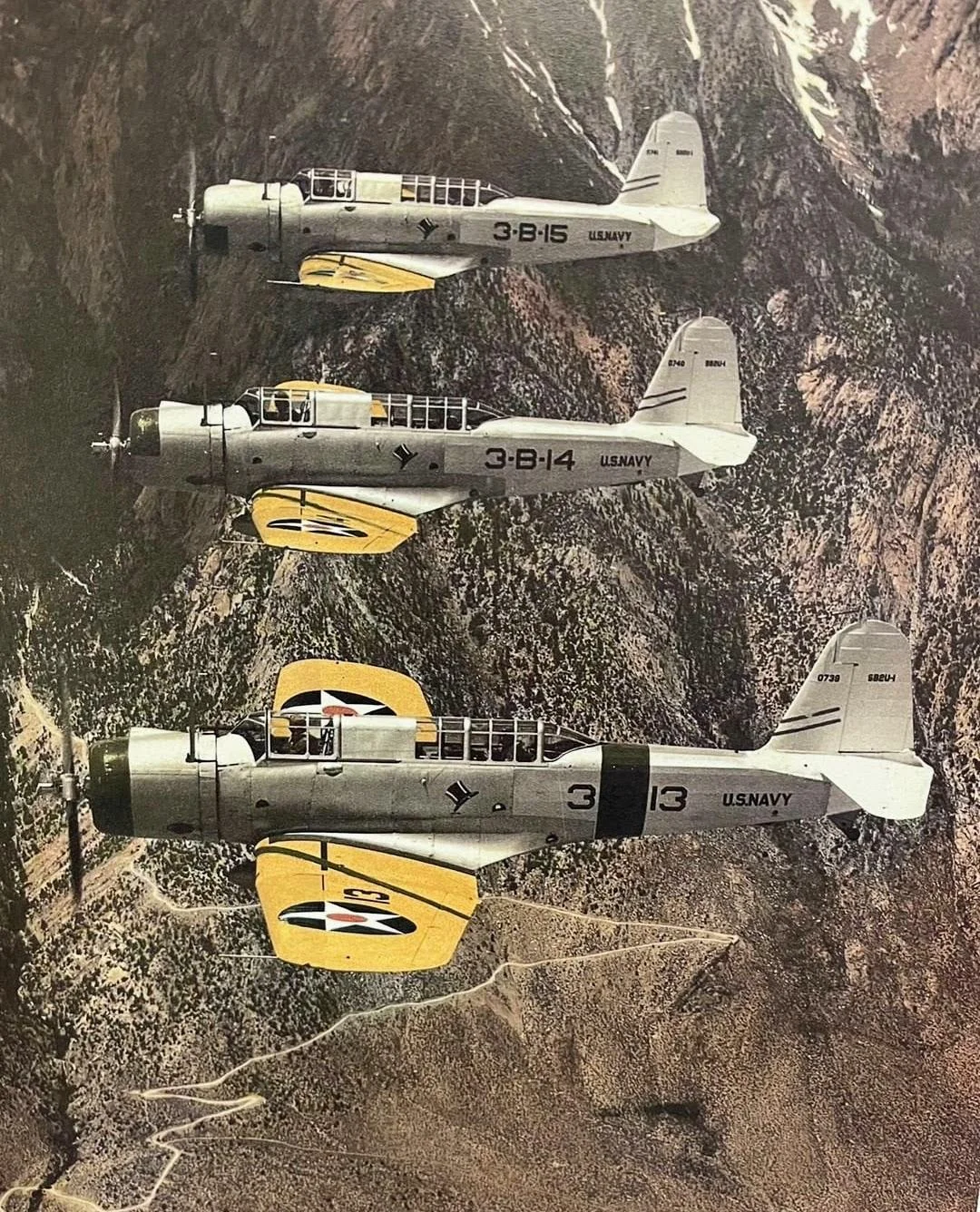
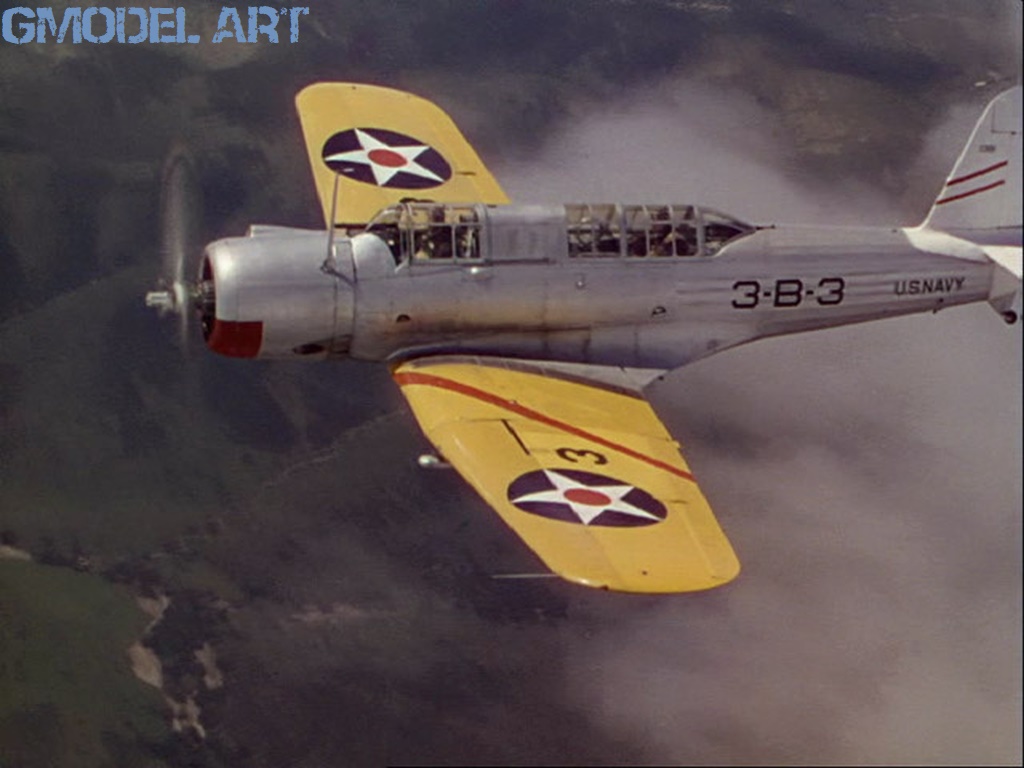
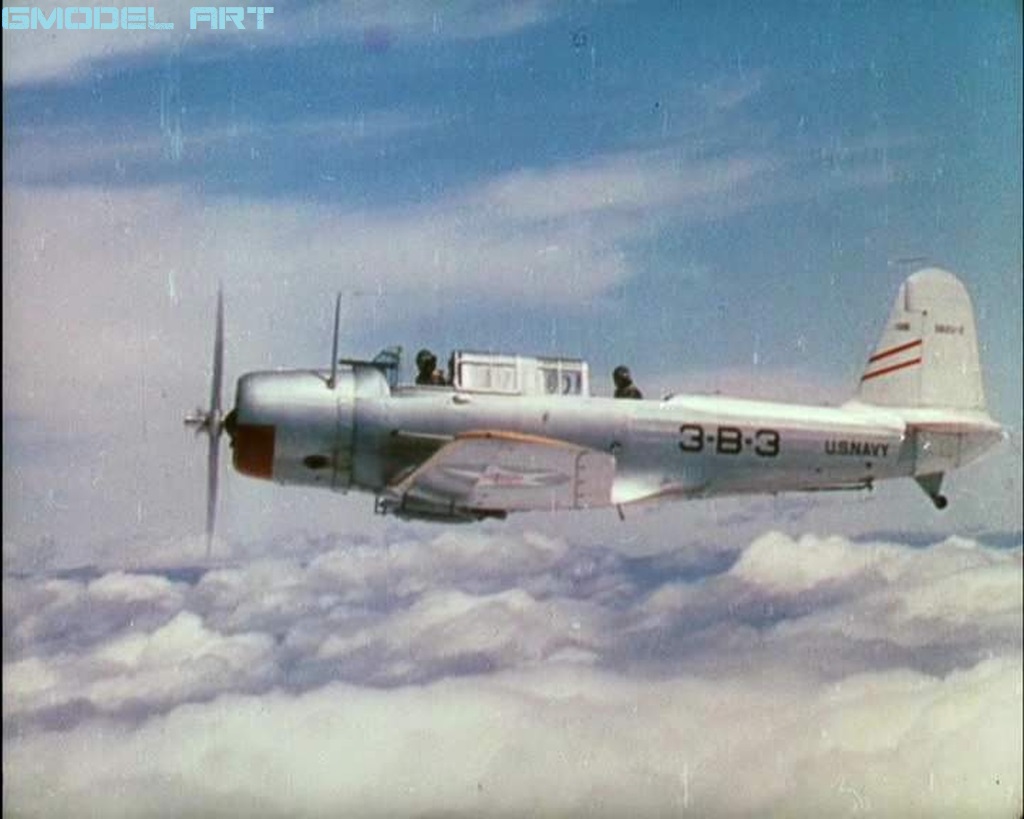
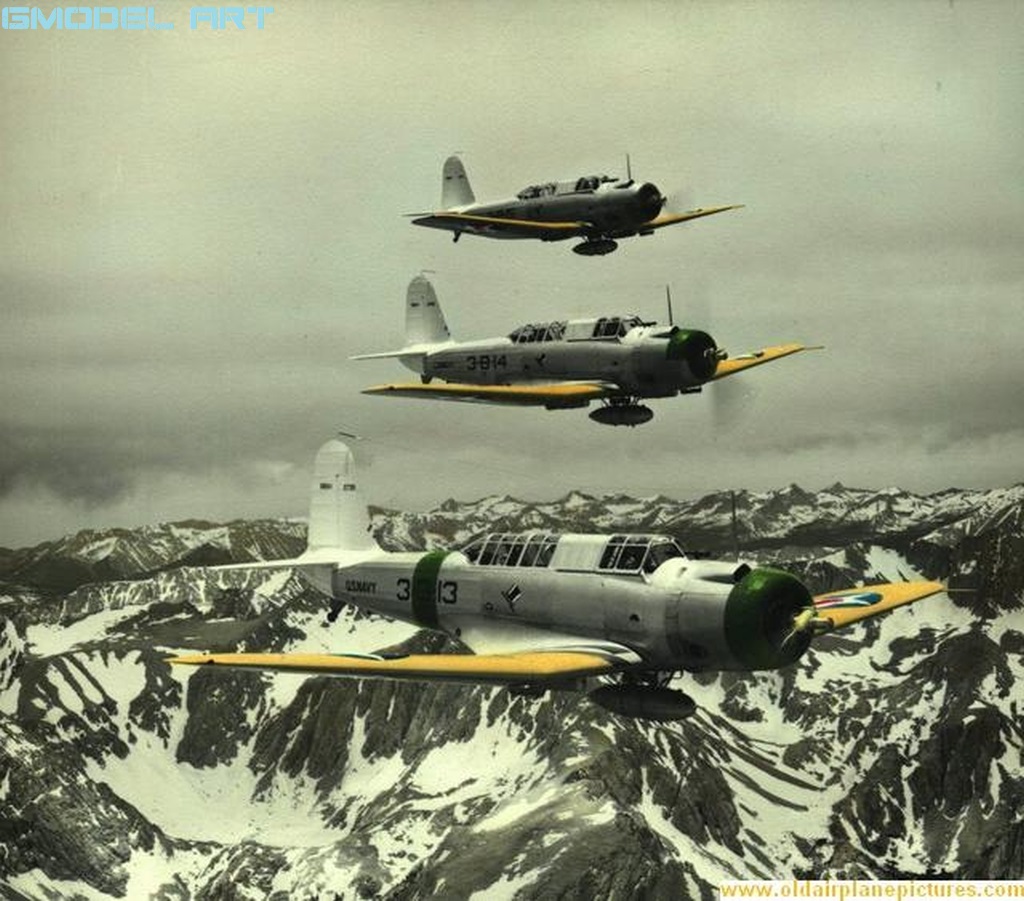
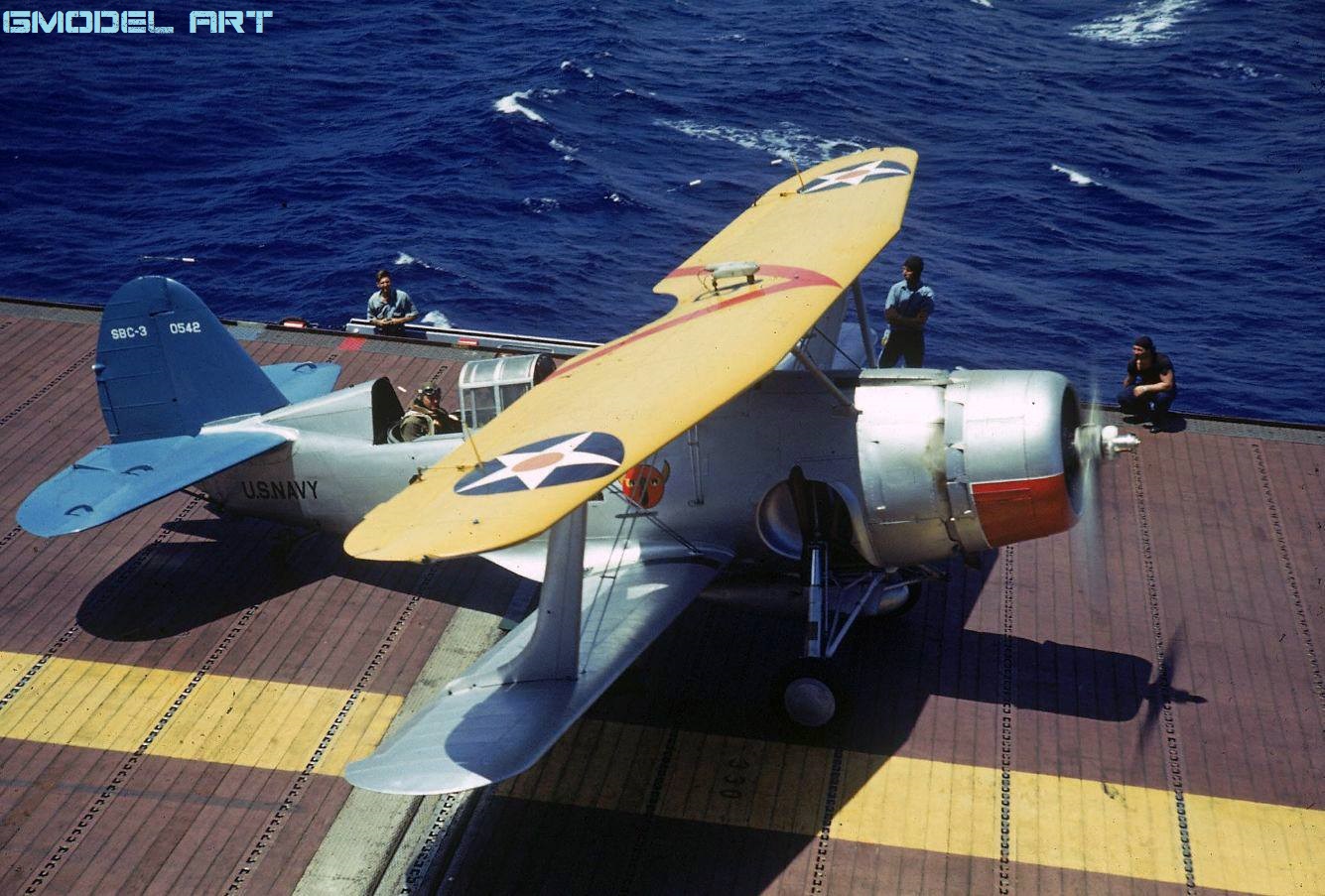
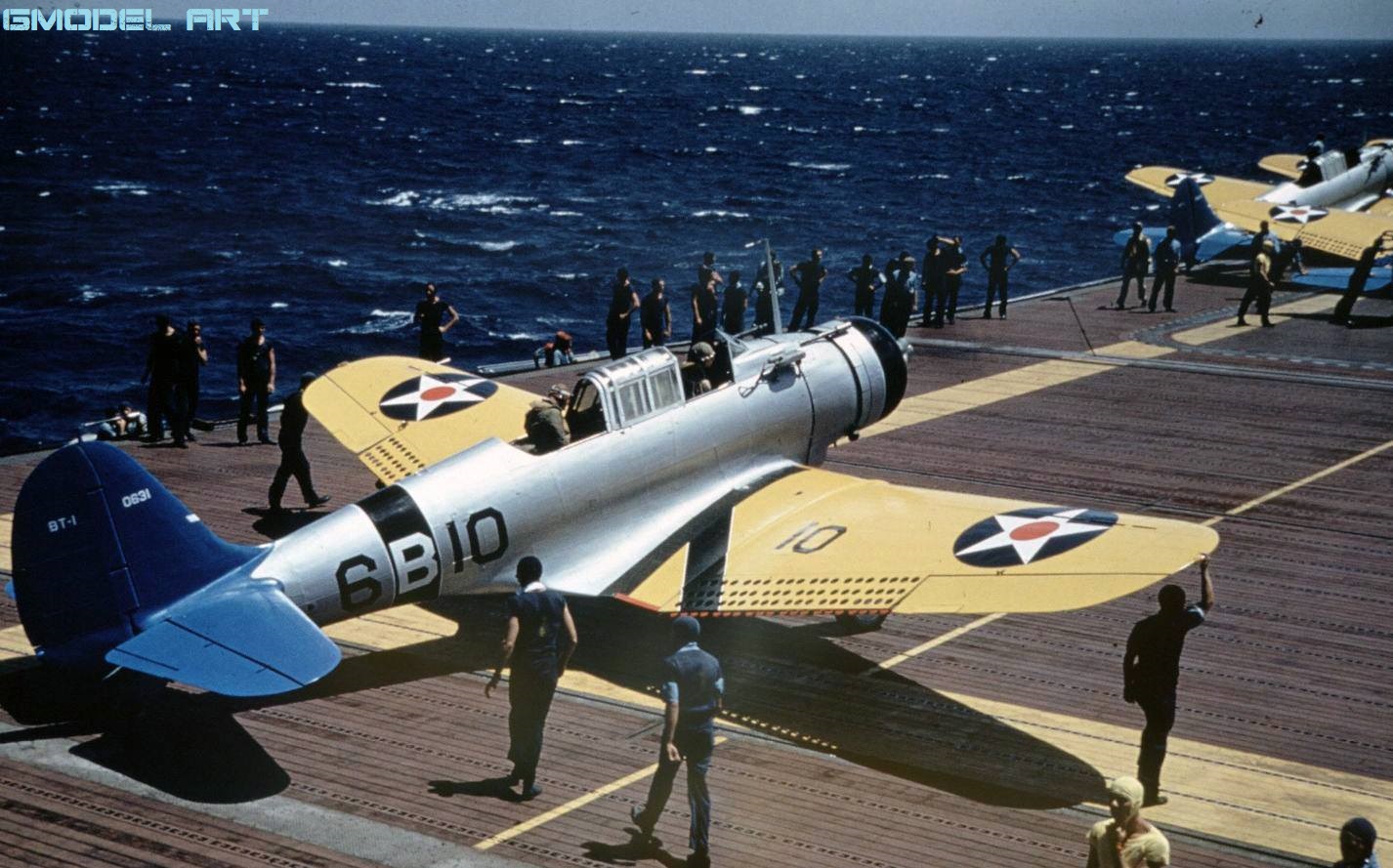
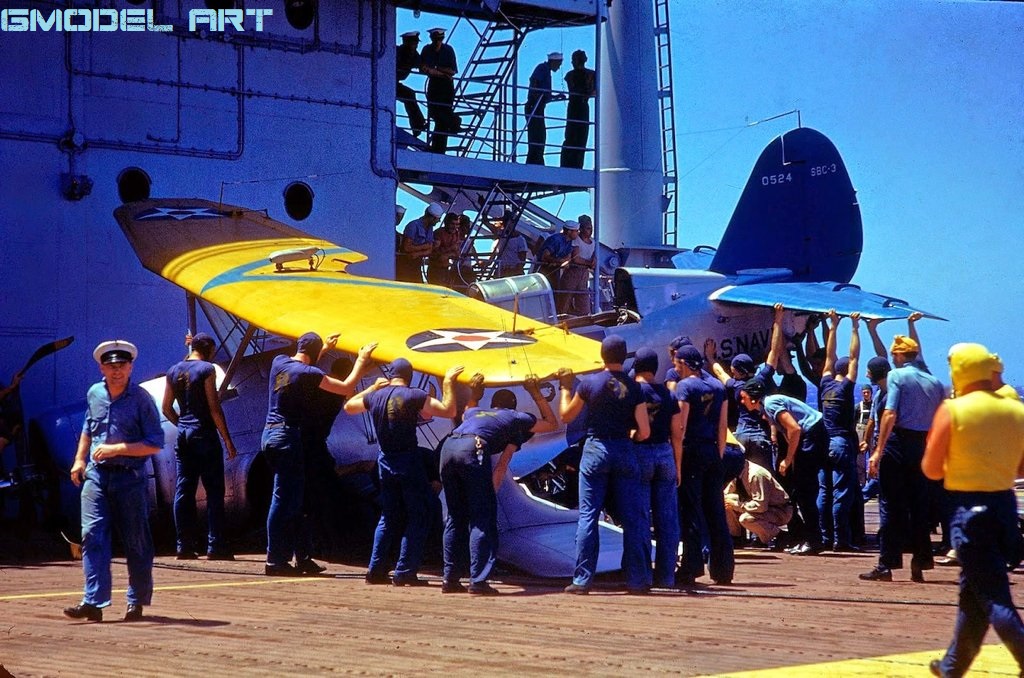
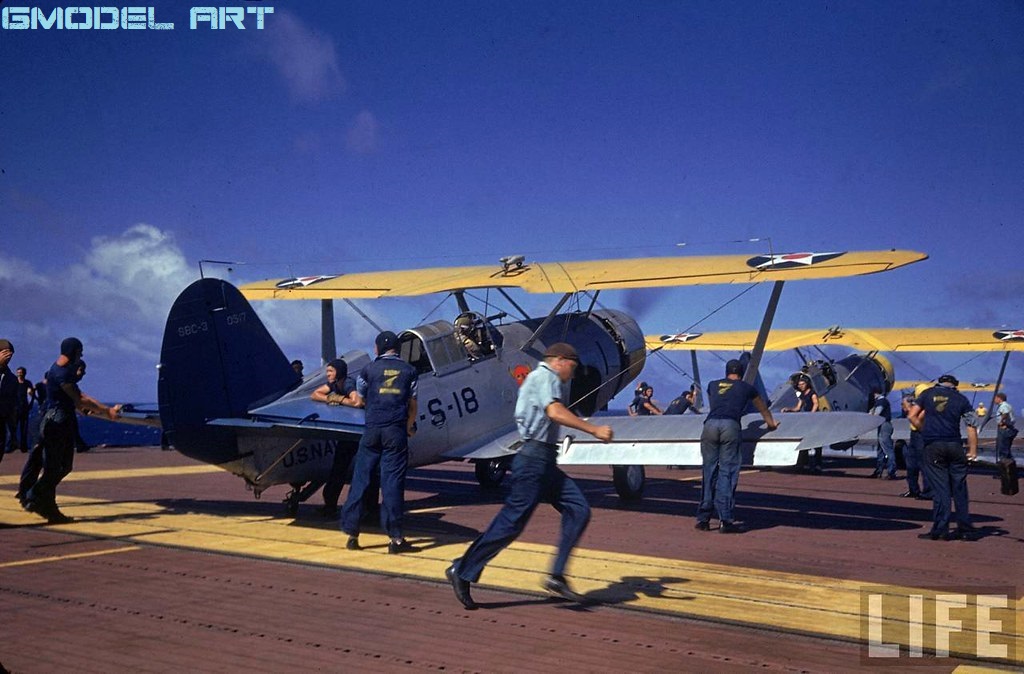
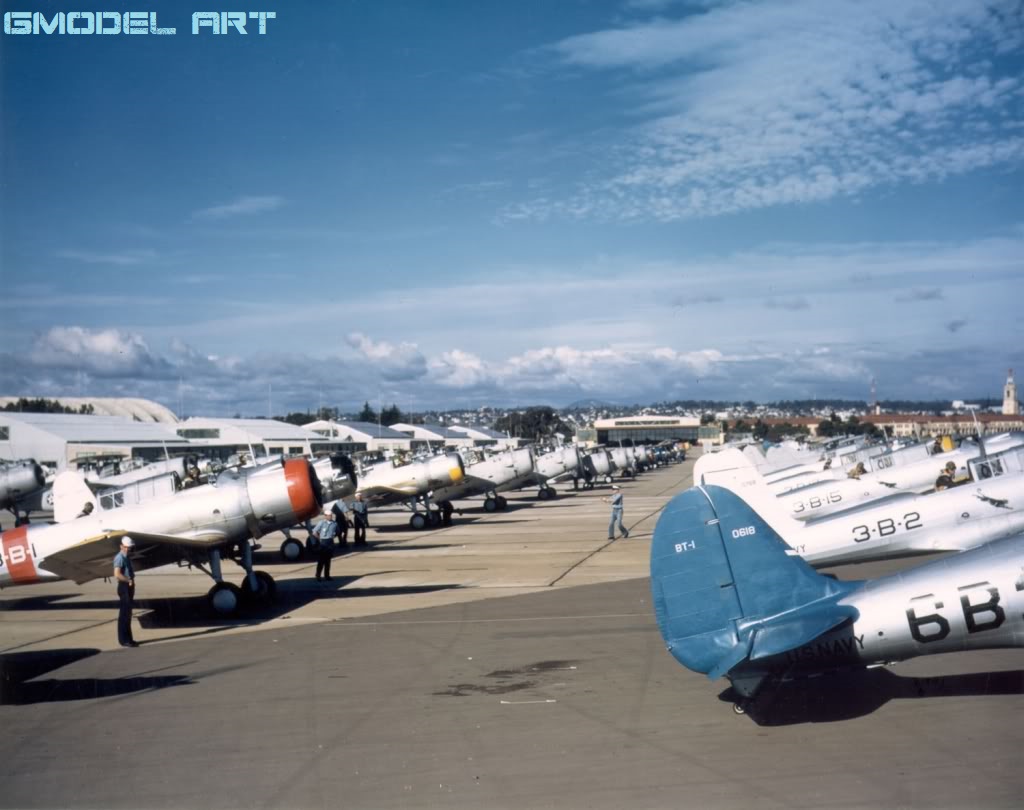
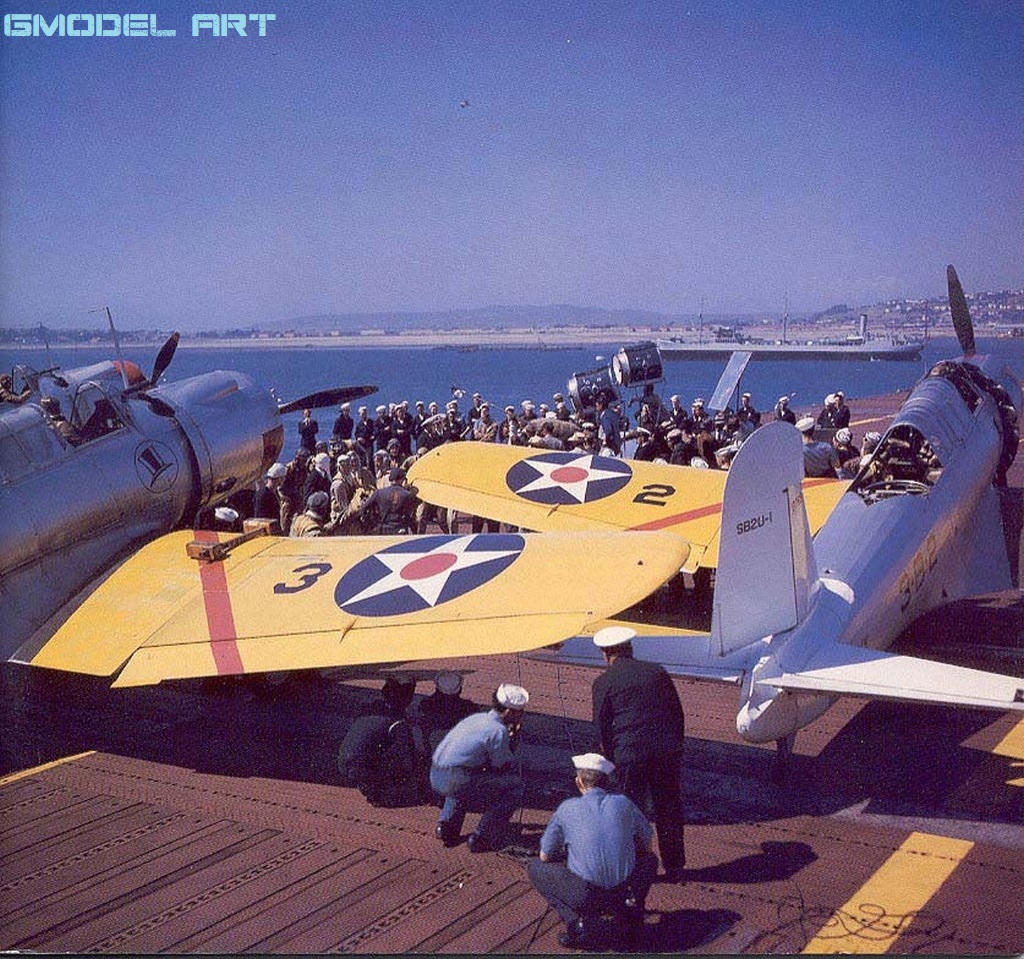
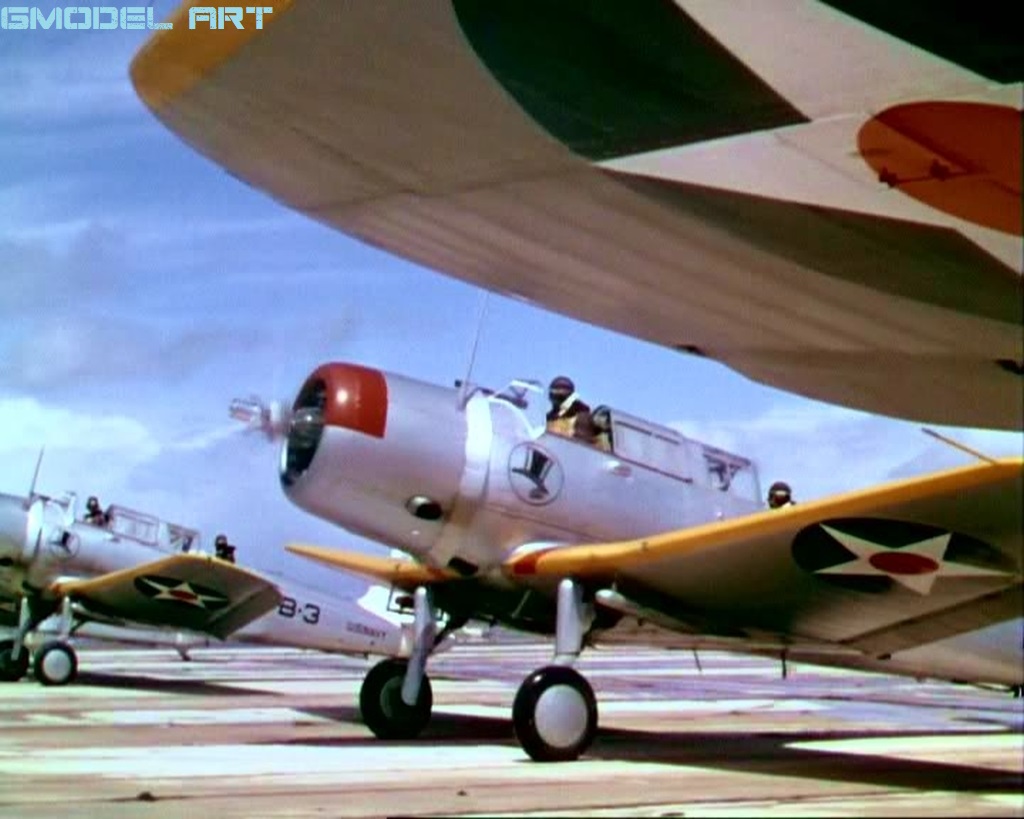
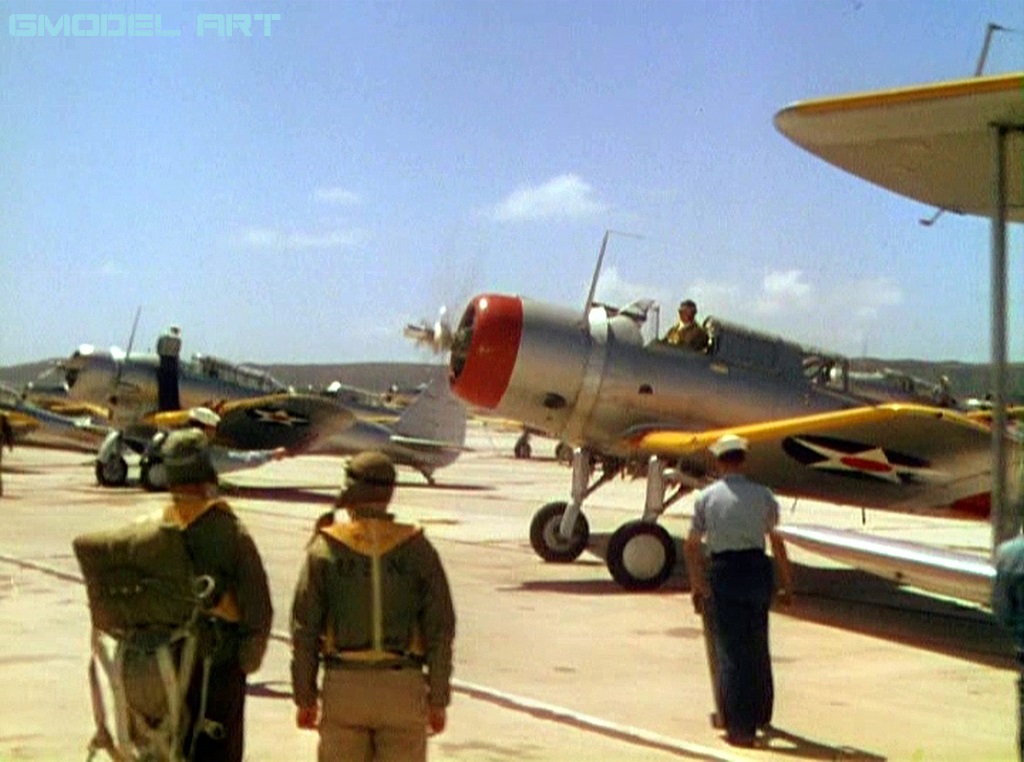
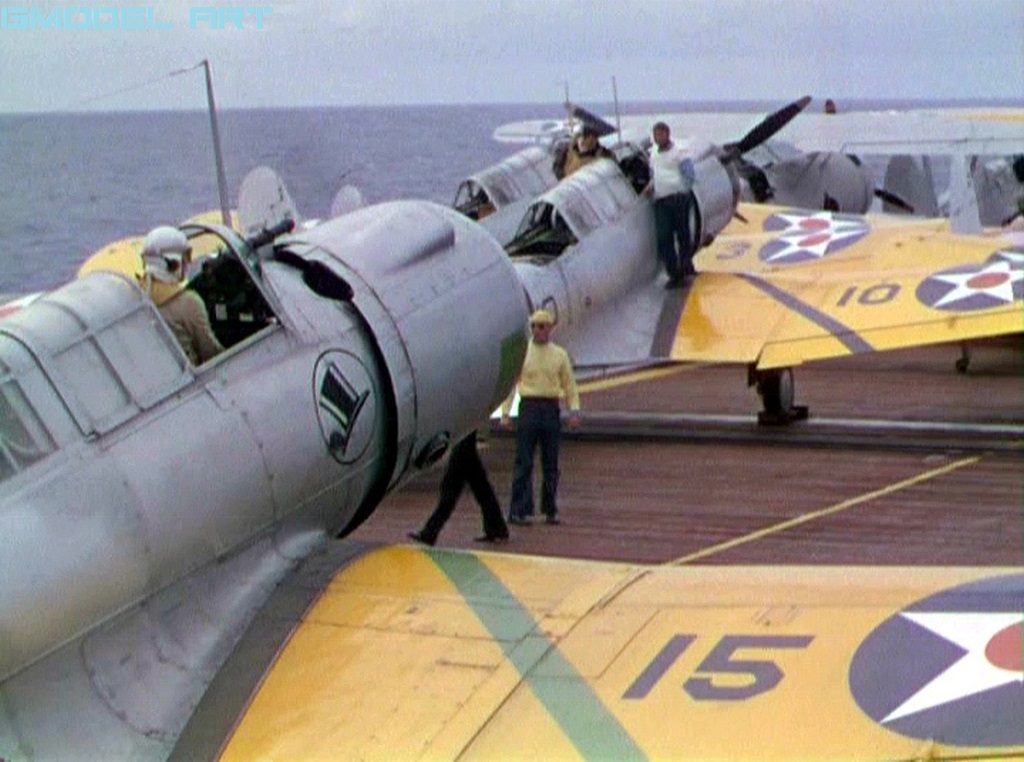
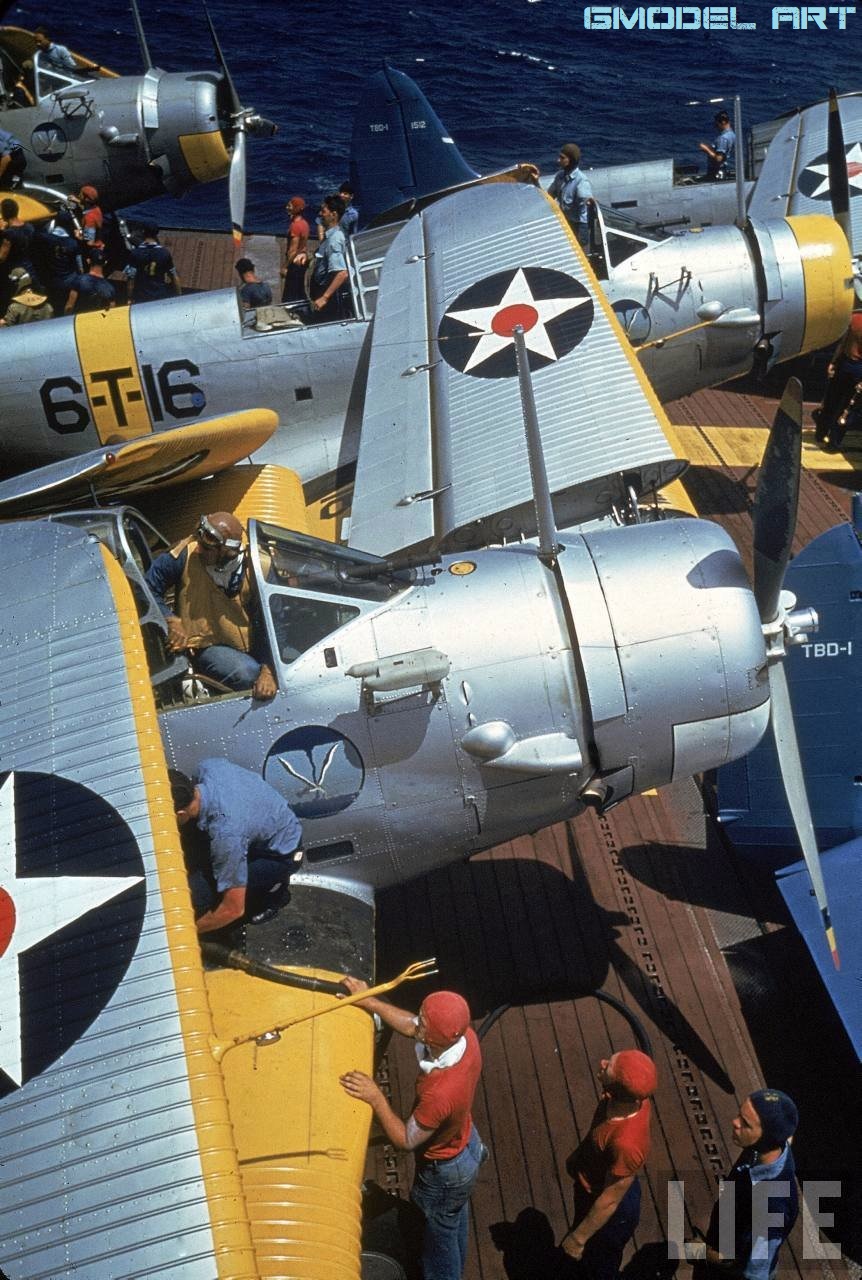
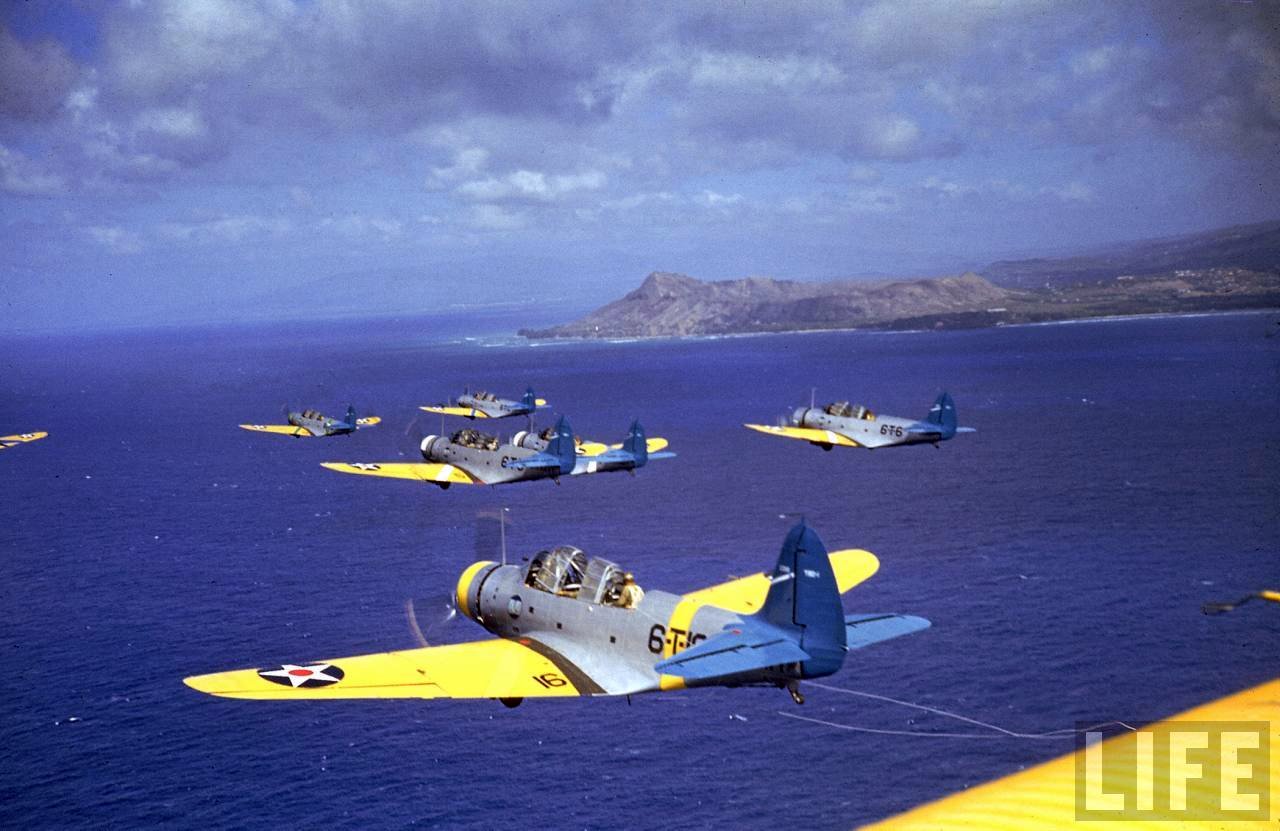
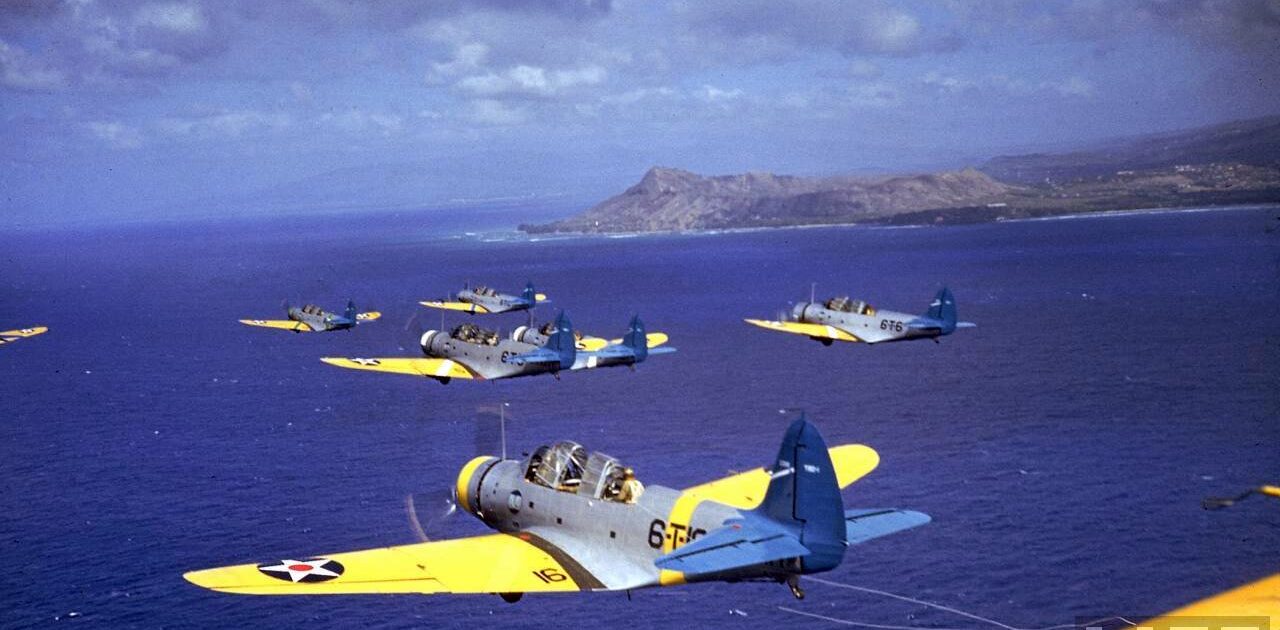
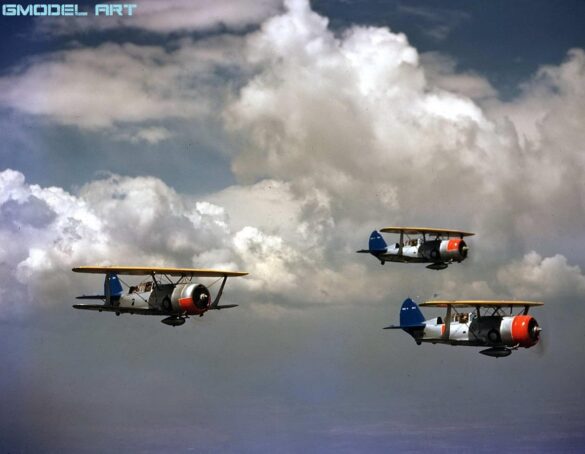
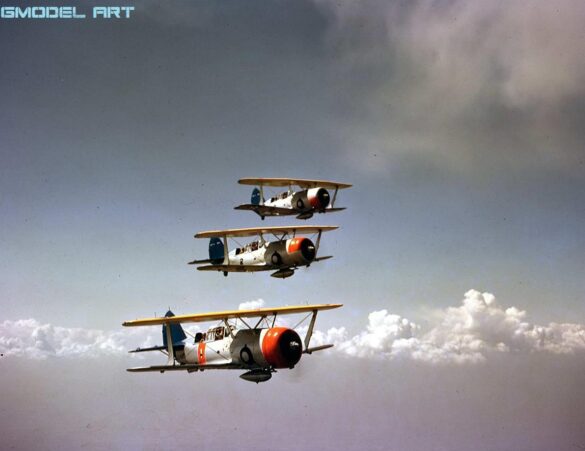
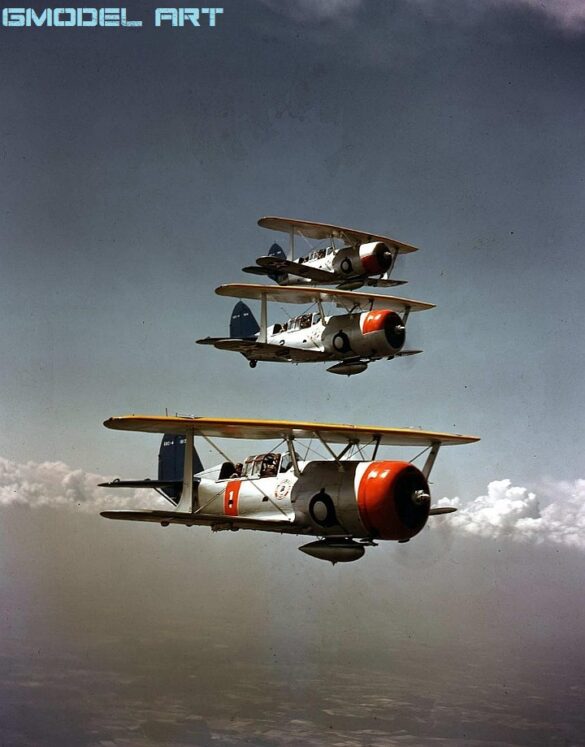
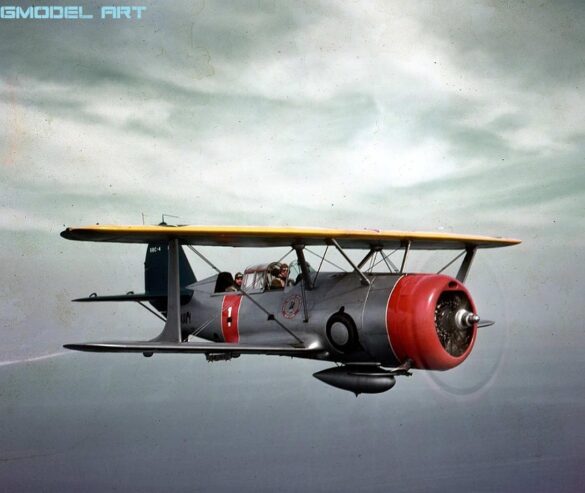
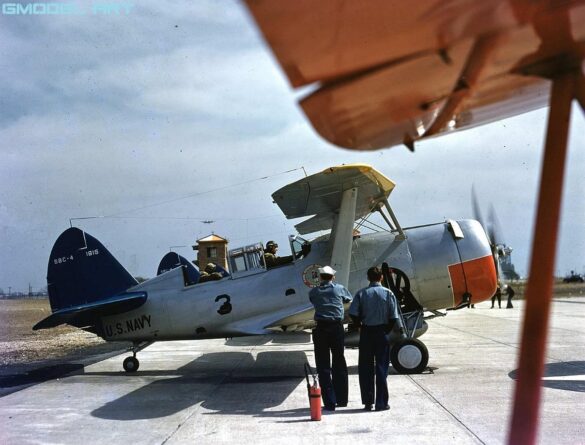
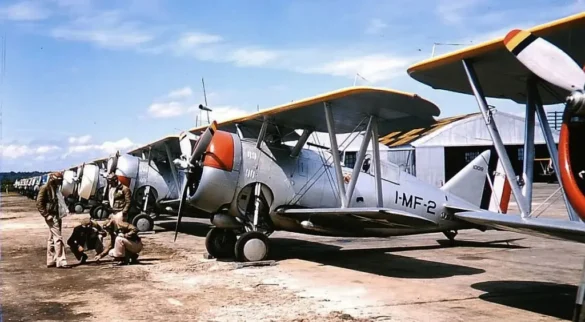
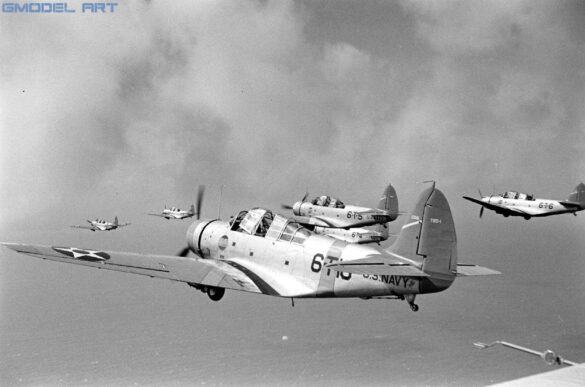
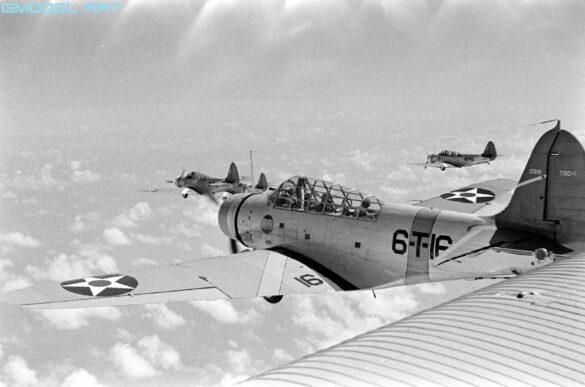
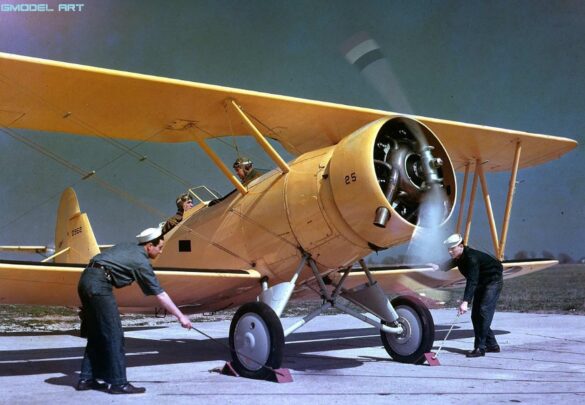
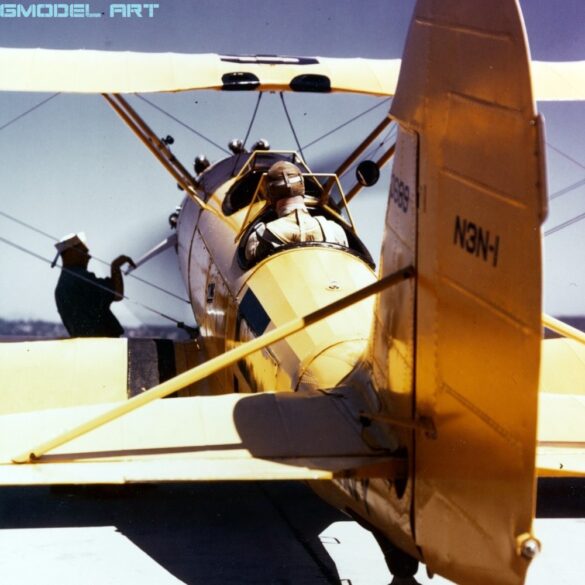
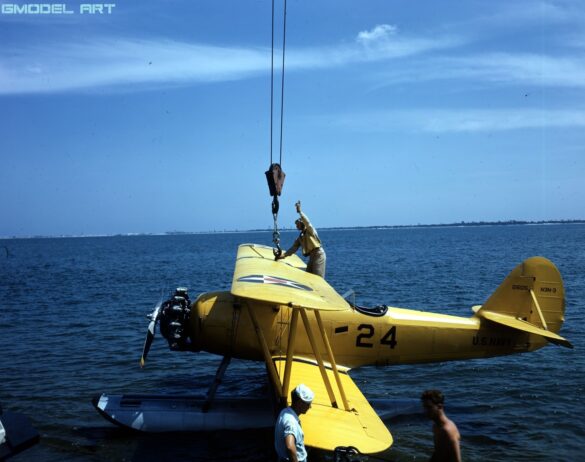
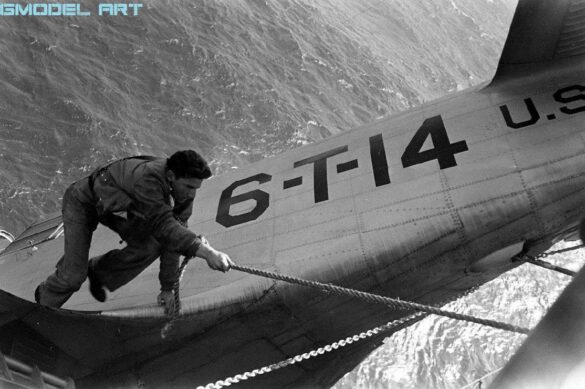
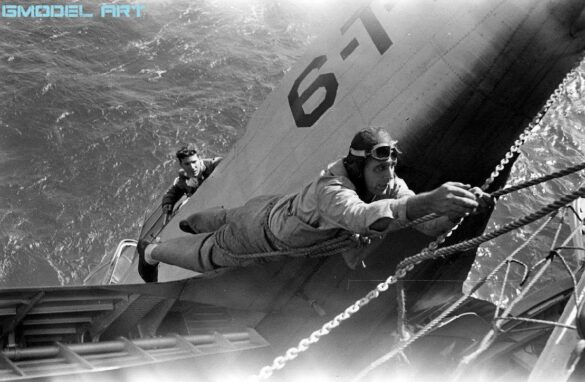
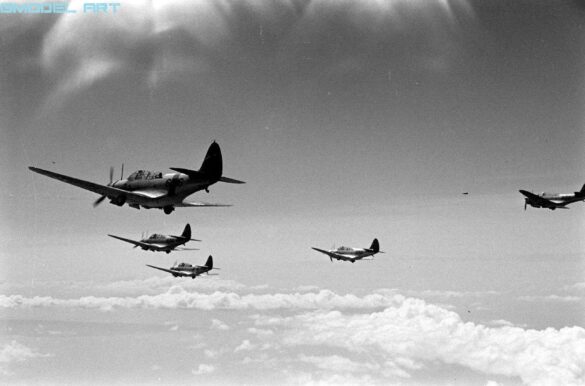
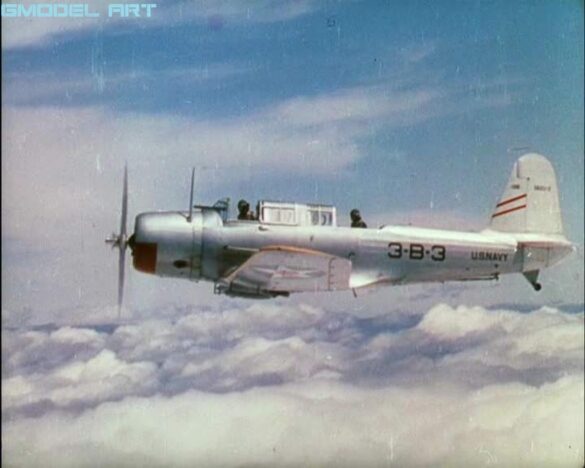
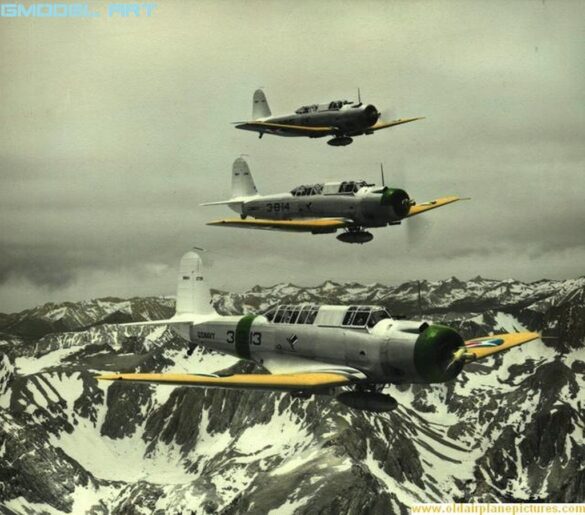
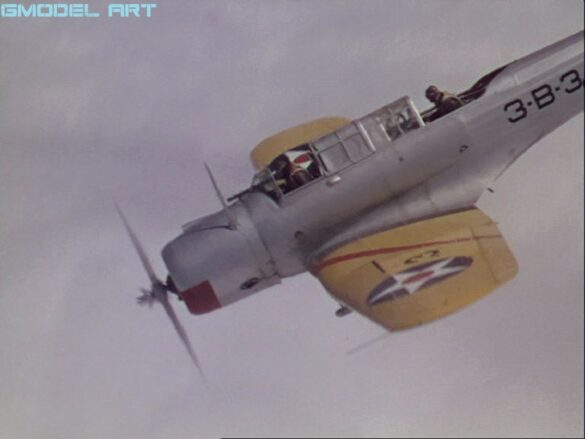
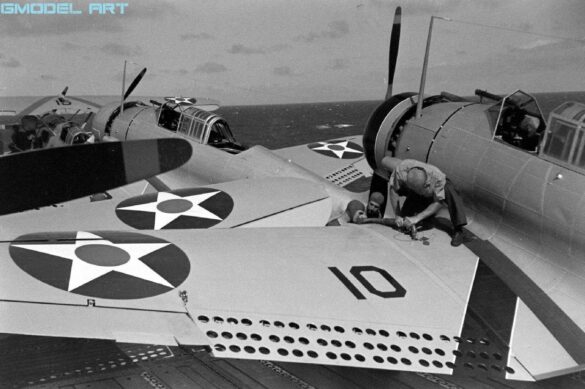
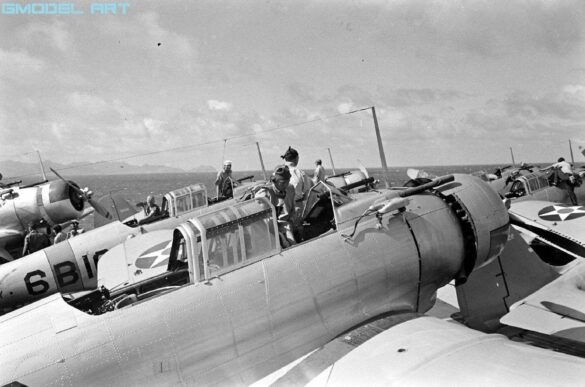
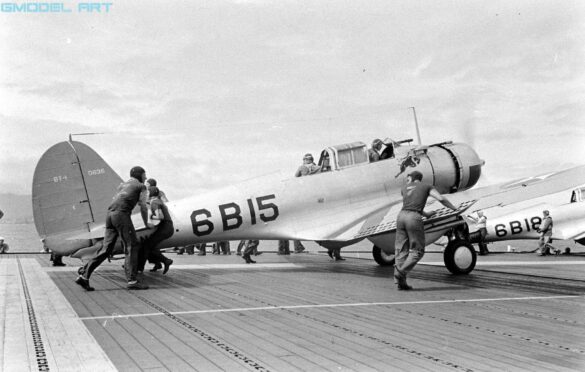
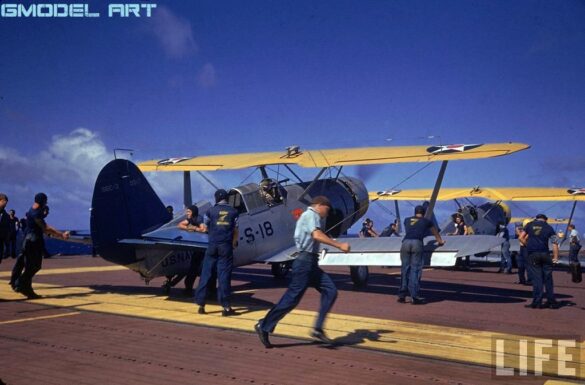
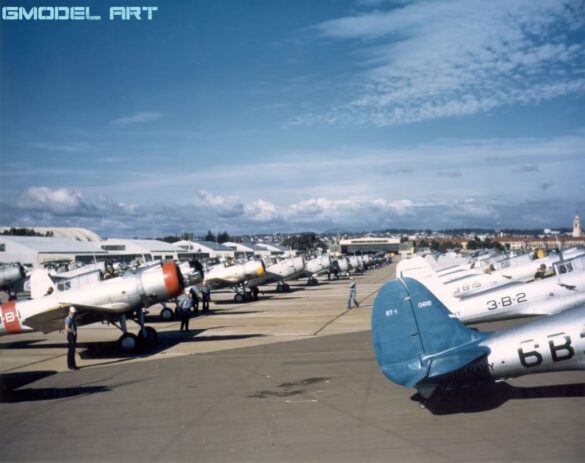
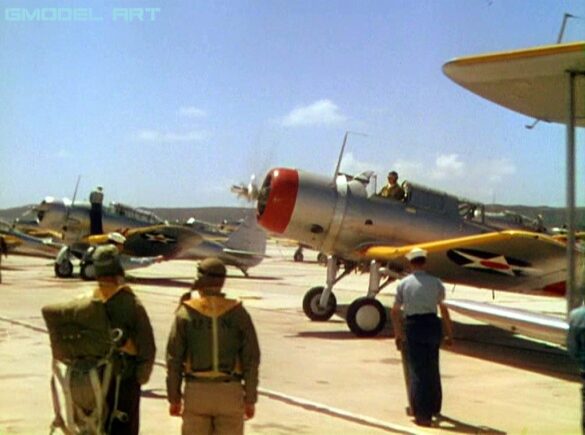
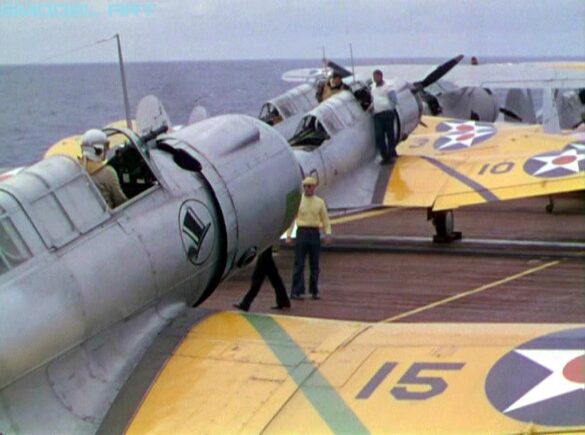
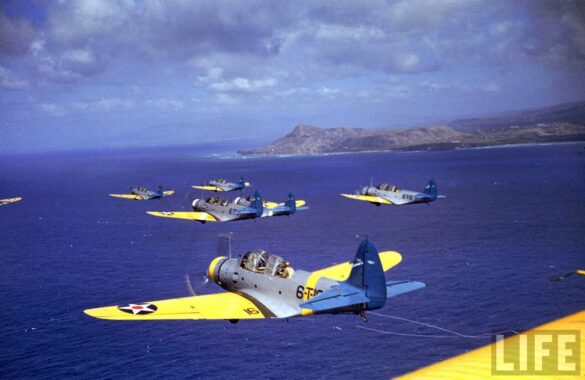
Before camouflage became necessary, US Navy and Marine Corps aircraft were designed to be highly visible rather than concealed.
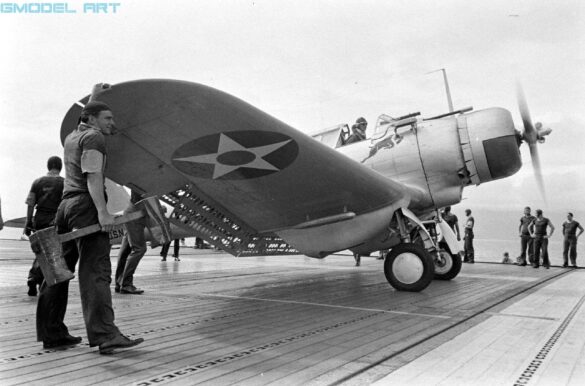
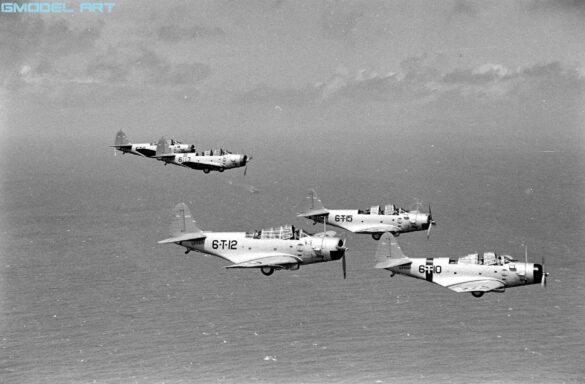
Typical characteristics of the period include:
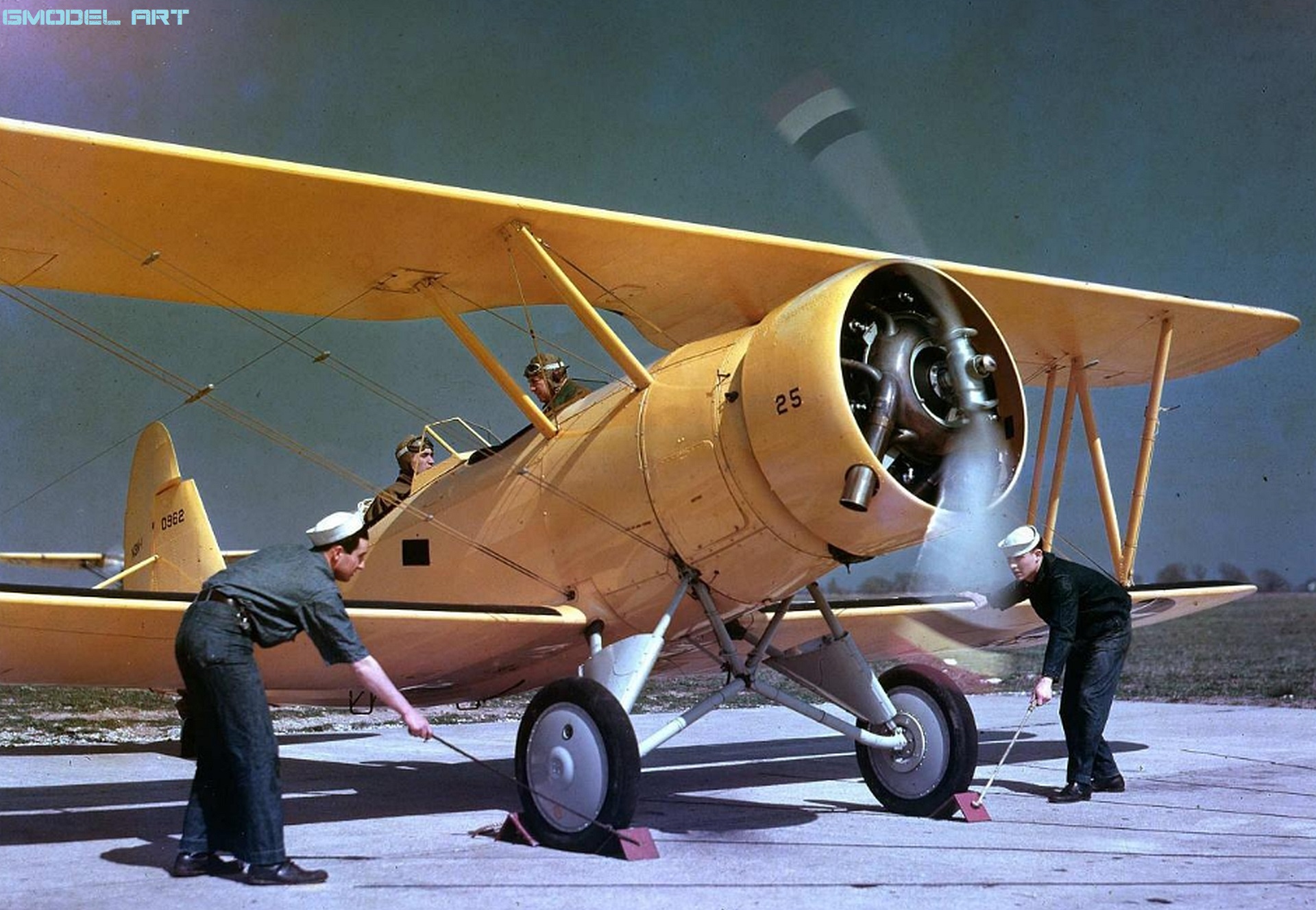
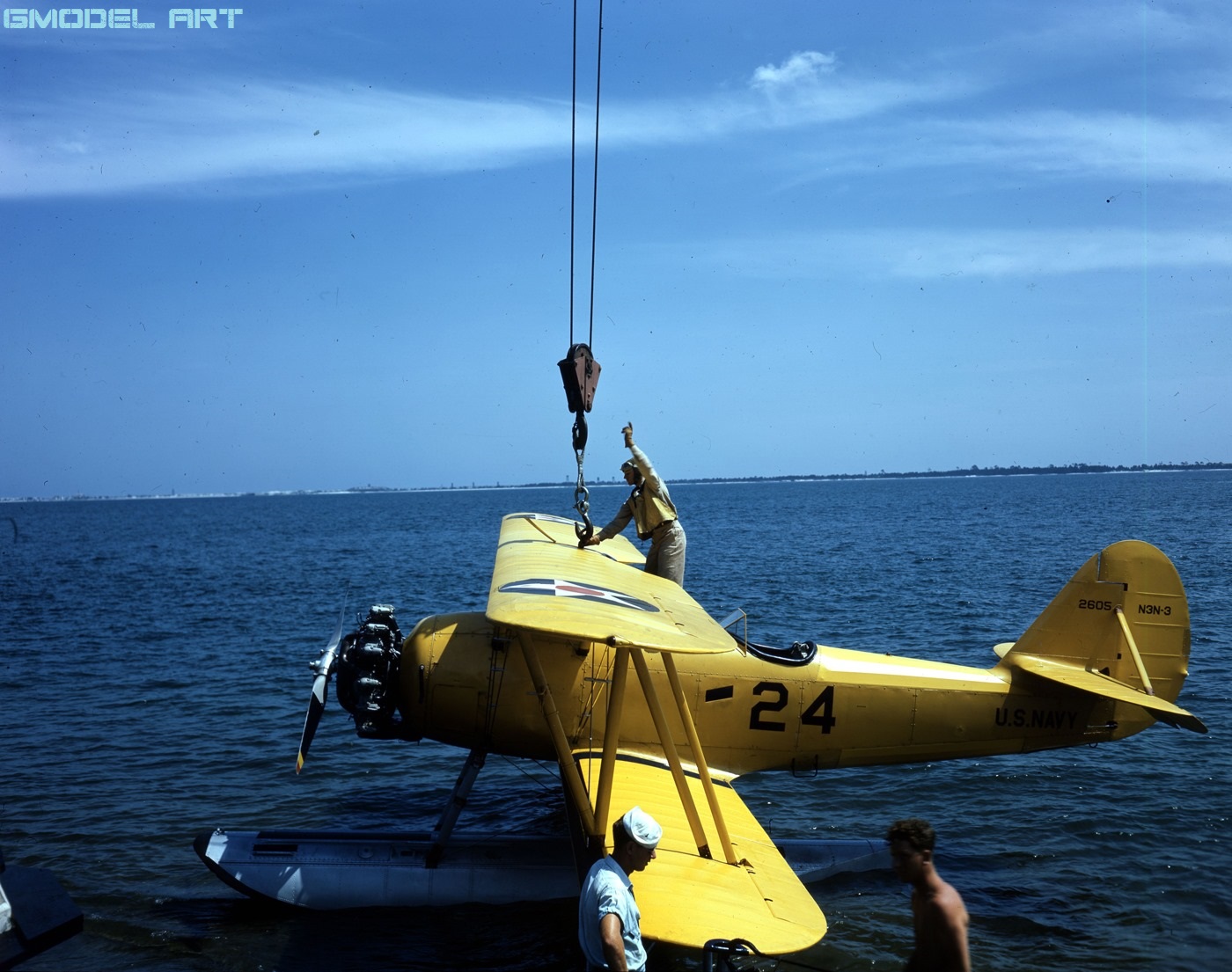
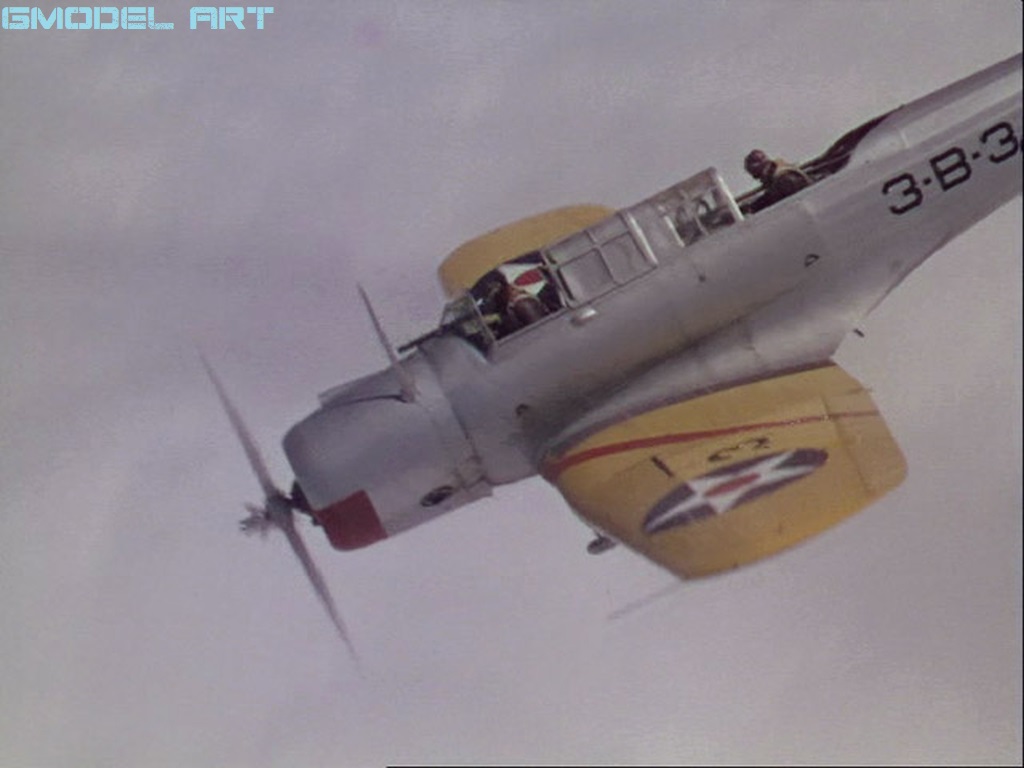
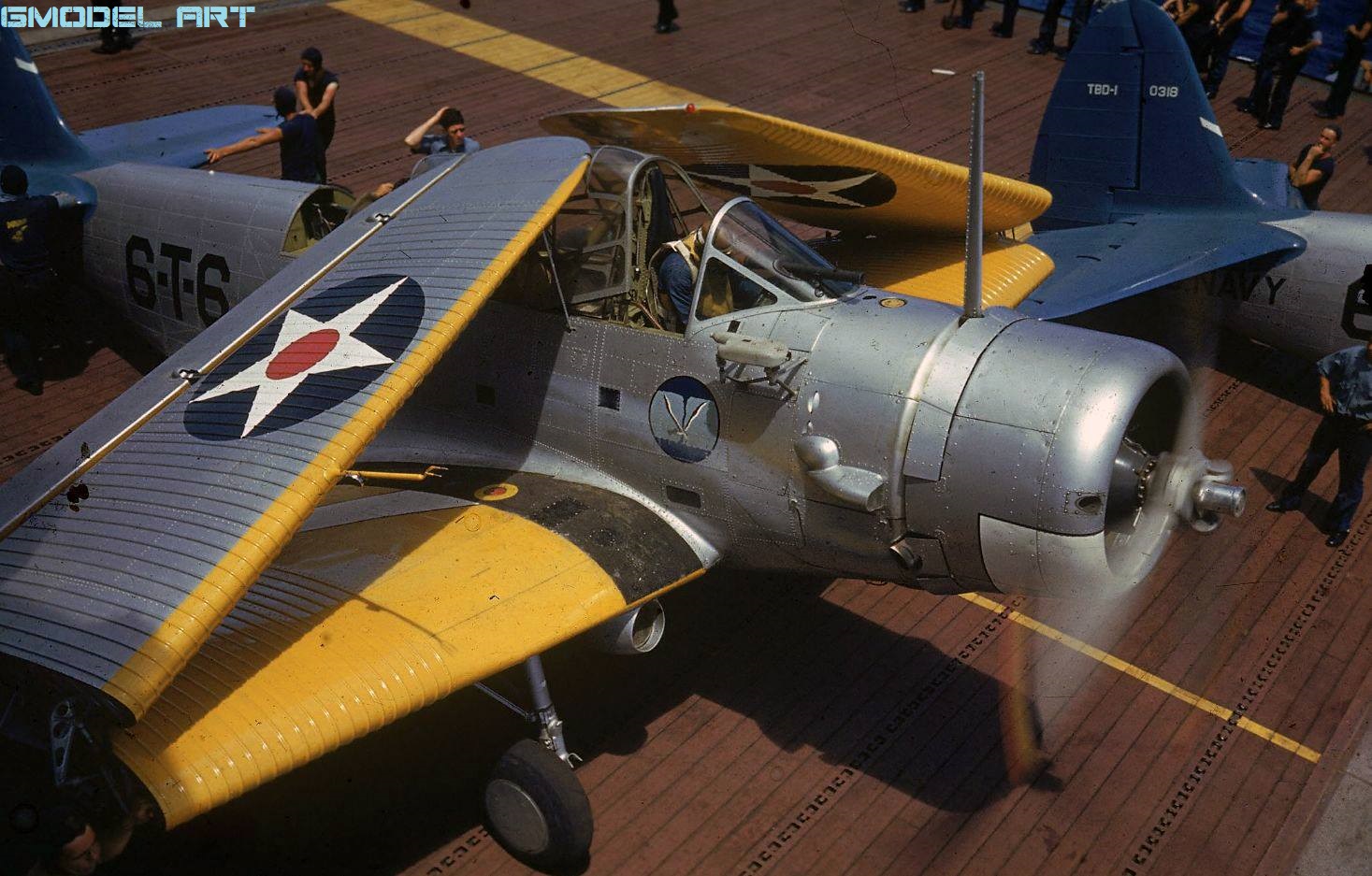
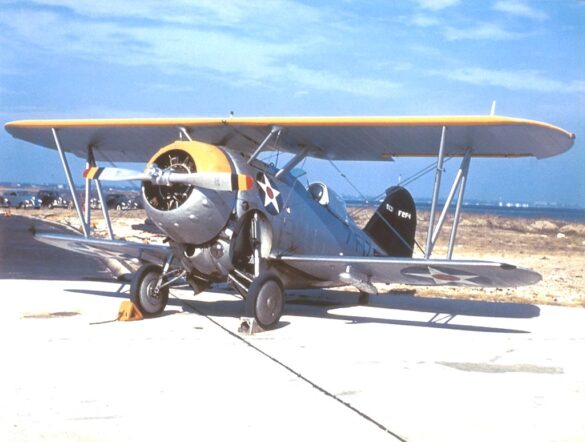
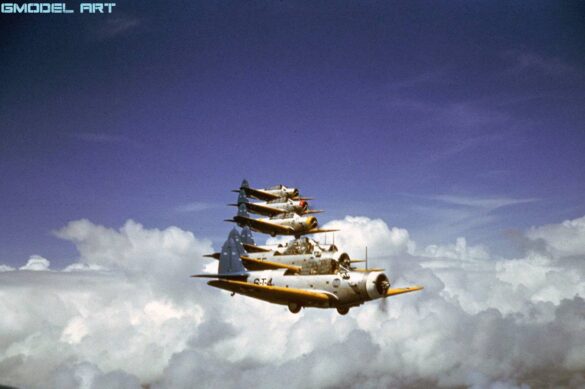
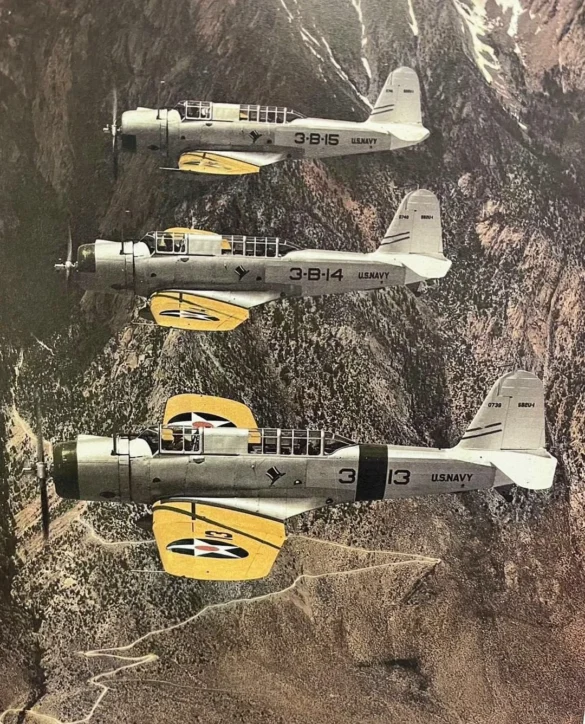
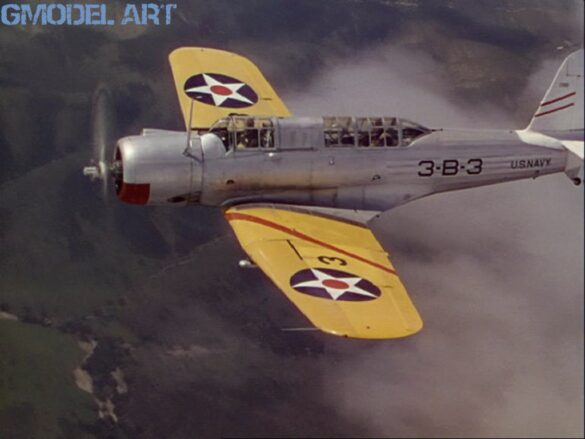
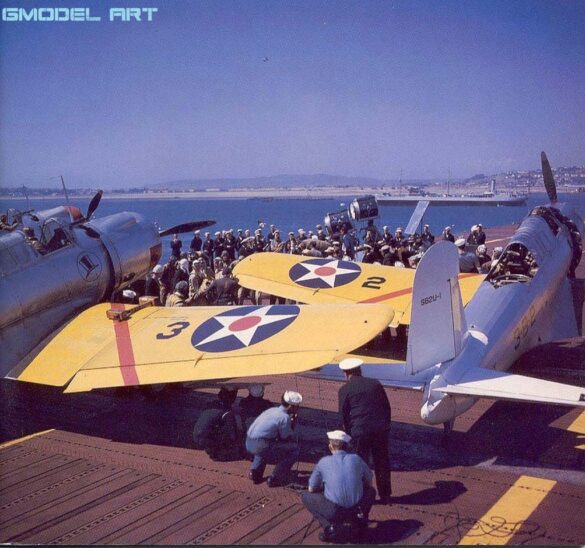
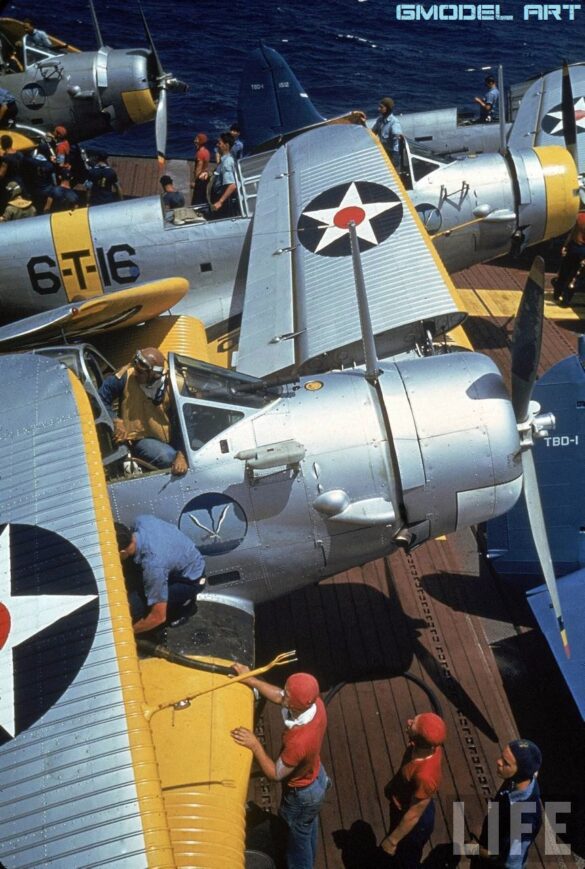
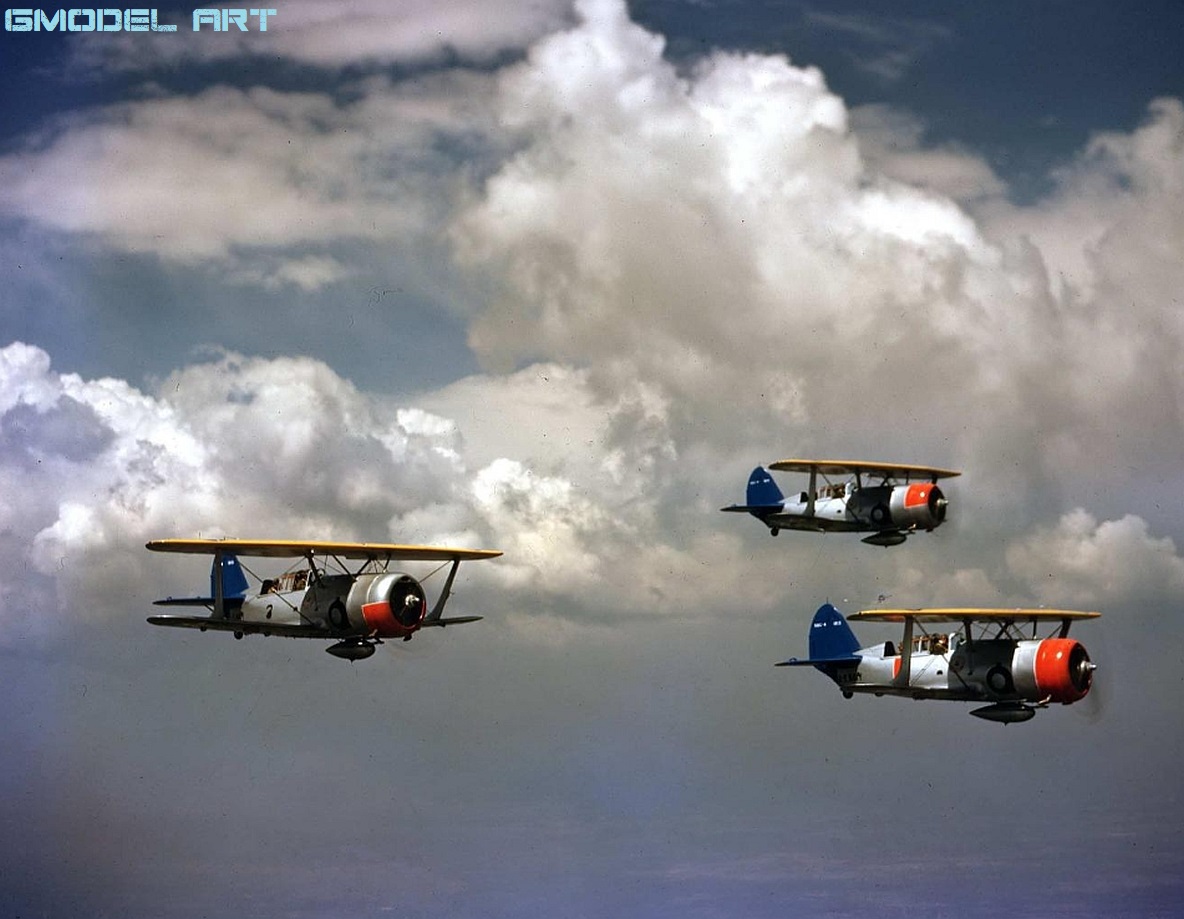
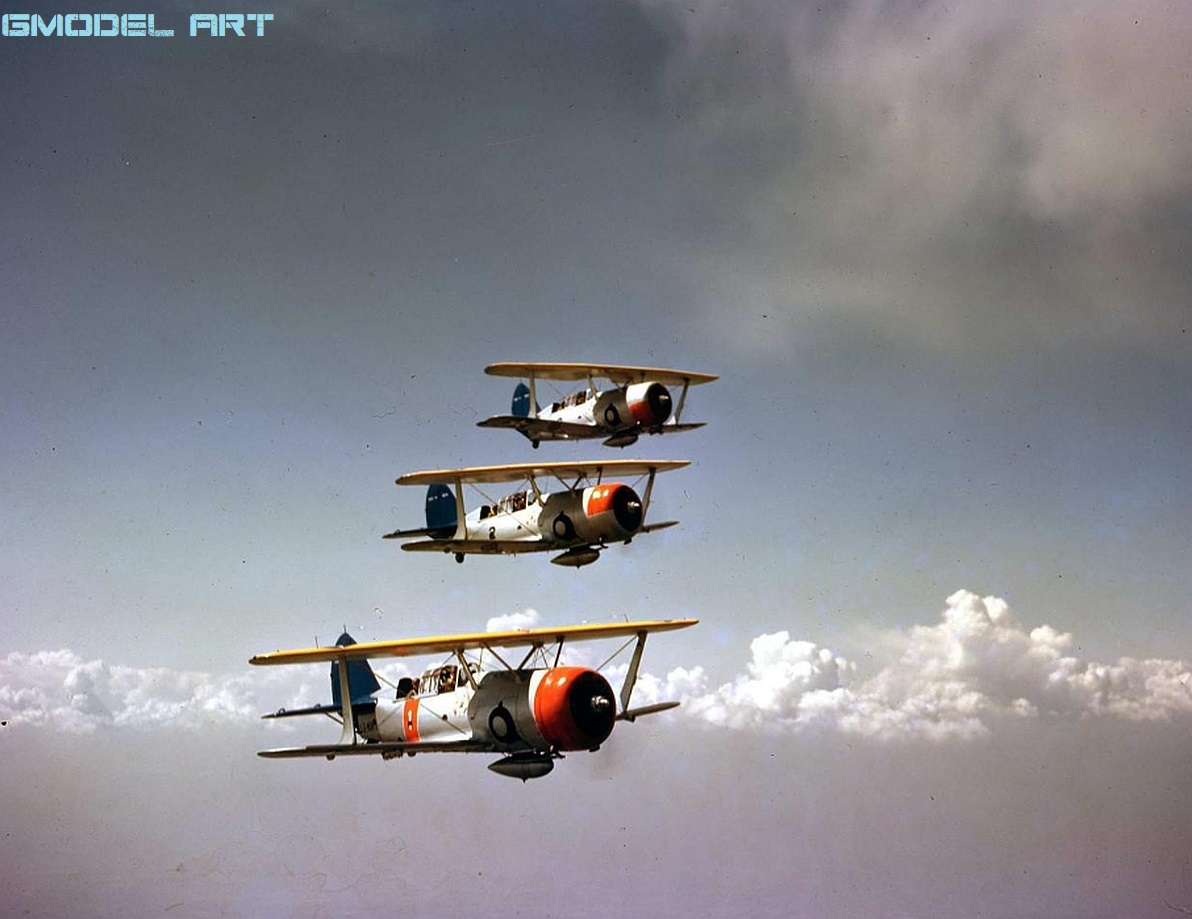
- Bright yellow upper wings
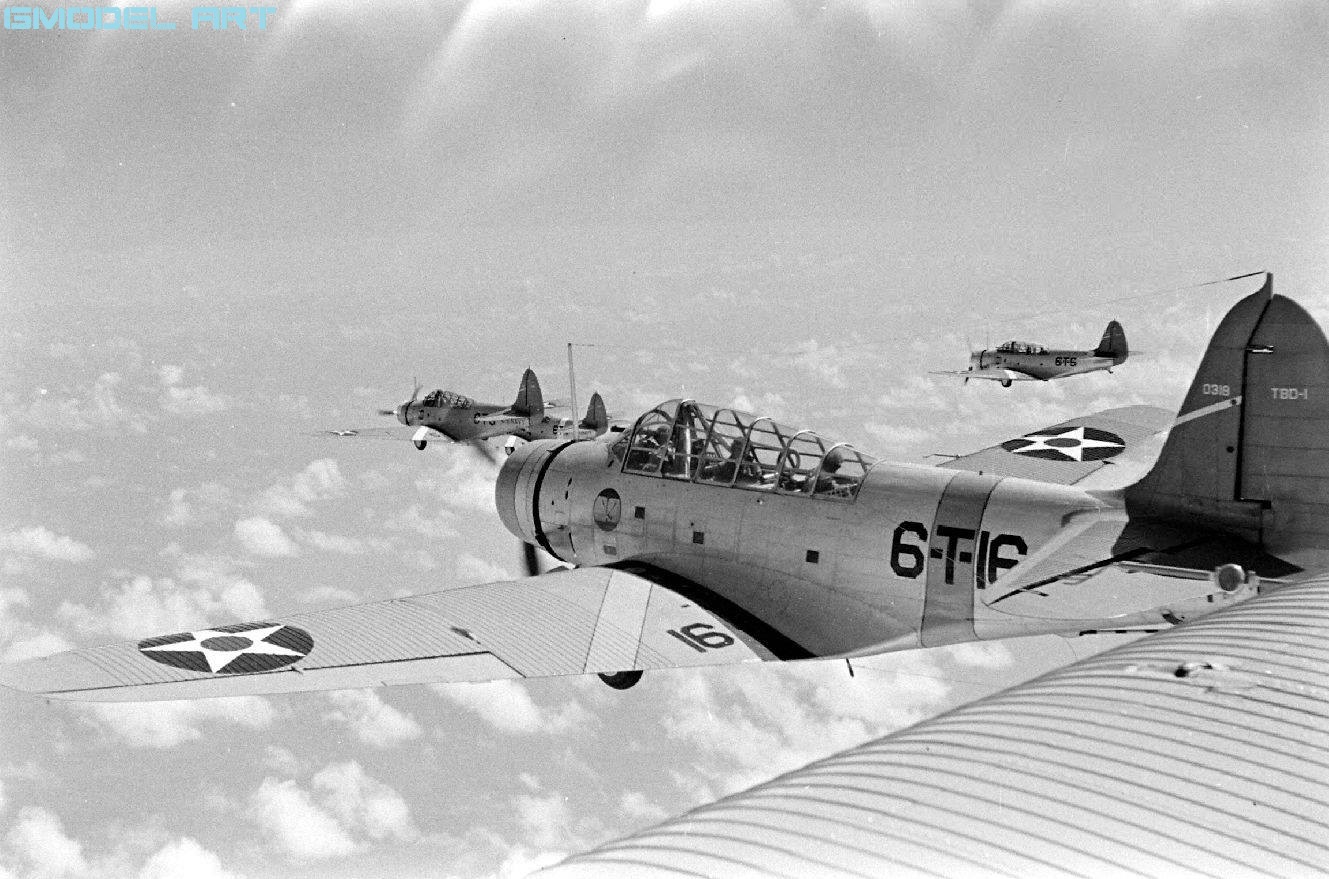
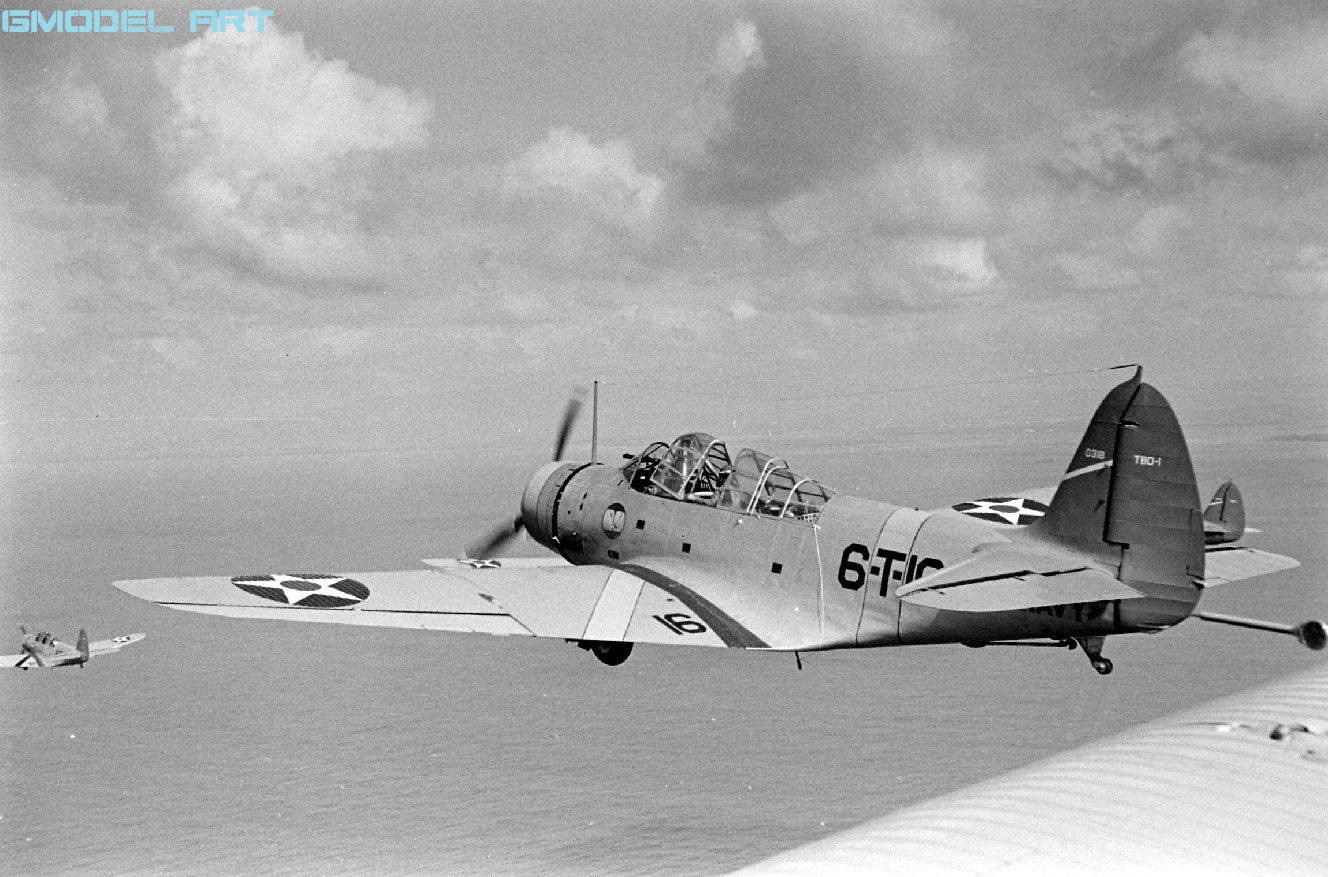
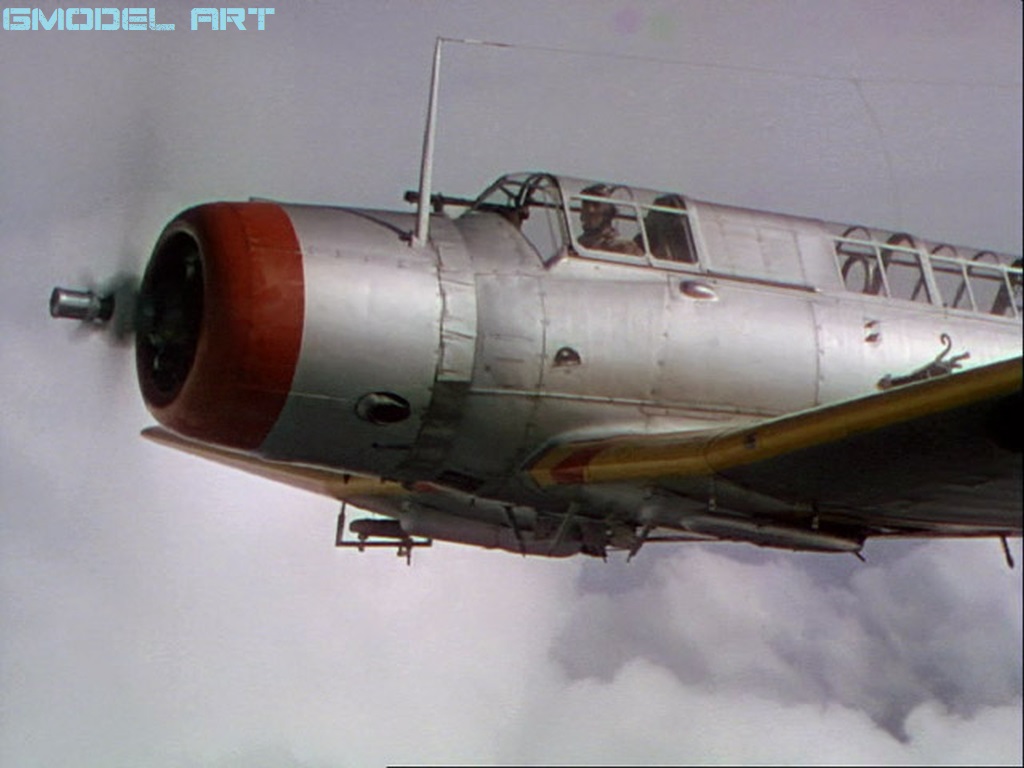
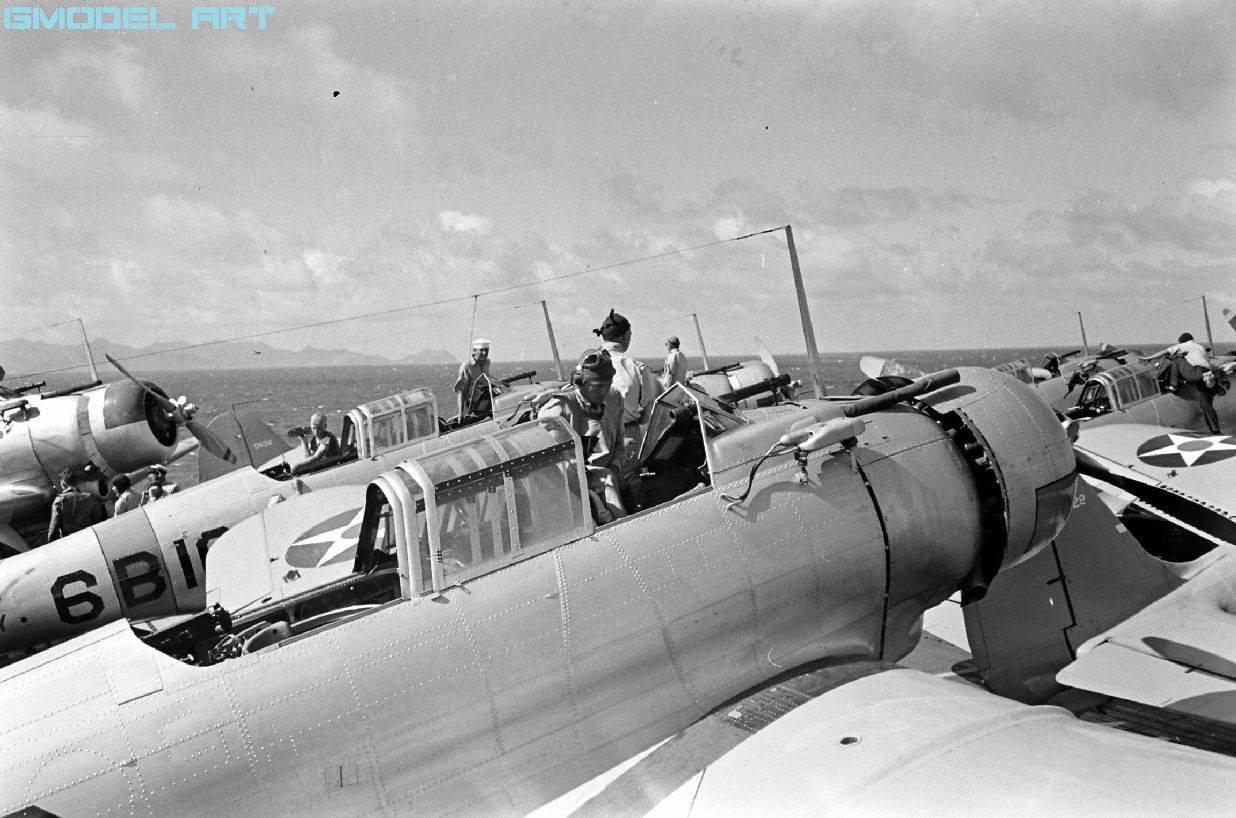
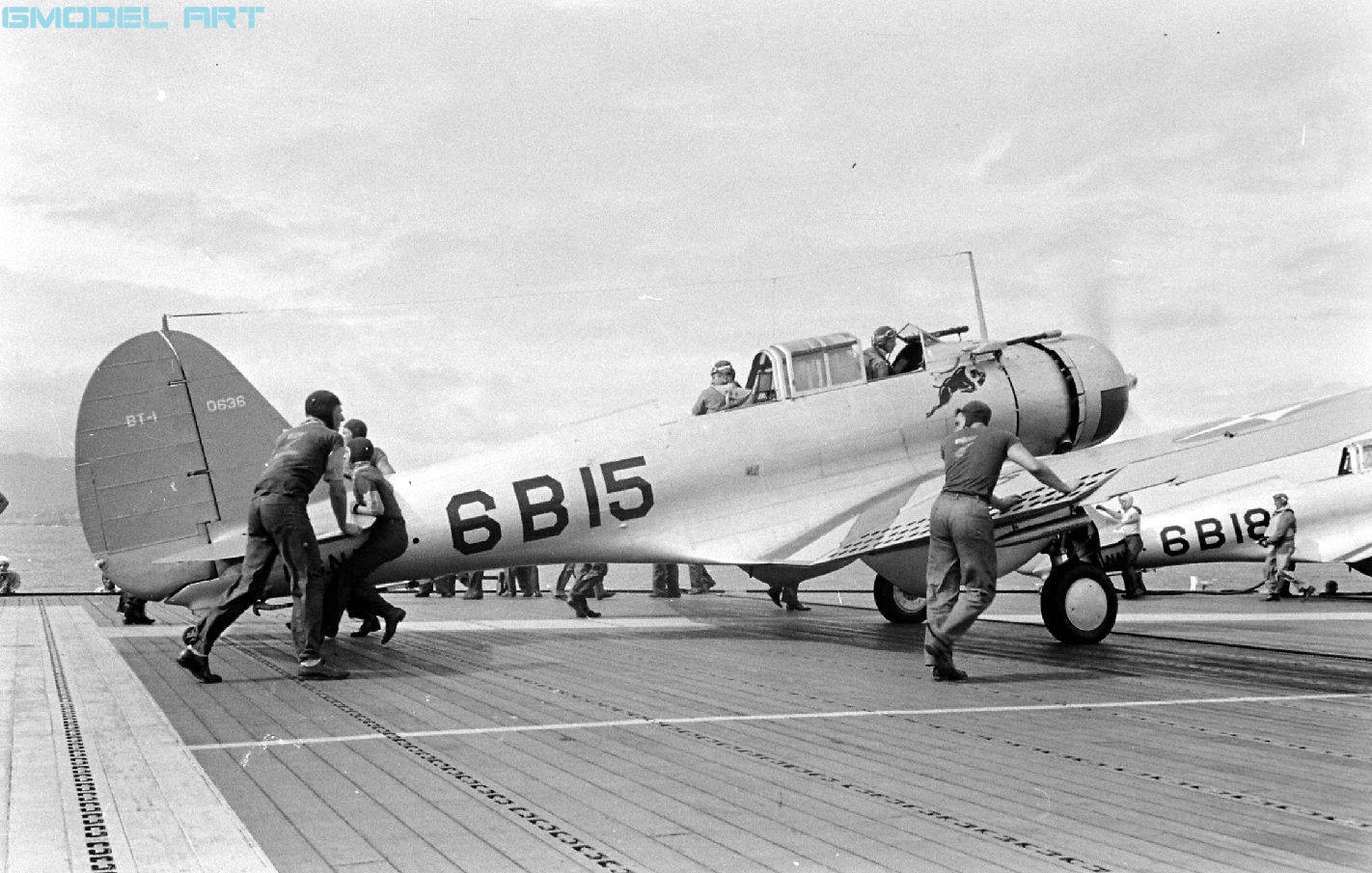
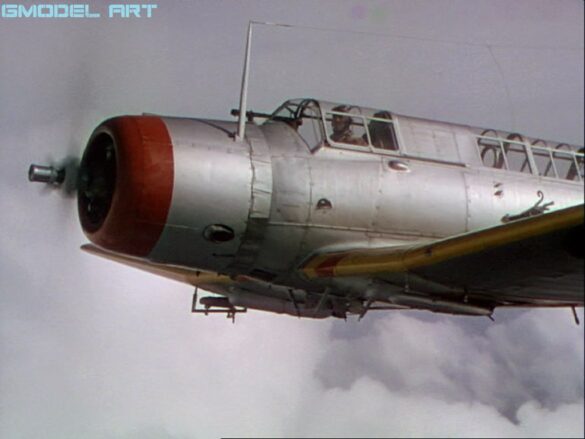
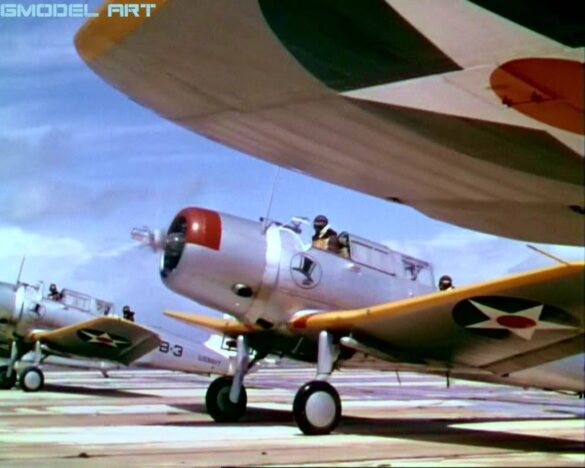
- Silver-painted fuselage (not natural metal)
- Colorful squadron markings on tail sections
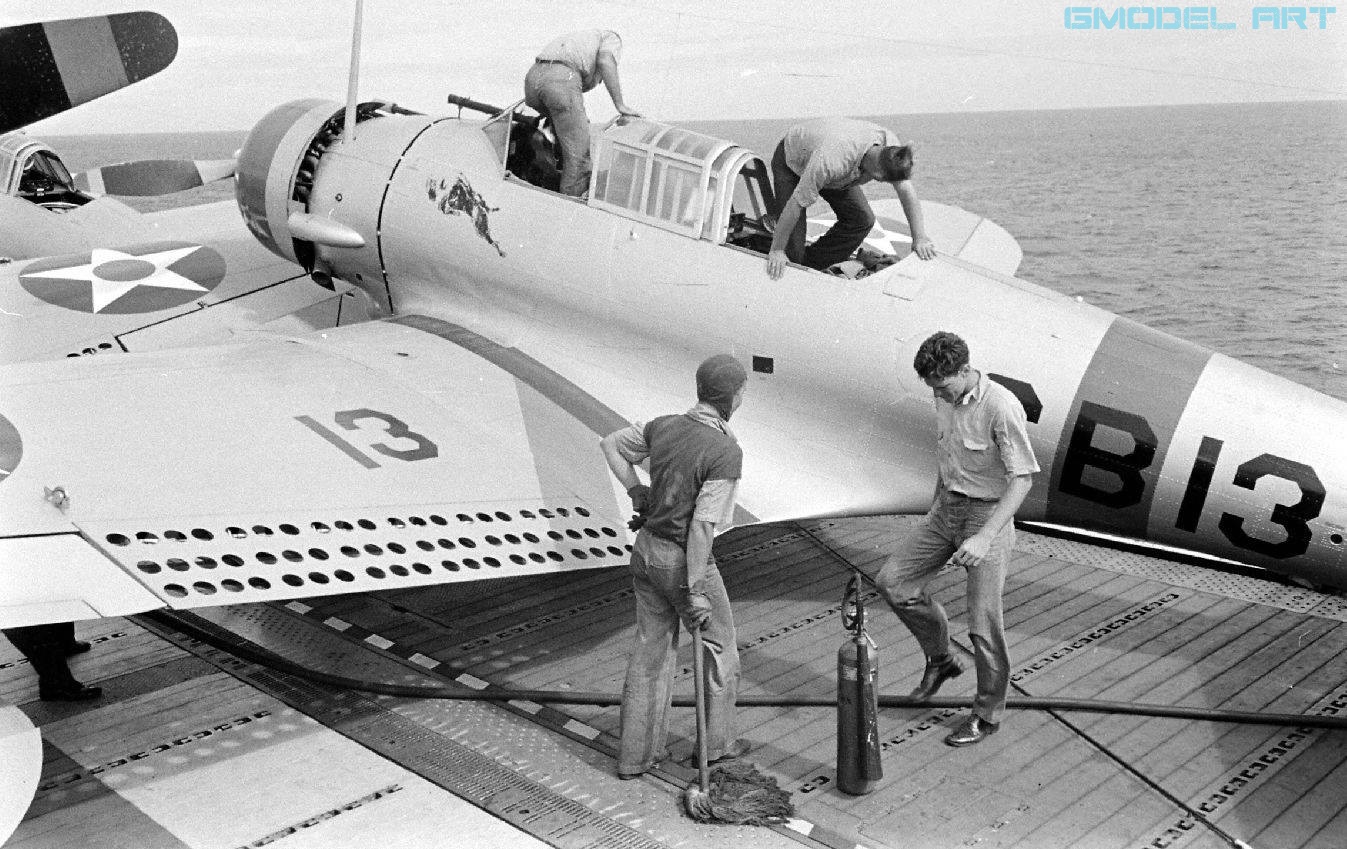
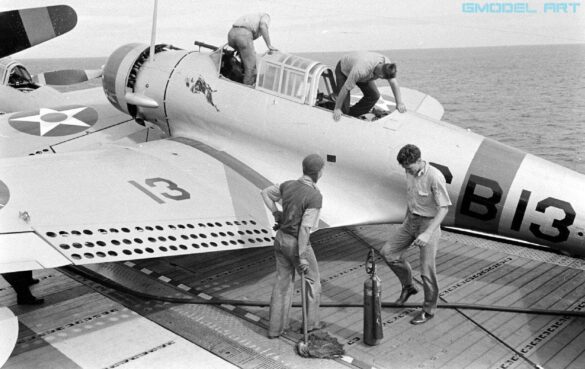
- Black anti-glare and walkway areas
This visual doctrine was driven by operational safety, formation visibility, and identification rather than combat survivability.
Standard Pre-War Color Layout (circa 1940)
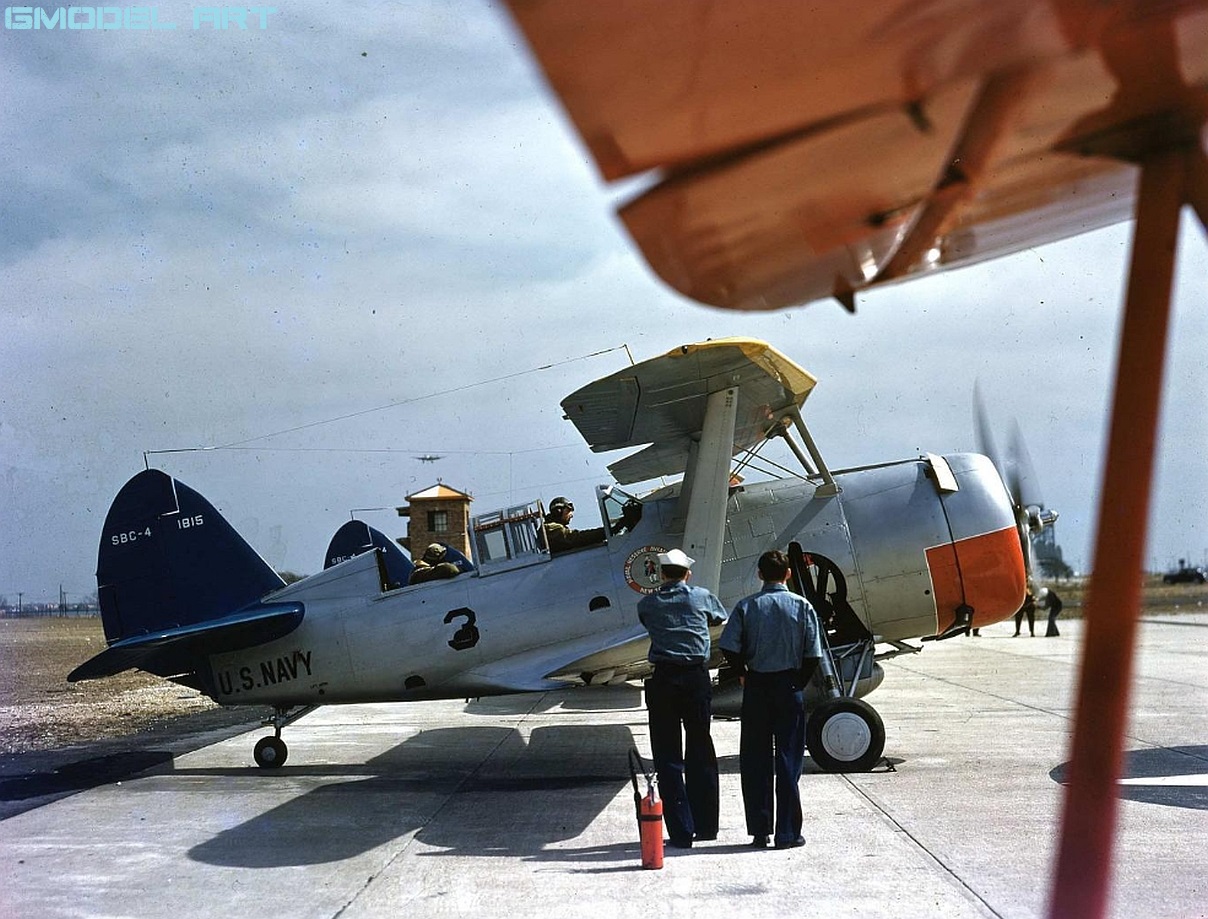
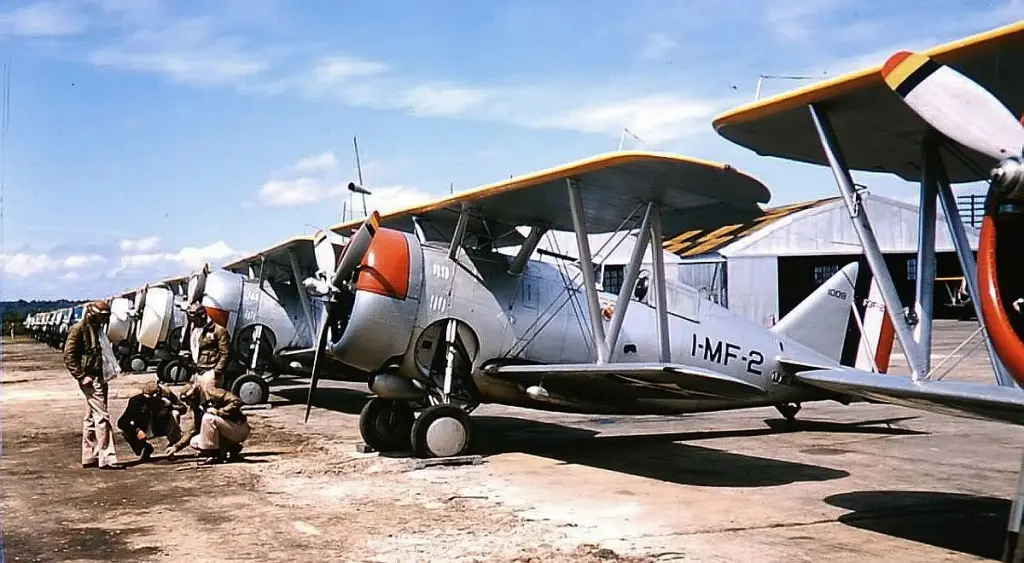
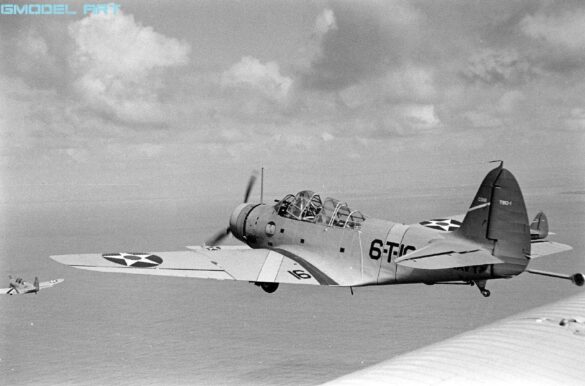
A typical US Navy aircraft just before WWII would follow this pattern:
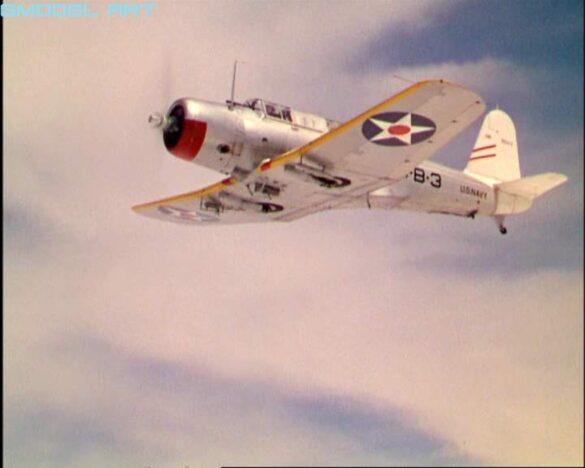
- Wings: Gloss Orange-Yellow
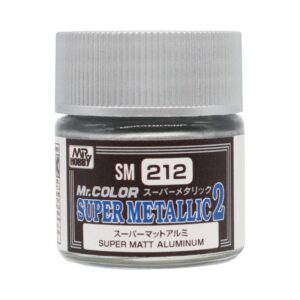
- Fuselage: Aluminium lacquer finish
- Rudder: Painted aluminium (fabric surface)
- Horizontal stabilizers: Gloss black
- Walkways: Matte black anti-slip
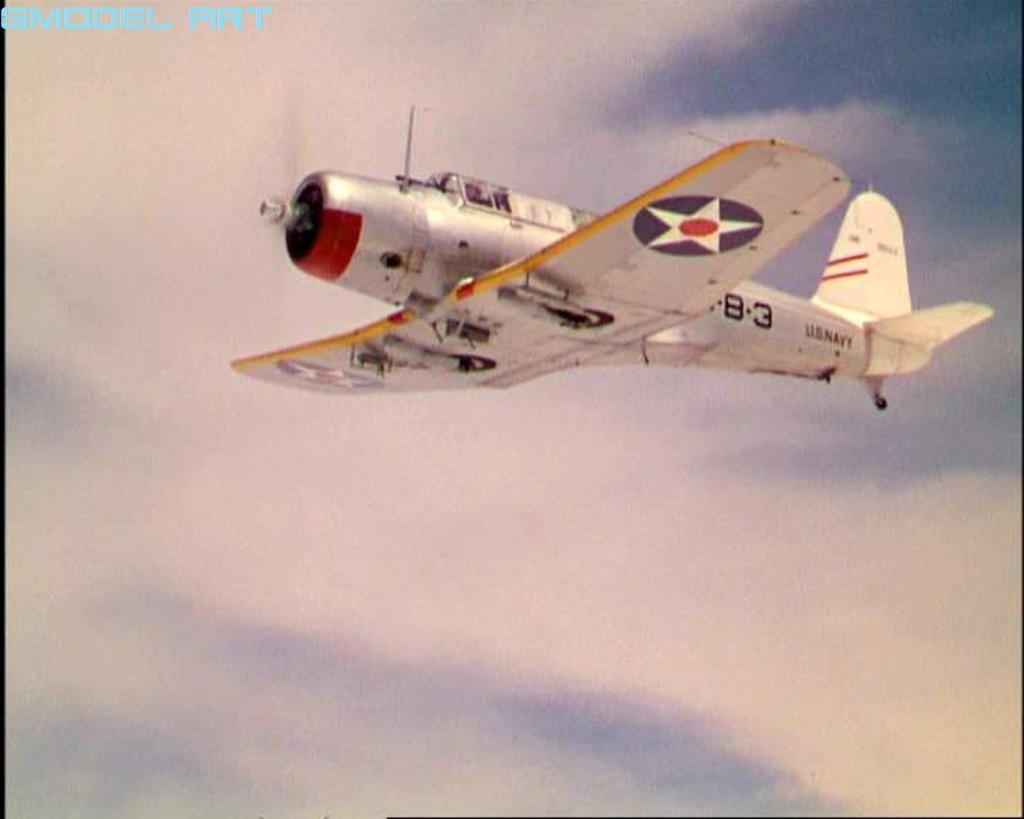
- Markings: “US NAVY” in black
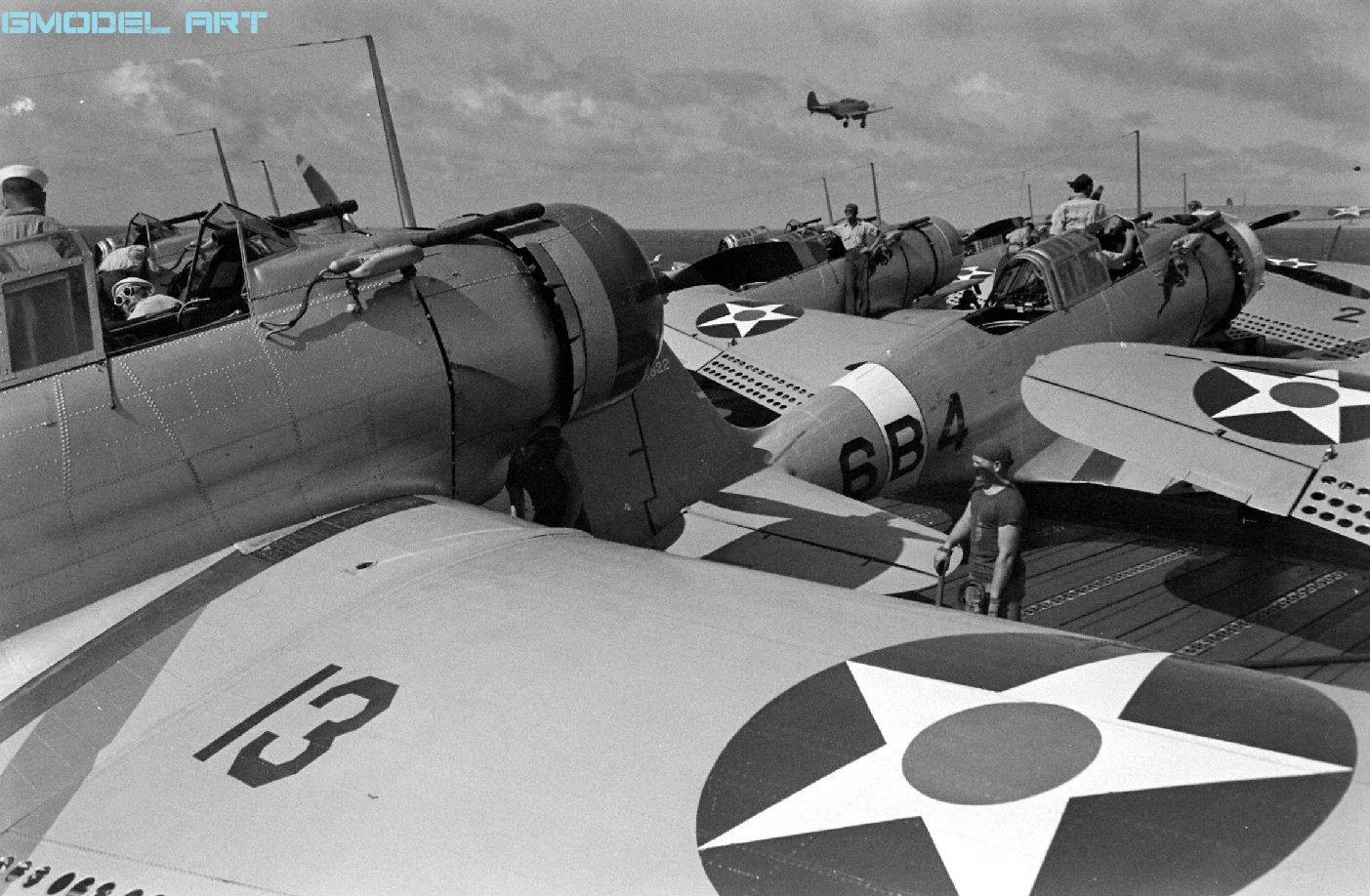
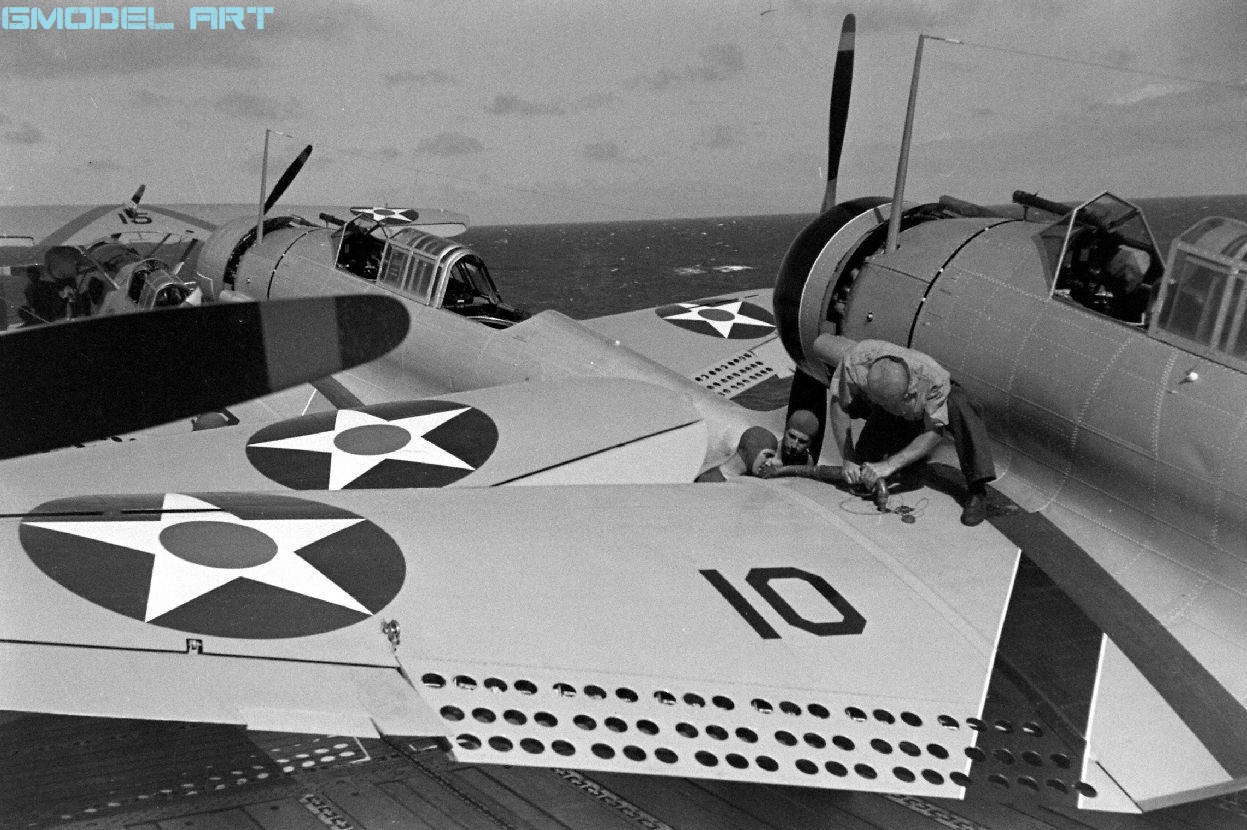
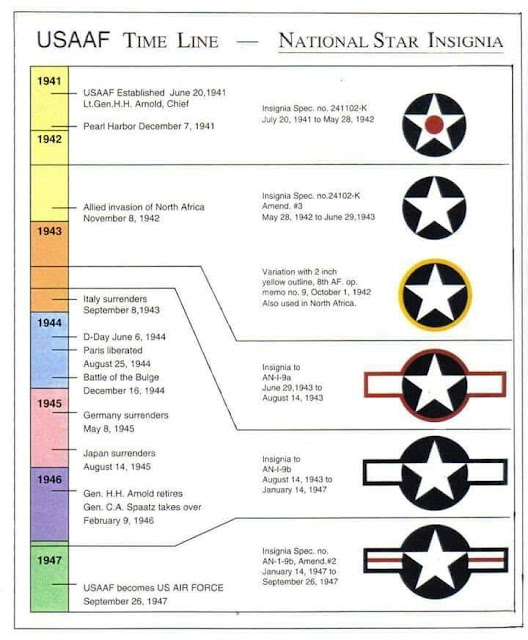
National insignia consisted of a white star inside a blue circle with a red center dot, a defining feature of pre-1942 aircraft.
| Area | Color Name | FS Code | Notes |
|---|---|---|---|
| Wings | Orange Yellow | FS 13538 | High visibility, glossy |
| Fuselage | Aluminium (Lacquer) | FS 17178 | Όχι natural metal |
| Rudder | Aluminium | FS 17178 | Fabric surface |
| Horizontal Stabilizers | Black | FS 17038 | Gloss |
| Walkways | Black | FS 37038 | Matt/anti-slip |
| National Insignia Red | Insignia Red | FS 11136 | Center dot |
| National Insignia Blue | Insignia Blue | FS 15044 | Roundel |
| National Insignia White | Insignia White | FS 17875 | Star |
Aircraft That Used the Yellow Wings Scheme
The following US Navy and Marine Corps aircraft are the most representative examples of this color scheme:
Fighters
- Grumman F2F
- Grumman F3F
- Brewster F2A Buffalo (early production)
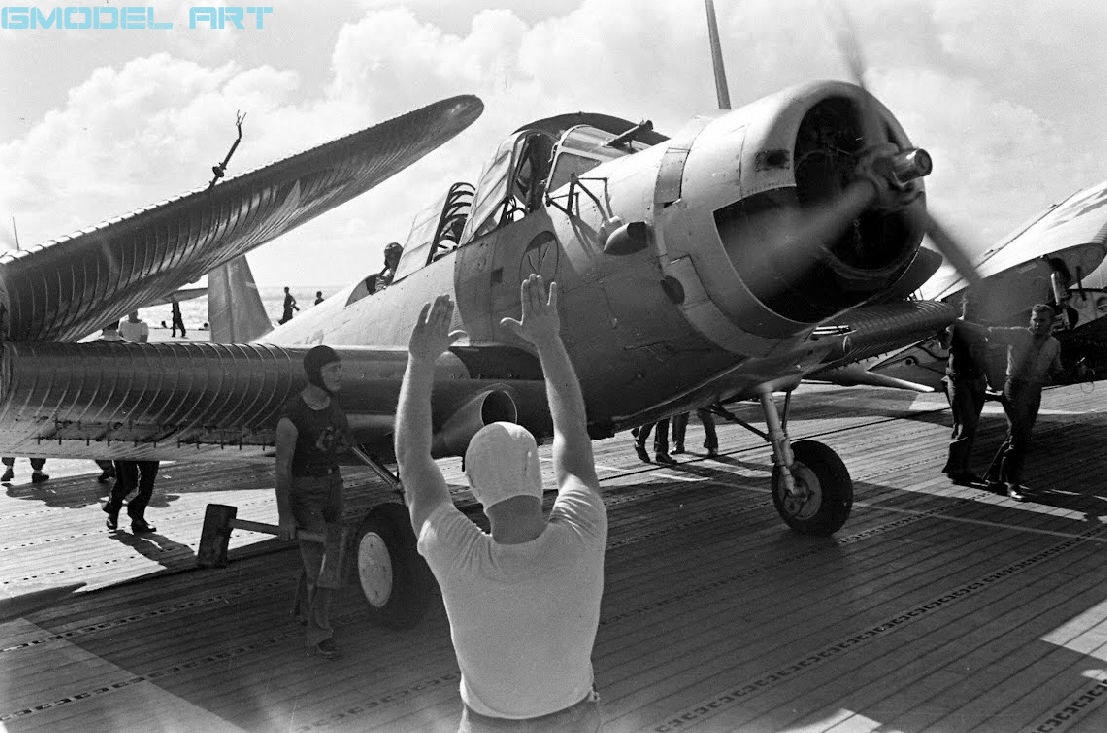
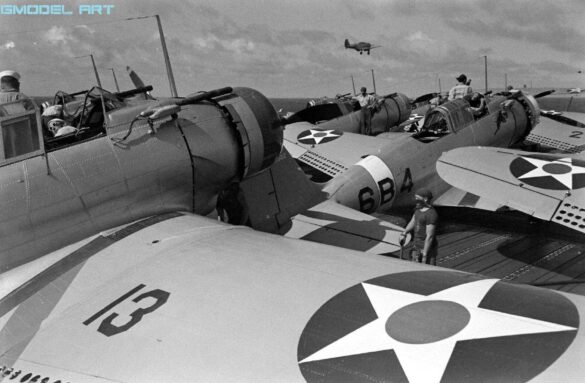
Dive Bombers
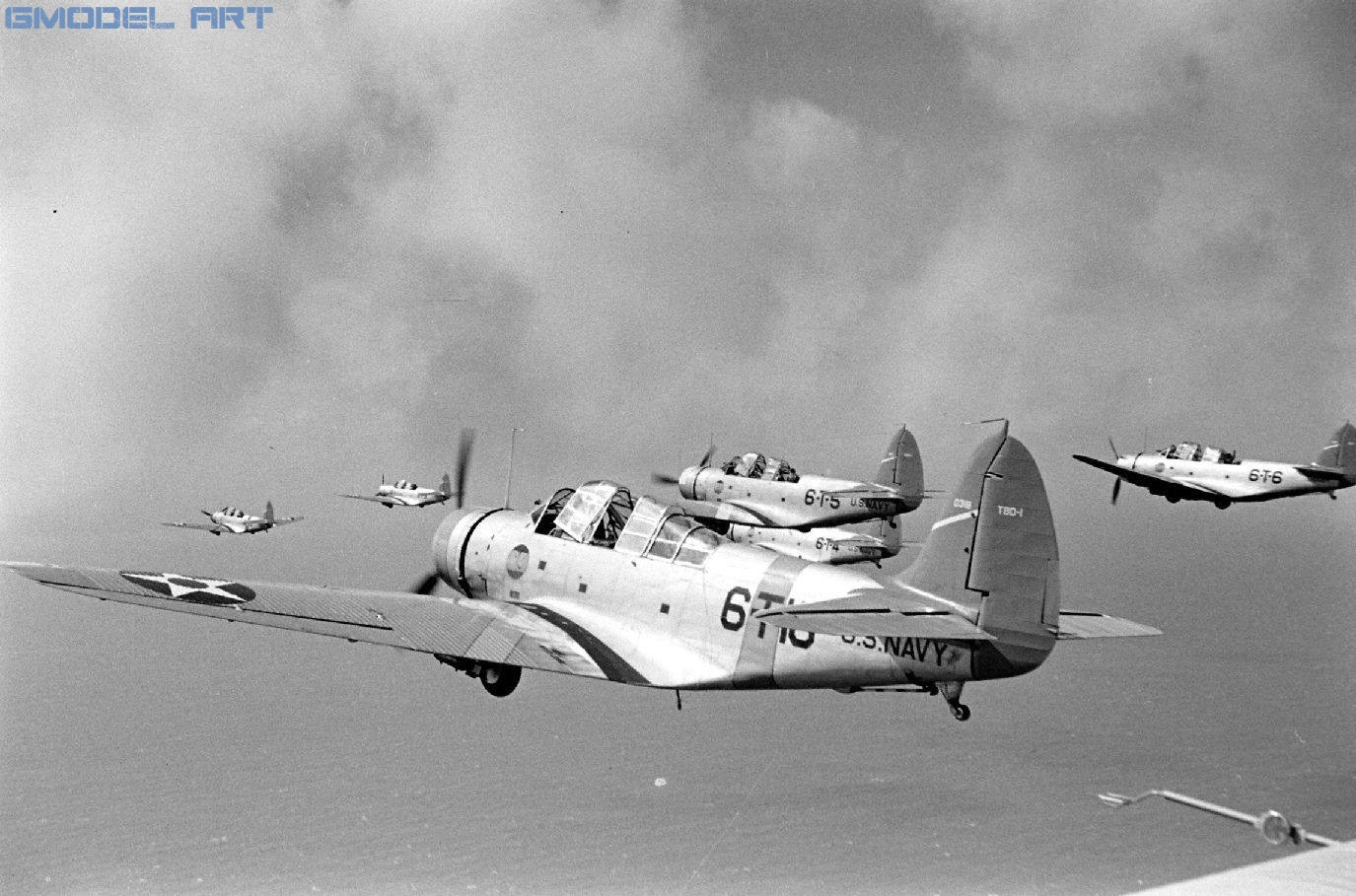
Torpedo Bombers
- Douglas TBD Devastator
Scout / Observation Aircraft
Early Monoplane Transition Aircraft
- Grumman F4F Wildcat (very early pre-war units in transitional markings)
Modeling Accuracy Notes
The biggest mistake in modeling this era is mixing timelines.
Yellow Wings aircraft belong strictly to the pre-war or very early 1941 period. They should not be combined with:
- Camouflaged carriers
- Atlantic or Pacific wartime schemes
- Blue-Gray over Light Gray aircraft
Additional practical notes:
- Aluminium lacquer is not bare metal; use a slightly muted metallic tone
- Yellow requires a white base coat for correct saturation
- Fabric surfaces appear less reflective than metal panels
- Weathering should be minimal, as these aircraft operated mostly in peacetime conditions
Transition to Camouflage (1941 Onwards)
By late 1941 and early 1942, operational demands forced a complete shift in doctrine.
High-visibility schemes were abandoned in favor of camouflage due to:
- Increased combat exposure
- Need for concealment at sea
- Carrier-based operational requirements
This transition led directly to the well-known Blue-Gray over Light Gray schemes and later tri-color camouflage systems.
FAQ (SEO Boost Section)
Why were US Navy aircraft painted yellow before WWII?
For visibility, identification, and safety during peacetime operations.
Were these aircraft made of bare metal?
No. Most were painted with aluminium lacquer, not left as natural metal.
When did the Yellow Wings scheme disappear?
Between late 1941 and early 1942, as camouflage became necessary.
Can Yellow Wings aircraft be used with WWII carriers?
Only with pre-war configurations. They are historically inaccurate with camouflaged wartime carriers.
F6F-3K Hellcat & F6F-5K Hellcat Drones
Gallery