article
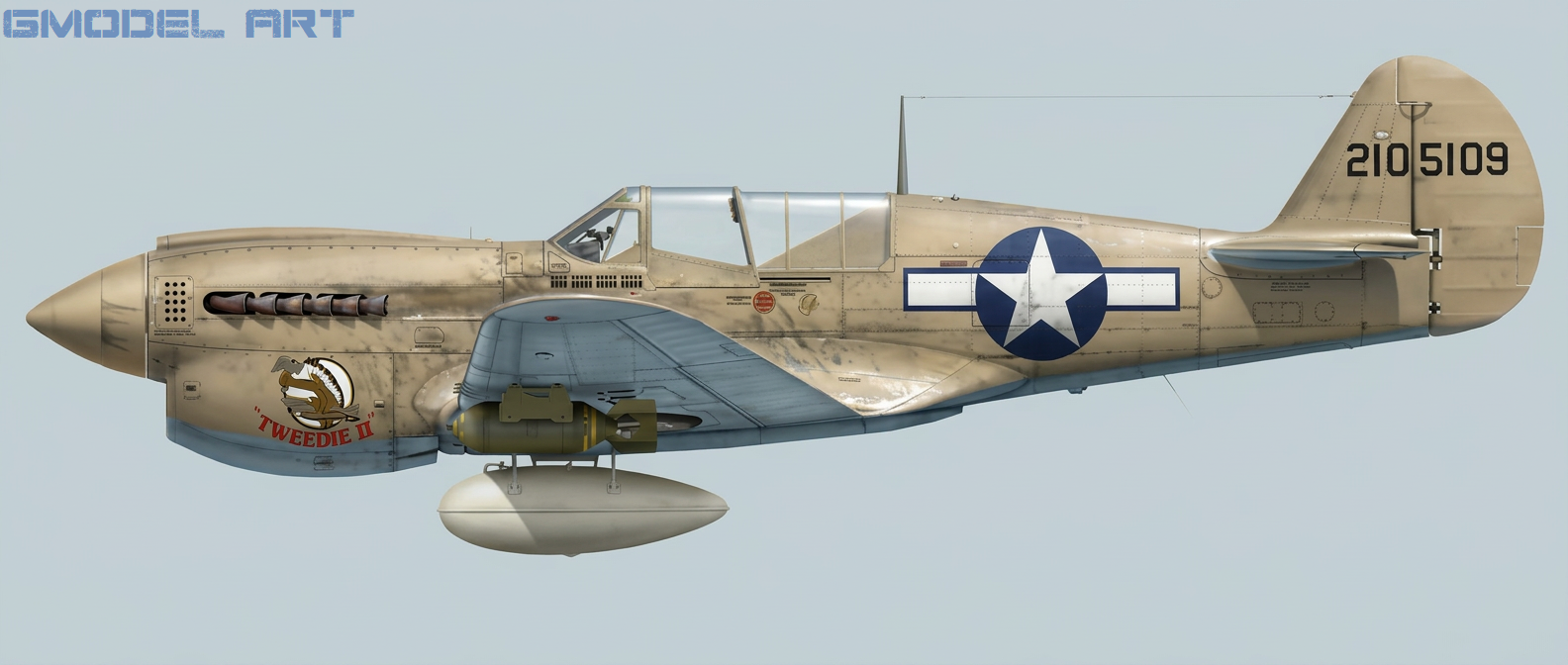
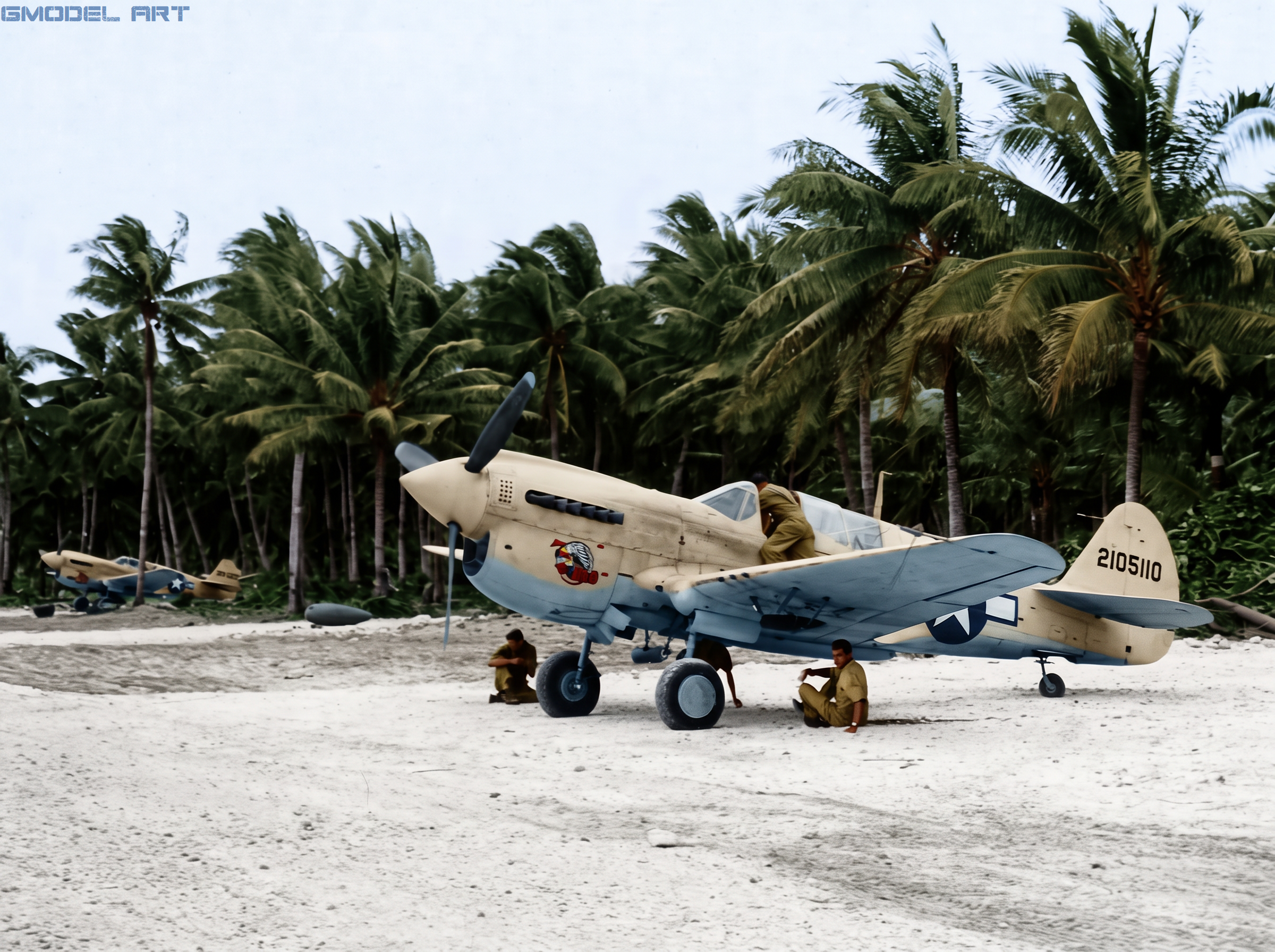
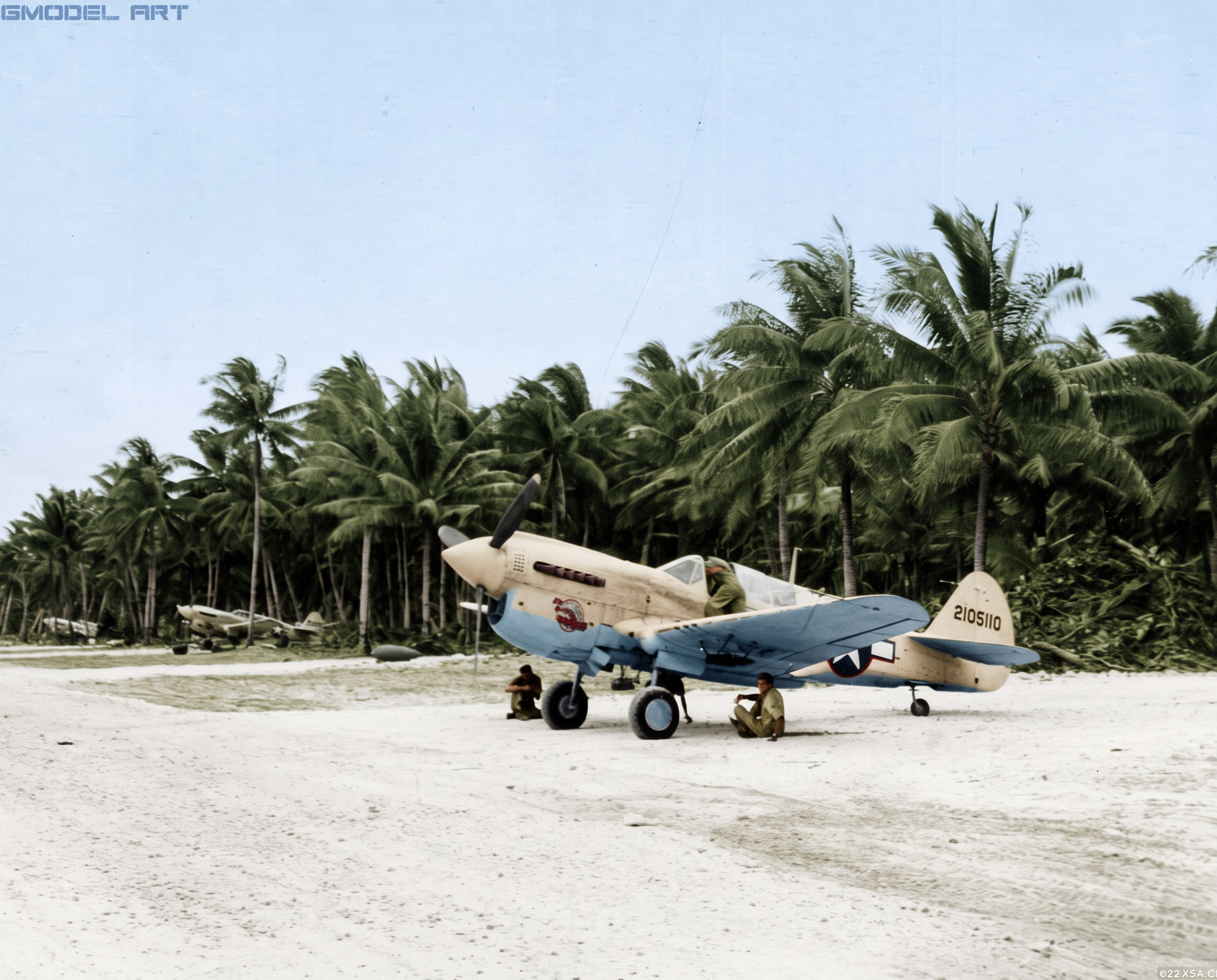
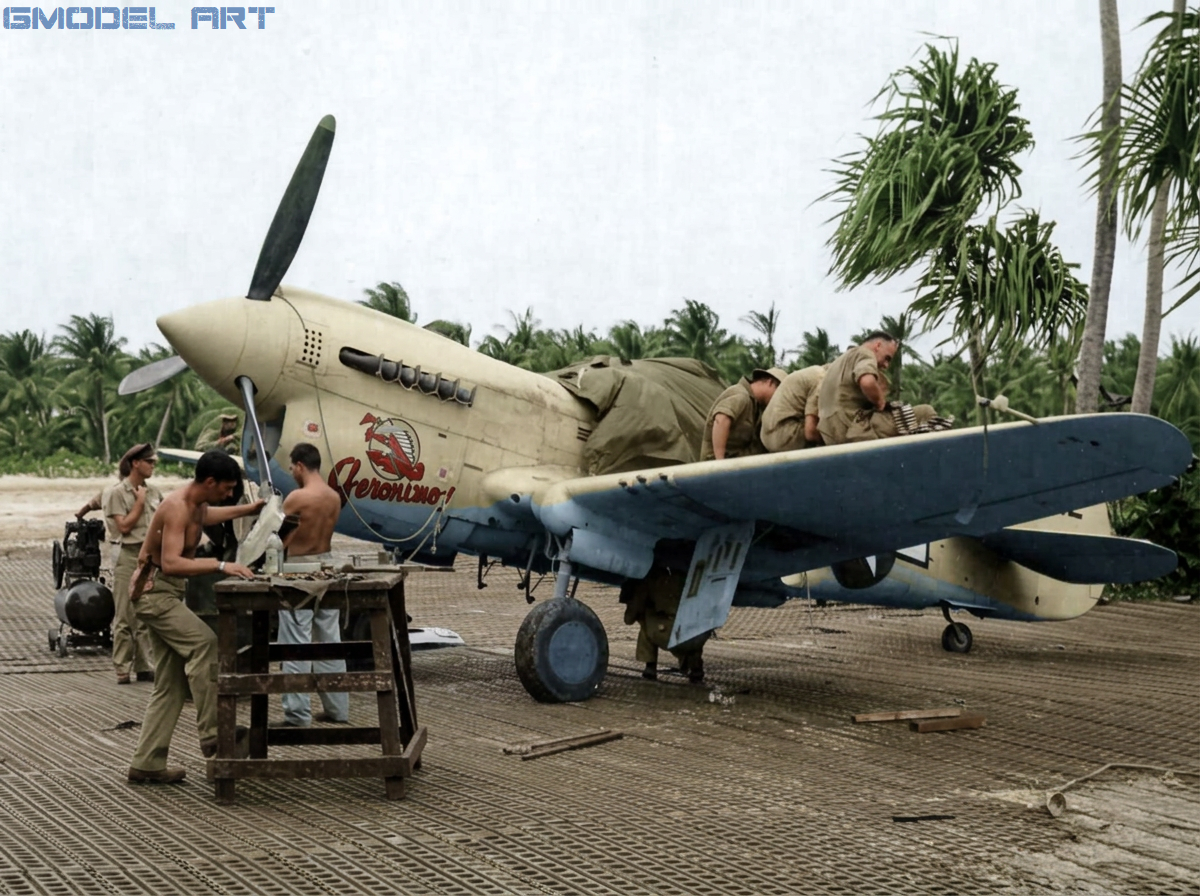
P-40N Warhawk of the 45th Fighter Squadron at Nanumea, 1943
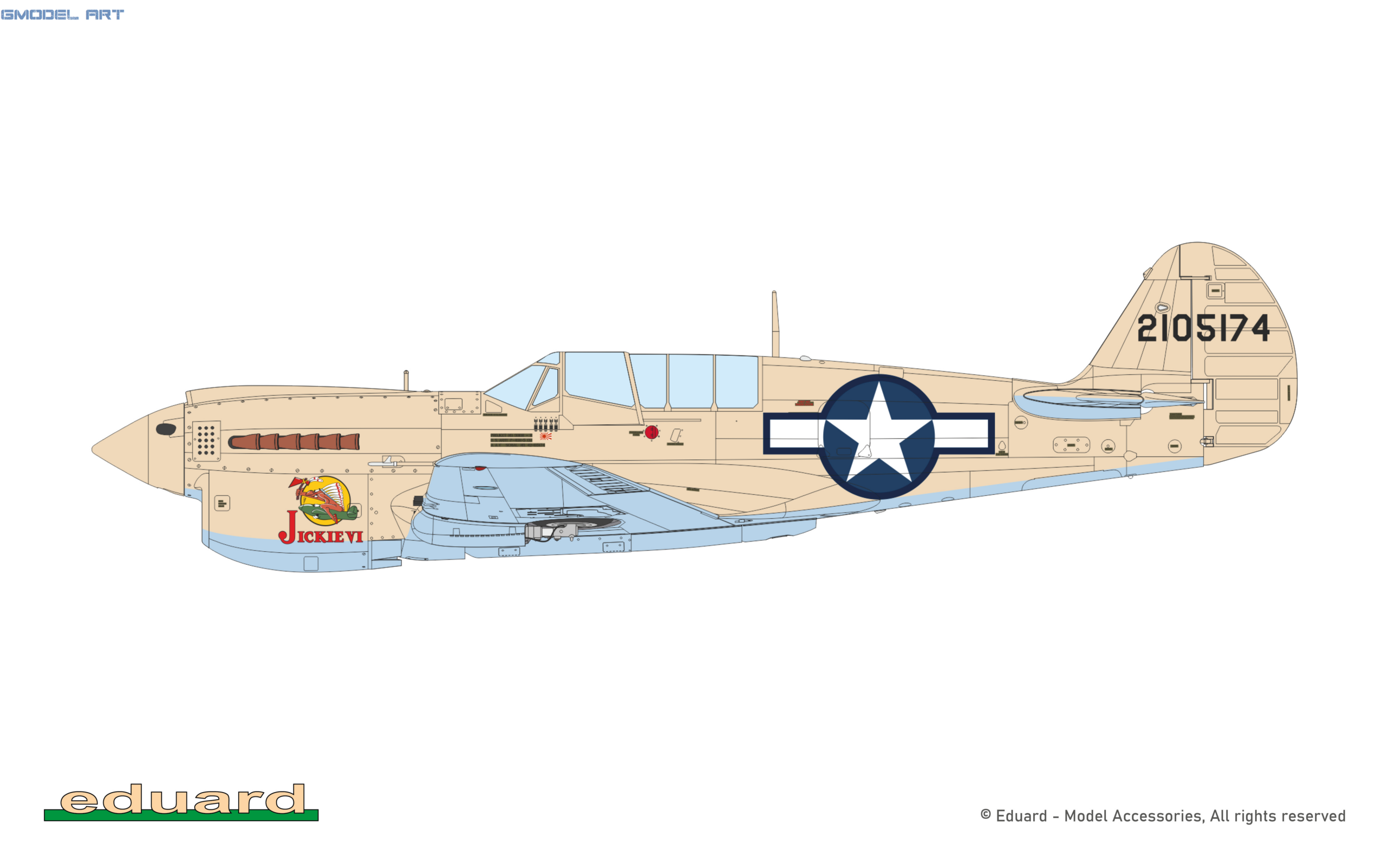
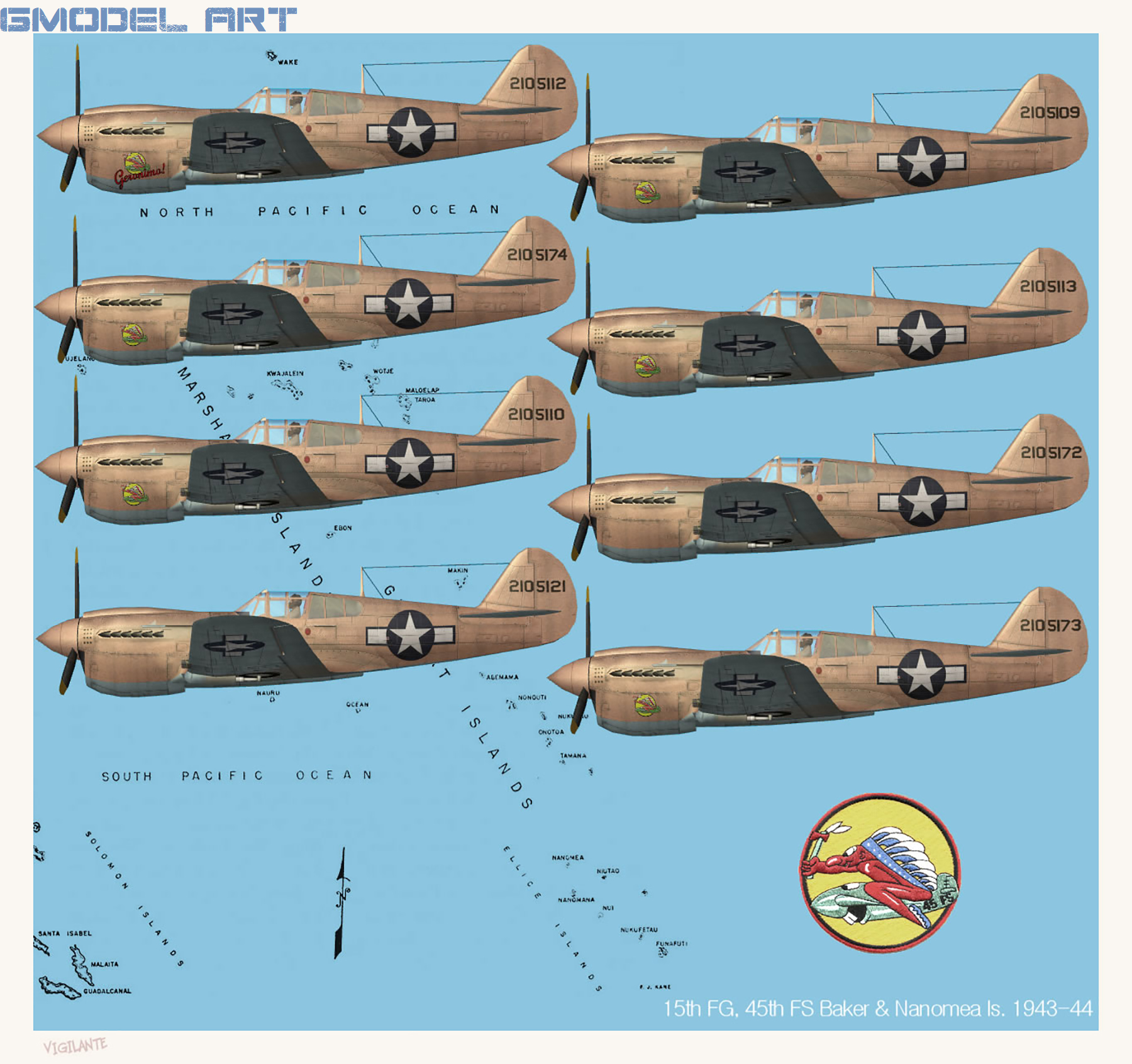
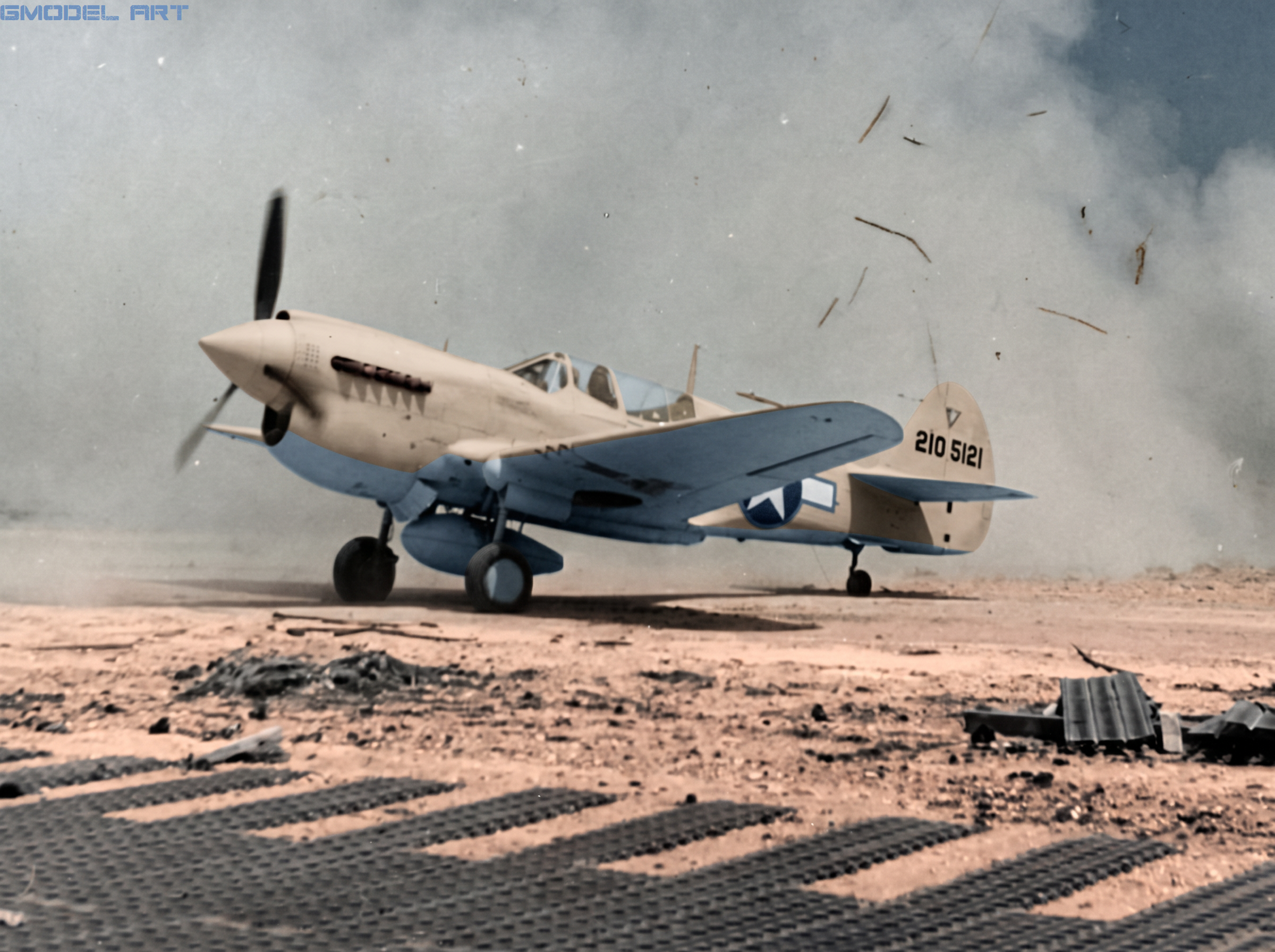
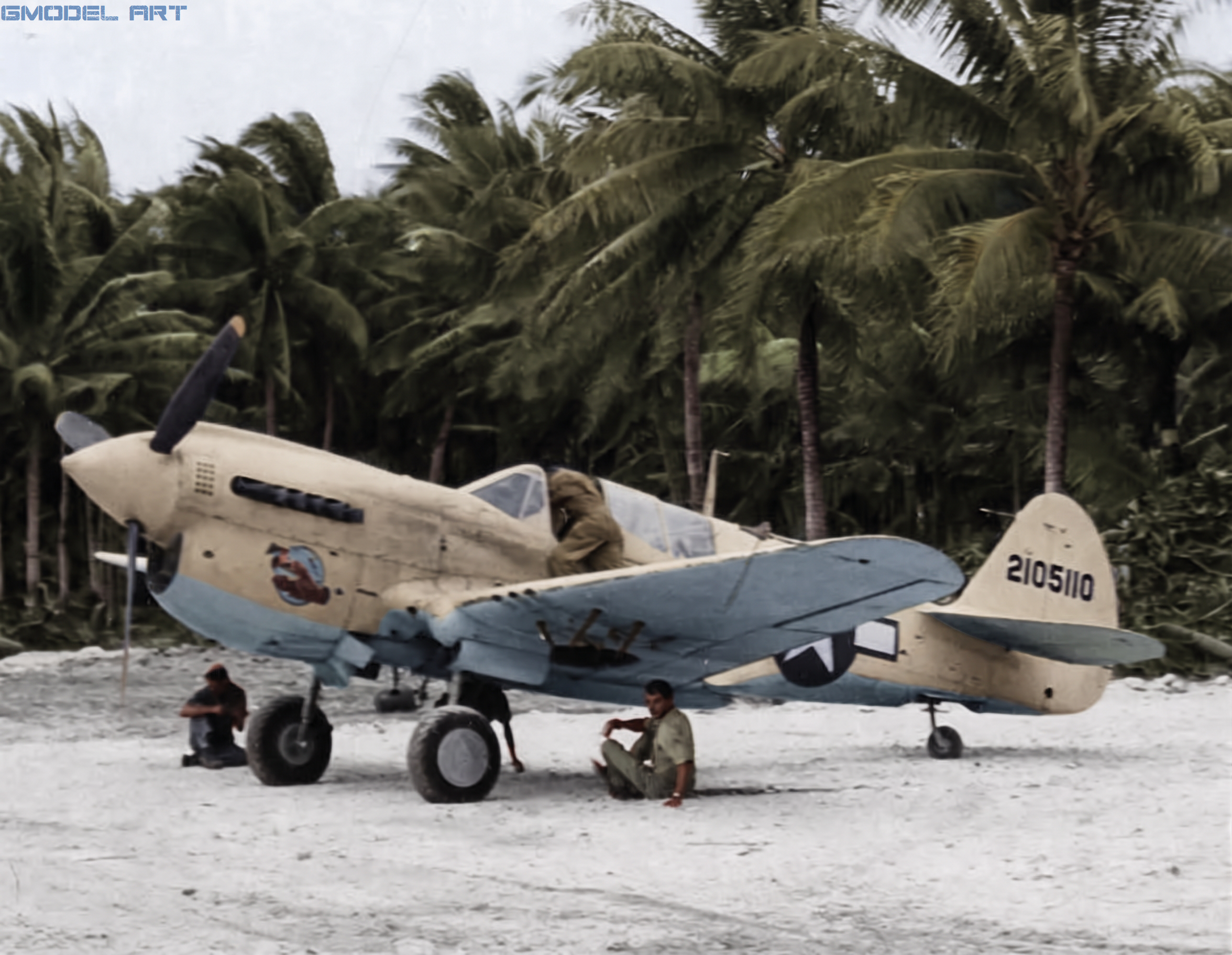
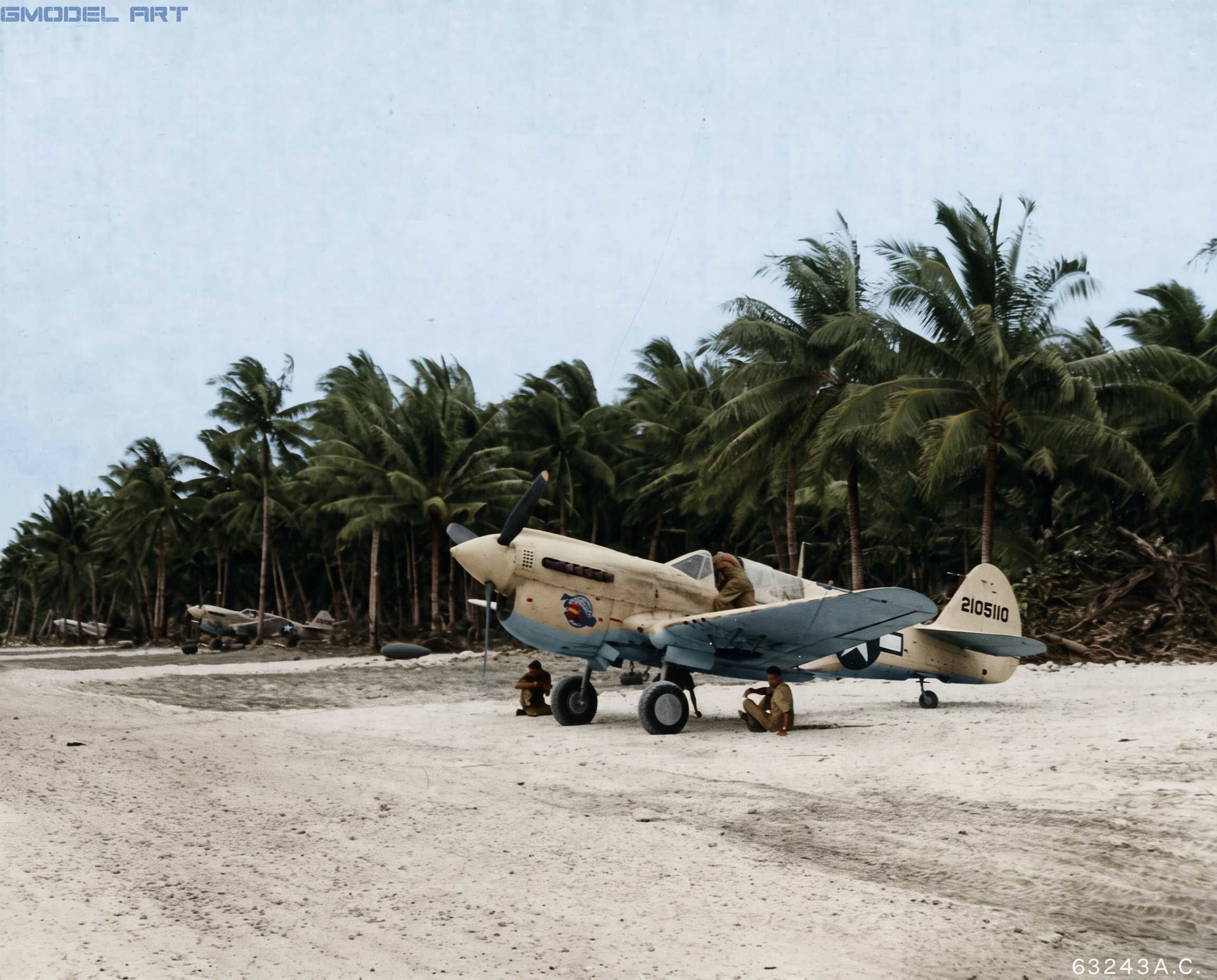
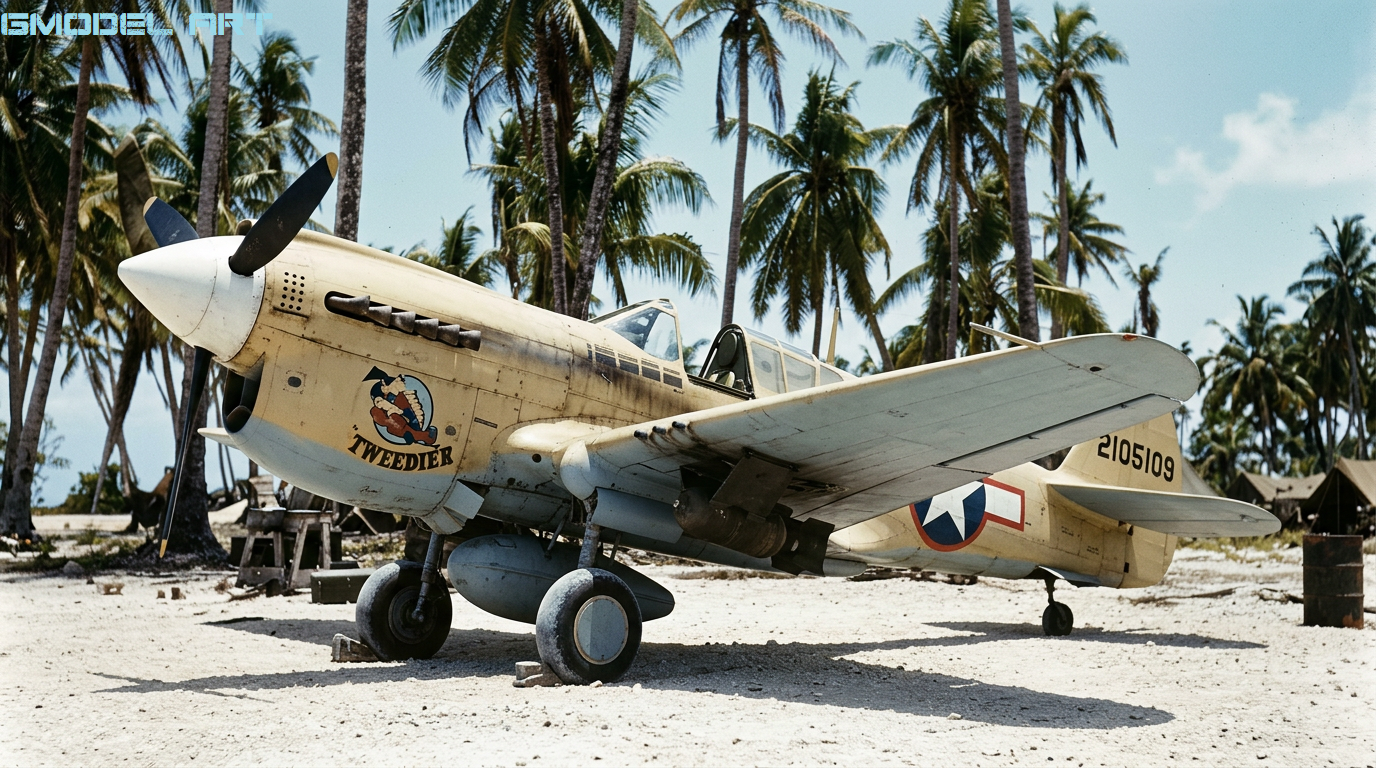
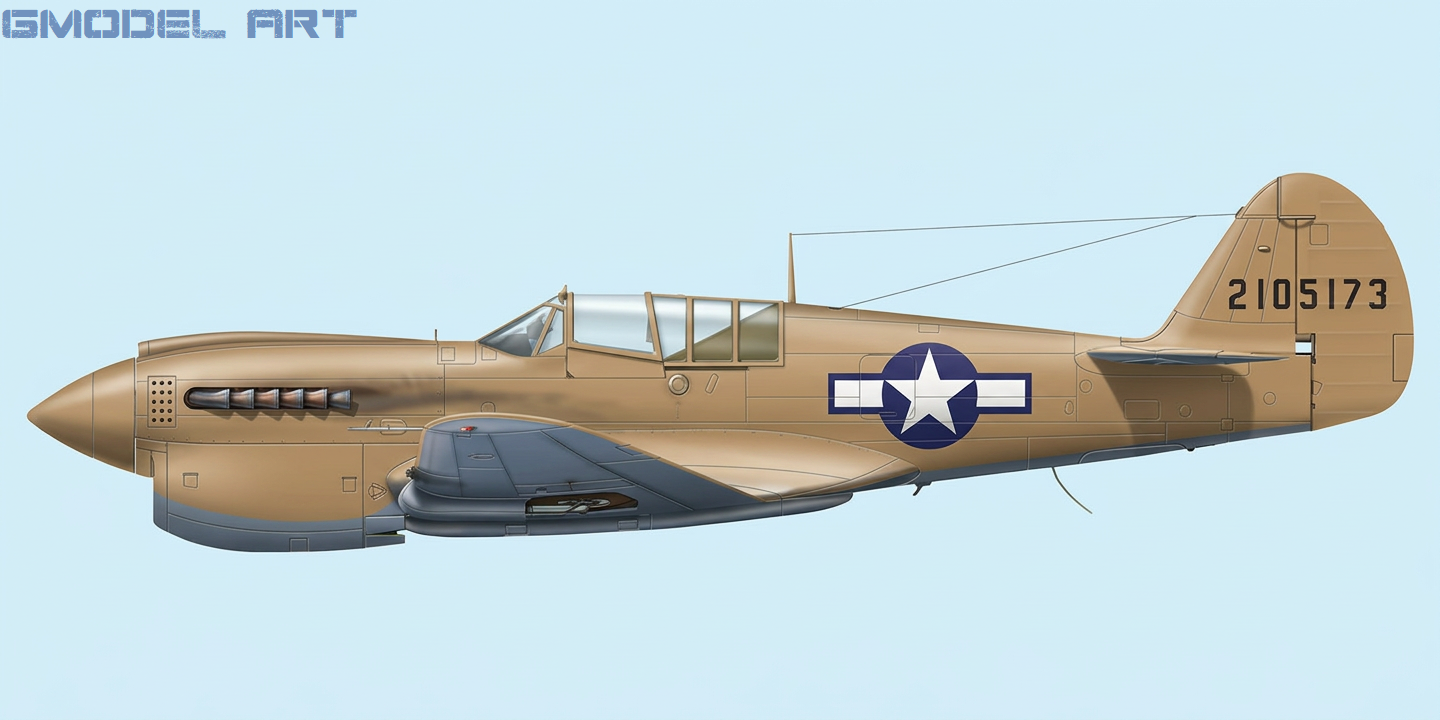
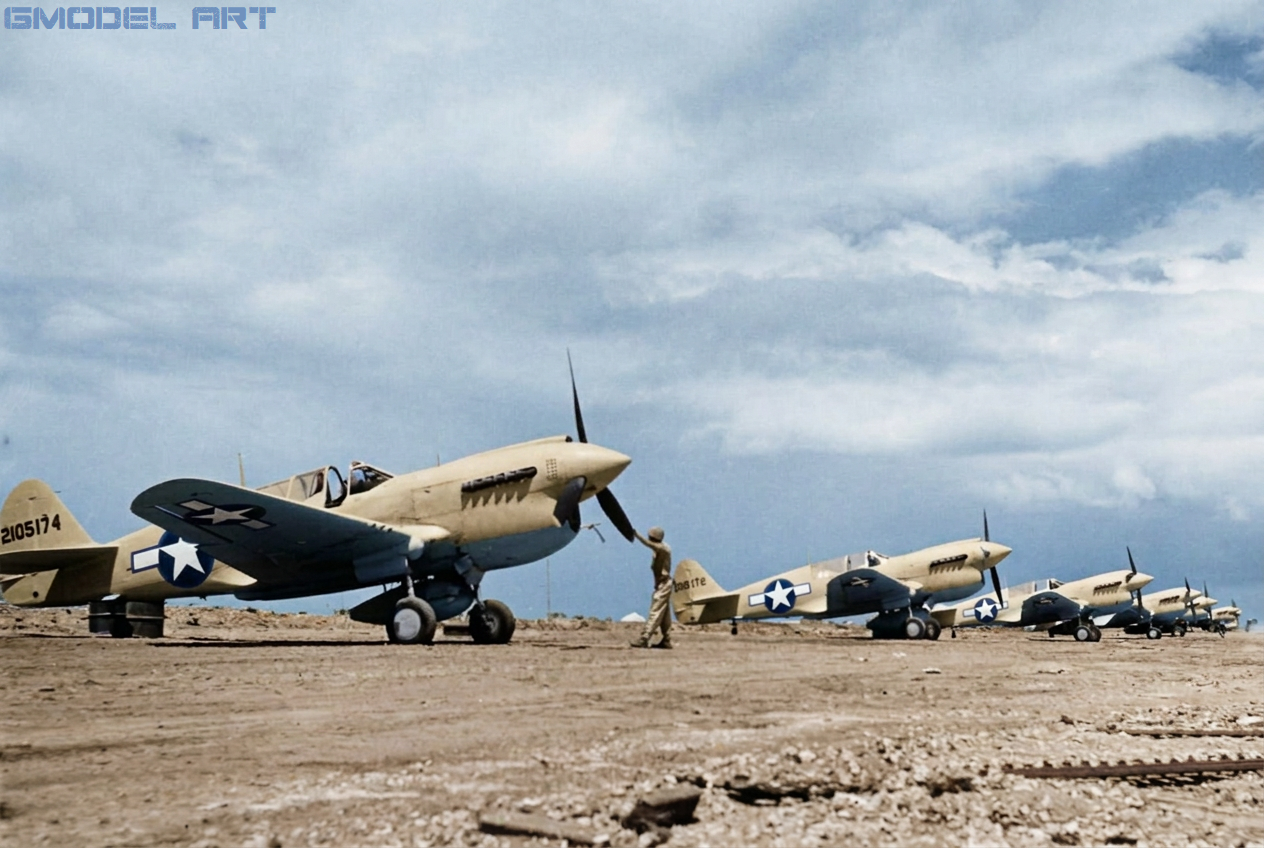
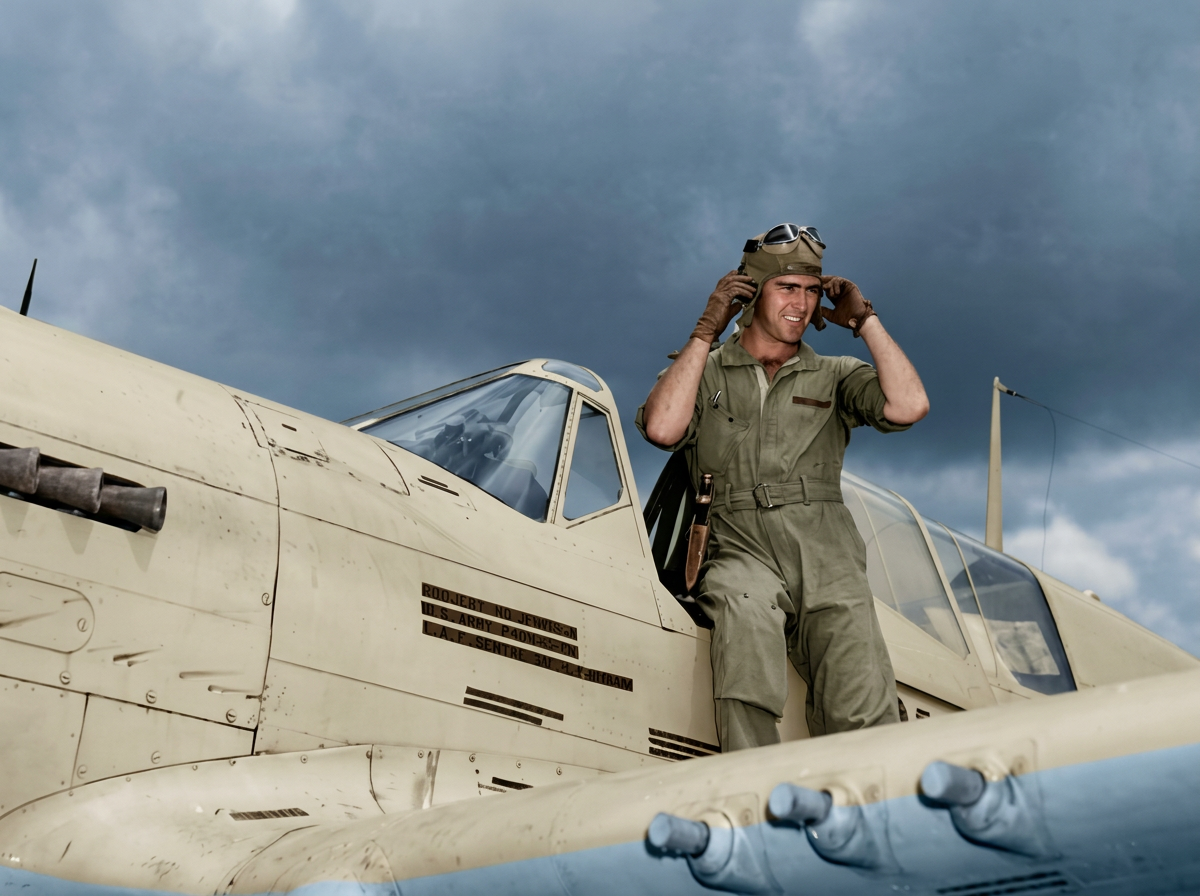
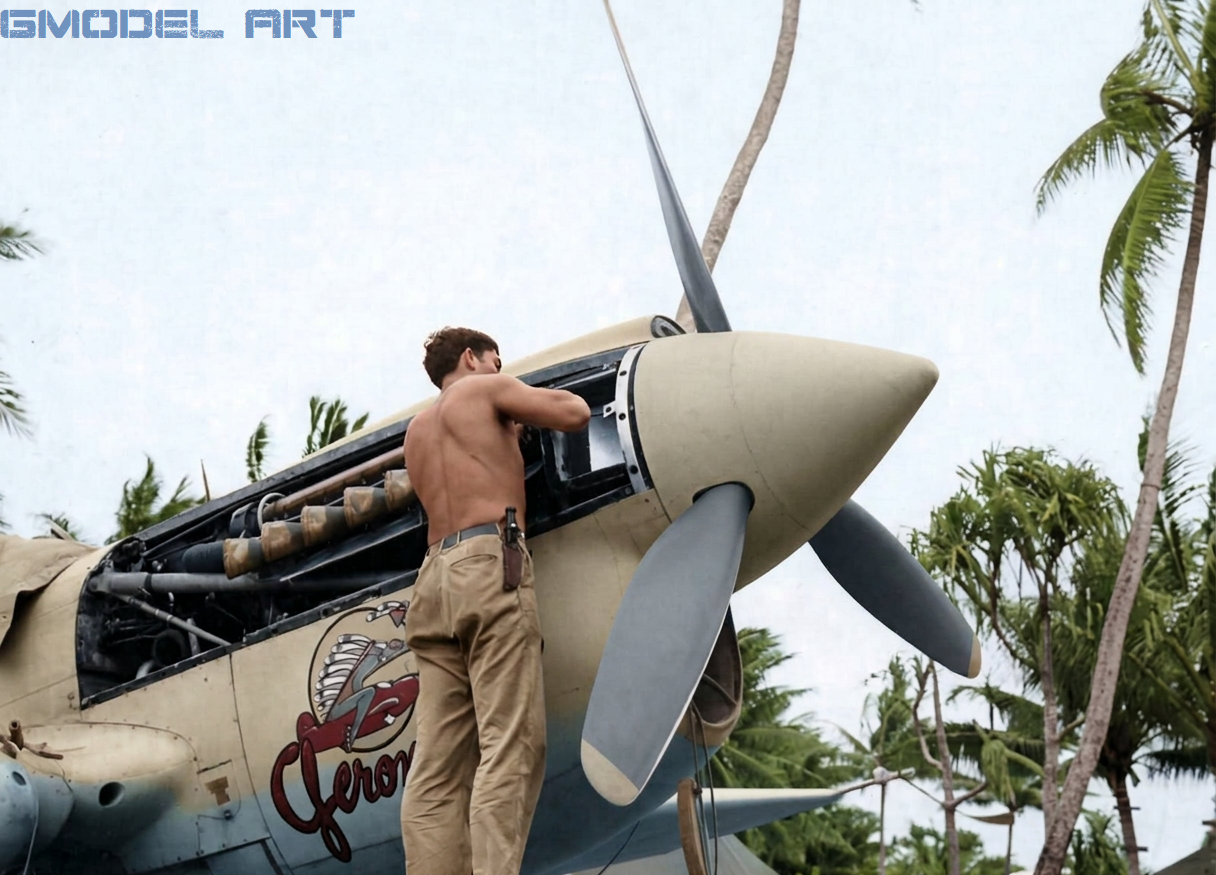
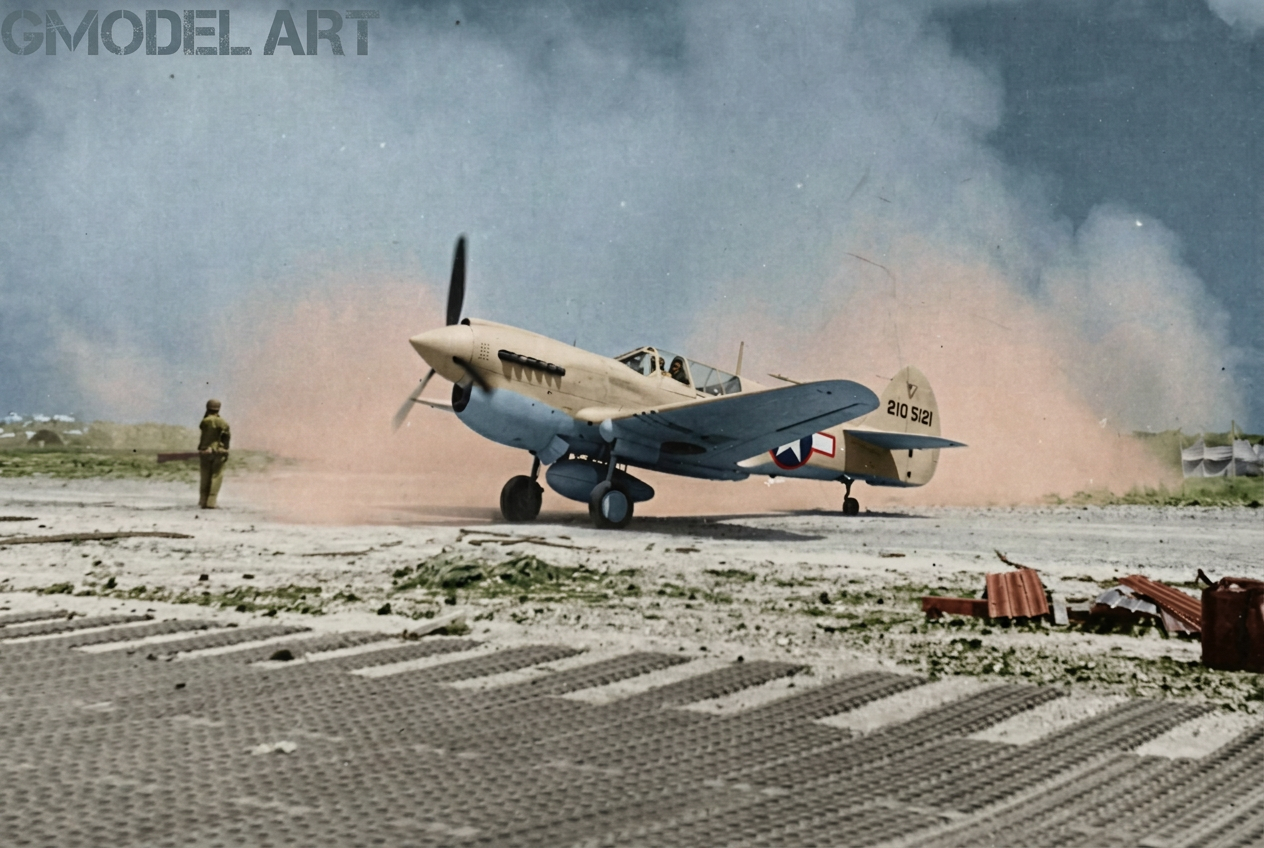
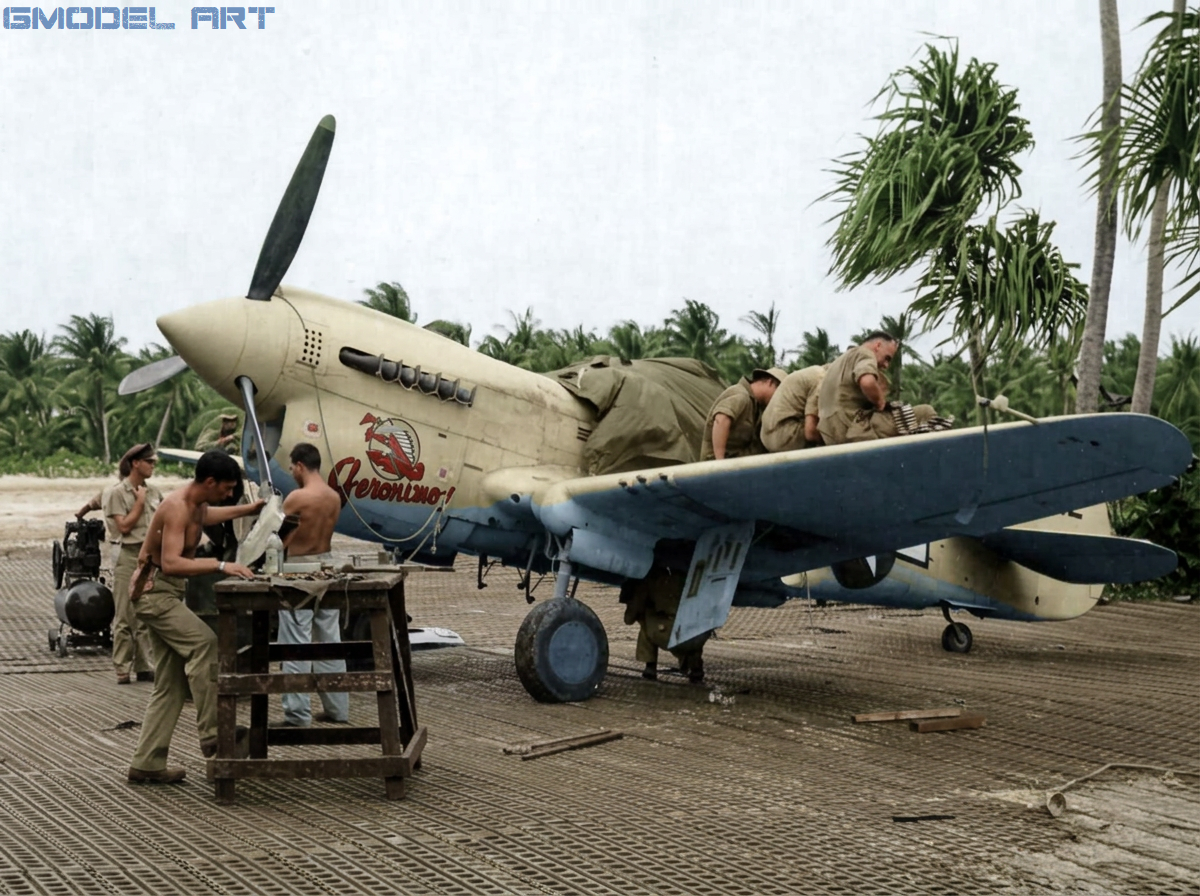
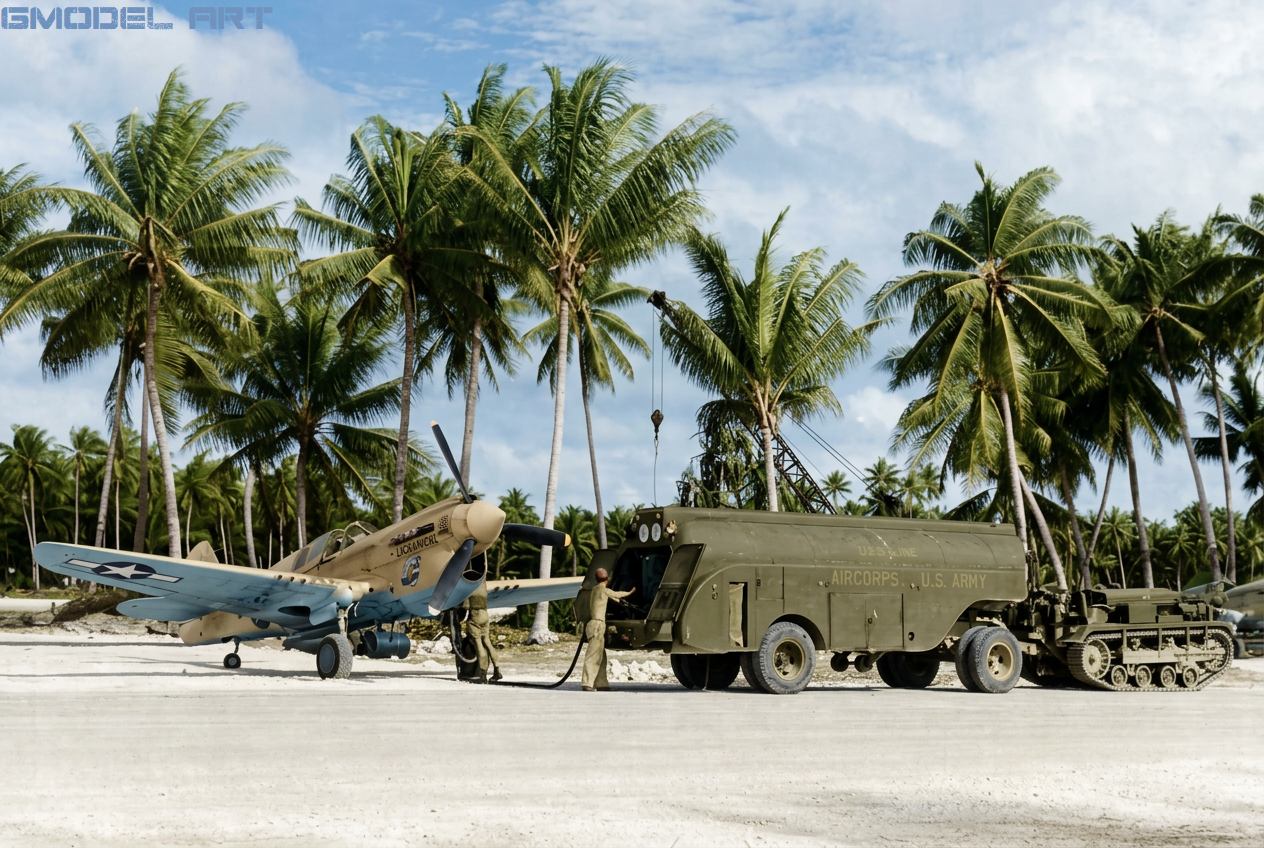
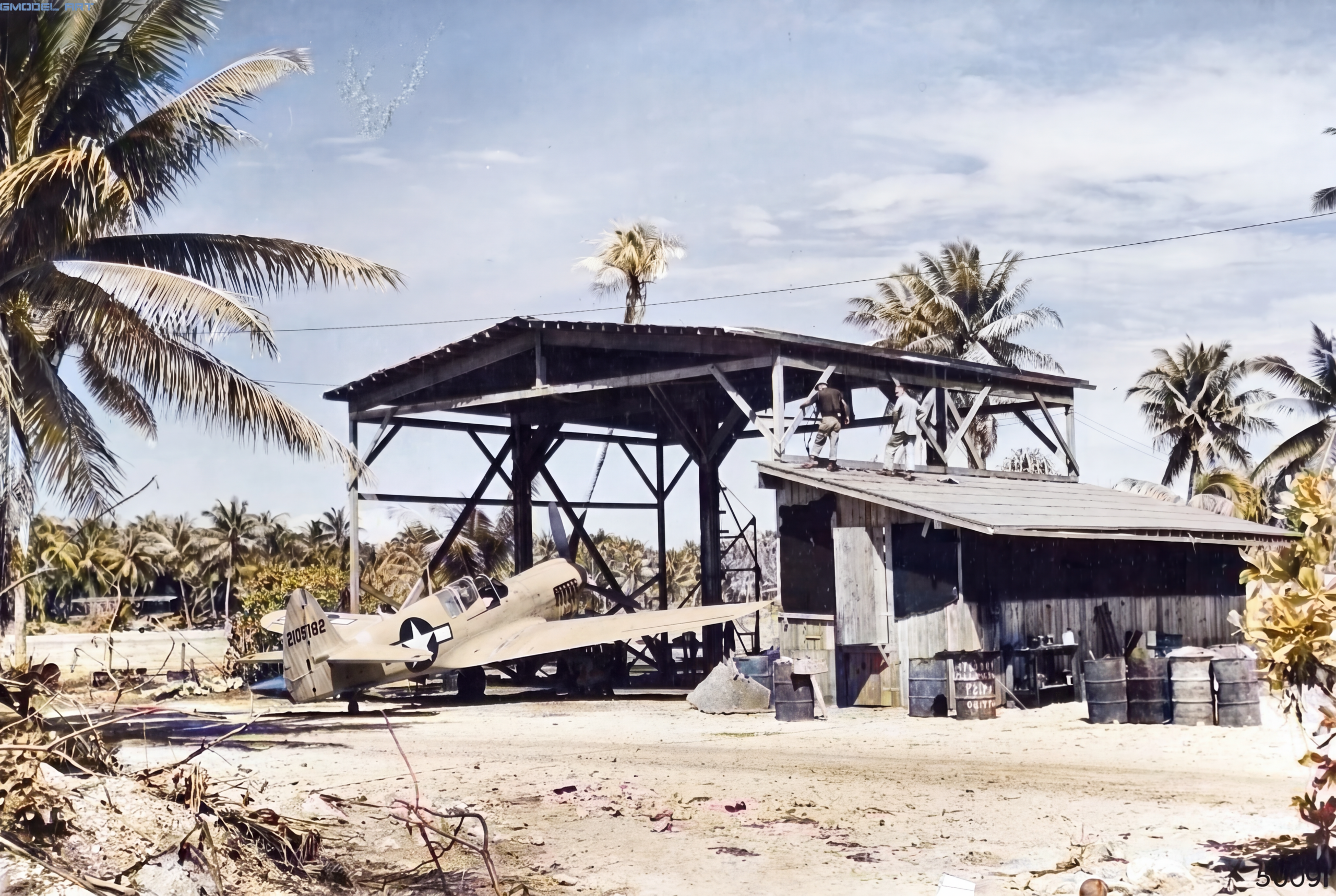
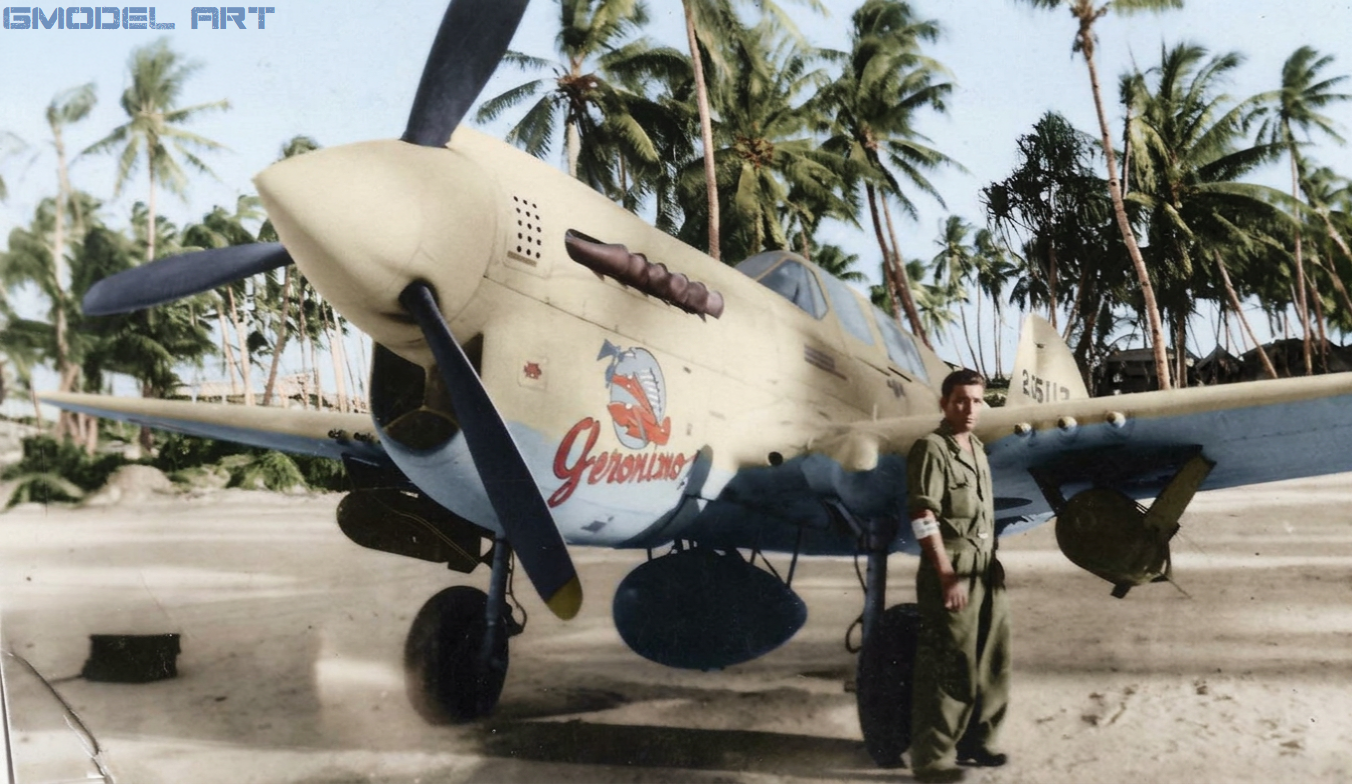
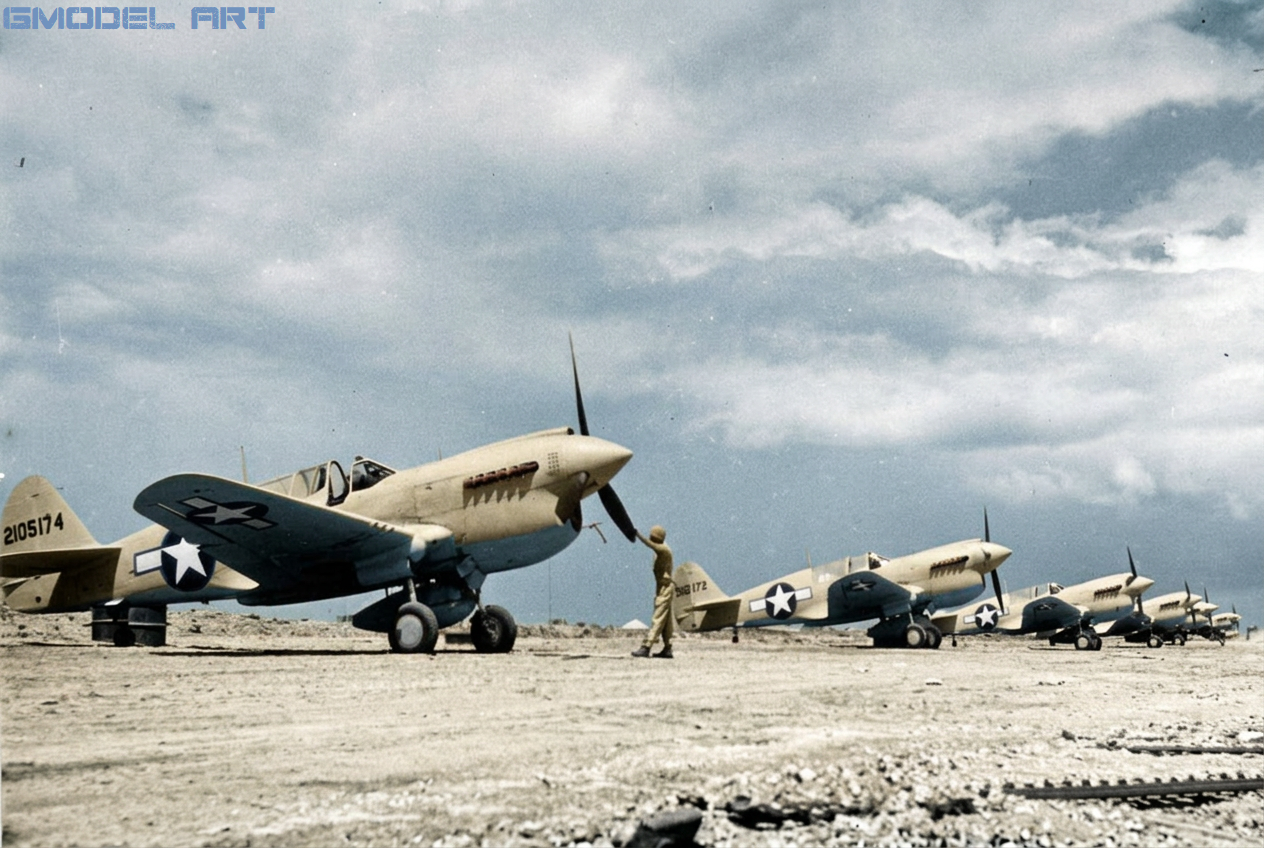
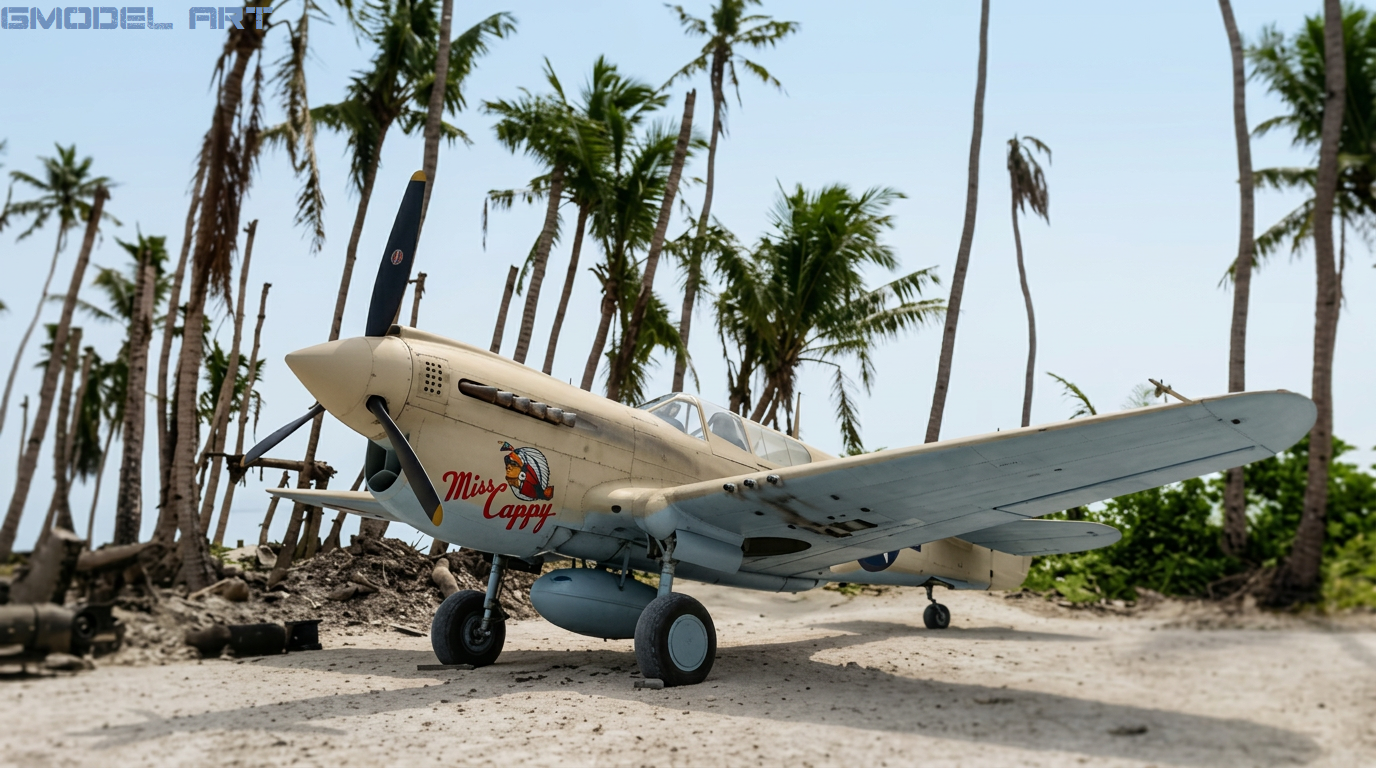
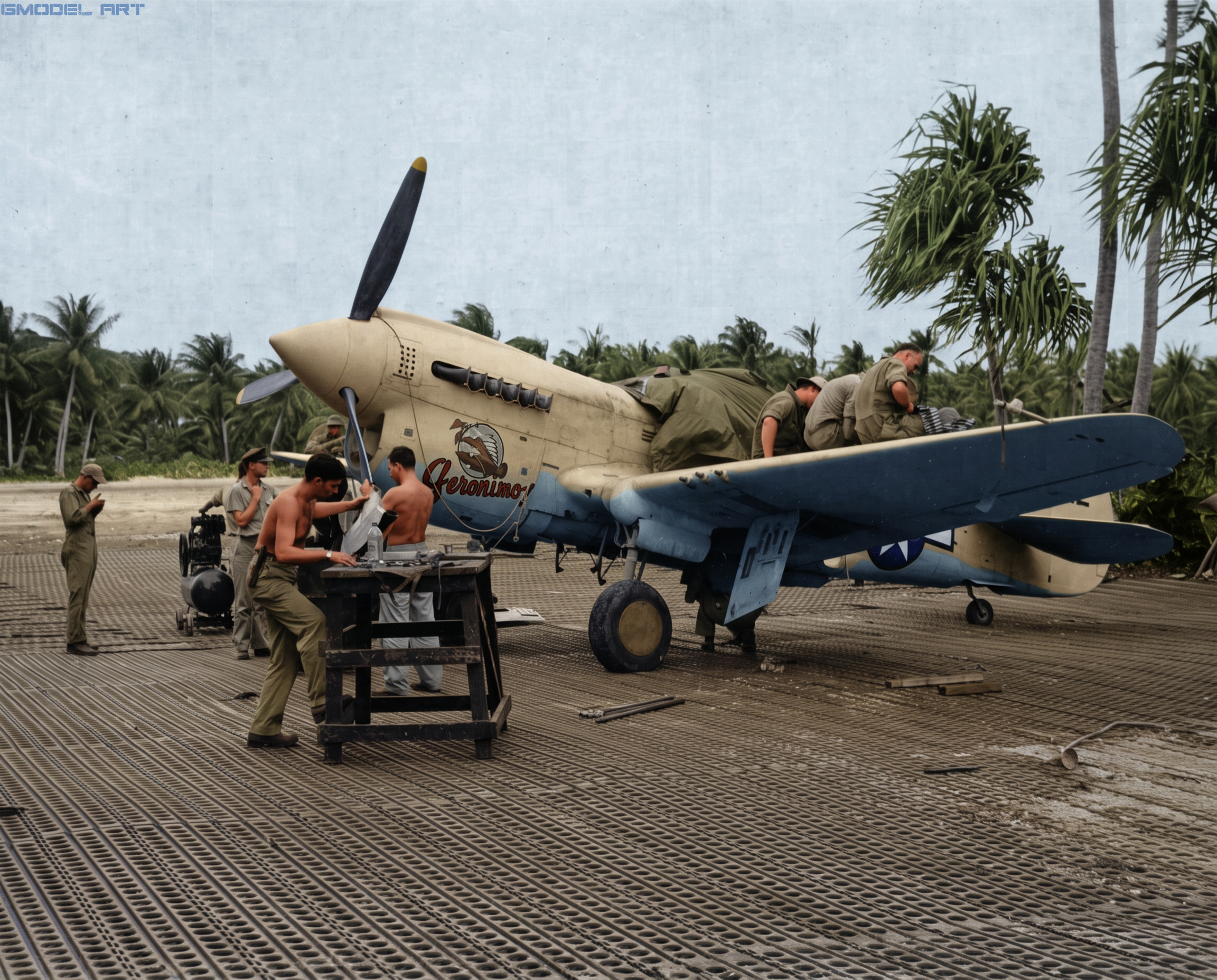
The Curtiss P-40N Warhawk of the 45th Fighter Squadron, 15th Fighter Group, operating from Nanumea in December 1943, represents one of the more unusual field camouflage schemes applied to an American fighter during the Pacific War.
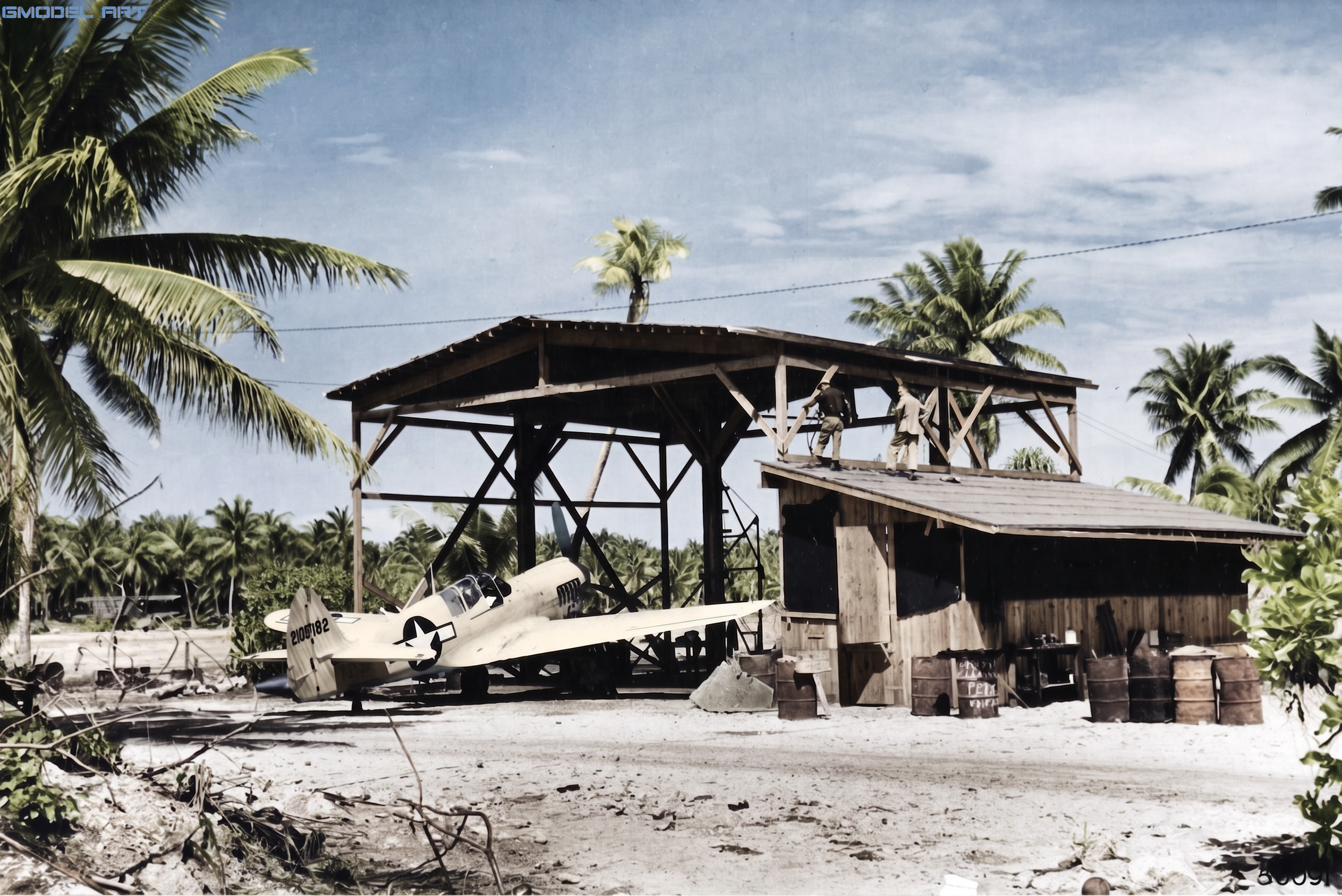
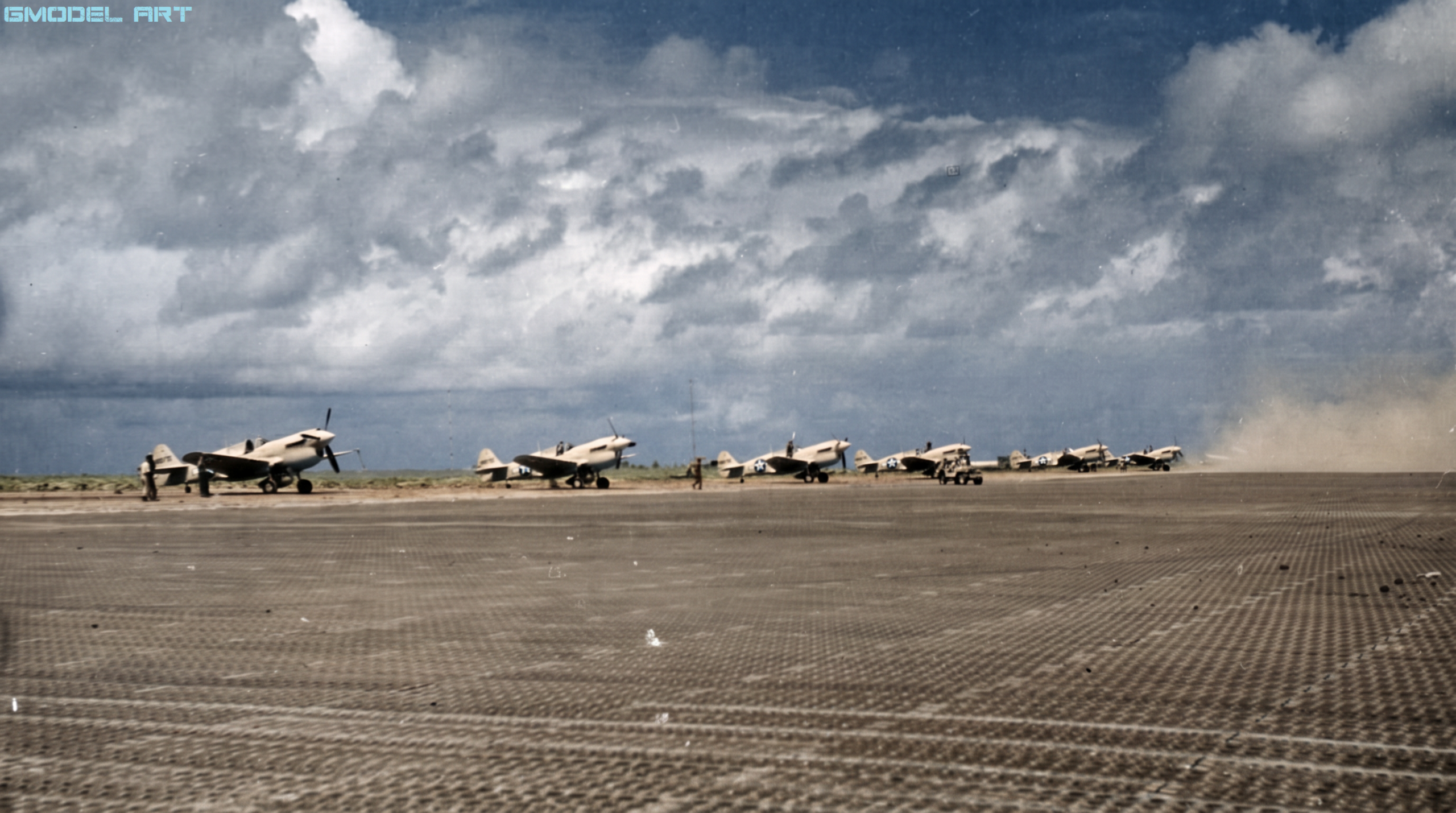
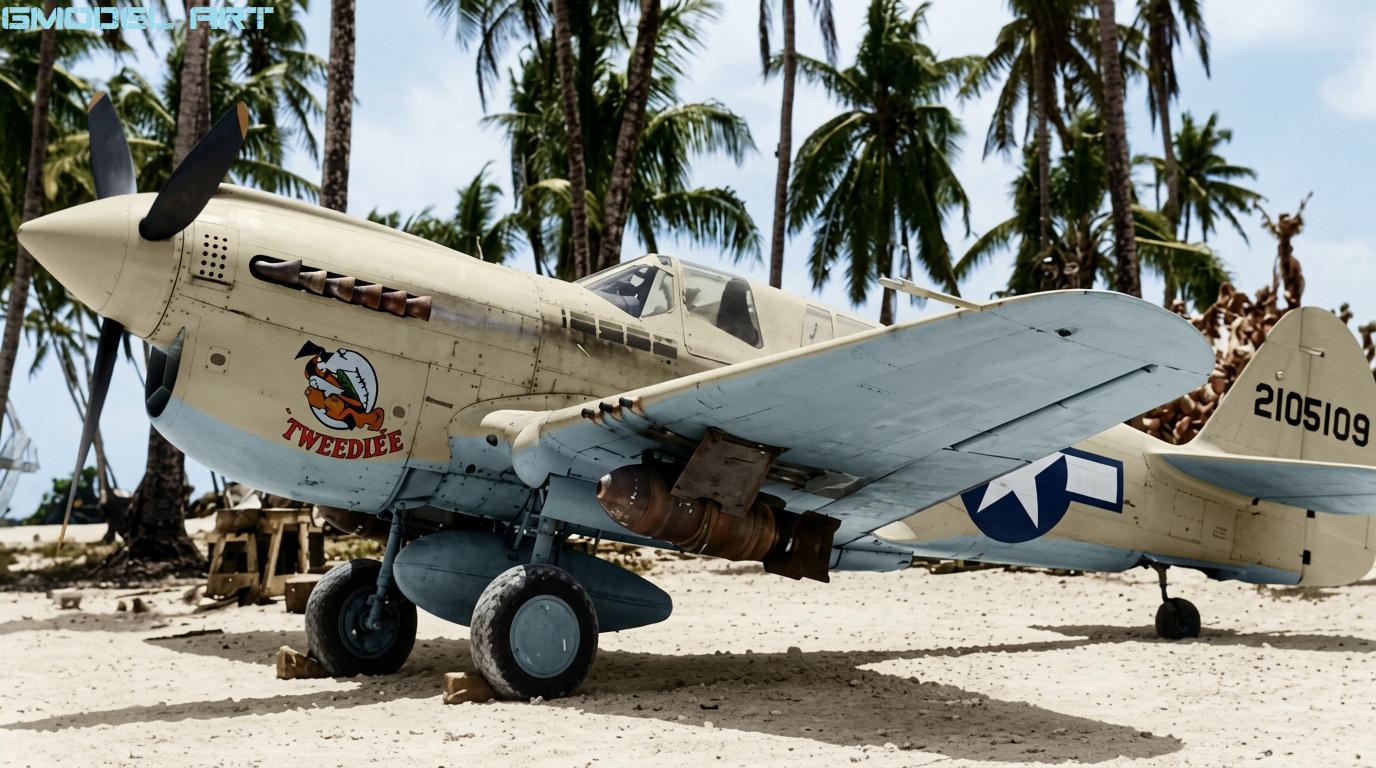
Rather than relying on the standard Olive Drab and Neutral Gray finish, the squadron’s technical personnel adapted the aircraft to the very different visual environment of the Pacific coral islands. The result was a distinctive combination of a locally mixed sand color on the upper surfaces and a light blue color on the undersides.
The story is particularly interesting for scale modellers because the exact wartime paint formula is not known. The Federal Standard system did not exist in 1943, so modern FS numbers should be treated only as visual references, not as historical paint designations.
From Baker Island to Nanumea
The 45th Fighter Squadron was part of the 15th Fighter Group, whose home base was in Hawaii. In September 1943 the squadron was sent to Baker Island and subsequently operated from other forward positions in the central Pacific.
The move to coral islands created a practical camouflage problem. The standard P-40 finish, with its dark Olive Drab upper surfaces, was poorly suited to the pale ground found around the newly established coral airfields.
According to research published by Eduard, the squadron’s technical personnel therefore mixed a sand-colored paint specifically suited to the local conditions. The repainting began before the move to Baker Atoll rather than being a scheme developed exclusively at Nanumea.
By December 1943, P-40Ns of the 45th FS were operating from Nanumea in the Ellice Islands, not the Gilbert Islands. This geographical distinction is important: Makin Atoll was in the Gilbert Islands, while Nanumea belonged to the Ellice Islands.
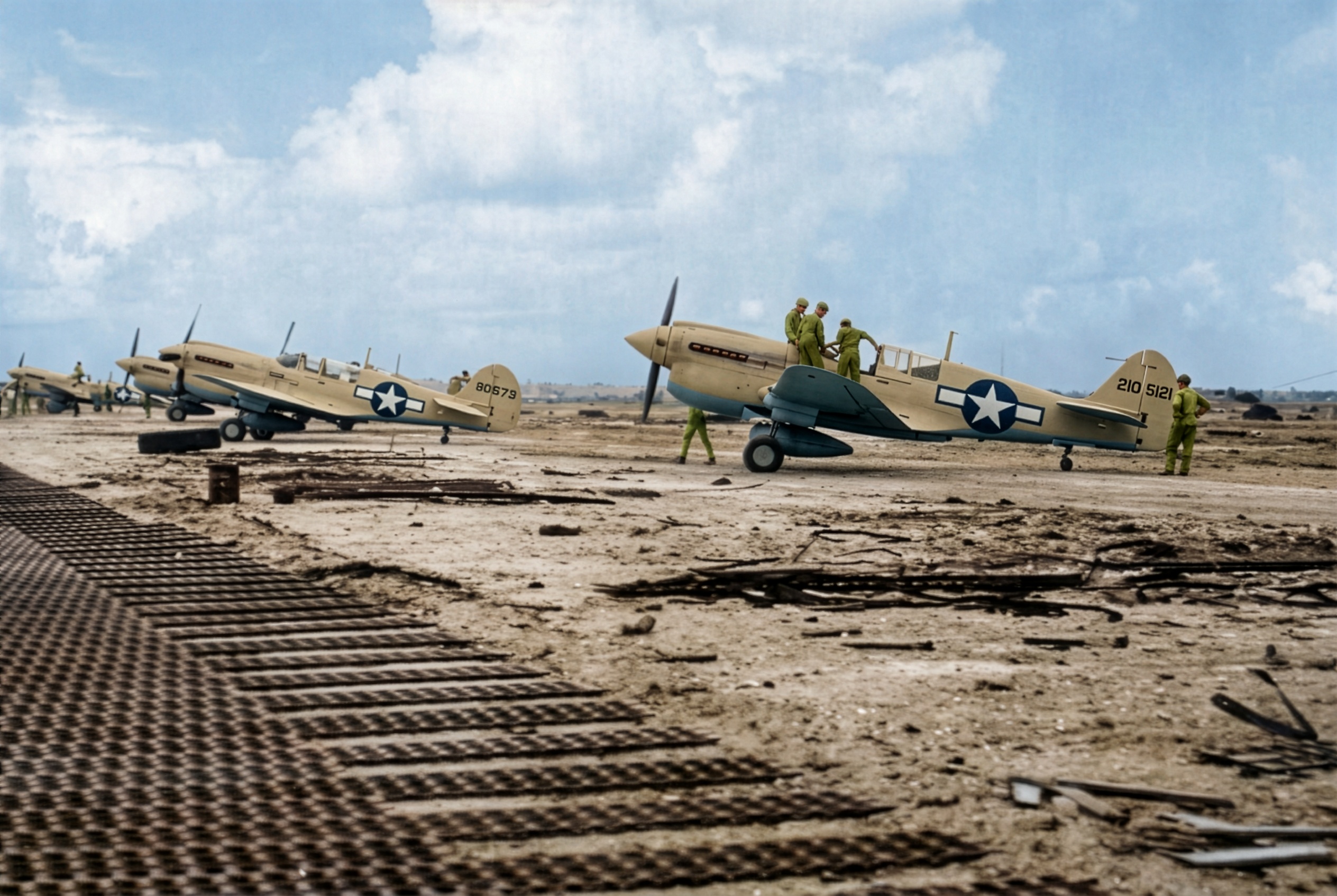
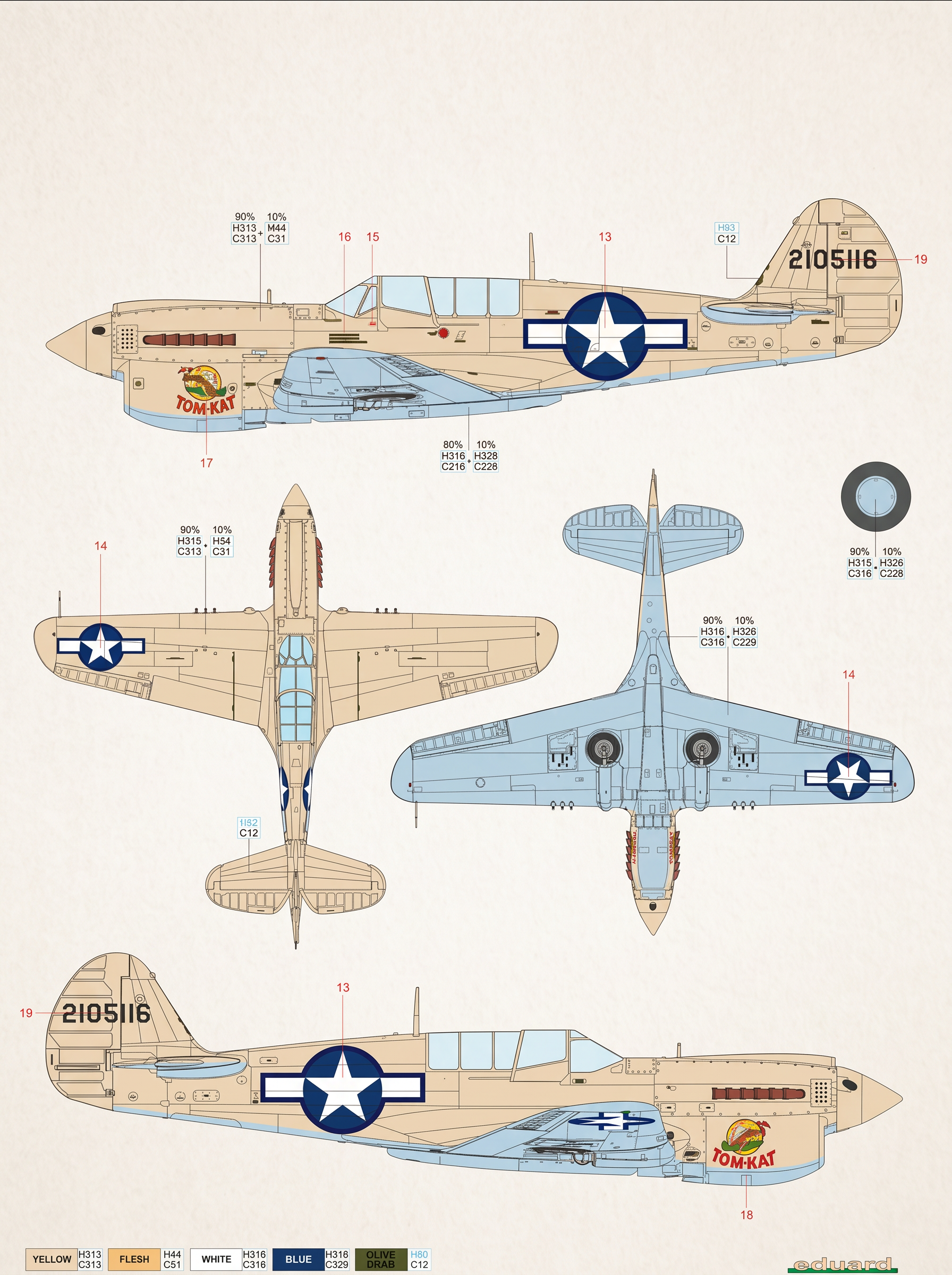
One documented example is P-40N-5 42-105116, flown by Capt. Gilmer L. Snipes and photographed at Nanumea in December 1943.
The Coral-Island Camouflage
The purpose of the repainting was practical rather than decorative. On pale coral surfaces, a dark Olive Drab fighter could be considerably easier to see from the air.
The upper surfaces therefore received a locally mixed sand color. There is no surviving evidence that allows us to identify this paint with absolute certainty as a particular modern FS color. Some modelling references associate the appearance with Sand No. 26, while modern references such as FS 31433 can be used only as an approximation.
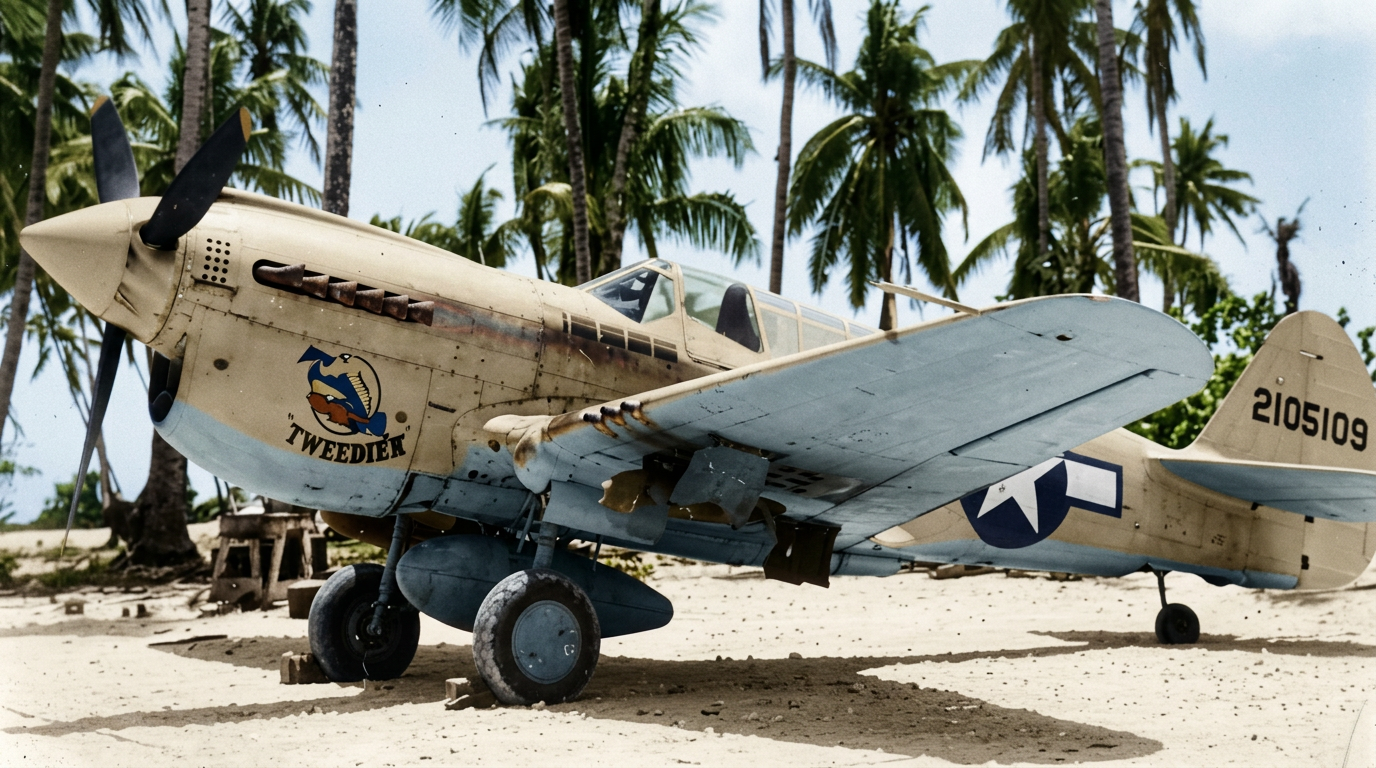
For the undersides, the evidence is stronger. Eduard’s research identifies a light blue mixed from Insignia Blue and White. Photographs can make the lower surfaces appear deceptively similar to the sand-colored upper surfaces, but closer examination shows a color boundary between the two finishes.
Recommended colors for scale modelling
| Area | Historical description | Modern modelling approach |
|---|---|---|
| Upper surfaces | Locally mixed sand color | Sand No. 26 / approx. FS 31433 |
| Lower surfaces | Locally mixed light blue | Intermediate Blue + 10% White |
| Anti-glare area | Retained/dark Olive Drab finish | Olive Drab |
The Intermediate Blue + 10% White mixture above should be regarded as a modelling interpretation, not a documented wartime mixing formula. The historical evidence specifically describes the light blue as being mixed from Insignia Blue and White.
Likewise, FS 31433 should not be described as the actual paint used in 1943. It is simply a useful modern reference for the sand-colored appearance.
Weathering in the Central Pacific
A model of one of these P-40Ns should not be weathered like a European fighter operating from a muddy grass field.
The coral-island environment produced a different type of wear. Strong tropical sunlight, high ultraviolet exposure, salt-laden air, rain, dust and coral debris could rapidly affect both the appearance of the paint and the cleanliness of the aircraft.
The most convincing approach is therefore moderate, uneven weathering rather than heavy chipping.
The sand paint should show some variation between panels, with slightly lighter areas on surfaces exposed directly to the sun. The light blue underside can also be subtly faded, but it should remain visibly blue rather than becoming almost white.
Rain and tropical humidity would encourage dirt accumulation around panel joints, access panels and areas where fluids collected. Exhaust staining should be concentrated aft of the exhaust outlets and should follow the airflow rather than being applied as a uniform dark stripe.
The underside and landing-gear areas would naturally collect more coral dust, fine sand and general grime, particularly around the wheels, wheel wells and lower fuselage.
What should be avoided?
Heavy silver chipping across the entire aircraft would be difficult to justify from the available evidence. The same applies to large areas of exposed bare metal.
Instead, concentrate wear on areas with a mechanical reason for abrasion:
wing roots and access areas
engine cowling panels
cockpit entry area
maintenance panels
propeller blades
wheel and landing-gear areas
gun and ammunition servicing areas
The photographs should always take priority over generic weathering recipes. Where the photographic evidence shows a clean area, it is better to leave it clean.
The Stencils and Original Paint
One particularly useful detail for modellers is the treatment of the stencilling.
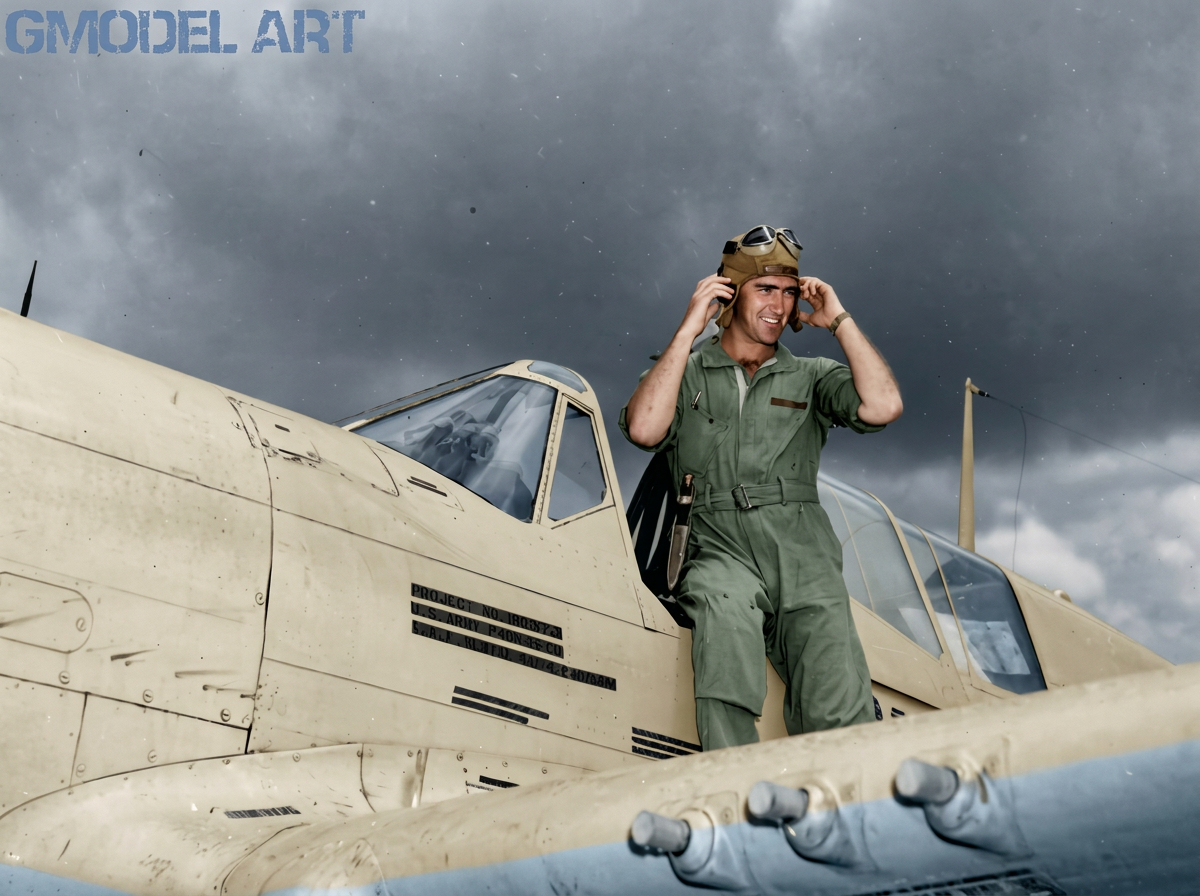
According to Eduard’s research, many of the original stencils were masked during the repainting process. As a result, some markings retained their original-color background while the surrounding aircraft received the new sand finish.
This is a small detail, but it can make a finished model much more convincing. The modeller should not automatically cover every stencil completely with the new camouflage.
1/48 Scale P-40N Warhawk Kits
There are several 1/48 P-40N options, although they are not all equally modern.
The Eduard P-40N Warhawk is currently the most directly relevant choice for this subject. The ProfiPACK edition includes 42-105116, Capt. Gilmer L. Snipes’ aircraft of the 45th FS at Nanumea in December 1943. Eduard also offers the P-40N in other editions, including a Weekend edition.
The older Hasegawa P-40N also included “Geronimo” of the 45th FS/15th FG as a marking option.
The AMT/Ertl P-40N is another historically interesting option because its decal sheet included “Geronimo” of the 45th Fighter Squadron.
The tooling history is worth mentioning as well. The original Mauve 1/48 P-40N appeared in 1994, and its tooling was subsequently reboxed by Eduard and later Academy.
For a modeller specifically interested in the Nanumea aircraft, however, the exact airframe and its photographic evidence should be checked before selecting decals, because not every 45th FS P-40 carried identical markings.
Detail and Upgrade Sets
For the current Eduard kit, the aftermarket ecosystem is particularly extensive.
Available Eduard Brassin and related products include a printed P-40N cockpit, radio compartment, engine, gun bays, radiator upgrades, undercarriage legs, several wheel tread options, exhausts, tail-wheel bay and other detail sets. Eduard also offers SPACE 3D decal sets, seatbelts and painting masks for the P-40N.
For older kits, aftermarket detail has historically included products from companies such as True Details and Eduard, including cockpit, wheel and photo-etched upgrades.
The modeller does not need every available upgrade. For this particular subject, the most useful improvements are those that enhance the cockpit, wheels, exhausts and small external details without hiding the distinctive camouflage under excessive weathering.
A Distinctive P-40N from the Pacific
The P-40Ns of the 45th Fighter Squadron demonstrate how quickly wartime aircraft could be adapted to local conditions.
Their unusual camouflage was not a factory-standard scheme and cannot be reduced to two modern FS numbers. It was a practical field solution: a locally mixed sand color for the upper surfaces and a locally mixed light blue for the undersides.
For the modeller, that uncertainty is part of the attraction. The correct approach is not to invent false precision, but to reproduce the documented concept, use modern colors only as approximations, and let the surviving photographs guide the weathering.
The result should look like what it was: a hard-working P-40N Warhawk, repainted in the field and exposed to the intense light, rain, salt, coral dust and daily maintenance of a forward Pacific airfield in late 1943.
P-40 Warhawk “Miss Frances III” U.S.– 80th Fighter Group, CBI, May 1944
Gallery