234 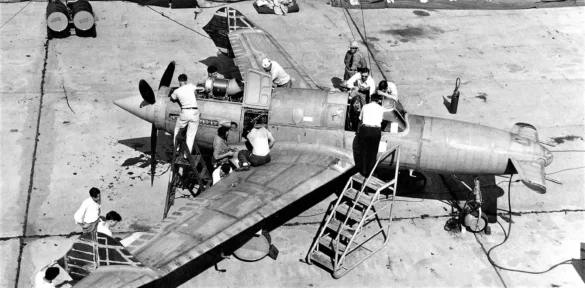
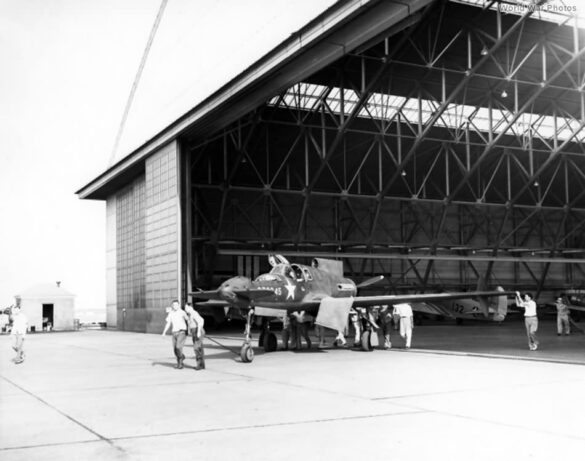
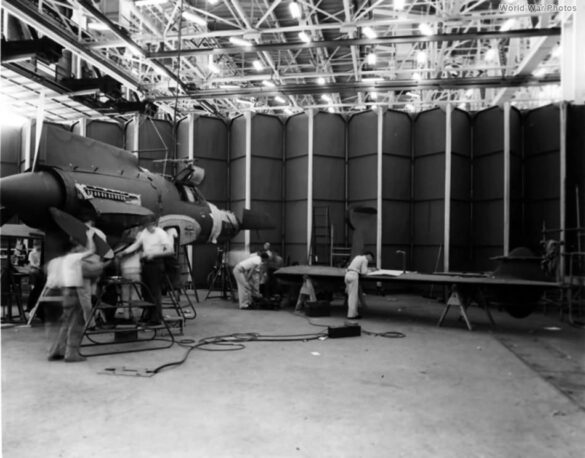
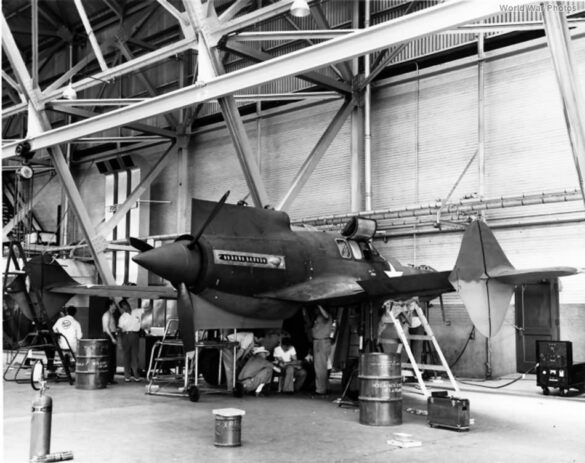
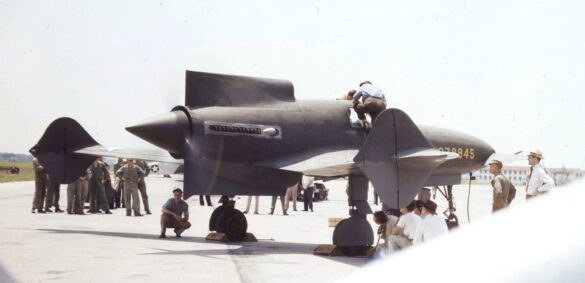
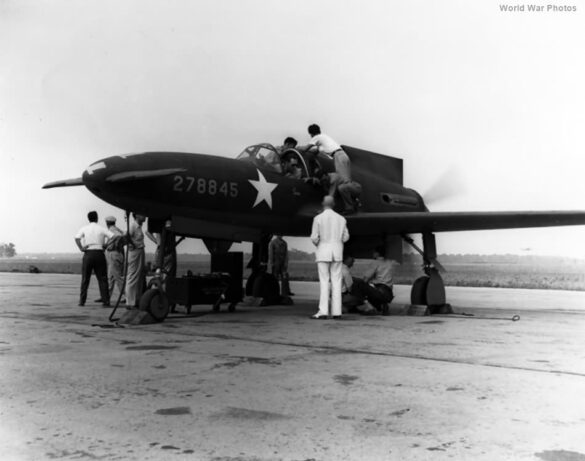
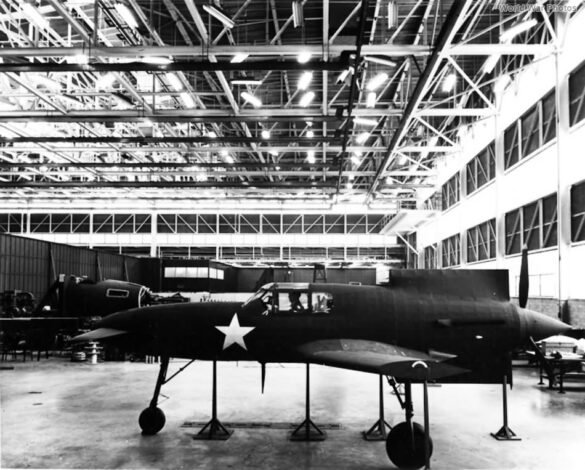
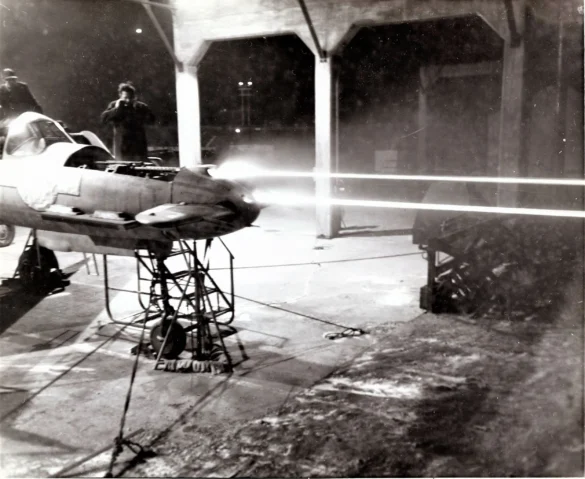
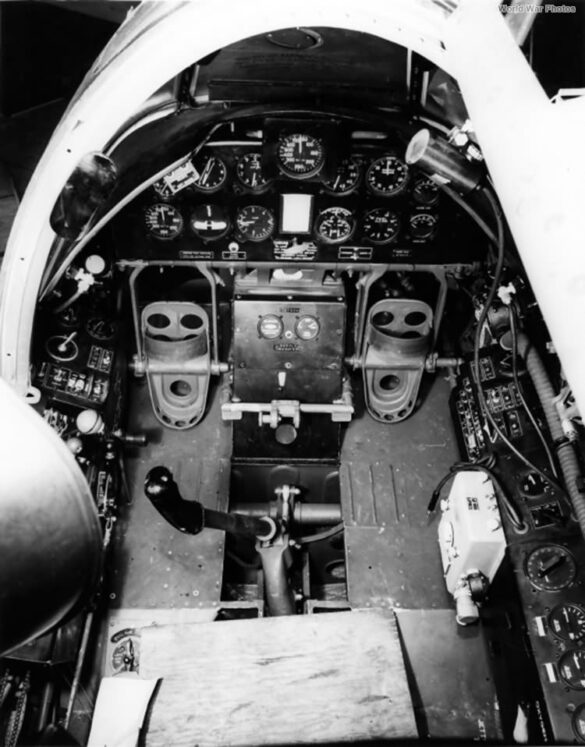
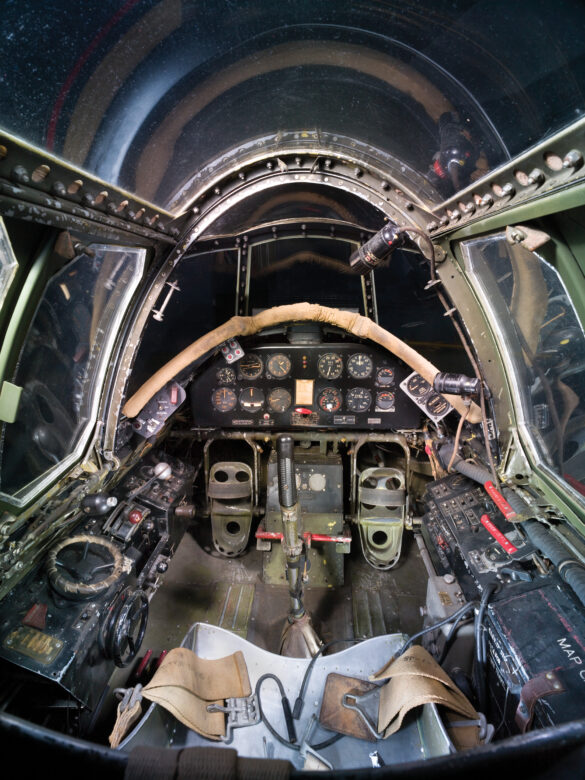
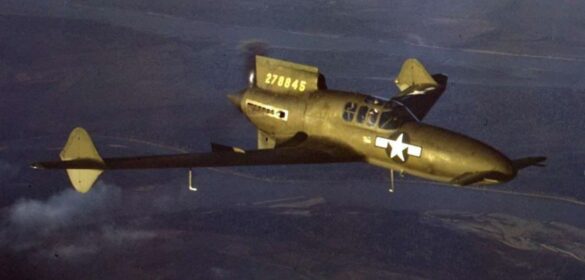
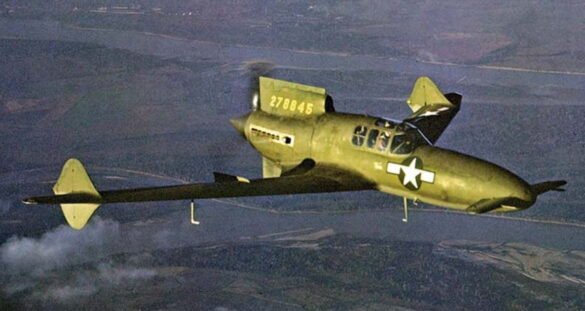
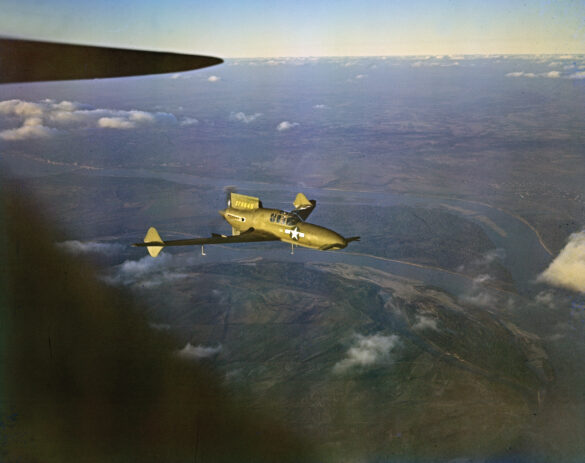
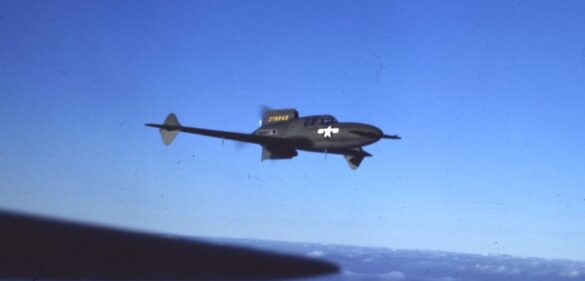
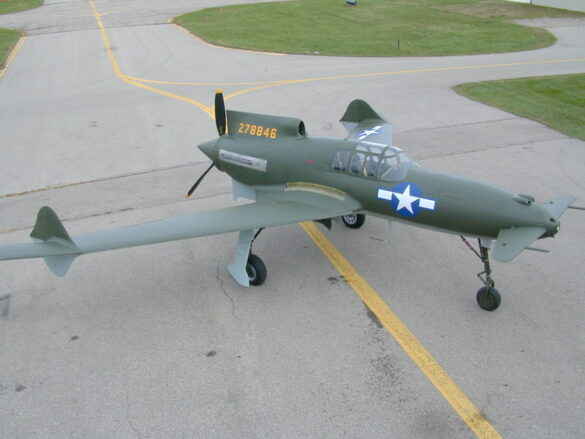
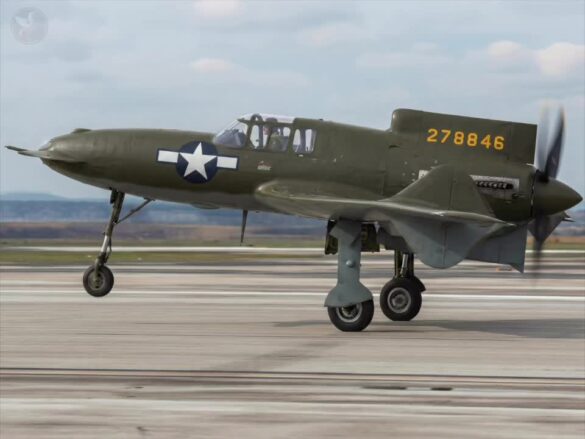
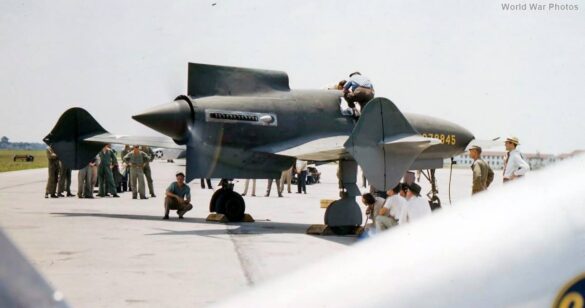
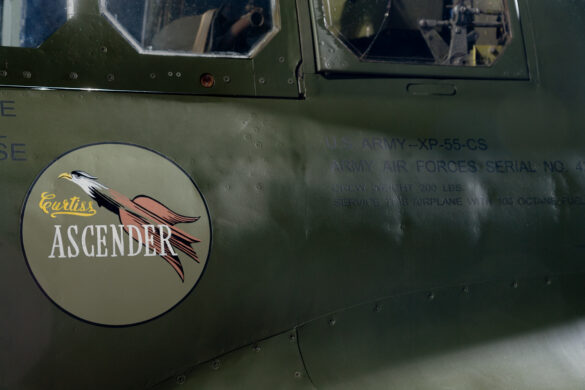
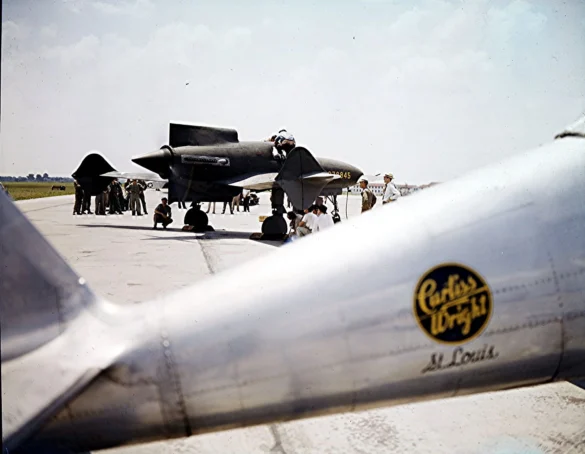
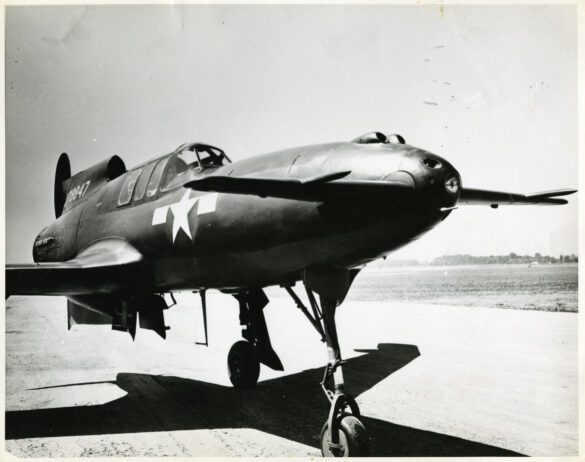
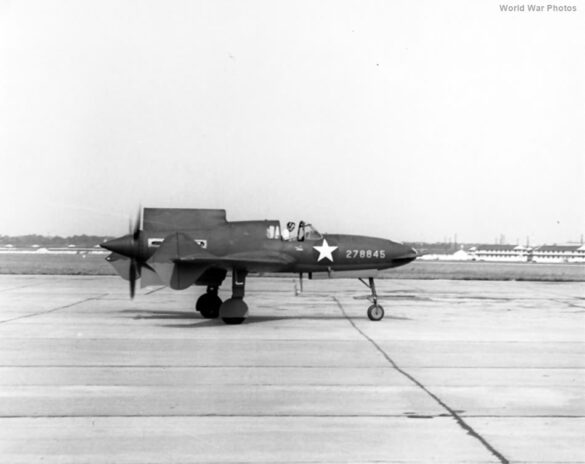
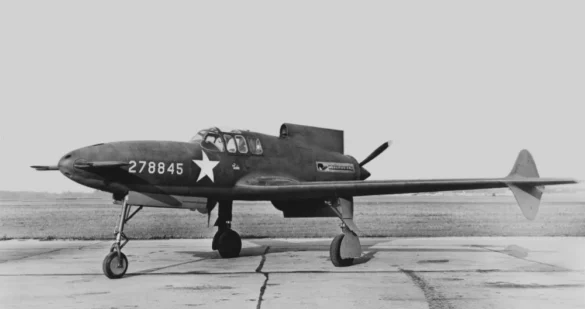
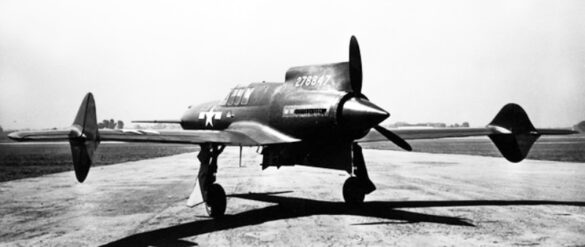
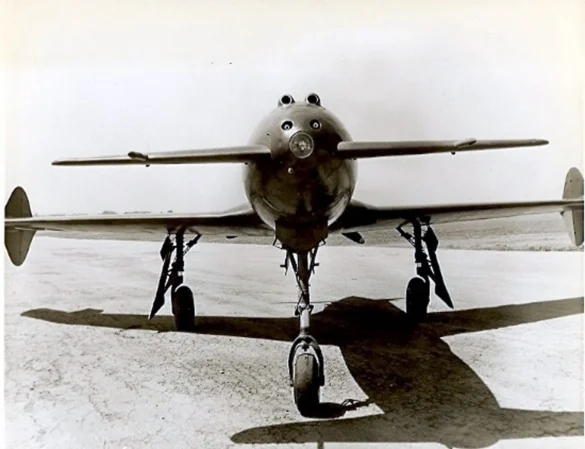
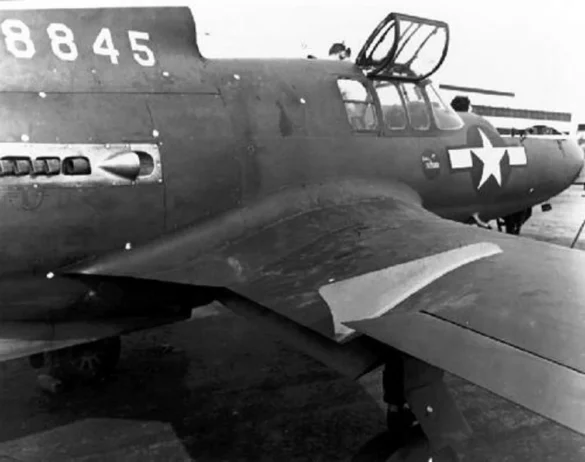
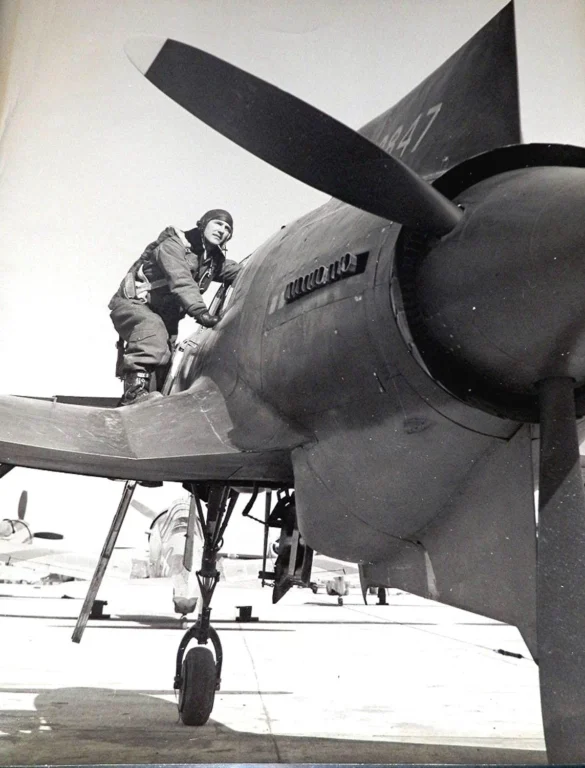
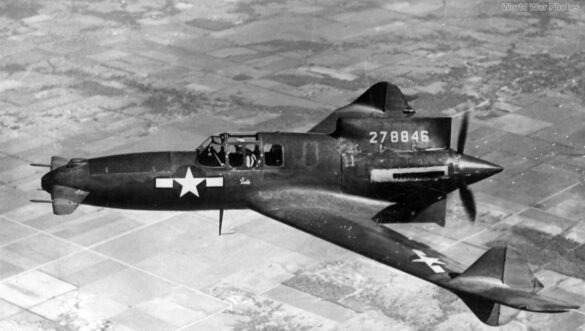
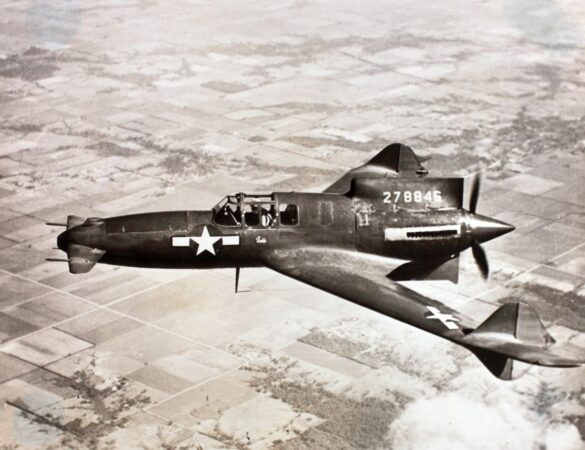
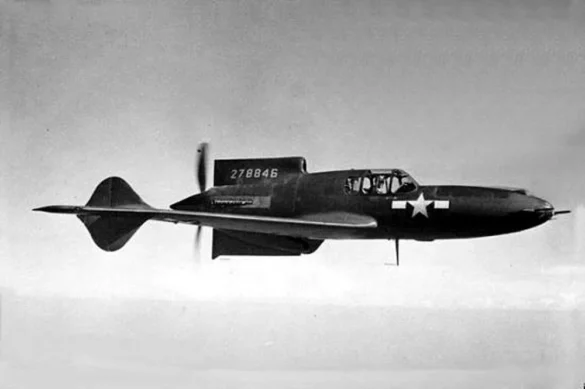
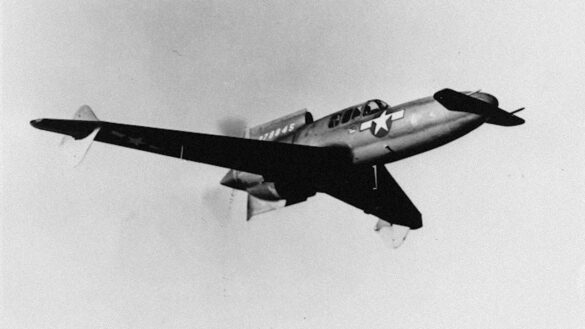
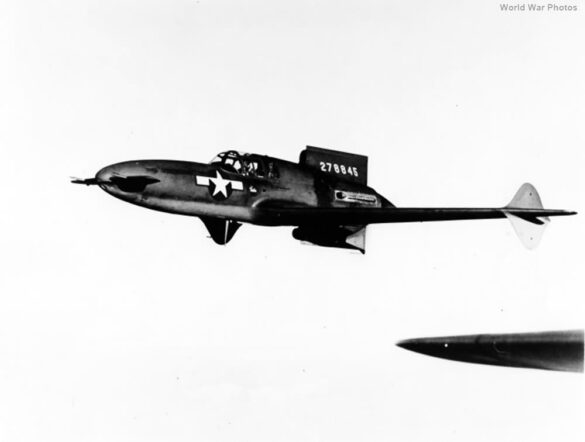
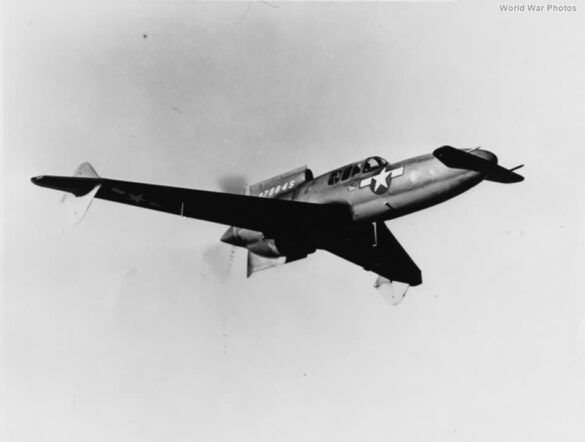
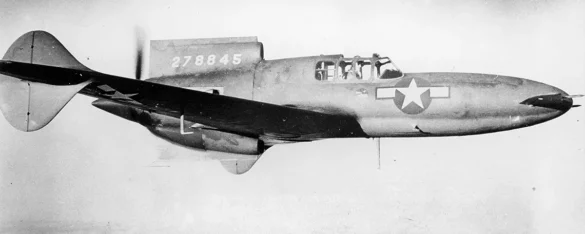
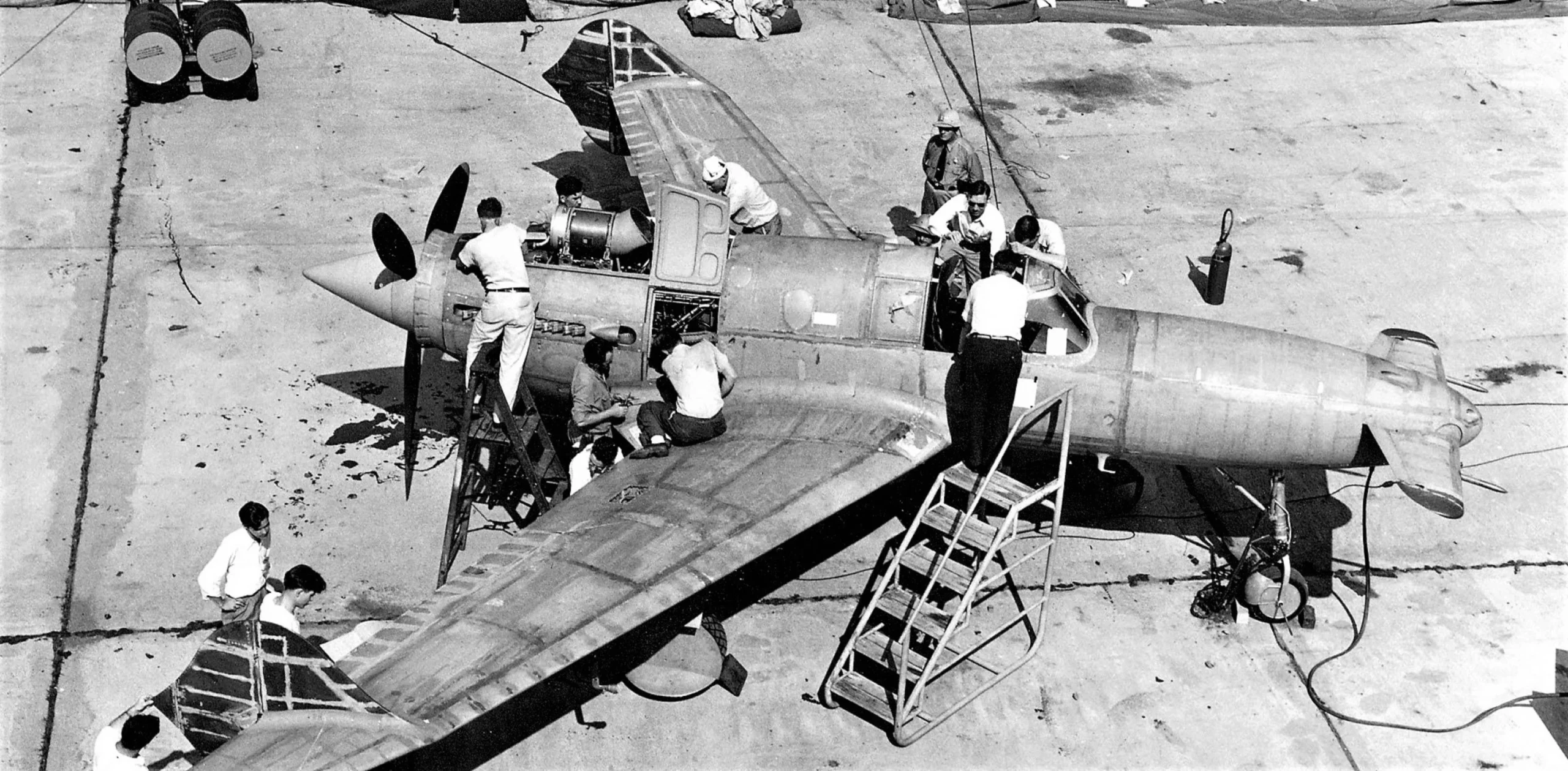
The Curtiss-Wright XP-55 Ascender experimental fighter developed for the US Army Air Forces during World War II.
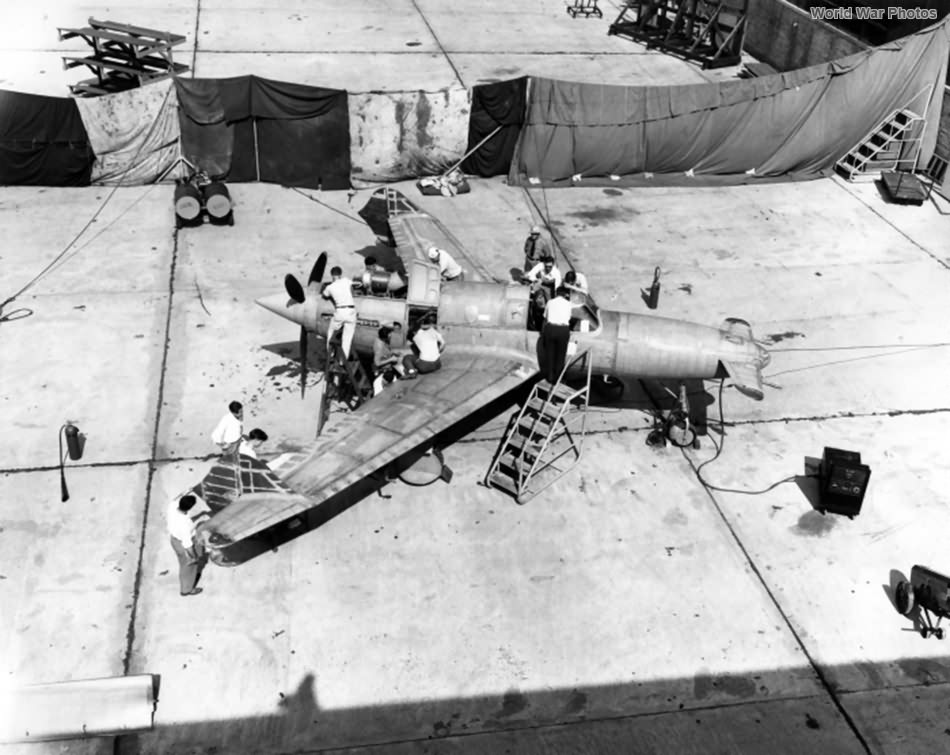
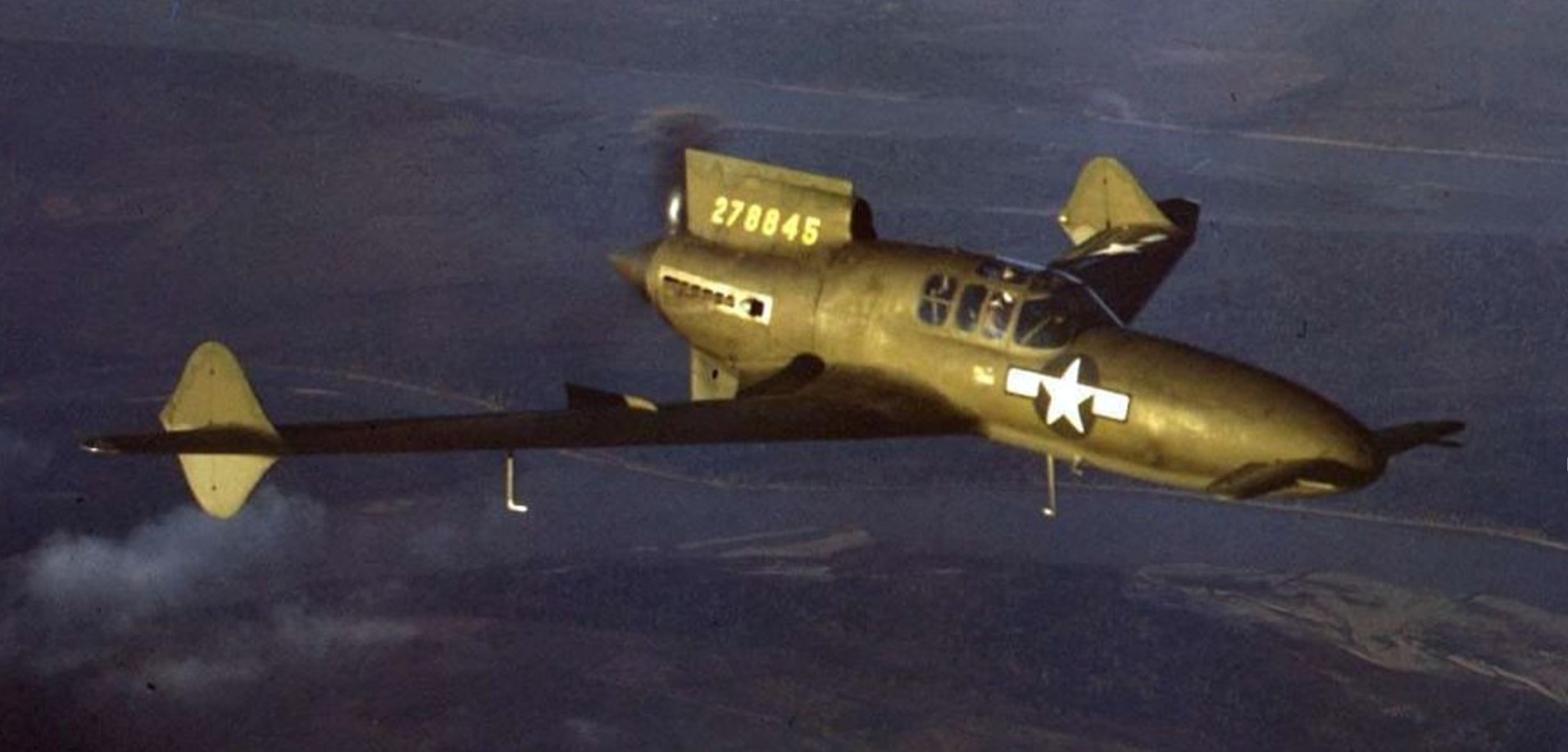
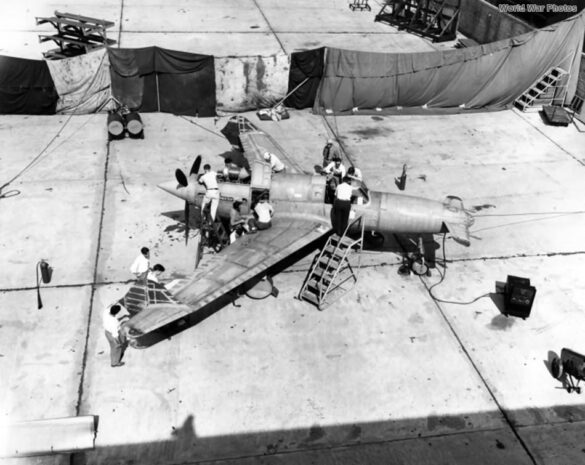
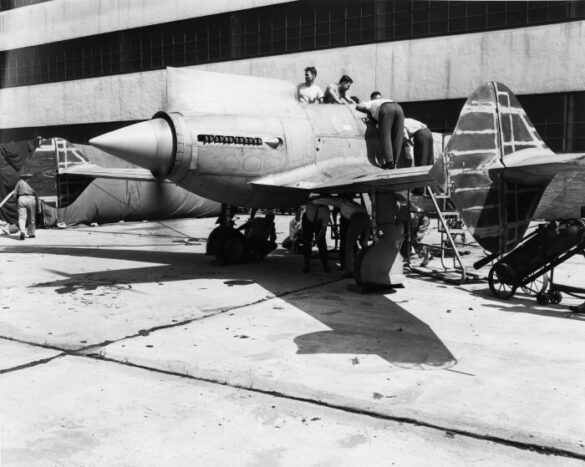
The Curtiss-Wright XP-55 Ascender experimental fighter developed for the US Army Air Forces during World War II.
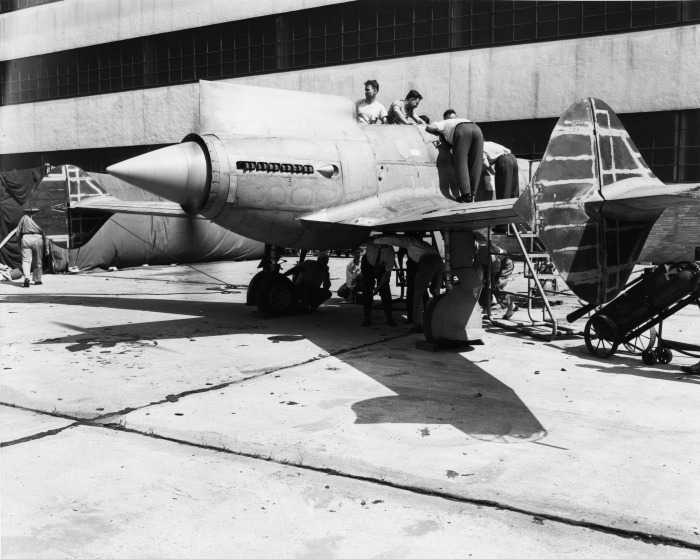
The Curtiss-Wright XP-55 Ascender experimental fighter developed for the US Army Air Forces during World War II.
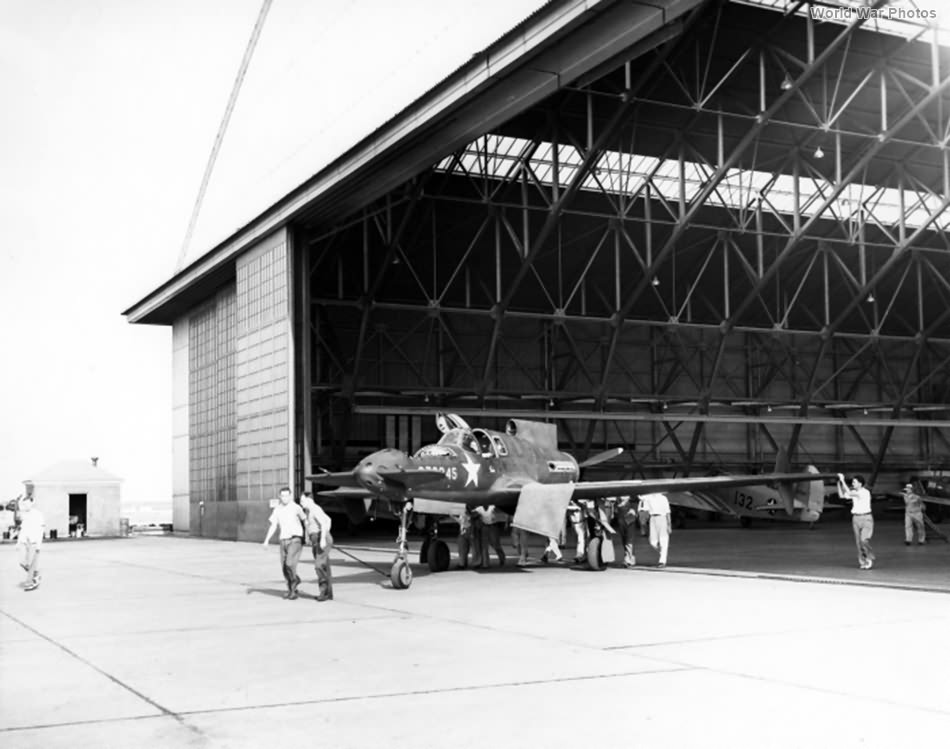
The Curtiss-Wright XP-55 Ascender experimental fighter developed for the US Army Air Forces during World War II.
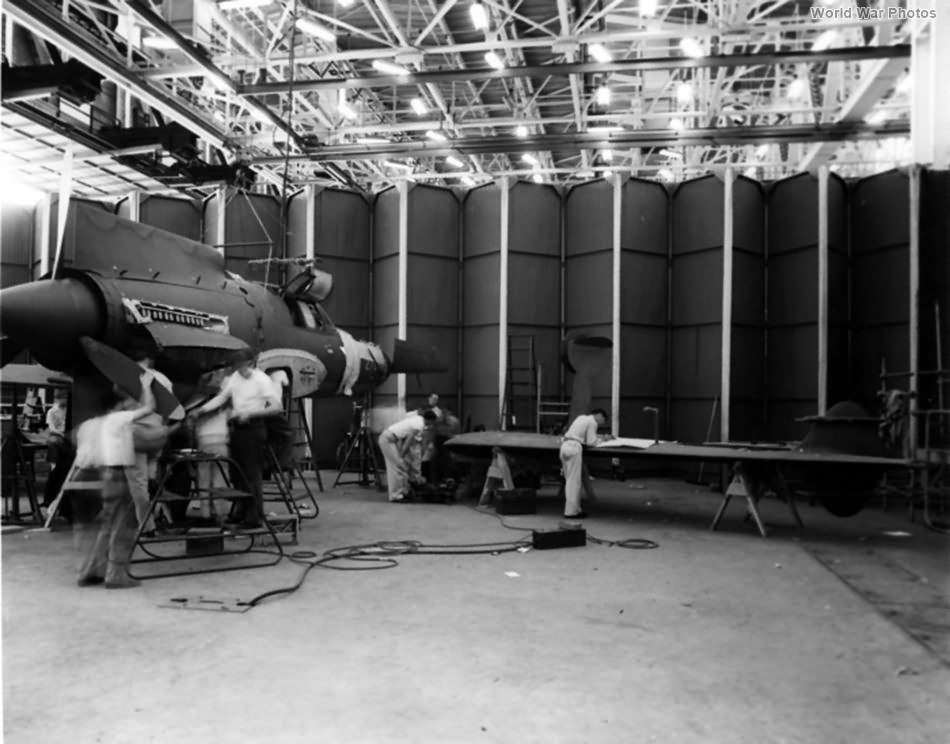
The Curtiss-Wright XP-55 Ascender experimental fighter developed for the US Army Air Forces during World War II.
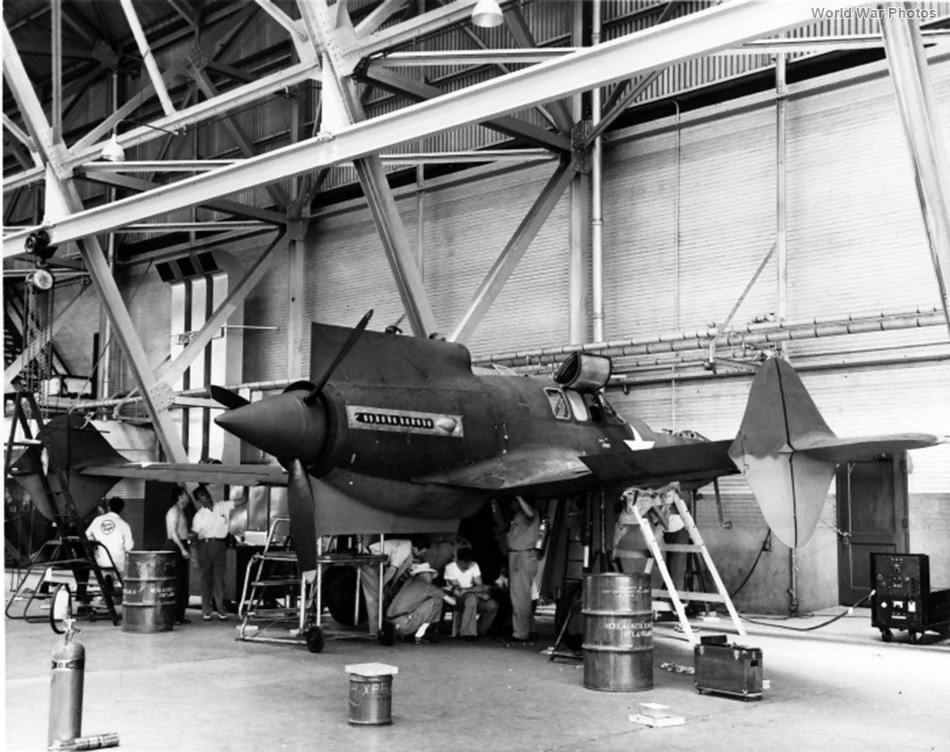
The Curtiss-Wright XP-55 Ascender experimental fighter developed for the US Army Air Forces during World War II.
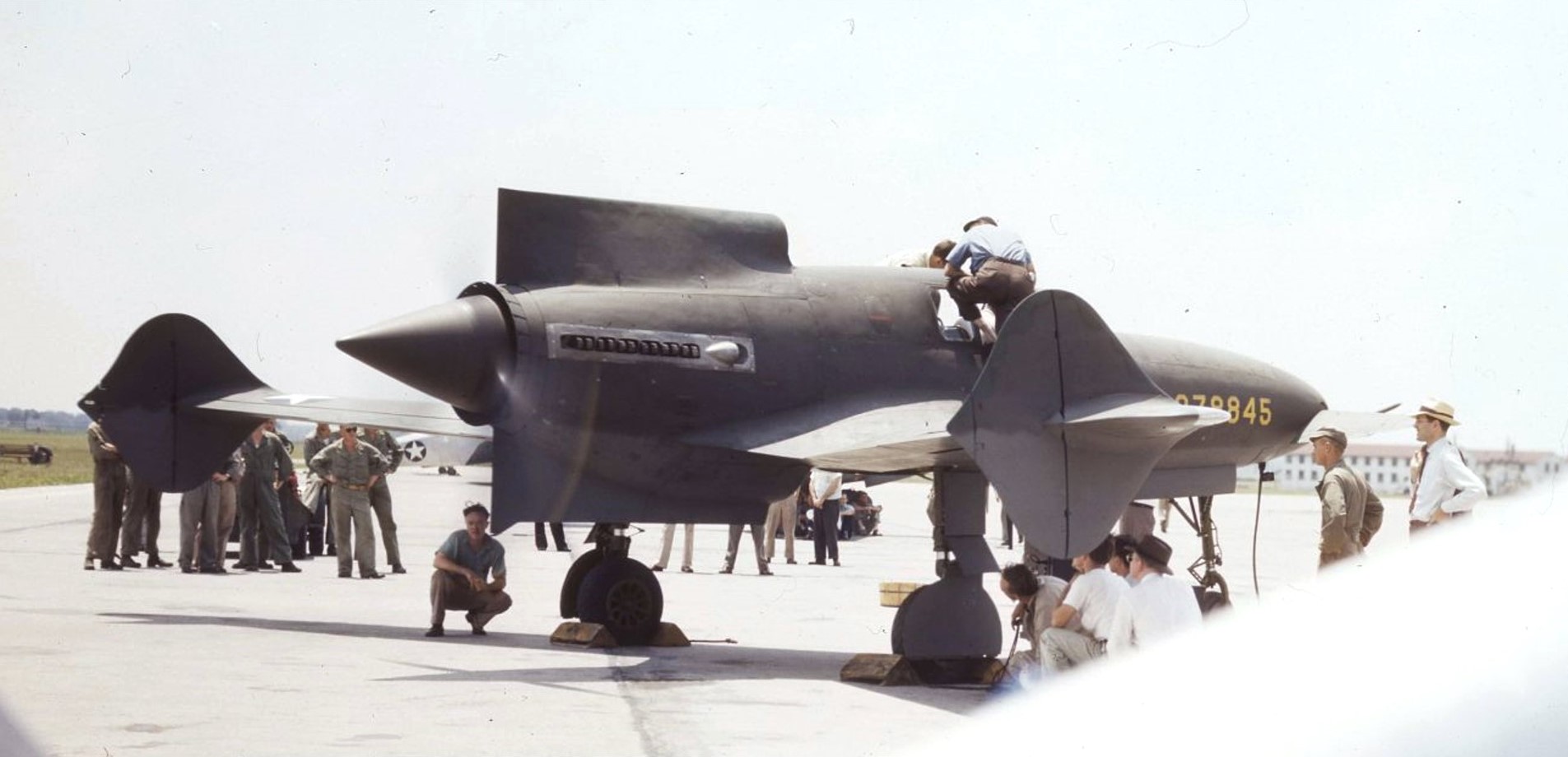
The Curtiss-Wright XP-55 Ascender experimental fighter developed for the US Army Air Forces during World War II.
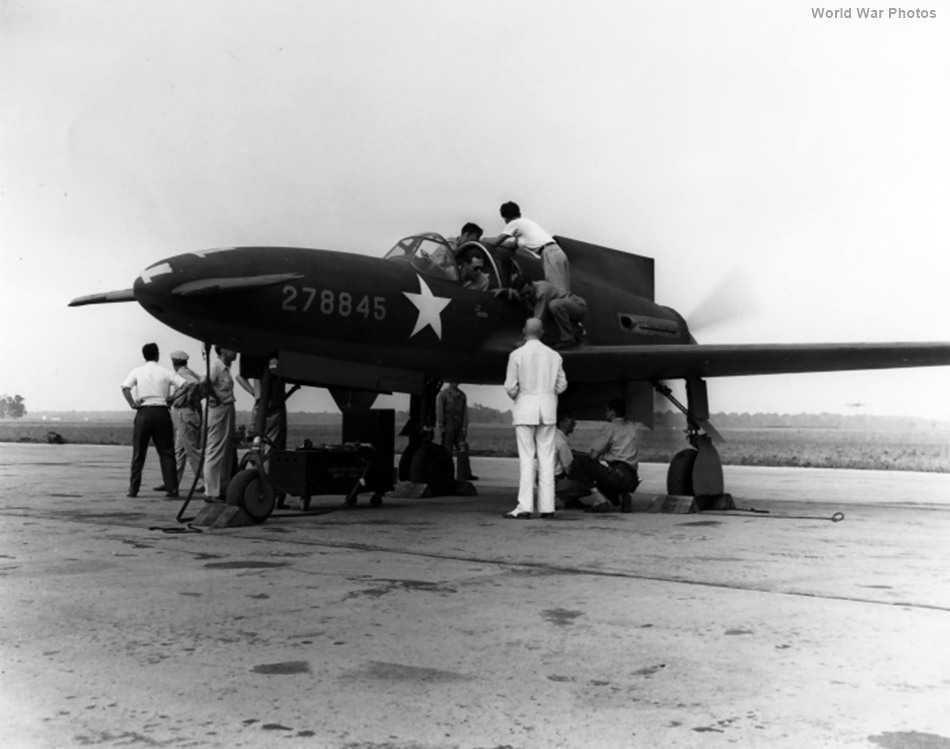
The Curtiss-Wright XP-55 Ascender experimental fighter developed for the US Army Air Forces during World War II.
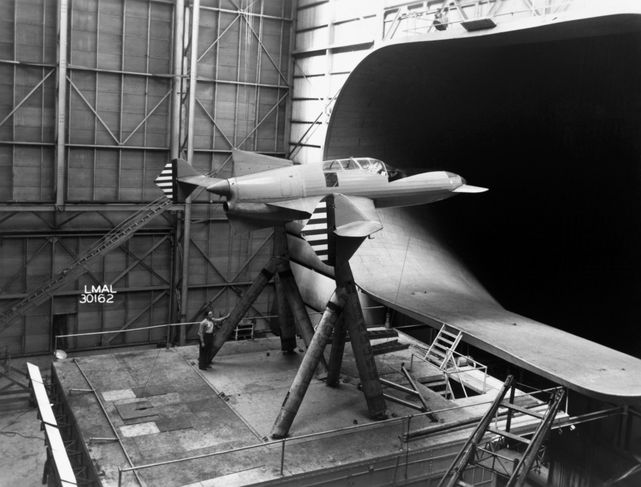
The Curtiss-Wright XP-55 Ascender experimental fighter developed for the US Army Air Forces during World War II.
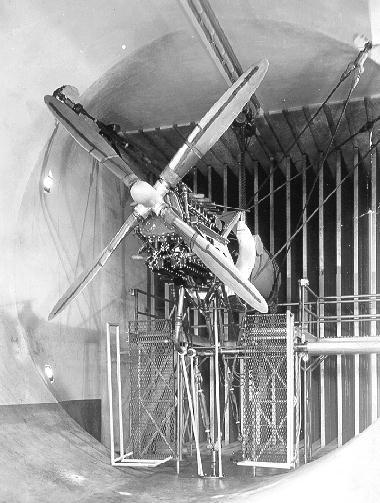
Rear propeller layout used in the experimental XP-55 fighter.
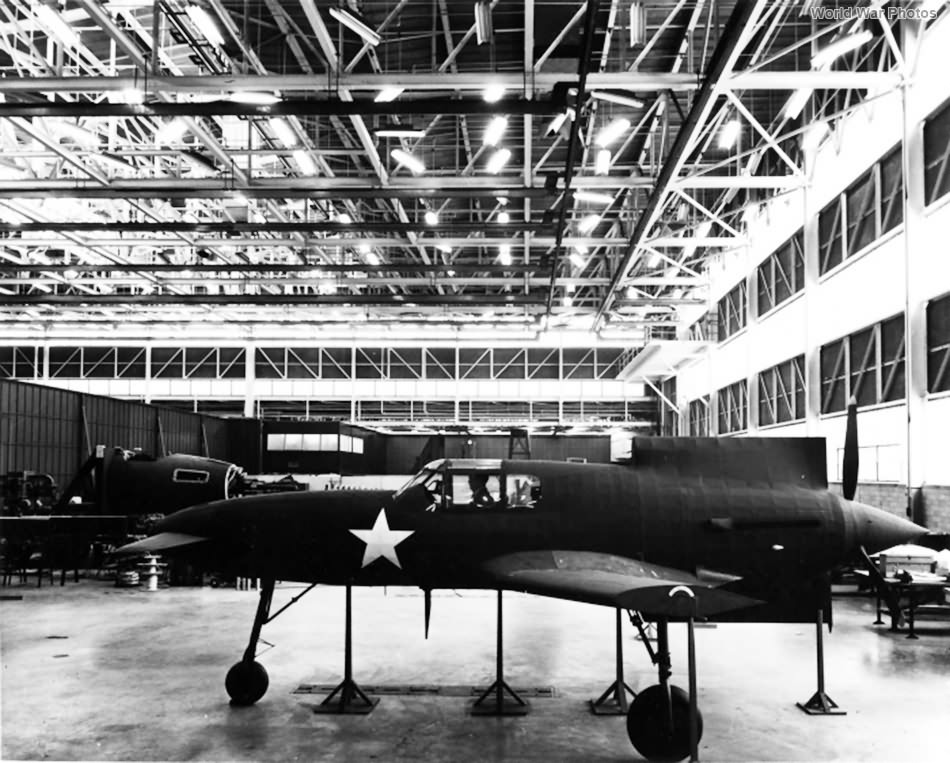
The Curtiss-Wright XP-55 Ascender experimental fighter developed for the US Army Air Forces during World War II.
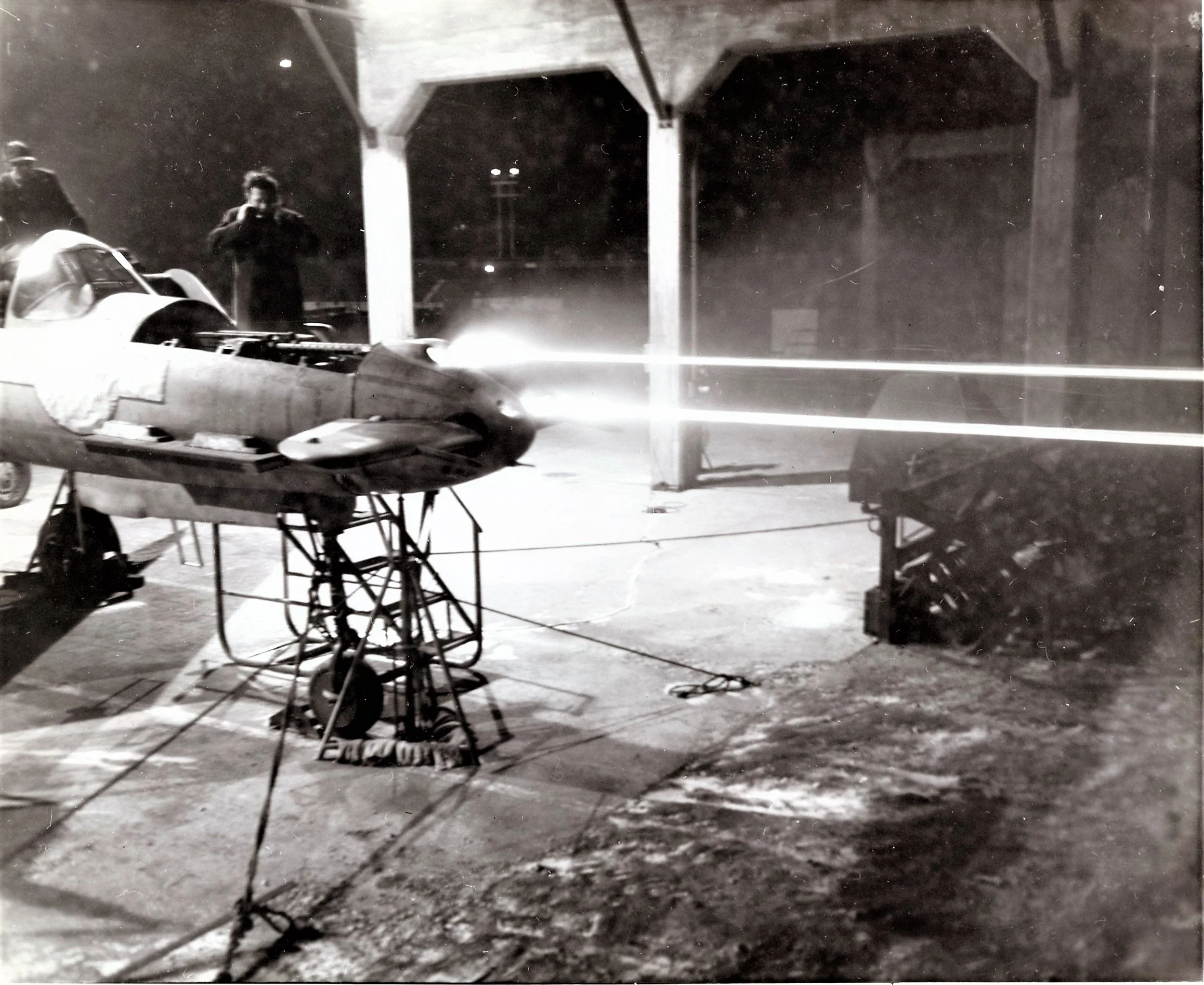
The Curtiss-Wright XP-55 Ascender experimental fighter developed for the US Army Air Forces during World War II.
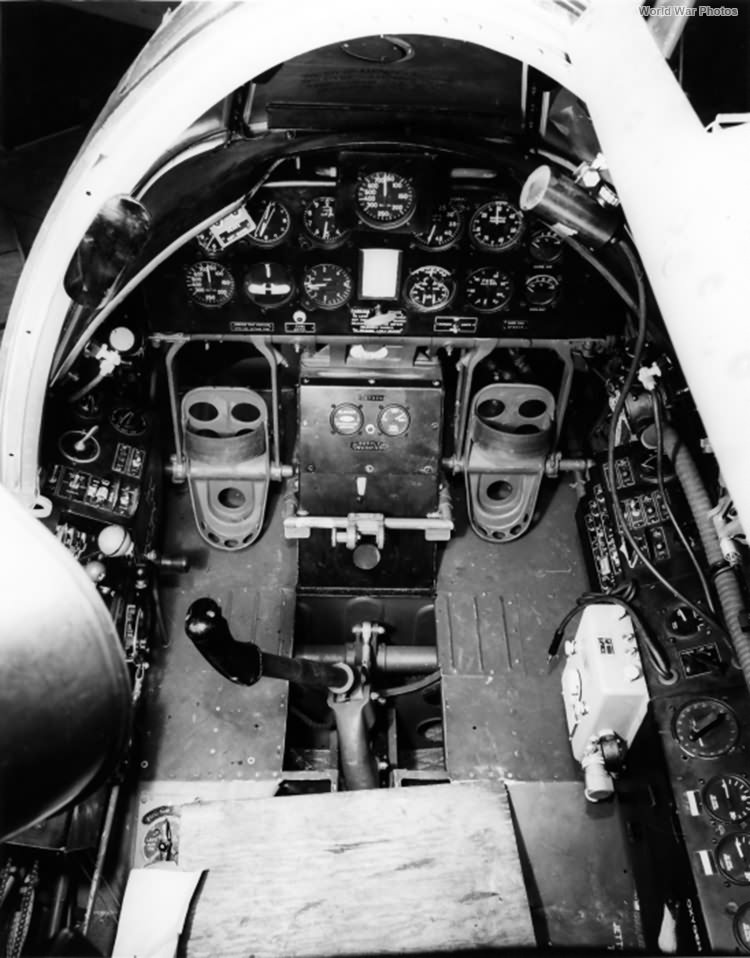
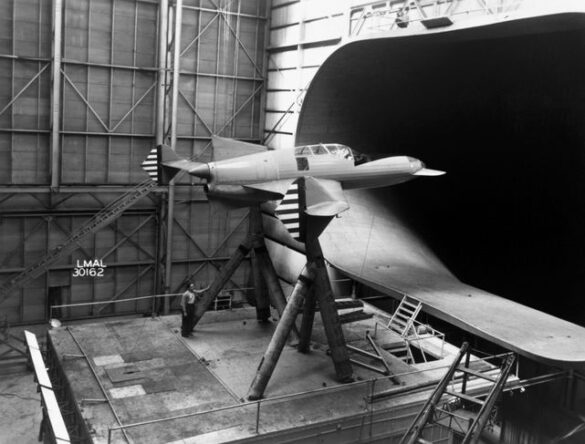
Completed scale model of the Curtiss XP-55 Ascender.
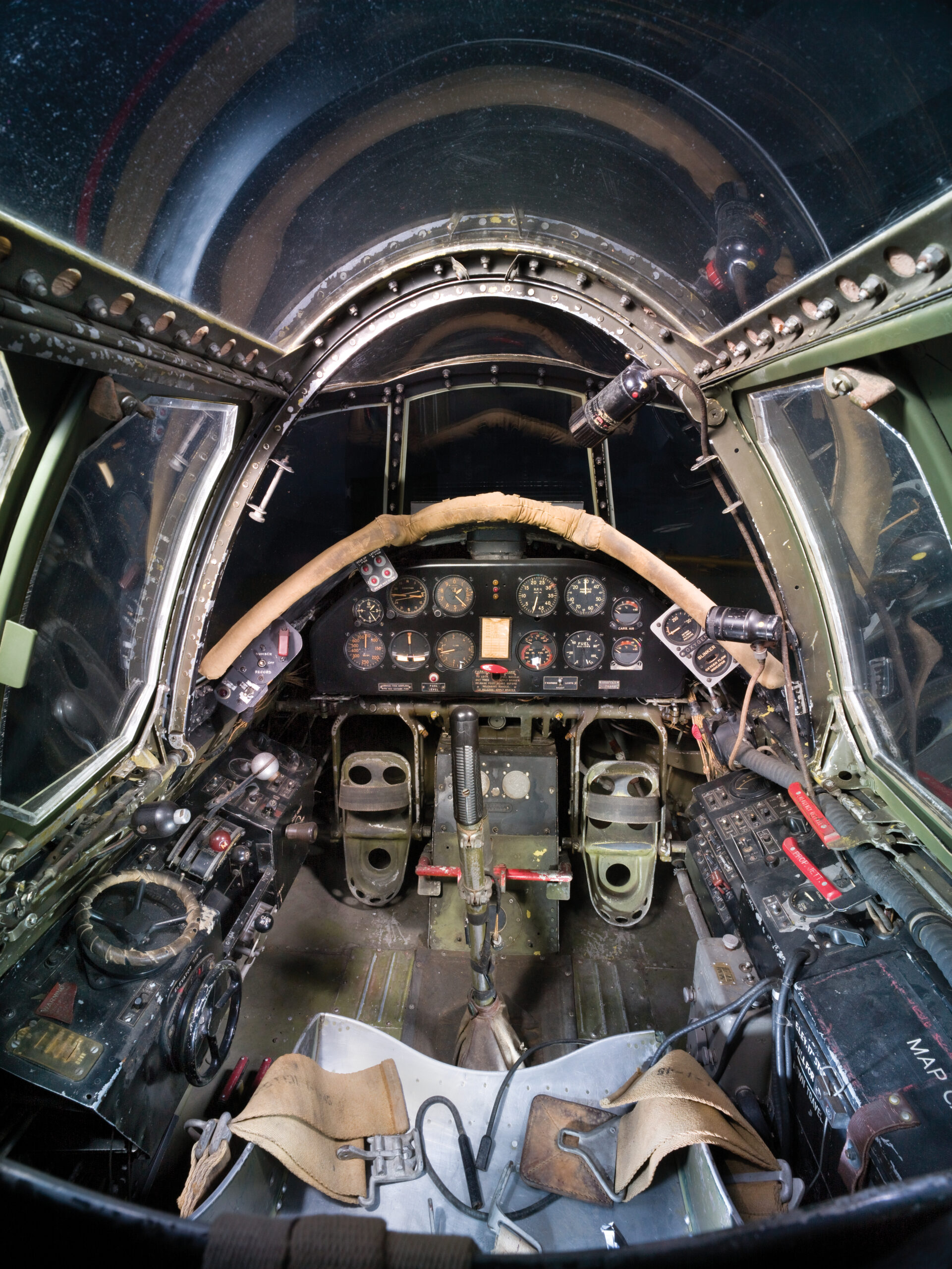
Completed scale model of the Curtiss XP-55 Ascender.
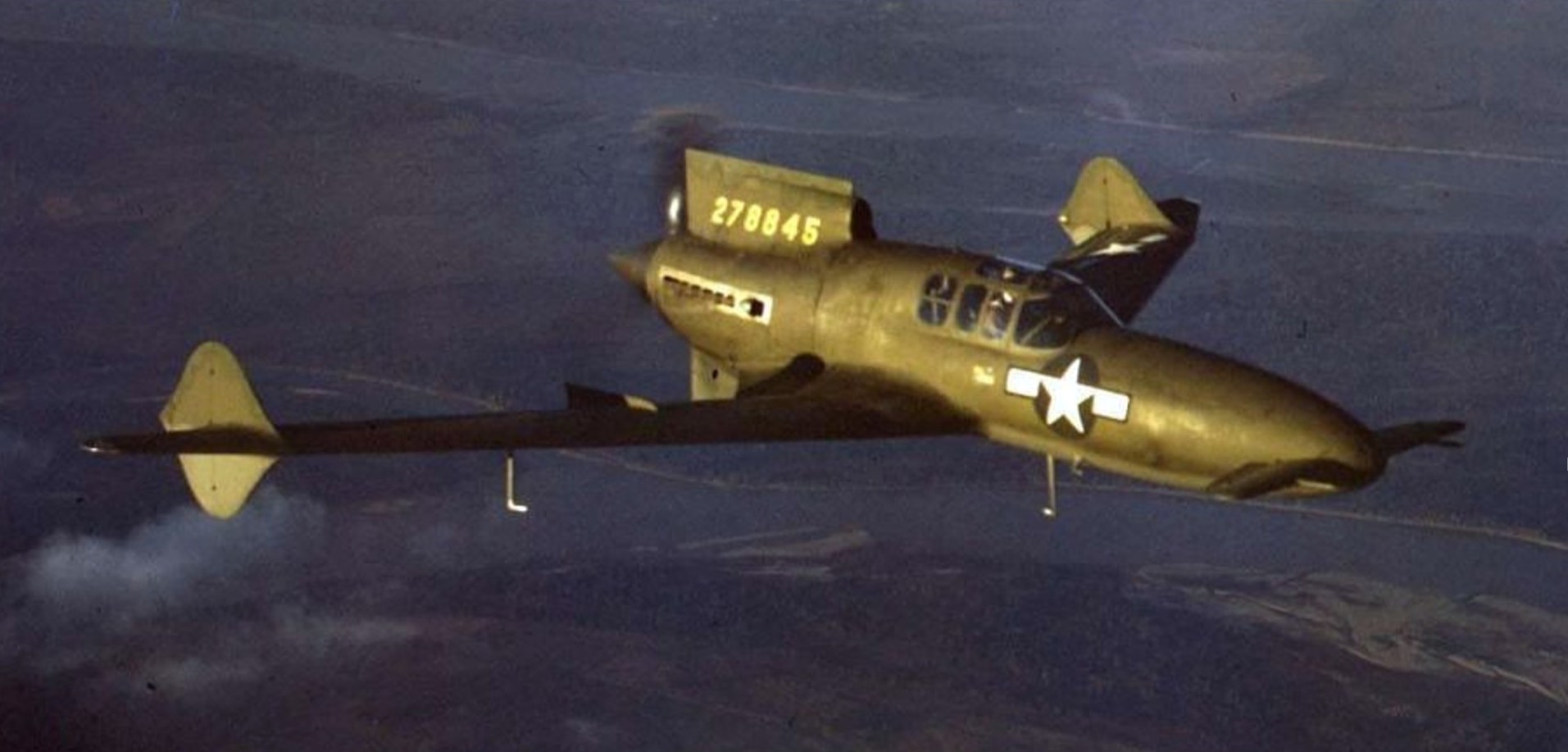
The Curtiss-Wright XP-55 Ascender experimental fighter developed for the US Army Air Forces during World War II.
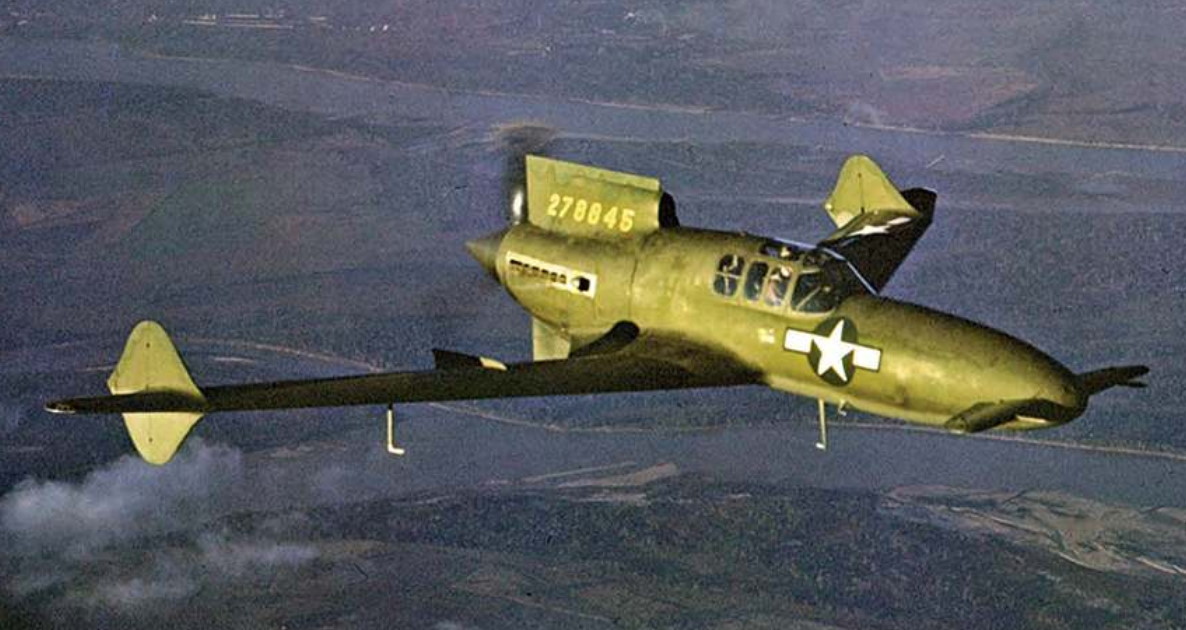
The Curtiss-Wright XP-55 Ascender experimental fighter developed for the US Army Air Forces during World War II.
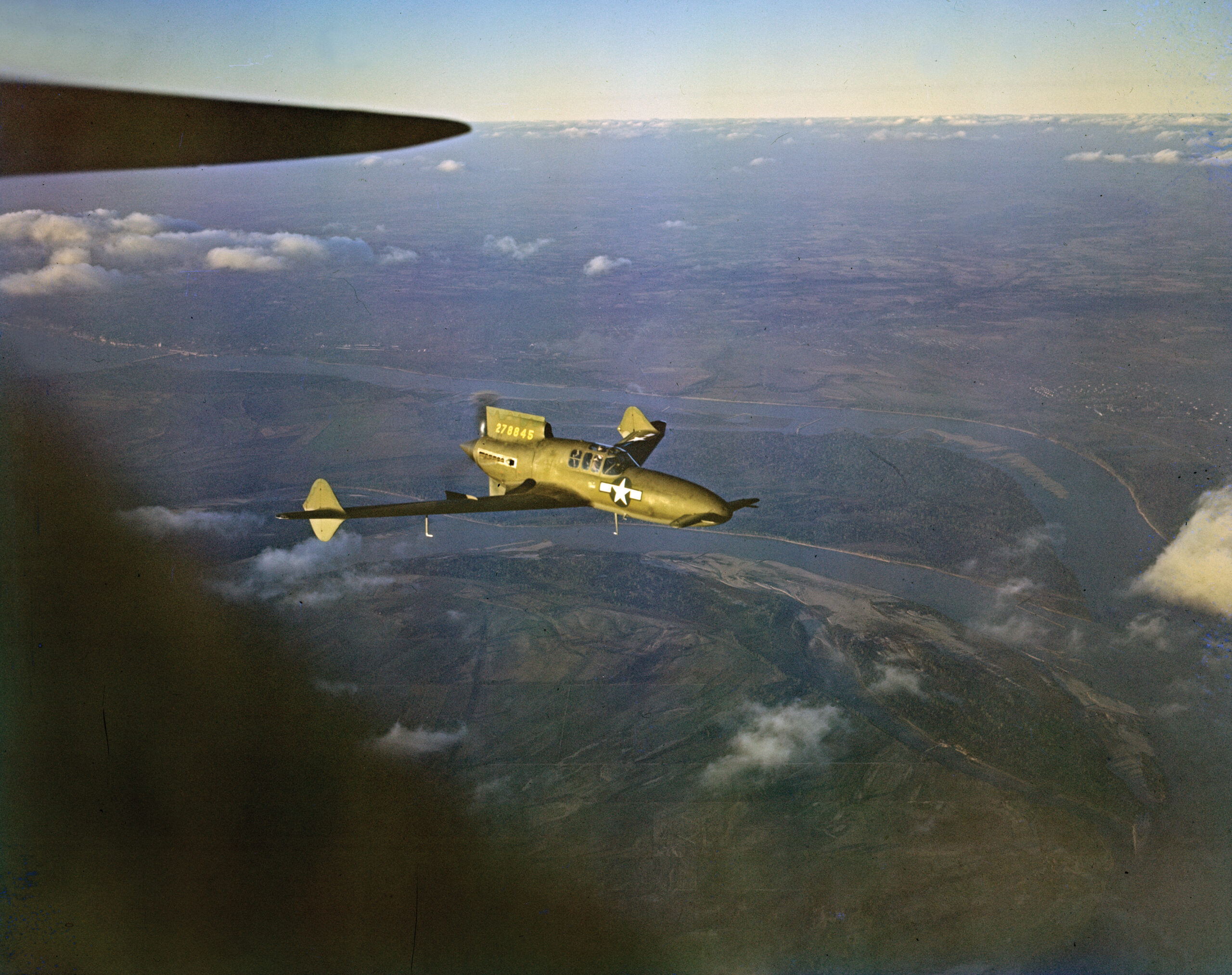
The Curtiss-Wright XP-55 Ascender experimental fighter developed for the US Army Air Forces during World War II.
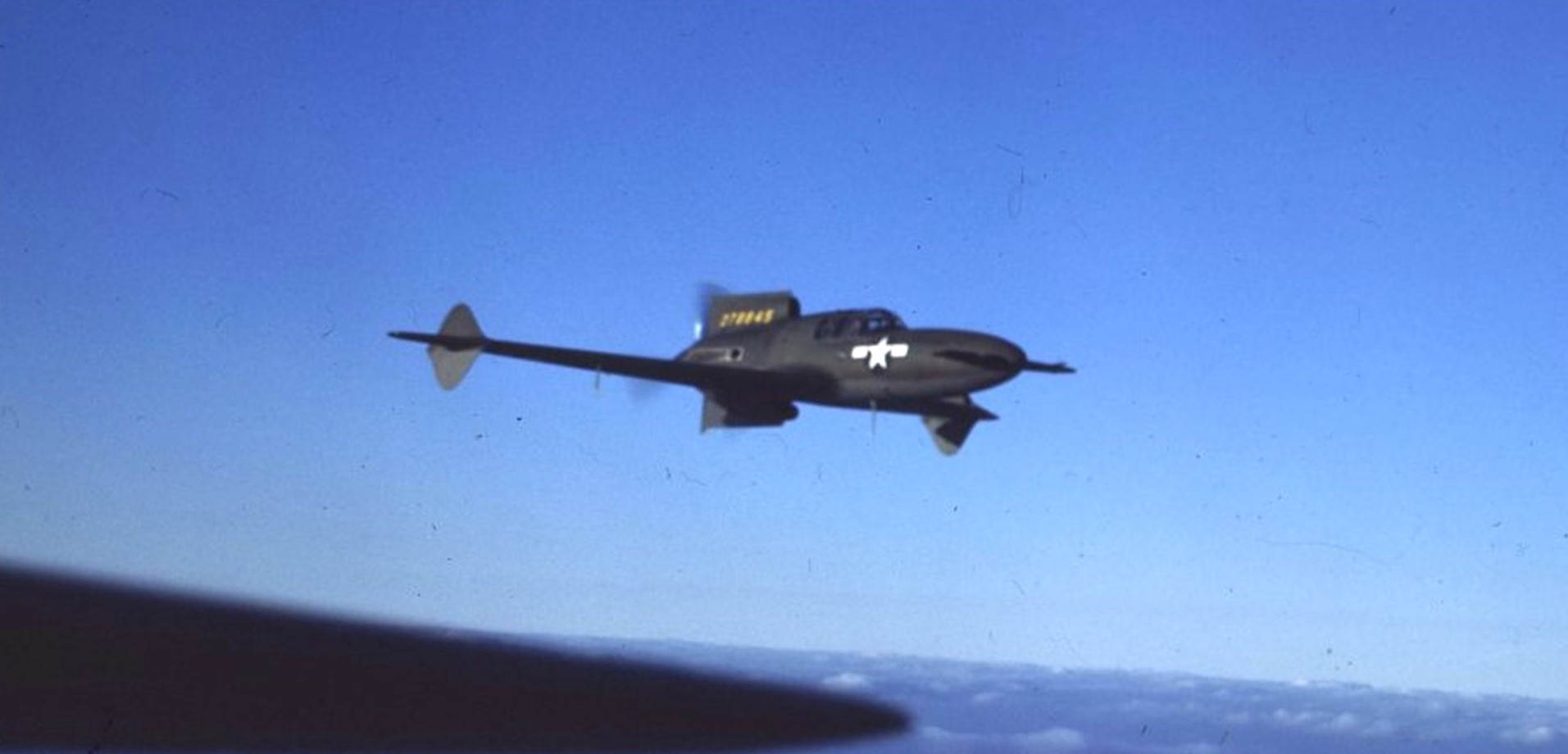
The Curtiss-Wright XP-55 Ascender experimental fighter developed for the US Army Air Forces during World War II.
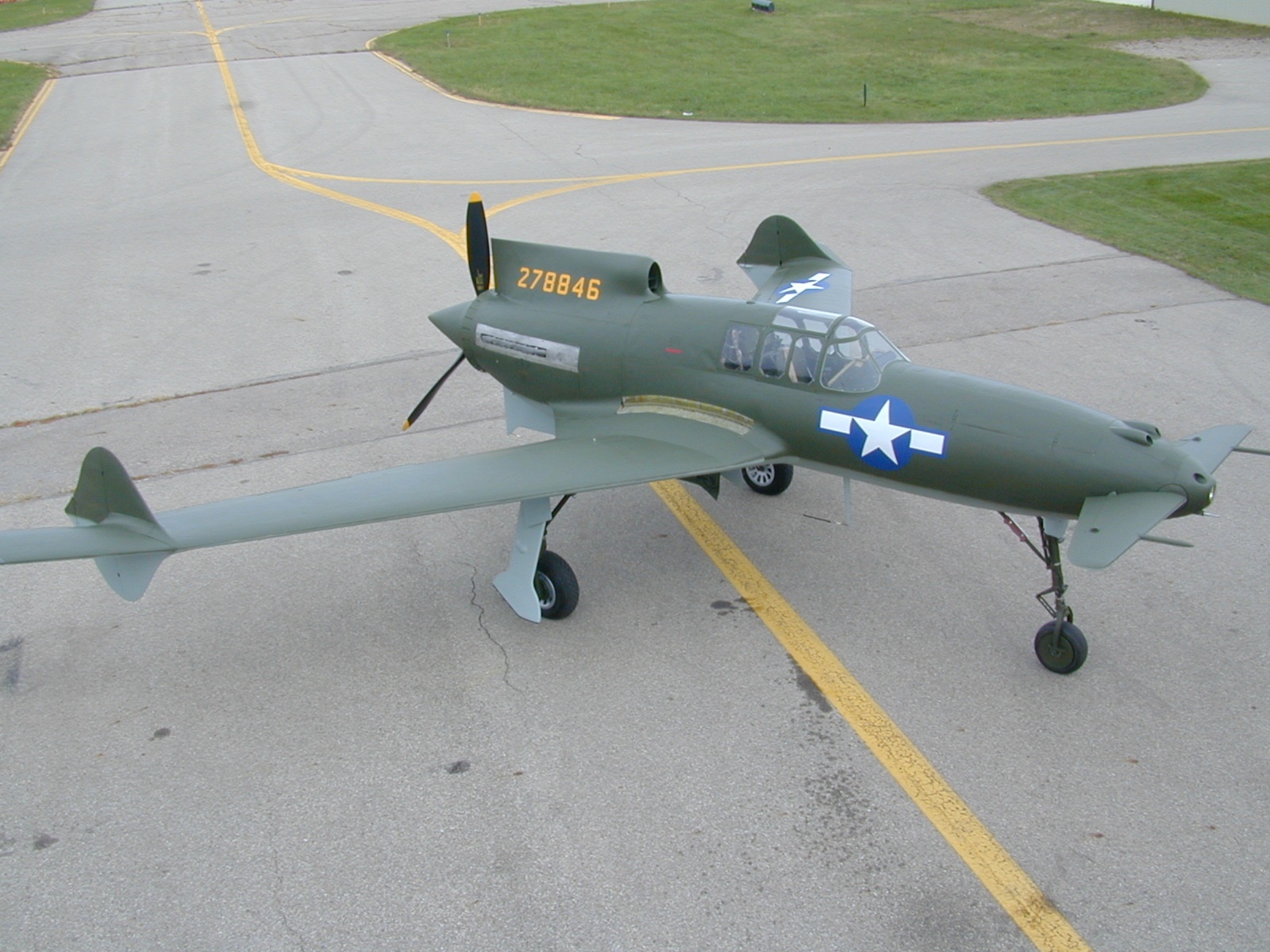
The Curtiss-Wright XP-55 Ascender experimental fighter developed for the US Army Air Forces during World War II.
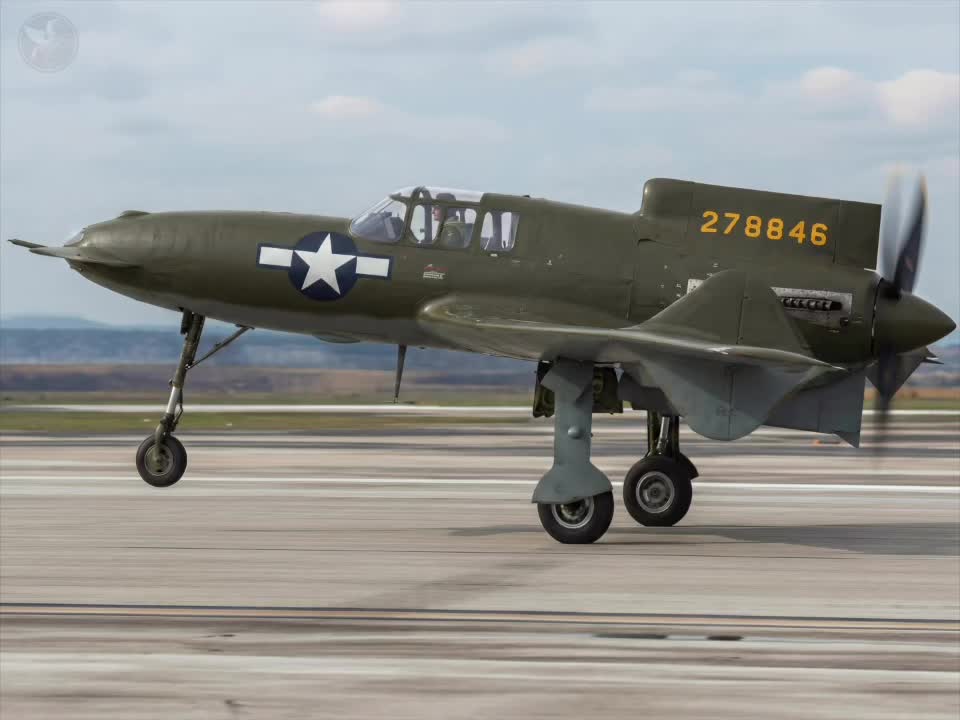
The Curtiss-Wright XP-55 Ascender experimental fighter developed for the US Army Air Forces during World War II.
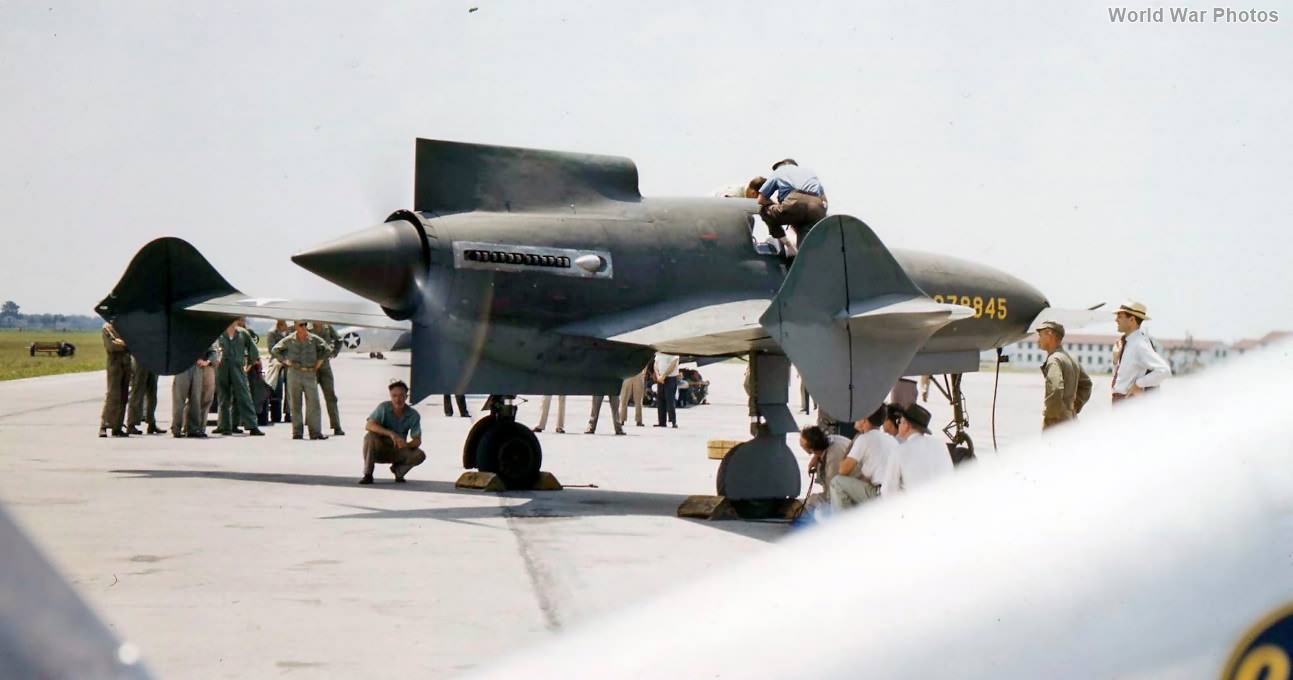
The Curtiss-Wright XP-55 Ascender experimental fighter developed for the US Army Air Forces during World War II.
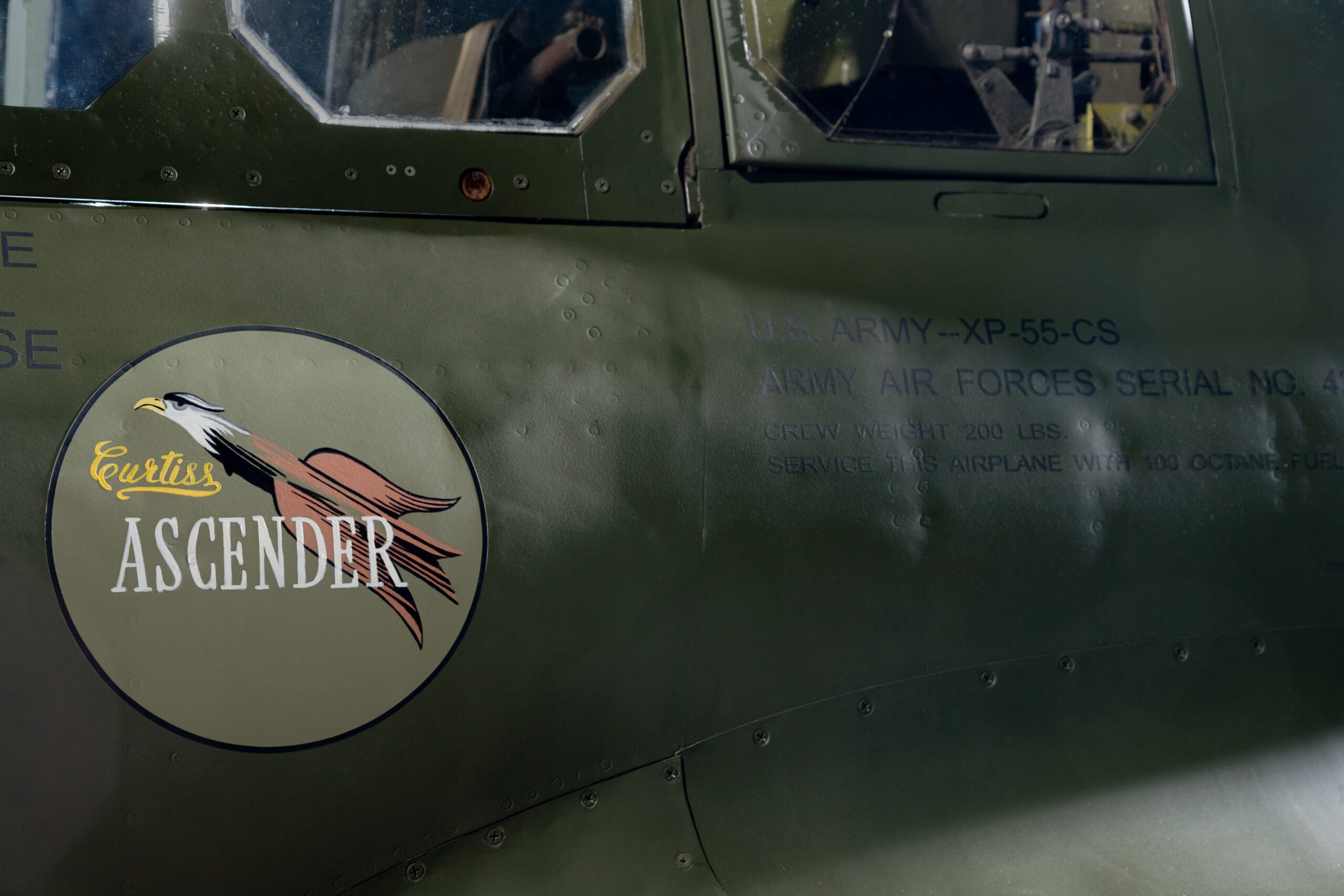
The Curtiss-Wright XP-55 Ascender experimental fighter developed for the US Army Air Forces during World War II.
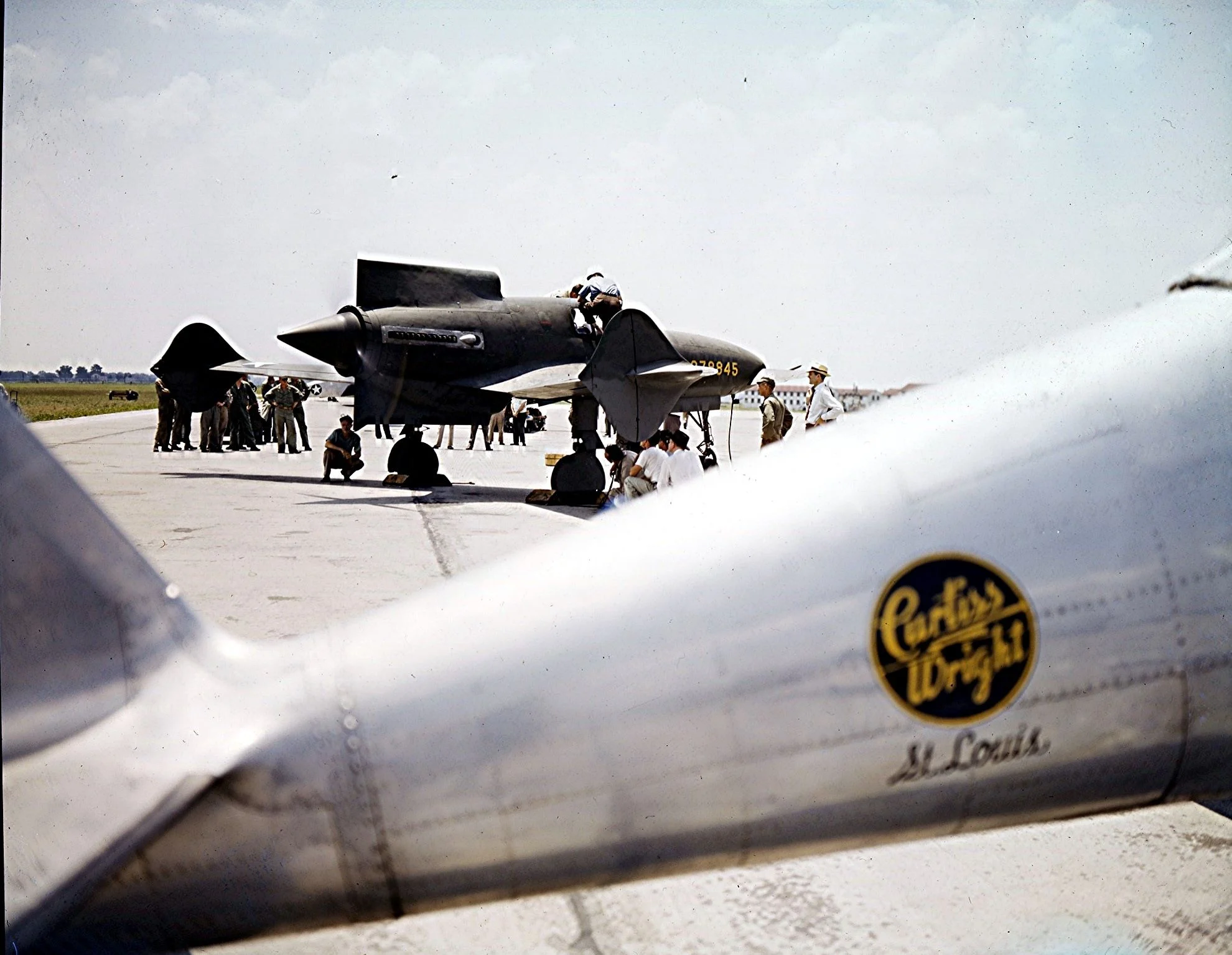
The Curtiss-Wright XP-55 Ascender experimental fighter developed for the US Army Air Forces during World War II.
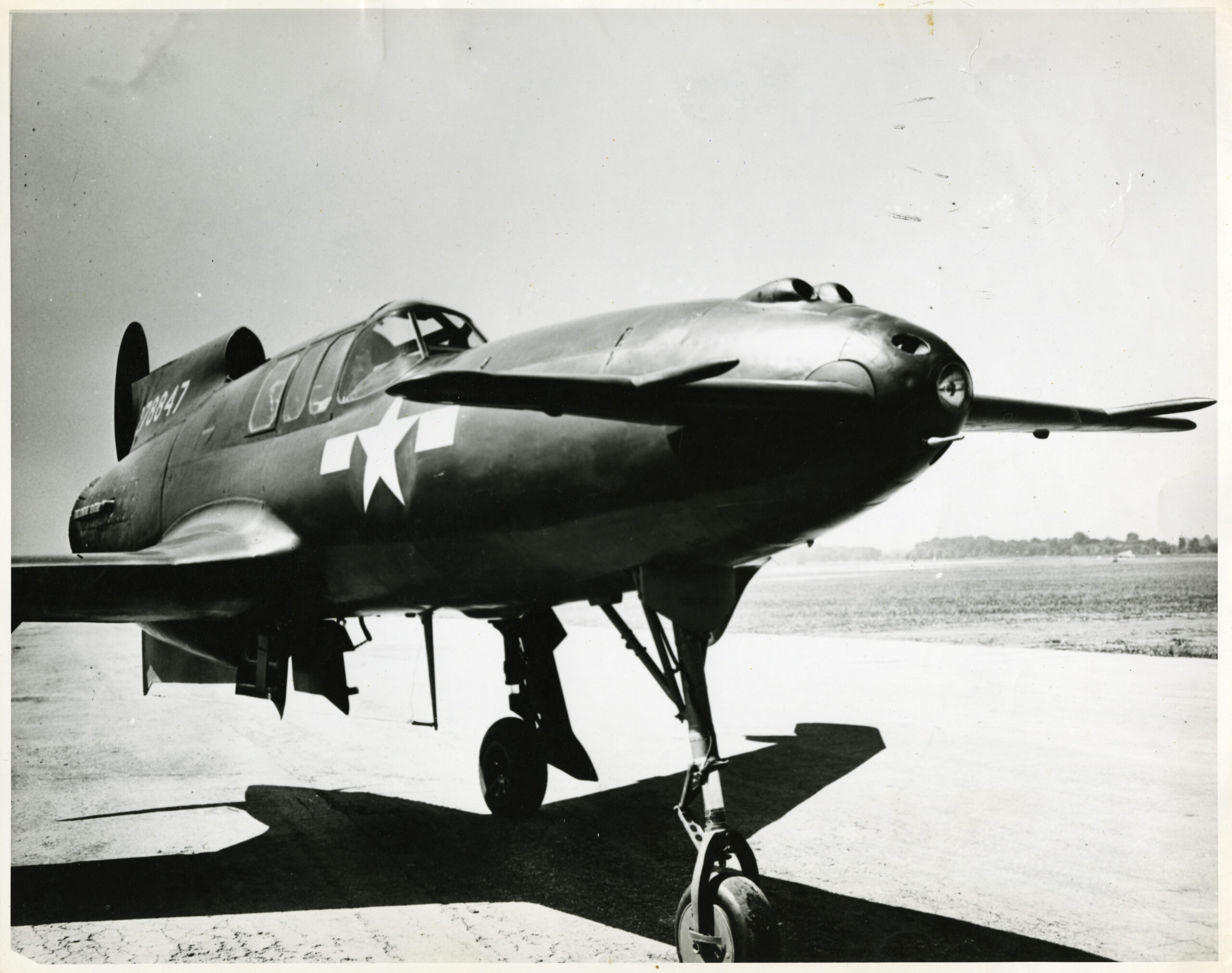
The Curtiss-Wright XP-55 Ascender experimental fighter developed for the US Army Air Forces during World War II.
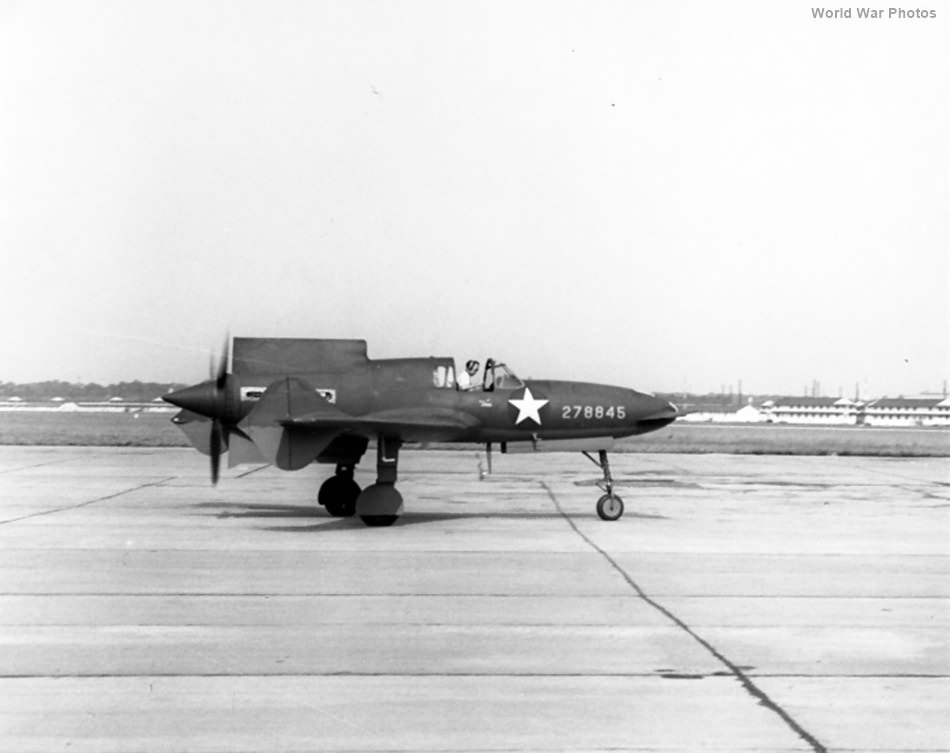
The Curtiss-Wright XP-55 Ascender experimental fighter developed for the US Army Air Forces during World War II.
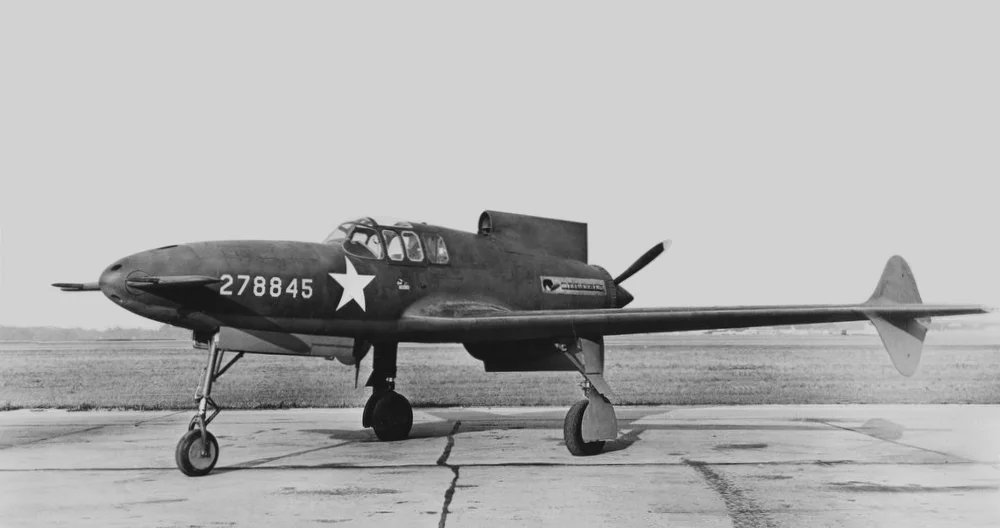
The Curtiss-Wright XP-55 Ascender experimental fighter developed for the US Army Air Forces during World War II.
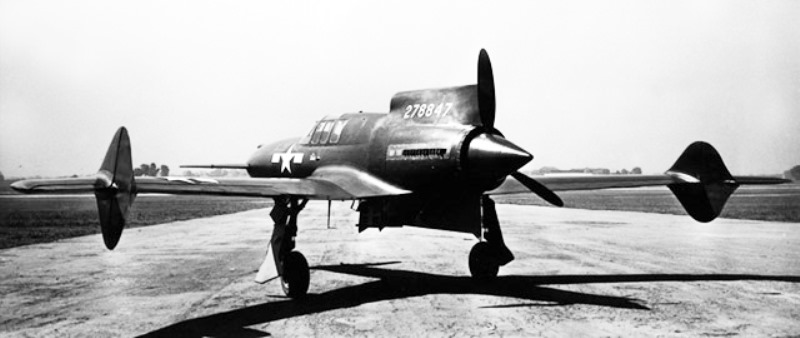
The Curtiss-Wright XP-55 Ascender experimental fighter developed for the US Army Air Forces during World War II.
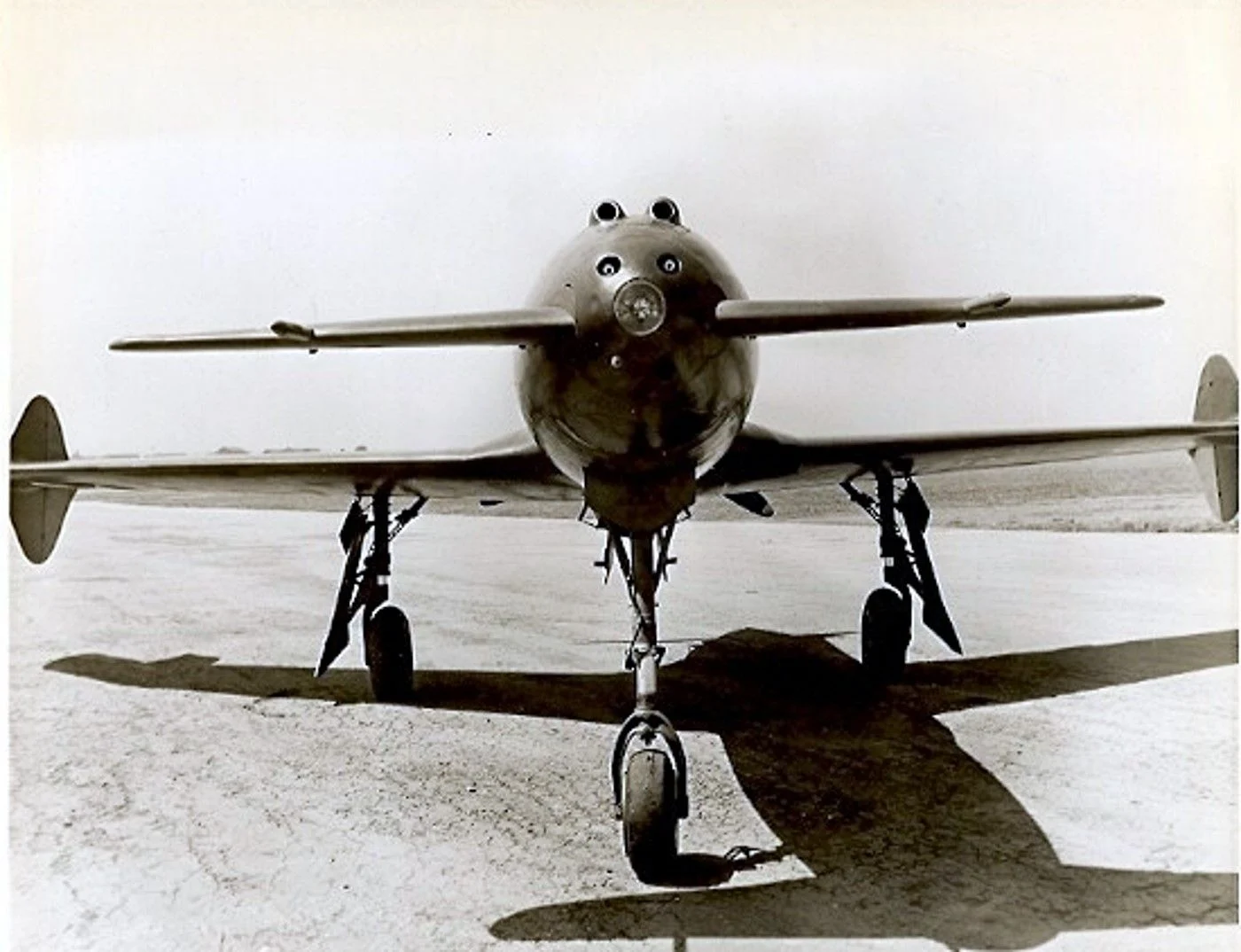
The Curtiss-Wright XP-55 Ascender experimental fighter developed for the US Army Air Forces during World War II.
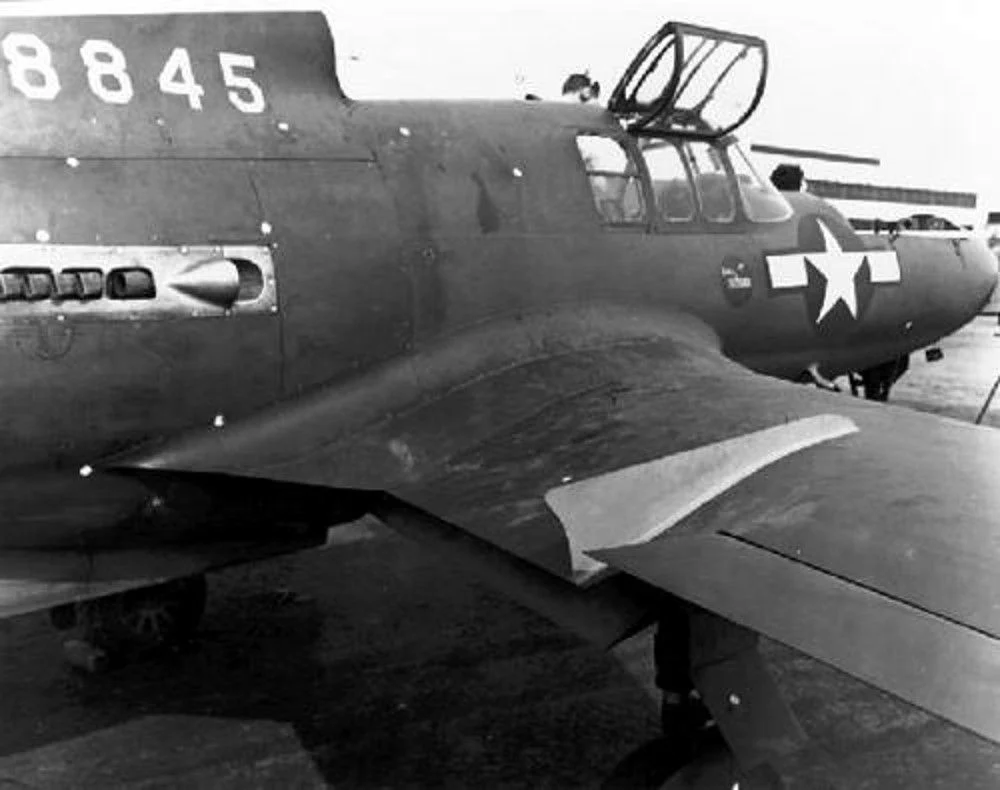
The Curtiss-Wright XP-55 Ascender experimental fighter developed for the US Army Air Forces during World War II.
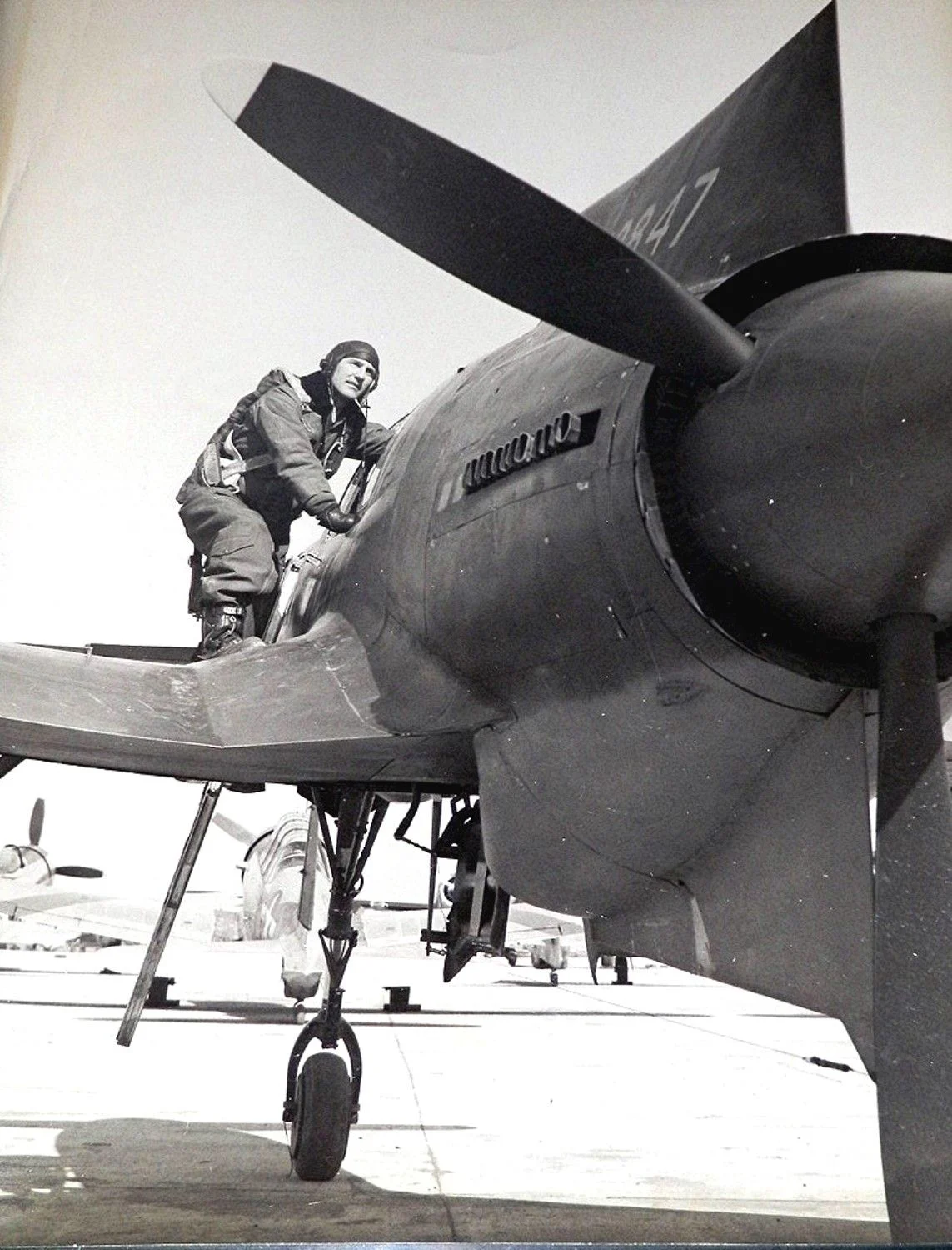
The Curtiss-Wright XP-55 Ascender experimental fighter developed for the US Army Air Forces during World War II.
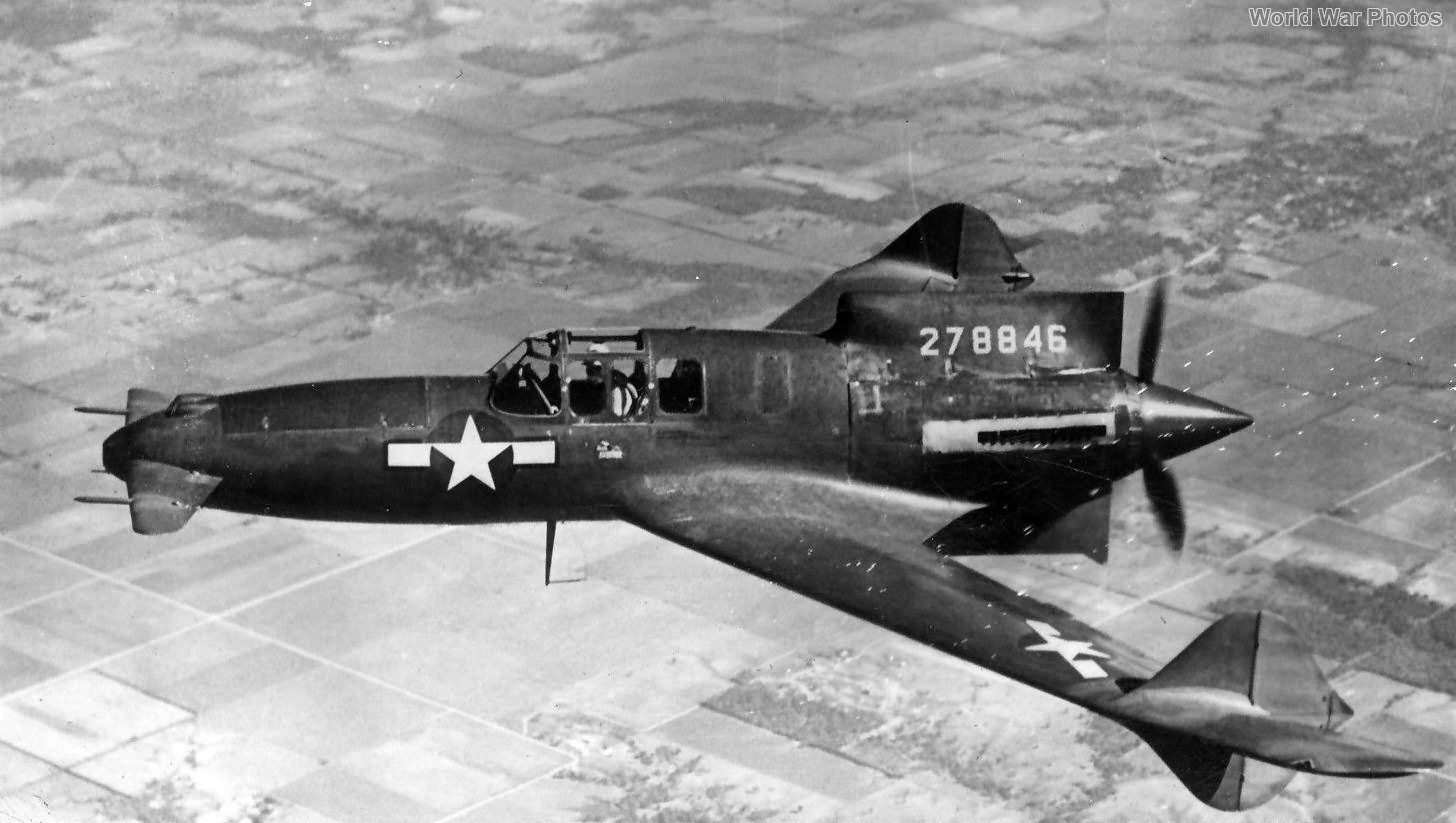
The Curtiss-Wright XP-55 Ascender experimental fighter developed for the US Army Air Forces during World War II.
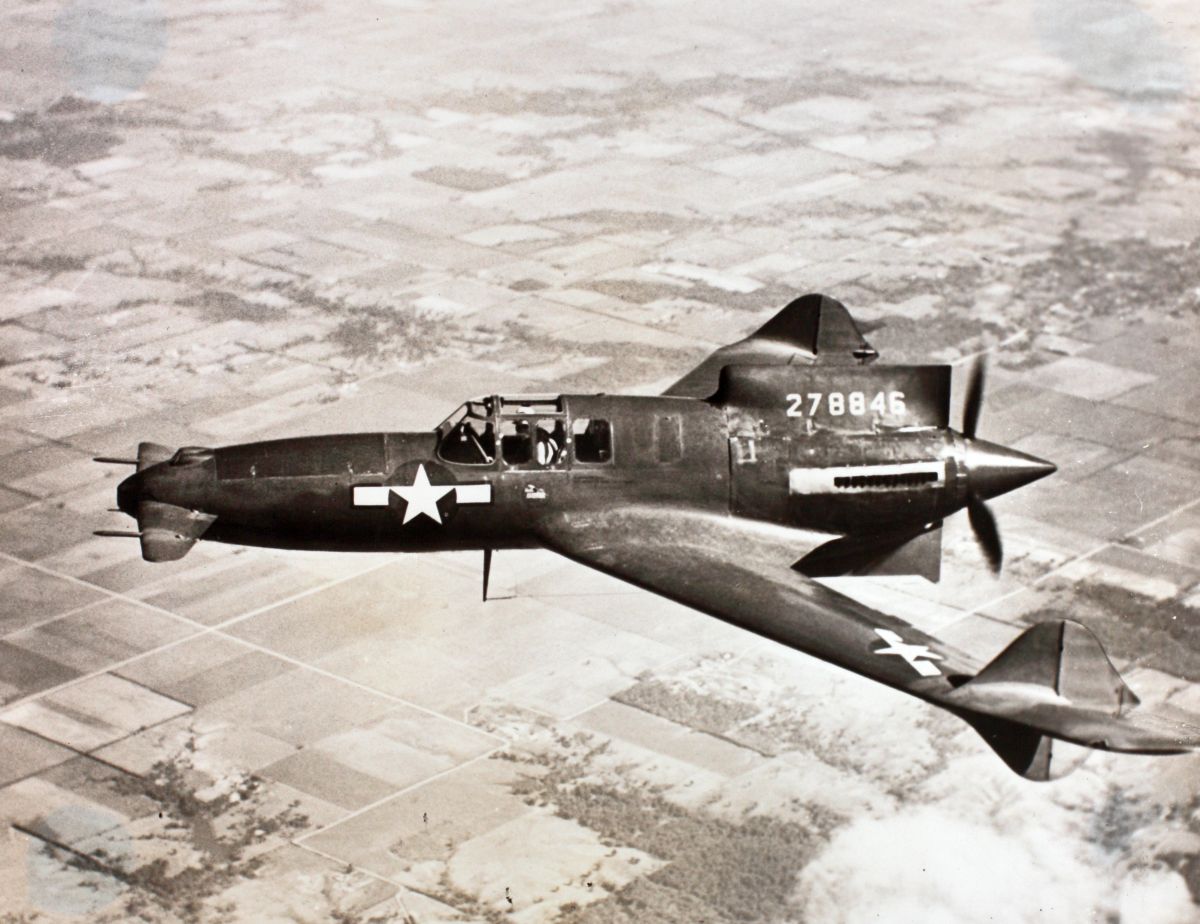
The Curtiss-Wright XP-55 Ascender experimental fighter developed for the US Army Air Forces during World War II.
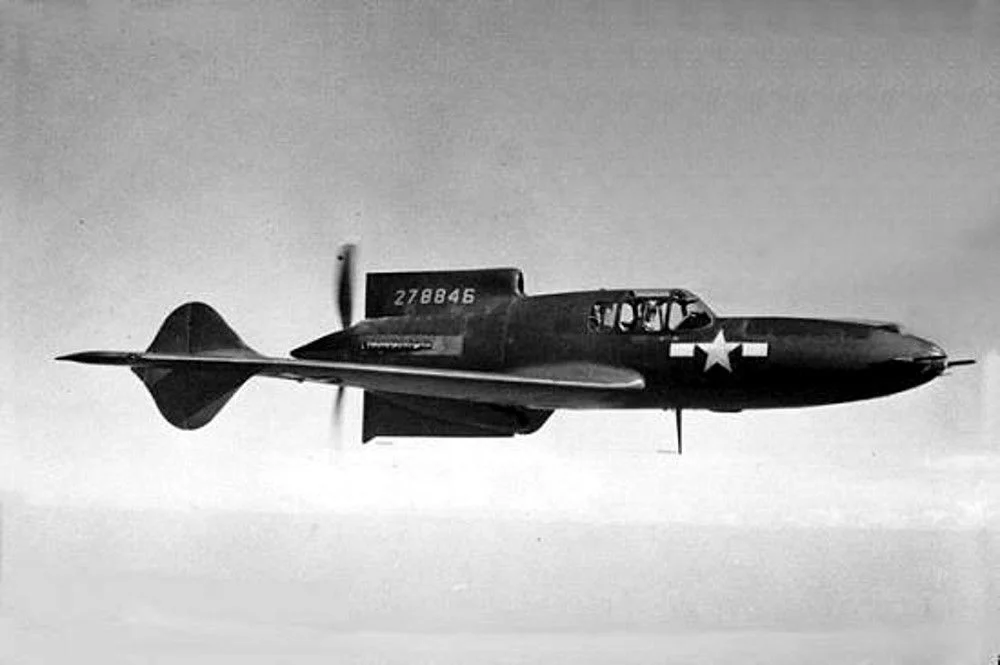
The Curtiss-Wright XP-55 Ascender experimental fighter developed for the US Army Air Forces during World War II.
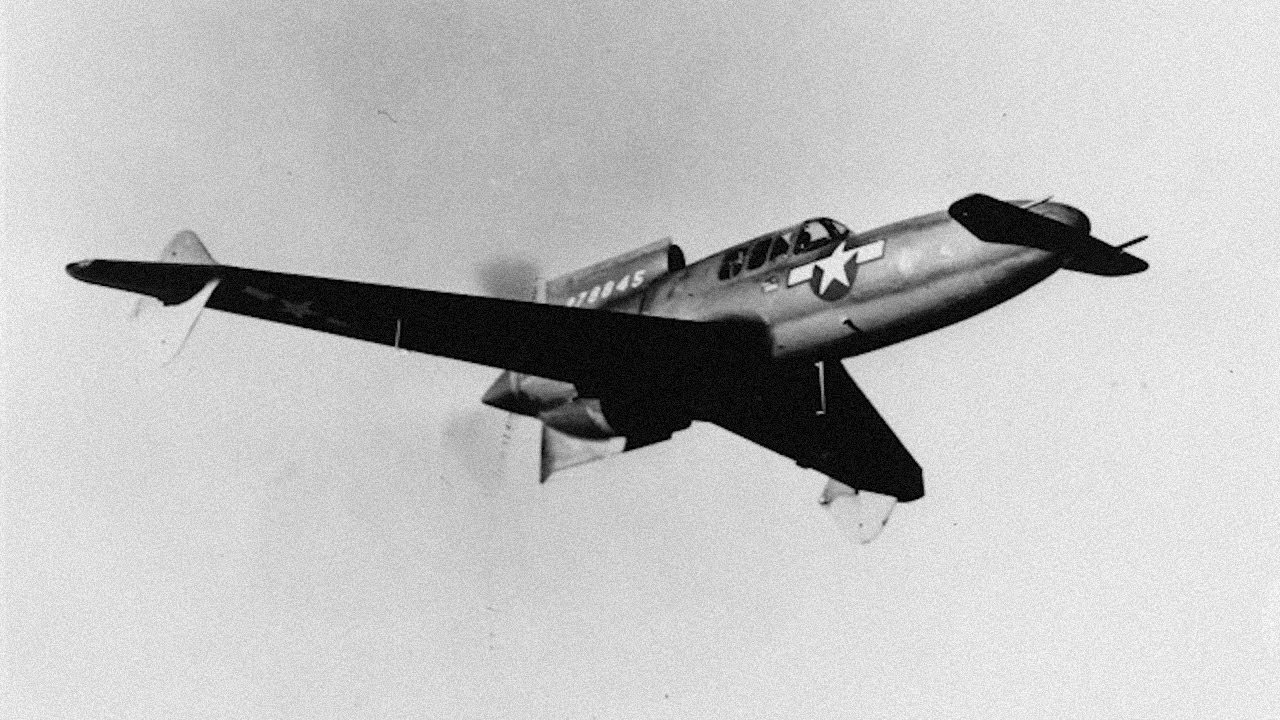
The Curtiss-Wright XP-55 Ascender experimental fighter developed for the US Army Air Forces during World War II.
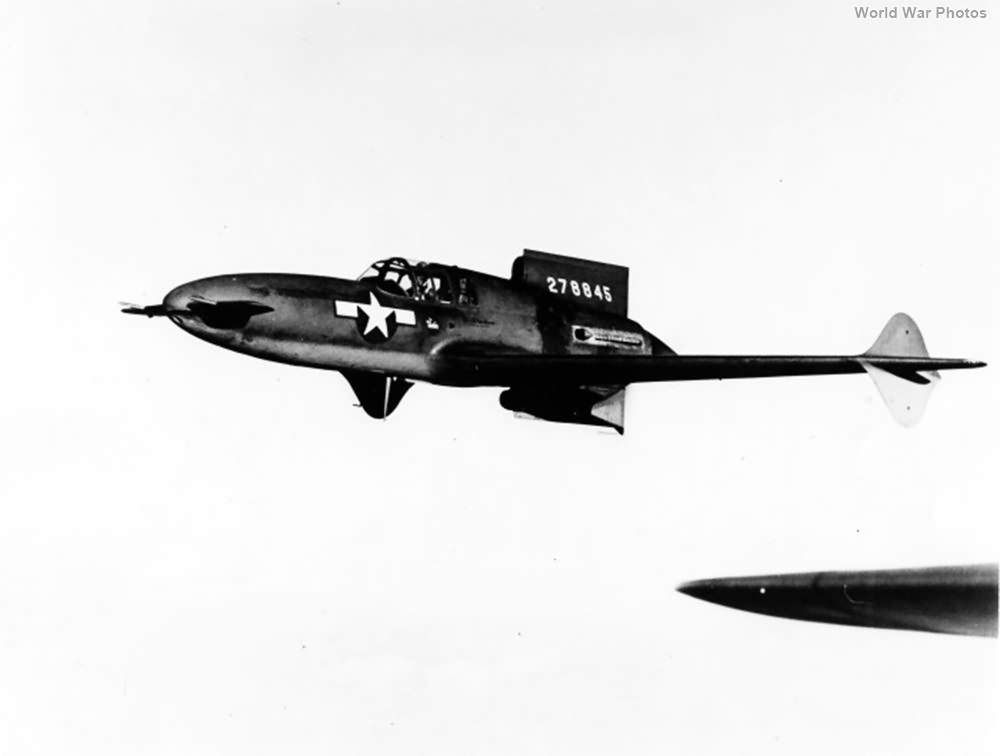
The Curtiss-Wright XP-55 Ascender experimental fighter developed for the US Army Air Forces during World War II.
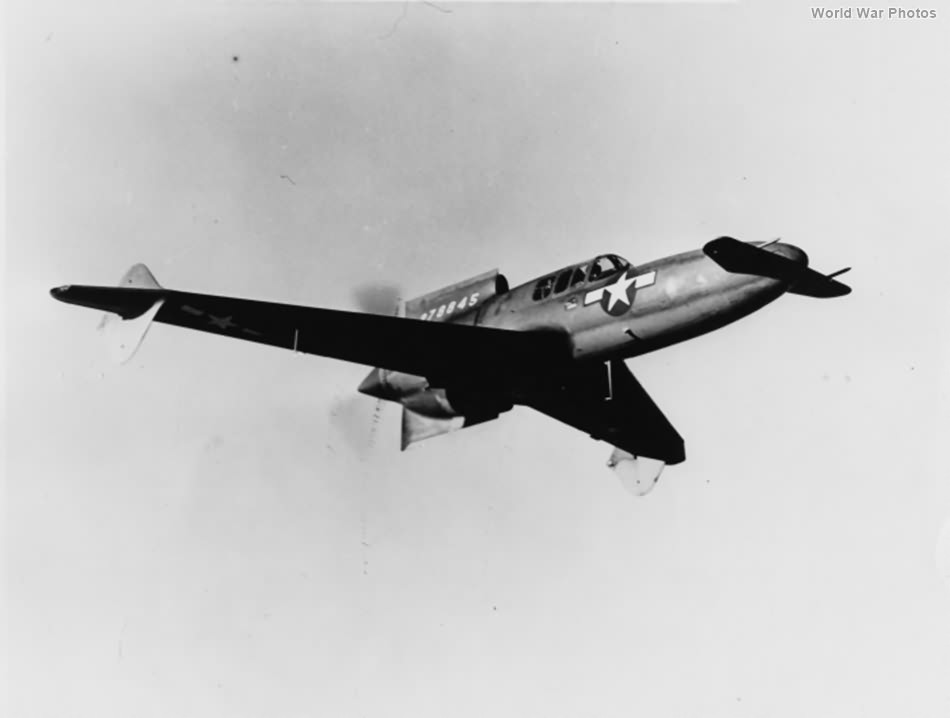
The Curtiss-Wright XP-55 Ascender experimental fighter developed for the US Army Air Forces during World War II.
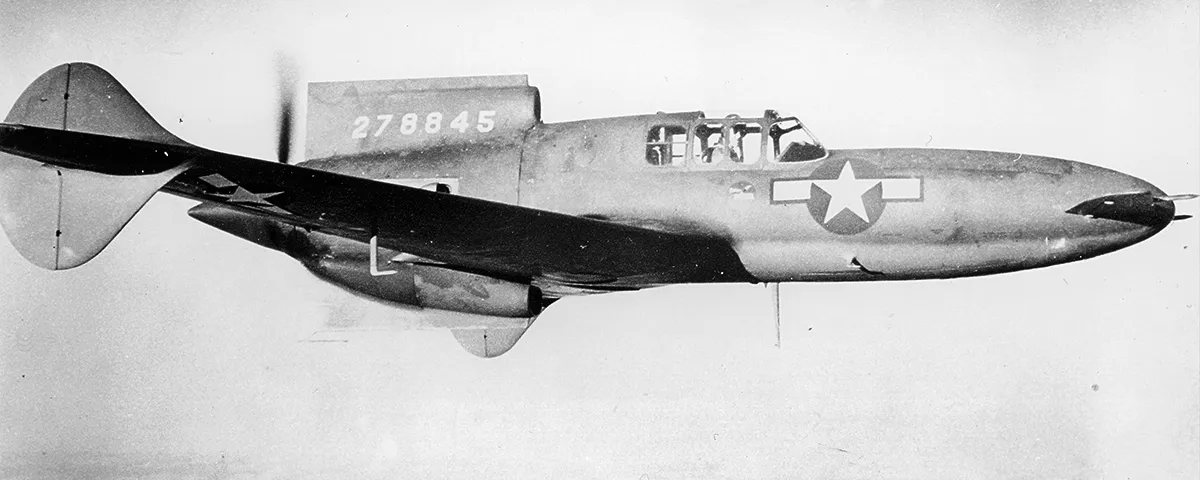
The Curtiss-Wright XP-55 Ascender experimental fighter developed for the US Army Air Forces during World War II.