article
SEO Title: Euro I Camouflage (Charcoal Lizard) – The USAF’s Iconic Cold War Tactical Aircraft Scheme
Euro I Camouflage (Charcoal Lizard) – The Tactical Colors of the Cold War
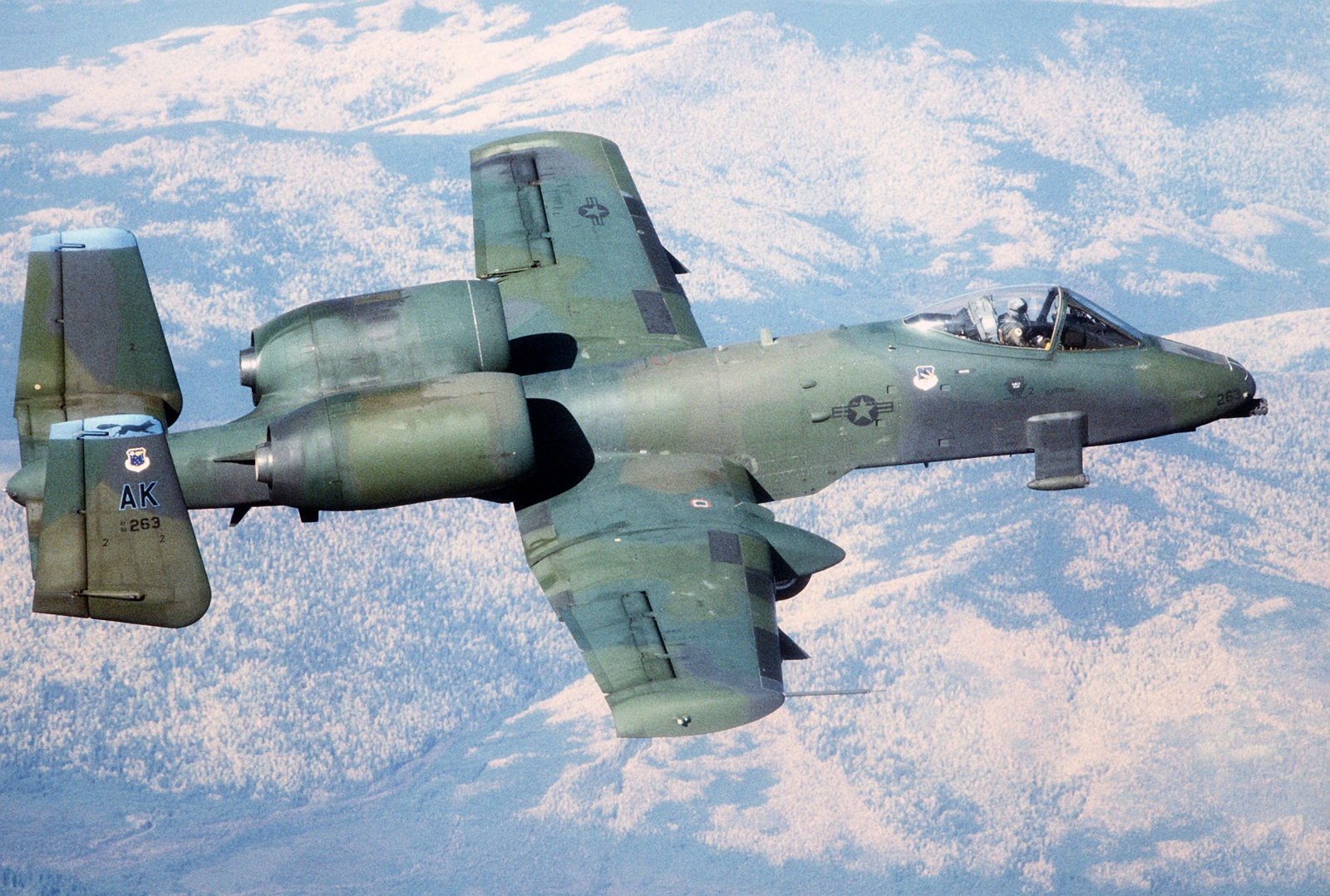
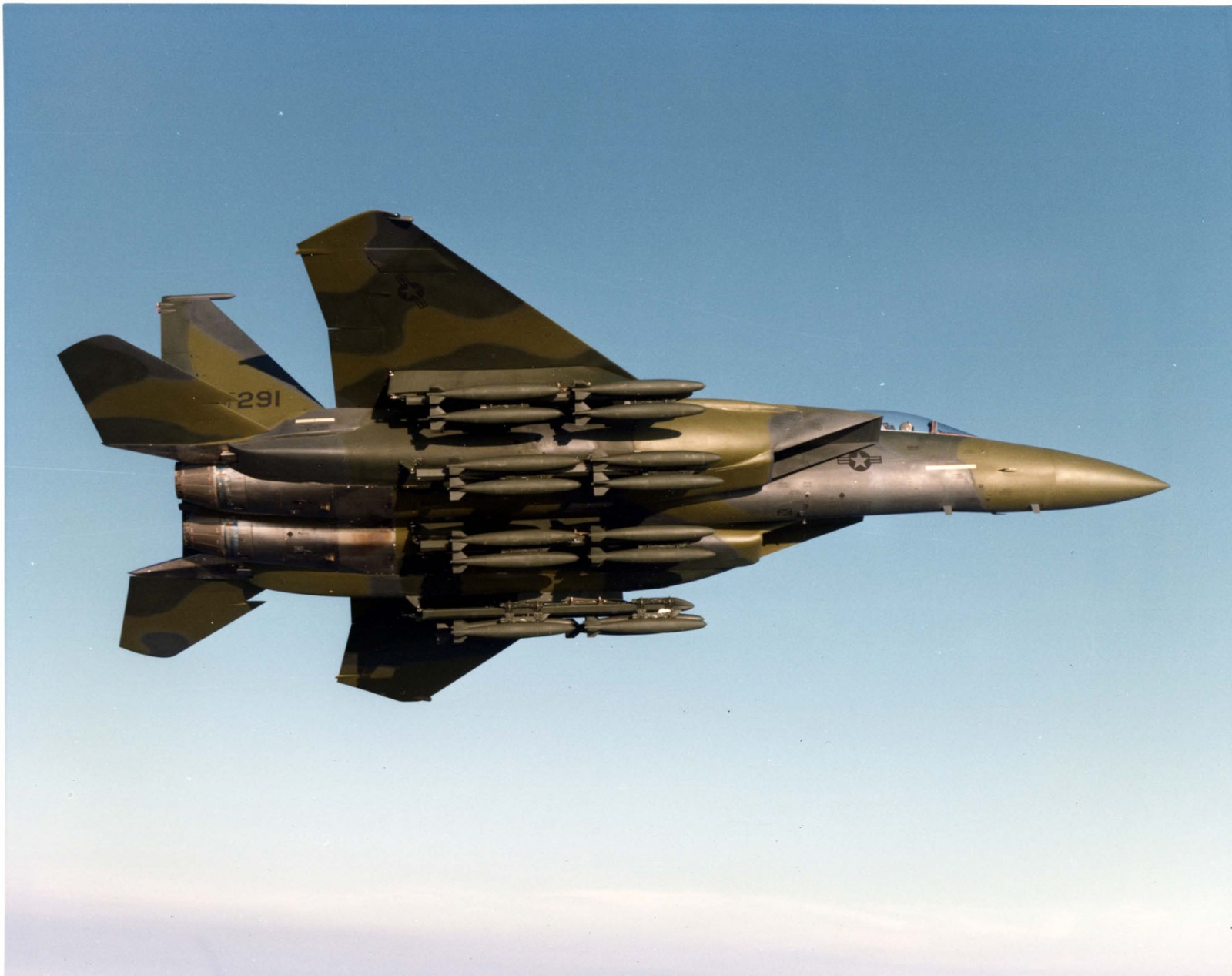
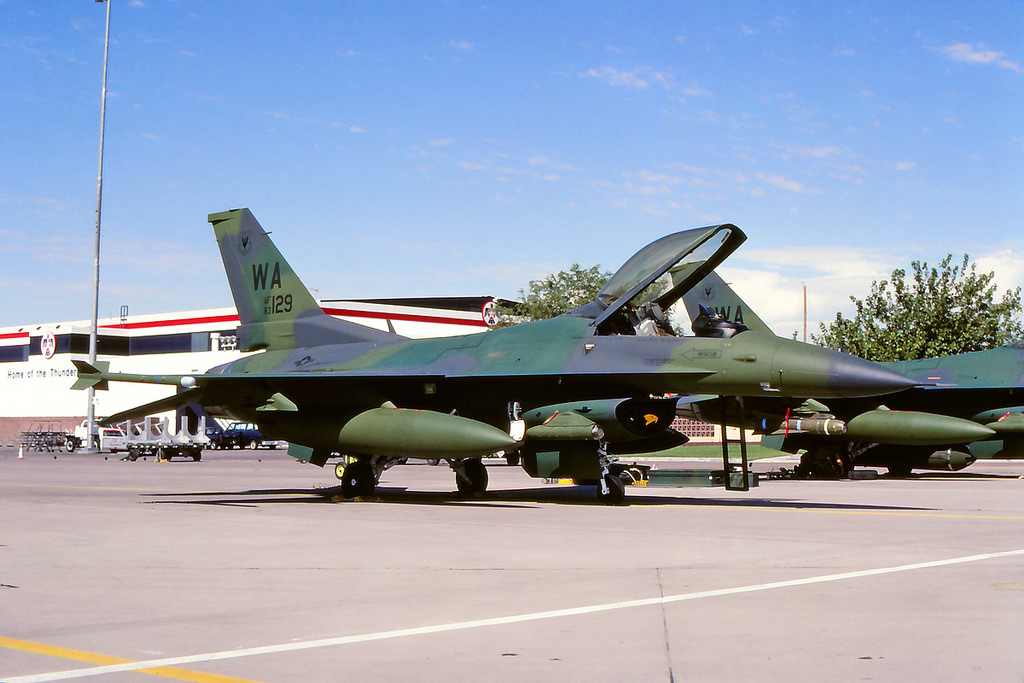
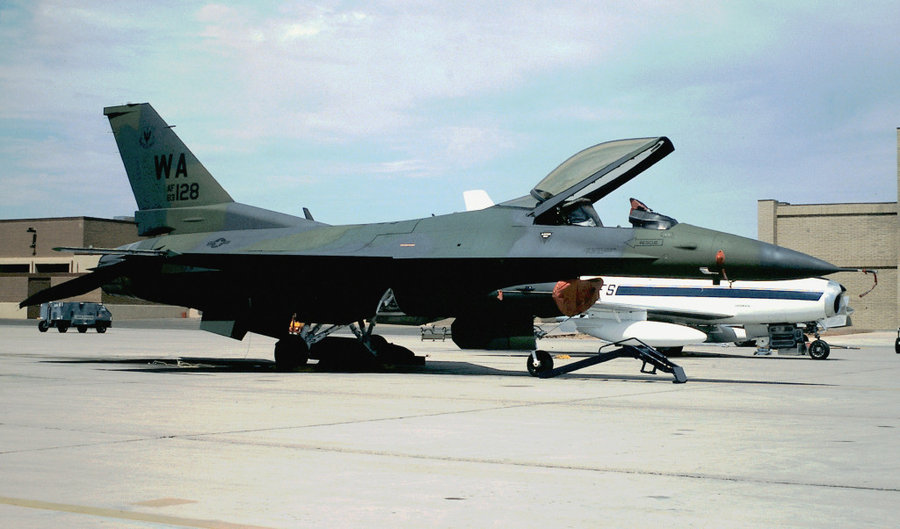
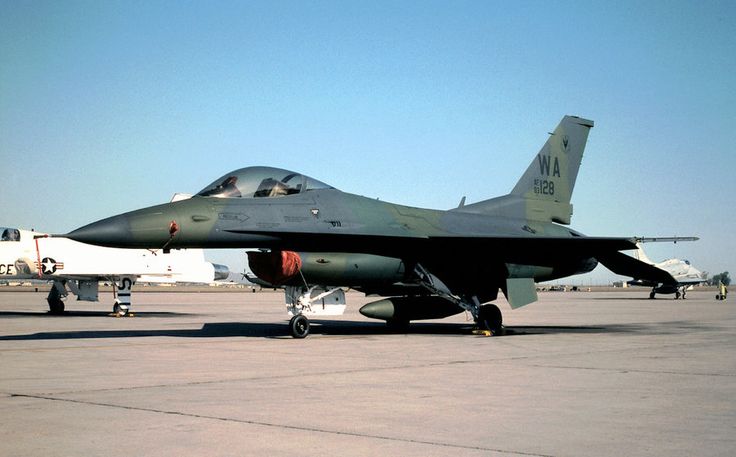
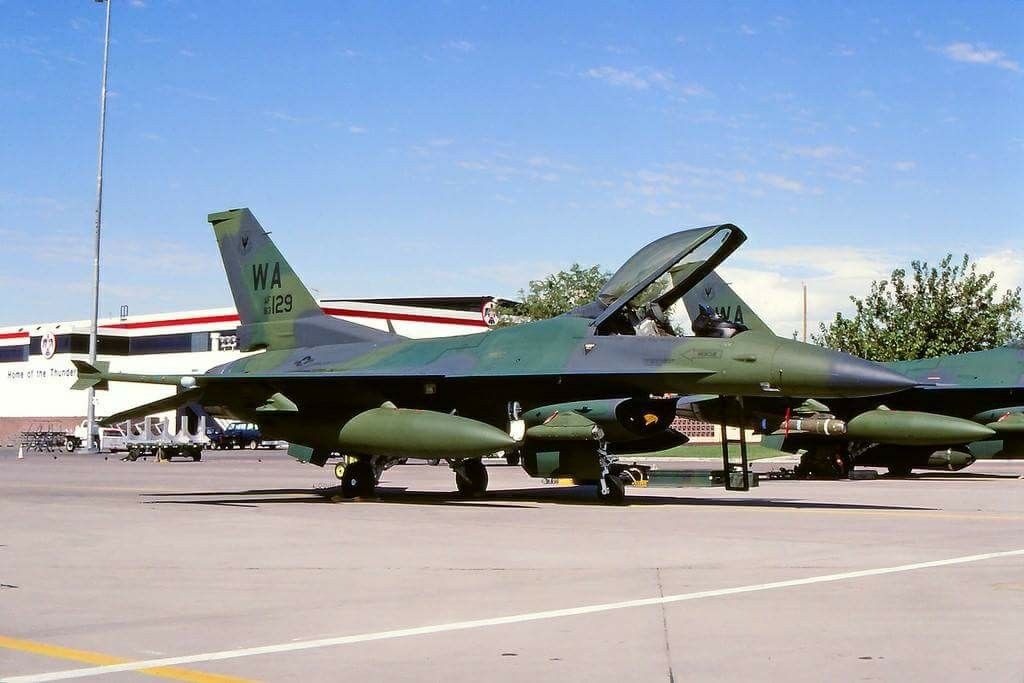
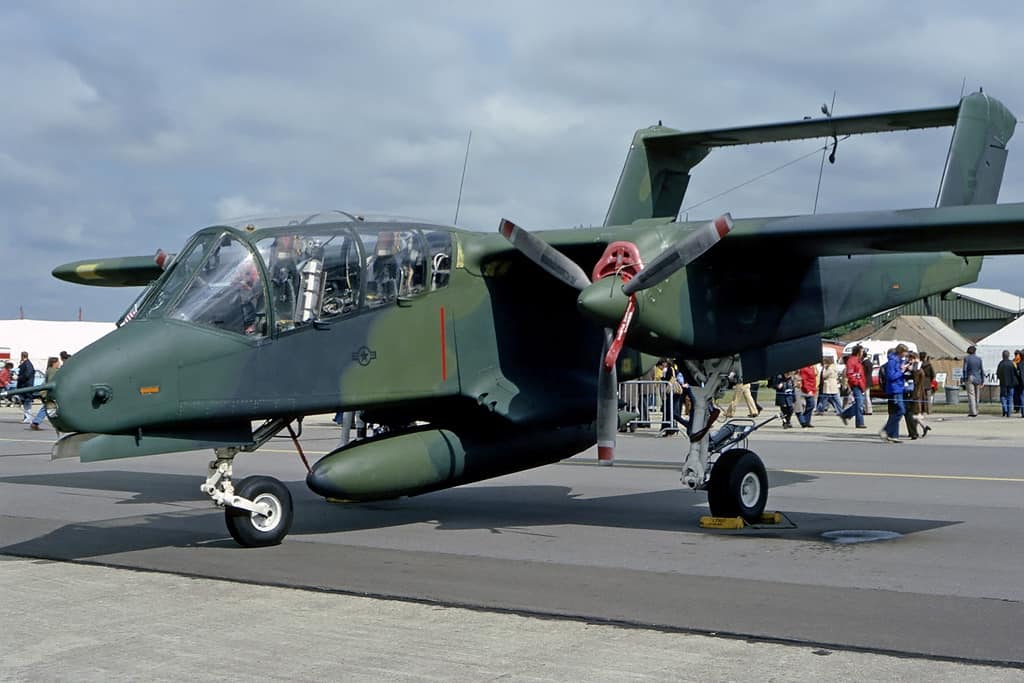
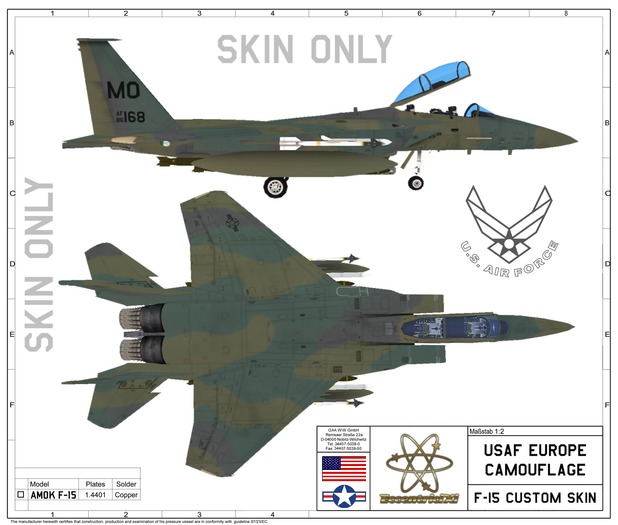
Among the many camouflage patterns used during the Cold War, few achieved the visual identity and operational recognition of the Euro I camouflage scheme. Known officially as European I and informally among aviation enthusiasts as the “Lizard” or “Charcoal Lizard” scheme, this camouflage became one of the most distinctive aircraft finishes ever worn by United States Air Force tactical aircraft during the 1980s.
Created for survival in the expected battlefield of Central Europe, Euro I was more than an aesthetic choice. It represented a shift in tactical thinking during one of the most tense periods of modern military aviation.
The Origin of Euro I Camouflage
The Euro I camouflage scheme was developed following the 1977 Joint Attack Weapons System (JAWS) exercises conducted at Nellis Air Force Base.
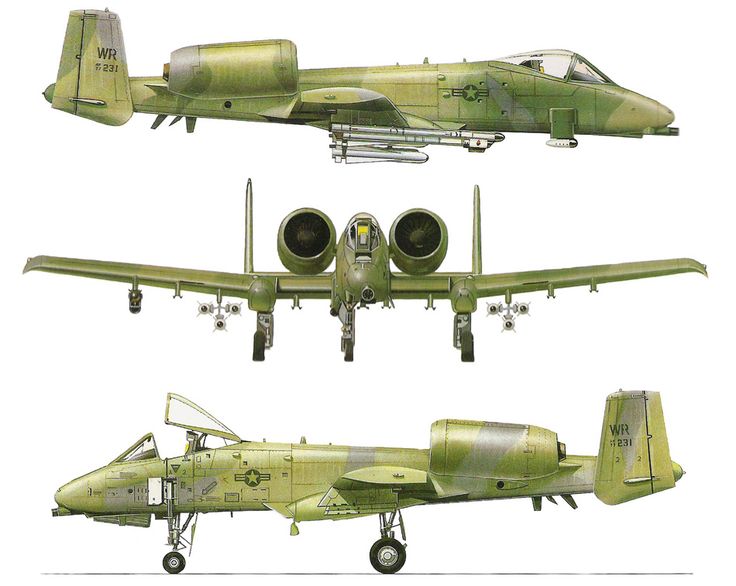
At the time, the USAF was introducing the Fairchild Republic A-10A Thunderbolt II into service. The aircraft had one primary mission: destroy Warsaw Pact armored formations across the heavily forested and green environments of Central Europe.
Existing camouflage concepts were considered insufficient for low-altitude operations. The result was a new wraparound tactical scheme designed to reduce aircraft visibility against wooded terrain while maintaining effectiveness from multiple observation angles.
The Colors Behind the “Charcoal Lizard”
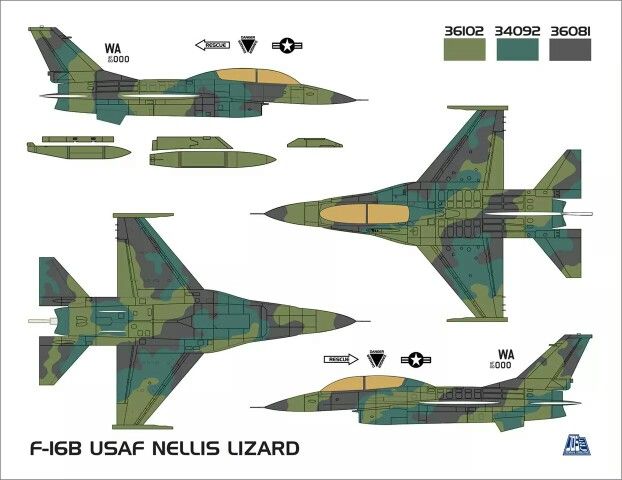
The final Euro I scheme became a three-color wraparound camouflage composed of two greens and one dark gray.
The first green was FS 34102 Medium Green, inherited from earlier Tactical Air Command camouflage standards.
The second was FS 34092 Gunship Green, a darker shade with a subtle blue-green tone that evolved from the historic ANA 612 wartime color. It later became widely known among modelers as Dark Green or Dull Dark Green.
The gray element of the scheme went through several development stages. Initial testing used FS 36231 Dark Gull Gray, but it proved too light for operational requirements.
Engineers then evaluated FS 36118 Medium Gunship Gray before ultimately adopting FS 36081 Dark Gunship Gray in 1979. This darker neutral tone became the definitive gray of Euro I and helped create the characteristic “charcoal” appearance.
An unusual feature of the system was that even markings and insignia were painted using specialized low-sheen polyurethane coatings known internally as “gunship quality” paint, helping reduce visual contrast.
Aircraft That Carried the Euro I Scheme
Although strongly associated with the A-10A Thunderbolt II, only a limited number of USAF aircraft officially received Euro I camouflage.
The most recognizable remained the A-10A, where the pattern became inseparable from the aircraft’s identity during the AirLand Battle era.
Other aircraft adapted variations of the concept:
Experimental Close Air Support F-16 aircraft
Some aircraft adopted modified interpretations rather than true Euro I application.
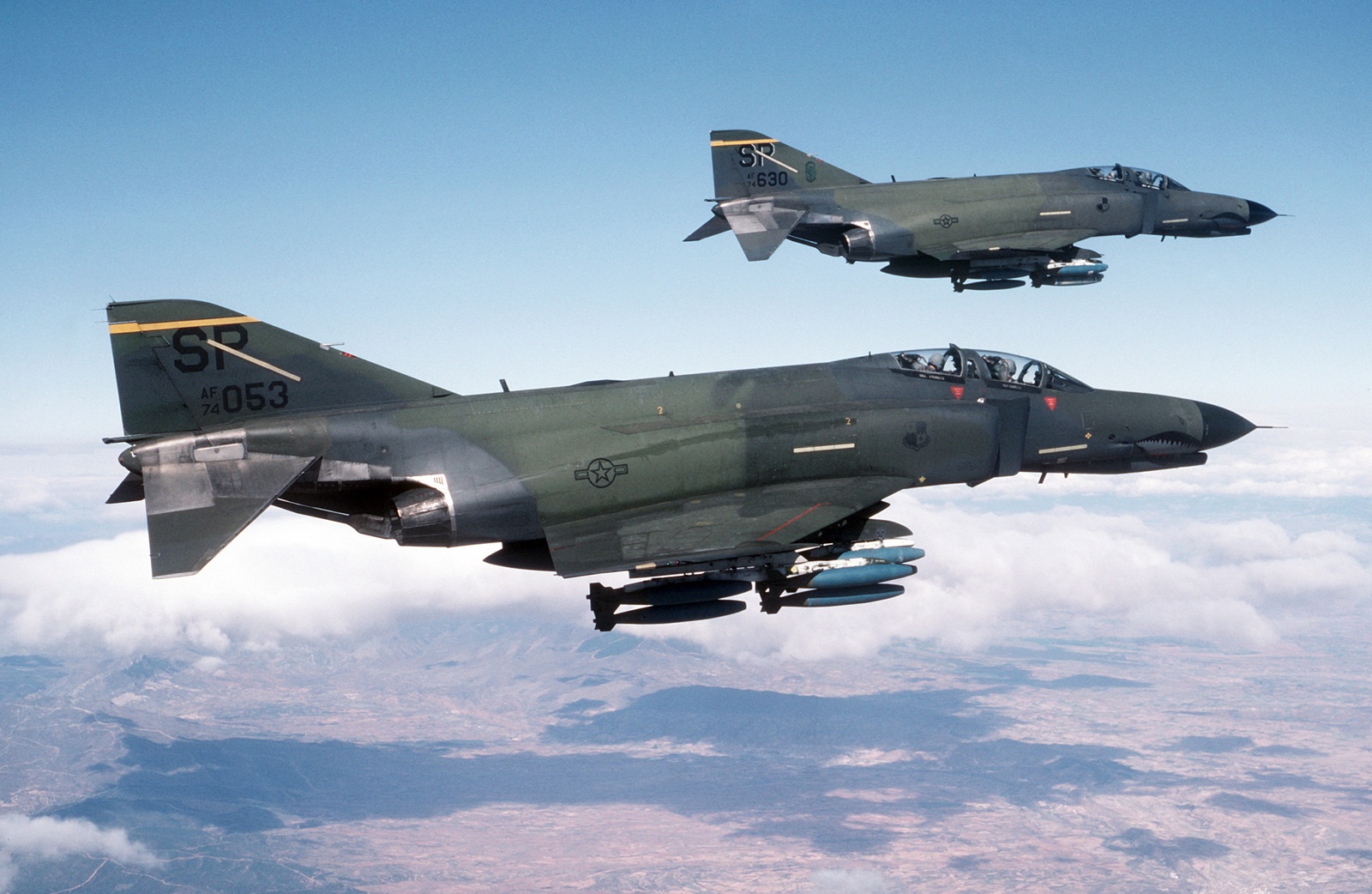
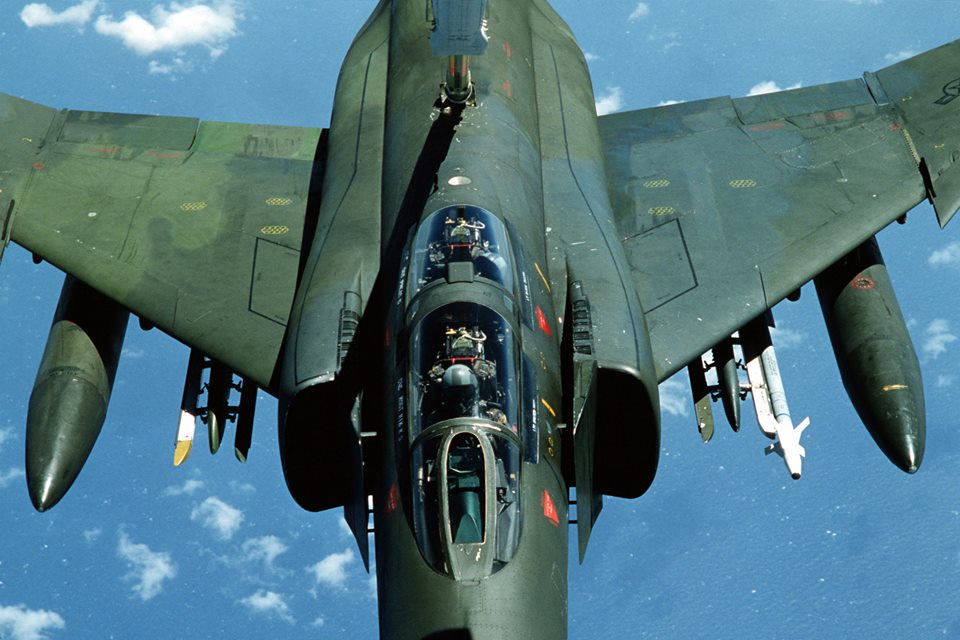
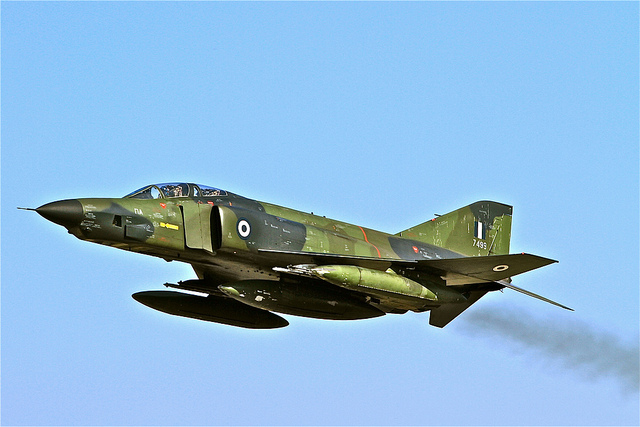
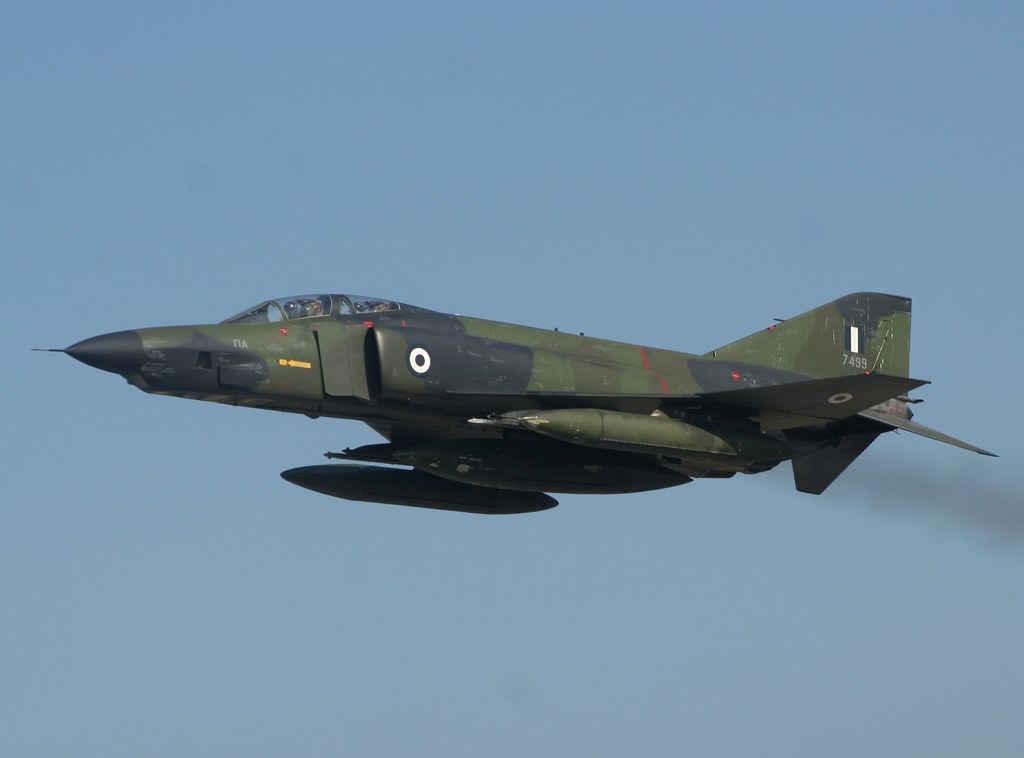
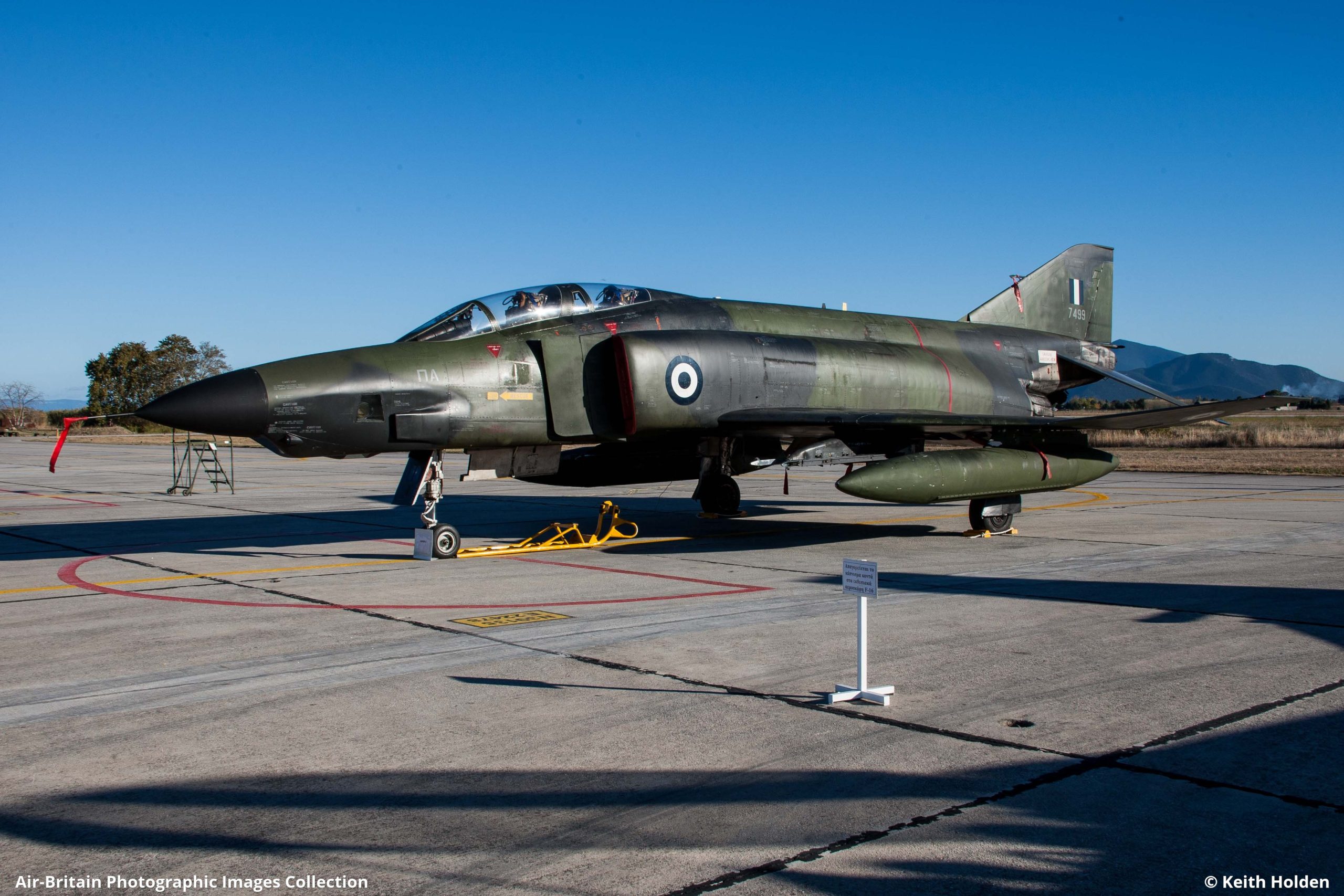
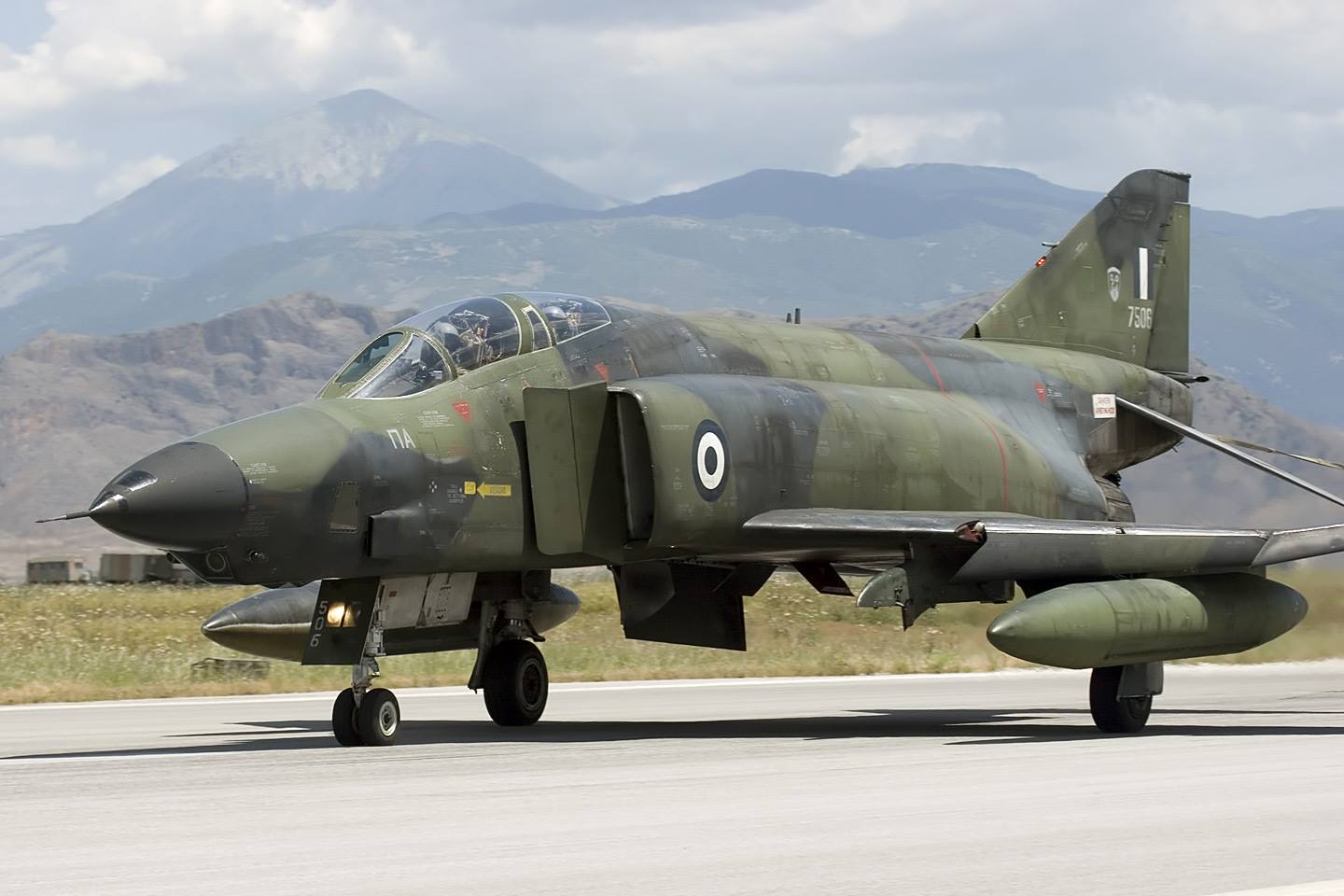
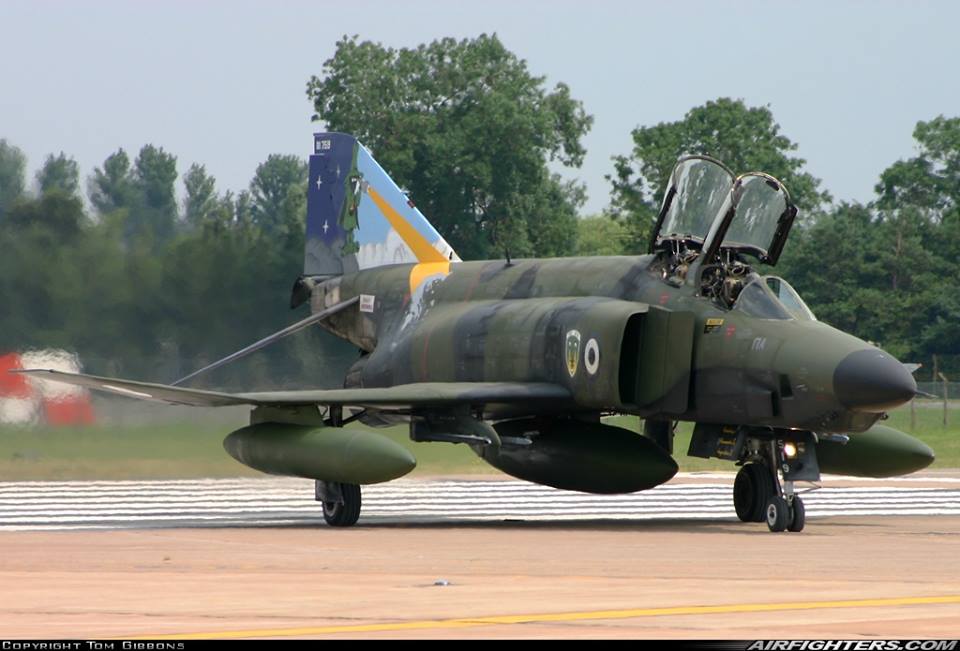
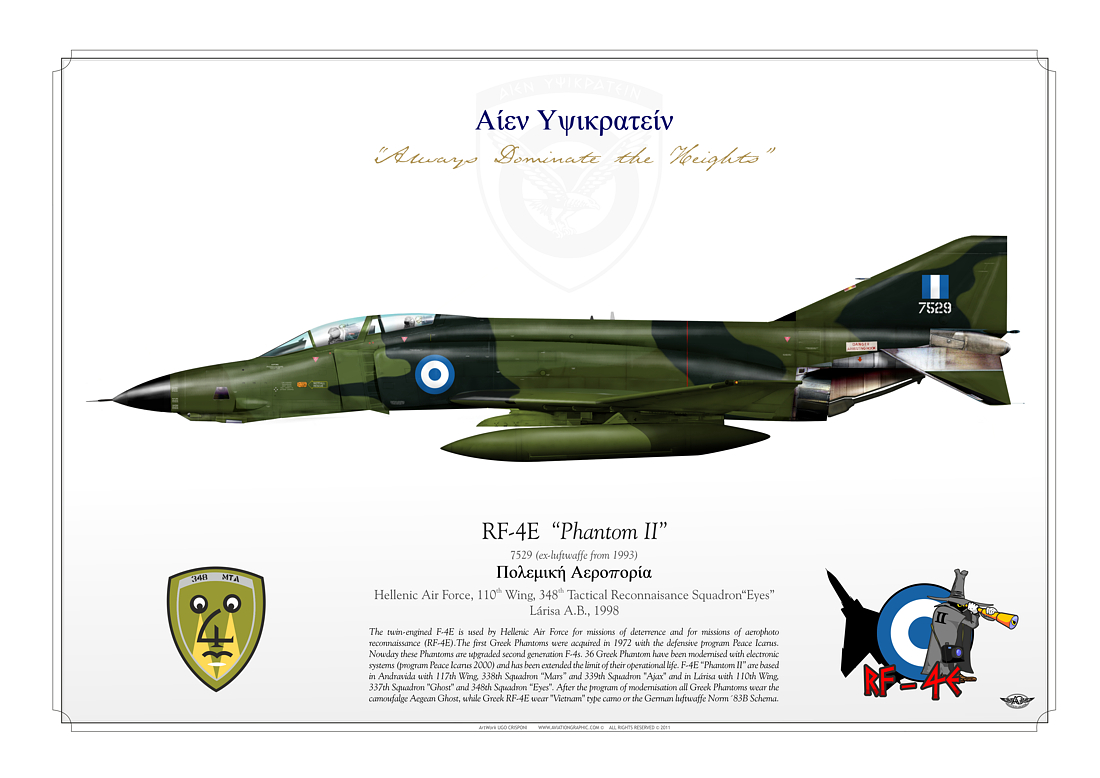
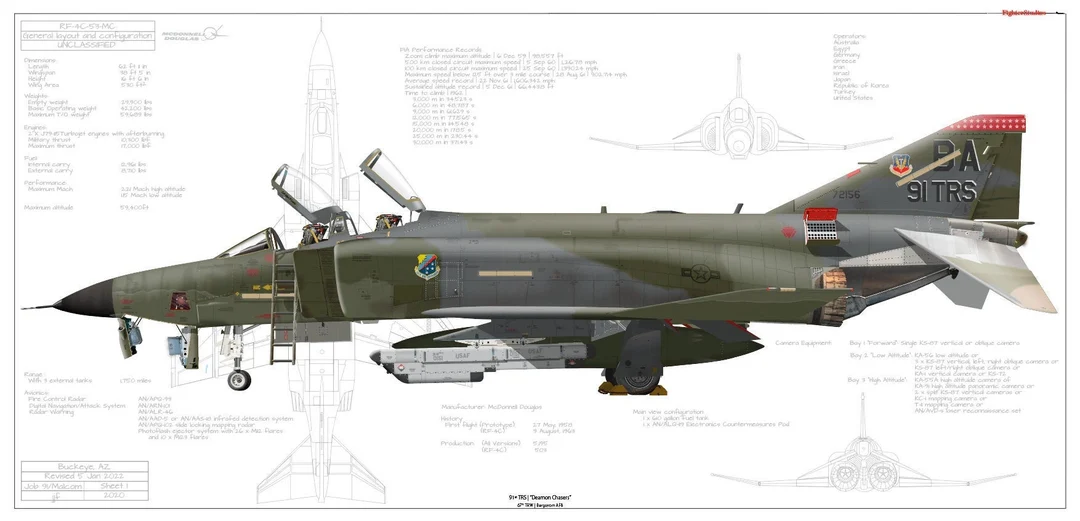
The F-4E and F-4G replaced earlier tan areas with FS 36081 Dark Gunship Gray while retaining the existing green structure.
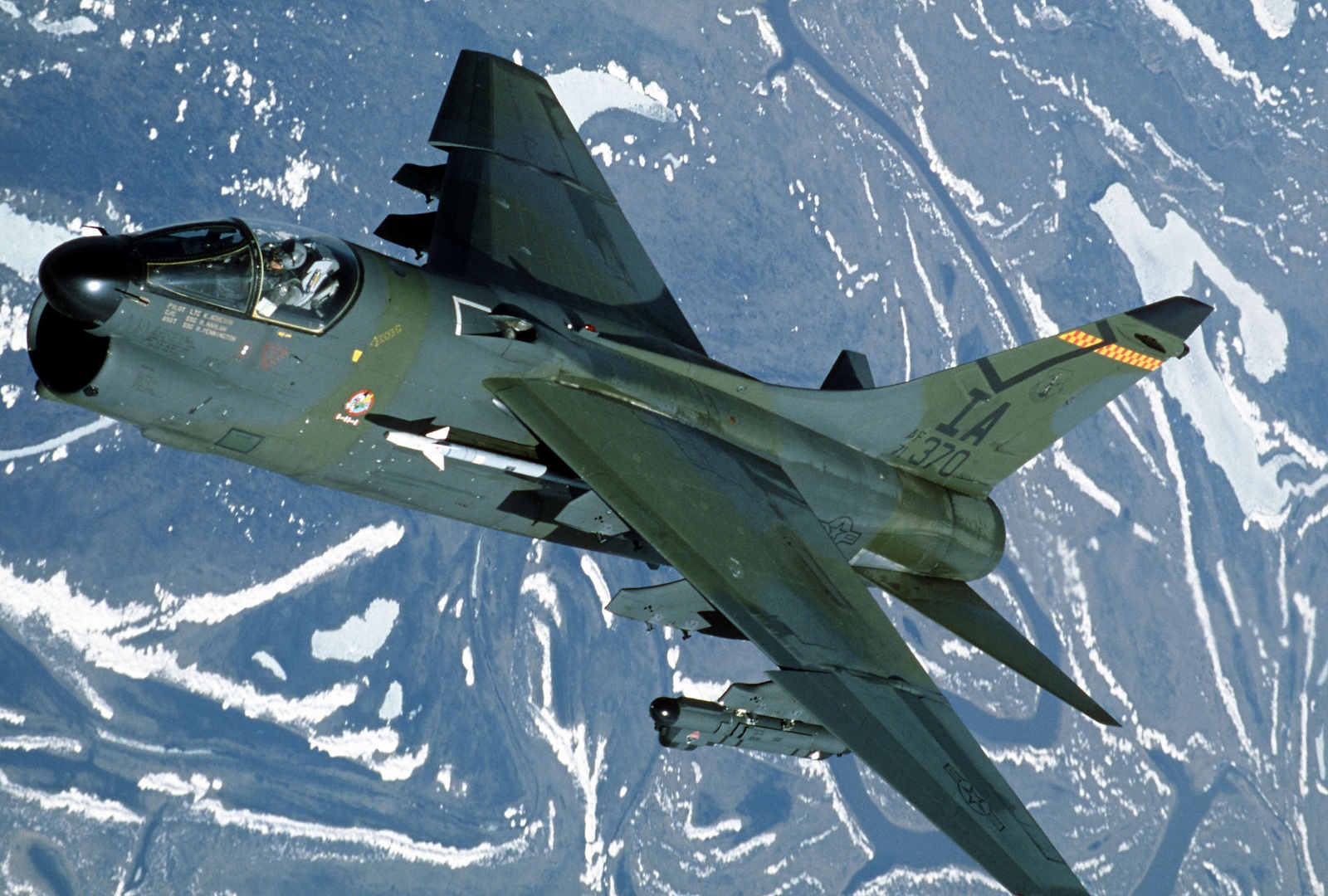
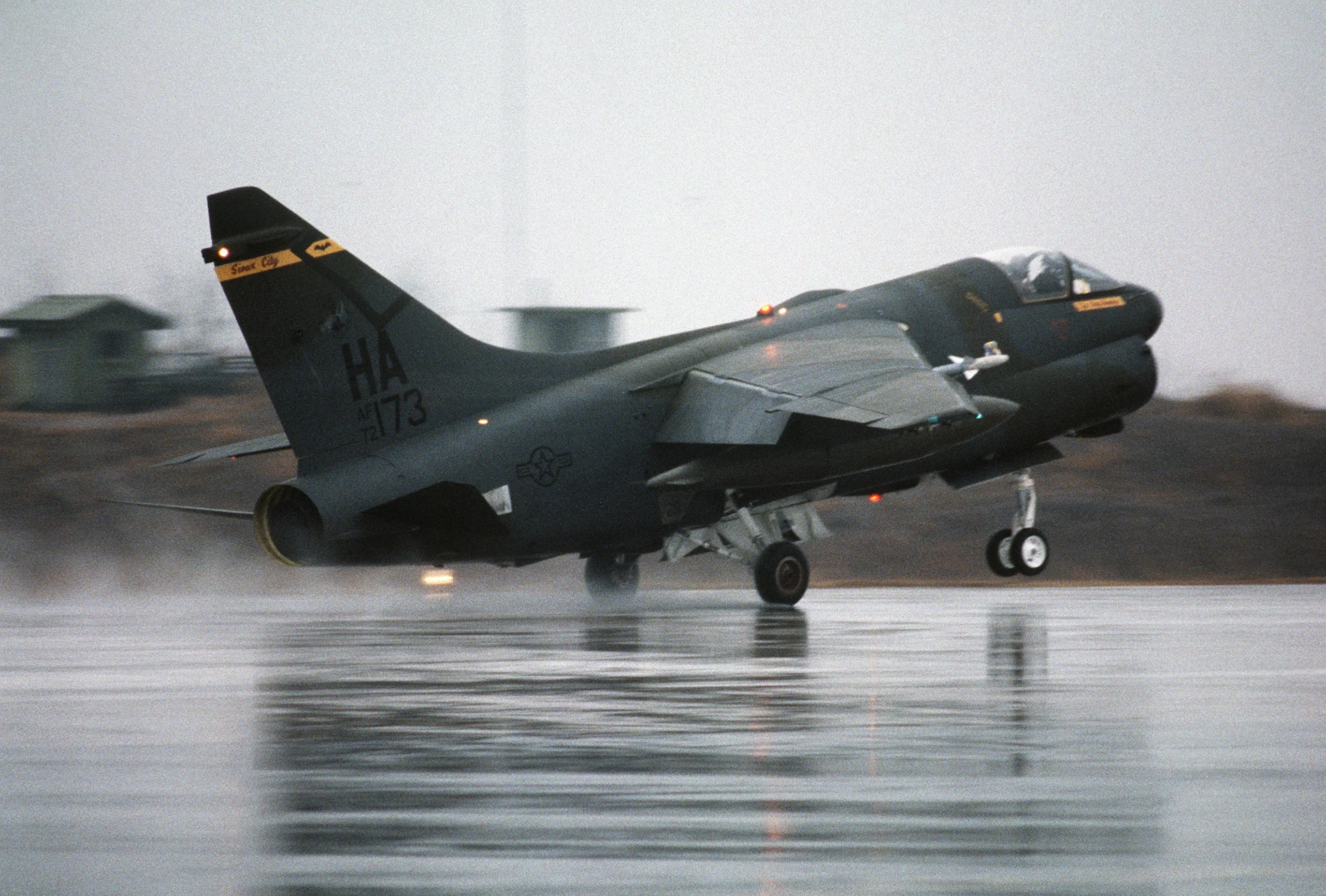
A simplified two-color version appeared on Air National Guard A-7D aircraft using FS 34079 Forest Green and FS 36081.
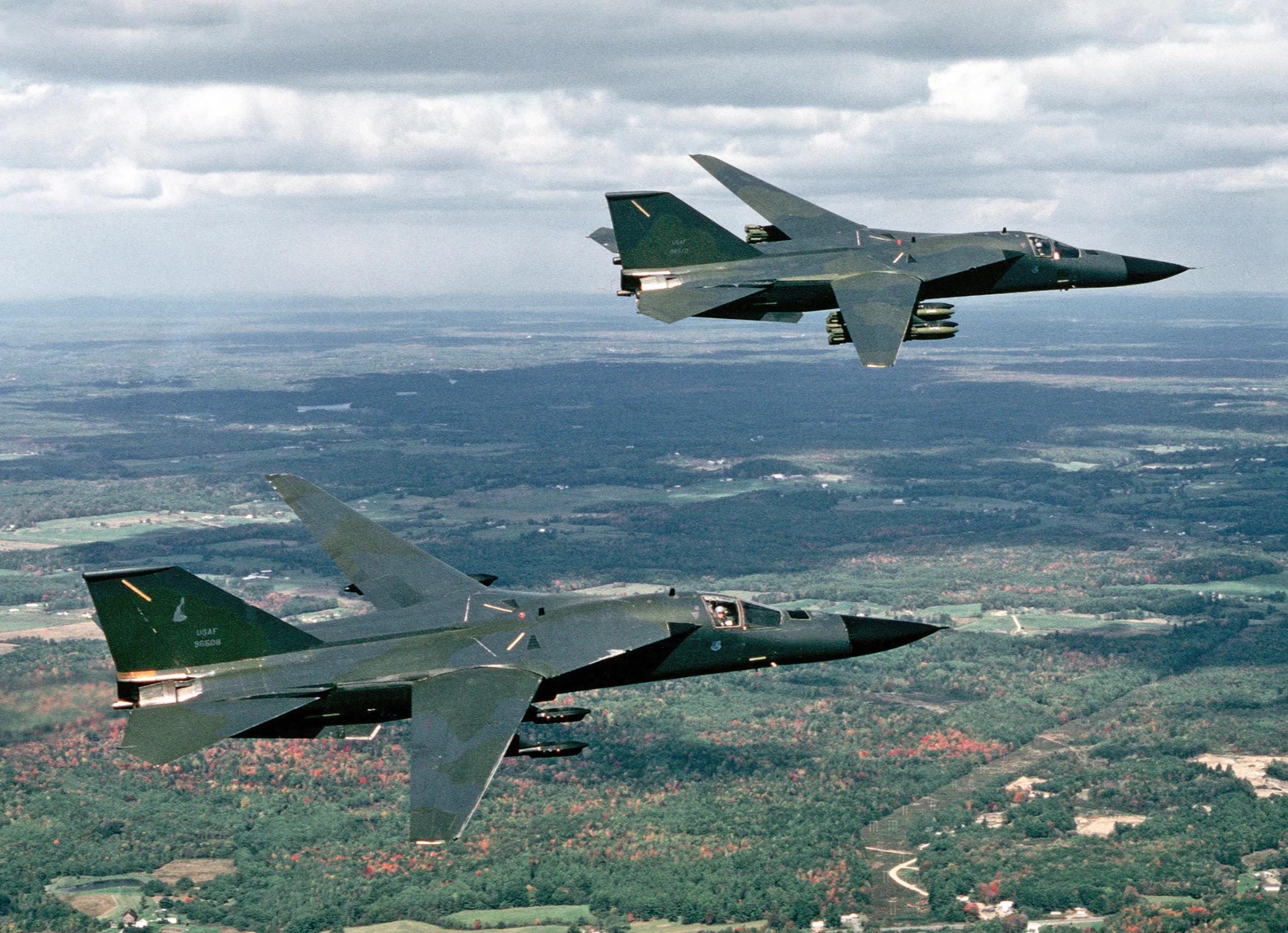
Interestingly, the General Dynamics F-111 never adopted Euro I and retained the older SEA camouflage until retirement.
Why Euro I Still Matters to Scale Modelers
Today, Euro I remains one of the most recognizable USAF camouflage schemes ever applied operationally.
Its combination of muted greens, dark gunship gray and wraparound application creates a visually aggressive appearance that translates exceptionally well into scale modelling.
For modelers, Euro I offers excellent opportunities for color modulation, soft edge masking, weathering and subtle tonal variation. Because the real finish relied heavily on low-sheen coatings, careful control of varnish and highlights can dramatically improve realism.
Its influence extended beyond the USAF and became visually linked to NATO’s Cold War doctrine, sharing strong similarities with the German Luftwaffe Norm 83 camouflage.
More than four decades later, Euro I remains one of the defining tactical aircraft finishes of the Cold War era and continues to inspire aviation historians and scale modelers worldwide.
Aeroplane
Paint guide:
FS 34102 Medium Green: Described previously.
FS 34092 Gunship Green: Almost universally available but with the caveat that it is also often also matched to the wartime ANA 612 which was a noticeably deeper green without the blueish tone in the FED-STD version. But for the most part, it appears that the FED-STD version is what is most closely adhered to. The AK Real Colors, Mr. Paint, and Vallejo Model Air versions are very good, with Mr. Paint being probably the best for the three basic Euro I colors in a single brand. The new formula Gunze C309/H309 captures the tone well but is too light for my liking.
FS 34079 Forest Green: Described previously.
FS 36081 Dark Gunship Gray: Has very good availability and accurate matches throughout though strangely absent from the AK 3Gen (AK11024 Ash Grey, which has no FS match, is used as a substitute in its Euro I box set), AMMO by Mig, and Mission Models ranges.
Lockheed TF-104G Starfighter Hellenic Air Force – Scale Model Painting Guide
| FS 34092 | FS 34102 | FS 34079 | FS 36081 | |
| Gunship Green | Medium Green | Forest Green | Dark Gunship Gray | |
| Schemes | ||||
| TAC Euro I | Wrap Camo | Wrap Camo | Wrap Camo | |
| TAC Euro I (F-4) | Wrap Camo | Wrap Camo | Wrap Camo | |
| TAC Euro I (A-7D) | Wrap Camo | Wrap Camo | ||
| Color matches | ||||
| Gunze Mr. Color | C302 | C303 | C309 | C301 |
| Gunze Mr. Hobby | H302 | H303 | H309 | H301 |
| Humbrol | 149 | 117 | 116 | 032 |
| Italeri | 4729AP | 4862AP | 4726AP (!) | 4861AP (!) |
| Model Master | 1764 | 1713 | 1710 | 1788 |
| Revell | – | – | – | – |
| Tamiya Acrylic | – | – | – | – |
| Tamiya Lacquer | – | – | – | – |
| Vallejo Model Air | 71.124* | 71.289 | 71.294 | 71.314* |
| Vallejo Model Color | 70.895 | – | 70.893 | – |
| AKAN | 6/72041 | 6/72003 | 6/72002 | 6/72008 |
| AK 3Gen Acrylic | AK11873 | AK11342 | AK11346 | – |
| AK Real Color | RC902 | RC905 | RC900 | RC912 |
| AMMO by Mig | A.MIG-238 | A.MIG-004 | A.MIG-206* | – |
| Hataka | HTK-_056 | HTK-_021 | HTK-_016 | HTK-_030 |
| Lifecolor | UA 008 | UA 002 | UA 001 | UA 030 |
| Mission Models | – | MMP-028** | MMP-058 | – |
| Mr. Paint | MRP-235* | MRP-102 | MRP-101 | MRP-241 |
| Xtracolor | X114 | X116 | X110 | X129 |
| Xtracrylix | XA1114 | XA1116 | XA1110 | XA1129 |