article
Ki-61-II ‘Bubbletop’
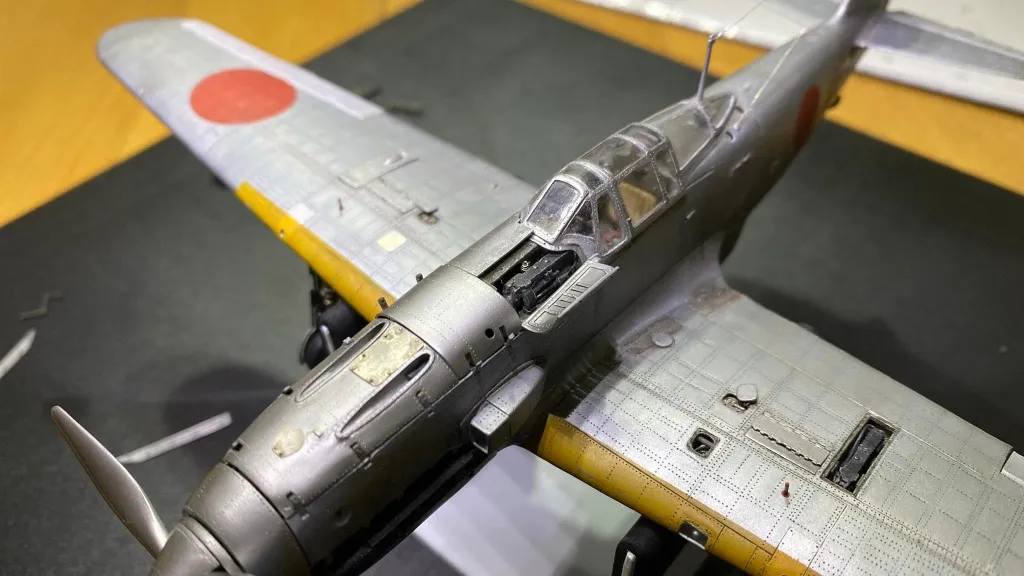
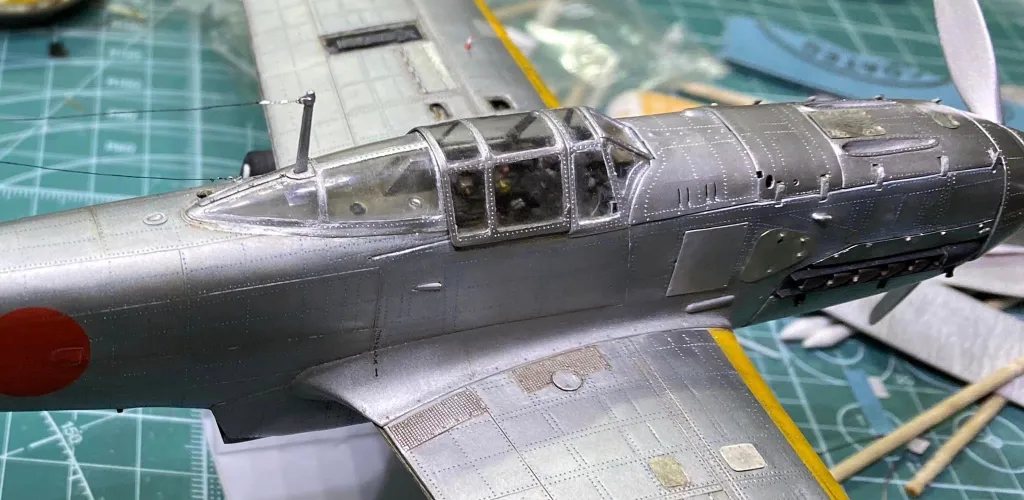
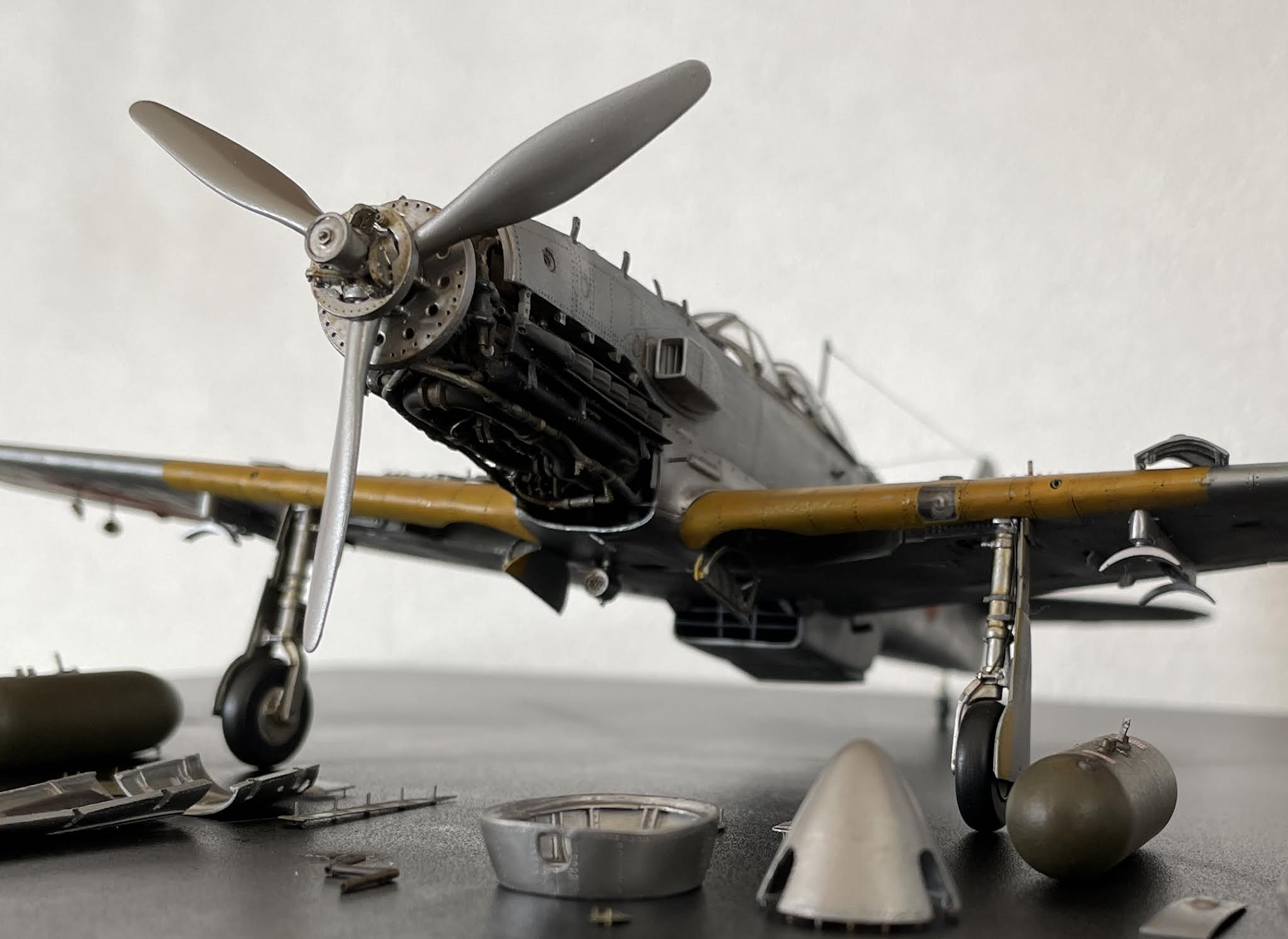
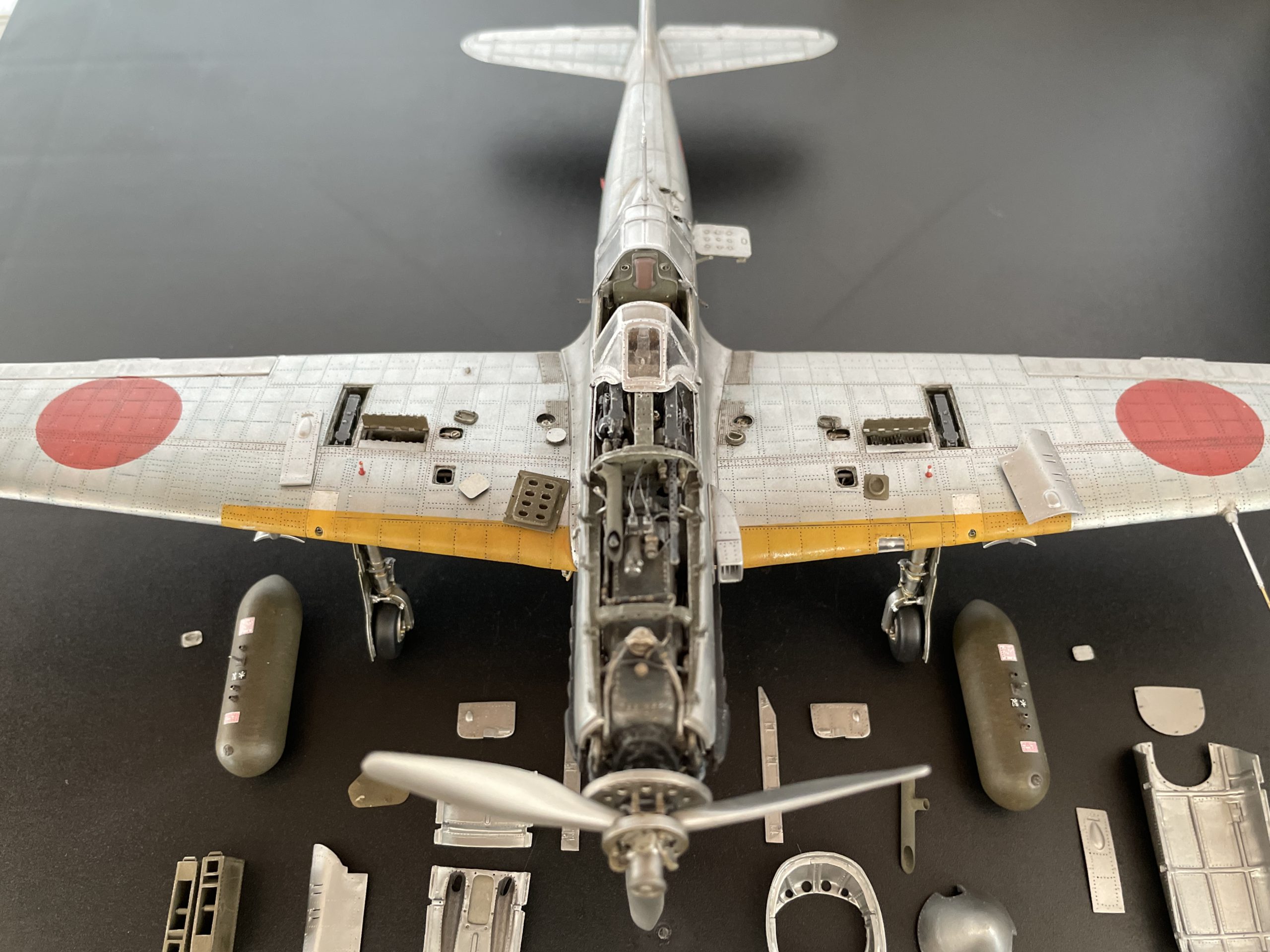
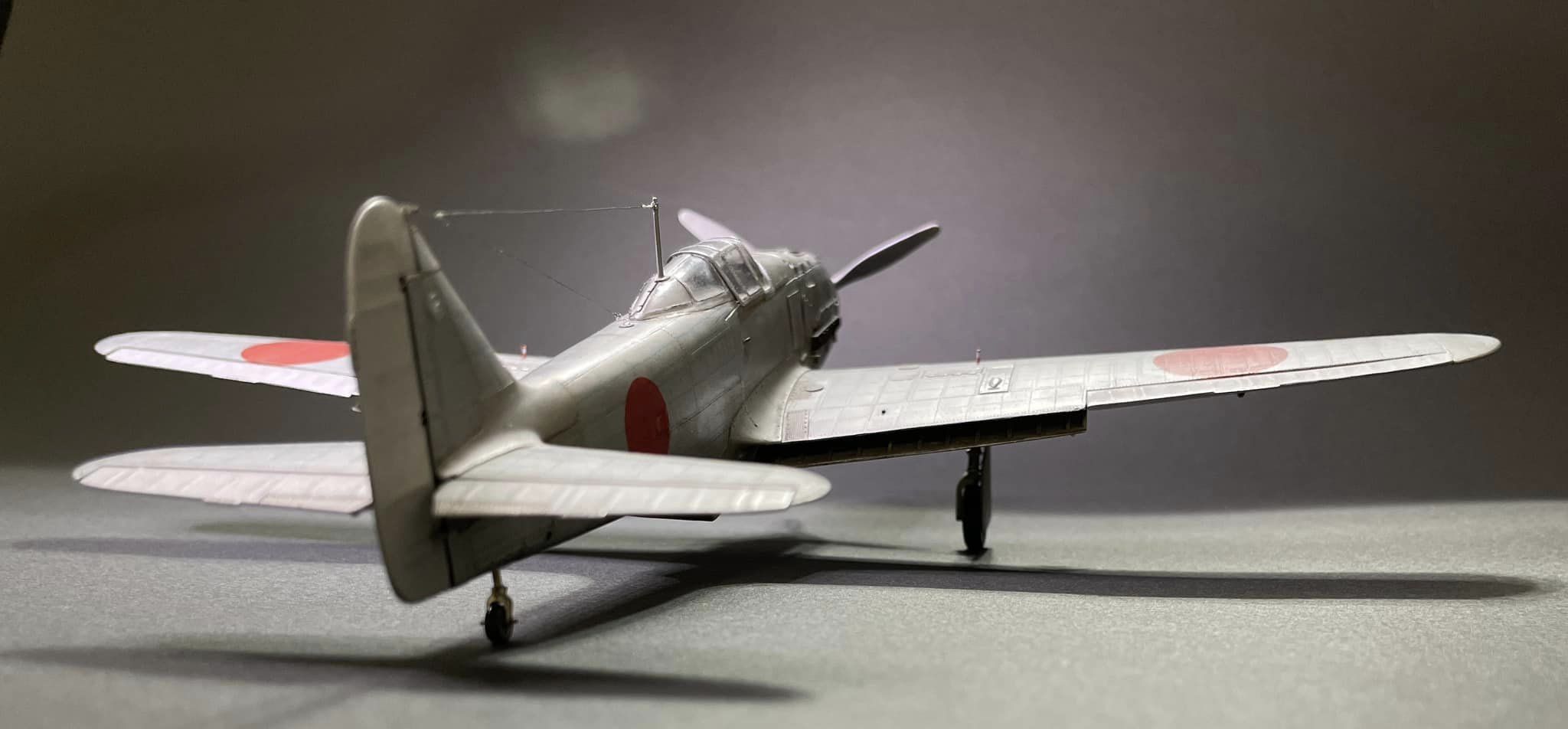
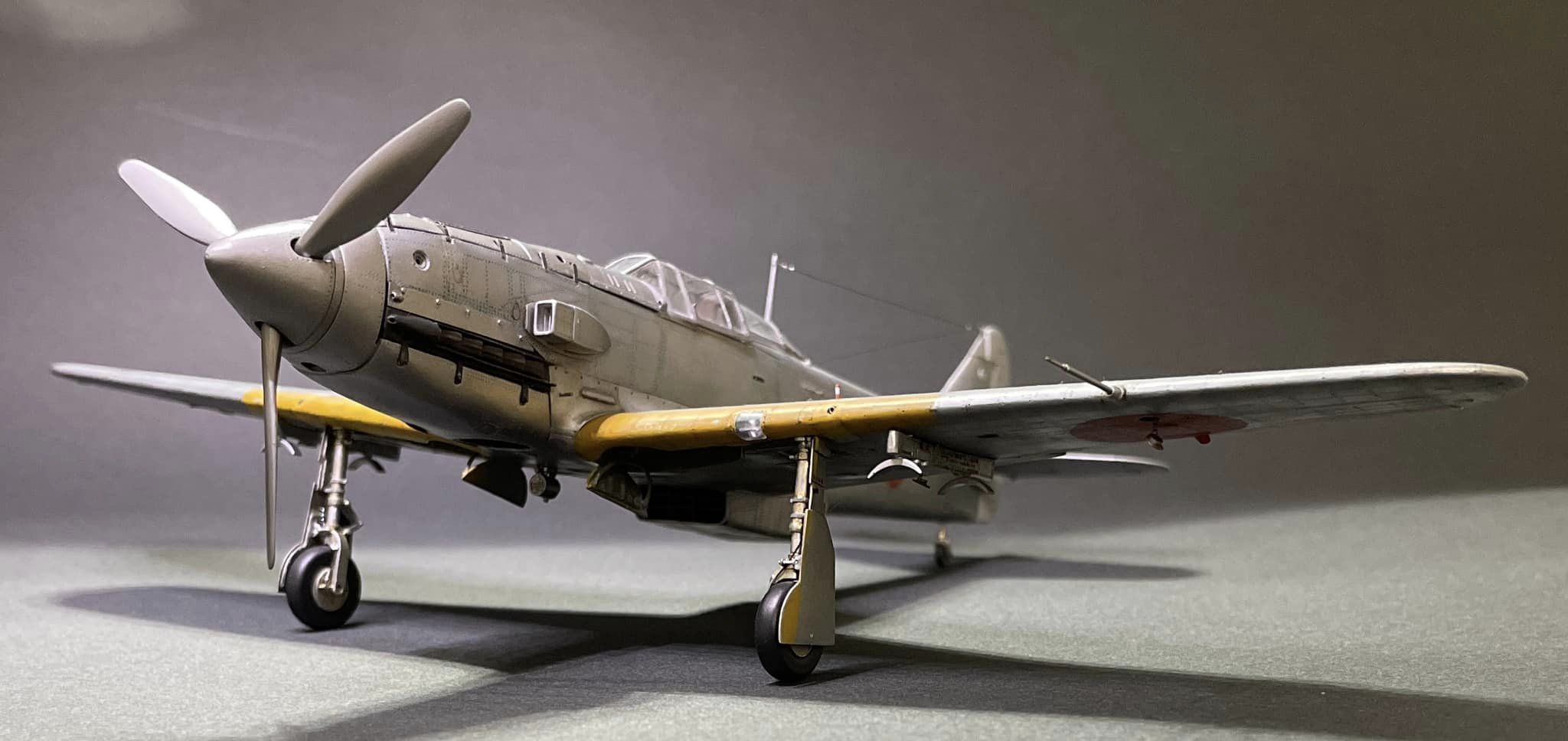
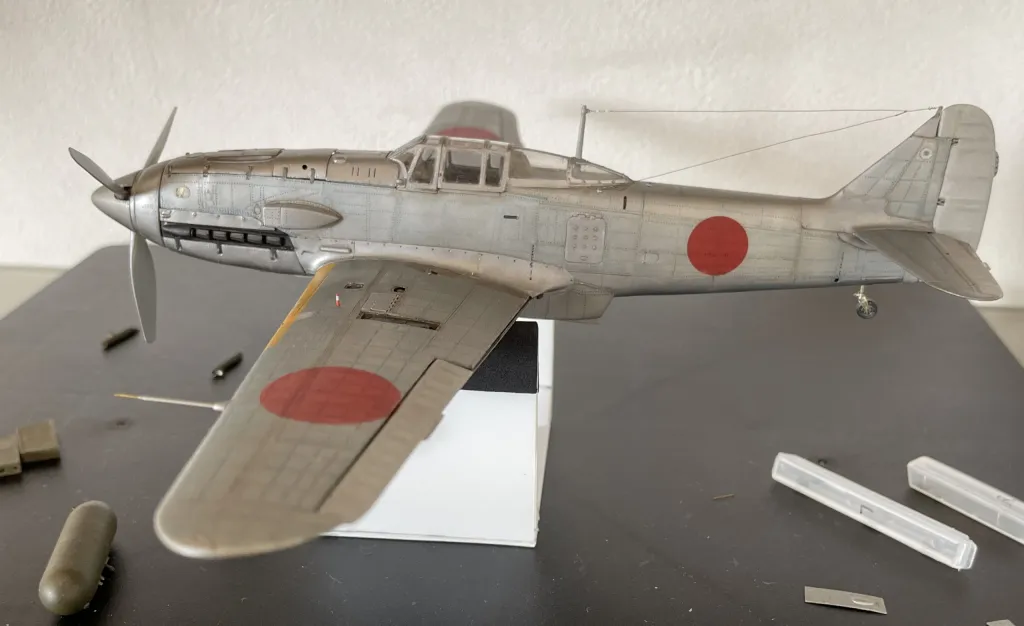
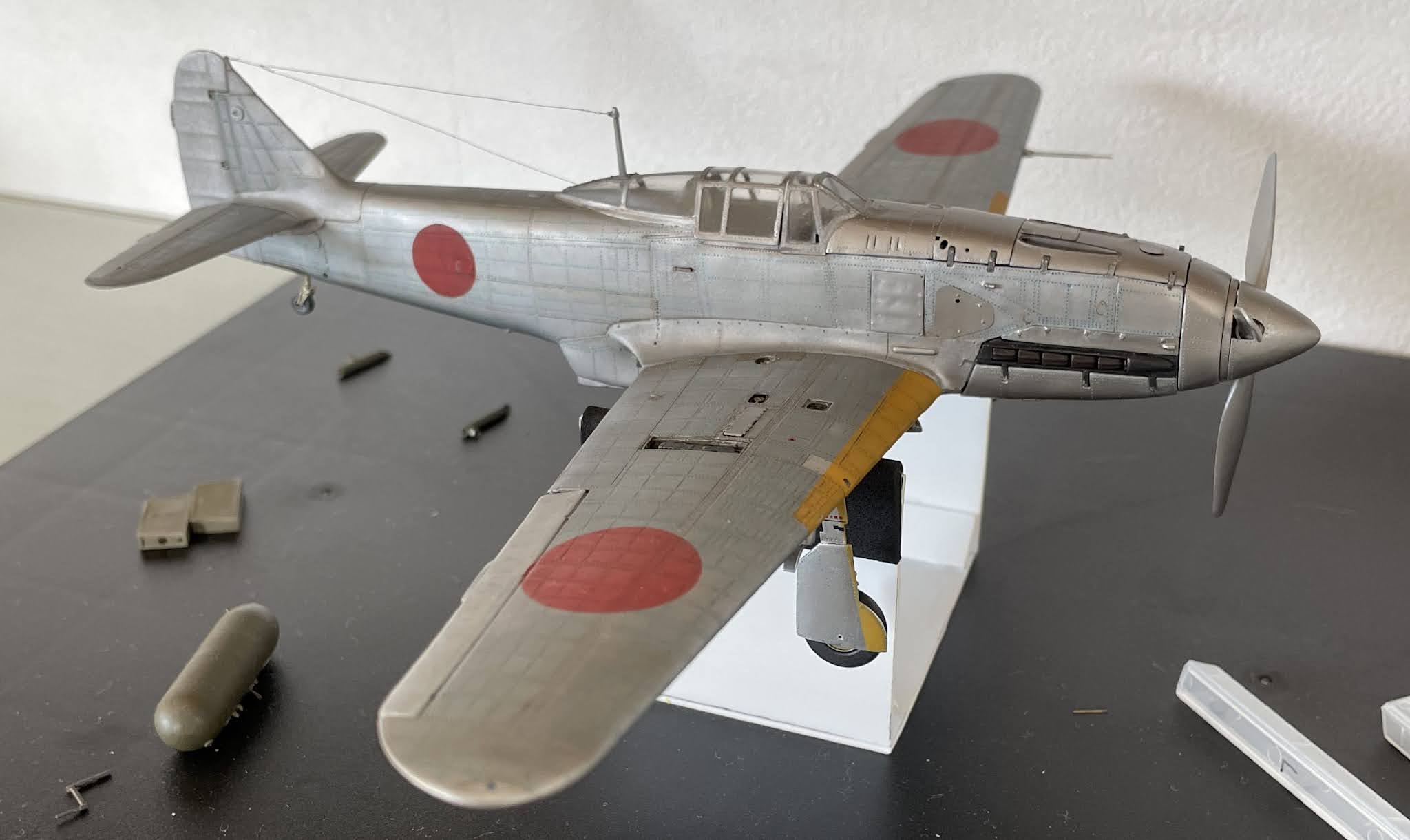
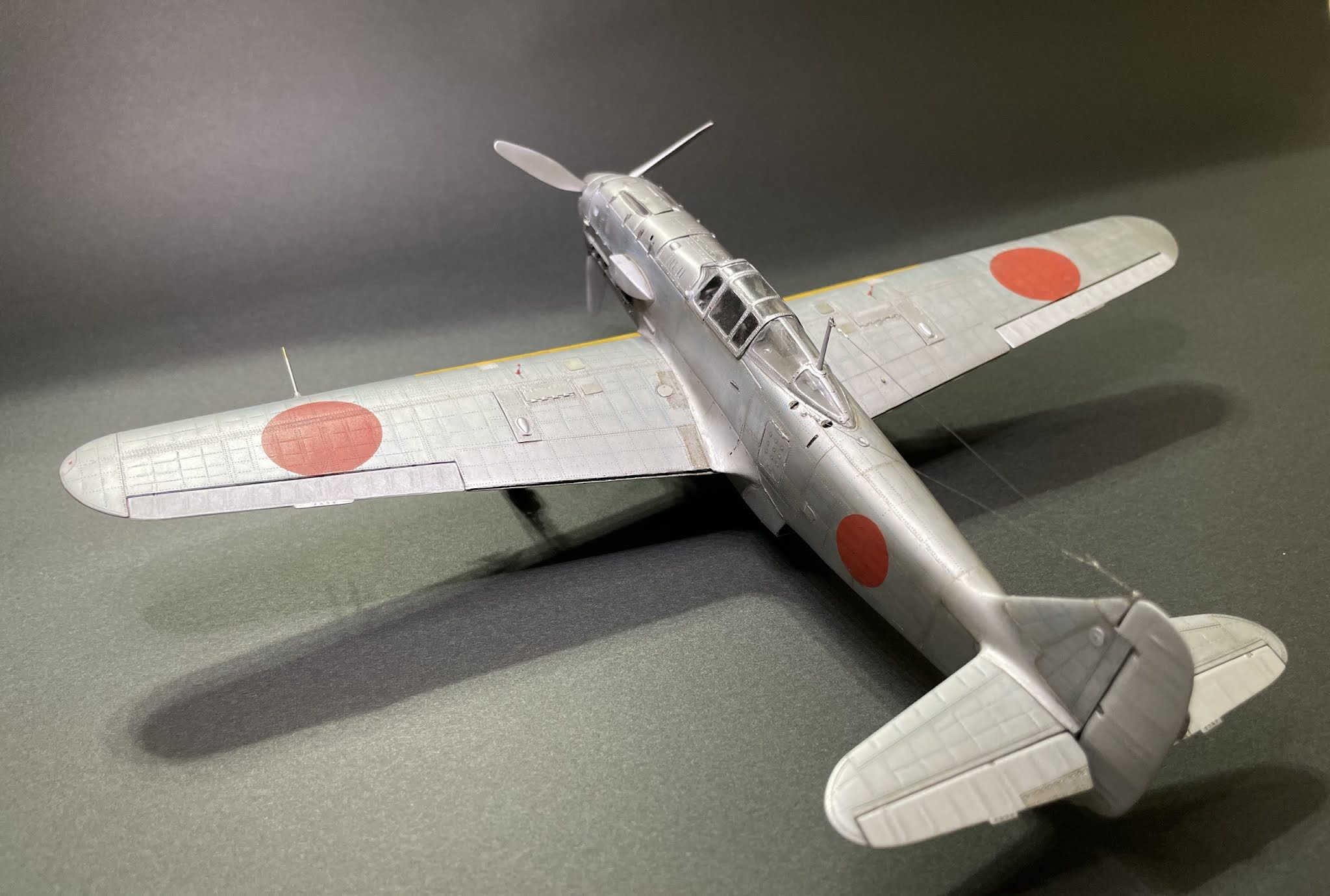
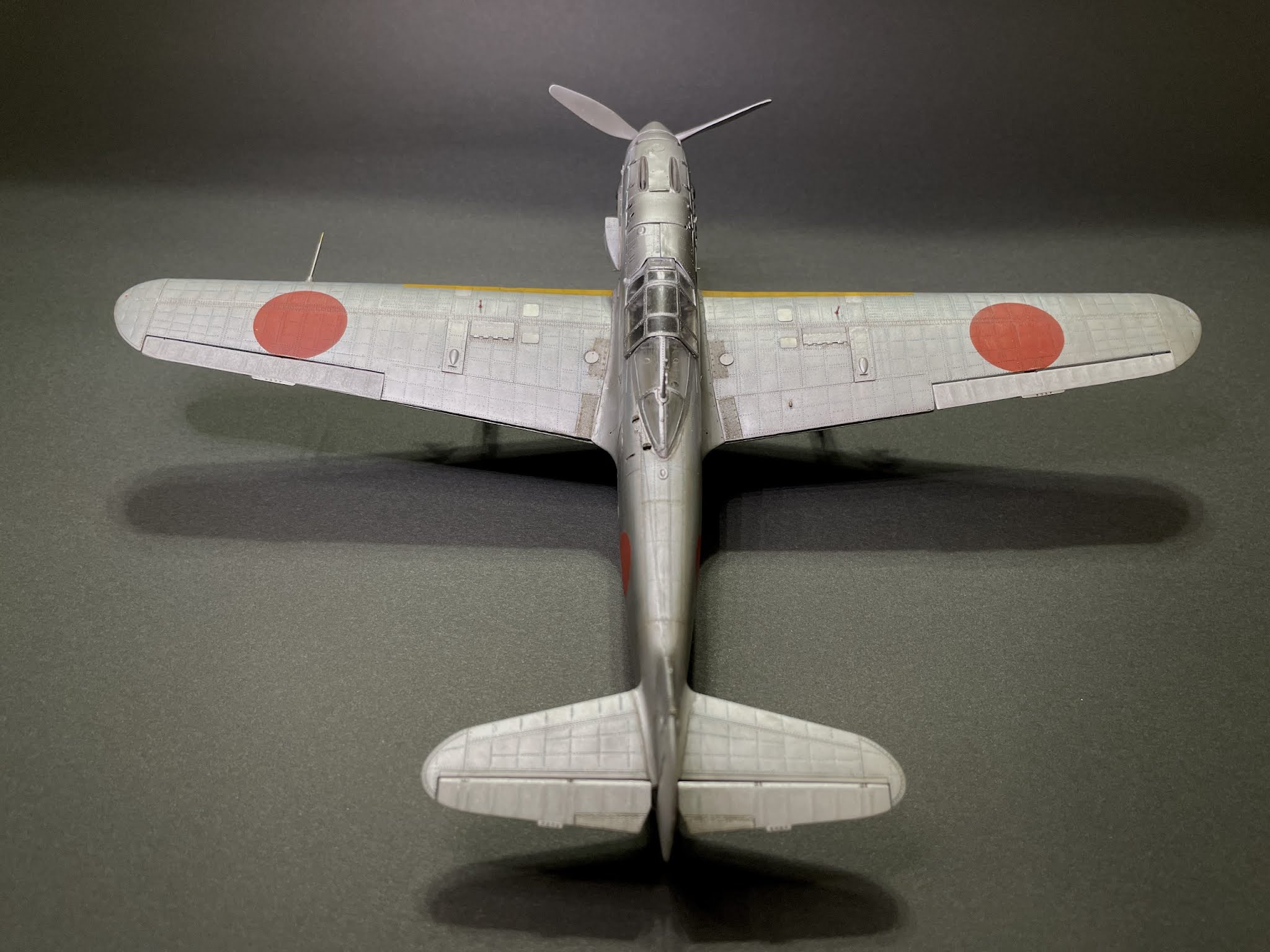
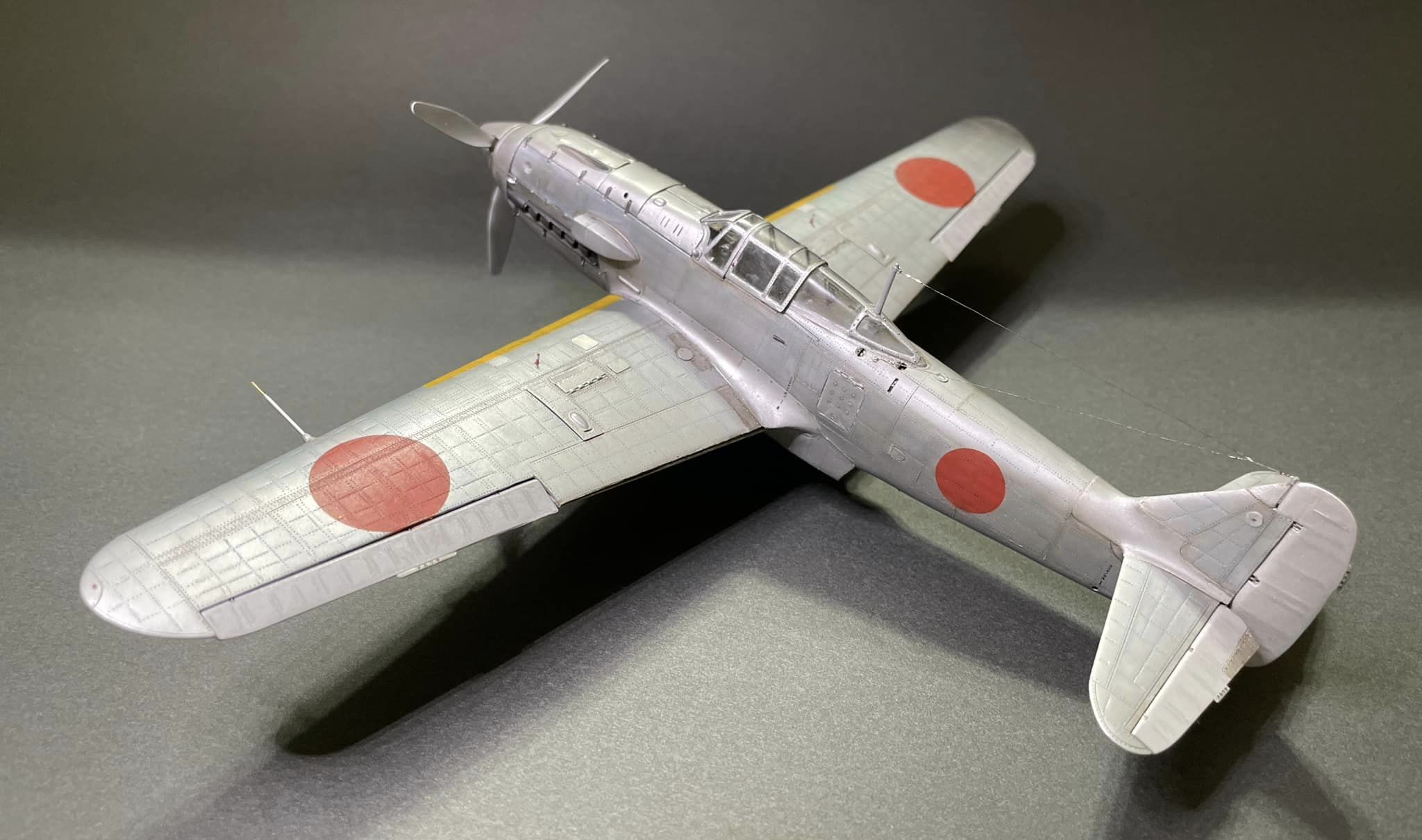
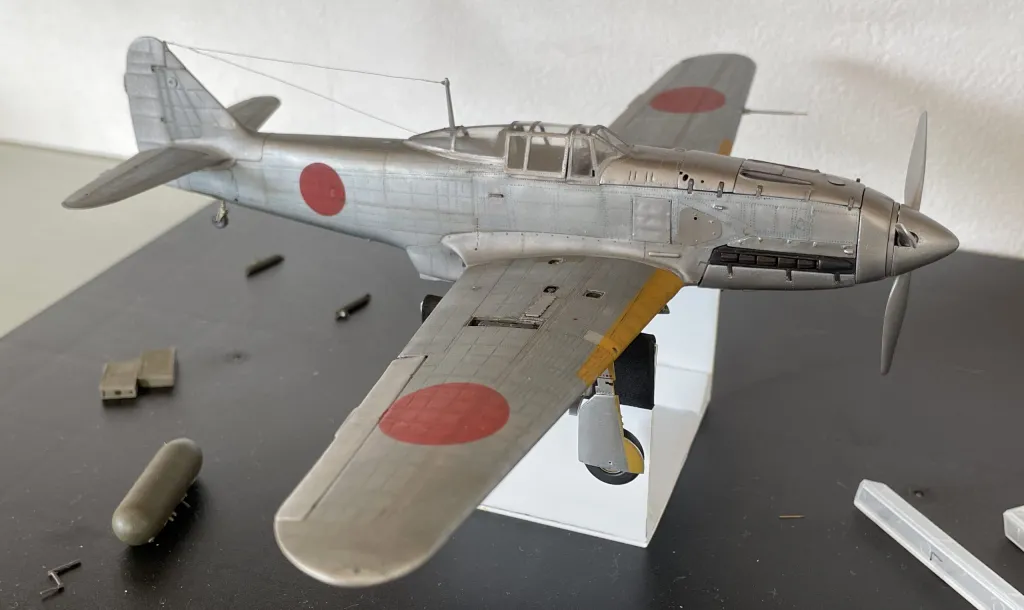
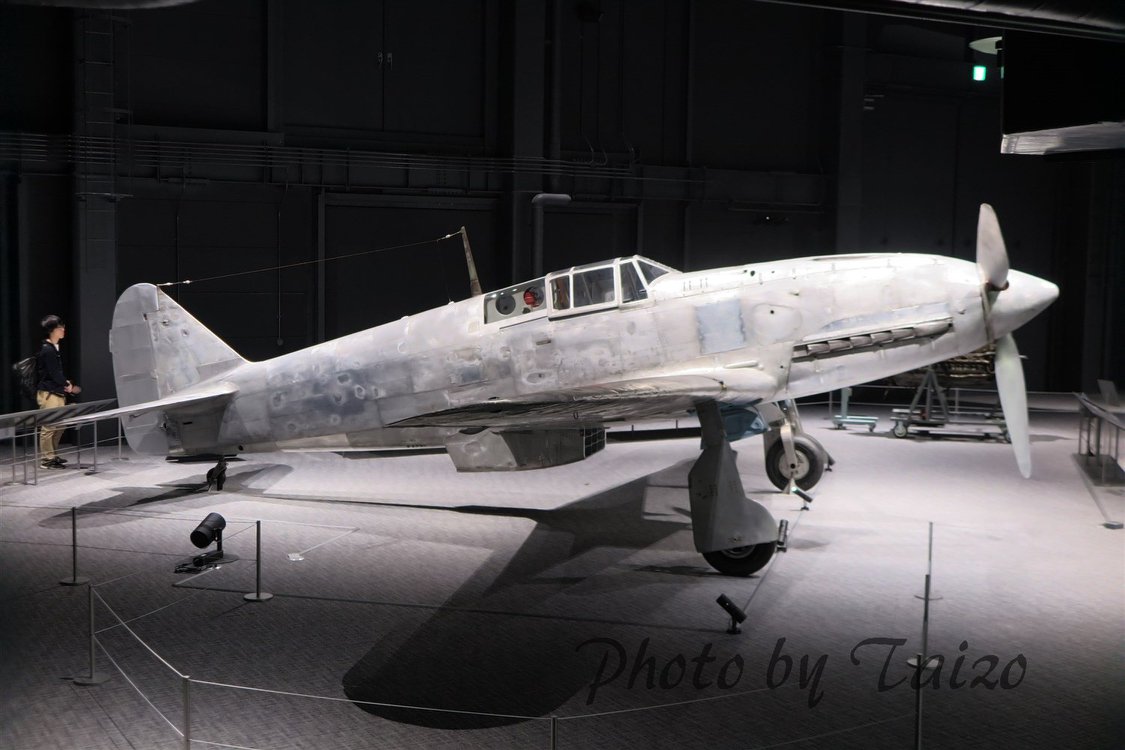
The rare and elusive Kawasaki Ki-61-II-kai “Bubbletop” has long fascinated aviation historians and scale modelers alike. Known for its distinctive redesigned canopy and improved performance over earlier variants, this late-war Imperial Japanese Army fighter remains one of the most intriguing “what-if” and limited-production aircraft of World War II.
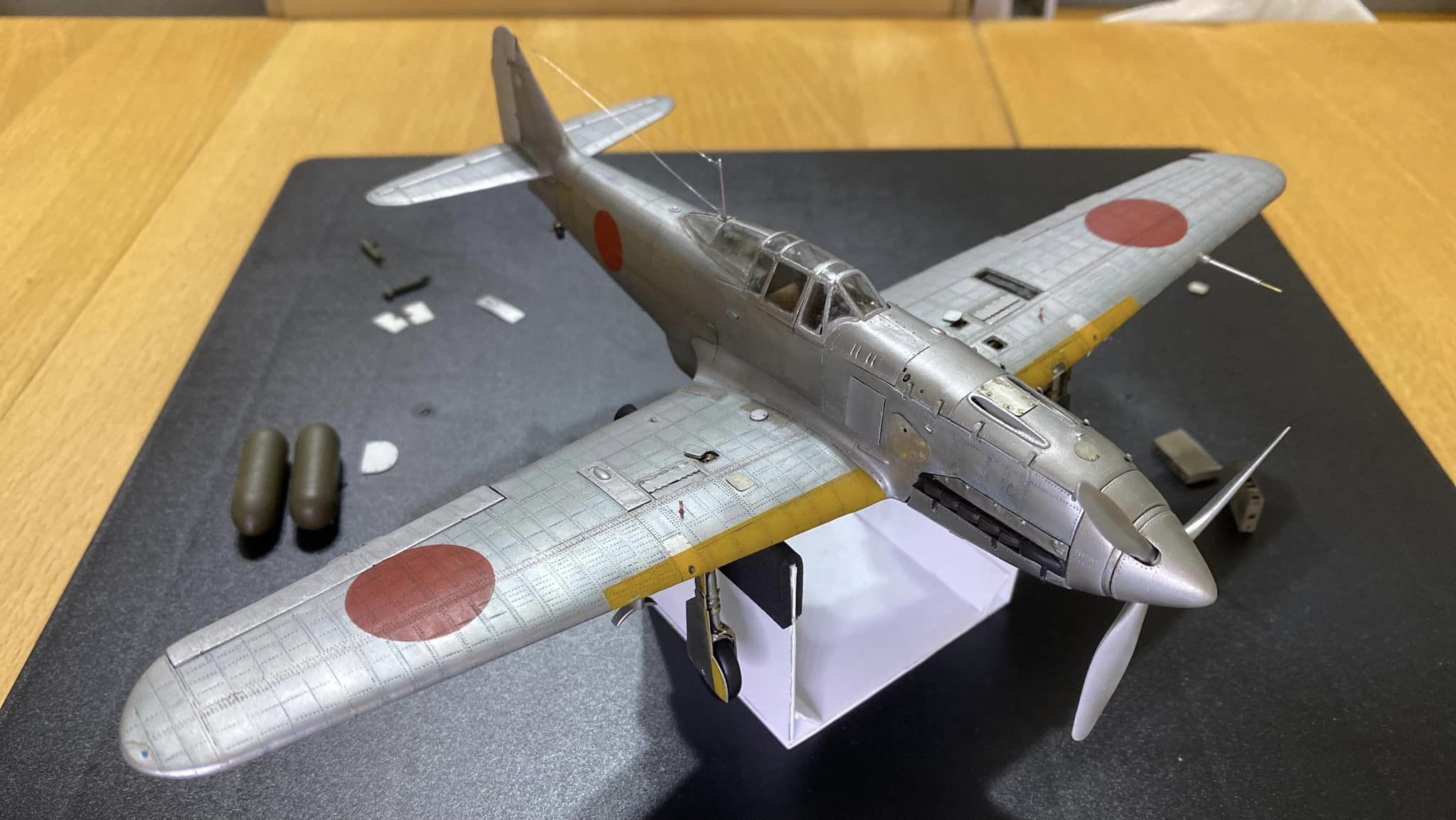
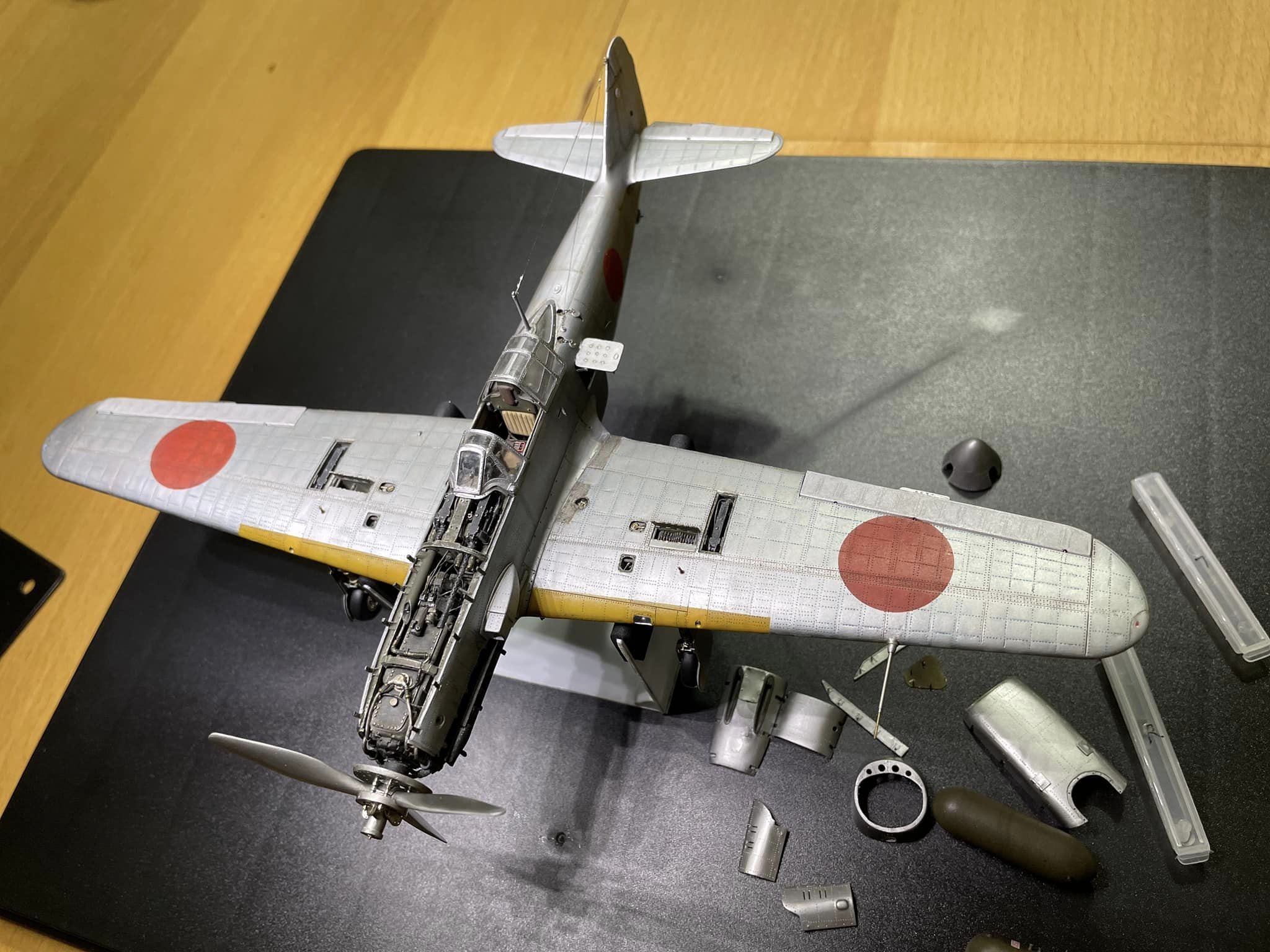
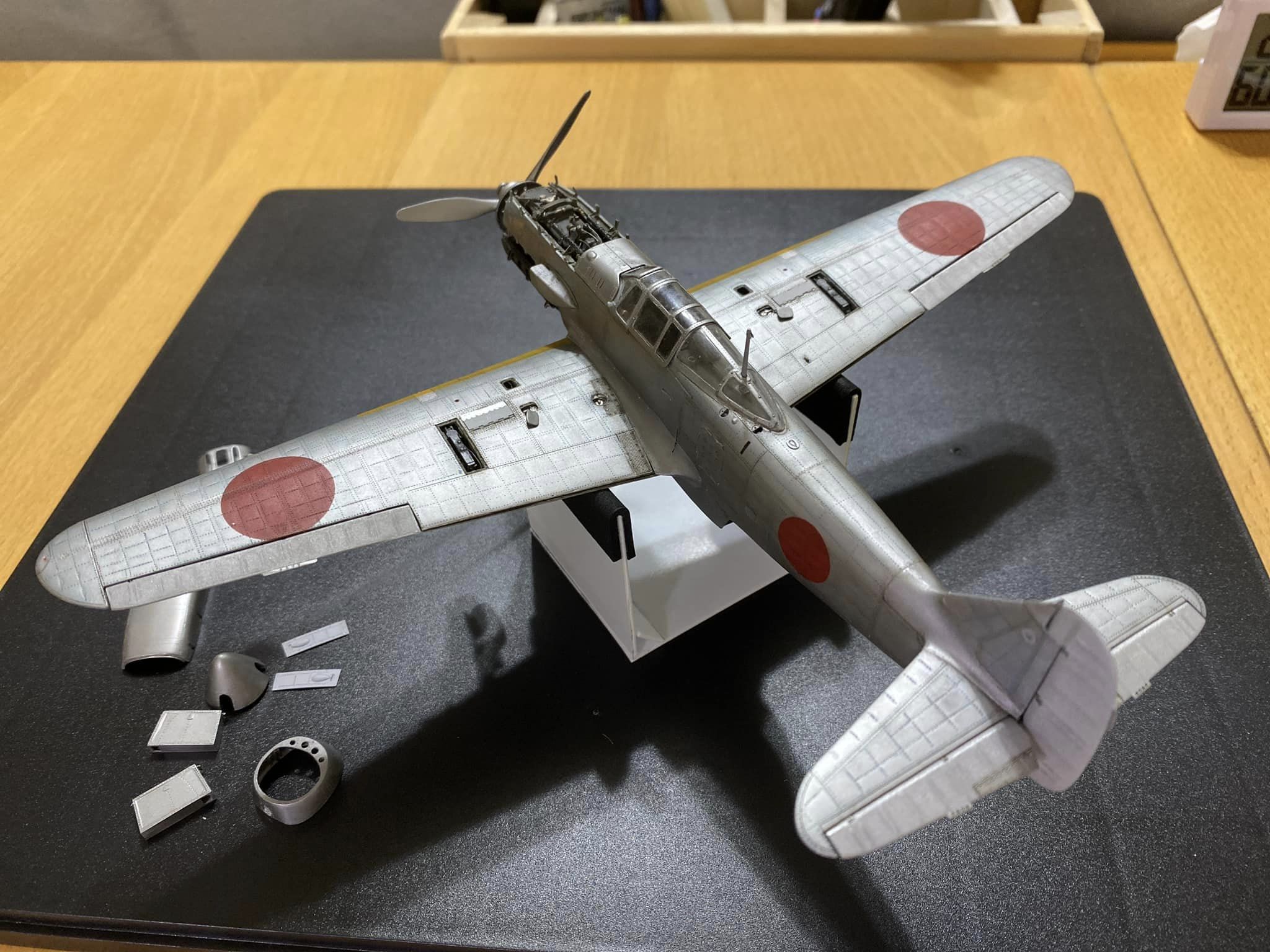
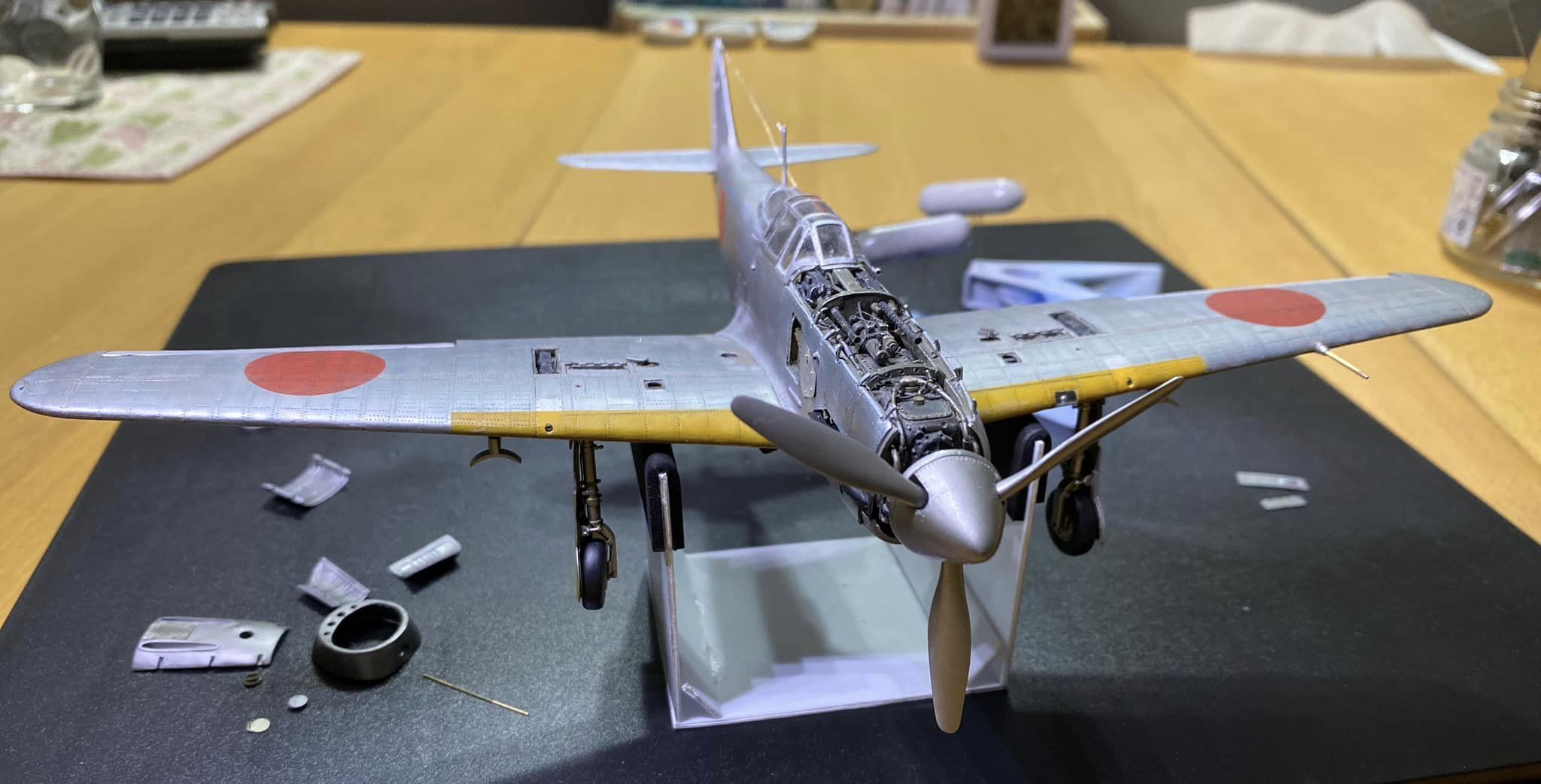
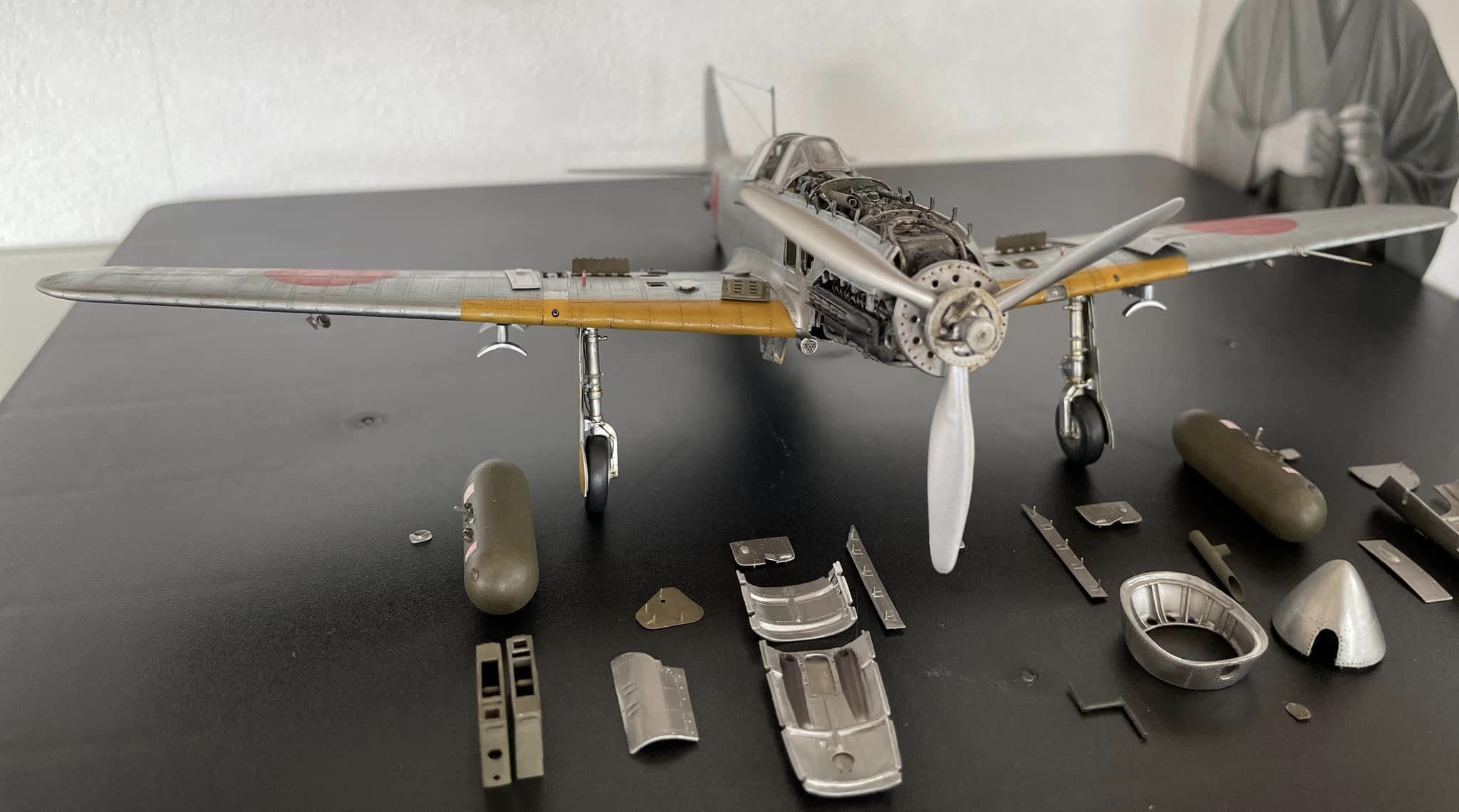
Back in 2014, the respected blog Aviation of Japan highlighted an ambitious and technically demanding project by master modeler Tetsuya Inoue. His goal was far from ordinary: to combine elements of the 1/48 scale Hasegawa Kawasaki Ki-61-I and Ki-100 kits in order to accurately recreate the extremely rare Ki-61-II “Bubbletop” configuration—an aircraft that never saw widespread production and exists mostly in fragments of historical documentation and interpretation.
For years, this project remained a work in progress, with occasional updates shared through Aviation of Japan. Enthusiasts followed closely, as Inoue-san revealed incremental developments in 2017, 2018, 2019, and 2020. Each update hinted at an obsessive level of research and craftsmanship, but also at the sheer complexity of translating limited historical data into a physically accurate scale model.
Now, after eight years of meticulous effort, the project has finally reached completion. The result is nothing short of extraordinary.
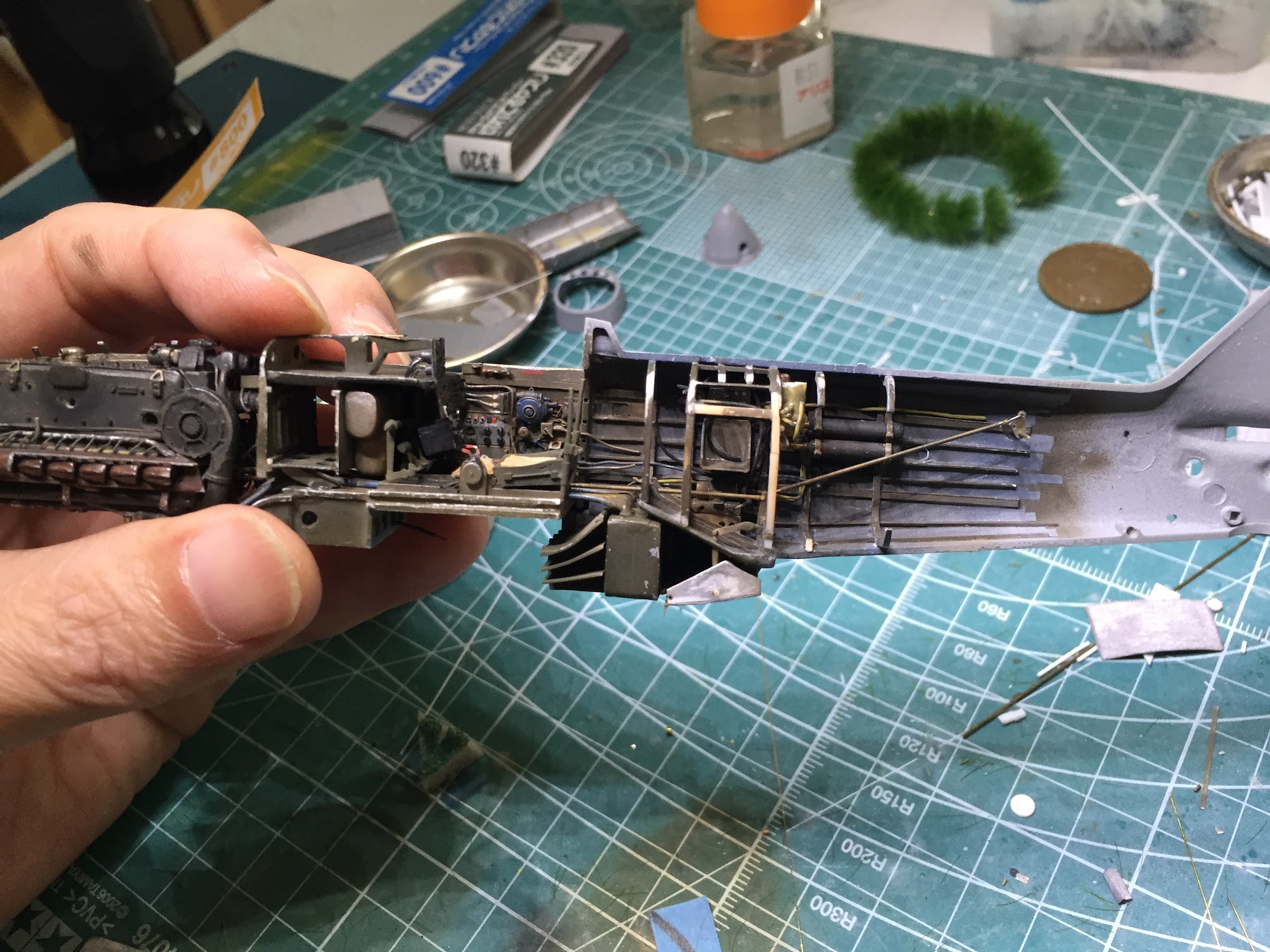
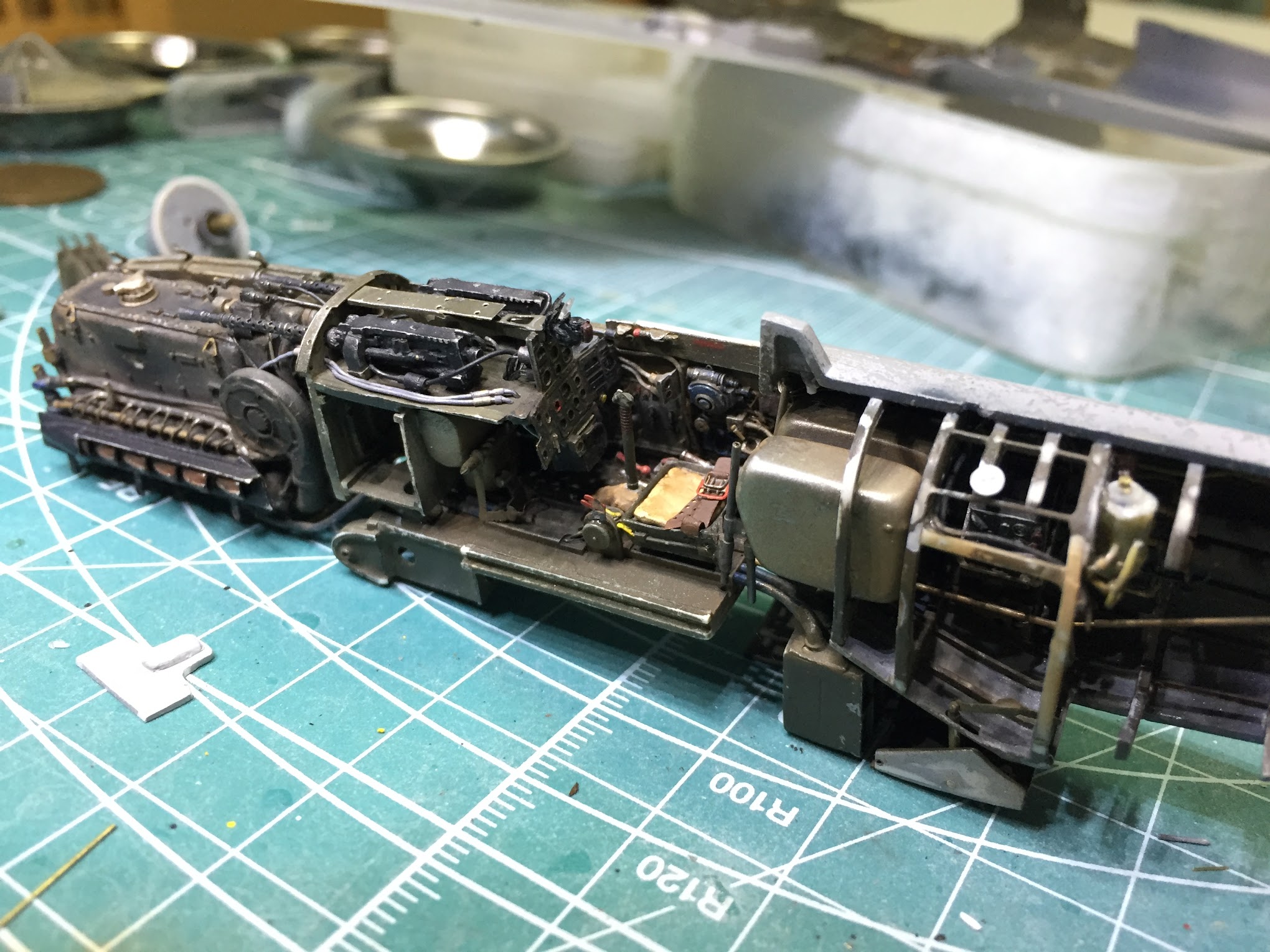
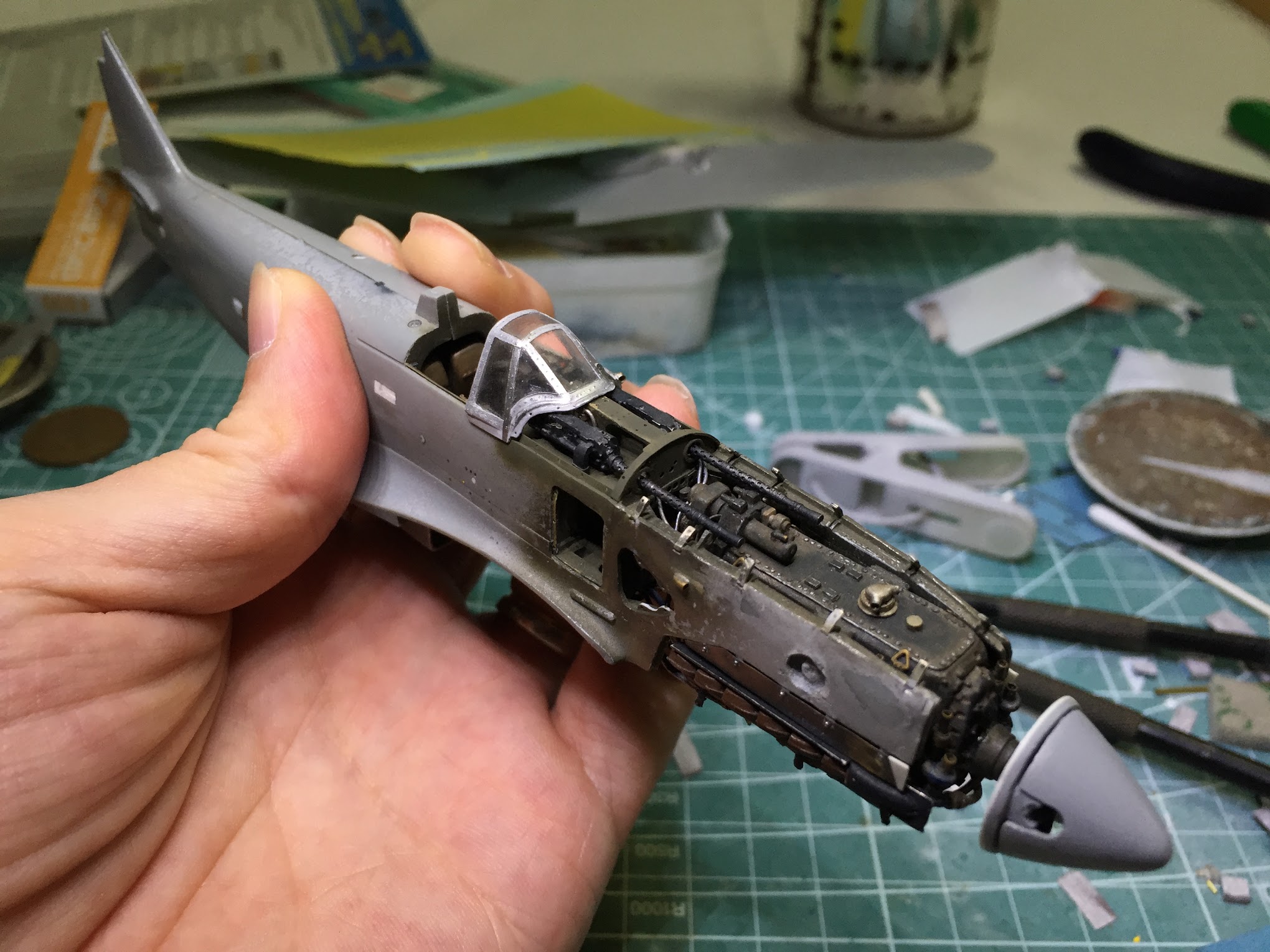
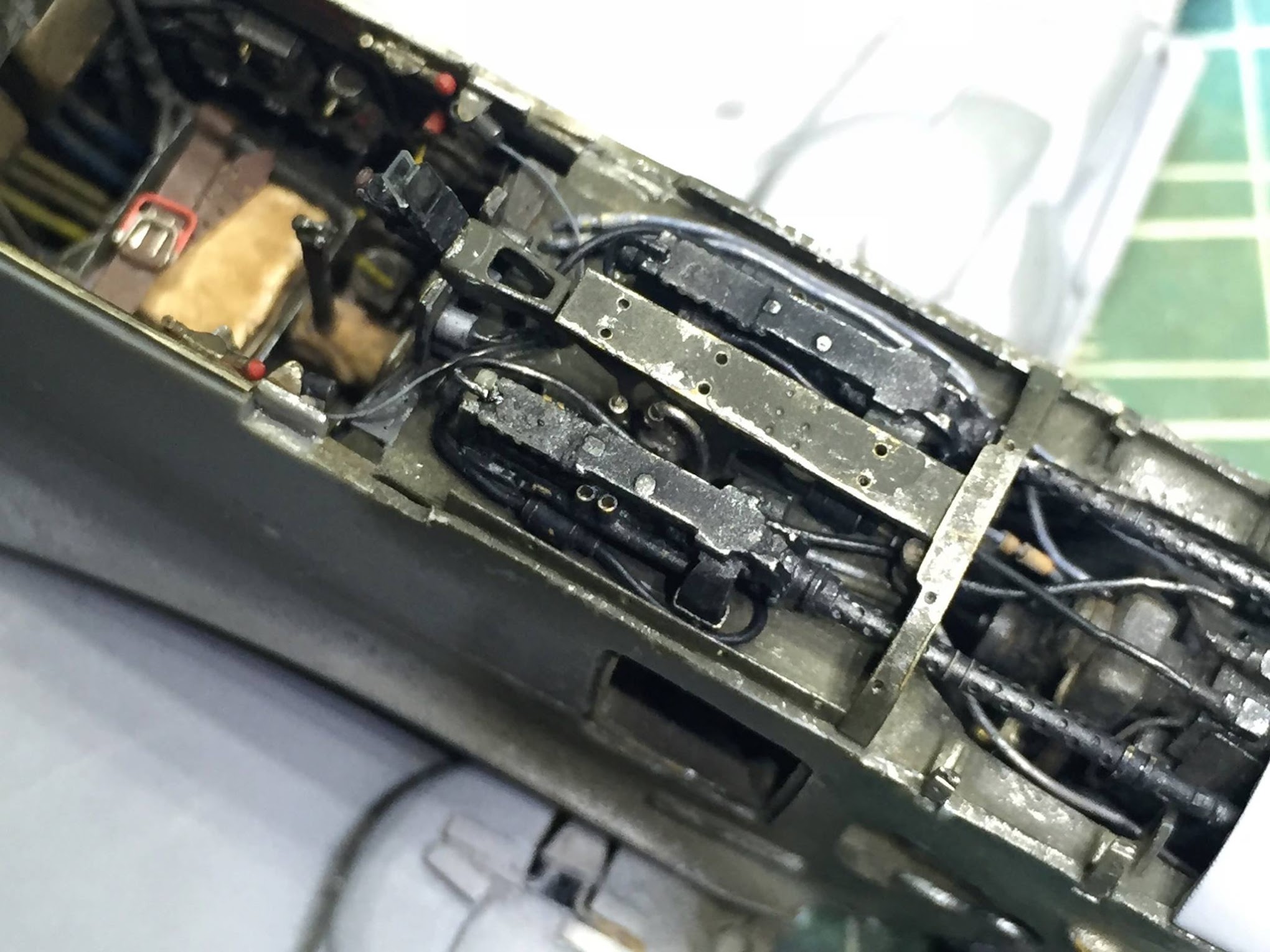
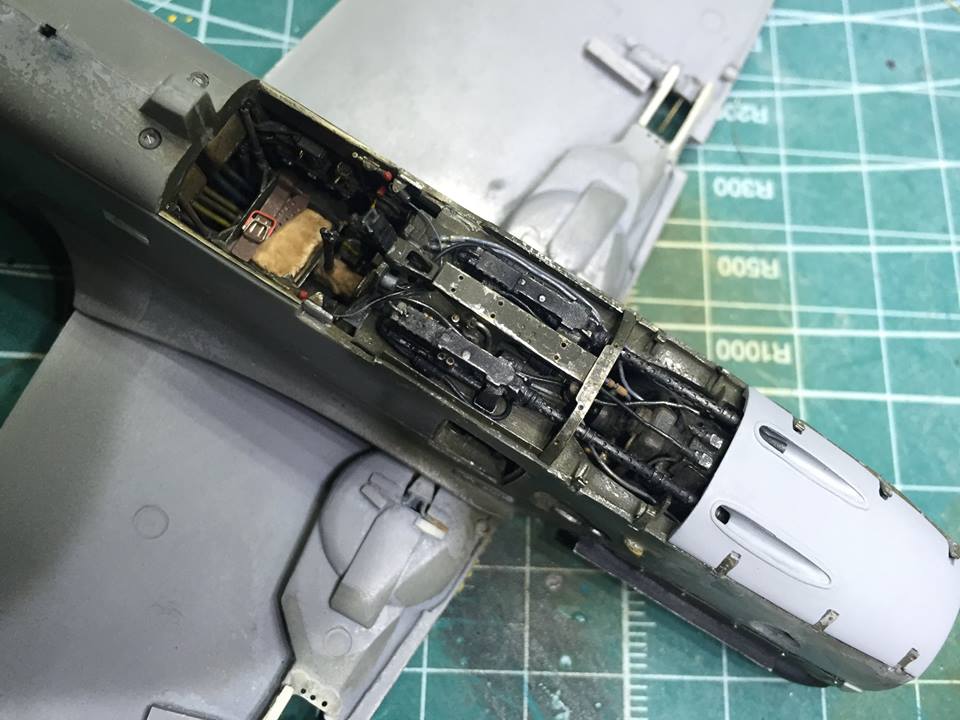
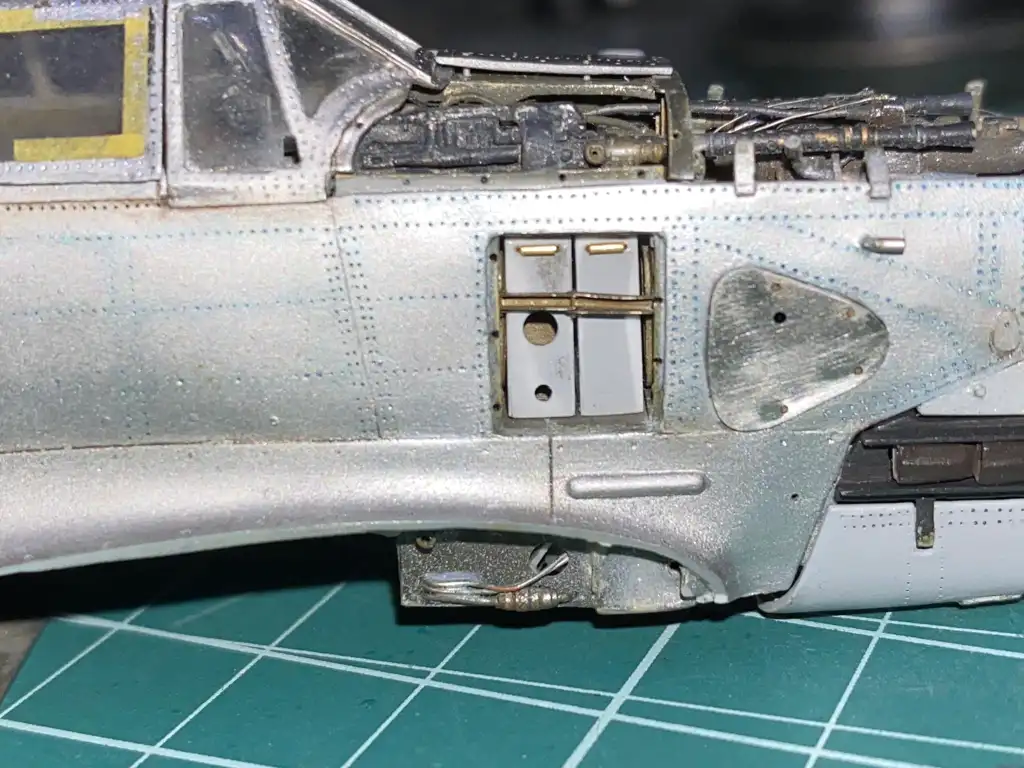
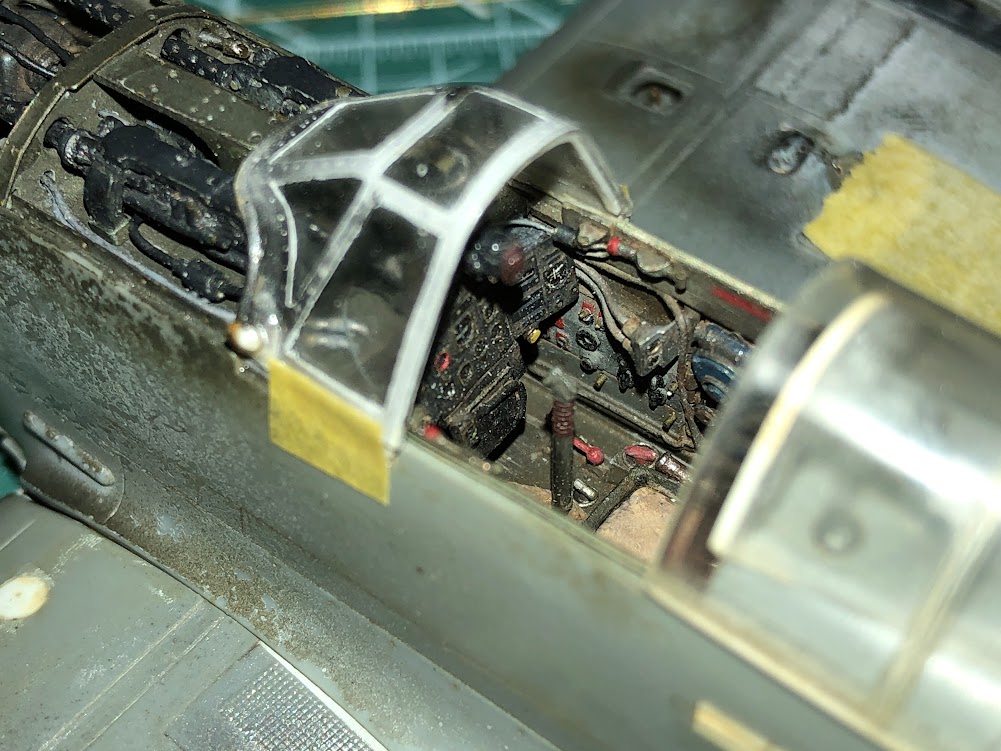
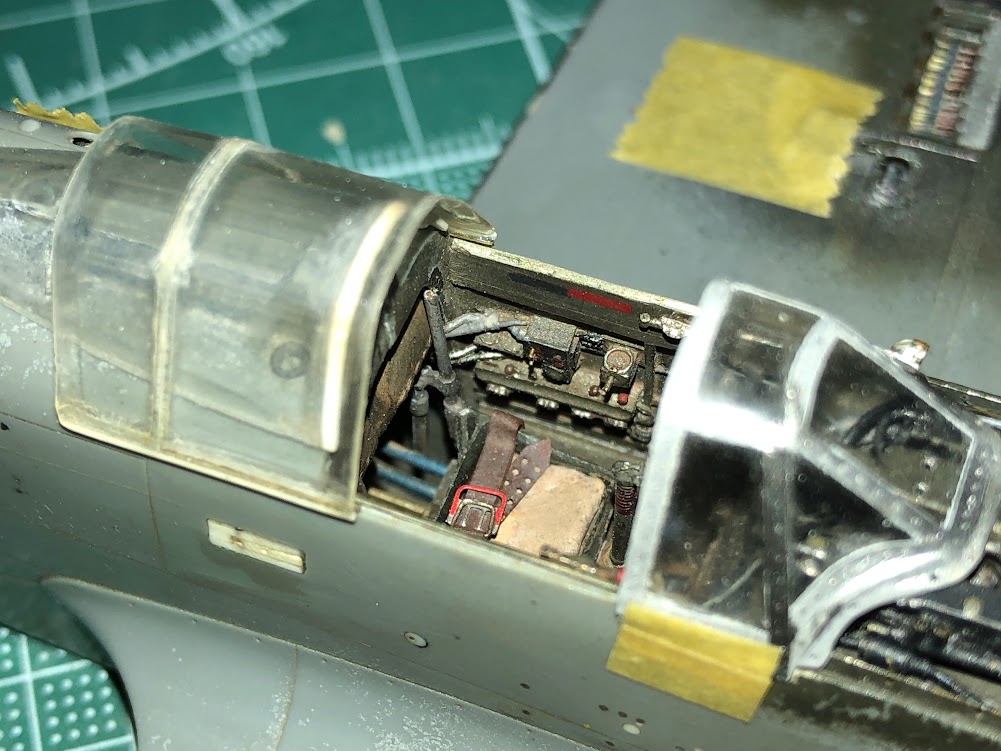
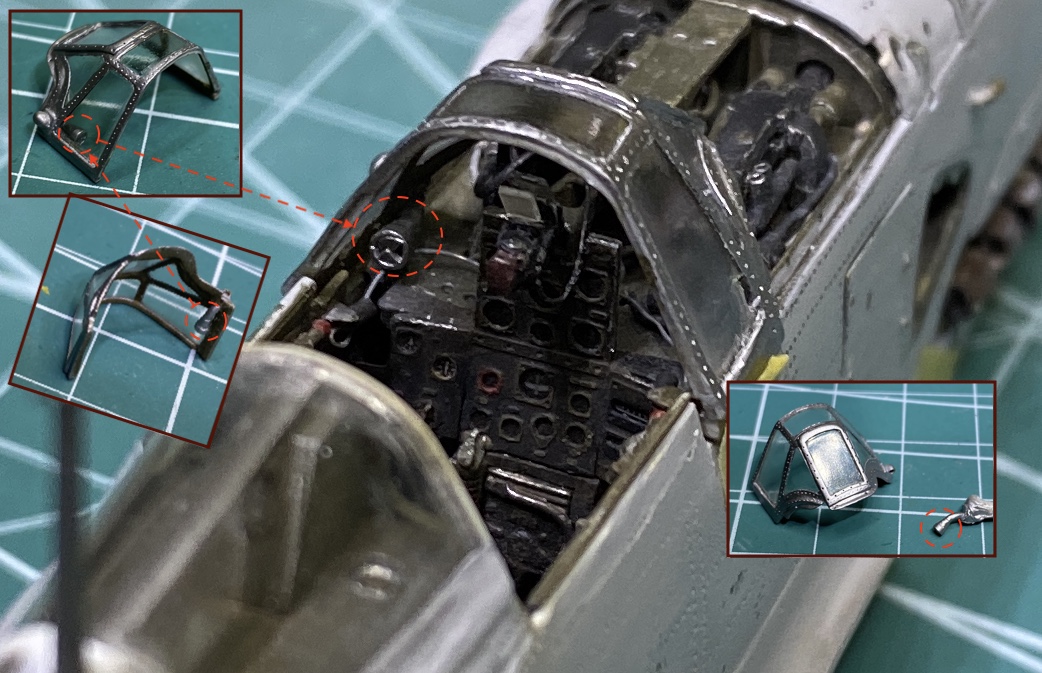
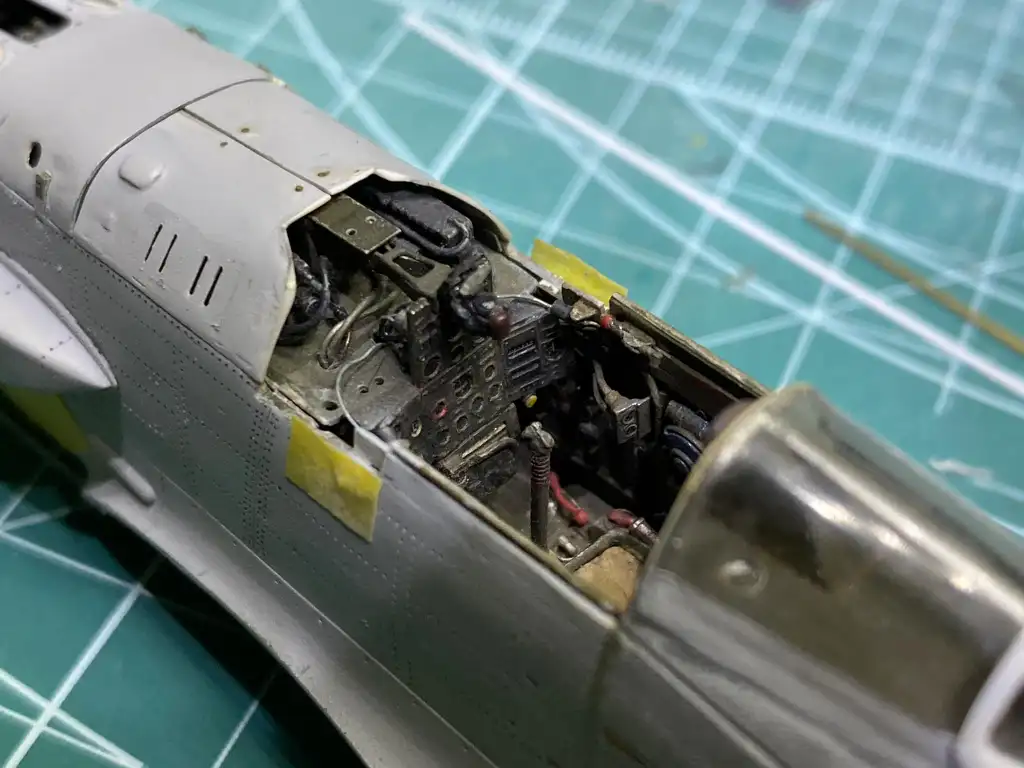
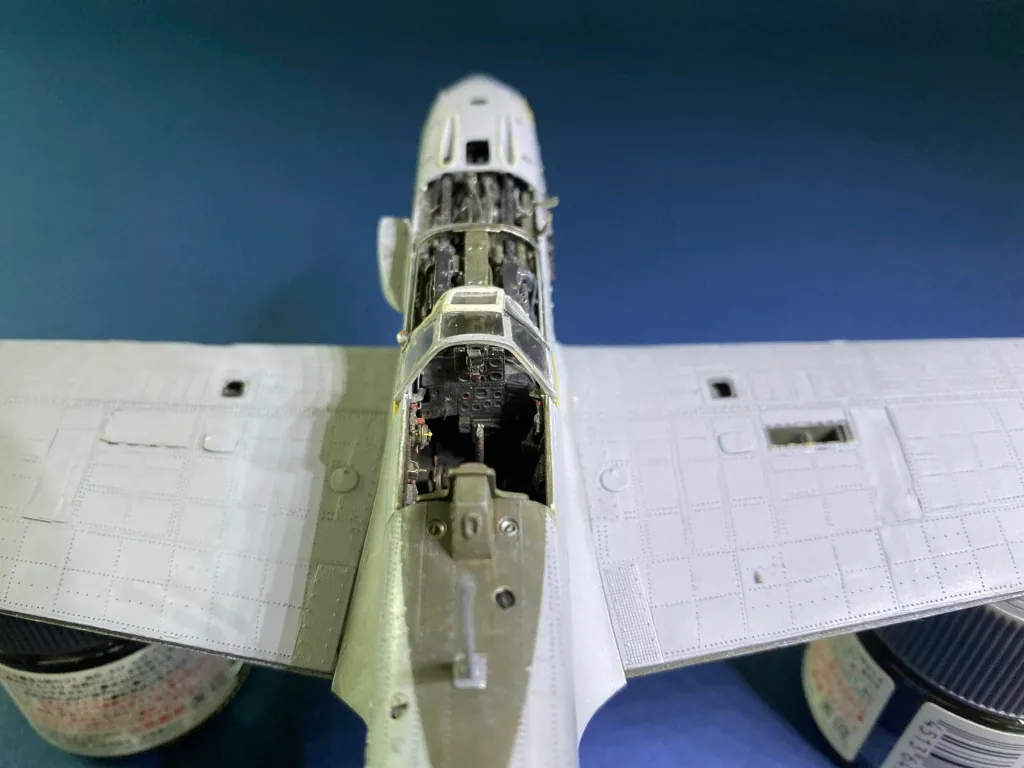
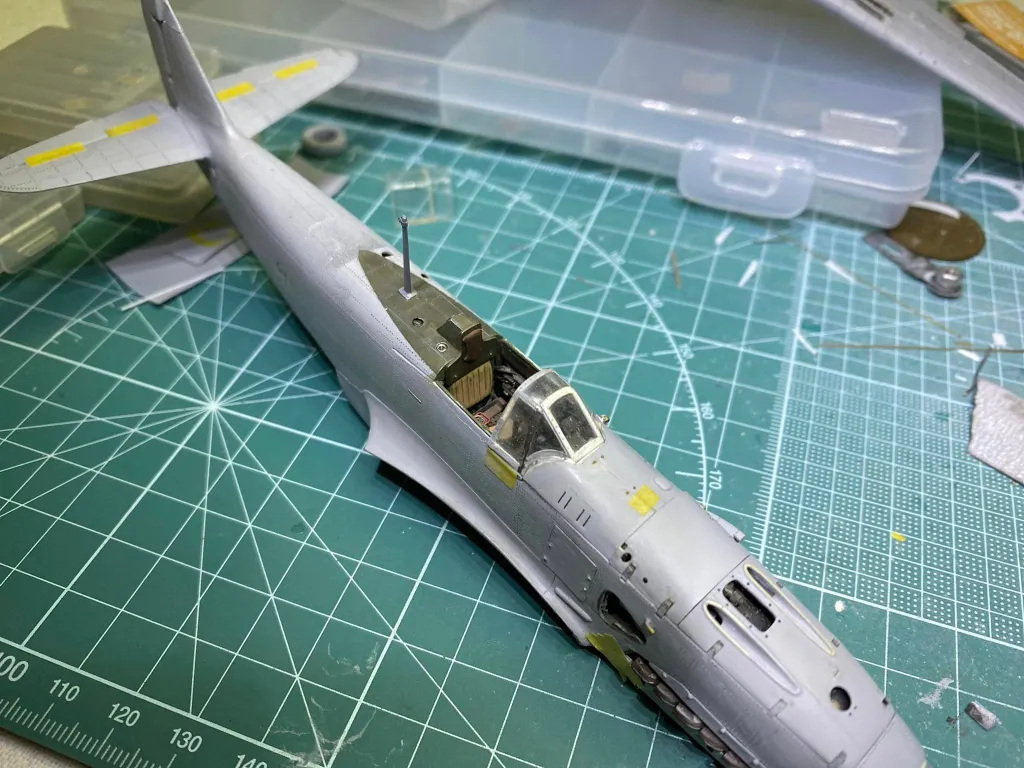
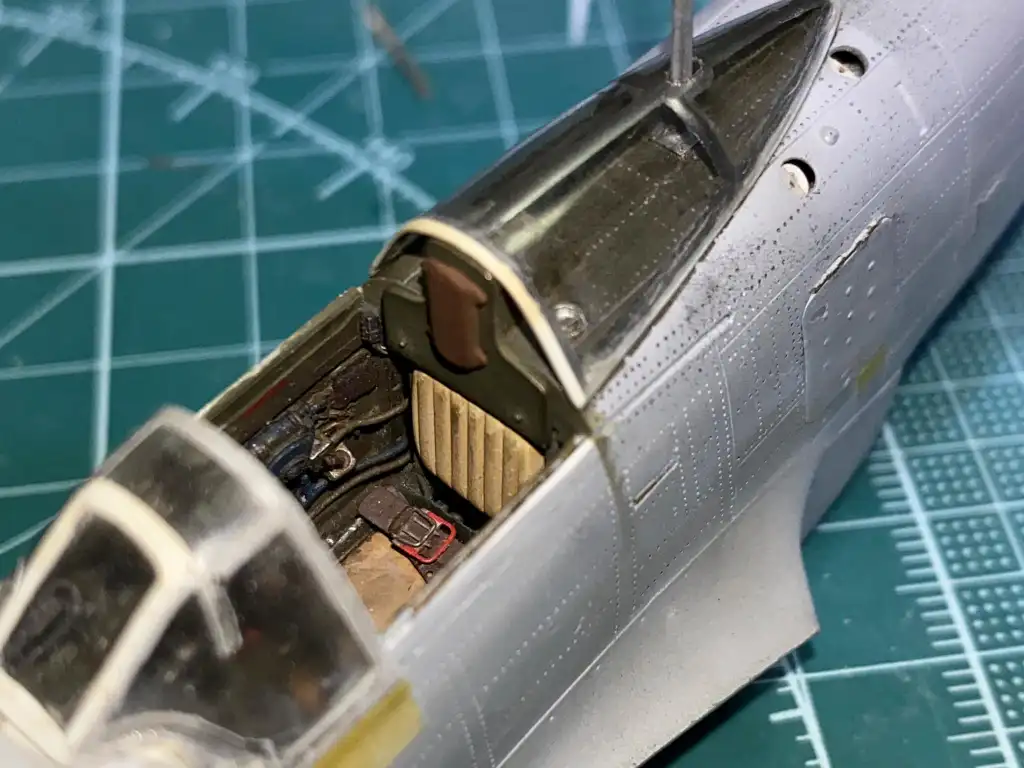
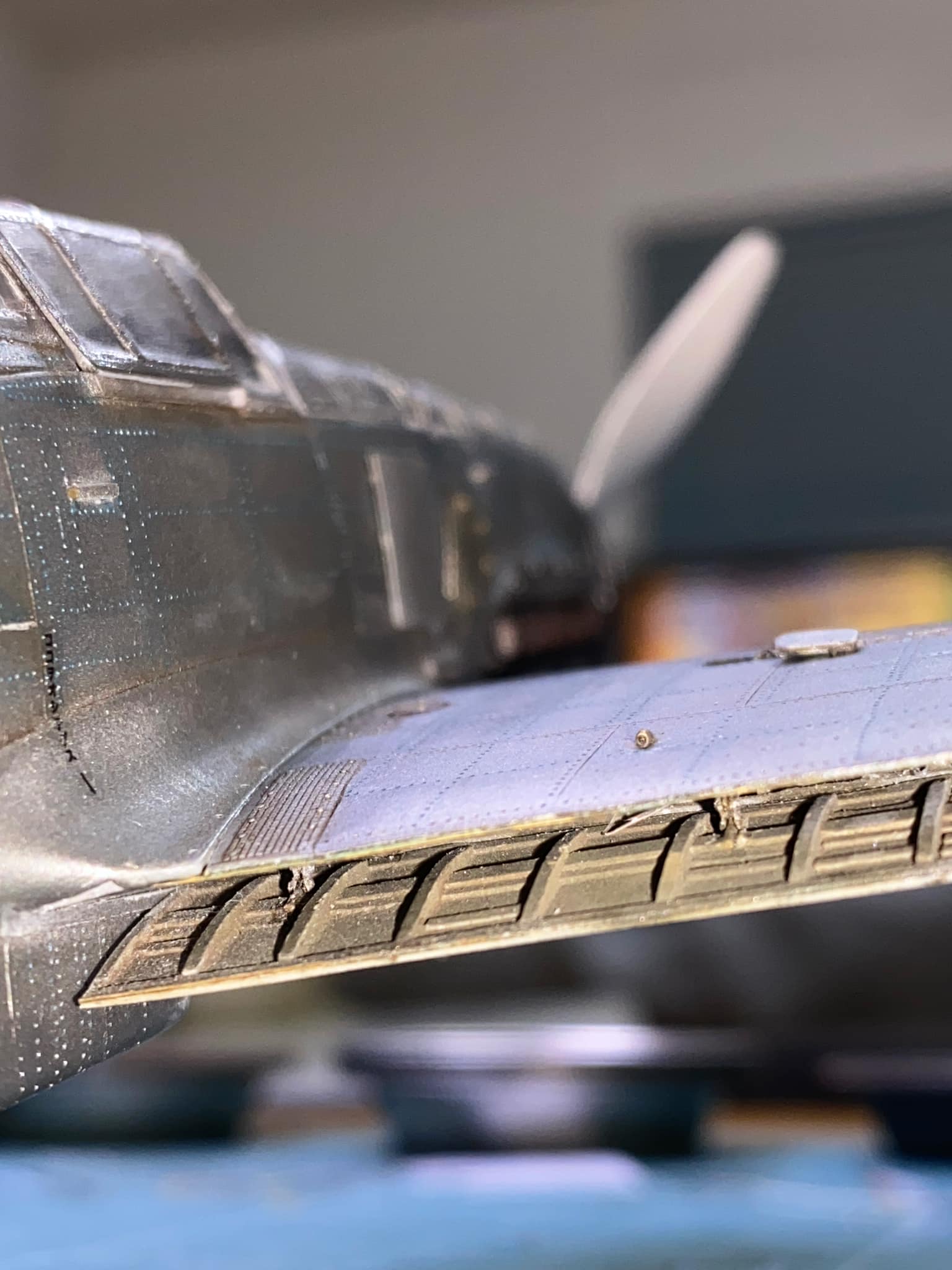
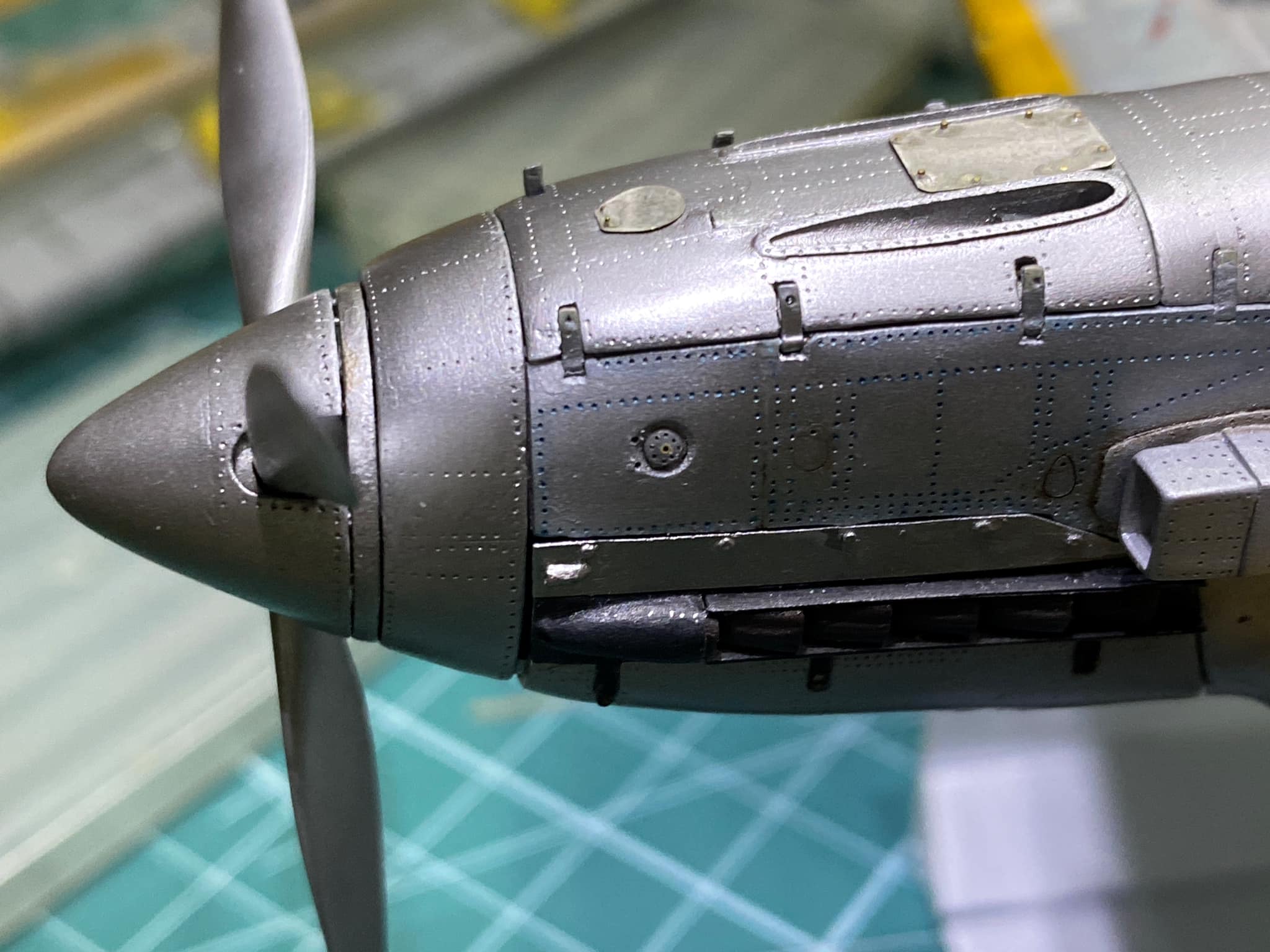
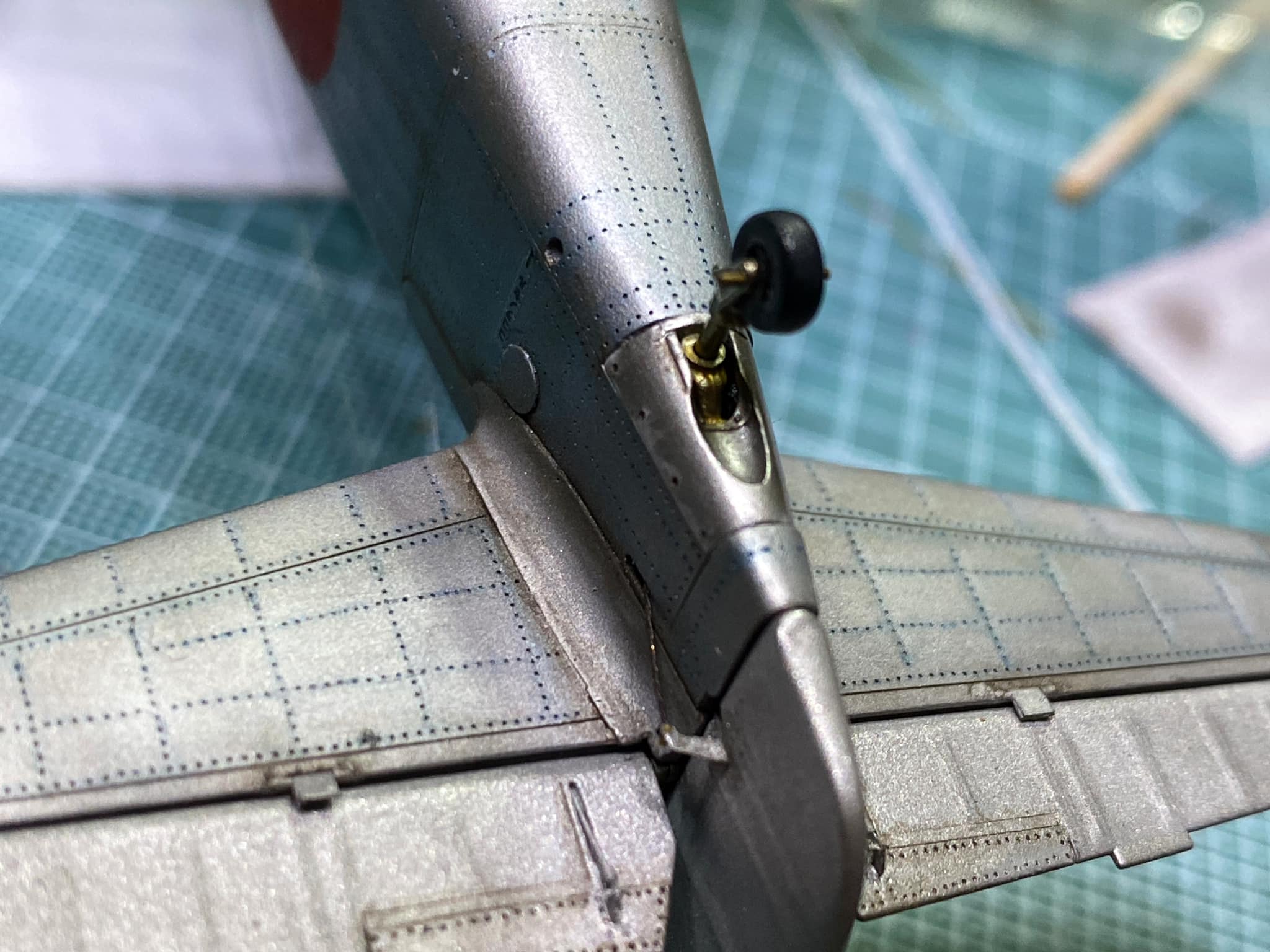
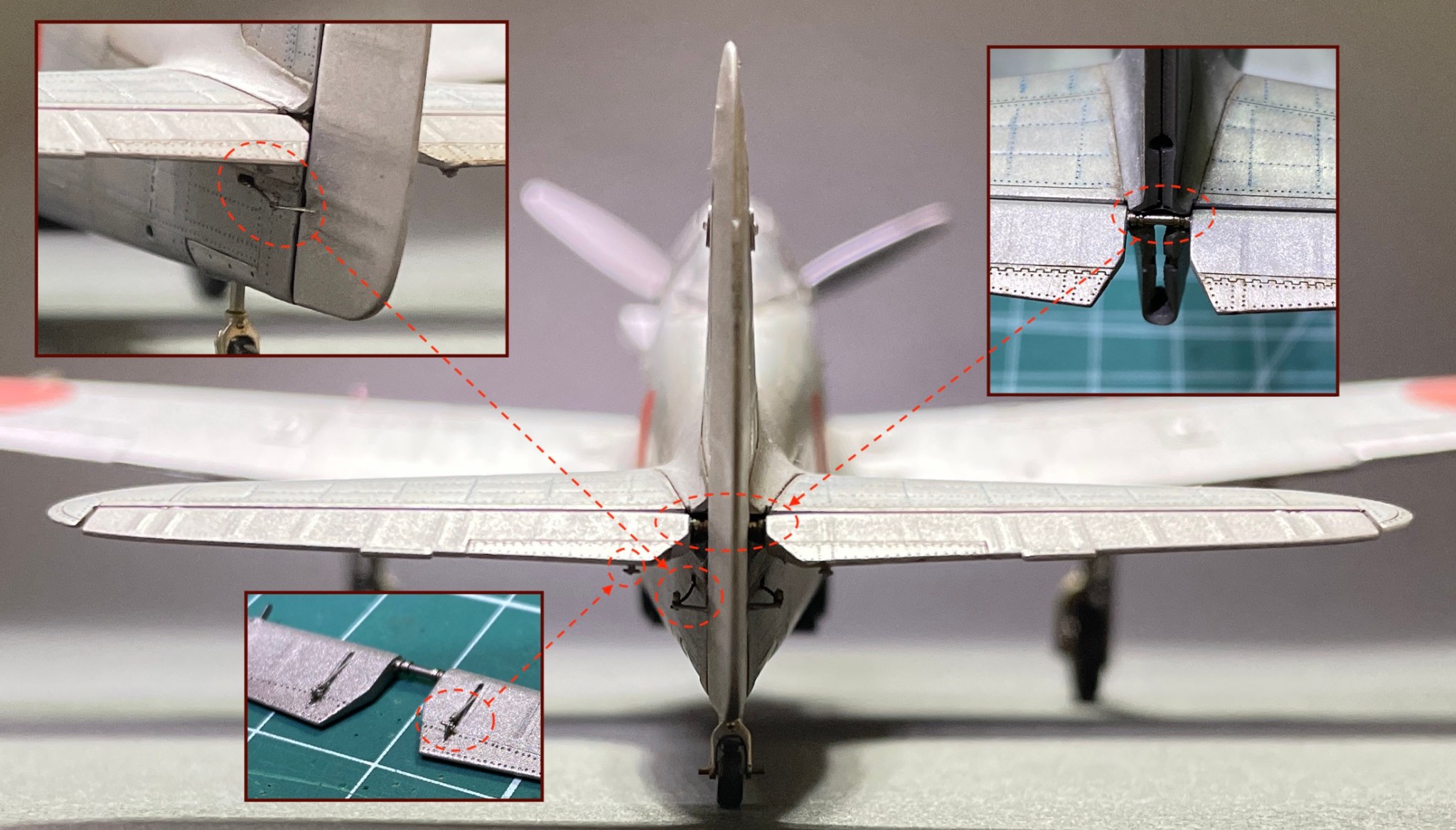
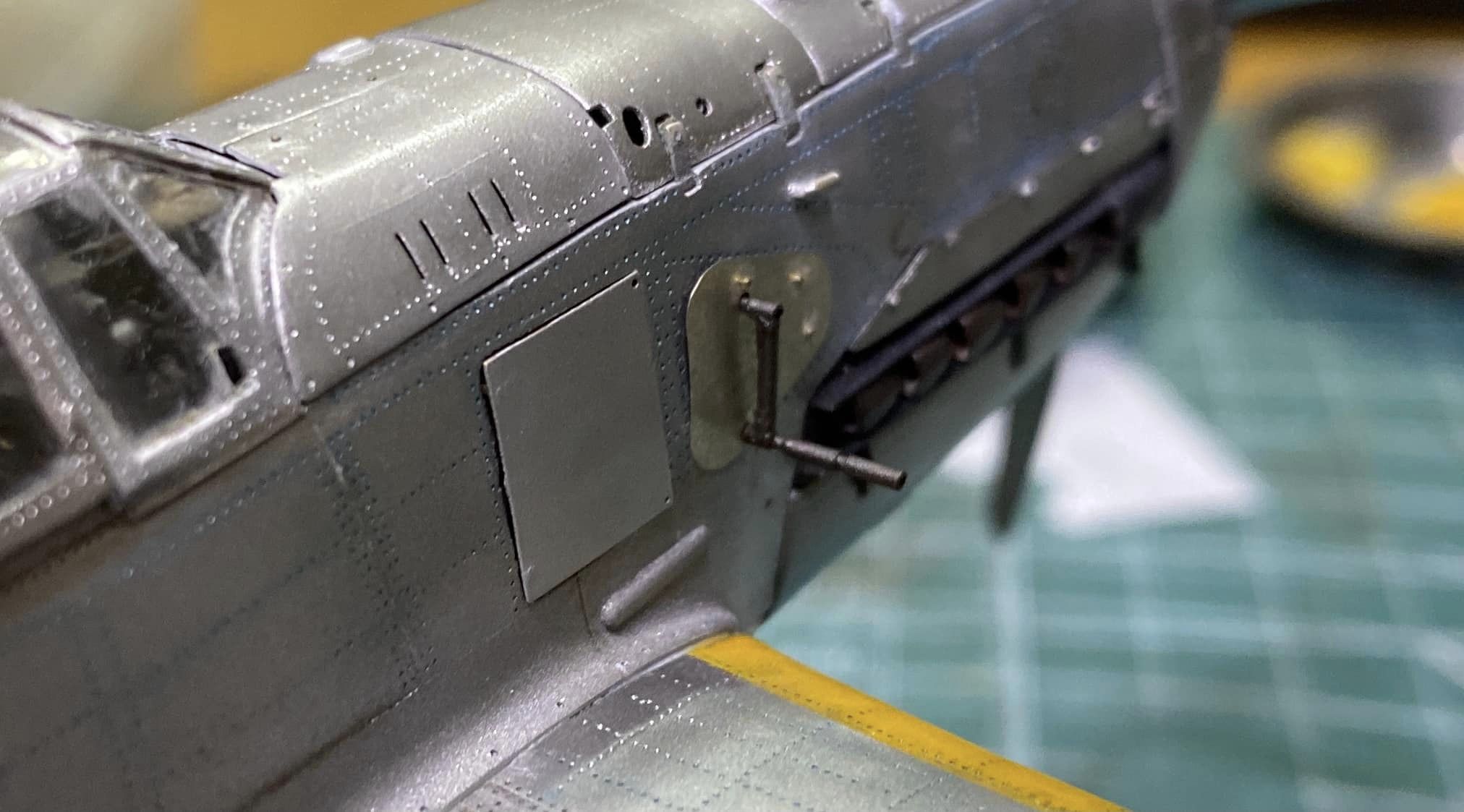
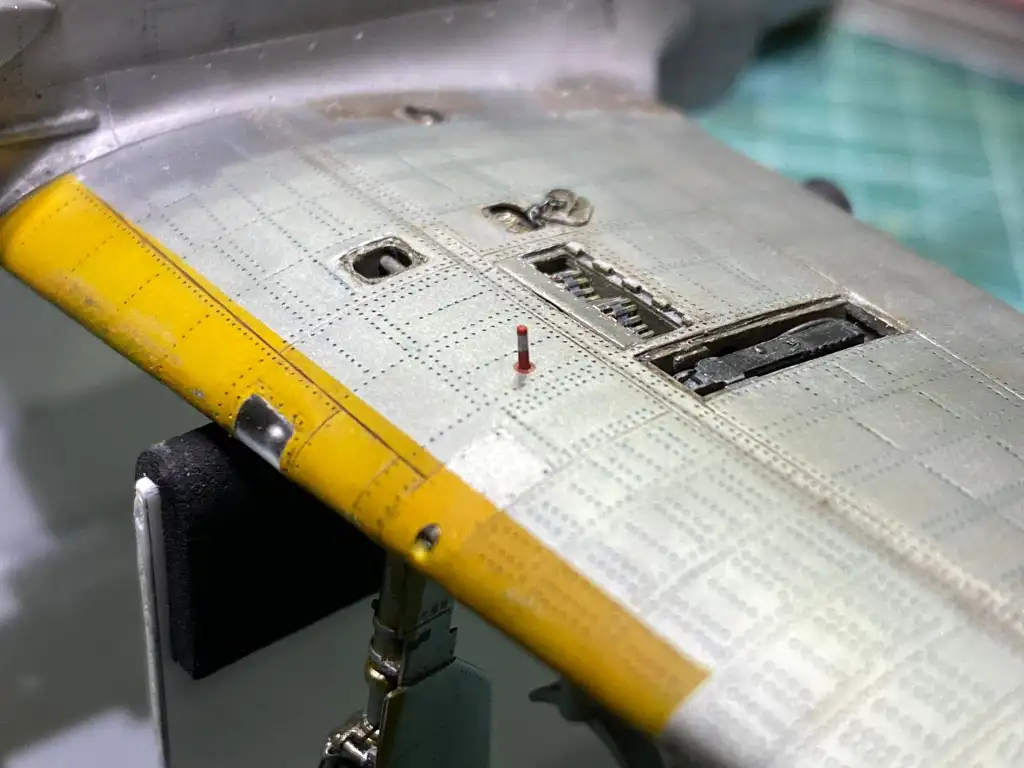
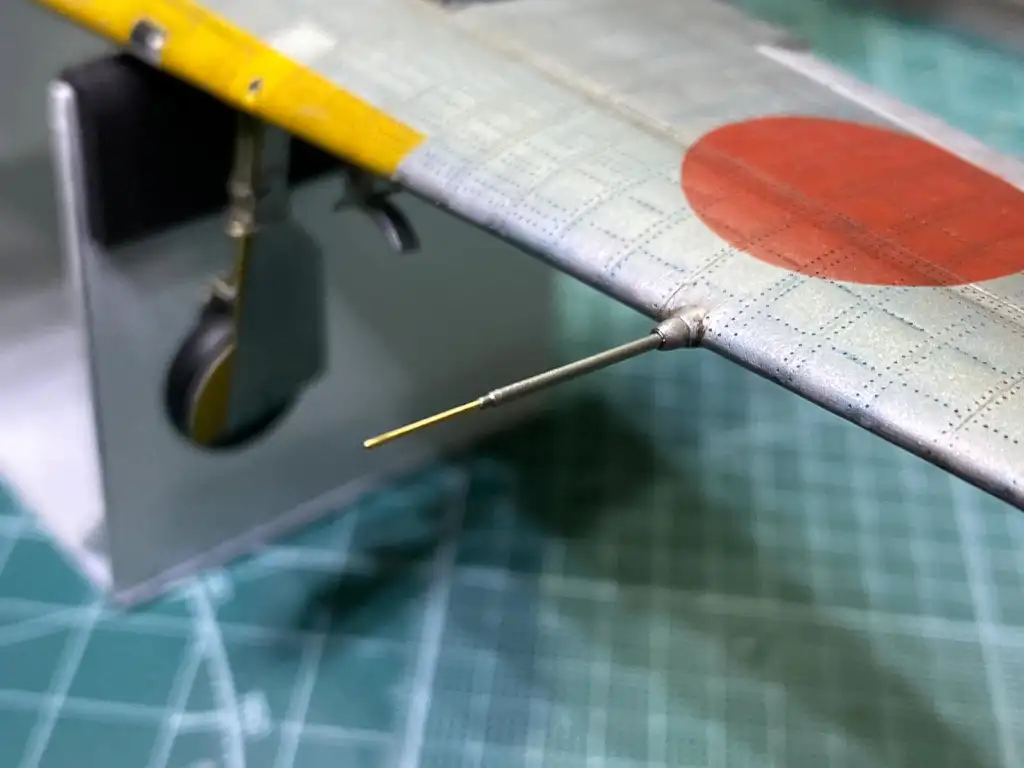
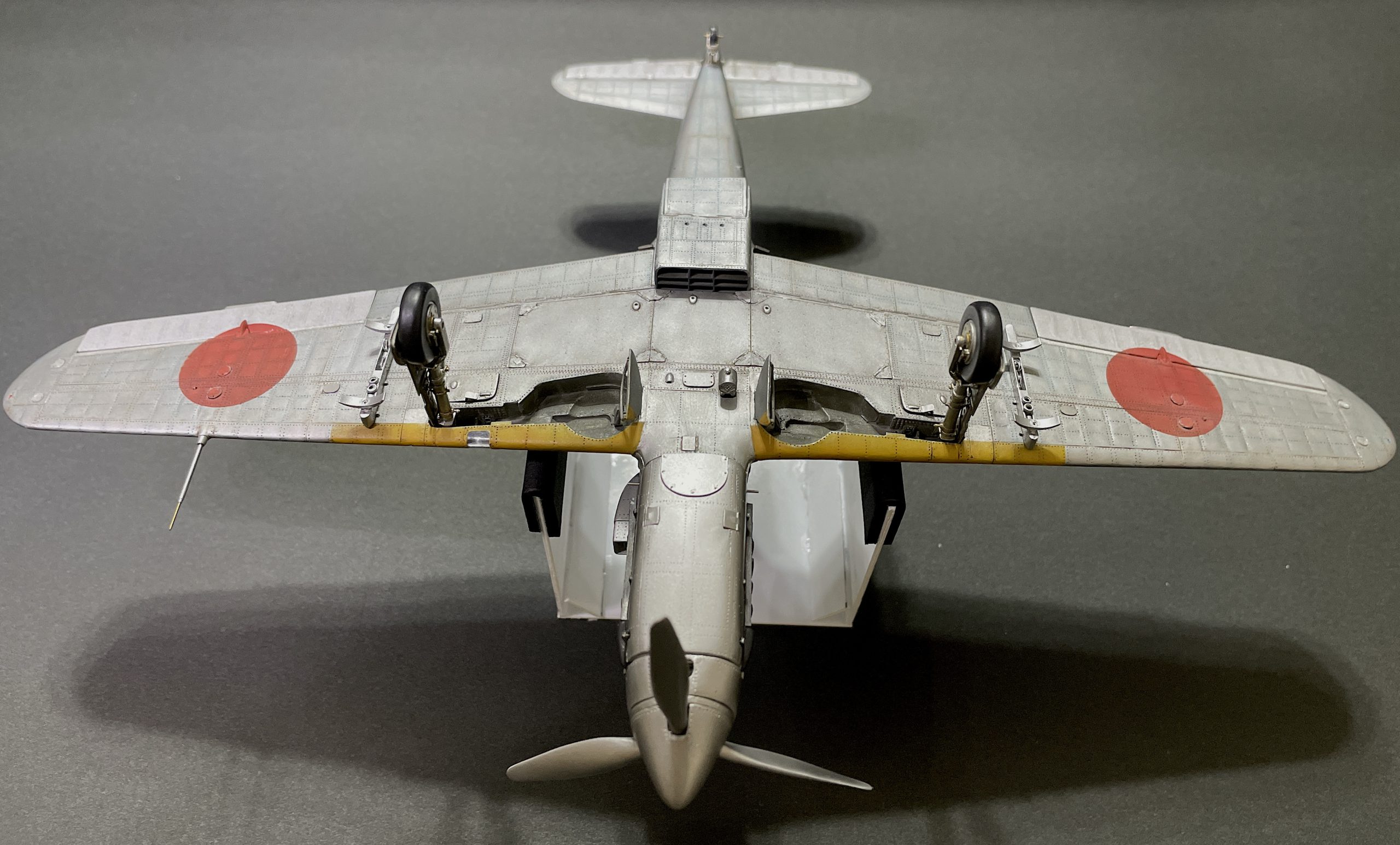
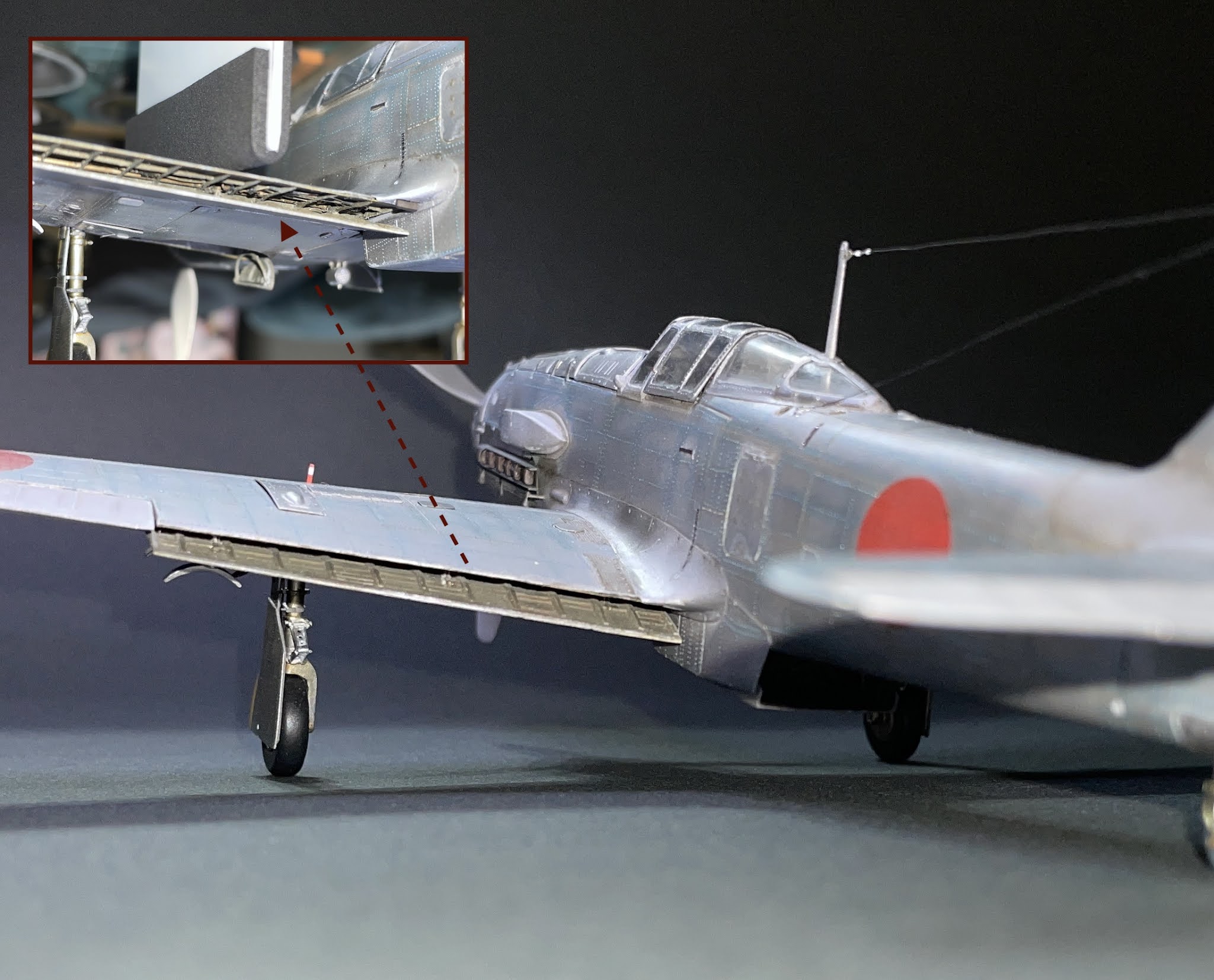
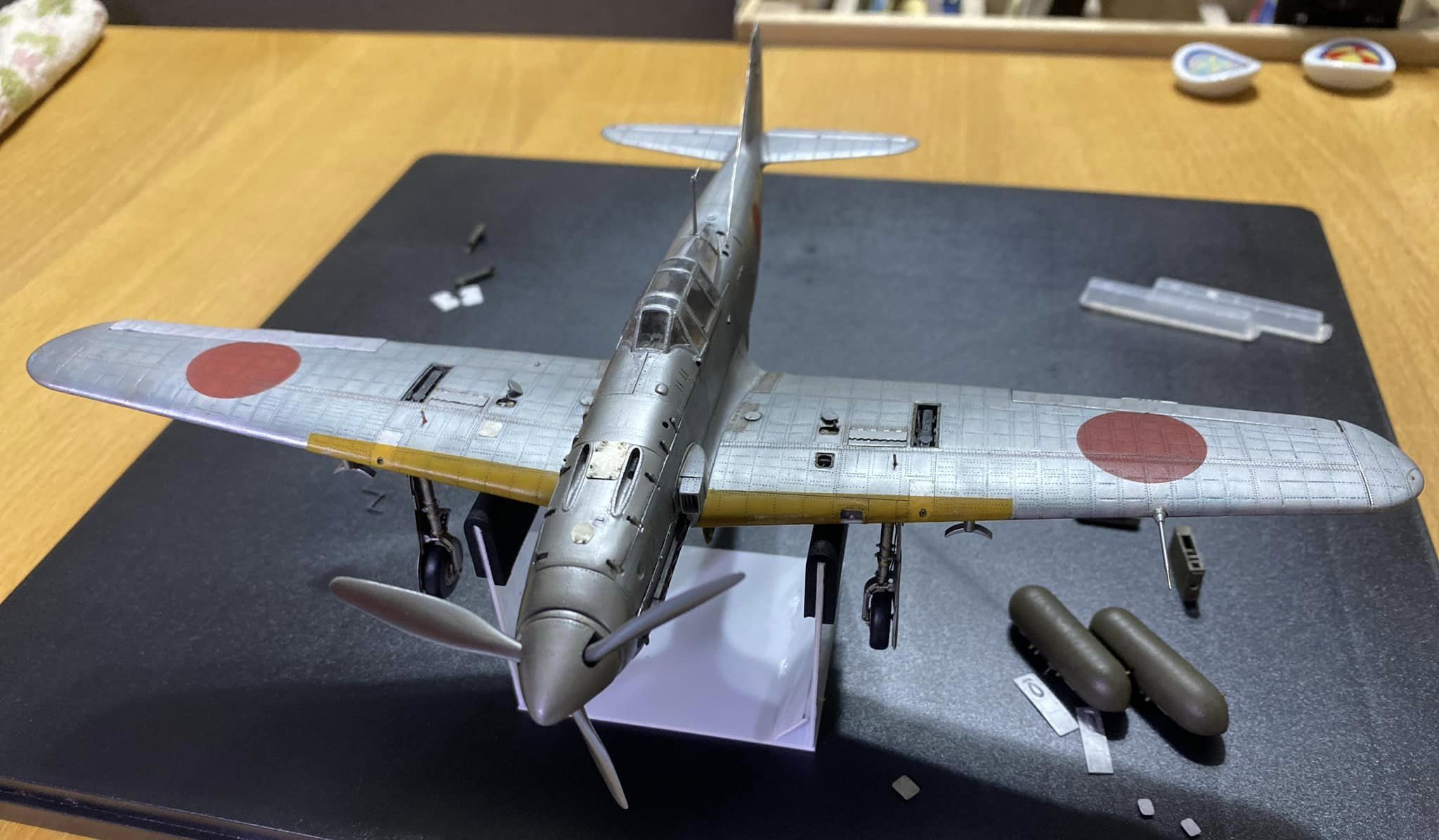
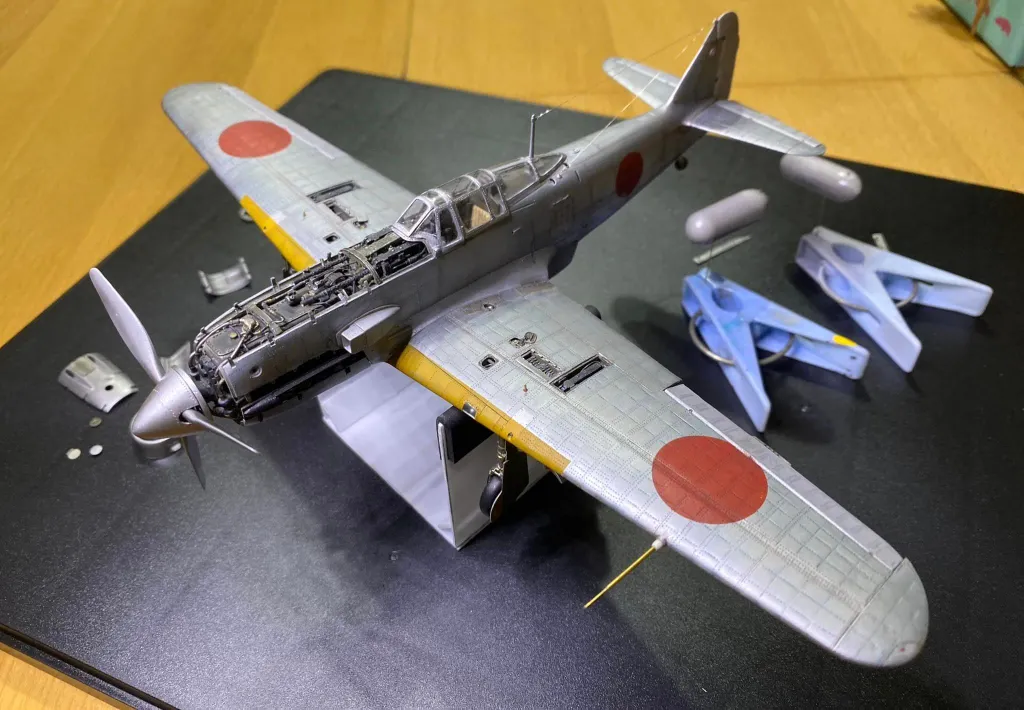
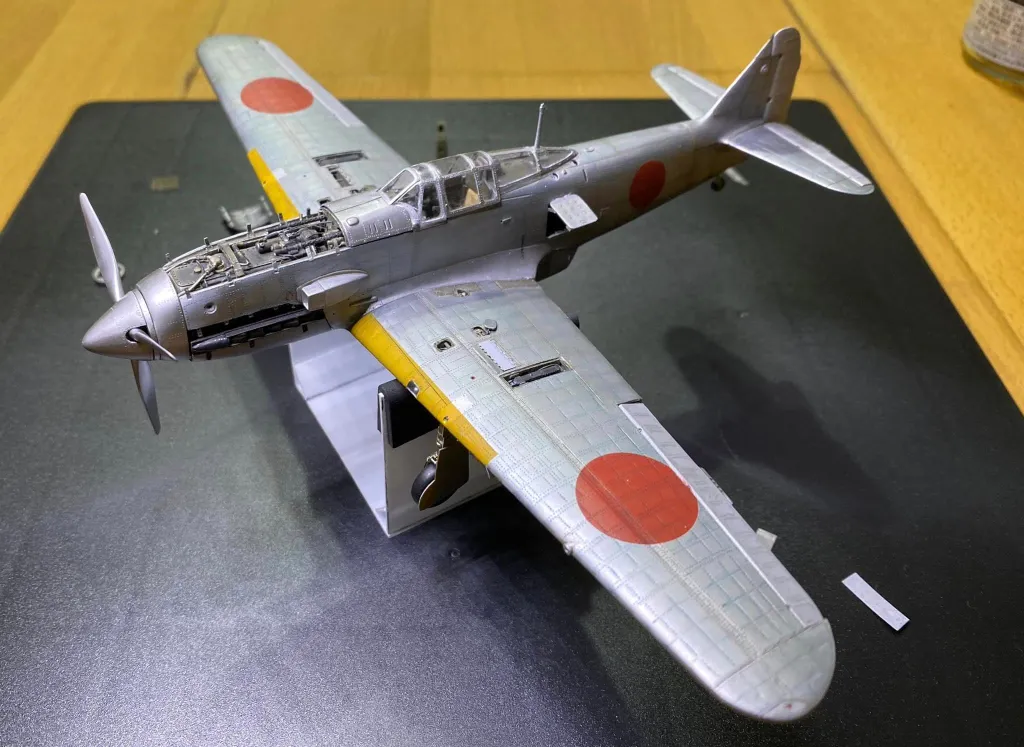
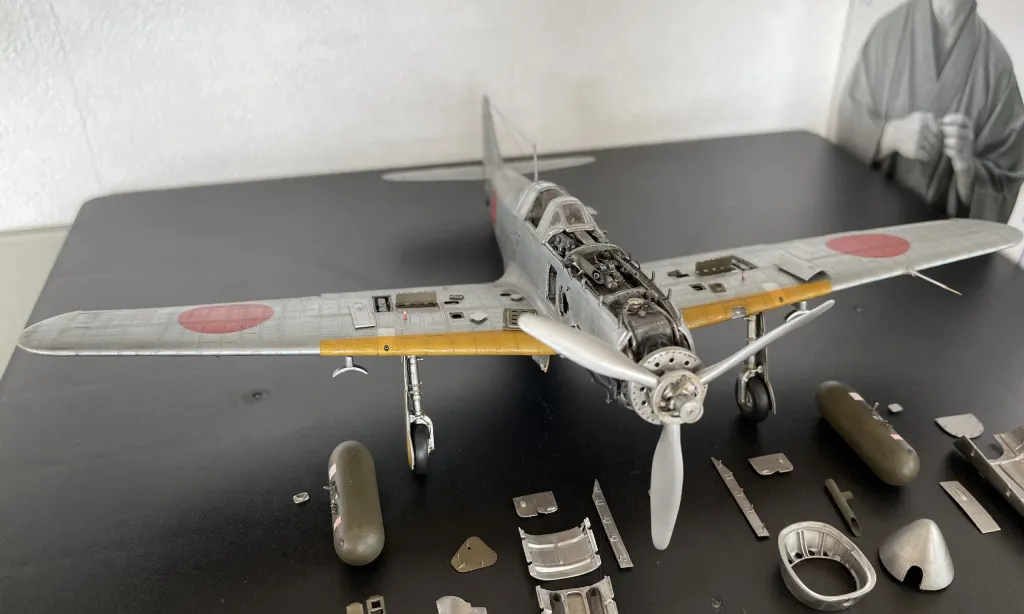
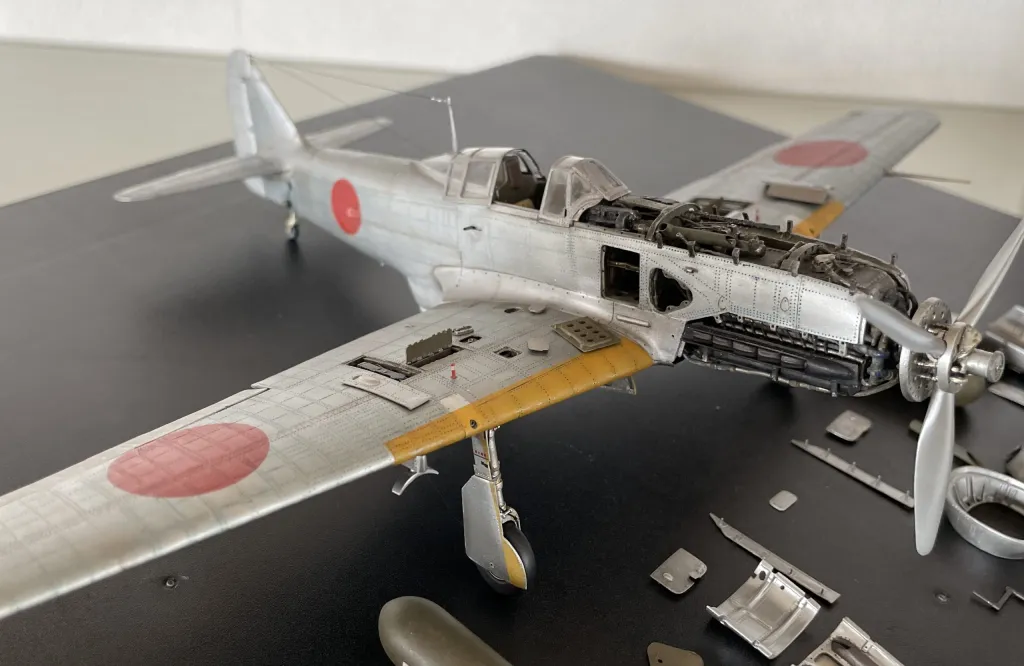
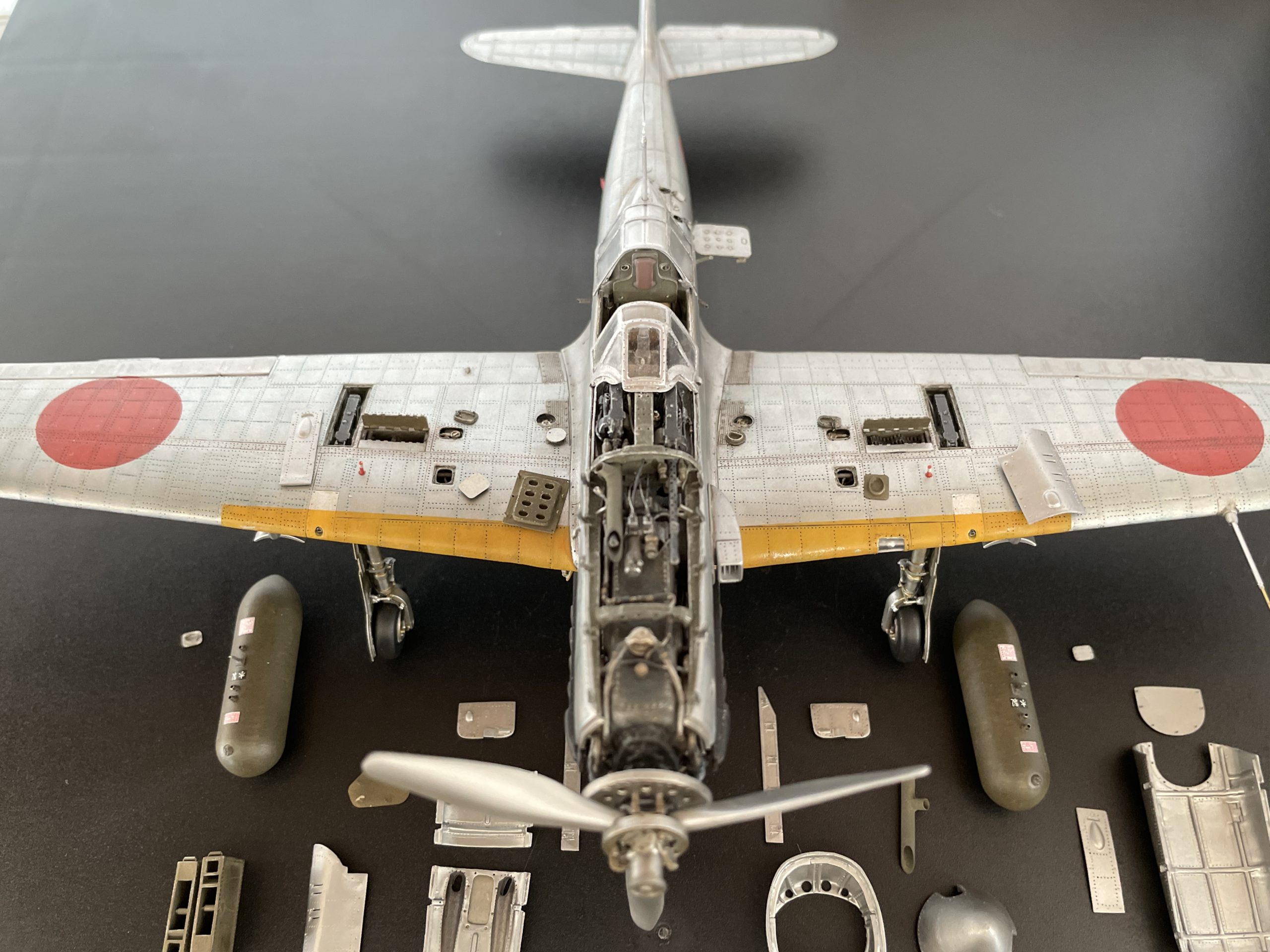
At first glance, the model captures the unmistakable silhouette of the Ki-61-II “Bubbletop,” with its reworked rear fuselage and clear-view canopy design. But it is only upon closer inspection that the true scale of the achievement becomes evident. Every panel line, rivet, and structural feature has been recreated with an almost forensic level of precision. The cockpit interior alone rivals what many modelers would attempt in 1/24 scale—yet this is executed flawlessly in 1/48.
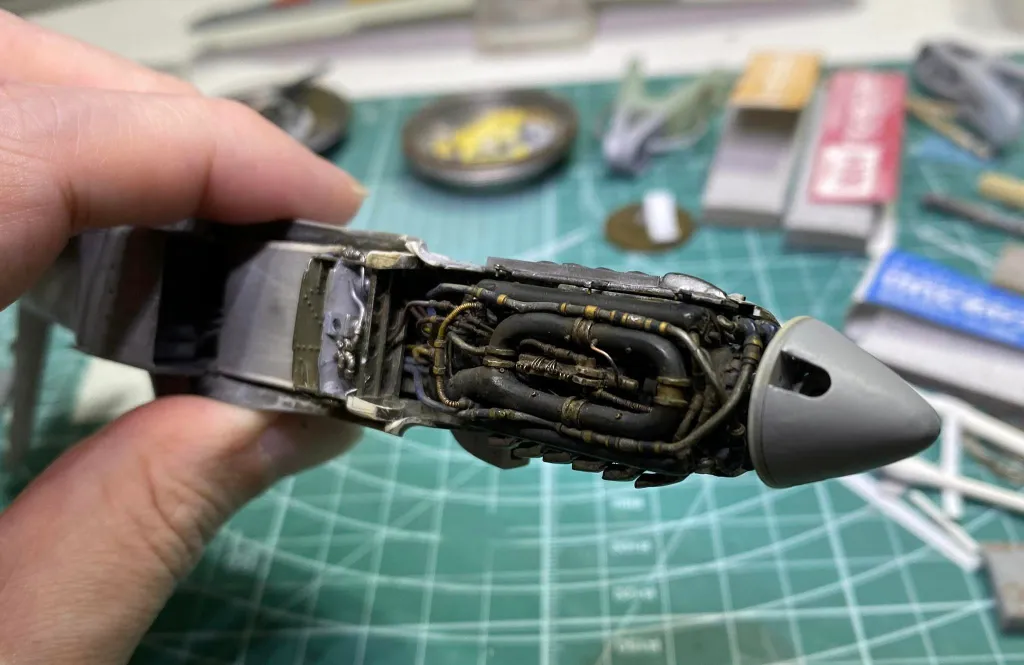
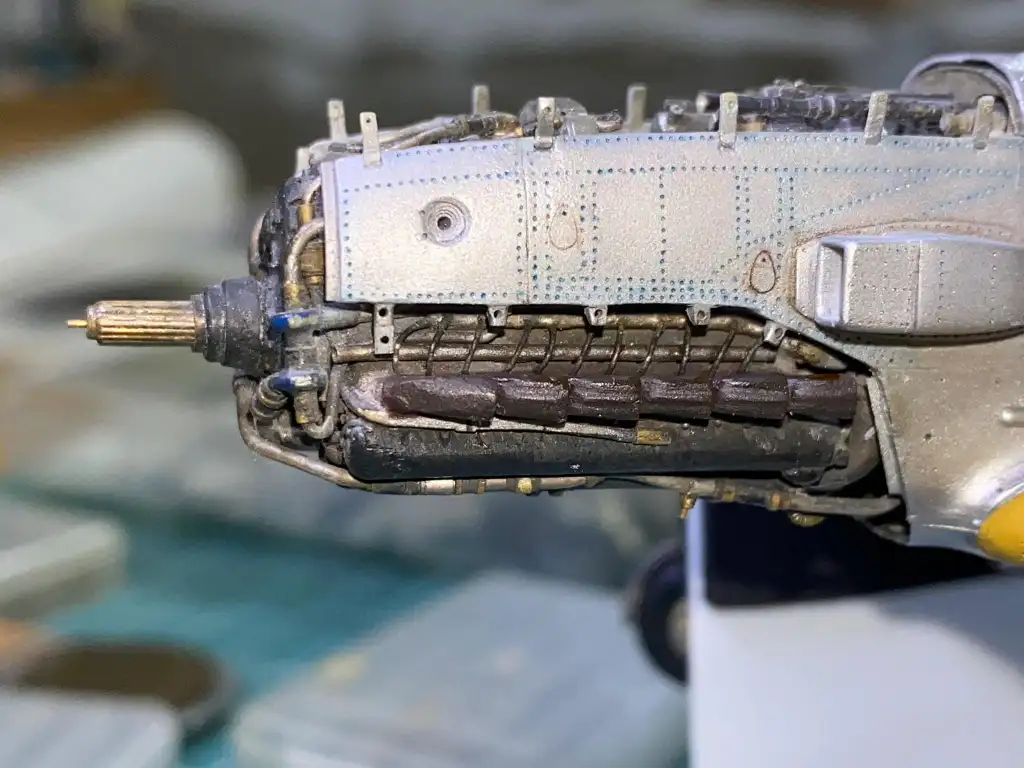
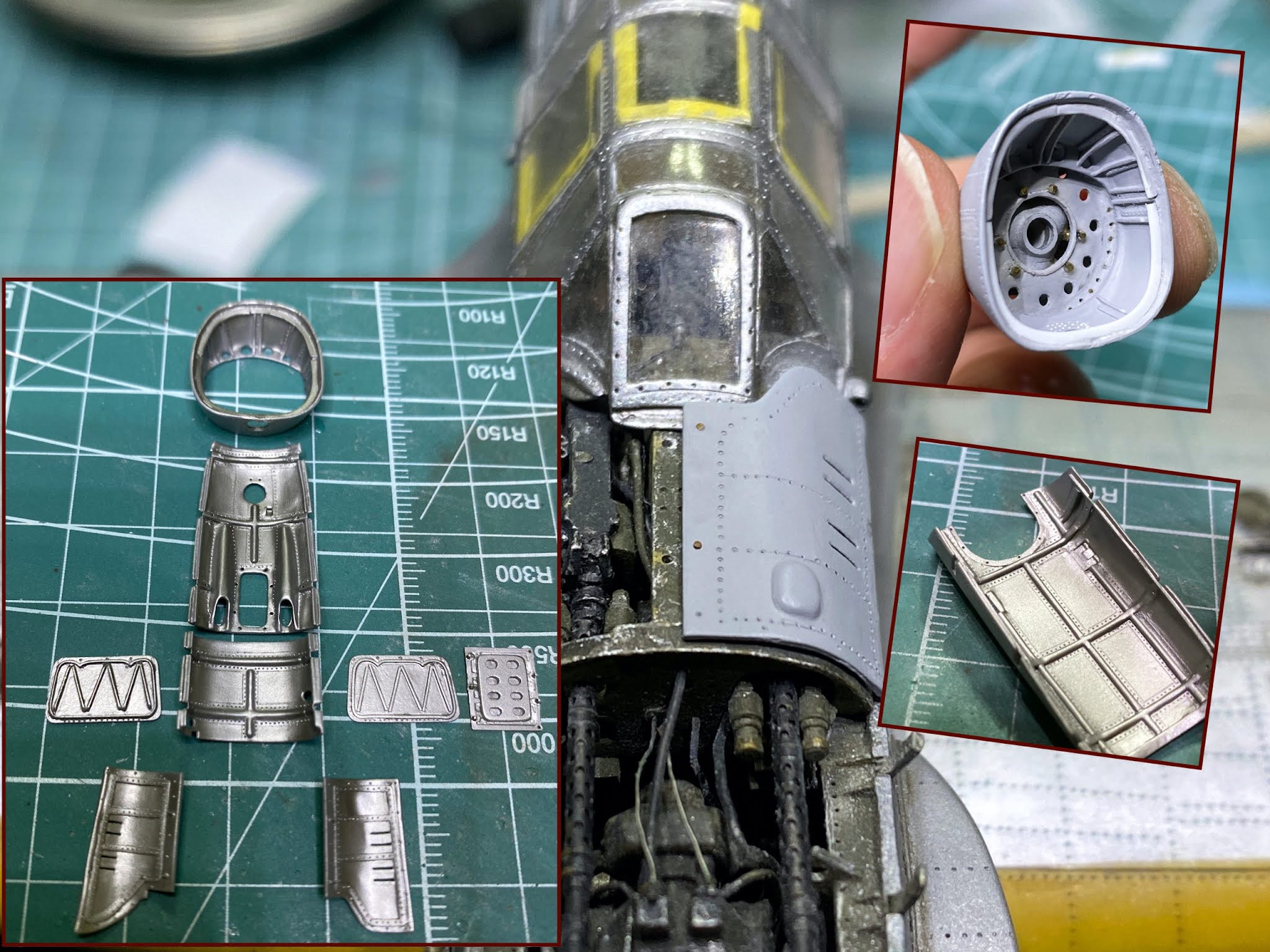
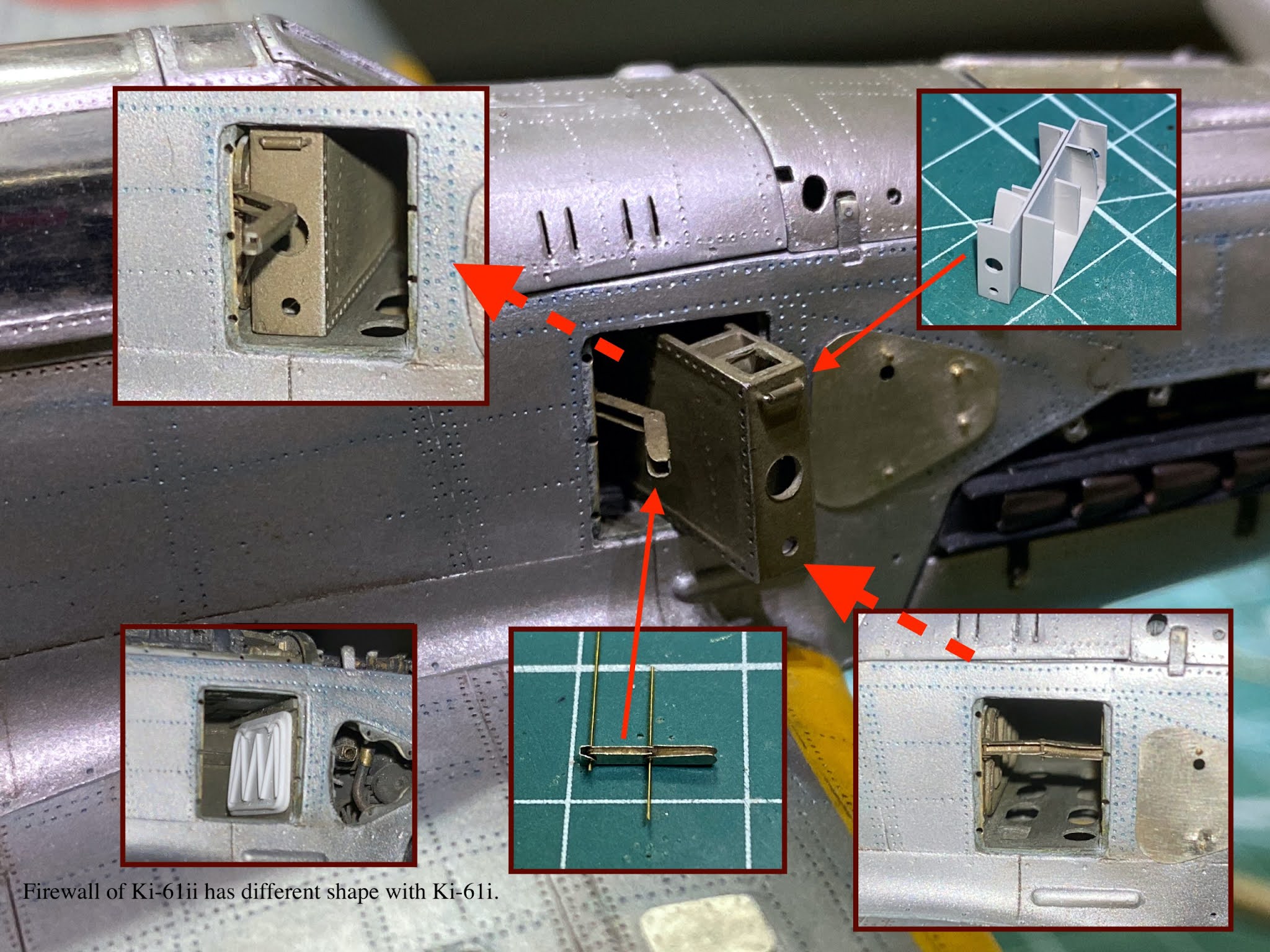
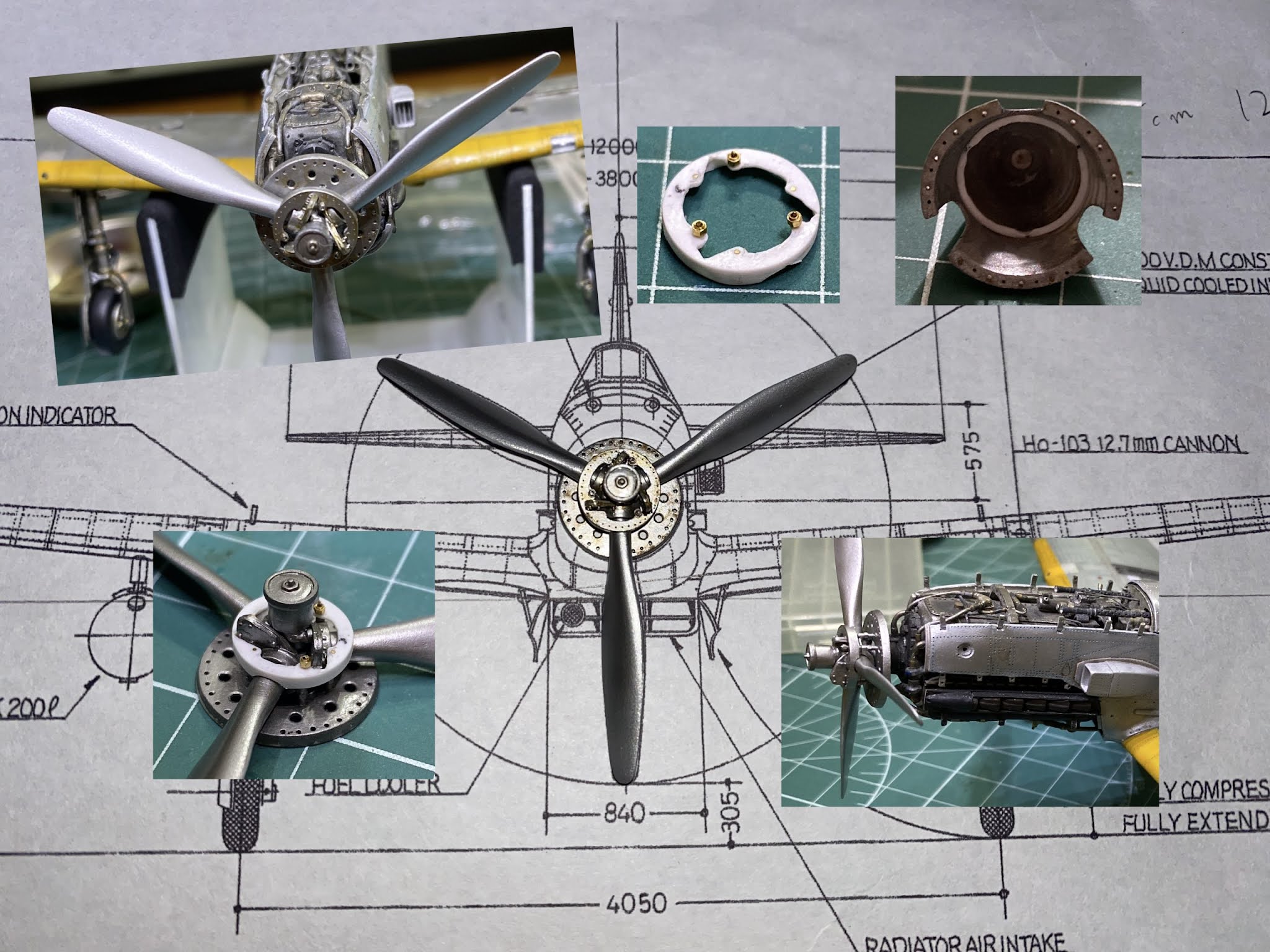
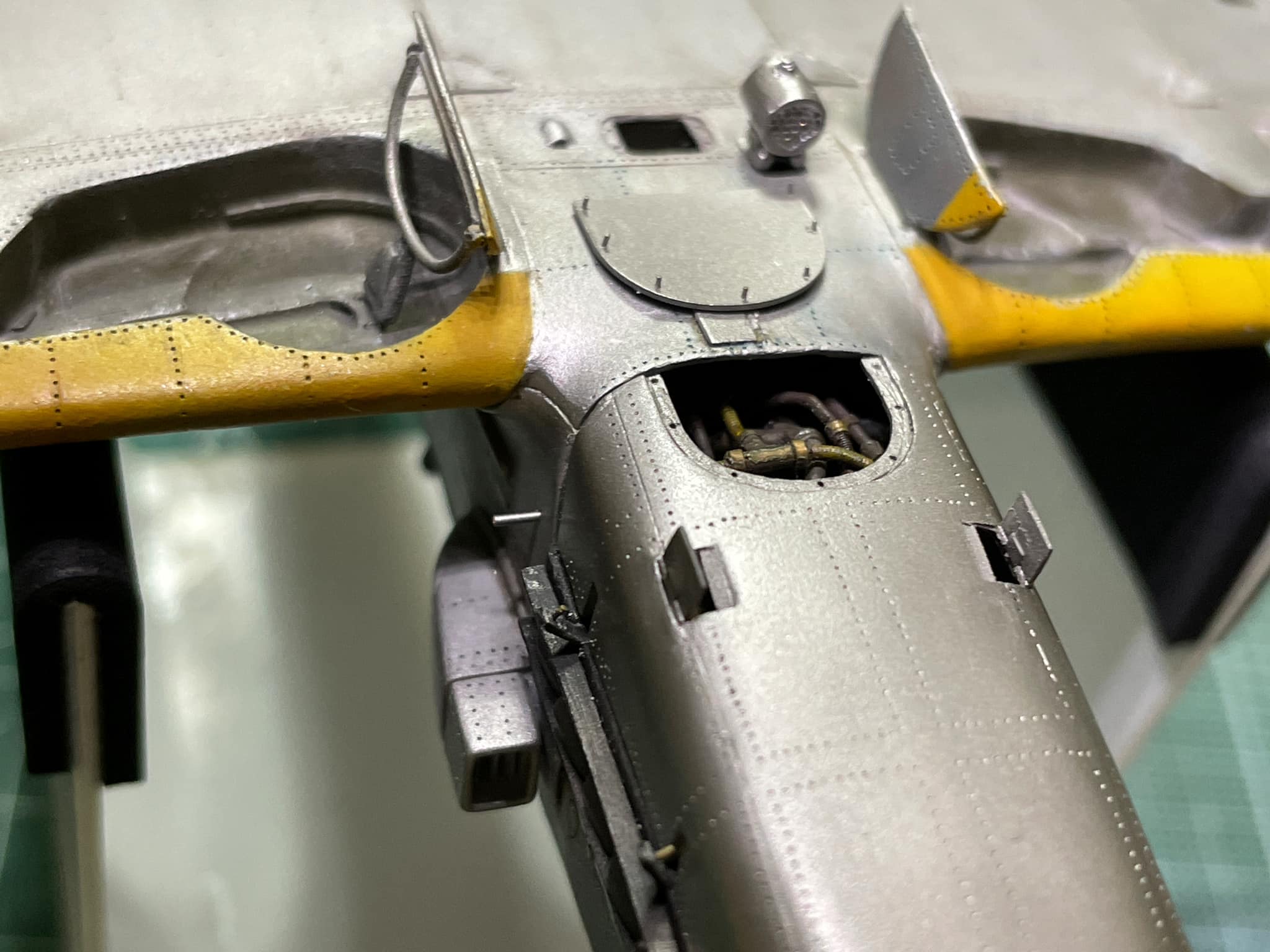
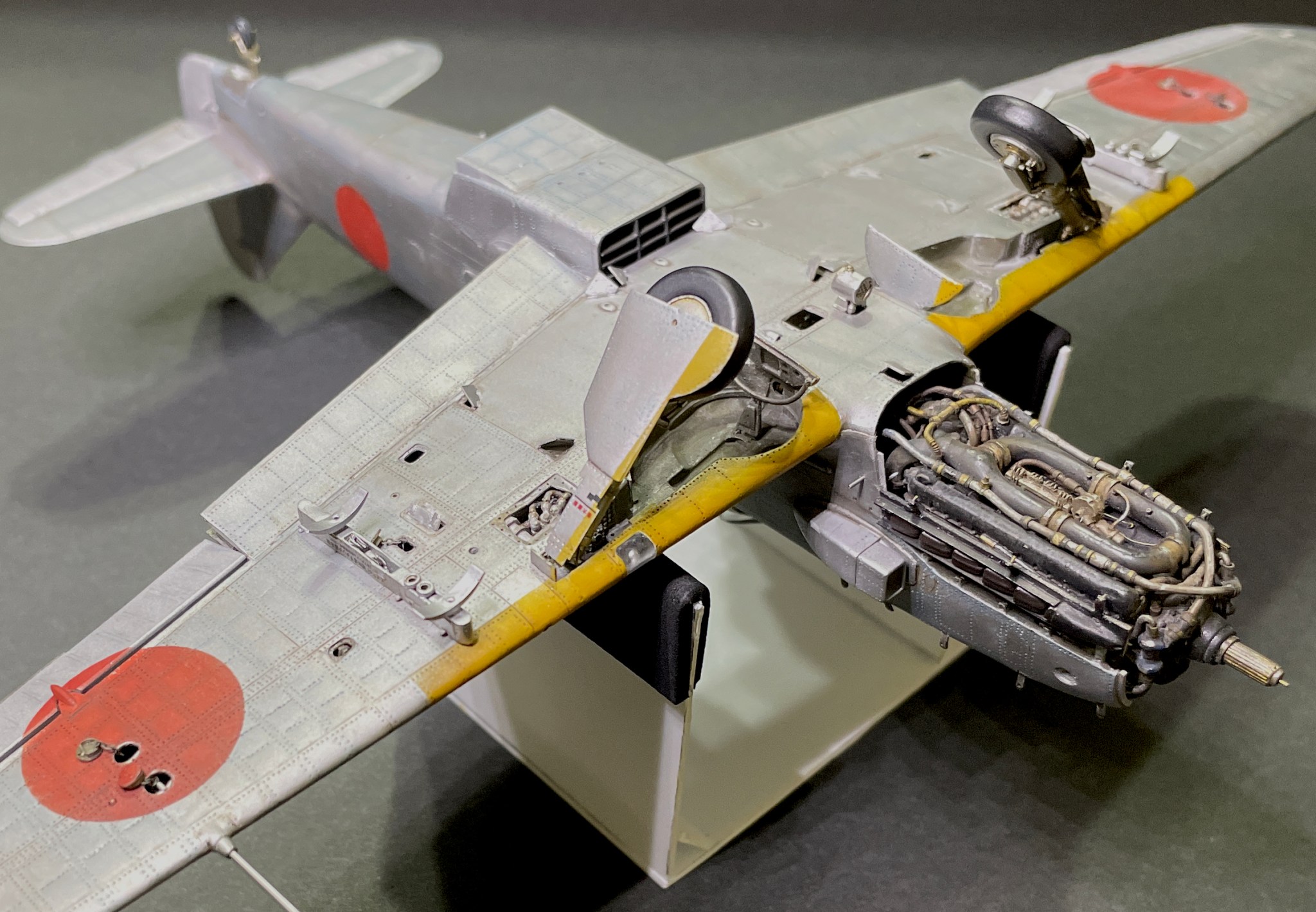
Inoue’s approach can only be described as systematic and analytical. Rather than relying solely on kit parts, he engaged in extensive scratch-building, modification, and refinement. The internal structures, engine detailing, and airframe corrections reflect deep research into the real aircraft’s design and engineering. This is not simply a model—it is a reconstruction.
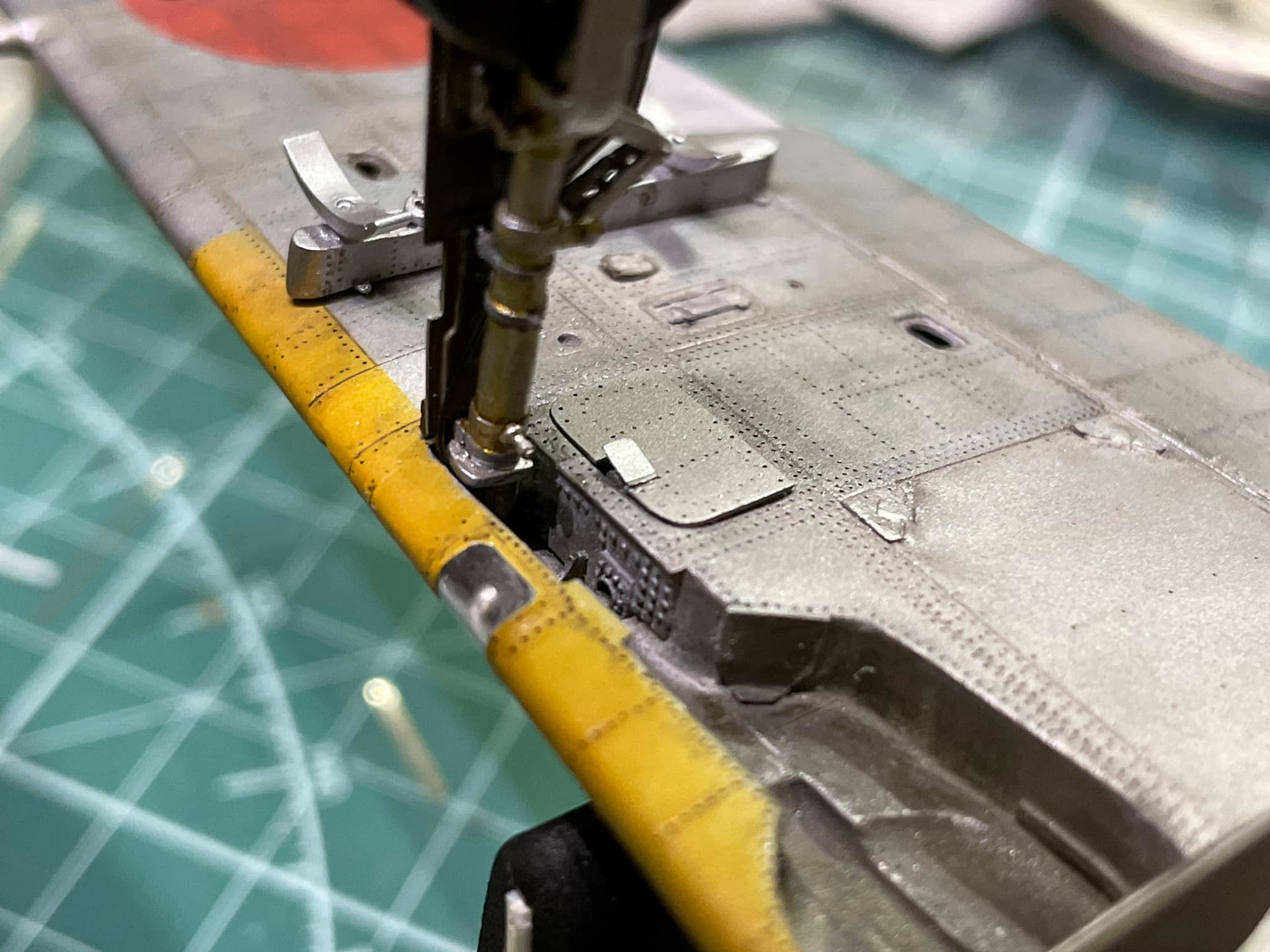
What elevates this work even further is the balance between technical accuracy and artistic execution. The surface finish, subtle weathering, and paint modulation give the aircraft a realistic presence without overstatement. It feels authentic, not exaggerated—a rare achievement in high-end scale modeling.
The completed model stands as a benchmark example of what is possible when patience, research, and skill converge. It transcends the category of hobby work and enters the realm of applied historical craftsmanship. Quite simply, this is museum-grade quality—arguably beyond what many museums display.
Special credit must go to Tetsuya Inoue for generously sharing both images and insights from this remarkable journey. Through his work, the Ki-61-II “Bubbletop” is no longer just a footnote in aviation history, but a tangible, visual reality.
For those serious about scale modeling—especially enthusiasts of Imperial Japanese Army aircraft—this project serves as both inspiration and challenge. It sets a new standard: not just to build models, but to truly understand and reconstruct history in miniature form.
Mitsubishi A6M Zero– “Wreck of War in Eden”
Gallery