article
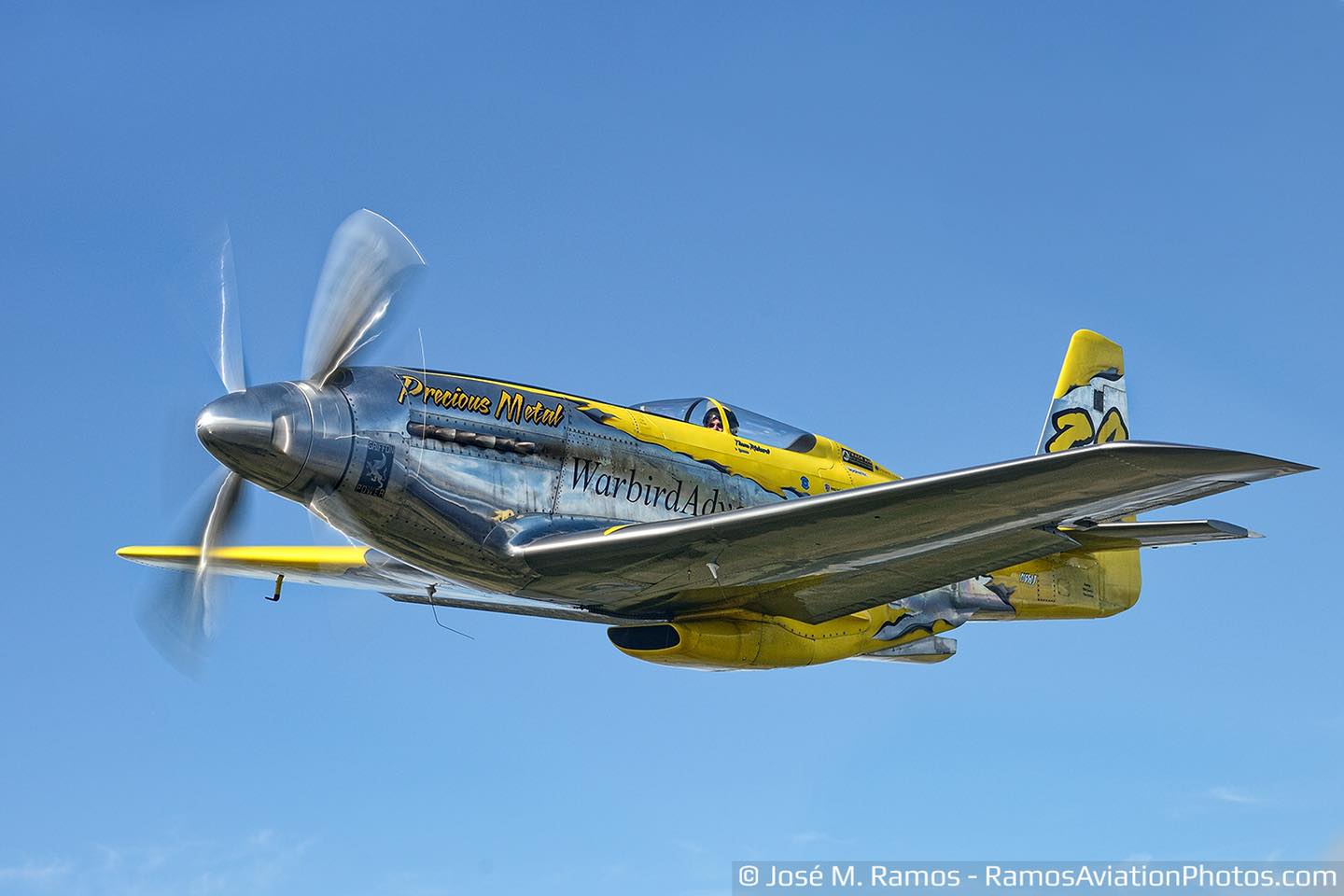
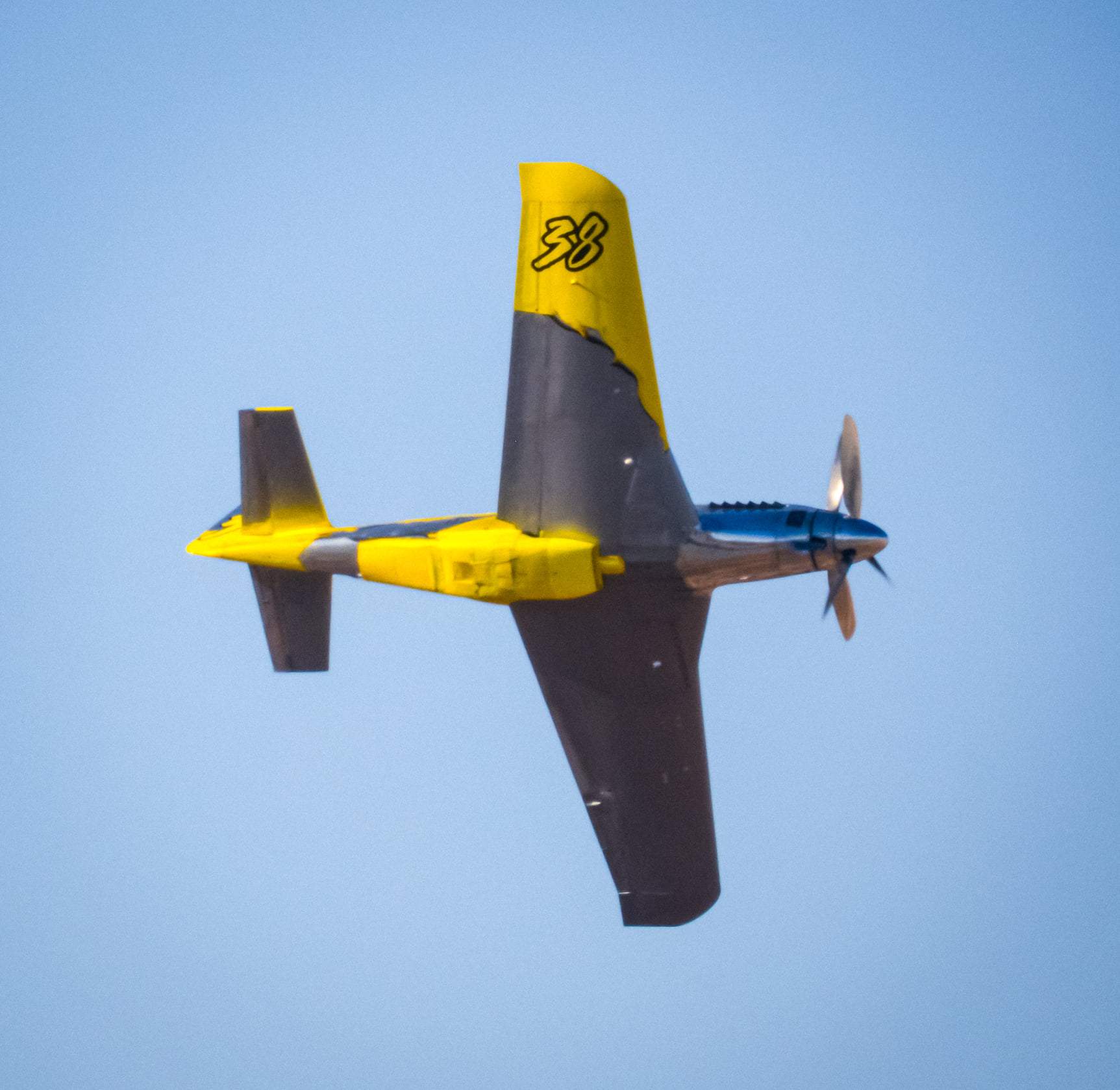
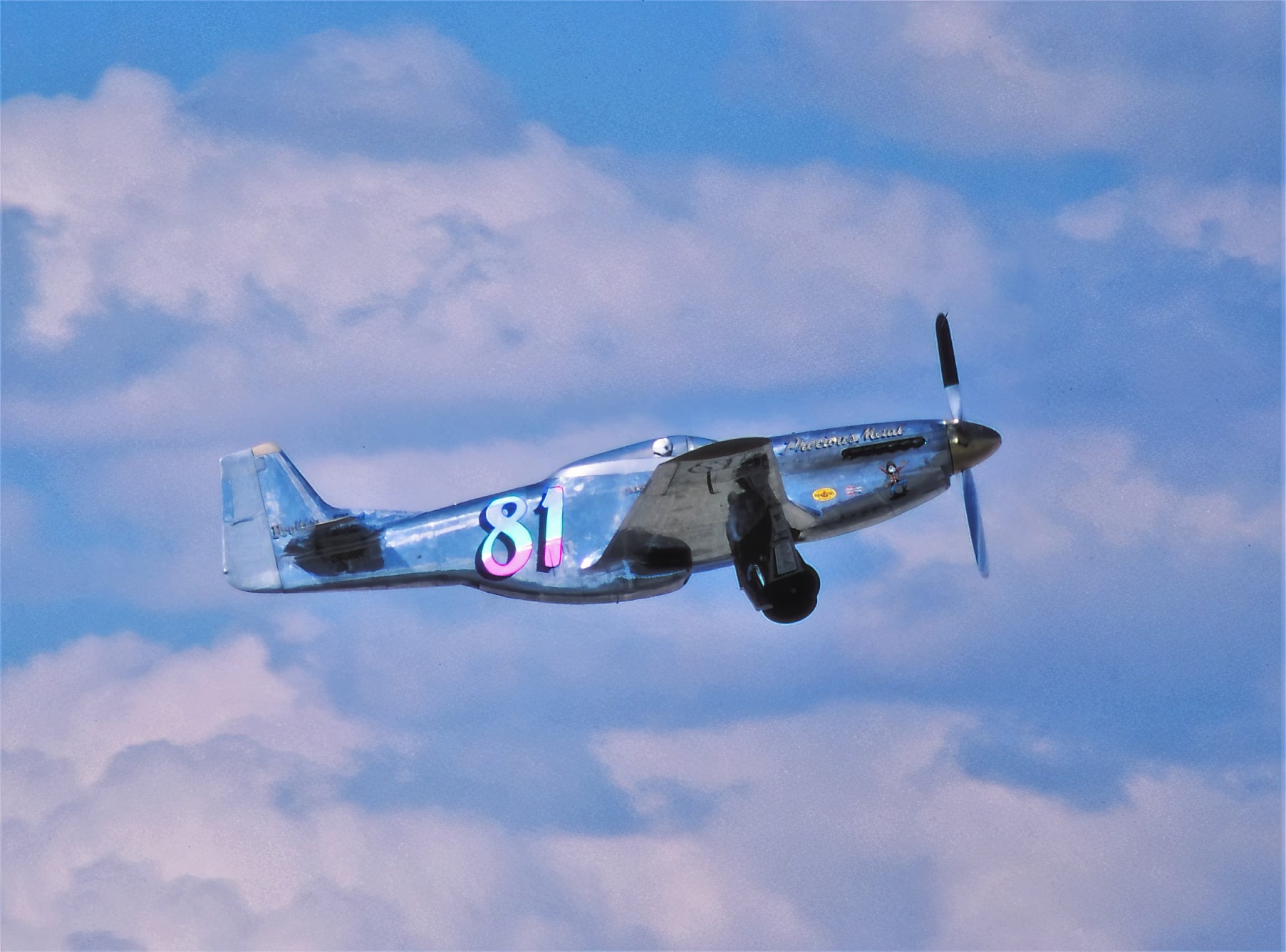
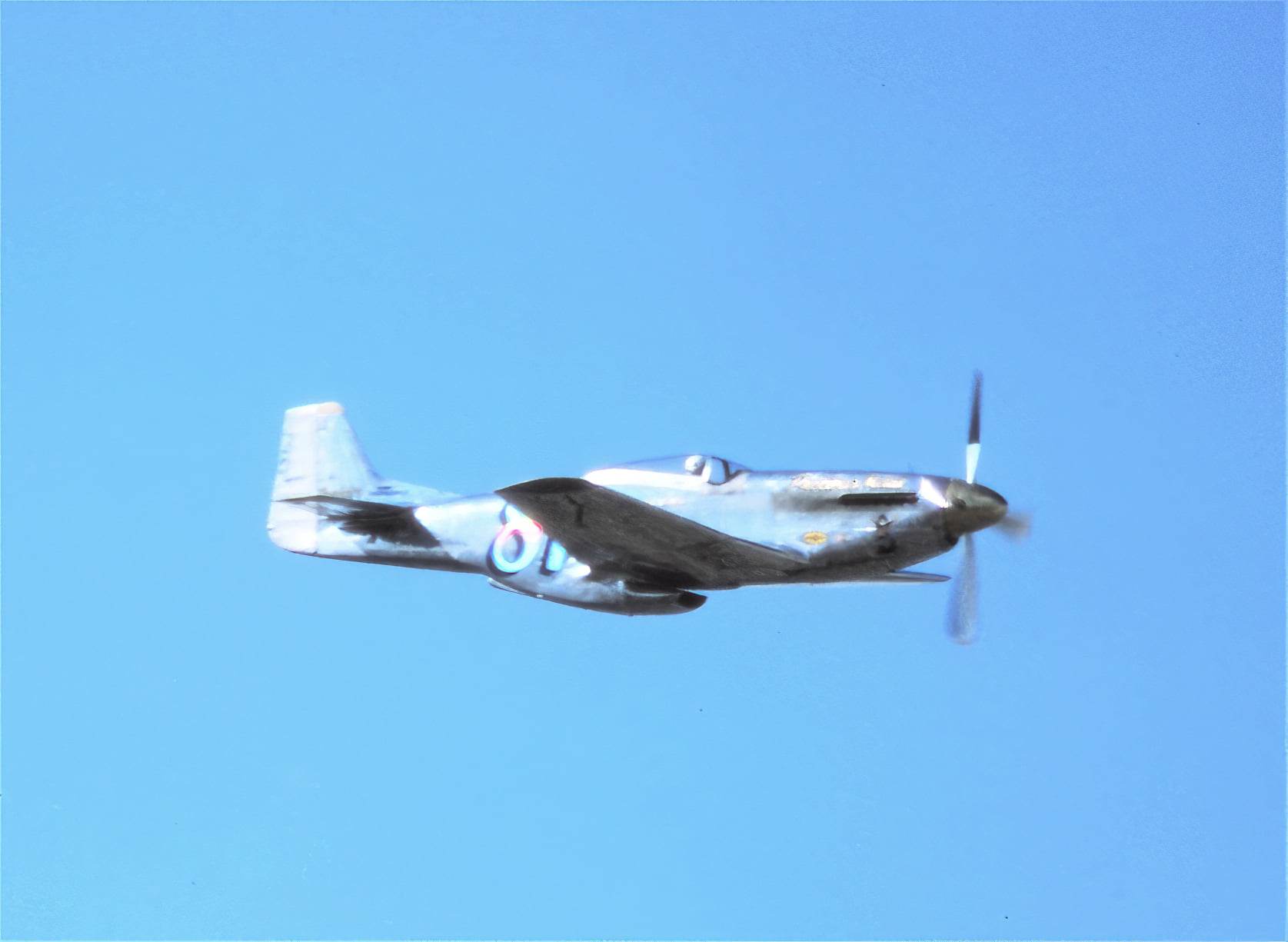
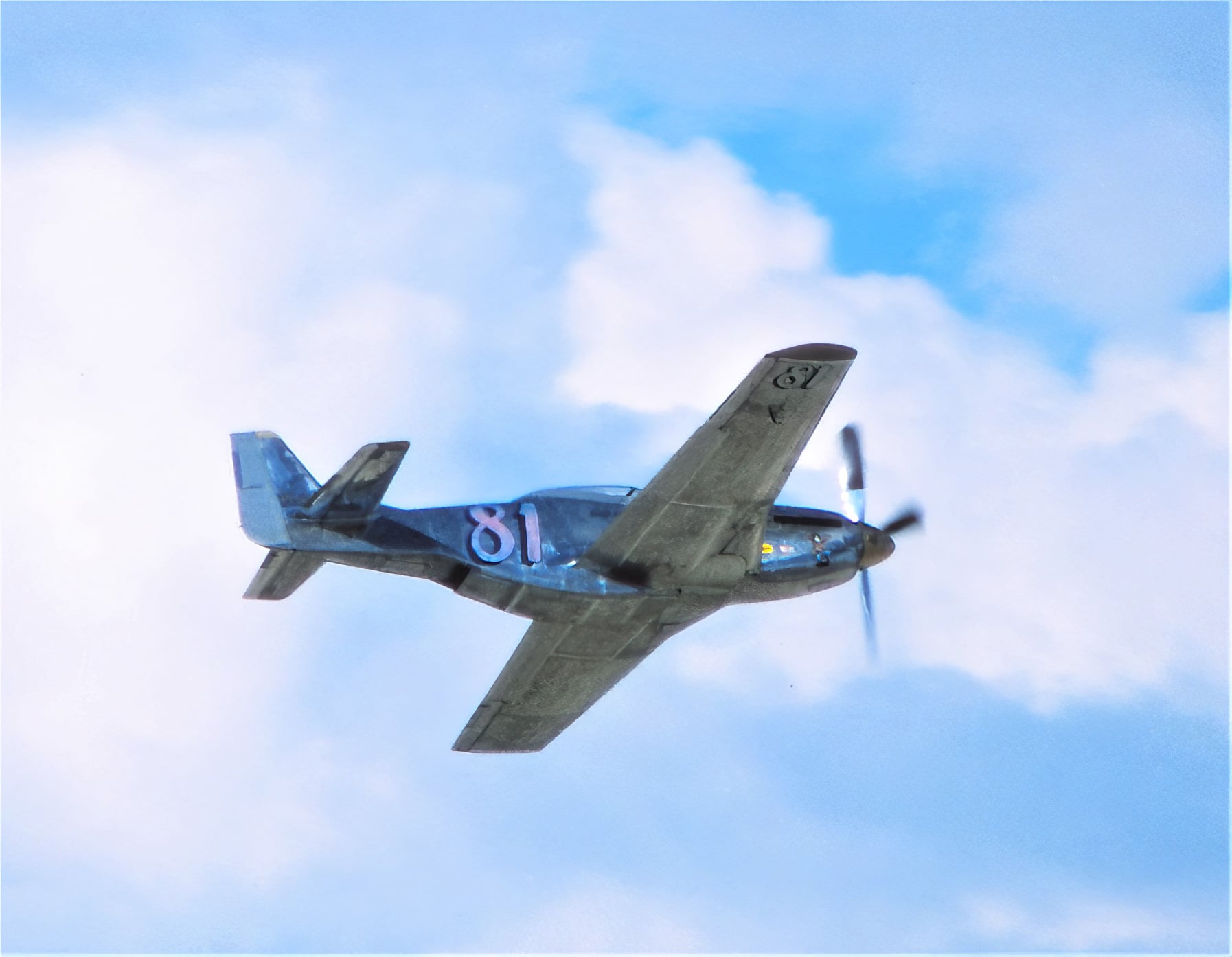
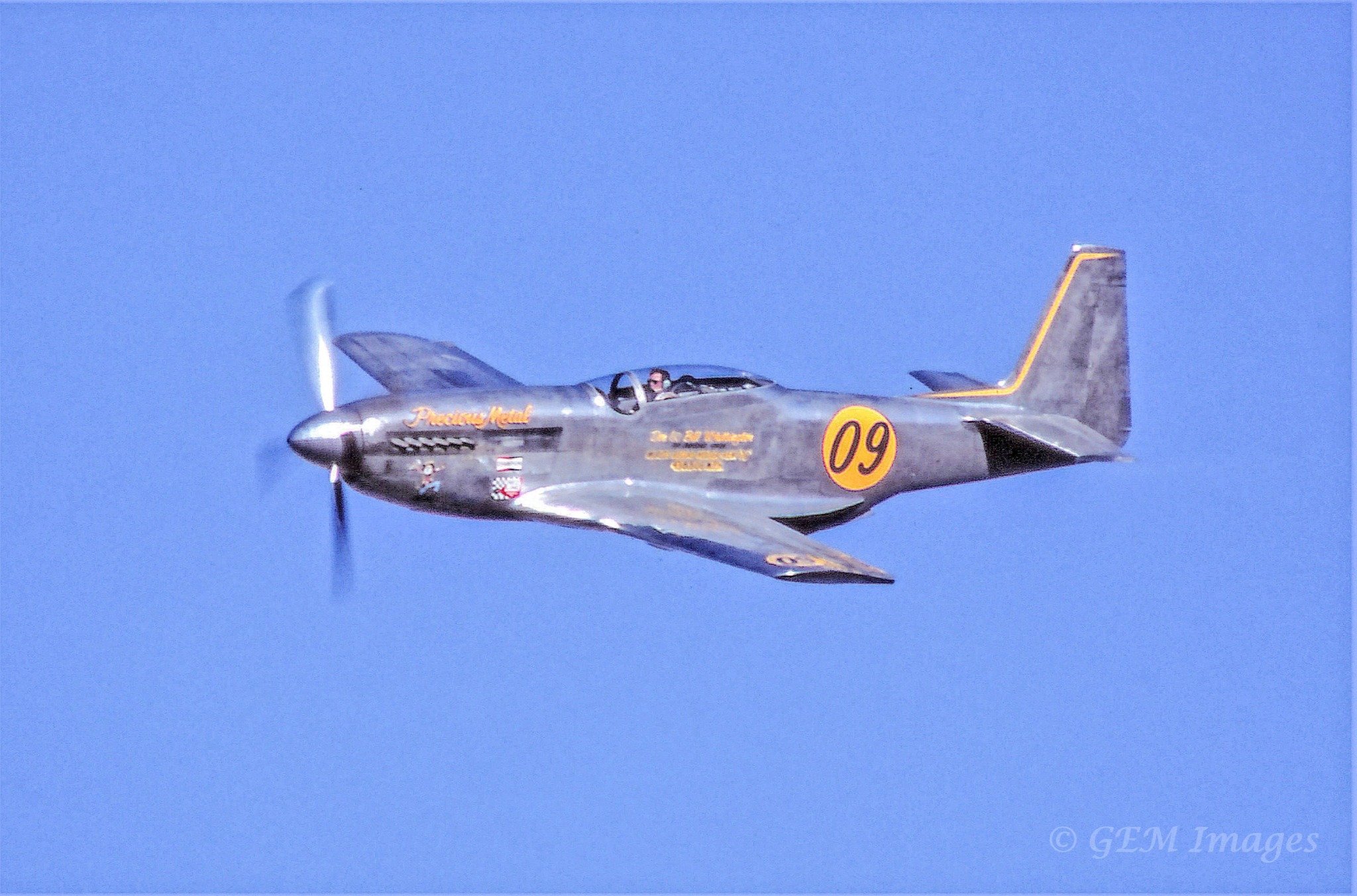
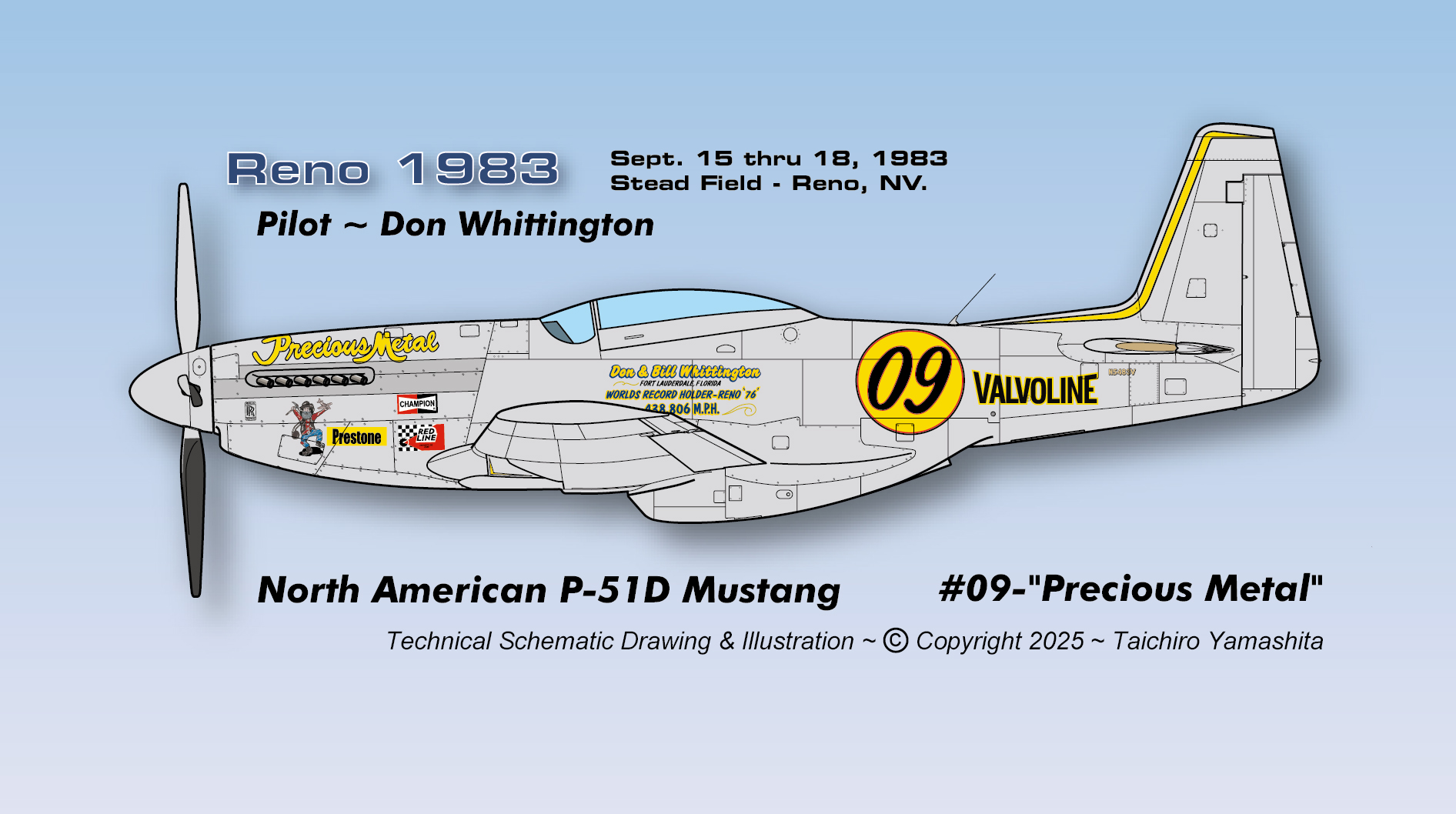
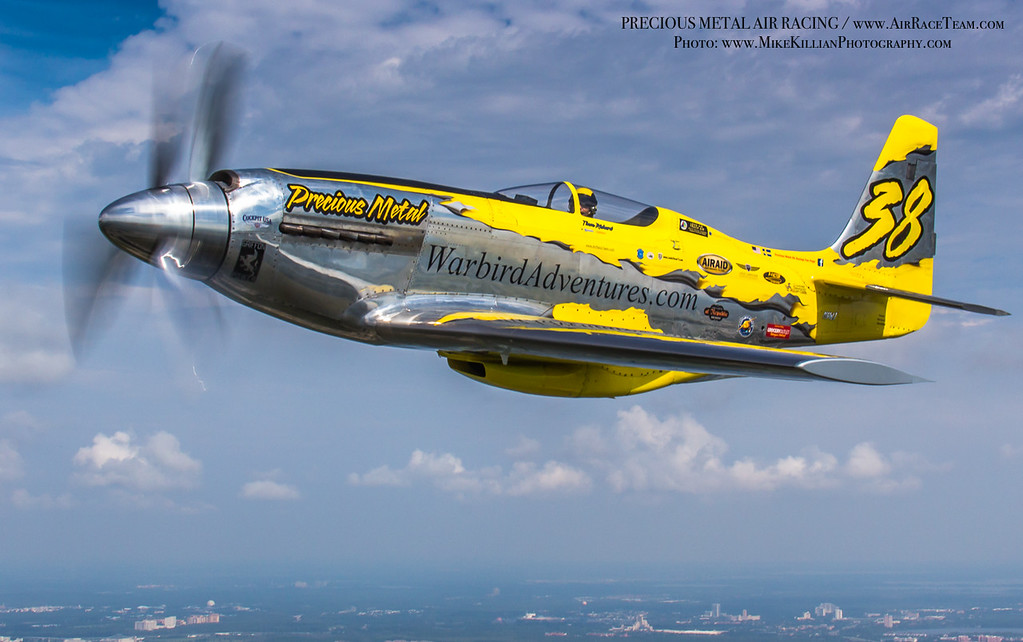
P-51XR “Precious Metal”: The Most Radical Mustang Reno Racer
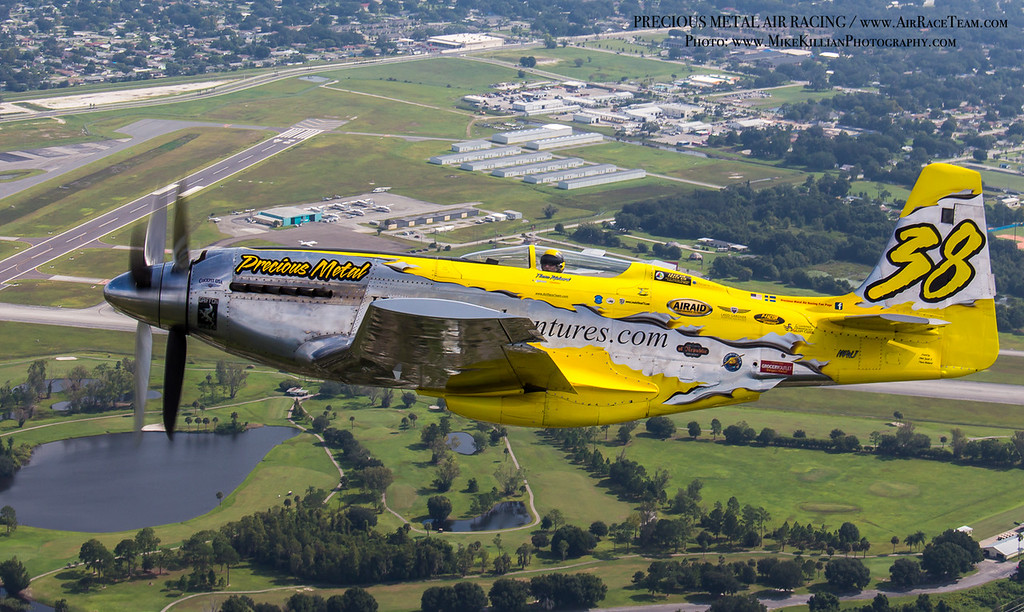
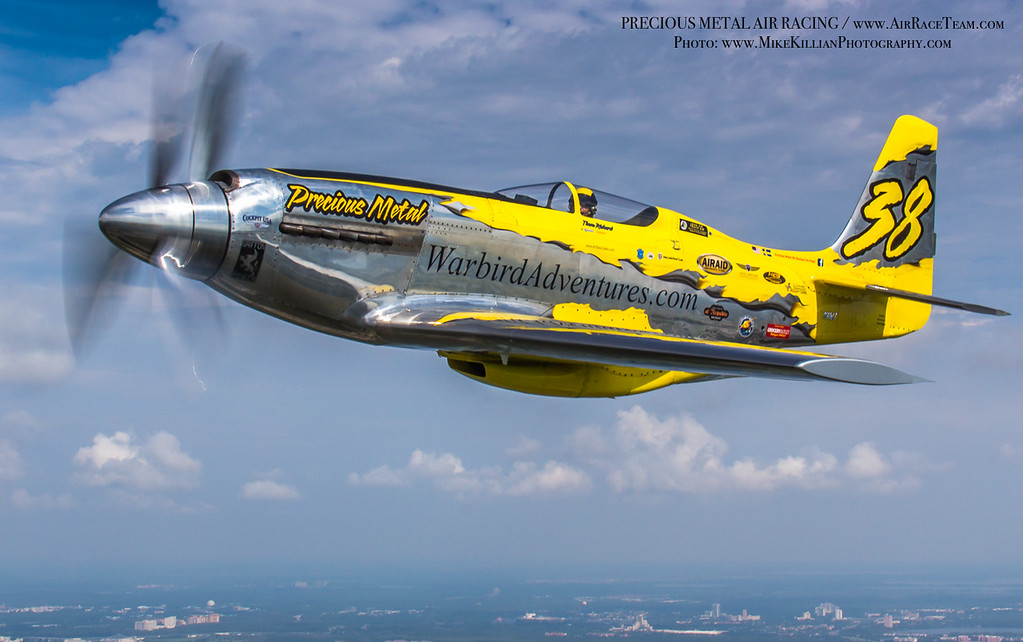
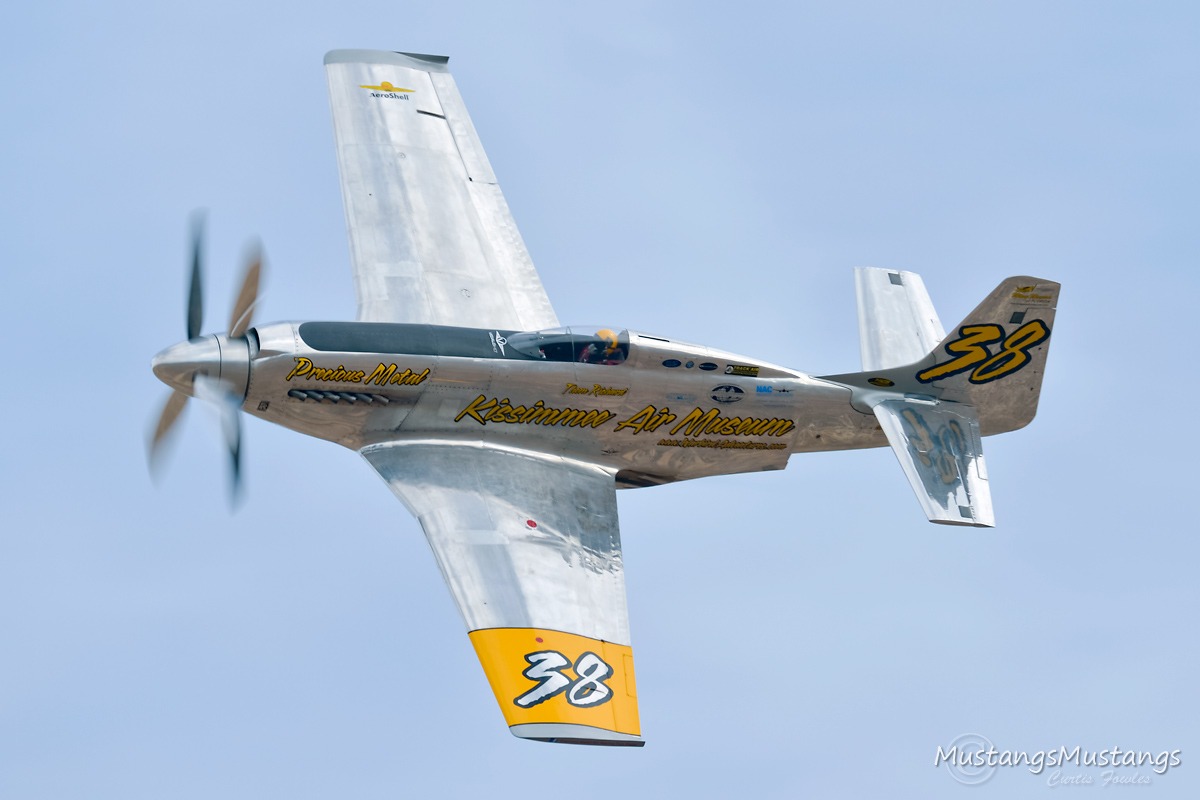
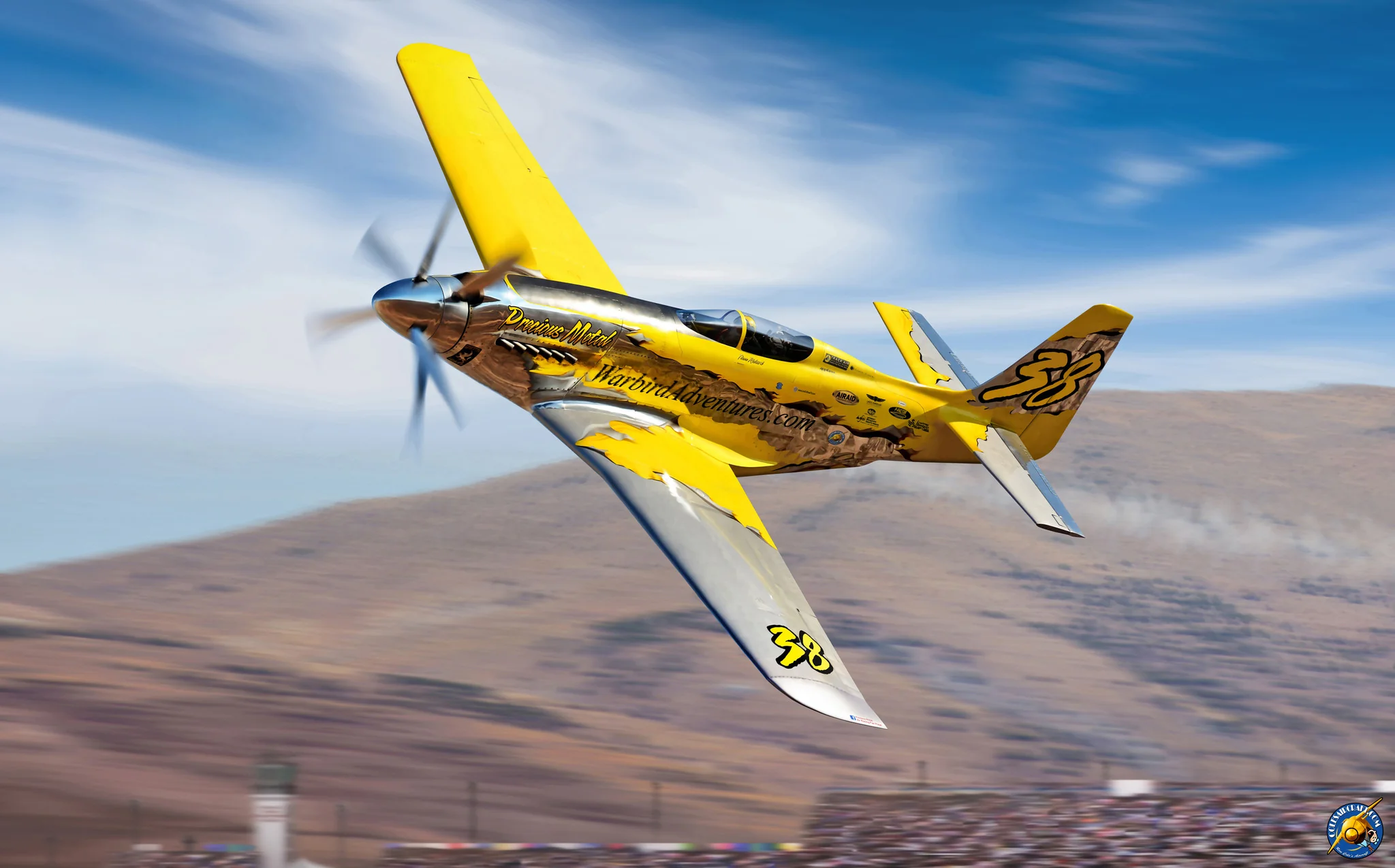
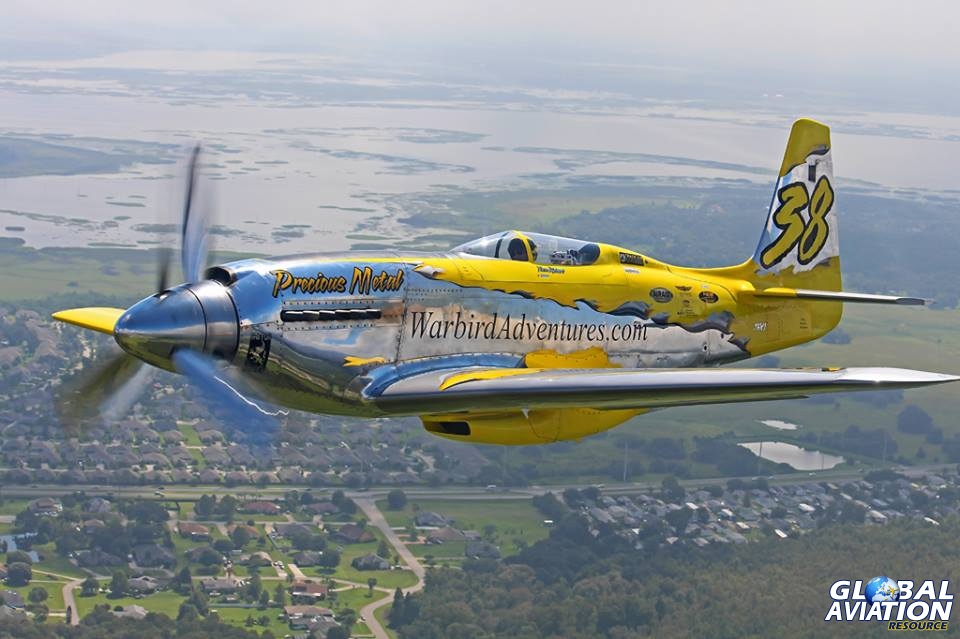
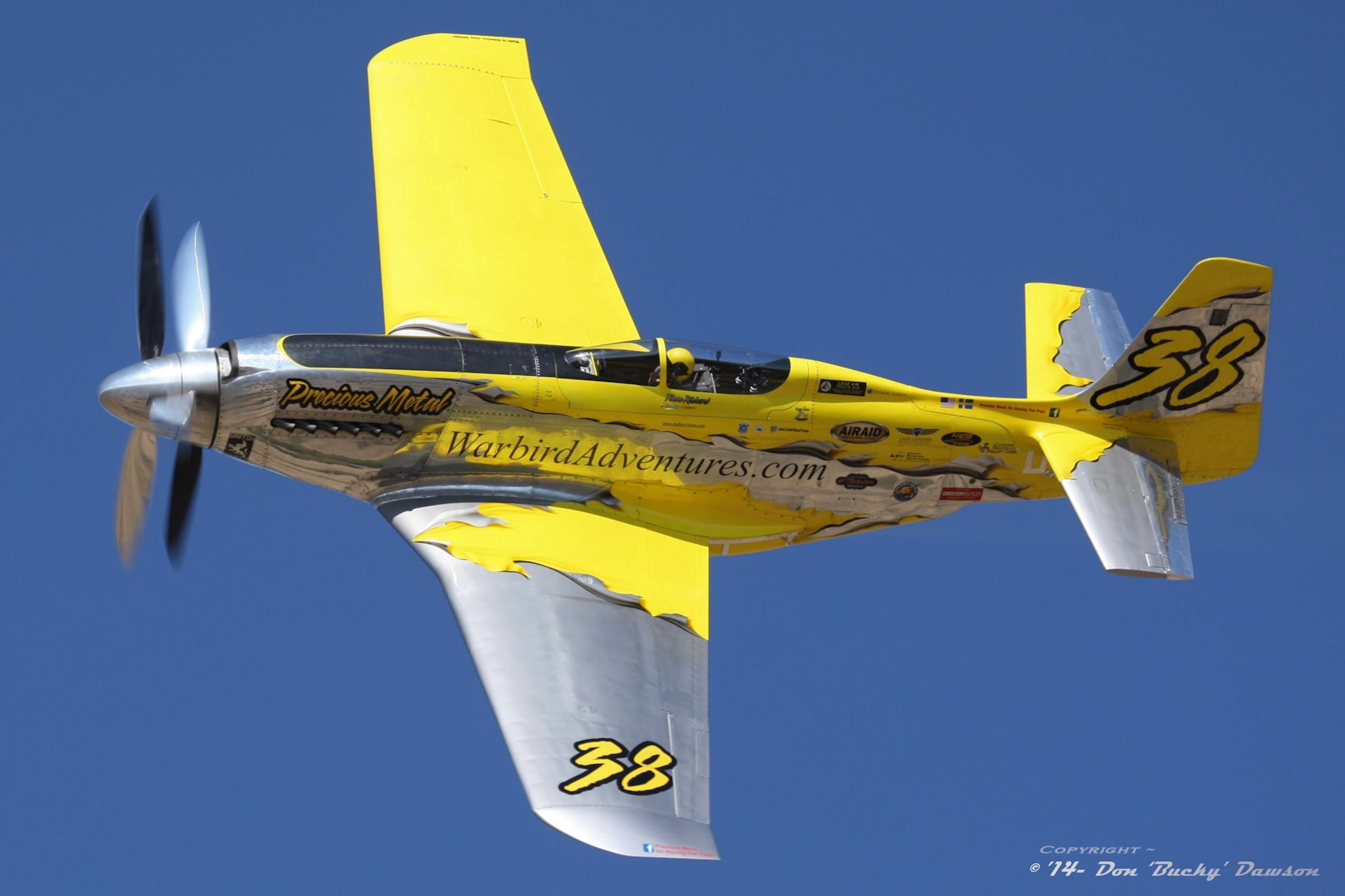
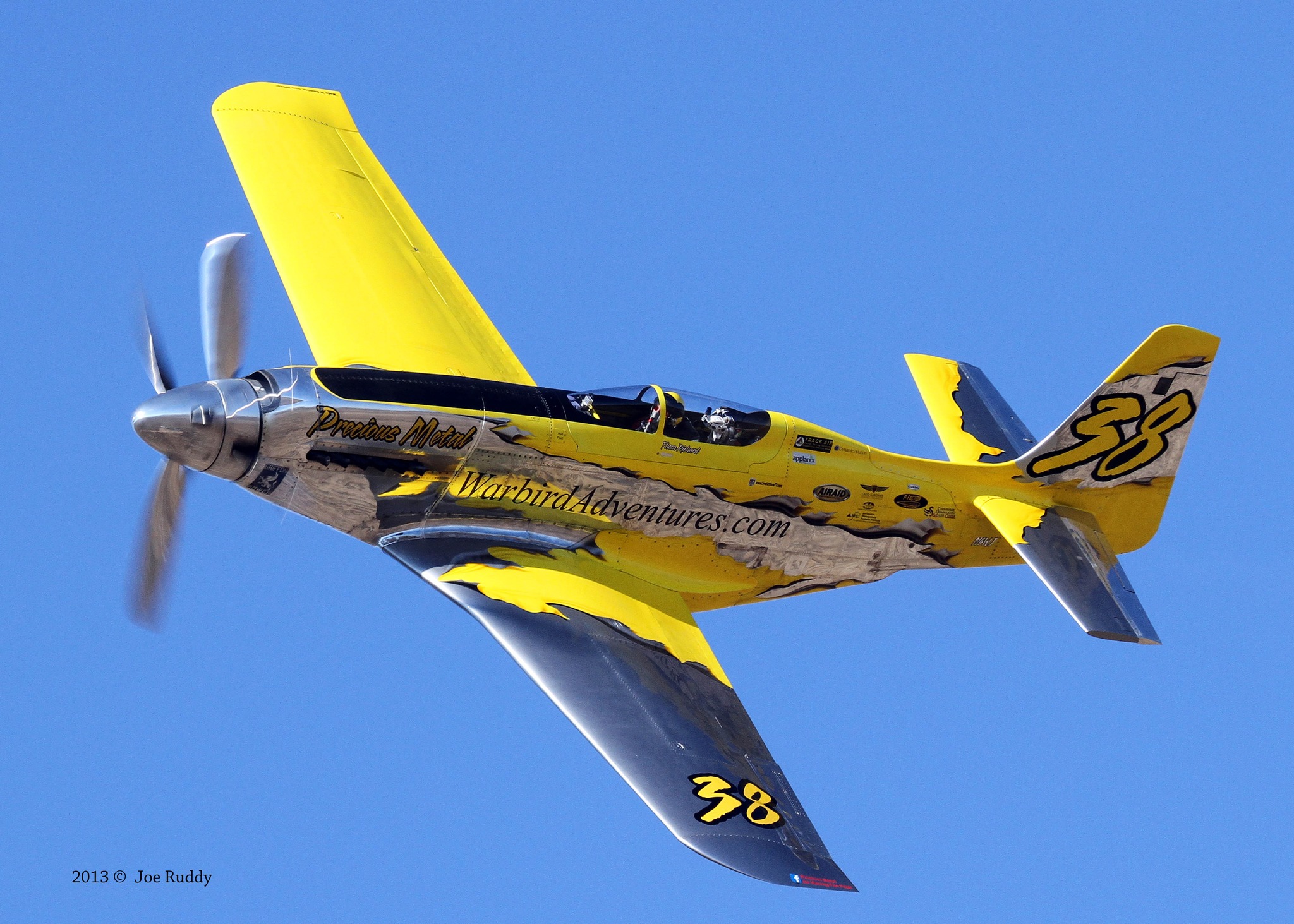
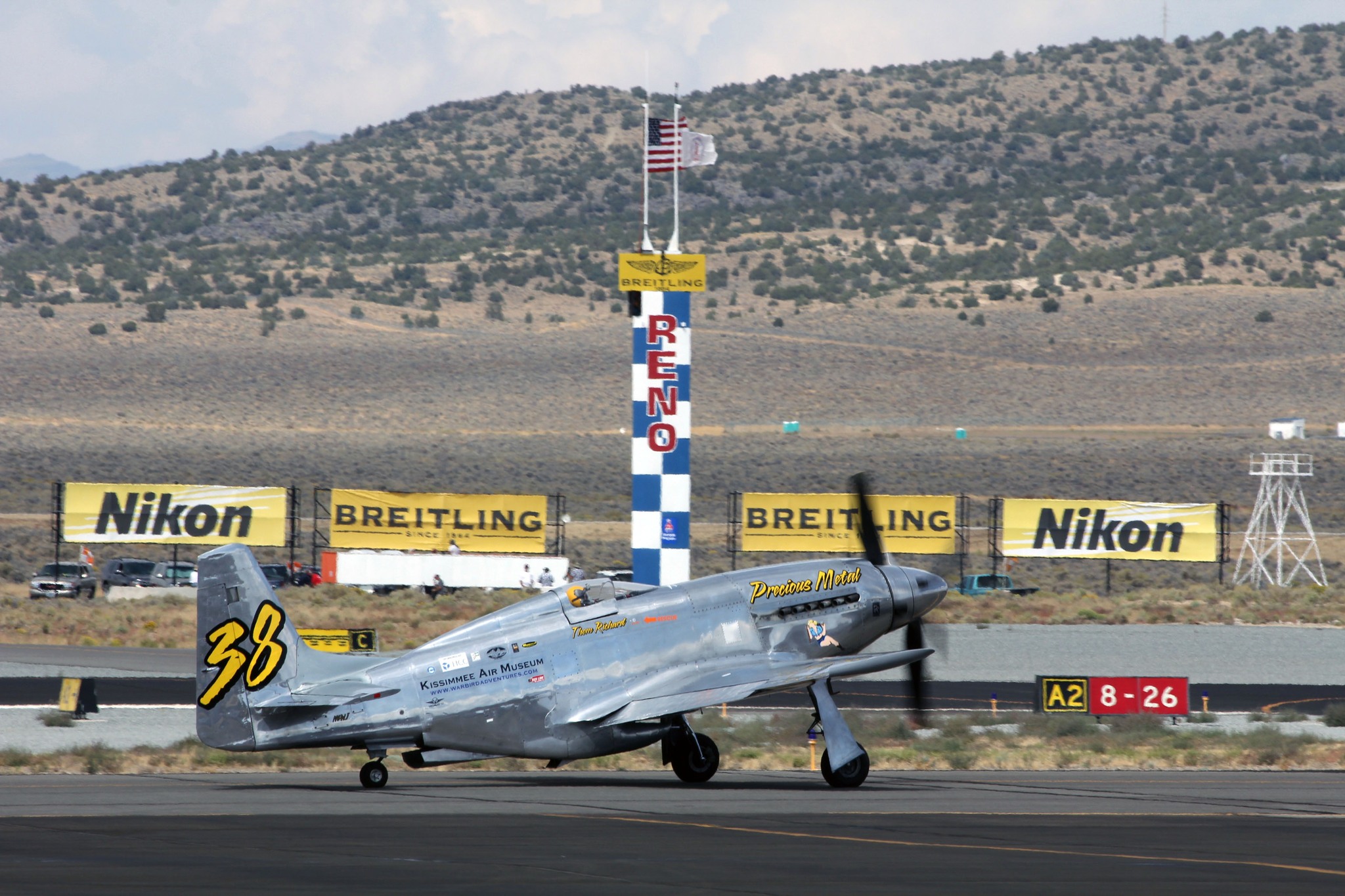
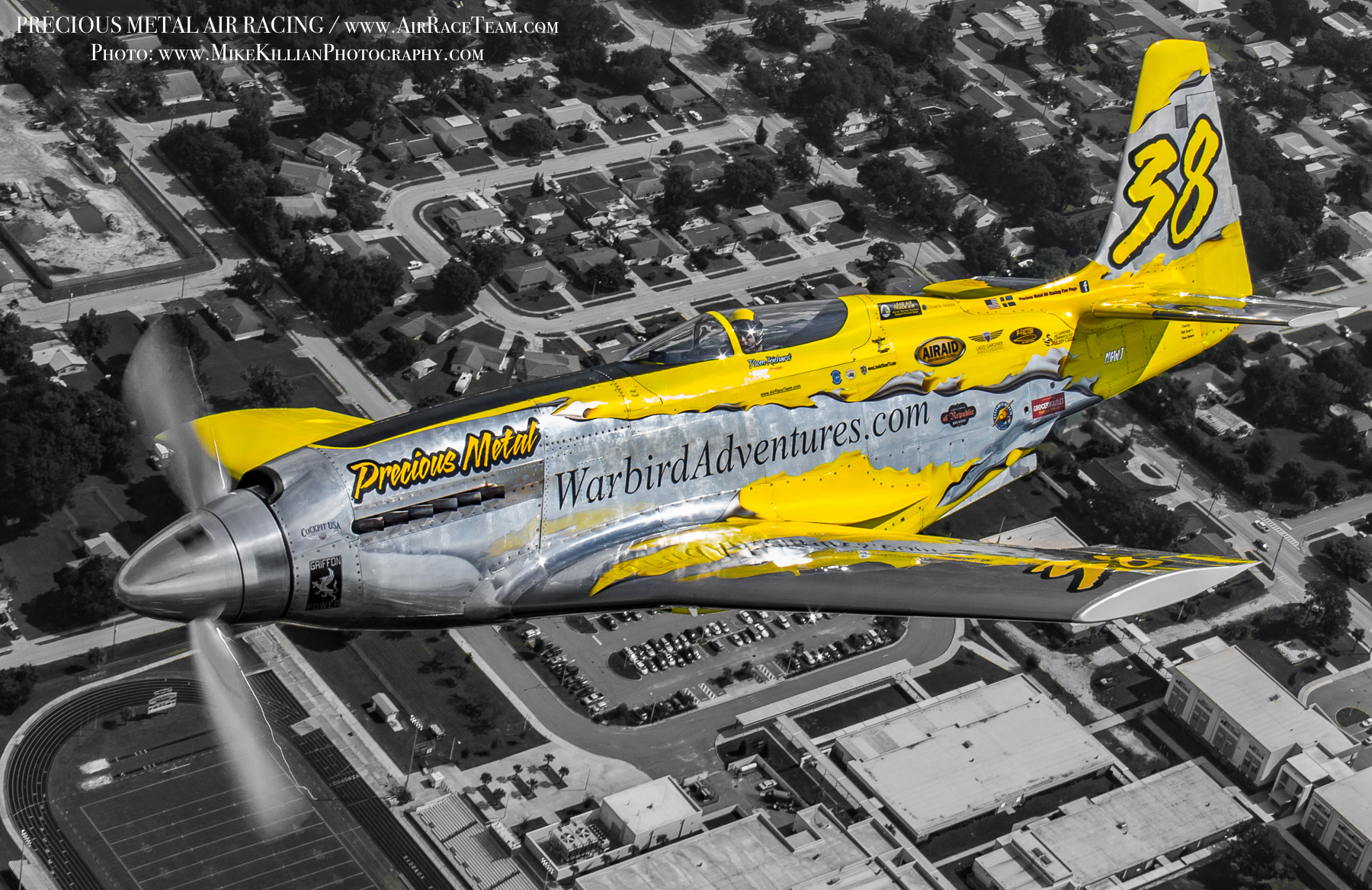
Among the many racing aircraft that evolved from the legendary North American P‑51 Mustang, one stands apart as a truly unique engineering experiment: the P‑51XR Precious Metal.
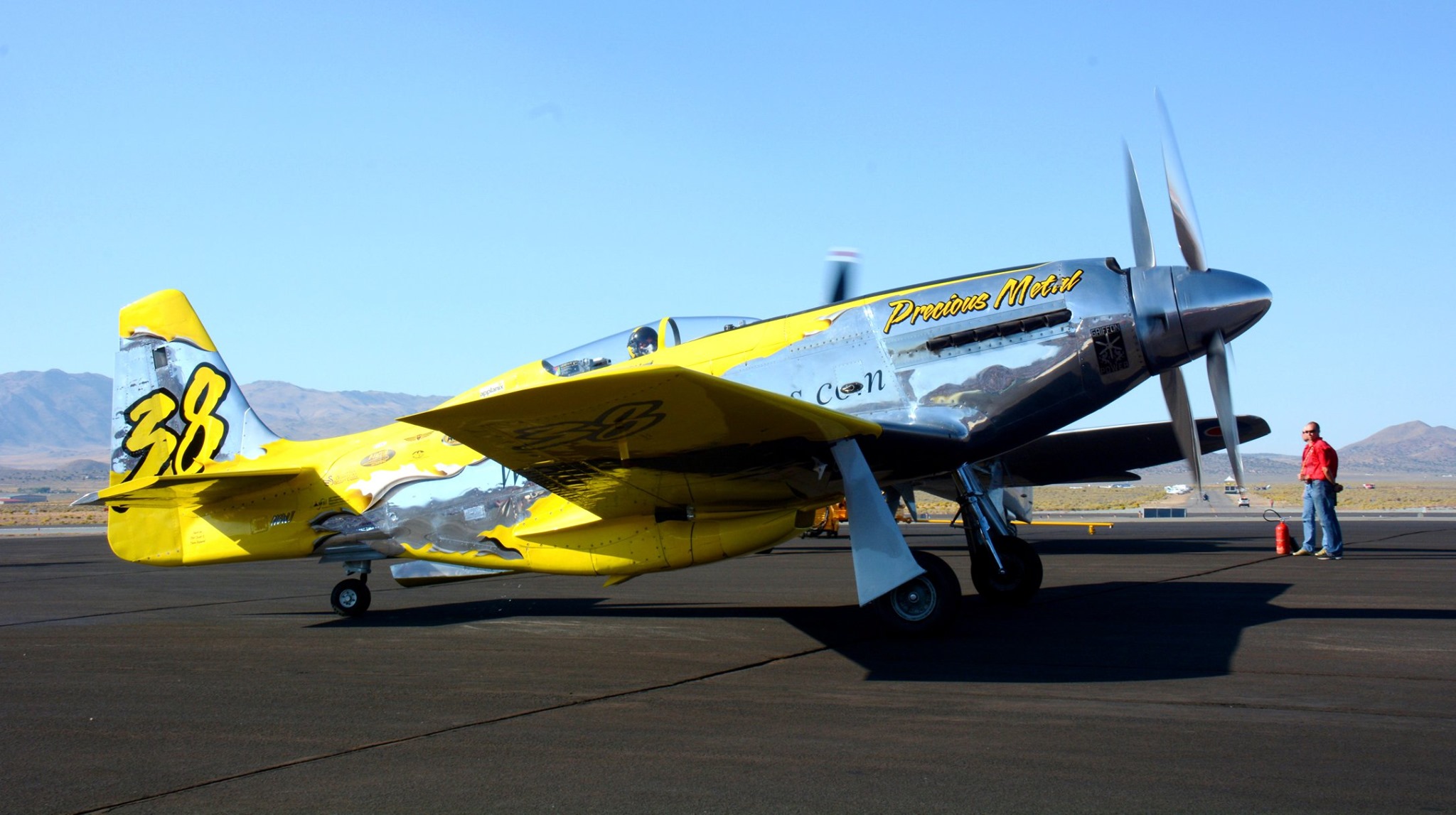
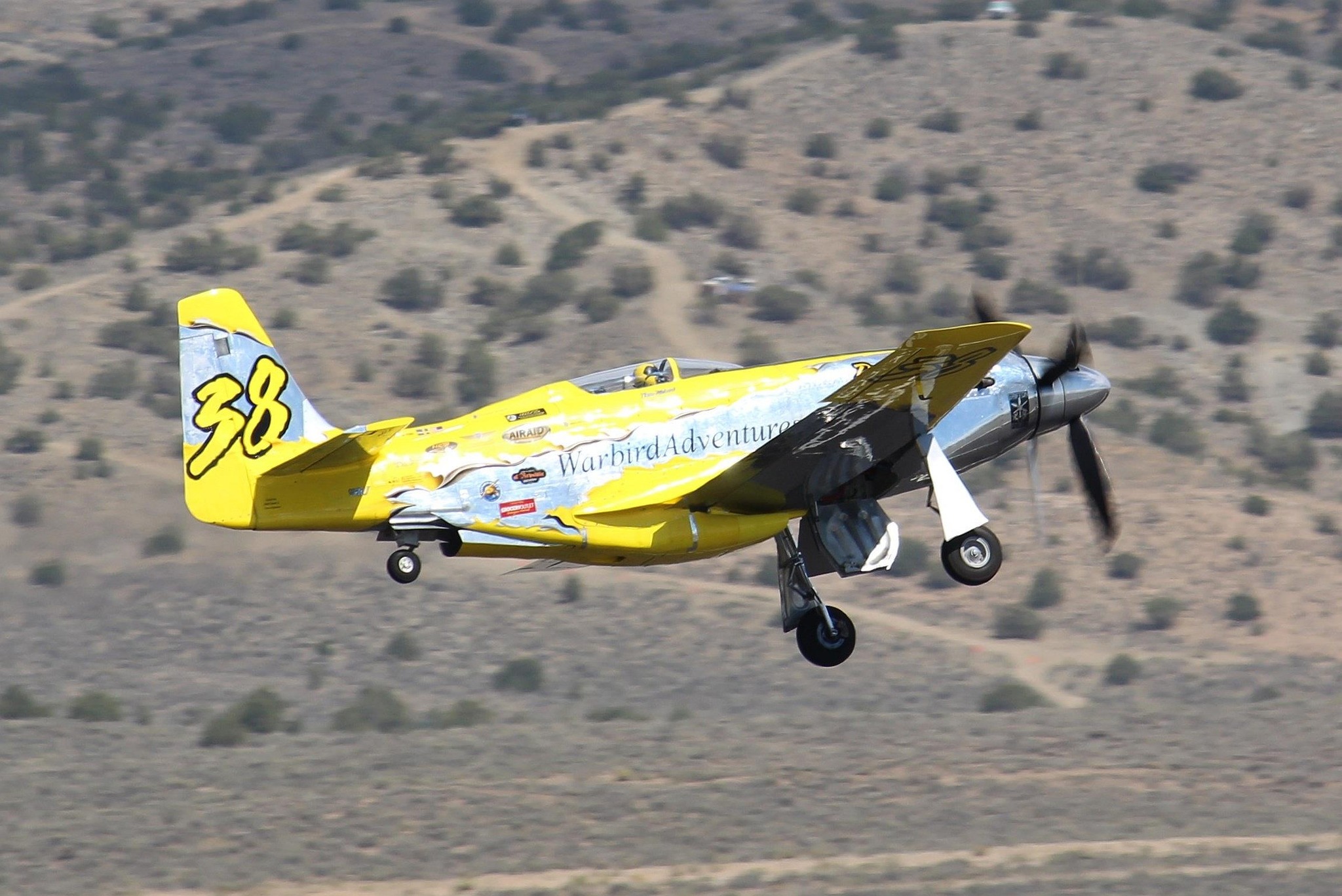
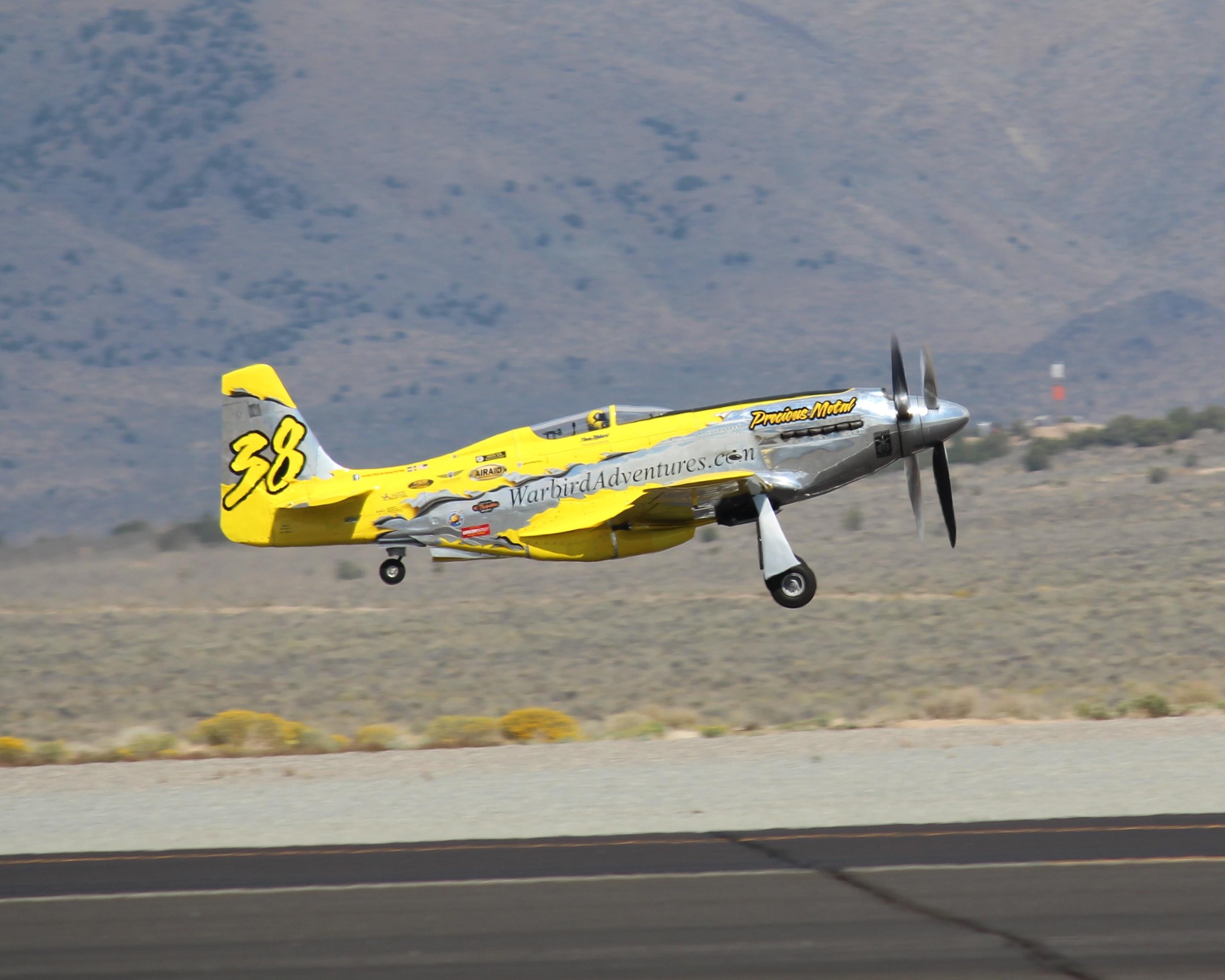
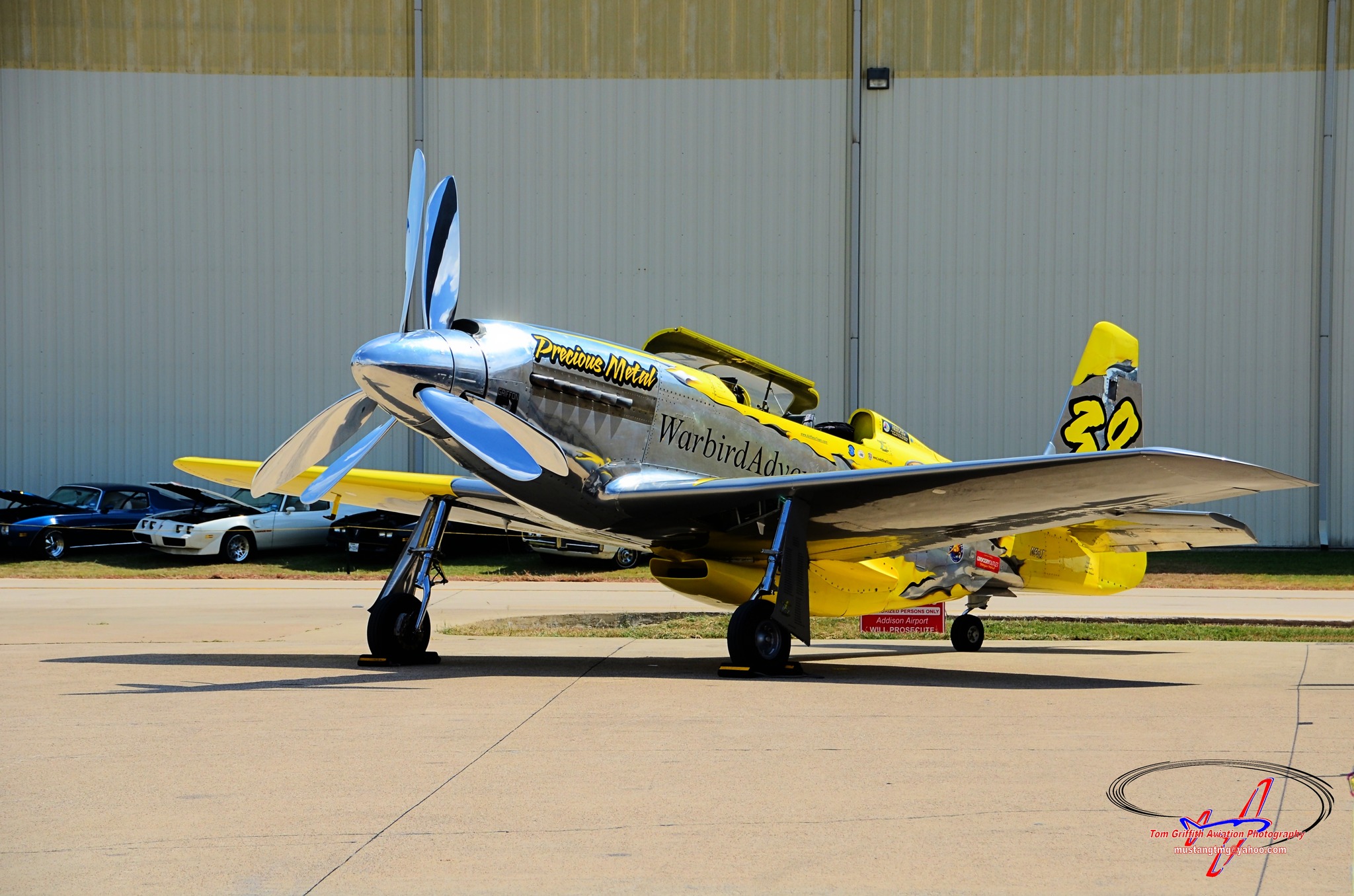
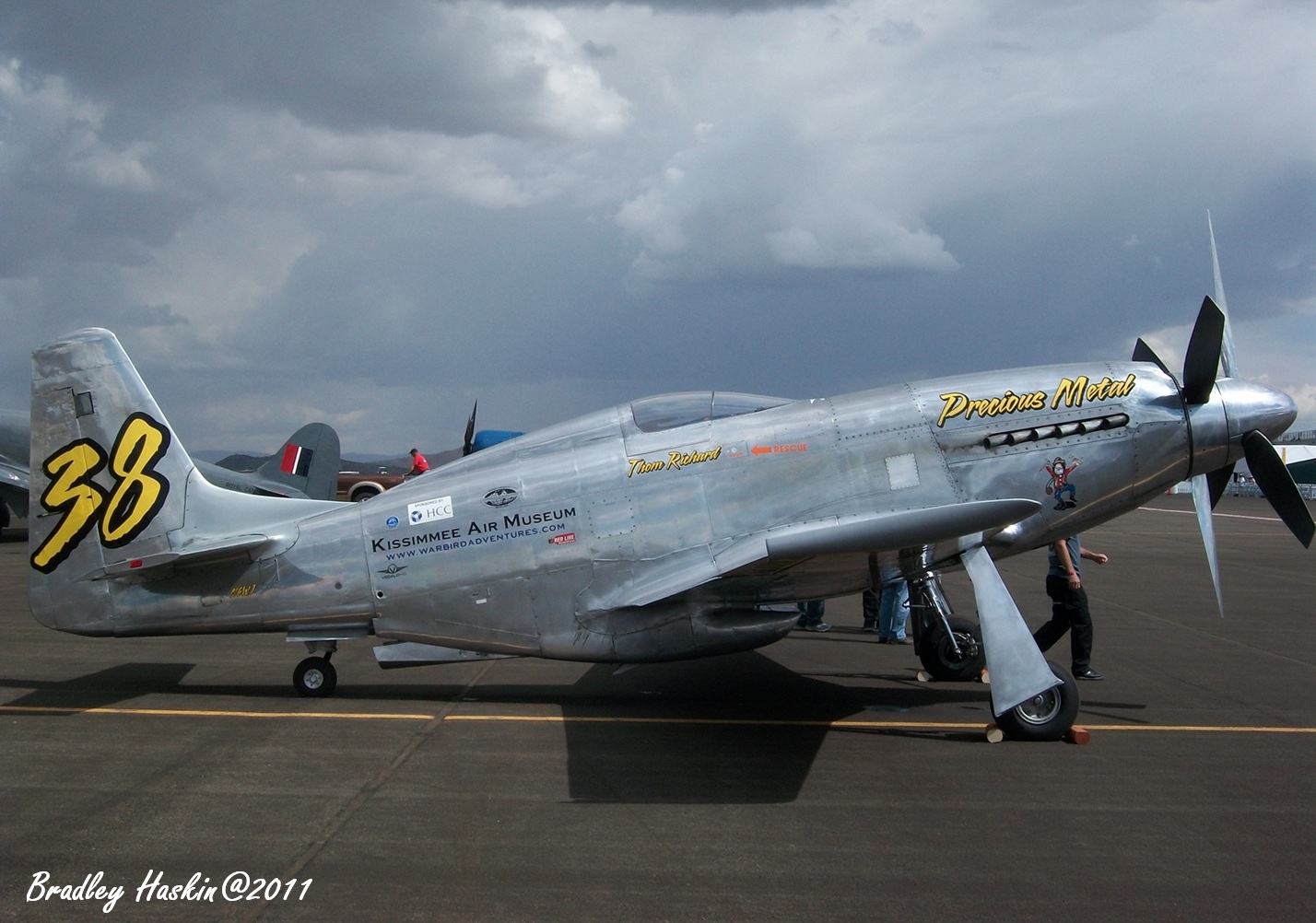
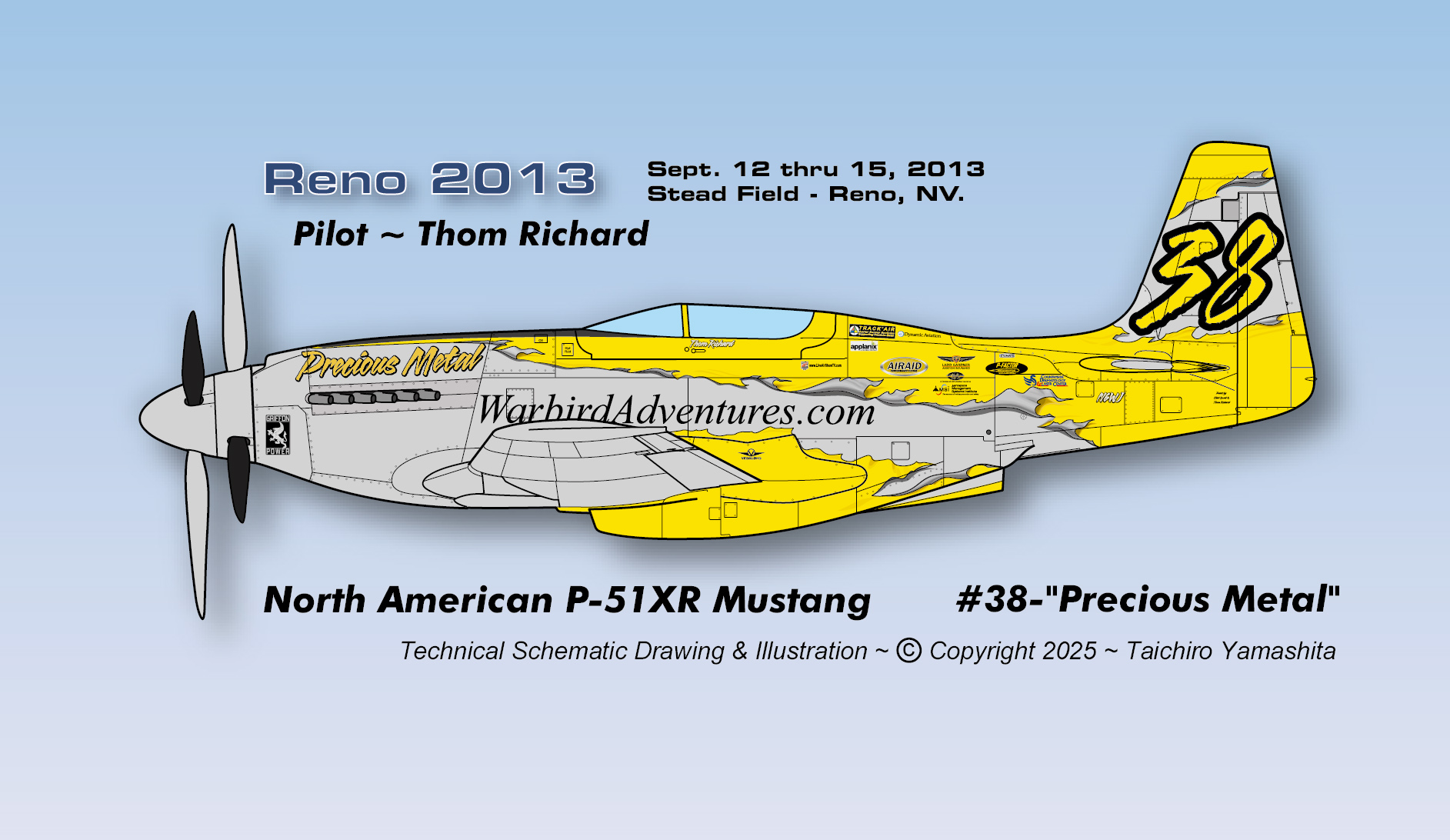
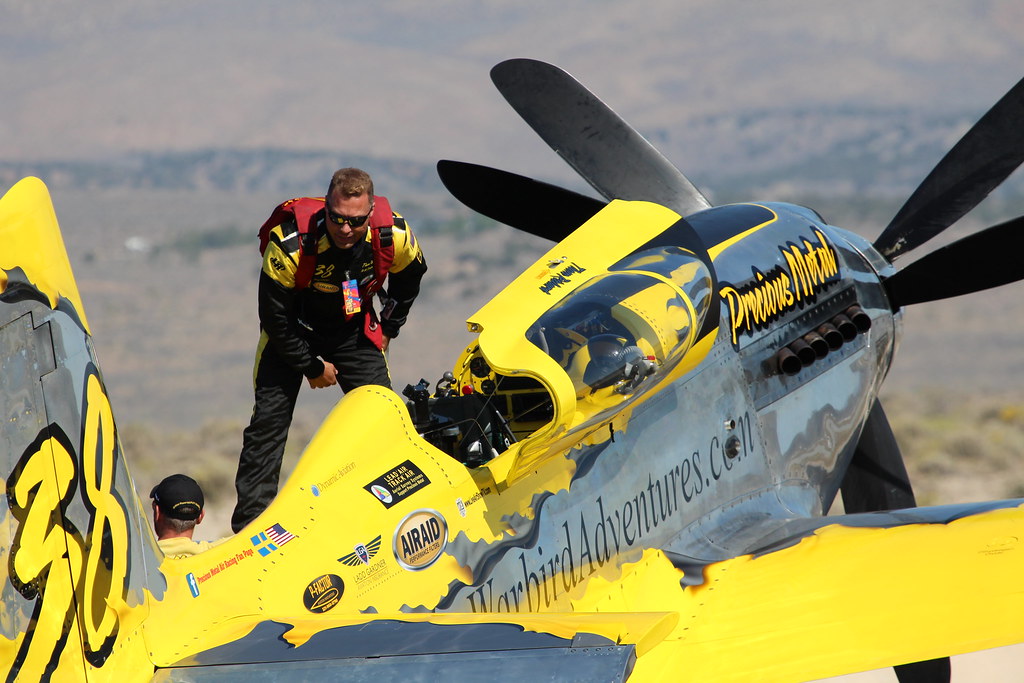
Originally built from spare Mustang airframe components, Precious Metal became one of the most radical modifications ever applied to a warbird. Instead of the traditional Merlin engine used by most Mustang racers, this aircraft was equipped with a massive Rolls-Royce Griffon powerplant and a rare contra-rotating propeller system.
The result was a highly distinctive aircraft designed specifically for the intense competition of the National Championship Air Races in Reno, Nevada.
The Mustang After World War II
The North American P‑51 Mustang is widely regarded as one of the most successful piston-engine fighters of World War II. Designed in 1940, the aircraft quickly proved its value as a long-range escort fighter once equipped with the Rolls-Royce Merlin engine.
Its combination of speed, endurance, and firepower allowed Allied bombers to reach deep into Axis territory while under fighter protection.
After the war, hundreds of surplus Mustangs became available on the civilian market. Many were purchased by private owners and later modified for racing, particularly in the United States where the emerging air racing scene began to flourish.
The Reno Air Races soon became the ultimate proving ground for these modified warbirds.
The Birth of “Precious Metal”
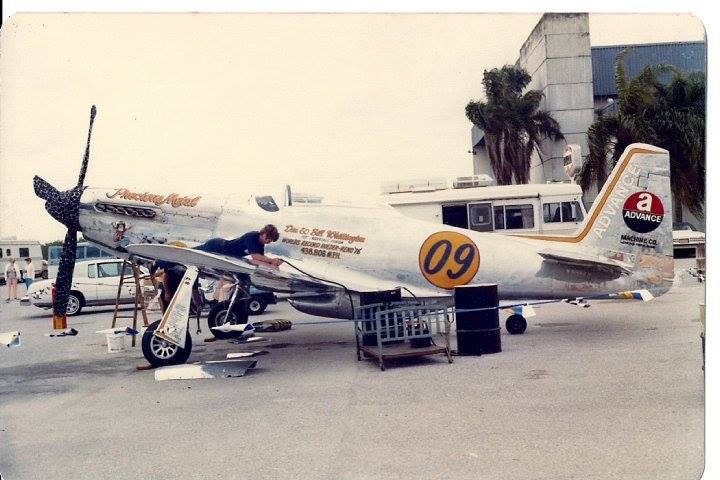
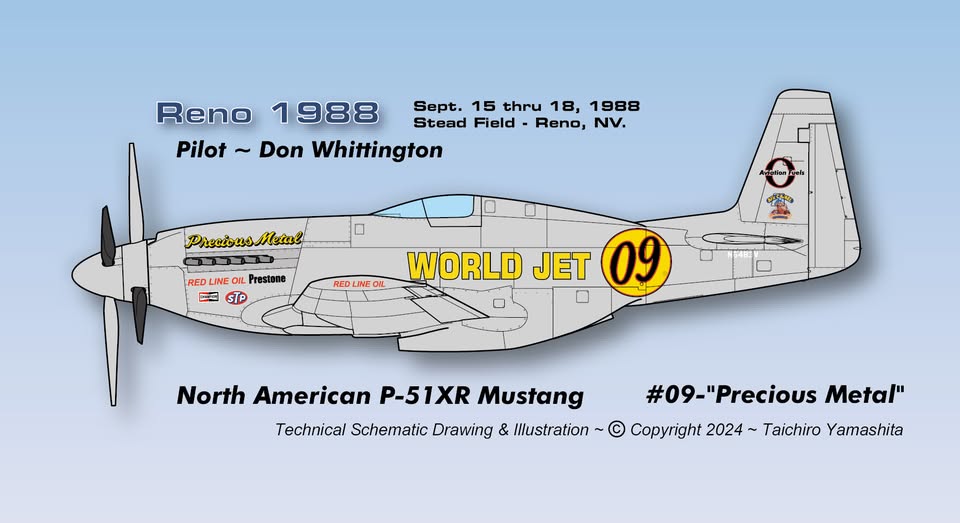
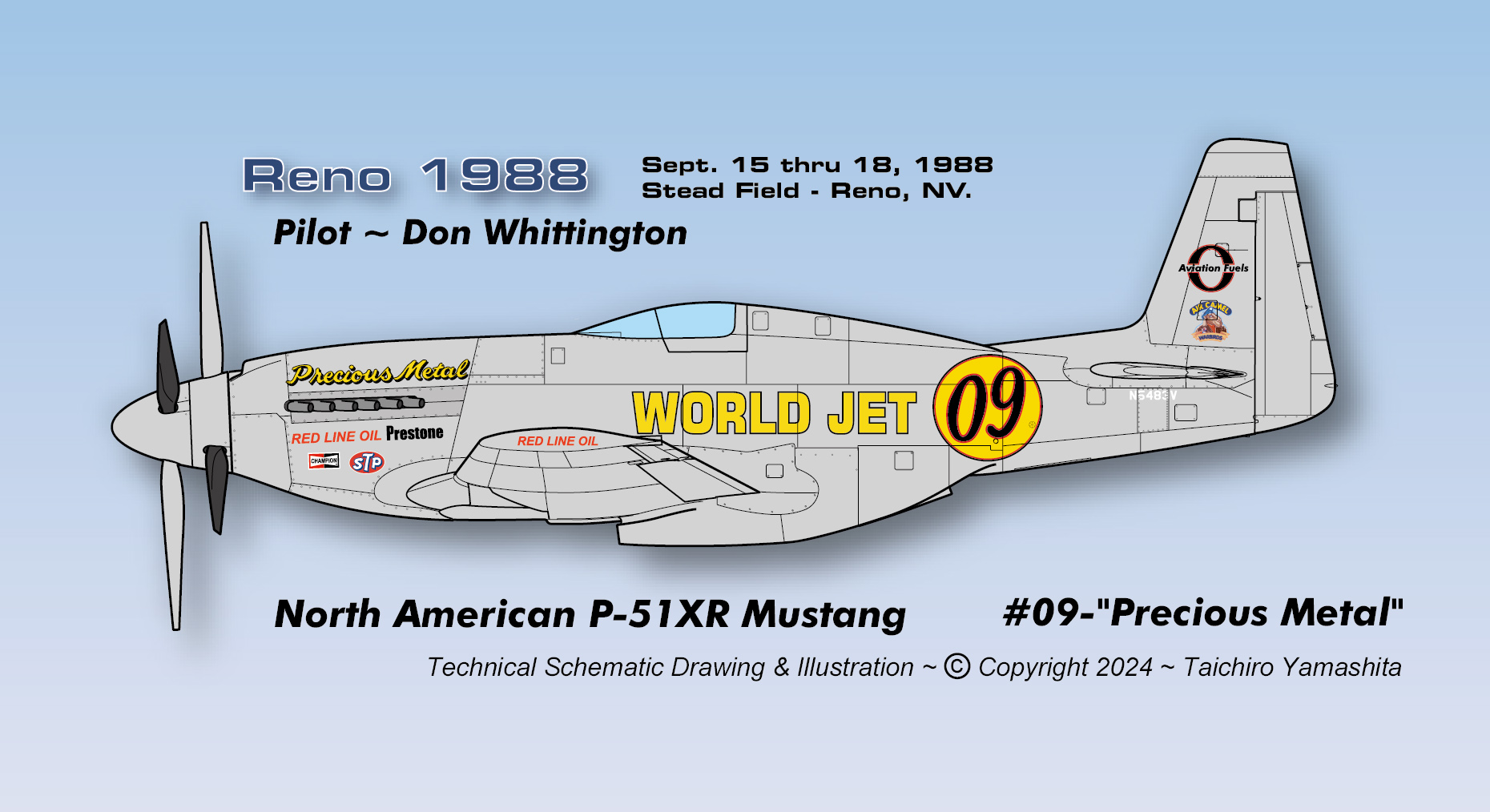
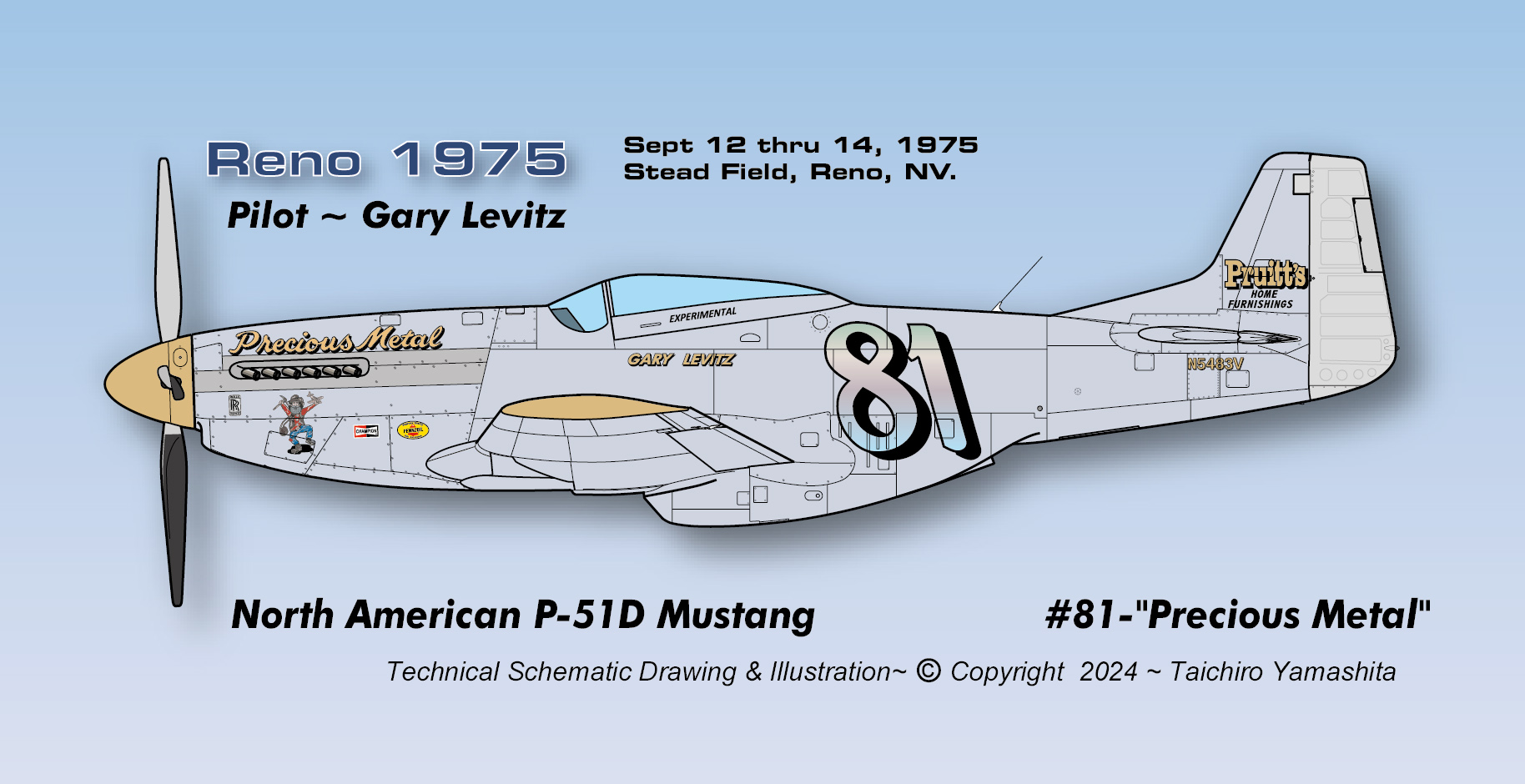
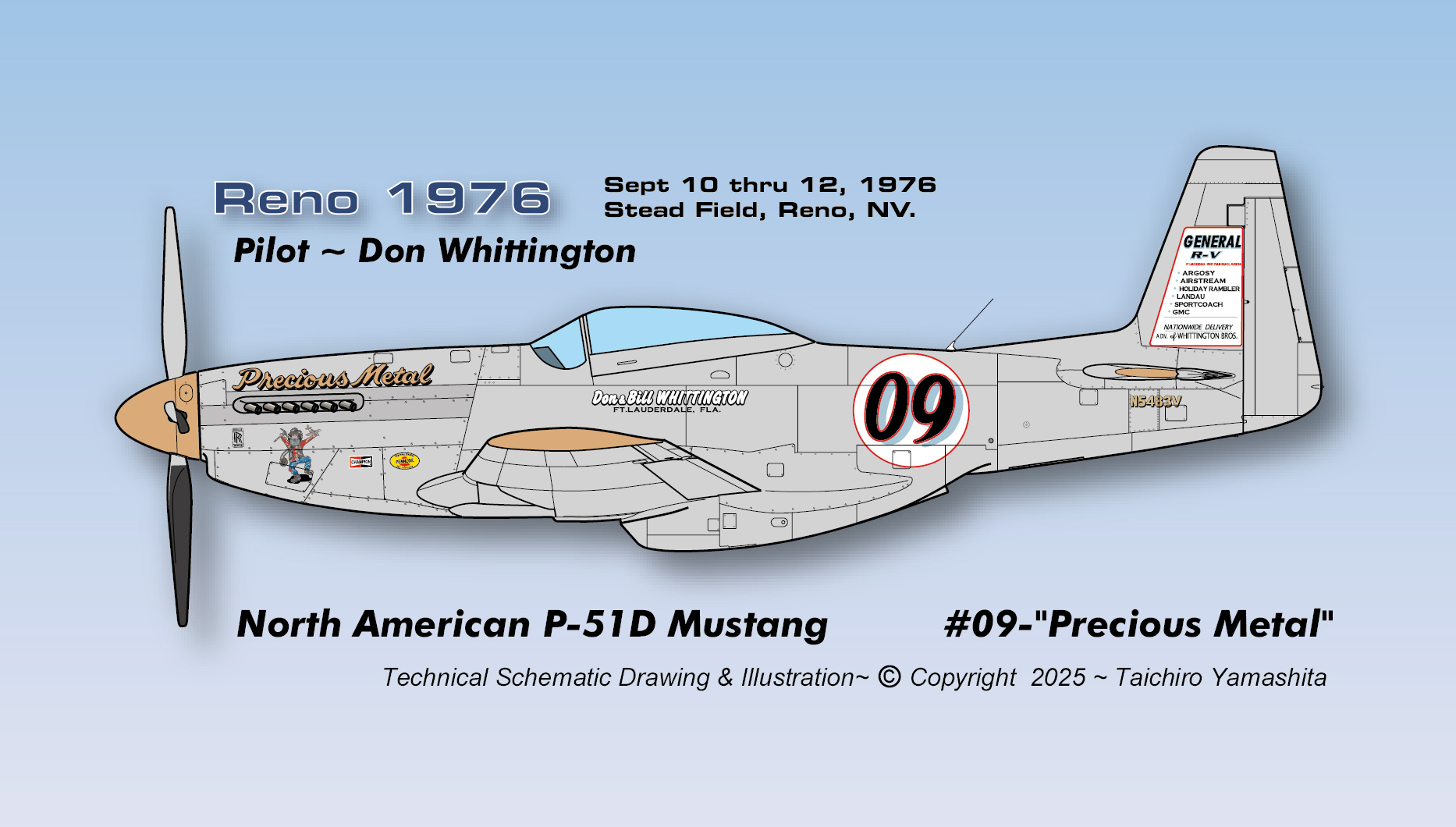
The aircraft that would become Precious Metal was assembled in 1988 by the company World Jet Inc. using components from several Mustang airframes. The project aimed to push the performance limits of the Mustang design far beyond its original configuration.
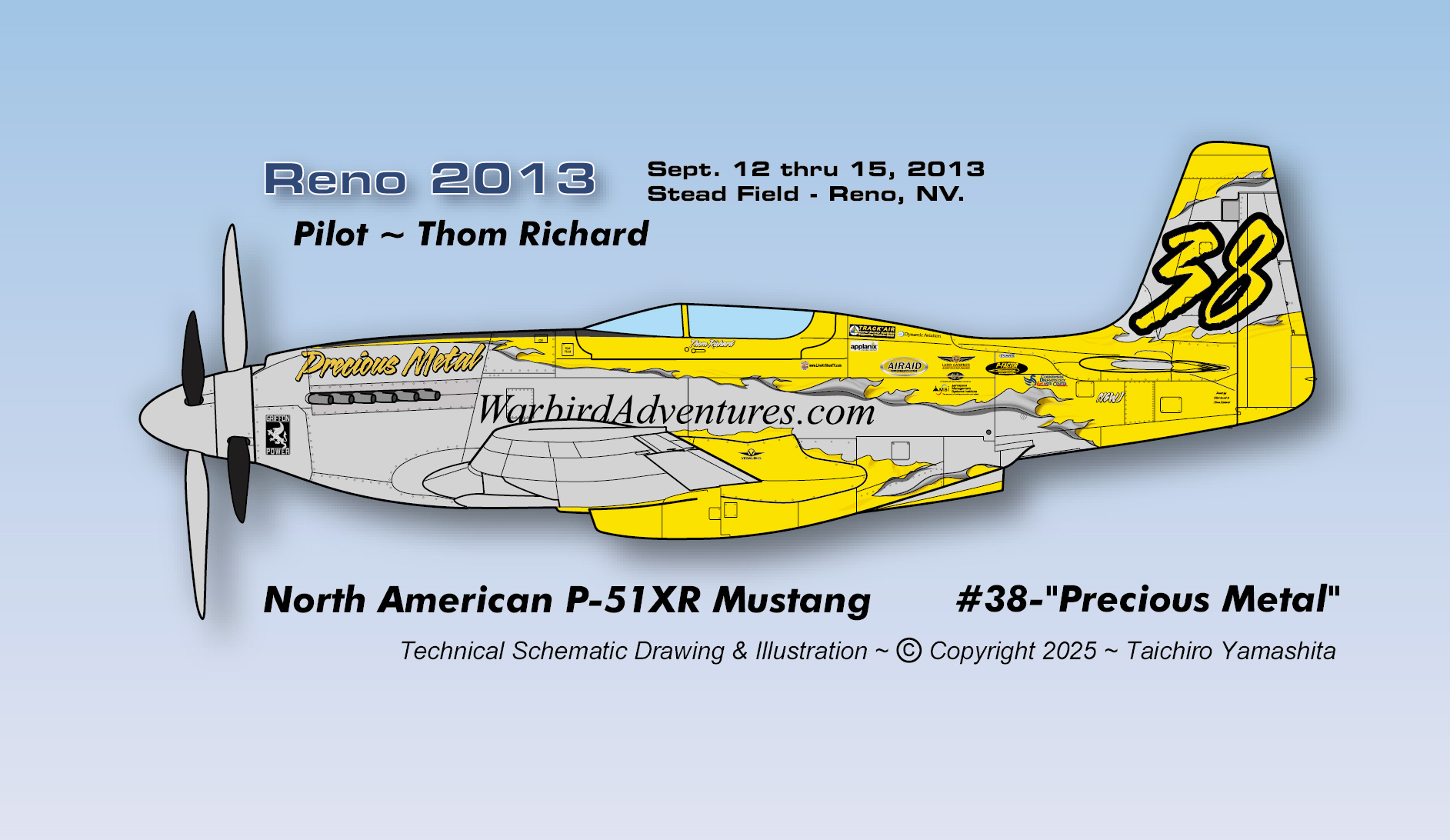
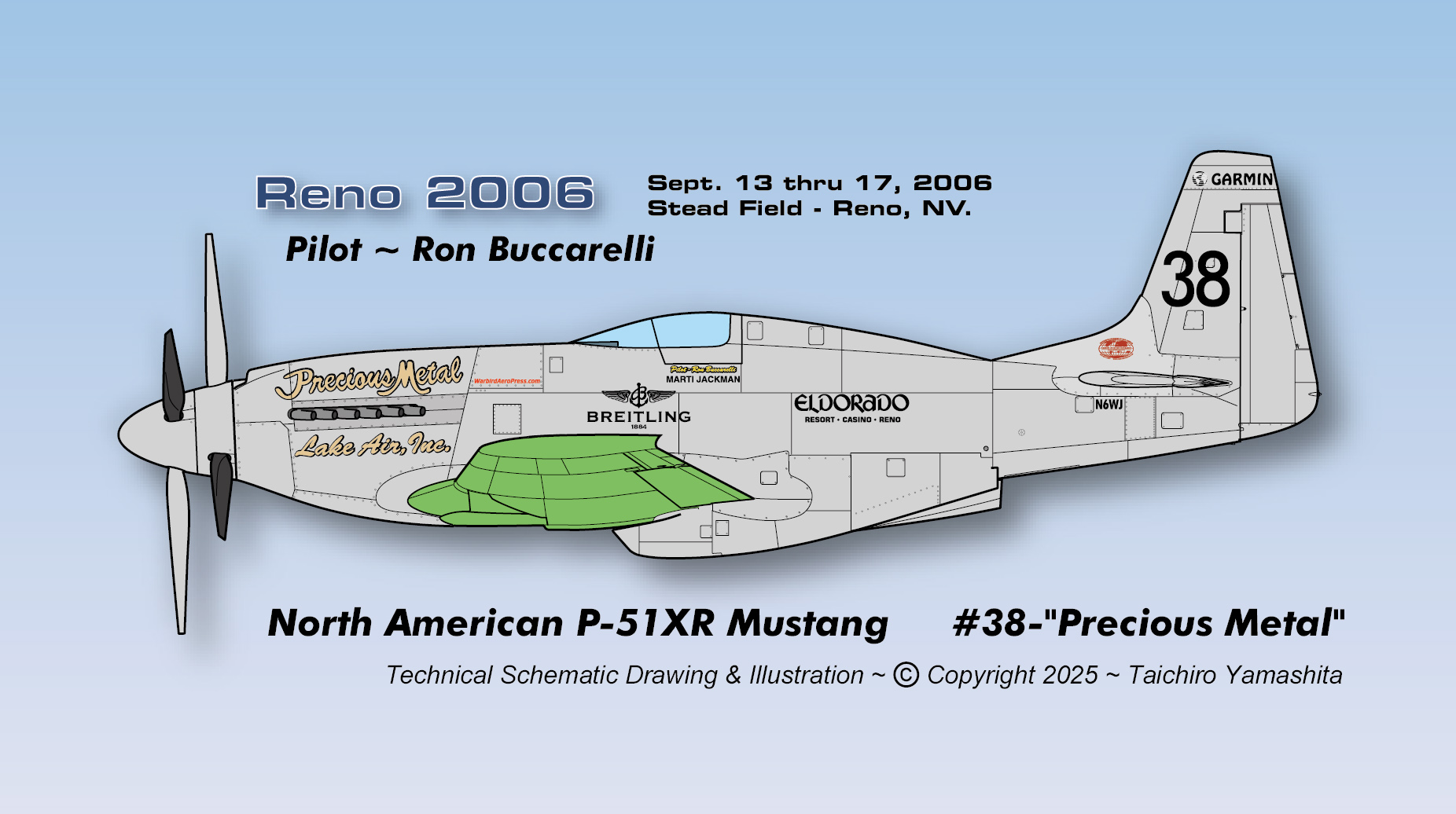
The most dramatic modification was the installation of a Rolls-Royce Griffon Mk.57 engine. This engine produced more than 3,000 horsepower—significantly more than the Merlin engines typically used in racing Mustangs.
The Griffon engine was originally developed for late-war British fighters and maritime patrol aircraft. Its size and power required substantial modifications to the Mustang airframe.
Major Technical Modifications
Transforming a standard Mustang into the P-51XR configuration required extensive engineering work.
Griffon Engine Installation
The Rolls-Royce Griffon engine is larger, heavier, and far more powerful than the Merlin engine normally installed in the Mustang. To accommodate it, the aircraft’s forward fuselage had to be redesigned and lengthened.
Contra-Rotating Propellers
One of the most distinctive features of Precious Metal is its dual contra-rotating propeller system.
This system consists of two propellers mounted on the same axis but rotating in opposite directions. The design reduces torque effects produced by the powerful engine and improves propeller efficiency.
The gearbox required for this system also contributed to the aircraft’s extended nose profile.
Modified Cowling
Because the Griffon engine is physically larger, the engine cowling had to be widened and reshaped. Cooling airflow and structural reinforcement were also modified to handle the increased power output.
Structural Reinforcement
The additional horsepower placed greater stress on the airframe, requiring reinforcement of the engine mounts and fuselage structure.
These modifications transformed the aircraft into a true hybrid design that combined the classic Mustang airframe with British high-power propulsion technology.
Racing Career
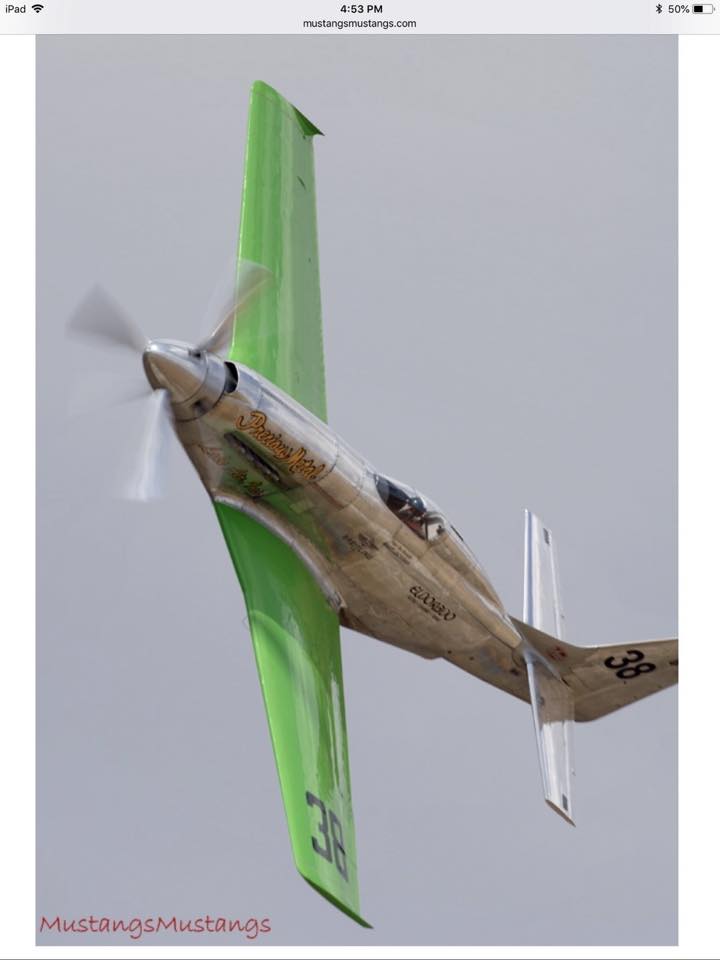
Precious Metal participated in several Reno Air Race events where it quickly attracted attention due to its unusual appearance and impressive performance.
The aircraft achieved qualifying speeds approaching 453 mph (approximately 729 km/h).
Its combination of the Griffon engine and contra-rotating propellers made it one of the most powerful piston-engine racers ever flown.
The aircraft was later owned and flown by pilot Thom Richard, who continued operating the aircraft in air racing and demonstration flights.
The 2015 Fire Incident
In 2015, while taxiing at an airport in Florida, the aircraft suffered a serious fire that caused extensive damage to the airframe.
Fortunately, the pilot exited the aircraft safely, but the damage required a long-term restoration effort.
Since then, the aircraft has been undergoing reconstruction with the goal of eventually returning it to flying condition.
Modeling the P-51XR “Precious Metal”
For scale modelers, Precious Metal represents a fascinating and challenging subject due to its unique modifications.
Unlike standard Mustangs, this aircraft requires extensive conversion work when building a scale replica.
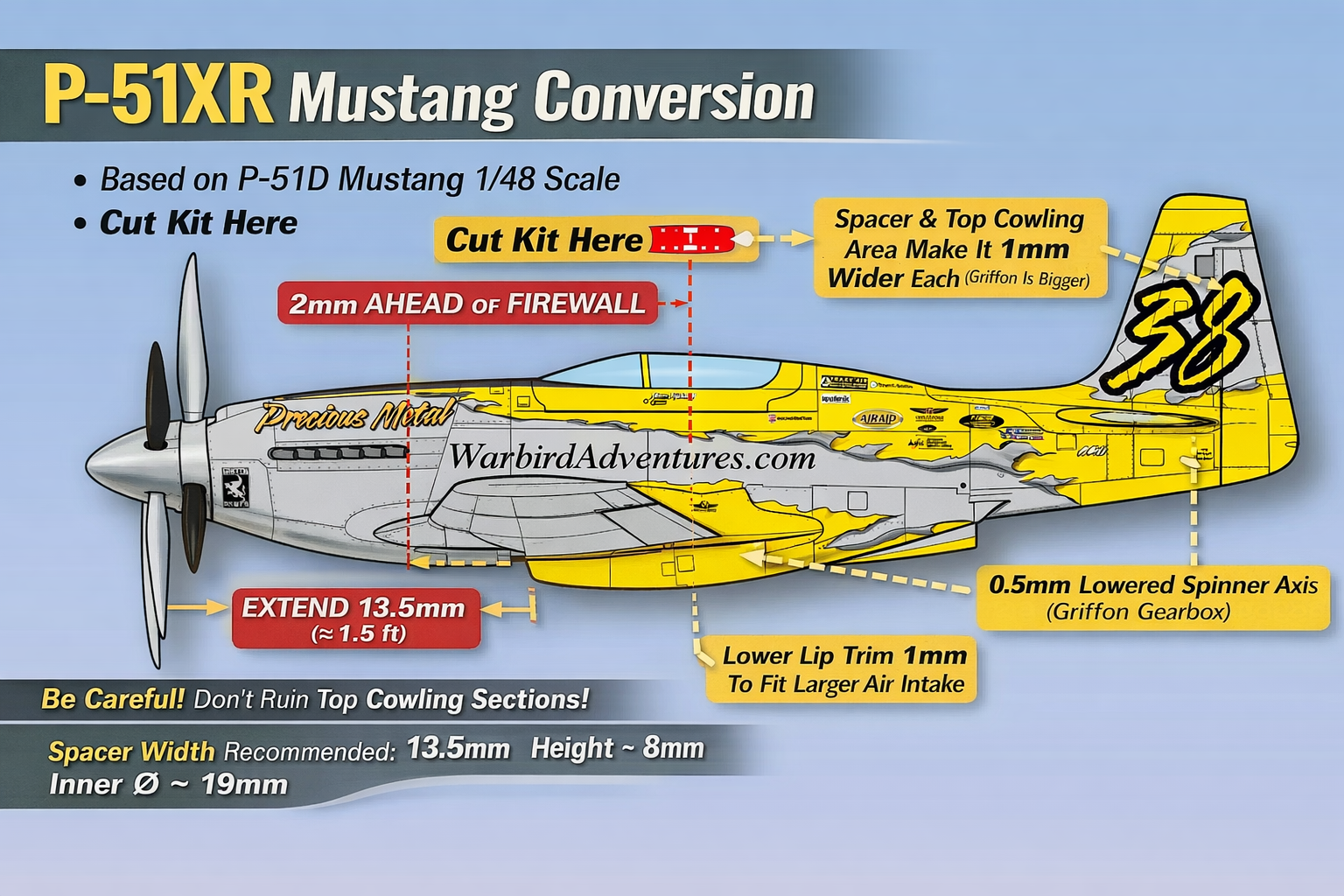
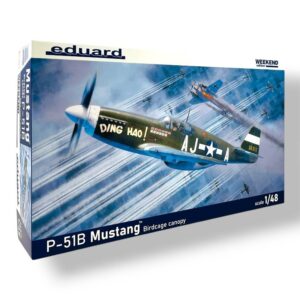
The most practical starting point for such a project is a P-51D Mustang kit in 1/48 scale.
Conversion Guide (1/48 Scale)
Base kit:
P-51D Mustang
Major modifications required:
Extended Nose
The Griffon engine installation resulted in a noticeably longer nose.
For a 1/48 scale model:
Nose extension required:
≈ 13.5 mm
The fuselage should be cut slightly ahead of the firewall and a spacer inserted to achieve the correct length.
Larger Spinner
The spinner used on Precious Metal is significantly larger than the standard Mustang spinner.
Typical measurement in 1/48 scale:
Spinner diameter:
21–22 mm
Contra-Rotating Propellers
The aircraft uses two five-blade propellers mounted in tandem.
Recommended propeller diameter in 1/48 scale:
≈ 81 mm
Spacing between the two propellers should be approximately 3–3.5 mm.
Cowling Adjustment
Because the Griffon engine is larger than the Merlin, the upper cowling should be slightly widened.
Recommended adjustment:
+1 mm per side
https://en.wikipedia.org/wiki/Precious_Metal_%28aircraft%29?utm_source=chatgpt.com
https://www.mikekillianphotography.com/Aviation/PM2015/i-jWZJT7m
https://www.aerialvisuals.ca/AirframeDossier.php?Serial=228030
https://www.globalaviationresource.com/v2/2013/09/09/world-jet-inc-p51xr-n6wj-precious-metal/
| Aircraft Area | FS Code | Color | Gunze Mr.Color / Aqueous | Tamiya | AK Real Colors | MRP |
|---|---|---|---|---|---|---|
| Racing Yellow | FS 13538 | 🟨 | H329 / C329 | XF-3 + small XF-7 | RC007 | MRP-122 |
| Natural Metal | FS 17178 | ⬜ | C8 Silver | LP-11 | RC020 | MRP-048 |
| Anti-glare Panel | FS 37038 | ⬛ | H12 / C33 | XF-1 | RC001 | MRP-005 |
| Propeller Blades | FS 37038 | ⬛ | H12 / C33 | XF-1 | RC001 | MRP-005 |
| Propeller Tips | FS 13538 | 🟨 | H329 / C329 | XF-3 | RC007 | MRP-122 |
| Markings / Numbers | FS 11136 | 🟥 | H327 / C327 | XF-7 | RC004 | MRP-004 |
Conclusion
The P‑51XR Precious Metal stands as one of the most remarkable examples of warbird transformation in aviation history.
By combining the iconic Mustang airframe with the immense power of the Rolls-Royce Griffon engine and a contra-rotating propeller system, engineers created a racing aircraft unlike any other.
For scale modelers, this aircraft offers an exciting challenge and a rare opportunity to build a truly unique version of the legendary Mustang.
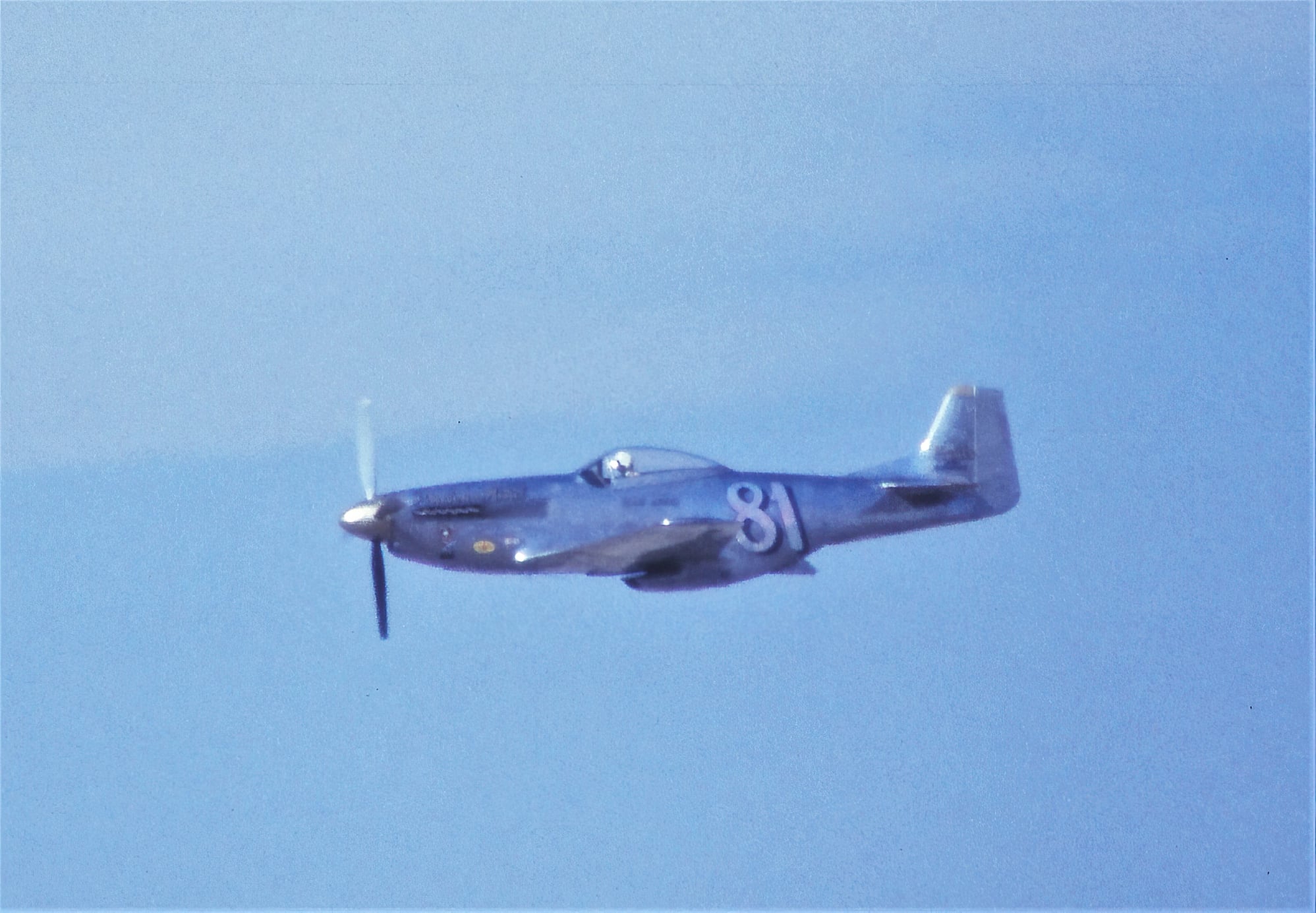
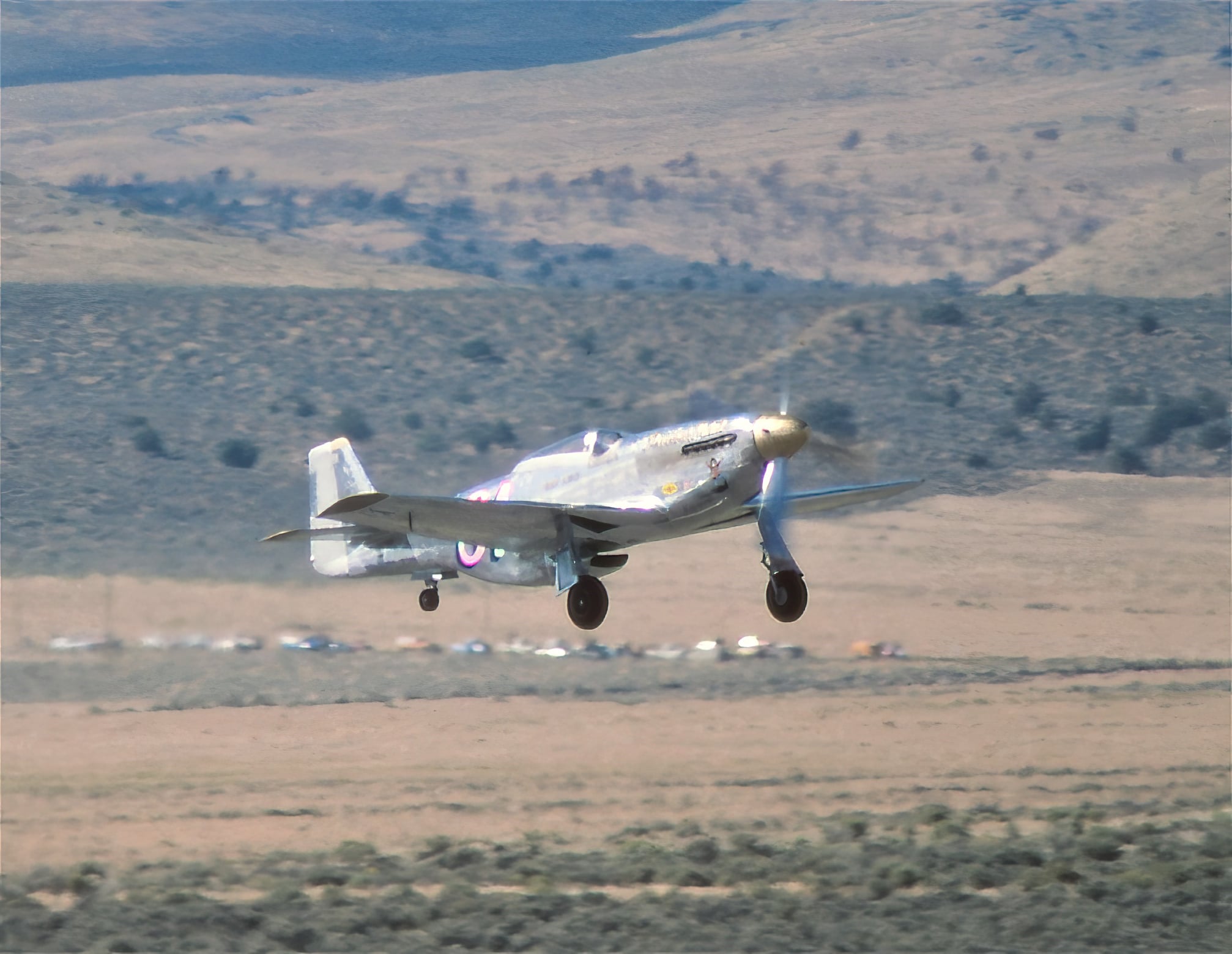
P-51 Mustang “Latin American” NX1204 – Bendix Trophy 1949
Gallery