article
Aggressor “Alaskan Splinter” Camouflage – FS Color Guide, Paint Table & Modeling Tutorial
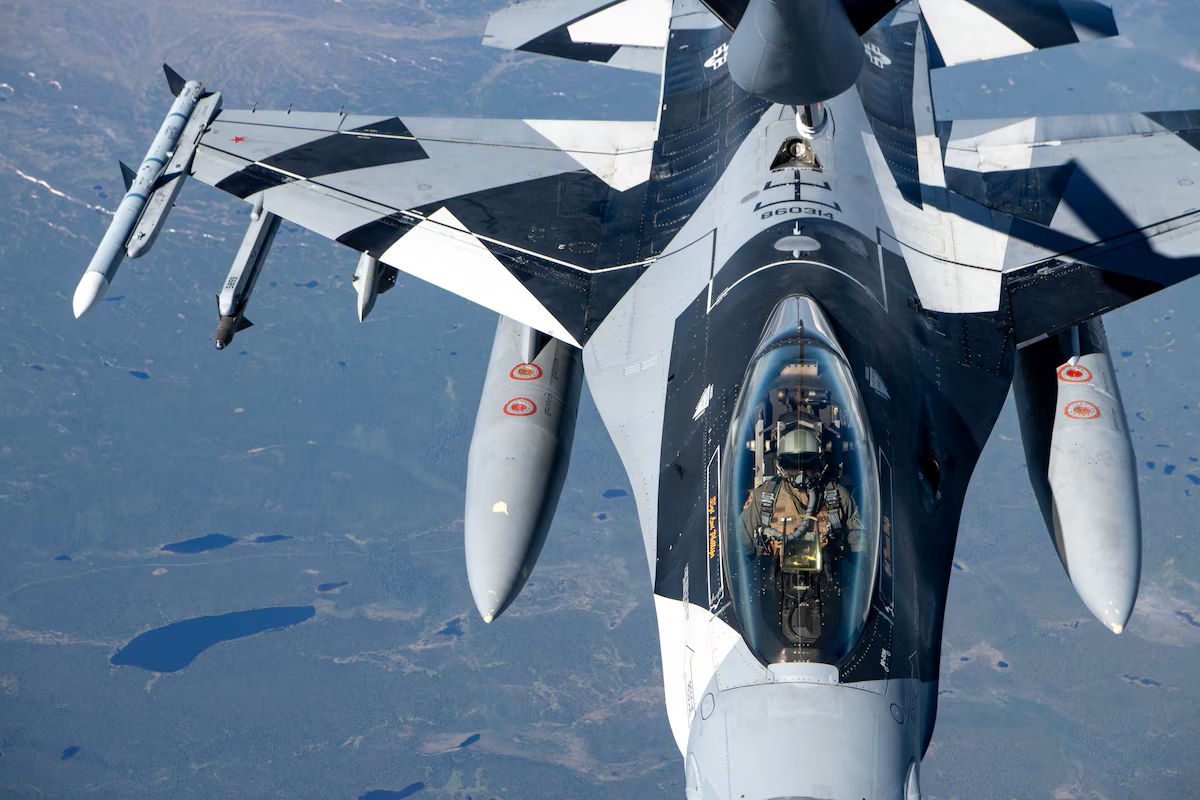
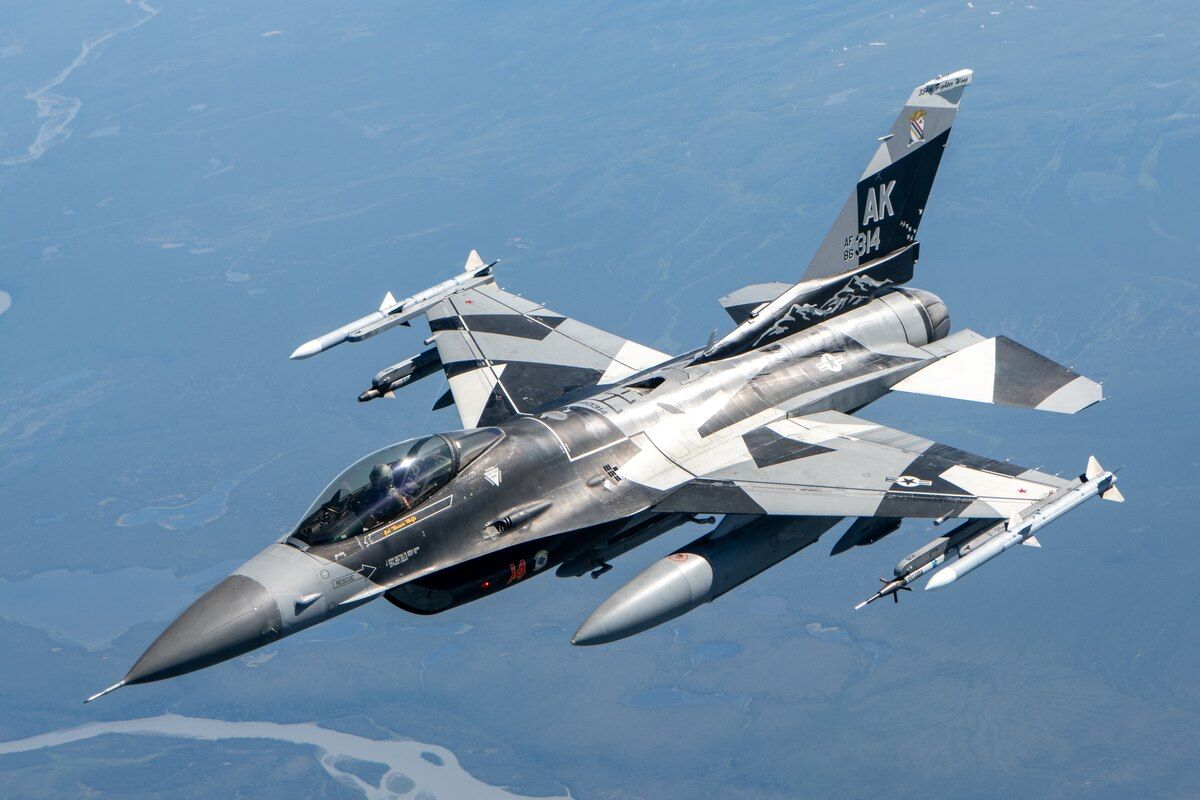
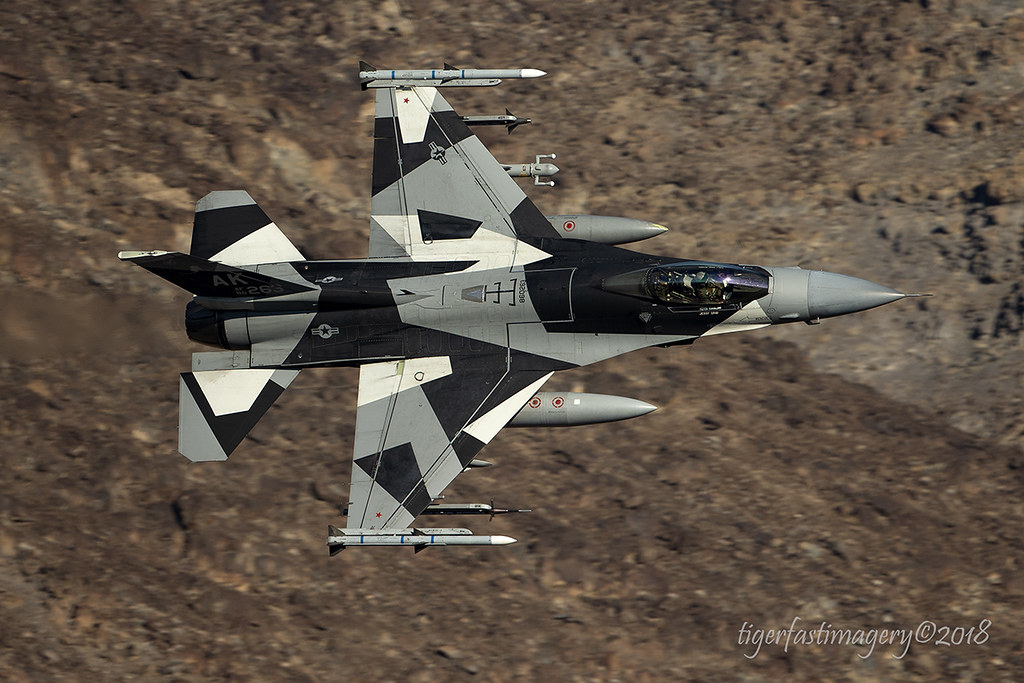
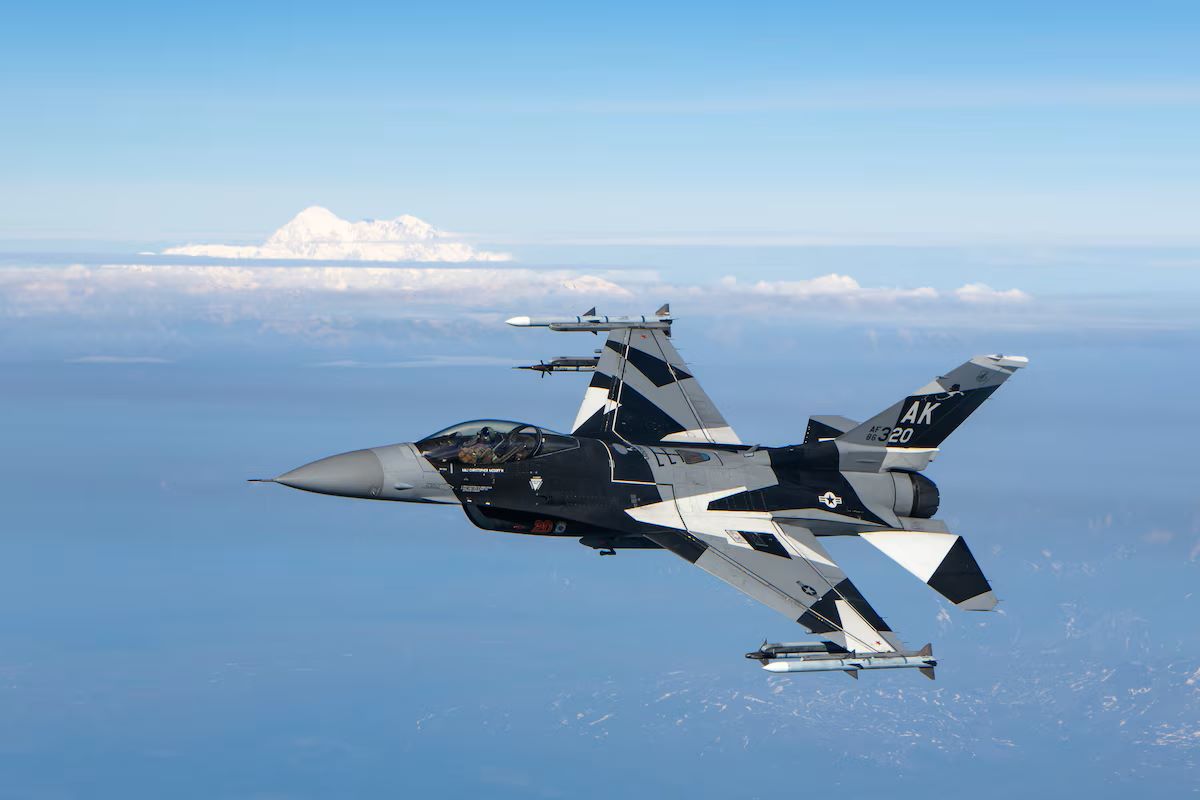
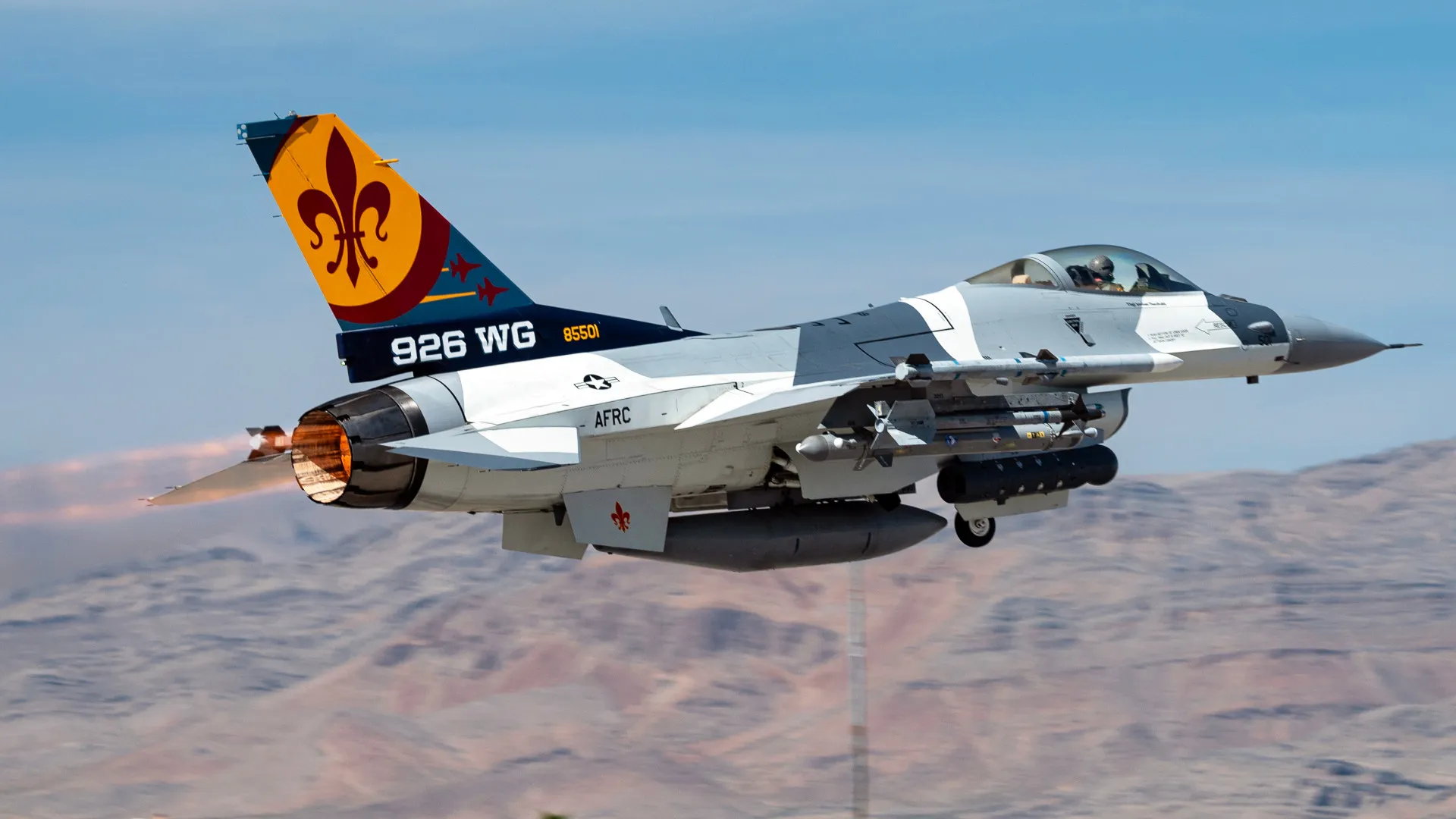
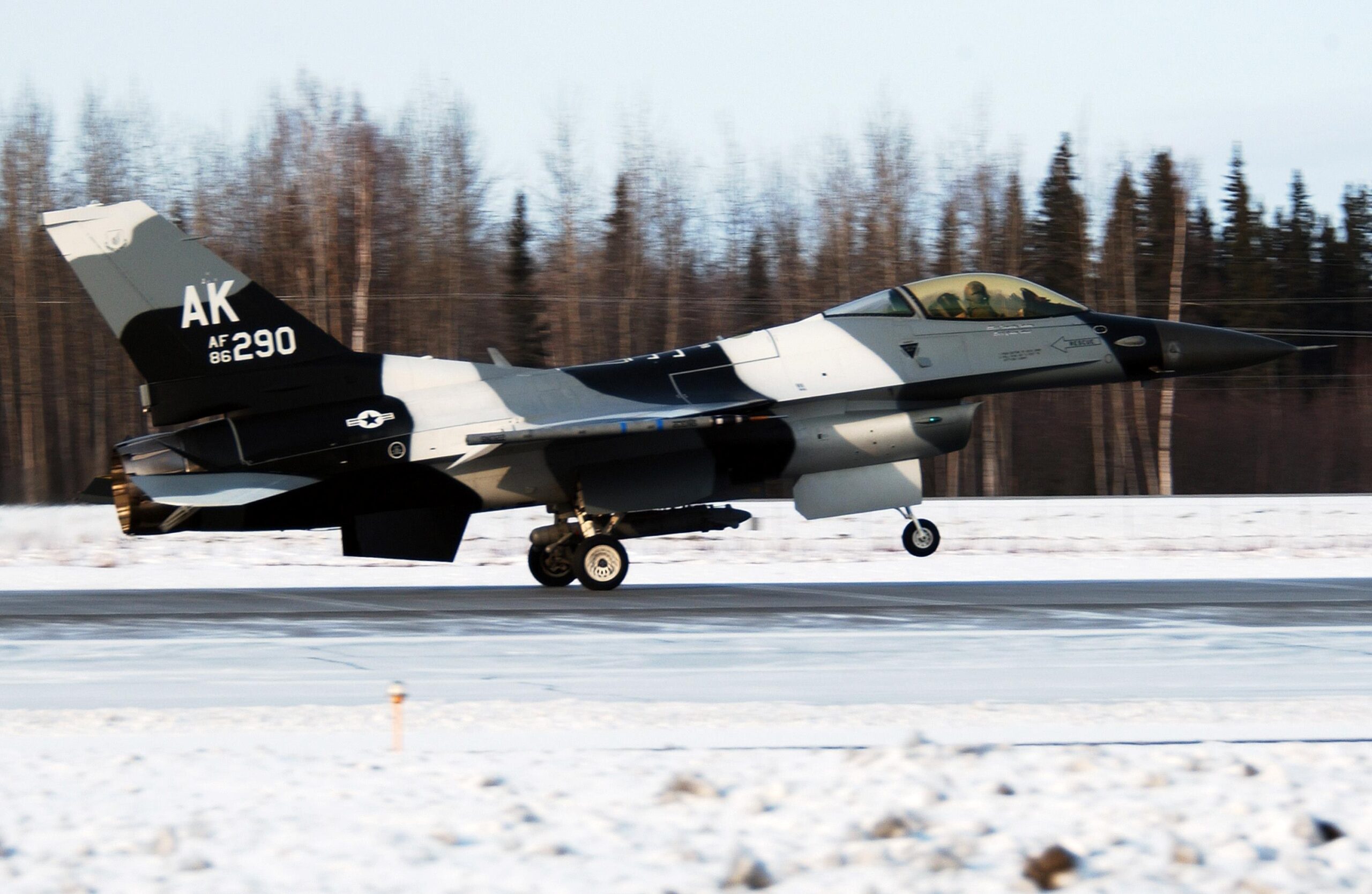
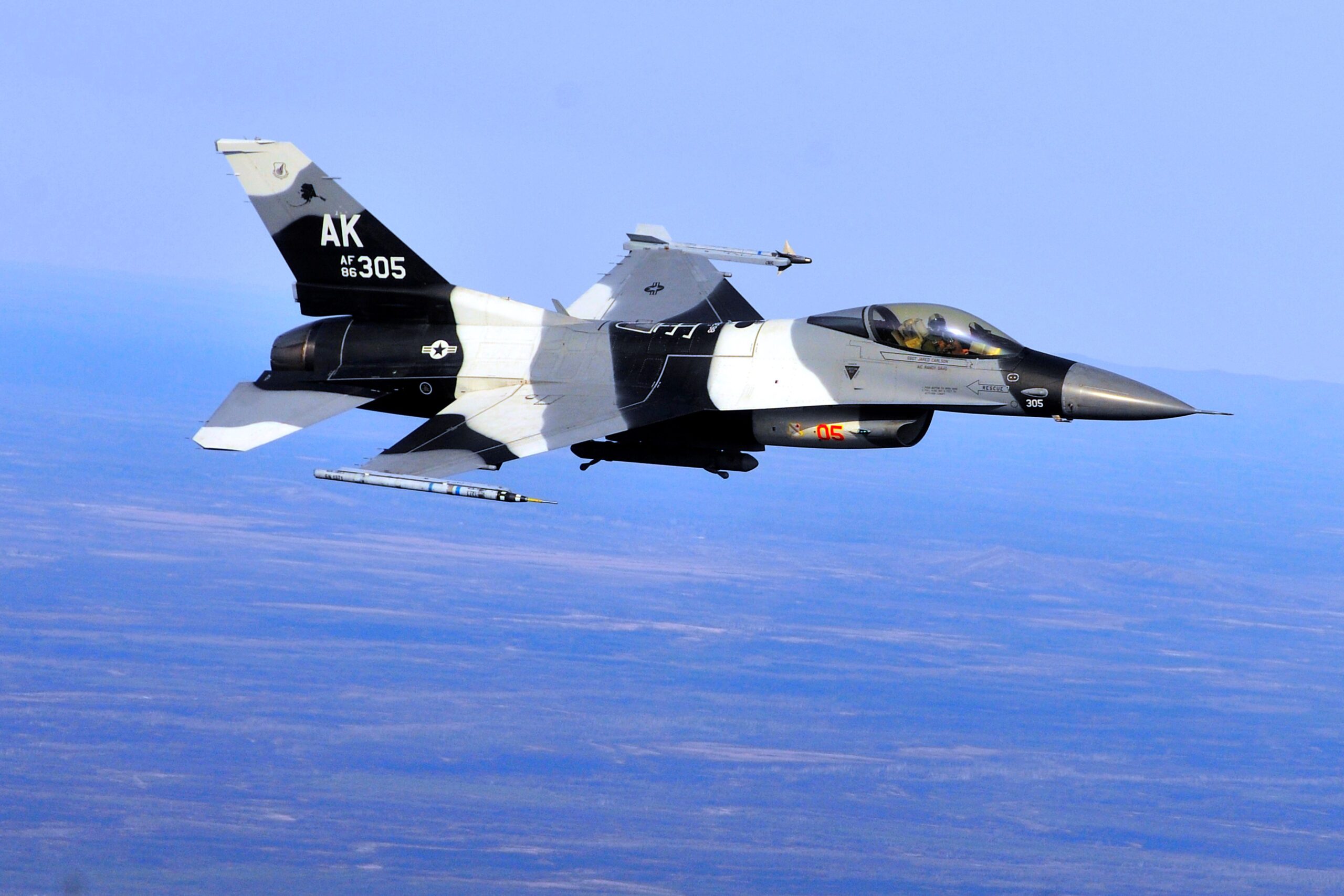
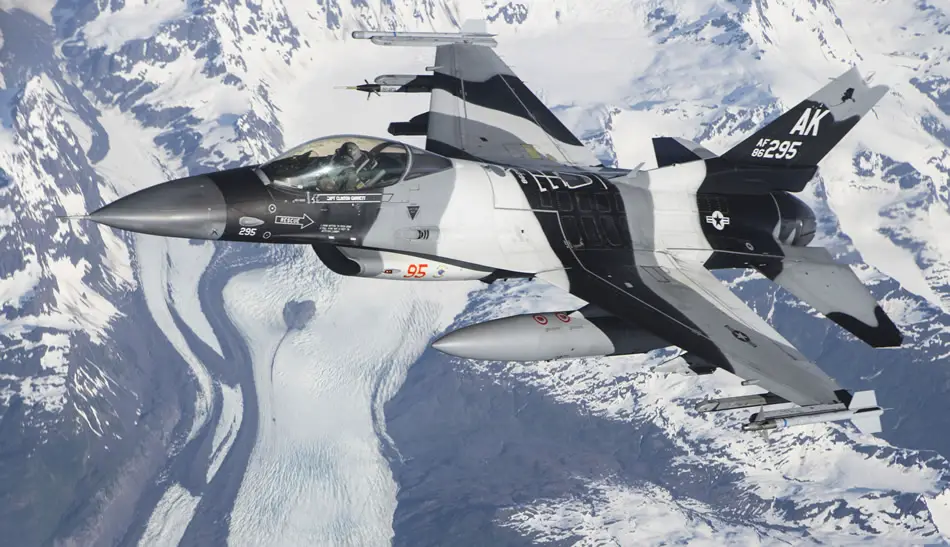
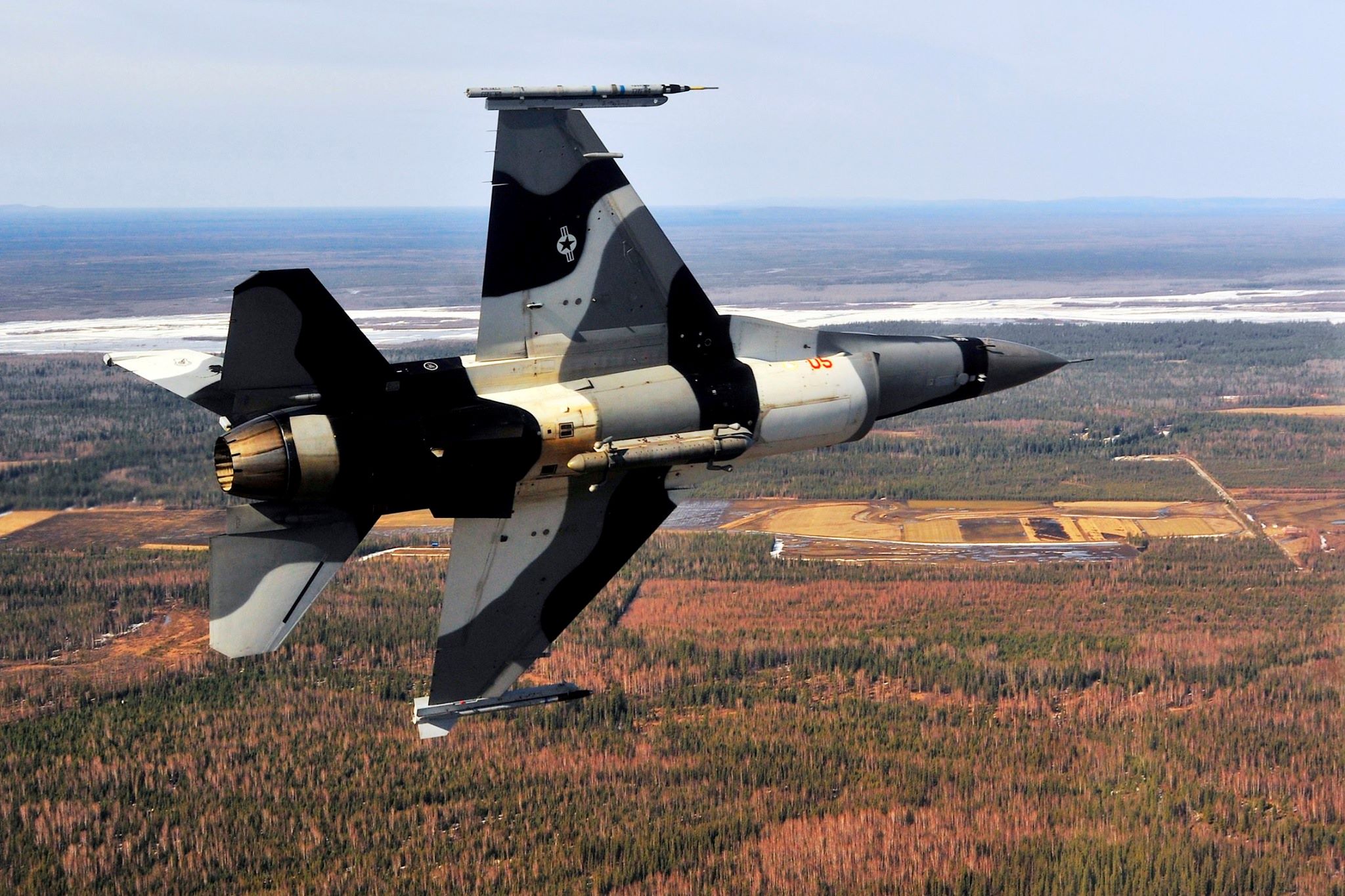
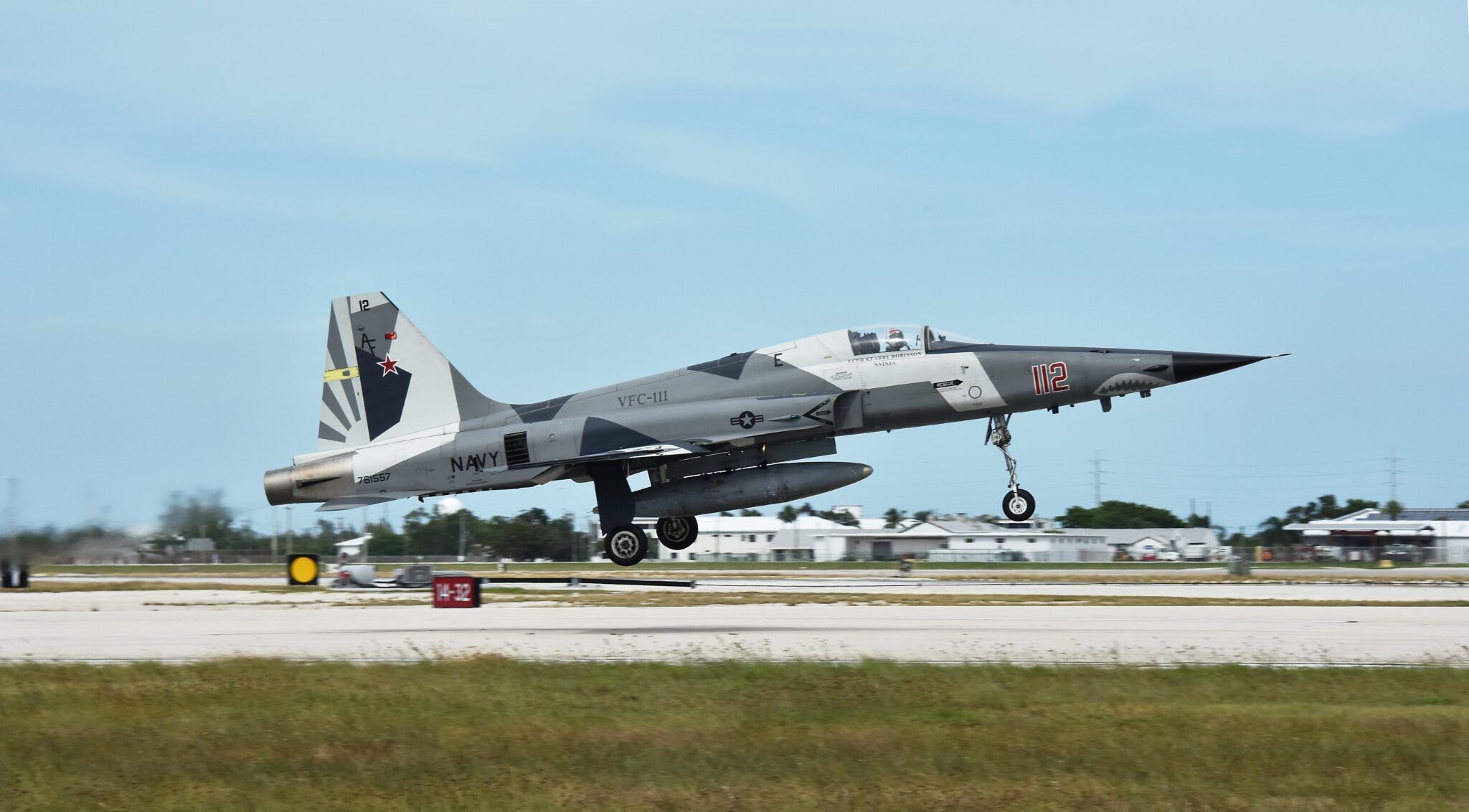
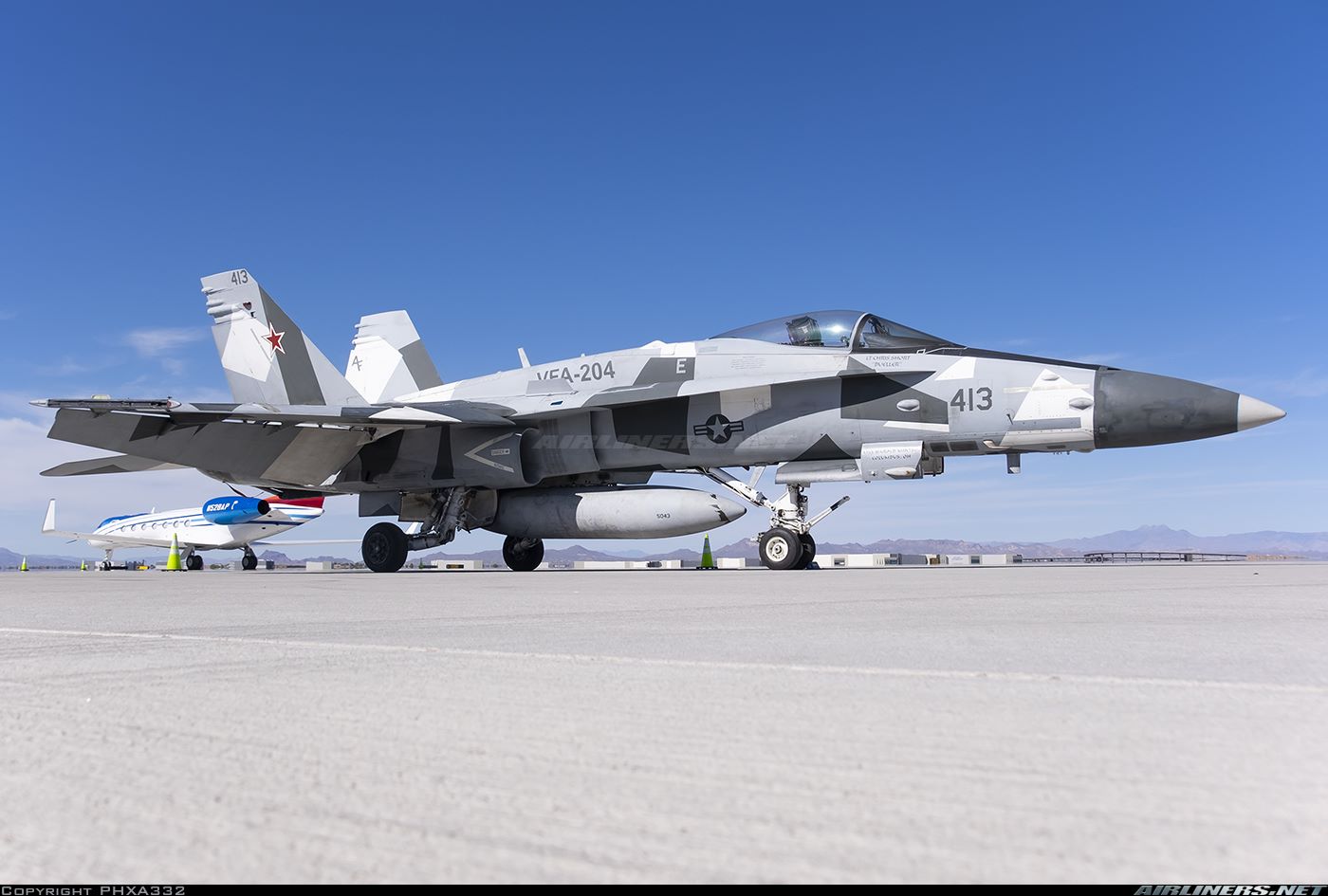
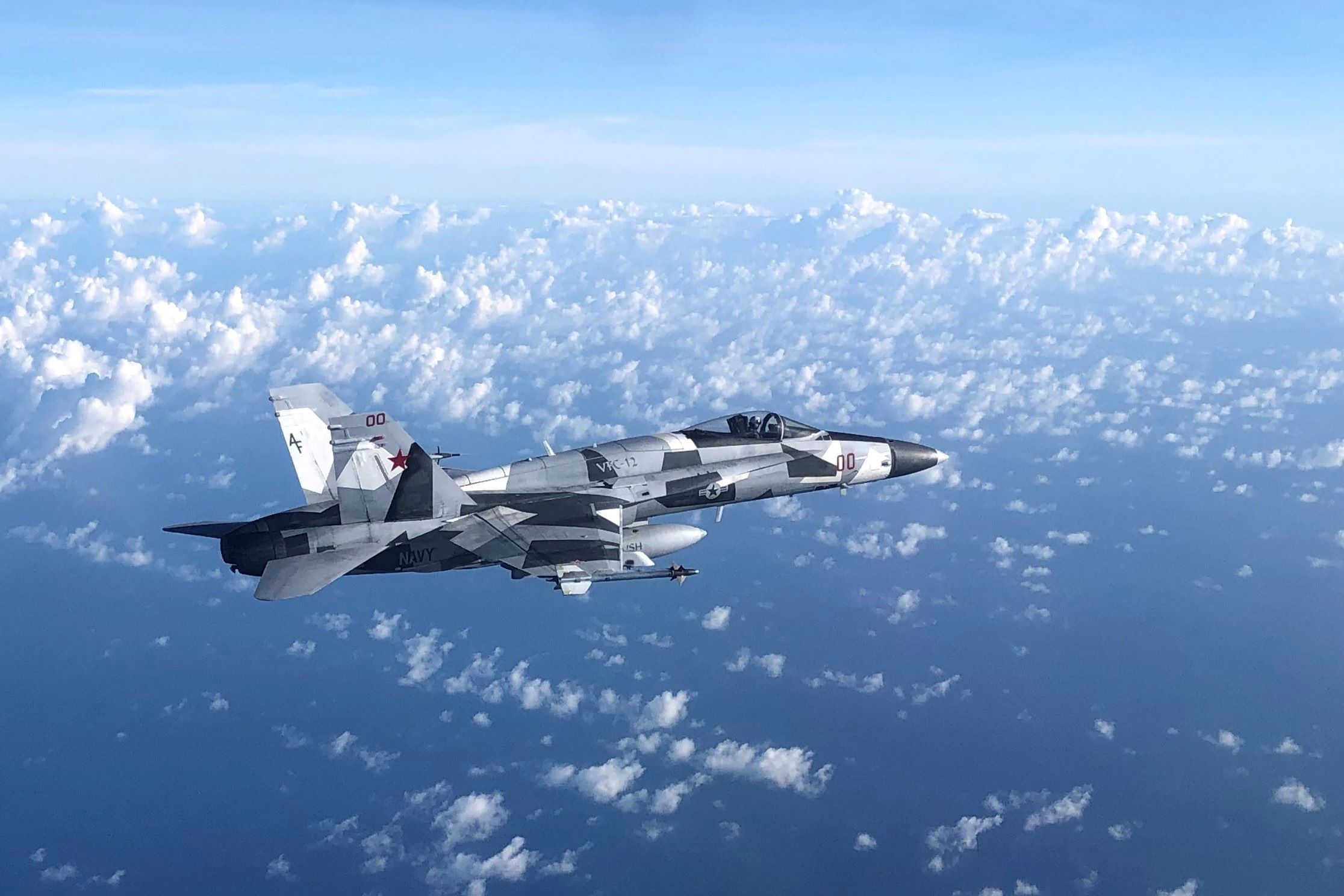
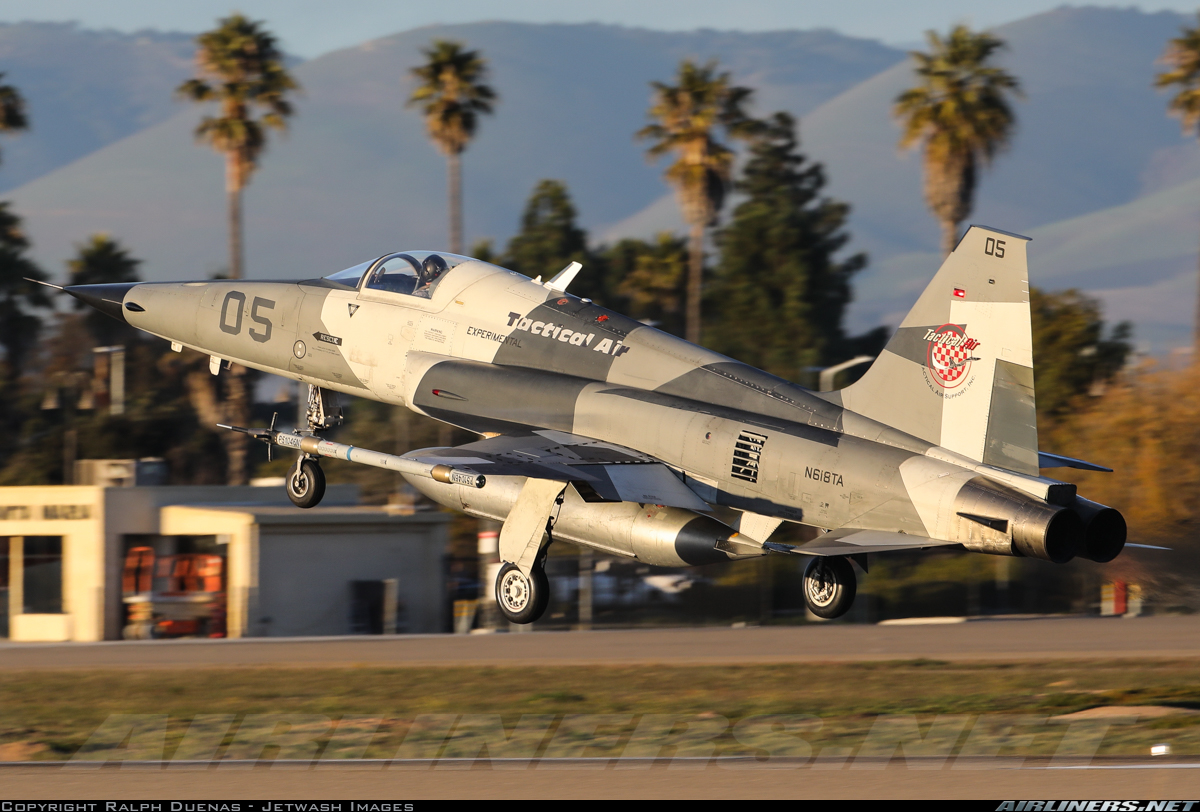
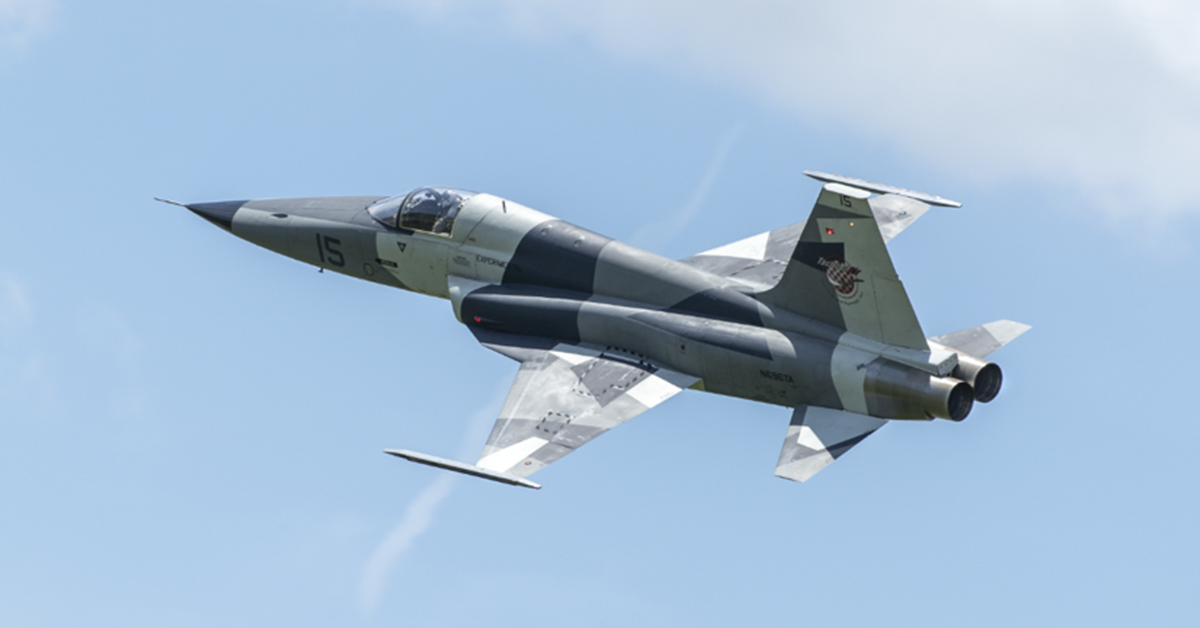
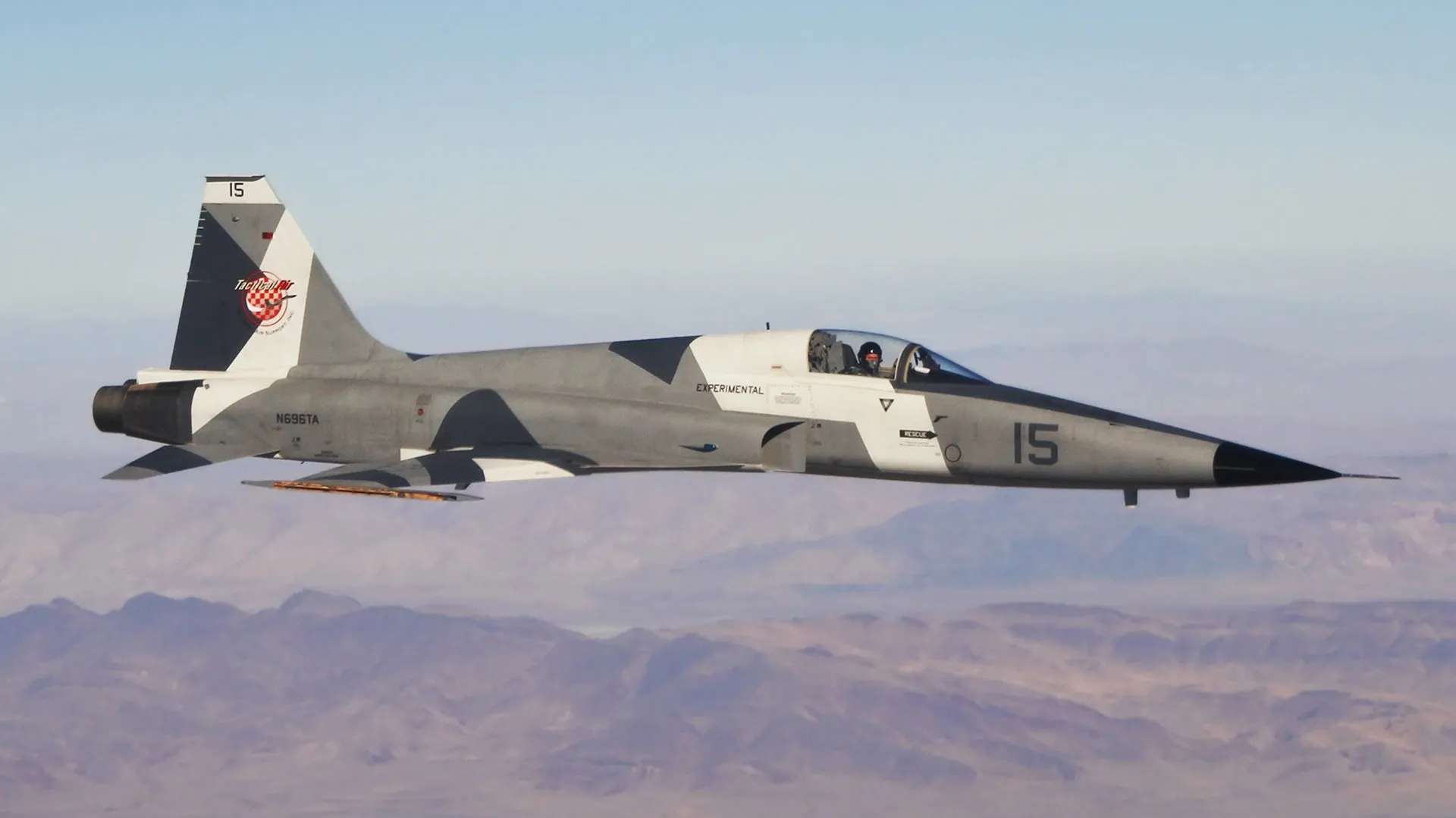
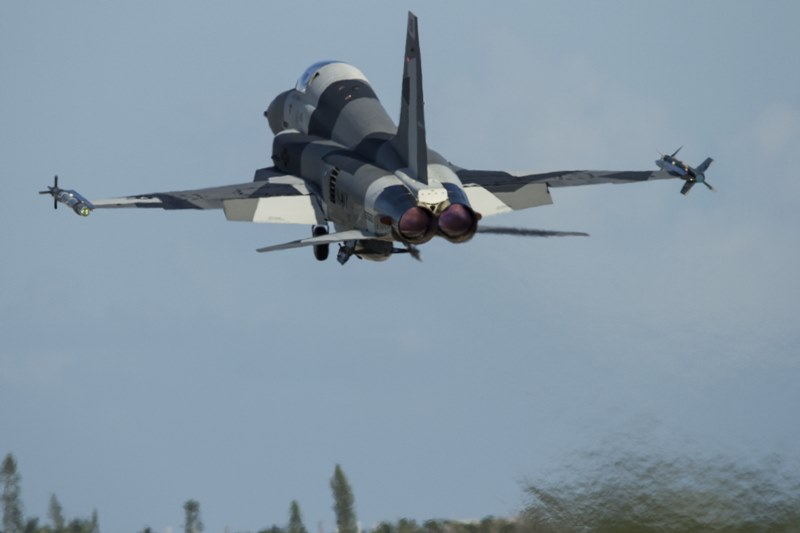
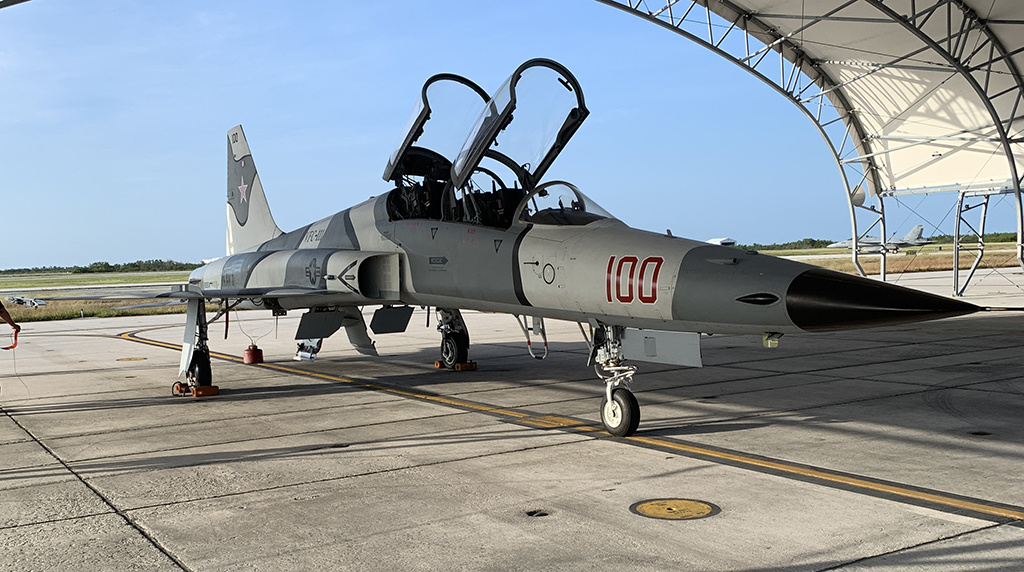
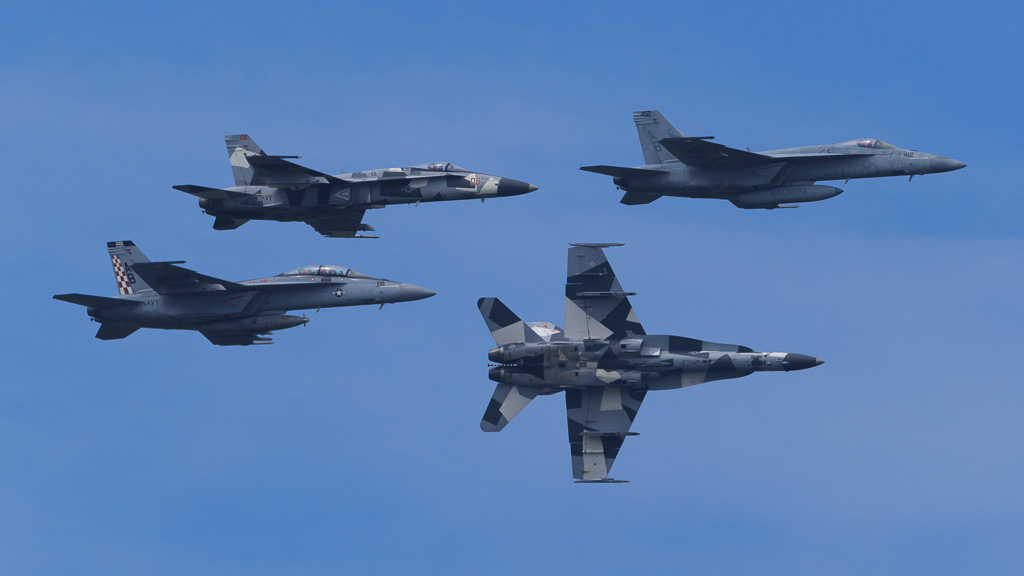
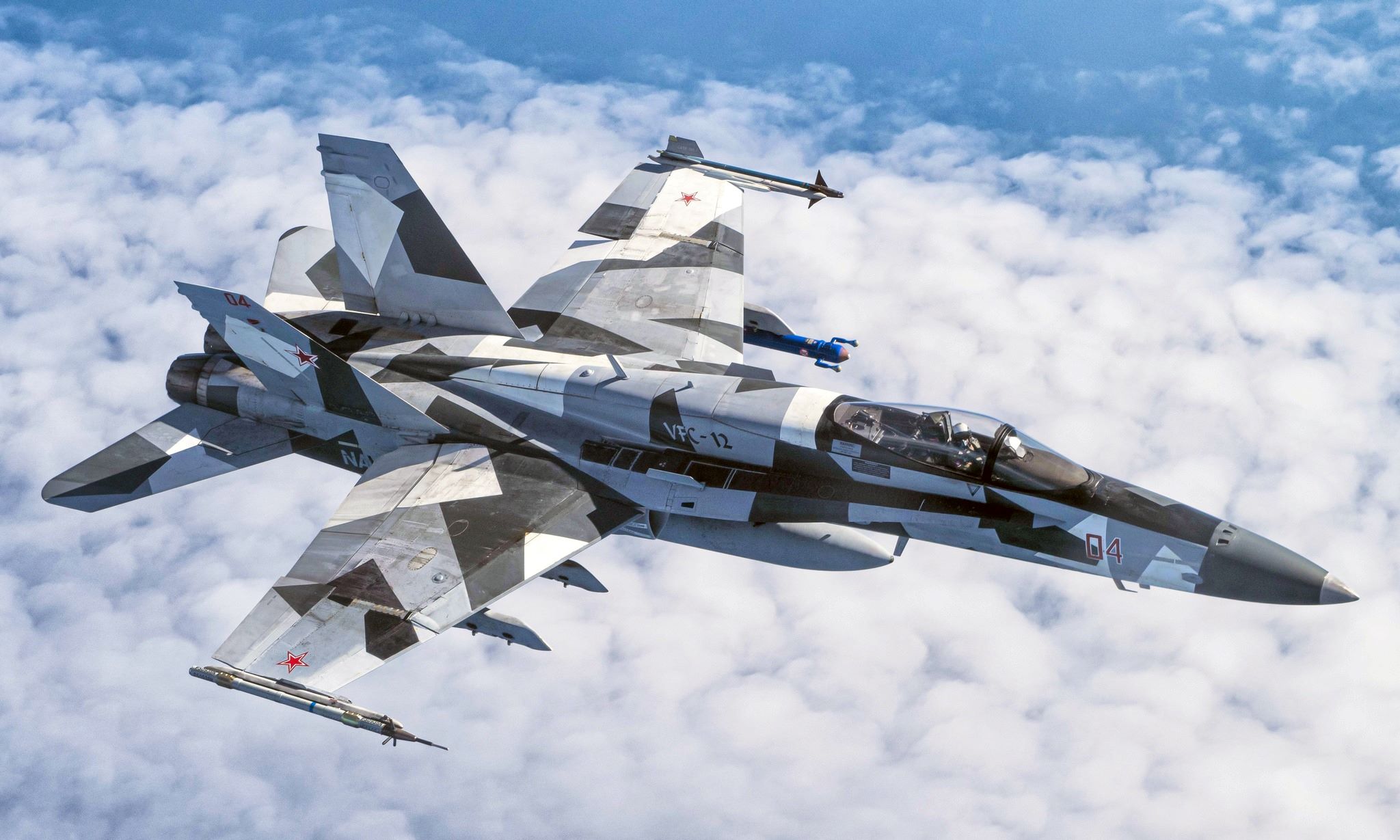
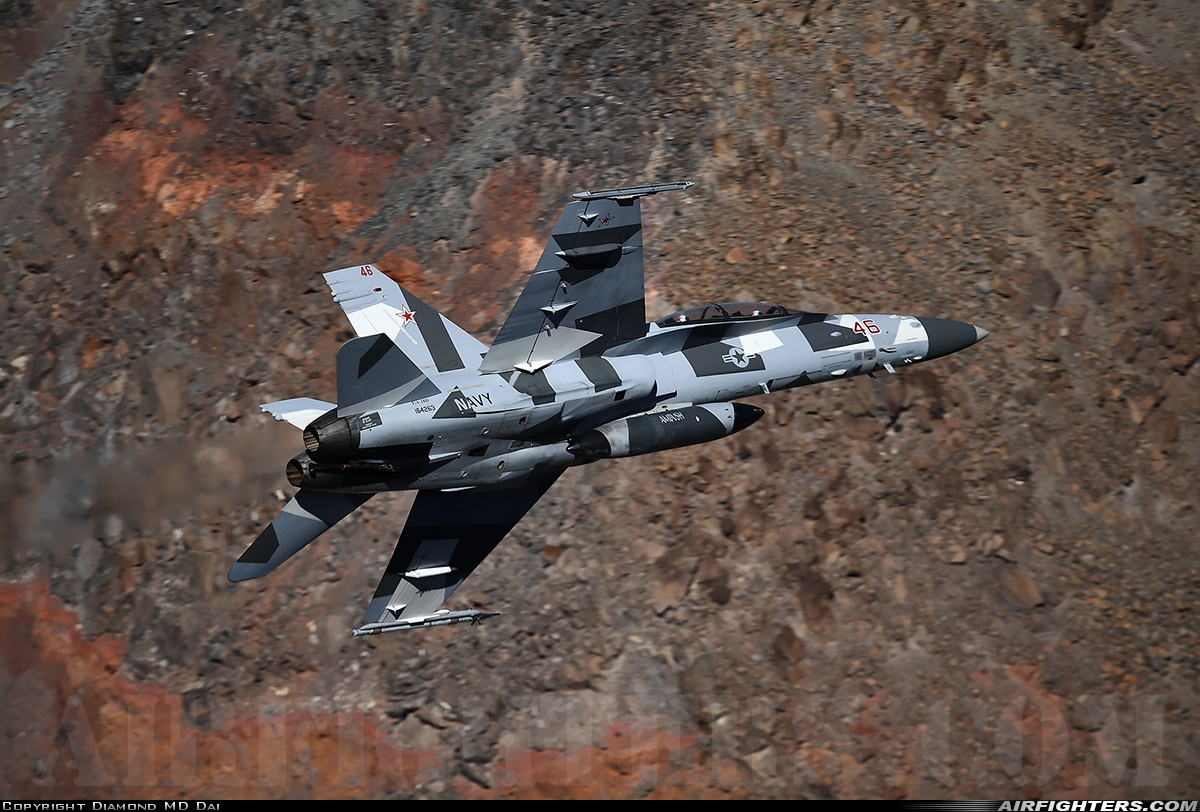
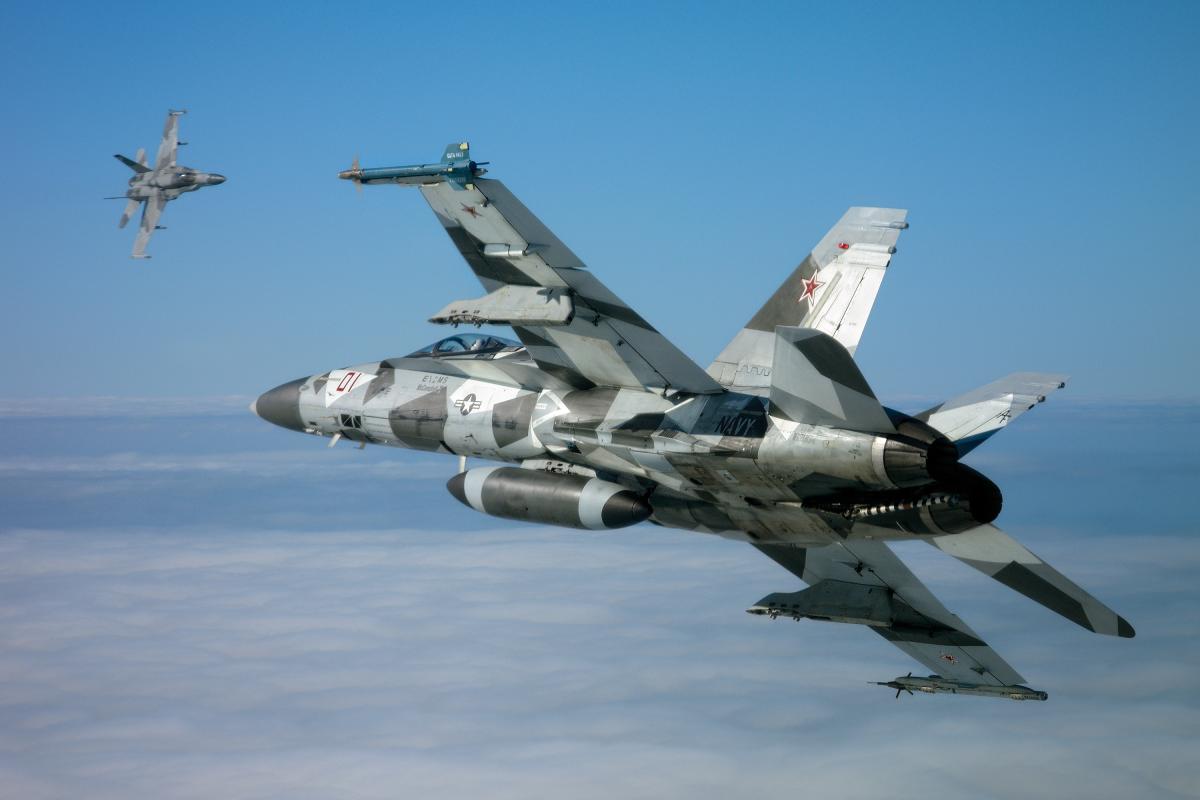
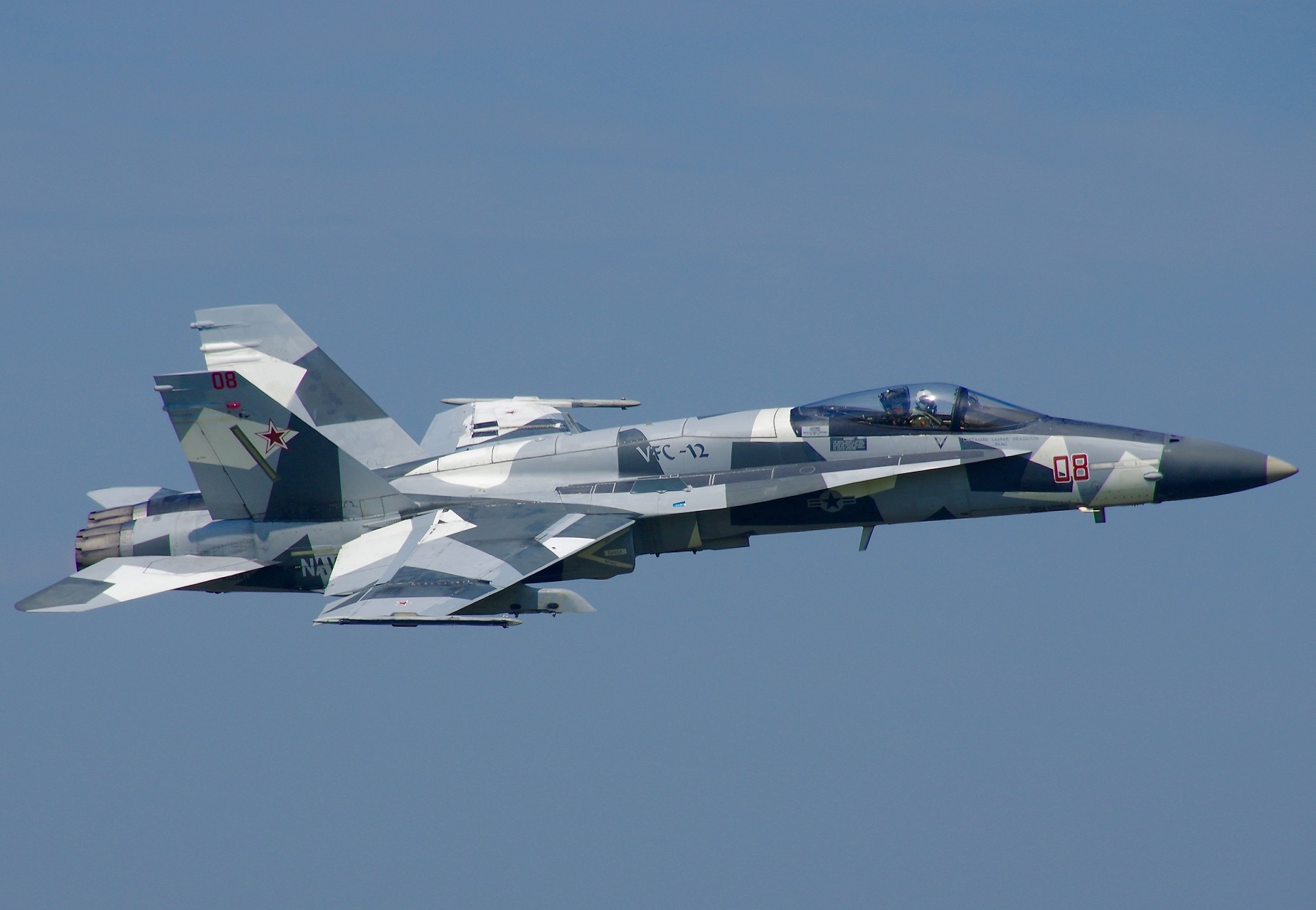
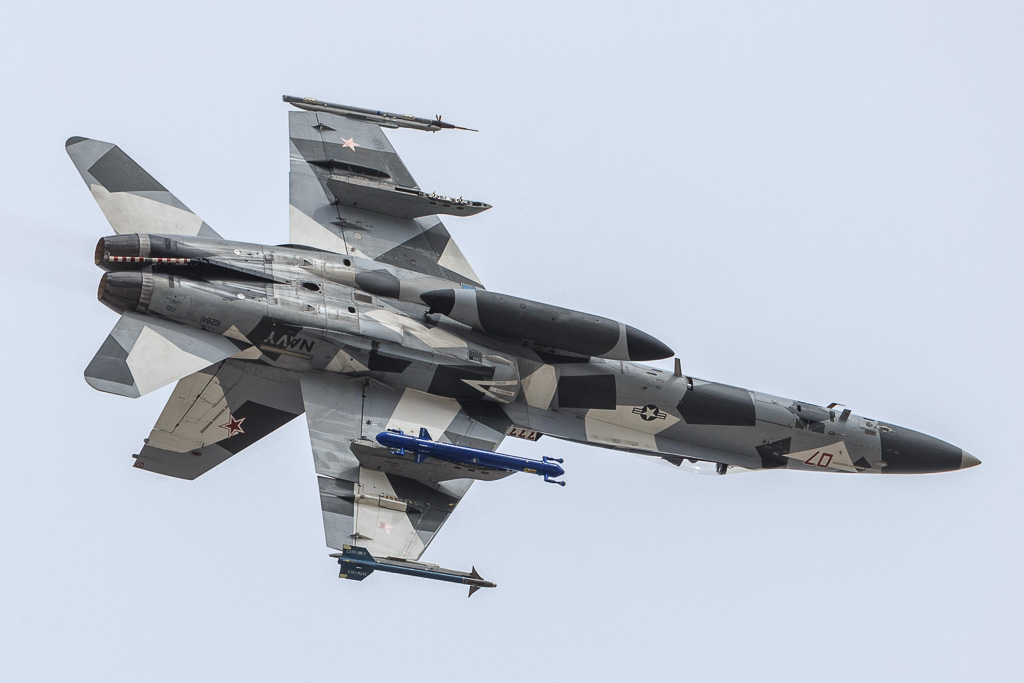
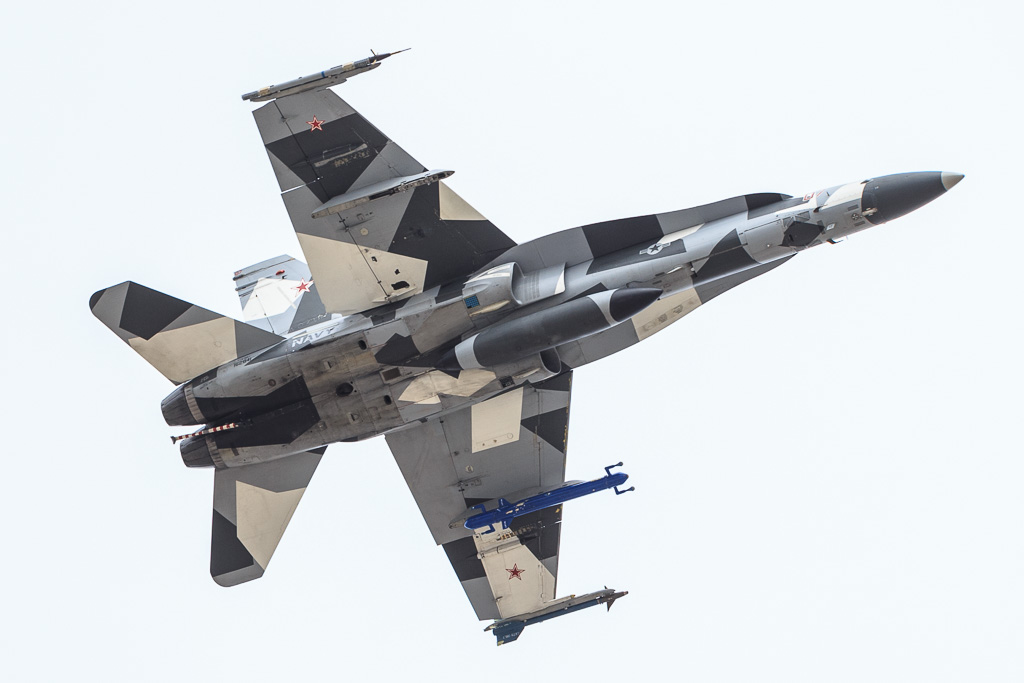
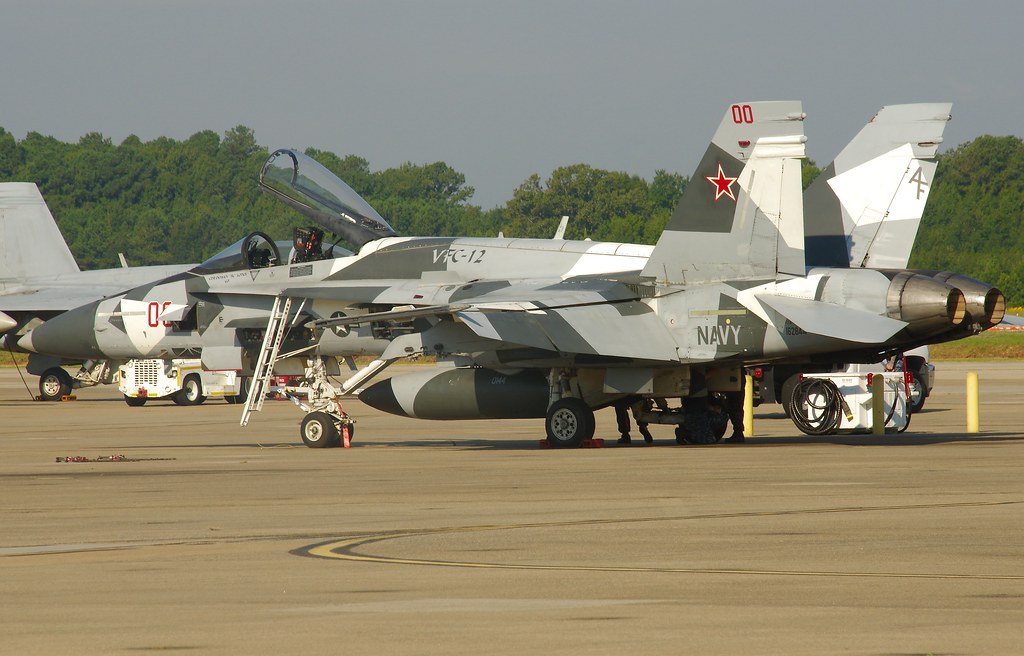
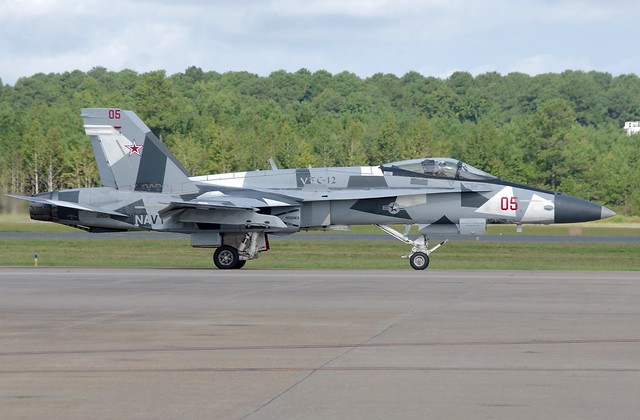
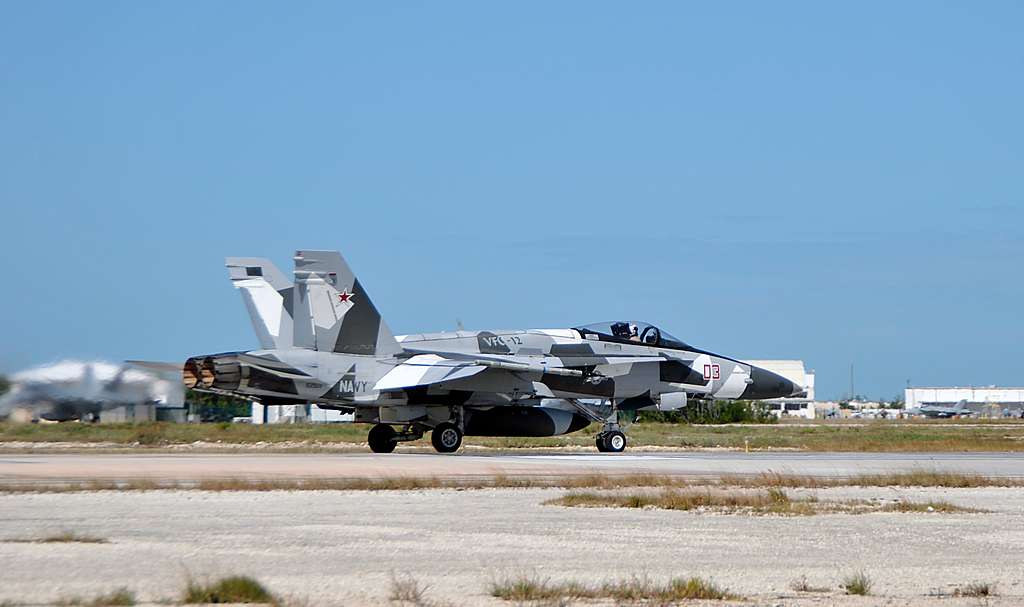
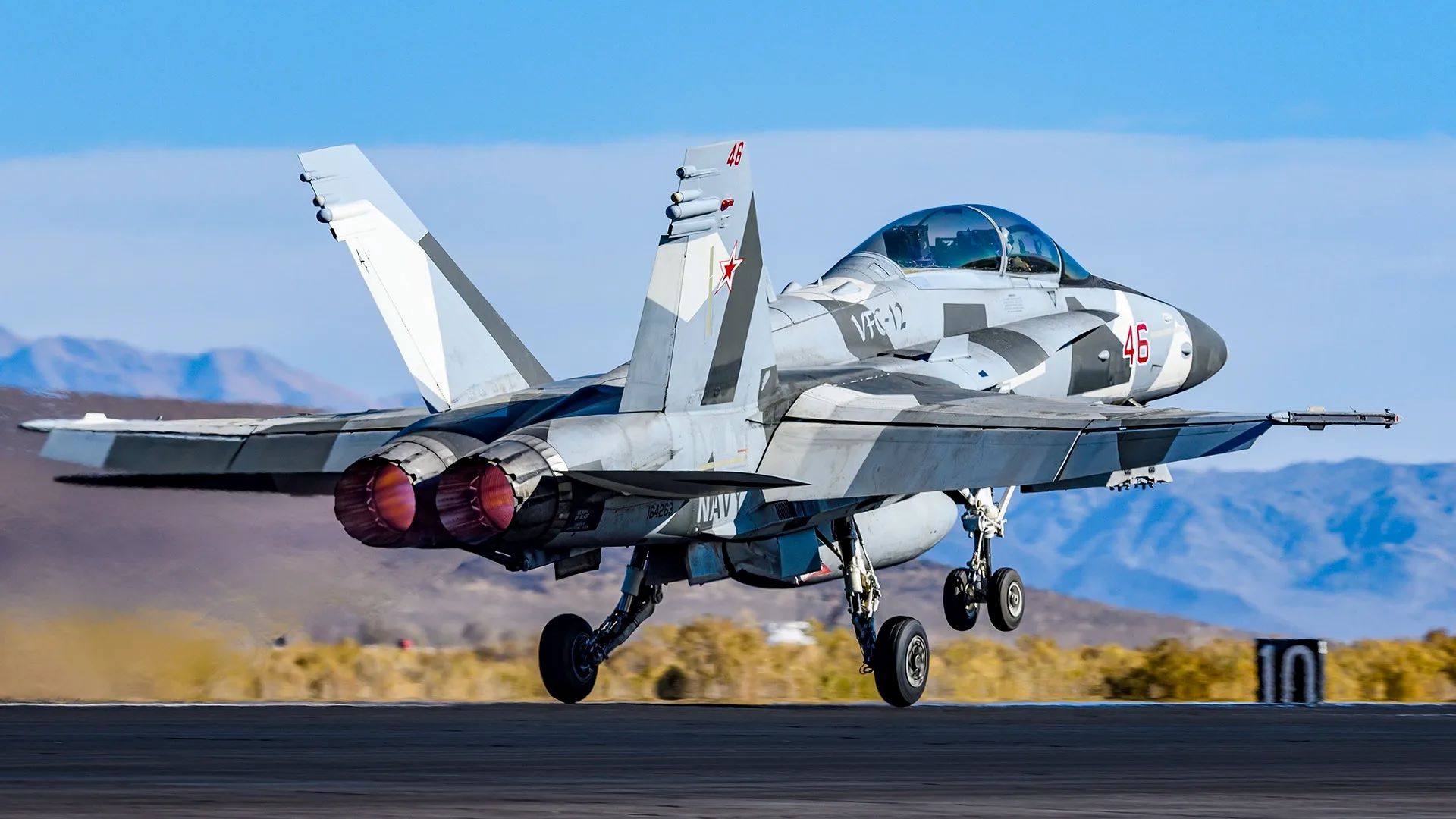
The “Alaskan Splinter” camouflage is one of the most visually aggressive and technically interesting paint schemes ever applied to modern fighter aircraft. Used by Aggressor units of the United States Air Force, this pattern is designed not just to look striking—but to simulate adversary aircraft in advanced combat training.
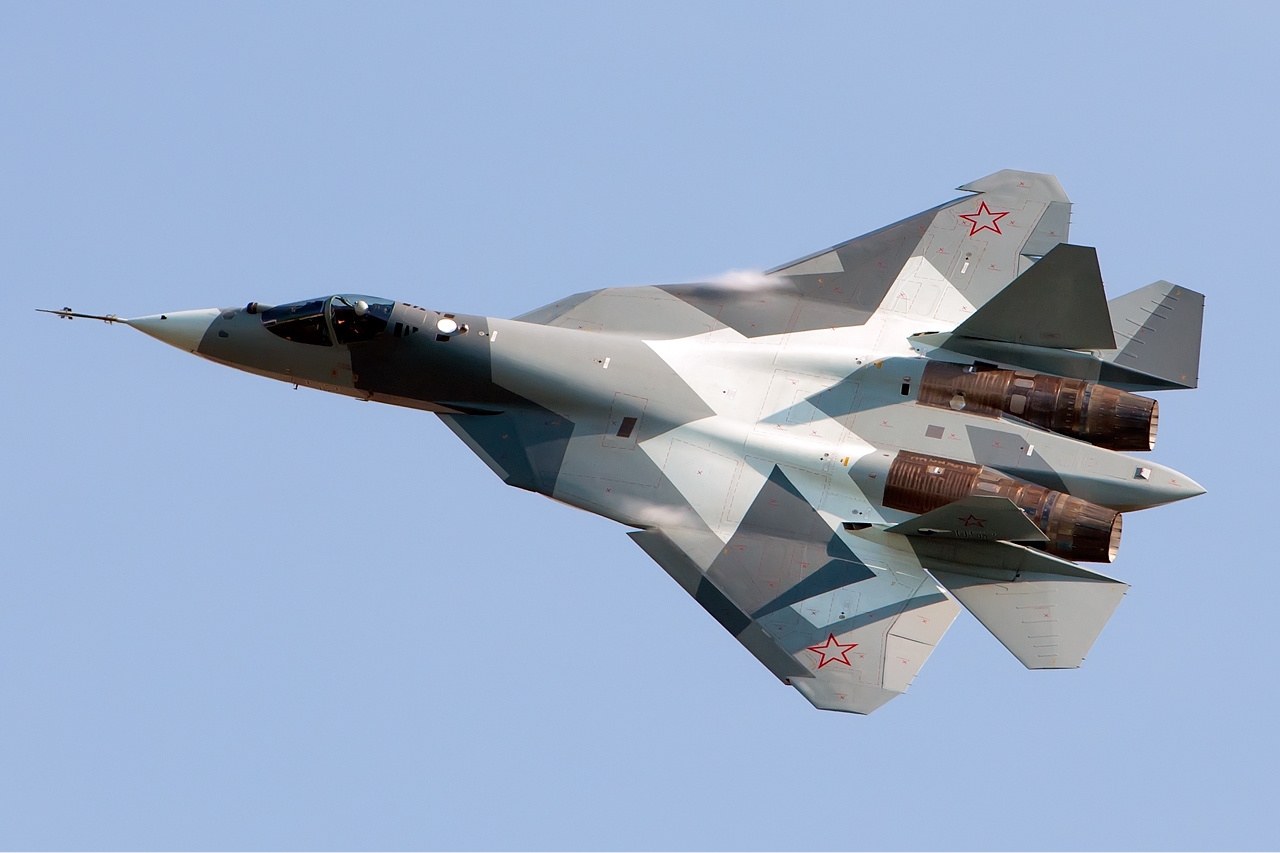
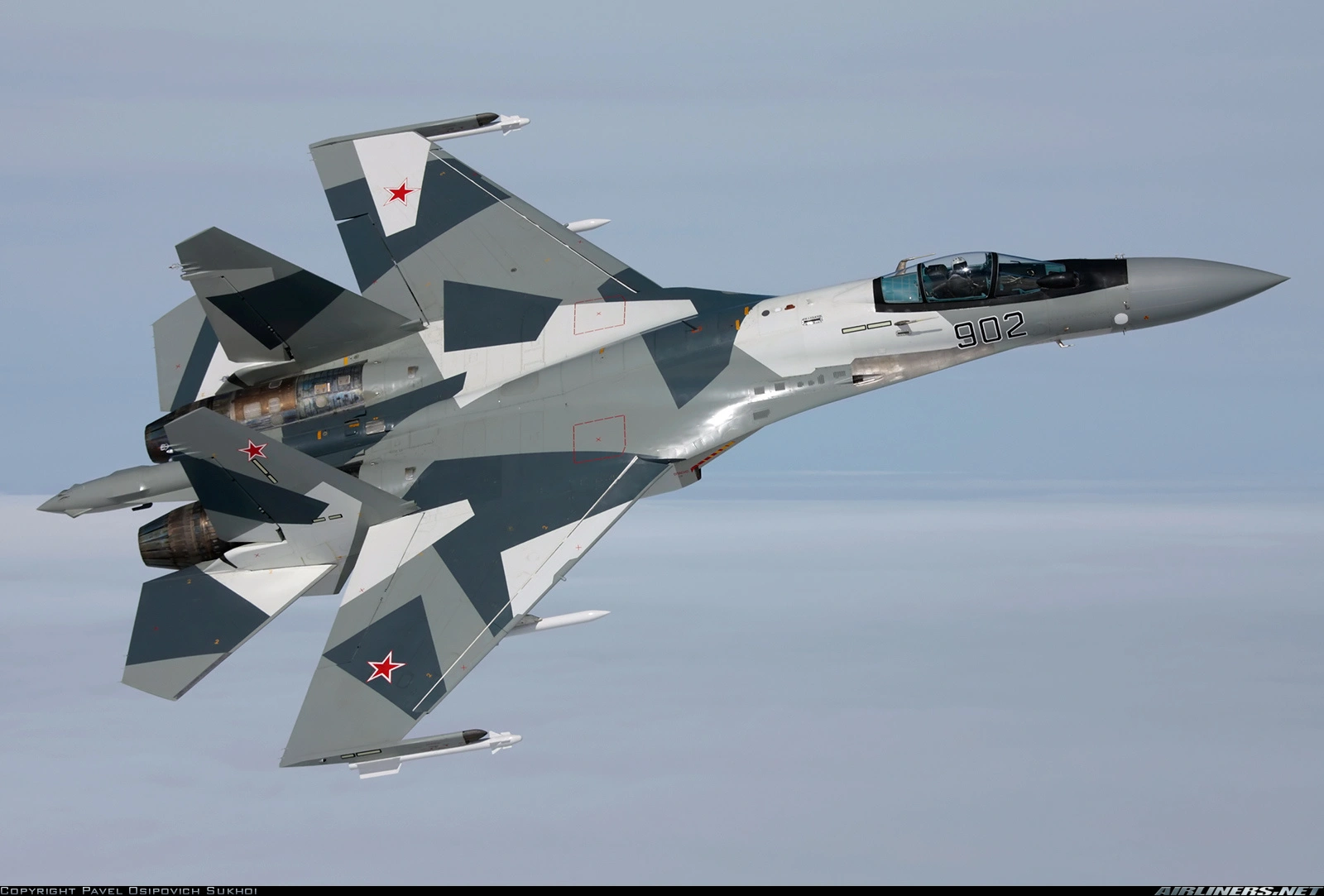
Inspired heavily by Russian designs seen on aircraft like the Sukhoi Su-35S and Sukhoi Su-57, the Alaskan Splinter scheme blends sharp geometry with cold-tone color theory to break up the aircraft’s visual signature.
For scale modelers, this scheme offers a perfect balance of challenge and reward.
What Makes the “Splinter” Camouflage Unique
Unlike traditional camouflage patterns that rely on soft transitions, splinter schemes use:
- Hard-edged geometric shapes
- Angular transitions instead of curves
- High contrast between adjacent tones
This creates a fragmented silhouette, making aircraft recognition more difficult during visual engagements.
It’s not about copying a specific aircraft—it’s about simulating the perception of a threat.
Aggressor “Alaskan Splinter” – FS Paint Table
Below is a practical FS-based paint table widely used by modelers to replicate this scheme accurately:
| Color Role | FS Code | Description | Suggested Hobby Paints |
|---|---|---|---|
| Light Base Gray | FS 36375 | Very light neutral gray | Tamiya XF-19 / Gunze H308 / AK RC252 |
| Medium Gray | FS 36270 | Balanced mid-tone gray | Gunze H306 / AK RC251 |
| Dark Ghost Gray | FS 36320 | Slight blue-gray tone | Tamiya XF-54 / Gunze H307 |
| Blue Gray | FS 35109 | Key splinter tone | AK RC266 / Gunze H337 |
| Dark Blue Gray | FS 35164 | Deep cool contrast | MRP-097 / AK RC267 |
| Pale Blue Highlight | FS 35550 | Subtle highlight color | Gunze H323 / AK RC268 |
| Aggressor Blue | FS 35450 | Signature aggressor tone | AK RC264 / Model Master 2131 |
| Dark Contrast Gray | FS 36118 | Panel contrast / depth | Tamiya XF-24 / Gunze H305 |
| Radome Gray | FS 36251 | Nose section color | Gunze H317 / AK RC262 |
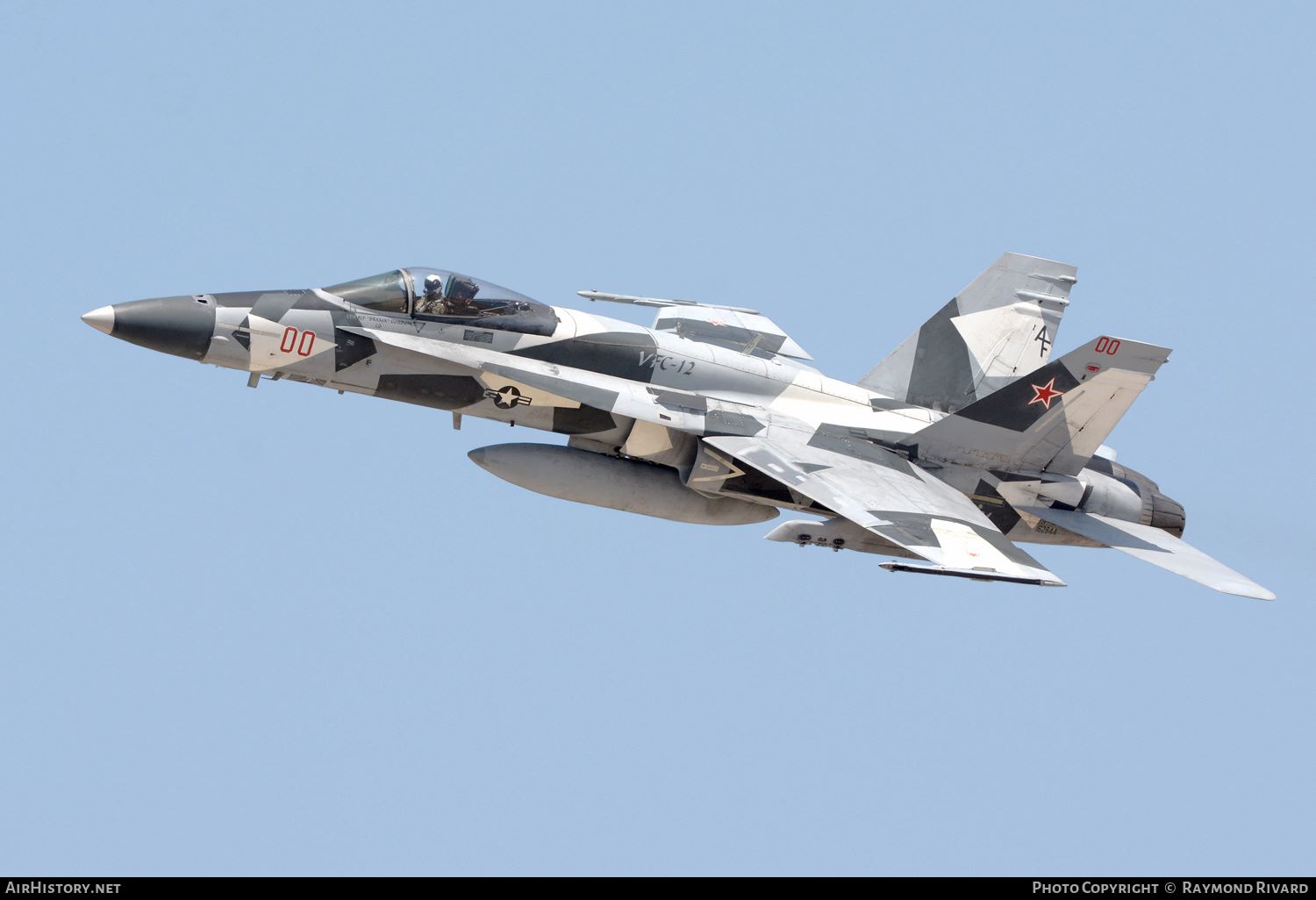
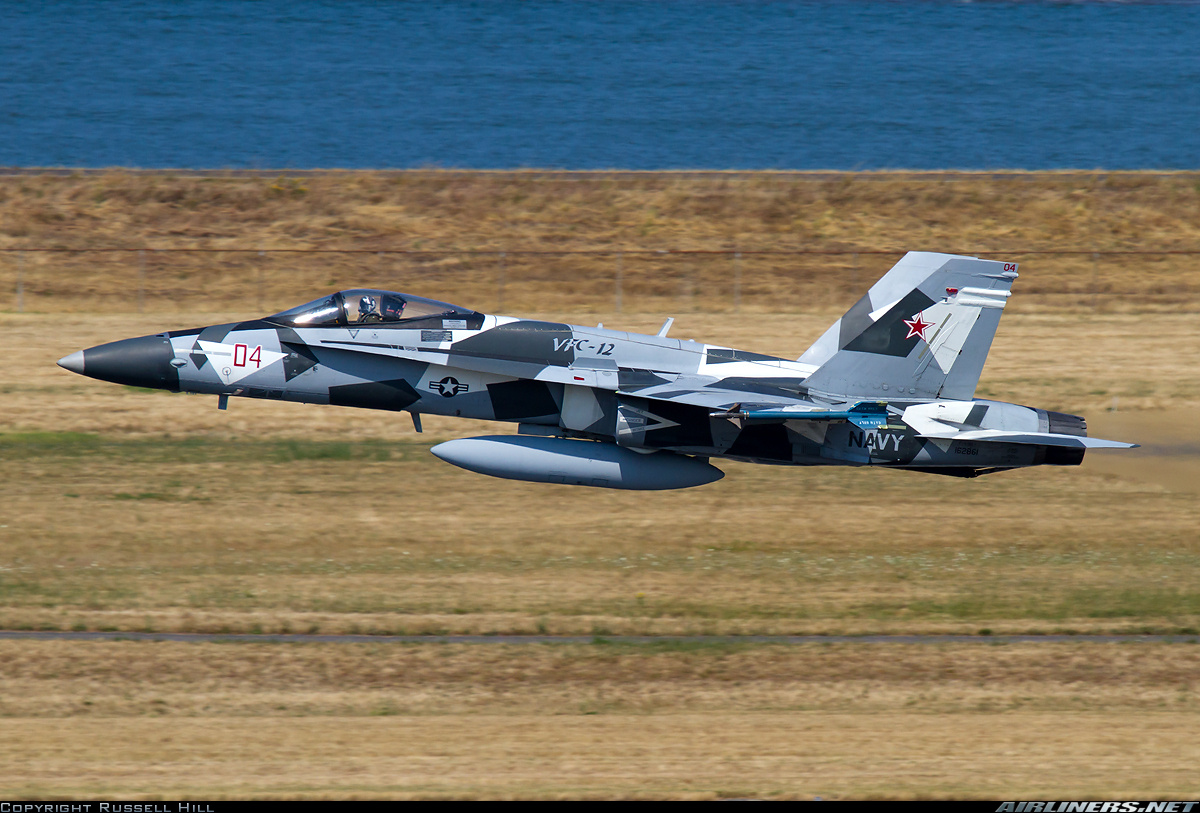
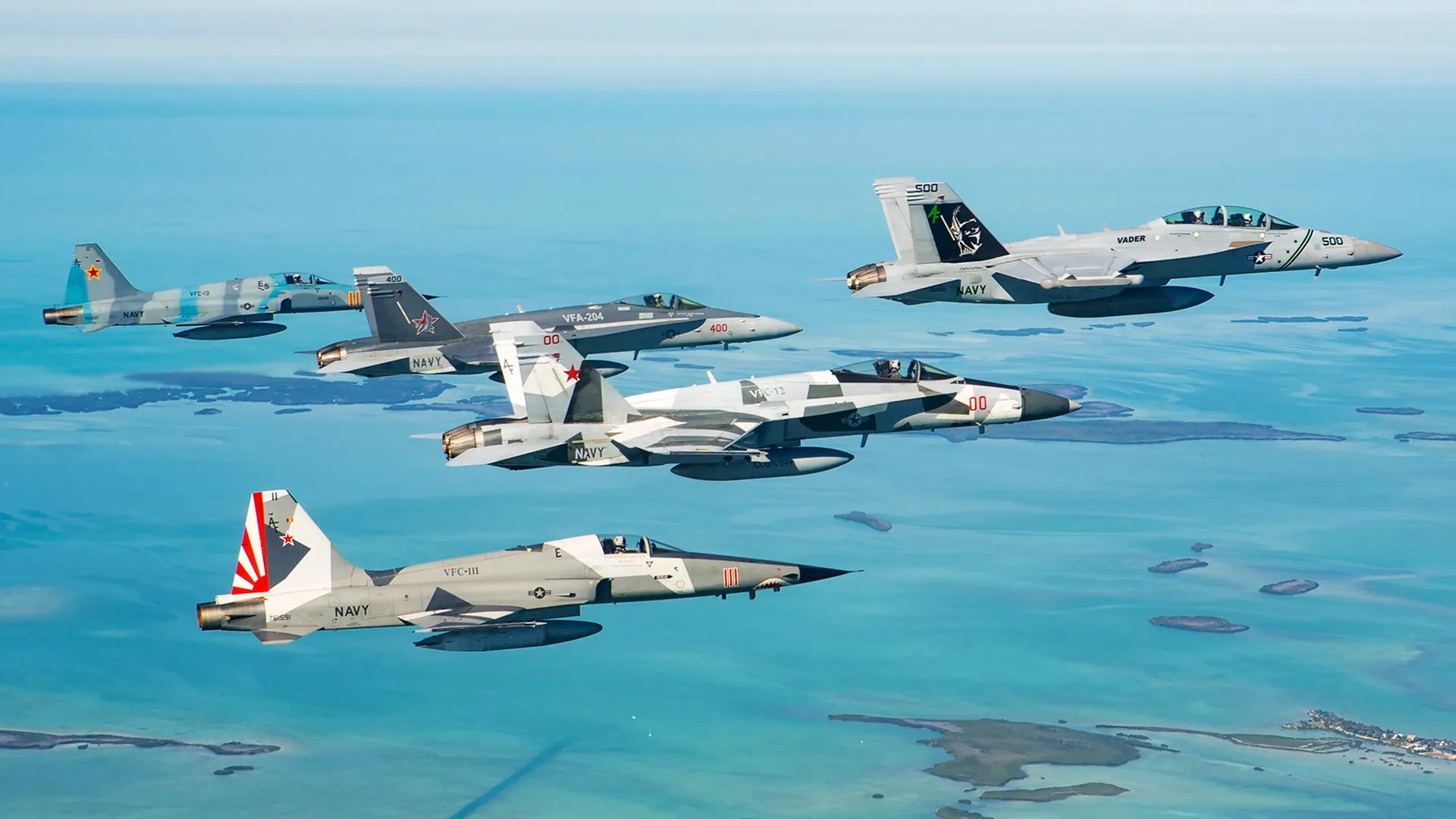
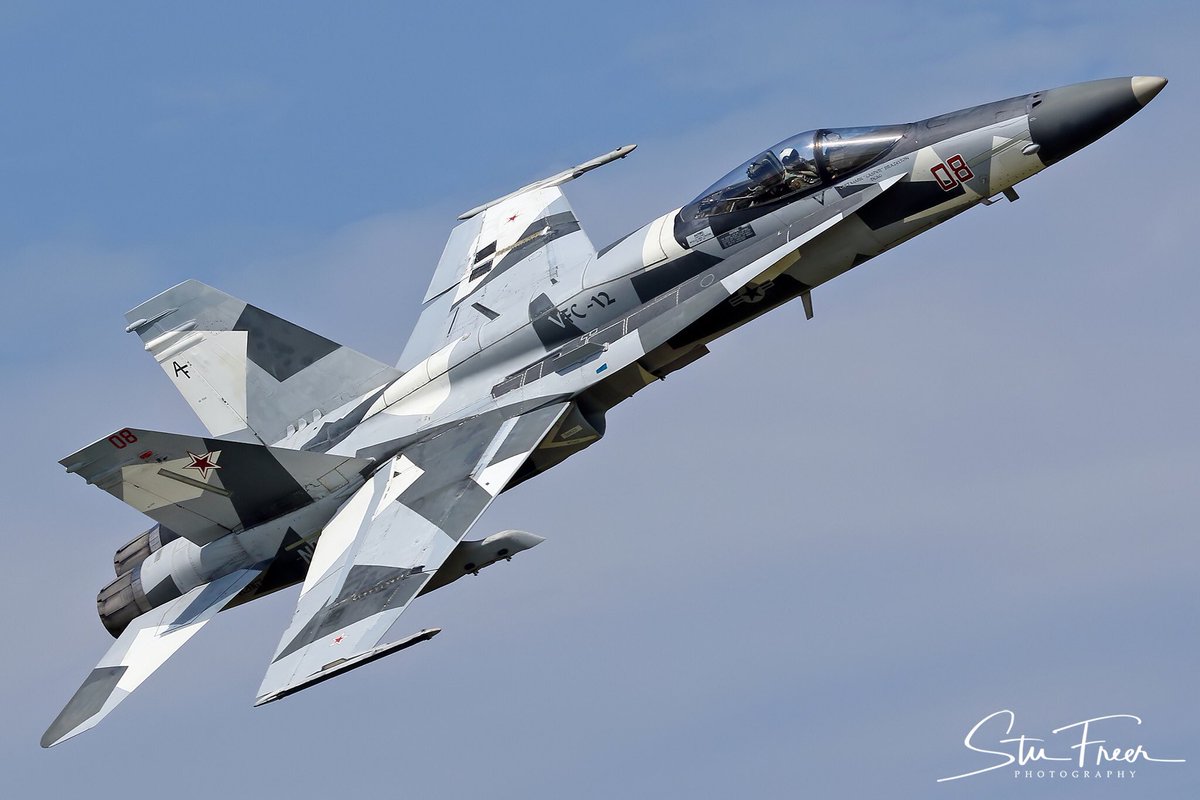
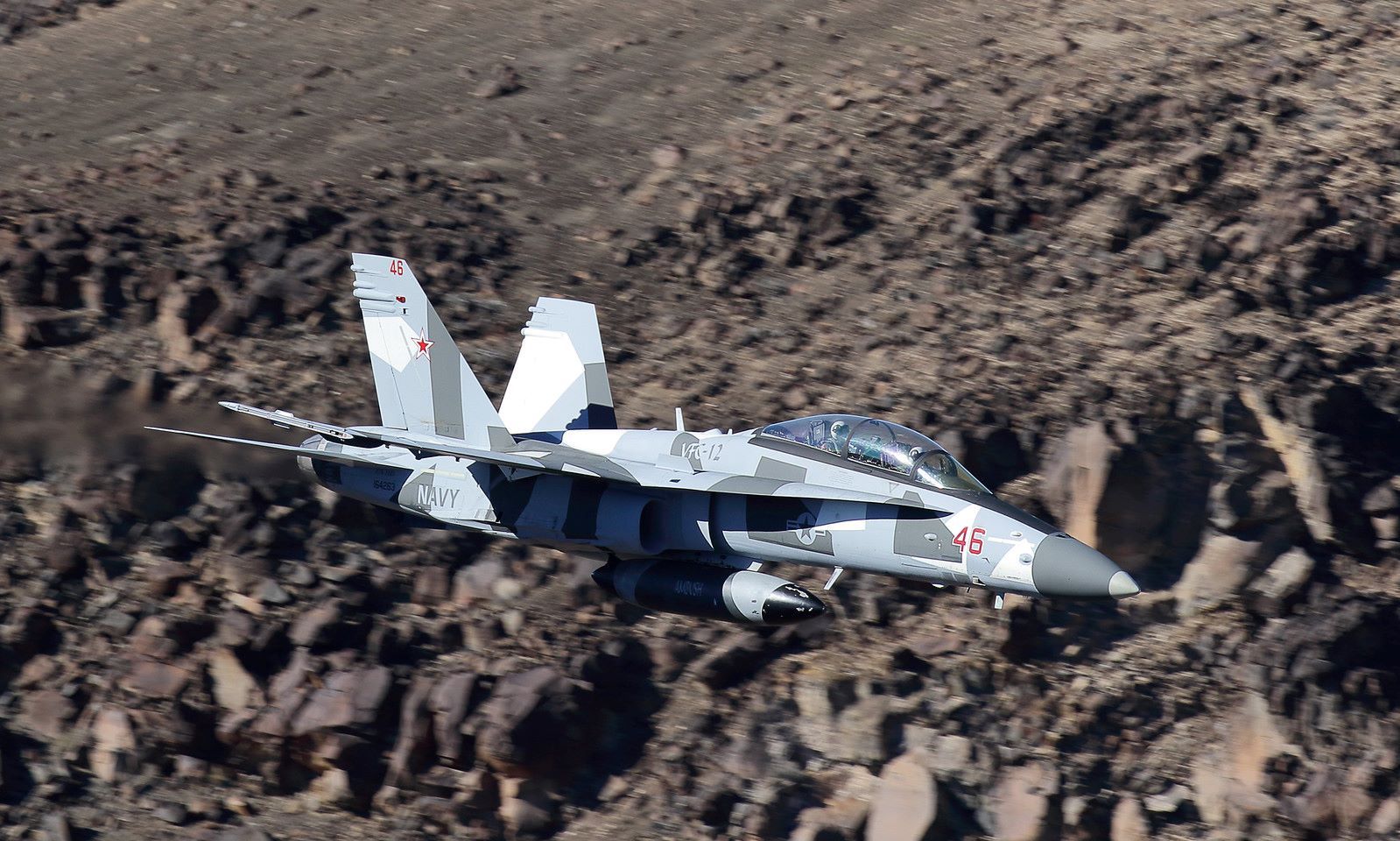
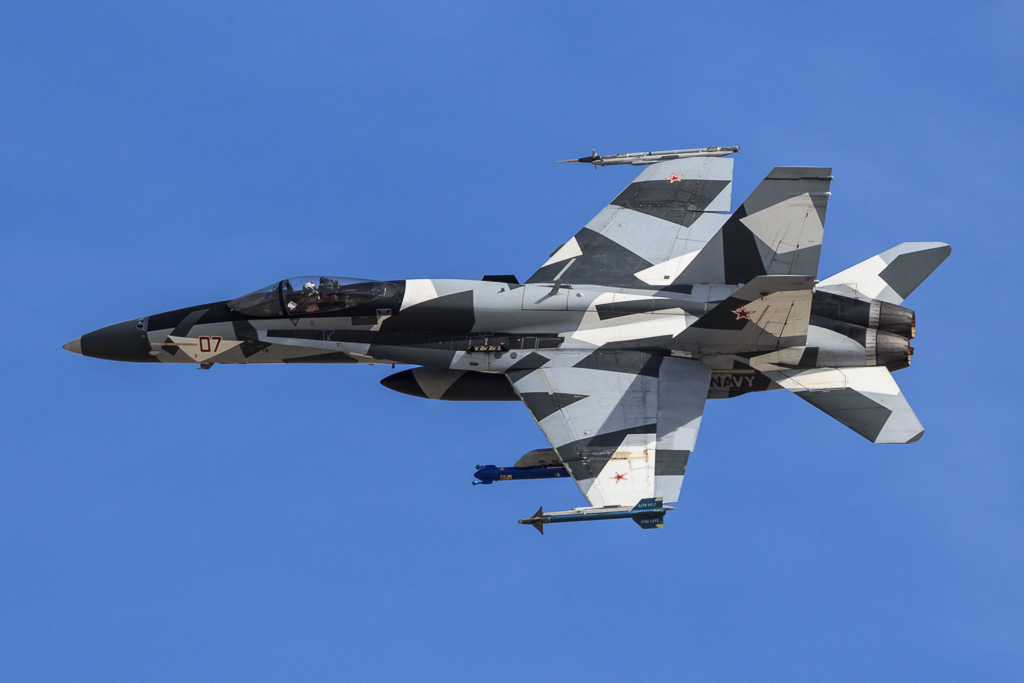
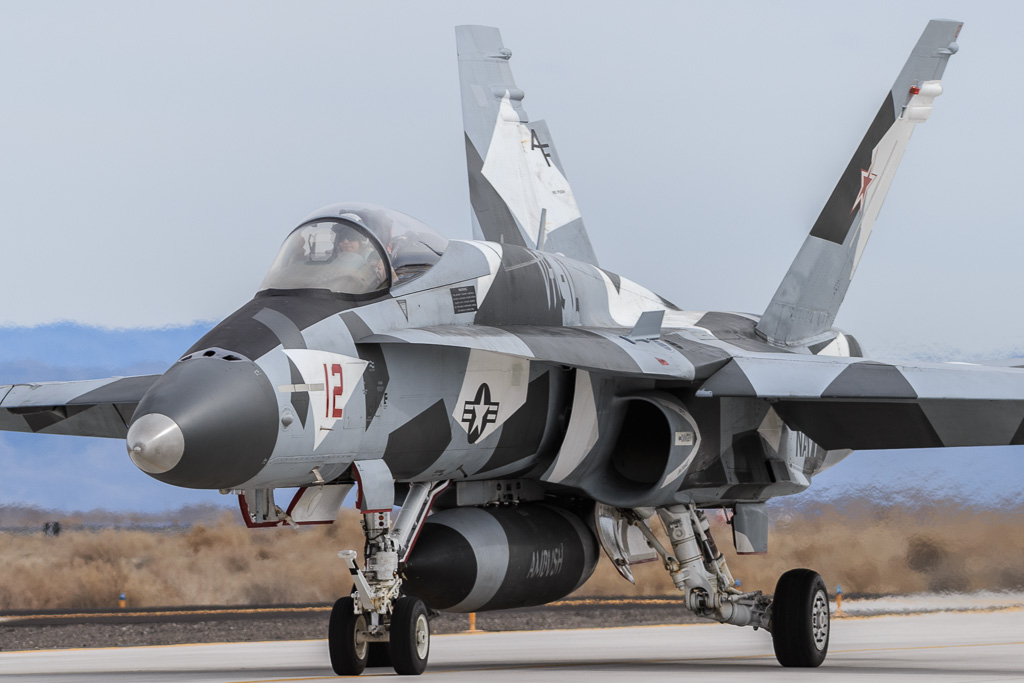
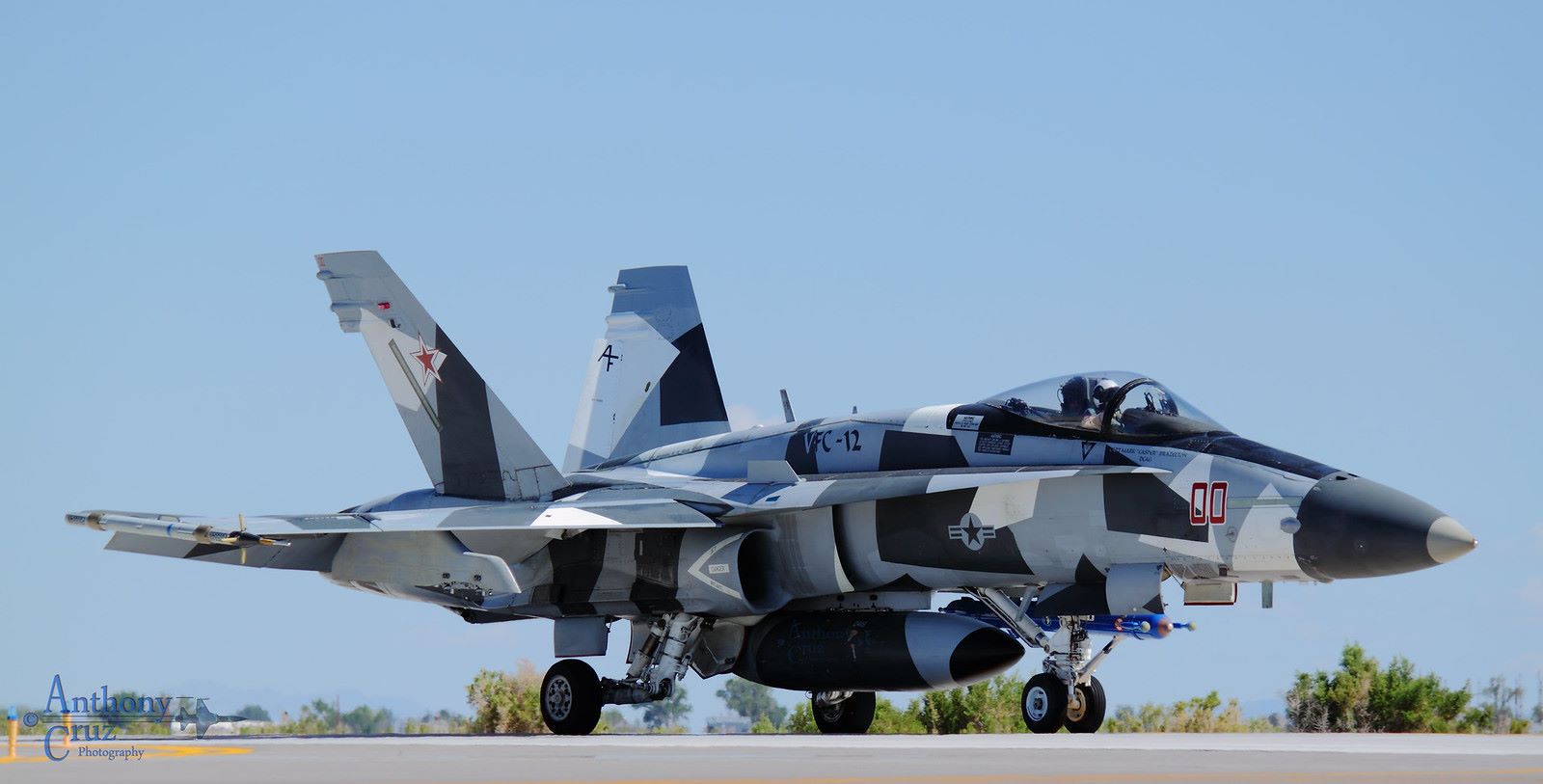
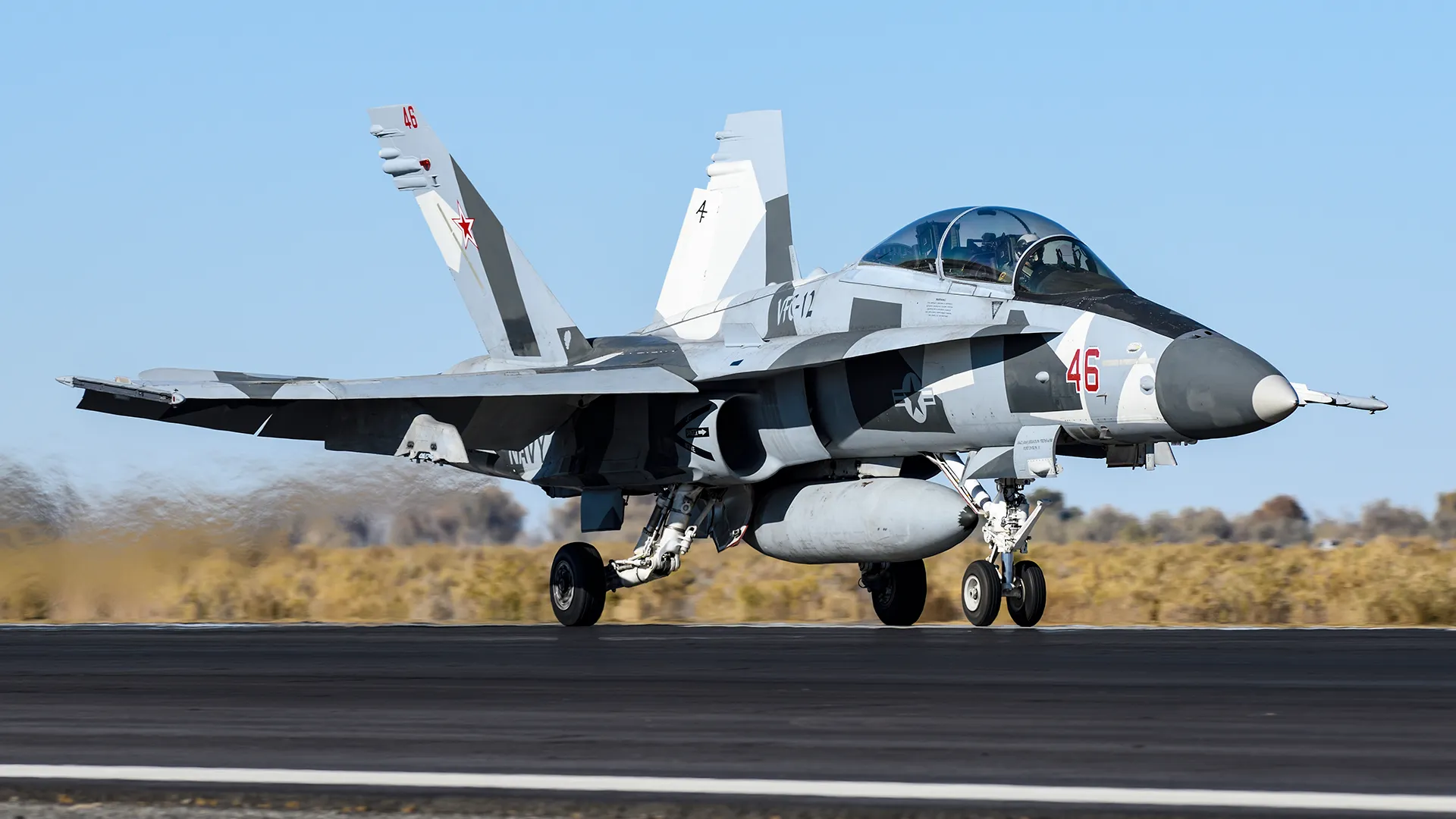
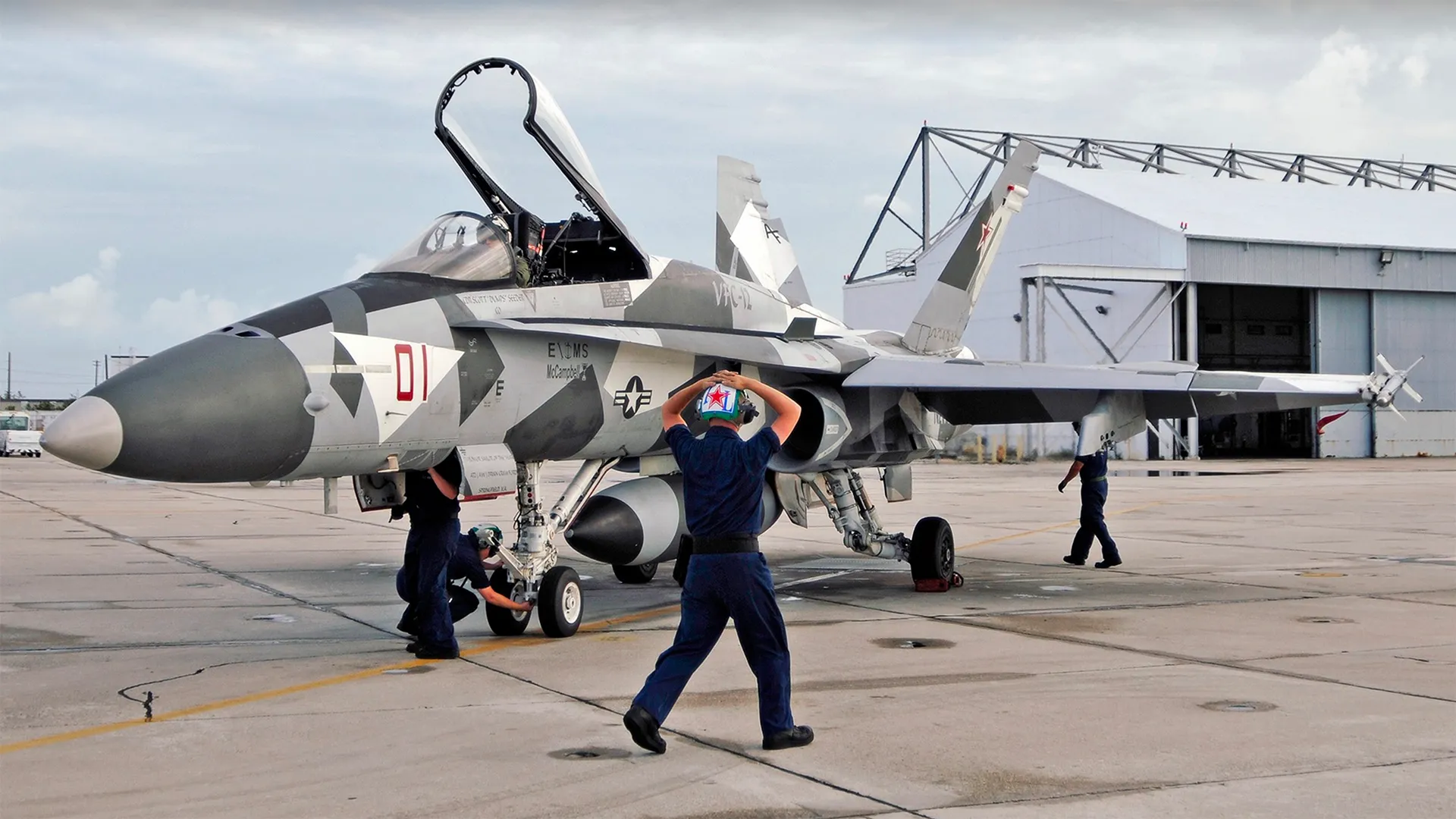
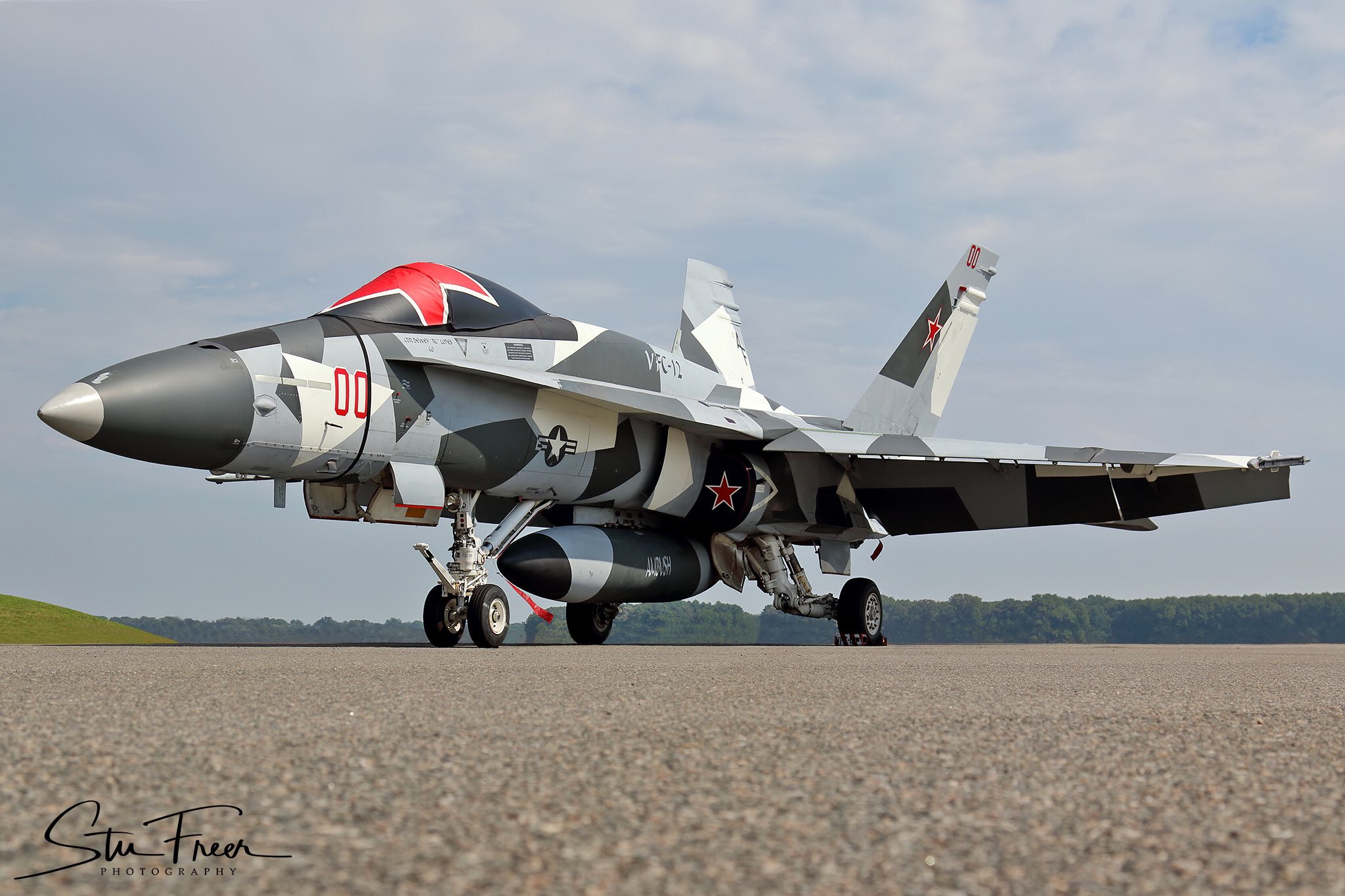
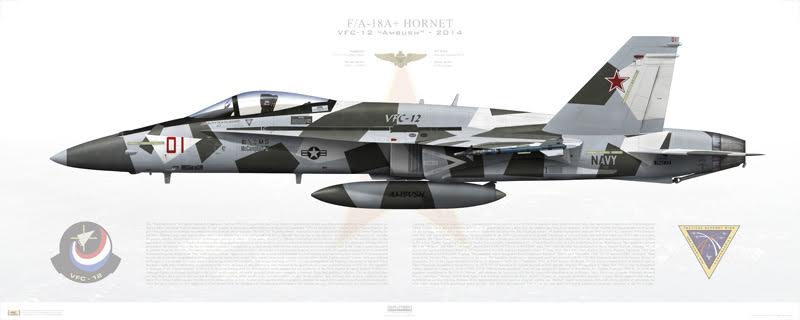
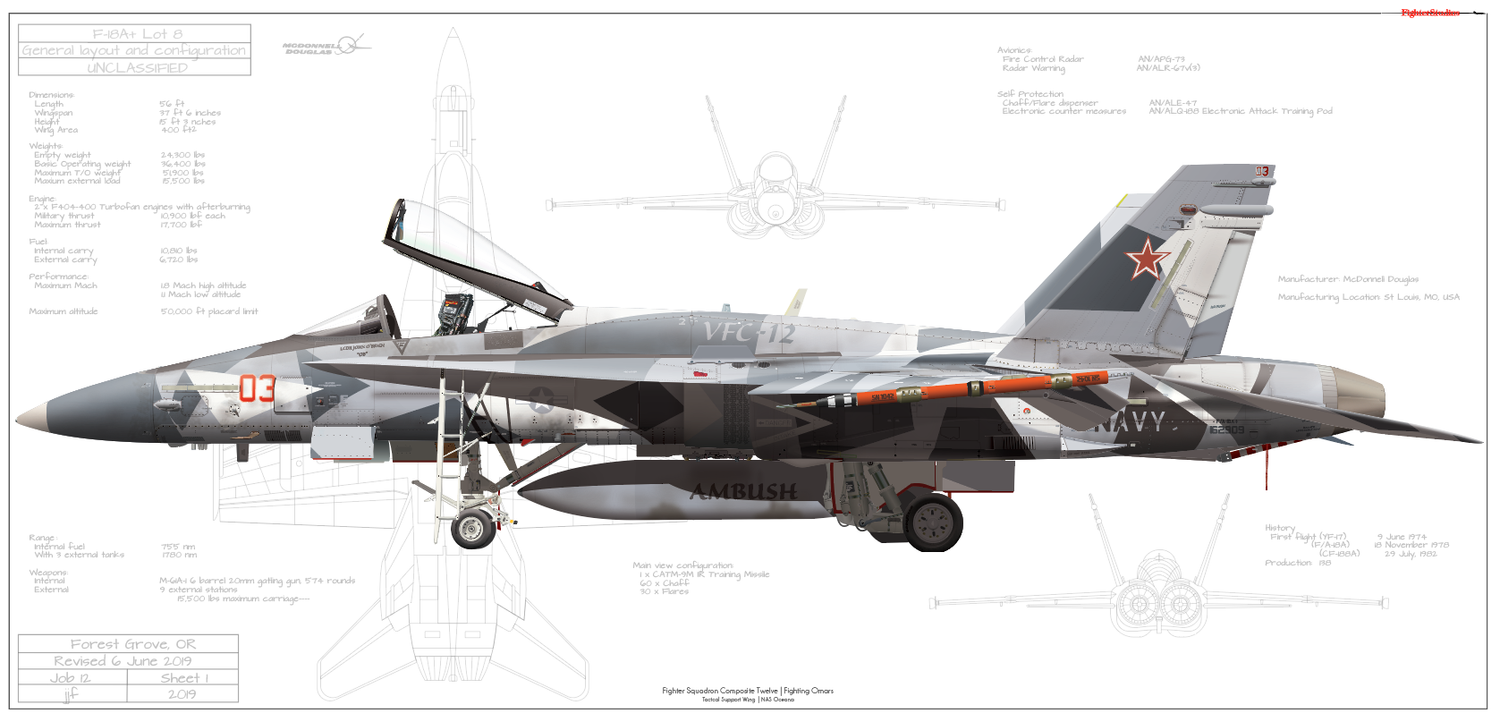
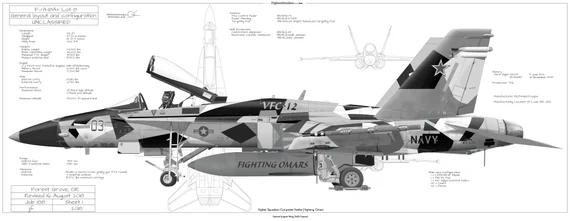
McDonnell Douglas F/A-18 Hornet Fighter Squadron Composite 12 ( VFC-12 )
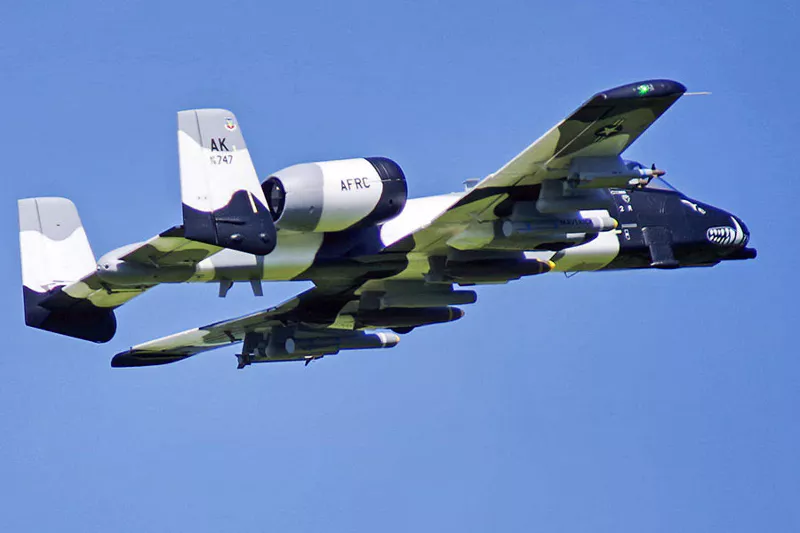
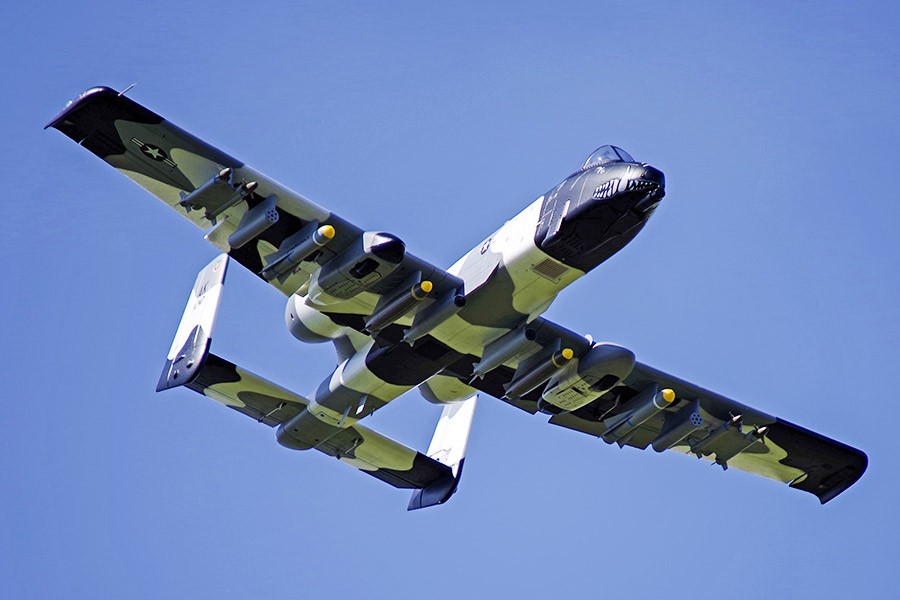
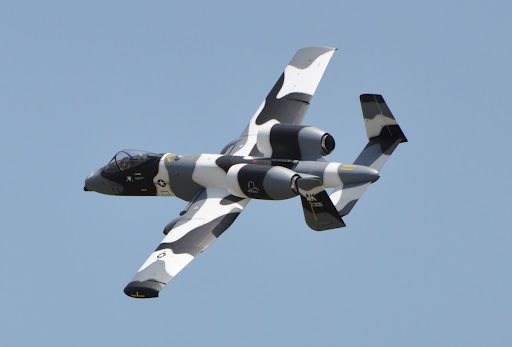
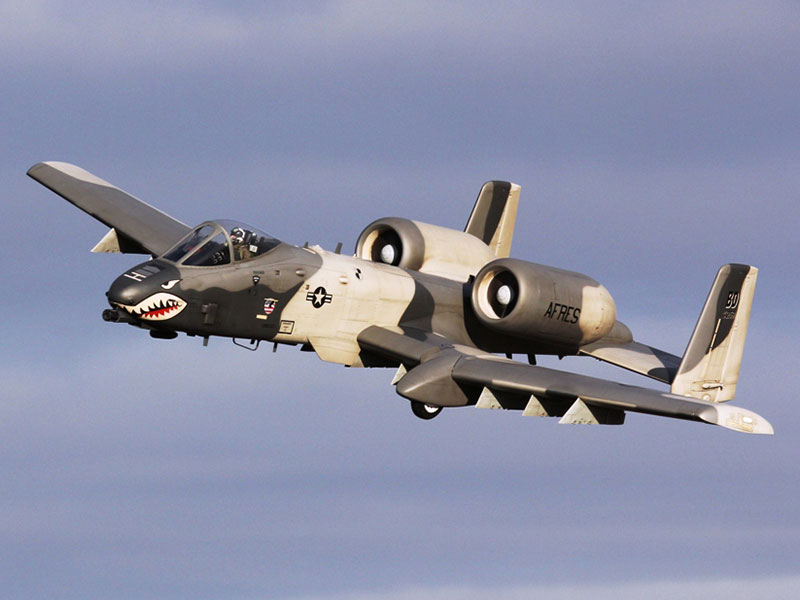
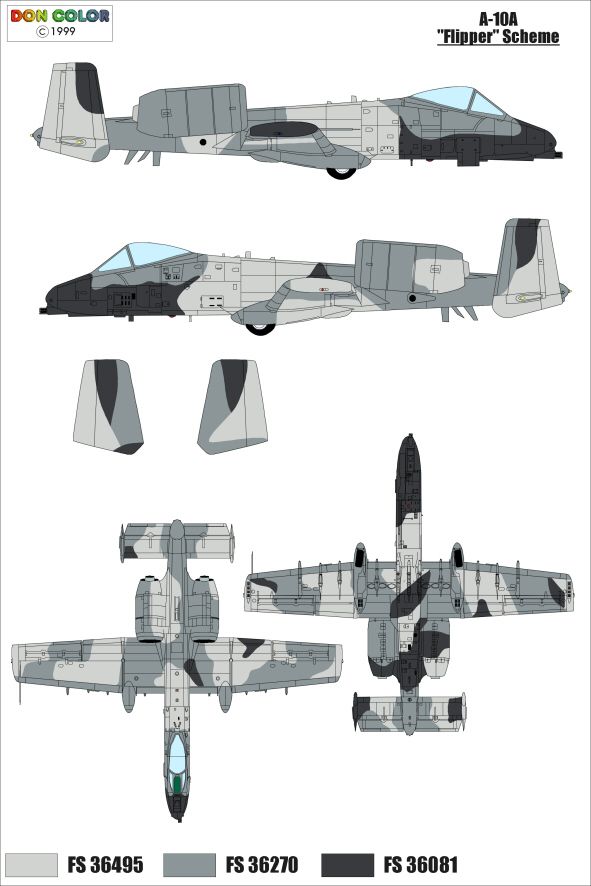
A-10 Thunderbolt II 917th Fighter Group (917 FG)
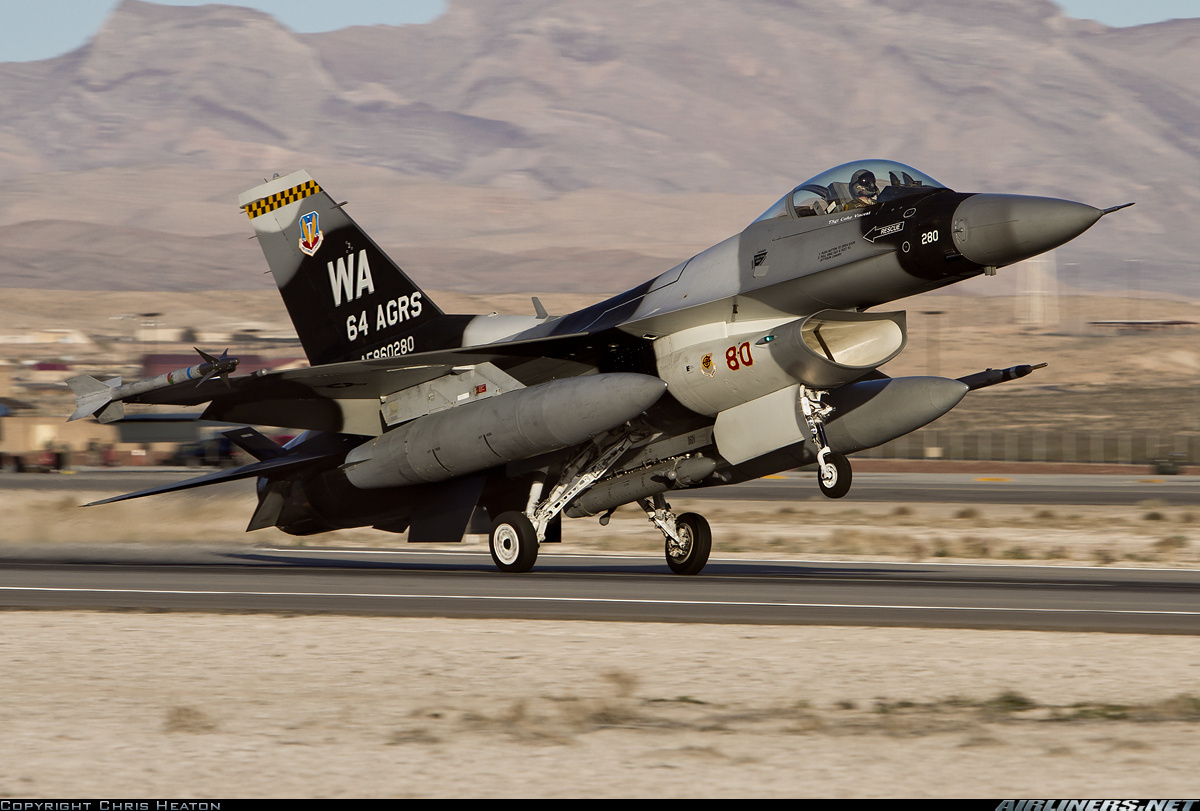
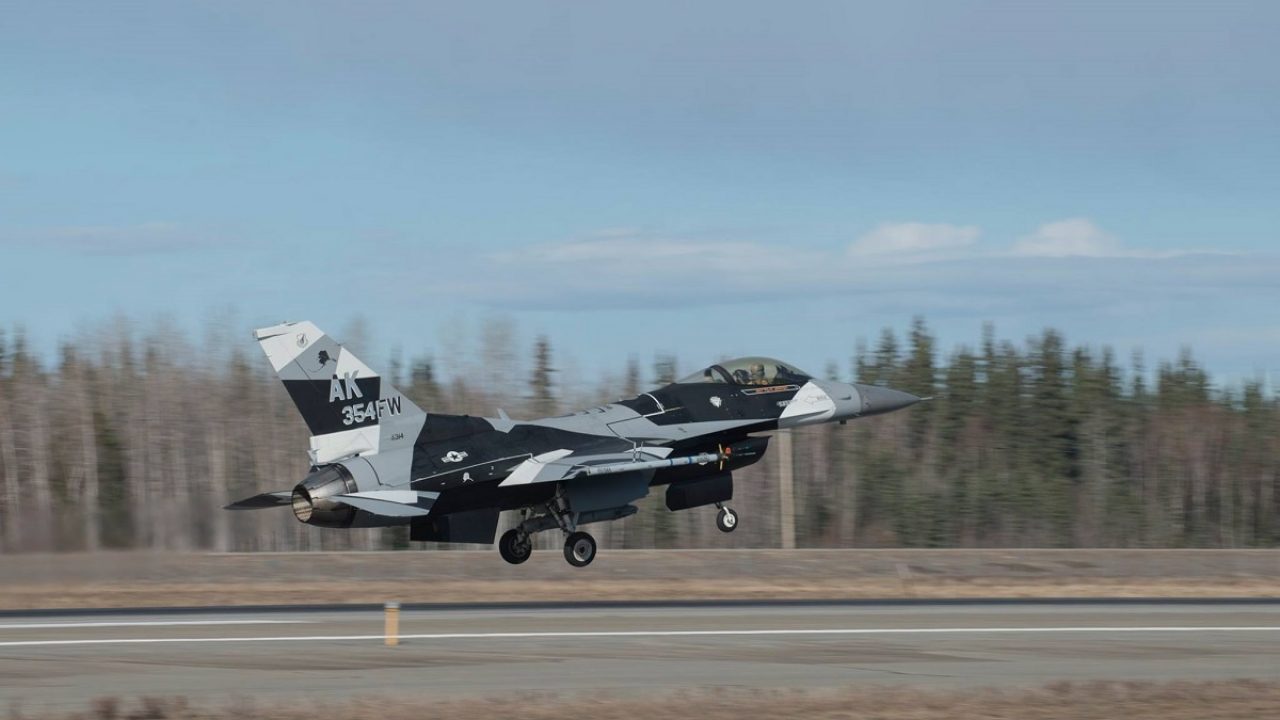
F-16 Fighting Falcons 18th Fighter Interceptor Squadron (FIS)
Each version varies slightly in pattern layout, but the color philosophy remains consistent.
| Arctic Splinter | |||||
| FS 36628 | FS 36251 | FS 37038 |
Color camo
| FS 37038 | Black | Anti-glare, Stealth | ANA 604 | – |
| FS 36251 | Aggressor Gray | Camo (Mod Eagle) | – | – |
| FS 36270 | Medium Gray | Camo (F-16, Hill, Have Glass) | – | – |
| FS 36628 | Light Arctic Gray | Camo (Aggressor) | – | – |
How to Paint the Alaskan Splinter Scheme (Step-by-Step)
1. Base Coat
Start with FS 36375 or FS 36320 as your primary base.
Apply evenly and keep the finish smooth—this will define your final result.
2. Masking Strategy
This is where the difficulty begins.
- Use high-quality masking tape or masking putty
- Cut sharp geometric shapes (triangles, trapezoids)
- Avoid symmetry—real aircraft are irregular
Tip: Work in layers, not all at once.
3. Apply Secondary Colors
Build the splinter pattern progressively:
- First layer: FS 35109 (Blue Gray)
- Second layer: FS 35164 (Dark Blue Gray)
- Third accents: FS 35550 (Pale Blue)
Let each layer cure before masking again.
4. Add Depth and Contrast
Use FS 36118 selectively:
- Panel edges
- Leading edges
- Shadow zones
This prevents the model from looking flat.
5. Radome and Details
Paint the nose using FS 36251.
Add small tonal variations to avoid a monotone look.
Weathering Tips (Keep It Realistic)
This is where most builds fail.
Avoid:
- Over-weathering
- Heavy panel lining
- Extreme fading
Instead:
- Apply subtle post-shading
- Slight tonal variation inside panels
- Light operational wear
Modern aggressor jets are maintained well—they are not heavily worn combat aircraft.
Common Mistakes to Avoid
- Making the pattern too symmetrical
- Using colors that are too dark
- Skipping tonal variation
- Rushing masking steps
This scheme punishes impatience.
Pro Modeling Insight
If you want your model to stand out:
- Slightly lighten each FS color (scale effect)
- Introduce micro-variation within panels
- Keep edges sharp—but not “perfect”
Perfection looks artificial. Controlled imperfection looks real.
FAQ – Aggressor Splinter Camouflage
Is this an official USAF standard camouflage?
No. It’s an Aggressor-specific scheme designed for training realism, not operational standardization.
Do all aircraft use the same FS colors?
No. Variations exist depending on unit, aircraft, and repaint cycles.
Is the pattern symmetrical?
No. Real aircraft patterns are intentionally irregular.
Can beginners attempt this scheme?
Yes—but expect a steep learning curve, especially with masking.
Conclusion
The Aggressor “Alaskan Splinter” camouflage is more than just a paint scheme—it’s a visual strategy translated into design. Inspired by modern Russian fighters yet adapted for U.S. training needs, it offers one of the most dynamic and rewarding challenges in scale modeling.
If executed correctly, it transforms a simple model into a centerpiece.
A-4 Skyhawk Access Ladder