article
Akutan Zero (Koga’s Zero): The Captured Mitsubishi A6M2 That Changed the Air War in the Pacific
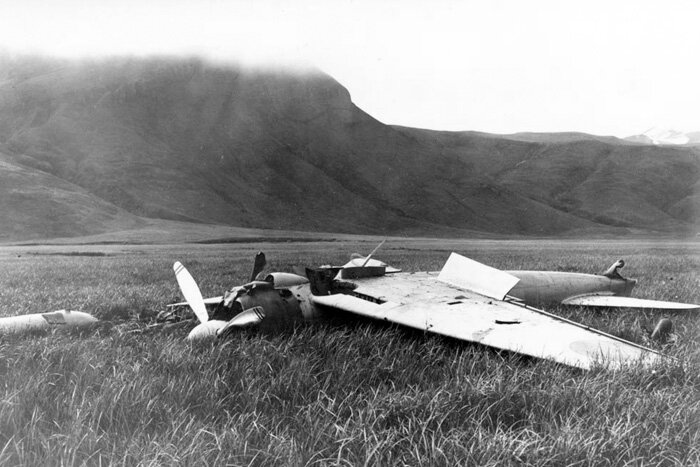
On 4 June 1942, while the Battle of Midway was unfolding hundreds of kilometers to the south, another operation was taking place in the remote Aleutian Islands of Alaska. During an air raid against Dutch Harbor, a Mitsubishi A6M2 Model 21 Zero from the light carrier Ryūjō was struck by American anti-aircraft fire. The aircraft, flown by Petty Officer First Class Tadayoshi Koga, suffered a ruptured oil line and rapidly lost engine lubrication. Rather than attempting to return to the carrier, Koga headed toward nearby Akutan Island, where the Imperial Japanese Navy had designated an emergency landing area.
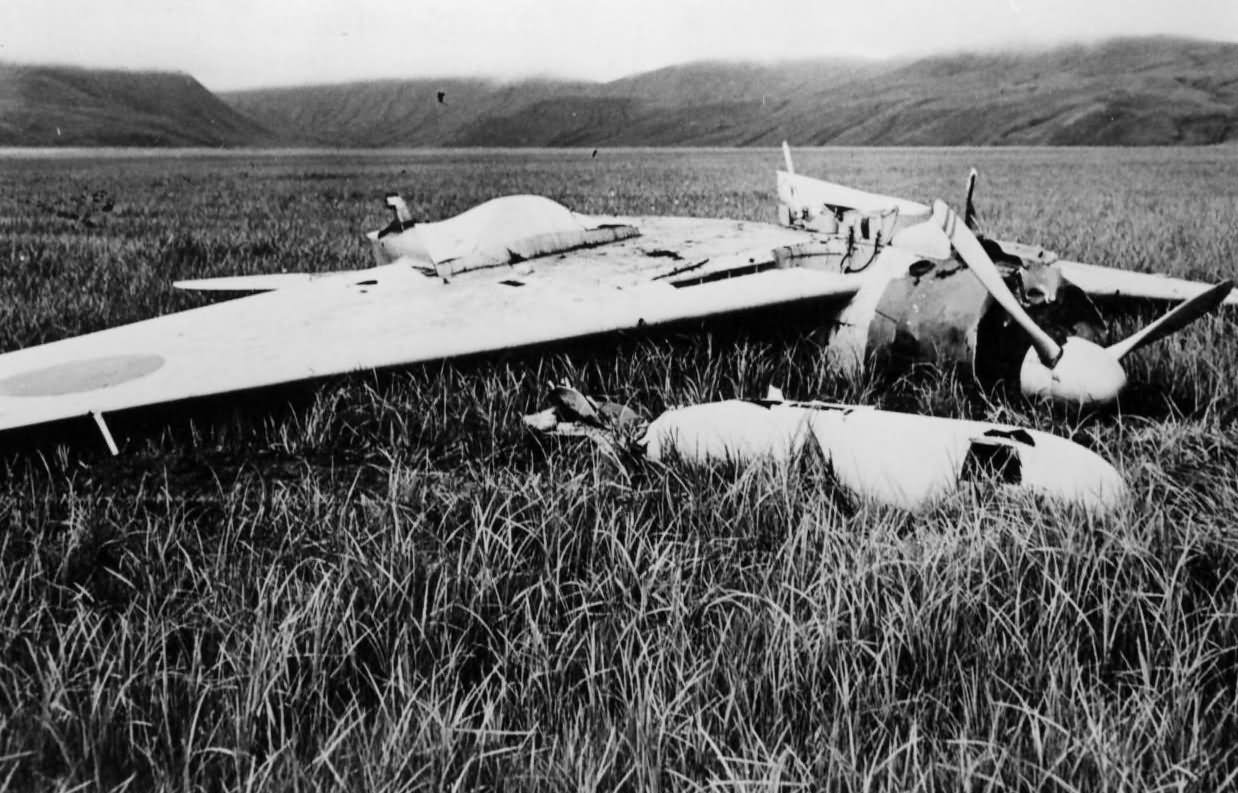
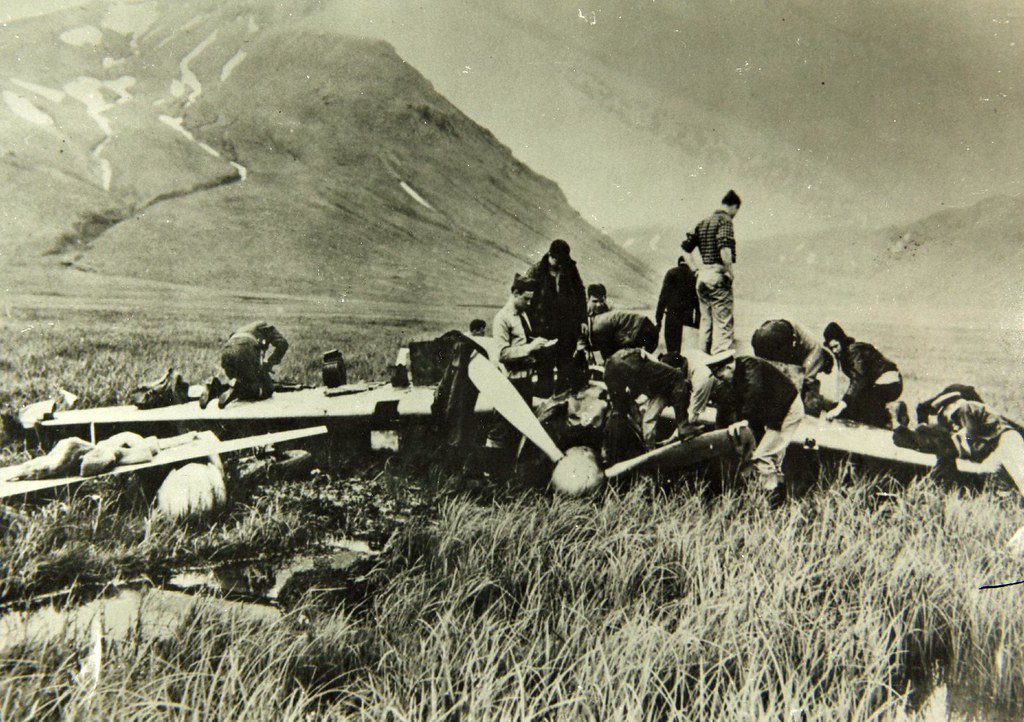
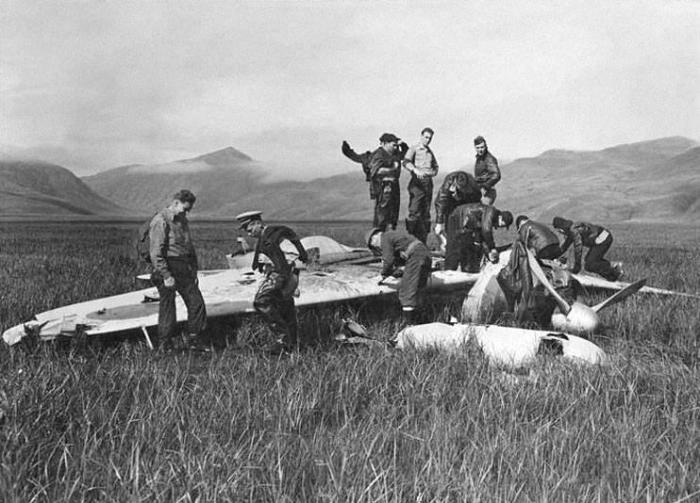
Koga lowered the landing gear, believing the green surface ahead was solid ground. Instead, it was a waterlogged marsh. As the wheels dug into the soft terrain, the Zero flipped violently onto its back, killing the 19-year-old pilot instantly. His two wingmen circled overhead but, believing he might still be alive, chose not to destroy the aircraft, contrary to standing Japanese doctrine that required abandoned aircraft to be destroyed to prevent capture. That single decision became one of the most important intelligence mistakes of the Pacific War.
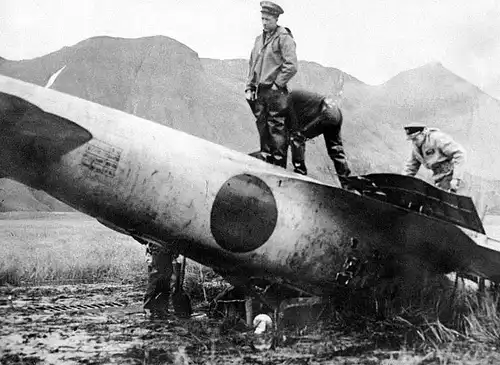
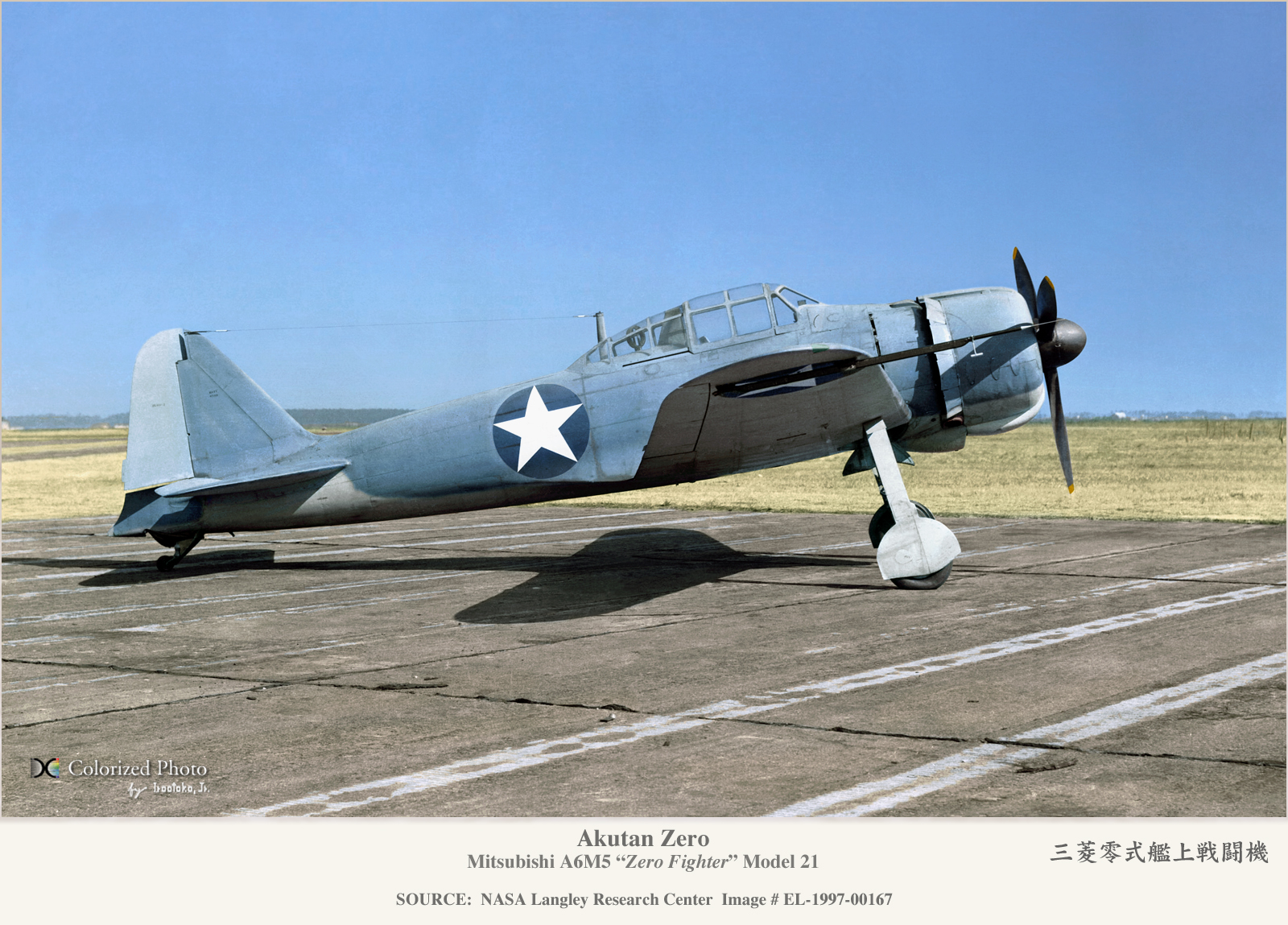
More than a month later, on 10 July 1942, an American PBY Catalina patrol crew discovered the nearly intact fighter. The following day, U.S. Navy personnel reached the crash site and immediately realized the significance of their find. Unlike previously recovered wrecks, this Zero remained structurally complete and could be restored to flying condition. It became the first flyable Mitsubishi A6M Zero captured by the United States during the war.
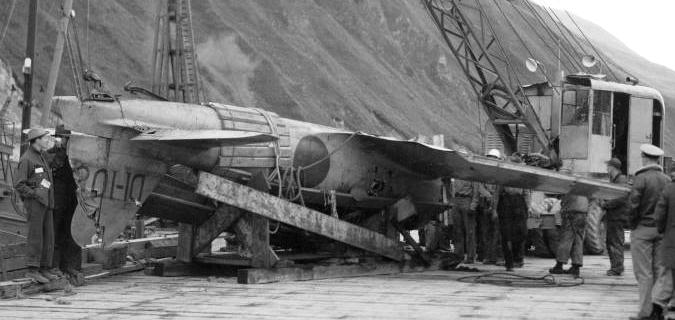
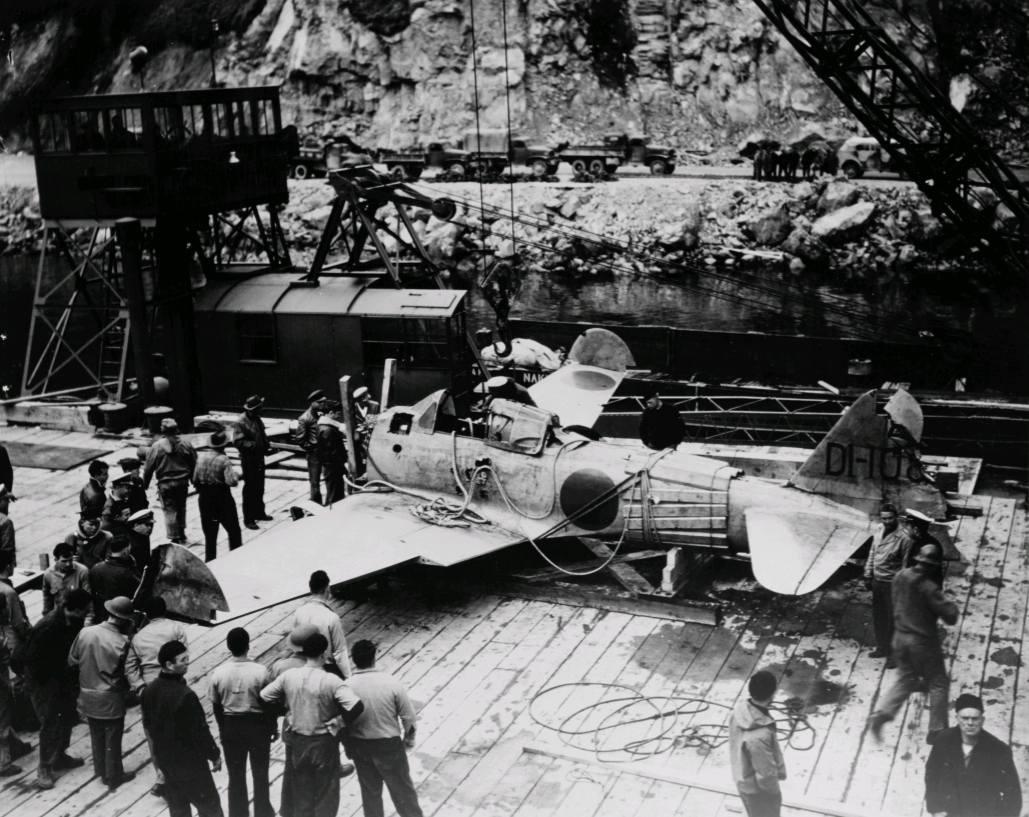
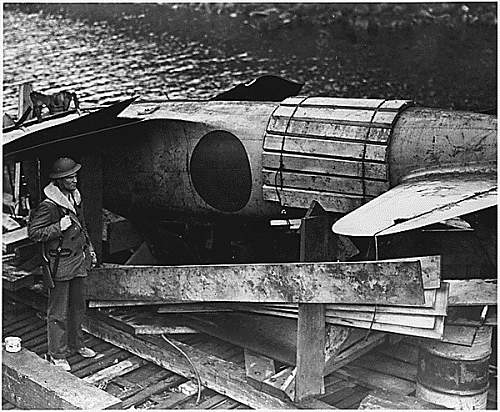
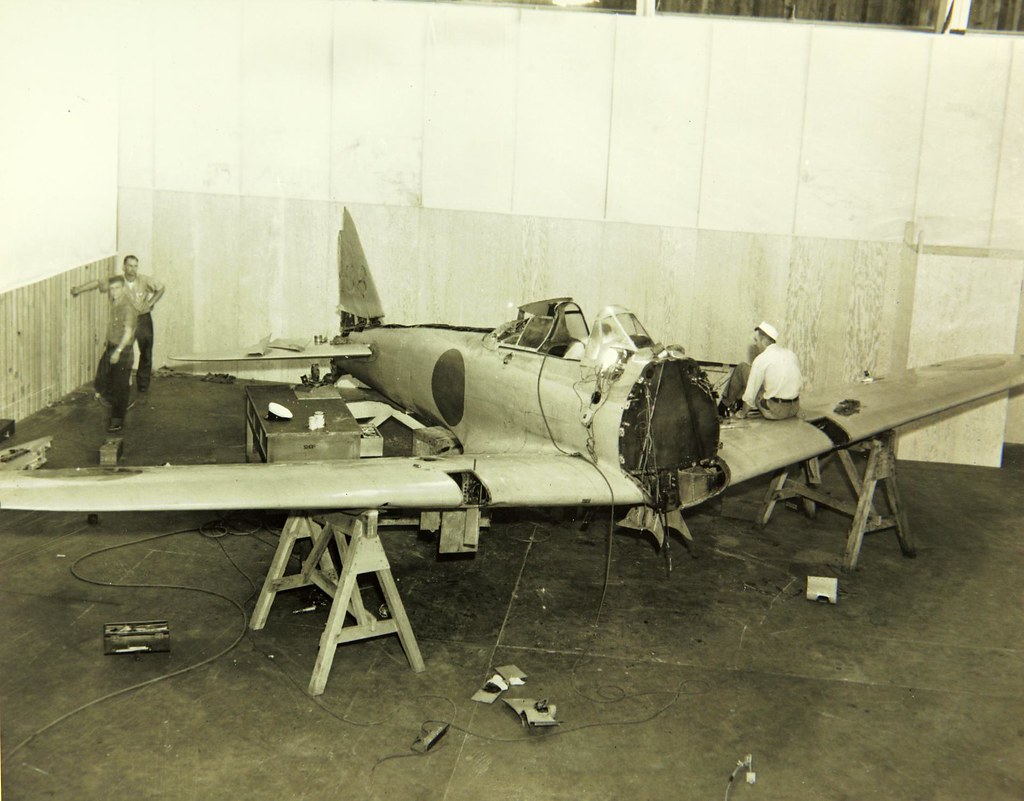
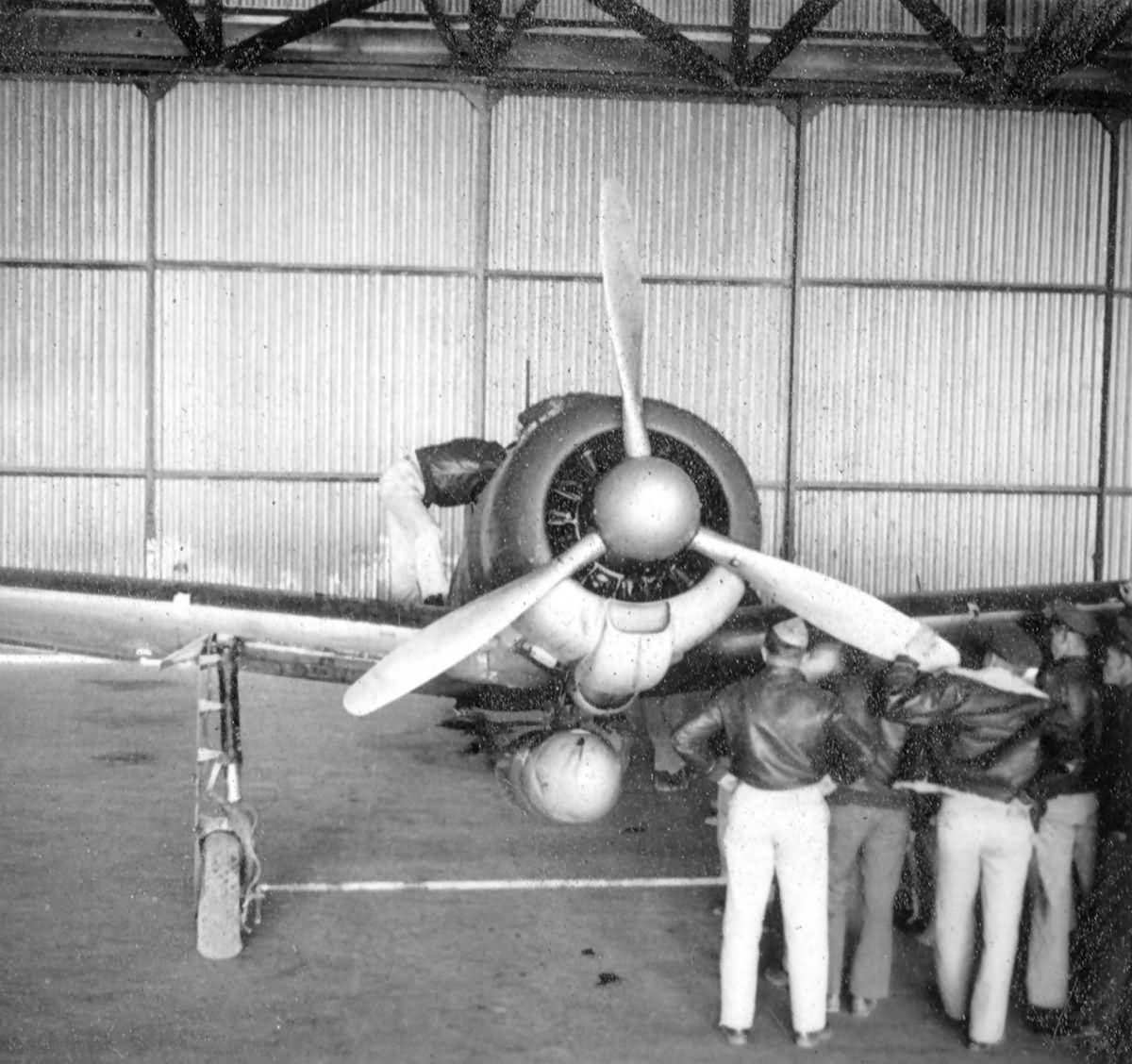
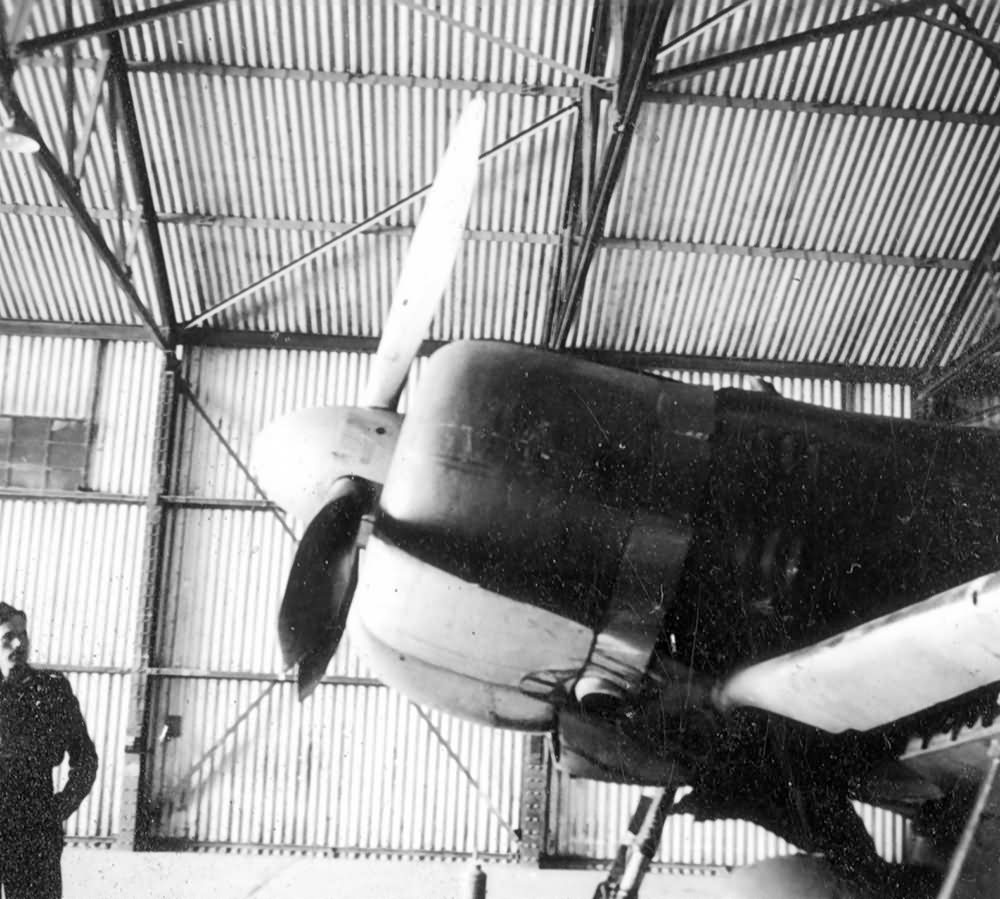
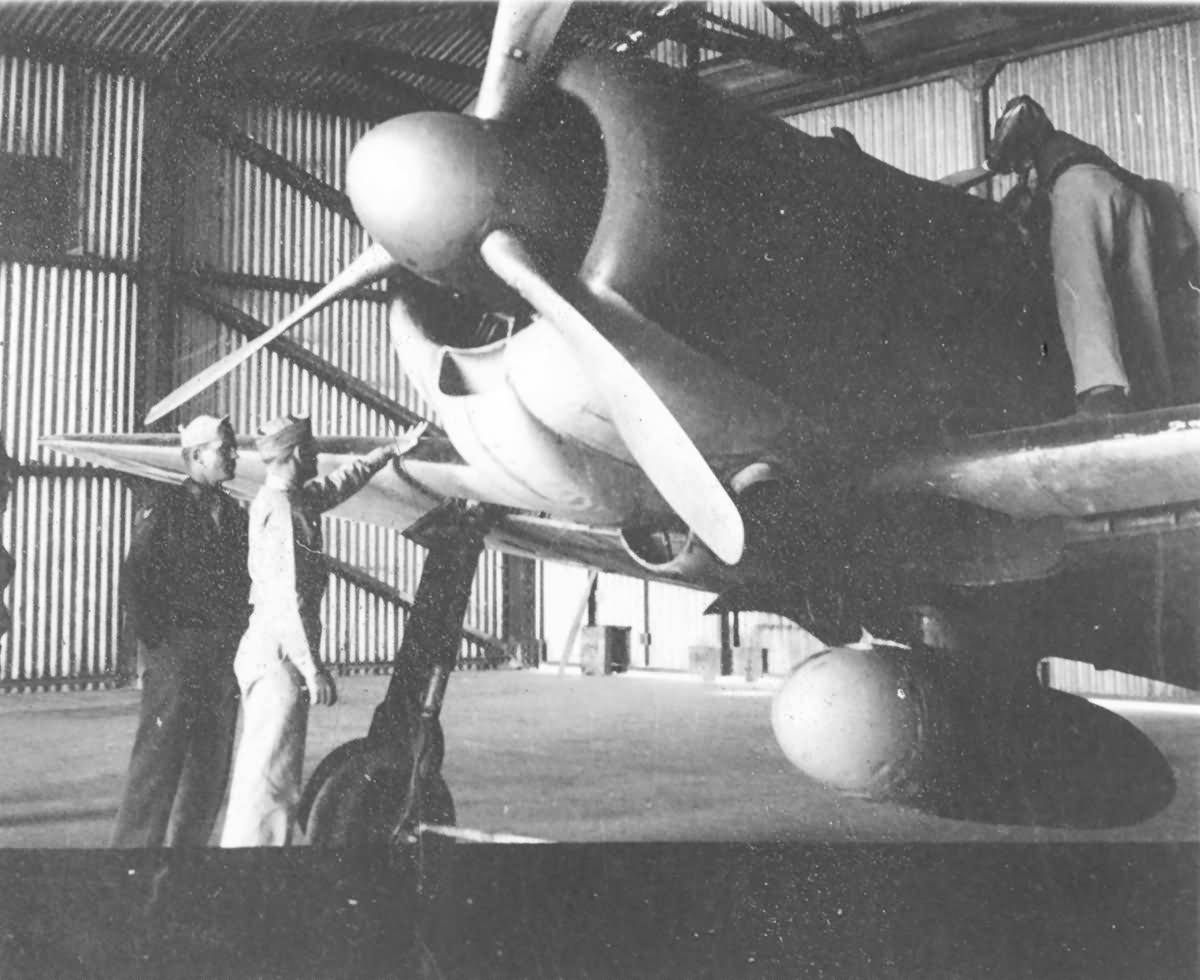
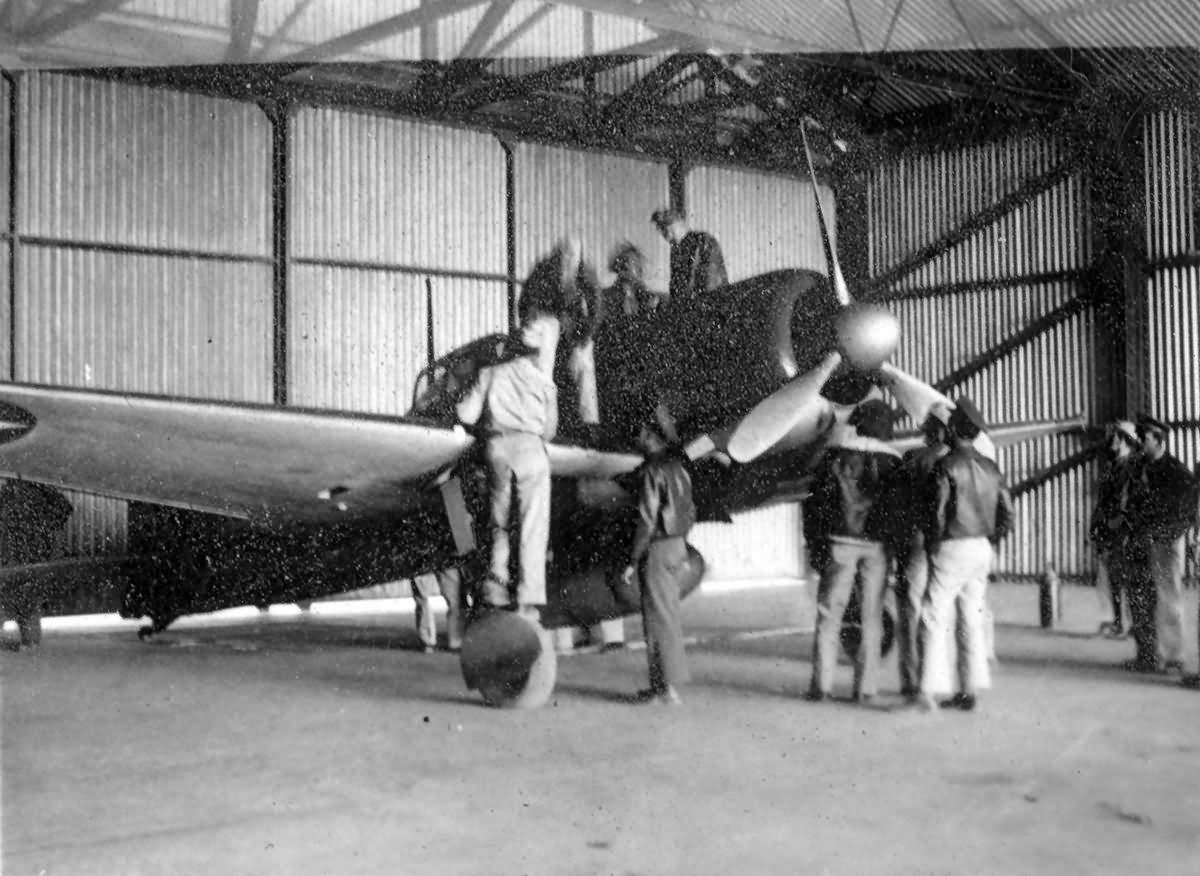
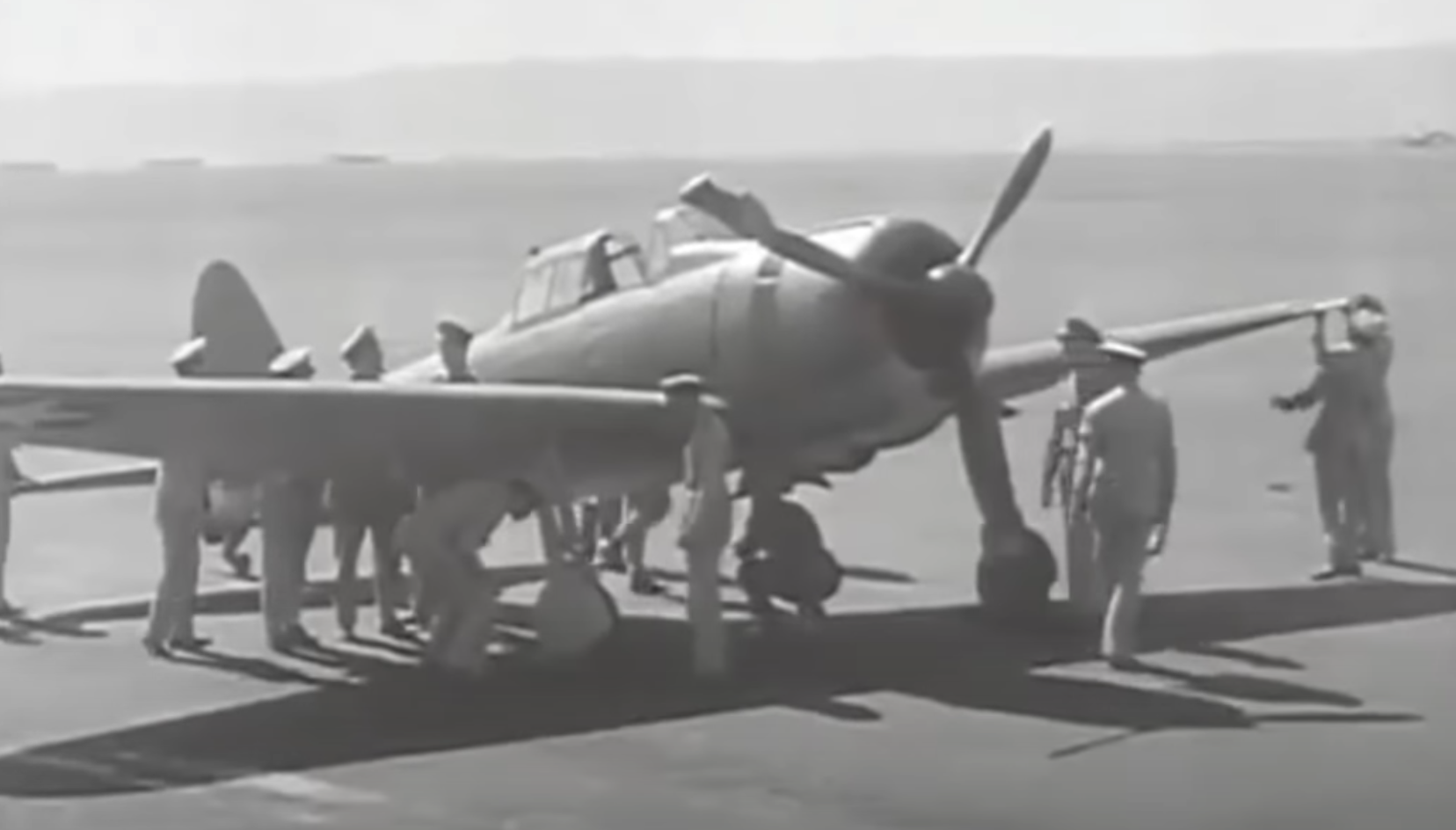
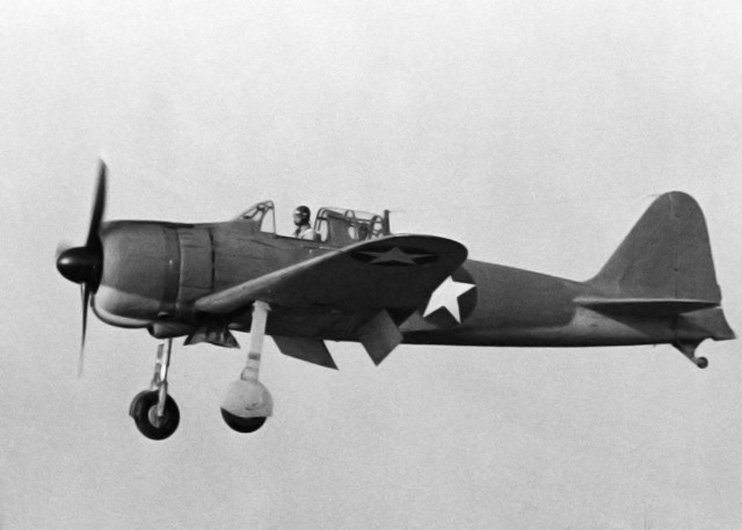
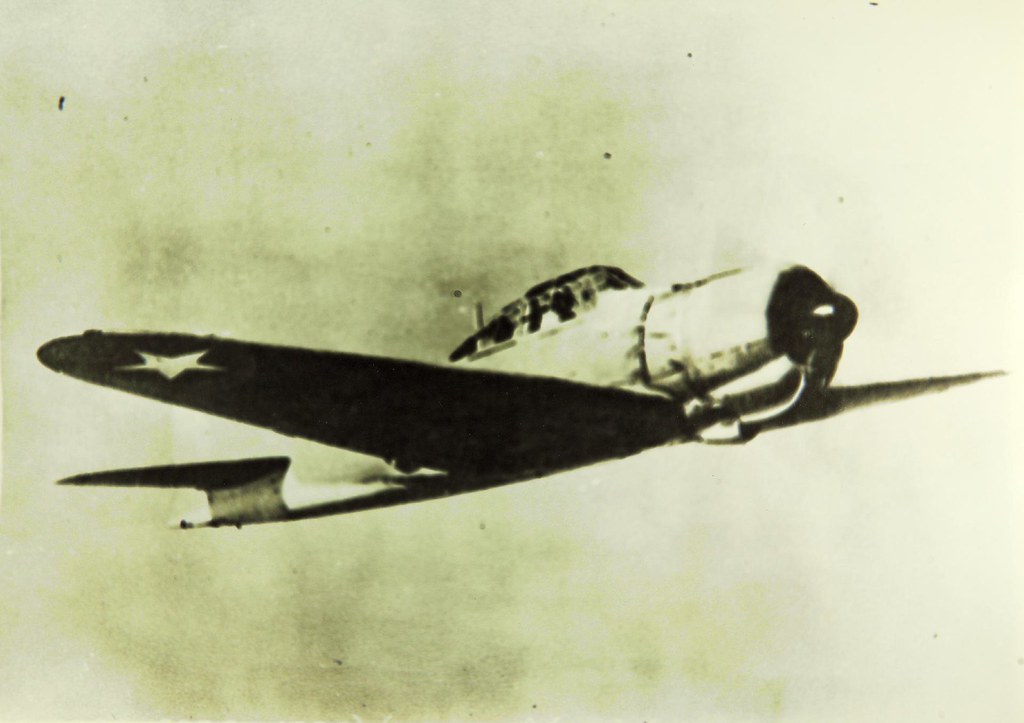
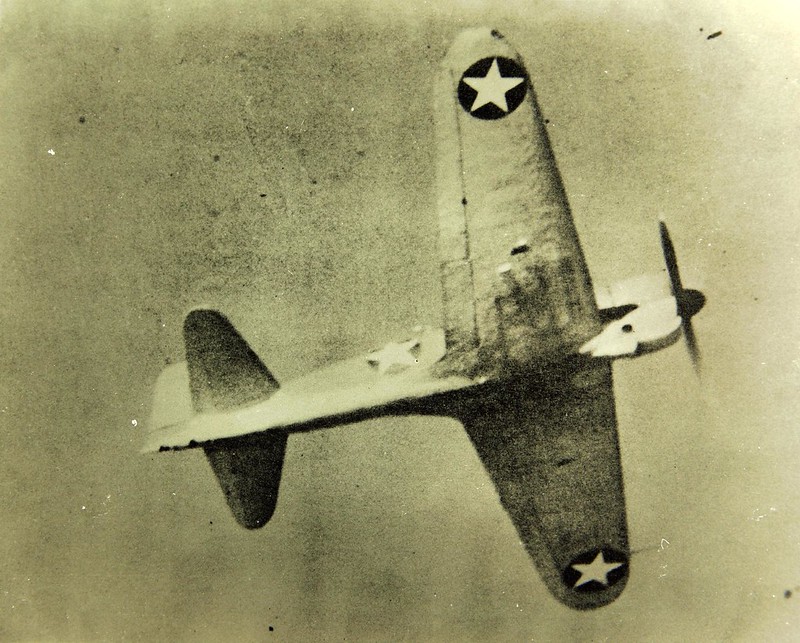
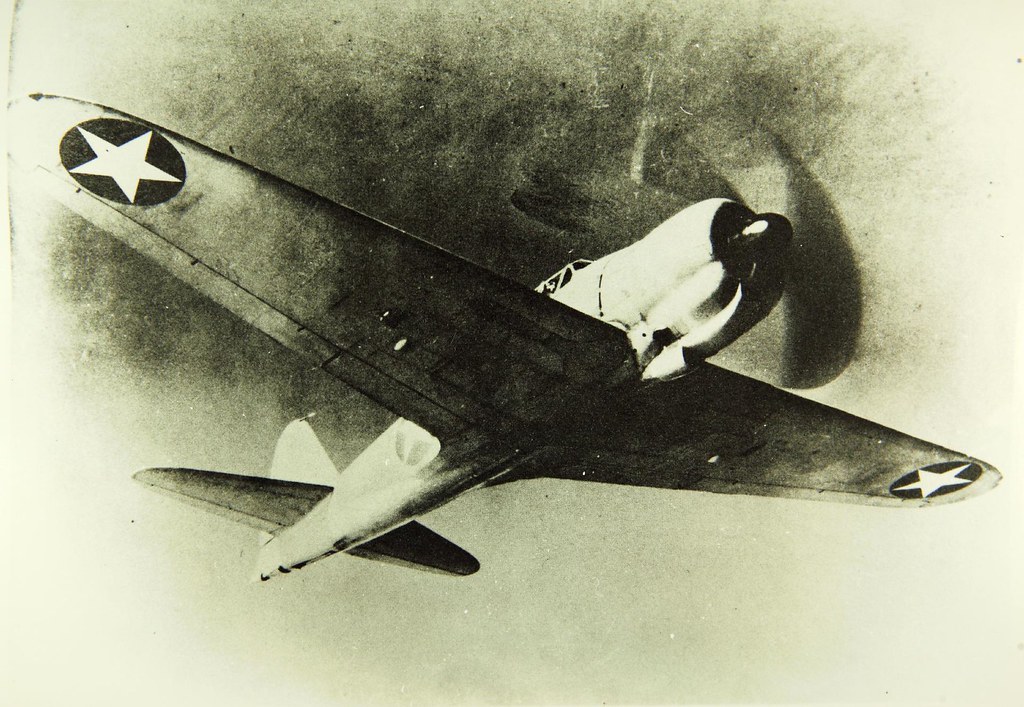
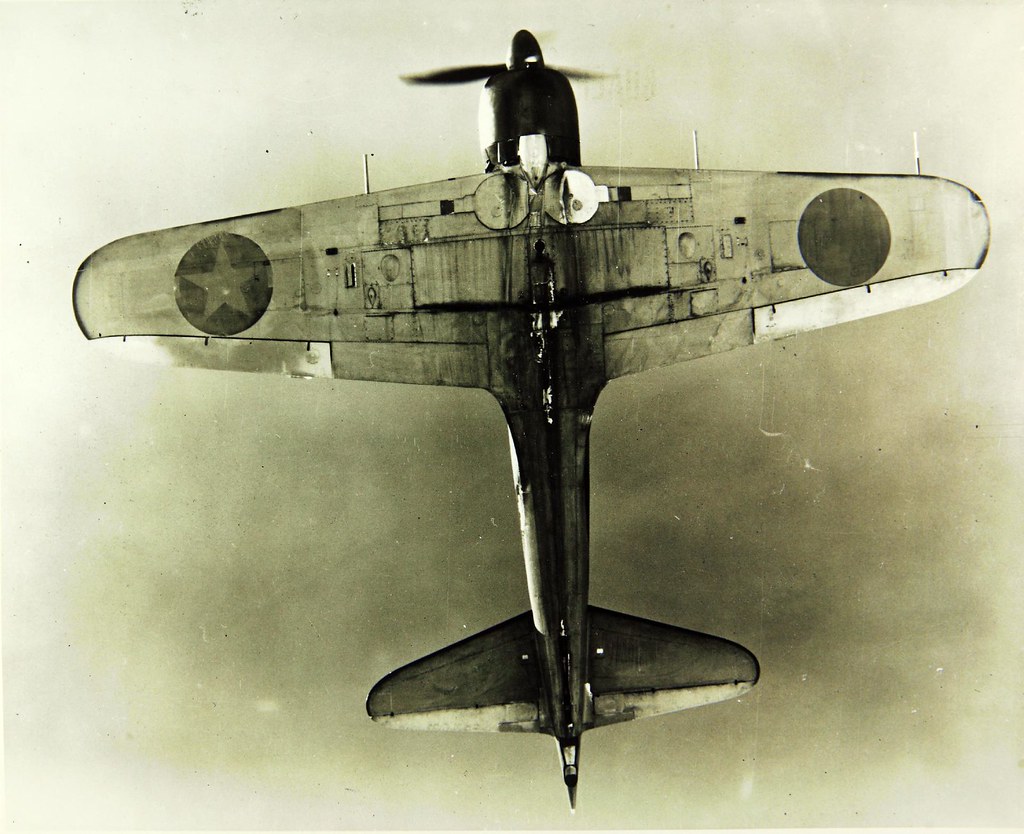
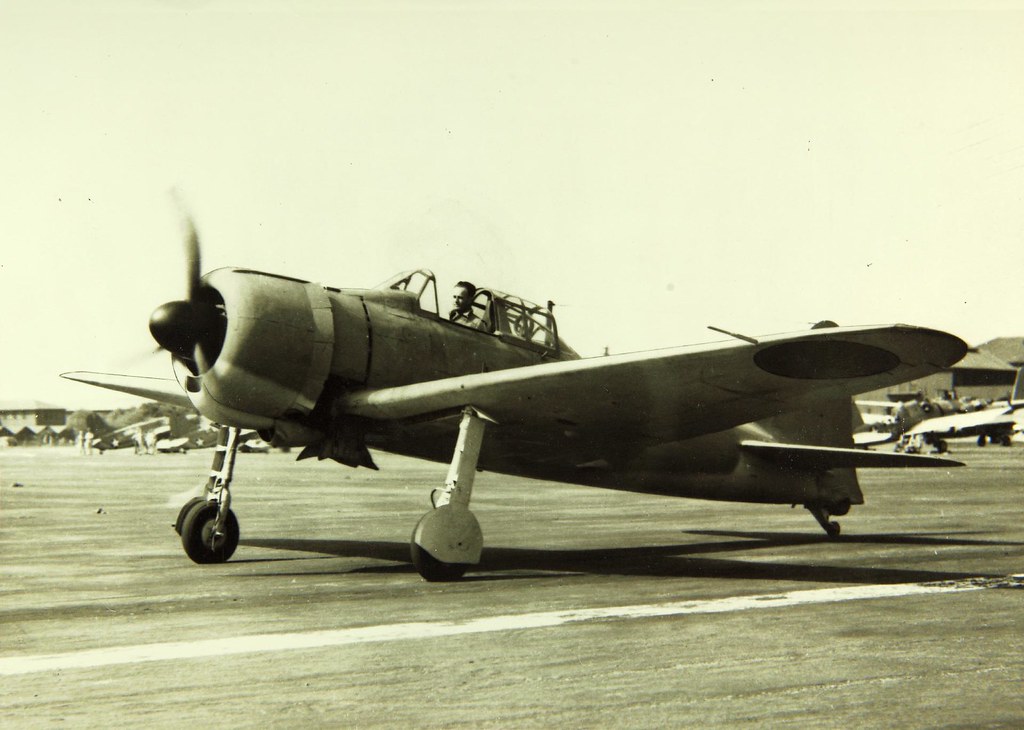
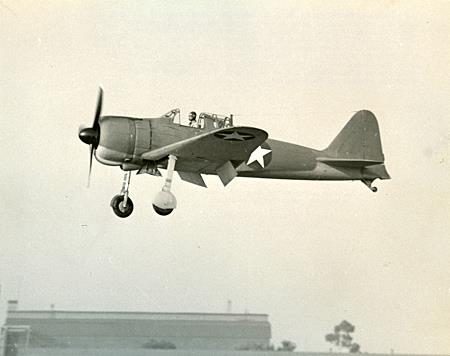
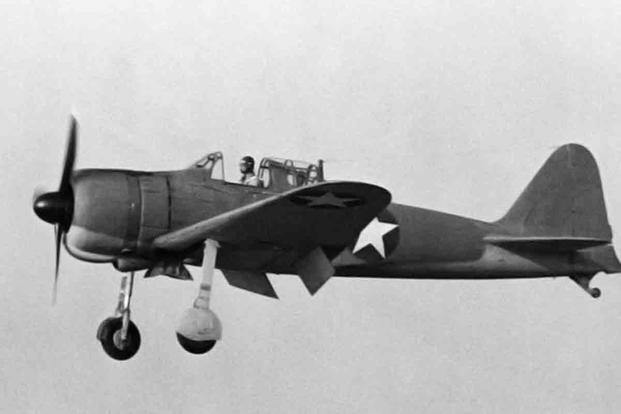
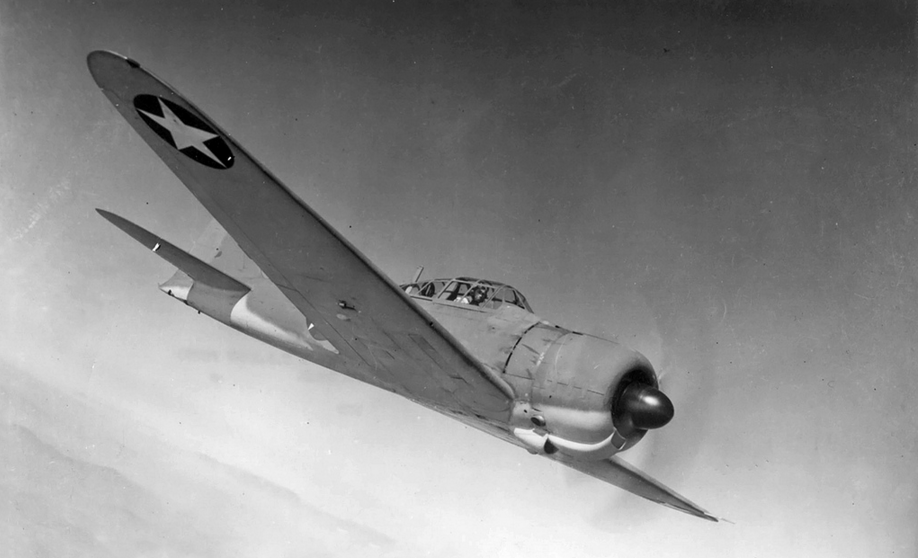
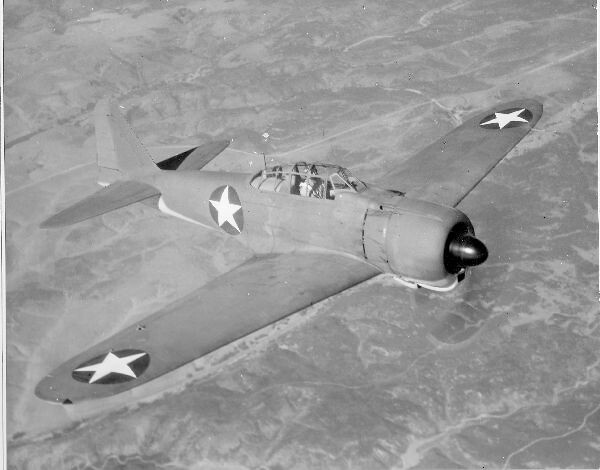
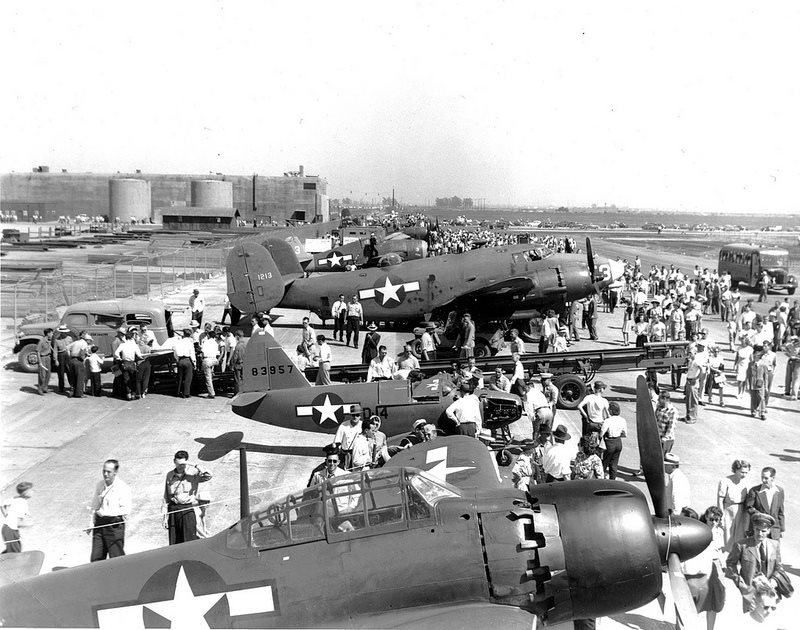
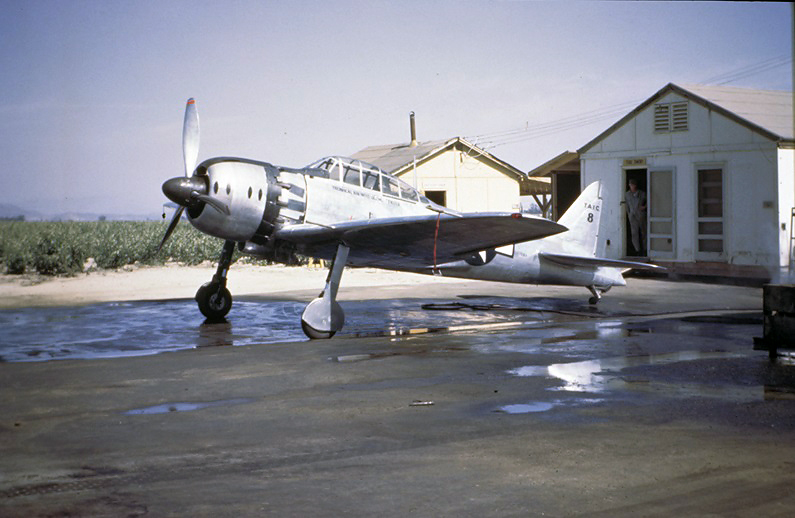
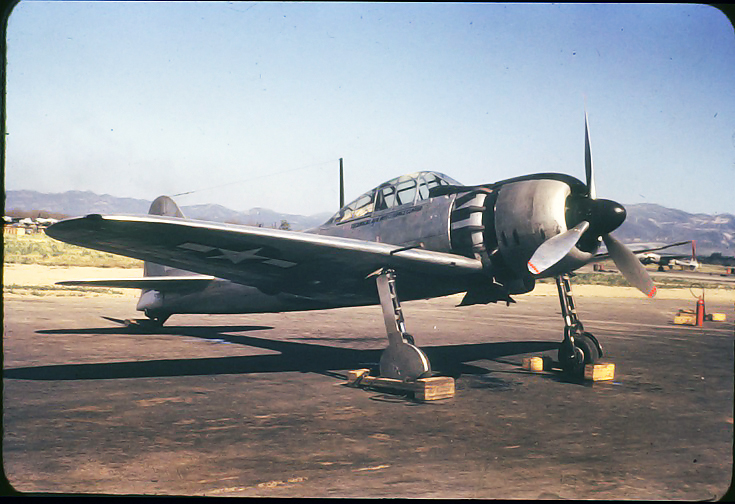
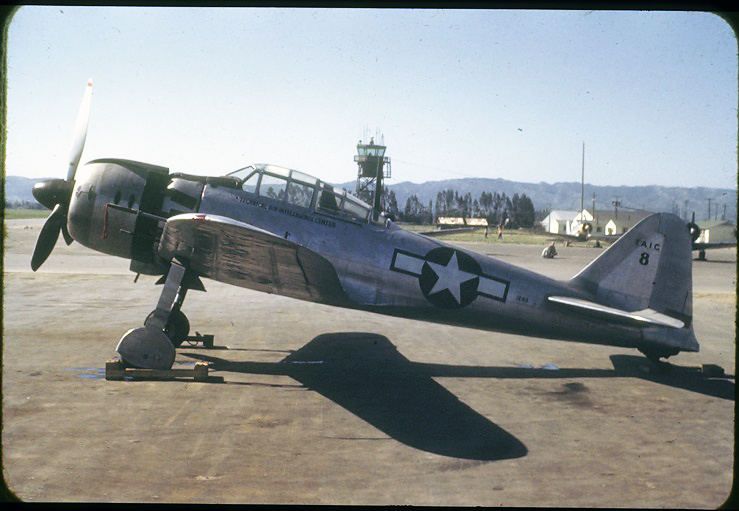
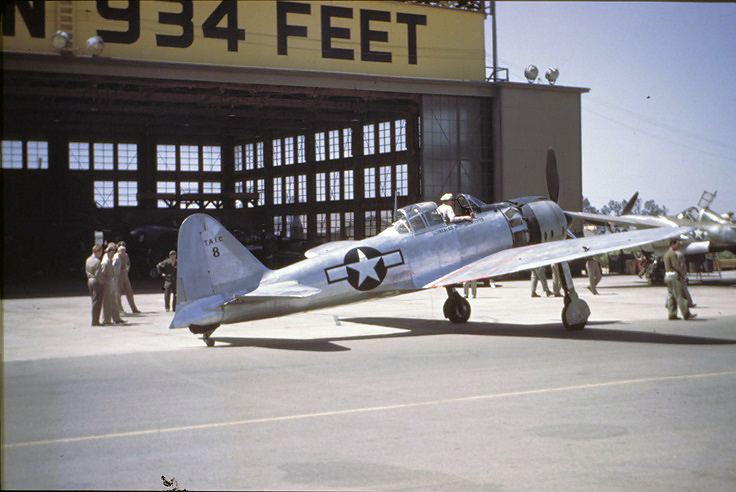
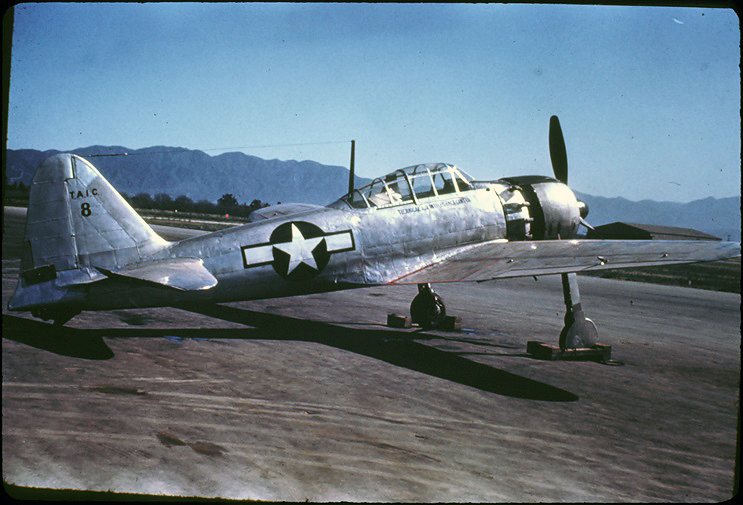
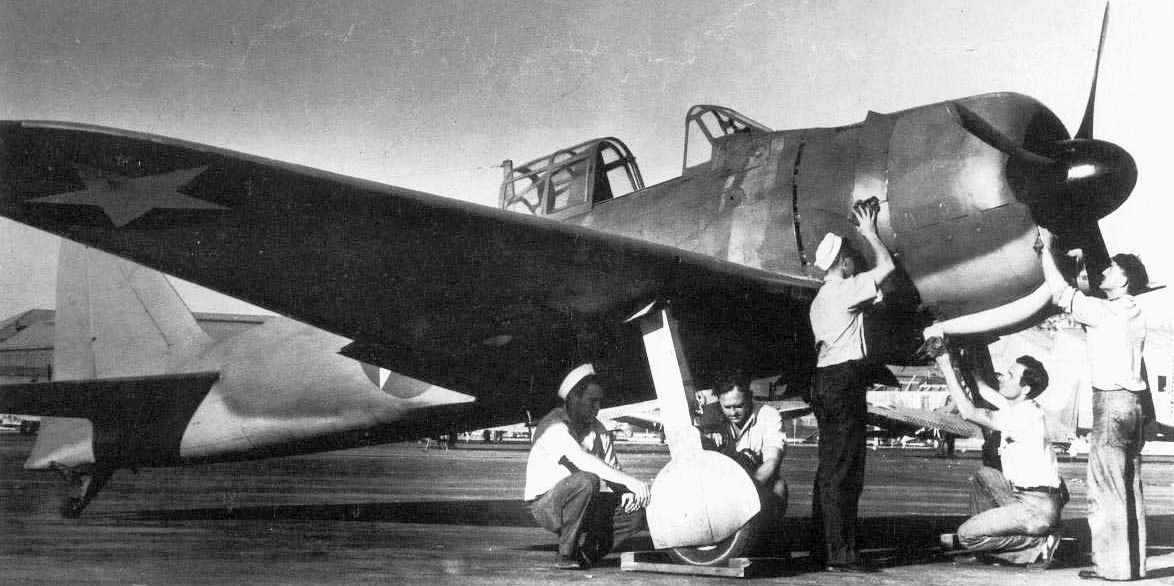
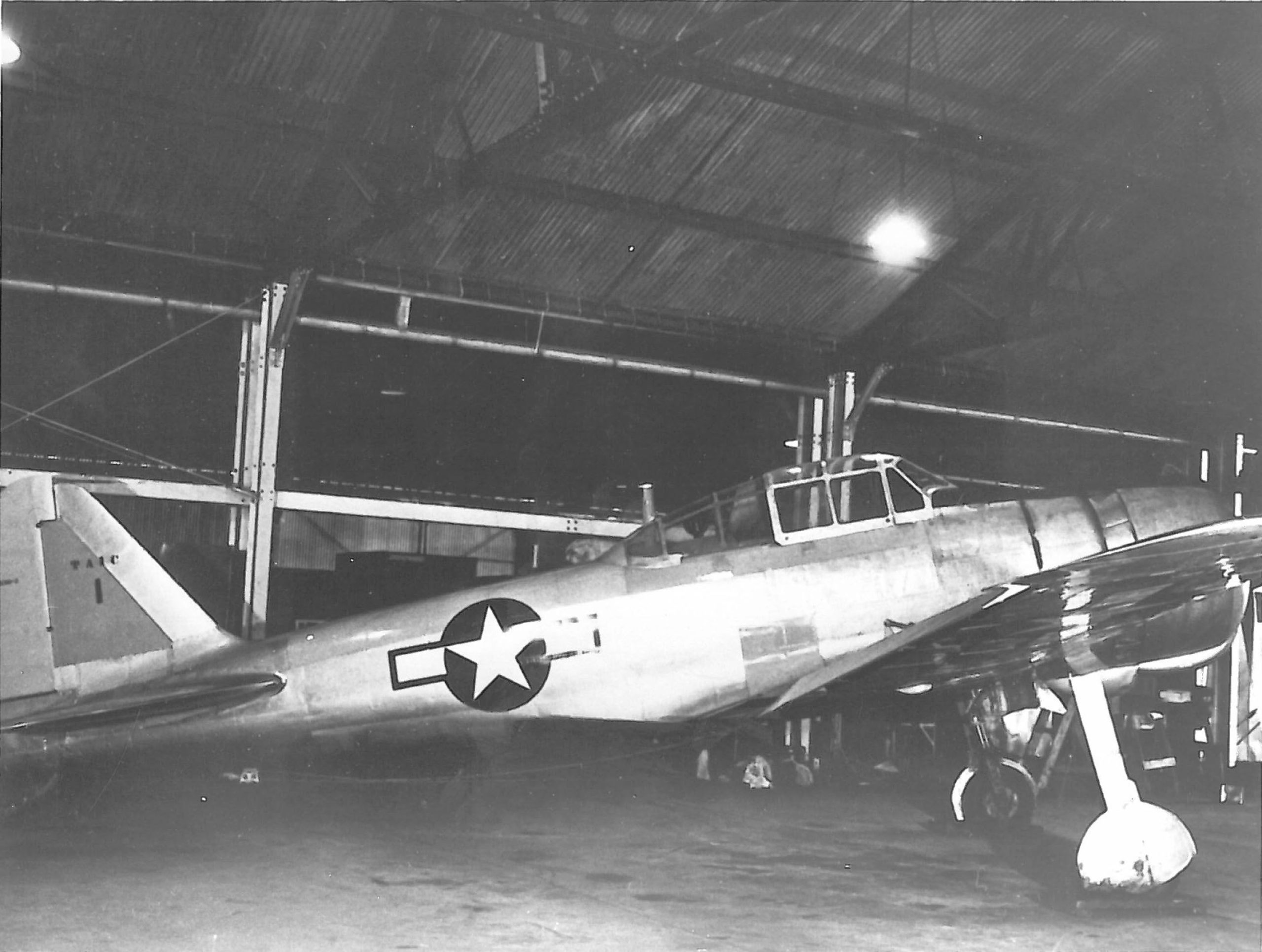
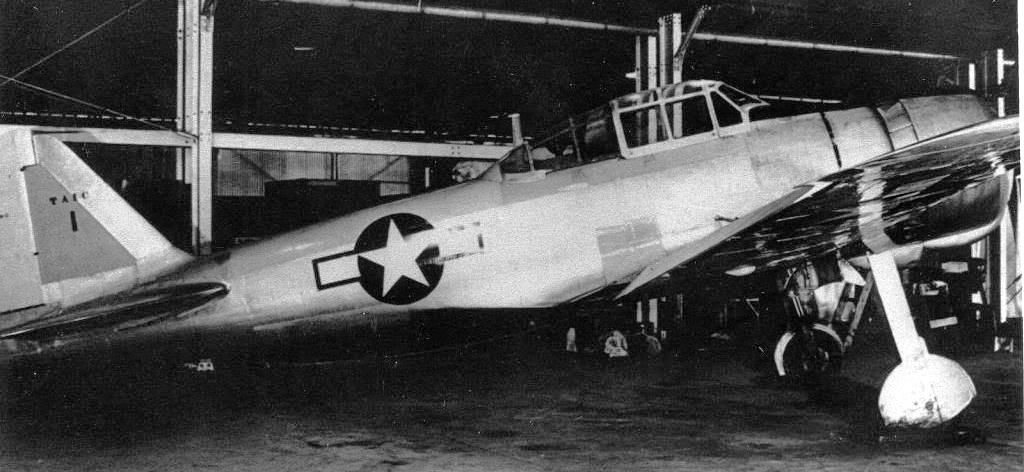
The aircraft was carefully recovered from Akutan Island and transported first to Alaska and later to Naval Air Station North Island in California. Navy engineers repaired the damage, installed replacement components where necessary and returned the fighter to airworthy condition. American test pilots then conducted an extensive flight evaluation program that measured every aspect of the Zero’s performance, including climb rate, turning ability, stall characteristics, dive performance and structural limitations.
The tests confirmed why the Zero had dominated the skies during the early years of the Pacific War. It possessed extraordinary maneuverability, exceptional range and a remarkably low wing loading, allowing it to out-turn nearly every Allied fighter in service during 1941 and early 1942. At the same time, the evaluations exposed serious weaknesses that had previously been understood only through costly combat experience. The Zero lacked self-sealing fuel tanks, carried little pilot armor, became increasingly heavy on the controls at high speed and performed poorly in steep dives. These findings enabled American tacticians to refine combat doctrine by emphasizing high-speed attacks, diving engagements and energy fighting rather than attempting traditional turning dogfights.
Although historians continue to debate whether the Akutan Zero alone transformed Allied tactics, there is broad agreement that the captured aircraft confirmed intelligence already gathered in combat and accelerated the development of more effective operational procedures. It also influenced the design philosophy behind later American carrier fighters such as the Grumman F6F Hellcat, whose strengths directly exploited the Zero’s weaknesses.
The original aircraft itself did not survive the war. After serving as a valuable training and evaluation aircraft, it was accidentally destroyed in February 1945 when it was struck on the ground by a Curtiss SB2C Helldiver during a taxiing accident. Fortunately, several original components, including instruments and structural parts, were preserved and today are displayed in museums across the United States as reminders of one of the most valuable intelligence acquisitions of World War II.
Scale Modeling Guide
For modelers, the Akutan Zero offers two historically accurate display options.
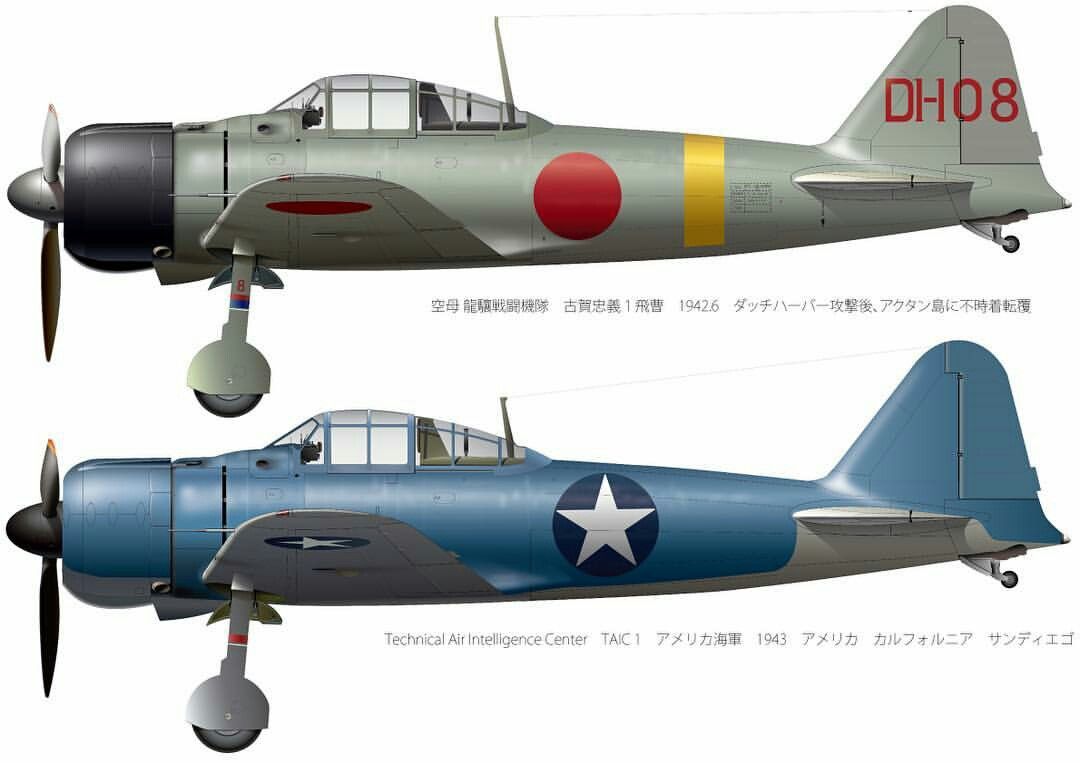
The first is the aircraft as it appeared during the Aleutian campaign in June 1942, wearing its original Imperial Japanese Navy markings with only limited operational wear. Since the fighter had entered service only a few months earlier, heavy paint chipping would be inaccurate. Weathering should instead emphasize subtle fading, light exhaust staining and moderate operational grime.
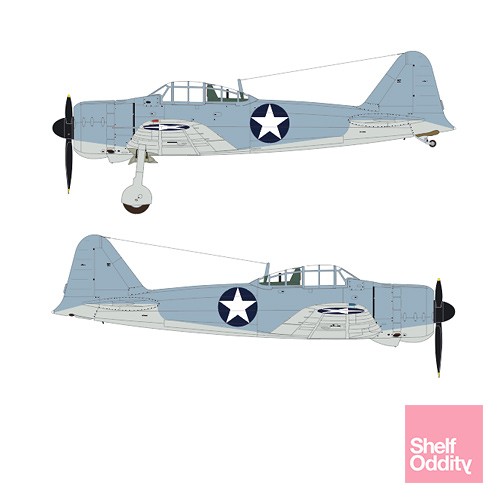
The second option depicts the aircraft after restoration by the U.S. Navy during its American flight testing. In this configuration the aircraft carried U.S. identification markings and various inspection details applied during evaluation, making it a unique subject for collections featuring captured aircraft.
One of the most debated aspects of any early Mitsubishi Zero is its overall finish. Modern research generally supports the use of the warm gray-green Hairyokushoku (Amber Grey) rather than pure light gray. This finish often displayed a slight amber or olive tint depending on lighting conditions and weather exposure. The engine cowling remained a distinctive blue-black finish with a satin sheen, while the wheel wells featured the familiar translucent metallic Aotake protective coating.
JM Villalba: 7 Powerful Techniques for Stunning Aircraft Model Finishing
Recommended Paint Colors
| Area | Color | FS Approx. | Mr.Color | Tamiya | AK Real Colors | MRP |
|---|---|---|---|---|---|---|
| Overall Airframe | IJN Hairyokushoku (Amber Grey) | FS 26350 | C35 | XF-76 | RC330 | MRP-430 |
| Engine Cowling | Blue Black | FS 25042 | C125 | XF-69 | RC301 | MRP-131 |
| Cockpit | Mitsubishi Interior Green | FS 34151 | C126 | XF-71 | RC303 | MRP-111 |
| Wheel Wells | Aotake | — | C57 + Clear Blue | Clear Green/Blue Mix | RC327 | MRP-117 |
| Landing Gear | Light Grey | FS 36375 | C308 | XF-19 | RC252 | MRP-038 |
| Propeller | Brown | FS 30117 | C131 | XF-64 | RC314 | MRP-123 |
| Spinner | Brown | FS 30117 | C131 | XF-64 | RC314 | MRP-123 |
| Hinomaru | Deep Red | FS 11136 | C327 | XF-7 | RC004 | MRP-122 |
Modeling Tips
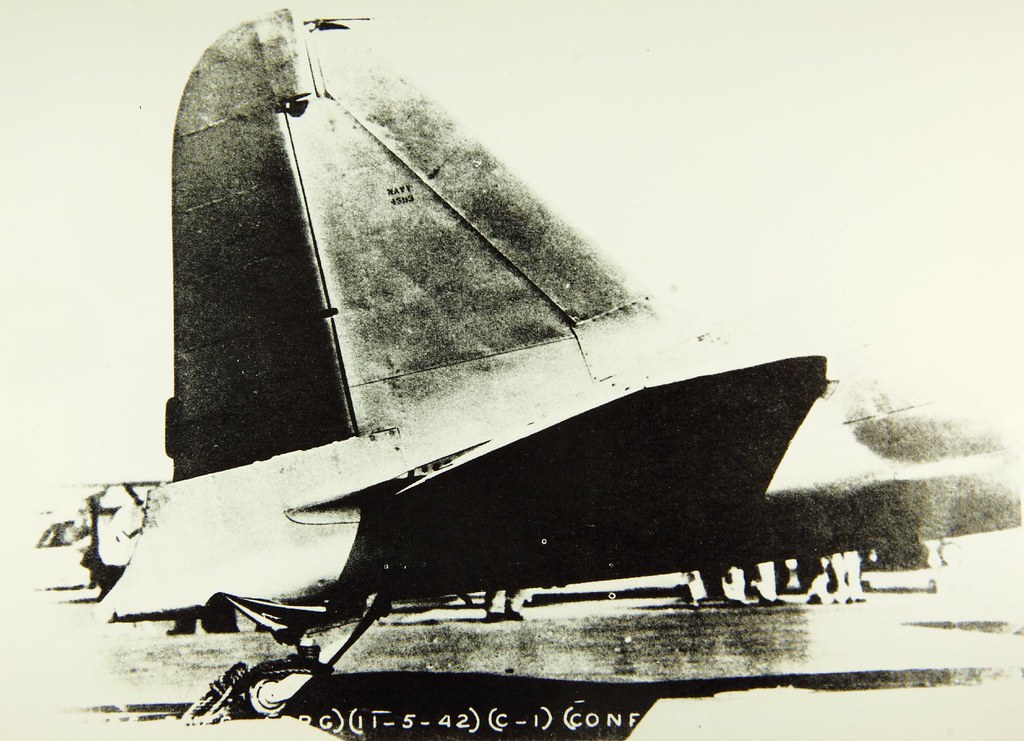
- Build the aircraft as A6M2 Model 21, construction number 4593.
- Tail code: DI-108.
- Keep paint chipping restrained; the aircraft was relatively new.
- Add subtle mud stains around the landing gear to represent the Akutan marsh.
- Use restrained exhaust streaks along the fuselage sides.
- Apply a satin finish to the engine cowling while keeping the airframe closer to a semi-matte appearance.
- The Aotake finish inside the wheel wells should appear metallic and translucent rather than opaque.
The Akutan Zero remains one of the most fascinating aircraft of the Second World War. It was not merely a captured enemy fighter—it became a priceless source of intelligence that helped Allied pilots understand the strengths and limitations of Japan’s most feared naval fighter. For aviation historians and scale modelers alike, it represents a unique intersection of history, technology and craftsmanship, making it one of the most significant Mitsubishi A6M2 Zero subjects ever reproduced in scale.