
new
-
Developed in 1983–1984, the experimental Heater-Ferris camouflage combined four shades of gray and blue in a distinctive disruptive pattern intended to confuse enemy pilots. Discover its history, the U.S. Navy Phantom squadrons associated with the scheme, and the colors needed to reproduce it accurately in scale.
-
article Tactical Paint Schemes Camouflage 1976 In 1976, Tactical Paint Schemes were adopted, an ambitious new camouflage technique proposed by Keith Ferris, a noted aviation artist. This so-called Ferris Scheme …
-
article US Navy Vietnam War Camouflage 1971-1980 The introduction of MIL-C-18263F(AS) on 29 June 1971 made some modest changes to the prevailing scheme, namely that the entire surface of the aircraft …
-
article US Navy Vietnam War Camouflage 1955-1971 From the mid-1950s, the US Navy adopted a much lighter two-tone gray camo for its carrier aircraft that would be one of the …
-
article USAAF painted with RAF camouflage patterns Upon the entry of the US into World War II, many USAAF aircraft were painted in approximations of RAF camouflage schemes. These included …
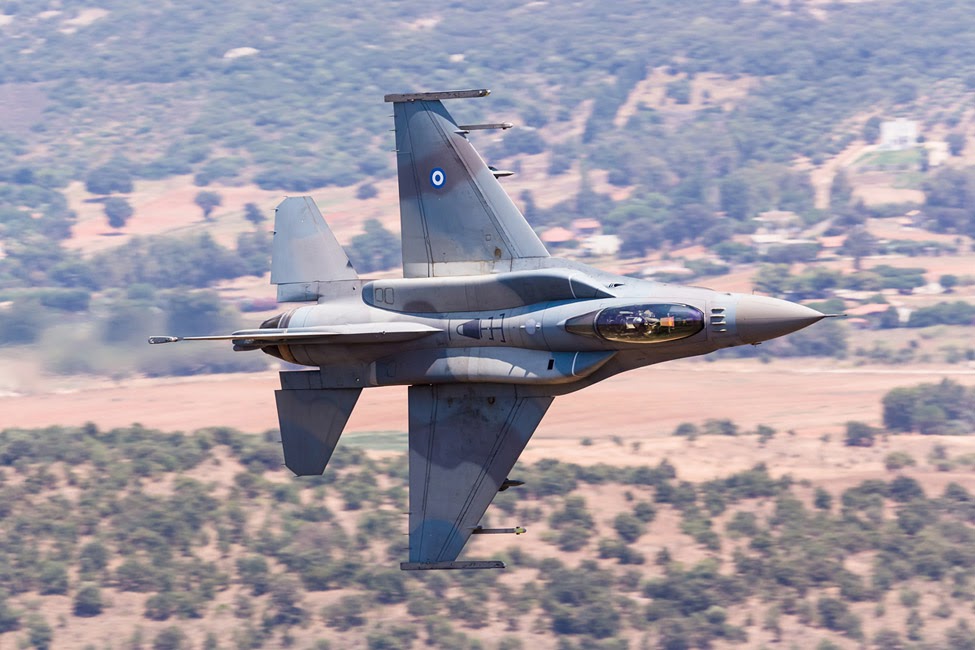
article Aegean Ghost Camouflage: From U.S. Navy Aggressors to the Hellenic Air Force The Aegean Ghost Camouflage, widely known as the Greek Ghost scheme, is one of the most recognizable …