article
Akutan Zero (Koga’s Zero): The Captured Mitsubishi A6M2 That Changed the Air War in the Pacific
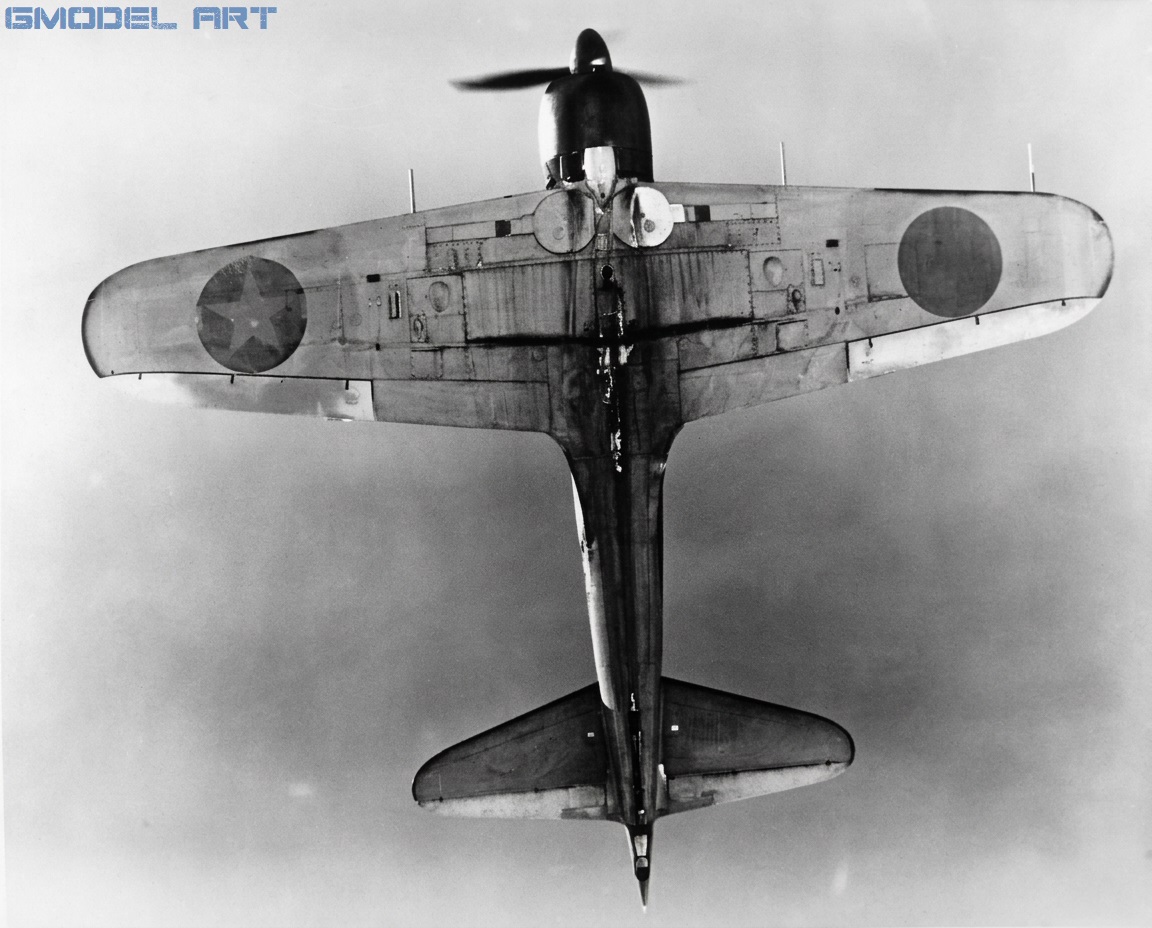
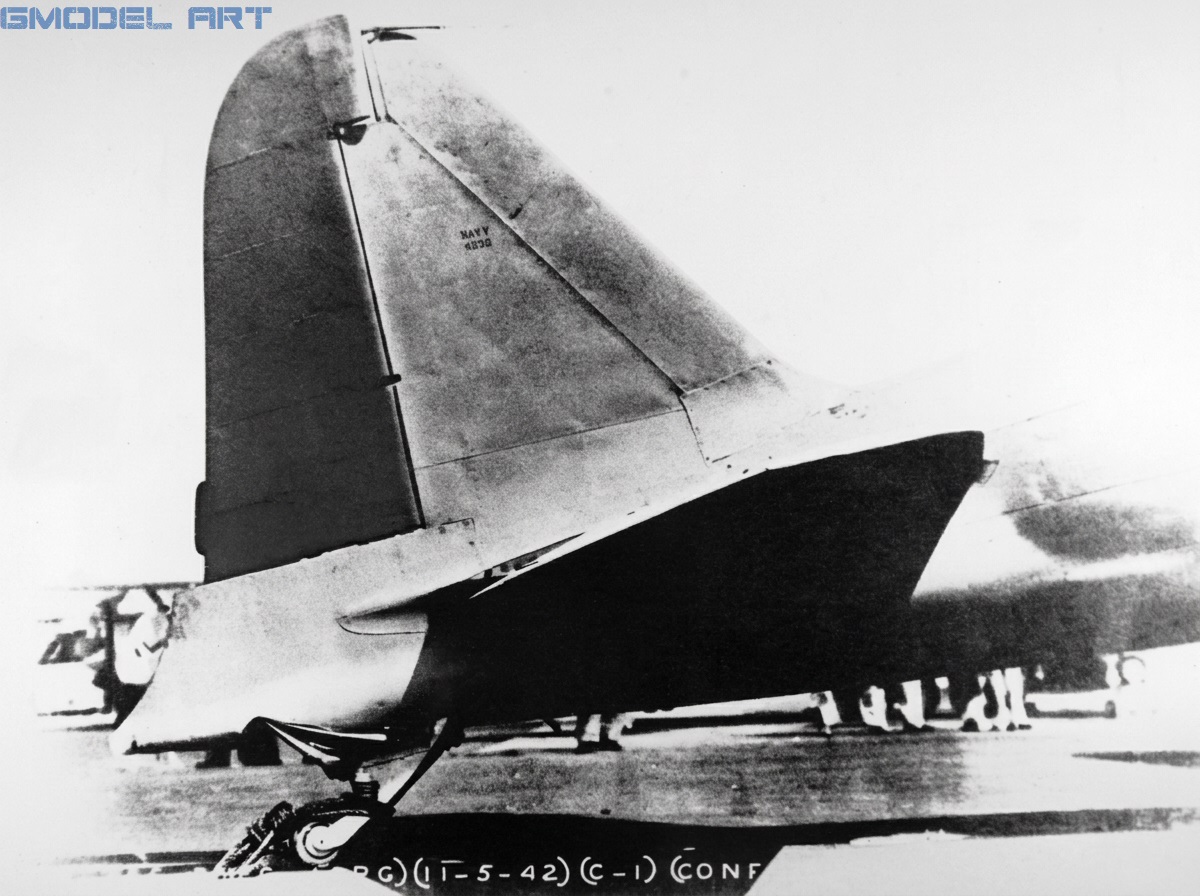
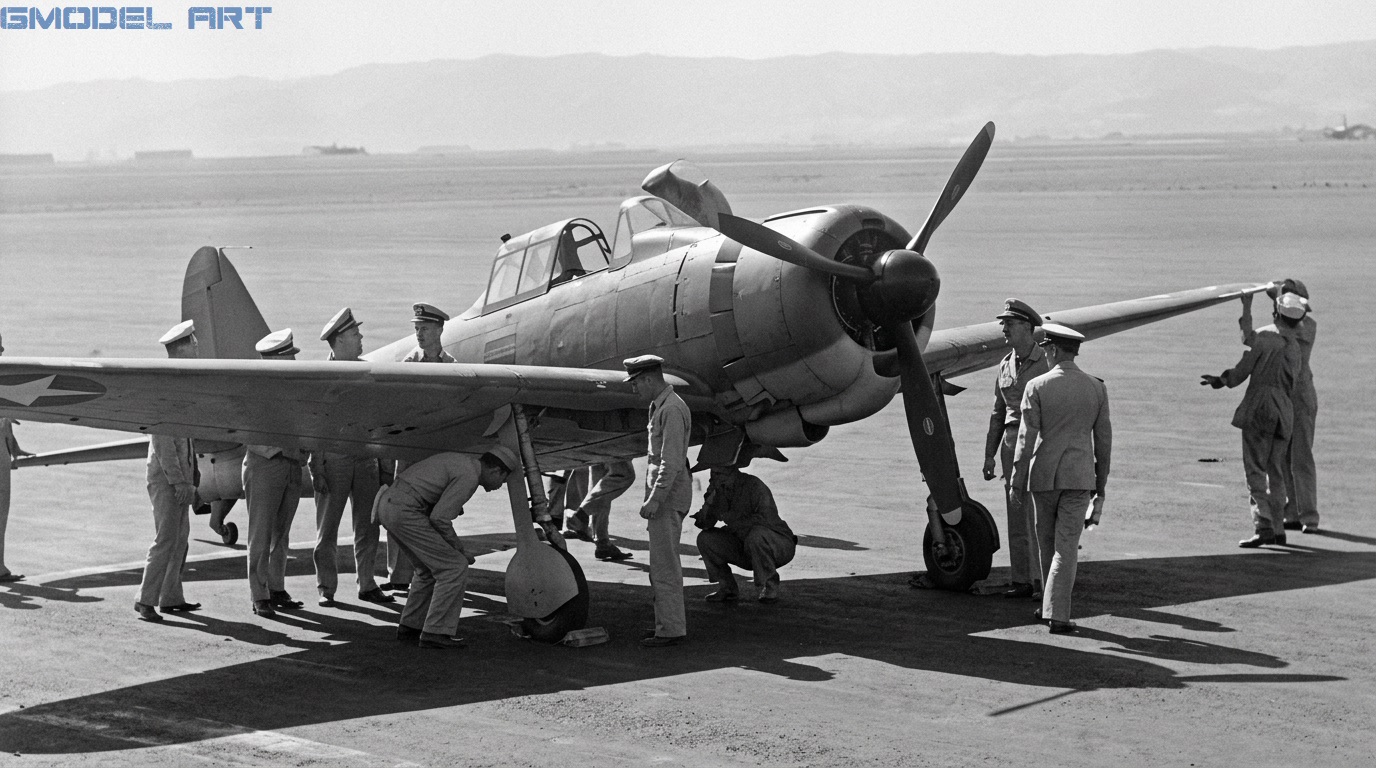
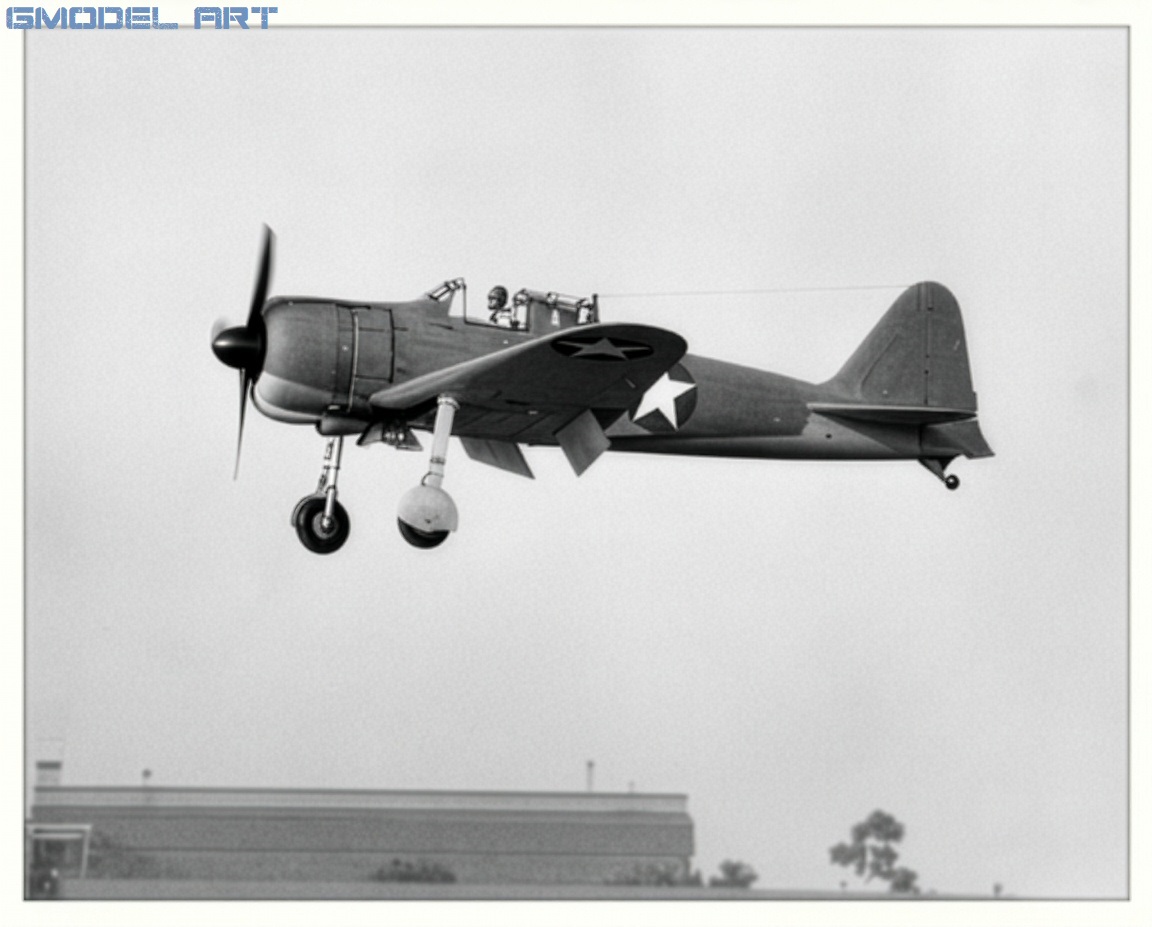
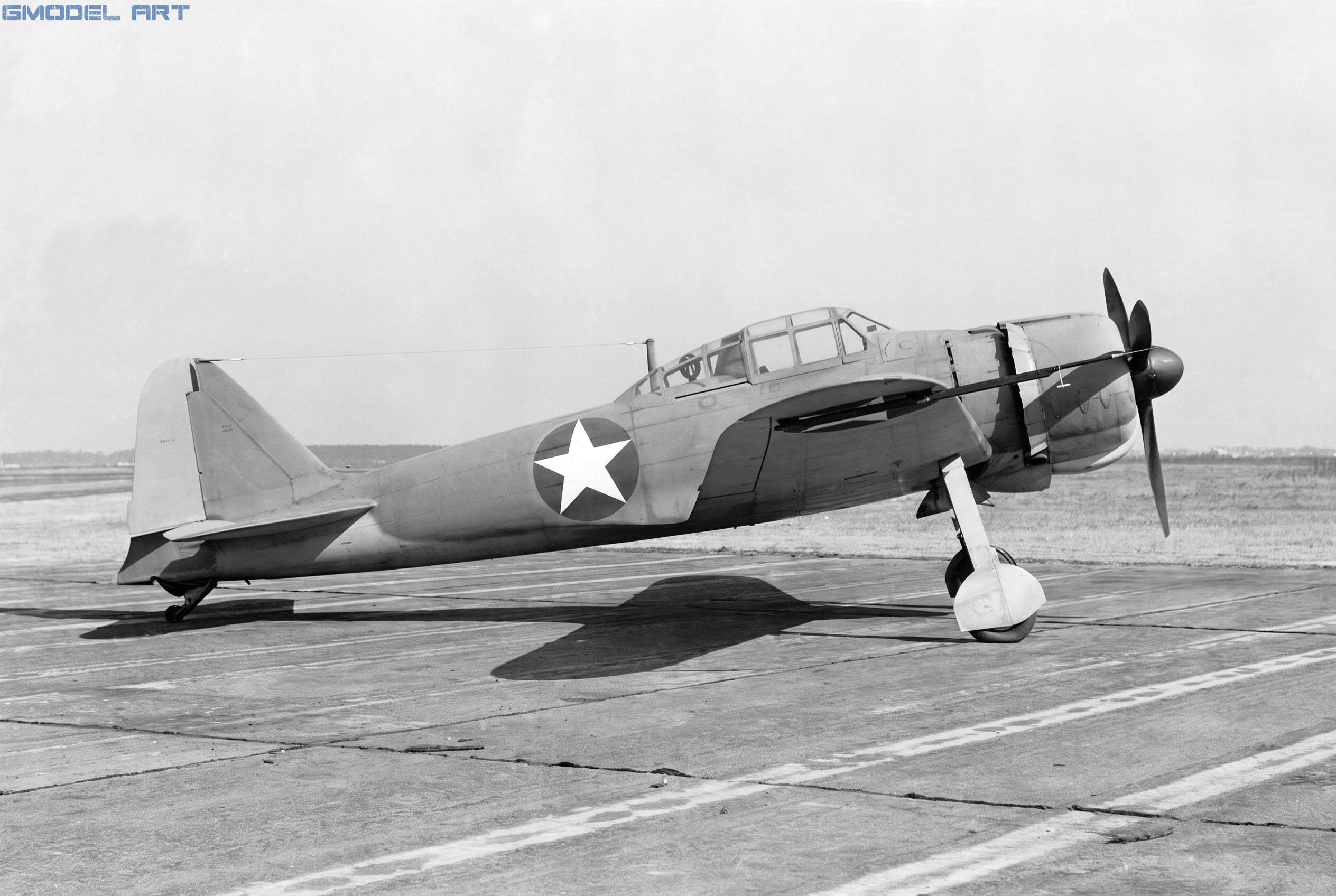
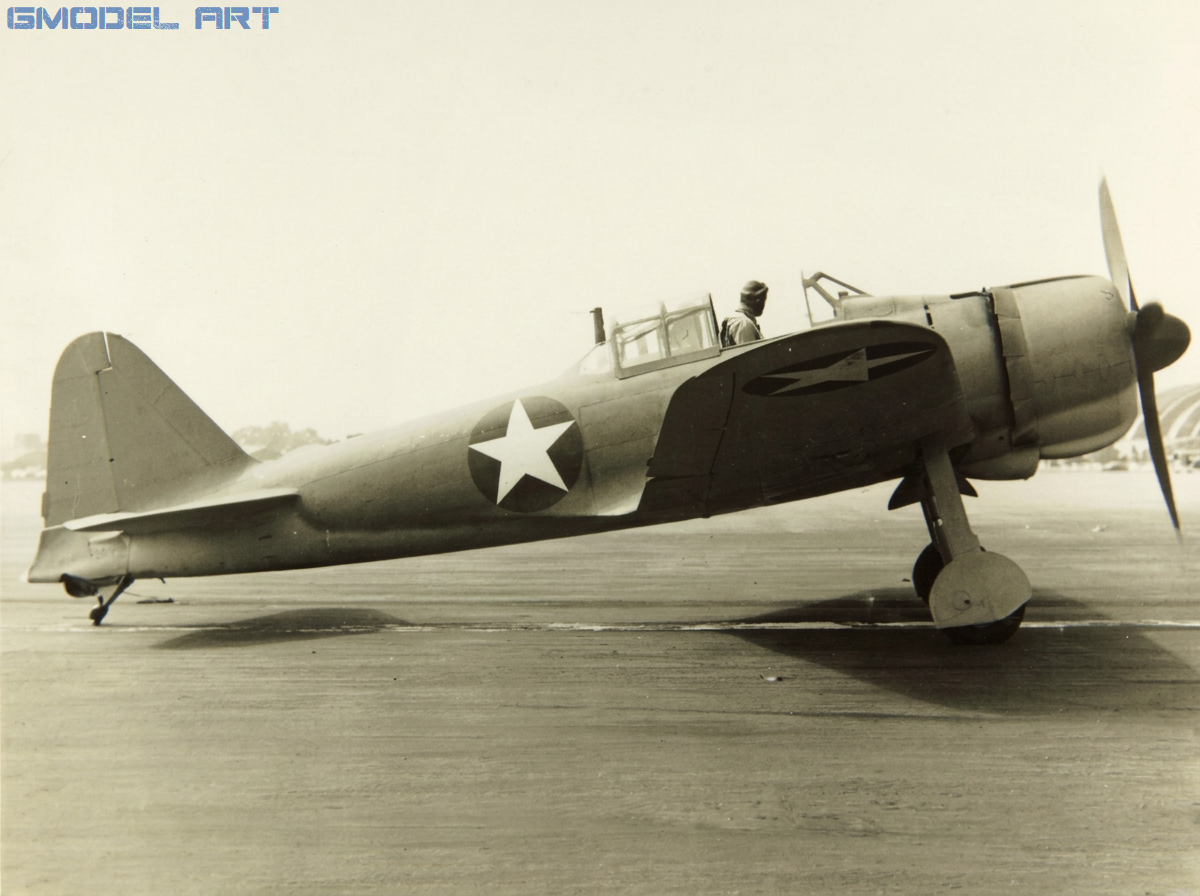
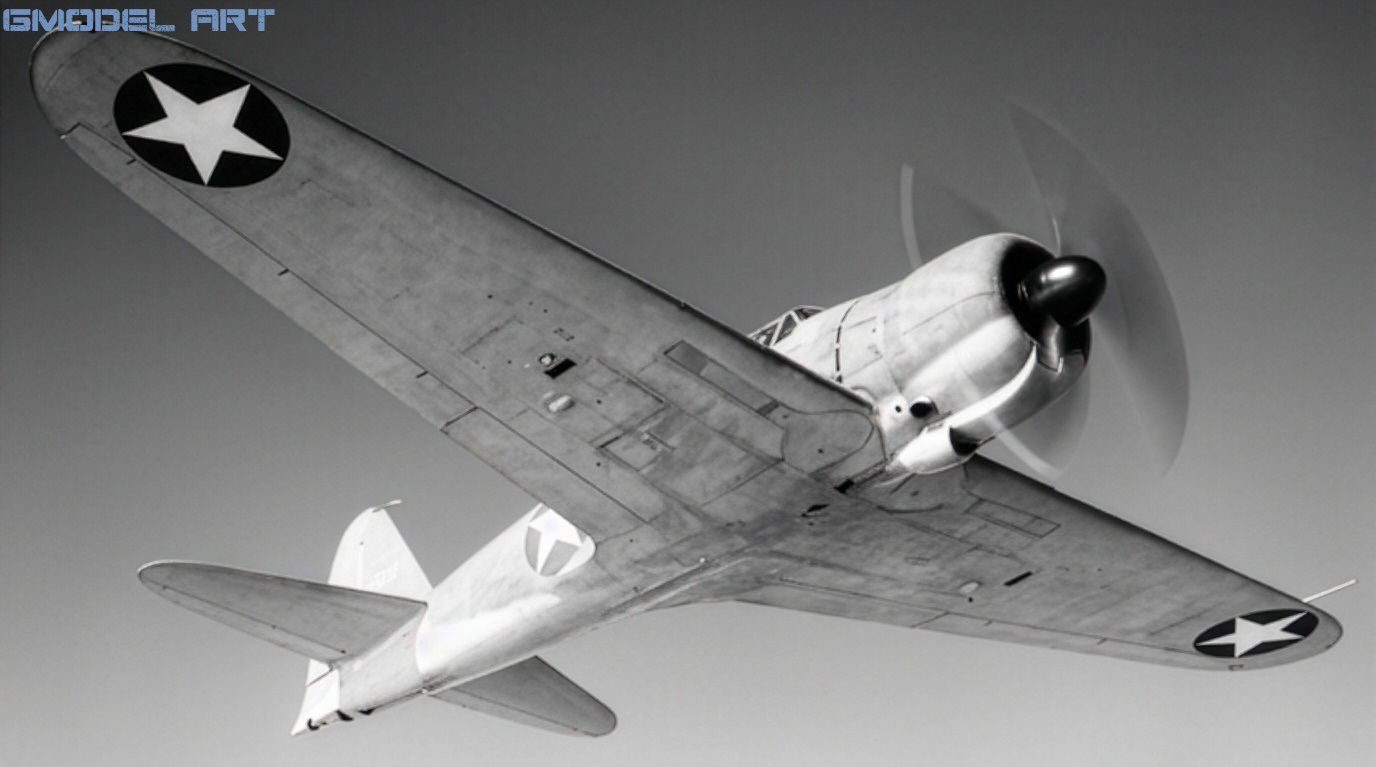
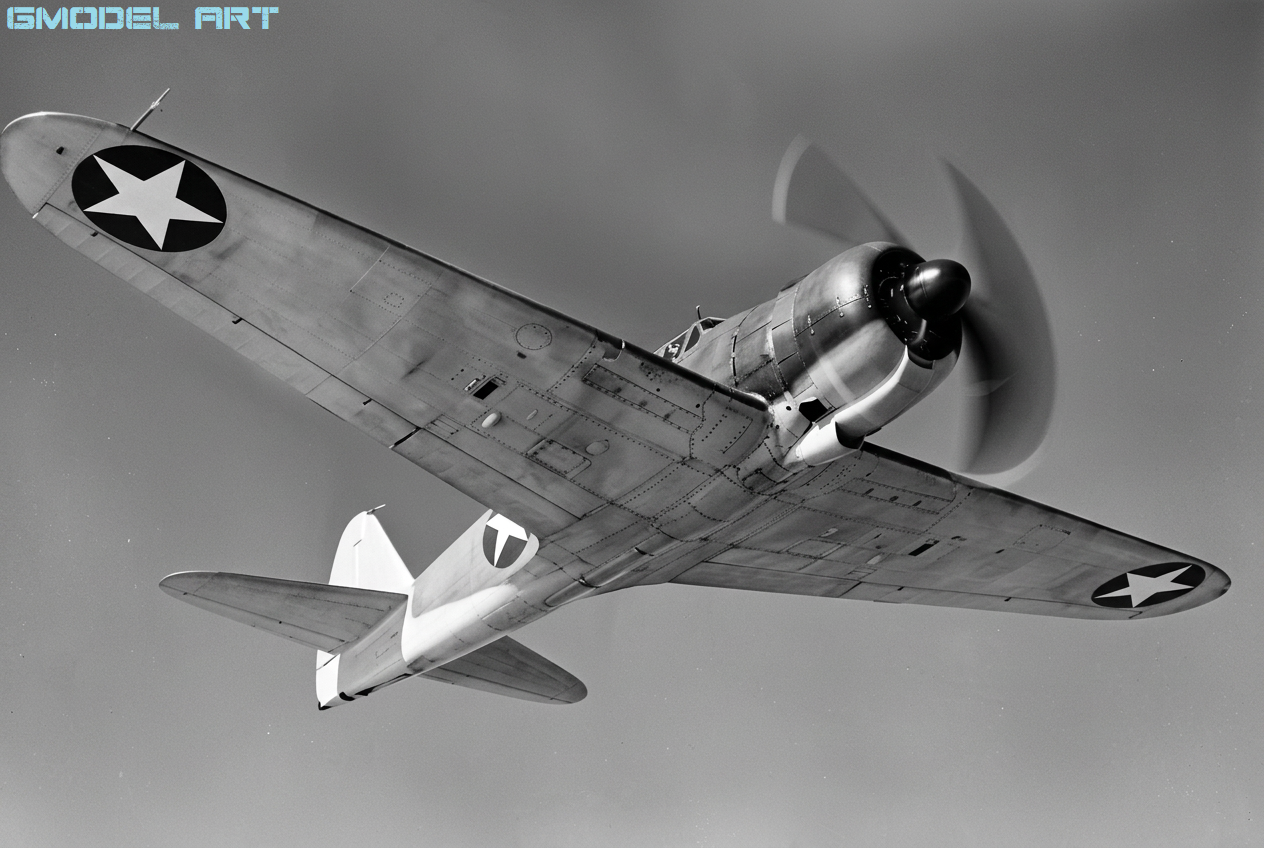
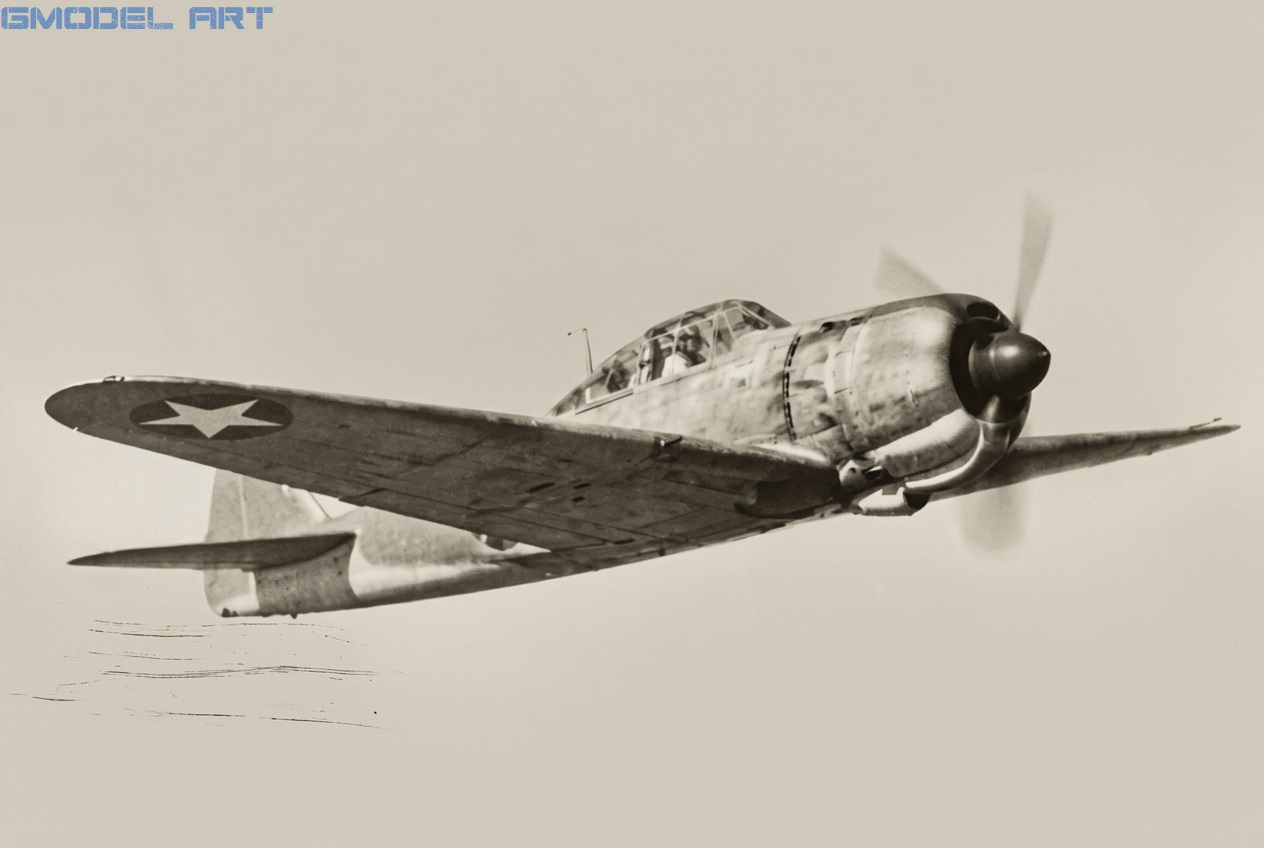
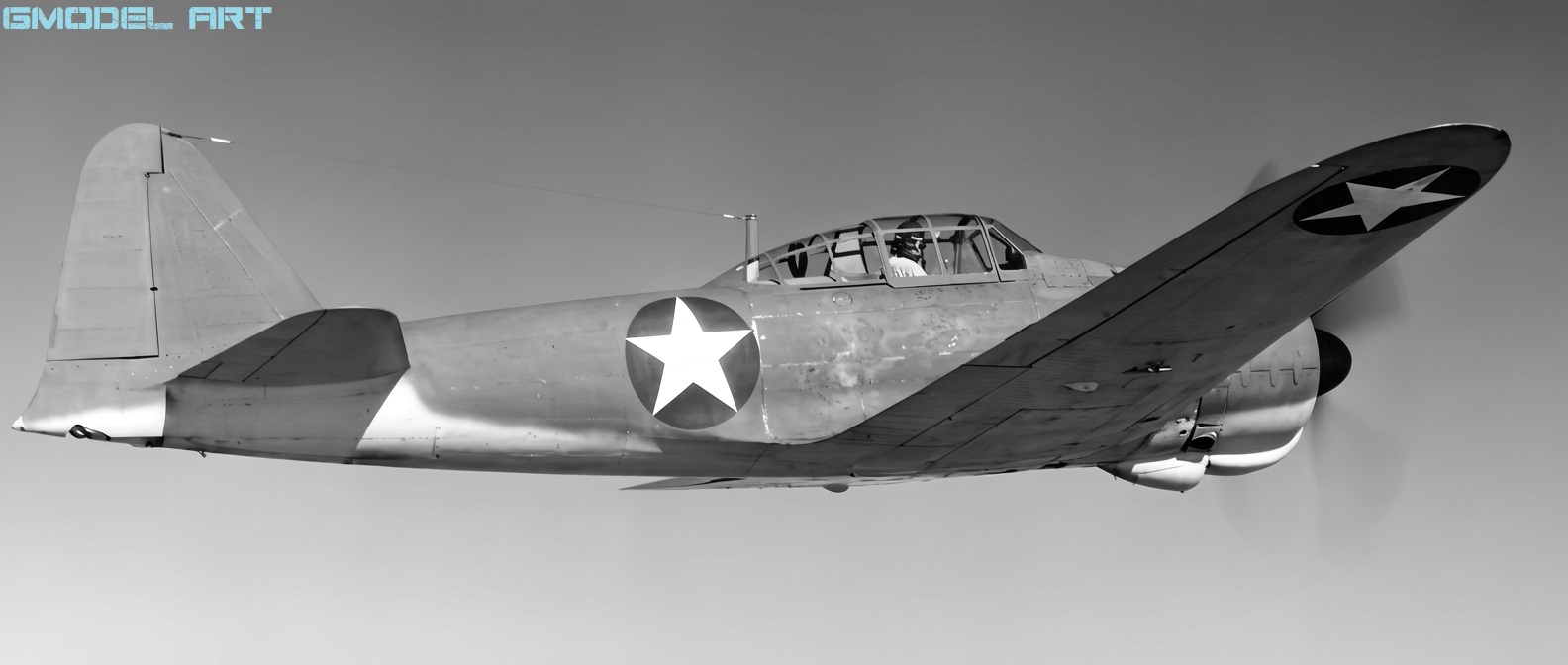
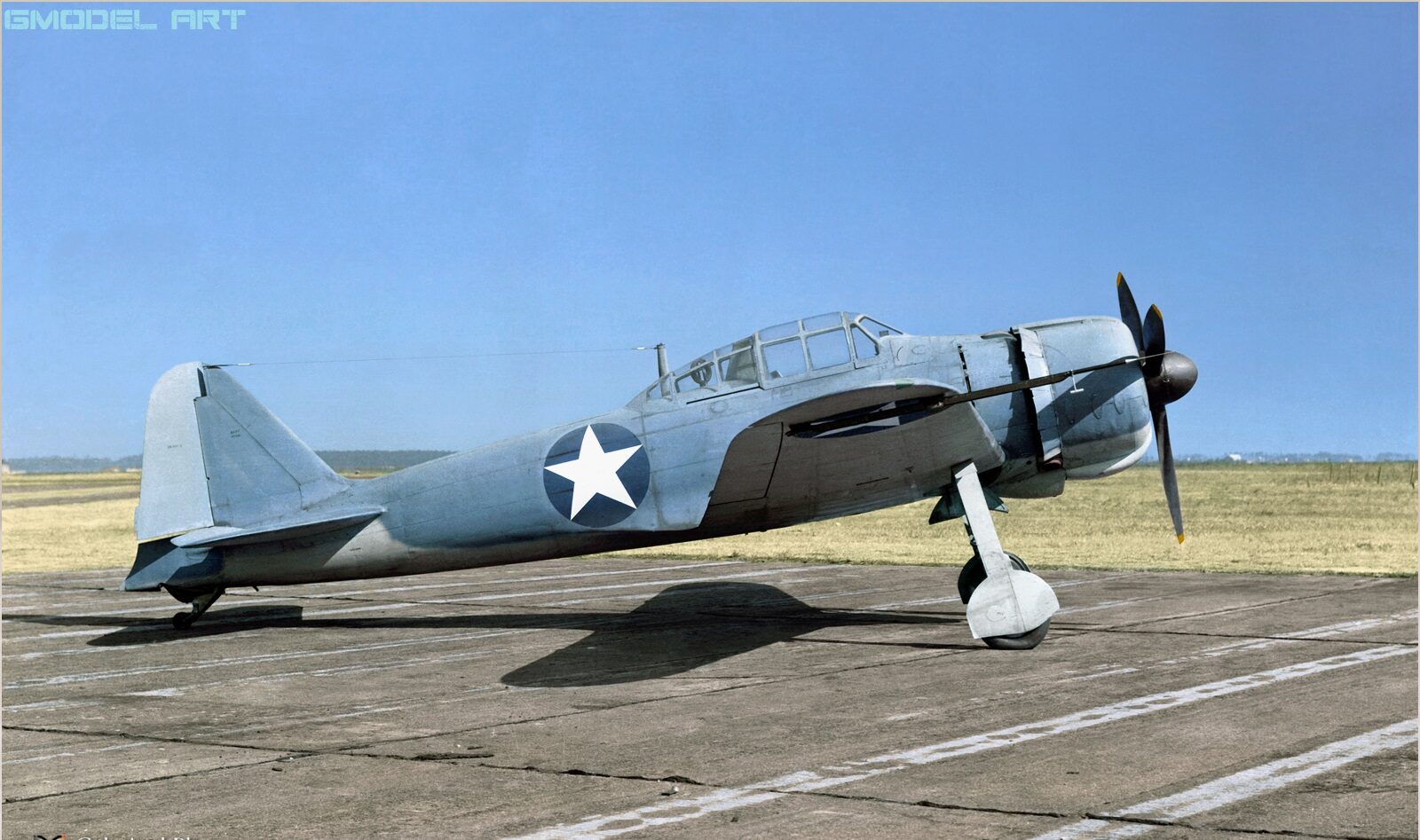
The Mitsubishi A6M2 Model 21 Zero recovered from Akutan Island in July 1942 became one of the most valuable intelligence acquisitions of the Pacific War. Flown by Imperial Japanese Navy Petty Officer First Class Tadayoshi Koga, the aircraft provided American engineers and test pilots with an unprecedented opportunity to examine and fly an intact example of Japan’s highly maneuverable carrier-based fighter.
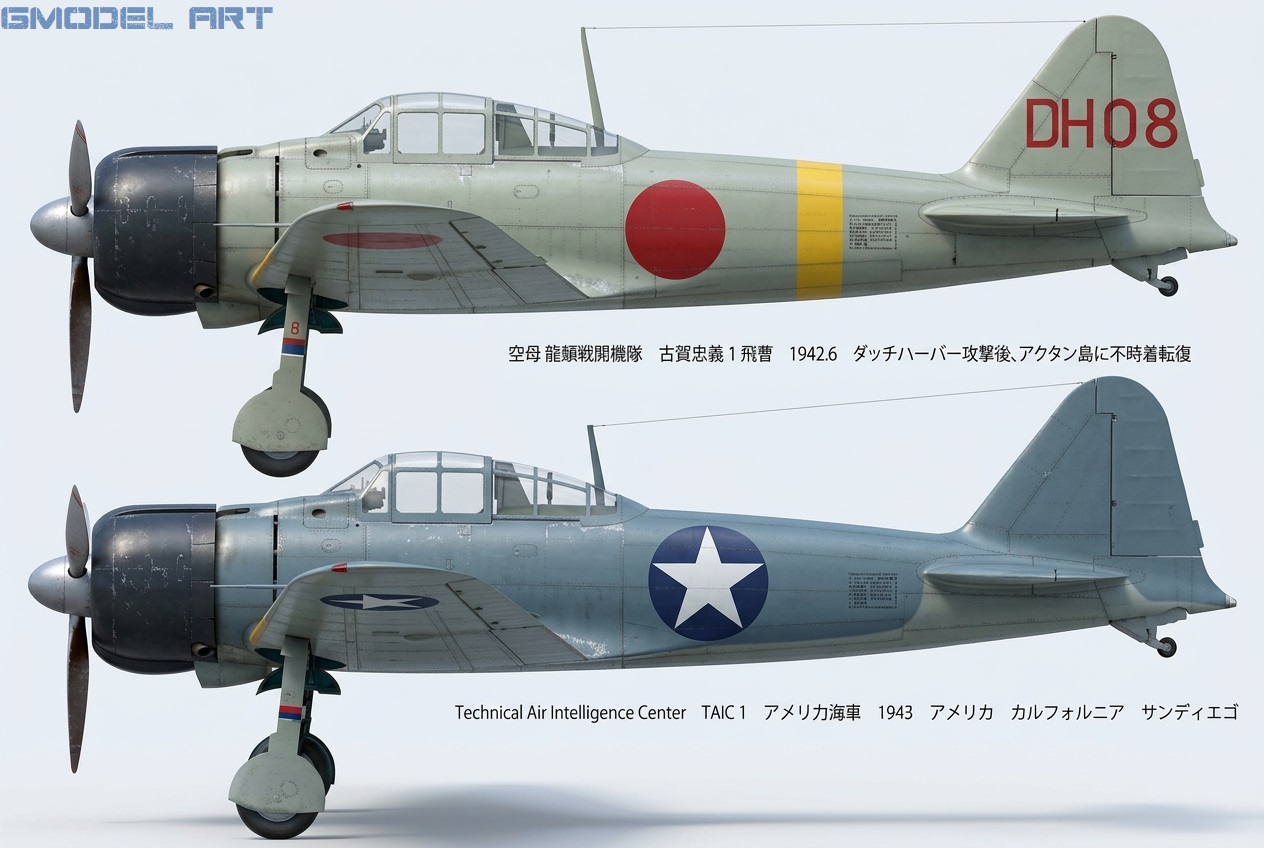
For scale modelers, the Akutan Zero is an especially interesting subject because it can be represented in two distinct historical configurations: its original Imperial Japanese Navy appearance as DI-108, or its later U.S. Navy evaluation configuration.
The Akutan Zero: From Combat Damage to Forced Landing
On 4 June 1942, during the Japanese attack on Dutch Harbor in the Aleutian Islands, a Mitsubishi A6M2 Model 21 Zero operating from the light aircraft carrier Ryūjō was damaged by American ground fire. The aircraft was flown by Petty Officer First Class Tadayoshi Koga, a 19-year-old Japanese naval aviator.
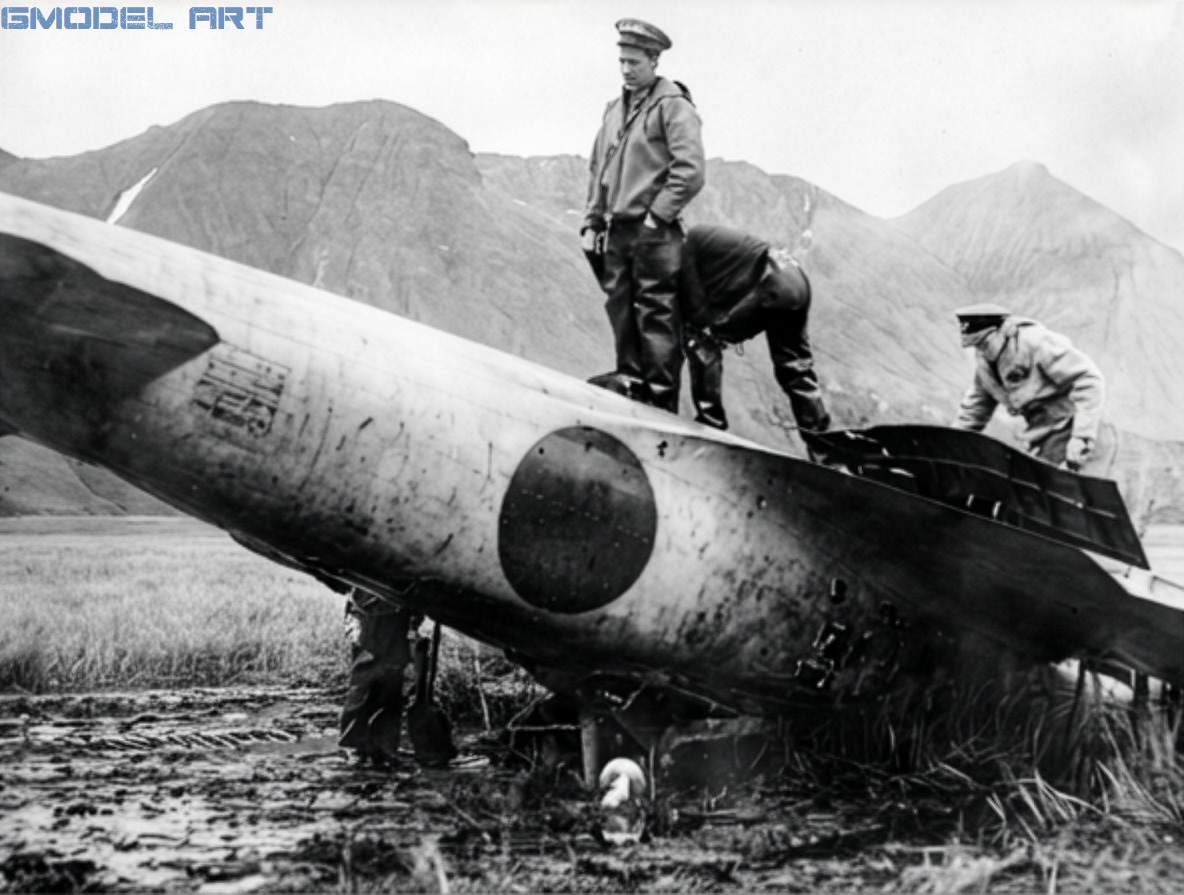
The damage severed an oil line, forcing Koga to abandon his return to the carrier and attempt an emergency landing on nearby Akutan Island. Believing the tall grass concealed a suitable landing surface, he approached with the landing gear extended.
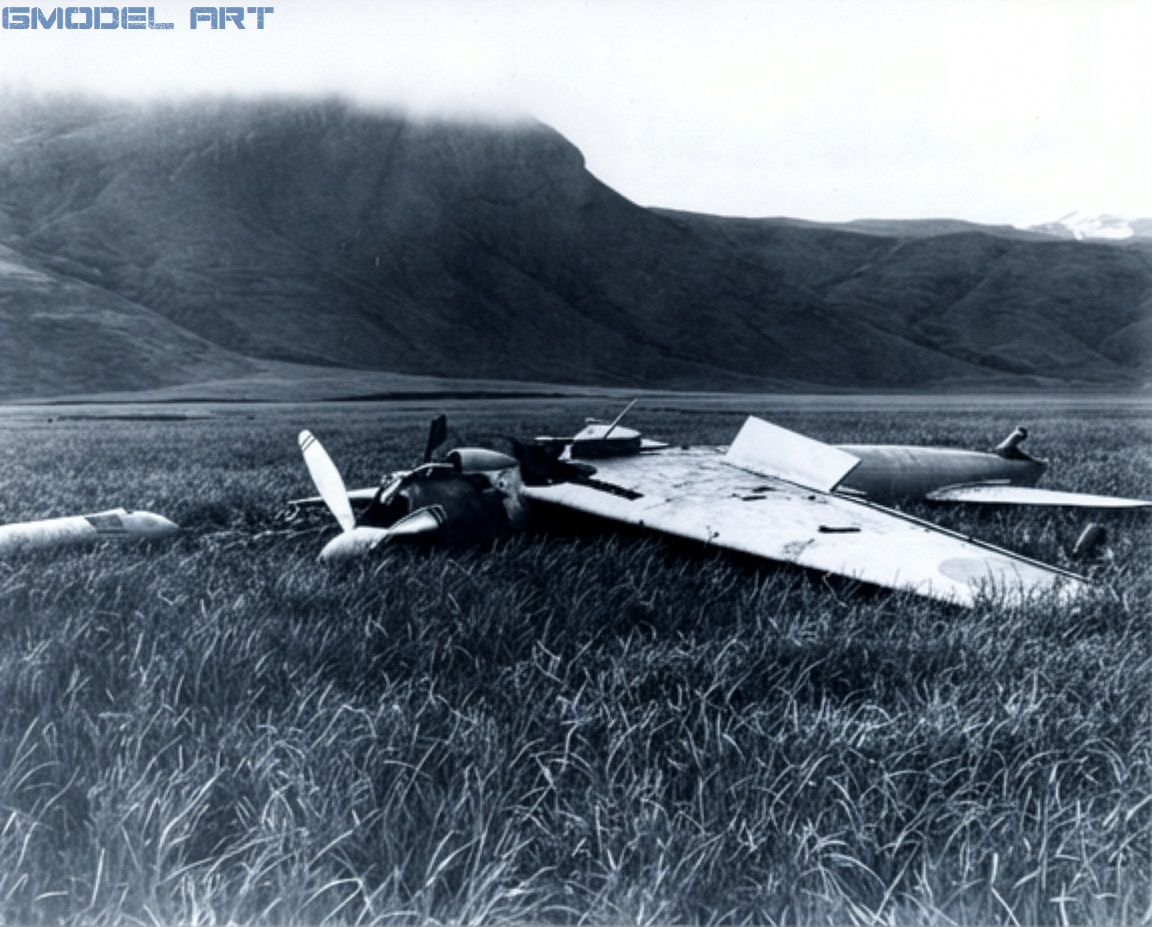
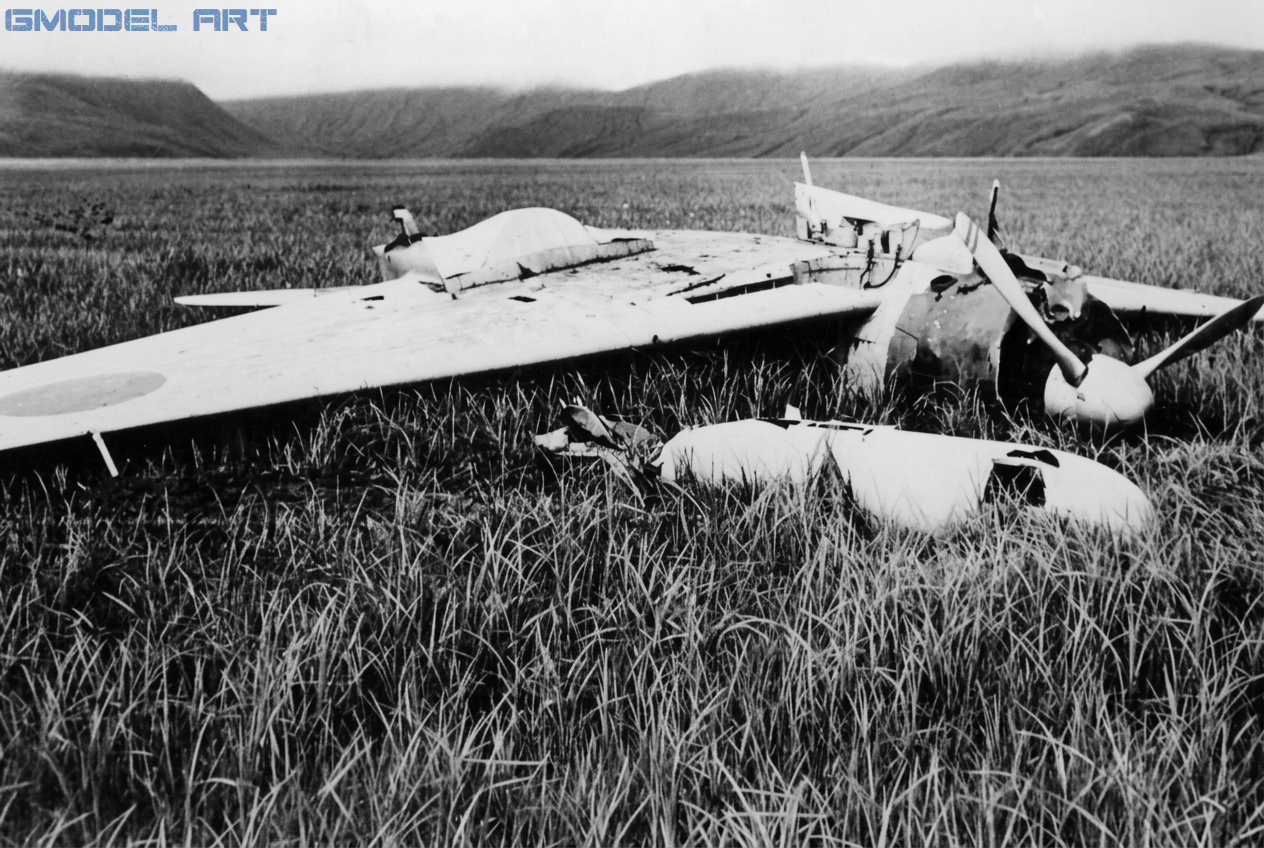
The apparent field was actually a waterlogged marsh. When the wheels struck the soft ground, the aircraft overturned and came to rest inverted. Koga was trapped in the cockpit and died in the accident.
The Zero remained at the crash site, largely intact despite the damage caused by the impact. Its unusual condition would soon make it one of the most significant captured aircraft of the Second World War.
Discovery and Recovery by the U.S. Navy
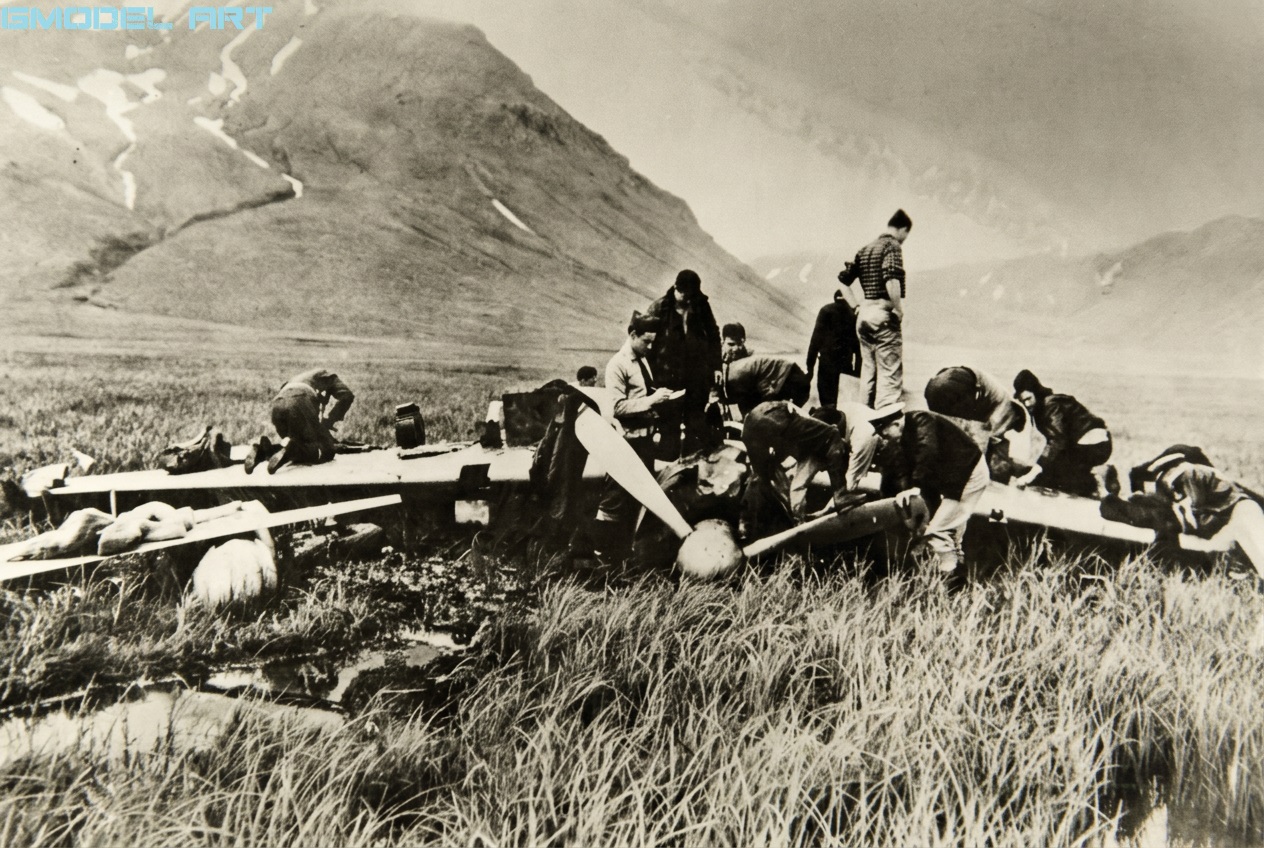
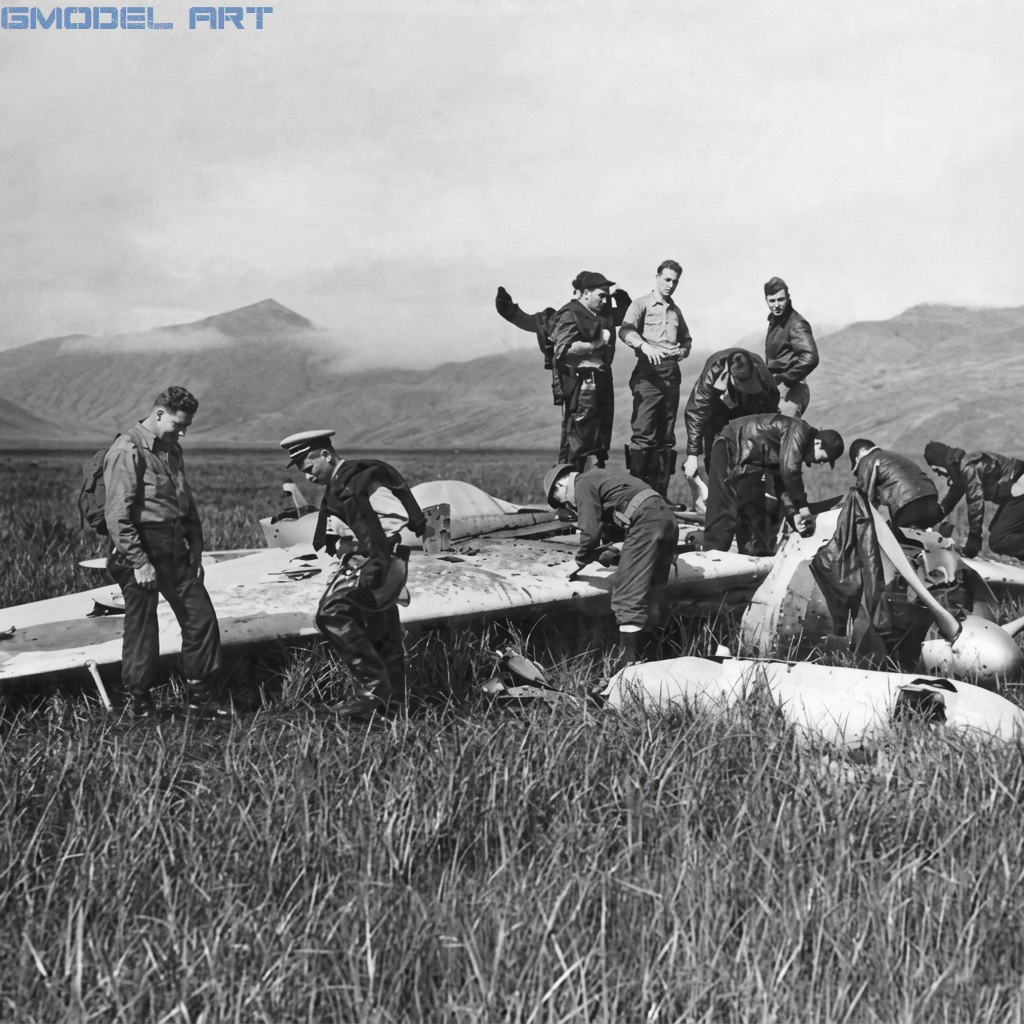
On 10 July 1942, a U.S. Navy PBY Catalina patrol aircraft discovered the overturned fighter while operating in the Aleutian Islands. The aircraft had been flown by Lieutenant William N. Thies, whose crew recognized the importance of the discovery.
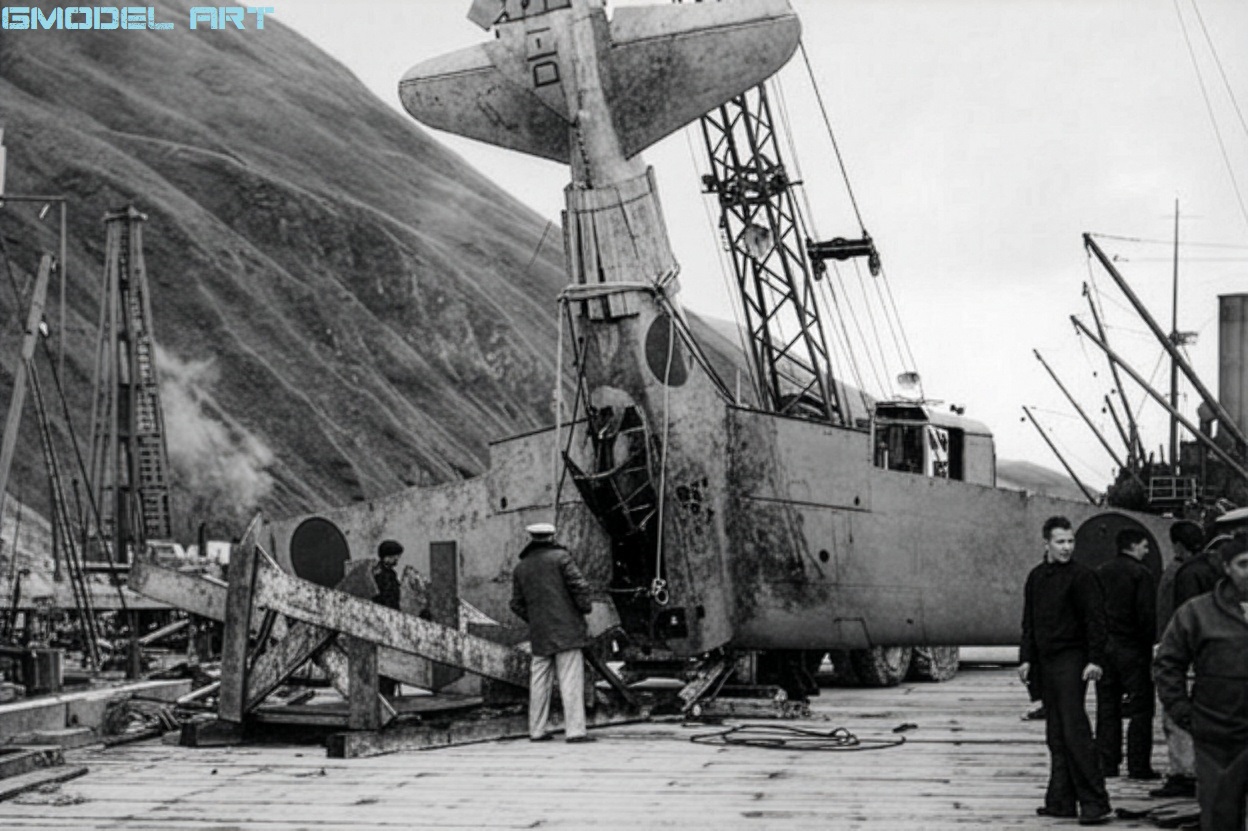
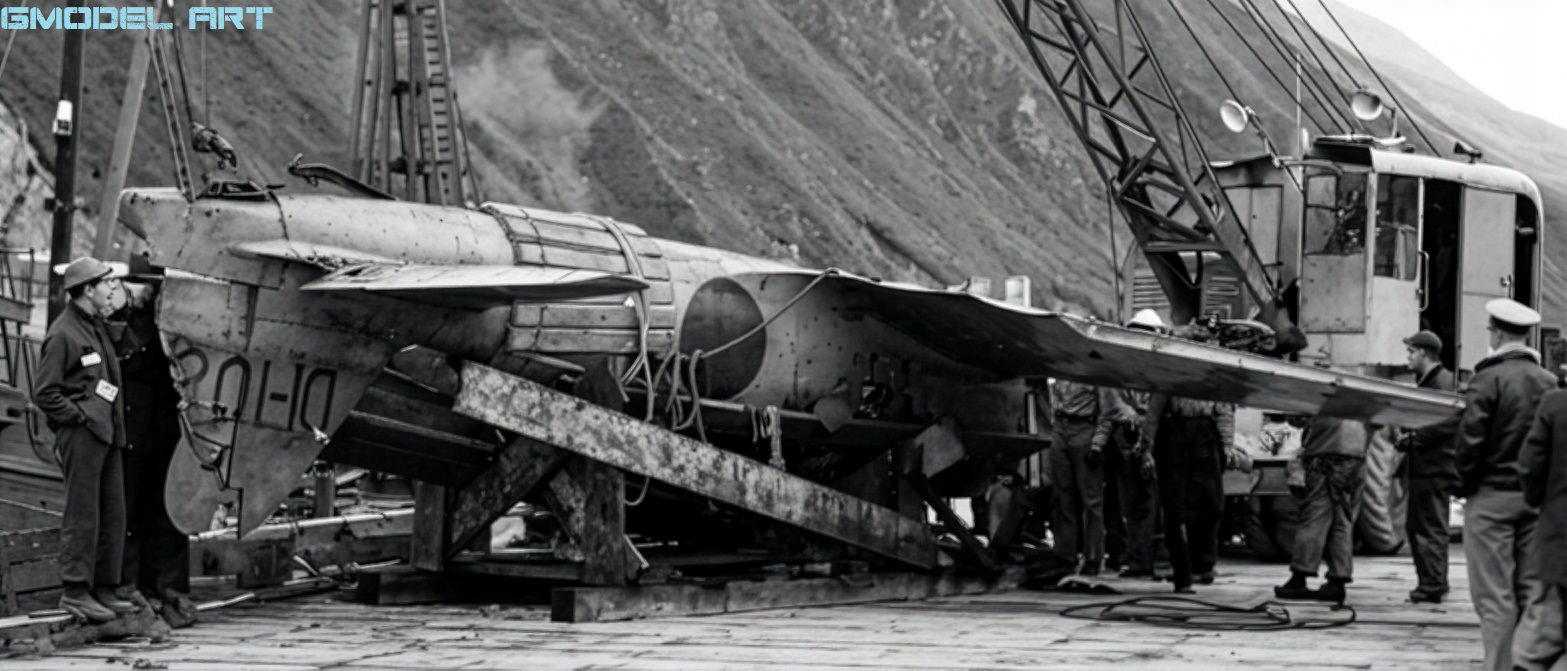
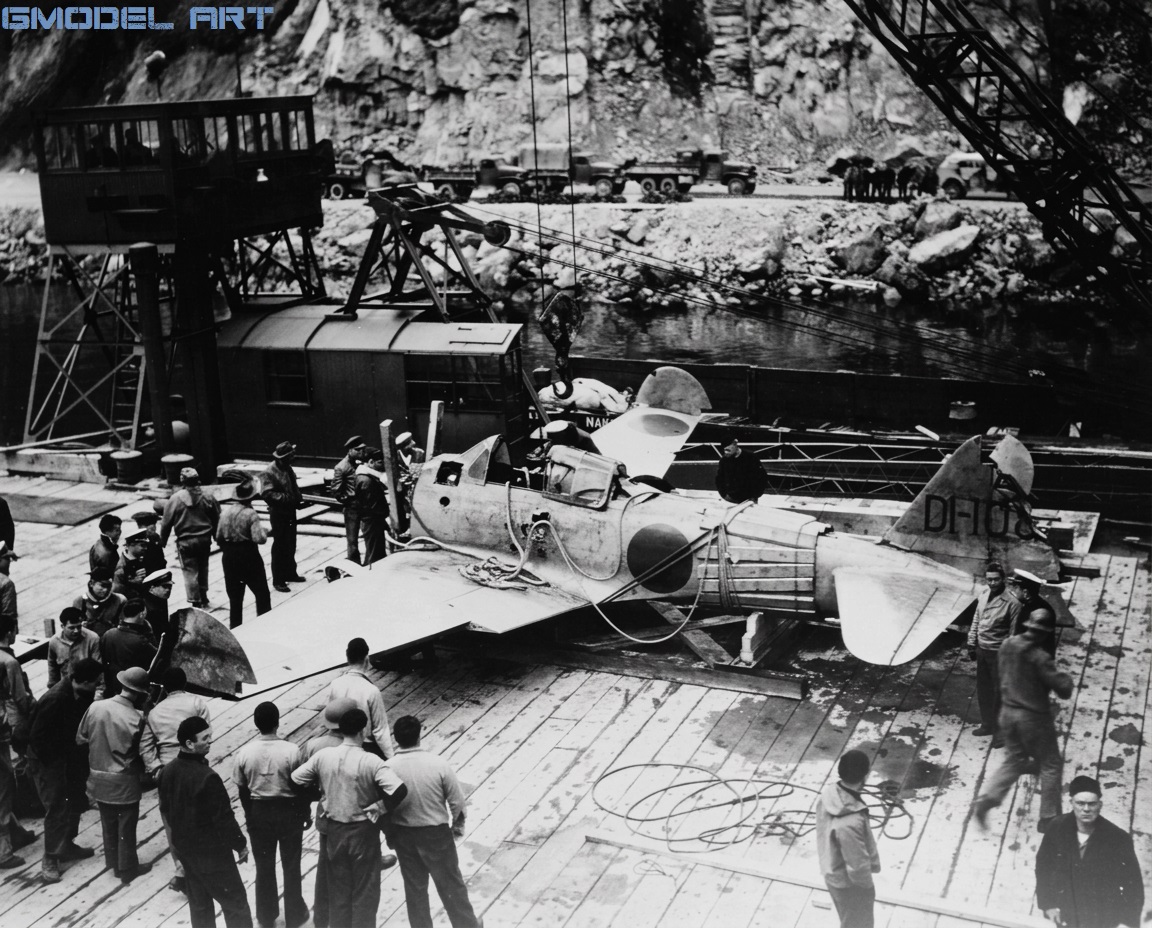
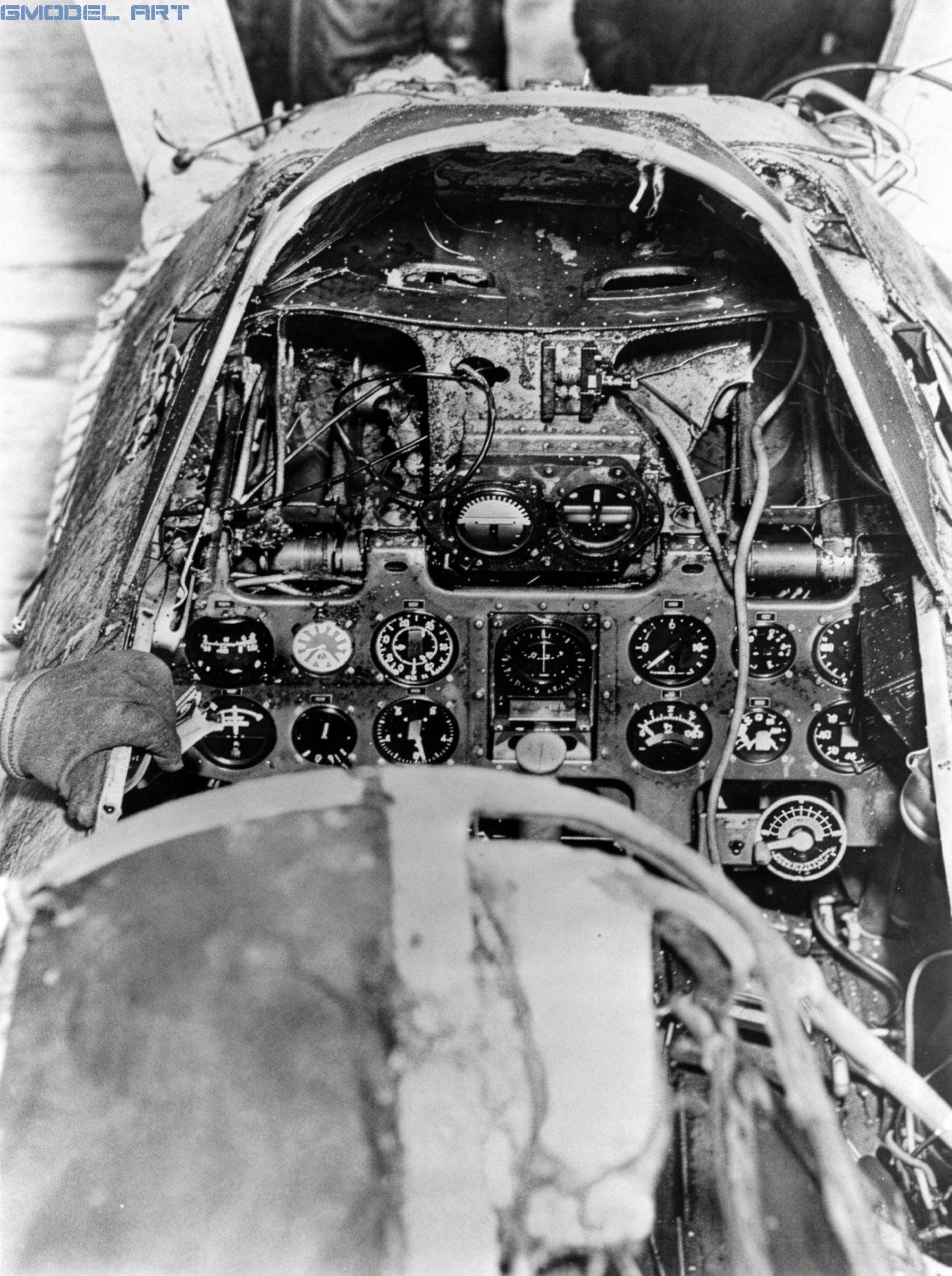
A recovery party subsequently reached the crash site. Although the landing gear, wing surfaces and other components had suffered damage, the main structure was sufficiently intact to make restoration possible.
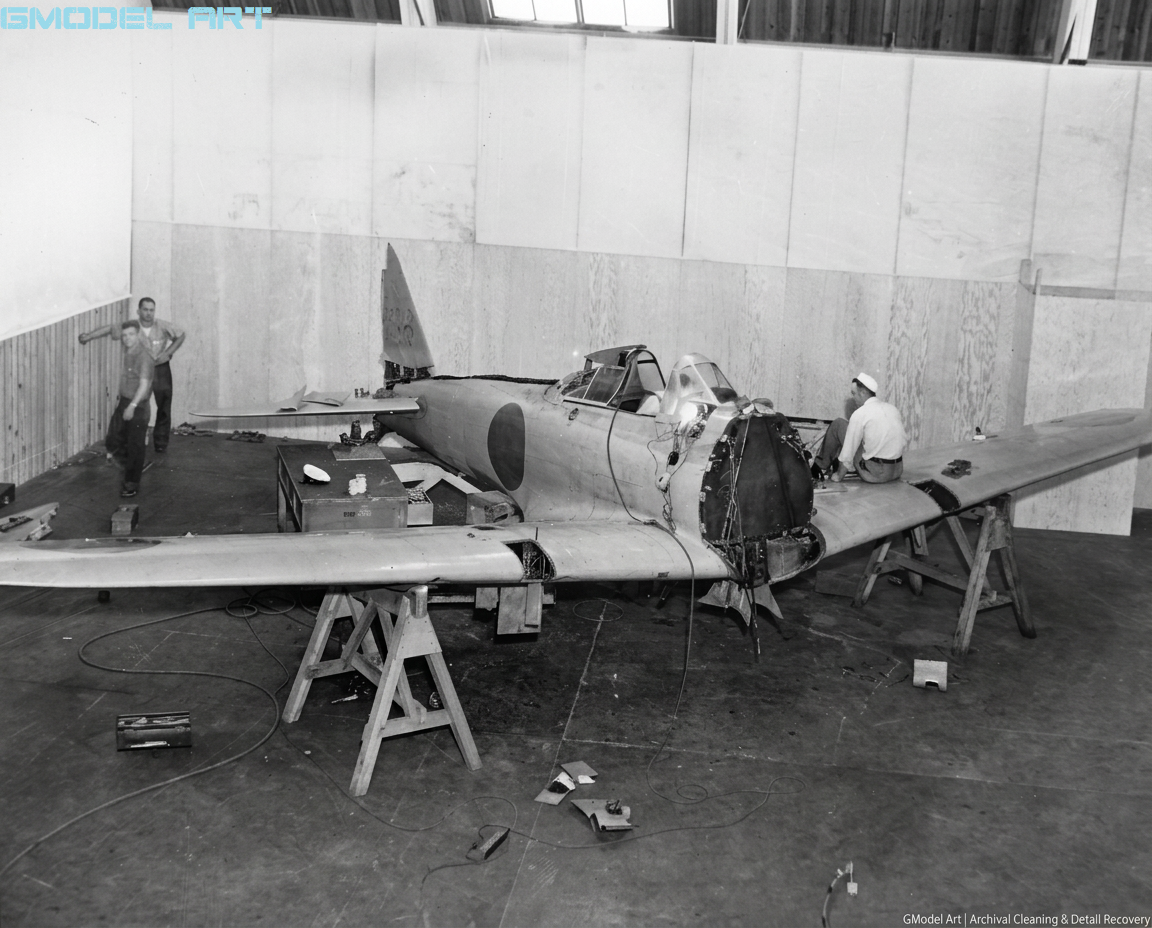
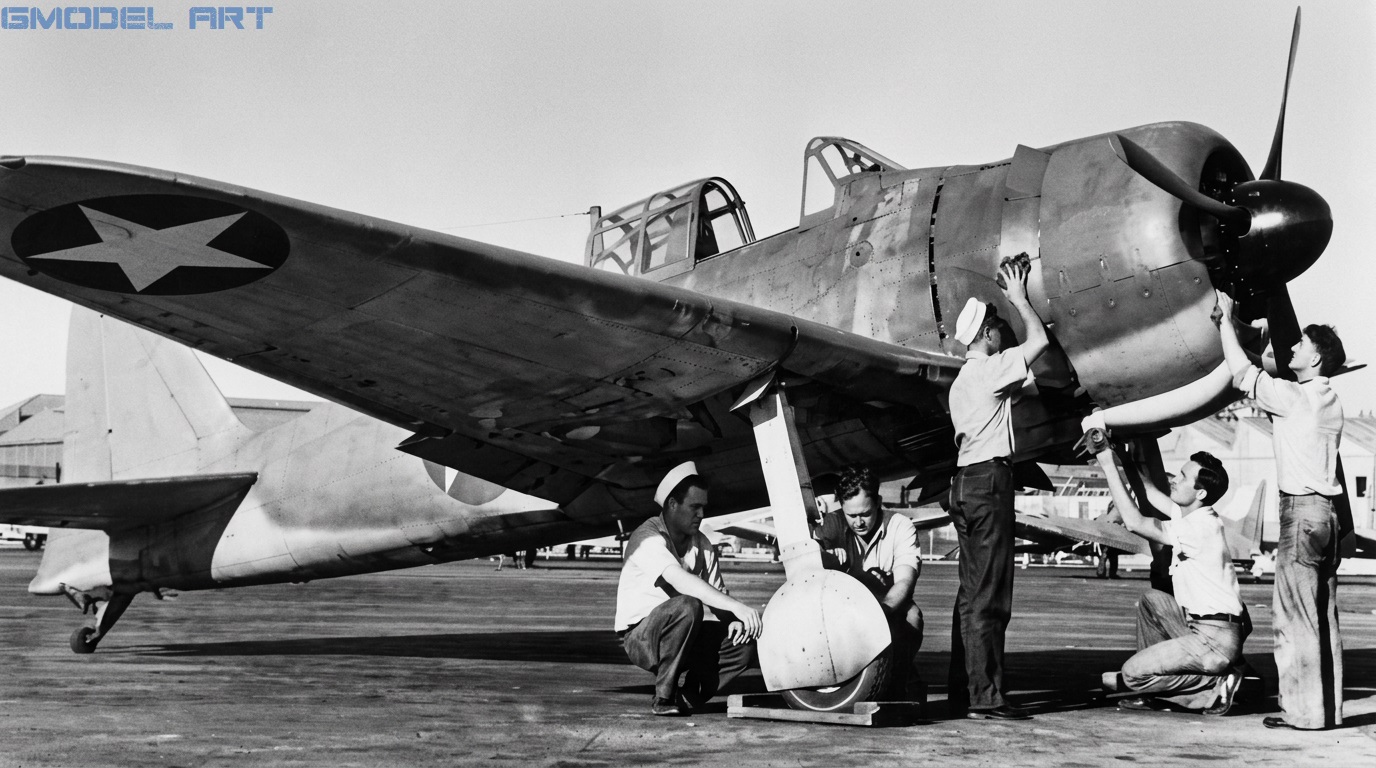
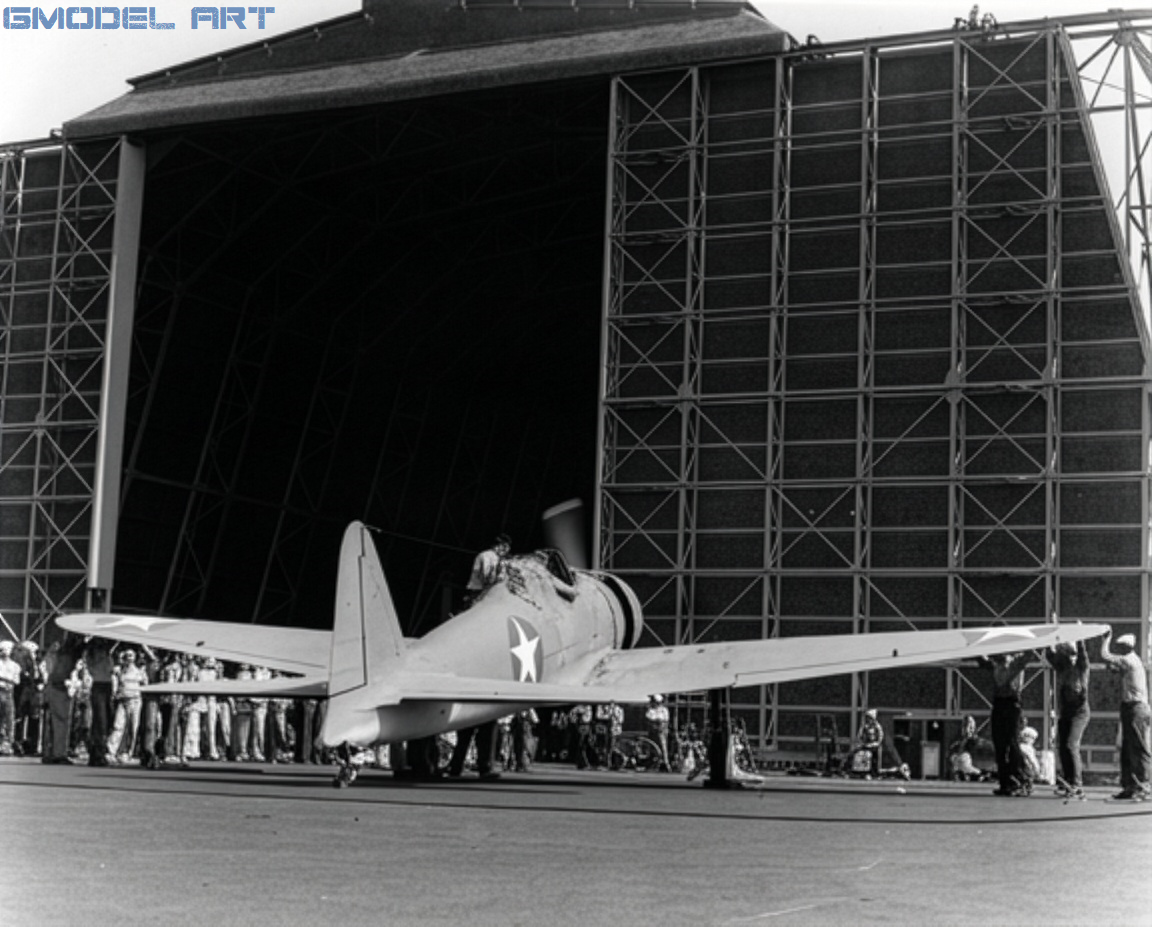
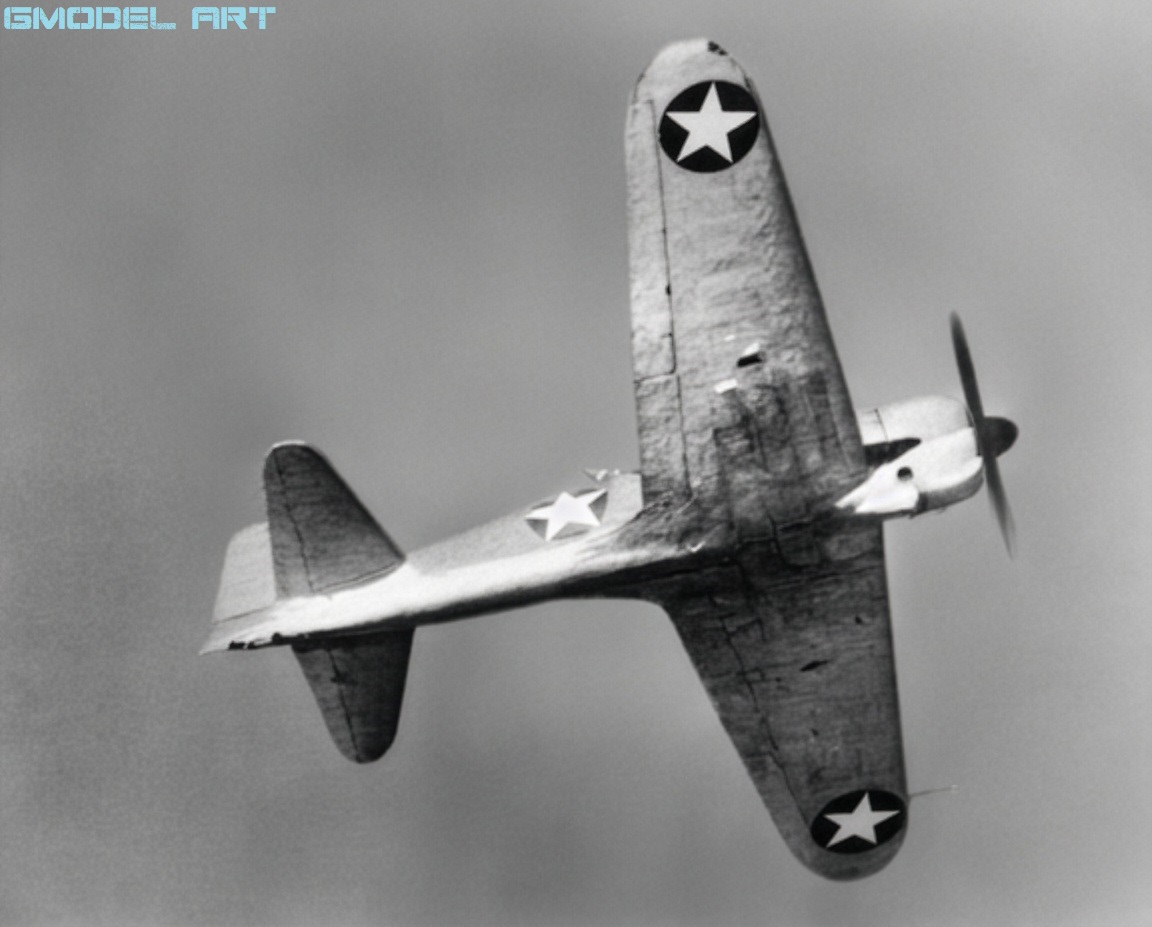
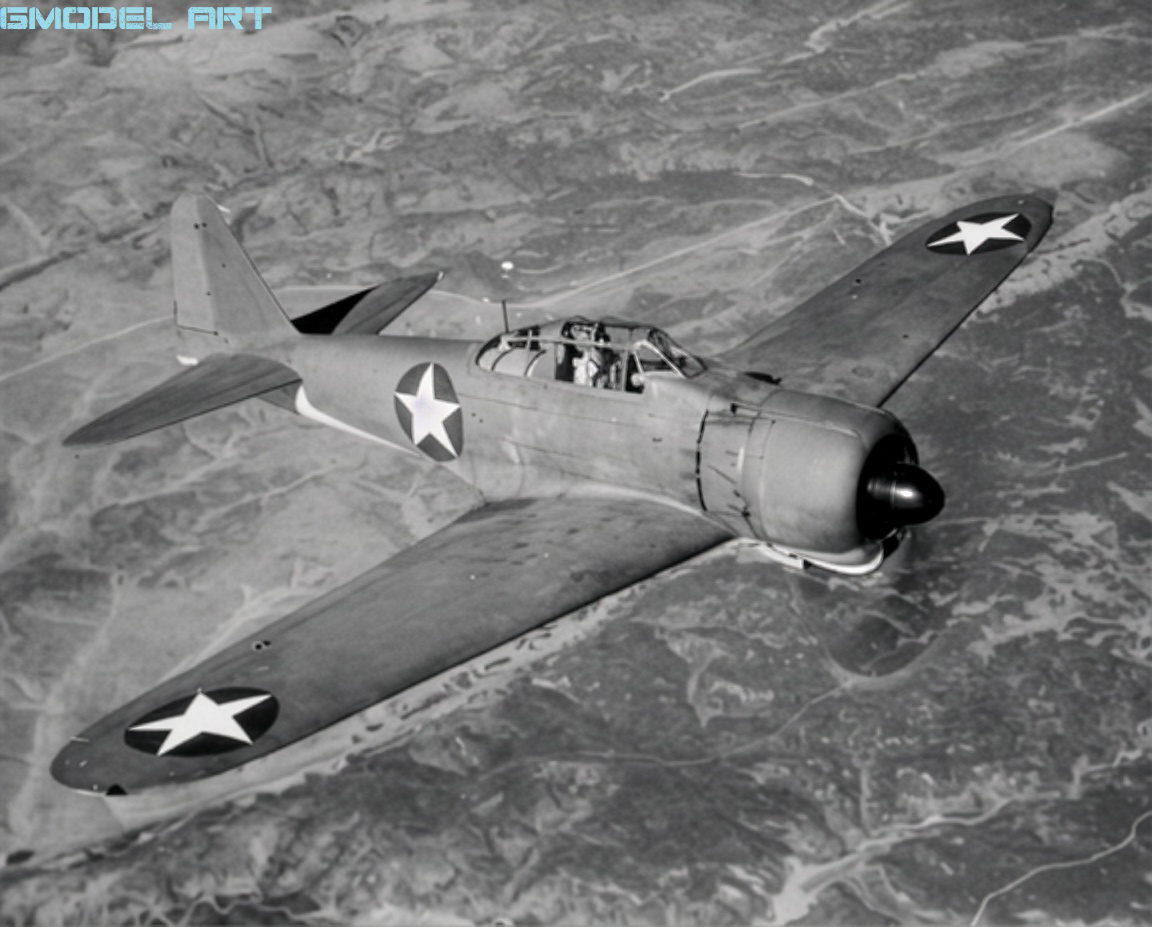
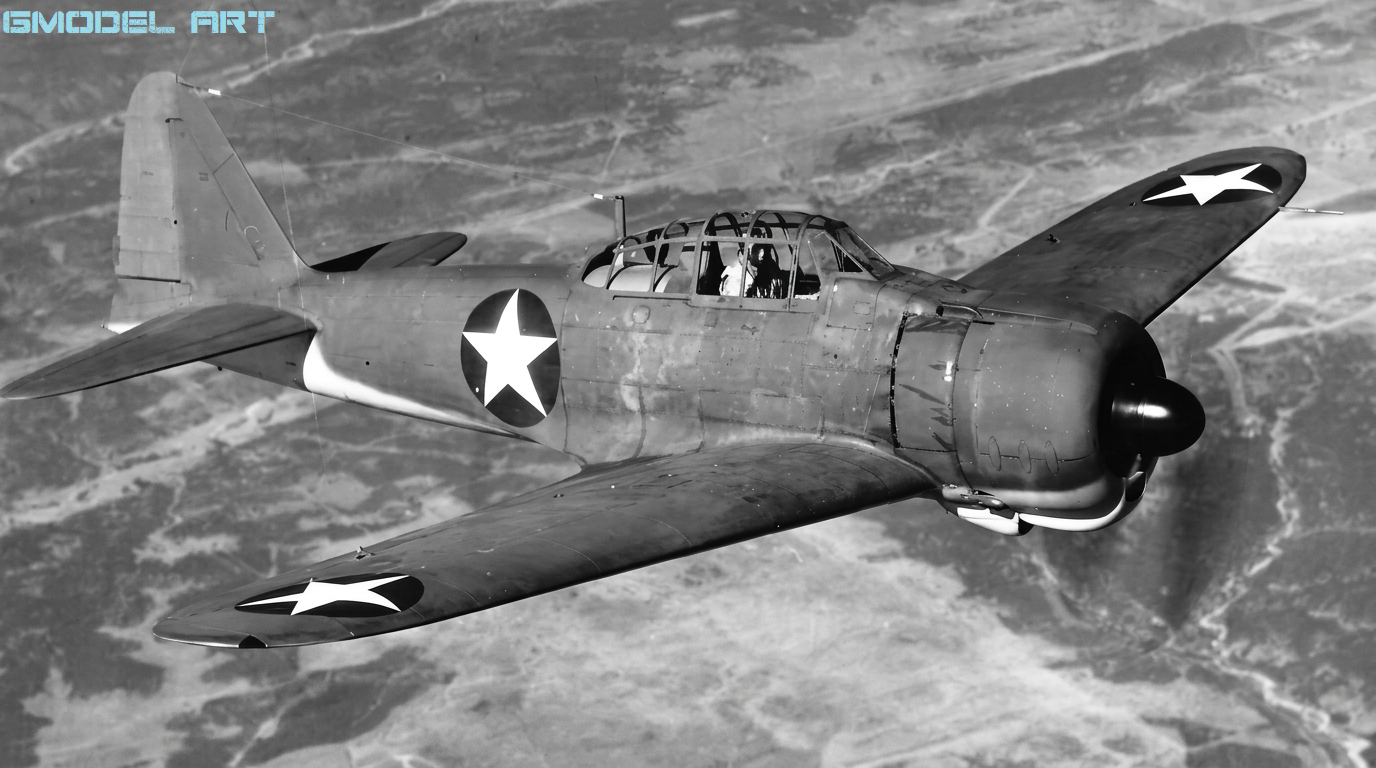
The aircraft was salvaged and transported to Naval Air Station San Diego, California, where U.S. Navy personnel repaired it and prepared it for flight testing.
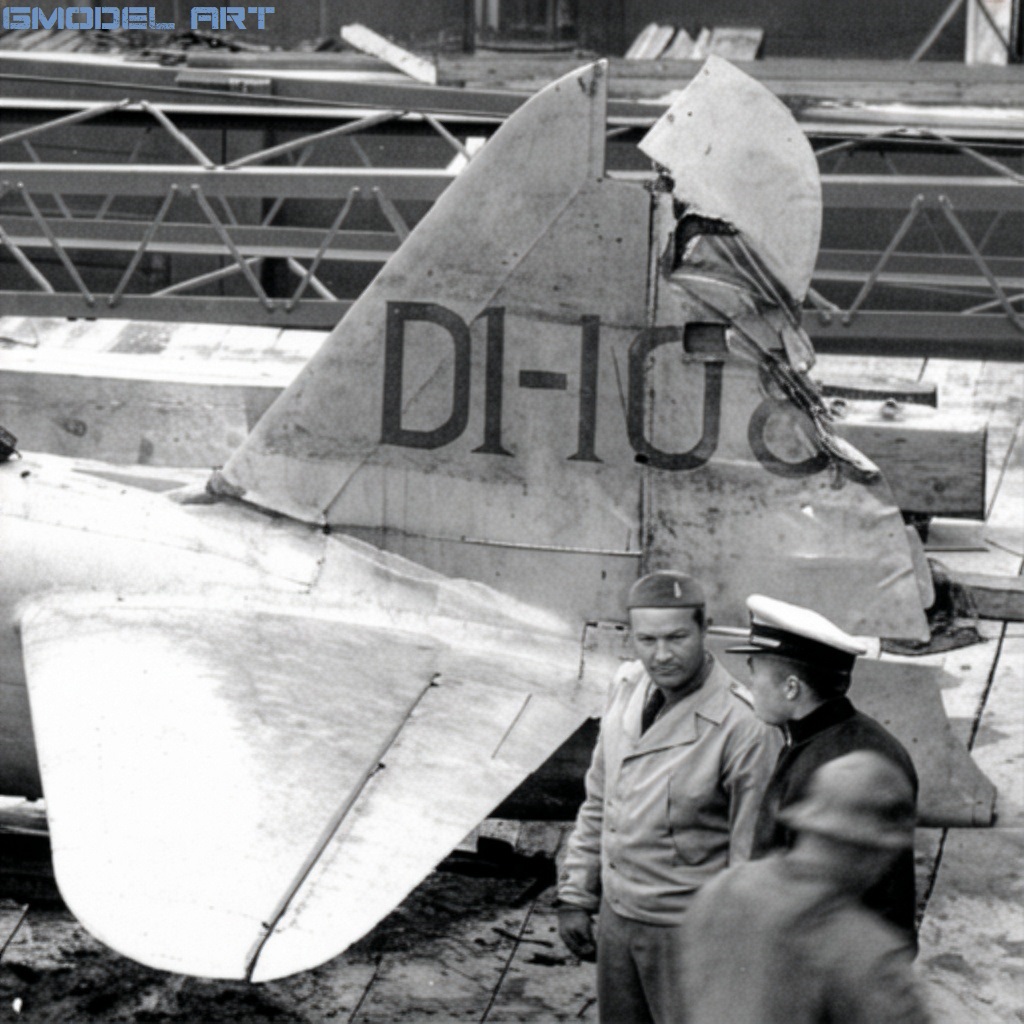
The recovered aircraft was Mitsubishi A6M2 Model 21, construction number 4593, carrying the Japanese tail code DI-108. It had been manufactured in February 1942 and assigned to the air group of the carrier Ryūjō.
Unlike intelligence gathered from wreckage, captured documents or combat reports, the Akutan Zero could be examined as a complete aircraft and evaluated under controlled flying conditions.
Flight Testing: Understanding the Zero’s Strengths and Weaknesses
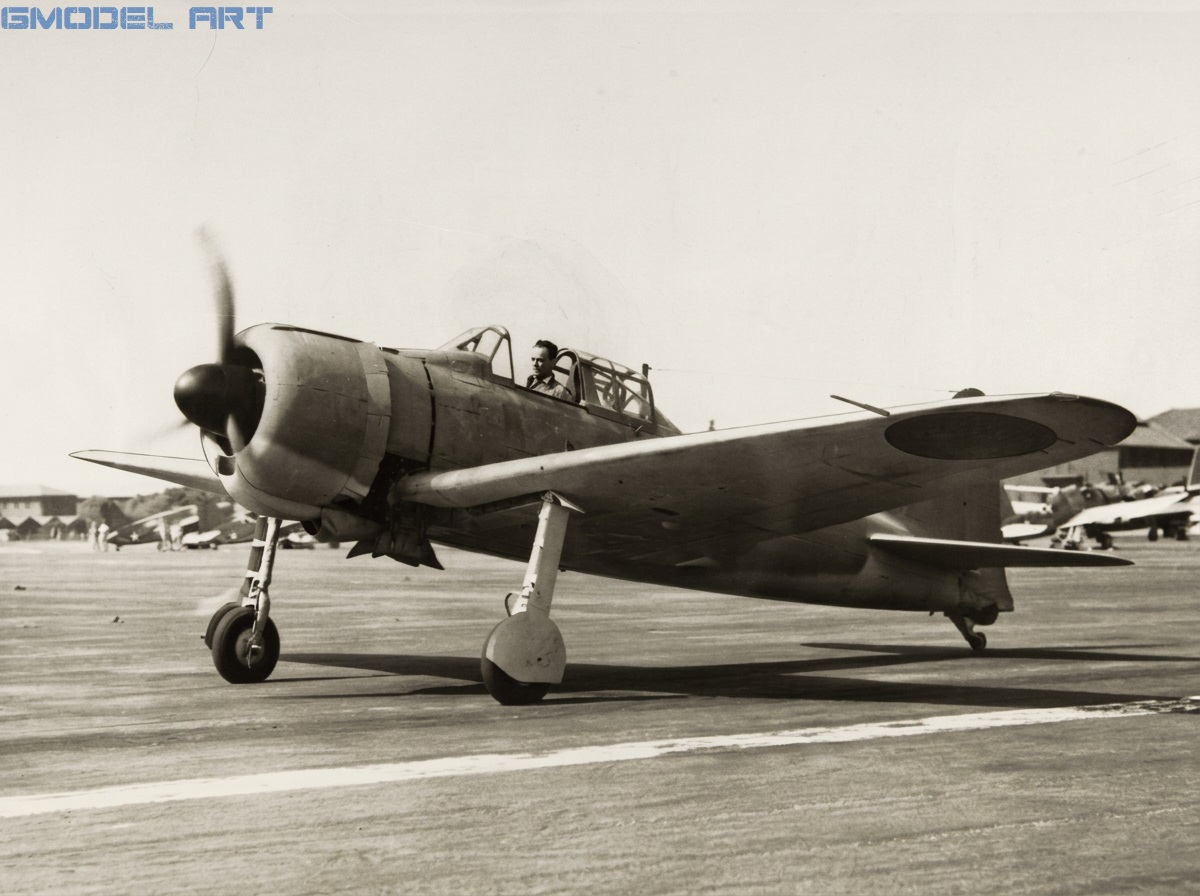
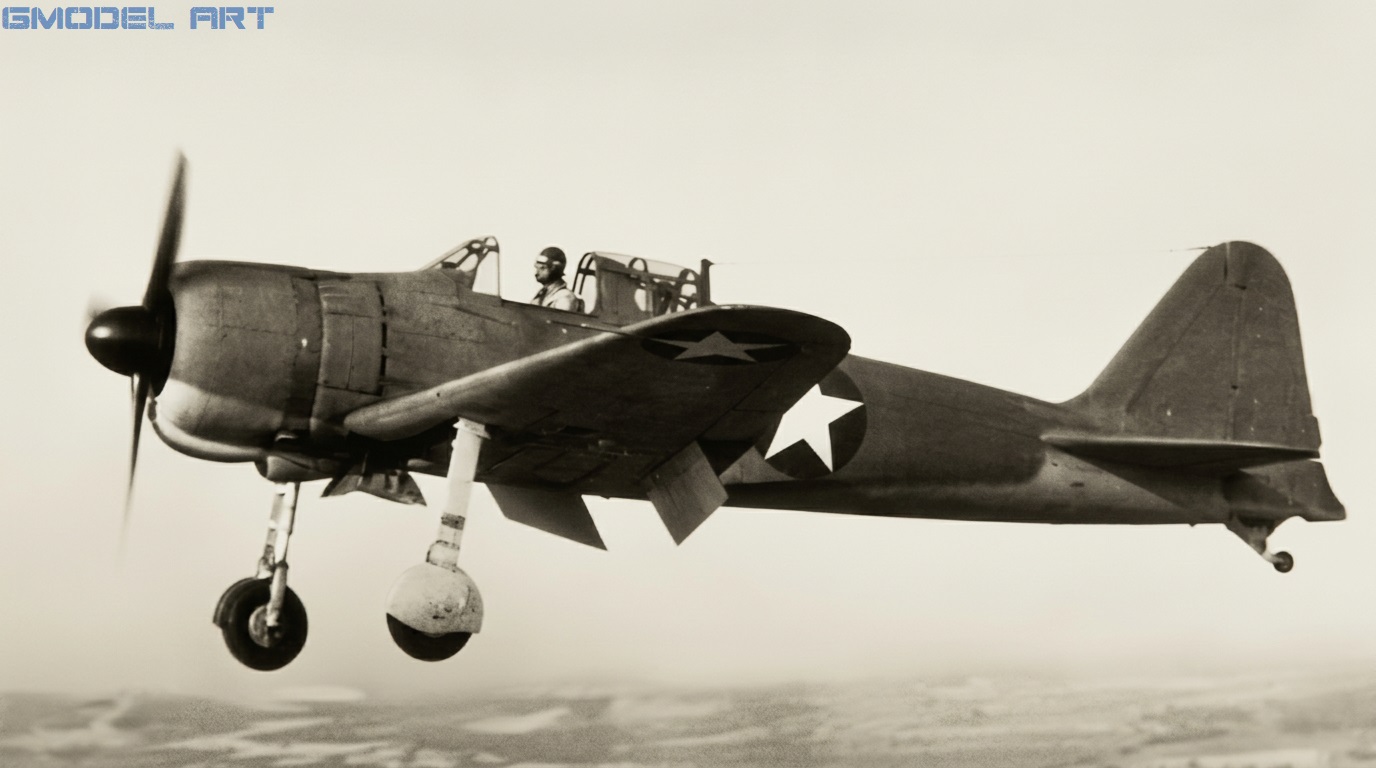
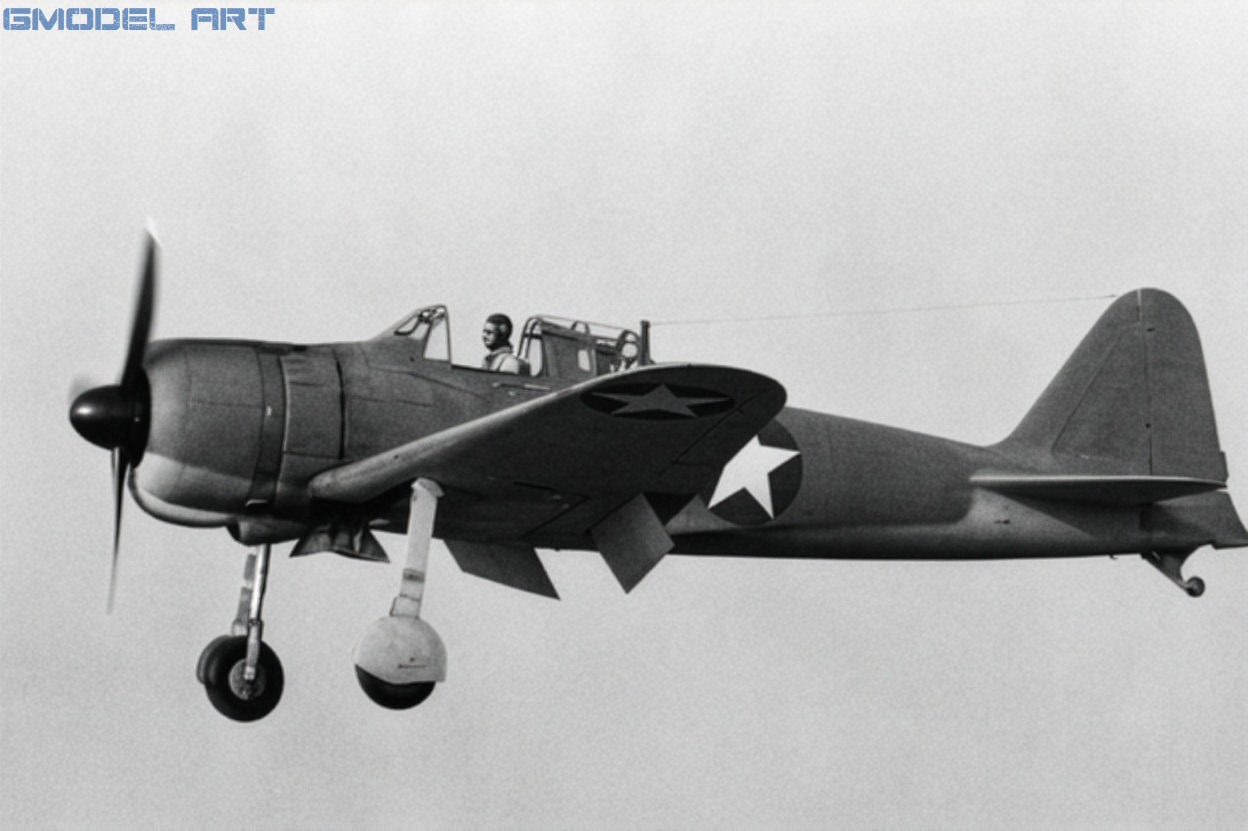
After restoration, the Akutan Zero underwent a series of American test flights, including evaluations of its maneuverability and performance against U.S. Navy fighters.
The results helped American pilots and engineers develop a more accurate understanding of the aircraft’s capabilities.
The Zero combined a lightweight airframe, excellent low-speed maneuverability and exceptional operational range. Its ability to sustain tight turns made it a formidable opponent during the early Pacific campaigns, particularly when Allied pilots attempted to engage it in conventional turning dogfights.
However, the evaluation also demonstrated important limitations.
At higher speeds, the Zero’s controls became heavier, and its ability to roll rapidly deteriorated. Its lightweight construction and lack of comprehensive pilot protection and self-sealing fuel tanks also contributed to its vulnerability to combat damage.
These characteristics supported tactics that emphasized speed, altitude, diving attacks and energy management rather than prolonged turning engagements.
The Akutan Zero did not single-handedly create these tactics. Allied pilots had already learned valuable lessons through combat, and other captured Japanese aircraft and intelligence sources also contributed. Nevertheless, the aircraft provided direct, measurable evidence that helped refine the operational understanding of the Zero.
The Akutan Zero and the Development of Allied Fighter Tactics
The captured fighter became particularly valuable because its performance could be compared with that of contemporary American aircraft.
The U.S. Navy’s Grumman F6F Hellcat, introduced to carrier operations in 1943, combined rugged construction, powerful armament, good high-speed performance and strong diving characteristics. These qualities helped American pilots exploit the Zero’s weaknesses.
The Akutan Zero therefore represents an important chapter in the development of Allied air-combat doctrine. Its contribution is best understood as the confirmation and refinement of lessons learned during combat, rather than as the sole reason for the eventual Allied advantage in the Pacific.
What Happened to the Original Aircraft?
After its evaluation program, the Akutan Zero was transferred to other American facilities for further examination. Its historical significance extended beyond routine flight testing, as engineers continued to study its aerodynamic characteristics.
The original aircraft did not survive the war. It was destroyed in 1945 in a ground accident involving a U.S. Navy aircraft.
Although the Zero itself was lost, photographs, technical observations and surviving components preserved part of its history. The aircraft remains an important subject for researchers studying Japanese naval aviation and American wartime intelligence.
Scale Modeling Guide: Building the Akutan Zero
The Akutan Zero is an excellent subject for modelers interested in Japanese naval aviation, captured aircraft and historically documented paint schemes.
The first decision is which stage of the aircraft’s history to reproduce. The original Japanese configuration and the later American evaluation configuration require different markings, finishes and weathering.
Option 1: The Original Japanese Aircraft, DI-108
The most recognizable version is the Mitsubishi A6M2 Model 21 as flown by Tadayoshi Koga on 4 June 1942.
The aircraft carried the Imperial Japanese Navy’s national markings and the tail code DI-108. Its construction number was 4593.
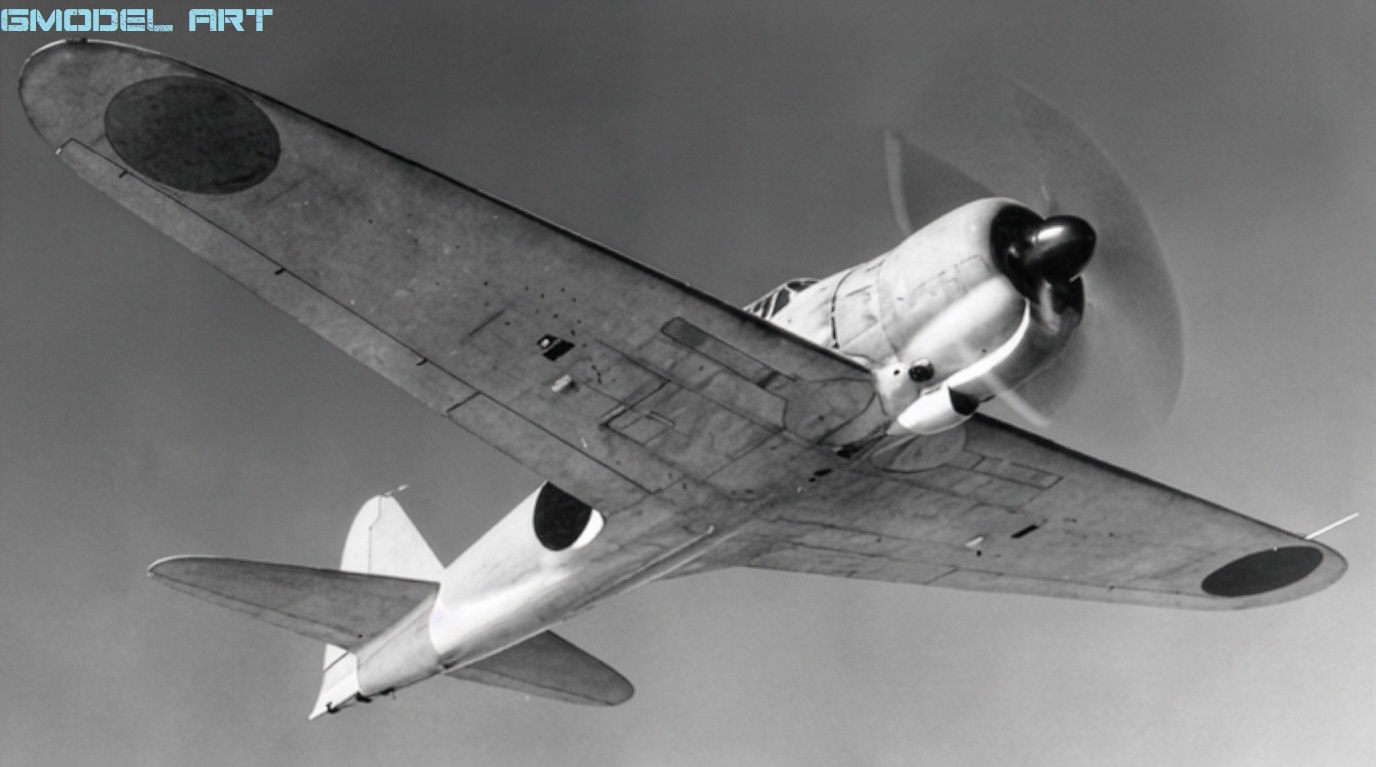
For this configuration, select an A6M2 Model 21 kit with the characteristic folding wingtips. The model should retain the early Zero’s long, slender wings, distinctive engine cowling and appropriate cockpit details.
The airframe finish is commonly interpreted as a warm gray or gray-green Japanese naval aircraft color, often referred to as hairyokushoku. Its precise appearance should be assessed using contemporary photographs and reliable research rather than an assumed modern Federal Standard equivalent.
Because the aircraft was relatively new, extensive paint chipping and heavily worn surfaces would be difficult to justify. Restrained exhaust staining, subtle operational grime and localized dirt around the landing gear are more appropriate.
A small amount of mud around the lower airframe can help represent the aircraft’s forced landing on Akutan Island, but the degree of staining should remain consistent with the available photographic evidence.
Option 2: The U.S. Navy Evaluation Aircraft
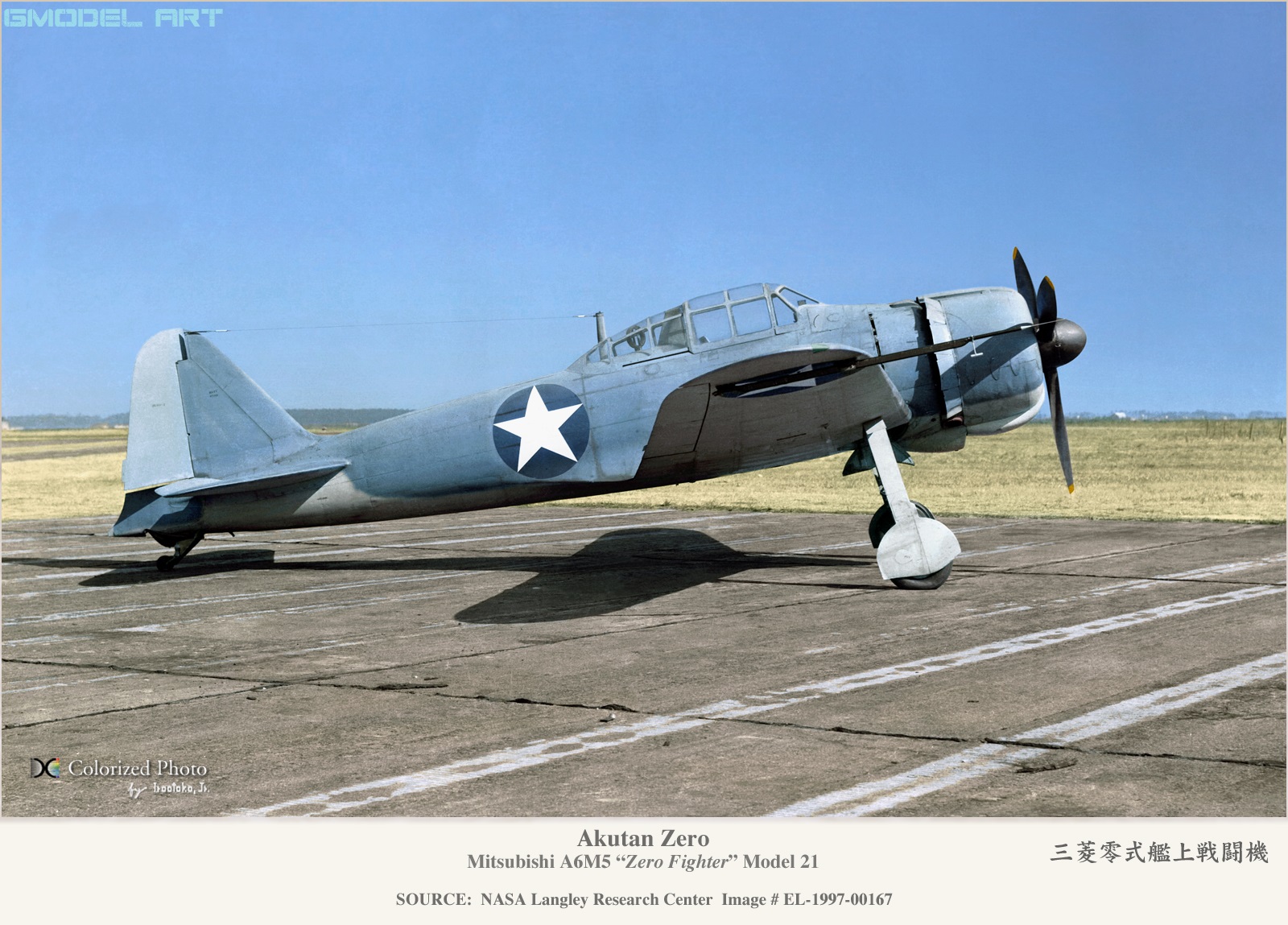
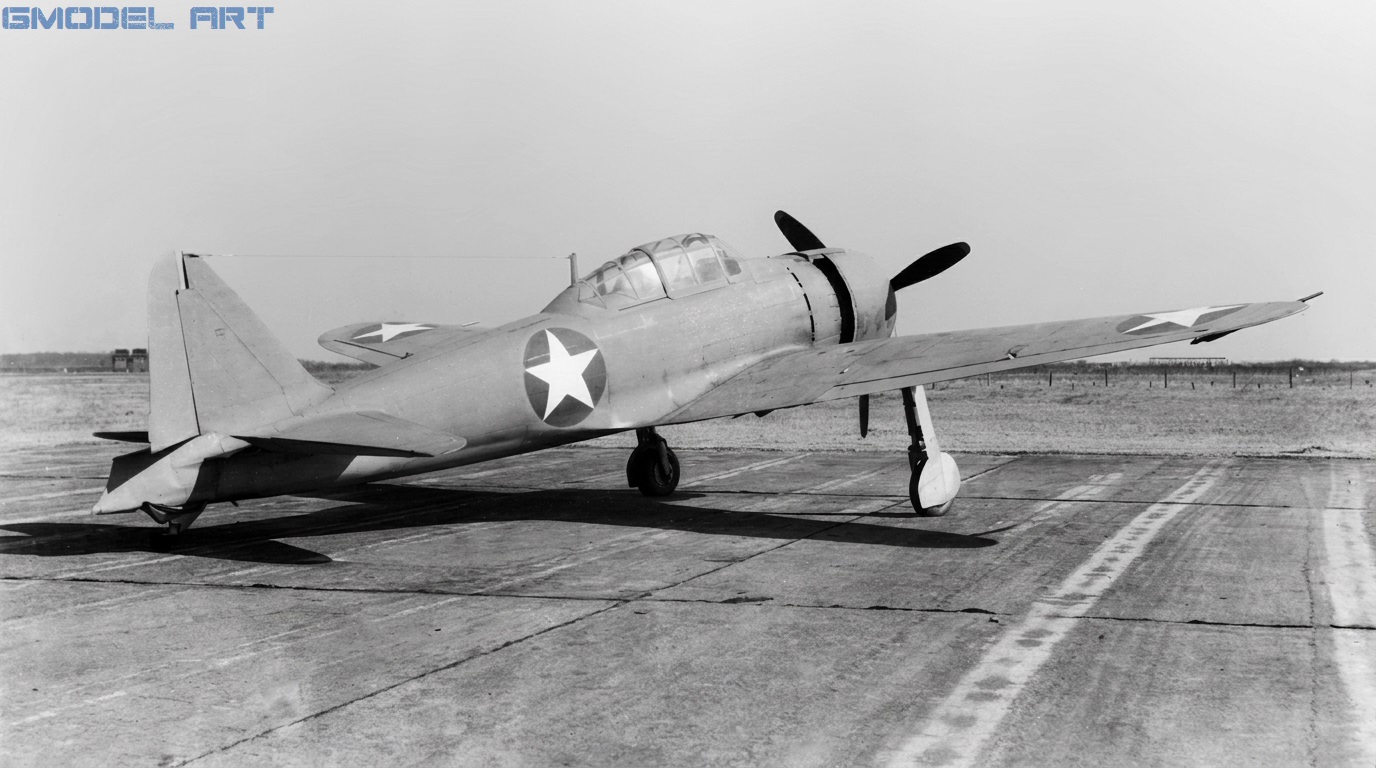
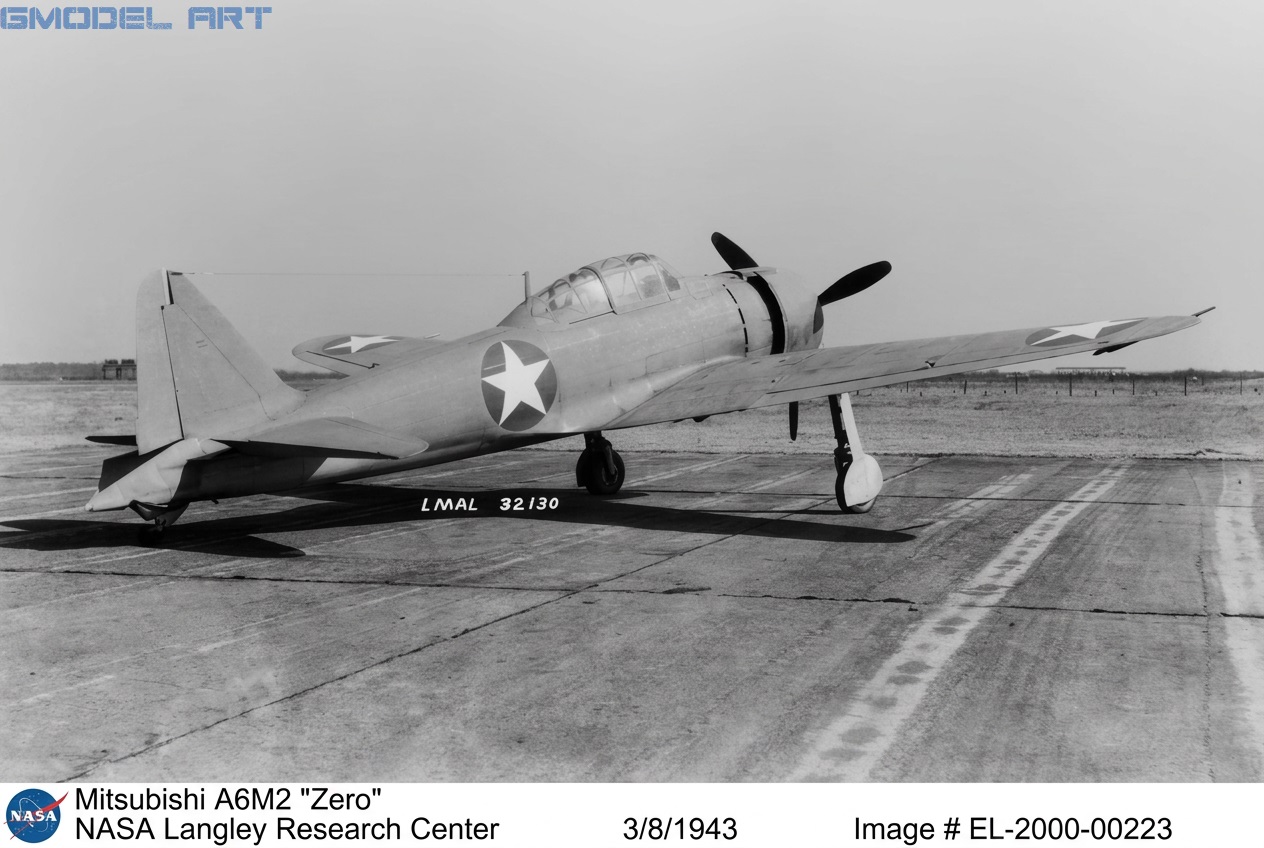
The second option depicts the Zero after its recovery and restoration by the U.S. Navy.
In this configuration, the aircraft received American identification markings and a U.S. Navy evaluation finish. It is an unusual choice for a collection of captured aircraft because it illustrates the transition from an operational Japanese fighter to an American test subject.
Do not apply the original Japanese markings and the American evaluation markings simultaneously. They represent different periods in the aircraft’s history.
Before selecting the exact American paint scheme, consult dated photographs of the restored aircraft. Marking placement, paint coverage and visible repair details should be based on the particular stage being represented.
Which Mitsubishi A6M2 Model 21 Kits Are Suitable?
The most important distinction when selecting a kit is the aircraft variant. The Akutan Zero was an A6M2 Model 21, not a later A6M5 Model 52.
The following kits provide suitable starting points for a model of DI-108.
Tamiya Mitsubishi A6M2 Zero, 1/48
Tamiya kit is a practical option for modelers who want a well-established A6M2 Model 21 kit. The manufacturer describes its cockpit, surface detail and alternative canopy and landing-gear configurations on its official product page.
Official product information: https://eshop.gmodelart.com/product/a6m2-type-21-zero-fighter-zeke/
Best for: A straightforward 1/48 build with the classic outline of the early Zero.
The kit is a suitable starting point, but its included markings should not be assumed to represent DI-108. Check the decal options and source suitable markings for construction number 4593.
Eduard A6M2 Zero Type 21 ProfiPACK, 1/48
Eduard kit is another strong option. Its ProfiPACK edition includes photo-etched details, paint masks and decals for multiple A6M2 Model 21 aircraft.
Official product information: https://eshop.gmodelart.com/product/samurai-dual-combo-limited-edition/
Best for: Modelers seeking a more detailed cockpit and additional small-scale components without sourcing every enhancement separately.
The standard marking options must still be checked against the identity of the Akutan aircraft. An appropriate aftermarket decal set or carefully produced custom markings may be required.
Eduard A6M2 Zero Type 21 Weekend Edition, 1/48
Eduard kit offers a more basic version of the manufacturer’s A6M2 Model 21 tooling. It includes plastic parts and decals without the pre-painted photo-etched parts and masks supplied with the ProfiPACK edition.
Official product information:https://eshop.gmodelart.com/product/zero-zero-zero-dual-combo-limited-edition/
Best for: Modelers who prefer a simpler build and want to concentrate on painting, markings and weathering.
Tamiya Mitsubishi A6M2B Zero, 1/72
Tamiya kit represents the A6M2B in 1/72 scale. Its characteristic folding wingtips make it a relevant candidate for a compact display of the Akutan Zero.
Official product information:https://eshop.gmodelart.com/product/a6m2-type-21-zero-fighter-zeke/
Best for: Modelers working in 1/72 scale or building a collection of early Pacific War aircraft.
As with the 1/48 kits, confirm the exact configuration and the availability of suitable DI-108 markings before beginning construction.
Kit Selection Summary
For a detailed 1/48 display, the Eduard ProfiPACK is a strong choice. For a more straightforward build, consider Tamiya 61016 or Eduard Weekend Edition 84189. In 1/72, Tamiya 60780 is a suitable starting point.
No kit should be described as a dedicated Akutan Zero boxing unless its manufacturer or decal documentation explicitly confirms that subject. A standard A6M2 Model 21 kit may require additional markings and research to reproduce construction number 4593 accurately.
Recommended Paint Colors for the Akutan Zero
The following table provides starting points for a Japanese-configured DI-108 model. Paint references are practical modeling approximations, not a claim that every listed color is a verified match to the original aircraft.
| Area | Suggested finish | Mr. Color | Tamiya | AK Real Colors | MRP |
|---|---|---|---|---|---|
| Main airframe | IJN warm gray / gray-green | C35* | XF-76* | RC330* | MRP-430* |
| Engine cowling | Blue-black | C125* | XF-69* | RC301* | MRP-131* |
| Cockpit | Mitsubishi-type interior finish; verify by component | C126* | XF-71* | RC303* | MRP-111* |
| Protective internal coating | Aotake, where supported by evidence | C57 with clear blue* | Transparent blue-green mixture* | RC327* | MRP-117* |
| Landing gear | Verify against photographs and component-specific research | C308* | XF-19* | RC252* | MRP-038* |
| Propeller | Brown, with appropriate metallic details | C131* | XF-64* | RC314* | MRP-123* |
| Spinner | Verify the particular aircraft configuration | C131* | XF-64* | RC314* | MRP-123* |
| Hinomaru | Imperial Japanese Navy marking red | C327* | XF-7* | RC004* | MRP-122* |
These are starting points drawn from commonly used modeling references, not independently verified color matches for every component of construction number 4593. Check current manufacturer paint charts and historical references before treating any cross-reference as exact.
Understanding the Japanese Gray-Green Finish
The early Zero’s exterior color is frequently discussed in Japanese aircraft modeling. The term hairyokushoku is associated with the characteristic warm gray appearance, which may appear slightly greenish or amber under different lighting and photographic conditions.
A modern paint chip or Federal Standard number should not be treated as proof of the original wartime specification. For a historically informed model, select a suitable paint, compare it with reliable references and avoid exaggerating the green component simply because the aircraft is described as gray-green.
Aotake and Interior Details
Aotake was a translucent protective coating used on certain internal metal surfaces. It should not be treated as a universal color for every wheel well, landing-gear component or cockpit surface.
The exact finish depended on the component and manufacturing practice. Where photographic or technical evidence is unavailable, distinguish clearly between a documented feature and a conventional modeling interpretation.
Weathering the DI-108
A restrained finish is appropriate for the original Japanese aircraft.
Use subtle exhaust staining behind the engine cowling.
Apply limited dirt around the landing gear and lower fuselage.
Keep paint chipping restrained and supported by the aircraft’s condition.
Avoid applying heavy, uniform silver chipping across the wings and fuselage without photographic evidence.
Use a satin or semi-matte finish appropriate to the chosen paint interpretation.
The Akutan Zero’s marsh landing can be represented with localized mud and dirt, but the model should not be made excessively weathered simply to create visual drama.
Final Thoughts
The Akutan Zero remains one of the most compelling aircraft subjects of the Second World War. The recovery of construction number 4593 provided the U.S. Navy with an unusually complete example of the Mitsubishi A6M2 Model 21 and helped clarify the strengths and limitations of Japan’s celebrated naval fighter.
For modelers, DI-108 offers a combination of historical significance, distinctive early Zero features and a well-documented identity. Selecting the correct Model 21 kit, applying researched markings and keeping the finish consistent with the available evidence are the essential steps toward a convincing representation.
Whether built in its original Imperial Japanese Navy configuration or as the later American evaluation aircraft, the Akutan Zero is far more than another early-war fighter. It is a subject that connects aircraft engineering, wartime intelligence and scale-model craftsmanship.
For further research, consult the U.S. Naval History and Heritage Command’s historical material on captured Zero fighters and the aircraft record for Mitsubishi A6M2 construction number 4593.
Mitsubishi A6M Zero– “Wreck of War in Eden”
Gallery