article
B-26 Marauder: The Most Misunderstood Bomber of World War II
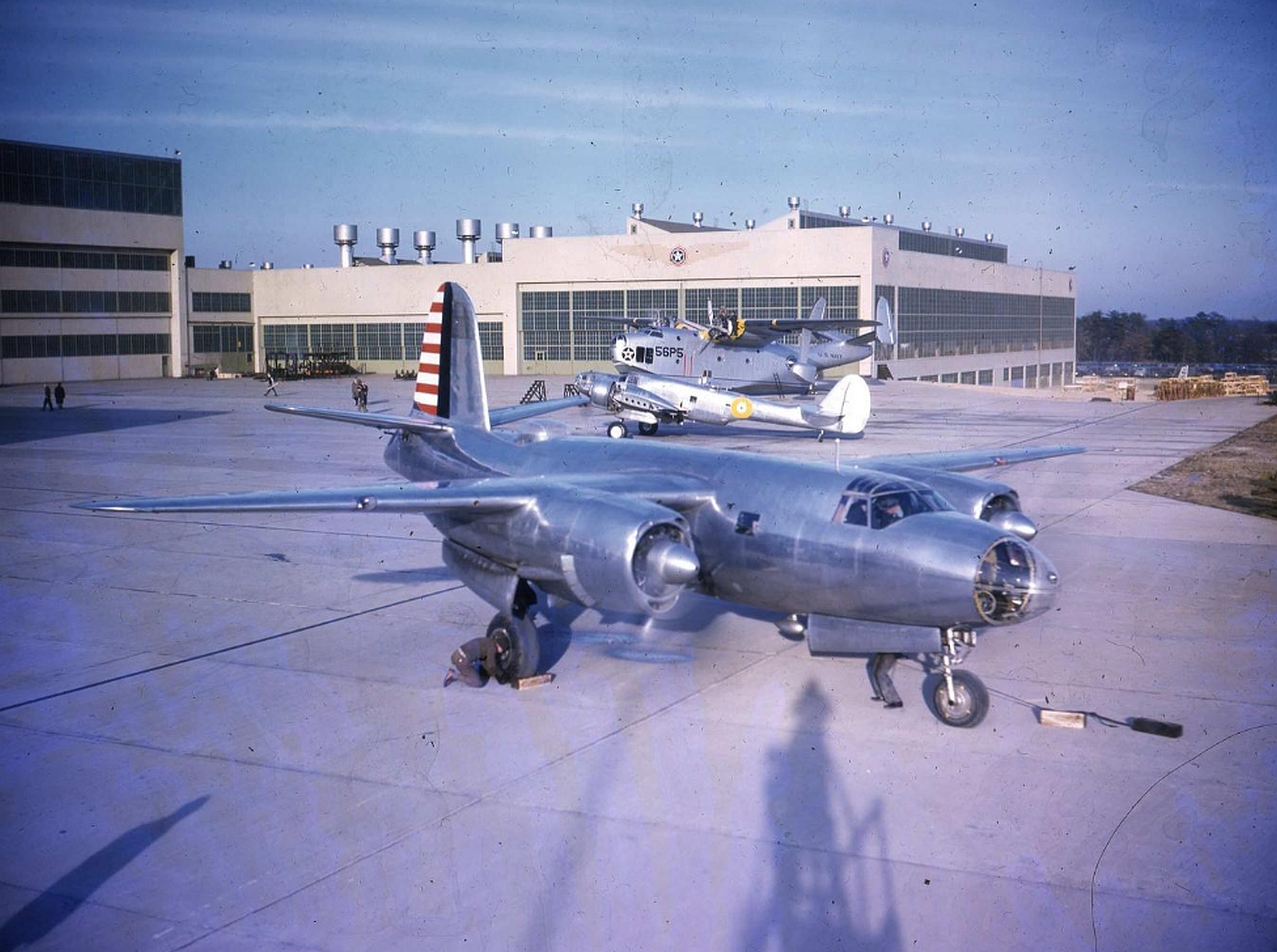
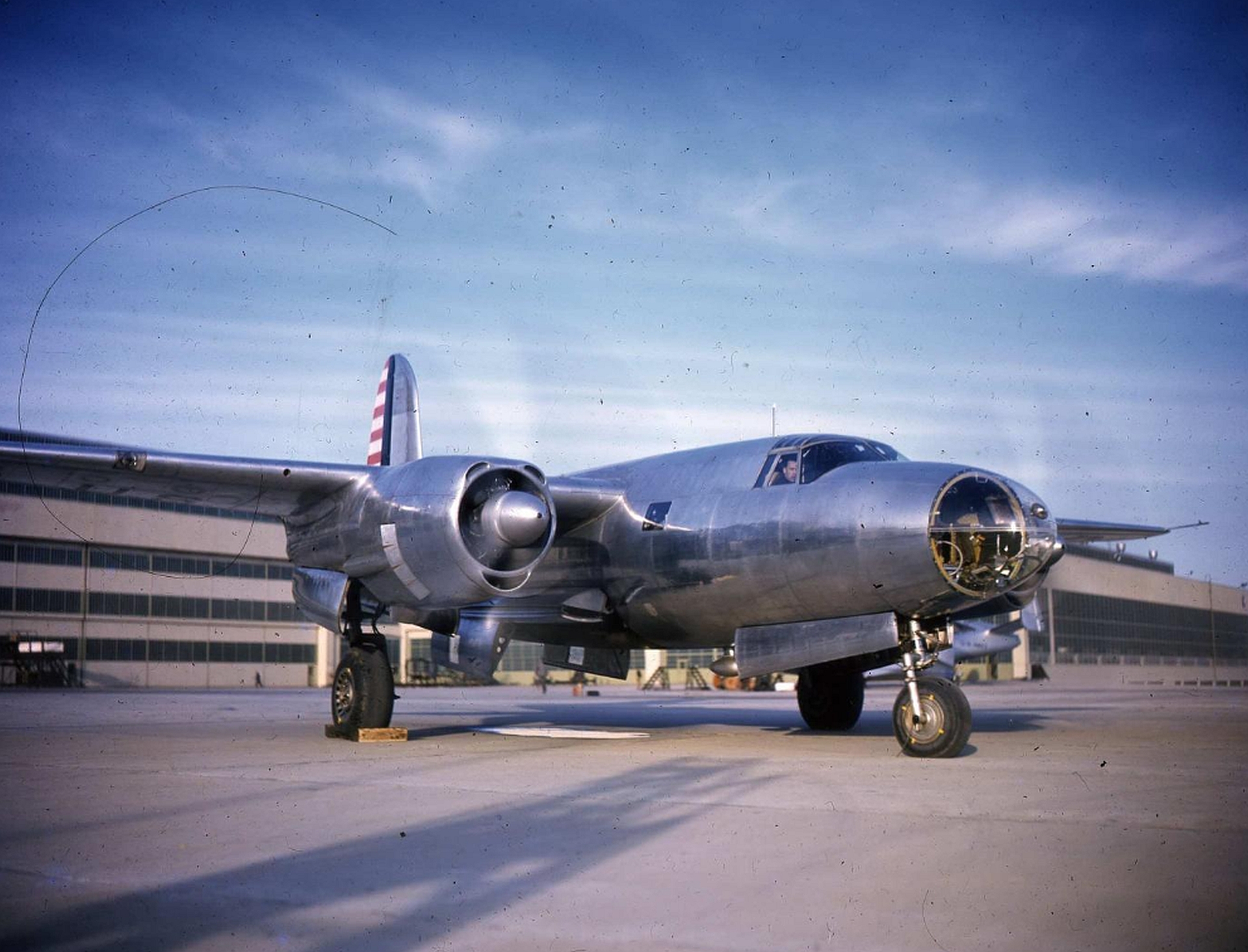
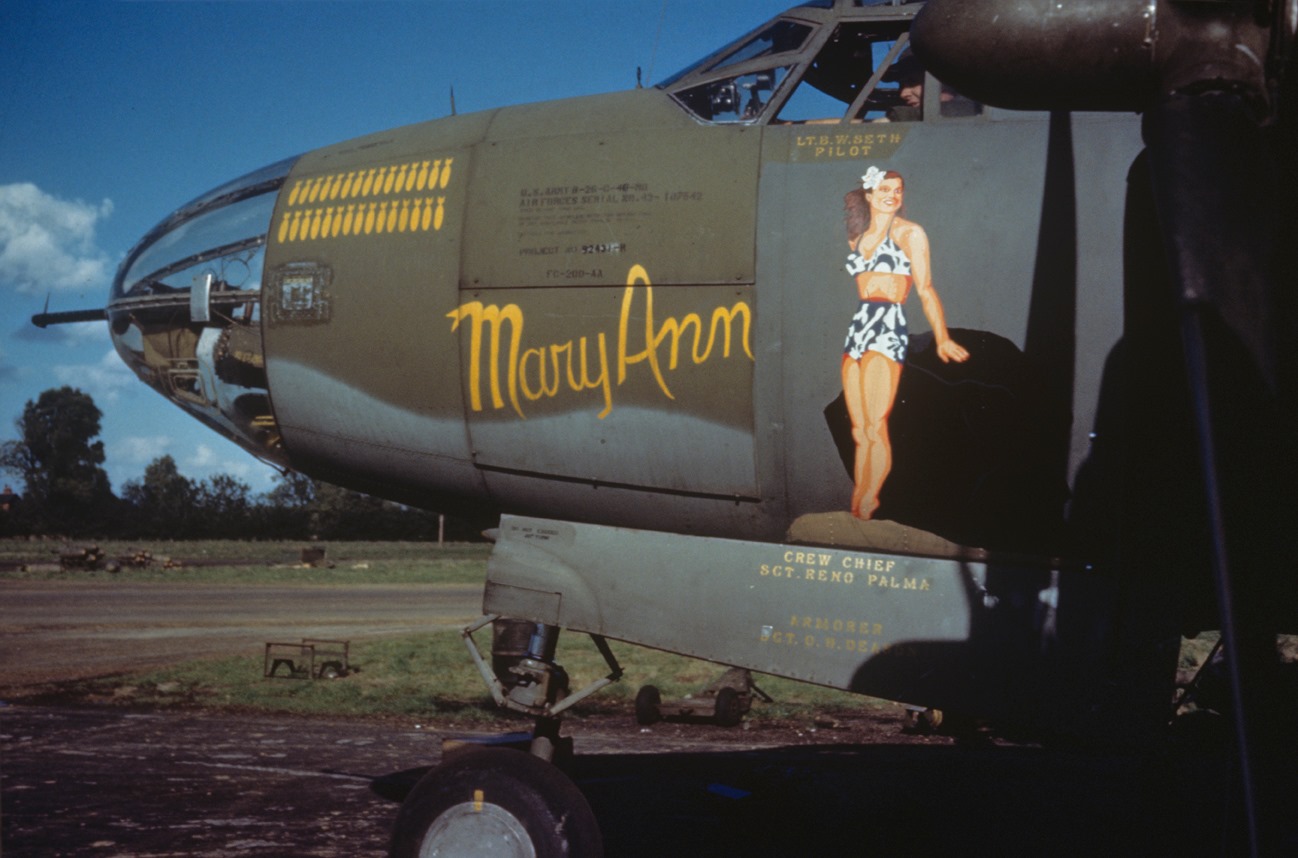
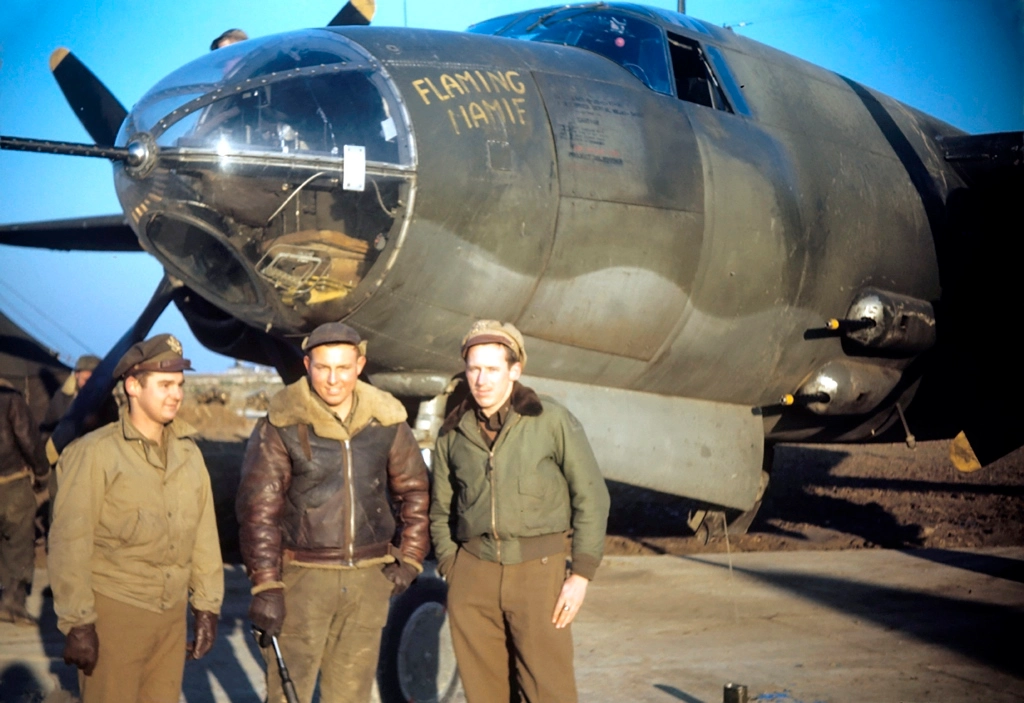
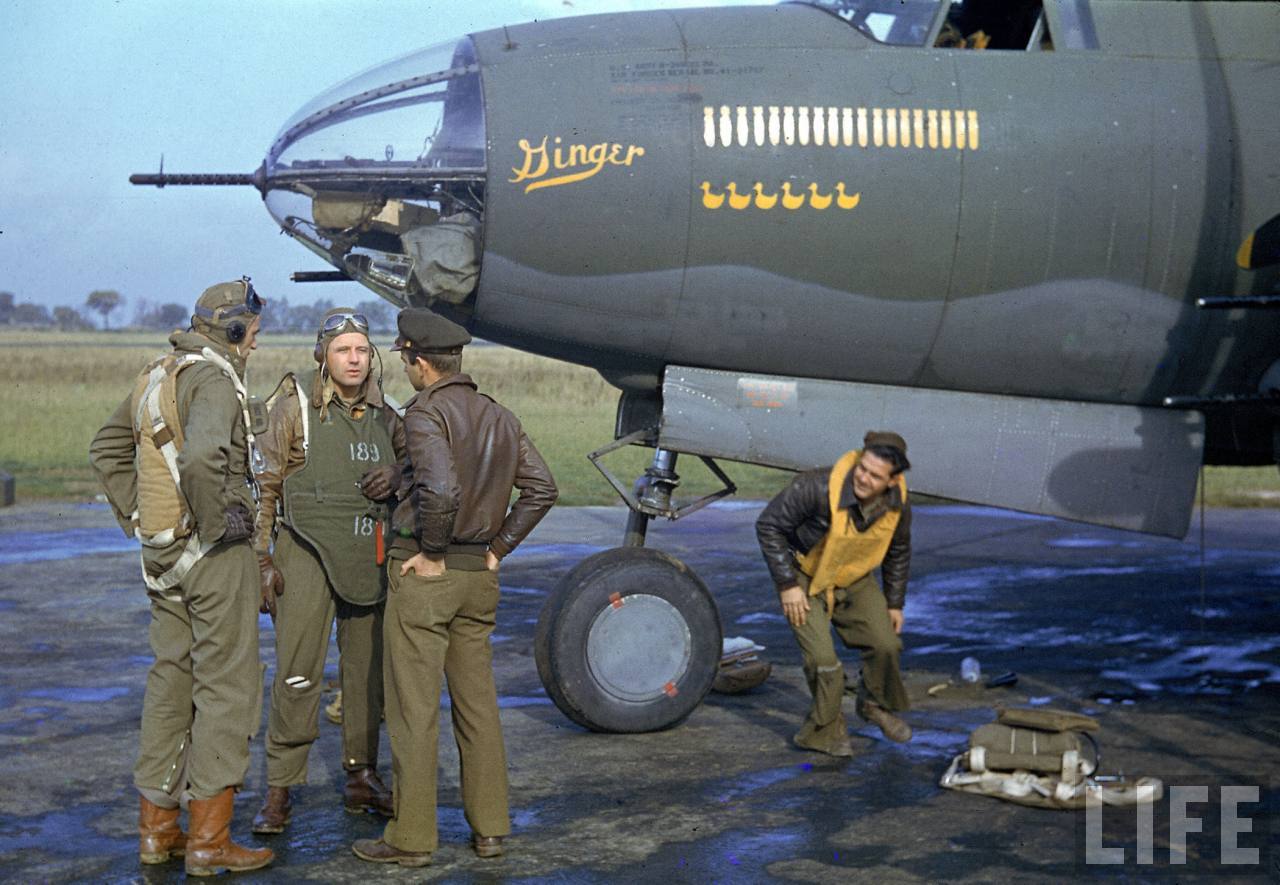
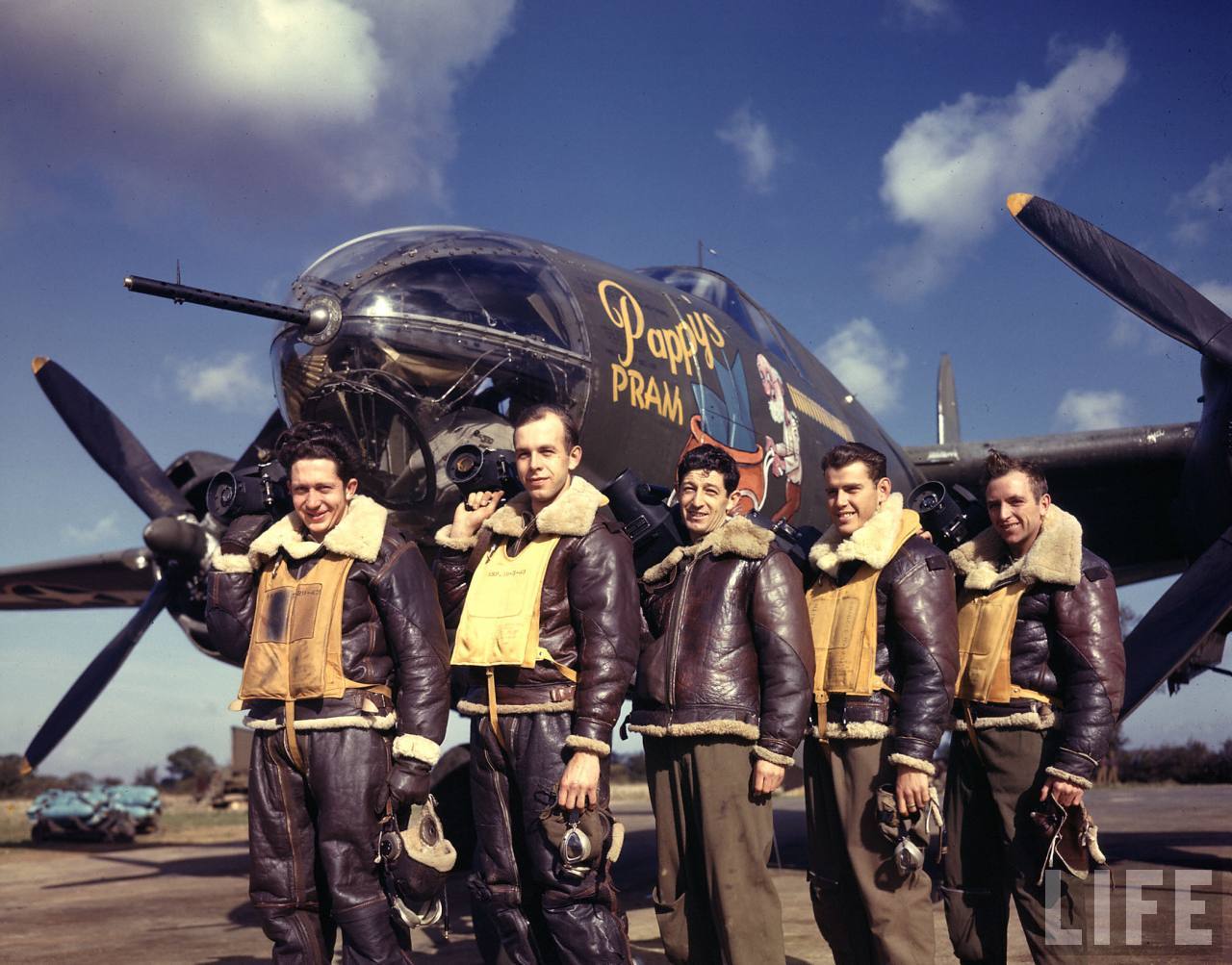
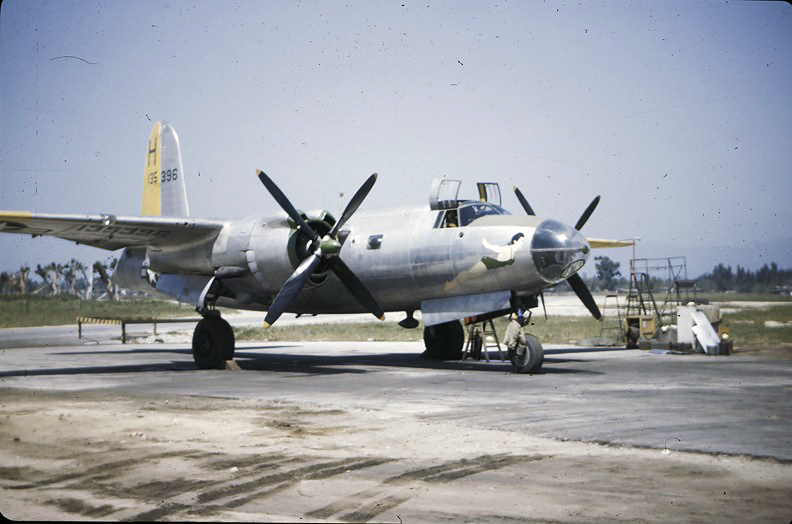
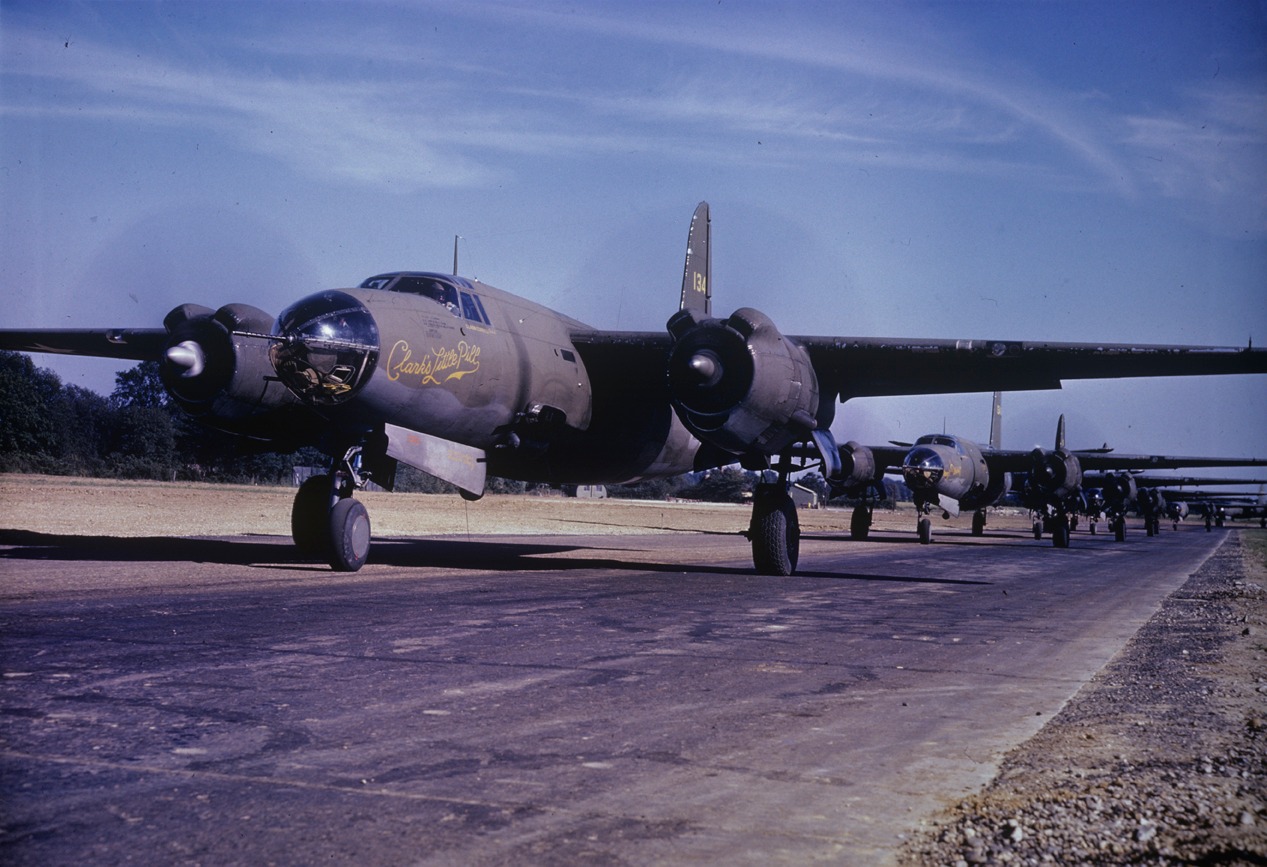
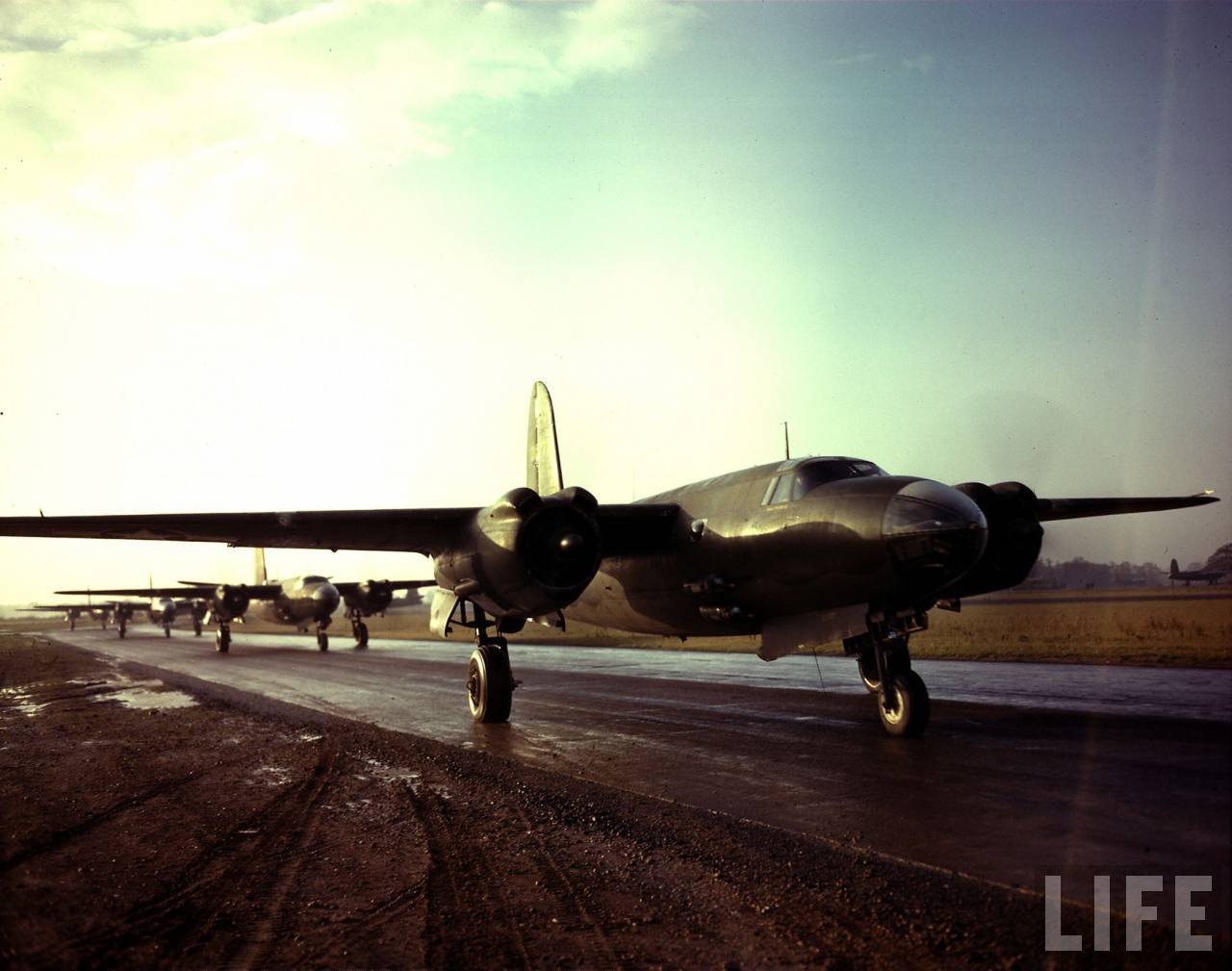
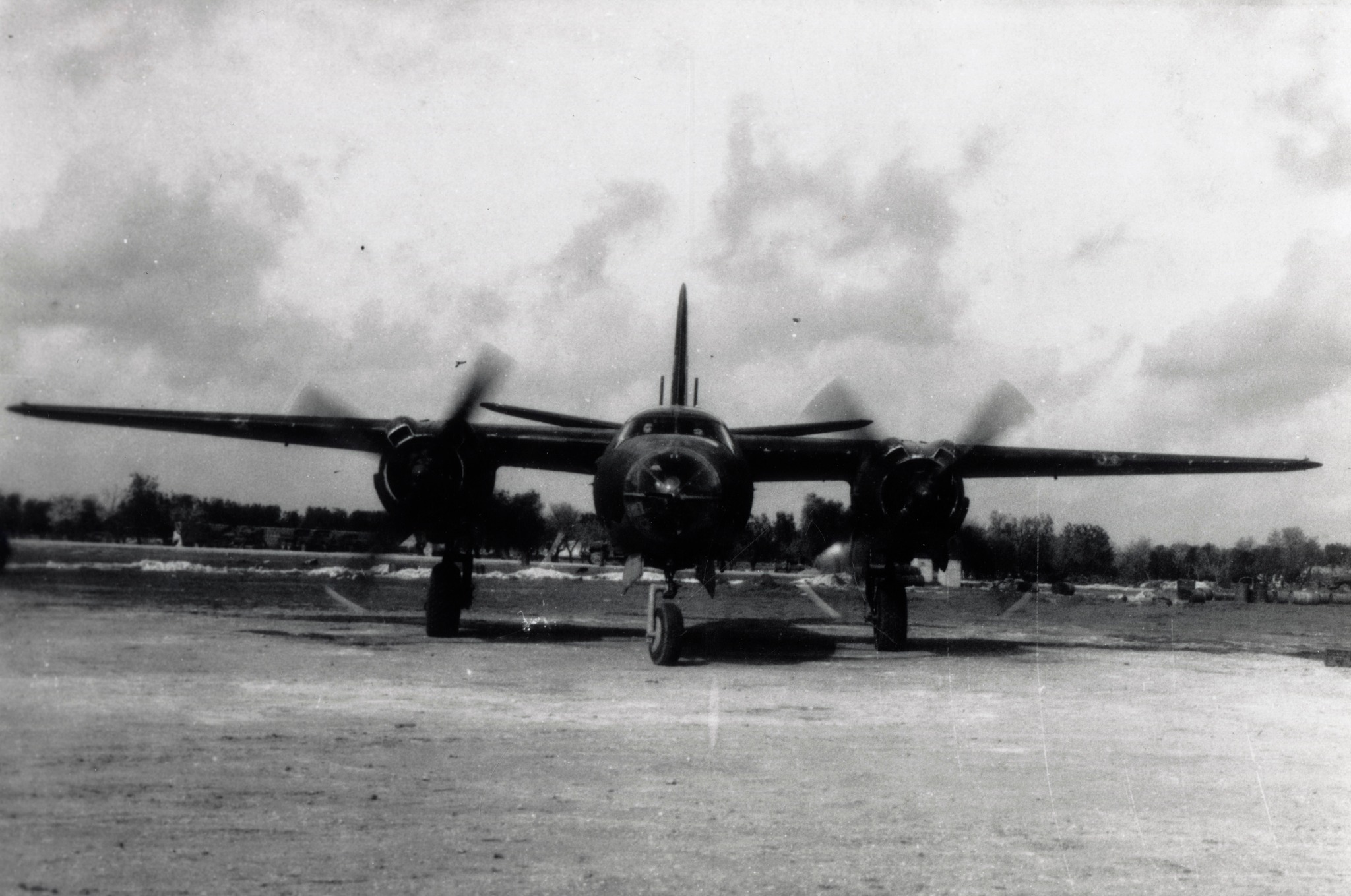
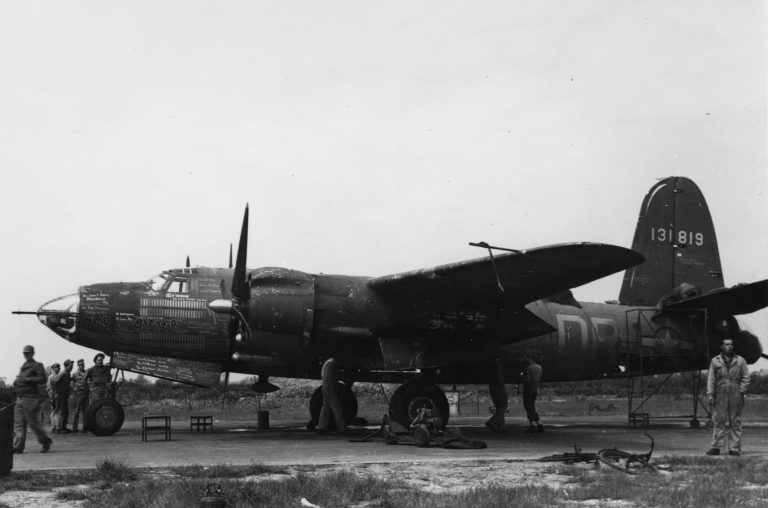
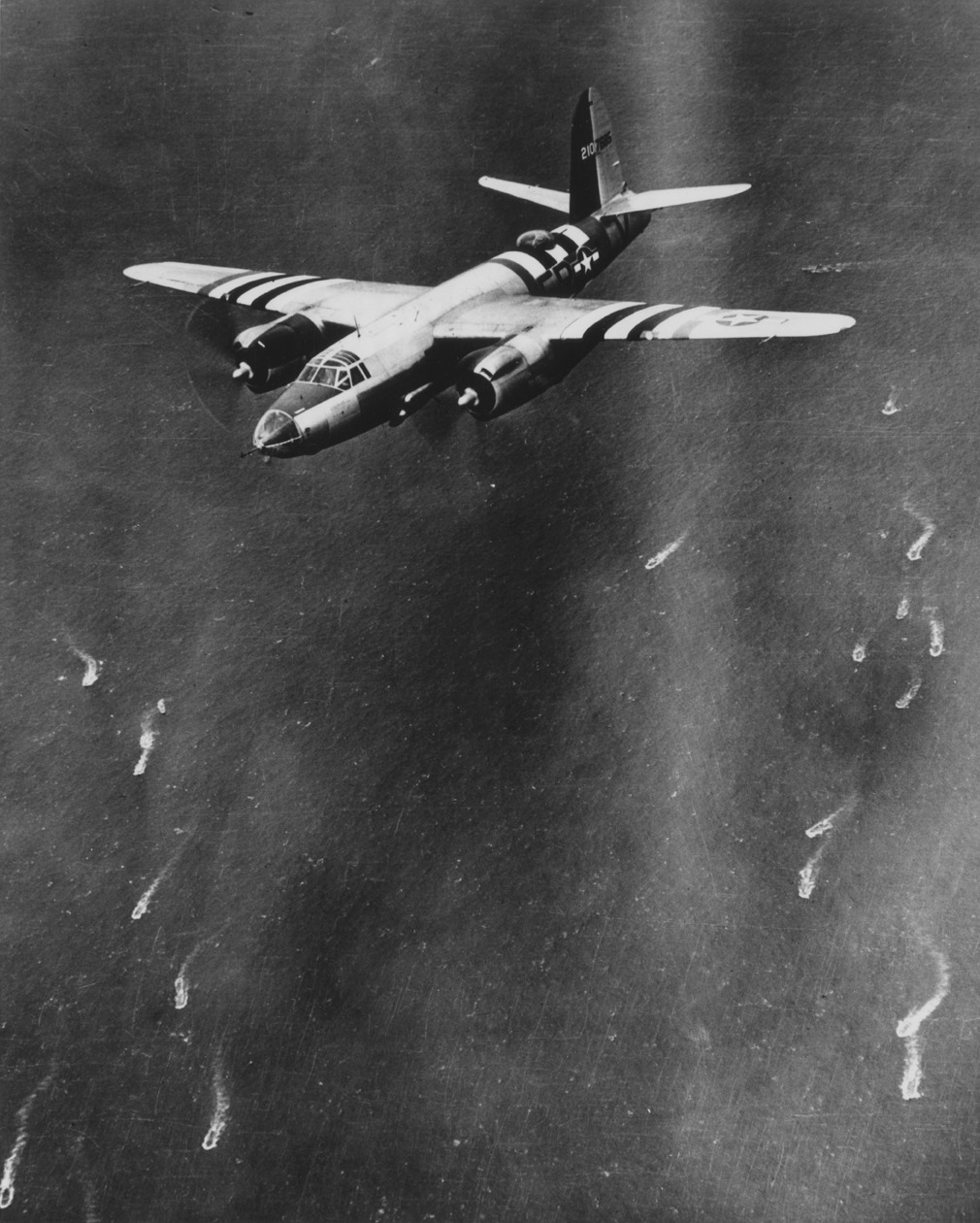
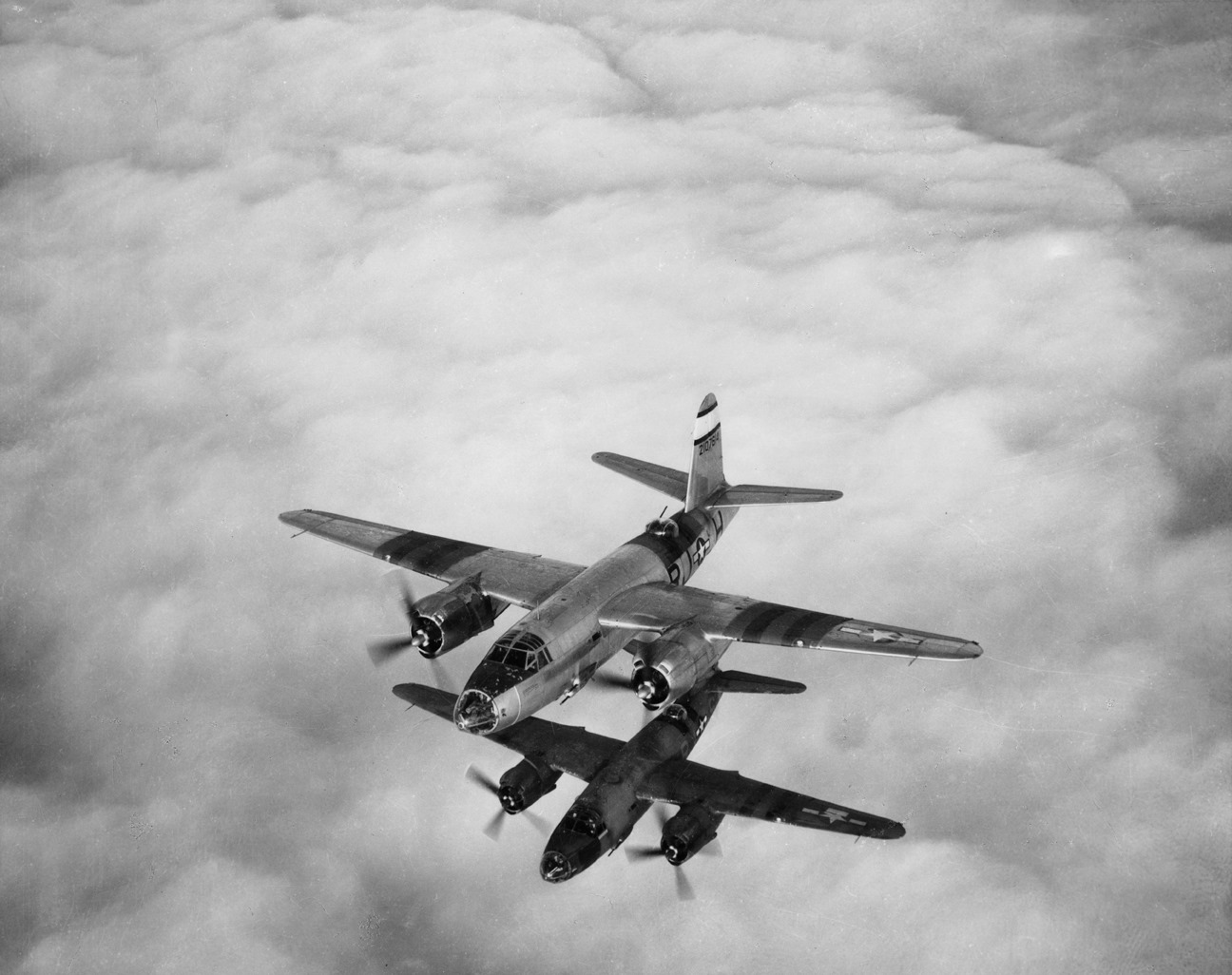
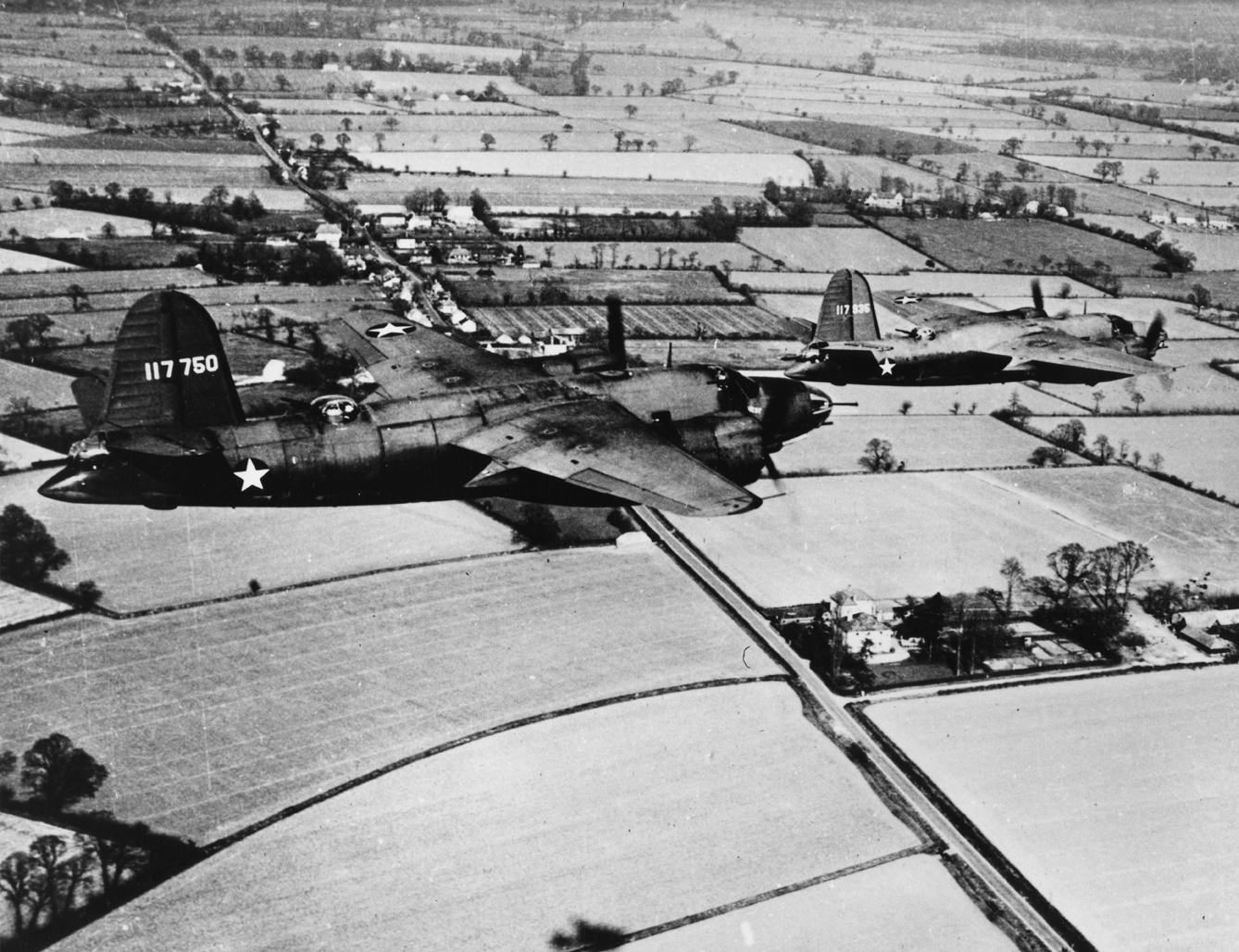
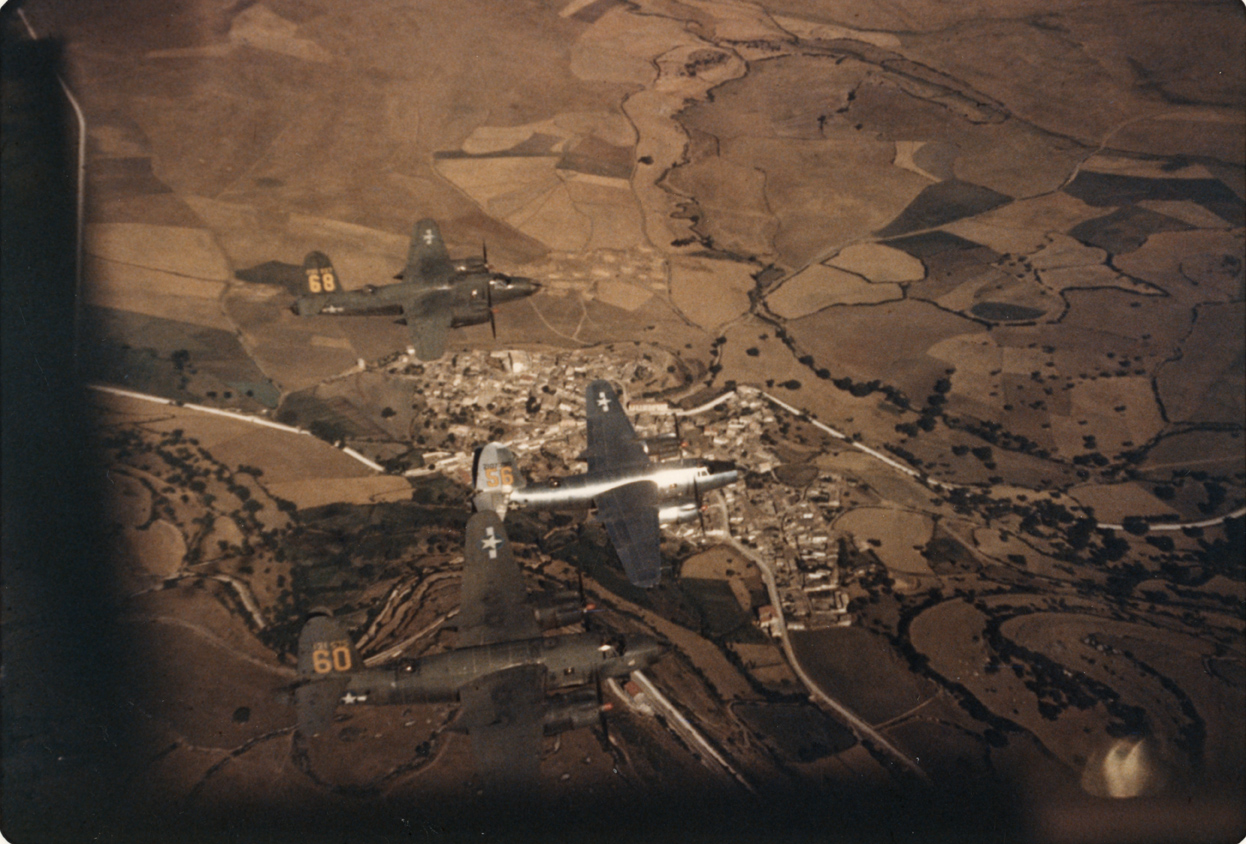
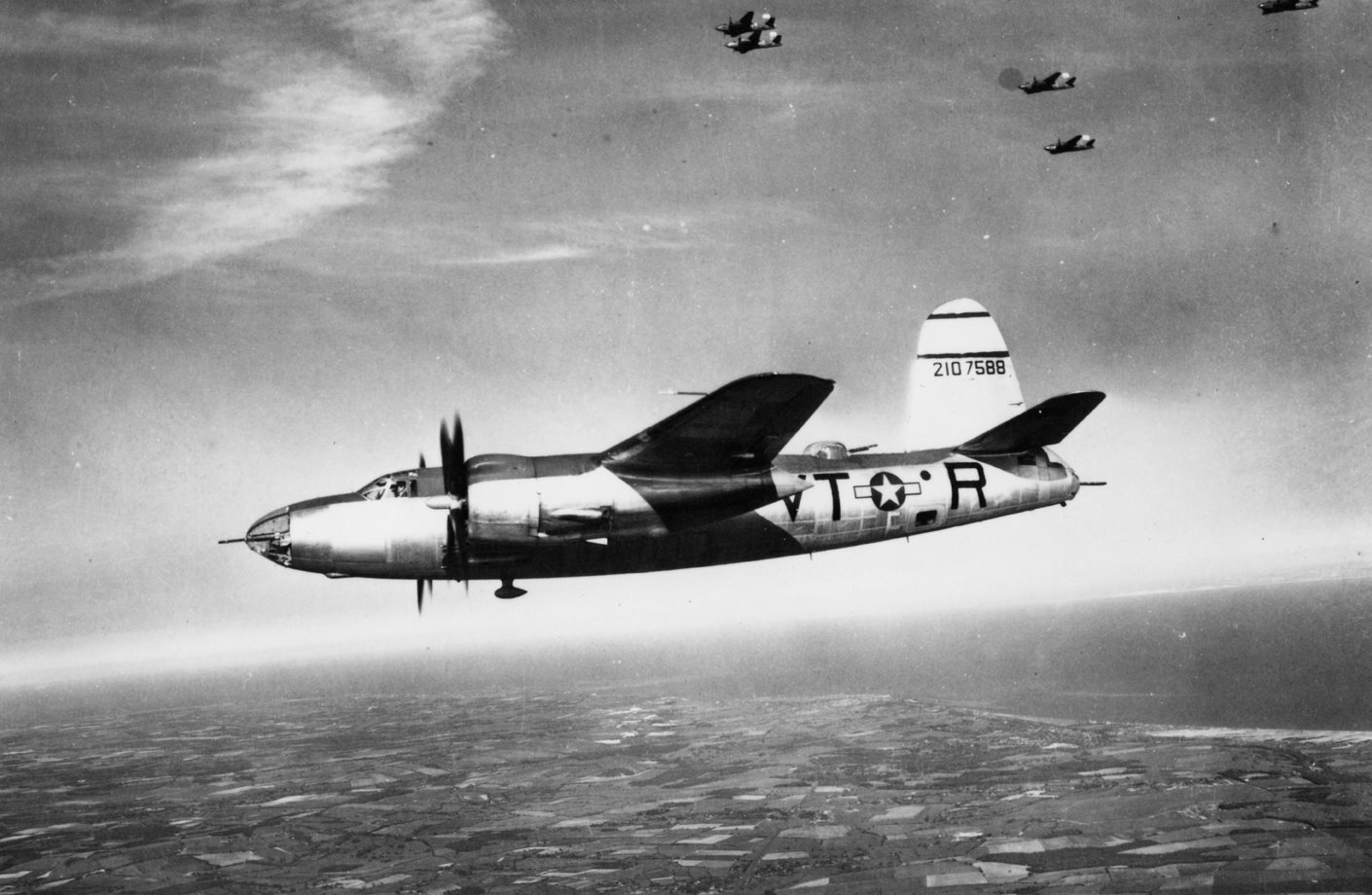
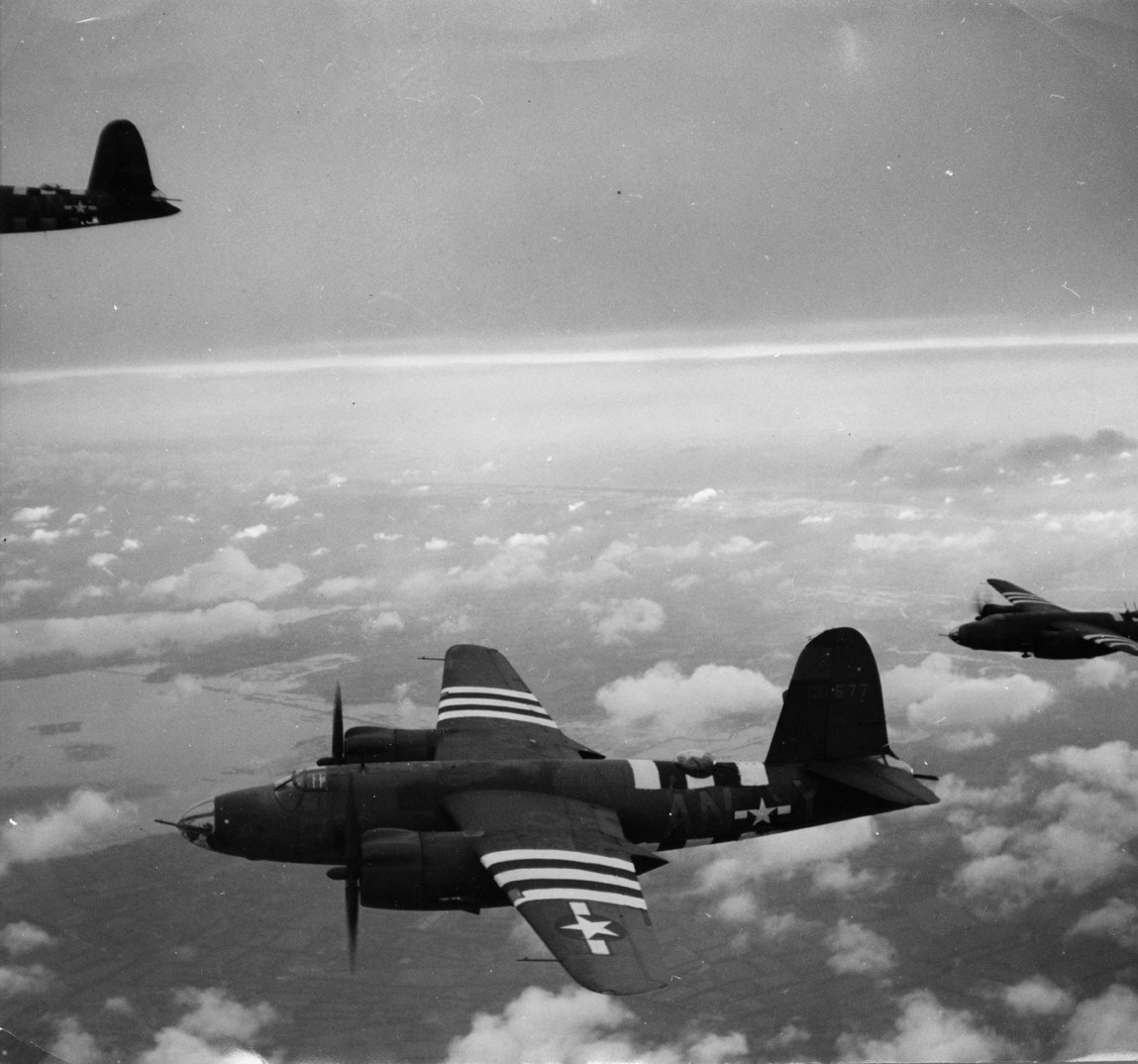
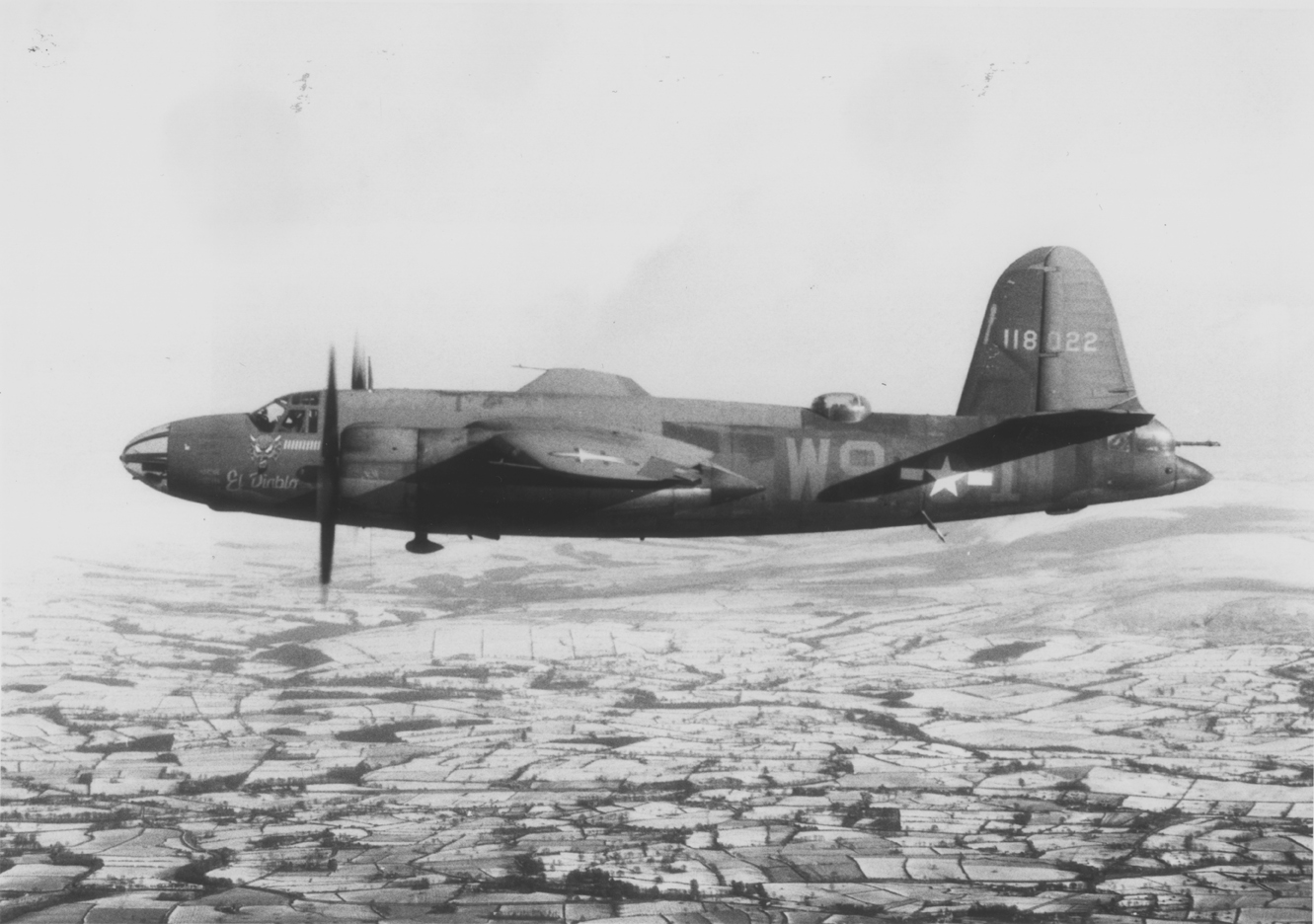
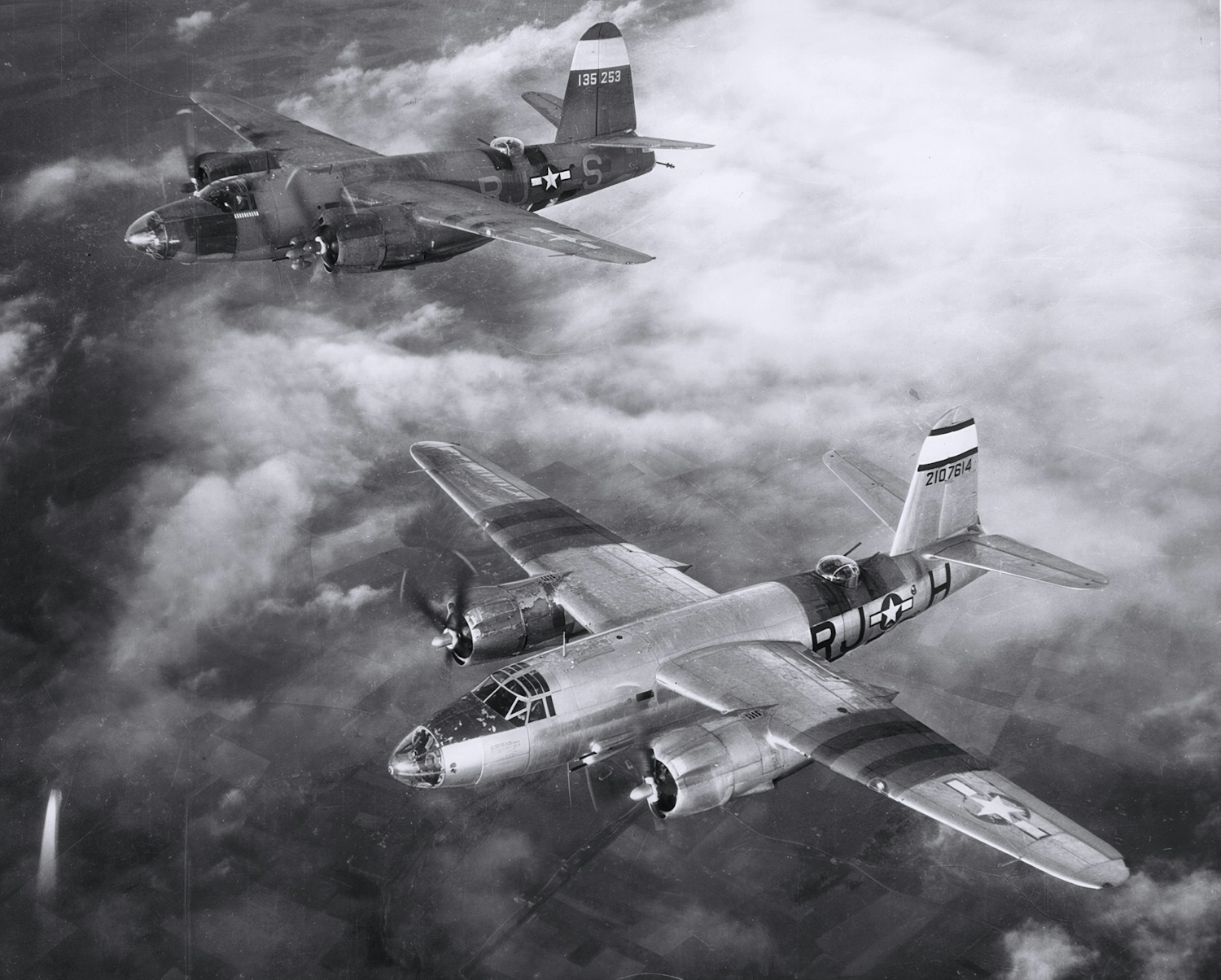
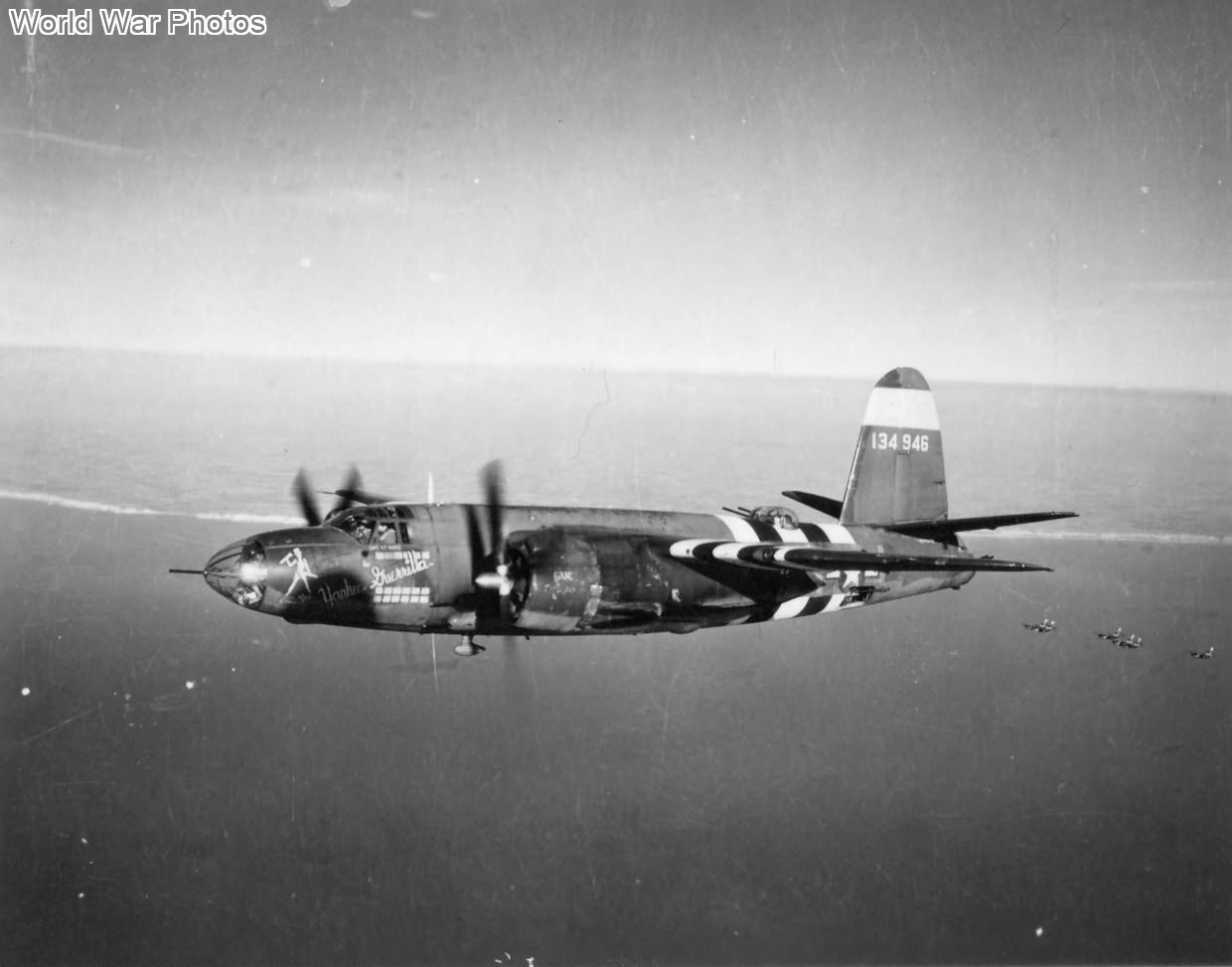
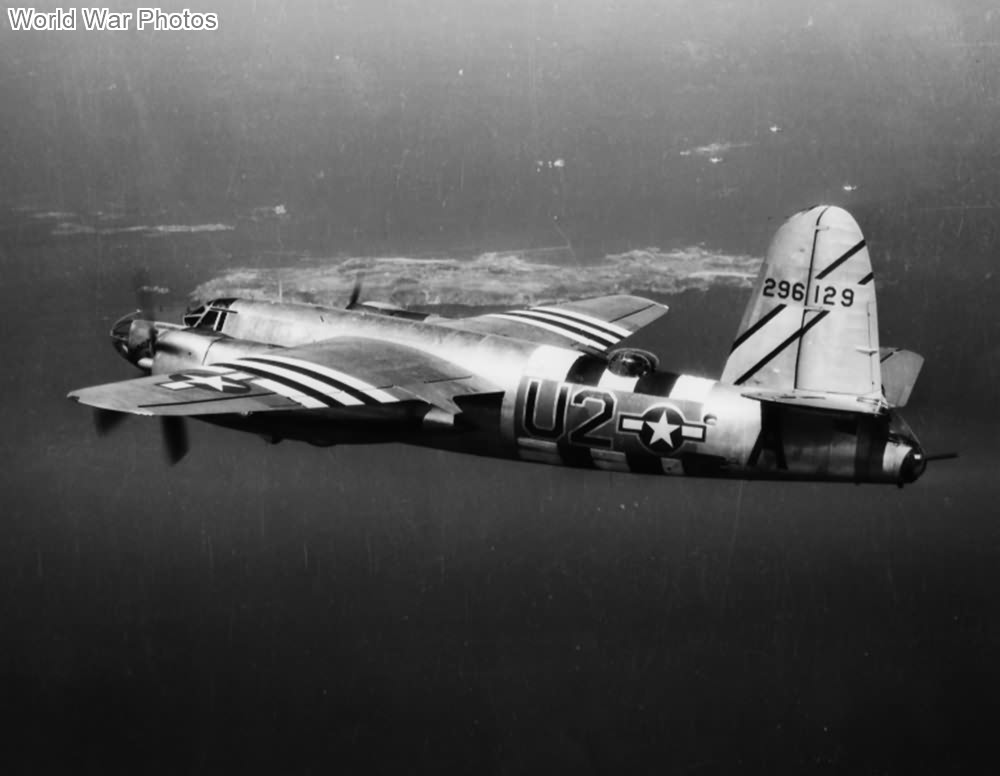
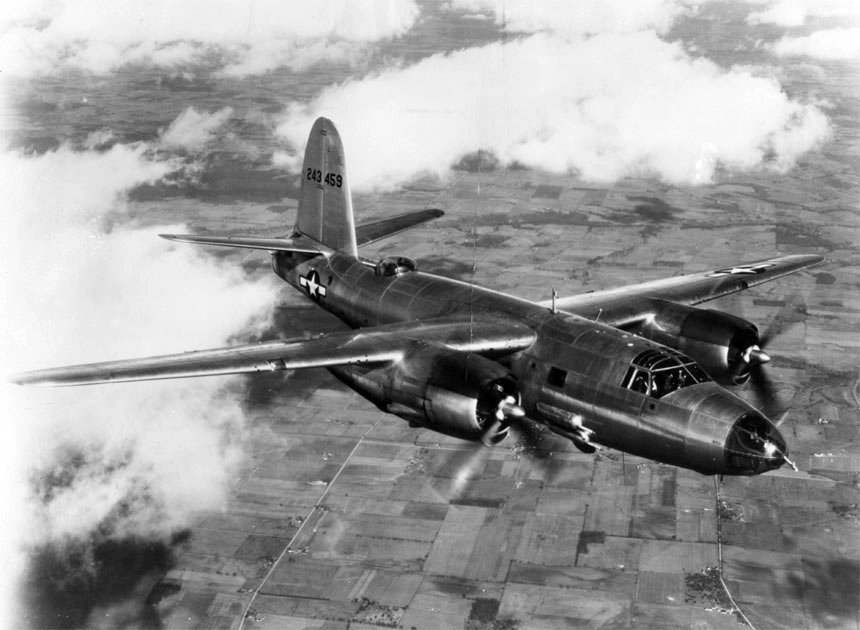
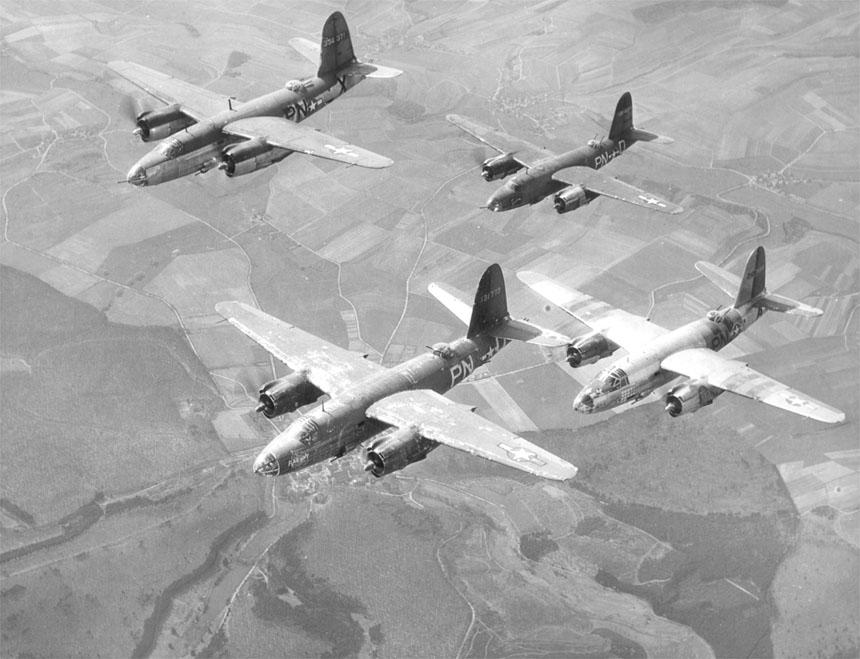
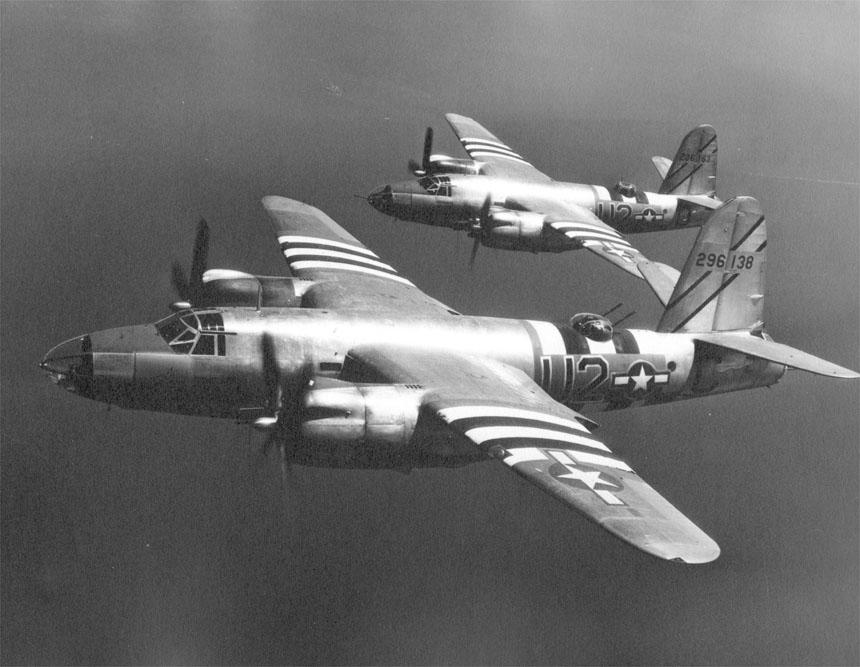
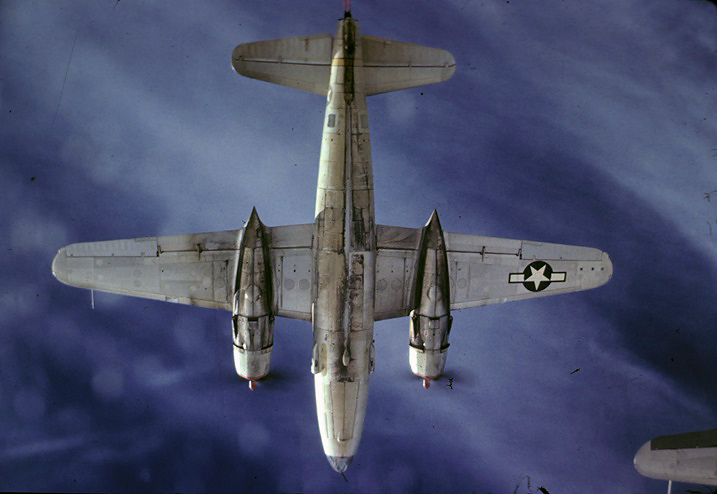
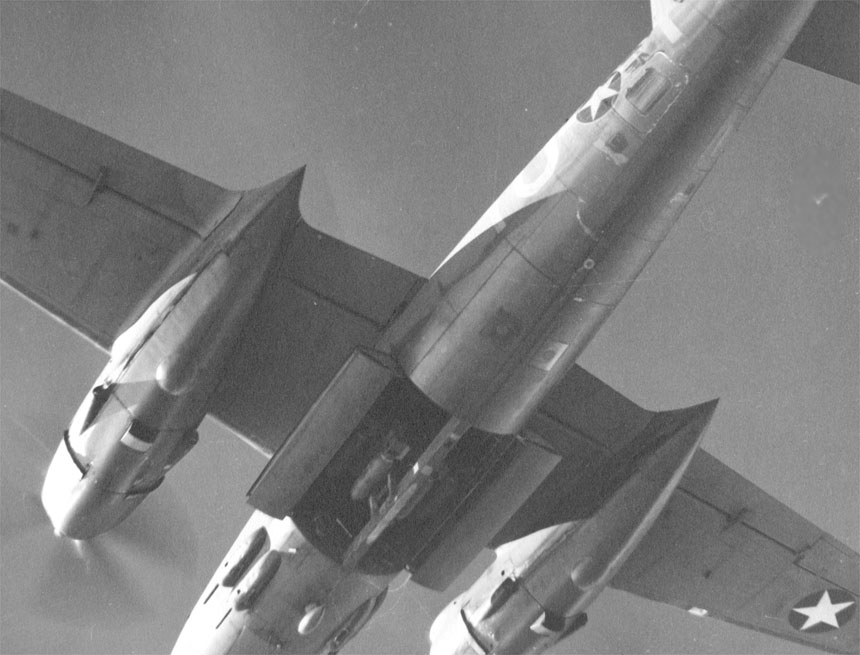
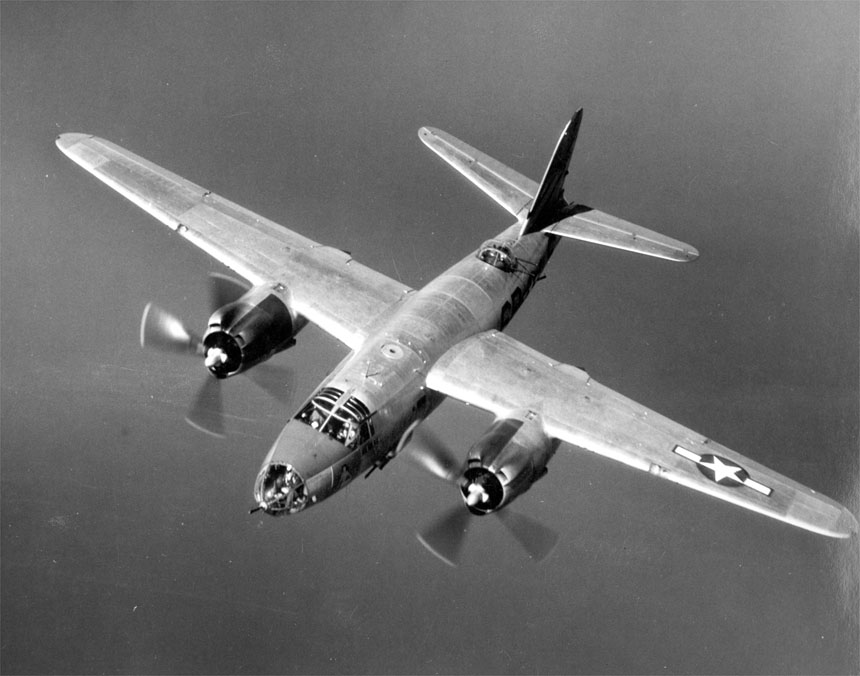
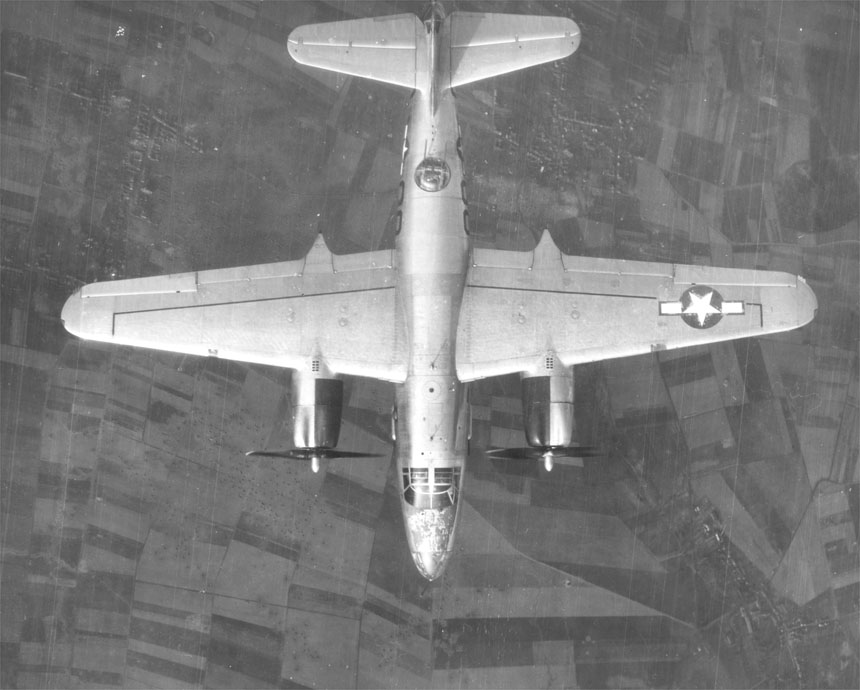
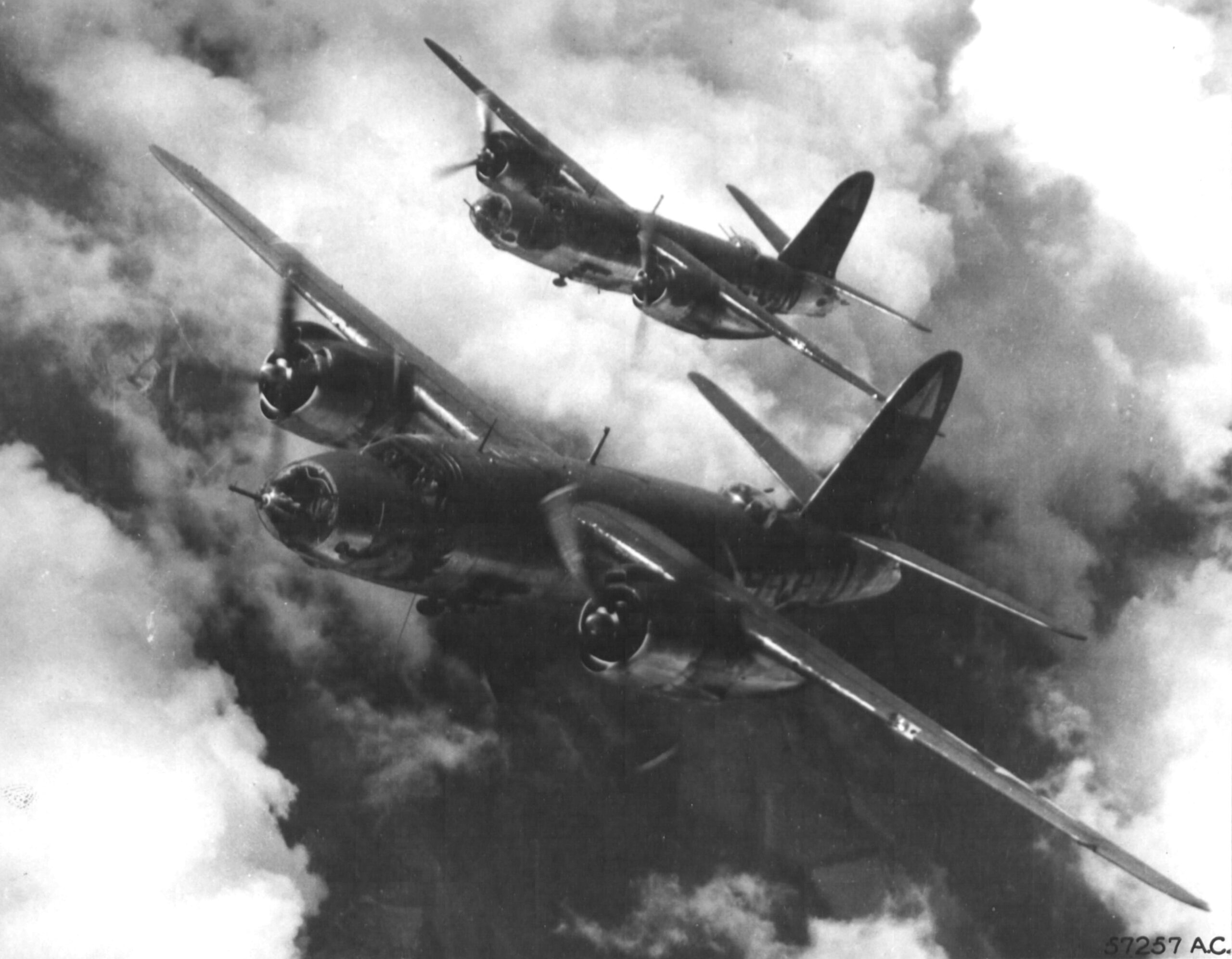
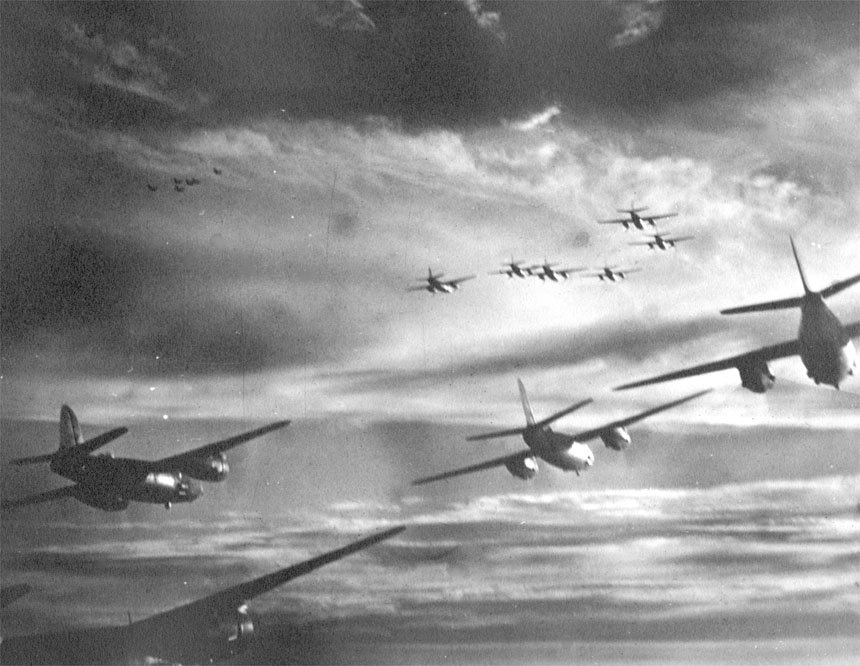
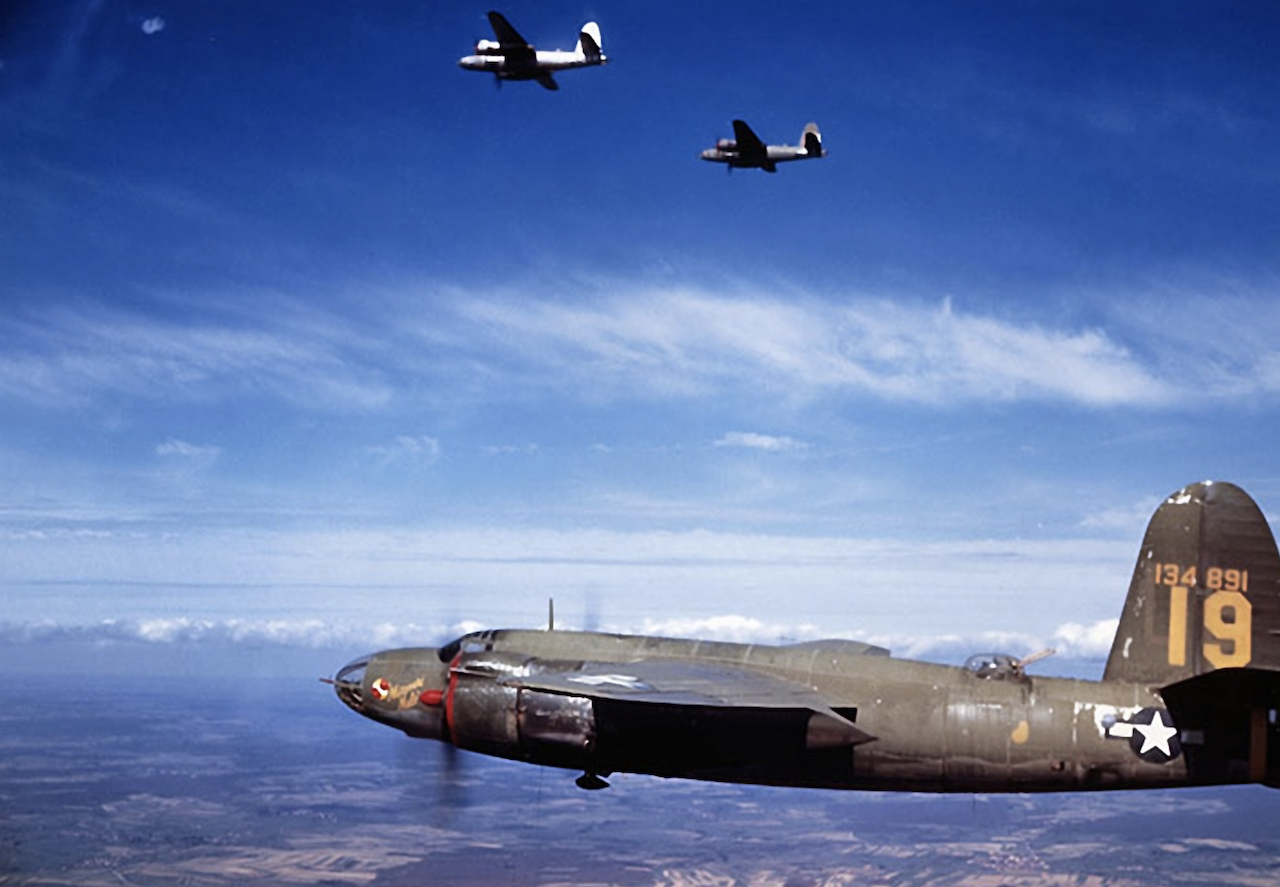
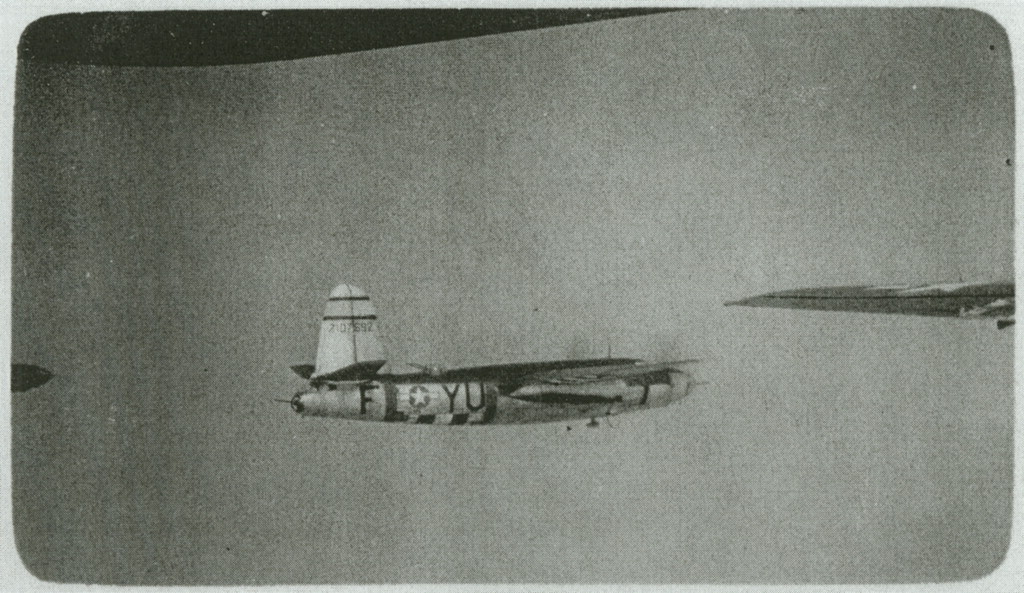
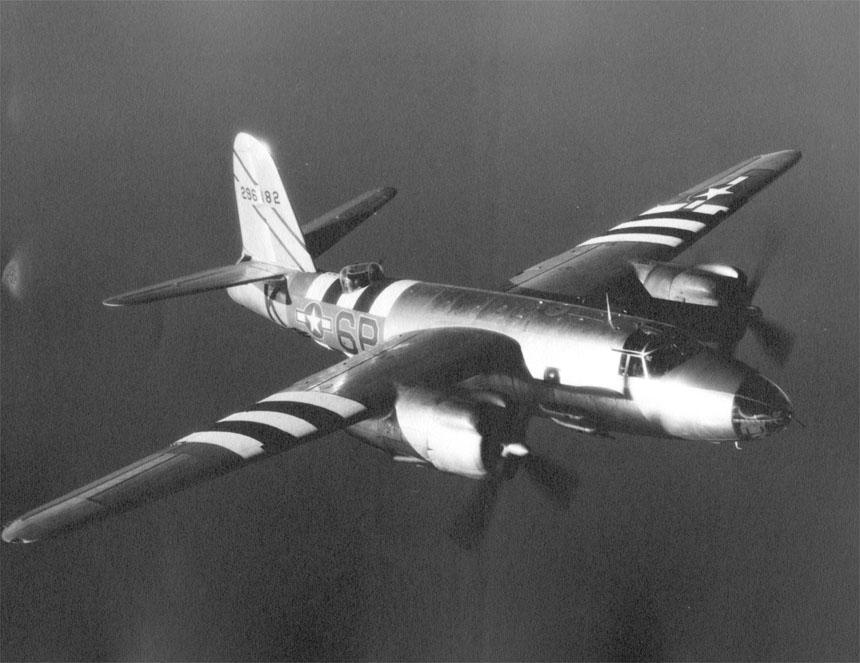
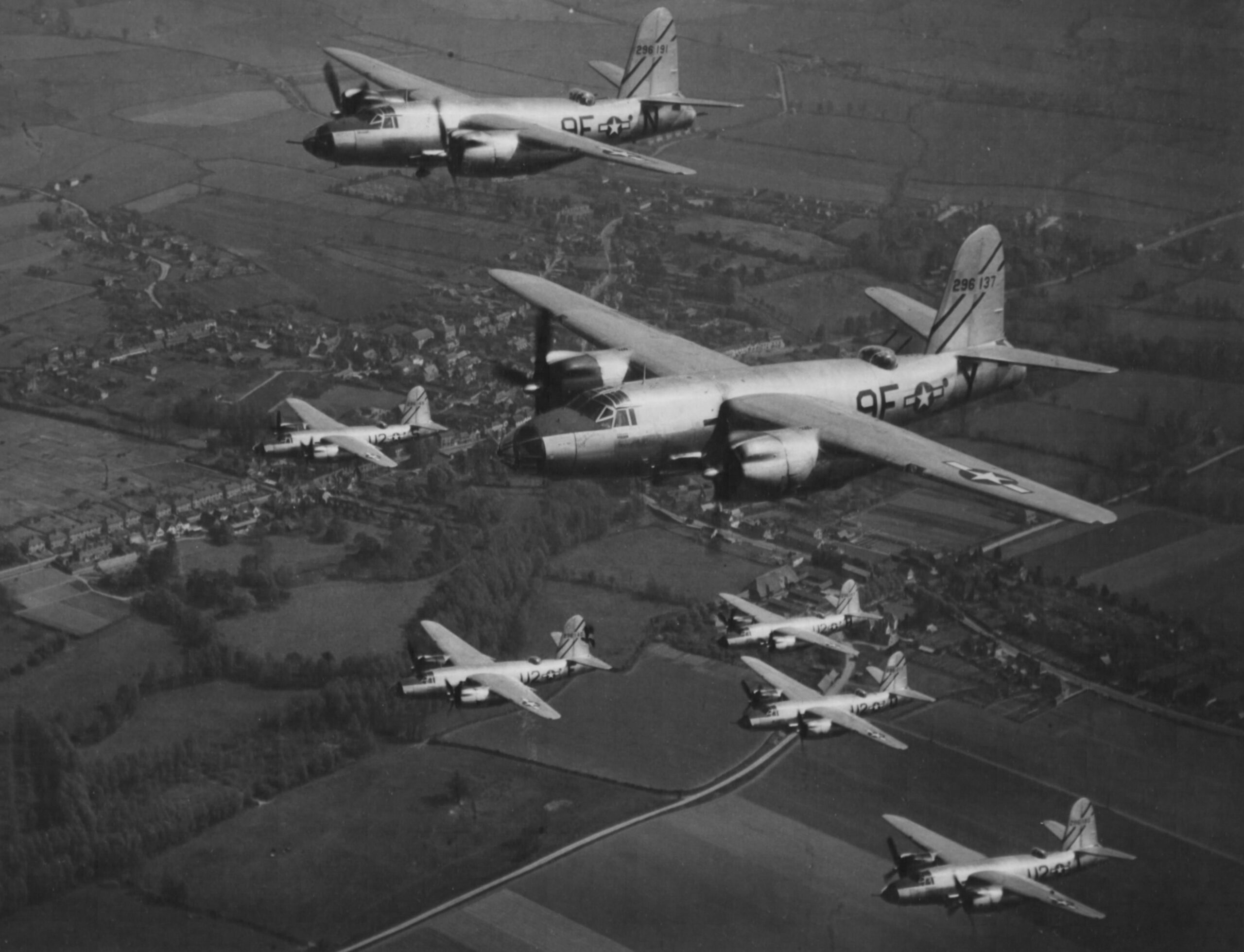
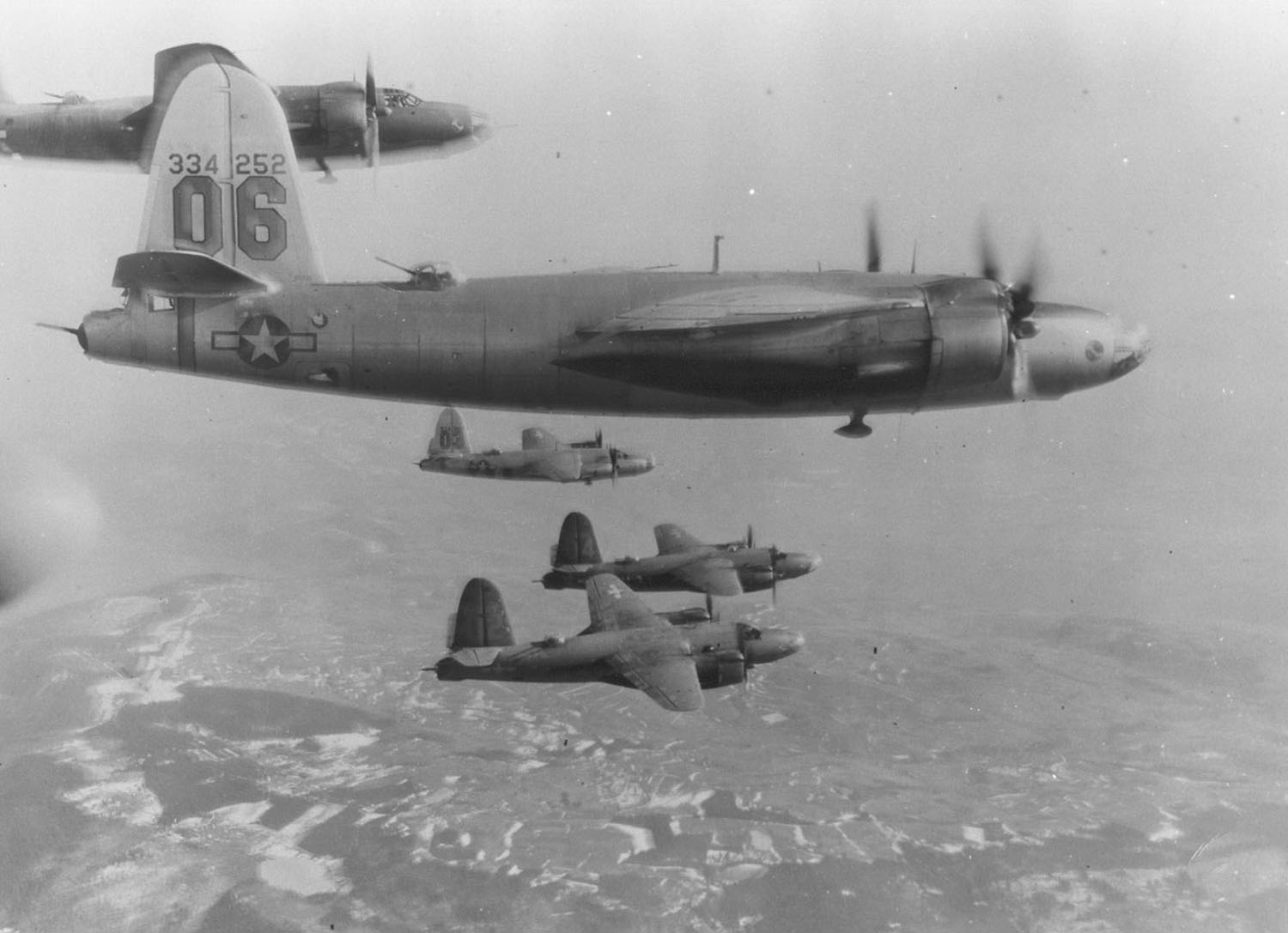
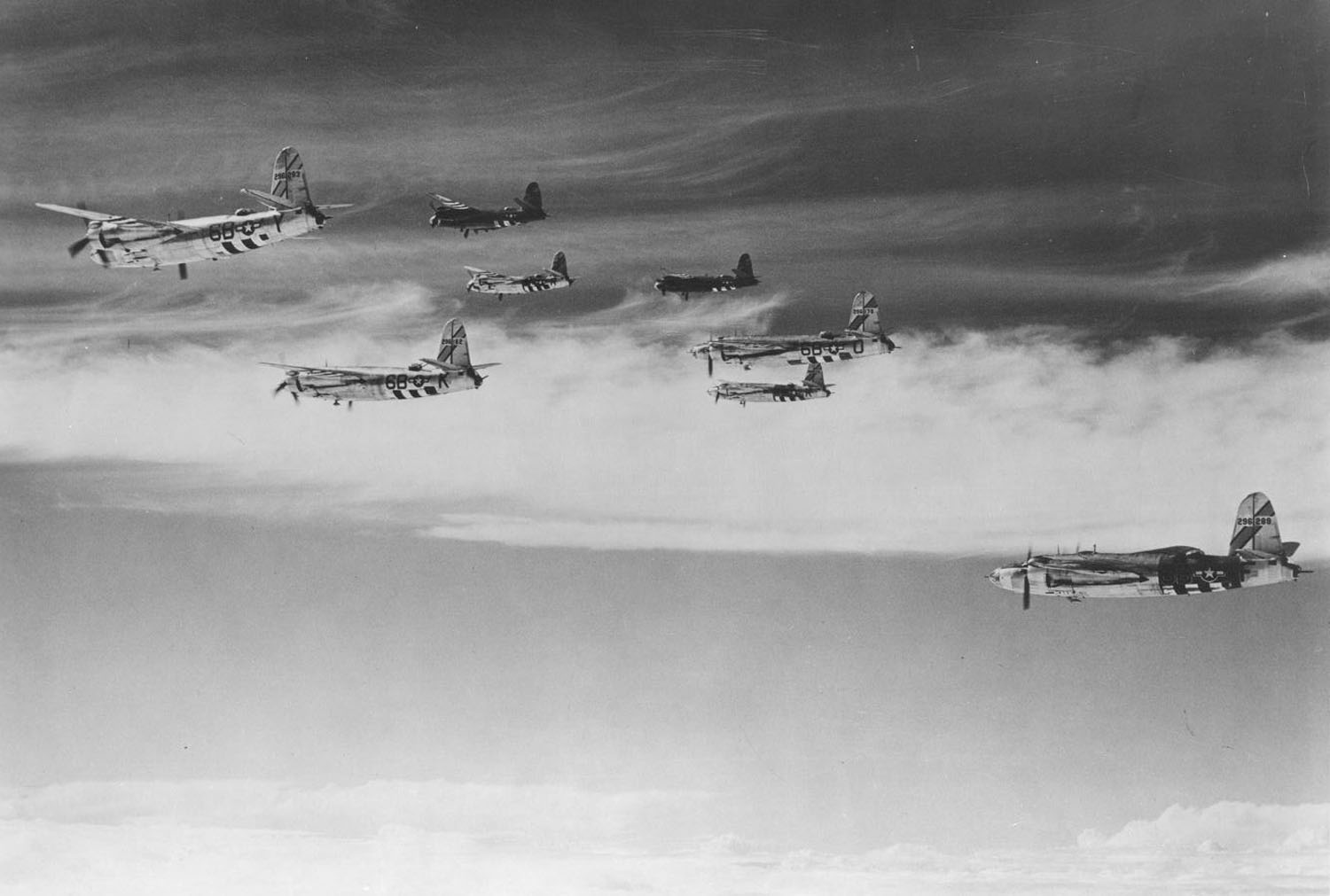
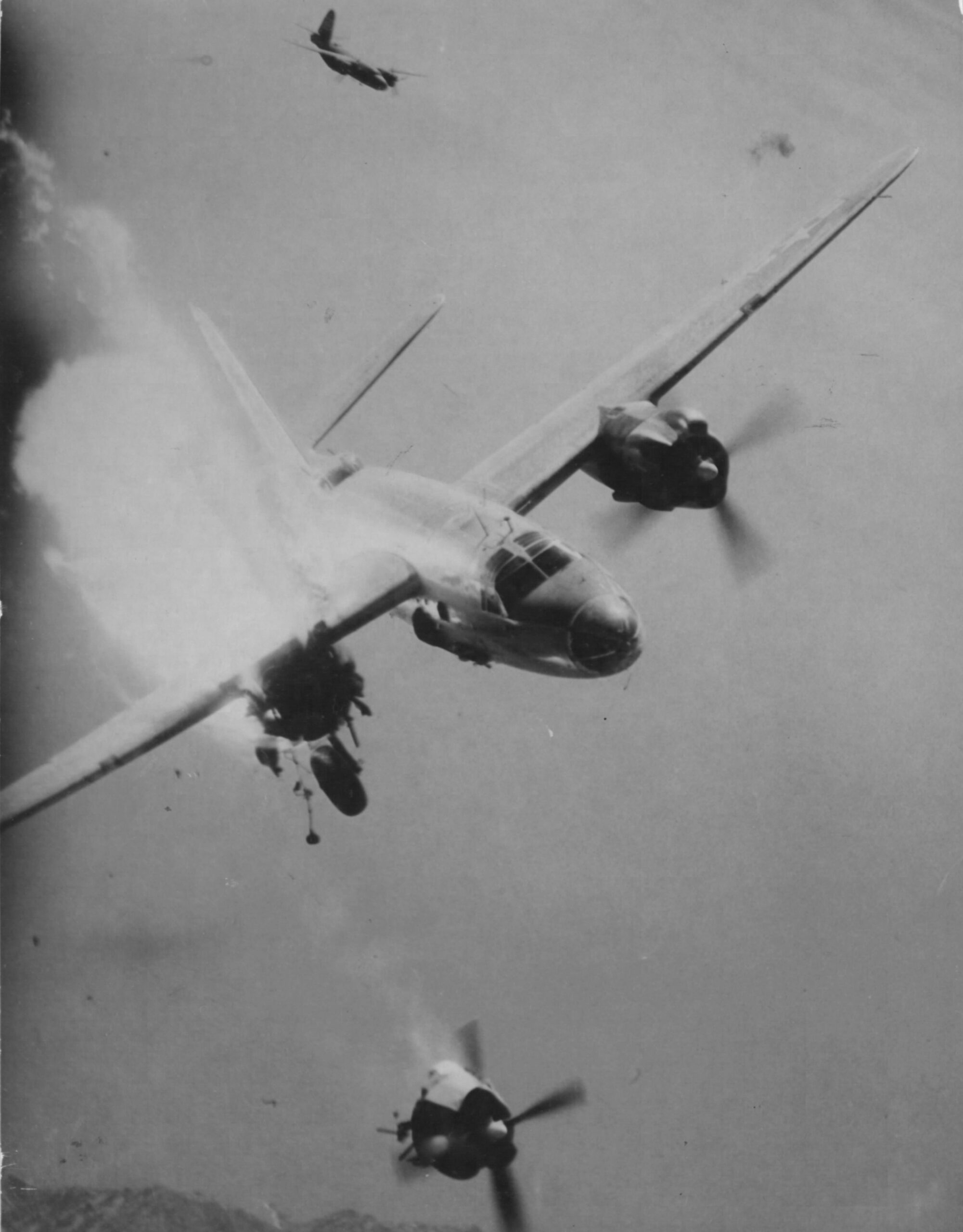
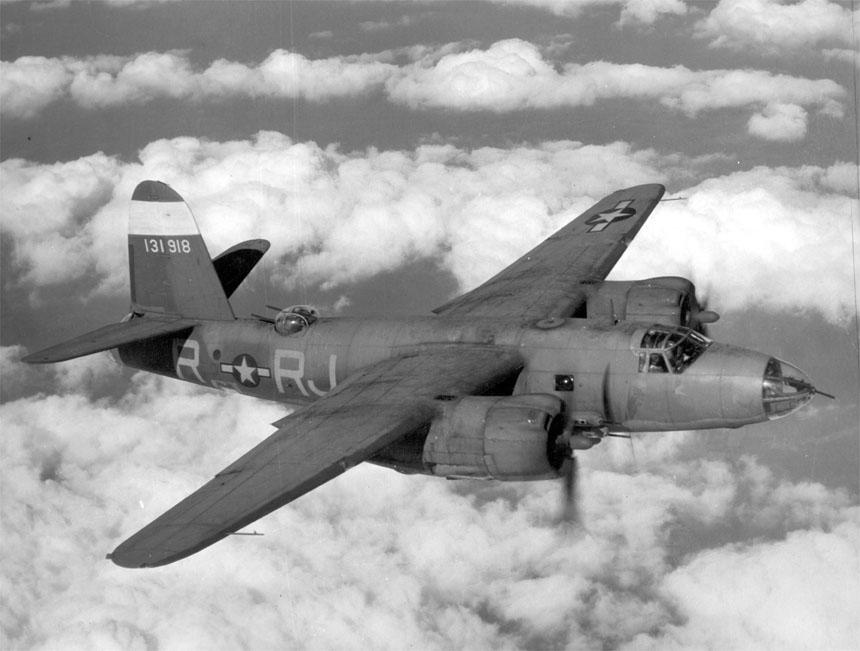
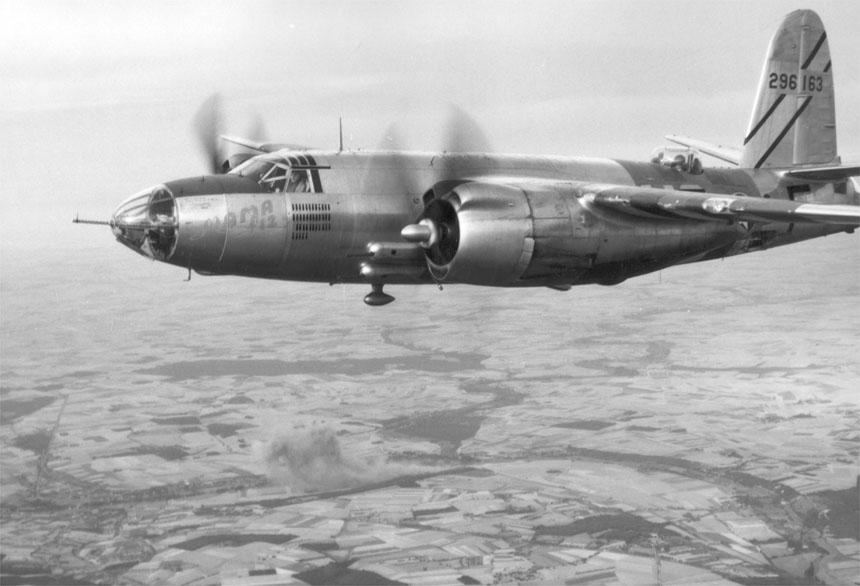
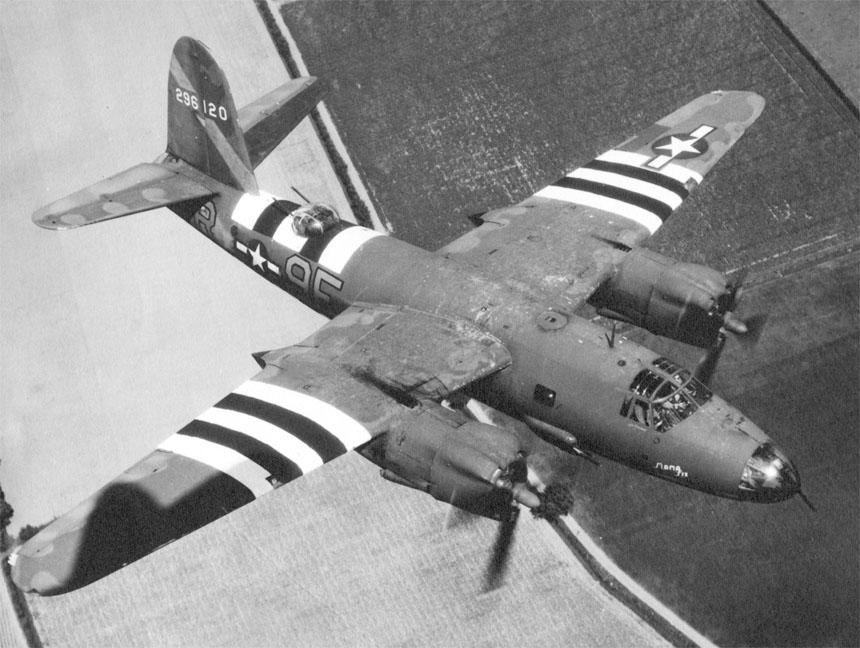
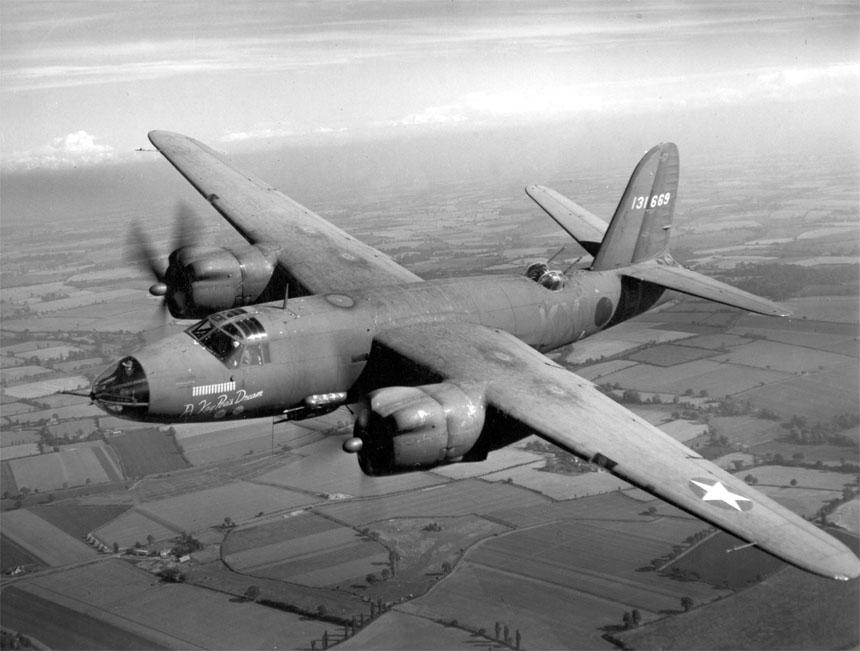
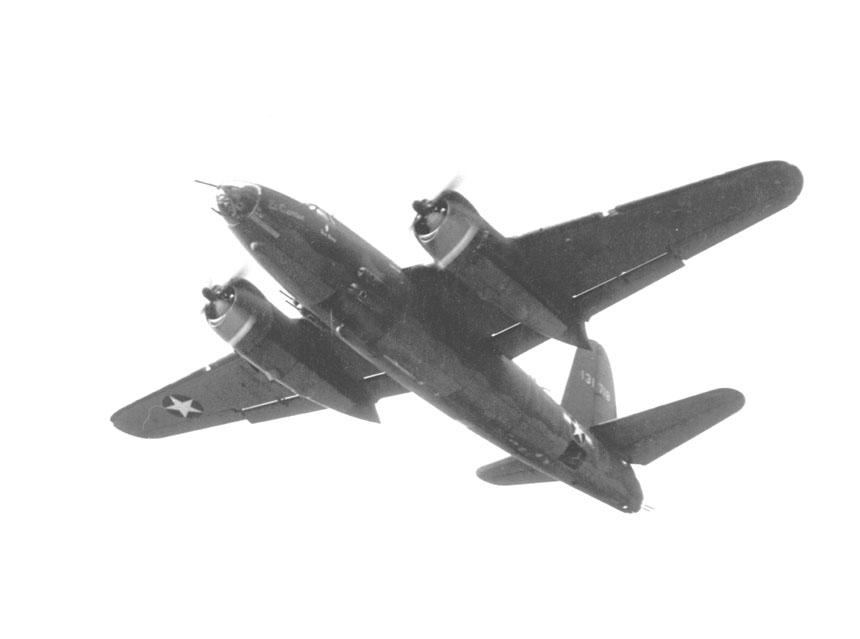
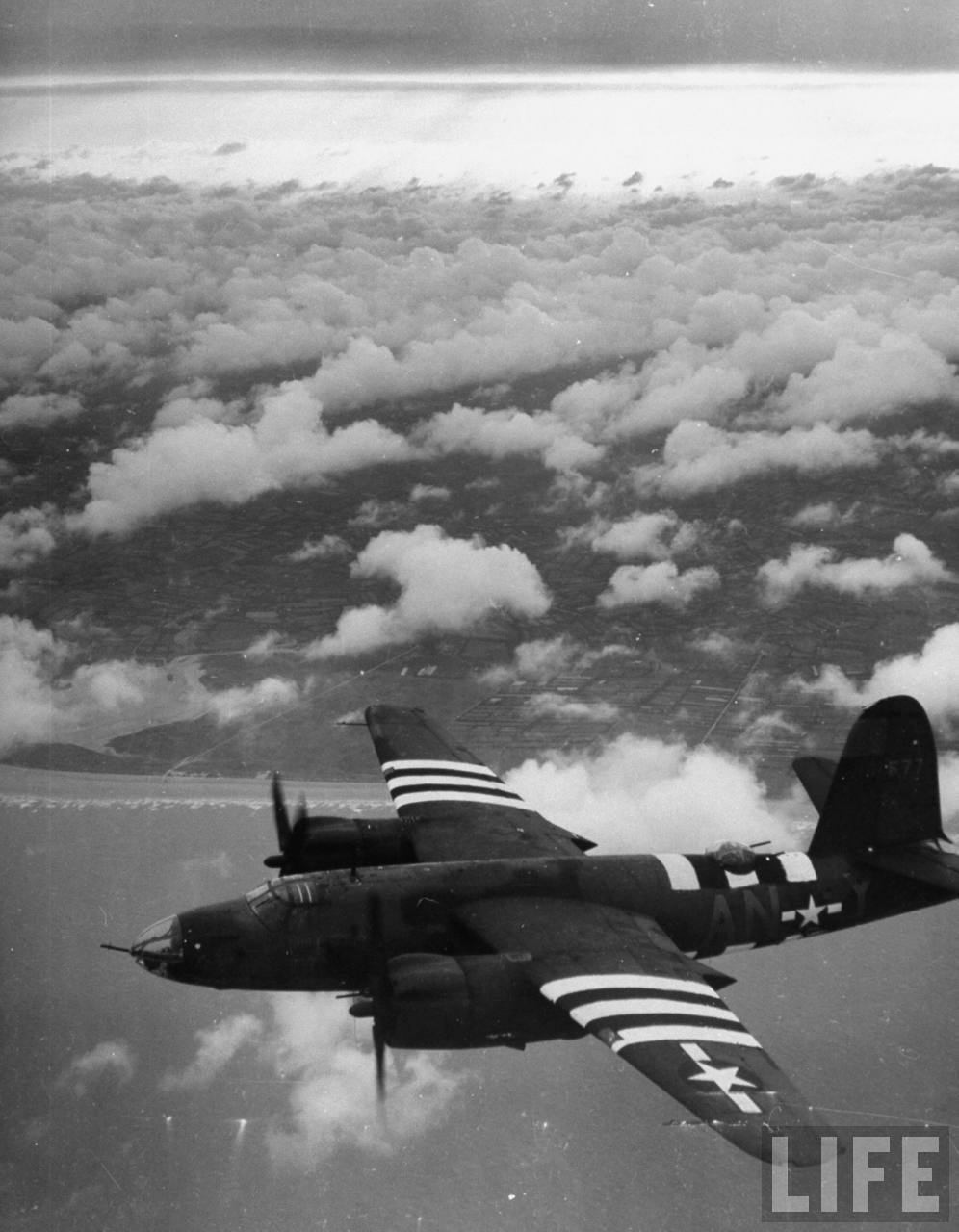
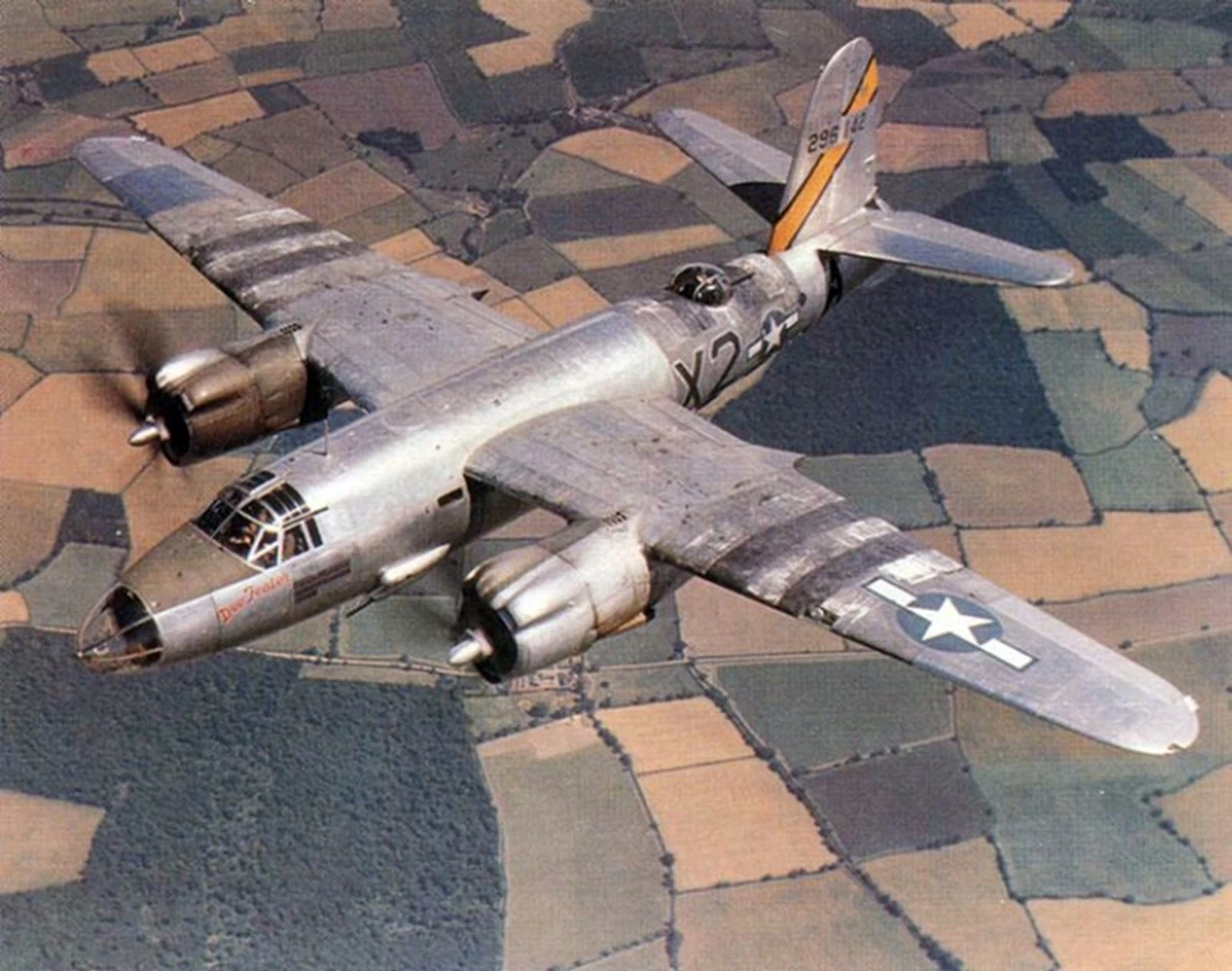
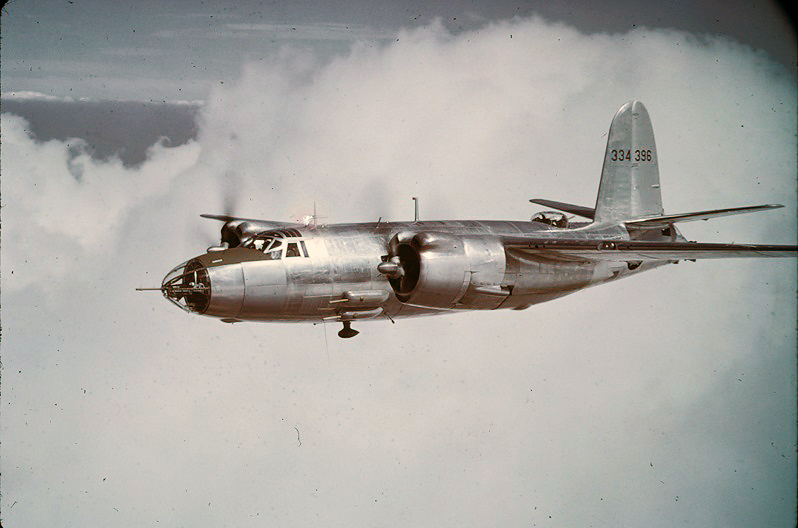
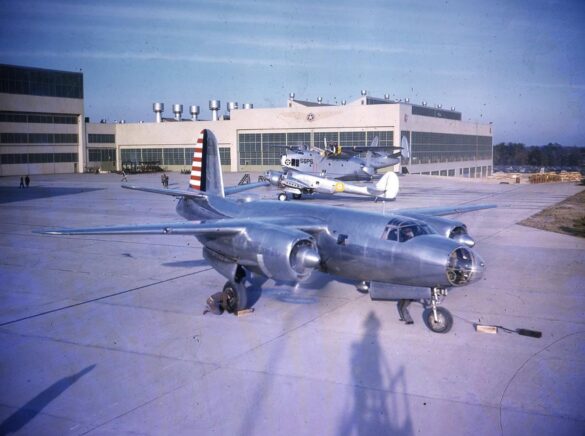
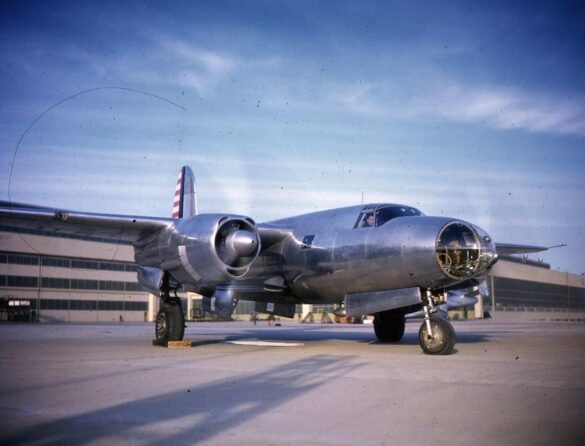
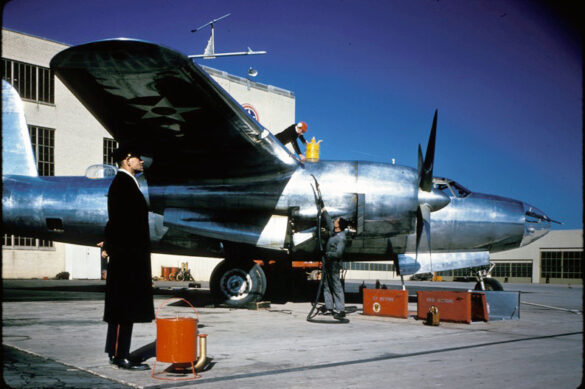
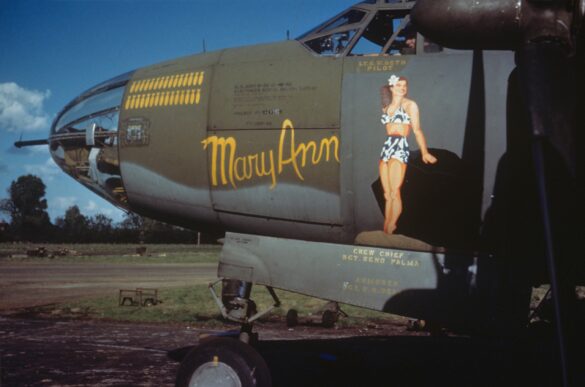
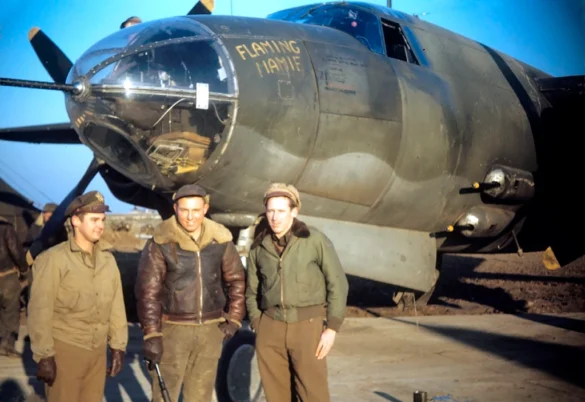
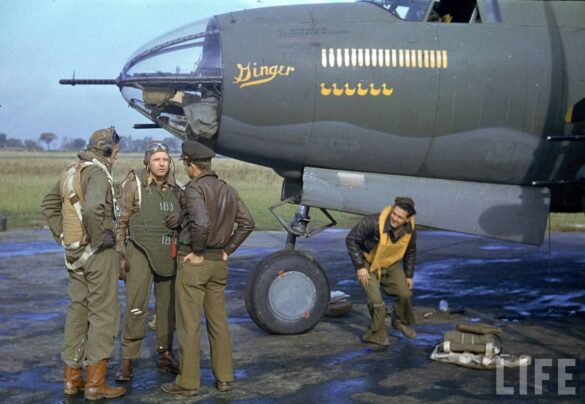
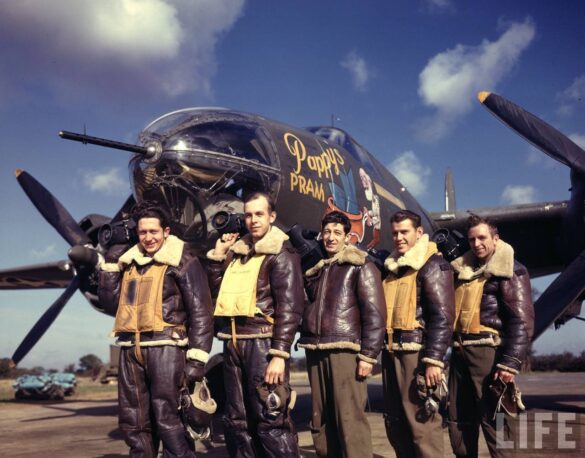
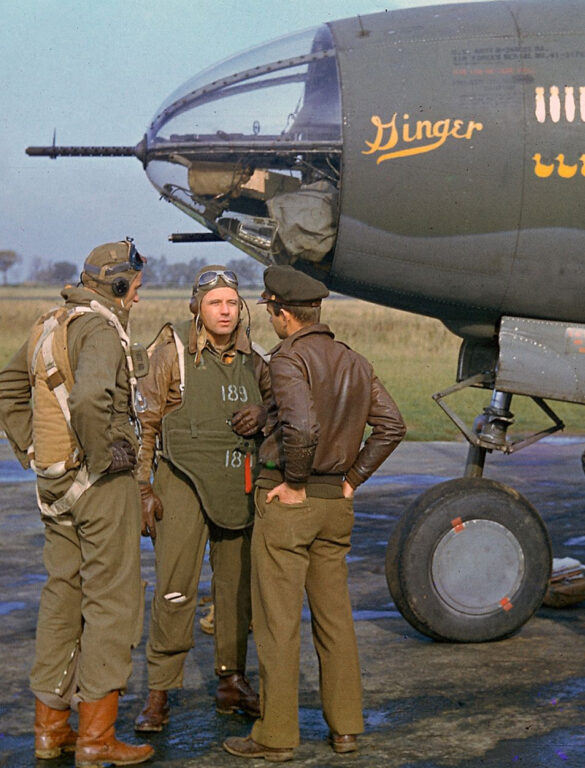
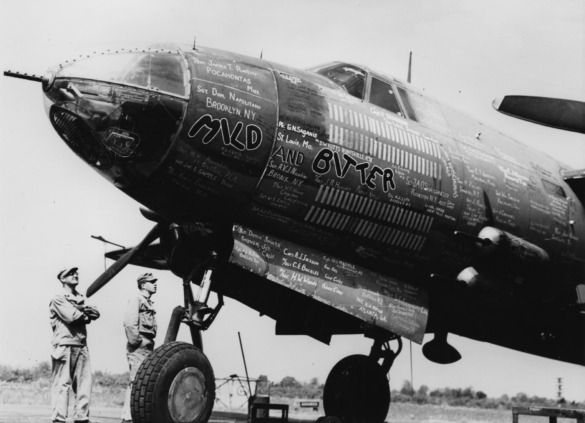
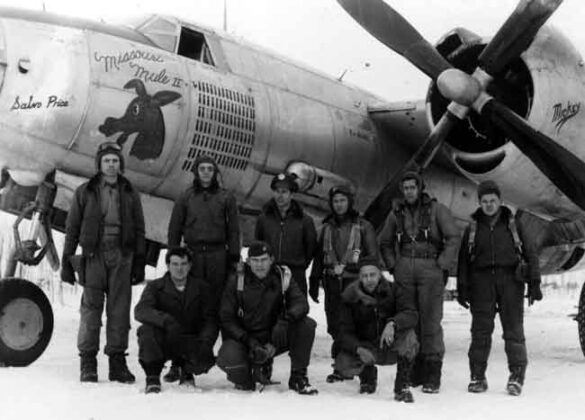
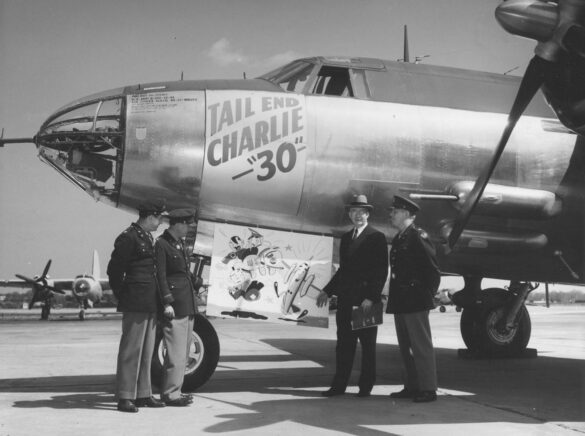
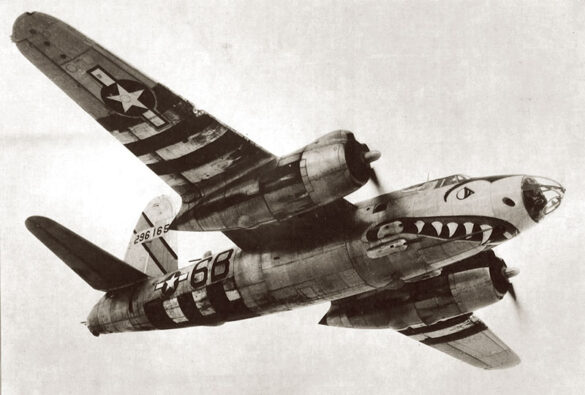
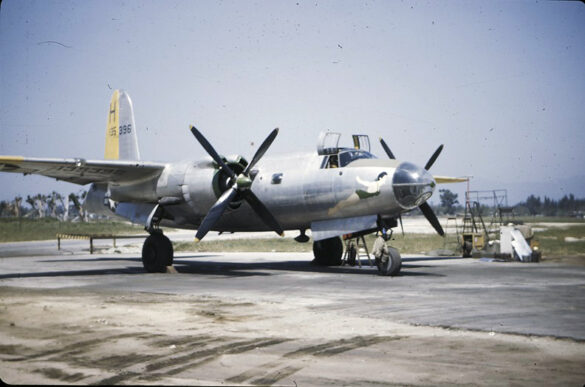
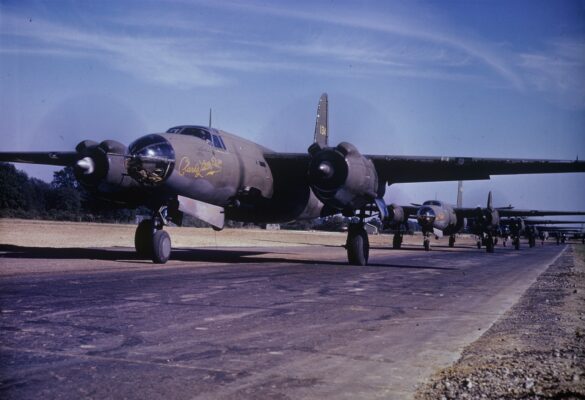
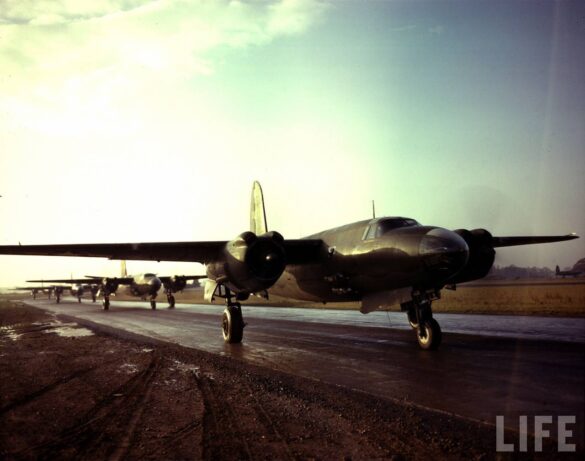
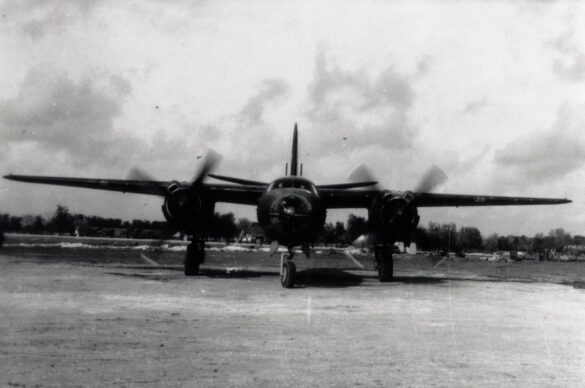
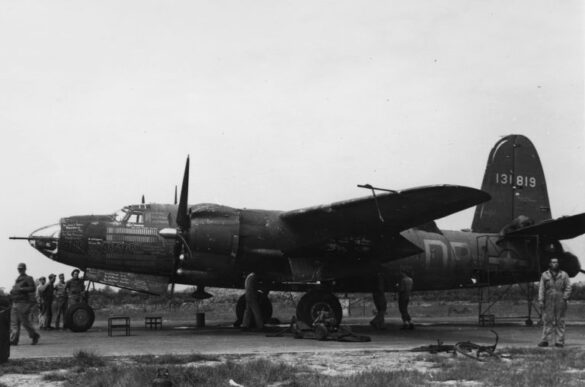
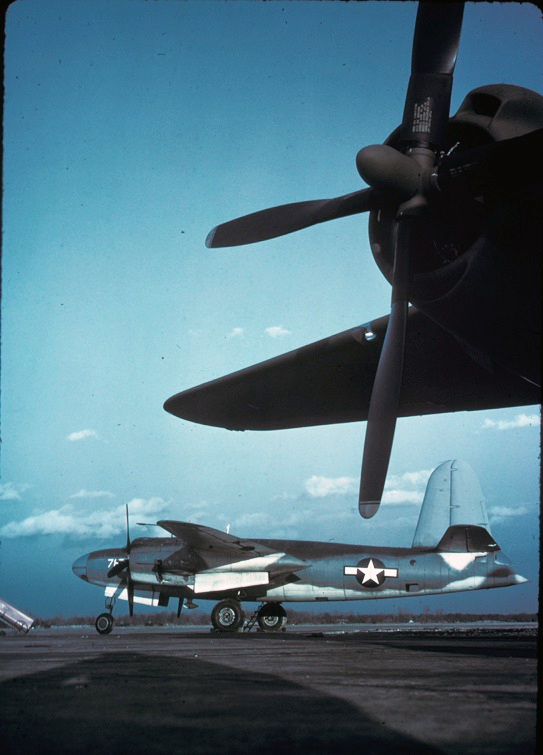
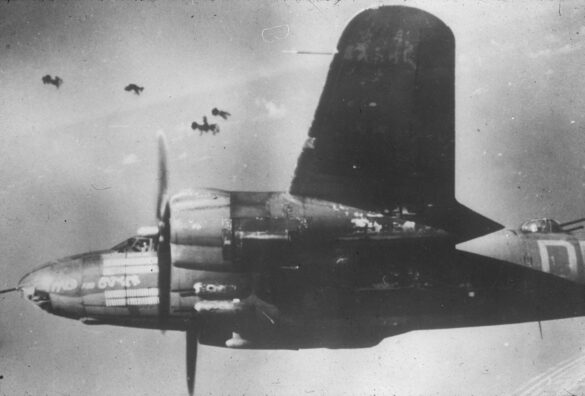
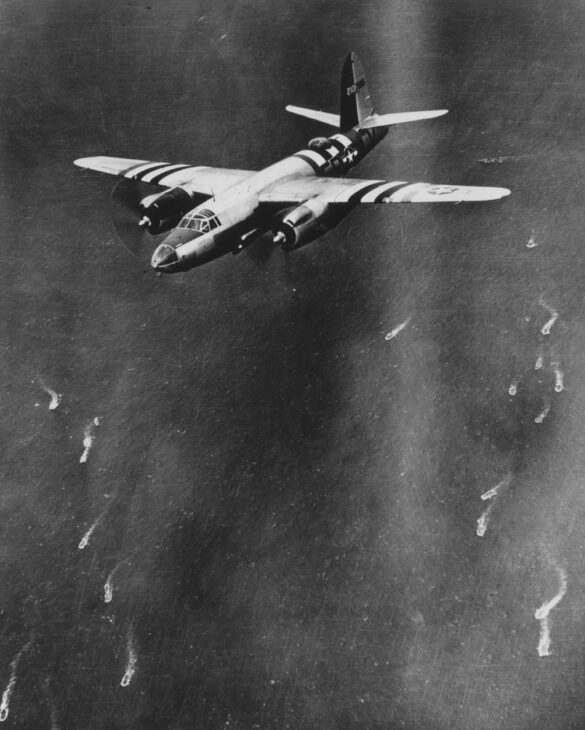
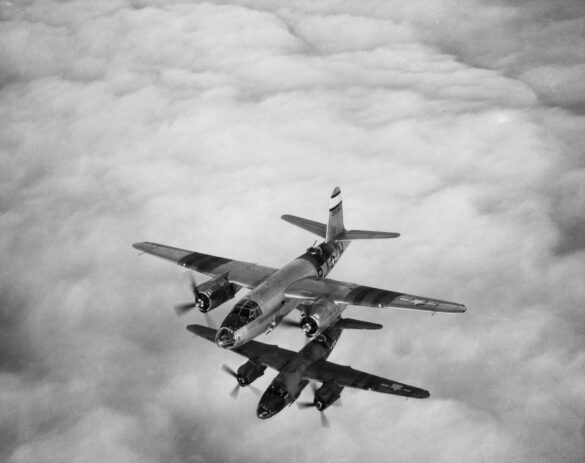
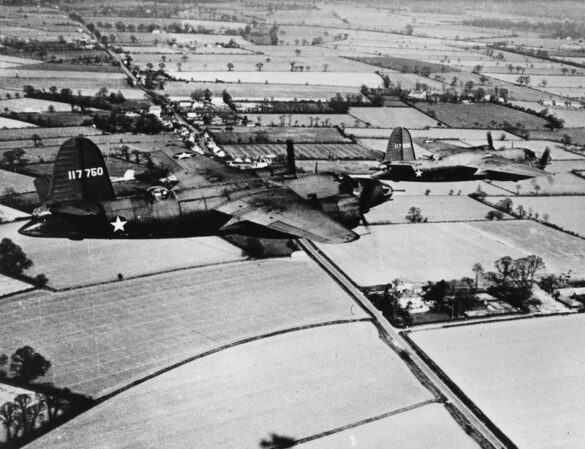
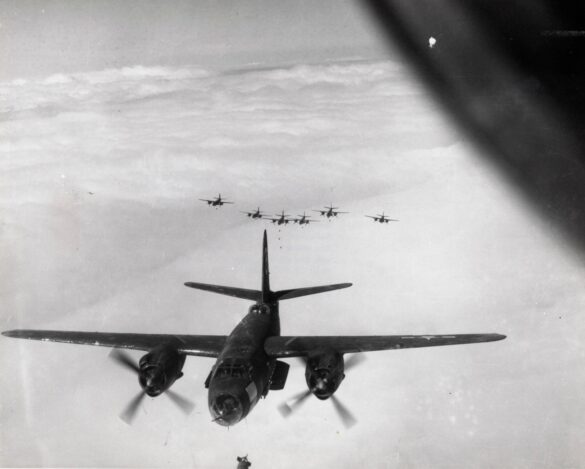
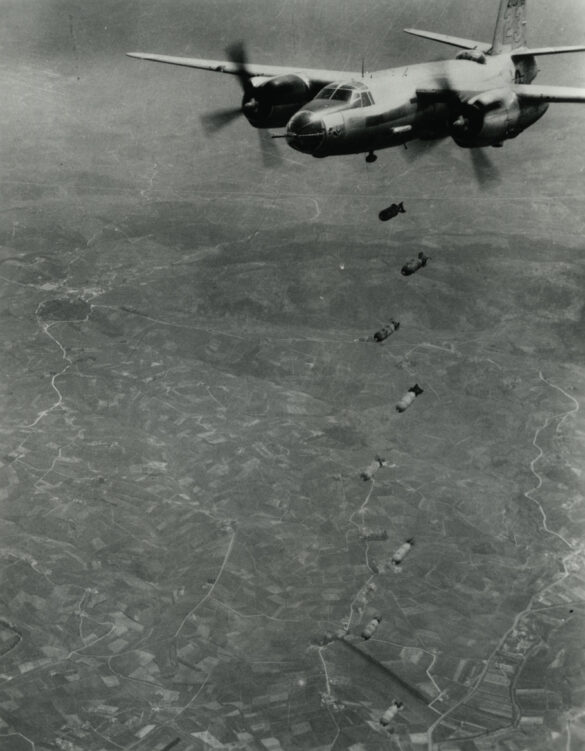
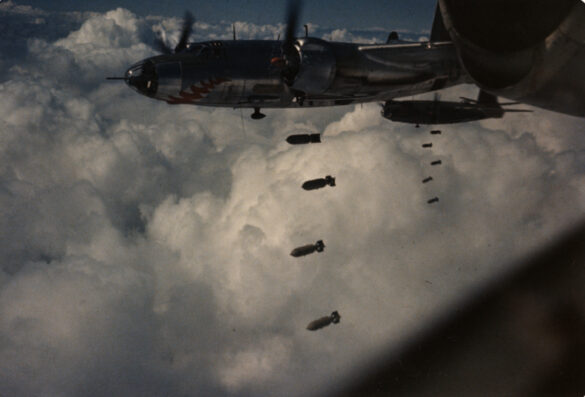
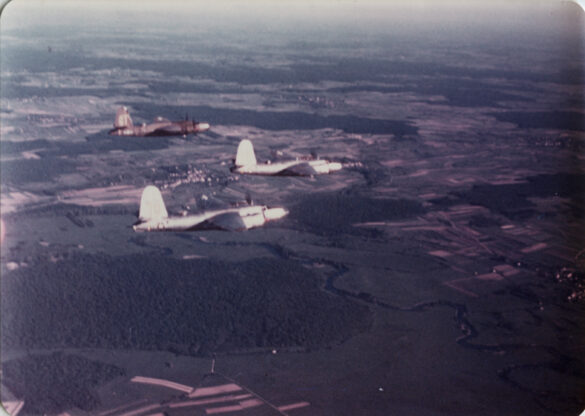
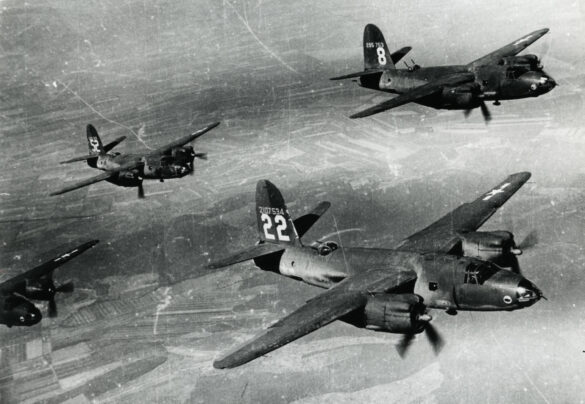
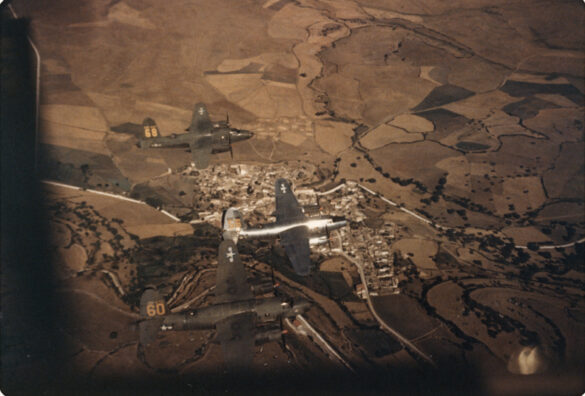
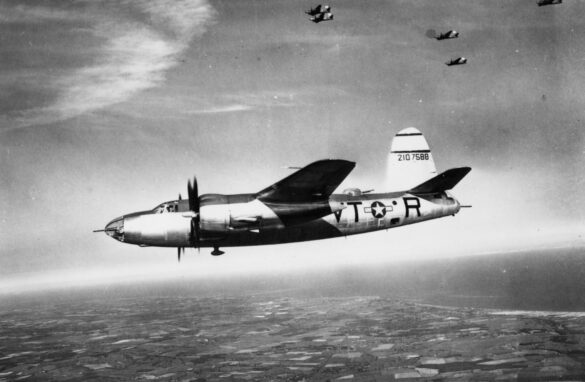
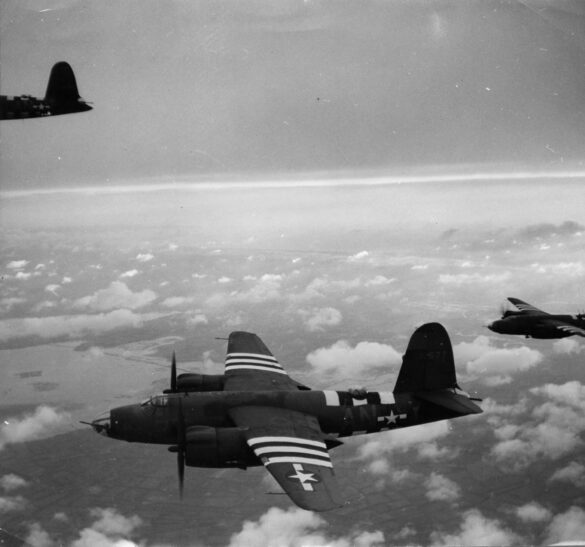
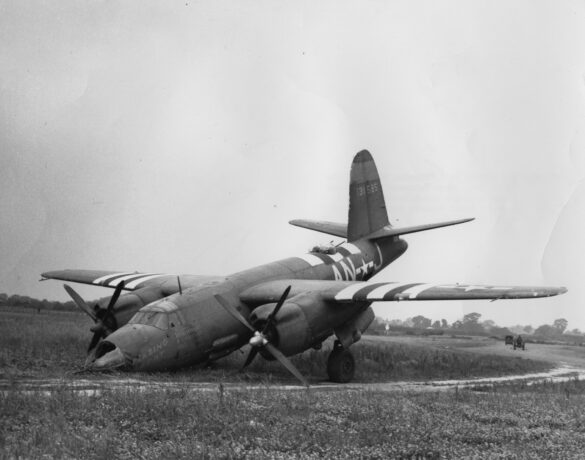
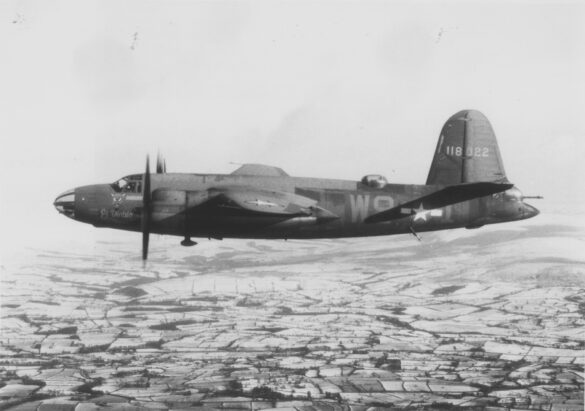
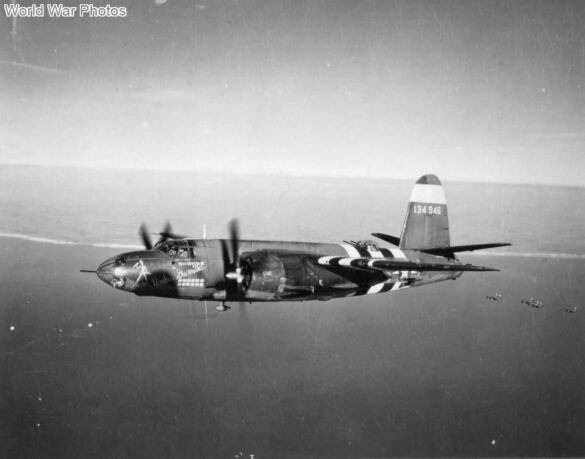
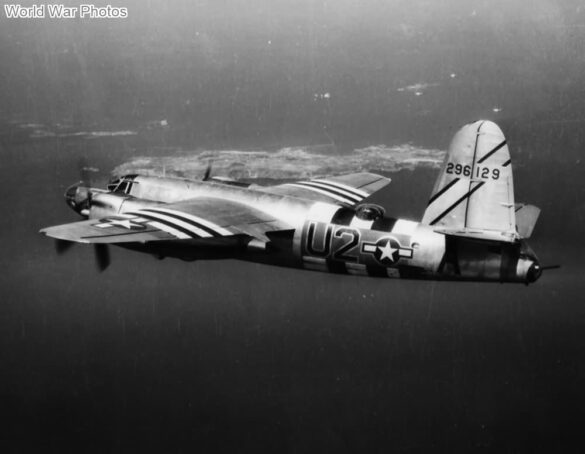
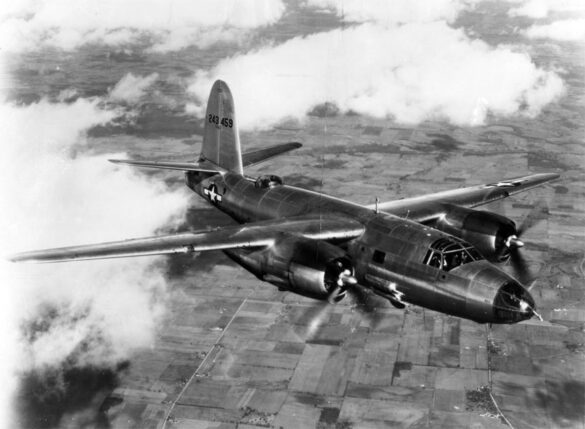
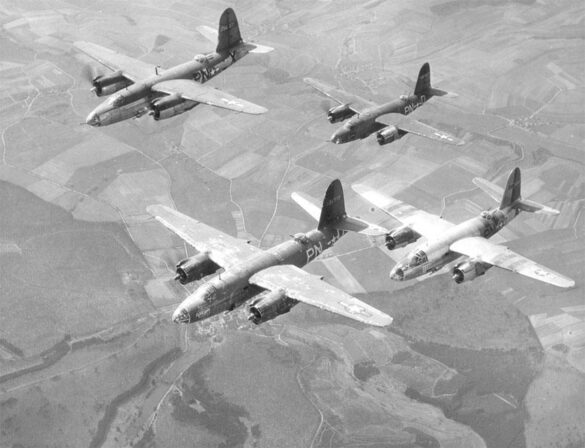
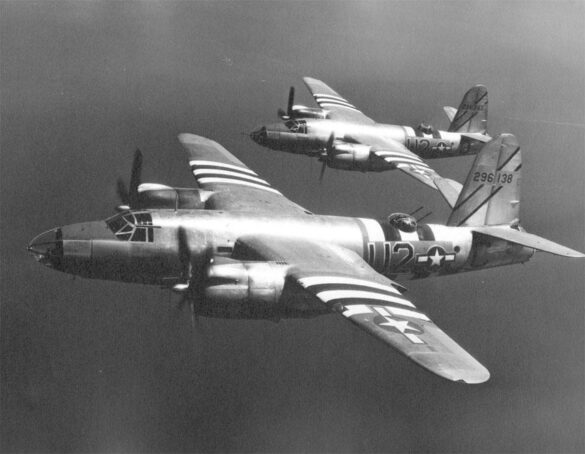
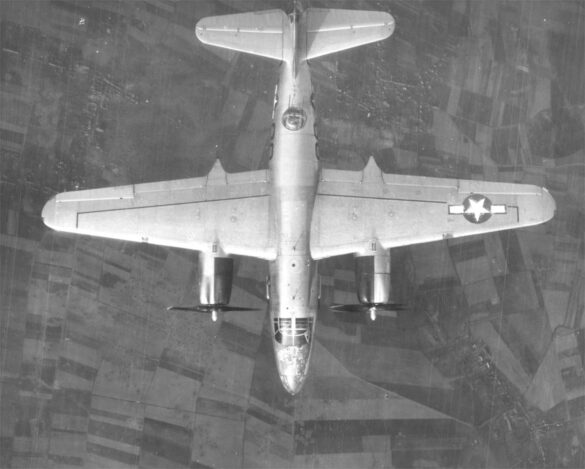
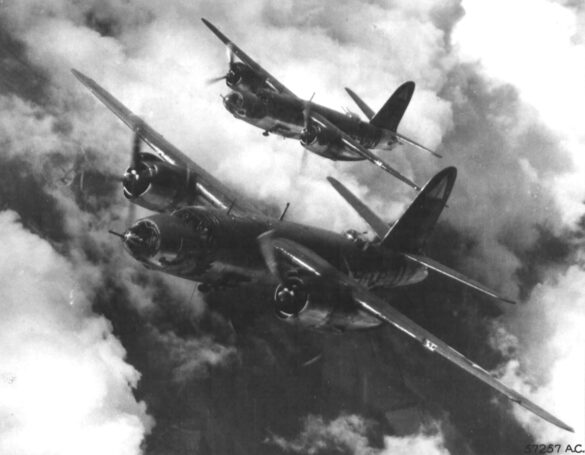
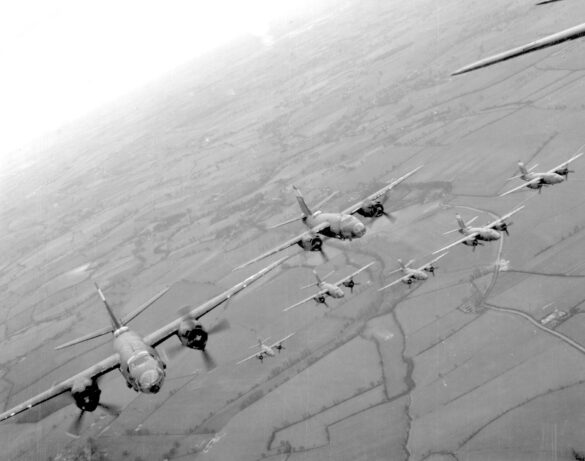
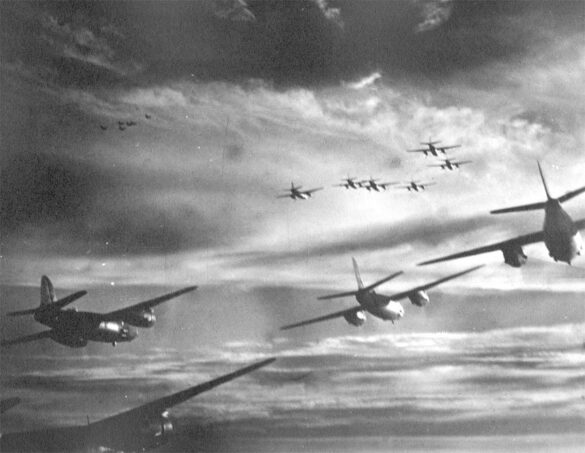
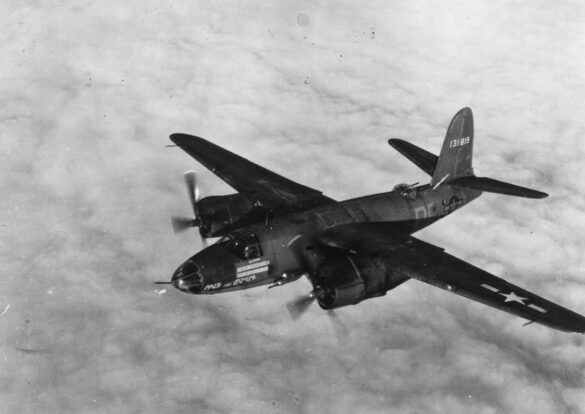
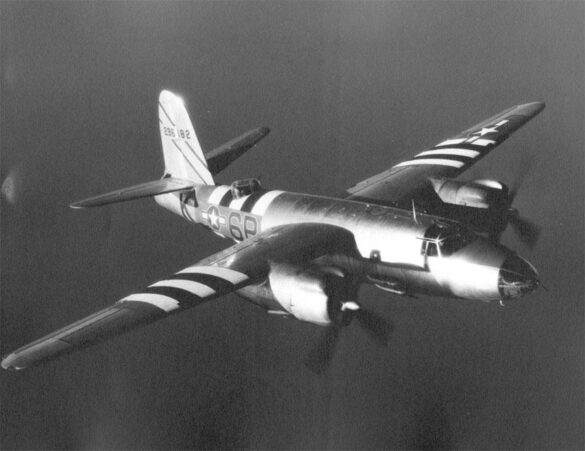
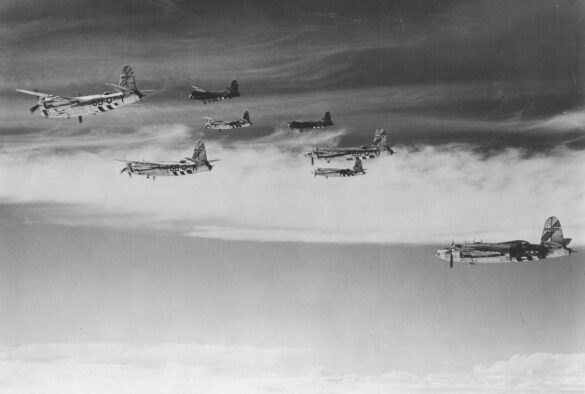
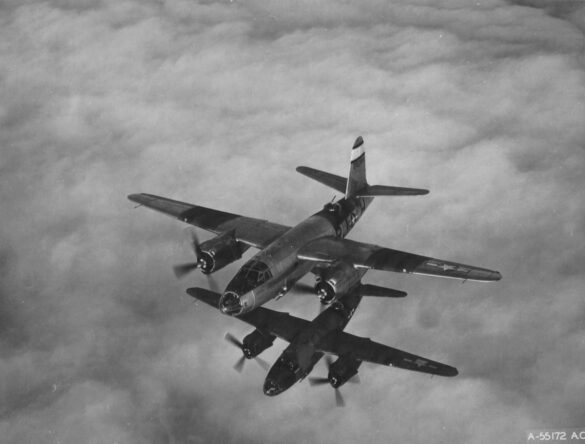
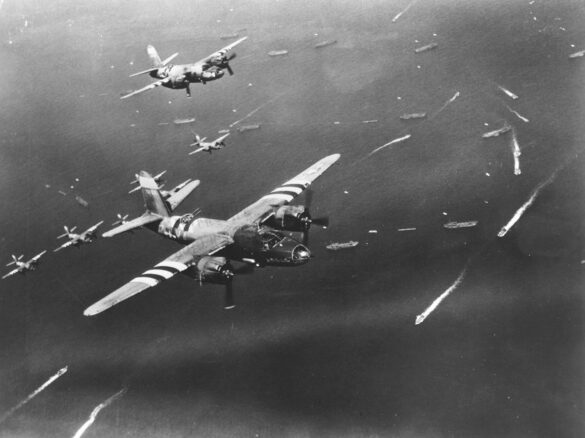
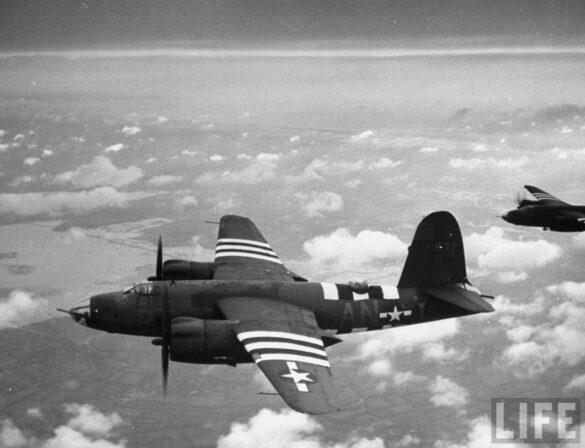
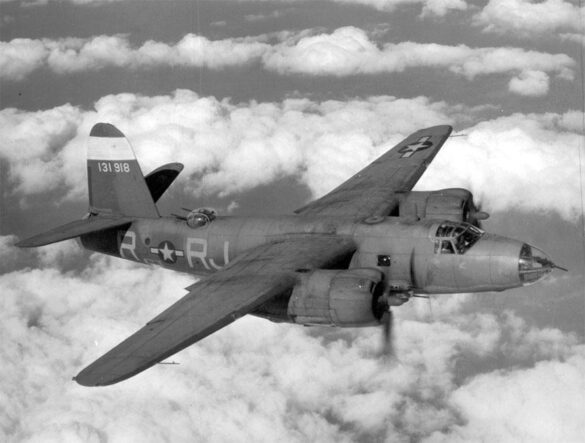
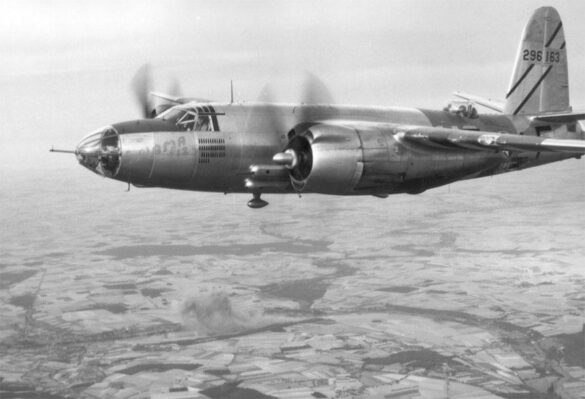
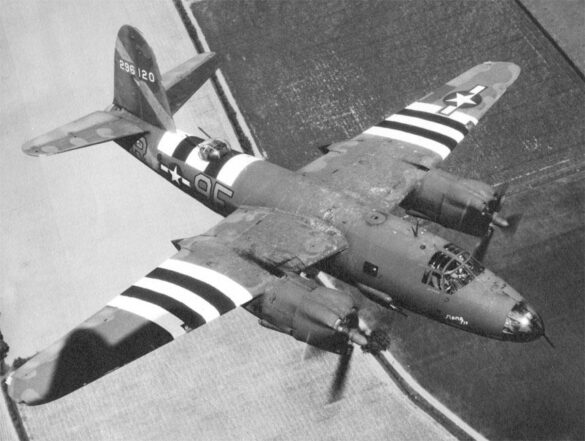
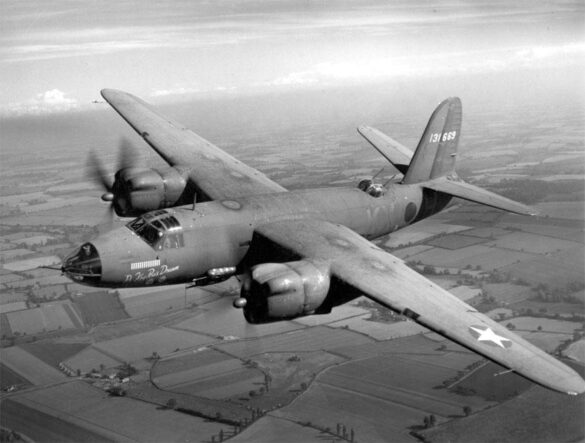
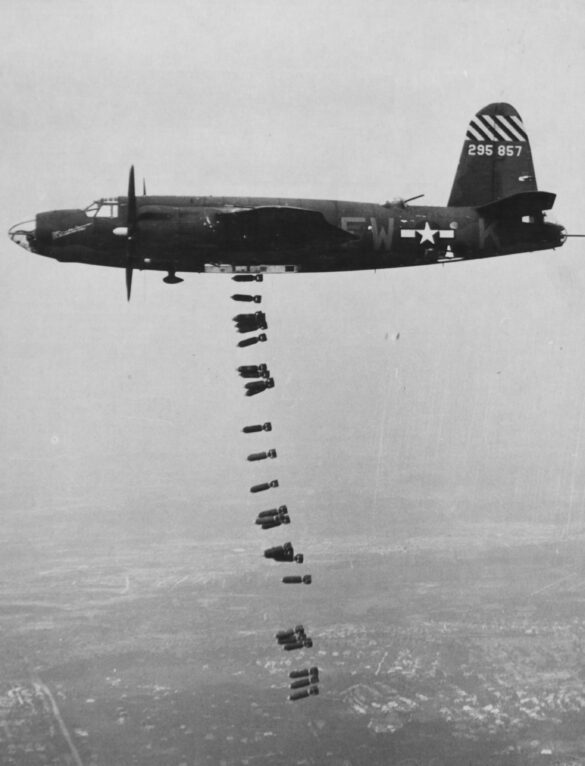
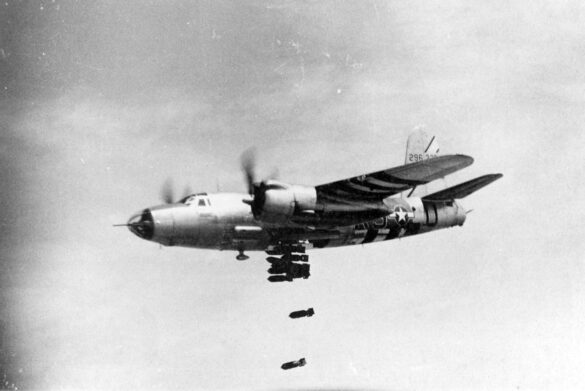
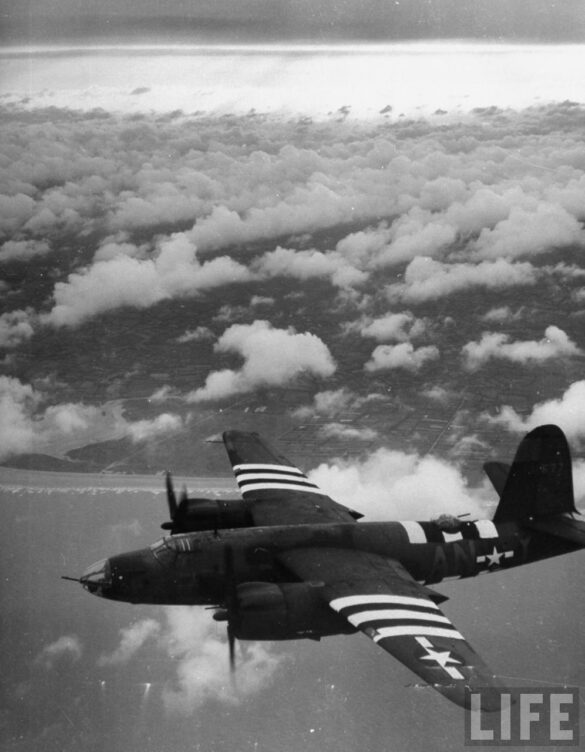
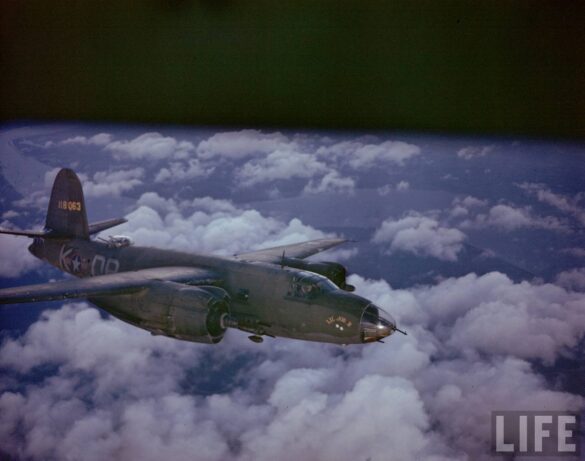
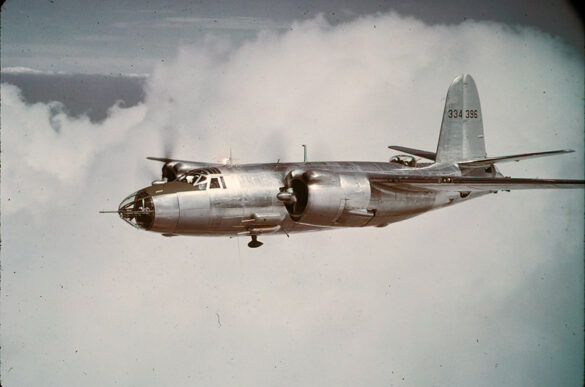
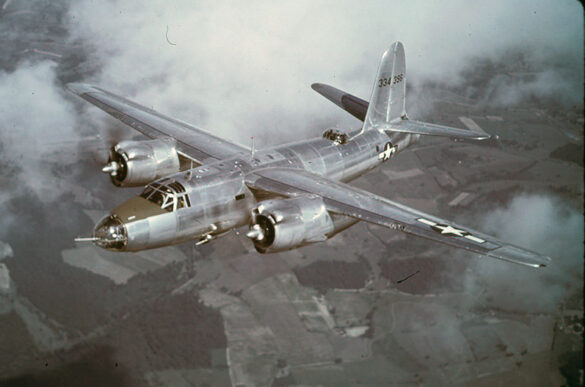
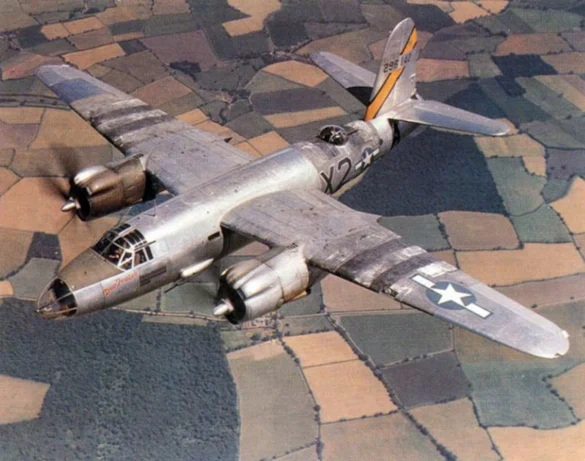
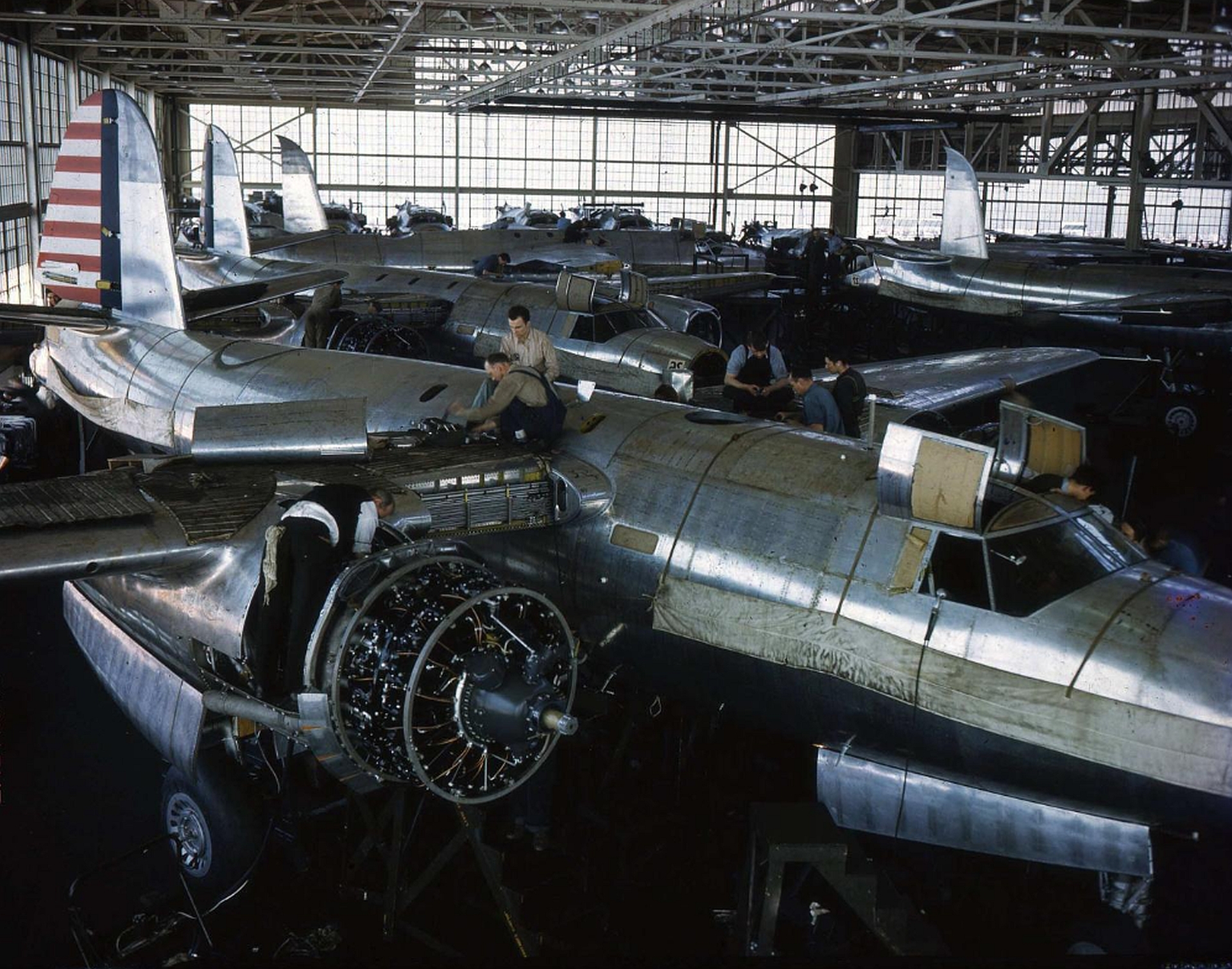
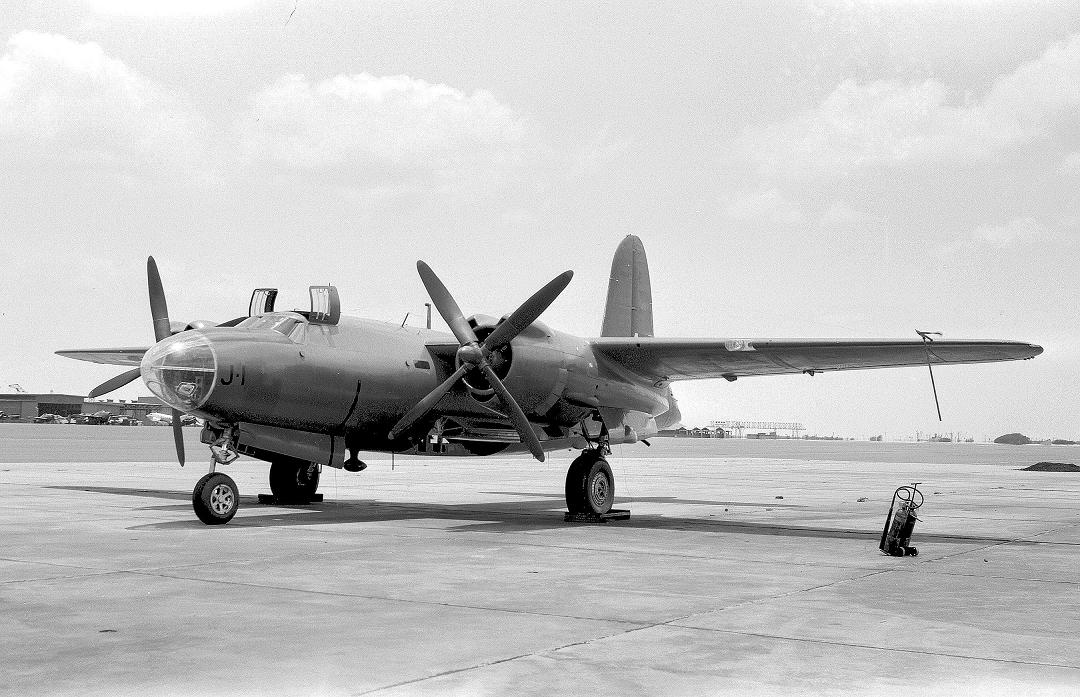
The B-26 Marauder is one of those aircraft whose reputation is more than its true worth. With nicknames like “Widowmaker” and “Flying Coffin,” it entered the war with a bad reputation. In practice, however, it evolved into one of the most effective bombers of World War II.
The truth is simple: it wasn’t a bad plane. It was demanding.
The design philosophy that created the problem
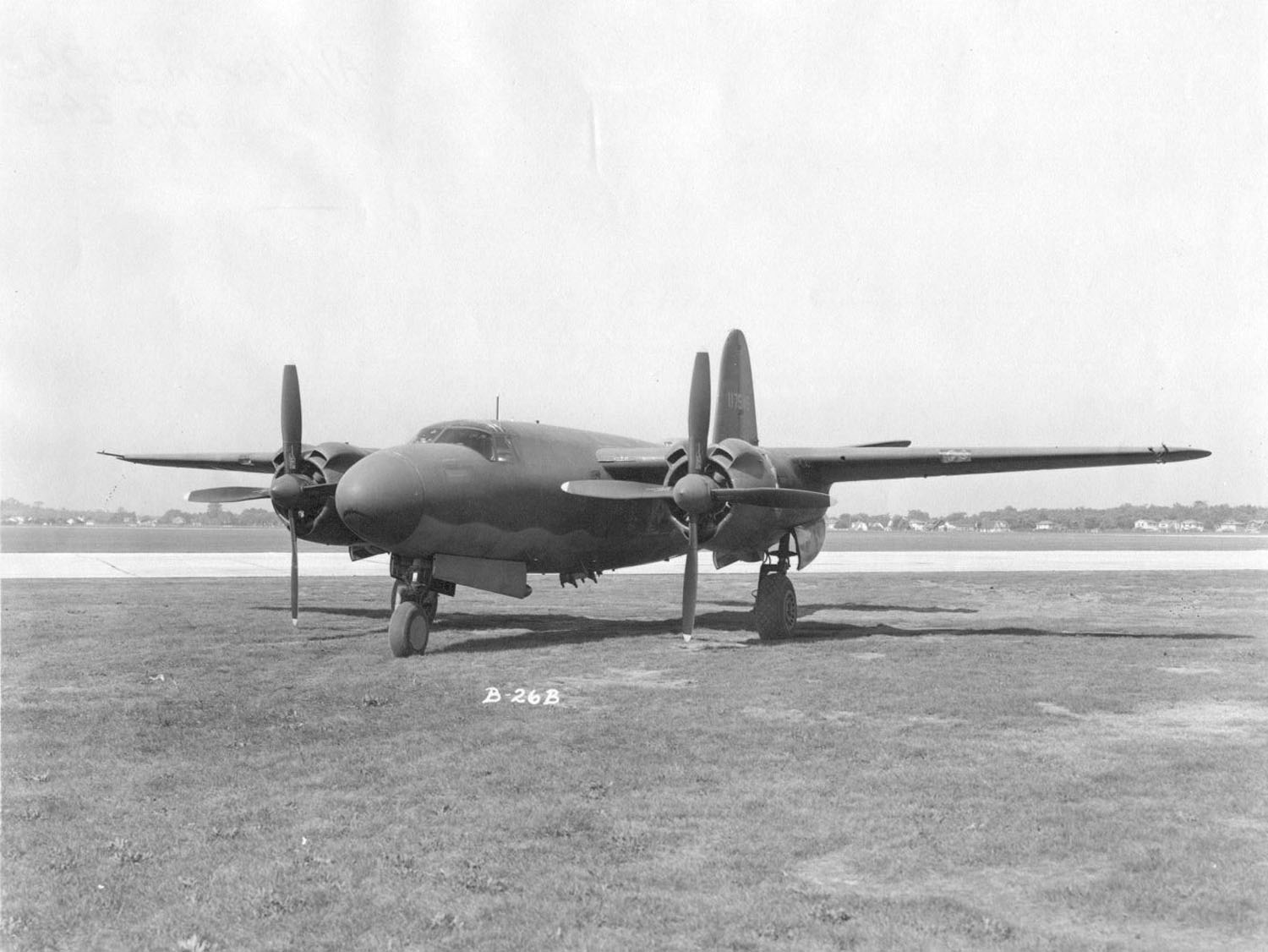
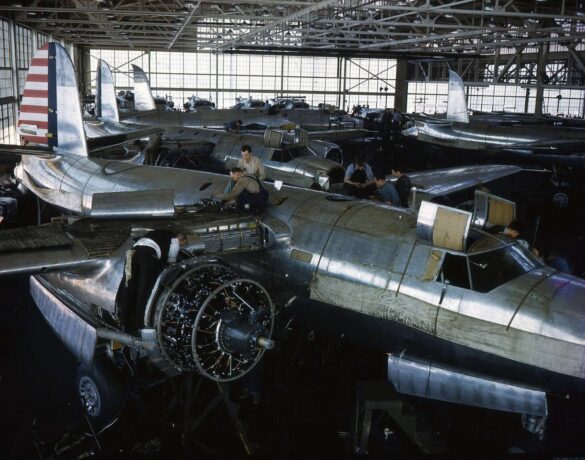
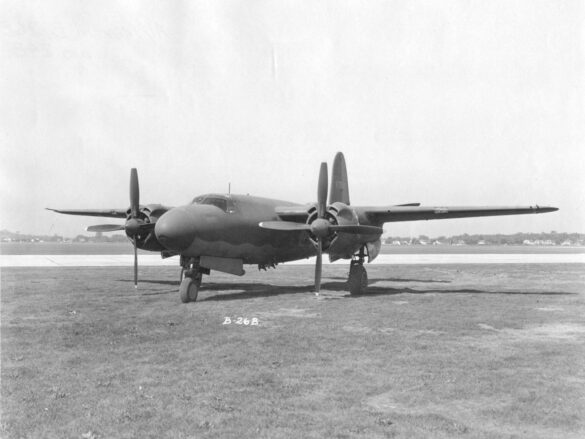
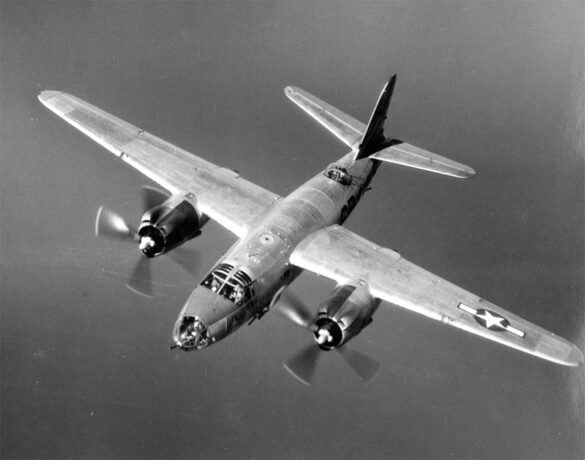
In 1939, the USAAC requested a bomber with high speed and high payload. Glenn L. Martin responded with an aircraft that pushed the boundaries of the era:
High wing loading
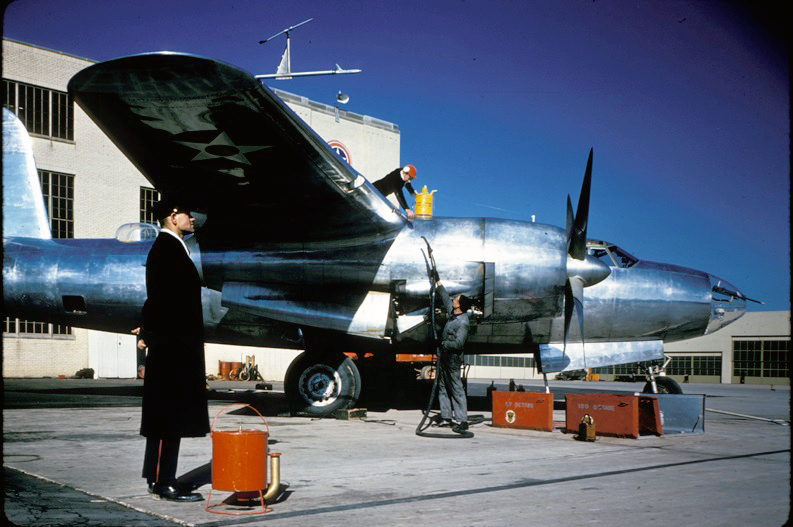
Powerful Pratt & Whitney R-2800 engines
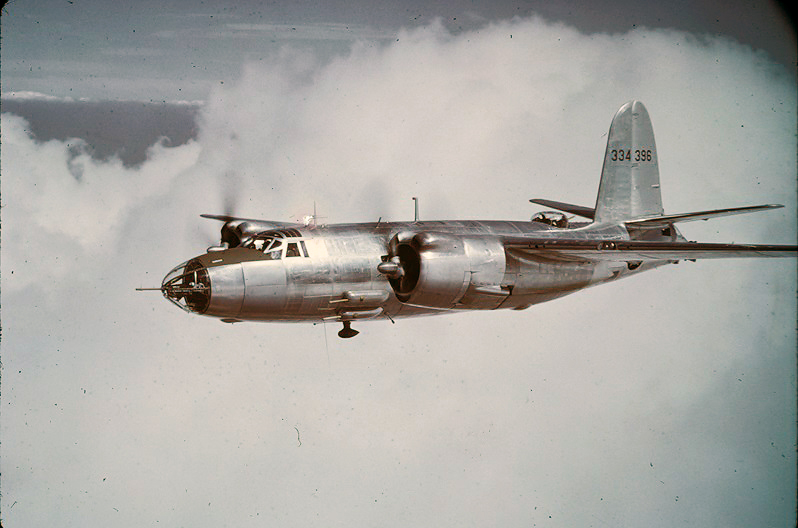
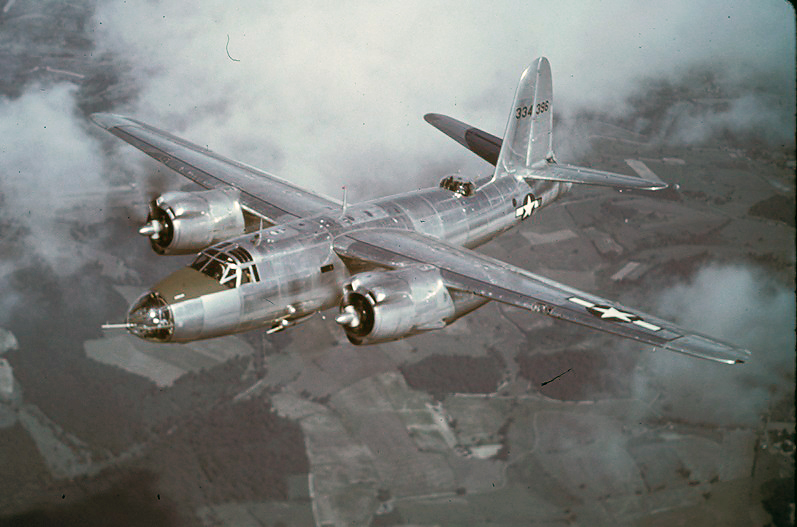
Very clean aerodynamic lines
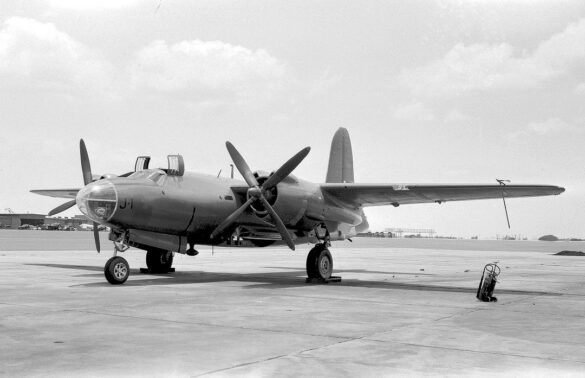
The result was excellent speed, but difficult behavior at low speeds. Landings required precision. It did not forgive mistakes.
How the “Widowmaker” legend was born
The first problems did not come from a manufacturing error, but from:
Inadequate pilot training
Incorrect approach technique
Difficulty in single-engine conditions
Many accidents occurred at training bases and the reputation spread quickly.
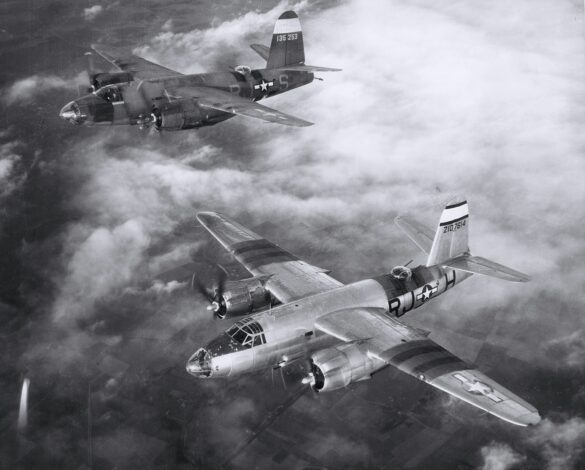
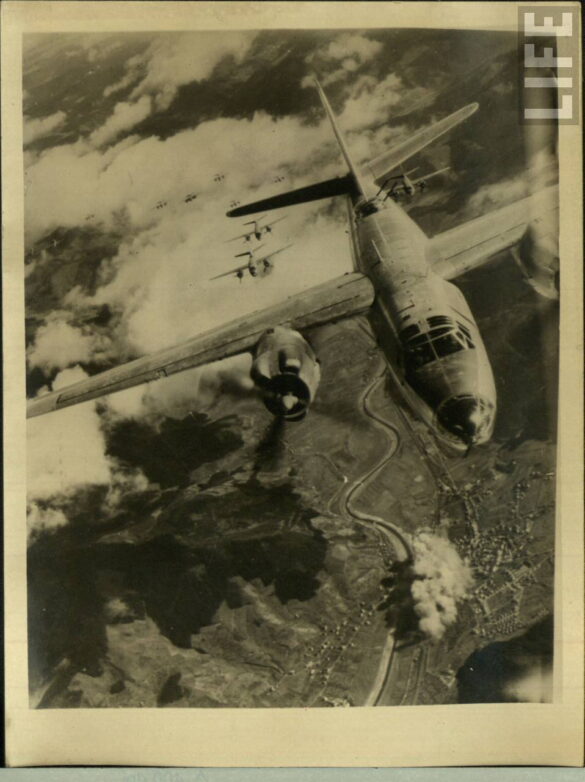
However, once the pilots adapted, the aircraft performed exceptionally. Casualty rates decreased and the B-26 acquired one of the best survival records of the war.
The real picture in battle
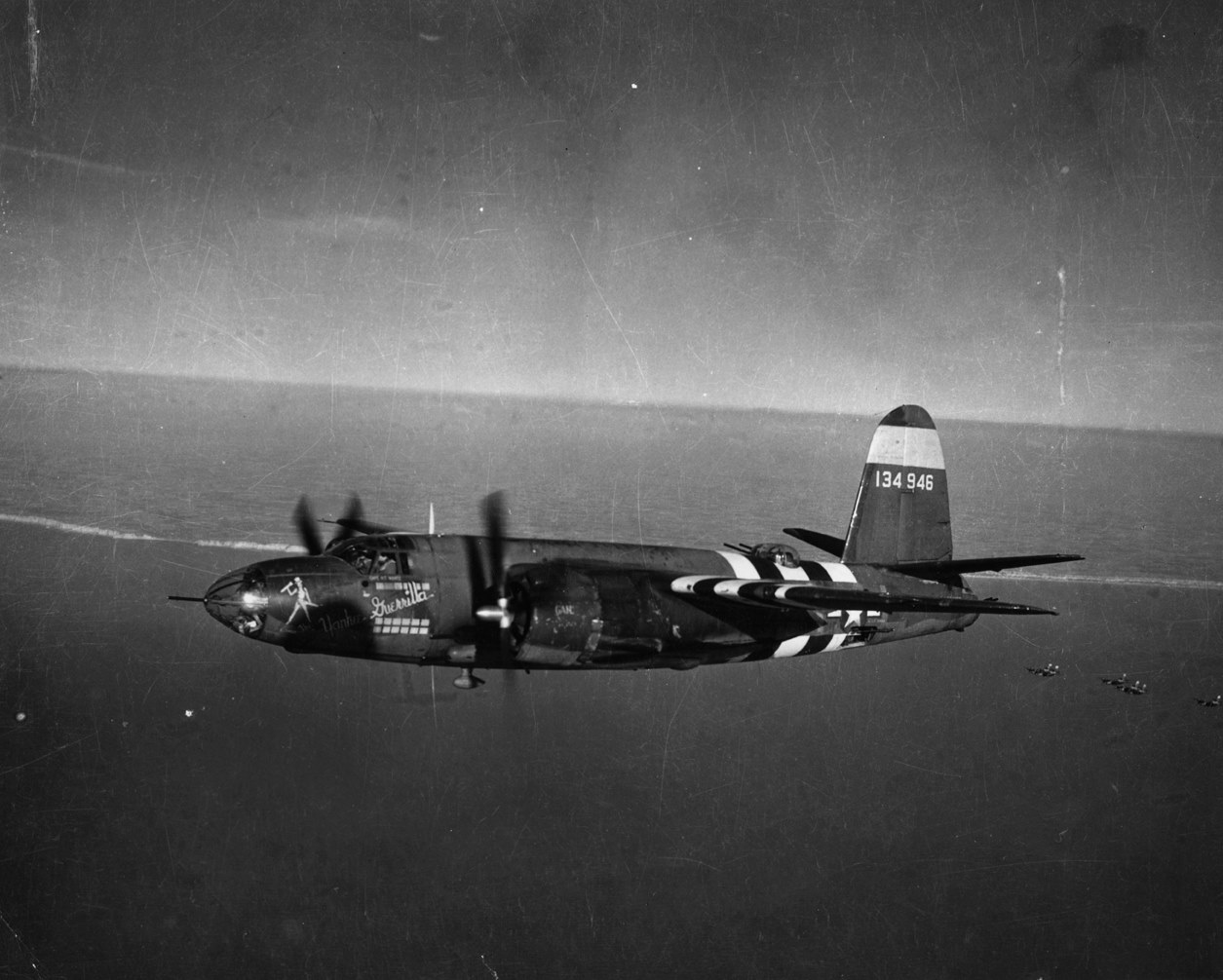
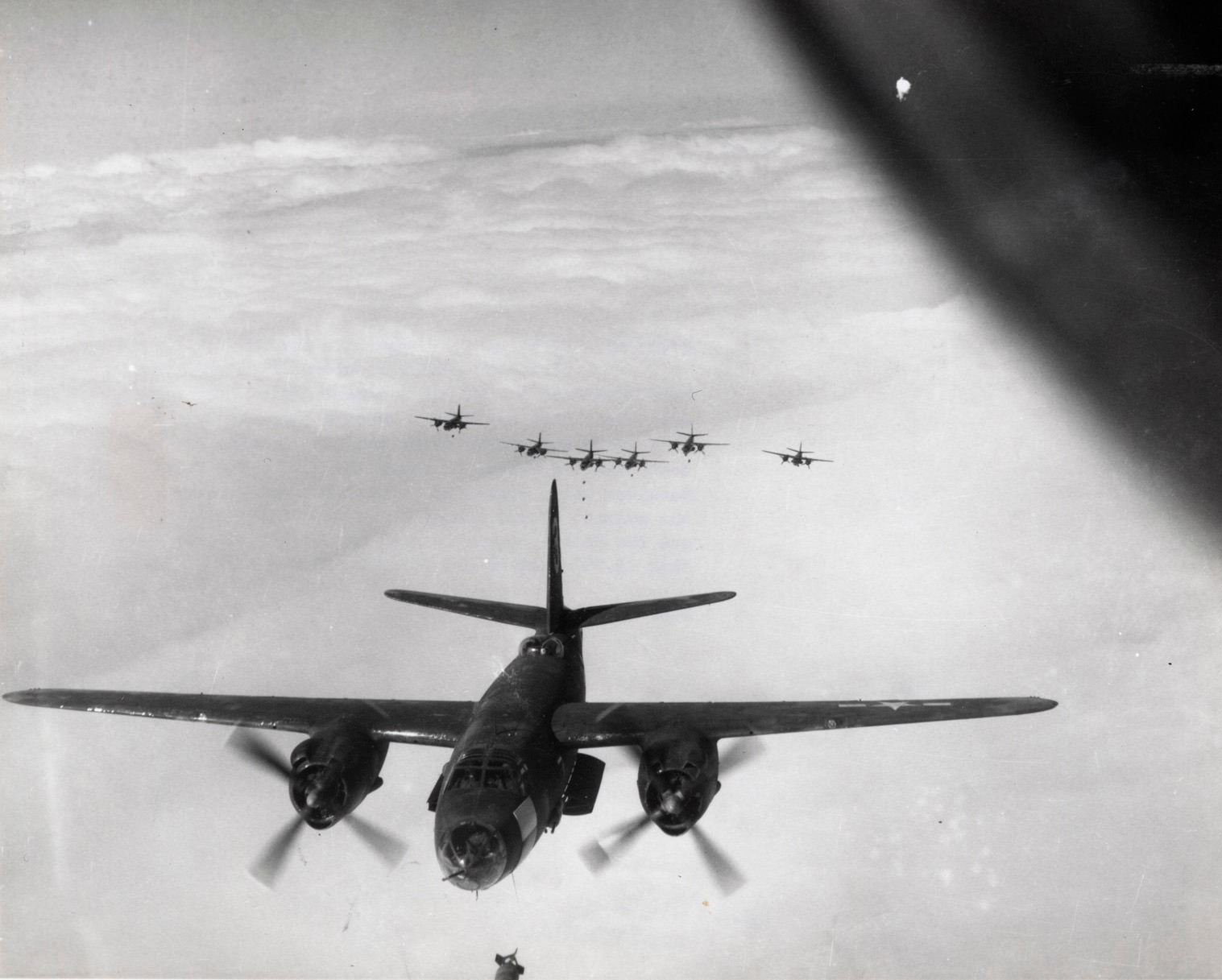
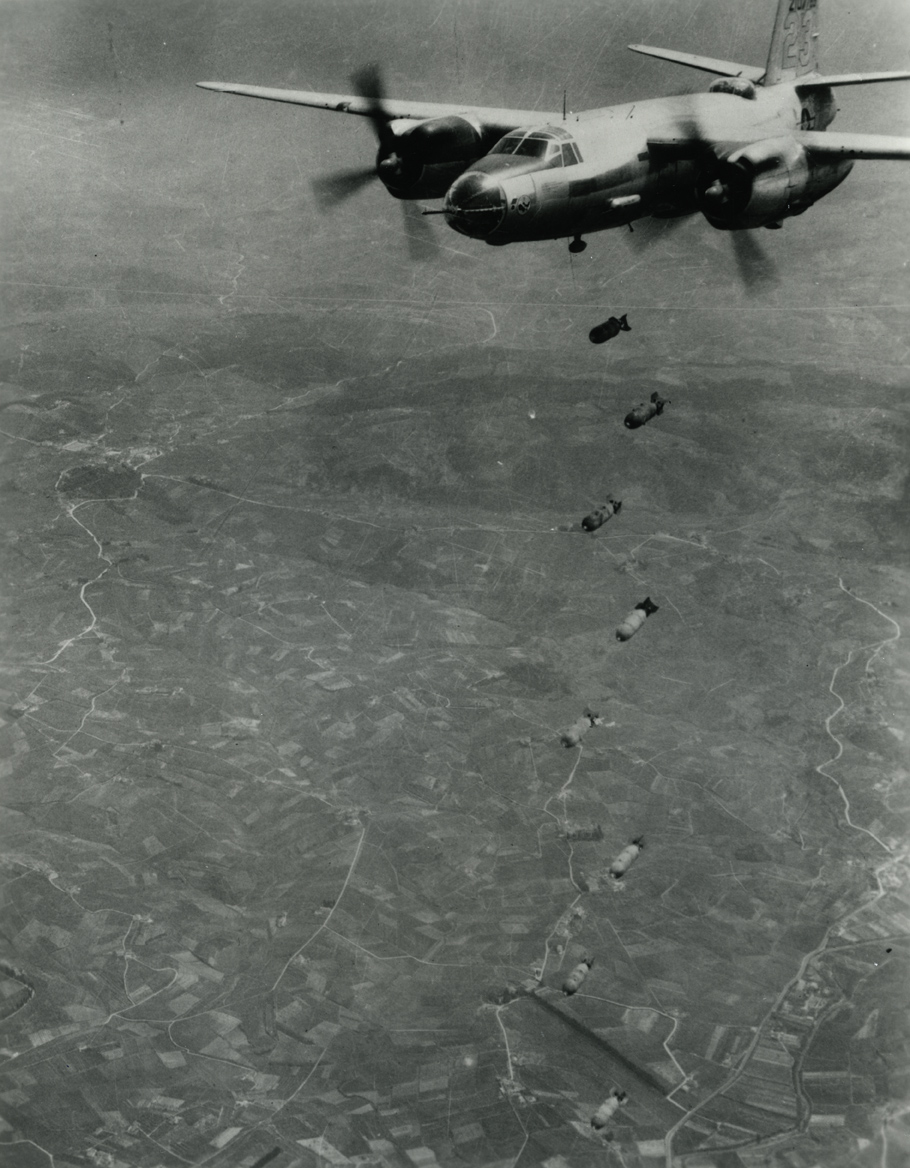
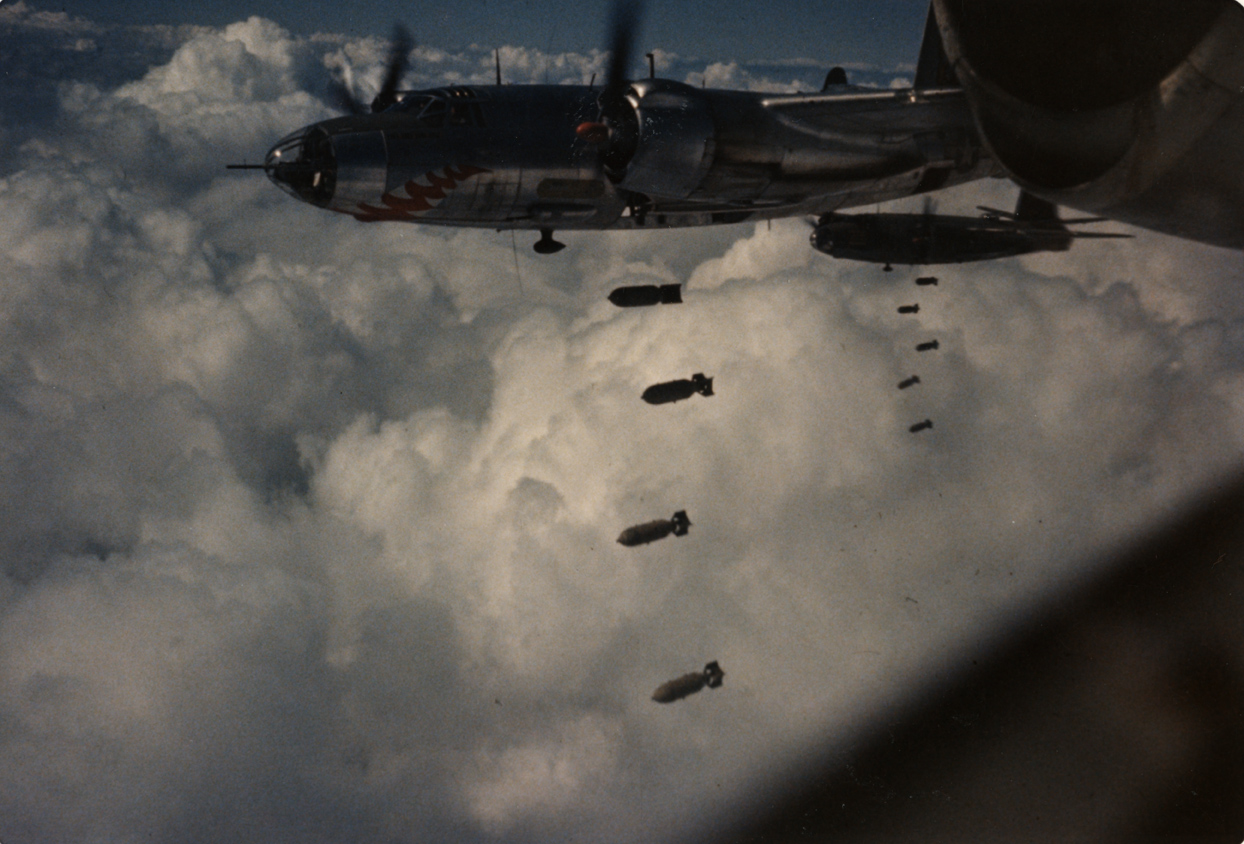
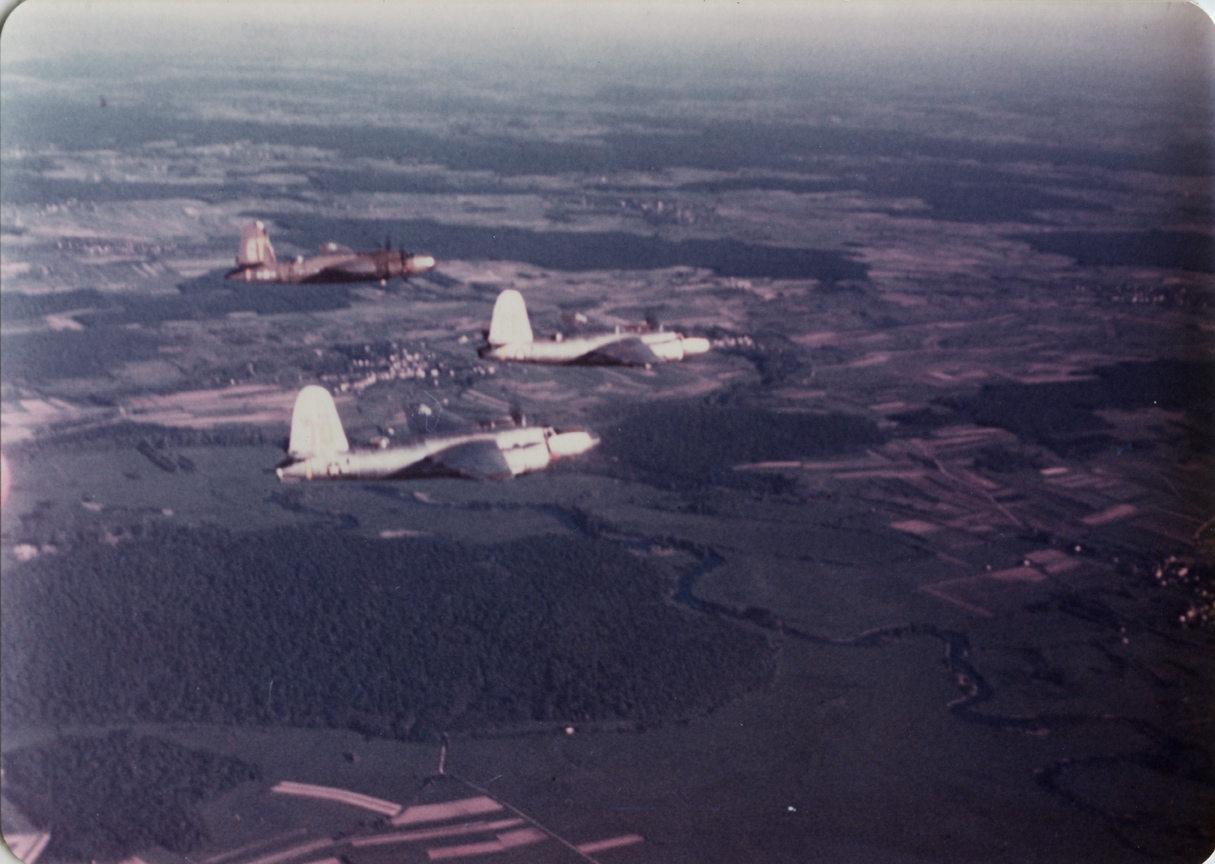
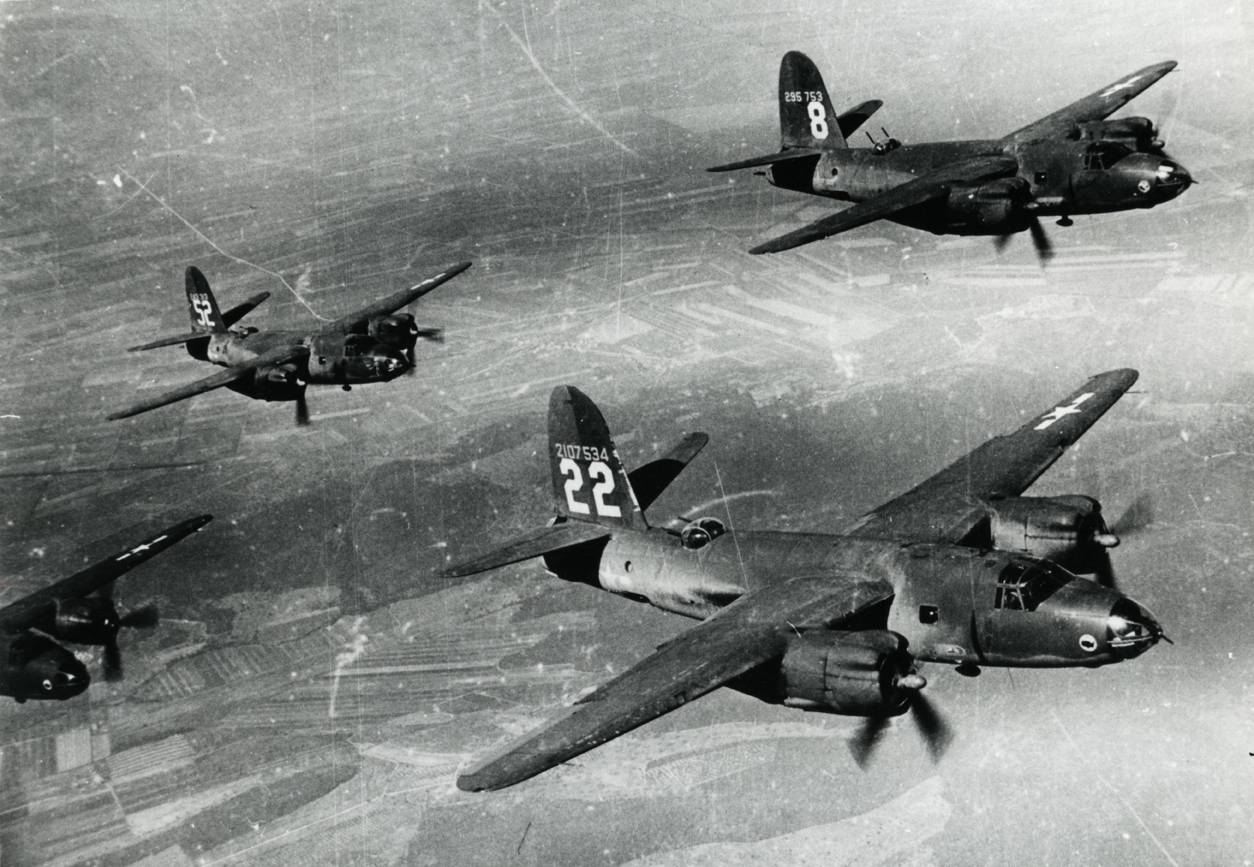
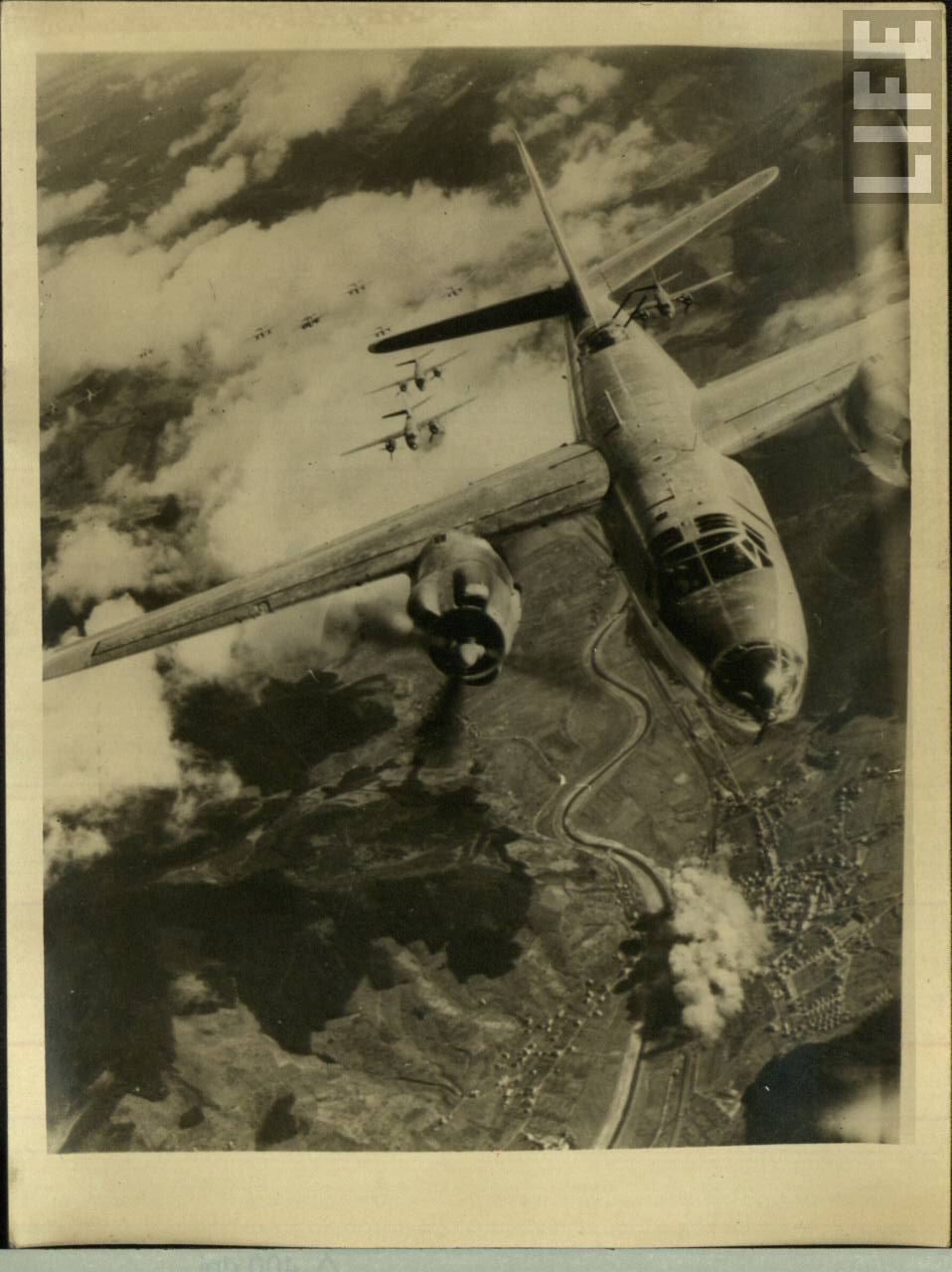
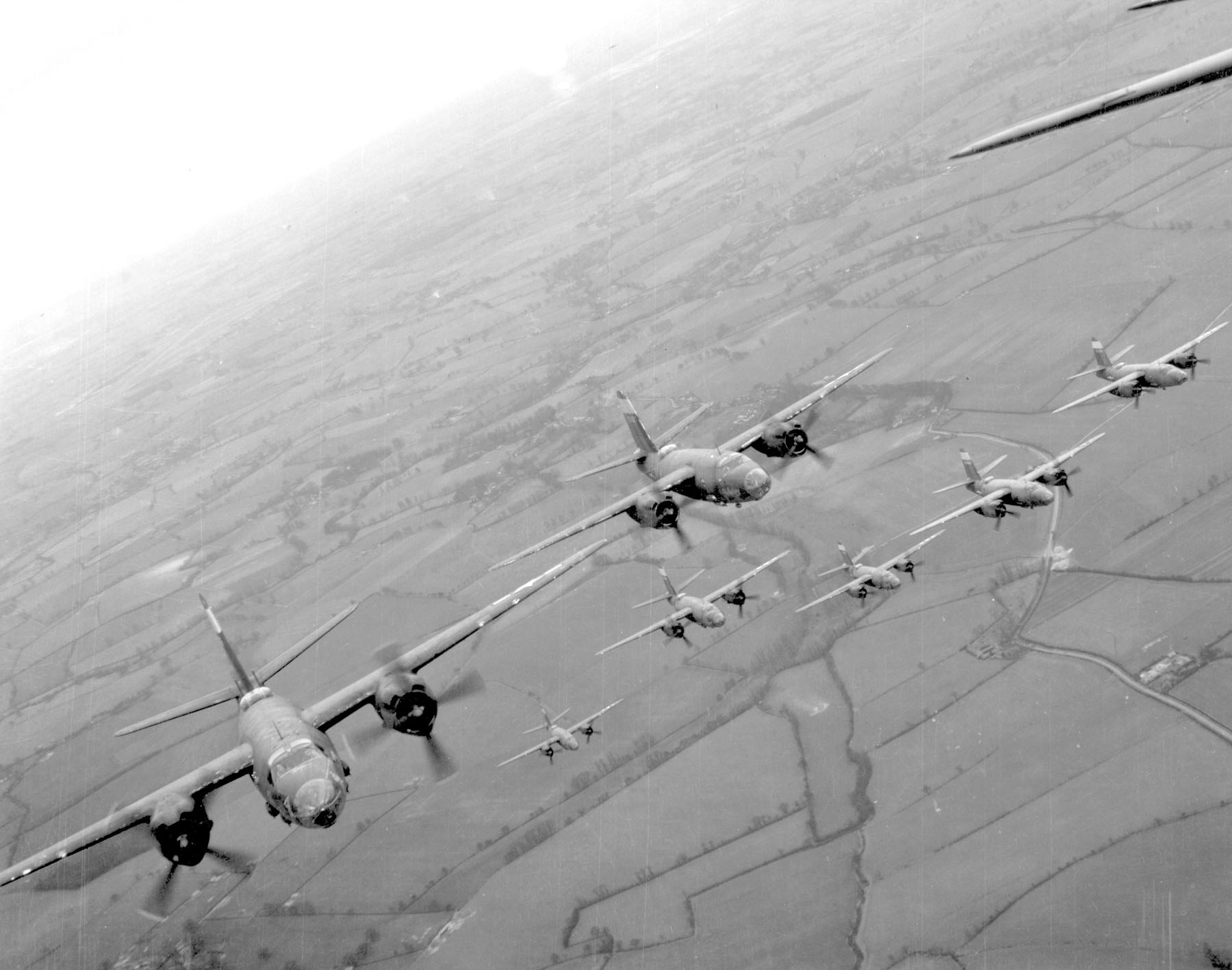
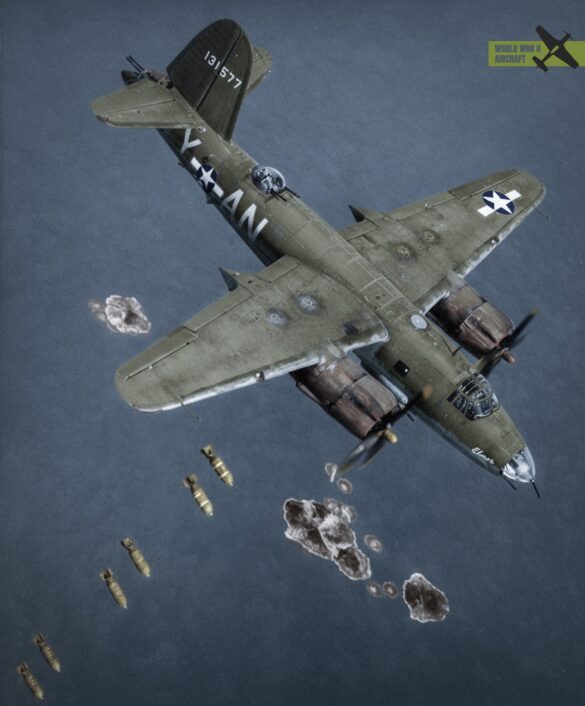
In operations, the B-26 proved to be:
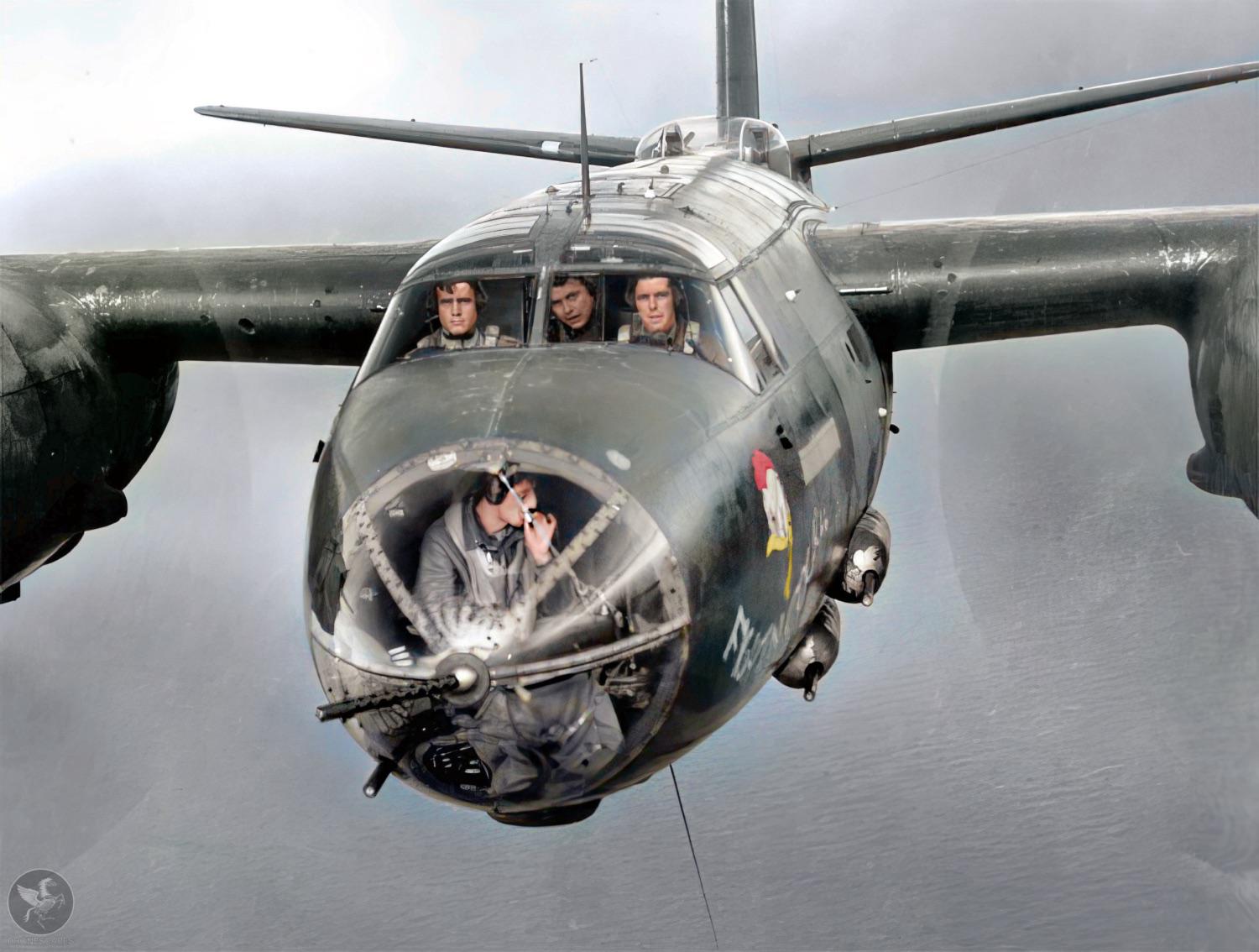
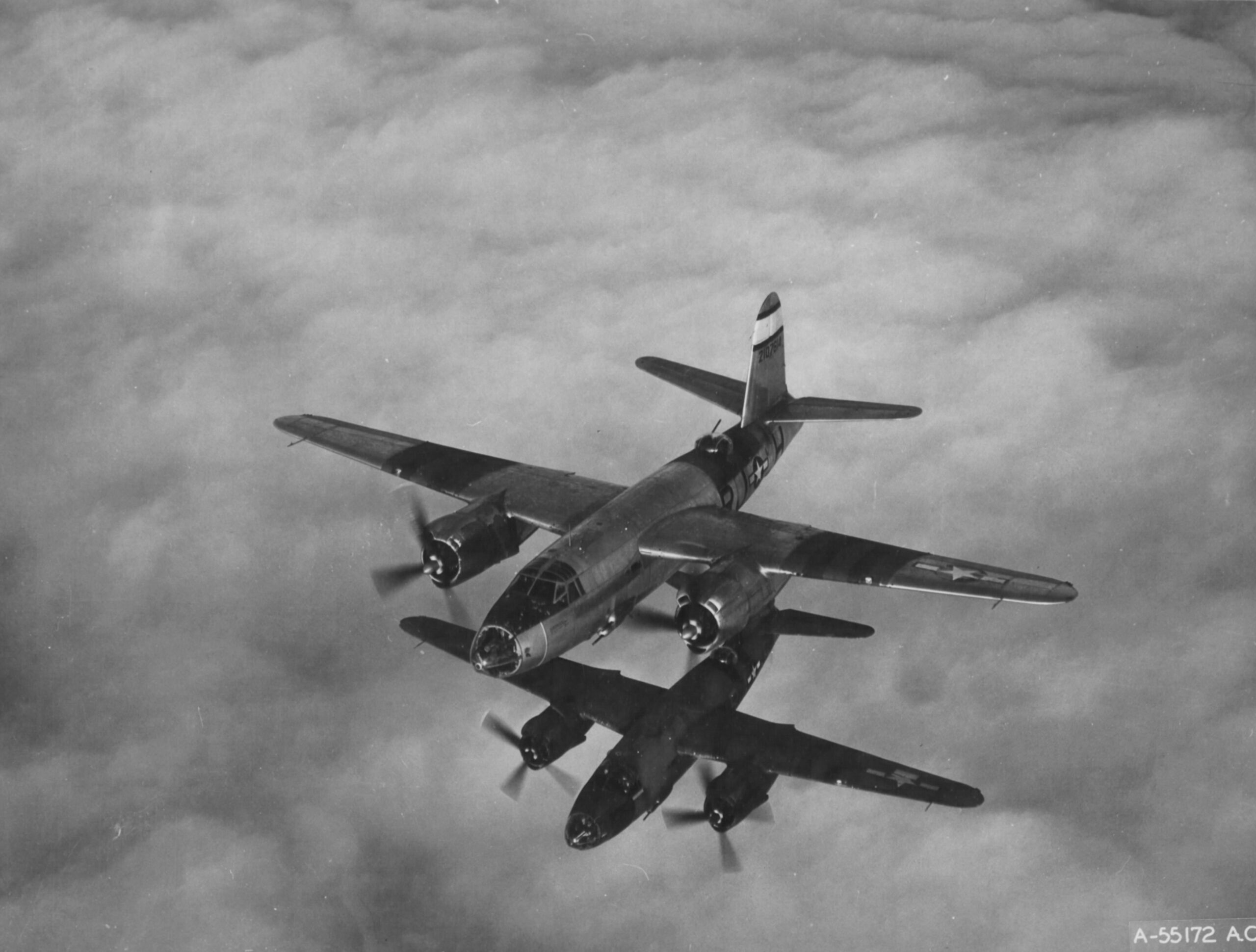
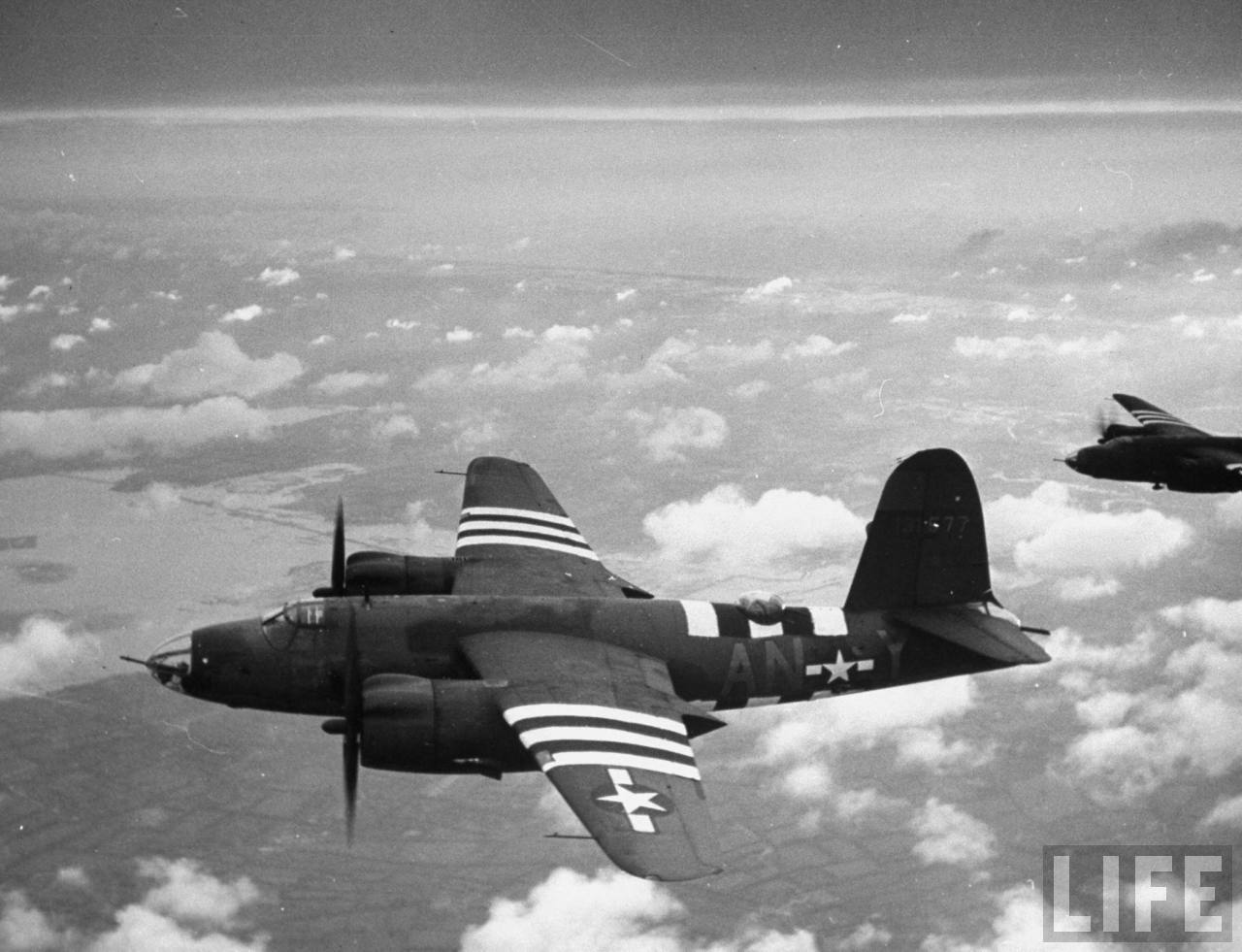
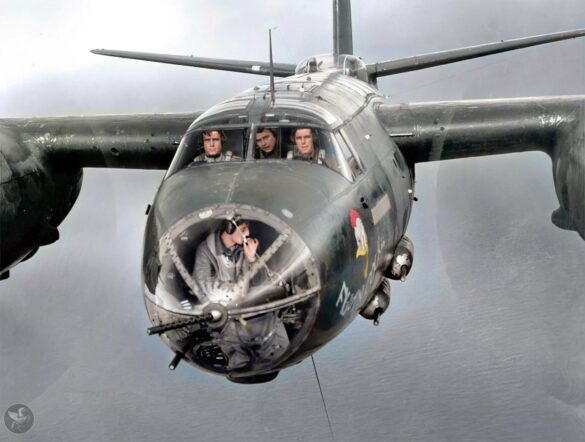
Fast and a difficult target
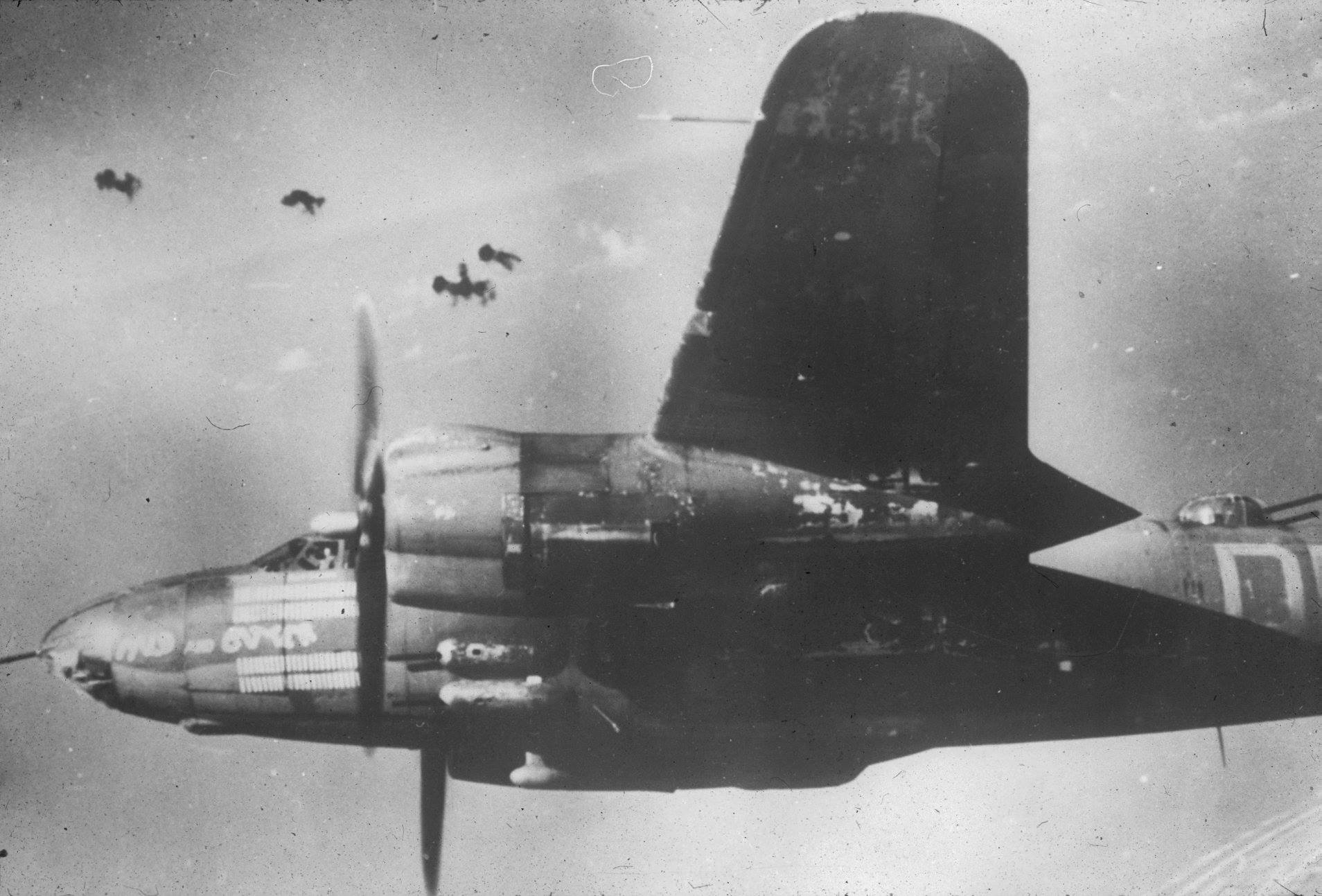
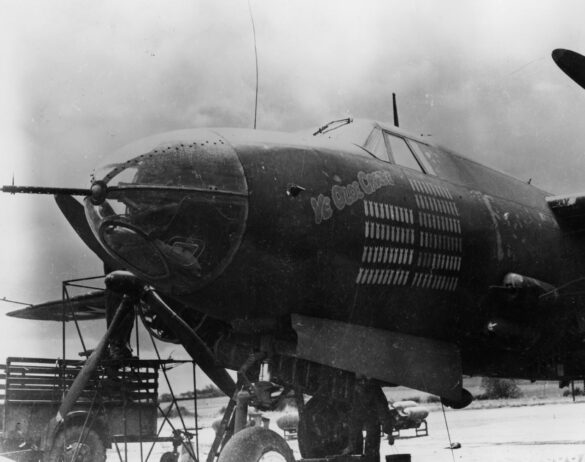
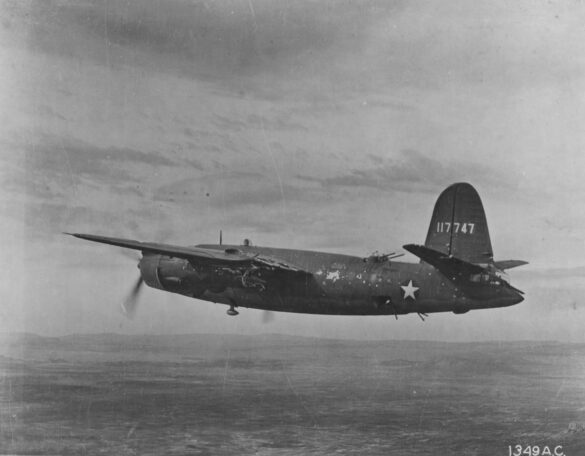
Very resistant to damage
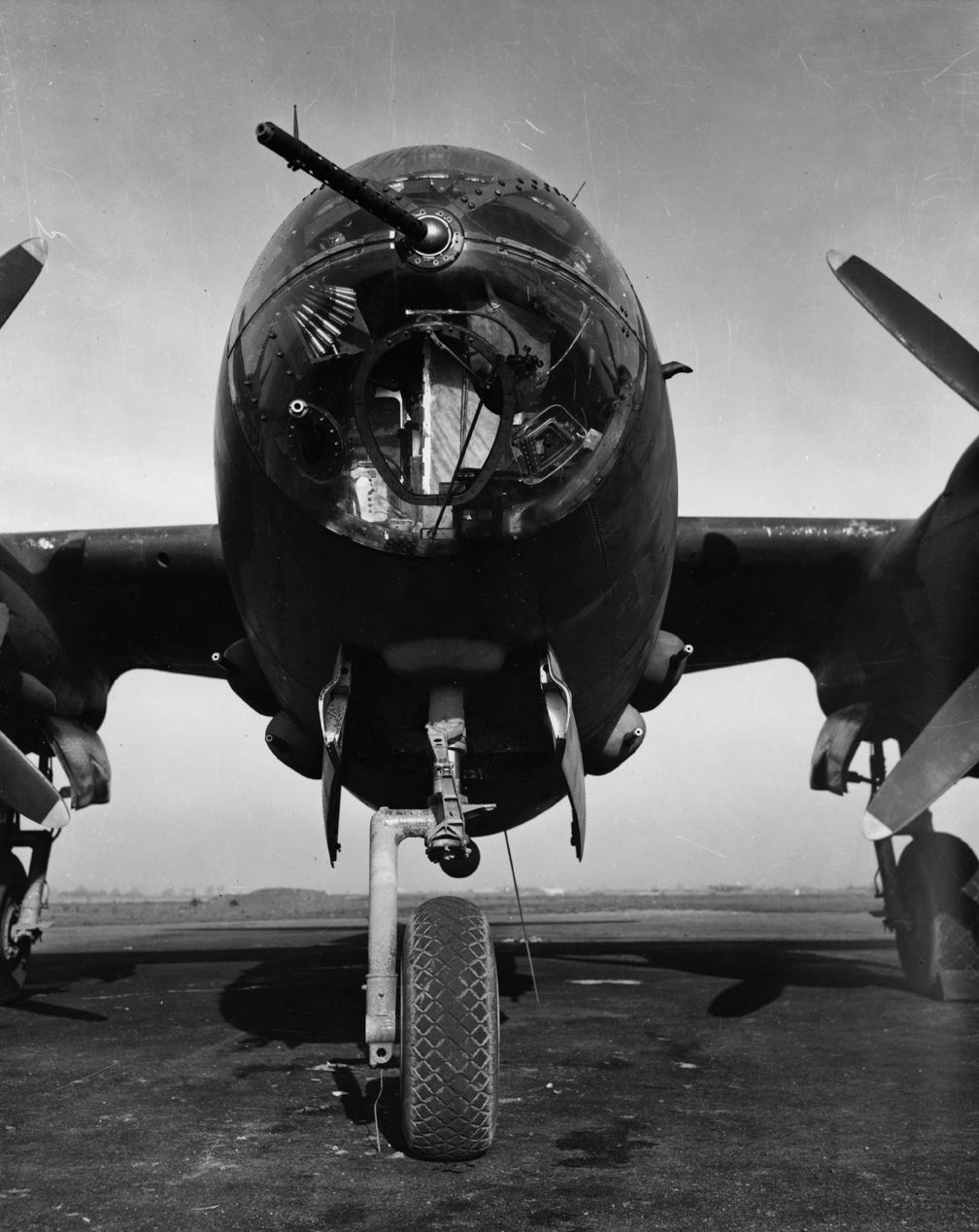
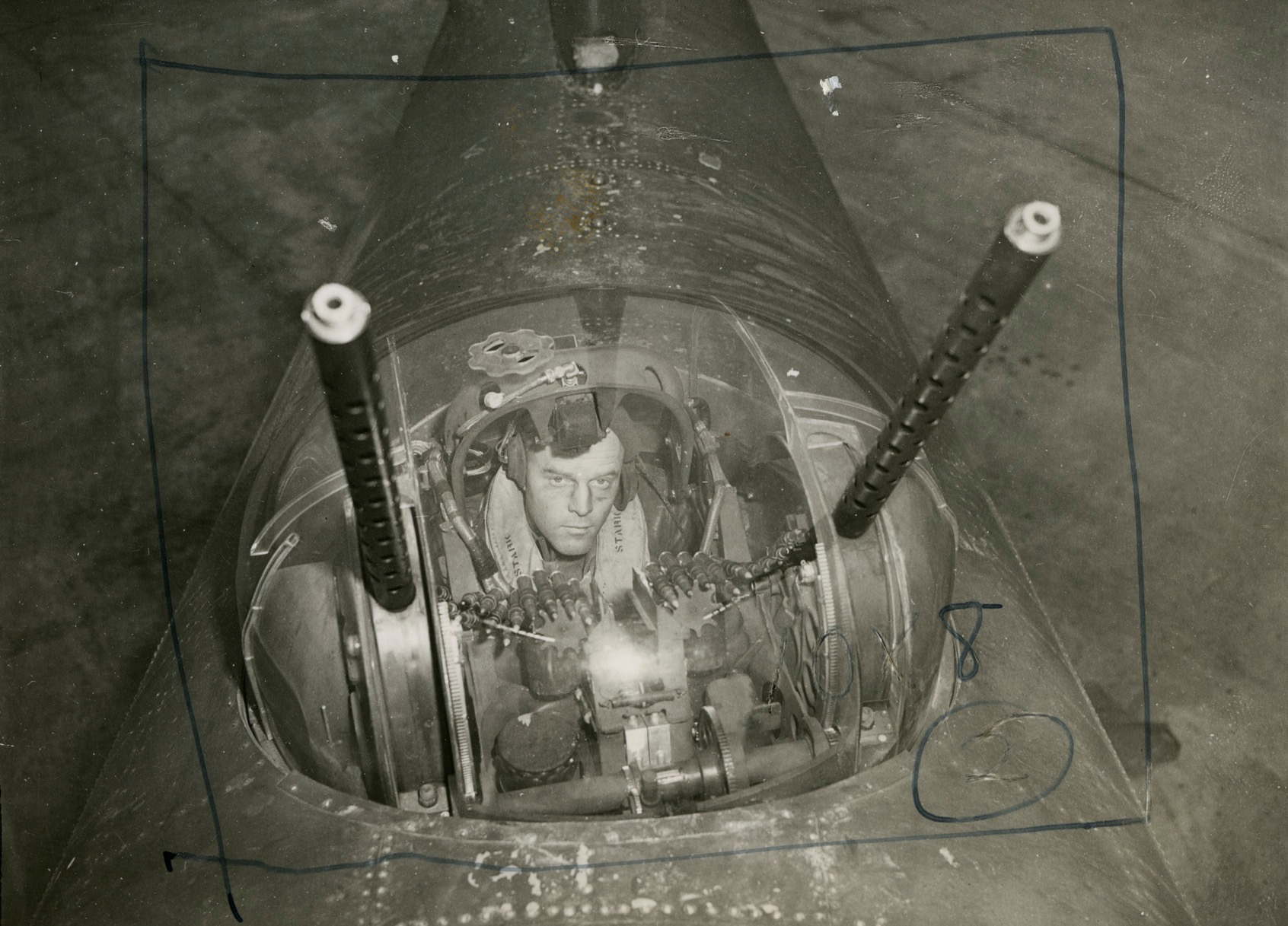
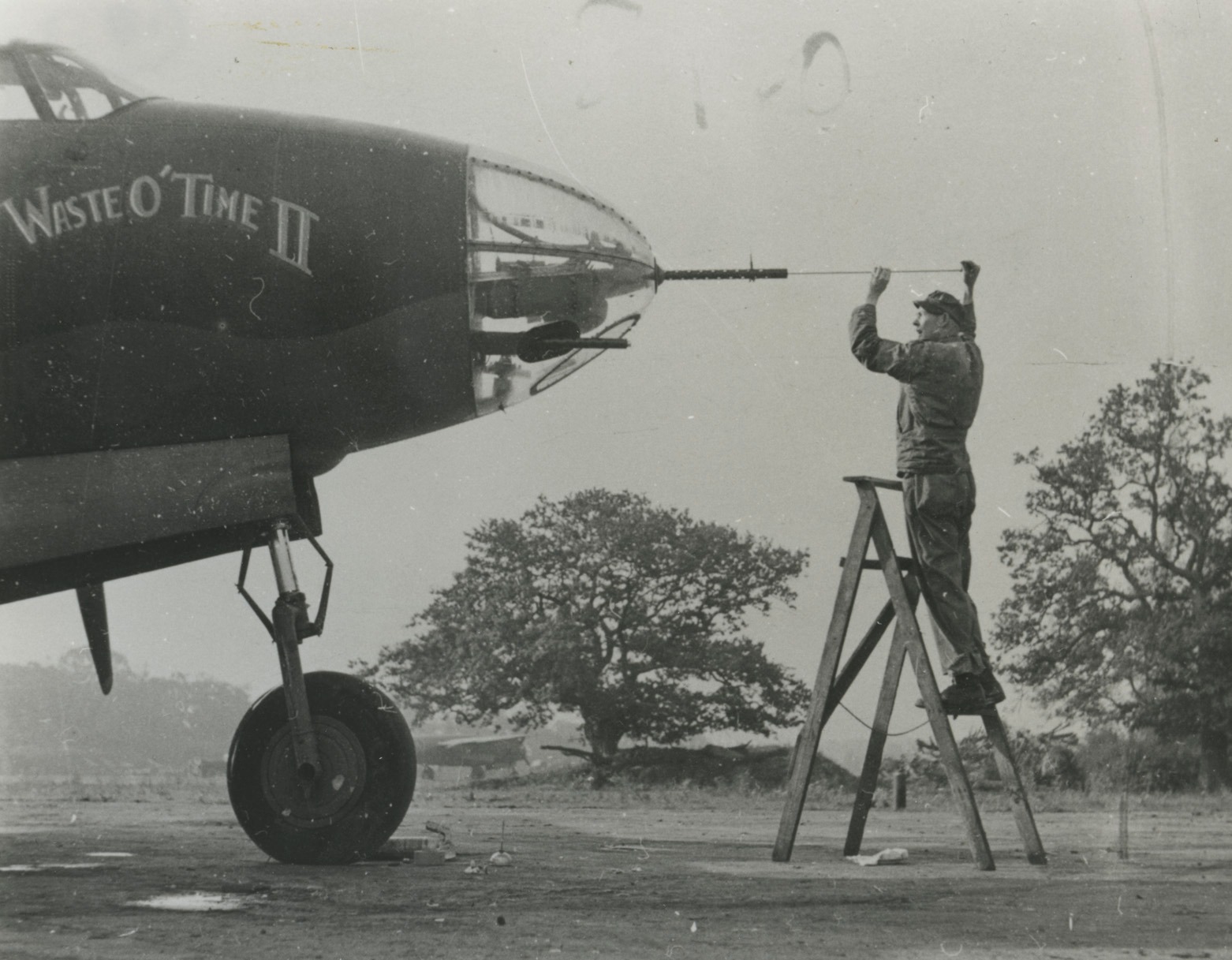
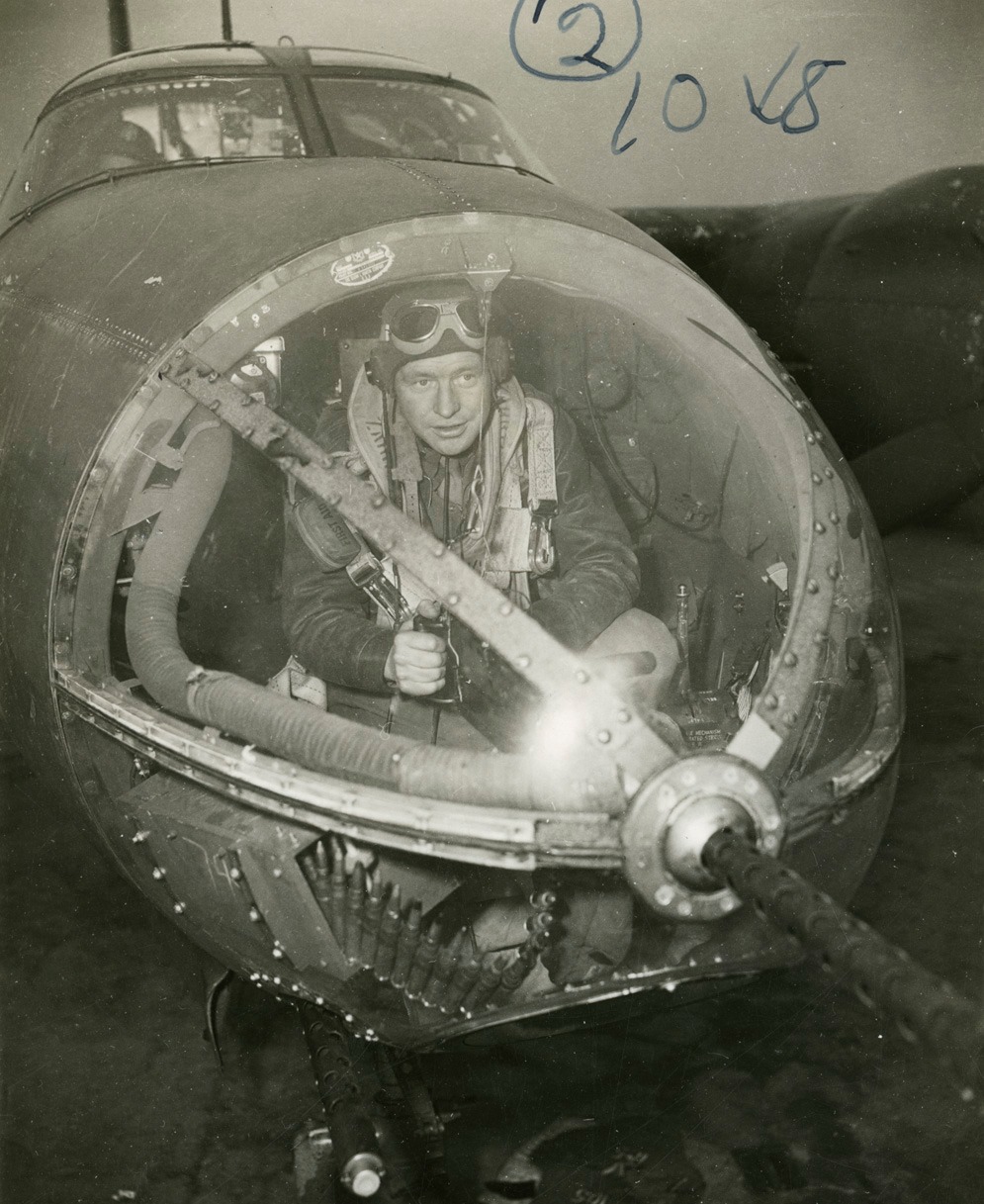
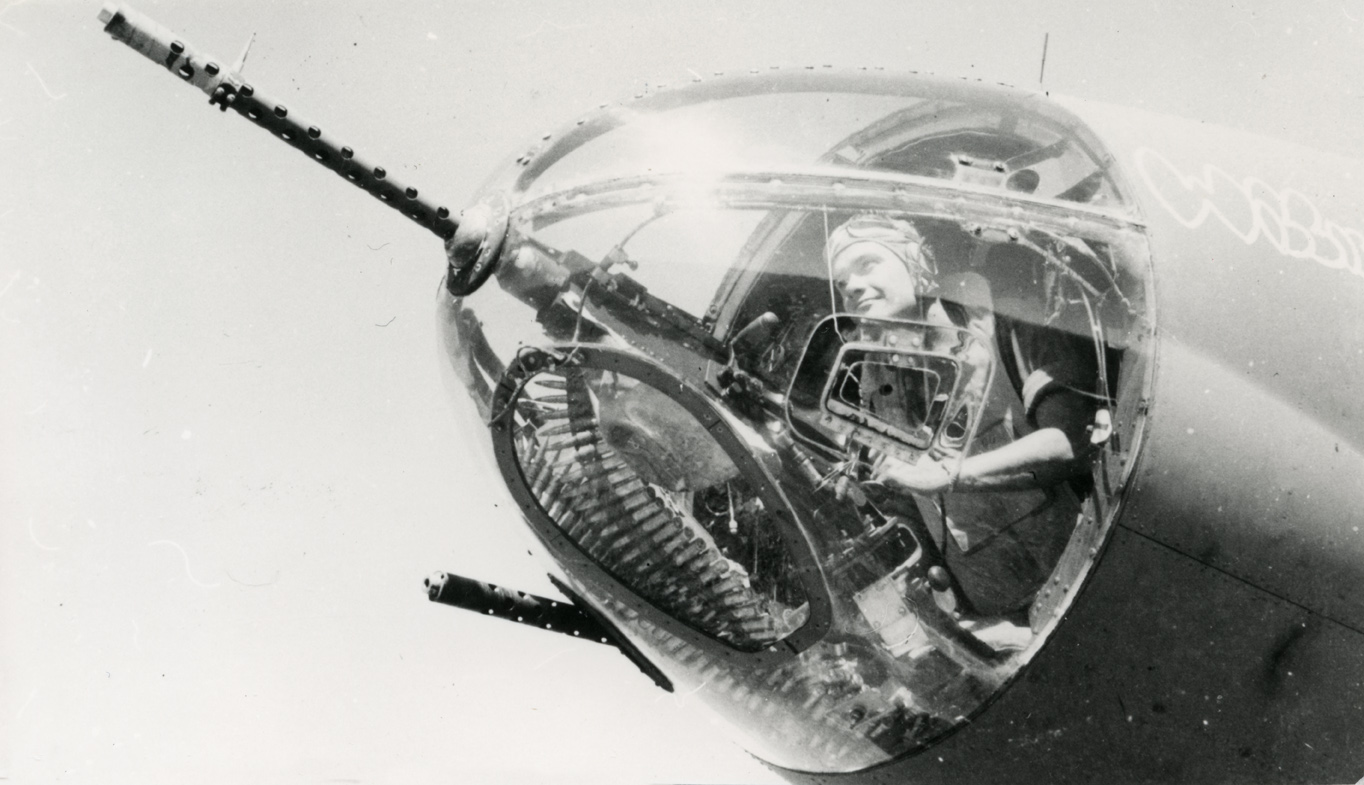
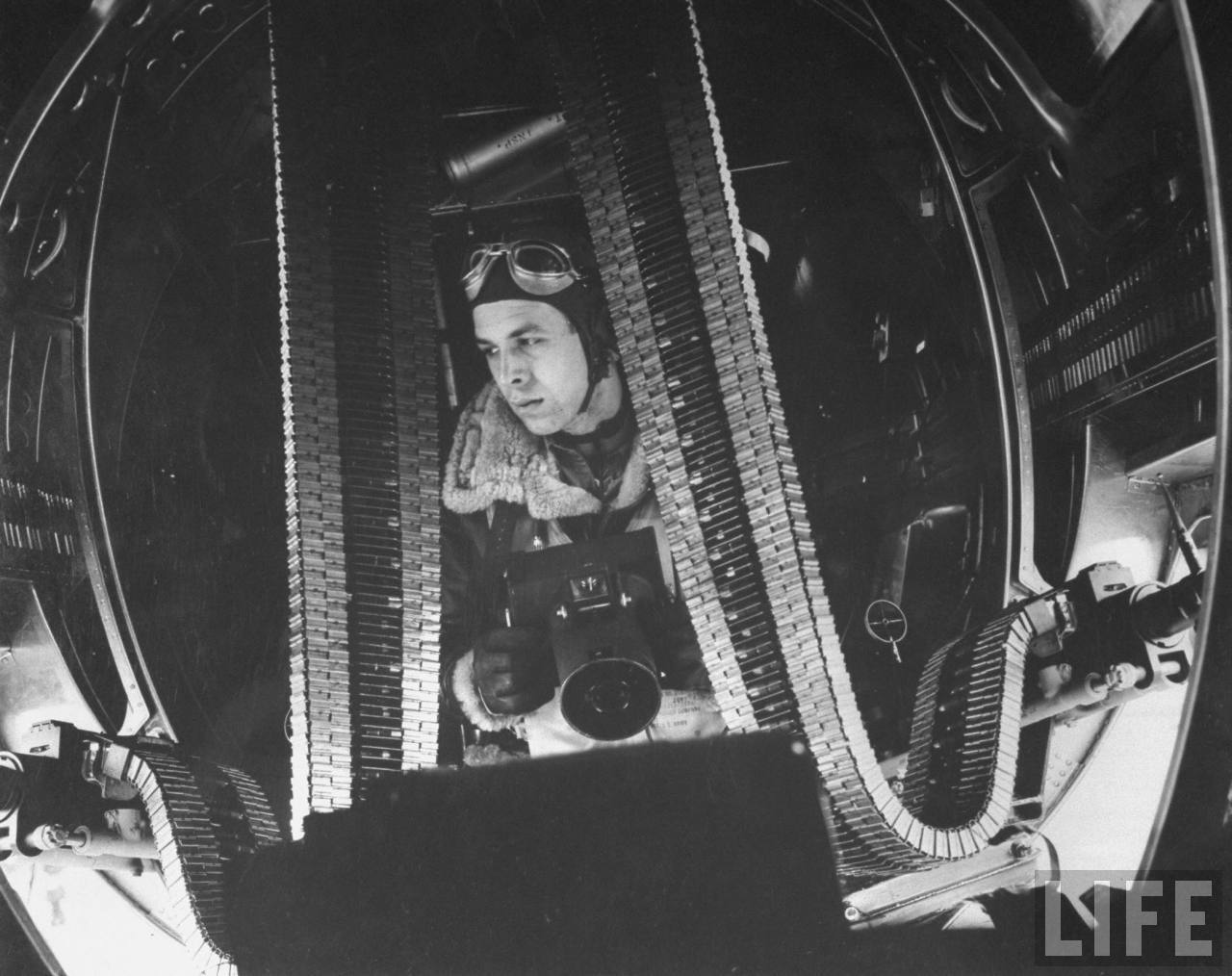
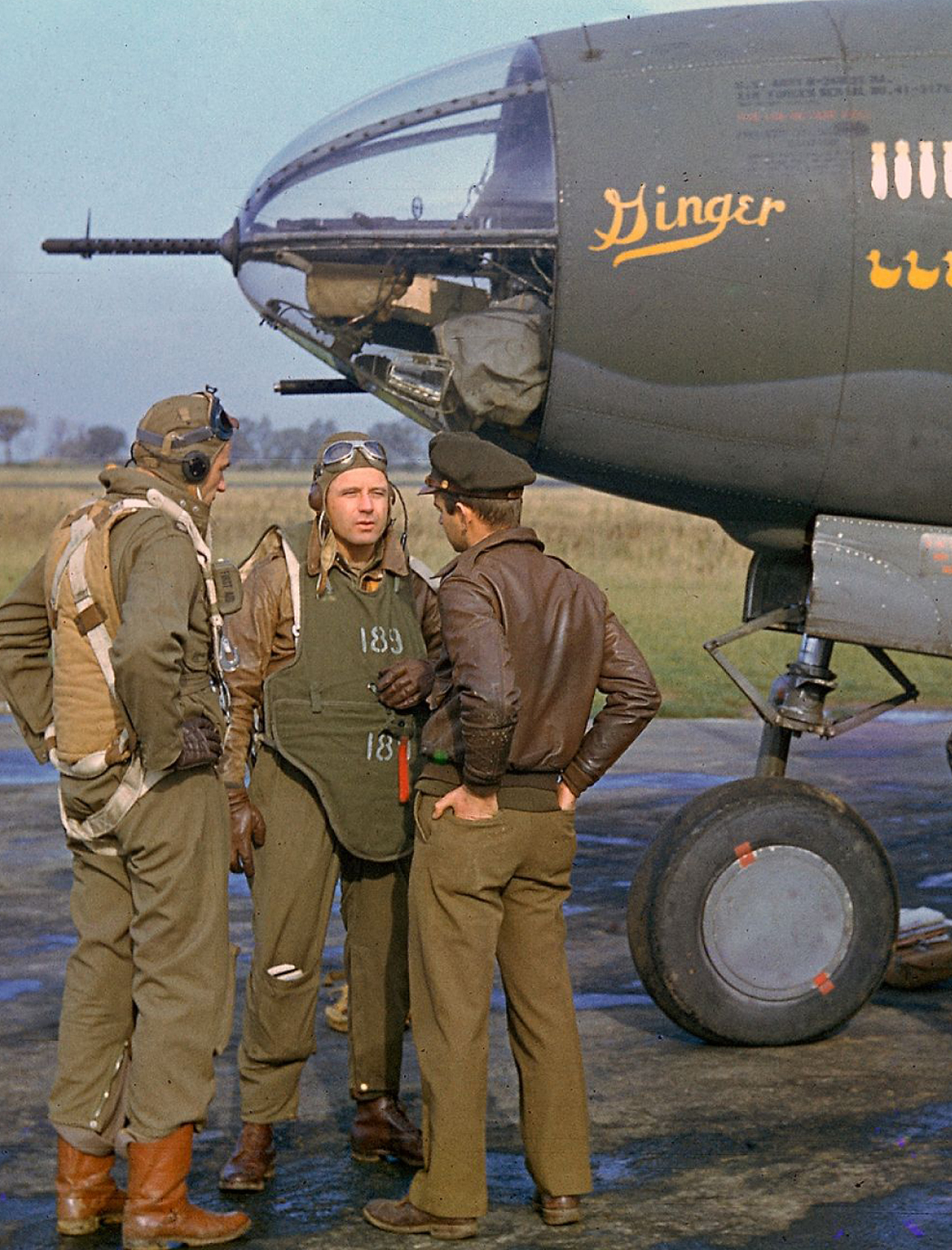
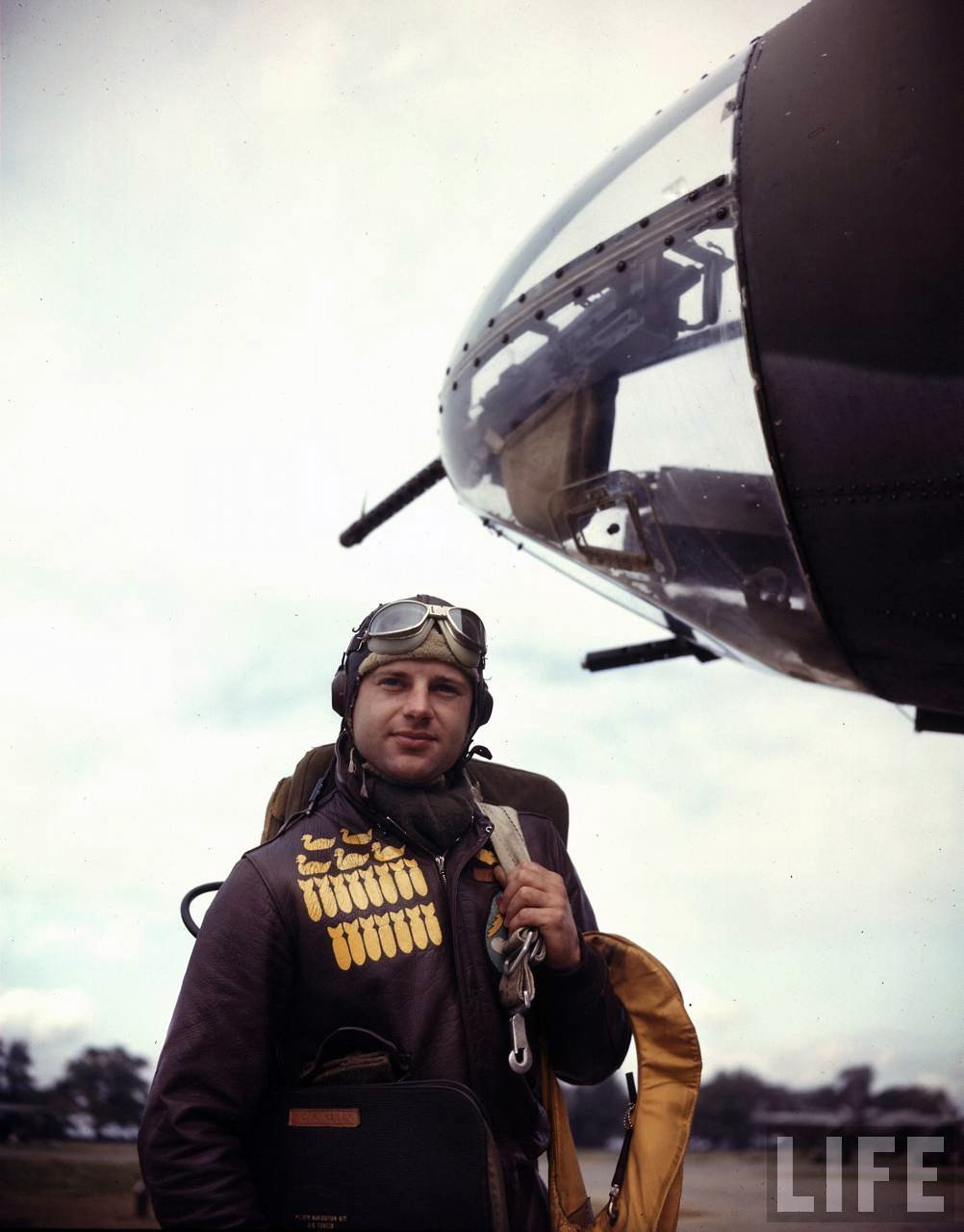
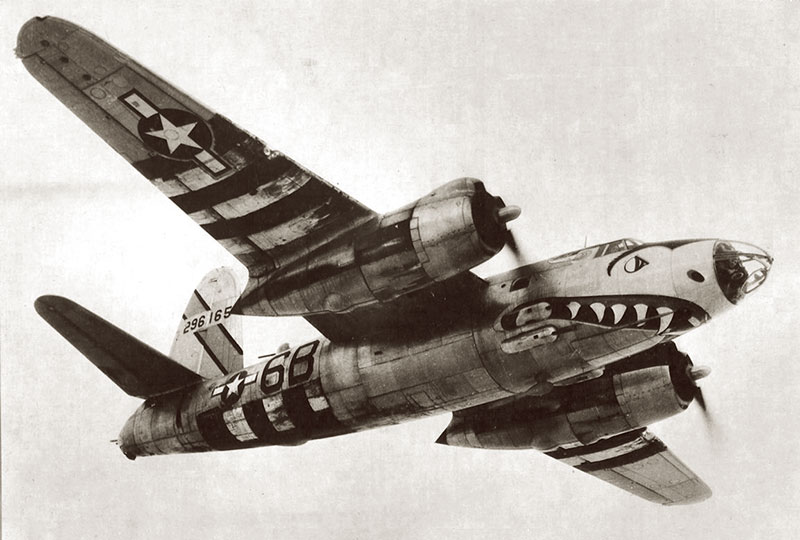
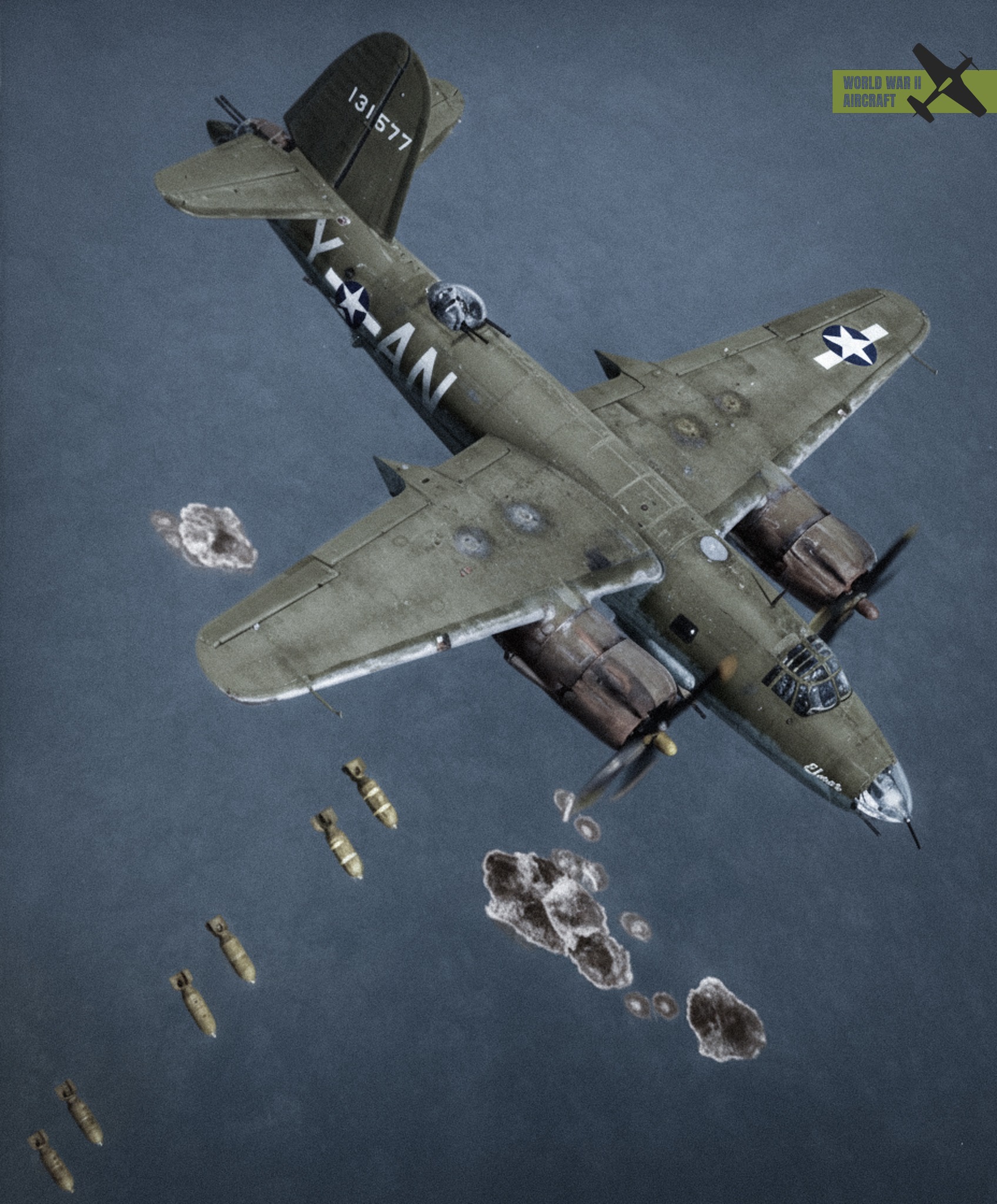
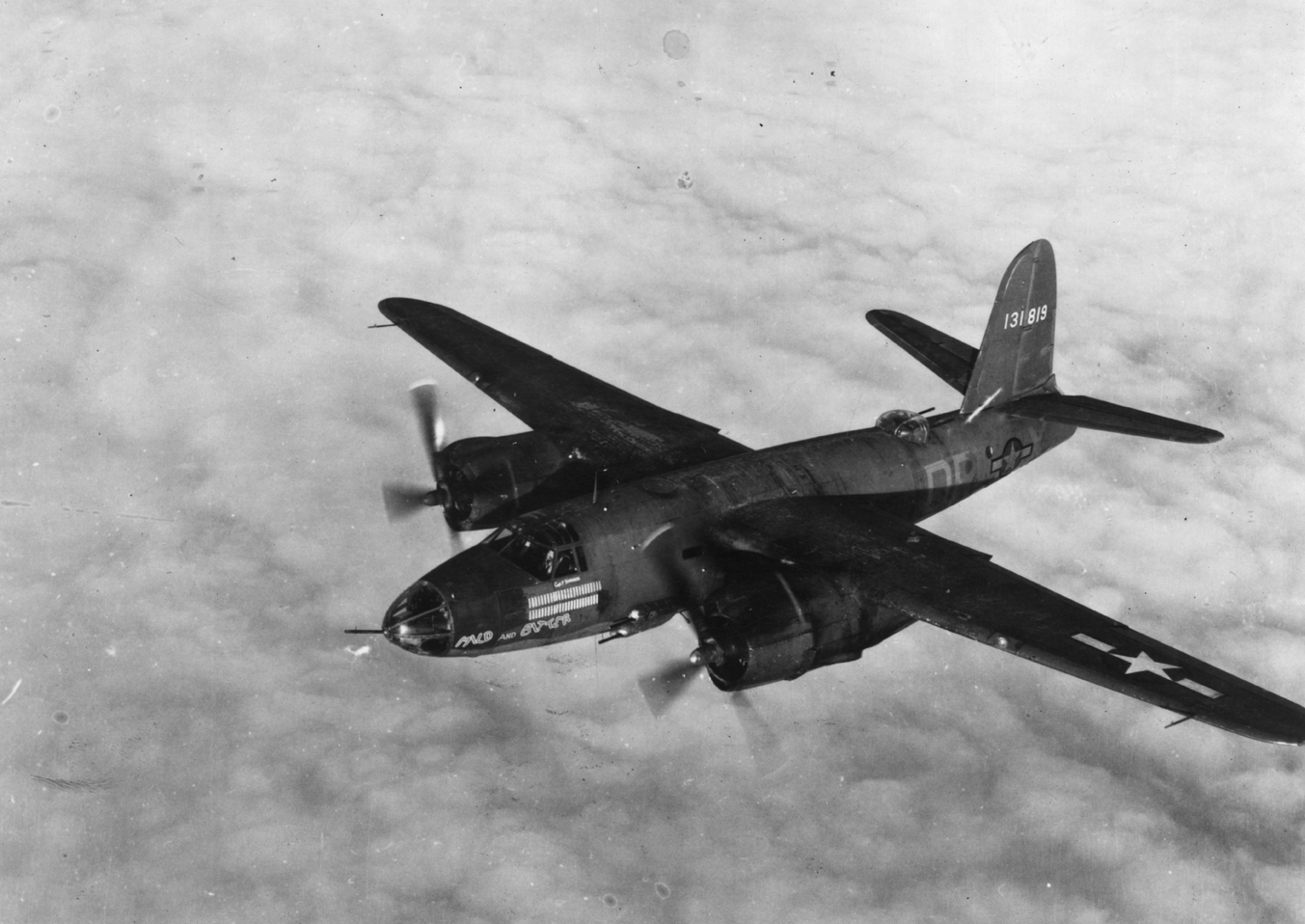
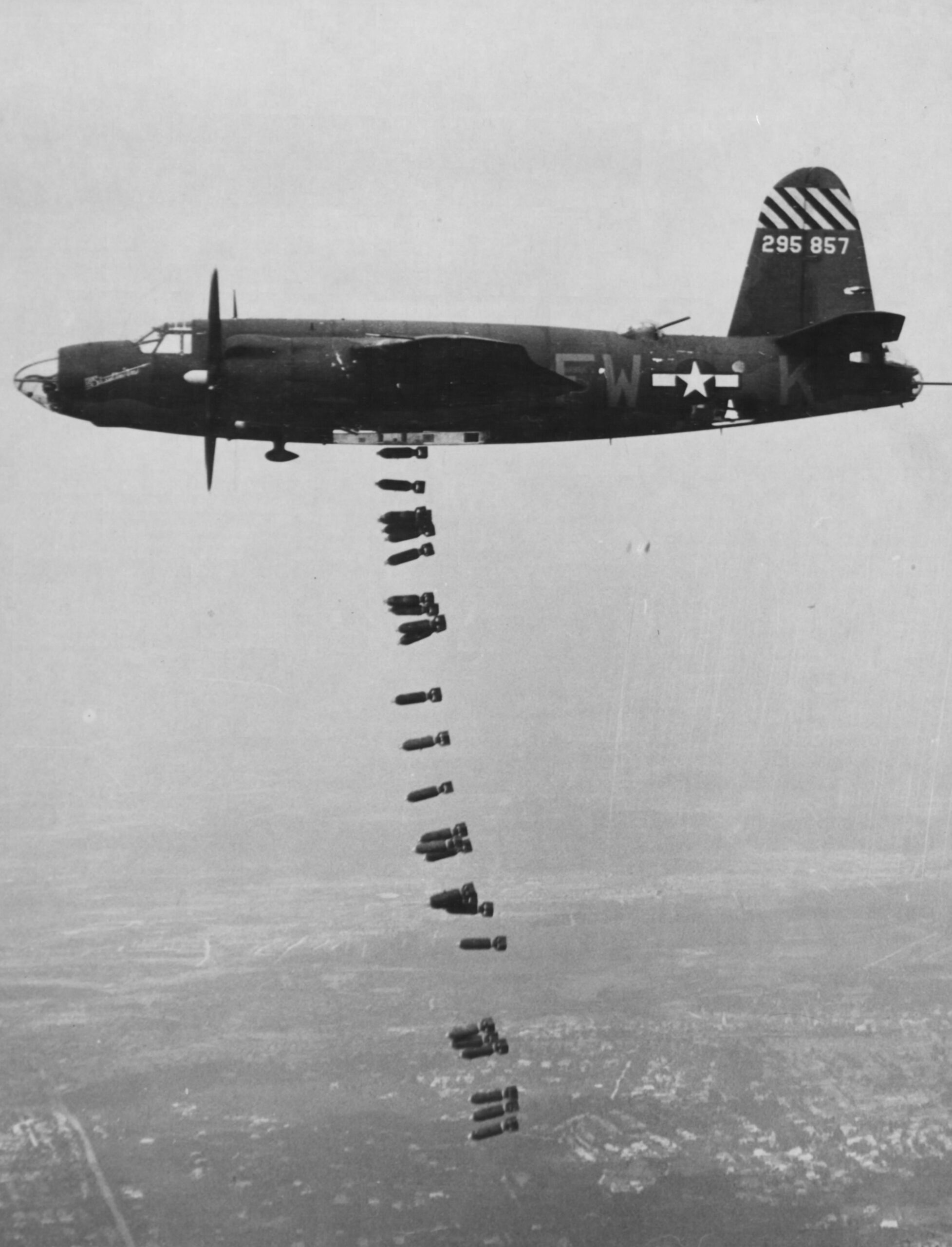
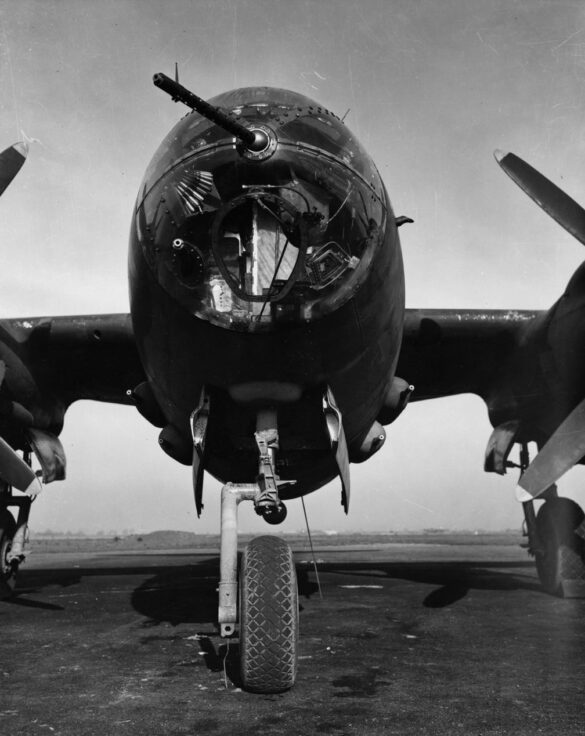
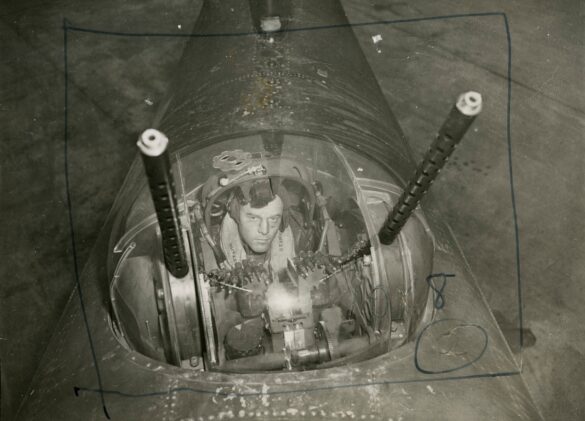
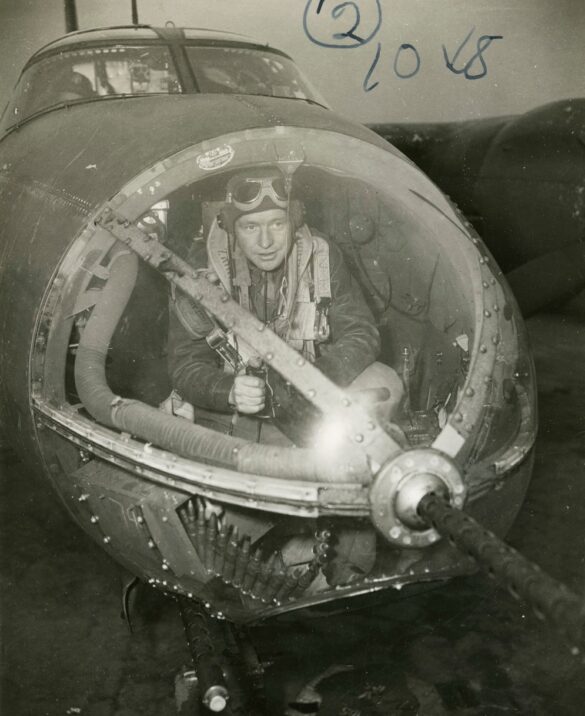
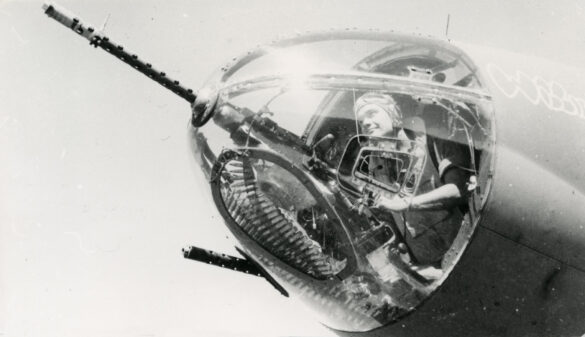
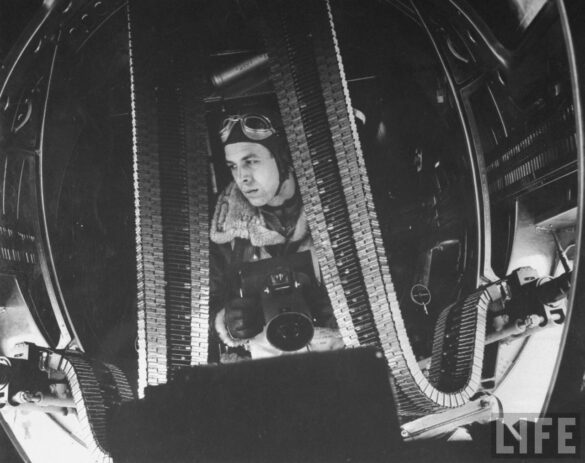
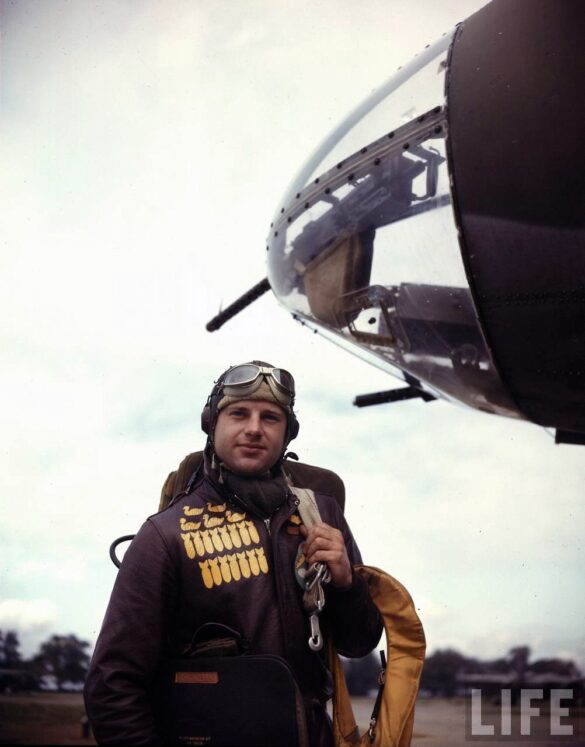
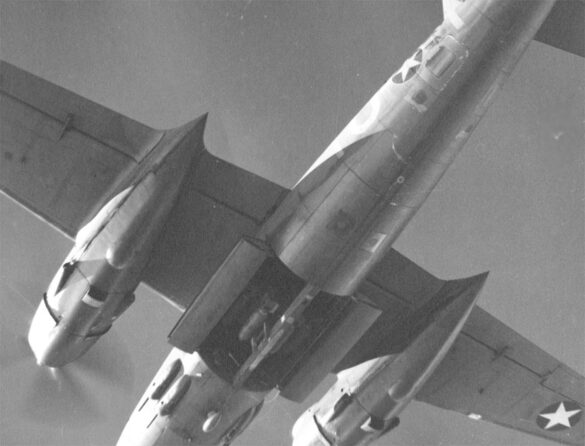
Heavily armed with up to 12 .50 cal machine guns
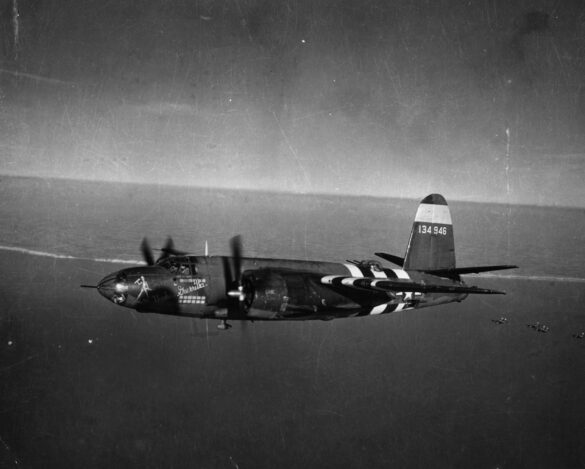
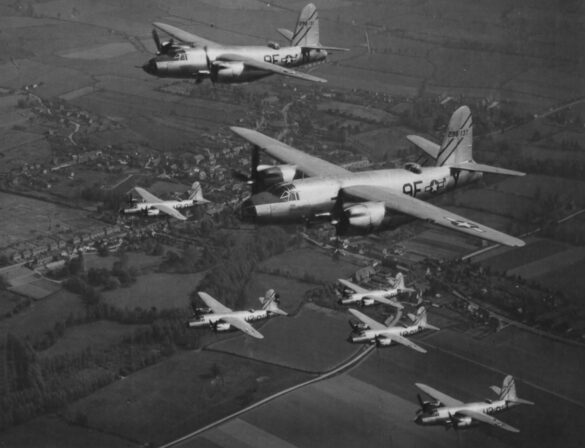
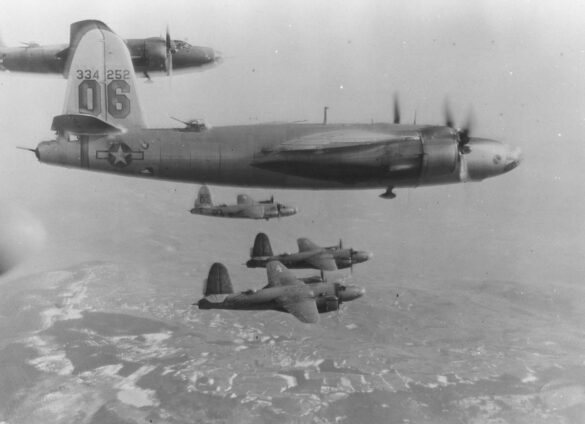
Fighter pilots considered it a dangerous opponent. The combination of speed and firepower made it particularly effective.
Scale Modeling Guide – How to Render It Right
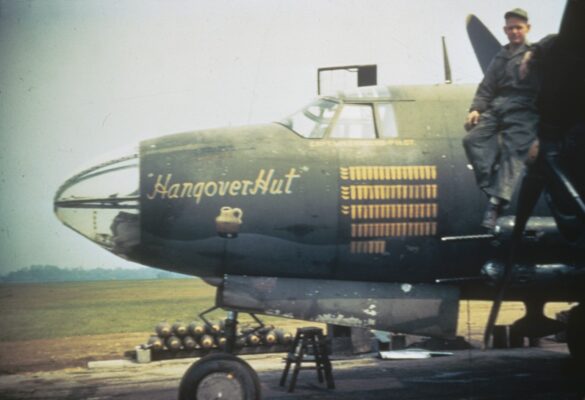
The B-26 has clean lines and a strong operational character. If rendered correctly, it immediately stands out in the display case.
Kit Suggestions
1/72 scale
Suitable for faster builds with satisfactory detail
1/48 scale
The best choice for serious modeling with the ability to weather and detail
For a better result, it is worth adding:
seatbelts photo-etched
resin wheels
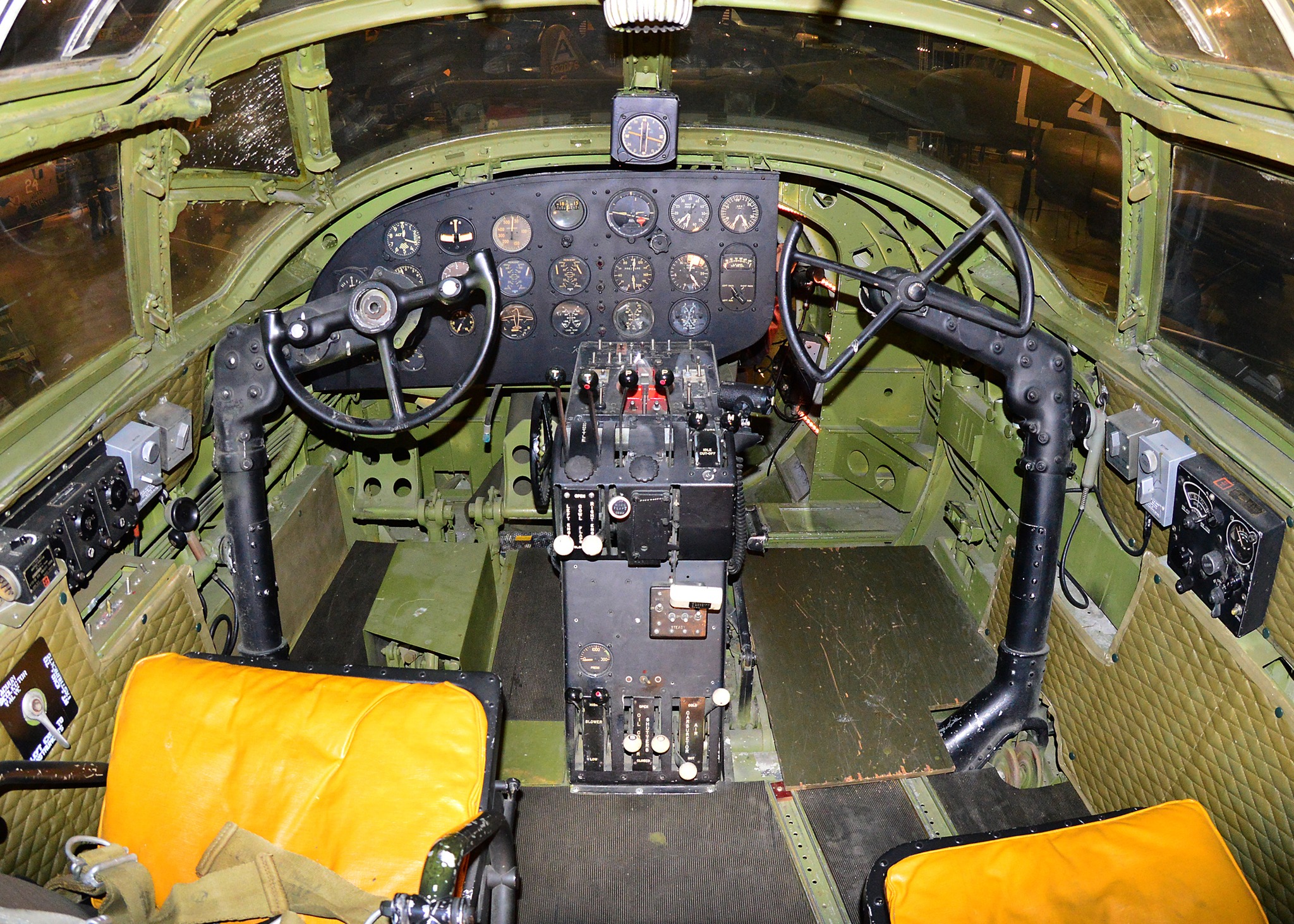
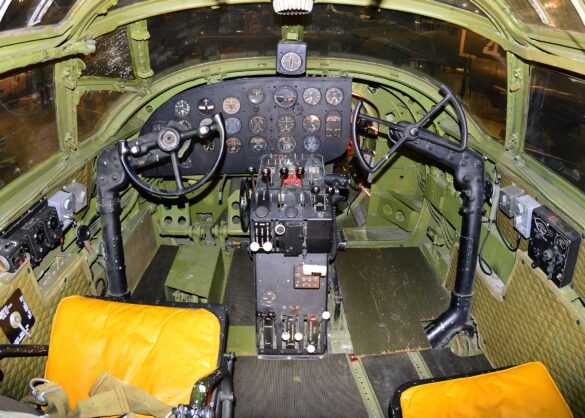
cockpit detail sets
| Area | Color | FS Code | AK Interactive | Tamiya | Vallejo | Description |
|---|---|---|---|---|---|---|
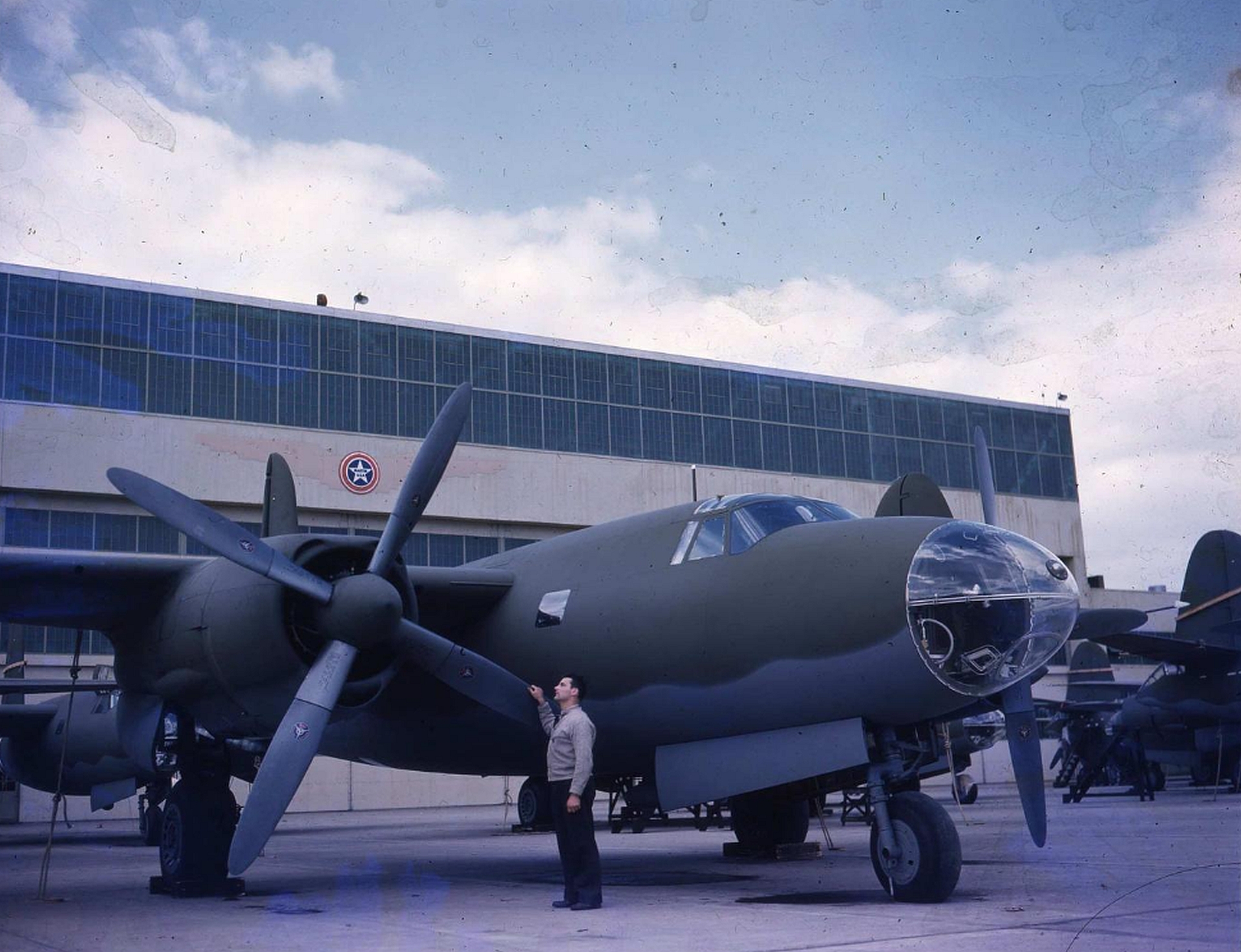
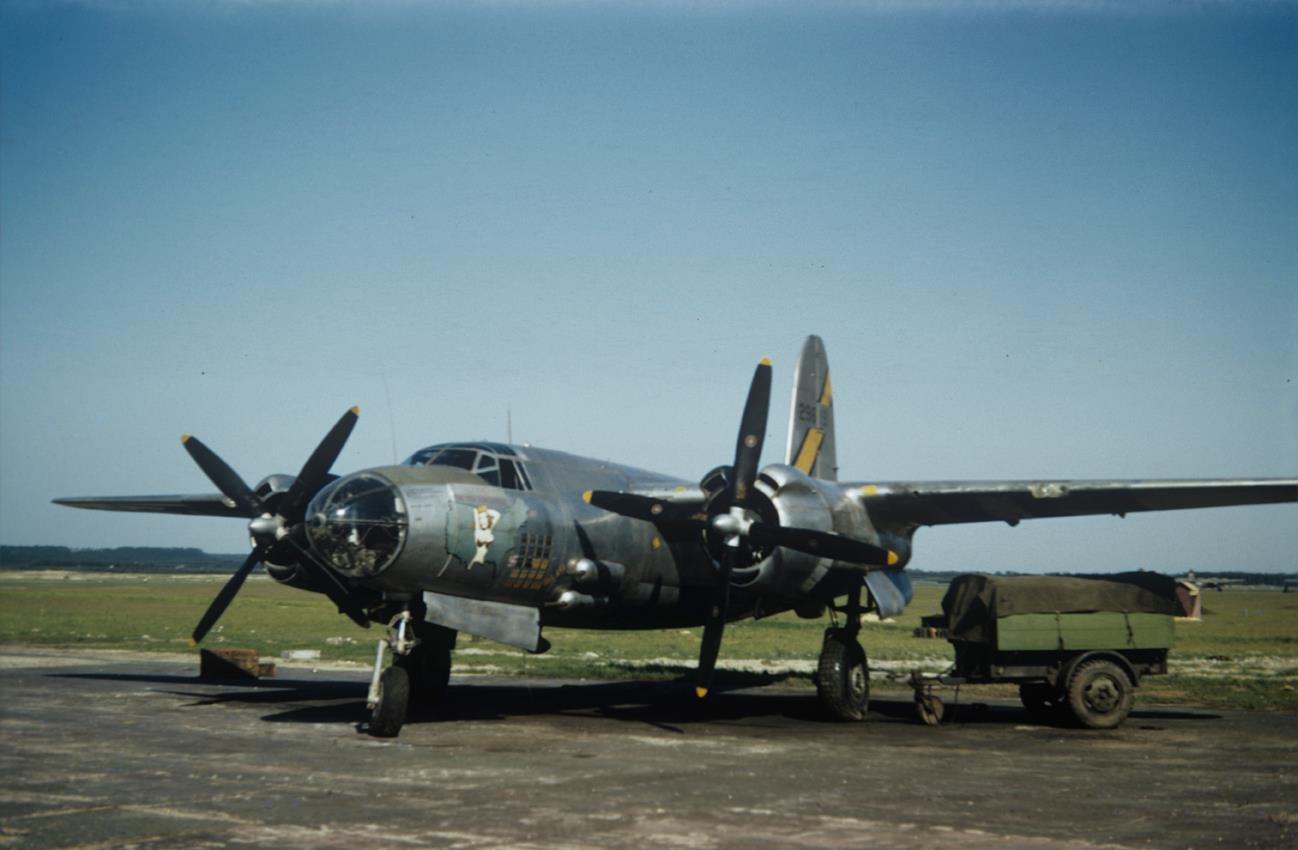
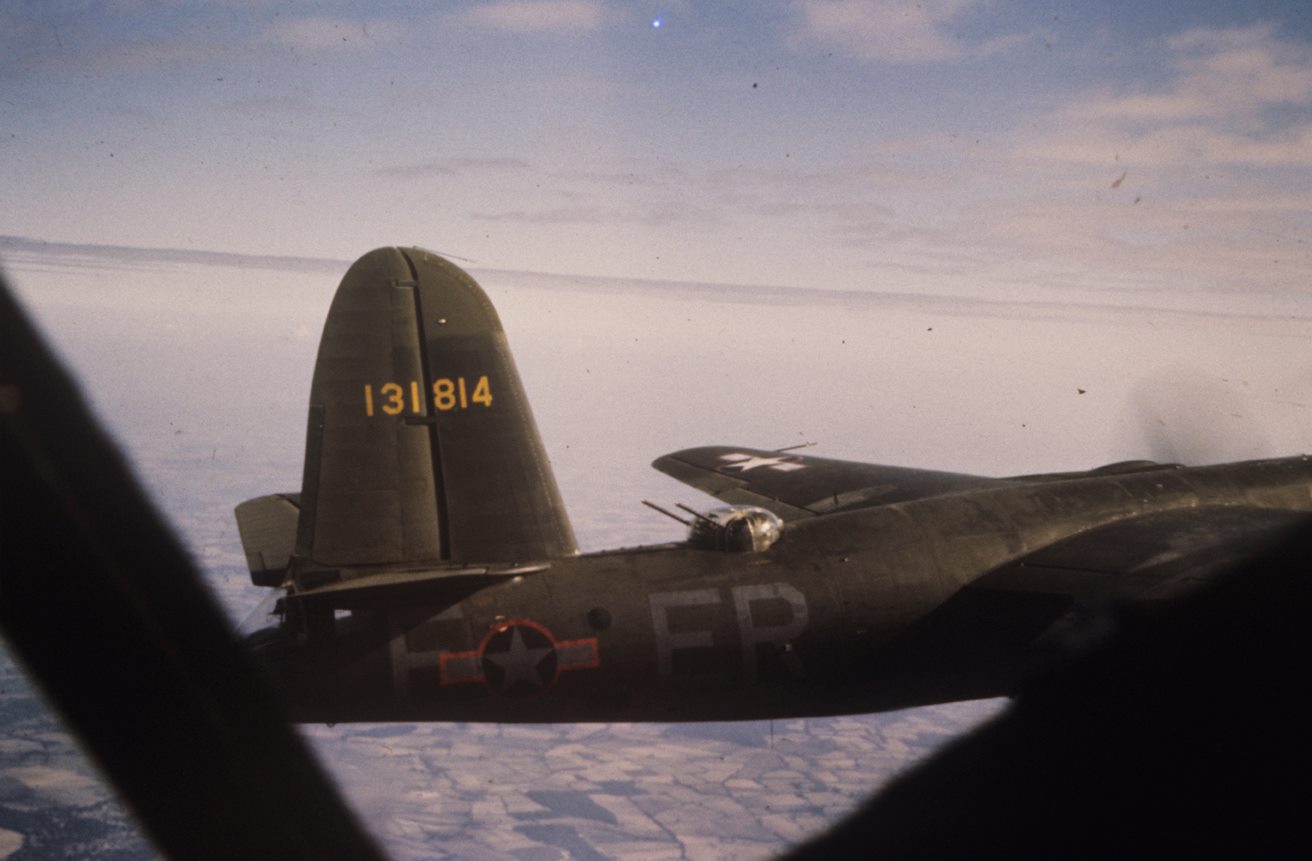
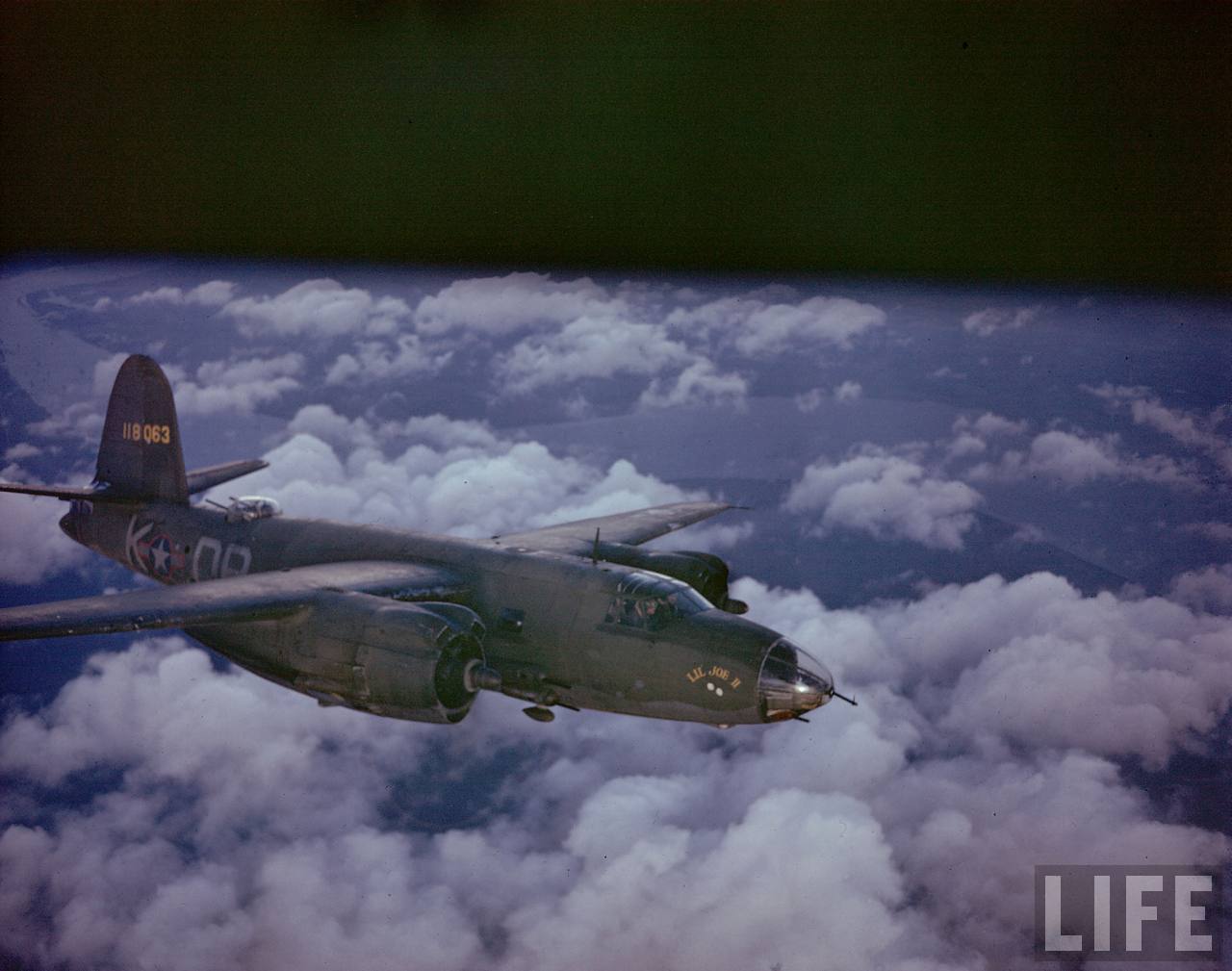
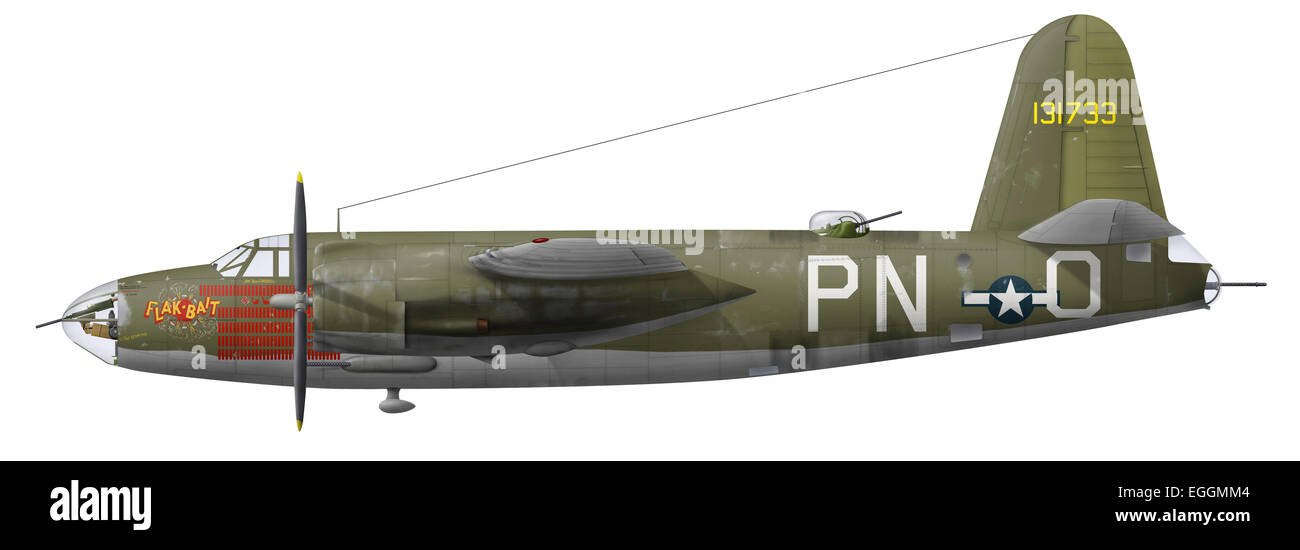
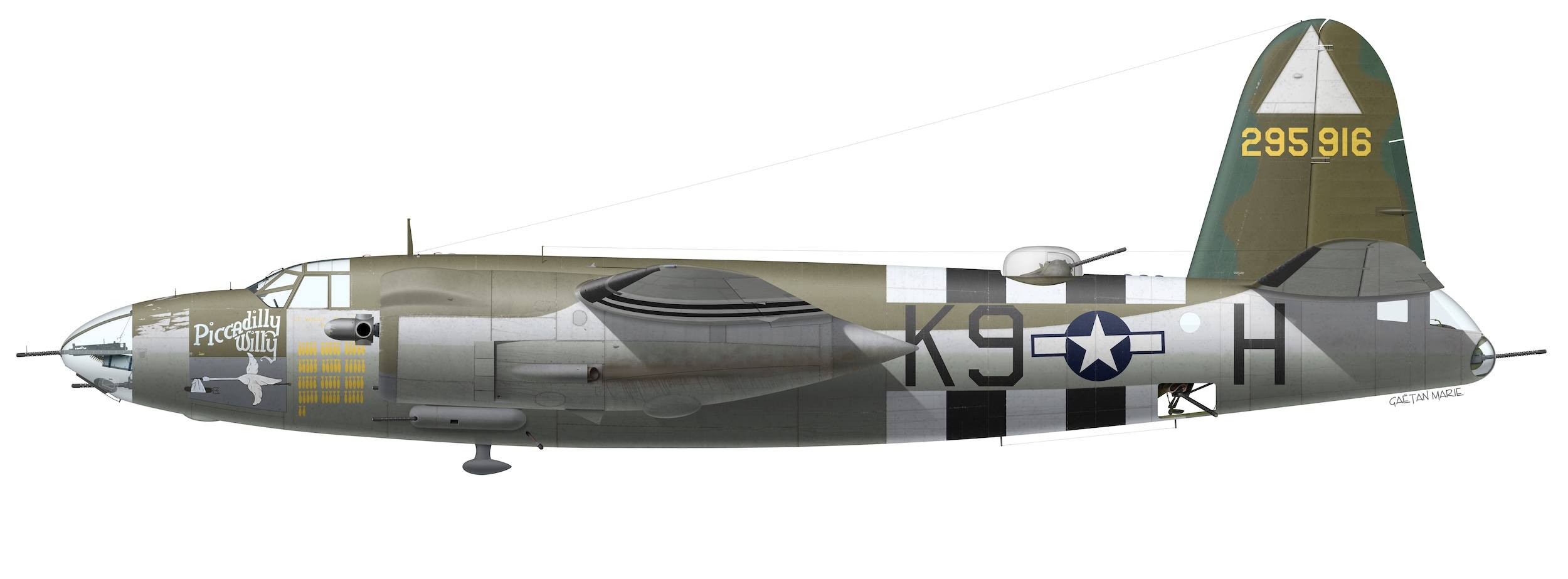
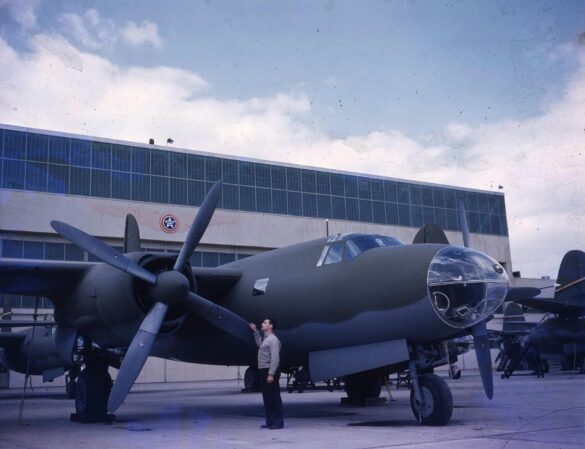
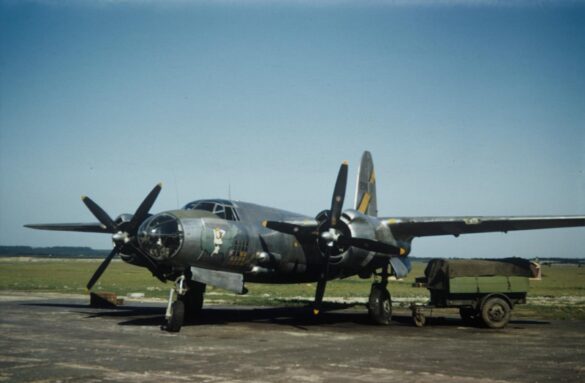
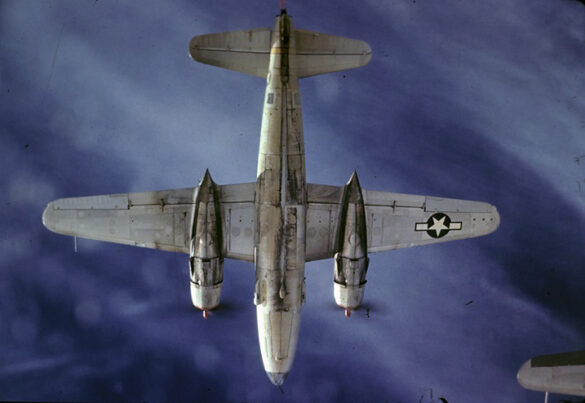
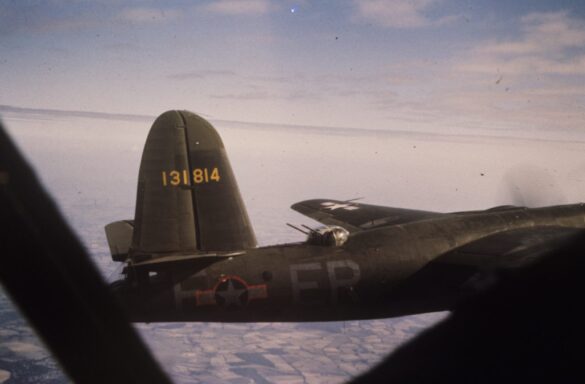
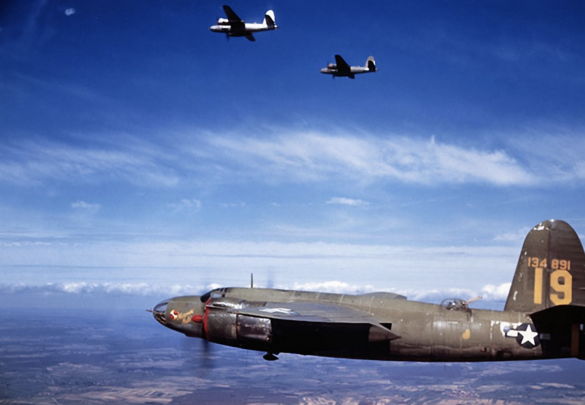
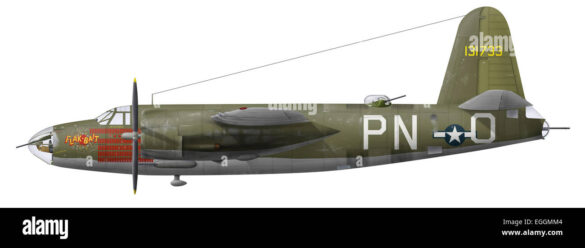
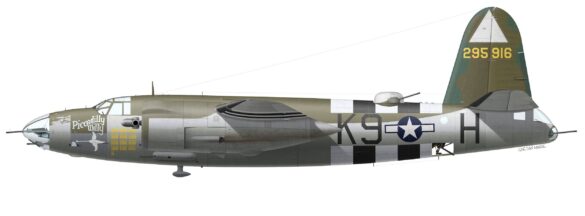
| Upper Surfaces | Olive Drab | FS 34087 | AK Real Colors RC023 | XF-62 Olive Drab | Model Air 71.016 | Main camouflage, heavily fades over time |
| Lower Surfaces | Neutral Gray | FS 36173 | AK RC252 | XF-53 Neutral Gray | Model Air 71.051 | Matte gray with slight blue tone |
| Cockpit | Interior Green | FS 34151 | AK RC262 | XF-71 Cockpit Green | Model Air 71.010 | Standard USAAF interior color |
| Wheel Bays | Zinc Chromate | FS 33481 | AK RC261 | XF-4 Yellow Green | Model Air 71.094 | Yellow-green protective coating |
| Propellers | Black | FS 37038 | AK RC001 | XF-1 Flat Black | Model Air 71.057 | With yellow tips |
| Prop Tips | Insignia Yellow | FS 33538 | AK RC007 | XF-3 Flat Yellow | Model Air 71.002 | High visibility tips |
| Exhaust | Burnt Metal | — | AK Extreme Metal Burnt Metal | X-10 Gun Metal | Metal Color 77.721 | Heat-stained metallic finish |
Paint Technique (that’s where the difference is)
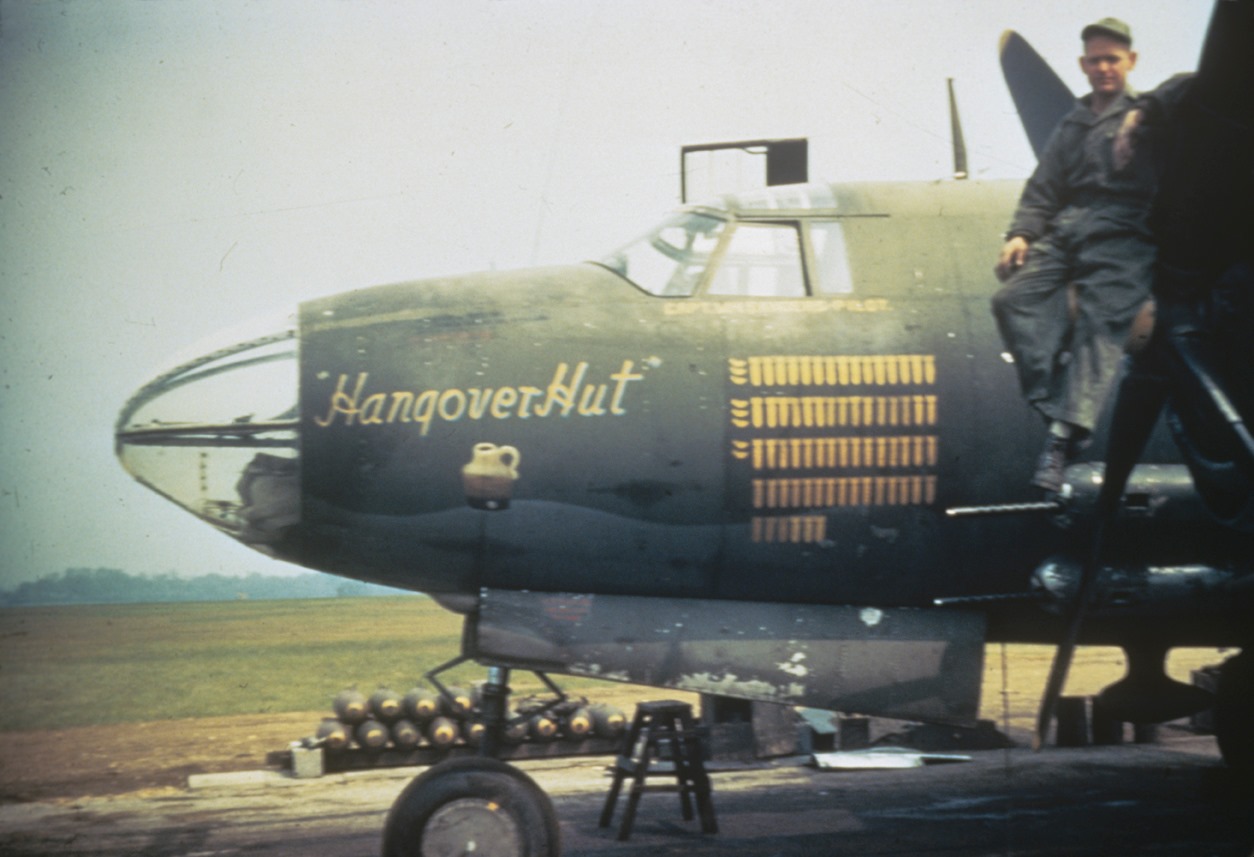
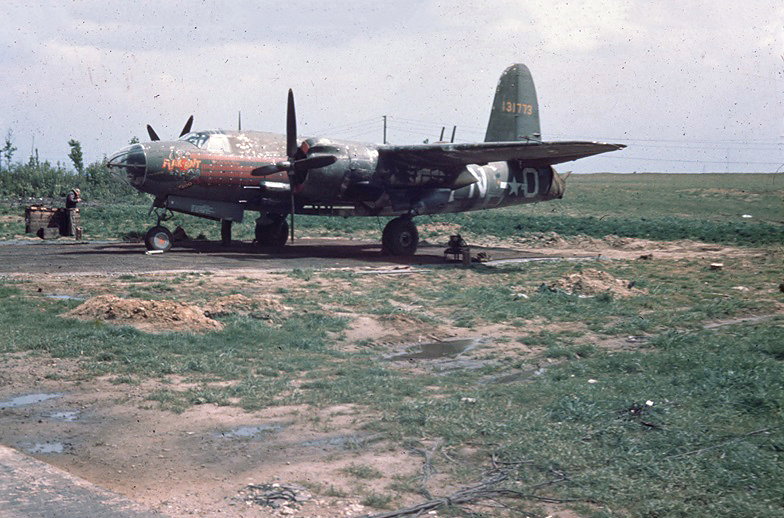
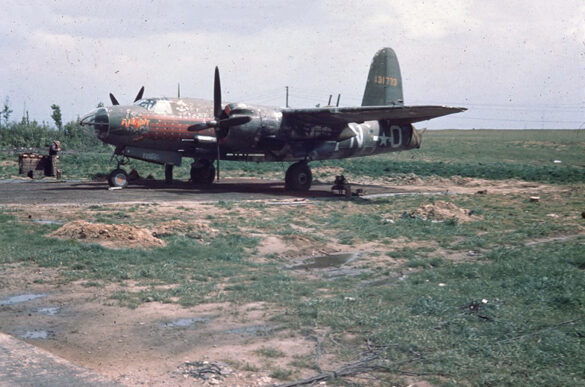
Olive Drab should not be flat. In fact, it fades quickly.
Start with FS 34087 and work up to:
light highlights to brown/gray
panel differentiation
surface unevenness
Exhaust stains should be intense and extensive behind the engines. Build gradually with darker tones.
Oil streaks are a must. The R-2800 engines left intense streaks.
Weathering approach
Don’t make it “burnt”.
The B-26 had:
relatively clean surfaces
but heavy use in specific areas
Focus on:
wing roots
access panels
engine areas
Less chipping, more fading and staining.
Diorama Ideas
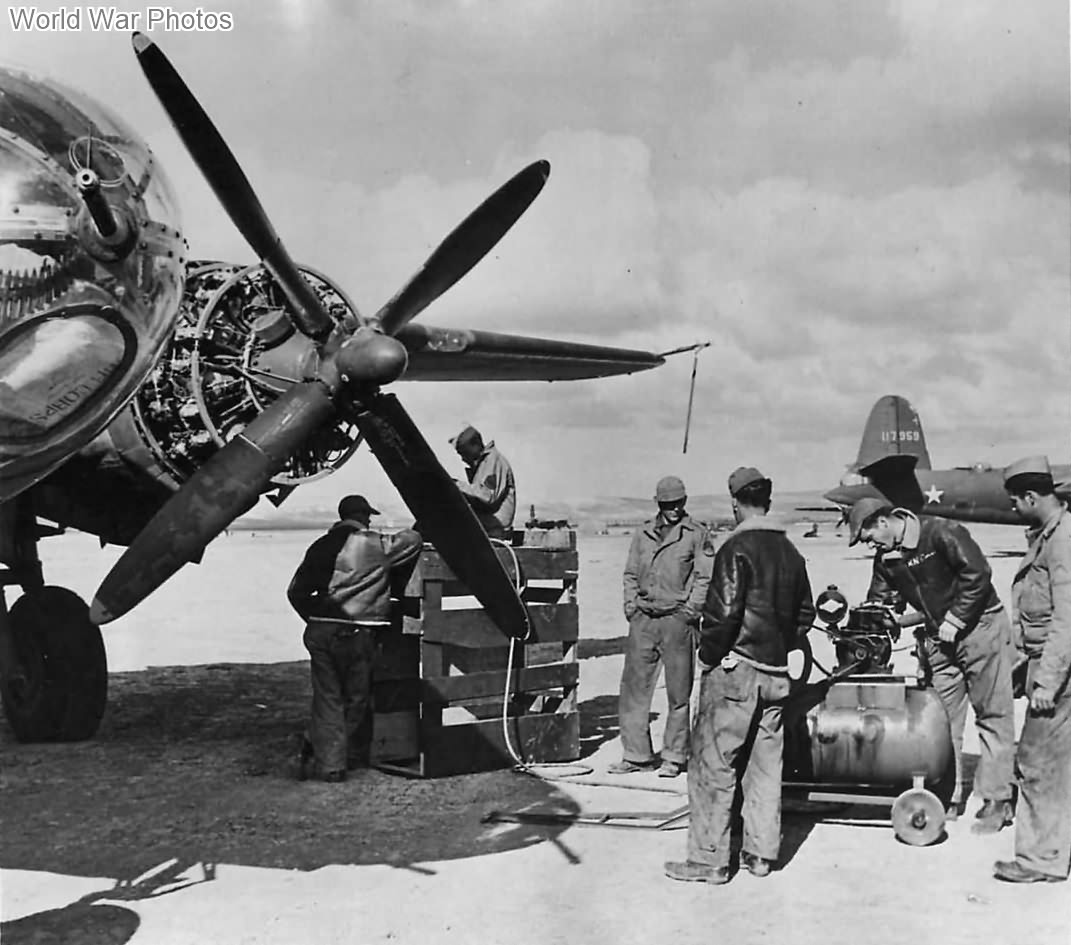
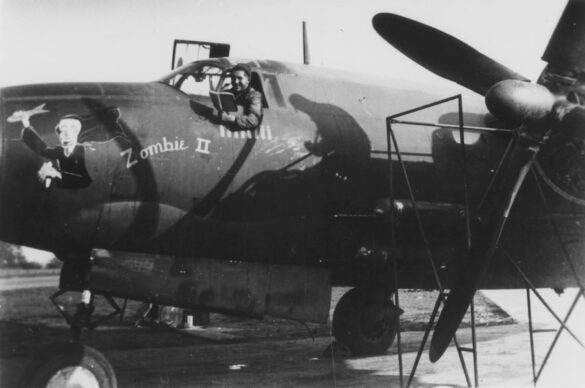
Pacific Airstrip
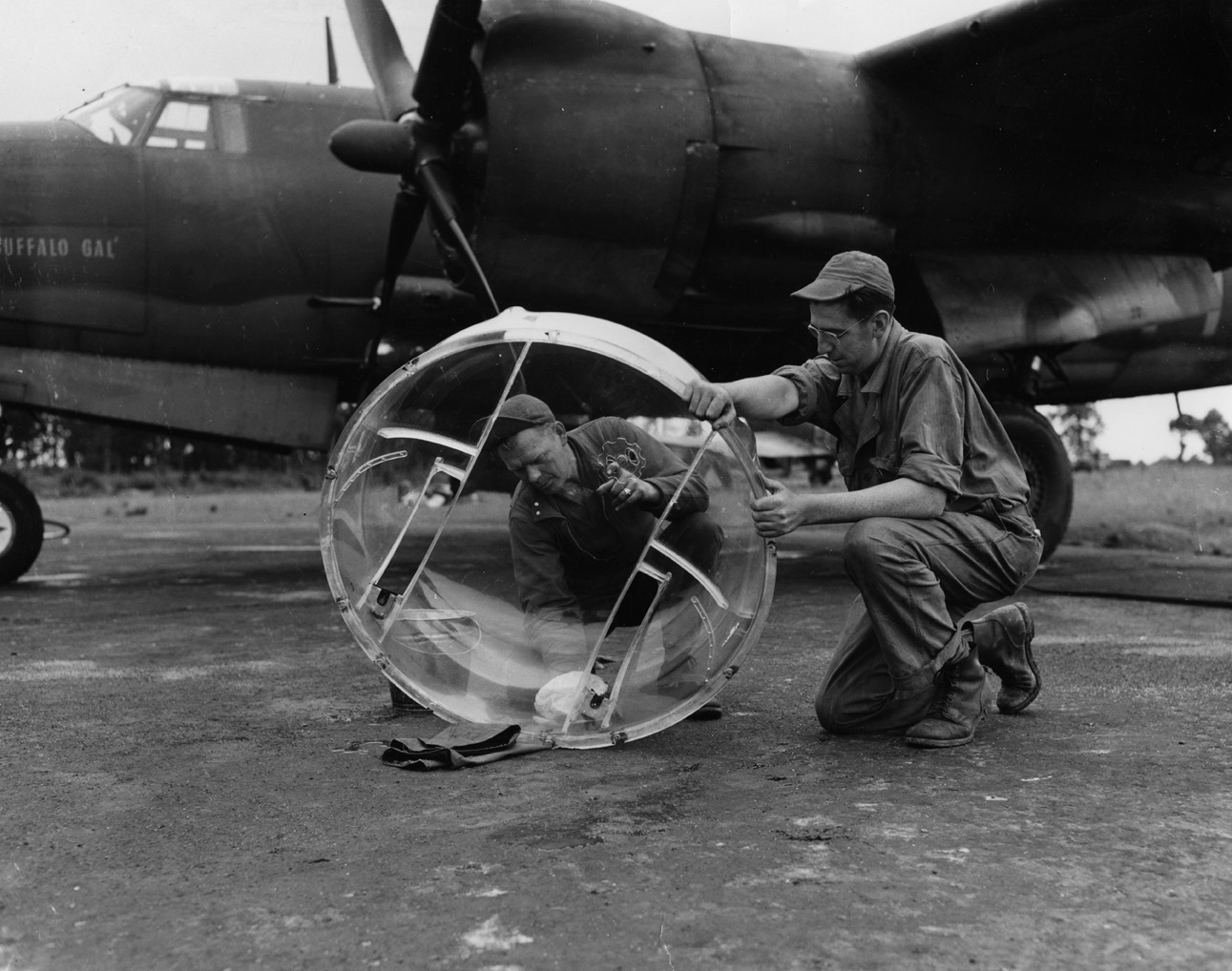
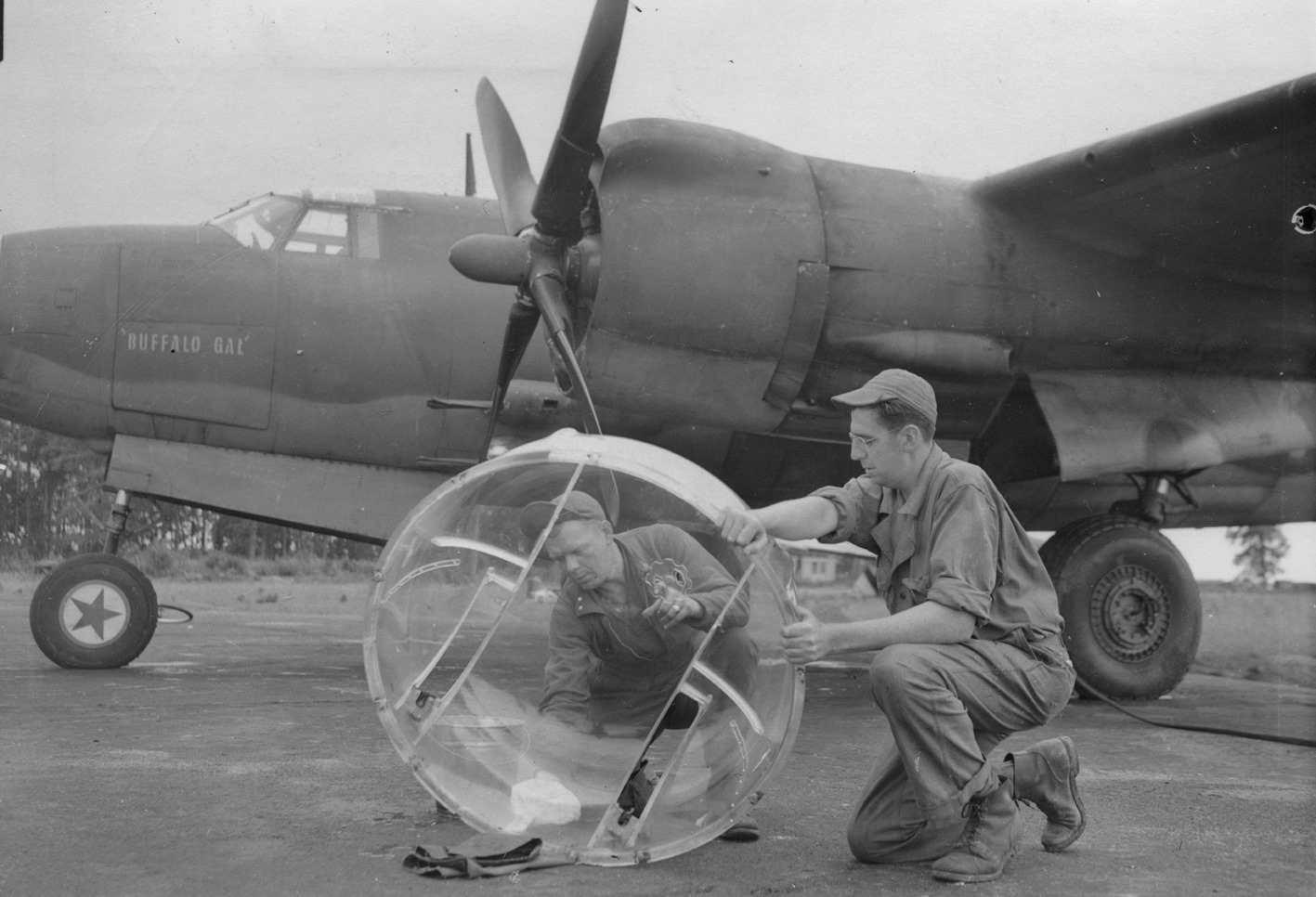
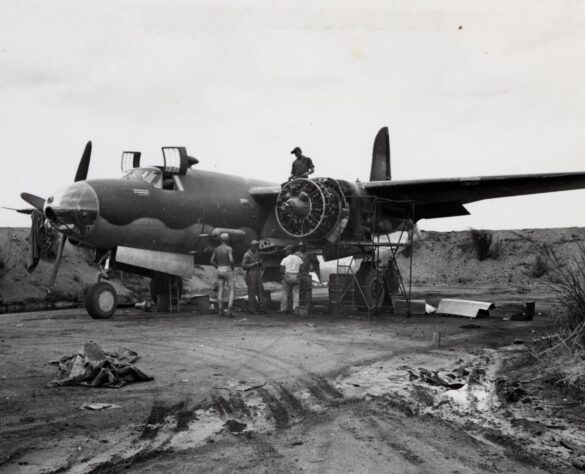
Dirt, damp, rough infrastructure, heavy wear
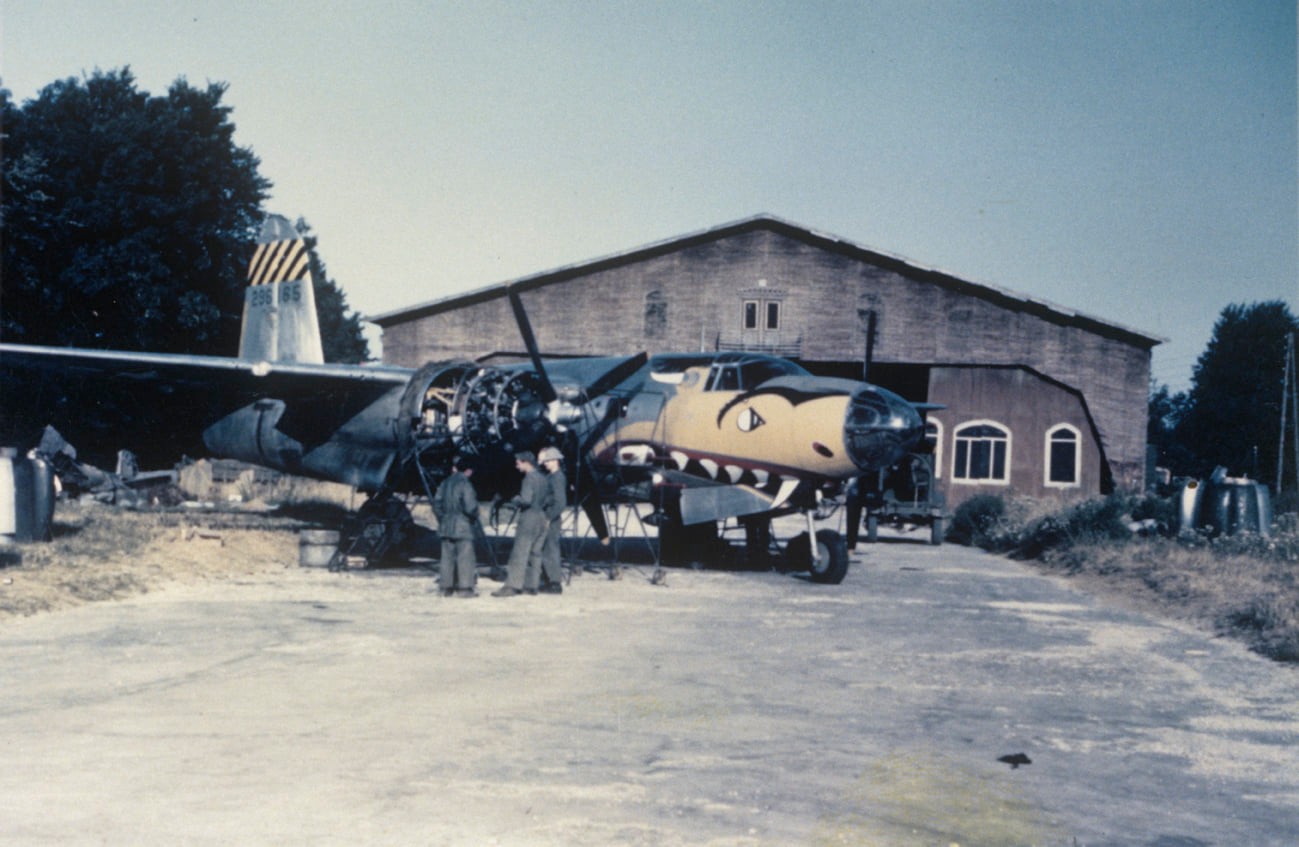
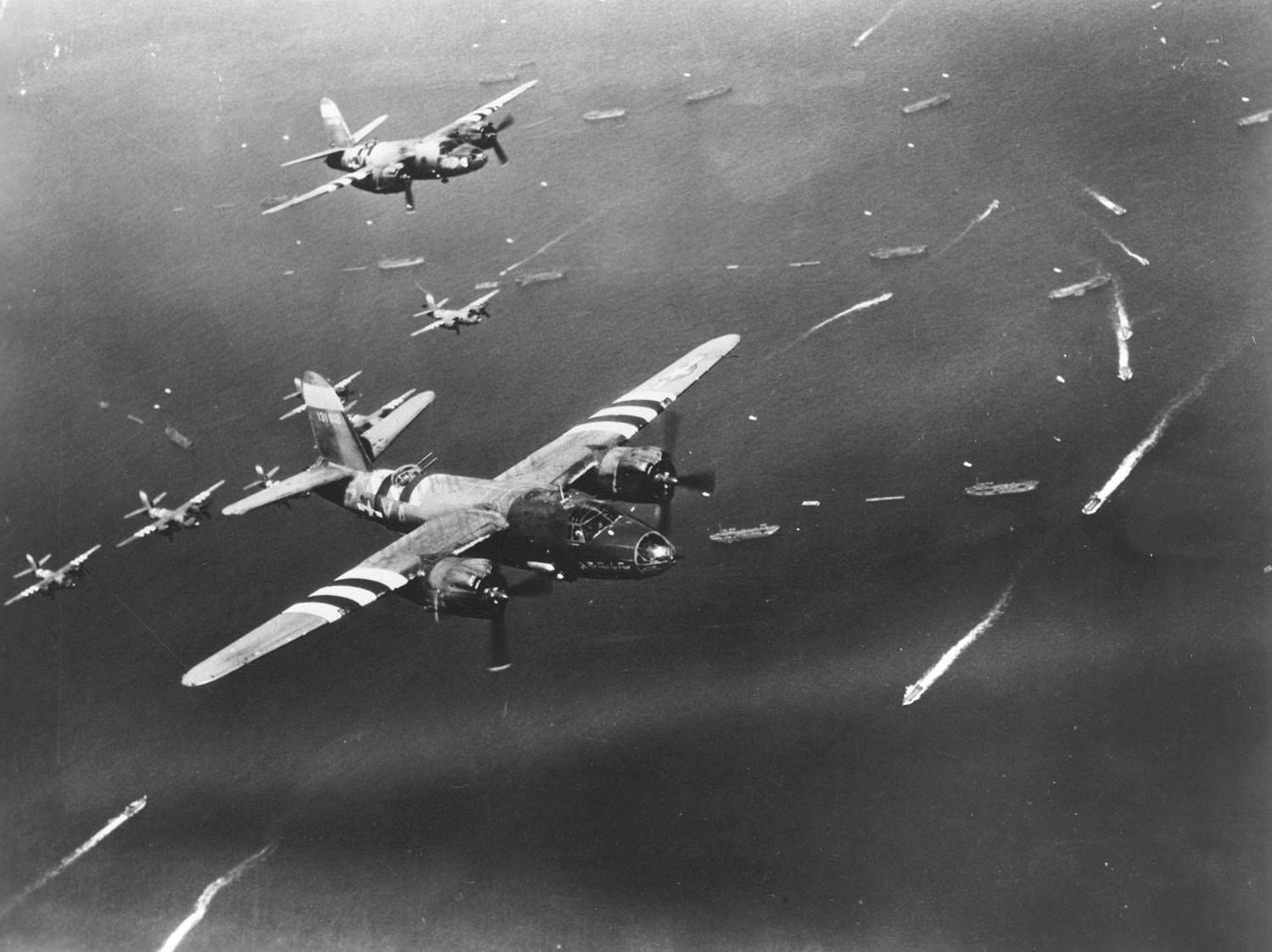
European Base 1944
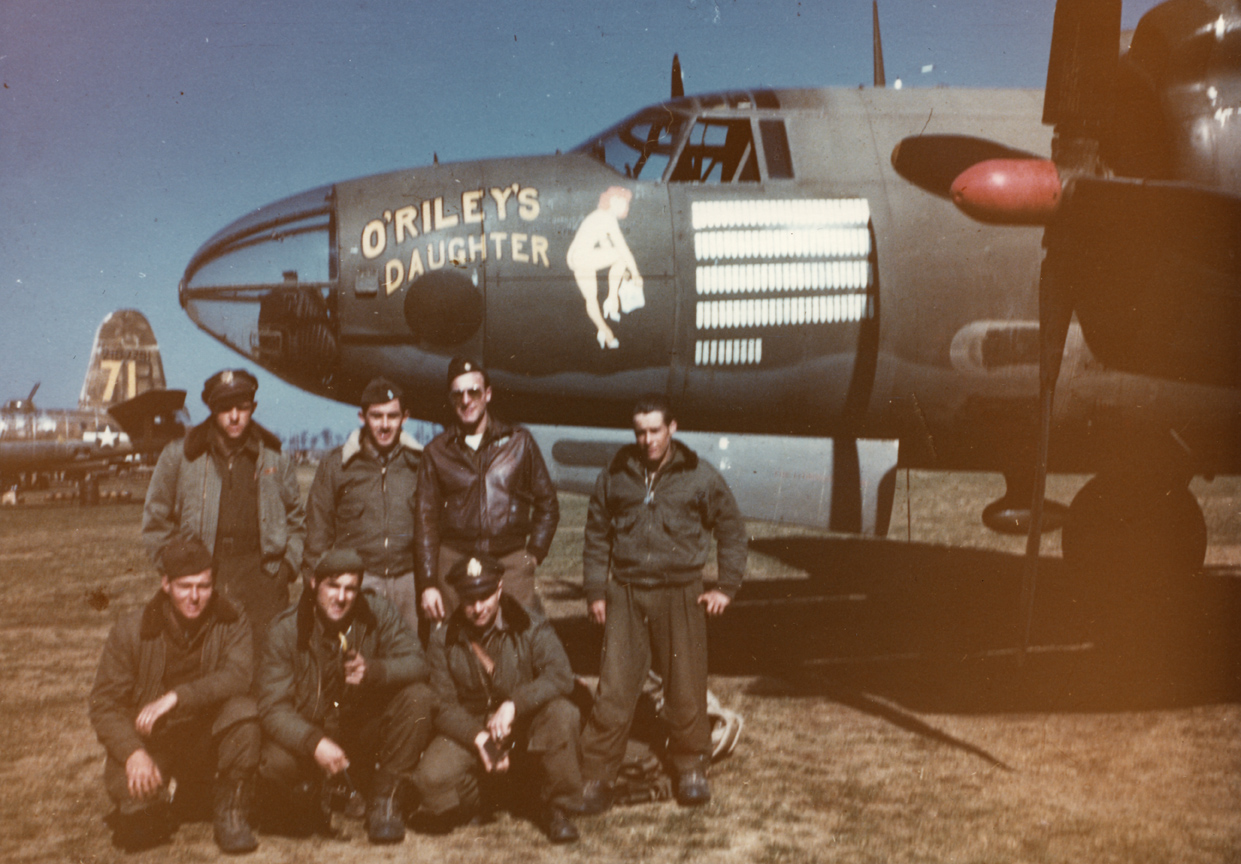
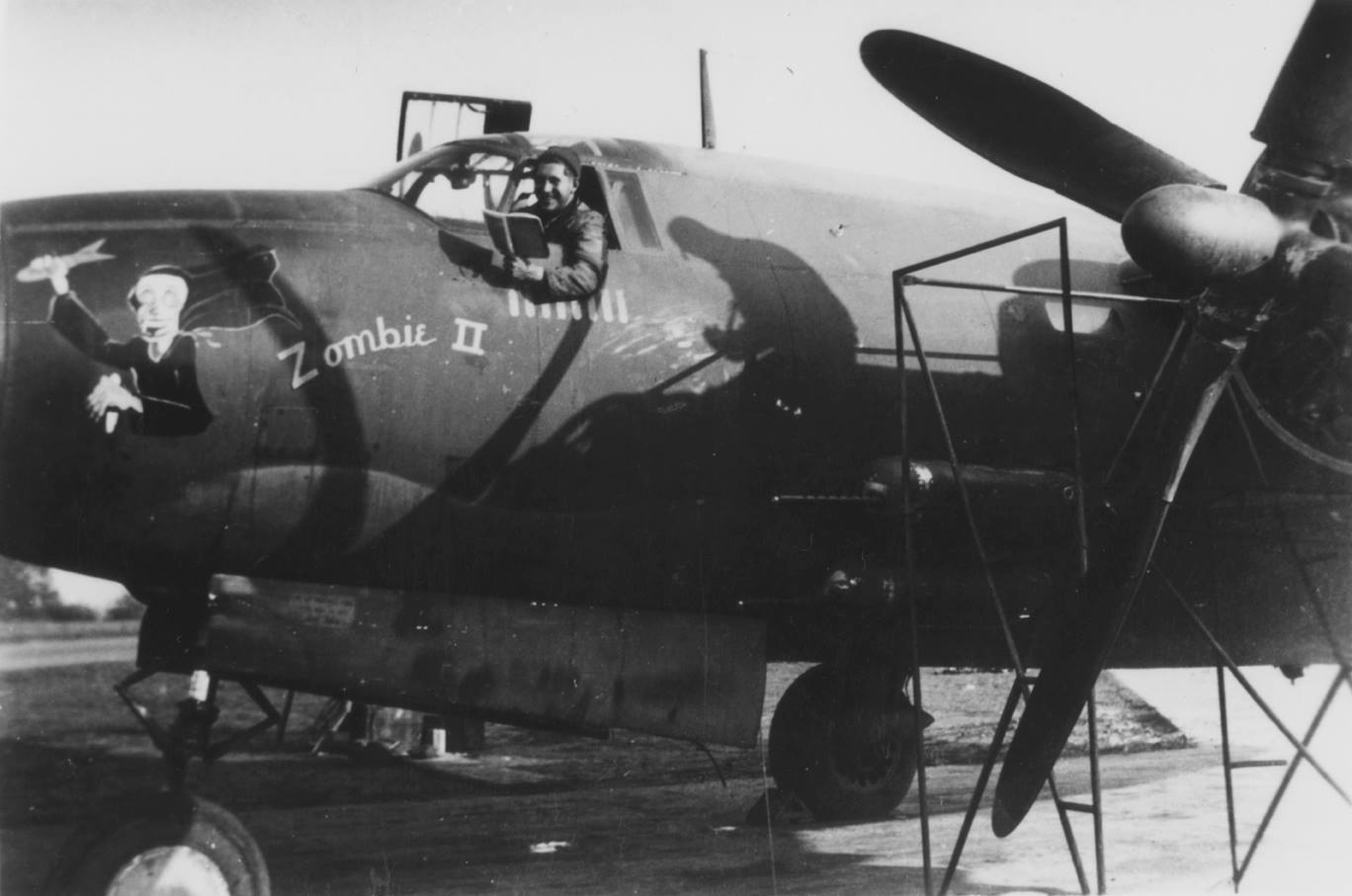
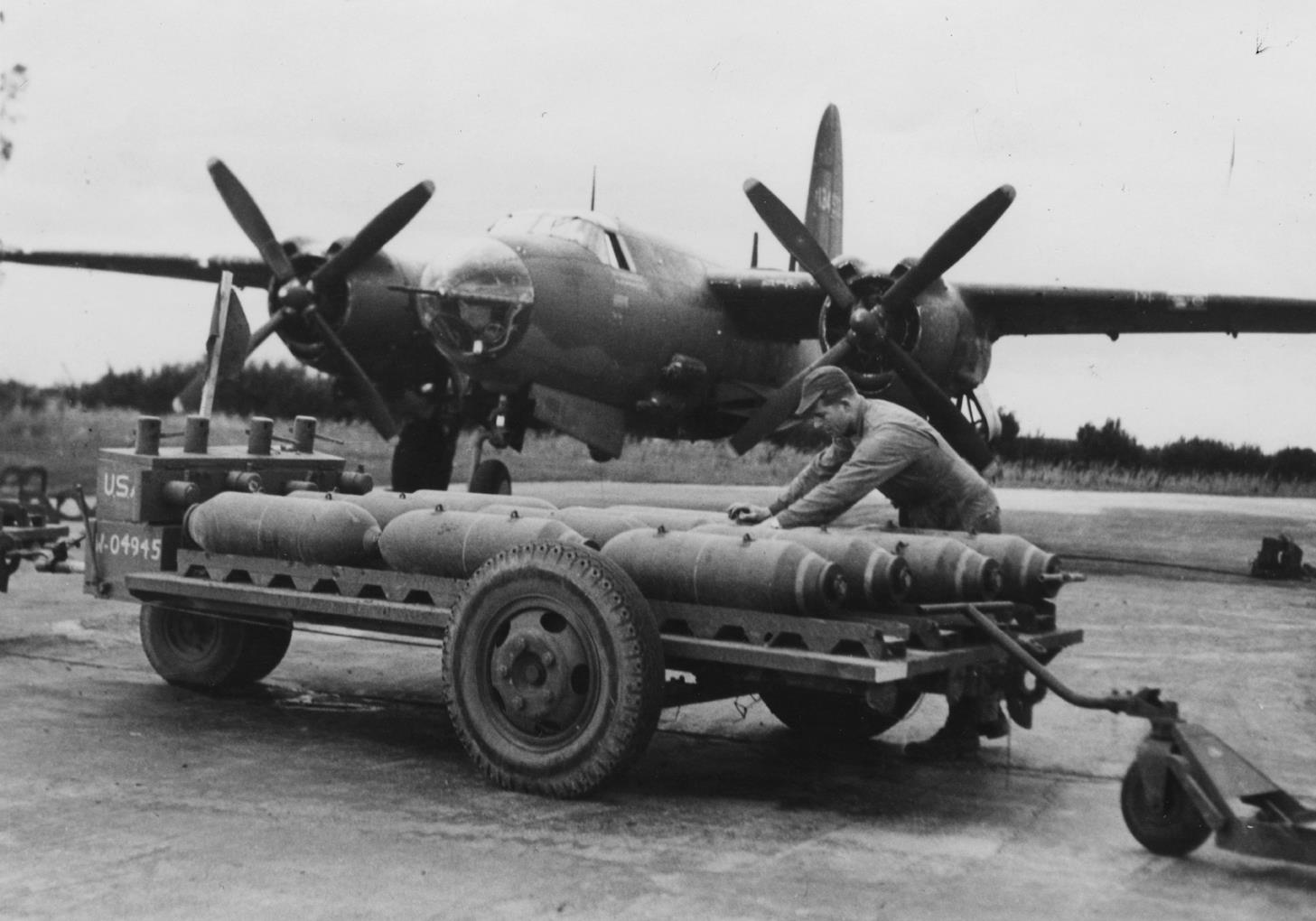
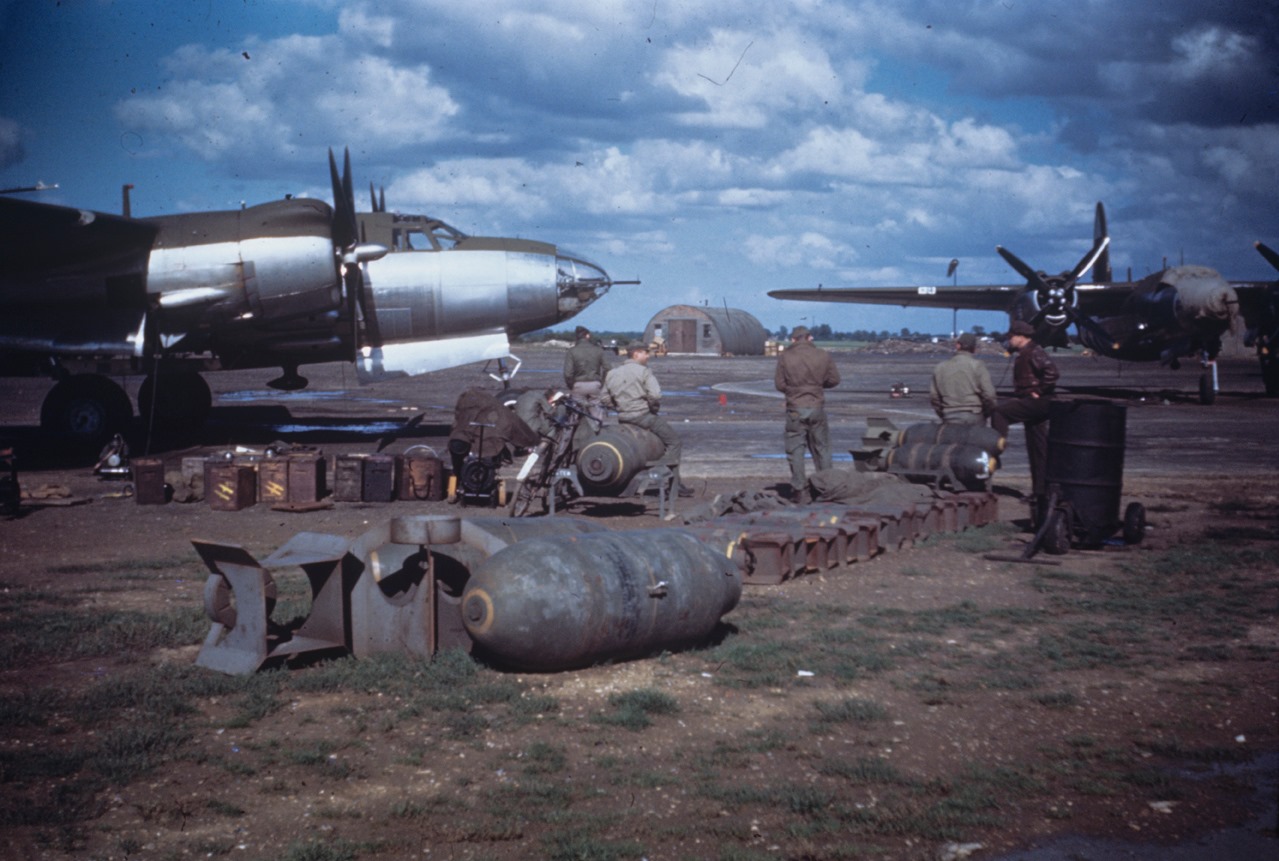
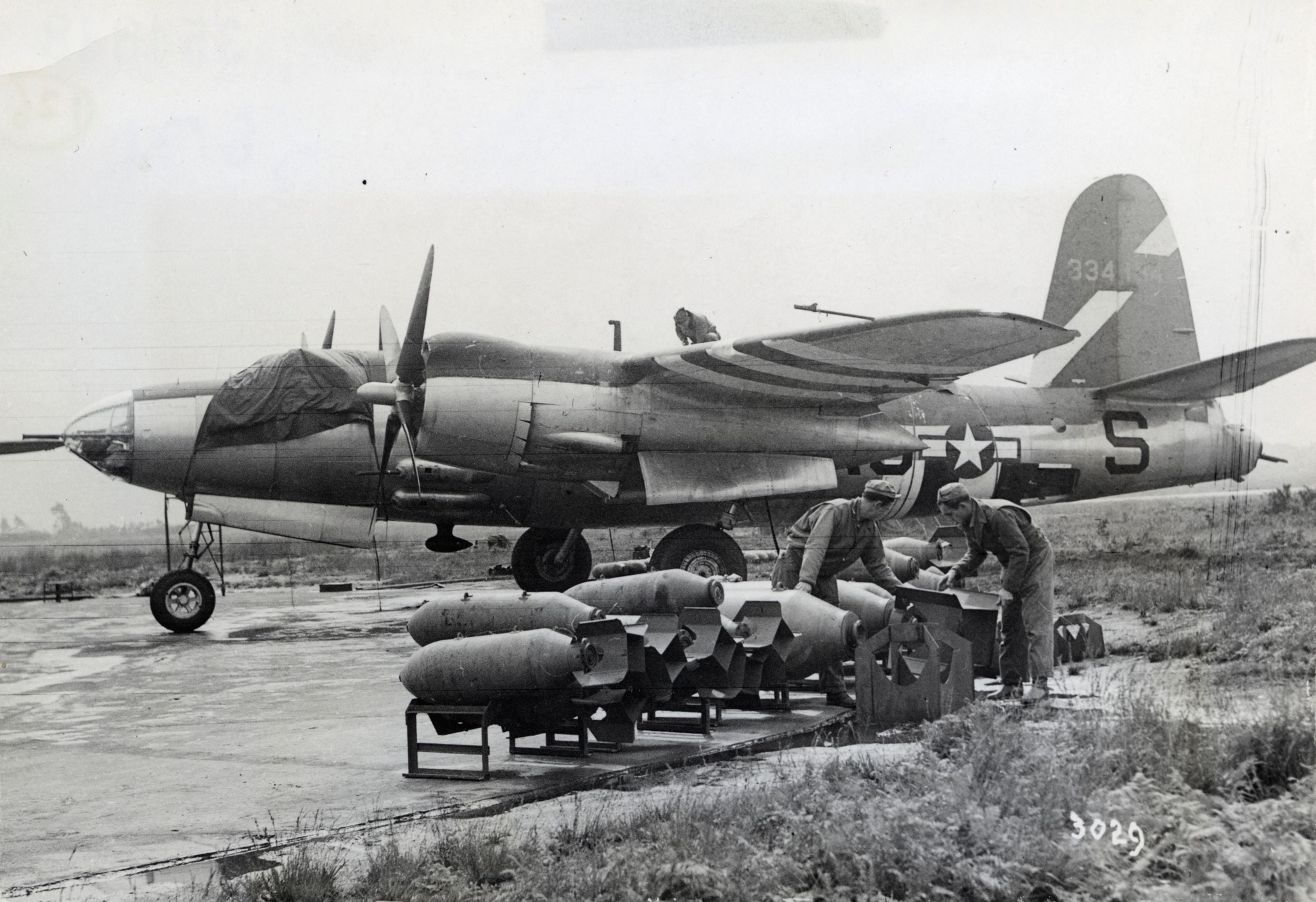
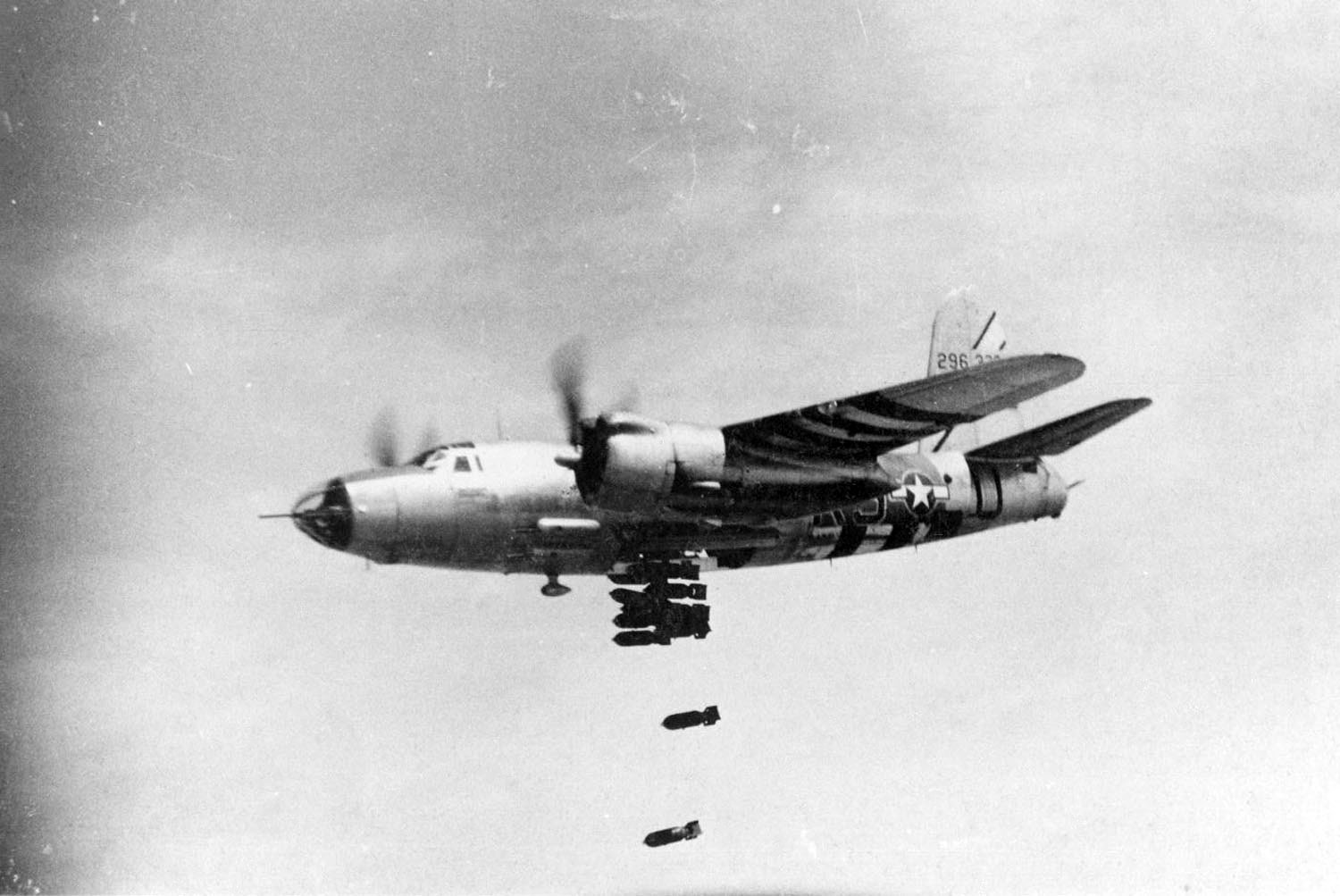
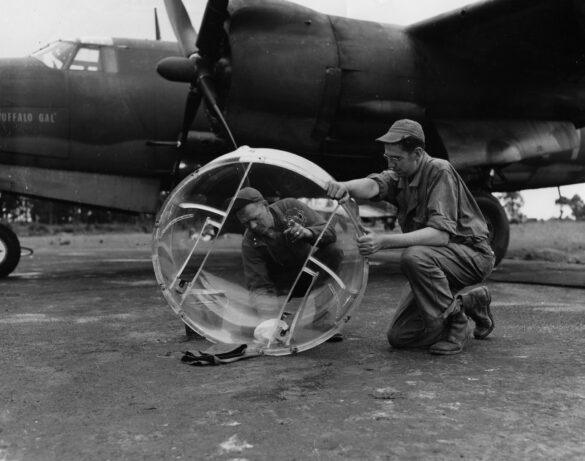
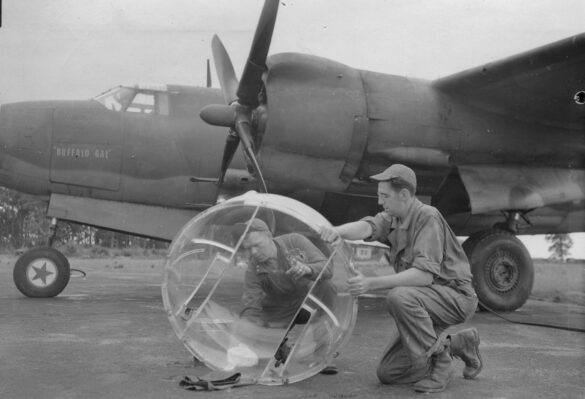
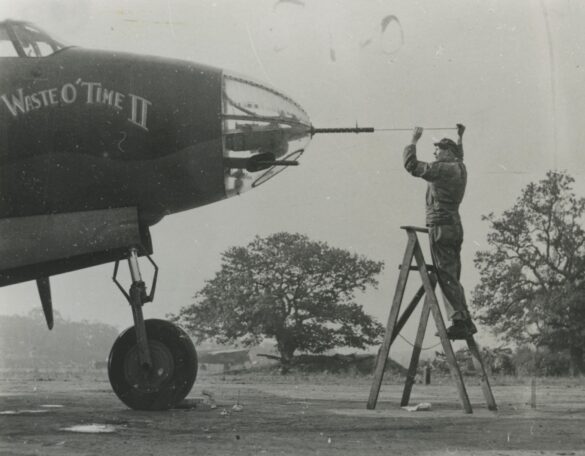
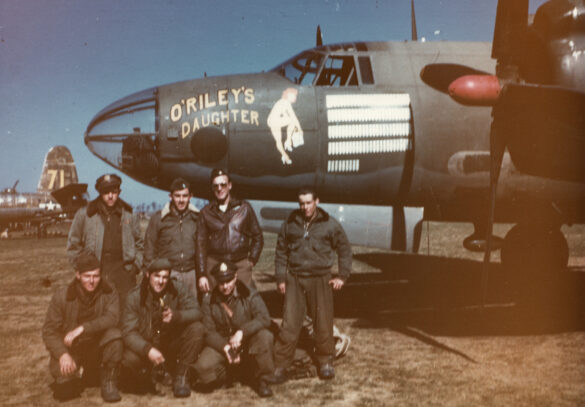
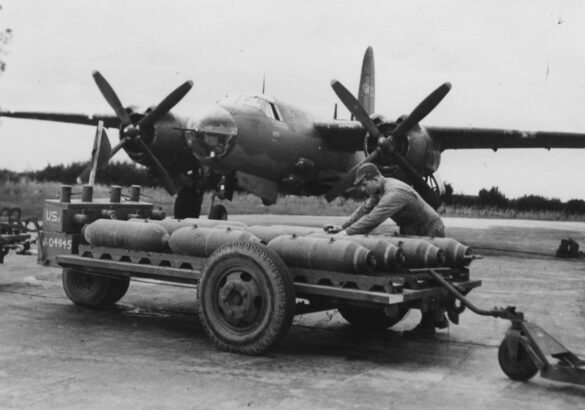
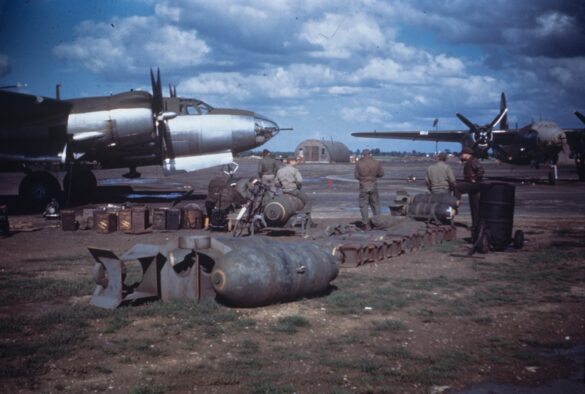
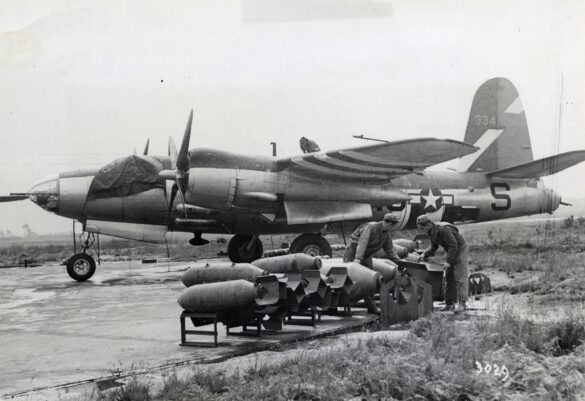
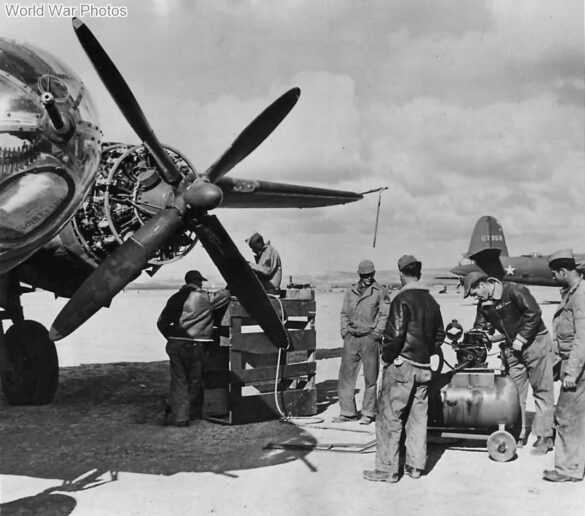
Ground crew, bomb loading, more organized environment
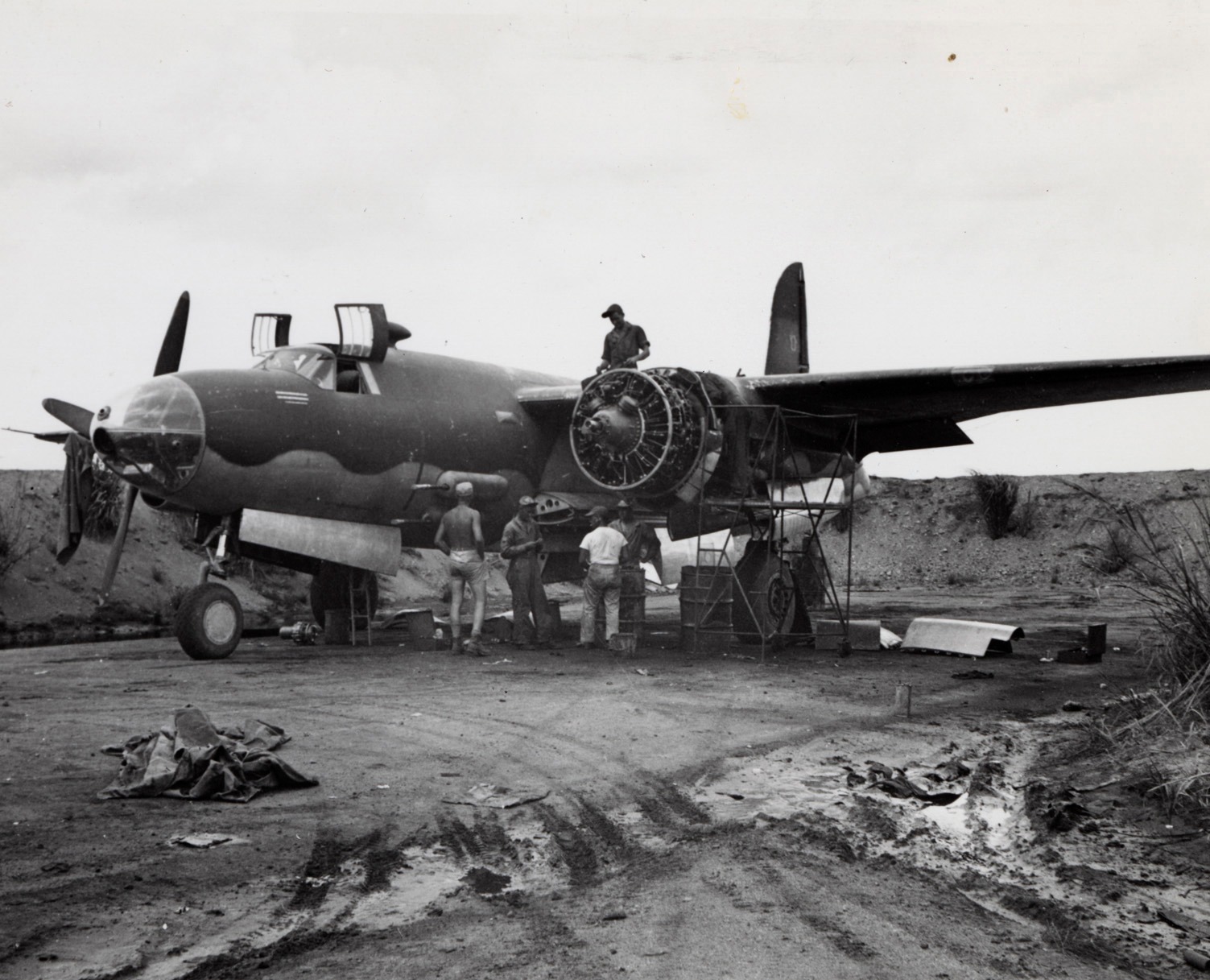
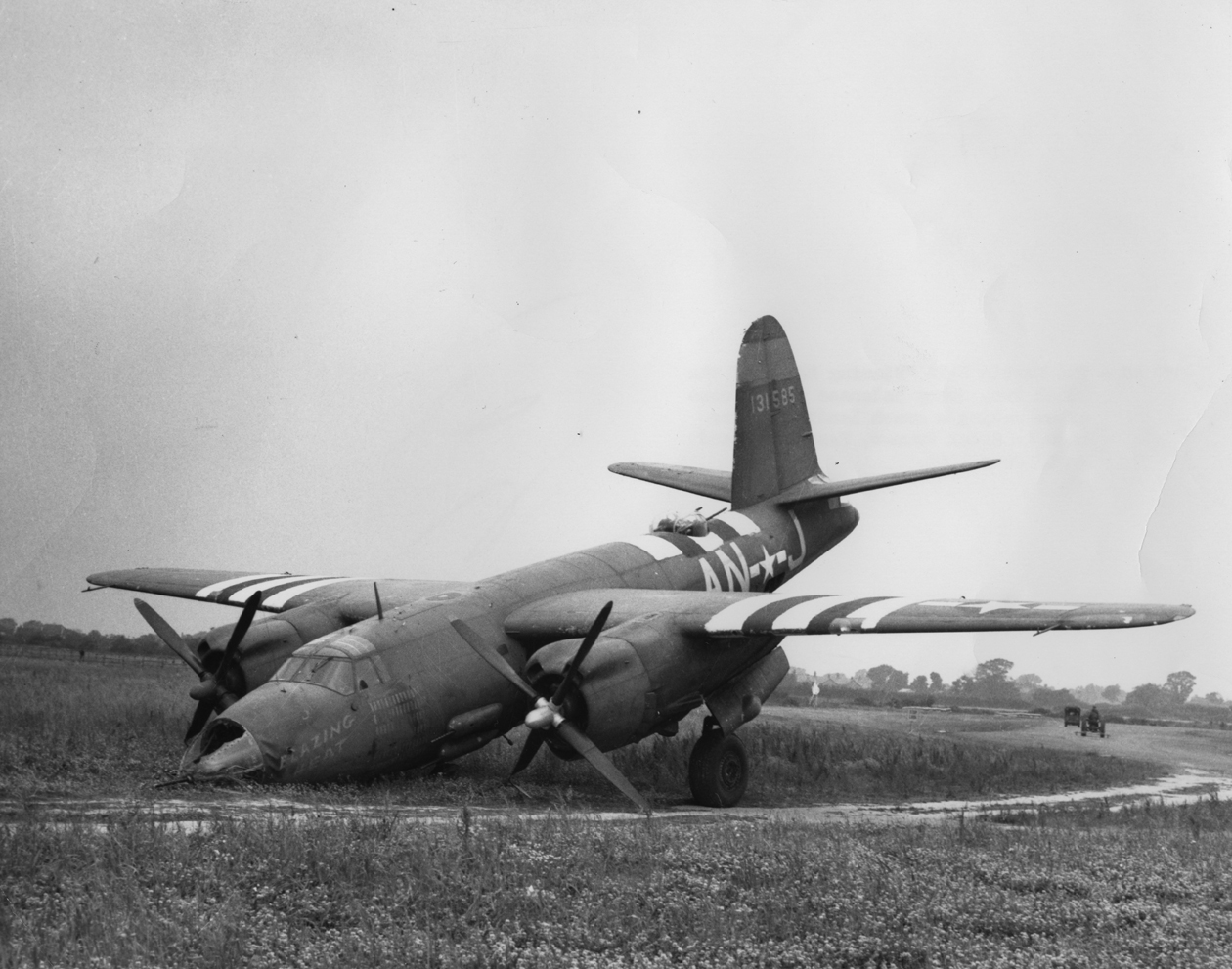
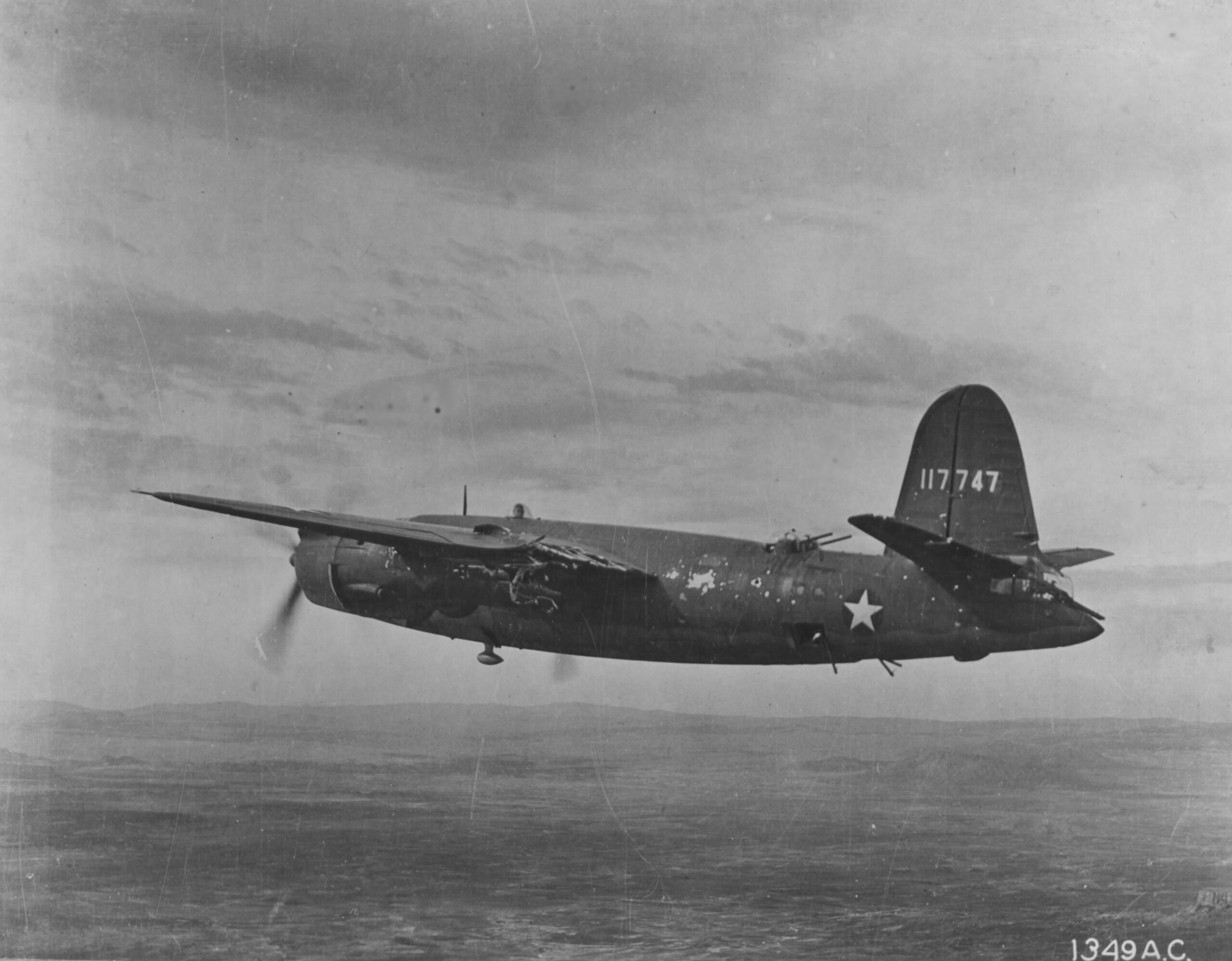
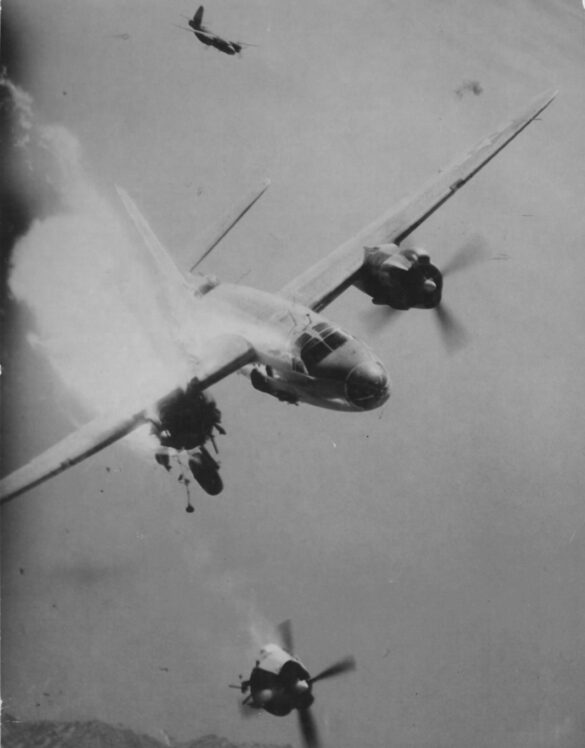
Damaged Return
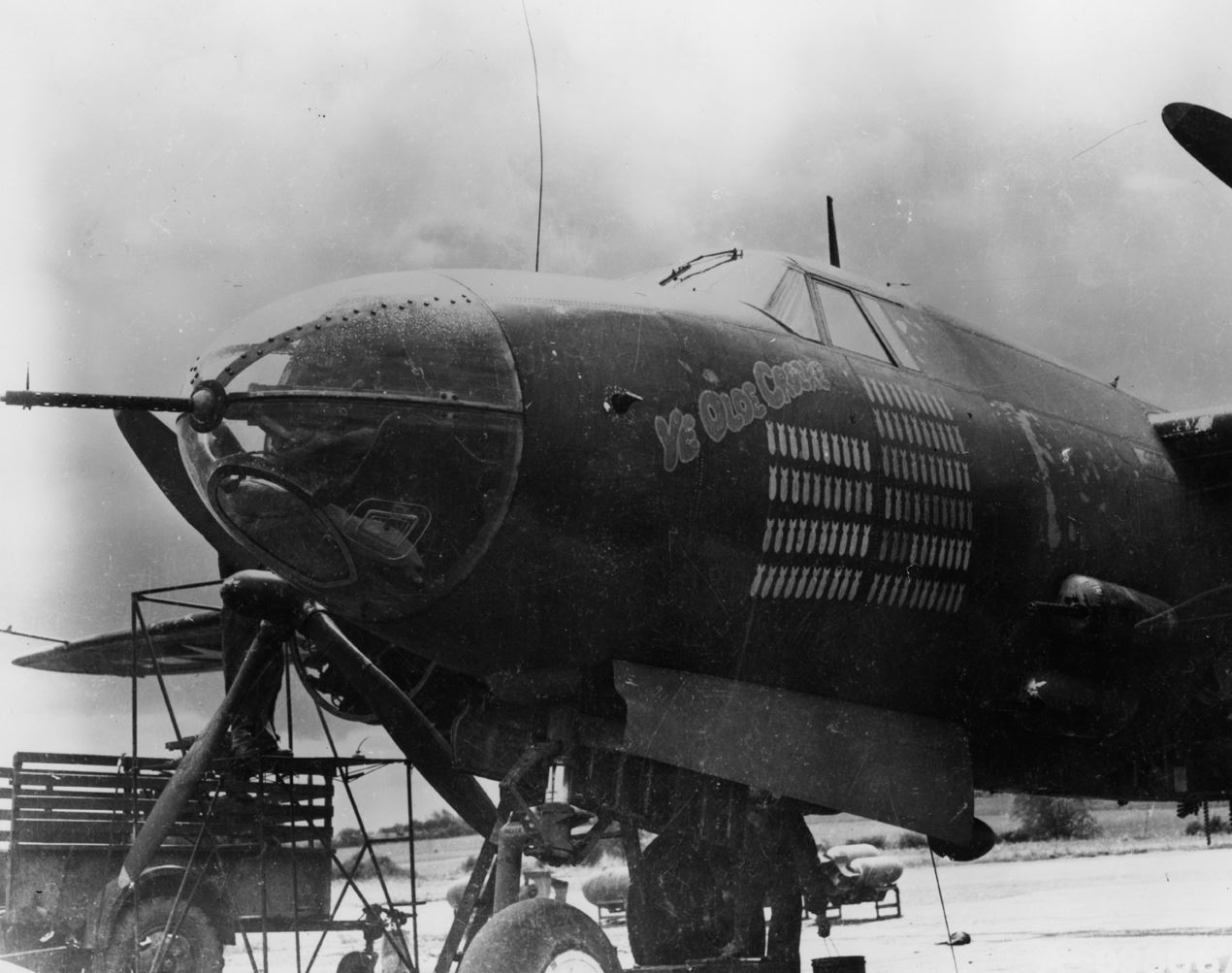
Battle damage, asymmetric weathering, intense storytelling
The secret is not complexity. It’s the story you tell.
Conclusion
https://www.worldwarphotos.info/gallery/usa/aircrafts-2-3/b-26-marauder/
The B-26 Marauder was no “Widowmaker.”
It was an aircraft ahead of its time, requiring discipline and skill. When these were present, it became one of the most effective bombers of the war.
In modeling, this translates into a subject with character. If you approach it correctly, it’s not just another bomber. It’s a piece of history that feels alive.
B-25 .PBJ-1 Mitchell: The US Navy and Marines’ Bomber in the Pacific (WWII Naval B-25 Guide)
Gallery