NATO Airbase Diorama Base – RF-5A Abandoned (Part 2)
After completing the concept and story of the RF-5A abandoned aircraft in Part 1, the realism of the scene now depends entirely on the base. A well-built aircraft placed on a weak base loses impact instantly. On the other hand, a properly executed ground surface transforms the entire project into a believable story.
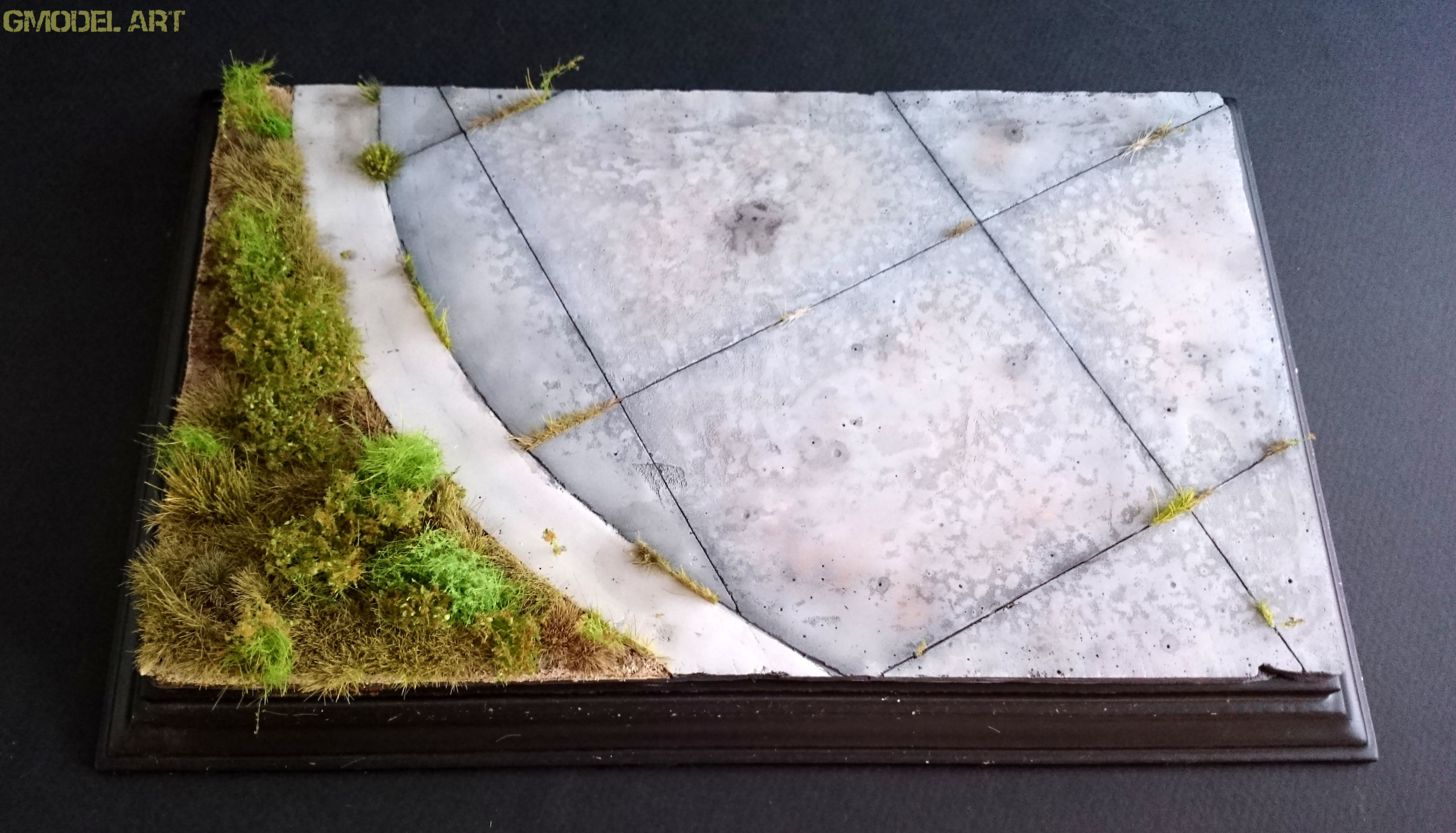
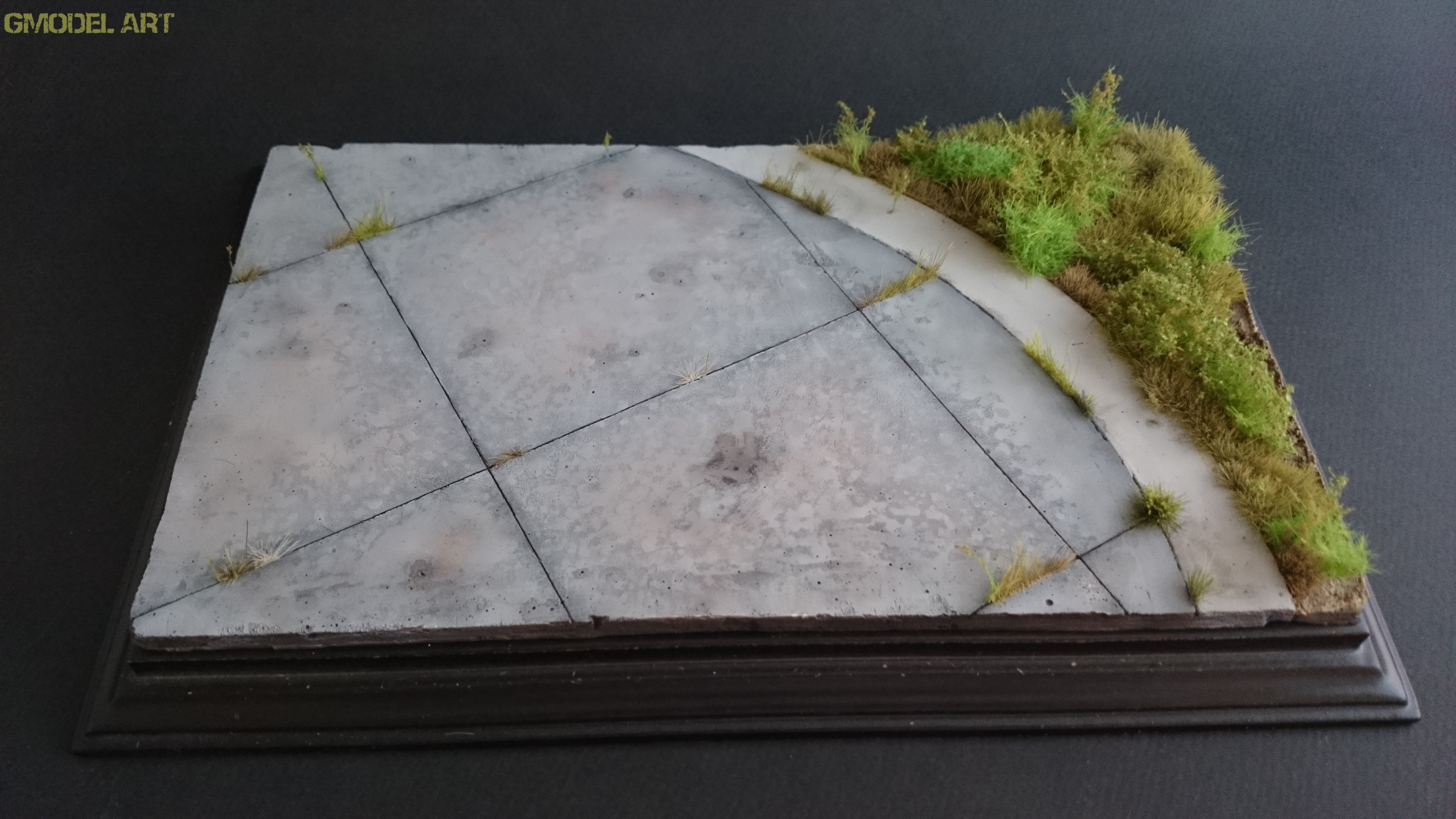
In this build, the goal was to recreate a worn NATO-style airbase surface, showing clear signs of abandonment, environmental wear, and natural aging. The result needed to feel authentic—like a real place that has been exposed to time, weather, and neglect.
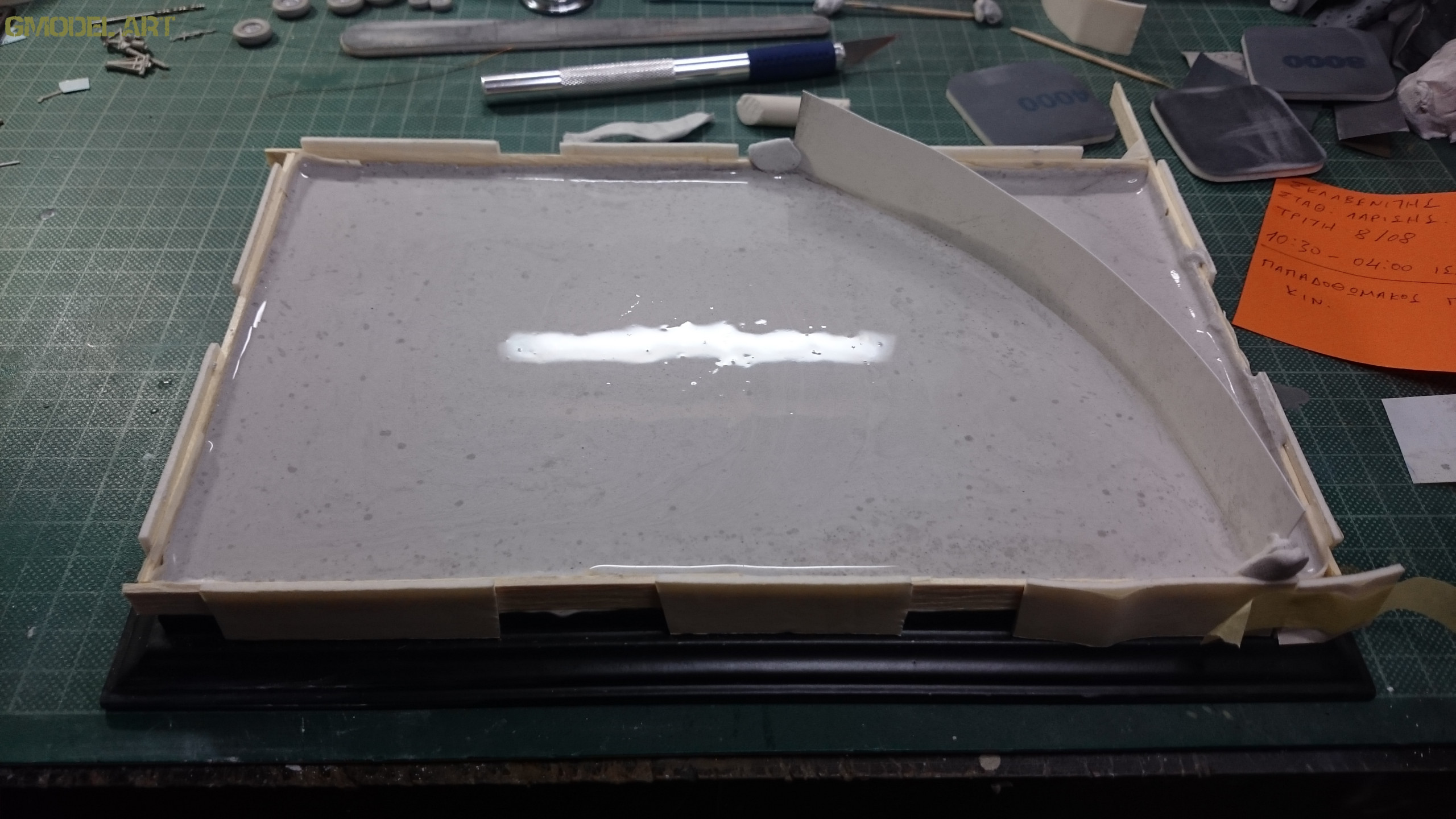
The construction of the base started with a ready-made wooden platform, selected in the desired dimensions. This provides stability and a clean presentation. In order to define the working area and control the thickness of the material, wooden slats were used to create a frame around the surface. This step is essential, as it ensures clean edges and prevents the plaster from spreading unevenly.
Inside this framed area, plaster of Paris was poured to form the main surface of the base. The material was left to settle naturally without excessive interference. This is important because plaster develops its own subtle texture while drying, which contributes significantly to realism. Trying to over-smooth or perfect the surface at this stage usually results in an artificial look.
Once the plaster had started to set but was not yet fully hardened, the surface was carefully removed from the mold. At this stage, the material is firm enough to hold its shape, but still soft enough to be worked without cracking.
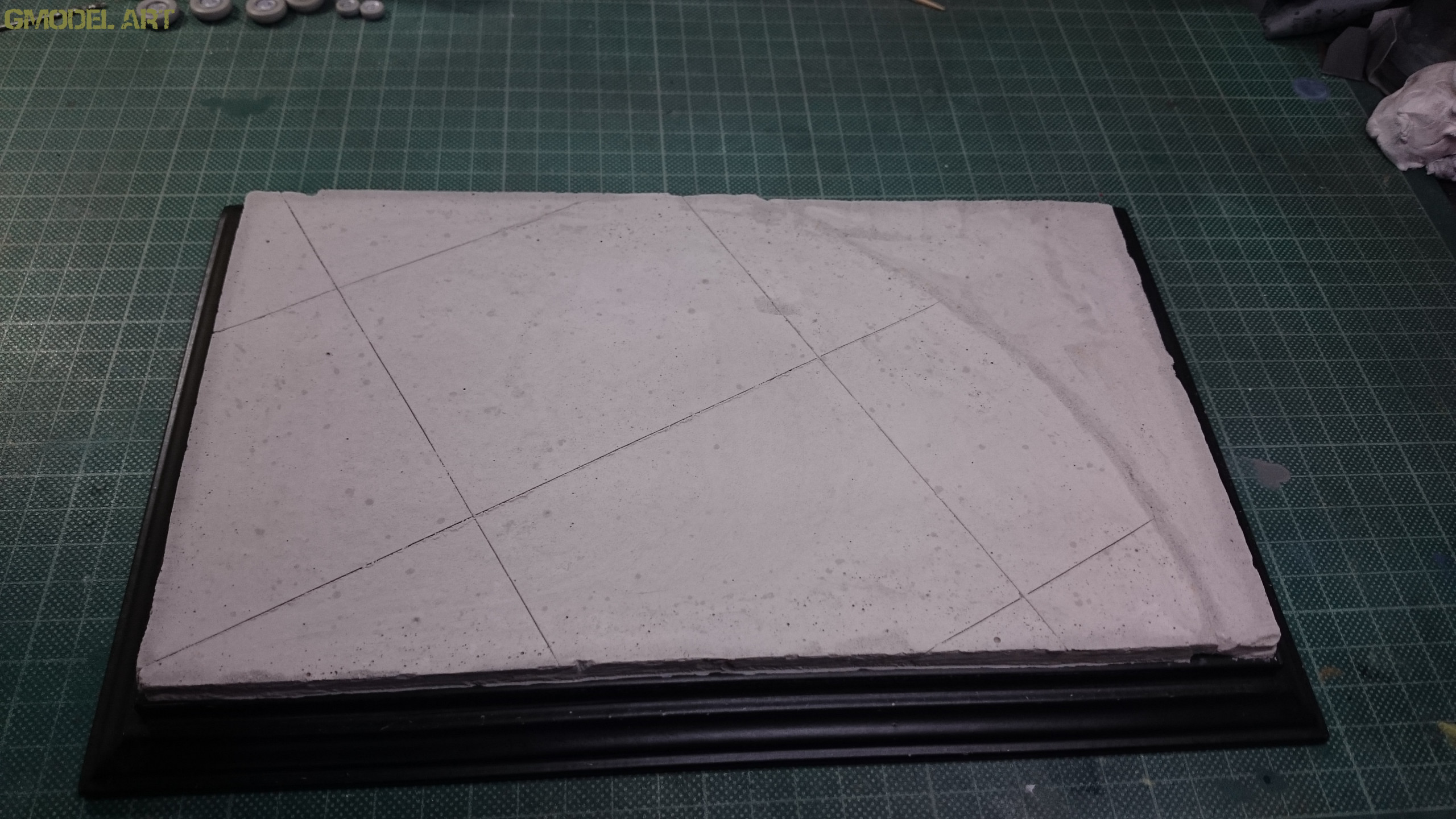
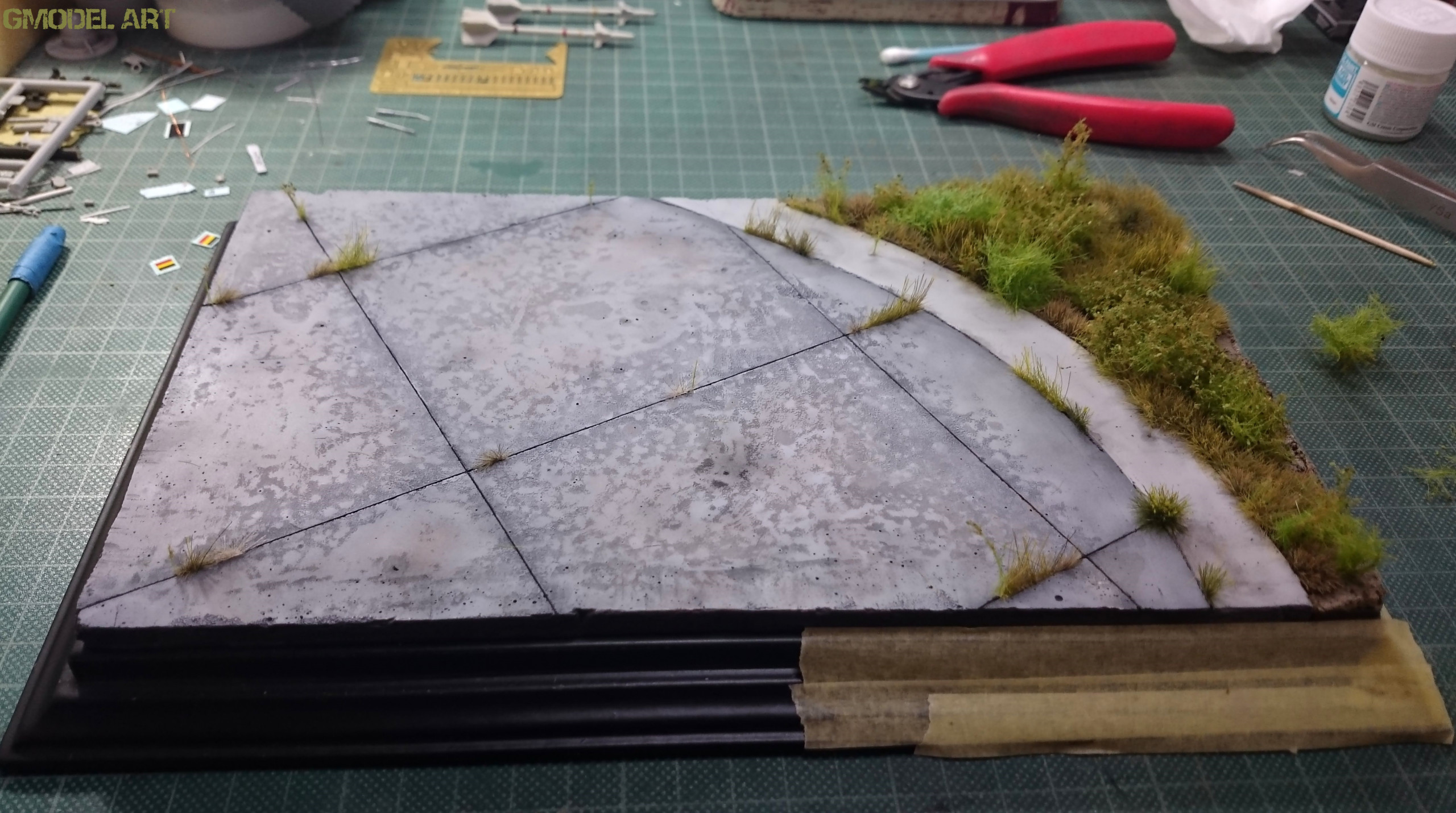
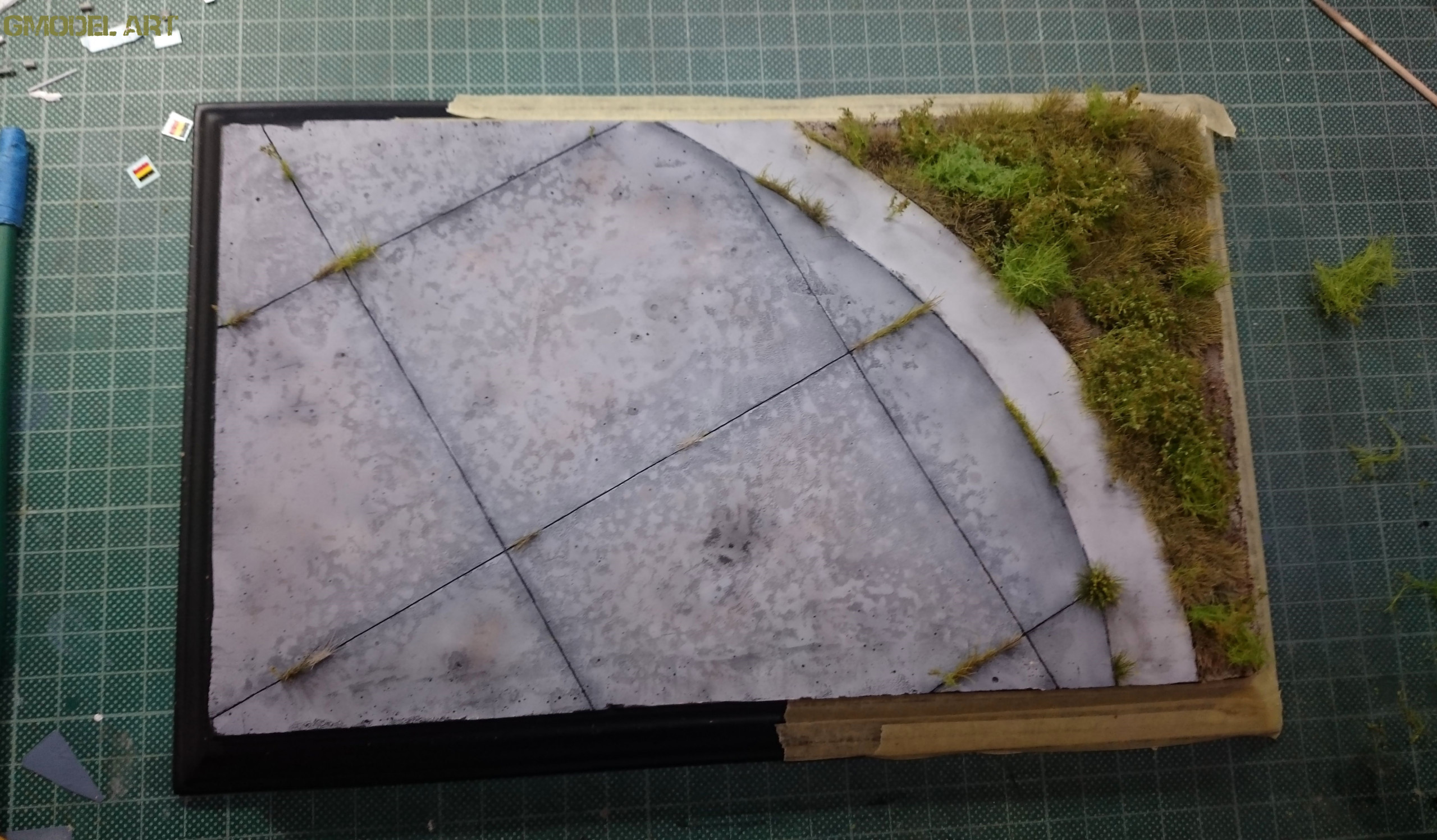
Using a modeling cutter and a ruler, the concrete slab lines were engraved onto the surface. The lines were kept thin, straight, and consistent with the scale. This is one of the most critical steps in the entire process. Poorly executed slab lines immediately break realism, while properly engraved lines create the foundation for a convincing airbase surface.
After allowing the plaster to dry a bit more, the entire surface was gently rubbed using tissue paper. This process softened the texture and removed any unwanted roughness, while still preserving natural imperfections. The lines between the slabs were then cleaned again using the modeling cutter to ensure clarity and definition.
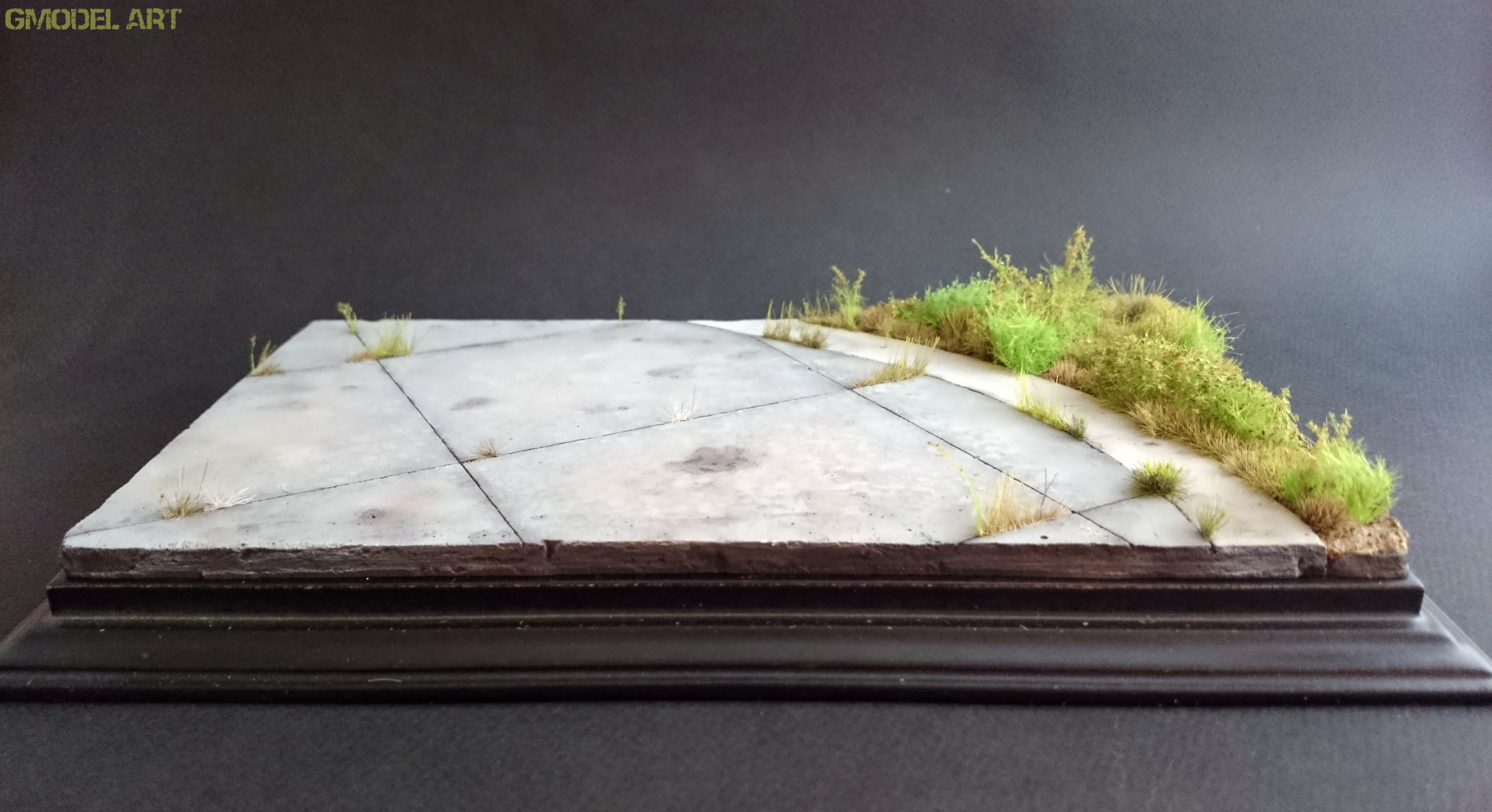
This combination of smoothing and controlled damage creates a highly realistic result. Small irregularities, micro cracks, and subtle variations in the surface are not flaws—they are essential elements that replicate real concrete. In reality, no airbase surface is perfect, and embracing these imperfections is what gives life to the model.
The base was then left untouched for 24 hours to fully cure. This ensures that the material is completely stable before moving on to painting.
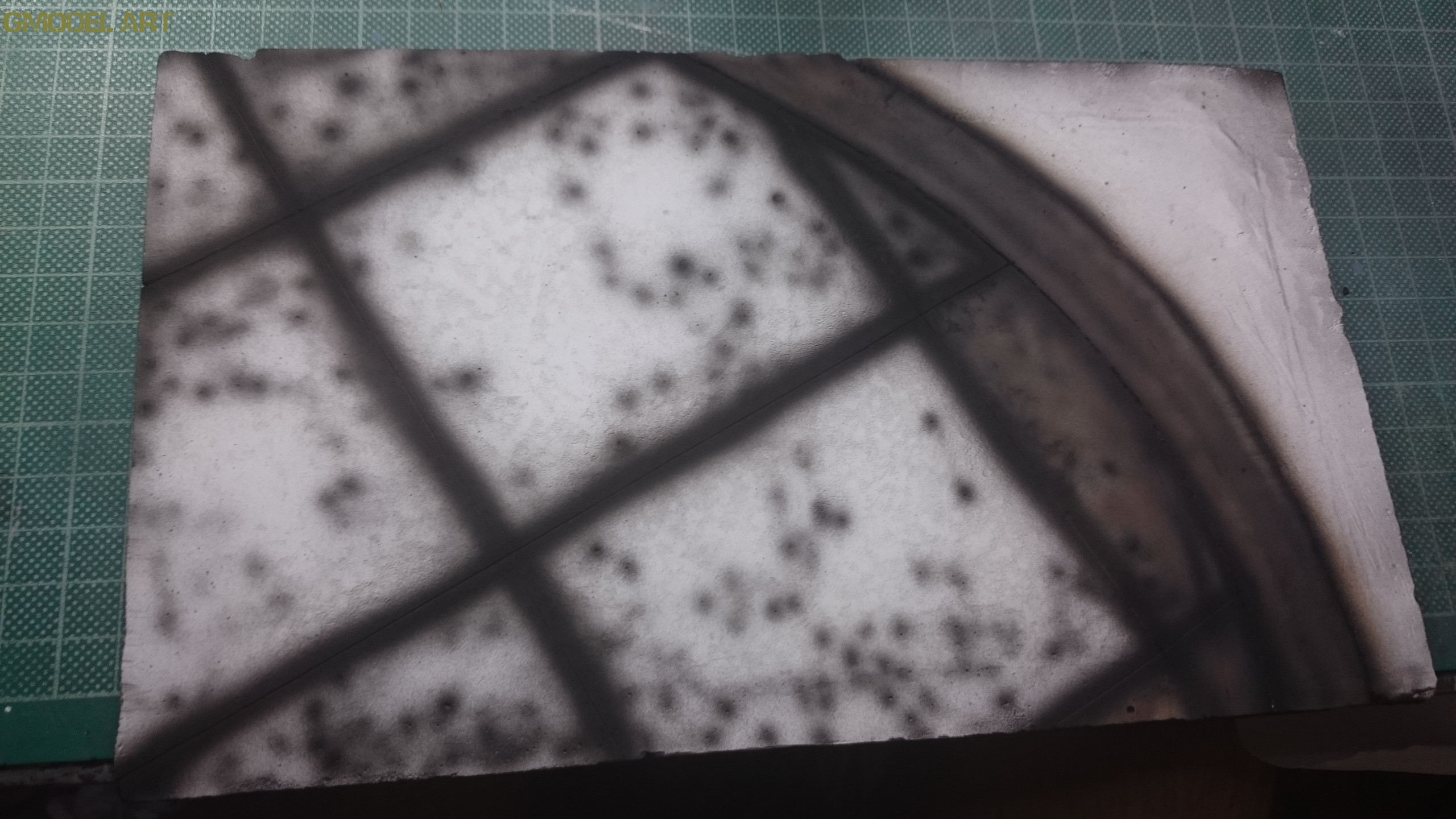
Once fully dried, the base was primed in preparation for painting. The painting process focused on creating depth and variation rather than applying a single flat color.
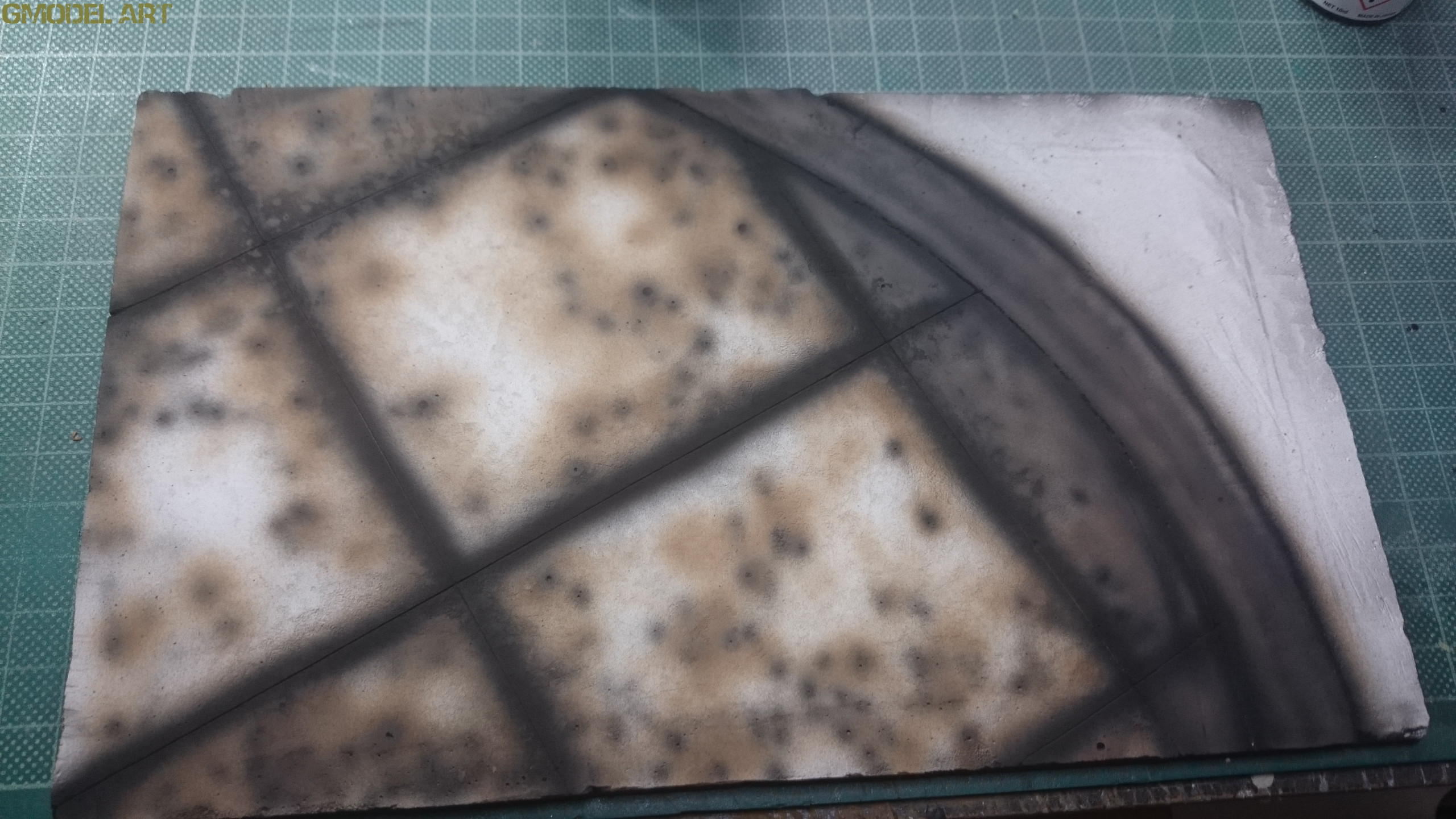
The main base color consisted of H307 gray, slightly mixed with H310 brown to reduce the artificial look of pure gray. This mixture was applied across the entire surface as the foundation layer.
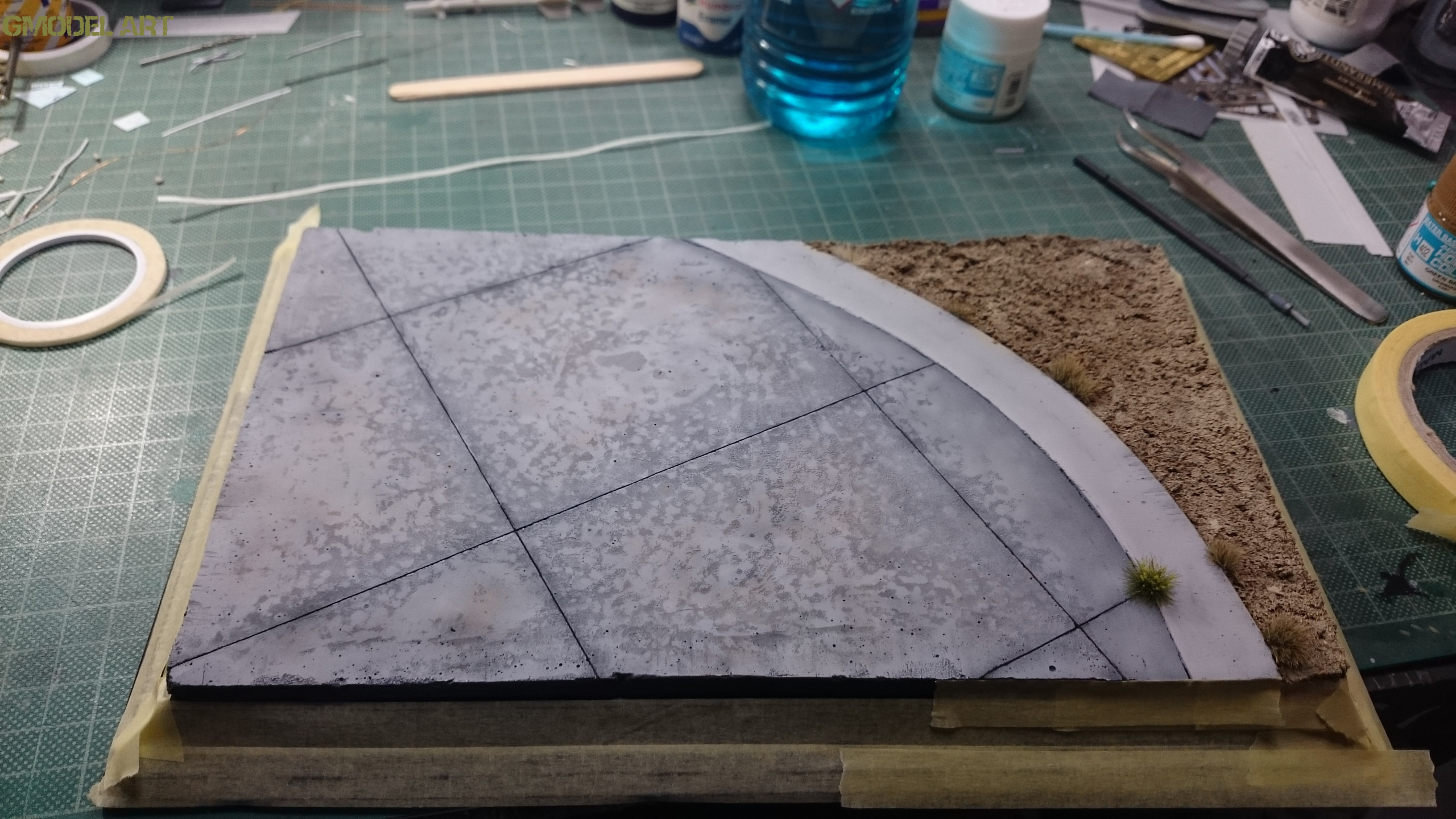
After that, darker tones were sprayed locally, especially between the slab lines. Brown and black shades were used to simulate accumulated dirt, moisture, and long-term wear. Additional passes—two to three light layers—were applied with variations of gray and brown tones to build a more complex and natural-looking surface.
This layering technique is essential. Real concrete is never uniform in color. It contains subtle changes caused by weather, usage, and time. The goal is not contrast, but controlled variation.
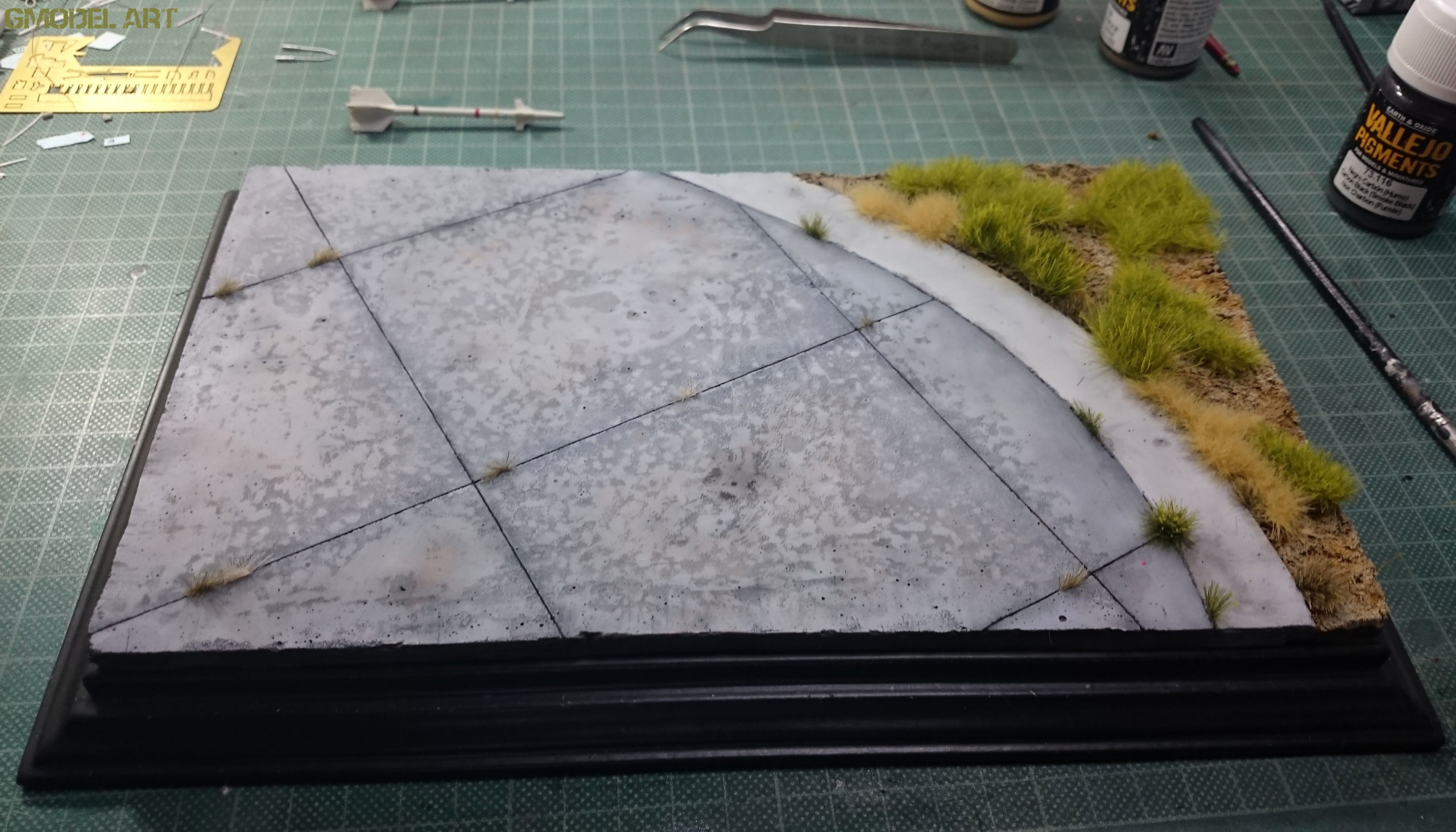
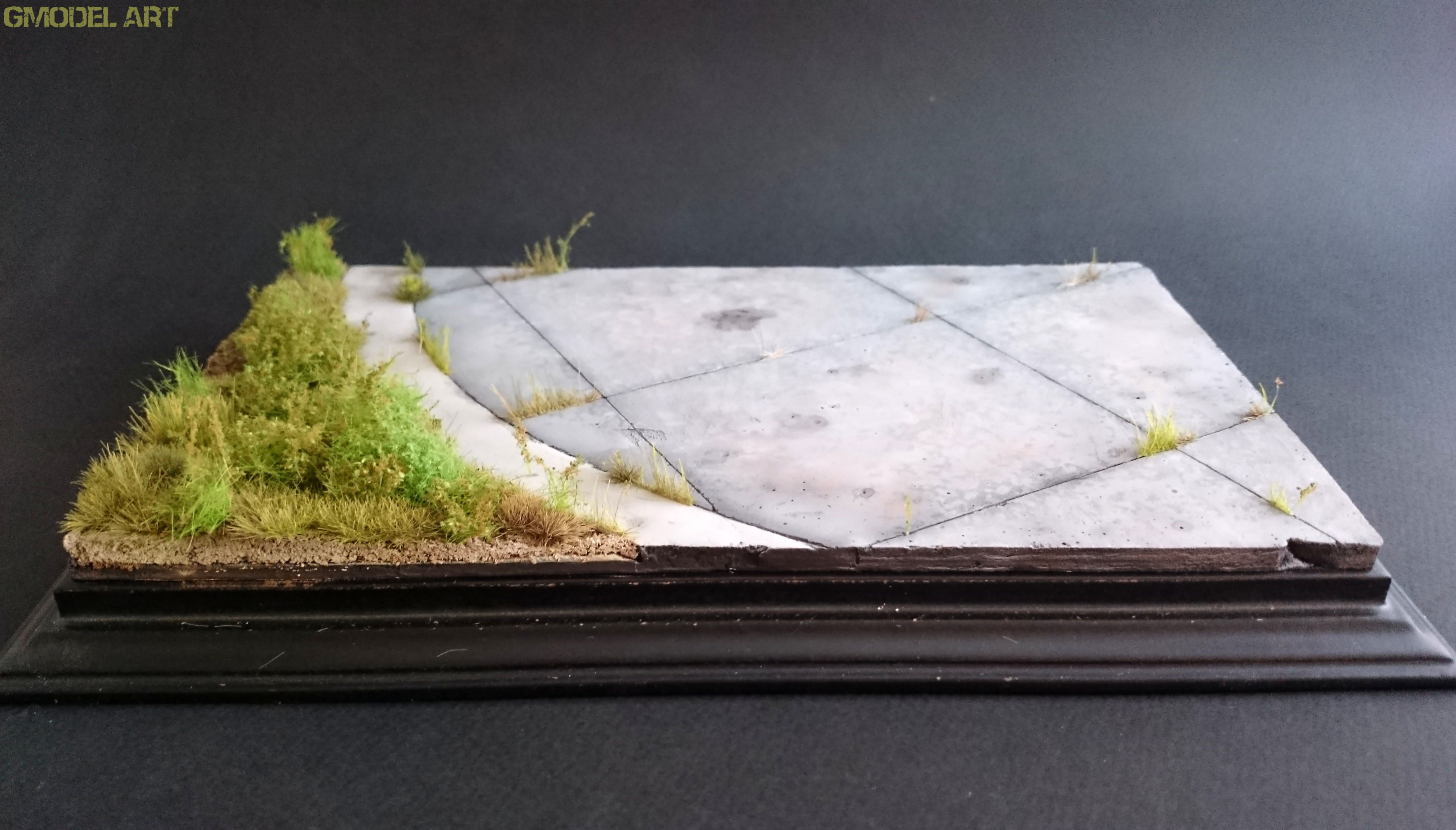
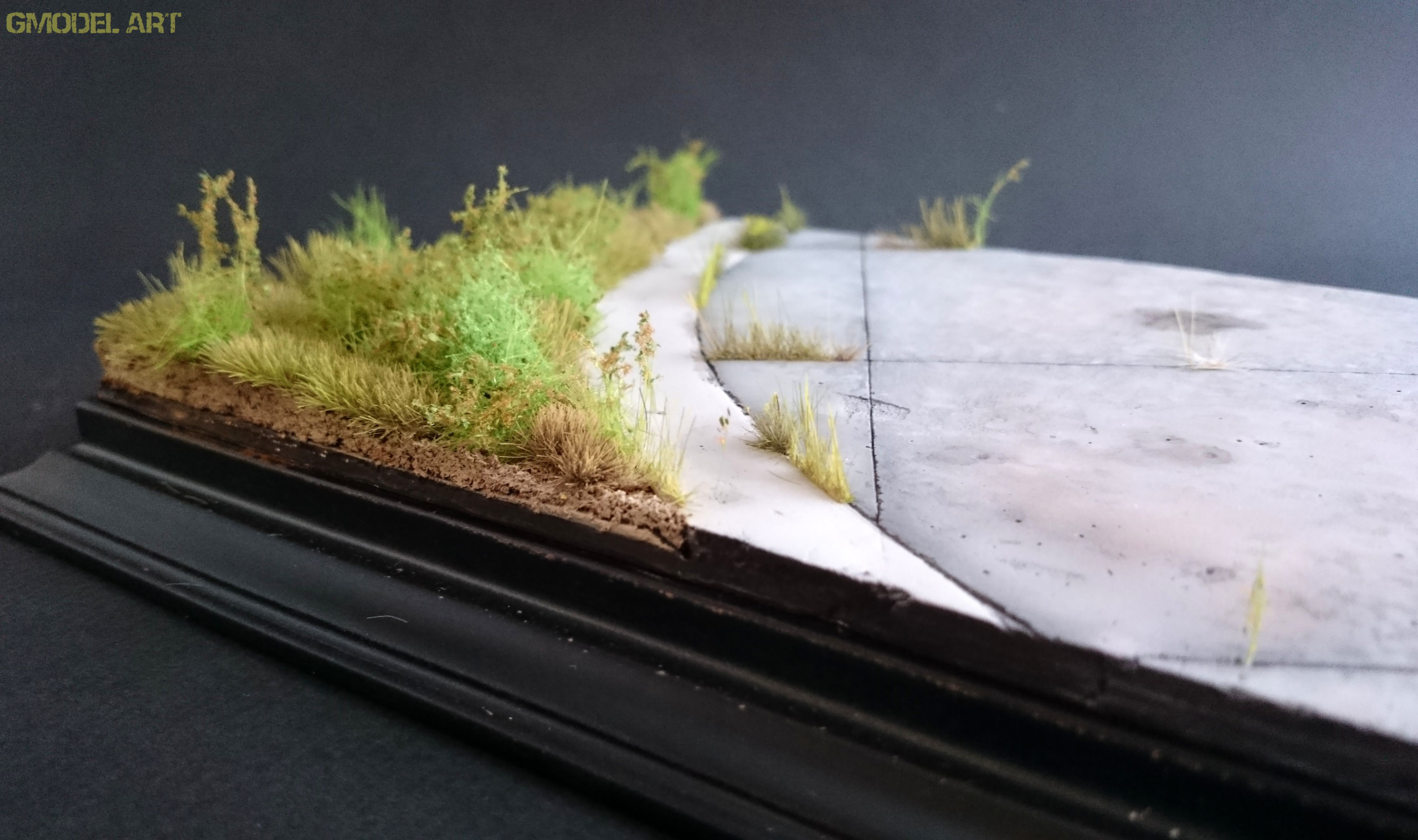
To further enhance the abandoned atmosphere, vegetation was added to the base. Bushes and scenic elements were primarily used from Noch, known for their realistic modeling materials.
These elements were not used straight out of the package. Instead, they were lightly sprayed with different shades of brown to tone down the colors and integrate them into the environment. Bright green vegetation would look unrealistic in an abandoned setting, so desaturation is key.
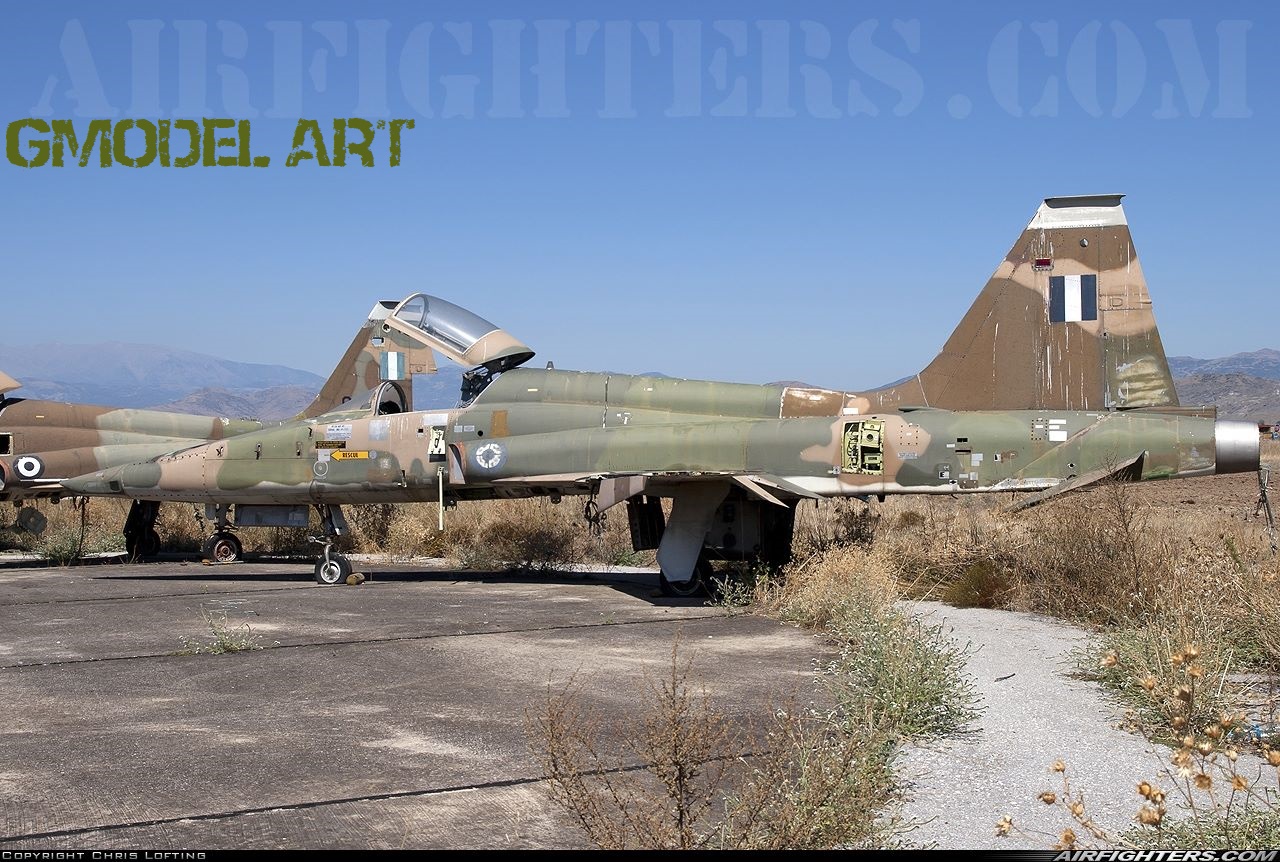
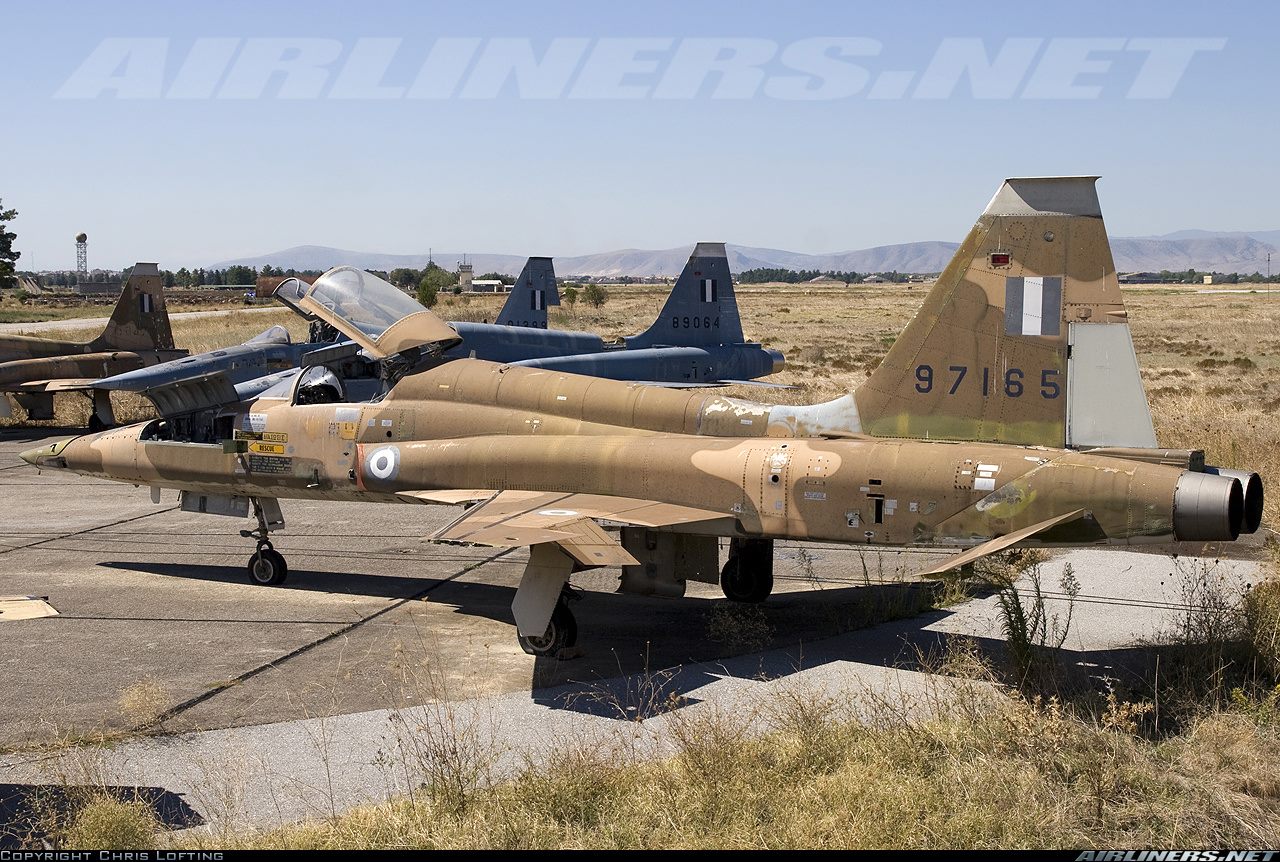
Dry grasses were placed strategically across the surface. Particular attention was given to areas where vegetation would naturally grow, such as cracks, slab edges, and points where moisture would accumulate. The placement was intentionally irregular, avoiding symmetry and repetition.
This final step adds a strong storytelling element. The presence of vegetation suggests time, neglect, and natural reclamation of the space.
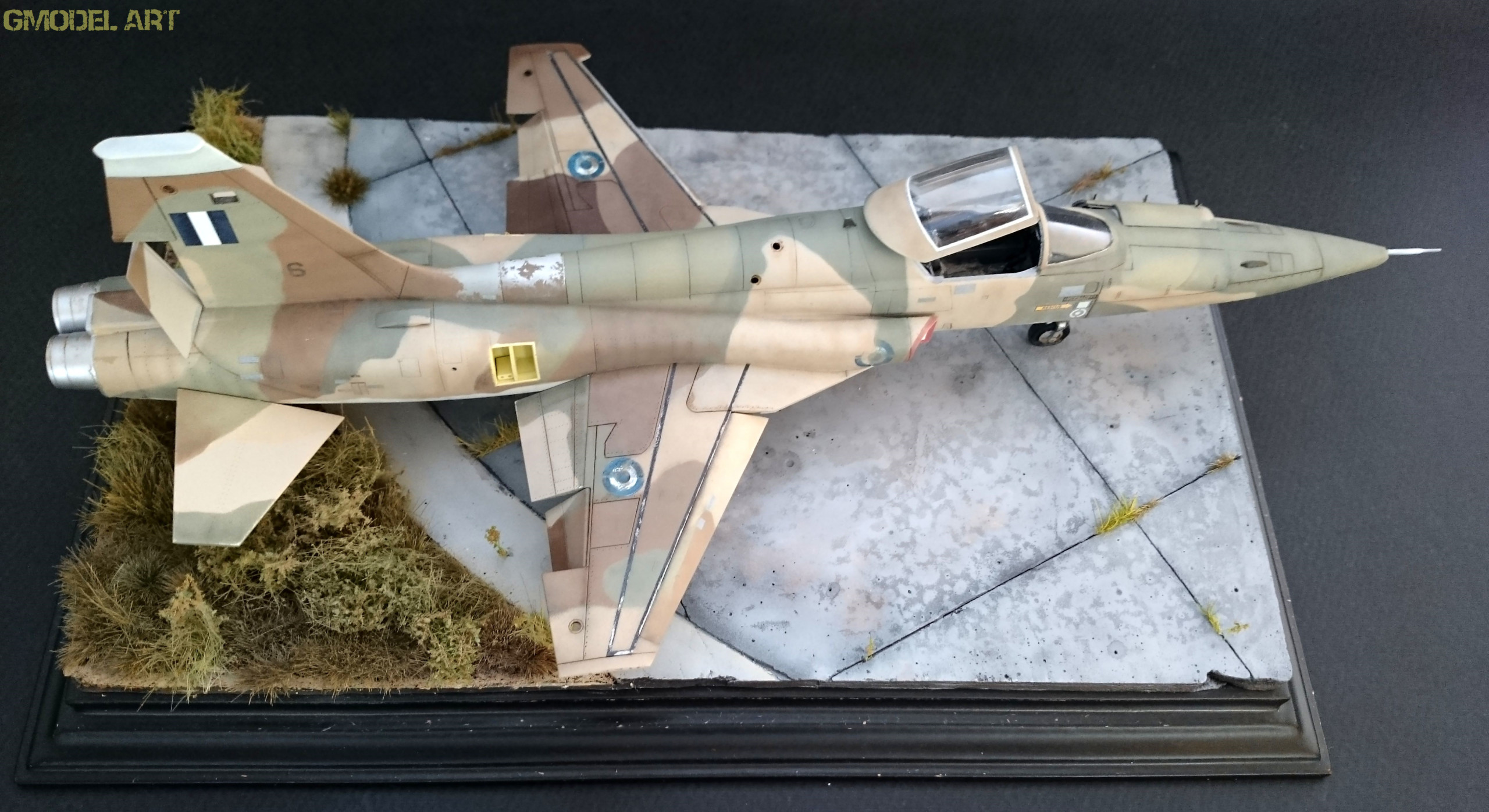
In the end, the base becomes more than just a support for the model. It becomes part of the narrative. The worn concrete, the faded tones, and the scattered vegetation all work together to create a believable environment for the abandoned RF-5A.
When building dioramas like this, perfection should never be the goal. Realism comes from controlled imperfection, variation, and an understanding of how materials behave in the real world.