article
Before the Super Corsair: The Forgotten F4U-1 WM (Wasp Major) Prototype and How to Build One in 1/48 Scale
The Vought F4U Corsair is widely recognized as one of the most successful naval fighters of World War II. Its distinctive inverted gull wing, powerful Pratt & Whitney R-2800 Double Wasp engine, and exceptional combat record made it a legend in both the U.S. Navy and Marine Corps. Yet hidden behind the Corsair’s famous operational history lies a little-known experimental chapter that ultimately led to the creation of the legendary F2G Super Corsair.
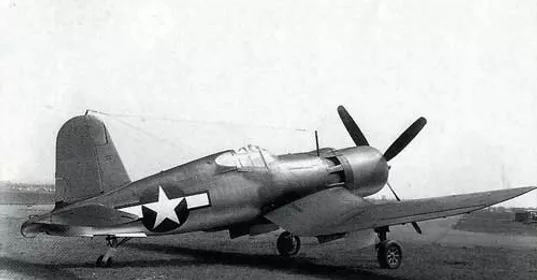
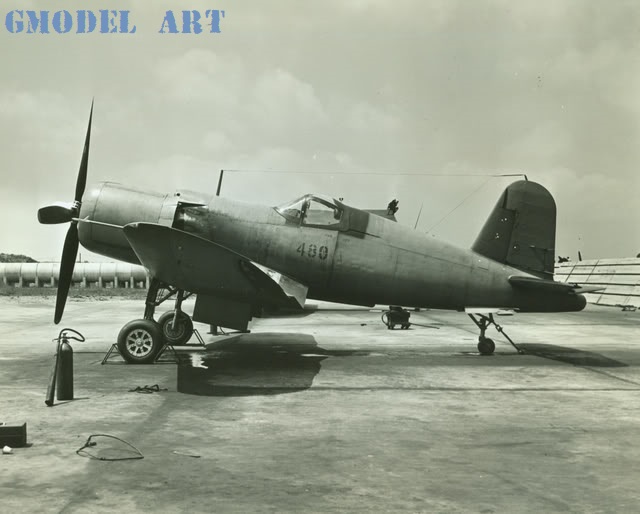
Long before the F2G entered development, engineers were already exploring what would happen if the largest and most powerful piston engine ever mass-produced in the United States was installed in a Corsair airframe. The result was the experimental F4U-1 Wasp Major test aircraft, often referred to by researchers and modelers as the F4U-1 WM.
Today, these prototypes remain among the rarest and least documented Corsair variants ever flown, making them a fascinating subject for aviation historians and scale modelers alike.
The Search for More Power
By 1943, the Corsair had already demonstrated outstanding performance powered by the Pratt & Whitney R-2800 Double Wasp. However, engine technology was advancing rapidly, and Pratt & Whitney was developing an entirely new generation of radial engines.
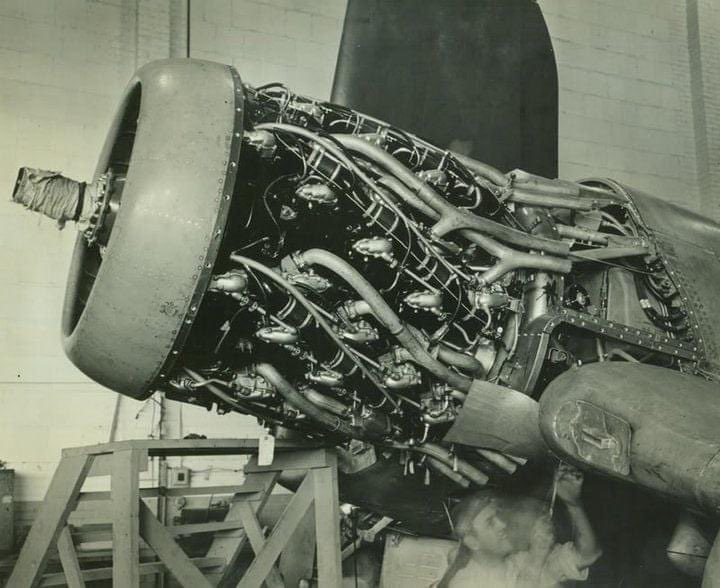
The company’s ultimate piston engine was the Pratt & Whitney R-4360 Wasp Major, a massive 28-cylinder, four-row radial engine producing approximately 3,000 horsepower in its early test configuration.
The R-4360 was unlike anything that had come before it.
Pratt & Whitney R-4360 Wasp Major
| Specification | Data |
|---|---|
| Type | Air-cooled radial |
| Cylinders | 28 |
| Configuration | Four rows of seven cylinders |
| Displacement | 4,362 cubic inches |
| Early Test Power | Approx. 3,000 hp |
| Later Versions | Up to 4,300 hp |
| Weight | Approximately 3,400 lb |
To improve cooling, each cylinder row was slightly offset from the previous one, creating the characteristic semi-helical arrangement that became a trademark of the Wasp Major.
The engine represented the pinnacle of American piston-engine development.
The Birth of the F4U-1 Wasp Major Test Aircraft
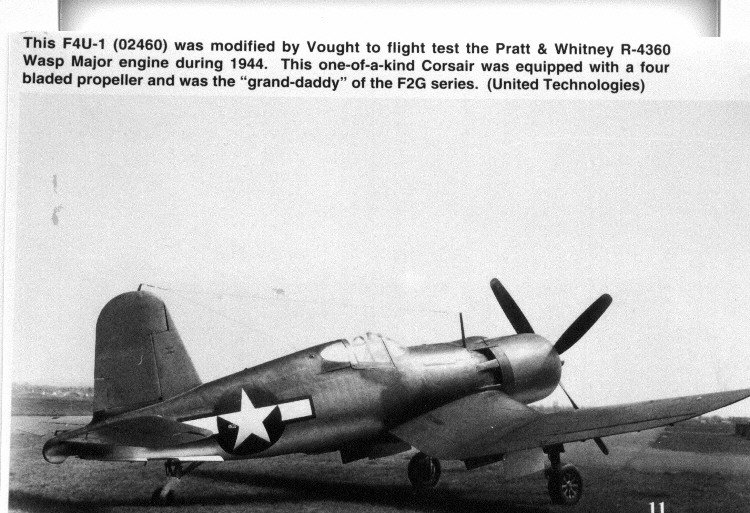
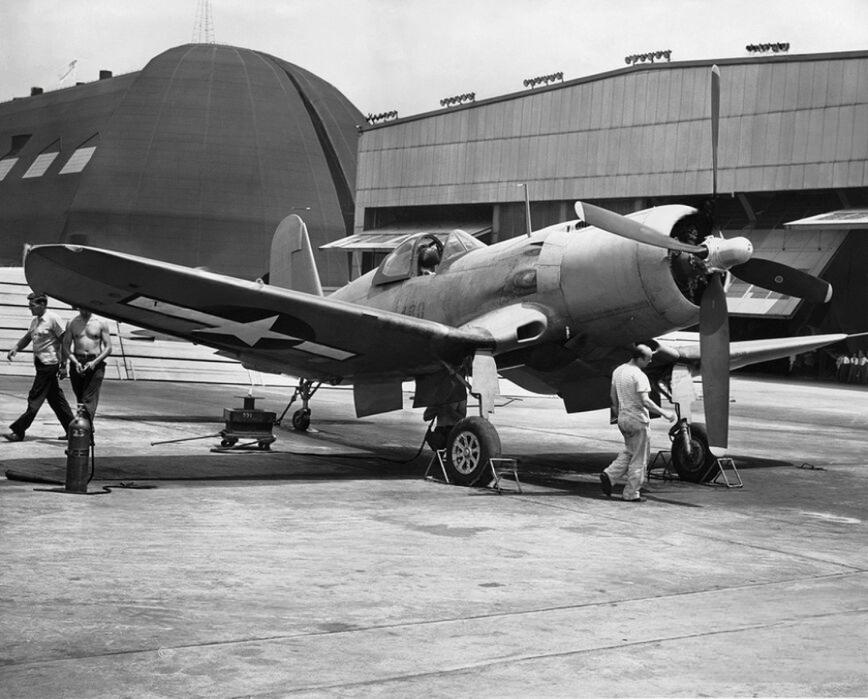
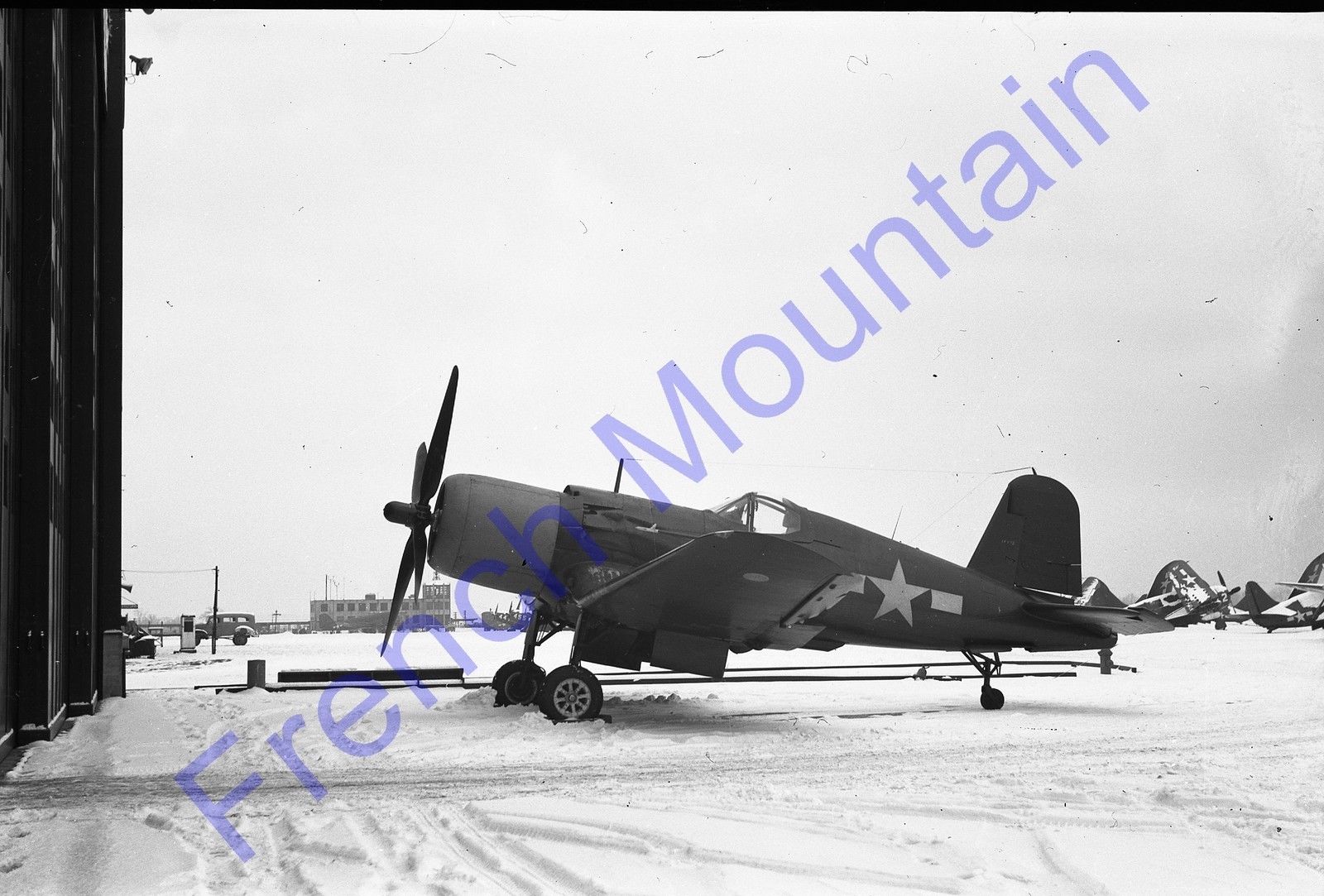
In 1943, a production F4U-1 Corsair was modified to serve as a flying testbed for the new R-4360 engine.
One of the most commonly cited airframes associated with the project was BuNo 02460.
The purpose of the aircraft was straightforward:
- Evaluate installation of the R-4360 in a fighter airframe
- Assess cooling requirements
- Study torque effects
- Investigate potential performance gains
- Explore future fighter applications
The first successful flight is generally recorded as taking place on 12 September 1943.
Although frequently referred to as the “F4U-1 WM” (Wasp Major), this designation was not an official U.S. Navy production variant. Instead, it is a convenient term used by historians and modelers to identify the experimental Corsair fitted with the Wasp Major engine.
What Changed Compared to a Standard F4U-1?
Installing the enormous R-4360 required significant modifications.
Enlarged Cowling
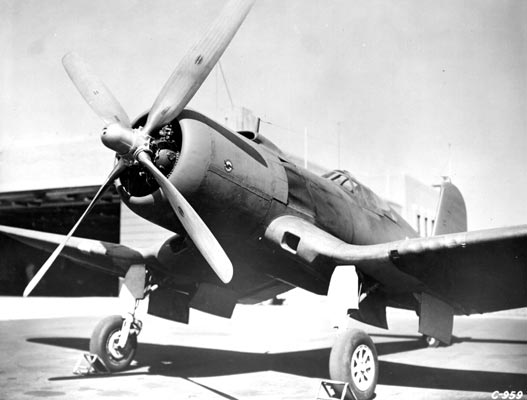
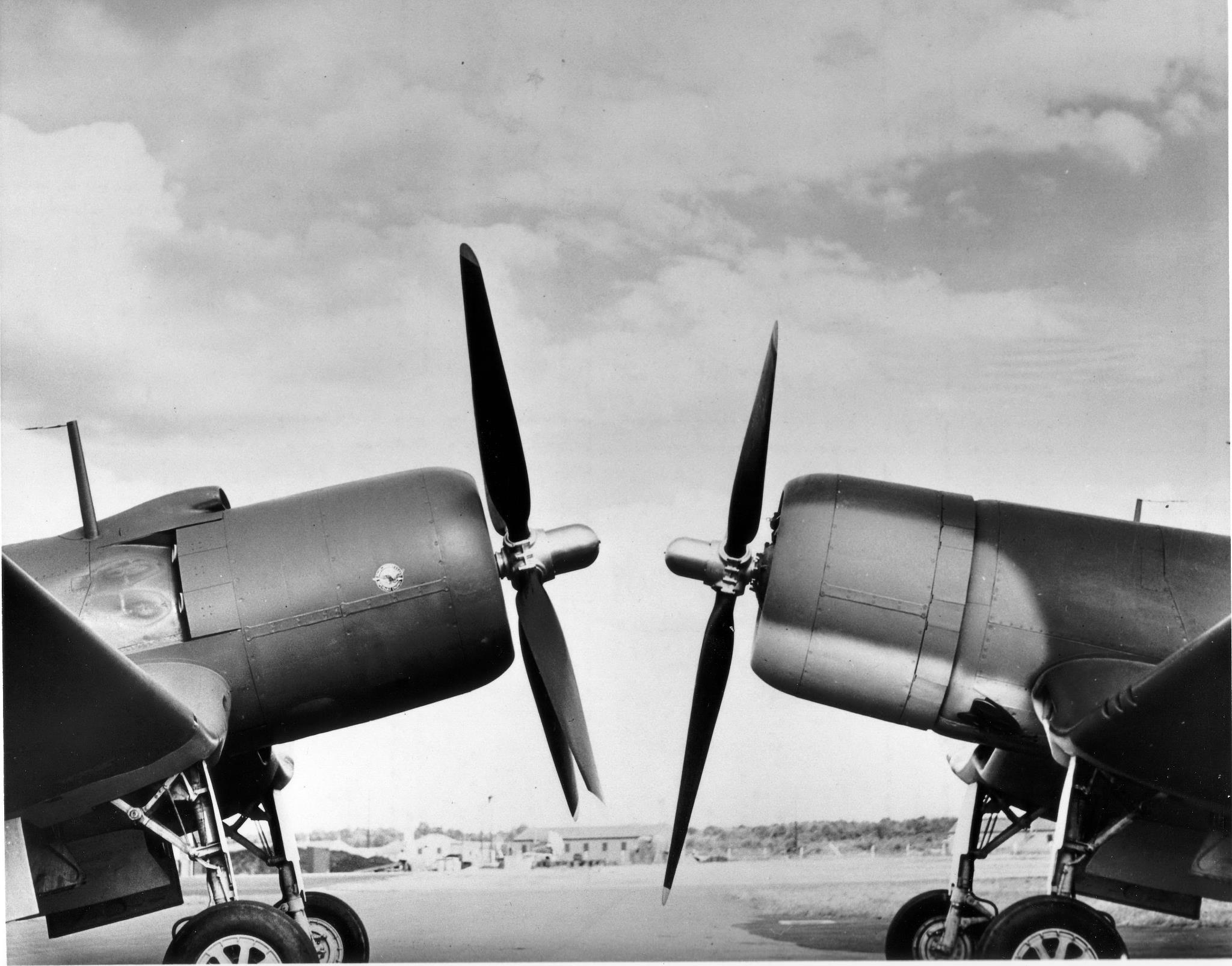
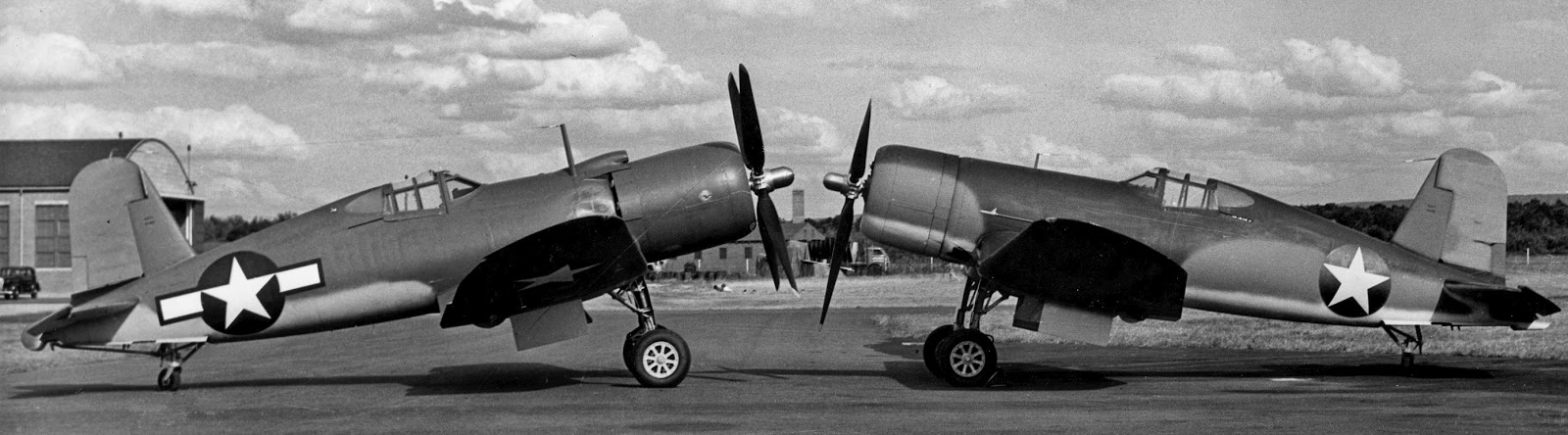
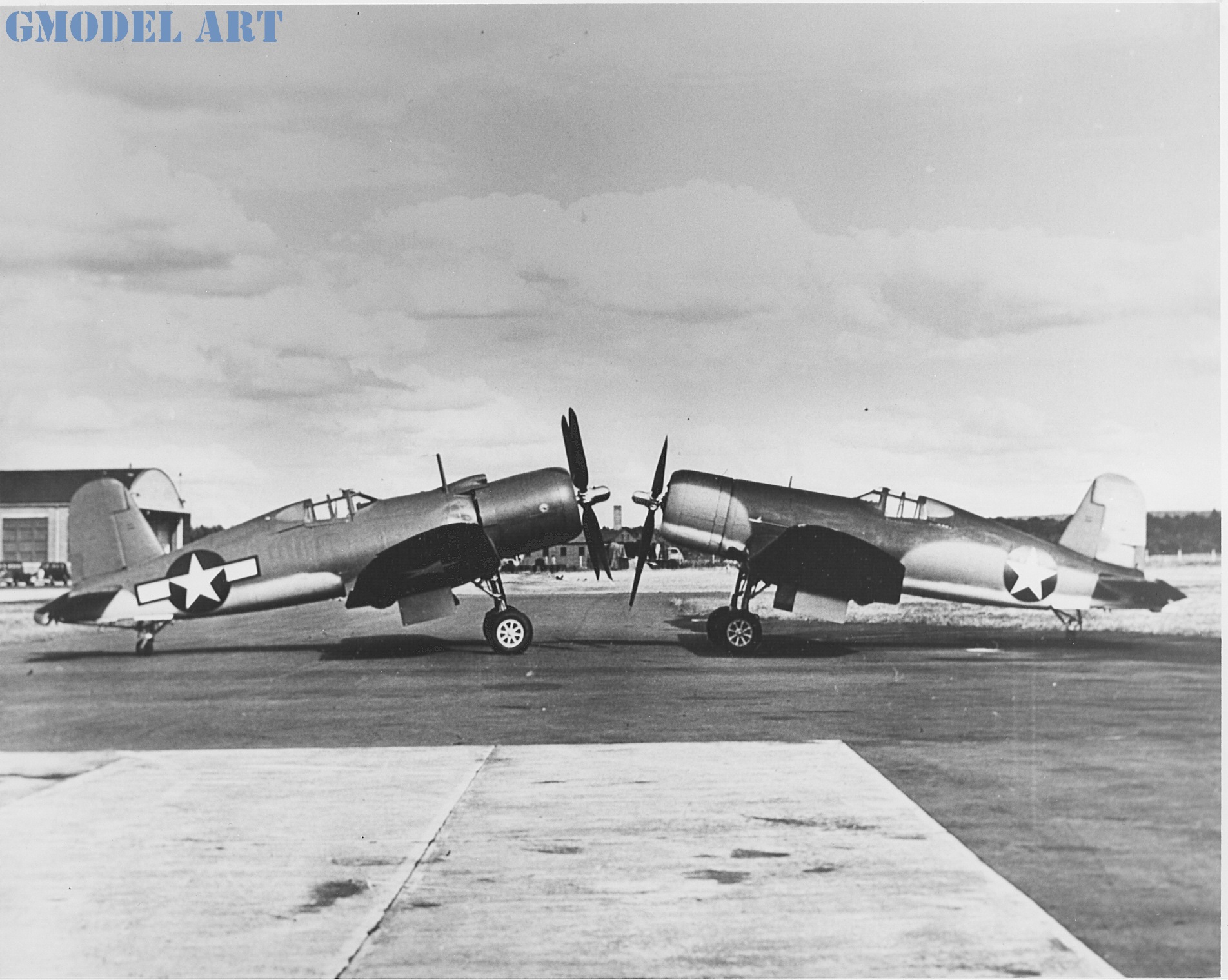
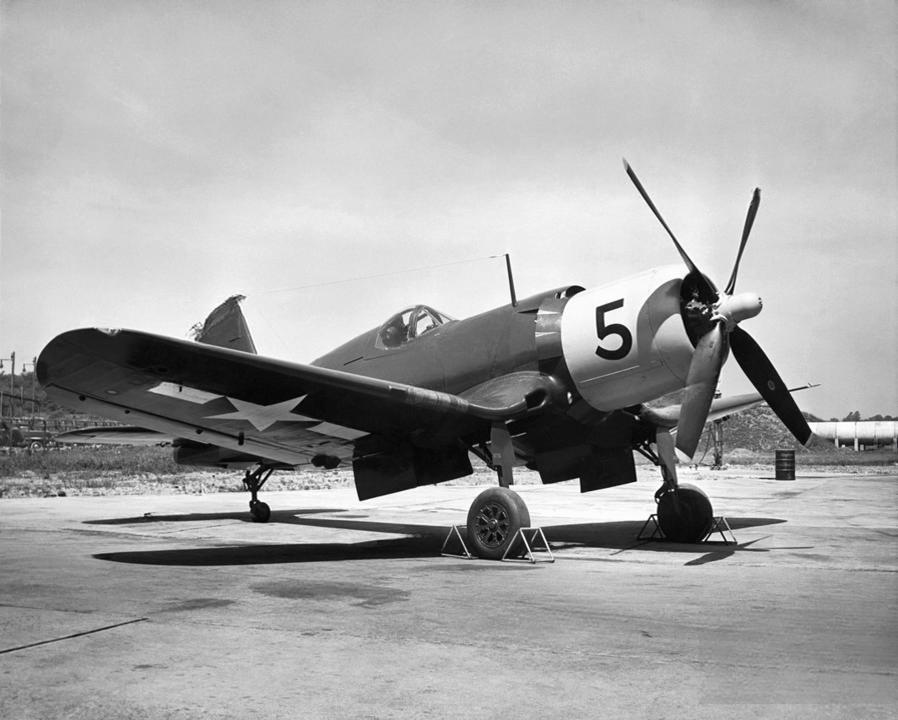
The most obvious visual difference was the substantially larger engine cowling.
Compared with a standard F4U-1, the Wasp Major prototype featured:
- Increased cowling diameter
- Revised cooling flaps
- Modified exhaust arrangements
- Larger internal airflow channels
These changes gave the aircraft a noticeably heavier and more muscular appearance.
Engine Installation
The larger engine required structural modifications to the forward fuselage, including:
- Reinforced engine mounts
- Revised firewall installation
- Modified accessory arrangements
Aerodynamic Testing
Several test aircraft displayed minor external differences as engineers experimented with cooling and airflow solutions.
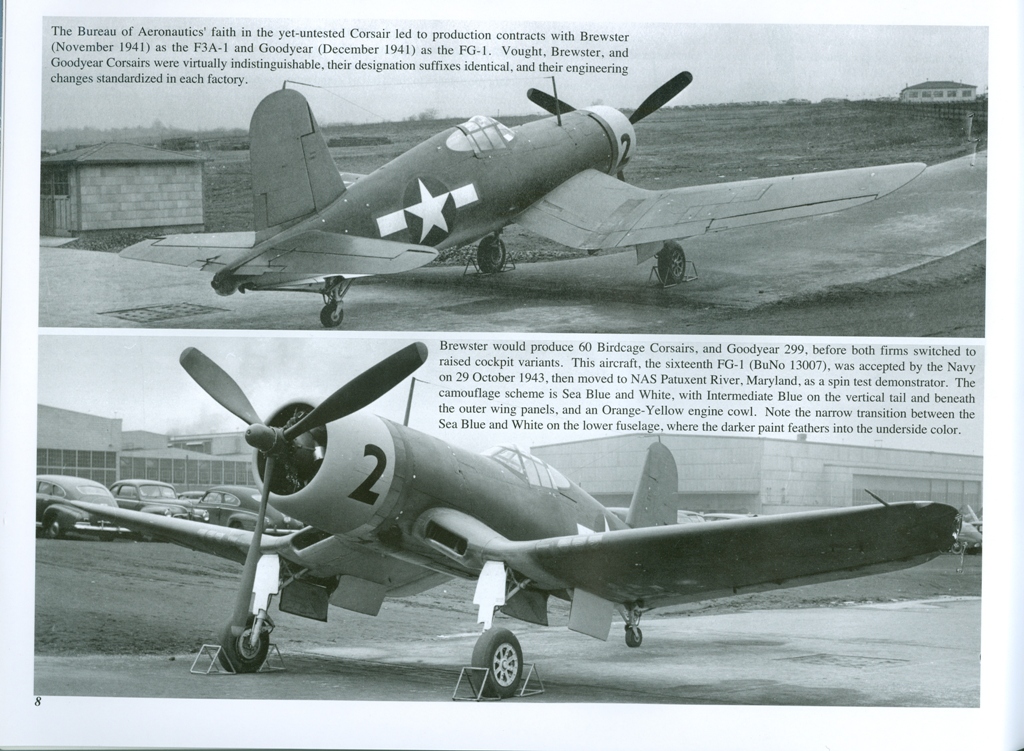
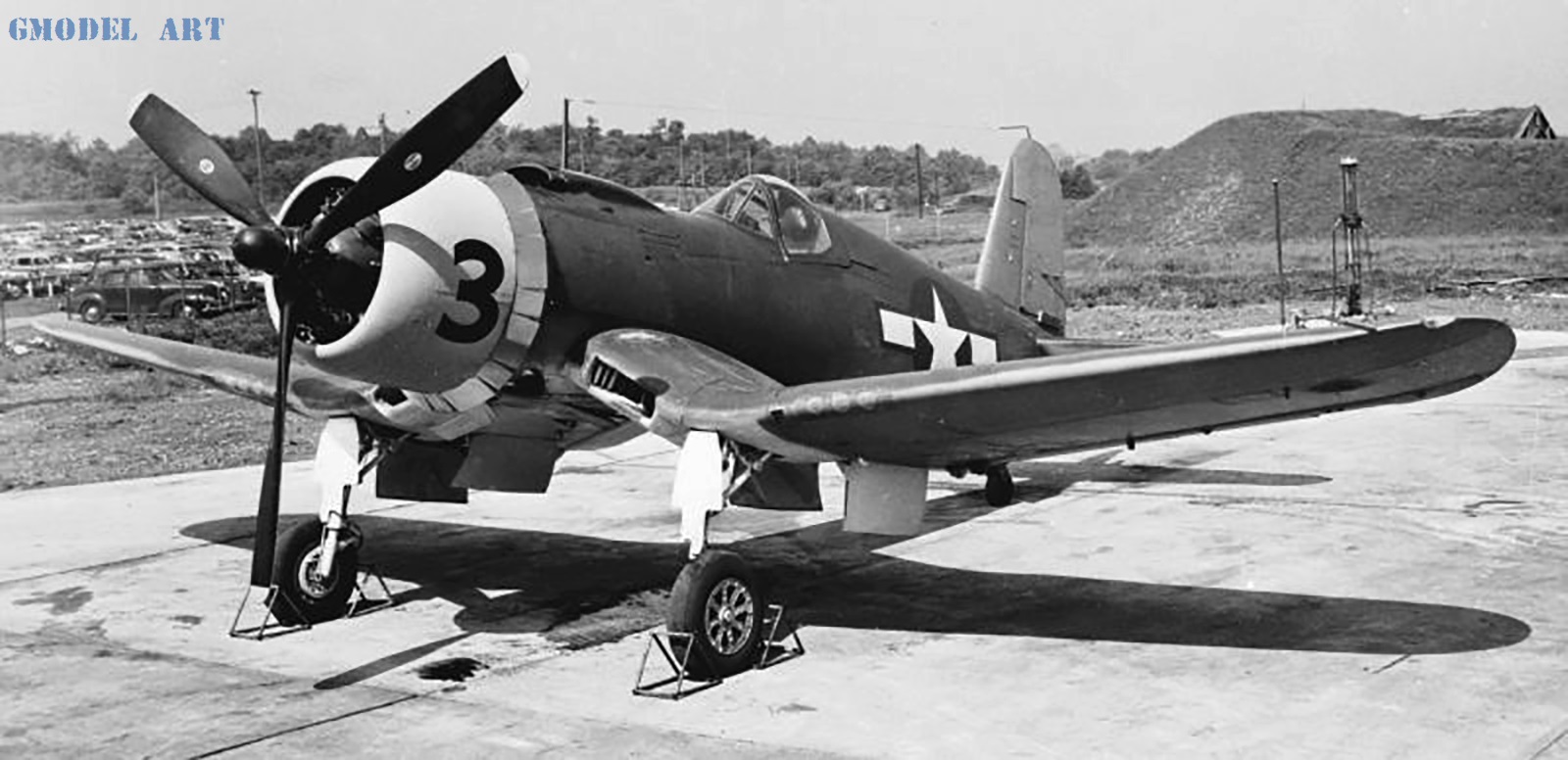
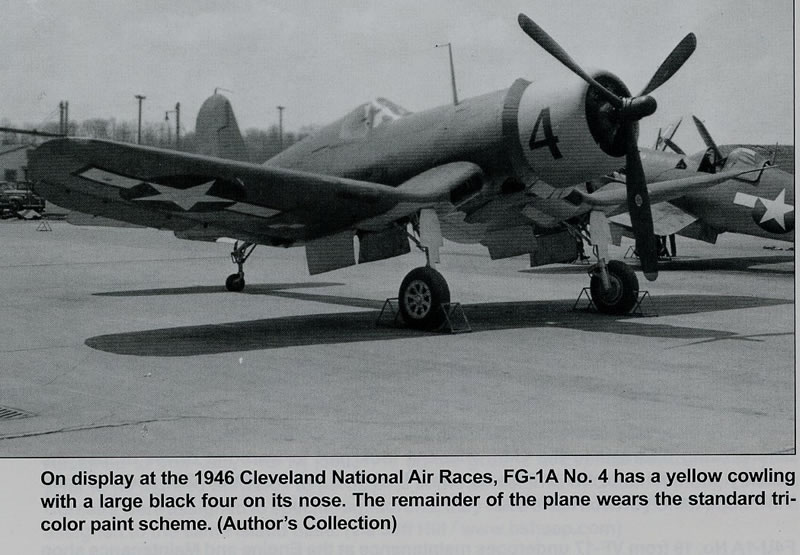
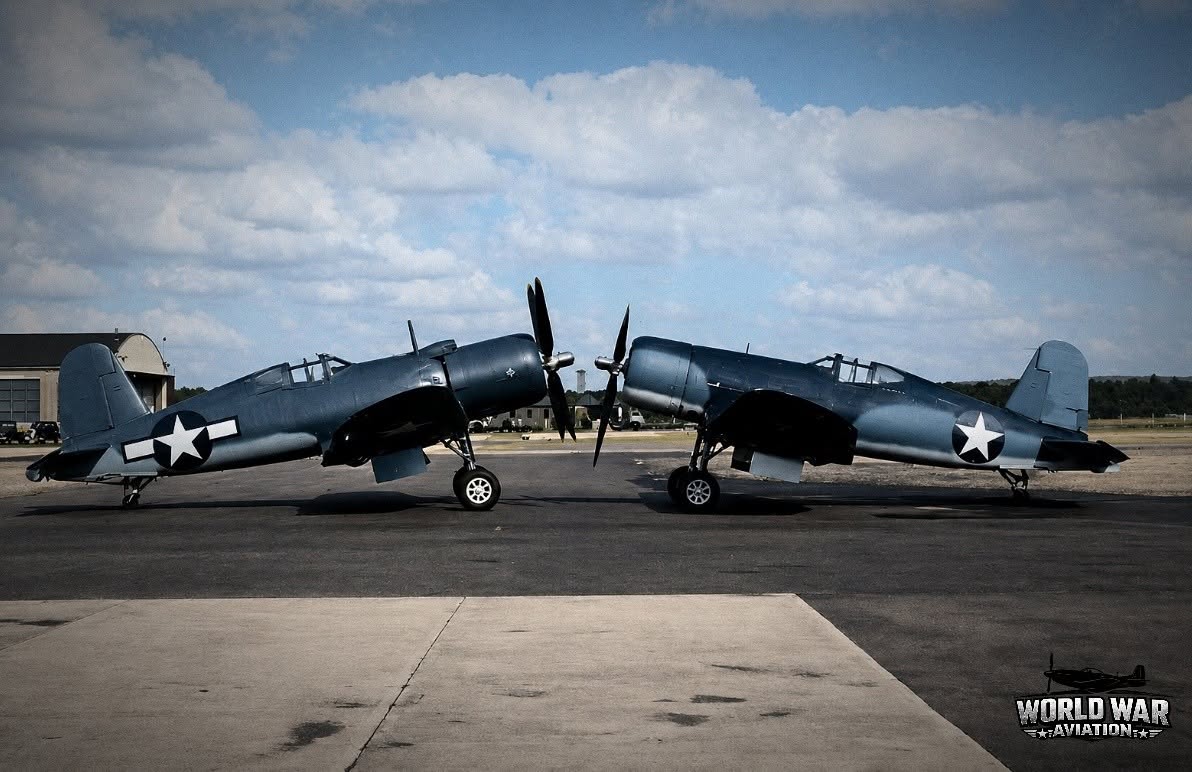
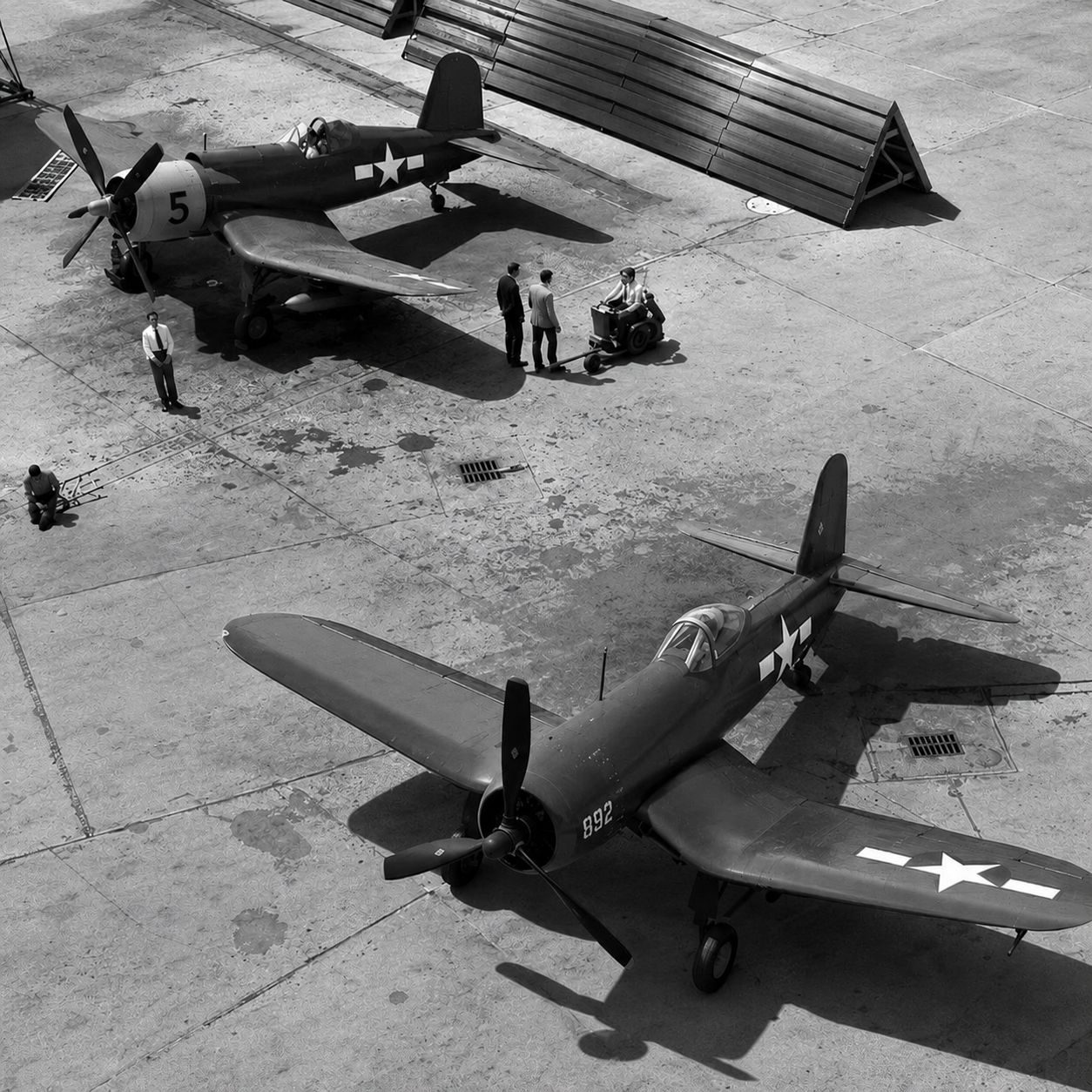
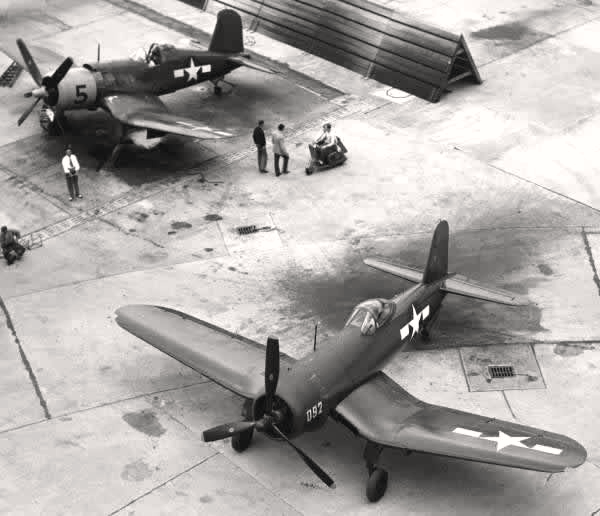
Photographs suggest that at least three distinct developmental configurations existed during testing.
The Three Known Developmental Configurations
Although documentation remains limited, surviving photographs reveal three recognizable stages.
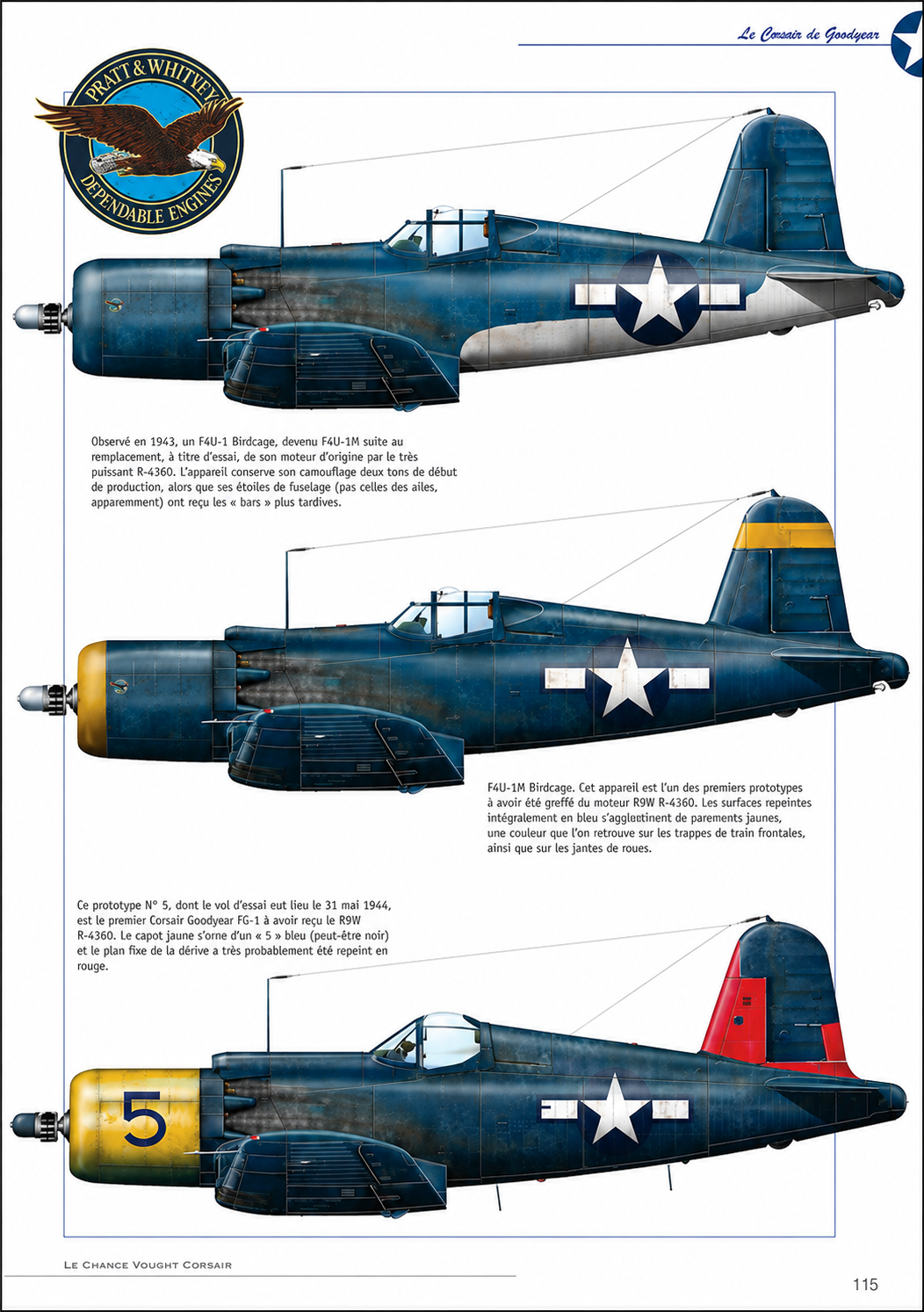
Prototype Configuration No.1
The earliest aircraft retained much of the standard F4U-1 appearance while carrying the larger cowling.
Characteristics:
- Original Birdcage canopy
- Blue Gray camouflage
- Standard tail configuration
- Minimal test markings
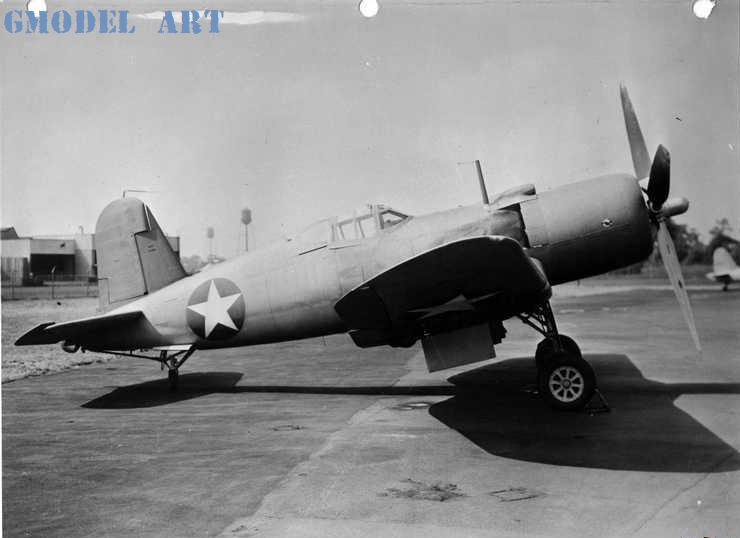
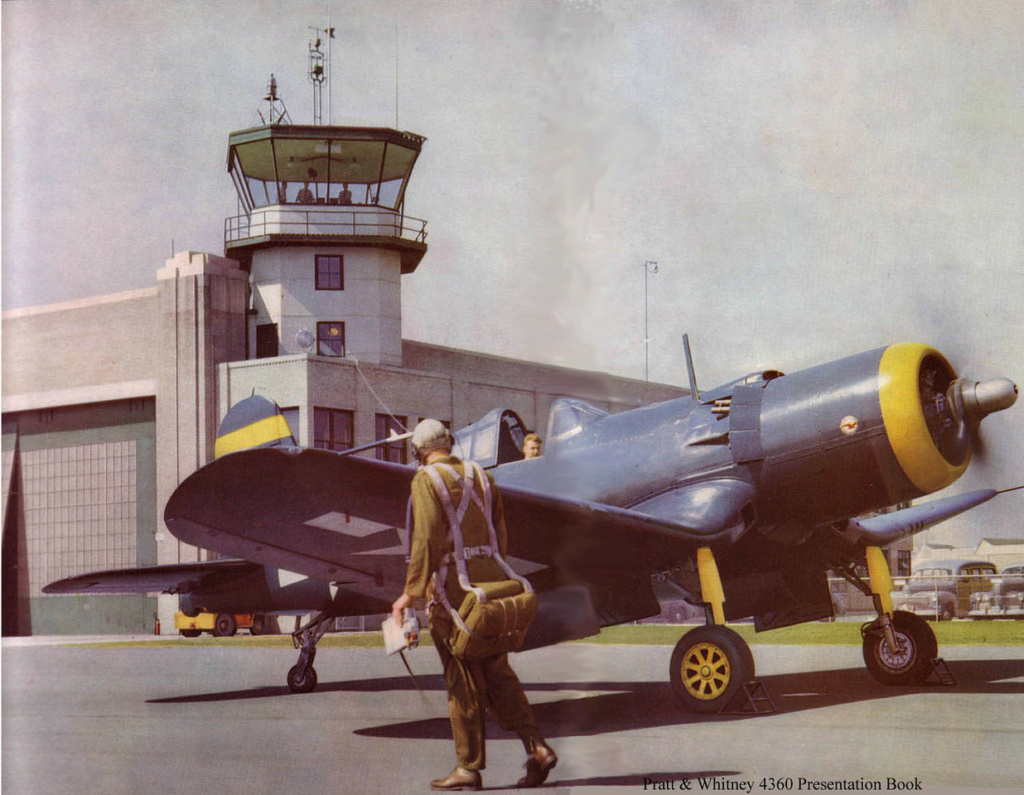
Prototype Configuration No.2
A later development aircraft introduced additional refinements.
Visible changes included:
- Revised cooling arrangements
- Yellow test markings
- Further cowling development
- Additional instrumentation
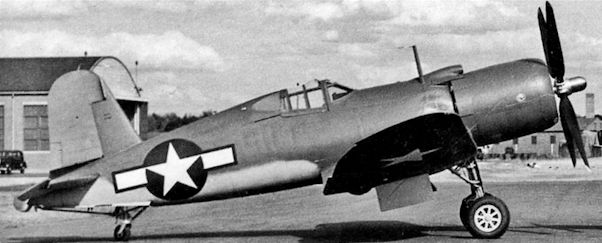
Prototype Configuration No.3
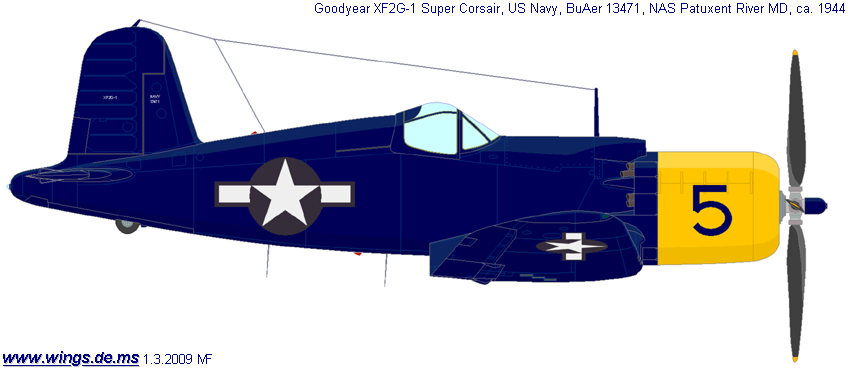
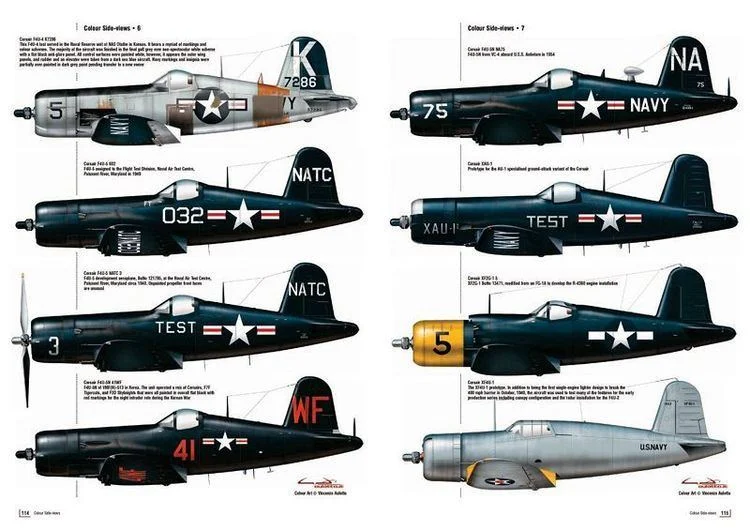
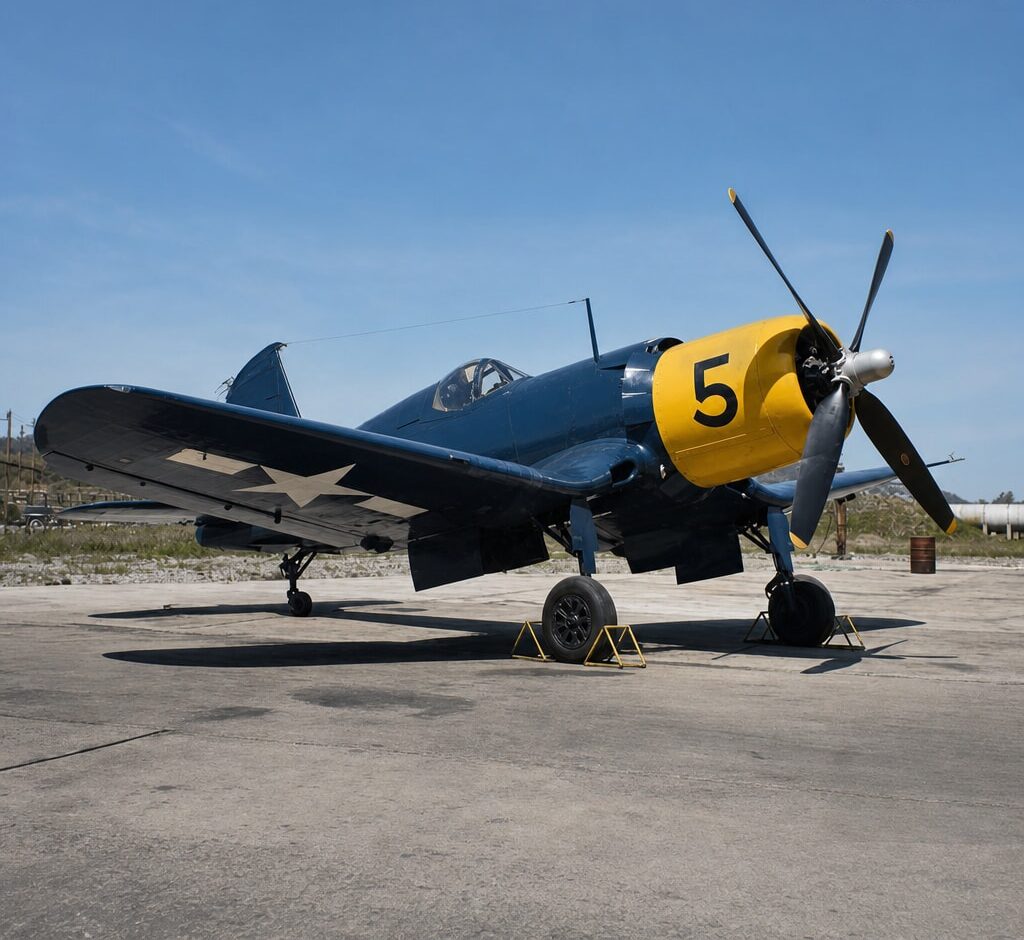
Perhaps the most recognizable version is the aircraft carrying the large number “5” on the cowling.
Features included:
- Yellow engine cowling
- Red vertical tail
- Further aerodynamic refinements
- Appearance closely resembling future F2G development aircraft
This aircraft is often considered the final evolutionary step before the dedicated Super Corsair program.
Did the Wasp Major Corsair Exist Because of Kamikaze Attacks?
This is one of the most common myths surrounding the project.
The answer is both yes and no.
The R-4360 Corsair experiments began well before the Kamikaze campaign became a major concern for Allied forces.
Testing was already underway in 1943, while organized Kamikaze operations emerged much later.
What actually happened was:
- Pratt & Whitney wanted to evaluate the R-4360.
- The Corsair was selected as a suitable test platform.
- The resulting performance potential impressed Navy planners.
- Later wartime requirements, including defense against Kamikaze attacks, increased interest in high-performance interceptors.
Therefore, the F4U-1 Wasp Major prototype was not originally created as an anti-Kamikaze fighter.
Instead, it became part of a broader effort that eventually supported the development of the F2G Super Corsair.
From F4U-1 Wasp Major to the F2G Super Corsair
The success of the test program convinced the U.S. Navy that a dedicated R-4360-powered Corsair had significant potential.
Goodyear received contracts to develop the concept further.
This led directly to:
- XF2G-1 Corsair
- F2G-1 Corsair
- F2G-2 Corsair
Unlike the experimental F4U test aircraft, the F2G was designed around the R-4360 from the beginning.
Among the most visible differences were:
- Enlarged vertical tail
- Raised cockpit position
- Modified fuselage spine
- Improved cooling arrangements
- Enhanced low-altitude performance
The F2G became one of the most powerful single-engine piston fighters ever built.
Unfortunately, the war ended before the aircraft could enter operational service.
Building the F4U-1 Wasp Major Prototype in 1/48 Scale
One reason the F4U-1 WM remains fascinating is that no mainstream injection-molded kit accurately represents the aircraft.
As a result, modelers must perform a conversion.
Recommended Base Kit
Tamiya 1/48 F4U-1 Birdcage Corsair
This kit provides the best foundation for an accurate prototype conversion.
Required Modifications
1. Engine Cowling
The most important change.
You will need:
- Larger cowling diameter
- Modified cooling flaps
- Revised front opening
Scratch-building using styrene sheet or 3D printing is recommended.
2. Engine
Install a Pratt & Whitney R-4360.
Possible sources:
- Aftermarket resin engines
- 3D printed parts
- Scratch-built cylinder banks
3. Cooling Intakes
Modify the lower cowling and cooling openings based on photographic references.
4. Propeller
The larger engine required a larger propeller assembly than the standard F4U-1.
5. Prototype-Specific Details
Depending on the aircraft selected:
- Yellow nose
- Red tail
- Experimental markings
- Unique antenna arrangements
FS Color Reference Table
Prototype No.1
| Area | FS Color |
|---|---|
| Upper Surfaces | FS 35189 Blue Gray |
| Lower Surfaces | FS 36440 Light Gray |
| Propeller | FS 37038 Flat Black |
| Cockpit | FS 34151 Interior Green |
Prototype No.2
| Area | FS Color |
|---|---|
| Upper Surfaces | FS 35189 Blue Gray |
| Lower Surfaces | FS 36440 Light Gray |
| Test Markings | FS 33538 Insignia Yellow |
Prototype No.3
| Area | FS Color |
|---|---|
| Upper Surfaces | FS 35042 Sea Blue |
| Cowling | FS 33538 Insignia Yellow |
| Tail | FS 31136 Insignia Red |
| Propeller | FS 37038 Flat Black |
Conclusion
The F4U-1 Wasp Major prototype occupies a unique place in aviation history. It was neither a production Corsair nor a true Super Corsair, but rather the critical experimental bridge between the two.
Without these little-known test aircraft, the F2G Super Corsair would never have existed.
For modelers, the challenge is equally rewarding. The absence of a dedicated kit means every F4U-1 Wasp Major build becomes a research project, combining aviation history, scratch-building skills, and careful interpretation of rare photographs.
More than eighty years after its first flight, the F4U-1 WM remains one of the most intriguing and overlooked Corsair variants ever to take to the air.
F4u Super Corsair “Budweiser Light 1” – N31518