article
Goodyear F2G Super Corsair
The Ultimate Evolution of the Corsair
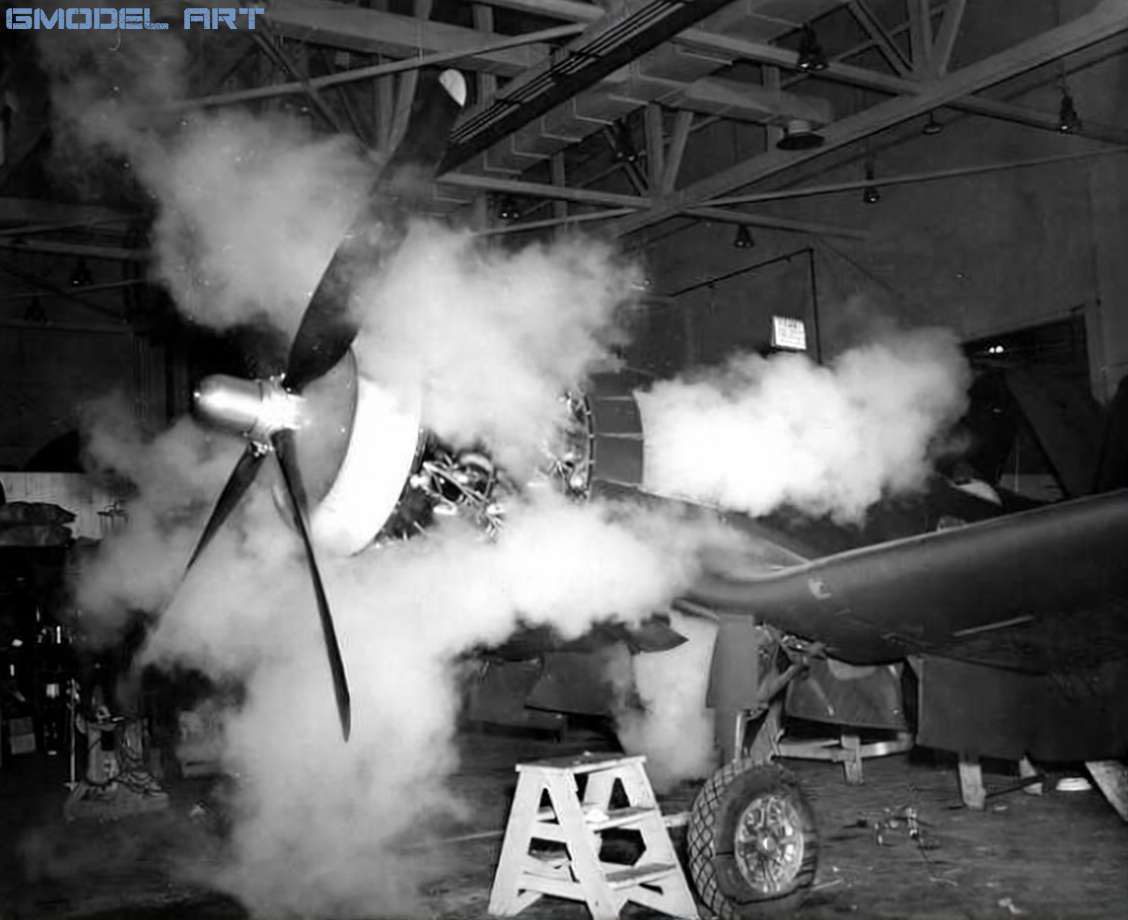
Few piston-engined fighters have inspired as much fascination as the Goodyear F2G Super Corsair. Combining the proven airframe of the legendary Vought F4U Corsair with the enormous Pratt & Whitney R-4360 Wasp Major, the F2G Corsair represented the ultimate attempt to extract every possible ounce of performance from one of the most successful naval fighters of the Second World War.
Although only a handful of aircraft were completed and none entered operational service, the F2G Corsair remains one of aviation history’s greatest “what if” projects. It was designed during a period when the Pacific War demanded increasingly powerful aircraft capable of operating from primitive island airfields, defending amphibious landings, and delivering devastating attacks against enemy shipping and ground targets.
Today, the Super Corsair is remembered not only as the most powerful Corsair ever built, but also as one of the fastest and most spectacular piston-engine fighters ever developed for the United States Navy.
The Corsair Reaches Its Limits
By late 1943, the Corsair had already established itself as one of the finest fighter aircraft of the war. Its rugged construction, impressive speed, heavy armament, and exceptional diving performance made it a formidable opponent over the Pacific.
While Vought continued improving the F4U series, the company was heavily committed to production contracts and several new development programs. Goodyear Aircraft Corporation, which was manufacturing Corsairs under license as the FG-1 series, saw an opportunity to push the design much further.
Rather than producing another incremental improvement, Goodyear proposed installing the largest and most powerful air-cooled radial engine then available. The result would become the F2G Super Corsair.
The proposal attracted the attention of the Bureau of Aeronautics, which believed the aircraft could provide the United States Marine Corps with an exceptionally capable low-altitude interceptor and strike fighter.
Why Was the F2G Created?
Many modern publications describe the F2G as a dedicated anti-kamikaze fighter. While the aircraft would certainly have excelled in that role, the historical timeline suggests that this was not the original motivation behind its development.
Goodyear began studying the concept during late 1943, while the first production orders were issued in March 1944. At that time, organized kamikaze attacks had not yet become a major threat.
Instead, the lessons learned during Guadalcanal, New Georgia, Bougainville, and the Solomon Islands campaigns demonstrated the need for an aircraft capable of rapidly intercepting enemy formations at low altitude while also delivering heavy attacks against ships, troop concentrations, and fortified positions.
The Marine Corps required an aircraft that combined speed, endurance, firepower, and payload into a single platform. The Super Corsair was designed to meet exactly those requirements.
A New Engine Changes Everything
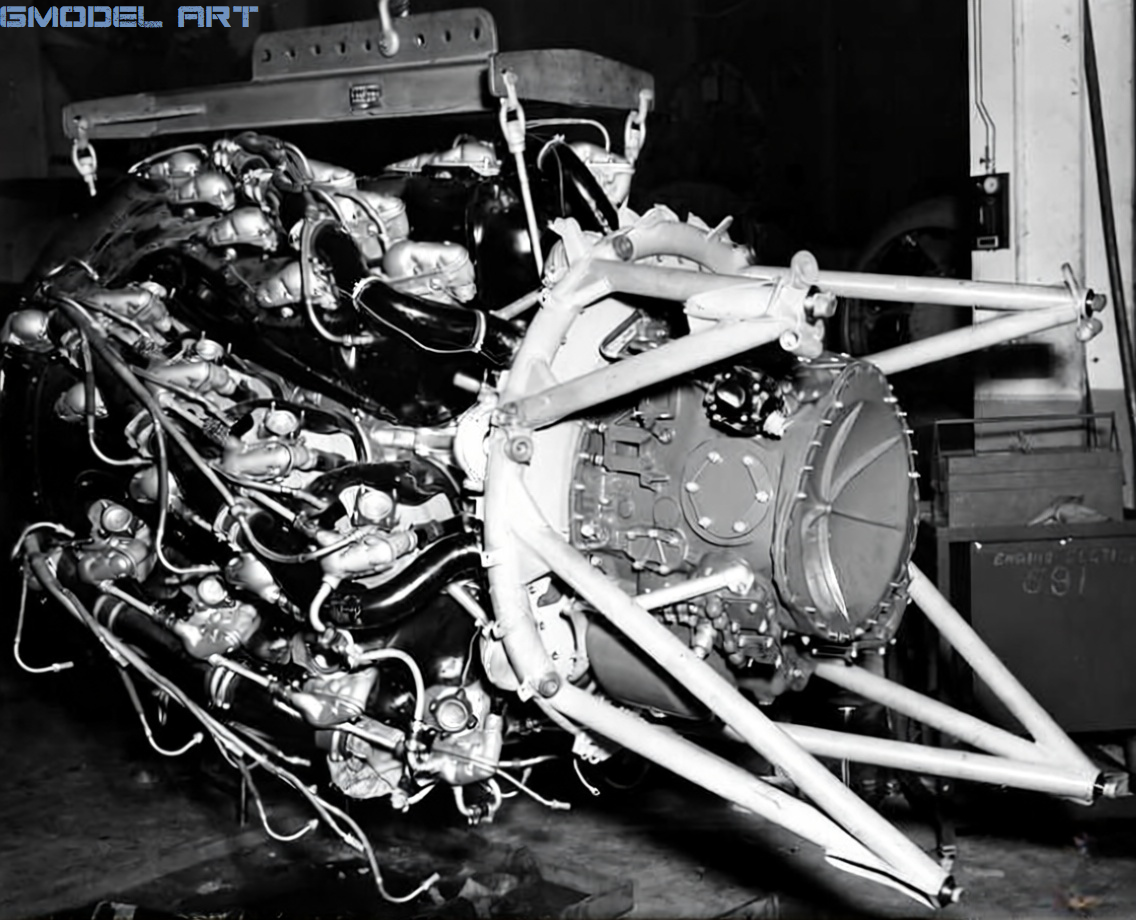
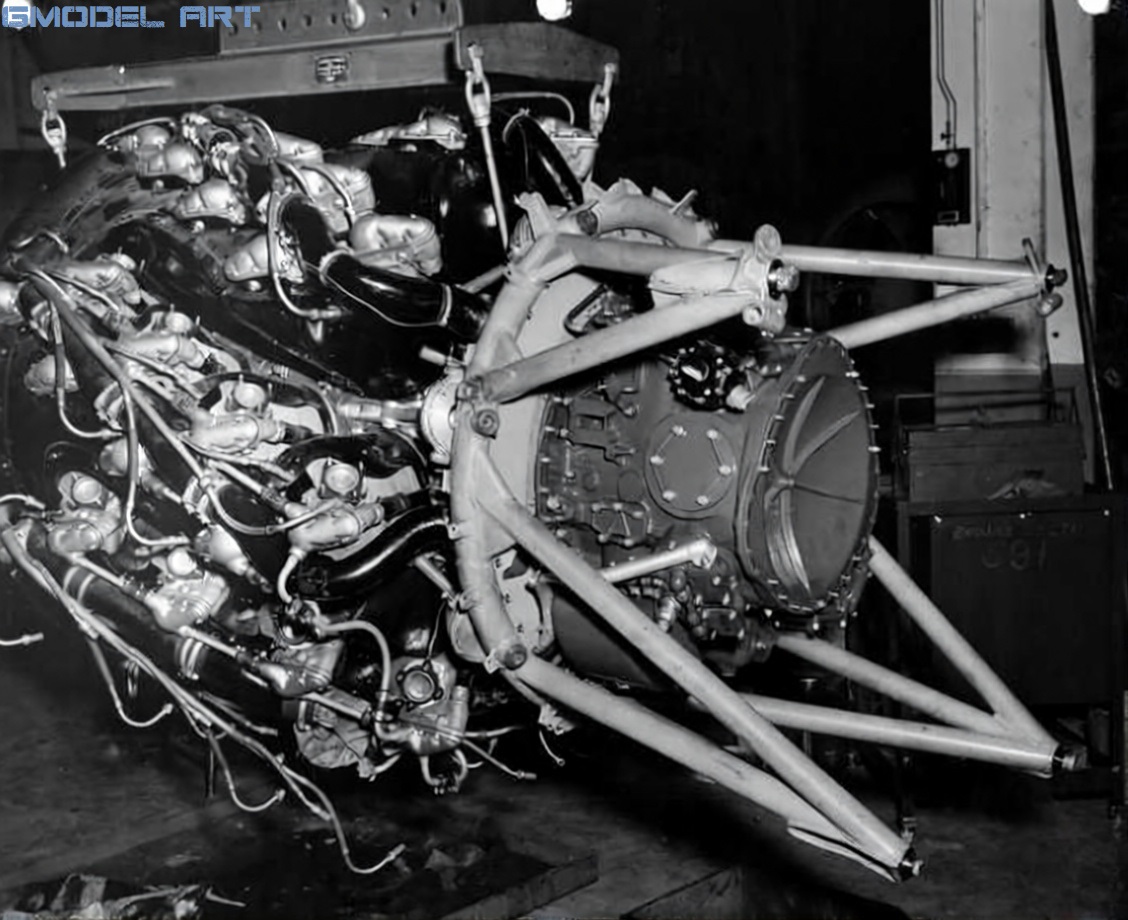
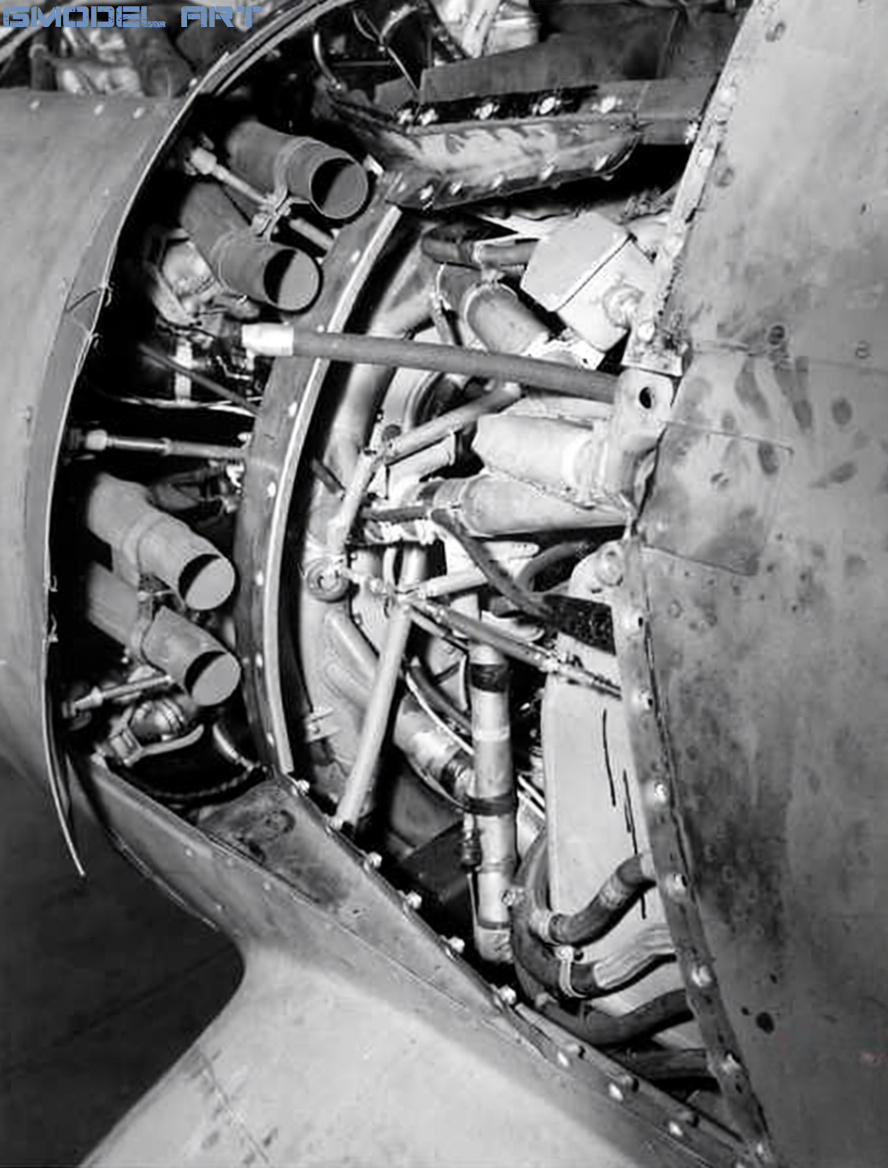
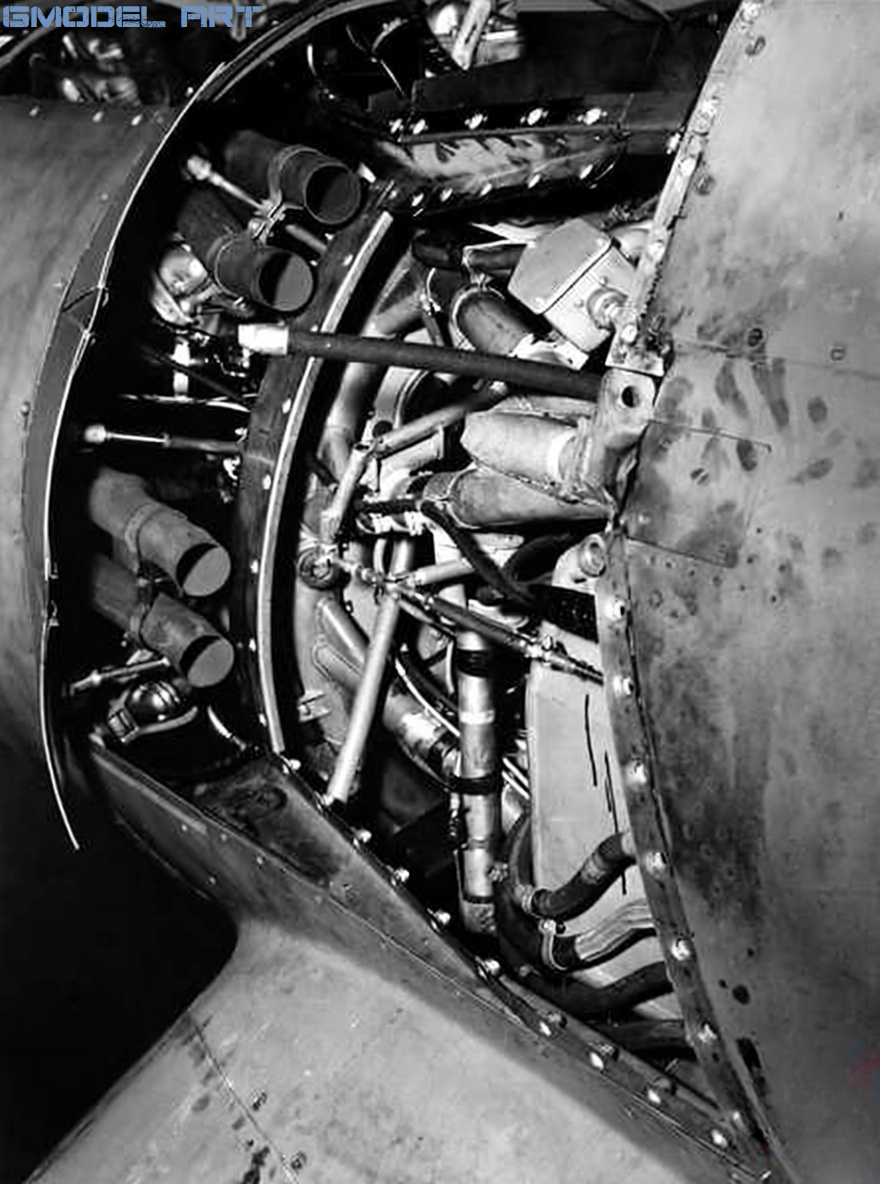
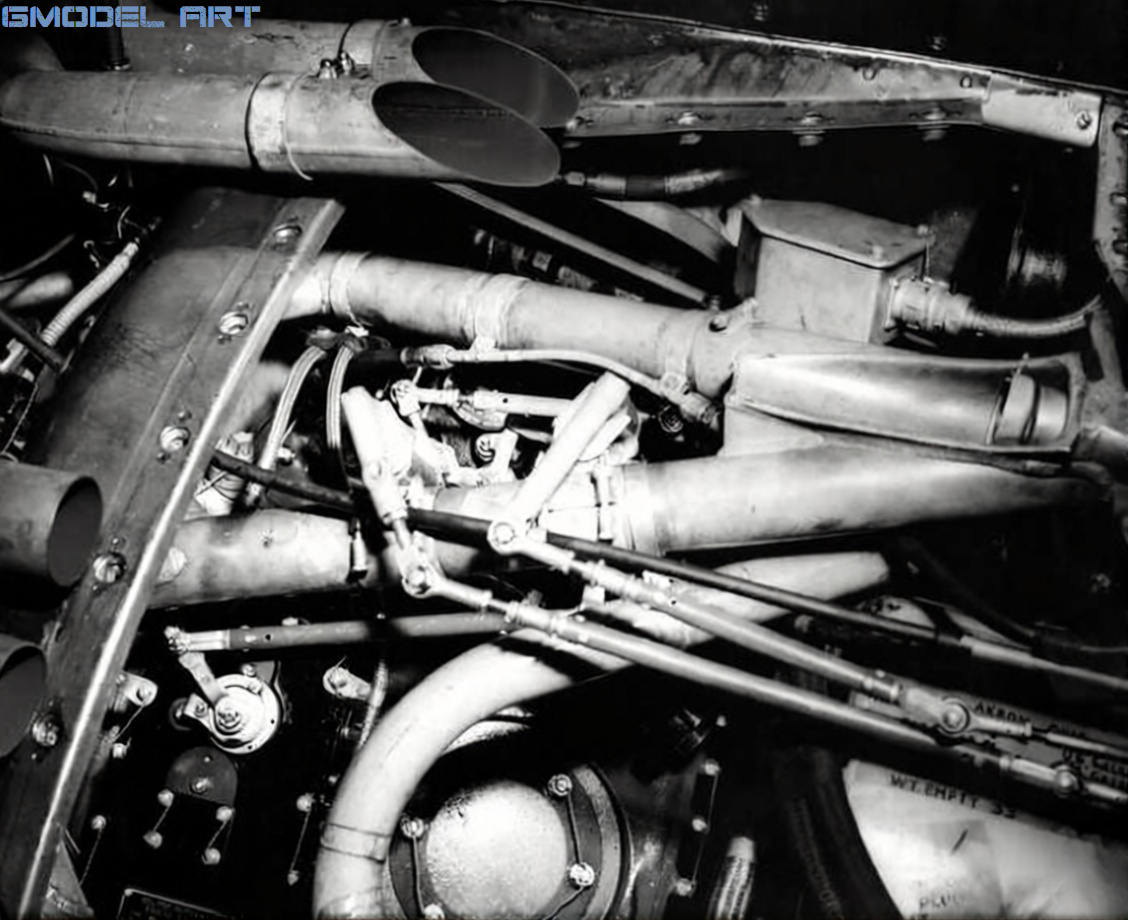
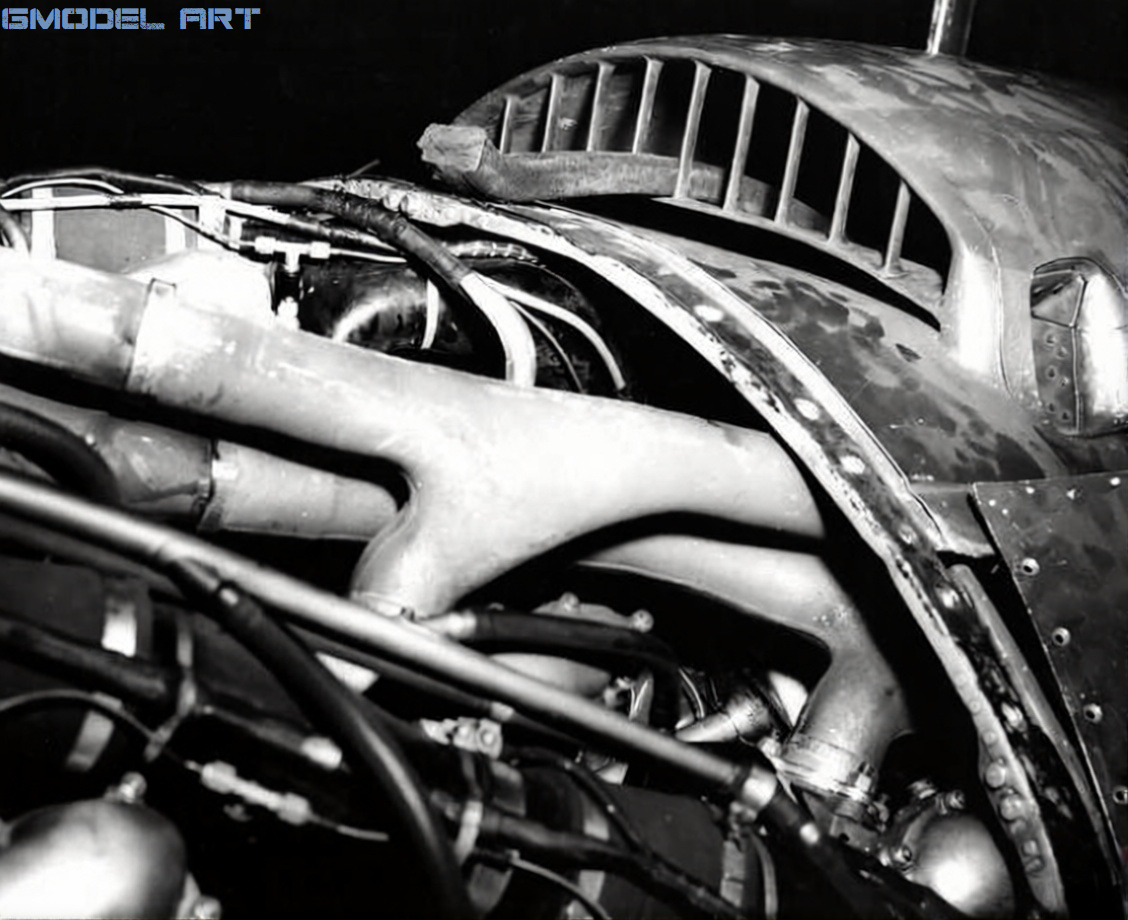
The defining feature of the F2G was undoubtedly its engine.
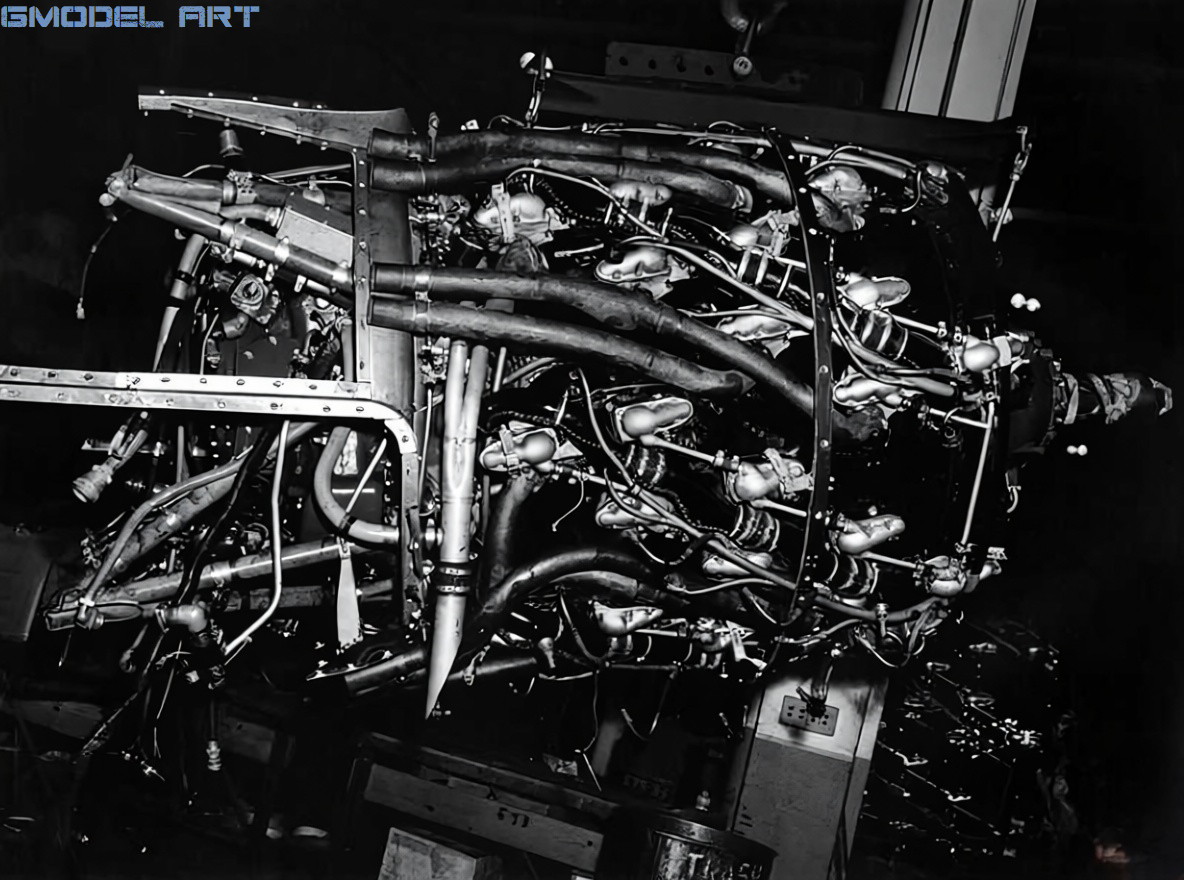
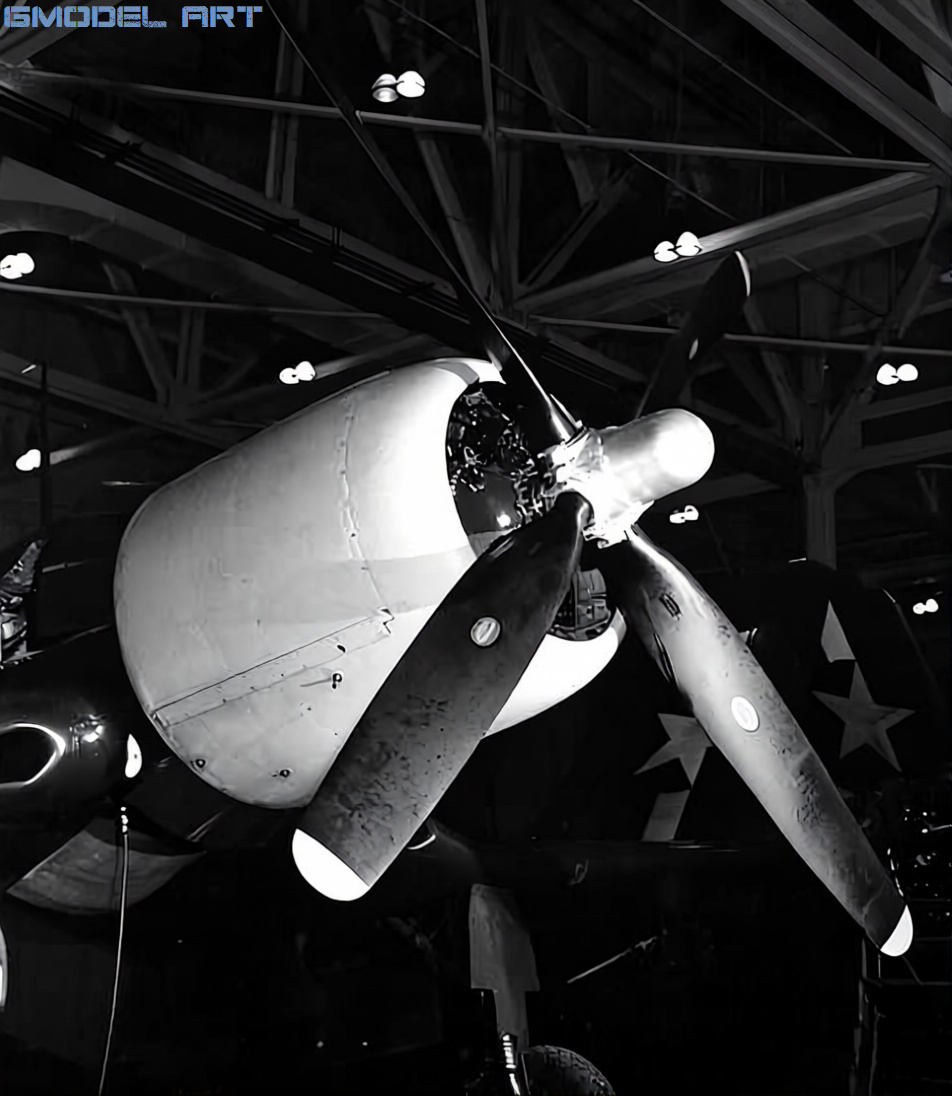
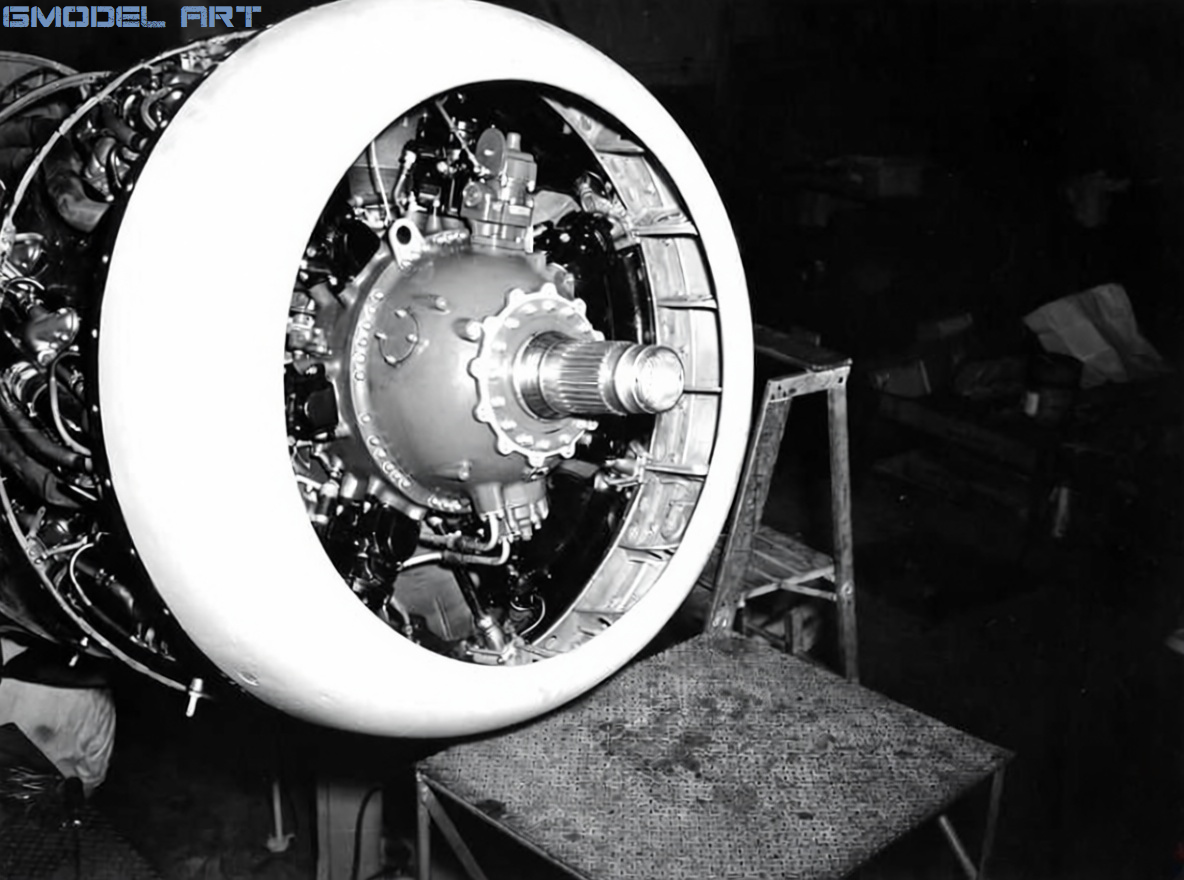
Replacing the reliable Pratt & Whitney R-2800 Double Wasp with the enormous Pratt & Whitney R-4360-4 Wasp Major transformed the aircraft completely.
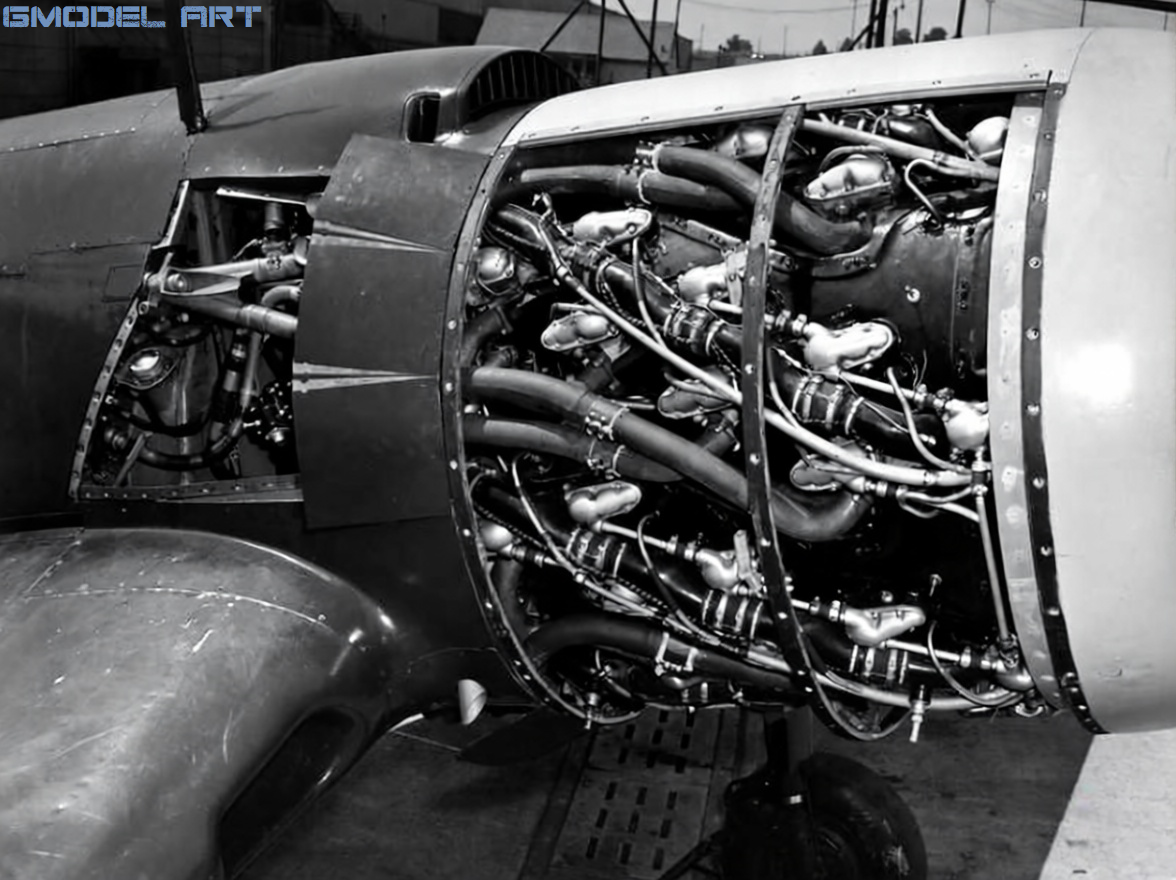
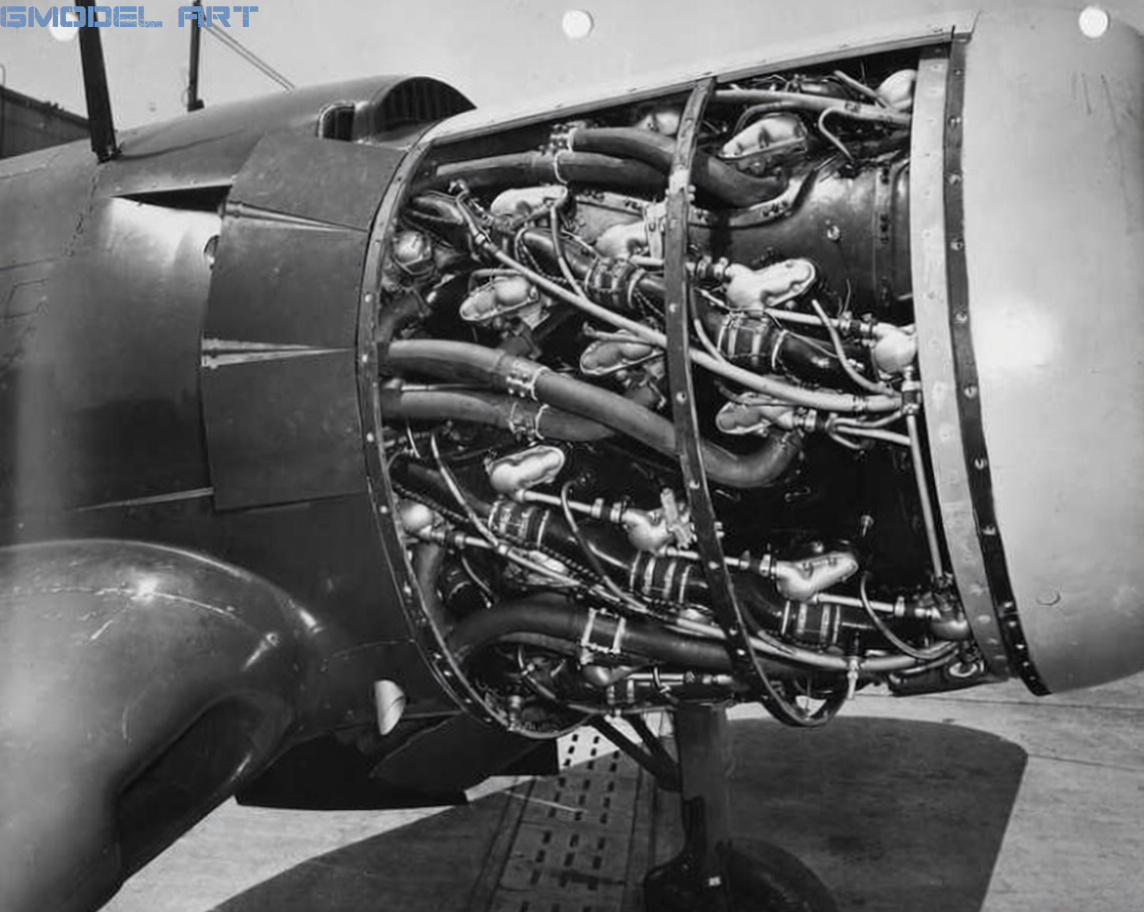
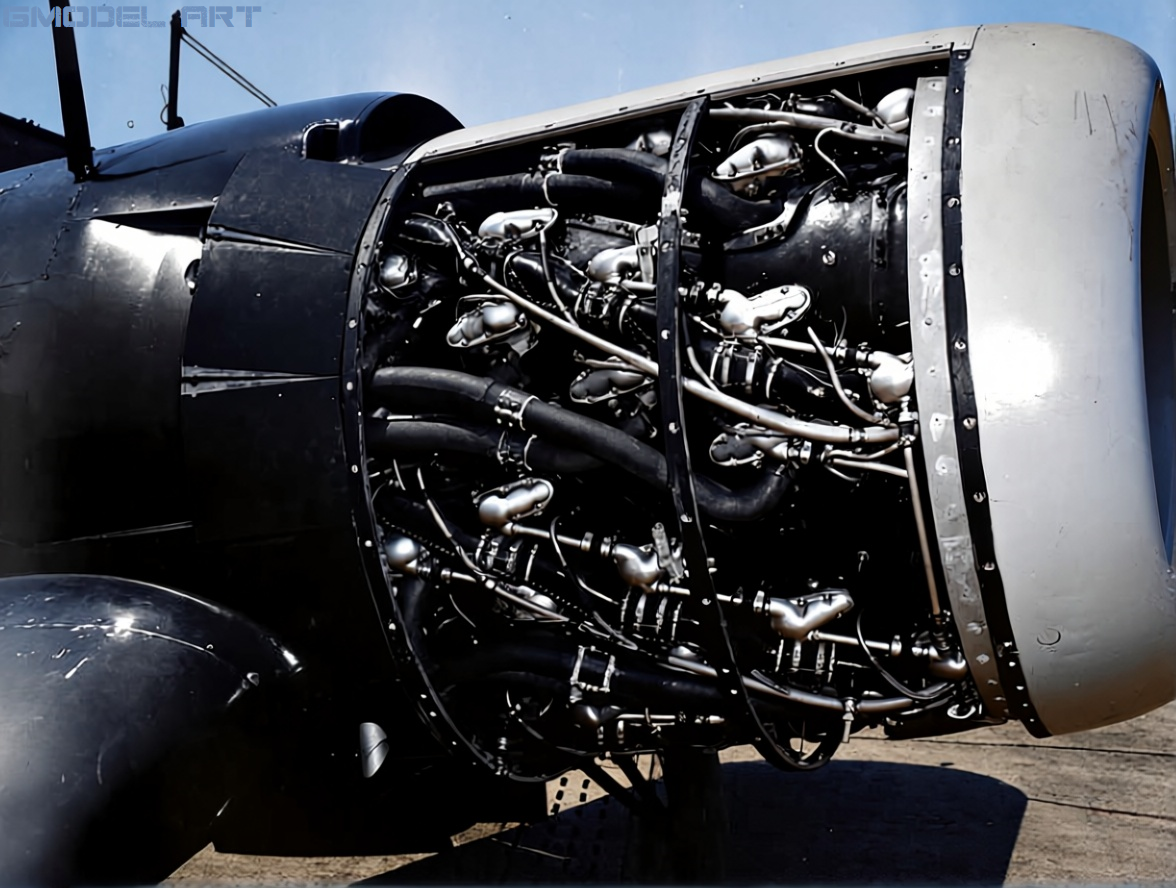
The R-4360 was unlike any engine previously installed in an American naval fighter.
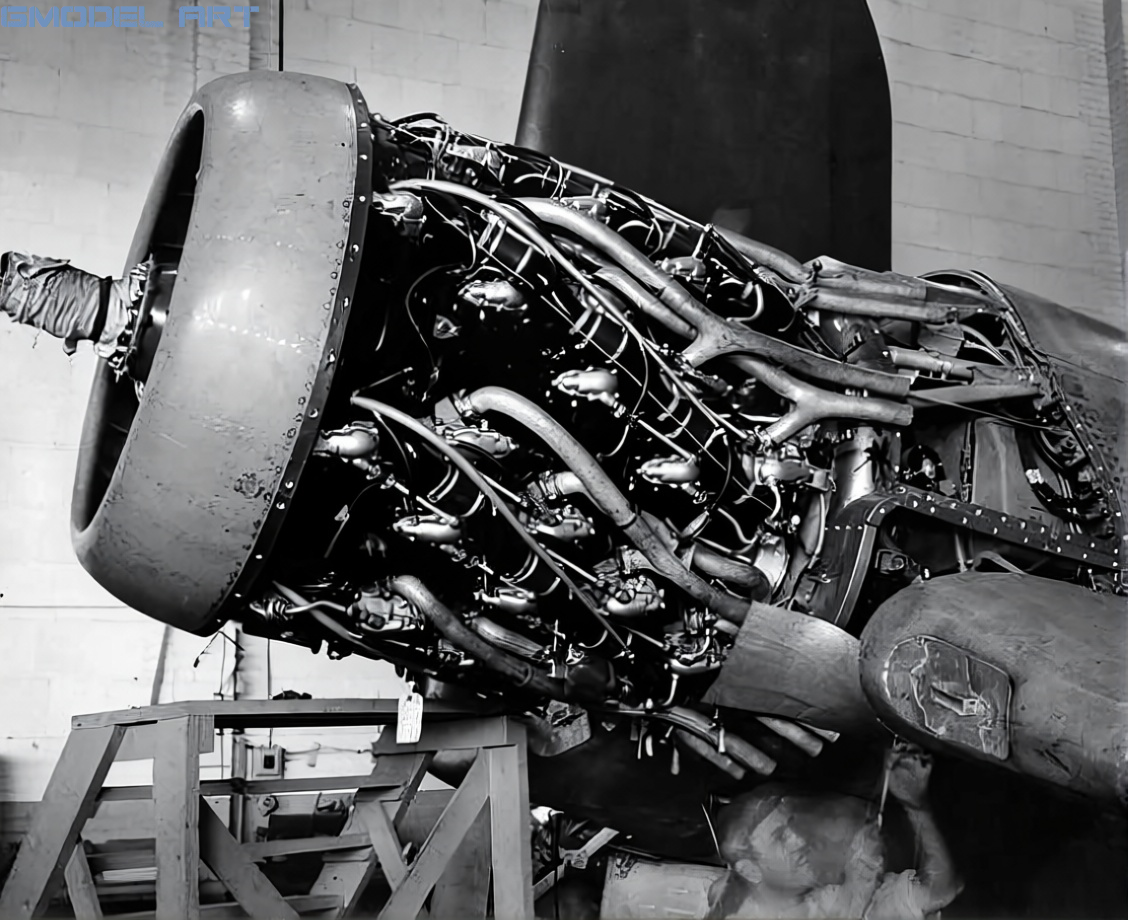
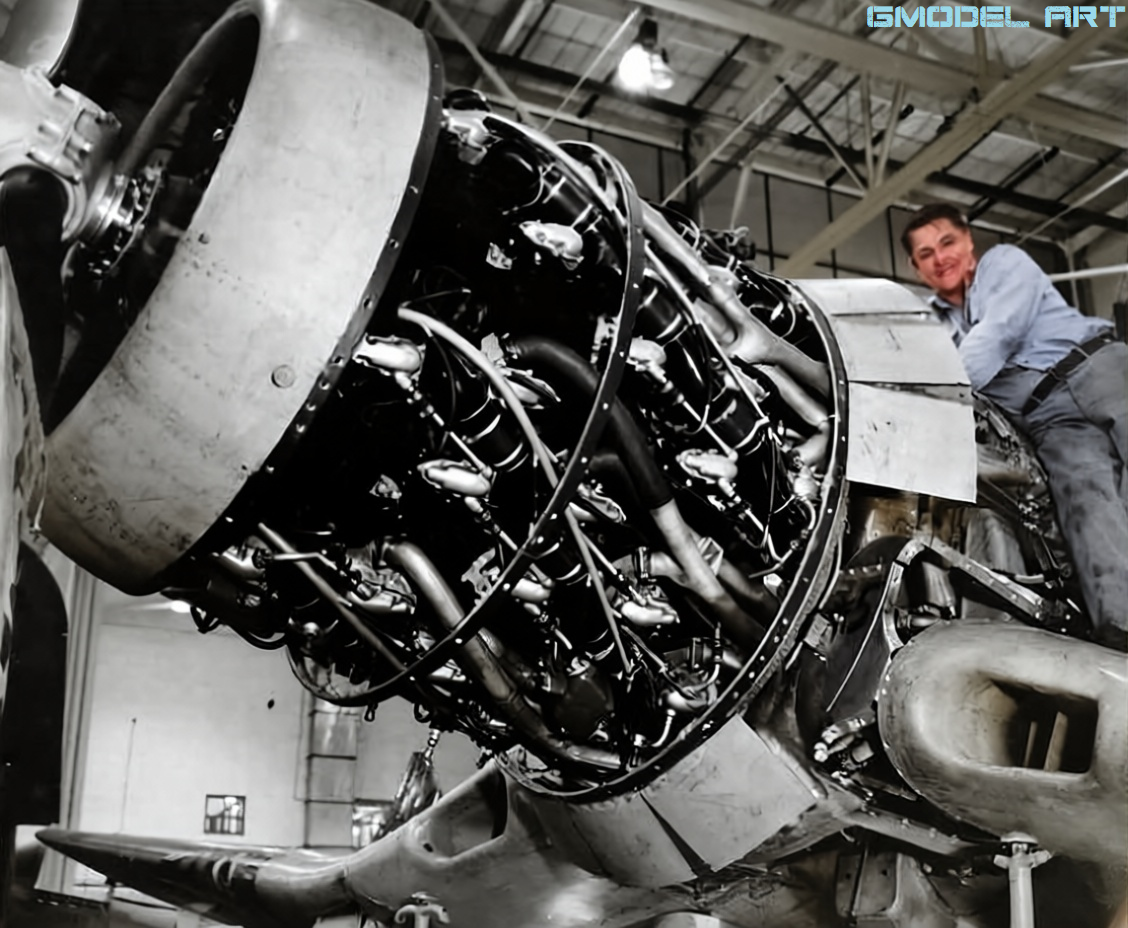
Featuring twenty-eight cylinders arranged in four rows, the Wasp Major produced approximately 3,000 horsepower in standard form, with projected figures approaching 3,650 horsepower using water injection.
The increase in power required extensive redesign work.
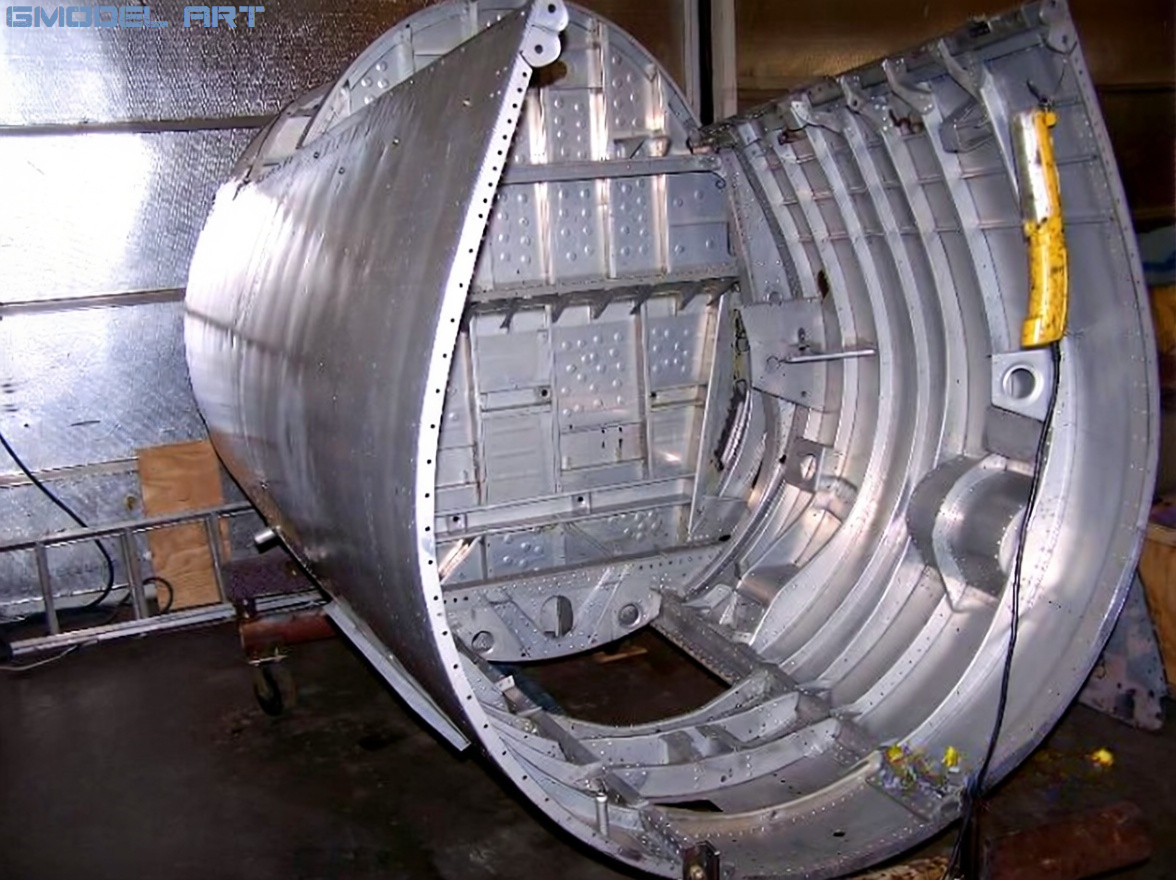
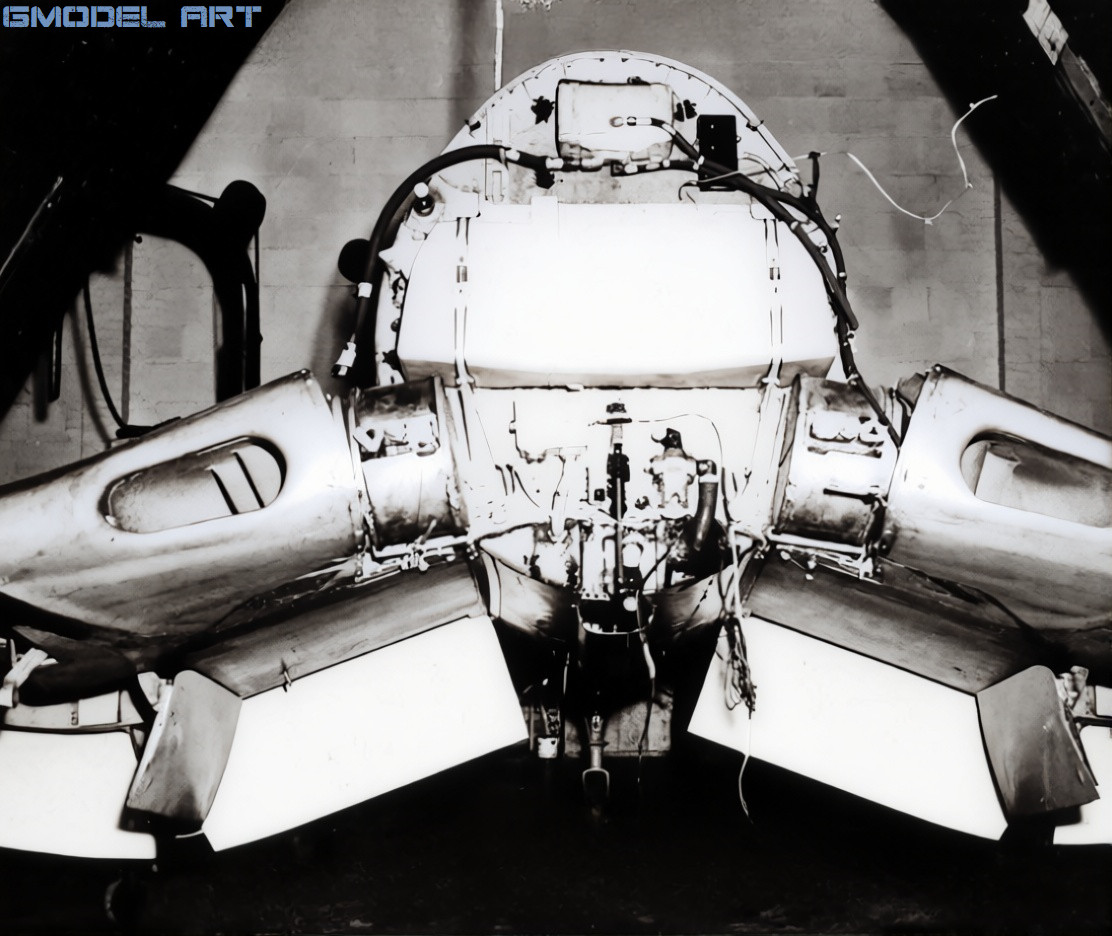
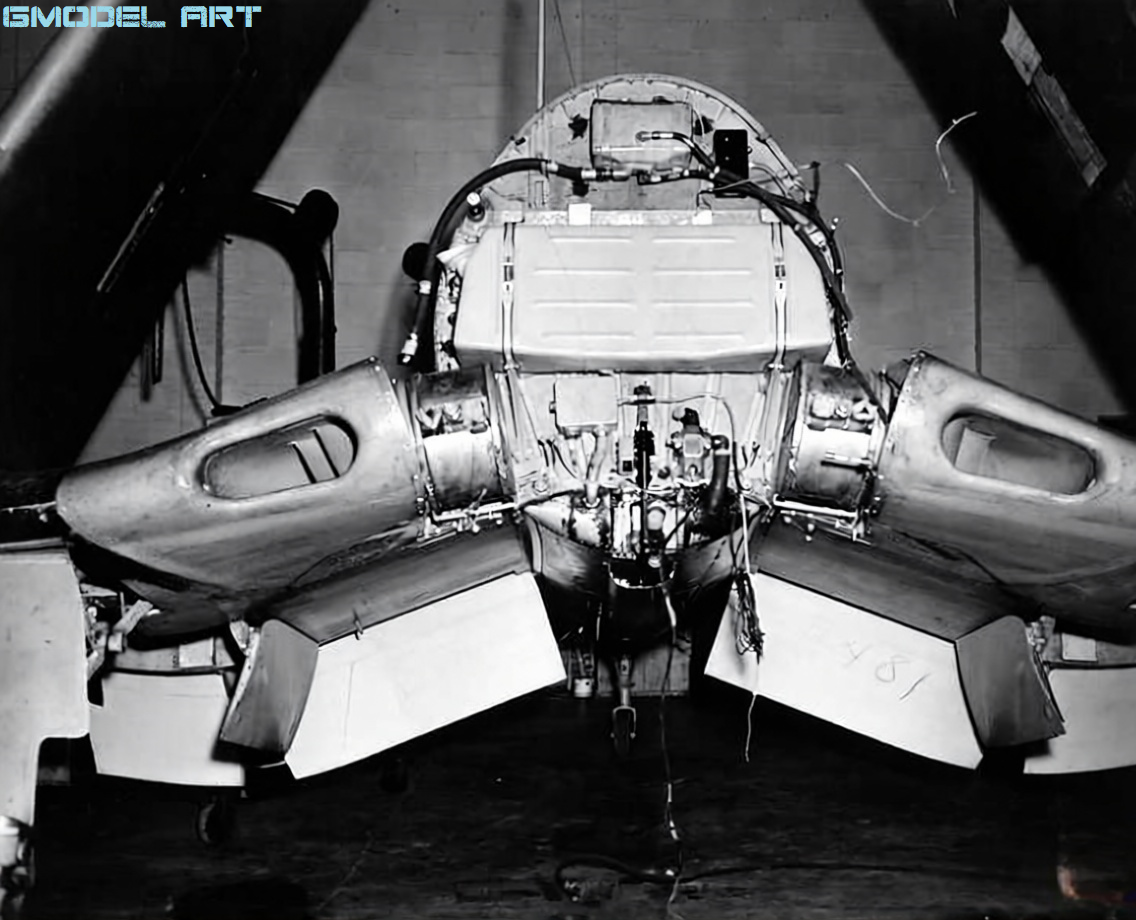
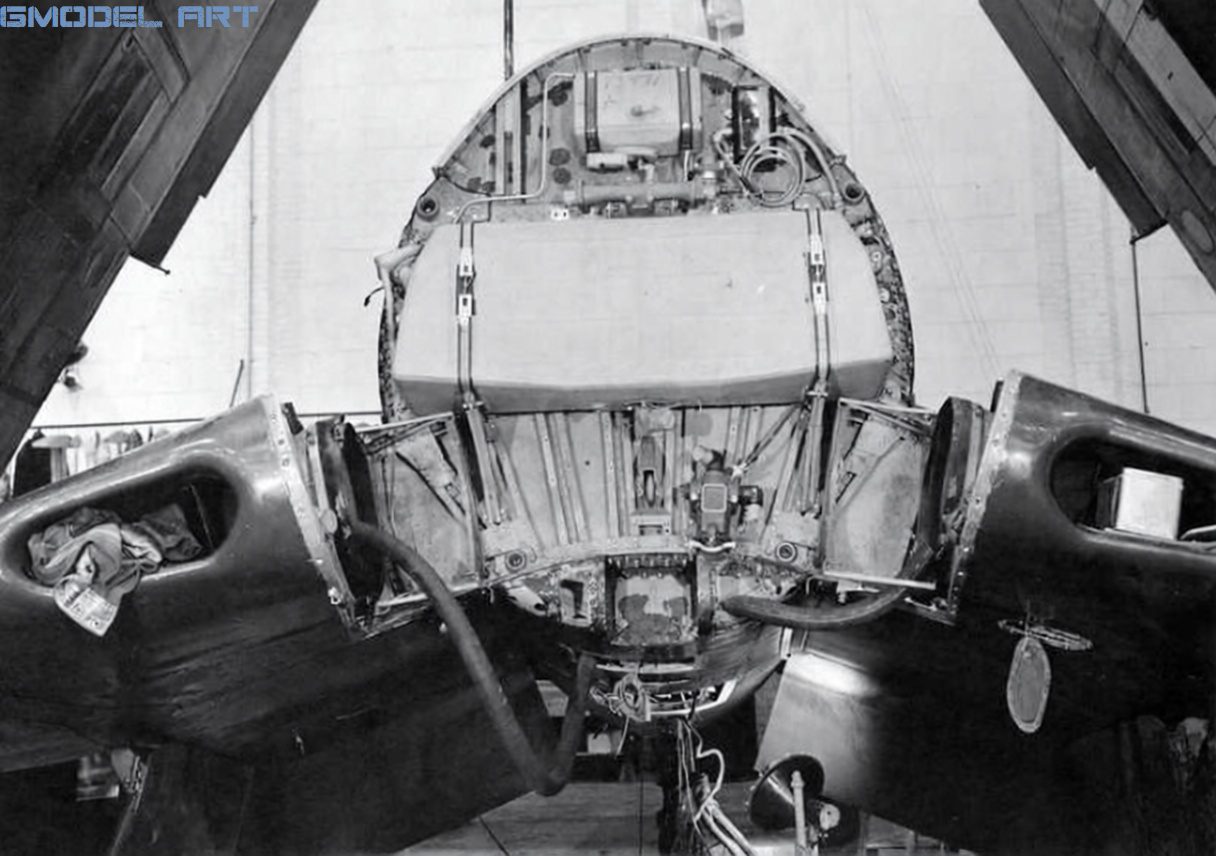
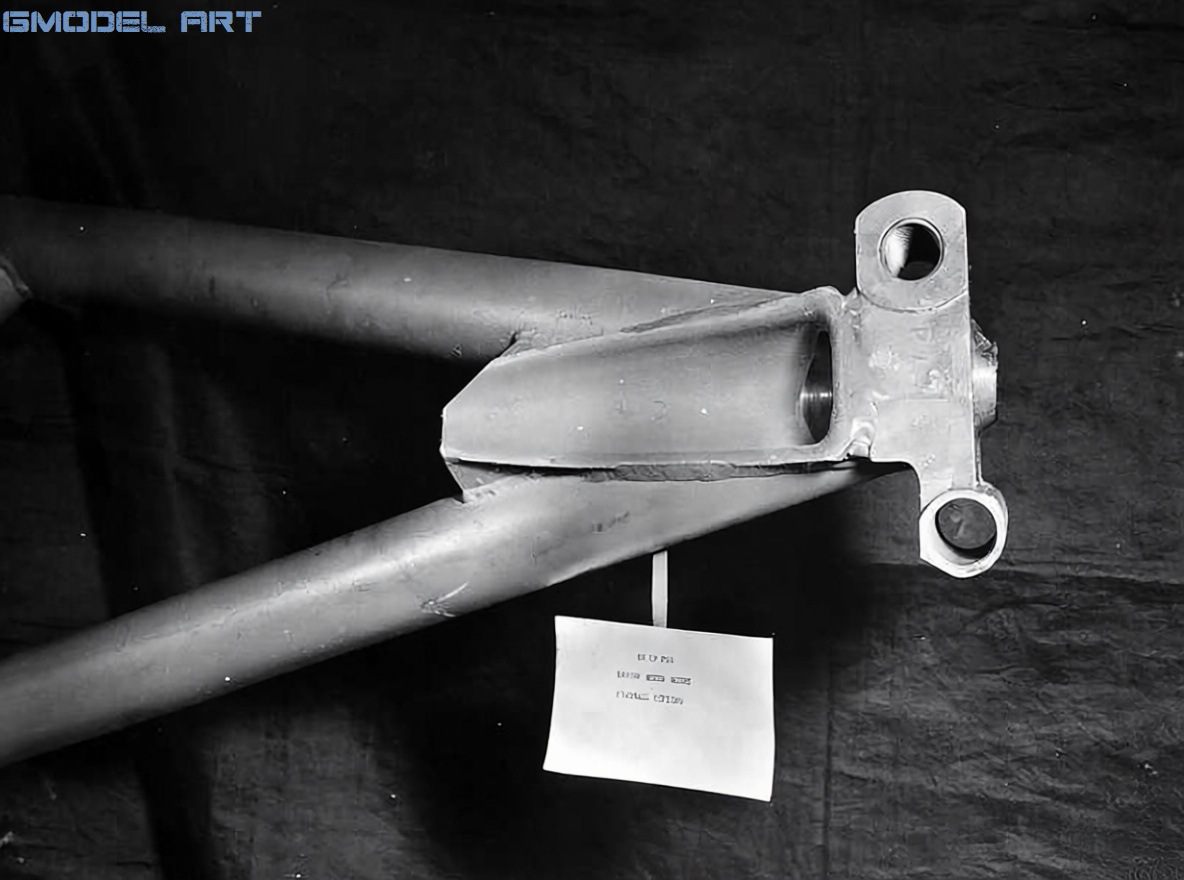
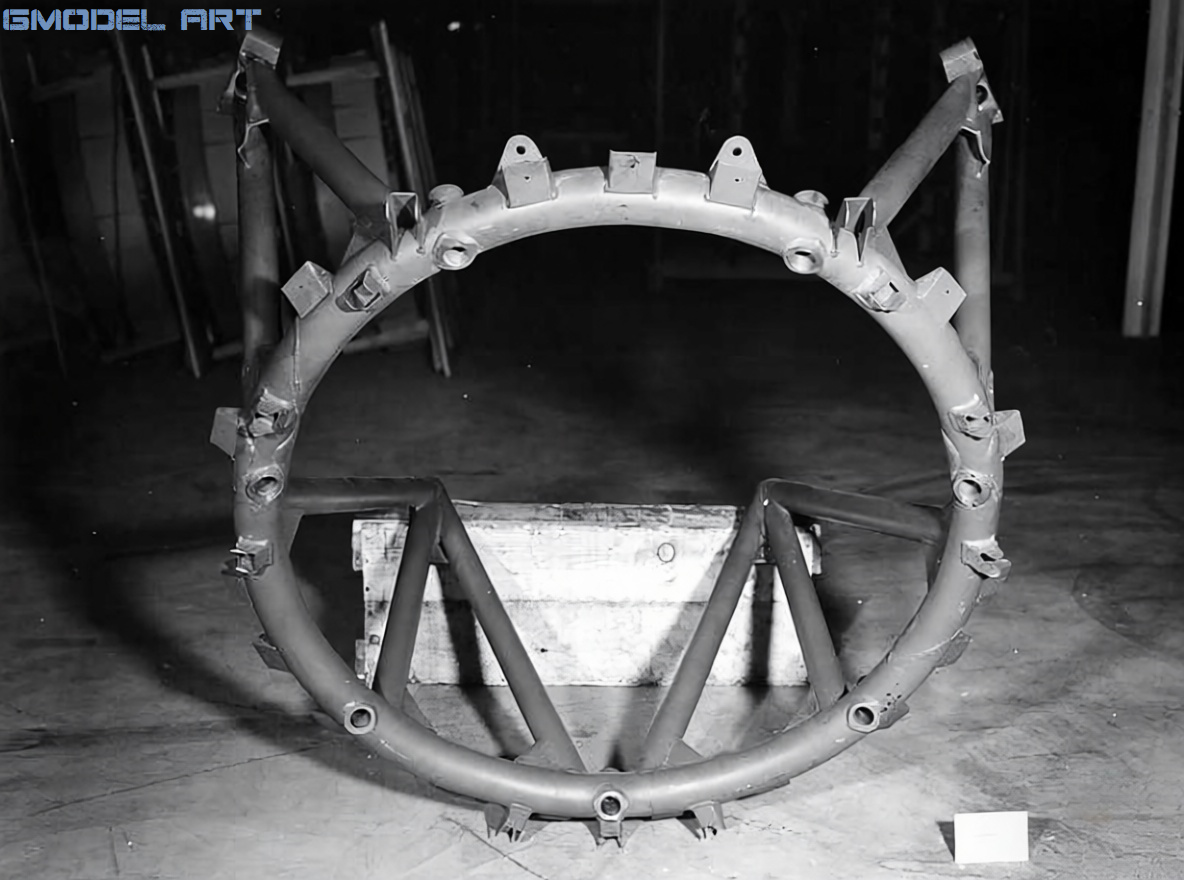
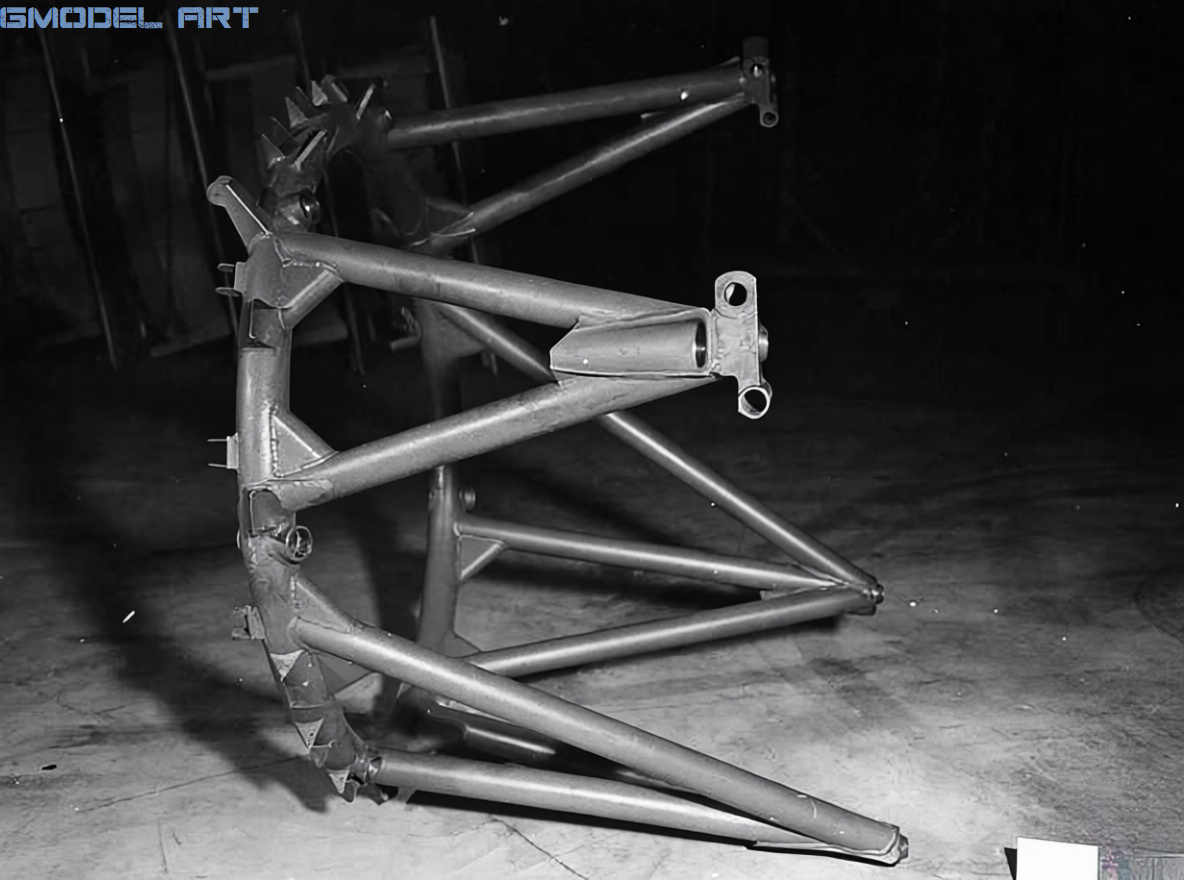
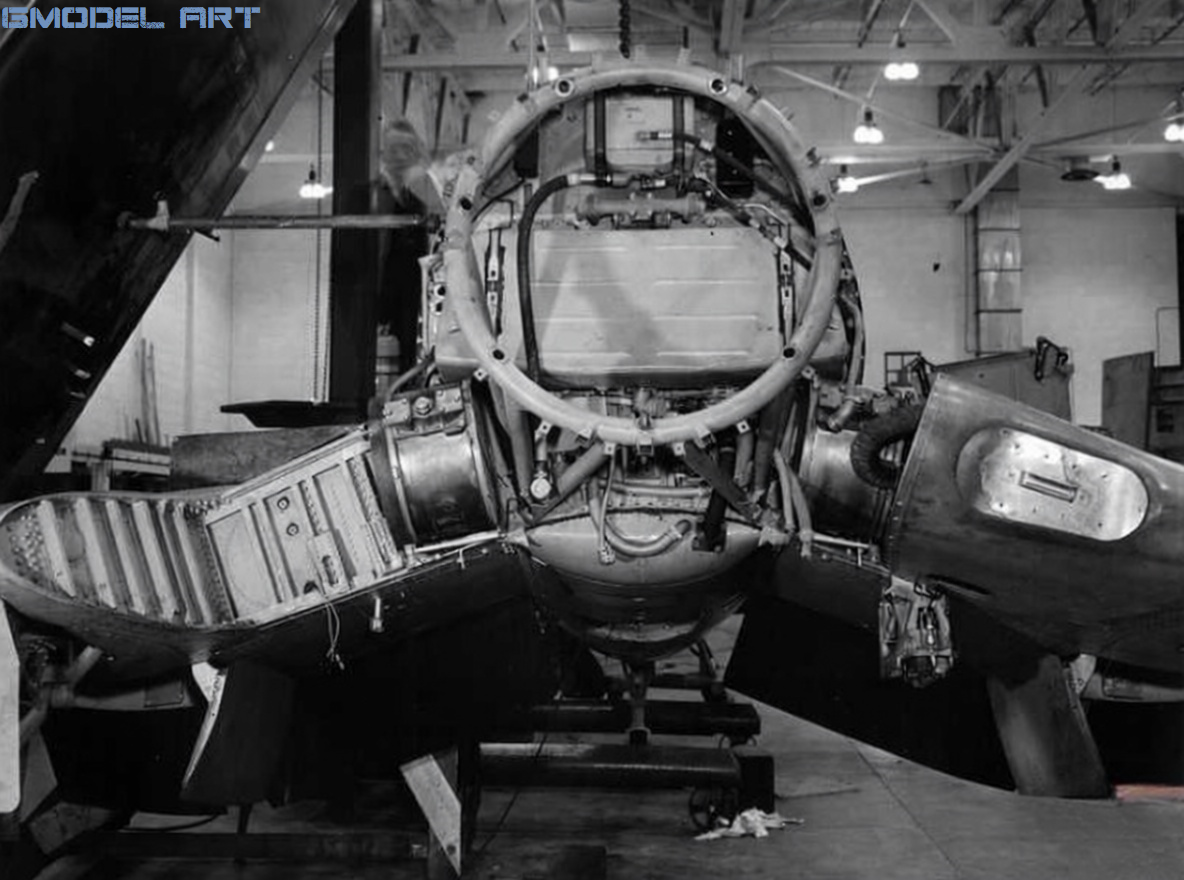
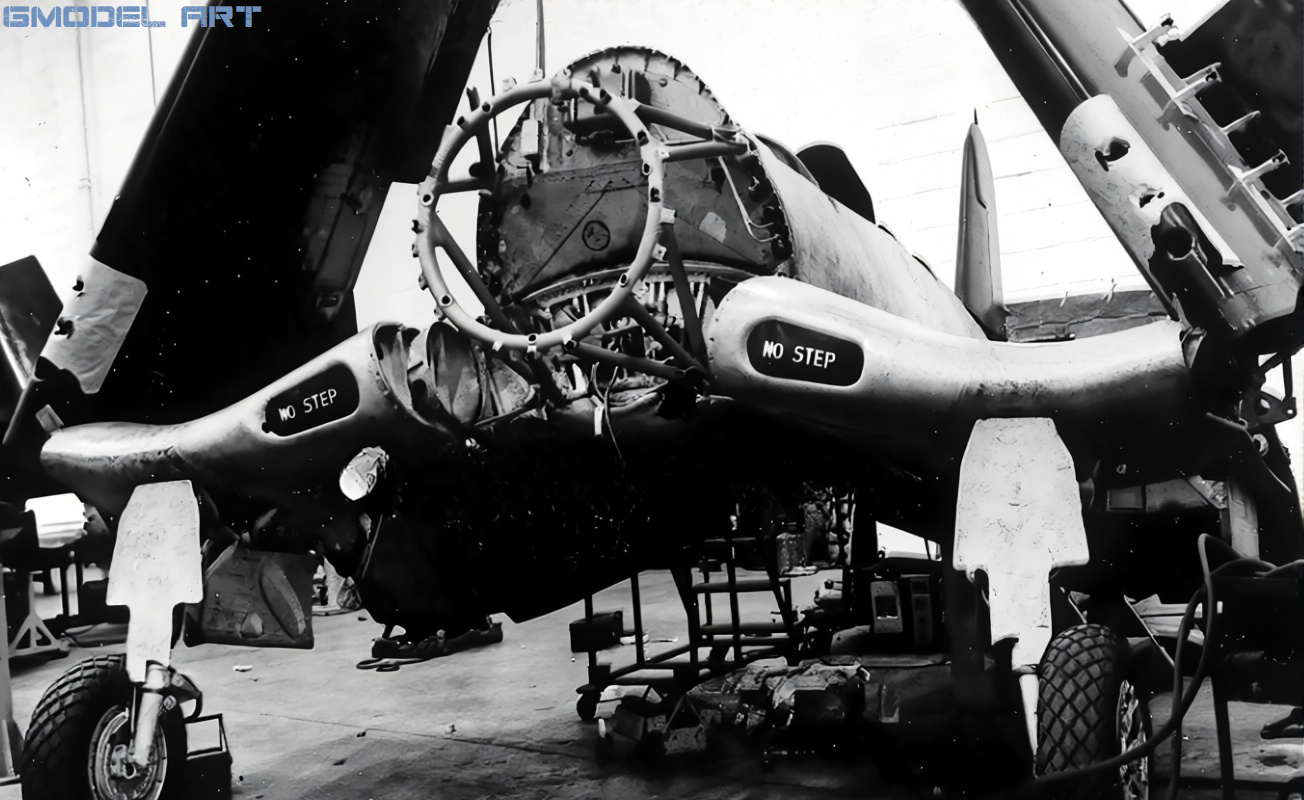
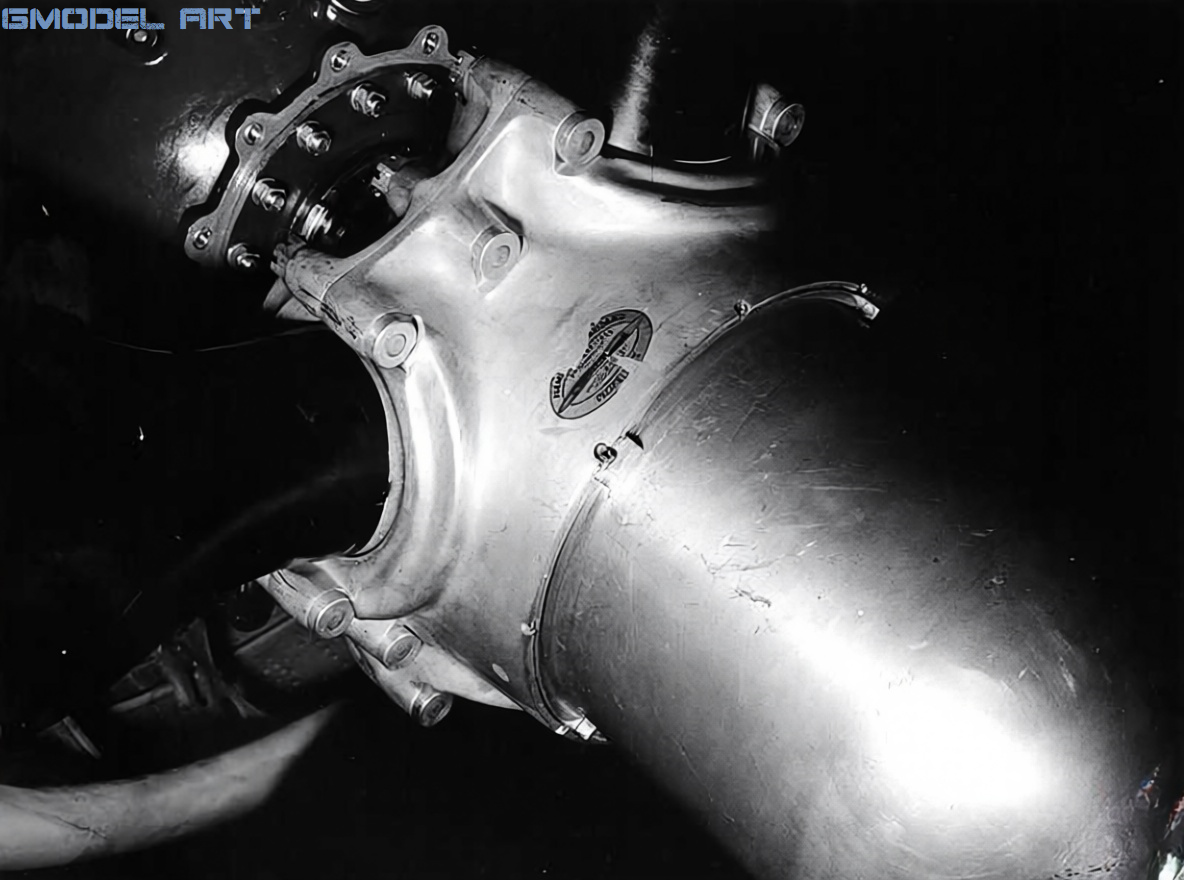
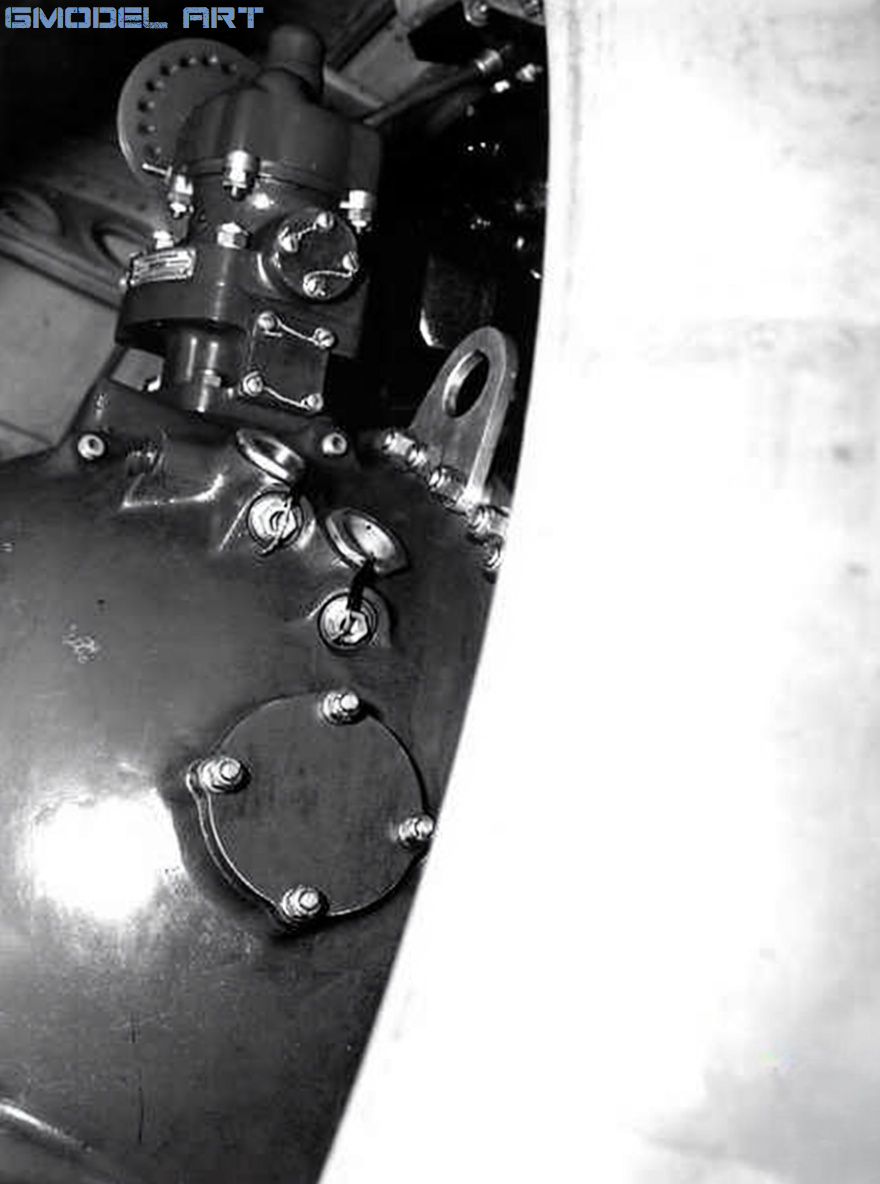
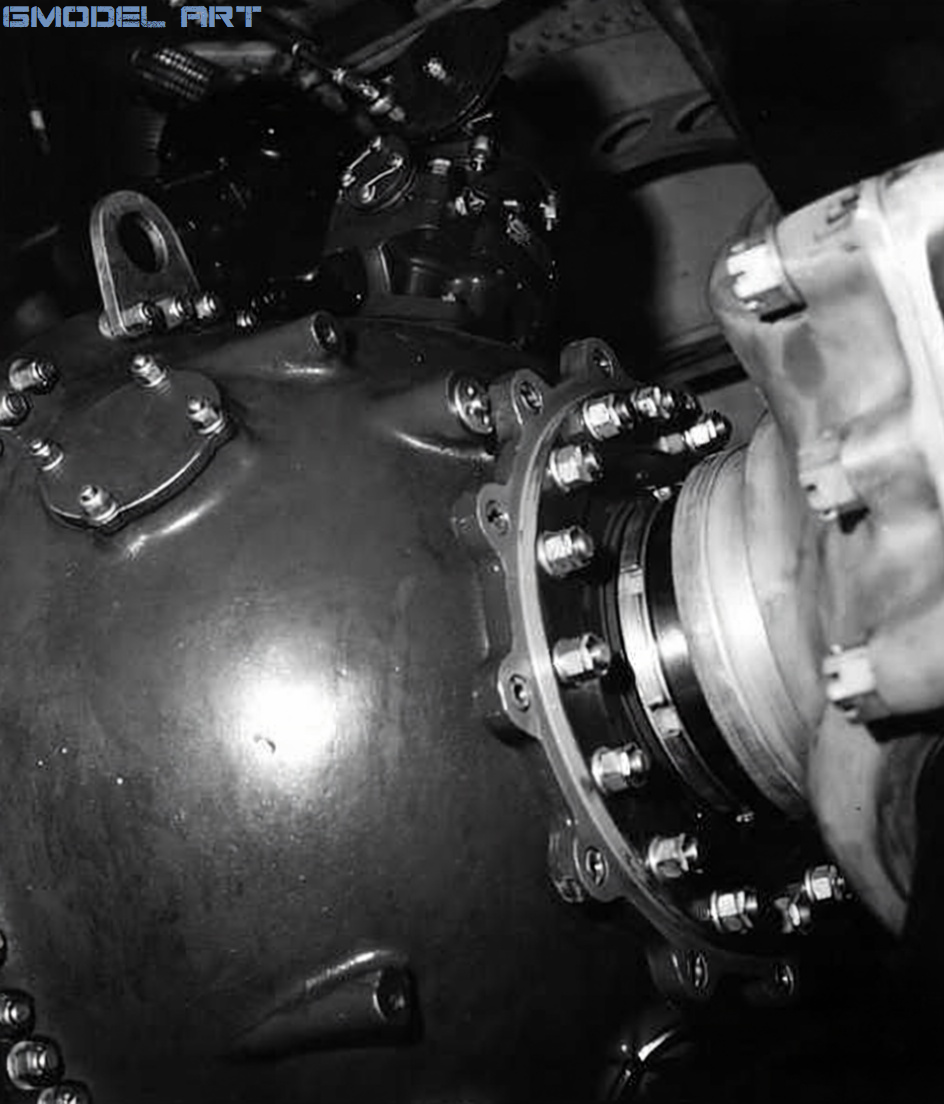
A stronger engine mount had to be developed.
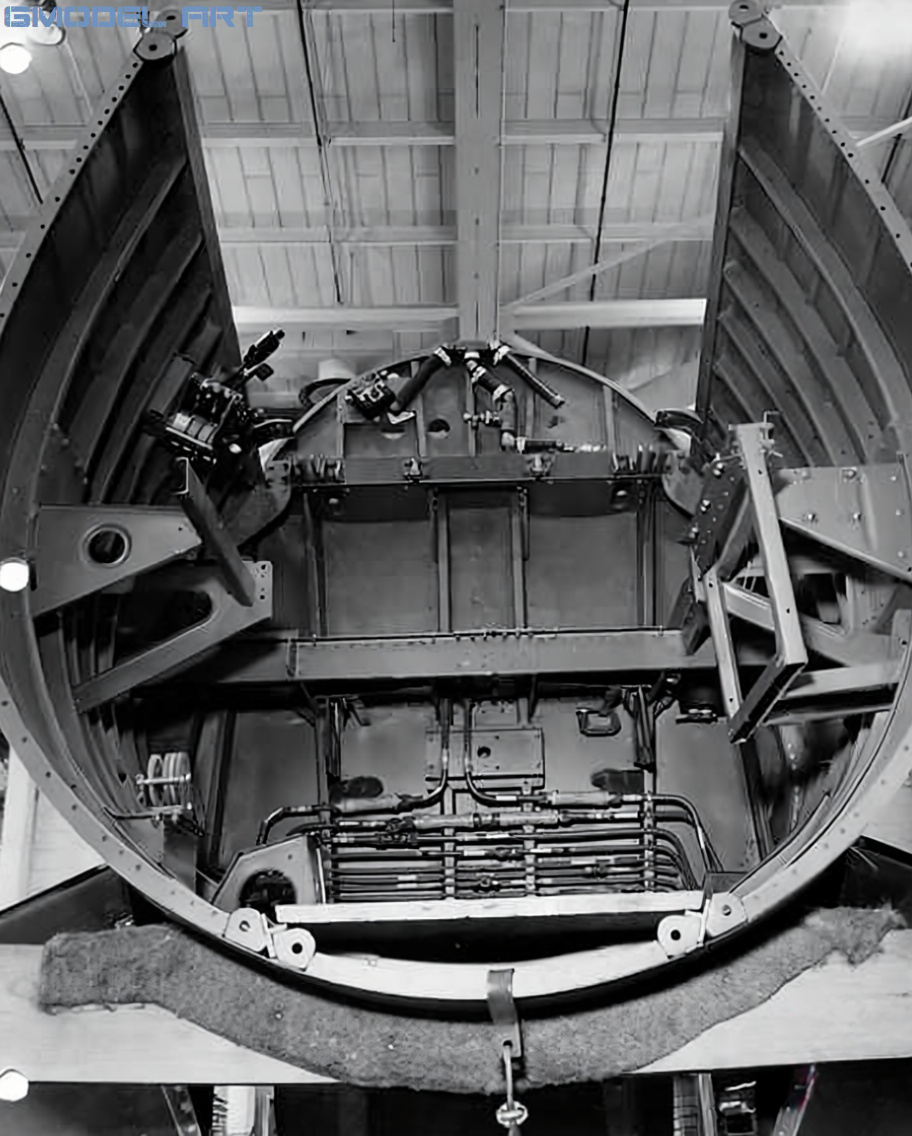
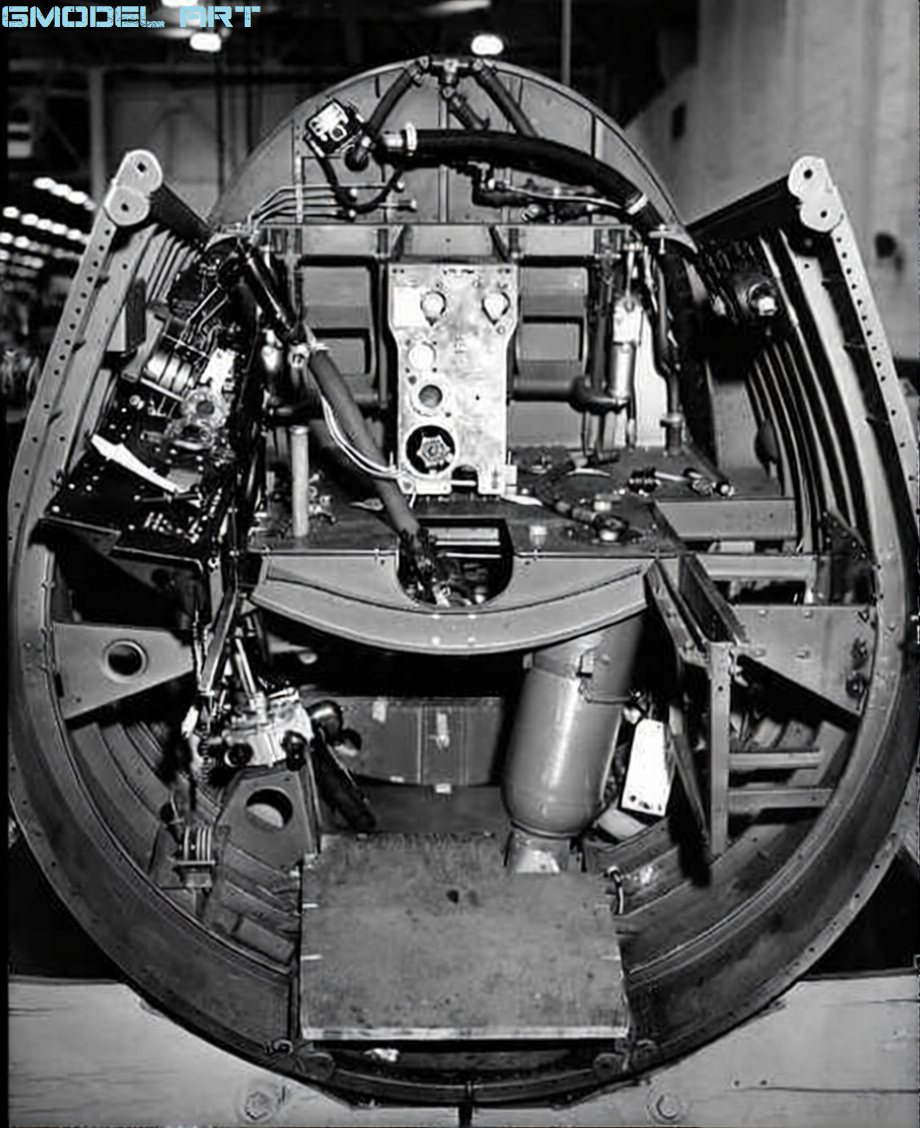
The firewall was reinforced.
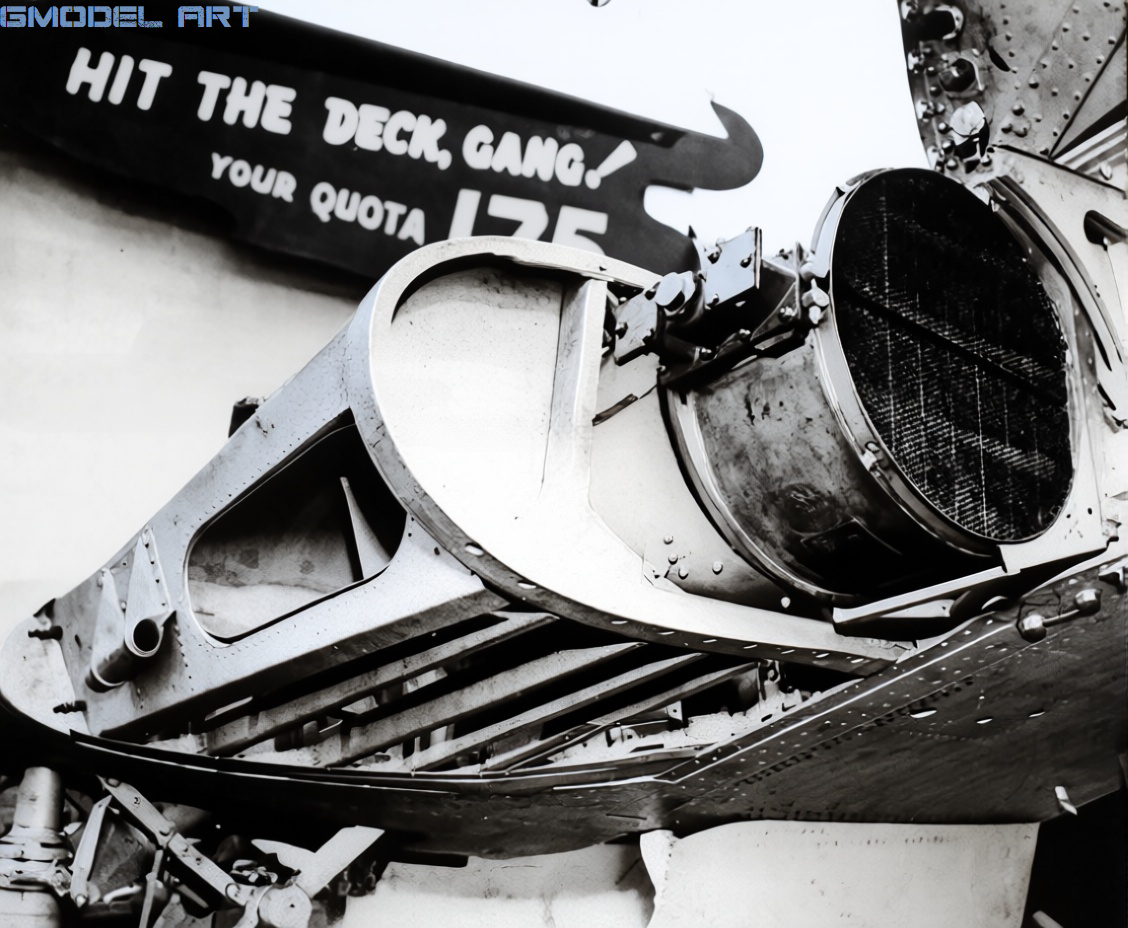
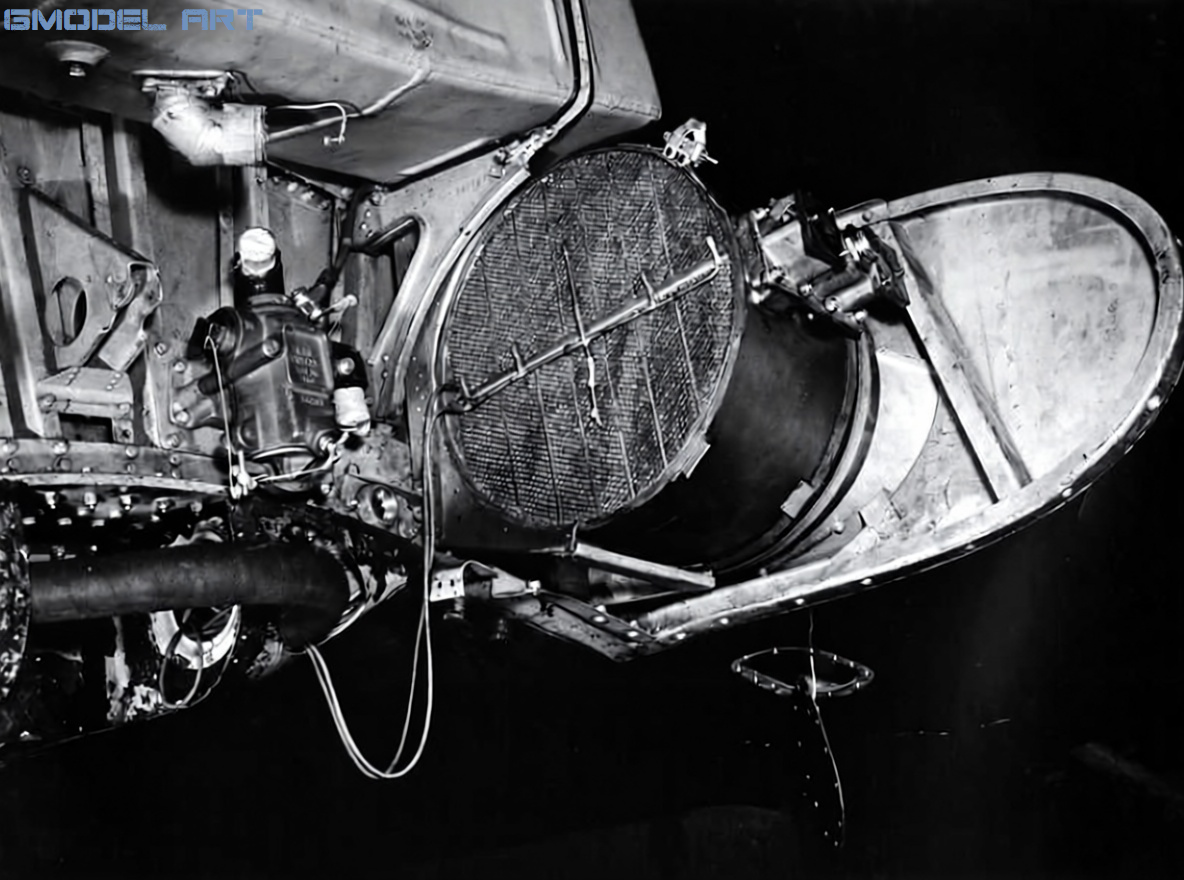
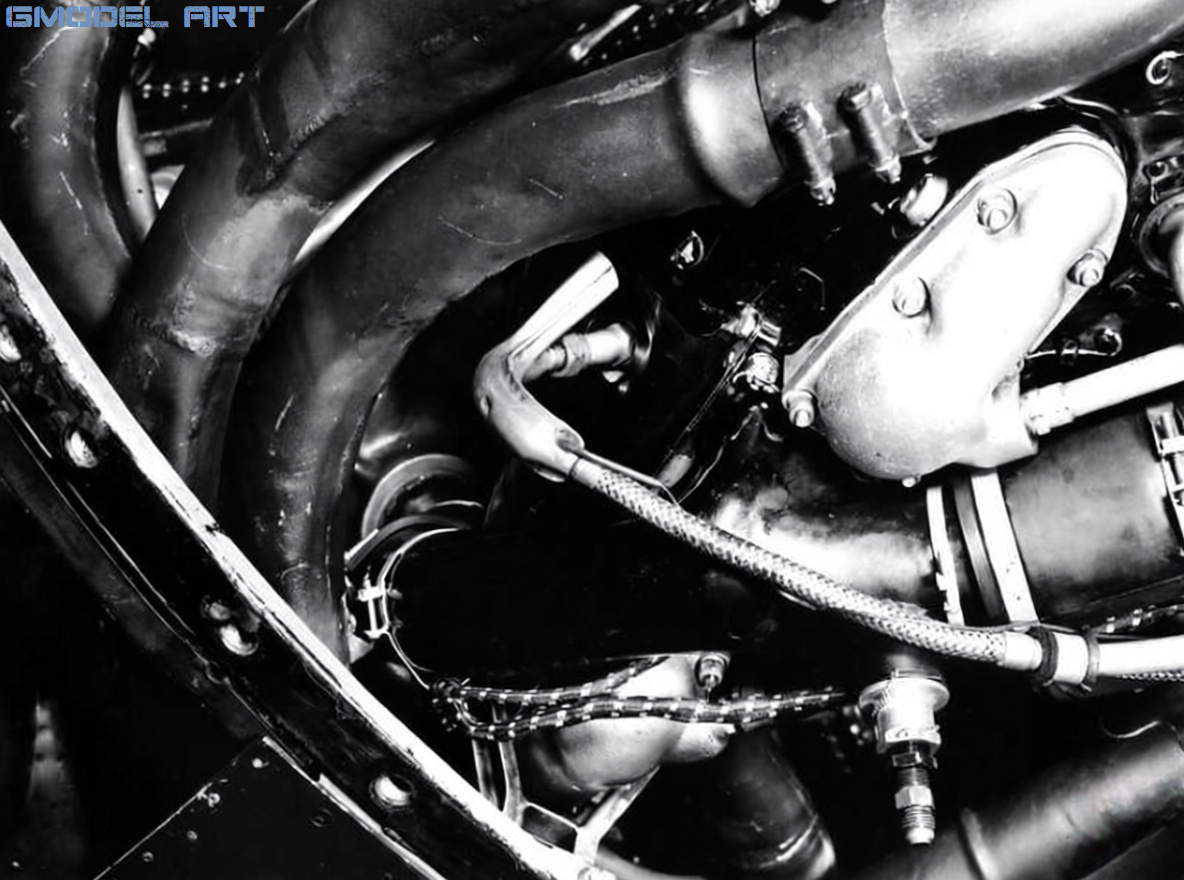
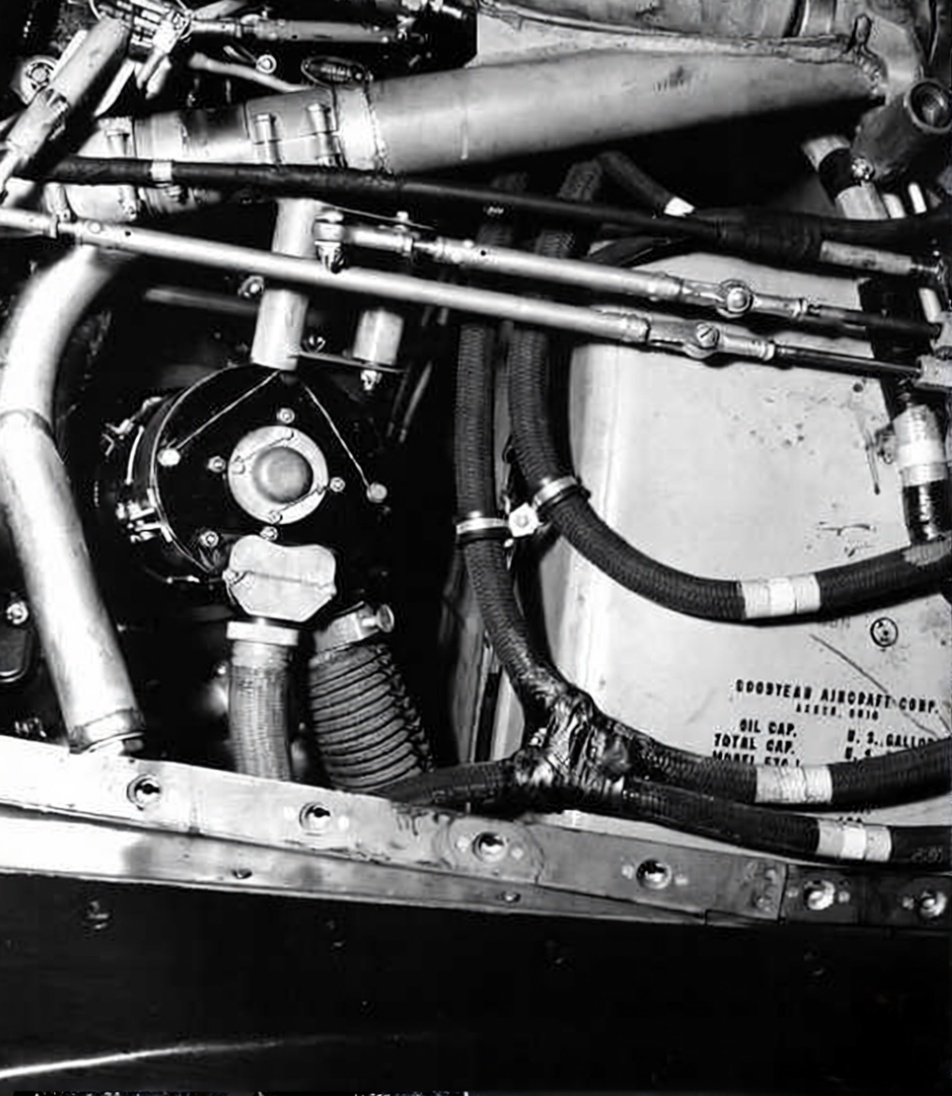
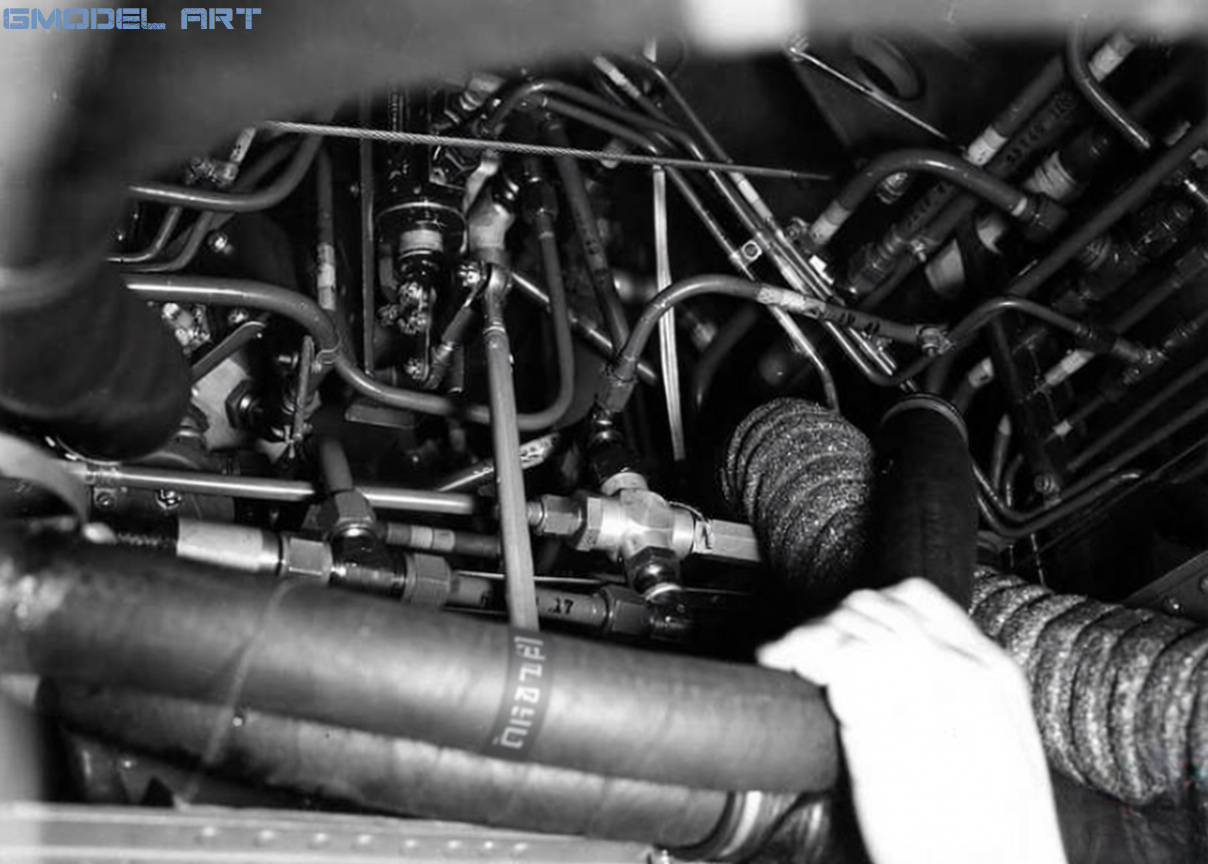
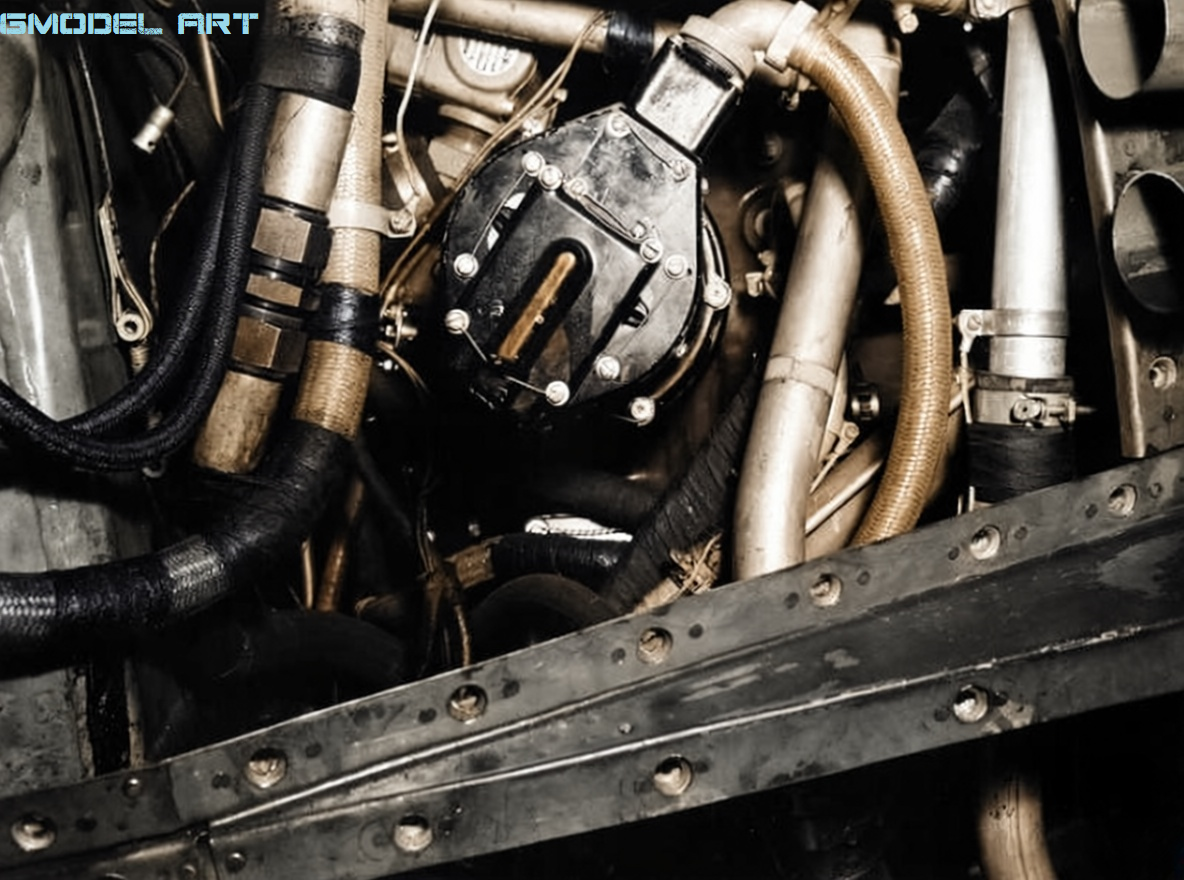
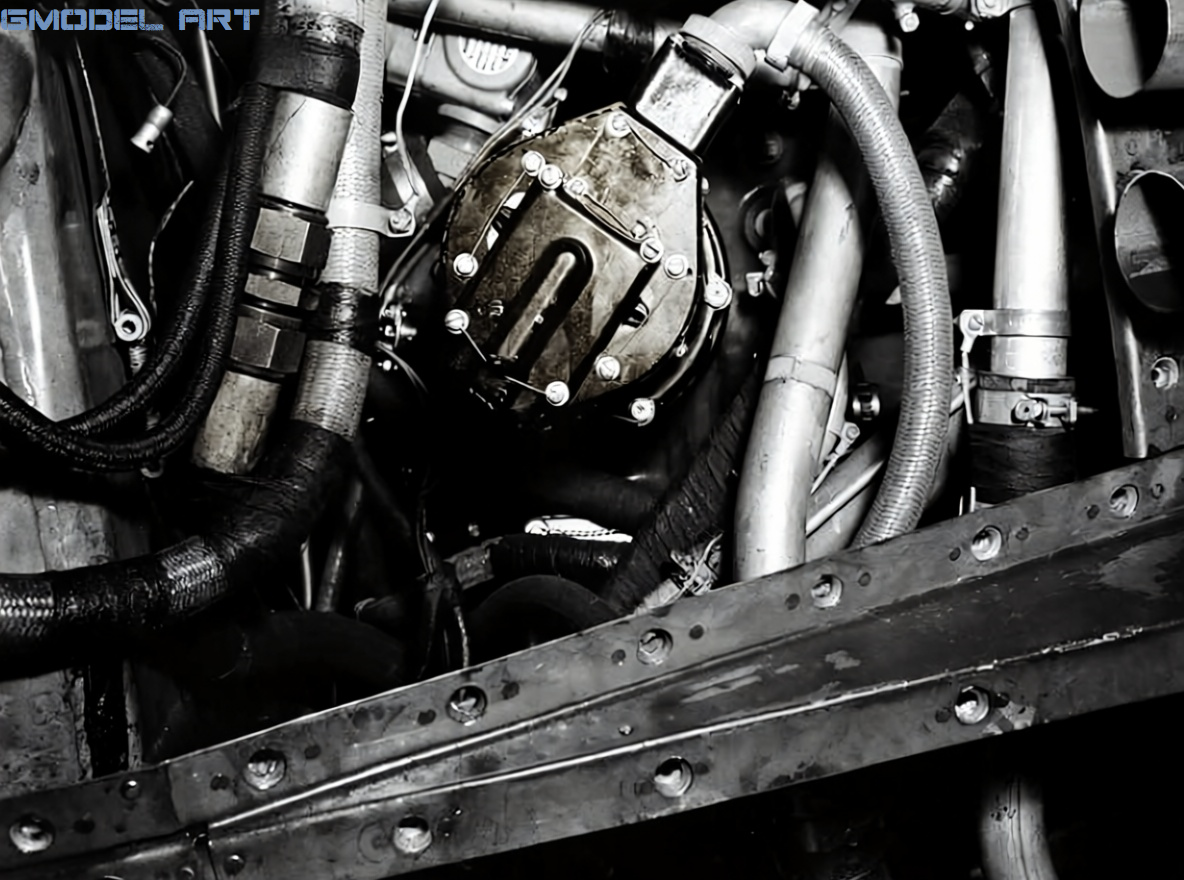
Cooling systems were redesigned.
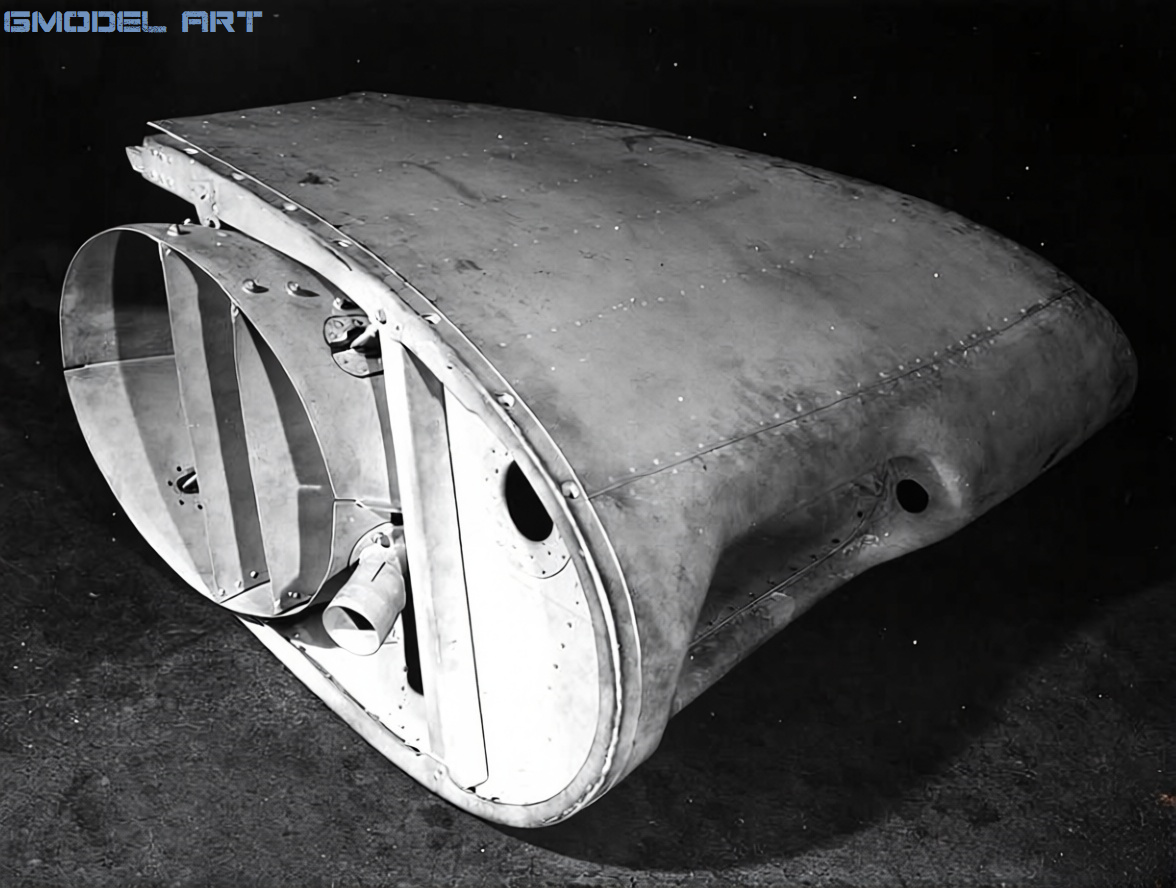
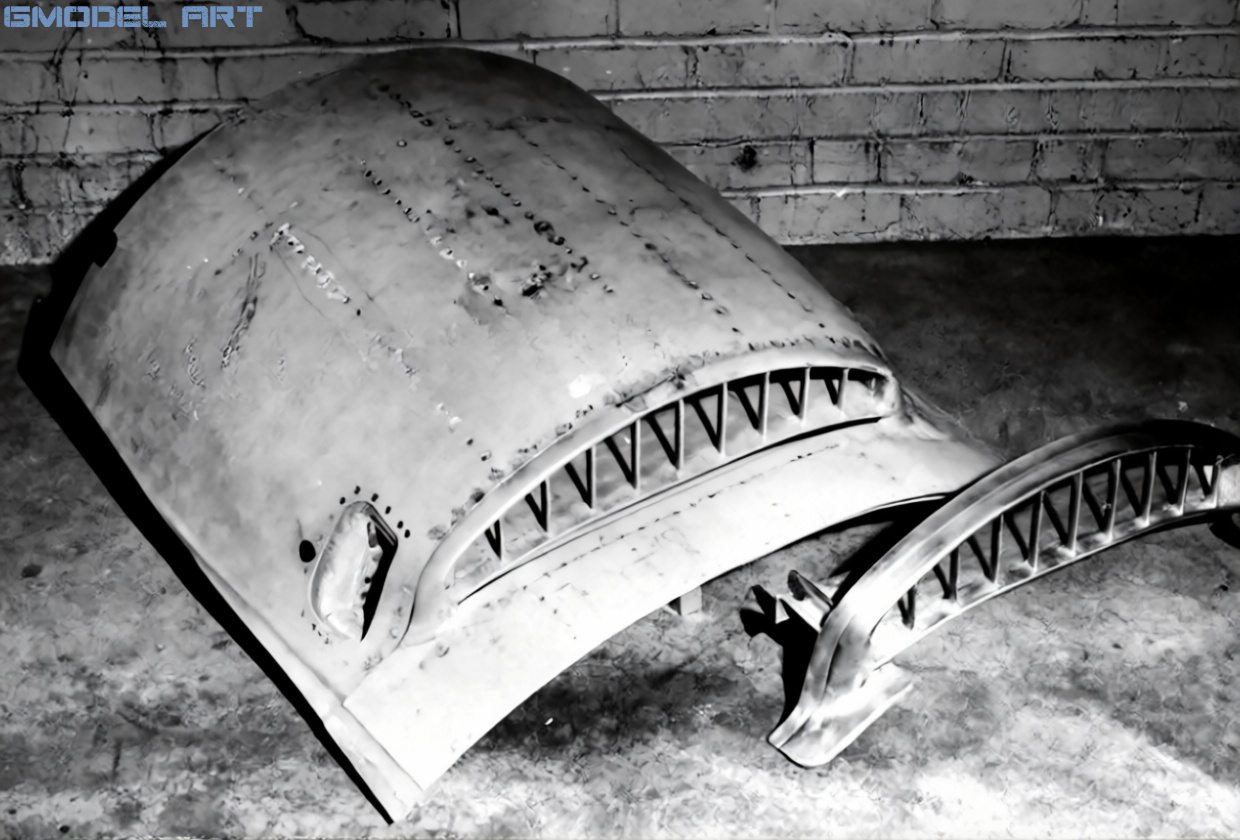
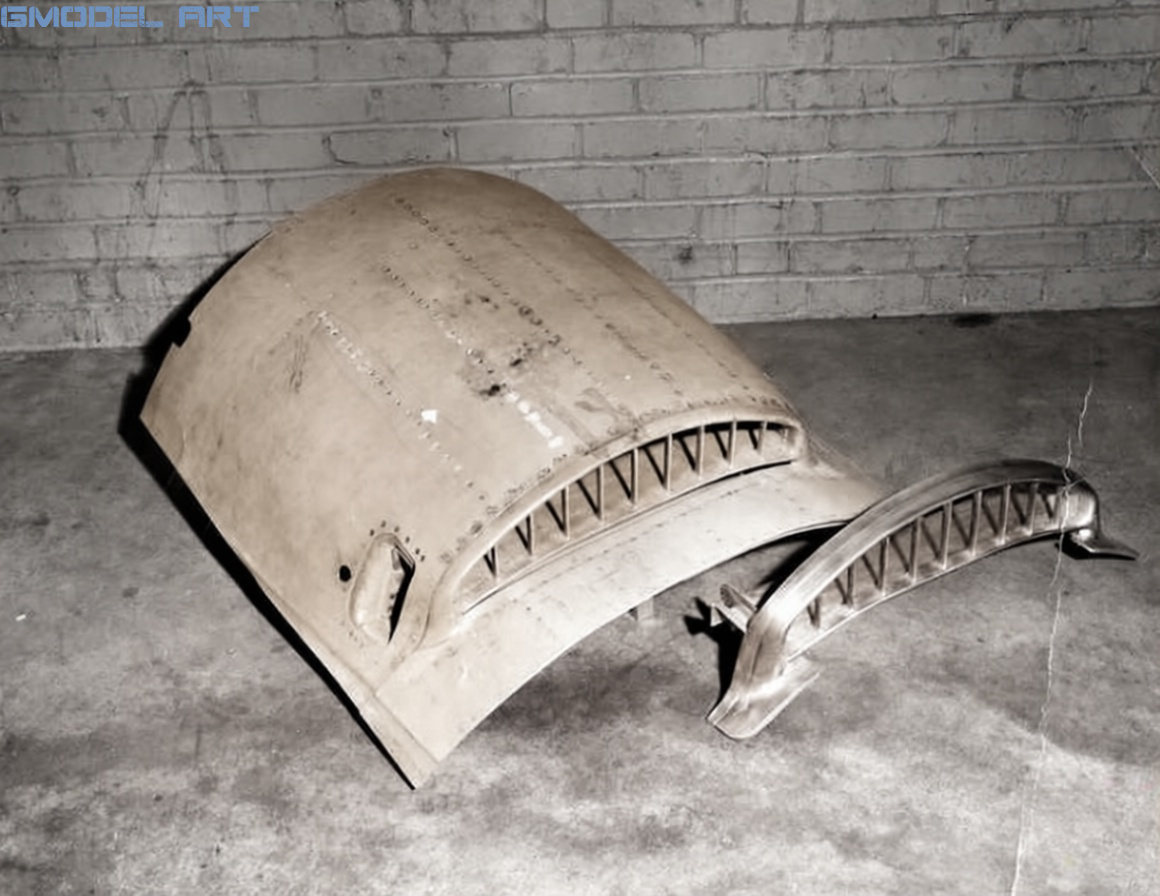
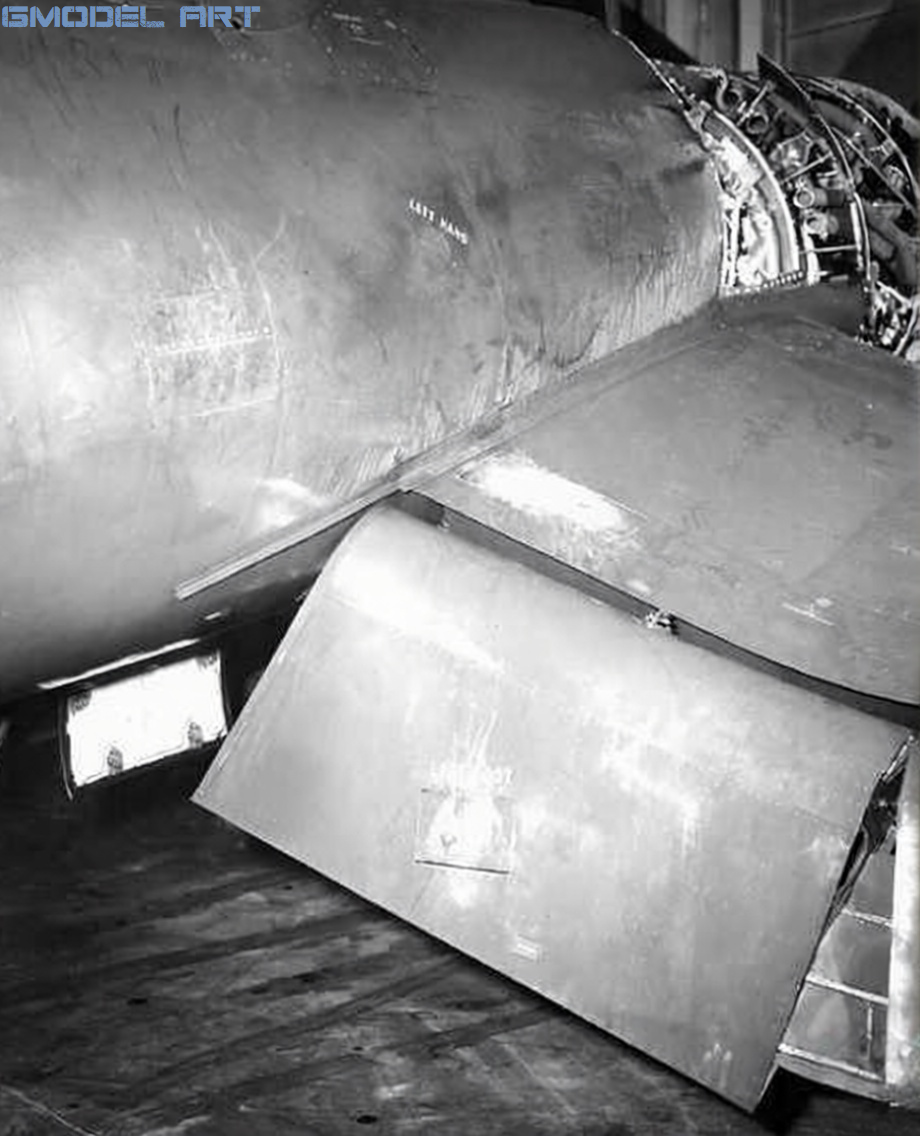
The cowling was enlarged.
The propeller diameter increased significantly.
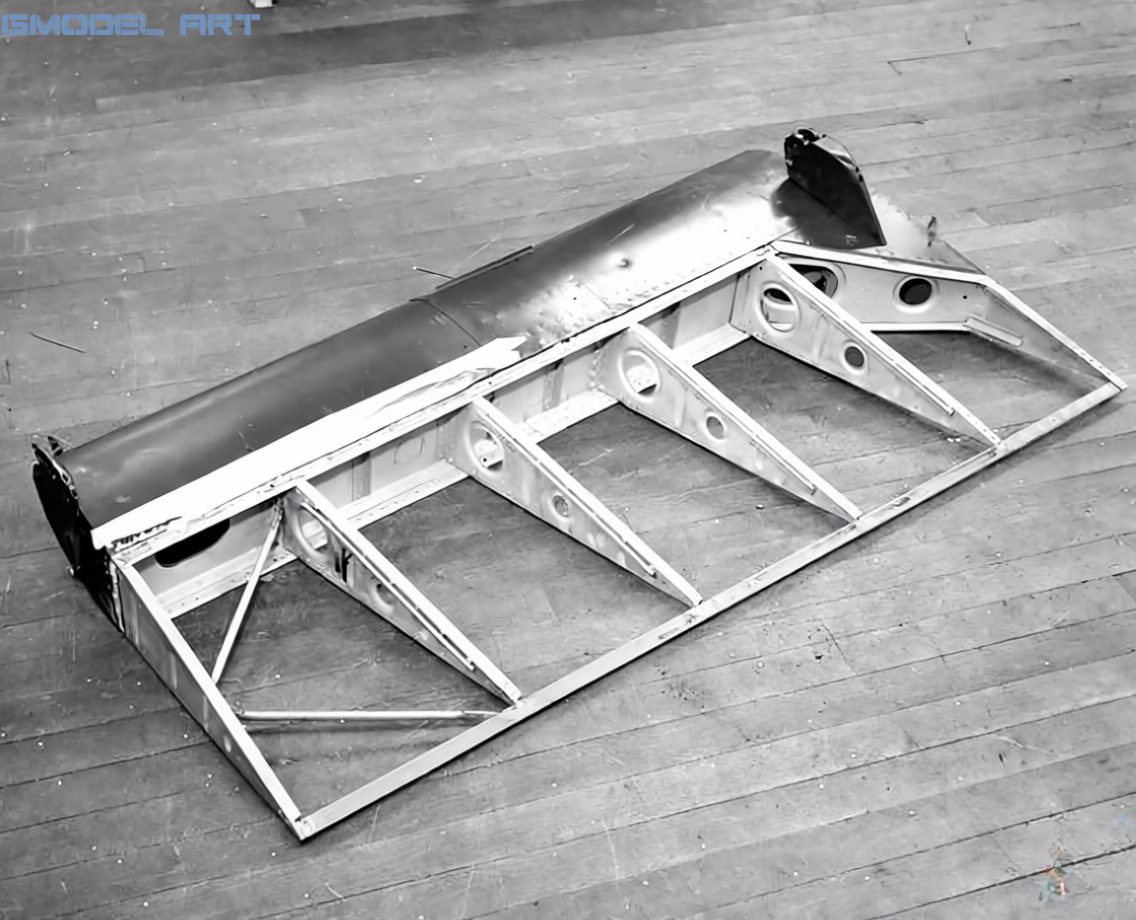
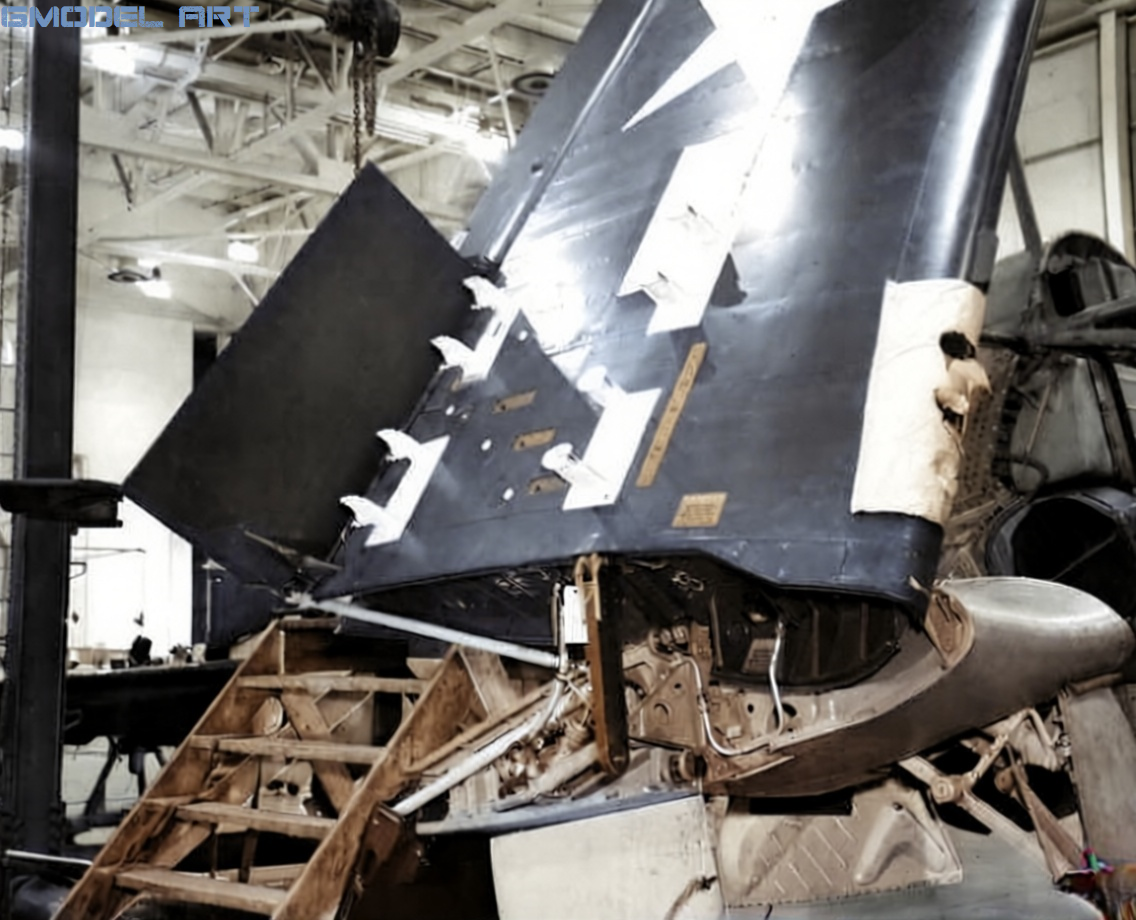
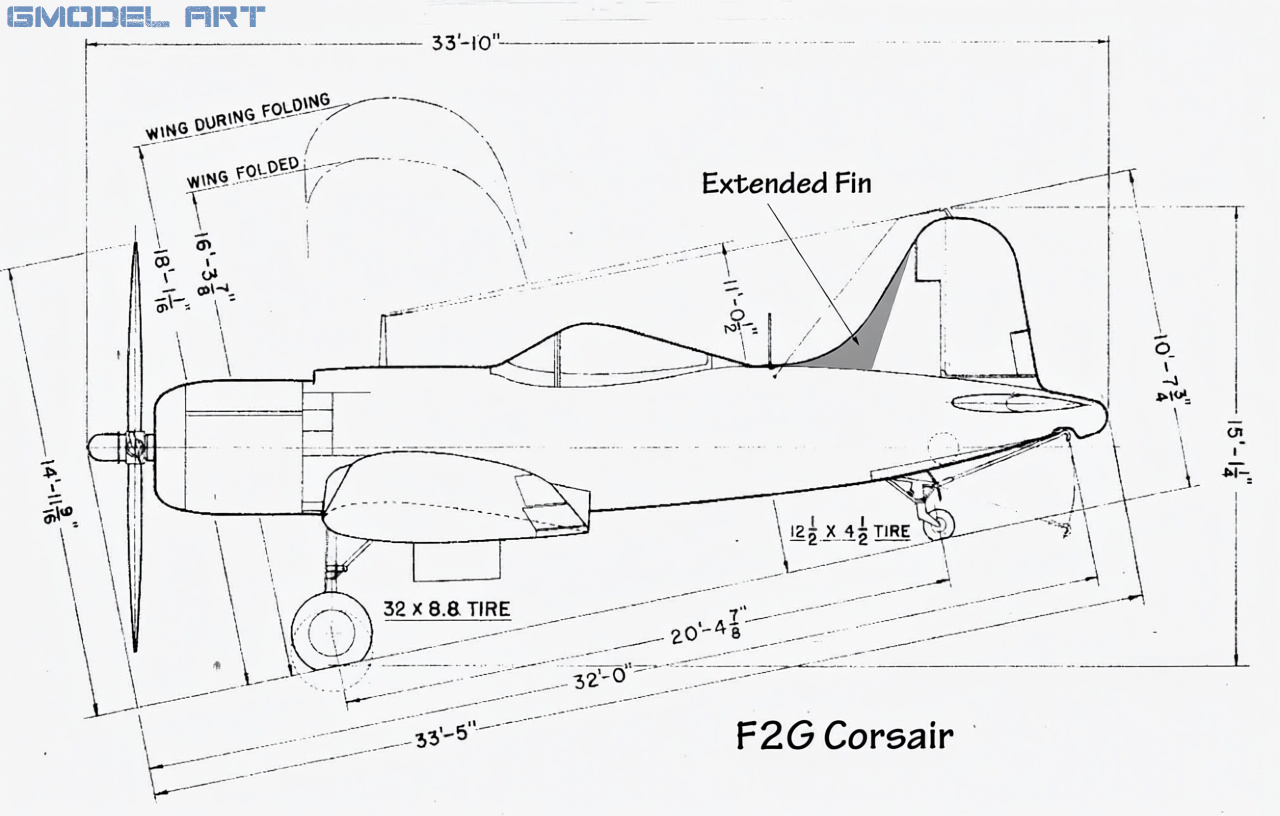
The vertical tail was enlarged to compensate for the enormous torque generated during takeoff.
Although externally the aircraft still resembled a Corsair, the Super Corsair represented a major engineering transformation rather than a simple engine replacement.
Improvements to the Airframe
Goodyear introduced several important structural improvements beyond the engine installation.
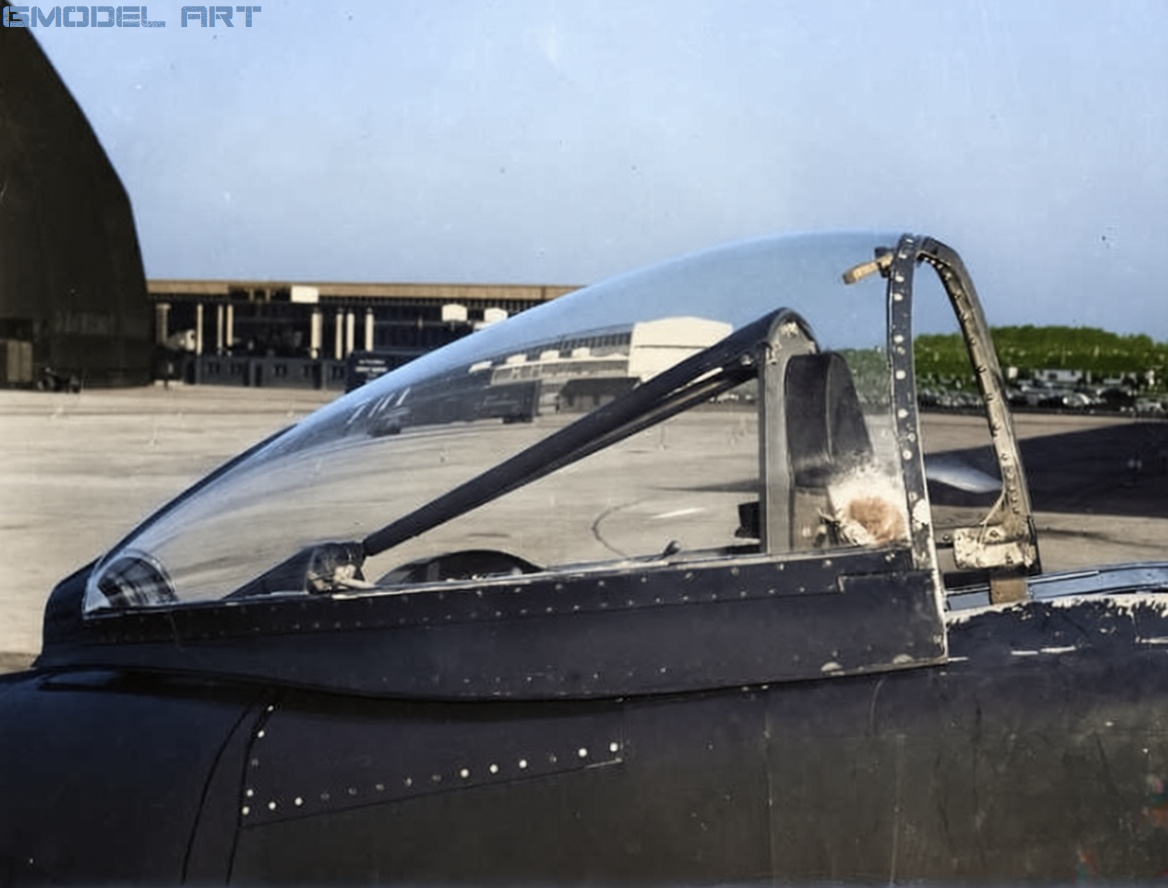
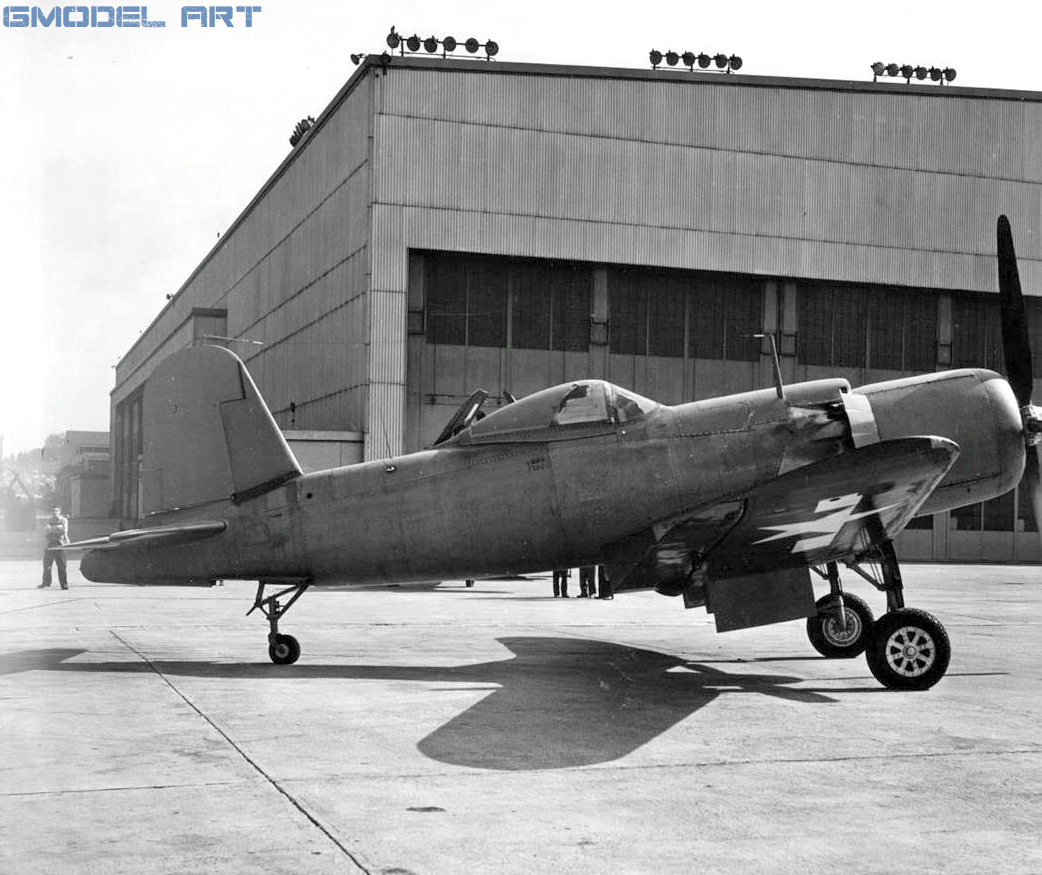
One of the most noticeable changes was the adoption of a bubble canopy, providing significantly better visibility than earlier Corsair variants.
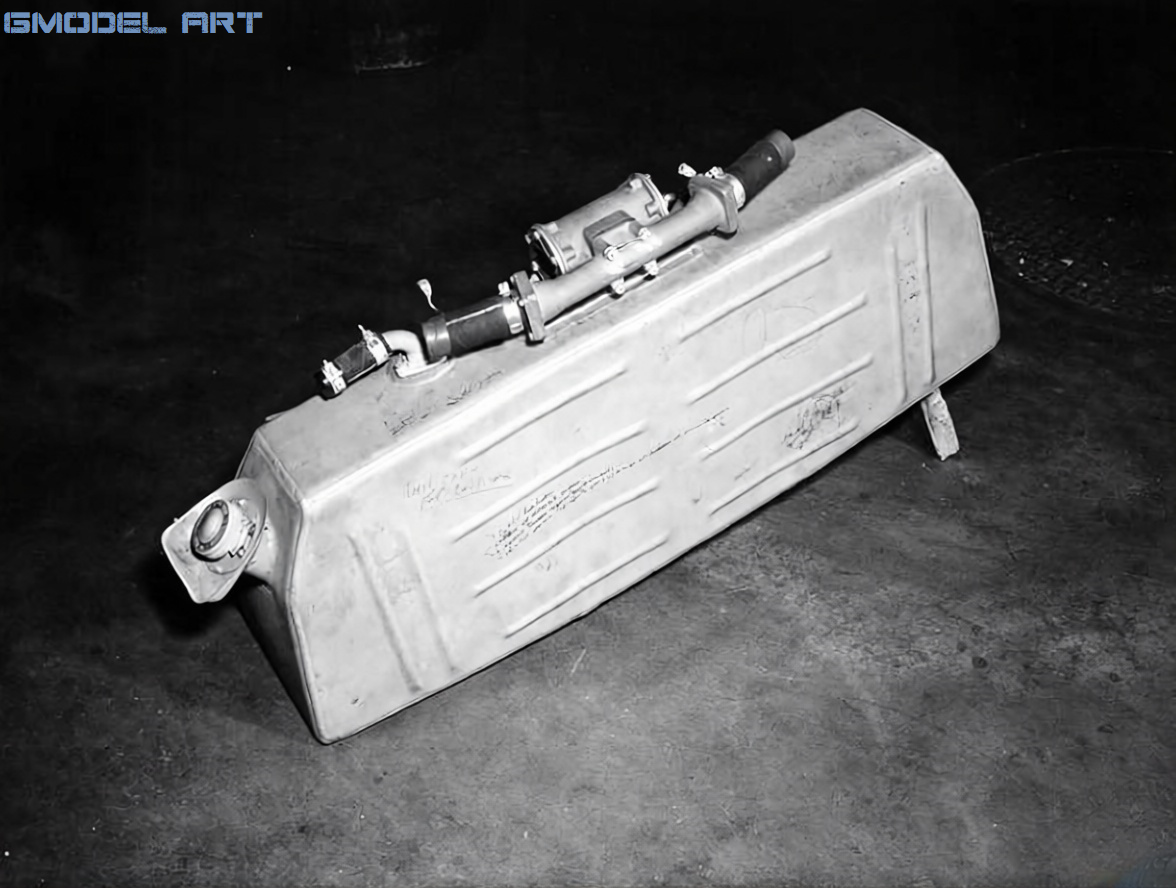
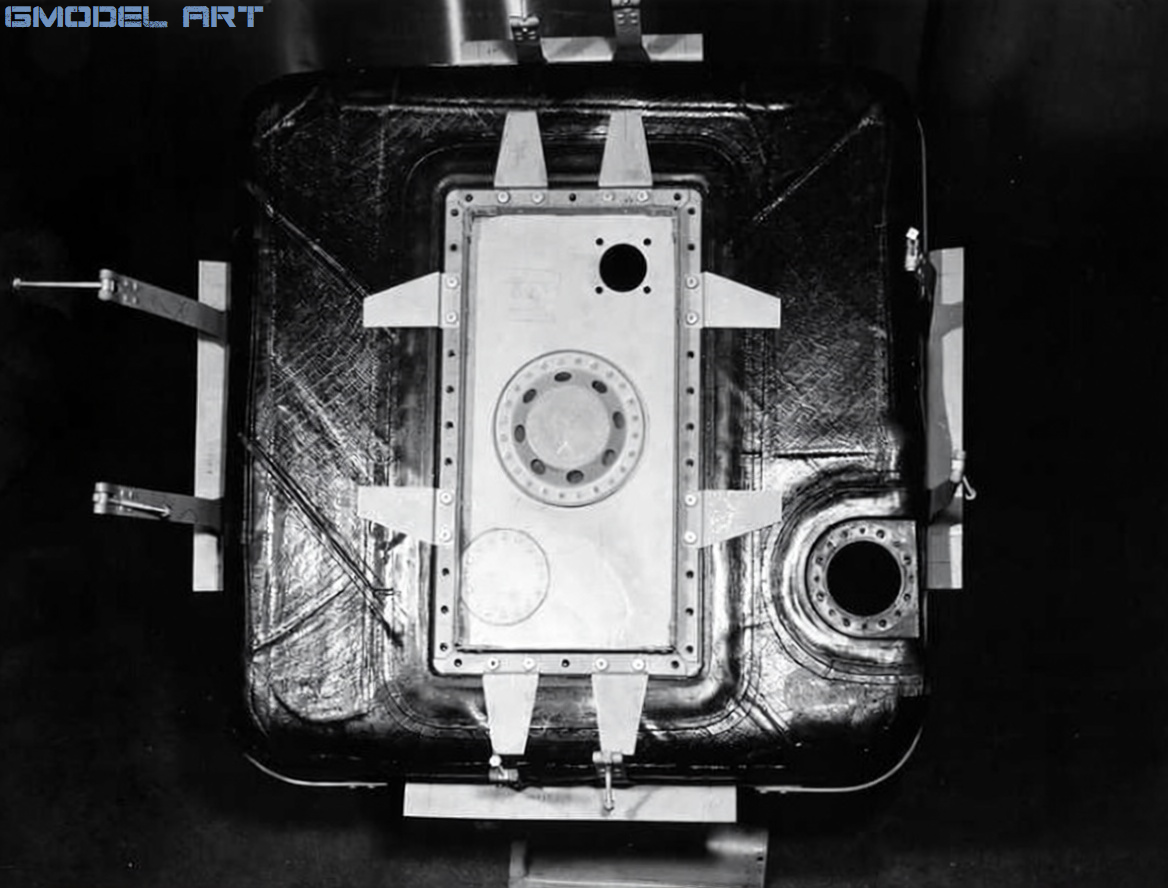
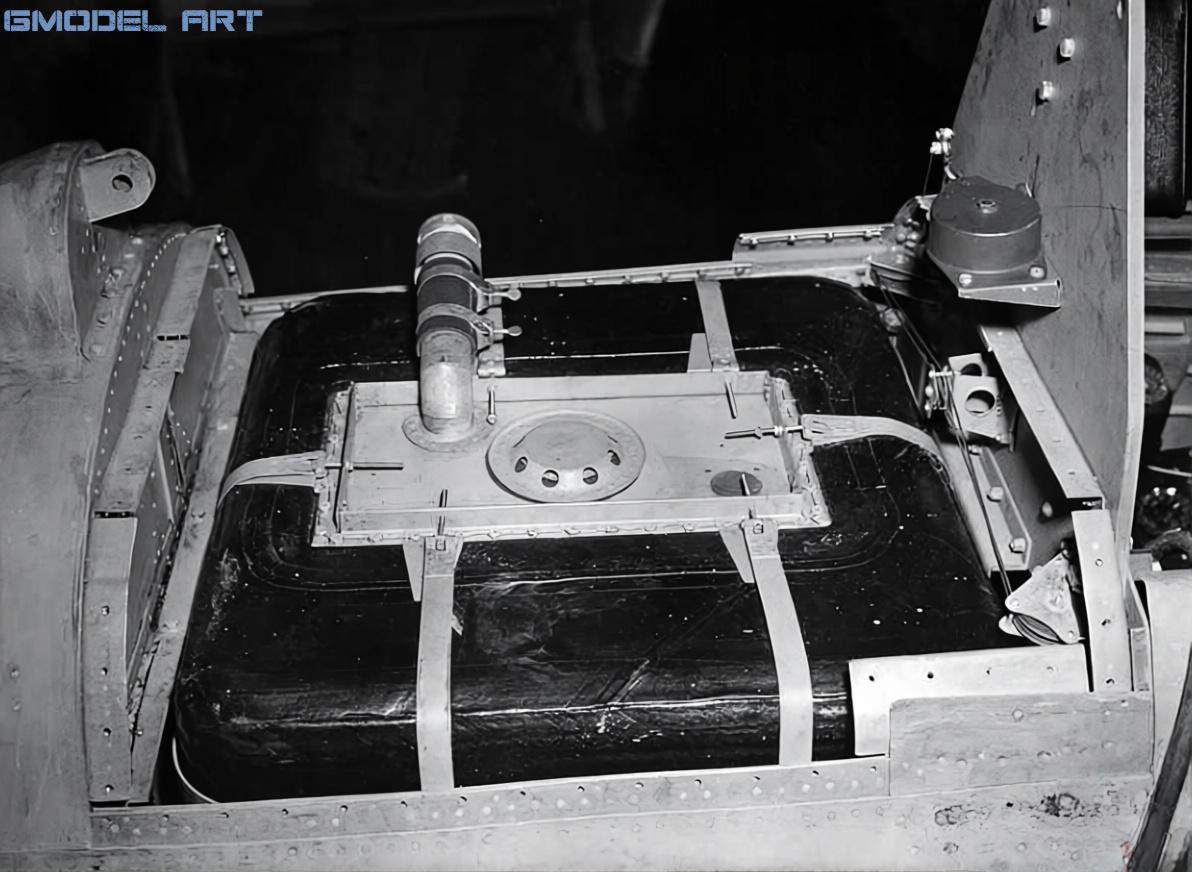
Additional fuel capacity increased operational range and endurance.
The vertical stabilizer became taller, while an auxiliary rudder improved directional control during low-speed operations.
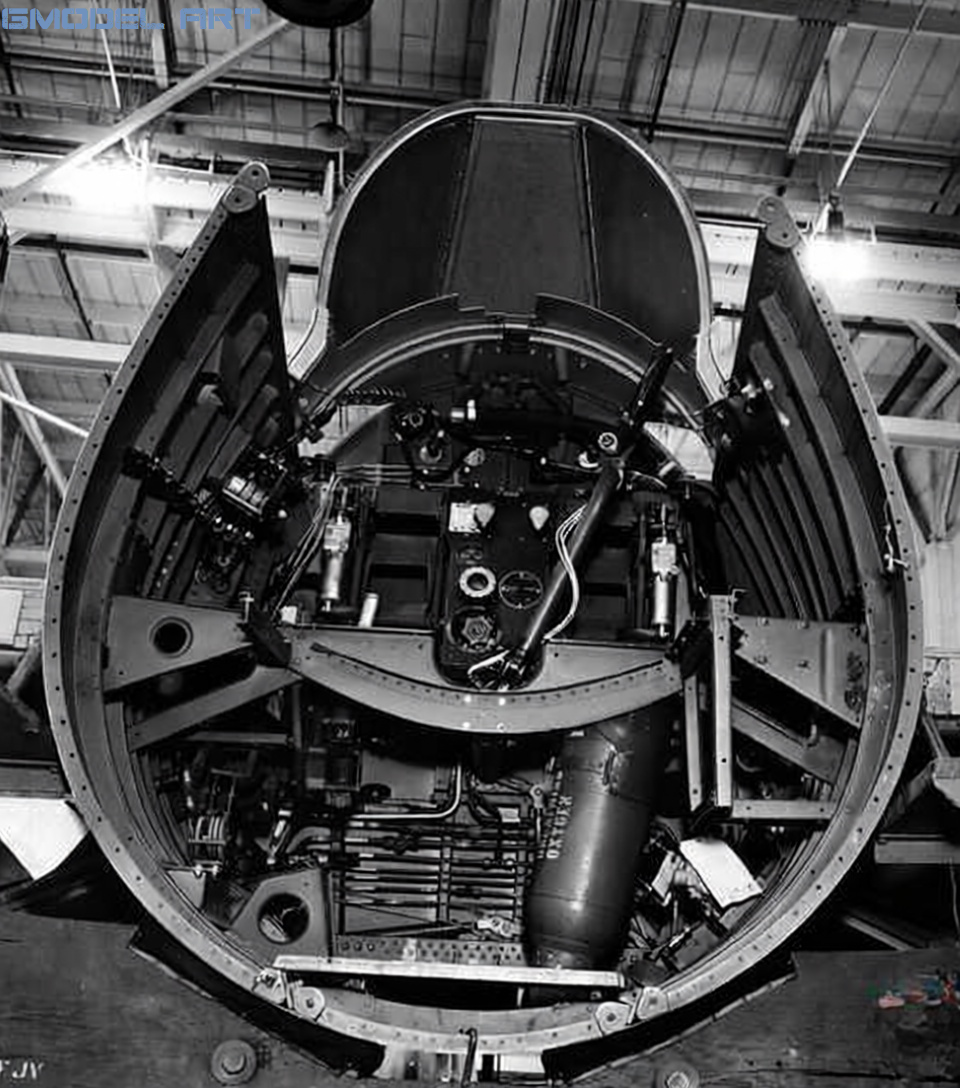
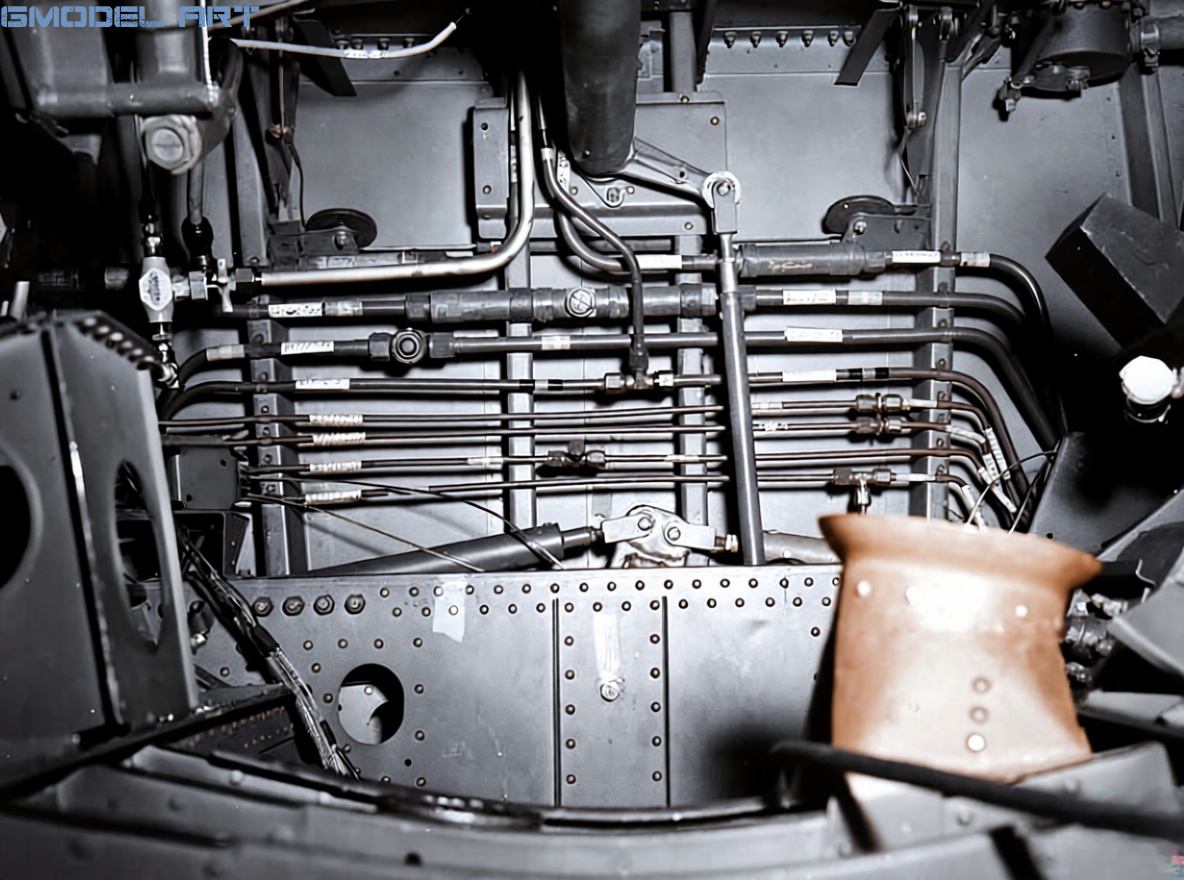
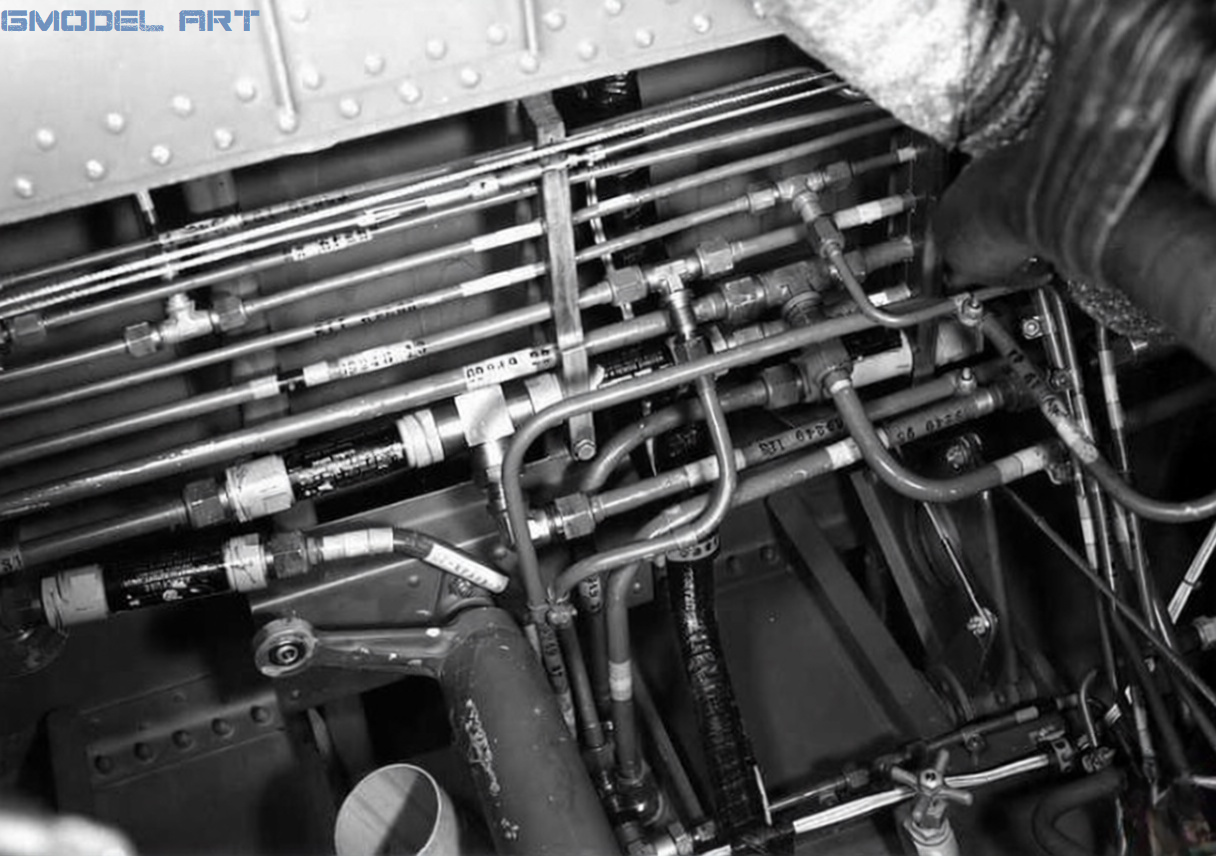
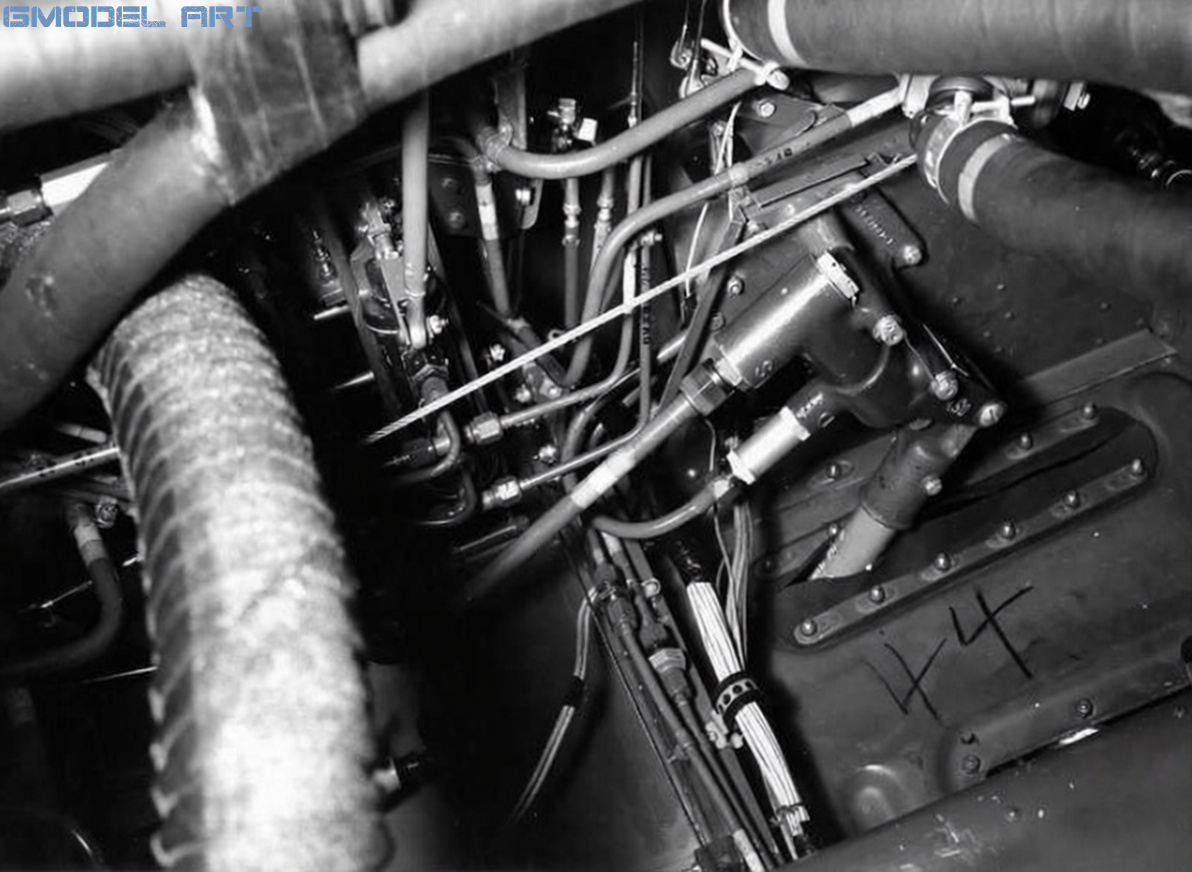
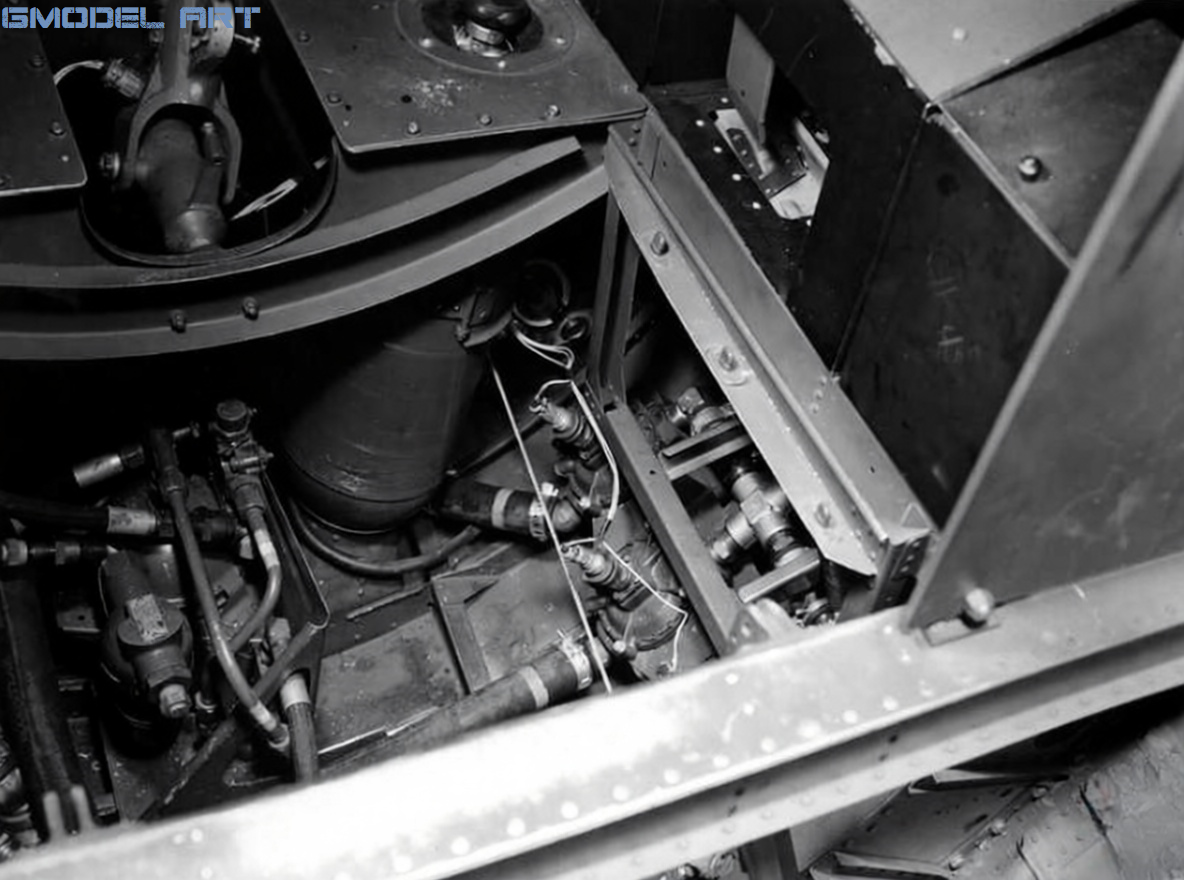
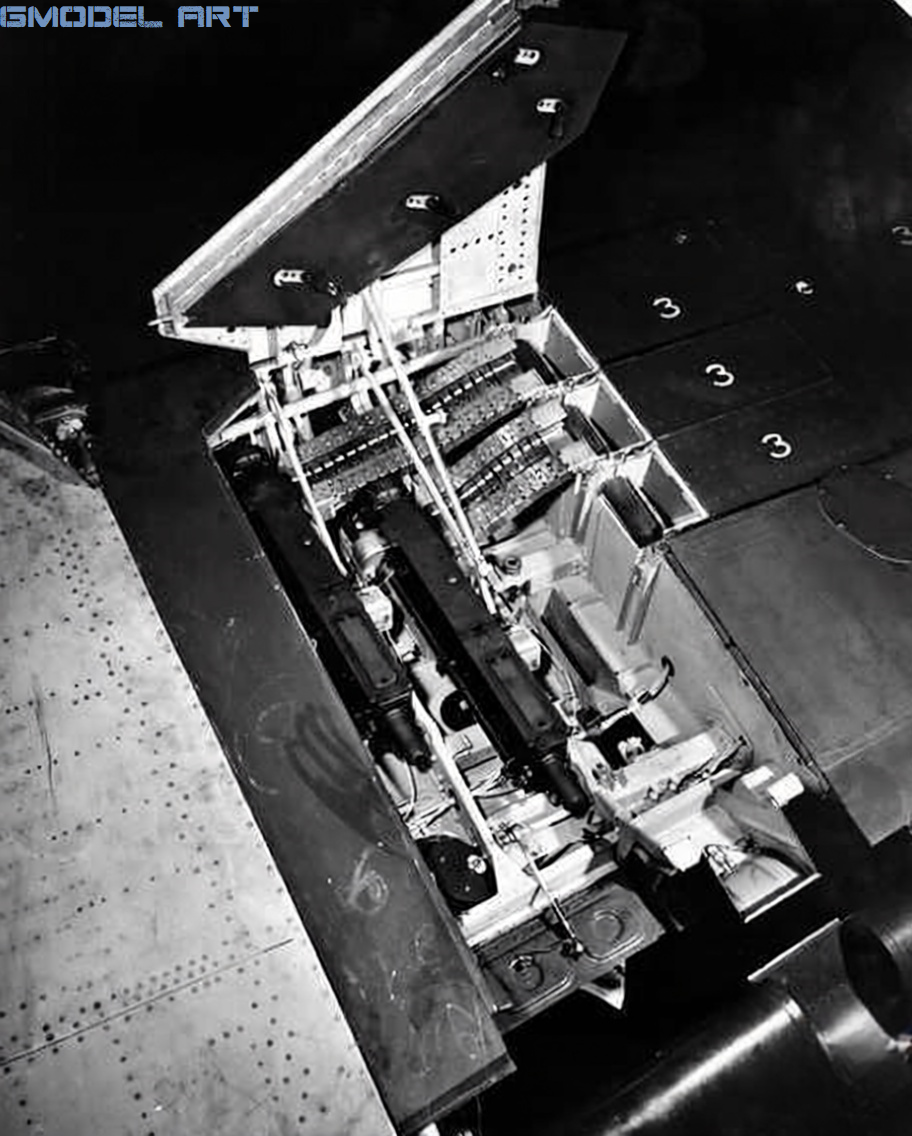
Internal systems were strengthened to handle the greater engine output and increased aircraft weight.
These changes created a fighter capable of exceptional acceleration while retaining the rugged characteristics that had made the Corsair famous.
The Production Line
Unlike many experimental aircraft, the F2G was not intended to remain a prototype.
The United States Navy envisioned full-scale production.
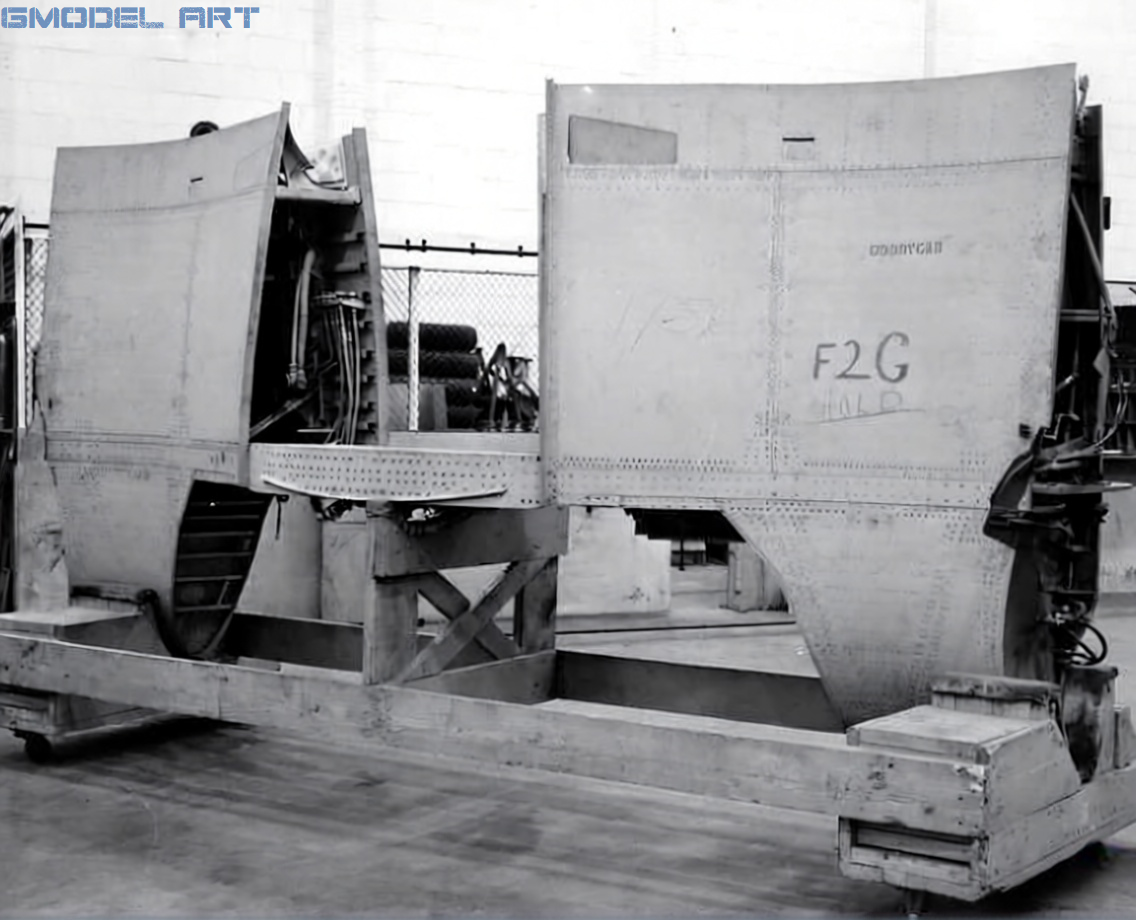
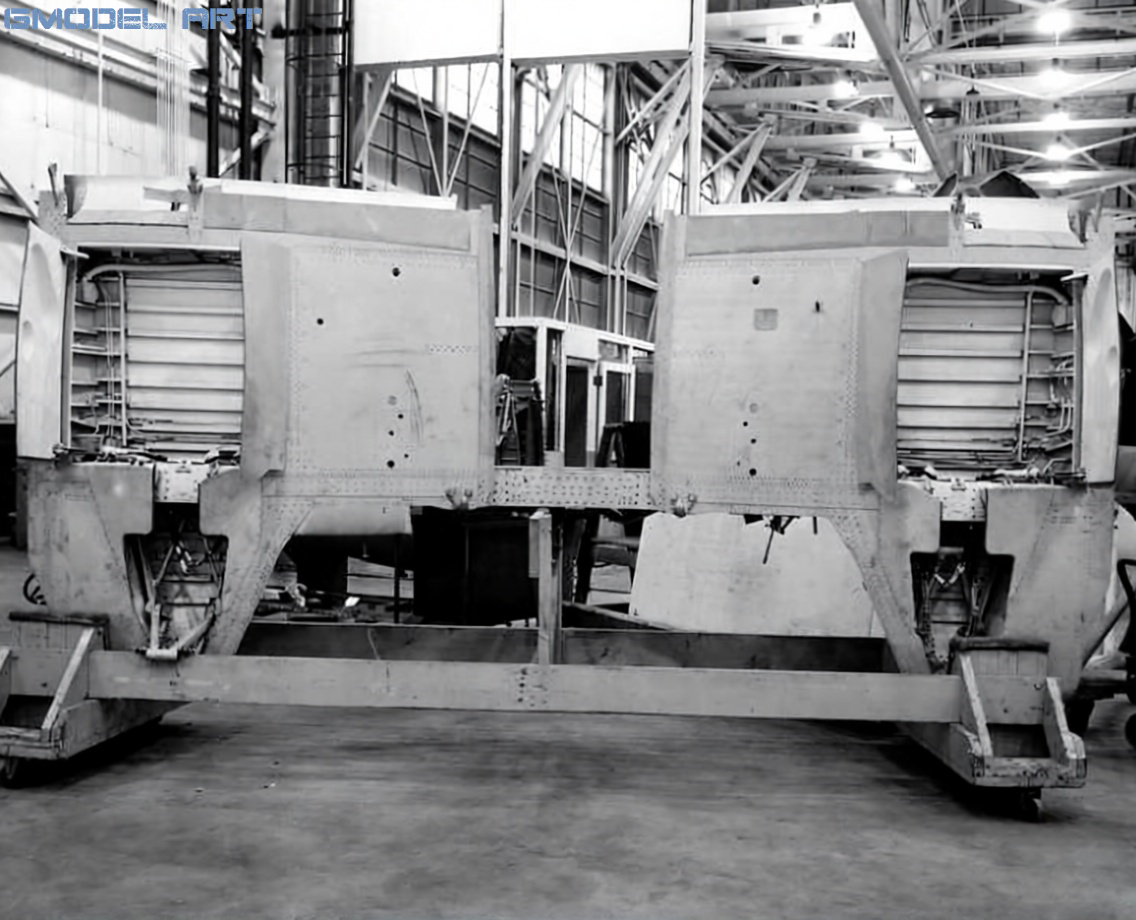
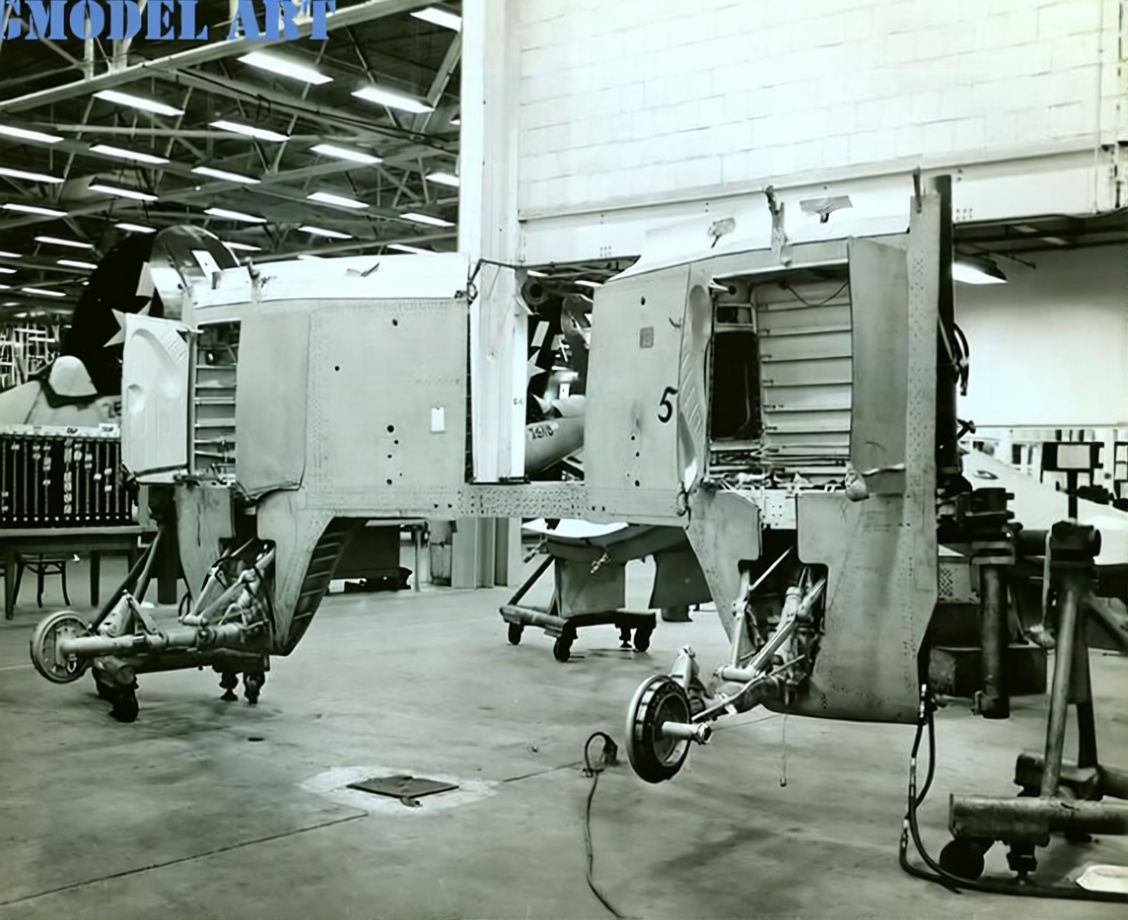
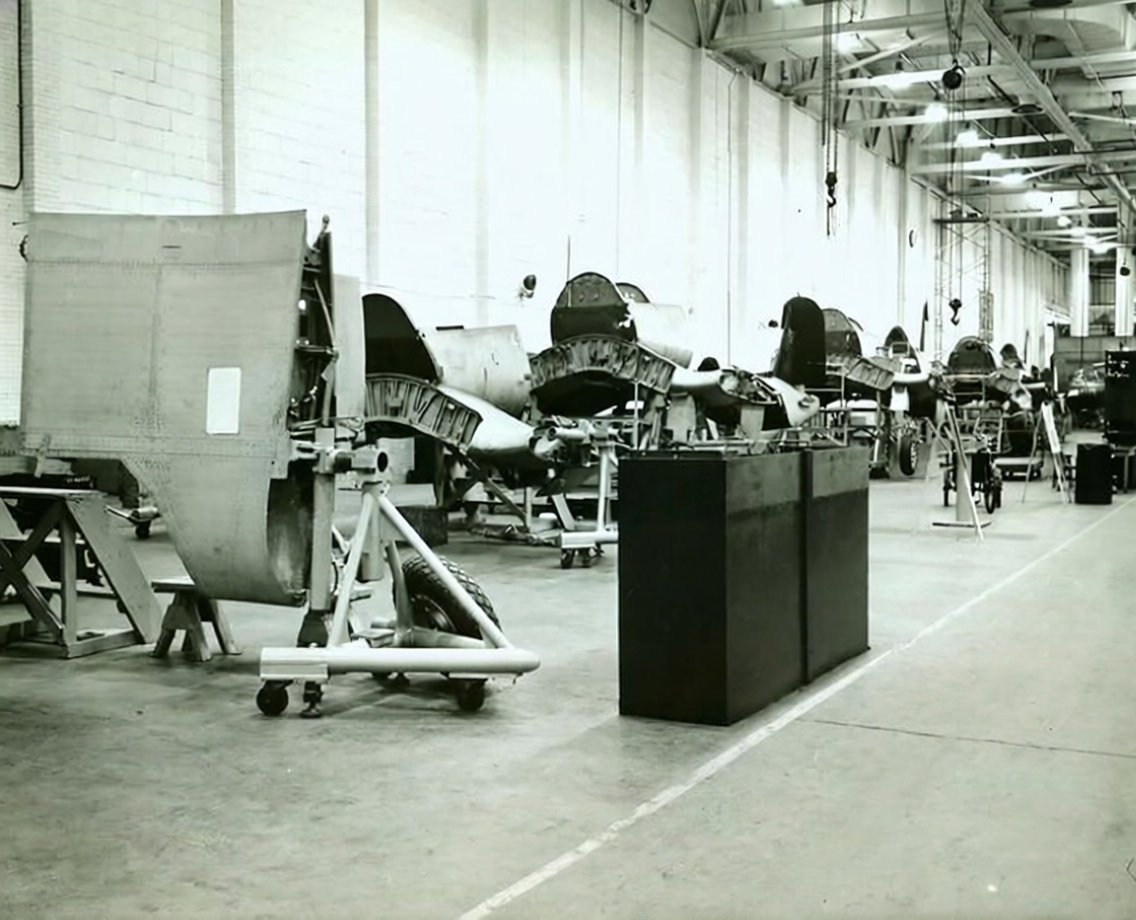
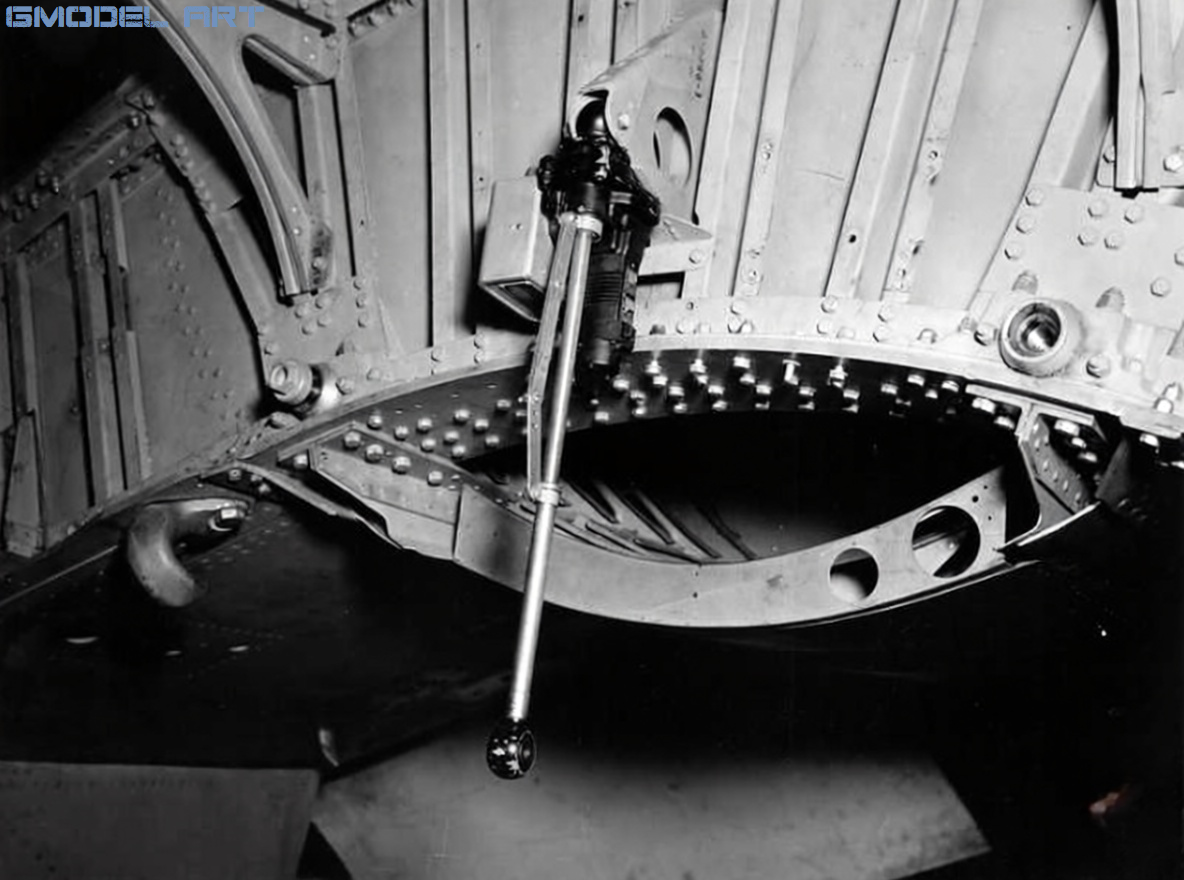
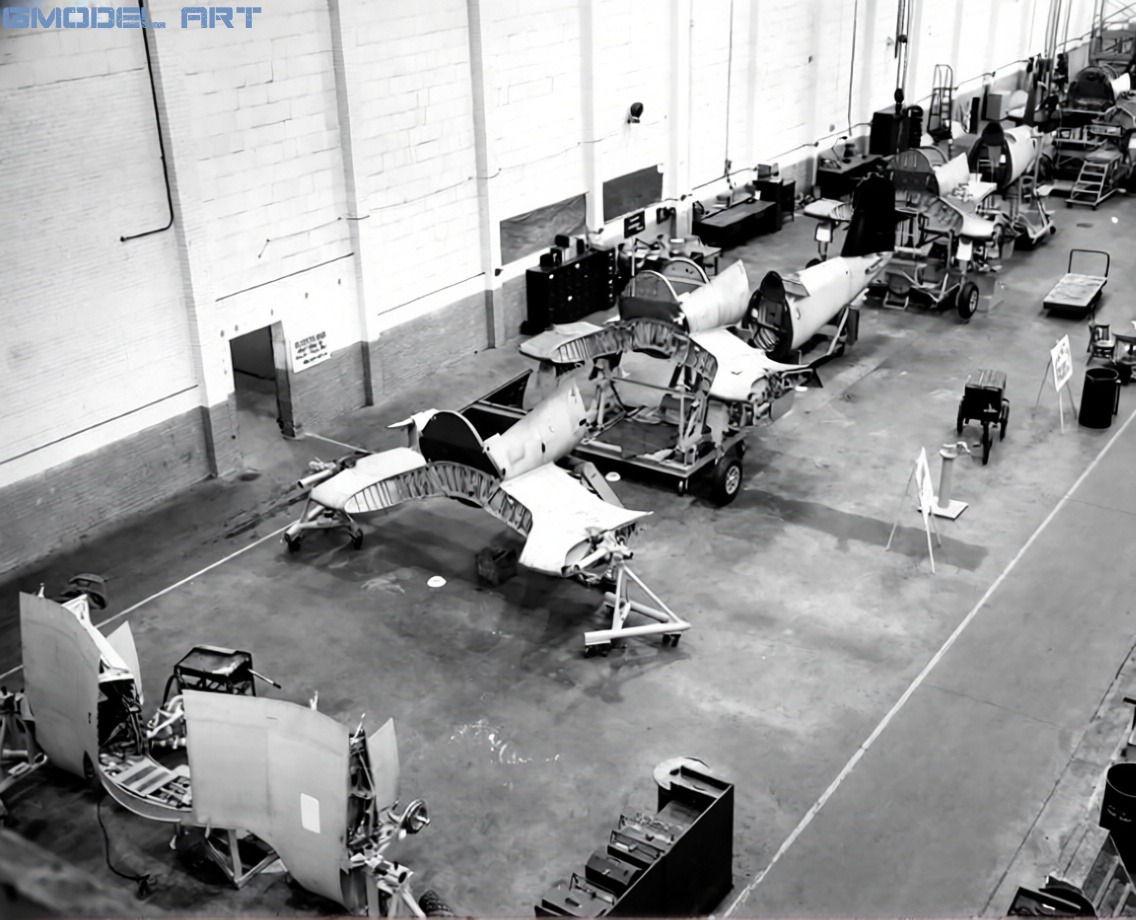
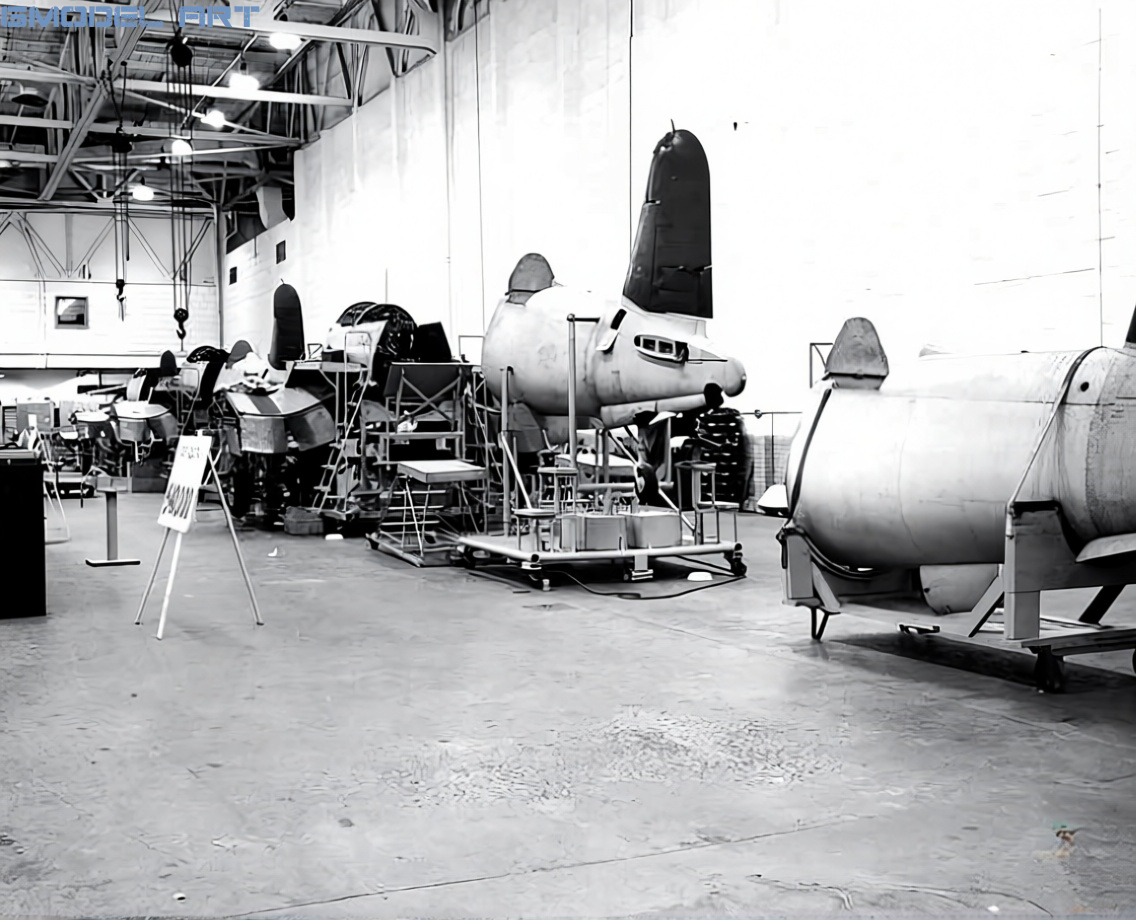
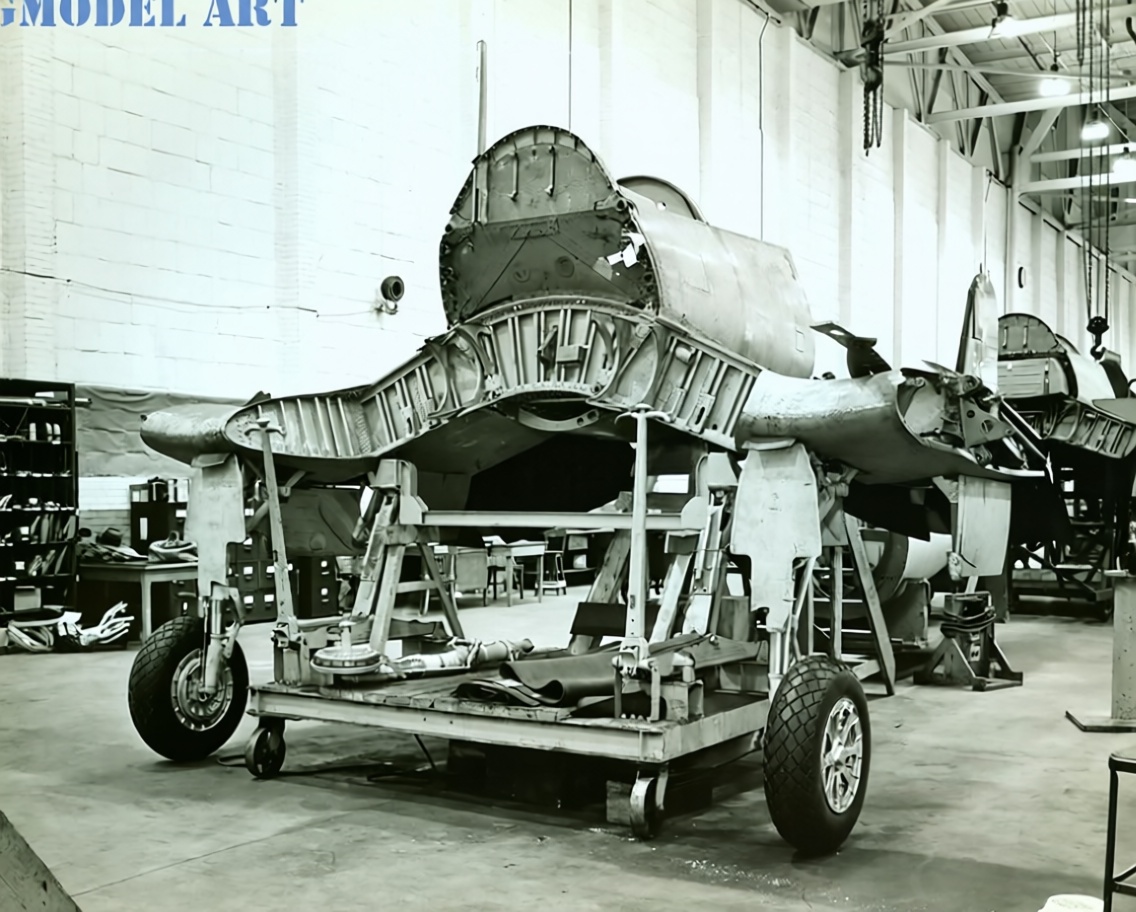
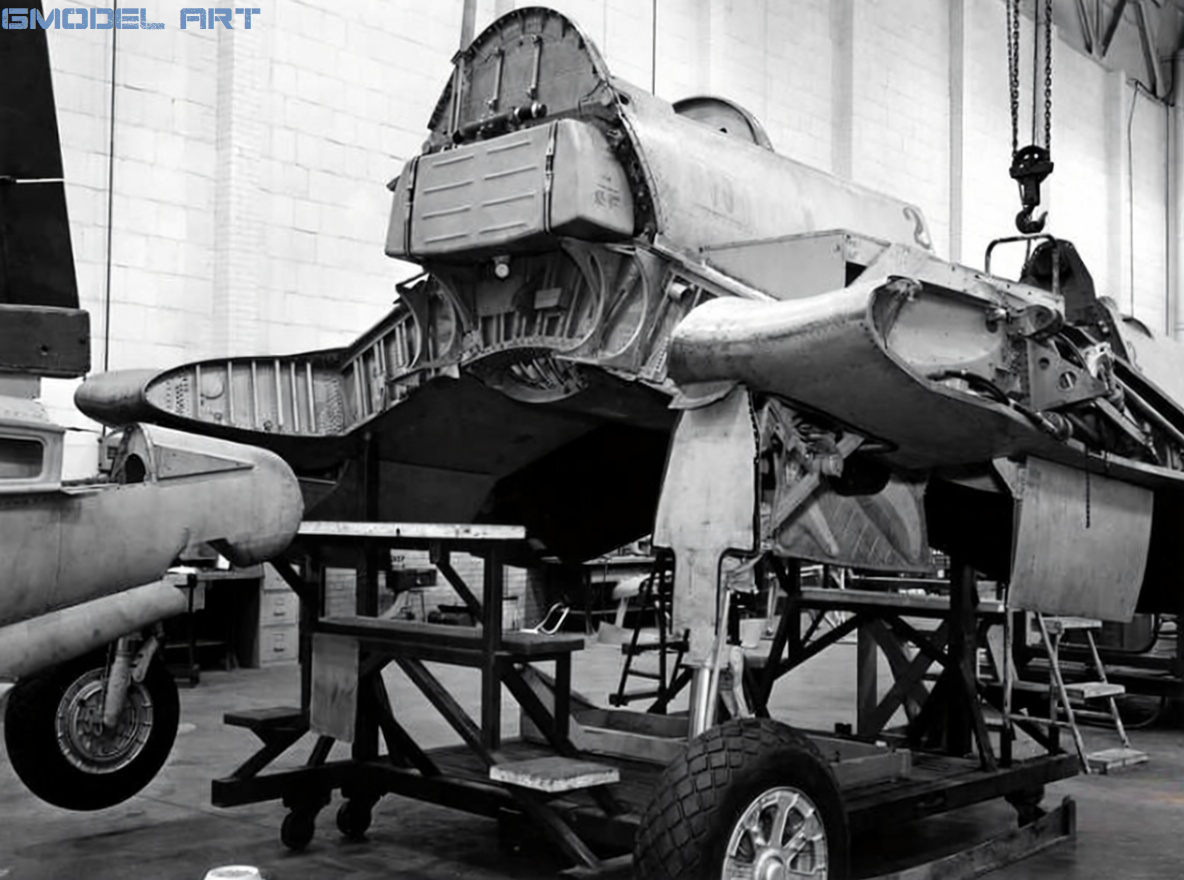
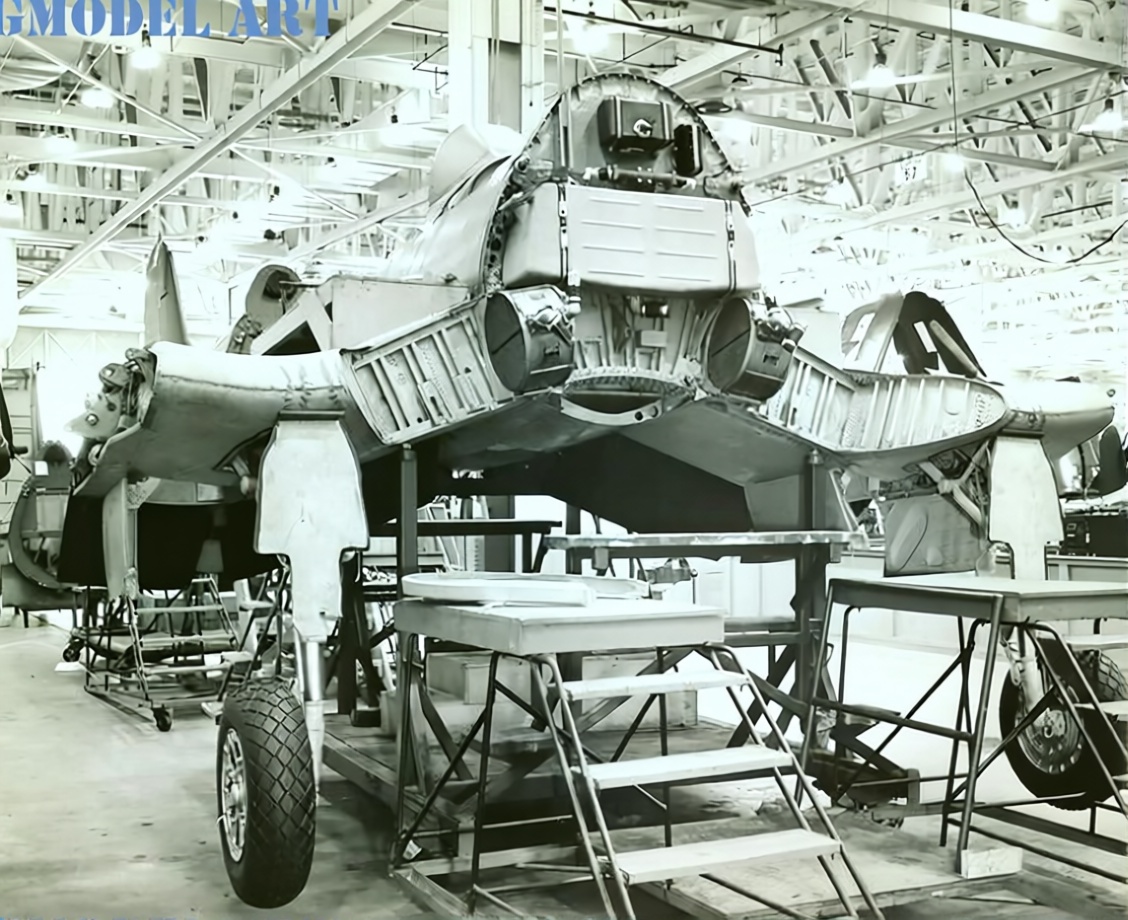
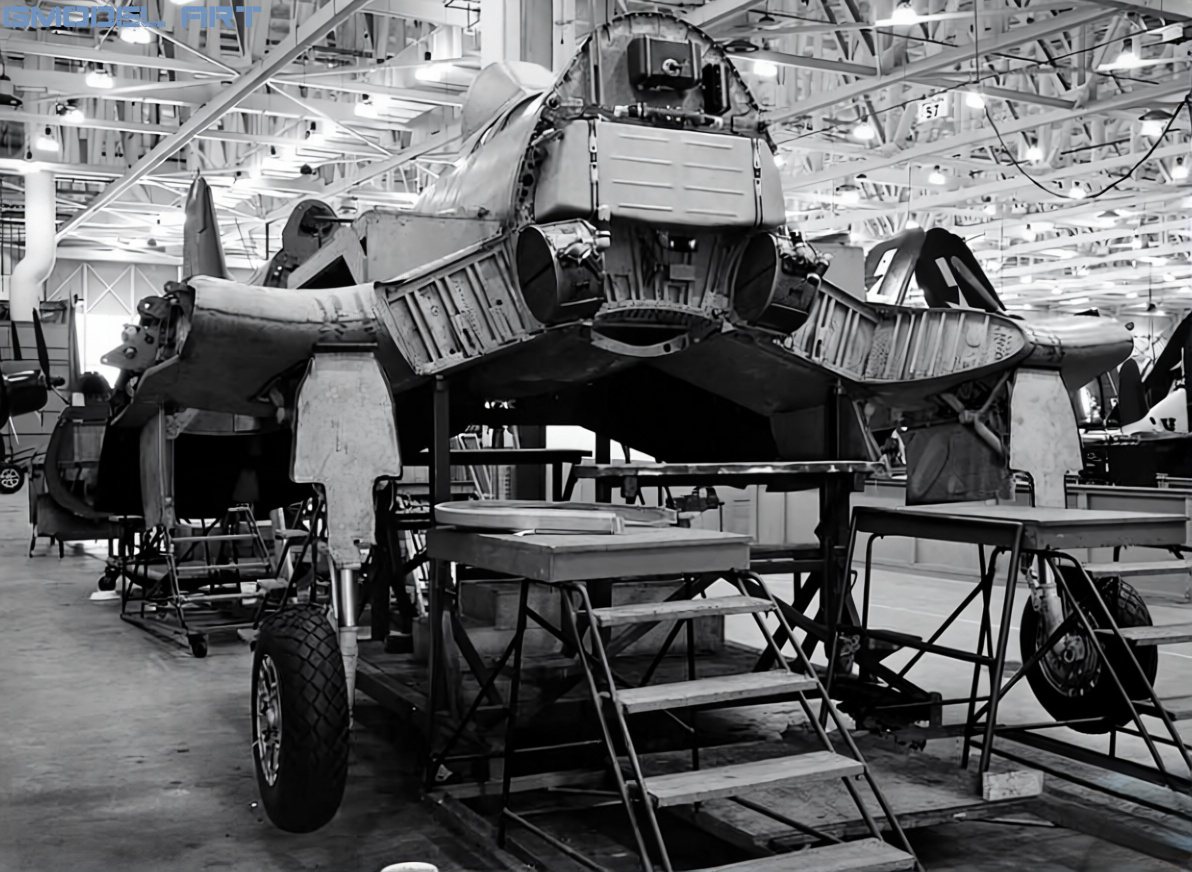
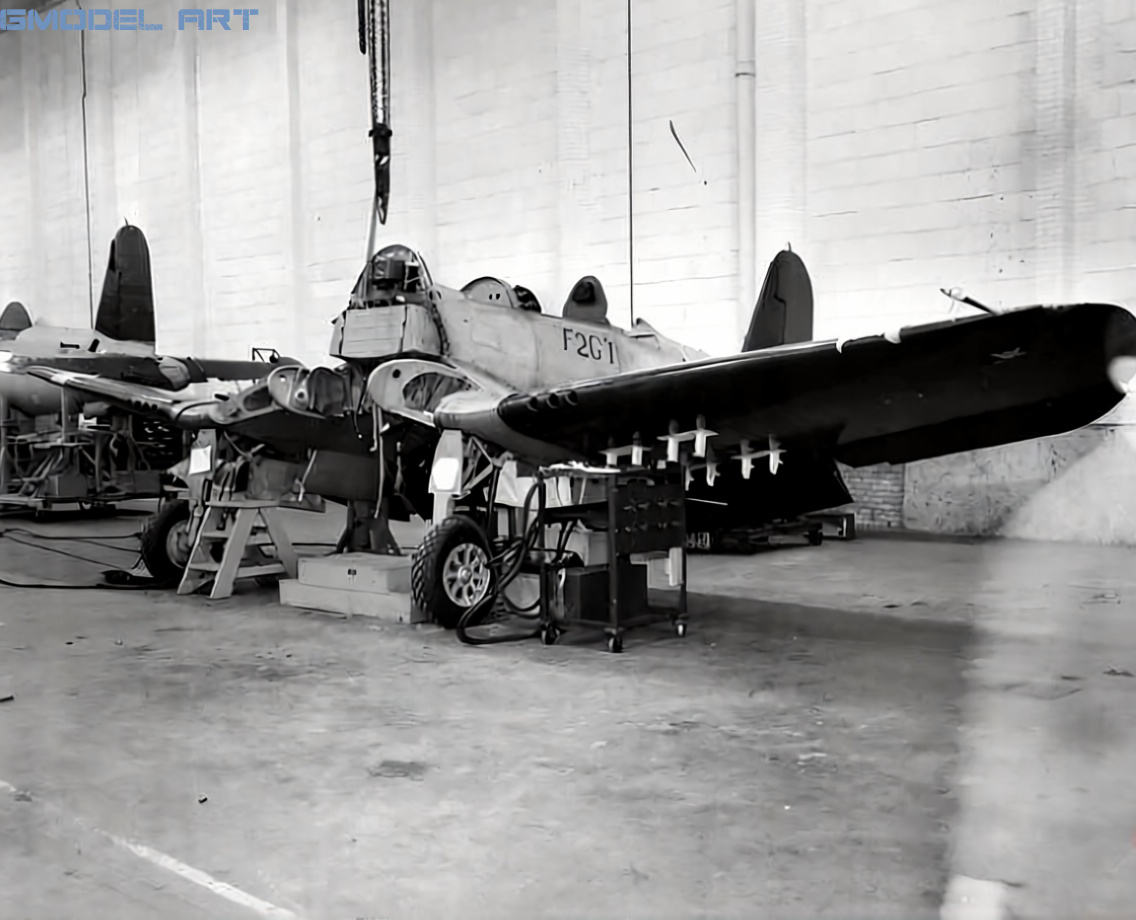
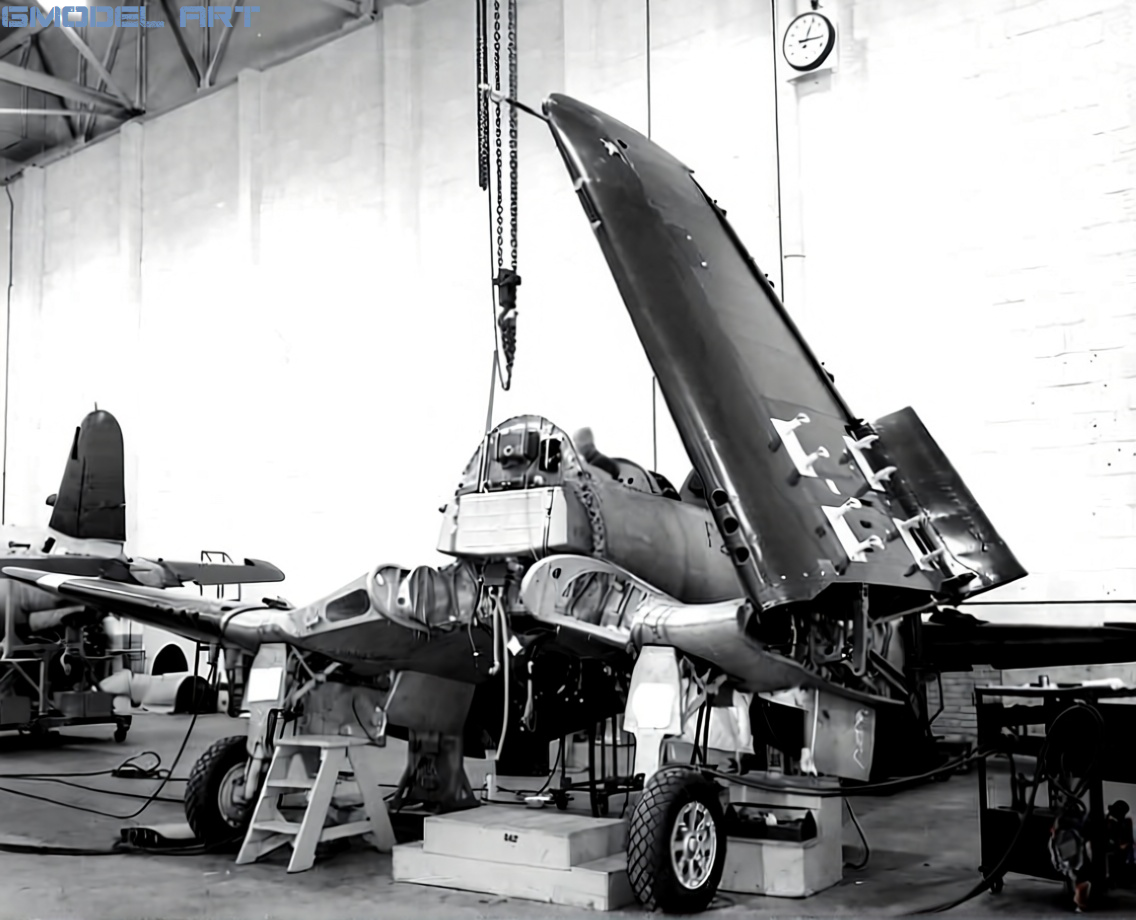
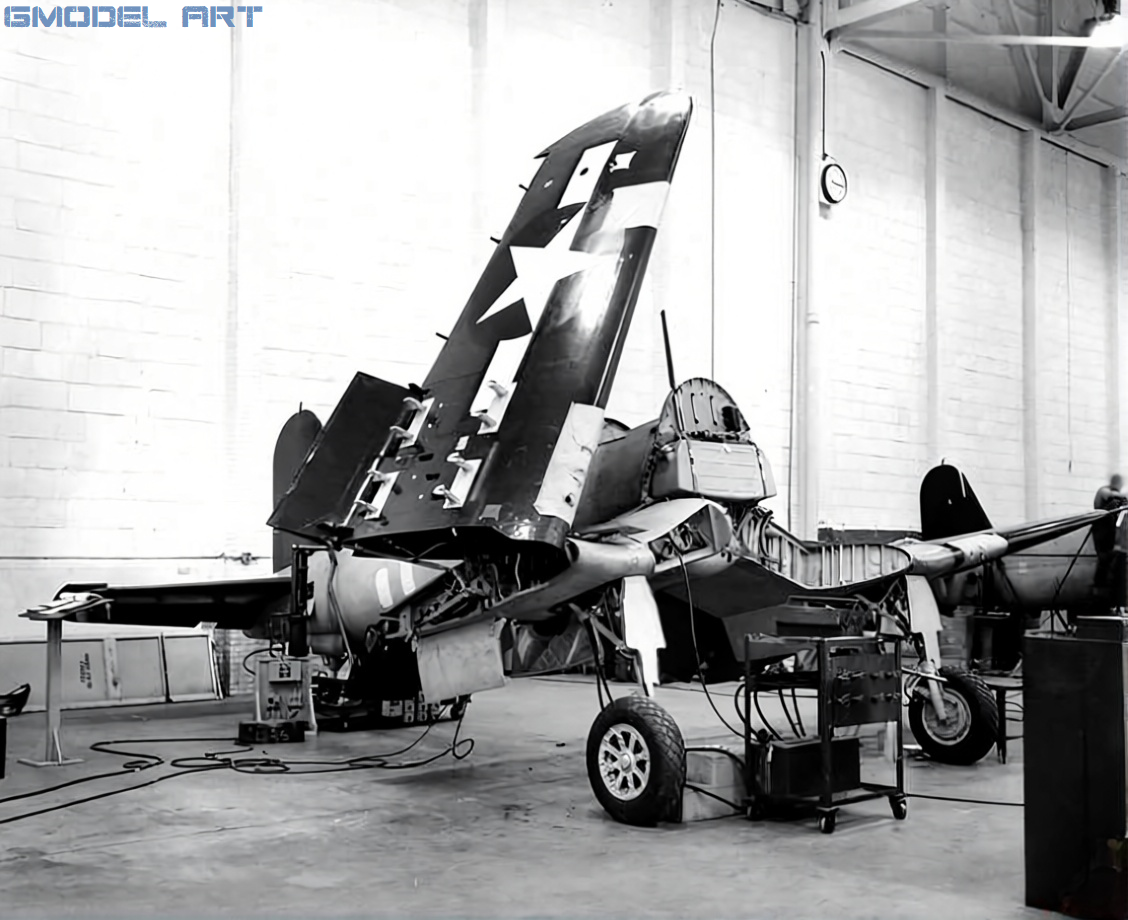
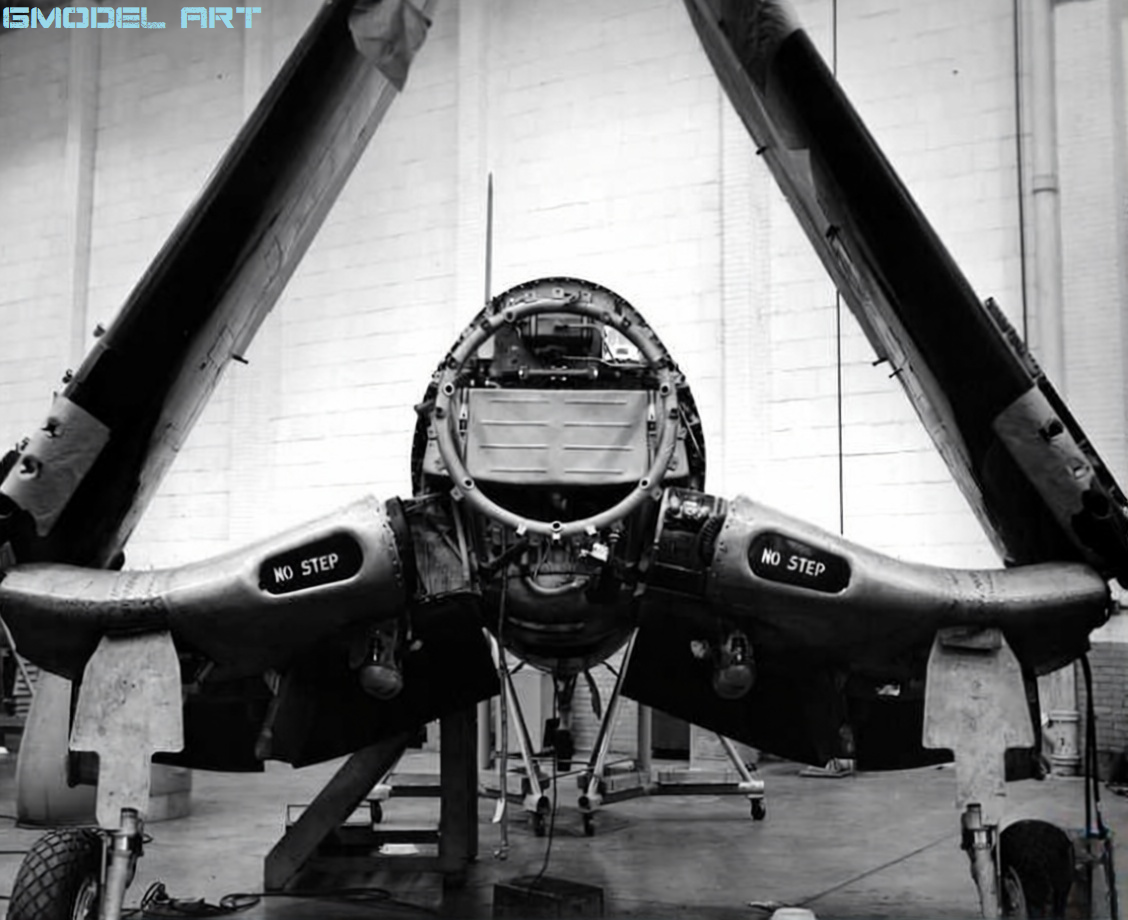
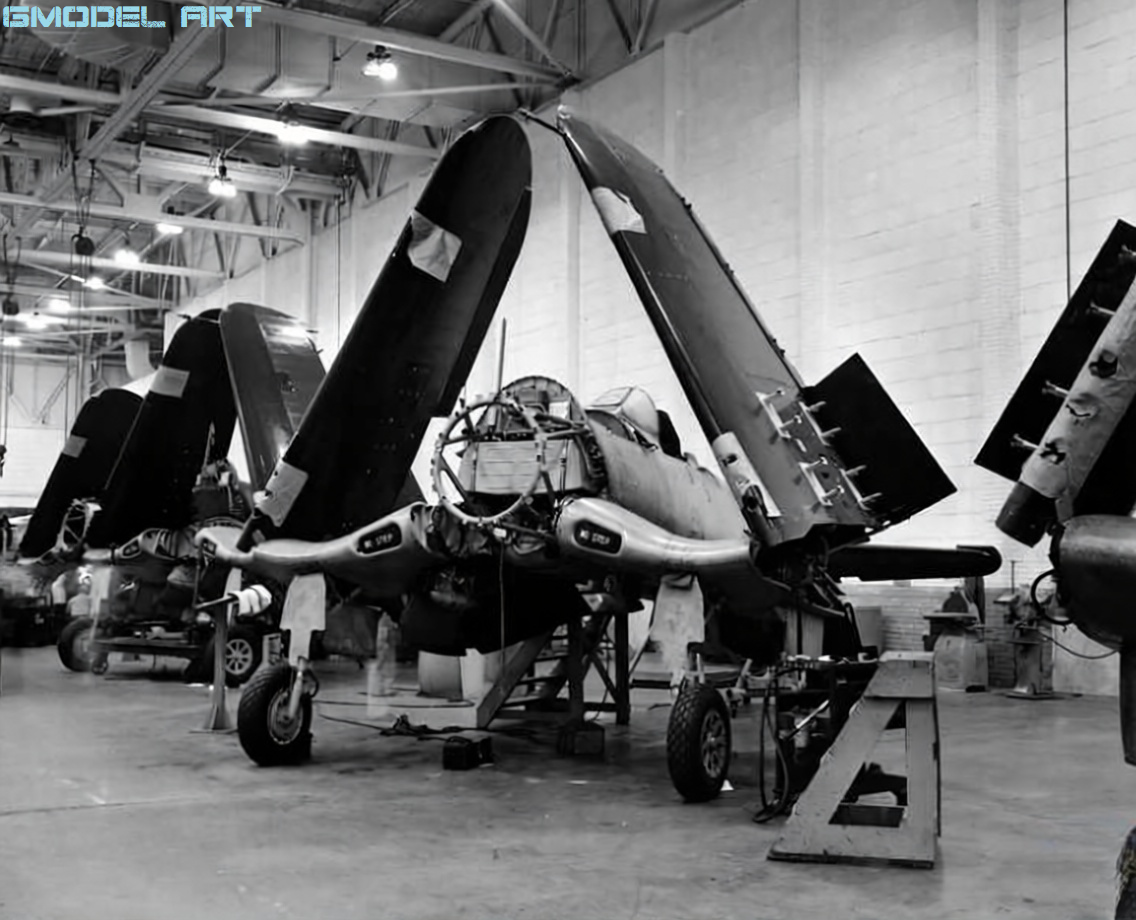
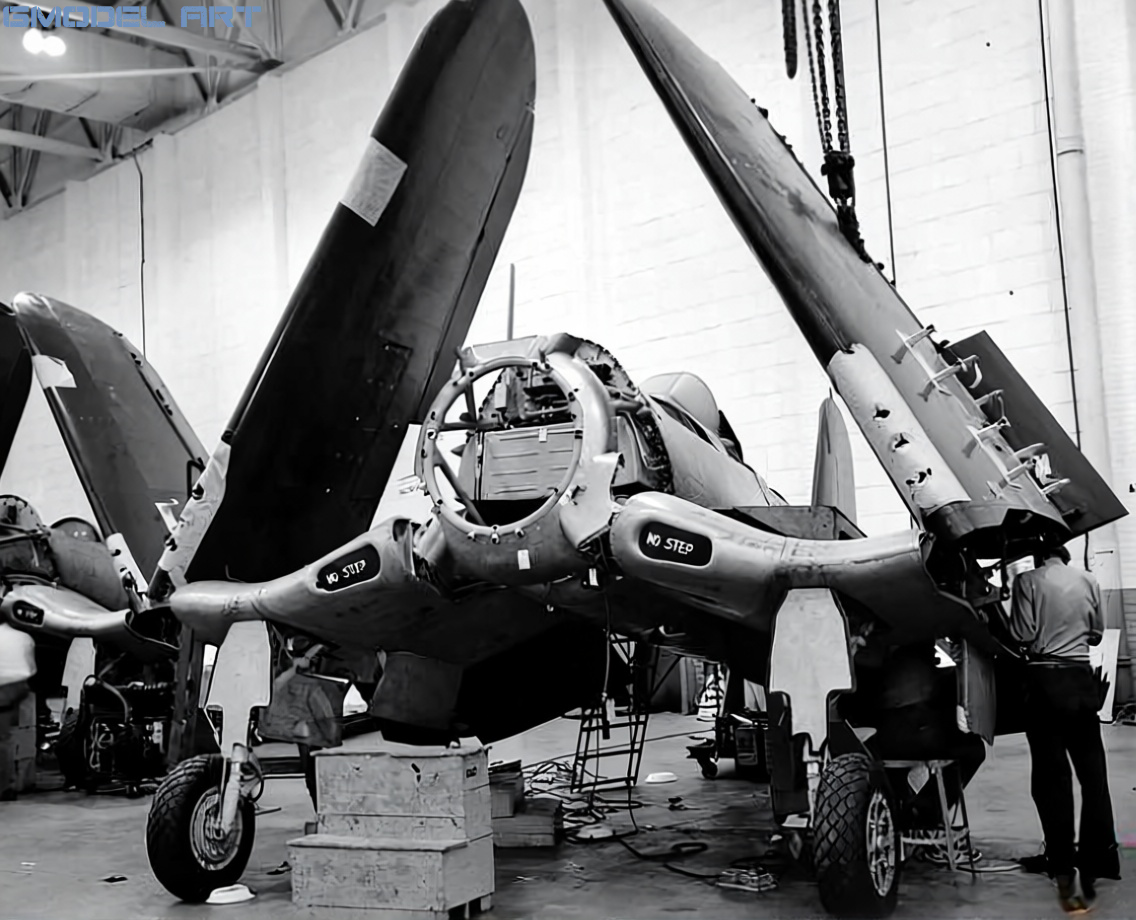
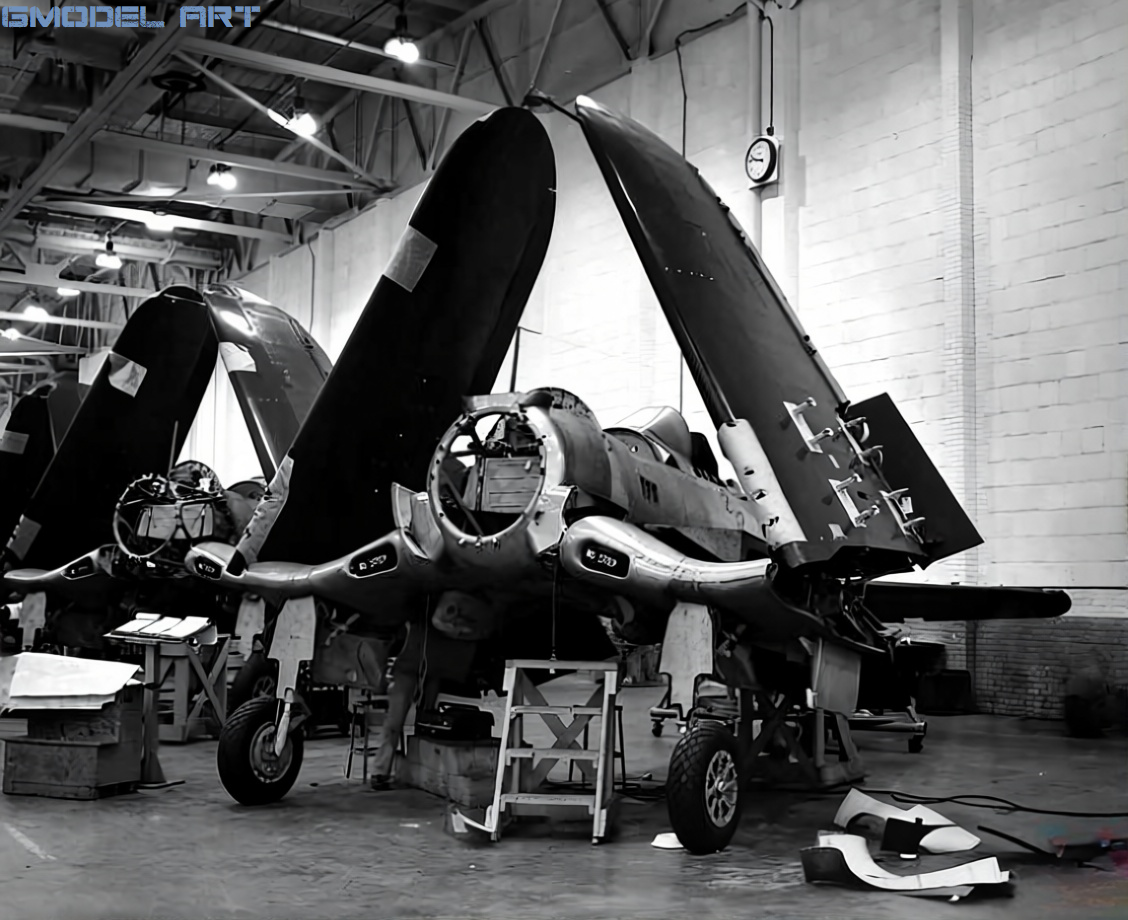
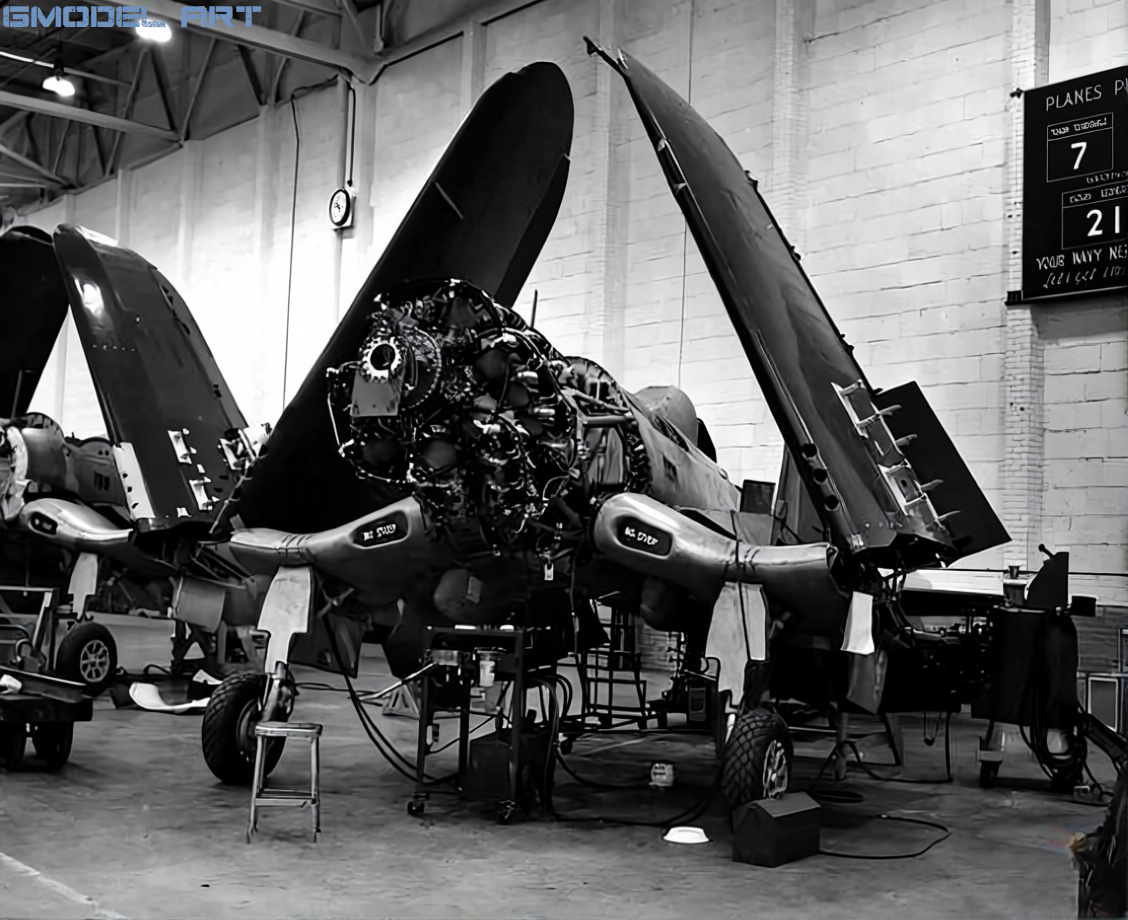
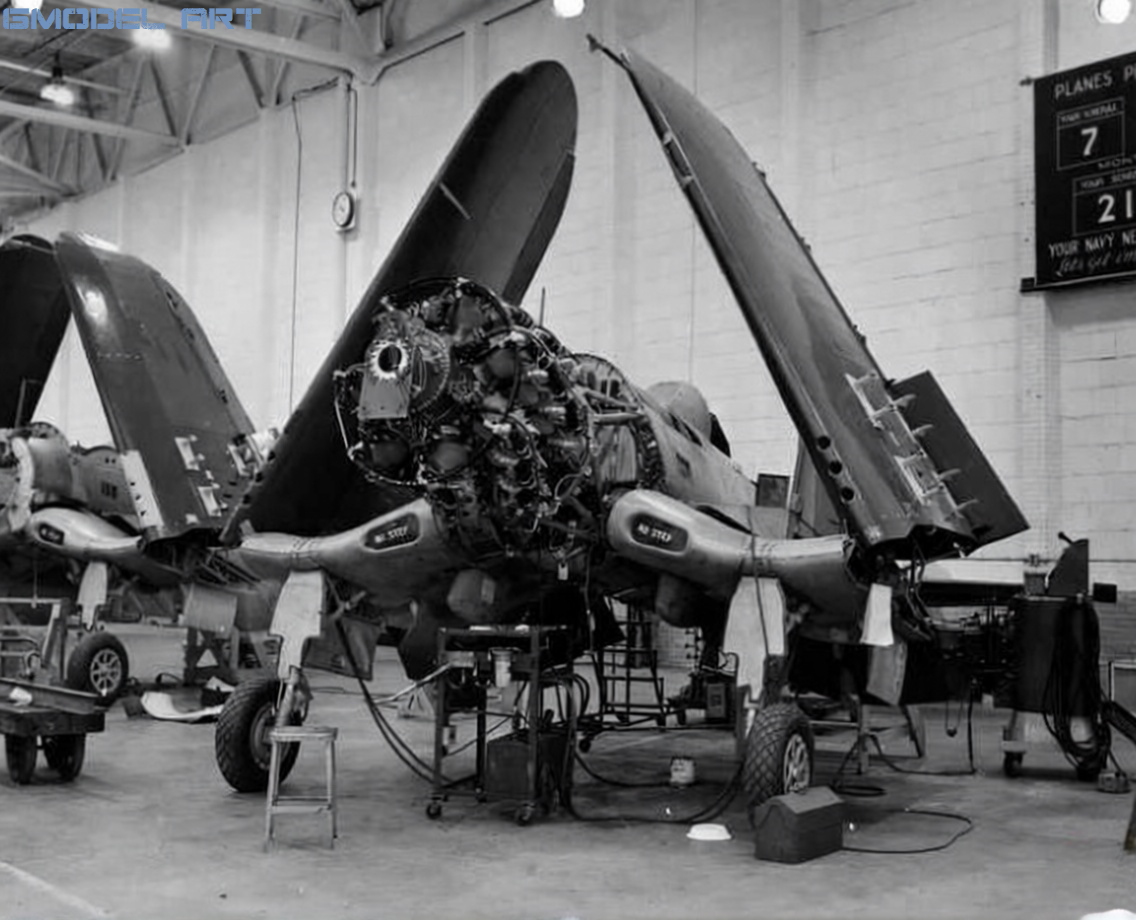
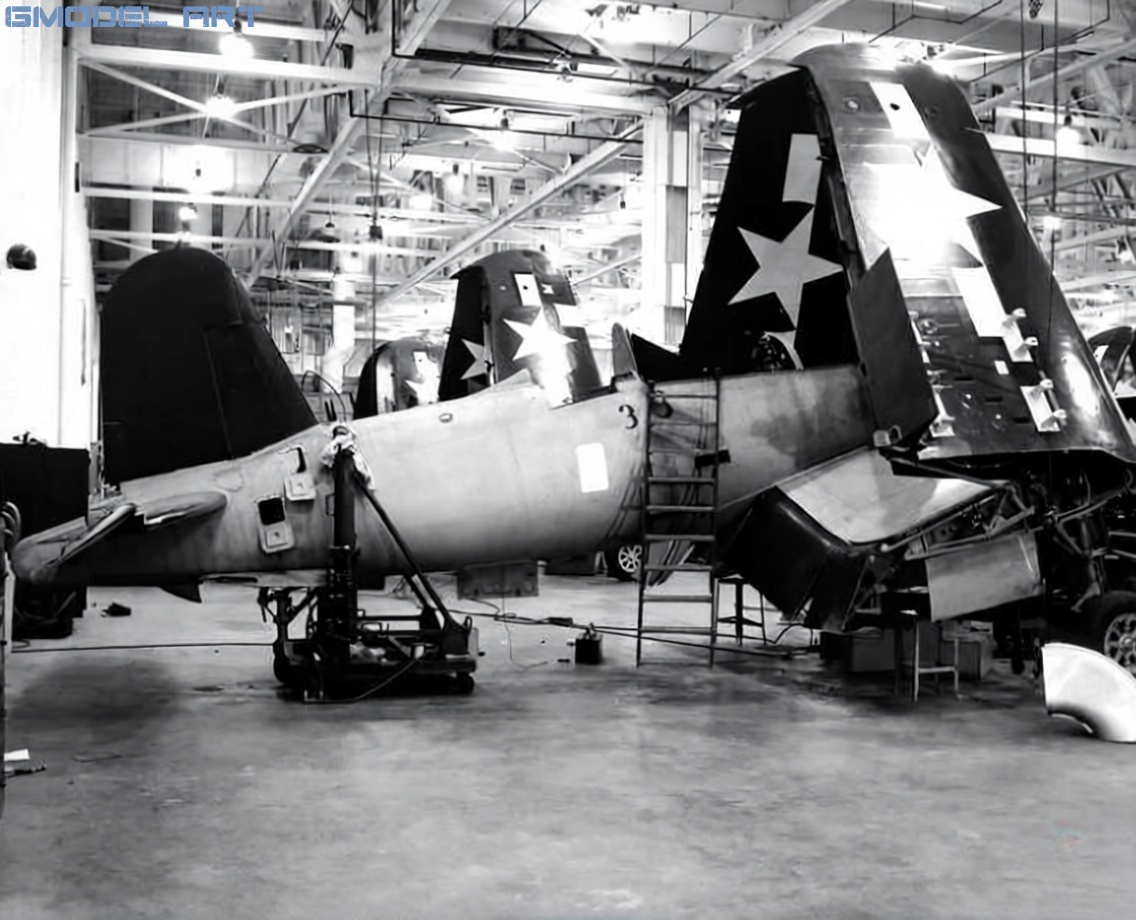
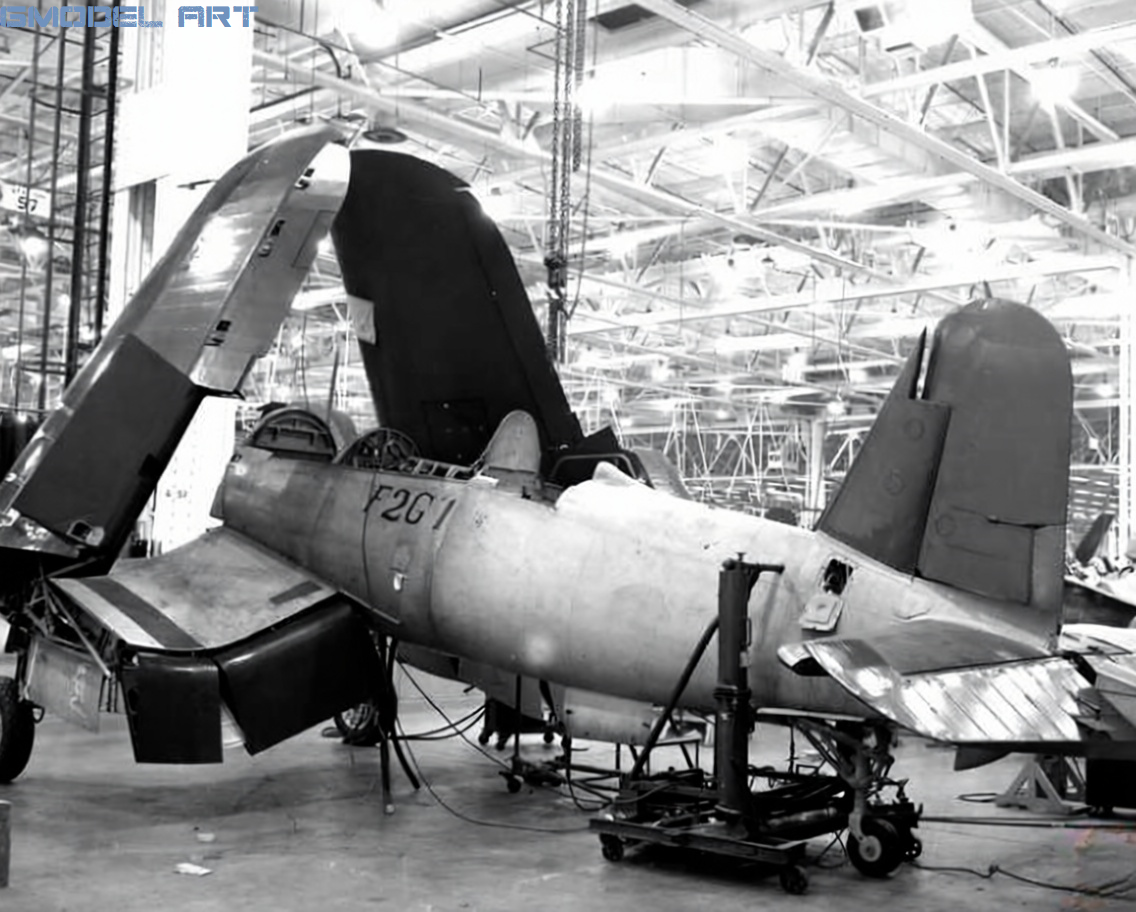
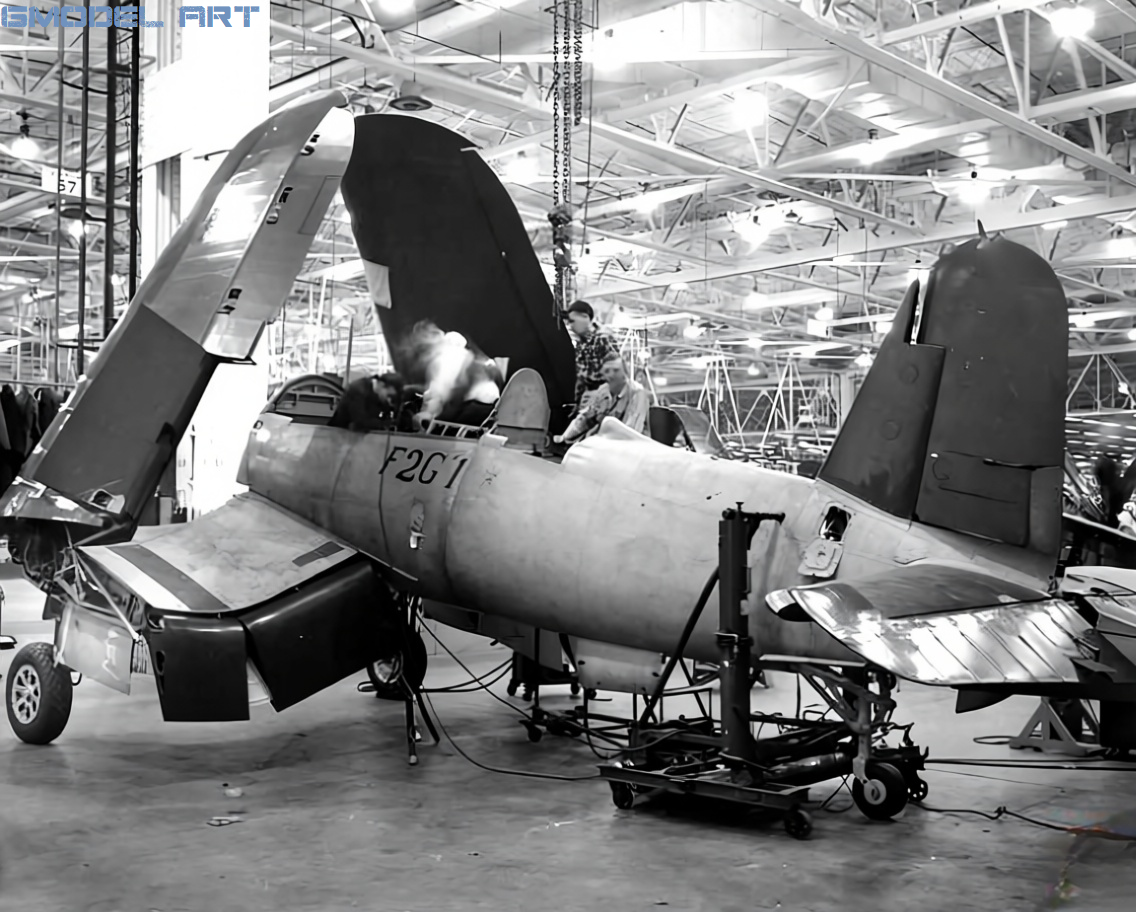
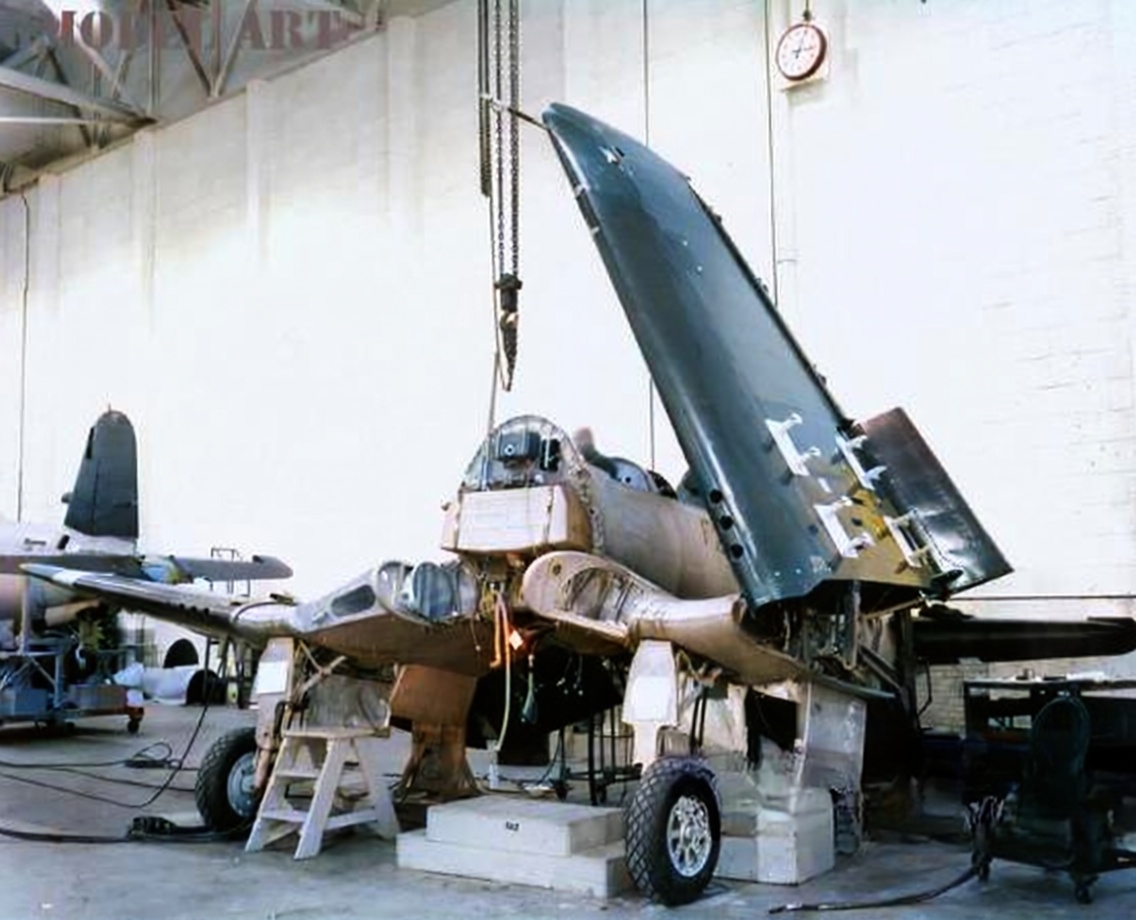
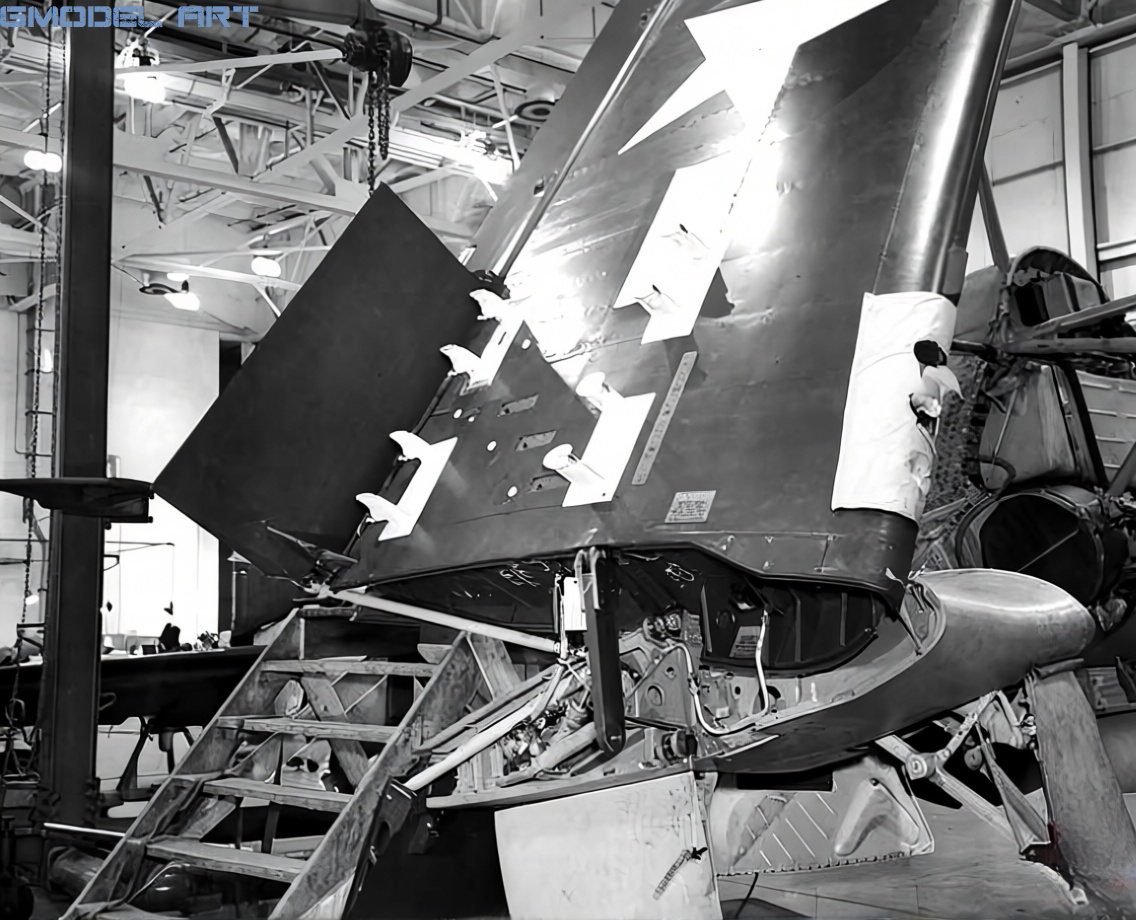
Goodyear planned to manufacture the aircraft at its Akron, Ohio facility, where the company was already producing FG-1D Corsairs.
Rather than constructing a completely new factory, Goodyear modified the existing production line.
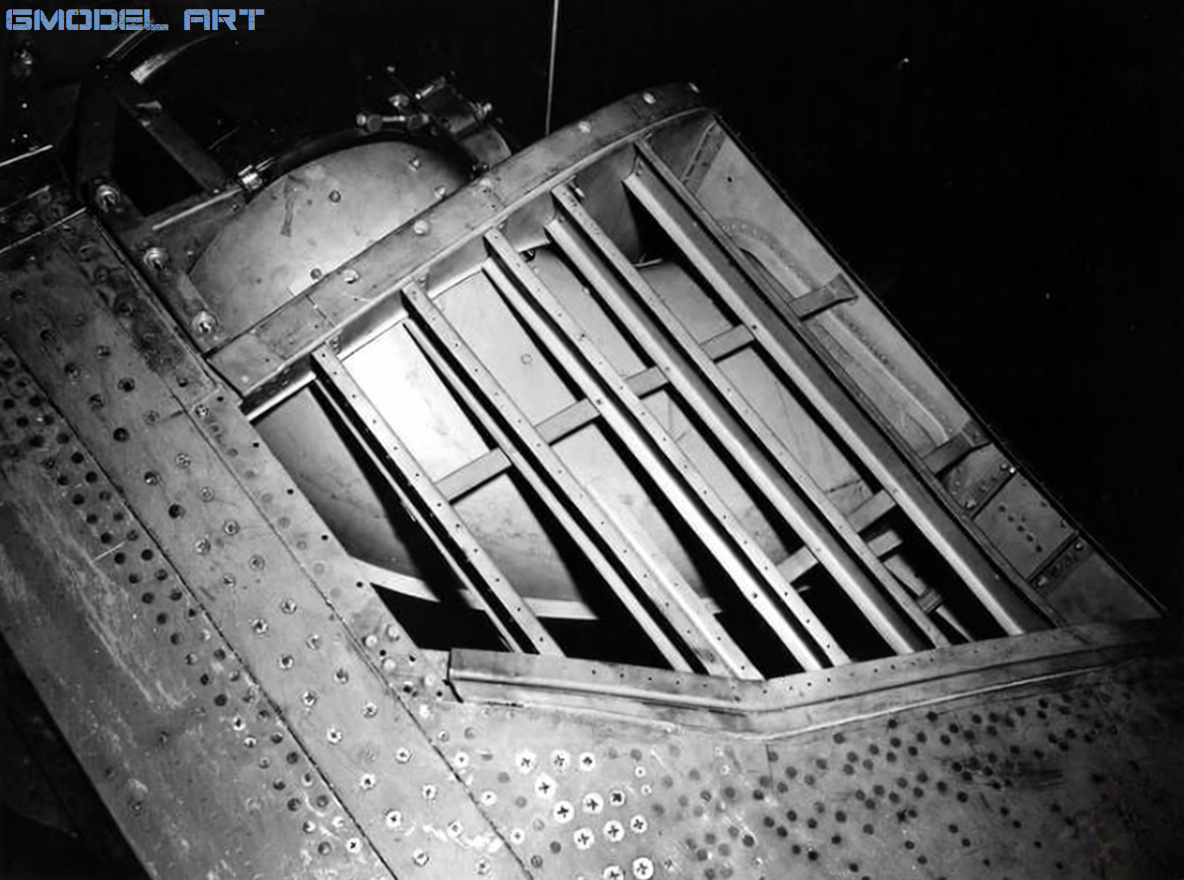
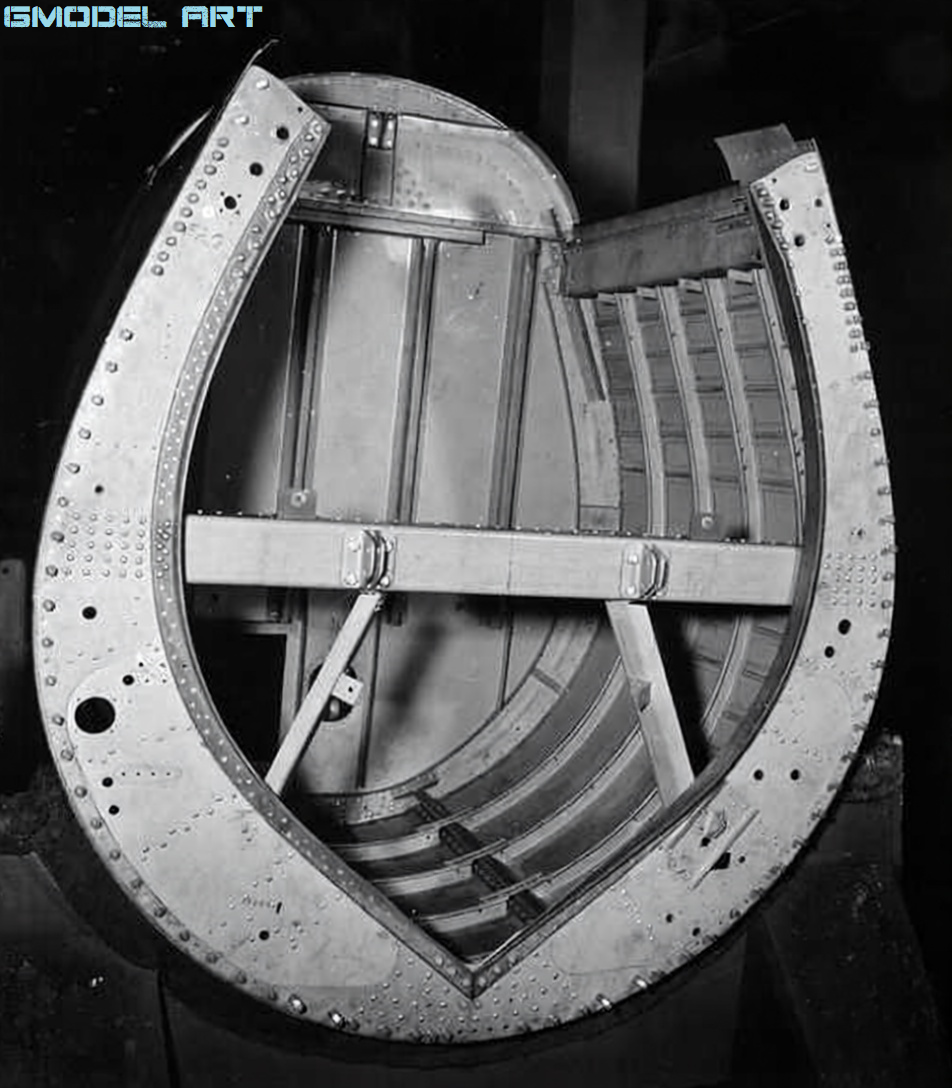
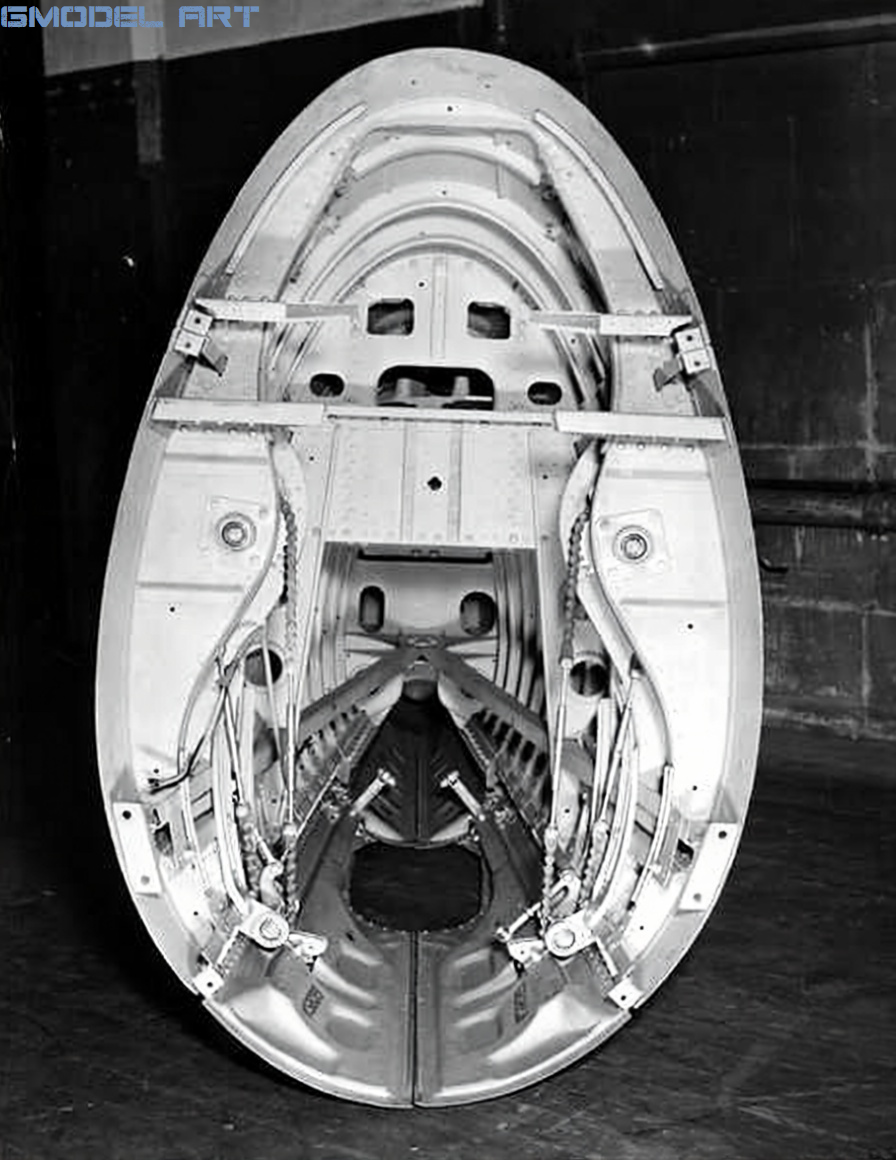
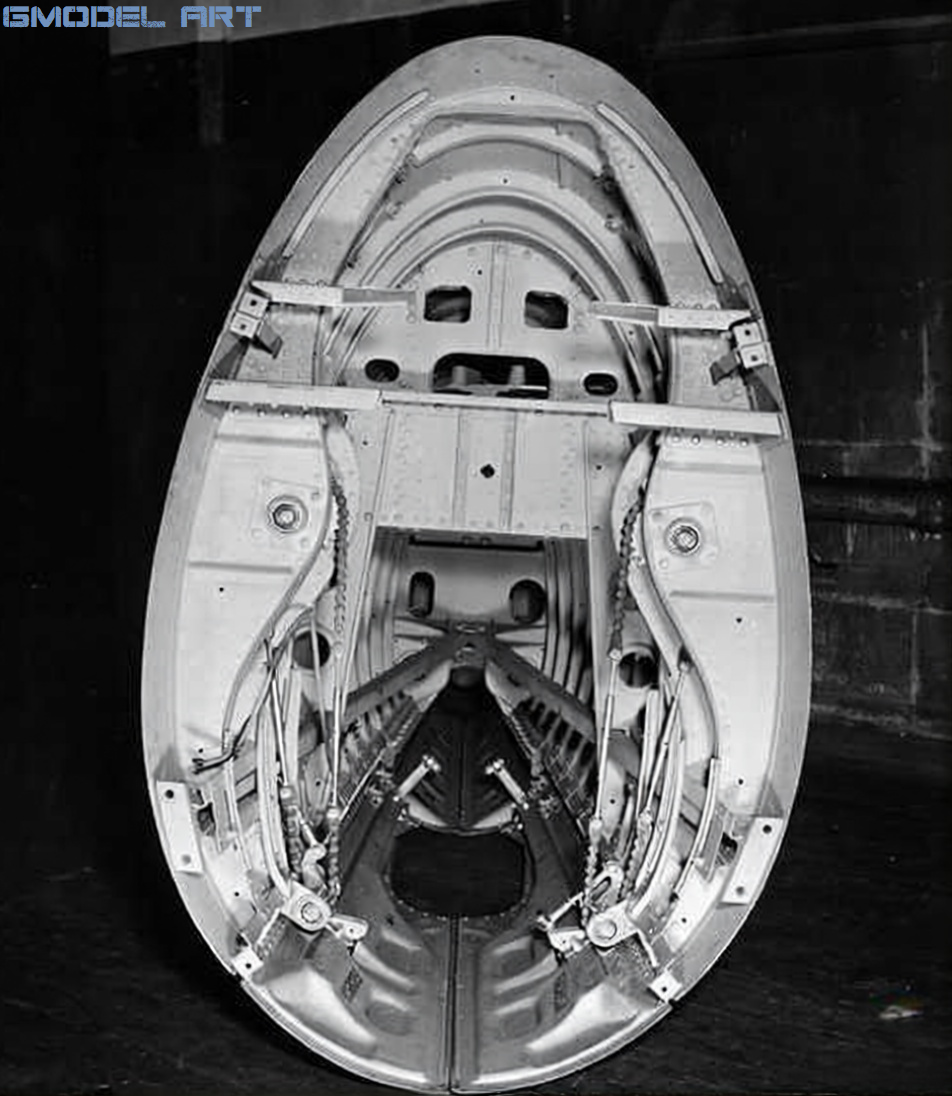
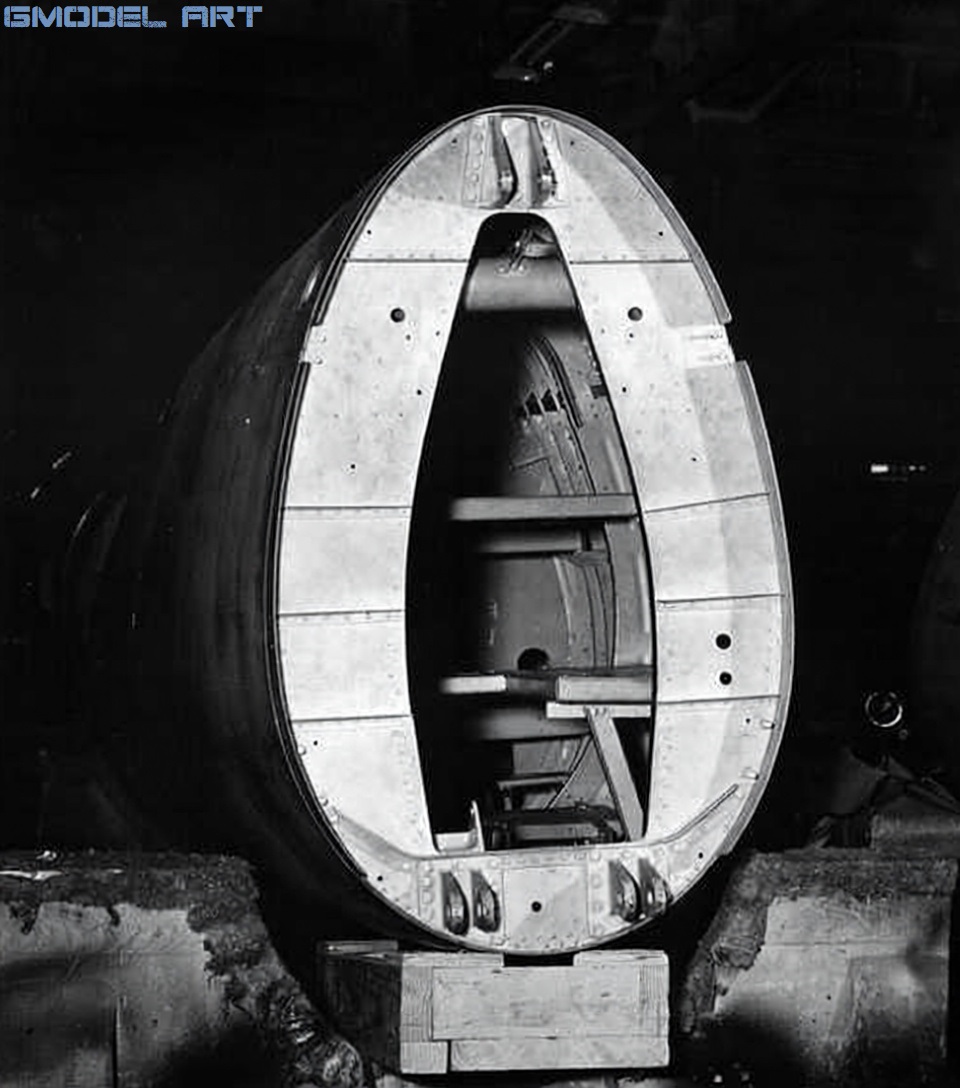
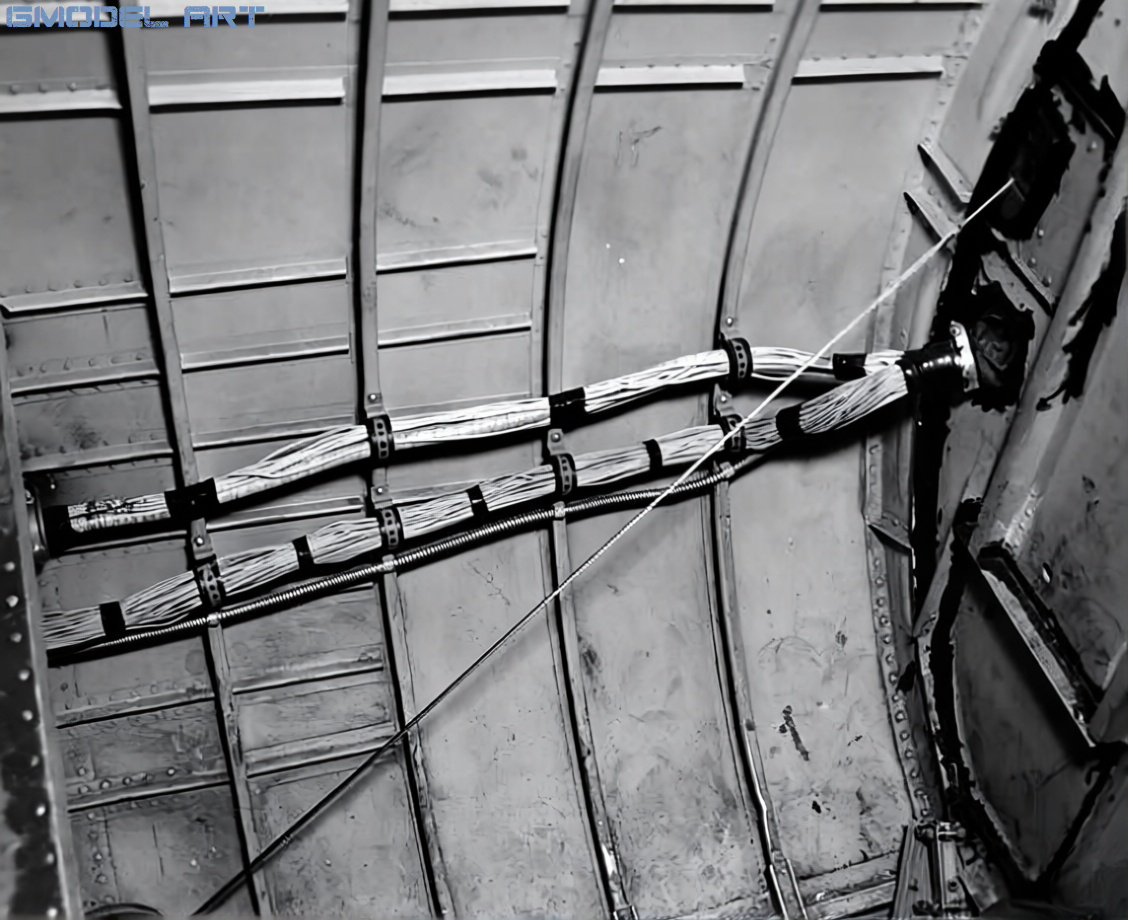
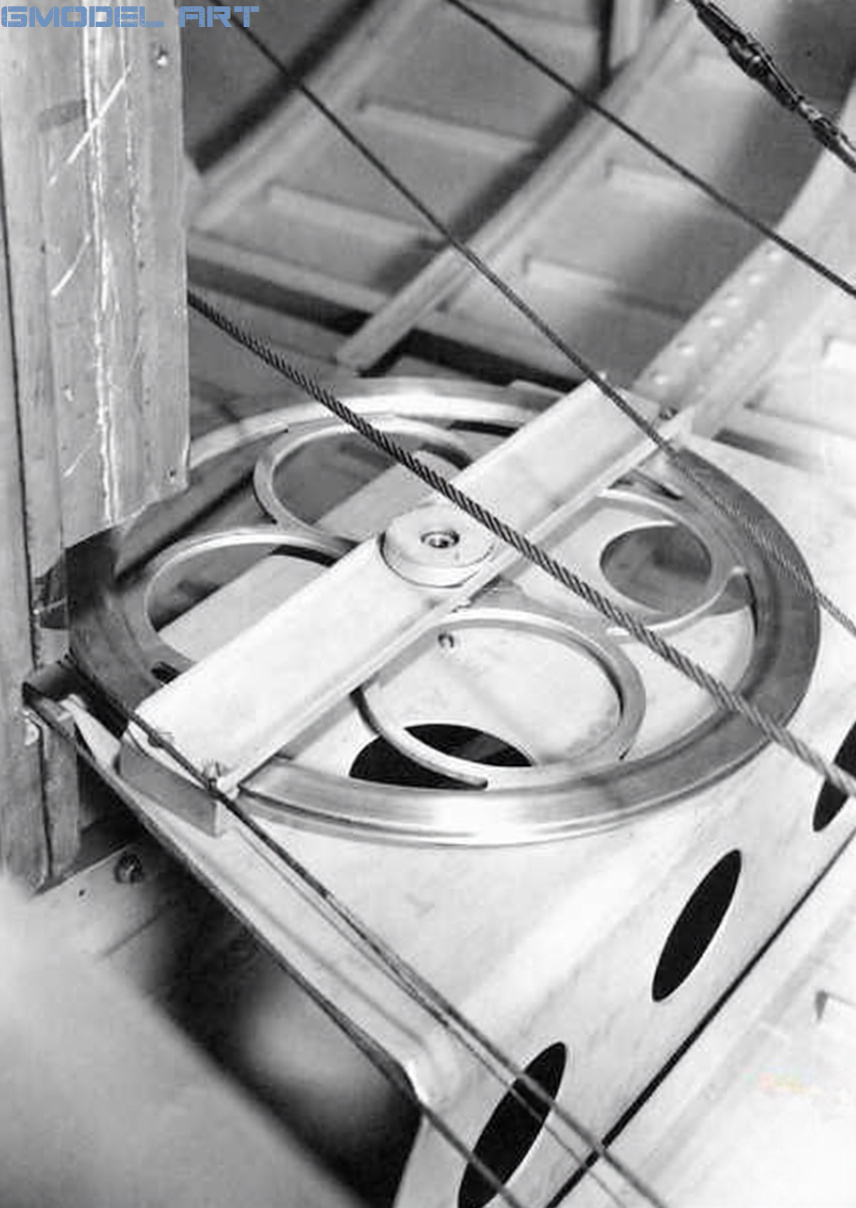
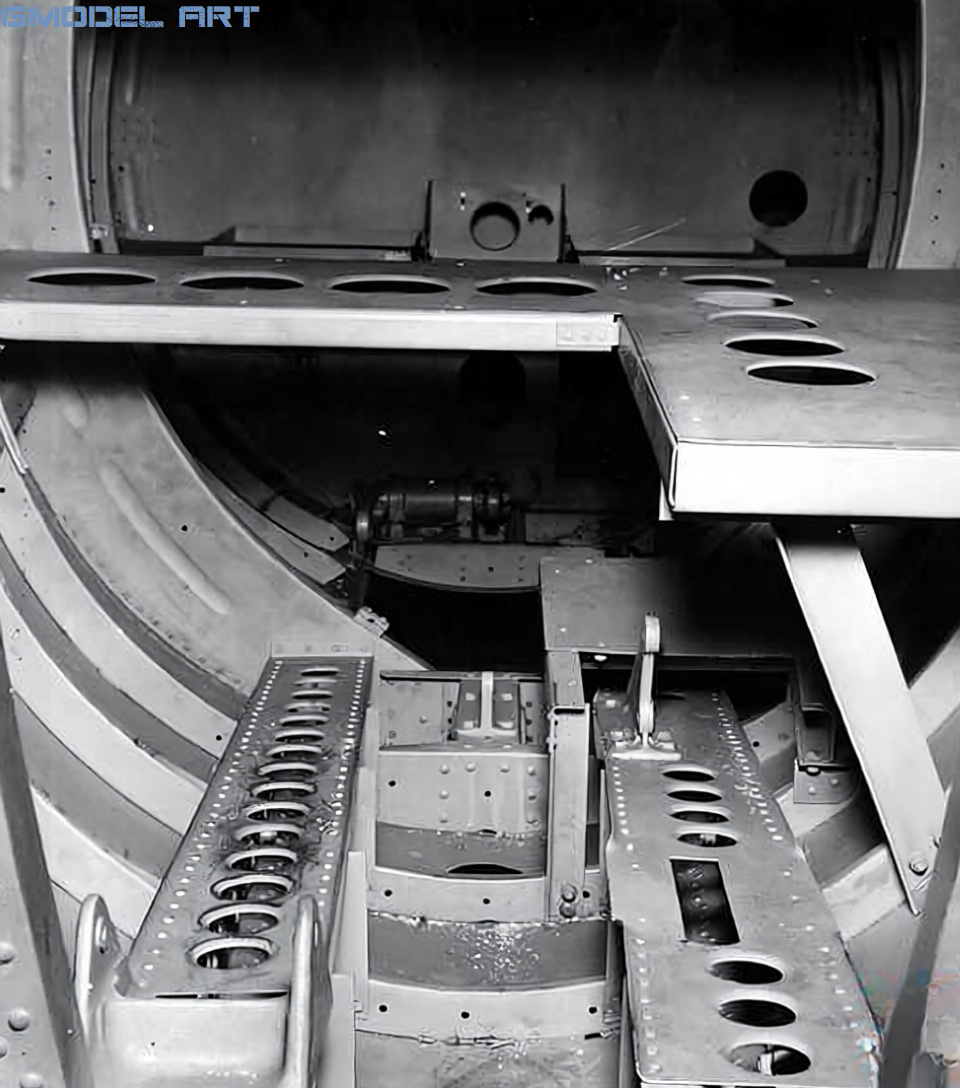
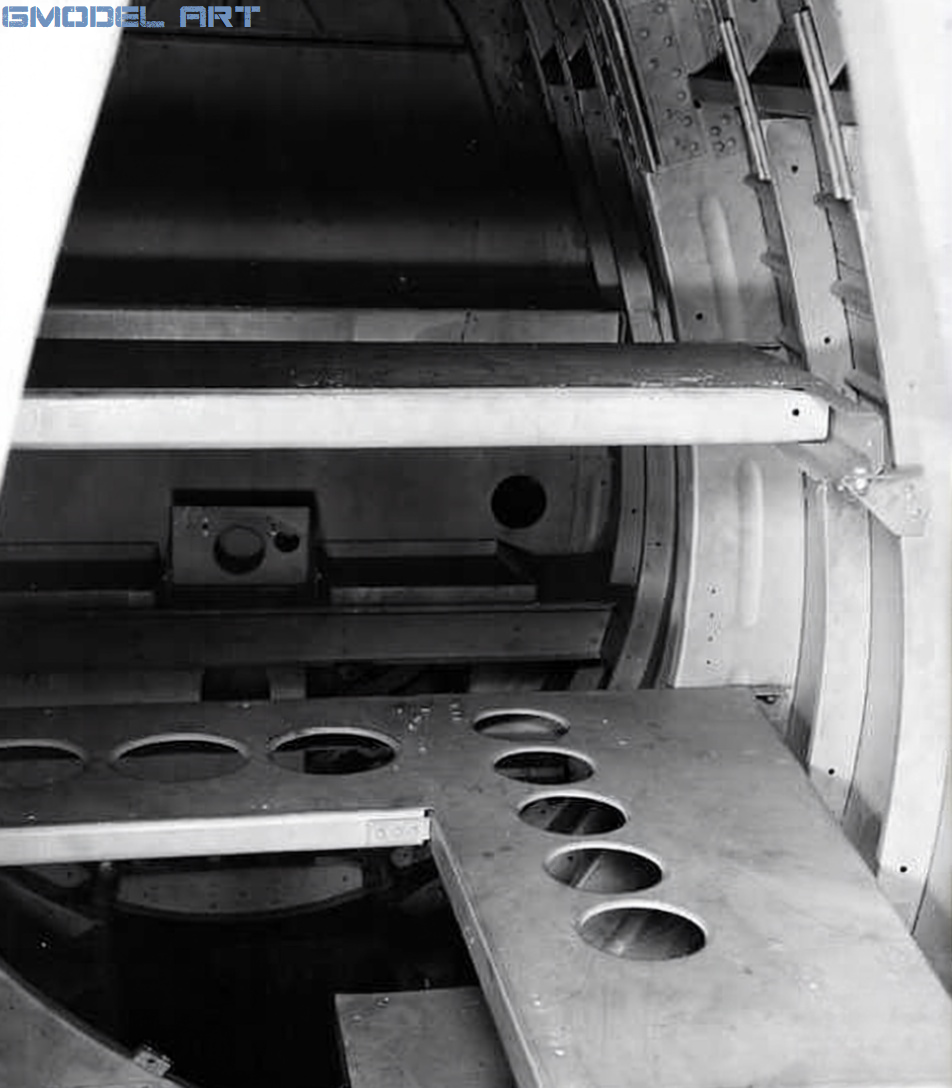
Assembly stations were adapted to accommodate the larger engine, revised cowling, new canopy, enlarged tail assembly, and modified fuel system.
Production tooling for the standard Corsair was retained wherever possible, reducing costs and allowing the company to transition rapidly from FG-1D Corsair manufacture to the new Super Corsair.
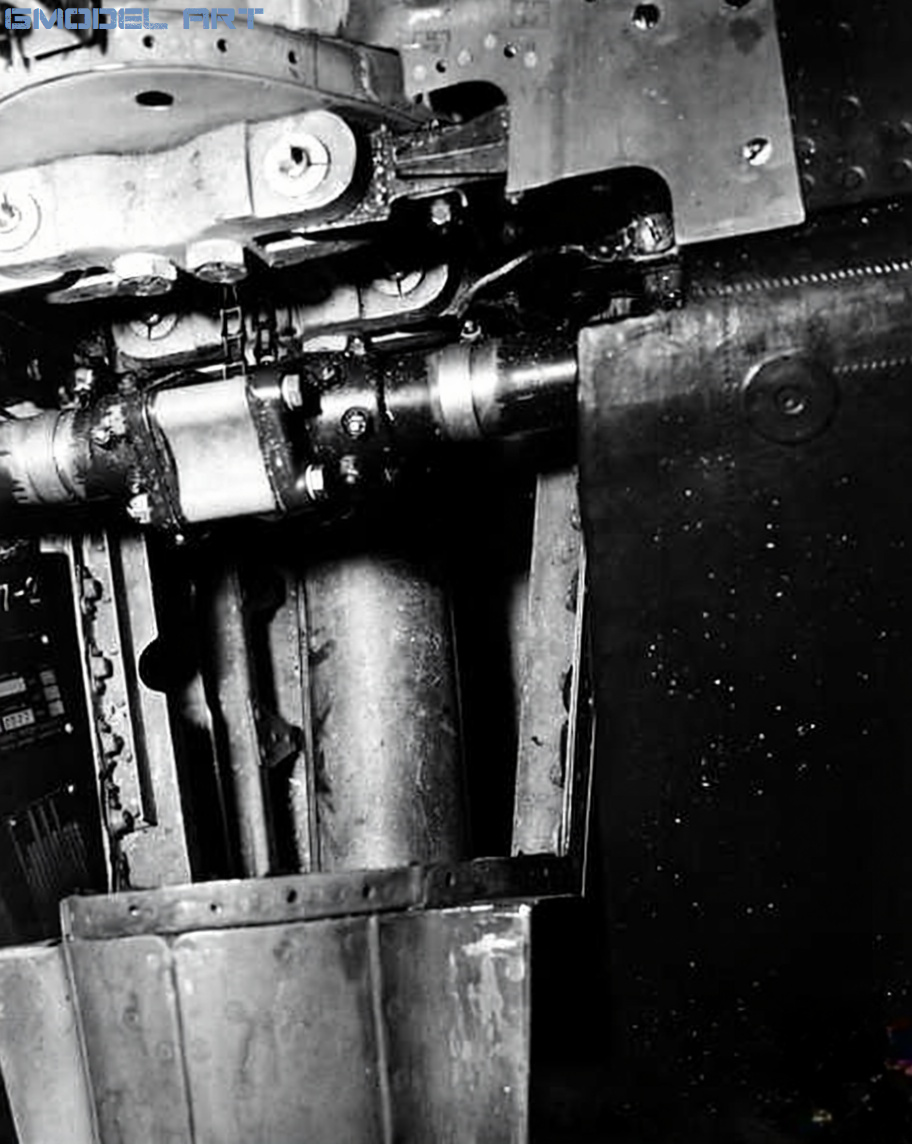
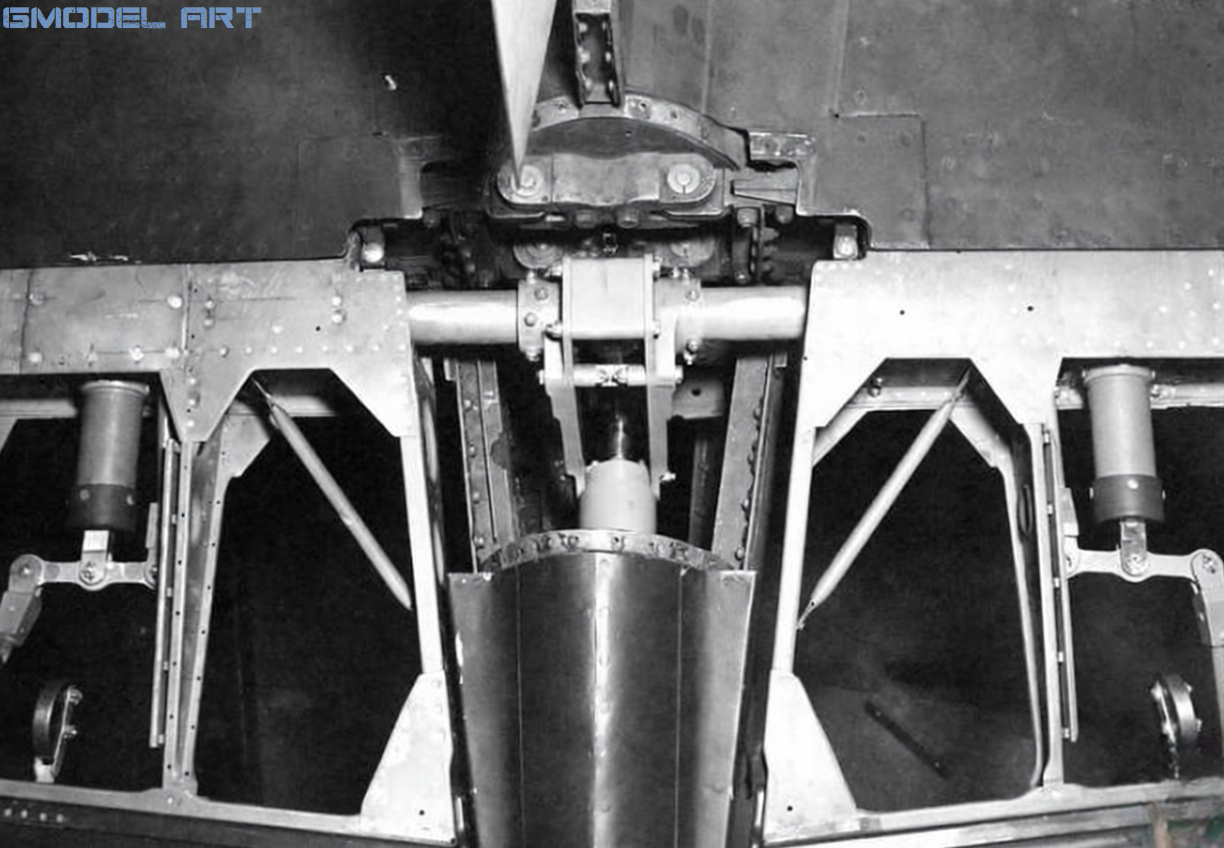
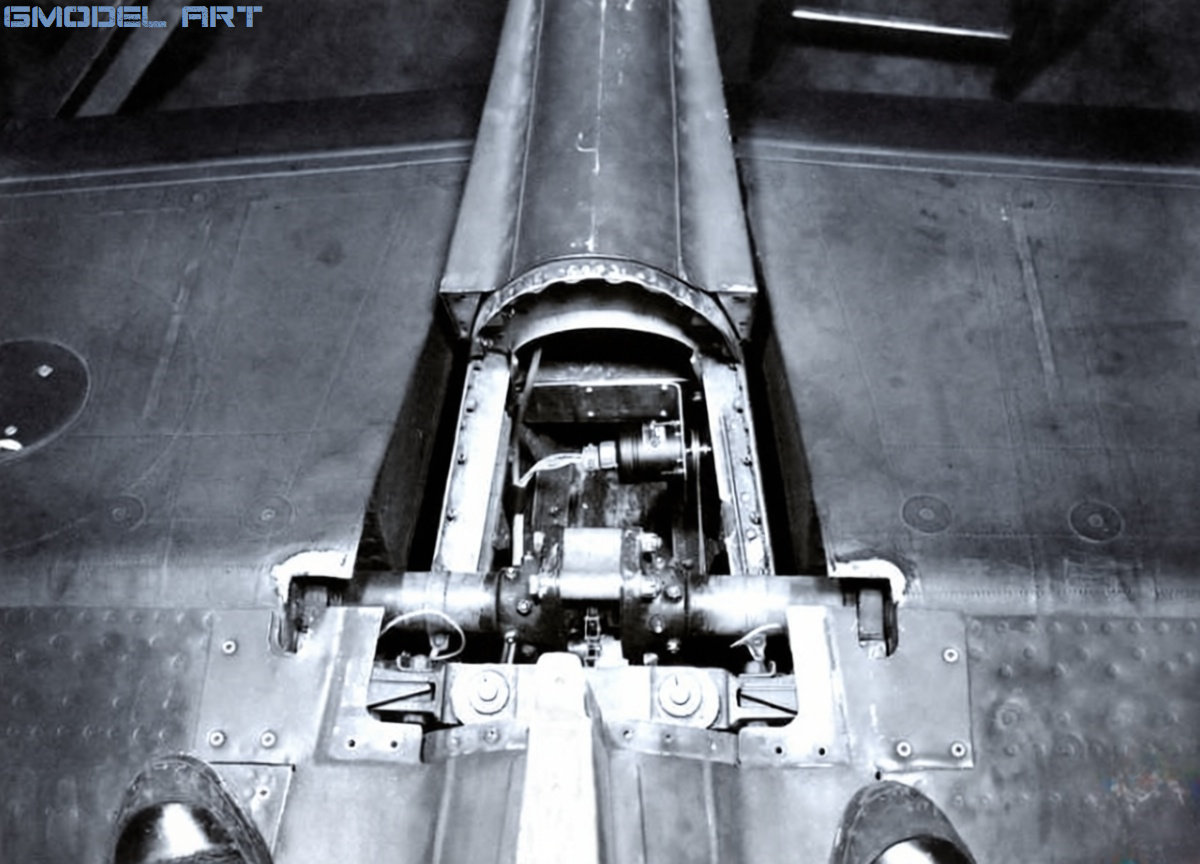
The initial contract called for 418 land-based F2G-1 aircraft intended for Marine Corps service, followed by a smaller batch of carrier-capable F2G-2 Corsair aircraft fitted with hydraulically folding wings.
Had the war continued into 1946, the F2G would almost certainly have entered full-rate production.
Flight Testing
The first prototype flew during the summer of 1945.
Pilots immediately recognized the aircraft’s extraordinary power.
Acceleration exceeded that of any previous Corsair variant.
Low-altitude performance proved particularly impressive, exactly matching the aircraft’s intended mission profile.
However, the immense power of the Wasp Major also introduced new engineering challenges.
Cooling required careful management.
Maintenance became more demanding.
Engine reliability still required improvement before operational deployment.
None of these problems were considered insurmountable, but events overtook the program.
The End of the Program
By the time the Super Corsair was ready for evaluation, the strategic situation had changed dramatically.
Germany had surrendered.
Japan was nearing defeat.
The excellent performance of existing F4U variants continued to satisfy operational requirements.
Meanwhile, two completely new piston fighters—the Grumman F7F Tigercat and Grumman F8F Bearcat—were entering service.
Even more importantly, jet aircraft had begun to reshape naval aviation.
With the Second World War ending in August 1945, the Navy no longer required another high-performance piston-engine fighter.
Production contracts were cancelled before mass manufacture could begin.
Only ten production aircraft, together with five prototype conversions, were ultimately completed.
From Military Aircraft to Air Racing Legend
Although its military career ended before it truly began, the F2G Corsair found an unexpected second life.
Several surplus aircraft were purchased by civilian owners and transformed into unlimited air racers.
Their enormous engine power made them ideal competitors in post-war National Air Races.
Aircraft such as Race 57, Race 74, Race 84, and Race 94 became famous among aviation enthusiasts.
The Super Corsair proved capable of competing against highly modified Mustangs, Sea Furys, and Bearcats, cementing its reputation as one of the fastest piston-engine racing aircraft ever built.
Some racers were lost in accidents, while others survived through decades of restoration work.
| Bureau Number | Variant | Racing Identity | Final Status | Date / Notes |
|---|---|---|---|---|
| 14691 | XF2G-1 Prototype | — | Scrapped | Stricken from US Navy records 30 Jun 1947 |
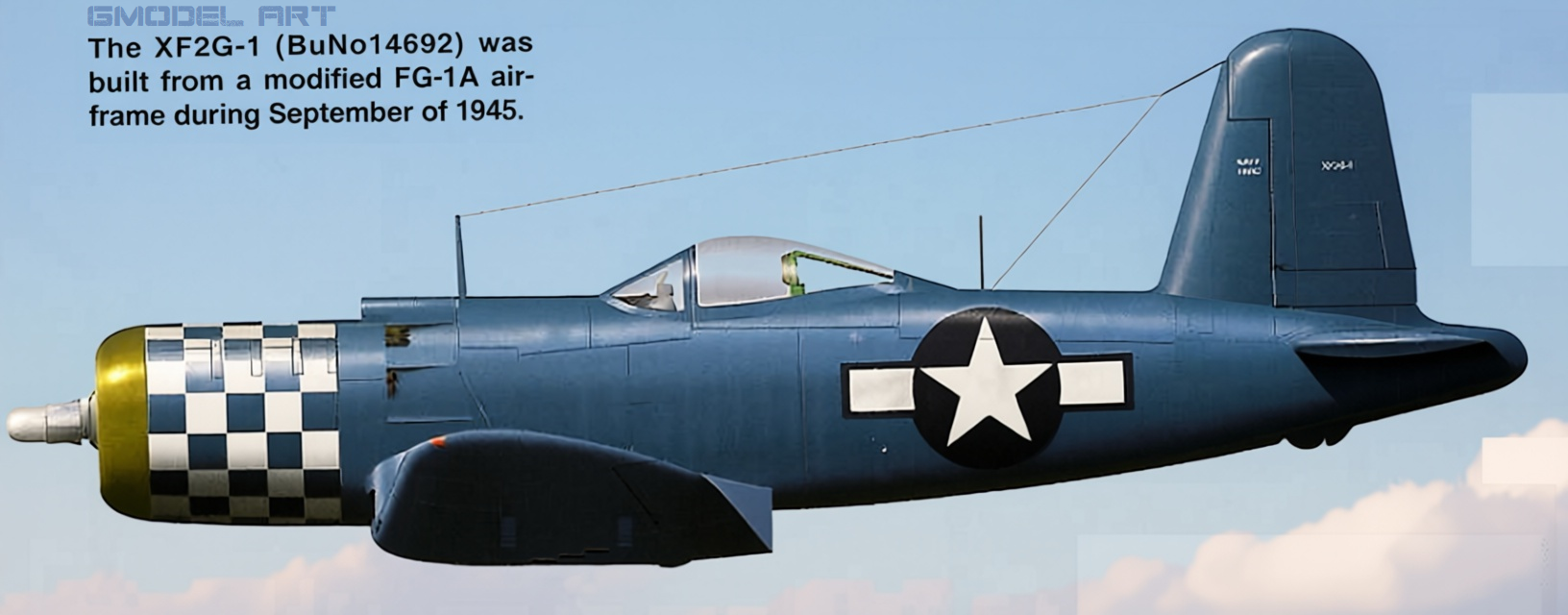
| 14692 | XF2G-1 Prototype | — | Destroyed | Crashed at Akron, Ohio on 12 Dec 1945 |
| 14693 | XF2G-1 Prototype | Race #94 | Destroyed | Won the 1949 Thompson Trophy; later used for airport fire training and destroyed in 1955 |
| 14694 | XF2G-1 Prototype | Race #18 | Fate unknown | Raced in 1947 and 1949; stricken 31 May 1947 |
| 14695 | XF2G-1 Prototype | — | Scrapped | Damaged after a forced landing at Akron and later scrapped |
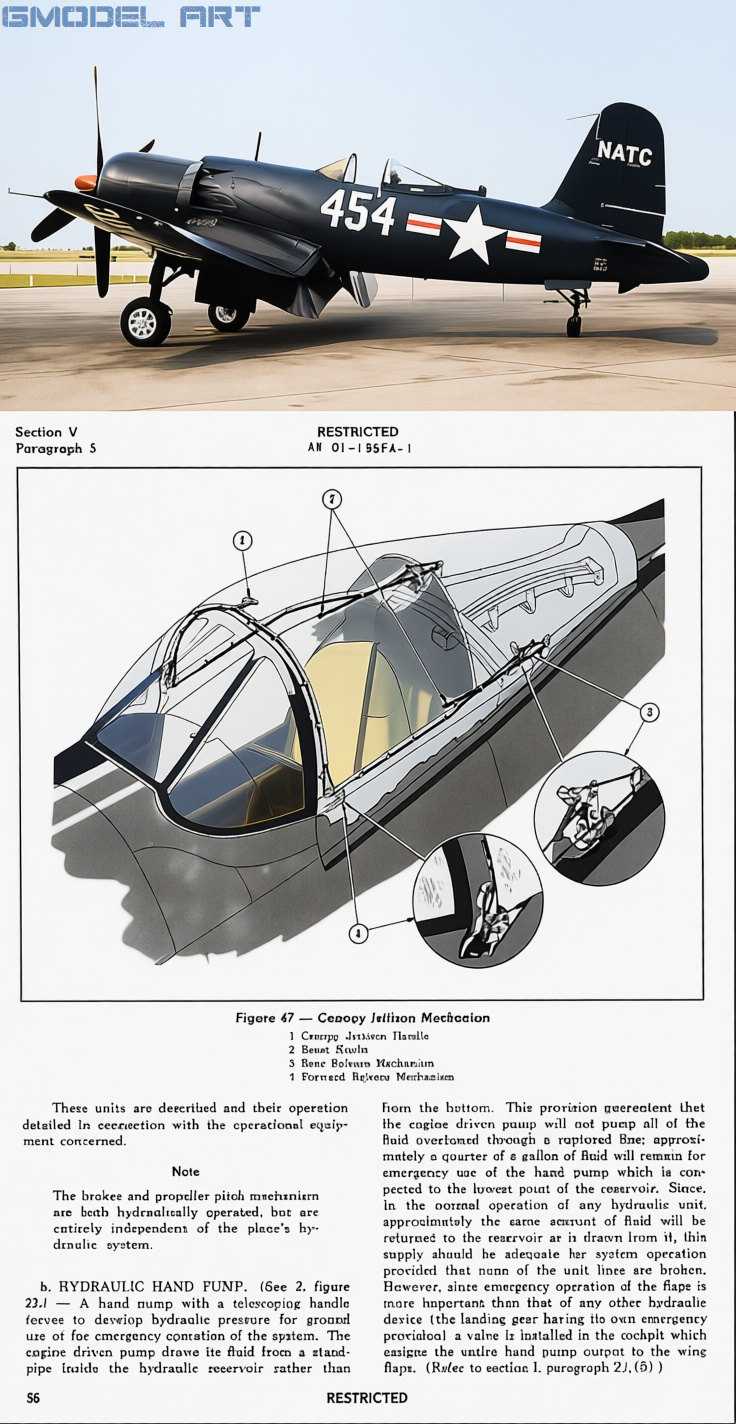
| 88454 | F2G-1 | — | Preserved | First production aircraft; survives at the Museum of Flight, Seattle |
| 88455 | F2G-1 | — | Scrapped | Stricken 31 Aug 1946 |
| 88456 | F2G-1 | — | Scrapped | Stricken 31 May 1947 |
| 88457 | F2G-1 | Race #84 | Destroyed | Crashed during the 1947 Thompson Trophy Race, killing pilot Tony Janazzo |
| 88458 | F2G-1 | Race #57 | Airworthy | Winner of the 1949 Tinnerman Trophy; the only flying F2G today |
| 88459 | F2G-2 | — | Destroyed | Used as a ground target after testing |
| 88460 | F2G-2 | — | Scrapped | Tested by the US Navy, later scrapped |
| 88461 | F2G-2 | — | Scrapped | Disposed of after Navy testing |
| 88462 | F2G-2 | — | Scrapped | Disposed of after Navy testing |
| 88463 | F2G-2 | Race #74 | Destroyed | Restored to airworthy condition in 2011; destroyed in a fatal crash on 7 Sep 2012 at Valley City, North Dakota (Βικιπαίδεια) |
| Race Number | Bureau Number | Major Achievement |
|---|---|---|
| Race #18 | BuNo 14694 | Competed in the 1947 & 1949 National Air Races |
| Race #57 | BuNo 88458 | Winner of the 1949 Tinnerman Trophy; today the only airworthy F2G |
| Race #74 | BuNo 88463 | Reno Unlimited racer; destroyed in 2012 |
| Race #84 | BuNo 88457 | Entered in the 1947 Thompson Trophy; crashed during the race |
| Race #94 | BuNo 14693 | Winner of the 1949 Thompson Trophy, one of the most successful Super Corsair racers (air-and-space.com) |
Surviving Aircraft
Only a small number of F2Gs survive today.
The best-known example is BuNo 88458, better known as Race 57, which remains airworthy and continues to appear at major aviation events.
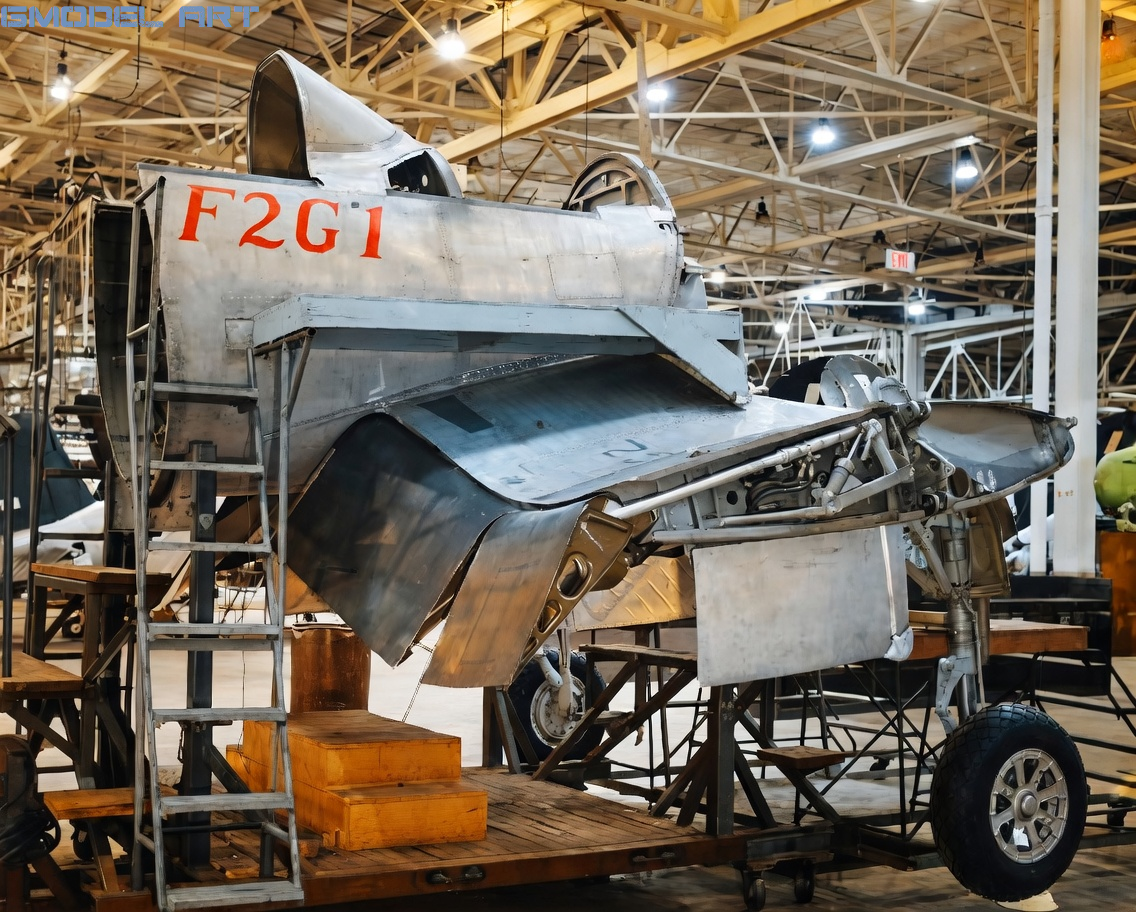
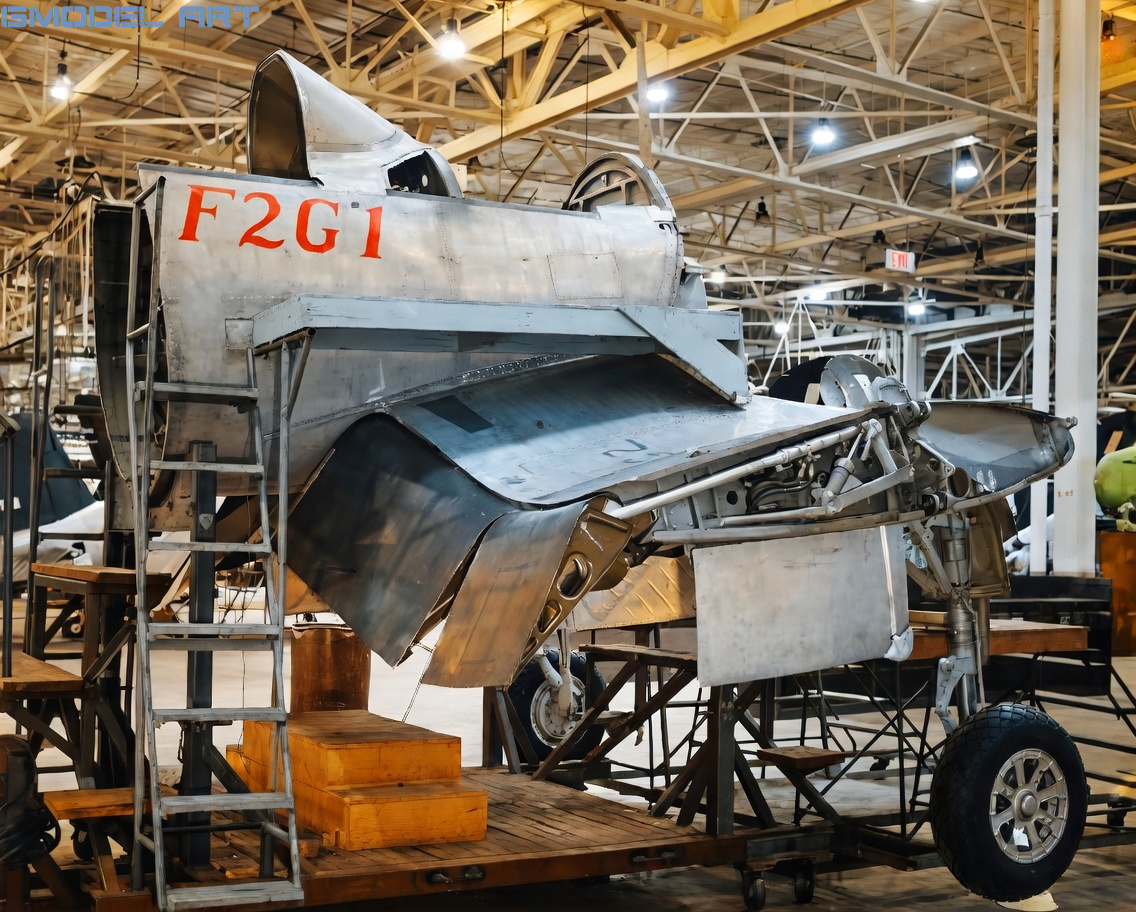
Another important survivor, BuNo 88454, is preserved by the Museum of Flight in Seattle, representing the first production F2G-1.
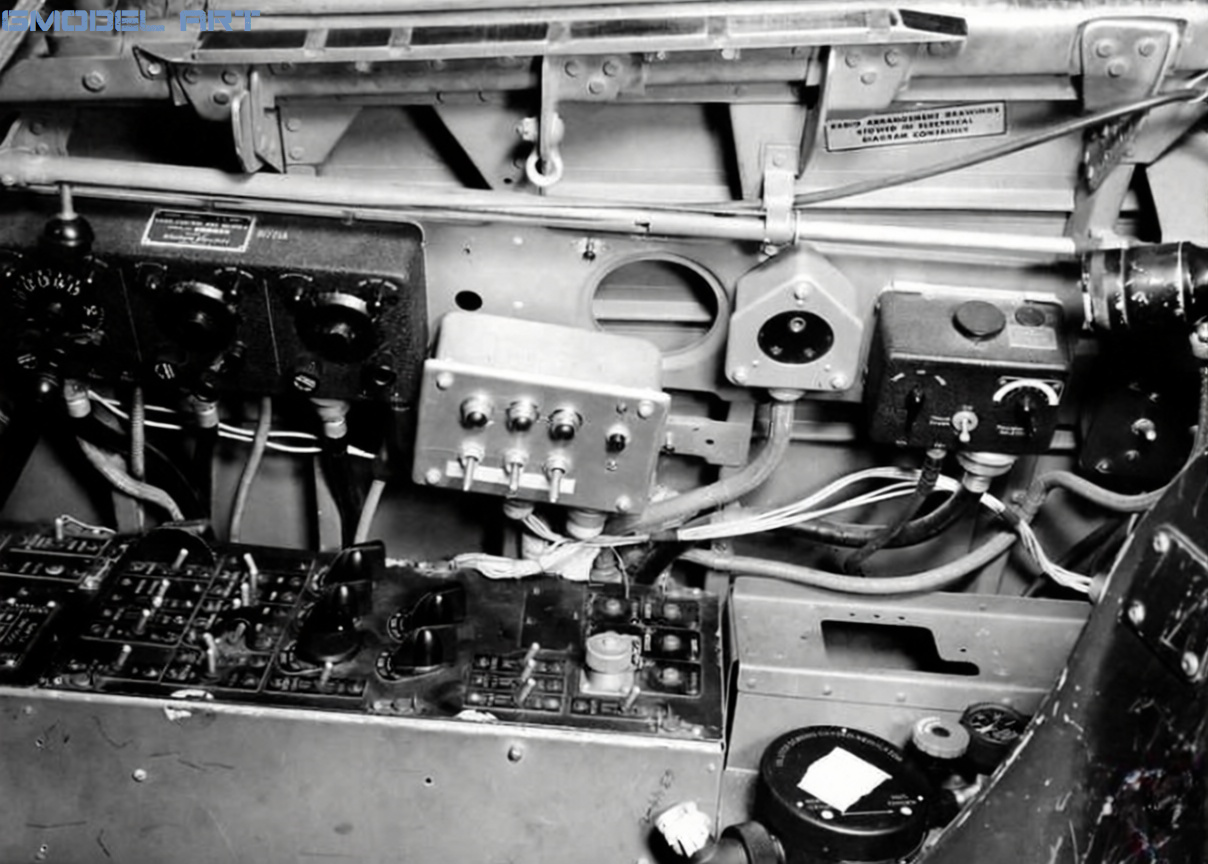
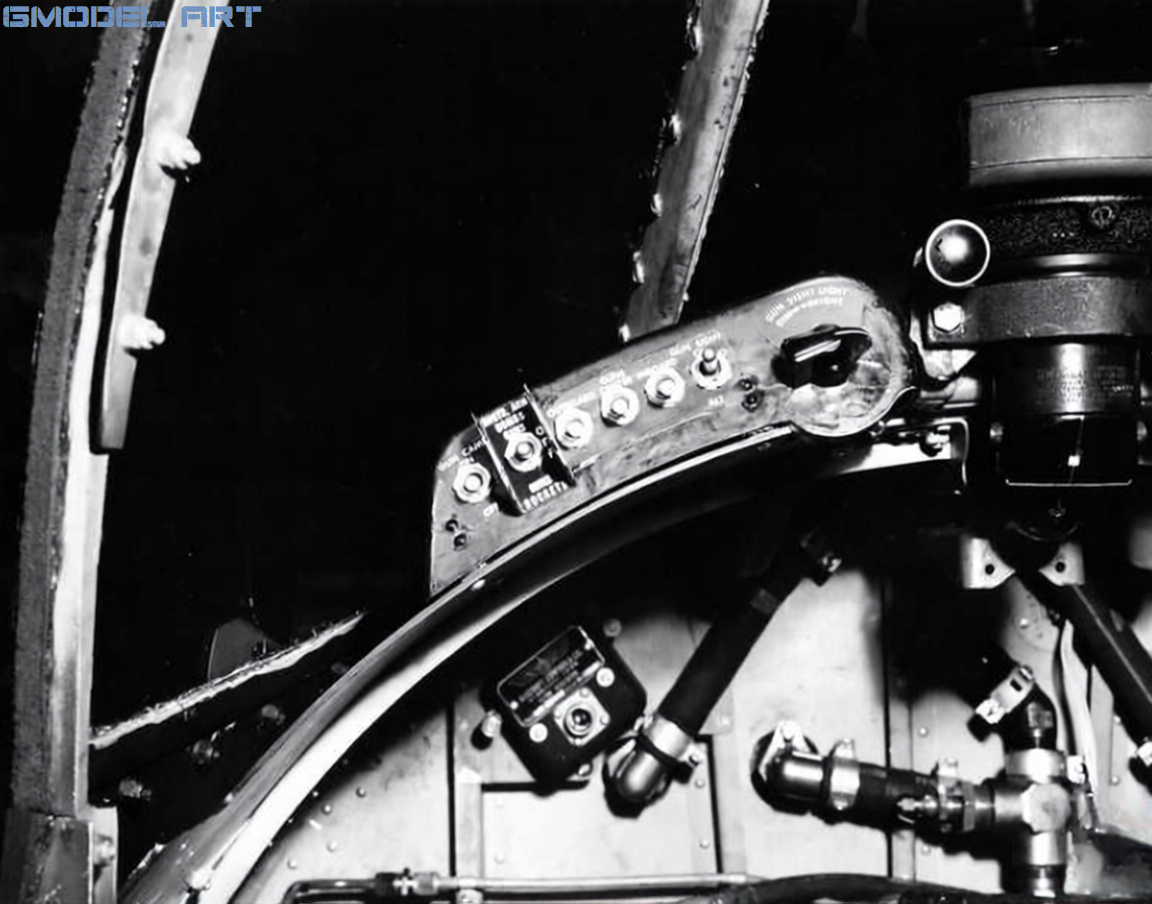
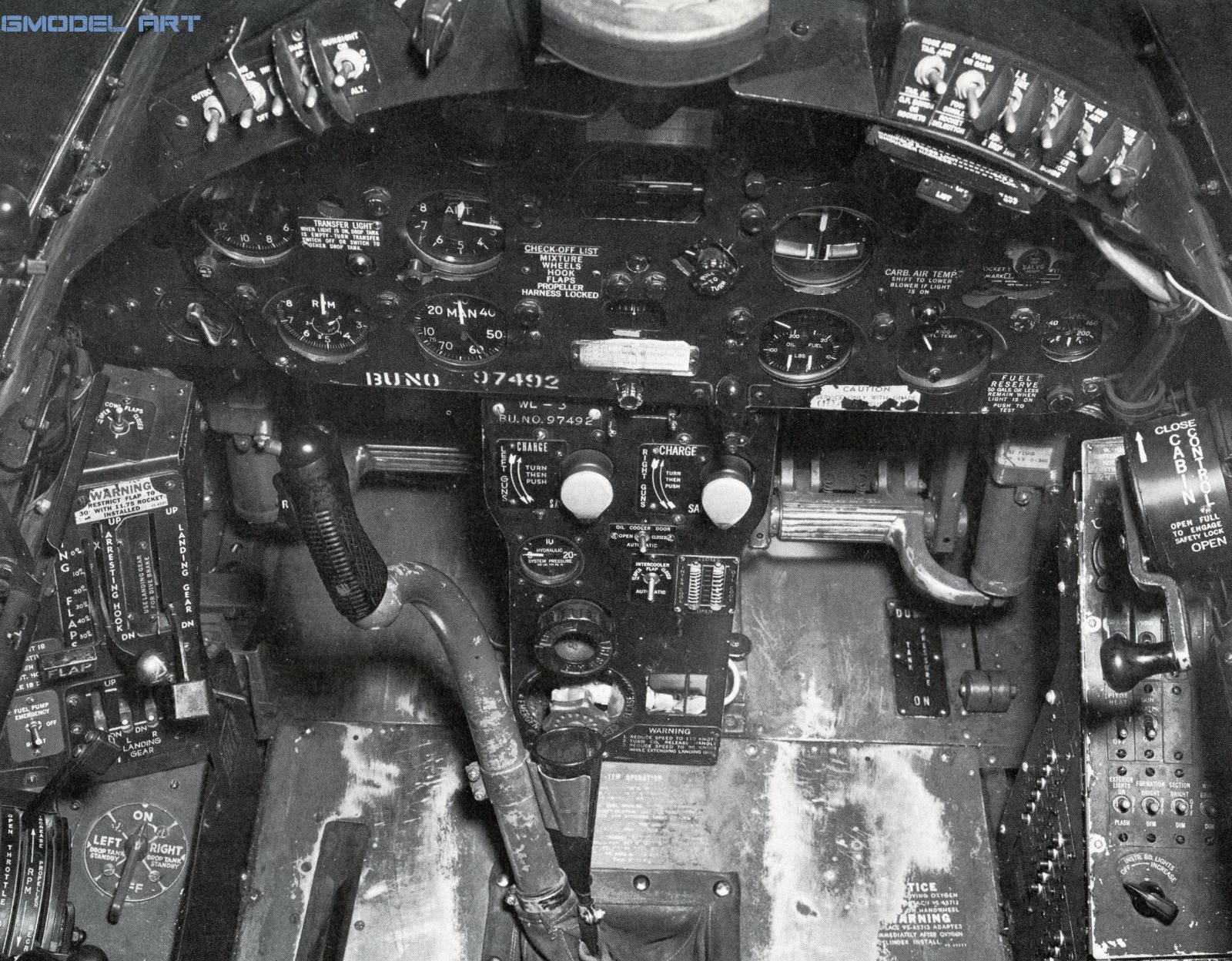
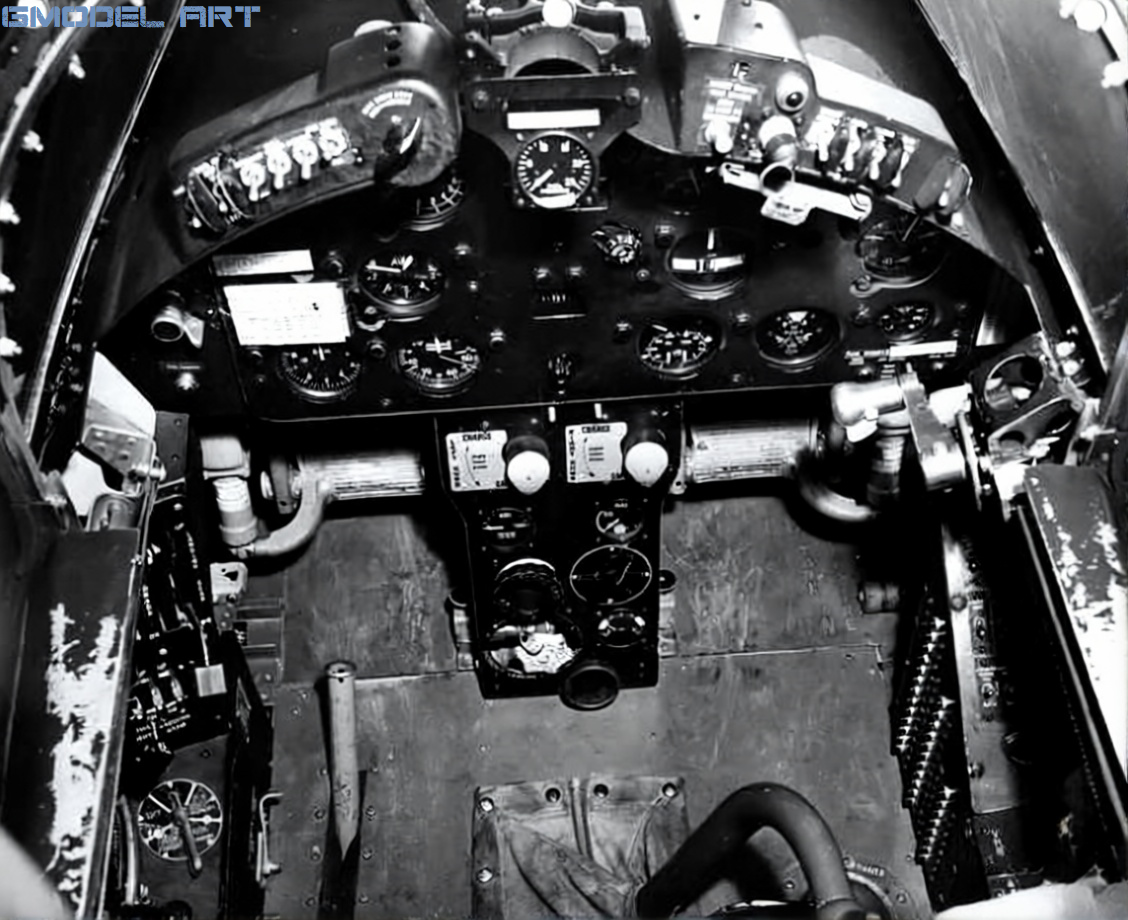
These surviving aircraft provide invaluable reference material for historians, restorers, and scale modelers, preserving the legacy of a fighter that never had the opportunity to prove itself in combat.
F4u Super Corsair “Budweiser Light 1” – N31518
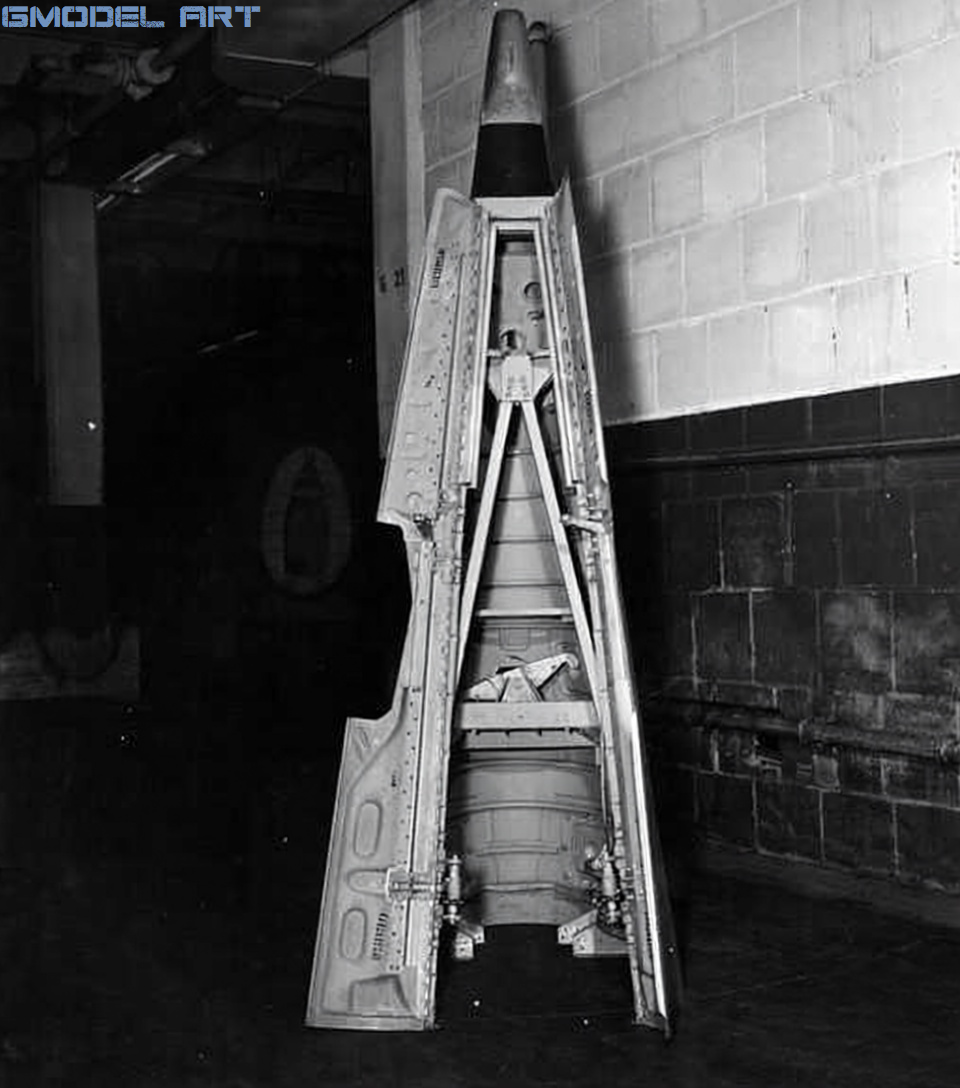
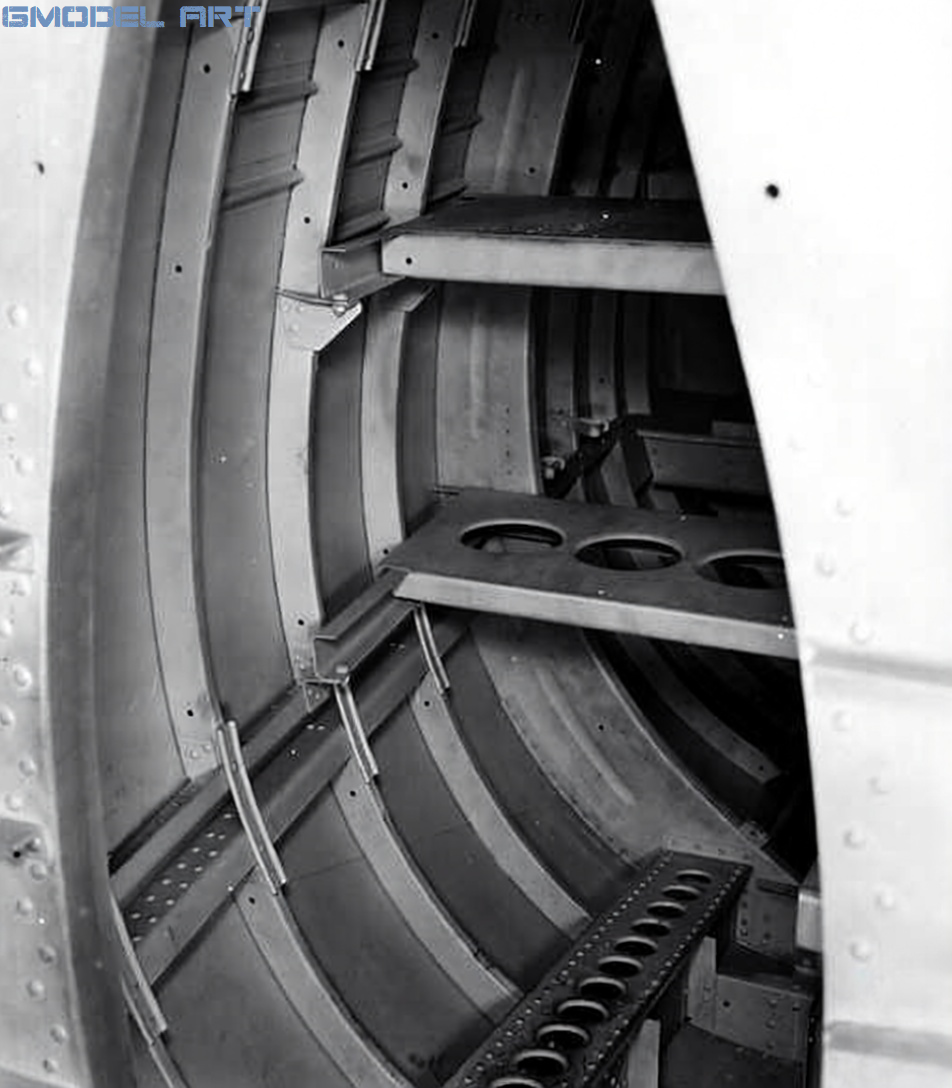
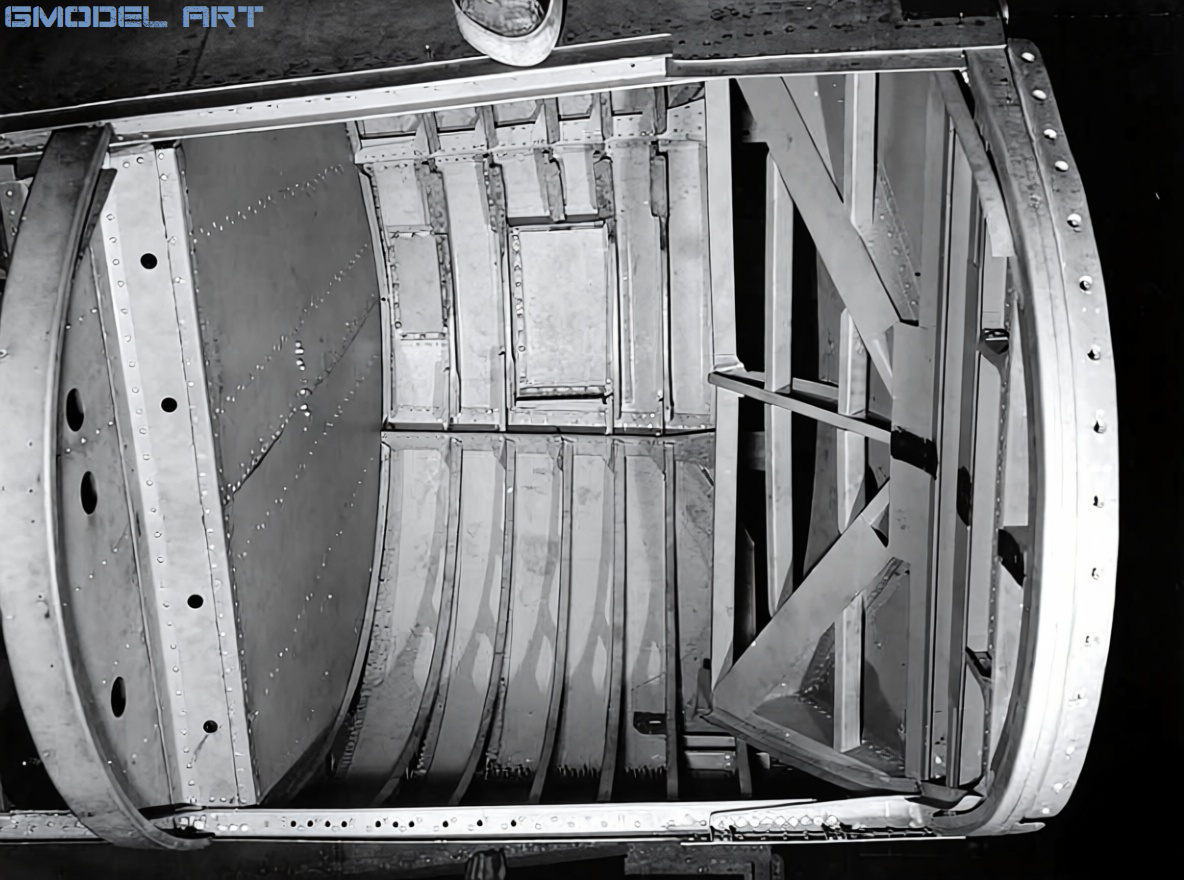
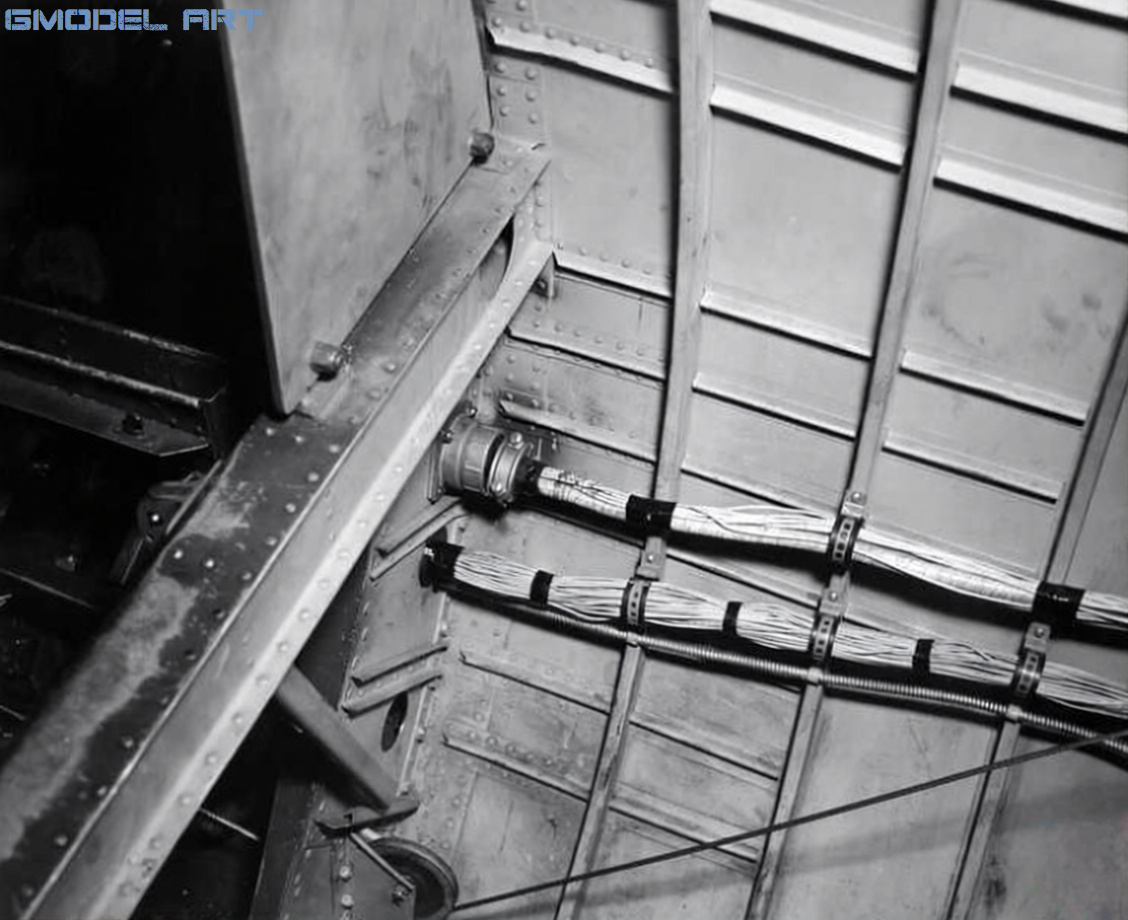
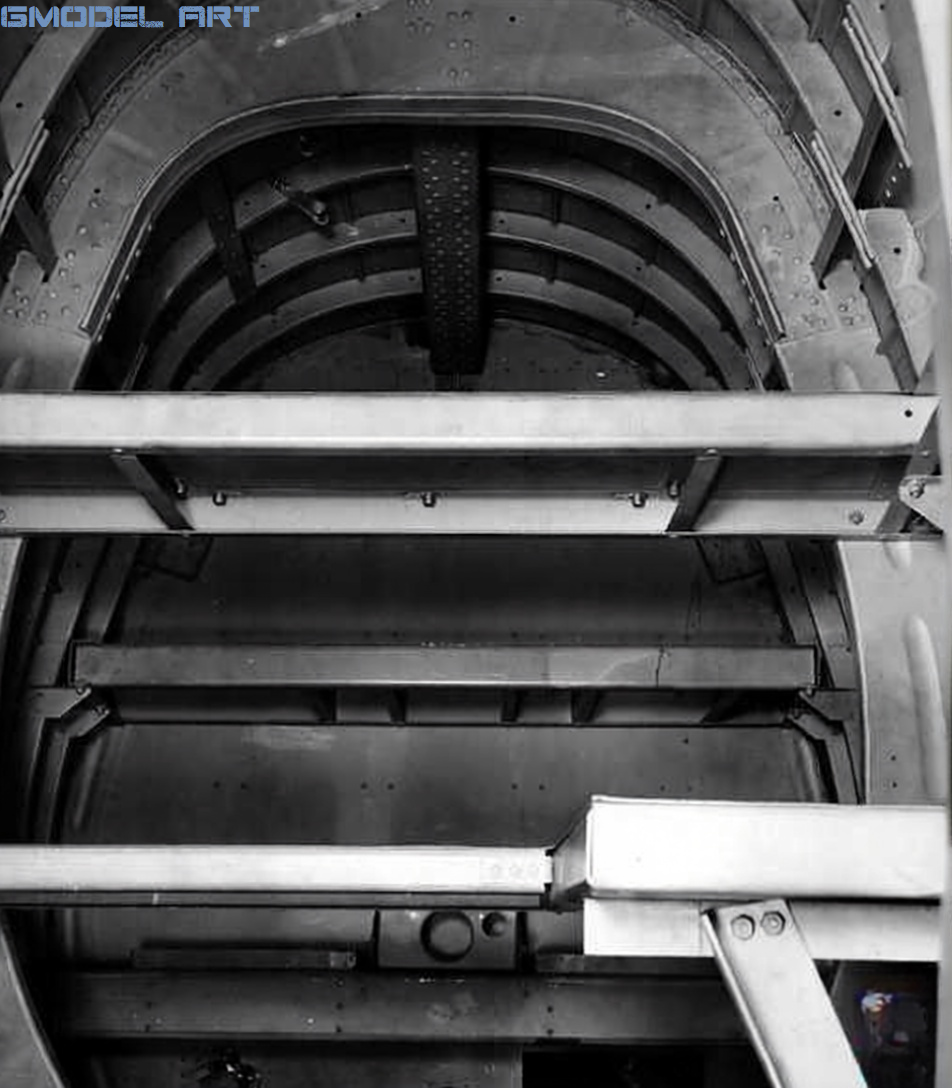
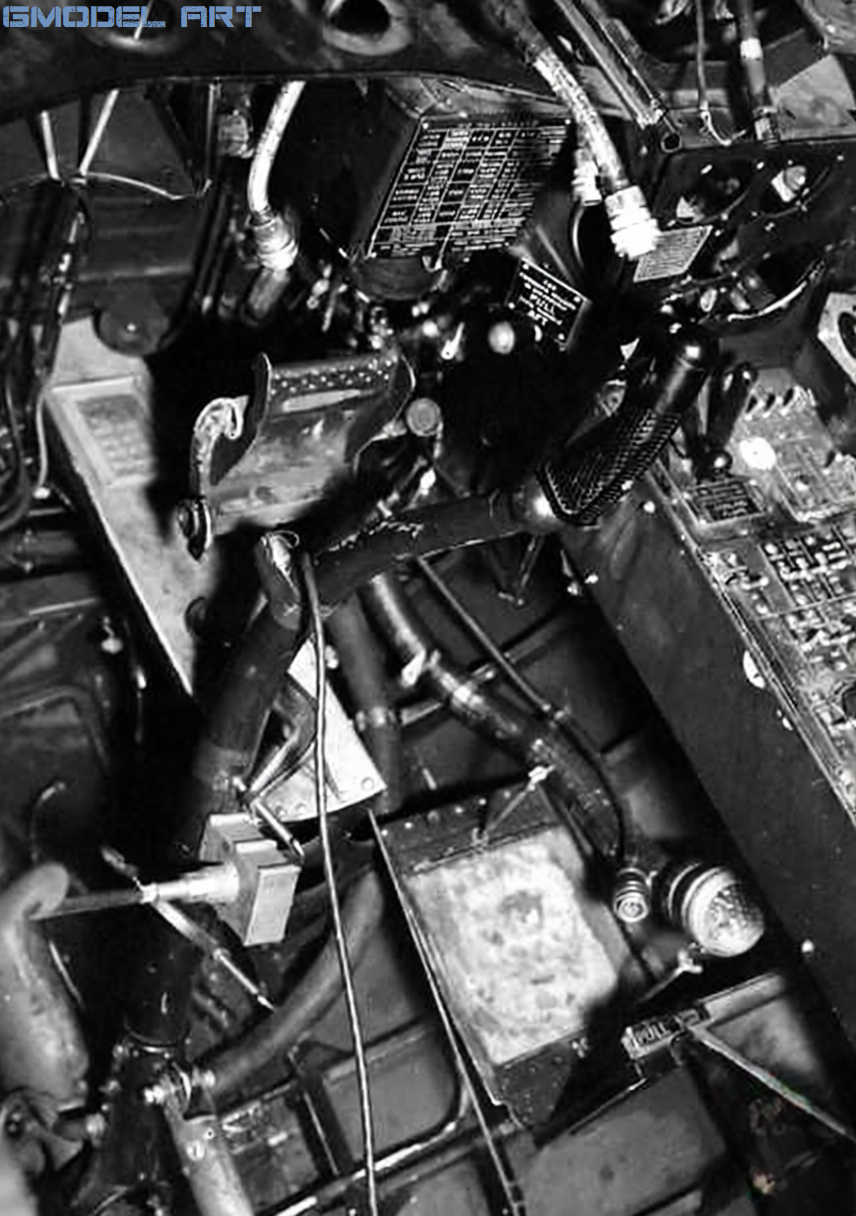
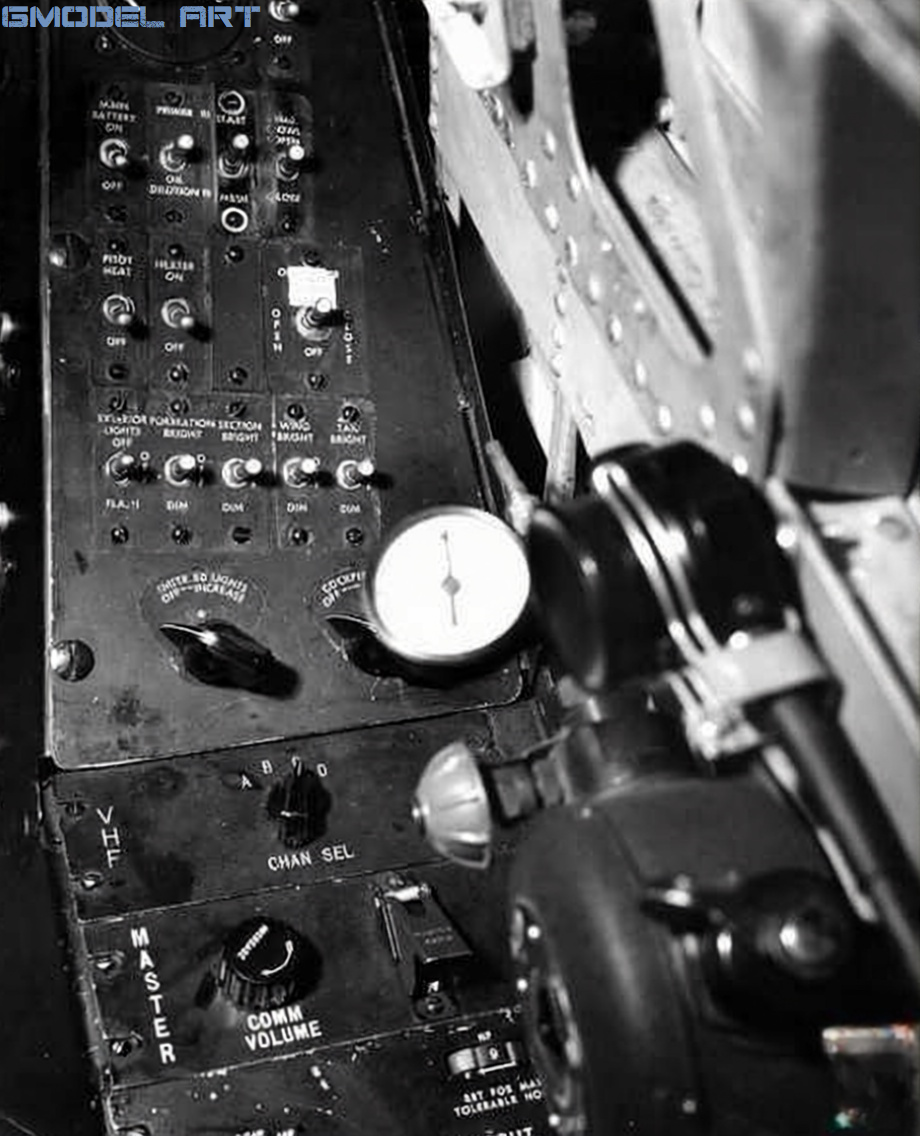
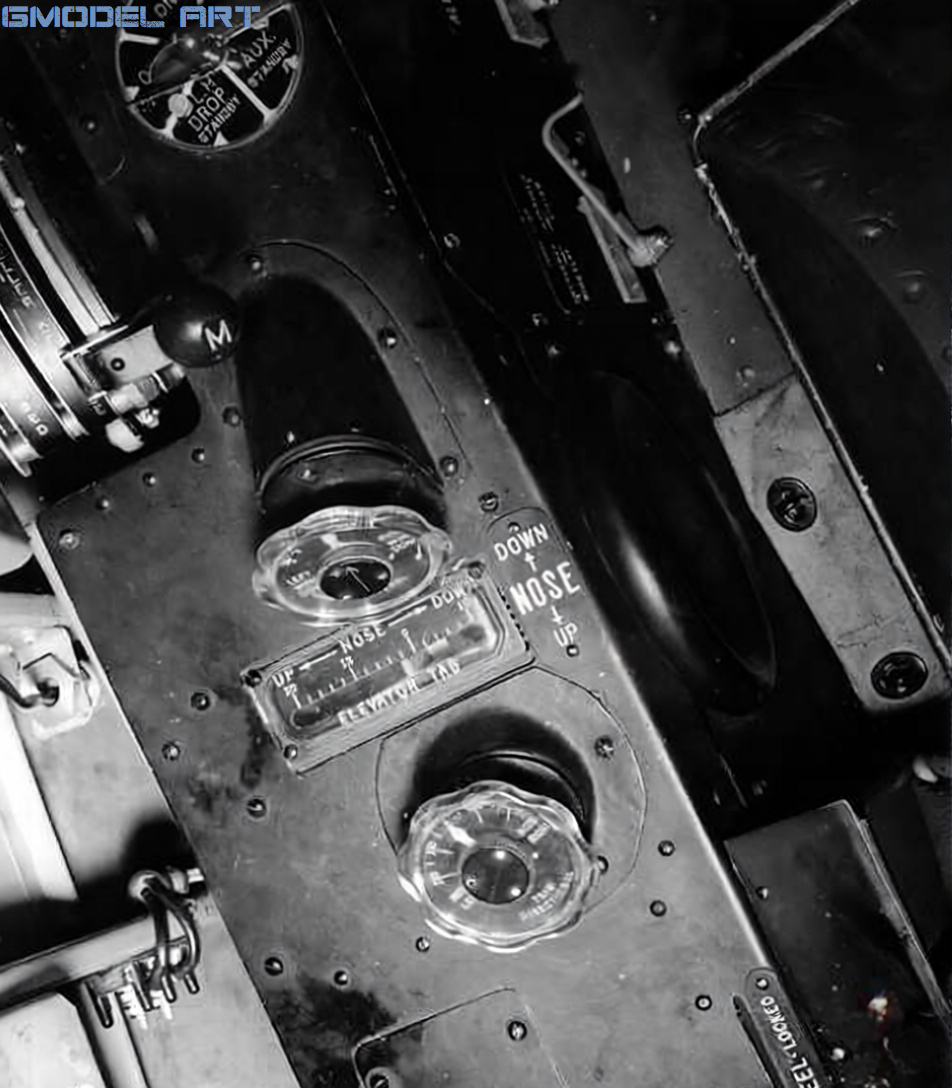
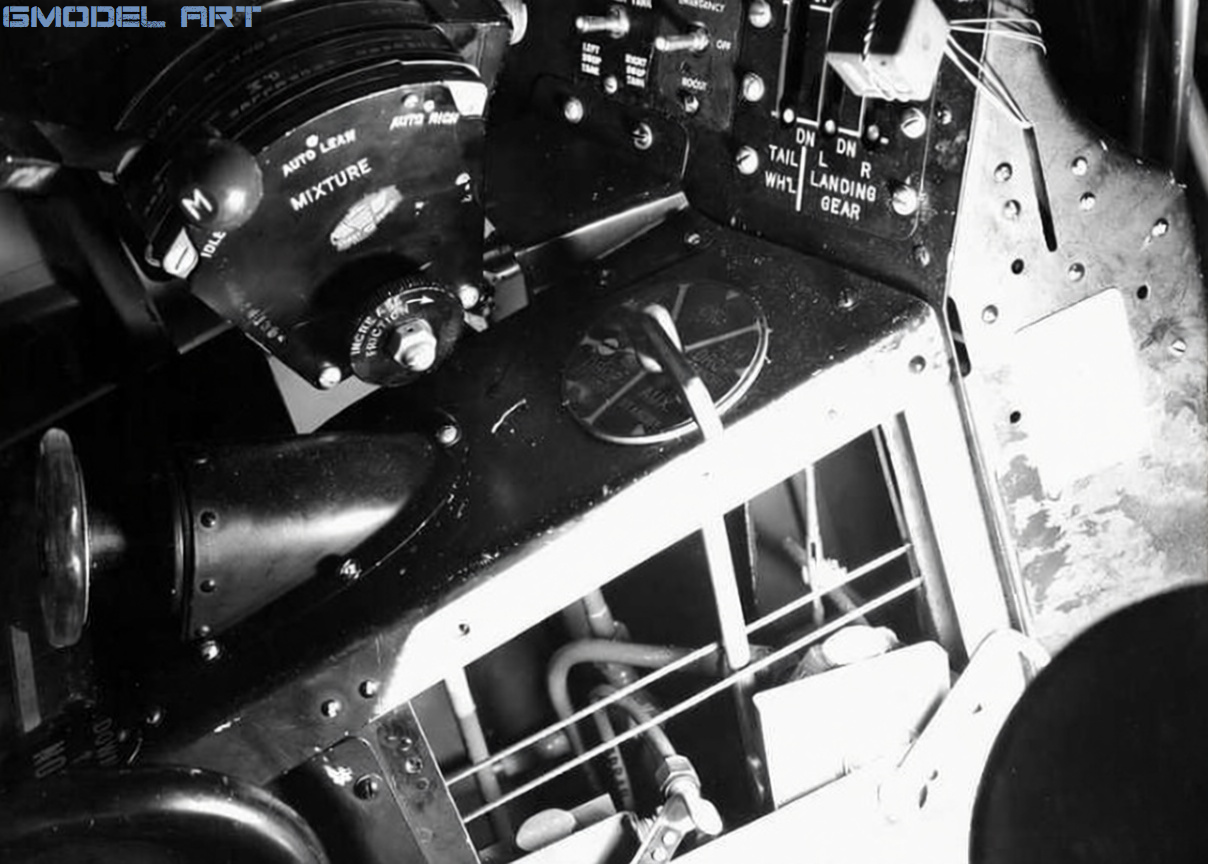
Goodyear F2G Super Corsair – Color Guide
| Area | Official Color | FS595 | Gunze | Tamiya | AK RC | MRP | Vallejo | AMMO |
|---|---|---|---|---|---|---|---|---|
| Overall Airframe | ANA 623 Glossy Sea Blue | FS15042 | H55 / C71 | XF-17 | RC258 | MRP-14 | 71.300 | A.MIG-227 |
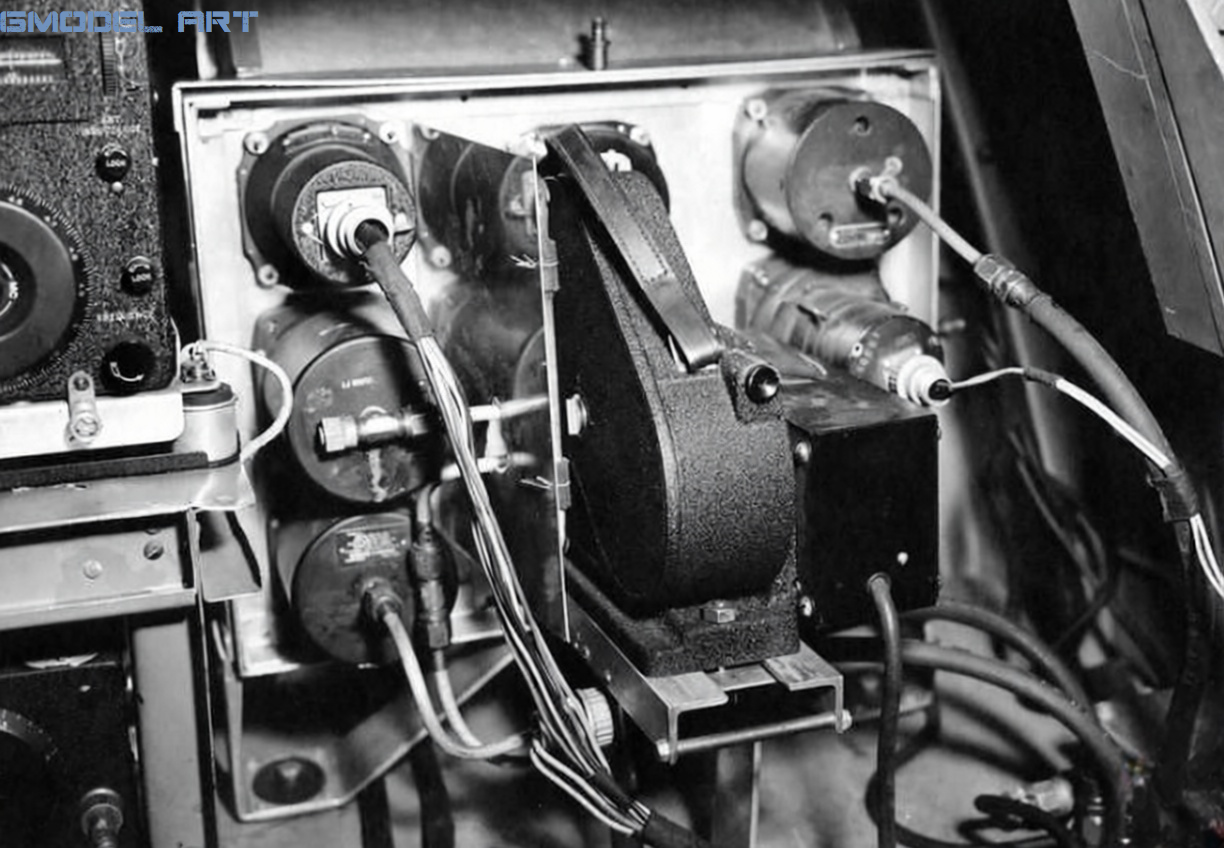
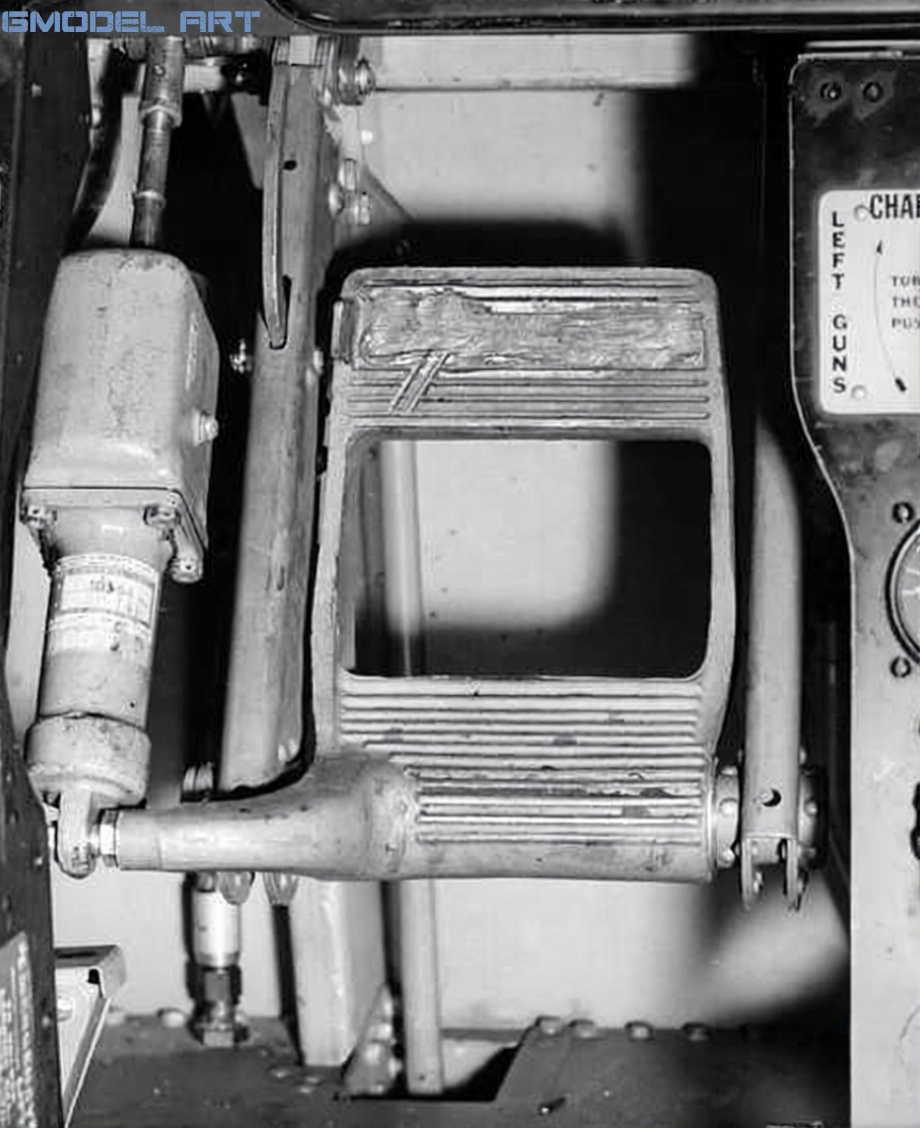
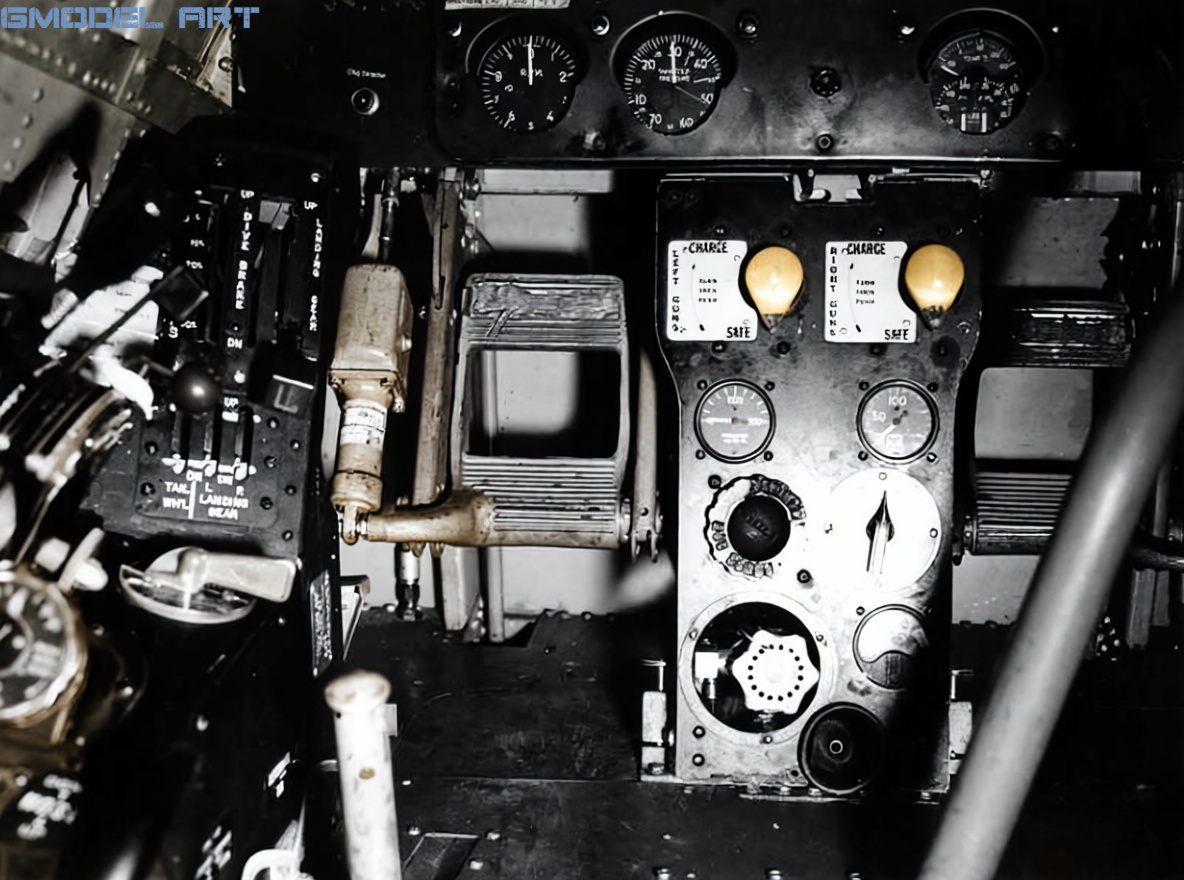
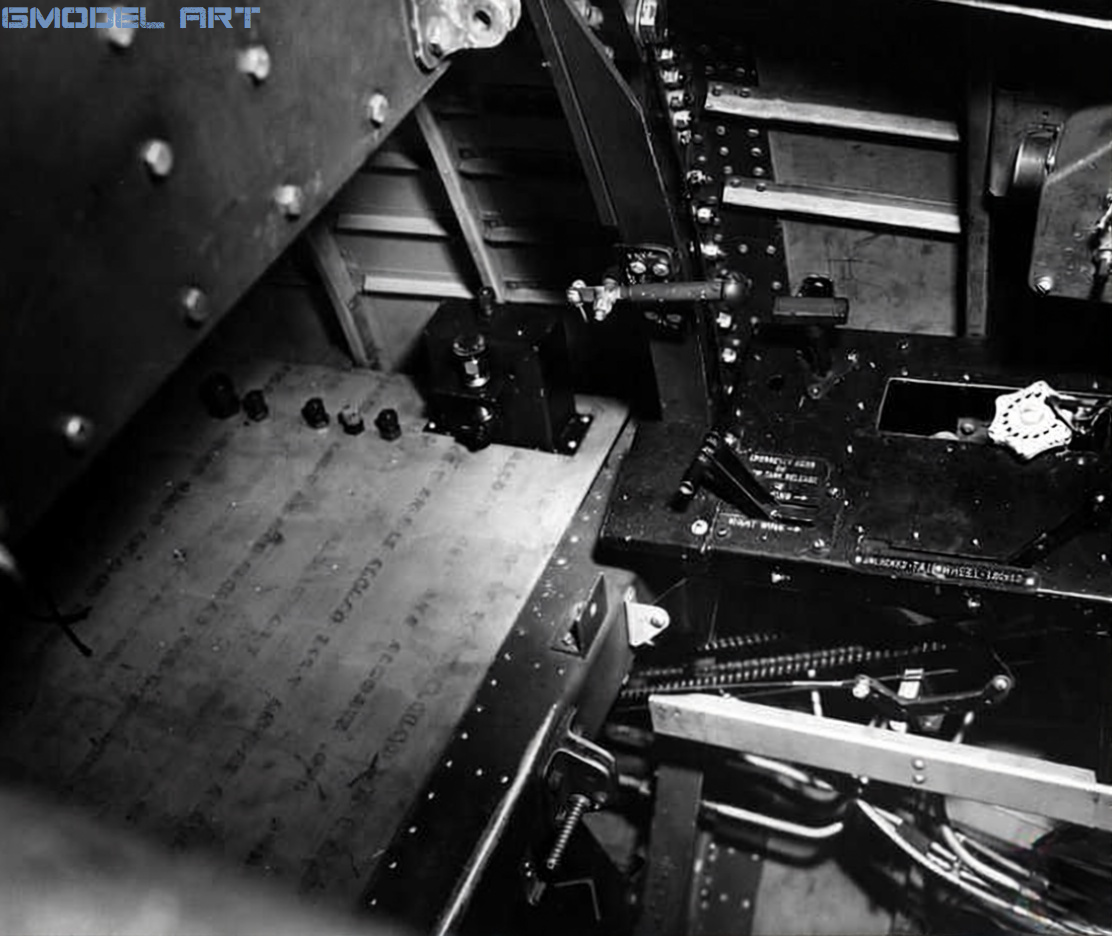
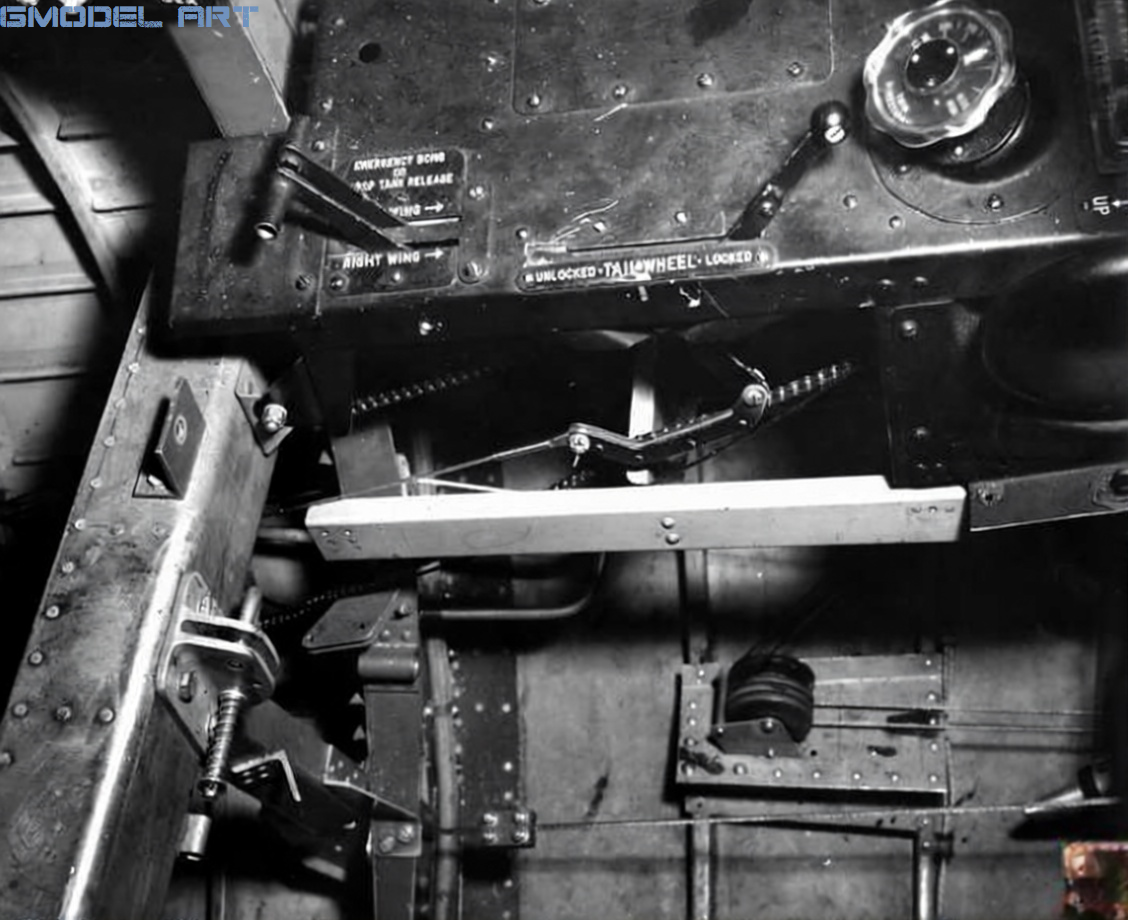
| Cockpit | ANA 611 Interior Green | FS34151 | H58 / C27 | XF-71 | RC249 | MRP-131 | 71.010 | A.MIG-220 |
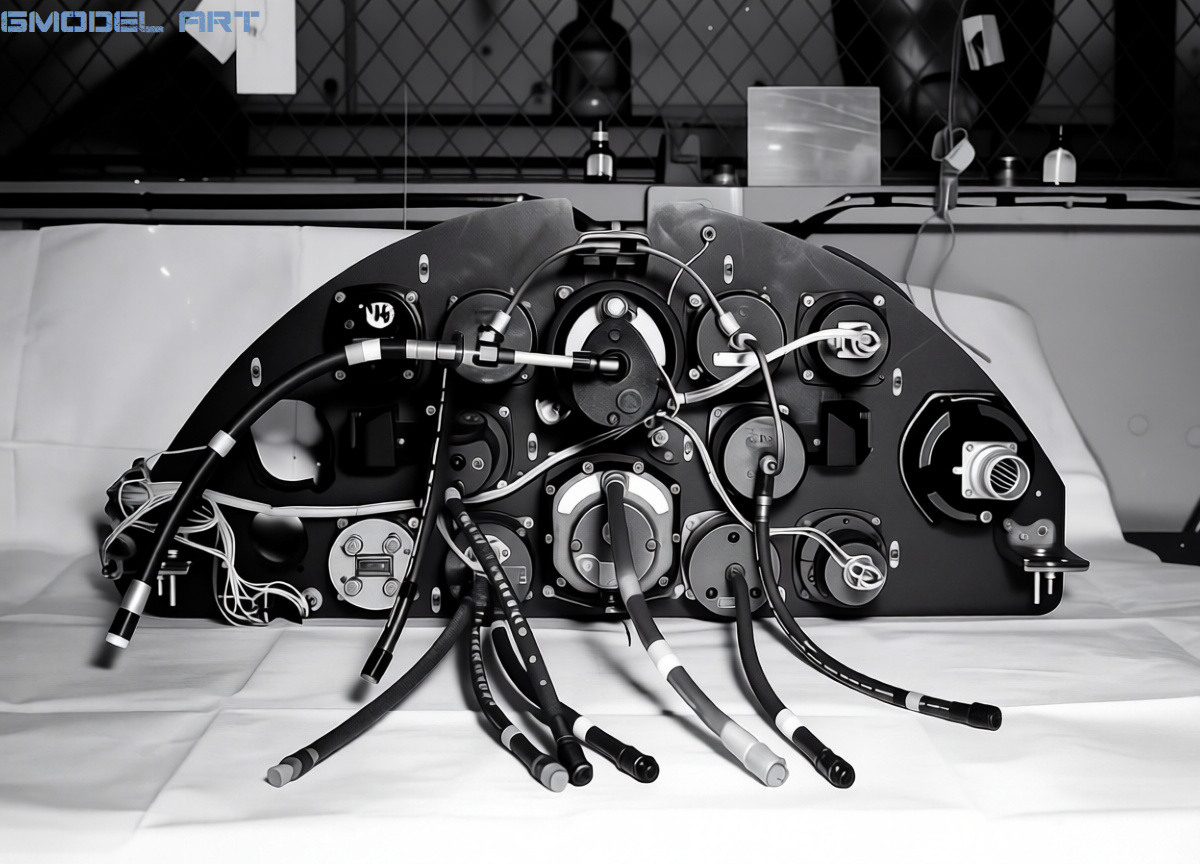
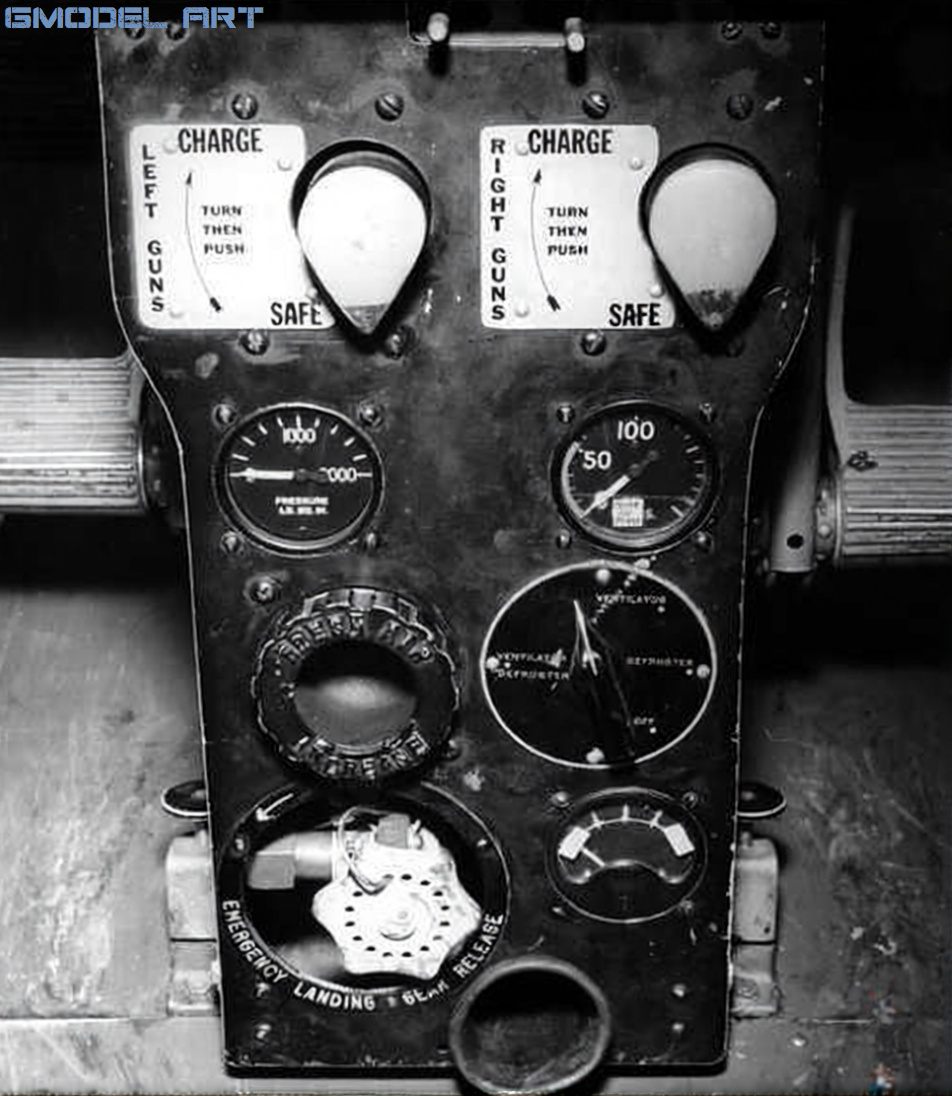
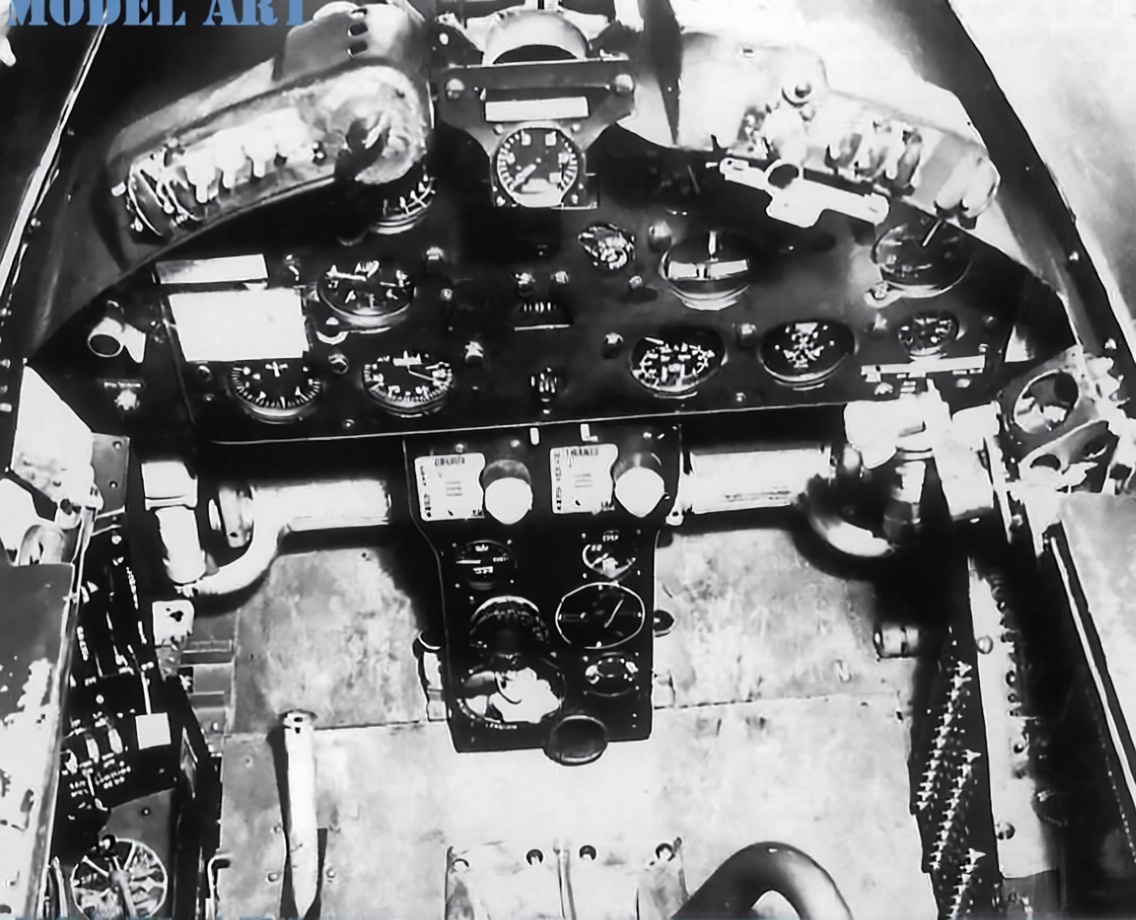
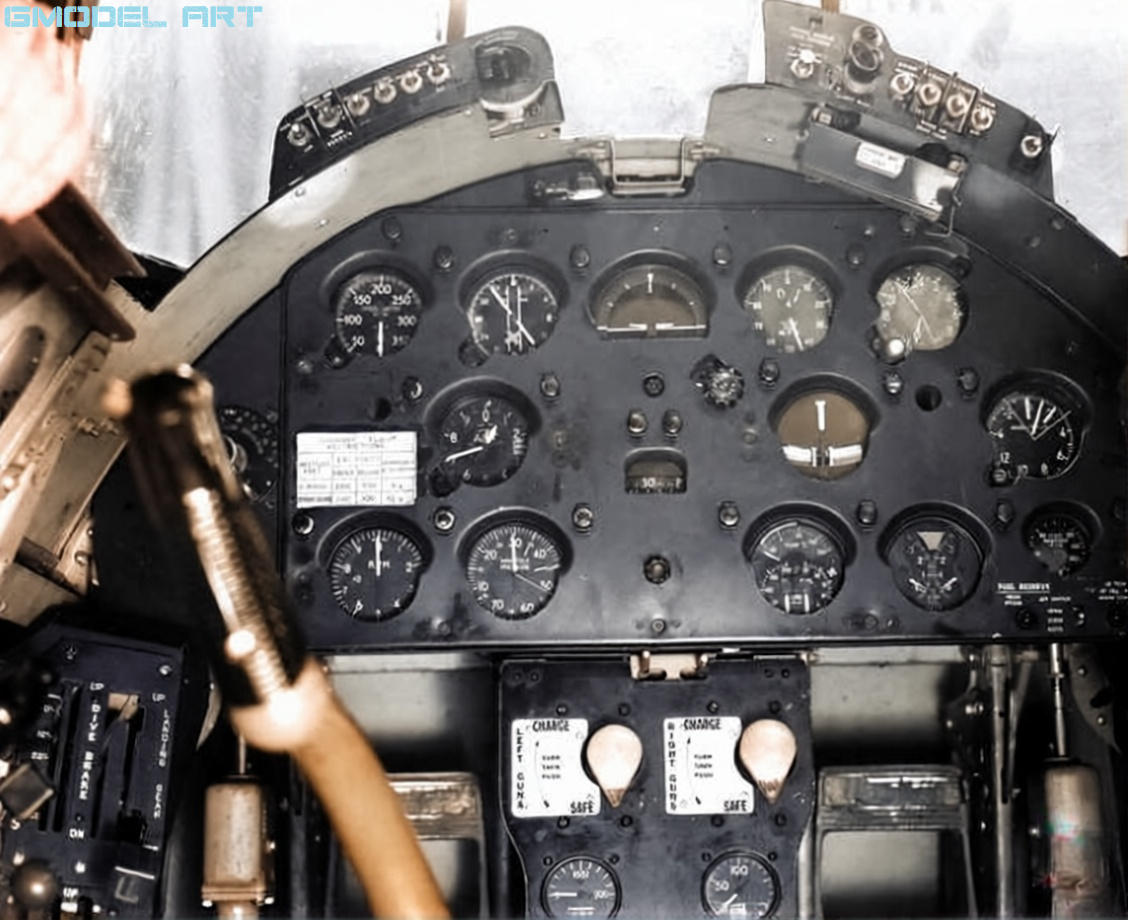
| Instrument Panel | Black | FS37038 | H12 / C2 | XF-1 | AK11029 | MRP-005 | 70.950 | A.MIG-046 |
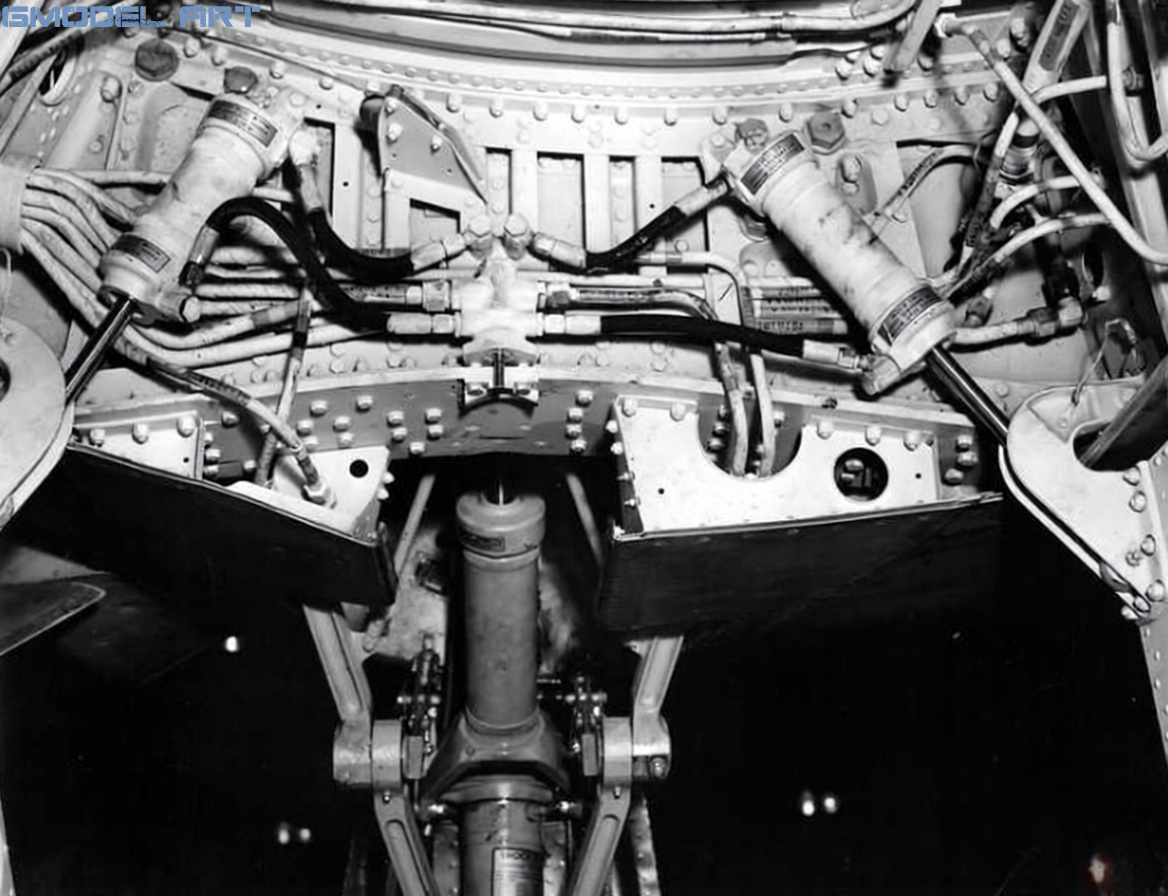
| Wheel Wells* | ANA 623 / ANA 611 | FS15042 / FS34151 | H55 / H58 | XF-17 / XF-71 | RC258 / RC249 | MRP-14 / MRP-131 | — | — |
| Landing Gear | Glossy Sea Blue | FS15042 | H55 | XF-17 | RC258 | MRP-14 | 71.300 | A.MIG-227 |
| Propeller | Black | FS37038 | H12 | XF-1 | AK11029 | MRP-005 | 70.950 | A.MIG-046 |
| Propeller Tips | ANA 614 Yellow | FS33538 | H4 | XF-3 | RC073 | MRP-122 | 71.002 | A.MIG-007 |
Official US Navy Colors and Scale Model Paint Equivalents
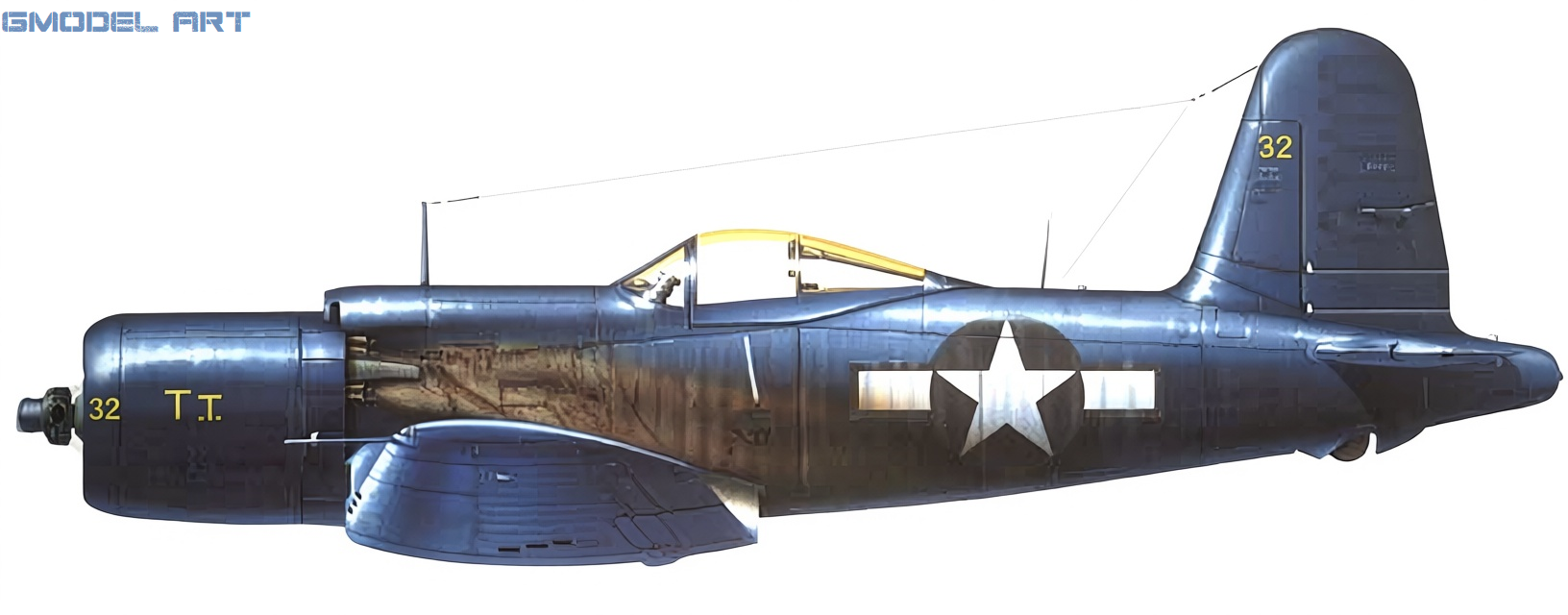
The Goodyear F2G Super Corsair was finished according to late-war United States Navy (USN) aircraft paint standards. Production aircraft were primarily finished in the overall ANA 623 Glossy Sea Blue scheme, while internal areas followed standard US Navy aircraft interior colors.
The following table provides historical colors, ANA specifications, FS595 equivalents, and scale model paint matches from the major manufacturers.
It demonstrated how far wartime engineers could push an already exceptional design without abandoning its original strengths.
Although history denied the Super Corsair an operational career, its engineering significance remains undeniable.
Its combination of immense power, advanced modifications, and limited production has made it one of the rarest and most desirable aircraft ever developed by the United States Navy.
For aviation historians, it offers a fascinating glimpse into the transitional period between the great piston fighters of World War II and the emerging jet age.
For modelers, it remains one of the most distinctive Corsair variants ever produced.
And for enthusiasts, the unmistakable silhouette of the F2G—with its towering vertical tail, massive four-row radial engine, and unmistakable bubble canopy—continues to symbolize the ultimate expression of the legendary Corsair.