article
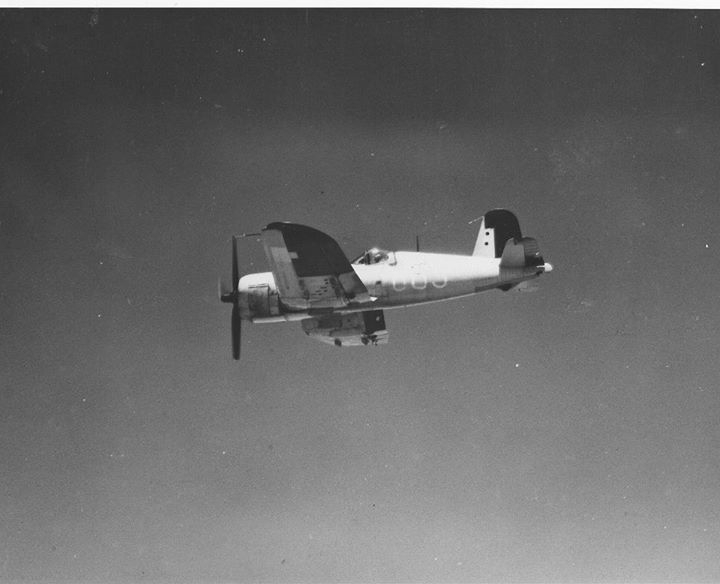
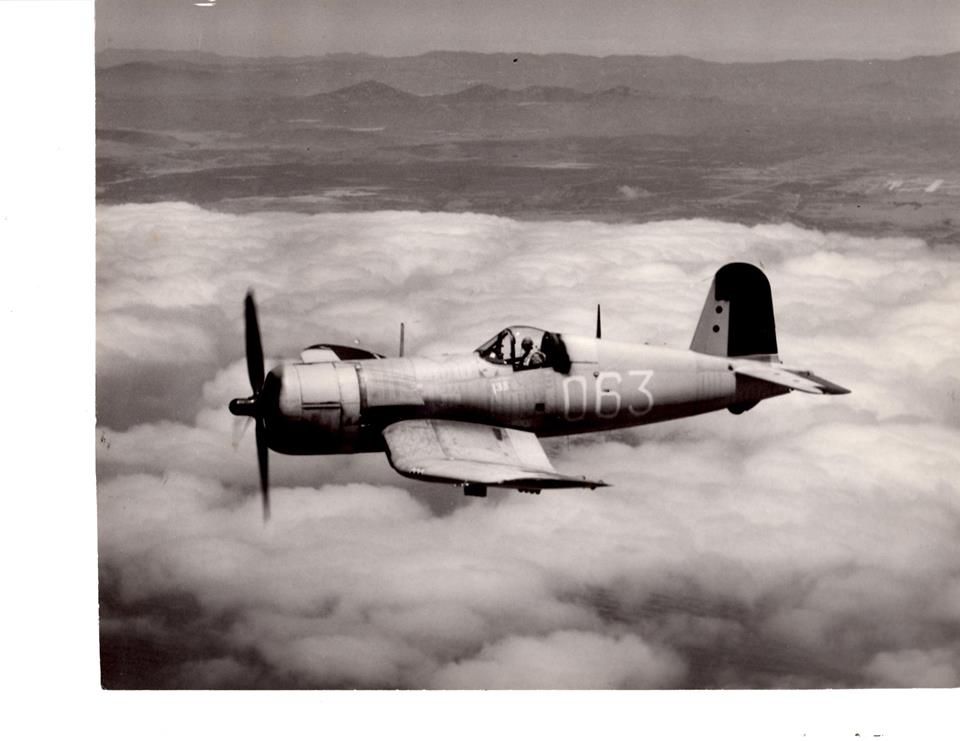
F4u Corsair Prepping for the Korean War
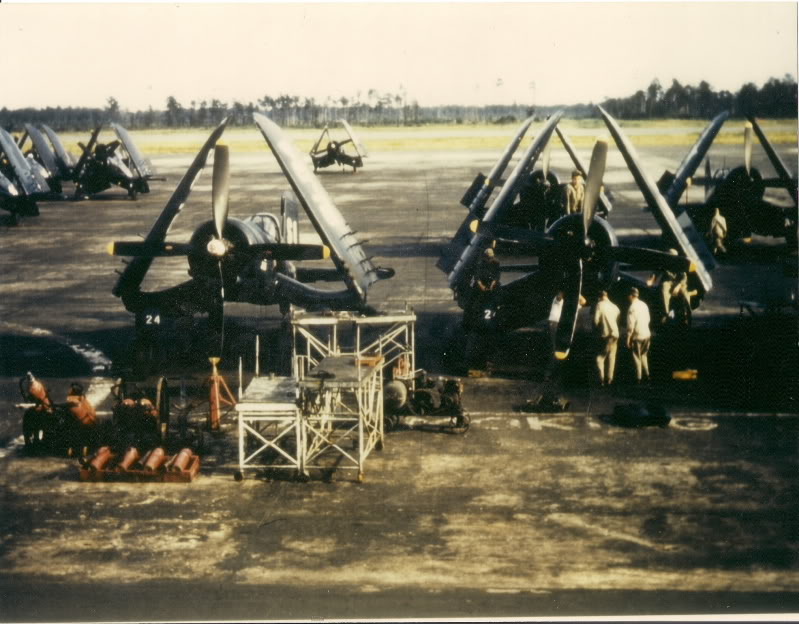
Major Overhaul at NAS Jacksonville – March 1950
Five years after the end of World War II, the United States unexpectedly entered another conflict: the Korean War. When the war erupted in June 1950, many of the new jet aircraft operated by the U.S. Air Force and U.S. Navy were still immature designs. Early jets were fast but fragile, expensive to maintain, and often unsuitable for the rugged operating conditions of Korea.
Runways were frequently rough or improvised, maintenance infrastructure was limited, and close-air-support missions required aircraft capable of loitering over the battlefield for long periods—something early jets struggled to do efficiently.
For this reason, many piston-engine aircraft from World War II returned to frontline service. Among them were the legendary Vought F4U Corsair and the North American F‑51 Mustang (the redesignated P-51). These aircraft became the backbone of tactical air support in the early phase of the Korean War, often described by pilots as “bomb trucks” due to the heavy ordnance loads they carried into combat.
At the strategic level, heavy bombers such as the Boeing B‑29 Superfortress conducted daily bombing missions until the appearance of Soviet-supplied Mikoyan‑Gurevich MiG‑15 jet fighters forced them to shift almost entirely to night operations.
Corsair Reconditioning at NAS Jacksonville
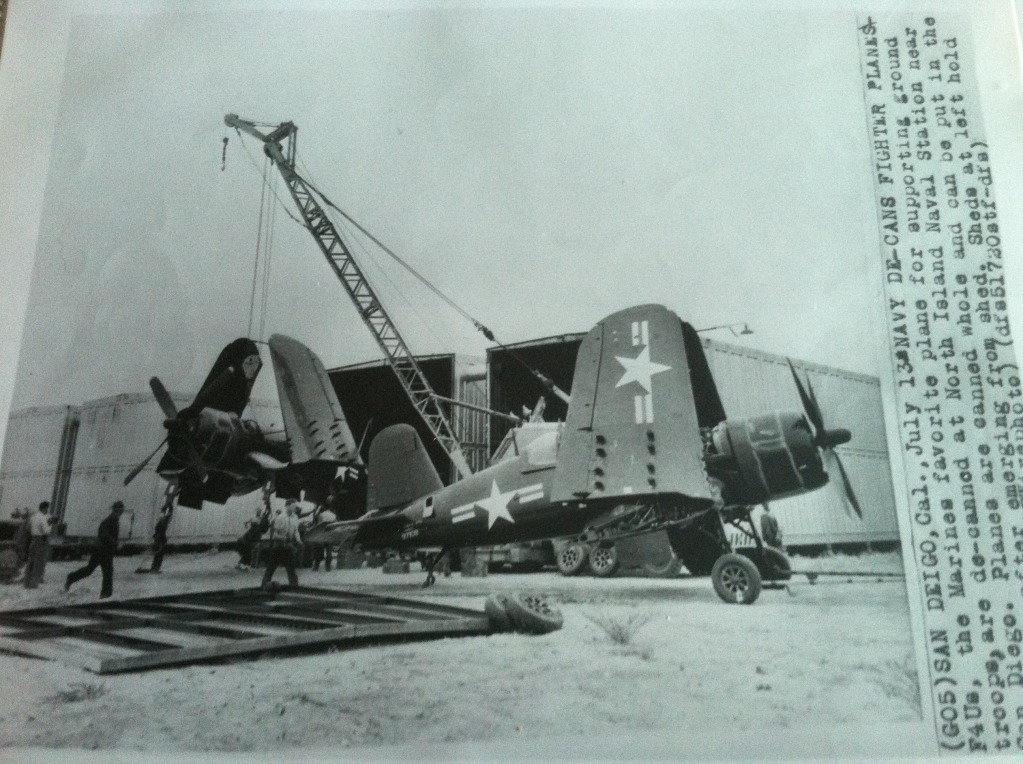
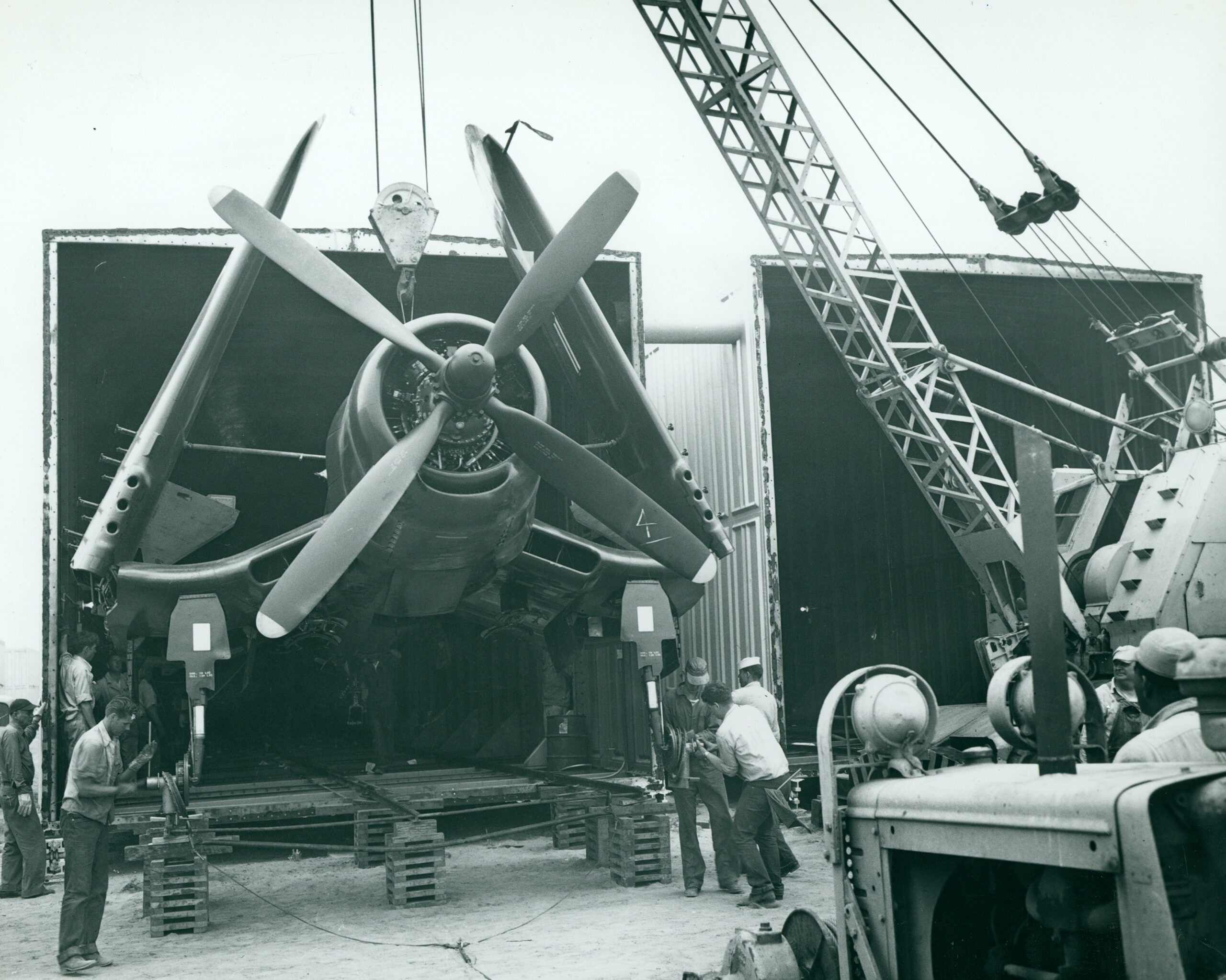
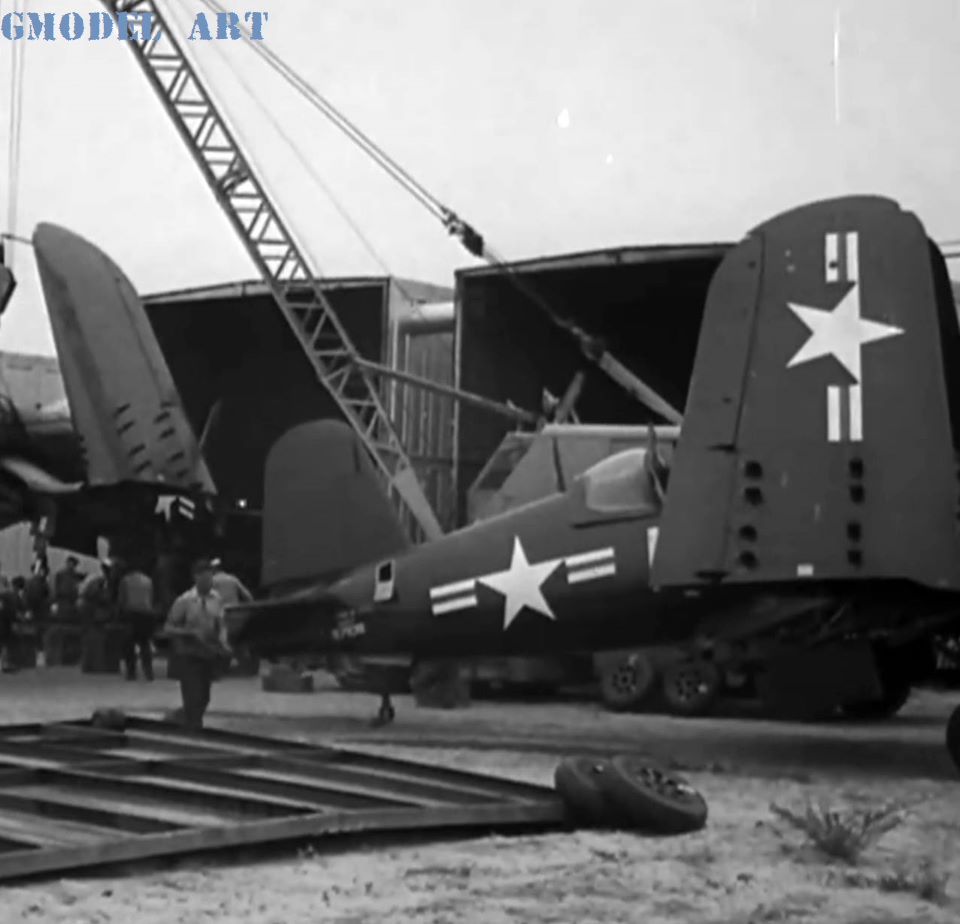
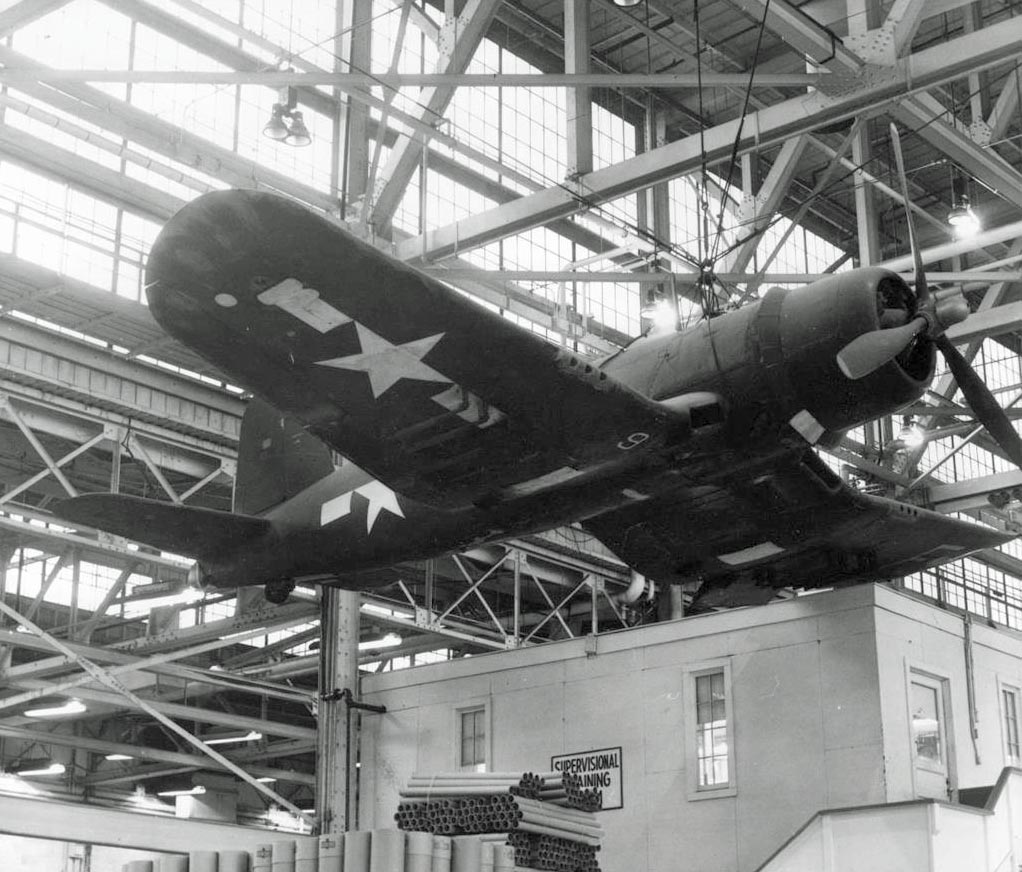
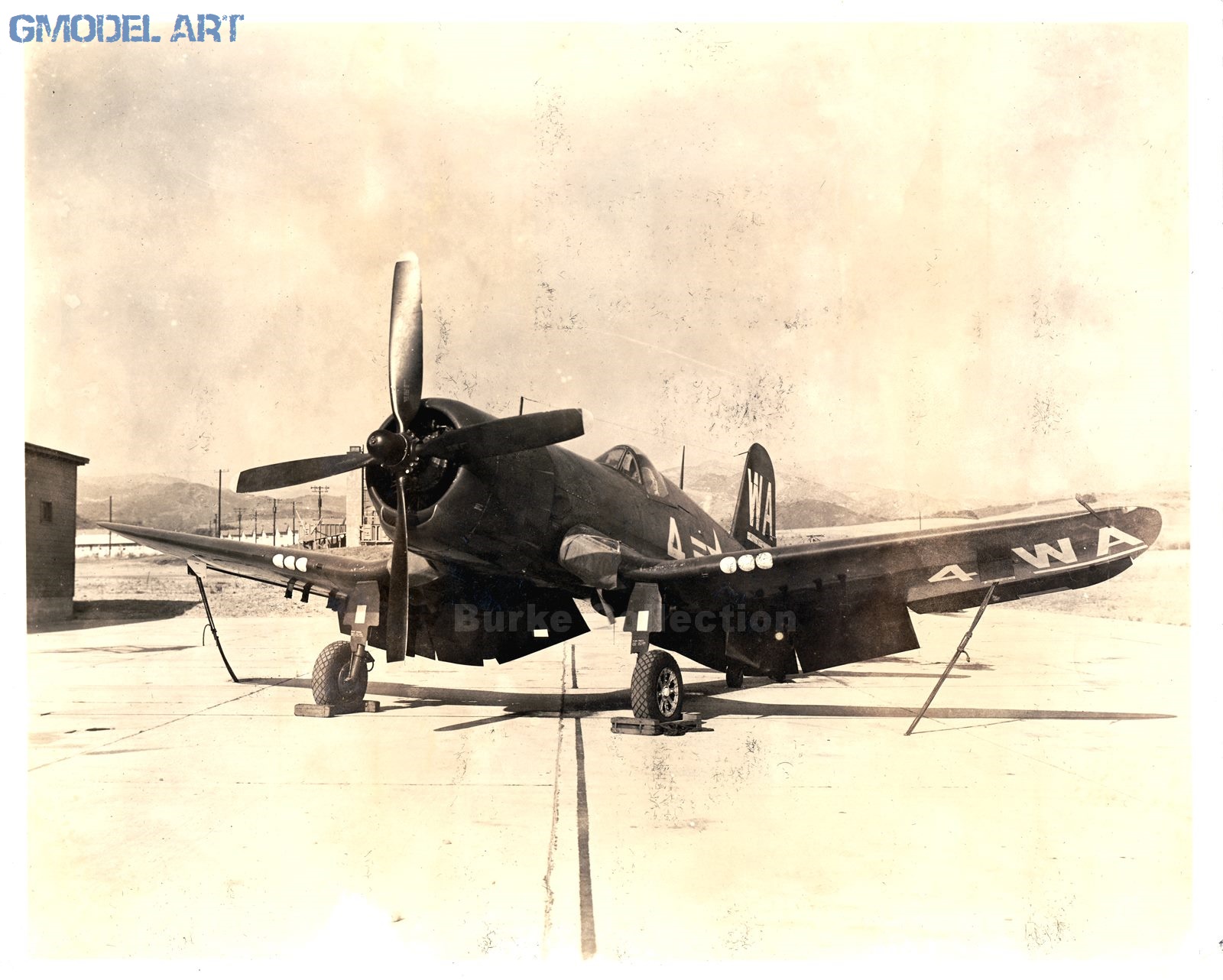
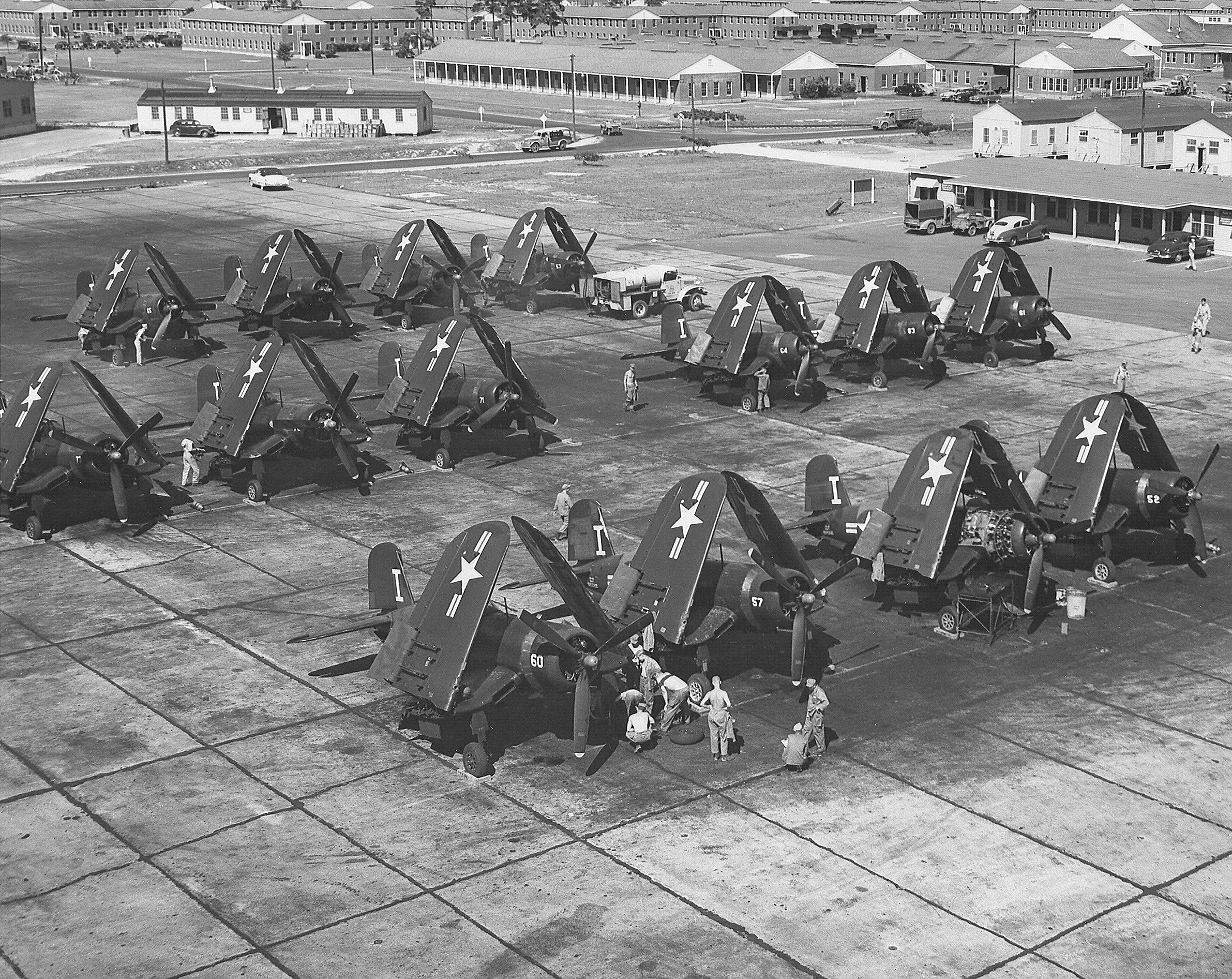
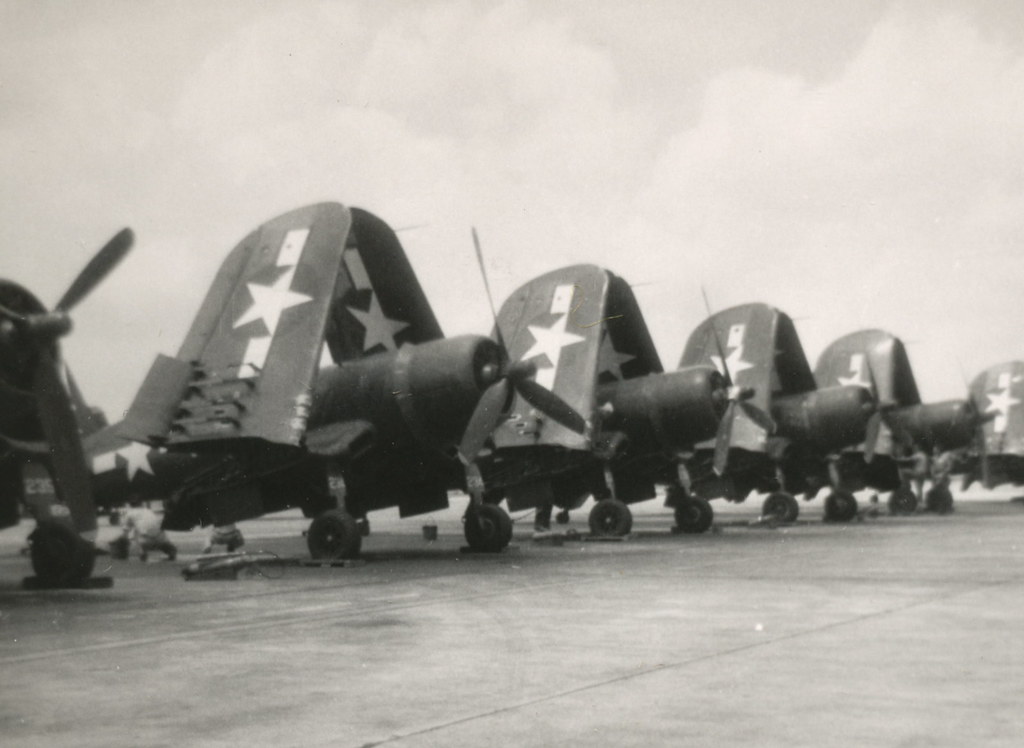
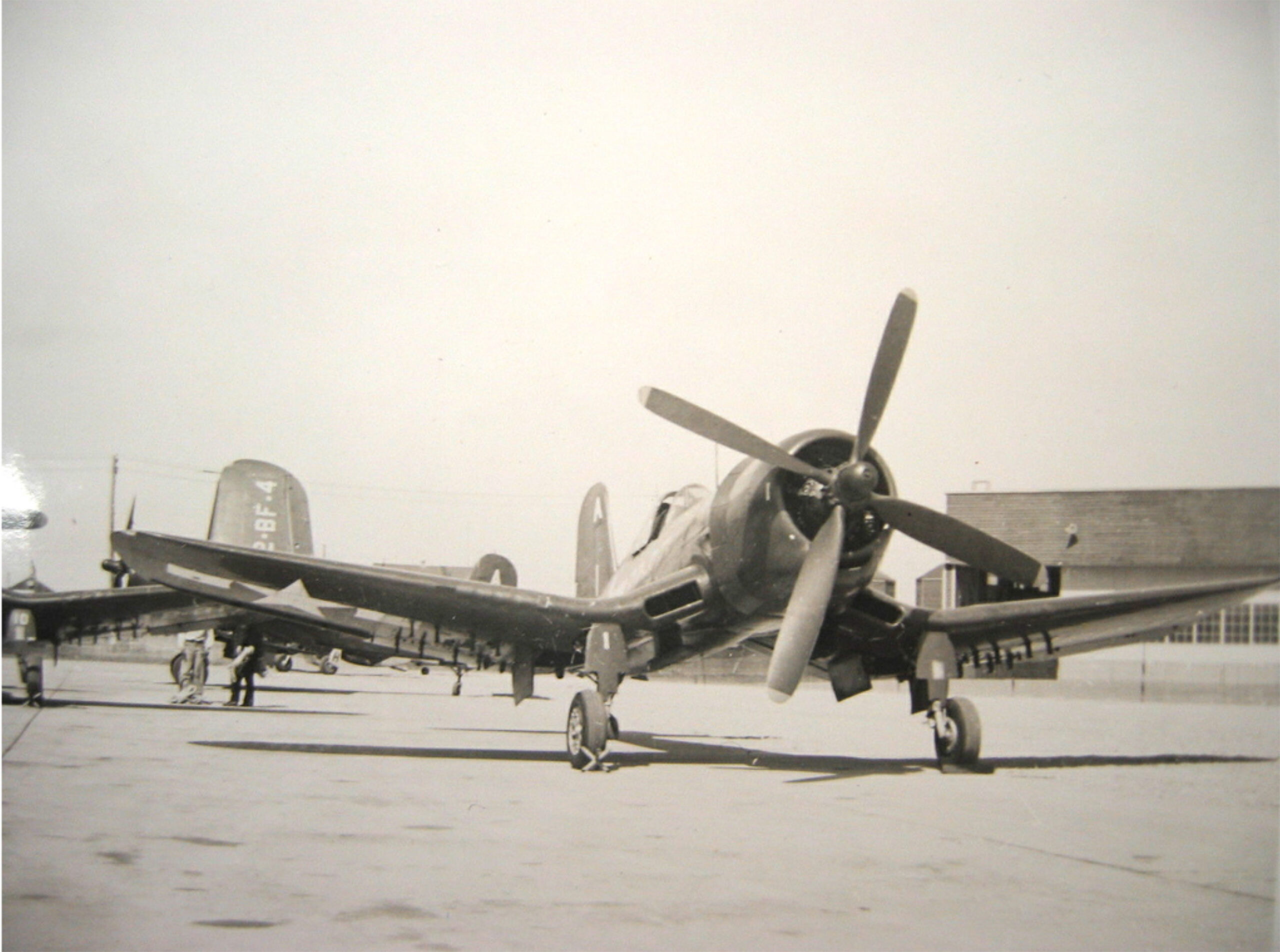
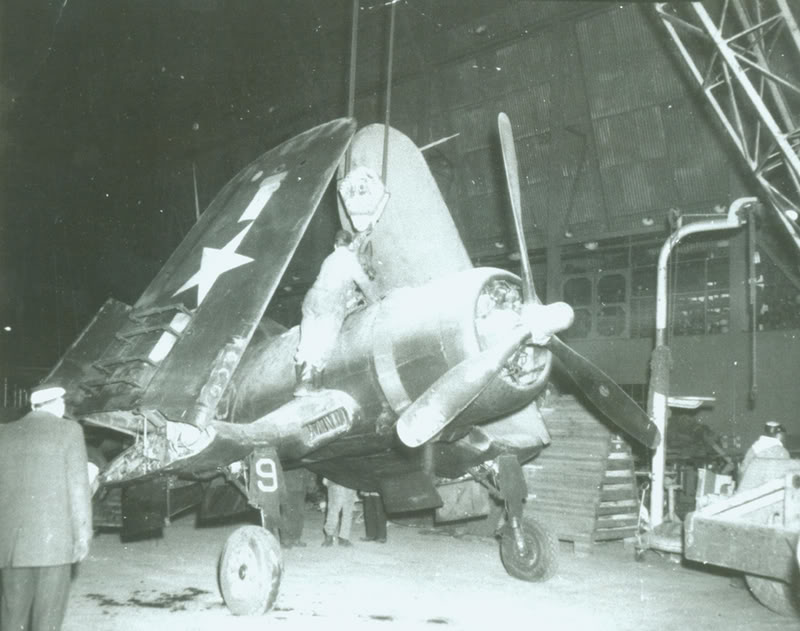
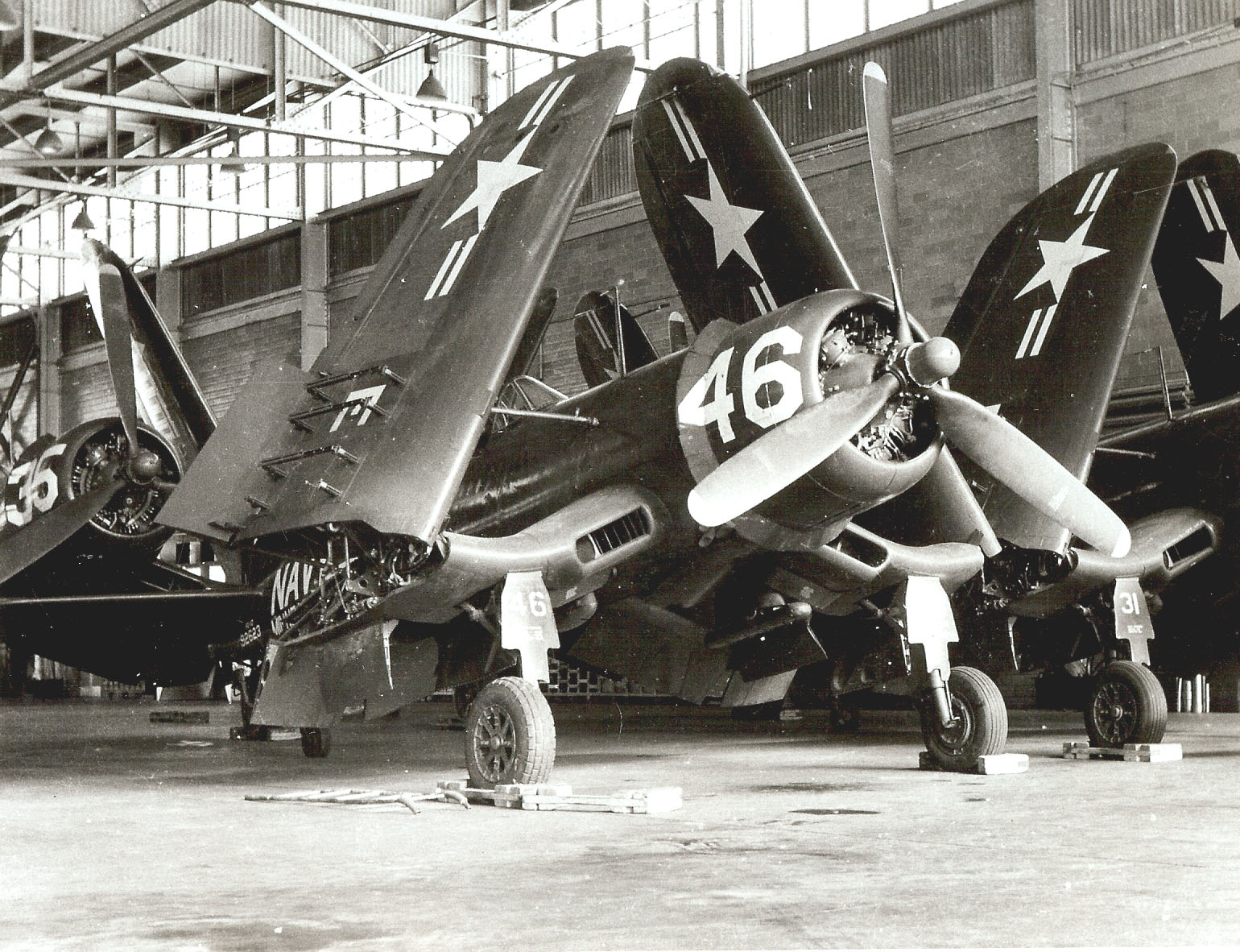
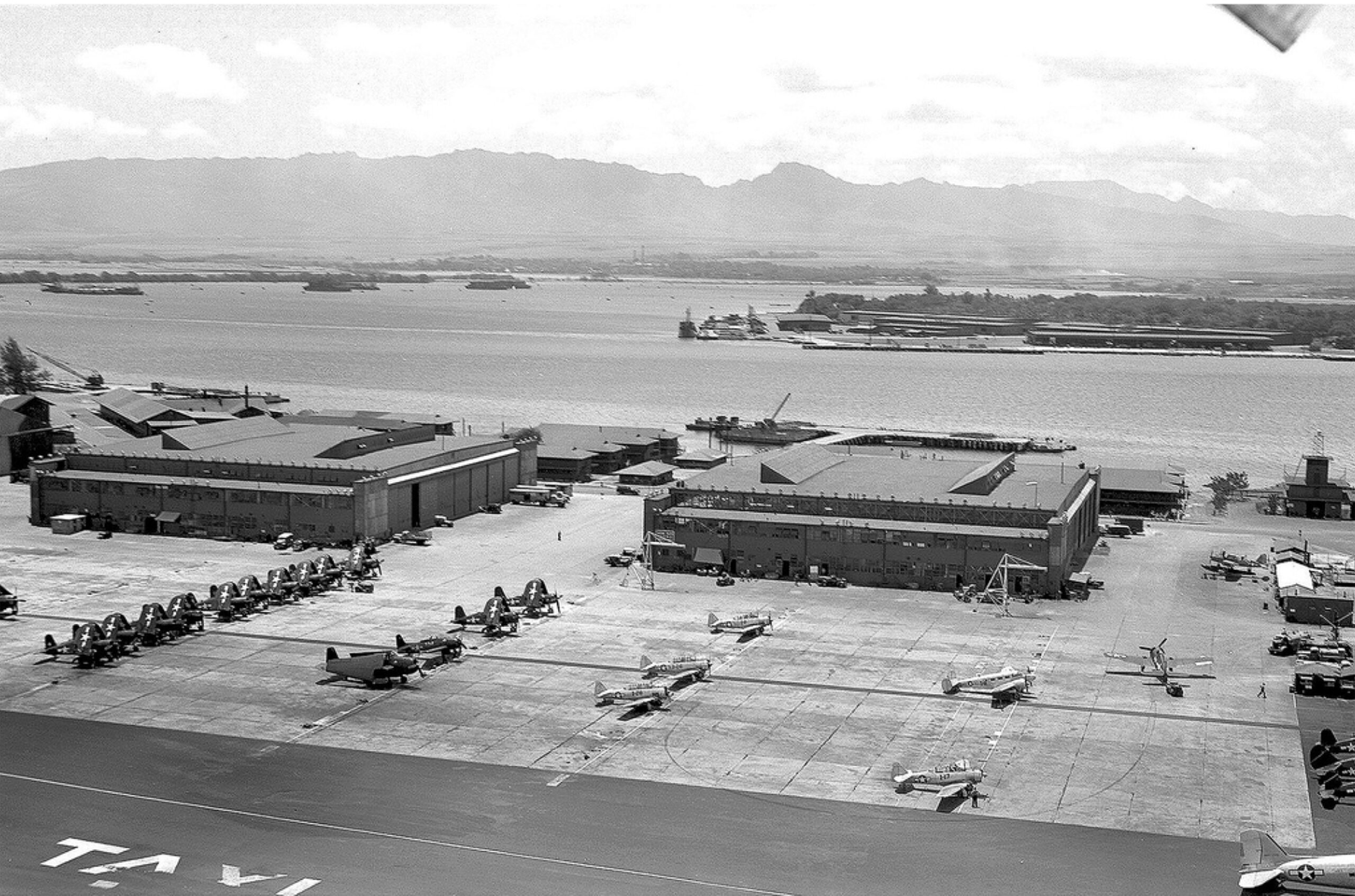
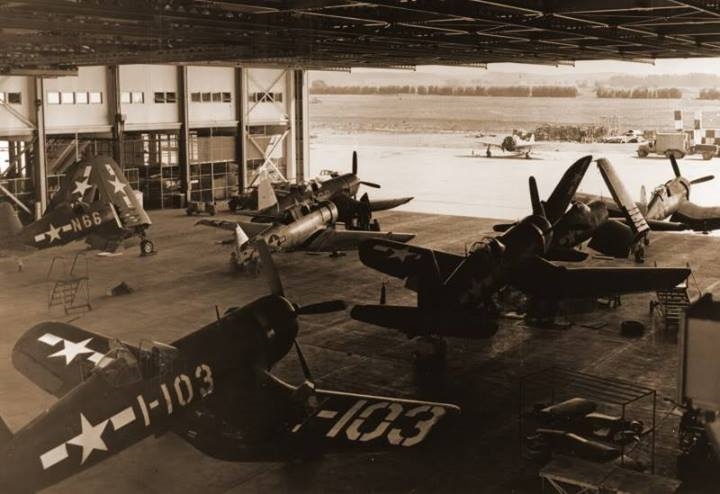
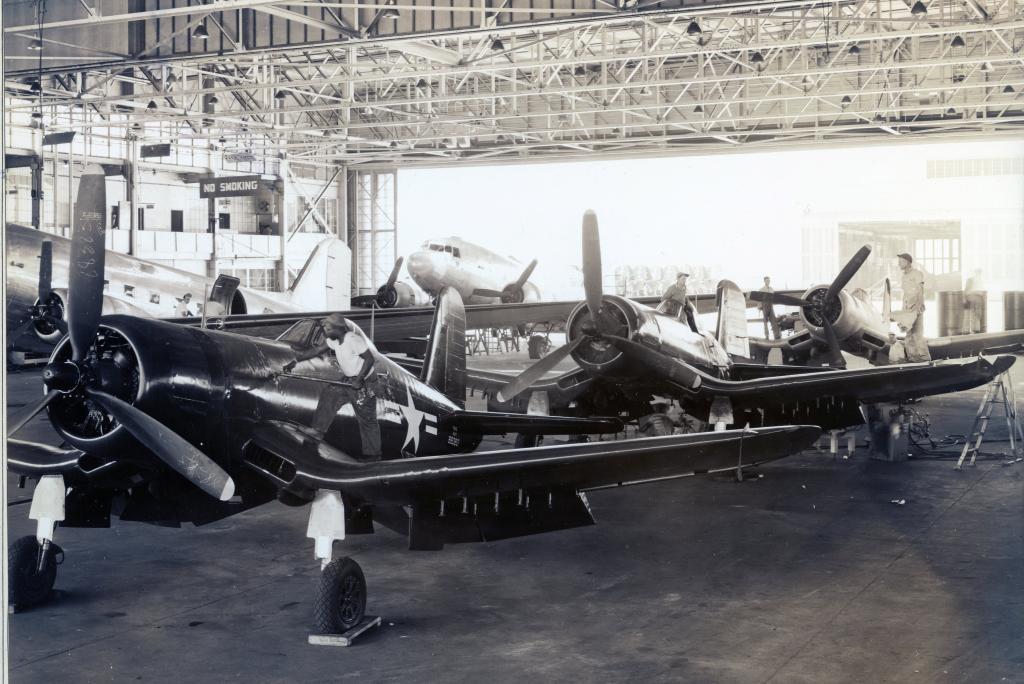
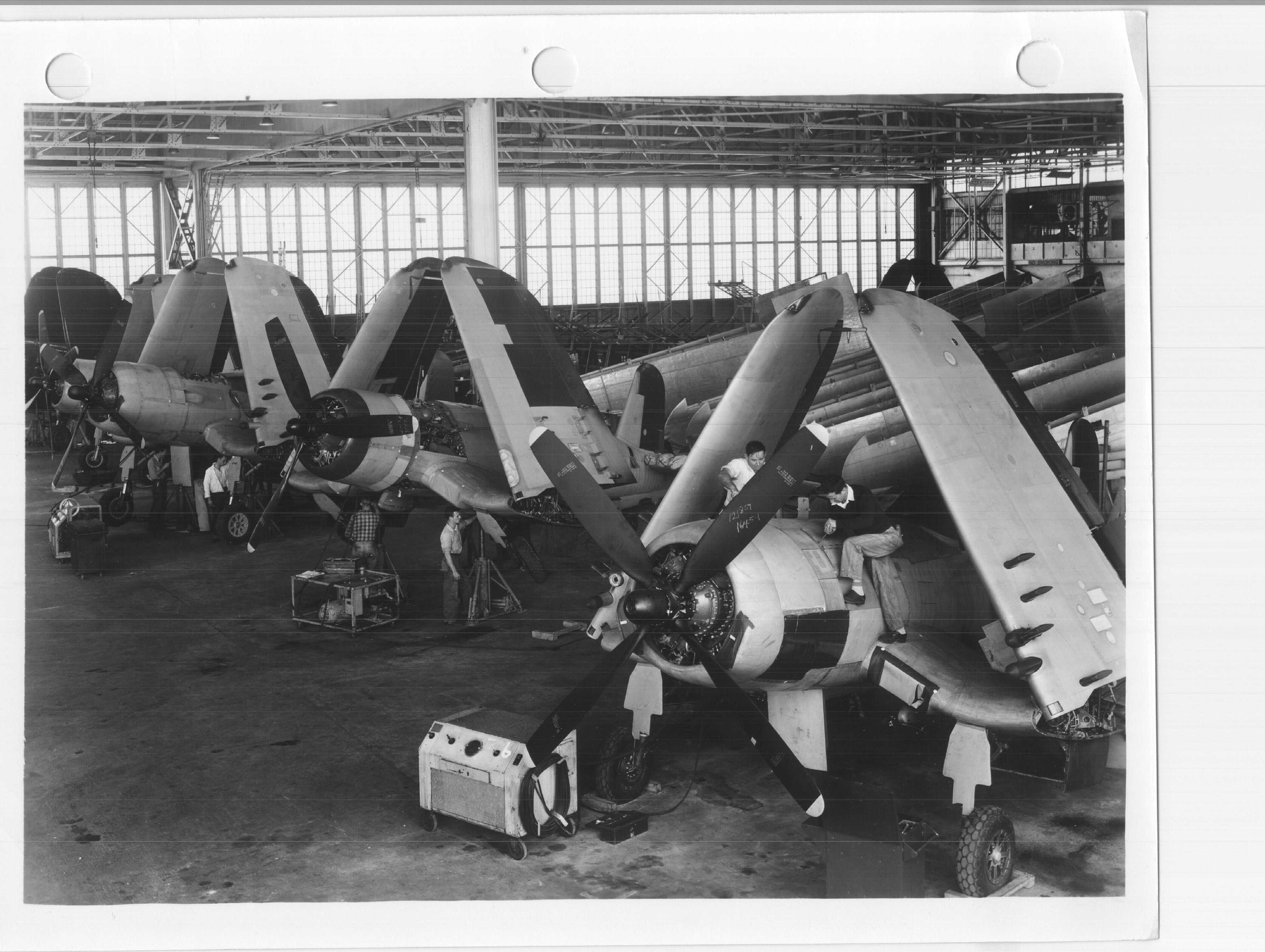
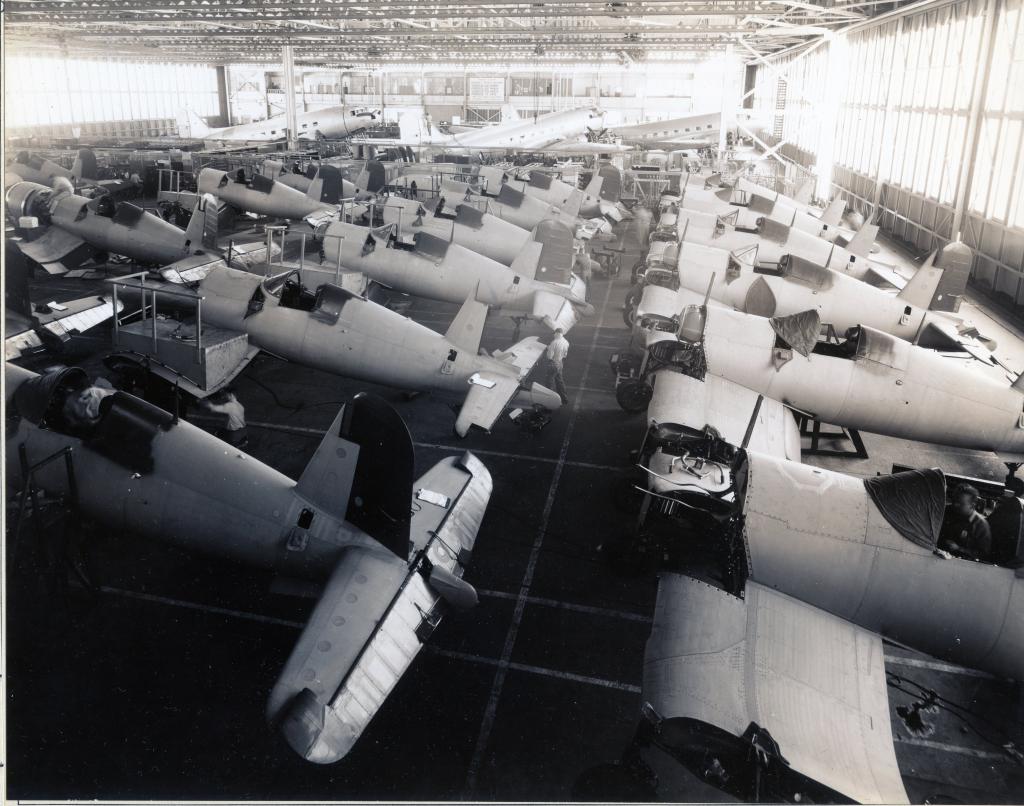
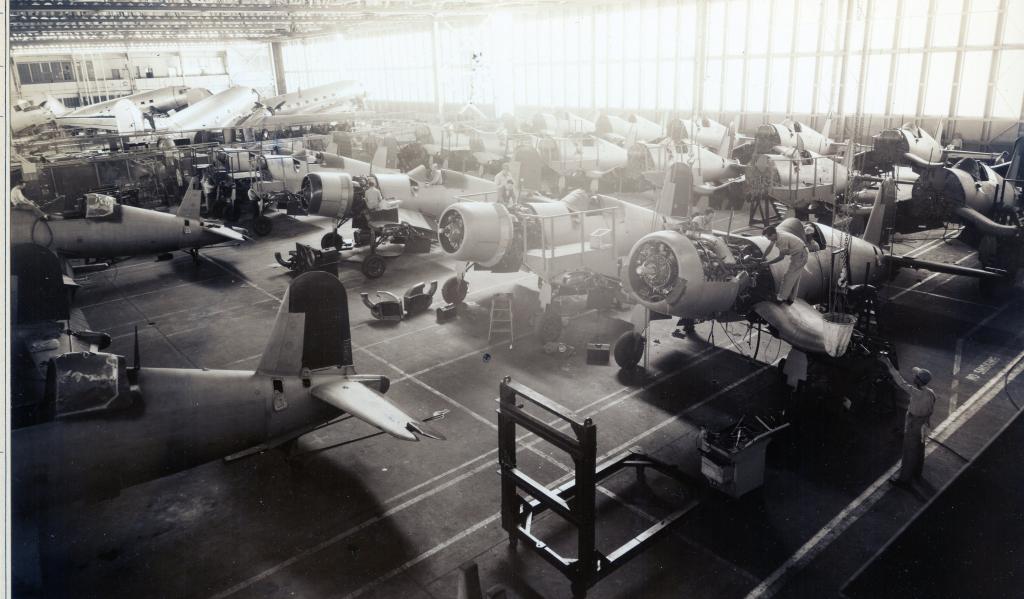
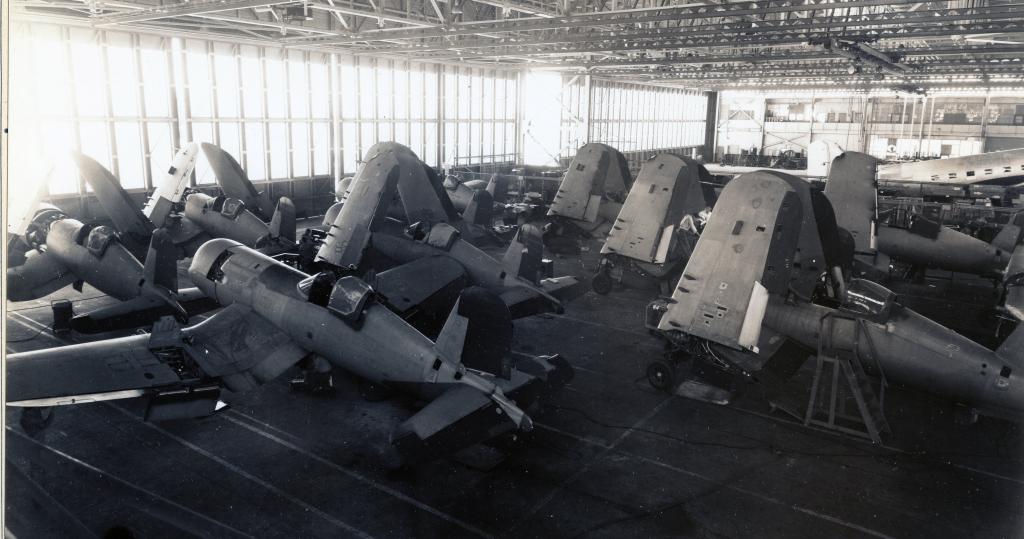
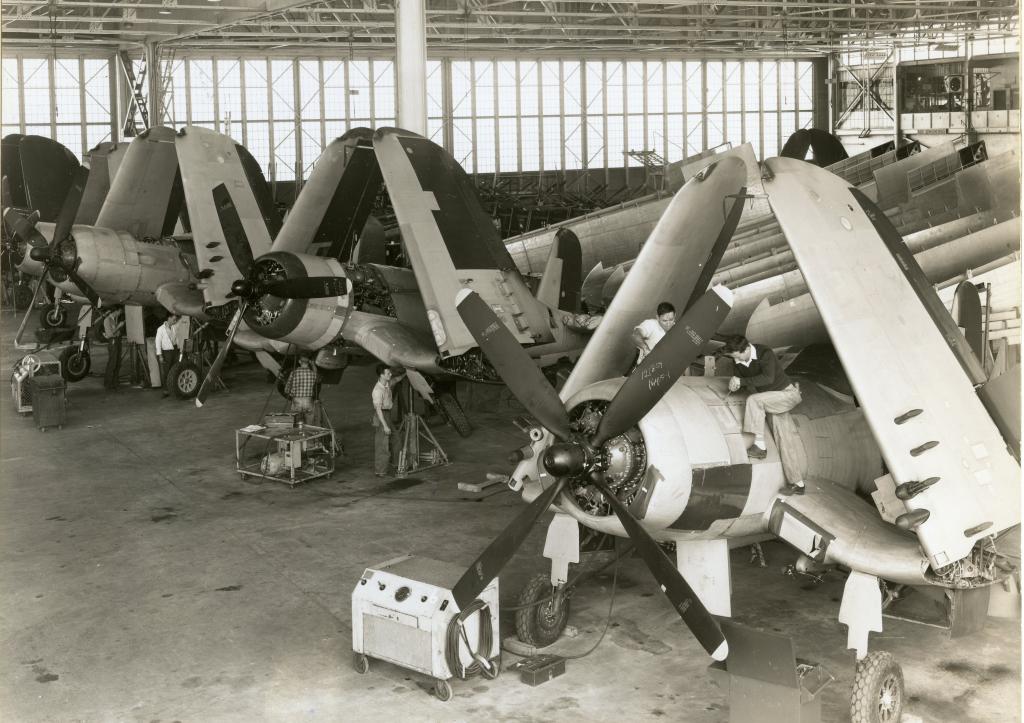
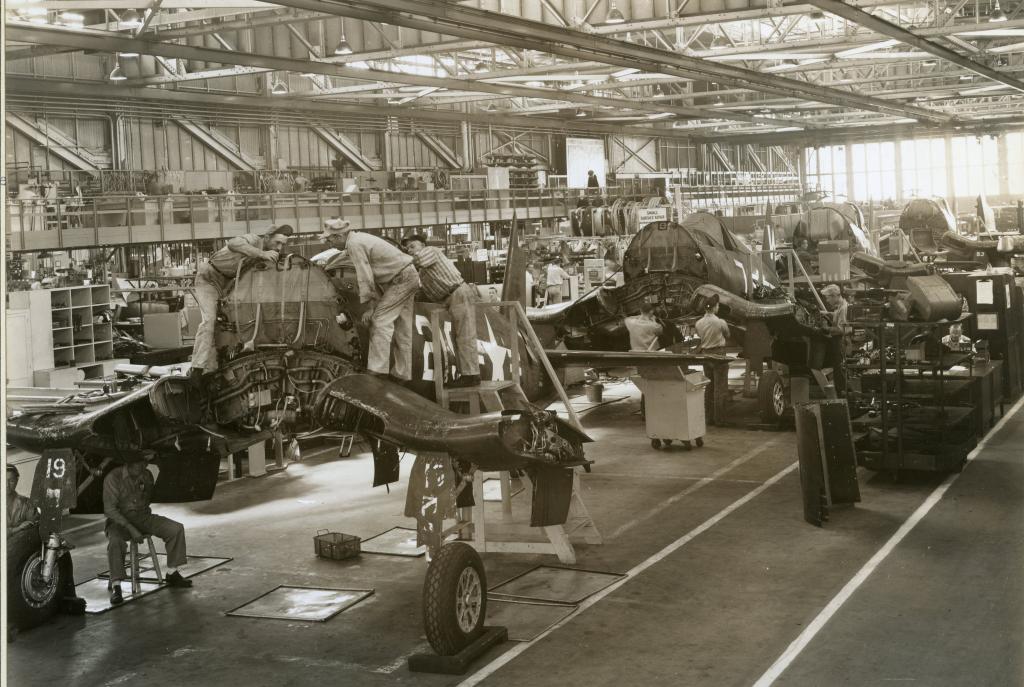
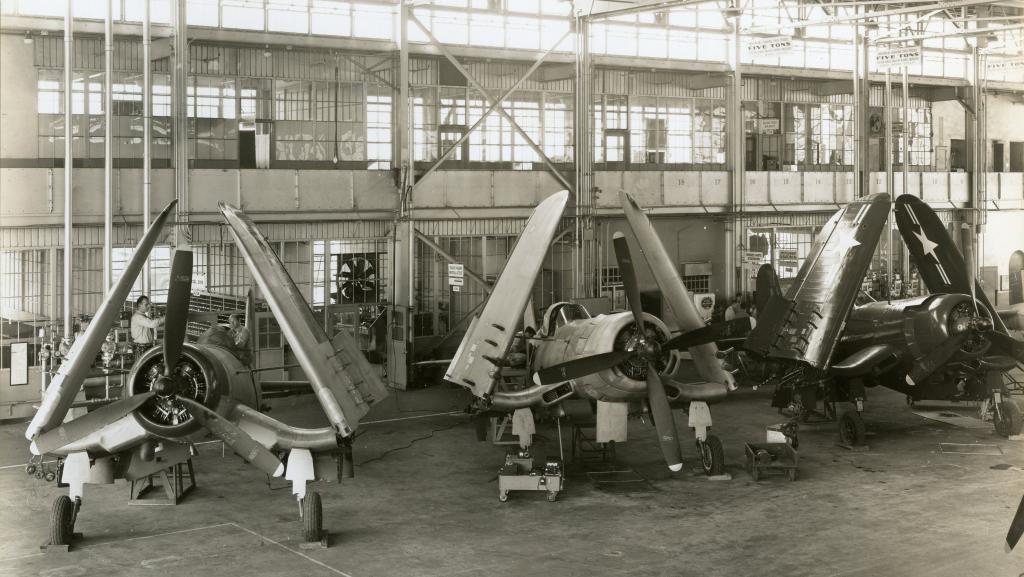
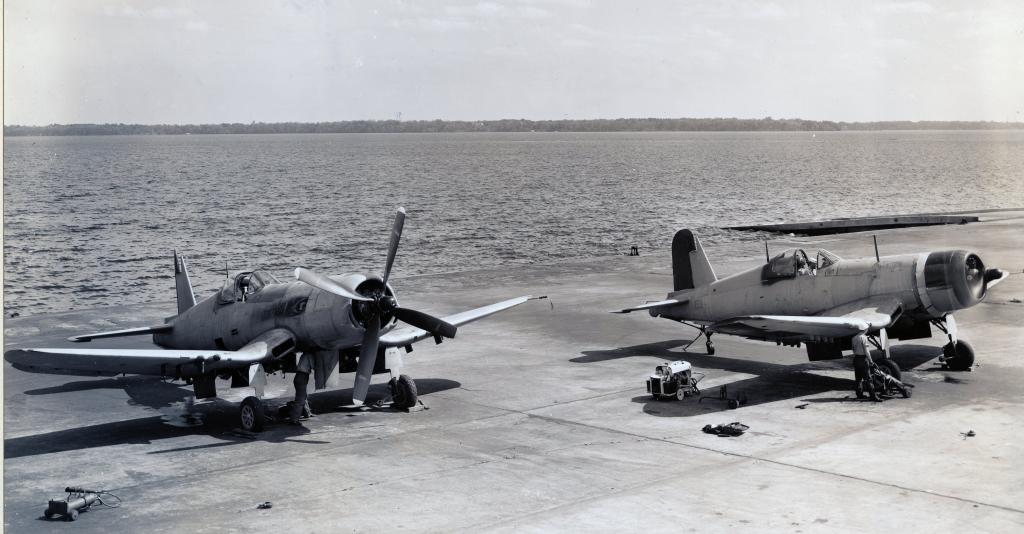
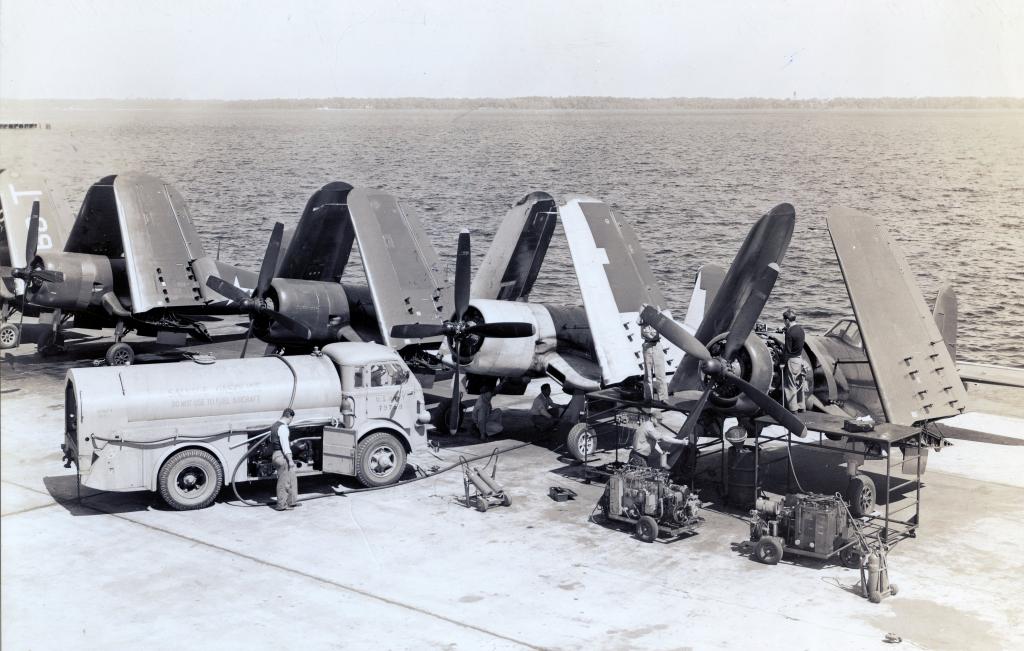
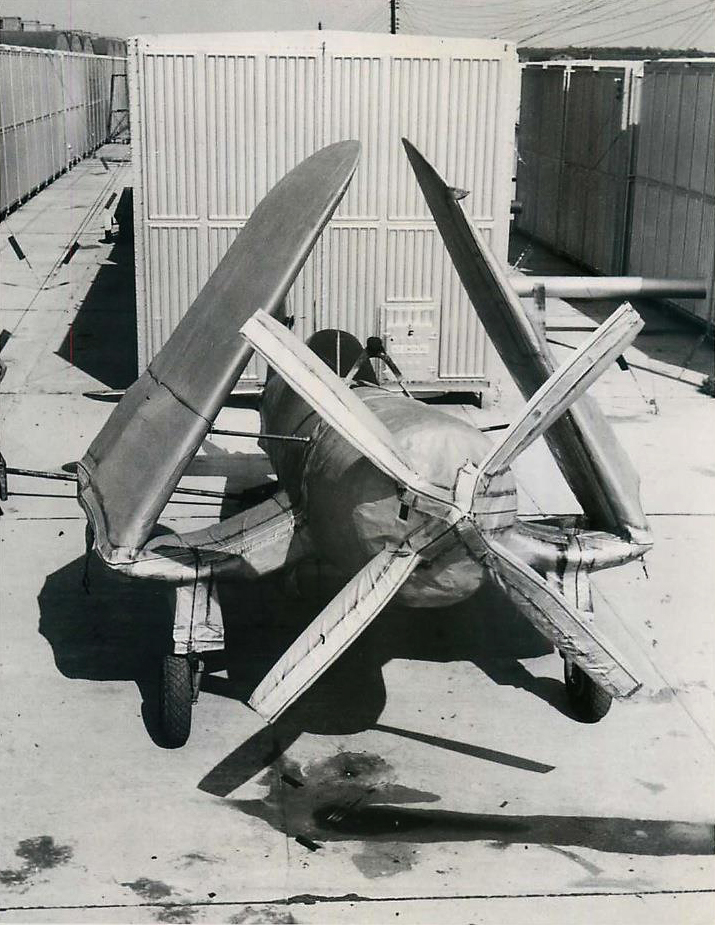
In March 1950—just three months before the outbreak of war—dozens of Corsair fighters were undergoing heavy overhaul inside hangars at Naval Air Station Jacksonville in Jacksonville, Florida.
These aircraft represented a wide mixture of Corsair variants that had survived World War II and remained in storage or training units. Among the versions seen during refurbishment were:
- F4u-1A Corsair
- F4u-1D Corsair
- F4u-1C Corsair
- F4u-4 Corsair
- F4u-4B Corsair
- F4u-4P reconnaissance Corsair
- F4u-5 Corsair
- F4u-5N night fighter Corsair
- F4u-5NL winterized version Corsair
- F4u-5P photo reconnaissance Corsair
The earlier F4u-1Corsair series aircraft were largely relegated to training or reserve units after the war, while the later F4u-4Corsair and F4u-5 Corsair models represented the frontline operational Corsairs used during the Korean War.
The Overhaul Process
The refurbishment program at NAS Jacksonville involved extensive mechanical inspection and structural restoration.
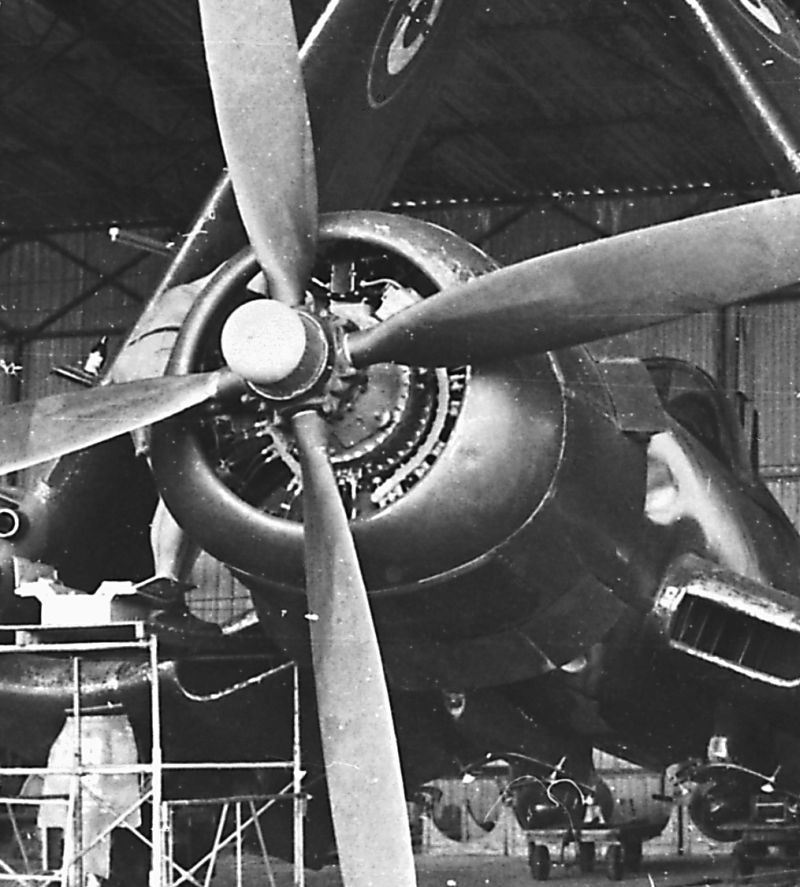
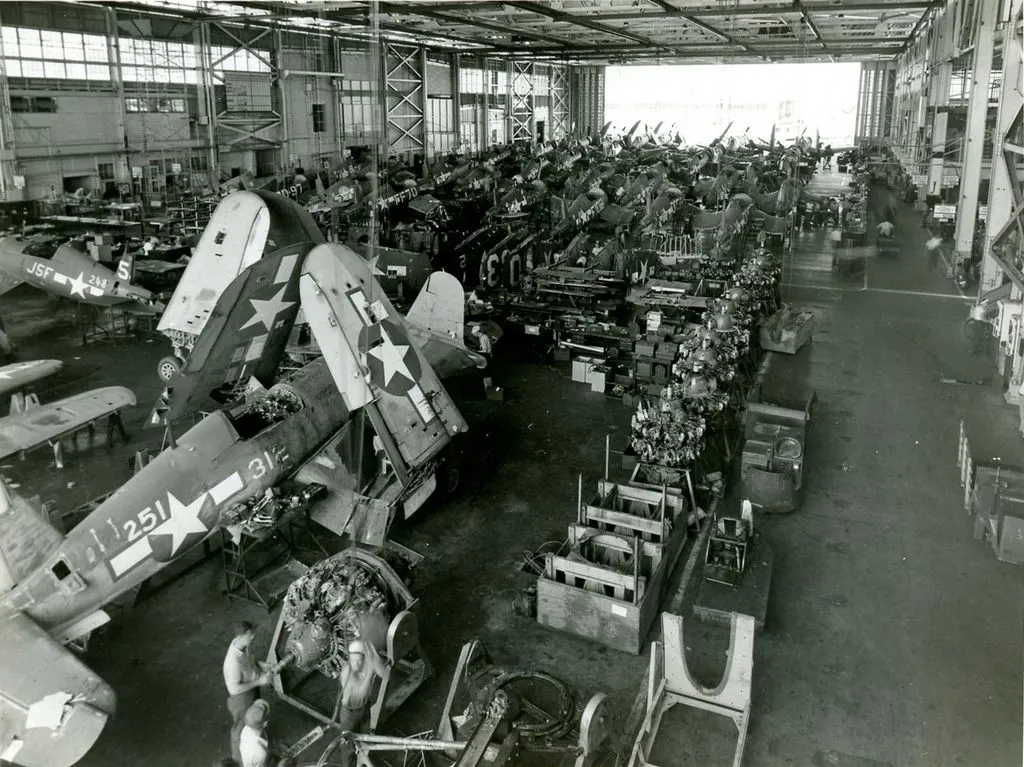
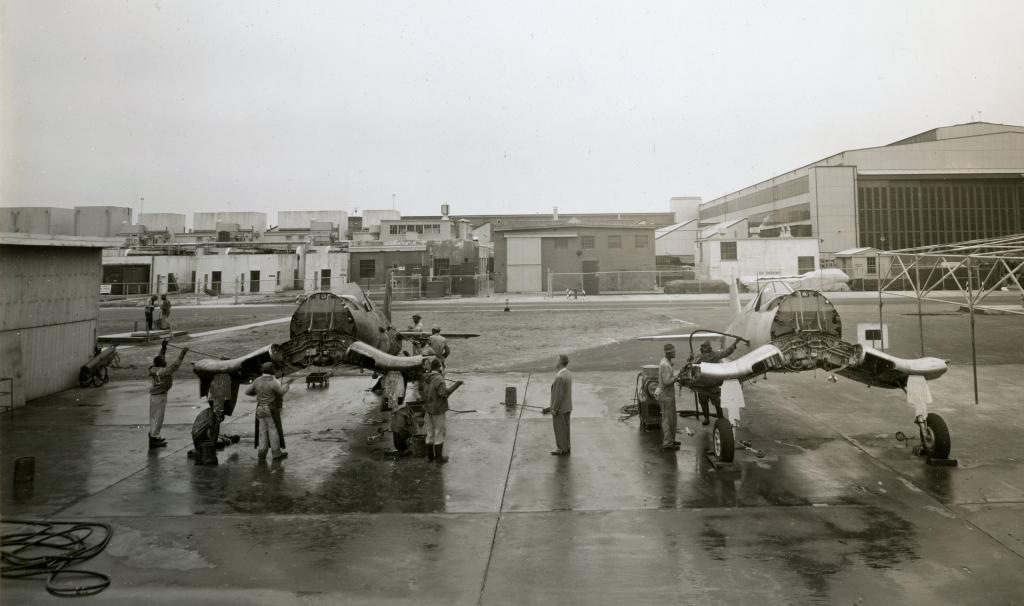
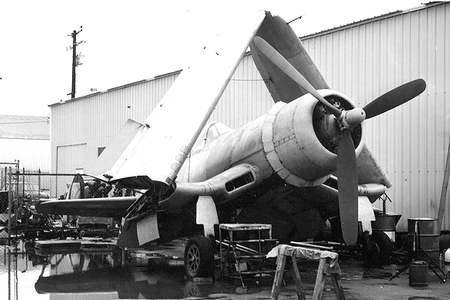
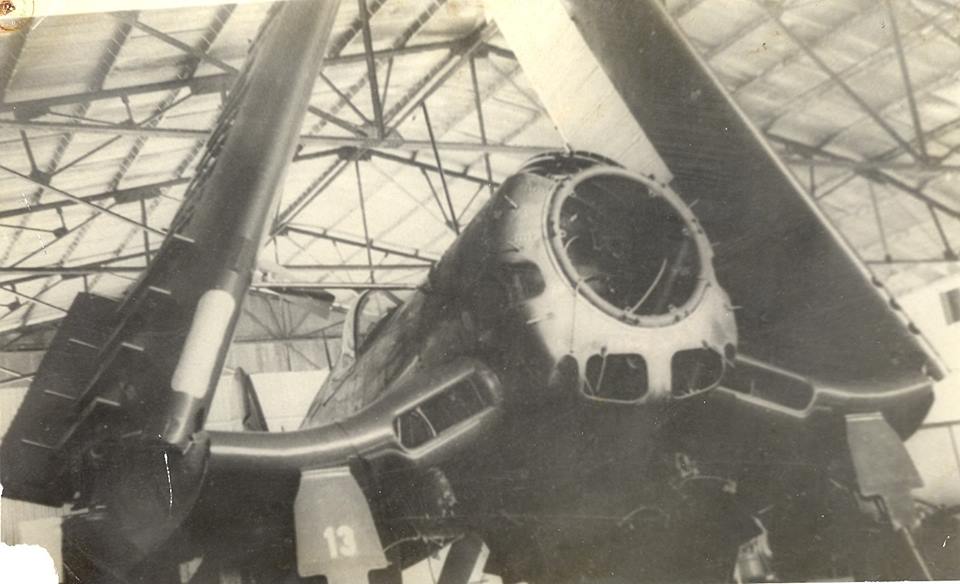
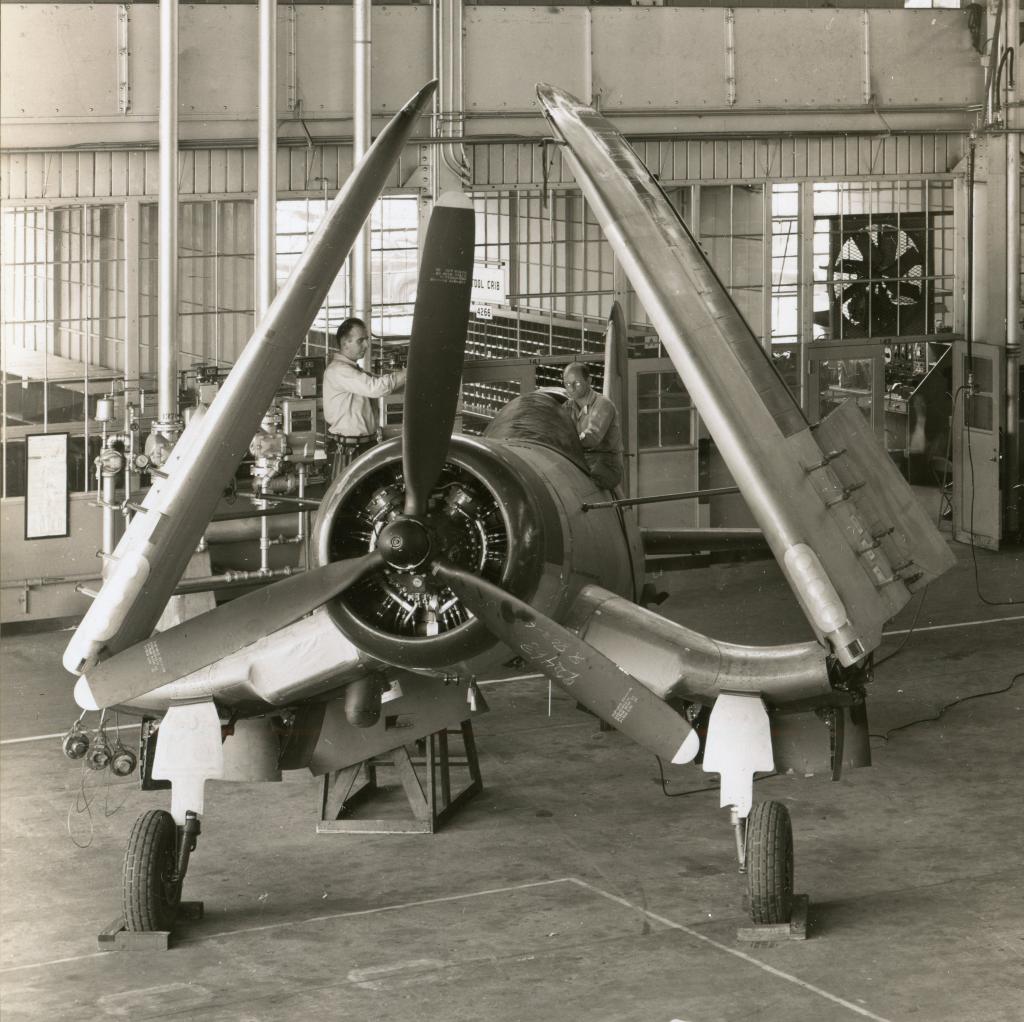
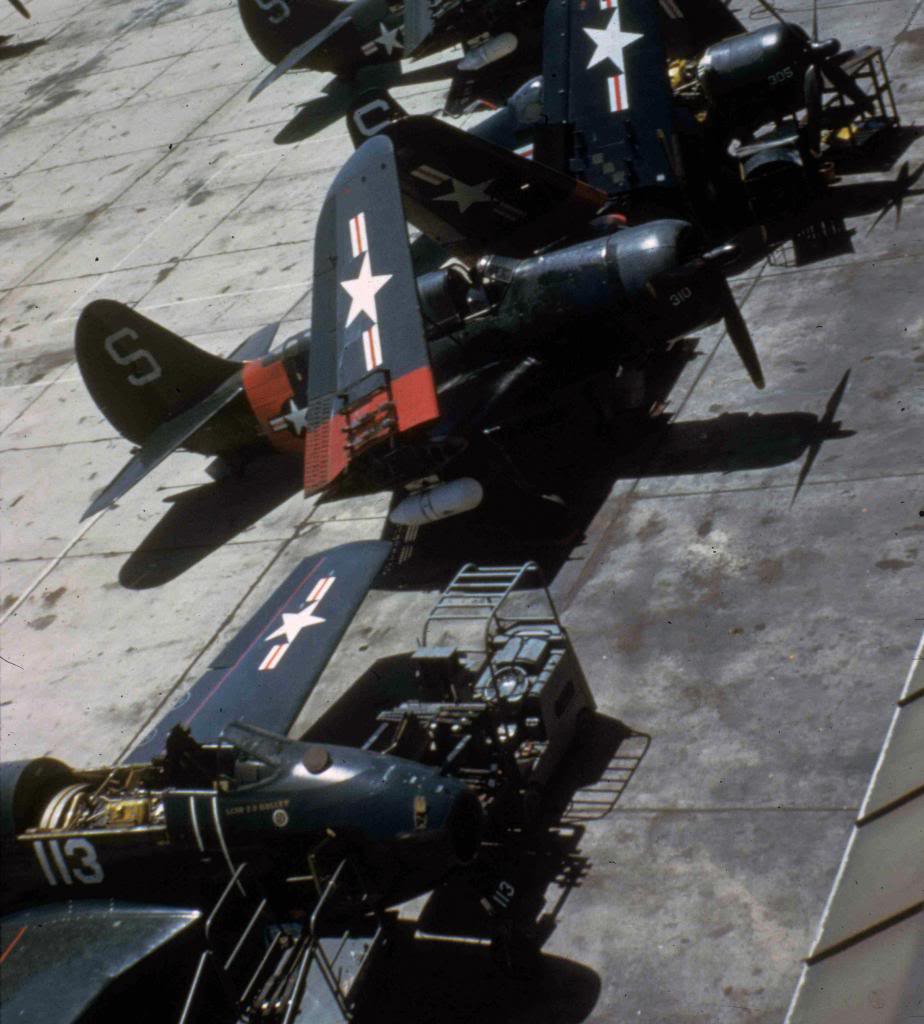
The first stage involved removing the Pratt & Whitney radial engines and lowering them from the airframes for full mechanical inspection. Entire aircraft were stripped down to their fuselage structure, with wings, tailplanes, and control surfaces removed.
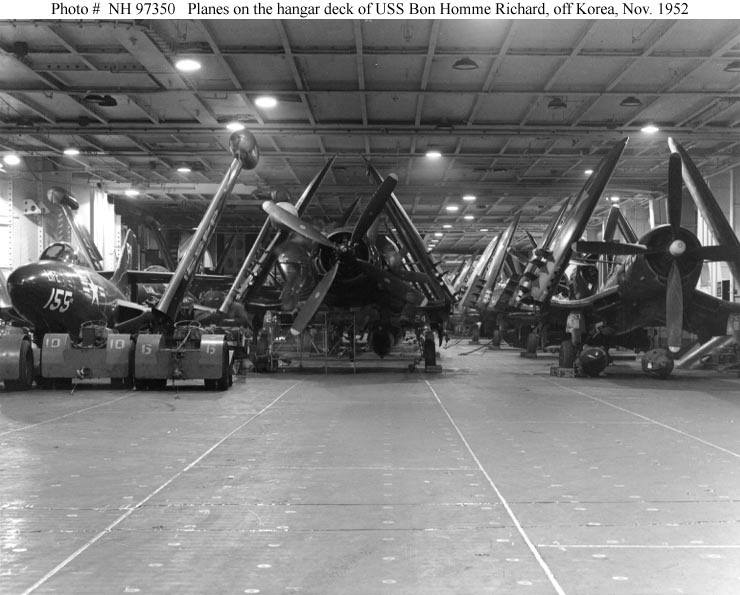
In photographs from the hangar floor, rows of Corsairs appear partially disassembled:
- fuselages mounted on maintenance stands
- wings stacked separately nearby
- engine cowls removed
- control surfaces detached
Aircraft undergoing overhaul were often stripped of their existing paint. This process likely involved high-pressure hot water cleaning and chemical paint removers, a common postwar maintenance practice used to inspect the underlying aluminum structure for corrosion or fatigue.
Structural Differences Between Early and Late Corsairs
An interesting detail visible during overhaul concerns the wing construction of different Corsair variants.
Early Corsair models (F4U-1 through F4U-4) used fabric-covered outer wing panels and control surfaces. During refurbishment these fabric surfaces were repainted separately while the rest of the aircraft remained bare metal.
Later Corsair variants such as the F4U-5 introduced fully metal-skinned wings, eliminating fabric surfaces and improving durability for carrier operations and high-stress ground-attack missions.
These differences are clearly visible in maintenance photographs where some wings appear painted while the fuselage structure remains stripped to natural aluminum.
Korean War Operational Role
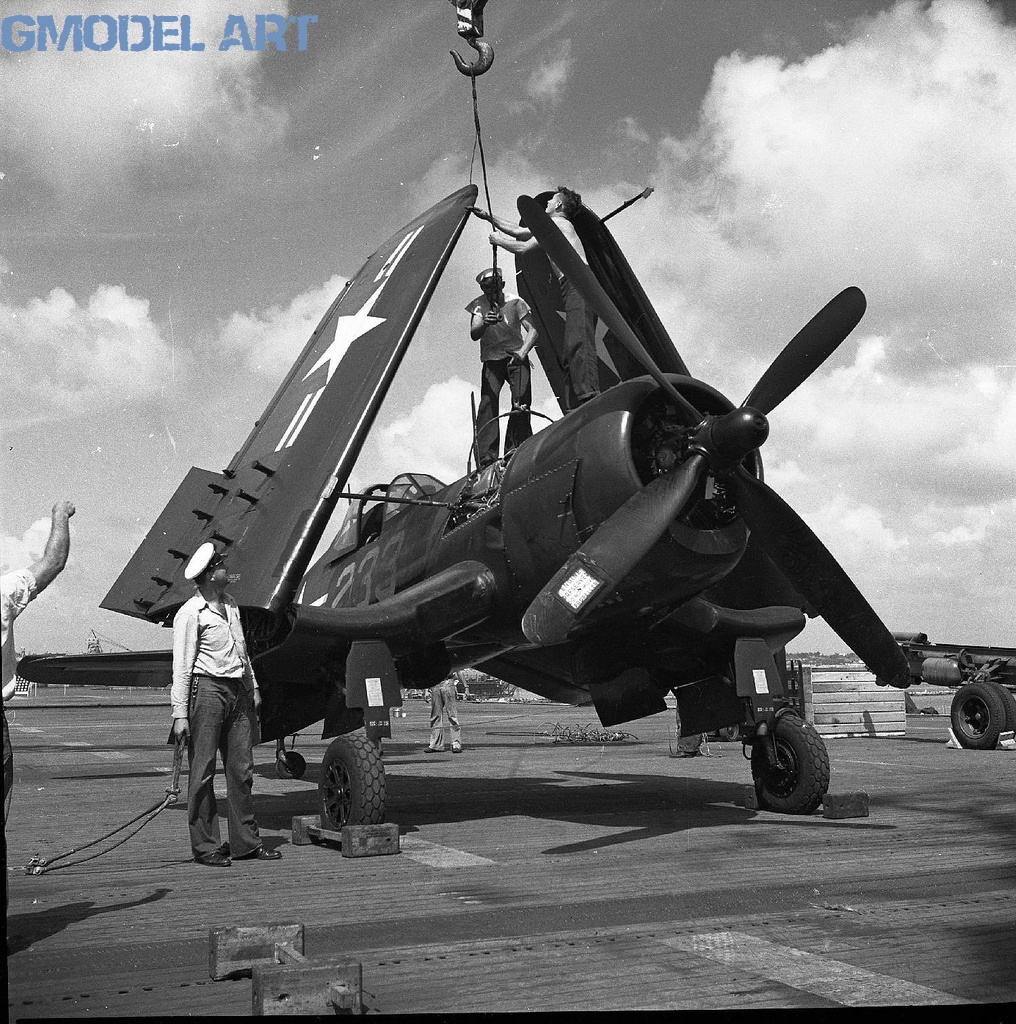
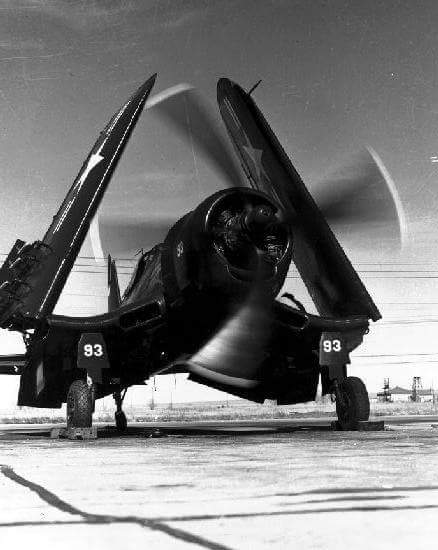
During the Korean War the Corsair evolved from a pure fighter into one of the most effective close air support aircraft of the conflict.
Typical combat loadouts included:
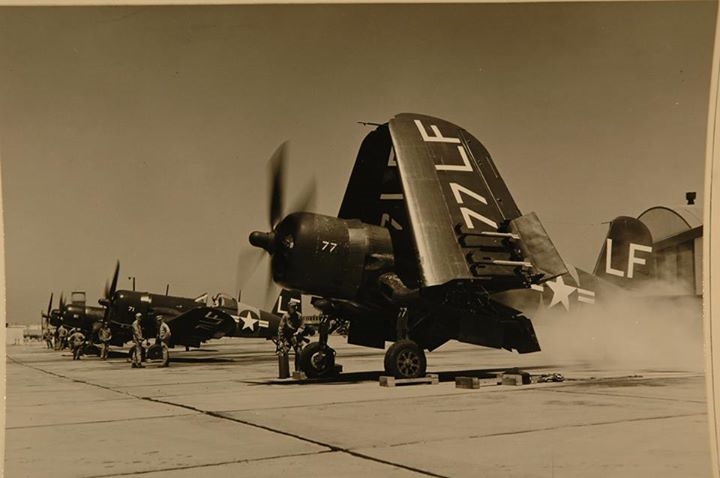
- up to 8 HVAR rockets
- two 1,000 lb bombs
- or combinations of napalm tanks and rockets
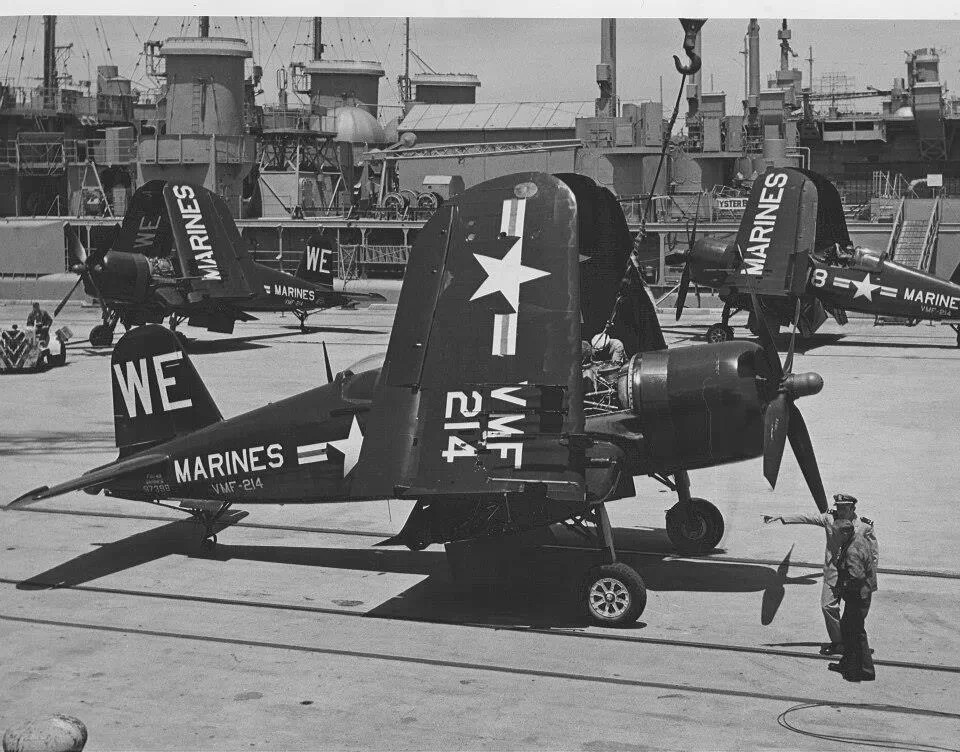
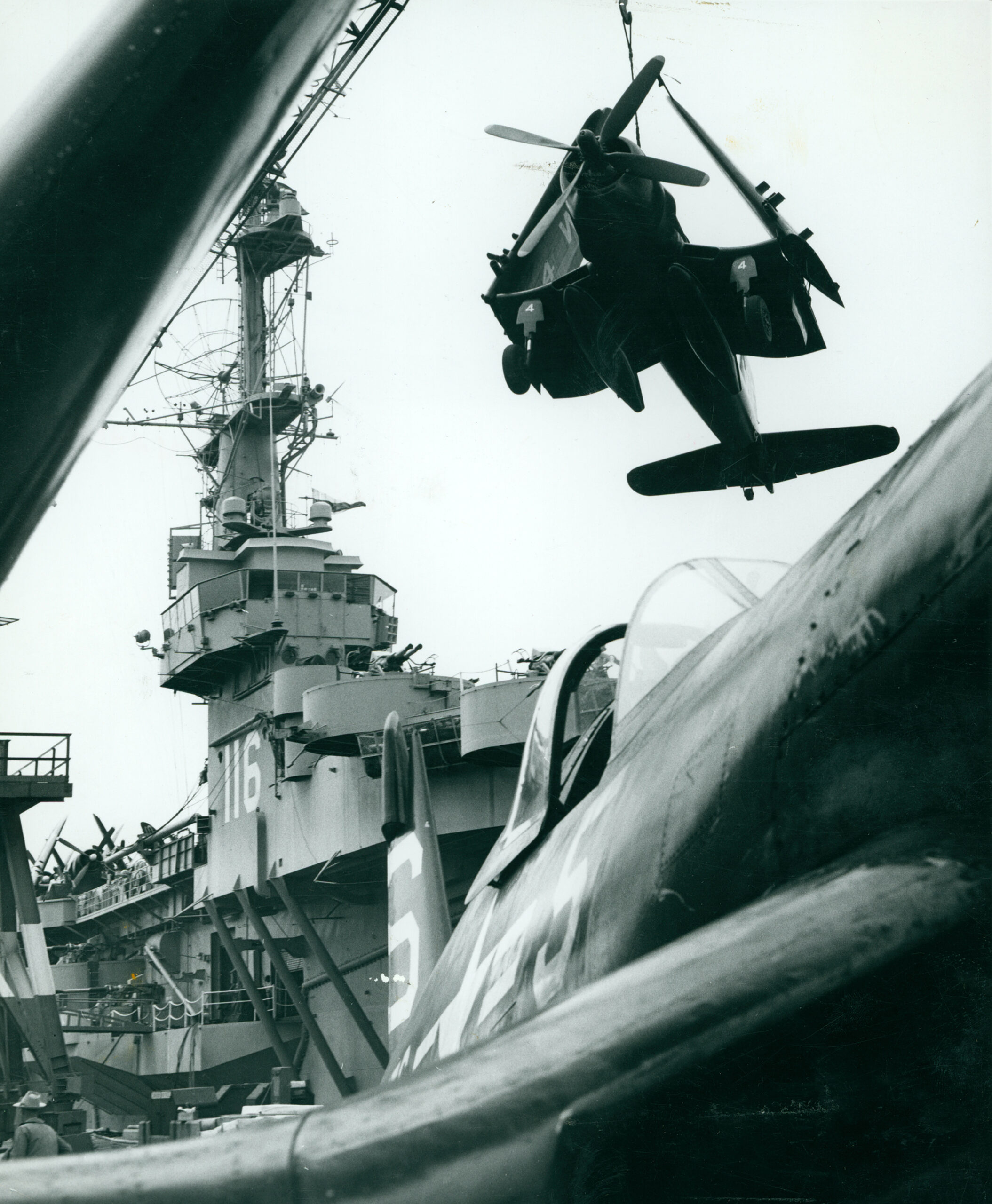
Corsairs operated from both aircraft carriers and land bases, supporting United Nations ground forces across the Korean peninsula. By the early 1950s the primary combat variants included the F4U-4B, F4U-5N night fighter, and the specialized ground-attack AU-1 Corsair.
Interior Colors and Maintenance Finishes
During overhaul, interior areas of the Corsair often revealed a mixture of zinc chromate protective coatings. Unlike many World War II Corsairs which used Interior Green, post-war maintenance frequently applied Yellow Zinc Chromate to internal structures and maintenance areas.
This coating protected aluminum structures from corrosion while also providing a high-visibility maintenance color.
Evidence from photographs suggests that some aircraft undergoing rapid refurbishment may have skipped a full primer stage before repainting—likely due to operational urgency as tensions in Korea escalated in early 1950.
External Paint Scheme
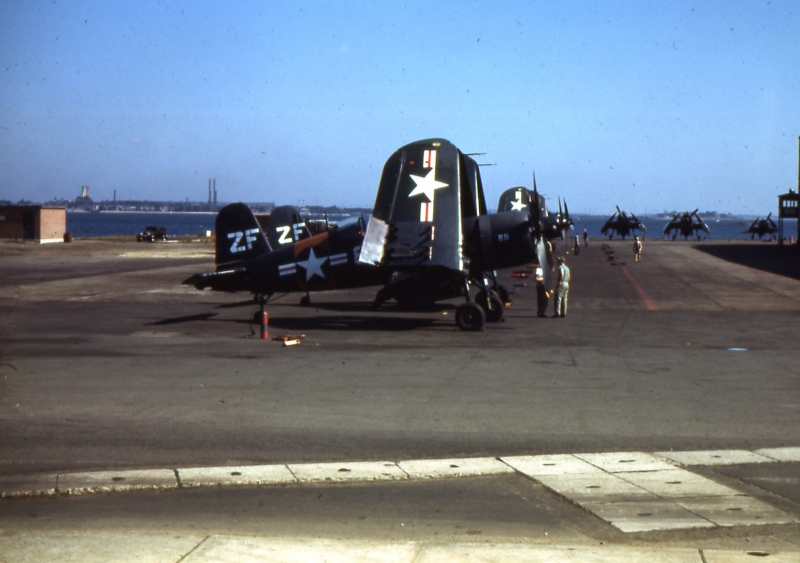
By the Korean War period, most U.S. Navy Corsairs were finished in the late-war Glossy Sea Blue scheme.
Primary color:
- Glossy Sea Blue — ANA 623
- approximate FS equivalent: FS 15042
However, modeling and photographic evidence suggests that the post-war ANA 623 finish appeared slightly lighter and less saturated than wartime Glossy Sea Blue.
Night fighter versions such as the F4U-5N sometimes carried overall black finishes to enhance nighttime concealment.
| ANA 623 (2) | |
| Glossy Sea Blue | |
| Schemes | |
| Basic | Overall |
| Color matches | |
| Gunze Aqueous | (H54) (?) |
| Gunze Mr. Color | (C14) (?) |
| Humbrol | (181) (?) |
| Model Master | (1718) (?) |
| Revell | – |
| Tamiya | (XF-17) (?) |
| Vallejo Model Air | (71.295) (?) |
| Vallejo Model Color | (70.898) (?) |
| AKAN | (72042) (?) |
| AK Interactive | (AK 2233) (?) |
| AK Real Colors | (RC257) (?) |
| AMMO by Mig | (A.MIG-227) (?) |
| Colourcoats | ACUS35 |
| Hataka | (HTK-_006) (?) |
| Lifecolor | (UA 044) (?) |
| Mission Models | (MMP-062) (?) |
| Mr. Paint | (MRP-237) (?) |
| Xtracolor | (X121) |
| Xtracrylix | (XA1121) |
Paint Guide for Scale Modelers
| Area | Color | Notes |
|---|---|---|
| Interior structure | Yellow Zinc Chromate | Common in post-war overhaul |
| Cockpit | Interior Green / ANA 611 | Some late variants |
| Exterior | Glossy Sea Blue ANA 623 | Standard Korean War USN finish |
| Night fighter variants | Flat or semi-gloss black | F4U-5N aircraft |
Recommended hobby paint equivalents:
- Tamiya XF-4 Yellow Green – Yellow Zinc Chromate approximation
- Gunze H56 / C14 – ANA 607 alternative
- Tamiya XF-17 Sea Blue – acceptable Korean War match
The Corsair’s Second War
Although designed during World War II, the Corsair proved remarkably adaptable. Production continued until 1952 and the aircraft served in combat through the Korean War and even later with several foreign air forces.
With its powerful radial engine, rugged airframe, and heavy weapons load, the Corsair became one of the most effective piston-engine attack aircraft of the early Cold War era.
In the hangars of NAS Jacksonville in March 1950, mechanics unknowingly prepared these aircraft for one more war.
https://www.history.navy.mil/
F4u- Corsair Fuerza Aerea Hondurena