article
U.S. Navy & Marine Corps – World War II
Late War Camouflage (1944–1945)
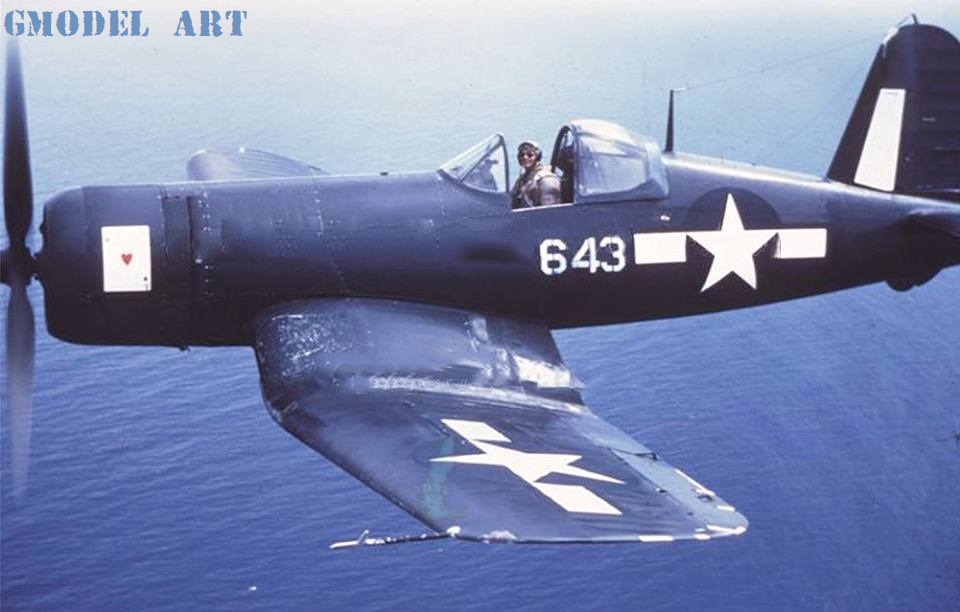
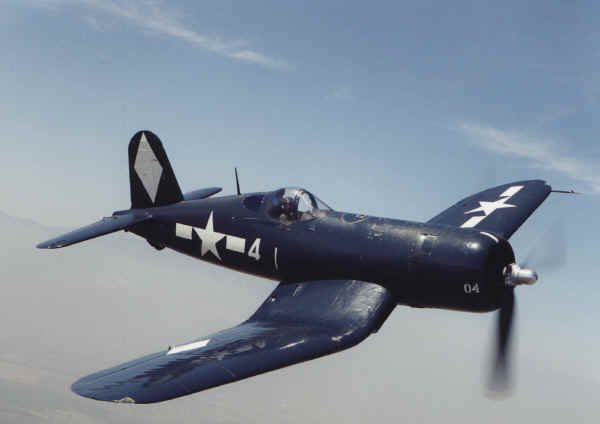
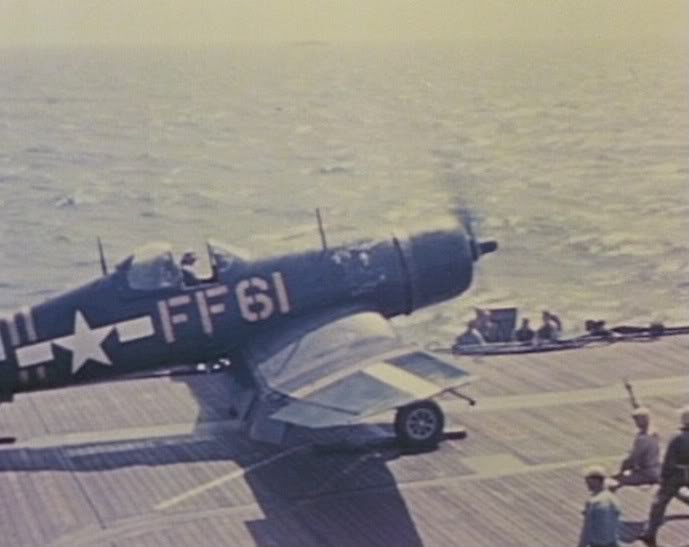
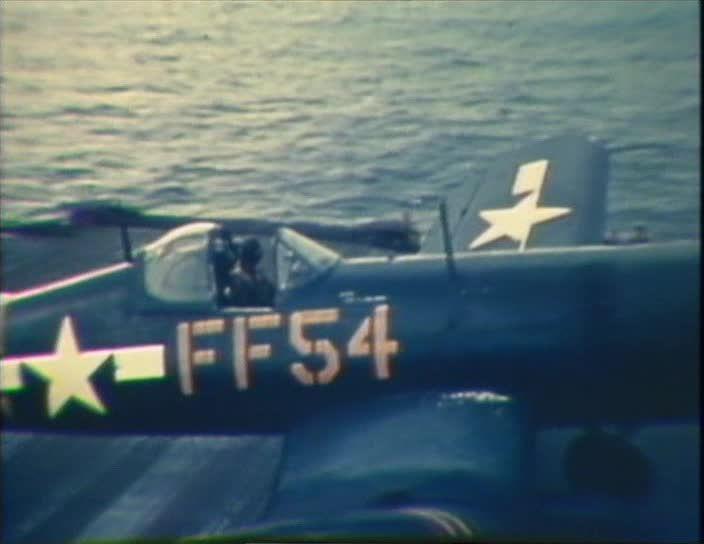
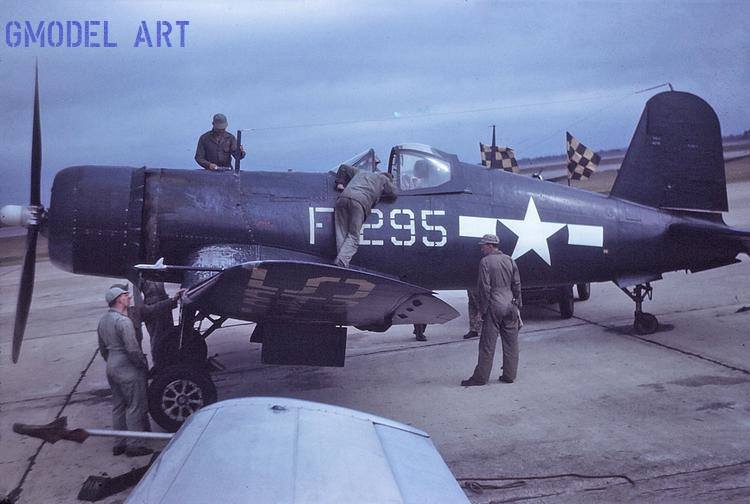
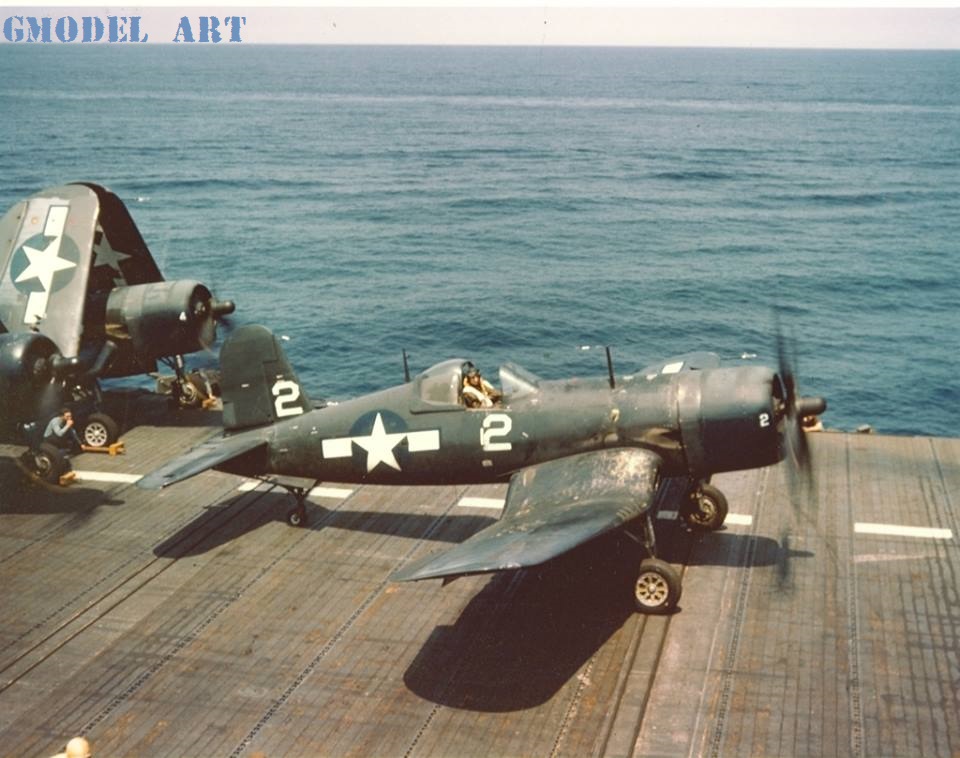
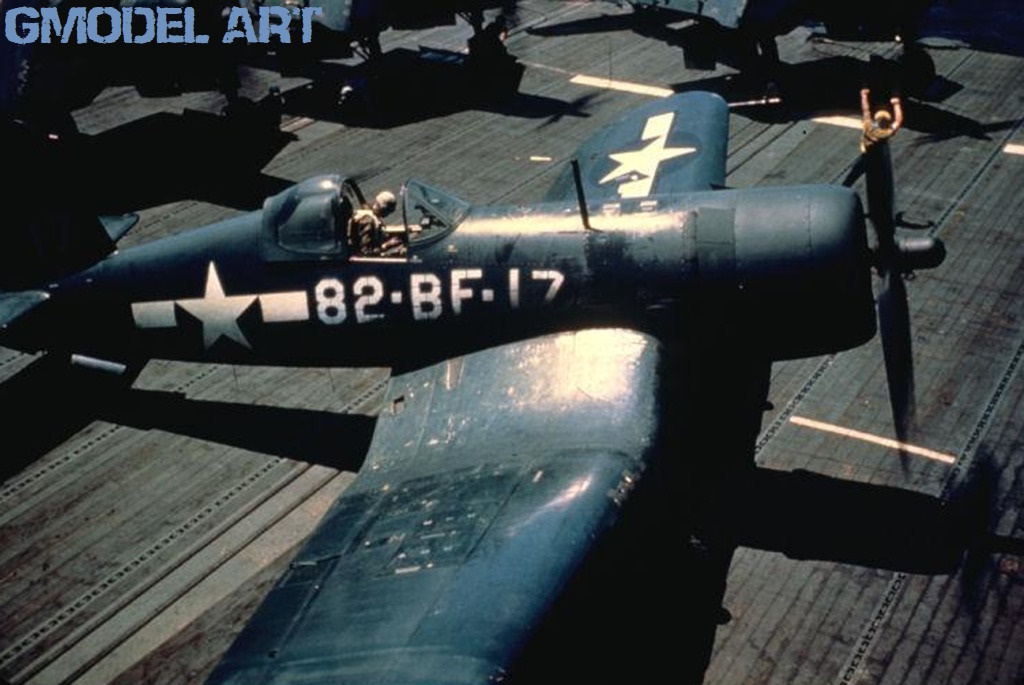
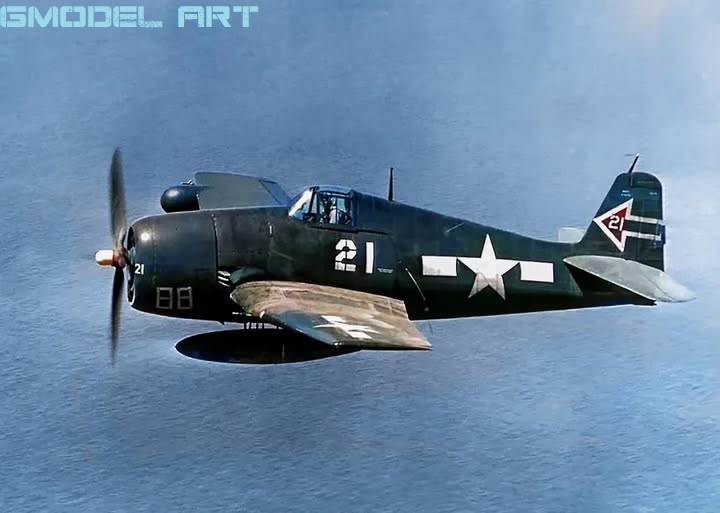
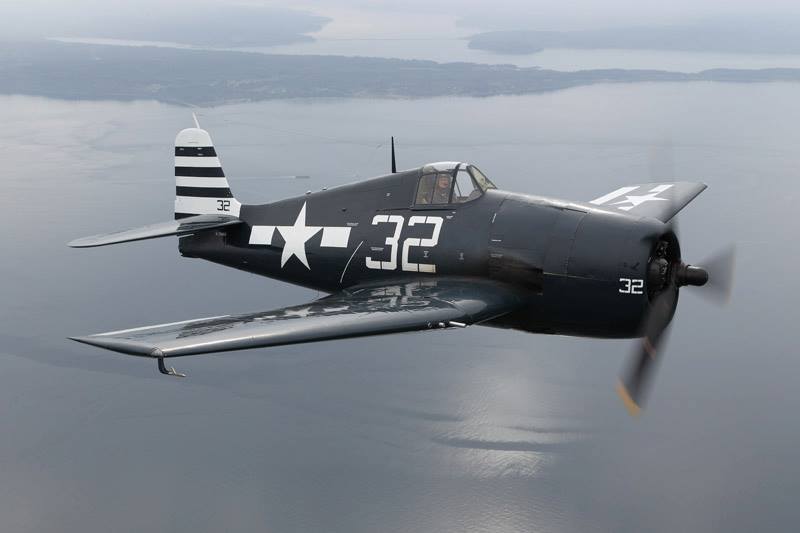
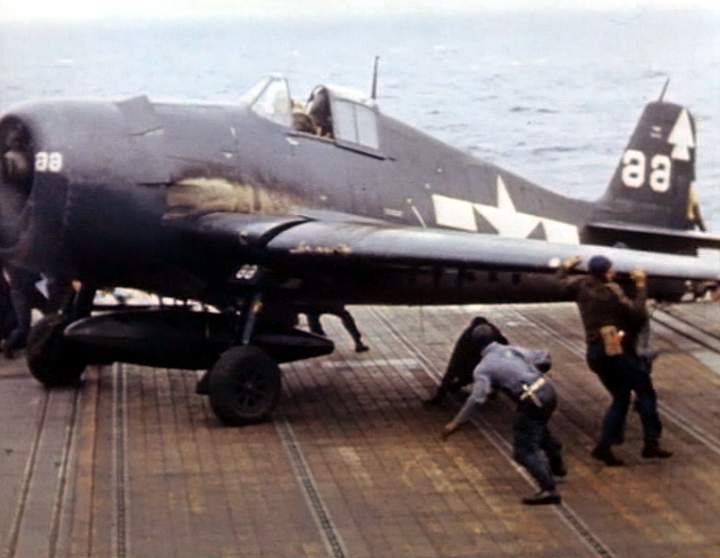
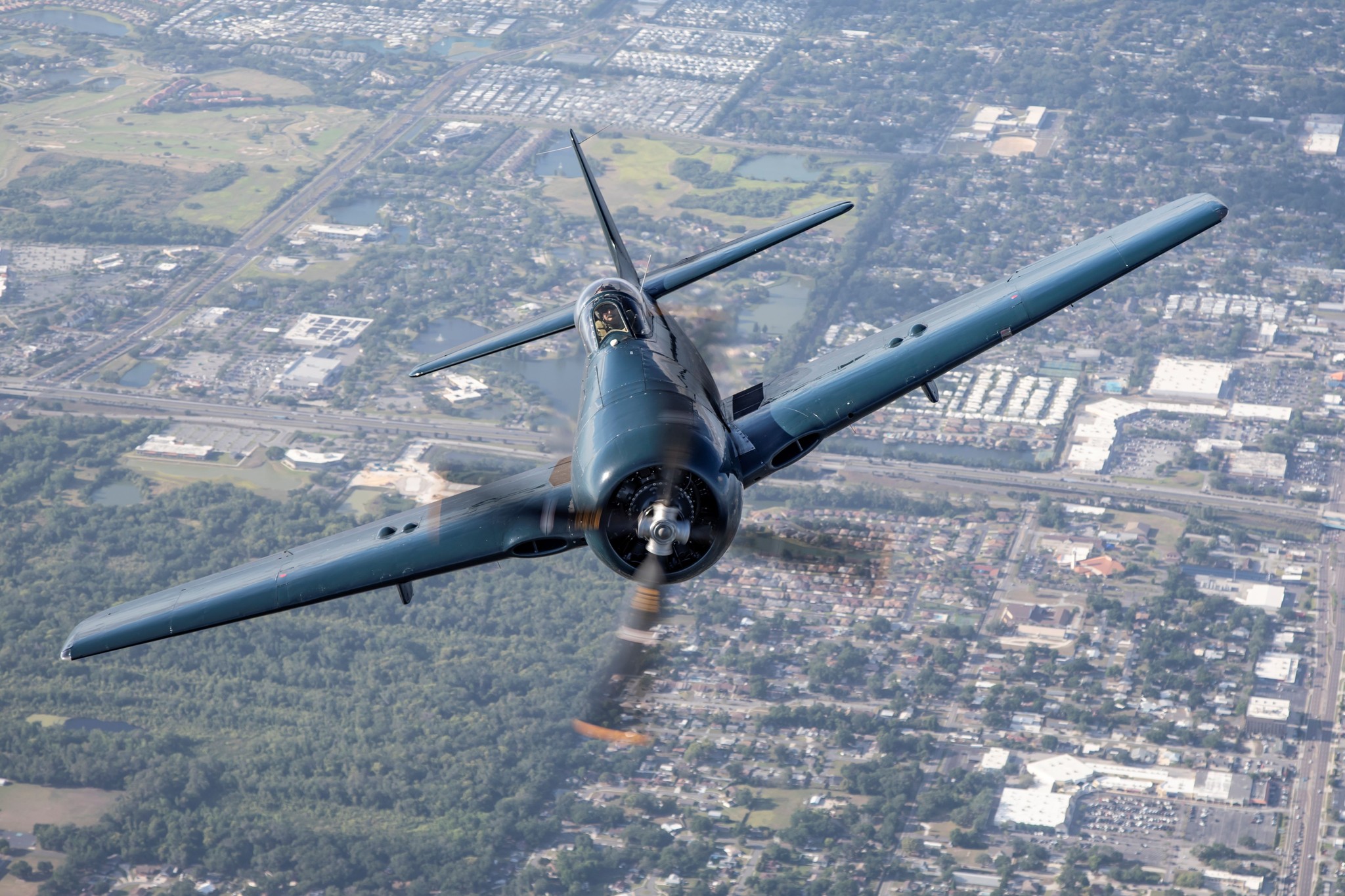
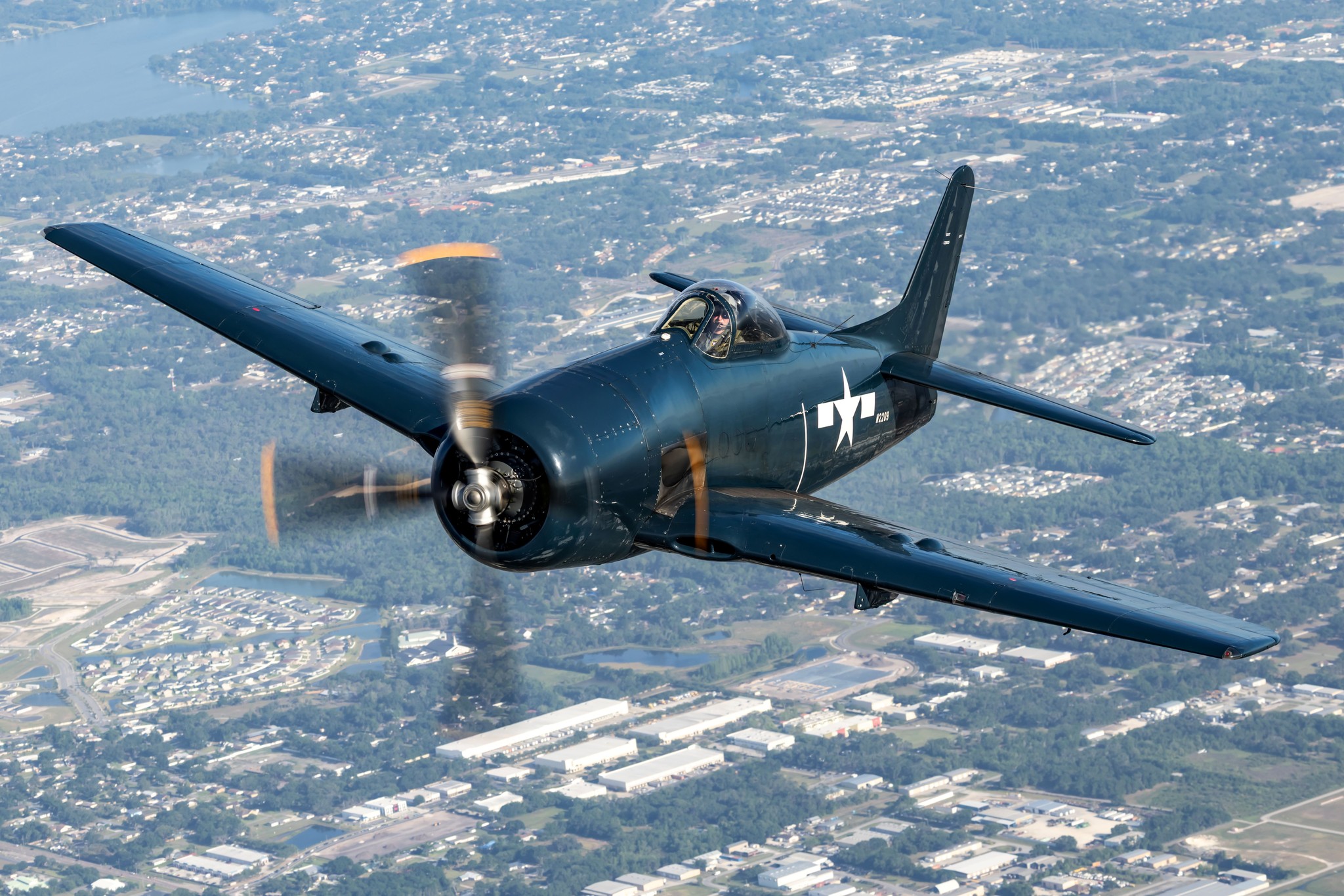
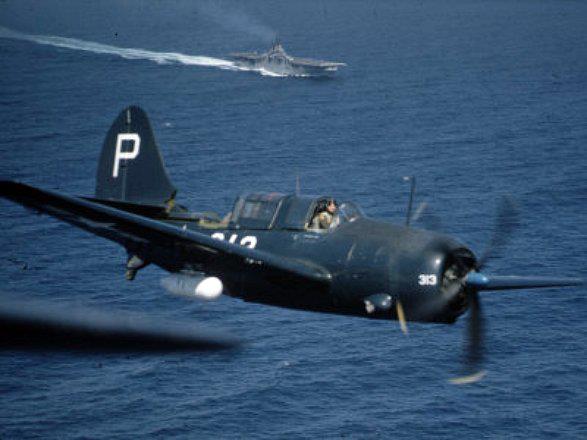
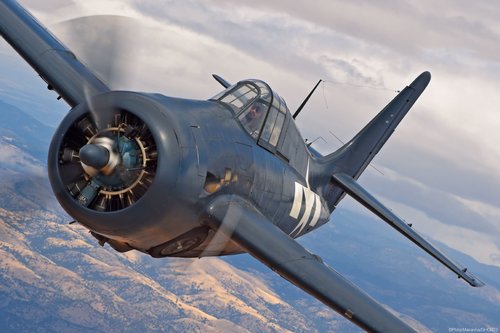
A significant change to U.S. Navy aircraft camouflage policy was introduced on 13 March 1944, when all Navy fighter aircraft were ordered to adopt a single overall finish of Glossy Sea Blue ANA 623. Although the color was added to the ANA palette in June 1944—somewhat surprisingly under the non-specular rather than the gloss category—the change was not fully formalized until 7 October 1944 through BuAer Specification SR-2e, originally issued on 26 June. This delay likely explains why aircraft painted in the new scheme only began appearing in noticeable numbers during the latter part of 1944 and throughout 1945.
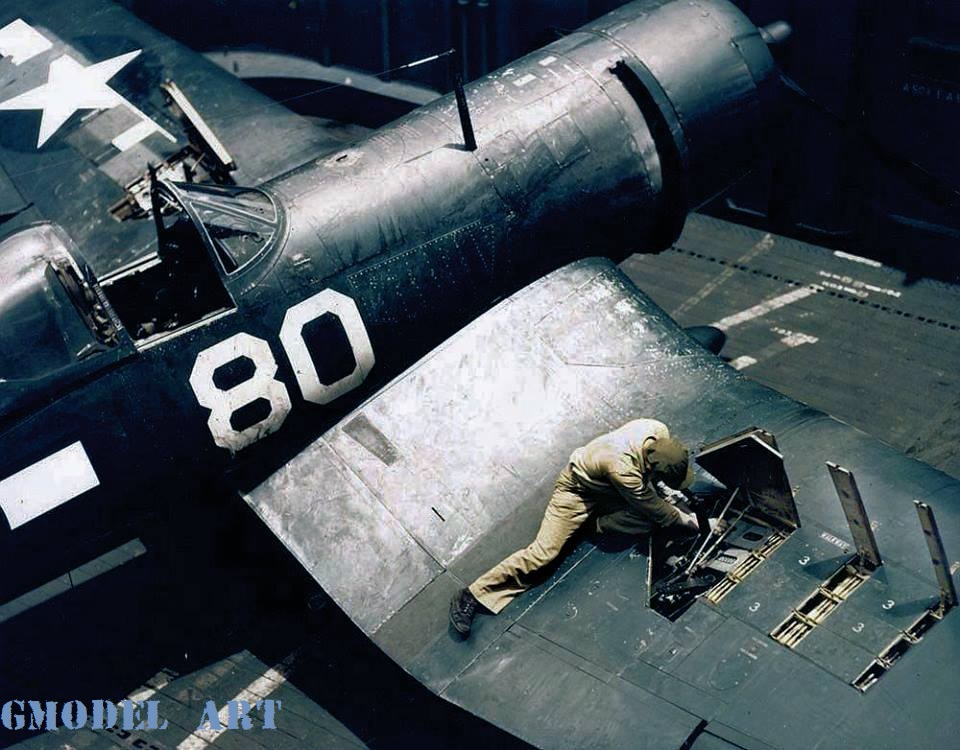
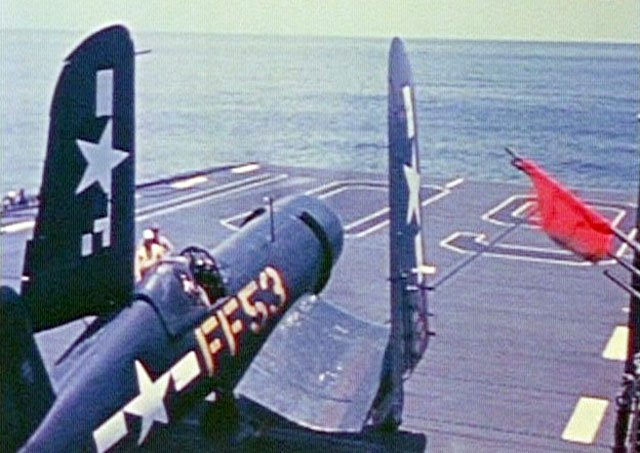
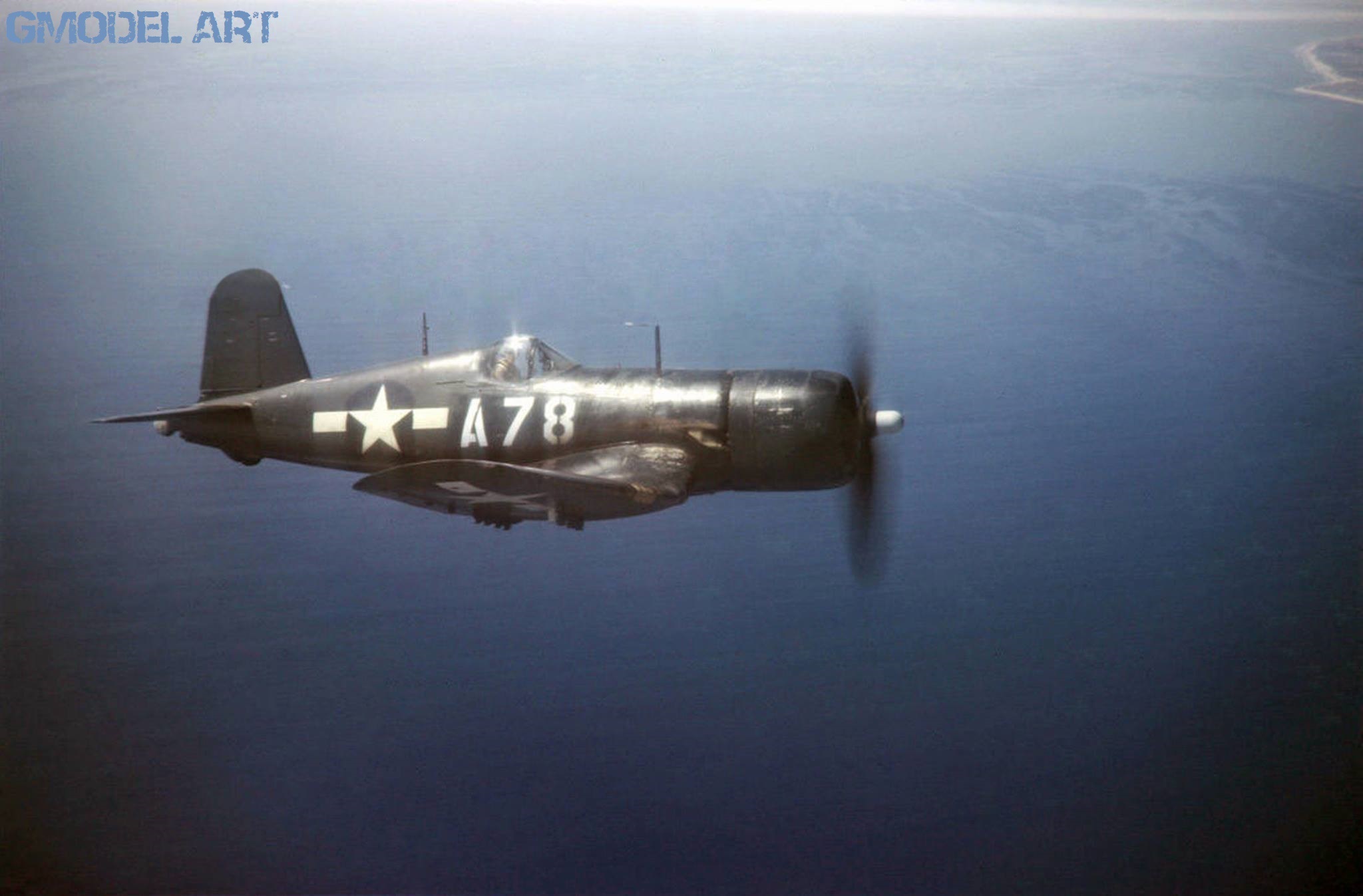
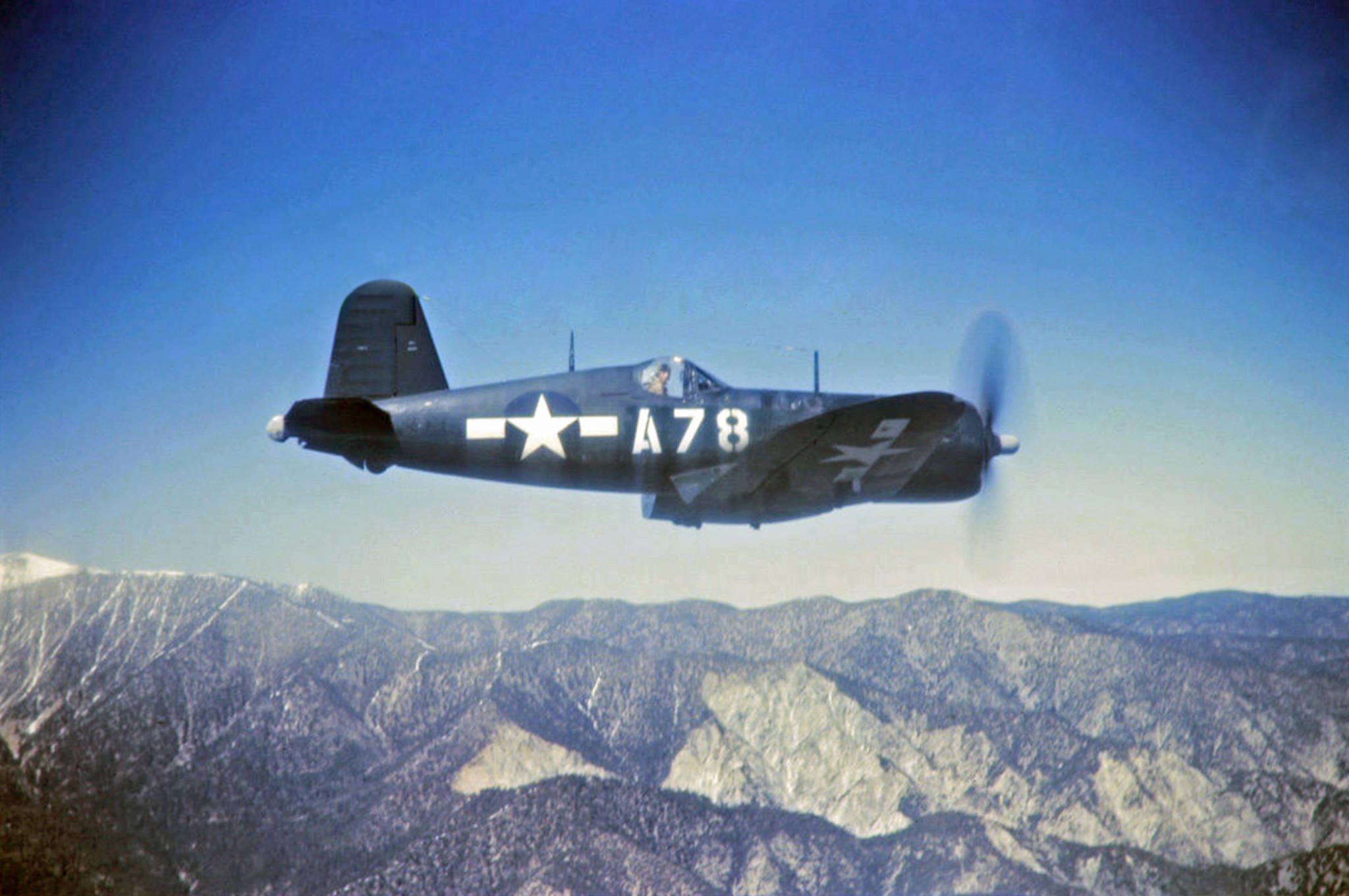
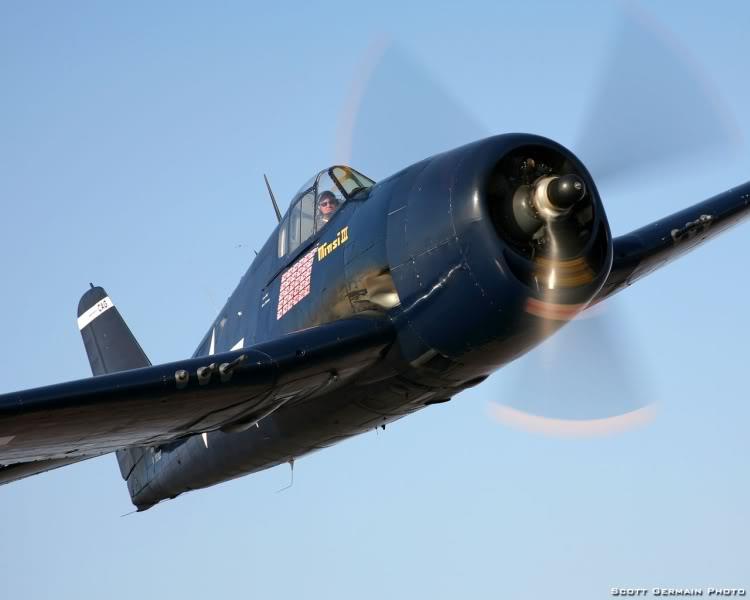
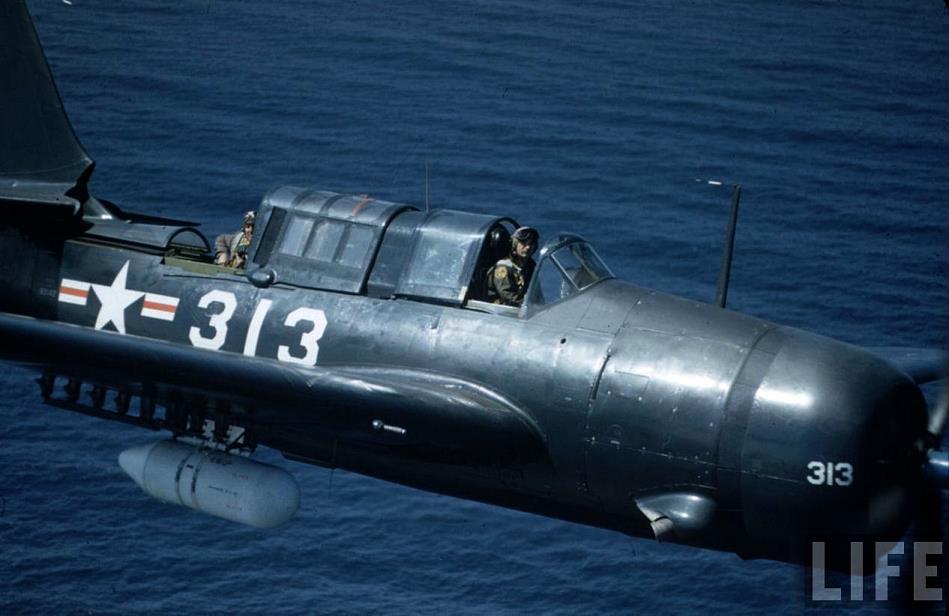
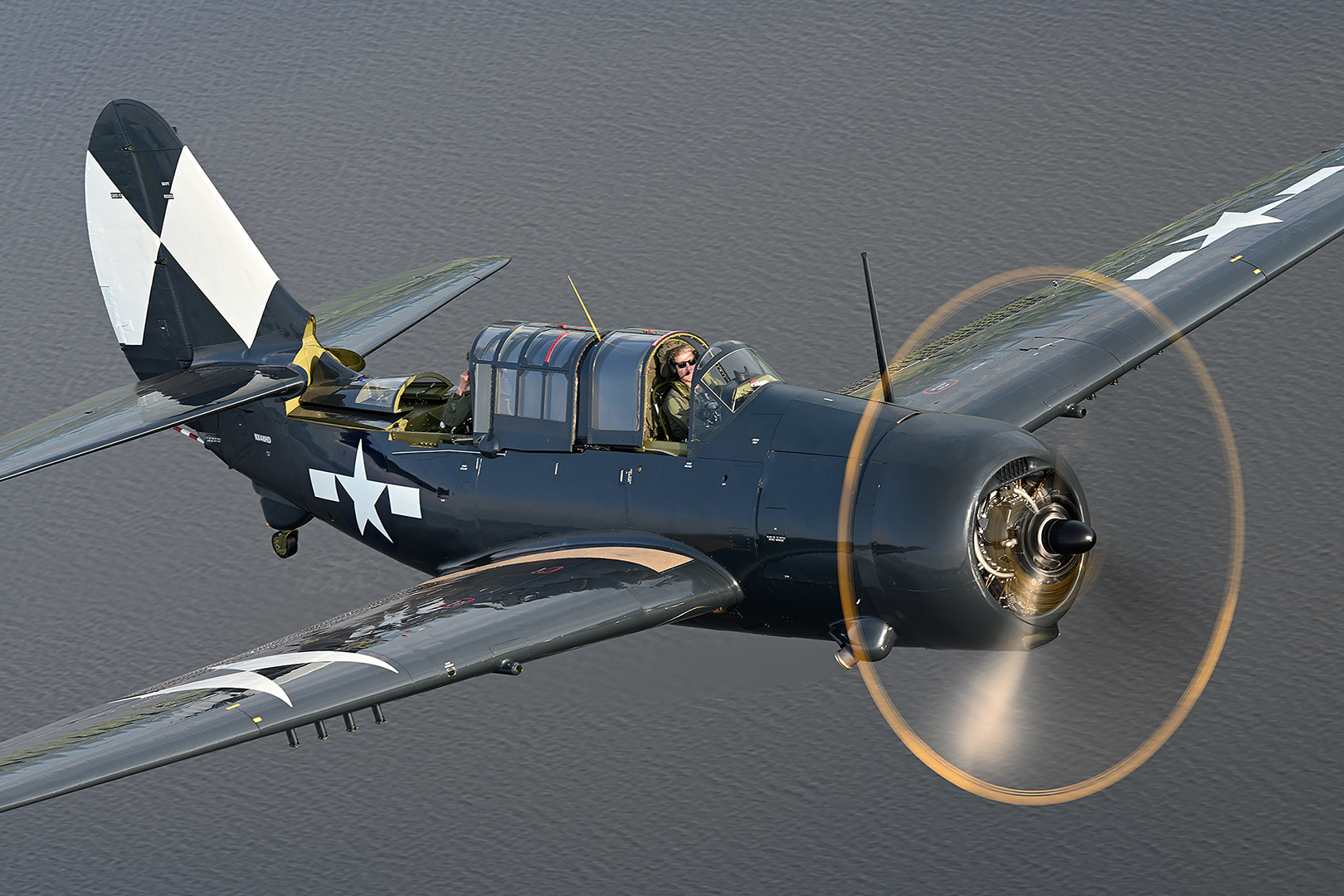
Glossy Sea Blue ANA 623 was essentially a gloss version of ANA 607 Sea Blue. However, it is generally believed to have been slightly darker due to its precisely defined pigment composition, whereas ANA 607 was matched more closely to a color standard. Despite its glossy finish, ANA 623 proved highly susceptible to operational weathering. Aircraft in combat service frequently lost much of their original sheen, while prolonged exposure to sunlight caused noticeable fading.
The closest Federal Standard equivalent is FS 15042, although modelers should note that ANA 623 underwent a formula change after the war. Wartime ANA 623 possessed a more pronounced grayish cast, making it distinctly different from the darker Insignia Blue used in national markings. This contrast remained visible even on newly painted aircraft and became even more apparent as the camouflage weathered over time.
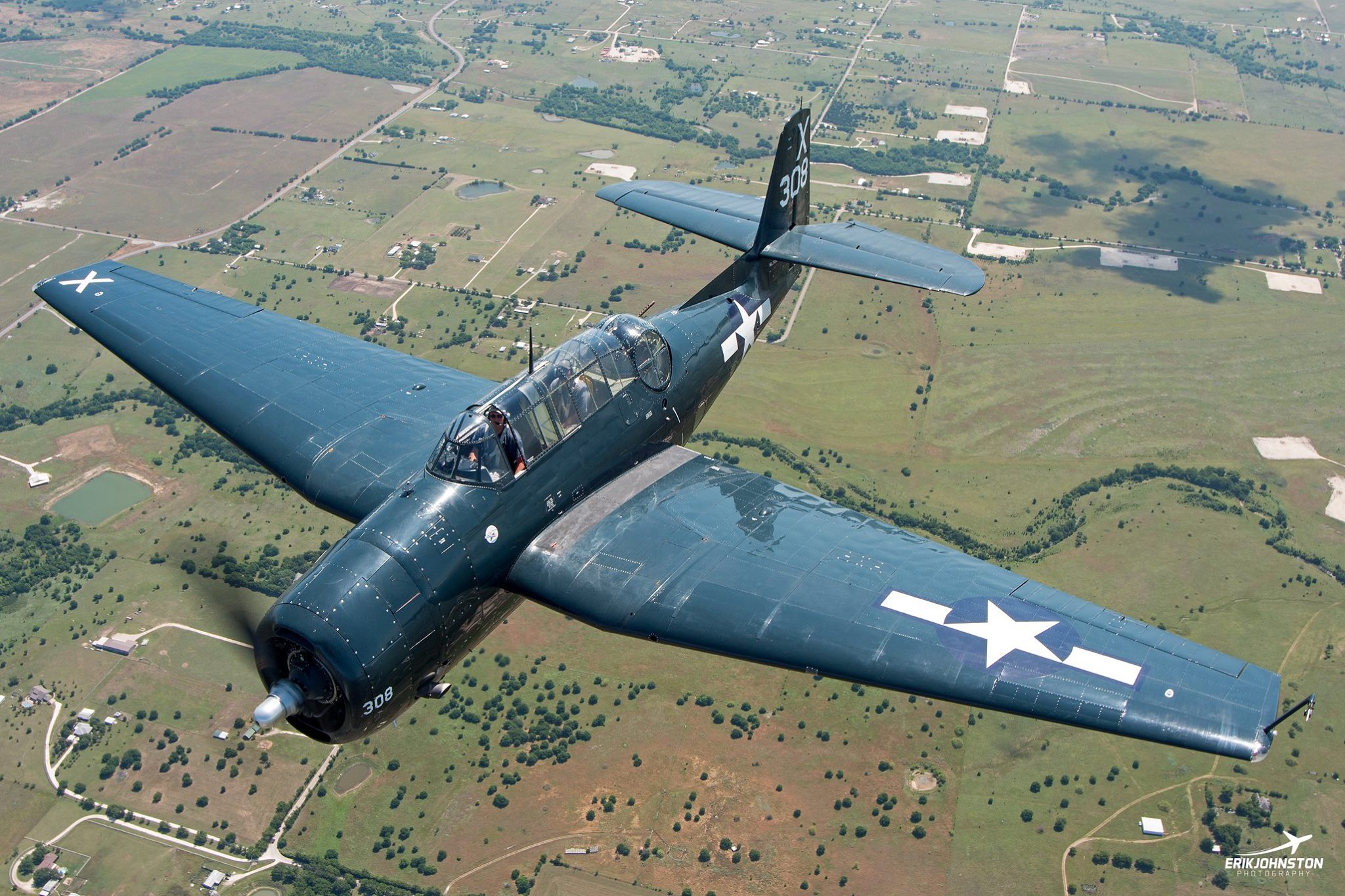
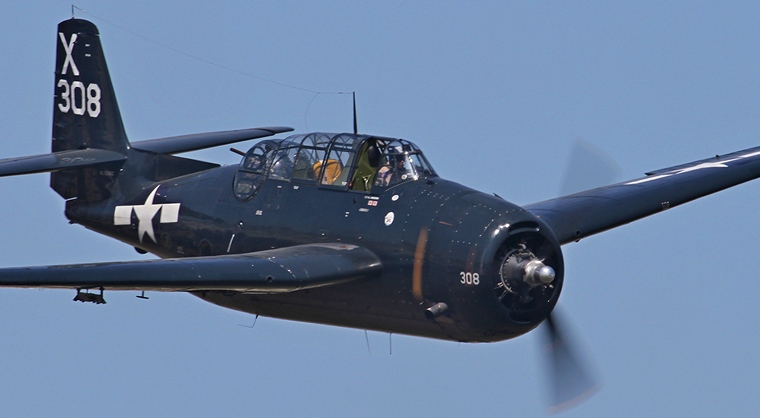
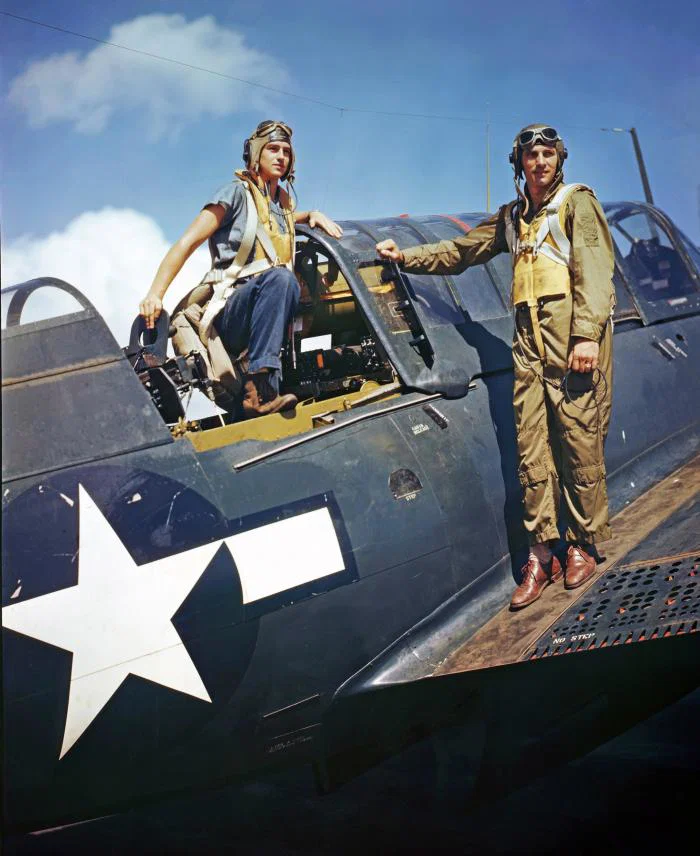
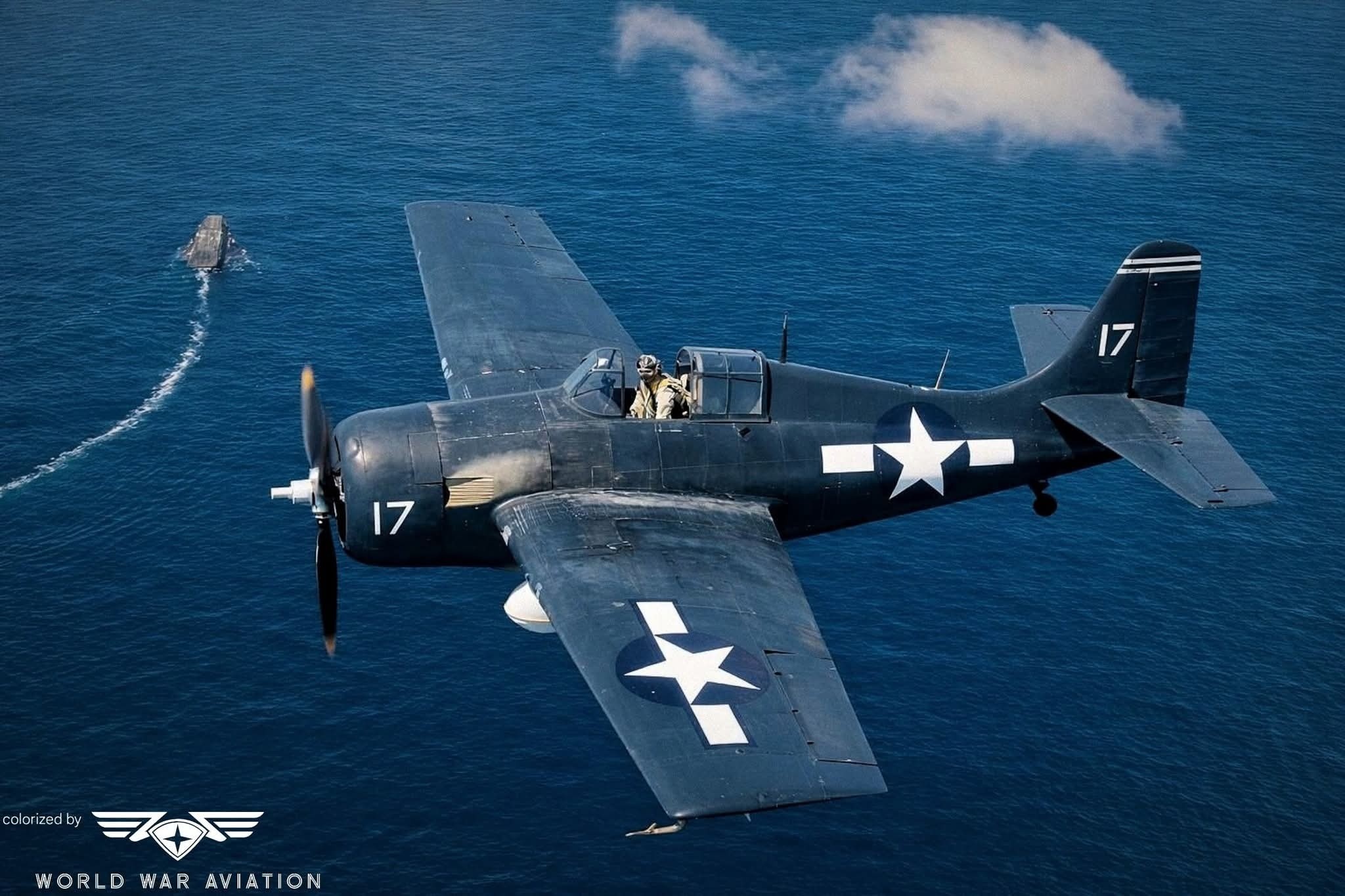
During this period, Grumman adopted a unique approach to national insignia application. Most F6F Hellcats and some TBF/TBM Avengers omitted the blue background portions of the insignia, leaving only the white star and bars visible against the dark blue airframe. Other manufacturers generally continued to apply the insignia in its complete form.
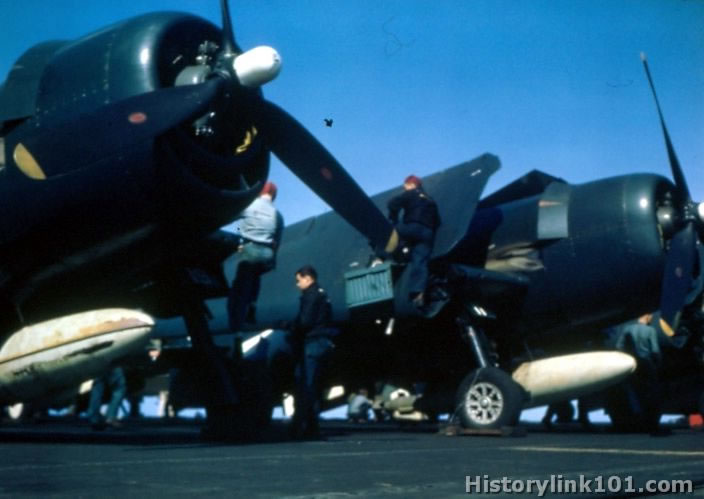
Although the overall Glossy Sea Blue finish became the standard camouflage for U.S. Navy fighters, it never entirely replaced the earlier three-tone scheme. This was particularly true for TBF/TBM Avengers and, to a lesser extent, SB2C Helldivers, many of which continued to appear in the older camouflage patterns. Furthermore, the new finish was not adopted across all naval aircraft categories. Anti-submarine aircraft, patrol aircraft, patrol bombers, and reconnaissance types generally retained their existing non-specular multi-tone camouflage schemes throughout the remainder of the war.
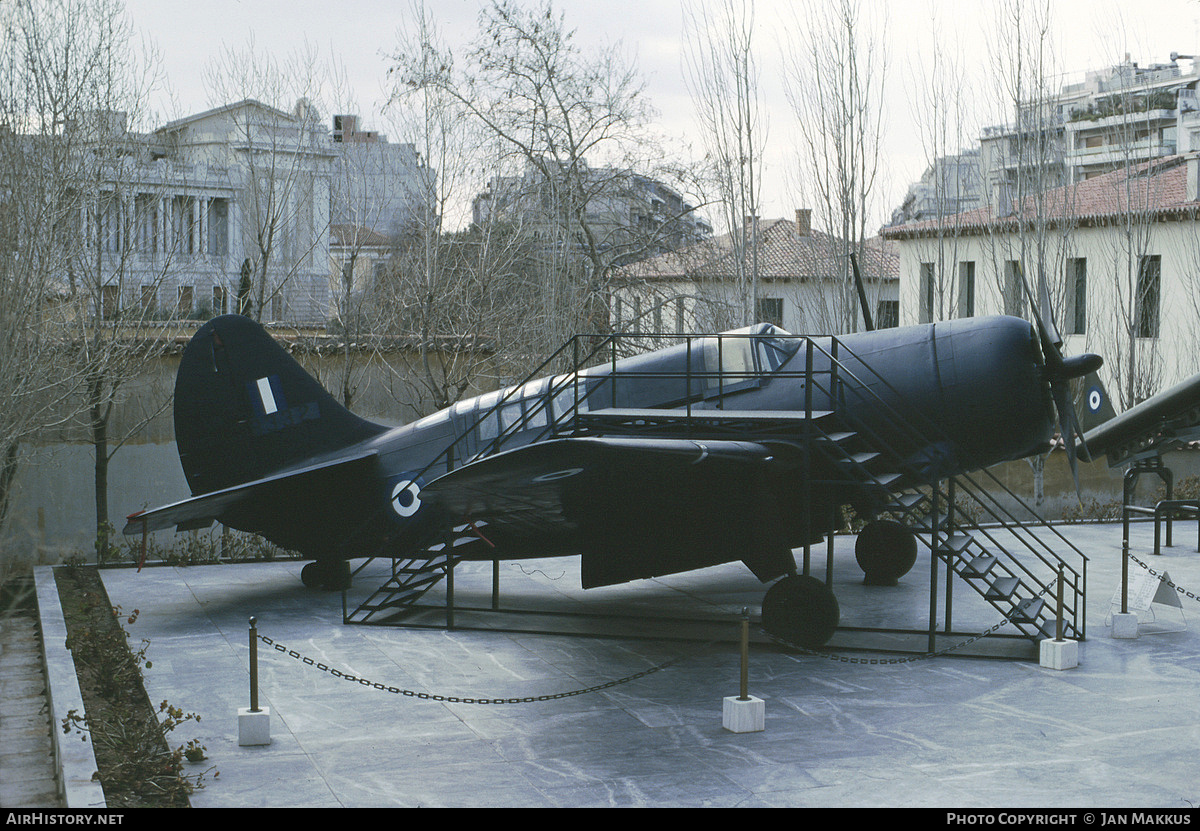
One notable exception to this trend involved Lend-Lease aircraft supplied to the Royal Navy’s Fleet Air Arm. Many Hellcats and Corsairs delivered to British service retained their ANA 623 finish, making Glossy Sea Blue the only wartime U.S. Navy camouflage scheme to be adopted by Fleet Air Arm aircraft during World War II.
Paint Guide
The paint recommendations listed below include only colors intended to match ANA 623 or its closest Federal Standard equivalent, FS 15042. Paints shown without additional notes are considered direct matches.
Gunze’s Midnight Blue (H55/C71) is widely regarded as an excellent representation of wartime ANA 623 despite its somewhat misleading name. Since the manufacturer specifically identifies it as a World War II U.S. Navy color, it is reasonable to assume this was the intended match. Gunze C365, included in several U.S. Navy paint sets and also referenced to FS 15042, is another available option, although further comparison testing would be required to determine whether it differs significantly from H55/C71.
For paint ranges that offer separate Sea Blue and Dark Sea Blue colors, these generally correspond to ANA 607 and ANA 623 respectively. In such cases, the Dark Sea Blue option should be selected when representing the late-war overall Glossy Sea Blue finish.
The adoption of Overall Glossy Sea Blue ANA 623 marked the final wartime camouflage standard for U.S. Navy carrier-based fighters. Although implementation varied depending on production schedules and operational requirements, the following aircraft types are among the best-known users of this finish during the final year of World War II:
- Grumman F6F-5 Hellcat
- Grumman F6F-5N Hellcat (Night Fighter)
- Vought F4U-1D Corsair
- Vought F4U-4 Corsair
- Goodyear FG-1D Corsair
- Brewster F3A-1 Corsair
- Grumman F8F-1 Bearcat (late-war production)
- Grumman F8F-1B Bearcat
- Grumman TBF/TBM Avenger (many late-production aircraft)
- Curtiss SB2C-4 Helldiver
- Curtiss SB2C-5 Helldiver
- FM-2 Wildcats
In British service, numerous Fleet Air Arm Corsairs and Hellcats delivered under Lend-Lease arrangements also retained their original ANA 623 finish, making Glossy Sea Blue the only wartime U.S. Navy camouflage scheme officially operated by the Royal Navy during World War II.
XF4u-3B Corsair – Chance Vought’s High-Altitude Turbocharged Prototype (Tamiya 1/48 Build)
| ANA 623 (1) | |
| Glossy Sea Blue | |
| Schemes | |
| Basic | Overall |
| Color matches | |
| Gunze Aqueous | H55 |
| Gunze Mr Color | C71 / C365* |
| Humbrol | 181* |
| Model Master | 1717* |
| Revell | – |
| Tamiya | XF-17 (!) |
| Vallejo Model Air | 71.300* |
| Vallejo Model Color | (70.898) |
| AKAN | (72042) |
| AK Interactive | AK 2234 |
| AK Real Colors | RC258 |
| AMMO by Mig | (A.MIG-227) |
| Colourcoats | ANA623 |
| Hataka | HTK-_001* |
| Lifecolor | UA 047* |
| Mission Models | MMP-065* |
| Mr Paint | MRP-14 |
| Xtracolor | X121* |
| Xtracrylix | XA1121* |