article
F6F Hellcat Night Fighters – The Radar-Hunting Predators of the Pacific
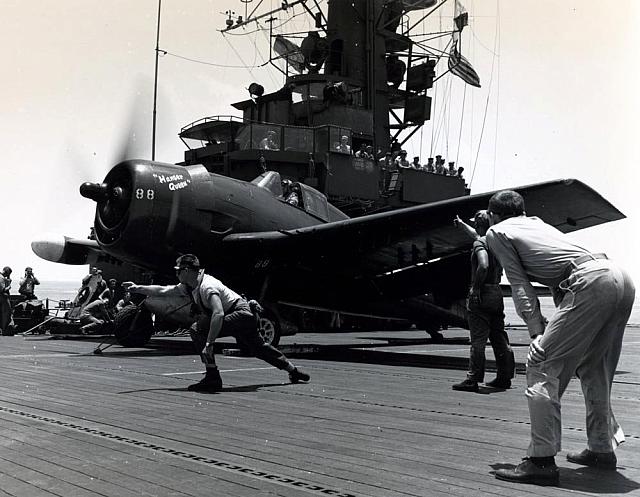
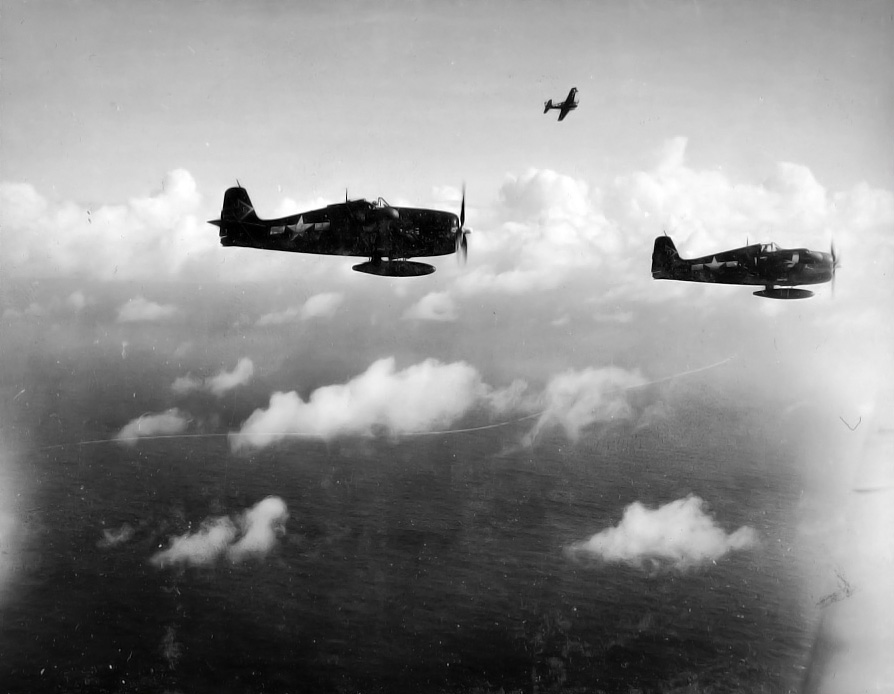
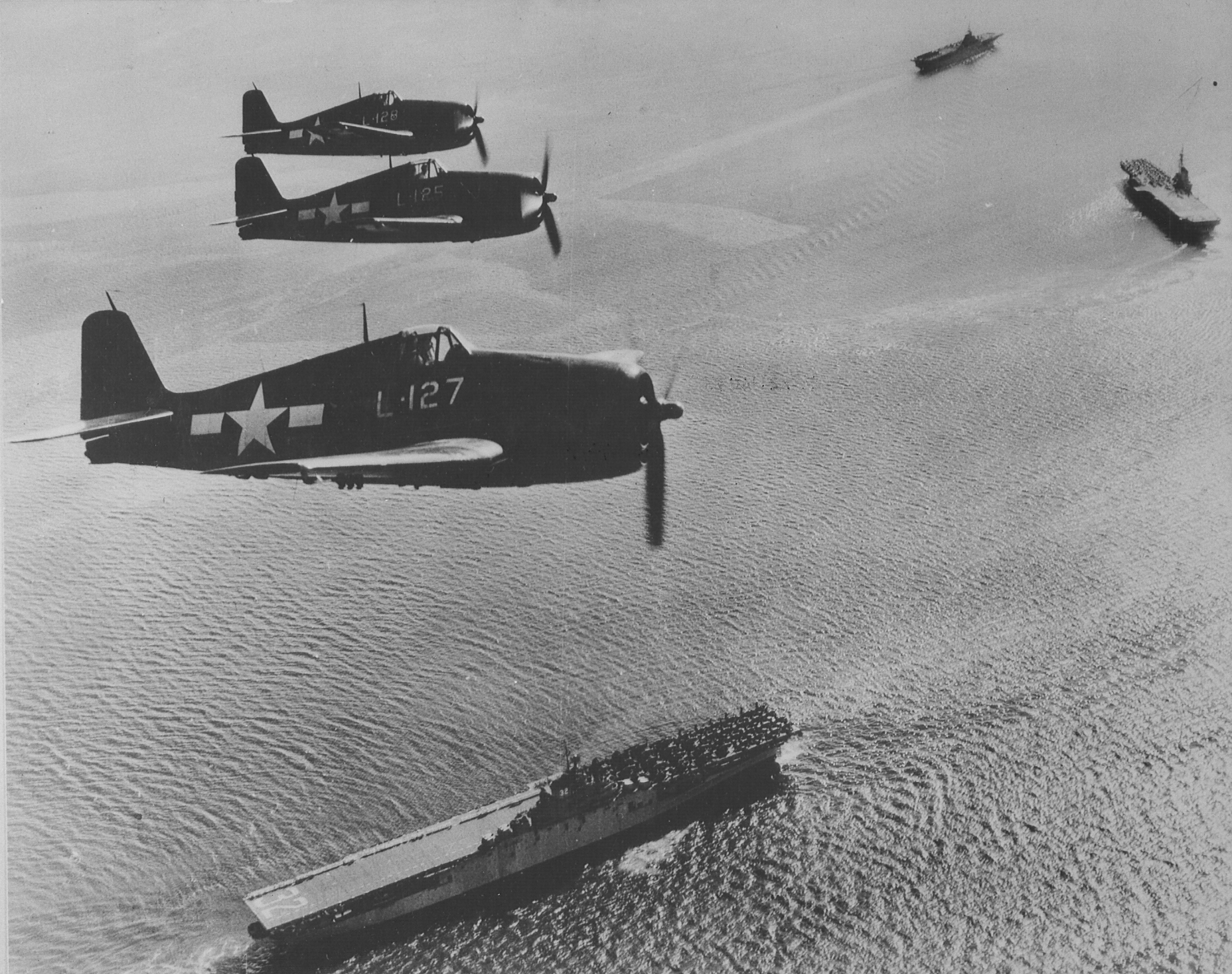
When discussing the most successful carrier-based fighters of World War II, the Grumman F6F Hellcat stands among the greatest combat aircraft ever built. Responsible for more than 5,000 aerial victories and credited with destroying the majority of Japanese aircraft shot down by the U.S. Navy during the Pacific War, the F6F Hellcat became the ultimate symbol of American naval air superiority.
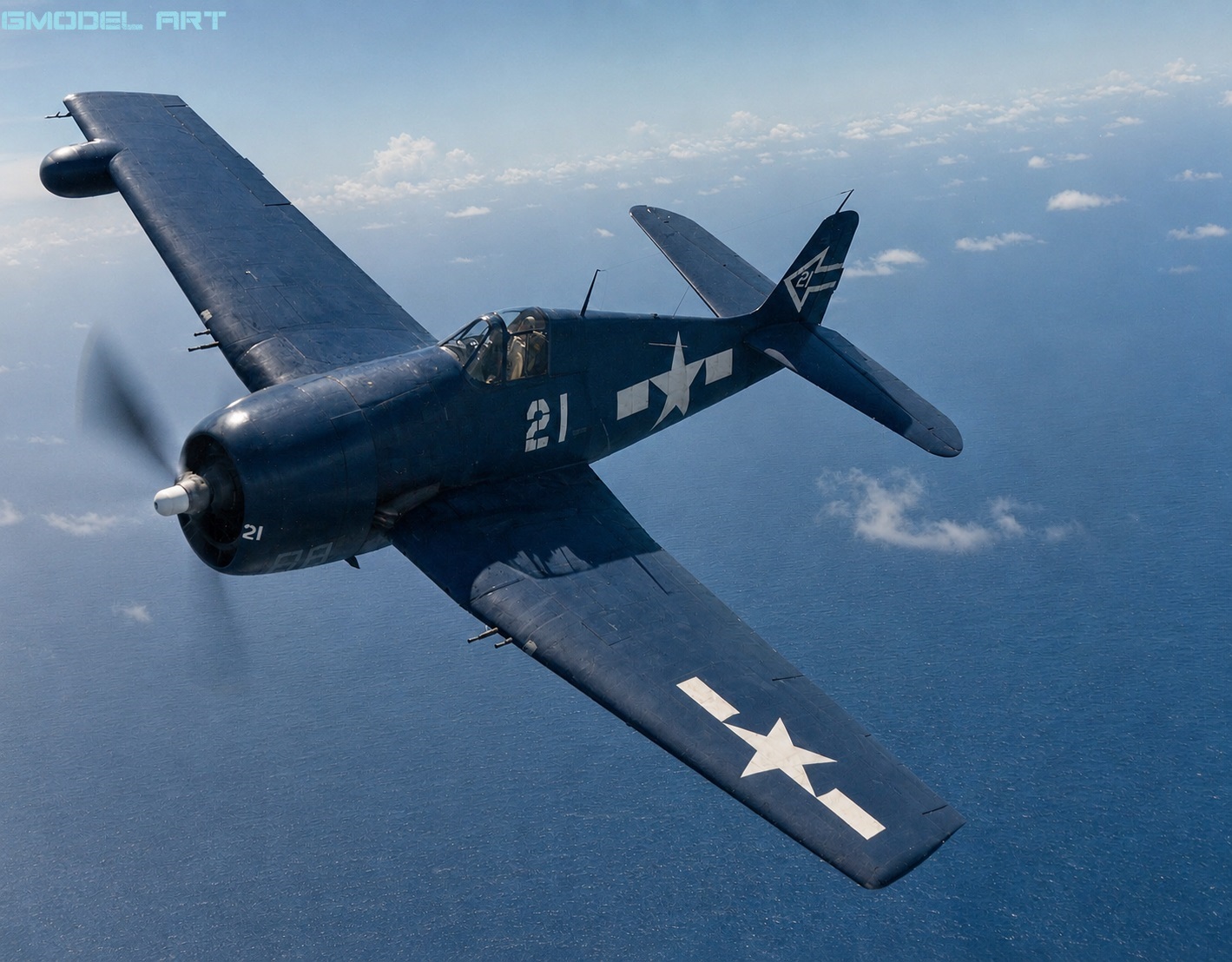
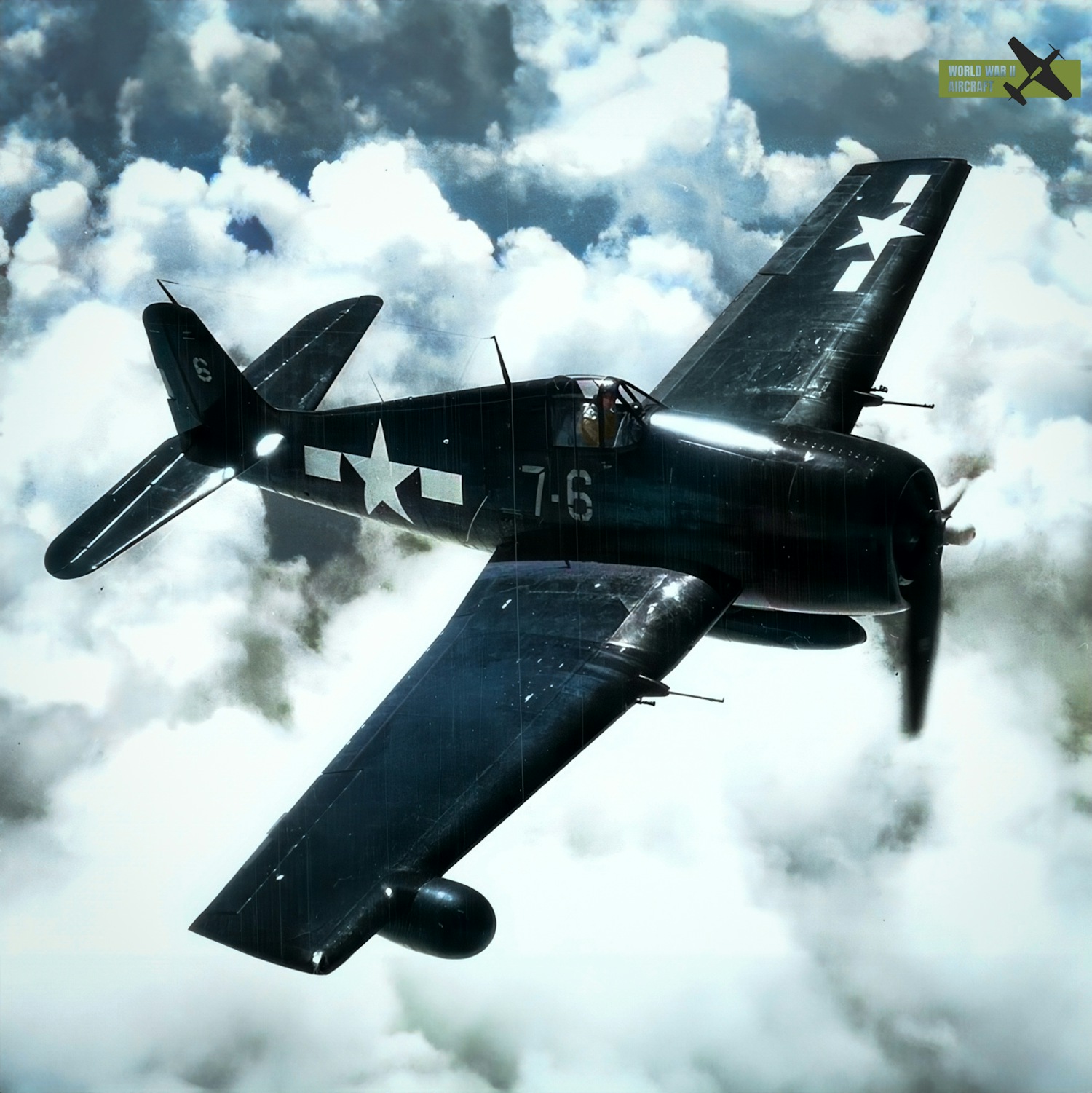
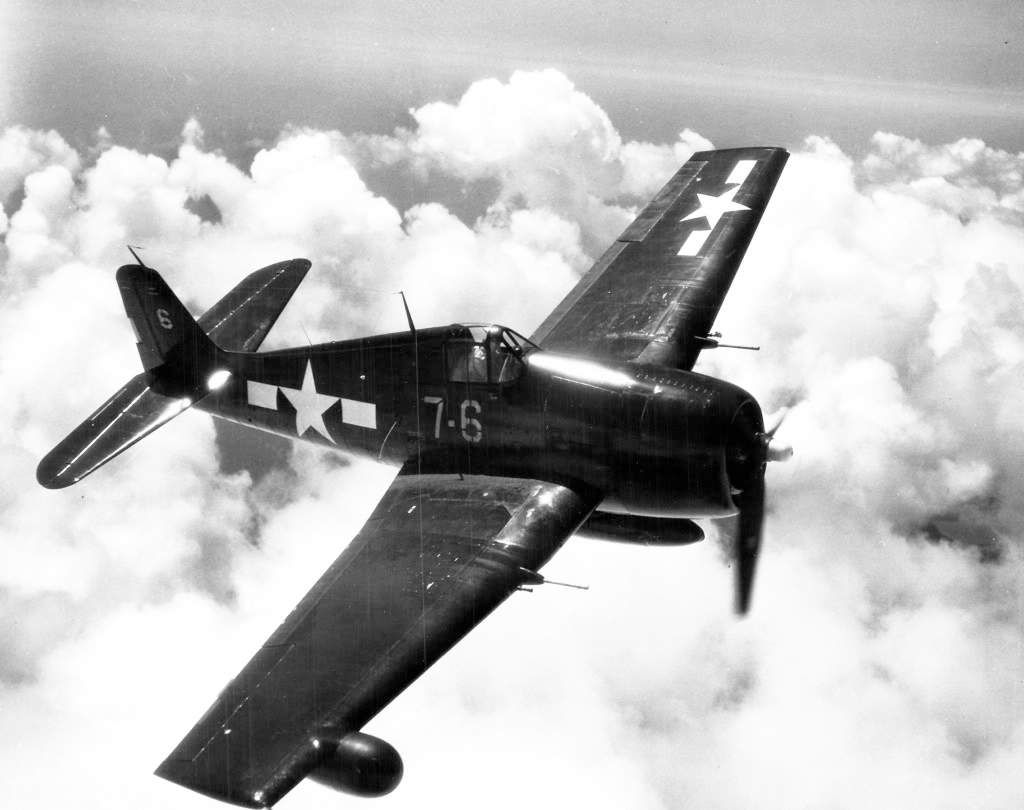
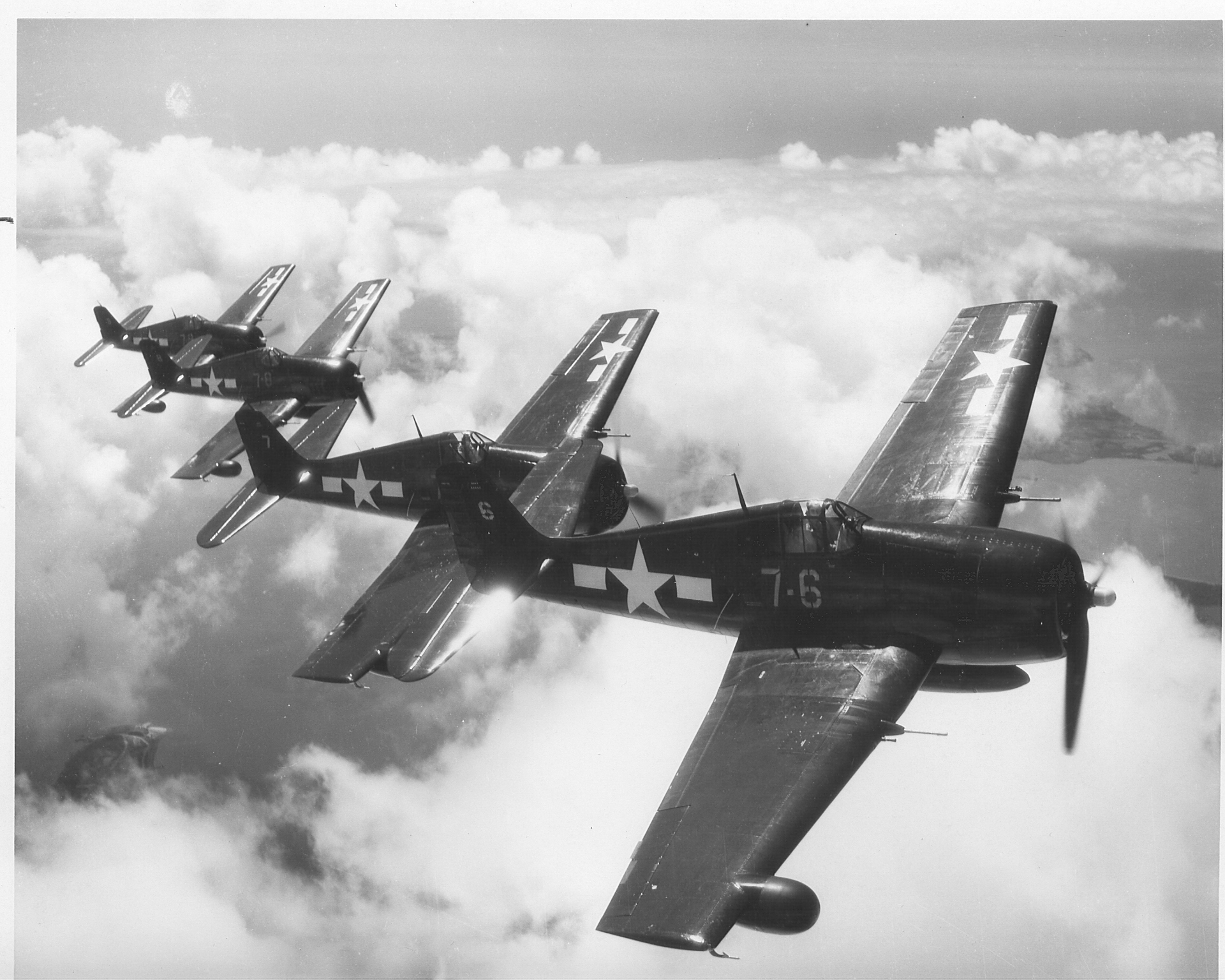
Most aviation enthusiasts know the F6F Hellcat as the rugged daytime fighter that helped defeat Japanese naval aviation. However, a lesser-known but equally fascinating chapter unfolded after sunset. As darkness covered the vast Pacific Ocean, specially modified F6F Hellcats equipped with airborne radar took to the skies to hunt enemy bombers, reconnaissance aircraft, and later kamikaze attackers.
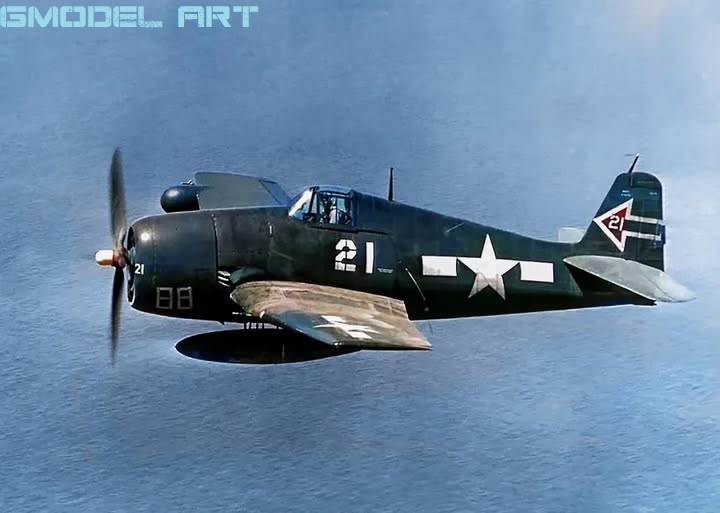
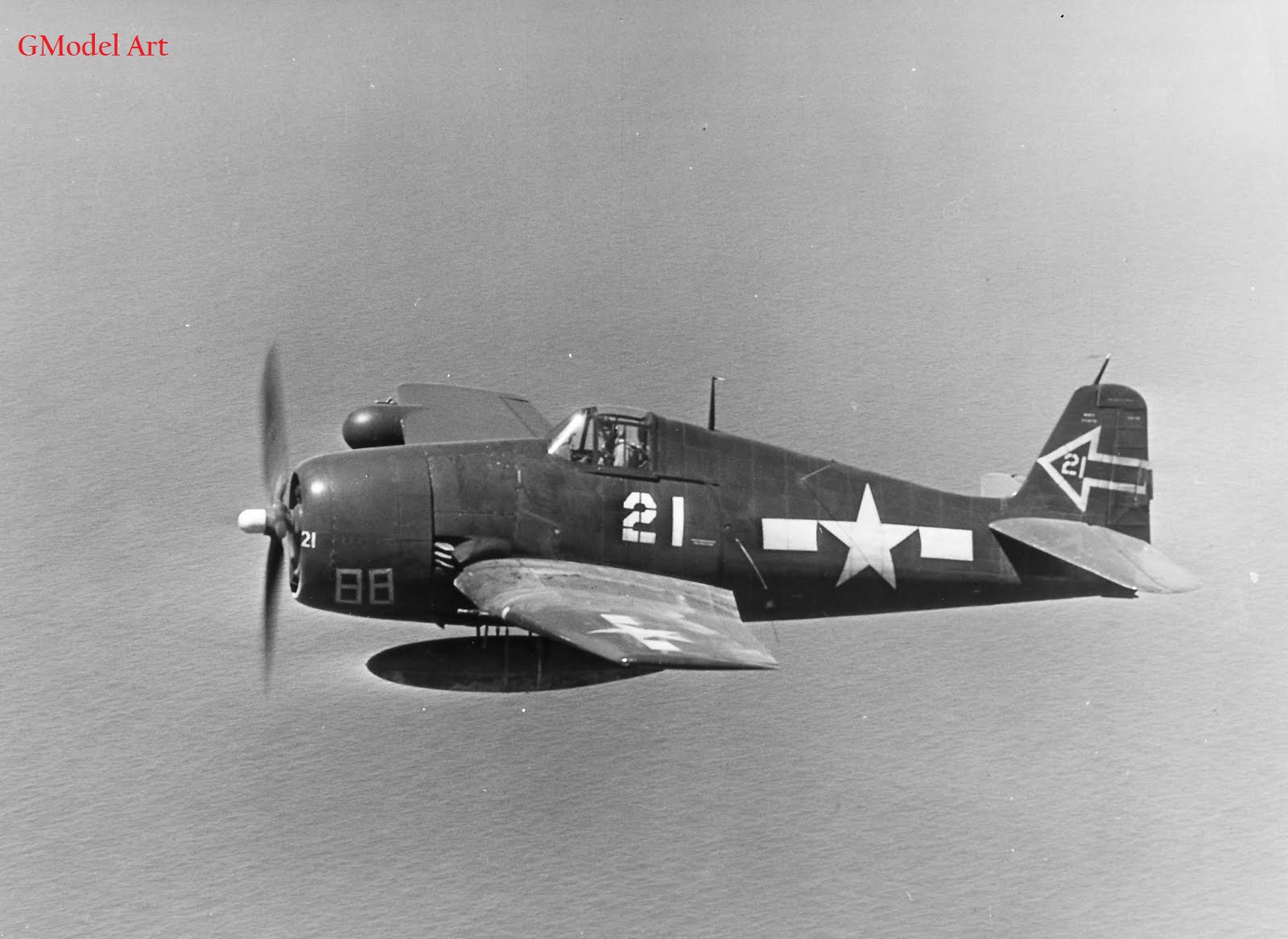
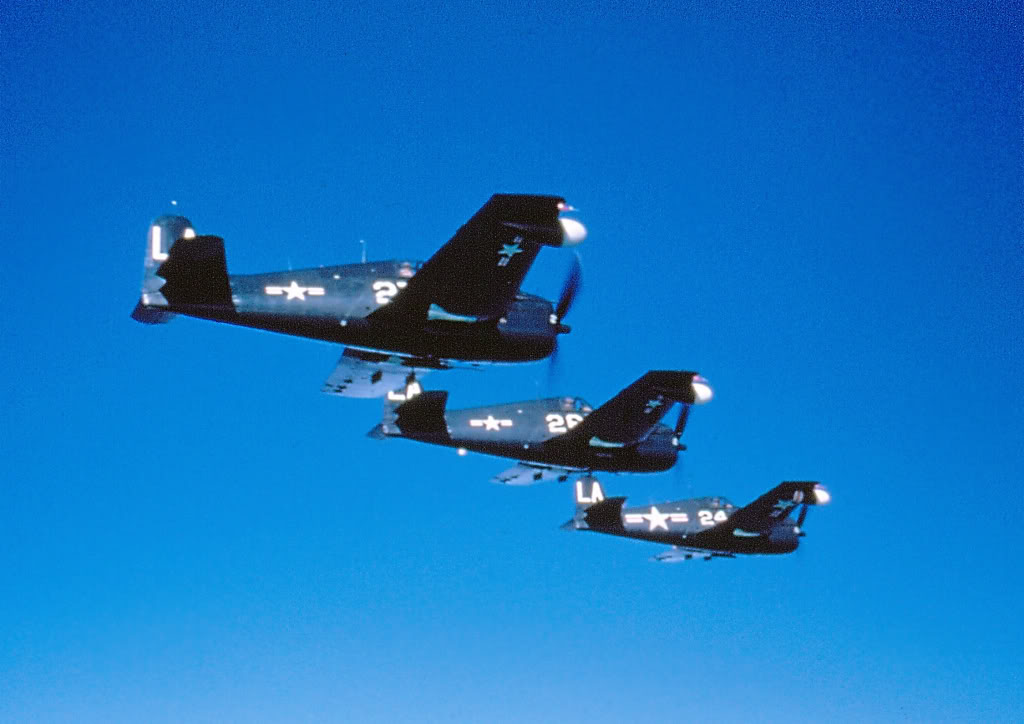
These radar-equipped aircraft, designated F6F-3N Hellcat and F6F-5N Hellcat, became the first truly successful carrier-based night fighters of the U.S. Navy. Operating from aircraft carriers and island airfields across the Pacific, they introduced a revolutionary capability: the ability to locate and destroy enemy aircraft in complete darkness.
The Birth of the Night Hellcat
By 1943, American naval forces had gained increasing control of the Pacific during daylight operations. At night, however, Japanese aircraft could still approach invasion fleets and carrier task forces with a degree of safety. Reconnaissance missions, bombing raids, and harassment attacks frequently exploited darkness to avoid interception.
The U.S. Navy urgently needed a fighter capable of detecting enemy aircraft beyond visual range and engaging them at night.
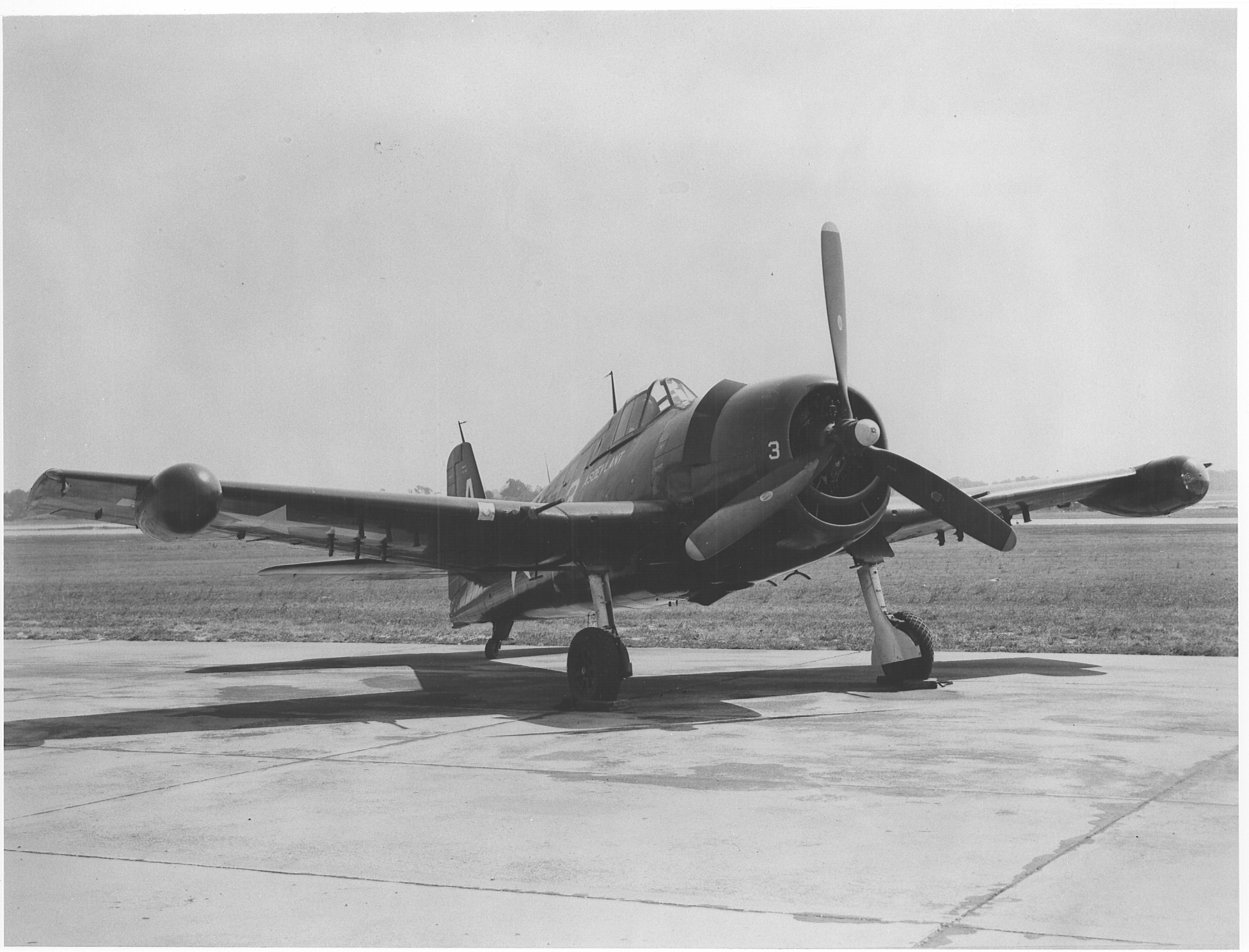
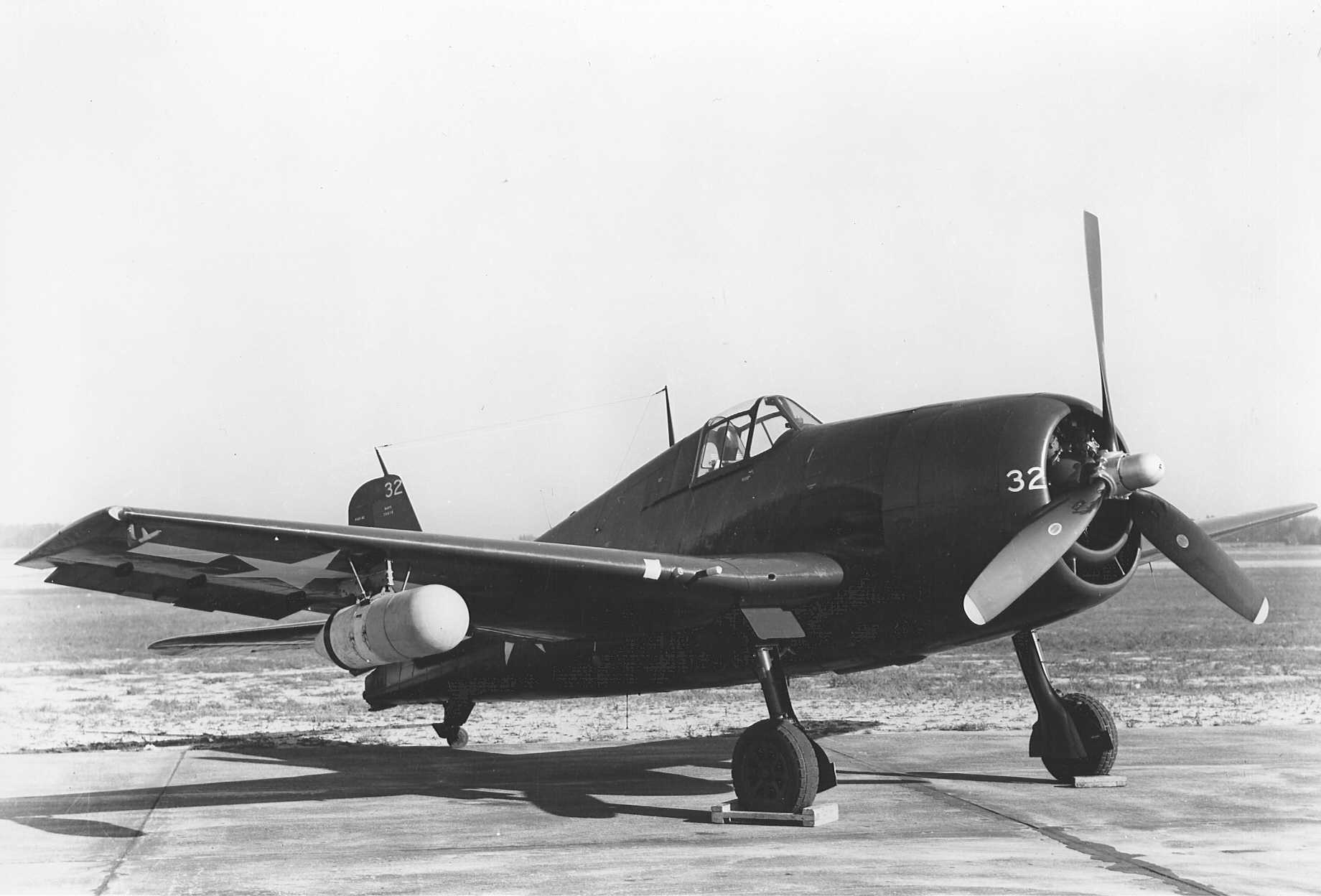
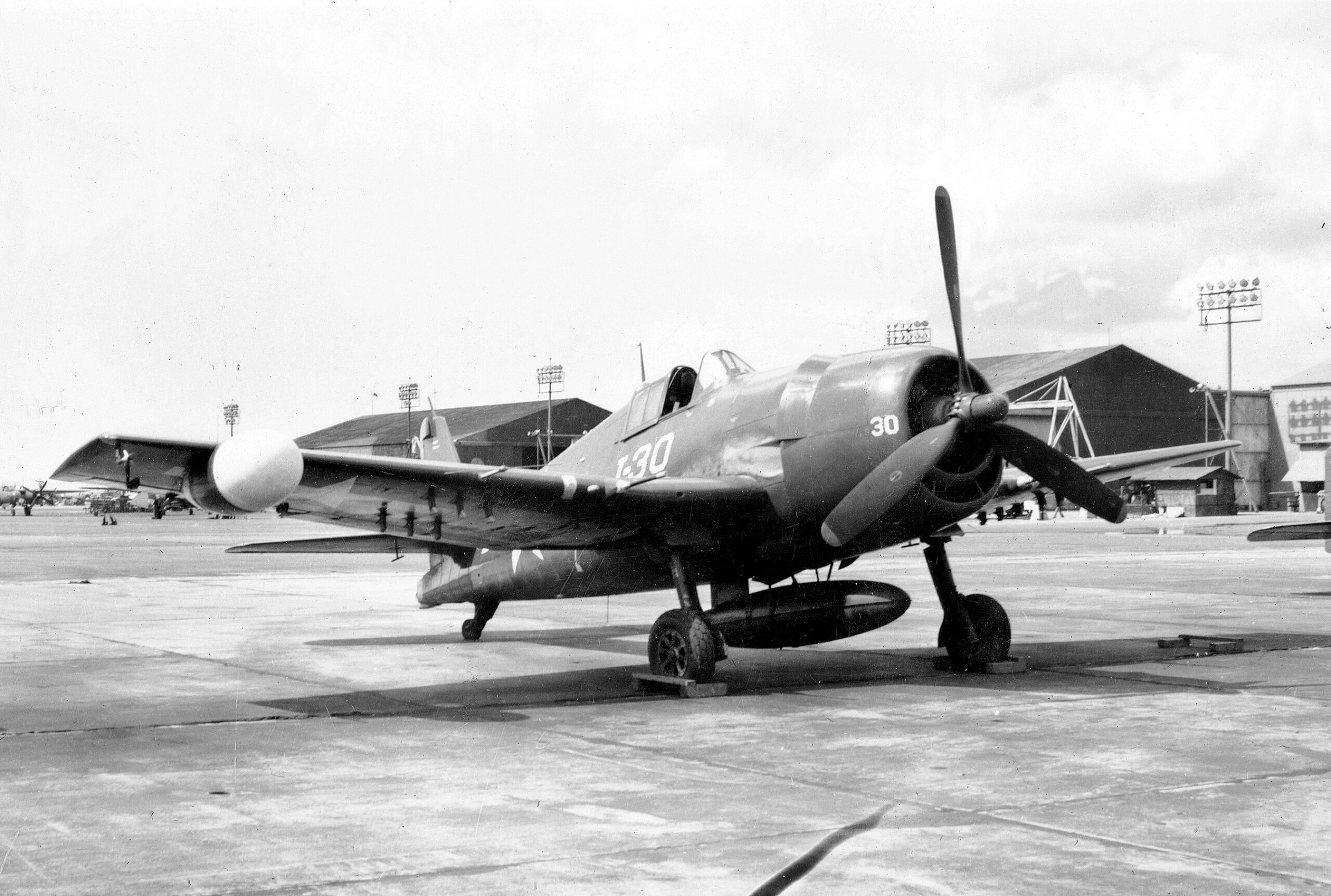
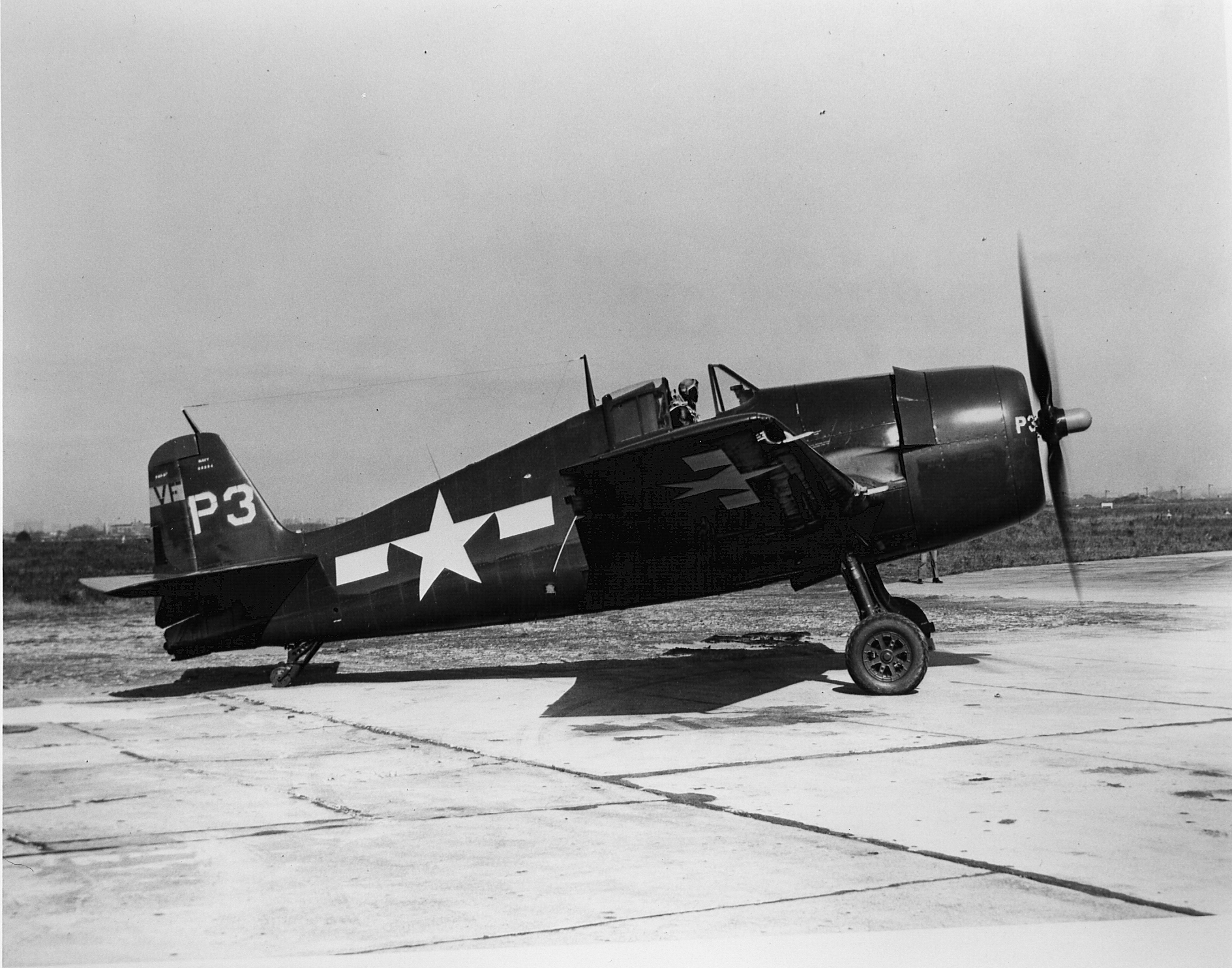
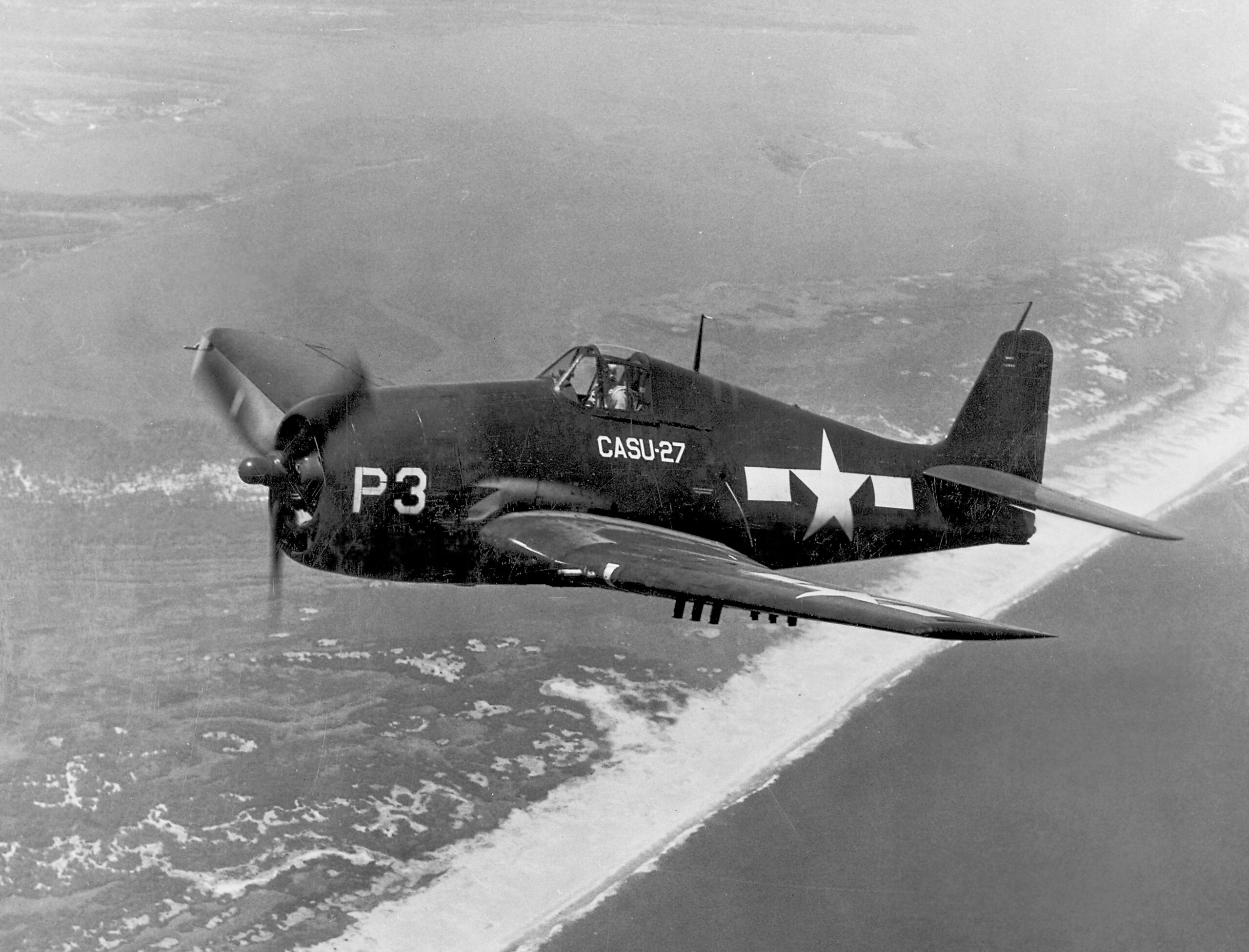
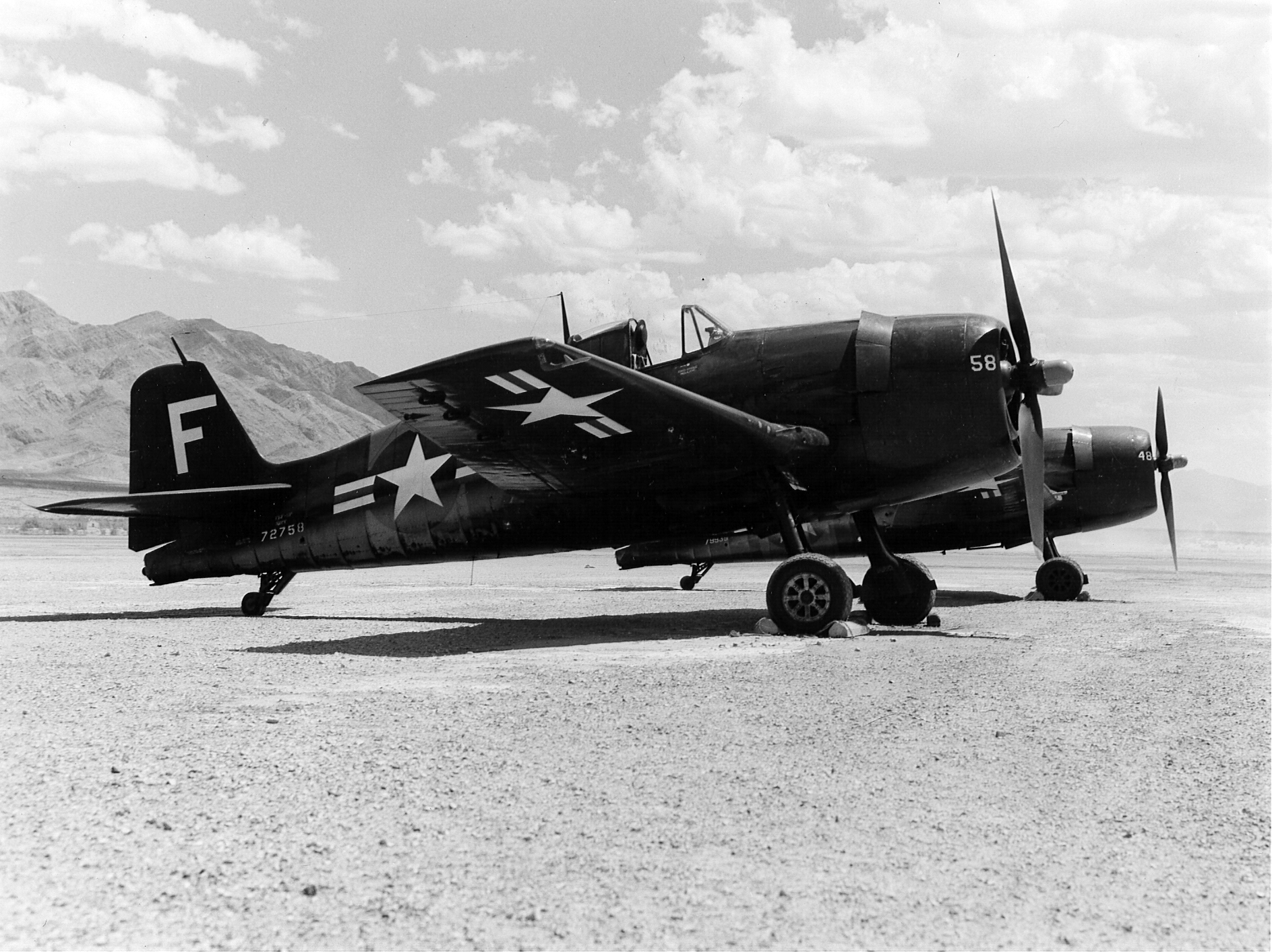
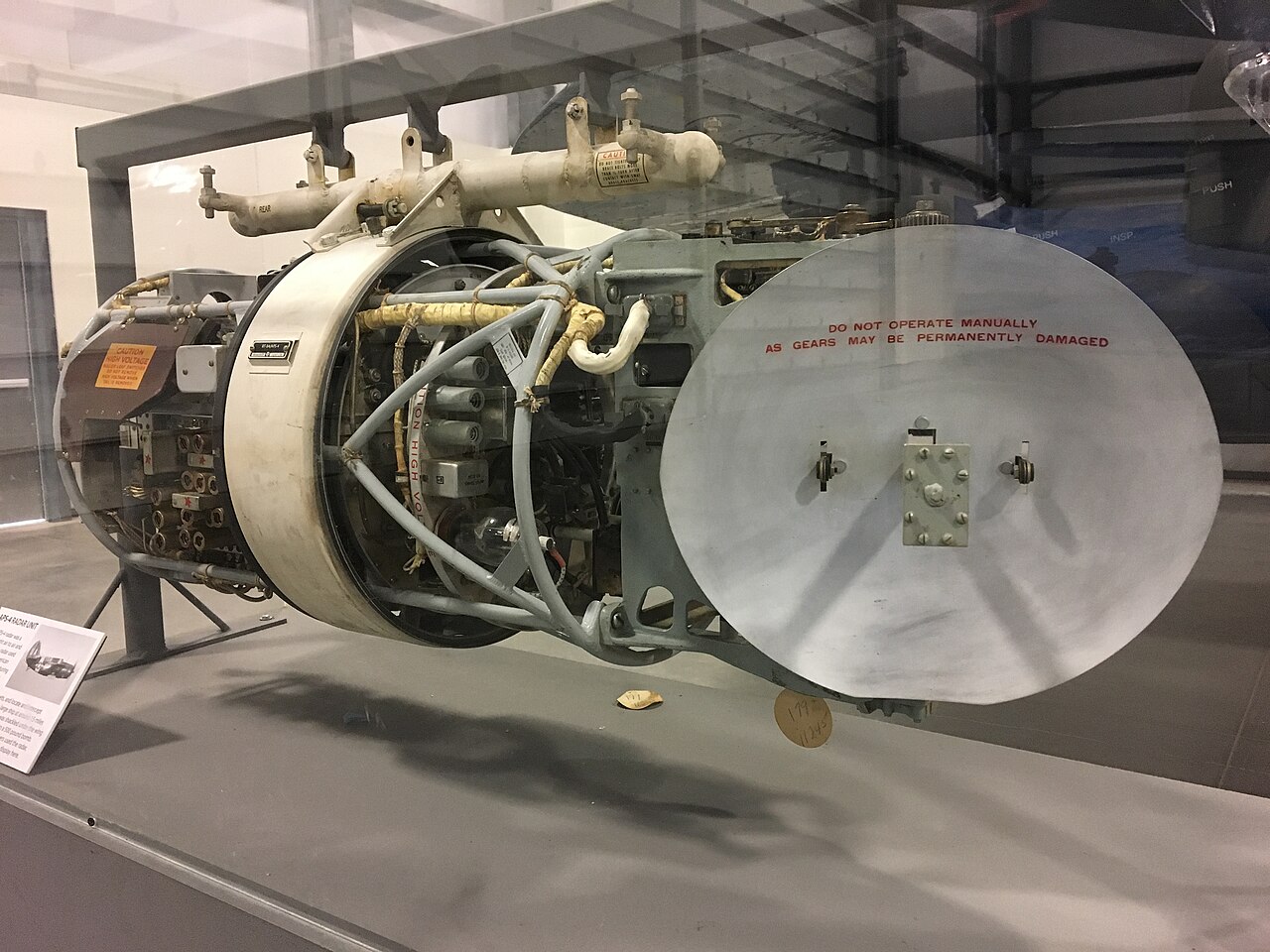
The answer came through the integration of airborne interception radar into the already successful Grumman F6F Hellcat. Early experiments produced the F6F-3E Hellcat , equipped with the AN/APS-4 radar carried in a pod beneath the wing. While operationally effective, the external installation increased drag and reduced overall performance.
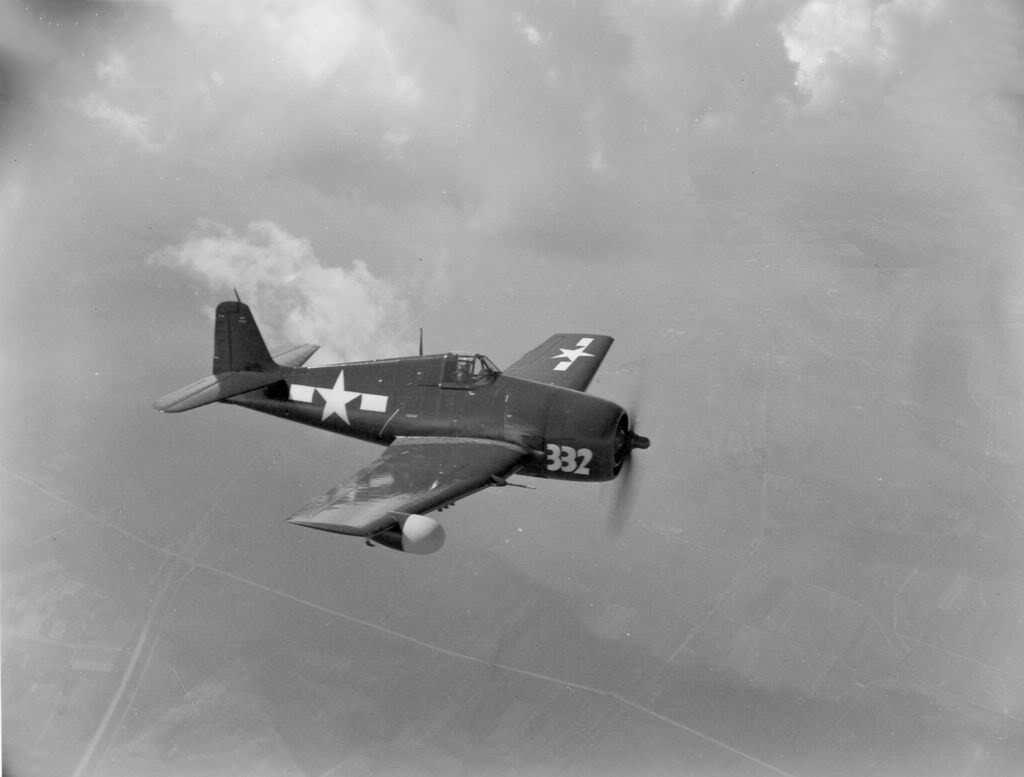
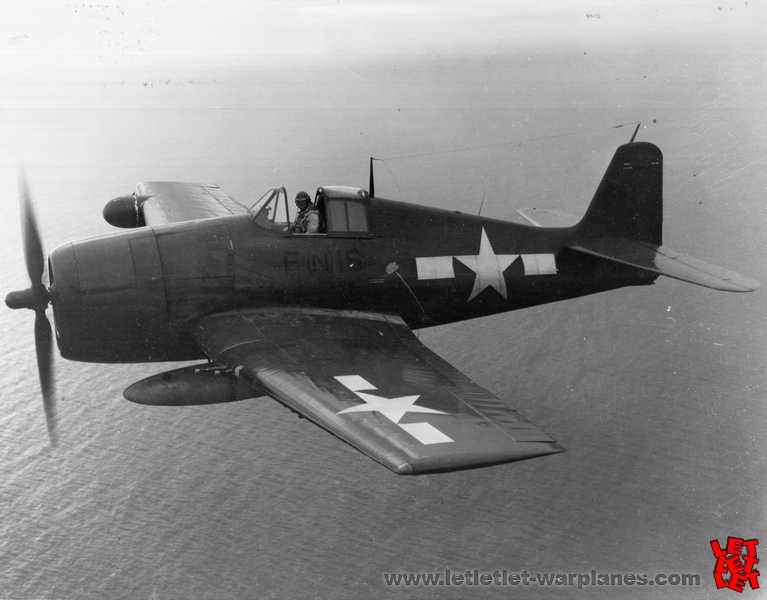
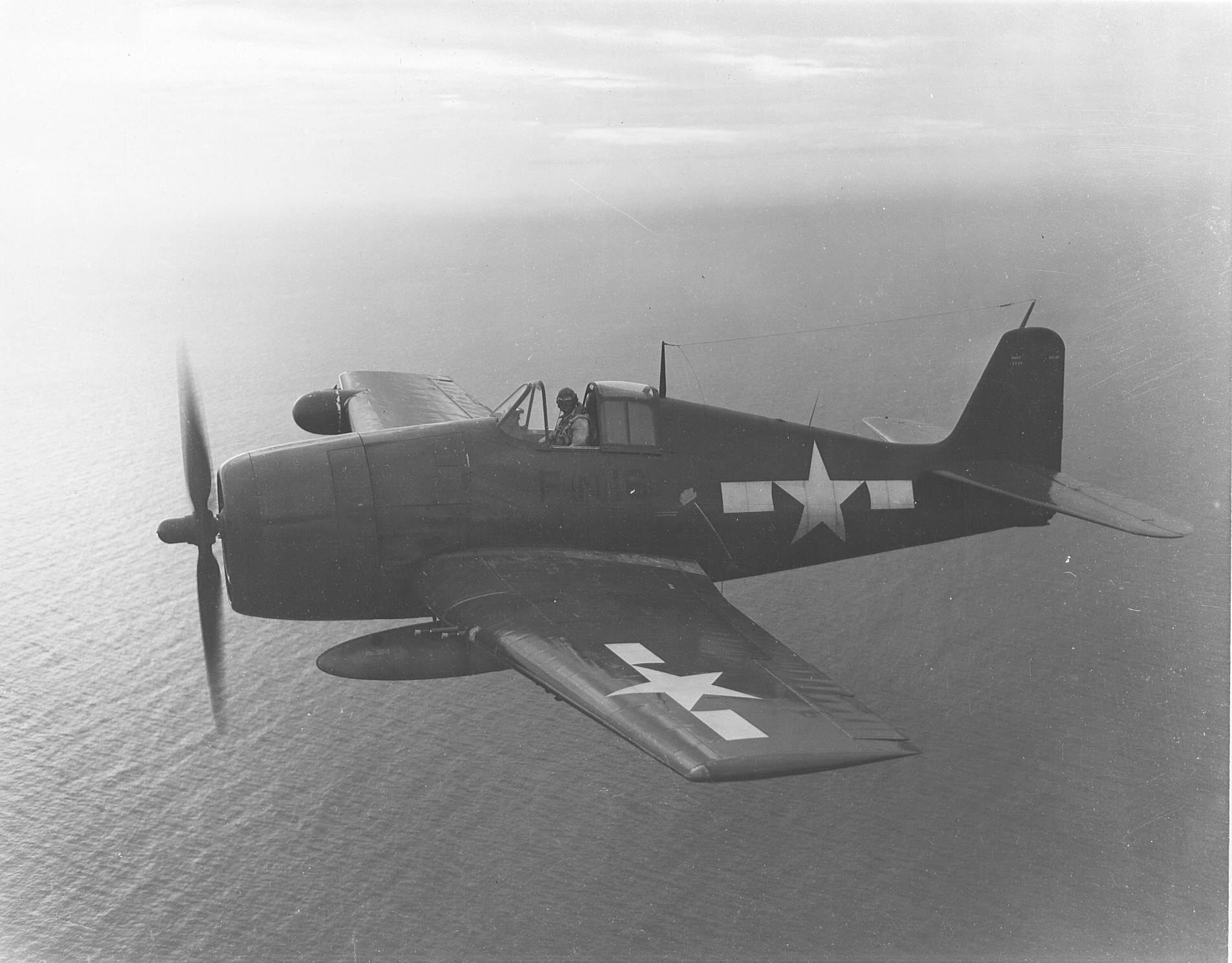
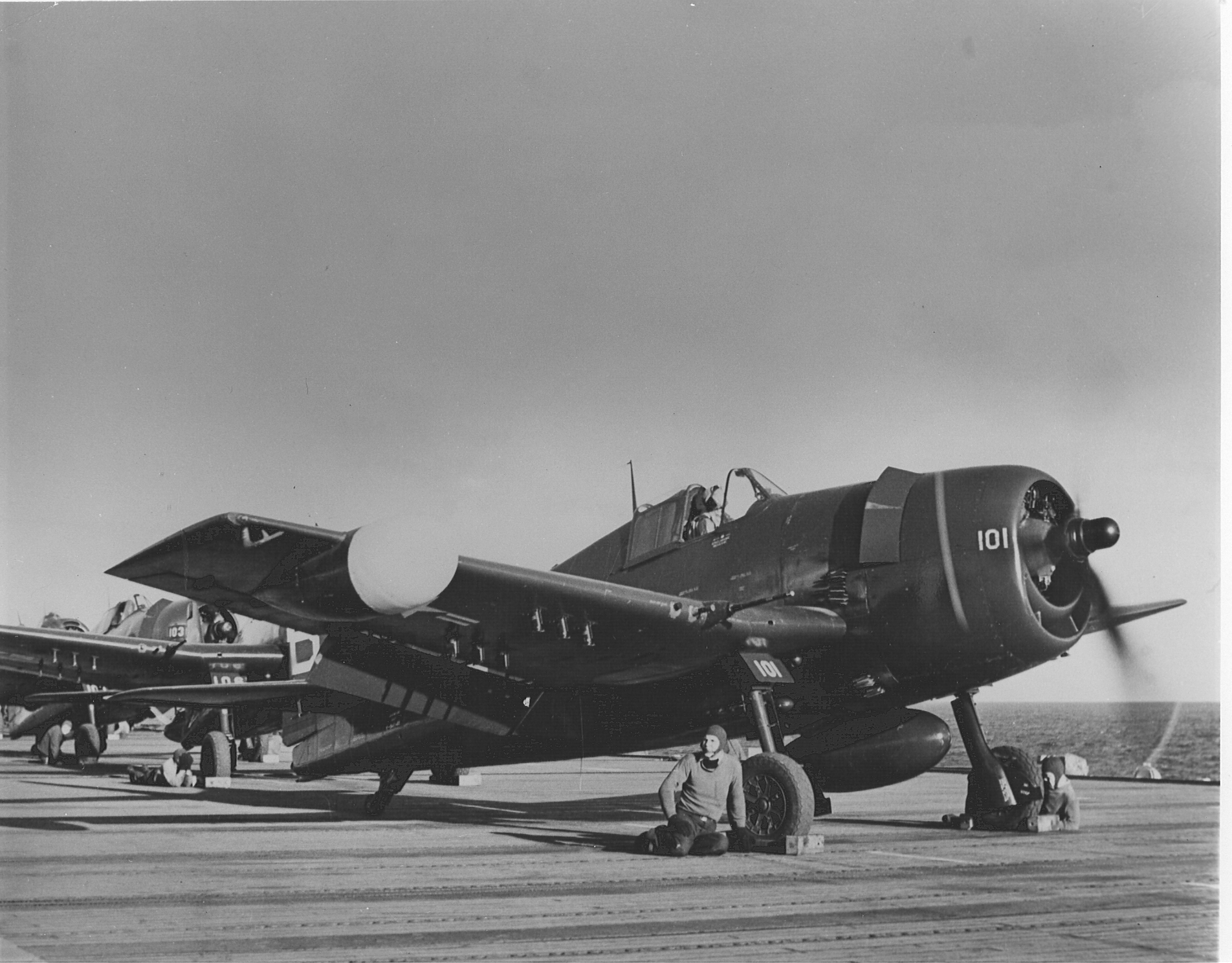
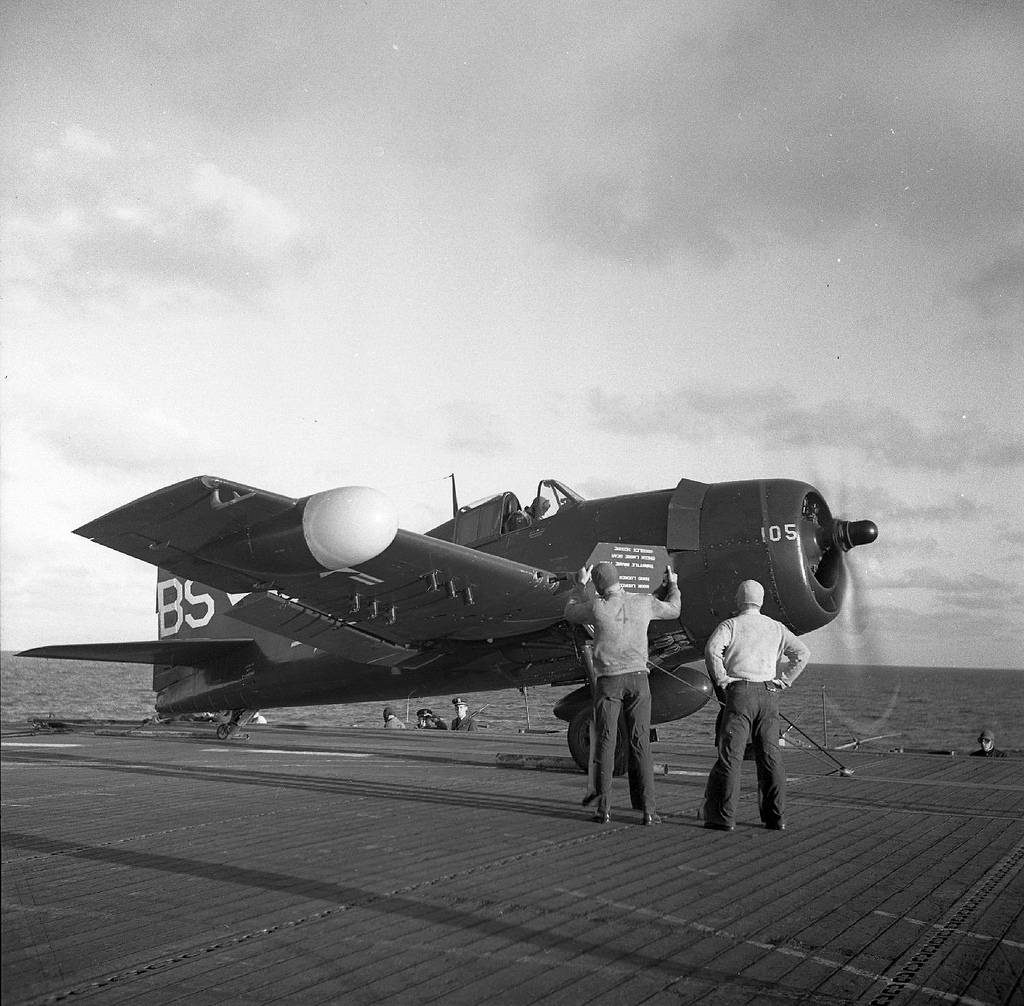
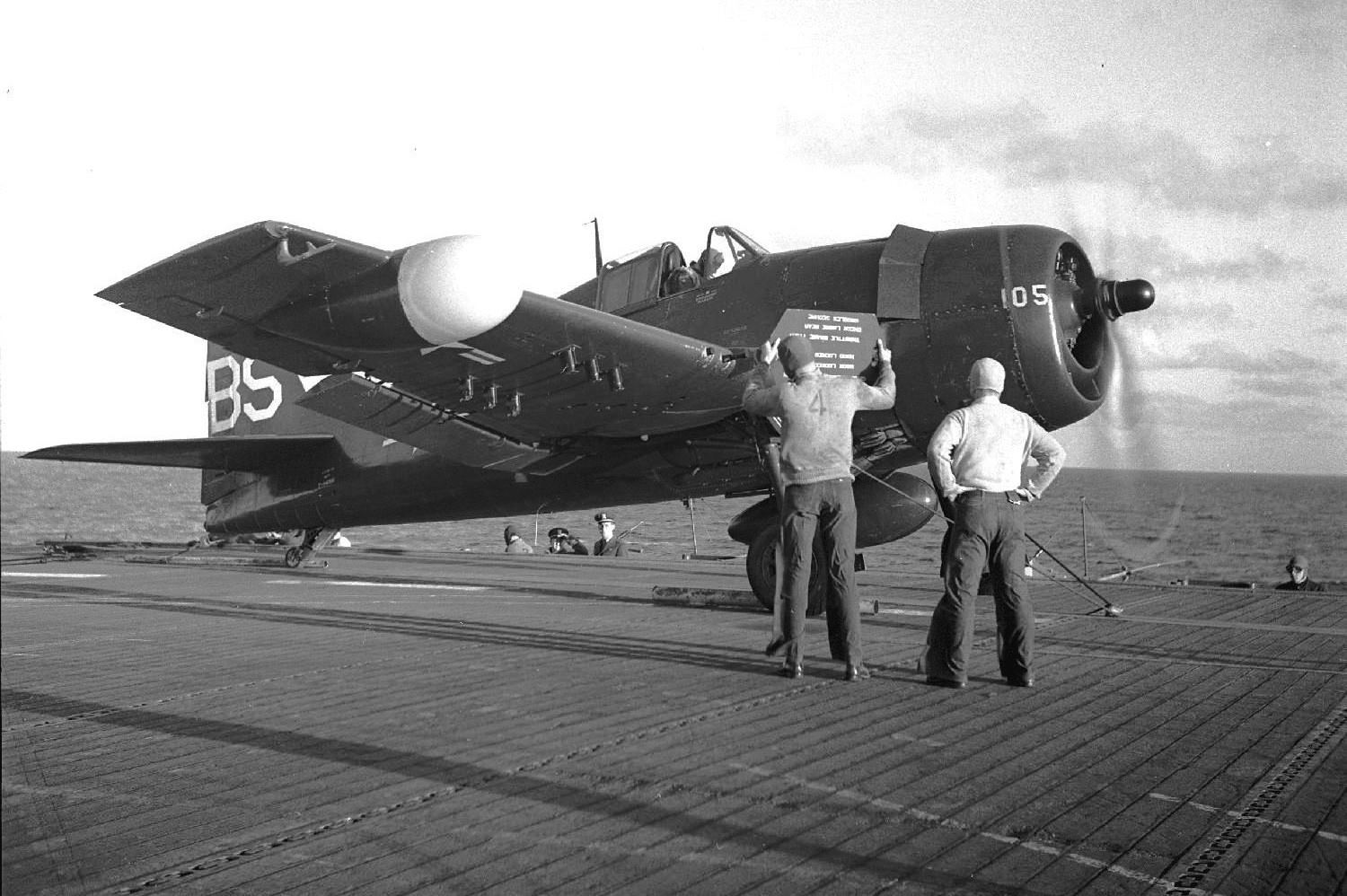
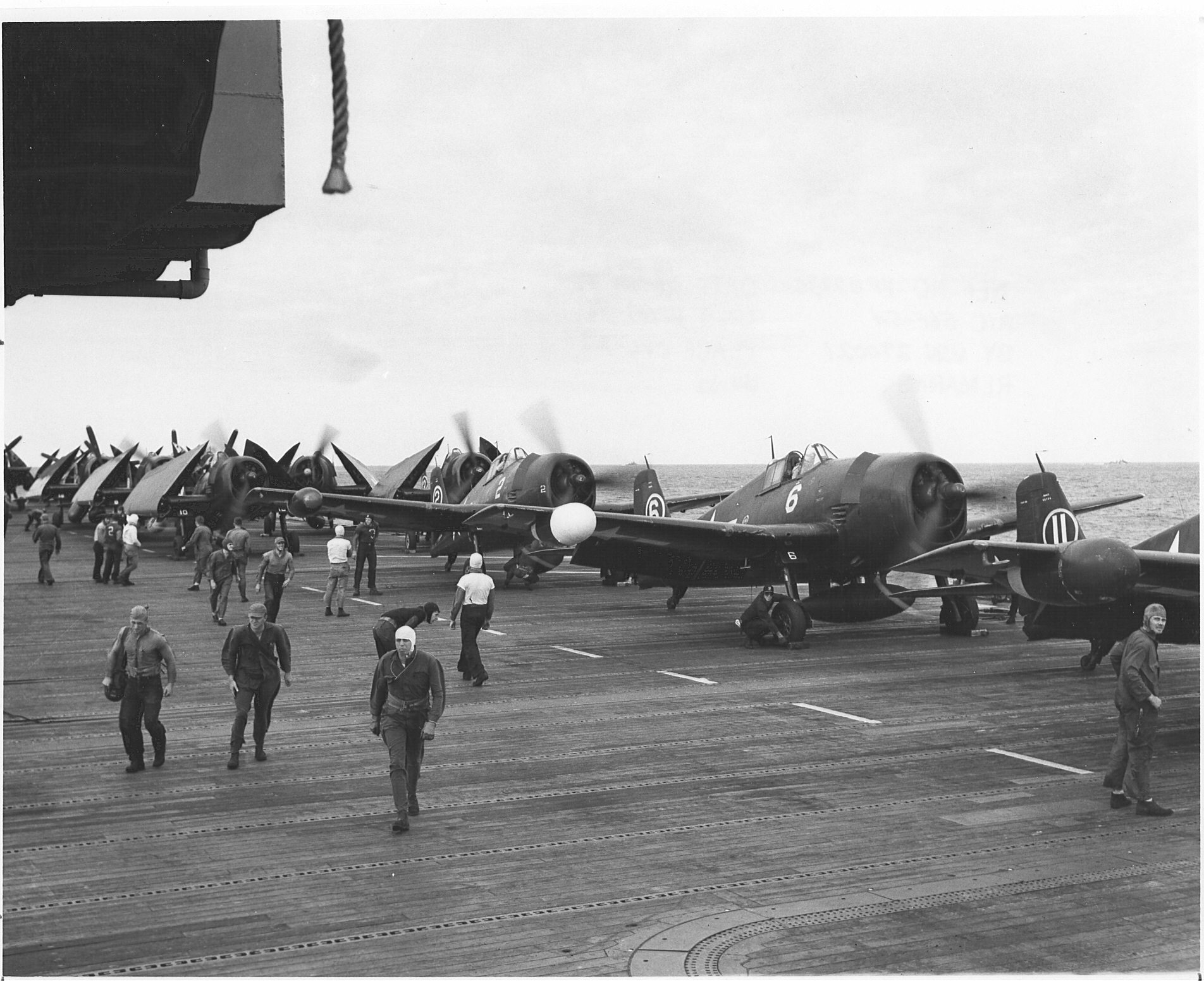
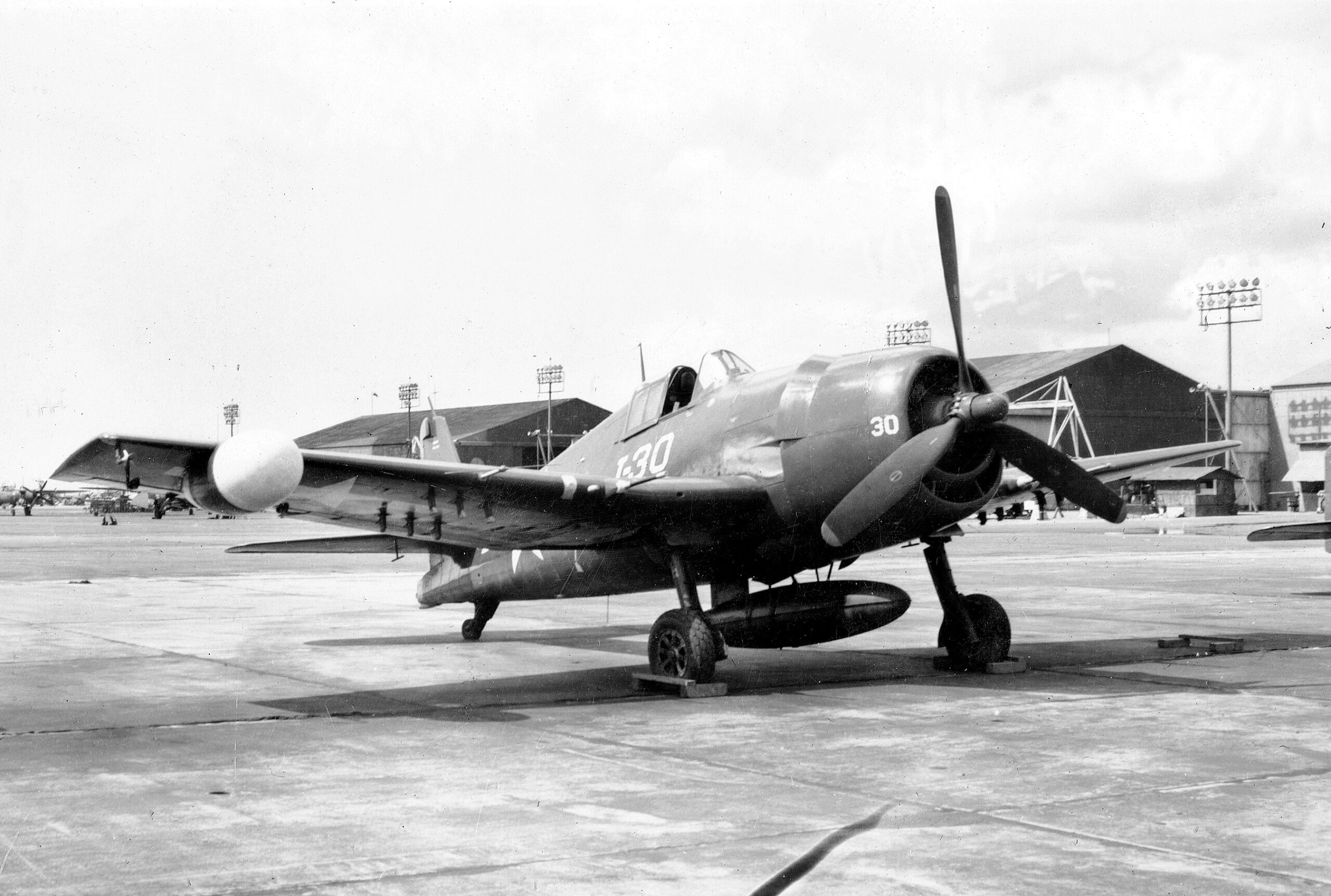
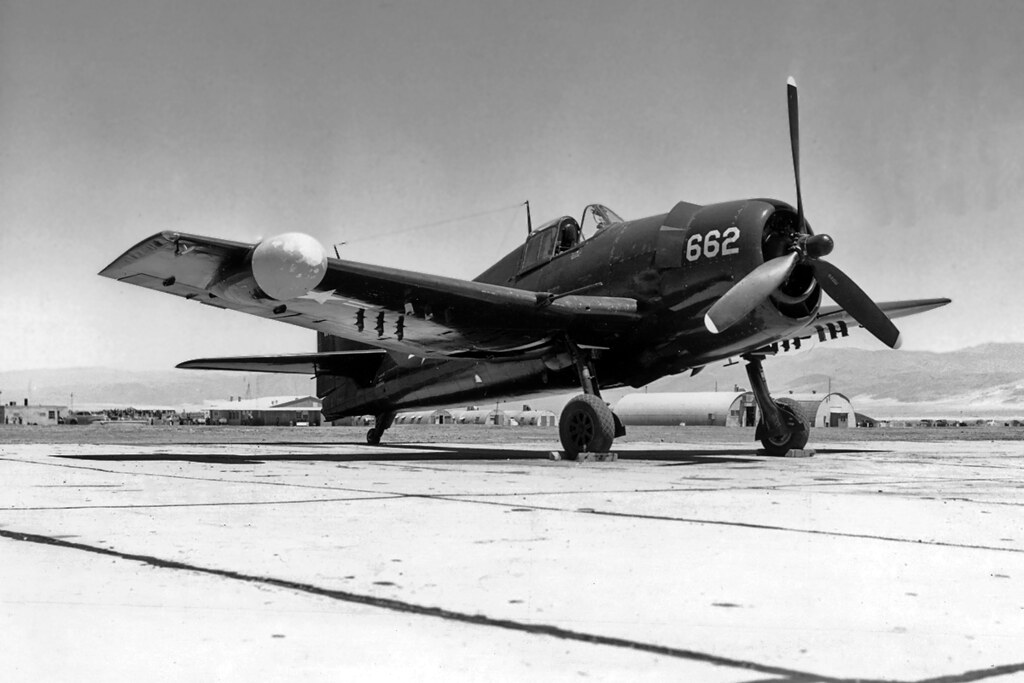
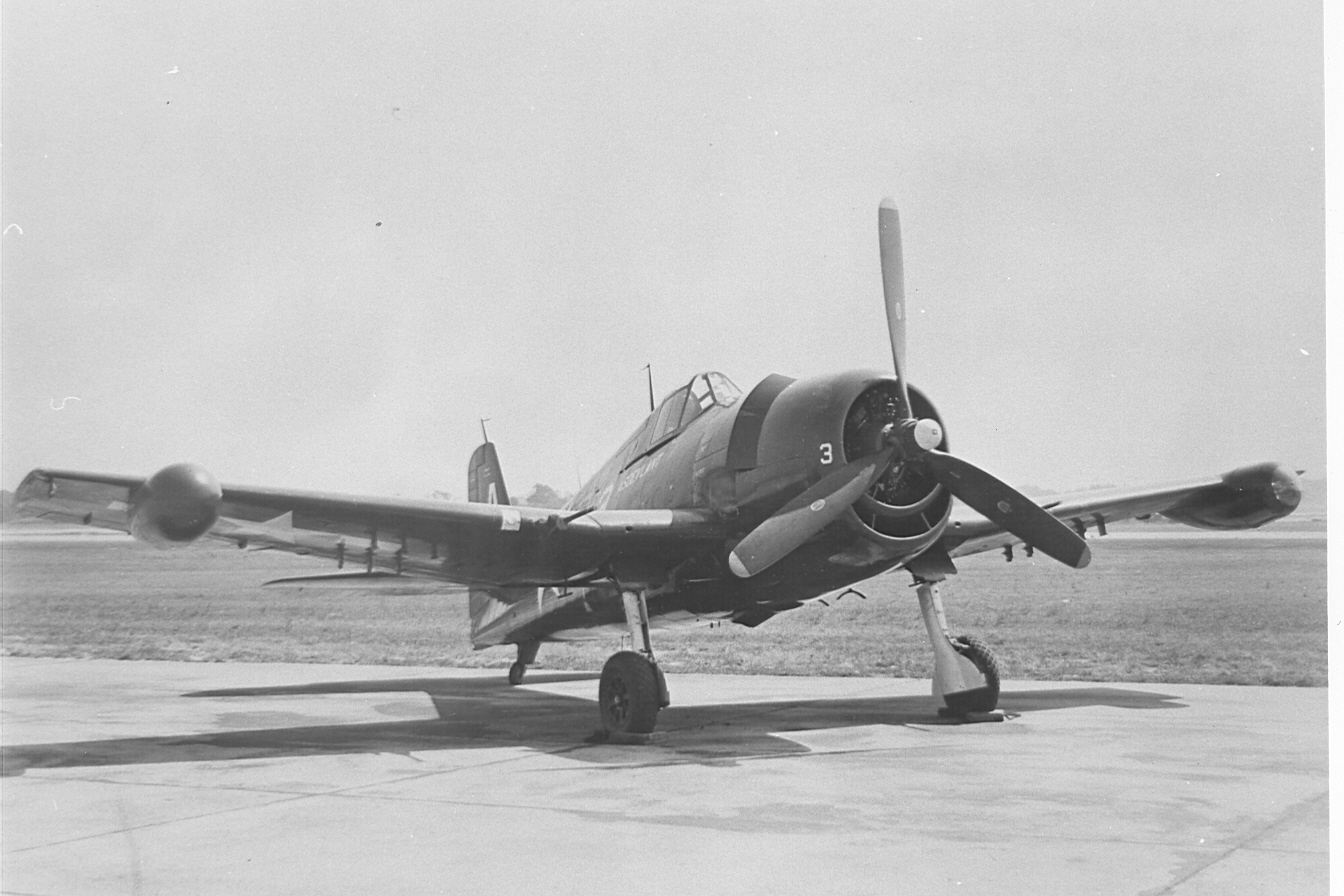
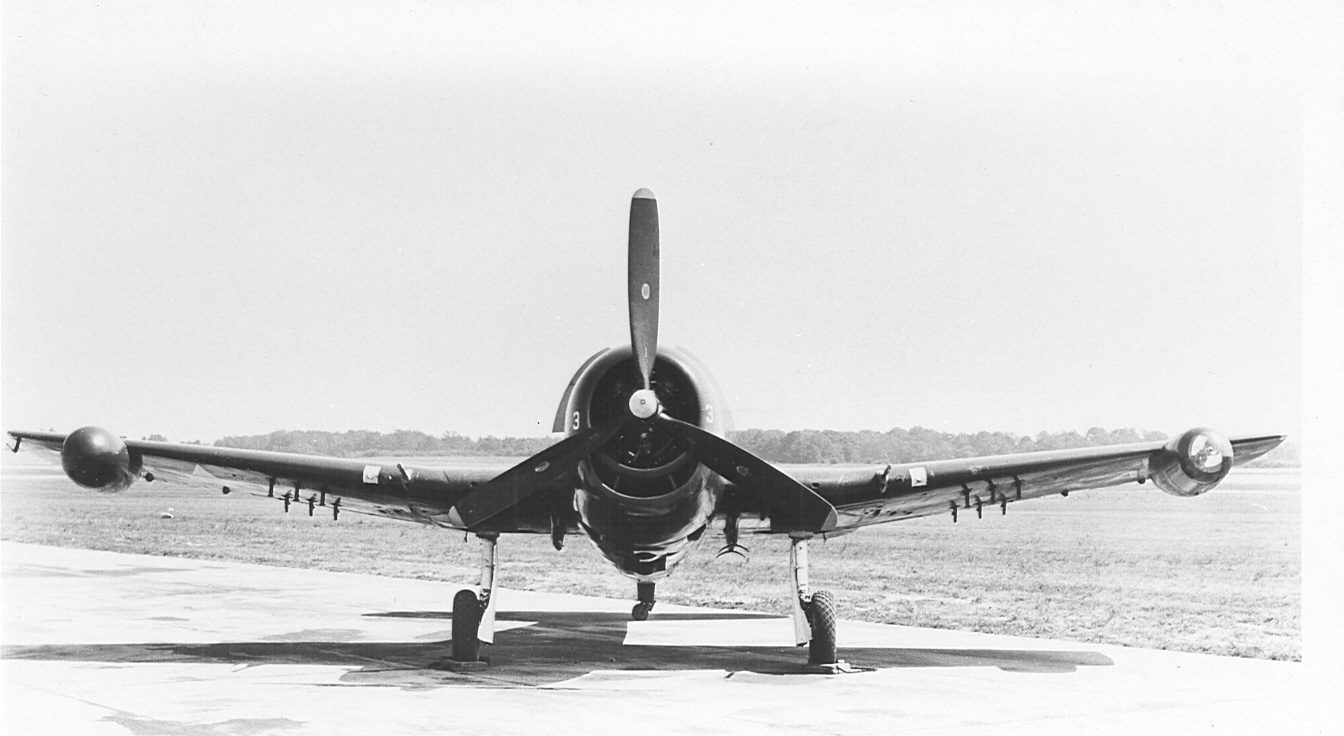
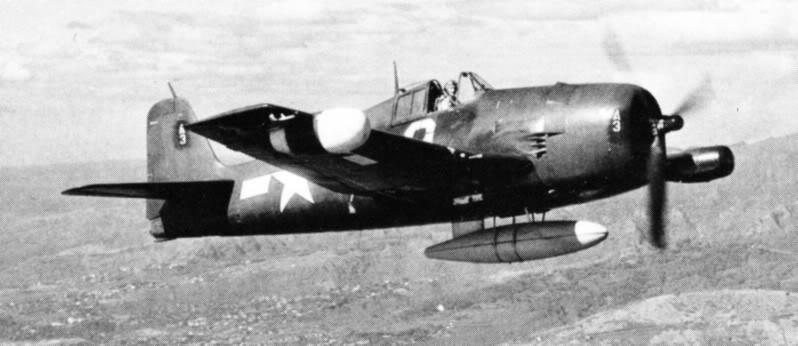
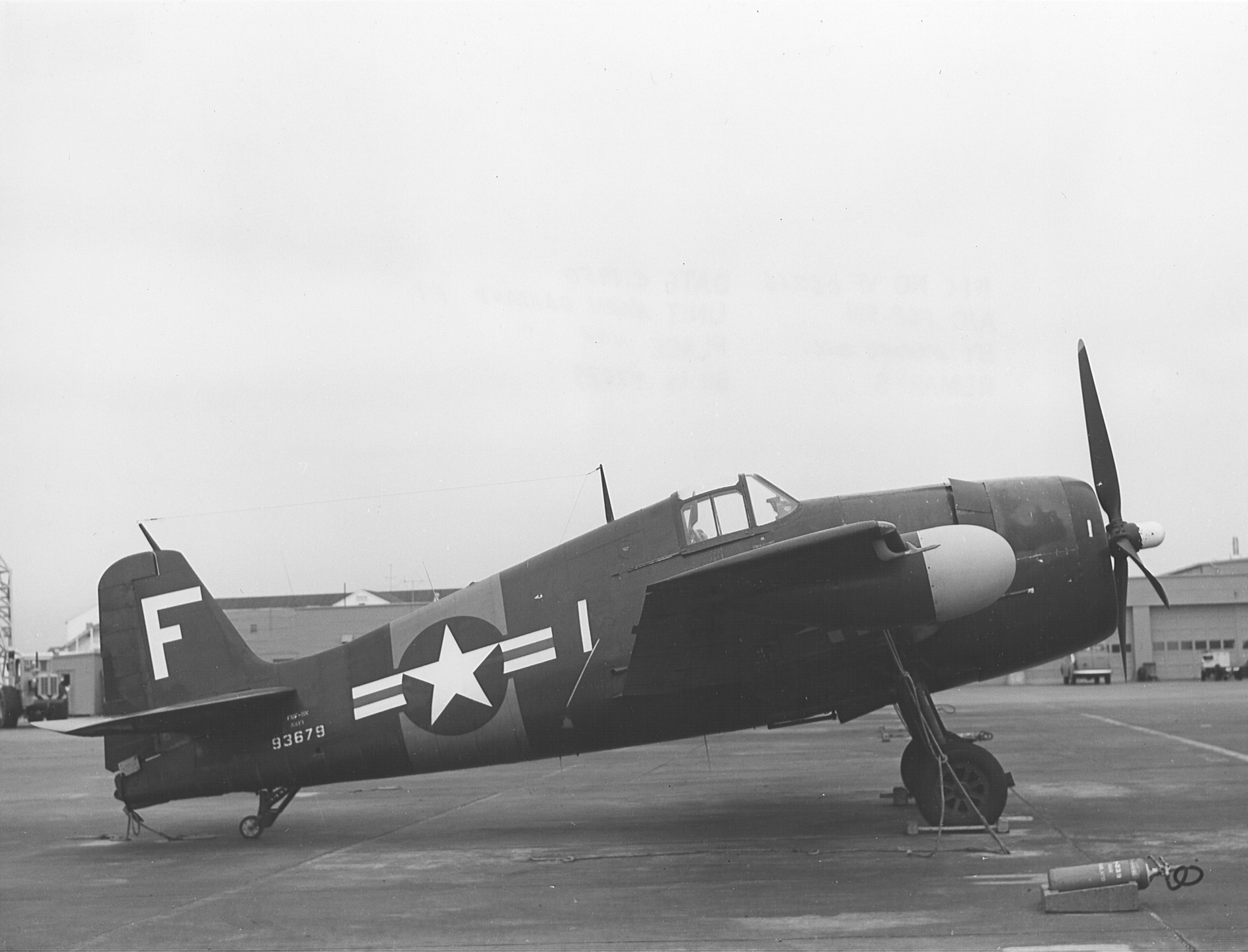
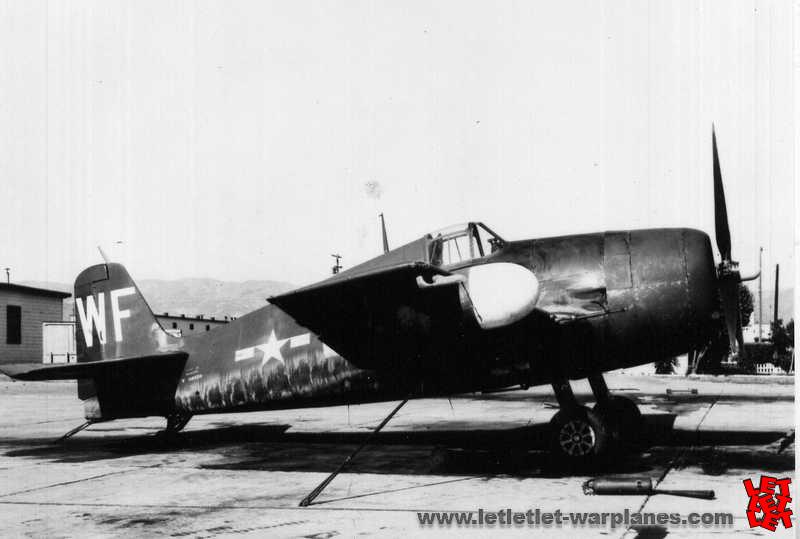
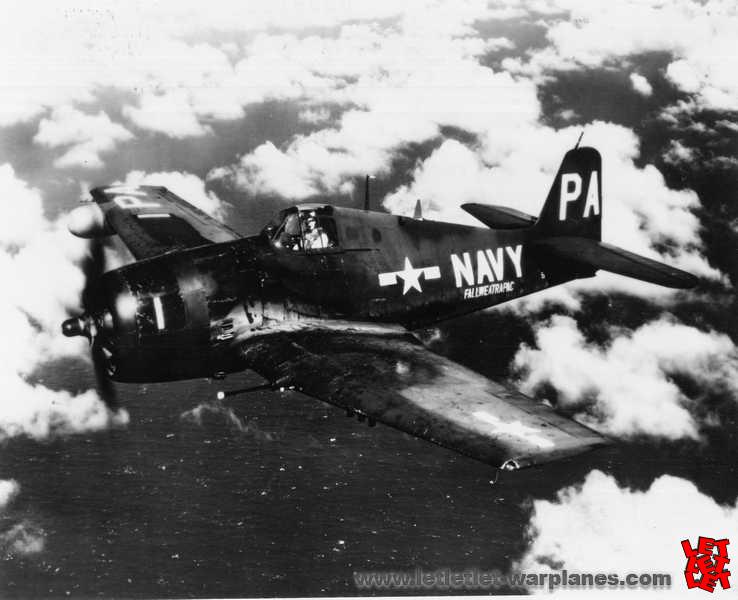
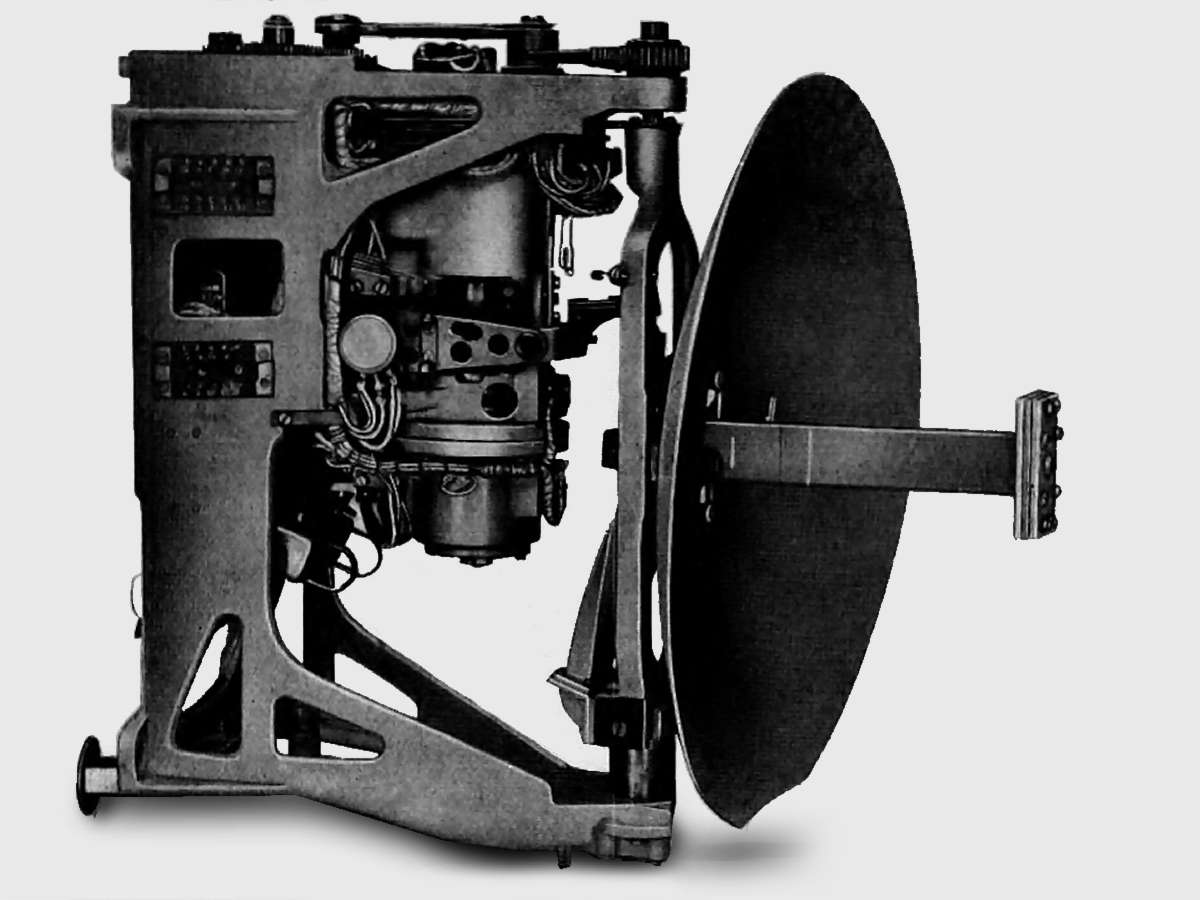
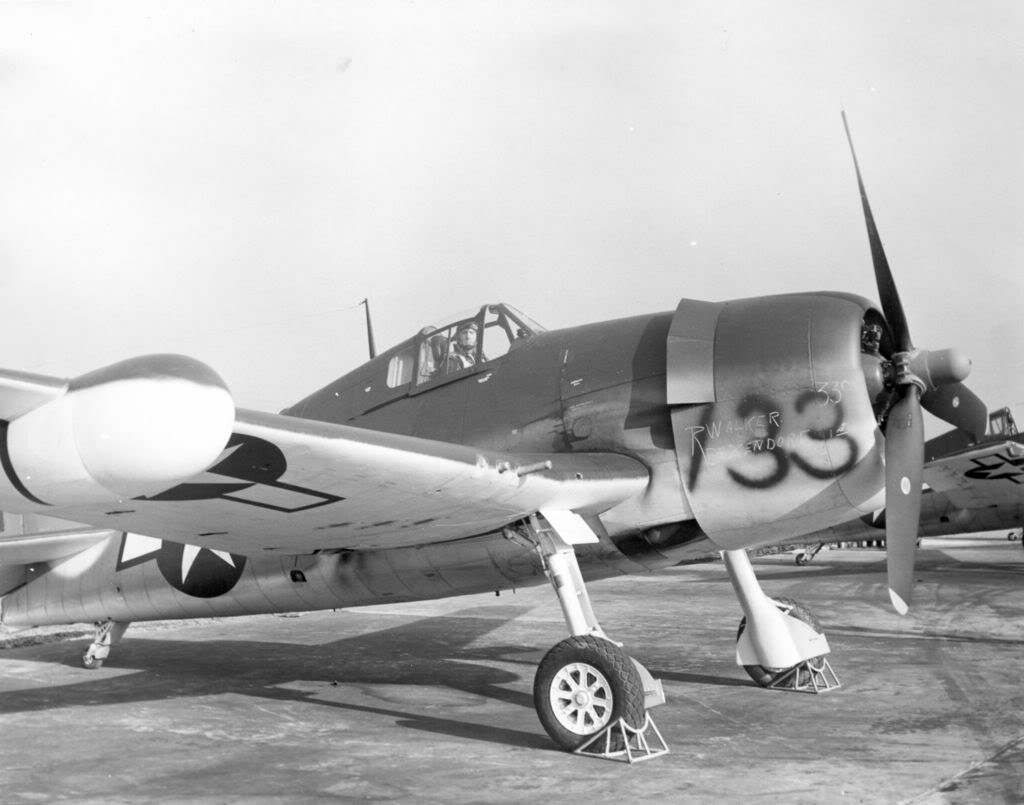
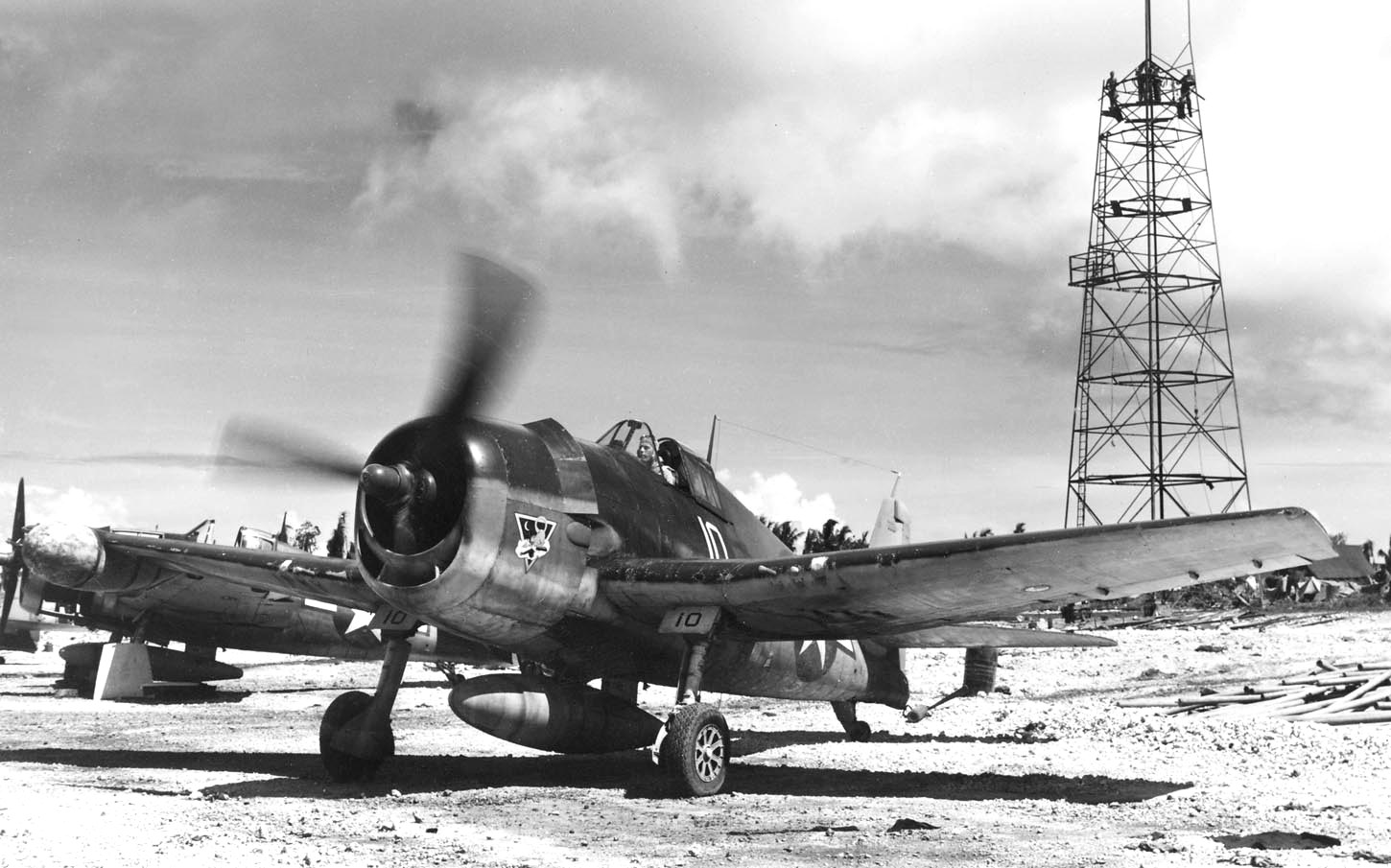
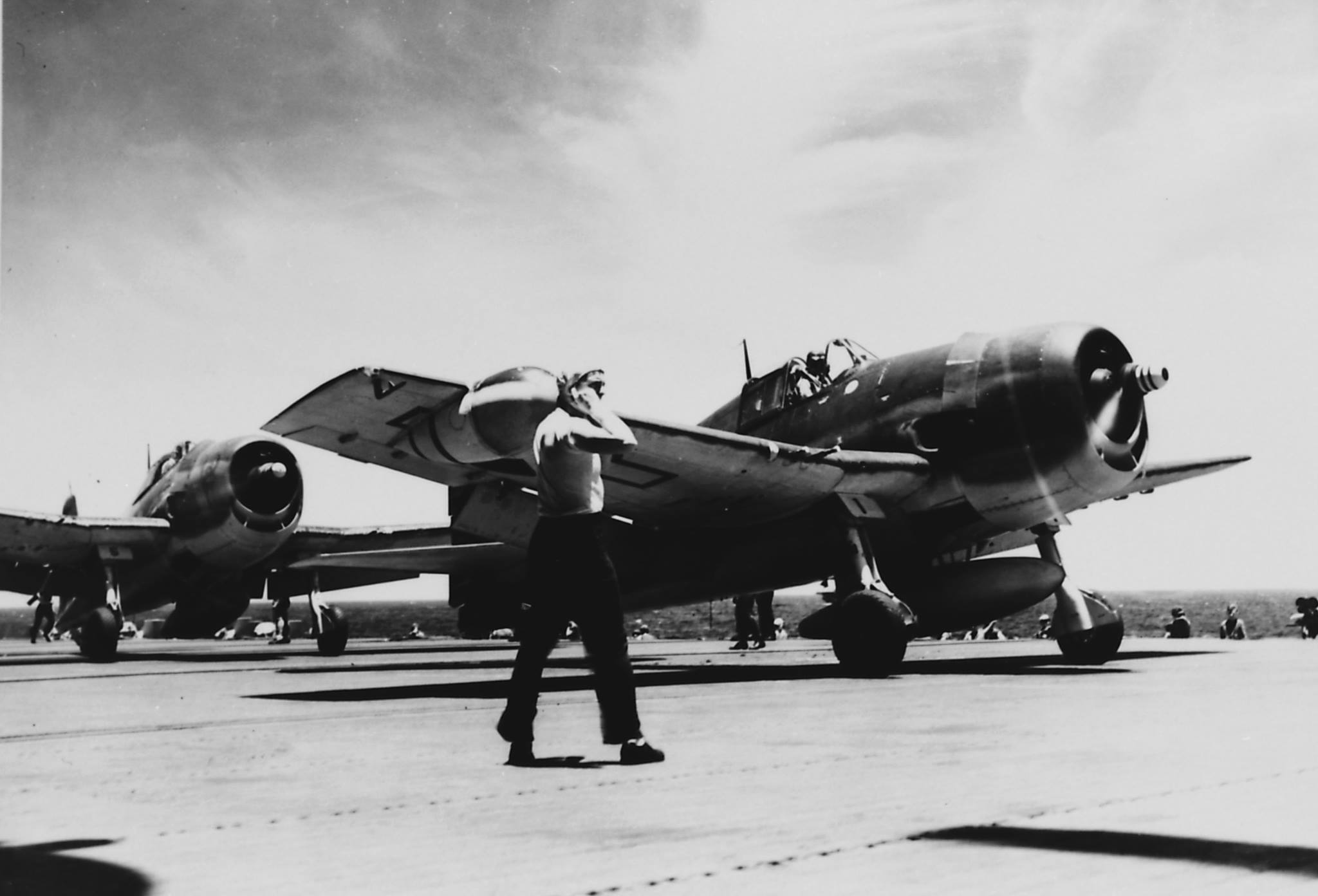
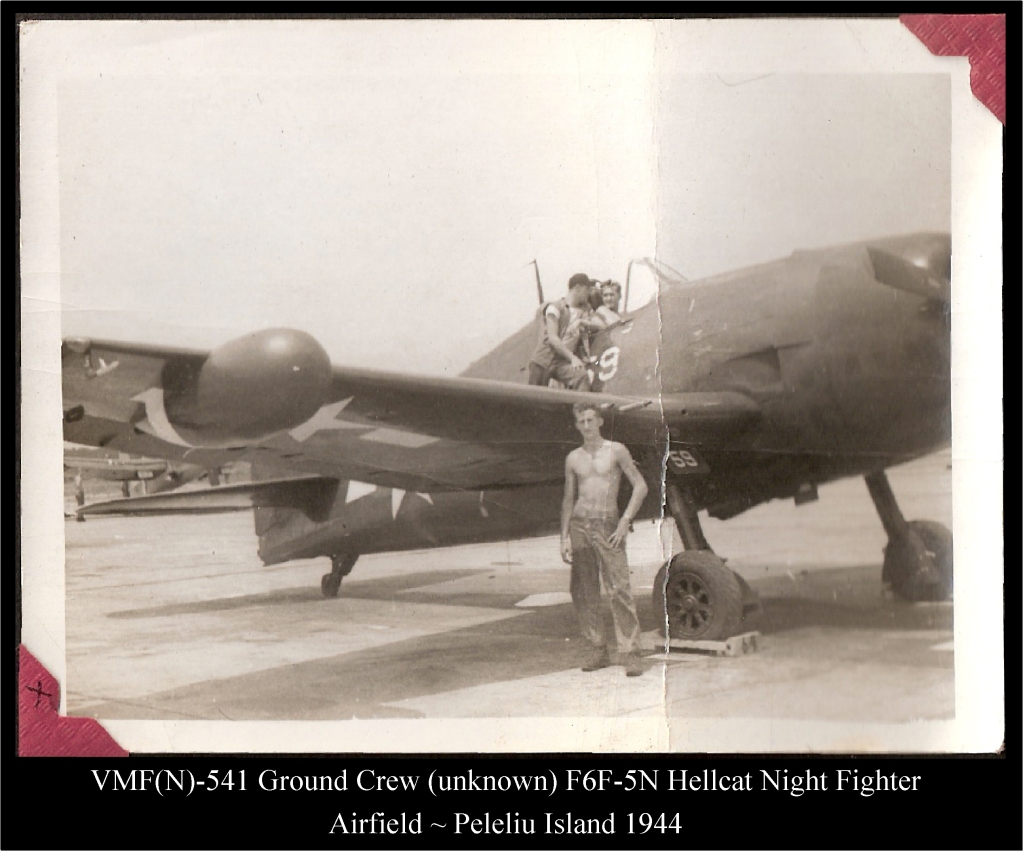
A major breakthrough arrived with the development of the AN/APS-6 radar. Compact enough to fit inside a streamlined radome mounted on the starboard wing, the new system provided improved reliability while minimizing aerodynamic penalties. This configuration became standard on the F6F-3N Hellcat and later the highly successful F6F-5N Hellcat .
For the first time in naval aviation history, a single-seat fighter pilot could independently locate, track, and intercept enemy aircraft in total darkness without assistance from a second crew member.
F6F-3N – America’s First Operational Night Fighter Hellcat
The F6F-3N Hellcat entered operational service during late 1943 and immediately represented one of the most advanced fighter technologies in the world.
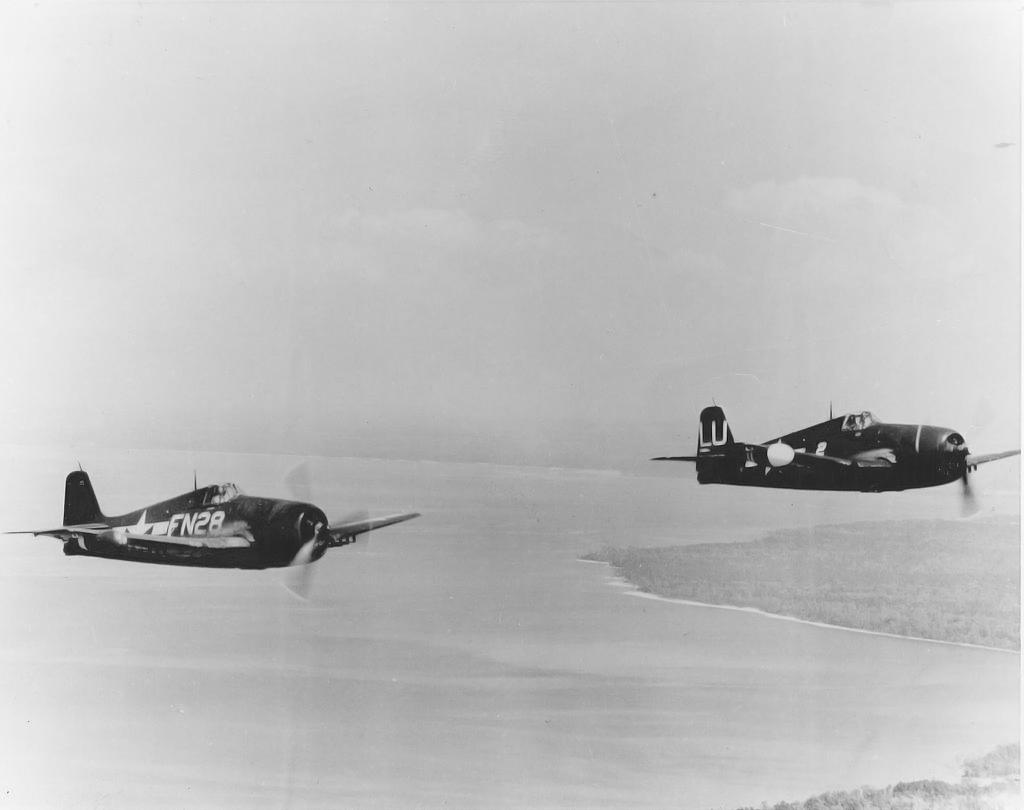
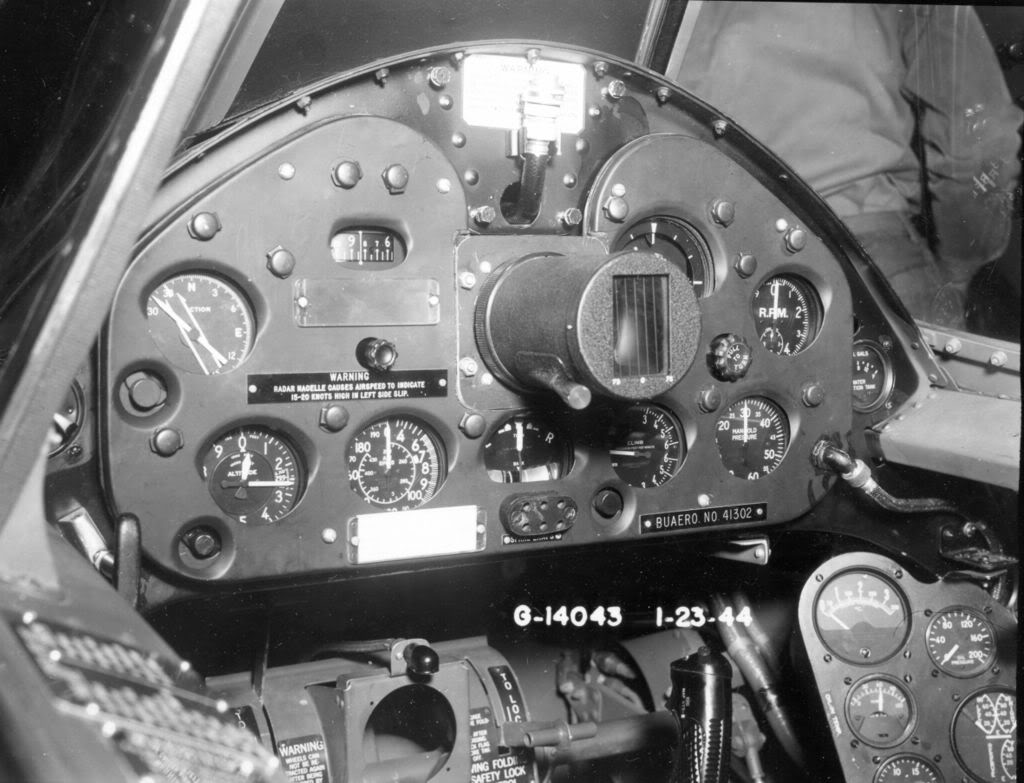
The aircraft could be easily identified by its distinctive radar installation on the outer section of the starboard wing. Inside the cockpit, pilots operated a radar scope that displayed target information, allowing interceptions long before visual contact became possible.
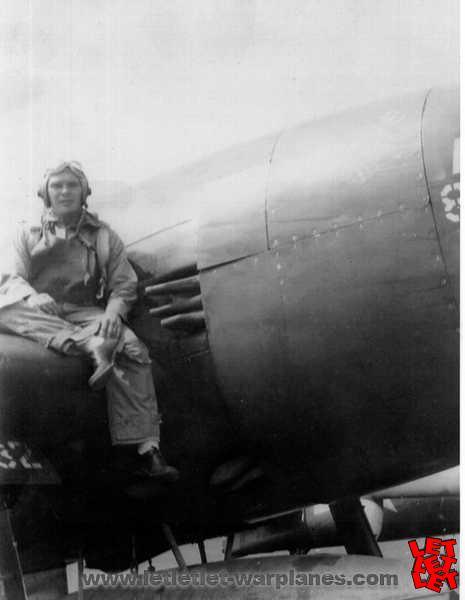
Approximately 200 F6F-3N Hellcat aircraft were built or converted from existing F6F-3 Hellcat airframes. Most retained the standard armament of six Browning .50 caliber machine guns, although individual aircraft occasionally featured field modifications.
Combat quickly validated the concept. During operations around Tarawa and the Gilbert Islands, Hellcat night fighters achieved some of the U.S. Navy’s first successful radar-guided aerial interceptions. These victories demonstrated that carrier-based aircraft could now provide effective fleet defense around the clock, regardless of visibility conditions.
F6F-5N – The Ultimate Night Fighter Hellcat
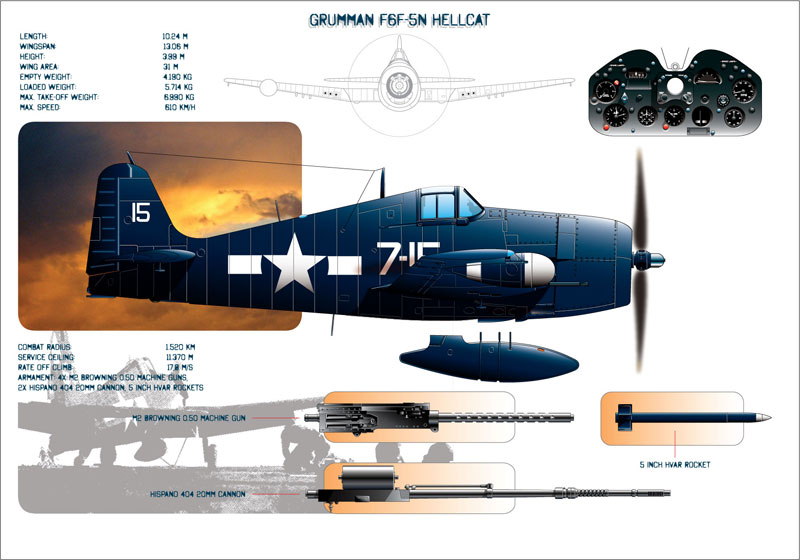
The arrival of the F6F-5 Hellcat introduced numerous improvements to the Hellcat airframe, including a more powerful Pratt & Whitney R-2800-10W engine, improved visibility, structural refinements, and upgraded systems.
Theat F6F-5N Hellcat combined these improvements with the proven AN/APS-6 radar.
Many aircraft were armed with a mixed battery consisting of:
- Four Browning .50 caliber machine guns
- Two Hispano 20 mm cannons
This combination significantly increased destructive power against bombers and kamikaze aircraft.
More than 1,400 F6F-5N Hellcat aircraft were produced, making it the most important night-fighter Hellcat variant.
Beyond the Night Fighter: Radar Pods and Photo-Reconnaissance Hellcats
Although the F6F-3N and F6F-5N are the best-known radar-equipped Hellcats, the evolution of the type included several specialized variants that demonstrated the remarkable adaptability of the Grumman design.
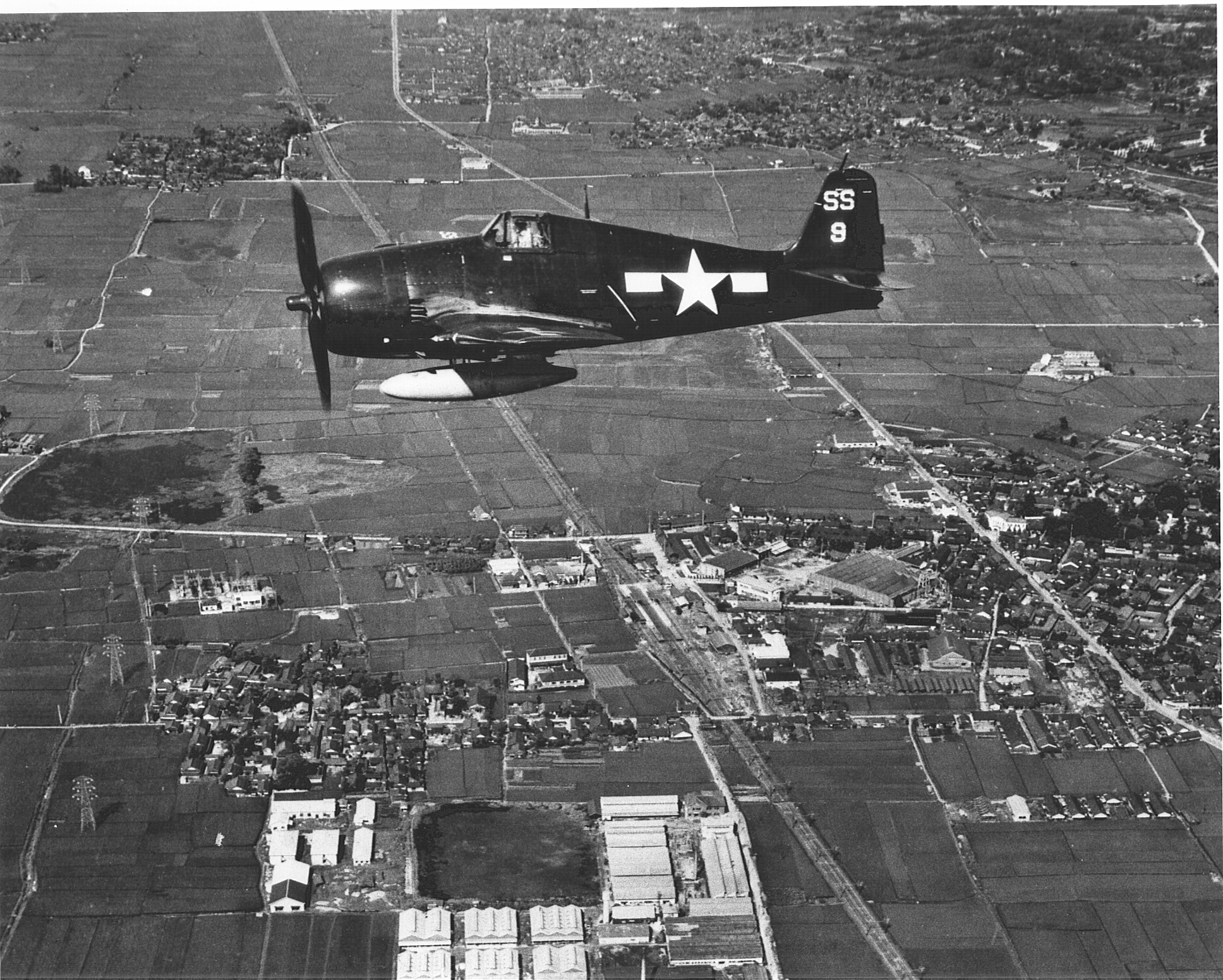
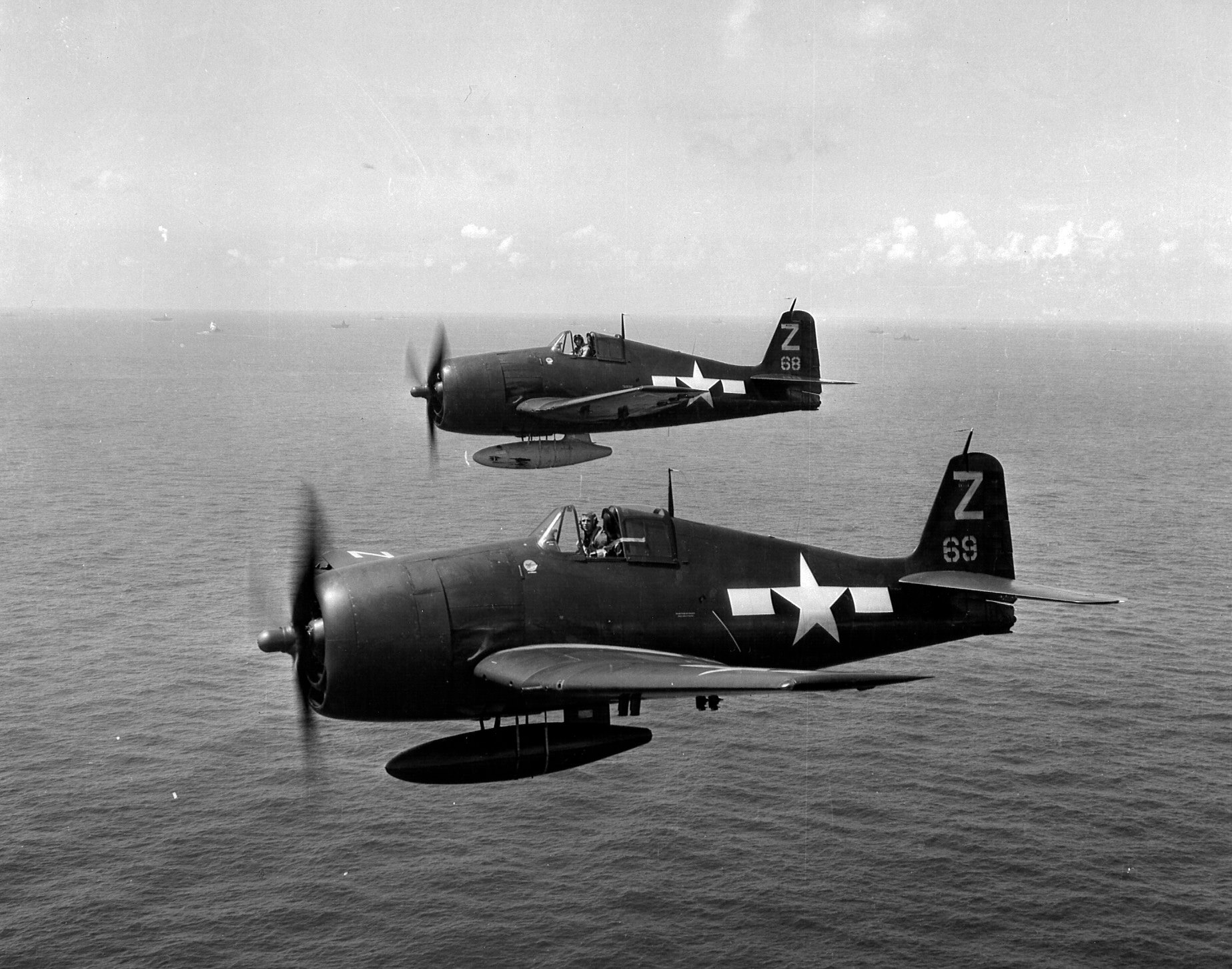
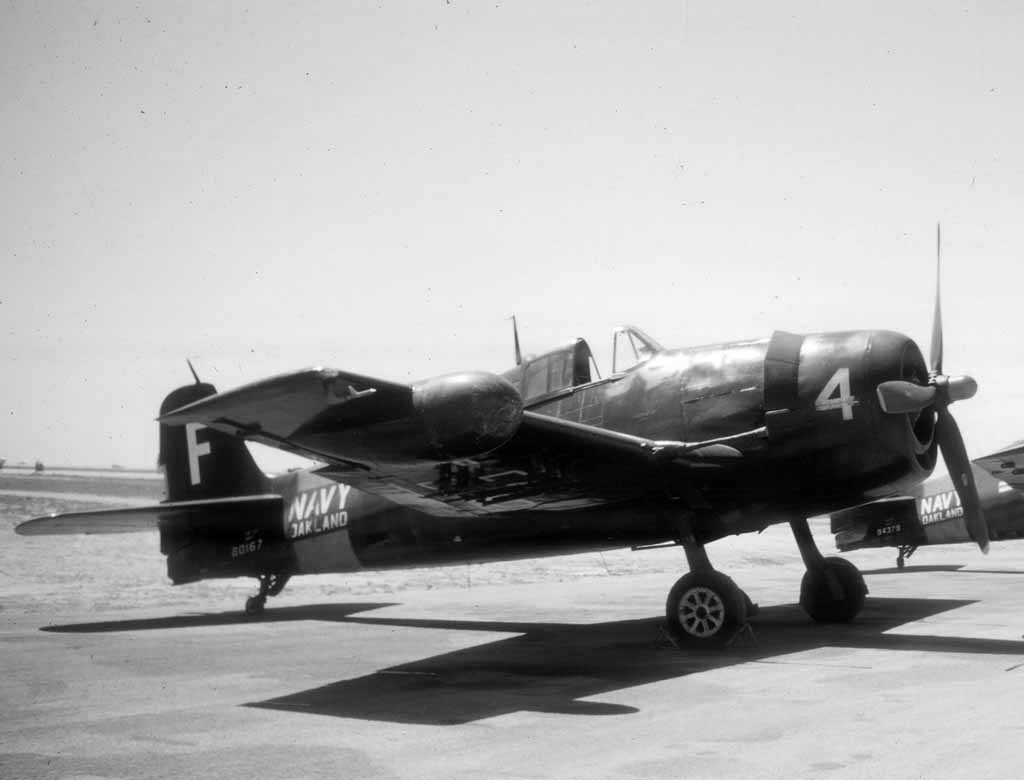
One of the earliest radar-equipped versions was the F6F-3E Hellcat, which carried the AN/APS-4 airborne interception radar inside an external streamlined pod mounted beneath the starboard wing. Unlike the later AN/APS-6 installation integrated into a dedicated wingtip radome, the APS-4 system was carried on a pylon-mounted pod, allowing engineers and operational units to evaluate airborne radar tactics without extensive modifications to the airframe. Although only a small number of F6F-3E aircraft were produced, the experience gained from their operational use directly contributed to the development of the far more successful F6F-3N and F6F-5N night fighters.
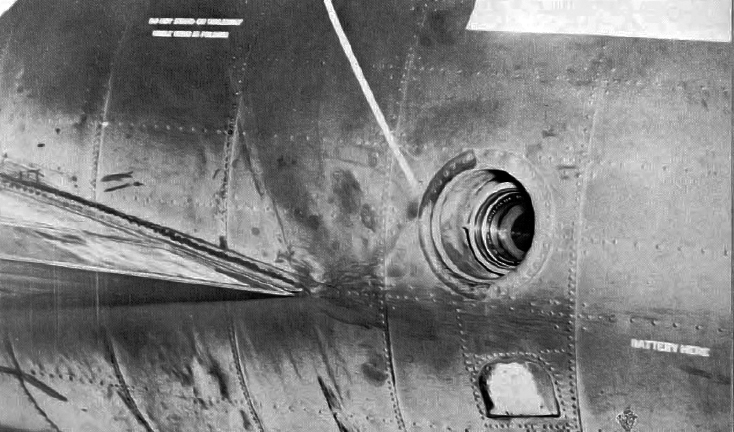
The Hellcat also proved highly effective in the photo-reconnaissance role. The dedicated F6F-5P Hellcat was equipped with specialized camera installations mounted within the rear fuselage. These aircraft performed photographic intelligence missions over enemy-held islands, naval bases, airfields, and coastal defenses throughout the Pacific Theater. Operating alone and often deep inside hostile territory, F6F-5P crews collected vital intelligence that supported amphibious assaults, strategic bombing operations, and carrier task force planning. Externally, the reconnaissance version closely resembled a standard F6F-5, making the camera ports one of the few visible recognition features.
Together, the radar-equipped F6F-3E, the night-fighting F6F-3N and F6F-5N, and the photographic reconnaissance F6F-5P demonstrate how the Hellcat evolved far beyond its original role as a carrier-based day fighter. By the end of World War II, the aircraft had become a versatile multi-role platform capable of air superiority, night interception, fleet defense, strike escort, and strategic reconnaissance missions across the vast Pacific battlefield.
Night Fighter Squadrons in the Pacific
The success of the Hellcat night fighter was due not only to technology but also to the highly trained pilots who learned to trust their instruments and radar displays.
VF(N)-76
The first dedicated Hellcat night fighter squadron. VF(N)-76
Operating from carriers including USS Yorktown, USS Hornet, USS Essex, USS Lexington and USS Bunker Hill, the squadron pioneered carrier-based night interception tactics throughout the Central Pacific.
VF(N)-41
Perhaps the most successful U.S. Navy night-fighter squadron.VF(N)-41
Operating F6F-5N Hellcat aircraft from USS Independence, the unit achieved 46 confirmed victories within only a few months of combat.
VF(N)-90 and VF(N)-91
These squadrons fought during the final campaigns against Japan in 1945, intercepting enemy bombers and protecting American fleets during operations near Luzon, Okinawa, and the Japanese Home Islands.VF(N)-90 and VF(N)-91
VMF(N)-533
The most famous Marine Corps night-fighter squadron.VMF(N)-533
Flying F6F-5N Hellcat aircraft during the Okinawa campaign, the unit achieved remarkable success against Japanese night raiders while suffering very few losses.
The Night Fighter Aces
Lieutenant Commander William E. Henry
The highest-scoring U.S. Navy Hellcat night-fighter ace.
Flying with VF(N)-41, Henry achieved 6.5 confirmed night victories and four daytime victories.
His aircraft, F6F-5N Hellcat BuNo 70222, became one of the most successful radar-equipped Hellcats of the war.
Captain Robert A. Baird
The only Marine Corps night-fighter ace of World War II.
Flying F6F-5N Hellcats with VMF(N)-533 during the Okinawa campaign, Baird scored six confirmed night victories and earned the Navy Cross.
His combat successes demonstrated the effectiveness of Marine Corps radar-guided interception operations.
Combat Over Okinawa
The Okinawa campaign represented the peak of Hellcat night-fighter operations.
Japanese bombers and kamikaze aircraft frequently approached Allied fleets under cover of darkness. Using AN/APS-6 radar systems, Hellcat pilots detected incoming attackers long before visual contact.
Night interceptions often occurred at extremely close ranges, with pilots relying entirely on radar until the final seconds of engagement.
Many Japanese aircraft never saw the Hellcat that destroyed them.
Camouflage and Markings
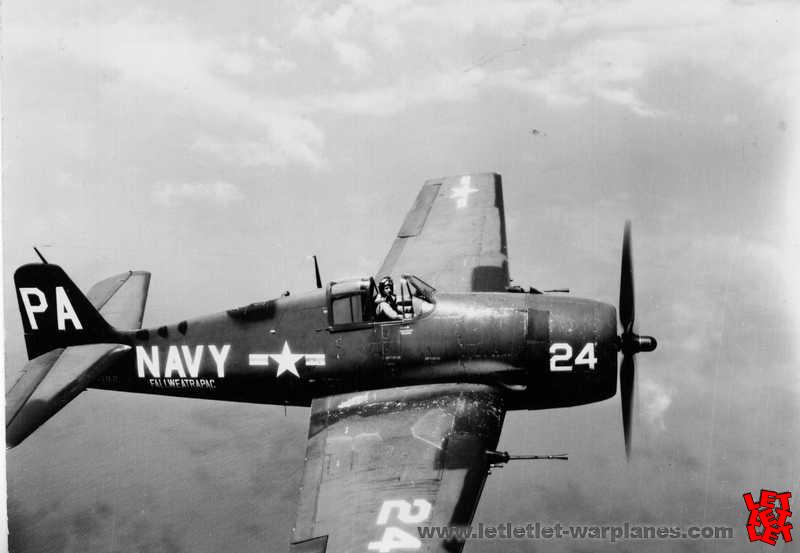
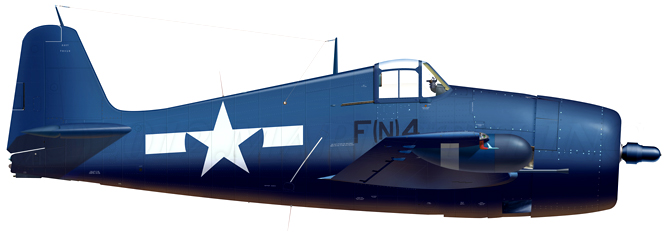
Early F6F-3N Hellcat Aircraft
Most carried the classic U.S. Navy tri-color camouflage:
| Area | FS Equivalent |
|---|---|
| Upper surfaces | FS 35042 Sea Blue |
| Mid surfaces | FS 35164 Intermediate Blue |
| Lower surfaces | FS 37875 Insignia White |
US Navy & Marine Corps WW II Camouflage (1942–1944) – Early War Paint Guide
Heavy fading was common due to the tropical Pacific environment.
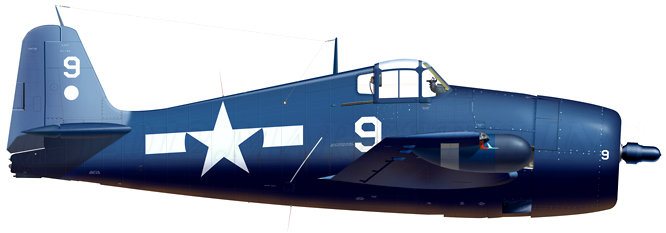
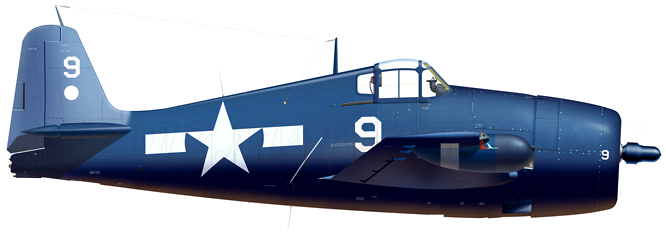
Late-War F6F-5N Hellcat Aircraft
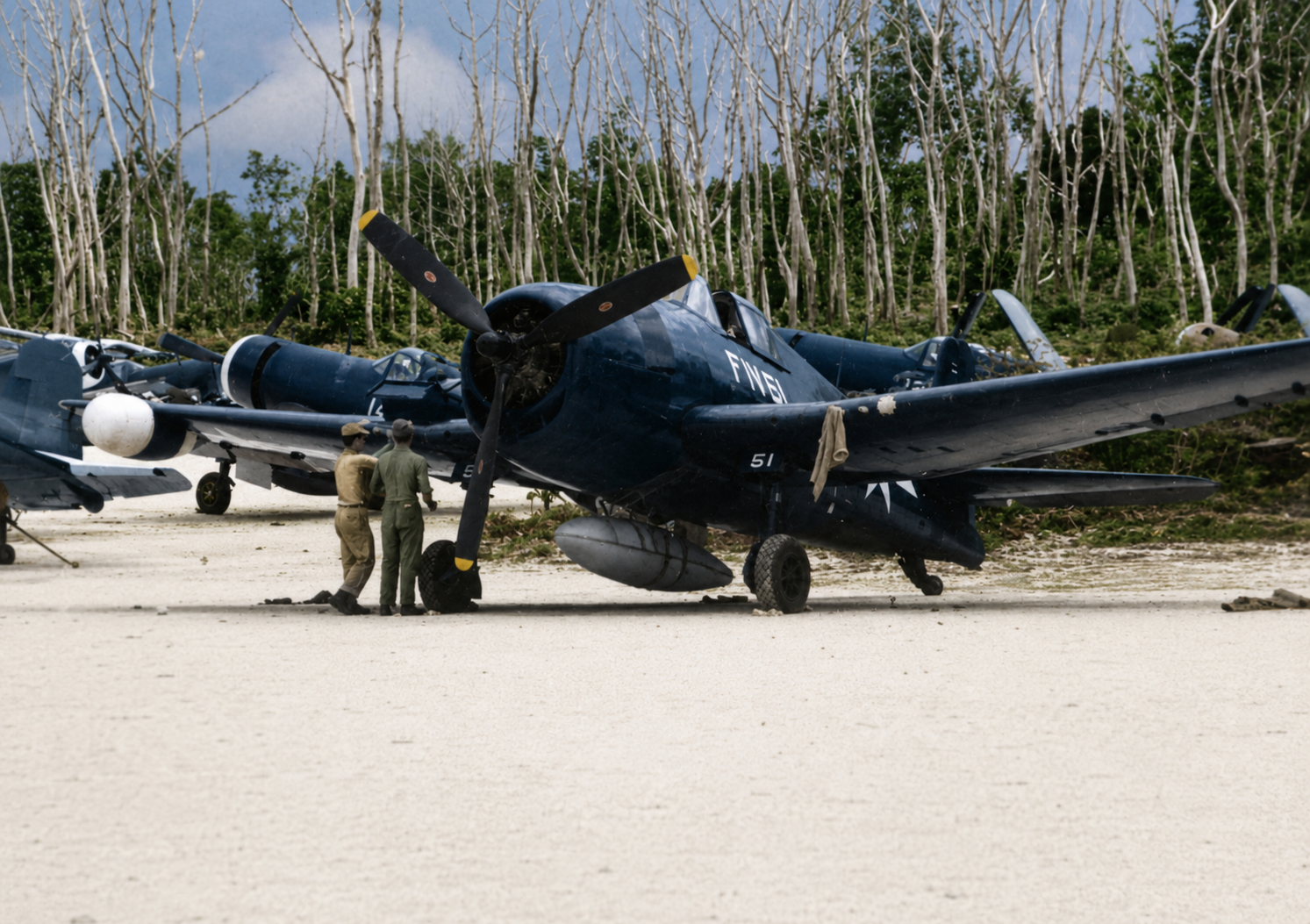
The majority appeared in overall Glossy Sea Blue.
| Area | FS Equivalent |
|---|---|
| Entire aircraft | FS 15042 Gloss Sea Blue |
U.S. Navy & Marine Corps – World War IILate War Camouflage (1944–1945)
Although technically glossy, operational aircraft rarely remained highly polished for long. Salt spray, ultraviolet exposure, and constant carrier operations quickly produced a semi-matte appearance.
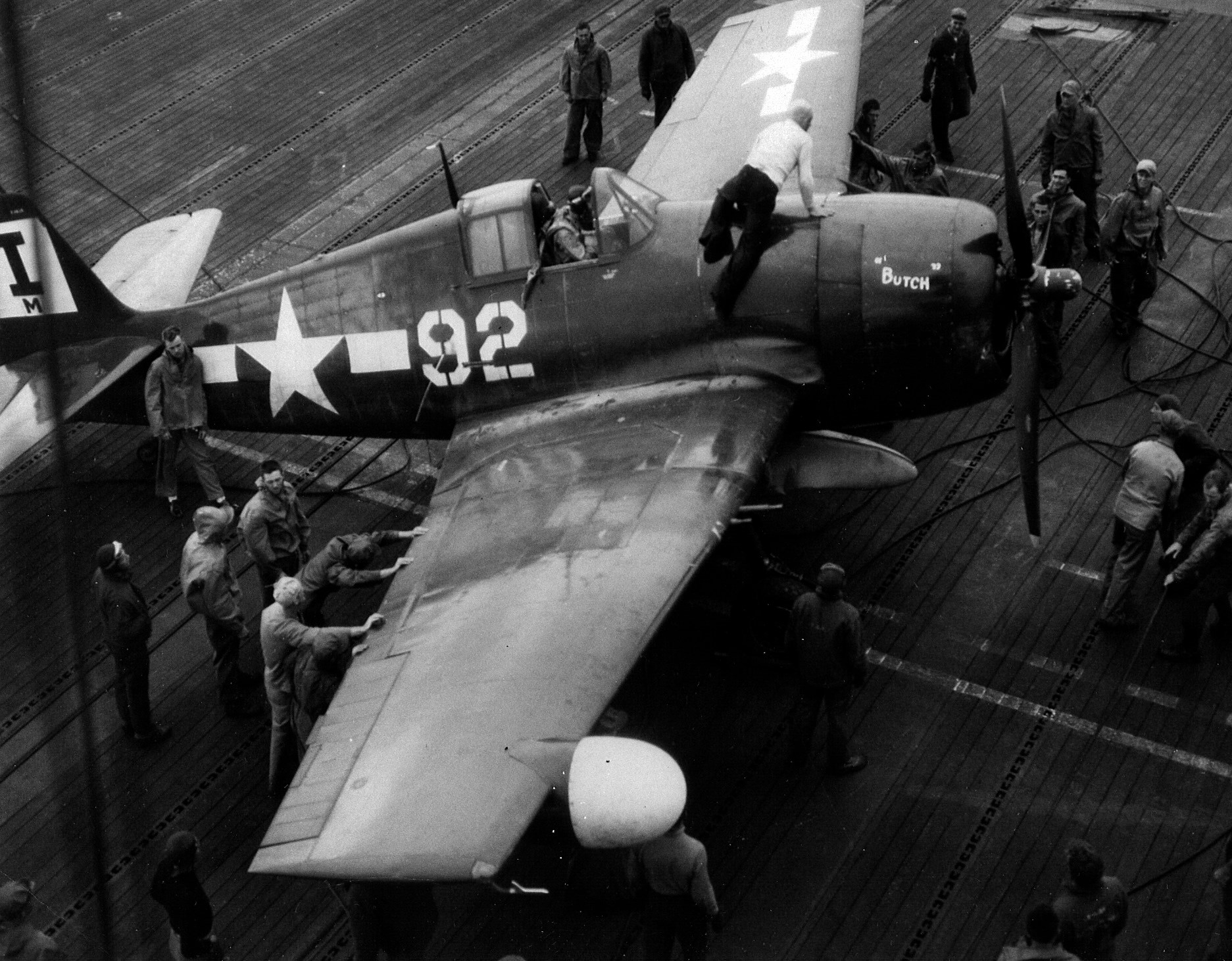
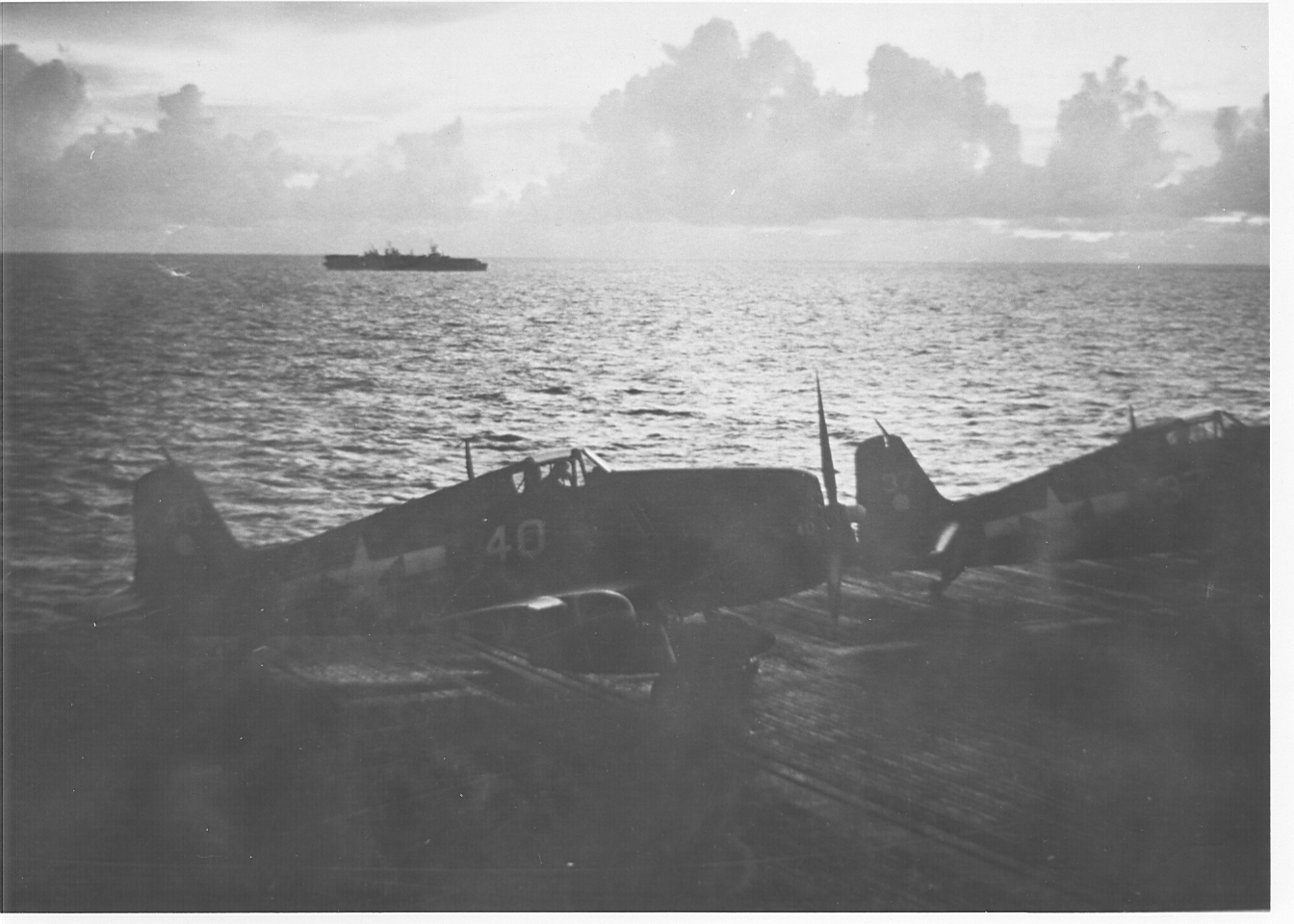
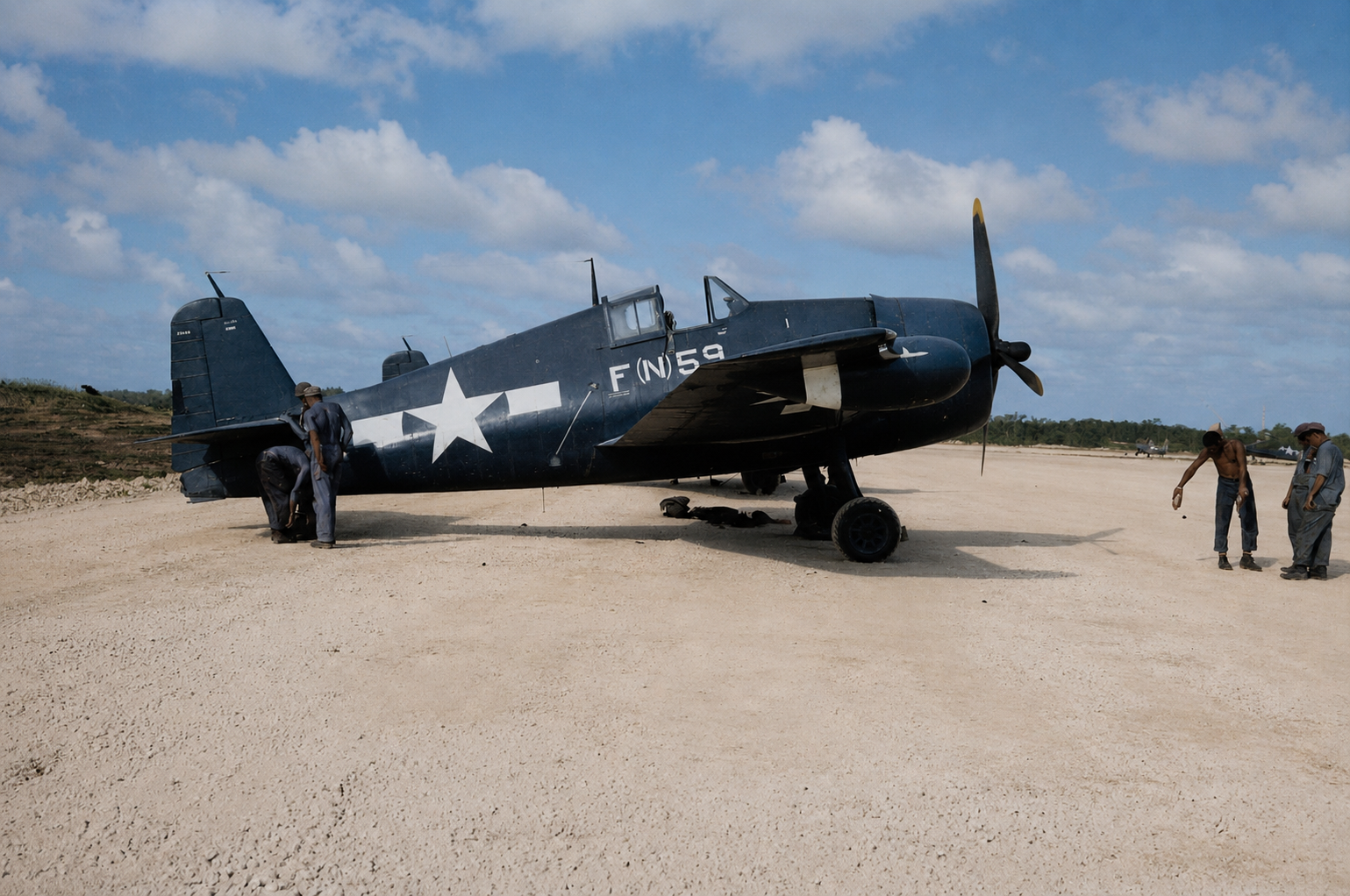
Marine Corps aircraft often carried distinctive white identification codes such as:
- F(N)-12
- F(N)-59
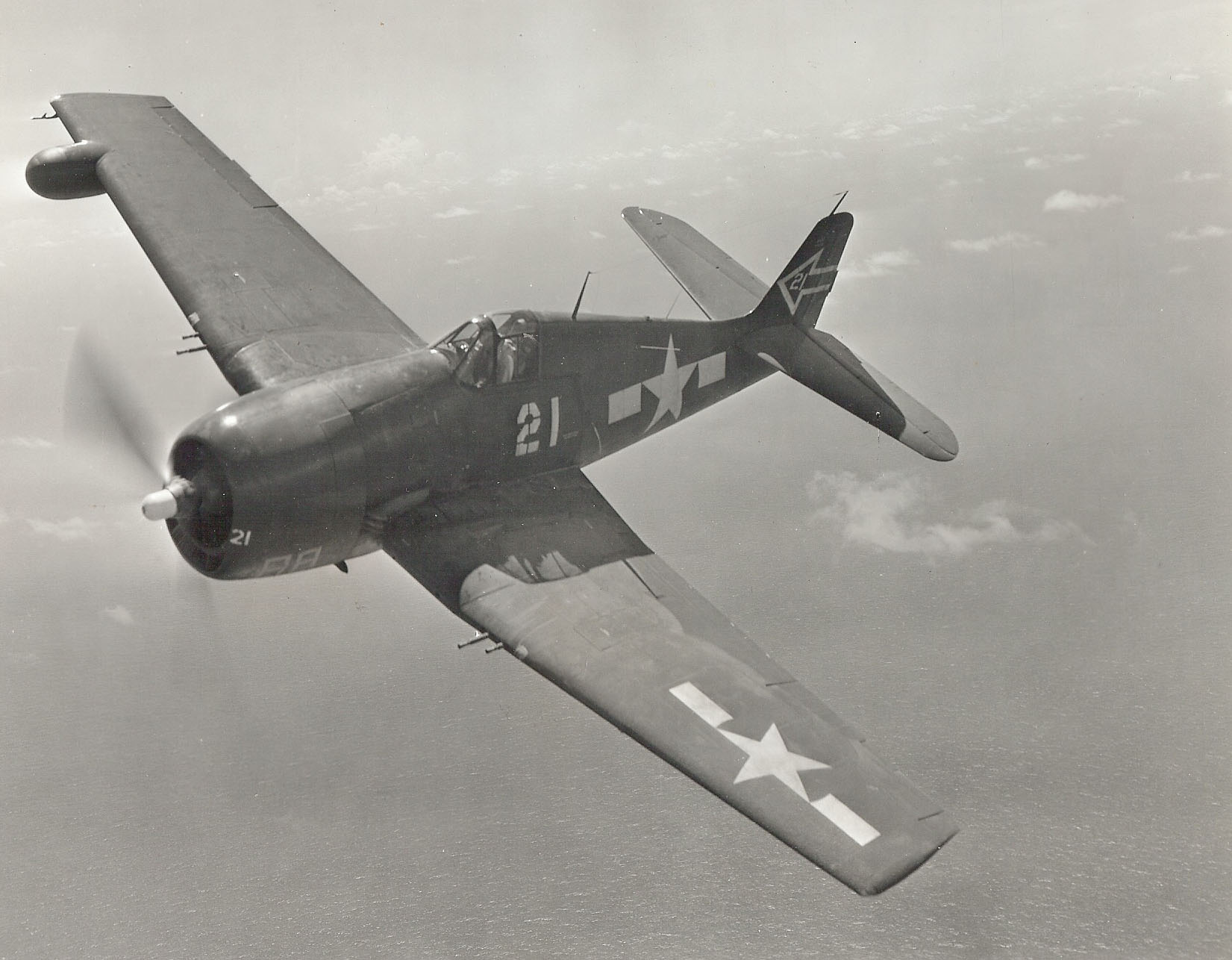
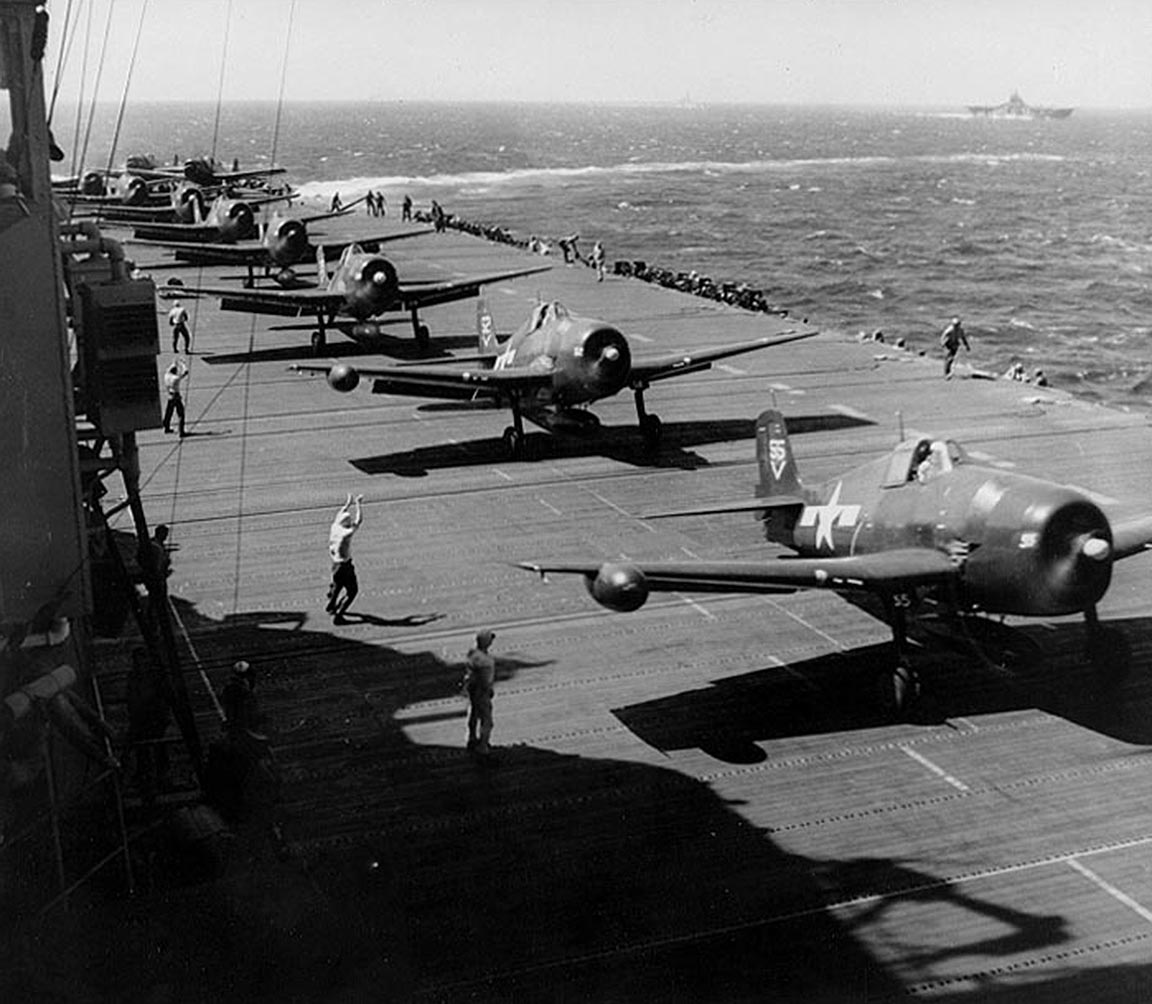
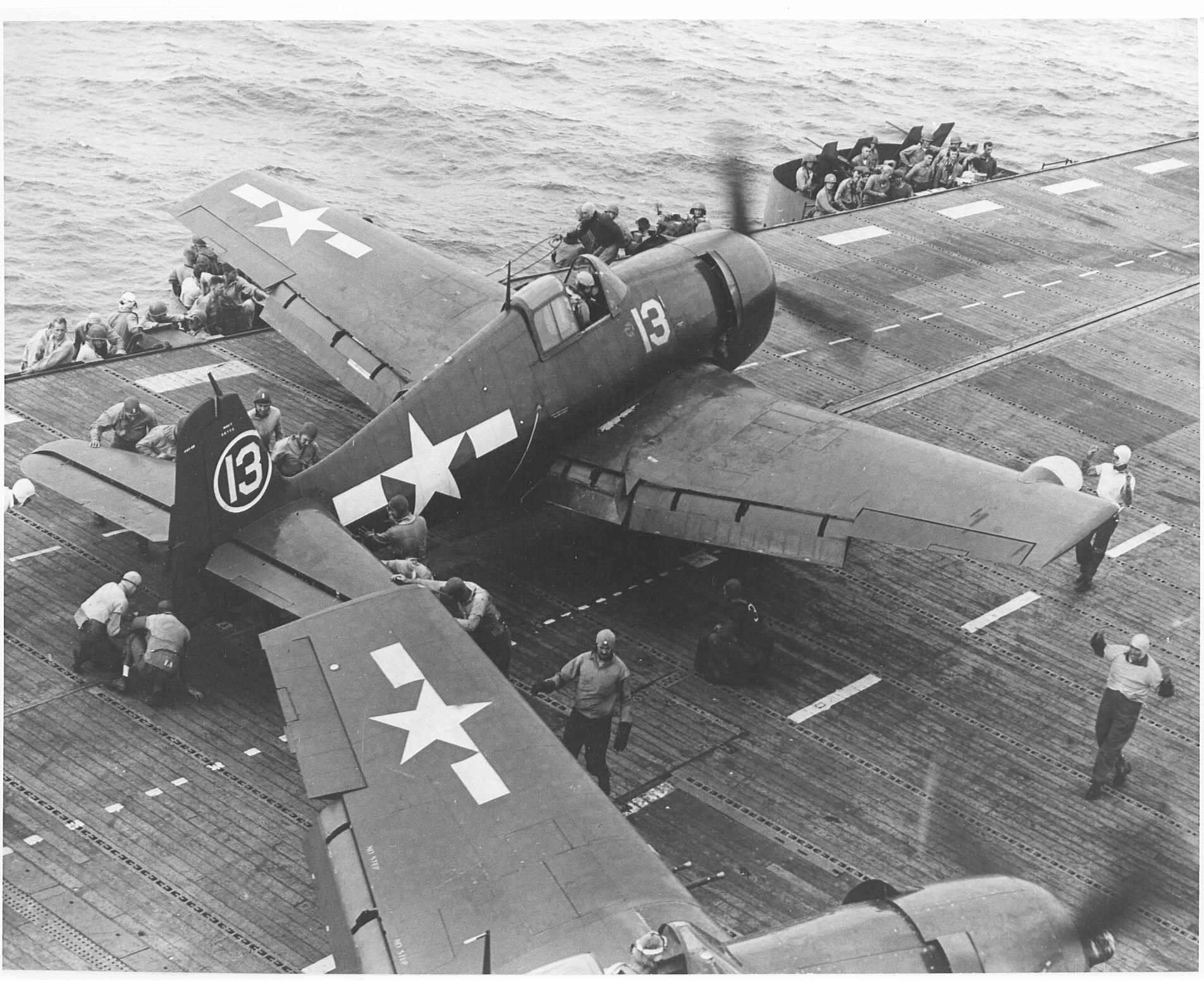
while Navy aircraft commonly displayed large white side numbers such as White 11 or White 13.
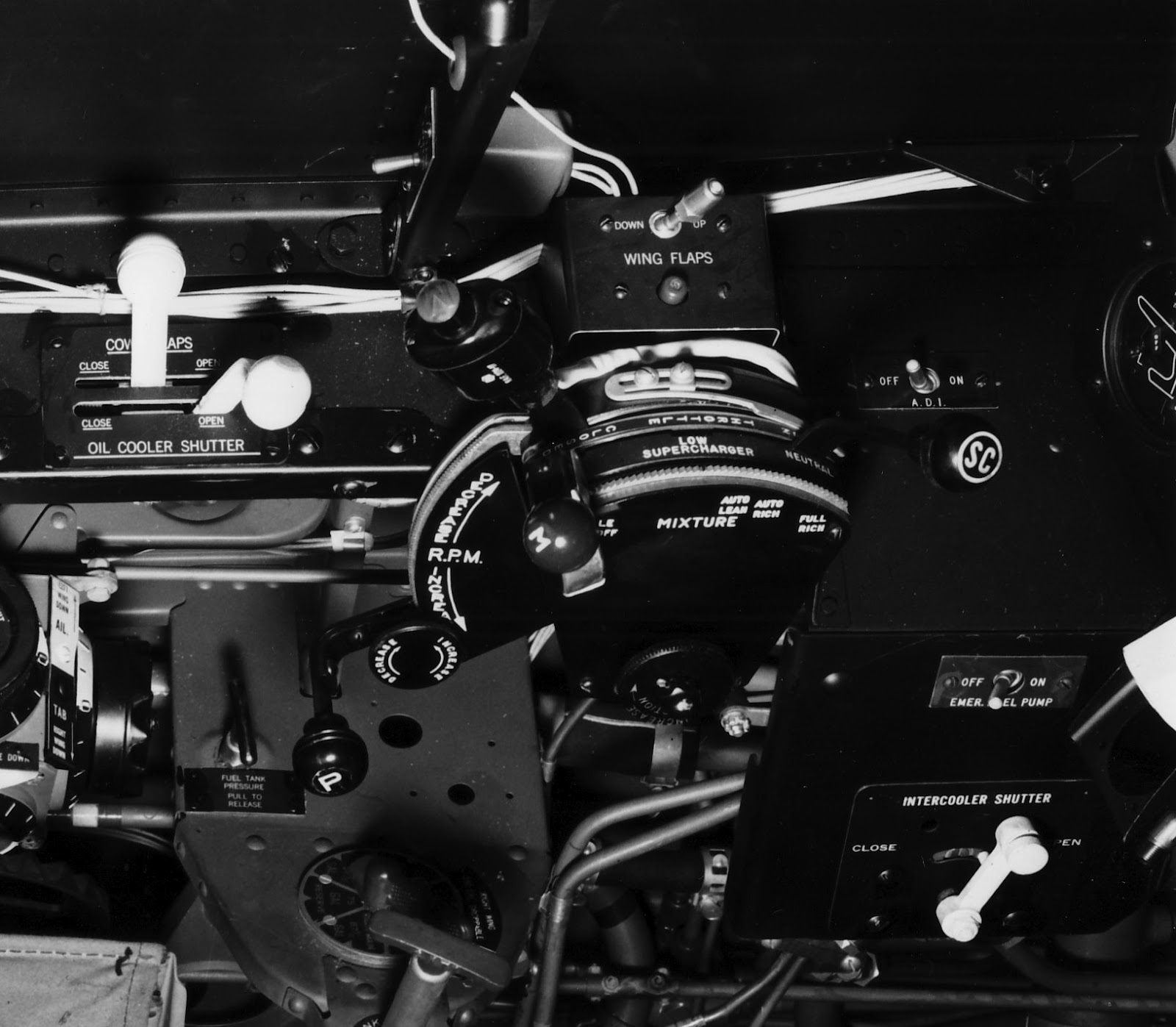
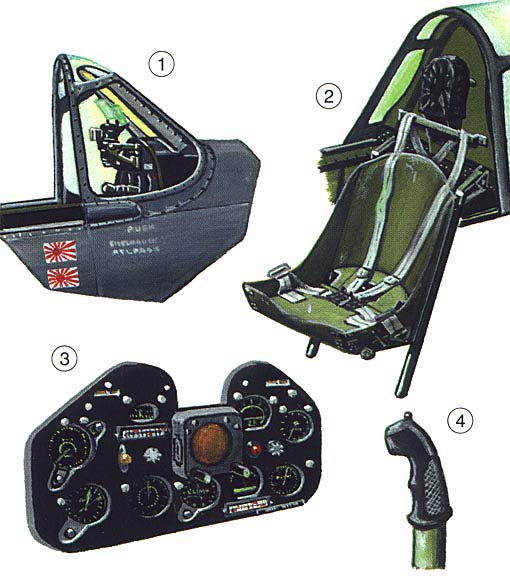
Cockpit Detailing
One of the most overlooked features of a night-fighter Hellcat is the radar equipment.
To improve realism:
- Add radar scope details.
- Install photo-etched seatbelts.
- Reproduce wiring behind the instrument panel.
- Paint the cockpit Interior Green with black instrument panels.
A small amount of dry-brushing highlights the busy appearance of wartime cockpits.
Radar Pod Accuracy
The radar radome is the defining feature of every F6F(N) Hellcat .
For maximum realism:
- Sand the seam perfectly smooth.
- Polish the surface before painting.
- Add subtle panel-line shading.
- Avoid excessive weathering on the fiberglass radome.
The radar pod often weathered differently from the surrounding wing structure.
Engine and Exhaust Weathering
The Pratt & Whitney R-2800 generated significant exhaust staining.
Apply:
- Dark brown base stains
- Gray transition layers
- Black soot near the exhaust exits
Keep the pattern asymmetrical, as photographs show considerable variation between aircraft.
Realistic Pacific Weathering
The harsh Pacific climate produced:
- Sun fading
- Salt streaking
- Oil leaks
- Exhaust deposits
- Chipped wing-root paint
The most worn areas were:
- Wing roots
- Ammunition access panels
- Engine cowling fasteners
- Boarding steps
Moderation is essential. Hellcats were rugged aircraft and generally better maintained than many land-based fighters.
Diorama Ideas
Some of the most interesting Hellcat night-fighter scenes include:
Okinawa Night Interceptor
An F6F-5N Hellcat armed and ready during a nighttime alert mission.
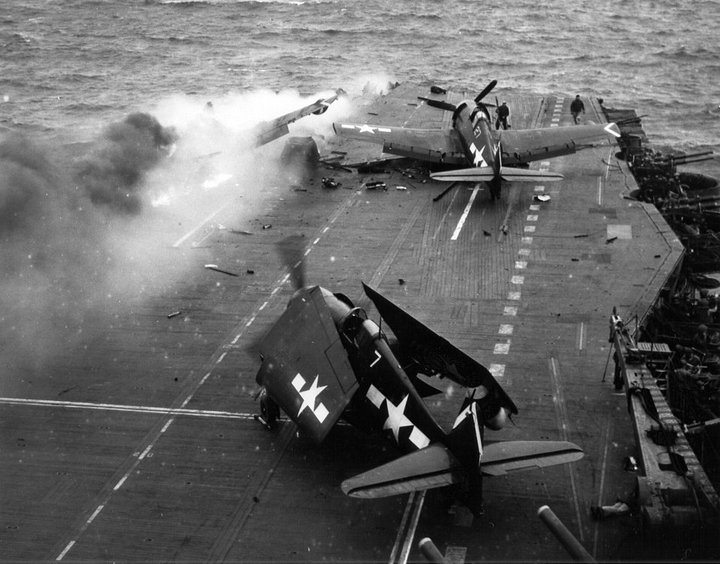
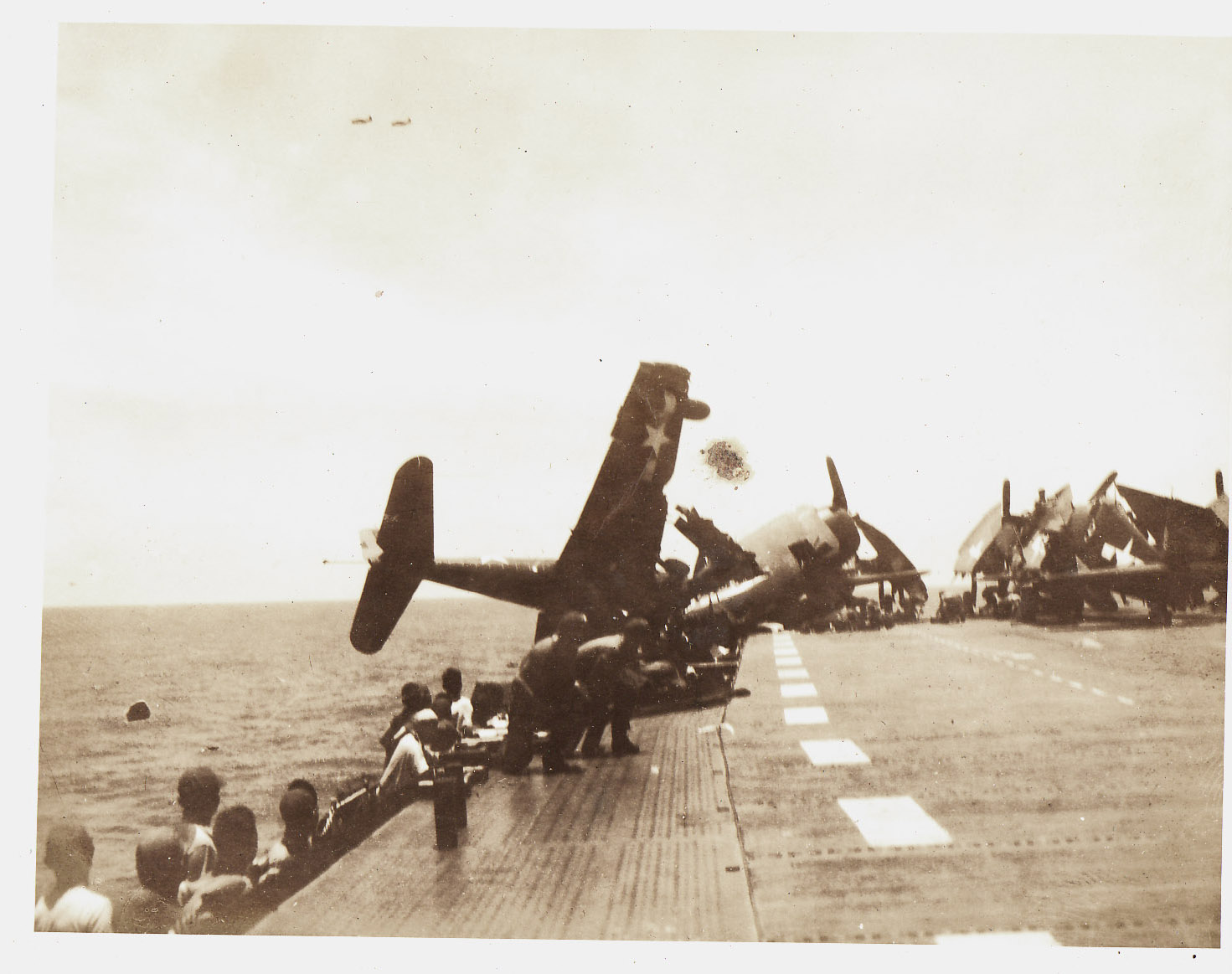
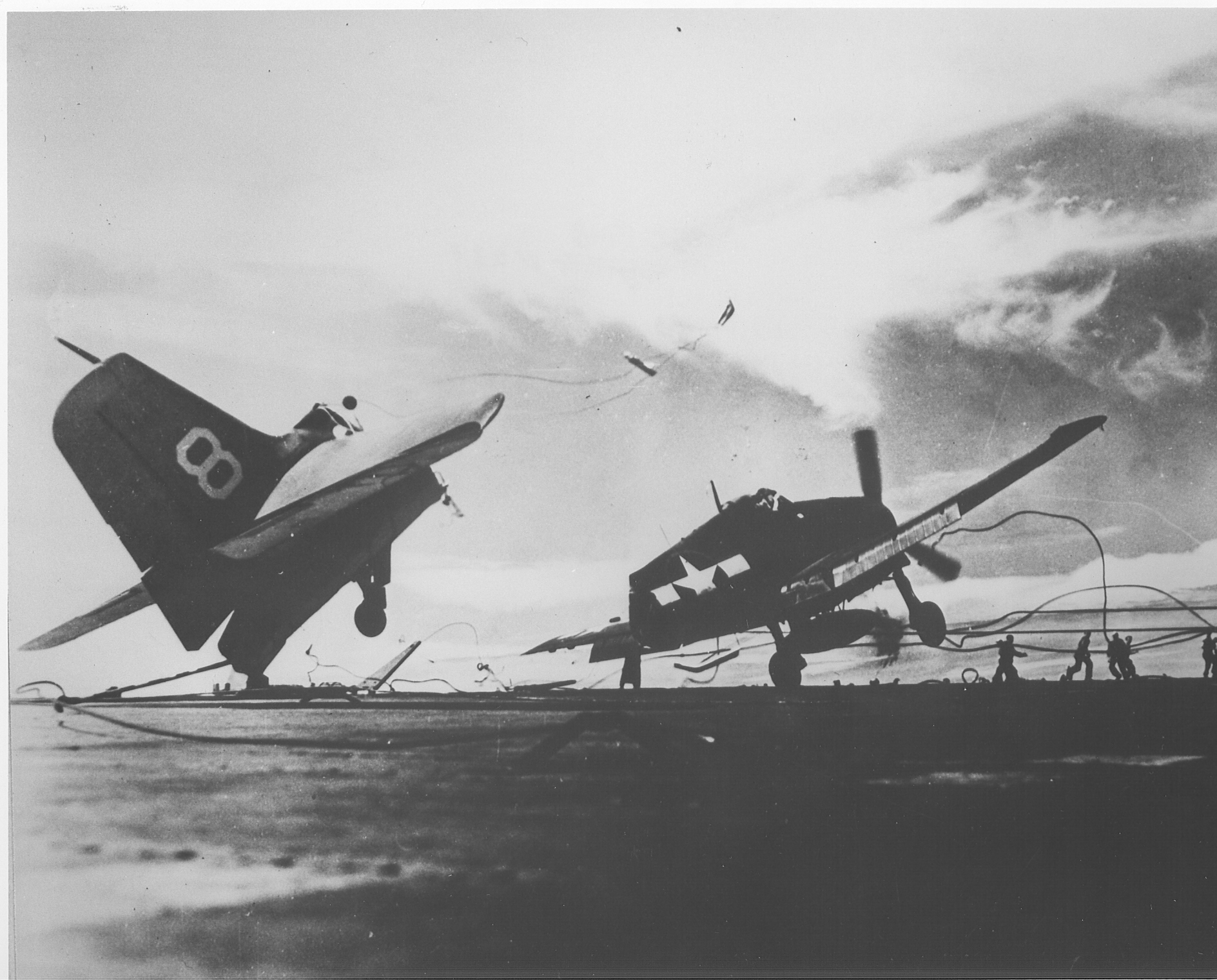
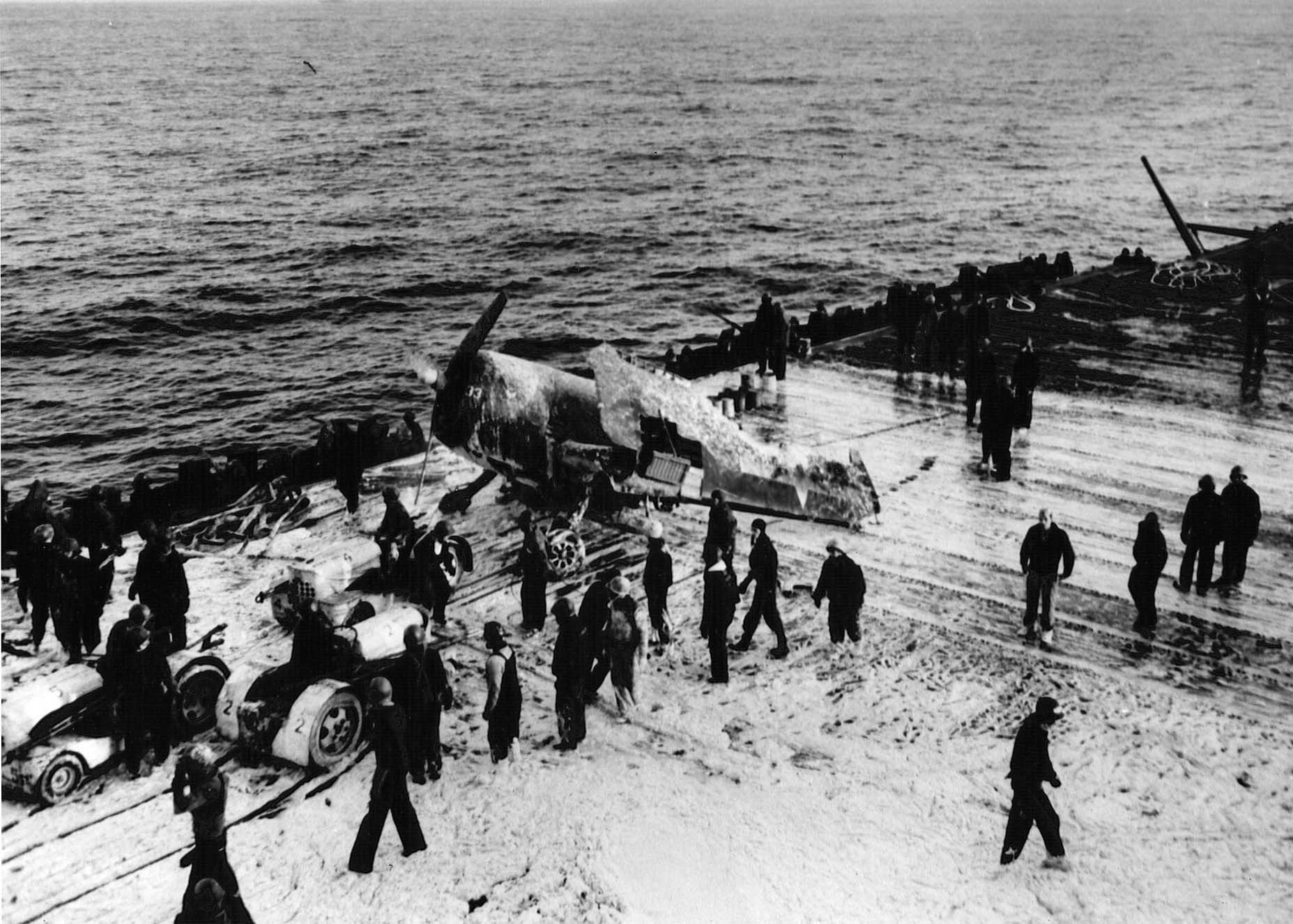
Carrier Deck Maintenance
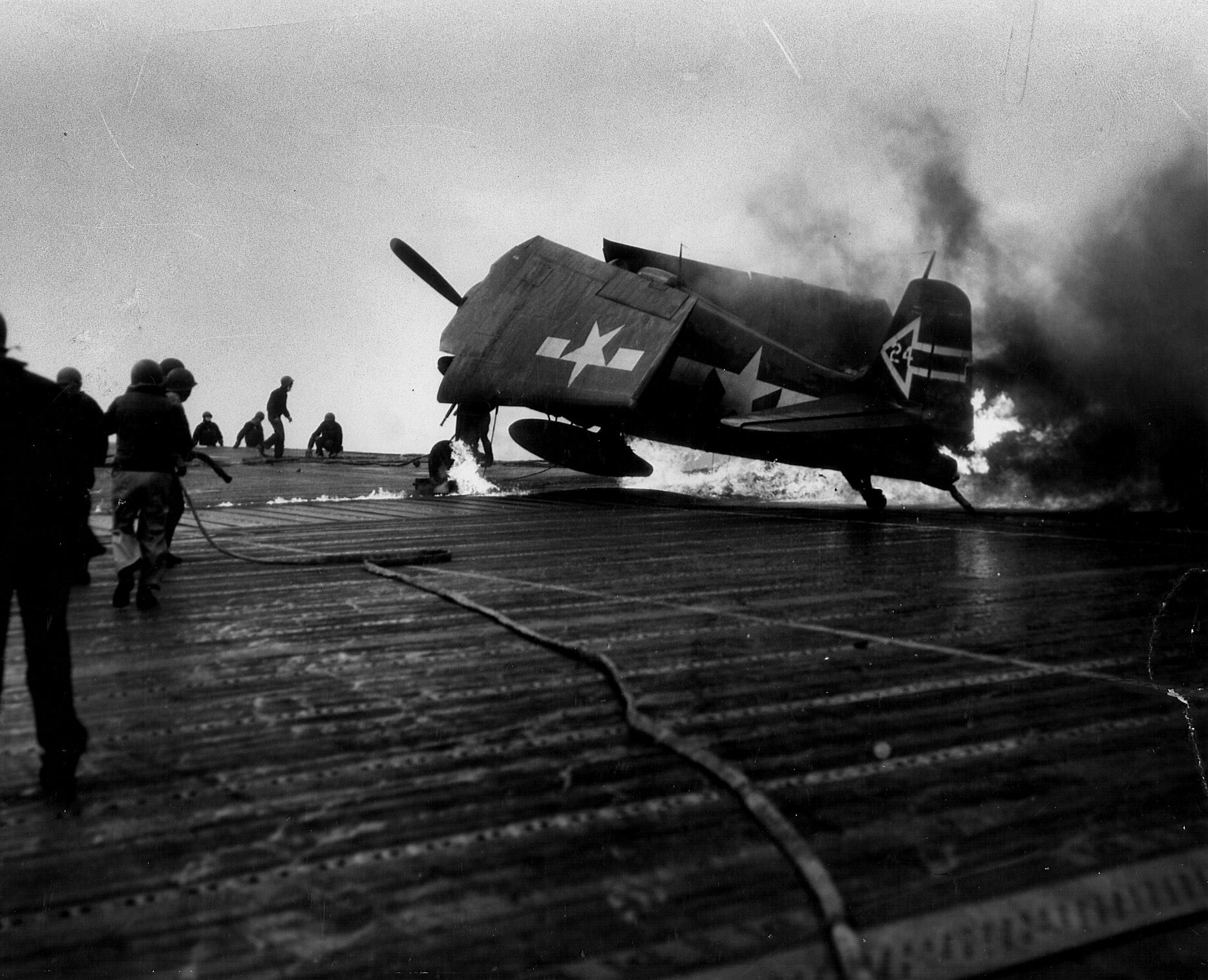
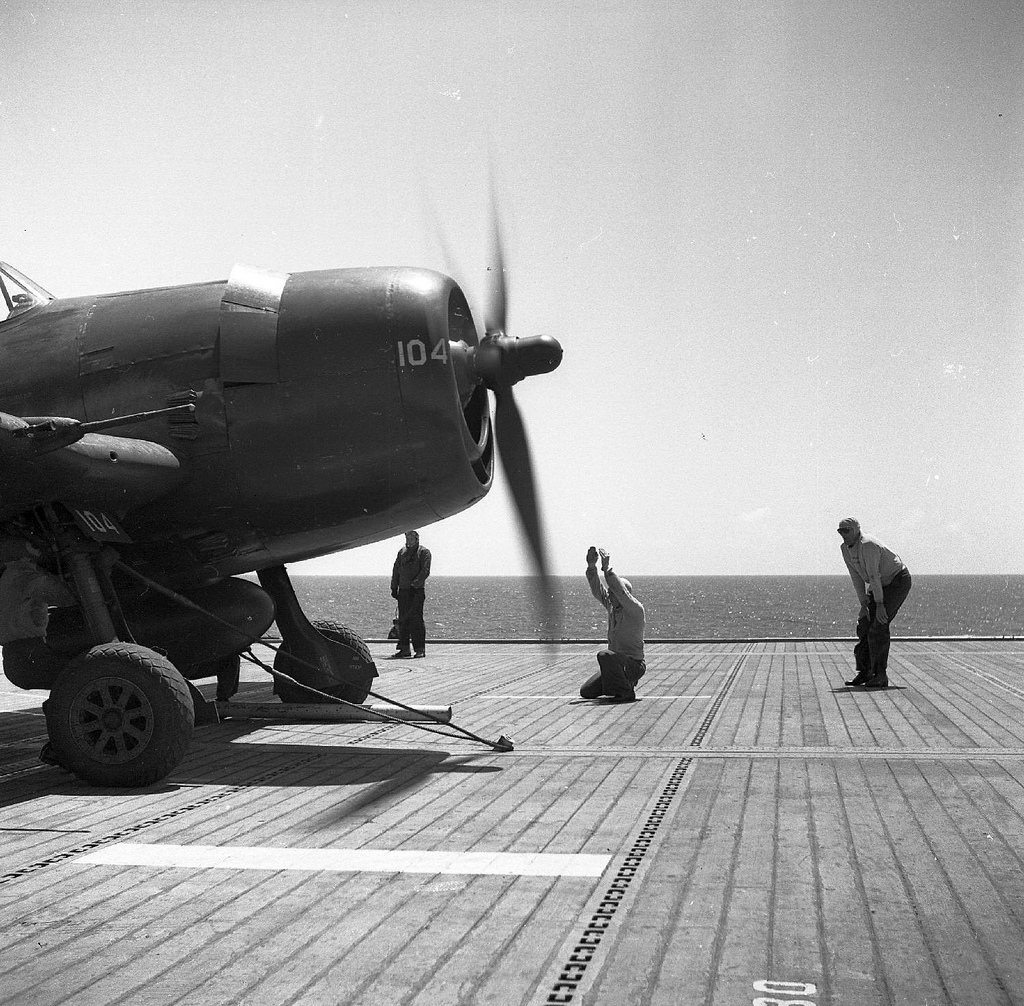
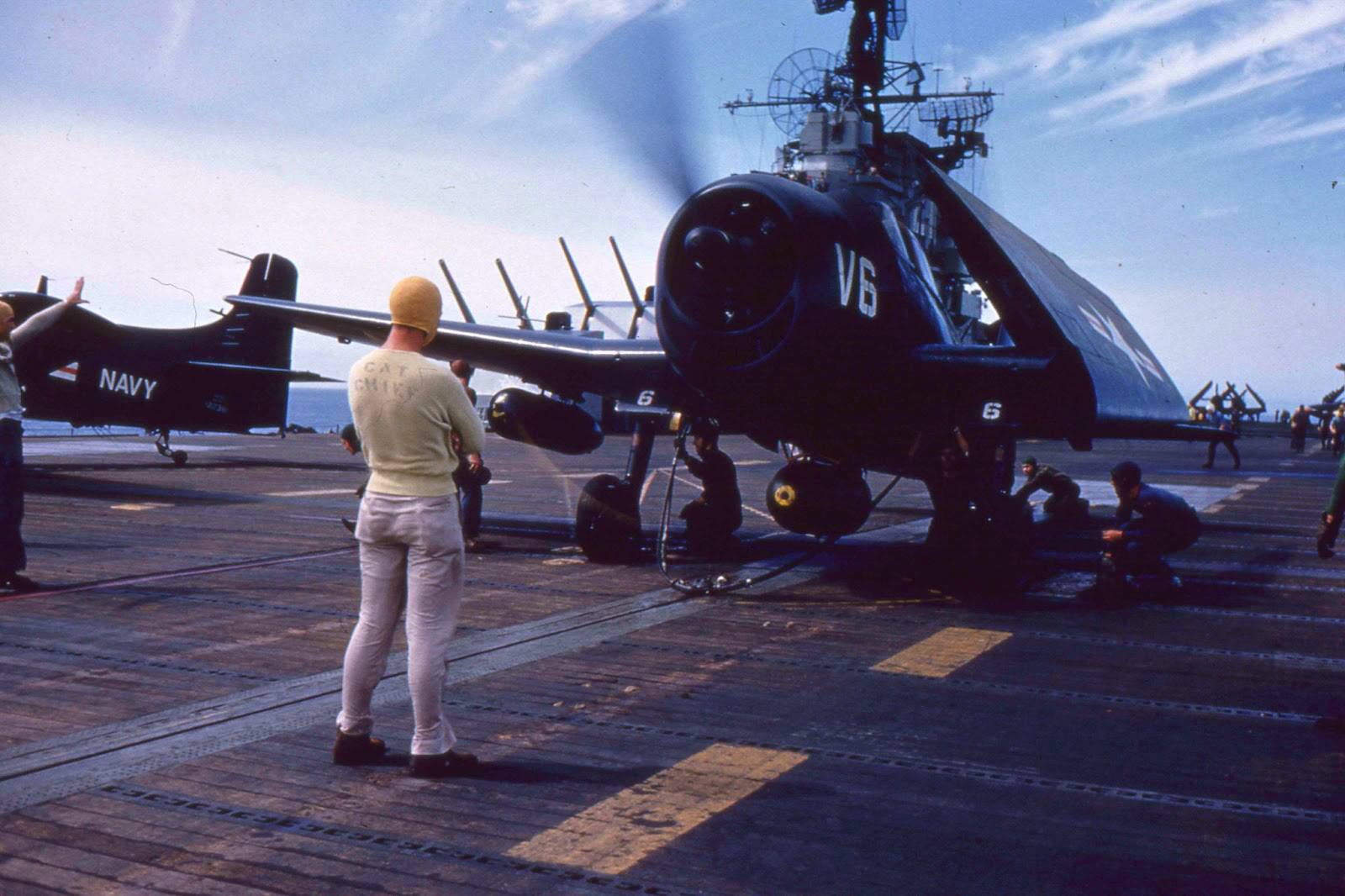
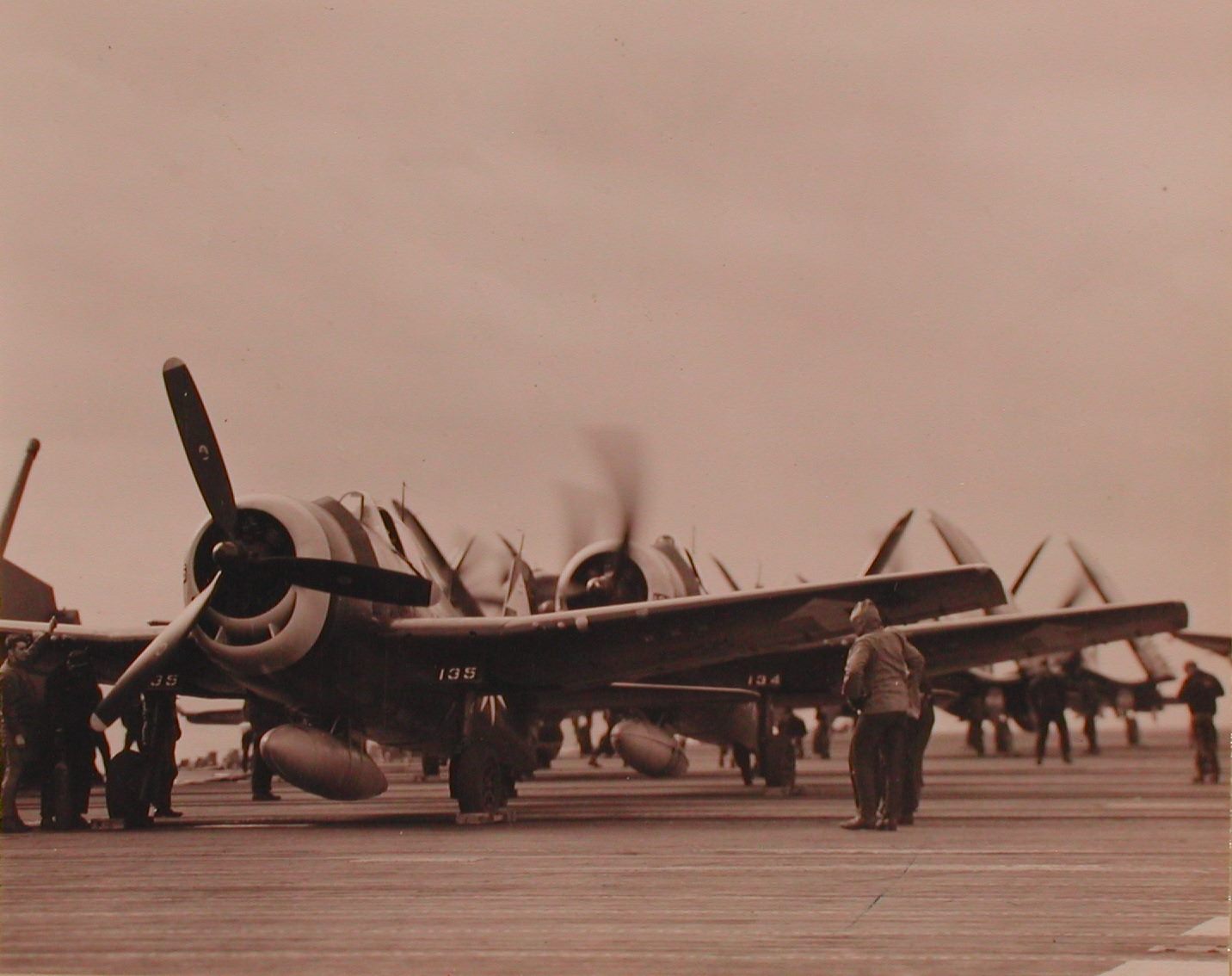
Folded wings, mechanics, ammunition carts, and radar technicians preparing an aircraft for launch.
VMF(N)-533 Dispersal Area
A Marine Corps F6F-5N Hellcat parked beside sandbag revetments on Okinawa shortly before a night patrol mission.
Legacy
The F6F Hellcat earned its place as one of history’s greatest naval fighters, but the radar-equipped night-fighter versions demonstrated an entirely new dimension of air warfare. Operating in darkness, guided by pioneering airborne radar, these aircraft protected fleets, invasion forces, and airfields throughout the Pacific.
For aviation historians, the F6F-3N Hellcat and F6F-5N Hellcat represent the birth of modern naval night interception. For modelers, they offer a unique combination of technical complexity, historical significance, and visual appeal that makes them among the most rewarding F6F Hellcat variants to build.
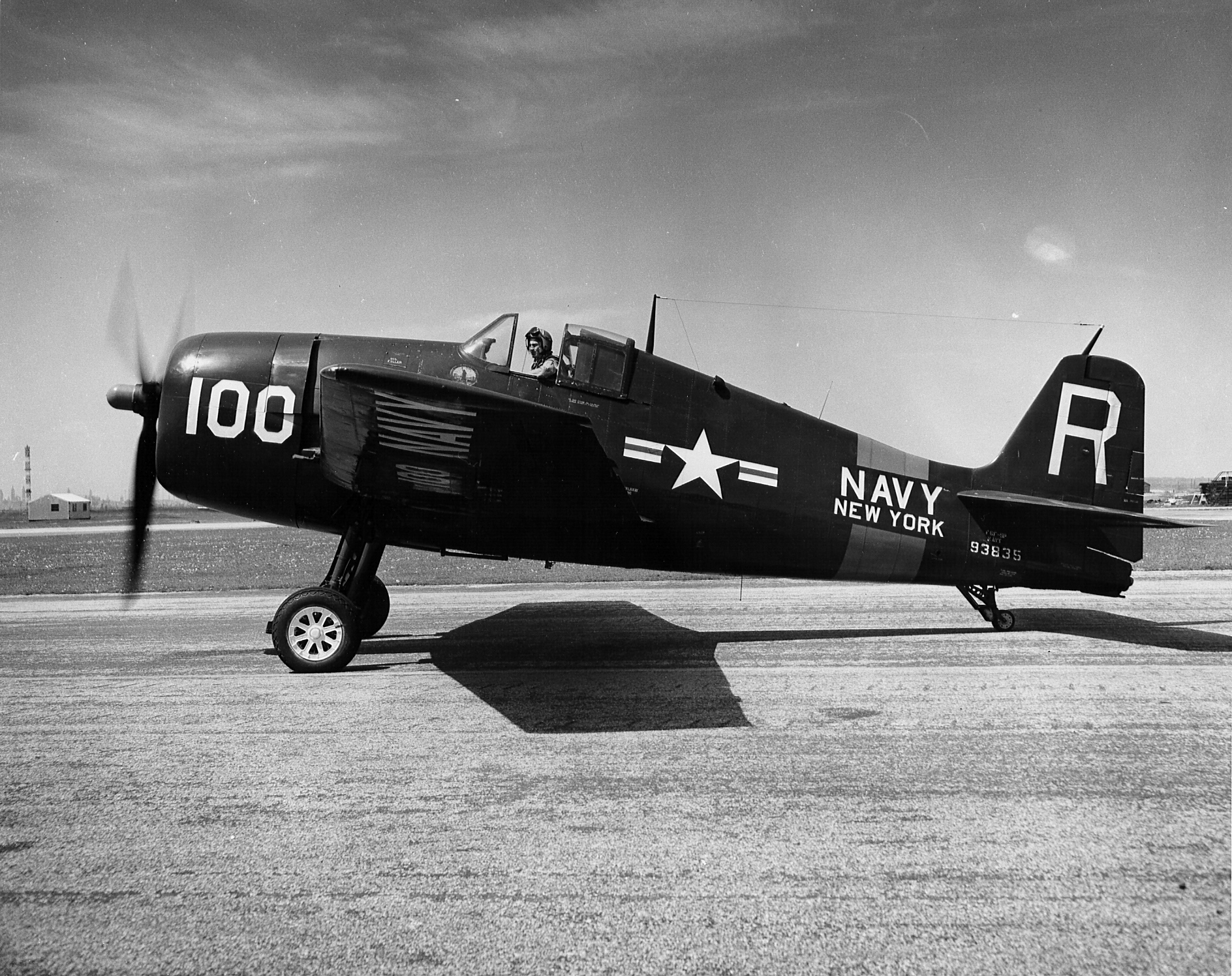
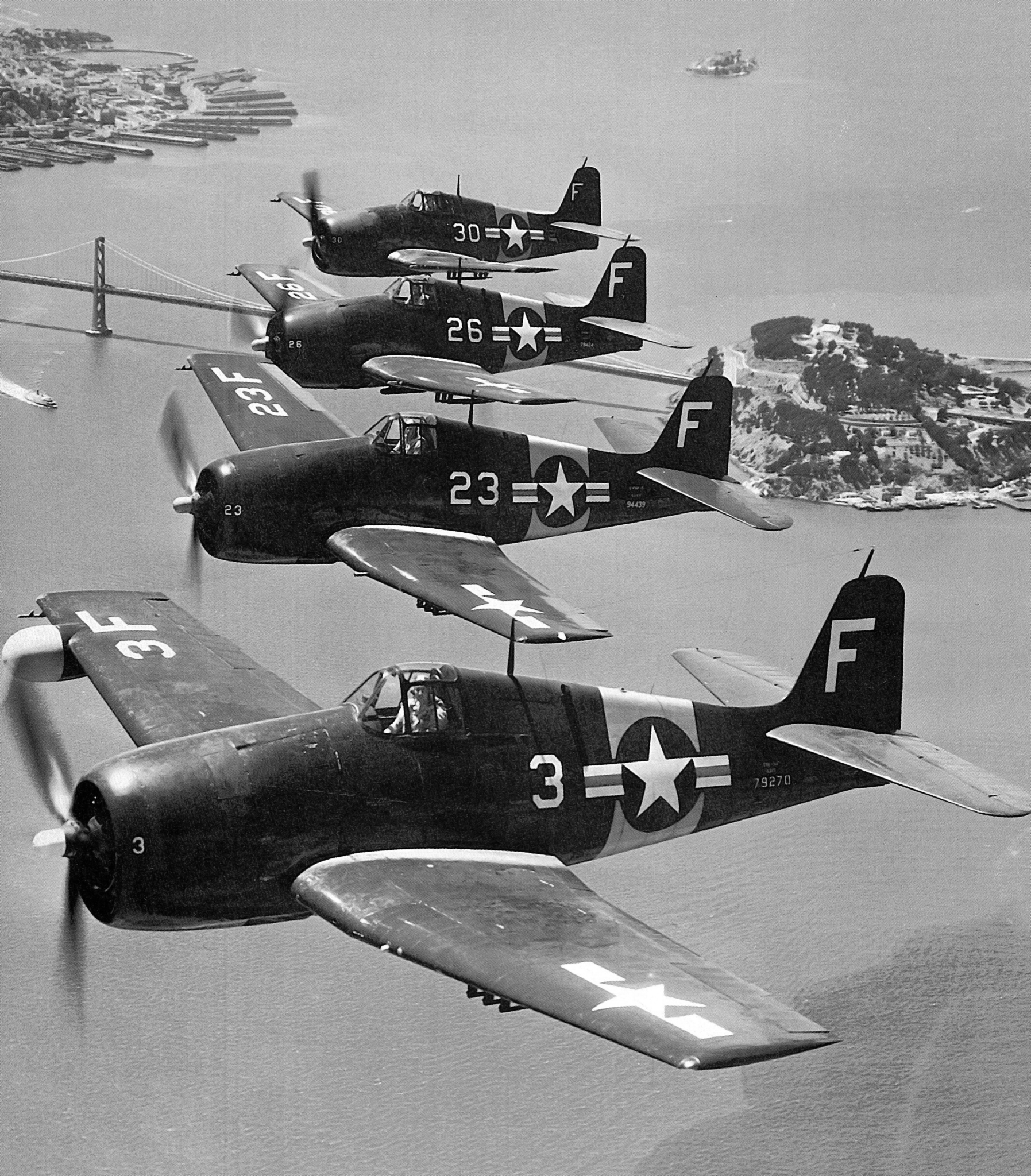
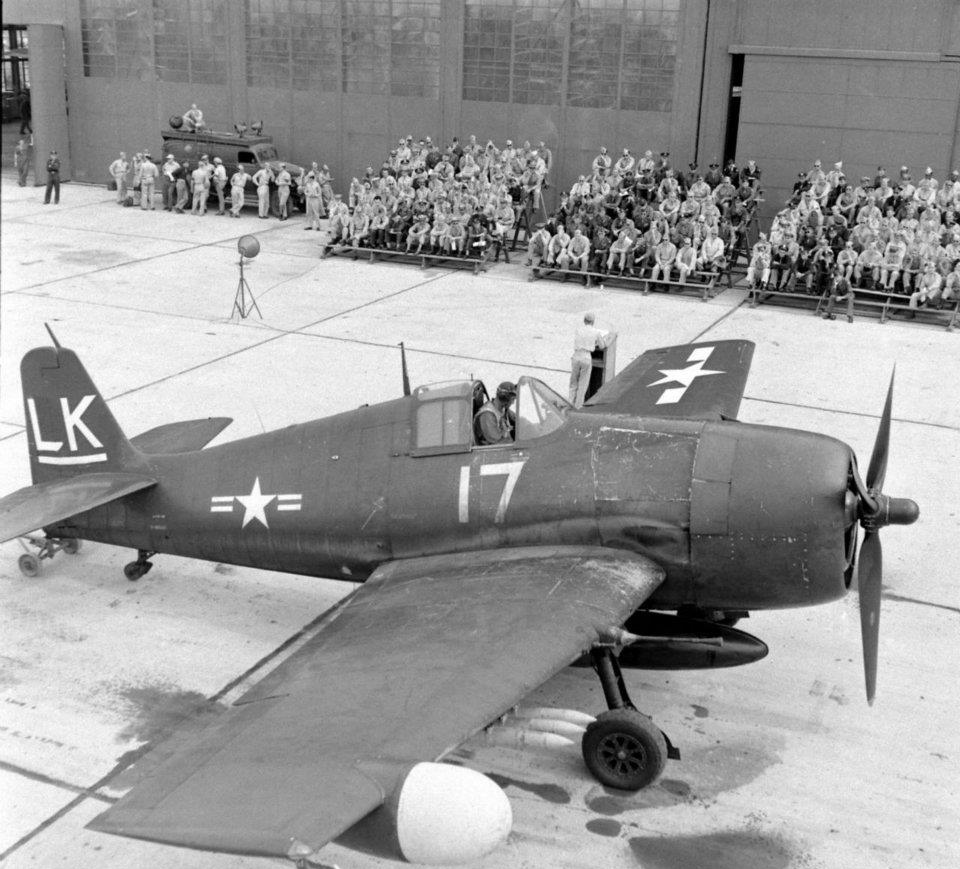
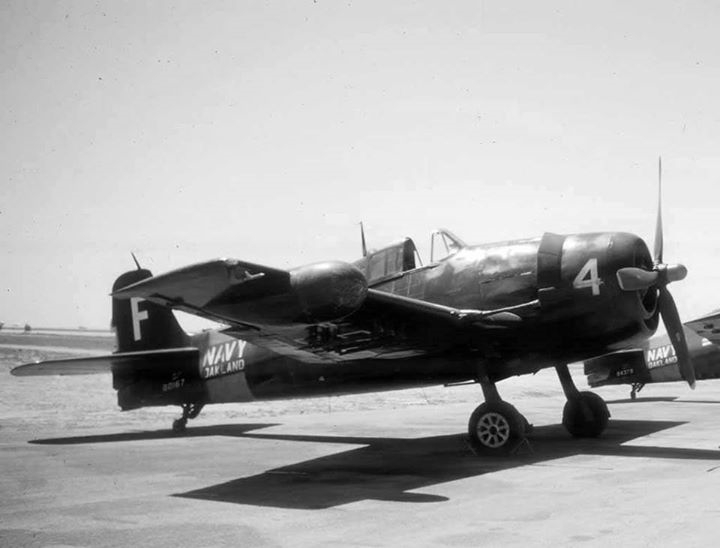
![F6F-5N Hellcat VMF(N)-541]](https://forum.gmodelart.com/wp-content/uploads/2026/05/VMF-541-03.jpg)
![F6F-5N Hellcat VMF(N)-541]](https://forum.gmodelart.com/wp-content/uploads/2026/05/VMF-541-09.jpg)
![F6F-5N Hellcat VMF(N)-541]](https://forum.gmodelart.com/wp-content/uploads/2026/05/222908_199815366721264_167963059906495_495797_1233972_n.jpg)
![F6F-5N Hellcat VMF(N)-541]](https://forum.gmodelart.com/wp-content/uploads/2026/05/298258_247084208661046_167963059906495_679797_6976149_n.jpg)
![F6F-5N Hellcat VMF(N)-541]](https://forum.gmodelart.com/wp-content/uploads/2026/05/F6F-5N_Hellcat_59_of_VMFN-541_Peleliu_1944.jpg)
![F6F-5N Hellcat VMF(N)-541]](https://forum.gmodelart.com/wp-content/uploads/2026/05/73495172_2736658503040753_5666384597387051008_n-1.jpg)
![F6F-5N Hellcat VMF(N)-541]](https://forum.gmodelart.com/wp-content/uploads/2026/05/f6f-5n-hellcat-ofvmfn-511-pictured-taxiing-on-the-flight-deck-of-the-escort-carrier-block-island-cve-106-february-4-1945_18680804935_o.jpg)
![F6F-5N Hellcat VMF(N)-541]](https://forum.gmodelart.com/wp-content/uploads/2026/05/F6F-5N-NHC-012.jpg)
![F6F-5N Hellcat VMF(N)-541]](https://forum.gmodelart.com/wp-content/uploads/2026/05/7db3533eae0246eb06433c5d6f47f1a7-medium-html.jpg)
![F6F-5N Hellcat VMF(N)-541]](https://forum.gmodelart.com/wp-content/uploads/2026/05/9d791271-1443-46b1-a458-658a00a6659f.jpg)
![F6F-5N Hellcat VMF(N)-541]](https://forum.gmodelart.com/wp-content/uploads/2026/05/126.jpg)