article
Greek Mirage 2000EGM / BGM and Mirage 2000-5EG / 5BG
Hellenic Air Force – History, Squadrons, Weapons, Colours, Weathering and Scale Modelling Guide
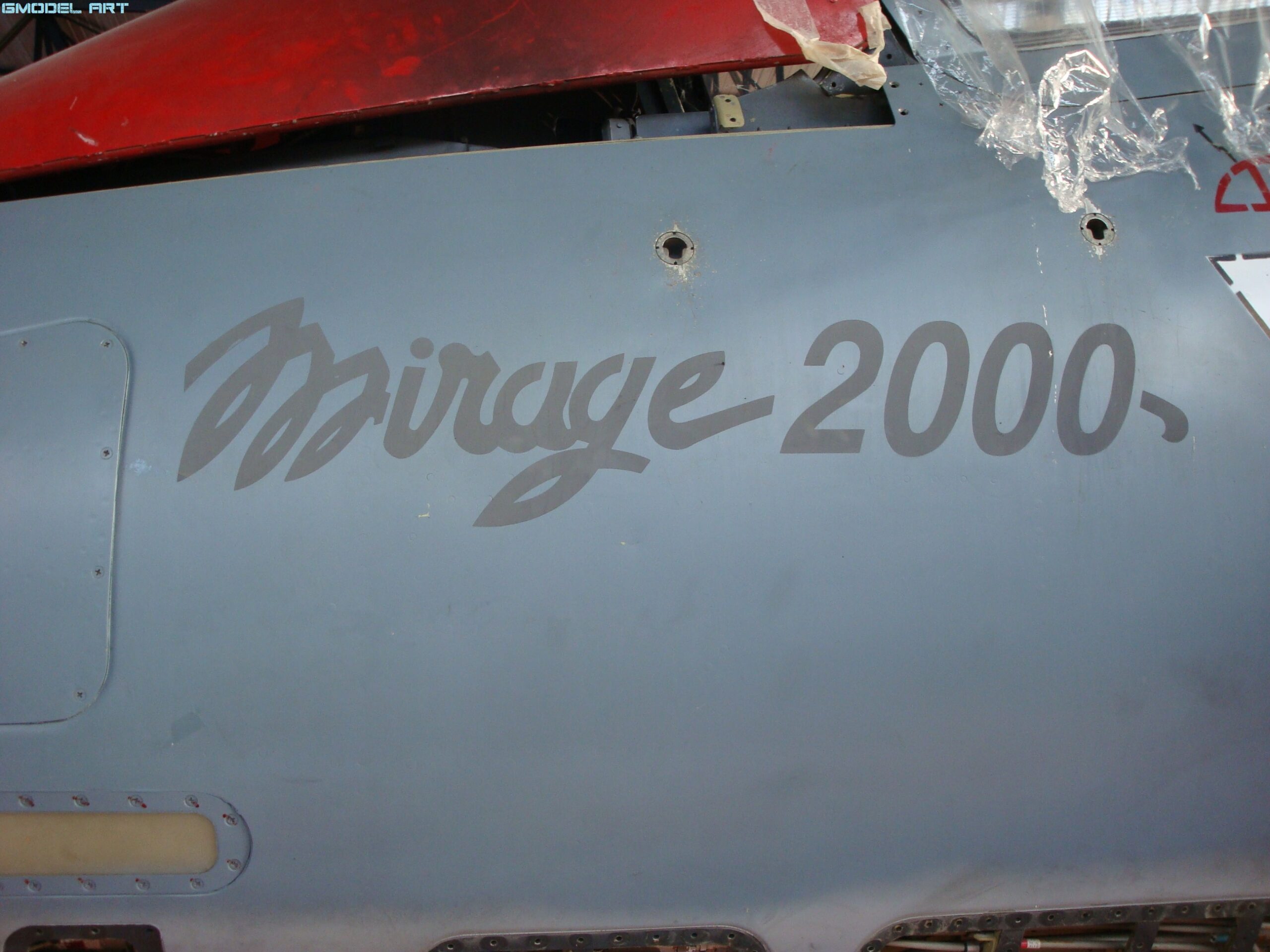
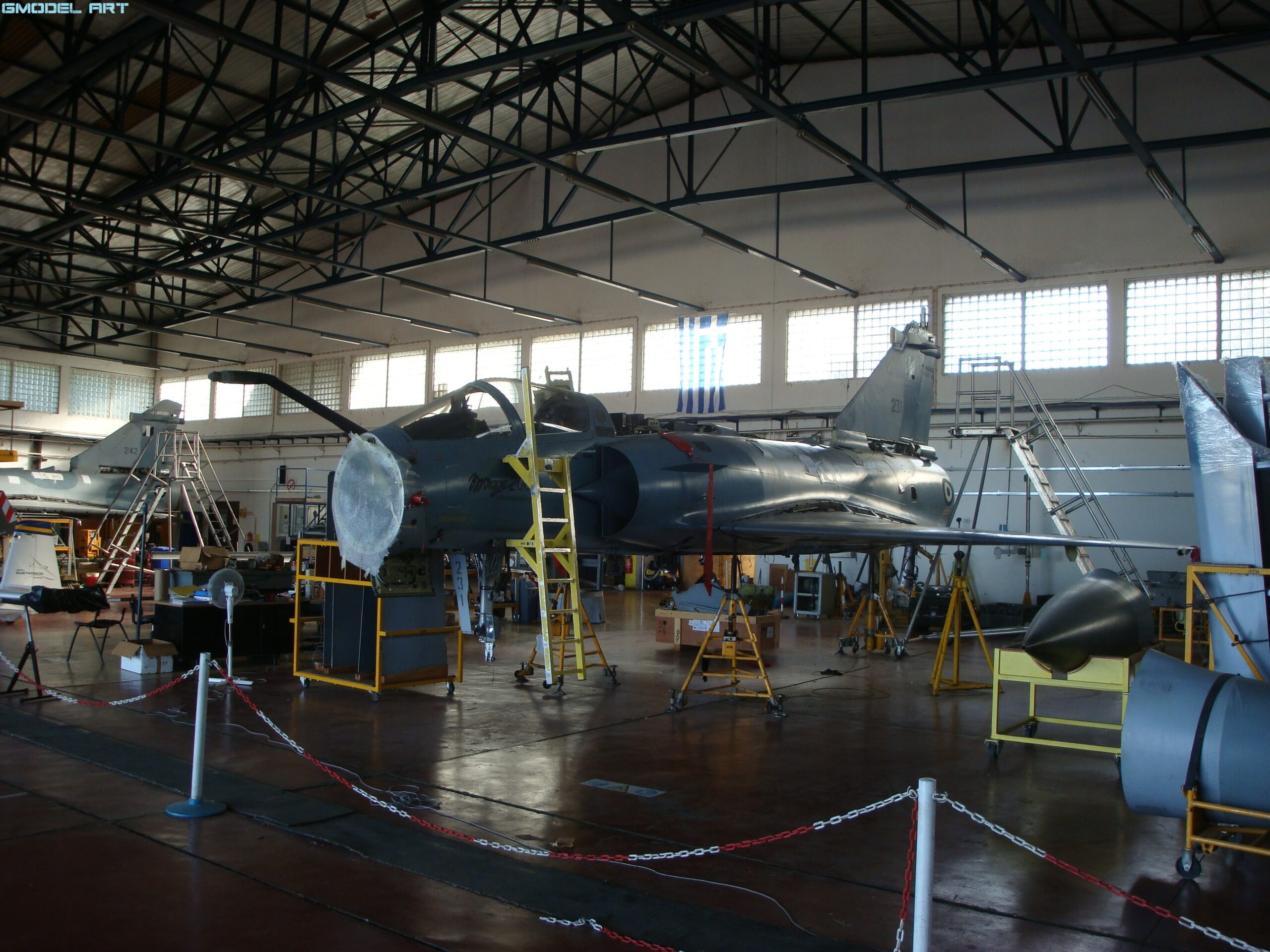
The Greek Mirage 2000
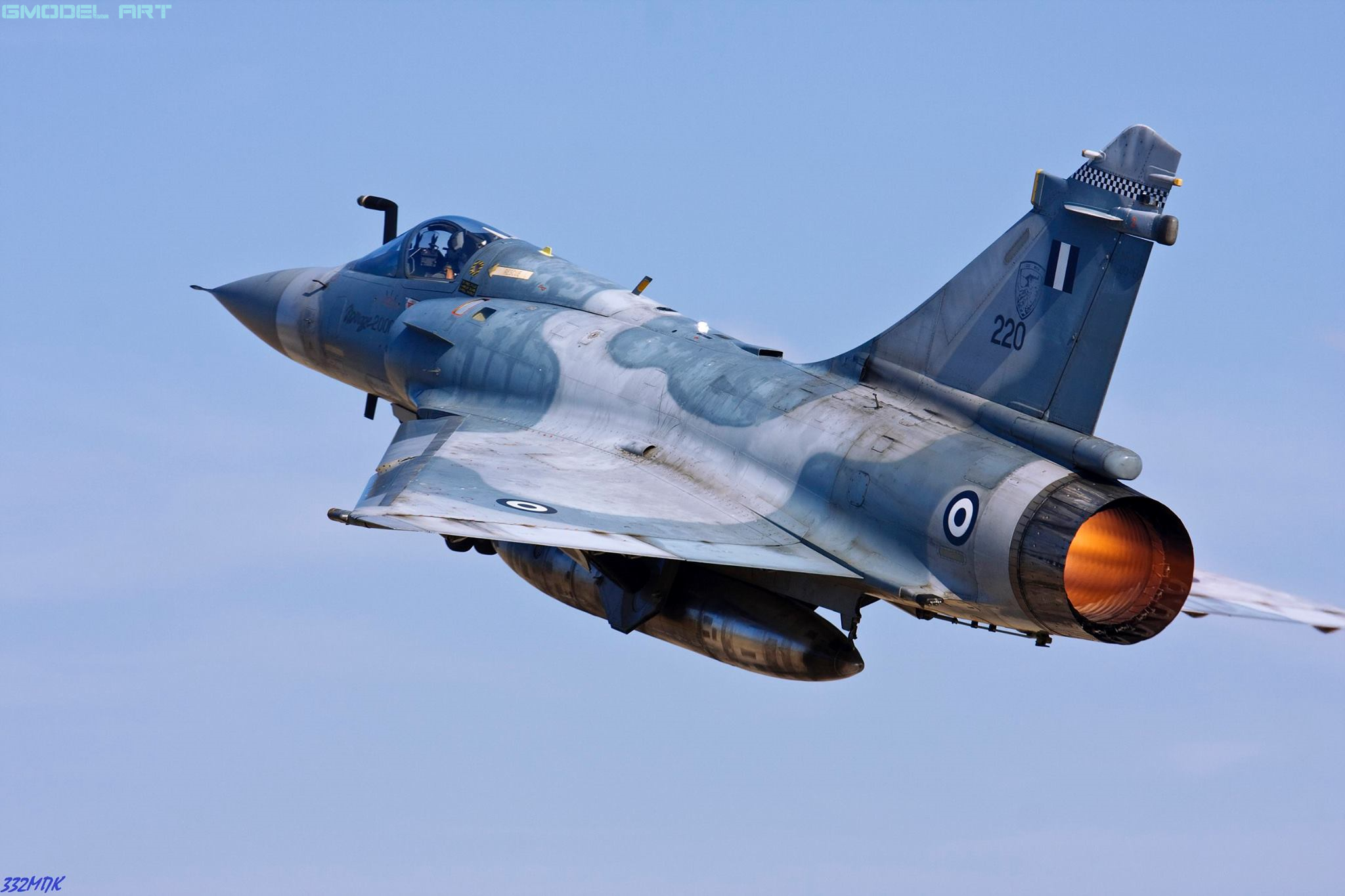
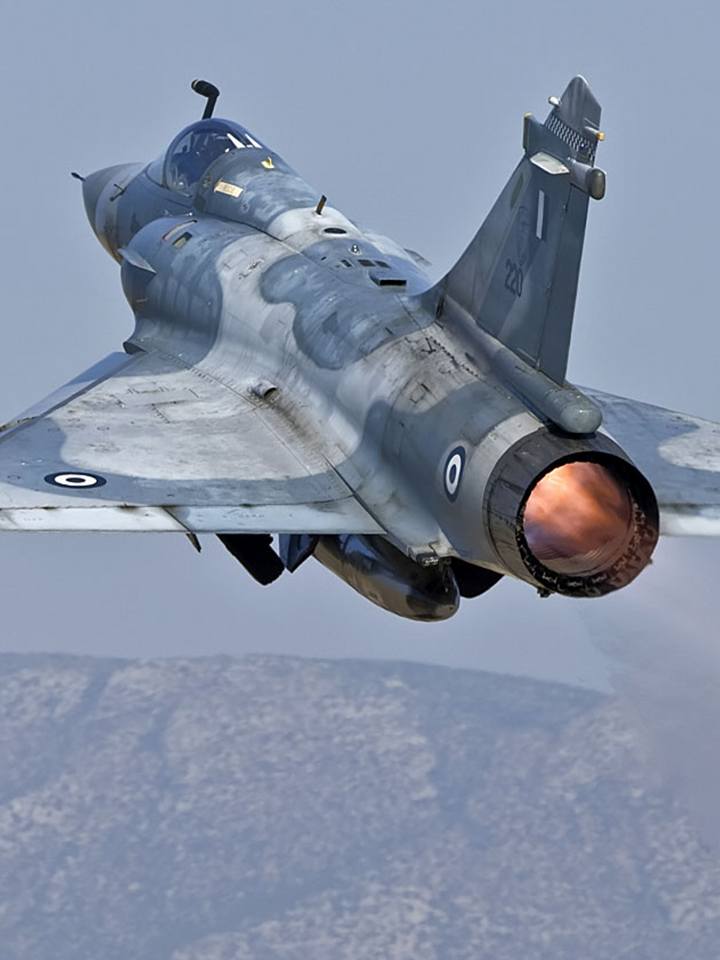
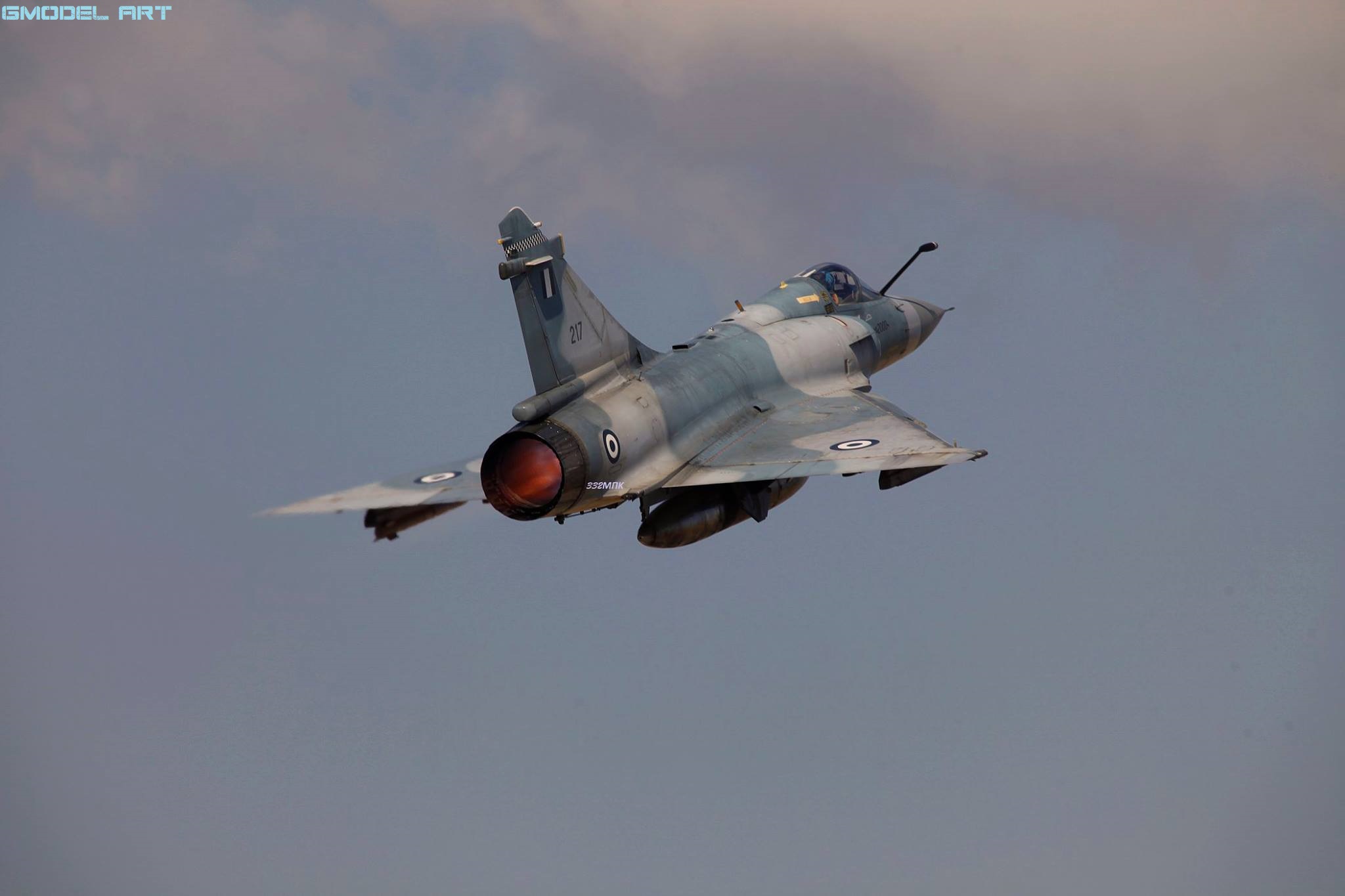
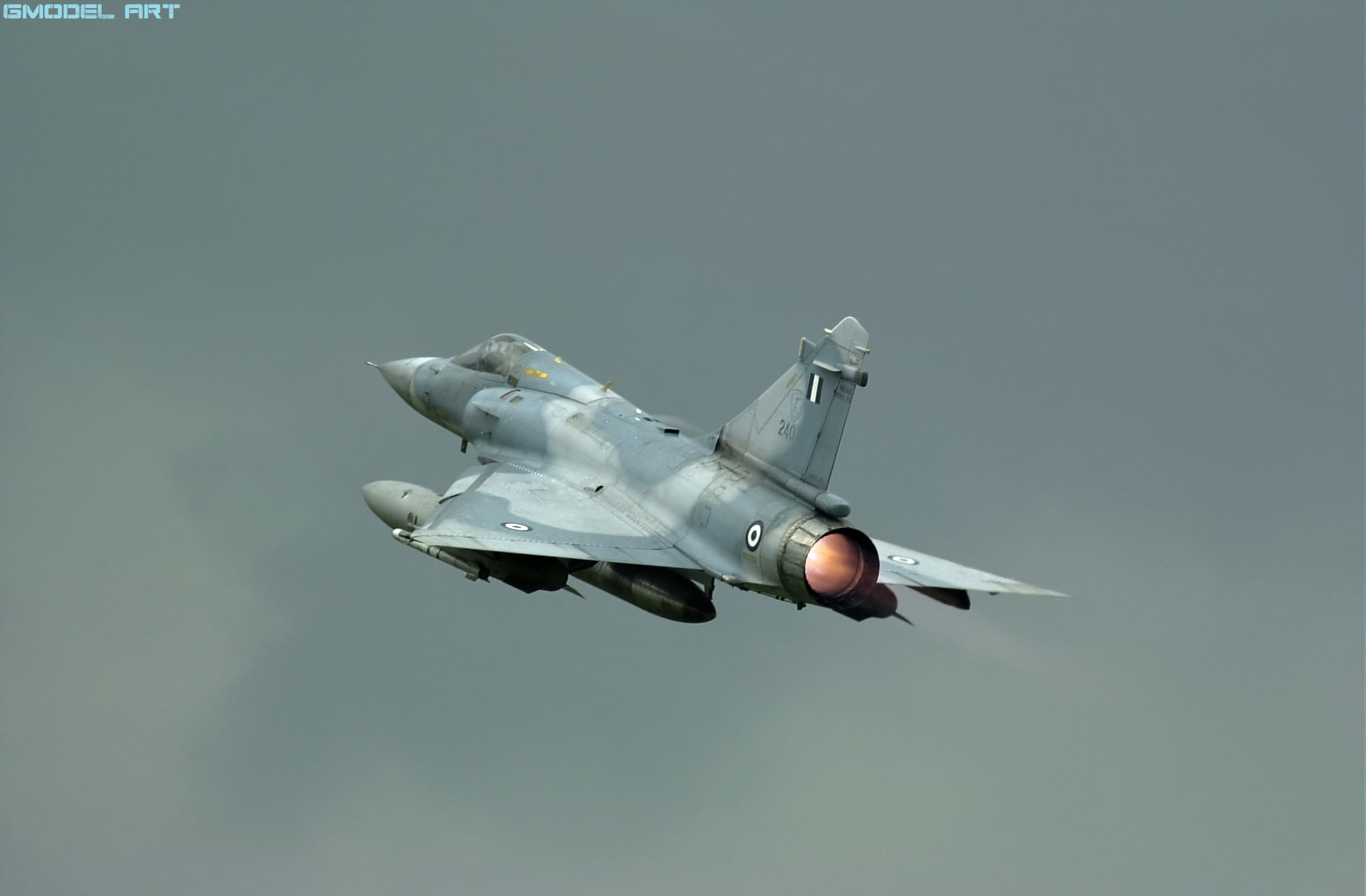
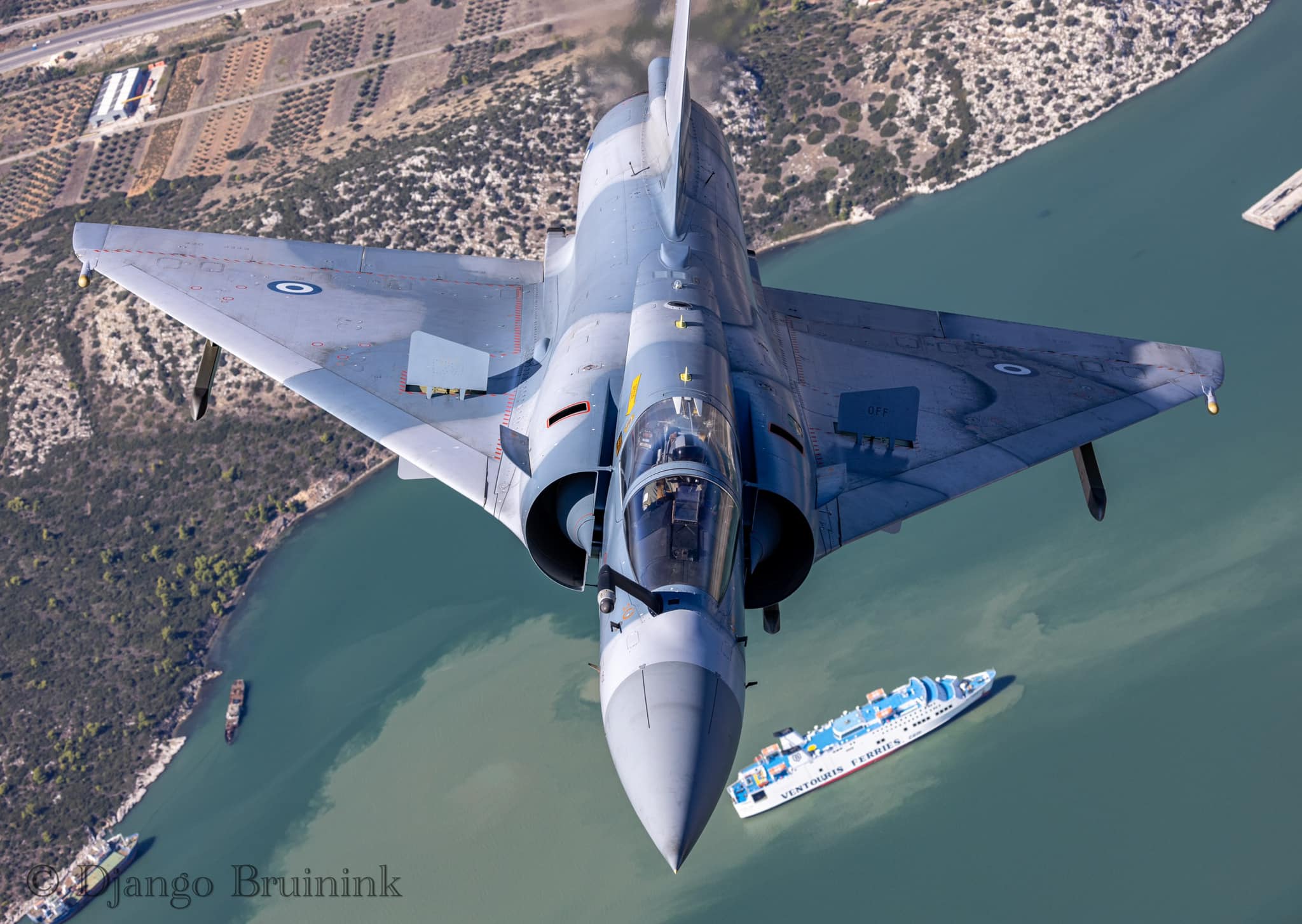
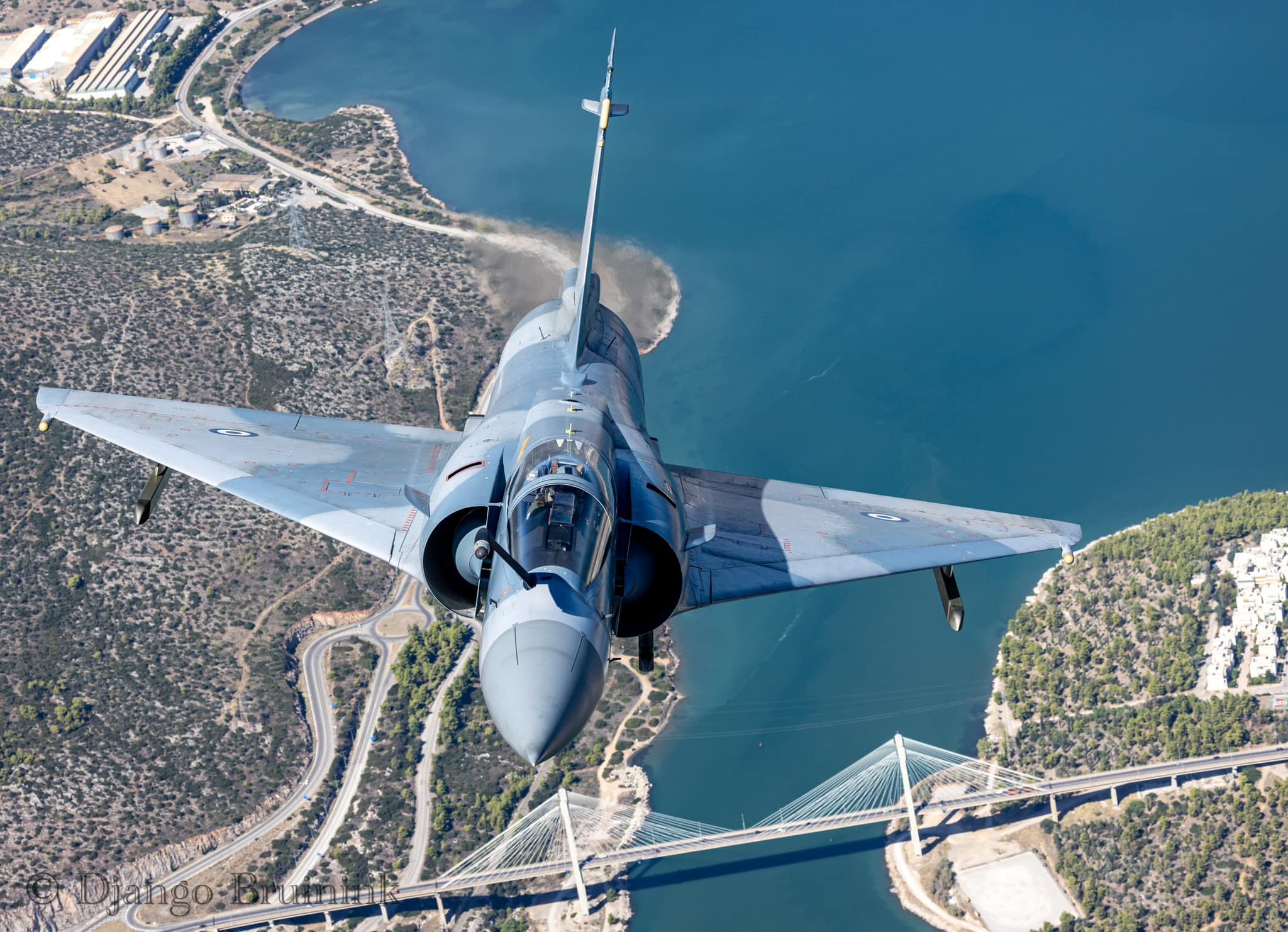
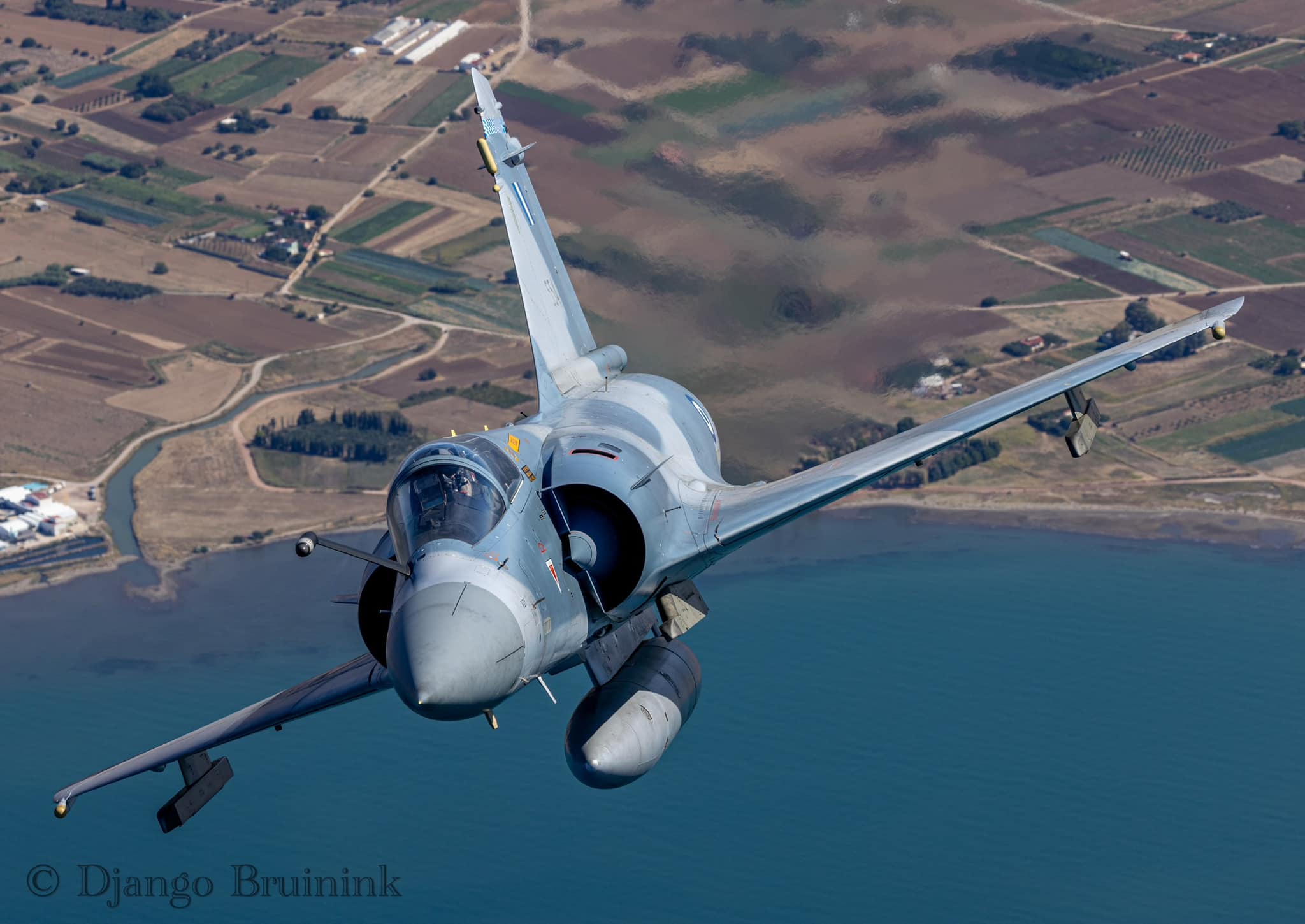
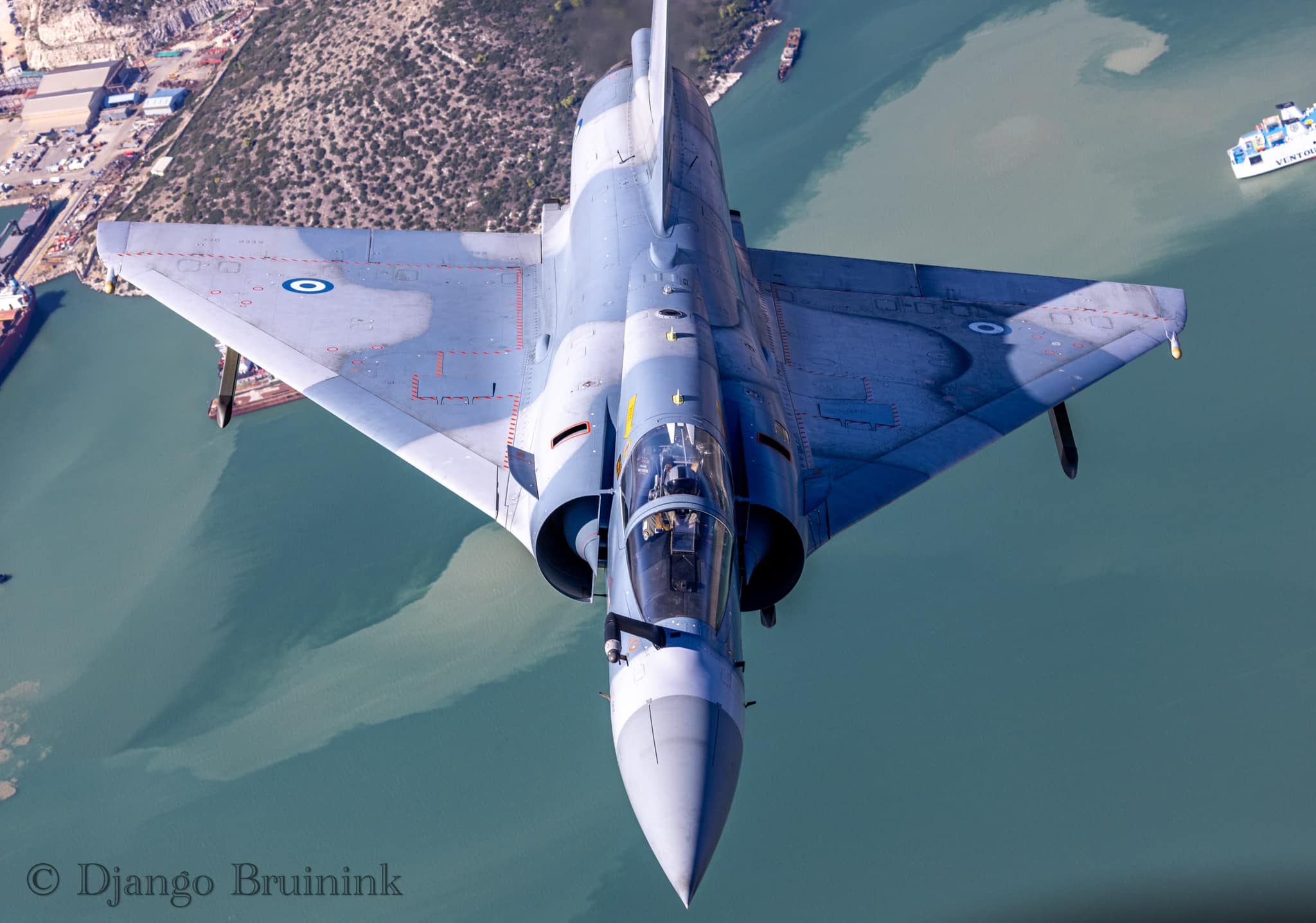
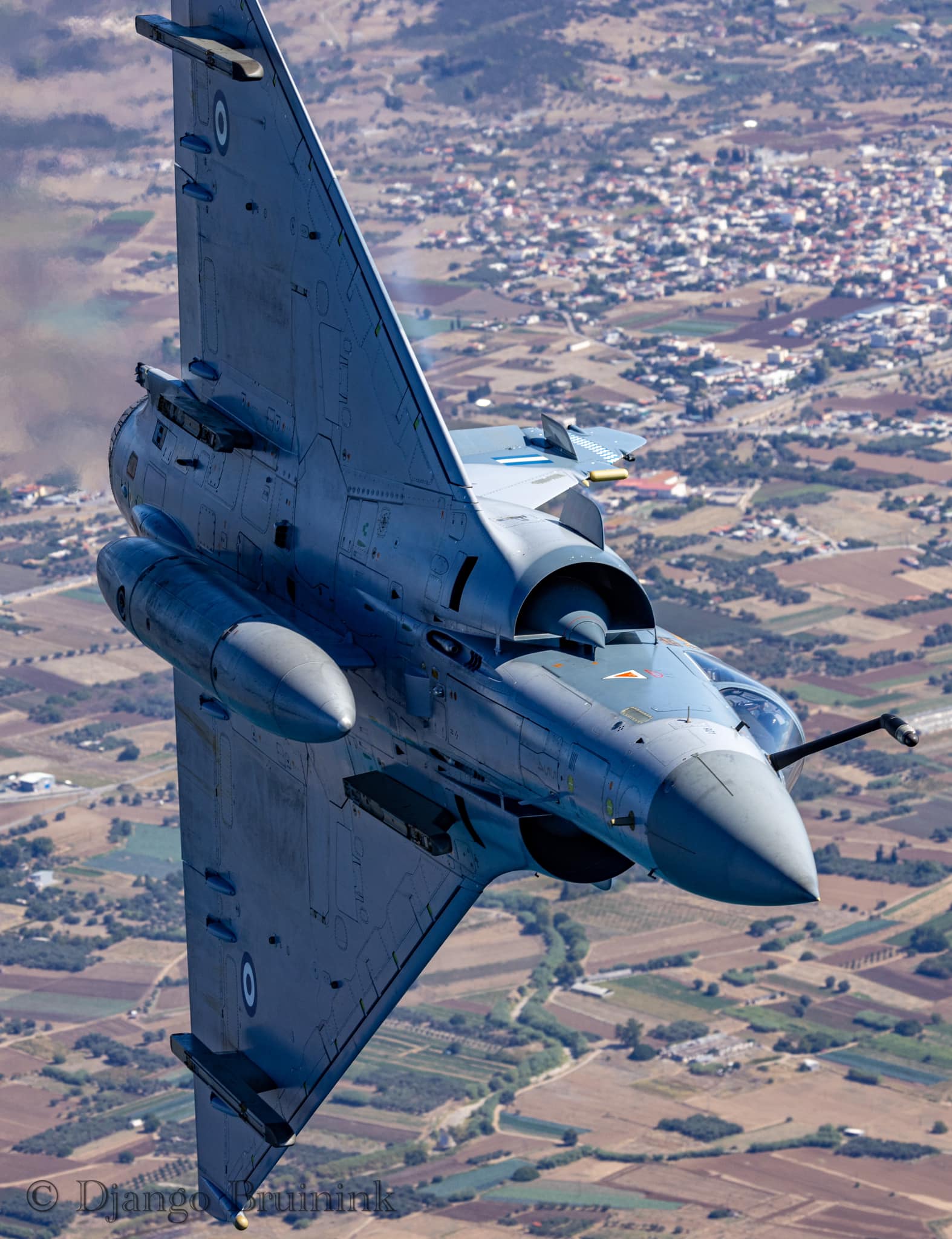
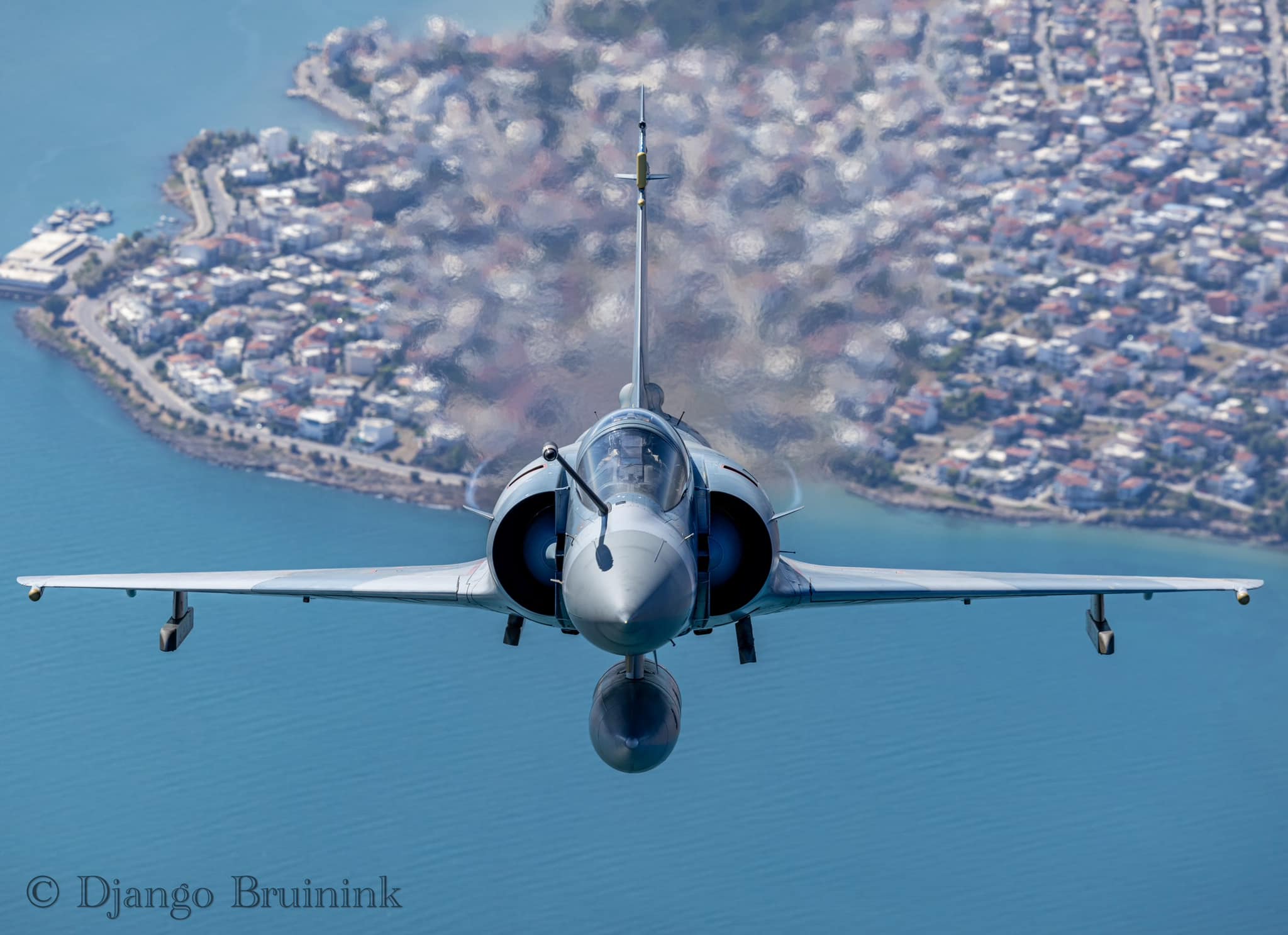
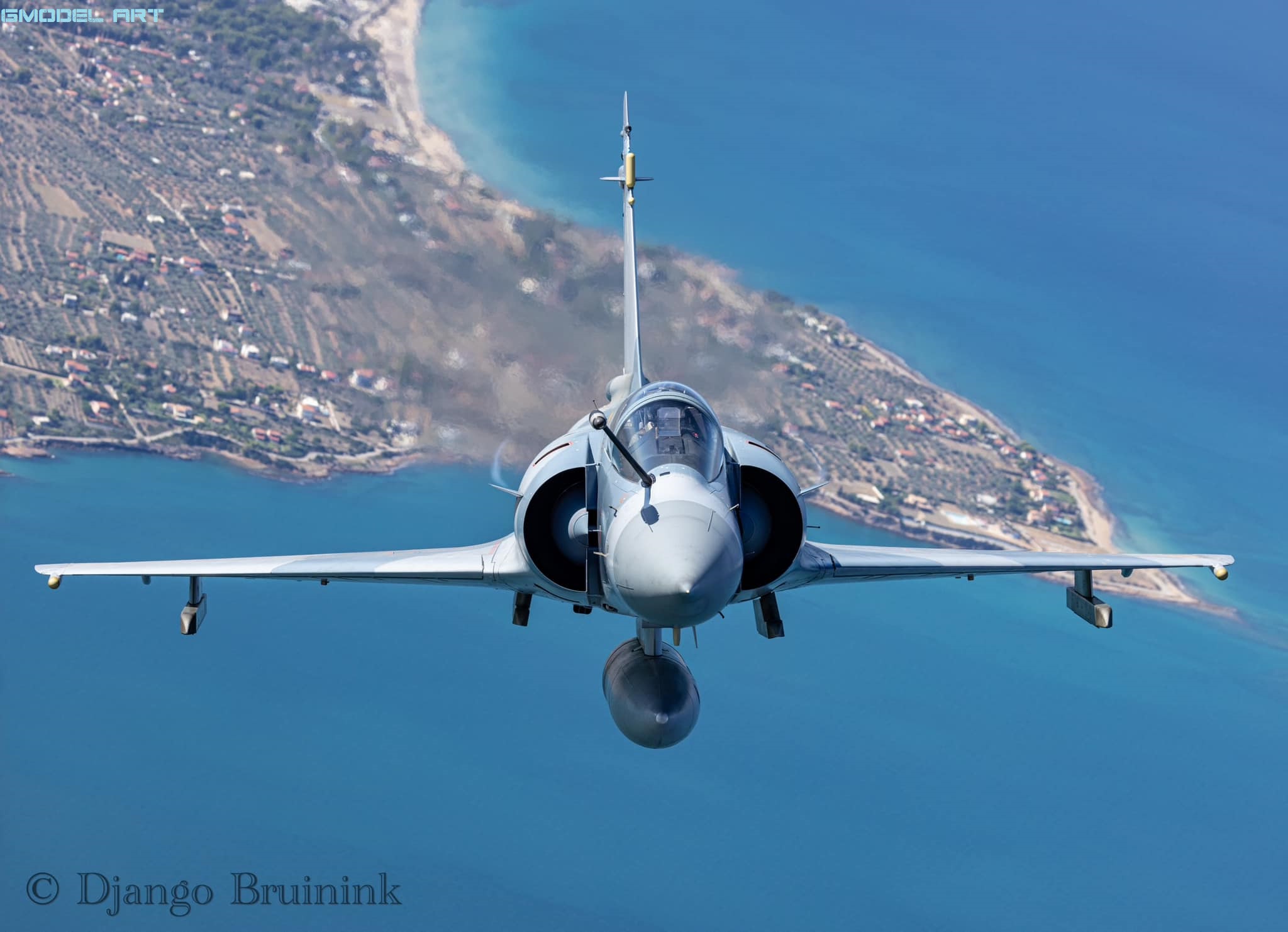
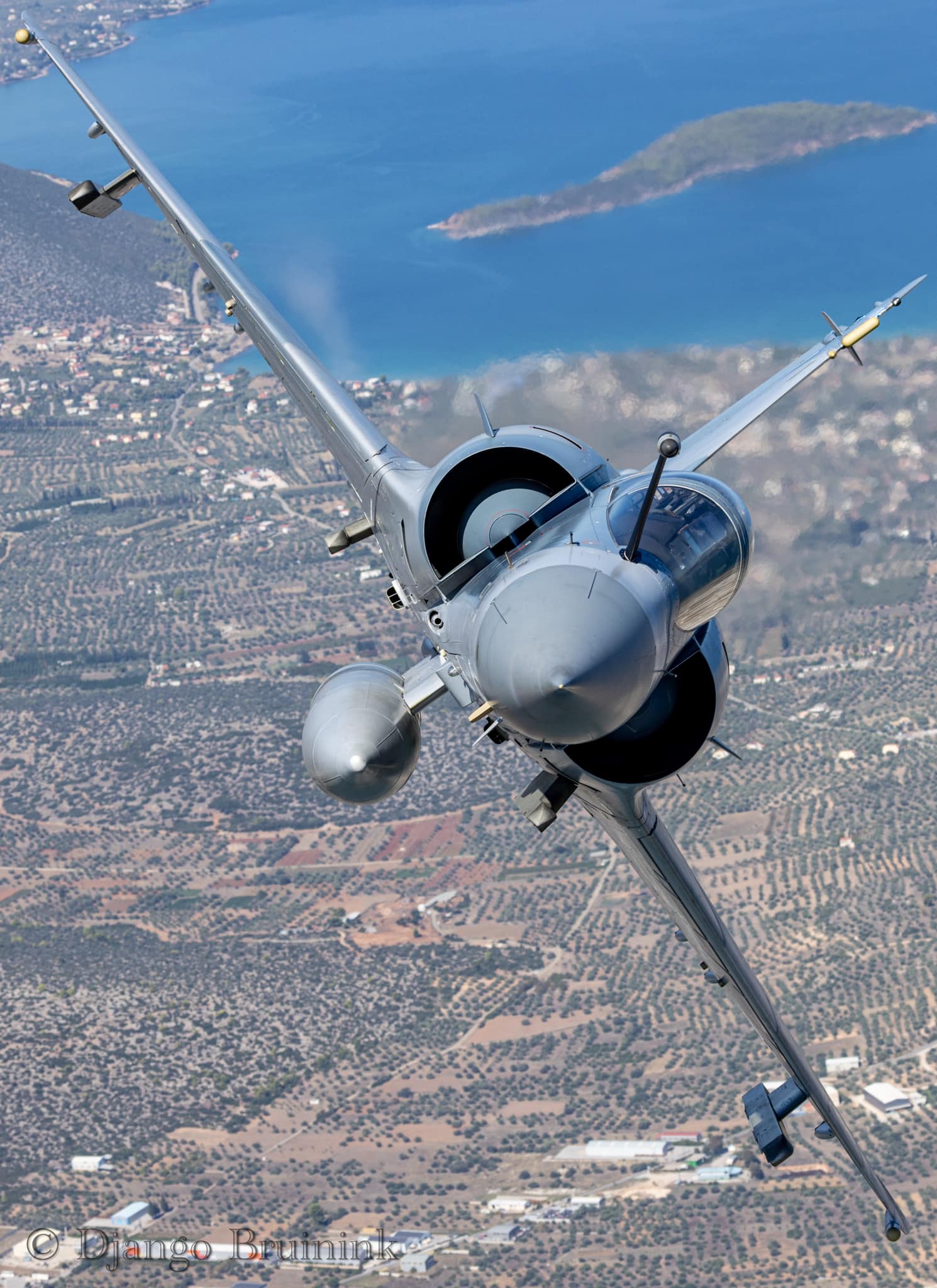
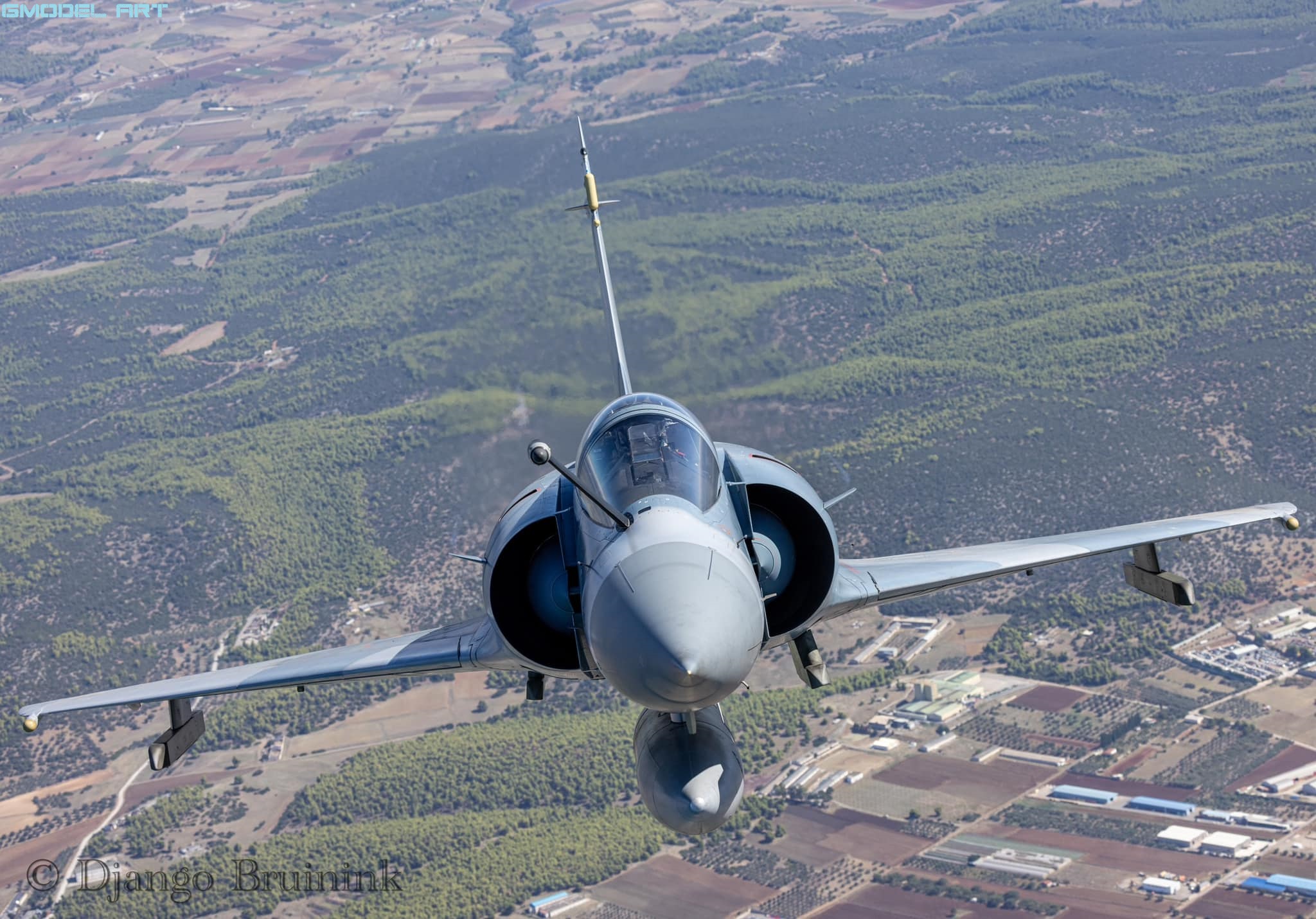
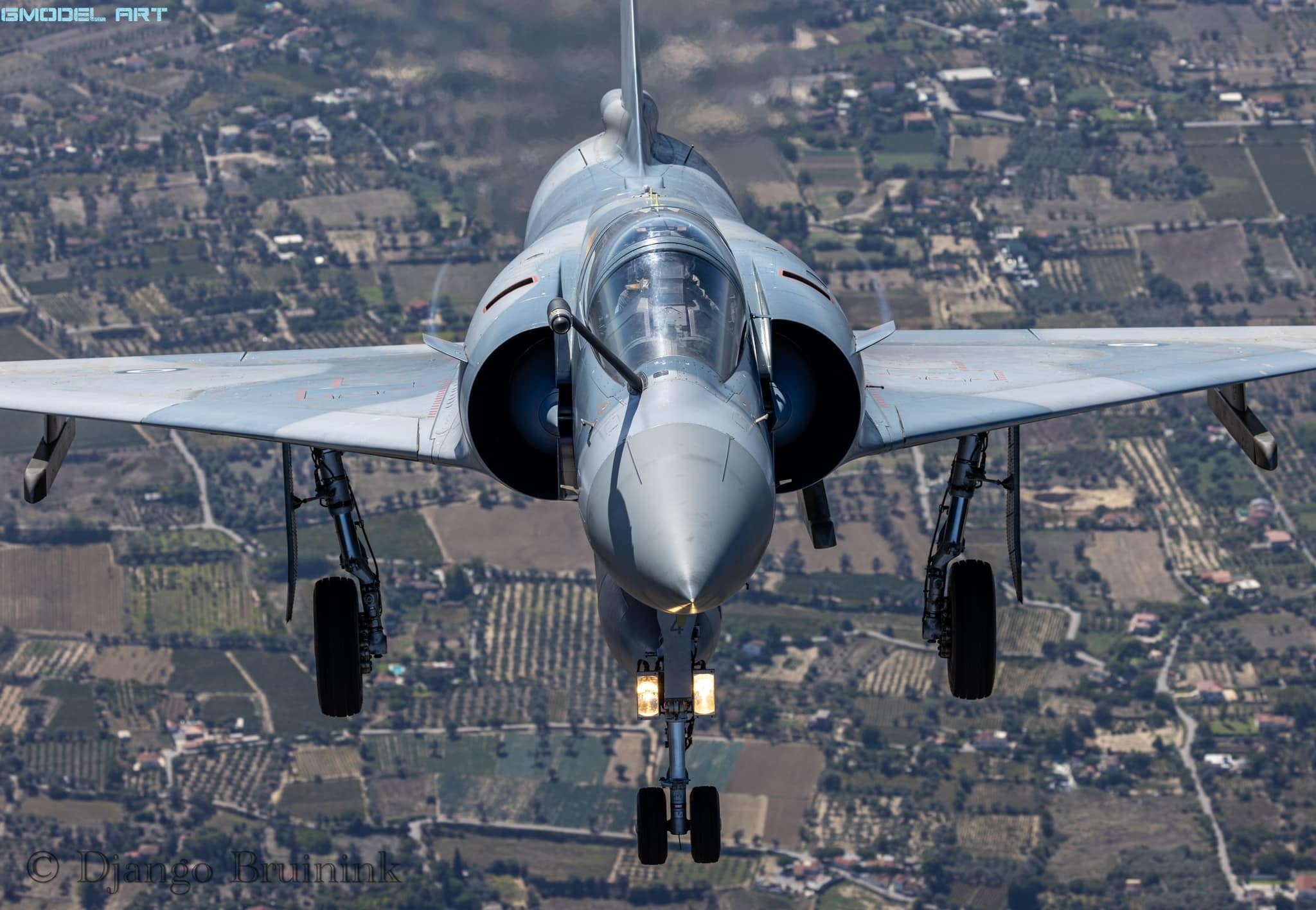
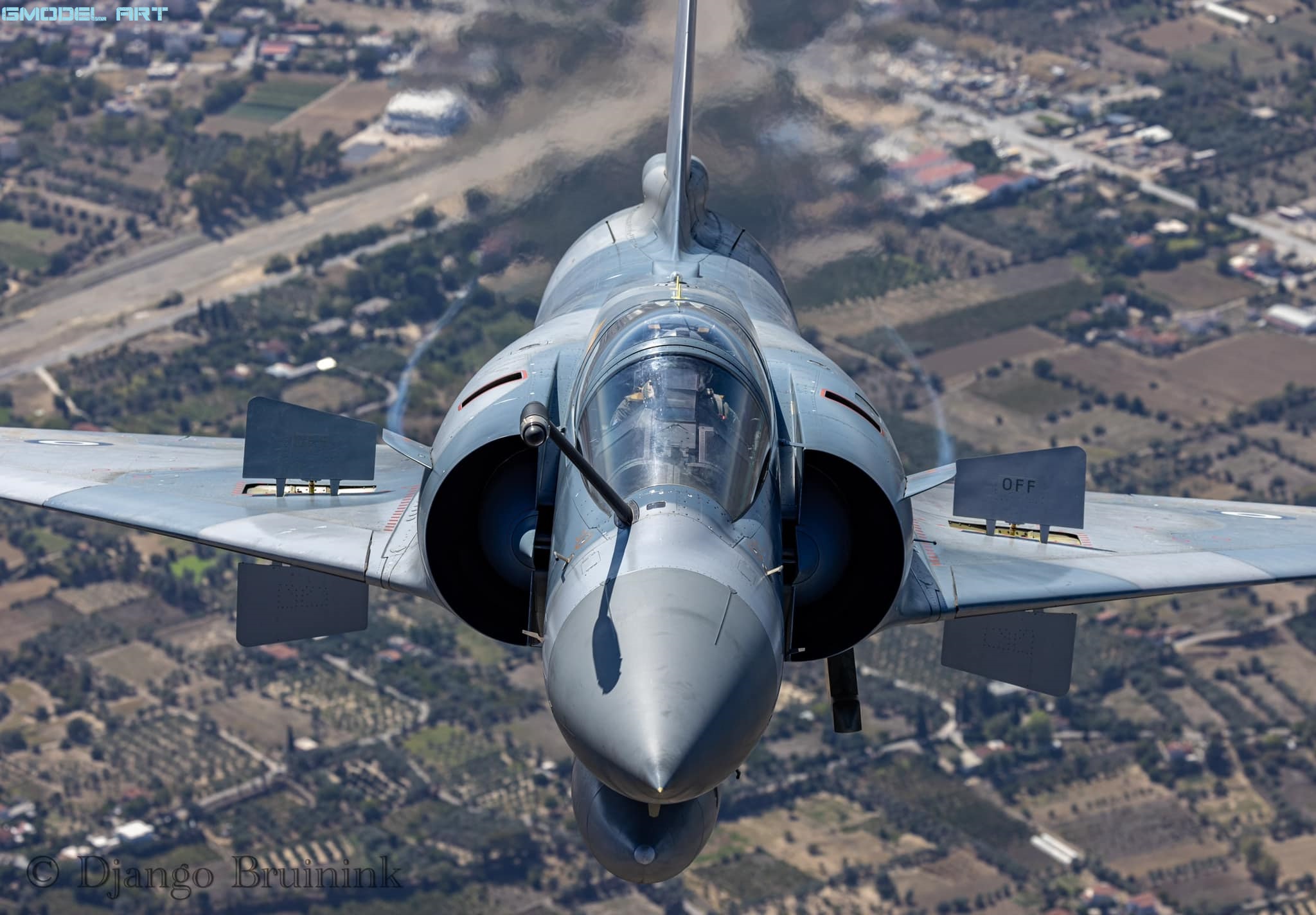
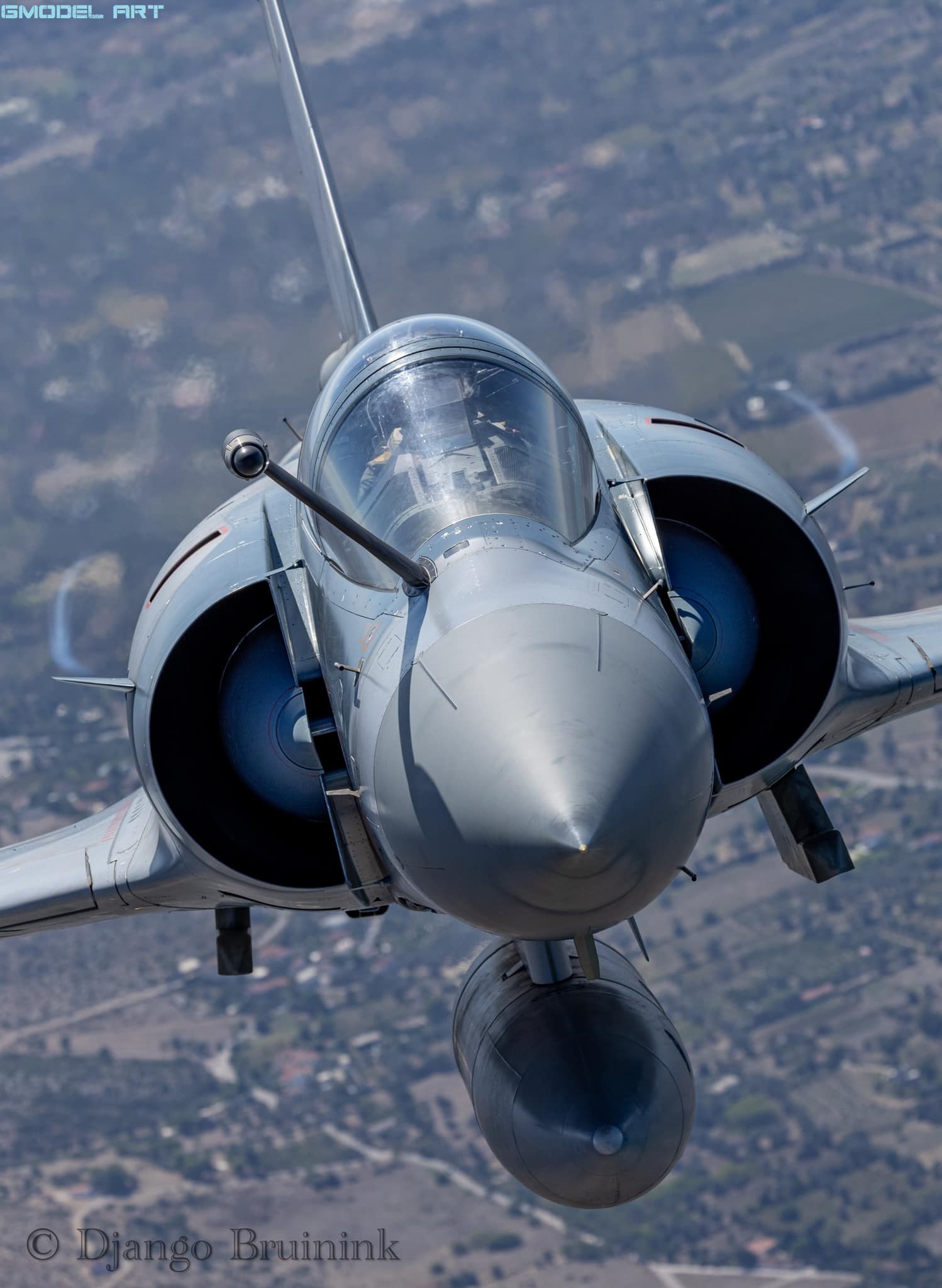
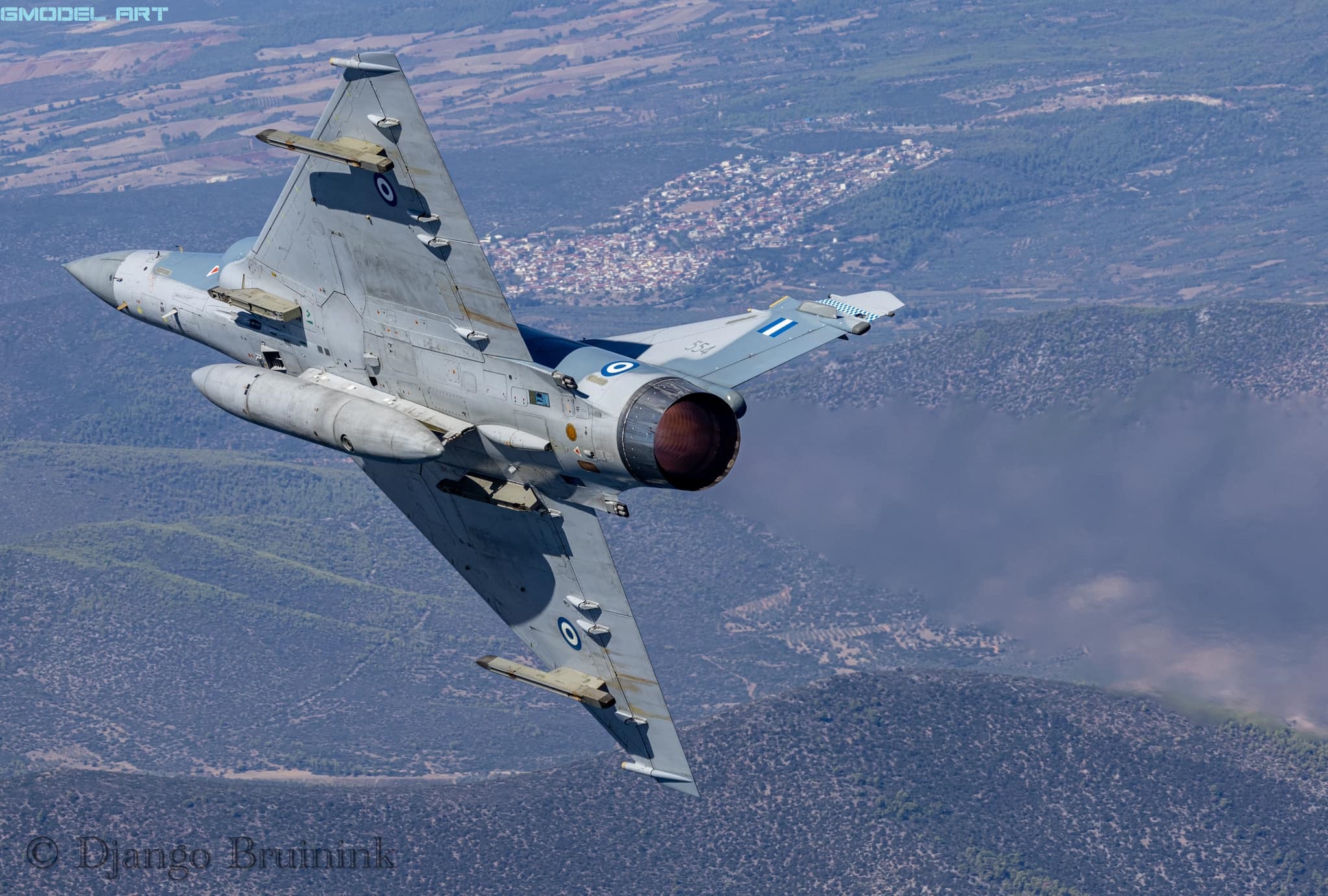
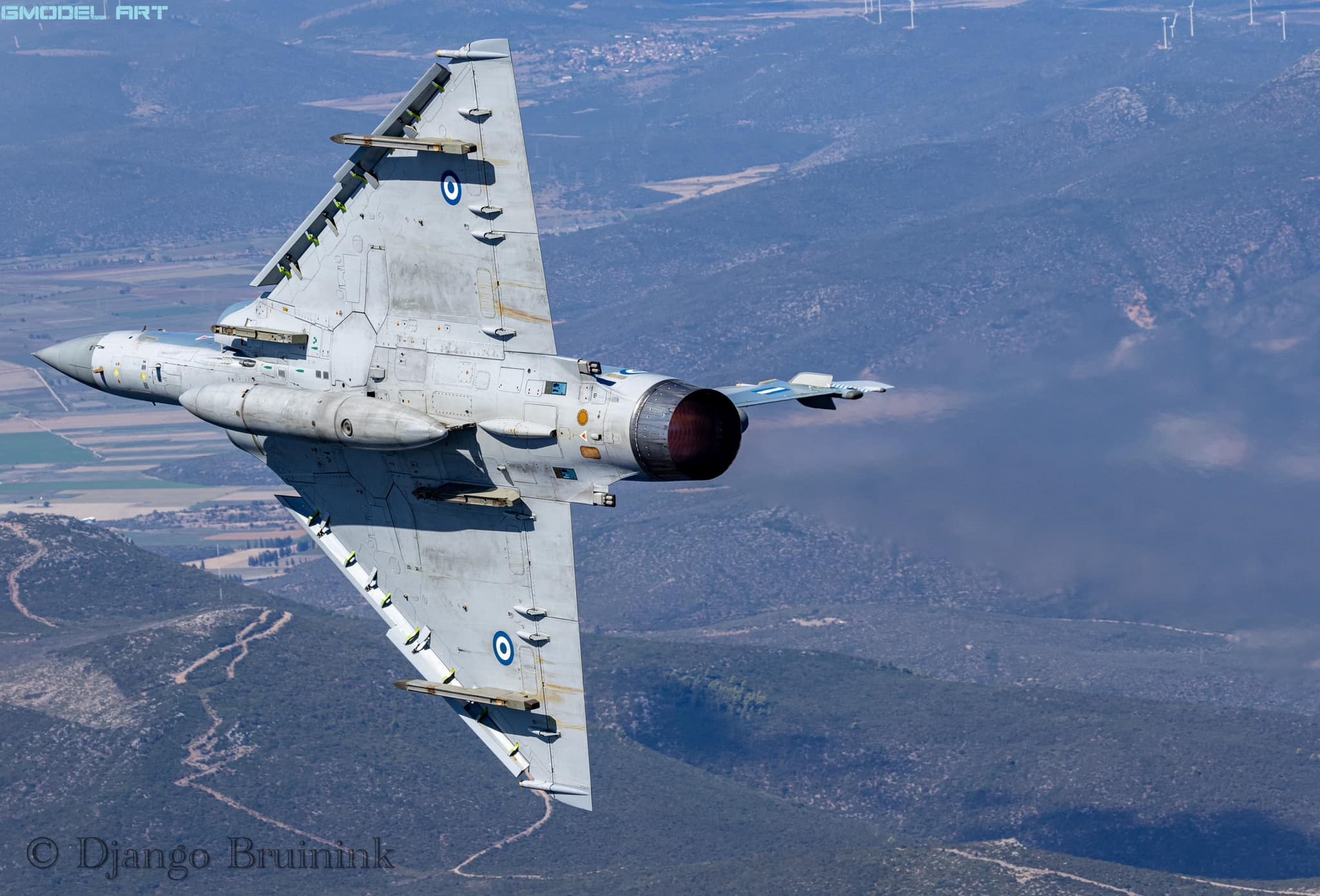
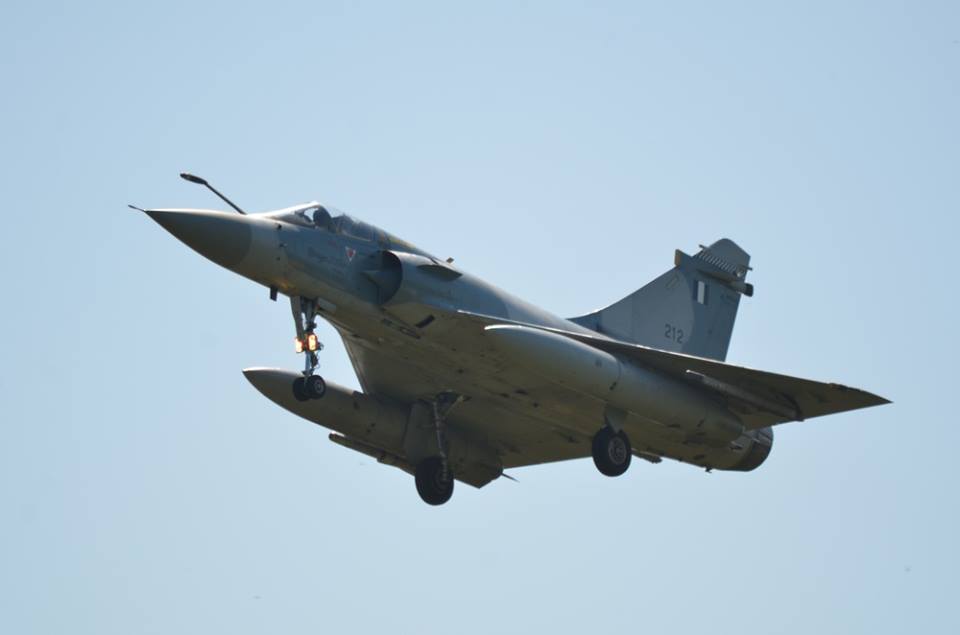
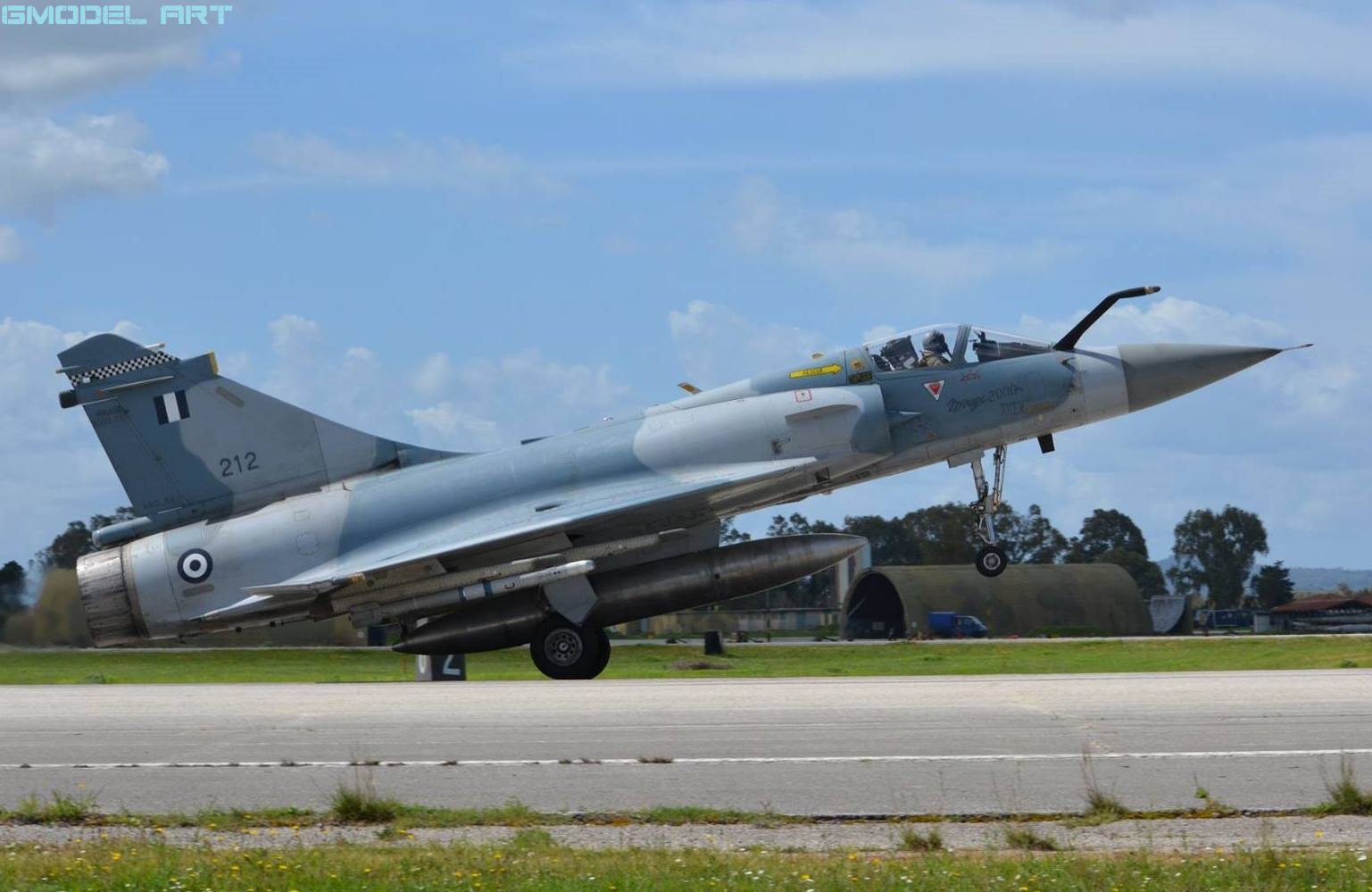
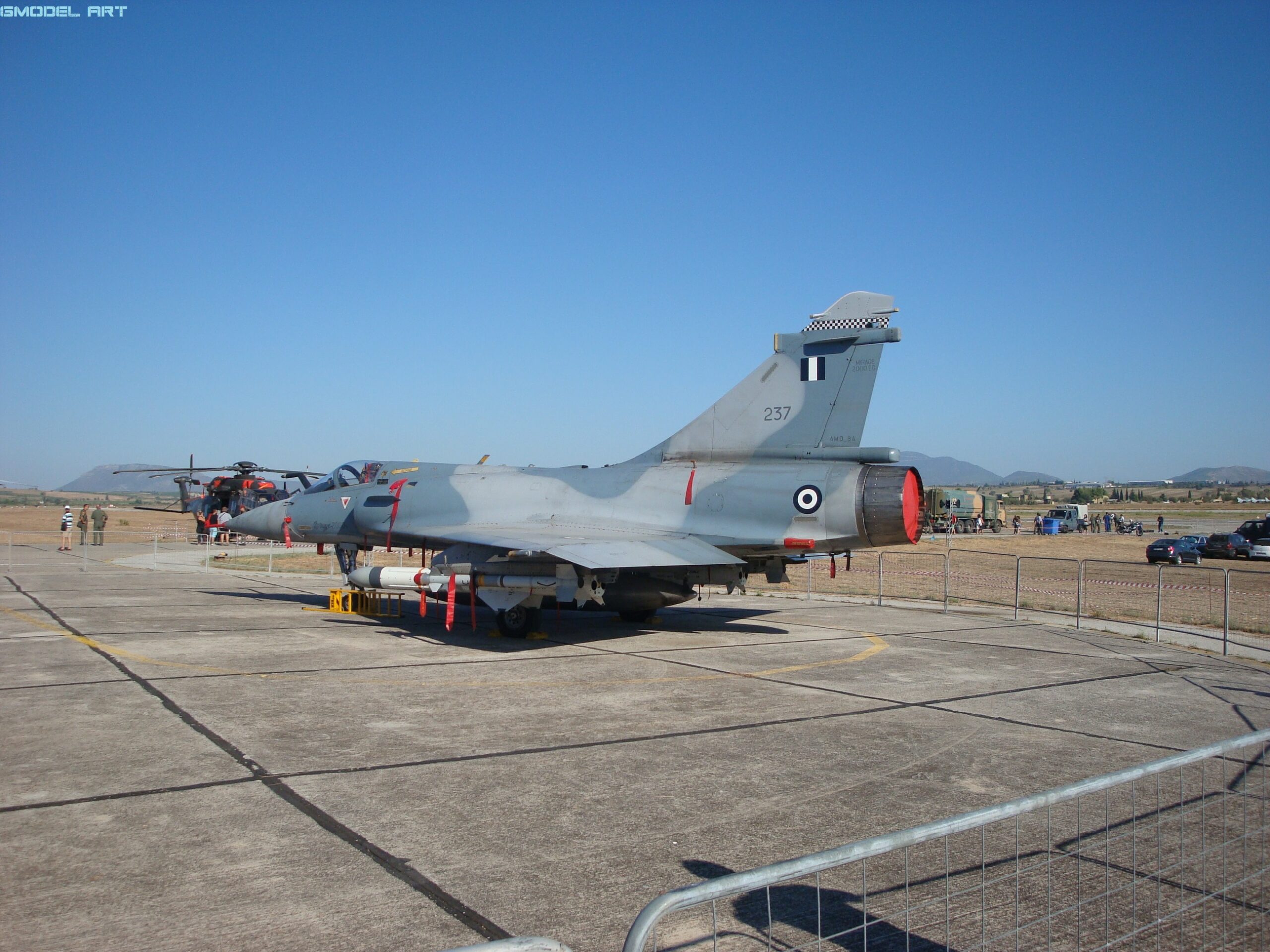
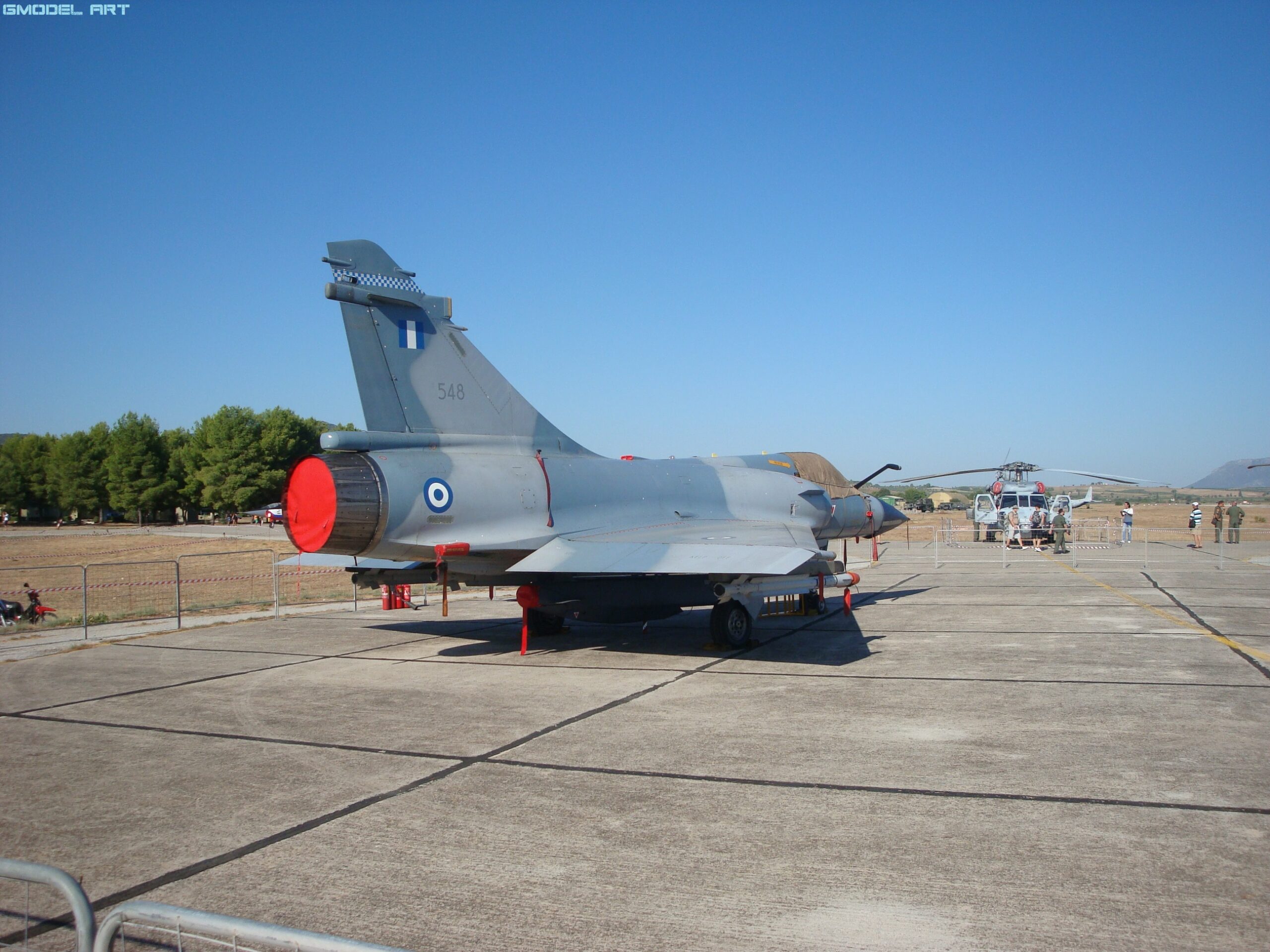
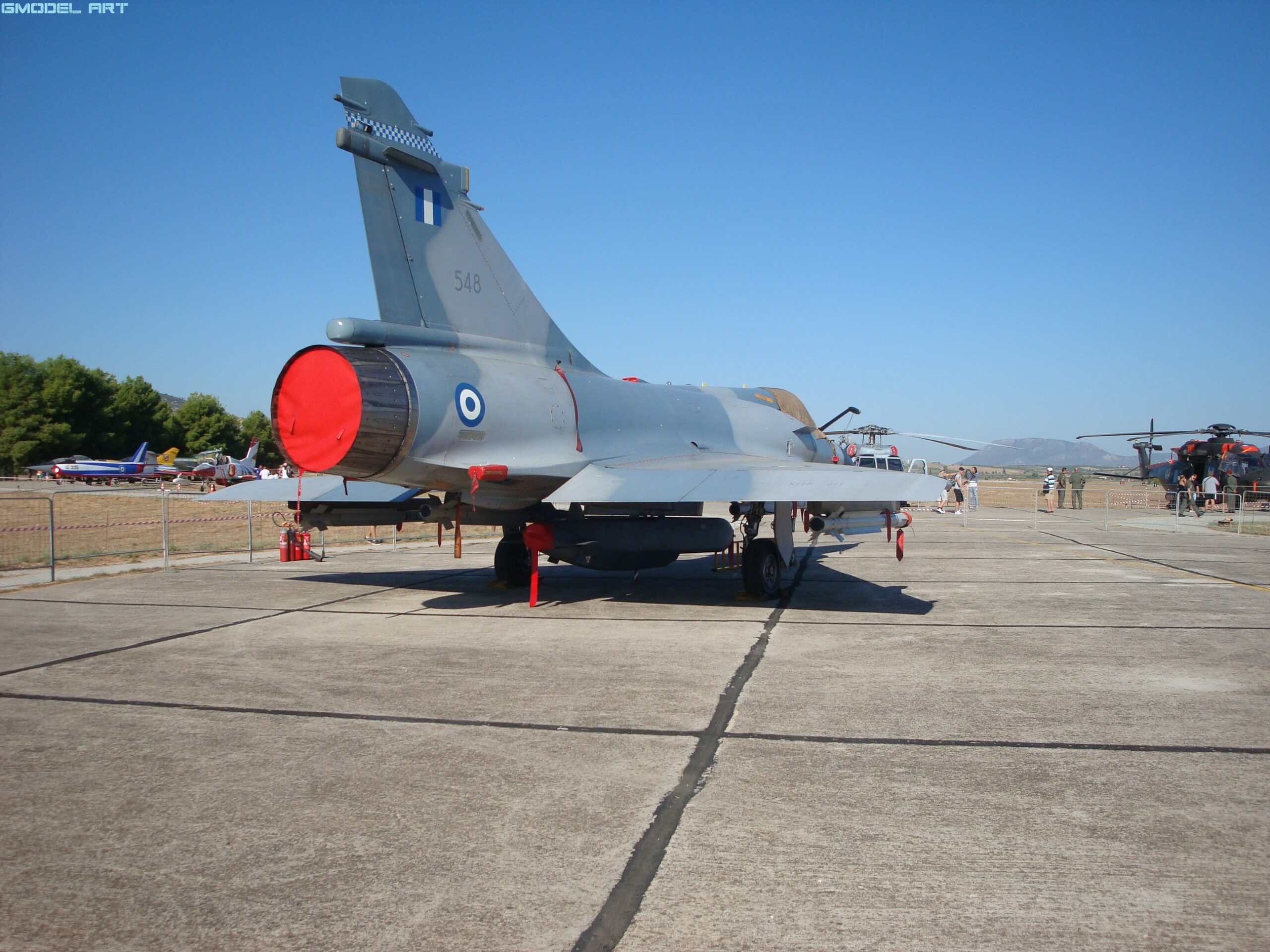
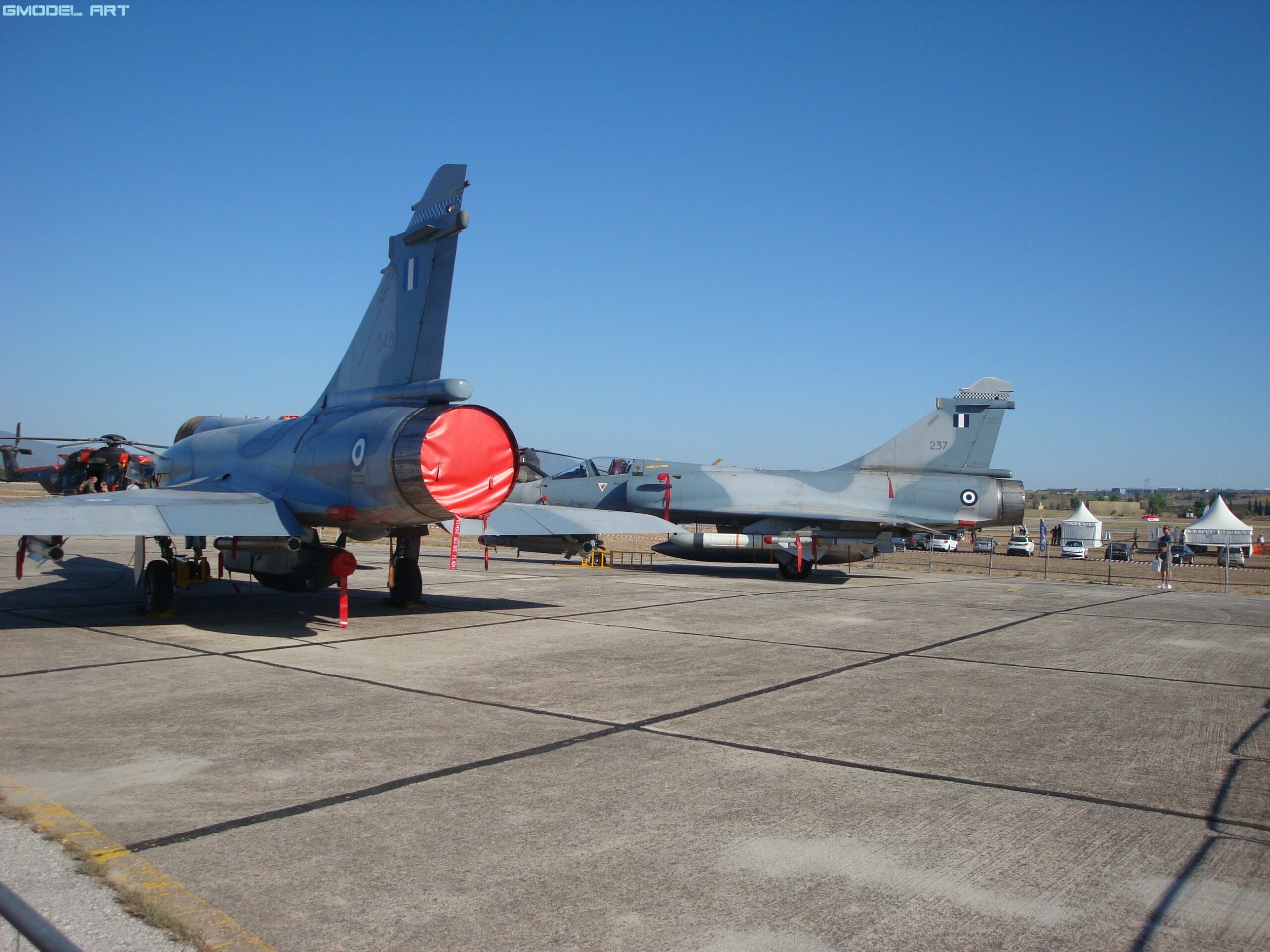
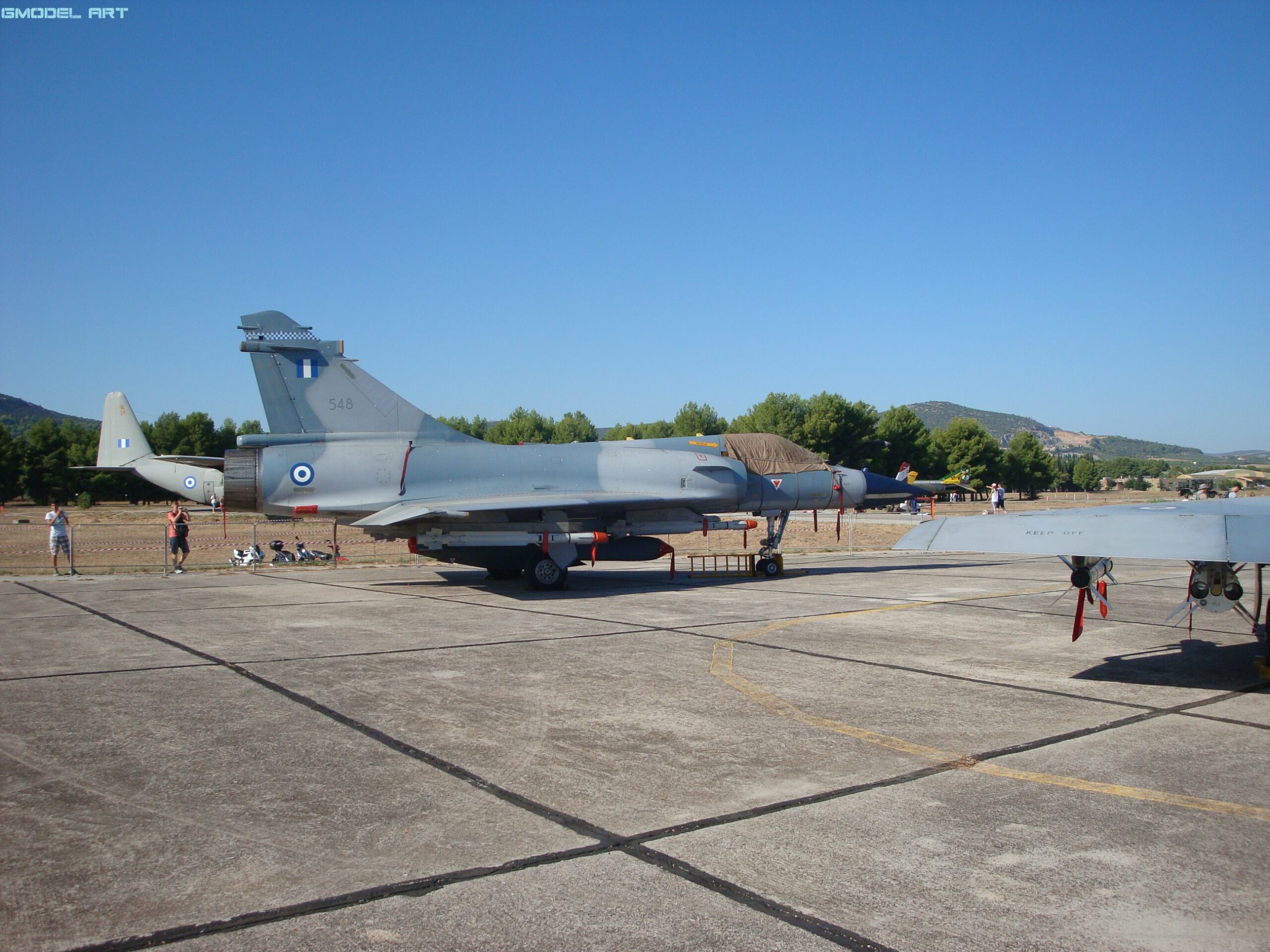
The Dassault Mirage 2000 has been one of the most distinctive fighter aircraft operated by the Hellenic Air Force (HAF).
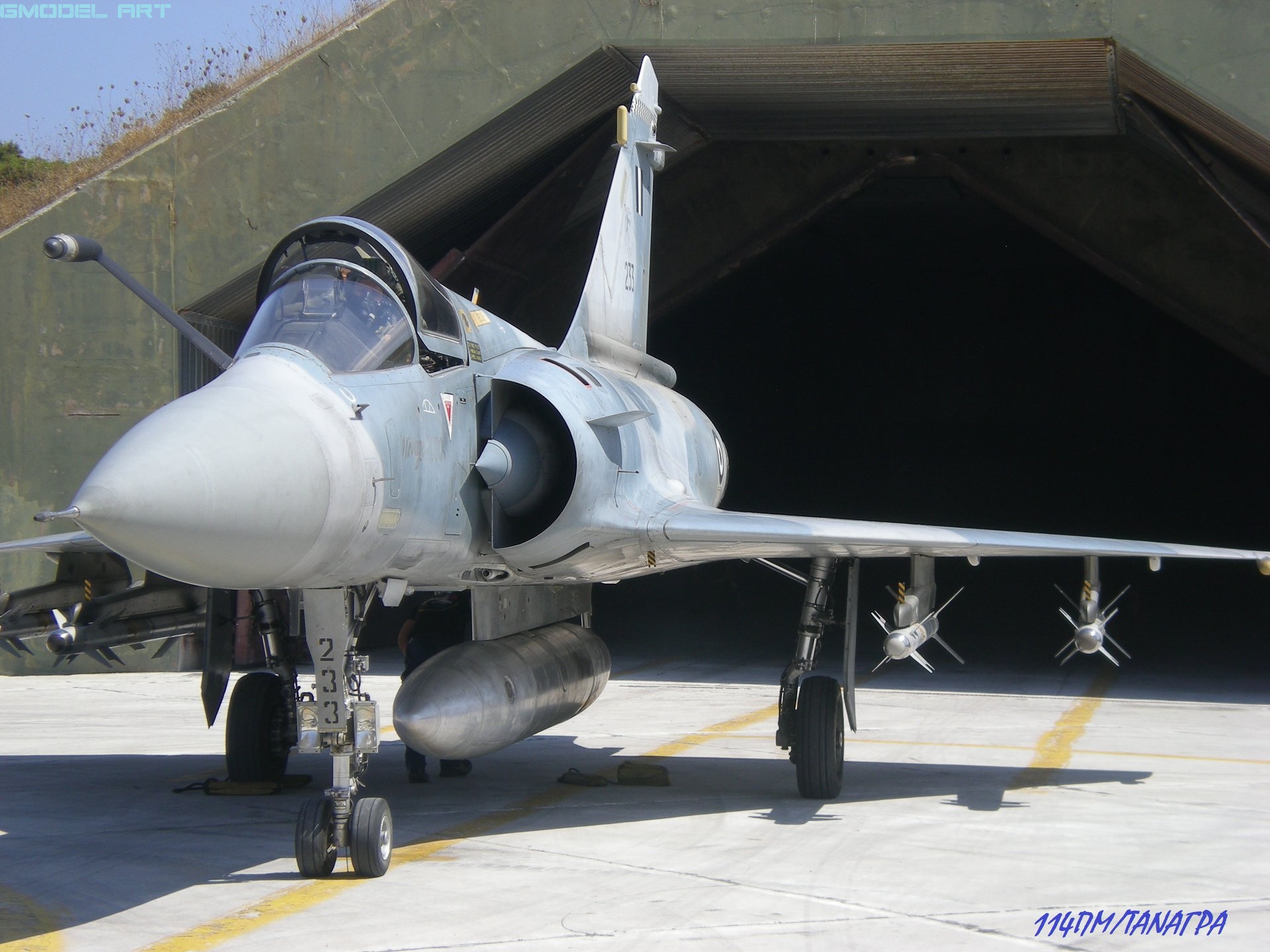
Greece introduced the Mirage 2000 in 1988, receiving a total of 40 first-generation aircraft: 36 single-seat Mirage 2000EGs and four two-seat Mirage 2000BGs. The aircraft were assigned to the 114 Combat Wing at Tanagra Air Base, where they became operational with the 331 and 332 Squadrons.
The Greek Mirage fleet subsequently underwent a major modernization programme during the 1990s, producing the Mirage 2000EGM/BGM. Greece then went a step further with the acquisition of the Mirage 2000-5 Mk2, creating one of the most capable Mirage 2000 fleets outside France.
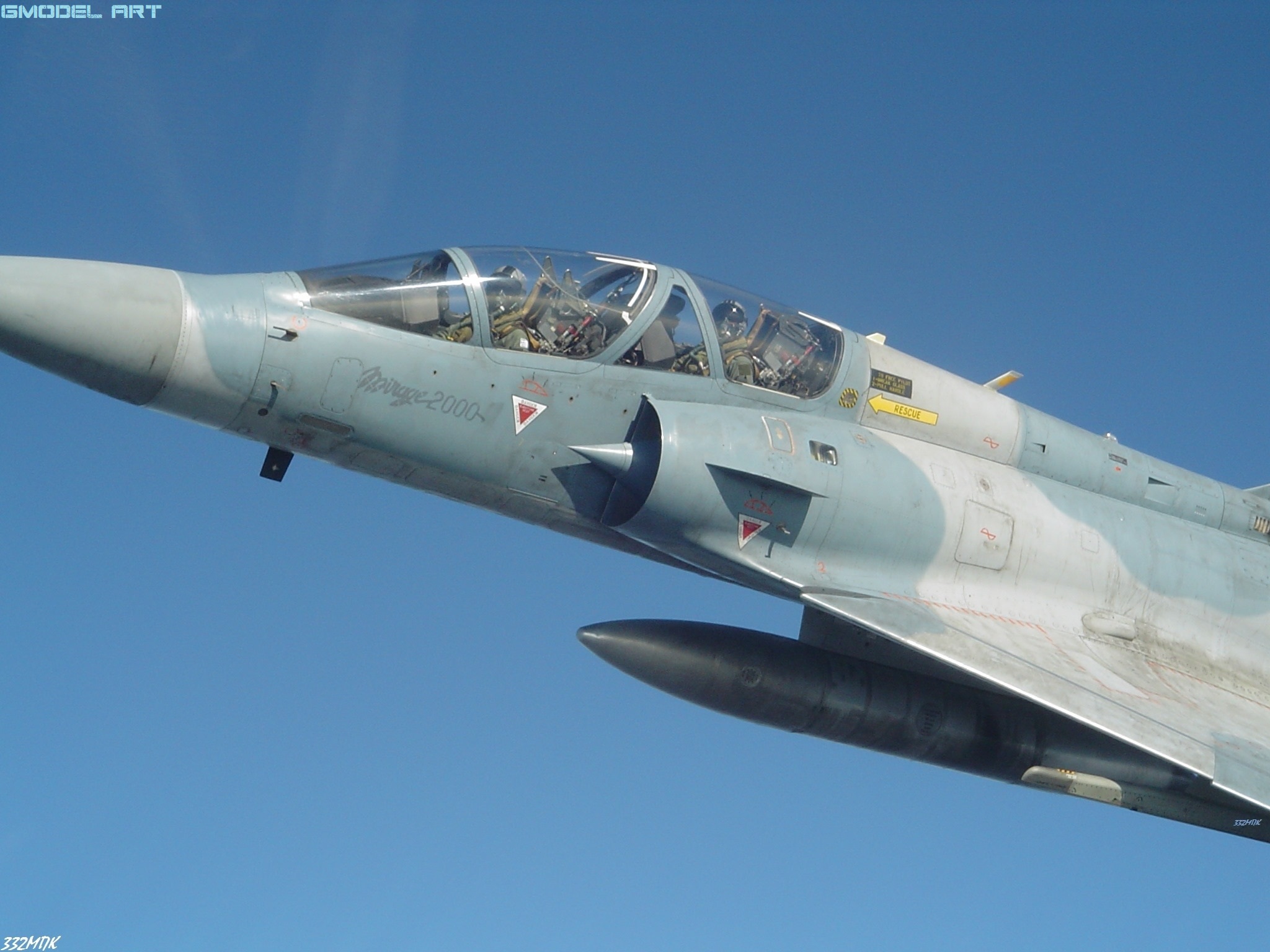
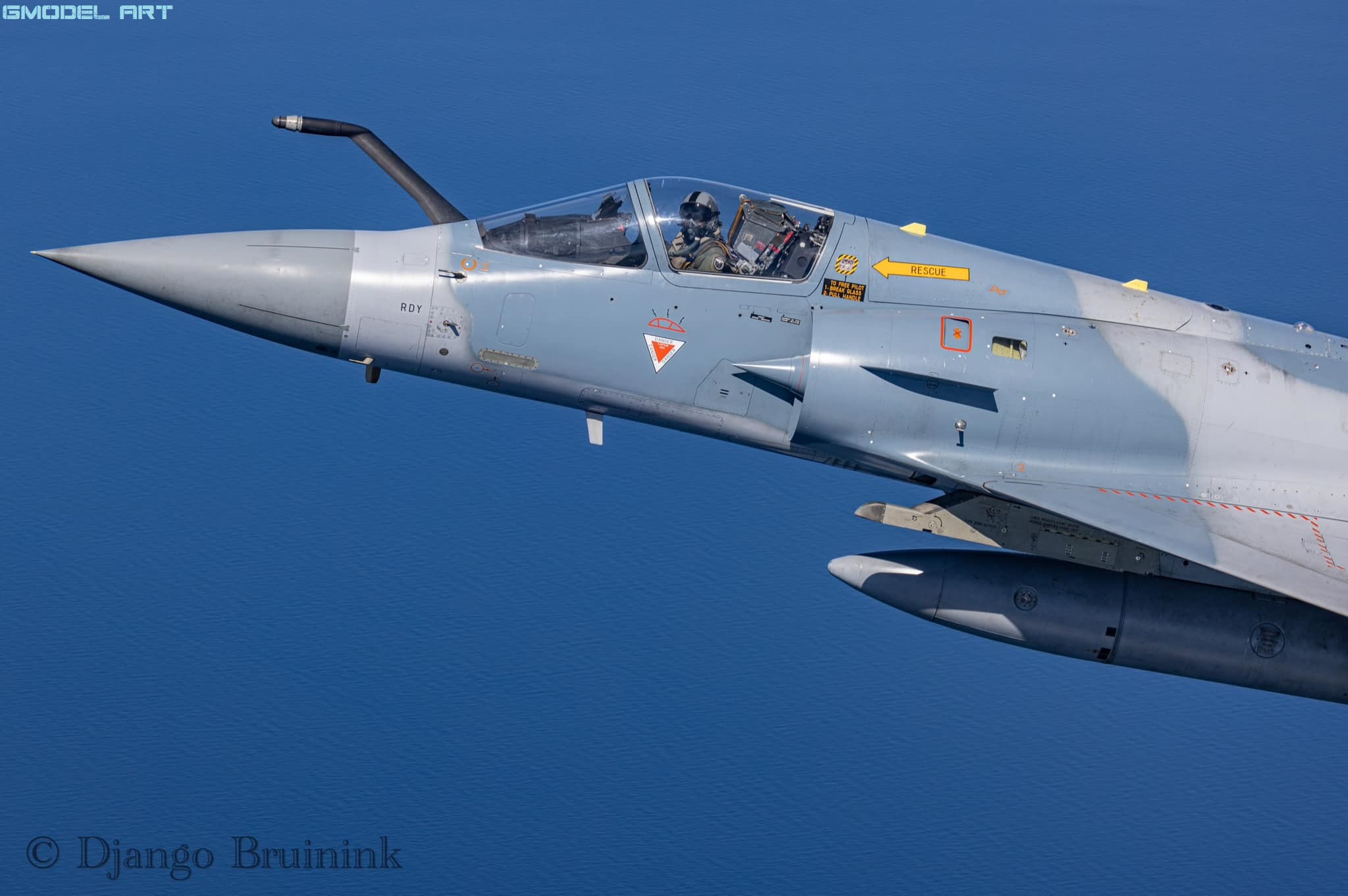
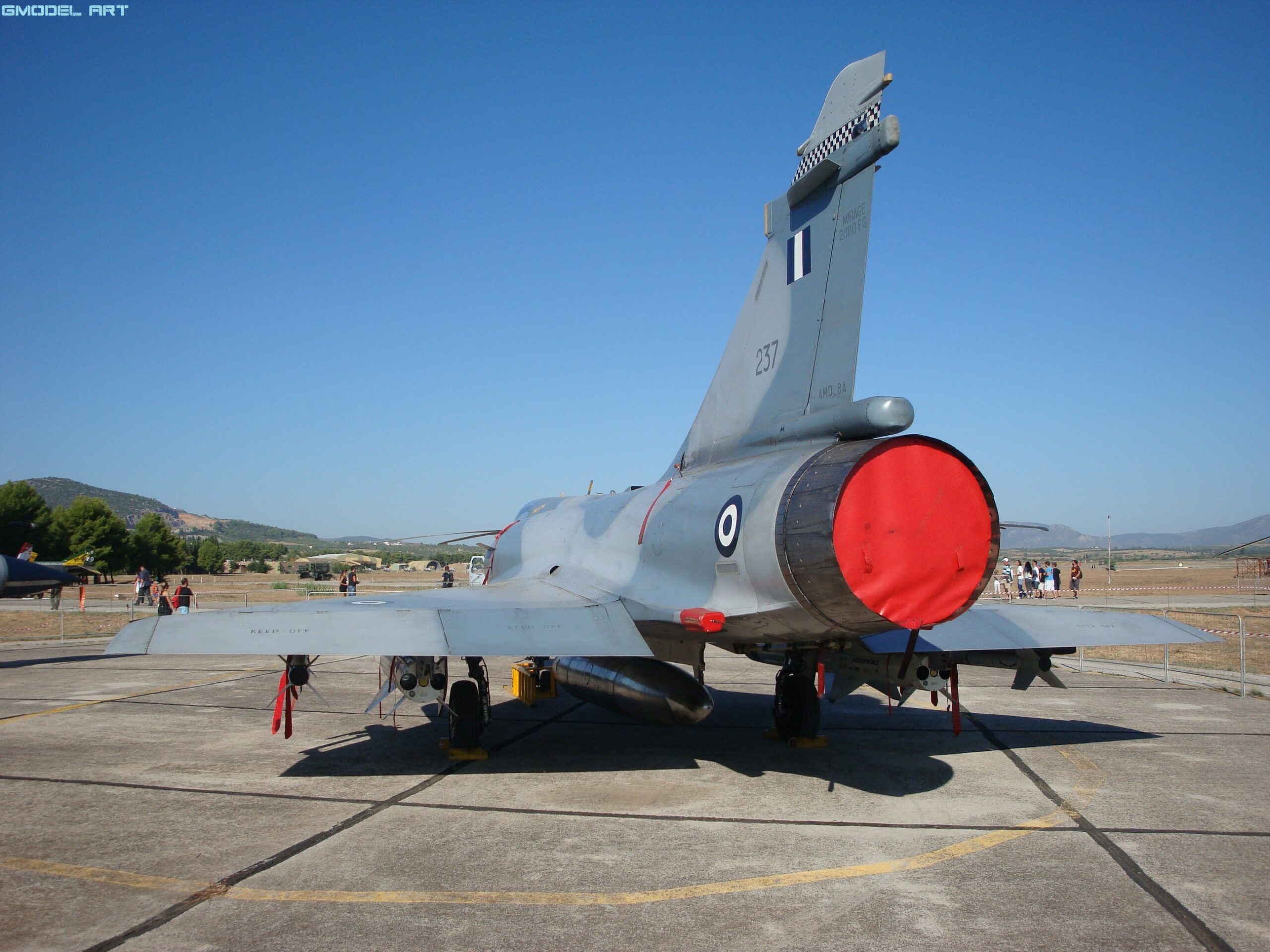
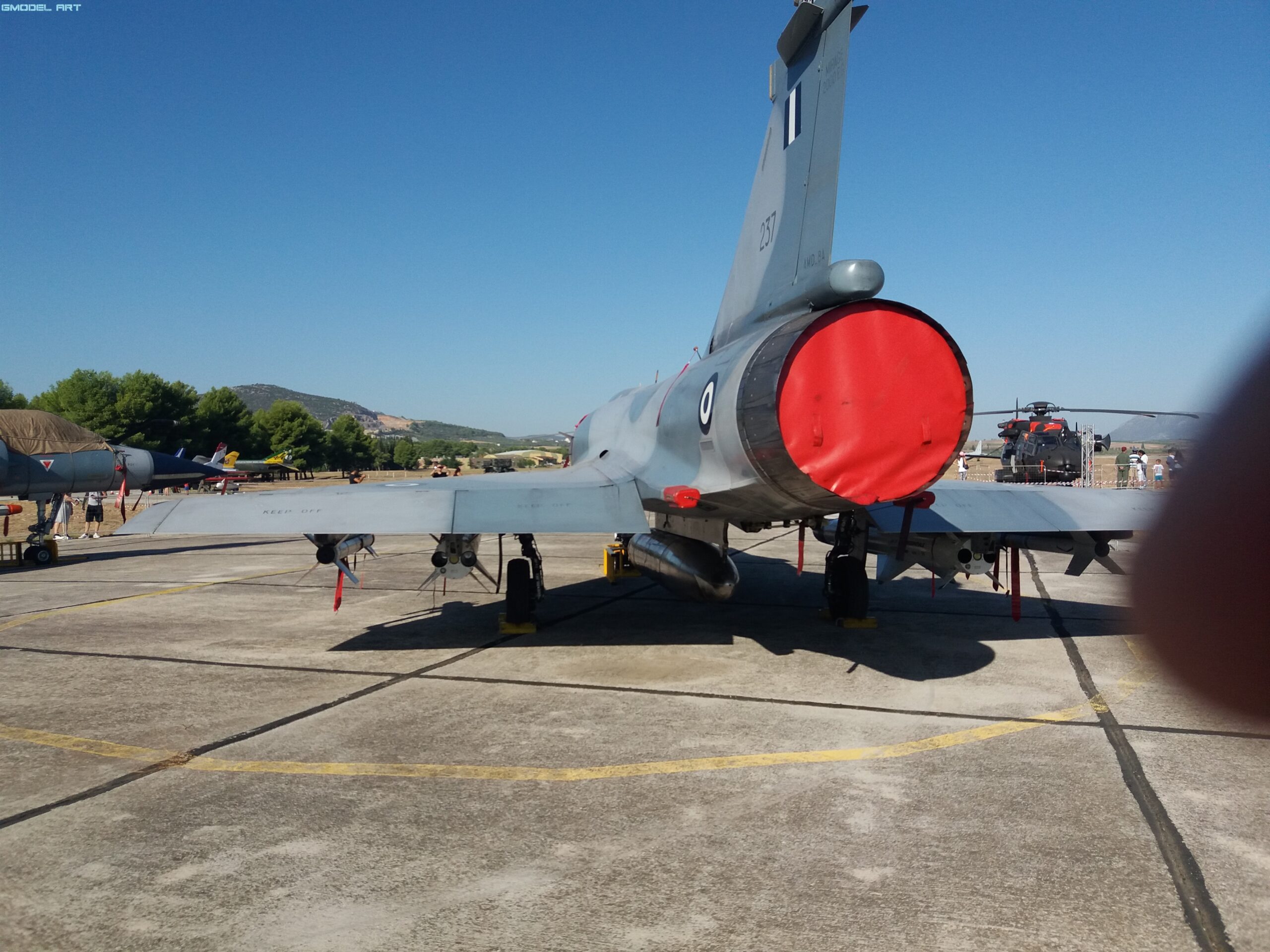
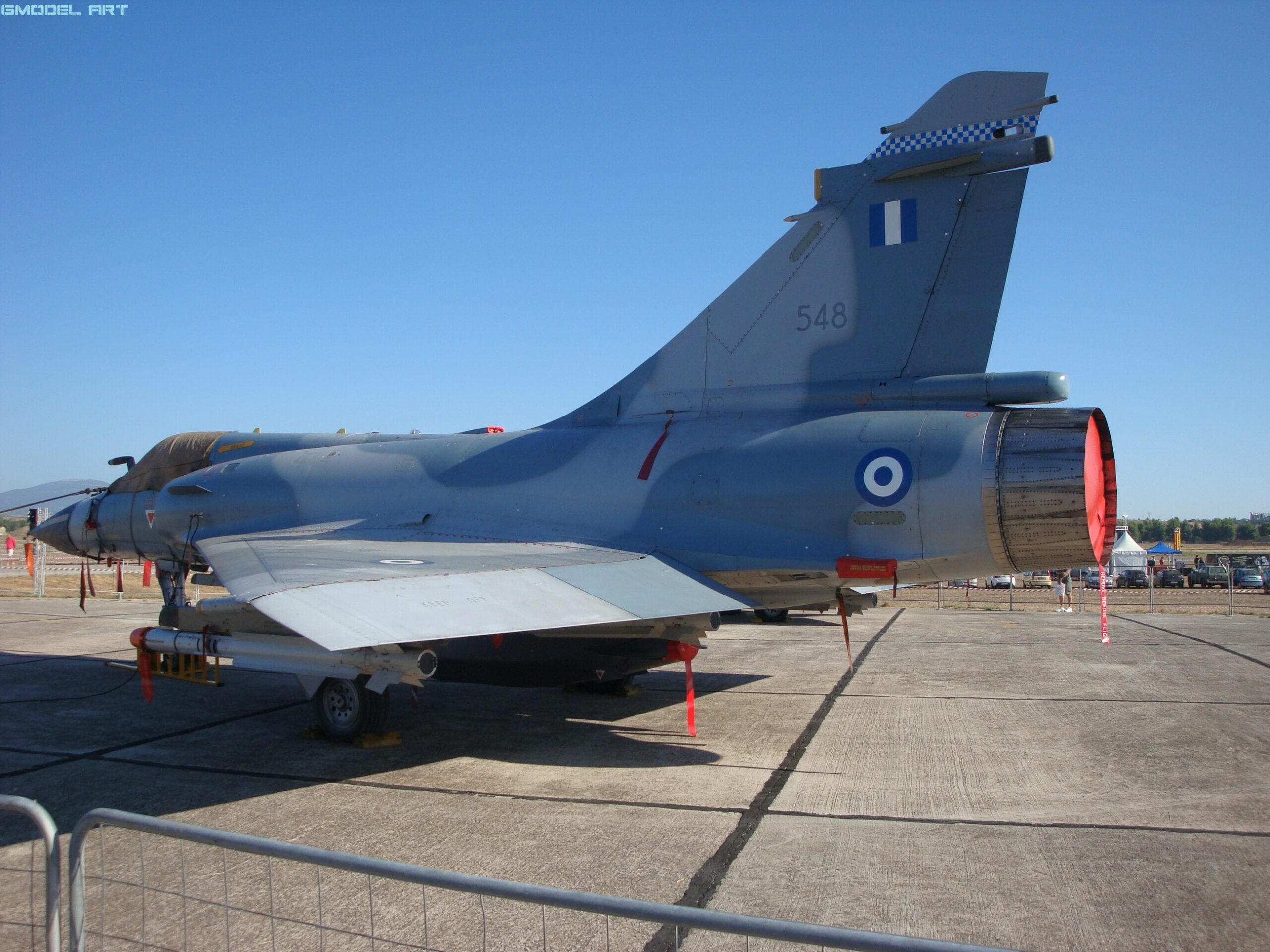
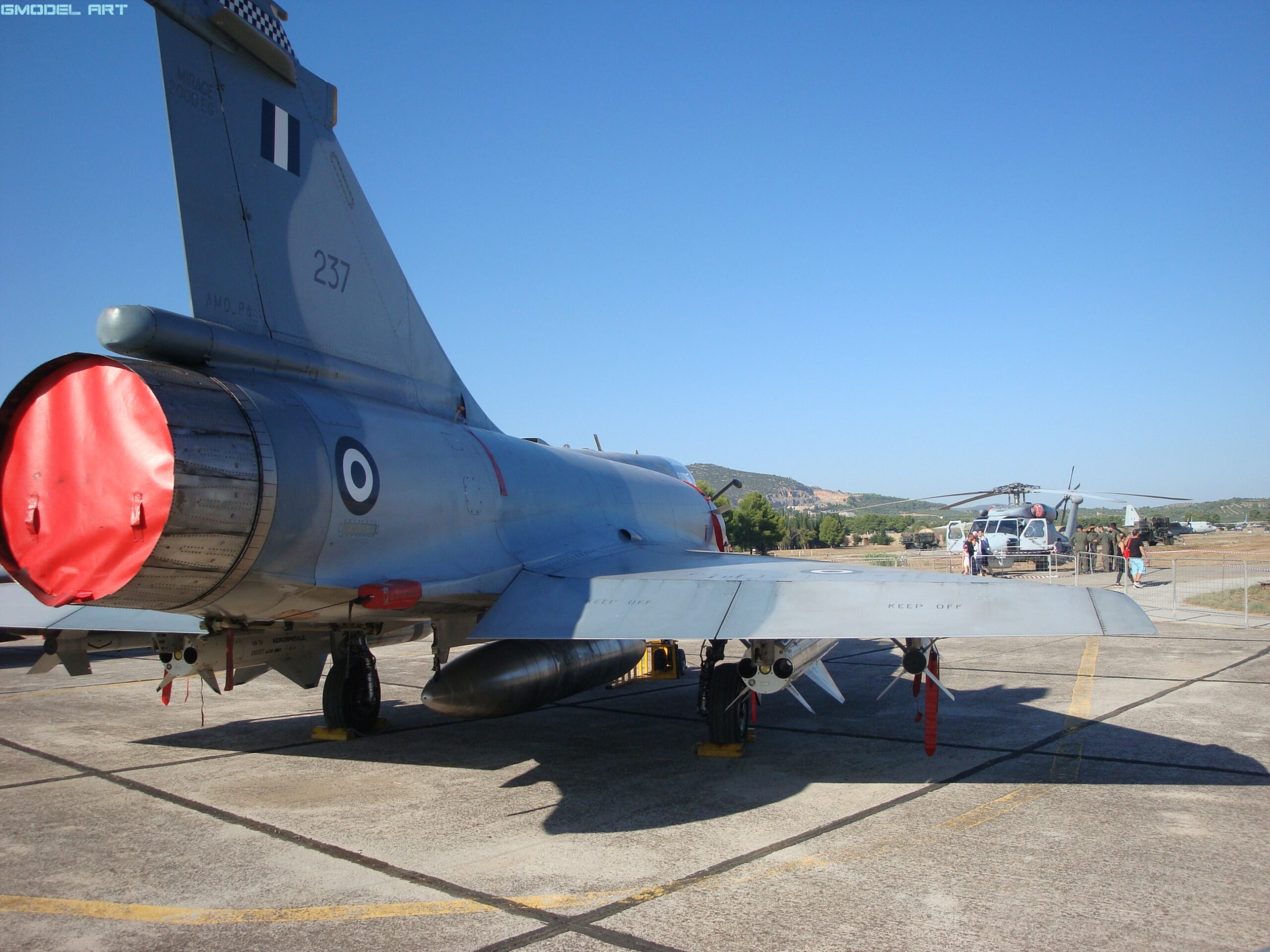
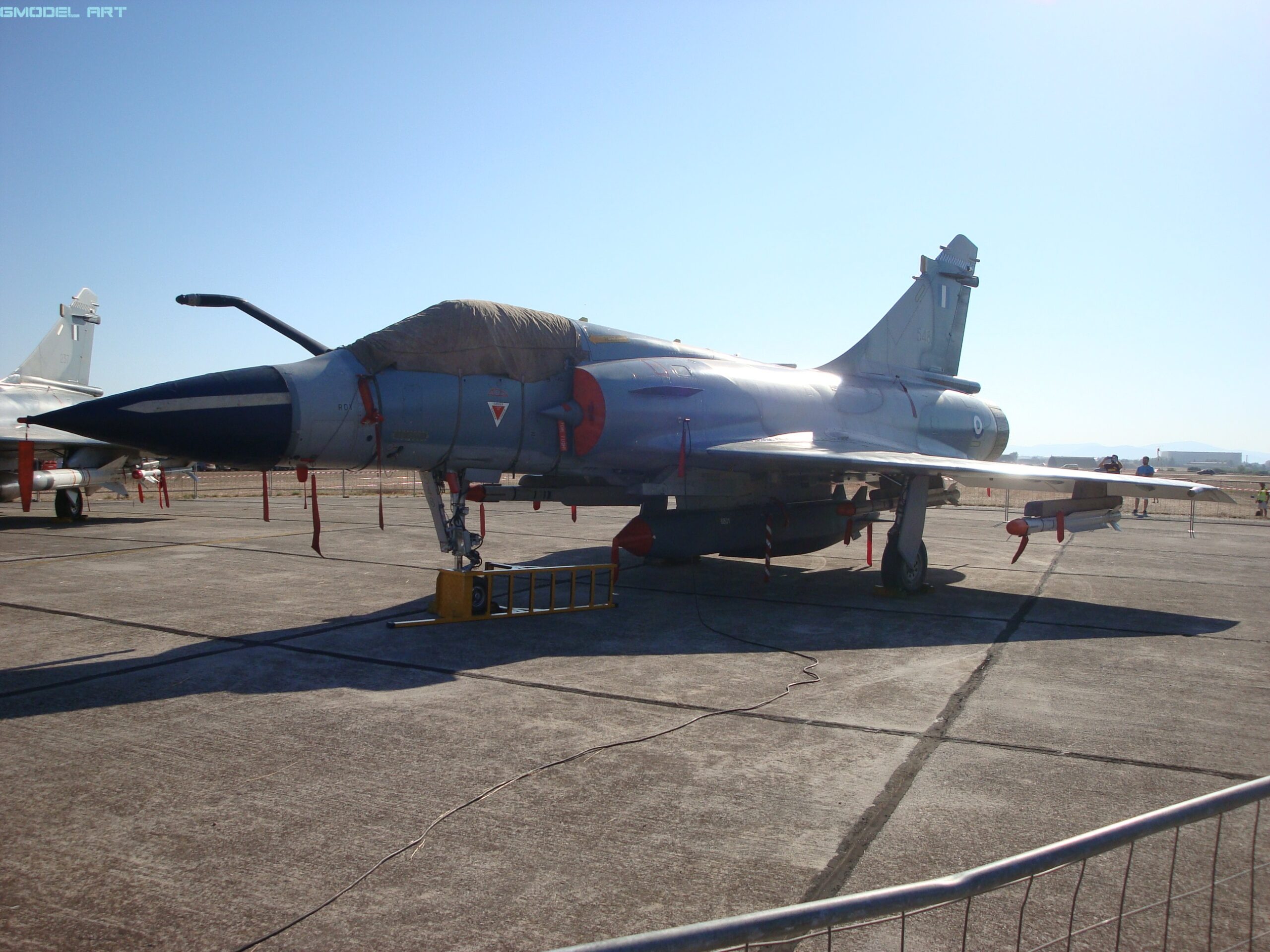
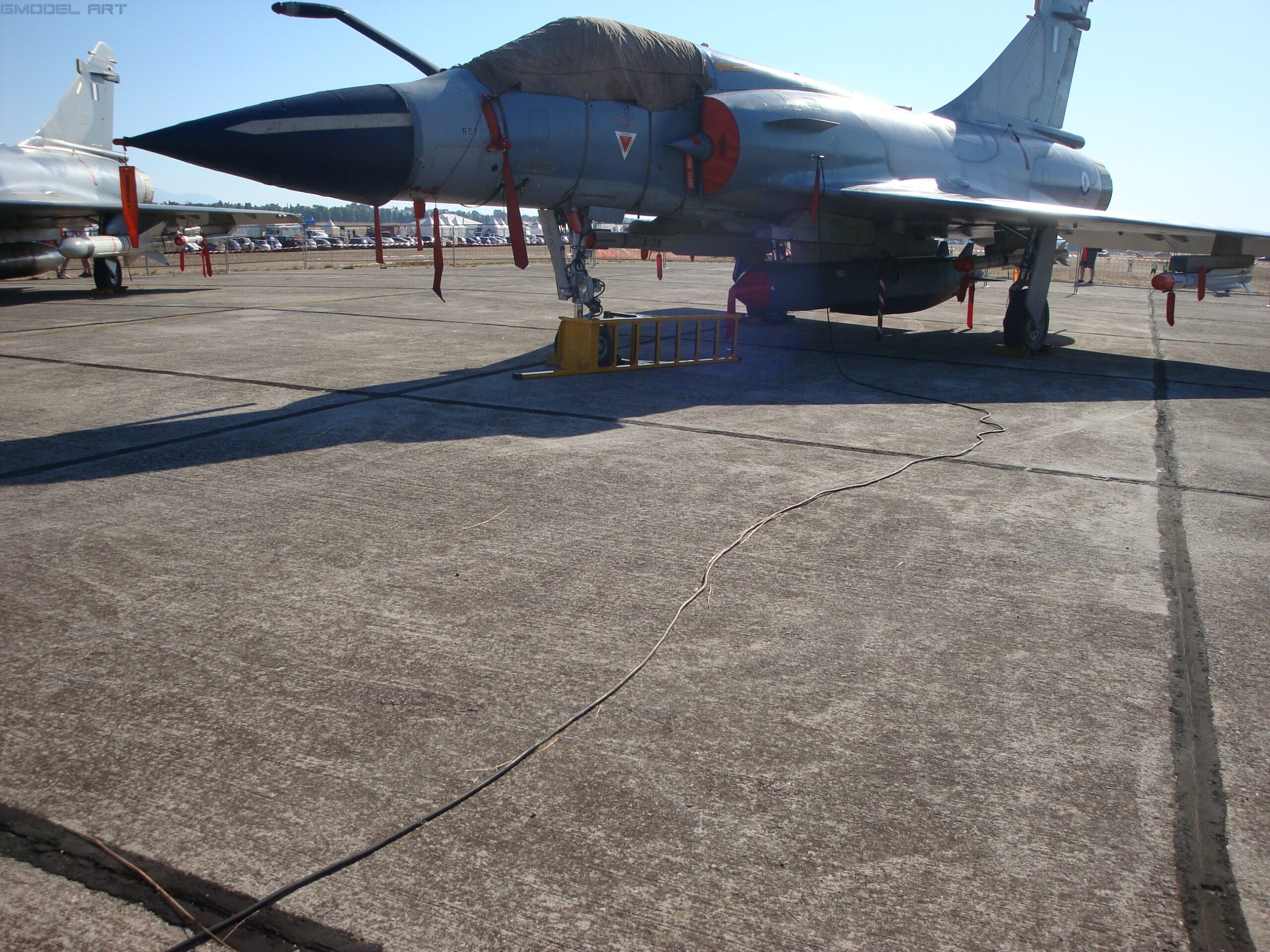
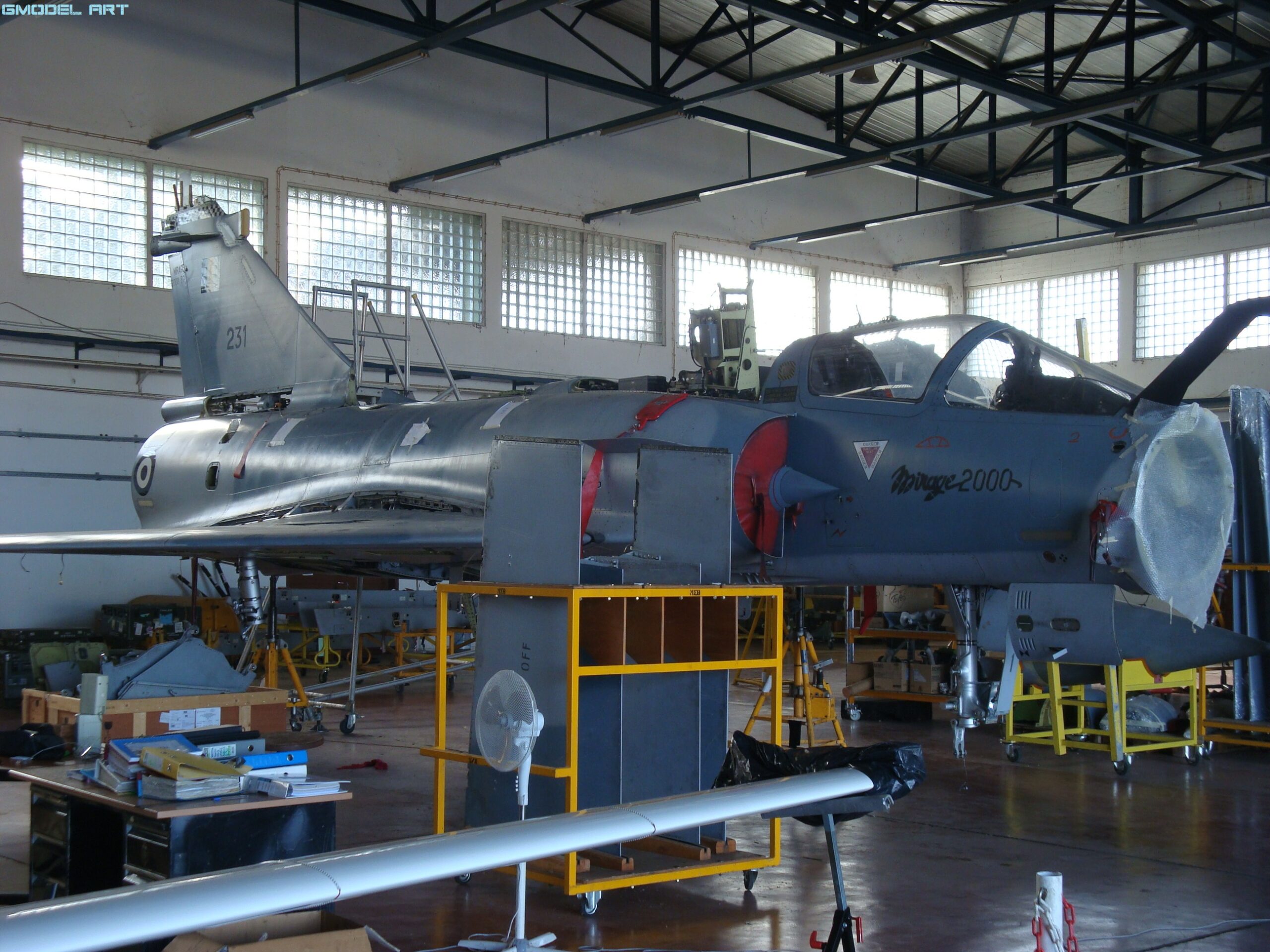
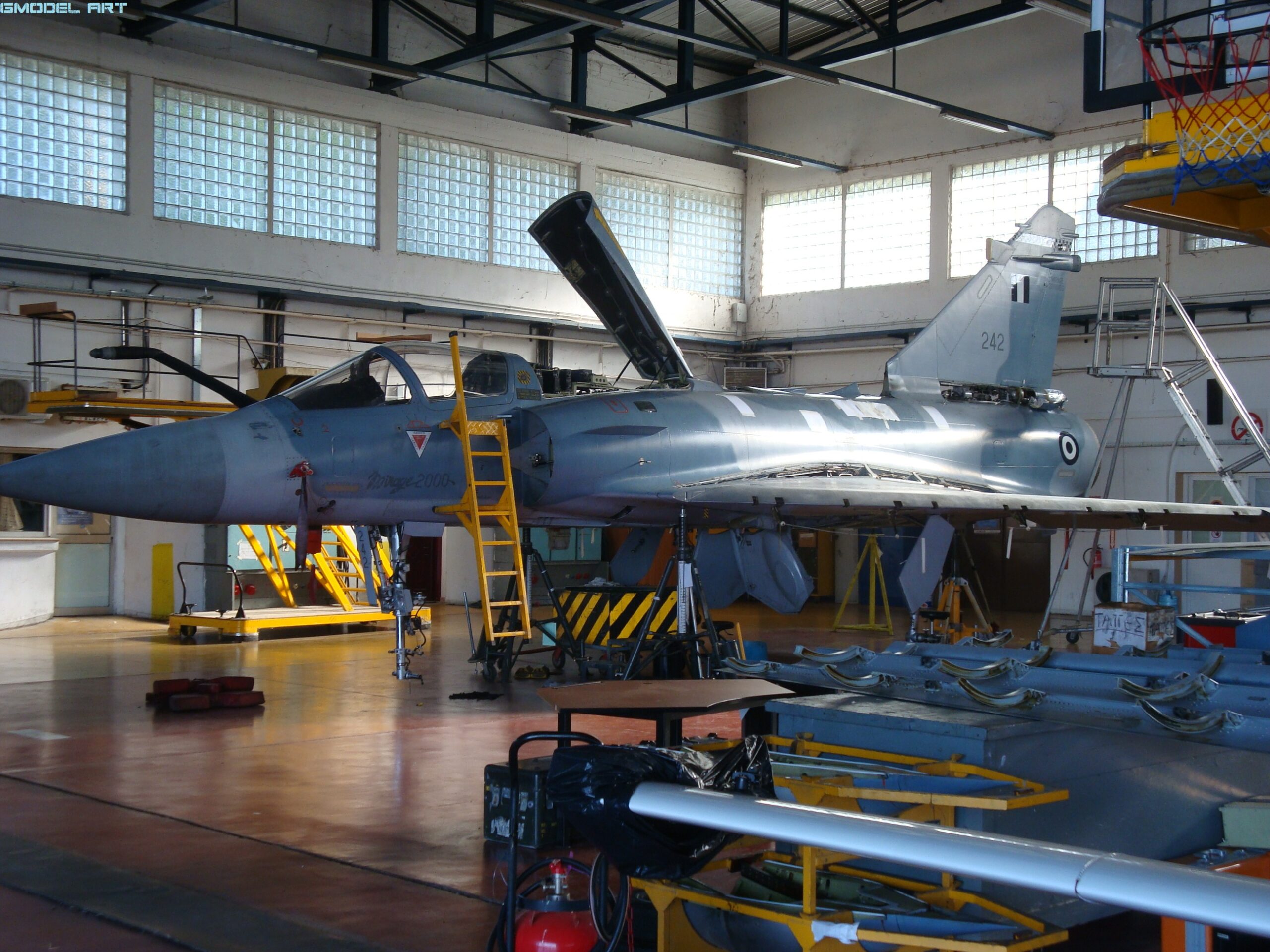
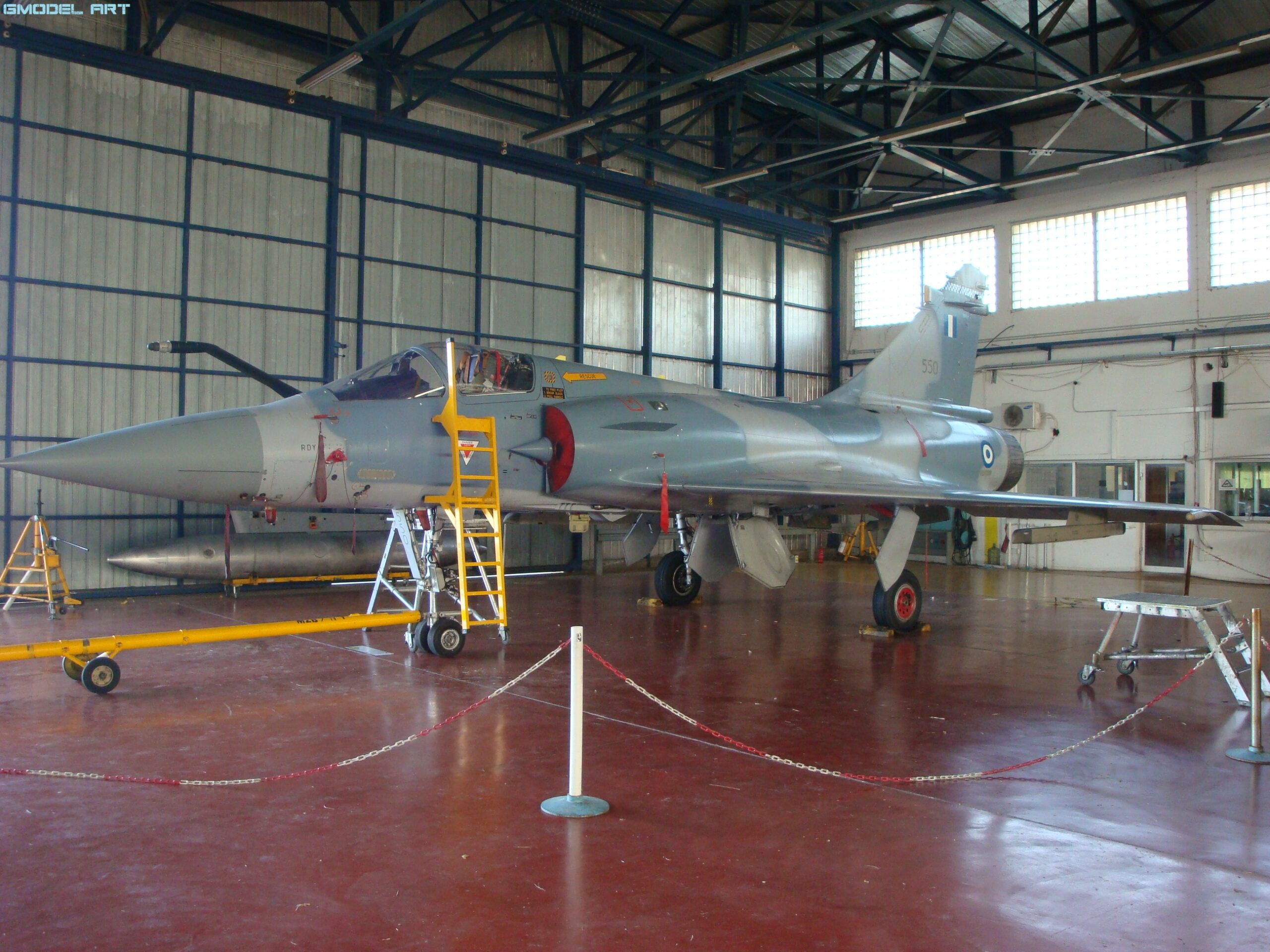
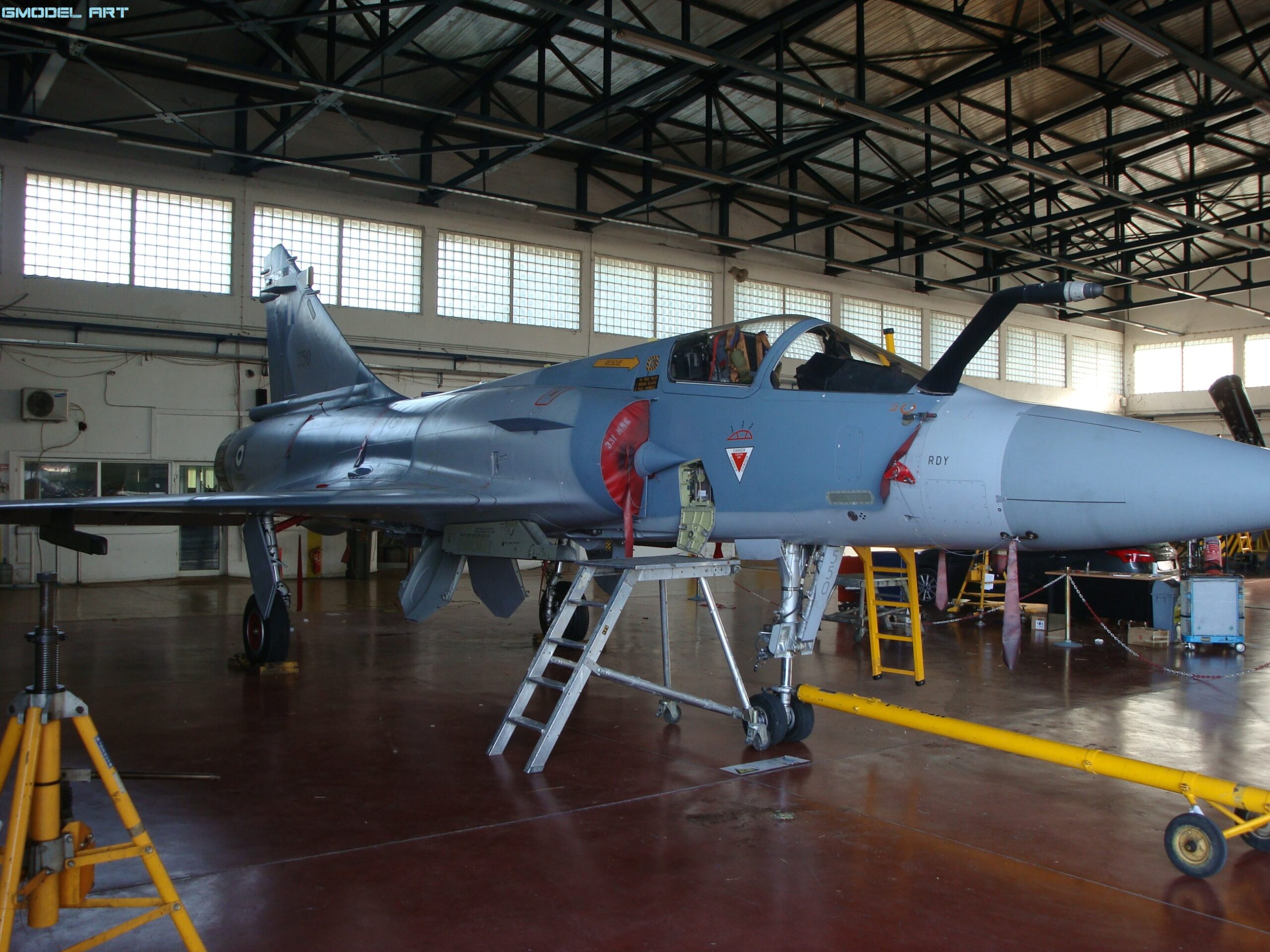
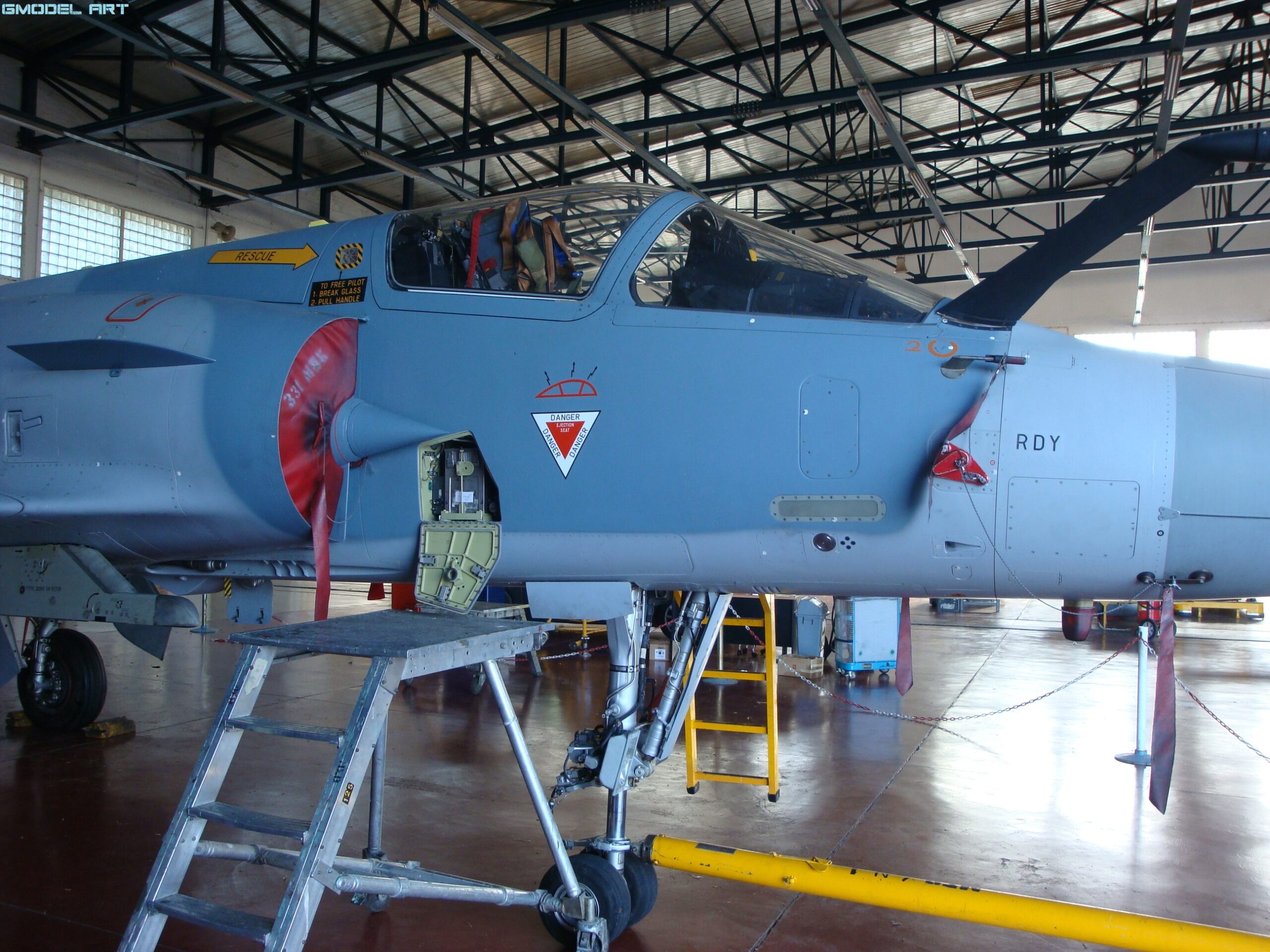
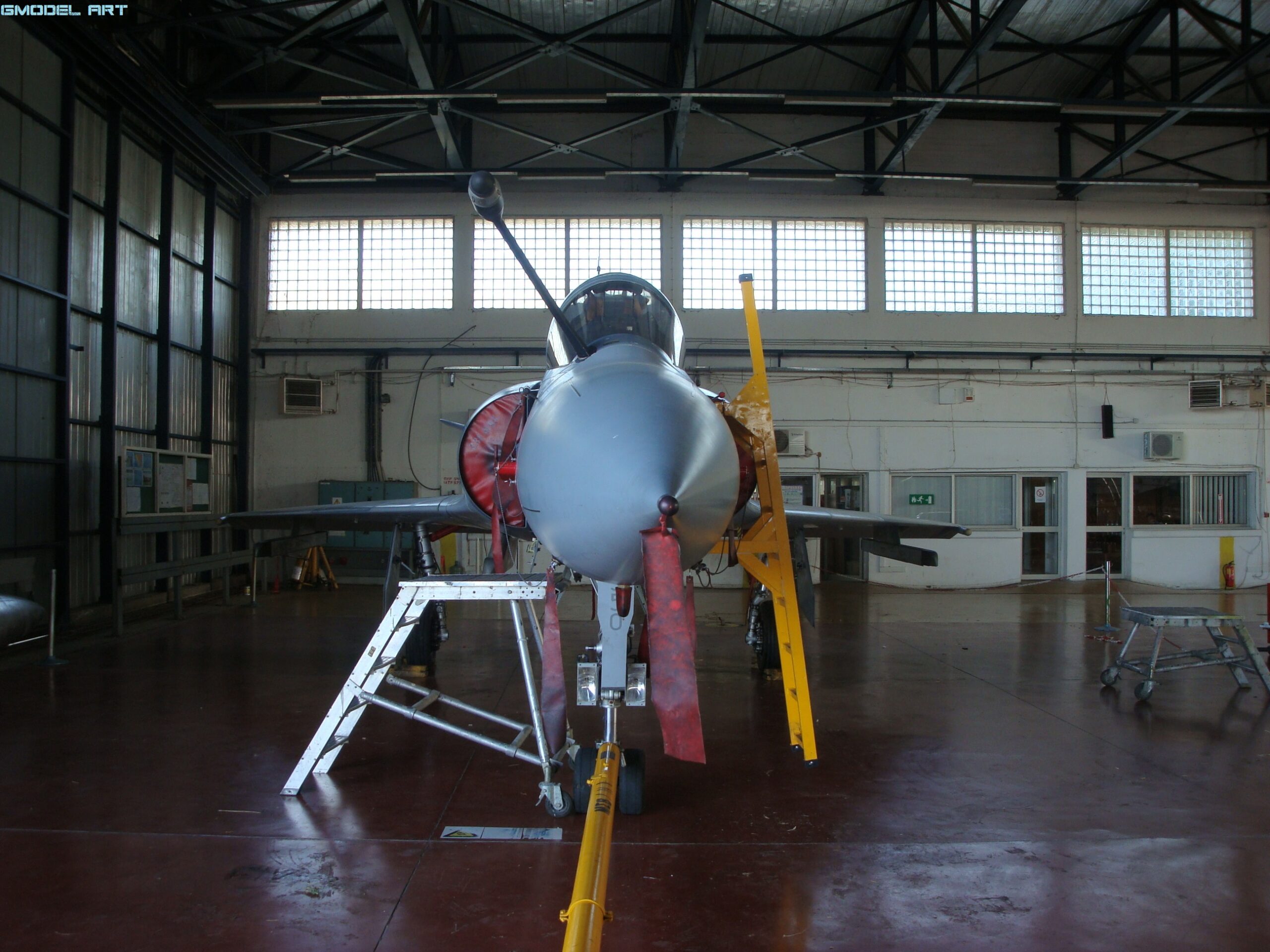
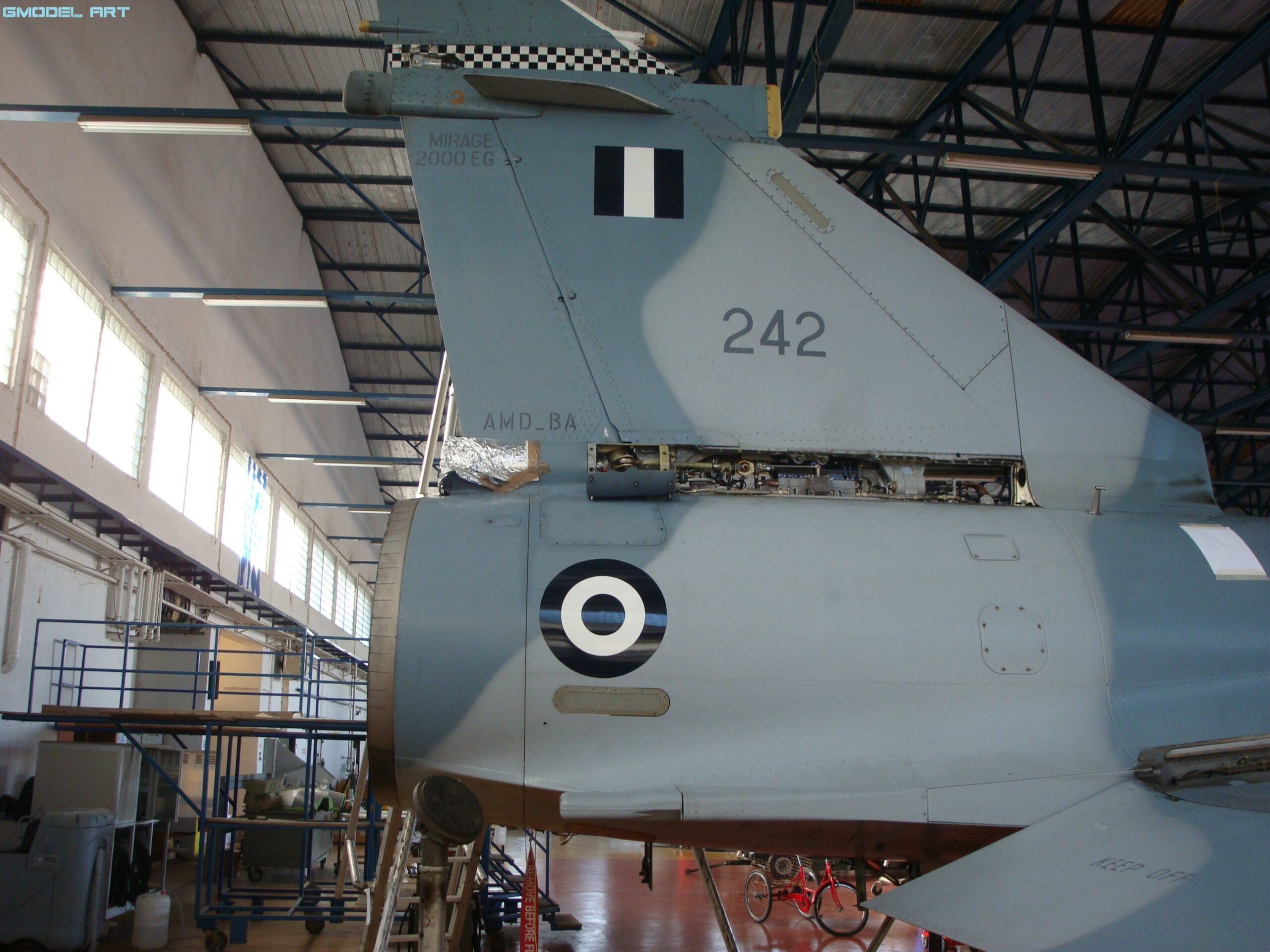
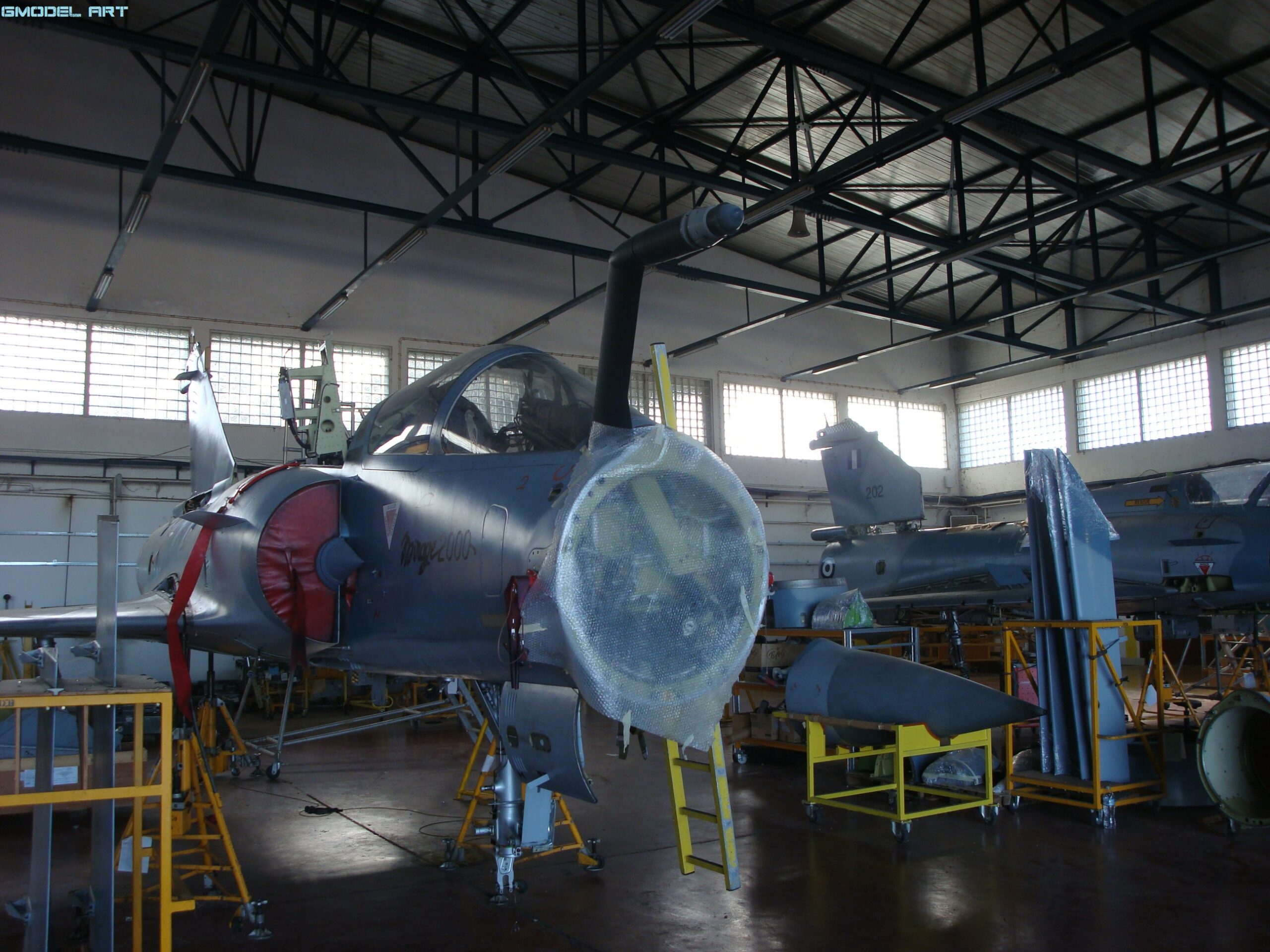
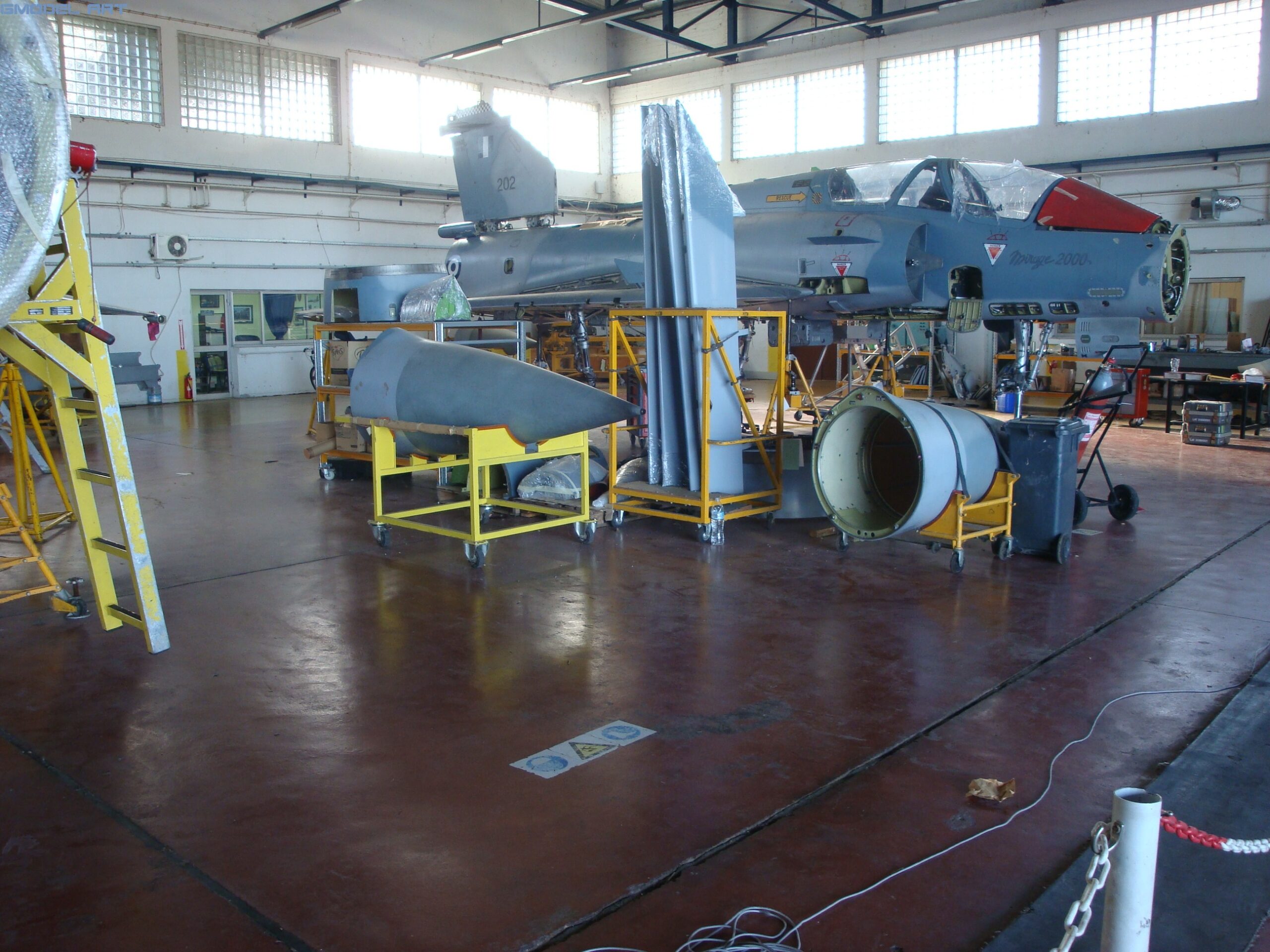
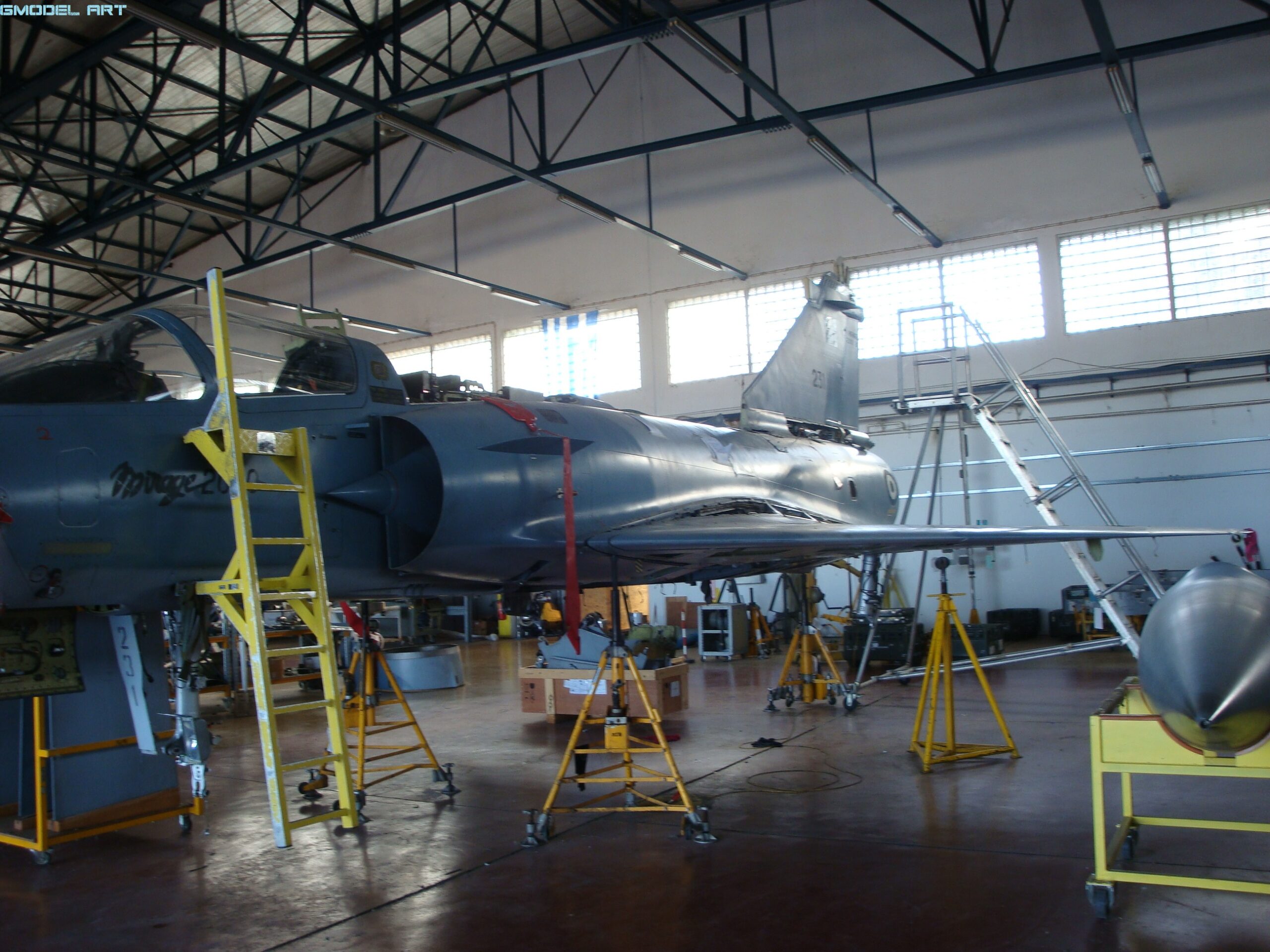
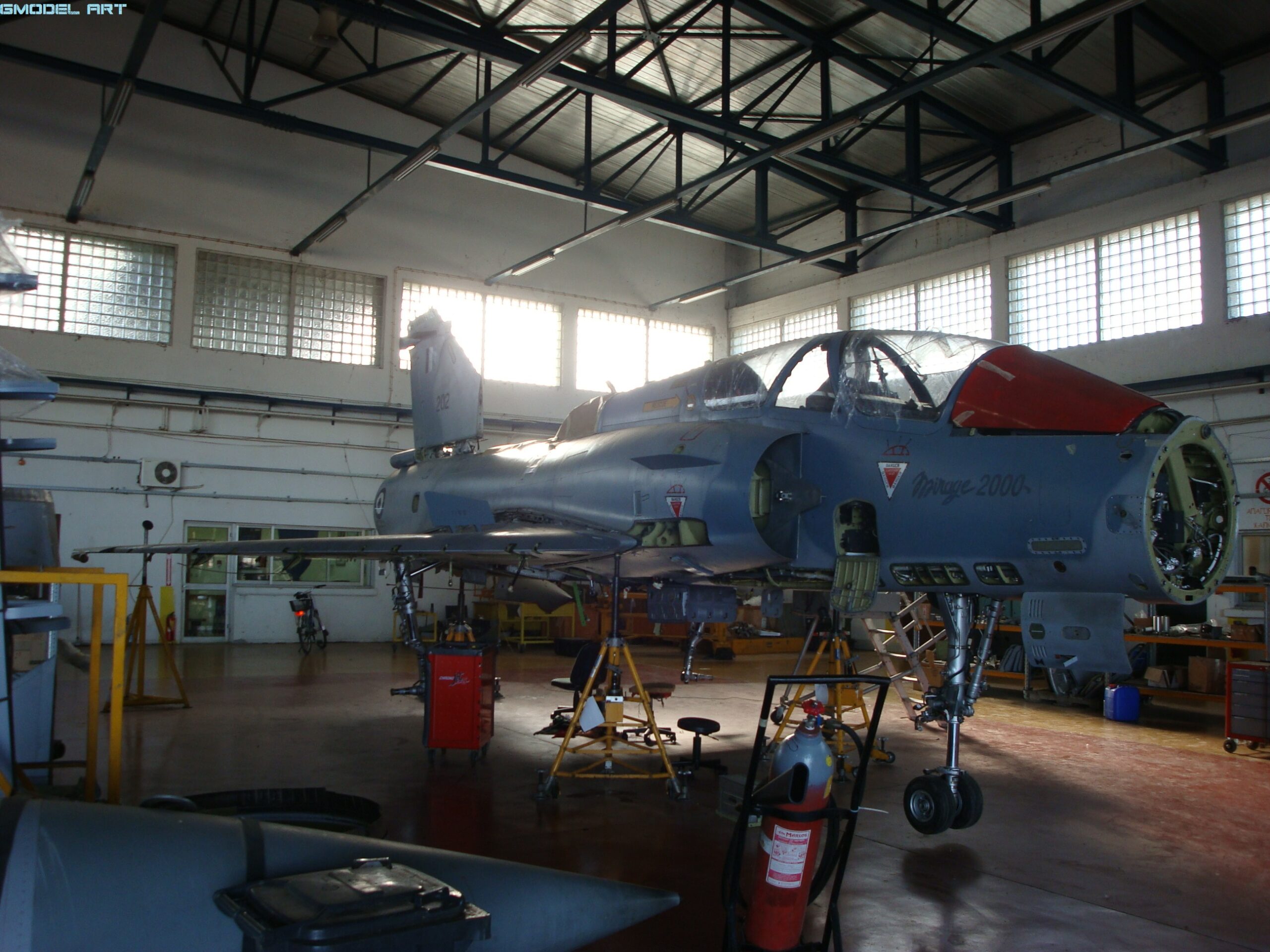
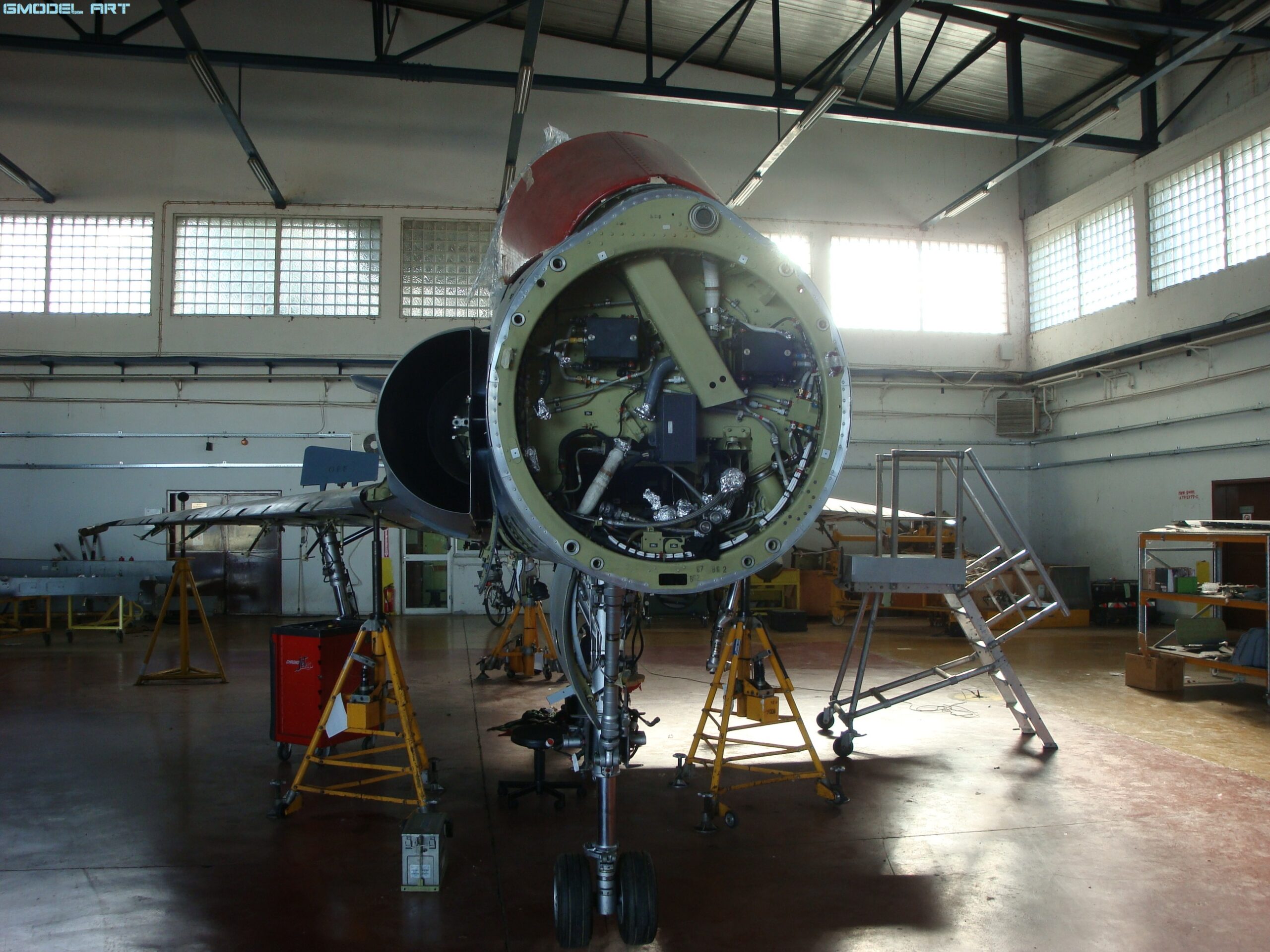
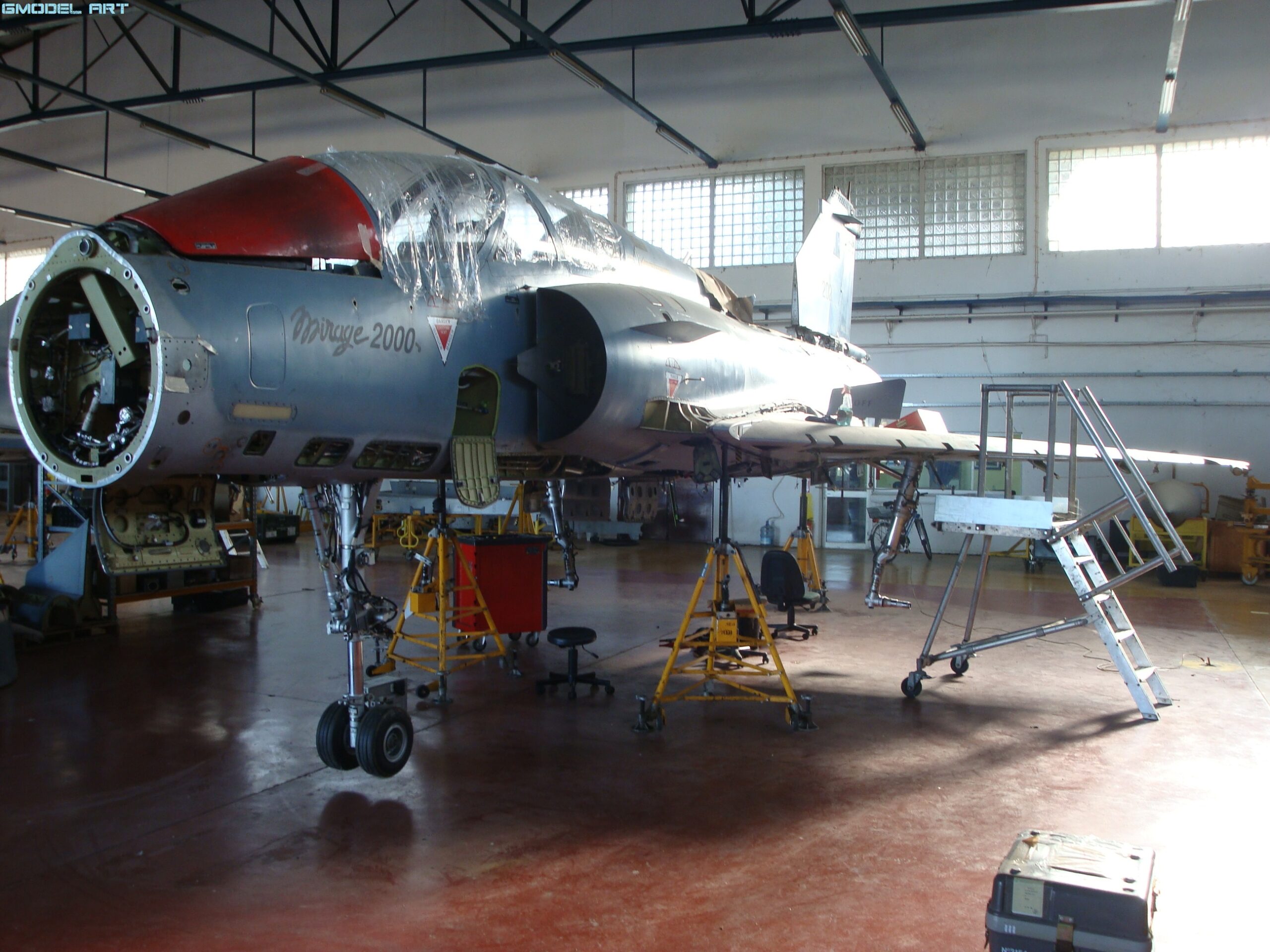
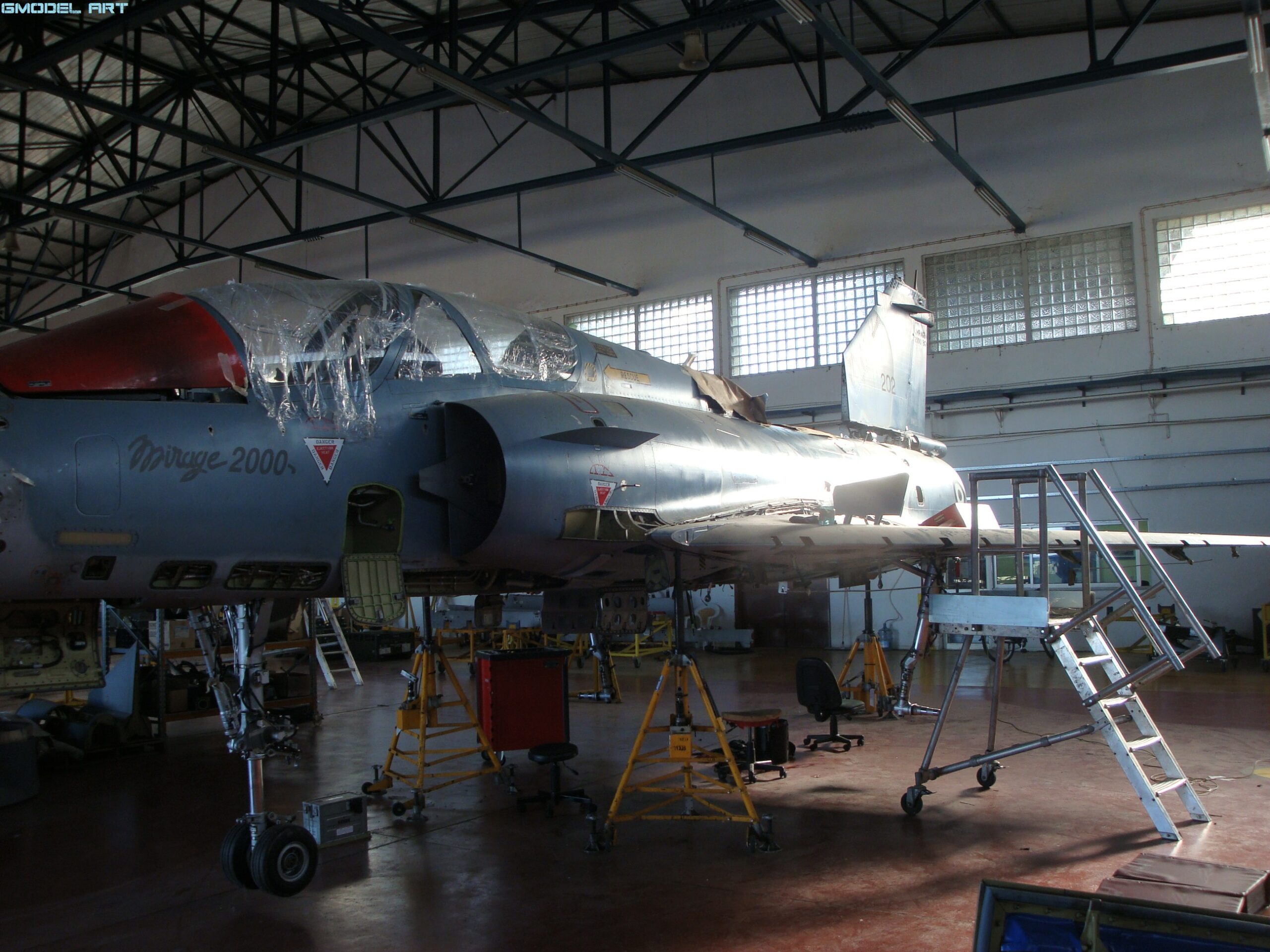
For scale modellers, the Greek Mirage is particularly interesting because the HAF aircraft cannot simply be treated as French Mirage 2000s carrying Greek markings. The Greek versions feature differences in equipment, antennas, weapons, avionics and external details.
331 and 332 Squadrons – The Greek Mirage Units
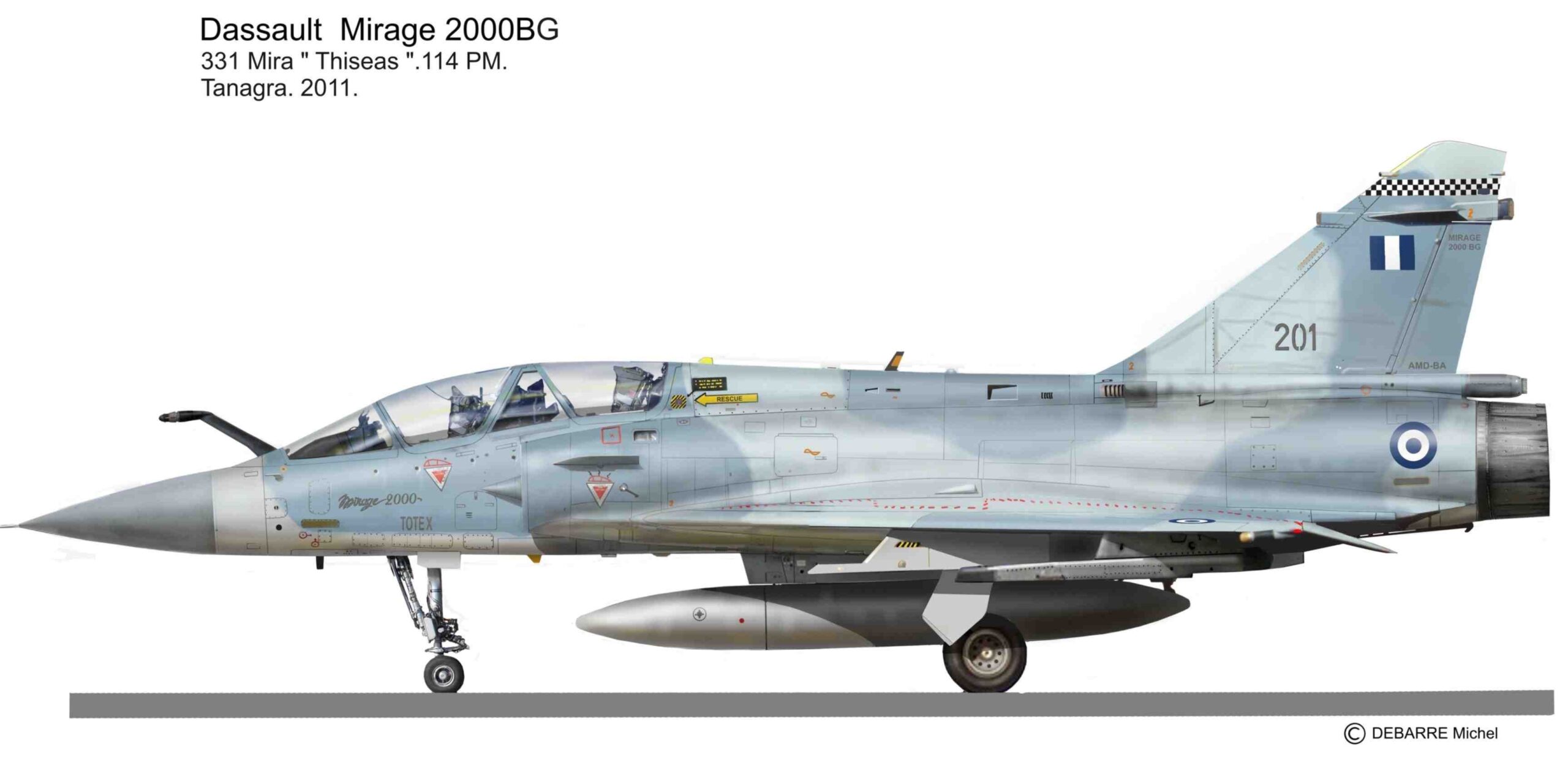
331 Squadron “Theseus”
The 331 Squadron “Theseus” was one of the two original HAF Mirage 2000 units at Tanagra.
The squadron subsequently became associated with the Mirage 2000-5 Mk2, receiving the upgraded aircraft as the HAF introduced the new standard.
Today, the 331 Squadron operates the Hellenic Air Force’s Mirage 2000-5 fleet and remains based at Tanagra Air Base with the 114 Combat Wing. Recent references continue to identify the 331 Squadron as the HAF Mirage 2000-5 unit.
For a modeller, the 331 Squadron therefore points primarily toward:
Mirage 2000-5EG / Mirage 2000-5BG
with the appropriate modern Greek markings and weapons.
332 Squadron “Geraki”
The 332 Squadron “Geraki” (Hawk) also operated the original Greek Mirage 2000 fleet.
Following the introduction of the Mirage 2000-5, the remaining Mirage 2000EGM/BGM aircraft became associated with the 332 Squadron.
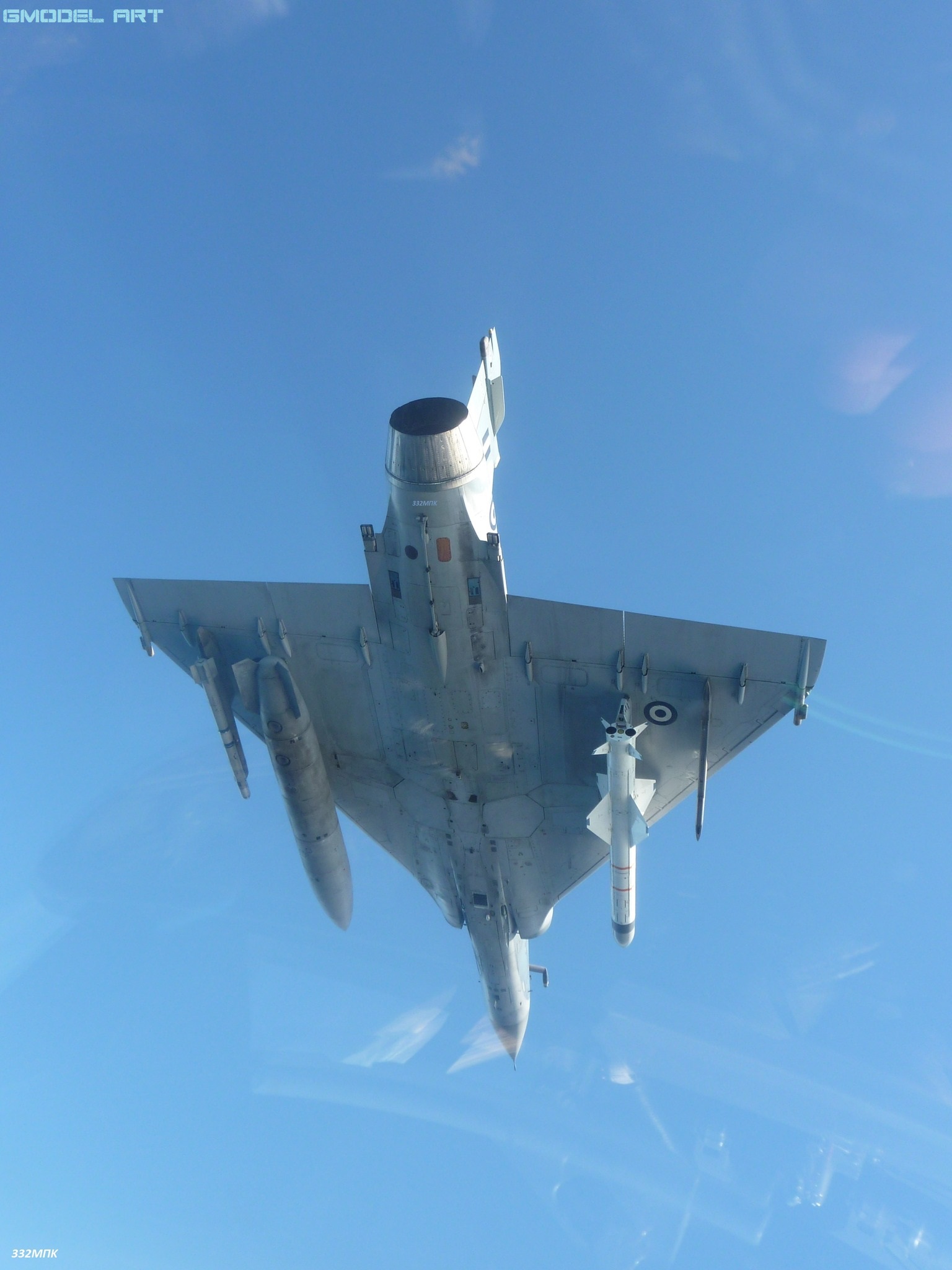
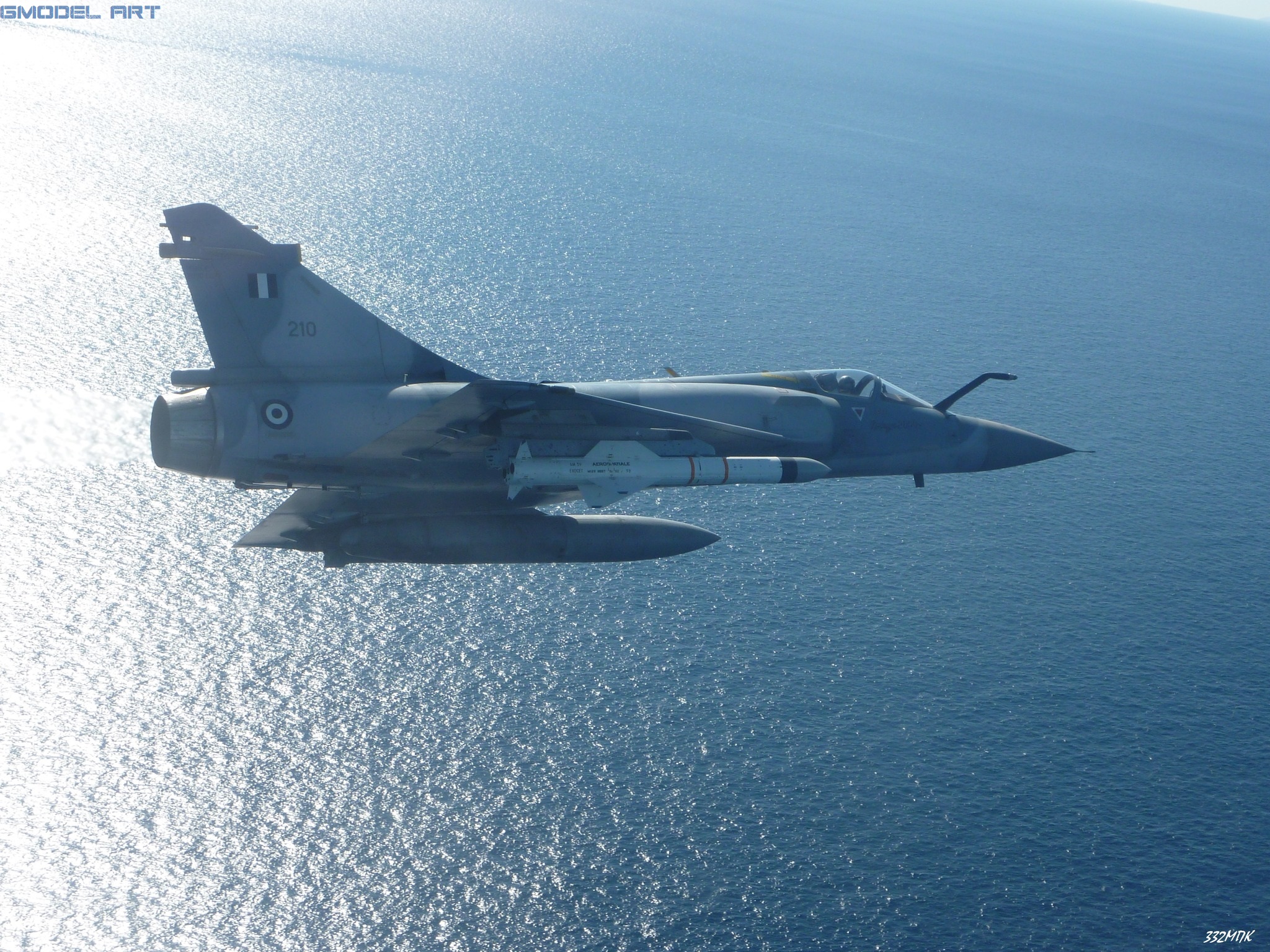
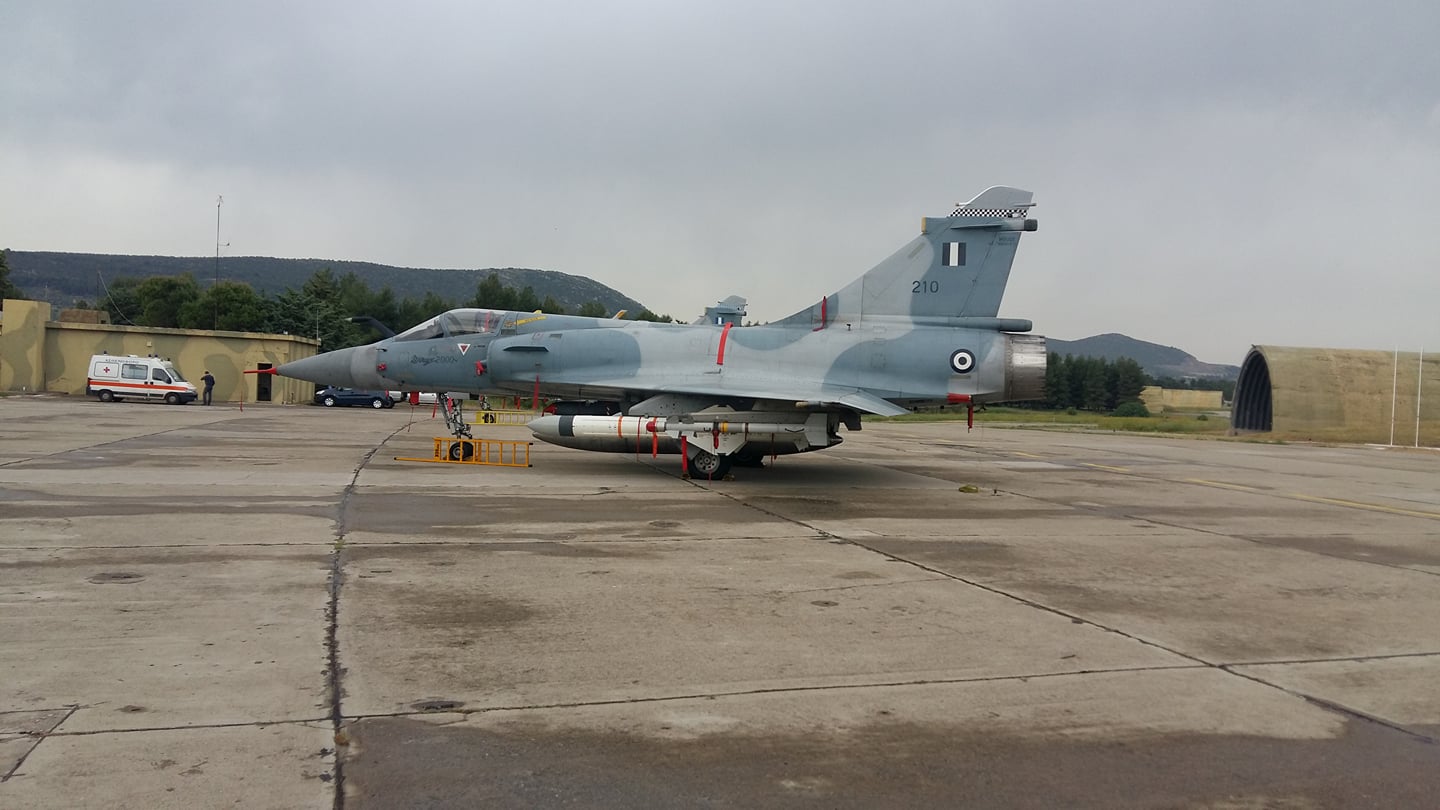
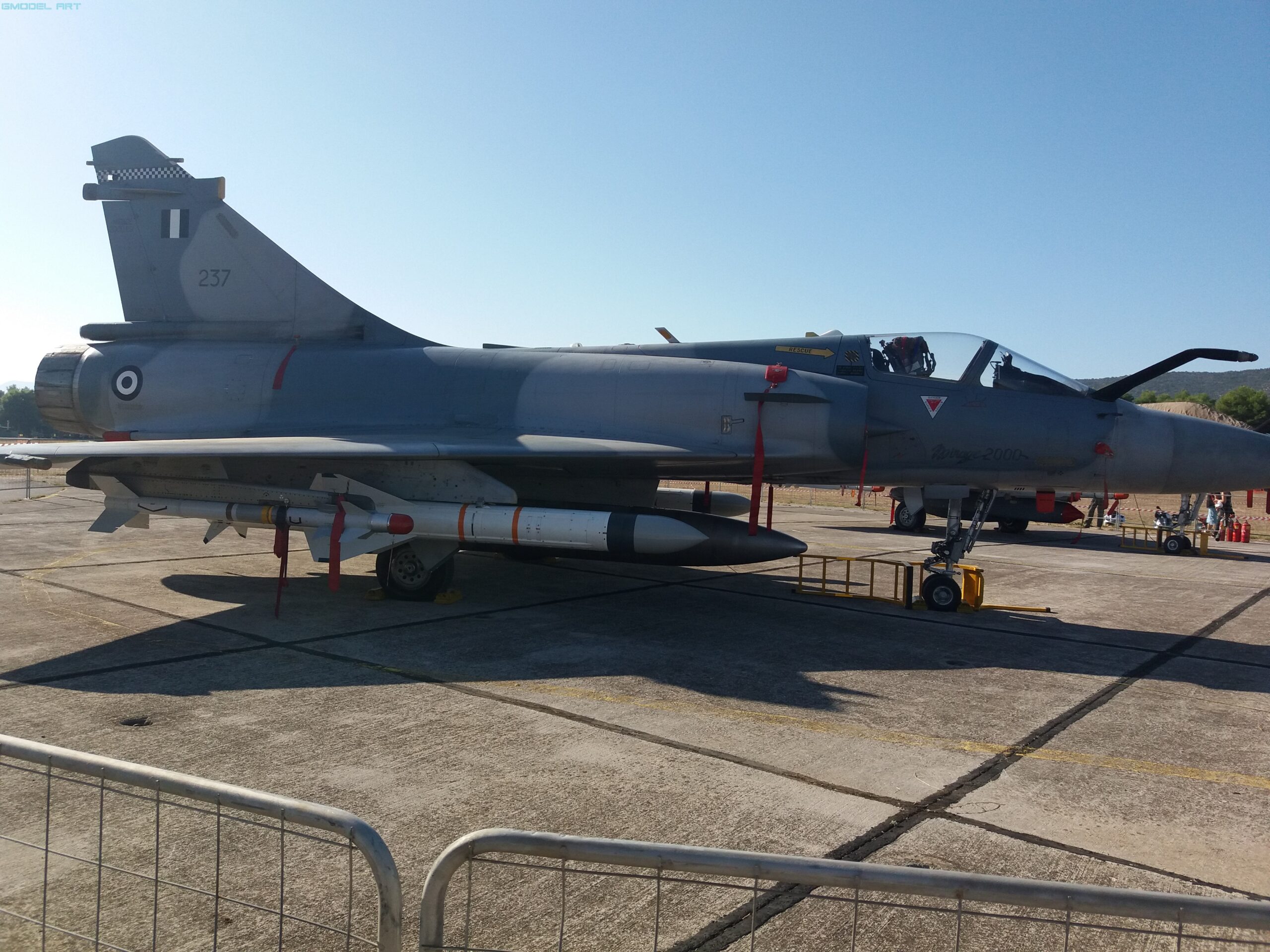
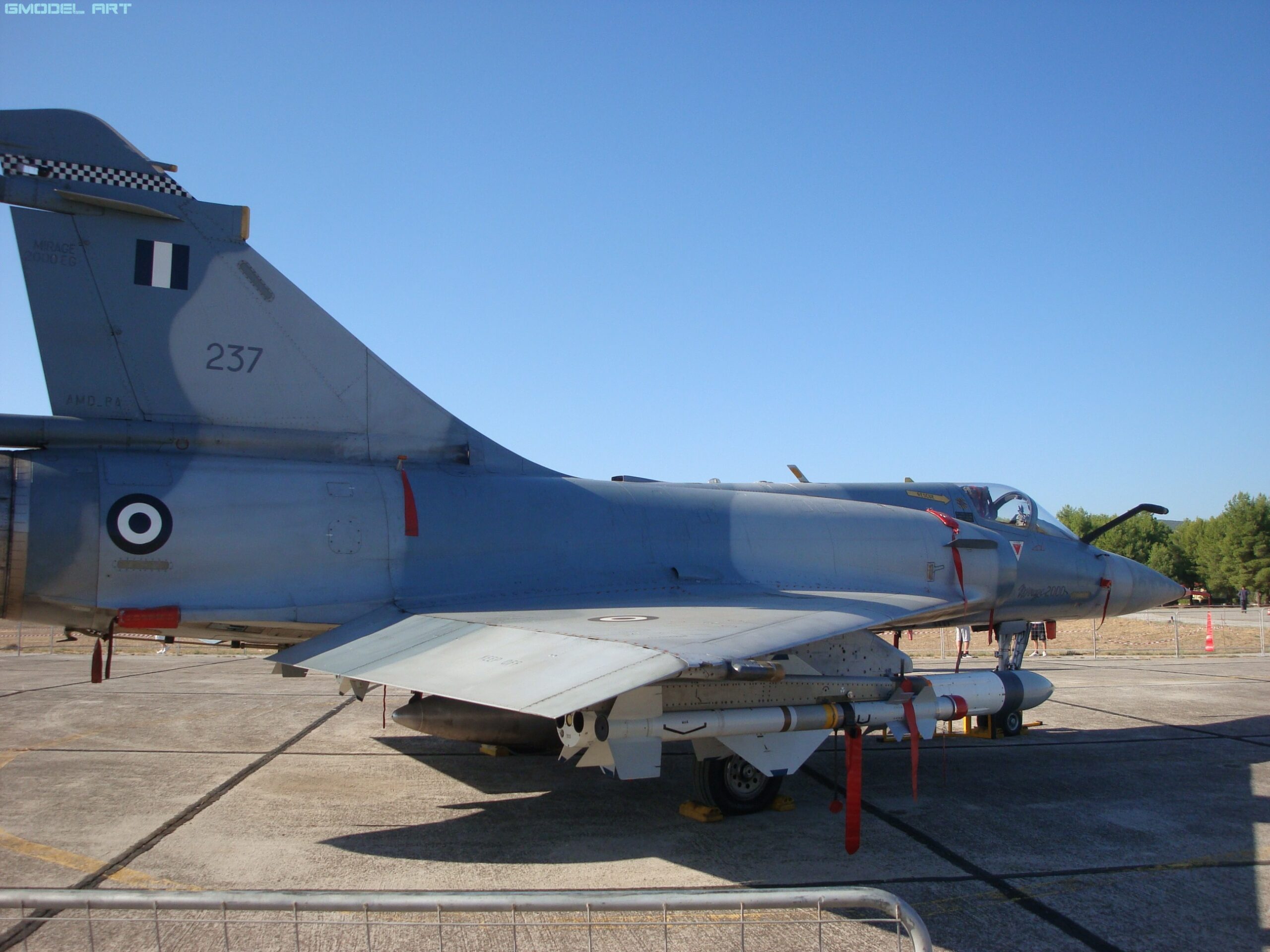
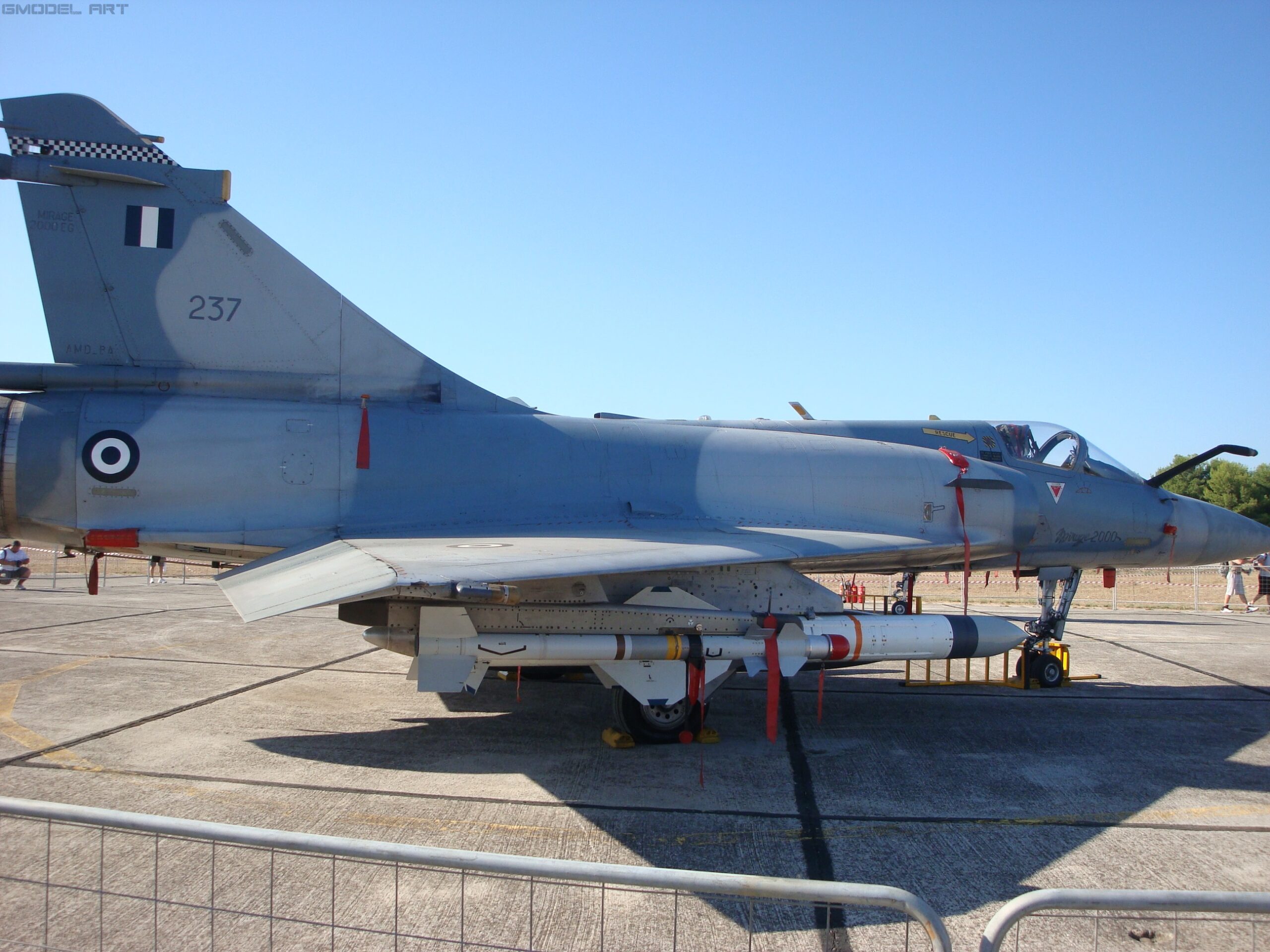
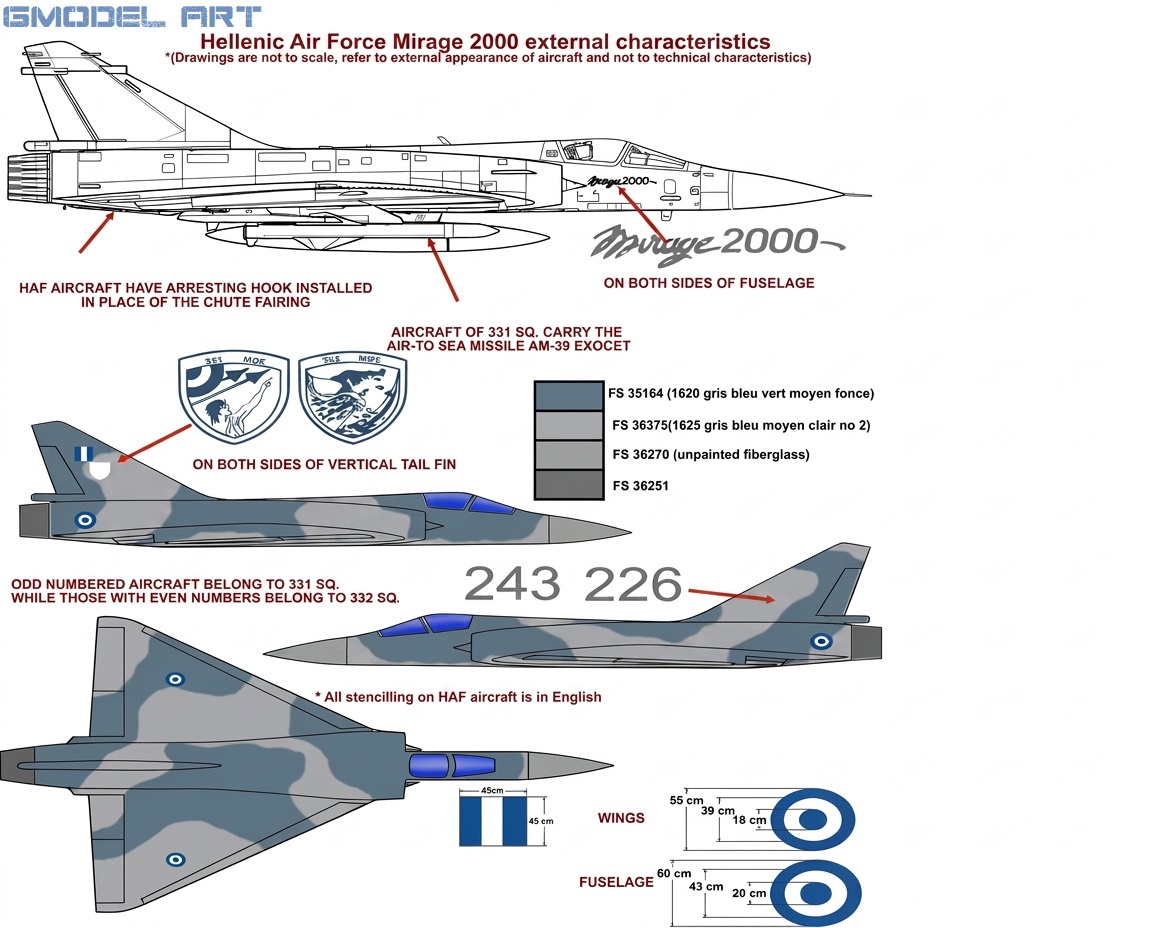
The unit became particularly identified with the Greek Mirage 2000’s maritime strike capability and the use of the AM39 Exocet anti-ship missile.
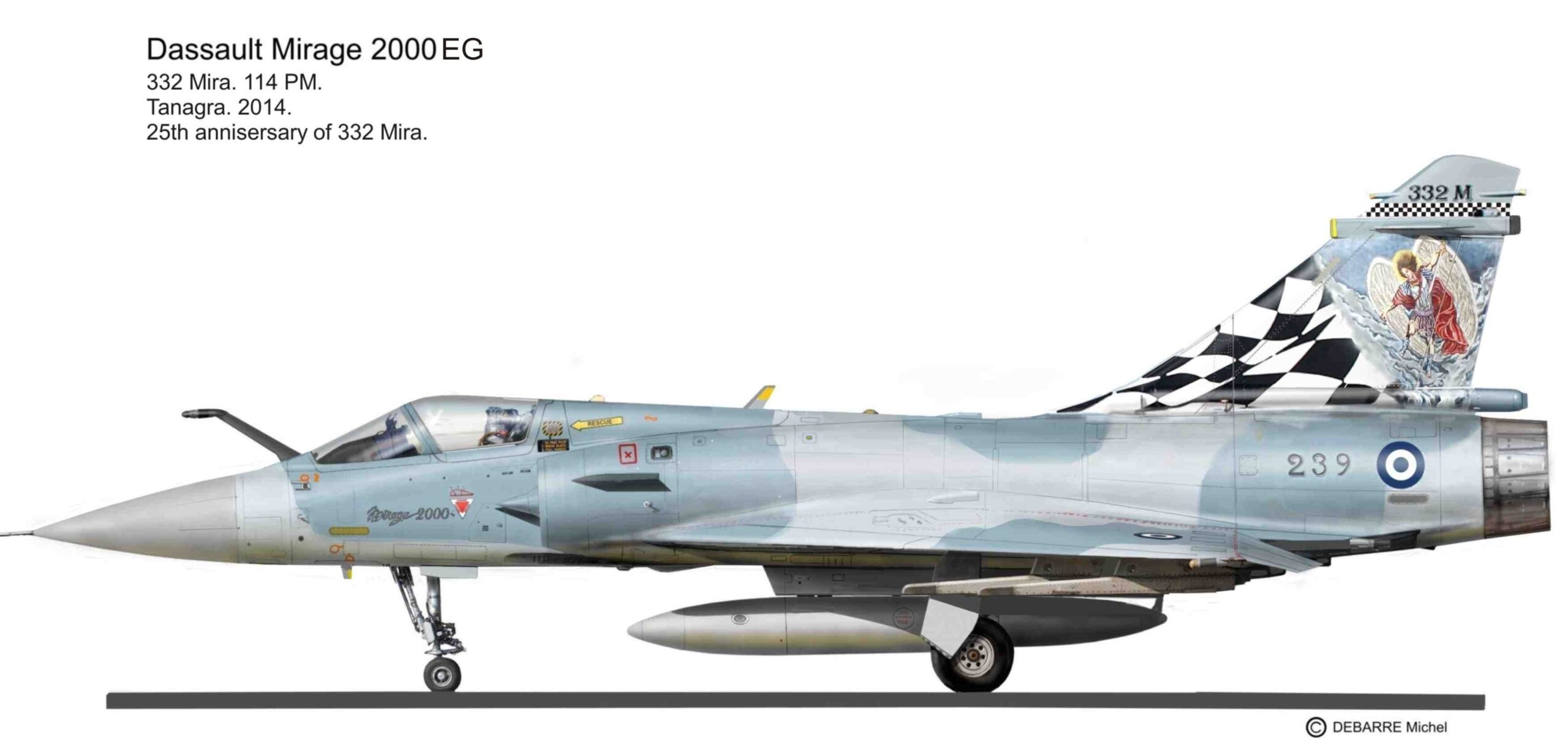
Modern references continue to identify the 332 Squadron with the Mirage 2000EGM/BGM fleet at Tanagra. A documented 332 Squadron Mirage 2000EGM, for example, represents the unit in the 2020 period.
For scale modelling:
332 Squadron = Mirage 2000EGM/BGM
is therefore the most characteristic Greek configuration to reproduce.
The 114 Combat Wing at Tanagra
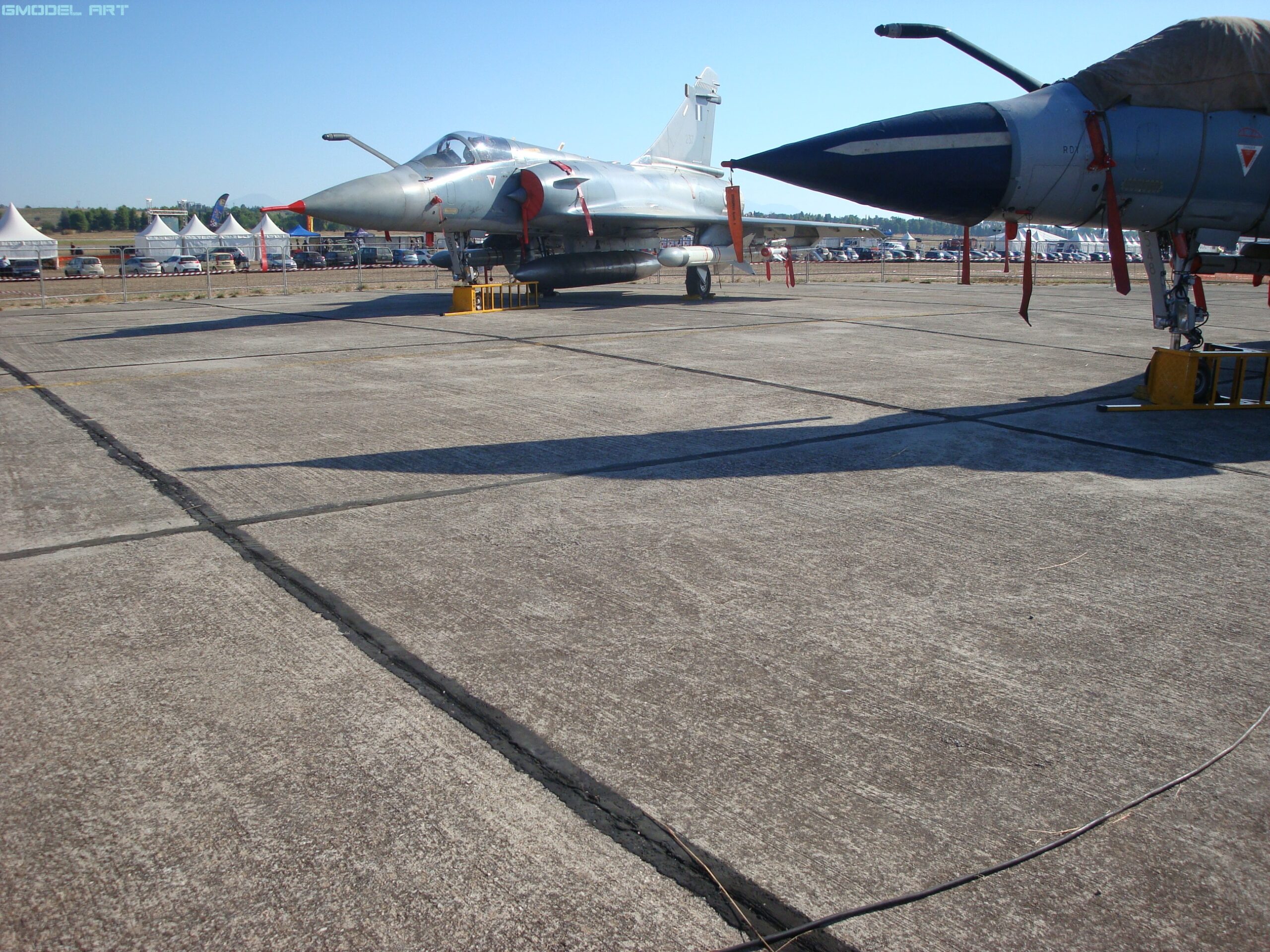
Both Mirage squadrons are associated with the 114 Combat Wing at Tanagra Air Base, north of Athens.
This is particularly important for modelling because the Tanagra environment is reflected directly in the appearance of operational HAF Mirage 2000 aircraft.
The aircraft operate in:
intense Mediterranean sunlight
high summer temperatures
dry and dusty conditions
occasional strong winds
airborne dust and salt contamination
frequent maintenance activity
repeated aircraft washing
hydraulic and fuel servicing
exposure to rain during the winter months.
Consequently, two aircraft carrying apparently identical camouflage colours can look surprisingly different in photographs.
From Mirage 2000EG/BG to EGM/BGM
The first Greek Mirage 2000s were delivered in 1988–1989:
| Version | Configuration | Quantity |
|---|---|---|
| Mirage 2000EG | Single-seat | 36 |
| Mirage 2000BG | Two-seat | 4 |
| Total | 40 |
The original aircraft were broadly equivalent to export versions of the Mirage 2000C/B, but the Hellenic configuration was adapted to Greek operational requirements.
During the 1990s the aircraft underwent modernization.
The upgraded aircraft became:
Mirage 2000EGM – single-seat
Mirage 2000BGM – two-seat
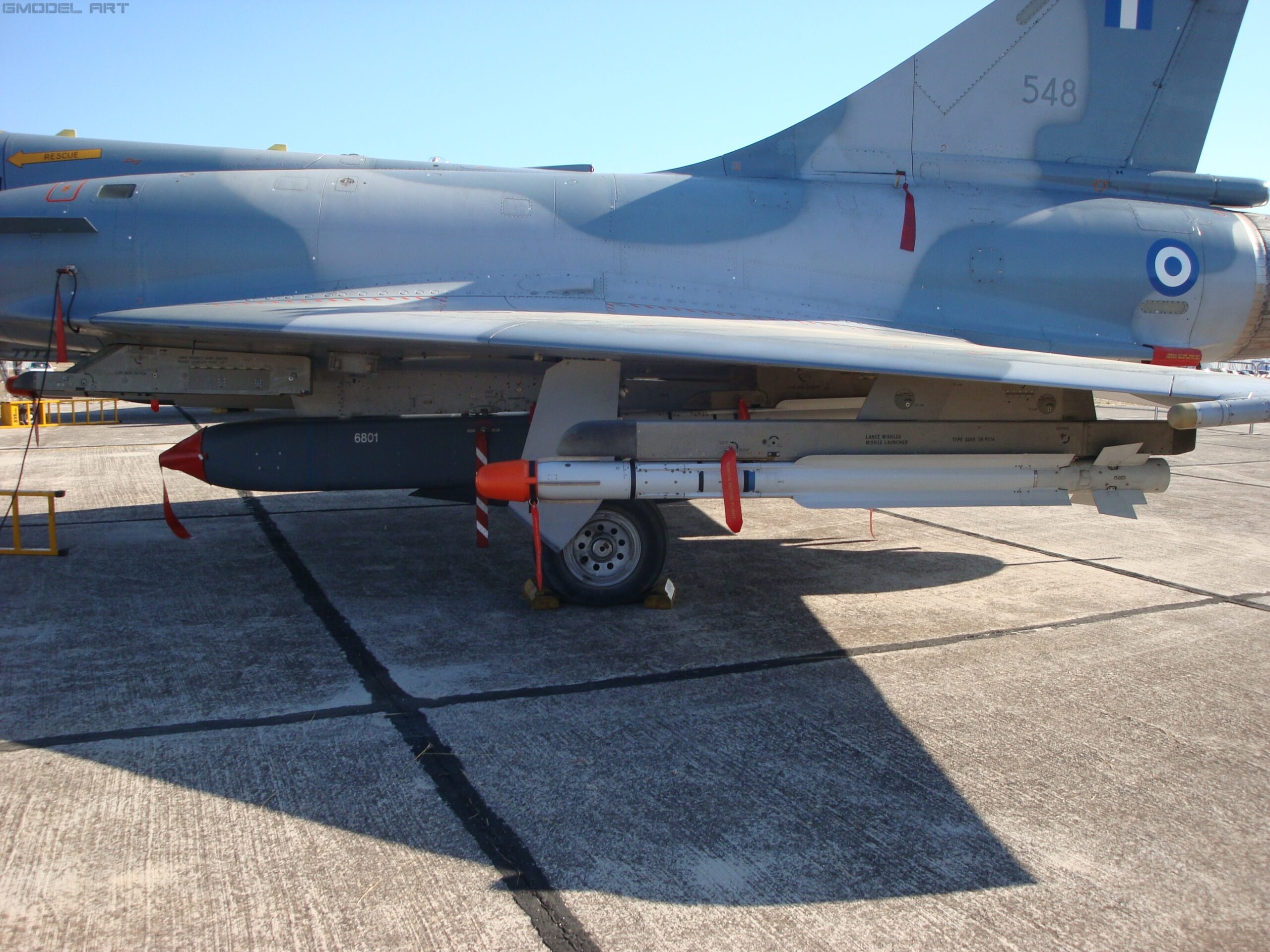
The modernization introduced improved radar and avionics and, most importantly for the Greek operational role, the ability to employ weapons including the Super 530D air-to-air missile and AM39 Exocet anti-ship missile.
The AM39 Exocet – The Greek Mirage’s Signature Weapon
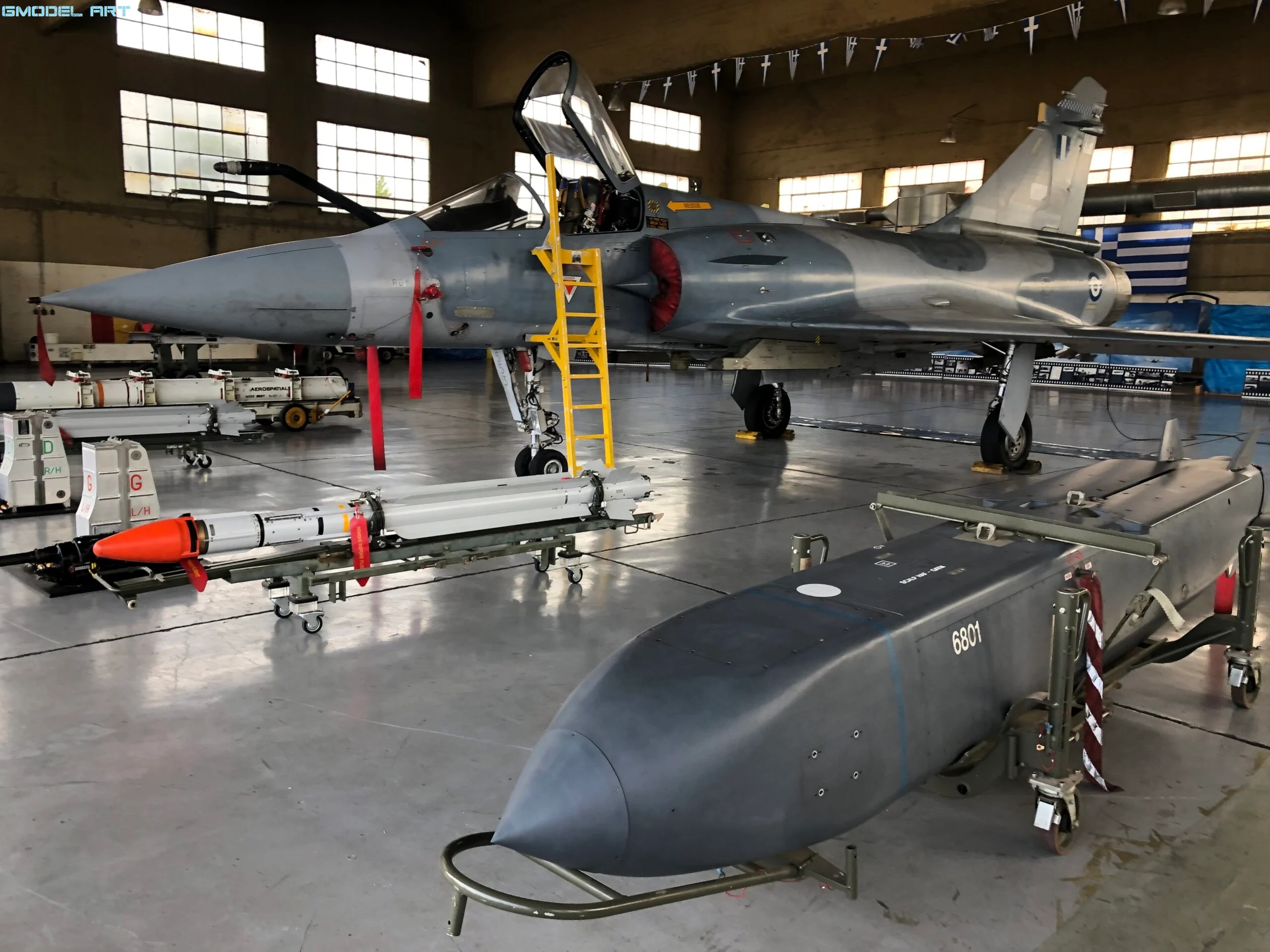
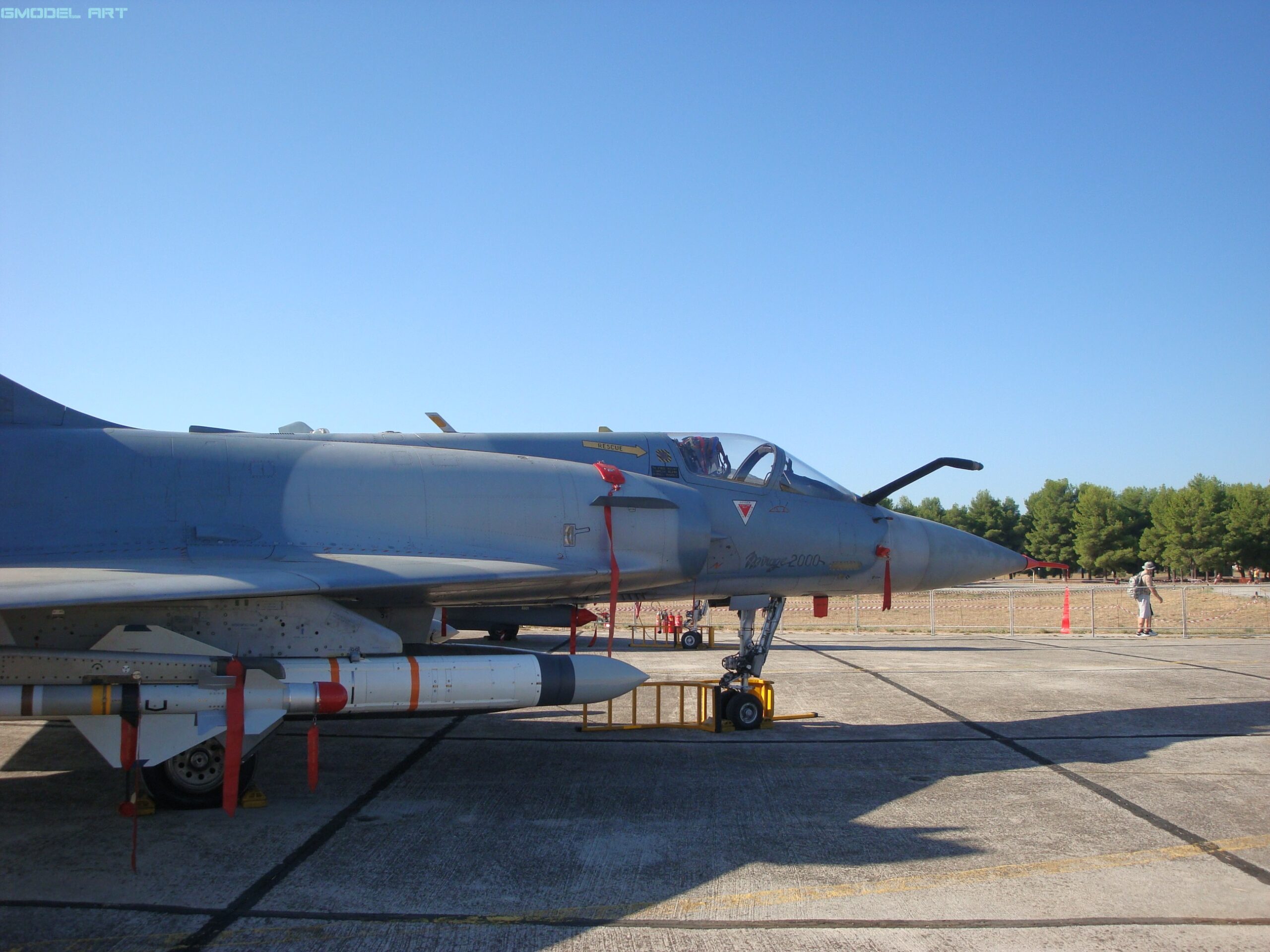
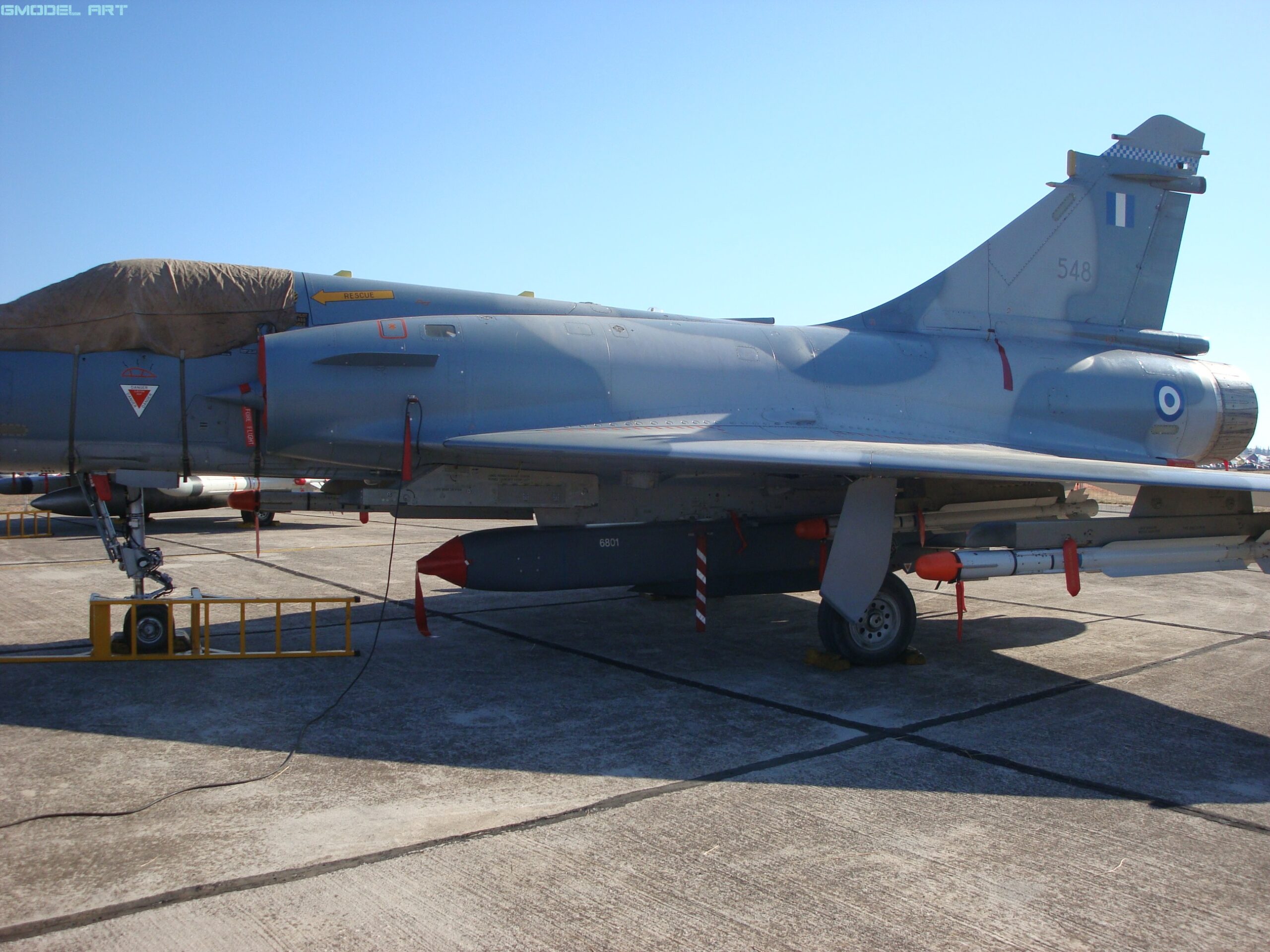
The AM39 Exocet is probably the single most recognizable weapon configuration for a Greek Mirage 2000EGM.
Its integration transformed the Mirage 2000 from a fighter/interceptor into a highly significant maritime strike platform.
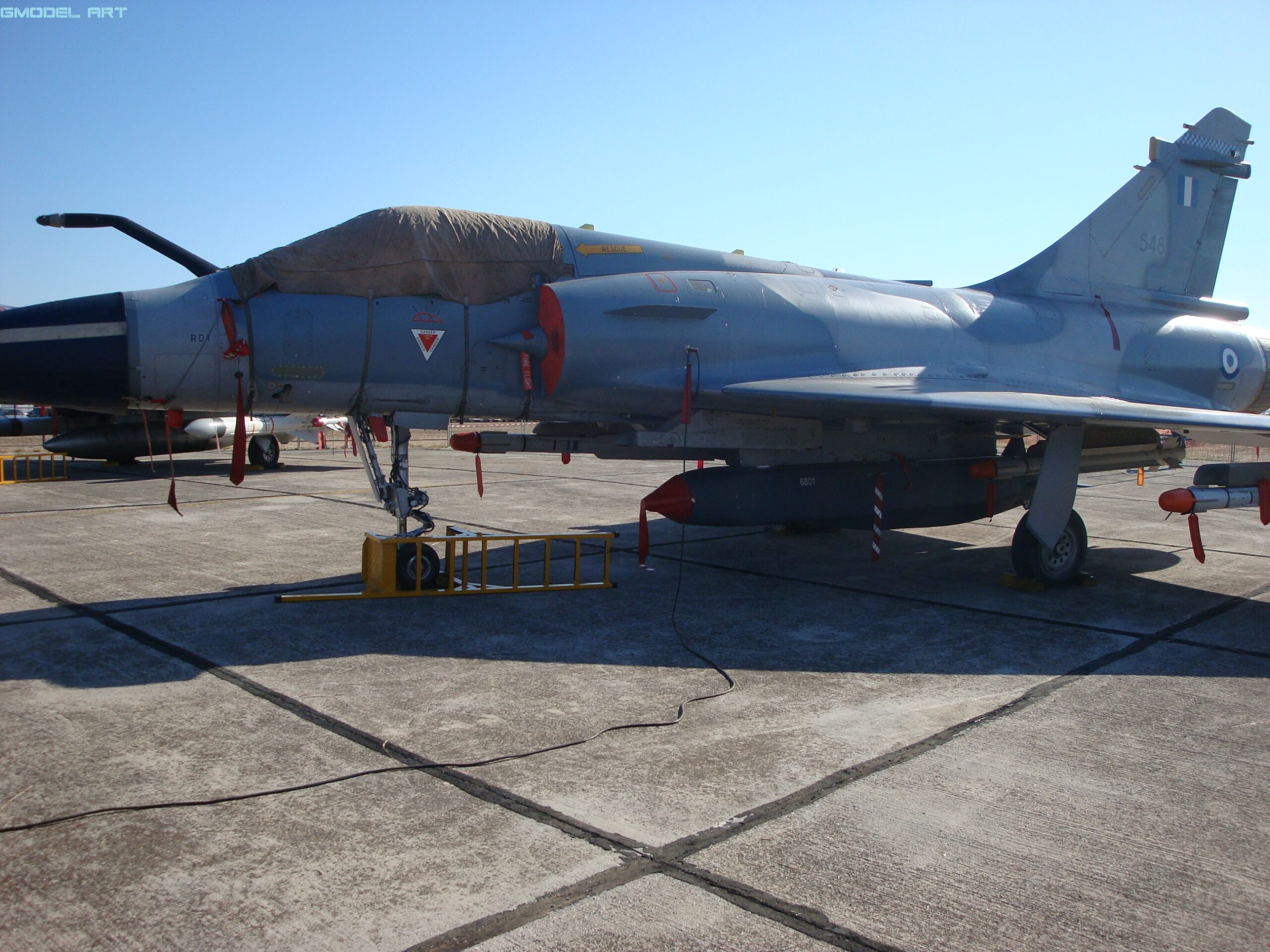
For a scale model, an EGM carrying an AM39 Exocet immediately communicates the aircraft’s Greek identity.
The Exocet configuration should not, however, be combined randomly with every possible weapon. The modeller should reproduce a specific aircraft, squadron and period, using photographic evidence whenever possible.
Mirage 2000-5 Mk2 – The Next Generation
In the early 2000s Greece ordered 15 new Mirage 2000-5 Mk2 aircraft:
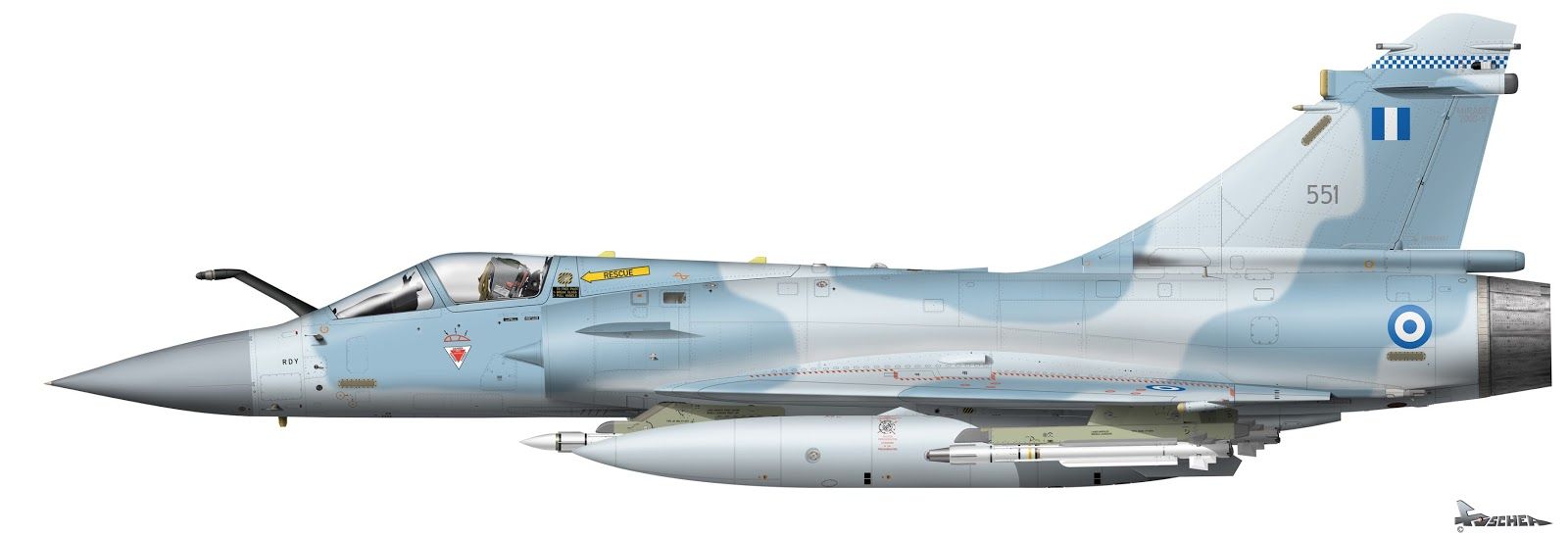
10 Mirage 2000-5EG
5 Mirage 2000-5BG
In addition, 10 existing Mirage 2000EGM aircraft were converted to the -5 standard.
The resulting Greek Mirage 2000-5 fleet therefore consisted of both newly built and converted aircraft. The programme represented the final production stage of the Mirage 2000 family.
The Mirage 2000-5 introduced a major improvement in combat capability.
Important systems included:
ICMS Mk3 electronic countermeasures system
improved mission computer
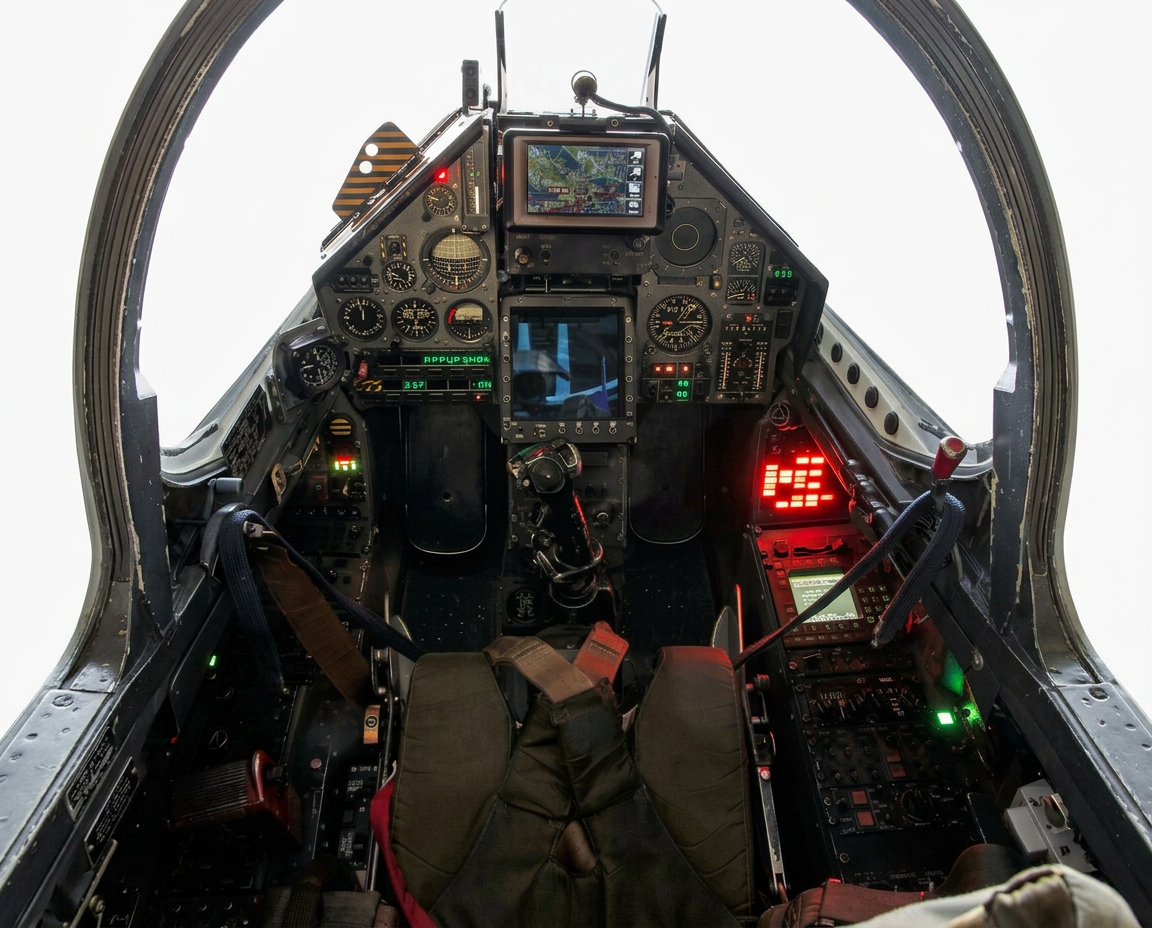
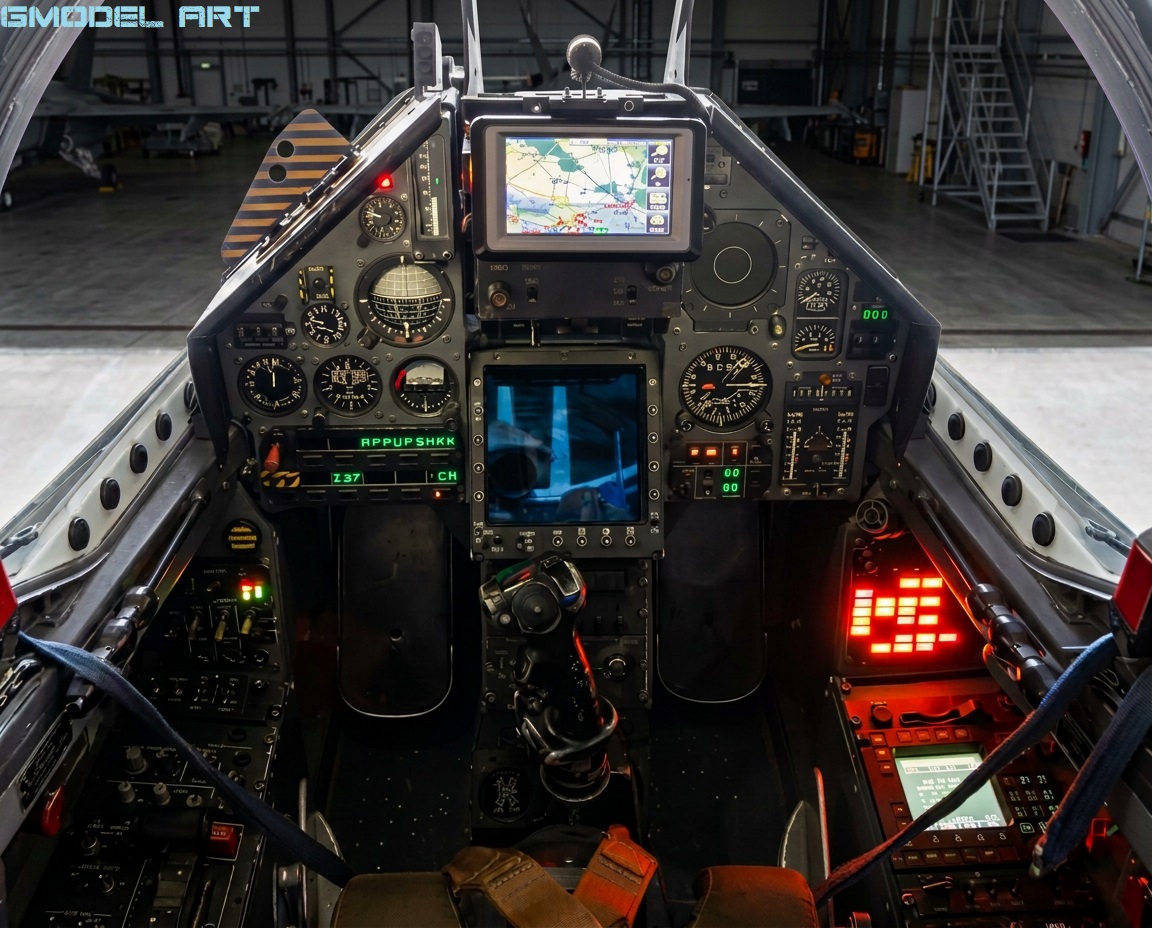
modernized cockpit
improved data processing
improved air-to-air and air-to-ground capability.
The new Mirage 2000-5 aircraft became associated with 331 Squadron, while the EGM/BGM fleet continued with 332 Squadron.
Greek Mirage 2000 Weapon Configurations
Mirage 2000EG / BG
Typical early Greek configurations may include:
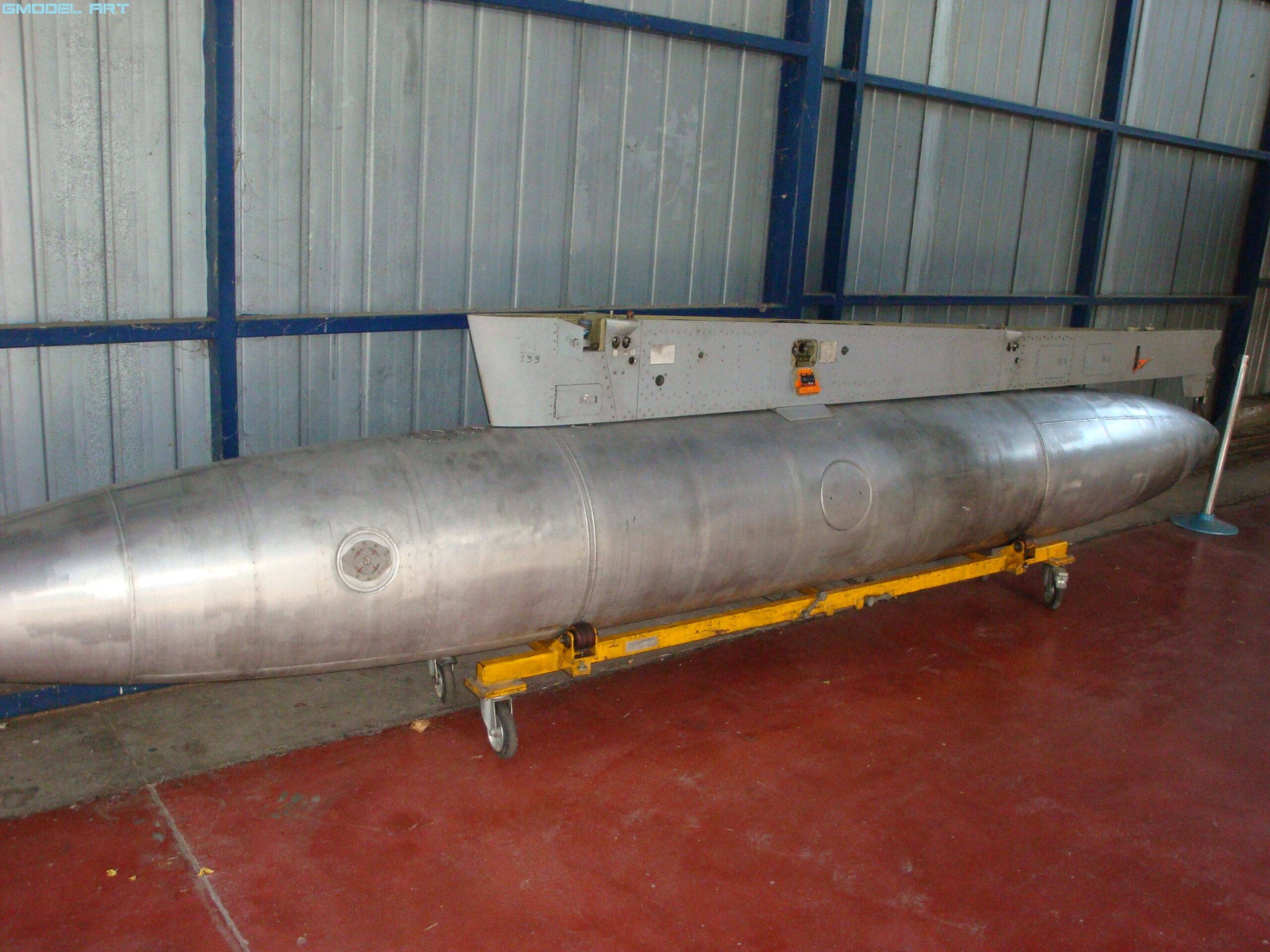
external fuel tanks
conventional training or strike stores according to the period.
Mirage 2000EGM / BGM
For an operational EGM/BGM model:
Matra R550 Magic II
AM39 Exocet
external fuel tanks
training/inert stores where photographically documented.
The Exocet configuration is especially appropriate for a 332 Squadron aircraft.
Mirage 2000-5EG / BG
The later -5 Mk2 configuration allows:
MICA EM
MICA IR
SCALP-EG
external fuel tanks
appropriate training stores.
The exact load should always correspond to the aircraft’s operational period.
Choosing the Correct Model Kit
1/48 Scale
For a Greek Mirage 2000, the major choices include Heller and Kinetic.
The Heller tooling is older but can still produce an attractive model with additional detailing and corrections.
Kinetic offers a more modern approach and is generally the stronger starting point for a detailed 1/48 project. Greek modelling references specifically identify Kinetic as a useful starting point for the Greek Mirage family.
Kinetic 1/48 Mirage 2000
Kit reference: K48042 Mirage 2000C
This kit has been used successfully as the basis for Greek EGM builds, with aftermarket such as Quinta Studio, ResKit and Master Model.
For an accurate Greek conversion, however, the modeller must check the exact configuration rather than assuming that the box contents represent an HAF aircraft.
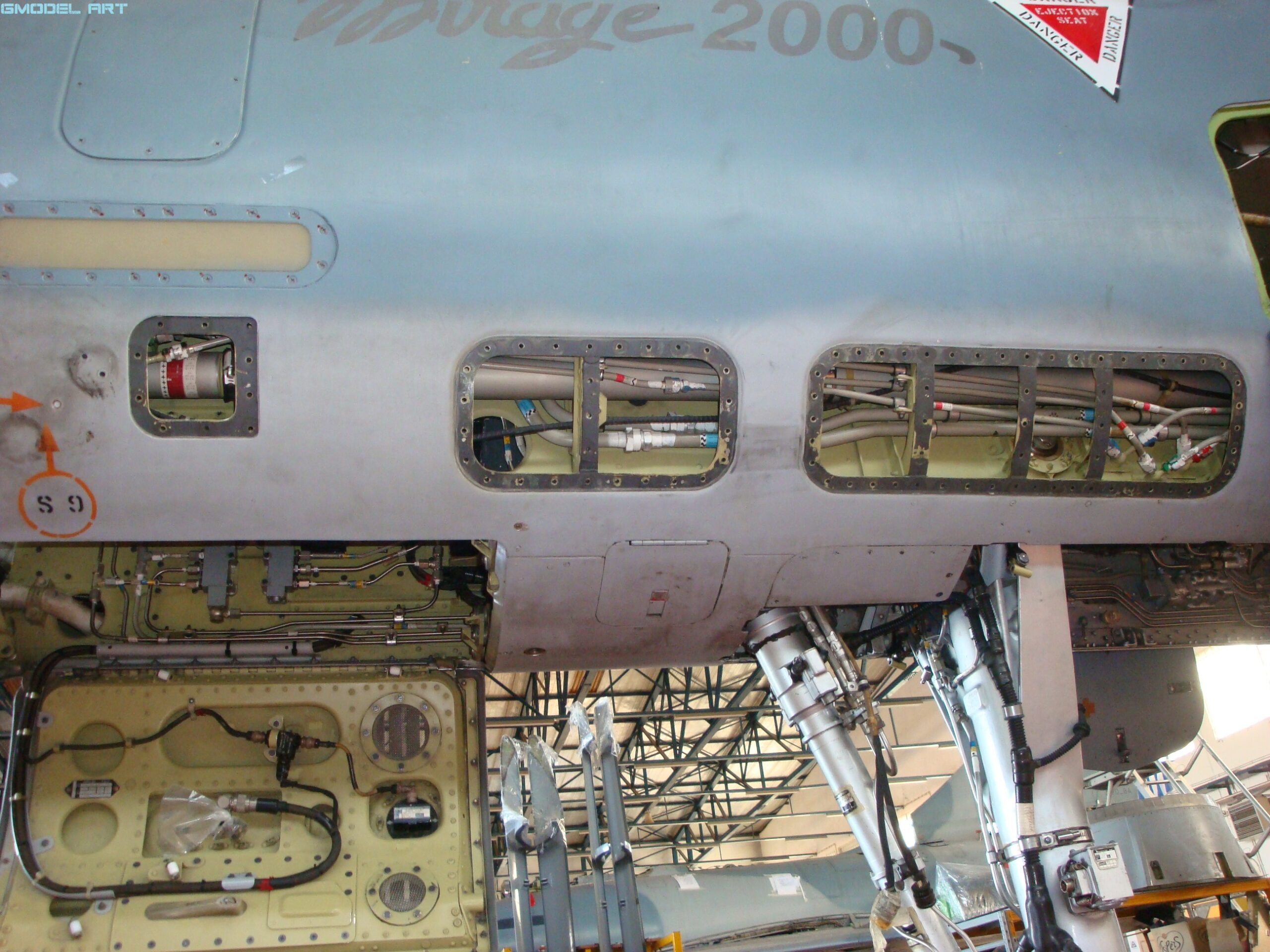
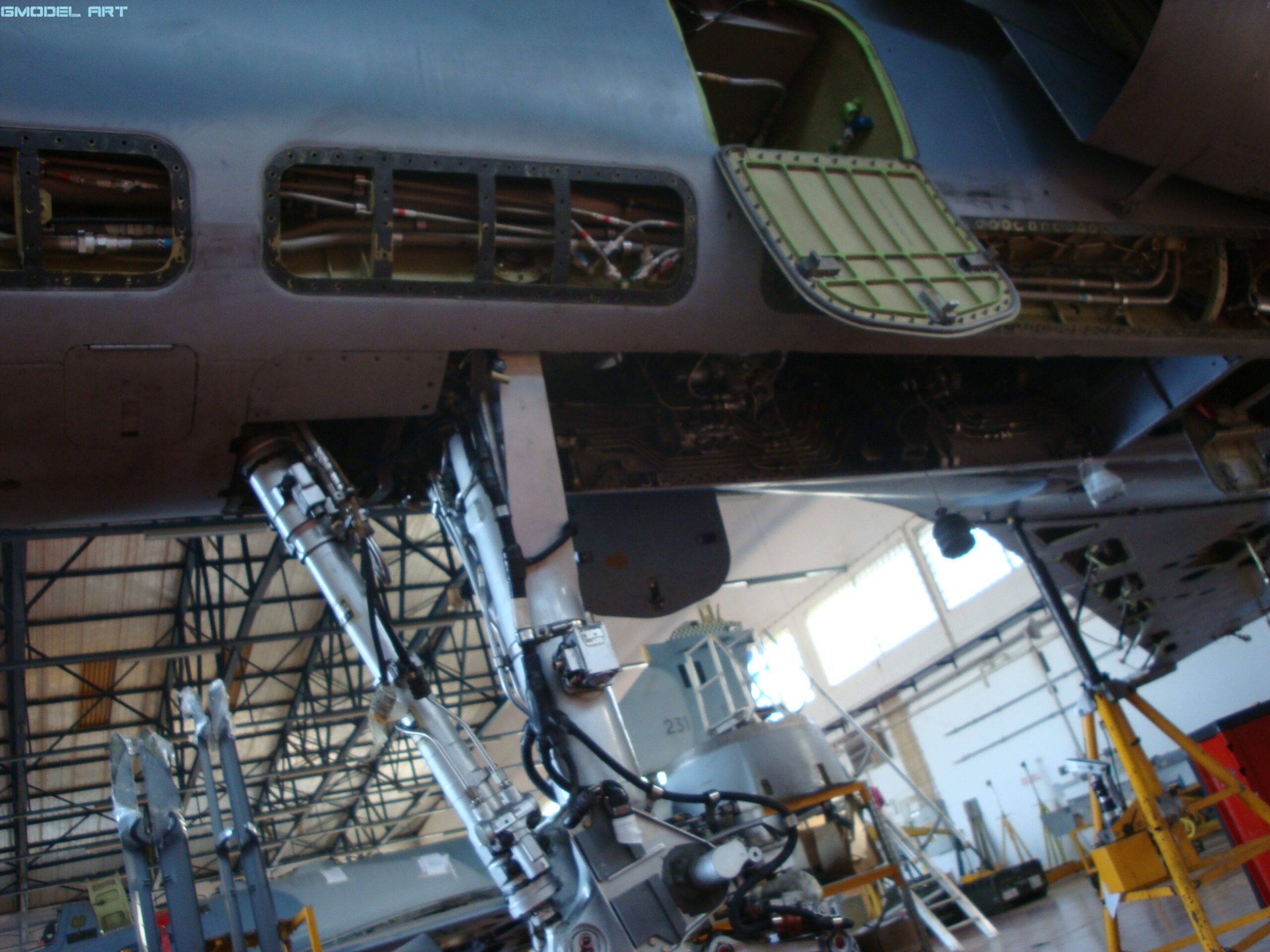
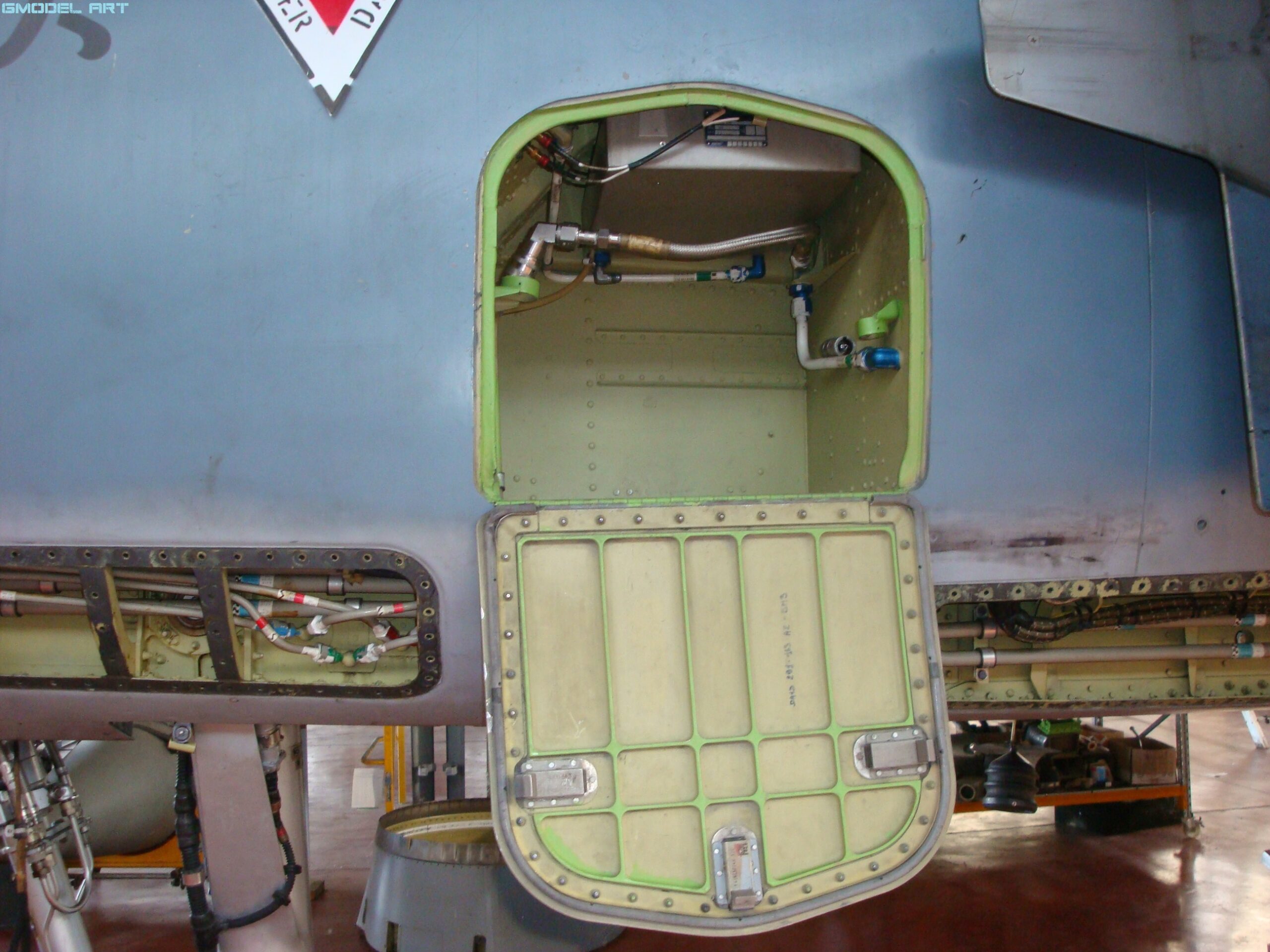
Important Greek Mirage Modifications
Before applying decals, check:
Nose and radome
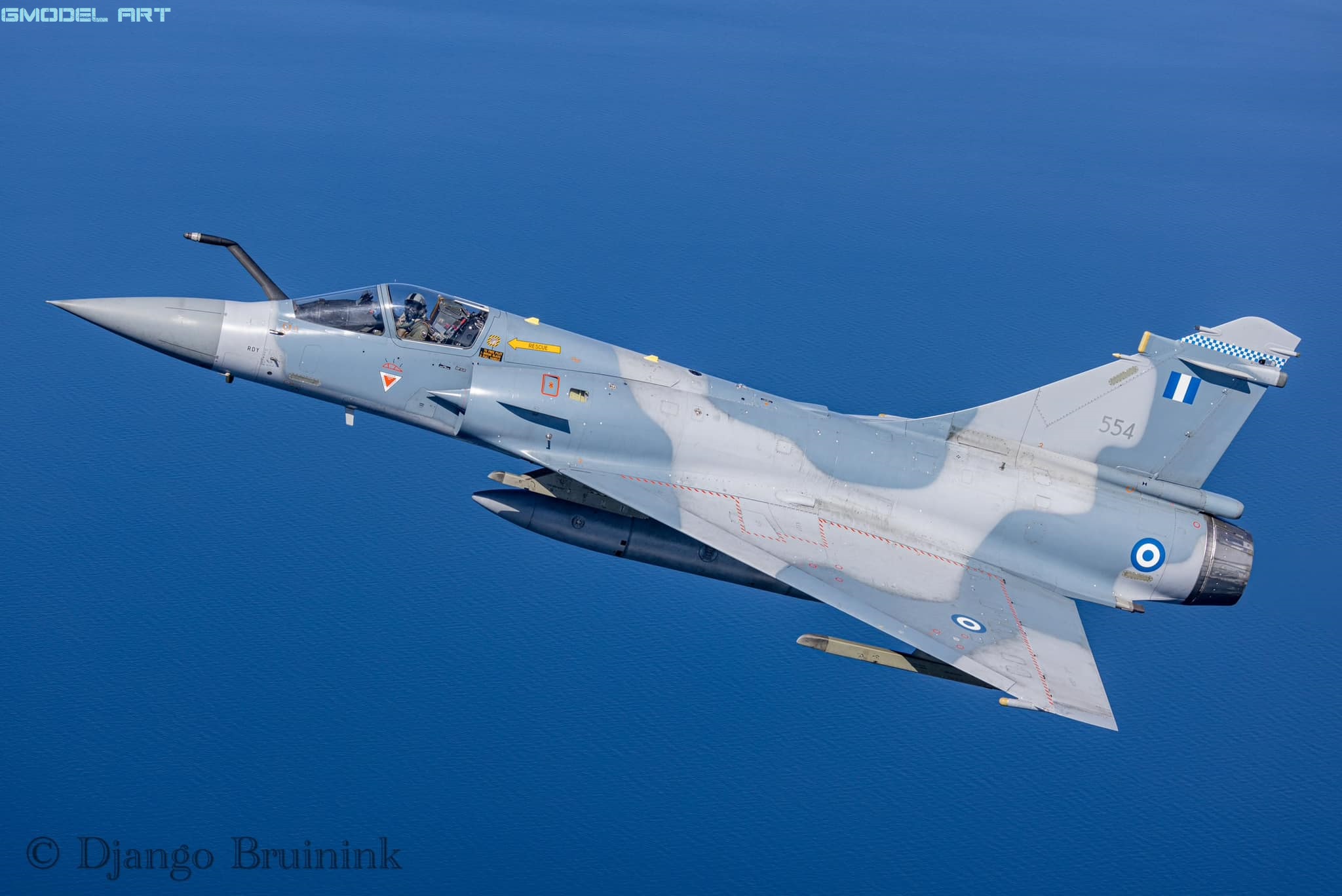
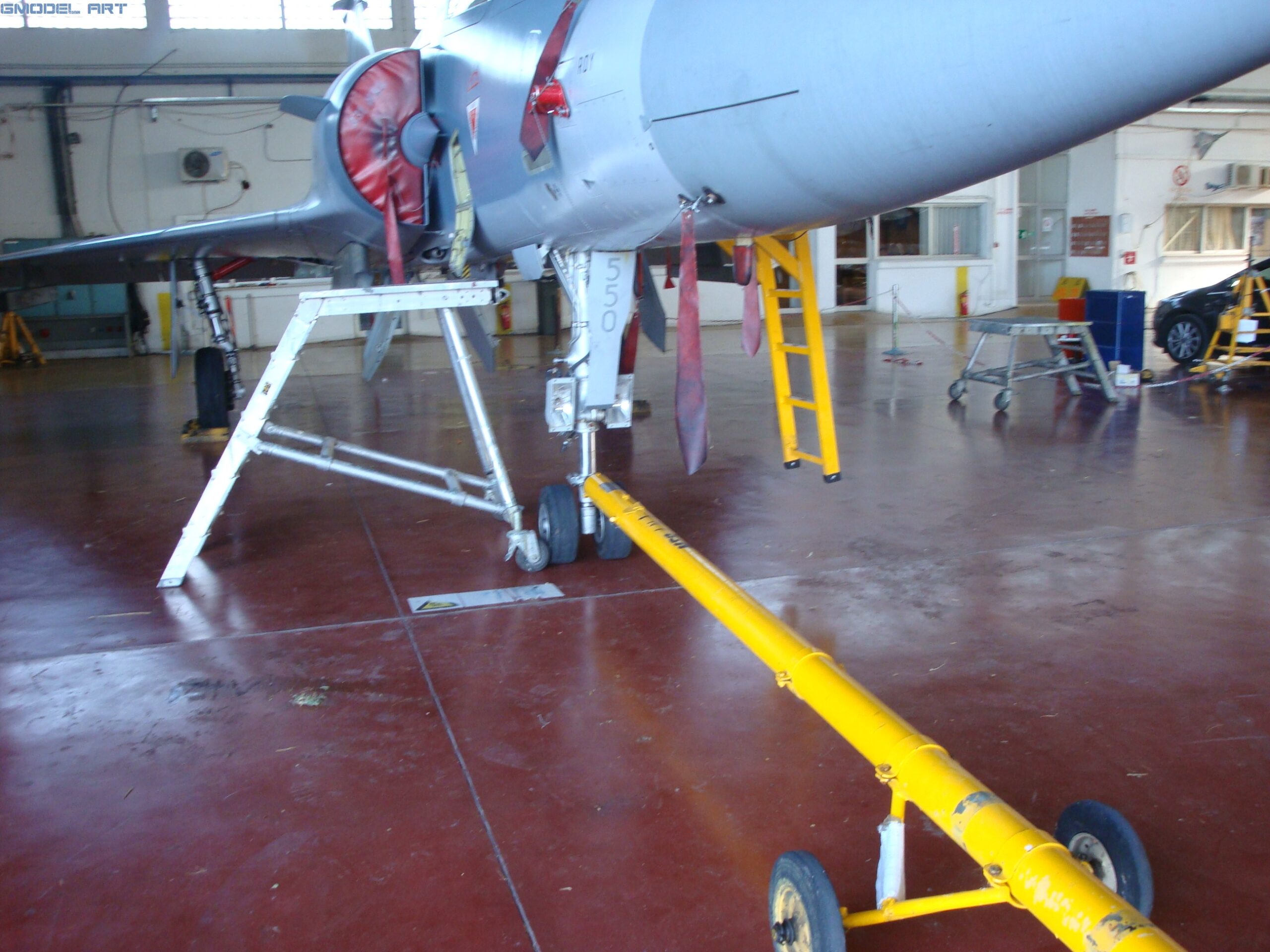
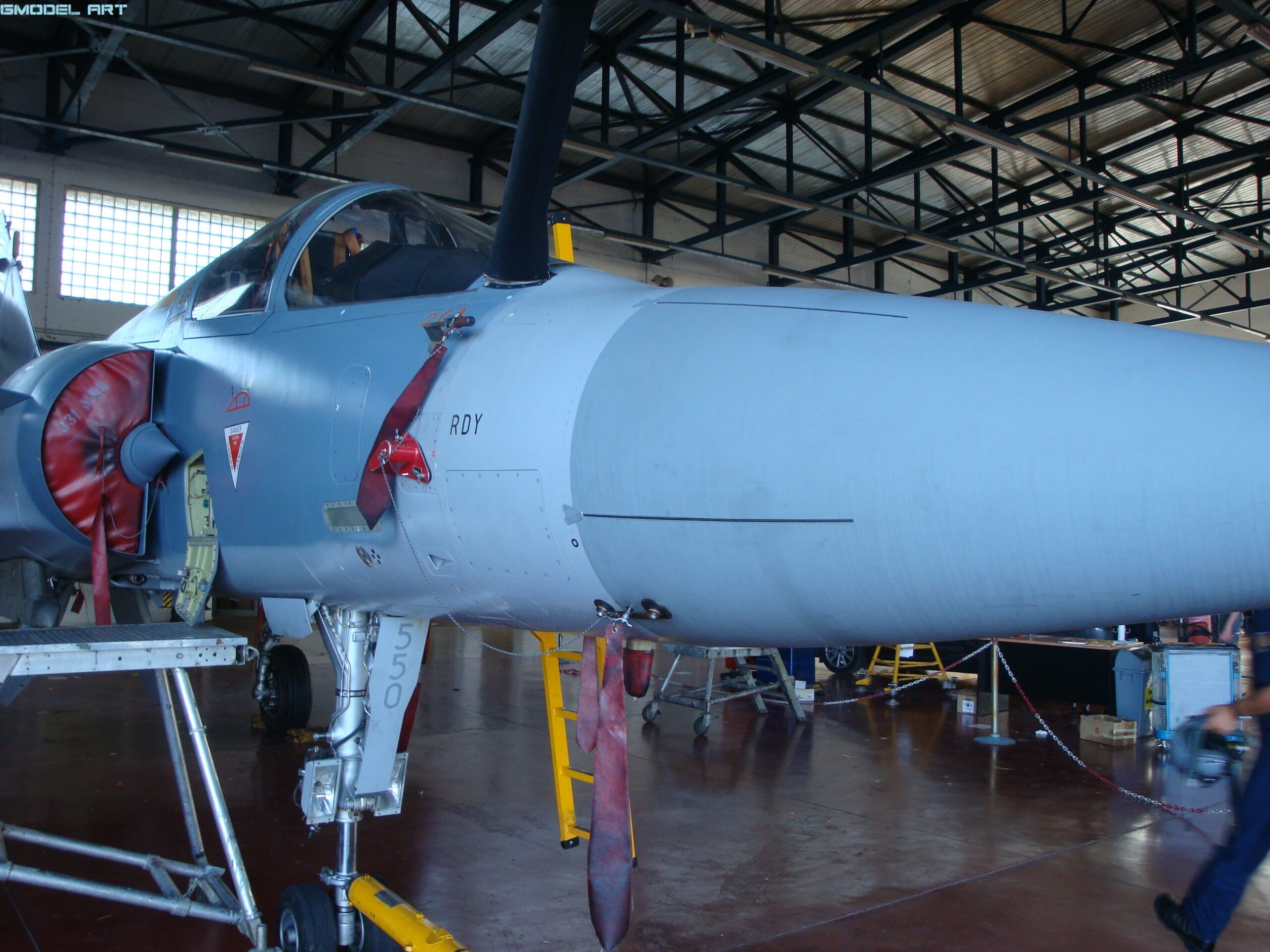
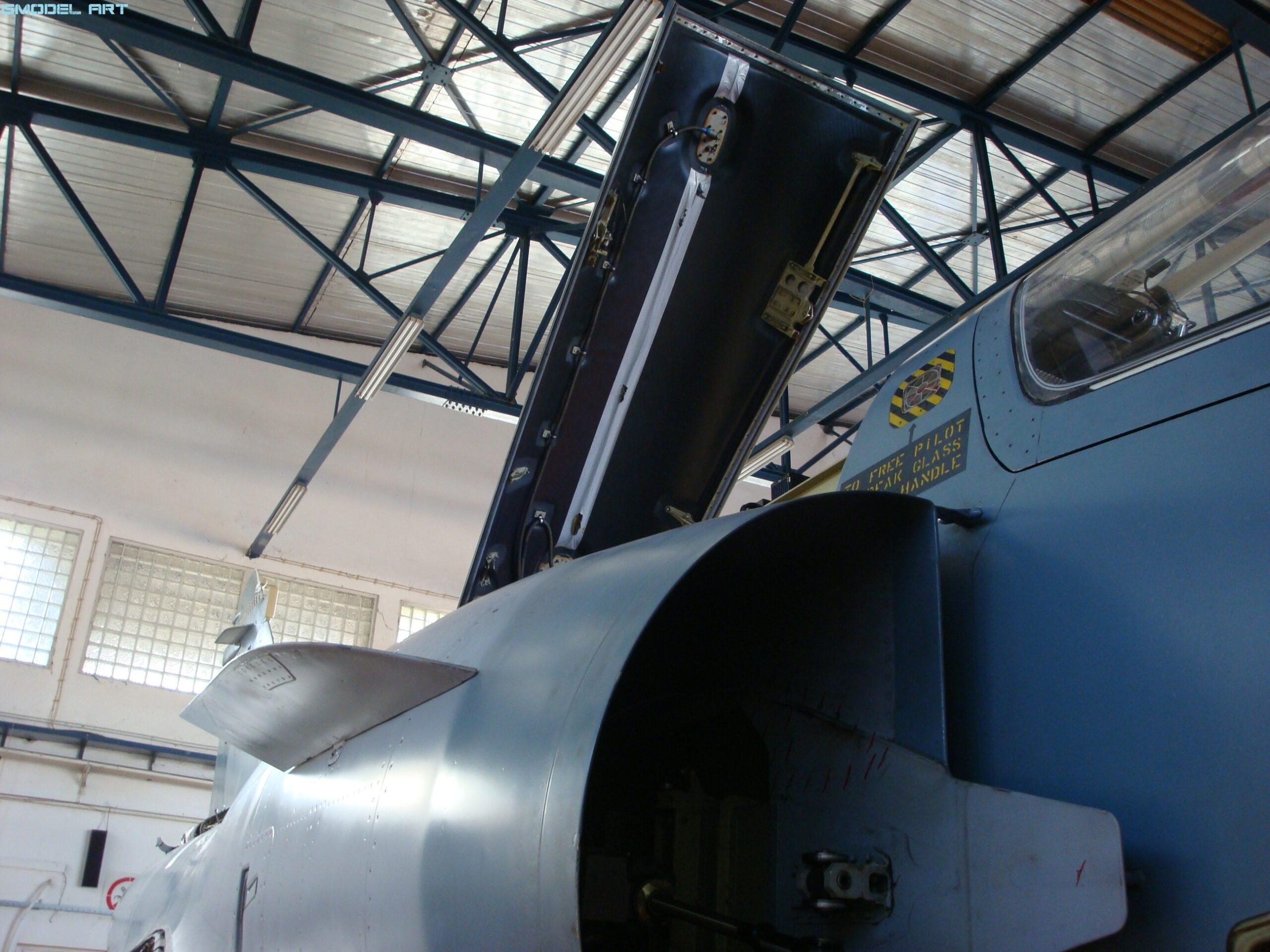
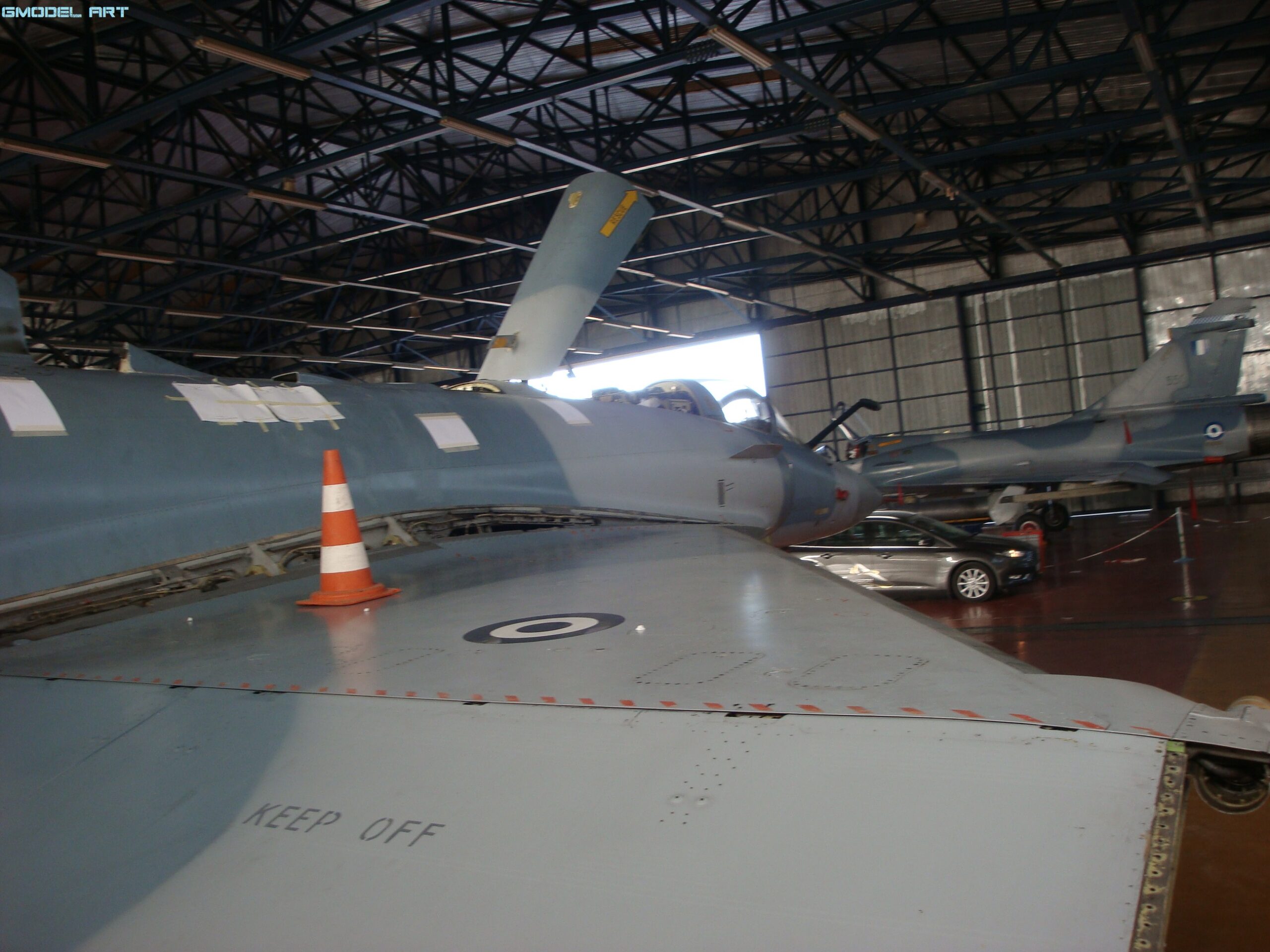
The Greek Mirage has the characteristic grey-blue appearance and a slightly different visual impression depending on the paint condition.
Antennas
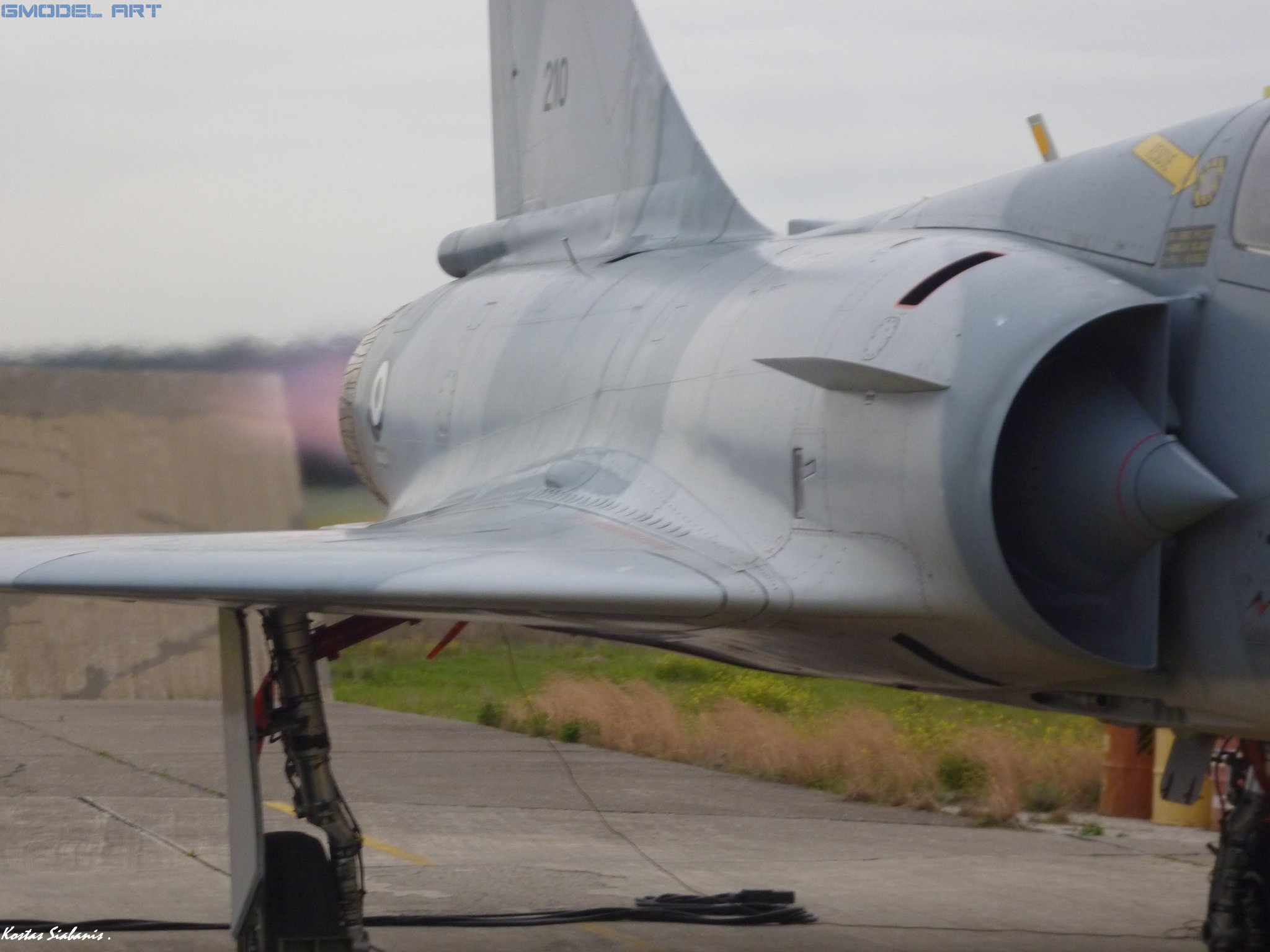
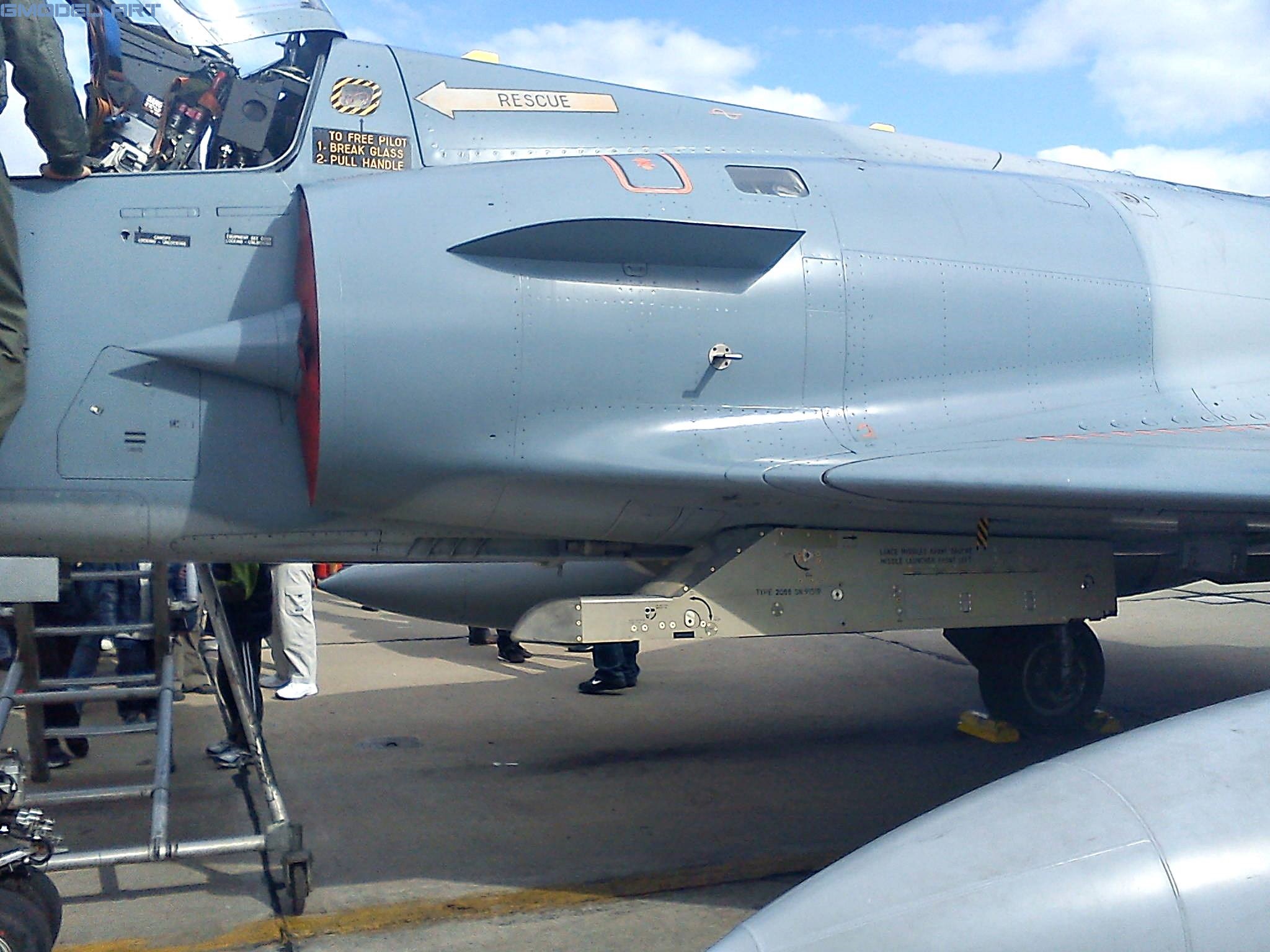
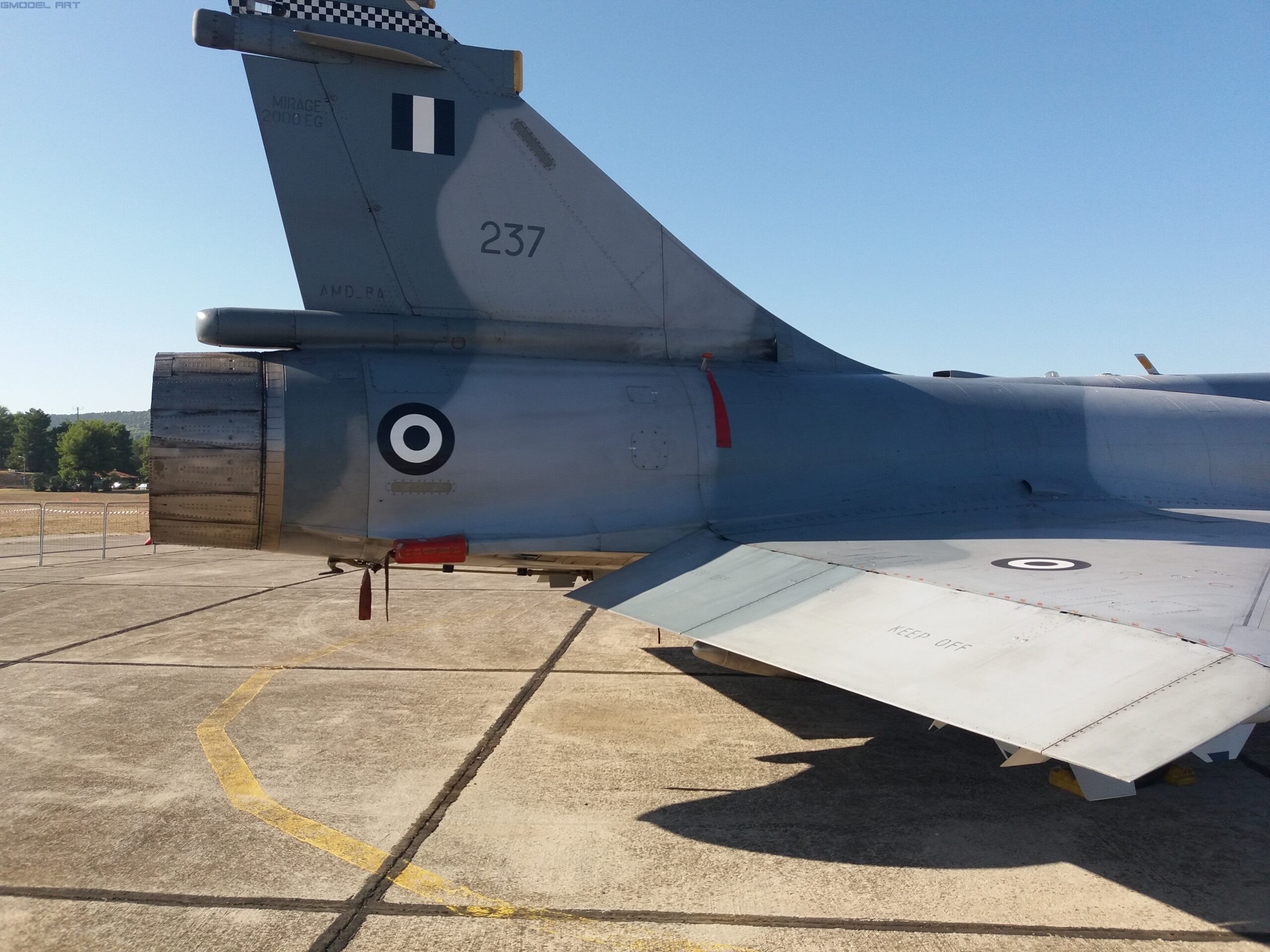
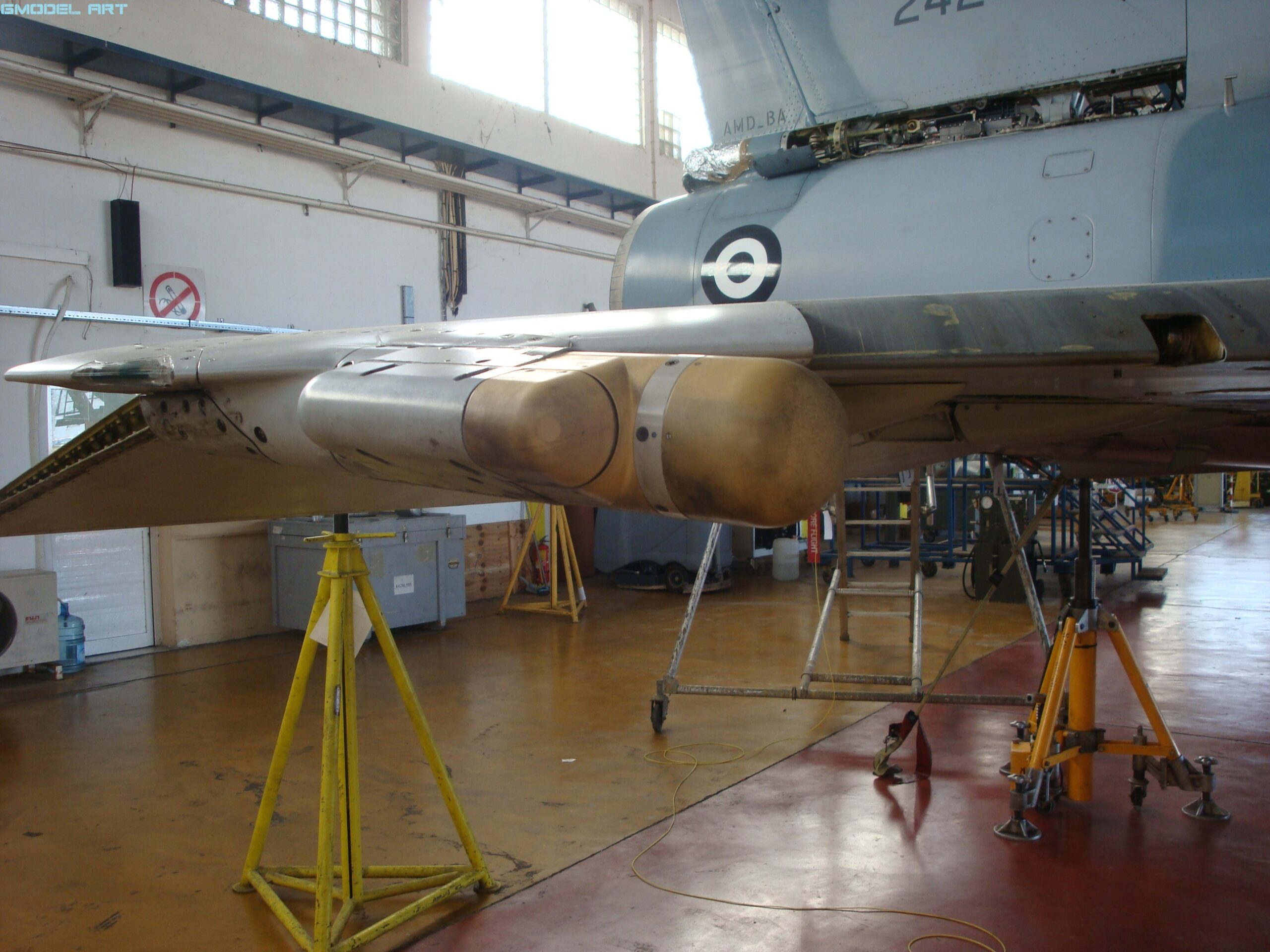
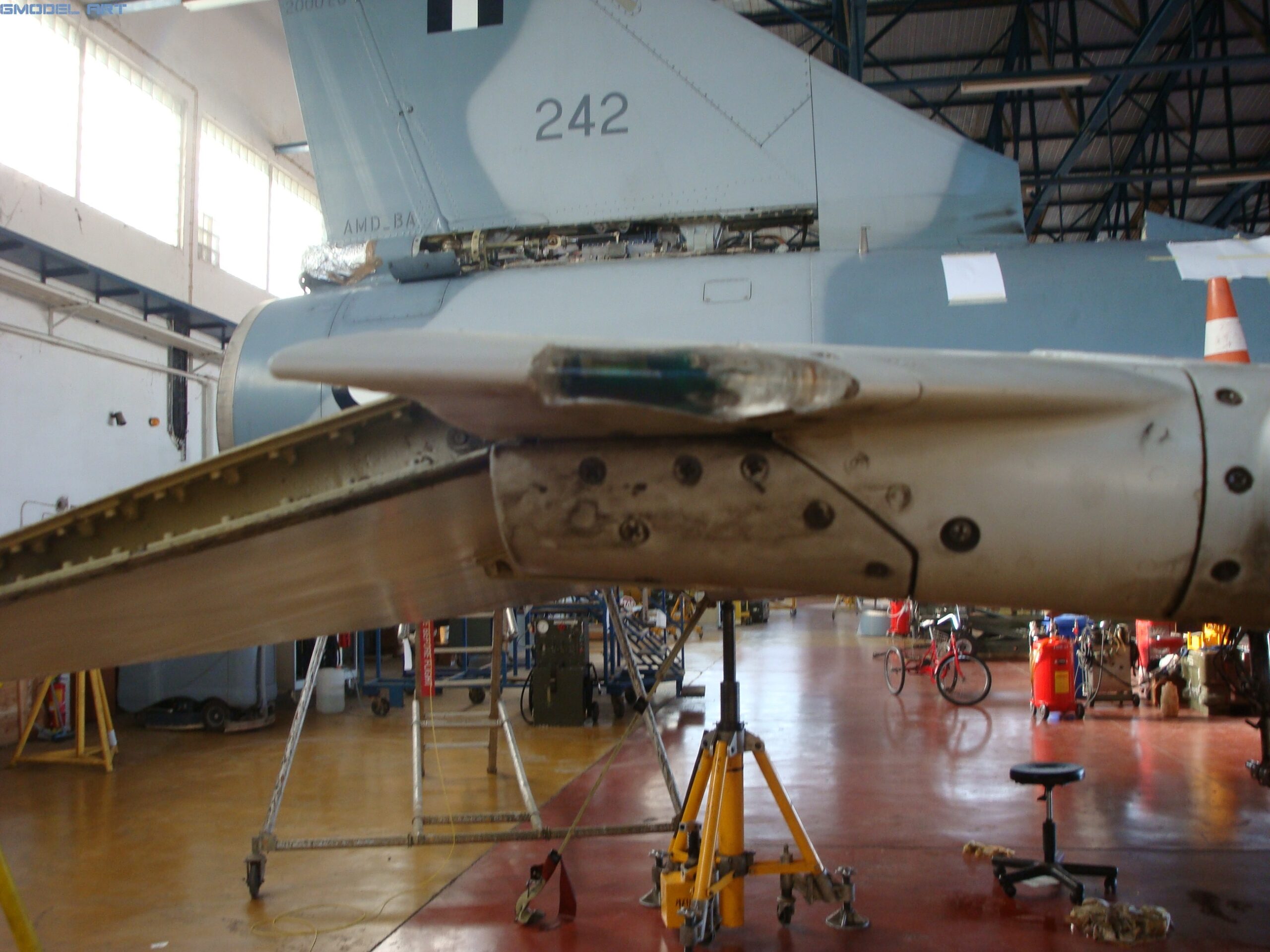
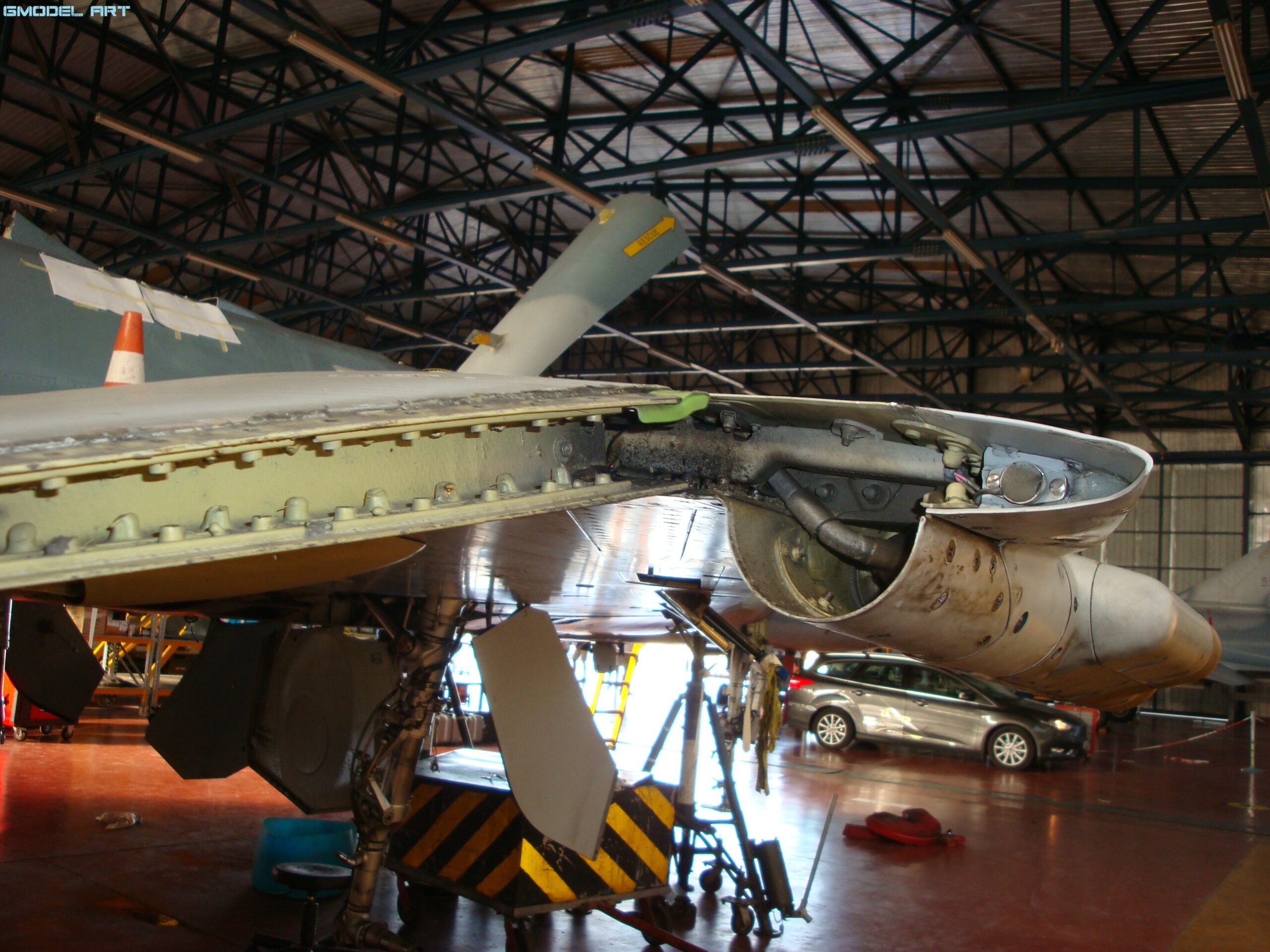
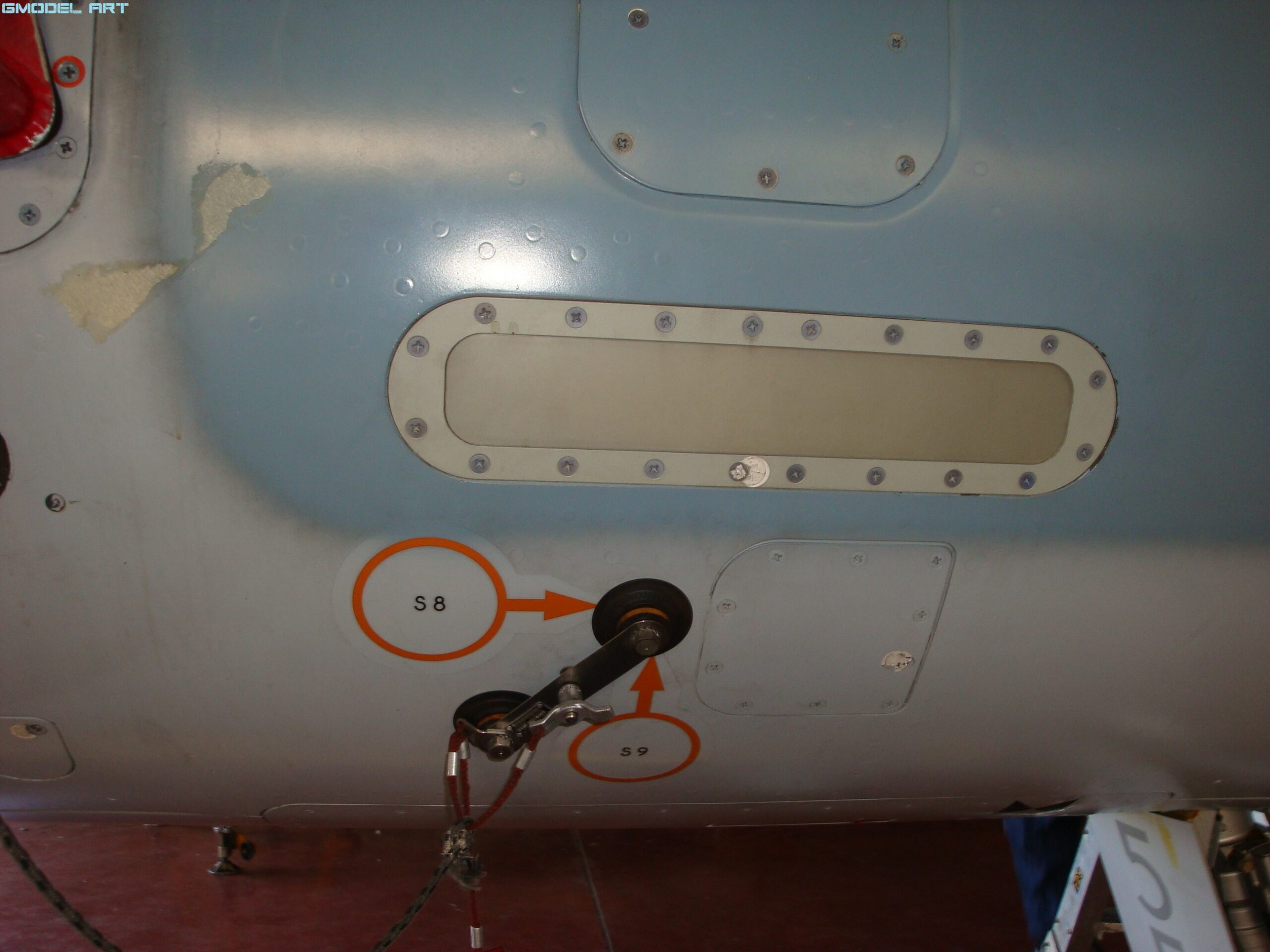
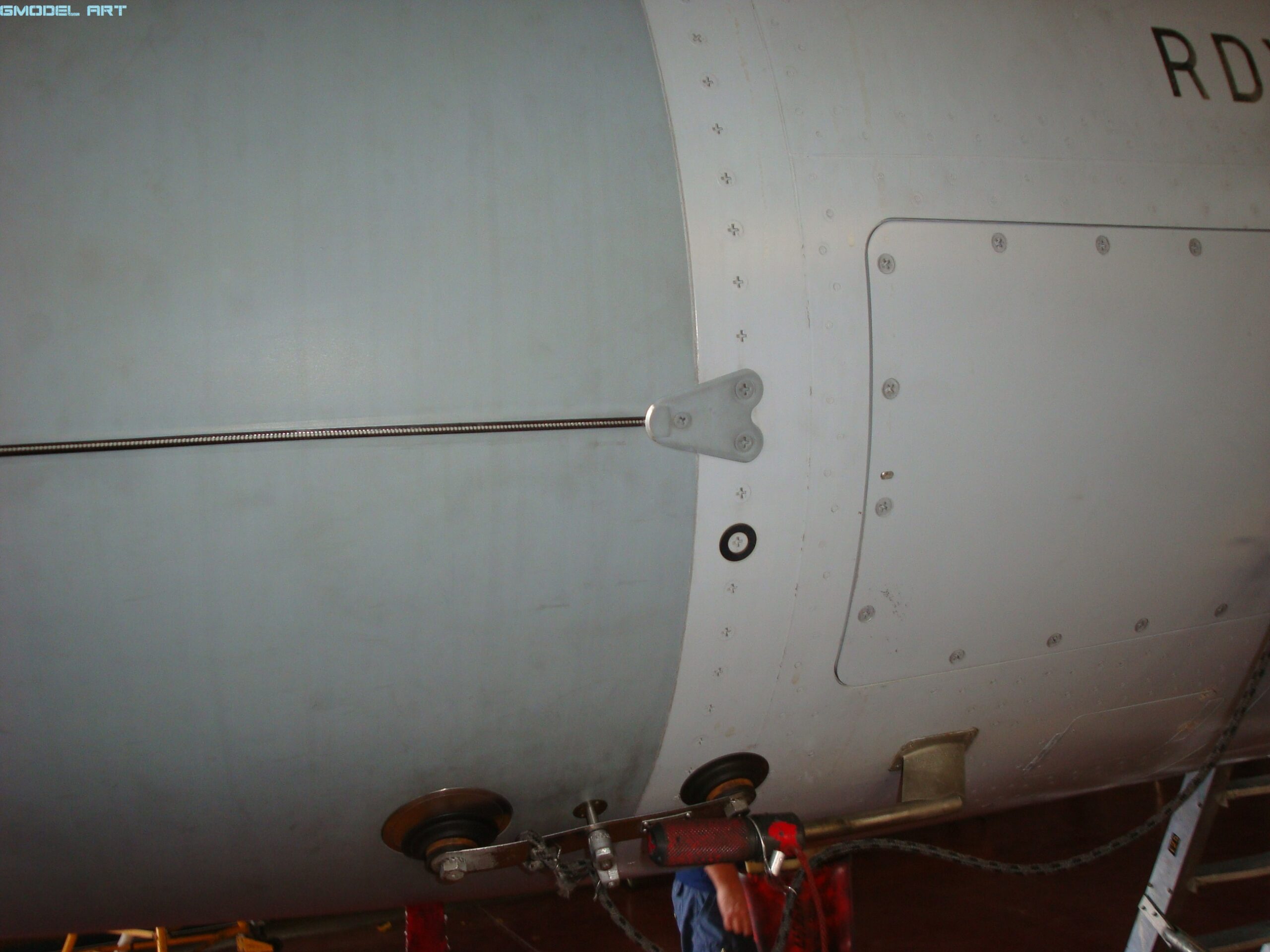
The Greek EG/EGM configuration contains external antenna differences compared with standard French aircraft.
These details are small but extremely visible on a finished model.
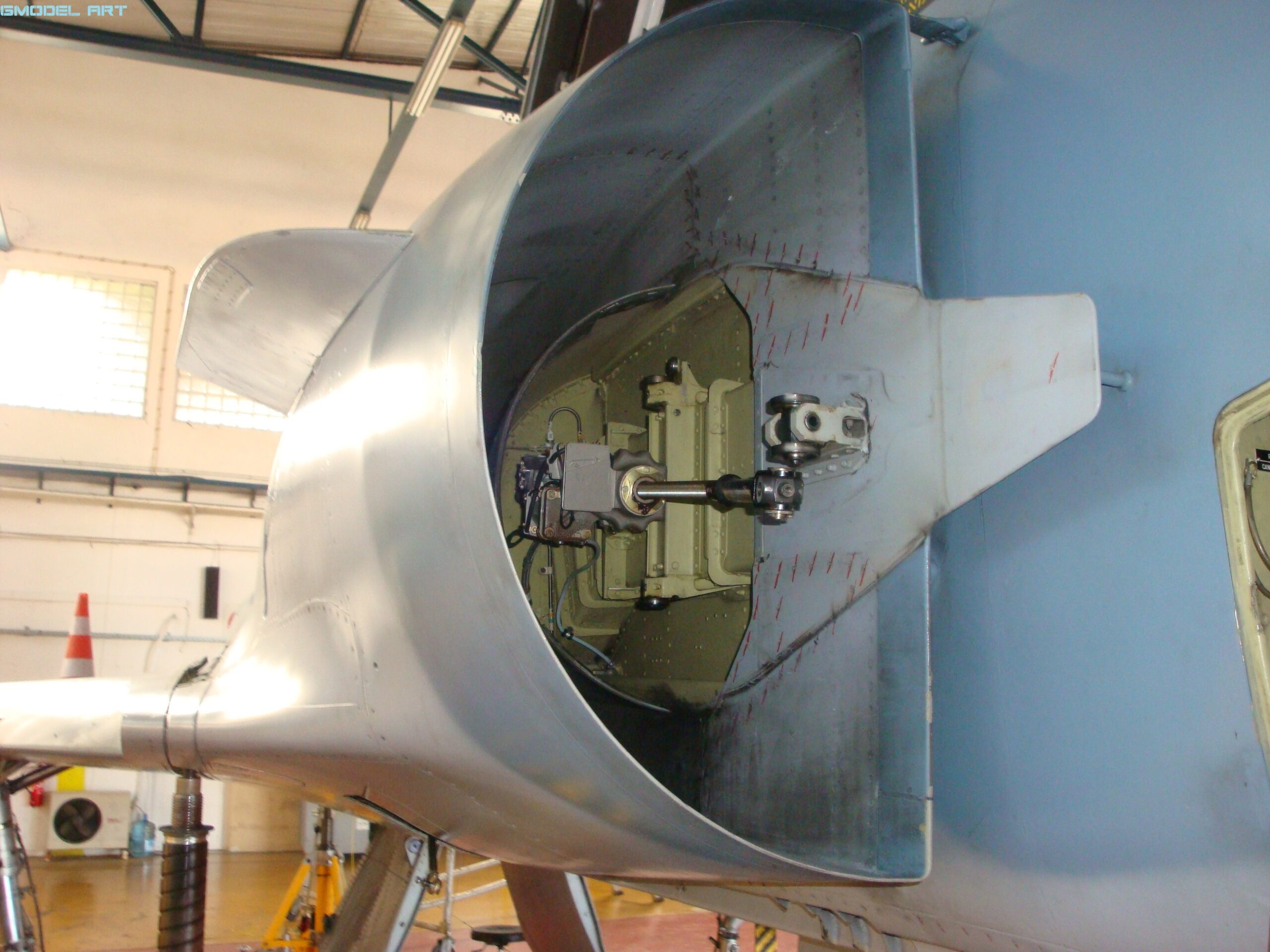
Exhaust
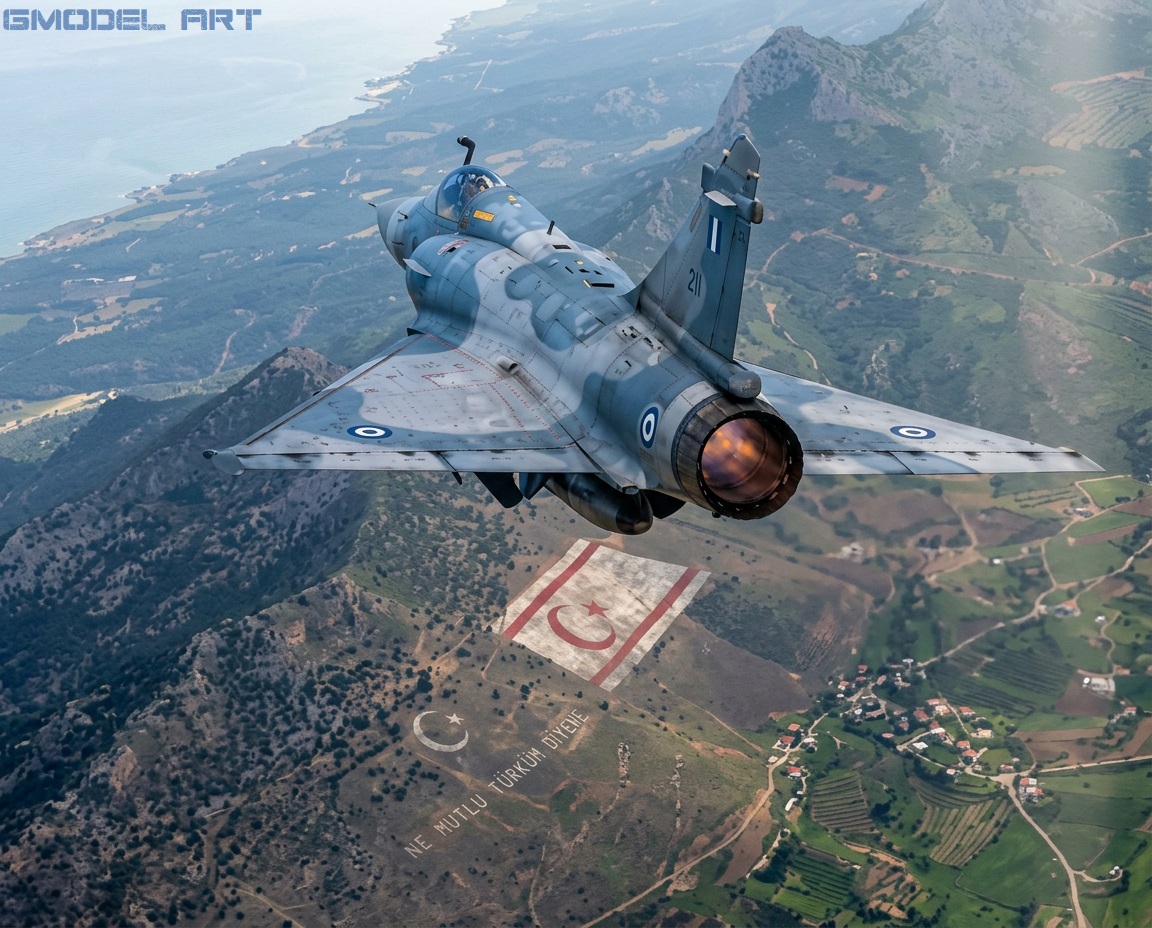
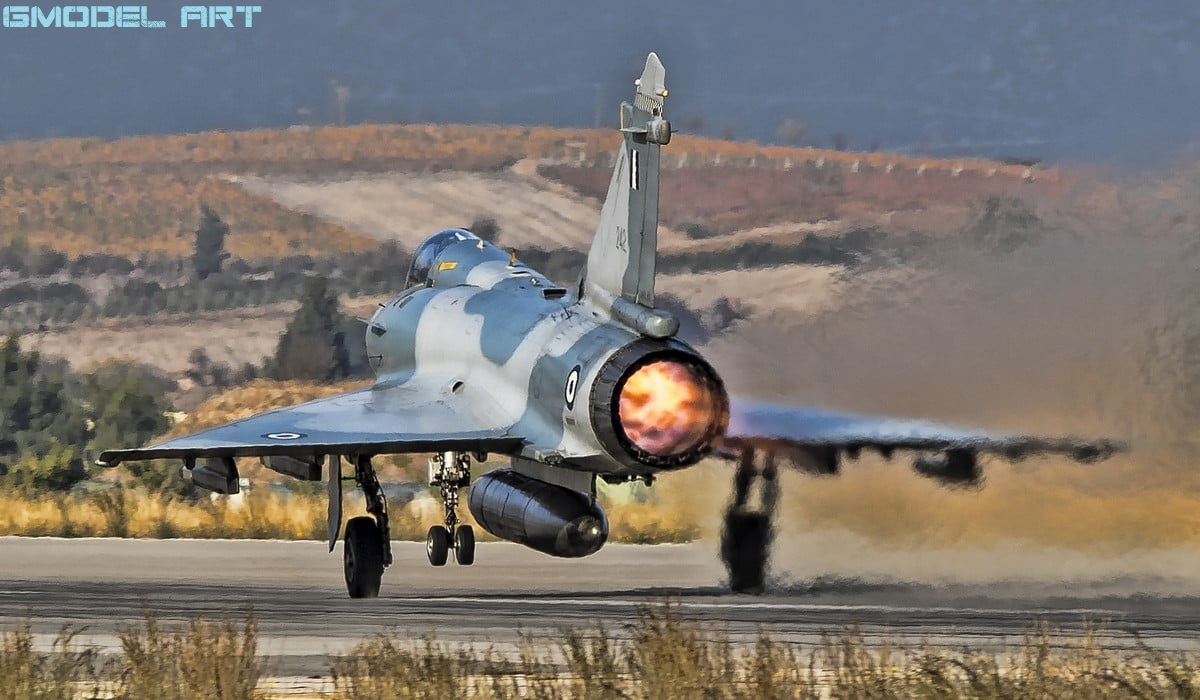
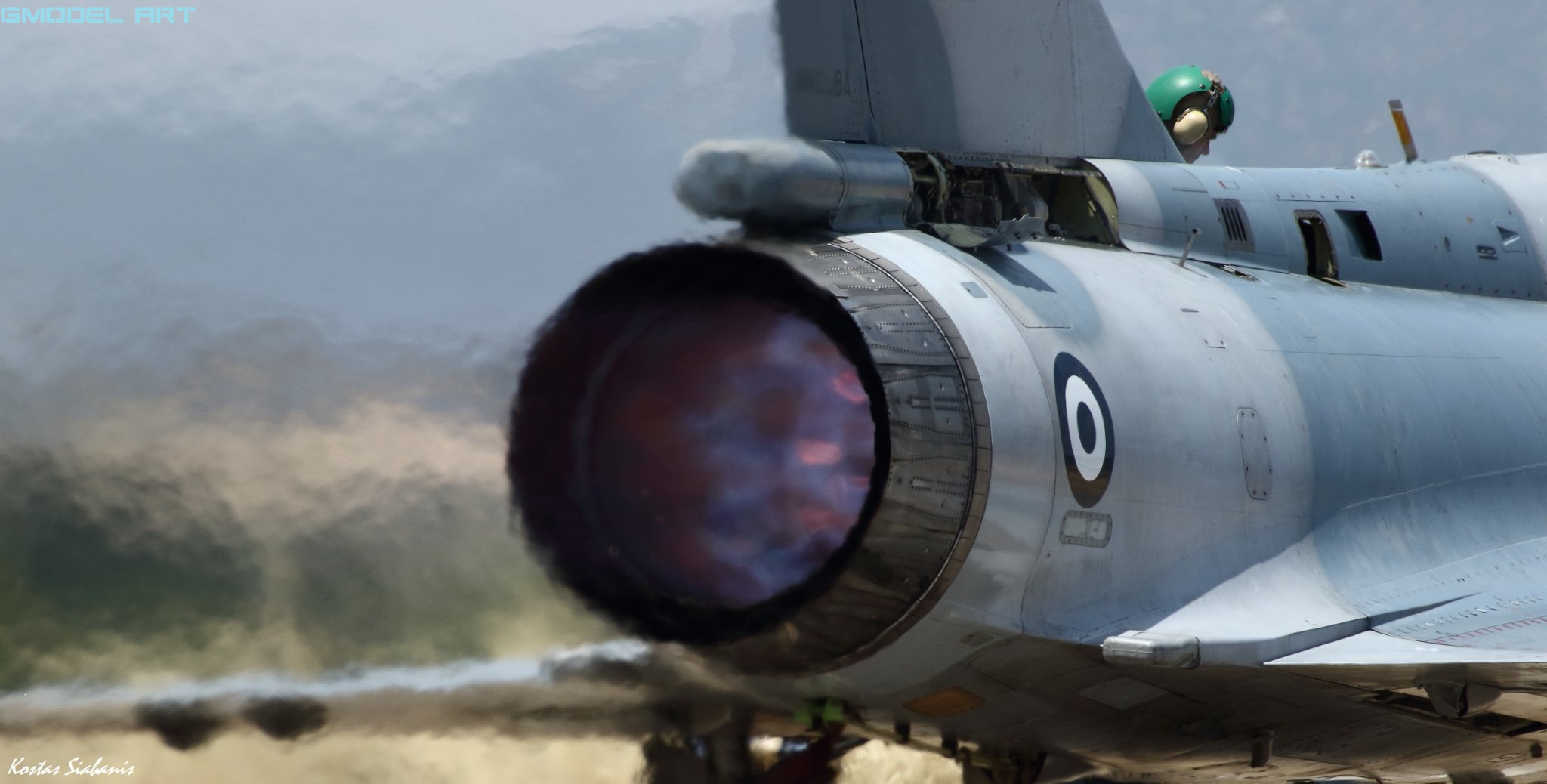
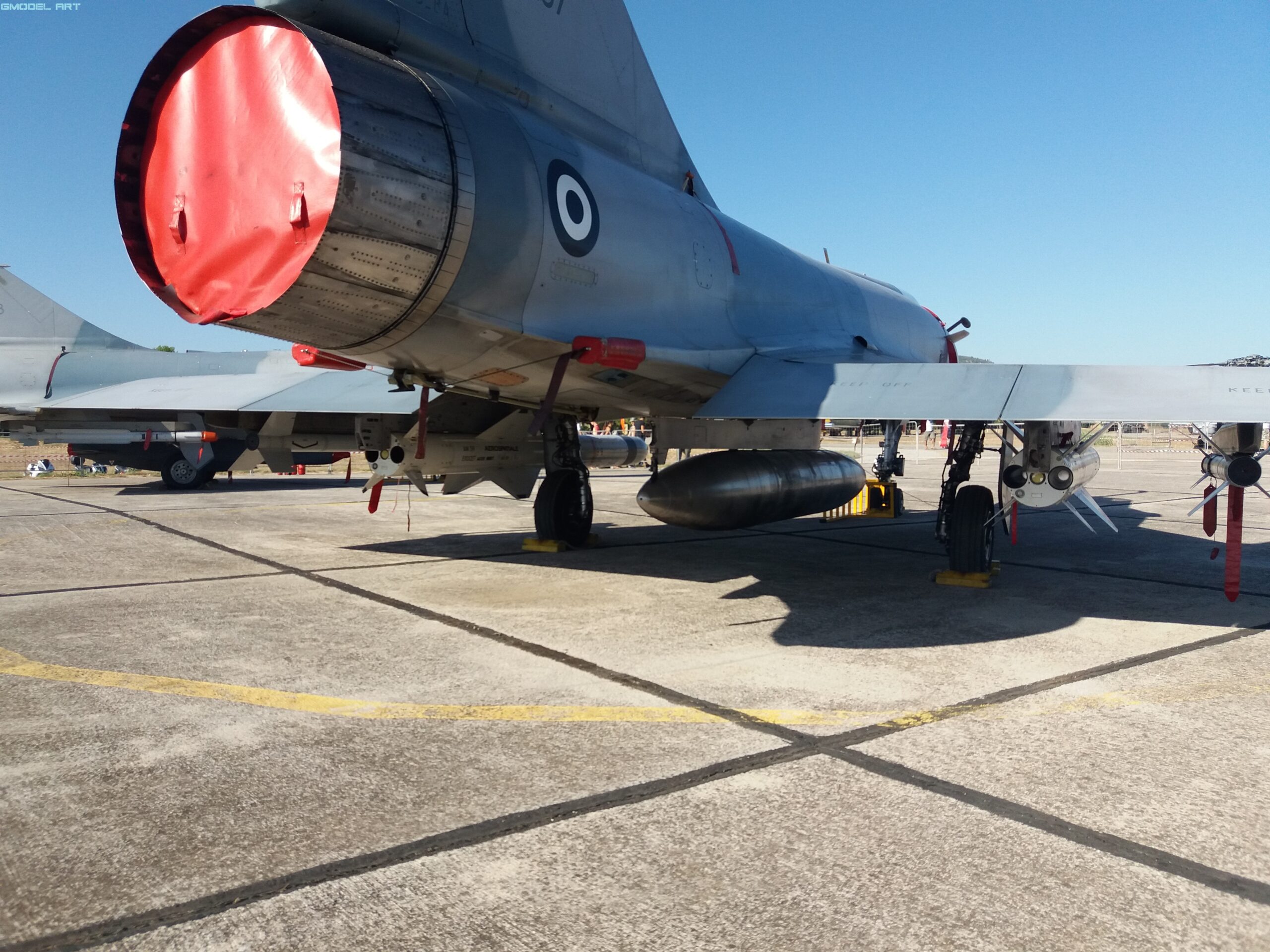
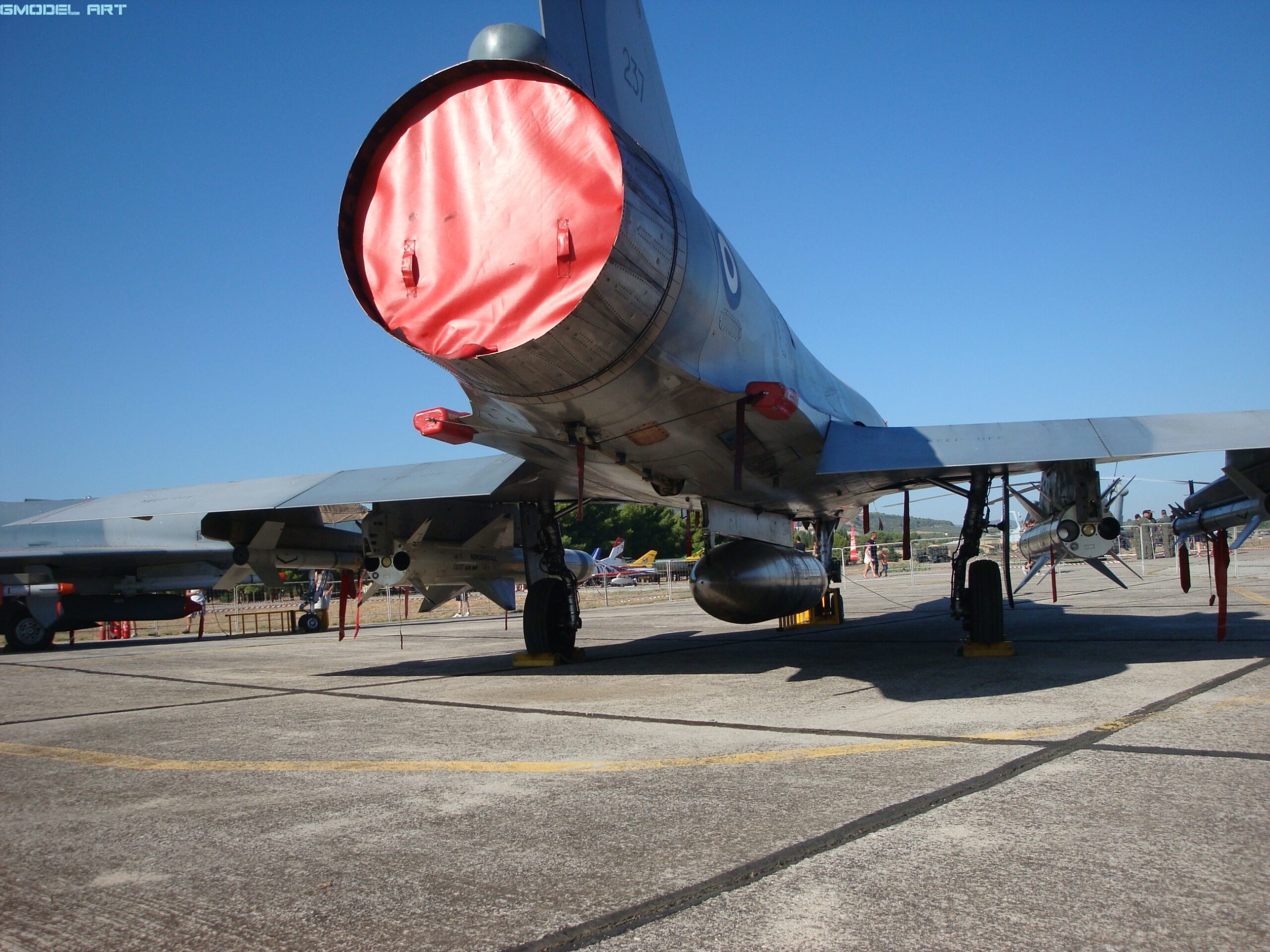
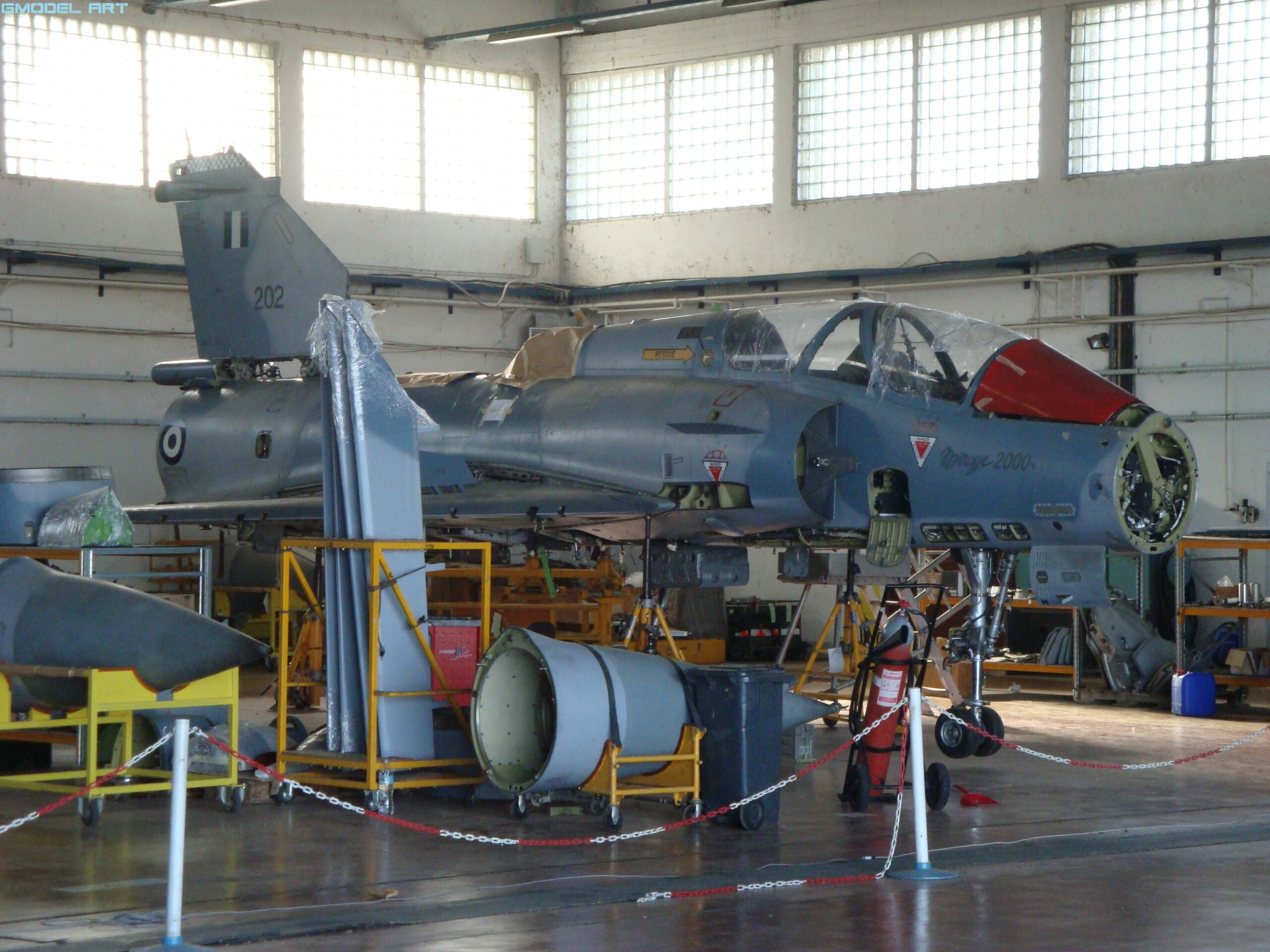
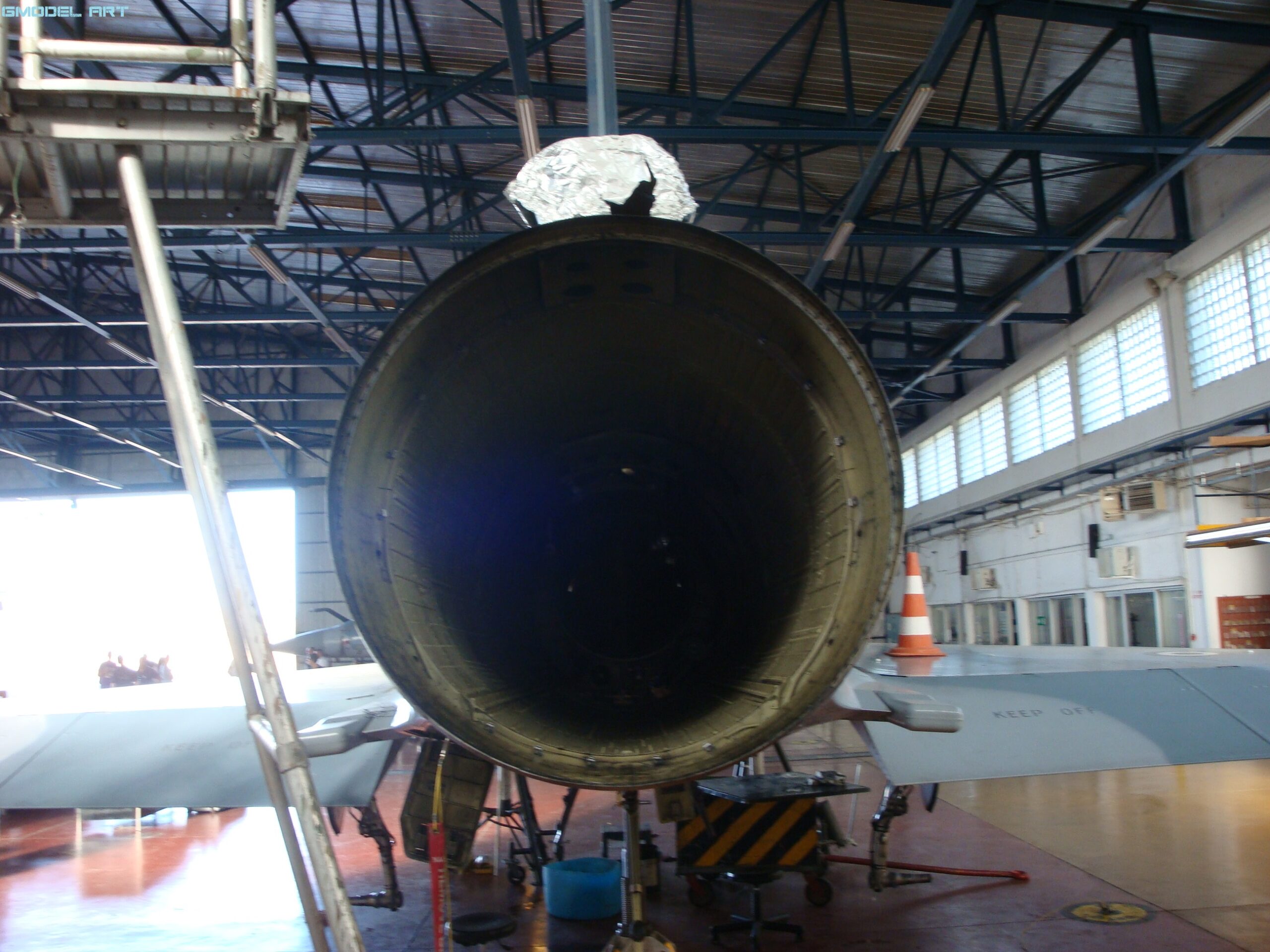
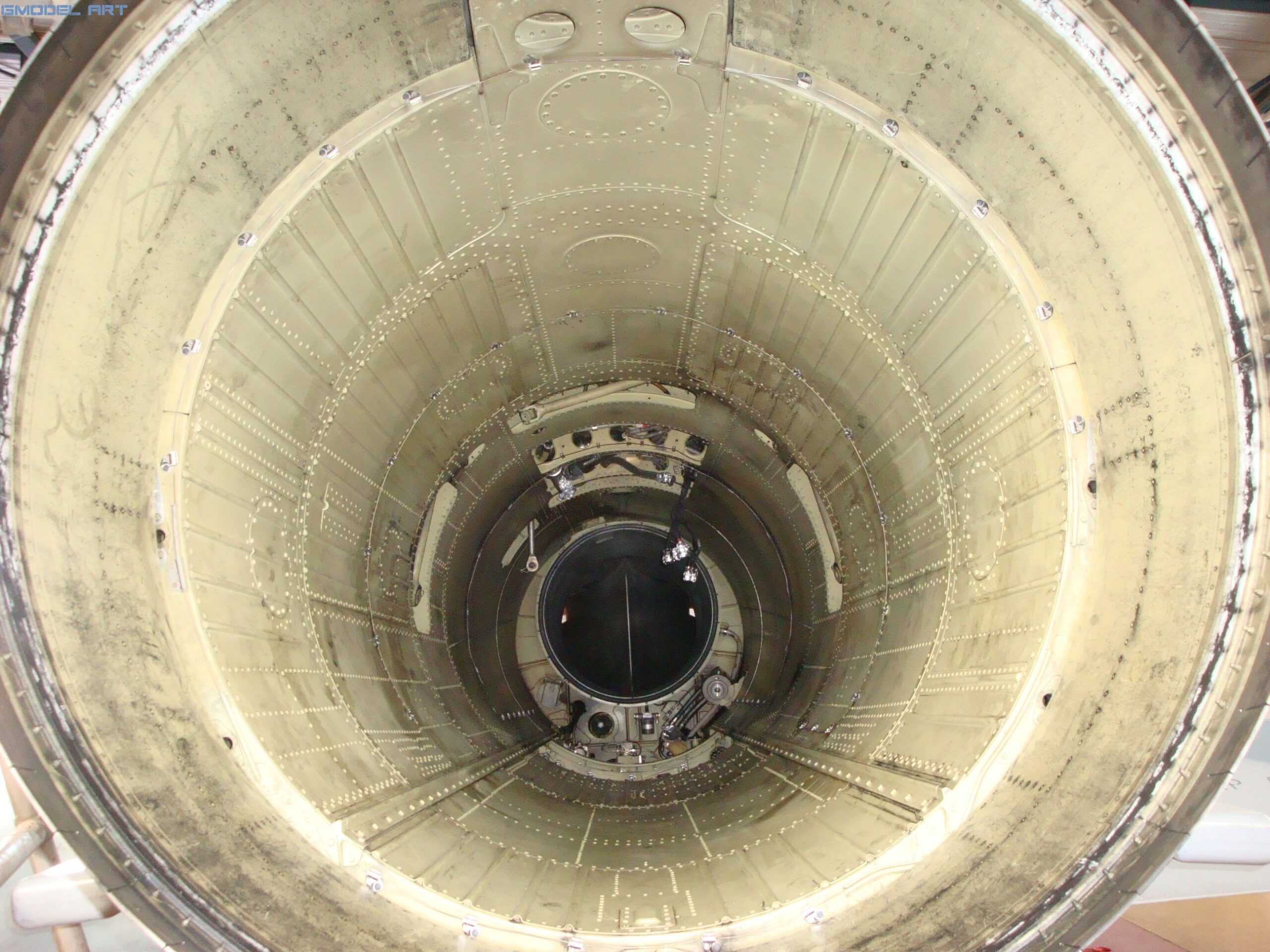
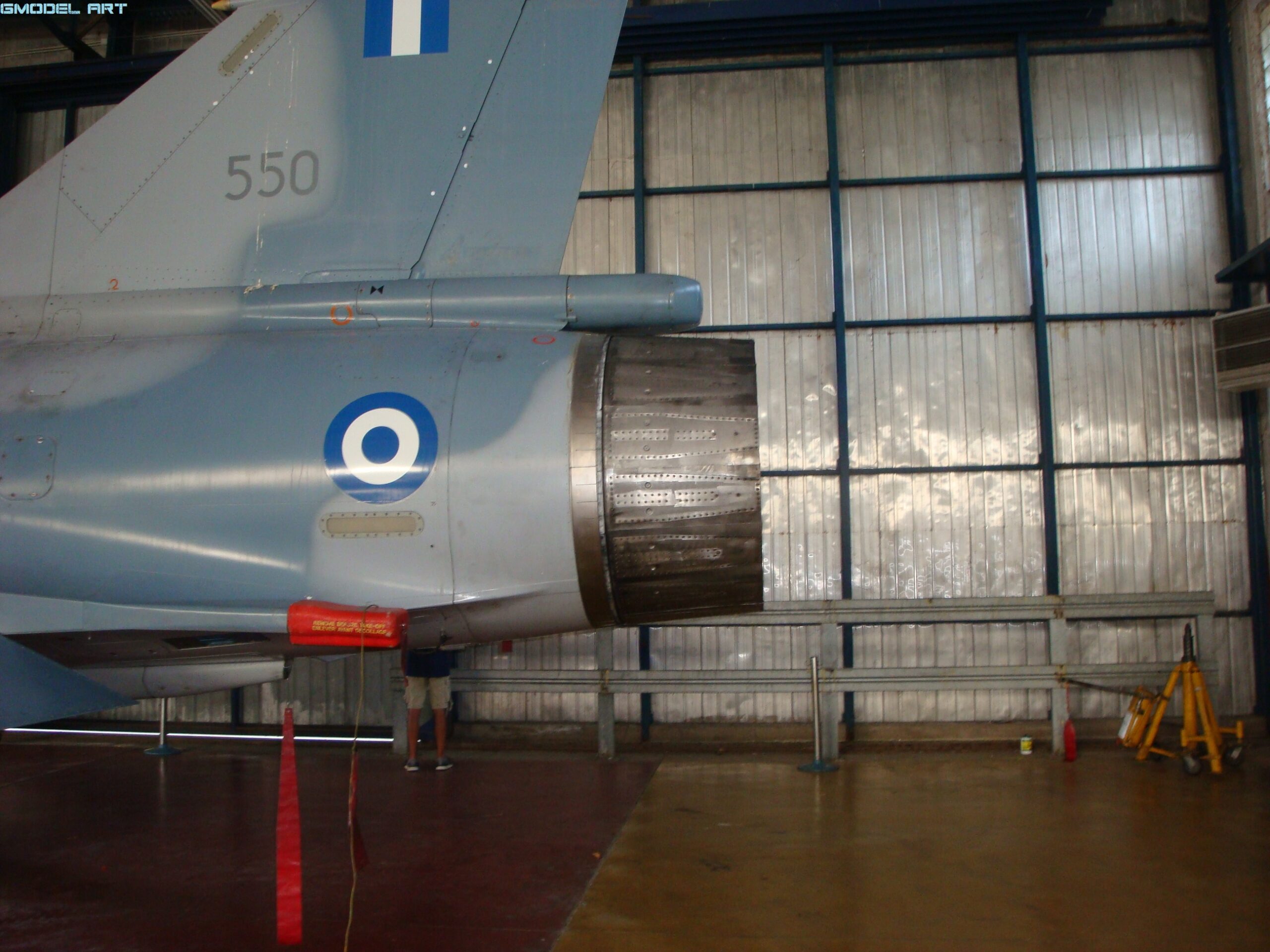
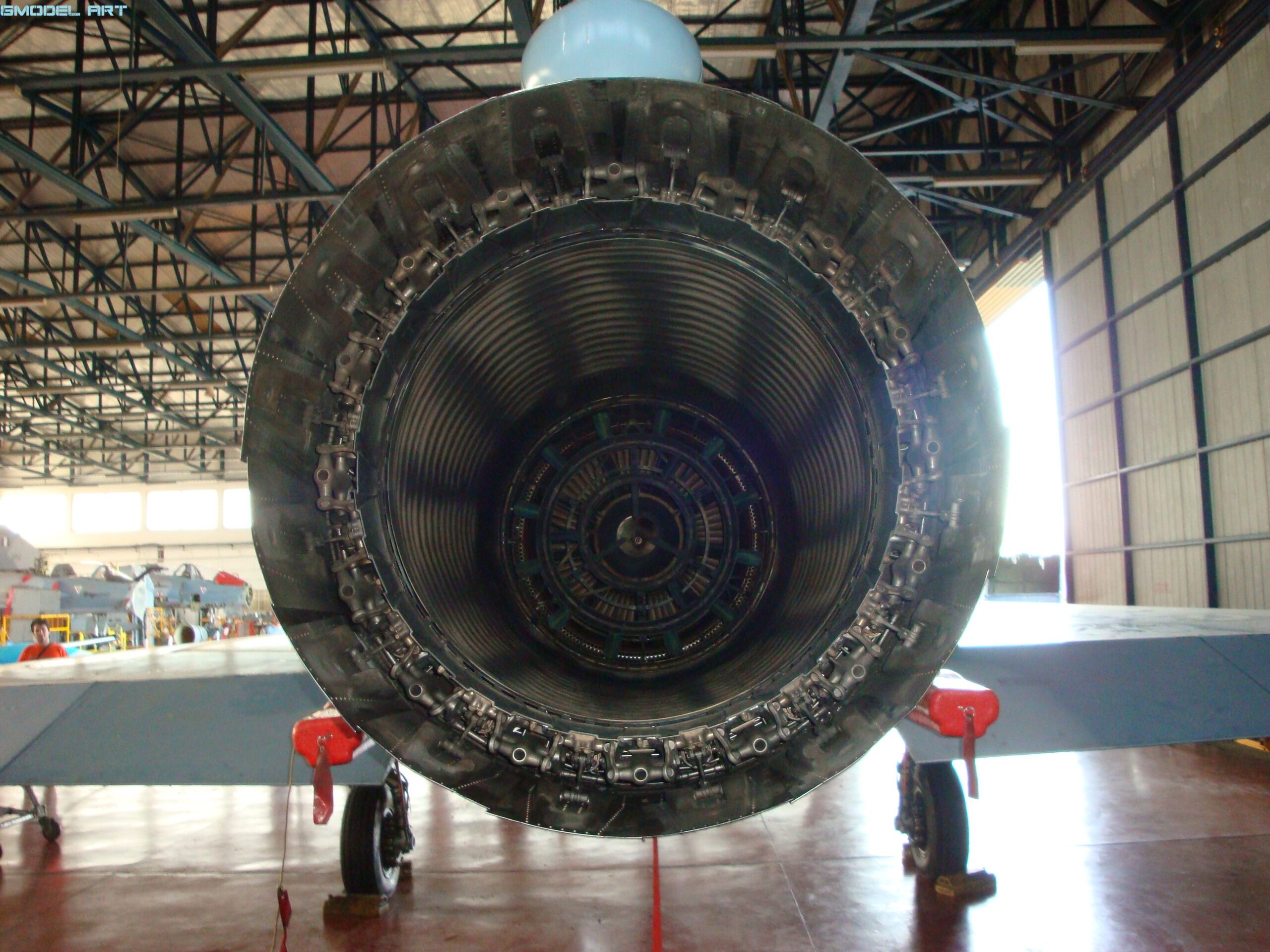
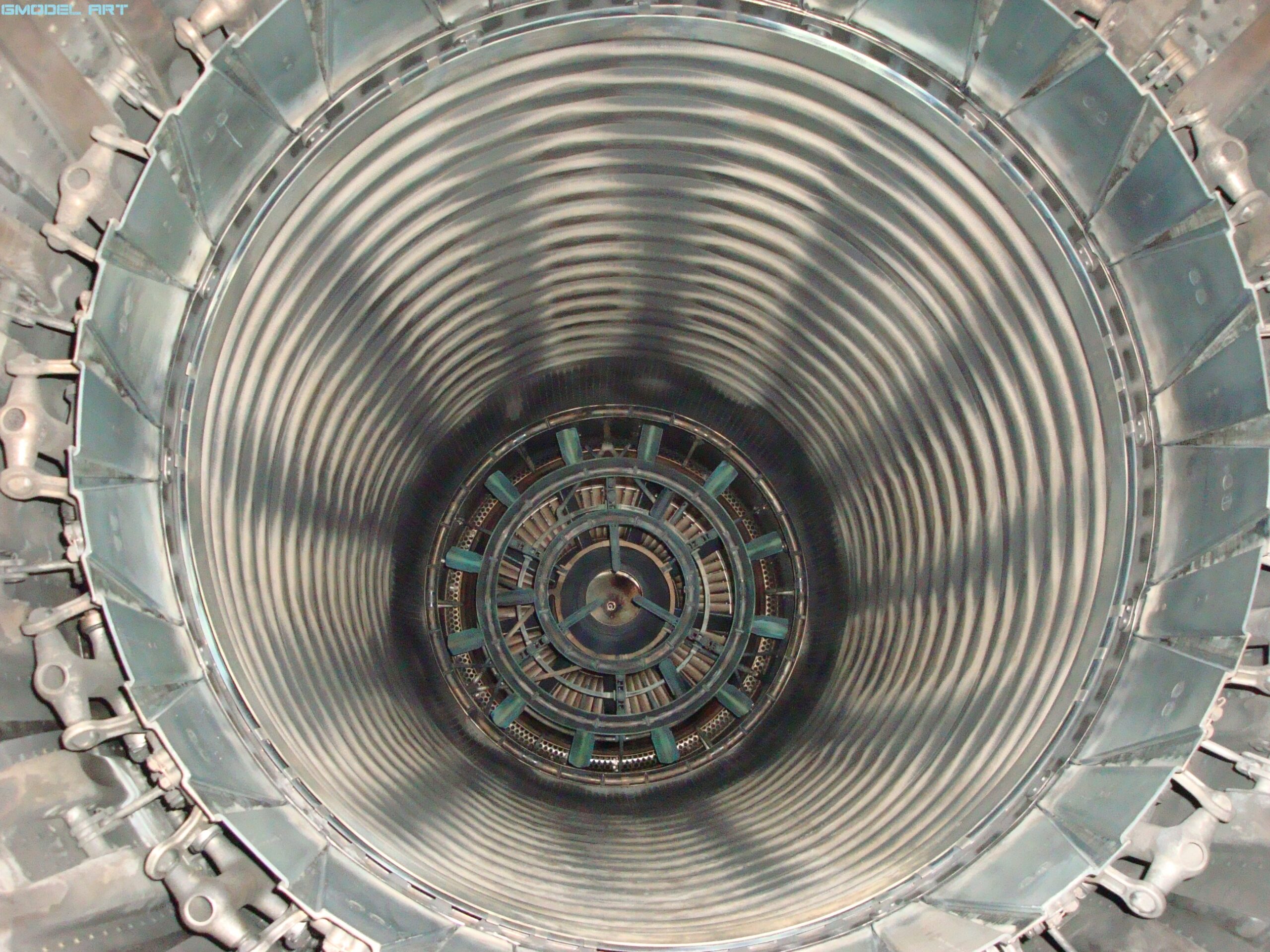
The Mirage 2000’s SNECMA M53 exhaust is one of the most prominent areas where older kits lack detail.
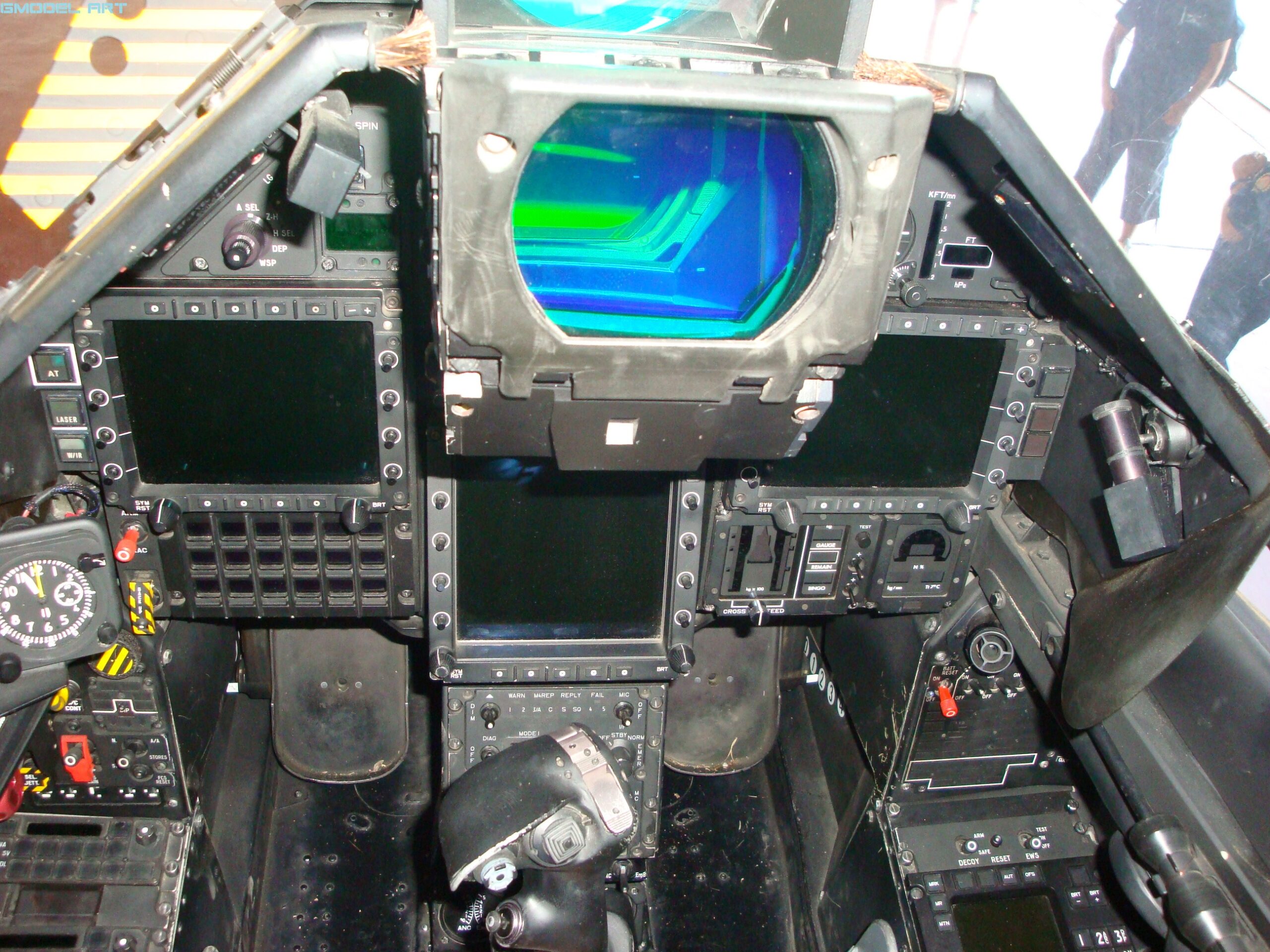
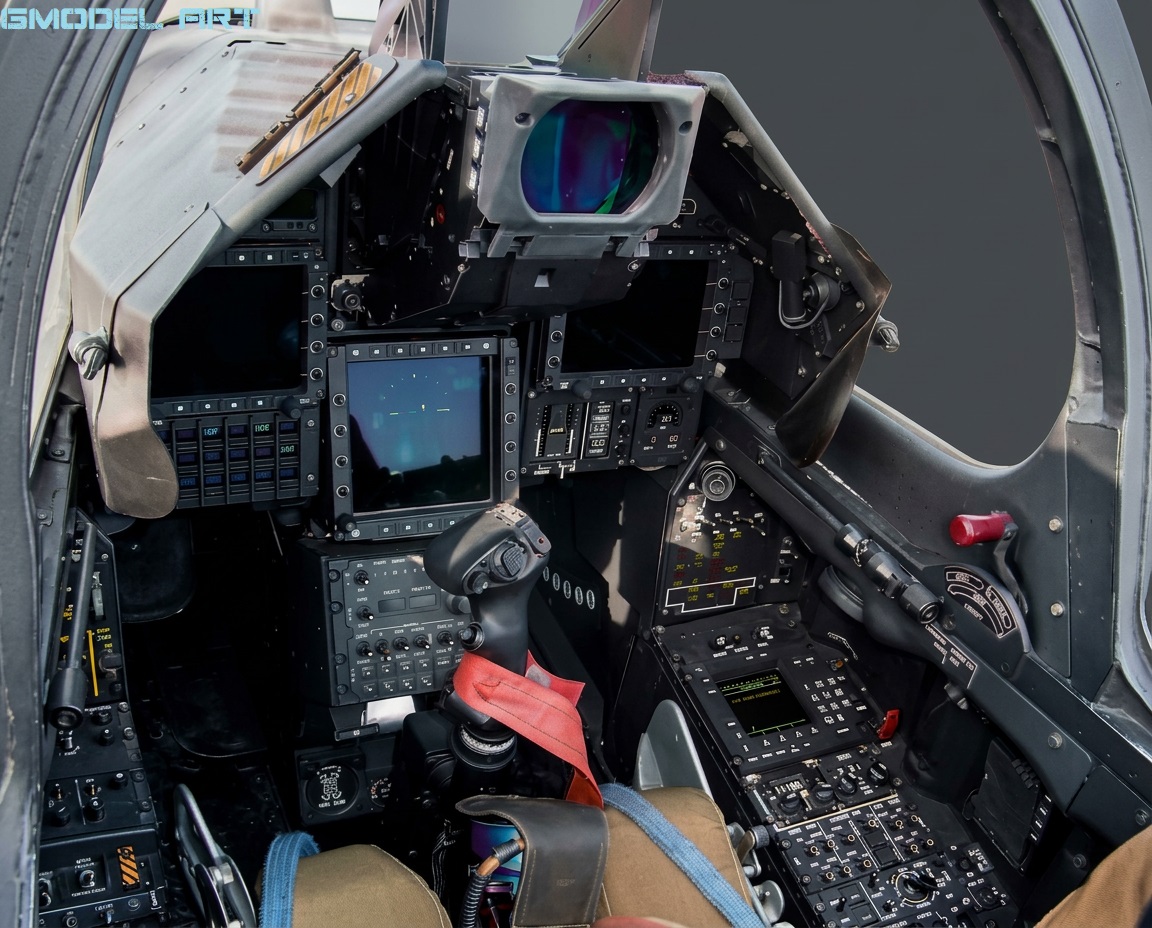
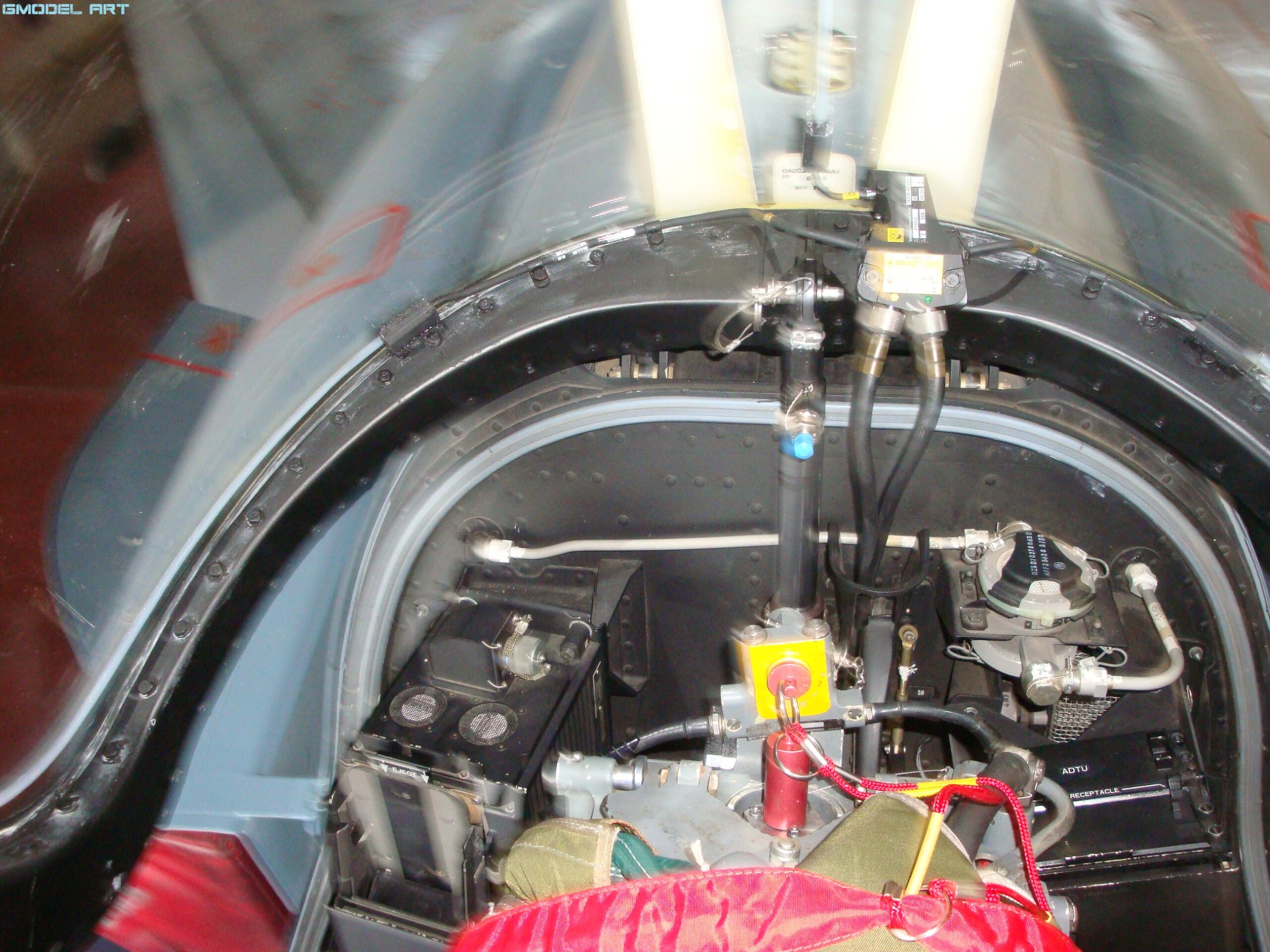
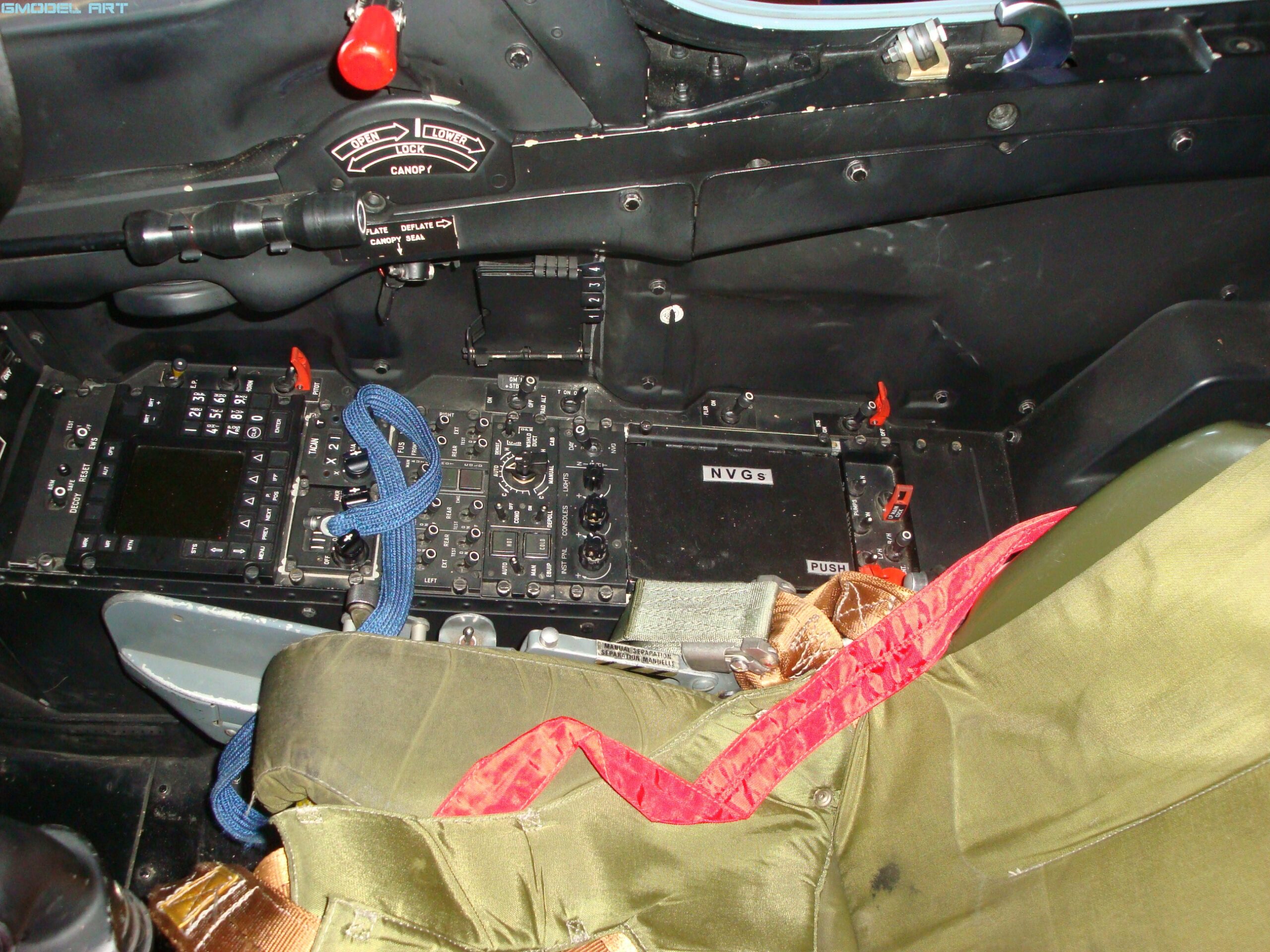
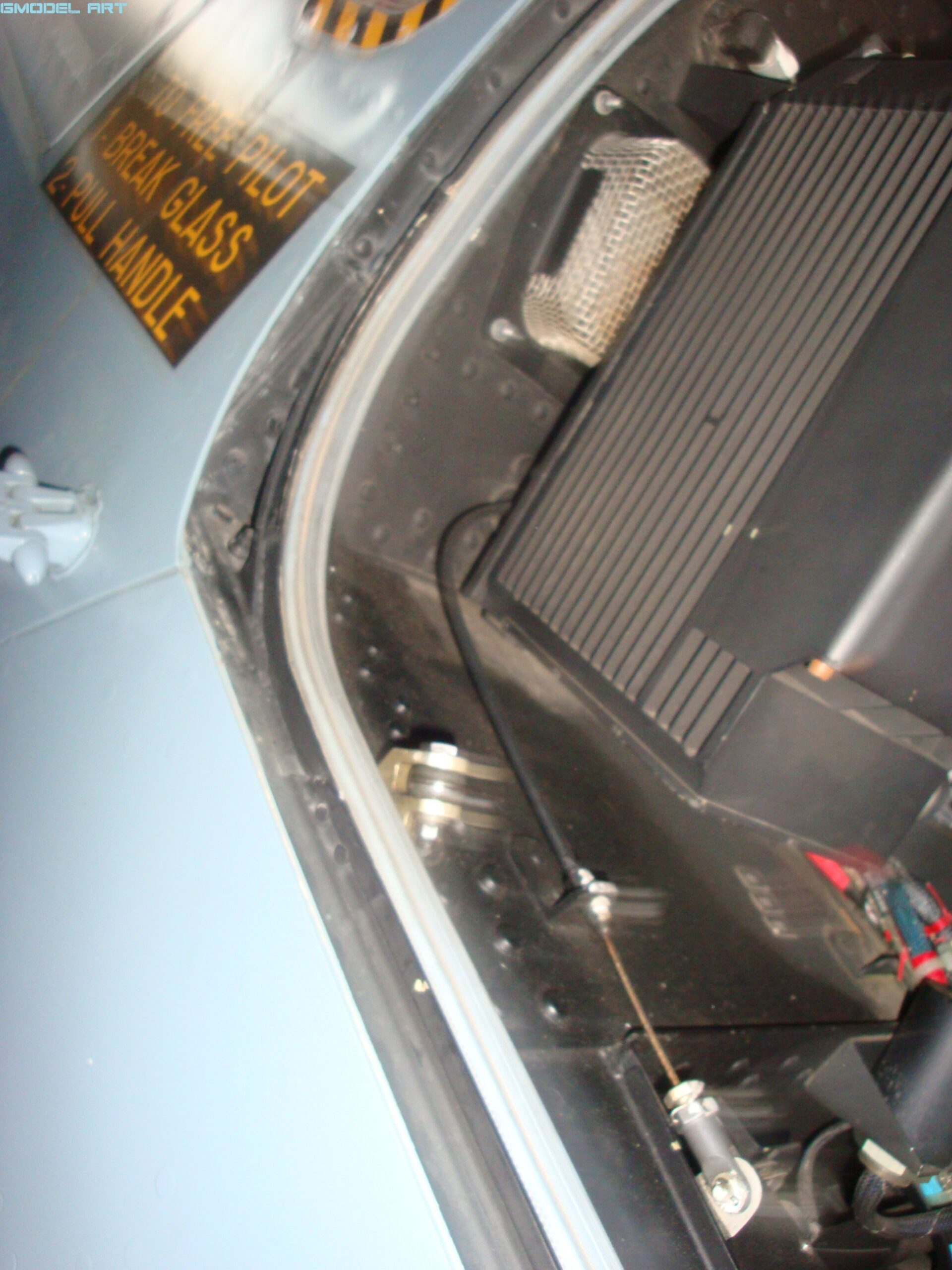
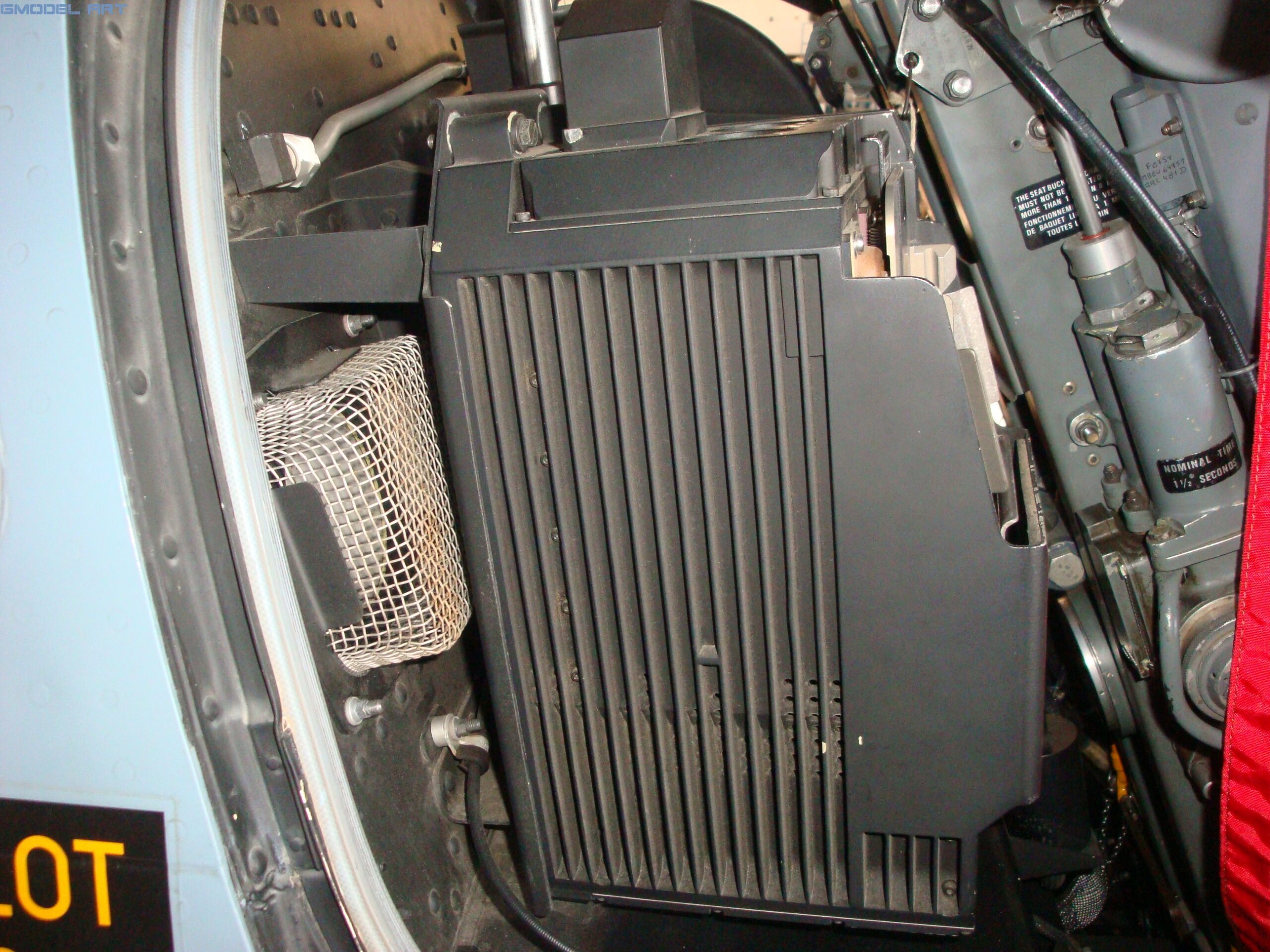
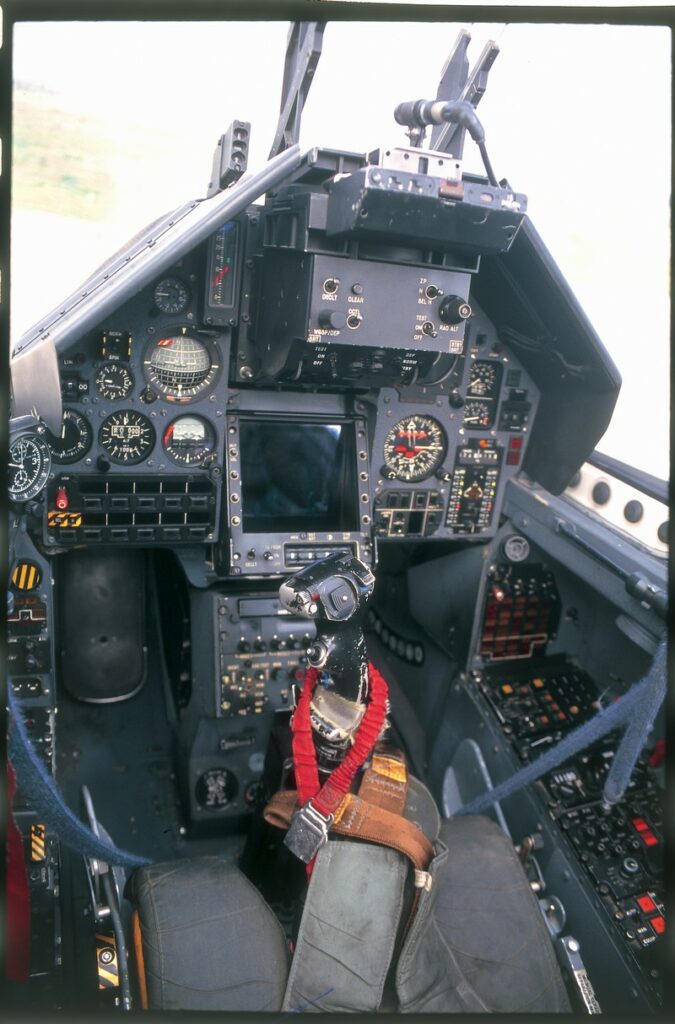
Cockpit
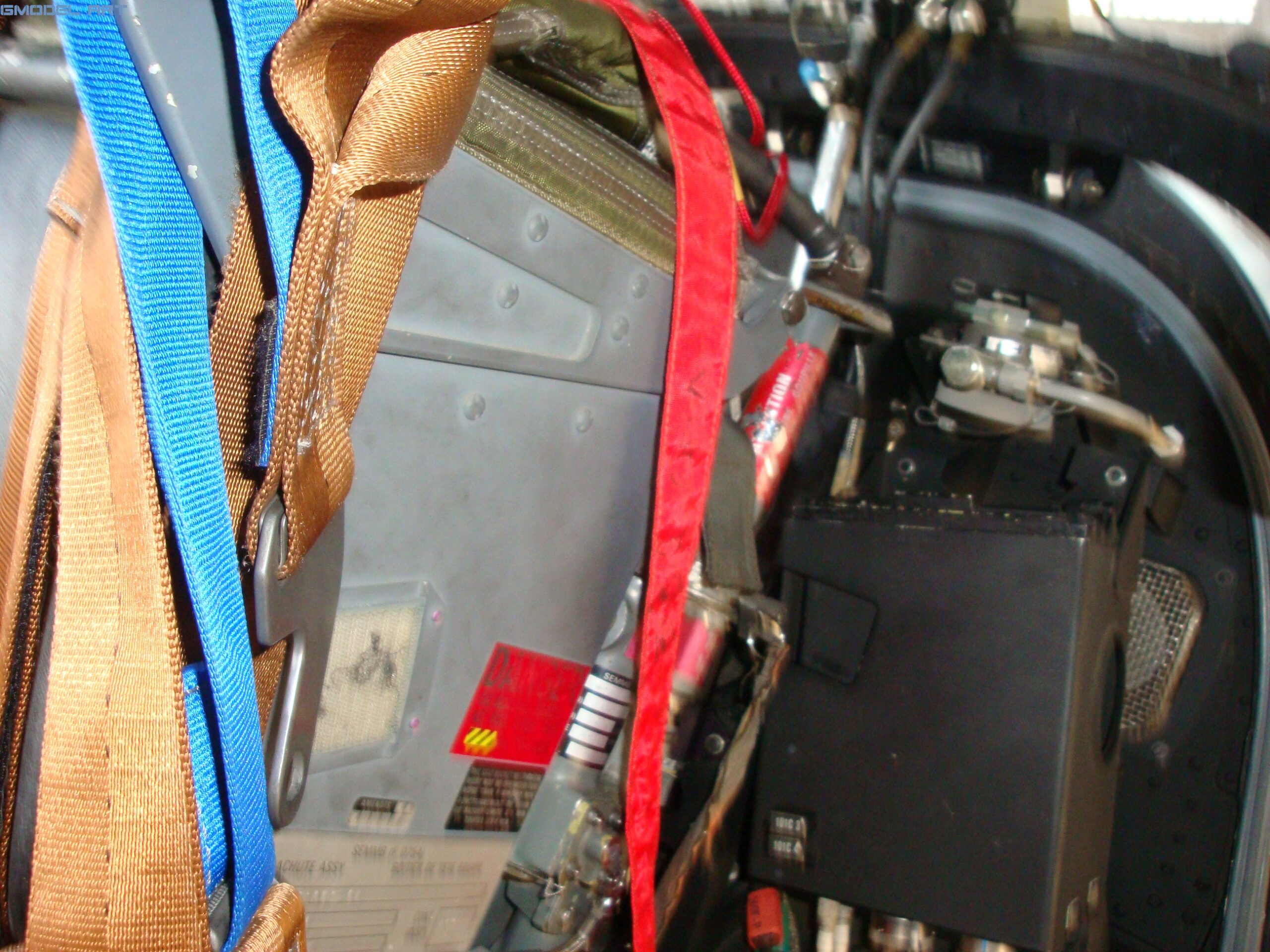
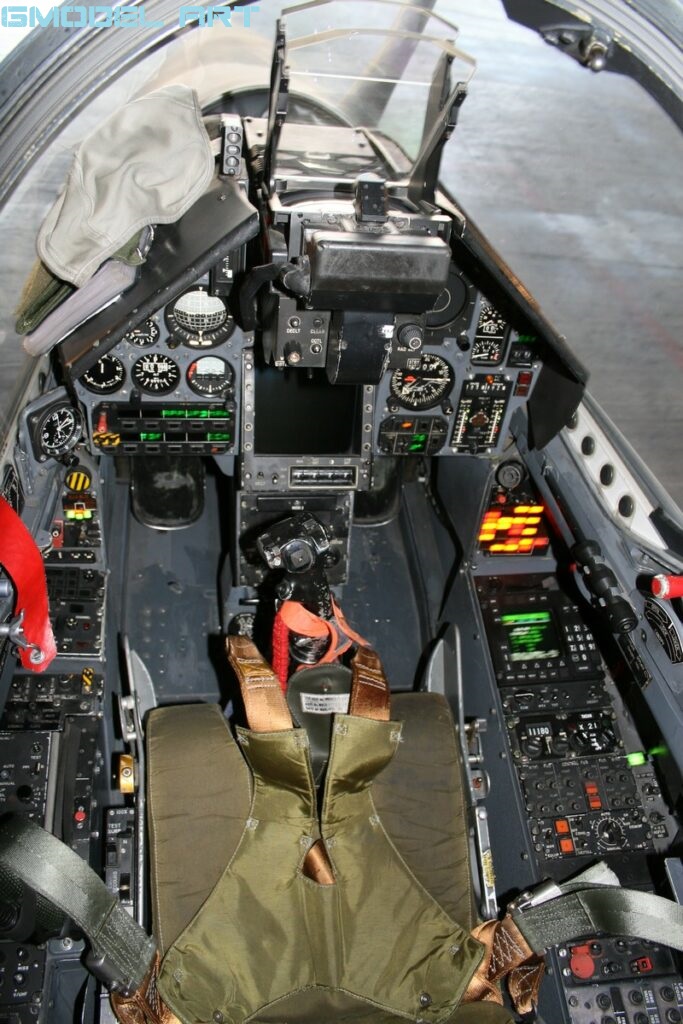
The cockpit is another area where modern 3D-printed or resin upgrades can dramatically improve the result.
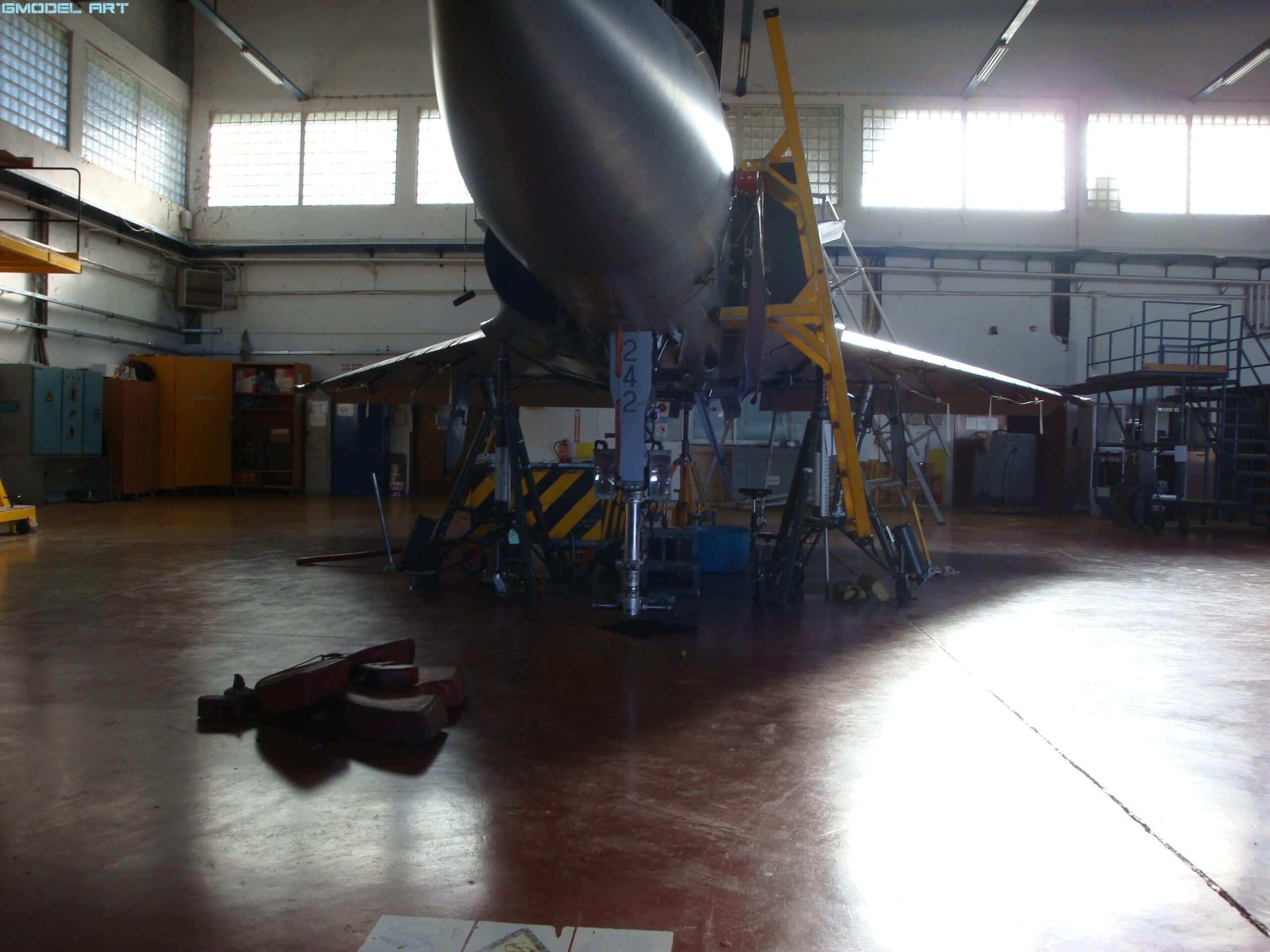
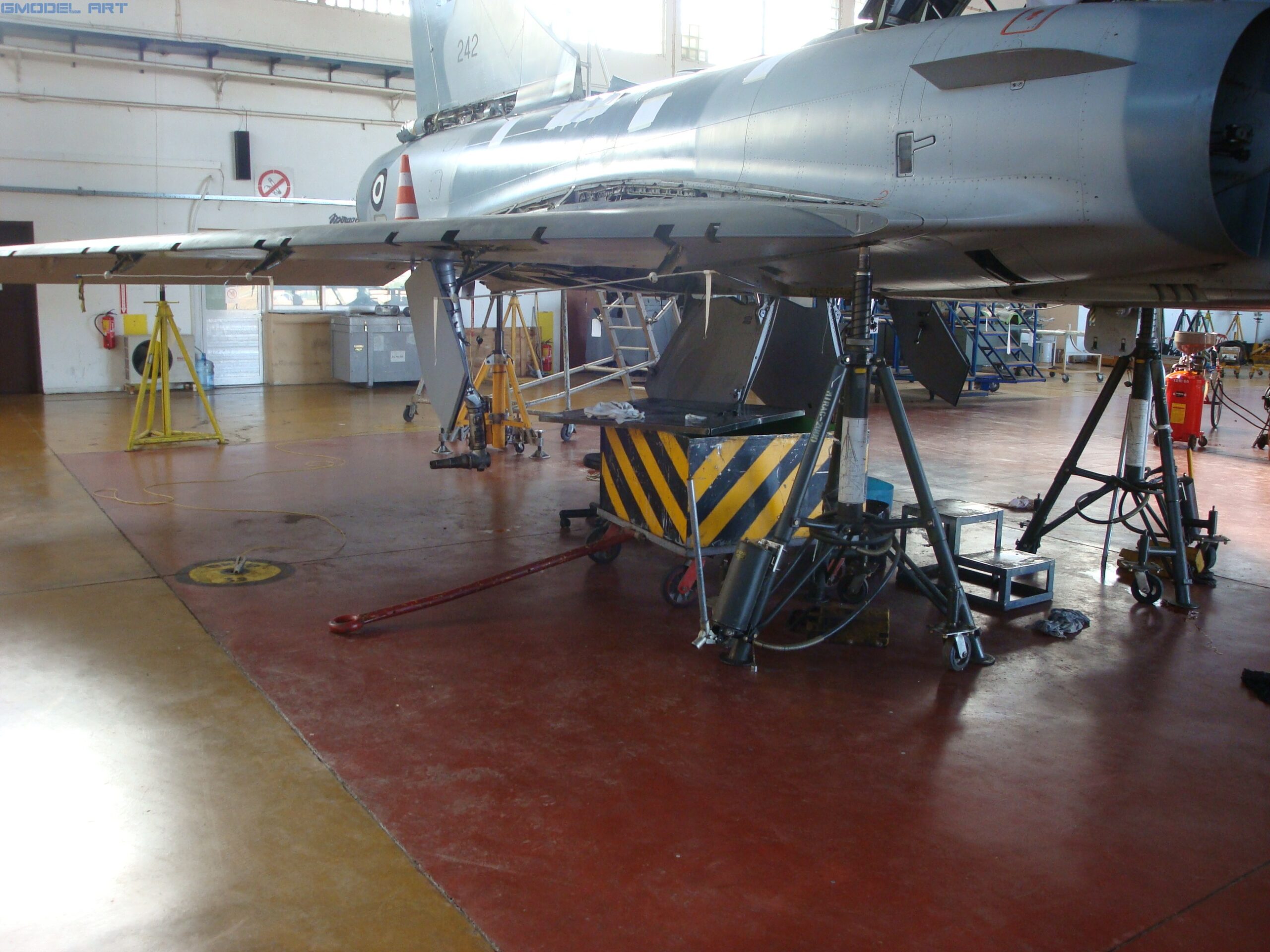
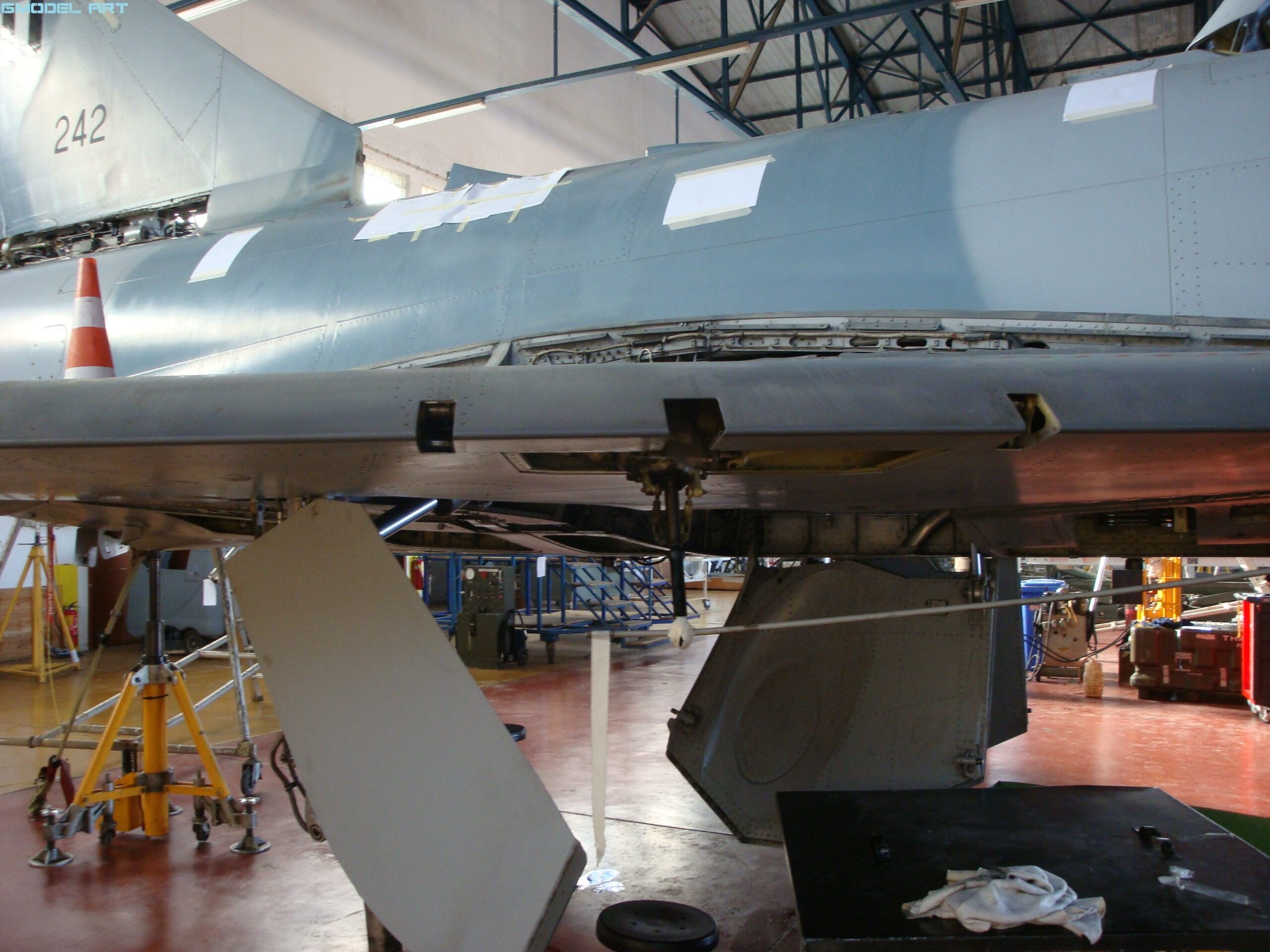
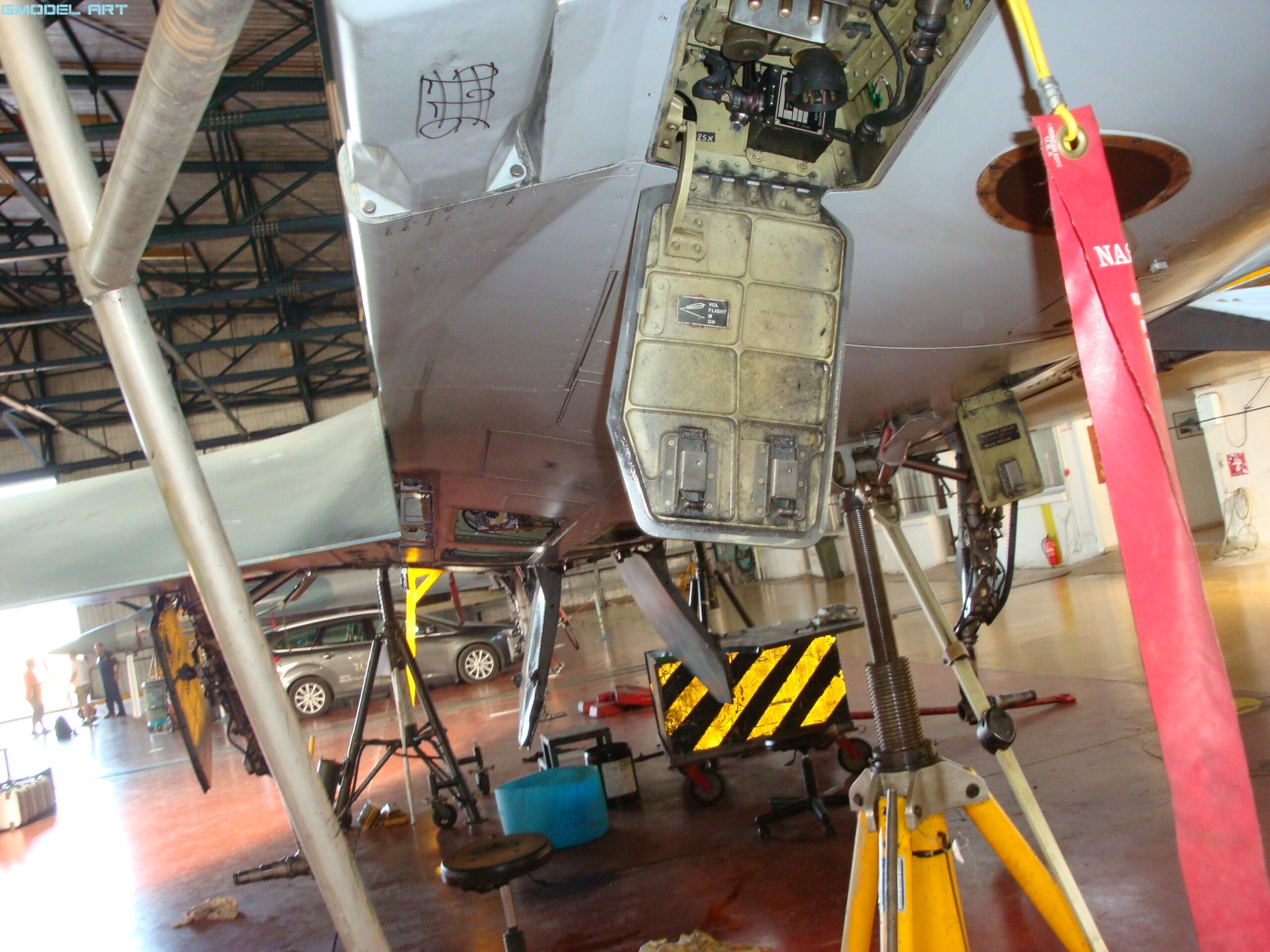
Landing gear
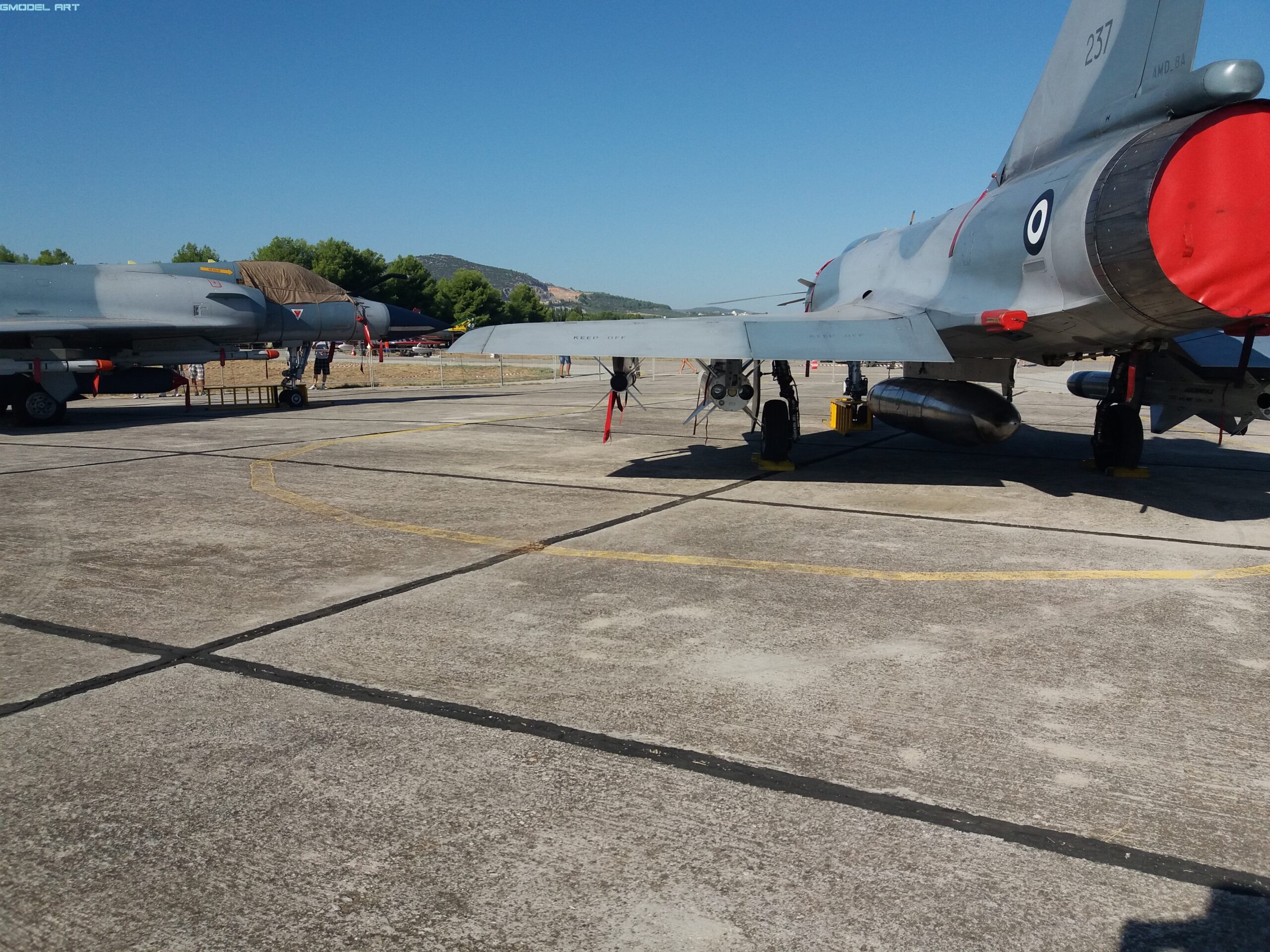
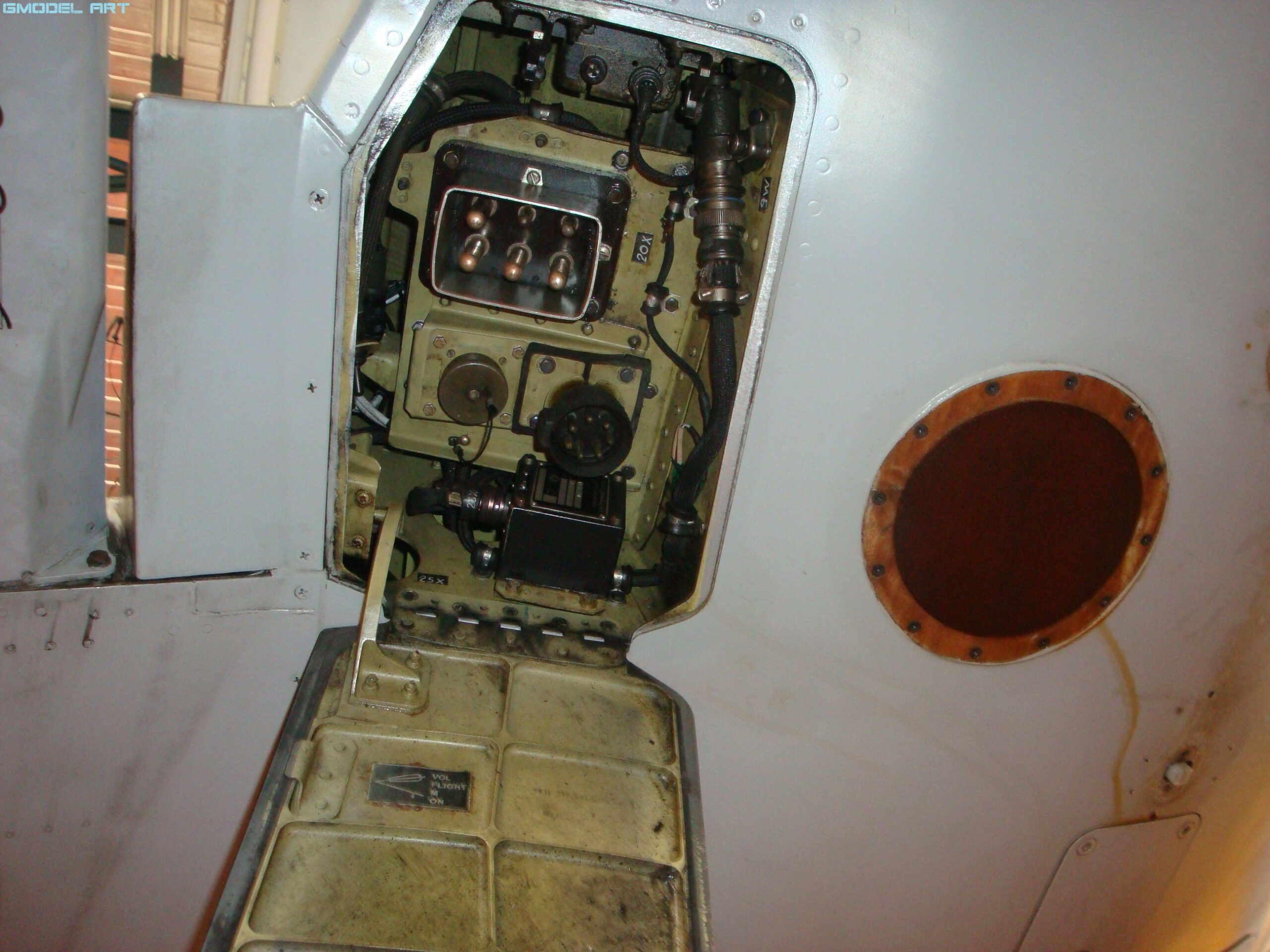
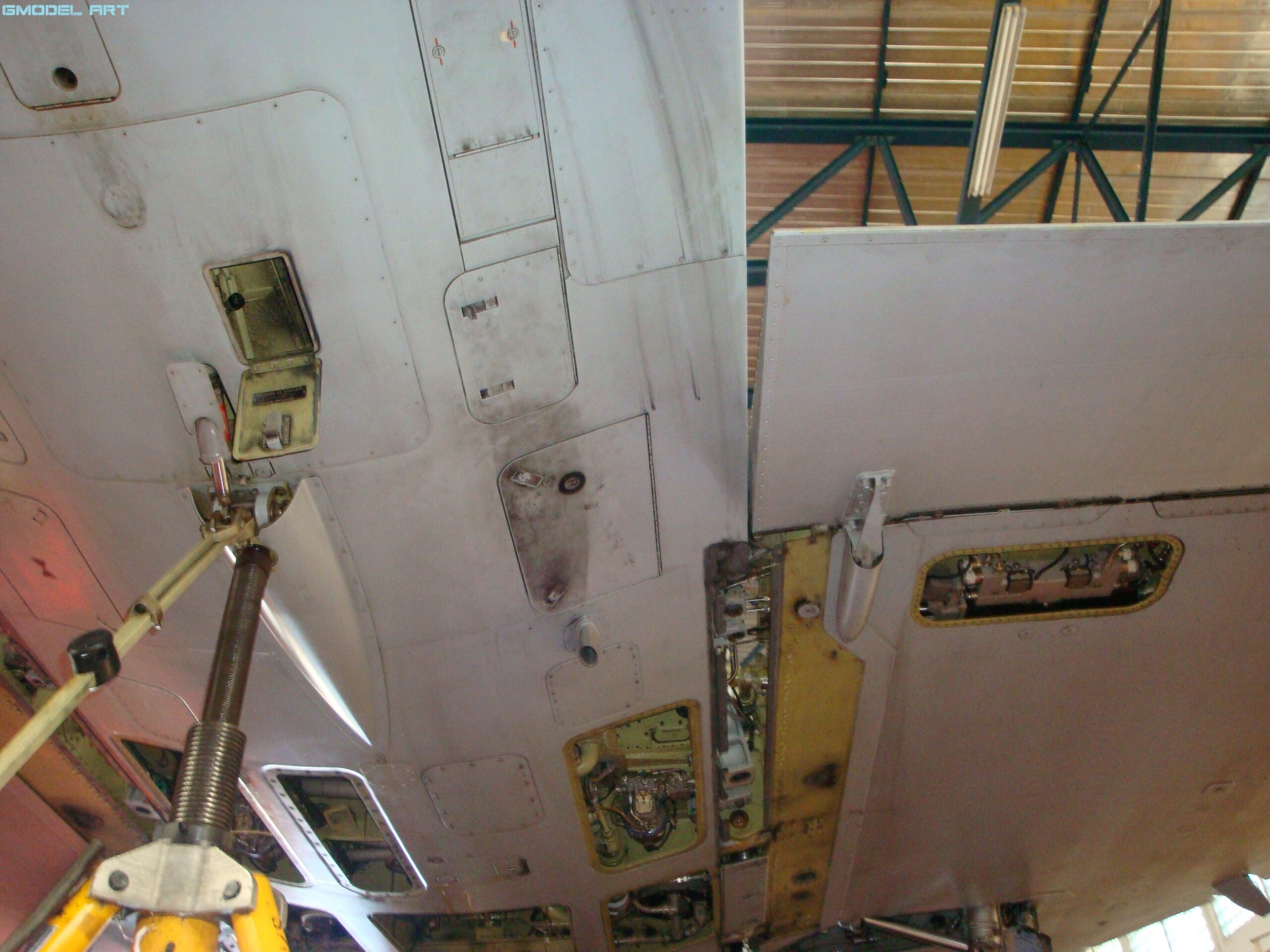
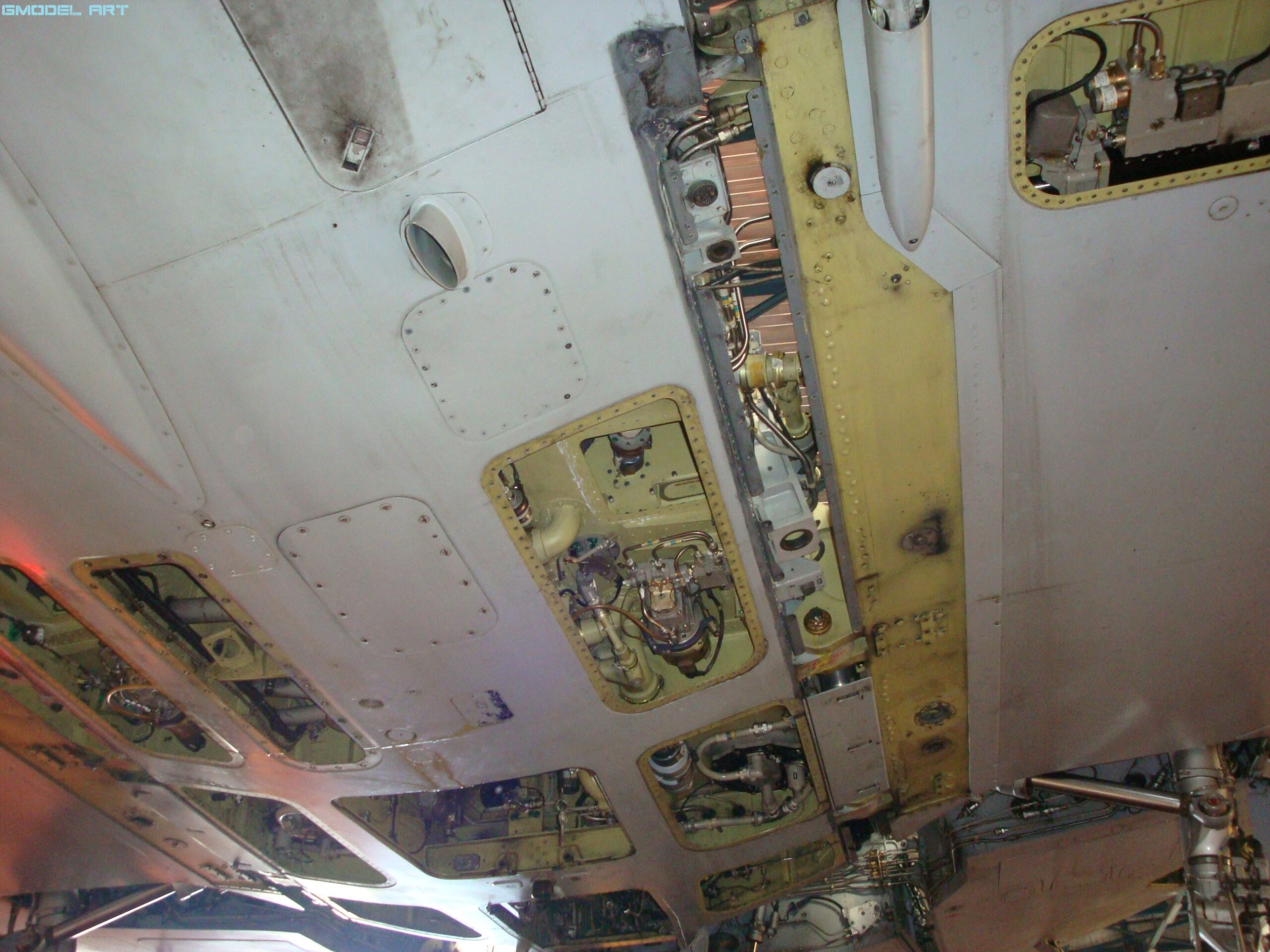
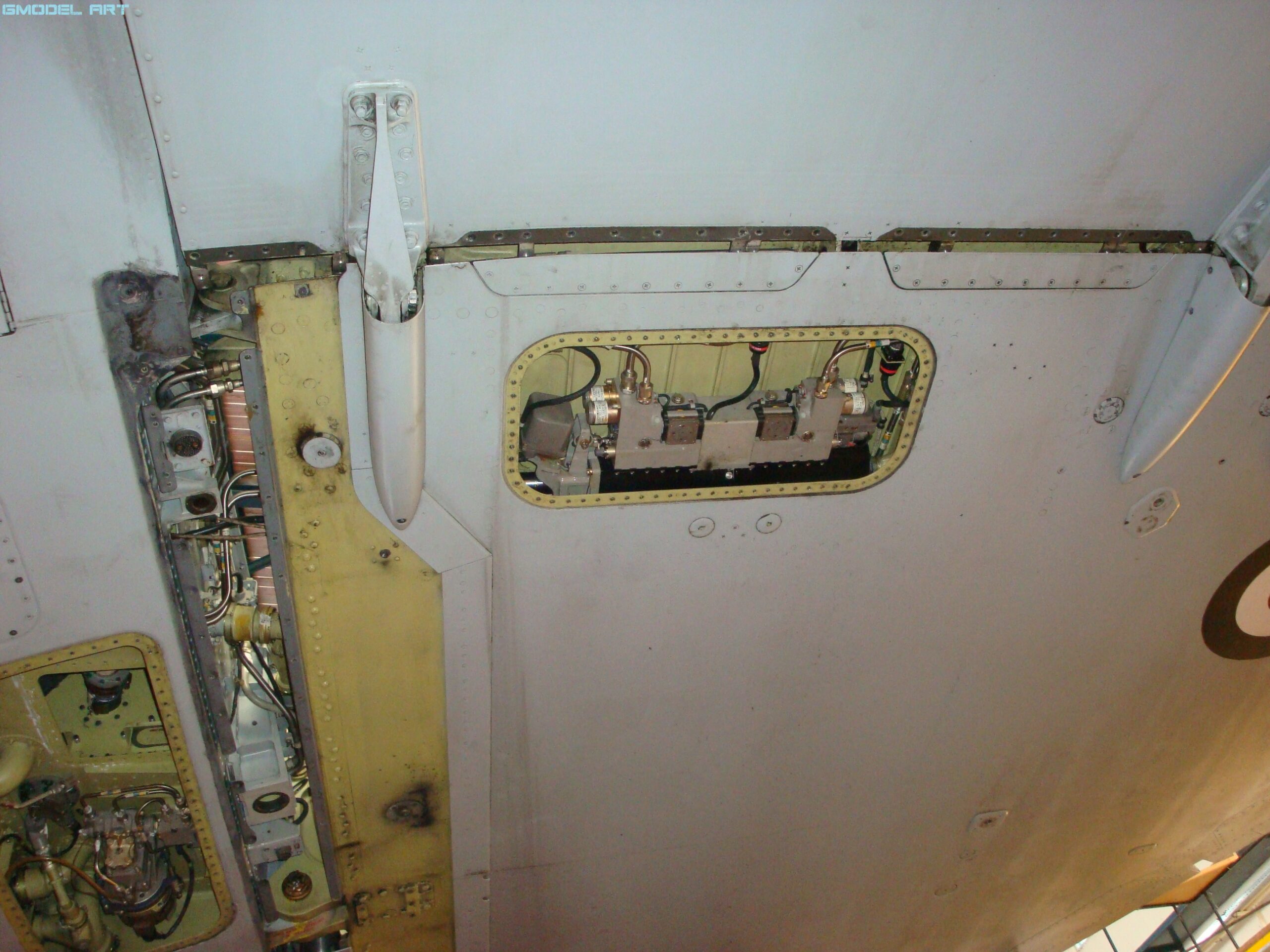
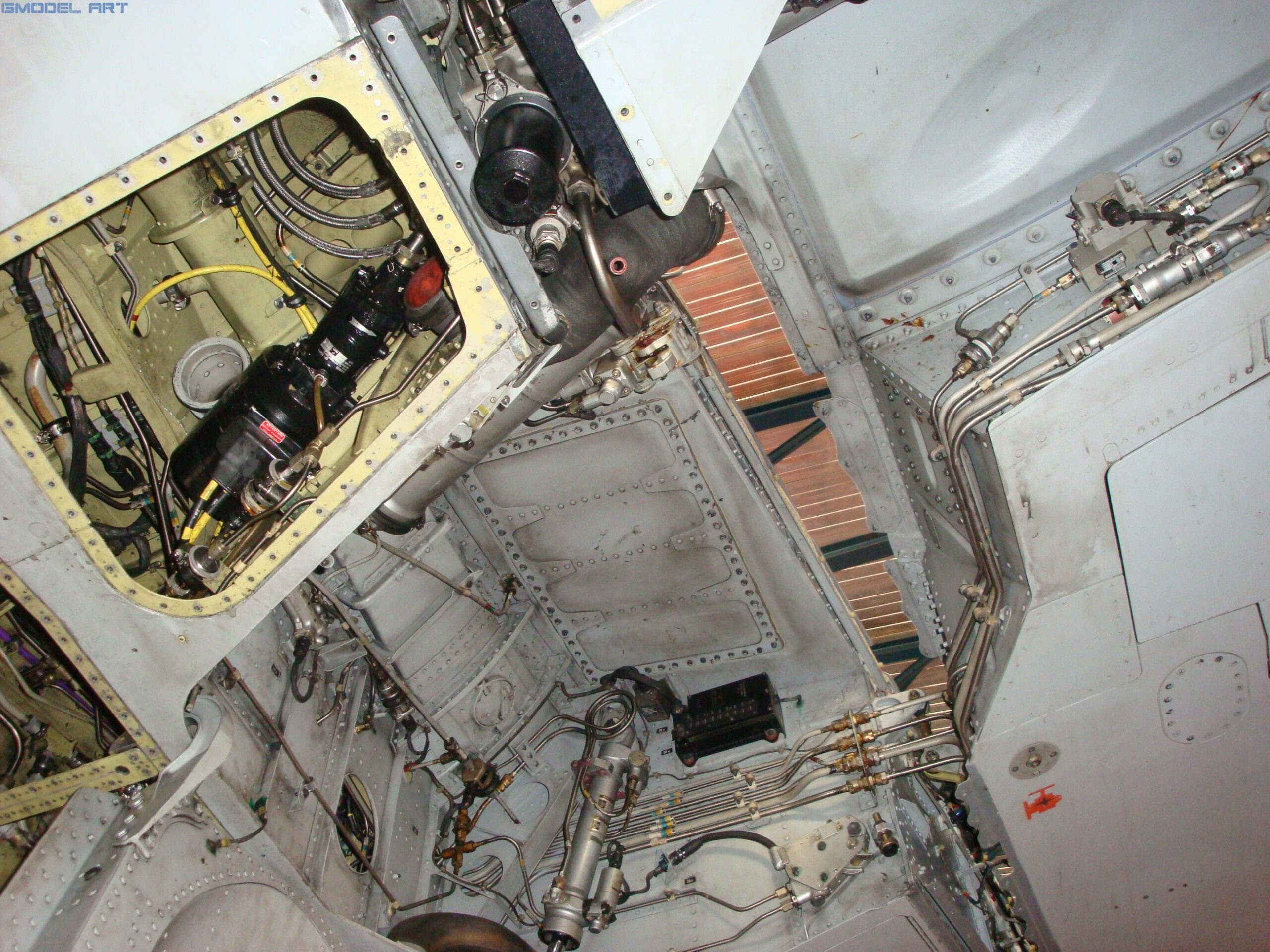
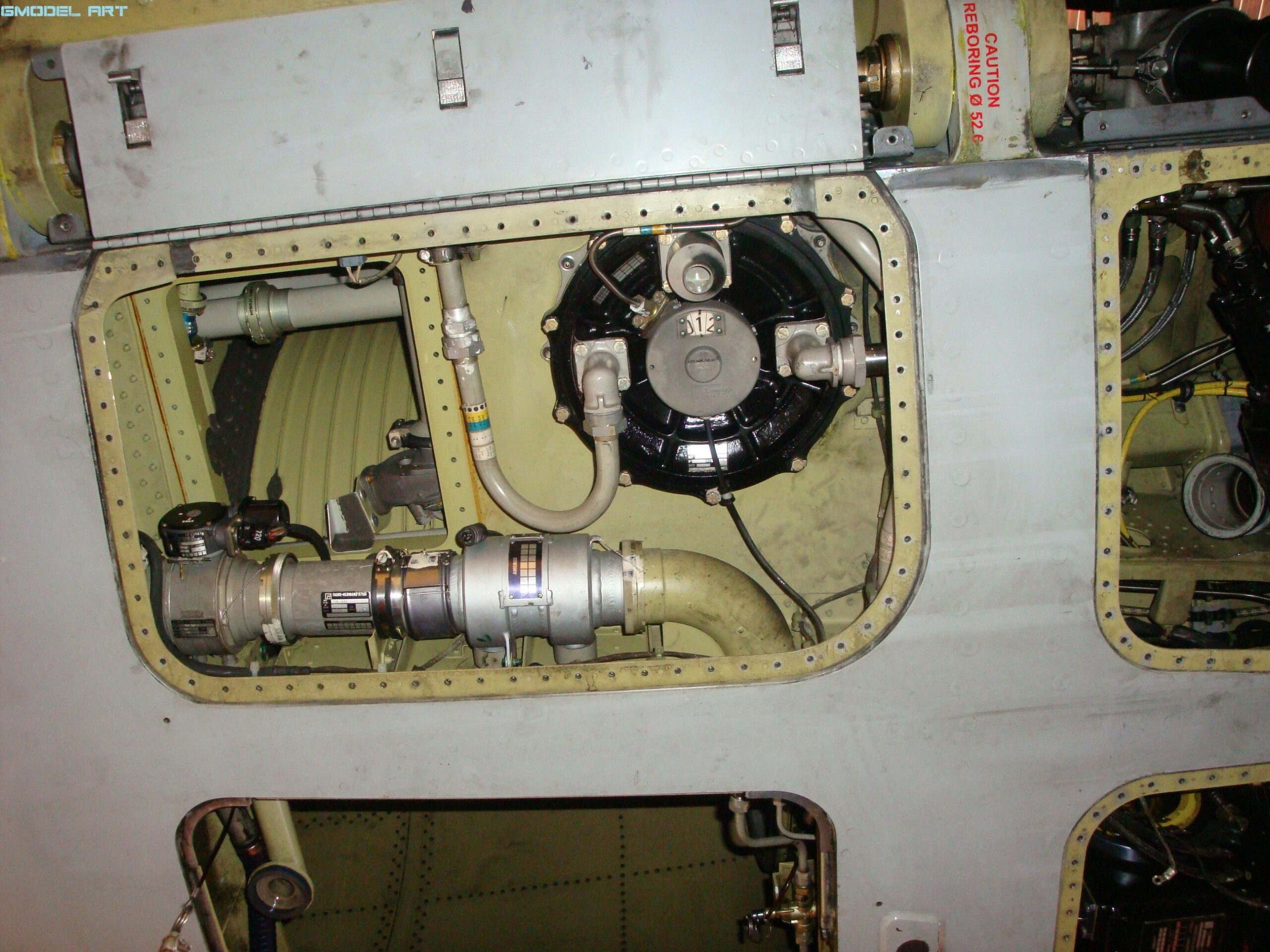
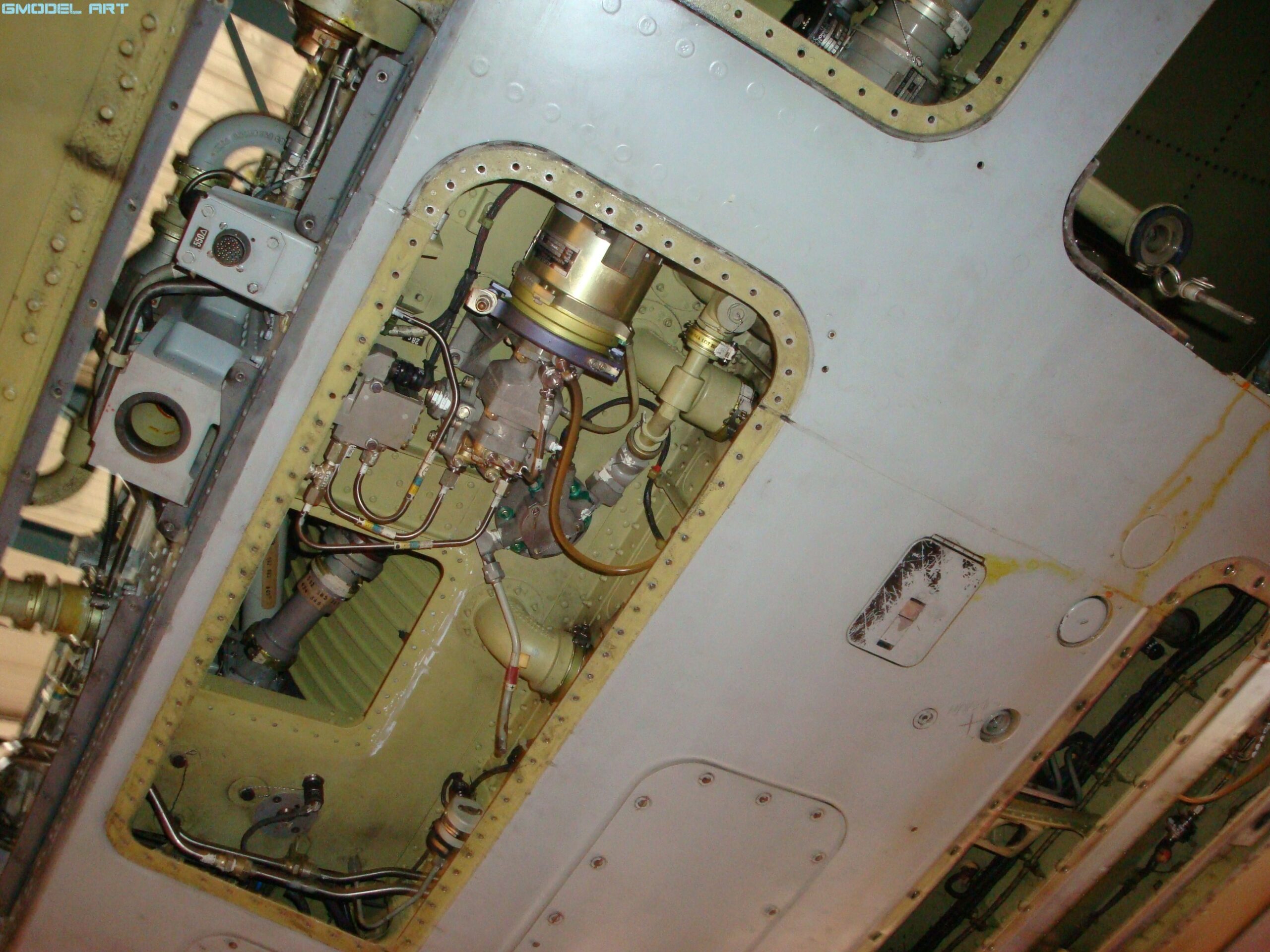
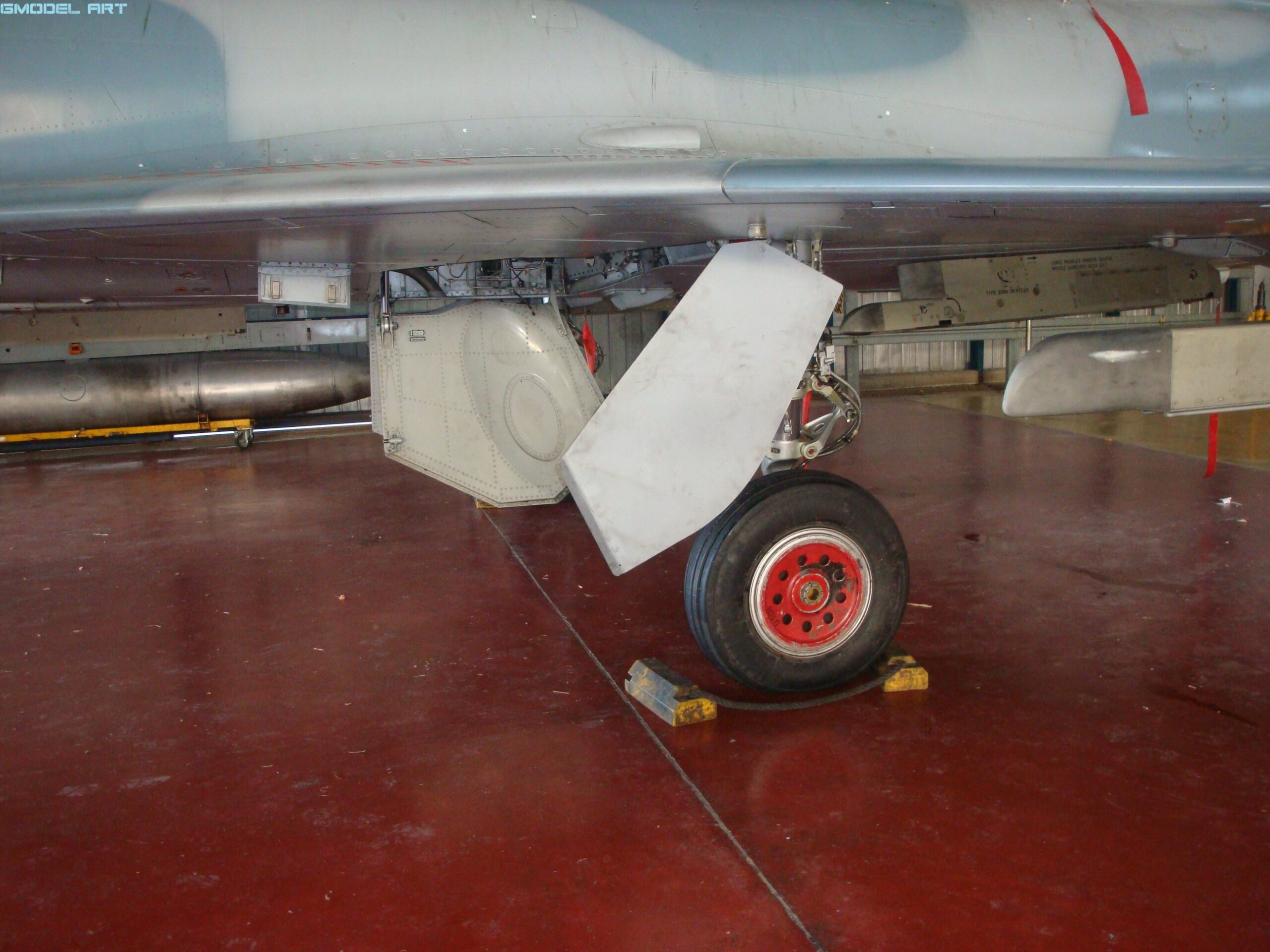
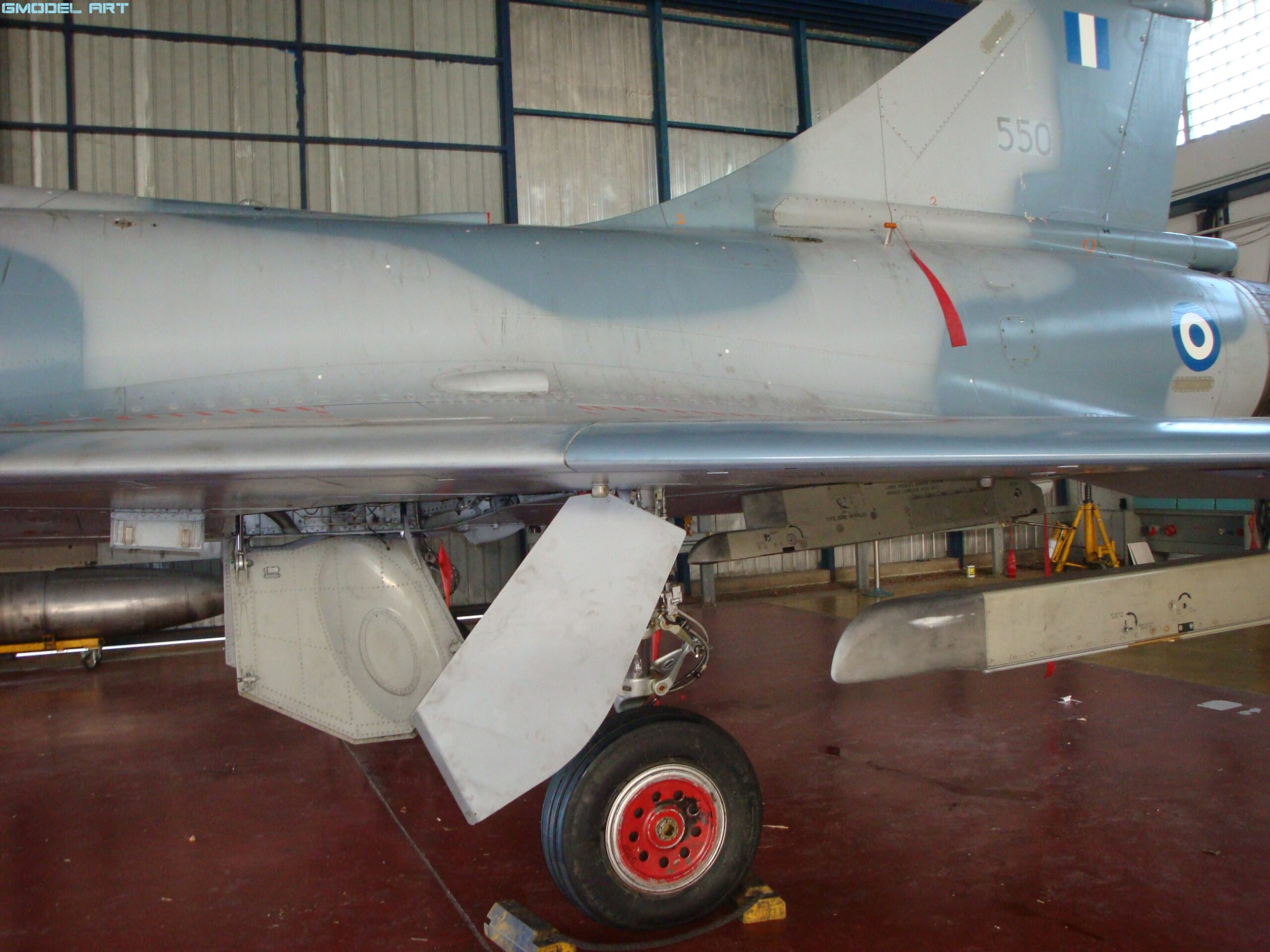
Brake lines, hydraulic lines and wheel-bay details can be added with wire and aftermarket components.
Aftermarket – Recommended Products and References
Exhaust
Aires 1/48 Mirage 2000B/C/D/N Opened Exhaust Nozzle
Aires catalogue number: 4560
Designed for the Heller 1/48 Mirage 2000 family.
The set provides a substantially more detailed representation of the M53 exhaust than the basic kit parts. IPMS reviewed the set specifically for the Heller Mirage 2000.
KASL Hobby 1/48 Mirage 2000 Exhaust Nozzles Set for Kinetic
KASL Hobby aftermarket set
A useful modern alternative for builders using the Kinetic tooling.
Cockpit
Quinta Studio 1/48 Mirage 2000C Interior
Reference: QD48113
Designed for the Kinetic Mirage 2000C.
It provides coloured 3D-printed cockpit details and is an efficient way of upgrading the older kit cockpit. The reference has also been used on a Greek Mirage 2000EGM build.
ResKit 1/48 Mirage 2000-5 Cockpit – Basic Edition
Kinetic-compatible
ResKit 1/48 Mirage 2000-5 Cockpit – Detailed Edition
Kinetic-compatible
ResKit announced these dedicated Mirage 2000-5 cockpit sets specifically for the Kinetic kit.
ResKit 1/48 MB Mk.10Q Ejection Seat for Mirage 2000C/2000-5
Reference: RSU48-0191
A useful upgrade for the pilot’s seat and cockpit area.
Weapons and External Stores
ResKit 1/48 AM39 Exocet
Reference: RS48-0195
This is particularly relevant for a Greek Mirage 2000EGM/BGM carrying the Exocet. A documented Greek Mirage 2000EGM model used this exact ResKit reference.
ResKit 1/48 R550 Magic II
Reference: RS48-0053
Suitable for the characteristic French/Greek short-range air-to-air weapon.
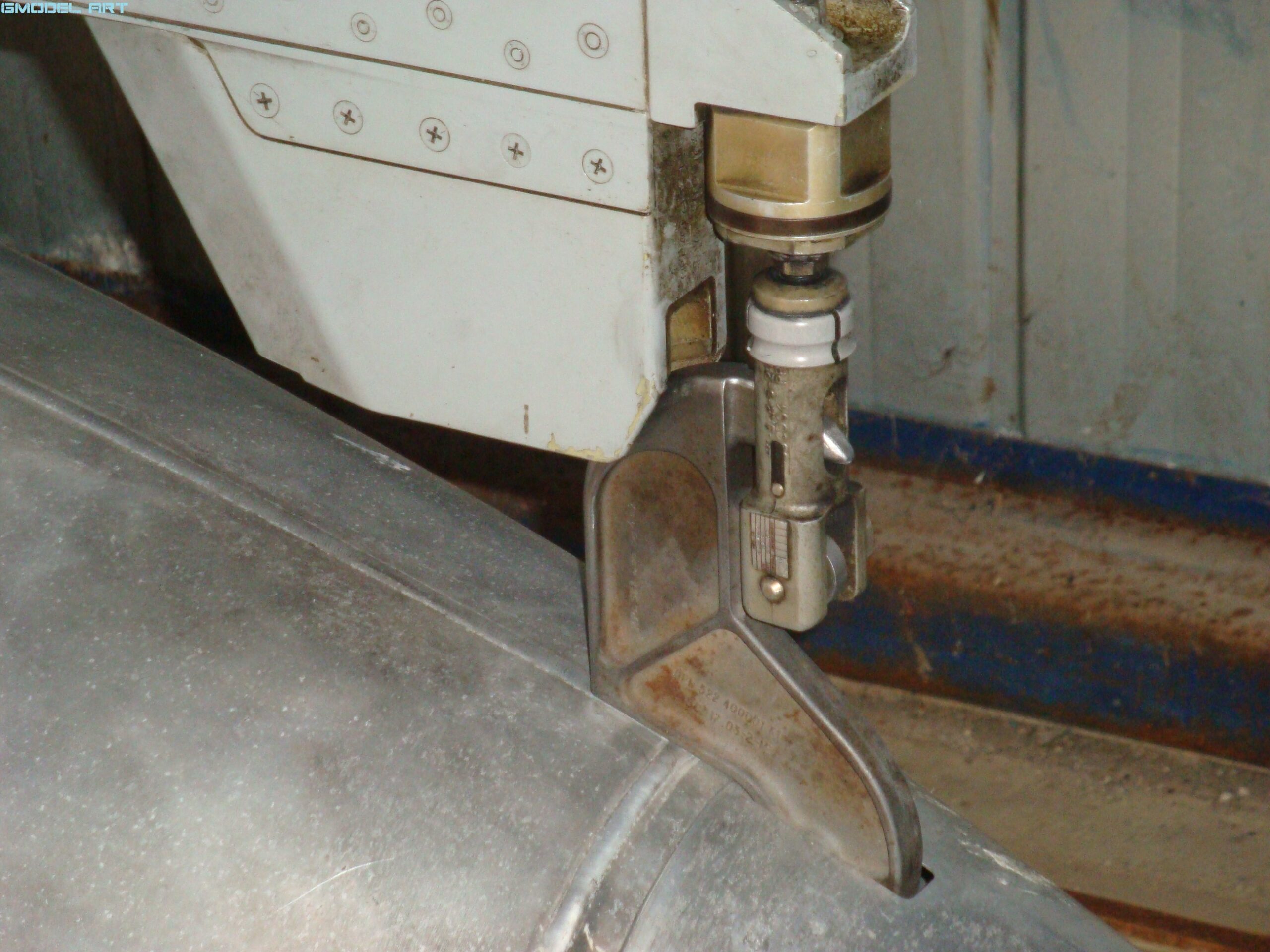
ResKit 1/48 Dassault Mirage 2000 RPL 501/502 1,700-litre External Fuel Tanks
Reference: RSU48-0302
Useful when reproducing a configuration supported by photographic evidence.
Pitot Tube
Master Model 1/48 Dassault Mirage 2000 Pitot Tube
Reference: AM-48-031
A metal pitot tube is a worthwhile upgrade because the kit part is extremely vulnerable to damage and usually lacks the delicacy of the real item. This reference was used on a Greek Mirage 2000EGM model.
Decals
Syhart 48-106 – Mirage 2000 “Hellenic Air Force”
Scale: 1/48
Manufacturer: Syhart
Reference: 48-106
This is one of the most useful decal sheets for a Greek Mirage 2000 project.
It covers:
Mirage 2000EG
Mirage 2000EGM
Mirage 2000BG
Mirage 2000BGM
Mirage 2000-5EG
Mirage 2000-5BG
It also includes maintenance stencils and a 332 Squadron 25th Anniversary 2014 Mirage 2000EGM option.
Syhart 72-106 – Mirage 2000 “Hellenic Air Force”
Scale: 1/72
Reference: 72-106
The same family of Greek Mirage versions is covered in 1/72, including maintenance stencils.
Greek Mirage 2000 Colour Guide
This is one of the most controversial parts of the subject.
Different kit manufacturers provide different FS references, and photographs show significant variation depending on lighting, paint ageing and maintenance.
The Heller documentation gives:
| Area | FS Reference | Description |
|---|---|---|
| Main blue-grey | FS 35164 | Intermediate Blue / blue-grey |
| Light grey | FS 36375 | Light/Medium Grey |
| Radome | FS 36320 | Dark Ghost Grey |
| Additional grey reference | FS 36251 | Medium Grey |
These references should be treated as modelling references rather than proof that every real HAF Mirage was painted directly from an FS595 paint specification.
The subject has been studied extensively by Greek Mirage modellers, with different kit instructions producing different colour references.
Paint Conversion Table
Recommended GModel Art Paint Guide
| Colour / Area | FS Reference | MRP | Mr. Hobby / Gunze | Tamiya | Vallejo | AK Real Colors | Hataka | Mission Models |
|---|---|---|---|---|---|---|---|---|
| Dark Blue-Grey | FS 35164* | MRP-357 Gris-Bleu Foncé | H56 Intermediate Blue / adjusted mix | XF-18 + lightening adjustment | 71.299 Intermediate Blue / adjusted | RC235 Intermediate Blue | HTK-027 Intermediate Blue | MMP-071 Intermediate Blue FS35164 |
| Light Blue-Grey | FS 36375* | MRP-356 Gris-Bleu Clair | H308 / H307 depending reference | XF-20 + blue-grey adjustment | 71.305 / FS36375 family | RC252 Light Ghost Grey | HTK-??? FS36375 equivalent | FS36375 equivalent |
| Radome | FS 36320 | MRP-??? / neutral grey mix | H307 | XF-20 / neutral grey mix | 70.992 Neutral Grey family | RC252 family / FS36375-adjacent | FS36320 equivalent | FS36320 equivalent |
| Medium Grey details | FS 36251 | MRP neutral grey family | H317 | XF-19 / XF-20 adjusted | 70.868 Medium Sea Grey family | RC246/RC249 family | FS36251 equivalent | FS36251 equivalent |
* Important: FS 35164 and FS 36375 are the references given by Heller documentation; they should not be treated as unquestionable original HAF paint specifications.
The safest approach for a serious model is to use the MRP-356 / MRP-357 combination as the primary GModel Art recommendation, while using photographs of the particular aircraft to determine the final weathering and tonal balance.
The MRP products are specifically marketed as the Greek/Hellenic Mirage colours and are currently available as MRP-356 Gris-Bleu Clair – Celomer 1625 (Hellenic AF) and MRP-357 Gris-Bleu Fonce – Celomer 1620 (Hellenic AF).
Gunze Alternative
Greek Mirage modeller Panos Liakis found that colour reproduction is particularly difficult because actual appearance changes dramatically with lighting and aircraft condition.
His research compares Heller and Kinetic instructions and suggests:
Grey: Gunze H307
For the blue-grey, he recommends a mixed colour rather than relying blindly on a single bottle:
10 parts Mirage Blue + 13 parts White + 6 parts Azure Blue
He also recommends H337 for the radome when H307 is used as the aircraft grey.
This is an excellent example of why a single FS number should not be treated as gospel when modelling a weathered operational Greek Mirage.
AK Real Colors Alternative
A useful modelling alternative is:
AK Real Colors RC235 – Intermediate Blue
for the blue-grey family.
For the lighter grey family, modellers have also used:
AK Real Colors RC252 – Light Ghost Grey
with the final tone adjusted according to the photographic reference and scale.
Hataka Alternative
A documented modelling recommendation for the blue-grey is:
Hataka HTK-027 – Intermediate Blue
Hataka therefore provides a practical alternative for modellers who prefer lacquer/acrylic systems from the Hataka range.
Weathering the Greek Mirage 2000
The Greek Mirage is an excellent weathering subject.
The Mediterranean environment can produce a combination of:
strong UV exposure
dust
dry air
salt contamination
rain streaking
hydraulic fluid stains
oil contamination
exhaust soot
maintenance marks
faded paint
panel tonal variation.
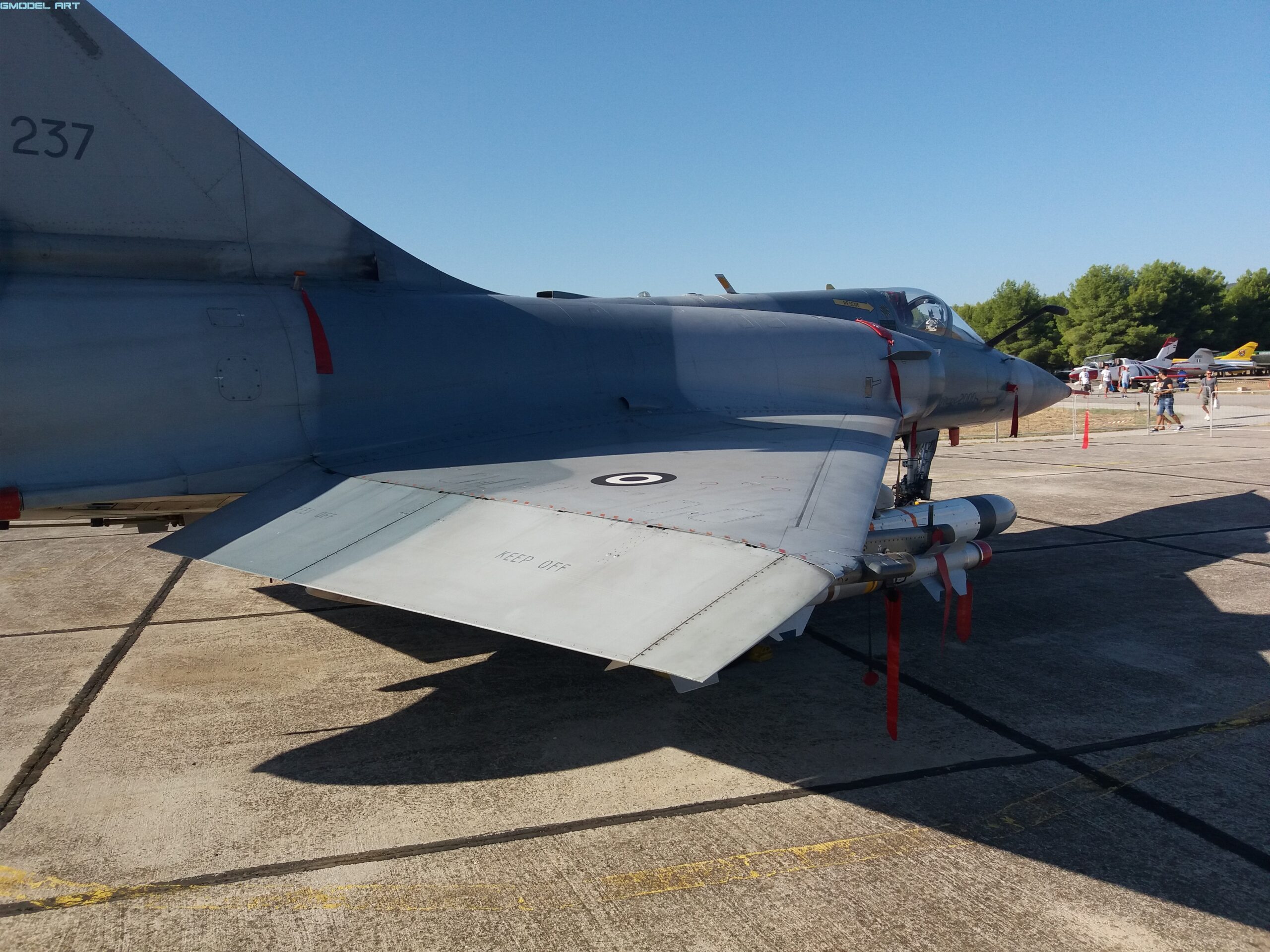
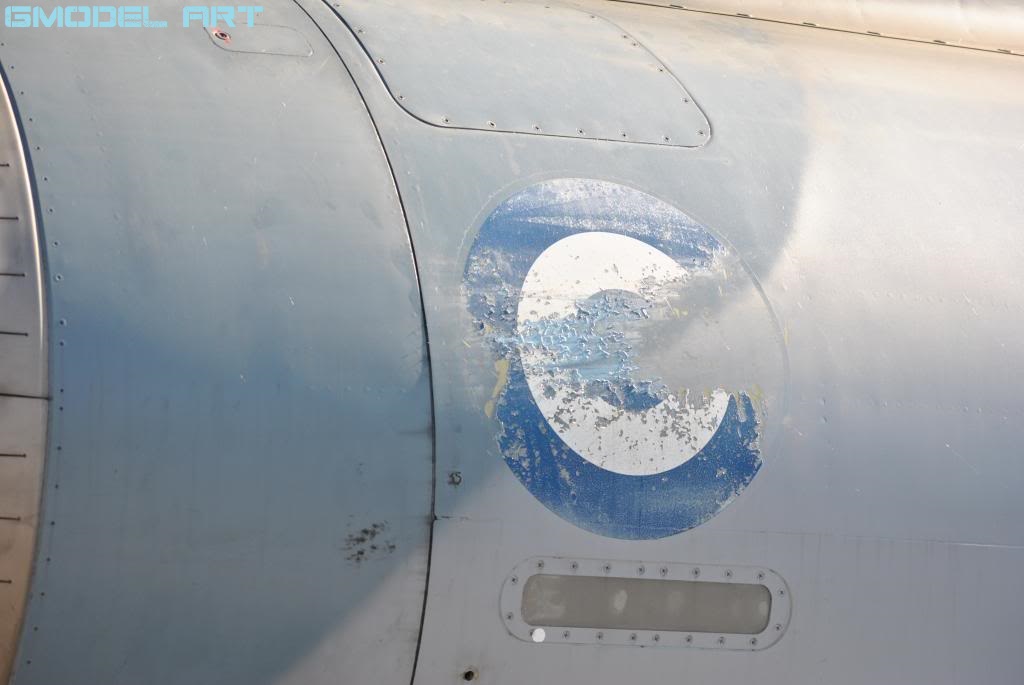
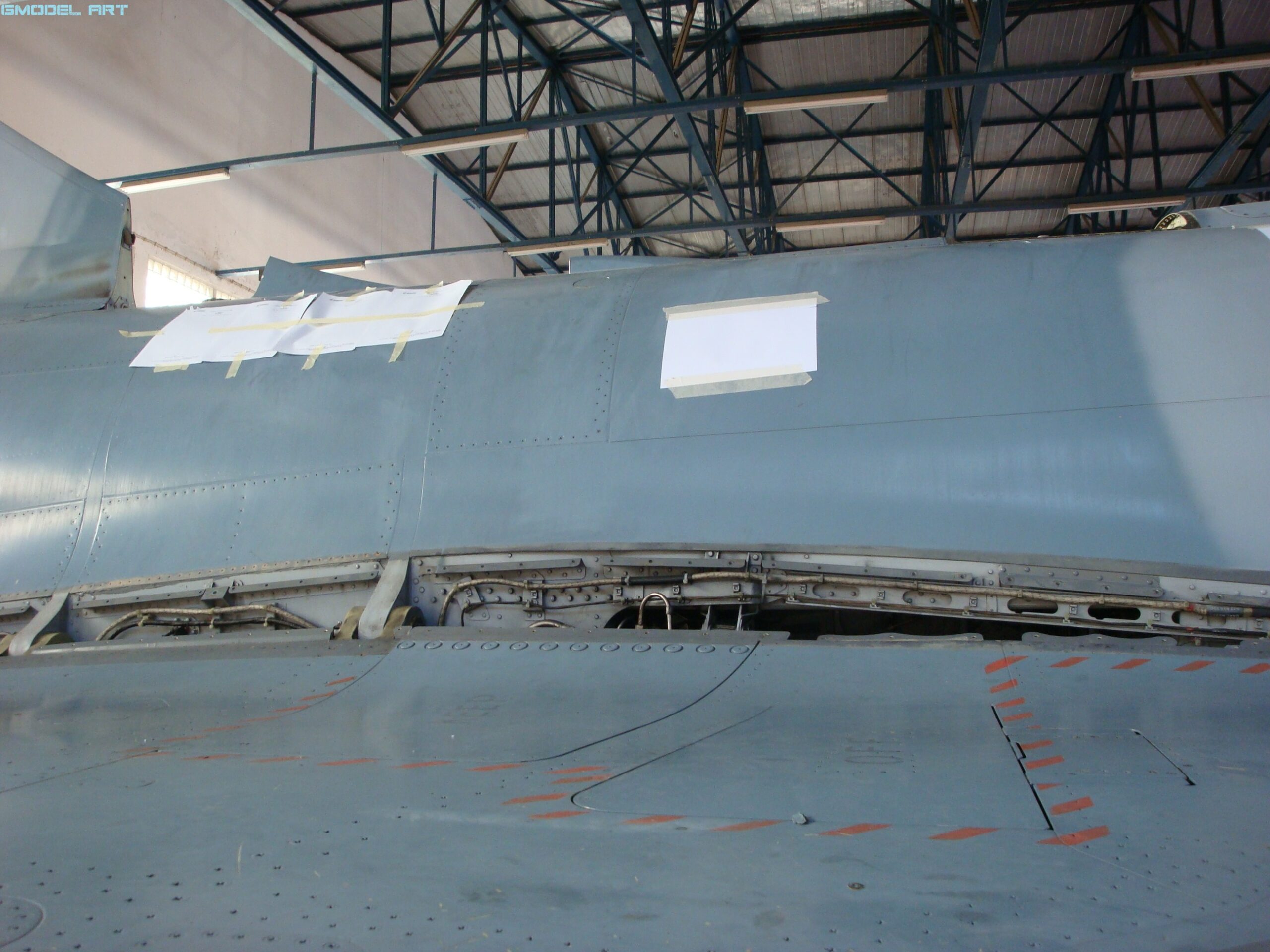
Greek Mirage modellers have specifically noted that the aircraft can appear very dirty in service, making weathering an important part of an accurate model.
Sun and UV Fading
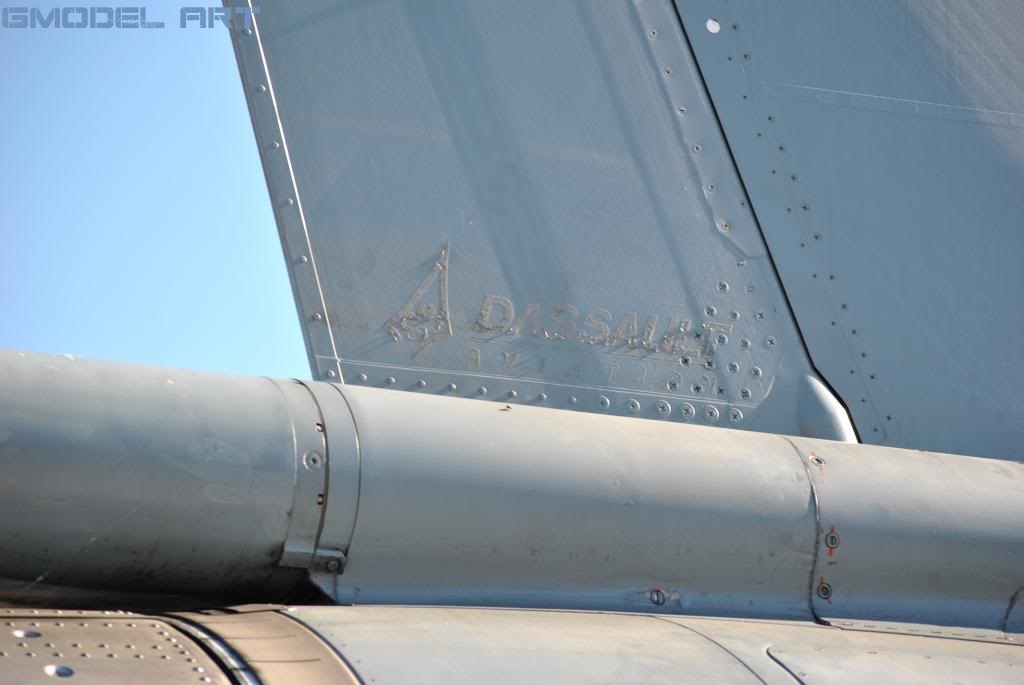
The upper surfaces should normally show the greatest fading.
Concentrate on:
upper wing surfaces
upper fuselage
intake shoulders
vertical tail
leading-edge areas
panels exposed directly to the sun.
Do not simply spray white over the whole model.
Instead:
Apply the base colour.
Create subtle tonal variation between panels.
Lighten selected upper panels.
Keep access panels slightly different.
Apply a very thin faded-blue filter.
Seal the surface before decals.
The objective is variation, not a toy-like patchwork aircraft.
Dust and Mediterranean Dirt
Tanagra-based aircraft can accumulate fine dust around:
landing gear
wheel bays
lower fuselage
intake areas
pylons
access panels
underside of wings.
Use extremely thin layers of:
neutral grey
light dust
pale brown-grey
very diluted earth tones.
Avoid heavy brown mud effects.
A Greek Mirage operating from Tanagra is not a WWII tank.
Exhaust Weathering
The SNECMA M53 exhaust should receive:
dark grey soot
subtle brown heat staining
metallic heat variation
darker areas around the nozzle
restrained streaking aft of the exhaust.
Do not use pure black.
A combination of dark grey + brown-grey + transparent smoke gives a much more convincing result.
Hydraulic and Oil Staining
Look for subtle staining around:
landing gear doors
hydraulic actuators
access panels
lower fuselage
engine servicing areas.
Use:
AK Interactive oil effects
AMMO by Mig oilbrushers
Tamiya enamel washes
Abteilung 502 oils
highly diluted dark brown-grey pigments.
The effect should be almost invisible from a distance and obvious only when viewed closely.
Panel Line Wash
Avoid a pure black panel wash.
A Greek Mirage is better represented using:
Dark Blue-Grey + Neutral Grey + tiny amount of Brown
on the upper surfaces.
For the lower surfaces:
Neutral Grey + Dark Brown-Grey
works well.
This gives definition without turning the aircraft into a comic-book version of itself.
Modern modelling references also recommend blue-grey or neutral panel washes rather than black, together with restrained soot around the M53 exhaust.
Paint Chipping
Chipping should be extremely restrained.
Focus on:
maintenance access points
cockpit entry areas
leading edges
boarding steps
removable panels
areas frequently touched by ground crew.
Do not chip the entire airframe.
Modern HAF fighters are maintained aircraft, not abandoned vehicles.
Operational Appearance
One of the most important modelling decisions is the aircraft’s age.
A newly painted Mirage 2000 should have:
stronger colour saturation
relatively uniform panels
clean markings
limited exhaust staining.
An older operational EGM should show:
faded upper colours
dirty lower fuselage
stronger exhaust staining
maintenance marks
panel variation
dust around landing gear
subtle oil/hydraulic stains.
The photograph of the specific aircraft should determine the weathering intensity.
Mirage 2000EGM/BGM vs Mirage 2000-5EG/BG – Modelling Checklist
| Feature | EGM/BGM | 2000-5EG/BG |
|---|---|---|
| Squadron | 332 “Geraki” | 331 “Theseus” |
| Main role | Fighter / maritime strike | Air defence / multirole |
| Radar | Modernized original system | RDY-2 |
| Typical AAM | Magic II / Super 530D | MICA EM / MICA IR |
| Maritime weapon | AM39 Exocet | Not the defining configuration |
| Cockpit | Earlier generation | Modernized -5 cockpit |
| External antennas | EGM-specific | -5-specific |
| Decals | HAF / 332 Sqn | HAF / 331 Sqn |
| Model character | Weathered operational Mirage | Cleaner, modernized Mirage |
Recommended 1/48 Greek Mirage 2000EGM Build
For a high-detail GModel Art build, a strong combination would be:
Base Kit: Kinetic 1/48 Mirage 2000C – K48042
Cockpit: Quinta Studio 1/48 Mirage 2000C Interior – QD48113
Exocet: ResKit 1/48 AM39 Exocet – RS48-0195
Magic II: ResKit 1/48 R550 Magic II – RS48-0053
Pitot Tube: Master Model 1/48 Dassault Mirage 2000 Pitot Tube – AM-48-031
Exhaust: Aires 1/48 Mirage 2000B/C/D/N Opened Exhaust Nozzle – 4560
Decals: Syhart 1/48 Mirage 2000 Hellenic Air Force – 48-106
Paint: MRP-356 + MRP-357
This combination provides a very strong starting point for a highly detailed Greek EGM. The same general approach is supported by documented Greek Mirage builds using Kinetic, Quinta Studio, ResKit and Master Model products.
Recommended 1/48 Mirage 2000-5EG Build
For a 331 Squadron aircraft:
Base Kit: Kinetic Mirage 2000 family / appropriate -5 tooling
Cockpit: ResKit Mirage 2000-5 Basic Edition or Detailed Edition
Ejection Seat: ResKit MB Mk.10Q – RSU48-0191
Pitot: Master Model Mirage 2000 – AM-48-031
Decals: Syhart 48-106
Weapons: MICA EM / MICA IR, according to the aircraft and period being represented.
The most important point is to use a kit and aftermarket specifically appropriate to the Mirage 2000-5, rather than attempting to turn a standard Mirage 2000C into a -5 without checking the external differences.
Mirage 2000D Dassault-Breguet
Final Modelling Philosophy
The Greek Mirage 2000 should be approached as a specific Hellenic configuration, not simply a French Mirage painted in Greek colours.
For maximum historical accuracy:
Choose the aircraft first.
Then determine:
Serial → Squadron → Year → Configuration → Weapons → Decals → Colours → Weathering
That sequence prevents one of the most common mistakes in modern aircraft modelling: combining details from different aircraft and different periods into a configuration that never actually existed.
The Greek Mirage 2000 is particularly rewarding because its history can be followed through three major stages:
Mirage 2000EG/BG → Mirage 2000EGM/BGM → Mirage 2000-5EG/BG Mk2
The first generation established the Greek Mirage force.
The EGM/BGM modernization gave the aircraft a powerful maritime-strike identity through the AM39 Exocet.
The Mirage 2000-5 Mk2 then transformed the fleet into a significantly more capable modern fighter, with the RDY-2 radar, ICMS Mk3, MICA and SCALP-EG.
For the scale modeller, that evolution provides several completely different Greek Mirage subjects — and each one deserves to be built according to its own photographic and historical evidence.