article
F4U-1 Birdcage Corsair: The Production Line and Its Evolution
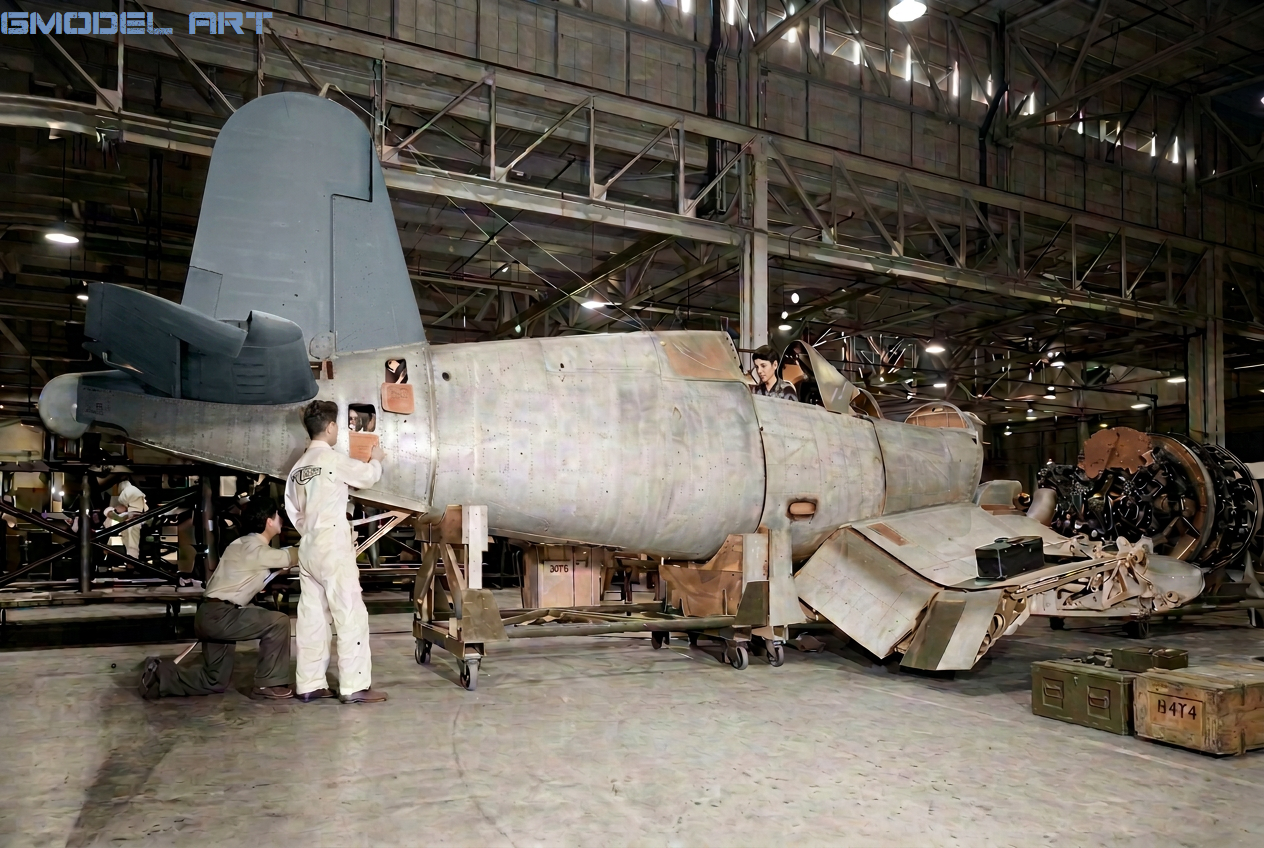
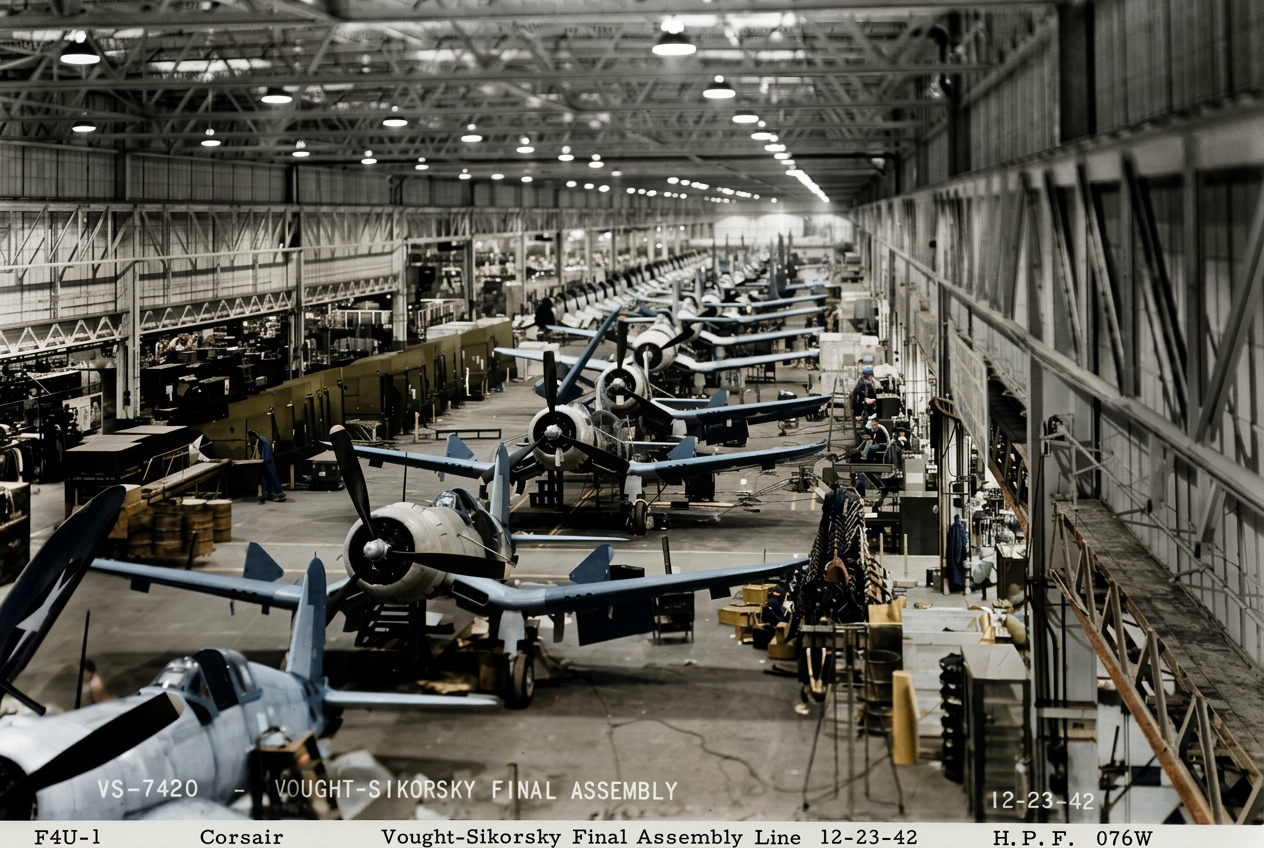
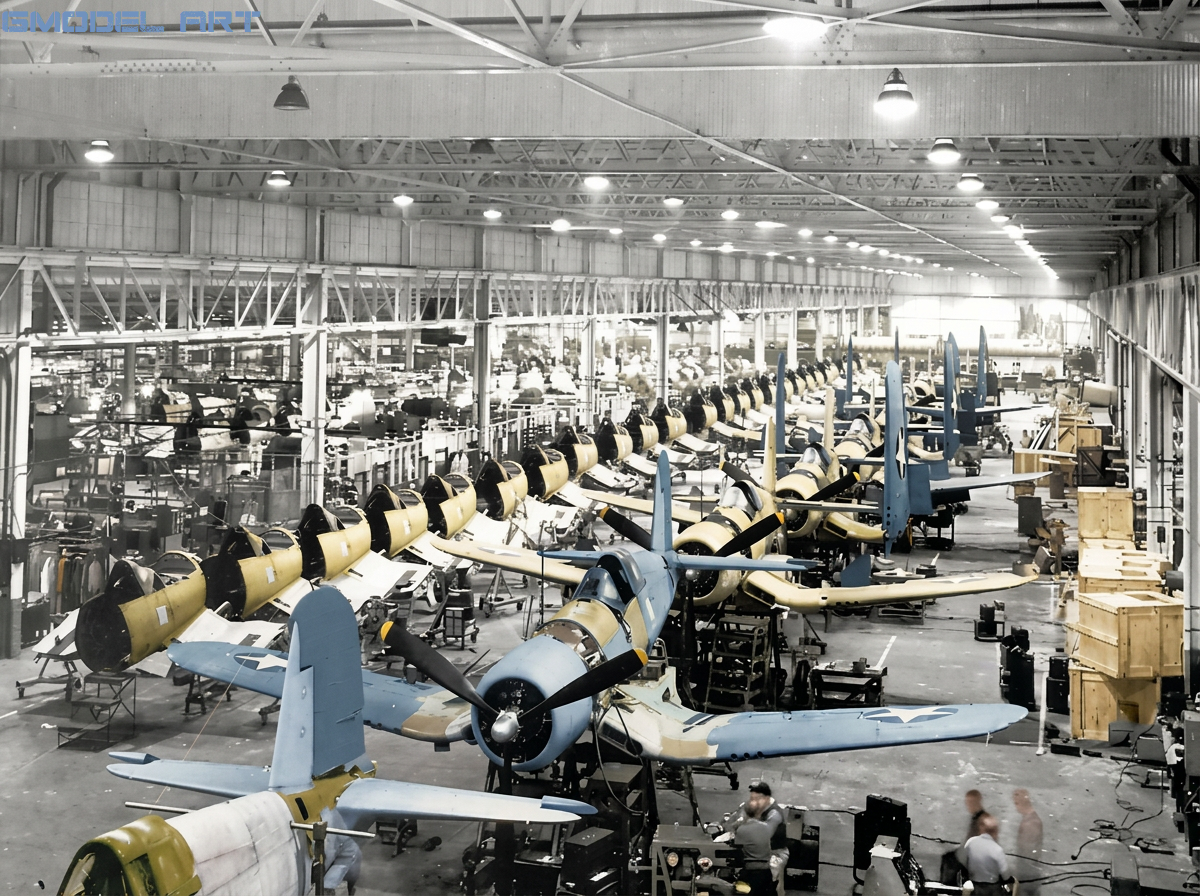
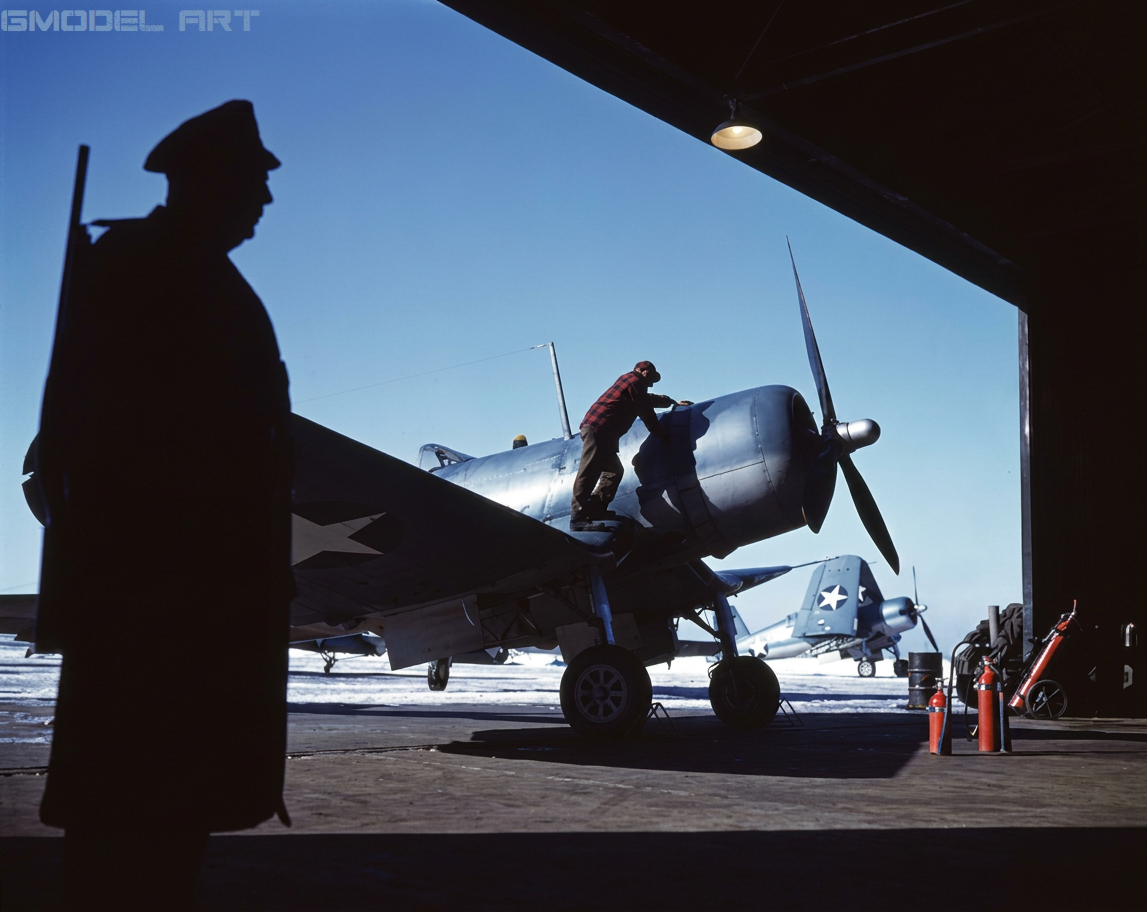
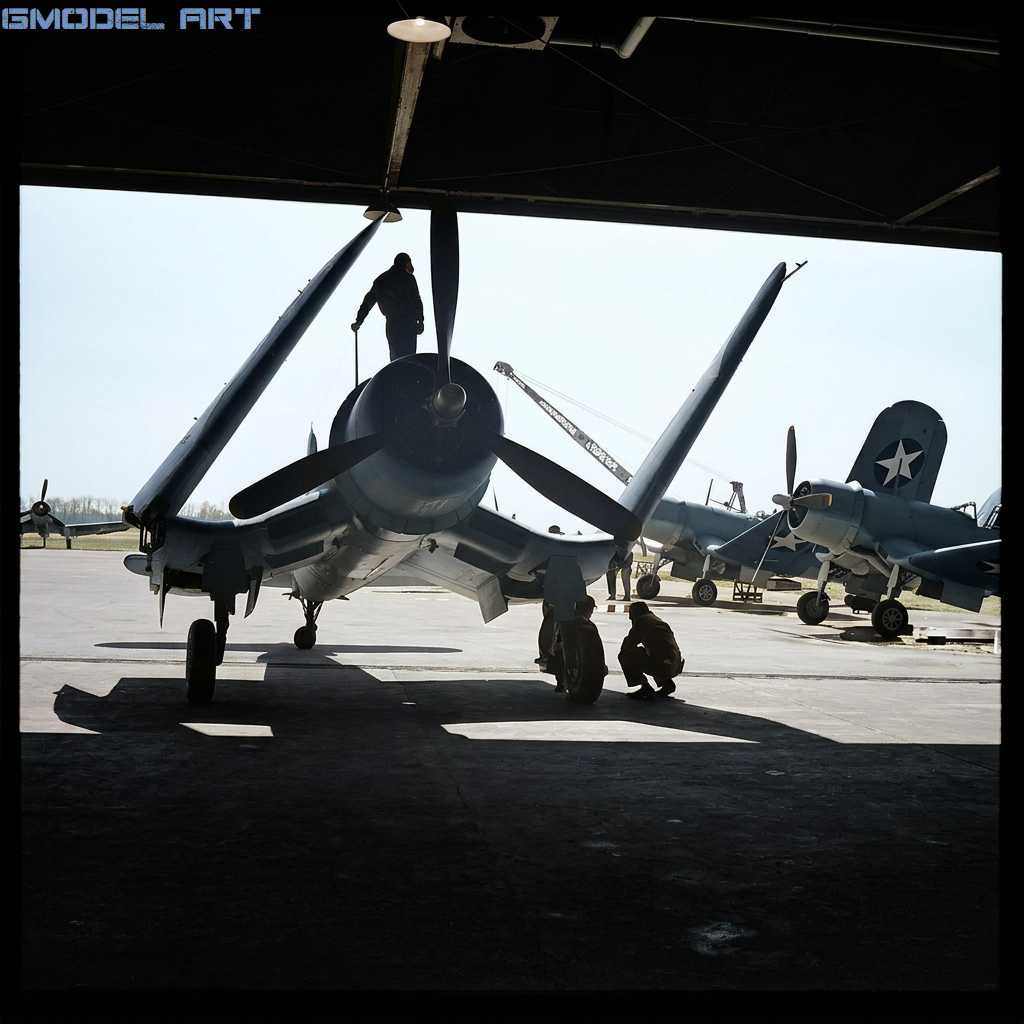
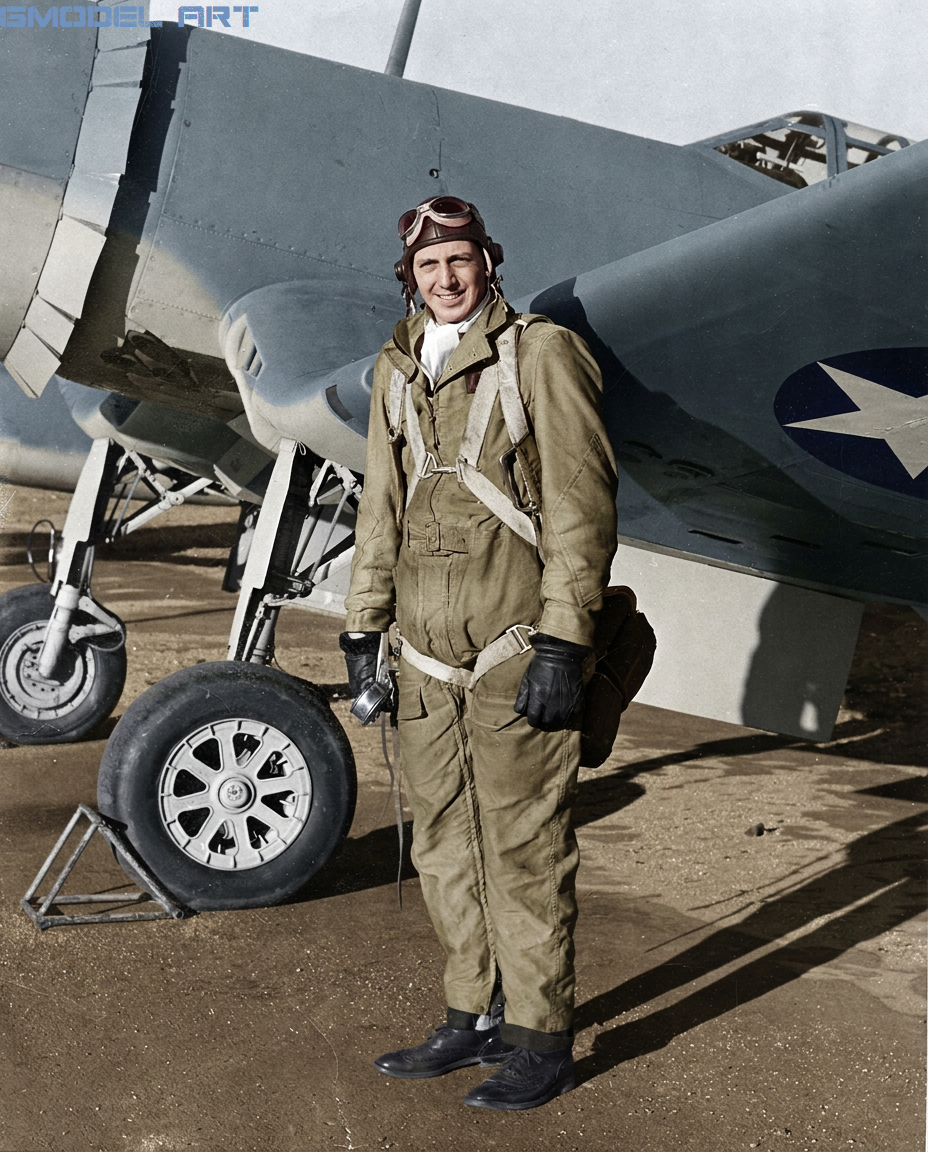
The F4U-1 Birdcage Corsair was the first production form of the legendary Corsair, but it did not remain unchanged throughout its production run. From the first aircraft of 1942 to the final Birdcage aircraft, the design was continuously modified as engineers worked to solve problems related to visibility, landing characteristics, cooling, and operational requirements.
This is also why two F4U-1 Birdcage aircraft can appear similar while having significant differences in many small details.
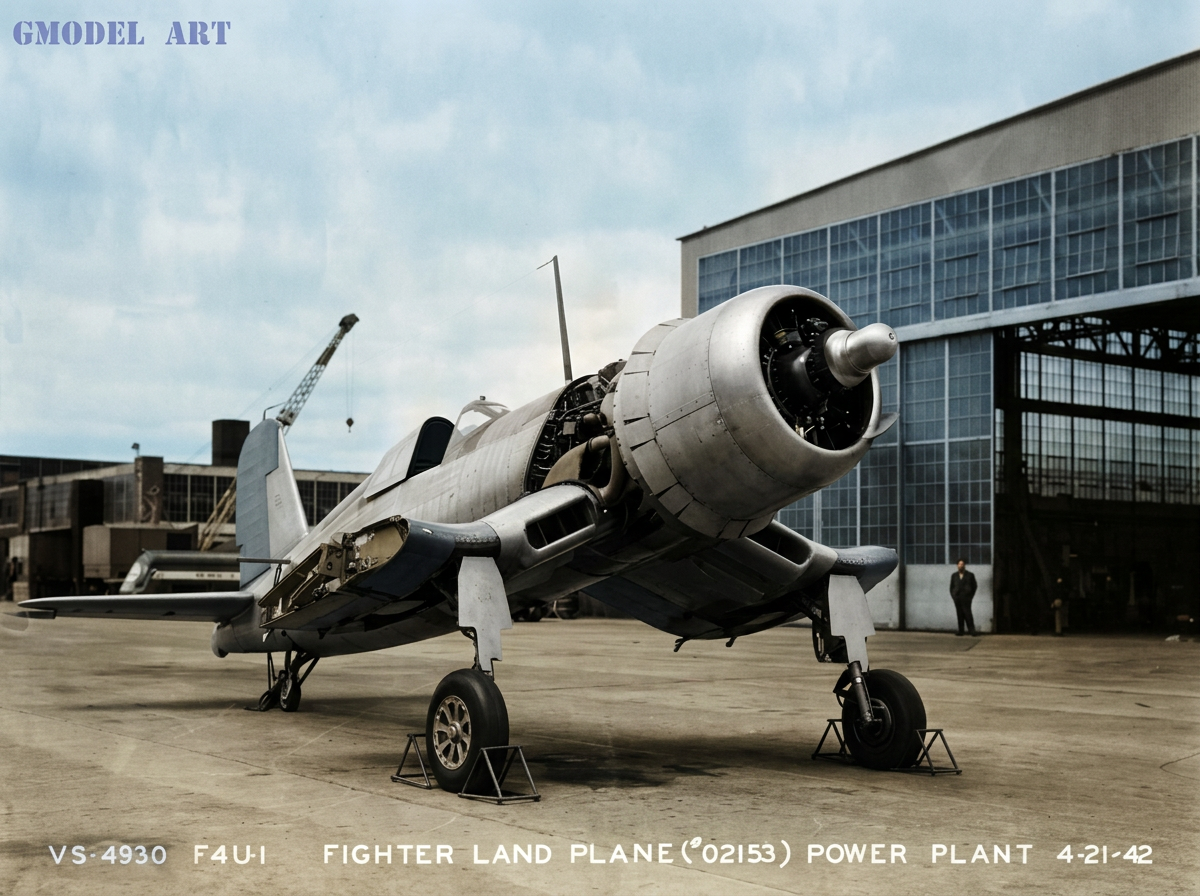
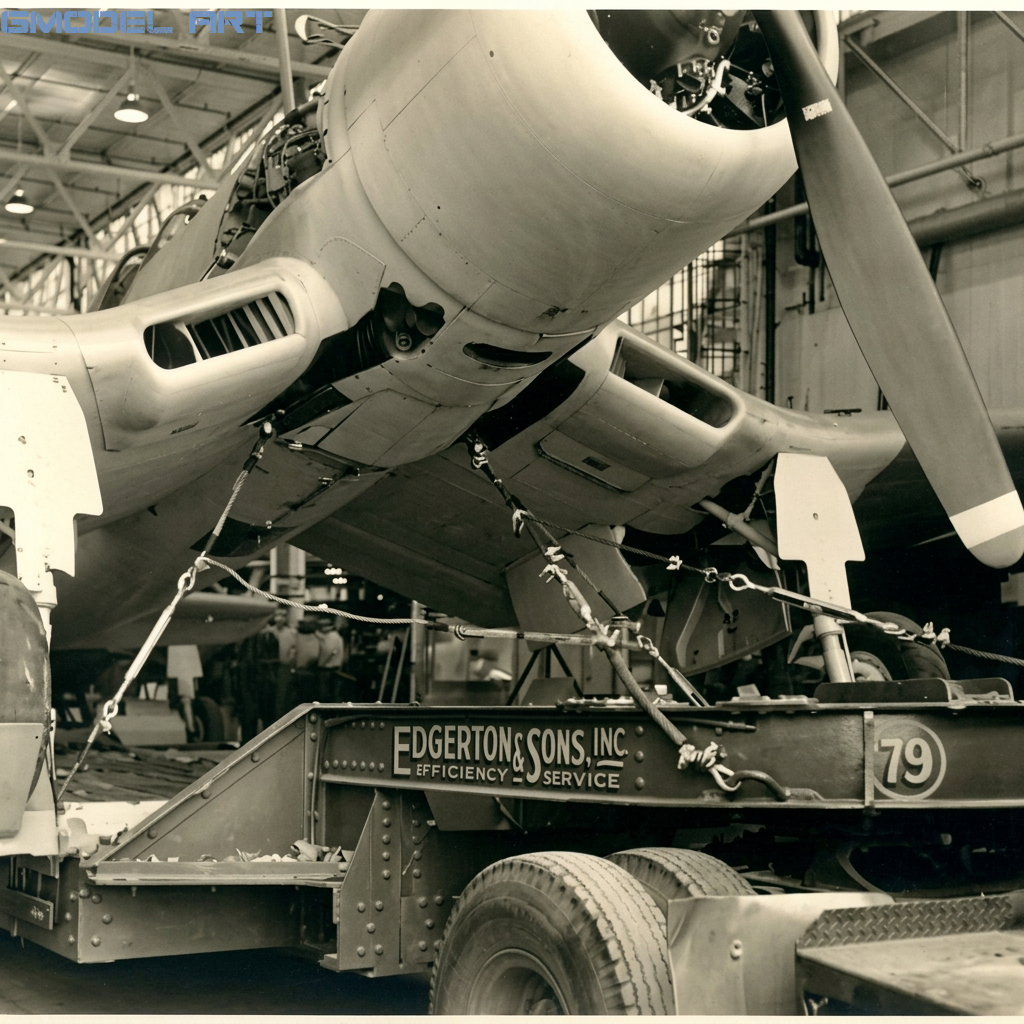
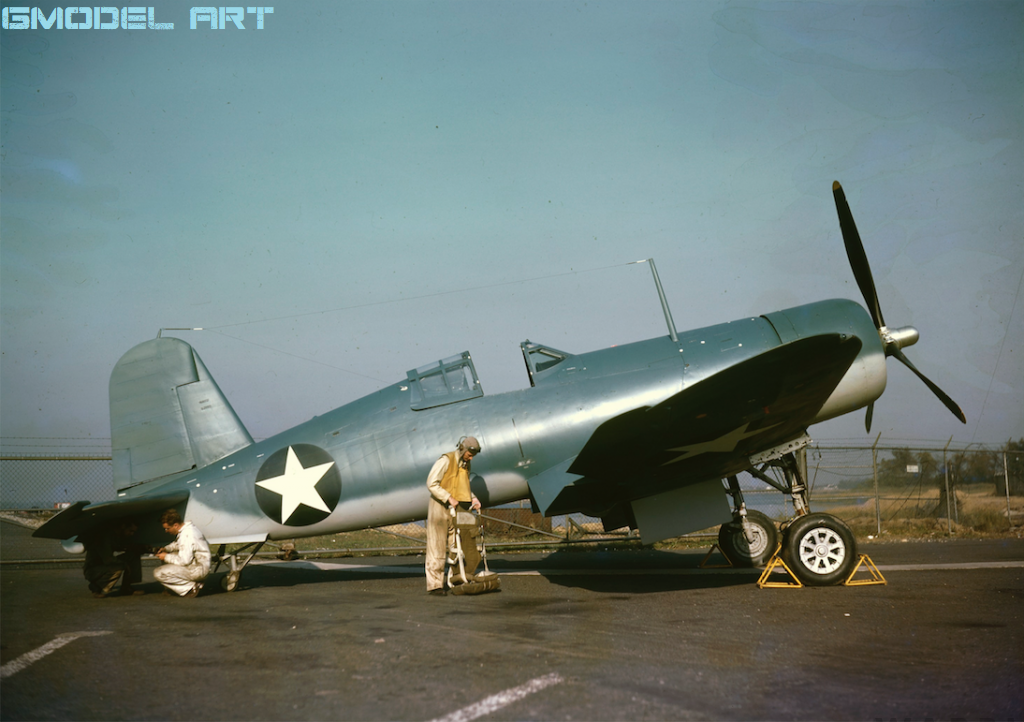
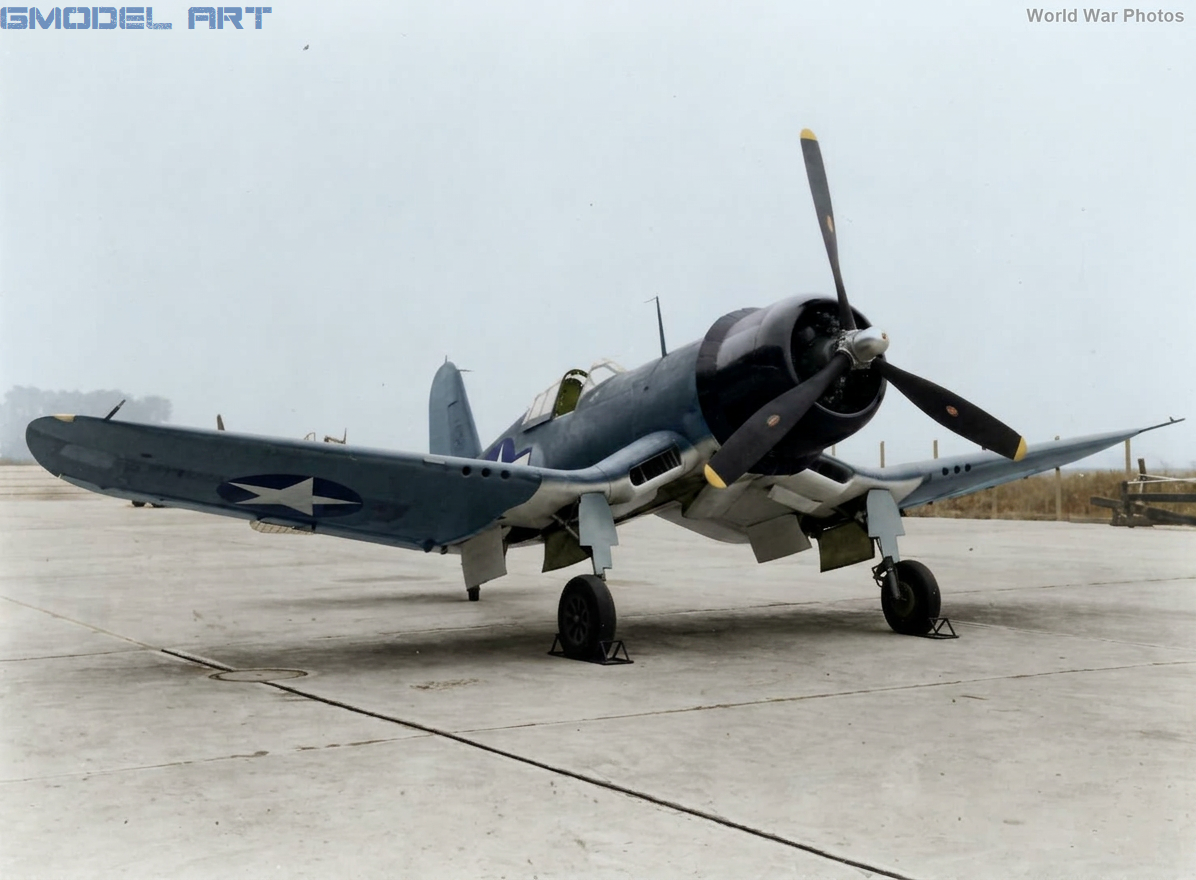
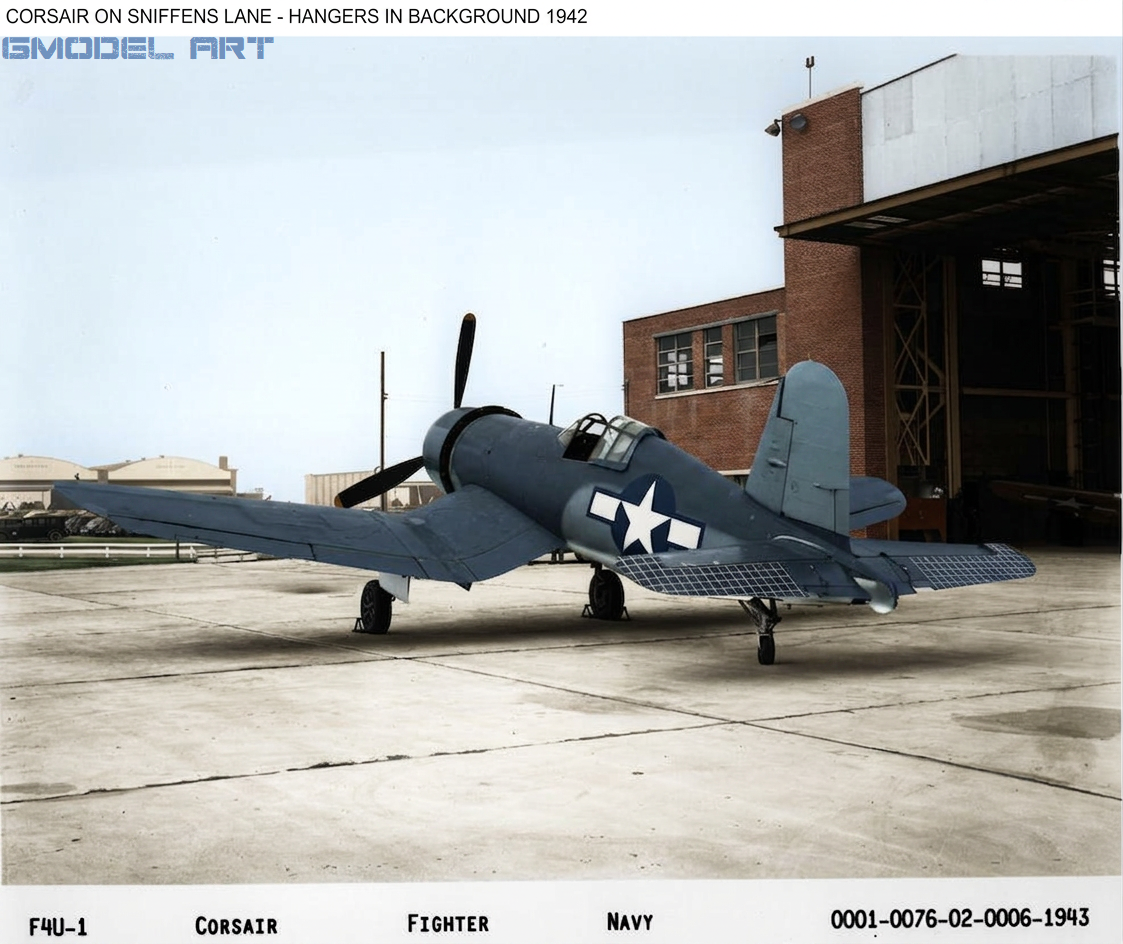
The first production F4U-1, BuNo 02153, arrived at Anacostia for testing in July 1942. Test aircraft 02155 was a typical early F4U-1, featuring a low cockpit, low tailwheel, and the original GF-12 and ZB antenna arrangement.
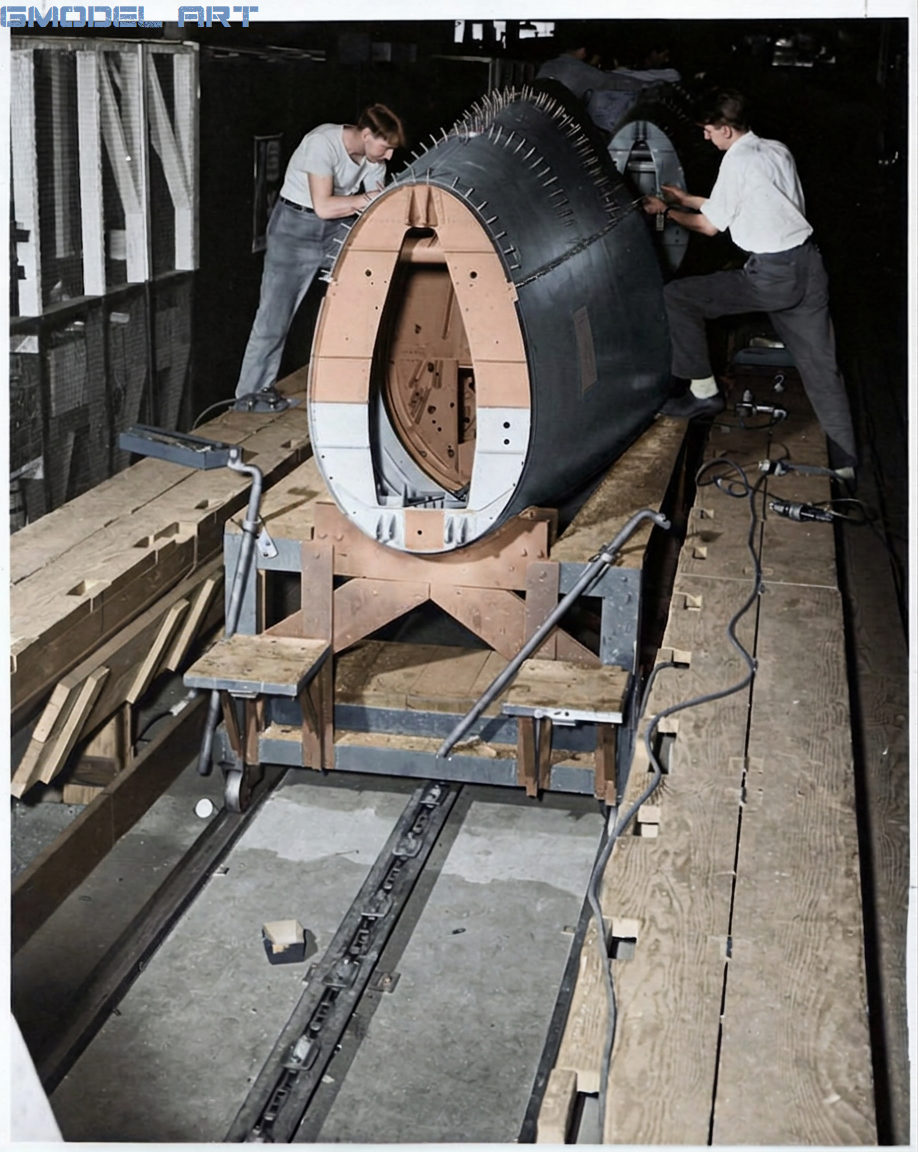
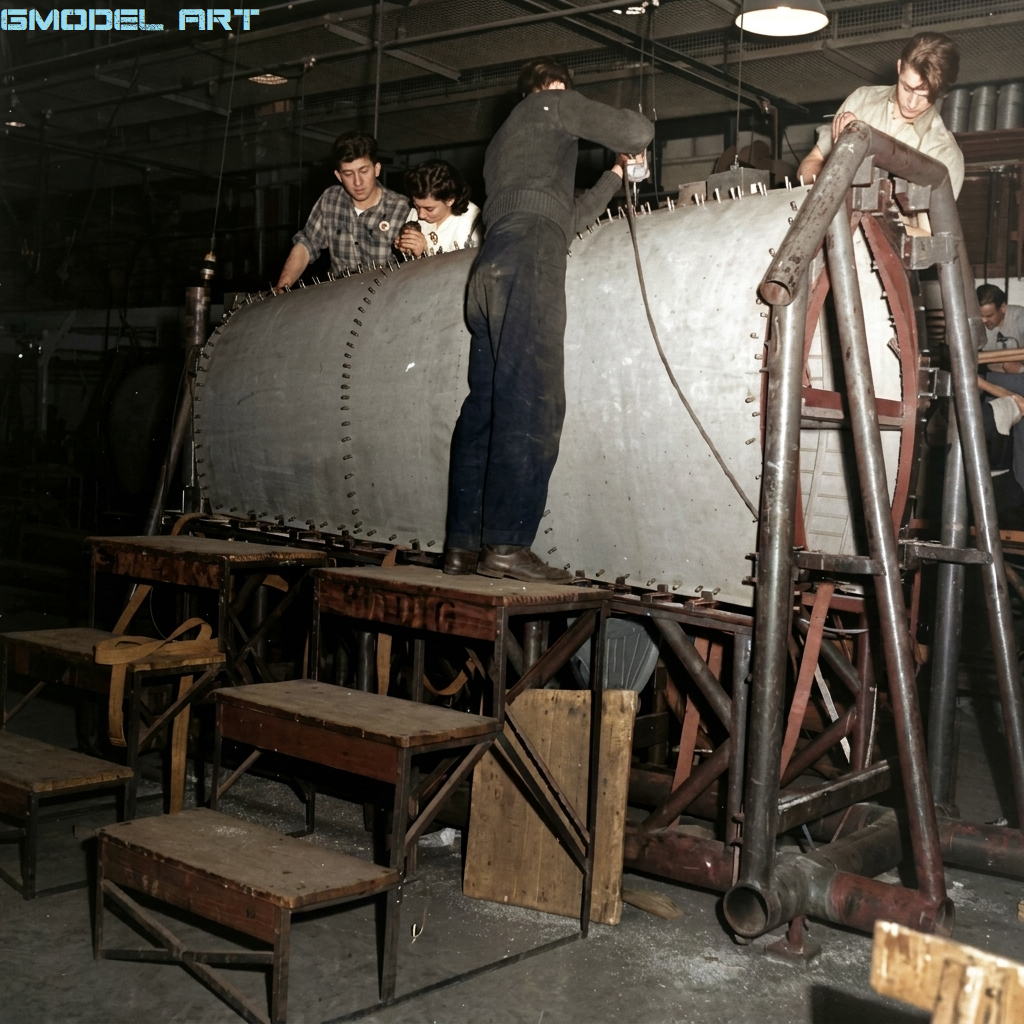
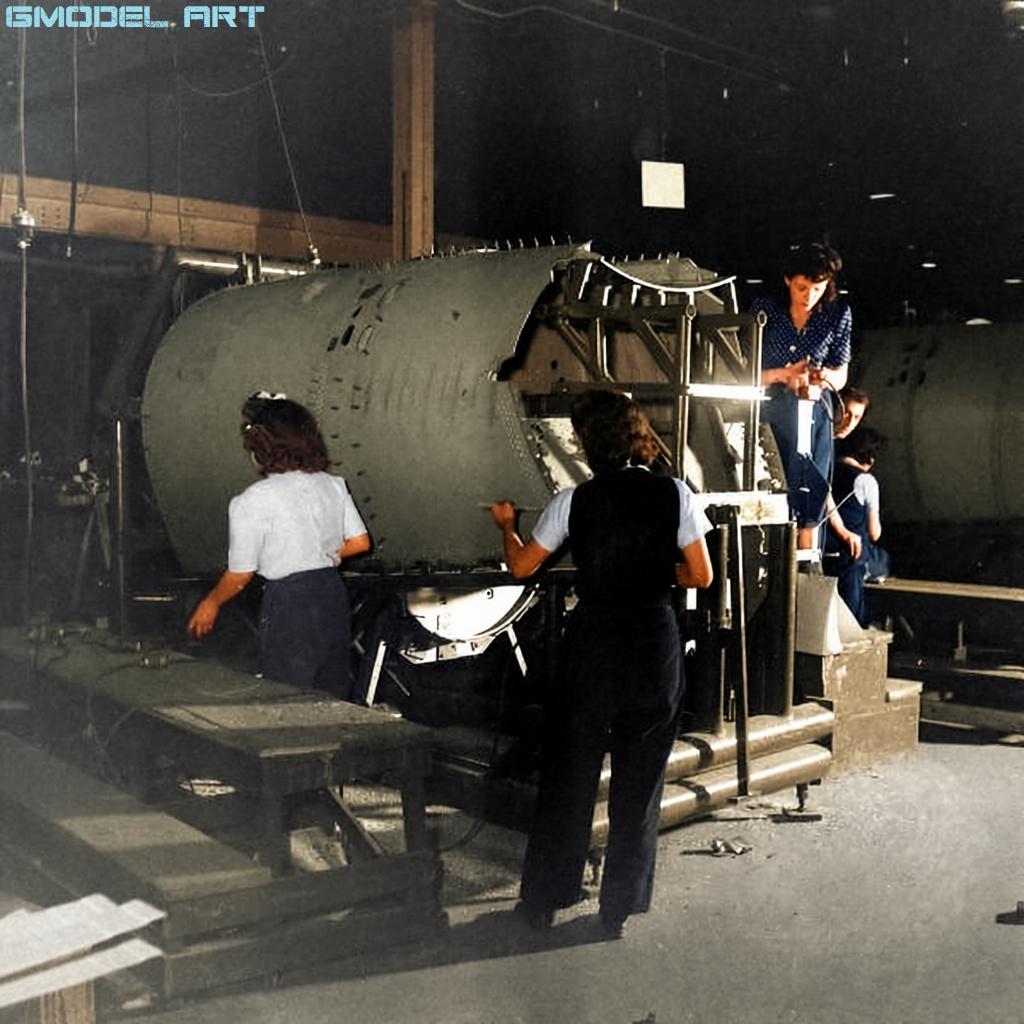
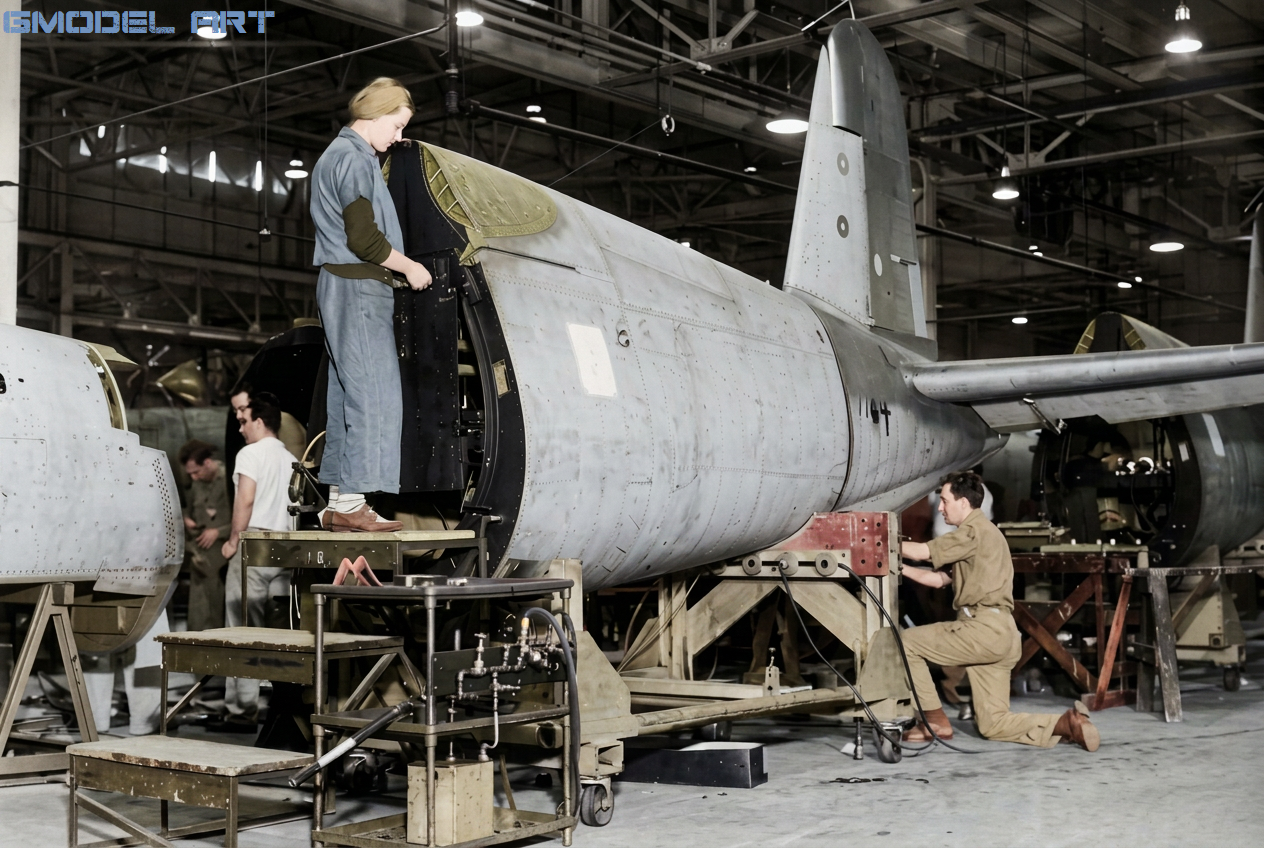
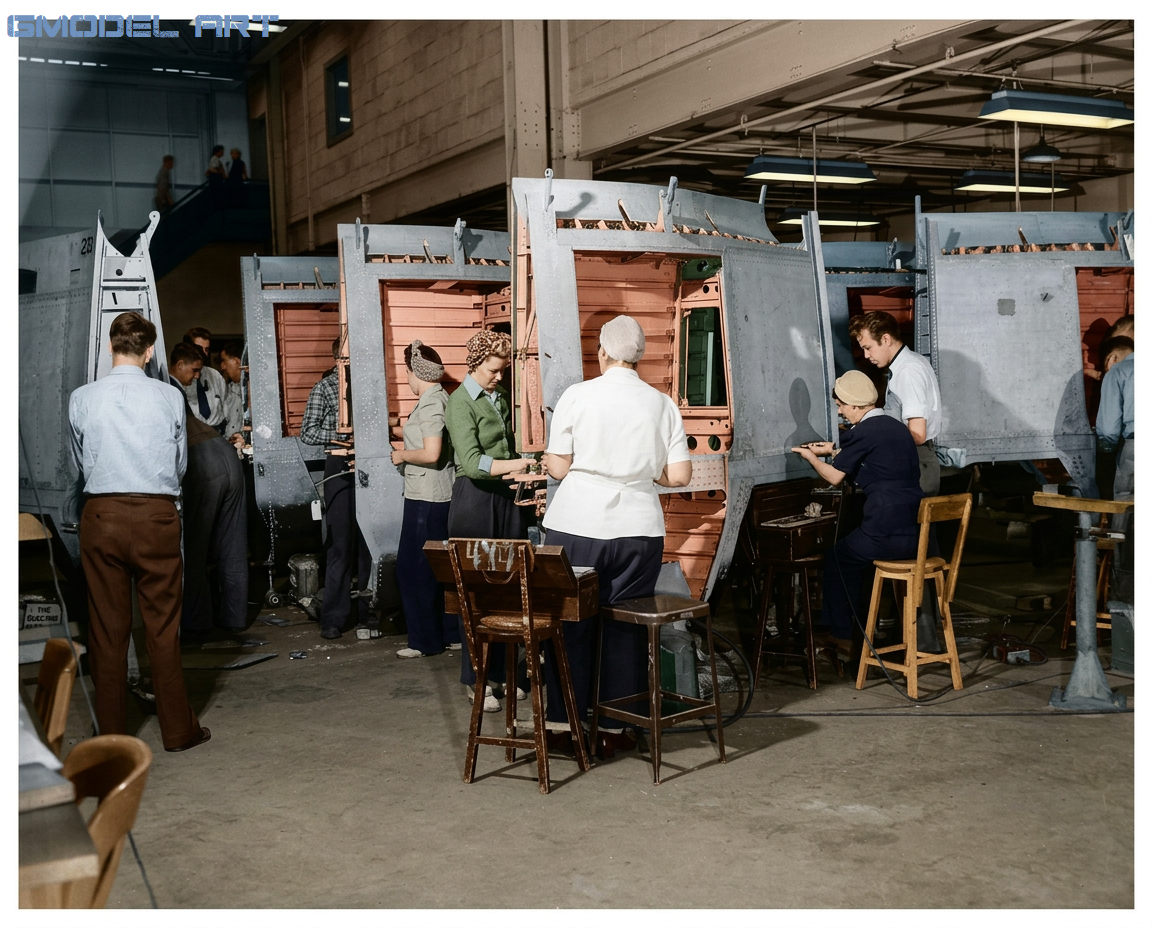
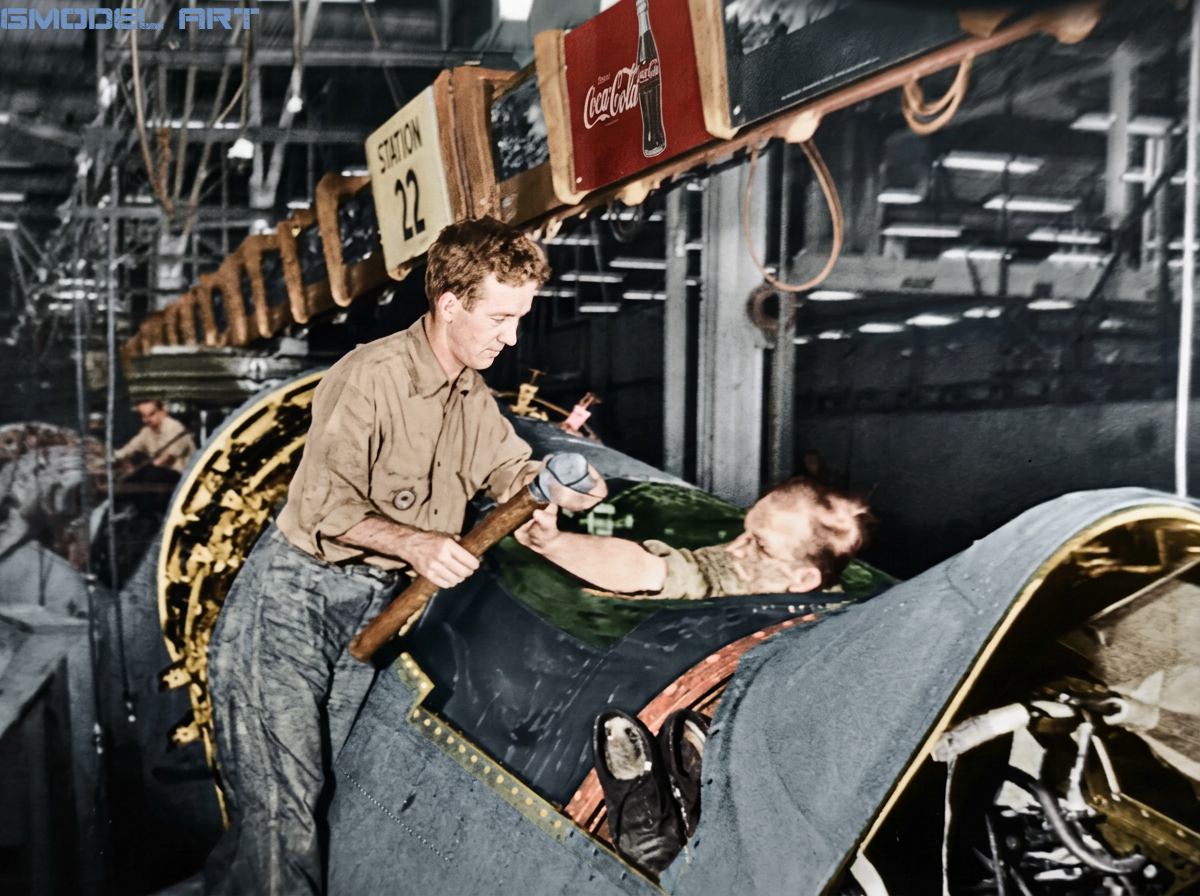
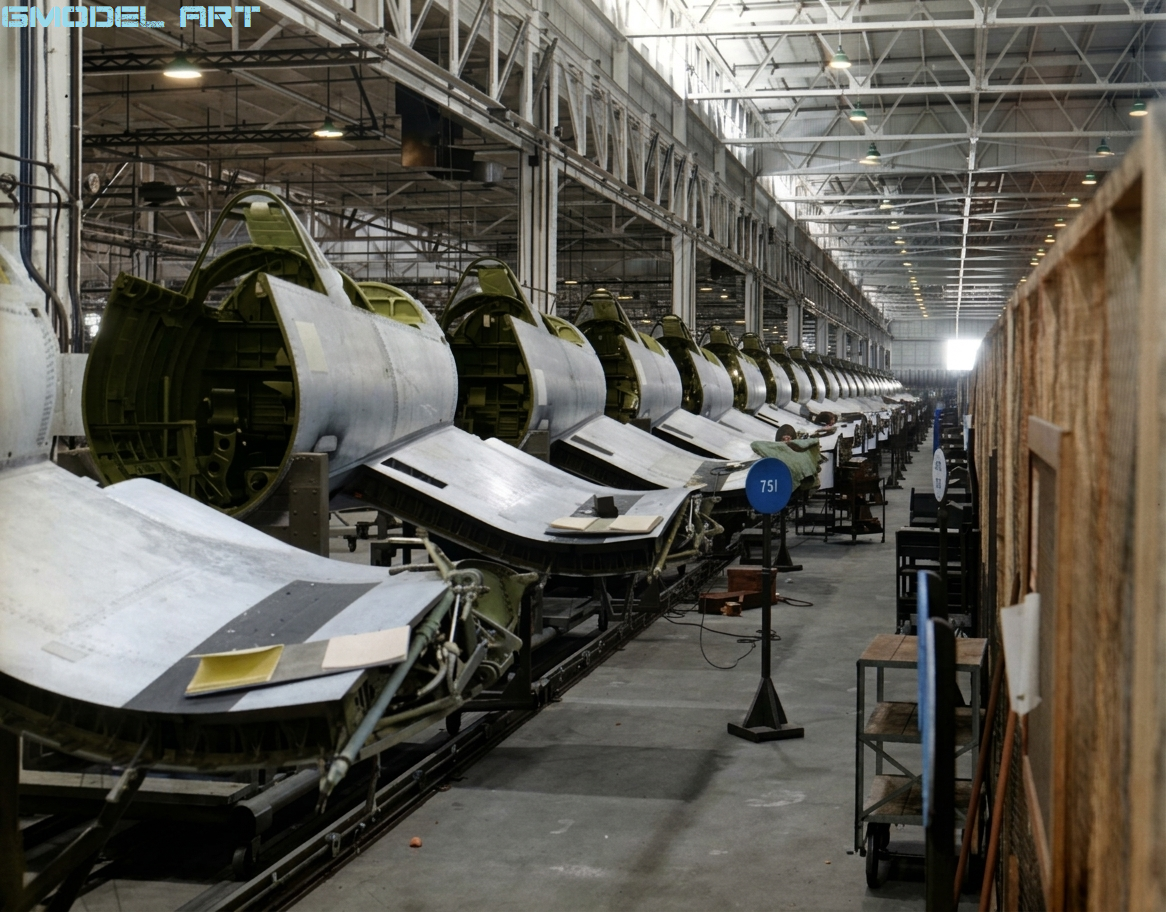
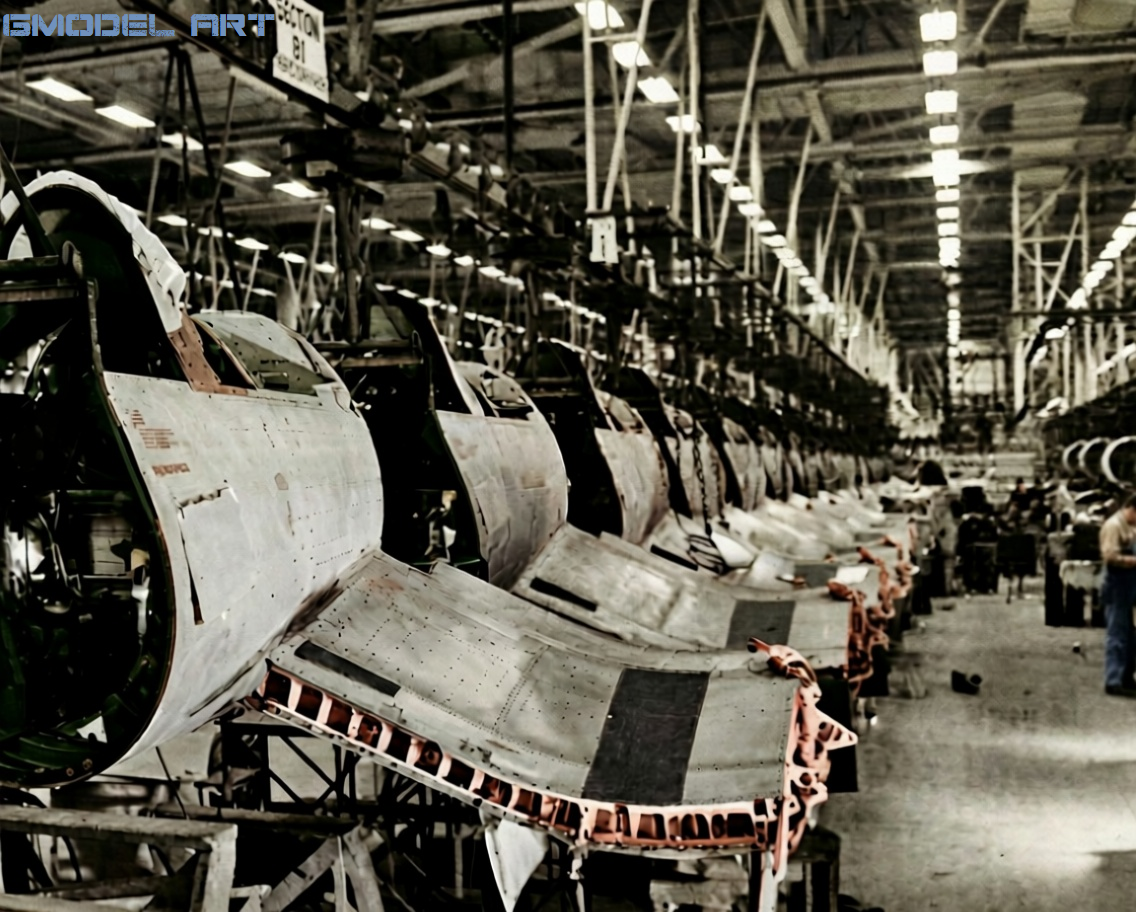
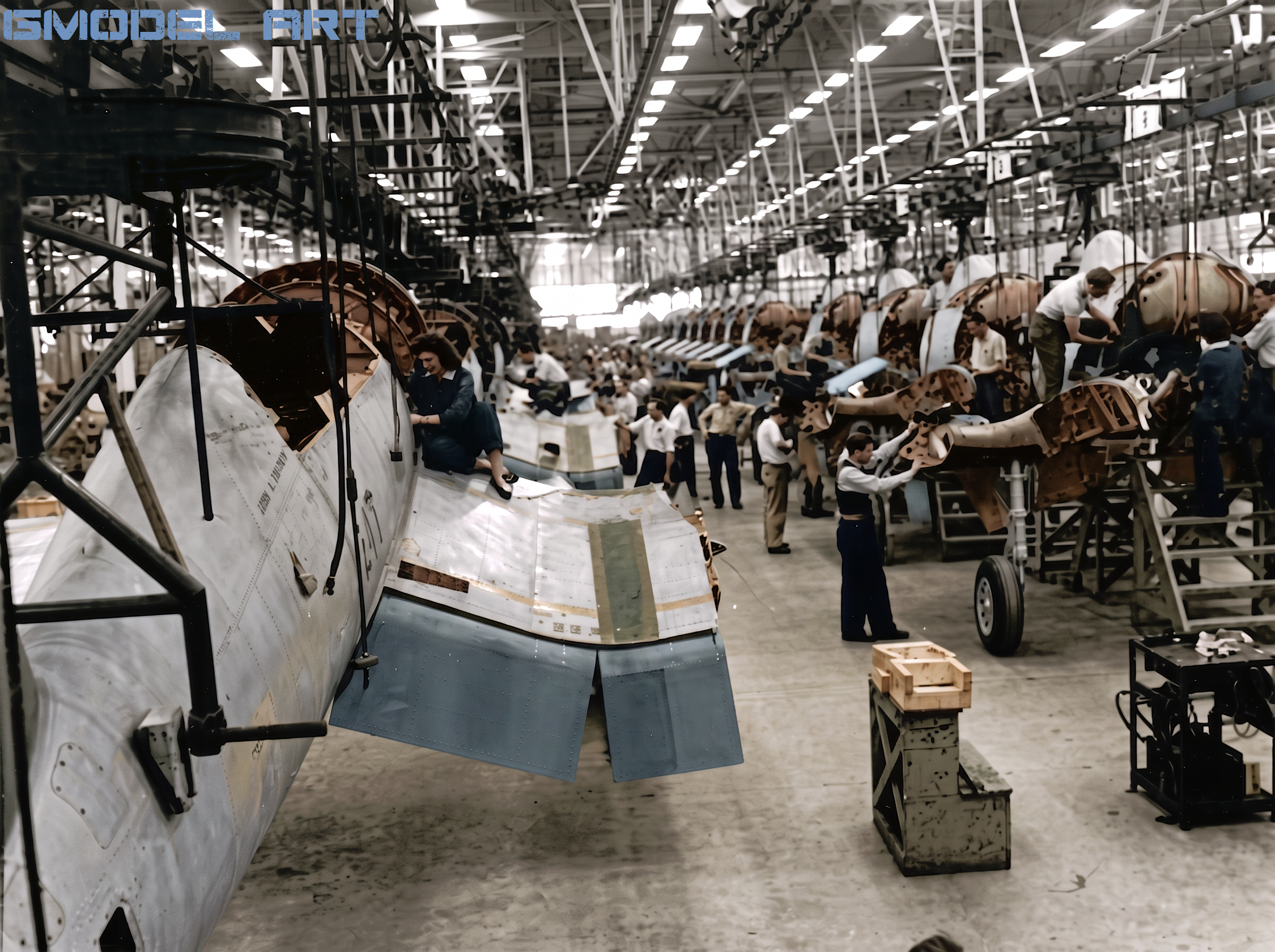
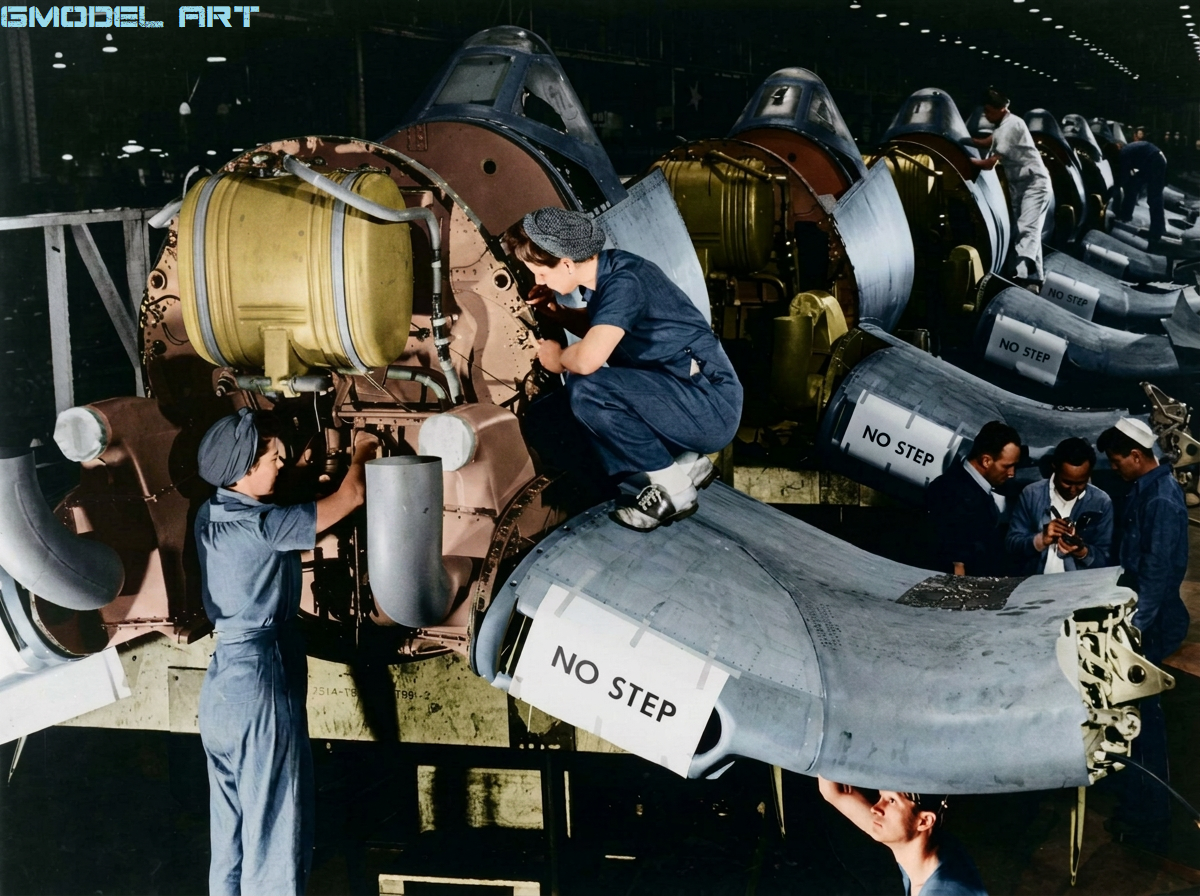
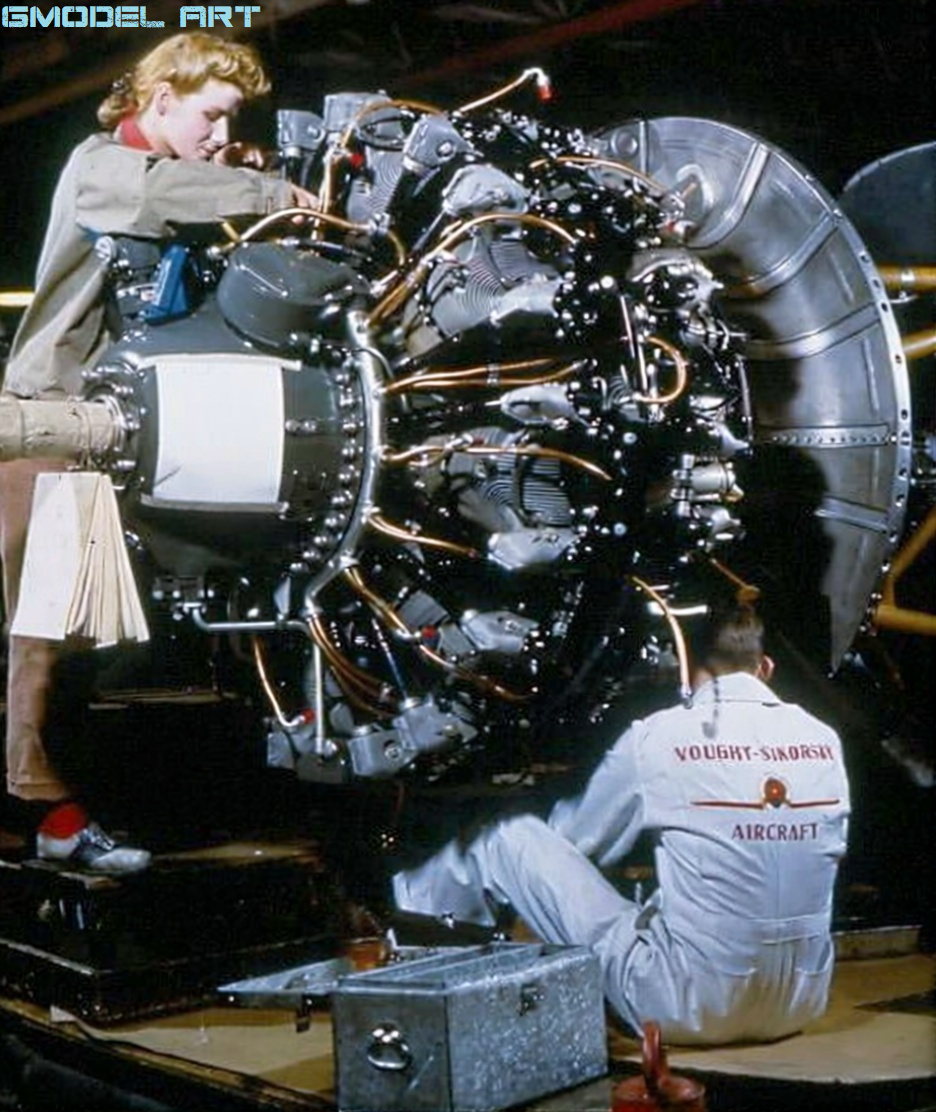
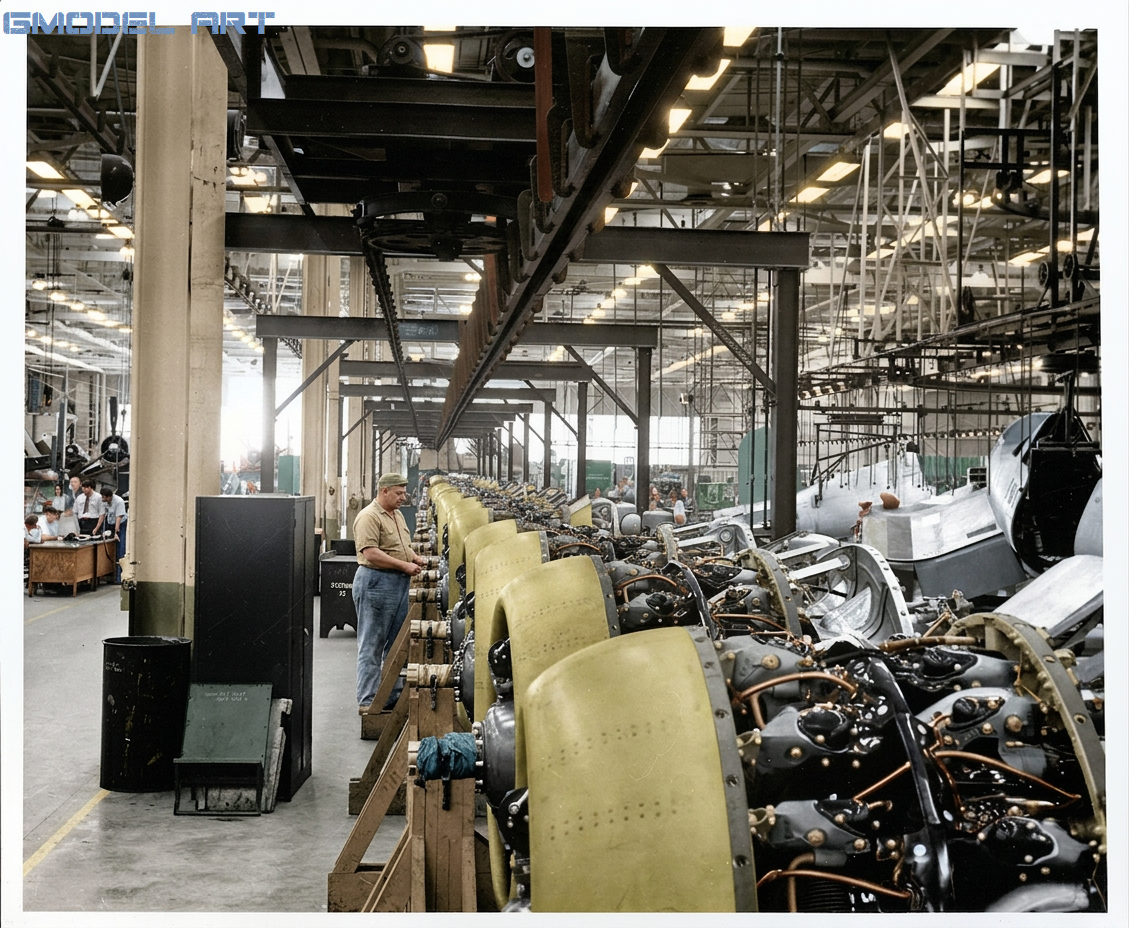
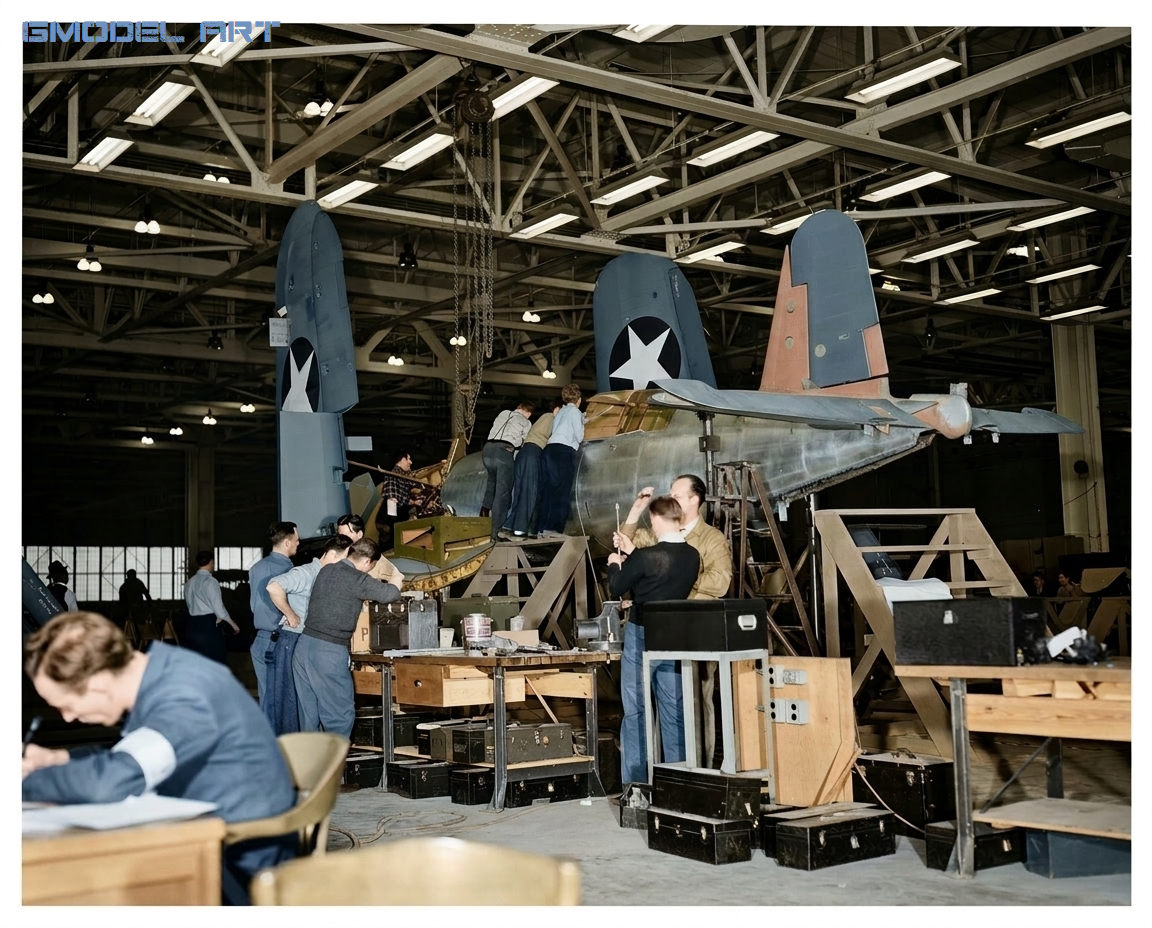
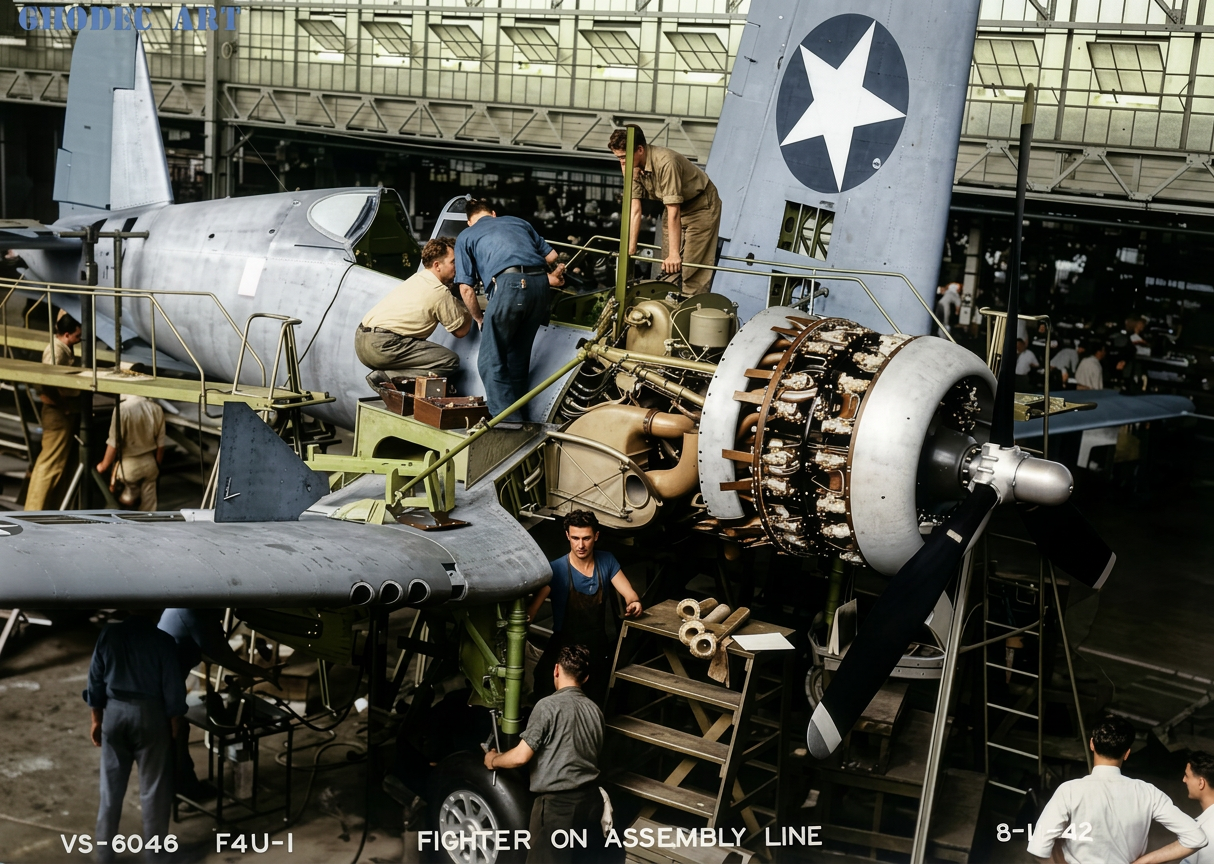
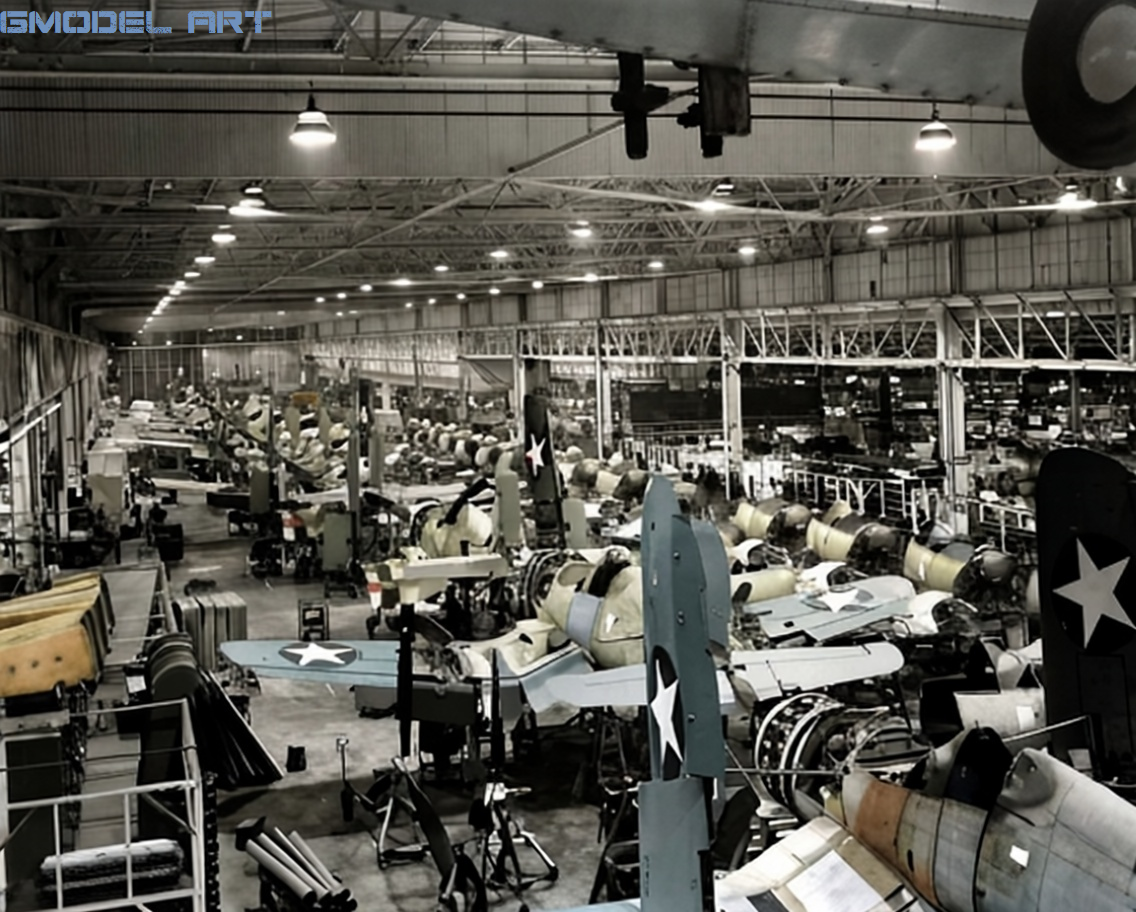
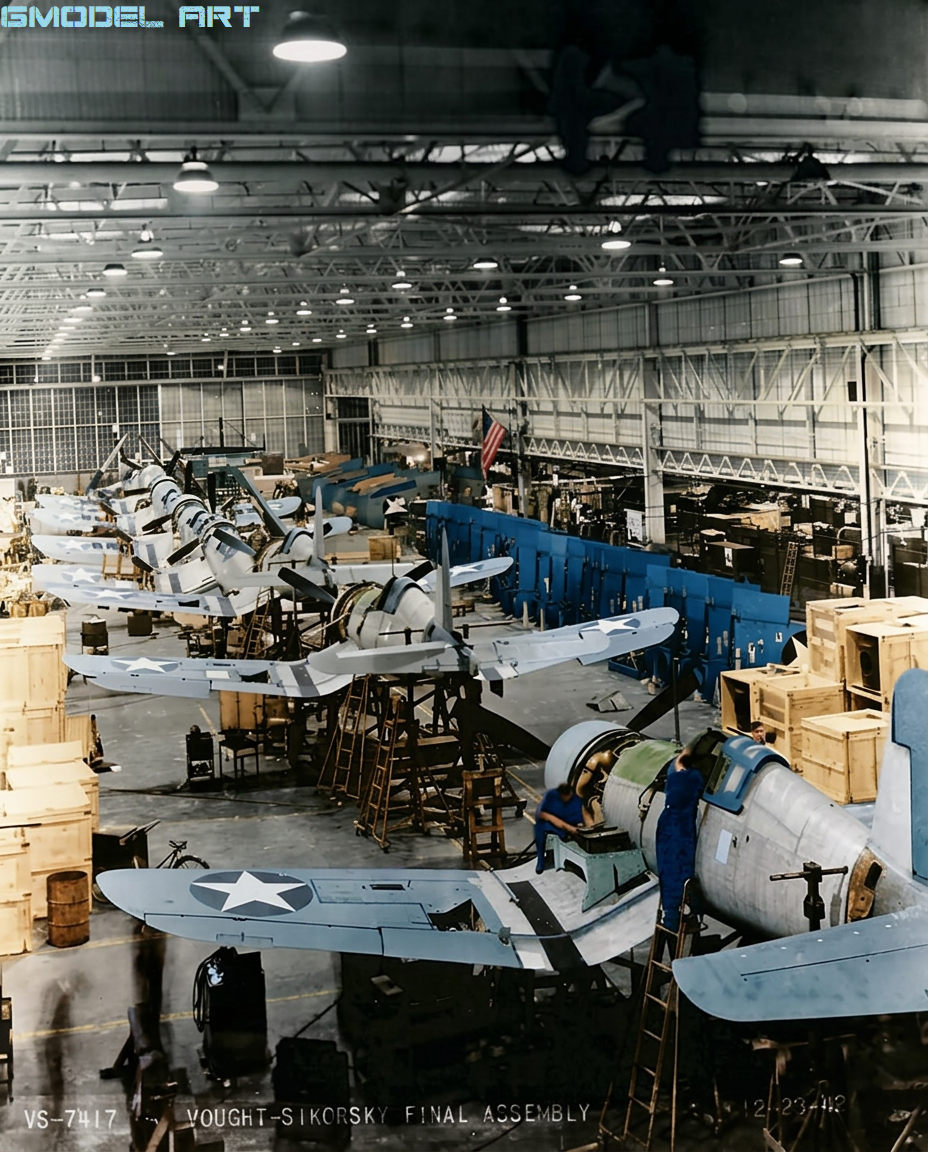
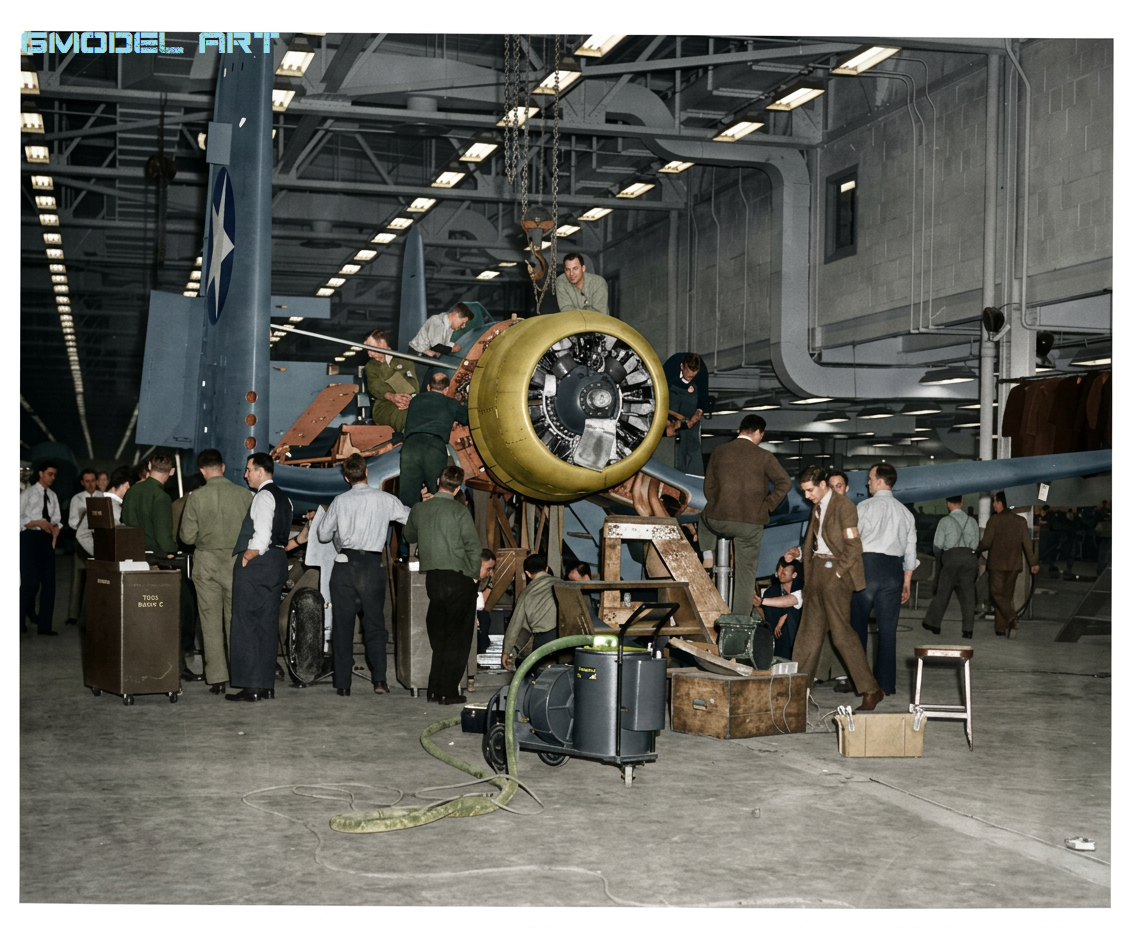
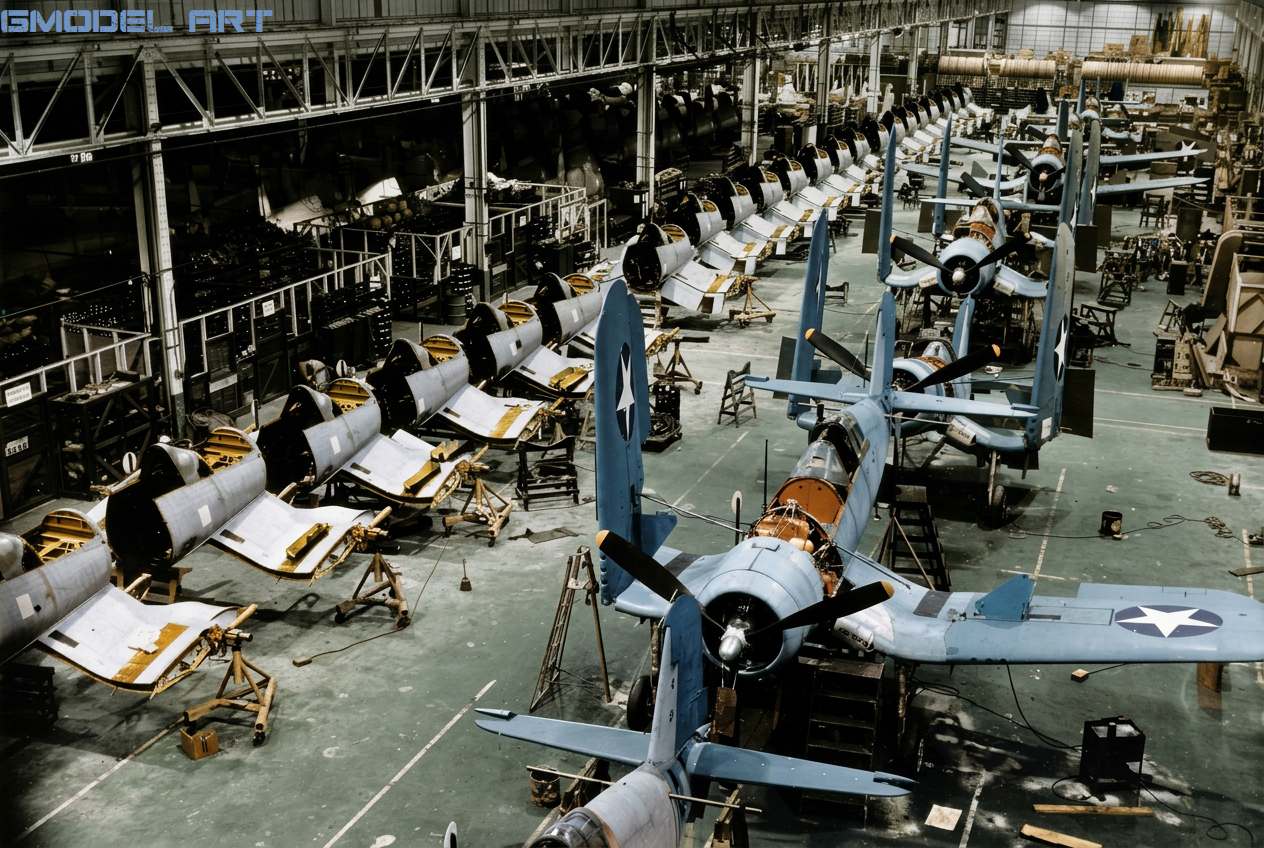
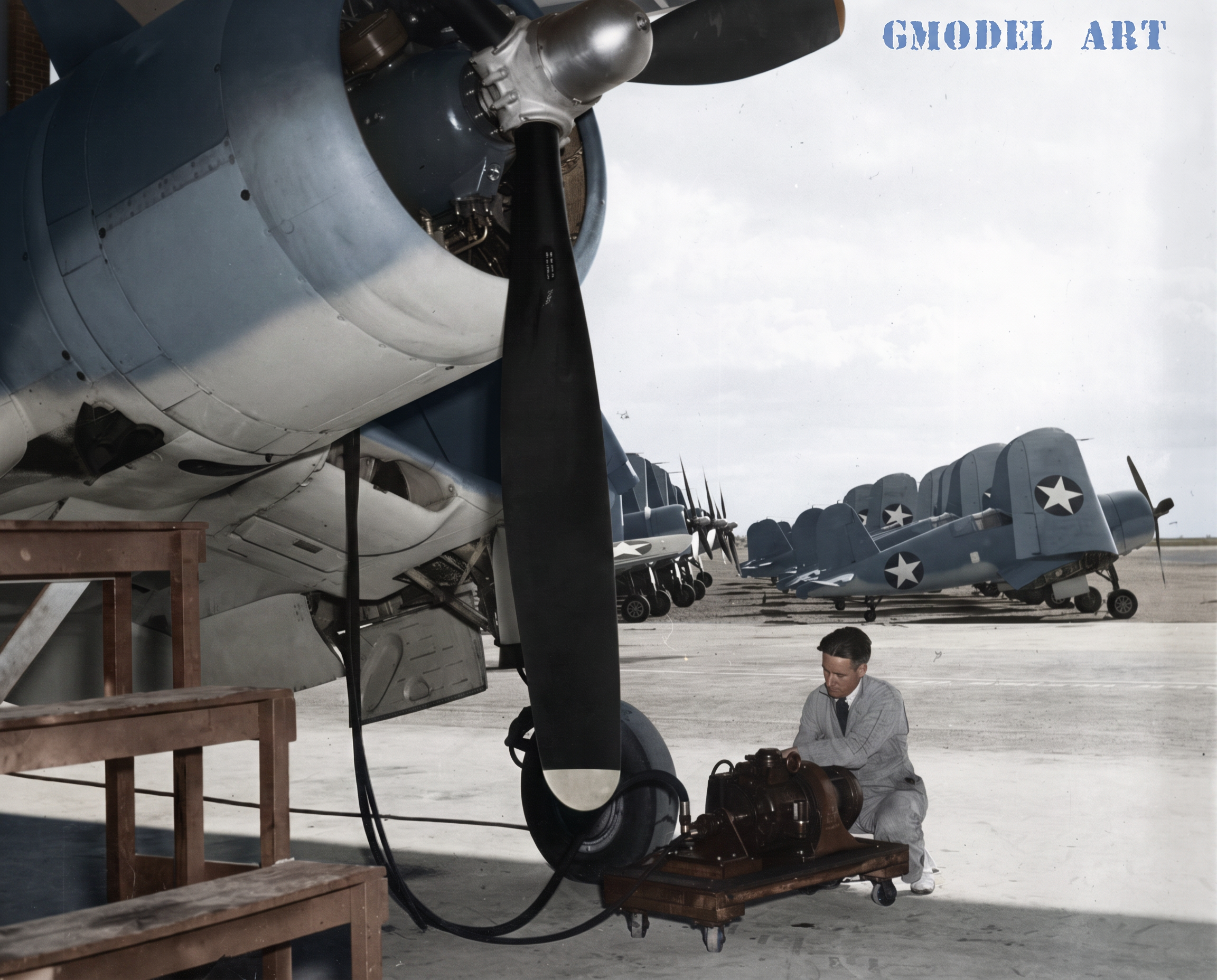
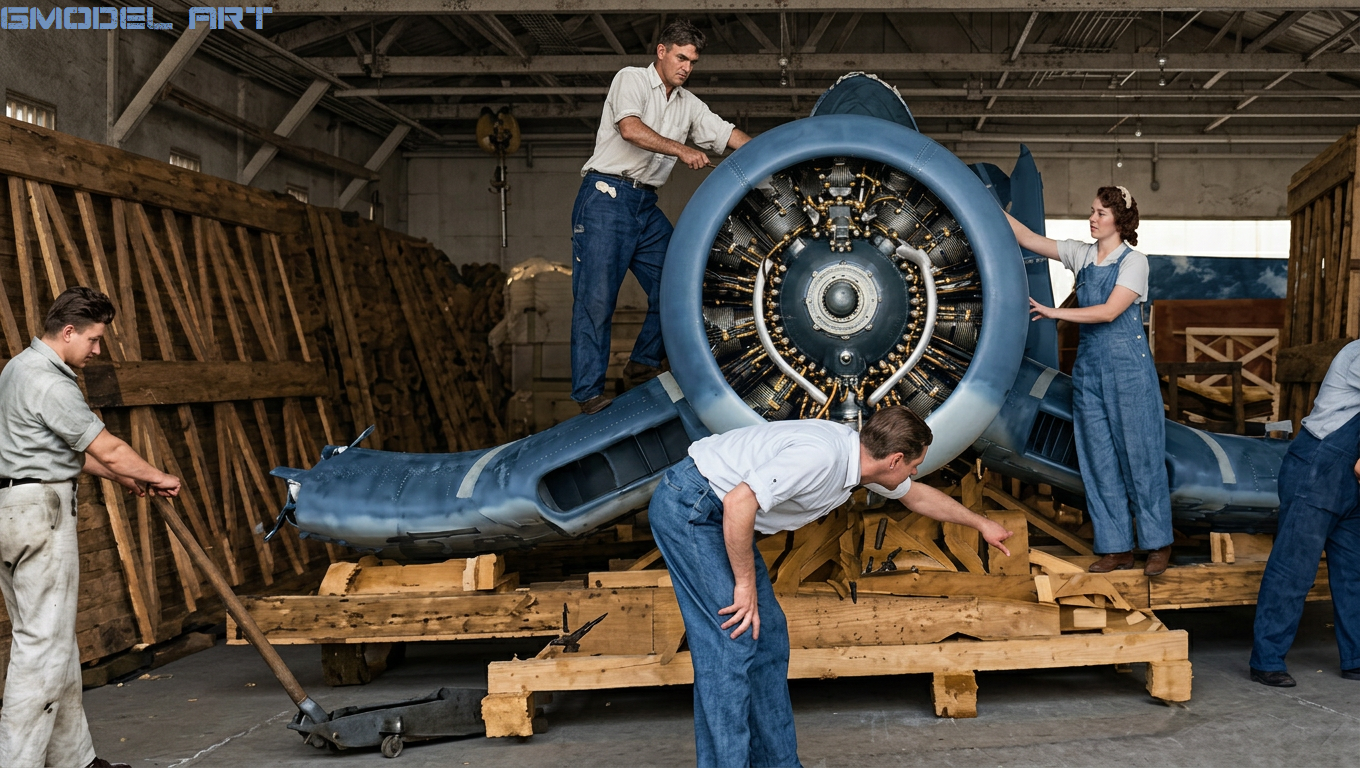
Production at Three Factories
The growing demand for Corsairs led to production at three different industrial facilities.
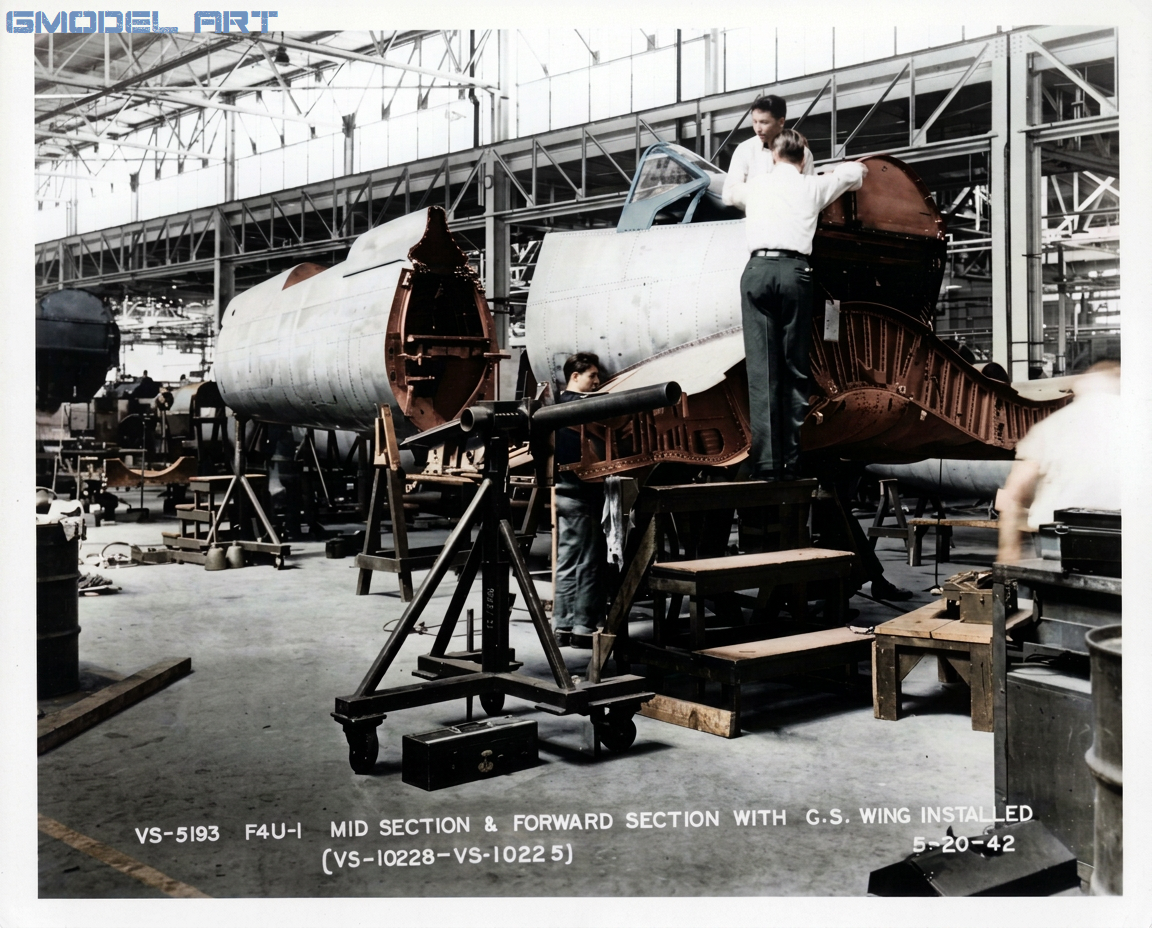
Chance Vought at Stratford, Connecticut, produced the F4U-1.
Goodyear at Akron, Ohio, produced the corresponding FG-1, while Brewster produced the F3A-1. The U.S. Navy officially records that Goodyear and Brewster entered Corsair production to increase the overall production rate.
| Manufacturer | Designation | Factory | Relationship to F4U-1 |
|---|---|---|---|
| Chance Vought | F4U-1Birdcage Corsair | Stratford, Connecticut | Original production |
| Goodyear | FG-1Birdcage Corsair | Akron, Ohio | Licensed production of the F4U-1 |
| Brewster | F3A-1Birdcage Corsair | Long Island City / Johnsville | Licensed production of the F4U-1 |
The existence of three production lines is important to the scale modeler because the factory and BuNo can help identify the correct configuration.
The First Birdcage
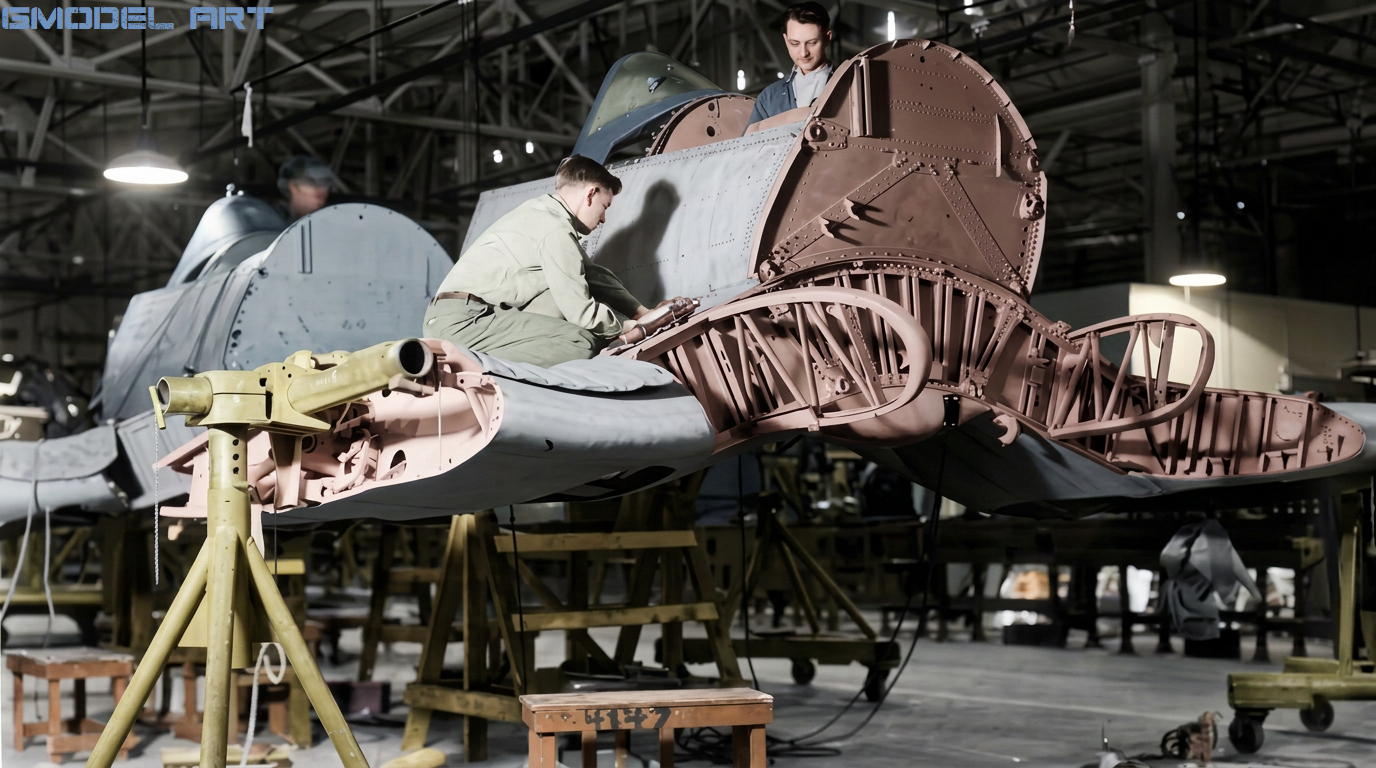
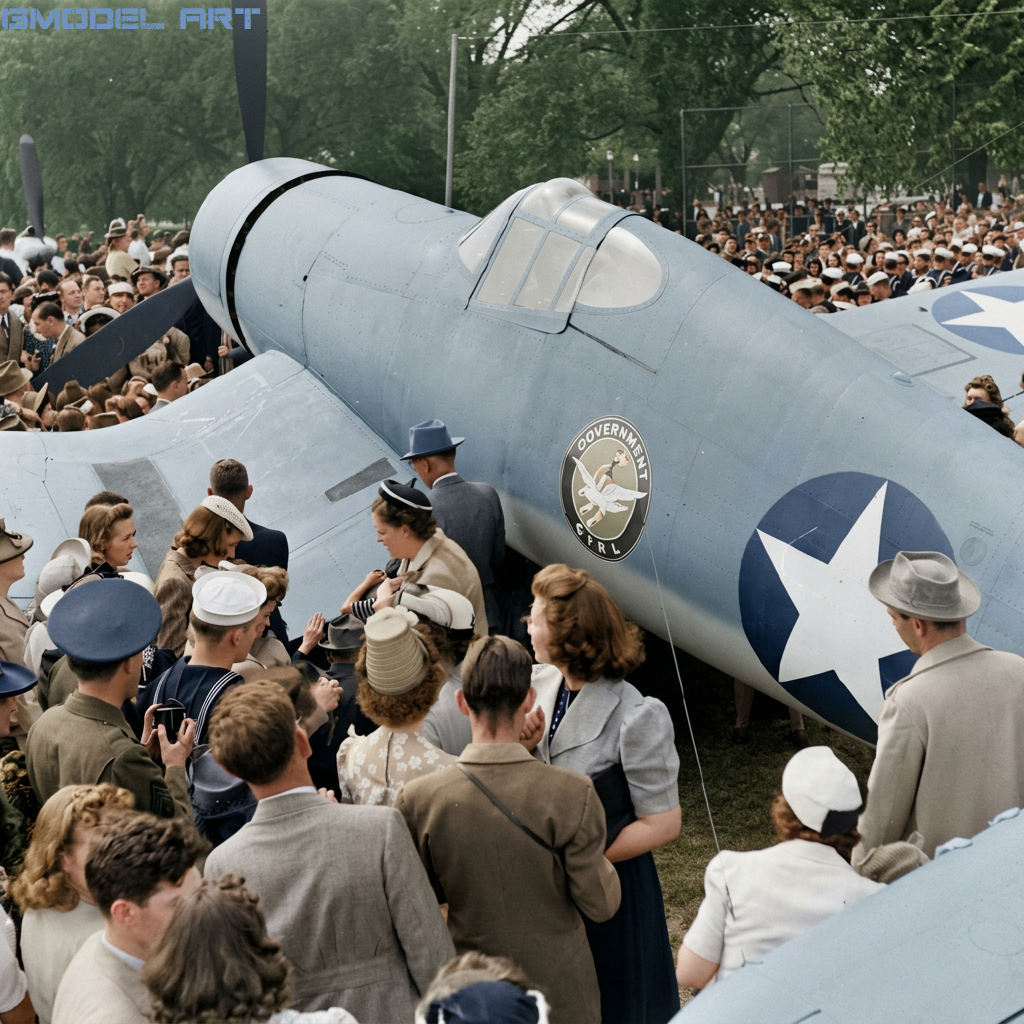
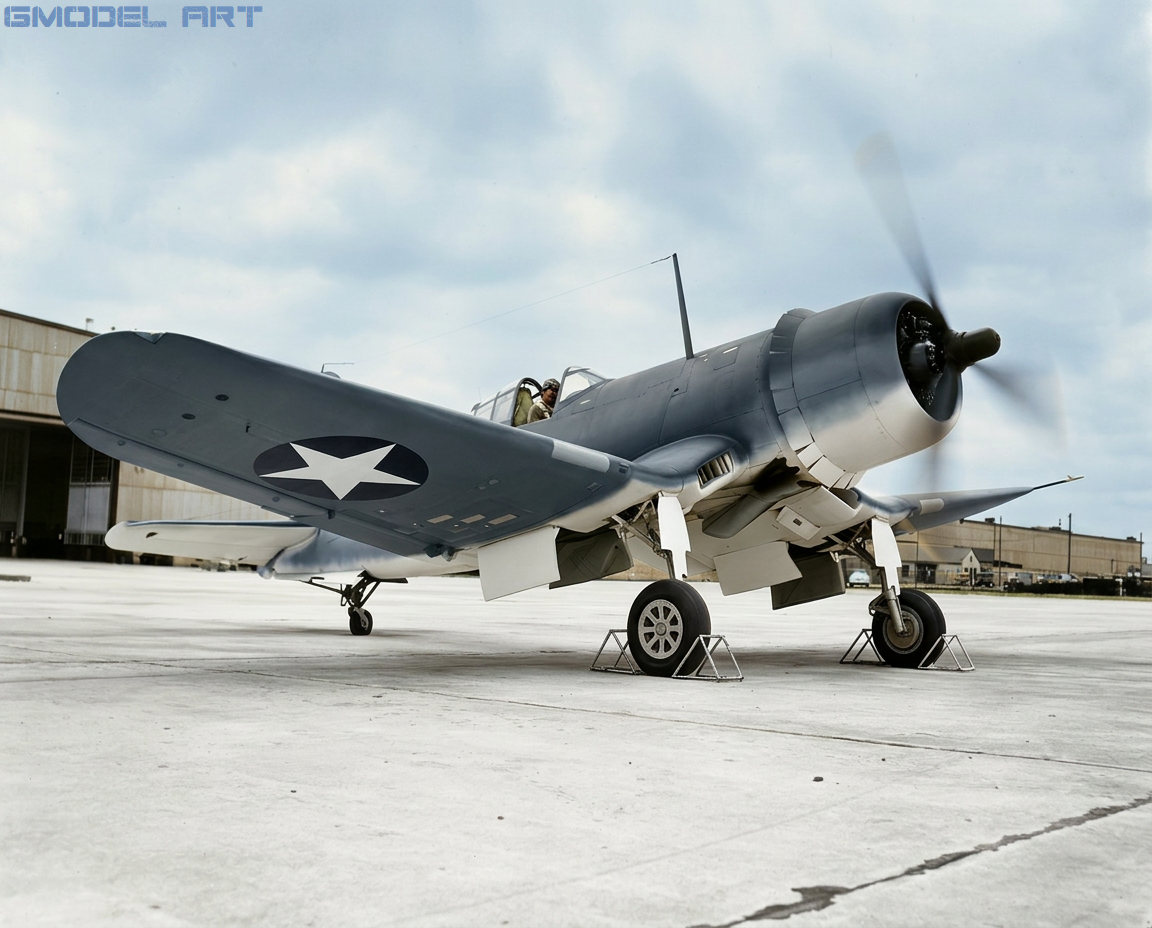
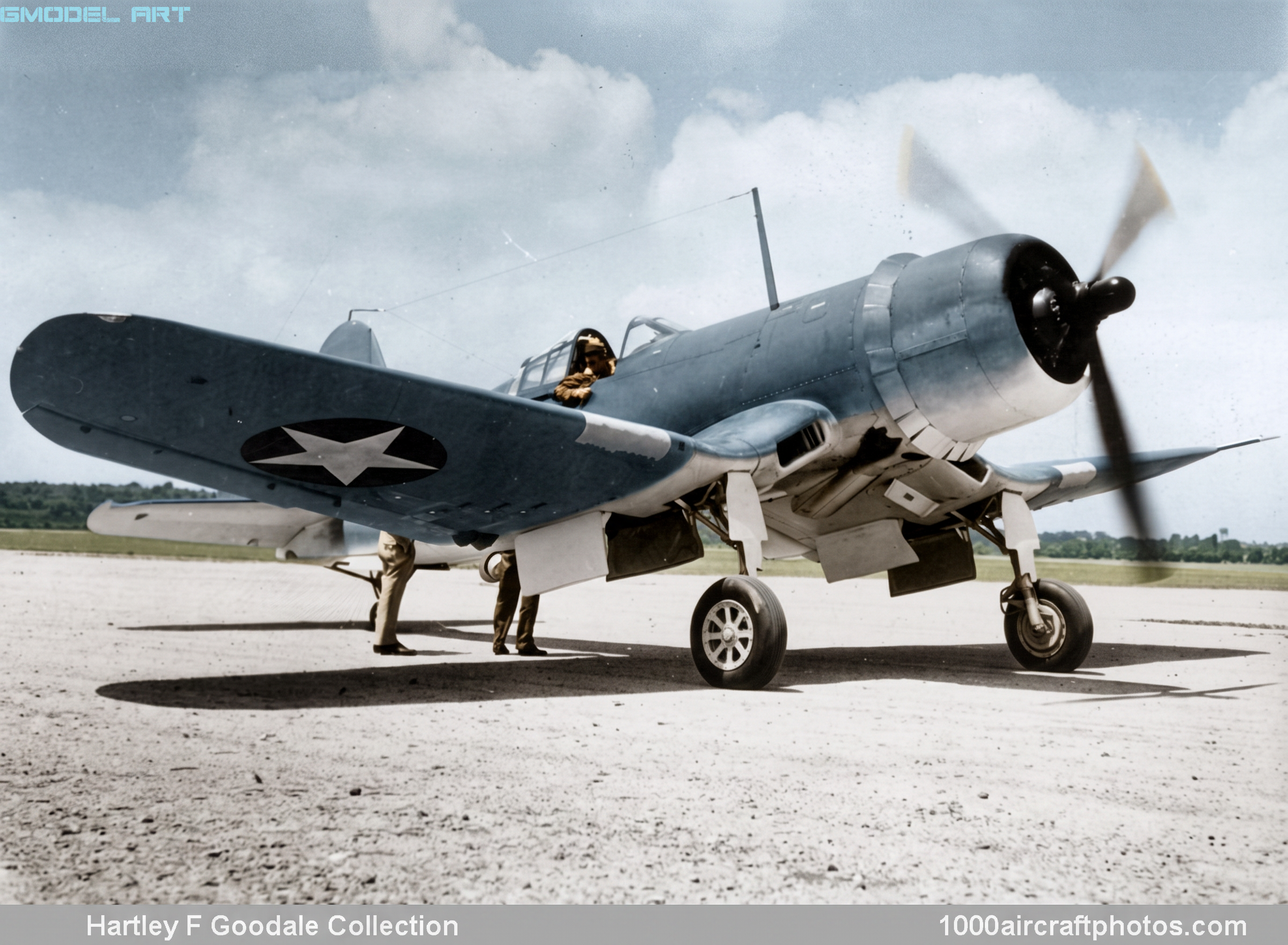
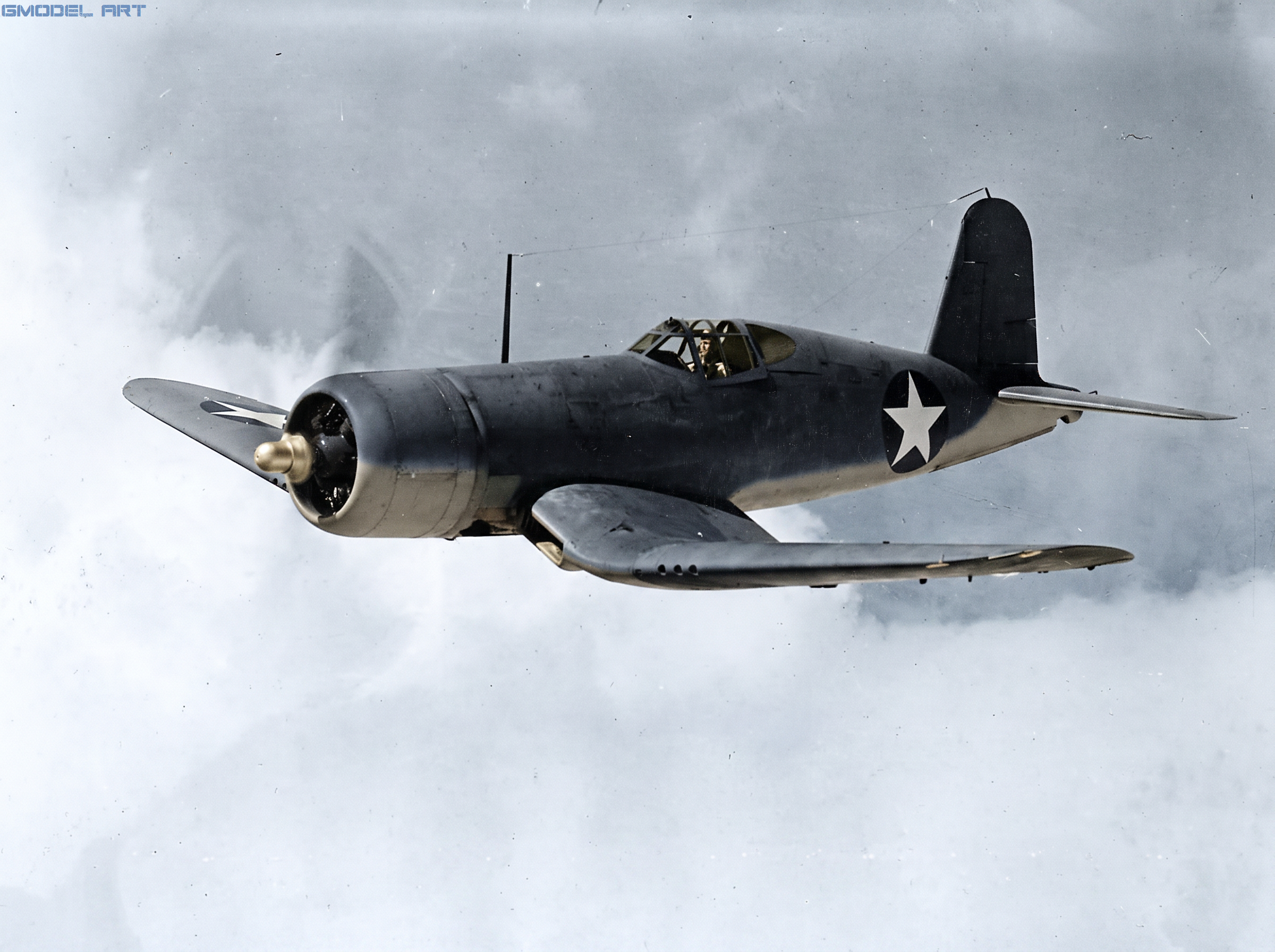
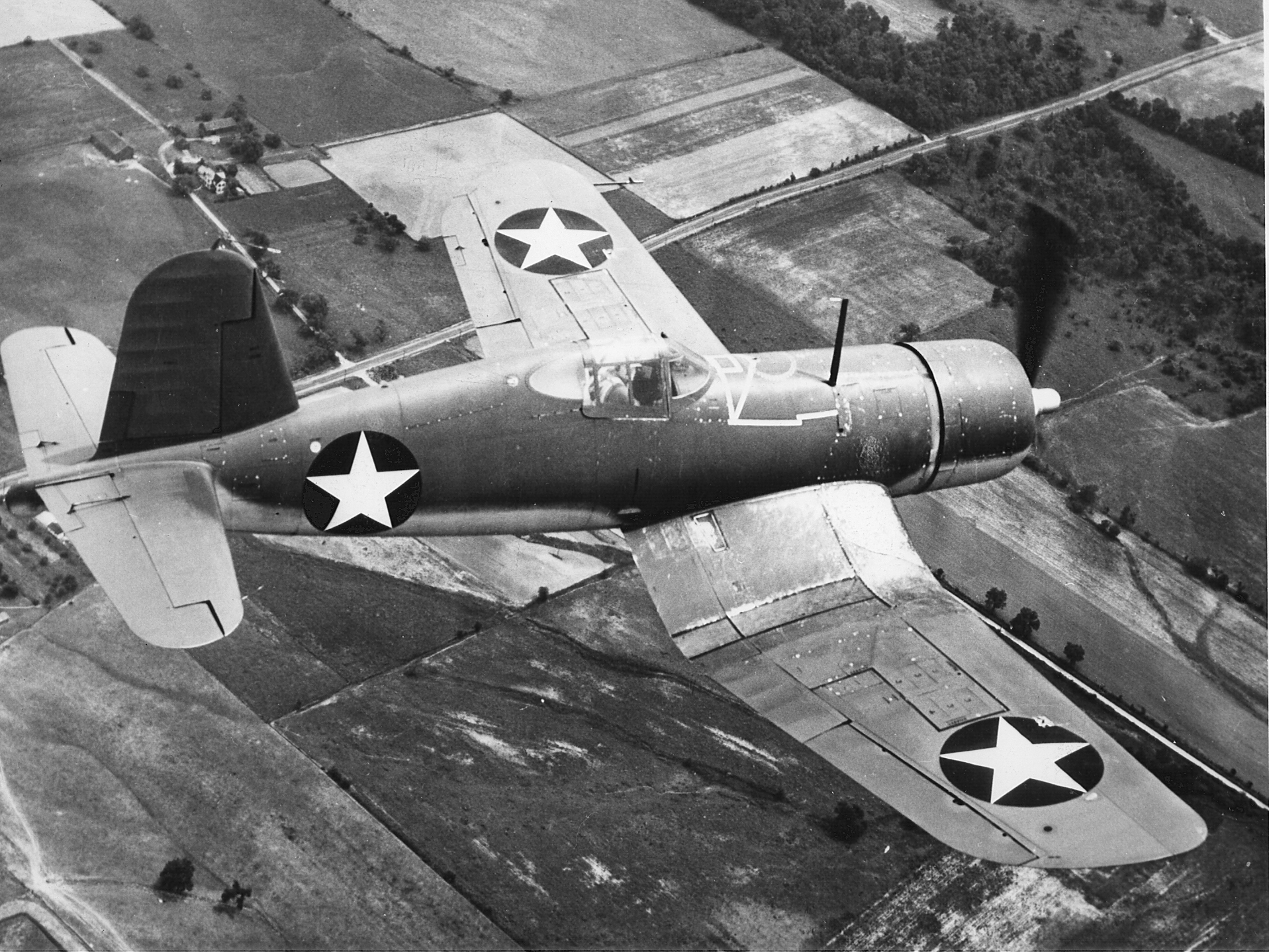
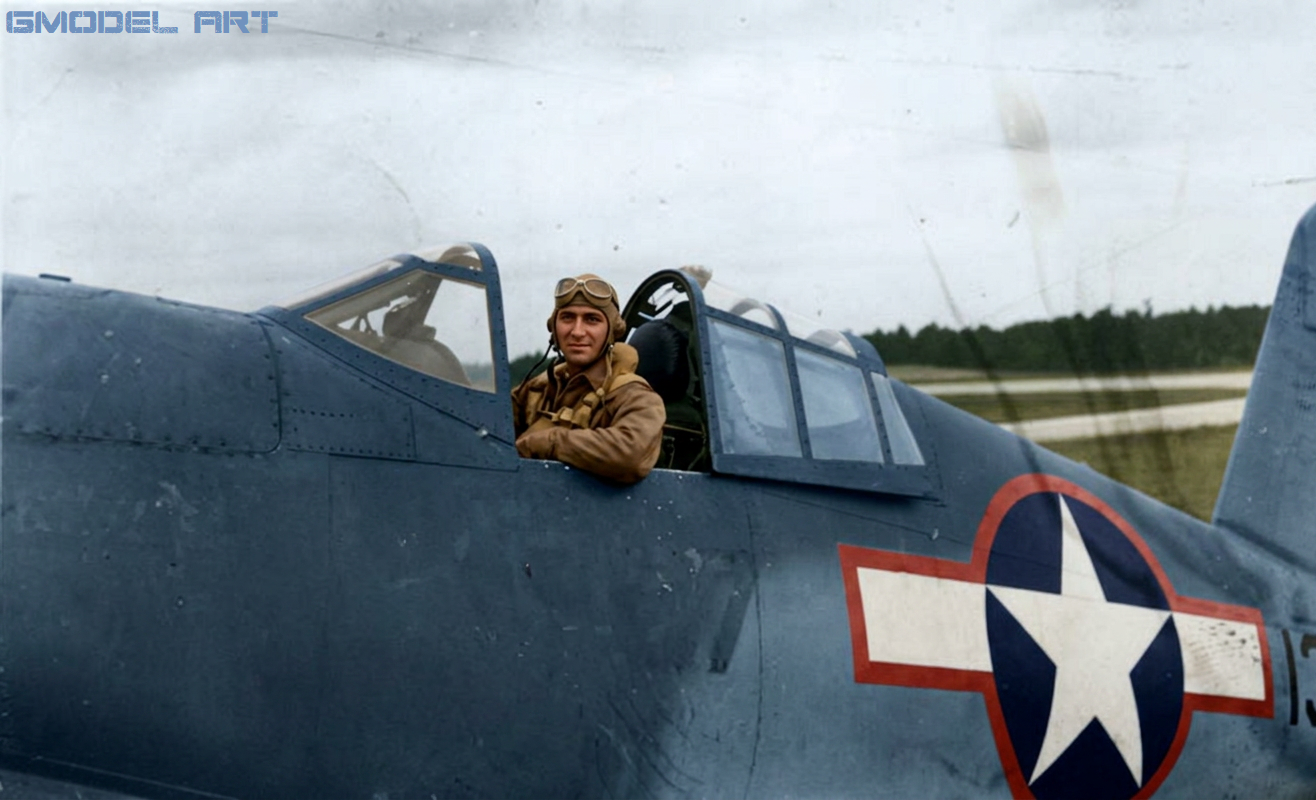
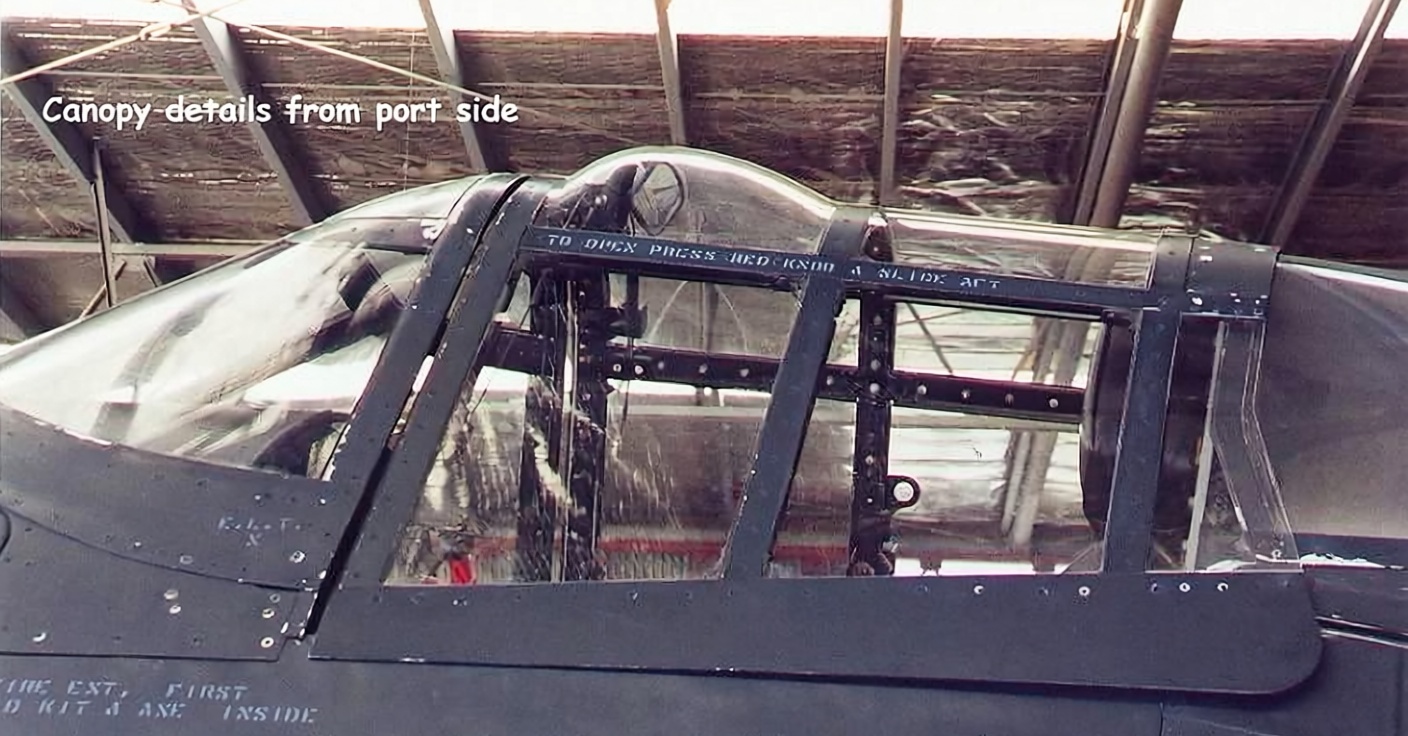
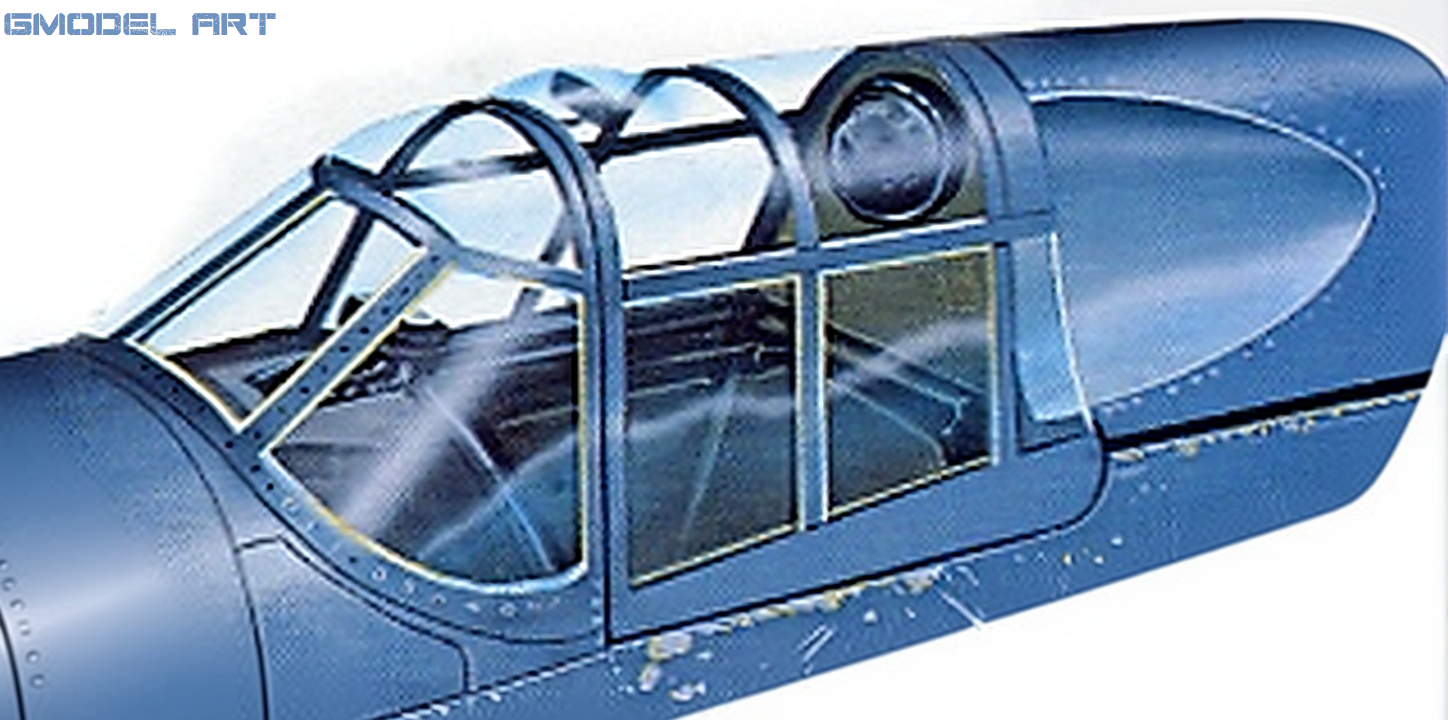
The original F4U-1 Birdcage Corsair featured its characteristic multi-framed canopy and low pilot position.
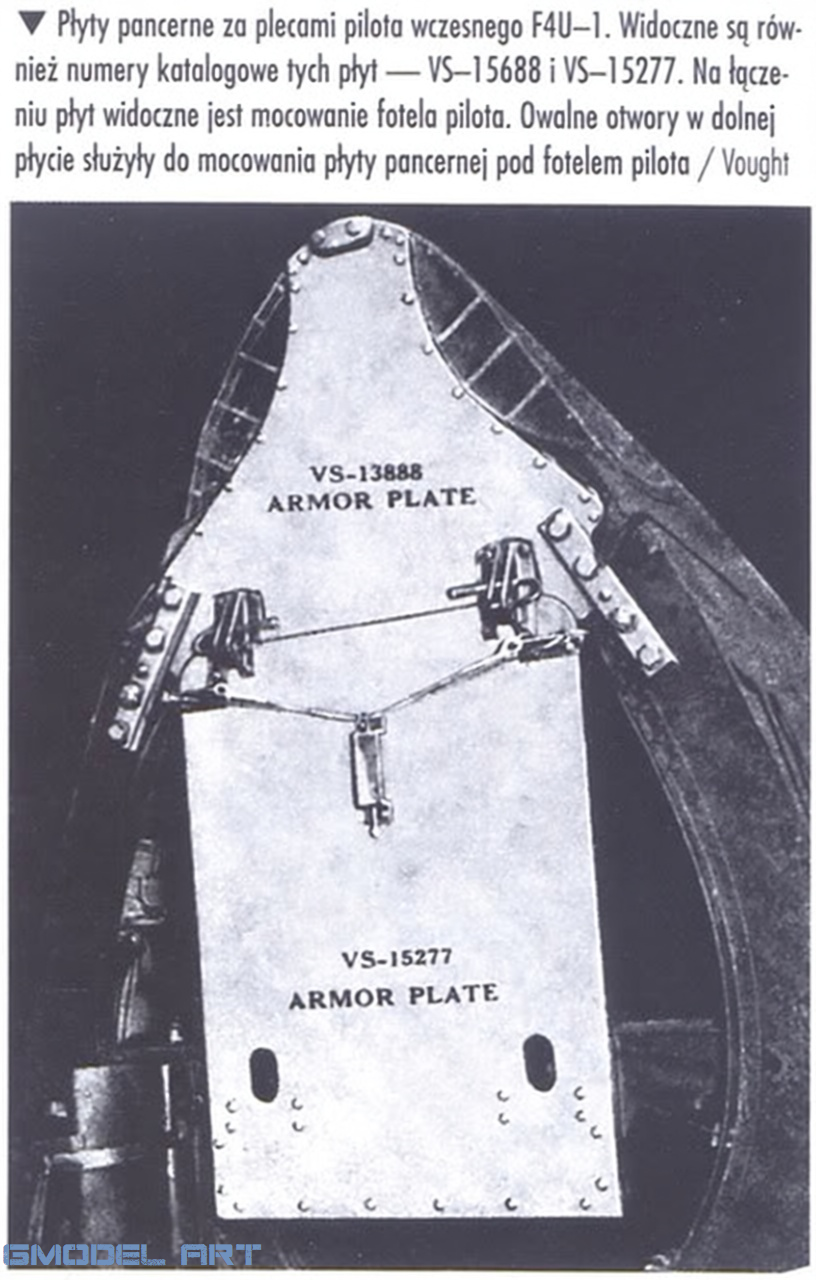
Compared with the XF4U-1 Corsair prototype, the cockpit was moved approximately 32 inches rearward, creating space ahead of it for the large 237 US-gallon self-sealing fuel tank. Approximately 150 lb of armor was also added, together with thick bullet-resistant glass in front of the pilot.
This solution increased protection and range, but it created a serious problem: the long nose, combined with the low pilot position, significantly restricted forward visibility.
And this is where the real evolution of the Birdcage begins.
The Canopy Changes During Production
There was not just one canopy configuration on the F4U-1 Birdcage Corsair.
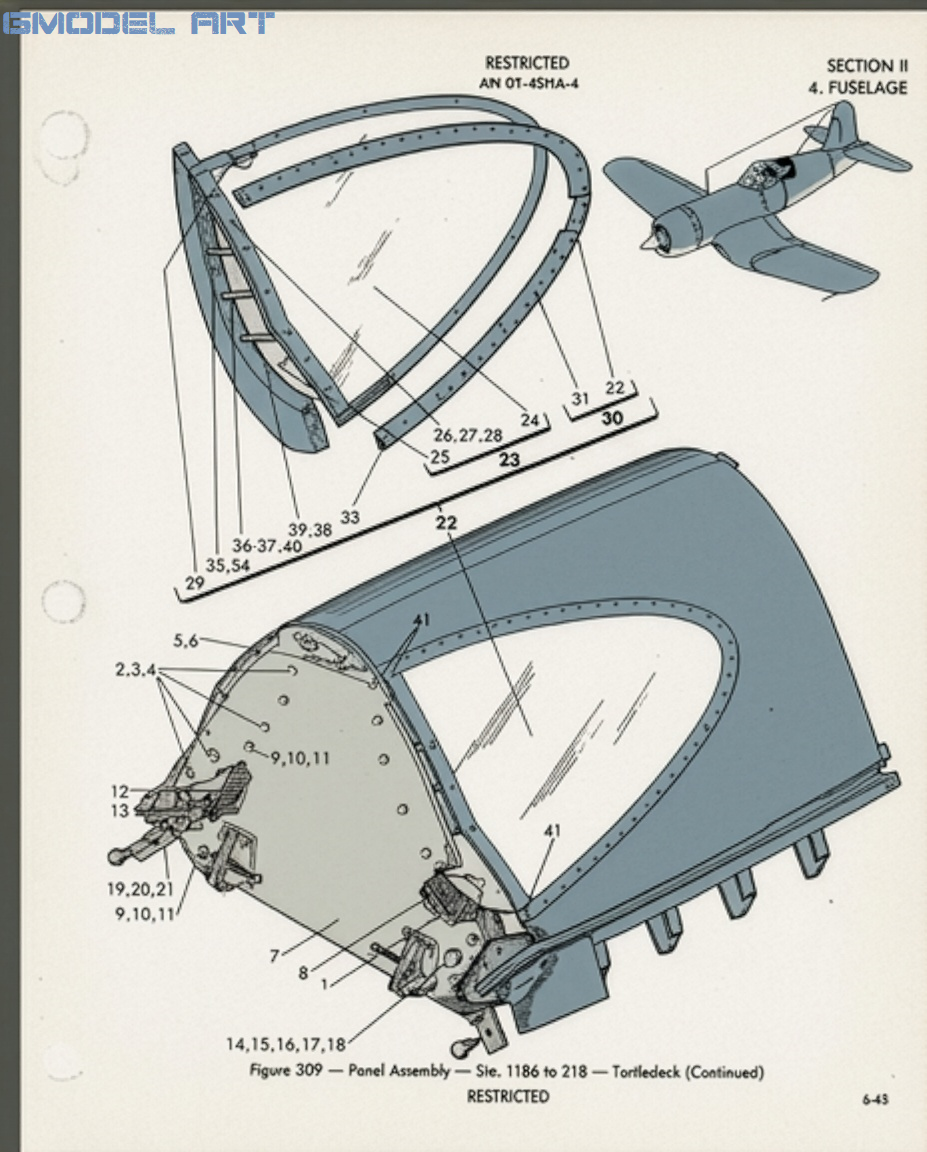
On the very early aircraft, we find the flat-topped canopy, without the characteristic raised section for the rear-view mirror.
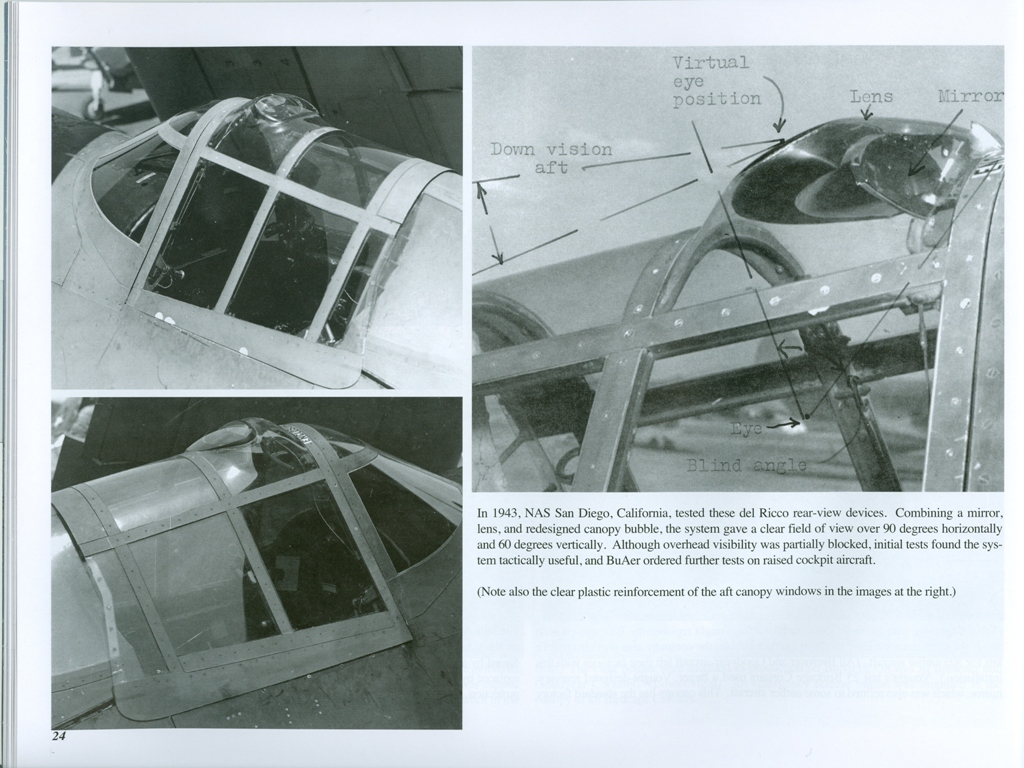
Later, an improved form appeared with a small raised section above the pilot, allowing the rear-view mirror to be positioned higher and providing better rearward visibility.
There is also evidence that approximately 300 improved canopies incorporating the mirror arrangement were manufactured and supplied as replacement units for aircraft already in service.
This means that even an operational F4U-1 Birdcage may no longer have the canopy with which it originally left the factory.
The Windows Behind the Cockpit
One of the most characteristic features of the F4U-1 Birdcage Corsair was the small transparent windows on the sides of the fuselage behind the pilot’s head.
Their purpose was to provide additional rearward visibility in an area where the fuselage structure created a major blind spot.
On later aircraft, this area was modified. The windows could be removed and replaced with metal structure, while toward the end of the development the rear fuselage area had a different configuration.
For an authentic early F4U-1 Birdcage, these windows are therefore a very important detail.
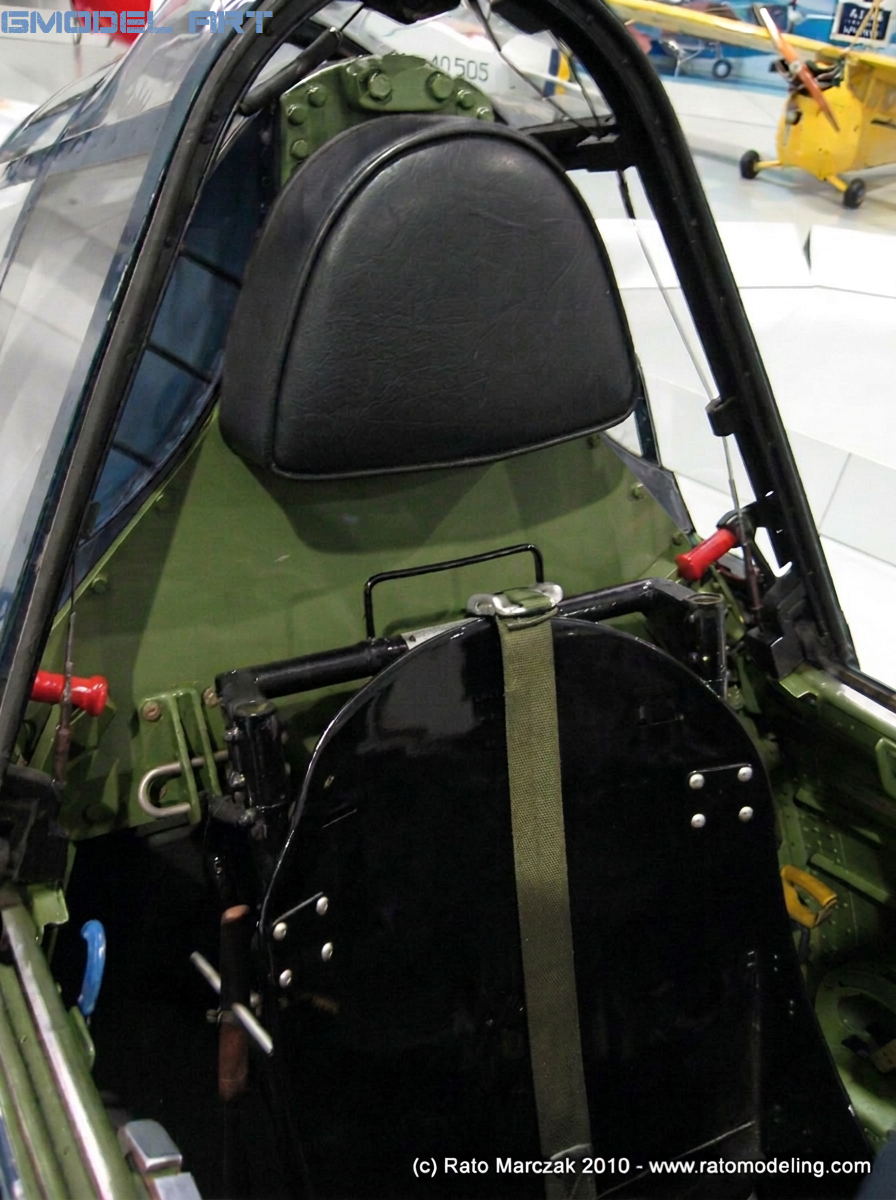
The Cockpit and Headrest
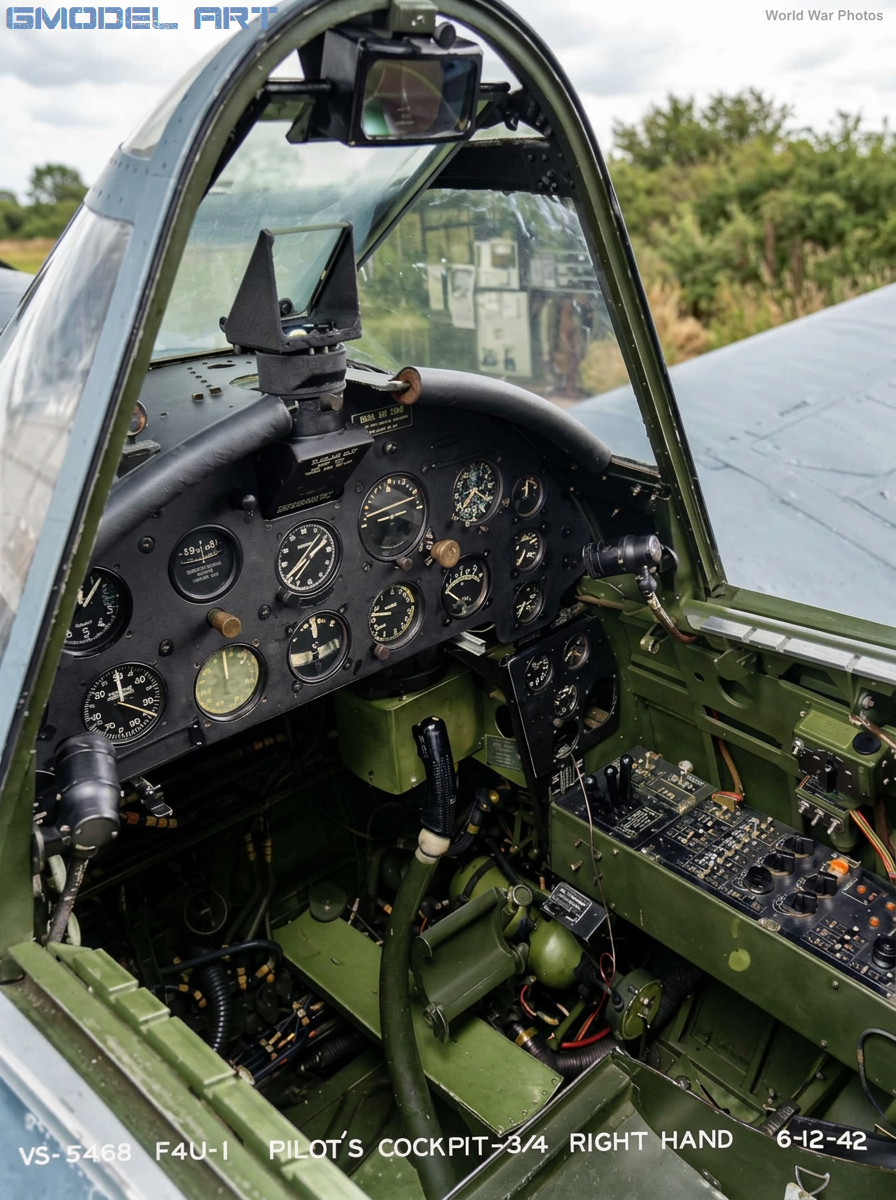
The cockpit of the F4U-1 Birdcage Corsair should not be treated as a fixed configuration.
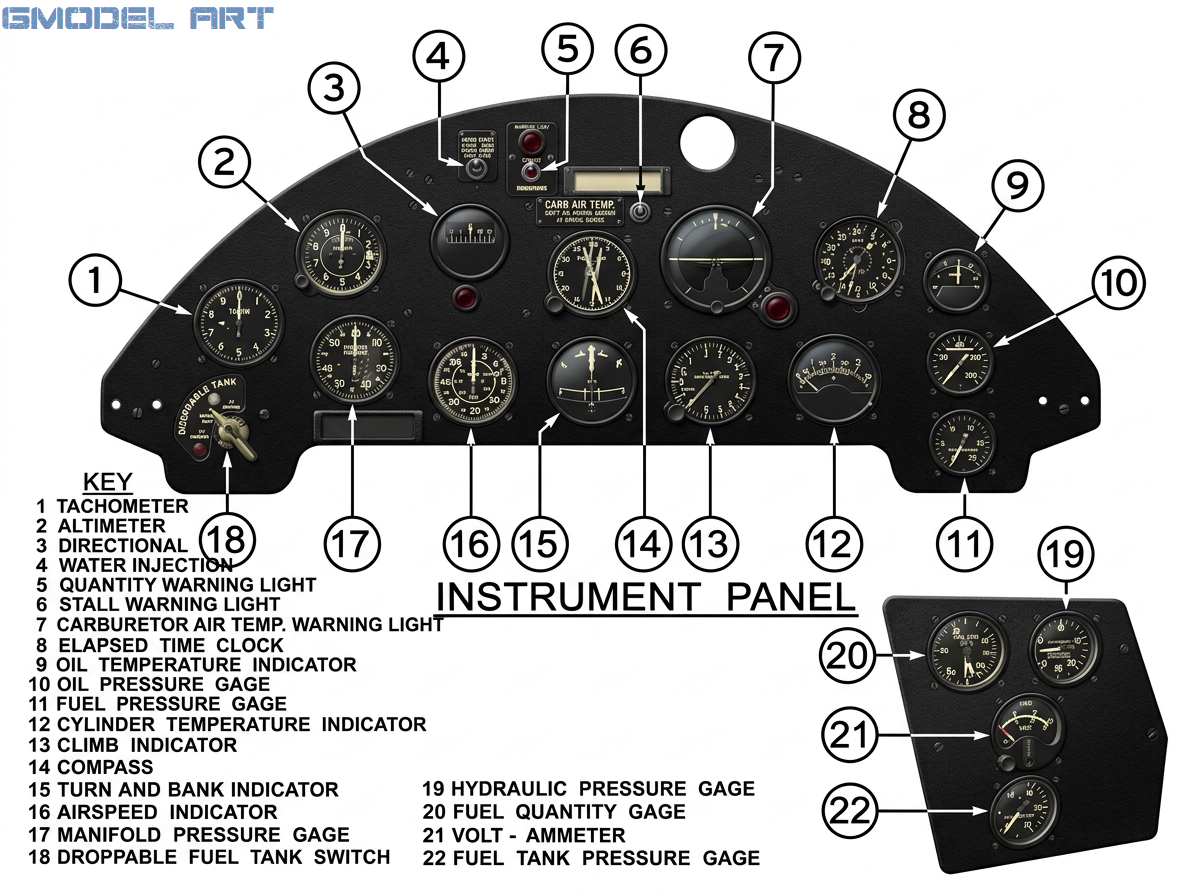
The pilot’s position, armor, headrest, gunsight, and instrument layout underwent changes during the production evolution.
The headrest is particularly interesting. On some early aircraft it may be completely absent, while other configurations featured a simpler padded form or a different construction.
For the scale modeler, this means that a generic cockpit drawing is not enough. The correct configuration should be connected to the specific BuNo and time period.
The Gunsight and Pilot Position
The original F4U-1 Corsair carried the gunsight system for its six 0.50-inch Browning machine guns.
However, the most important problem was not the gunsight itself. It was the position from which the pilot had to use it.
The low cockpit and enormous nose of the Corsair made carrier approaches difficult. Navy testing revealed problems with visibility, bouncing during landing, and a tendency to stall during slow approaches.
The changes that followed were therefore not cosmetic. They were the result of actual operational experience.
The Area Behind the Canopy
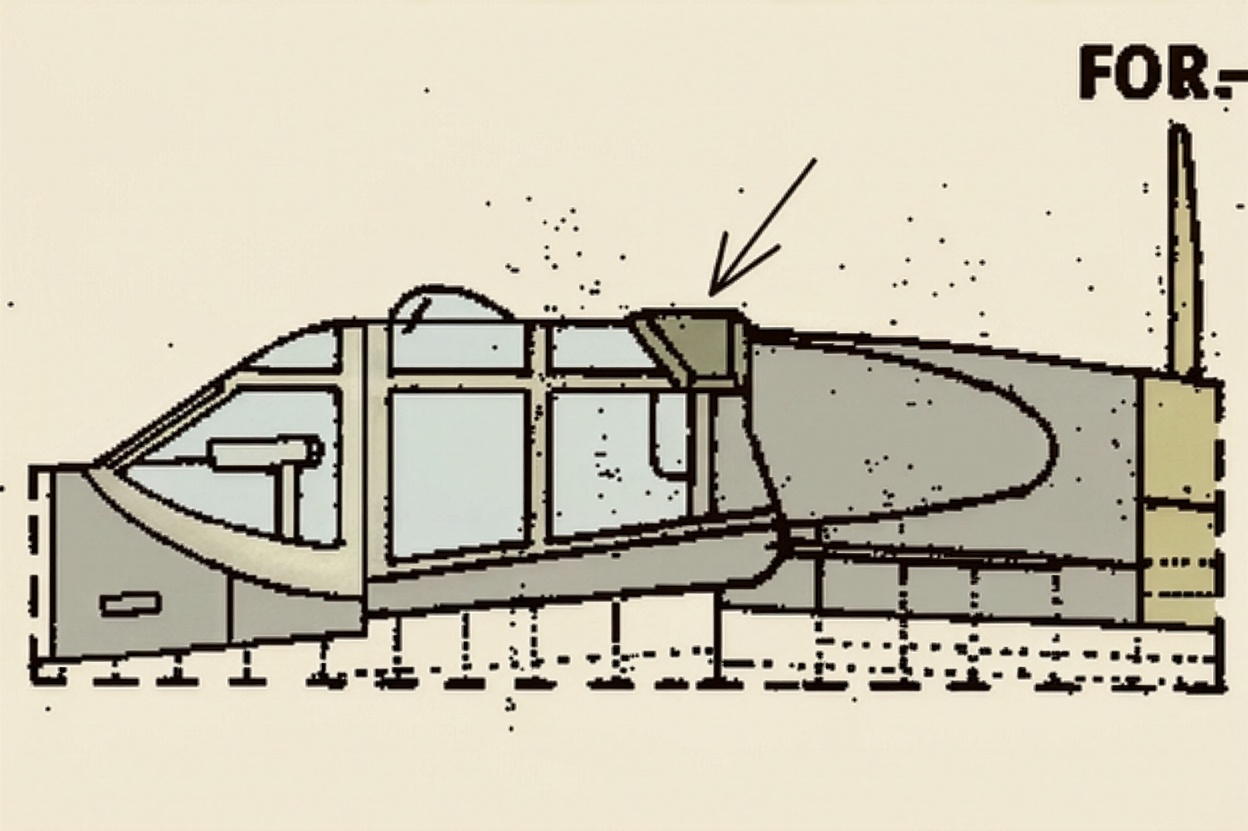
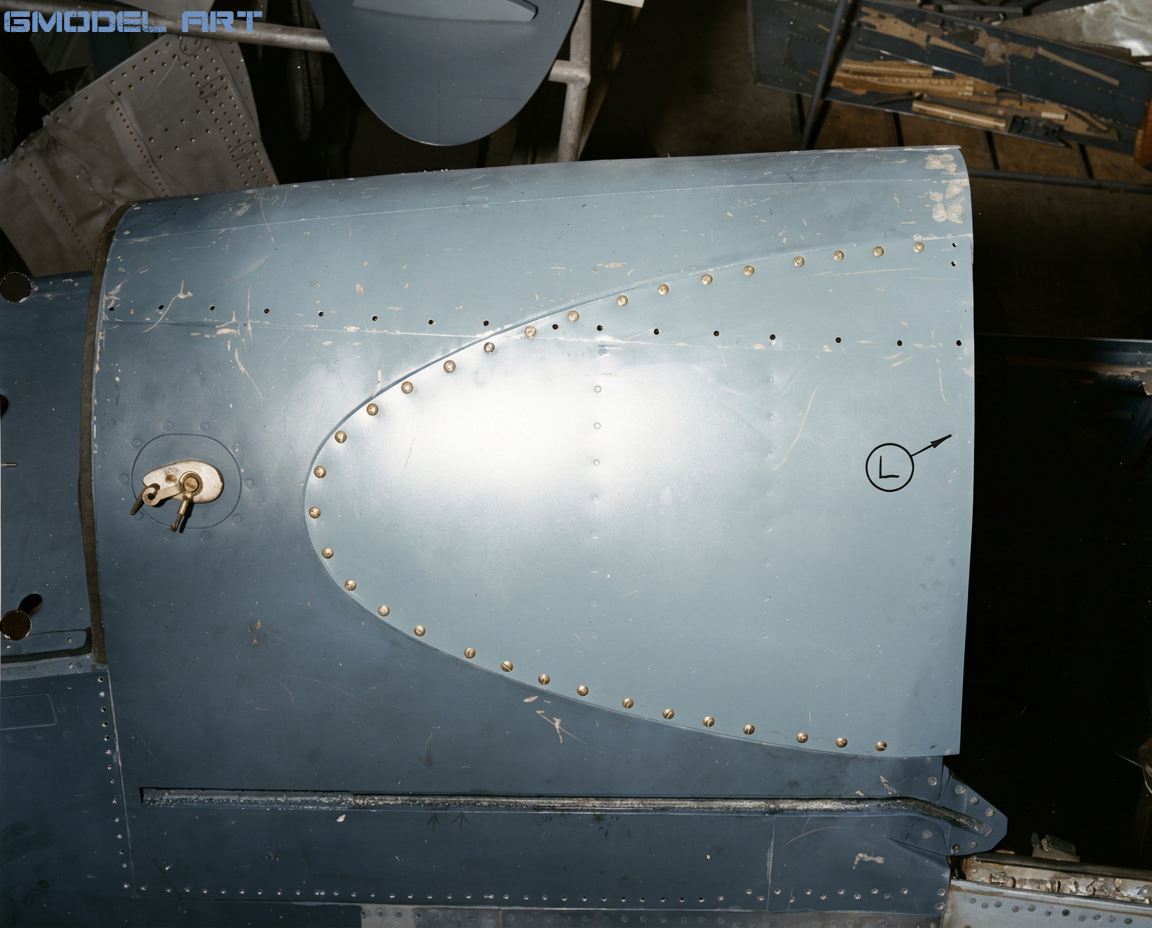
On the early F4U-1 Birdcage Corsair, there is also a particularly interesting area immediately behind the canopy, on top of the fuselage.
A surviving Birdcage has documented a transparent plexiglass cover over this cavity. The area forms part of the distinctive structure of the early fuselage and is today one of the details of particular interest to aircraft restorers.
It has been suggested that the space may have been associated with survival equipment, including the inflatable life raft. However, we will not present this as a confirmed fact without primary technical documentation.
The Lower Window
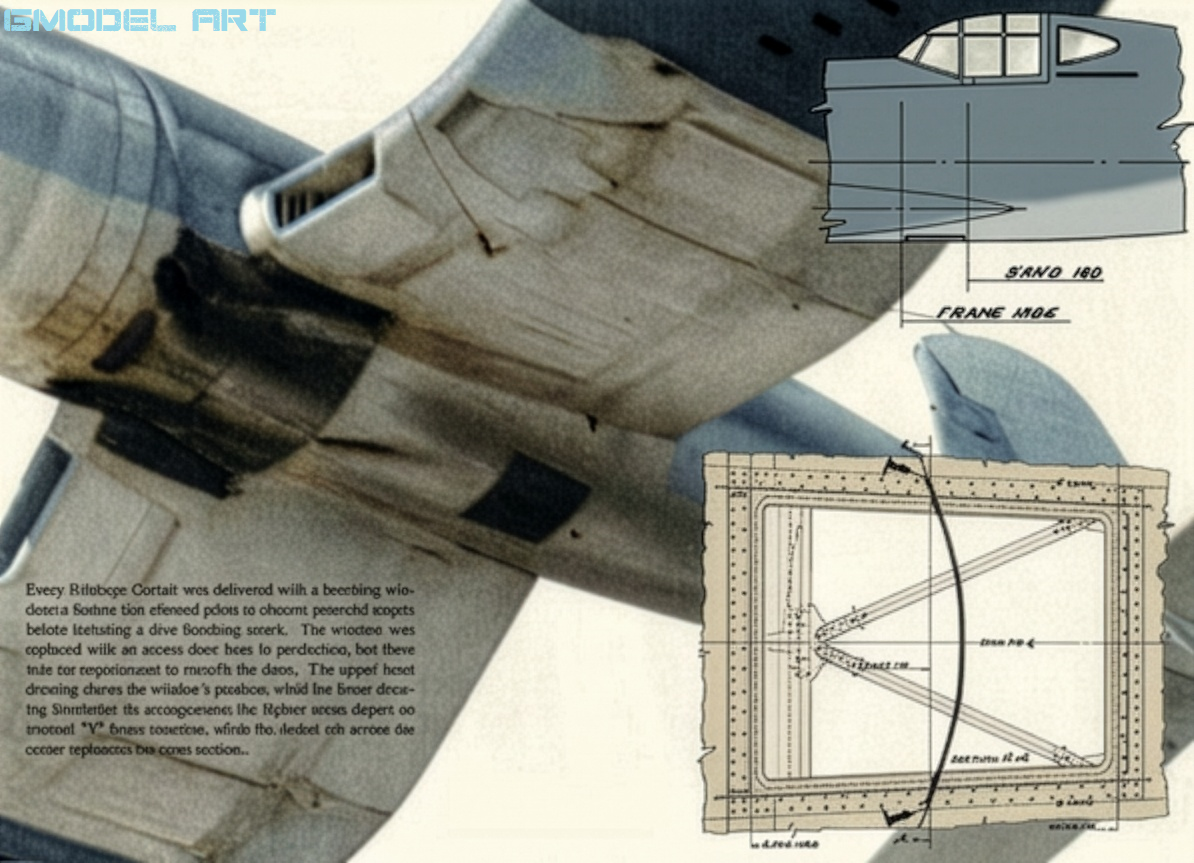
Another characteristic feature of the early F4U-1 Birdcage Corsair was the small window on the underside of the fuselage, known as the bombing window.
Its original purpose was related to providing downward visibility during bombing.
Its removal did not occur suddenly on all aircraft, however. Evidence indicates that it remained in production for a considerable period before eventually being replaced by an access hatch. For example, the change has been documented at Vought on BuNo 50066 and at Goodyear on BuNo 13892.
This is a classic example of why the BuNo is so important.
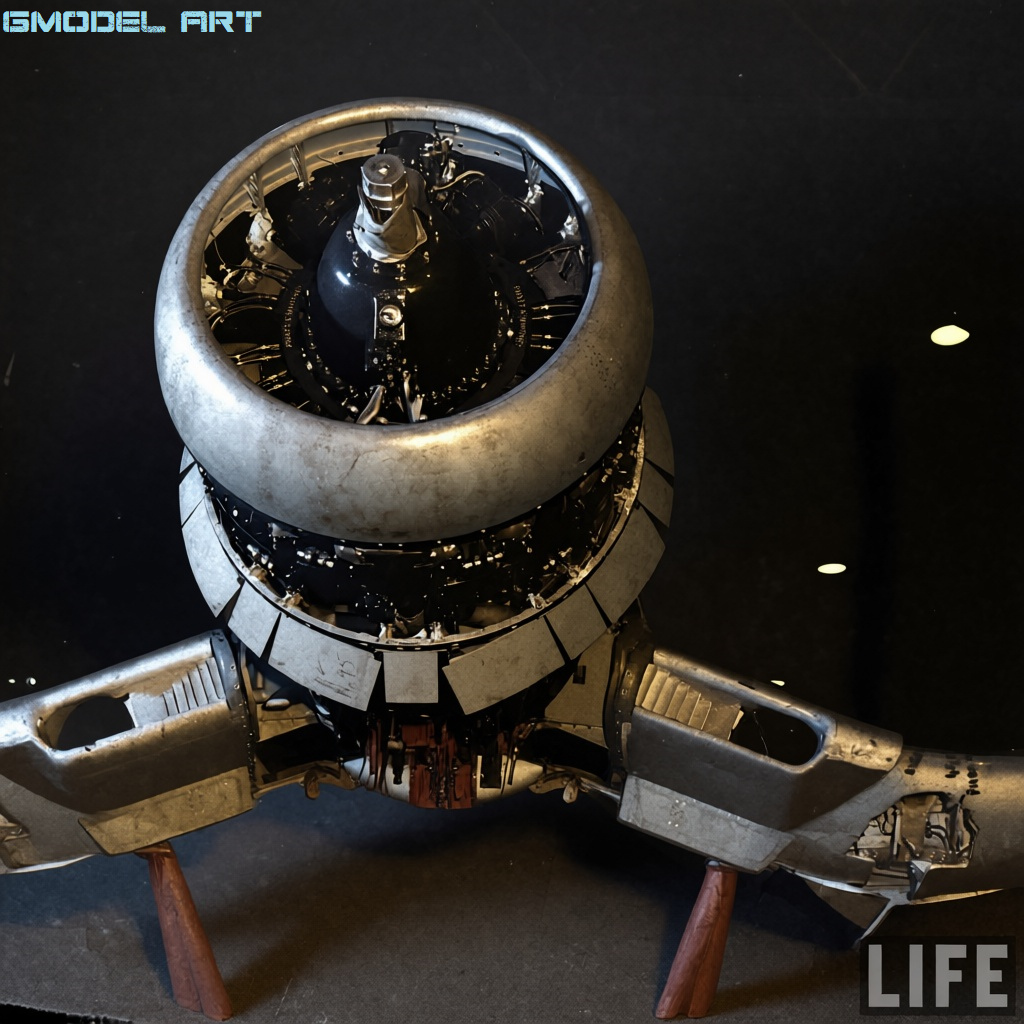
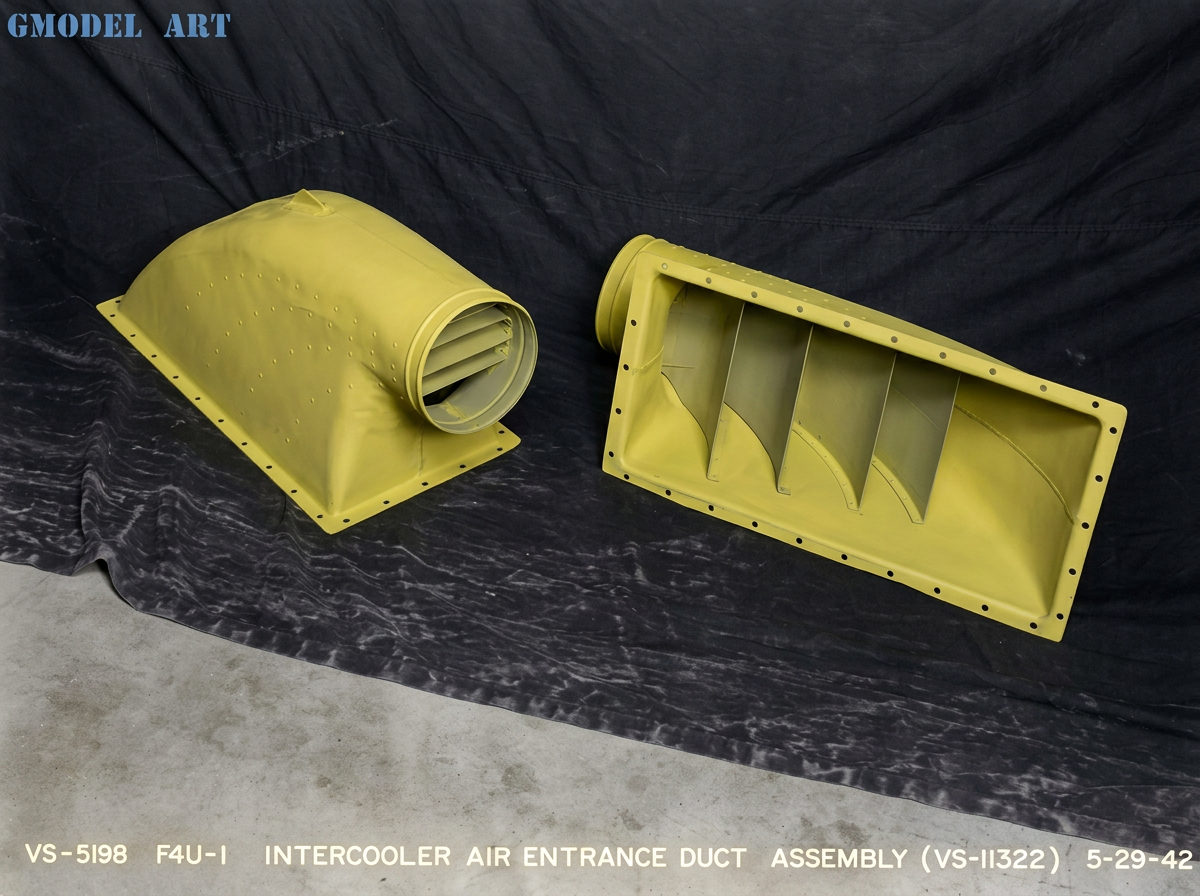
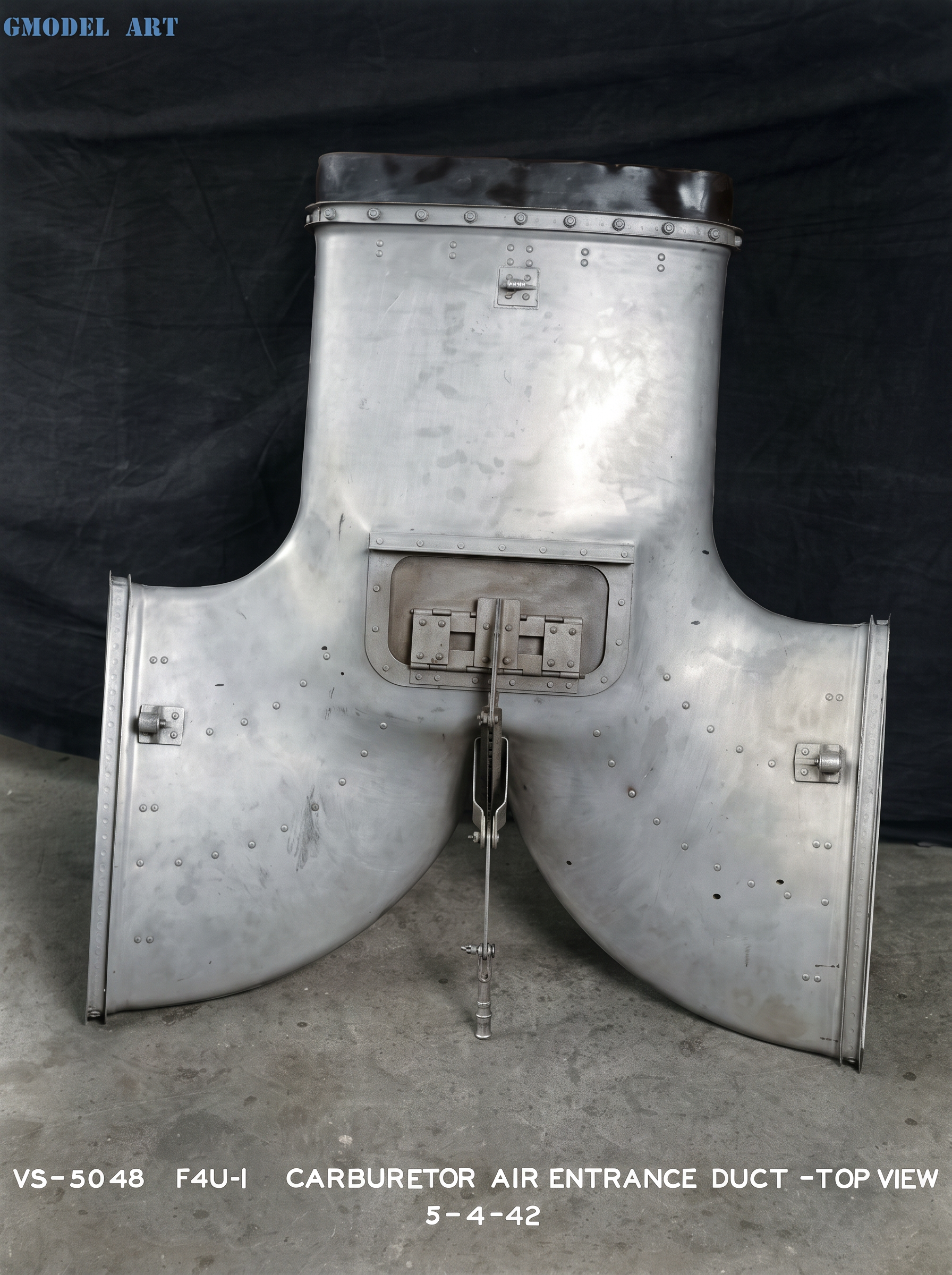
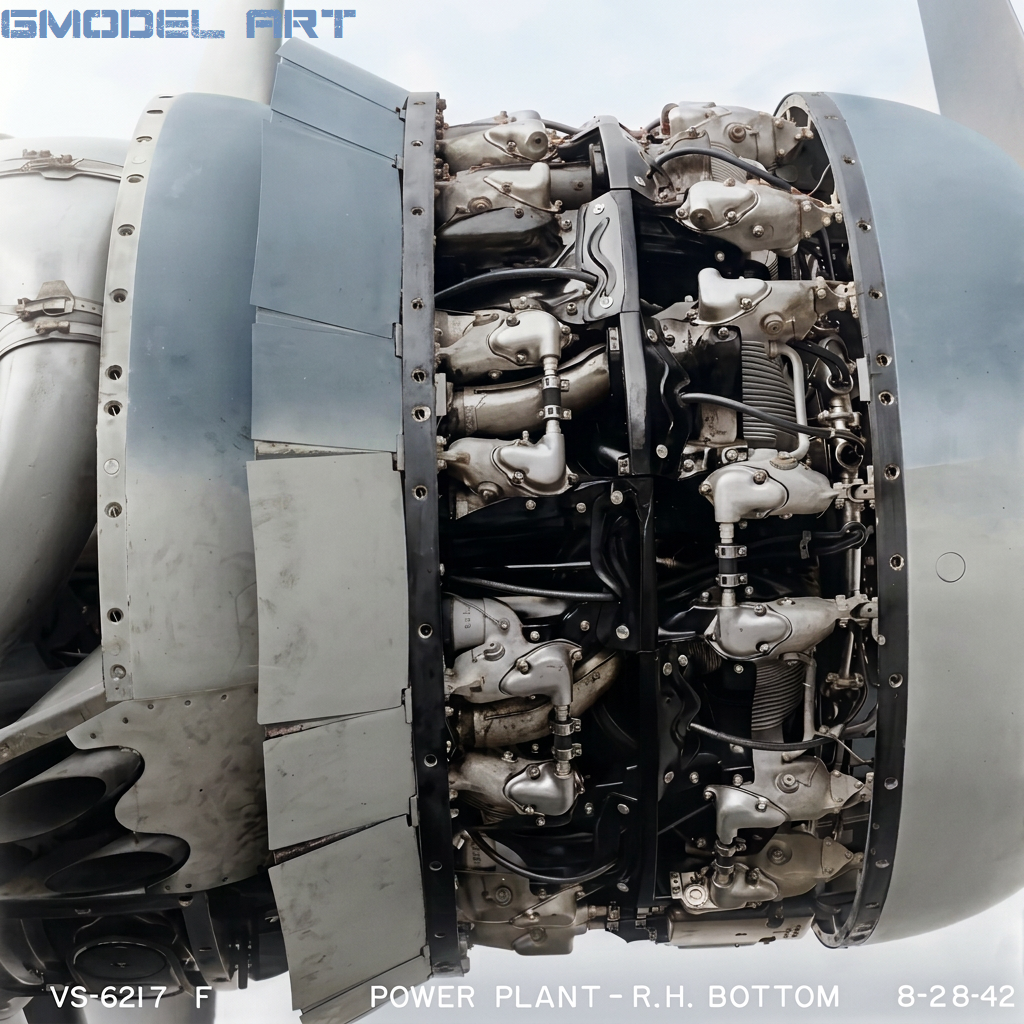
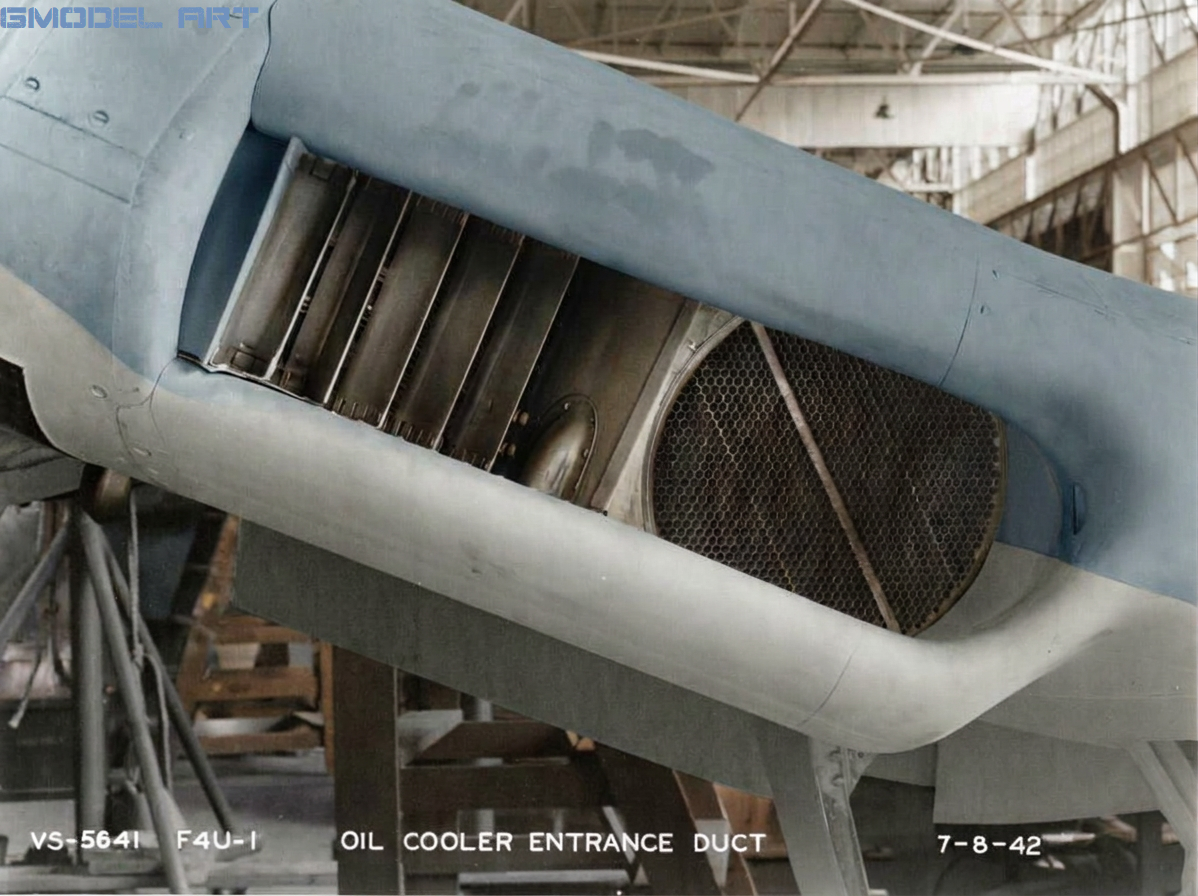
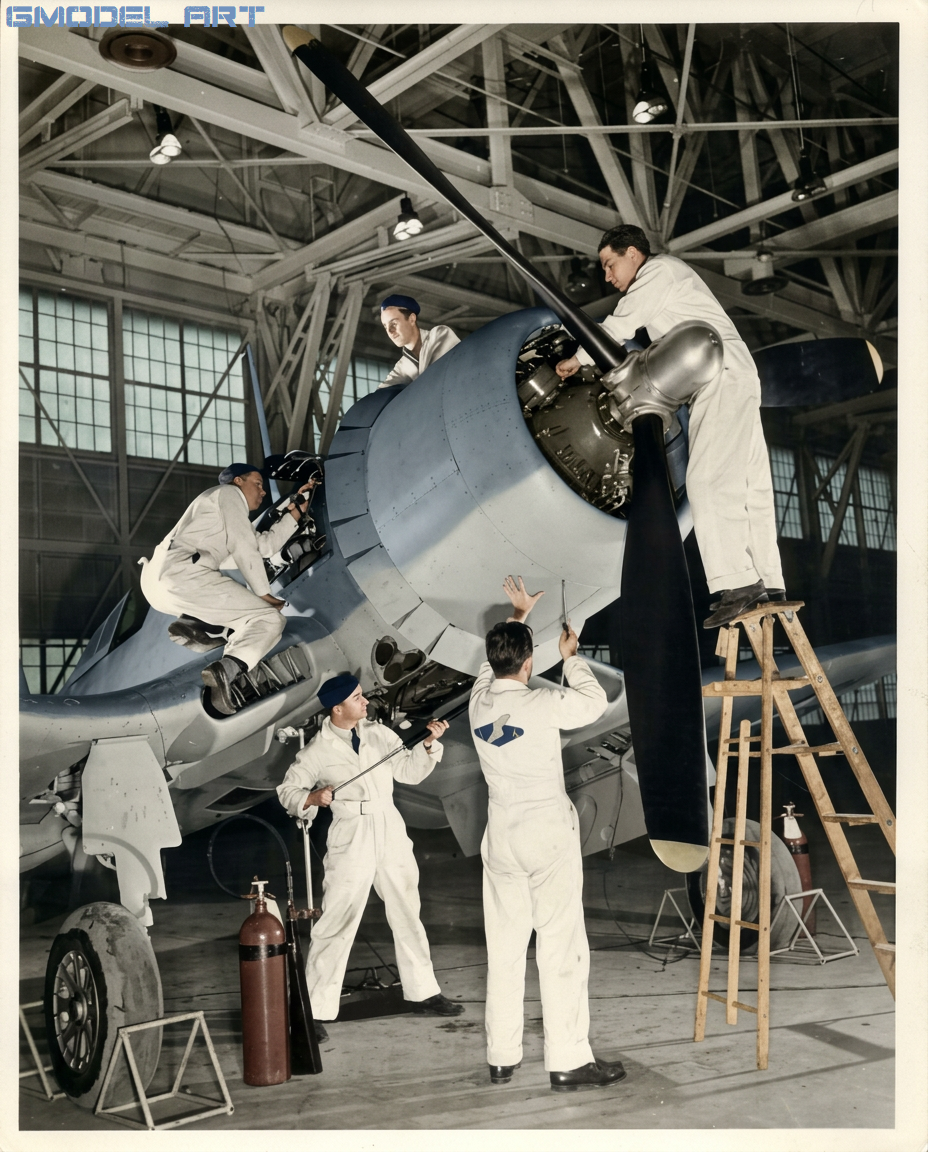
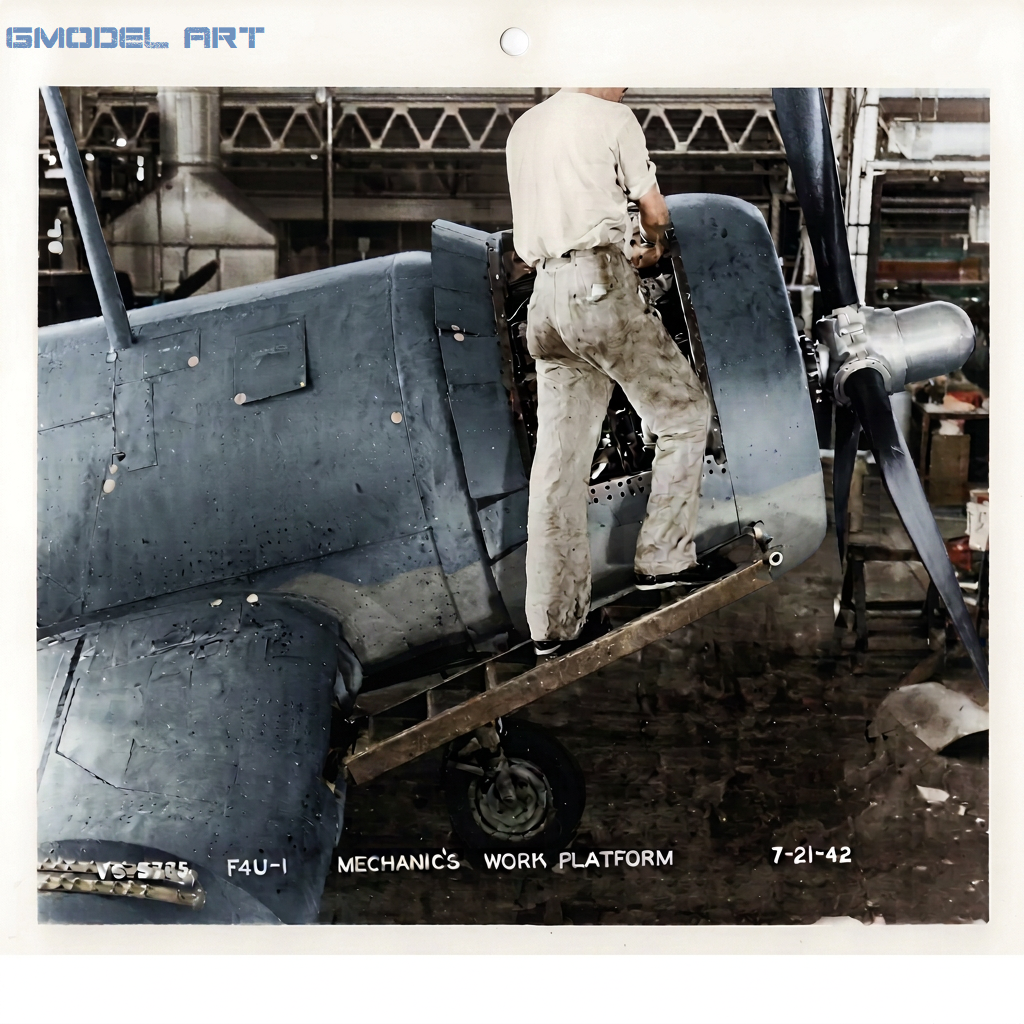
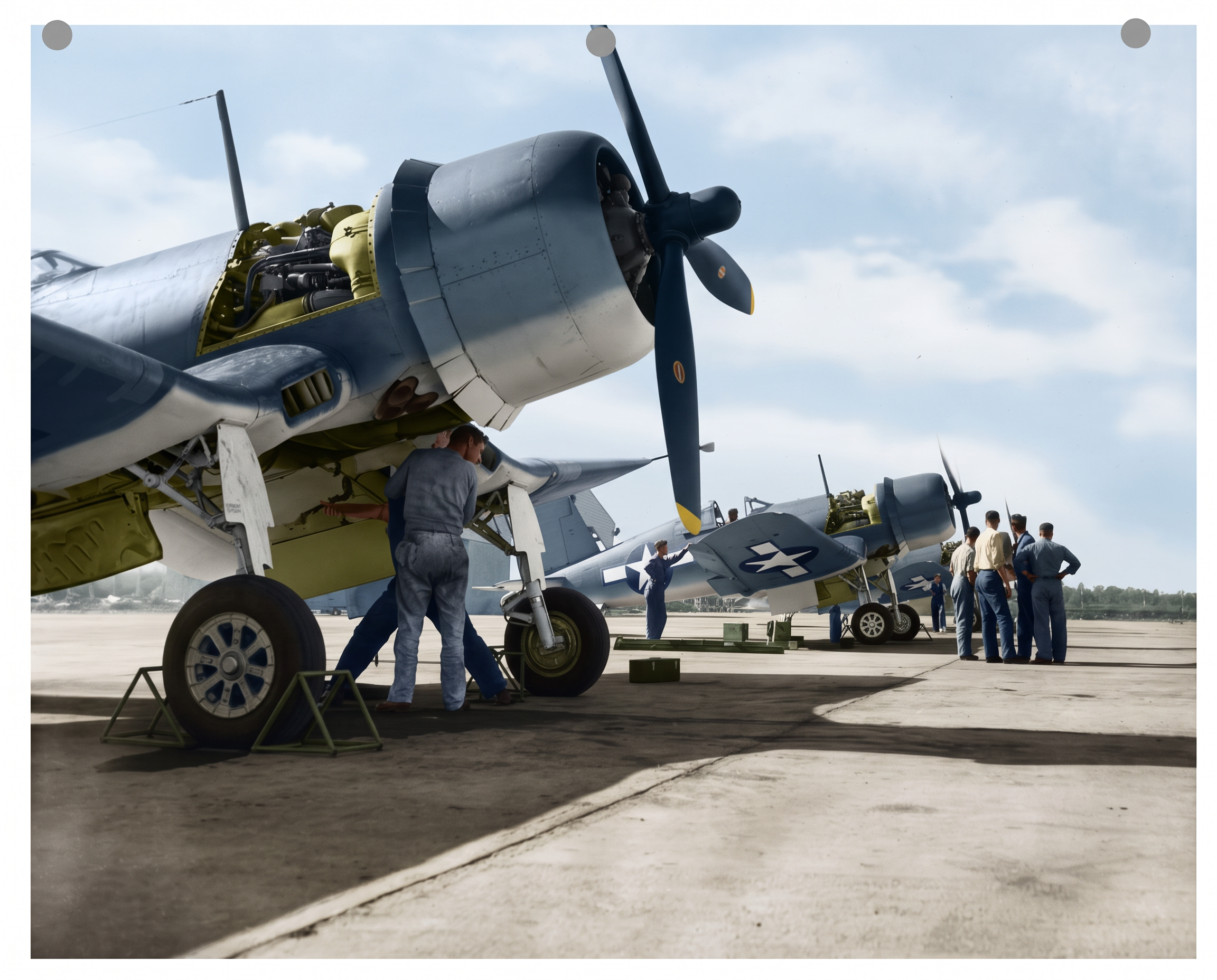
The Cowl Flaps and Engine Area
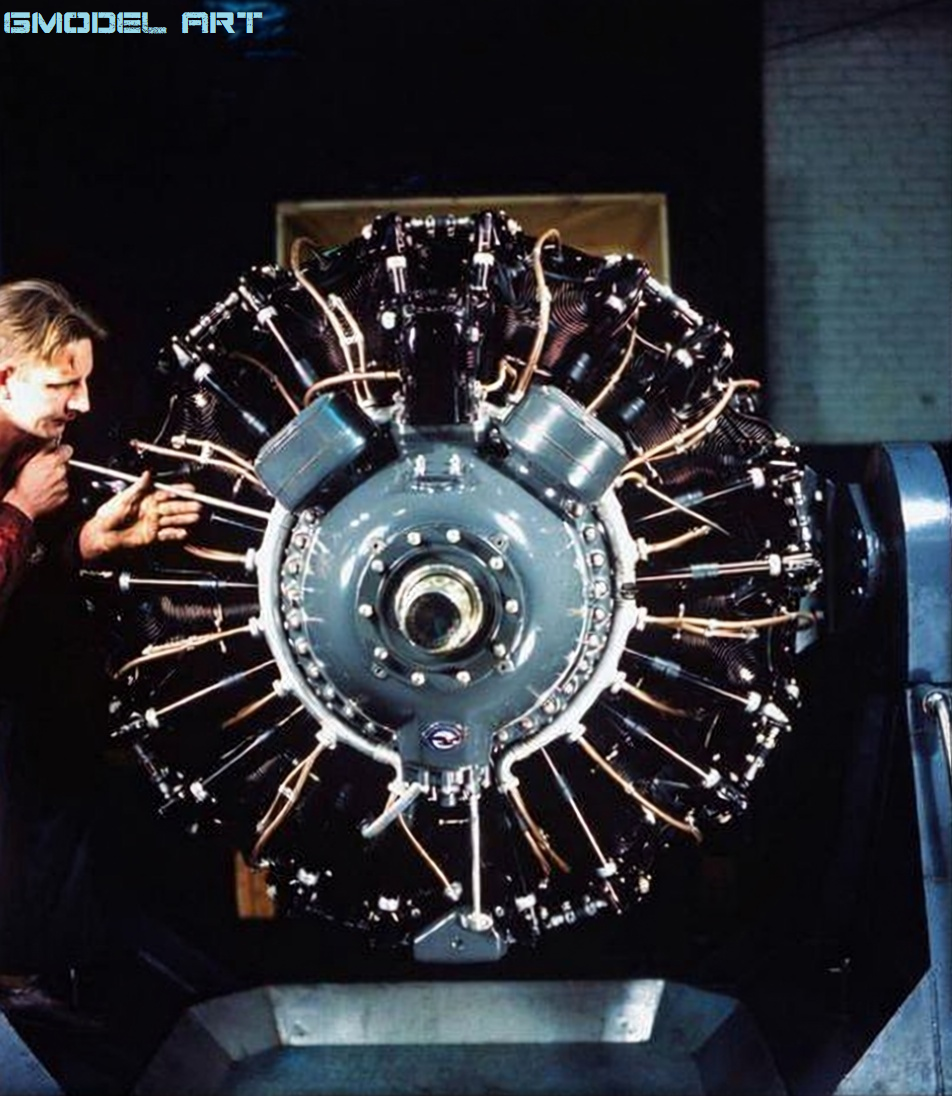
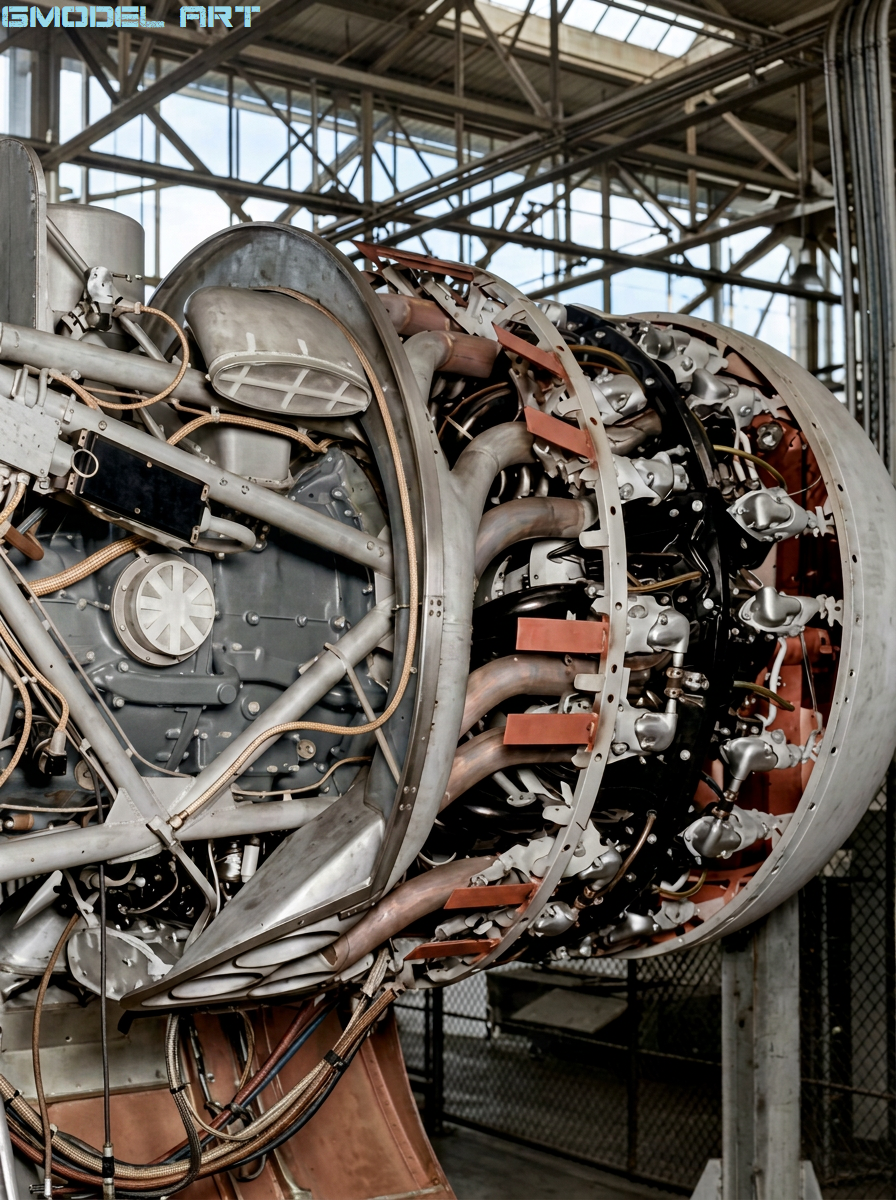
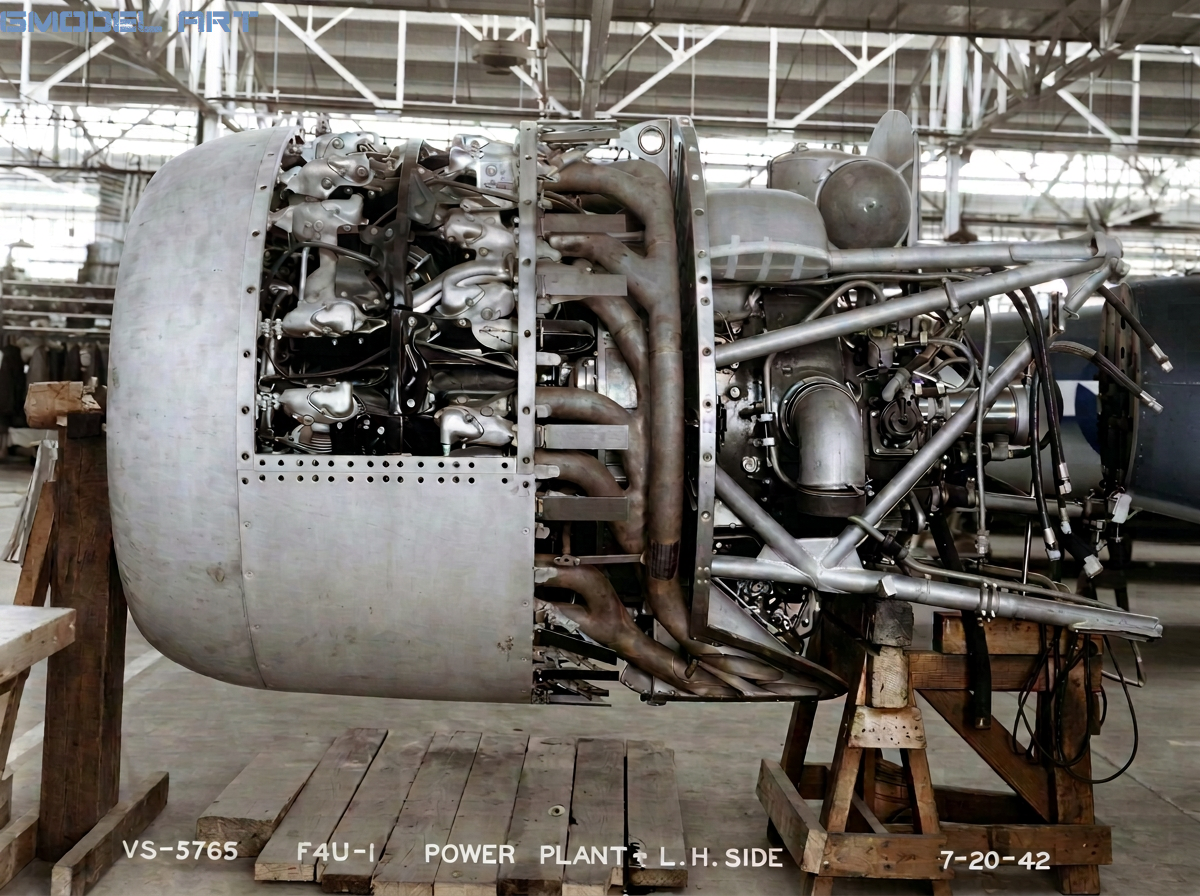
The engine area also underwent significant changes.
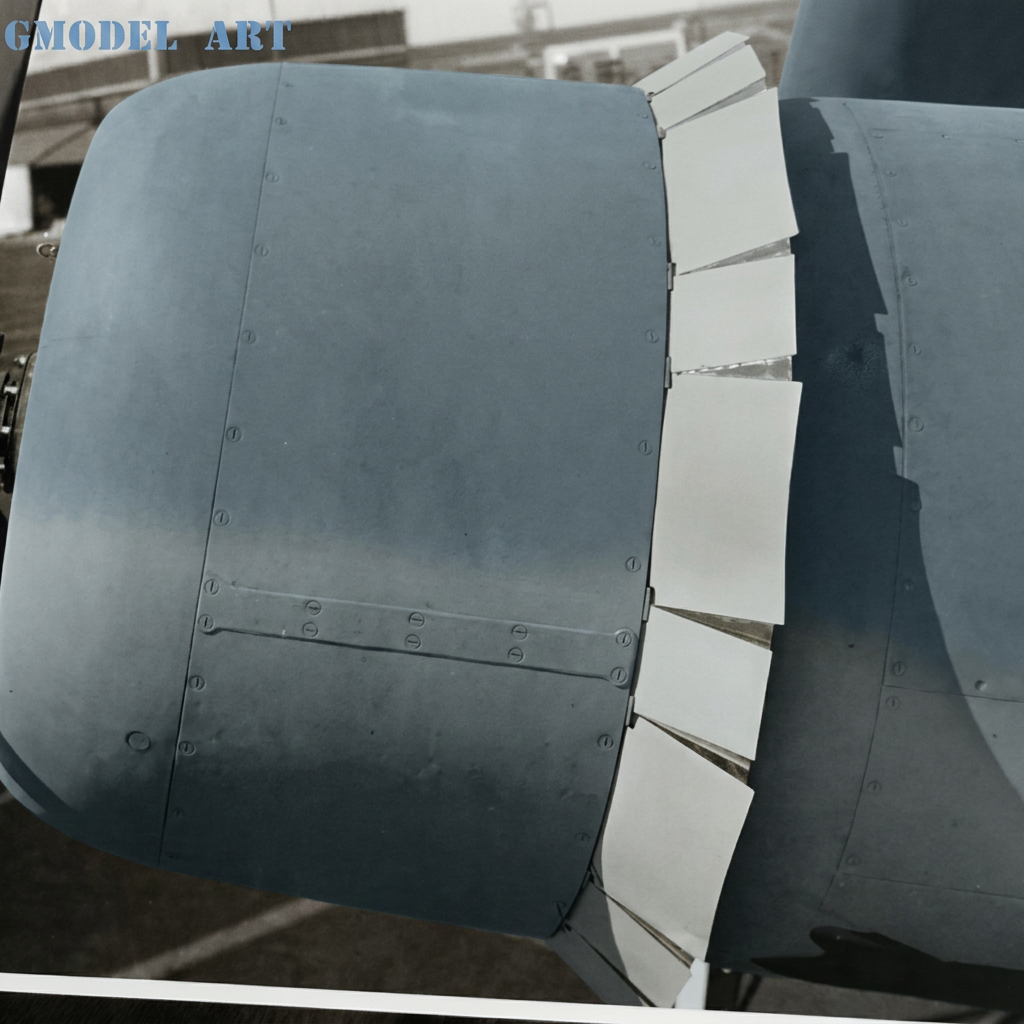
The early F4U-1 Birdcage Corsair aircraft had fully movable cowl flaps around the rear of the cowling. During production, the upper flaps were modified and, on a number of aircraft, replaced by fixed metal sections.
The change was associated with efforts to reduce the flow of oil and other fluids toward the canopy area, a particularly troublesome problem during carrier landings.
Thus, even the cowl flaps can help identify the production period of an F4U-1.
The Landing Gear System
The early F4U-1 Birdcage Corsair had a low tailwheel and relatively soft oleo struts.
During carrier-operation testing, the aircraft demonstrated a tendency to bounce during landing. At the same time, the low cockpit position made visibility particularly difficult.
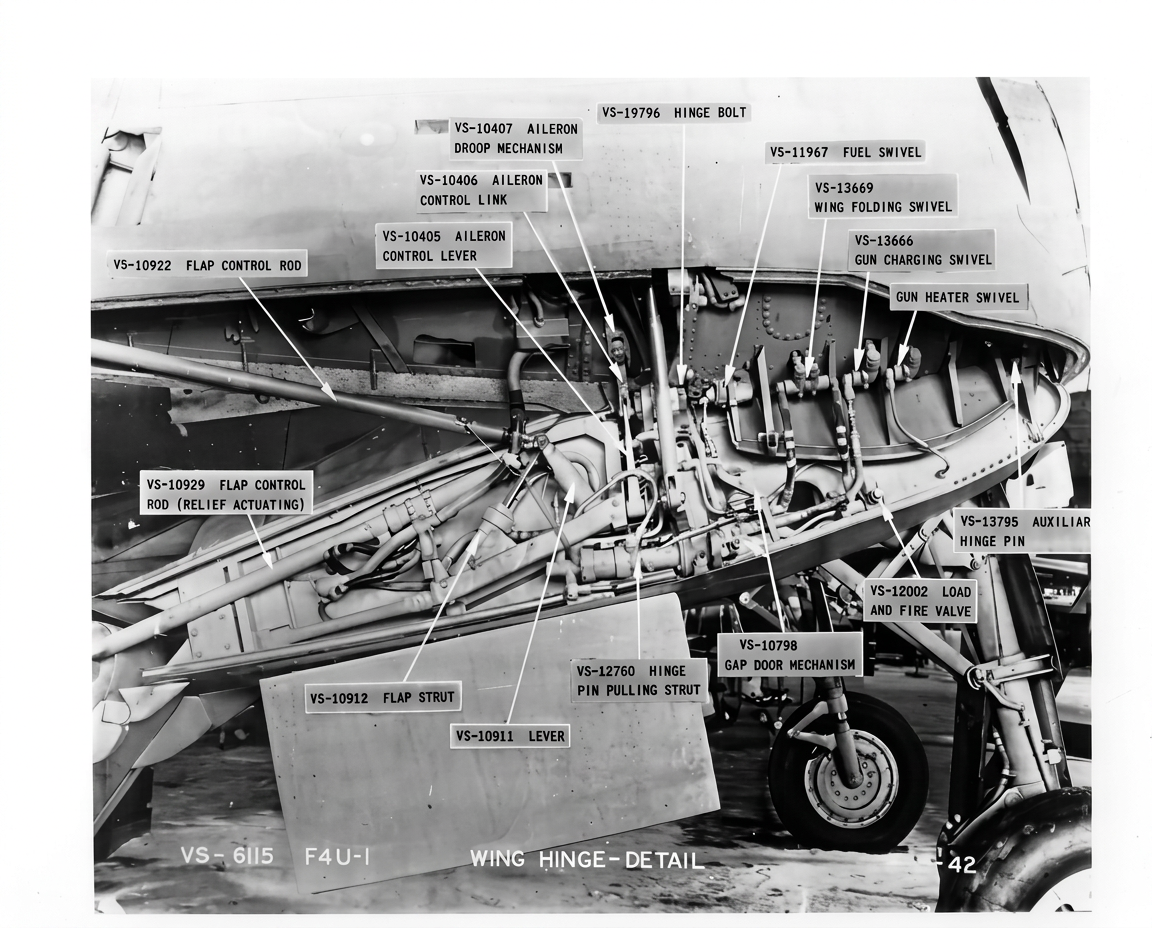
The solution came gradually through improved oleo struts, a higher pilot position, and a longer tailwheel strut. The new configuration significantly improved visibility and the aircraft’s landing characteristics.
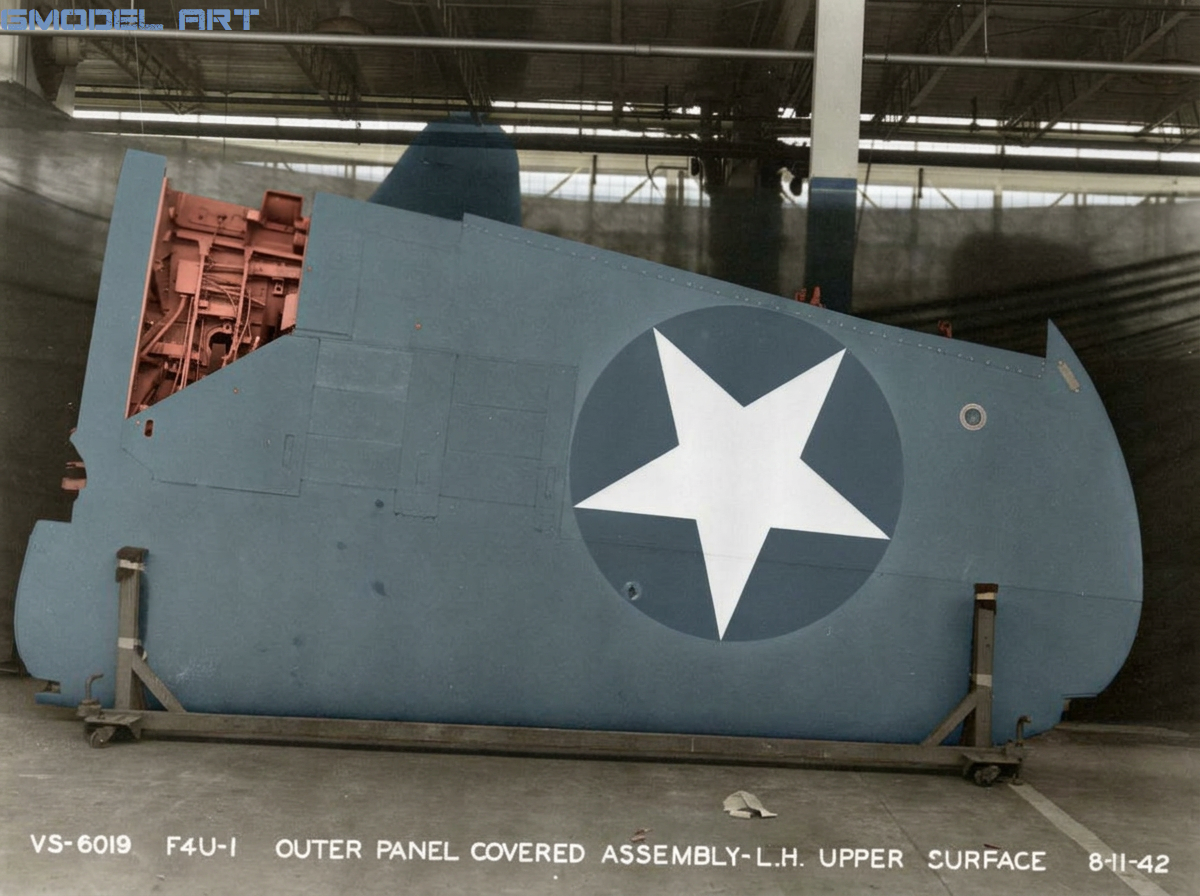
The Wing and Stall Strip
The early F4U-1 Birdcage Corsair lacked the characteristic stall strip found on later configurations.
A small strip was later added to the leading edge of the right wing, outside the gun area, to improve stall characteristics and make the aircraft’s behavior more predictable during approach.
This detail should not therefore be automatically assumed to be present on every F4U-1 Birdcage Corsair.
Antennas and Wires
Communication and identification equipment required different antennas, masts, and wires.
On early F4U-1 BuNo 02155, for example, the GF-12 and ZB antennas are recorded.
As the aircraft evolved, the installations also changed.
This is why the antenna arrangement is another detail that must be examined according to the specific period rather than simply copied from a generic Corsair drawing.
Range and Fuel
The large fuel tank positioned ahead of the cockpit was one of the fundamental changes that distinguished the F4U-1 from the prototype.
There were also auxiliary fuel tanks in the wings.
As the Corsair evolved into a longer-range fighter and fighter-bomber, external stores and a centerline drop tank were introduced on later configurations.
These later capabilities should not automatically be transferred to an early Birdcage.
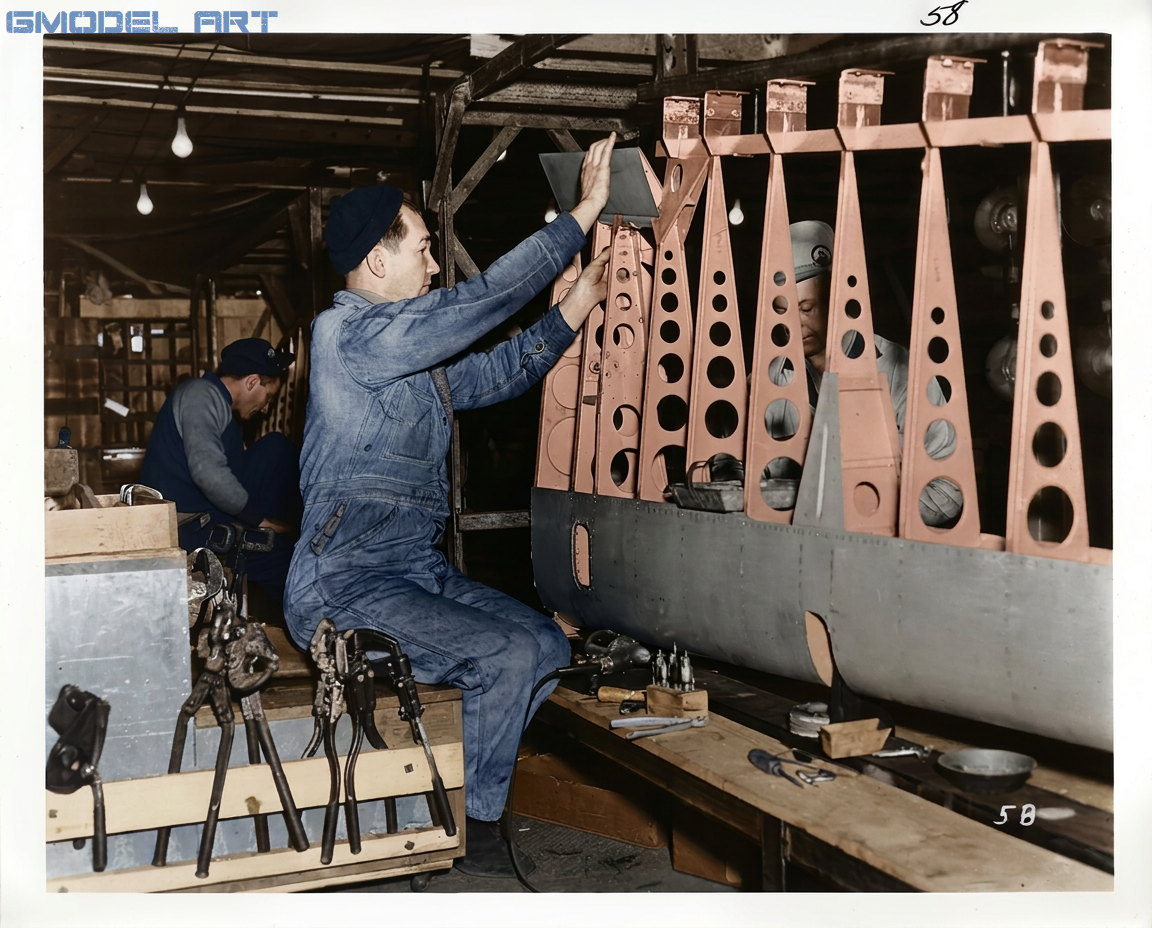
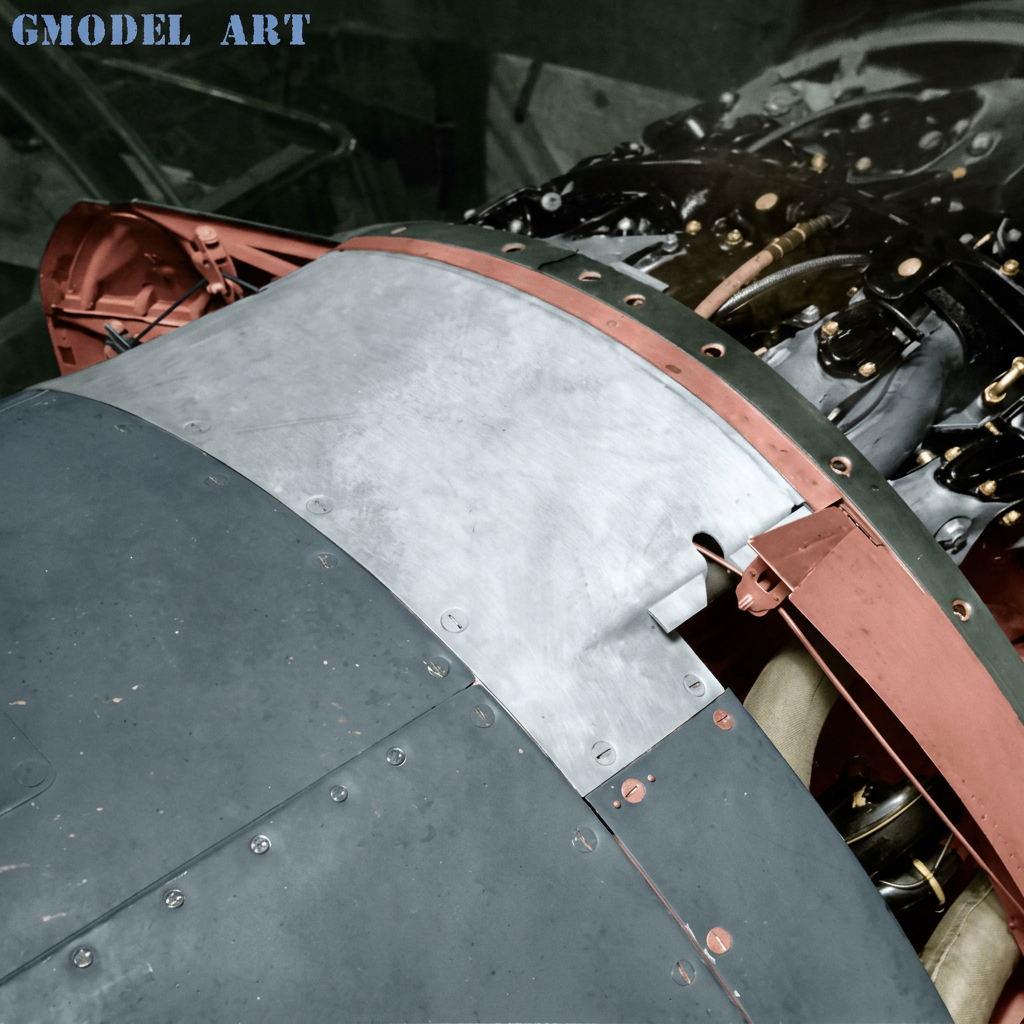
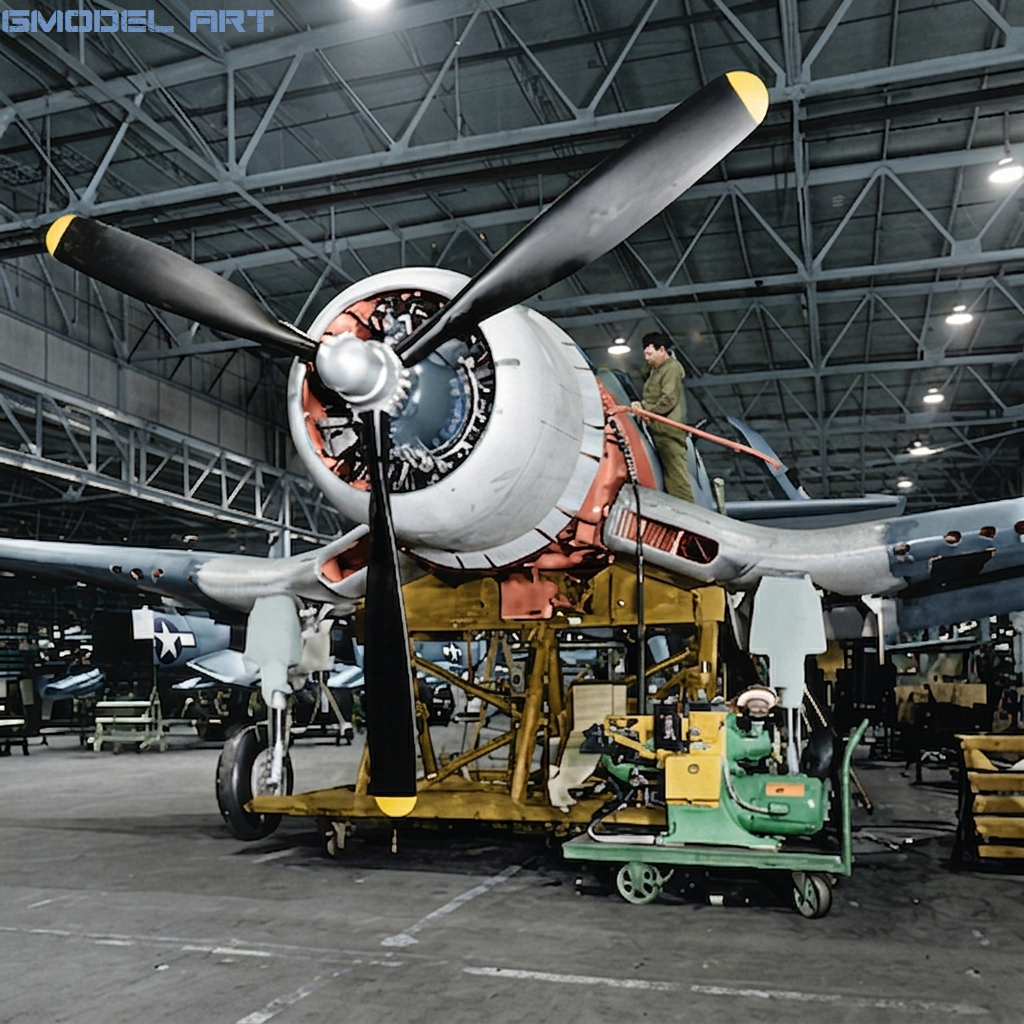
The Color Inside the Production Line
The same principle applies to interior colors.
Different protective coatings and primers have been documented on F4U-1 Birdcage Corsairs, including the distinctive salmon-colored zinc chromate on specific sections and aircraft.
However, we should not assume that the entire interior of every Birdcage aircraft had one single color.
The correct representation depends on the factory, production period, specific aircraft section, and possible later repairs.
From the Birdcage to the New Configuration
The changes gradually introduced to the F4U-1 eventually led to the familiar higher pilot position and the new, much clearer canopy.
The seat position was raised approximately 7 inches, the tailwheel strut was lengthened by approximately 6 inches, the oleo struts were improved, and a stall strip was added. At the same time, the rear windows and other elements of the early fuselage were gradually eliminated.
The later configuration is what we commonly refer to today as the F4U-1A Corsair.
However, the designation F4U-1A should not mislead us. There was no absolute point where all Birdcages stopped and “F4U-1A” aircraft suddenly began the next day. The changes were introduced gradually along the production line, resulting in transitional aircraft.
And What About the F4U-2?
The Corsair’s development did not stop there.
The F4U-2 was created through the conversion of 34 Corsairs, primarily by the Naval Aircraft Factory, for the night-fighter role with radar. The conversions included 32 F4U-1 and two F4U-1A aircraft.
For the complete history of the F4U-2 Corsair, its radar, armament, and operational modifications, see the separate GModel Art article on the F4U-2 Corsair.
F4U-2(N) Corsair – The US Navy’s Night Fighter
The Production Line Through Its Details
The F4U-1 Birdcage Corsair is not simply a Corsair variant.
It represents an entire period of development.
During this period, the American national insignia applied to the aircraft changed. The camouflage also evolved, from the U.S. Navy Blue Gray / Light Gray Camouflage (1941–1943) to the U.S. Navy & Marine Corps WWII Camouflage (1942–1944), with different design patterns applied by the individual production factories, and later to the U.S. Navy & Marine Corps – World War II Late War Camouflage (1944–1945).
Later, operational units also introduced other variations and field-applied paint schemes in the Pacific, providing an enormous range of possibilities for unique scale-model subjects.
17. Quick Factory Paint Reference
| Area | Historically Based Color | FS Reference | AK Real Colors | Mr. Hobby / Mr. Color | MRP | Vallejo |
|---|---|---|---|---|---|---|
| Bare Structural Aluminum | Natural Aluminum | — | AK Xtreme Metal Aluminium | SM201 Super Metallic Aluminium | MRP- Aluminium range | 77.701 Aluminium |
| Shop Primer | Yellow Zinc Chromate | — | RC262 Zinc Chromate Yellow | C27 / H58 (modeling approximation) | MRP- Zinc Chromate range | 71.094 Green Yellow / Zinc Chromate approximation |
| Tinted Primer | Vought Salmon | No exact FS equivalent | No exact official RC equivalent | No exact factory equivalent | No exact MRP equivalent | No exact equivalent |
| Cockpit | Dull Dark Green | — | RC230 Interior Green (approximation) | C302 / H302 (modeling approximation) | MRP- Interior Green range | 71.137 US Interior Green |
| Upper Exterior Surfaces | Non-Specular Blue Gray M-485 / M-485a | ≈ FS 35189 | RC923 M-485 Blue Grey | C367 Blue Gray FS 35189 | MRP-133 Blue Grey | 71.109 (approximate; less certain) |
| Lower Exterior Surfaces | Non-Specular Light Gray M-485 | ≈ FS 36440 | RC889 M-485 Light Grey | C315 / Light Gull Grey equivalents | MRP-134 | 71.298 |
| Insignia White | U.S. Insignia White | FS 17875 | RC891 | C316 / H316 | MRP-004 | 71.001 |
| Insignia Blue | Insignia Blue | FS 35044 | Insignia Blue equivalent | C14 / H14 | MRP- Blue range | 71.091 |
| Insignia Red | Insignia Red | FS 31136 | Insignia Red equivalent | C327 / H327 | MRP- Red range | 71.003 |
The primer information is based on the surviving September 1942 Vought F4U-1 technical instructions and associated research into the original finishing system.
| Squadron | Service | Aircraft | Role / Configuration | Period | Notes |
|---|---|---|---|---|---|
| VF-12 | U.S. Navy | F4U-1 Birdcage | Fighter | 1942–43 | Early Navy Corsair operator |
| VF-17 “Jolly Rogers” | U.S. Navy | F4U-1 Birdcage | Fighter | 1943 | Famous early Corsair squadron |
| VMF-124 “Whistling Devils” | U.S. Marine Corps | F4U-1 Birdcage | Fighter | 1942–43 | First Marine operational Corsair squadron |
| VMF-213 “Hell Hawks” | U.S. Marine Corps | F4U-1 Birdcage | Fighter | 1943 | Early Birdcage operator |
| VMF-214 “Black Sheep” | U.S. Marine Corps | F4U-1 Birdcage | Fighter | 1943 | Solomon Islands campaign |
| VMF-215 | U.S. Marine Corps | F4U-1 Birdcage | Fighter | 1943 | Birdcage aircraft photographically documented |
| VMF-216 | U.S. Marine Corps | F4U-1 / Birdcage | Fighter | 1943 | Early F4U-1 operator |
| VMF-221 | U.S. Marine Corps | F4U-1 | Fighter | 1943–44 | Early F4U-1 operator |
| VMF-222 “Flying Deuces” | U.S. Marine Corps | F4U-1 Birdcage | Fighter | 1943–44 | Solomon Islands campaign |
| VMF-223 | U.S. Marine Corps | F4U-1 | Fighter | 1943–44 | Early F4U-1 operator |
| VF(N)-75 | U.S. Navy | F4U-2 | Night Fighter | 1943–44 | Solomon Islands / Pacific |
| VF(N)-101 | U.S. Navy | F4U-2 | Night Fighter | 1943–44 | Pacific; USS Enterprise |
| VMF(N)-532 | U.S. Marine Corps | F4U-2 | Night Fighter | 1943–44 | Marine Corps night-fighter unit |
Dedication
I dedicate this article to my friend Chuck Wahl, and to the work he does together with the team at Vultures Row Aviation, working to preserve, restore, and keep historic aircraft alive.
The restoration of an old warbird is not simply a repair.
It is an attempt to return a piece of history to life.
And when it comes to an F4U-1 Birdcage Corsair, every window, every piece of metal, every wire, and every production-line modification has its own story.
This article is dedicated to those who refuse to let that history disappear.
https://naval-aviation.com/ww2/us/vought-f4u-corsair.php?utm_source=chatgpt.com
https://navalaviationmuseum.org/f4u-1-corsair/
https://www.uswarplanes.net/corsair.pdf?utm_source=chatgpt.com