article
Historical Origins of the A-7E Corsair II “OLYMPOS” Bu.No.160616
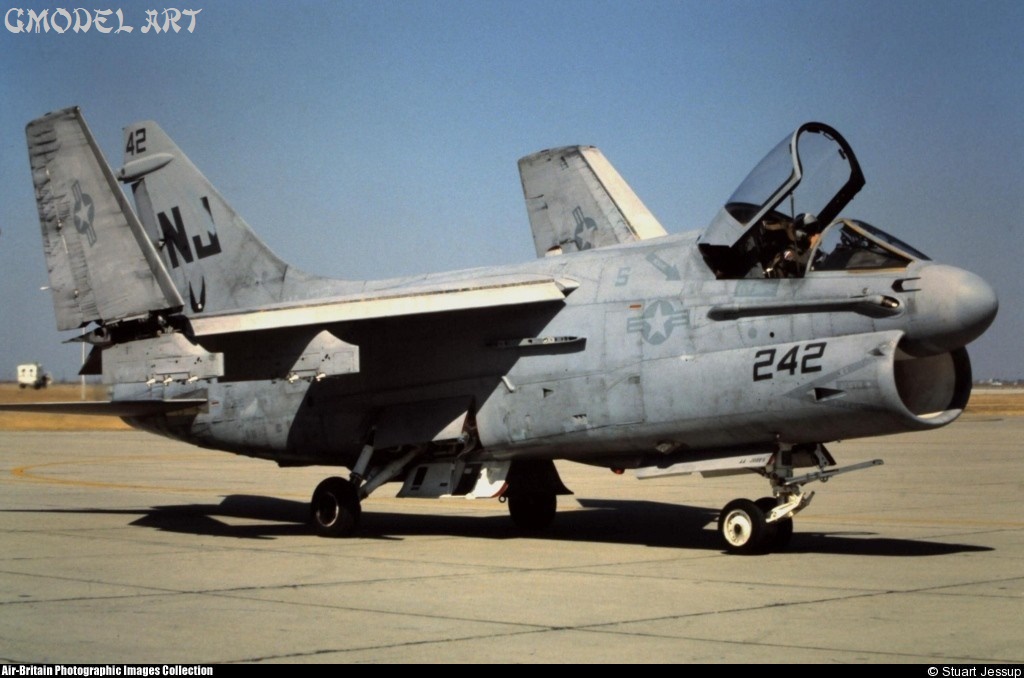
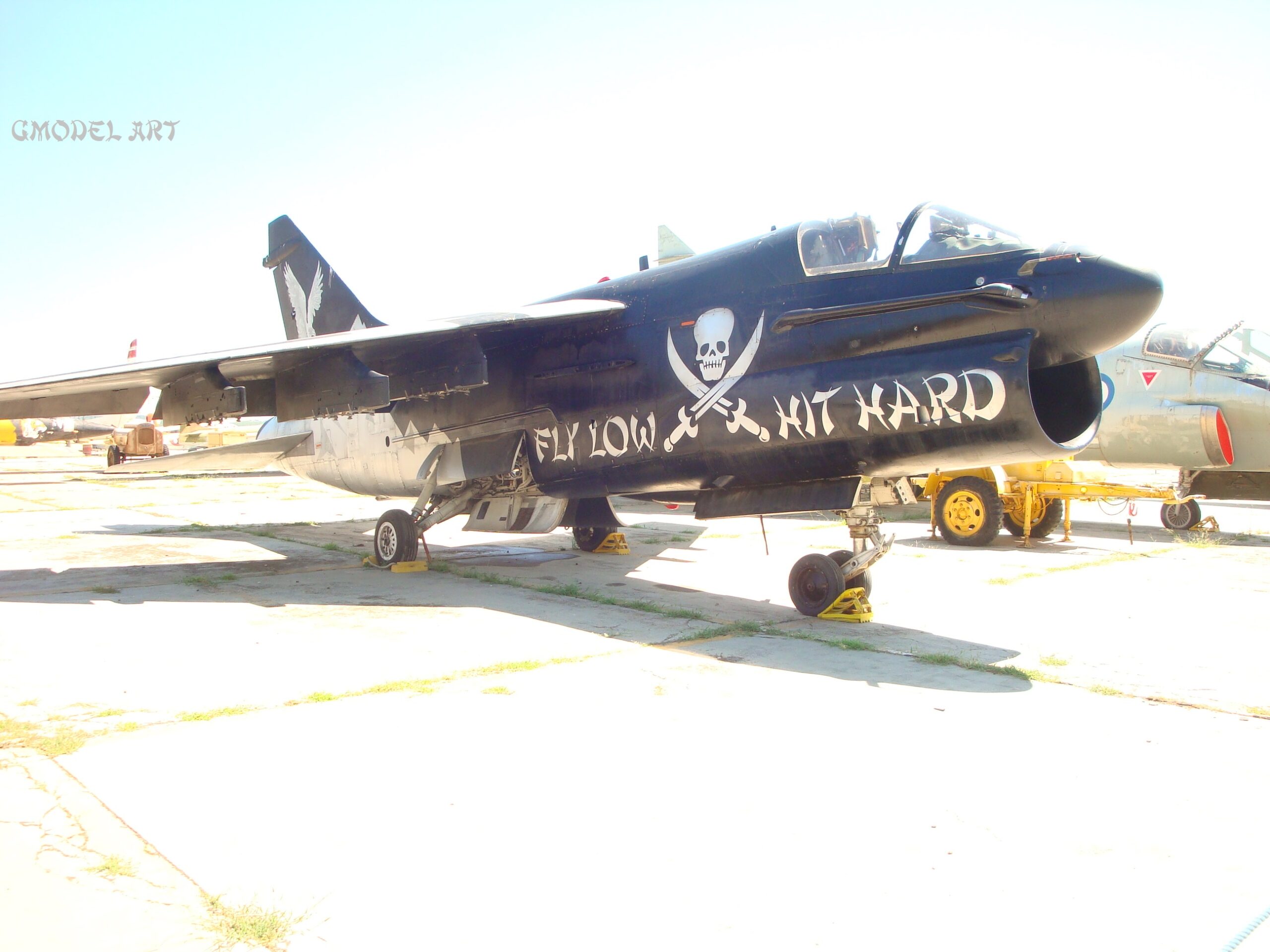
The A-7E Corsair II Bu.No.160616 (MSN E540) is one of the most recognizable and beloved aircraft in the history of the Hellenic Air Force, combining the operational heritage of the U.S. Navy with the aviation tradition of the 336 Squadron “Olympos”. Built by Ling-Temco-Vought (LTV) as an A-7E-CV Corsair II, it belonged to the most advanced naval attack version of the type, designed for precision strike missions from U.S. Navy aircraft carriers. The A-7E represented the final and most capable version of the Corsair II family, featuring improved avionics, an inertial navigation system (INS), the AN/APQ-126 radar, and the ability to carry a large external weapons load. The aircraft carrying Bu.No.160616 first served with the U.S. Navy before entering the surplus aircraft inventory and eventually being transferred to Greece as part of the Hellenic Air Force acquisition of additional A-7E and TA-7C Corsair II aircraft.
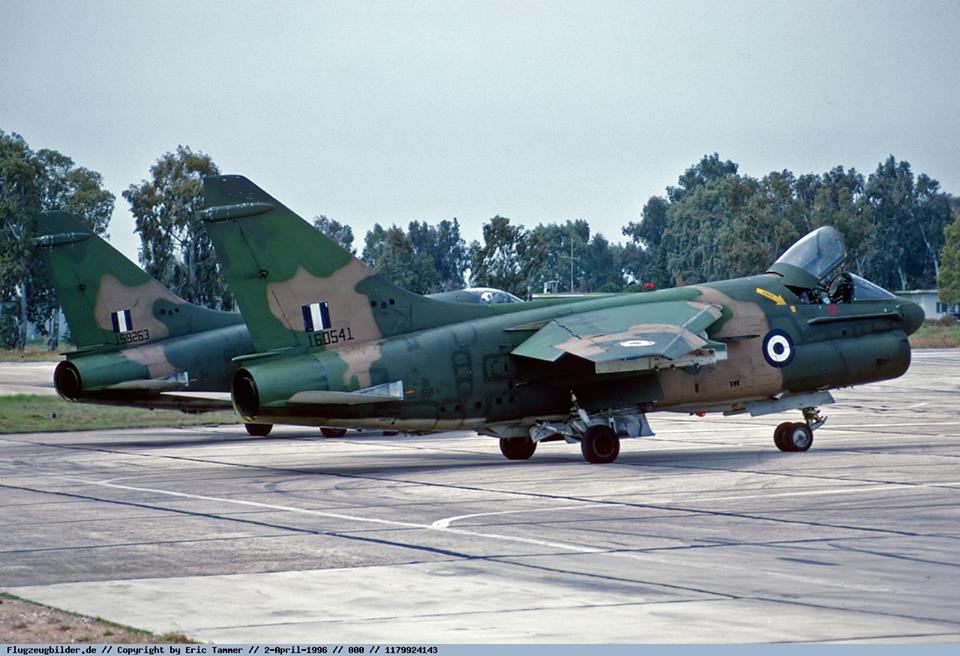
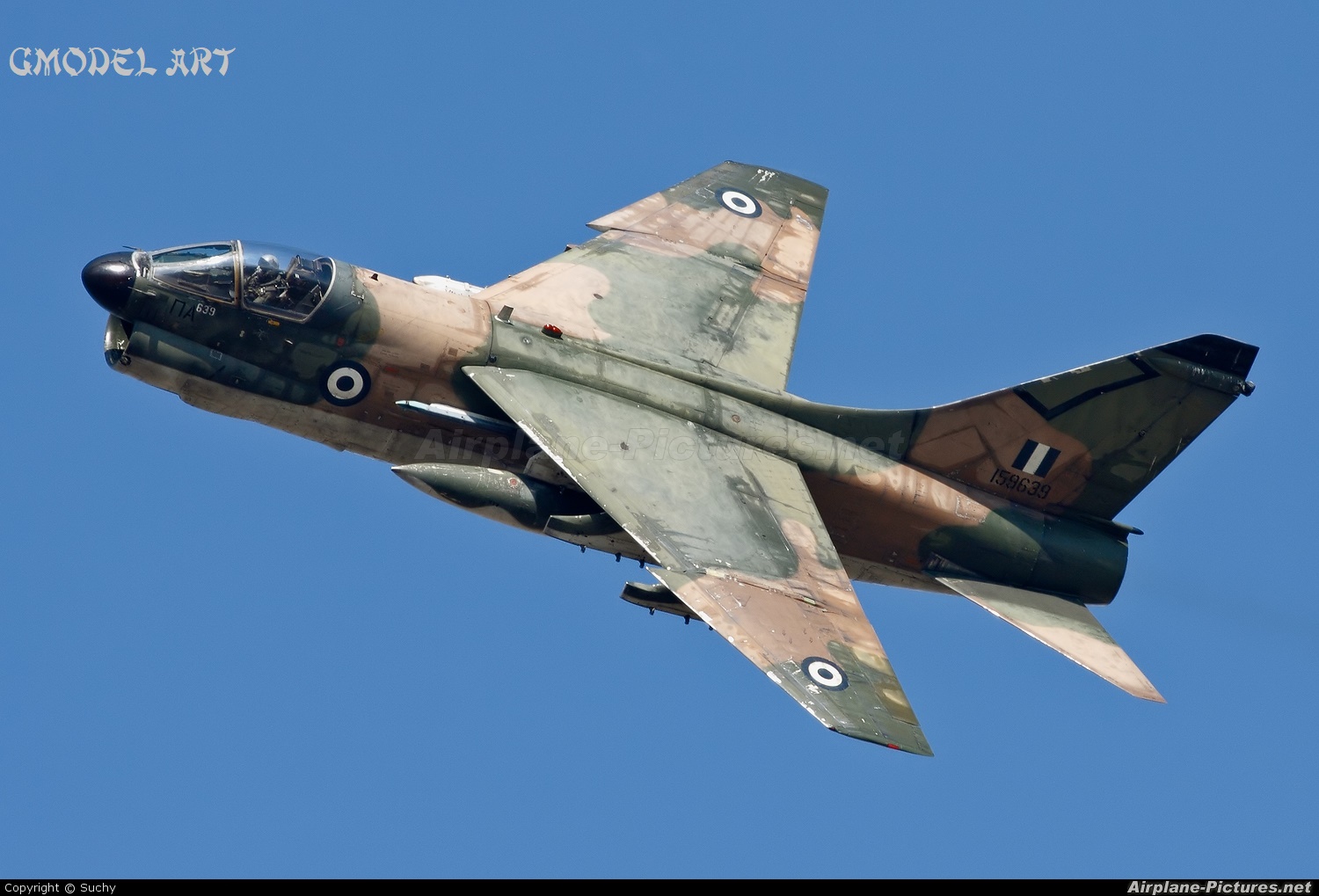
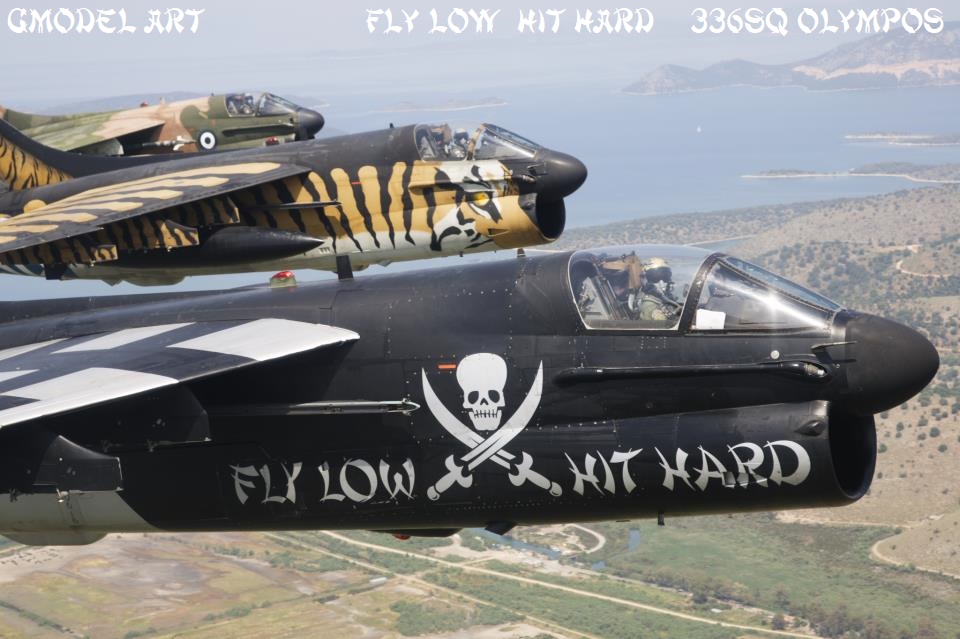
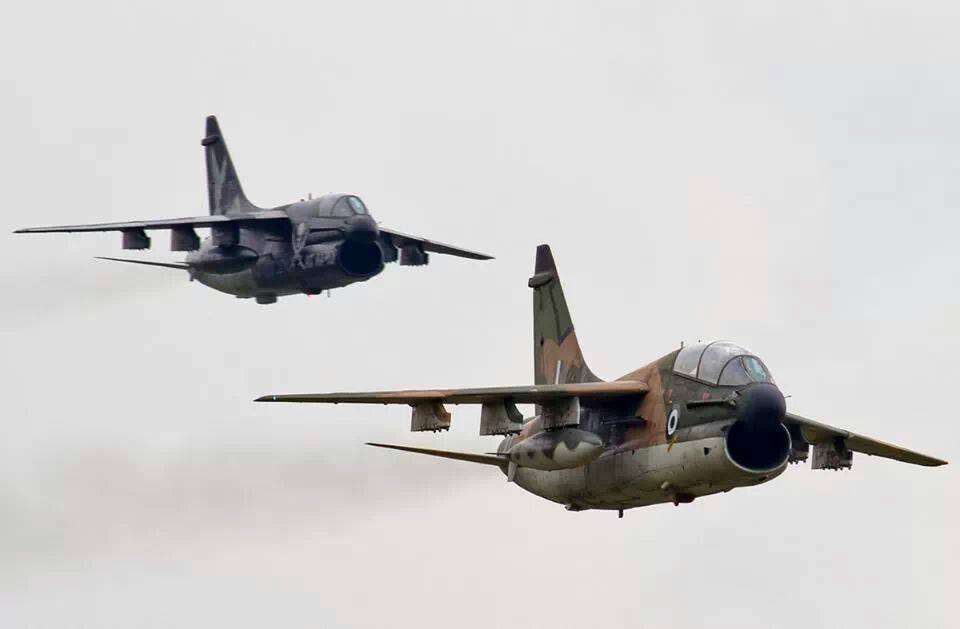
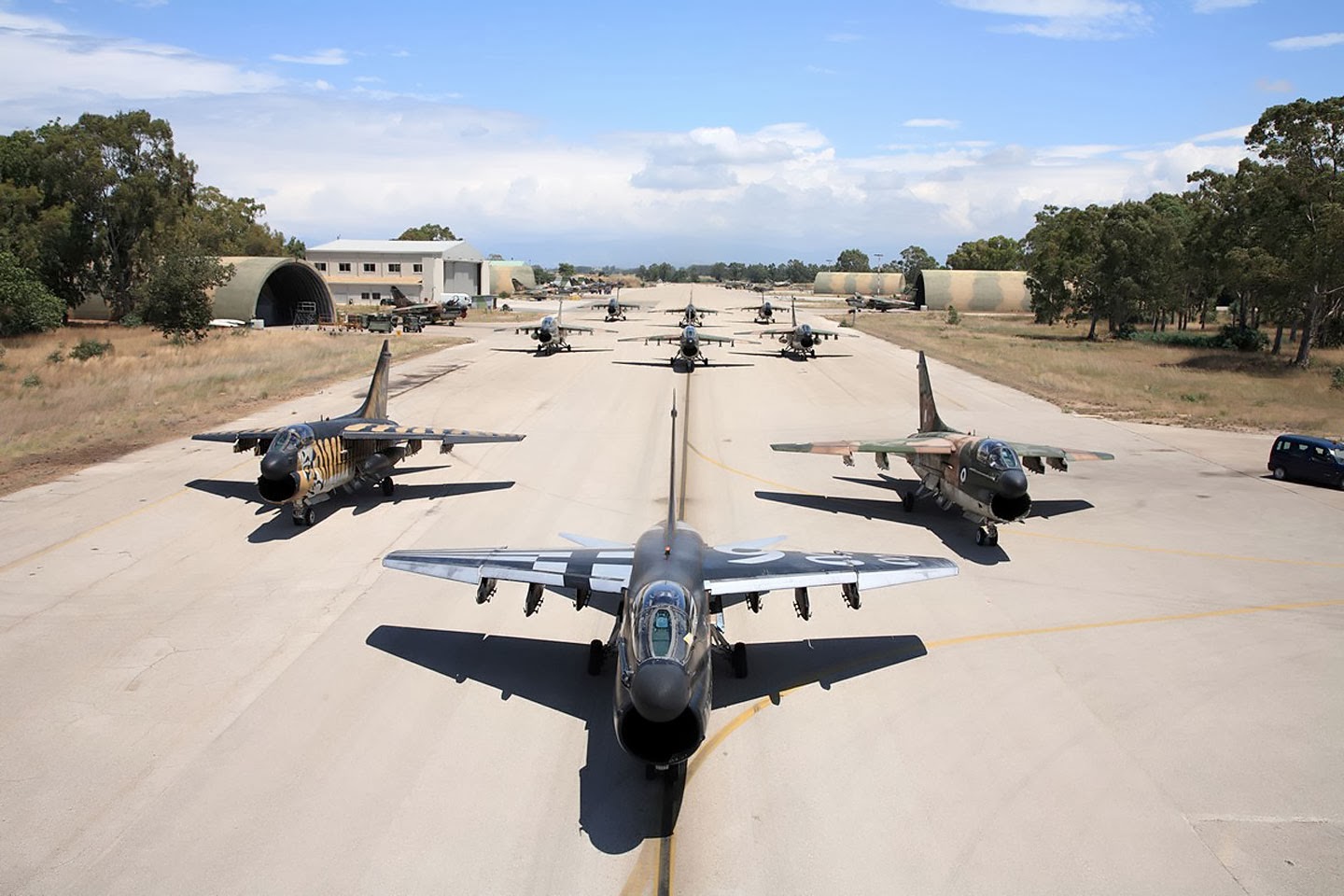
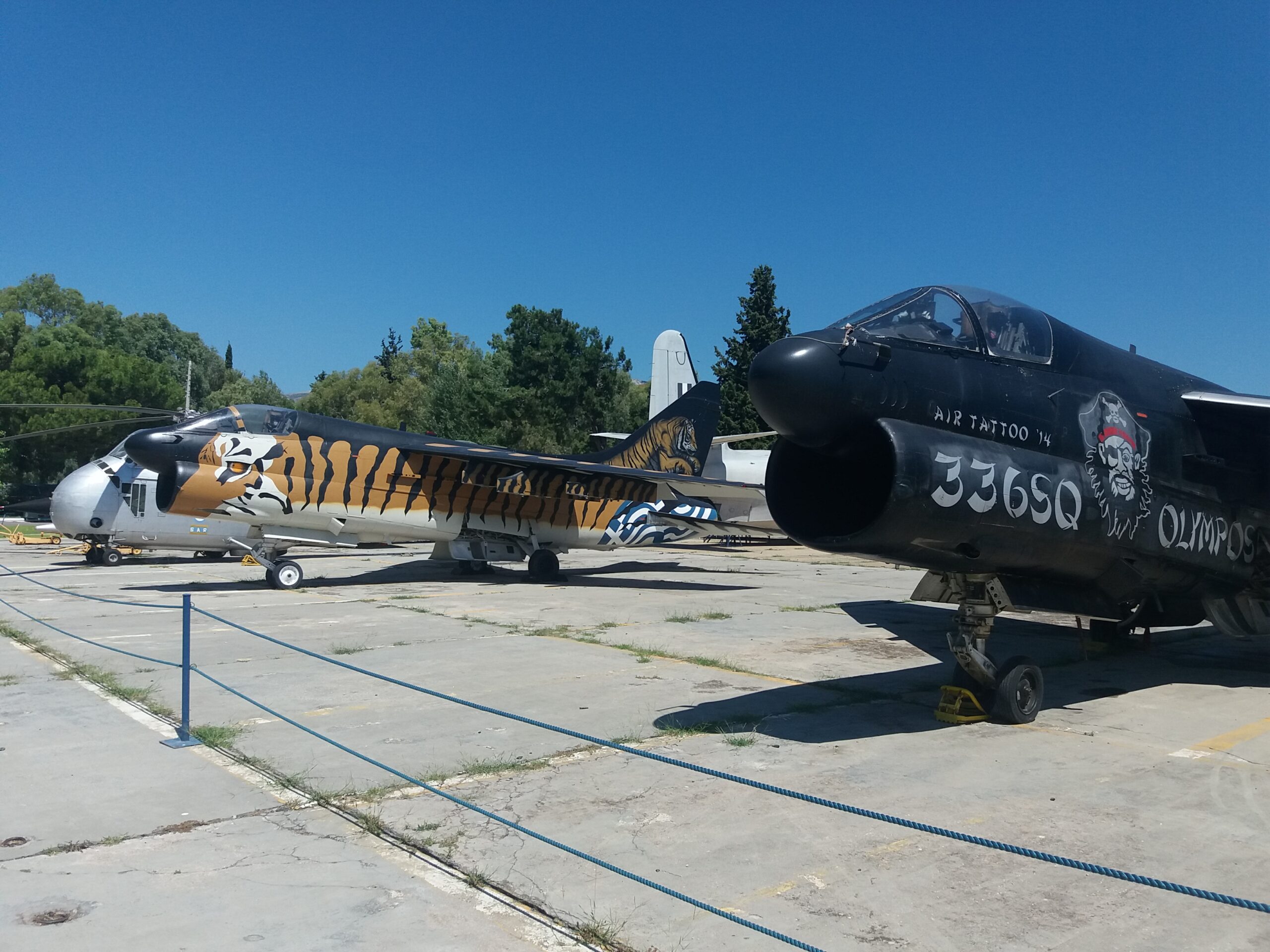
During the early 1990s, Greece decided to acquire additional A-7 Corsair II aircraft, as the type had already proven its reliability through the service of the Hellenic A-7H Corsair fleet. The new acquisition involved surplus aircraft from the U.S. Navy Reserve, which were delivered to the Hellenic Air Force and assigned to the 116 Combat Wing at Araxos Air Base. The A-7Es gradually replaced the F-104G Starfighter in the 335 and 336 Squadrons, providing a significant improvement in strike capability, endurance, and operational flexibility. The 336 Squadron, officially known as “Olympos”, continued the legacy of one of the most historic Greek combat units, operating the Corsair II as its primary strike aircraft.
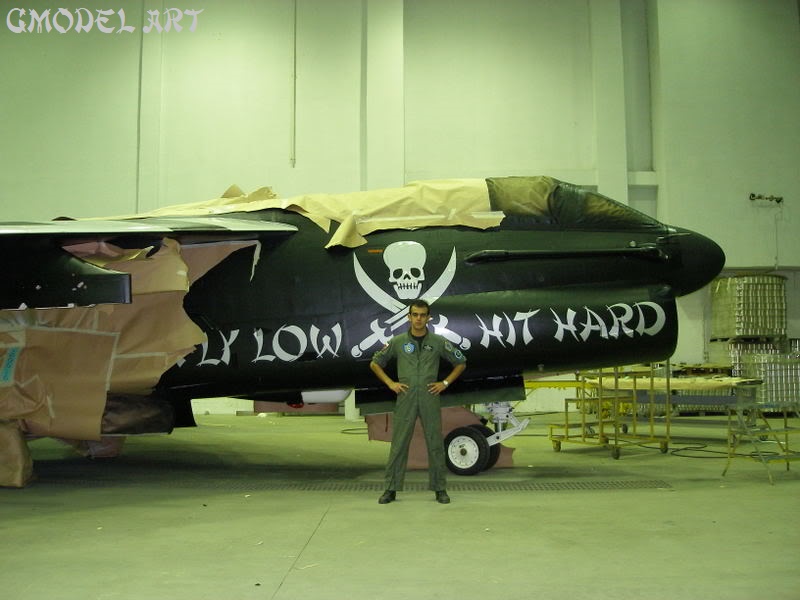
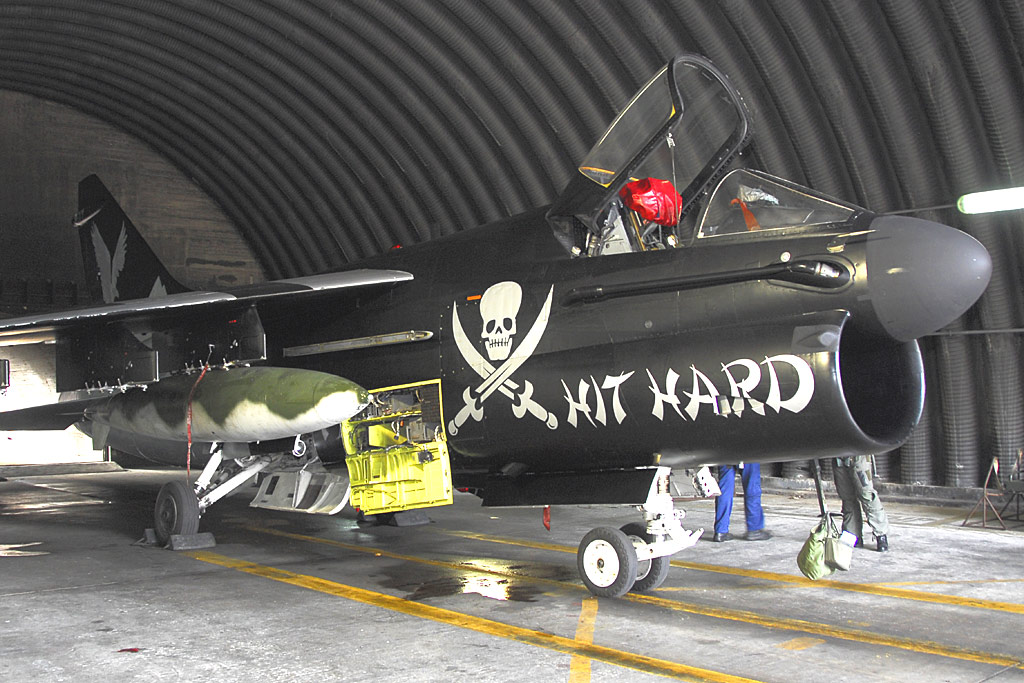
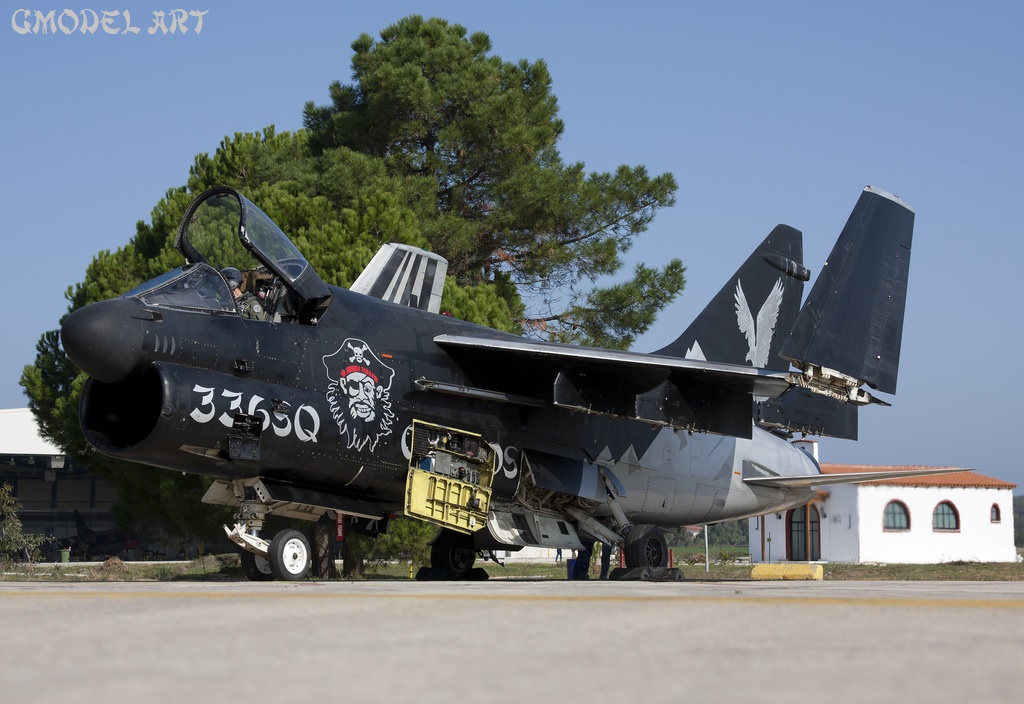
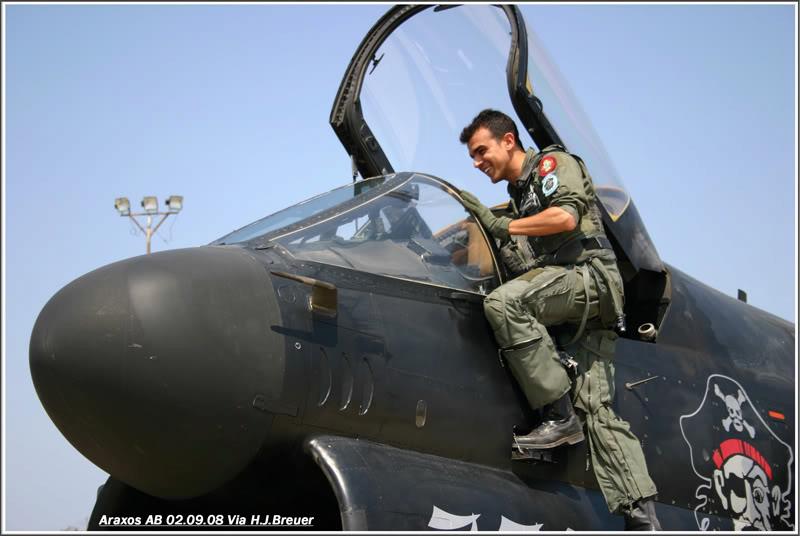
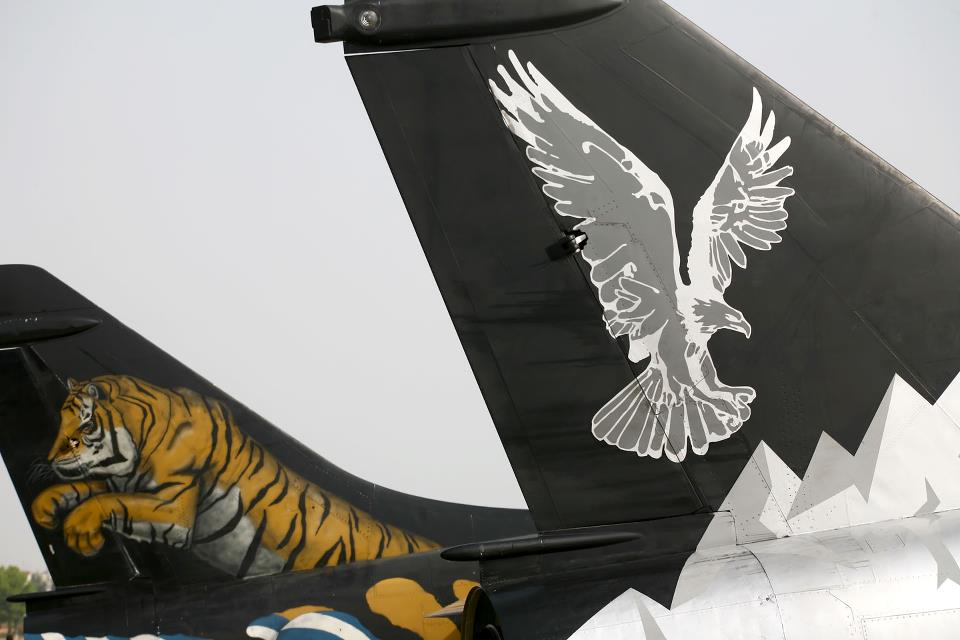
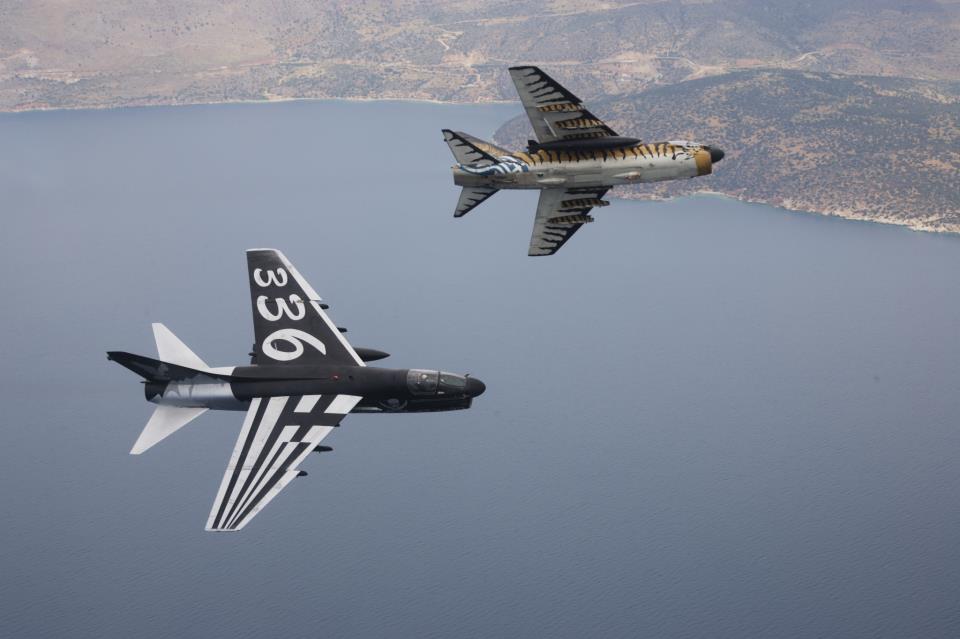
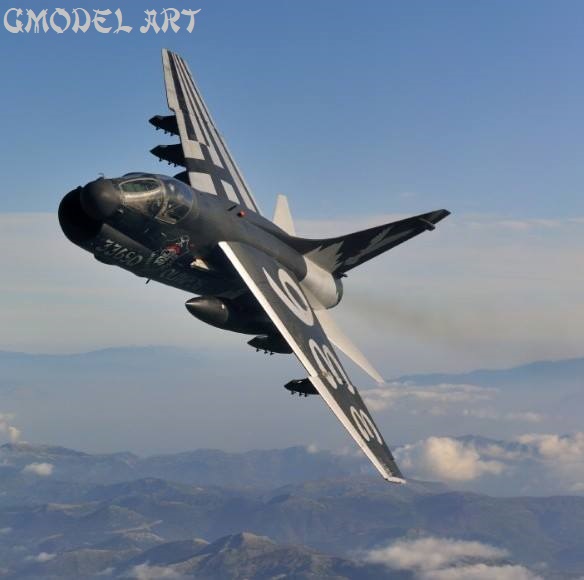
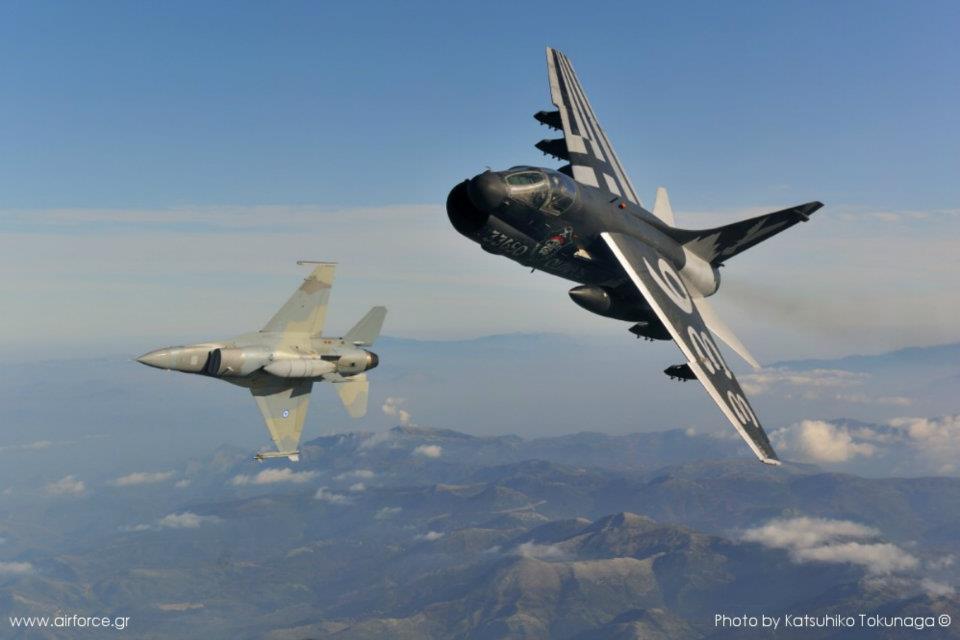
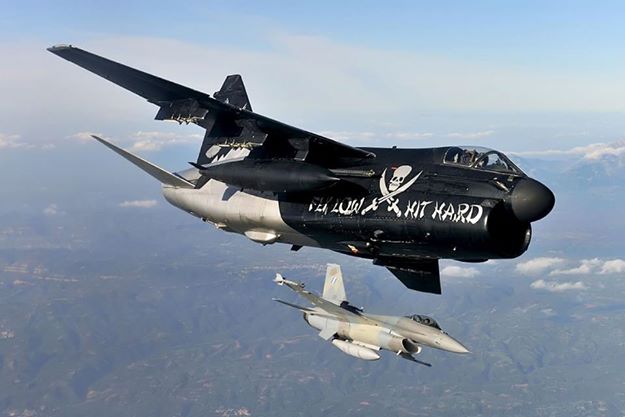
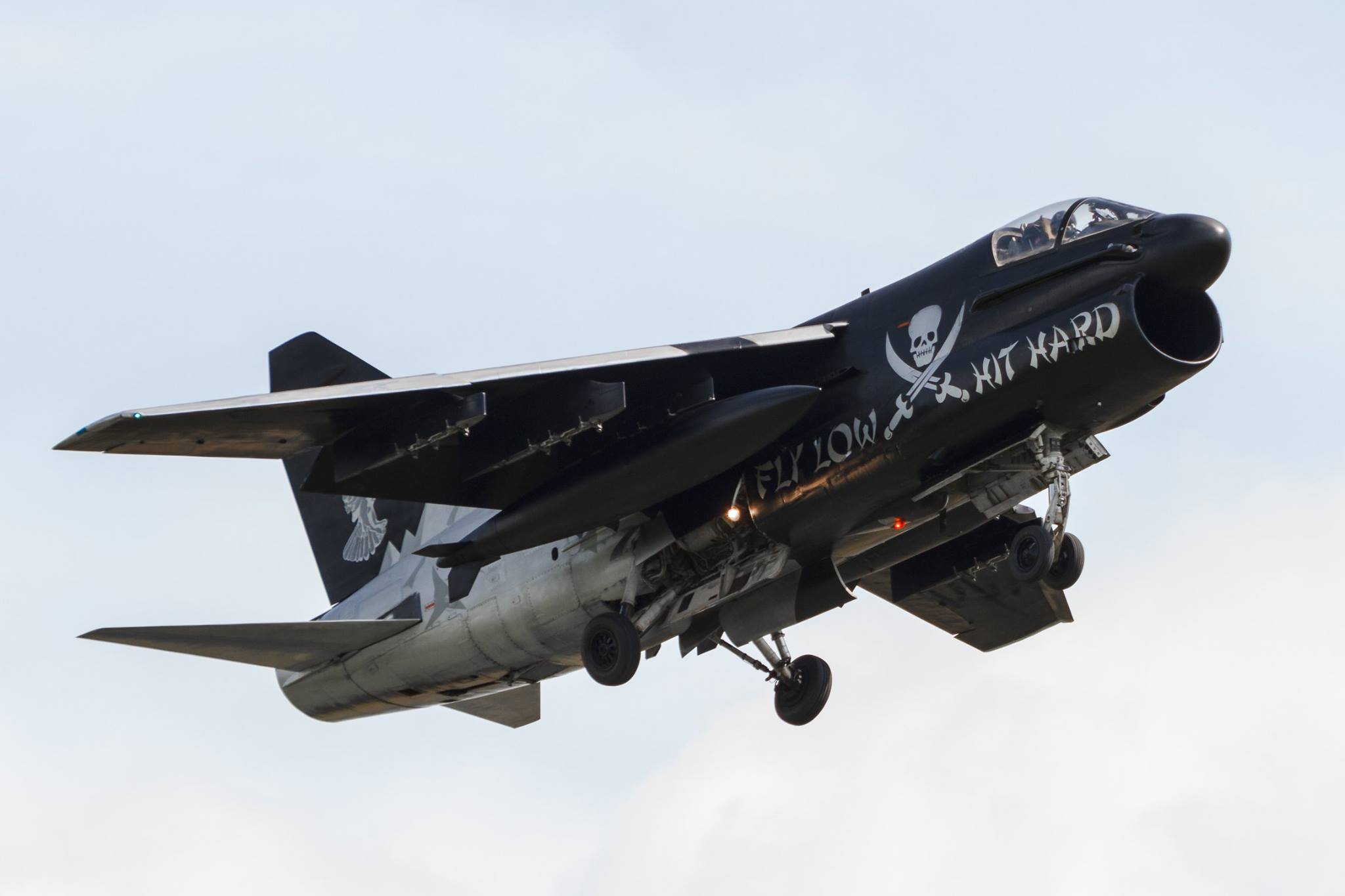
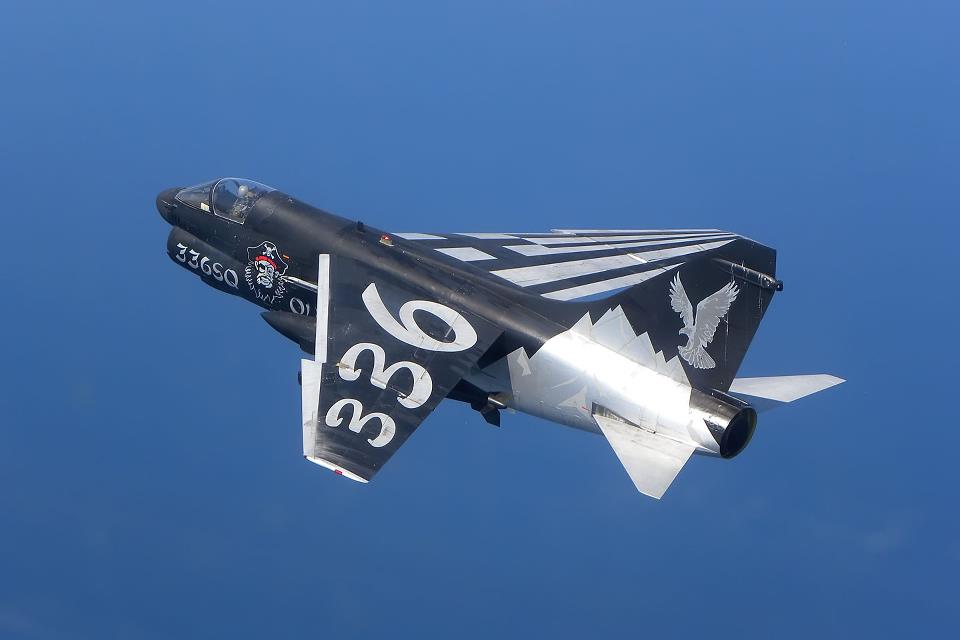
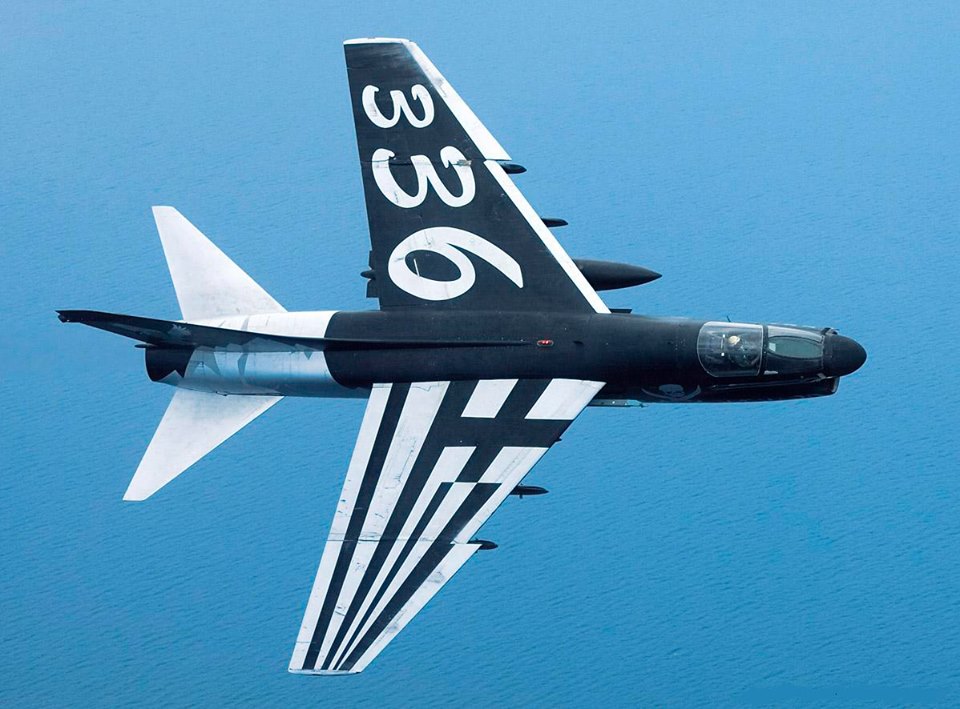
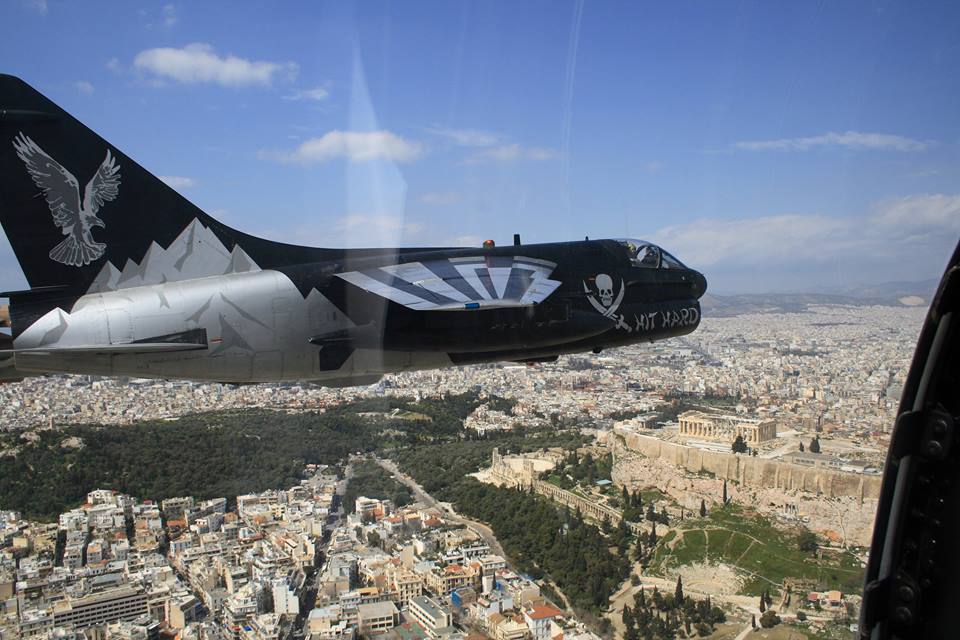
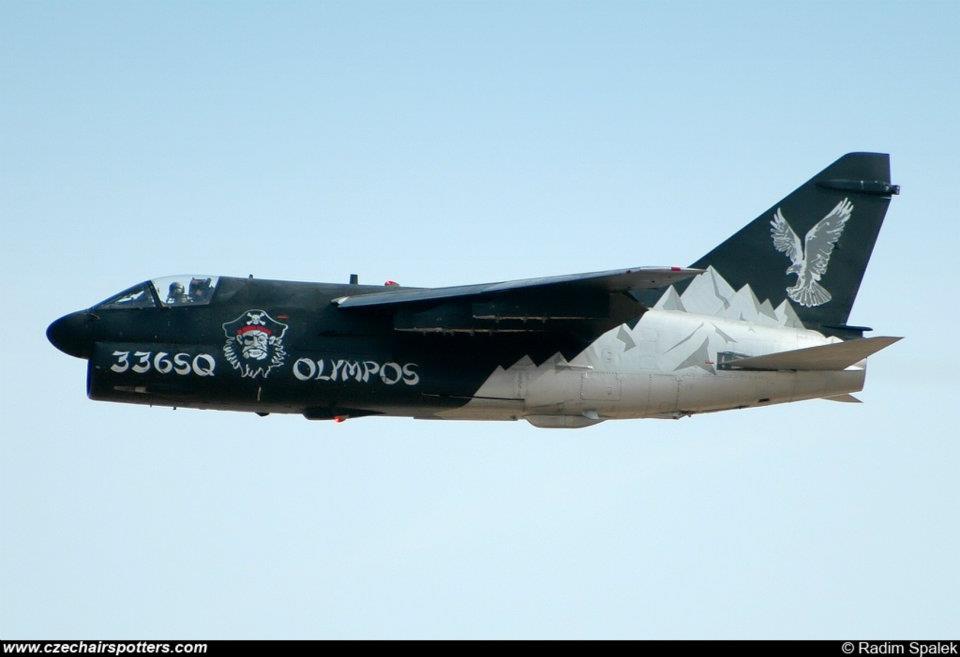
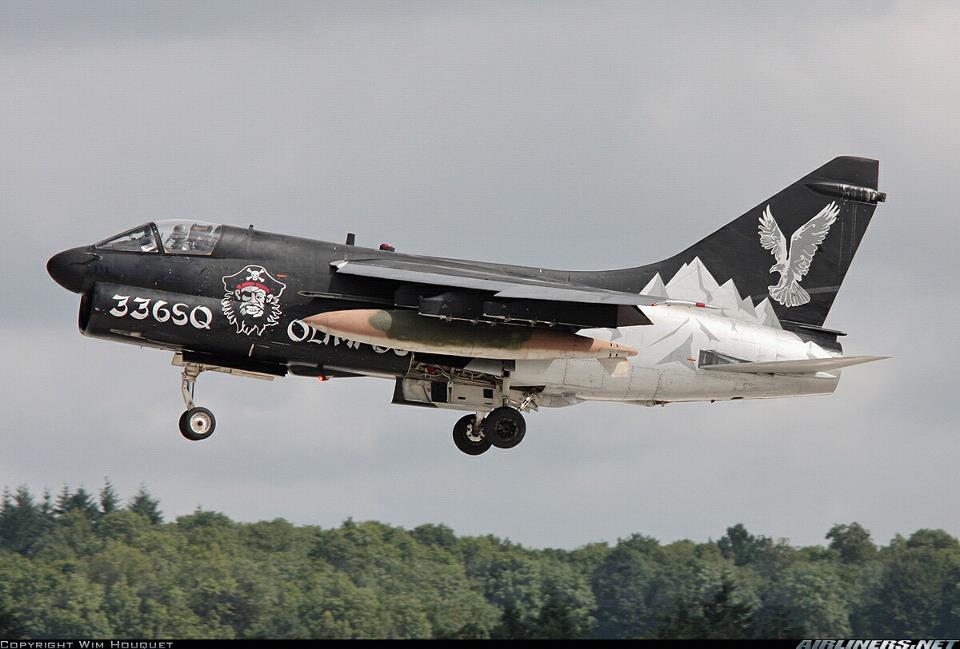
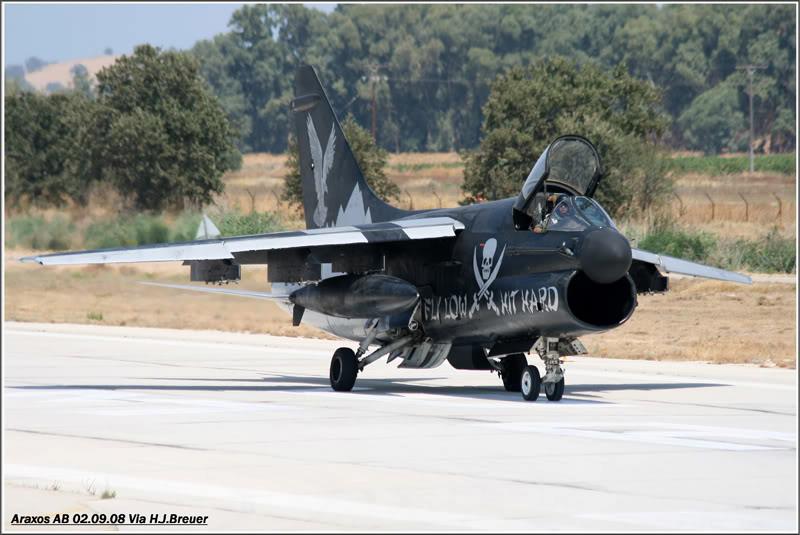
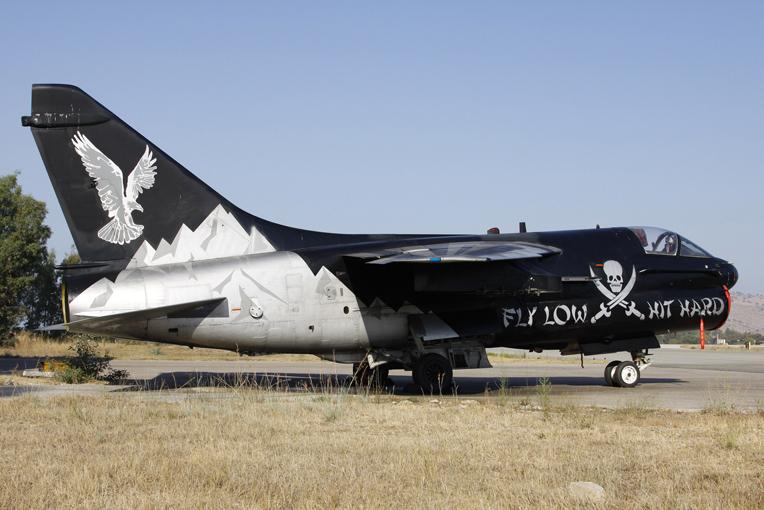
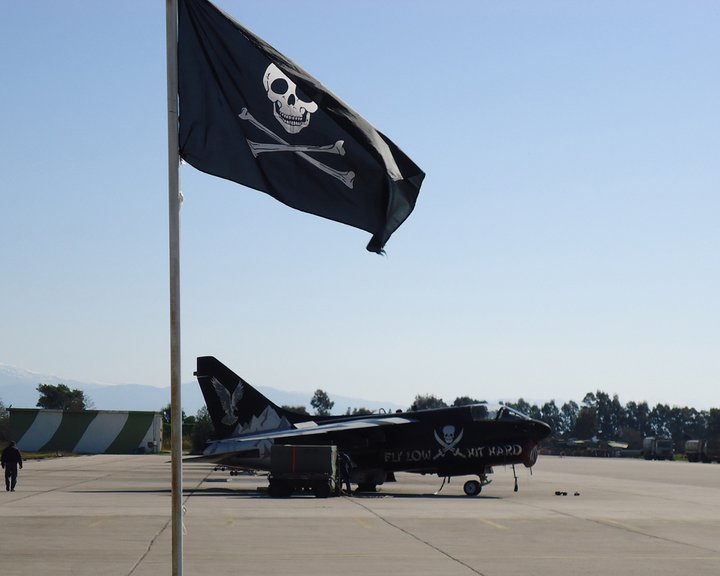
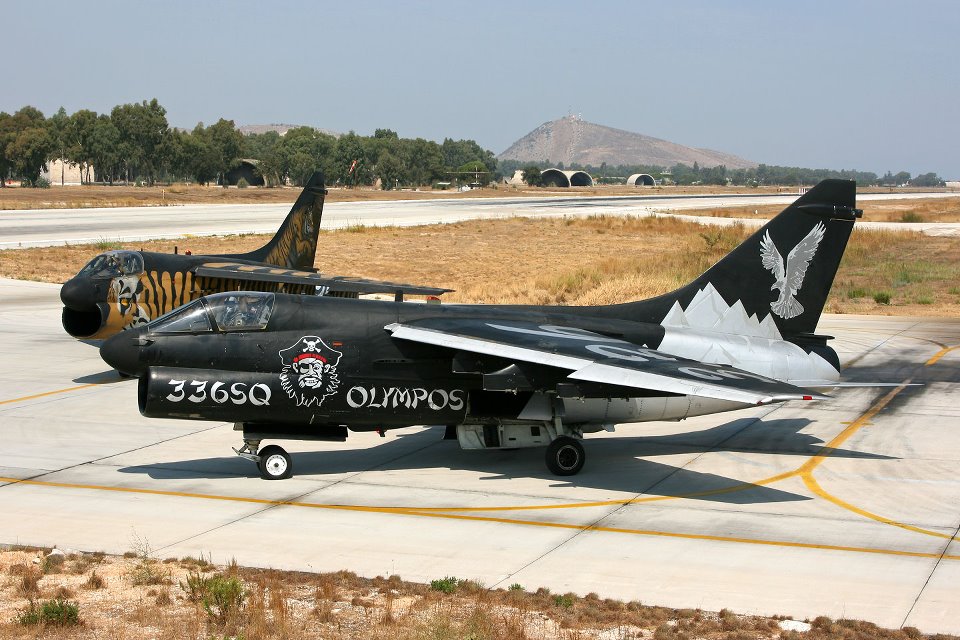
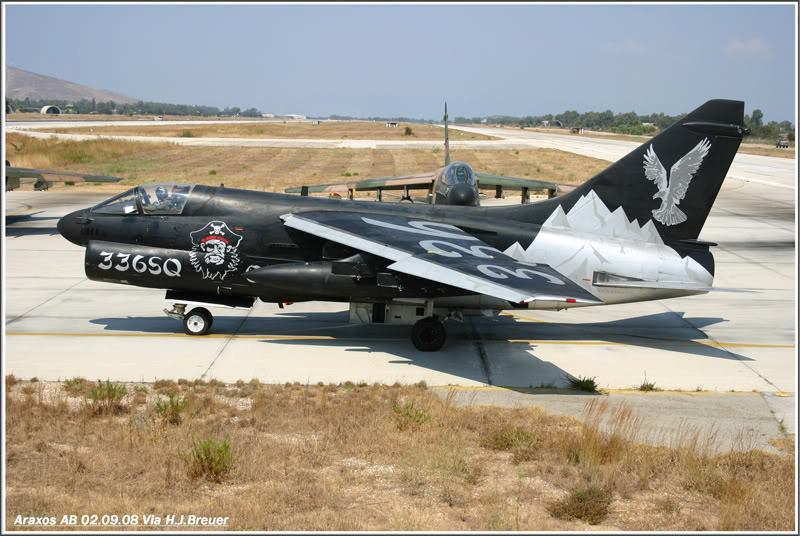
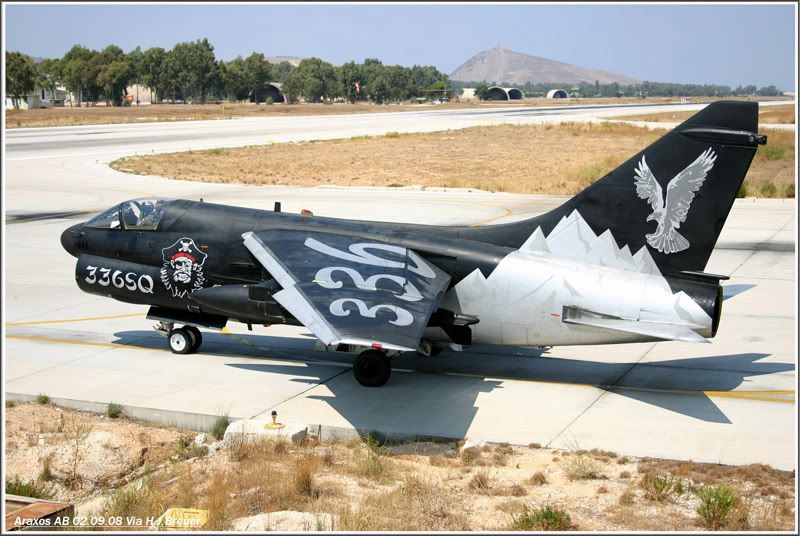
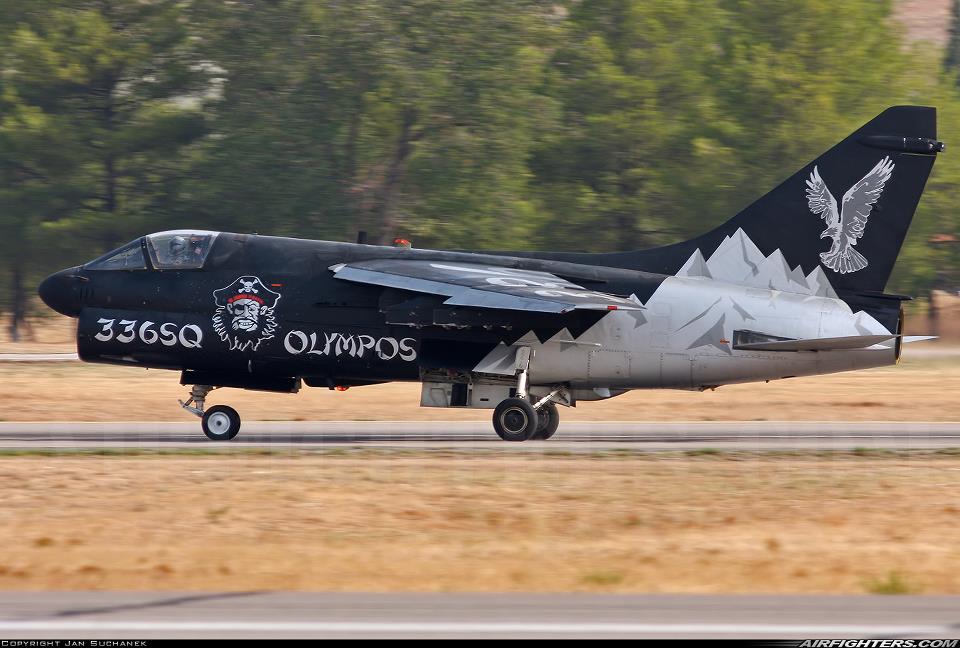
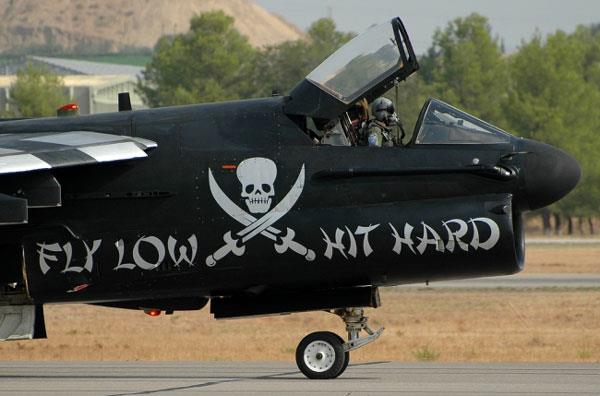
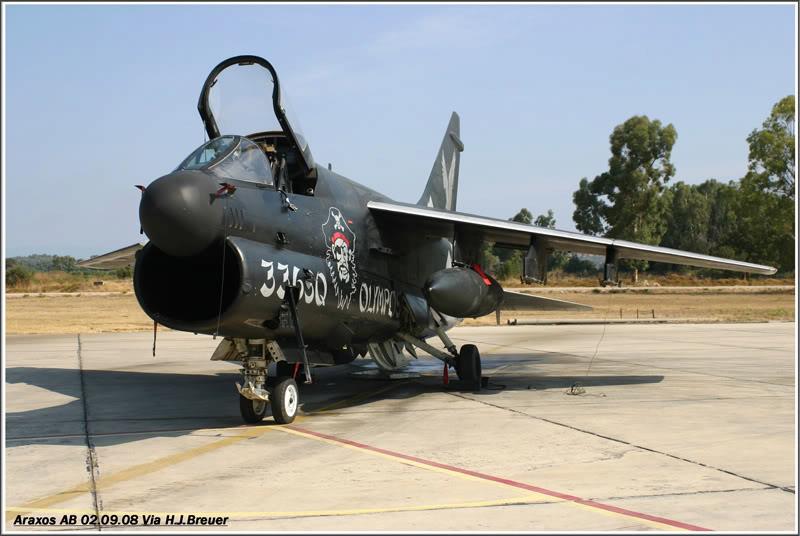
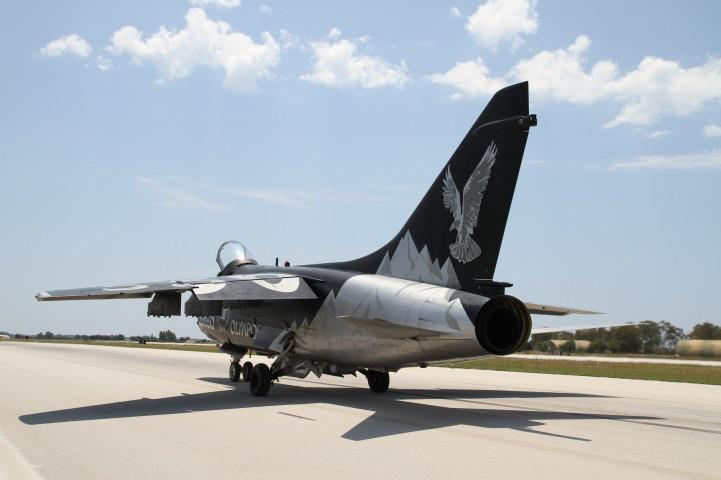
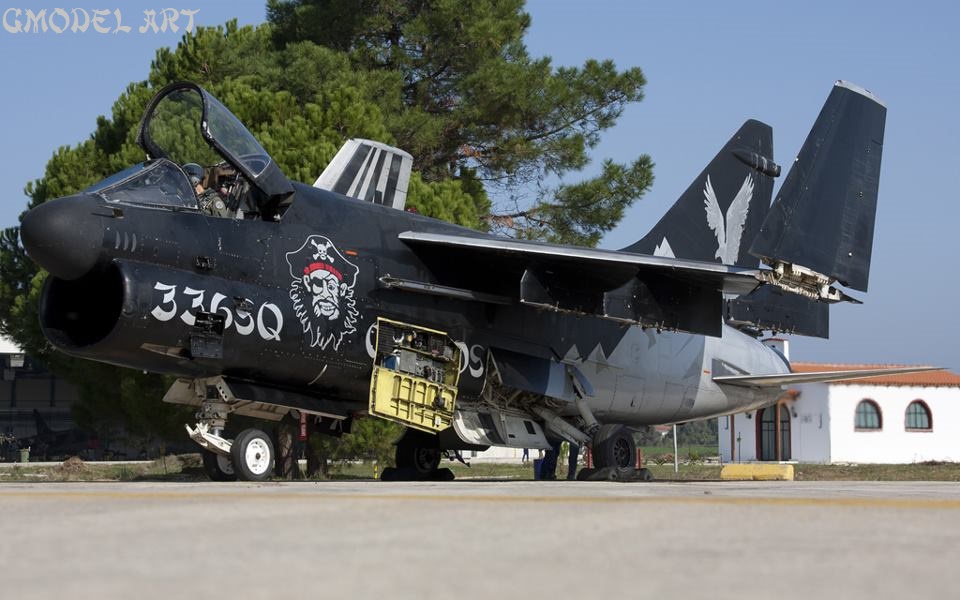
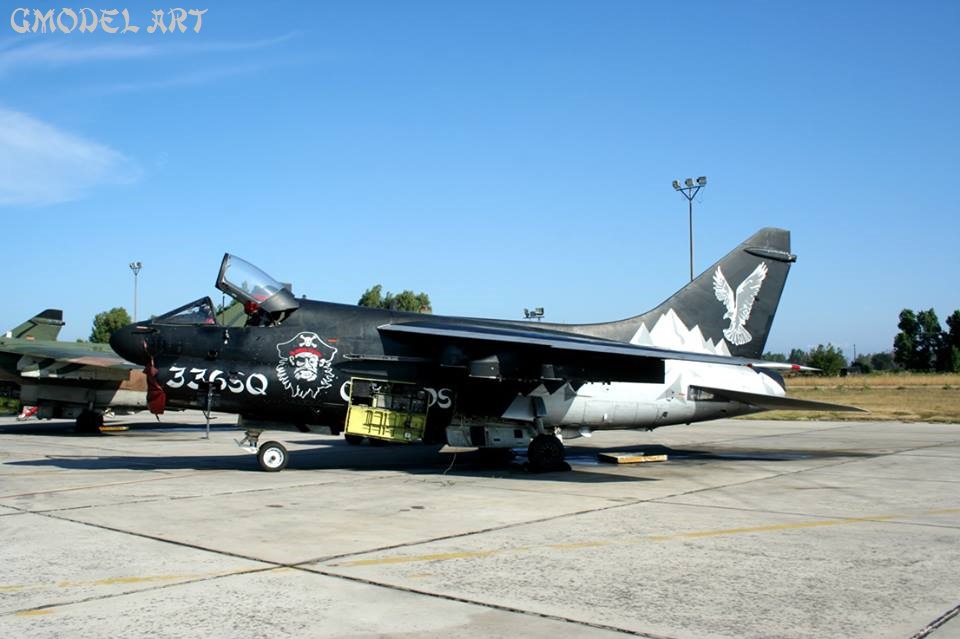
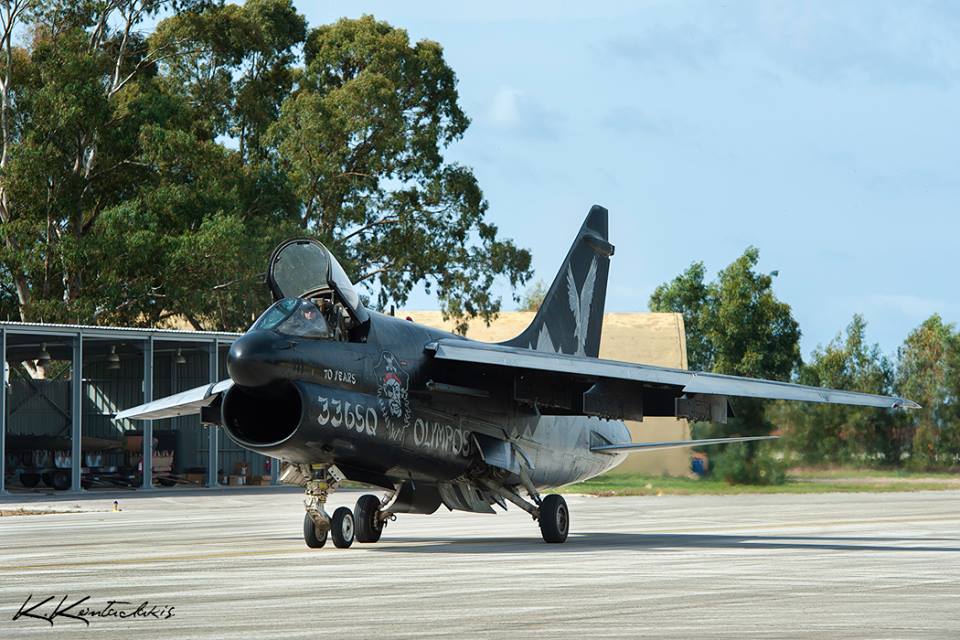
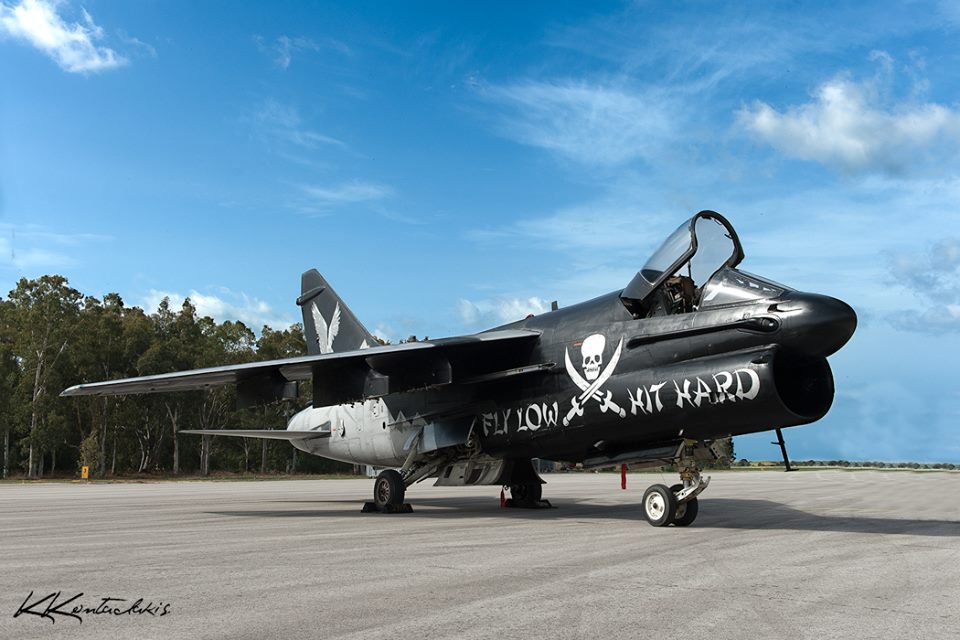
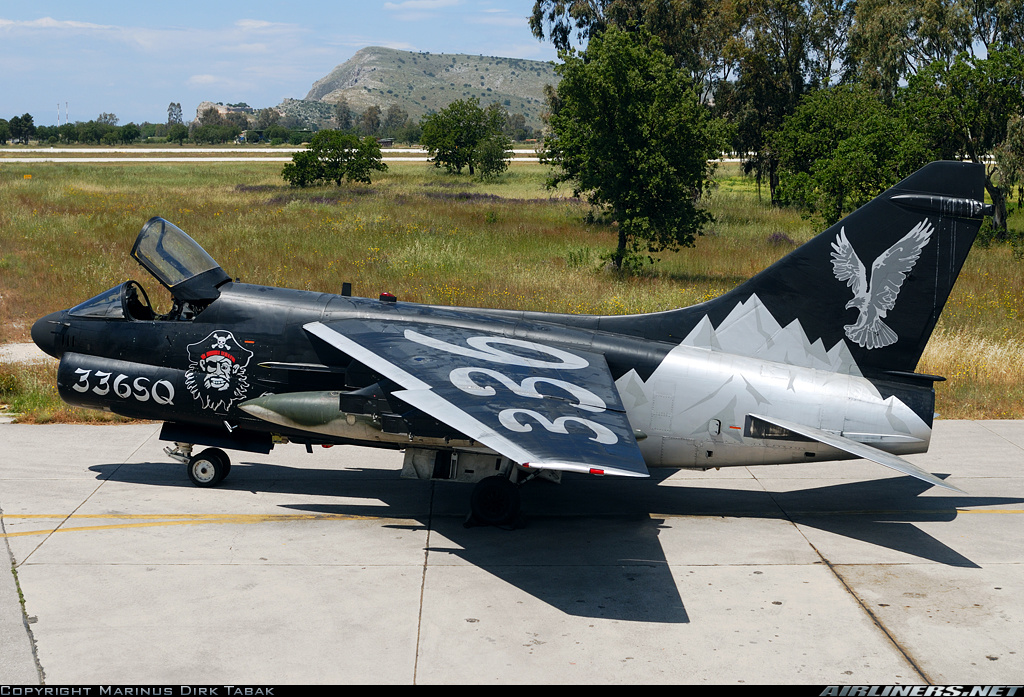
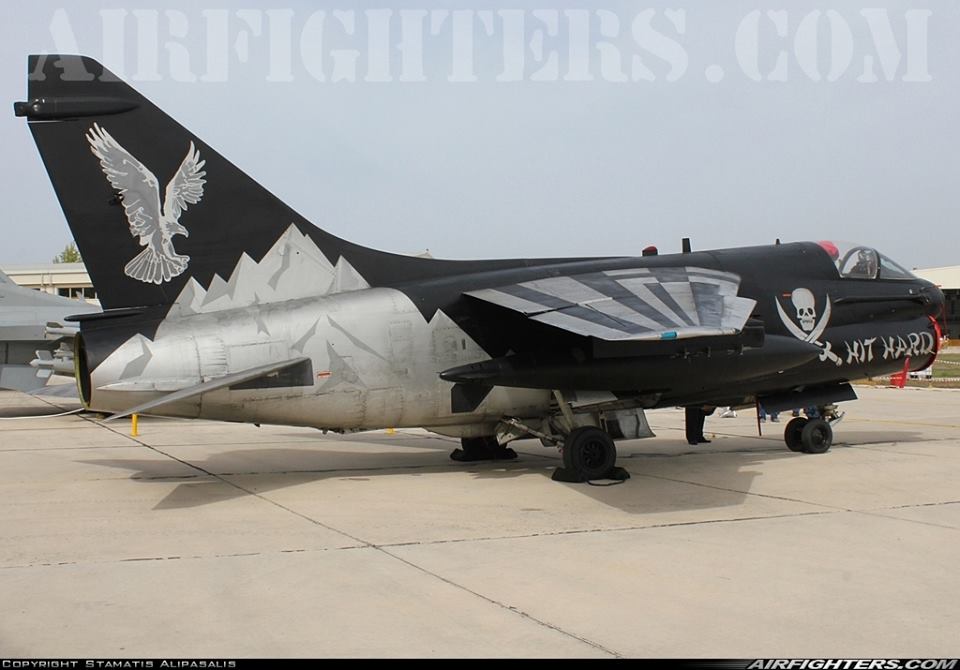
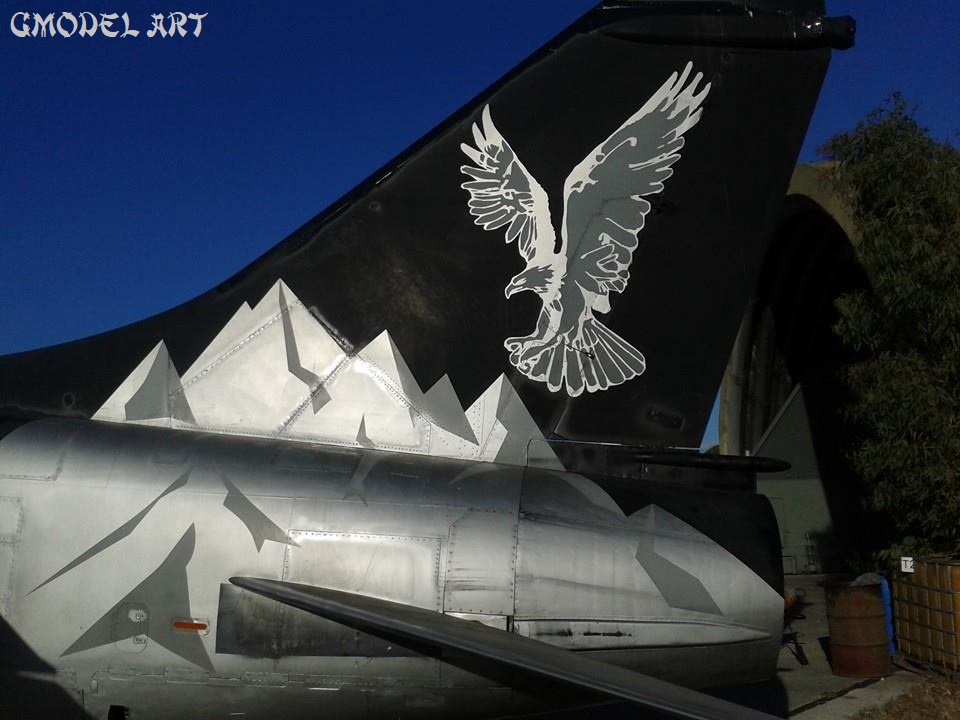
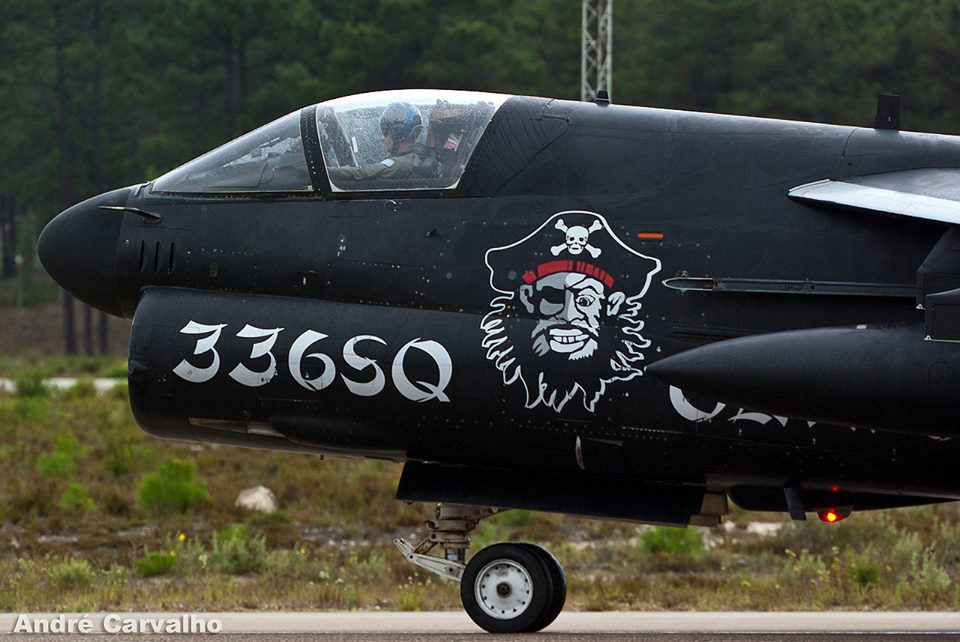
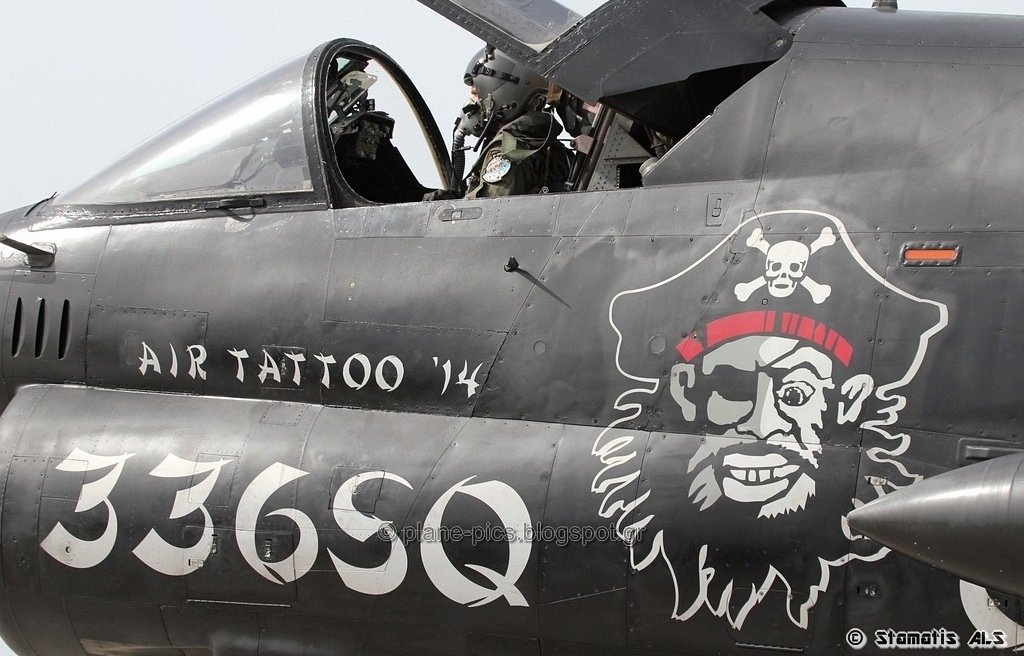
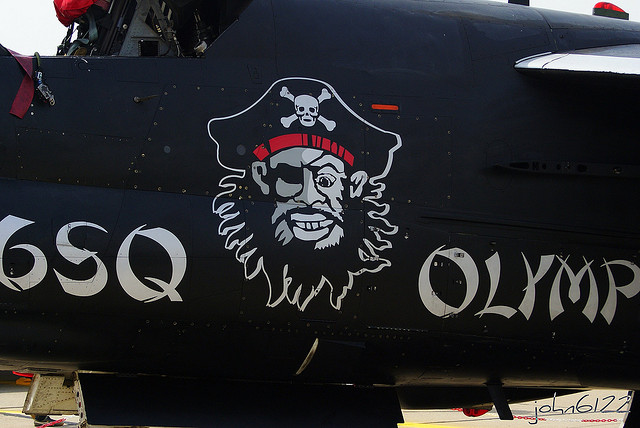
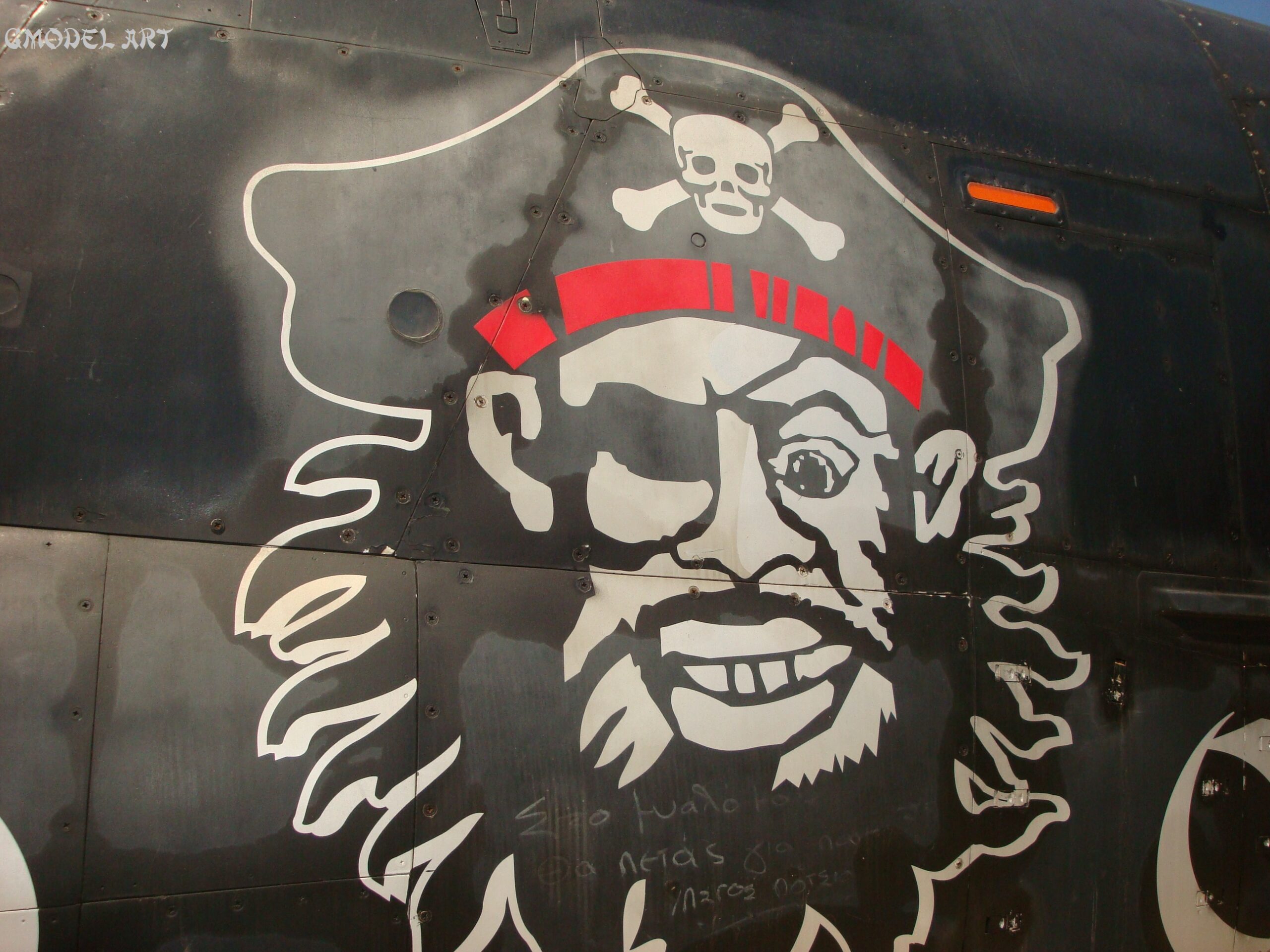
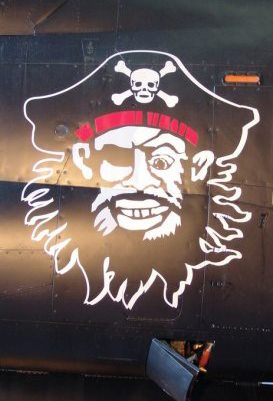
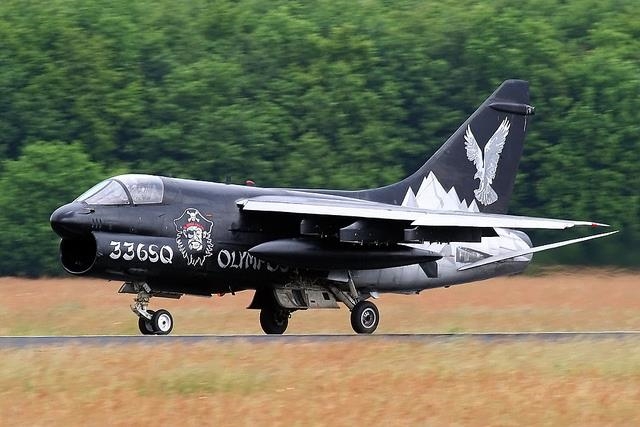
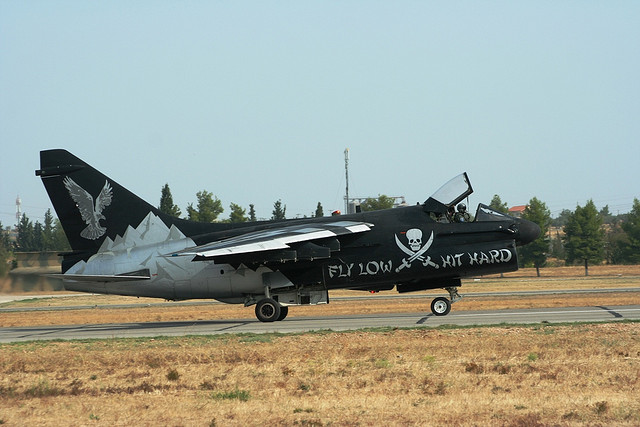
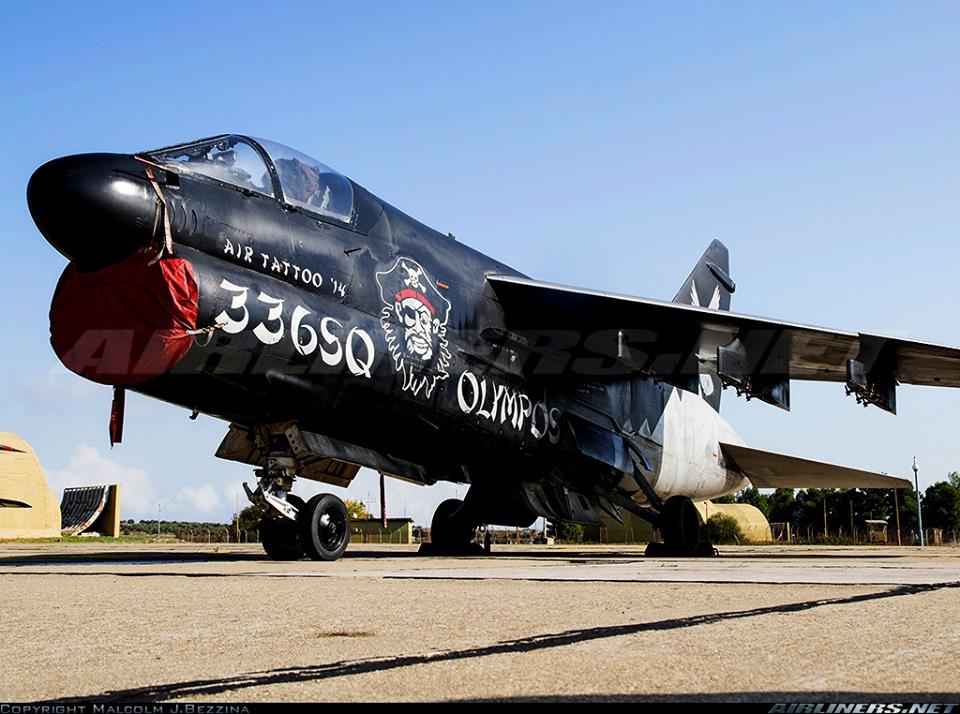
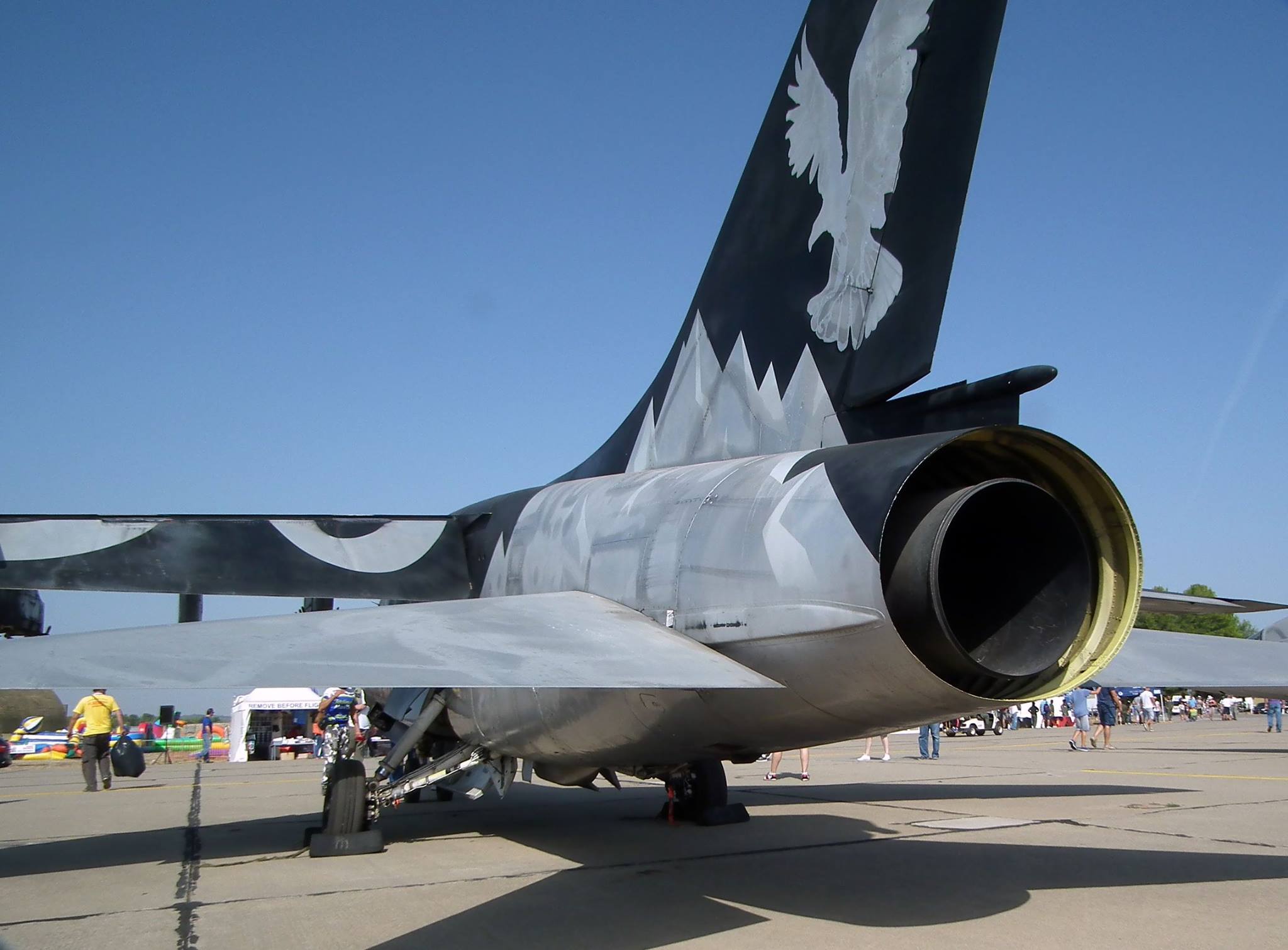
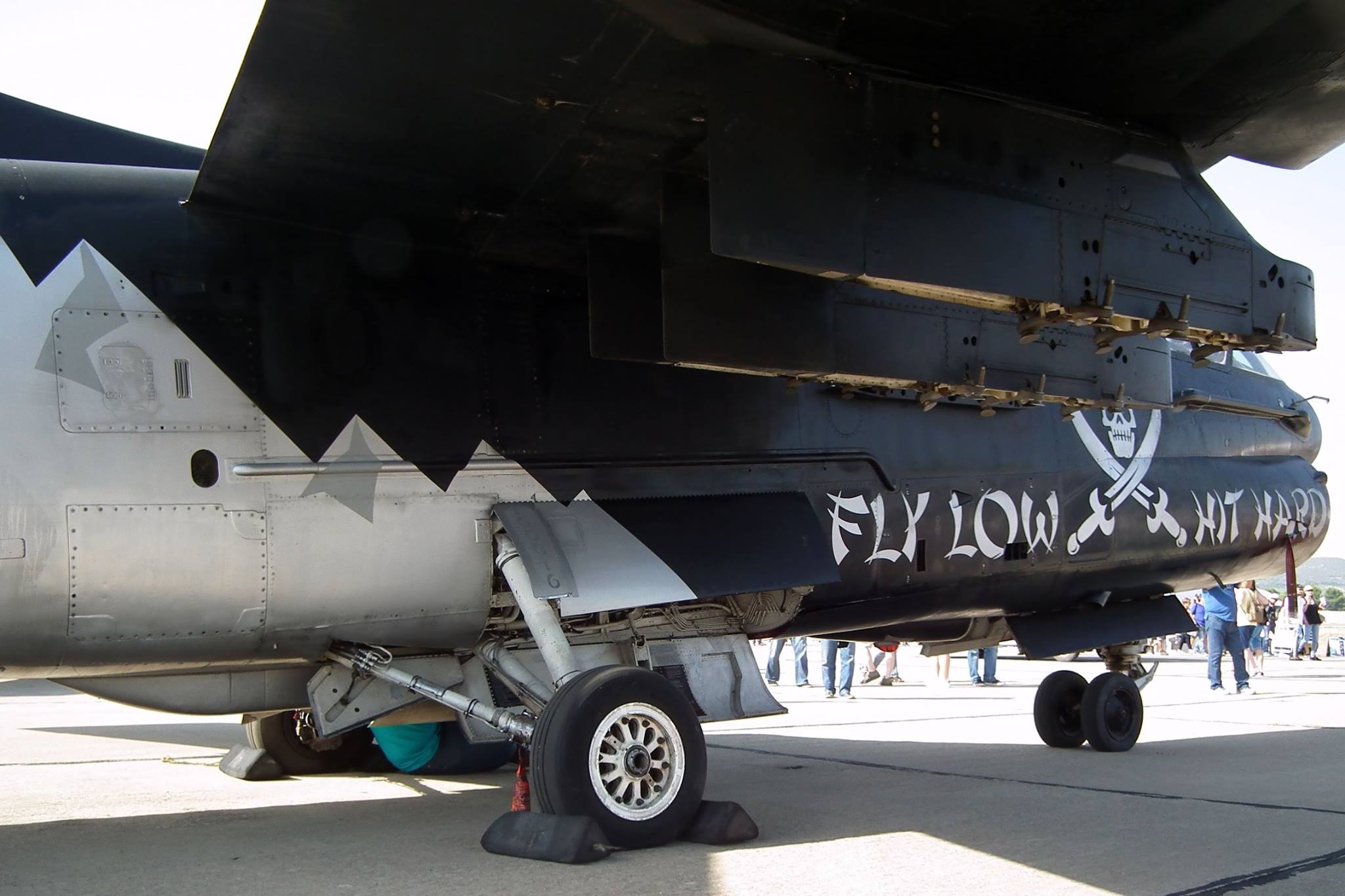
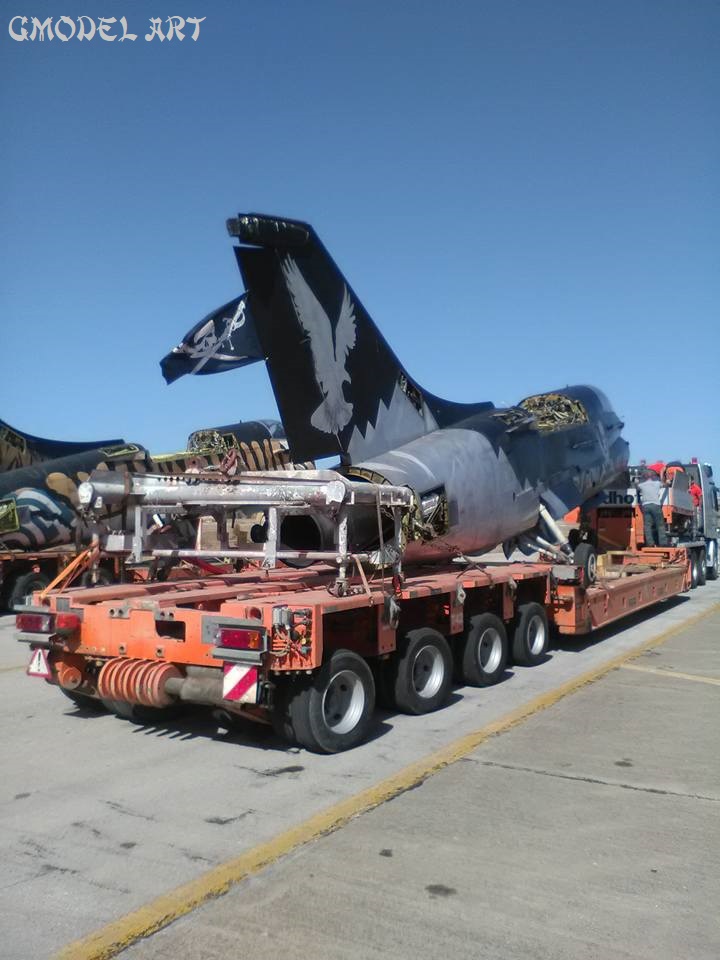
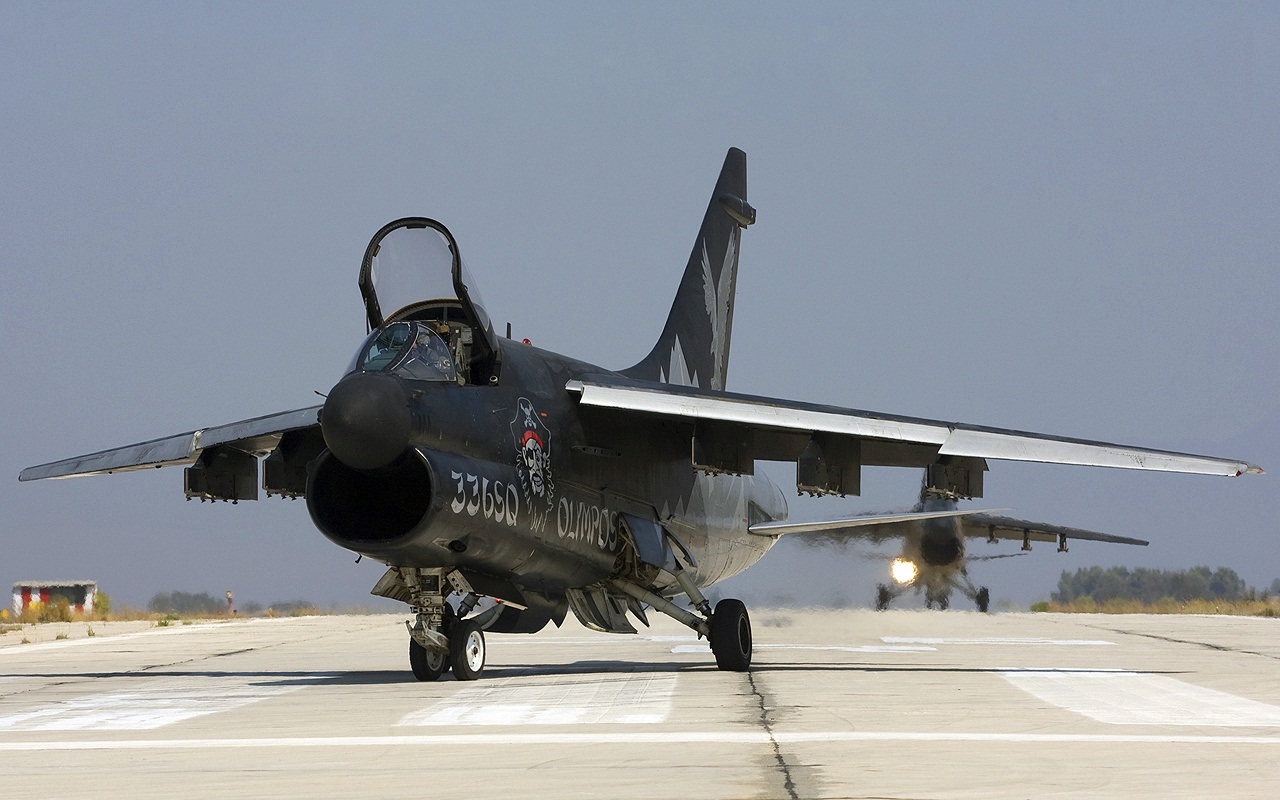
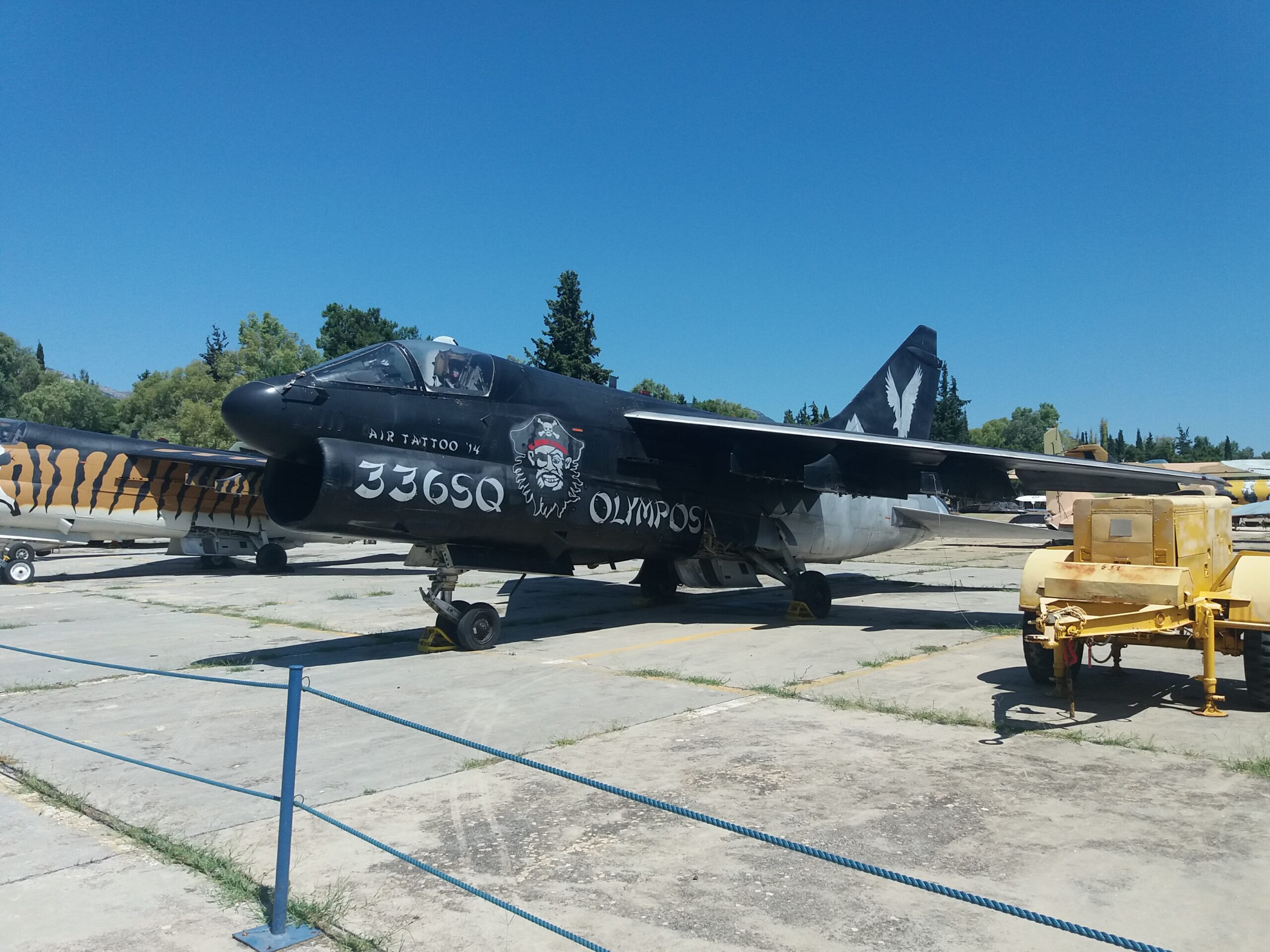
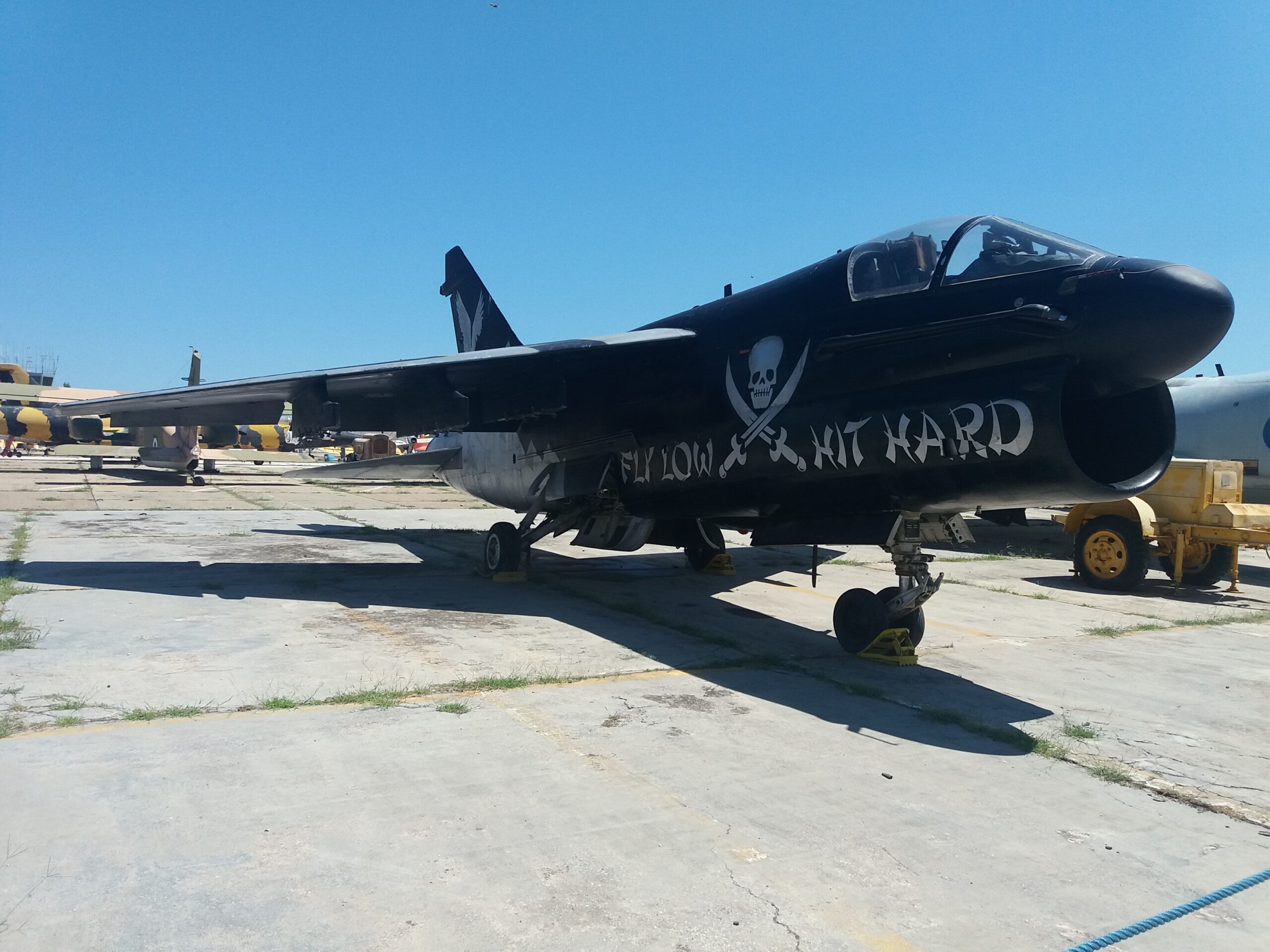
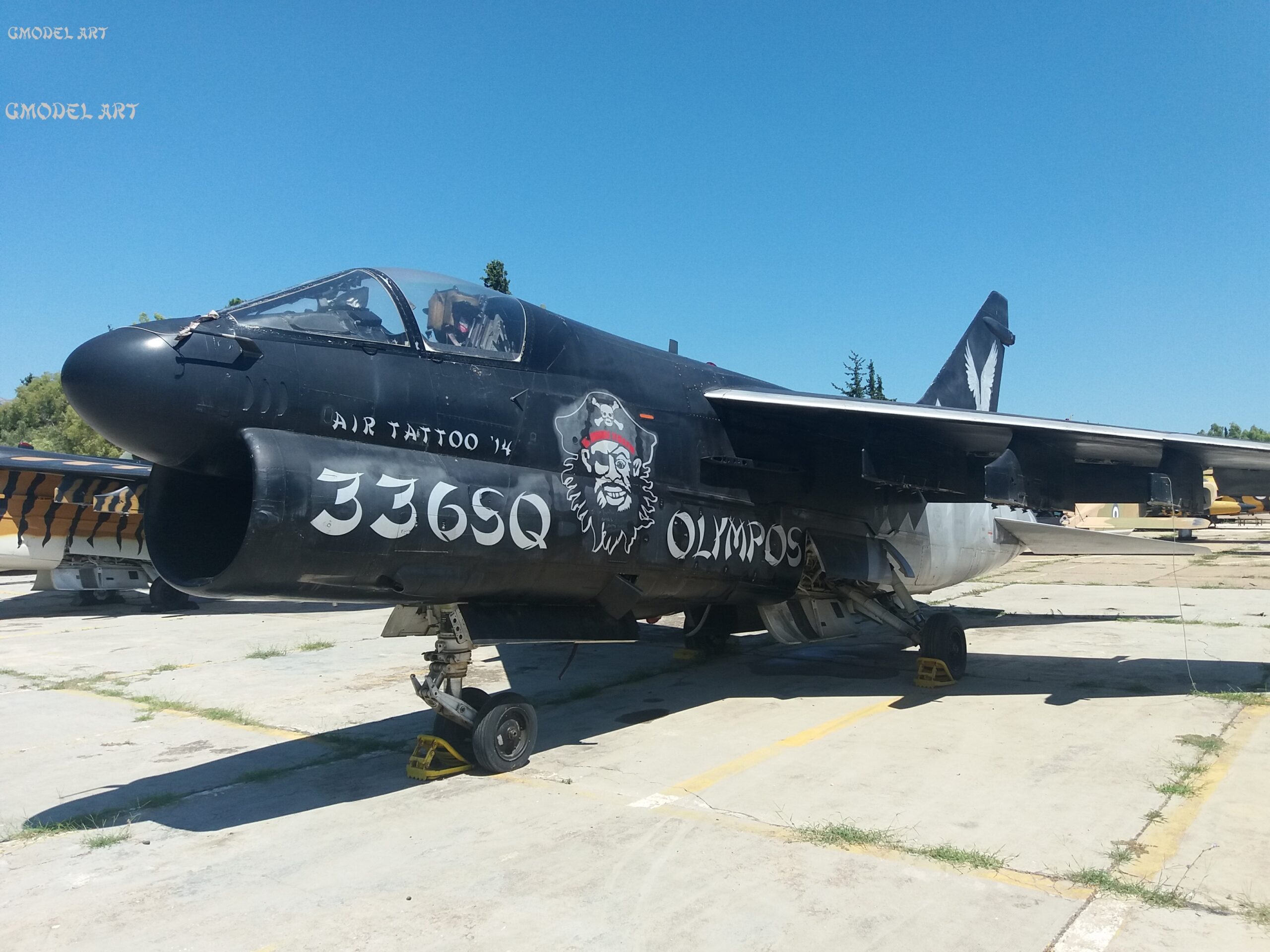
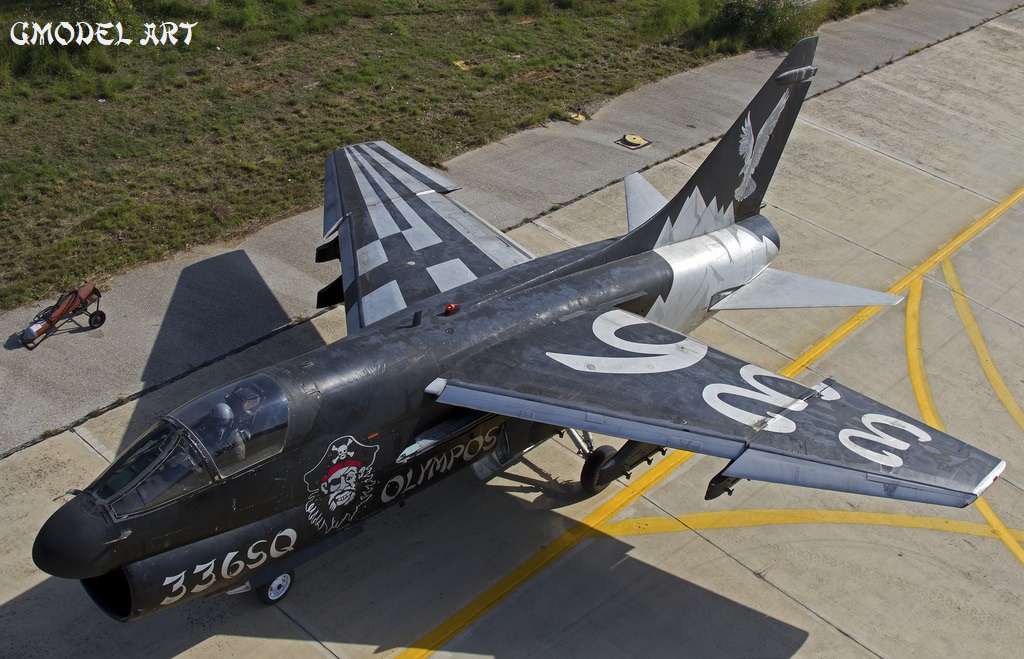
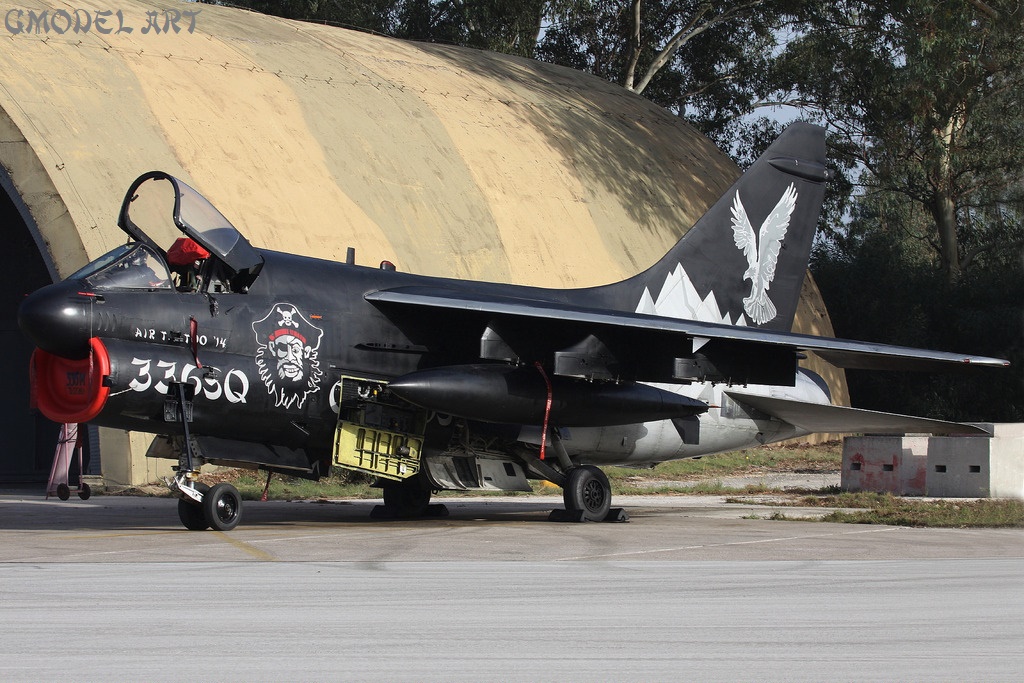
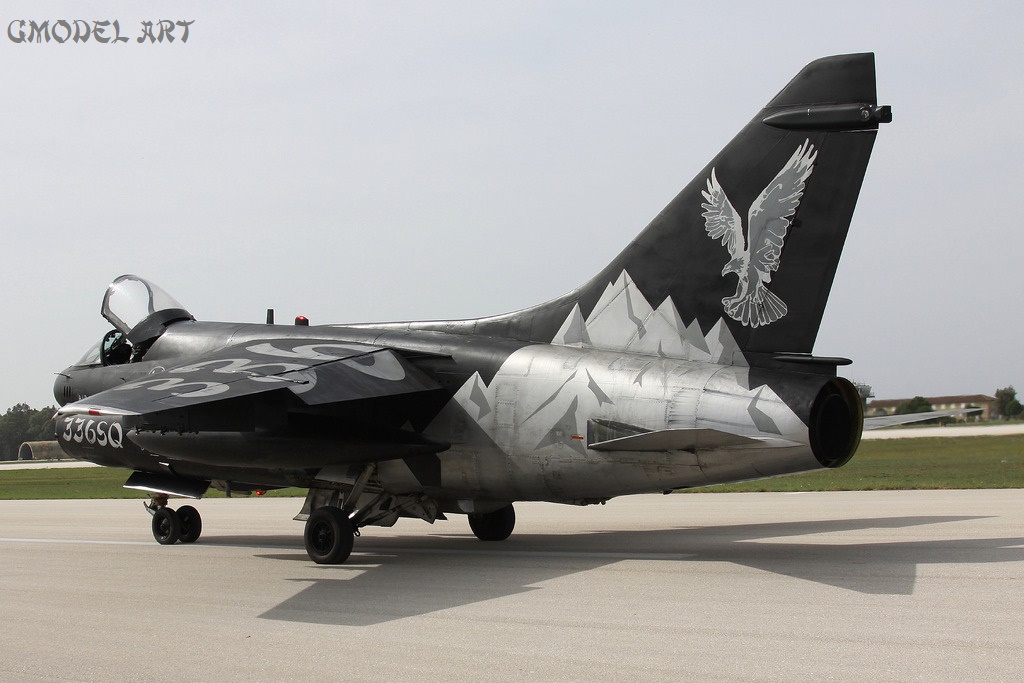
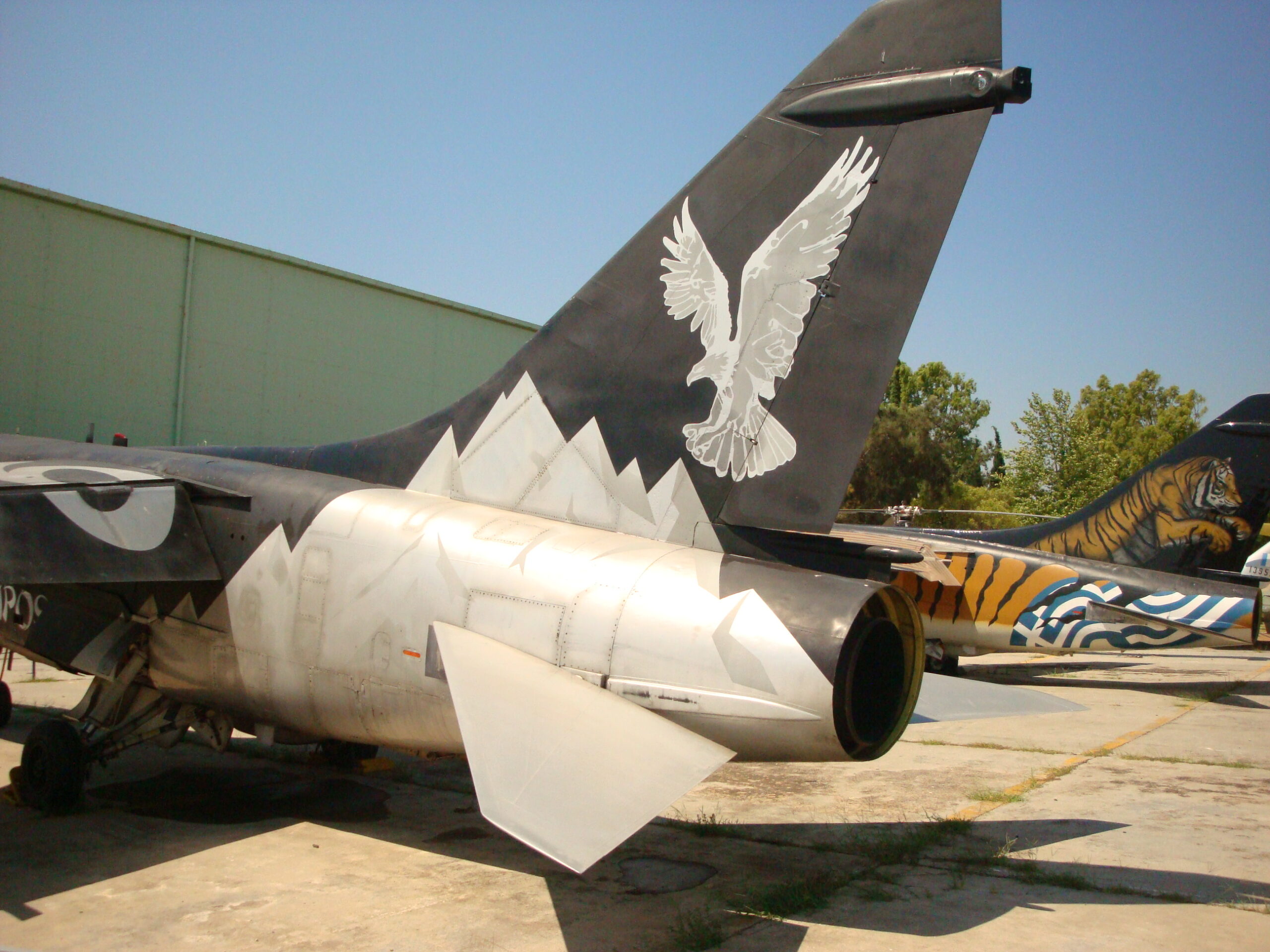
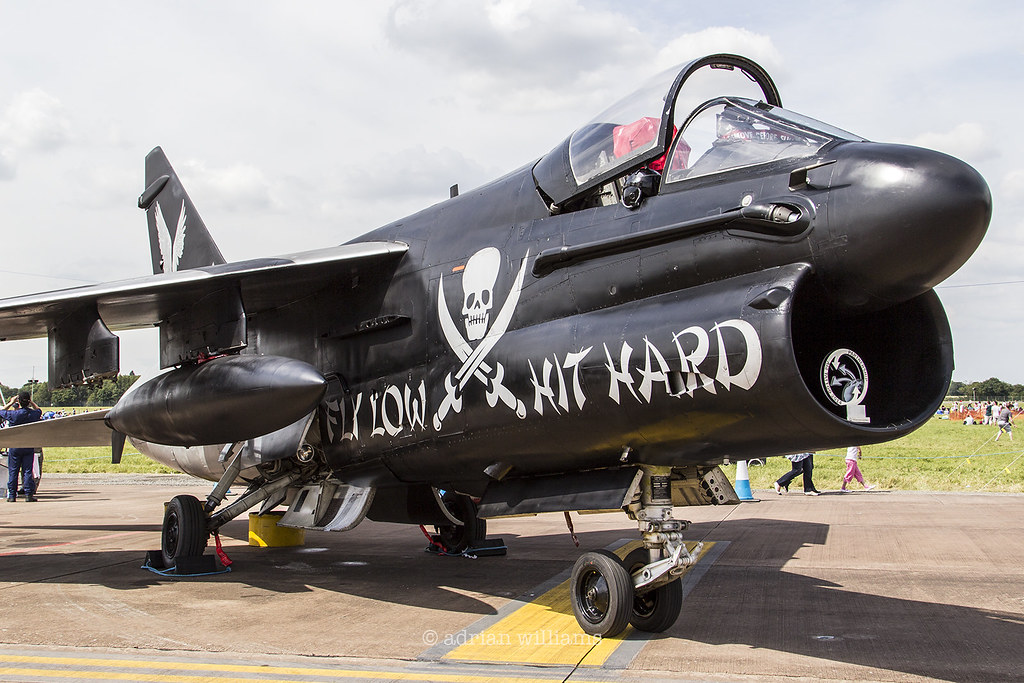
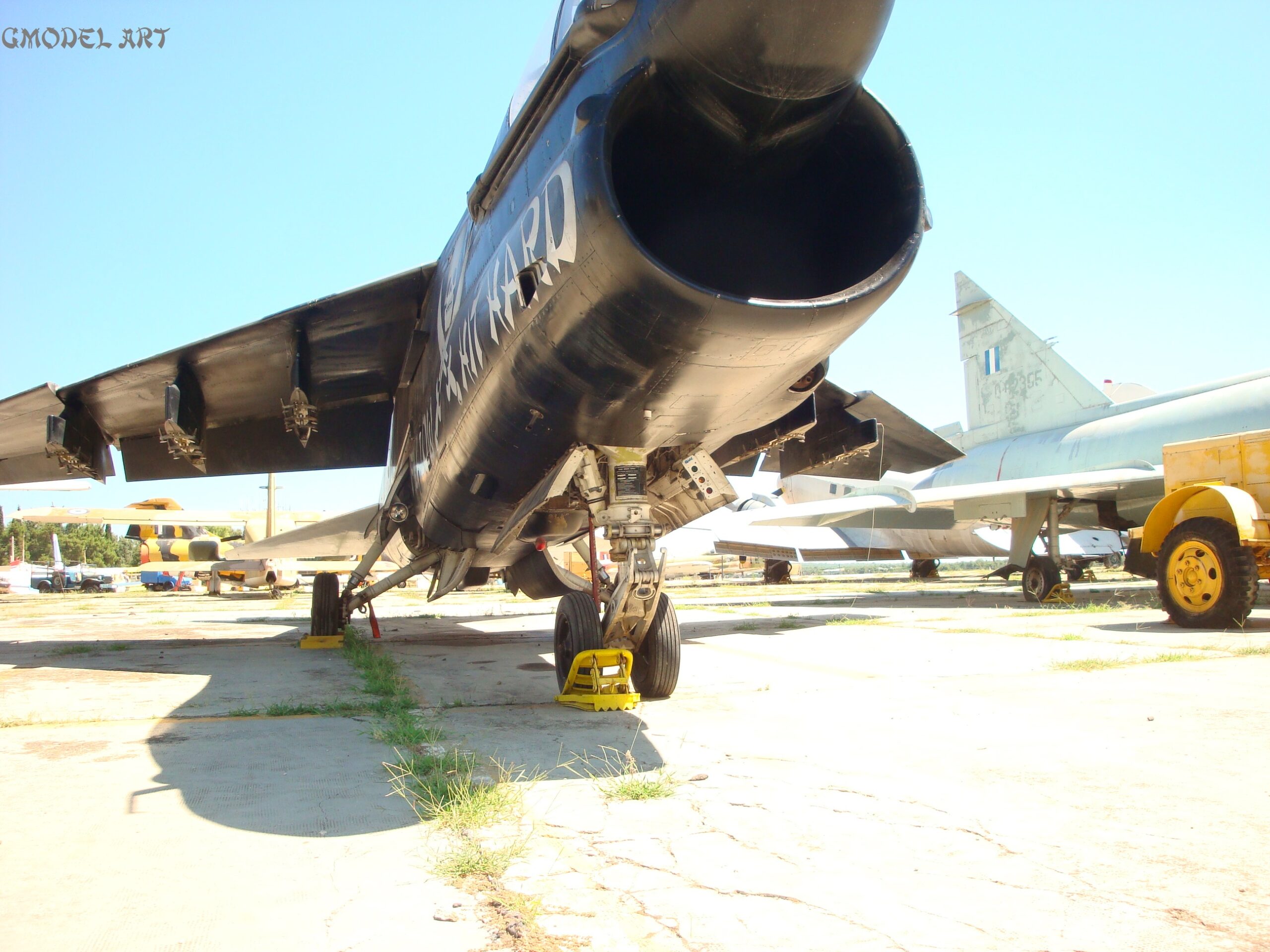
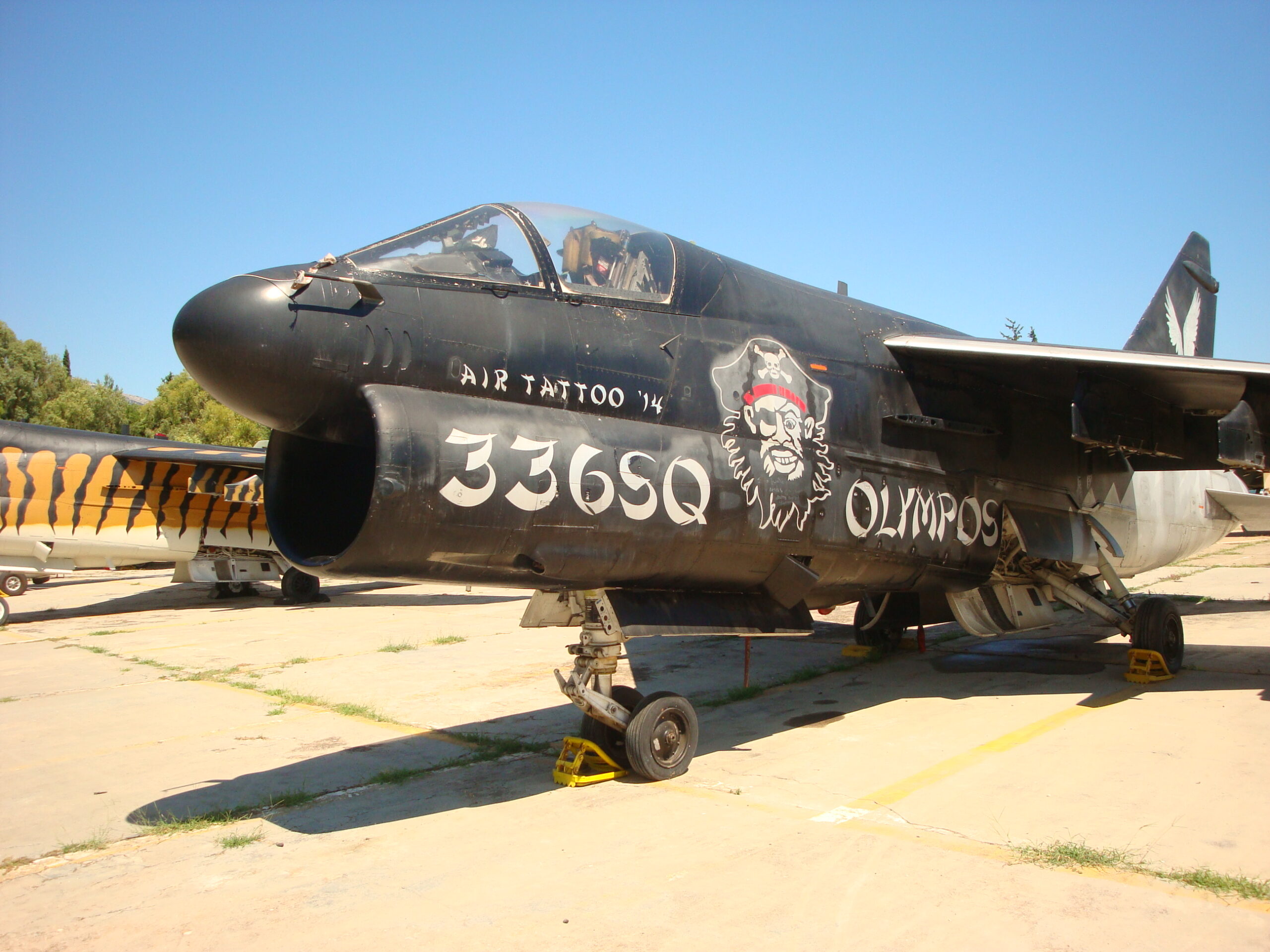
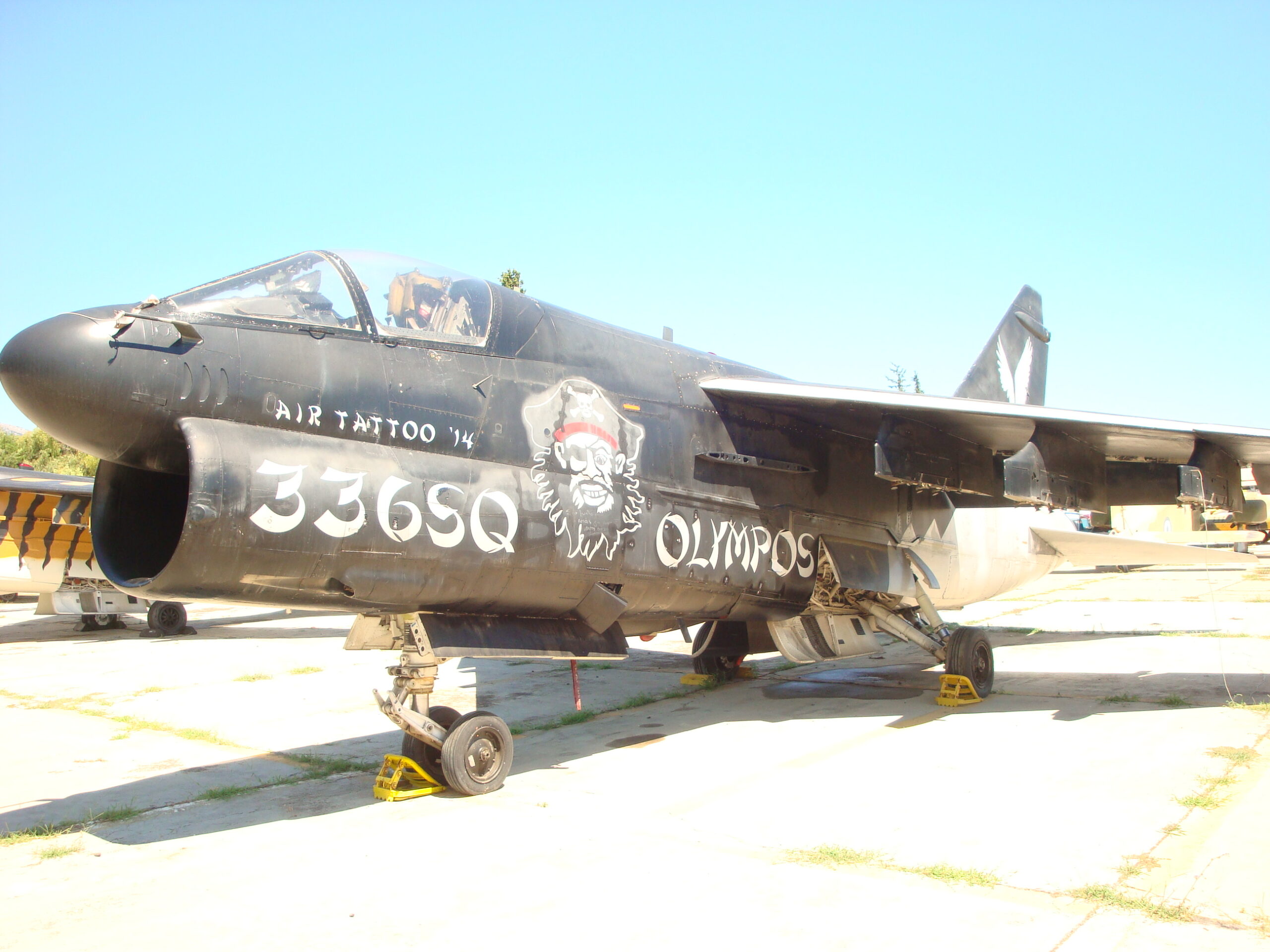
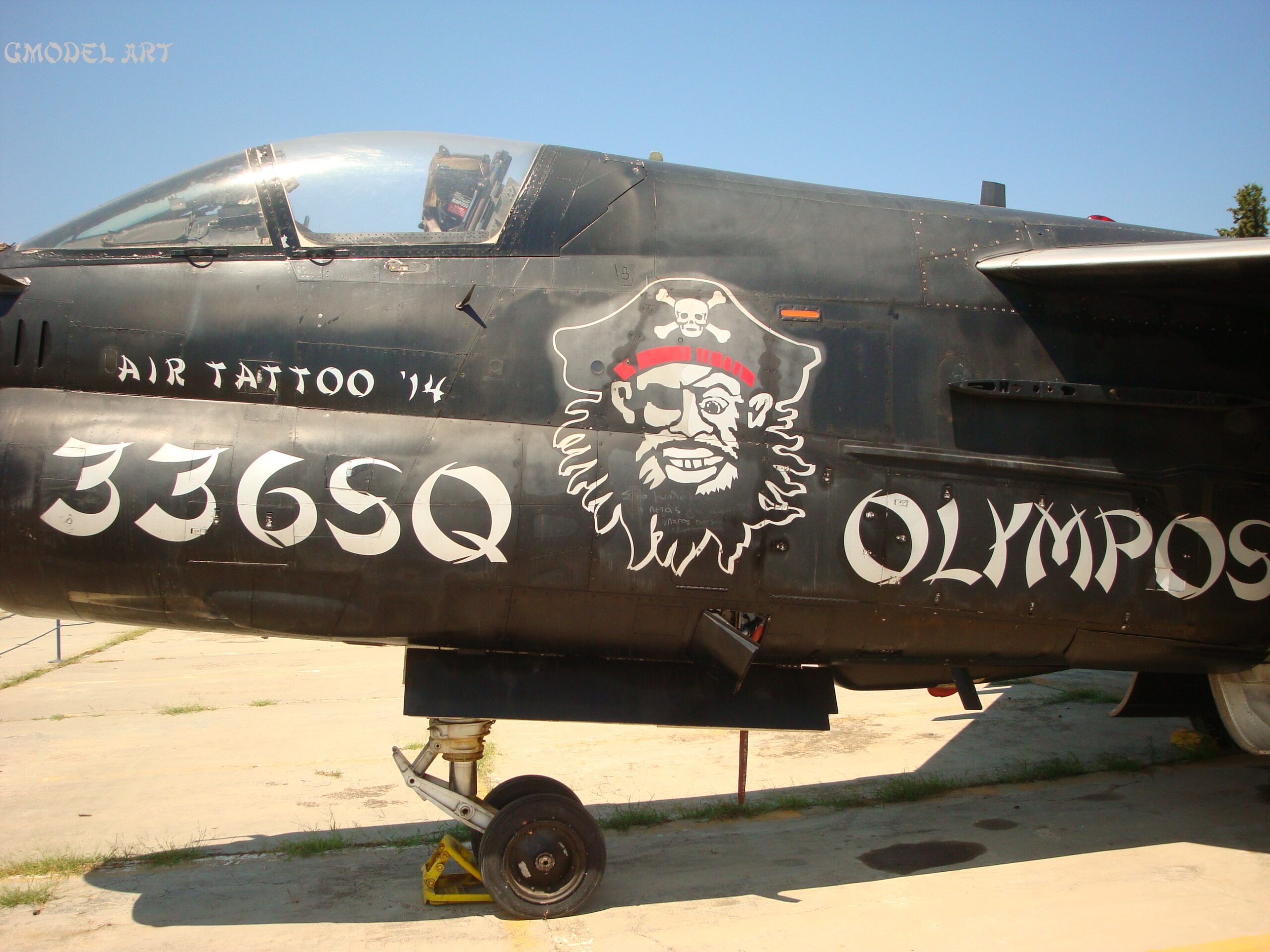
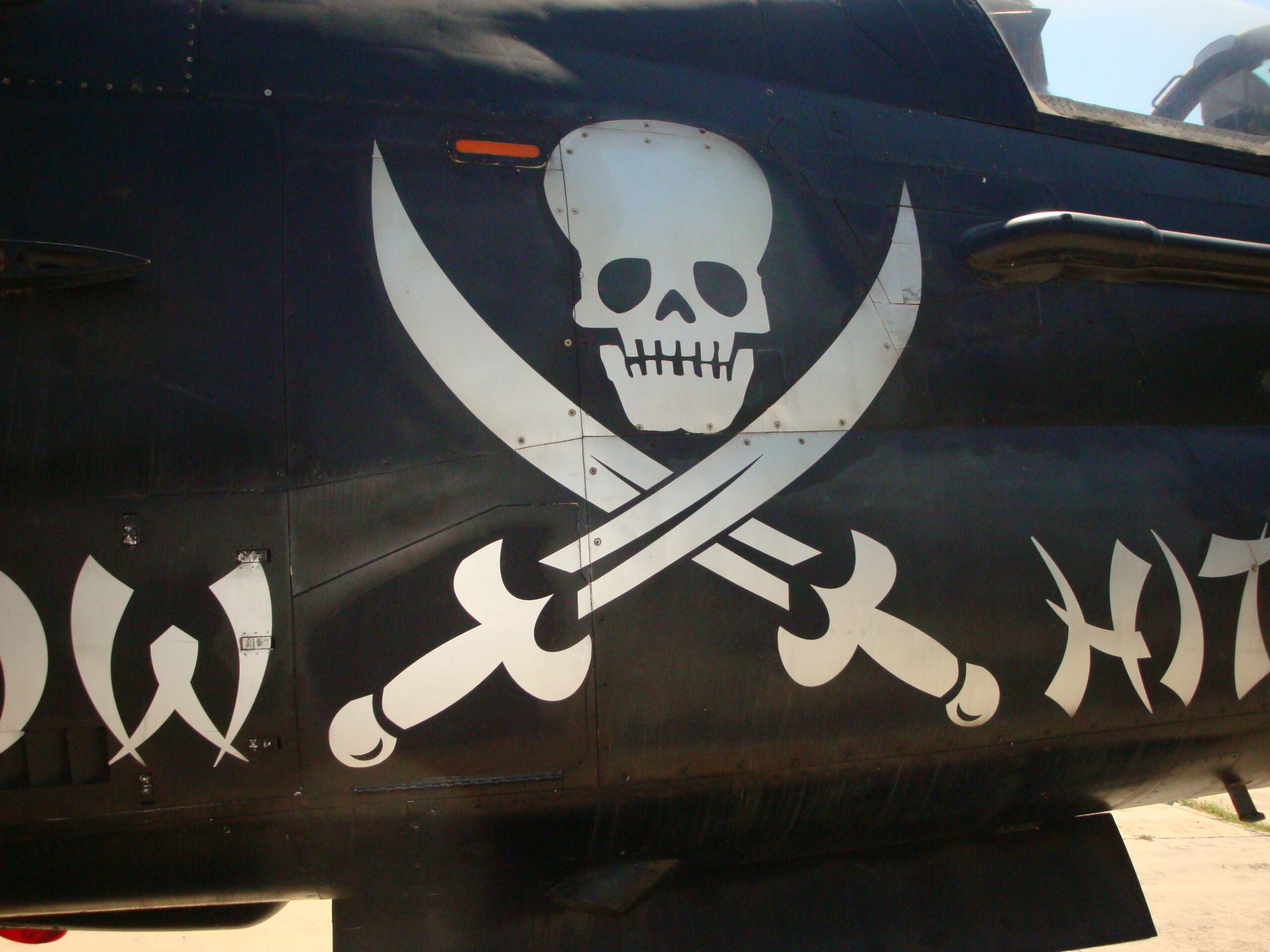
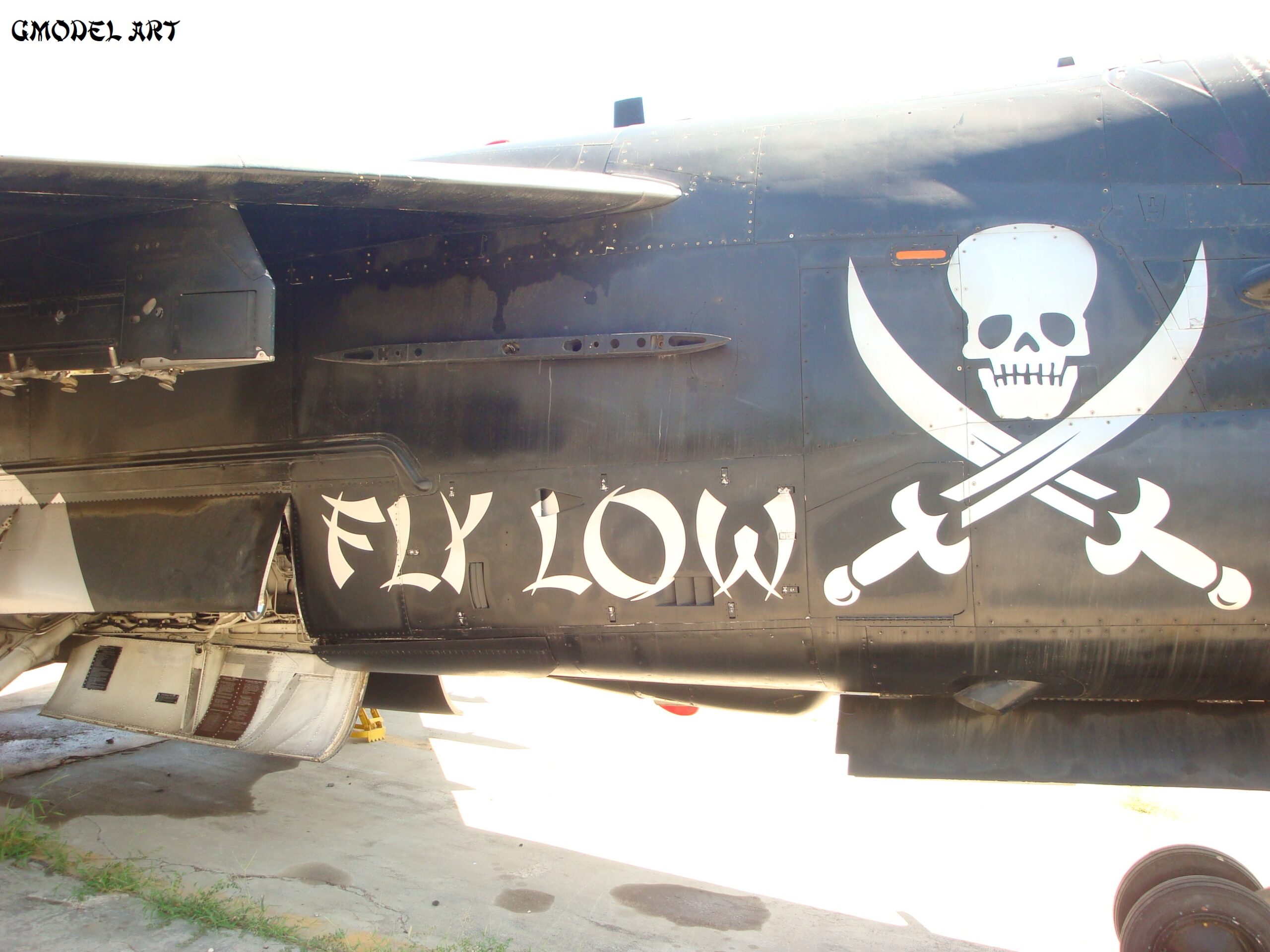
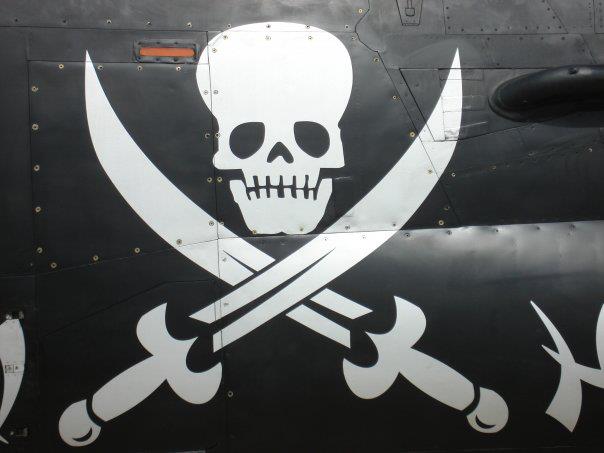
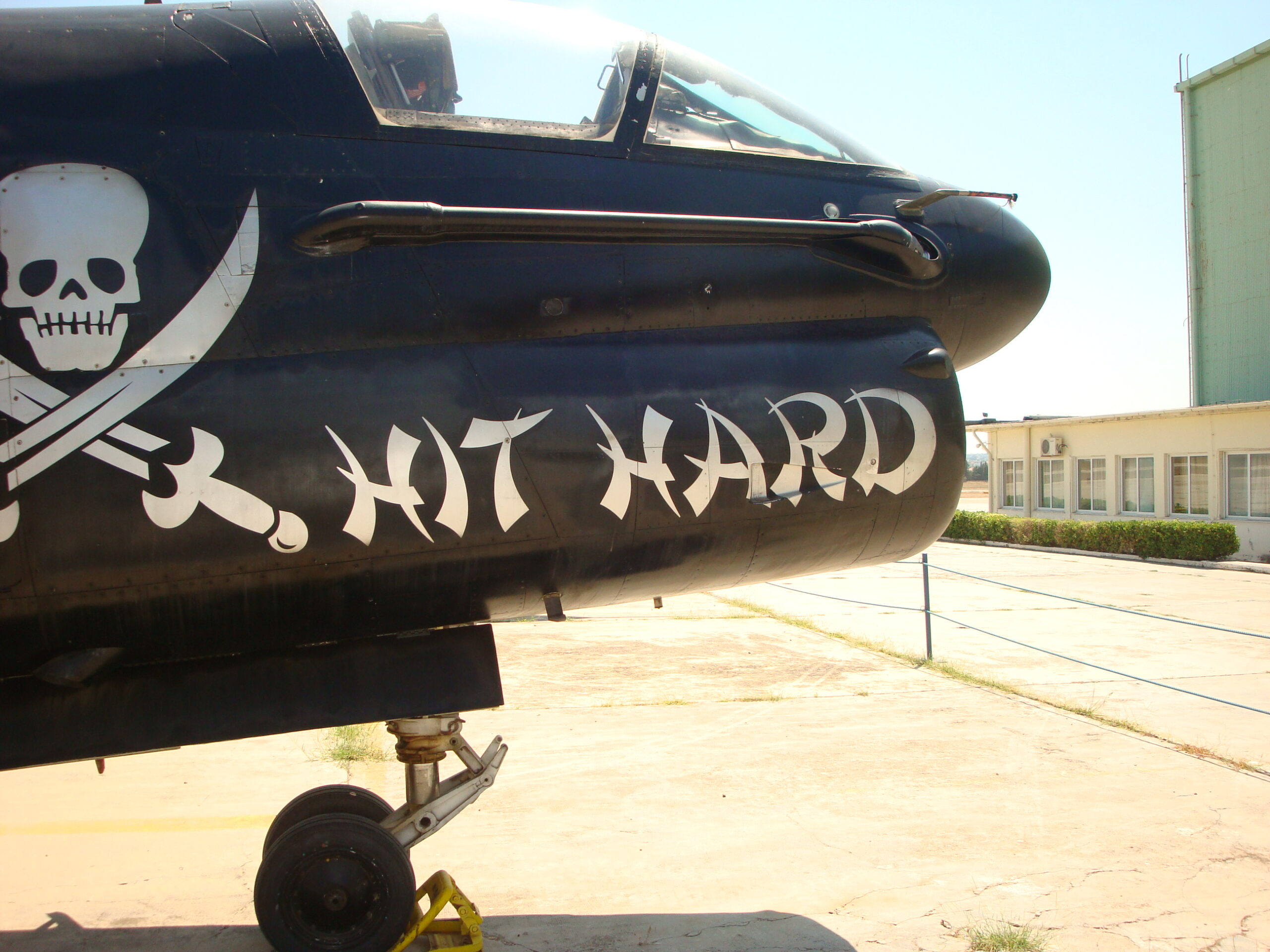
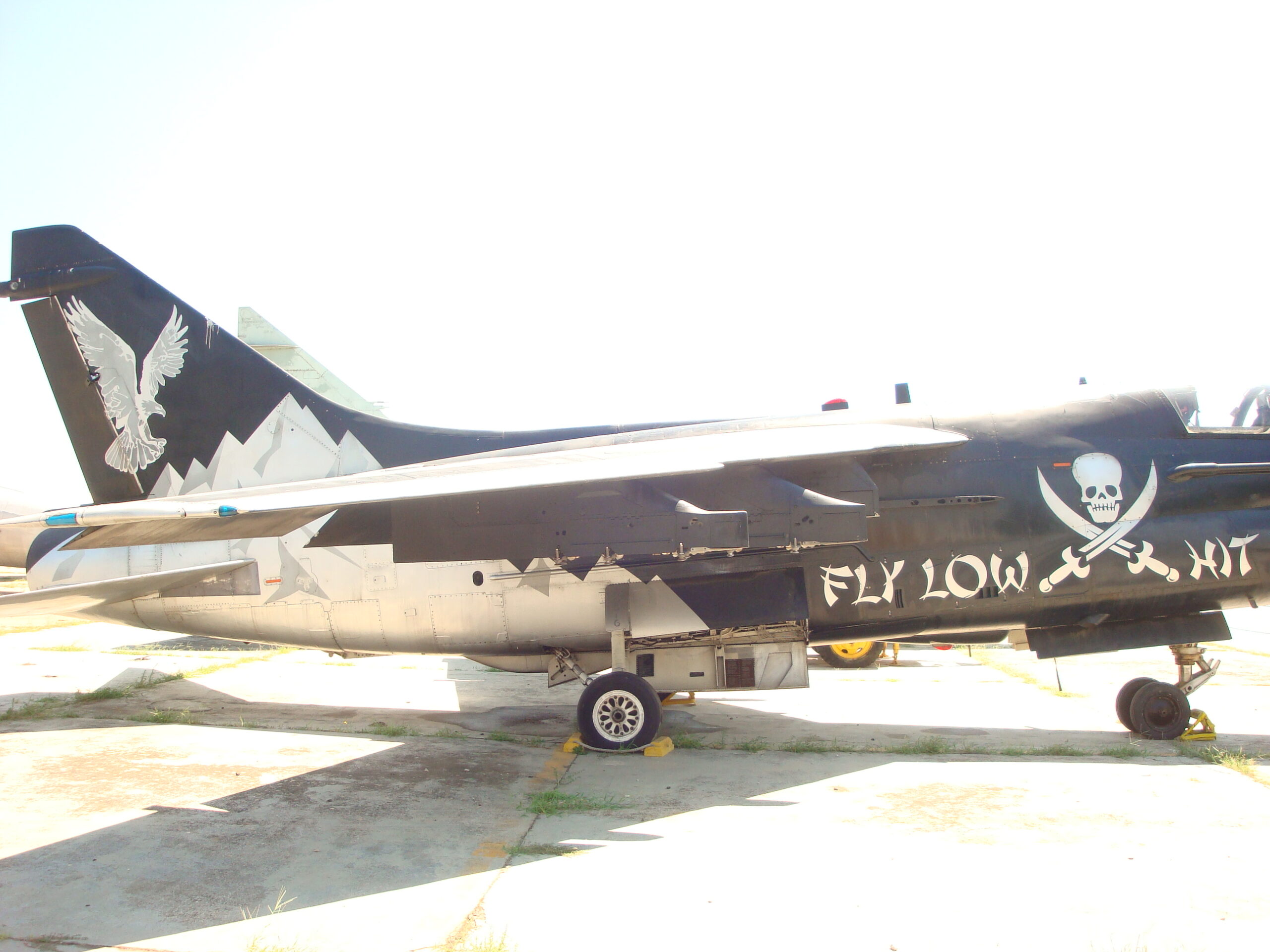
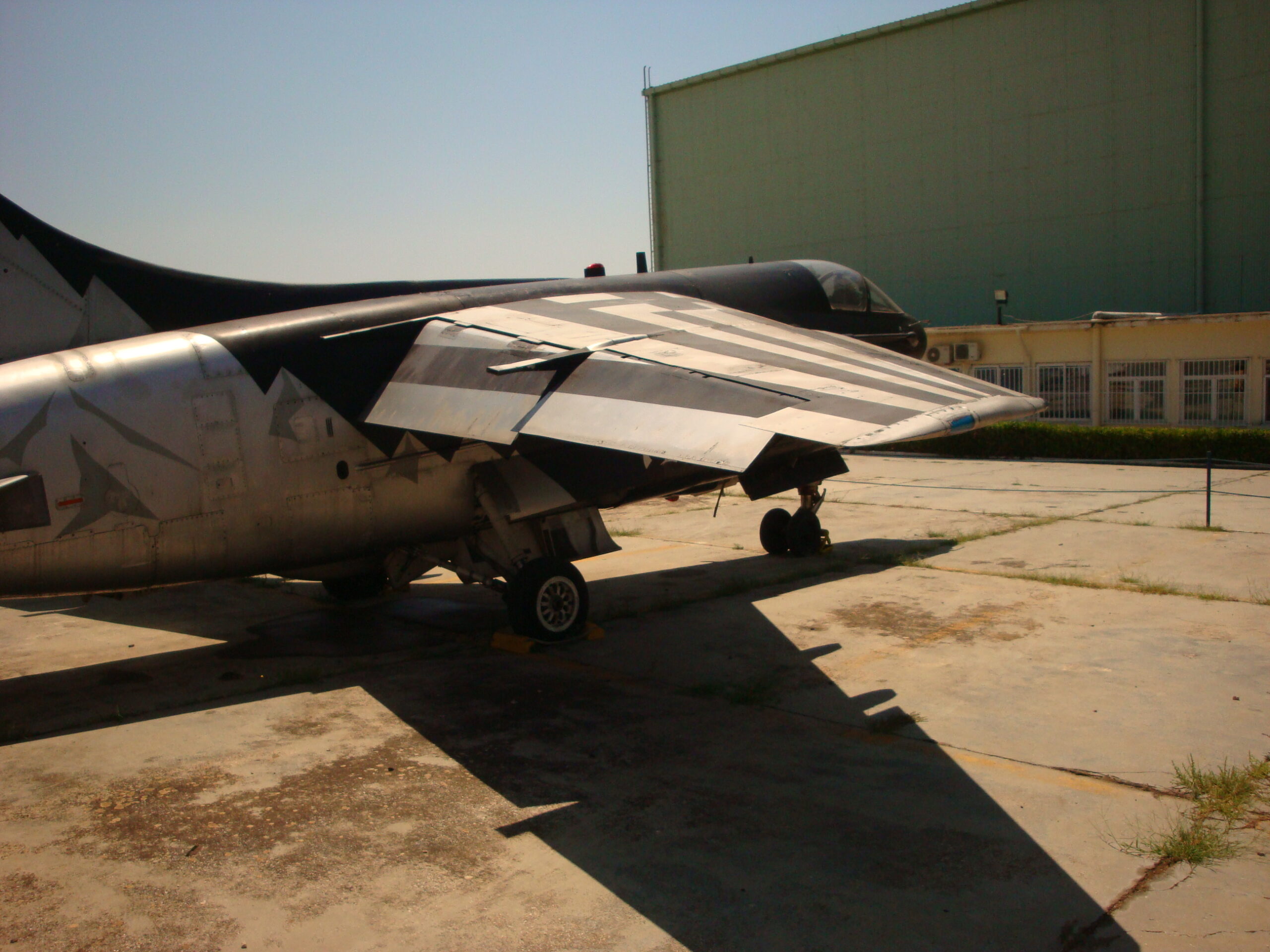
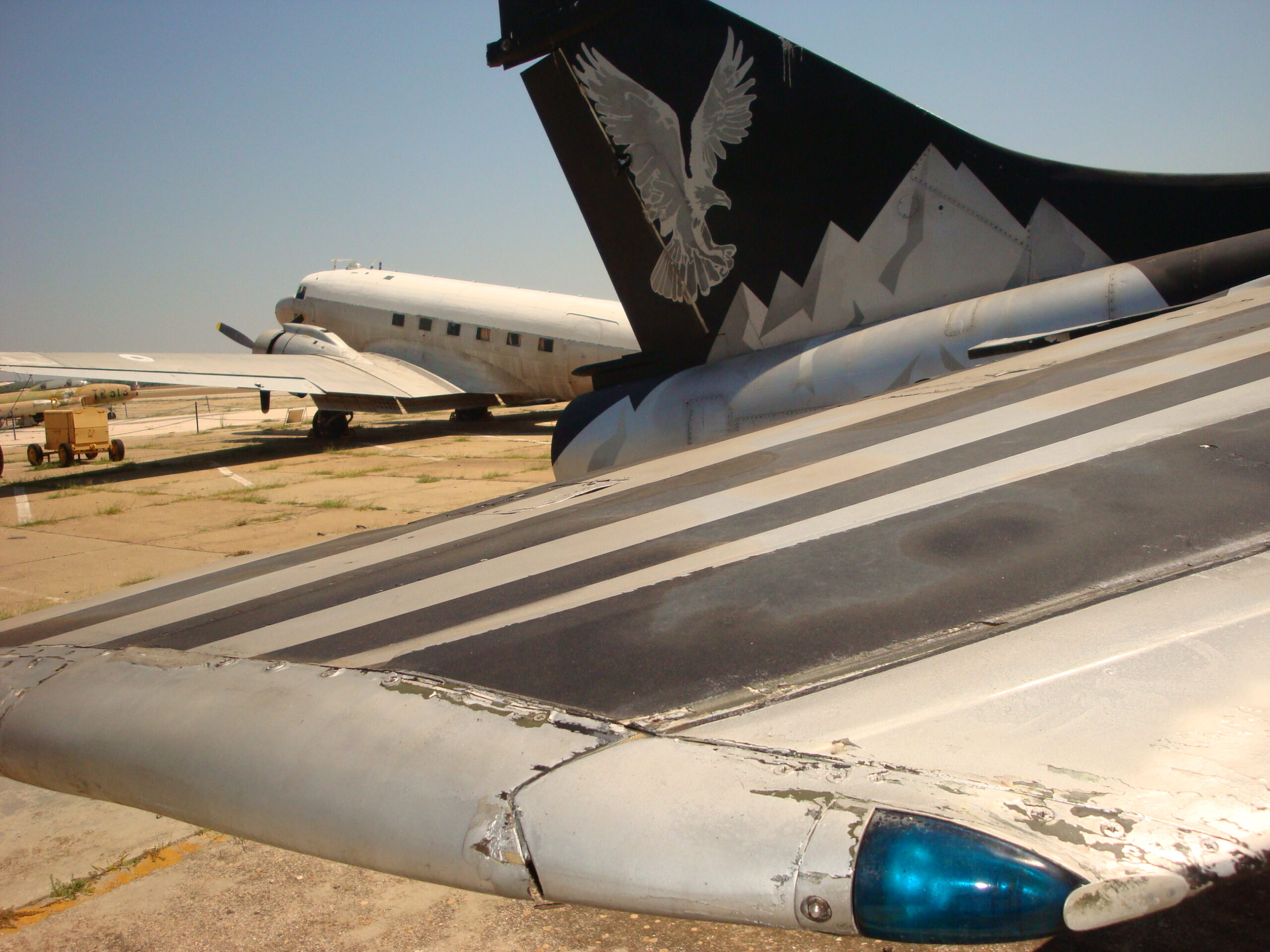
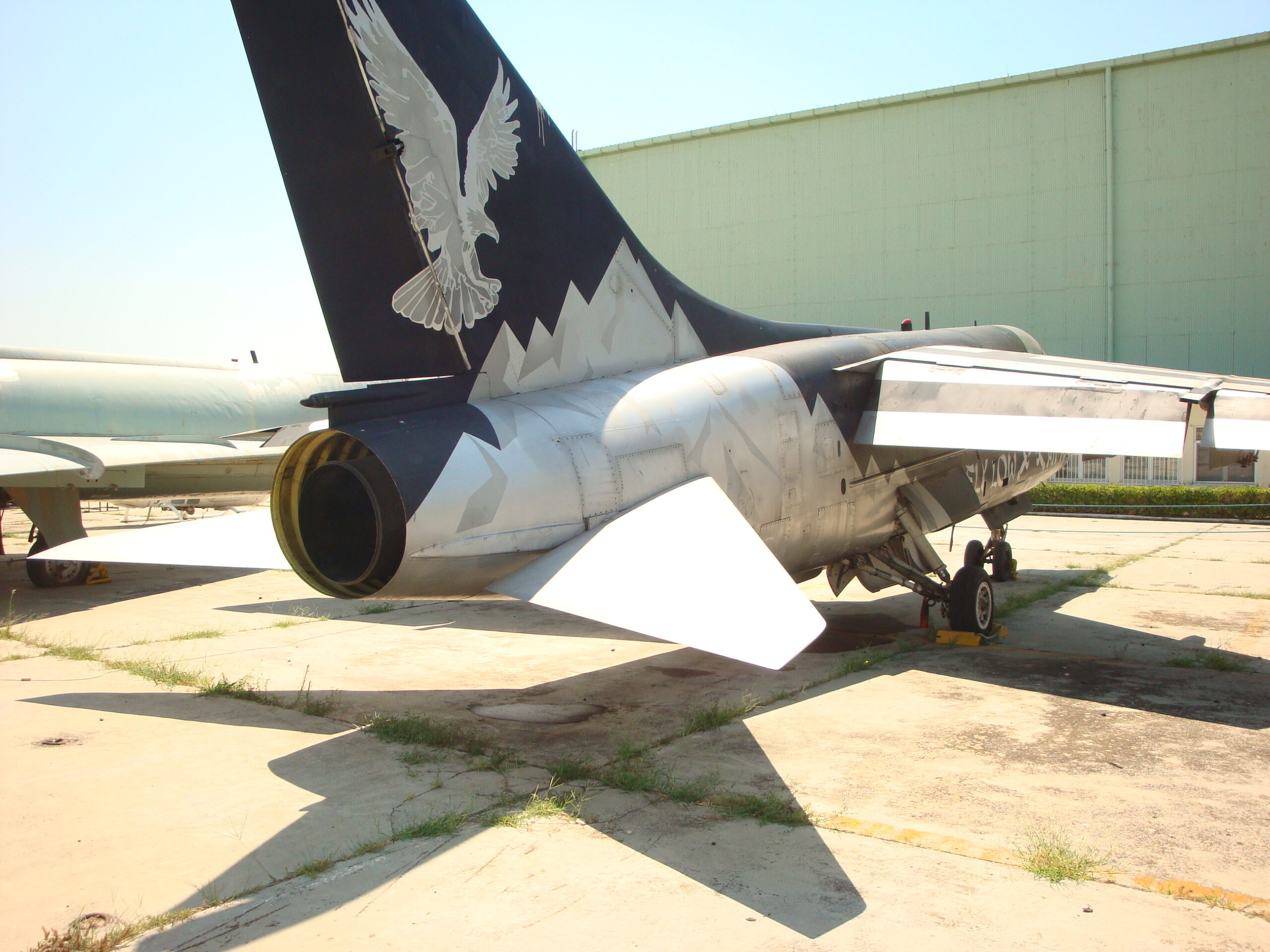
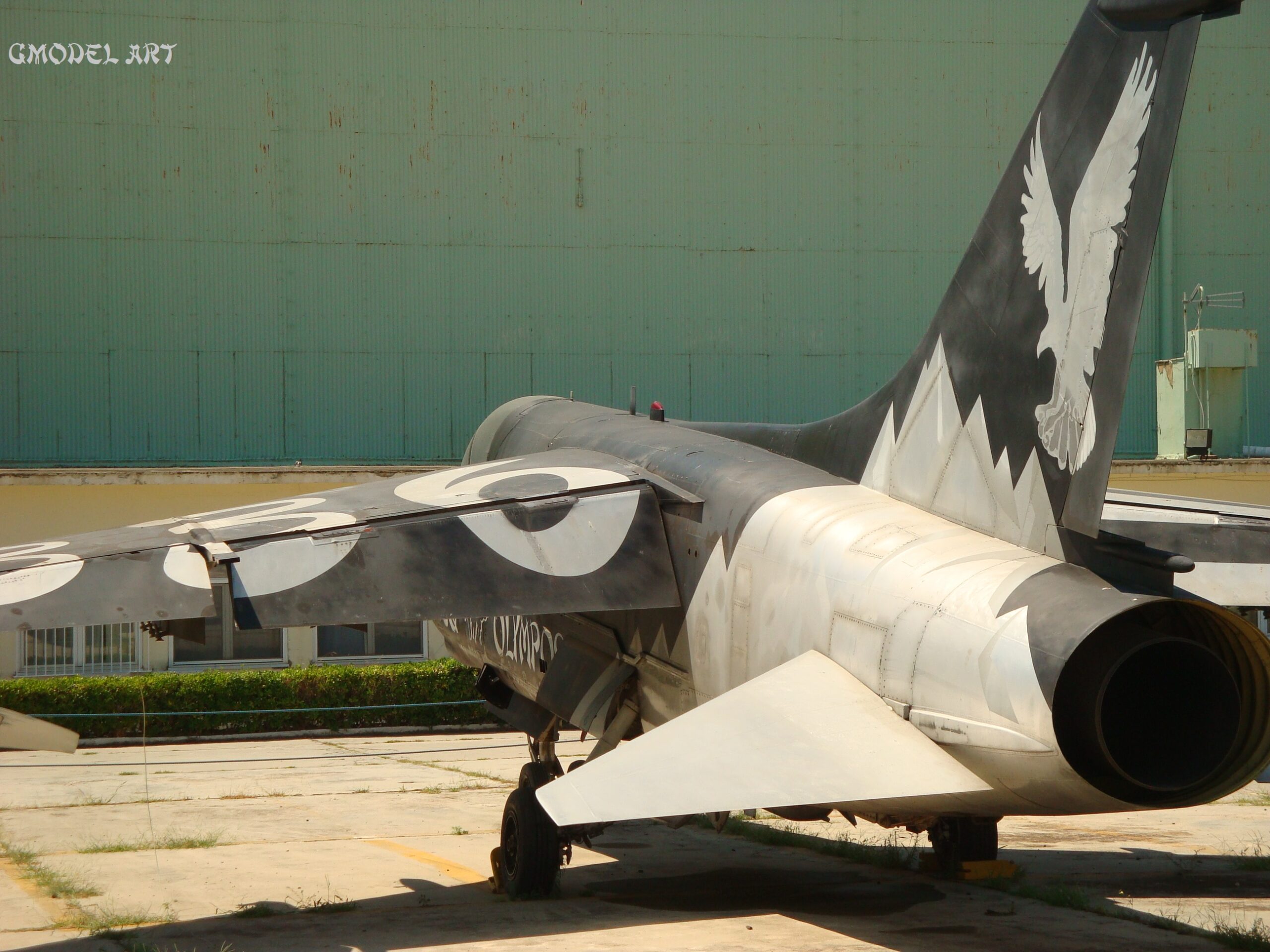
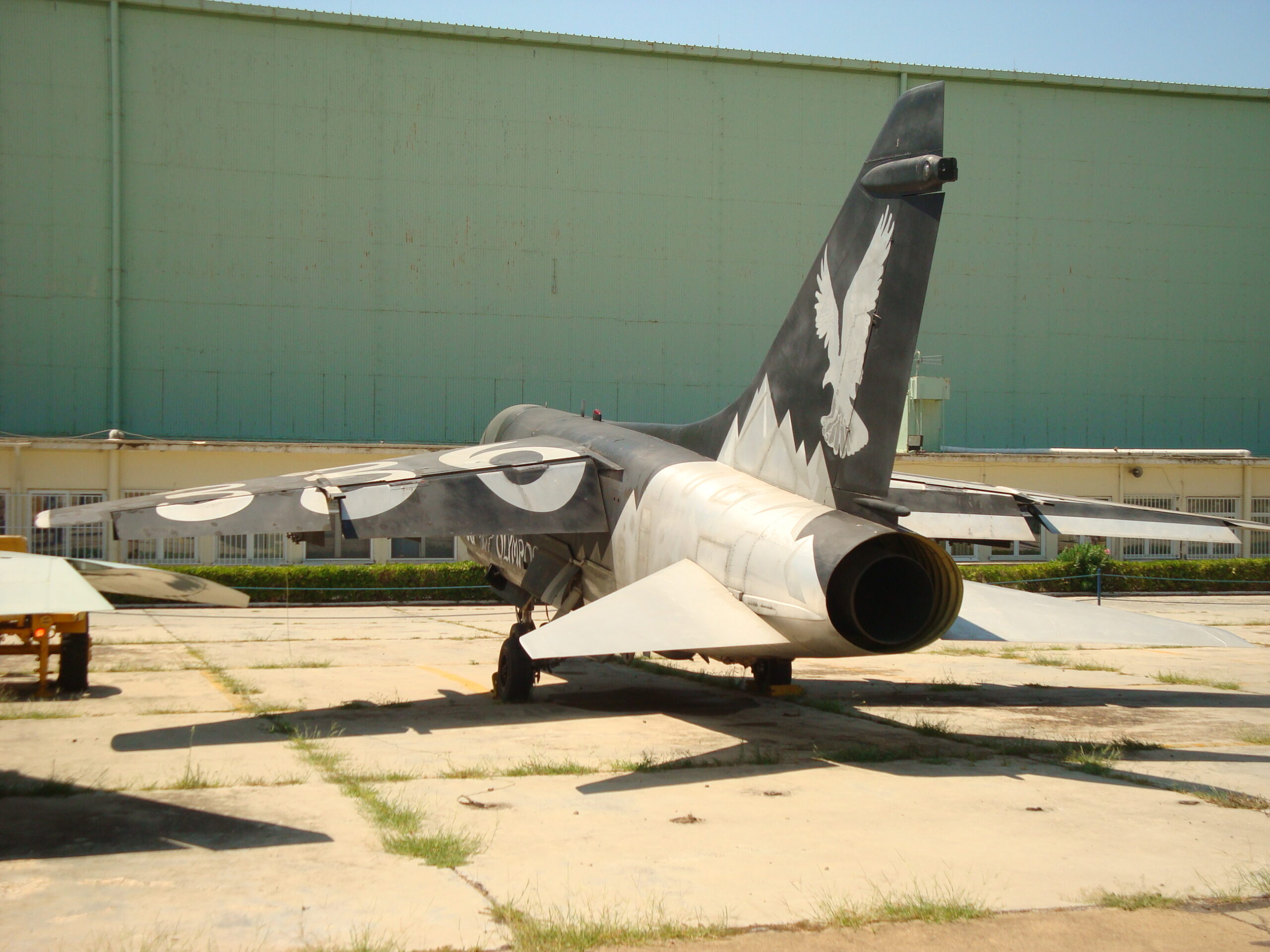
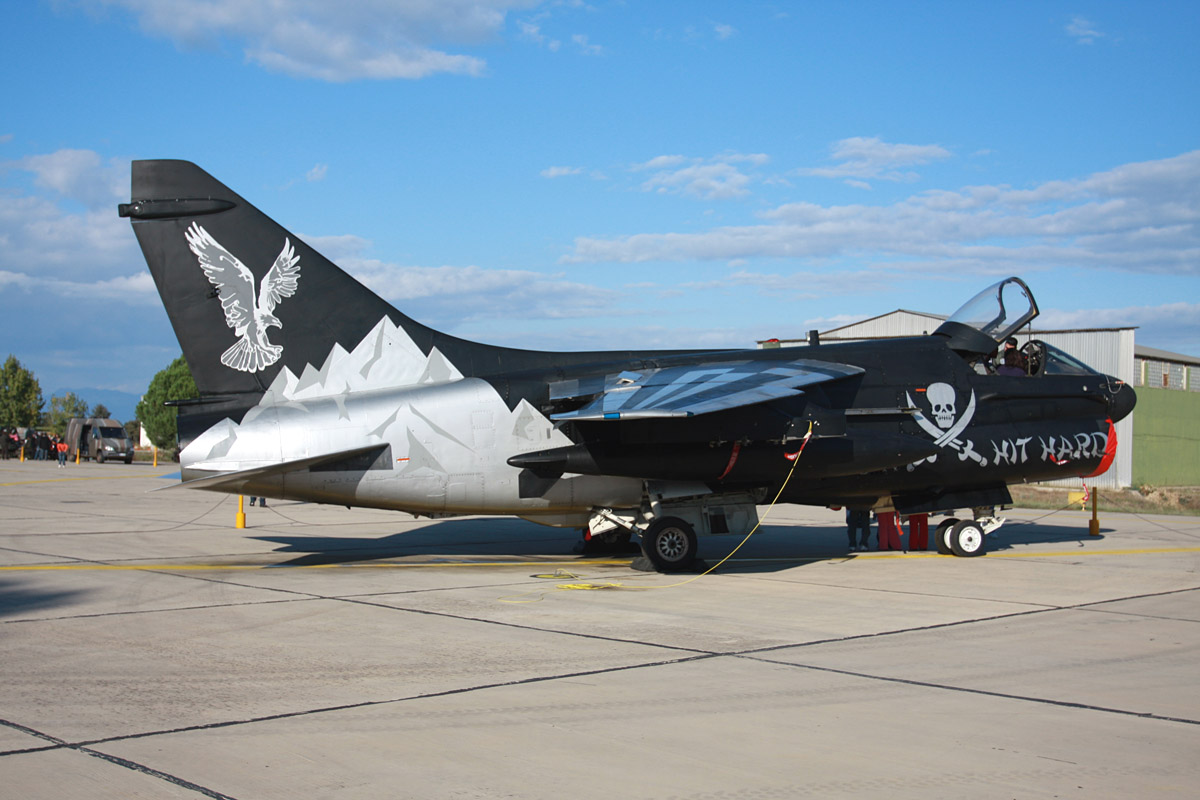
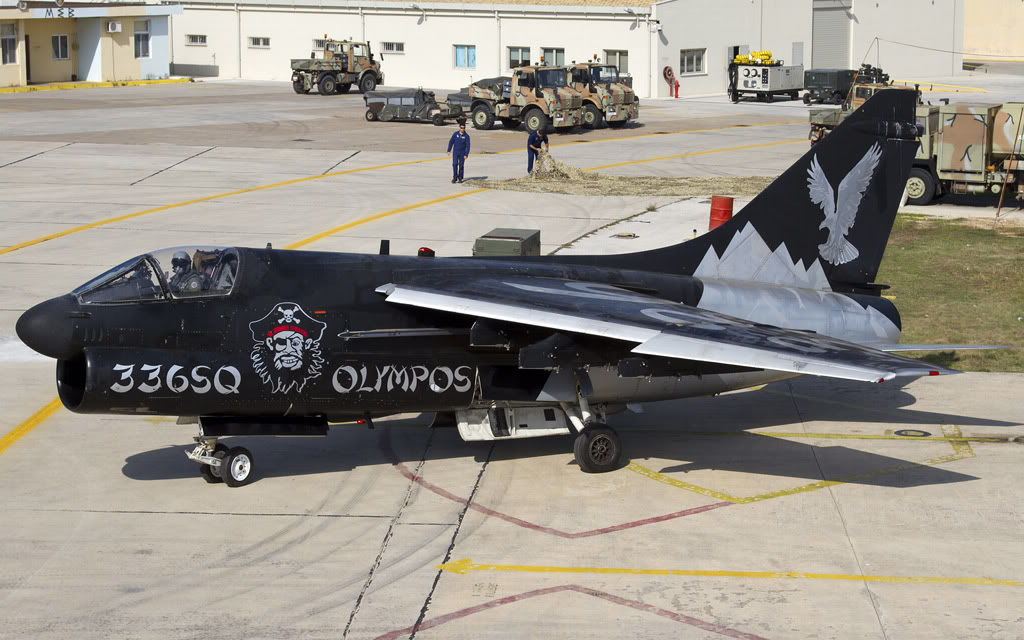
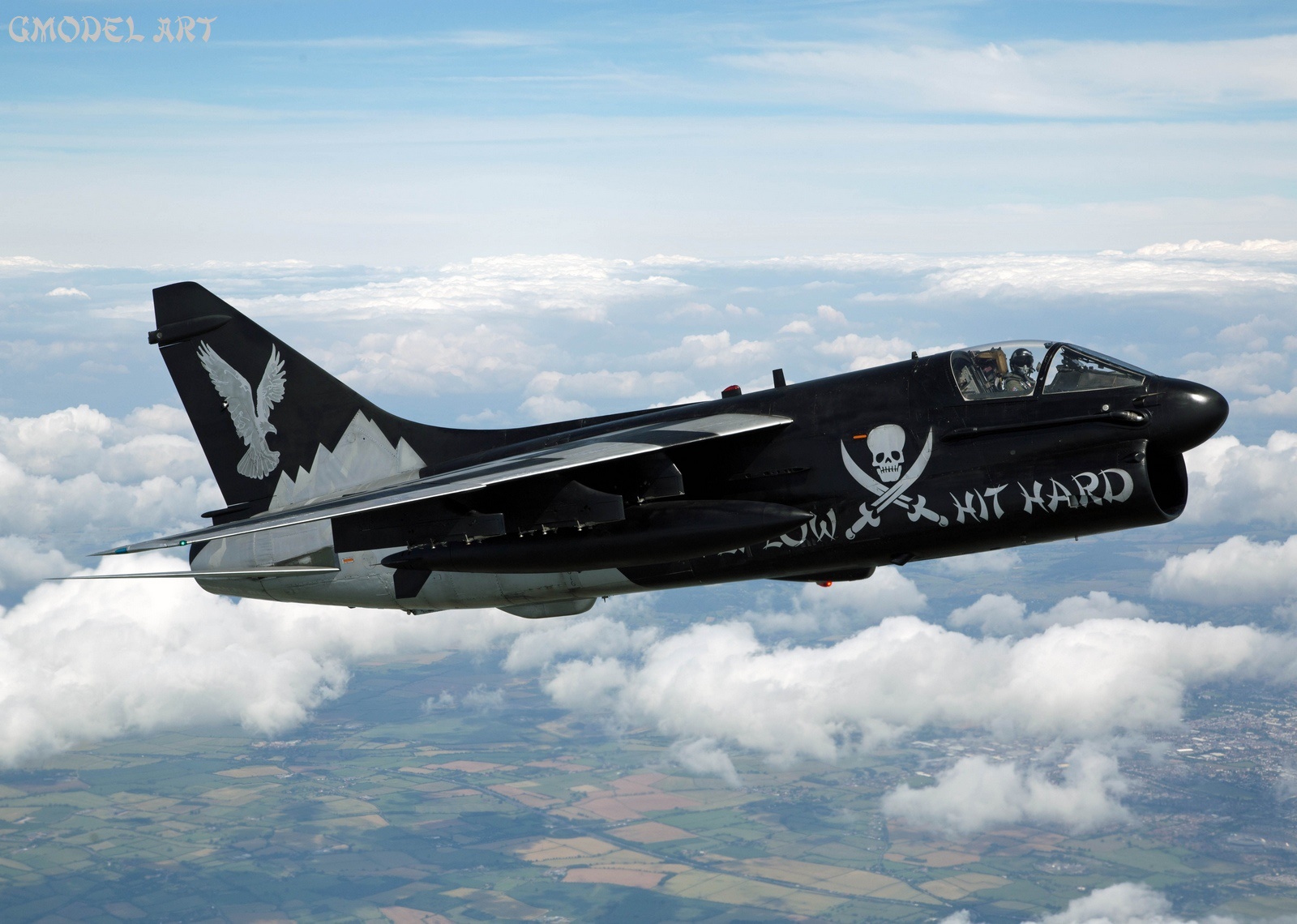
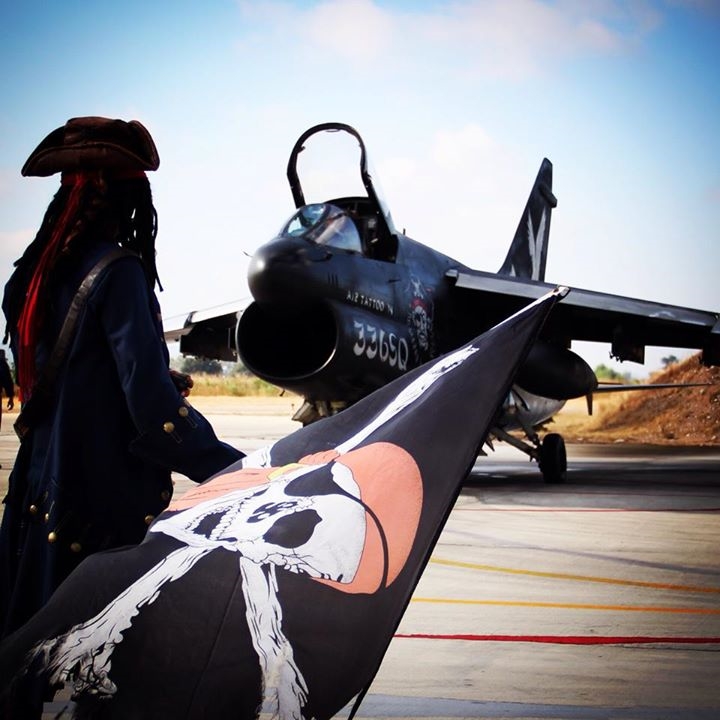
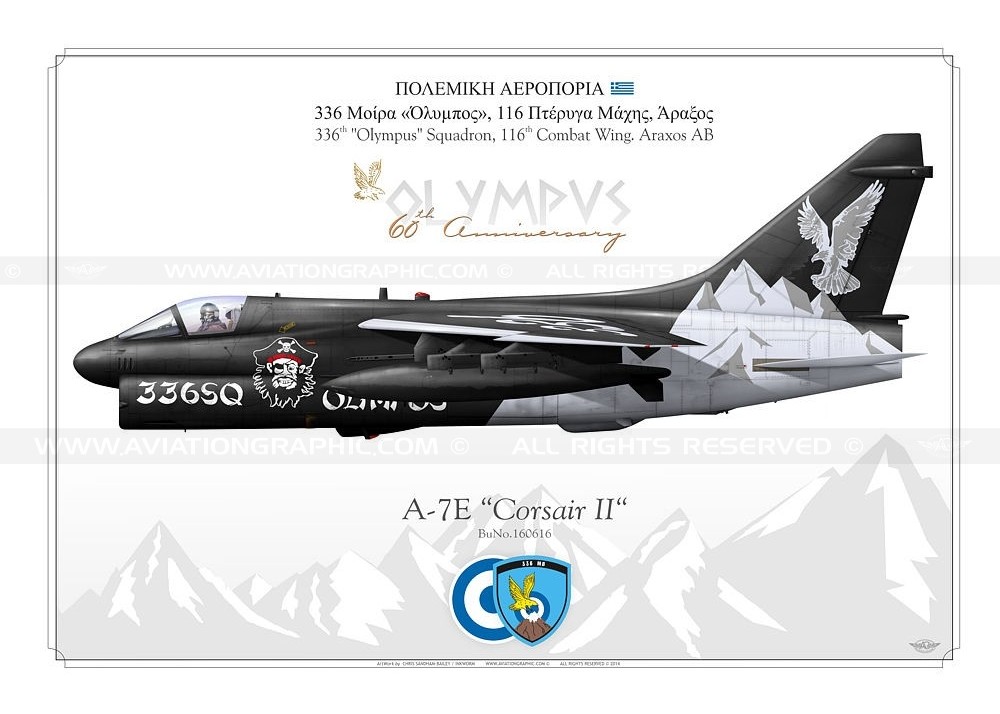
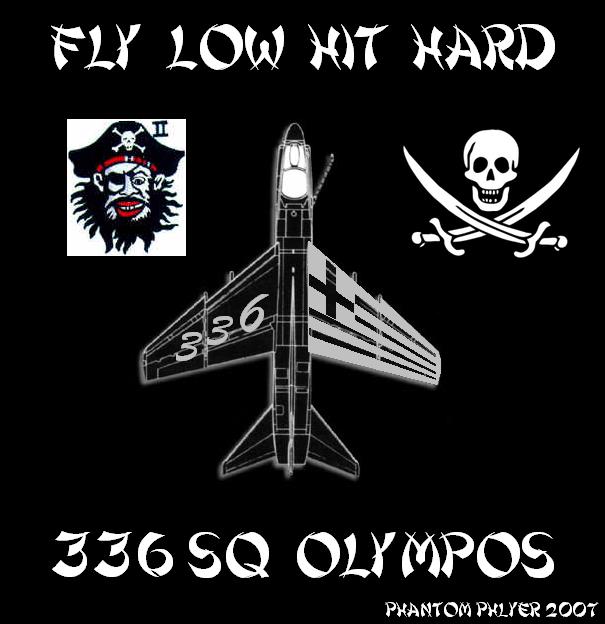
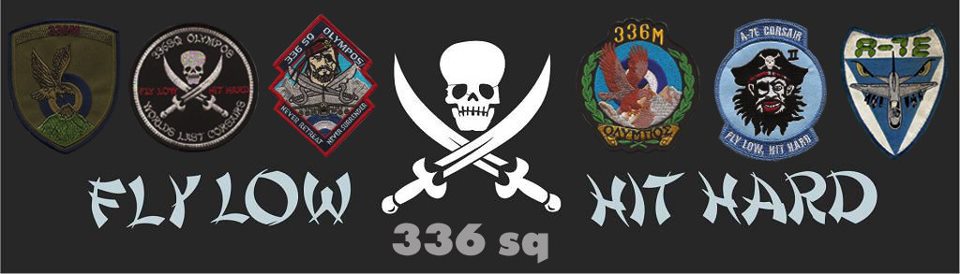
The Bu.No.160616 entered Hellenic service and operated with both the 335 Squadron “Tiger“ and the 336 Squadron “Olympos”. From 2009 until its retirement, it became the signature aircraft of the 336 Squadron, which selected it for a unique anniversary paint scheme. In 2005, this particular Corsair II began its transformation into one of the most impressive aircraft of modern aviation history: the legendary “OLYMPOS”. The choice of an all-black paint scheme, the Jolly Roger-style skull artwork, the eagle emblem, and the motto “FLY LOW – HIT HARD” created an aircraft that gained worldwide recognition and became a symbol of the final era of the Hellenic Corsair II fleet.
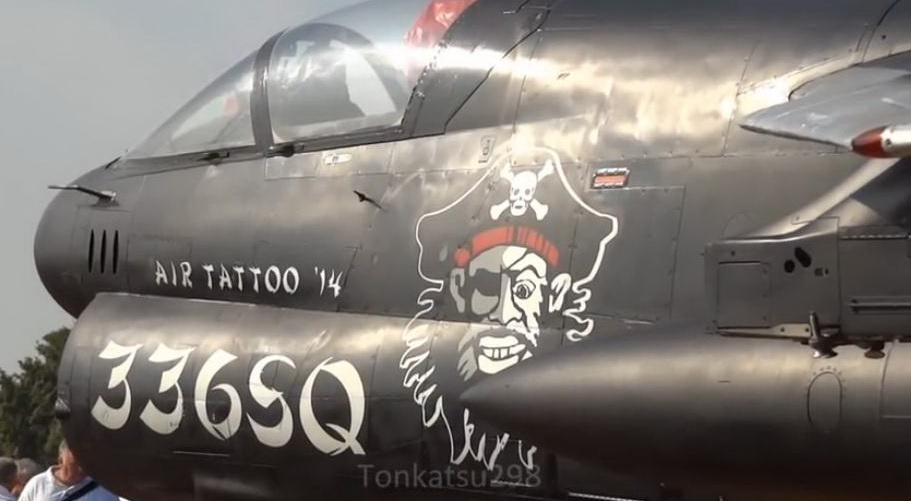
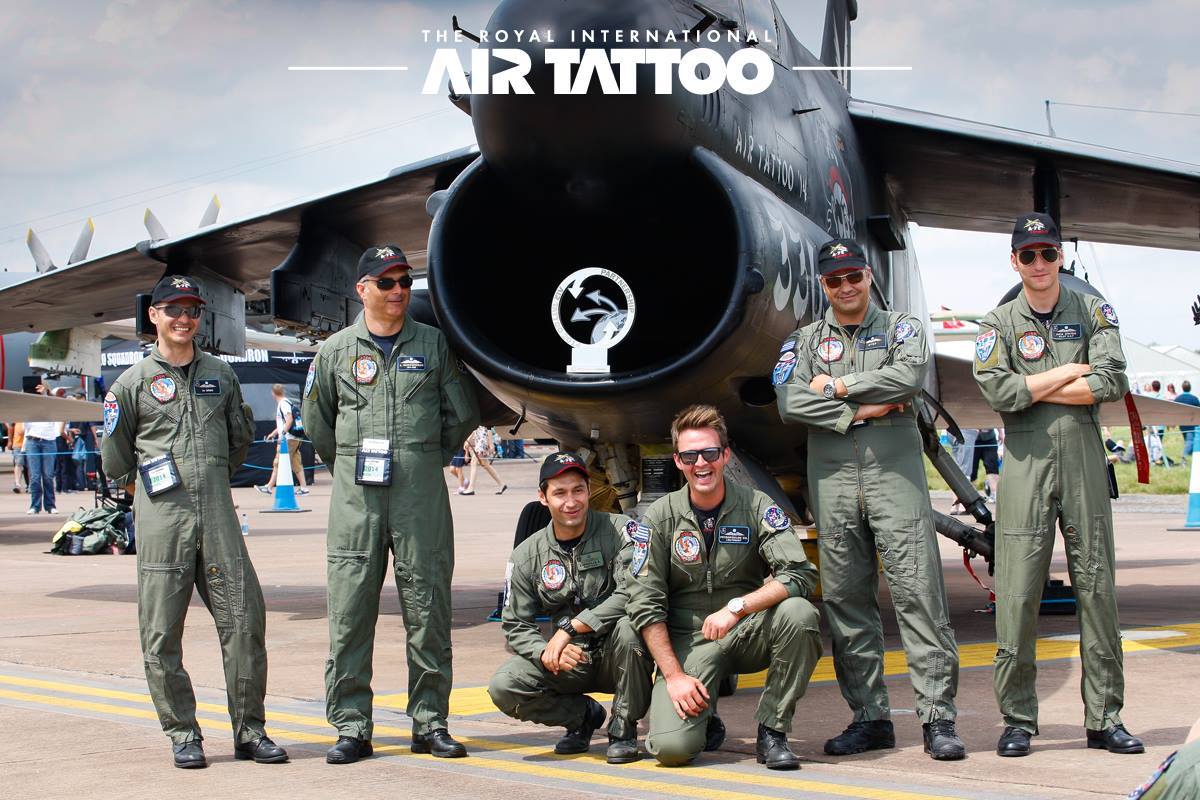
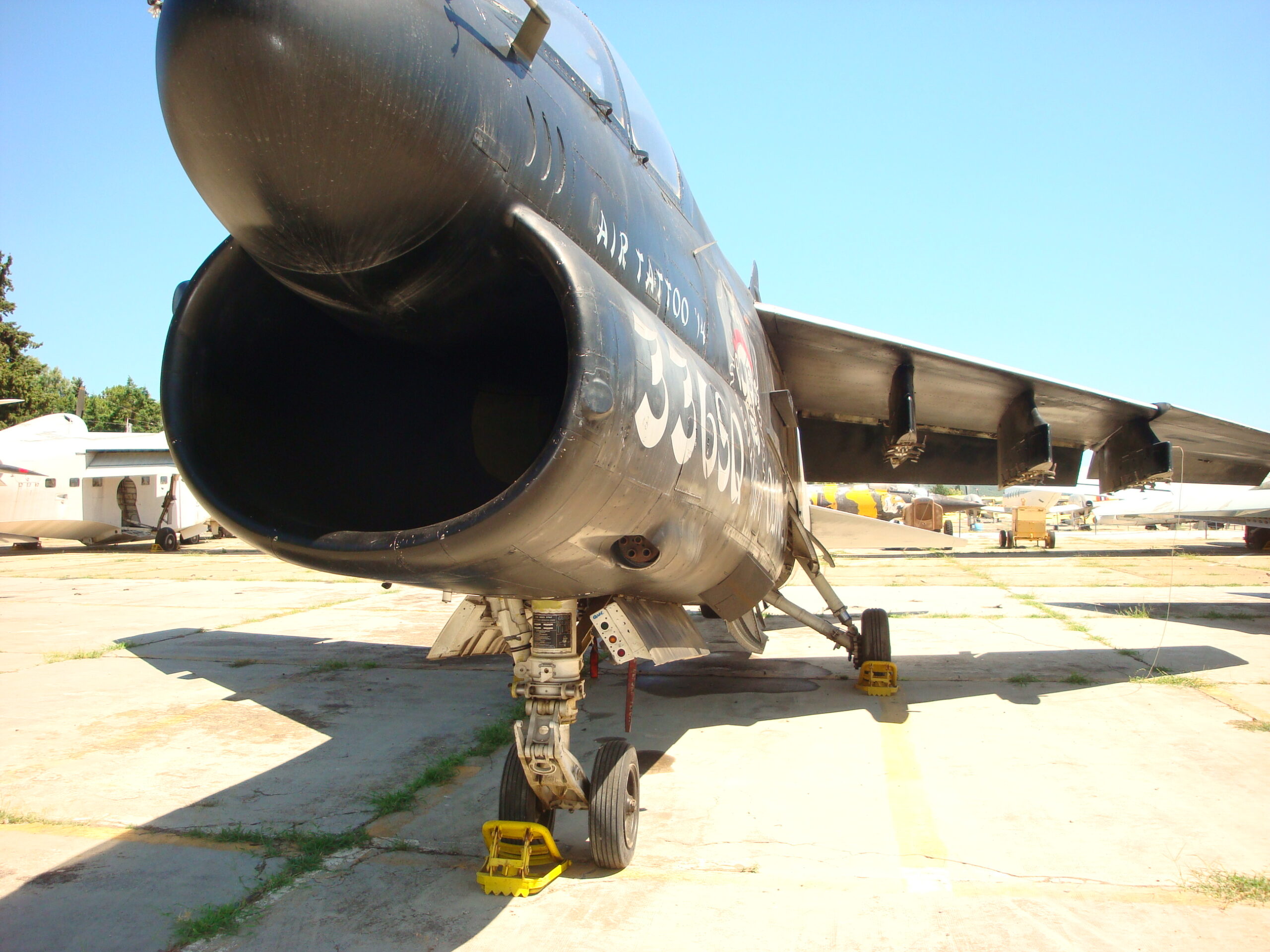
The A-7E Corsair II Bu.No.160616 was not simply an aircraft painted for static display. It remained fully operational, participating in training missions, exercises, and daily activities of the 336 Squadron until the end of its career. Its appearance at the Royal International Air Tattoo 2014 in the United Kingdom introduced the aircraft to the international aviation community, where its unique appearance made it one of the most impressive aircraft of the event. Only a few months later, after decades of service in both the United States and Greece, the OLYMPOS performed its final flight together with the rest of the Hellenic A-7 Corsair II fleet, closing an important chapter in the history of the Hellenic Air Force.
Today, this particular aircraft remains a reference point for aviation enthusiasts and scale modellers worldwide. Its unique appearance, operational history, and connection with the 336 Squadron have transformed it into one of the most popular Greek aircraft subjects for scale modelling. In the next part, we will examine the accurate reproduction of the A-7E Corsair II “OLYMPOS” Bu.No.160616 as a scale model, including paint references, available kits, aftermarket upgrades, decals, and weathering techniques for a historically accurate representation.
A-7E Corsair II “OLYMPOS” Bu.No.160616: Scale Modelling Guide
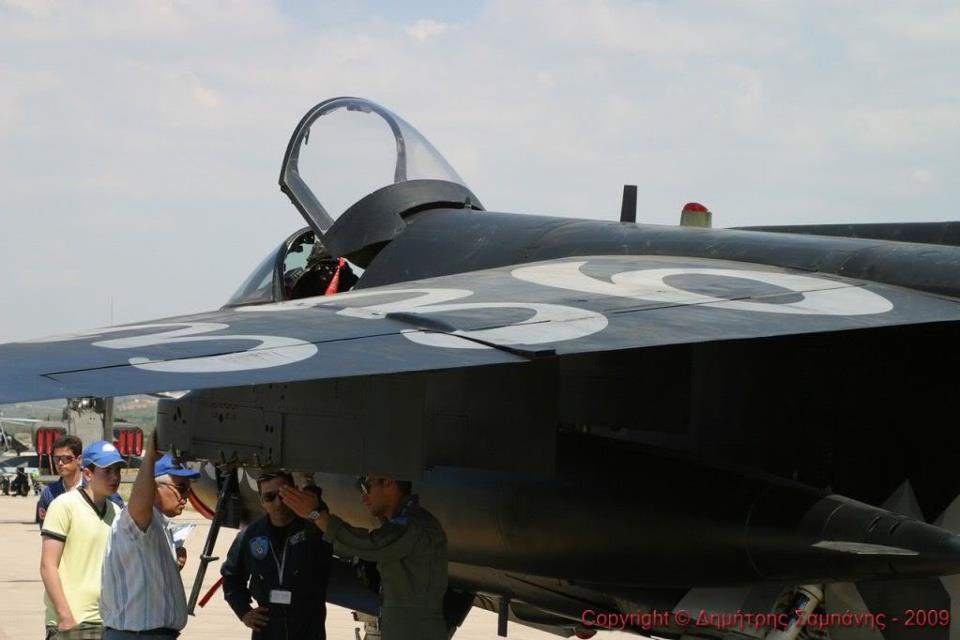
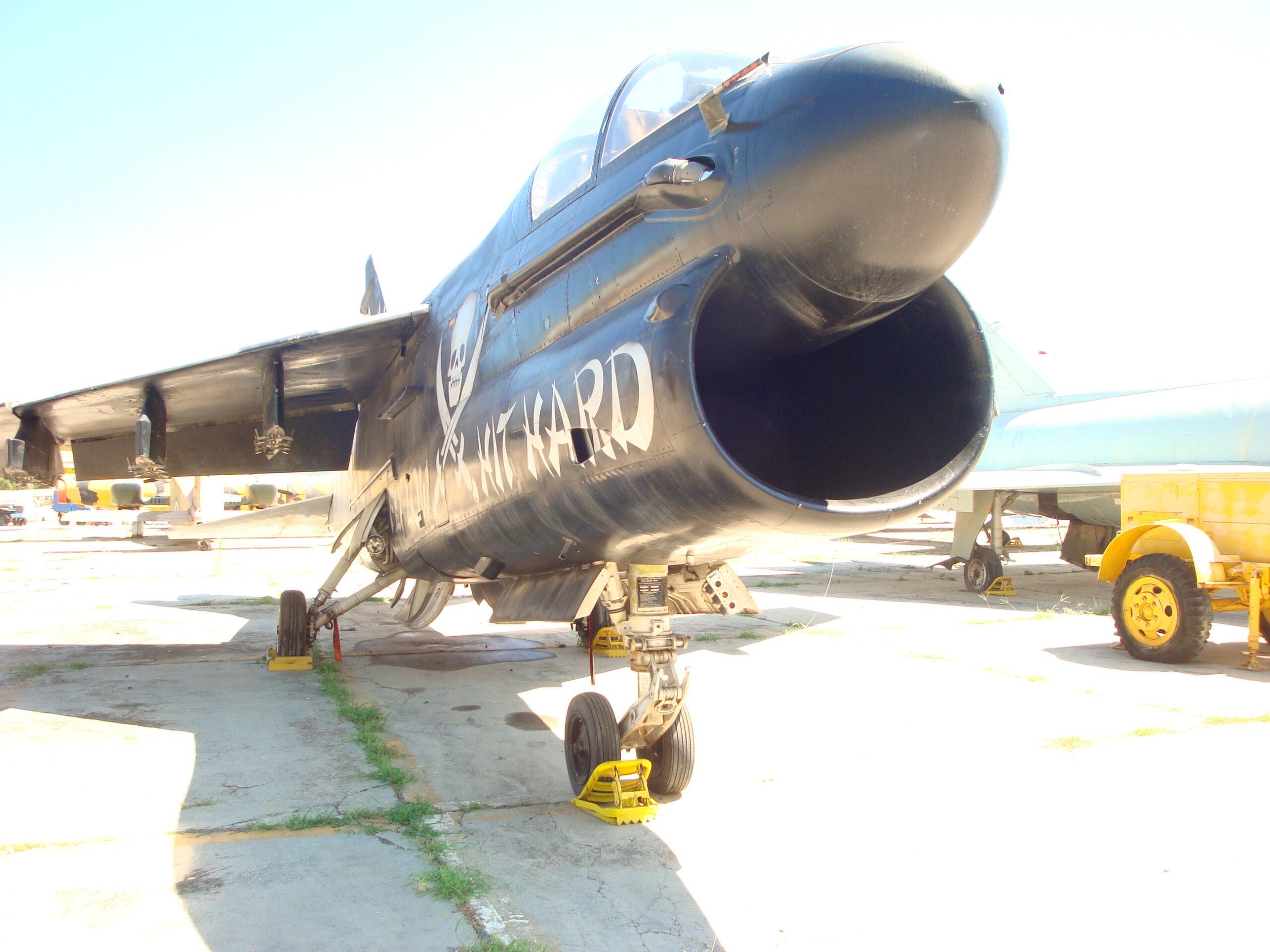
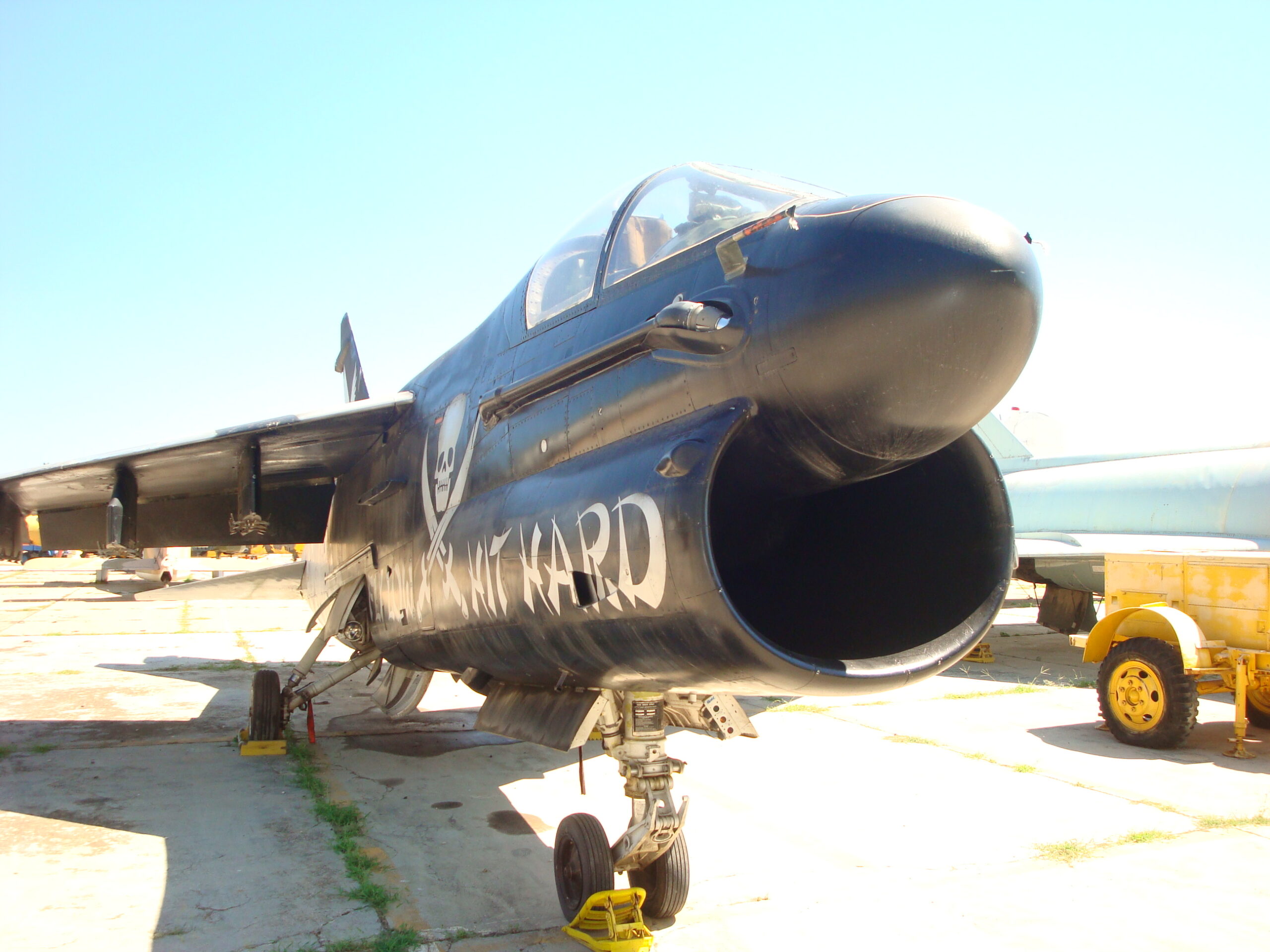
The A-7E Corsair II Bu.No.160616 “OLYMPOS” is an especially attractive subject for scale modellers because its final Hellenic Air Force appearance was completely different from the standard operational camouflage normally associated with the Corsair II. The aircraft of 336 Squadron “Olympos” carried an overall black special scheme, enhanced with the distinctive Corsair and skull artwork, the eagle motif and the motto “FLY LOW – HIT HARD.” Photographs from its final years show that this was not a pristine display aircraft: it remained operational and accumulated the characteristic staining, fading and surface wear of a hard-working combat aircraft. The aircraft is documented as A-7E, Bu.No.160616, c/n E540, operated by the Hellenic Air Force with 336 Squadron.
1. Choosing the right kit
For a model of 160616, the first priority is selecting a kit that accurately represents the A-7E rather than simply using any Corsair II box.
In 1/72, the current Italeri A-7E Corsair II, kit 1411, is one of the most accessible choices. Italeri identifies it specifically as an A-7E and supplies decals for four versions. A modeller should nevertheless check the instructions carefully and adapt the configuration to the Greek aircraft rather than simply following the kit’s standard U.S. Navy options. A documented 1/72 build of 160616 “Olympos” used the Italeri kit with an Eduard photo-etched set SS185 and Three Stars Decals, making this a particularly relevant combination for a Greek Corsair project.
For 1/48, the Hasegawa A-7E remains a strong choice for an experienced modeller, with options such as folded wings and open avionics areas depending on the boxing. The kit has been used extensively as the basis for detailed A-7E builds. Italeri also currently lists a 1/48 A-7E Corsair II, kit 2797, based on original ESCI moulds.
The Hobby Boss 1/48 A-7E is another viable option, particularly when extensive aftermarket detailing is planned. Aires, for example, produces a dedicated cockpit set for the Hobby Boss late-version A-7E.
Recommended kit selection
| Scale | Kit | GModel Art assessment |
|---|---|---|
| 1/72 | Italeri 1411 | ⭐⭐⭐⭐ Recommended |
| 1/48 | Hasegawa A-7E | ⭐⭐⭐⭐⭐ Best starting point |
| 1/48 | Hobby Boss A-7E | ⭐⭐⭐⭐ Excellent for aftermarket |
| 1/48 | Italeri 2797 | ⭐⭐⭐ Good alternative |
For the modeller who wants to reproduce 160616 specifically, the 1/48 Hasegawa A-7E is an excellent starting point, while the Italeri 1/72 kit offers a practical route to a smaller-scale “OLYMPOS”.
2. The “OLYMPOS” Black Scheme
This is the most important aspect of the model.
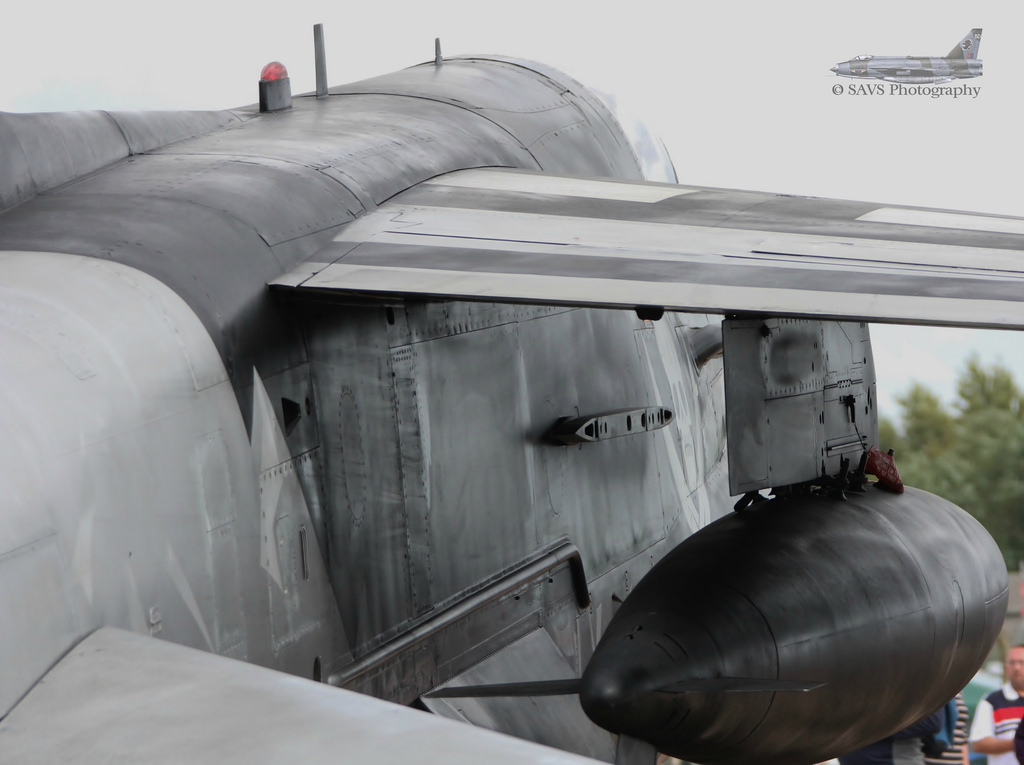
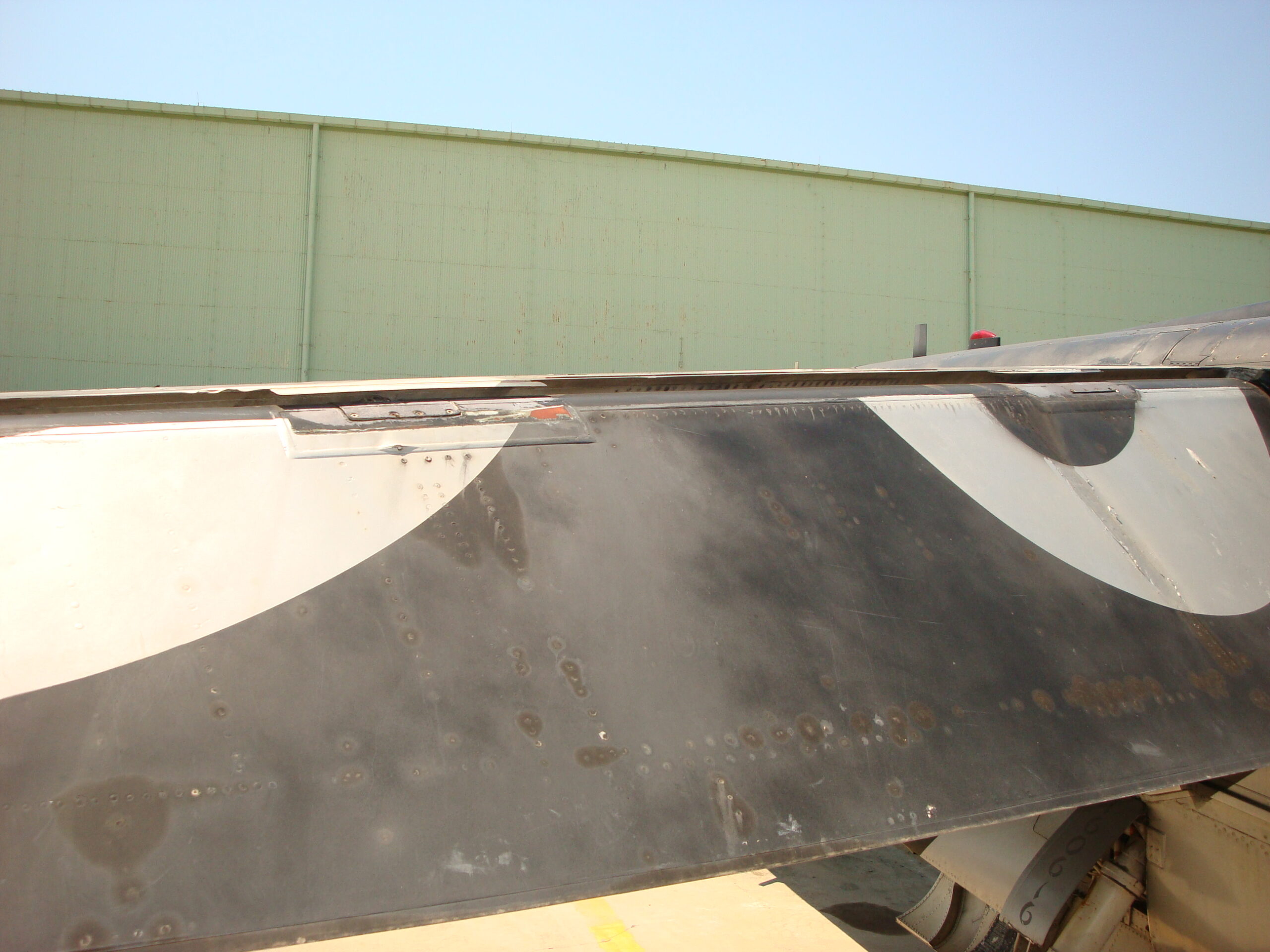
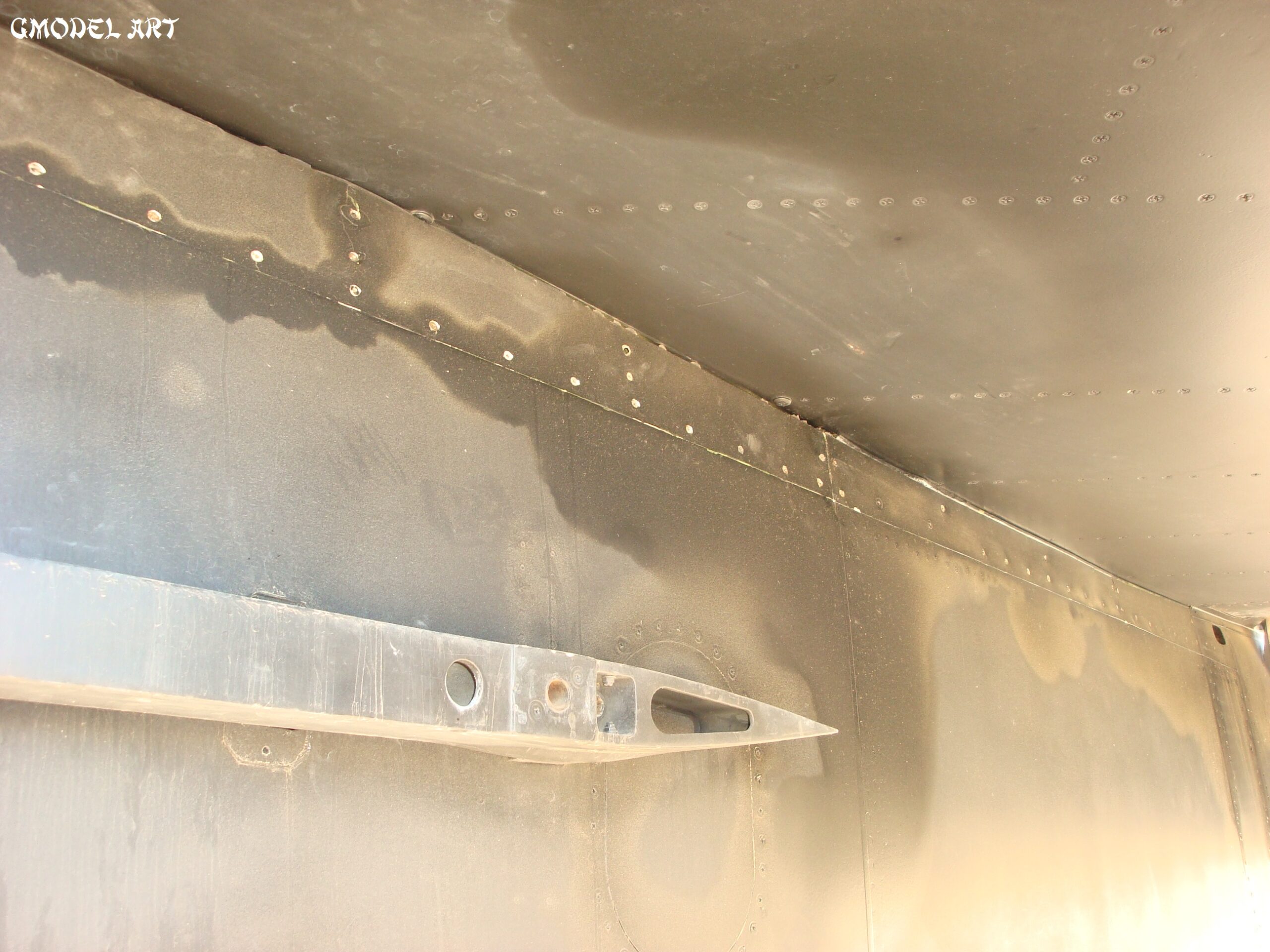
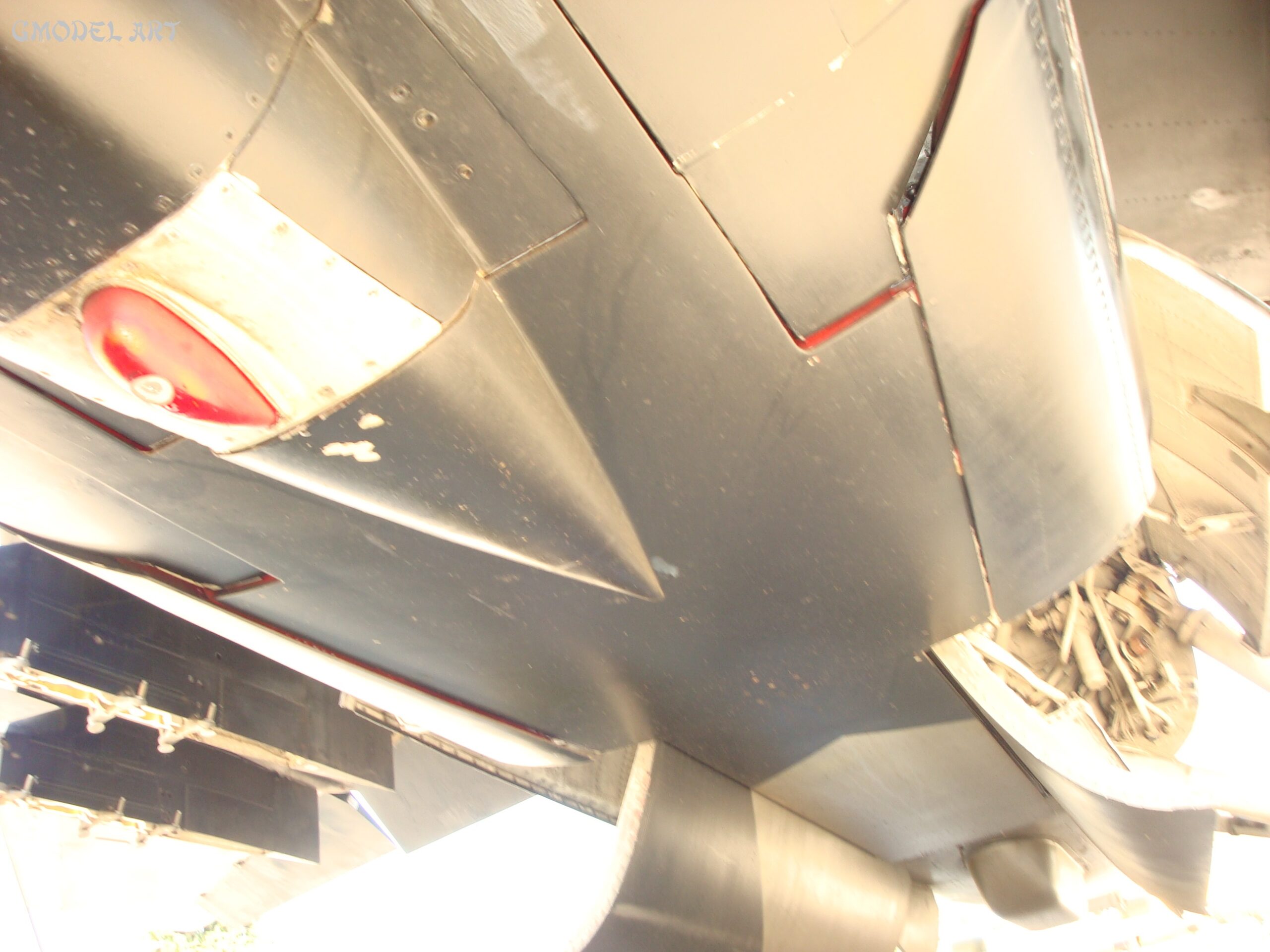
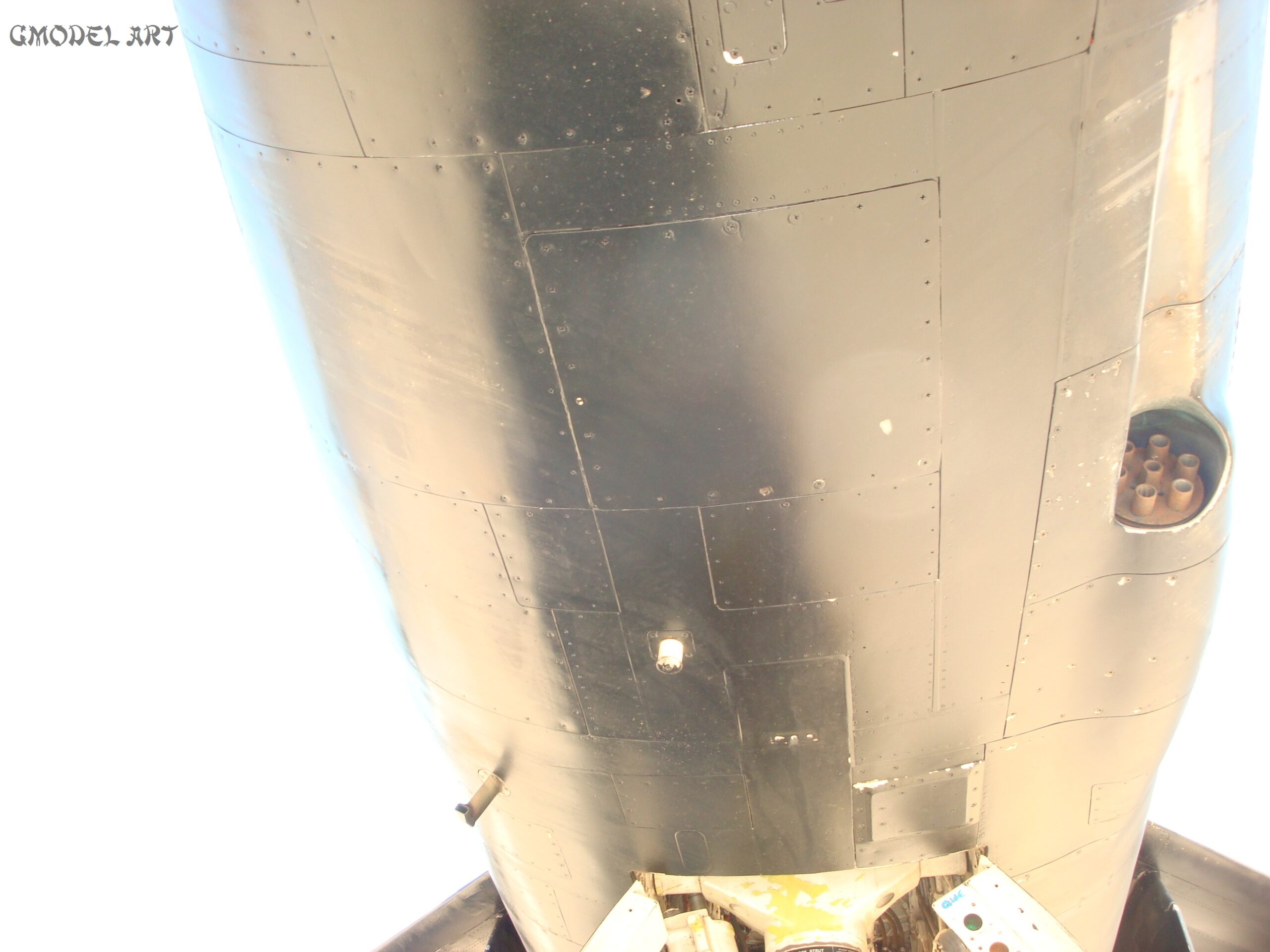
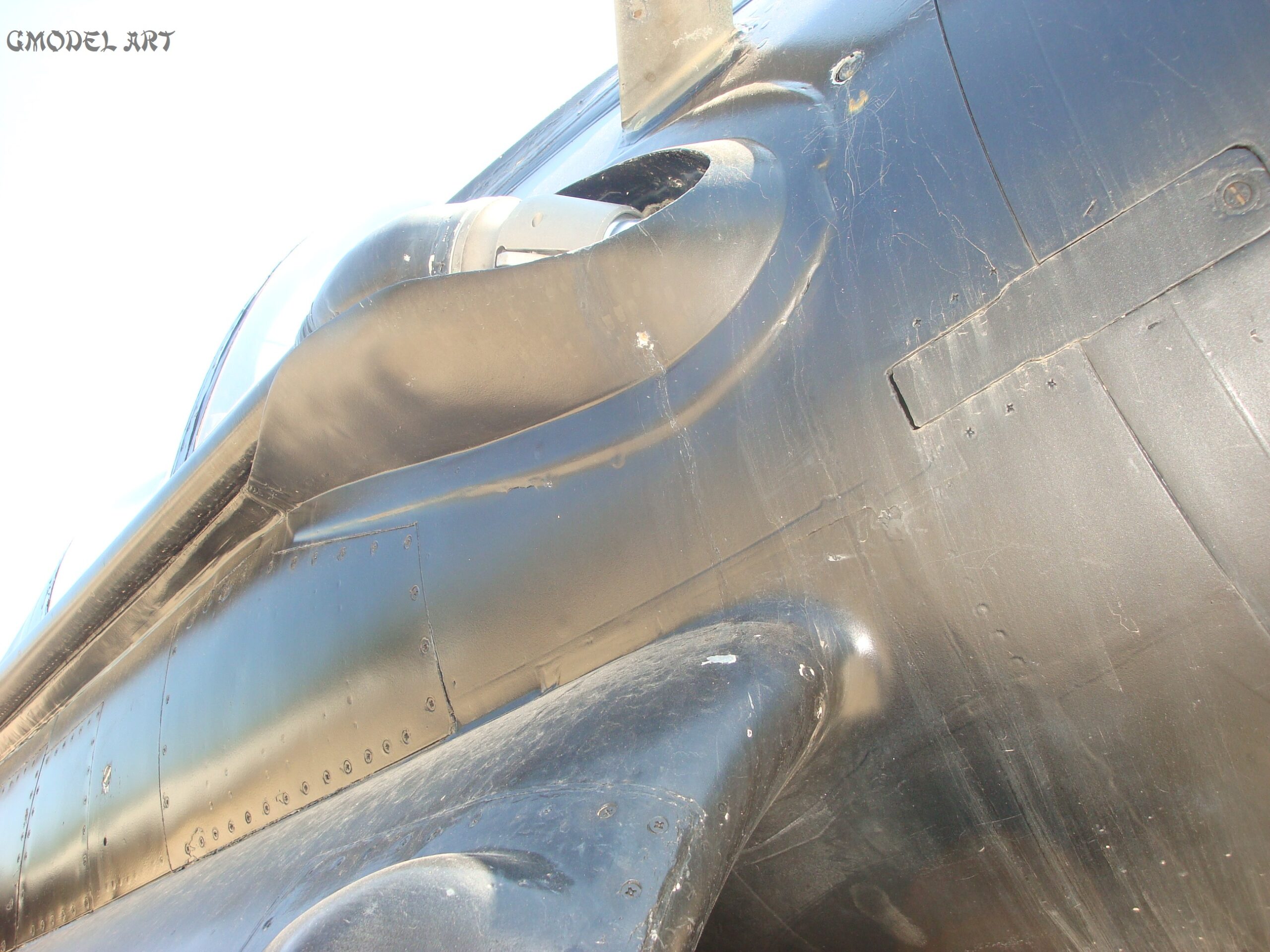
Do not treat the aircraft as a conventional U.S. Navy black aircraft with a single uniform FS colour. The special Greek scheme was a commemorative/operational finish, and photographic evidence shows considerable variation in surface appearance.
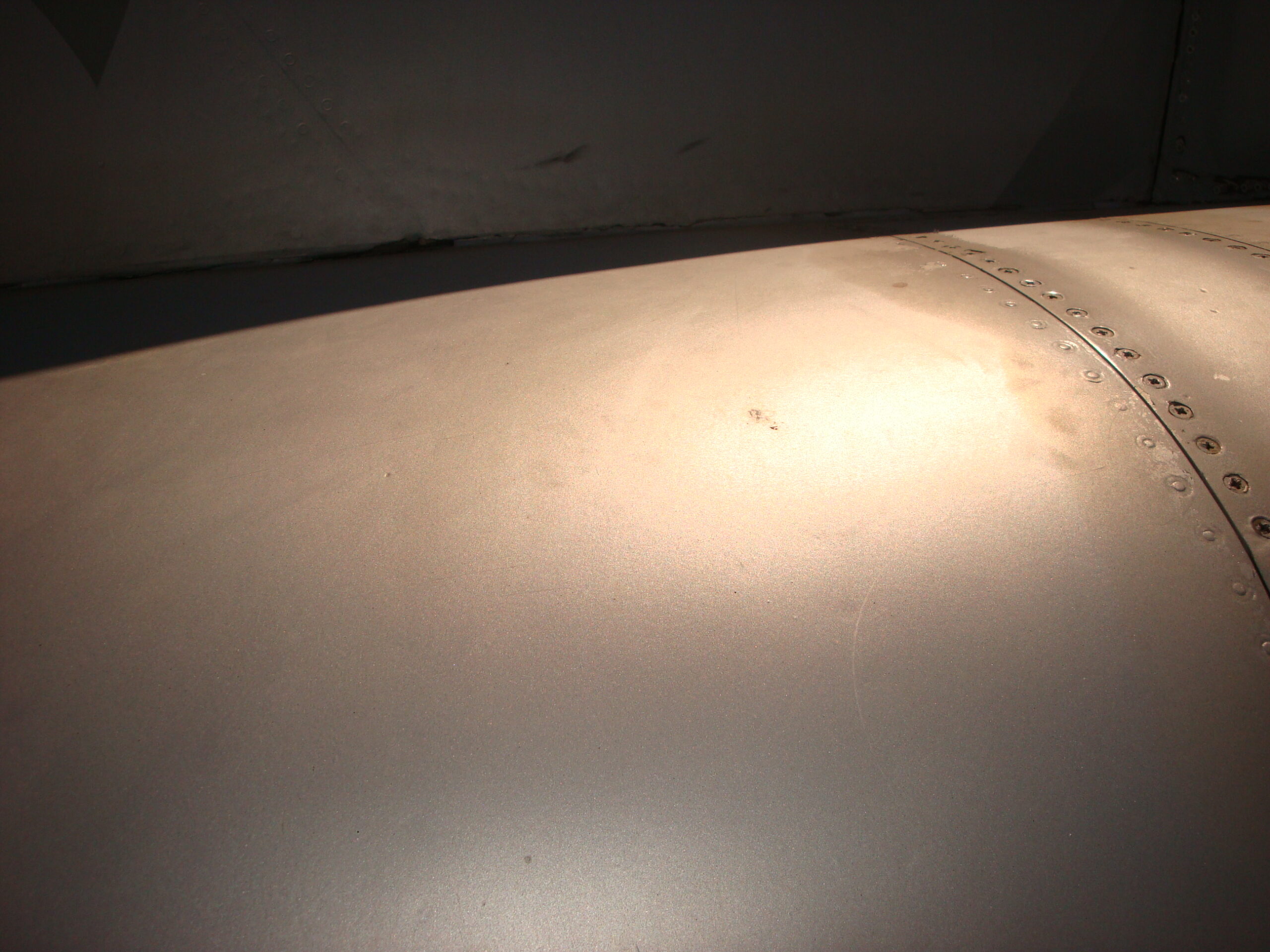
The safest modelling approach is to begin with a very dark semi-gloss black, rather than a dead flat black.
Main exterior
Base colour: Semi-Gloss Black
There is no reliable evidence establishing a specific official FS595 number for the special black finish of 160616. Therefore, assigning an arbitrary FS number to the complete aircraft would give the impression of a precision that the available documentation does not support.
For modelling purposes, FS 37038 Black can be used as a reference starting point, but it should not be described as the confirmed official colour of the real aircraft. Italeri itself lists FS 37038 as its generic black reference for the A-7E.
The final finish should be subtly varied:
- centre of large panels – slightly lighter black
- panel edges – darker
- frequently handled areas – satin
- freshly maintained panels – deeper black
- exposed surfaces – slightly faded charcoal-black
This variation is what prevents a large black model from looking like a toy.
3. FS and Paint Reference Guide
| Area | Recommended reference | Modelling interpretation |
|---|---|---|
| Main fuselage | FS 37038 as reference only | Semi-gloss black |
| Radome | No confirmed FS | Matt/dull black |
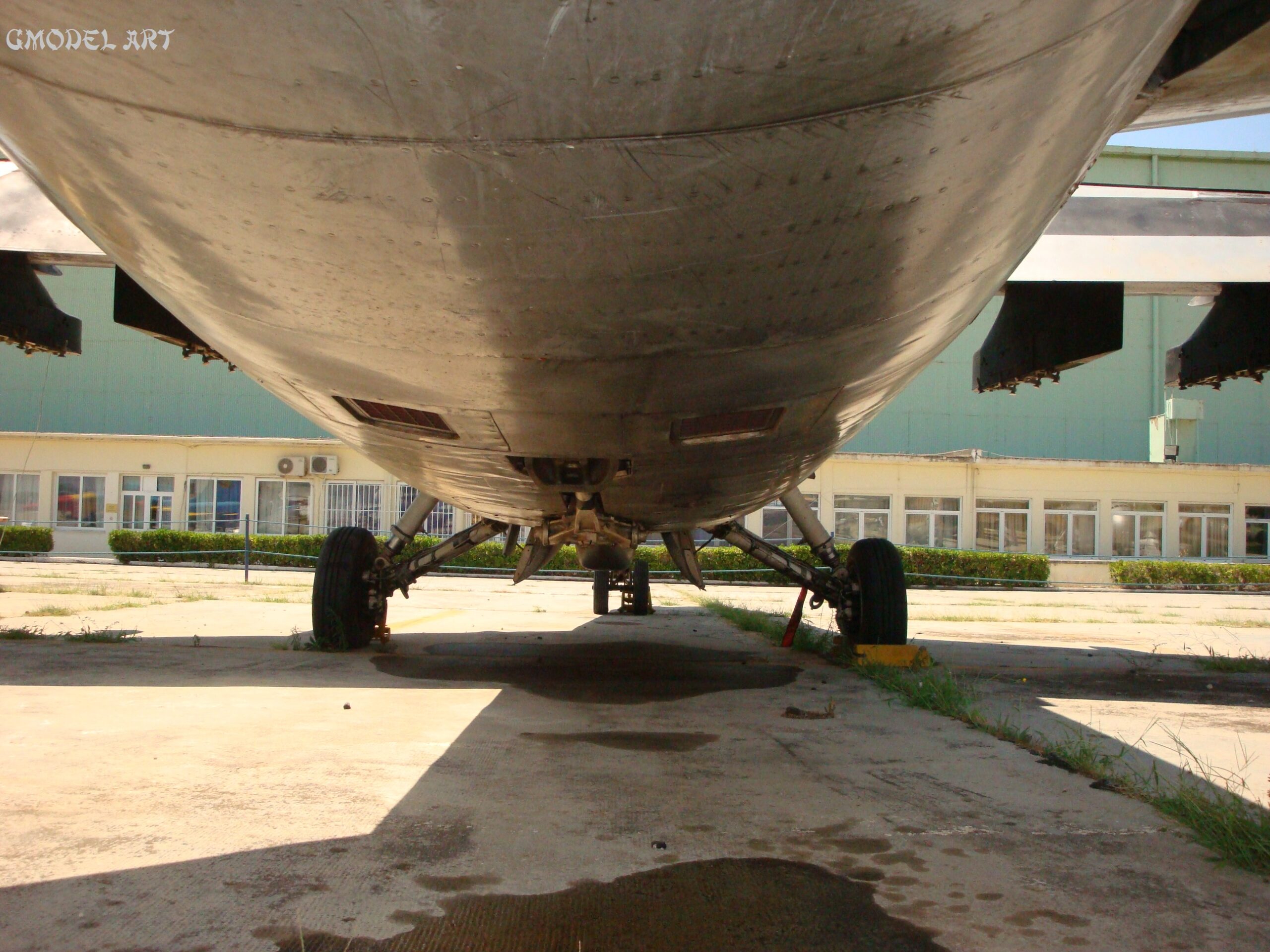
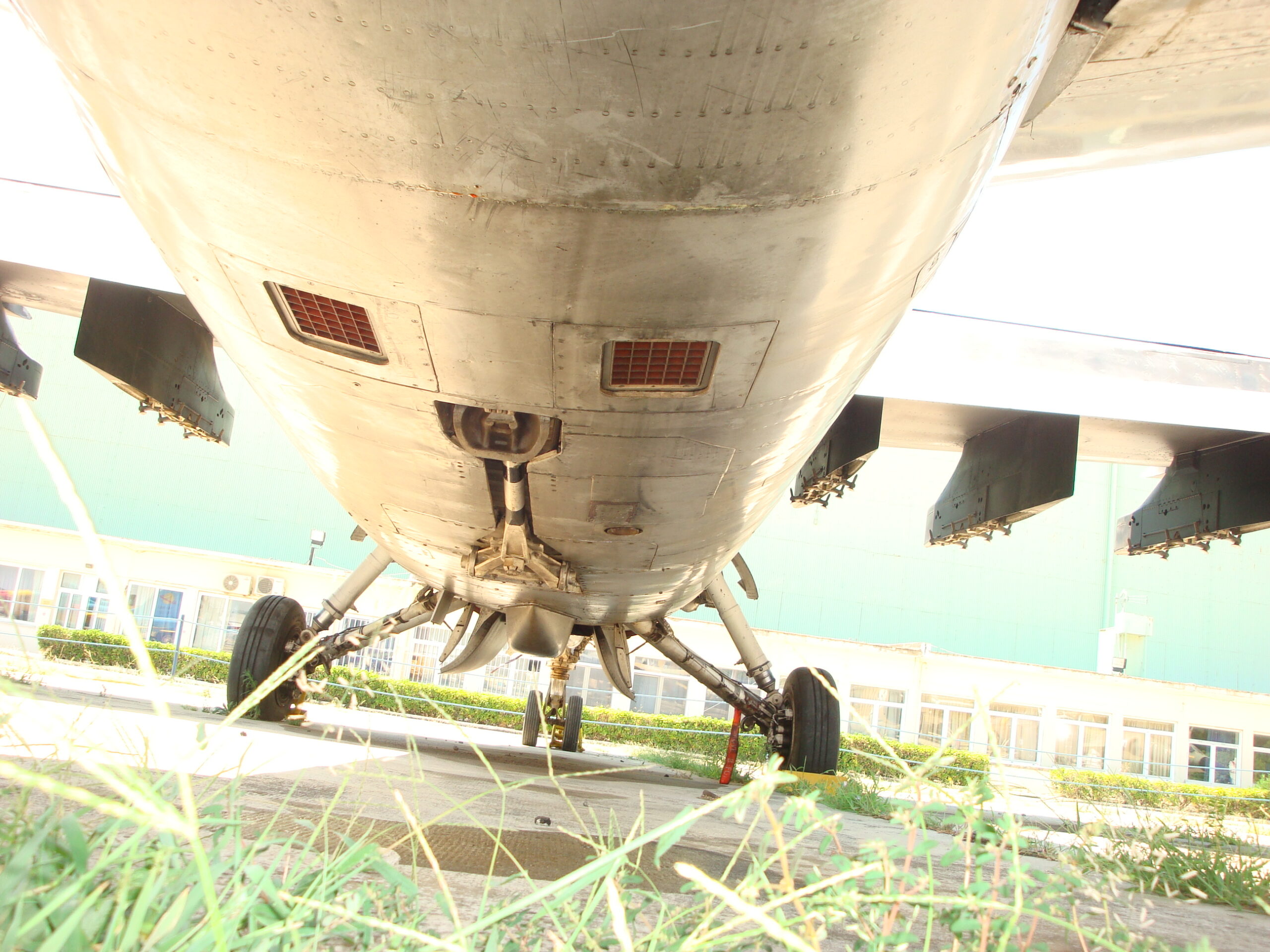
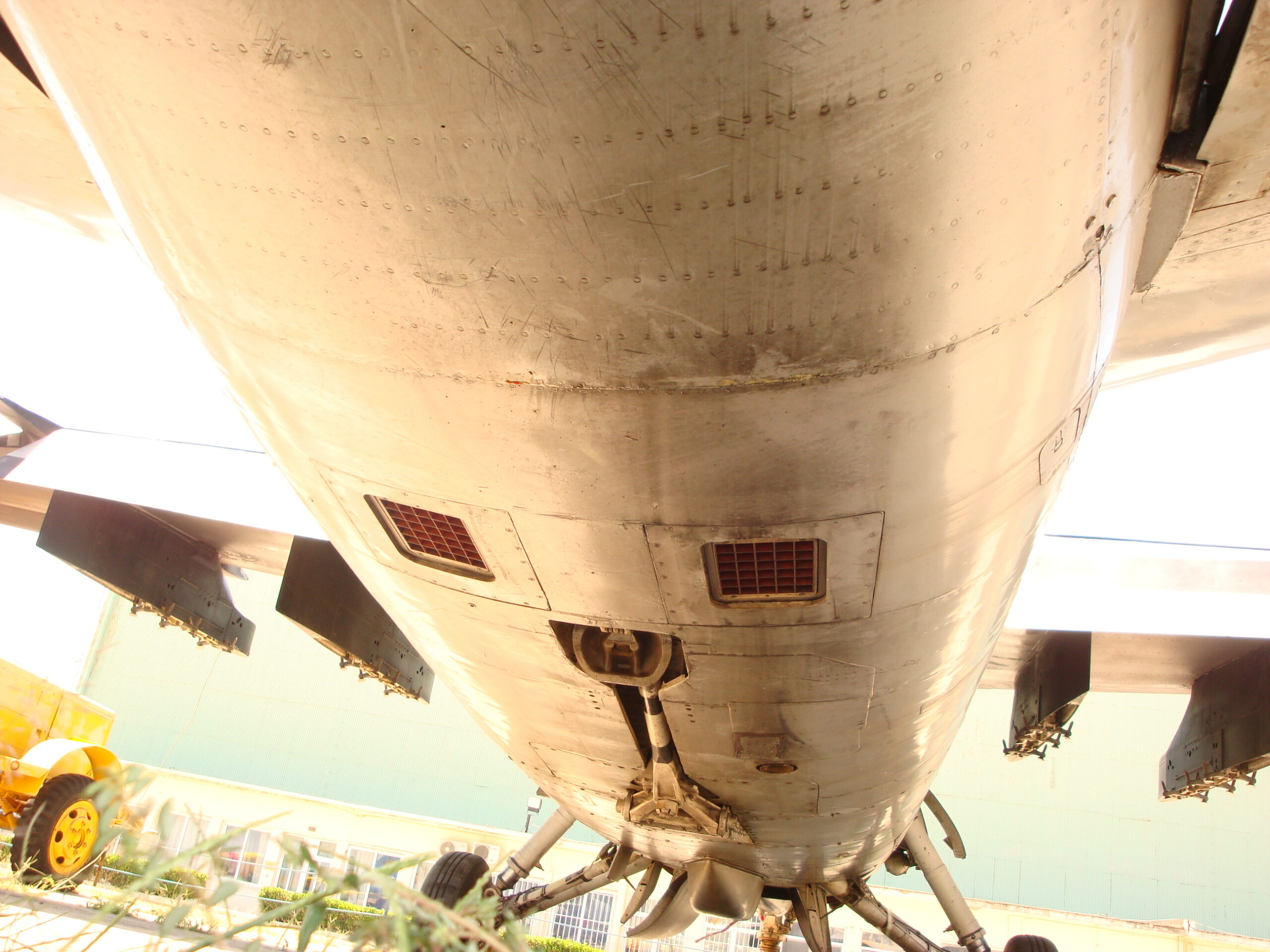
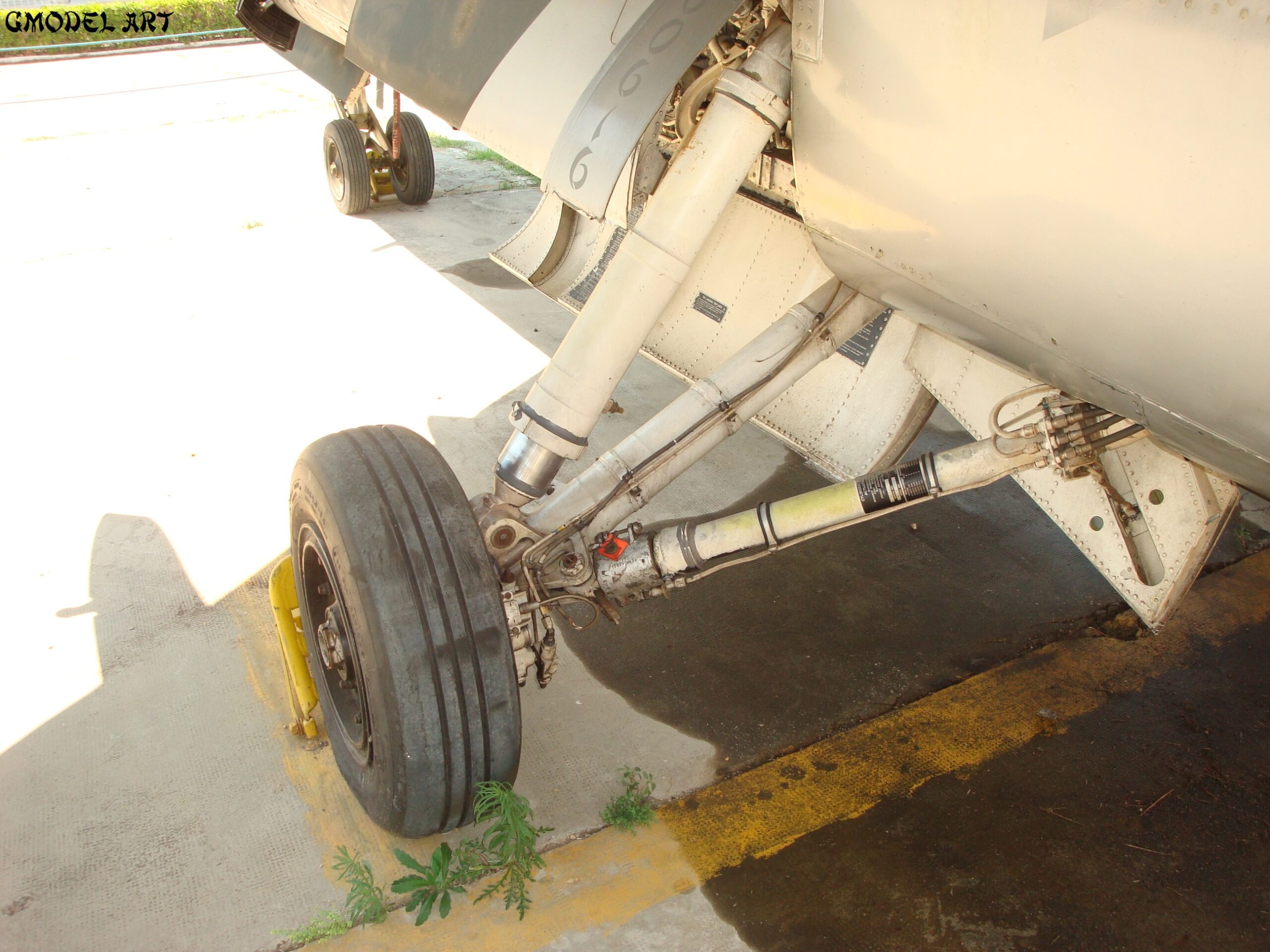
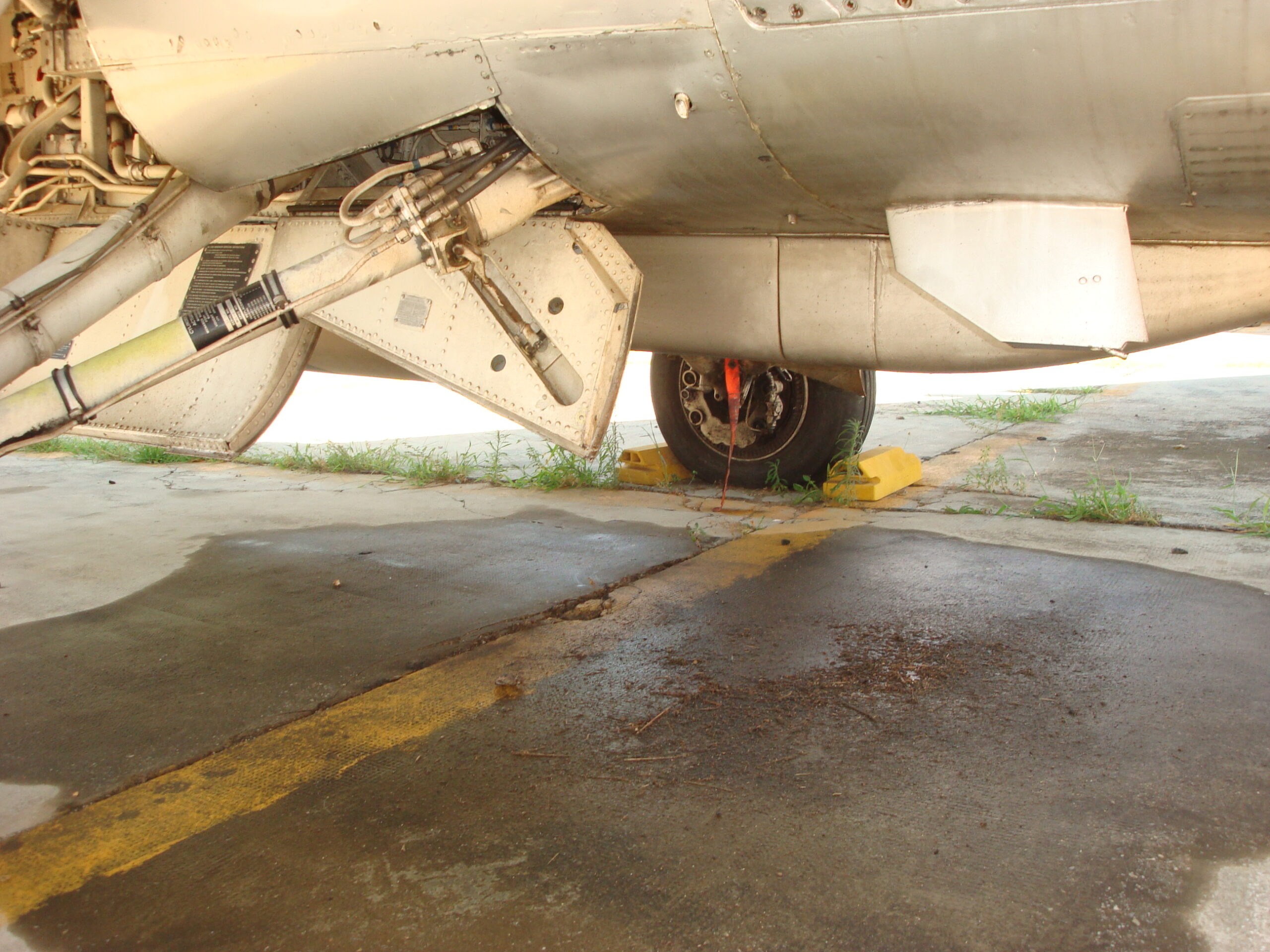
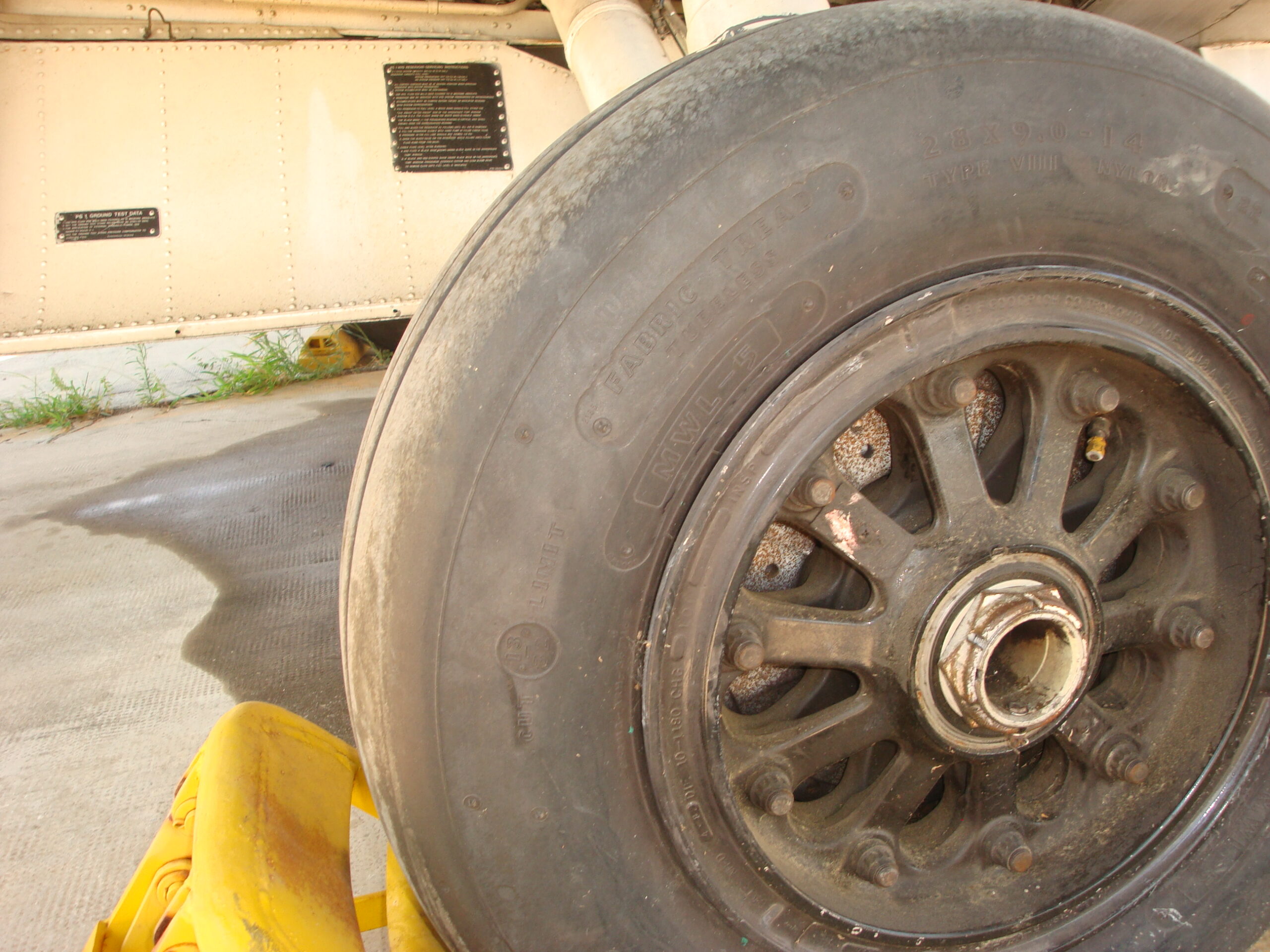
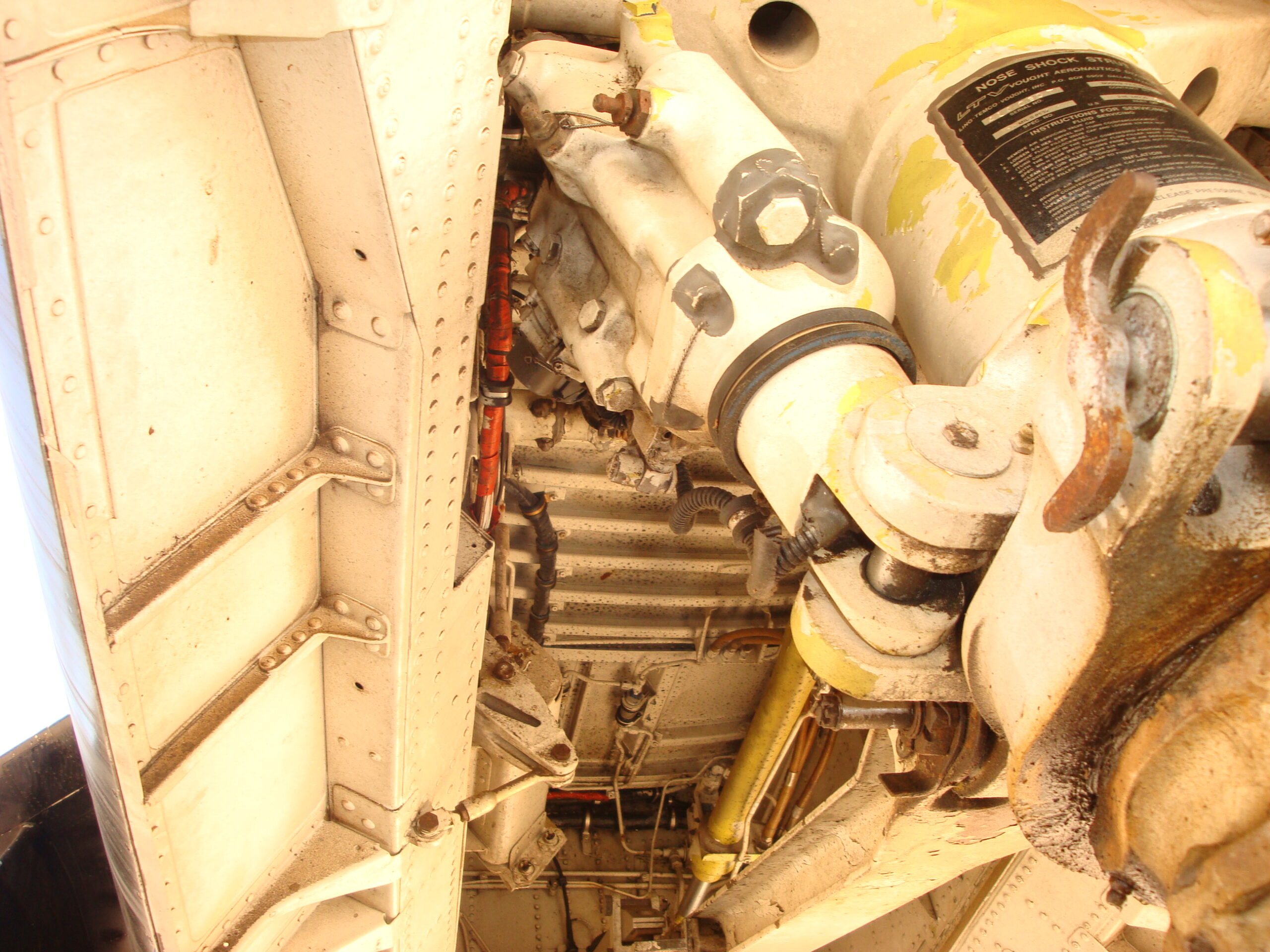
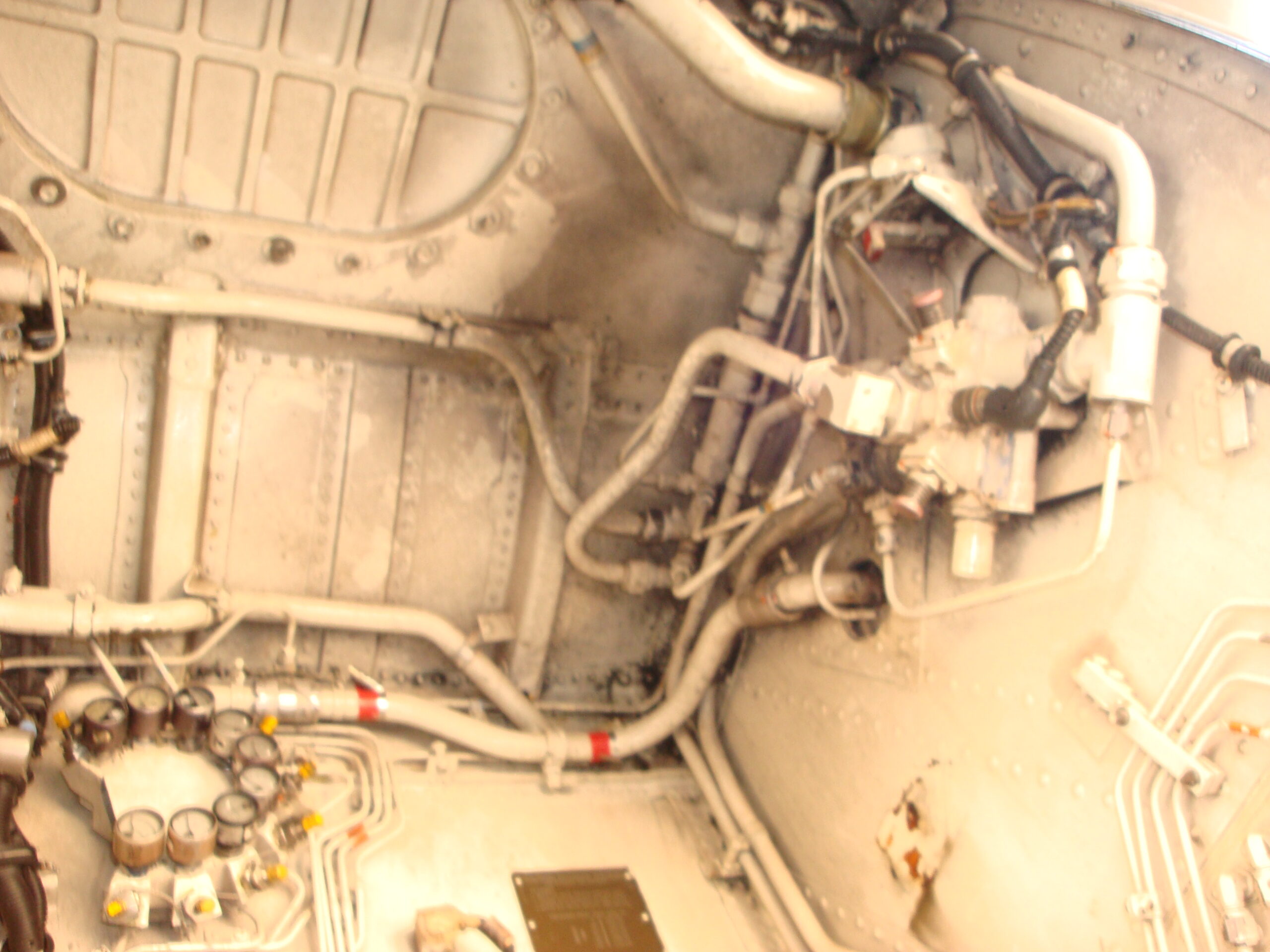
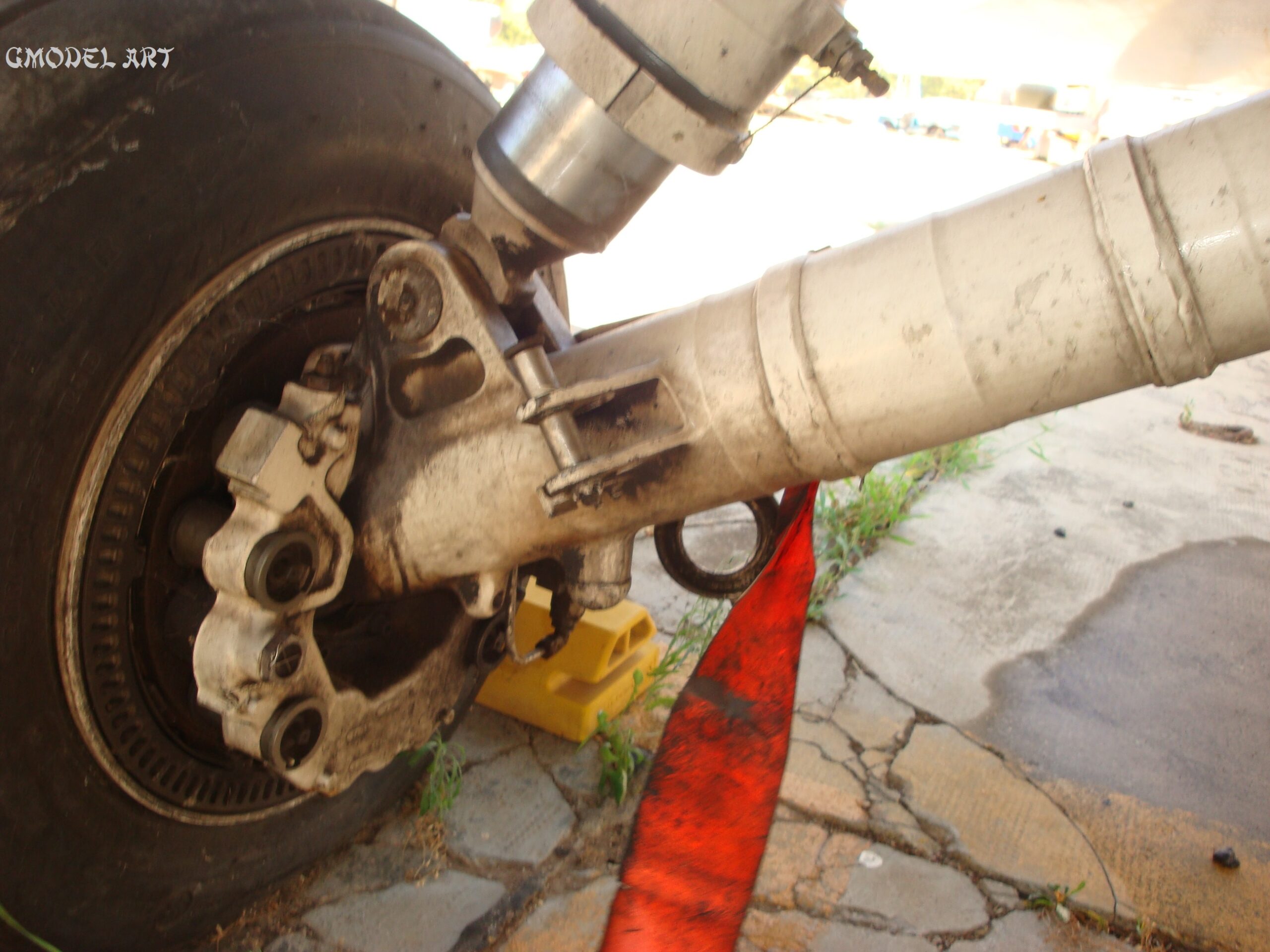
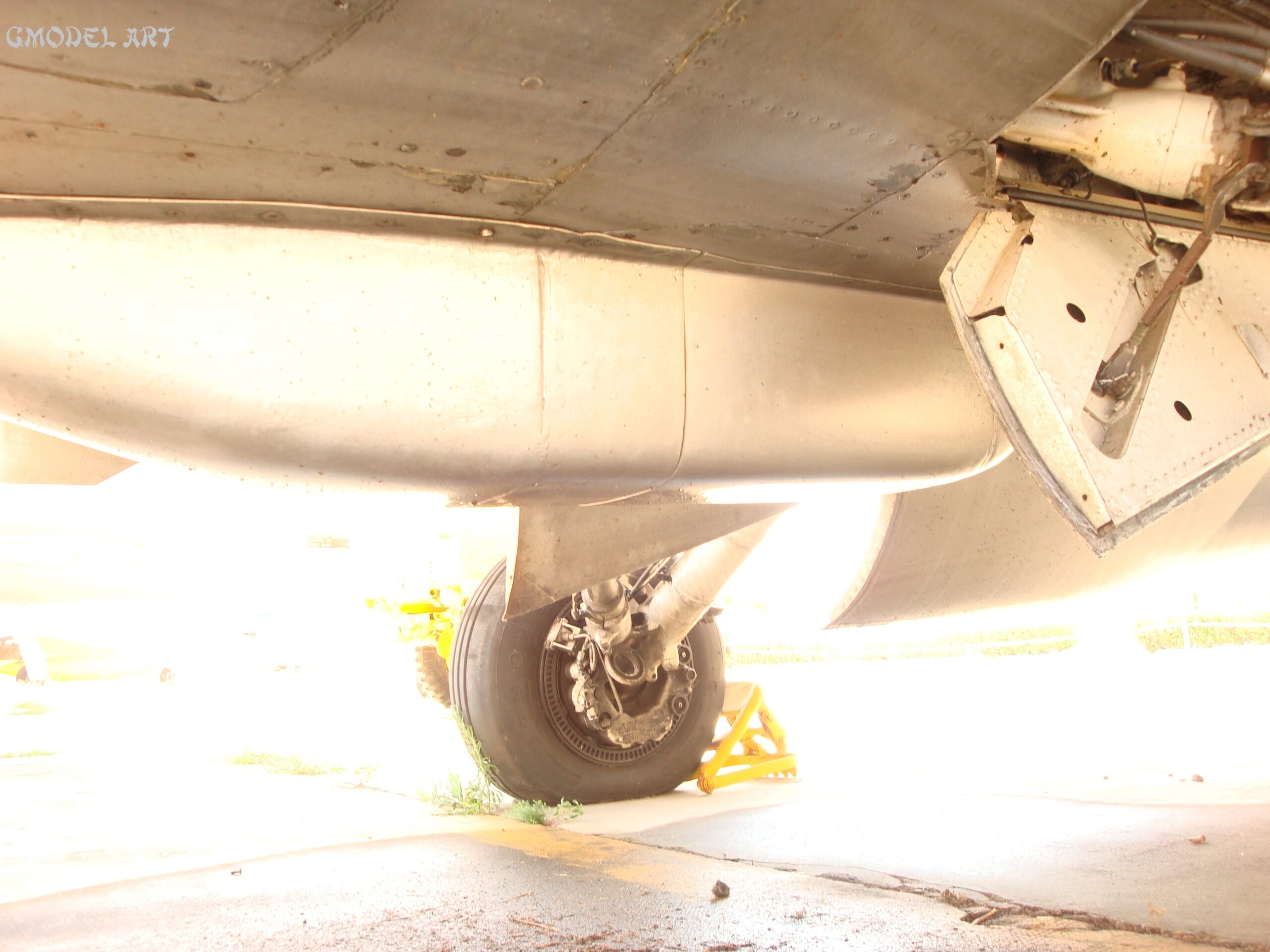
| Landing gear | FS 17875 | Gloss Insignia White |
| Wheel wells | FS 17875 / photographic reference | White |
| Yellow-green components | Yellow-Green / Zinc Chromate-type appearance | Verify against photographs |
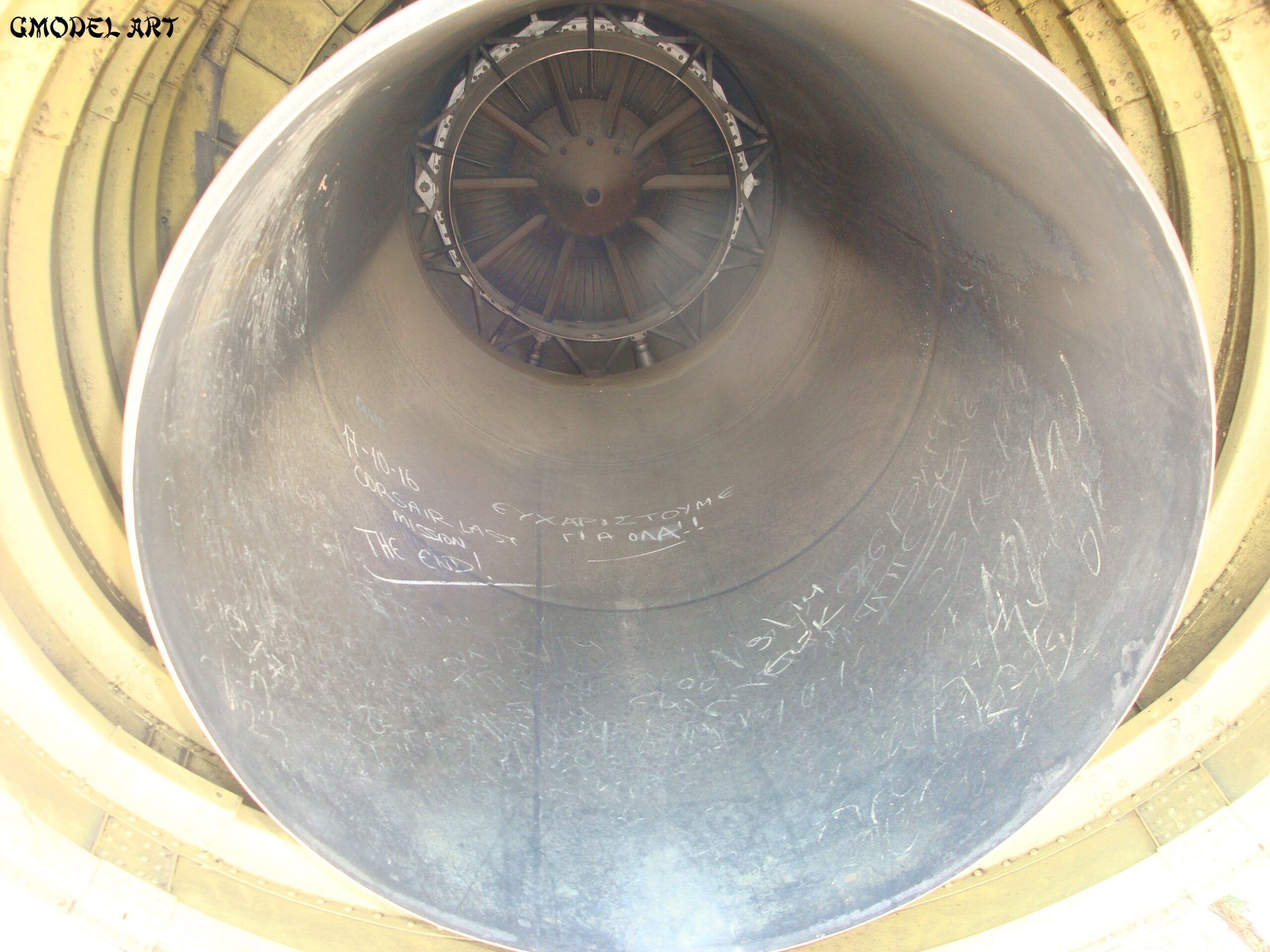
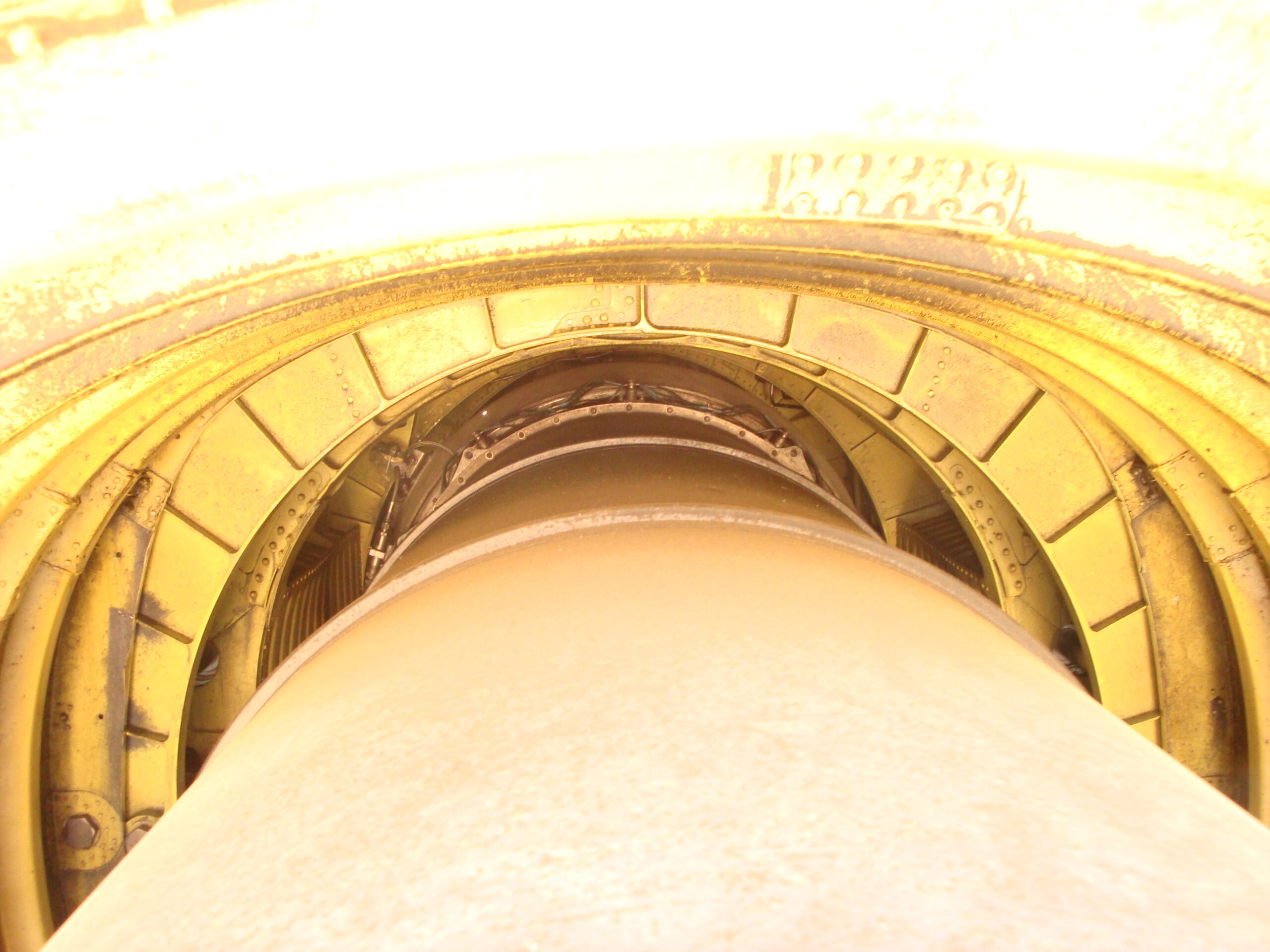
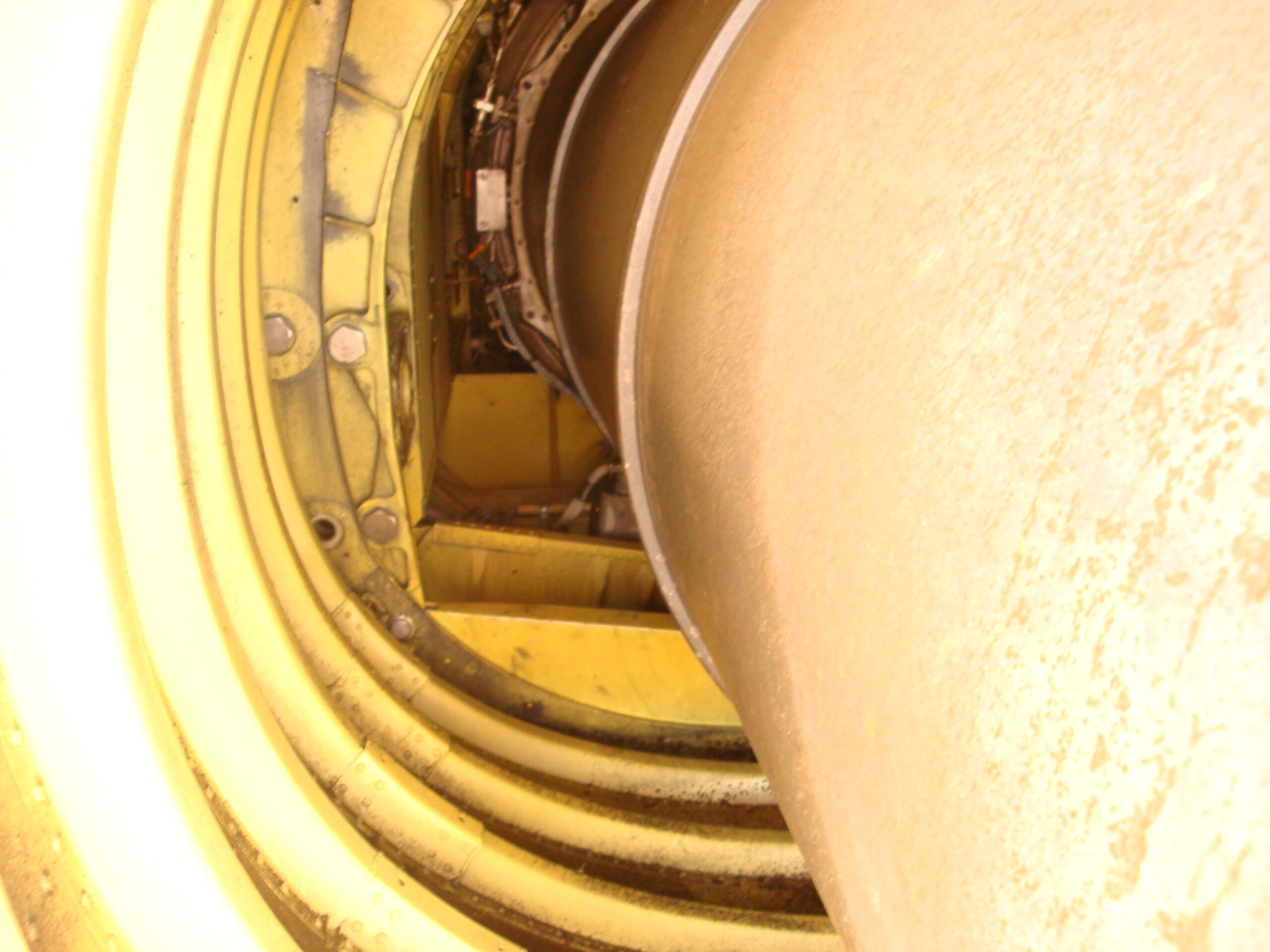
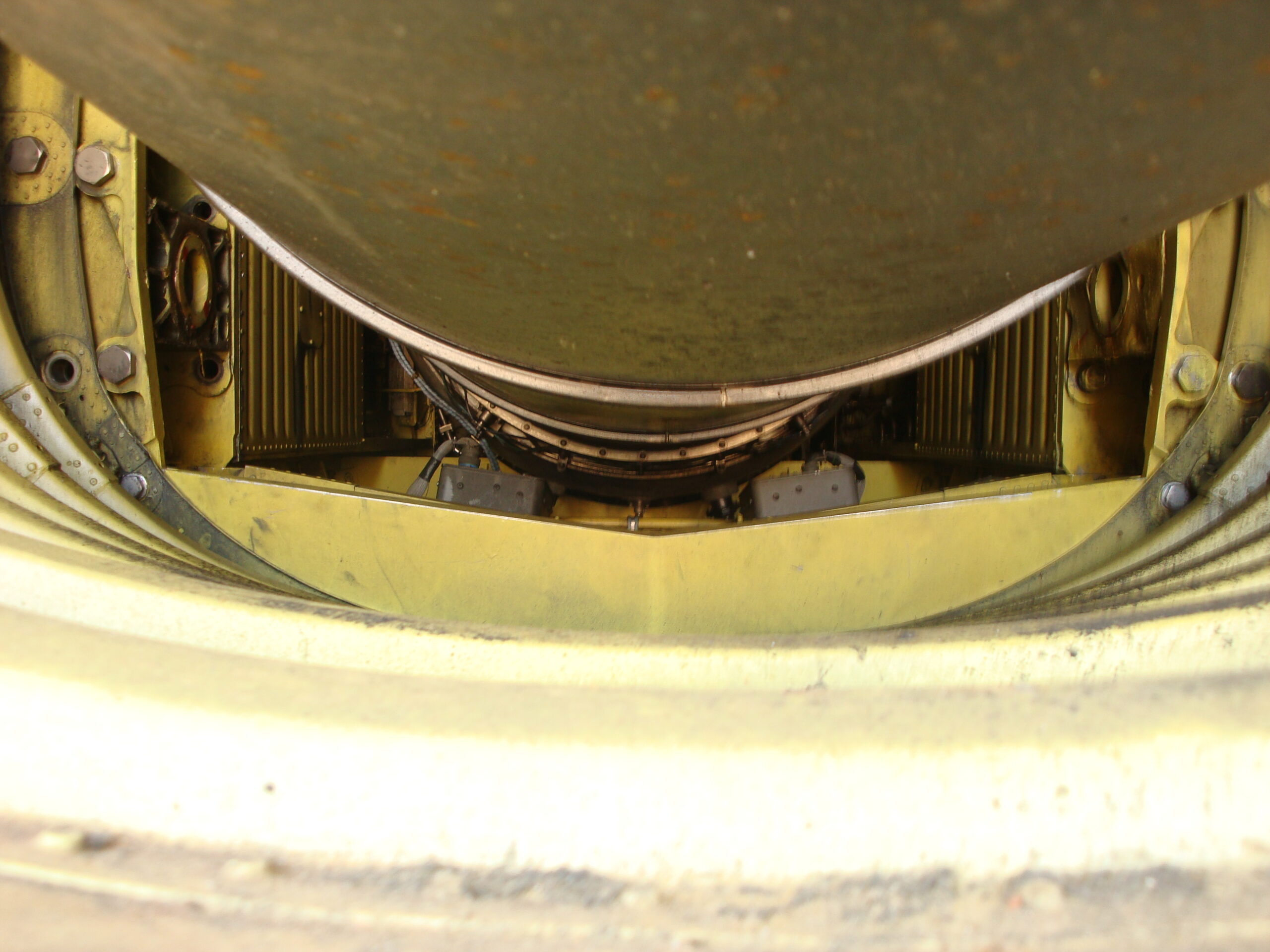
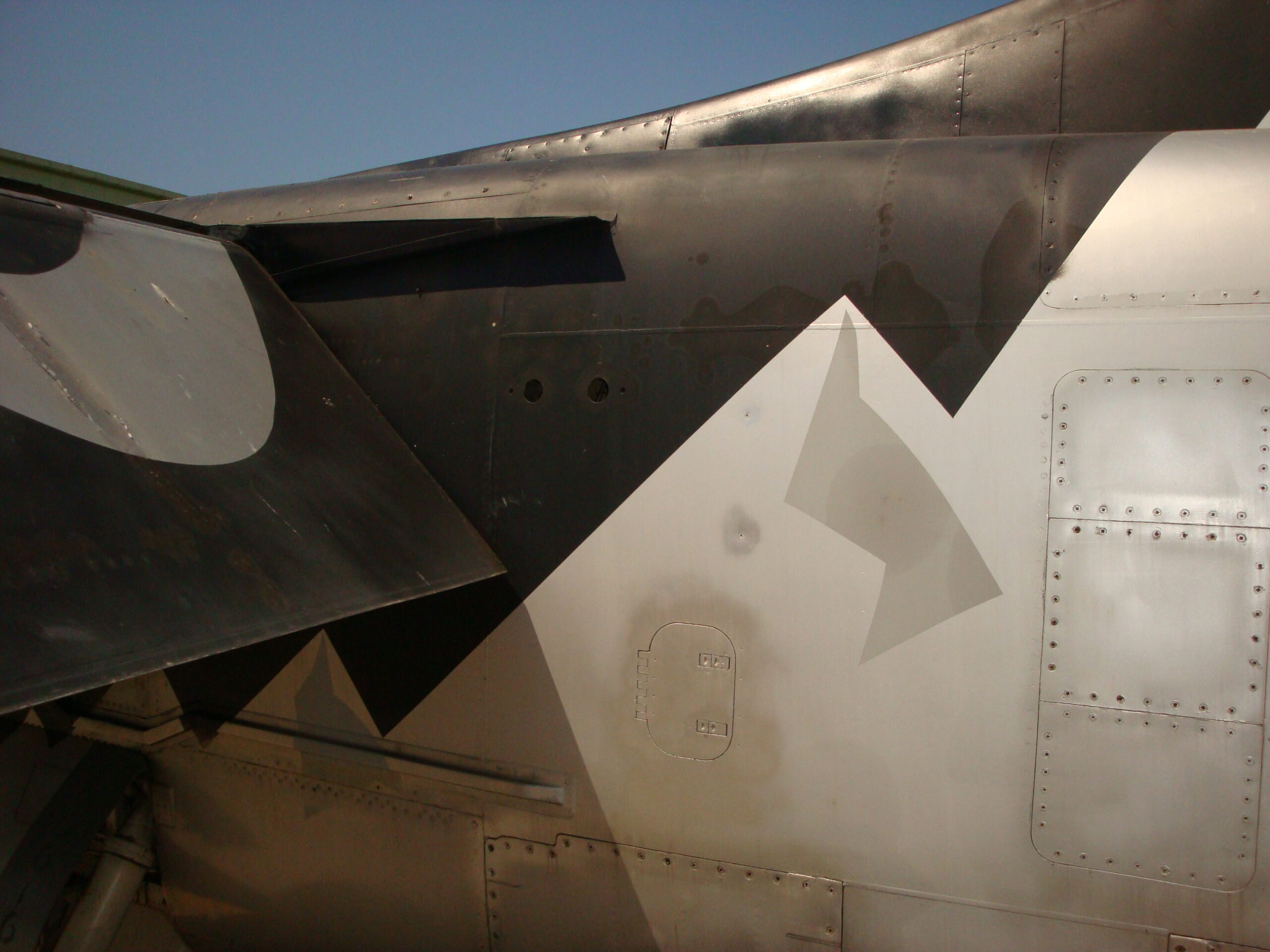
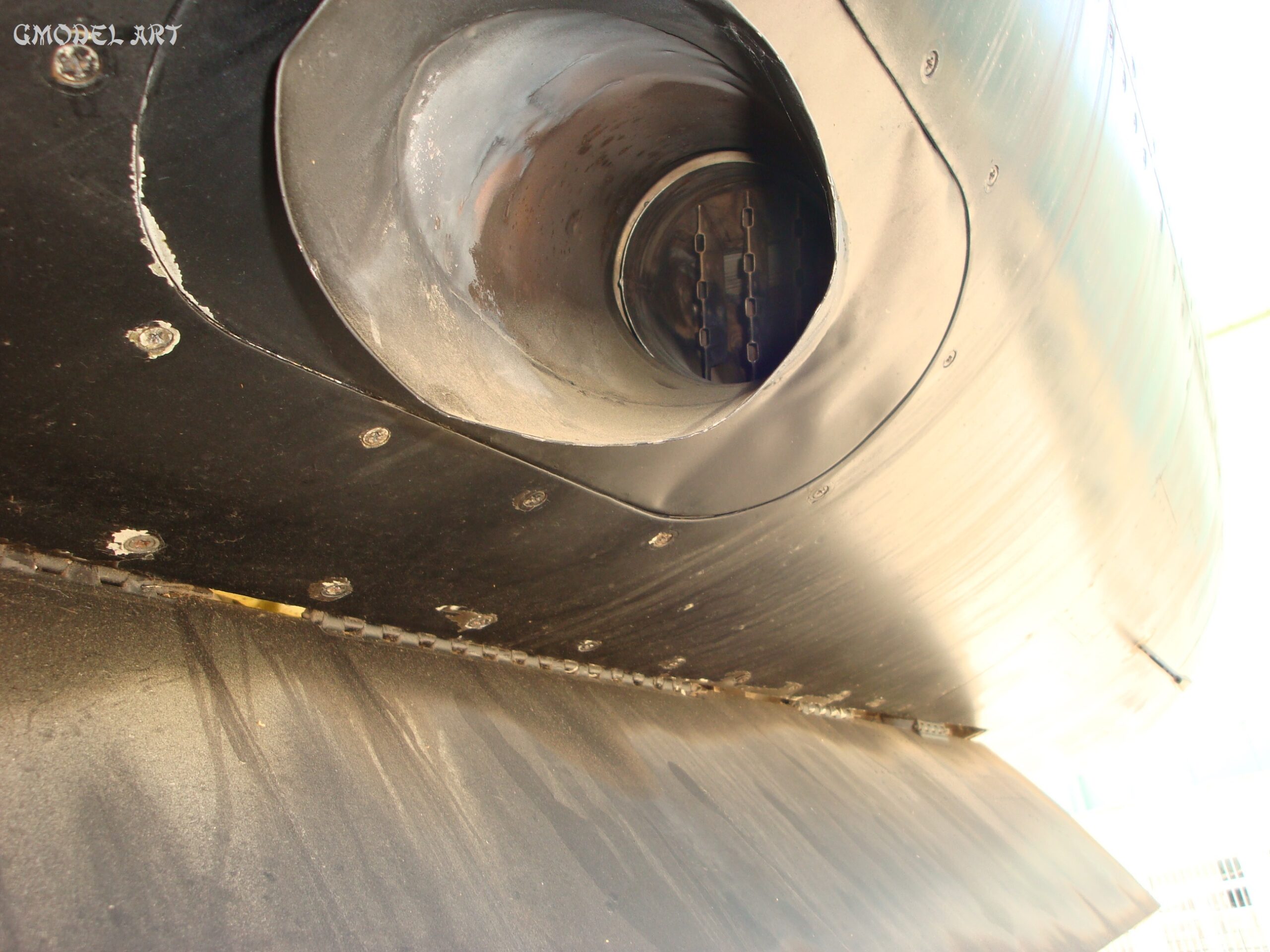
| Exhaust area | No single FS | Burnt metal + heat staining |
| Tyres | Tire Black / very dark grey | Satin/matt |
| HUD glass | Clear green | Transparent green |
| Internal cockpit areas | Reference kit instructions + A-7E references | Do not assume all interiors are identical |
The most important rule is simple: where no documented FS number exists for 160616, do not invent one.
4. Paint Conversion Suggestions
For the overall black finish, the modeller can work with the following families:
| Brand | Suggested approach |
|---|---|
| AK Real Colors | Black / NATO Black variations |
| MRP | Black with subtle lightened modulation |
| Mr. Hobby | C2 Black or equivalent semi-gloss treatment |
| Tamiya | XF-1 Black, modified with grey modulation |
| Vallejo | Black with dark-grey modulation |
| AMMO by Mig | Black / Rubber & Tire Black modulation |
| Hataka | Black tones according to desired sheen |
The objective is not to find seven identical paint matches. The objective is to reproduce the visual effect of the real aircraft.
For a museum-quality model, I would actually recommend using two or three blacks rather than one:
Base: black
Panel modulation: black + a small amount of dark grey
Details: very dark grey / tyre black
Final finish: satin varnish selectively applied
5. Weathering the OLYMPOS
This is where the model can become exceptional.
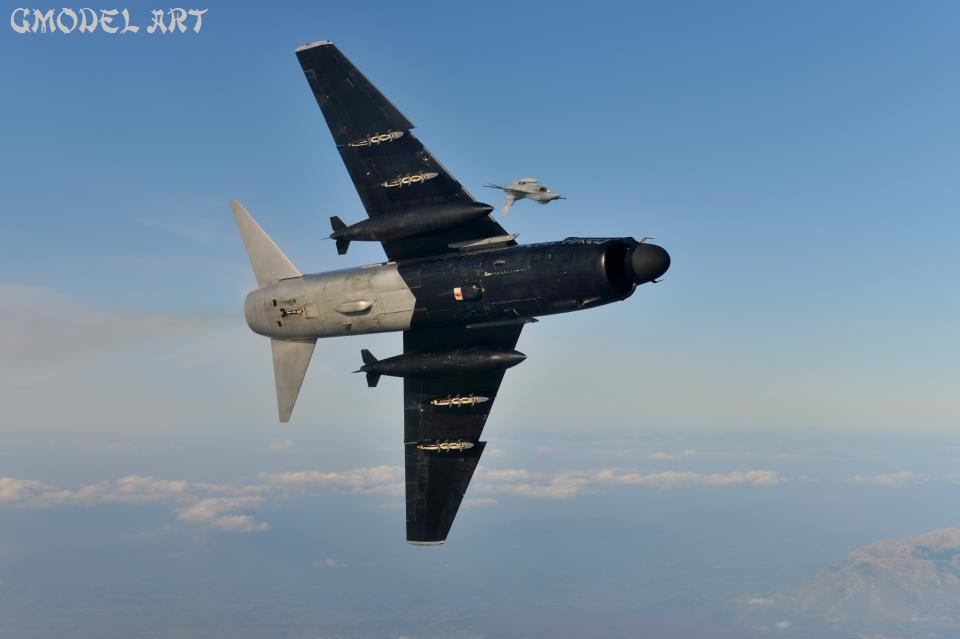
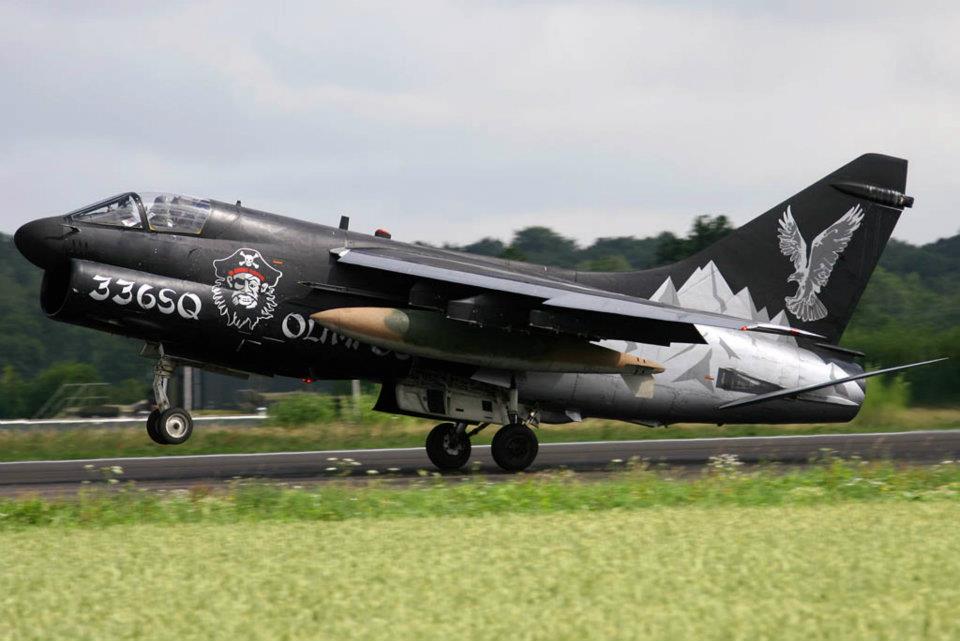
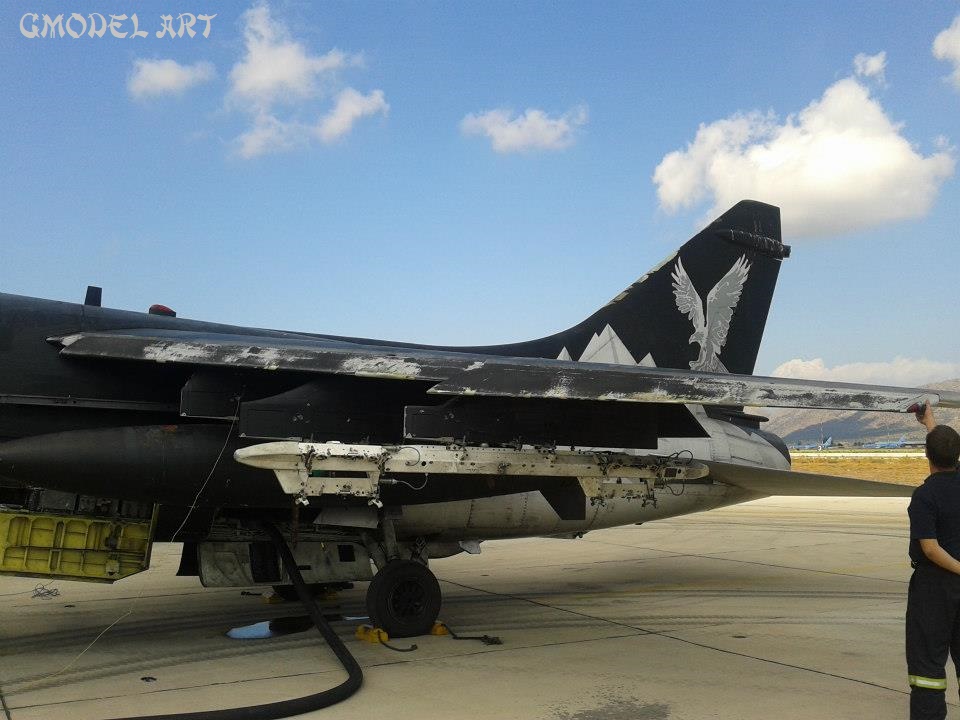
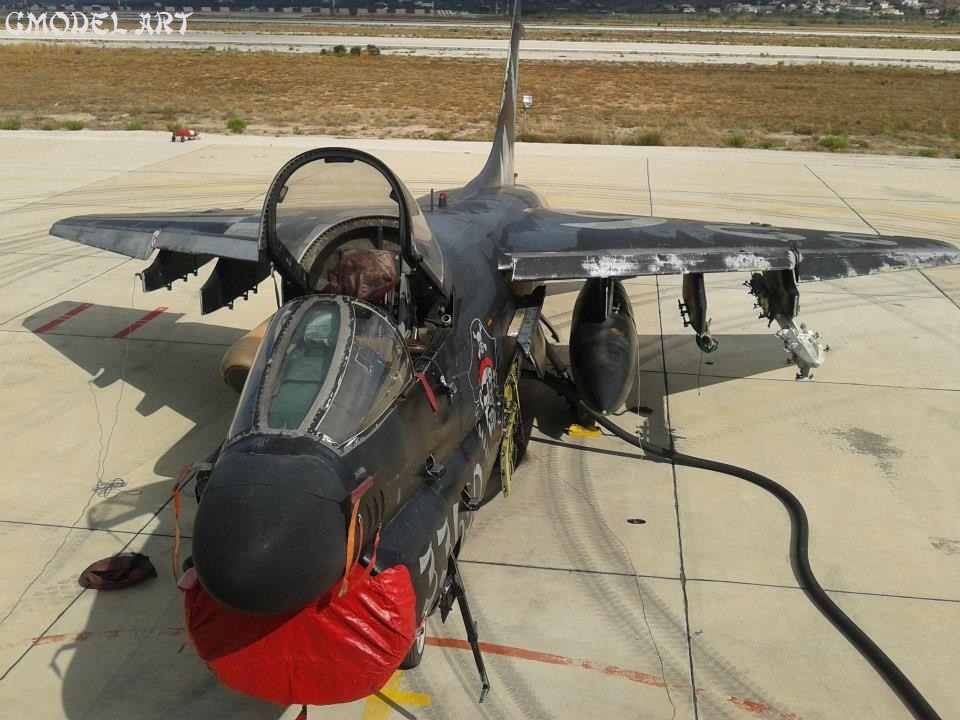
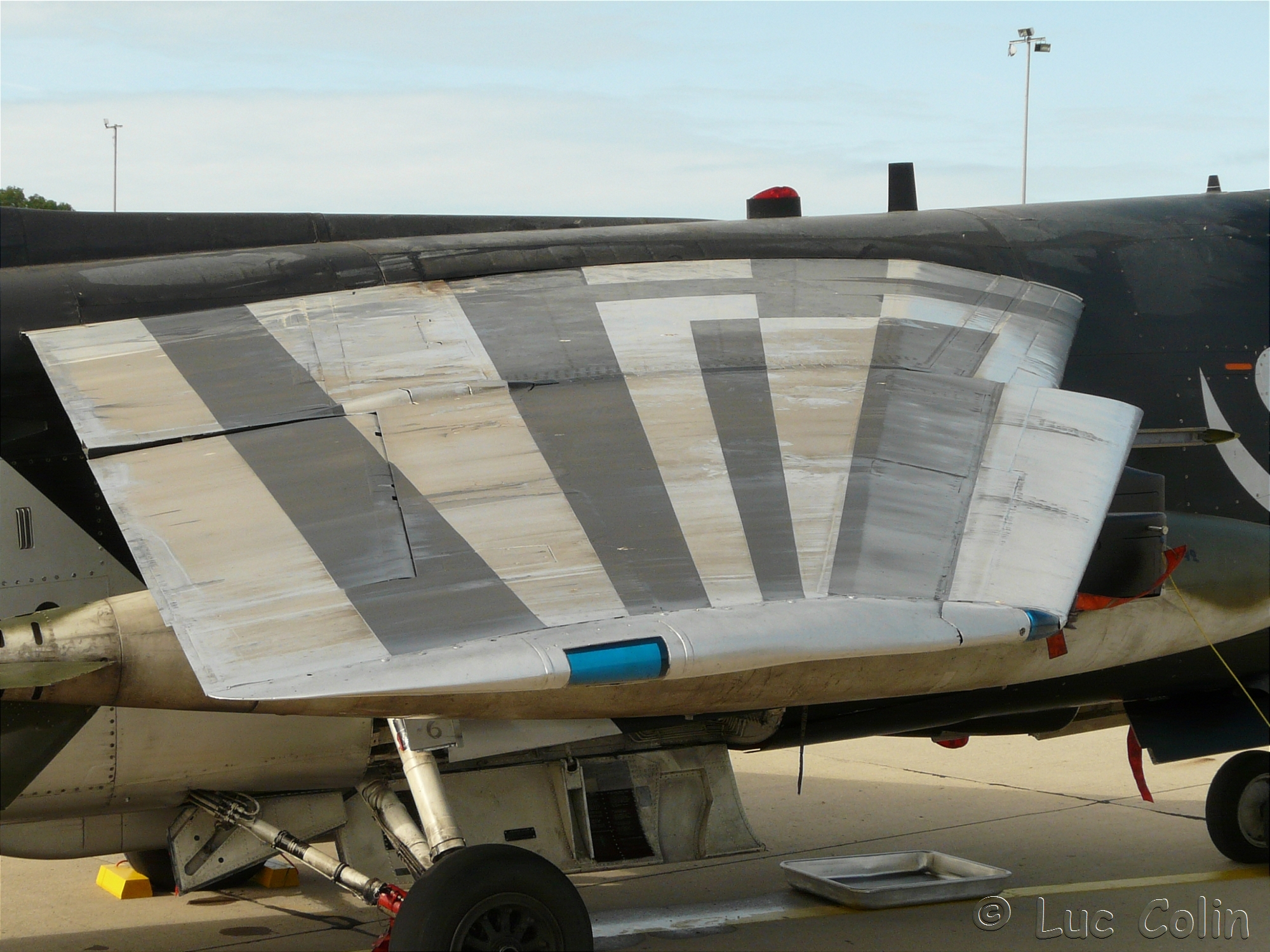
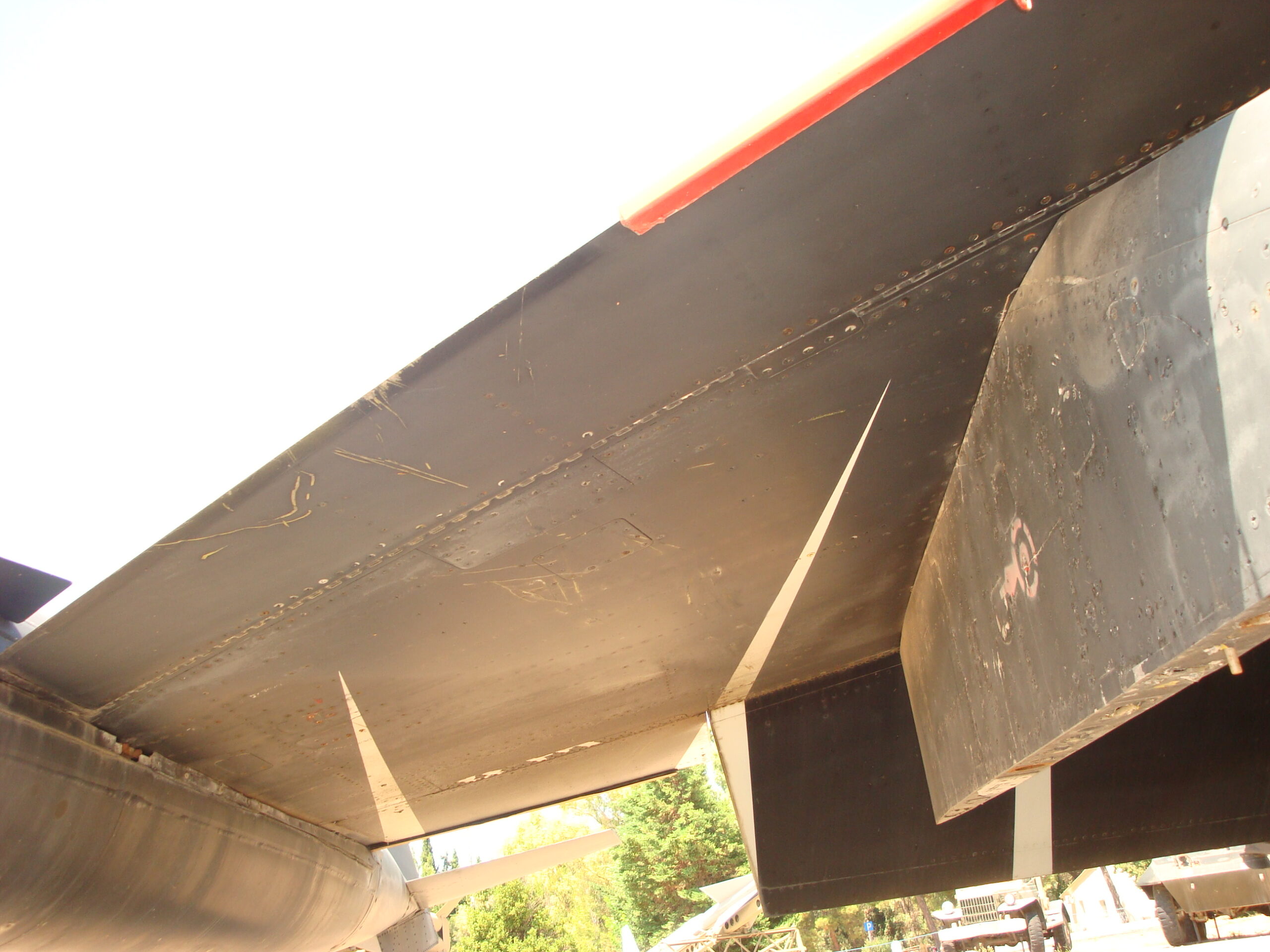
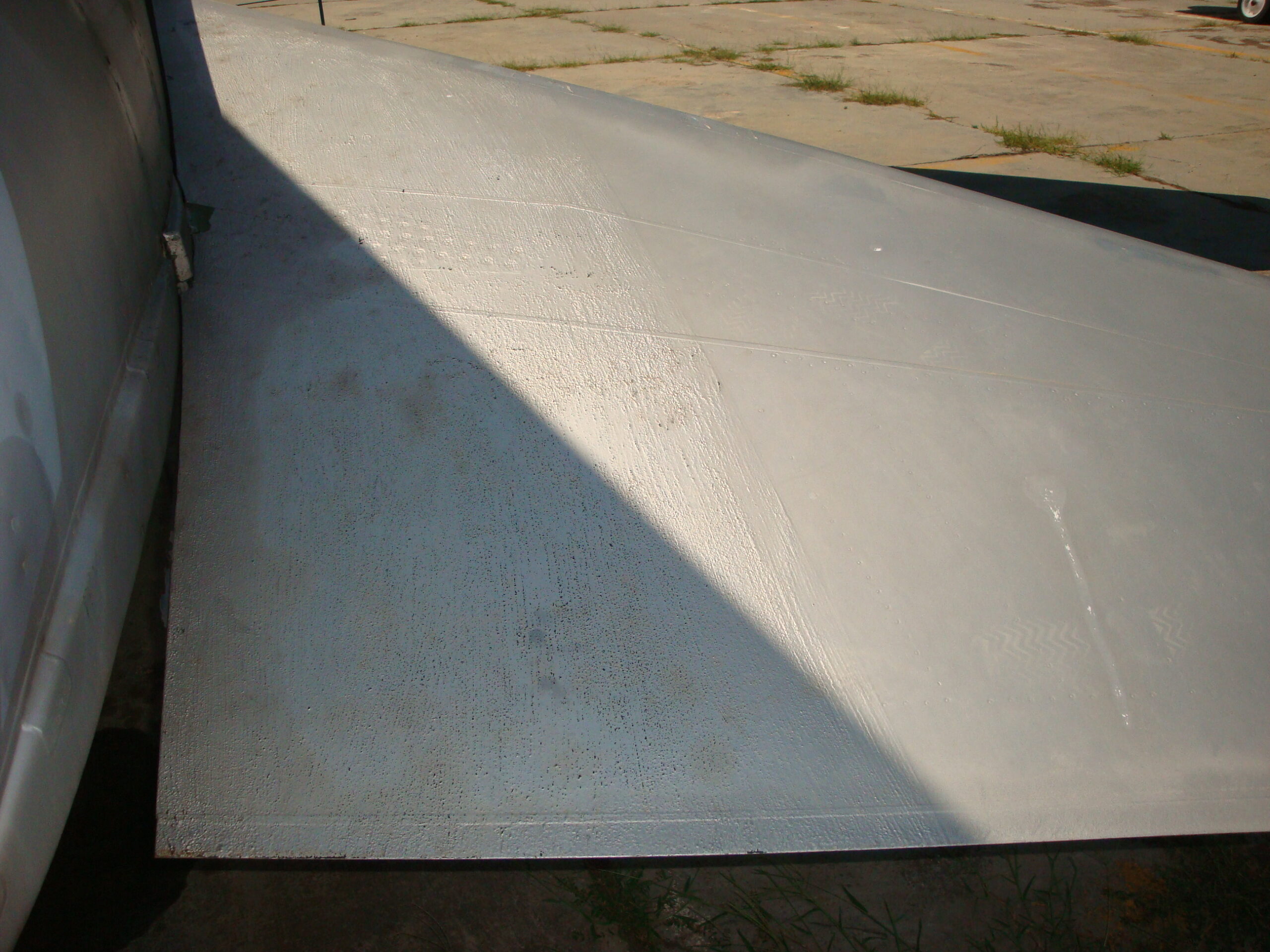
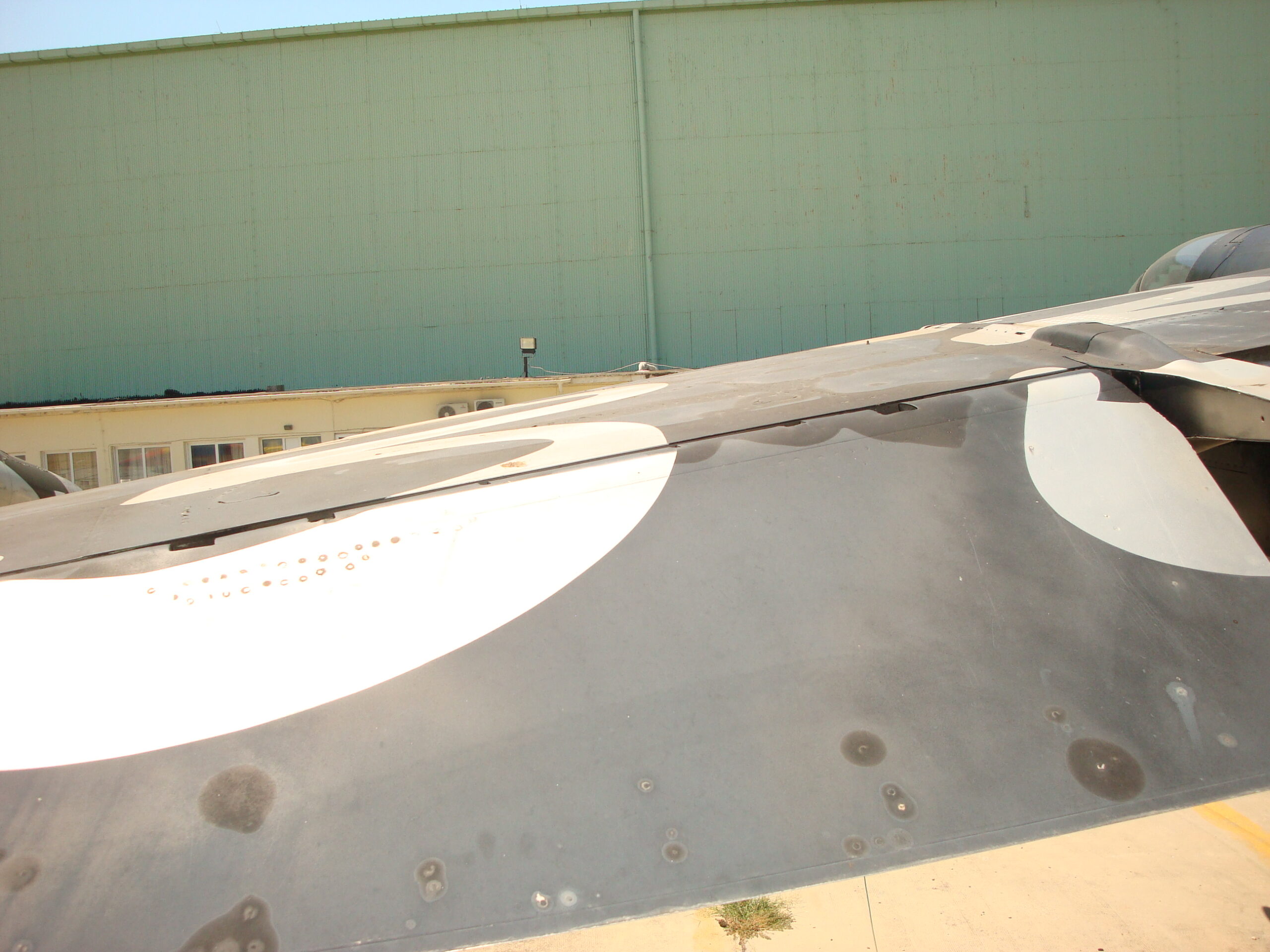
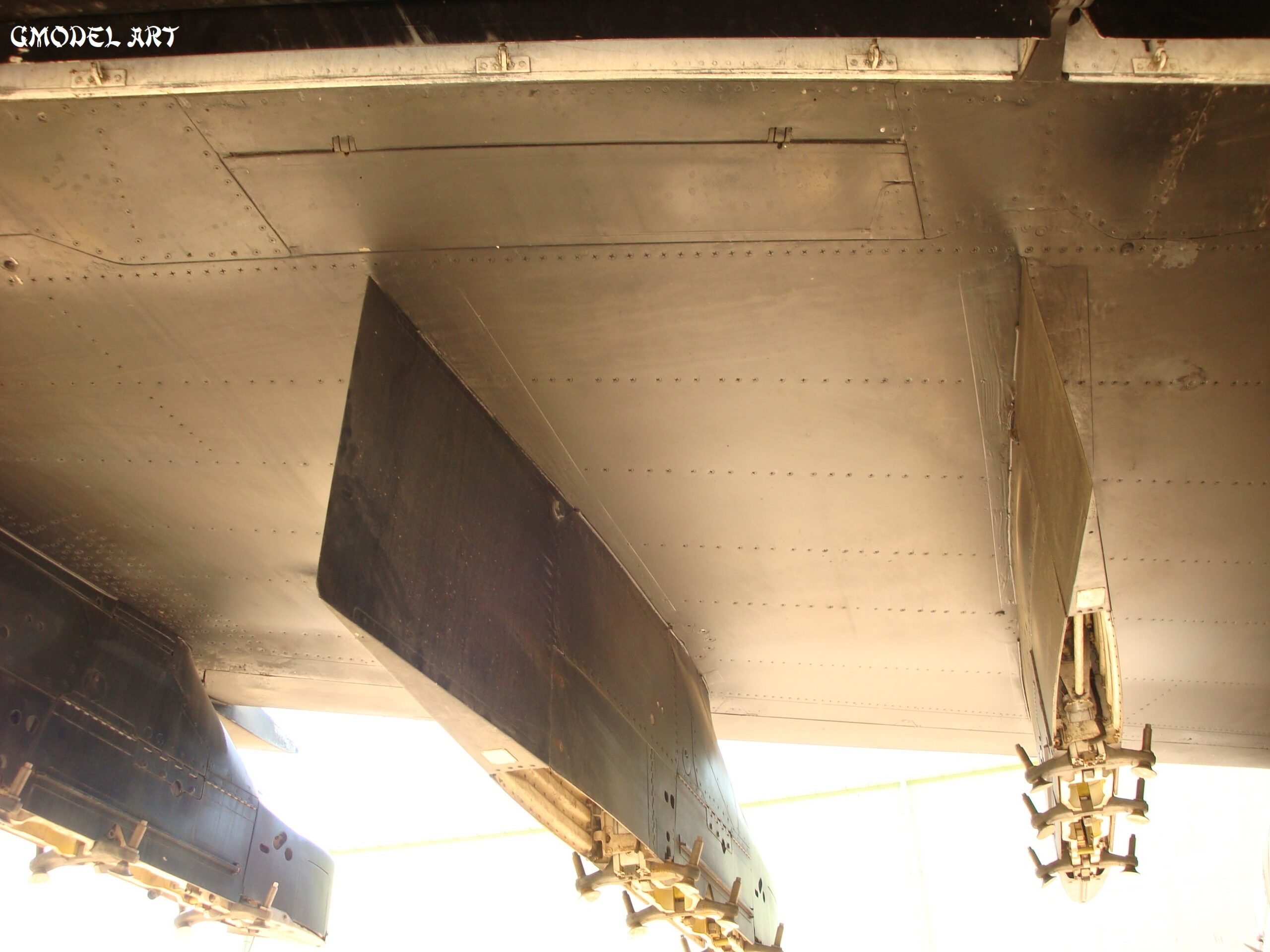
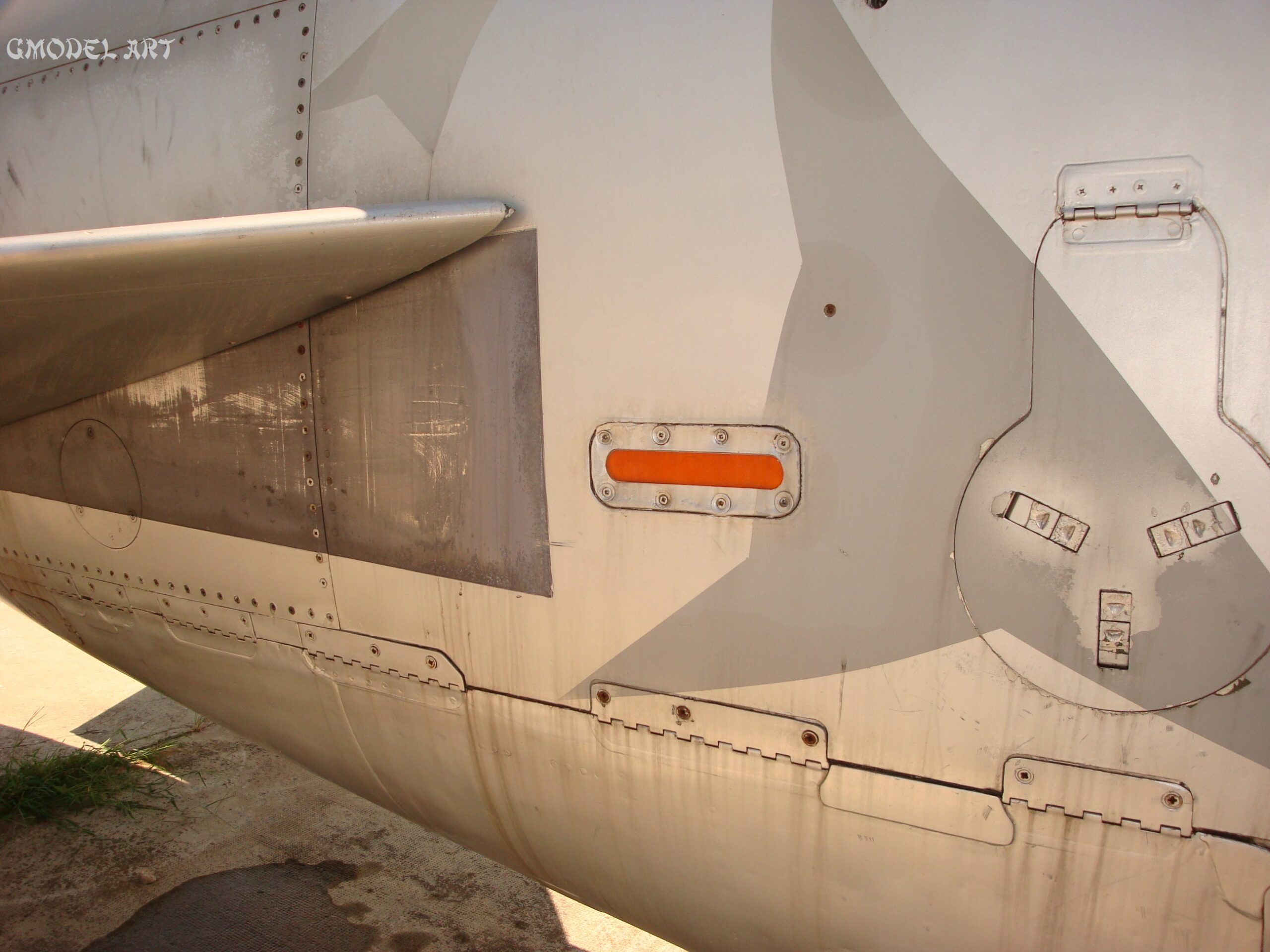
Photographs of 160616 during its final operational period show a Corsair that had clearly been exposed to normal service conditions. The aircraft was photographed at Araxos, European airshows and during its final period in 2014.
The weathering should therefore be controlled rather than exaggerated.
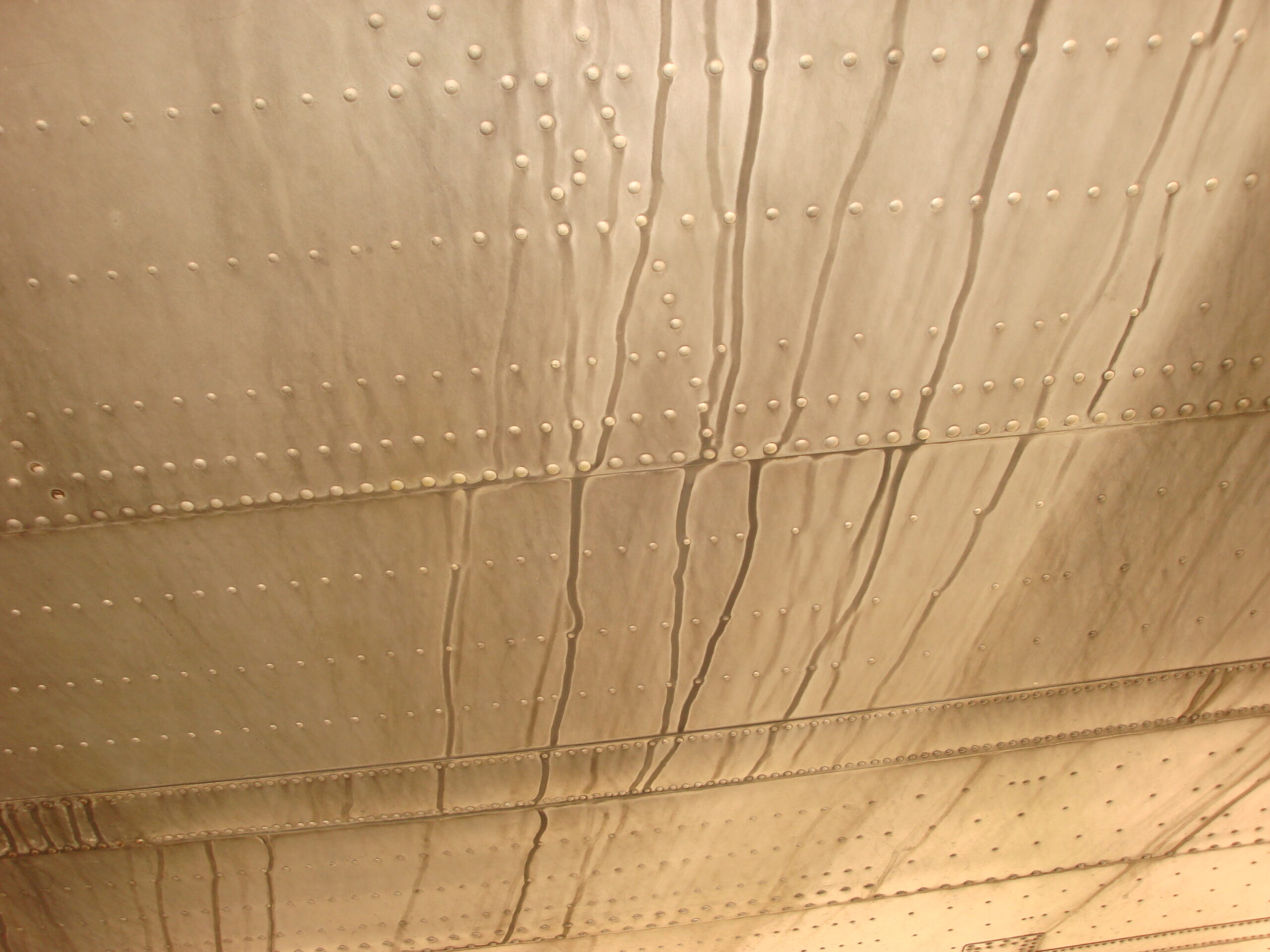
Fading
Do not make the entire aircraft grey.
Instead:
- Apply the black base.
- Lighten selected panels very slightly.
- Spray highly diluted grey-black mixtures through the centre of selected panels.
- Leave panel boundaries darker.
- Apply a satin coat selectively.
The result should be a black aircraft that has spent years outside—not a grey aircraft painted black.
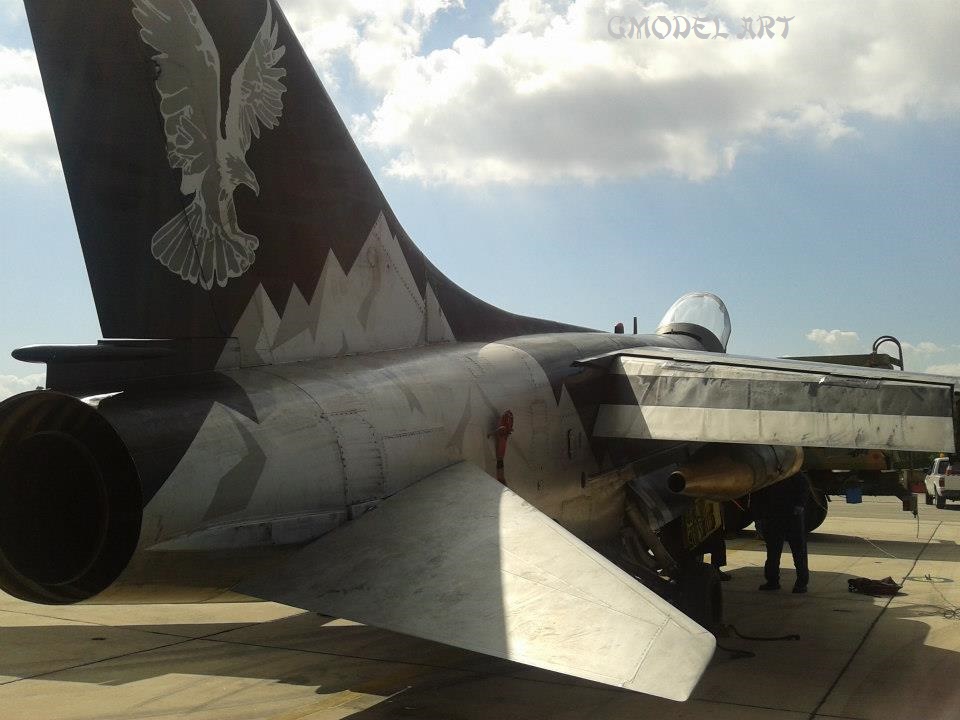
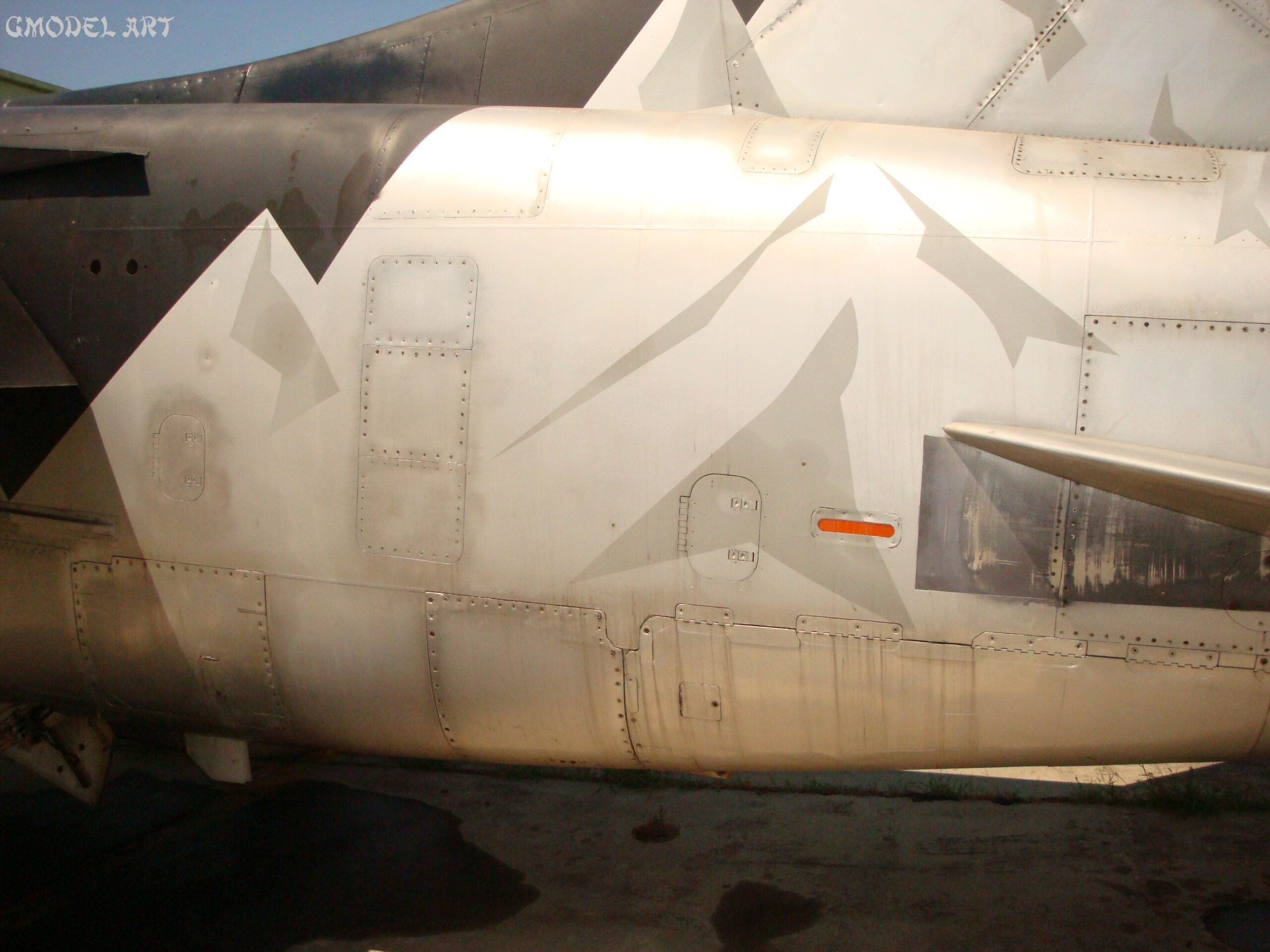
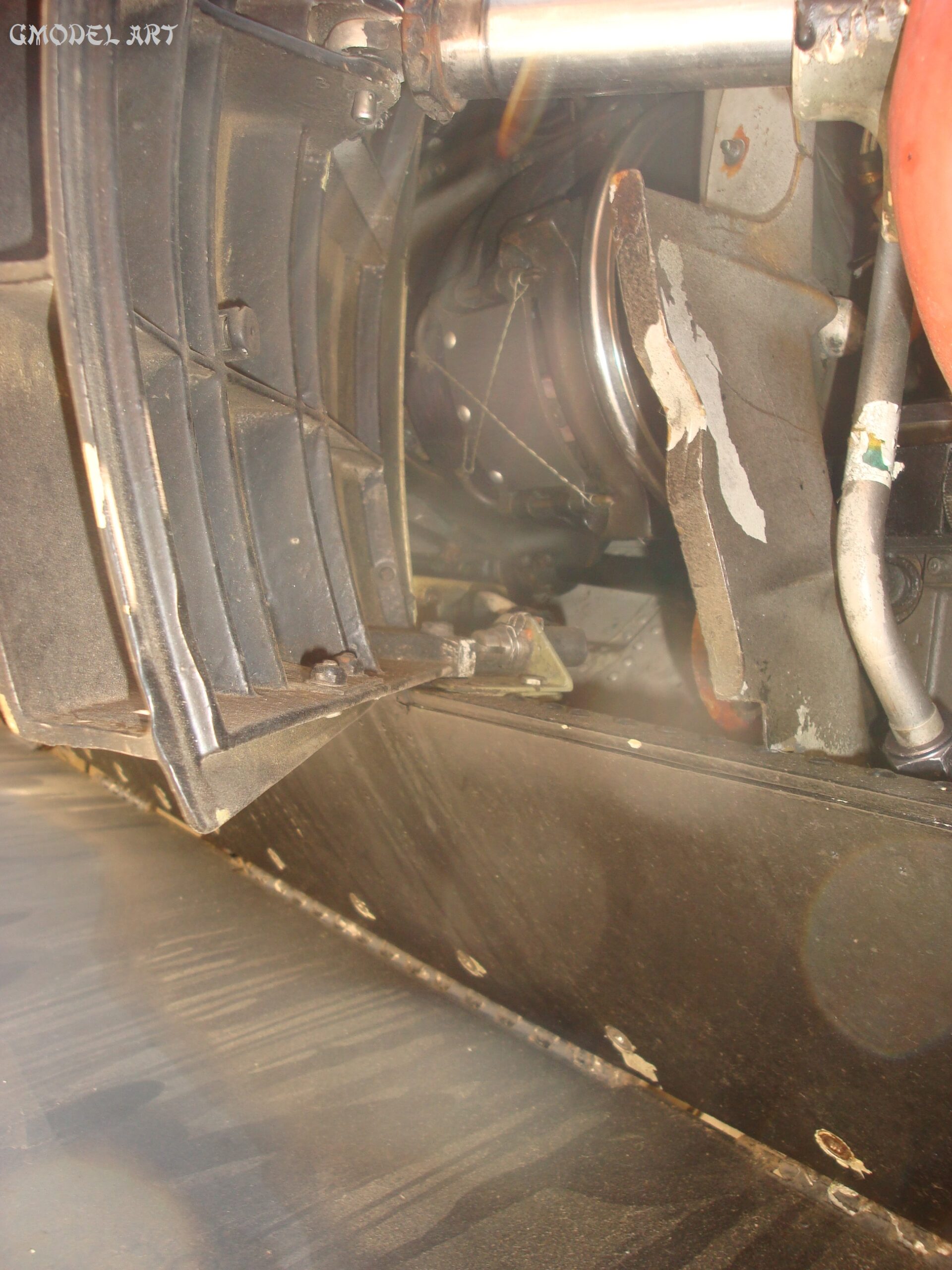
Exhaust staining
The rear fuselage and engine area should receive:
- dark grey
- brown-grey
- very subtle black
- occasional metallic tones
Avoid bright orange or excessive rust. A turbine-powered A-7E should not look like a piston-engine aircraft.
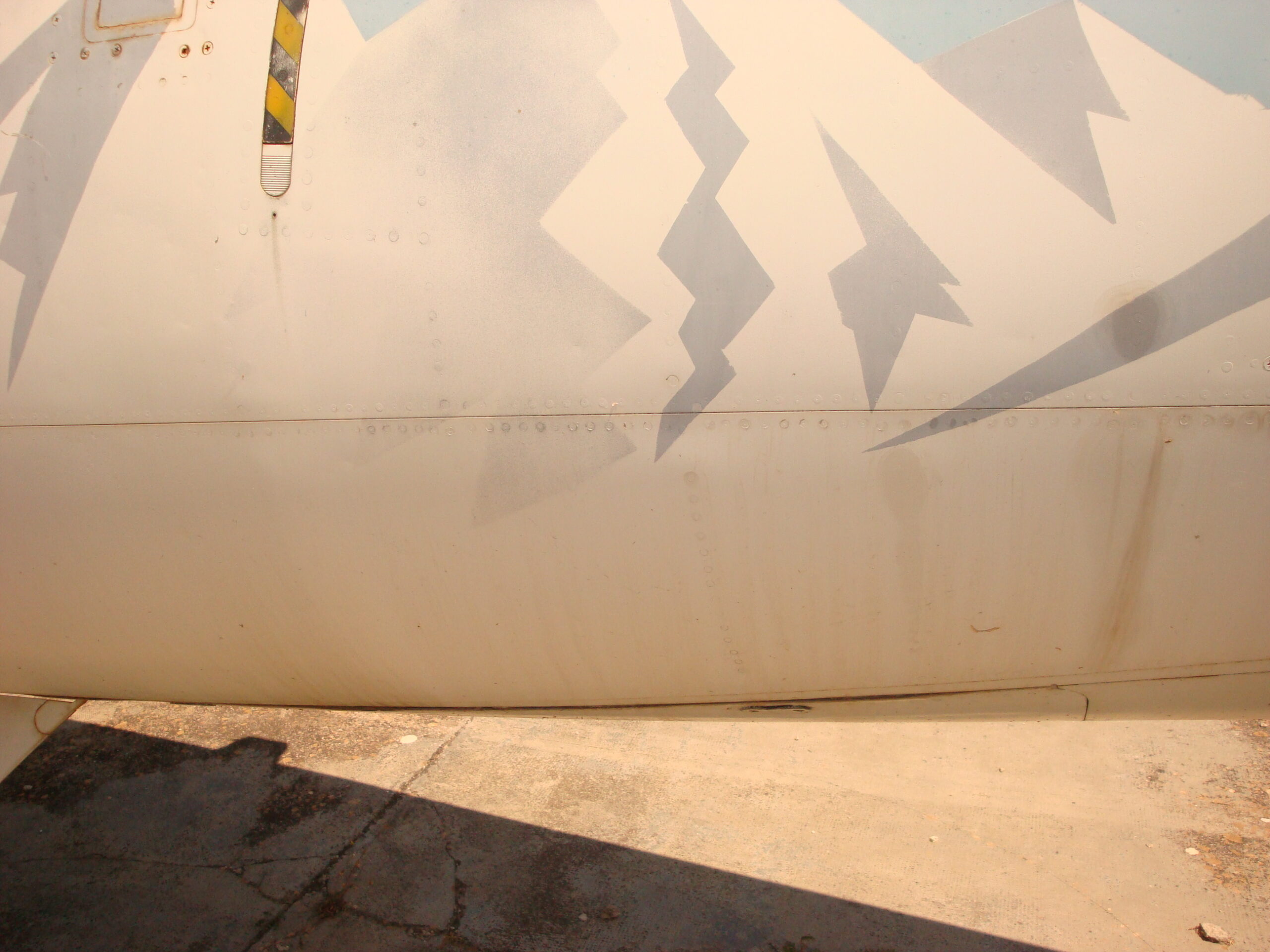
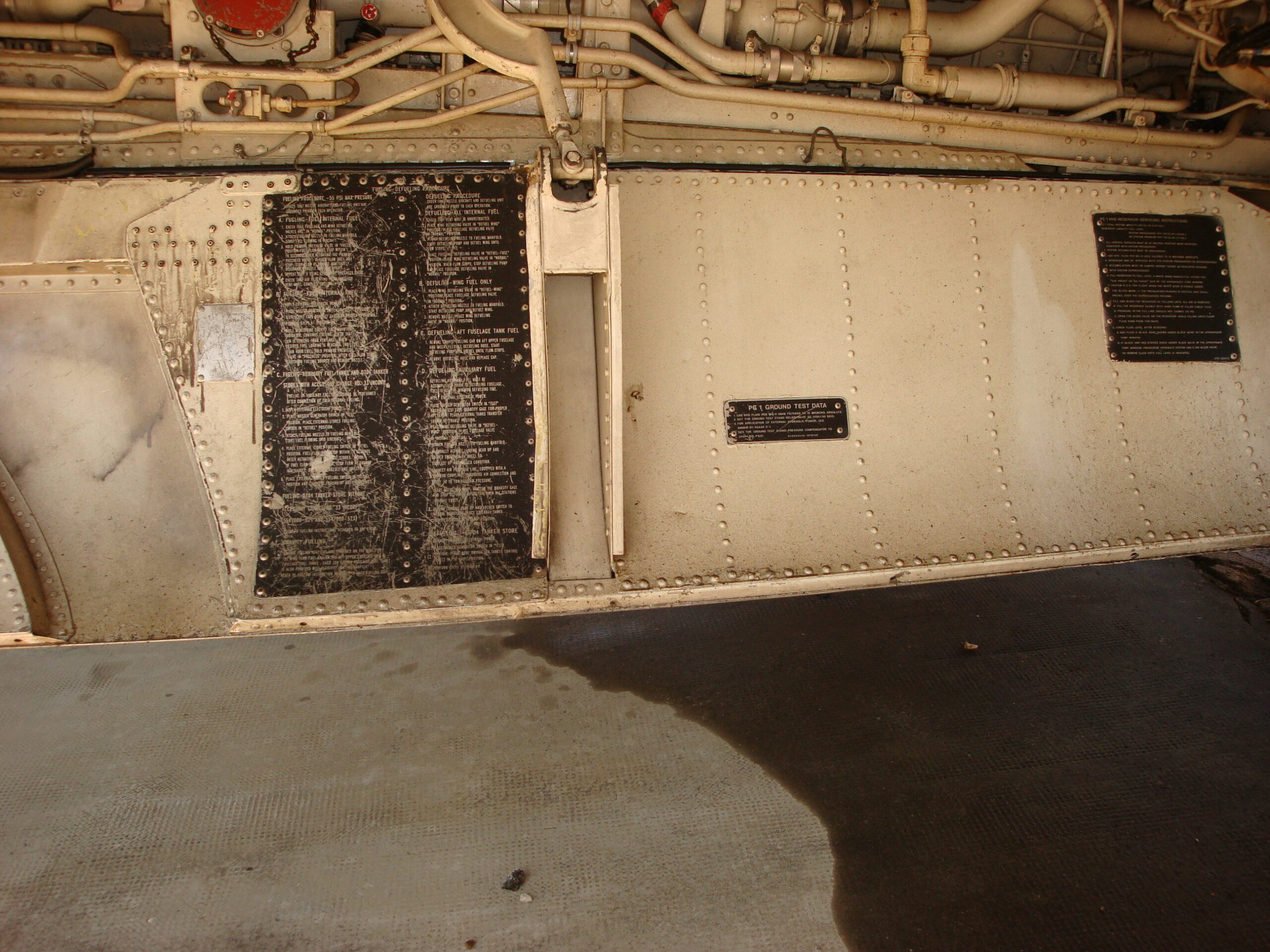
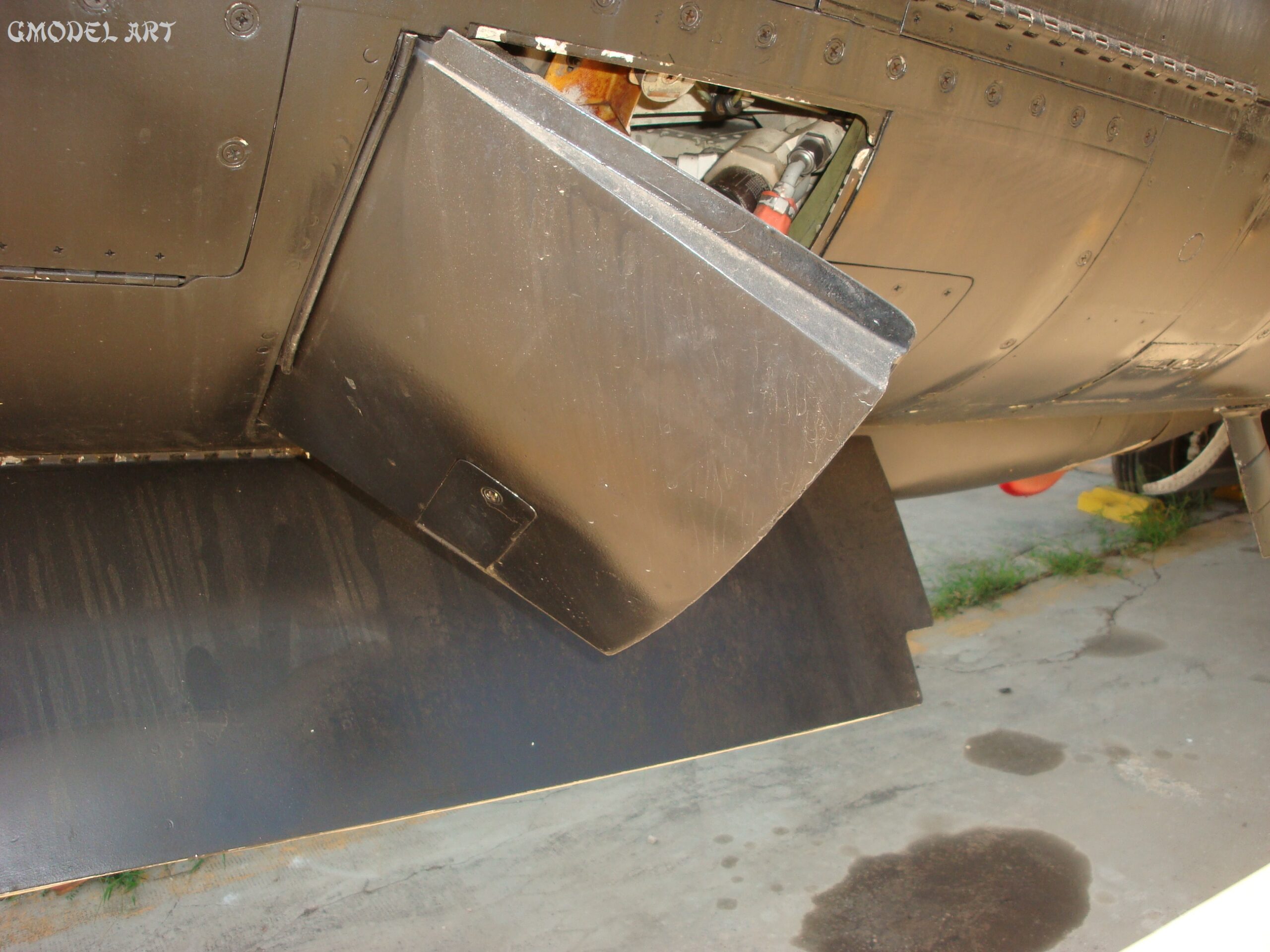
Fluid staining
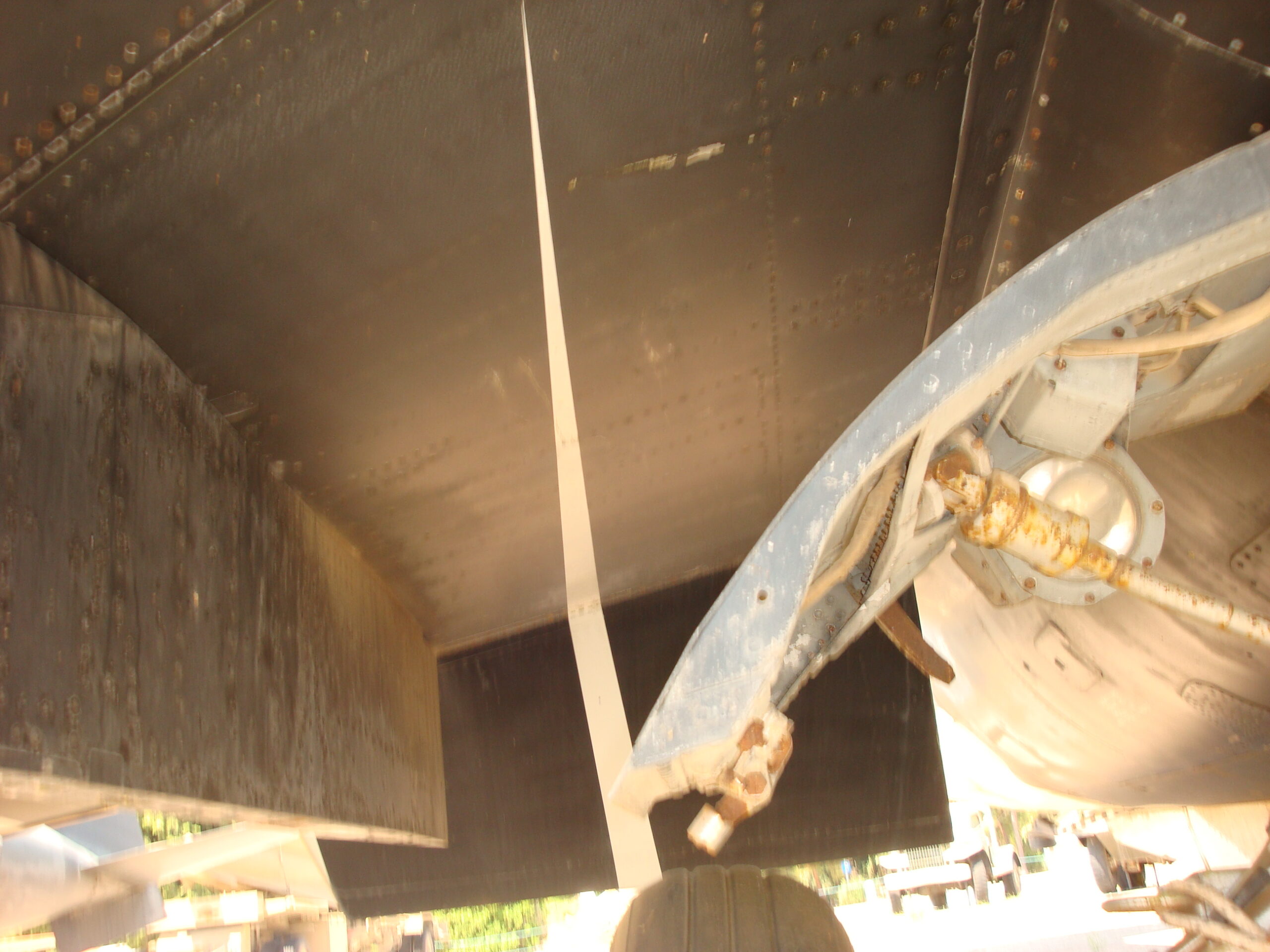
Subtle oil and hydraulic staining can be added around:
- landing gear areas
- servicing panels
- underside access panels
- engine-related areas
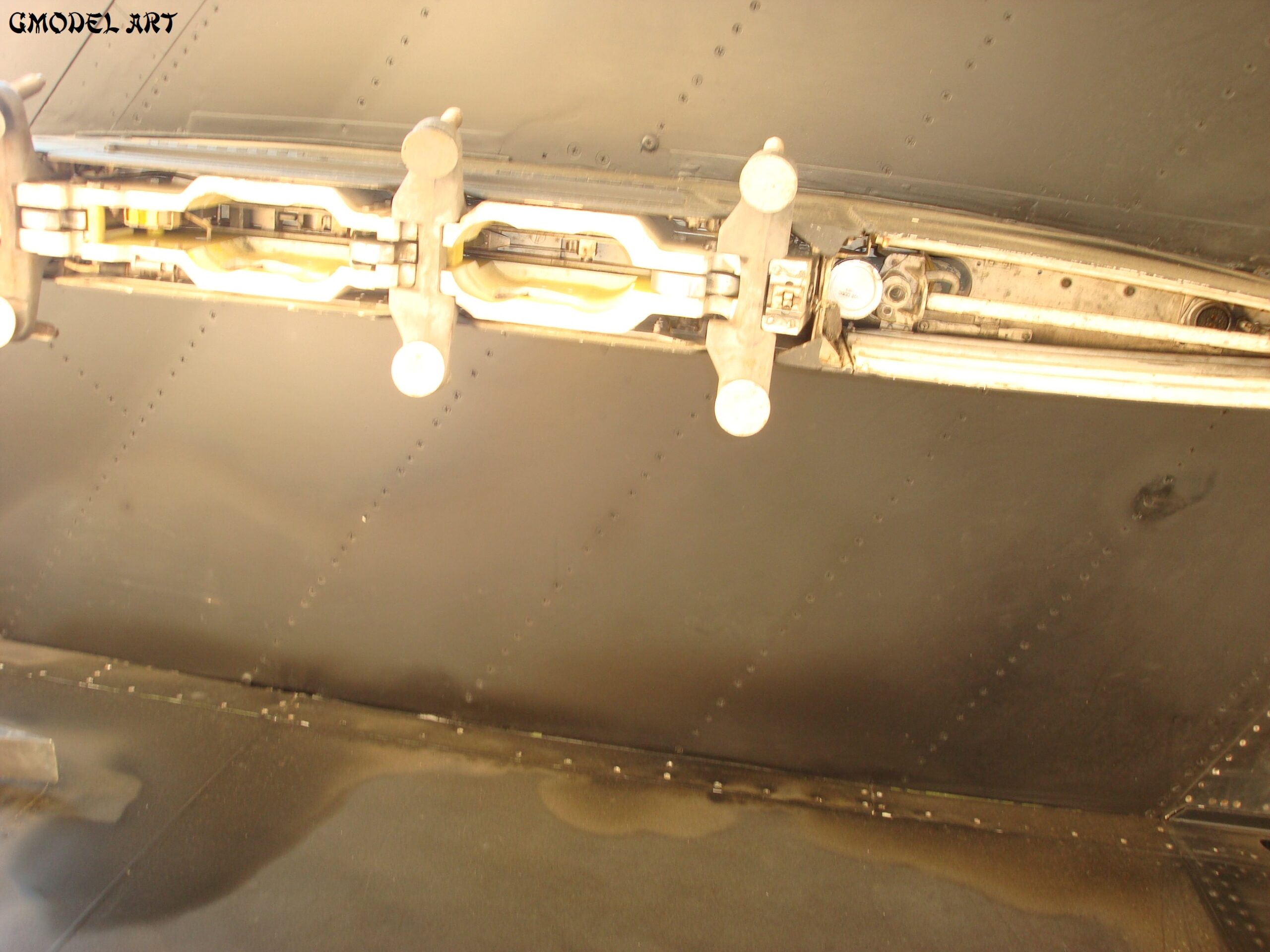
- airbrake mechanisms
Use very thin washes rather than heavy black lines.
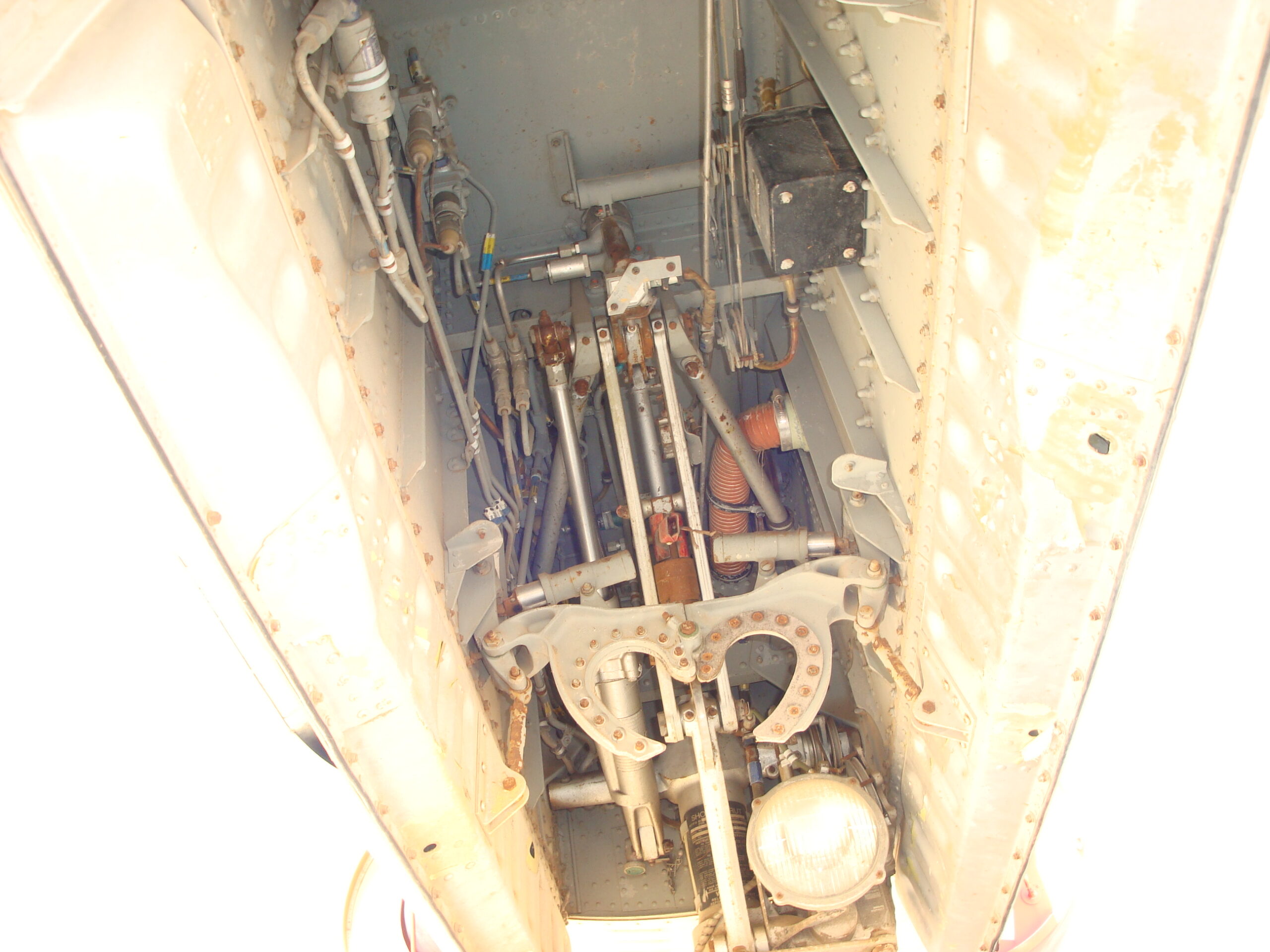
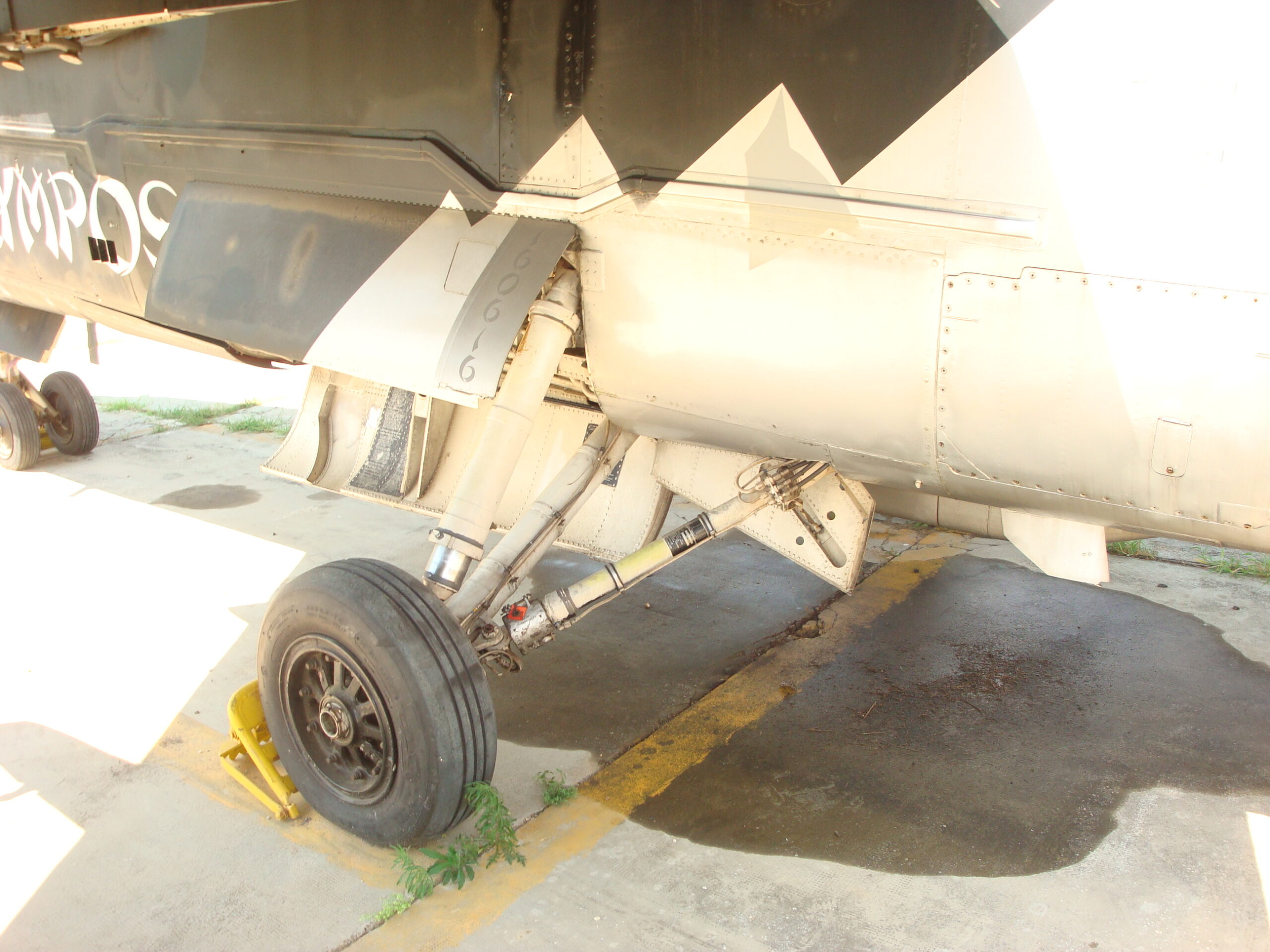
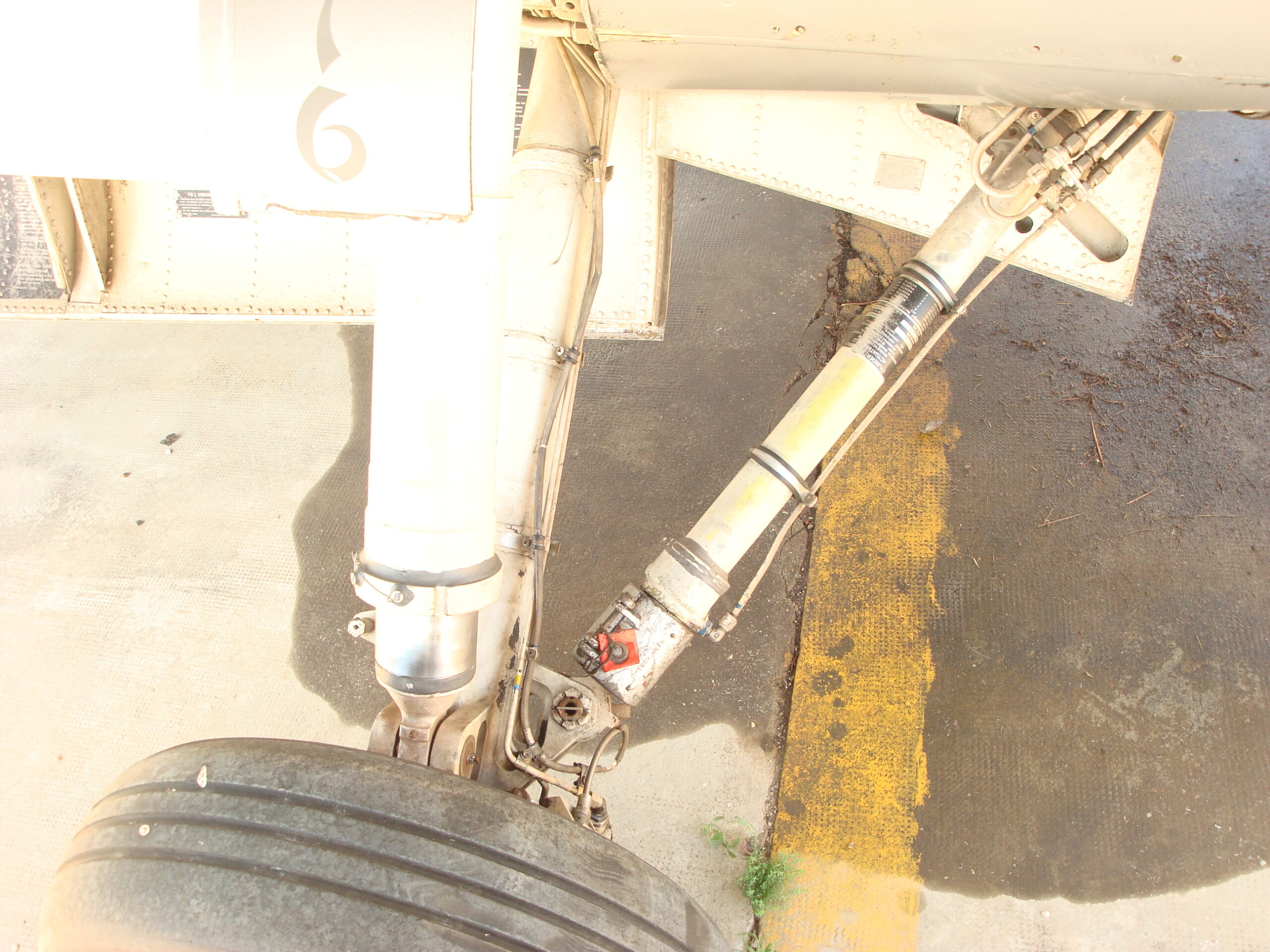
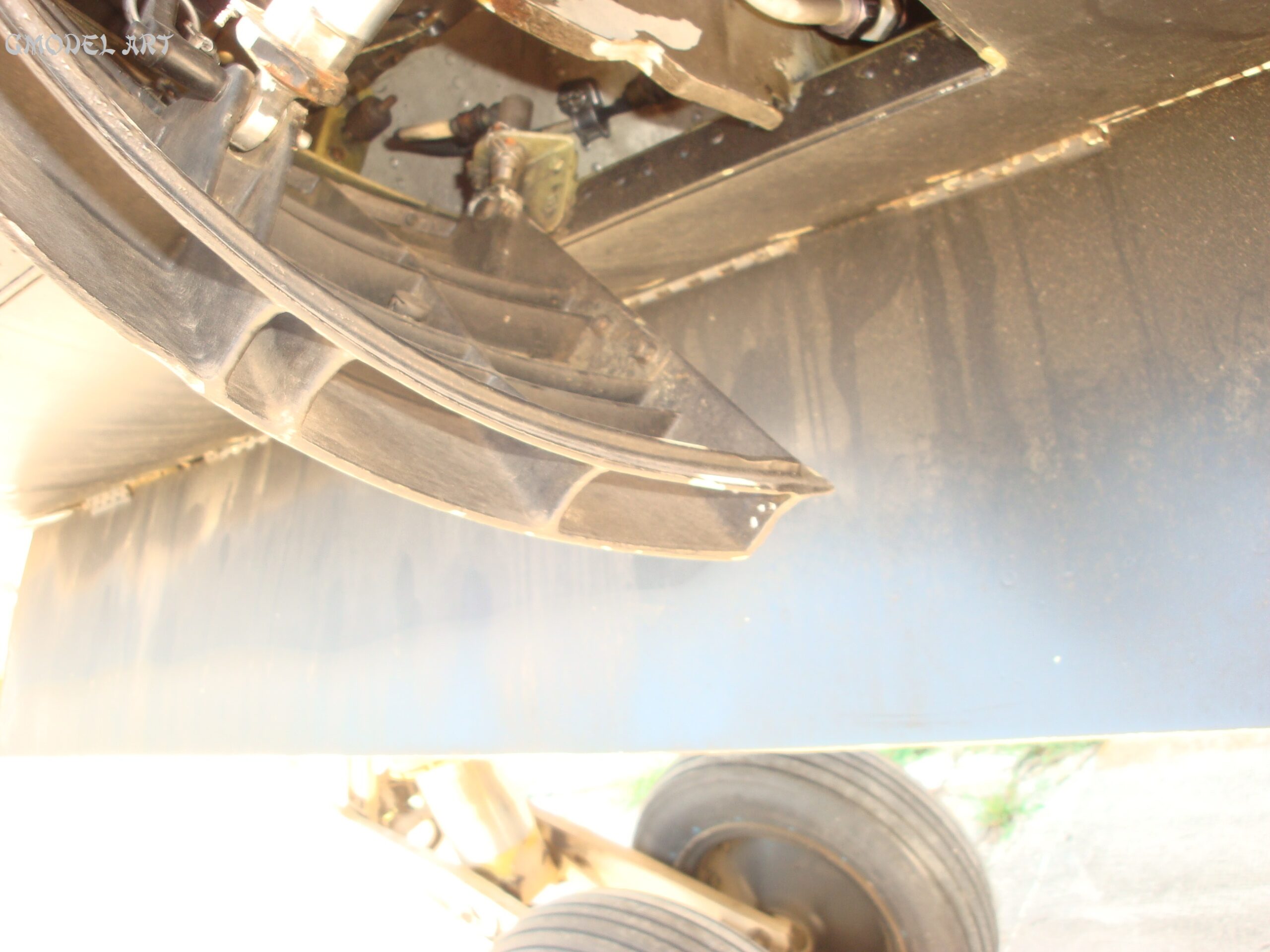
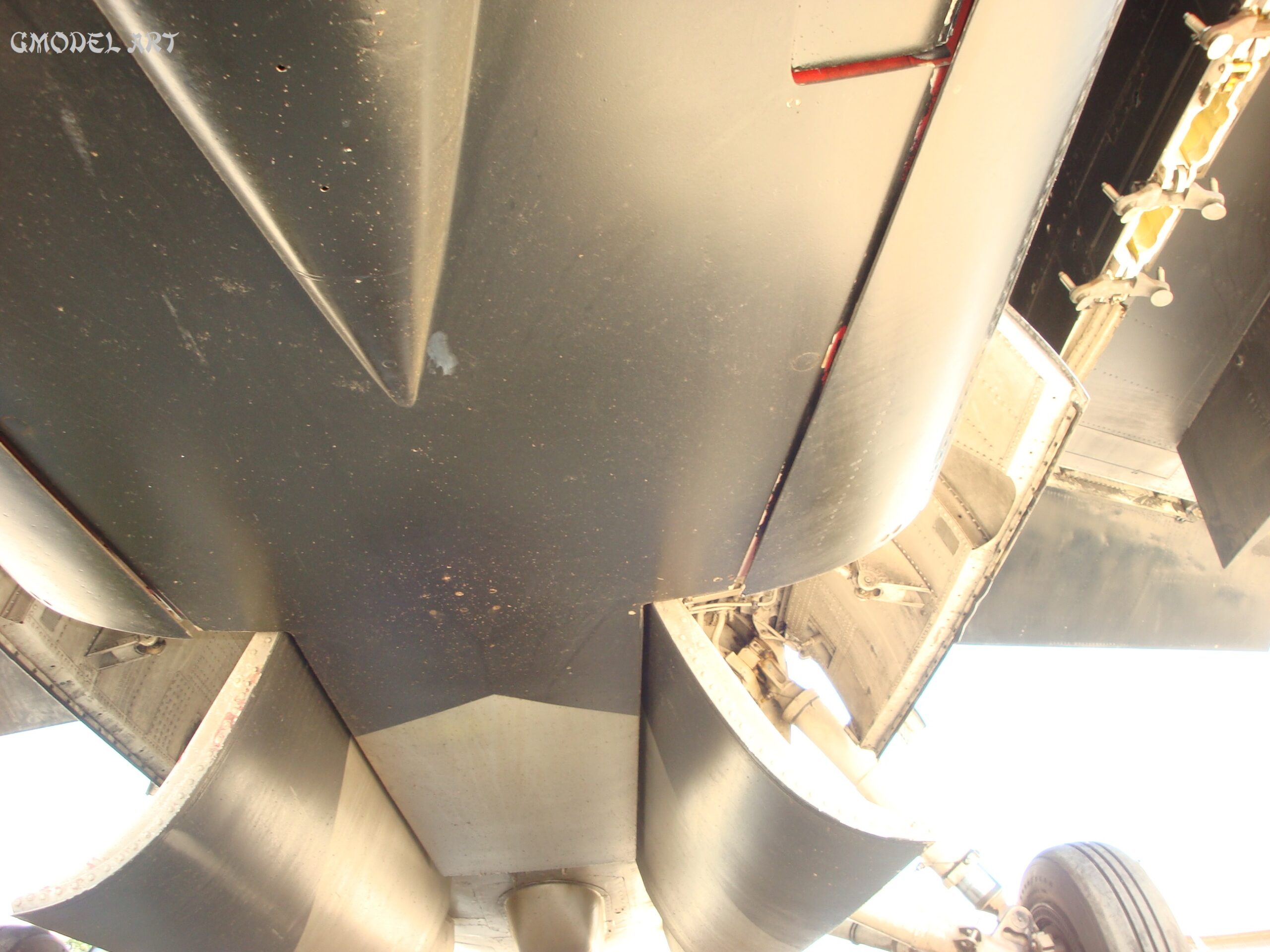
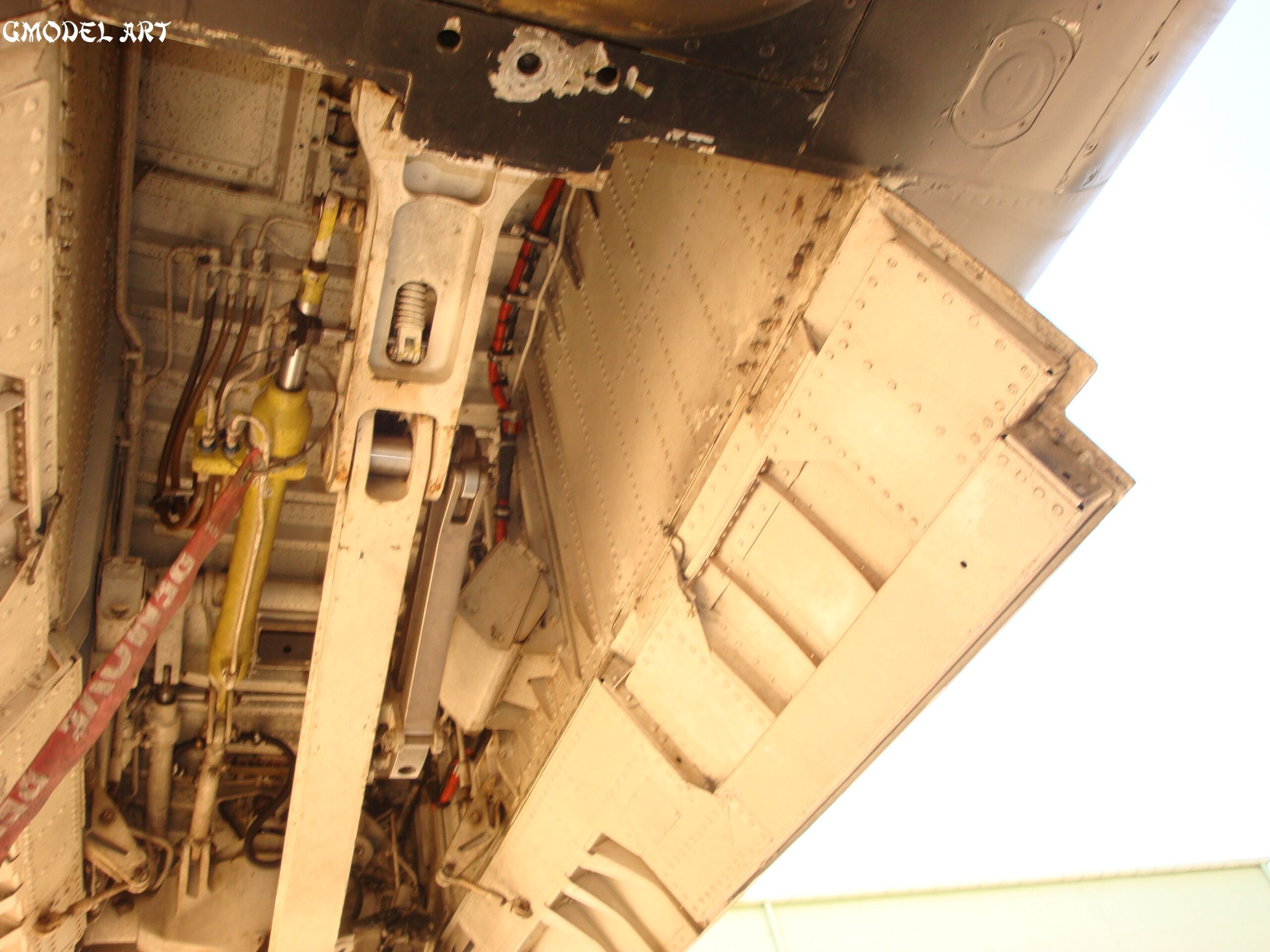
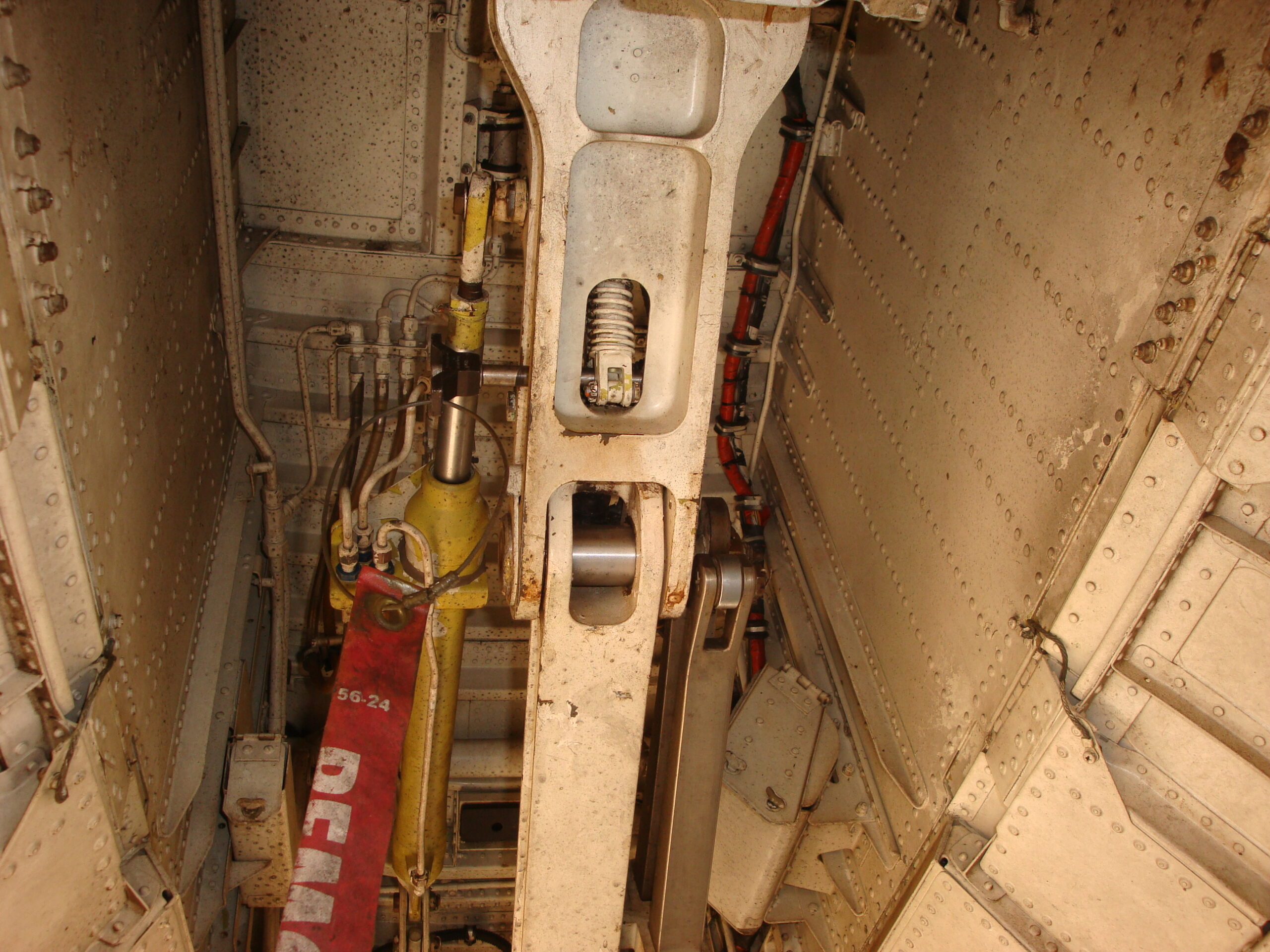
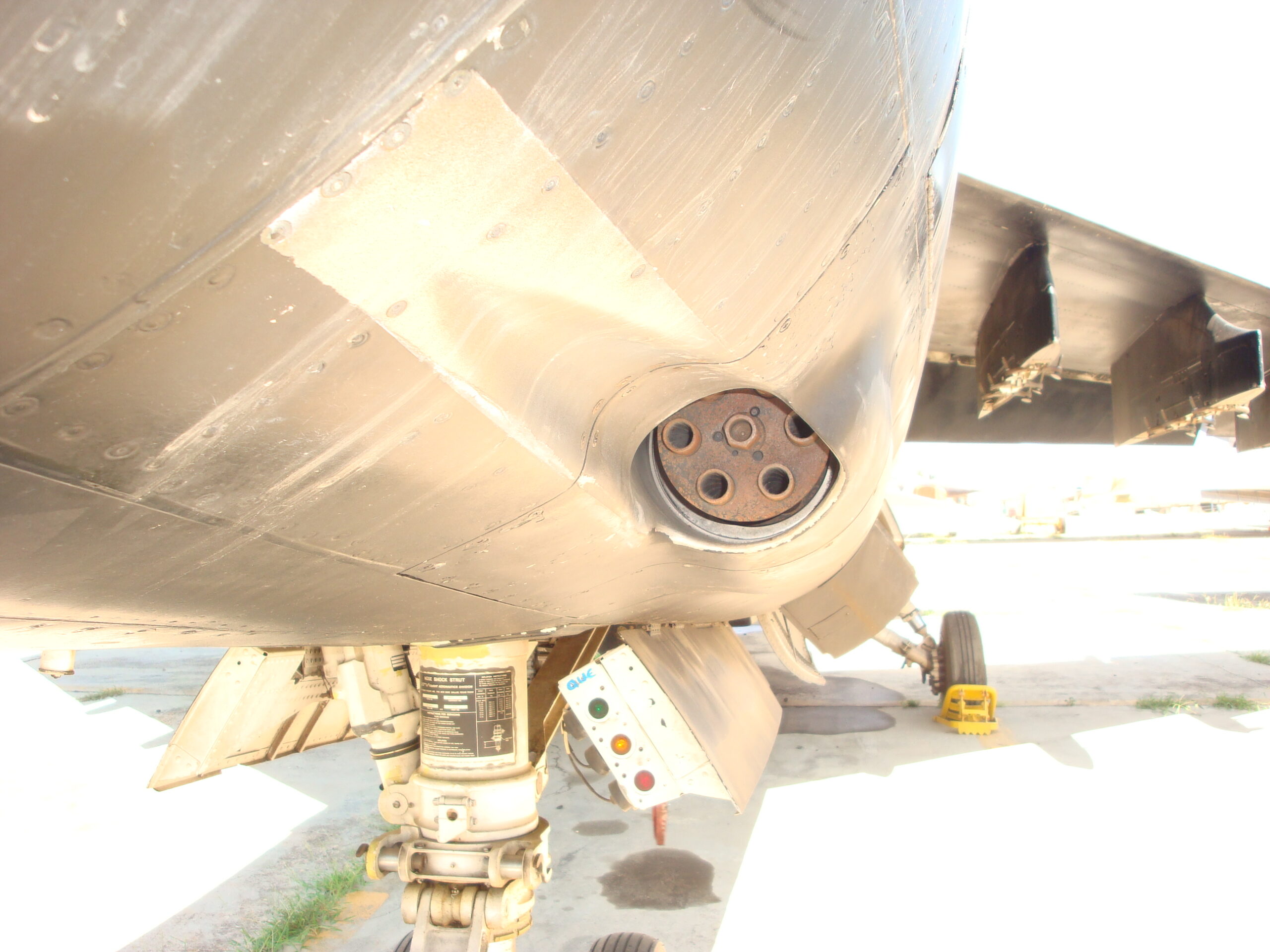
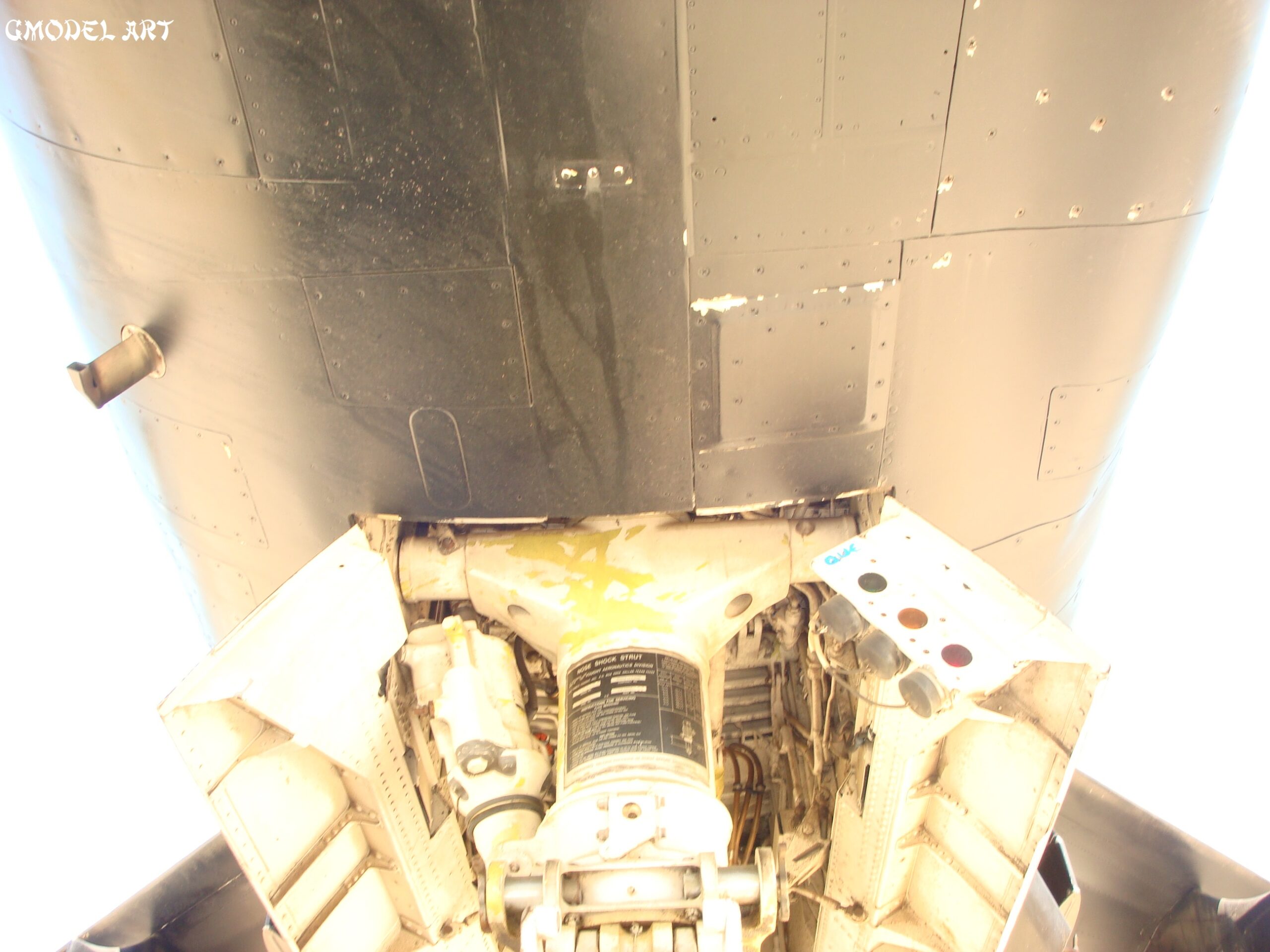
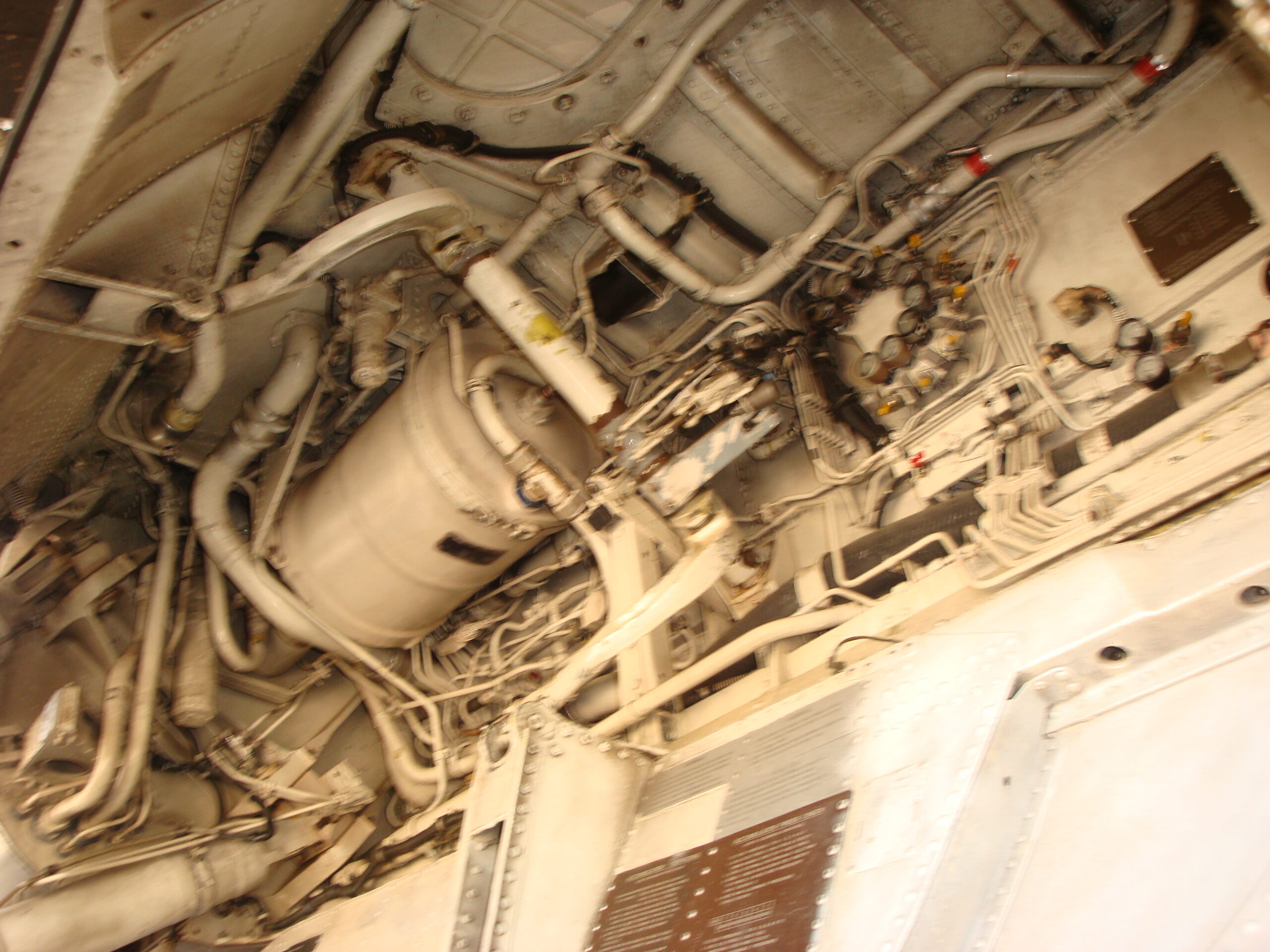
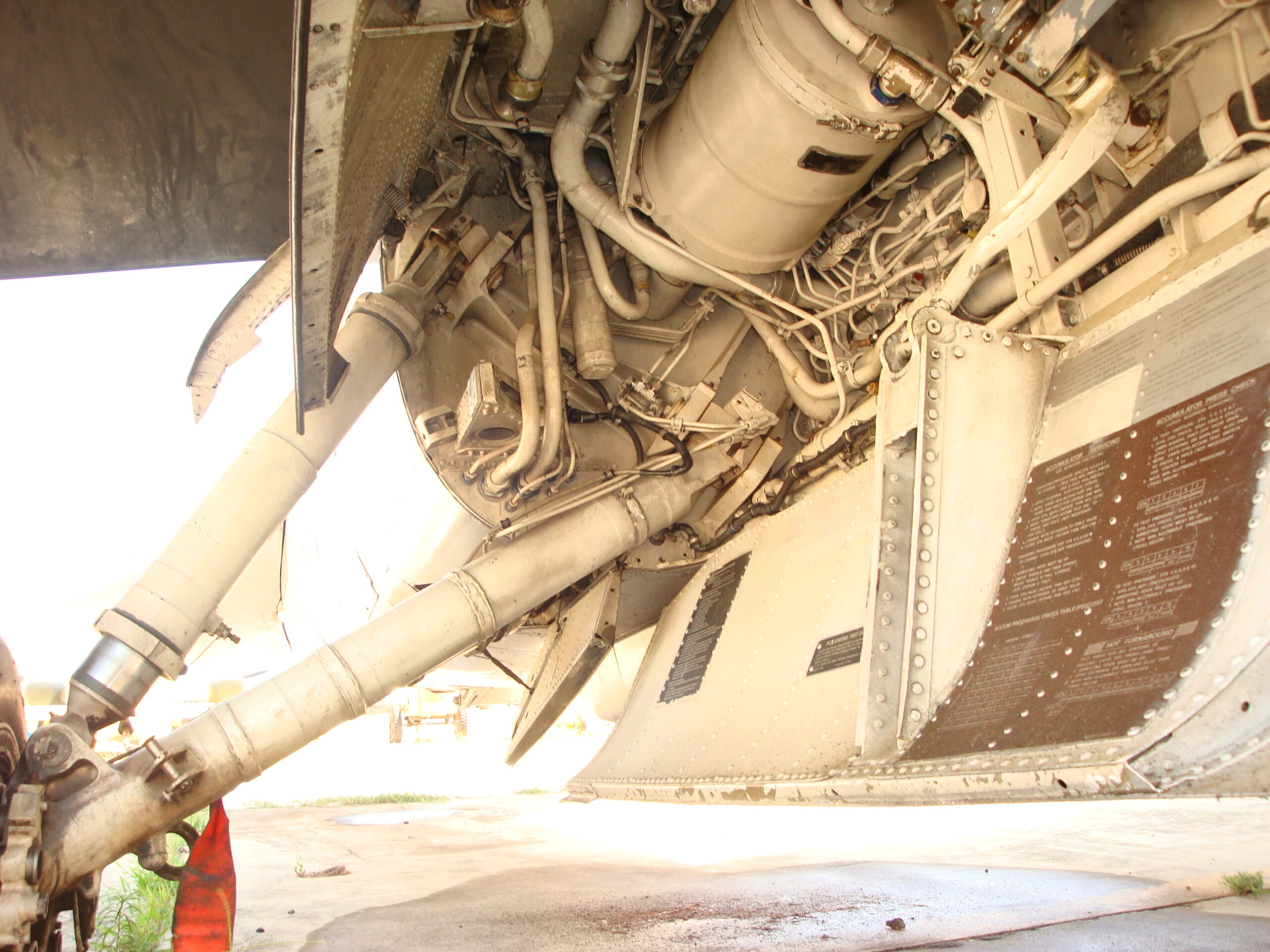
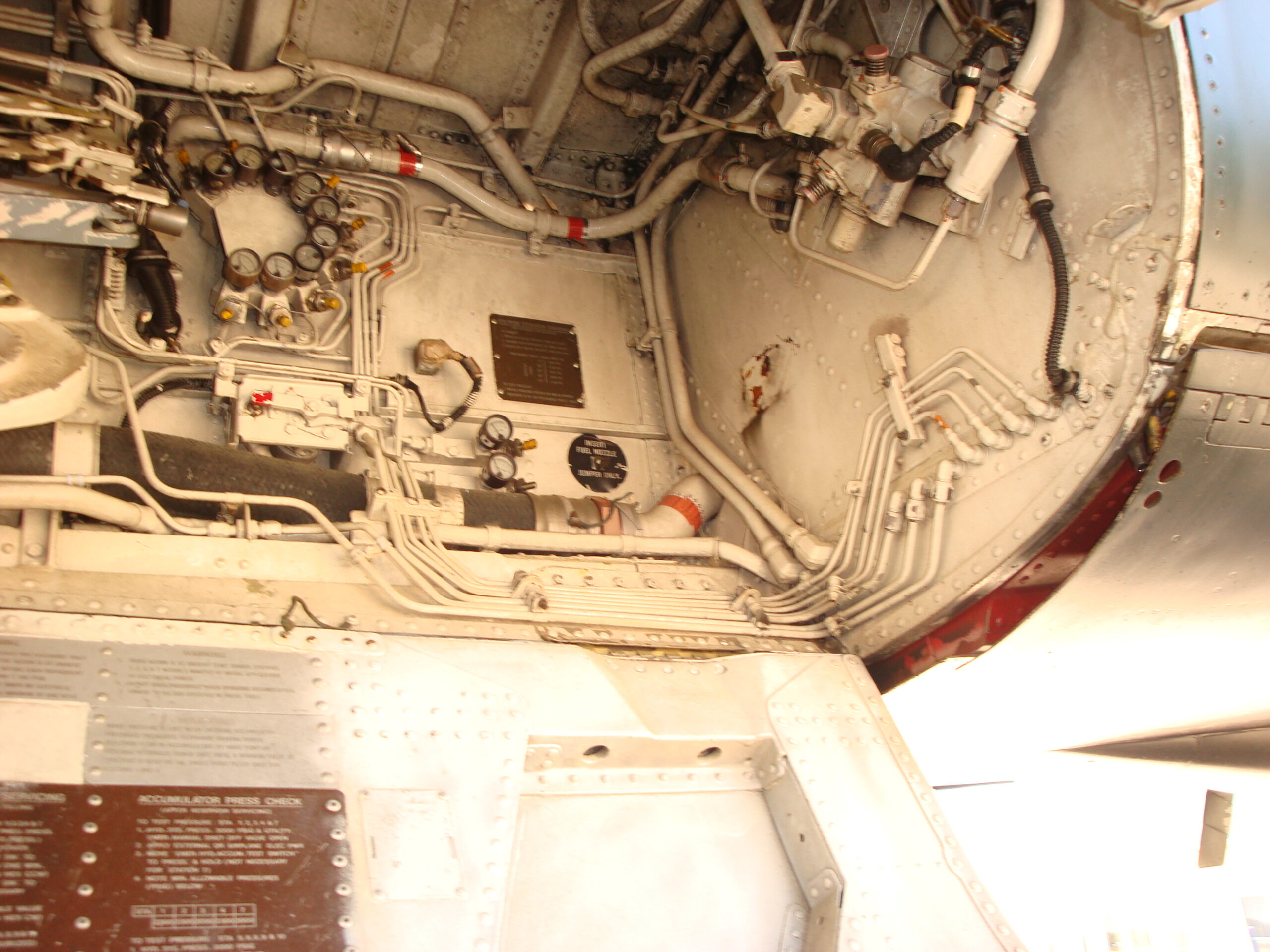
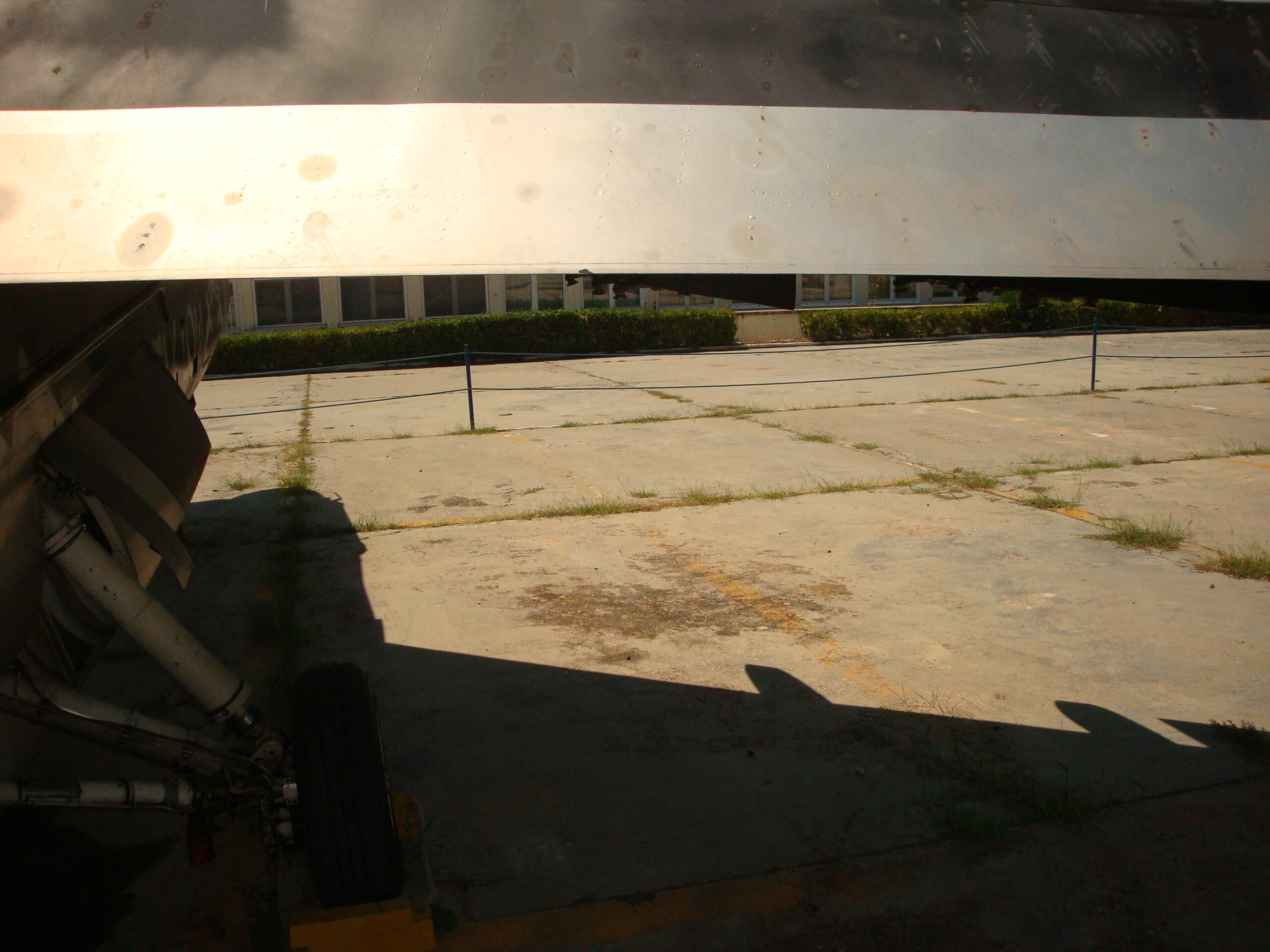
6. Wheel Wells and Landing Gear
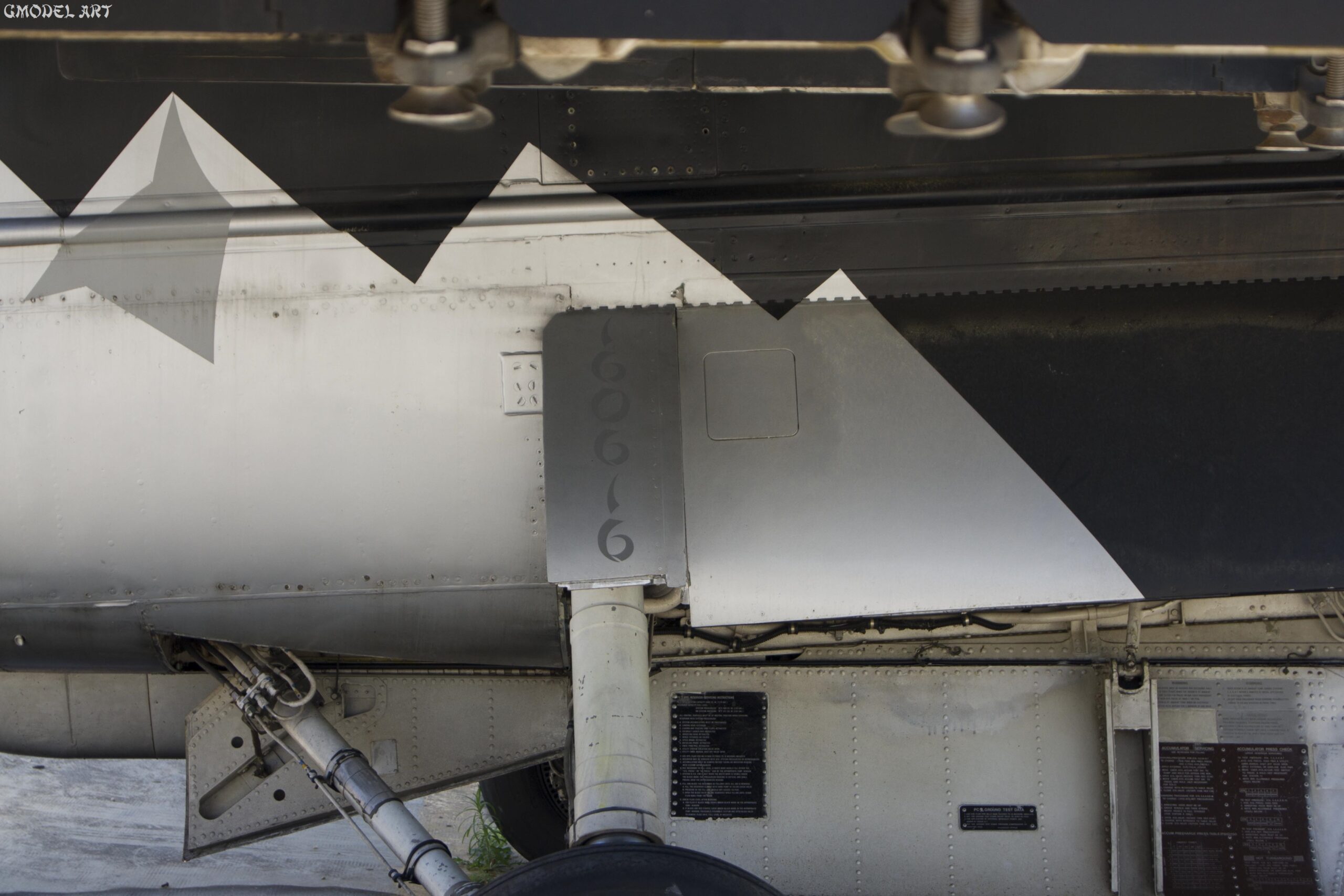
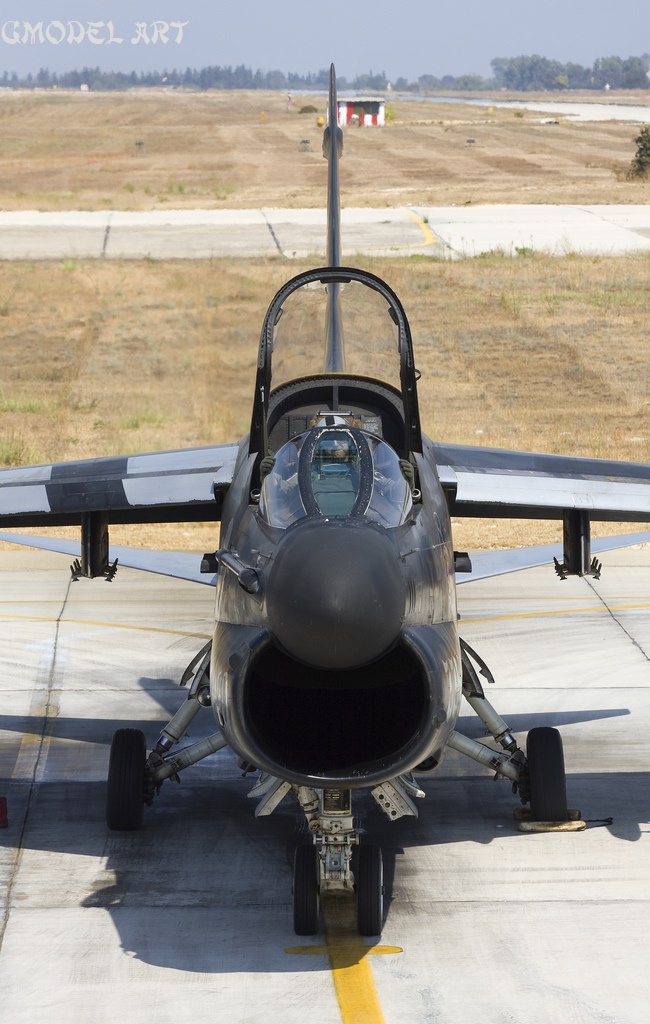
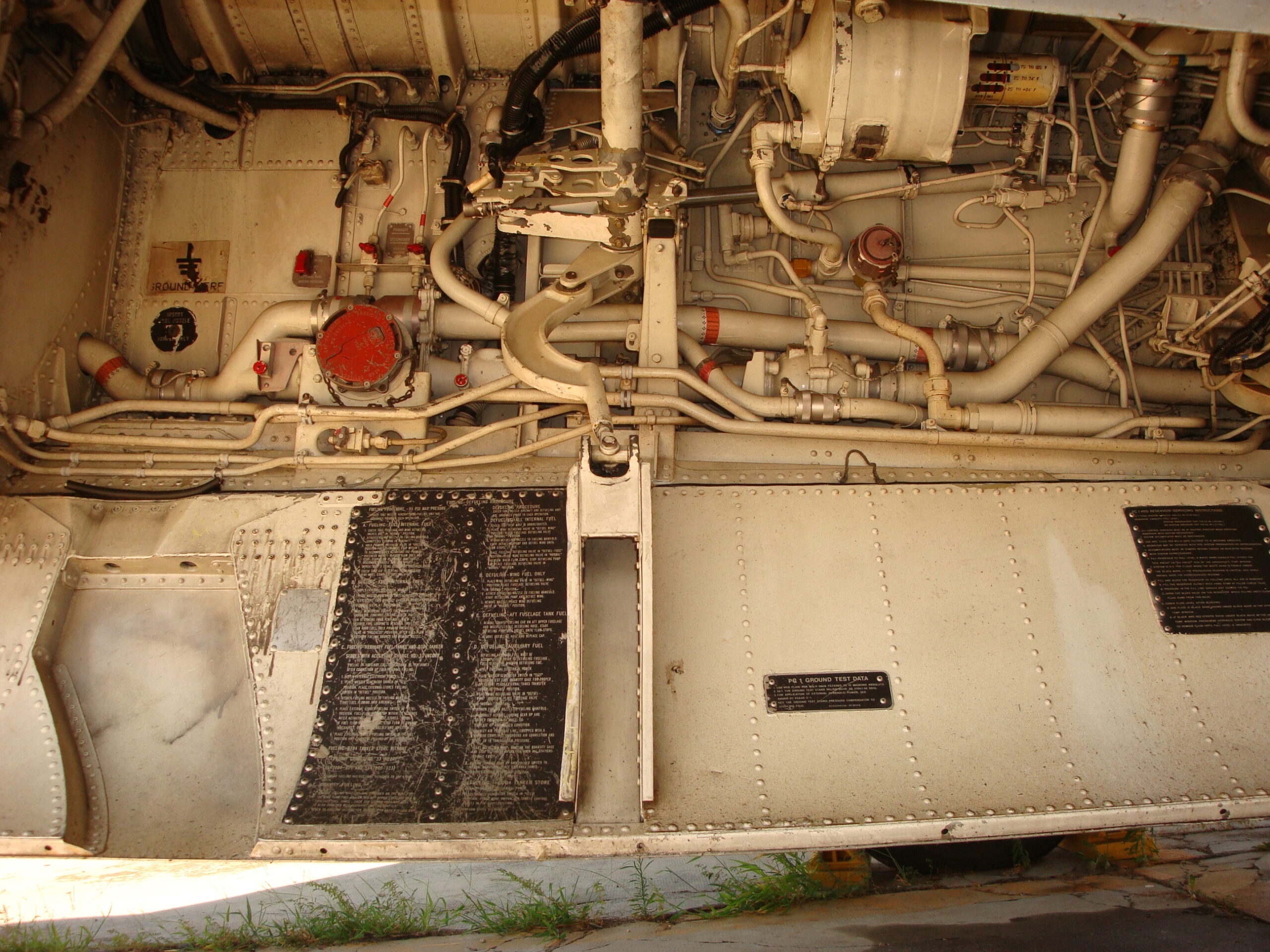
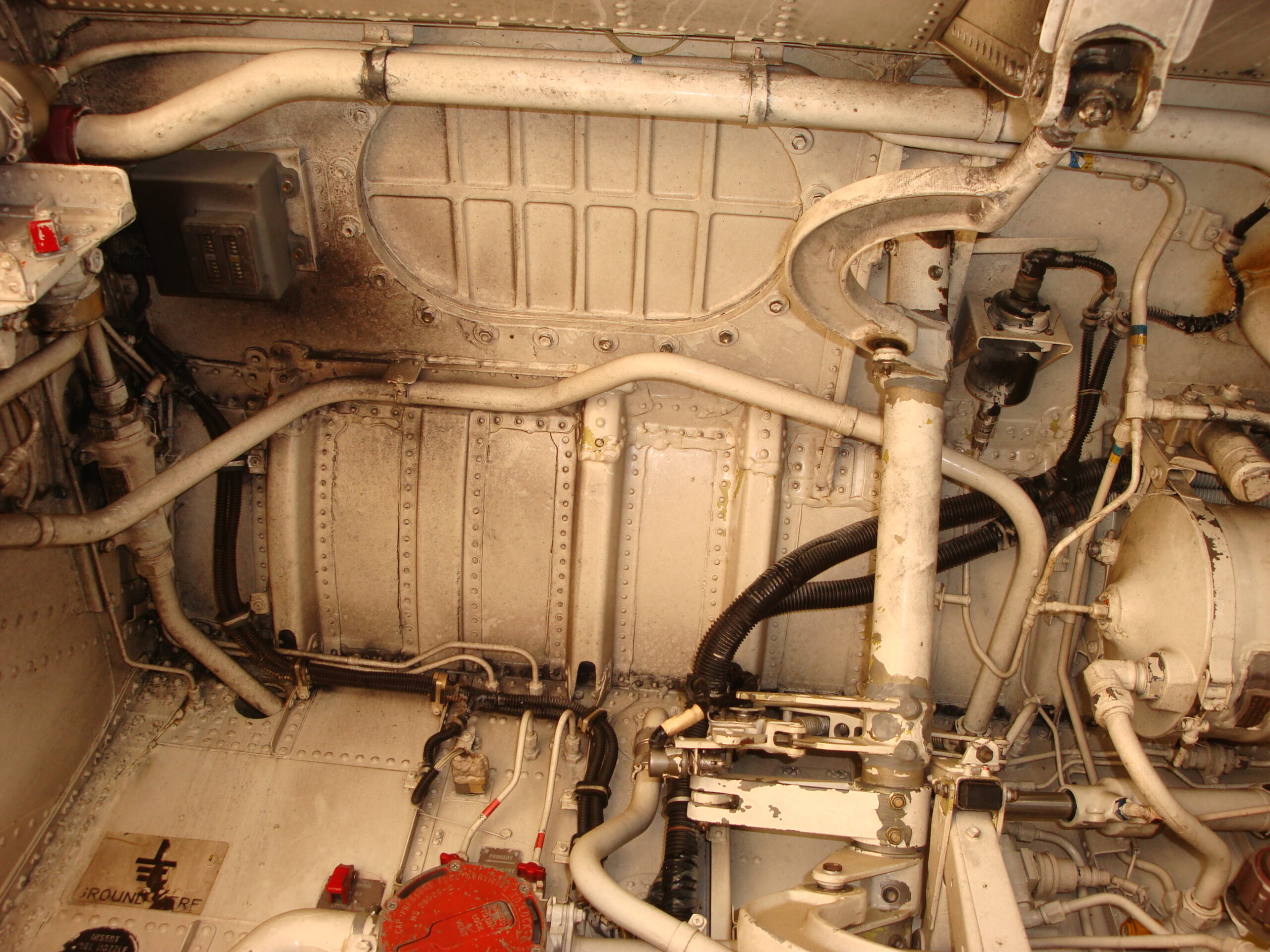
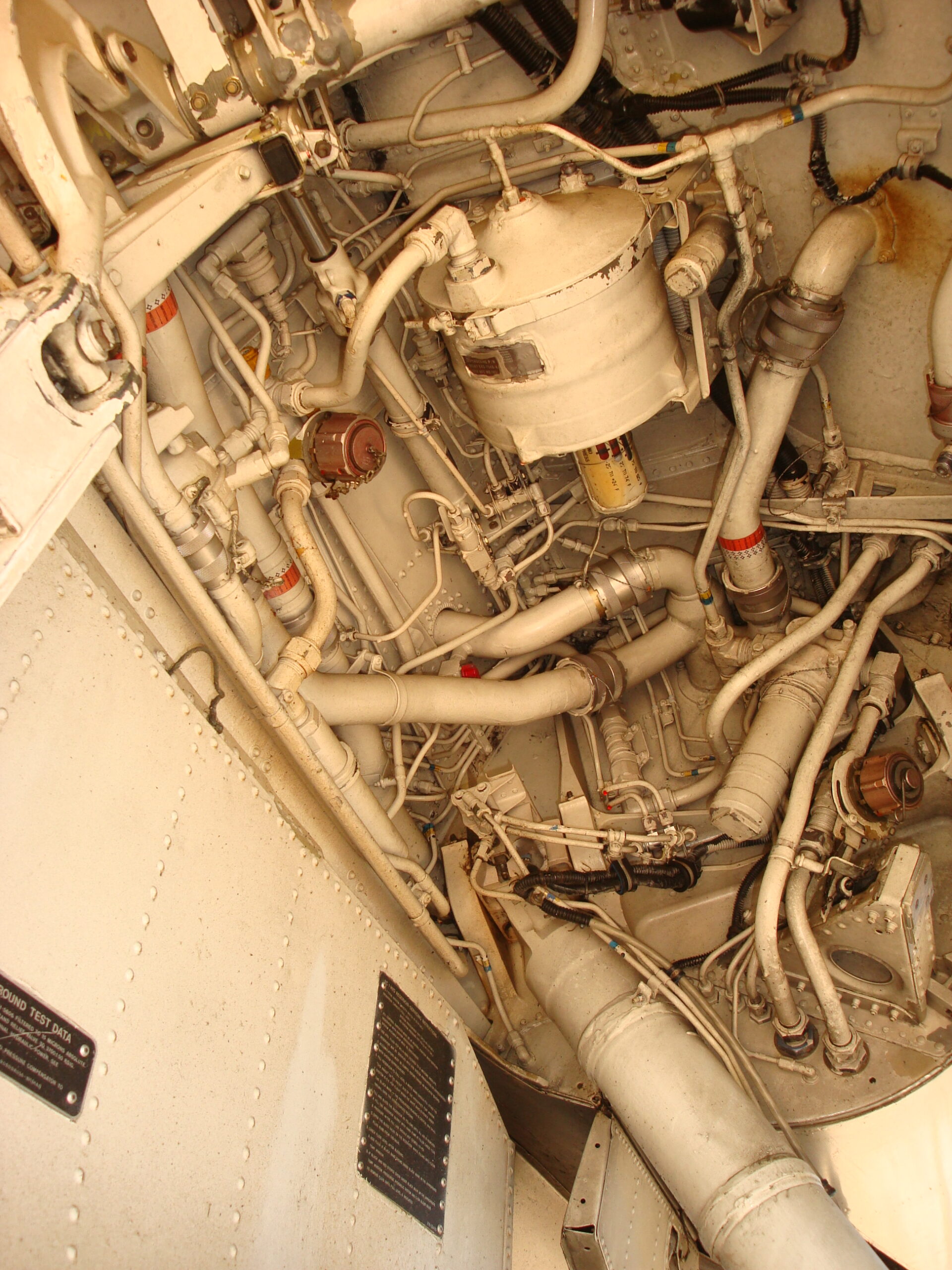
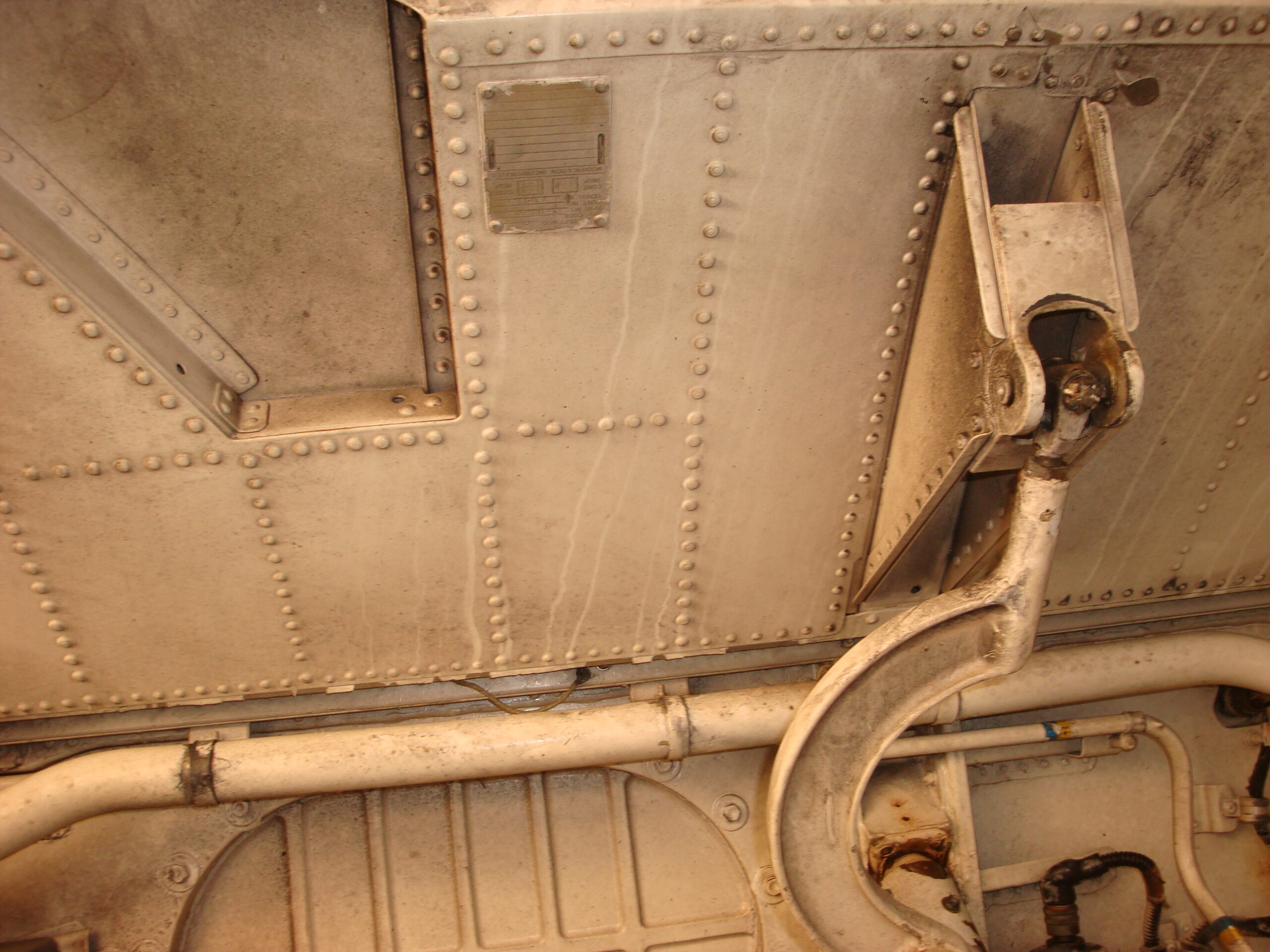
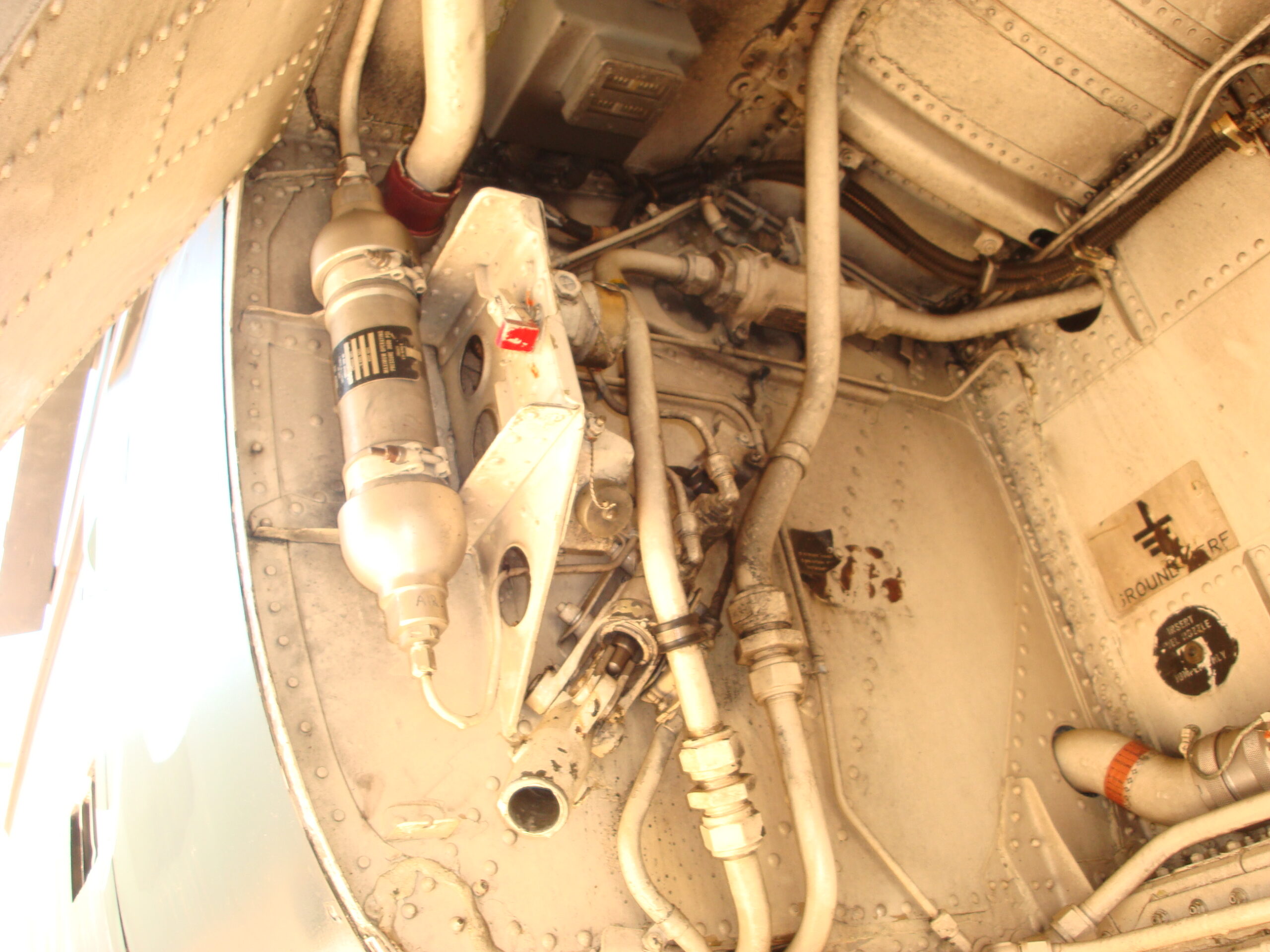
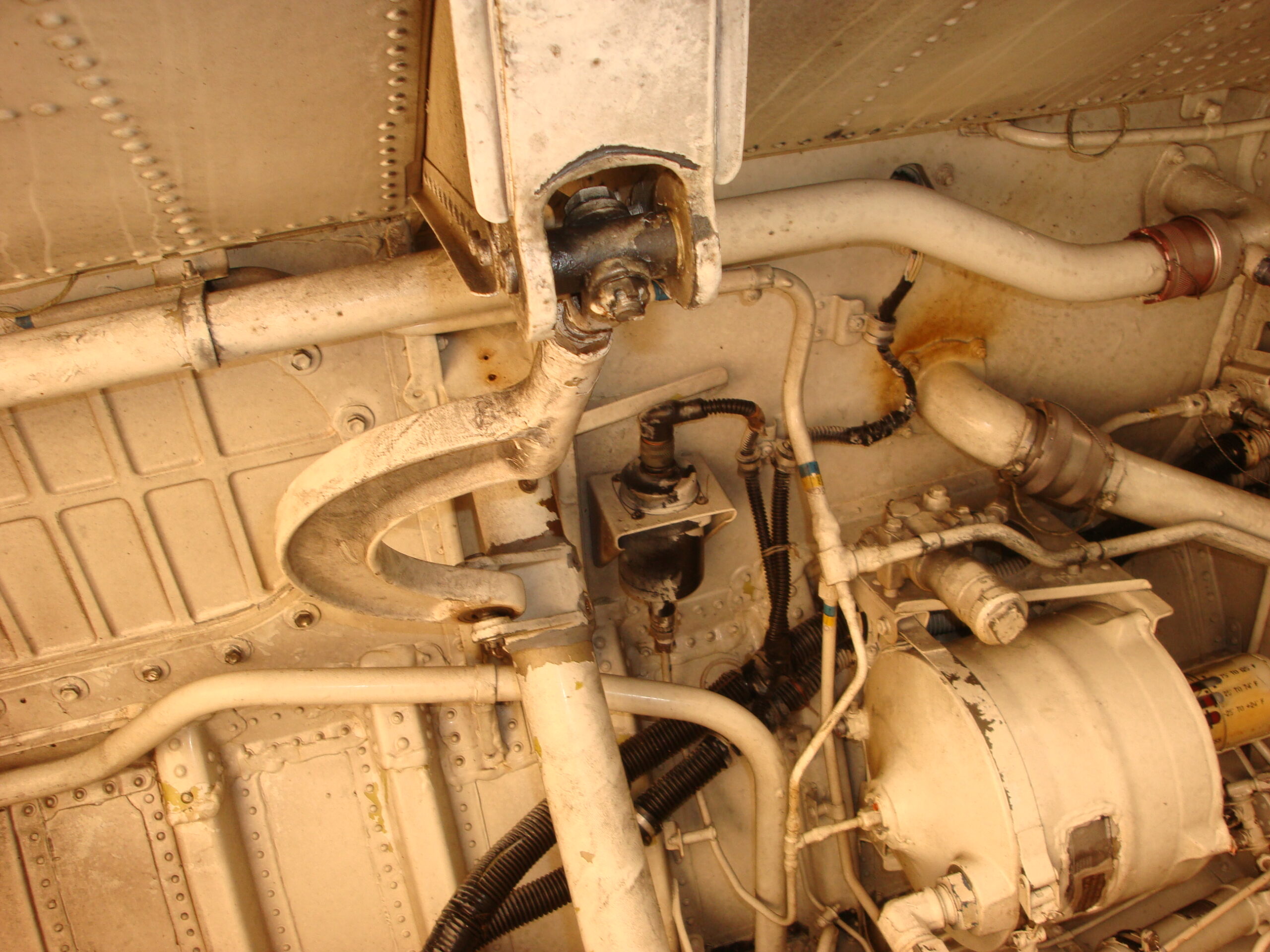
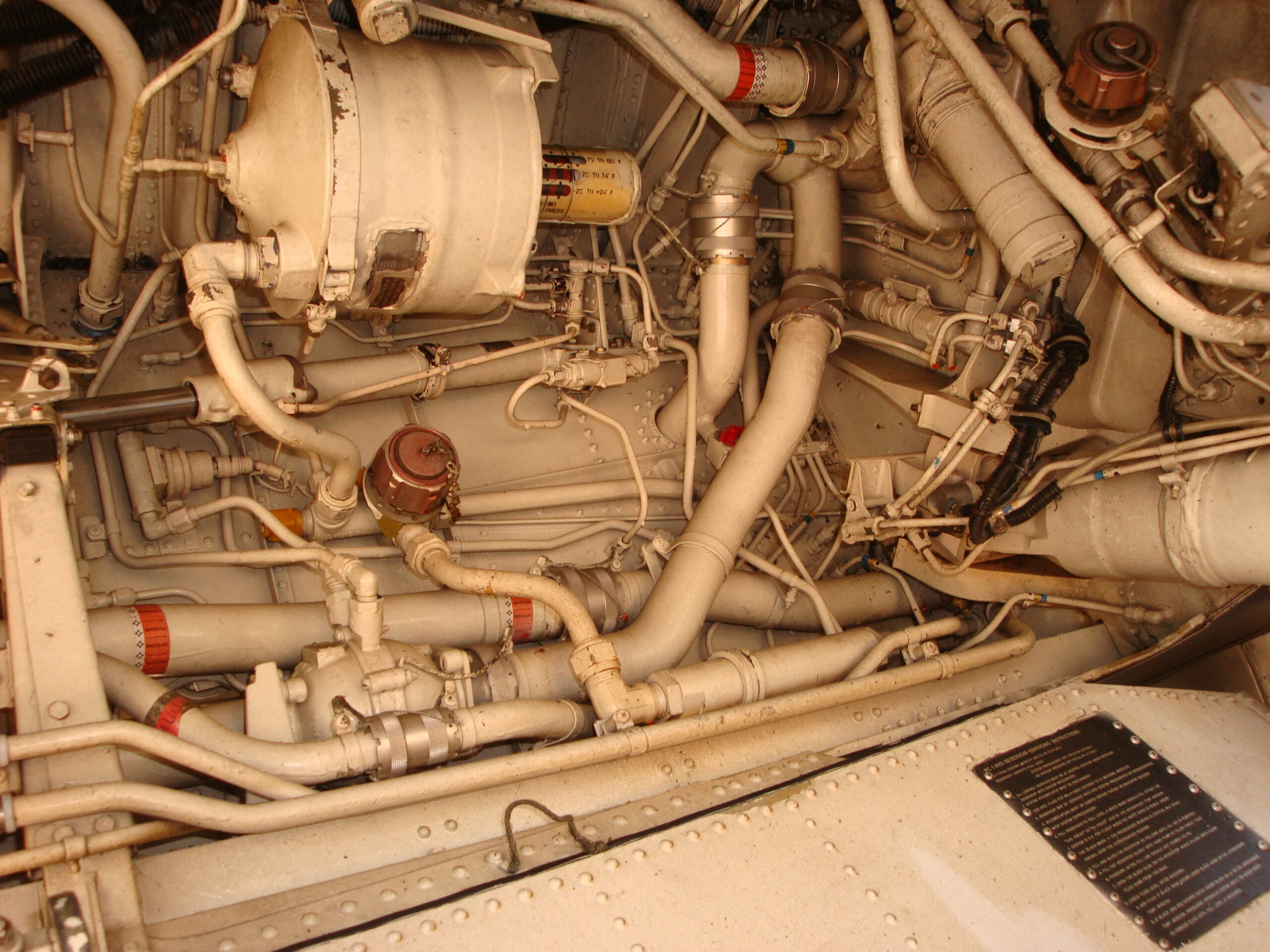
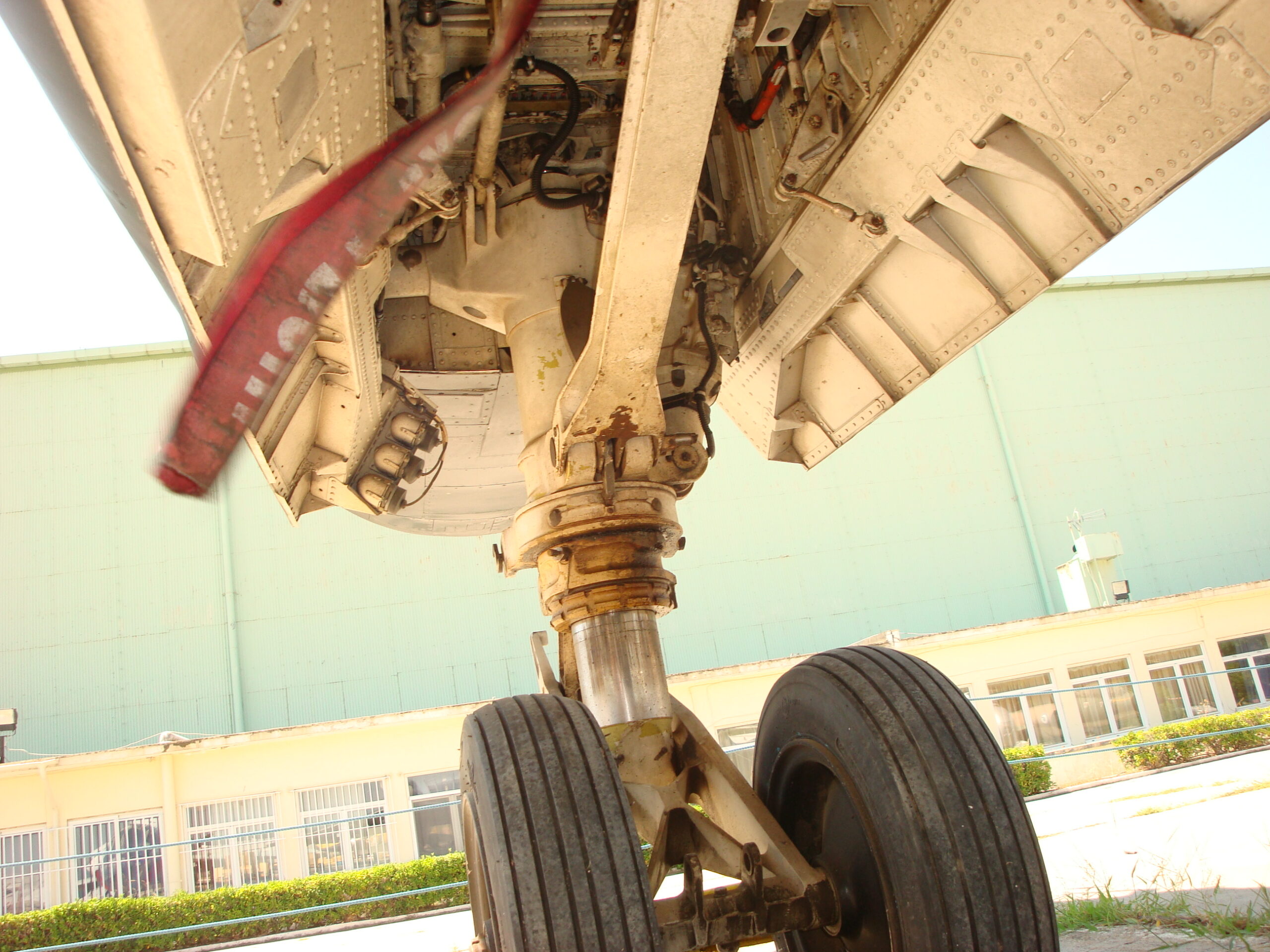
One of the most visually important contrasts on the black OLYMPOS is the light-coloured landing gear and wheel-well areas.
The bright white components should therefore be carefully painted and then toned down with:
- grey wash
- dirt around corners
- hydraulic/oil staining
- slight dusting
Do not leave them completely factory white.
The contrast between the black airframe and the light landing gear is one of the details that immediately identifies the aircraft in photographs.
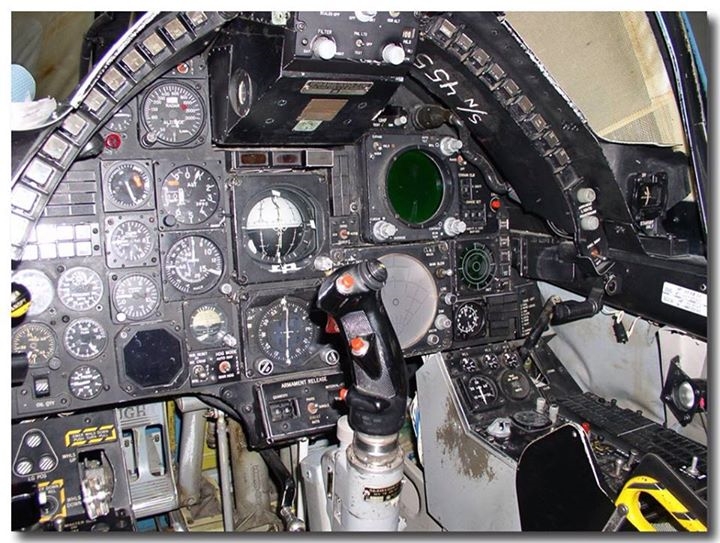
7. Cockpit and Canopy
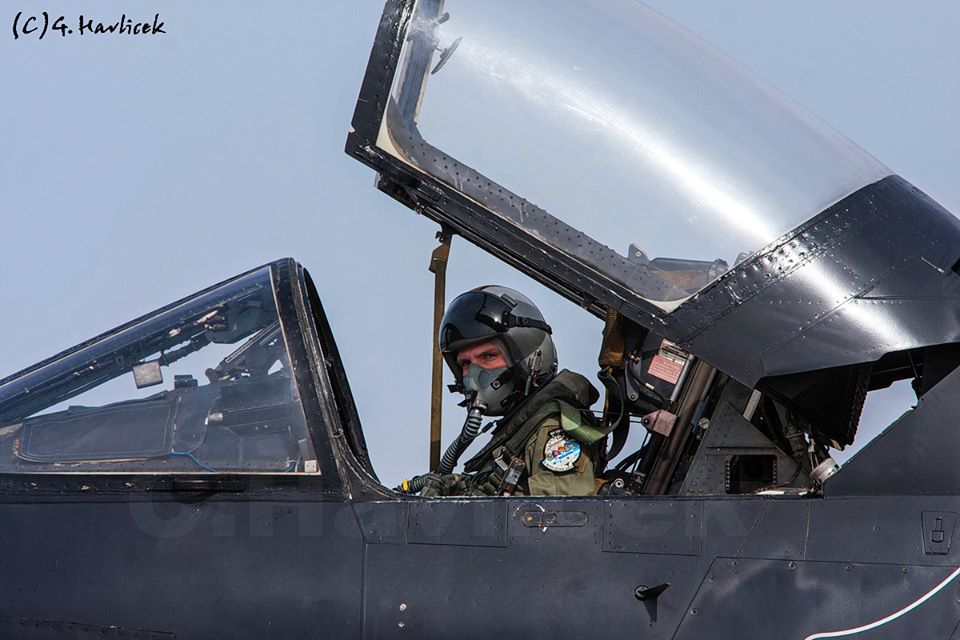
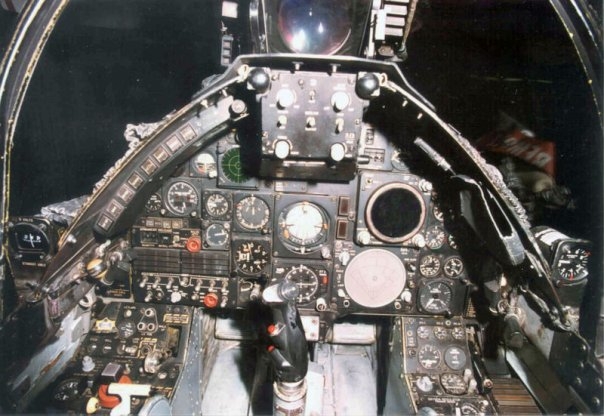
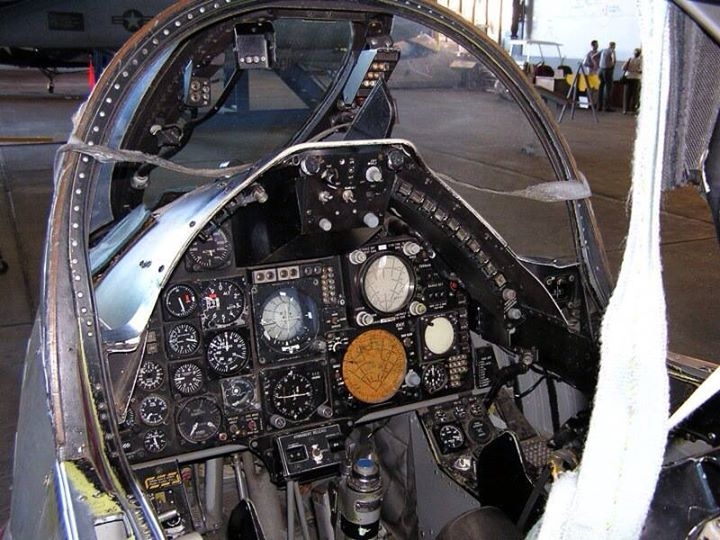
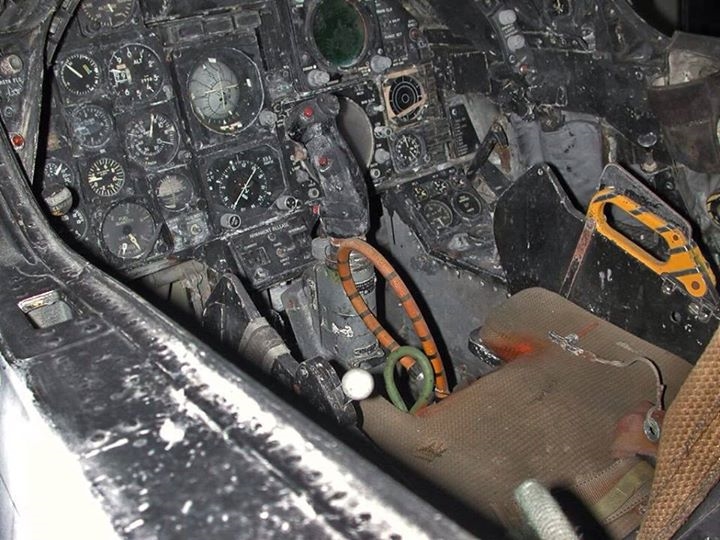
The cockpit deserves special attention because it is one of the few areas where the modeller can introduce strong tonal contrast against the black exterior.
The instrument panel should not be treated as a completely black featureless area. Pick out:
- instrument bezels
- switches
- side consoles
- ejection seat details
- harness
- HUD frame
The HUD glass should receive a subtle transparent green tint, not opaque bright green paint.
The canopy itself should remain highly transparent. Avoid excessive blue-green tinting unless photographic evidence for the particular aircraft supports it.
8. Aftermarket Upgrades
For a serious 1/48 build, aftermarket can significantly improve the A-7E.
Cockpit
Aires offers a dedicated A-7E cockpit set for the Hobby Boss kit, including resin parts, photo-etched components and instrument details. IPMS/USA specifically notes the improvement over the kit cockpit, although installation requires removal and thinning of kit plastic.
ResKit
For the Hasegawa 1/48 A-7E, ResKit offers a particularly comprehensive selection, including:
- cockpit
- air intakes
- wheel bays
- landing gear
- wheels
- exhaust nozzle
- pylons
- weapons
These sets are especially useful for a high-detail OLYMPOS project.
Photo-etch
For 1/72, the documented Italeri 160616 build used Eduard SS185, demonstrating that photo-etched upgrades can significantly enhance the smaller-scale aircraft.
9. Decals for “OLYMPOS”
The markings are just as important as the paint.
For a model of Bu.No.160616, the modeller should look specifically for decals representing:
- 336 Squadron “Olympos”
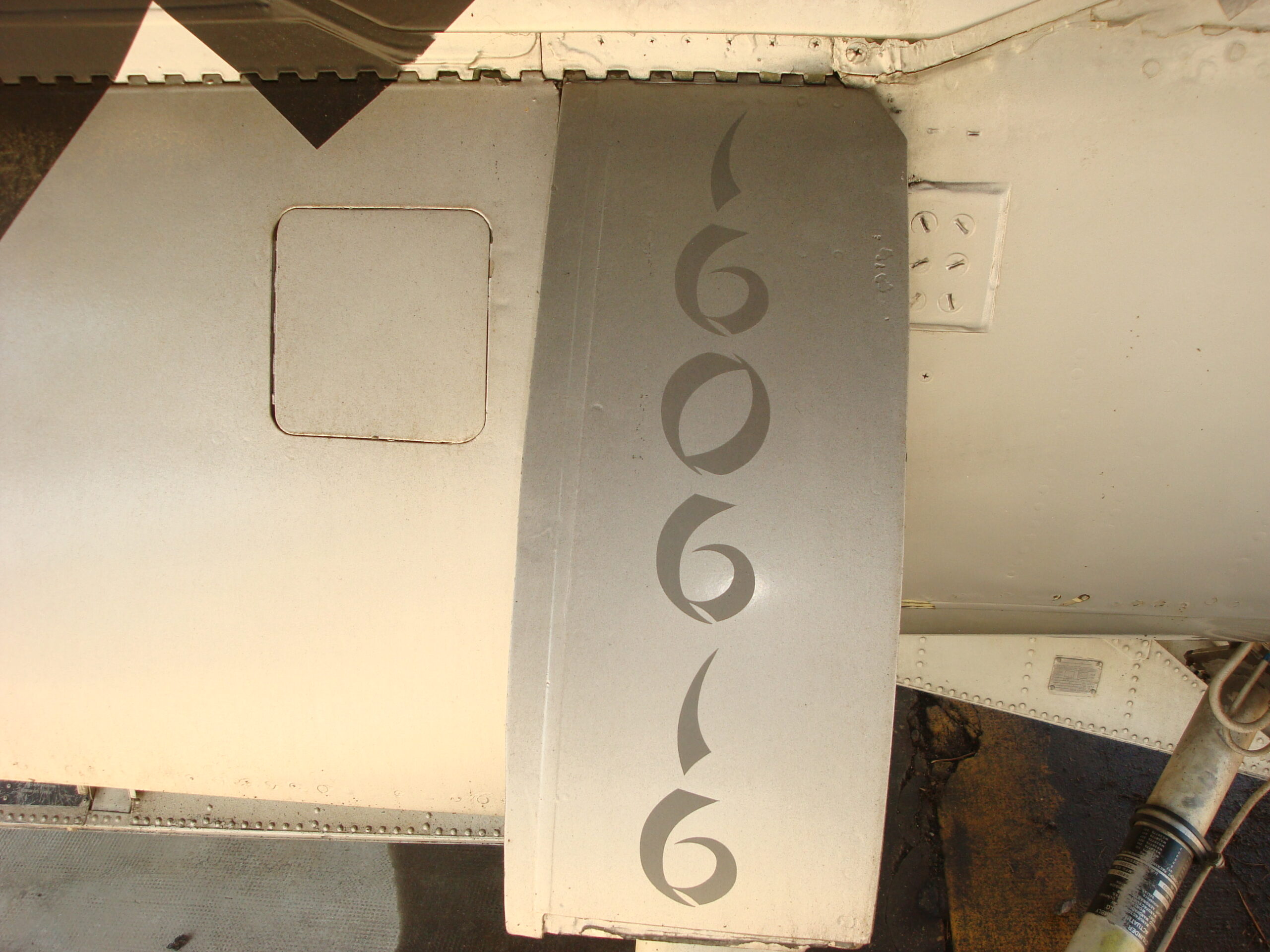
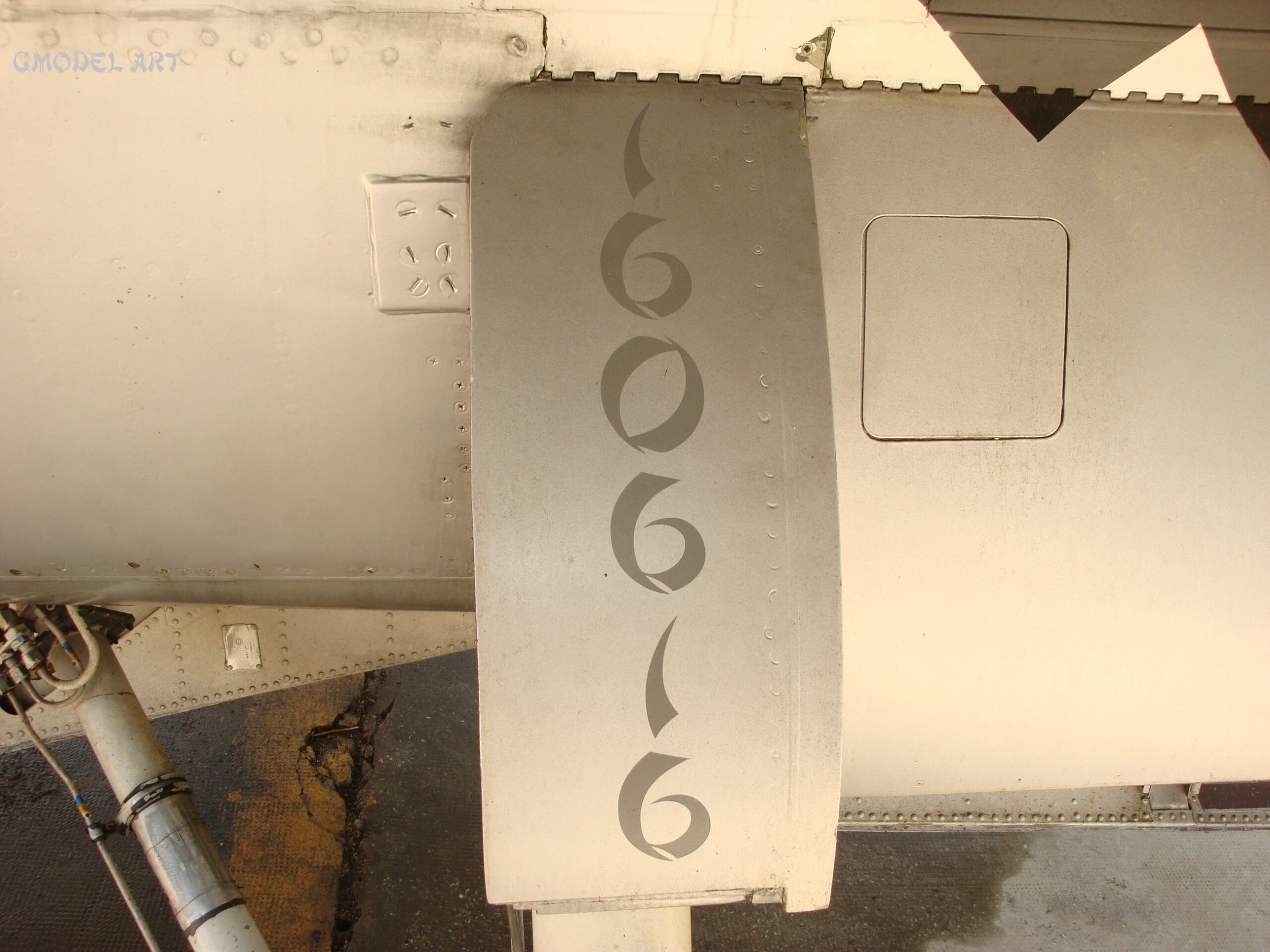
- aircraft number 160616
- skull/Corsair artwork
- eagle artwork
- FLY LOW – HIT HARD
- Hellenic Air Force national markings
- appropriate maintenance stencils
Three Stars Decals is particularly relevant because a documented 1/72 build of the exact 160616 “Olympos” used Three Stars Decals.
The key point is to avoid generic Greek A-7E decals when the goal is to reproduce 160616 exactly.
10. Final Modelling Checklist
Before calling the model finished, compare it directly with photographs of the real aircraft.
Airframe
☐ Overall black finish
☐ Different black tones between panels
☐ Correct radome appearance
☐ White landing gear
☐ White wheel wells
☐ Correct antenna arrangement
☐ Correct A-7E configuration
Markings
☐ 160616
☐ 336 Squadron
☐ OLYMPOS artwork
☐ Skull/Corsair motif
☐ Eagle
☐ FLY LOW – HIT HARD
☐ Hellenic Air Force markings
Weathering
☐ Panel fading
☐ Exhaust staining
☐ Oil/hydraulic staining
☐ Walkway wear
☐ Dirt around wheel wells
☐ Subtle paint wear
☐ Satin rather than toy-like gloss
The Final Result
The most important lesson when modelling the A-7E Corsair II “OLYMPOS” Bu.No.160616 is that the aircraft should not be represented simply as “a black A-7.” It was a fully operational Greek Corsair with years of service behind it, and its appearance changed naturally through maintenance, exposure, weather and operational use. Contemporary photographs from 2014 show the aircraft in its final special livery and confirm how distinctive the combination of the black airframe, large artwork and 336 Squadron markings was.
For the modeller, the winning formula is therefore accuracy before exaggeration: start with the correct A-7E kit, reproduce the special markings of Bu.No.160616, use a controlled semi-gloss black finish, add subtle tonal variation and finish with realistic operational weathering. Done correctly, the result will capture what made OLYMPOS so memorable—not merely its spectacular black paint, but the appearance of a real combat aircraft that continued to work until the final days of the Greek Corsair era.