article
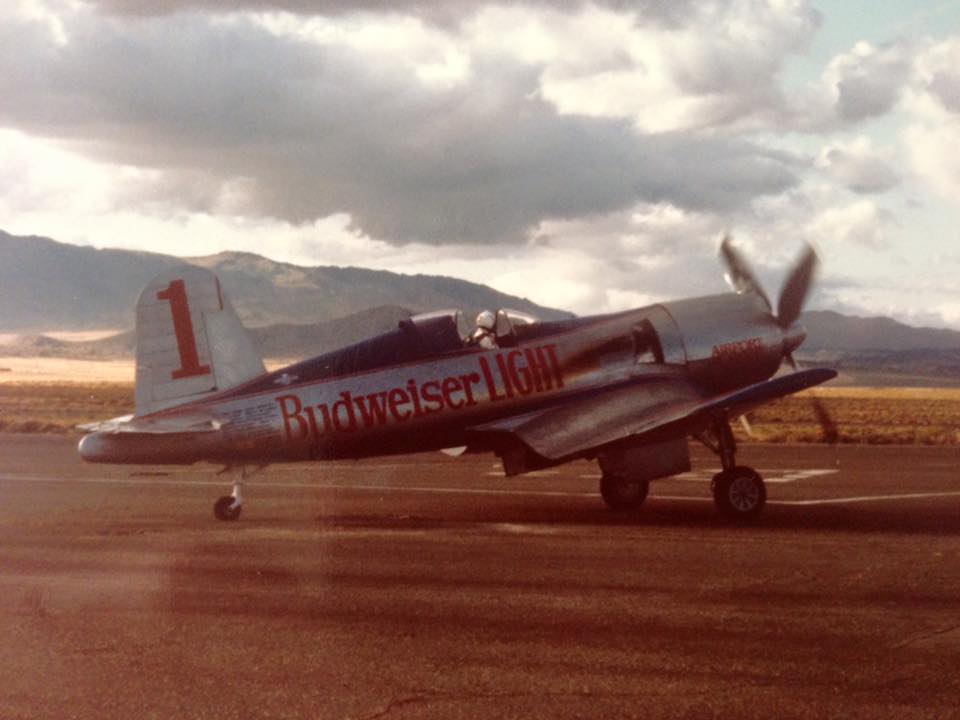
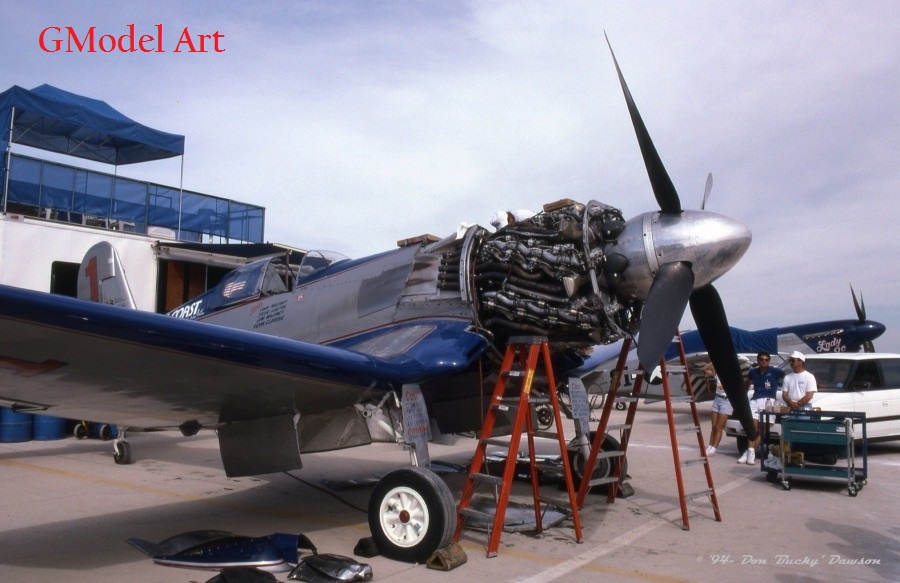
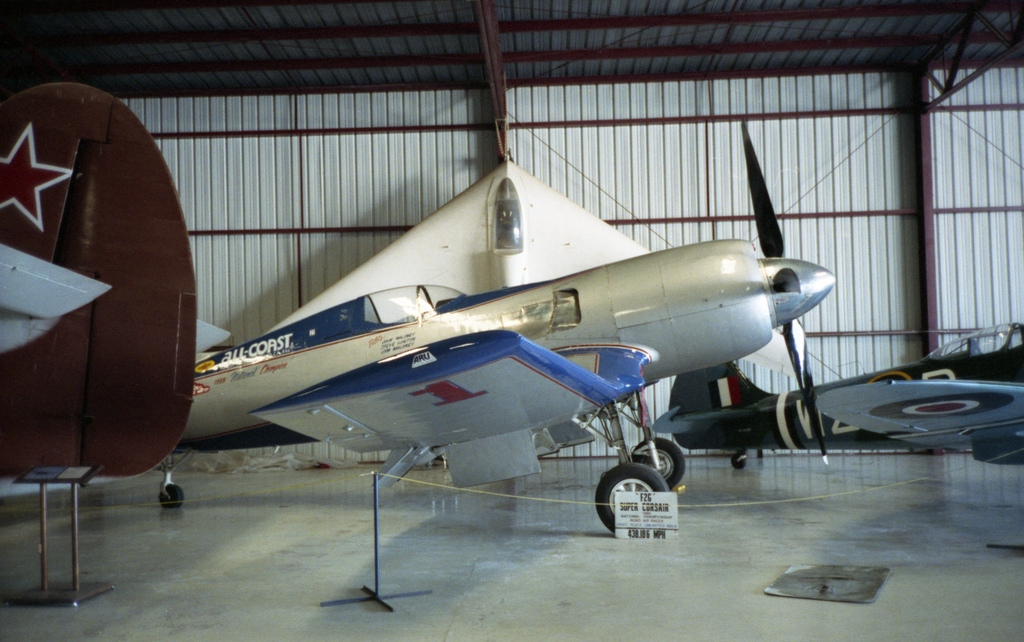
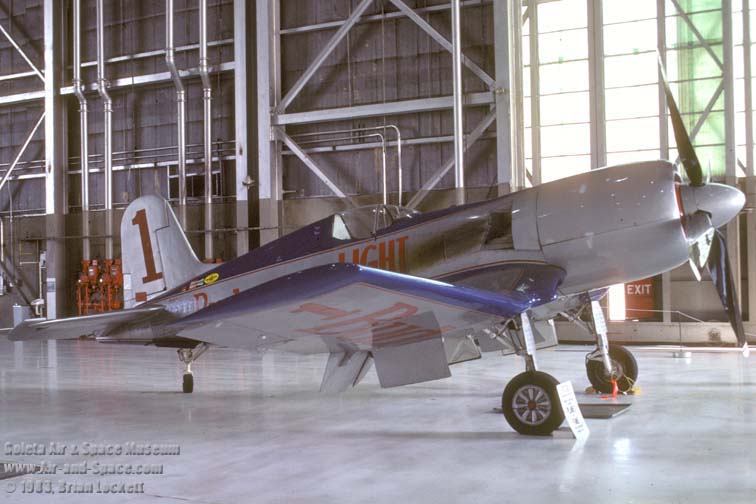
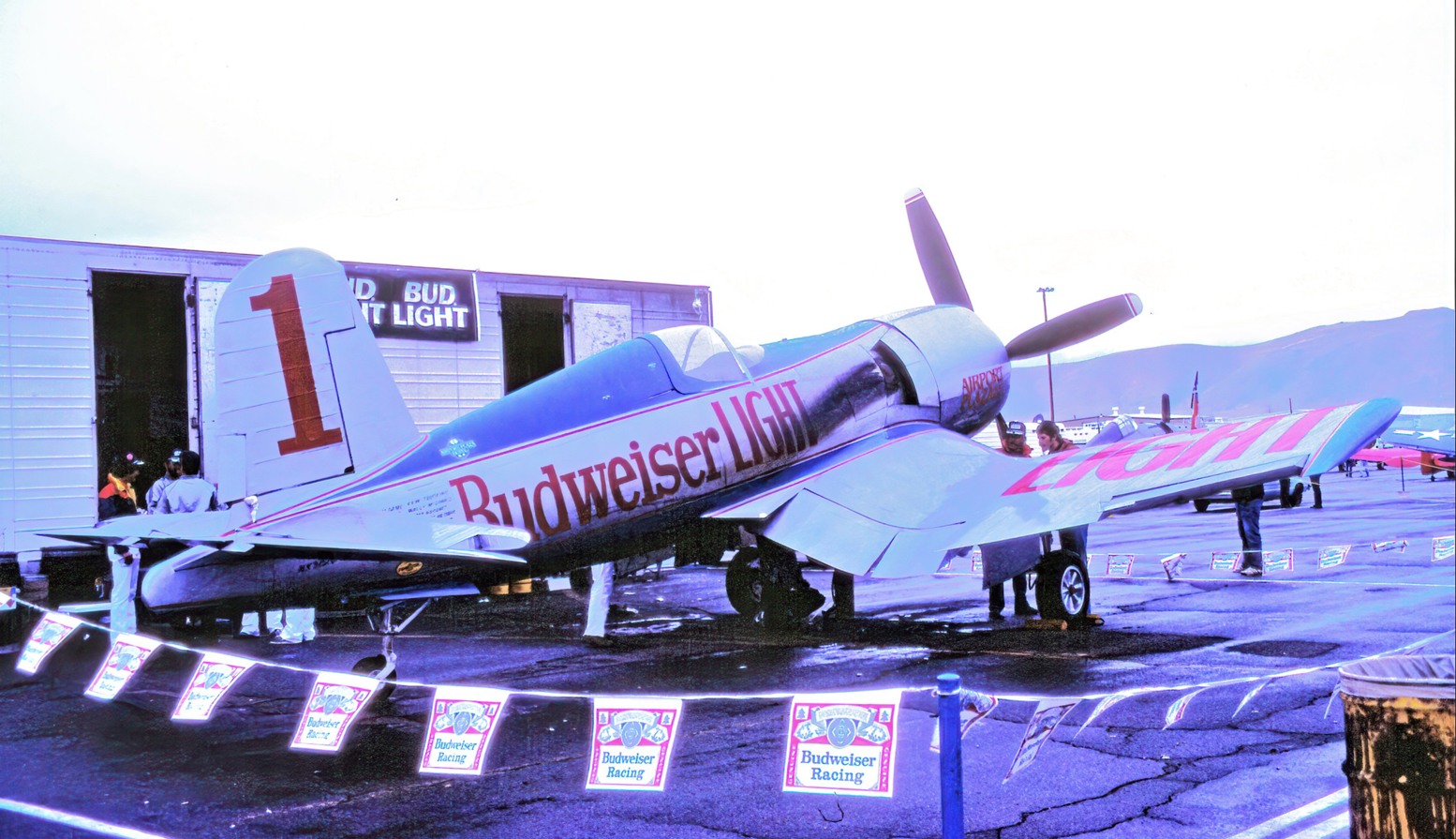
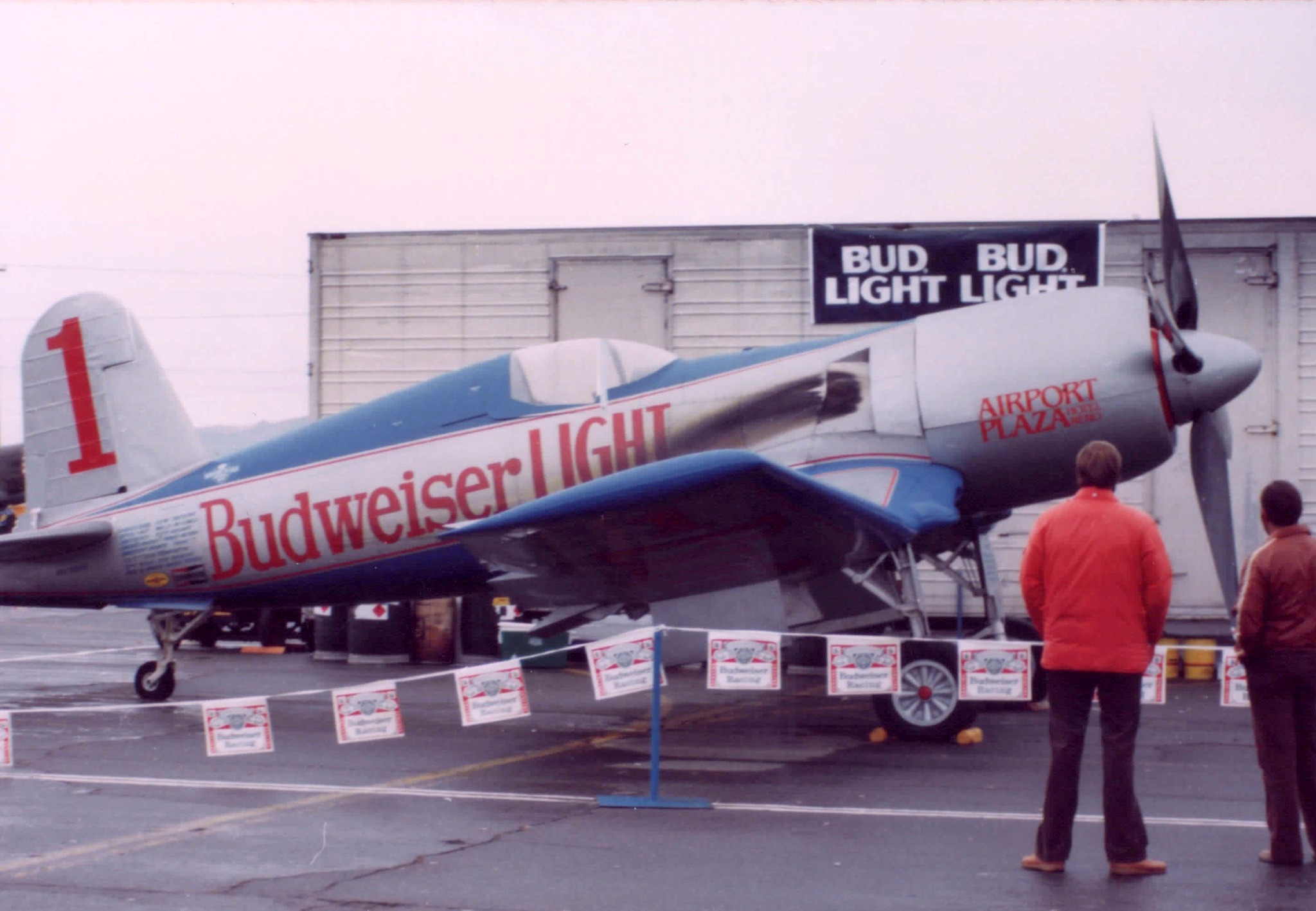
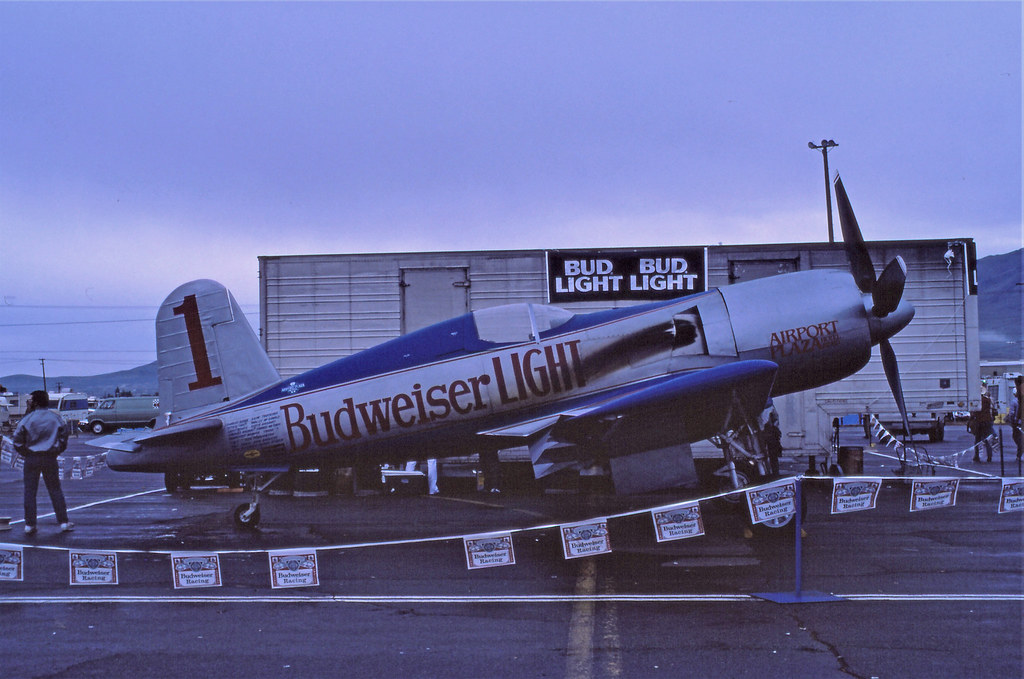
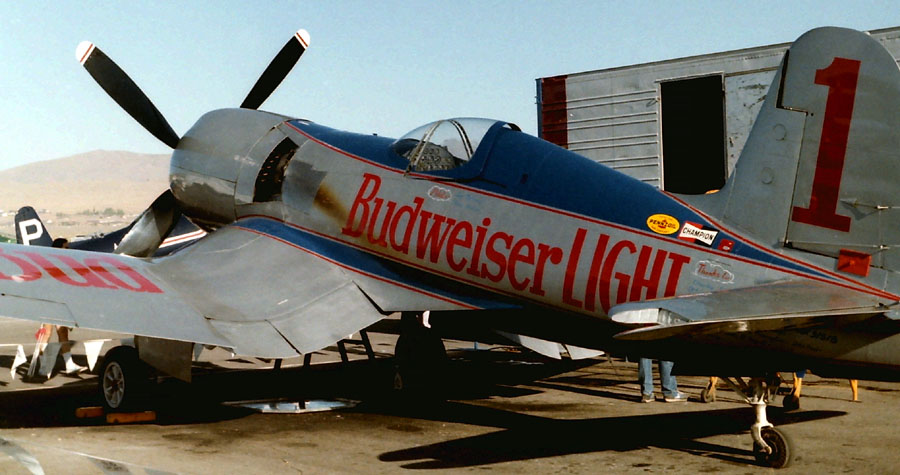
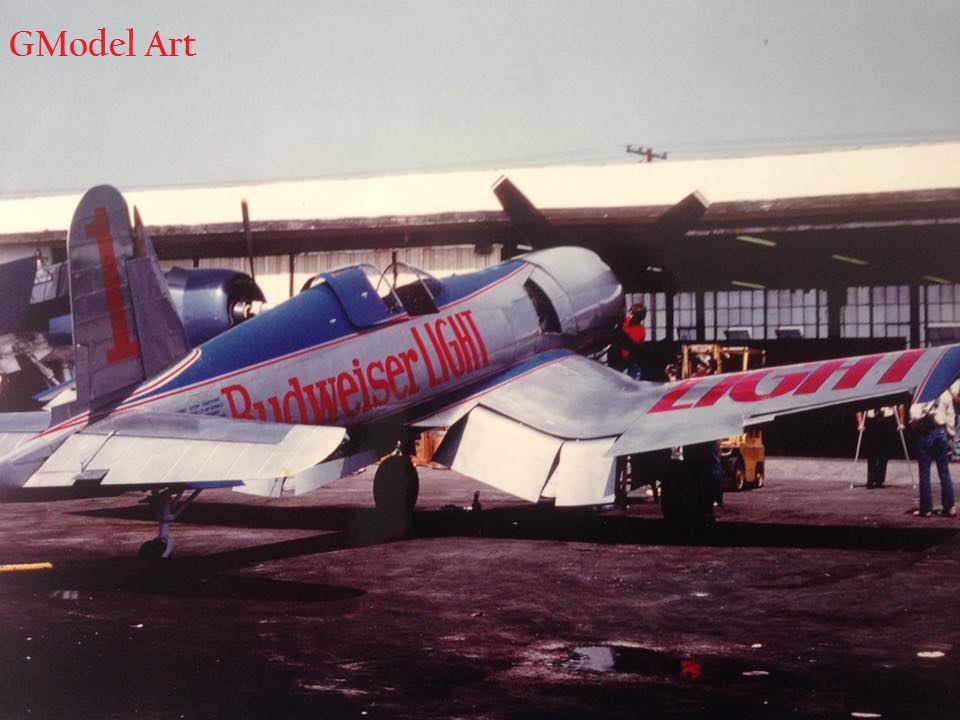
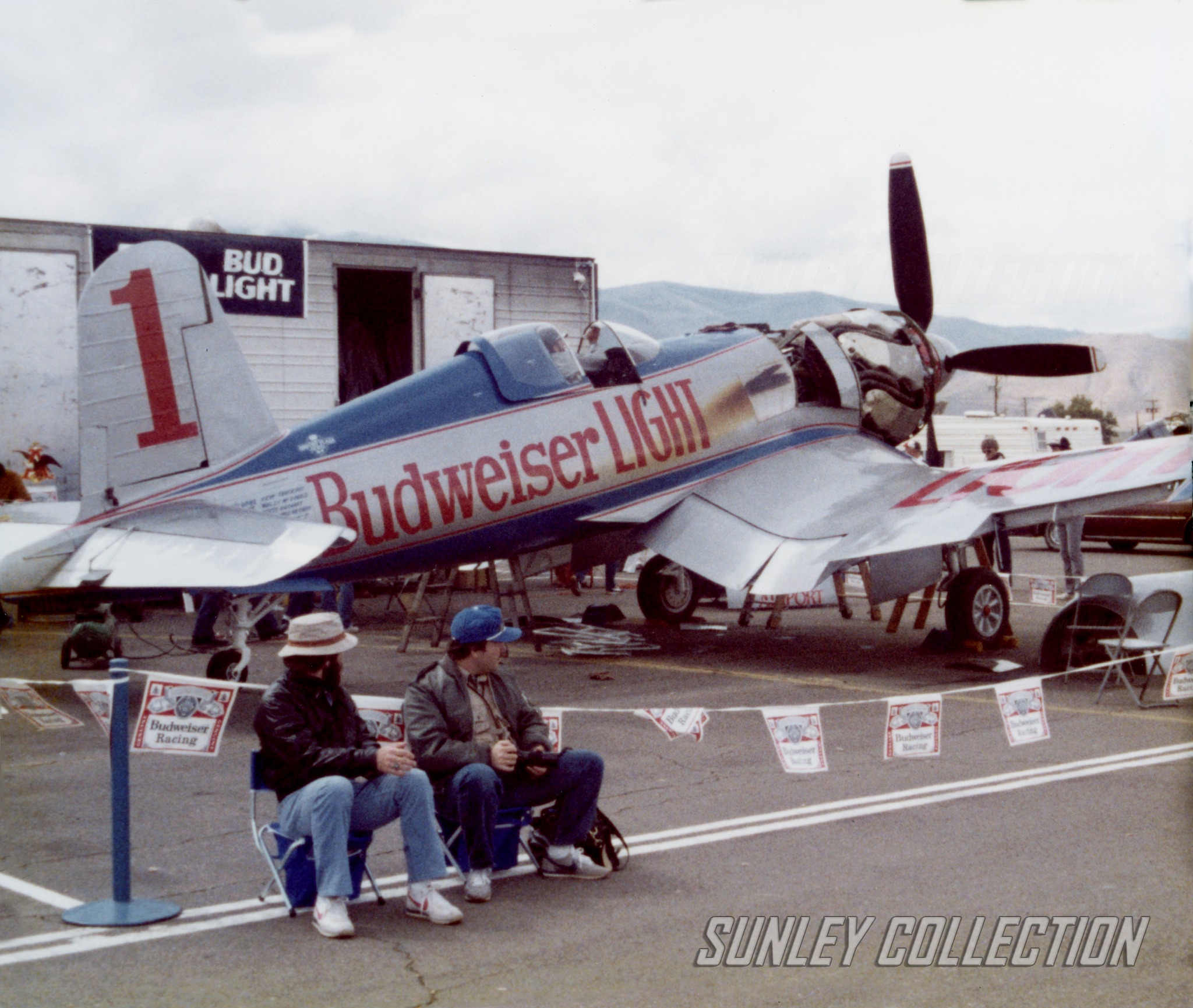
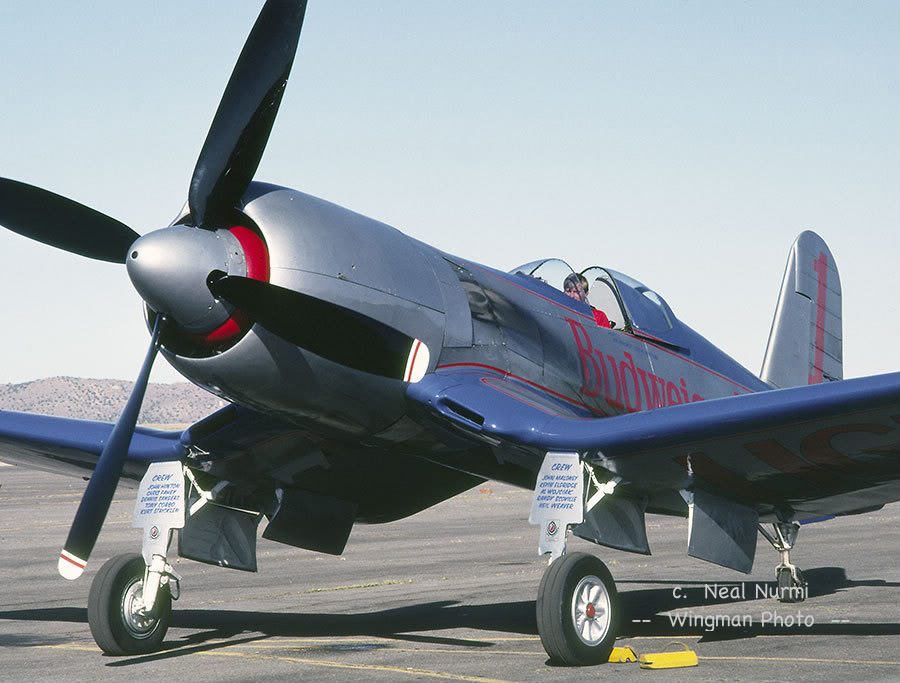
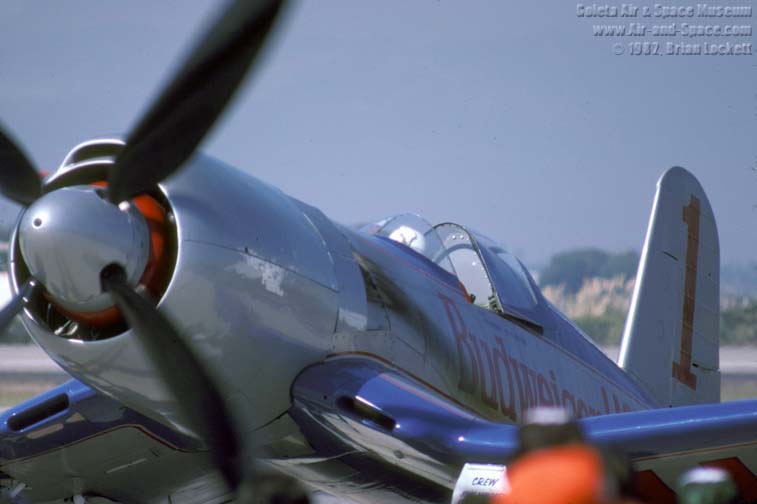
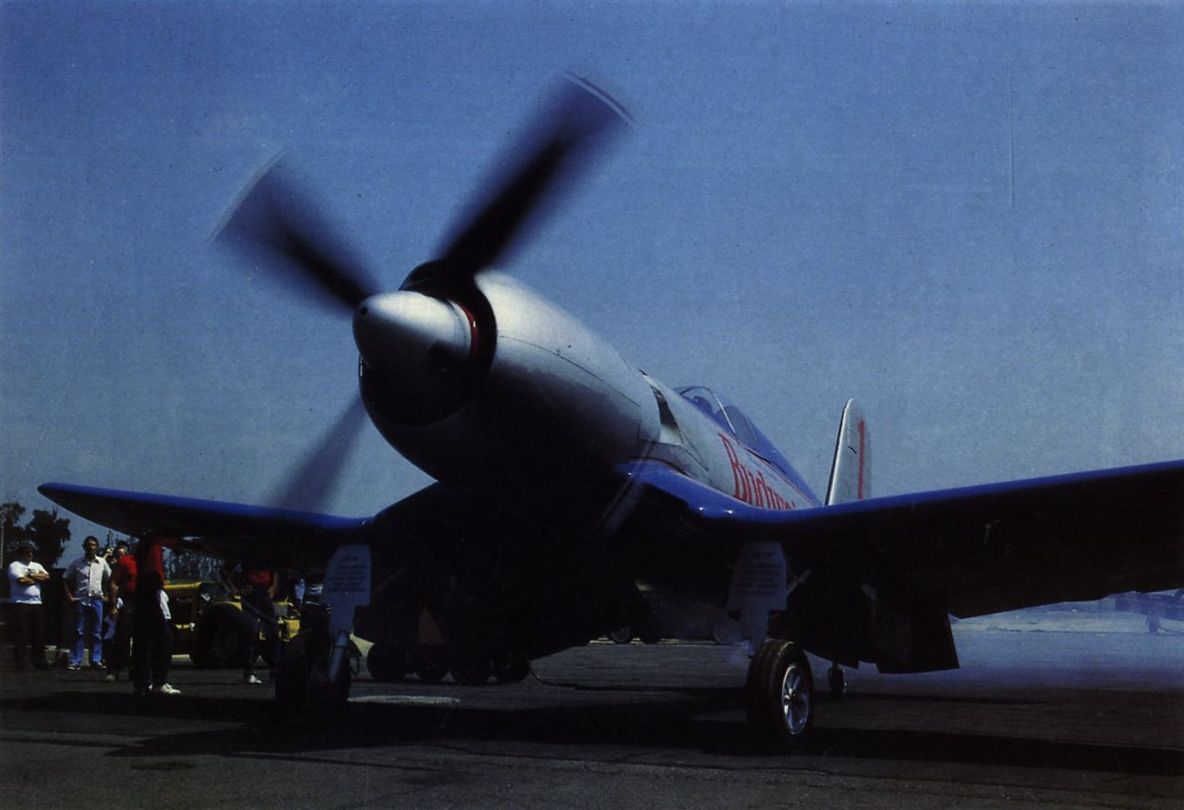
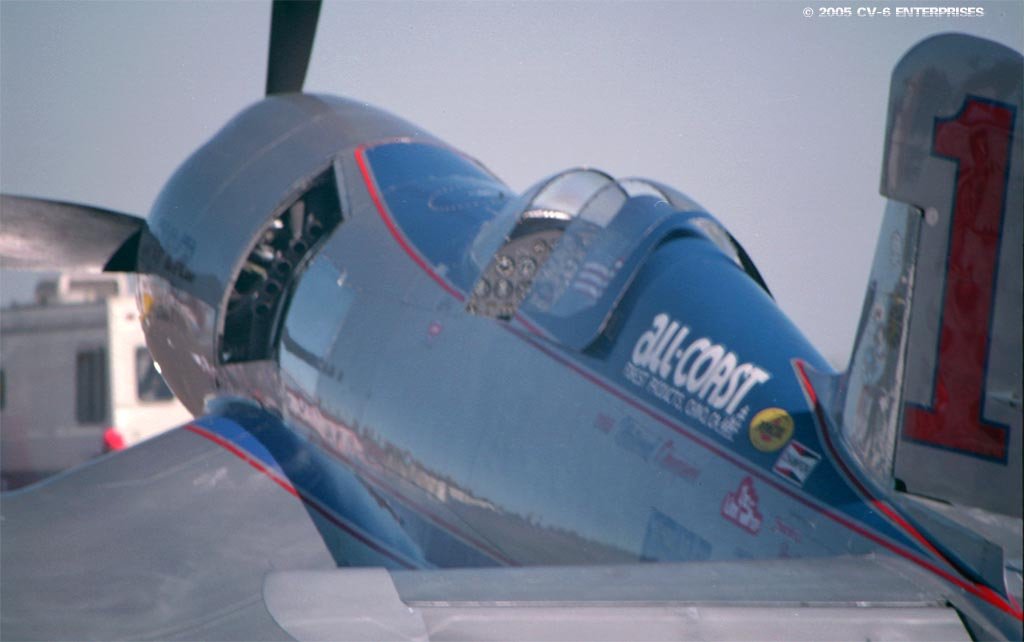
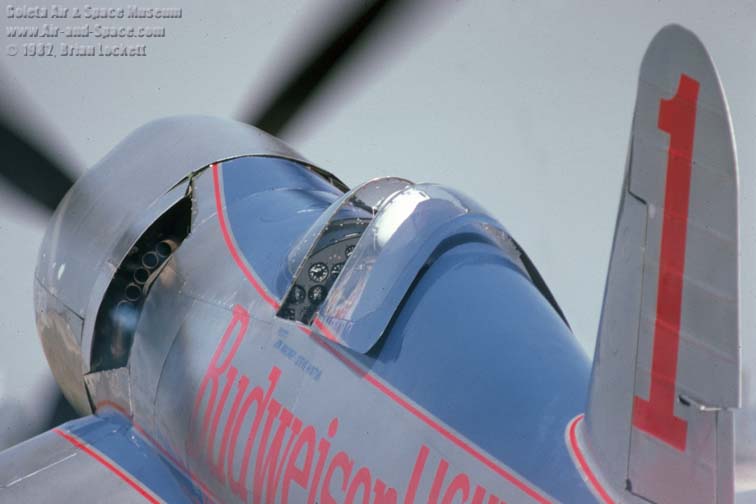
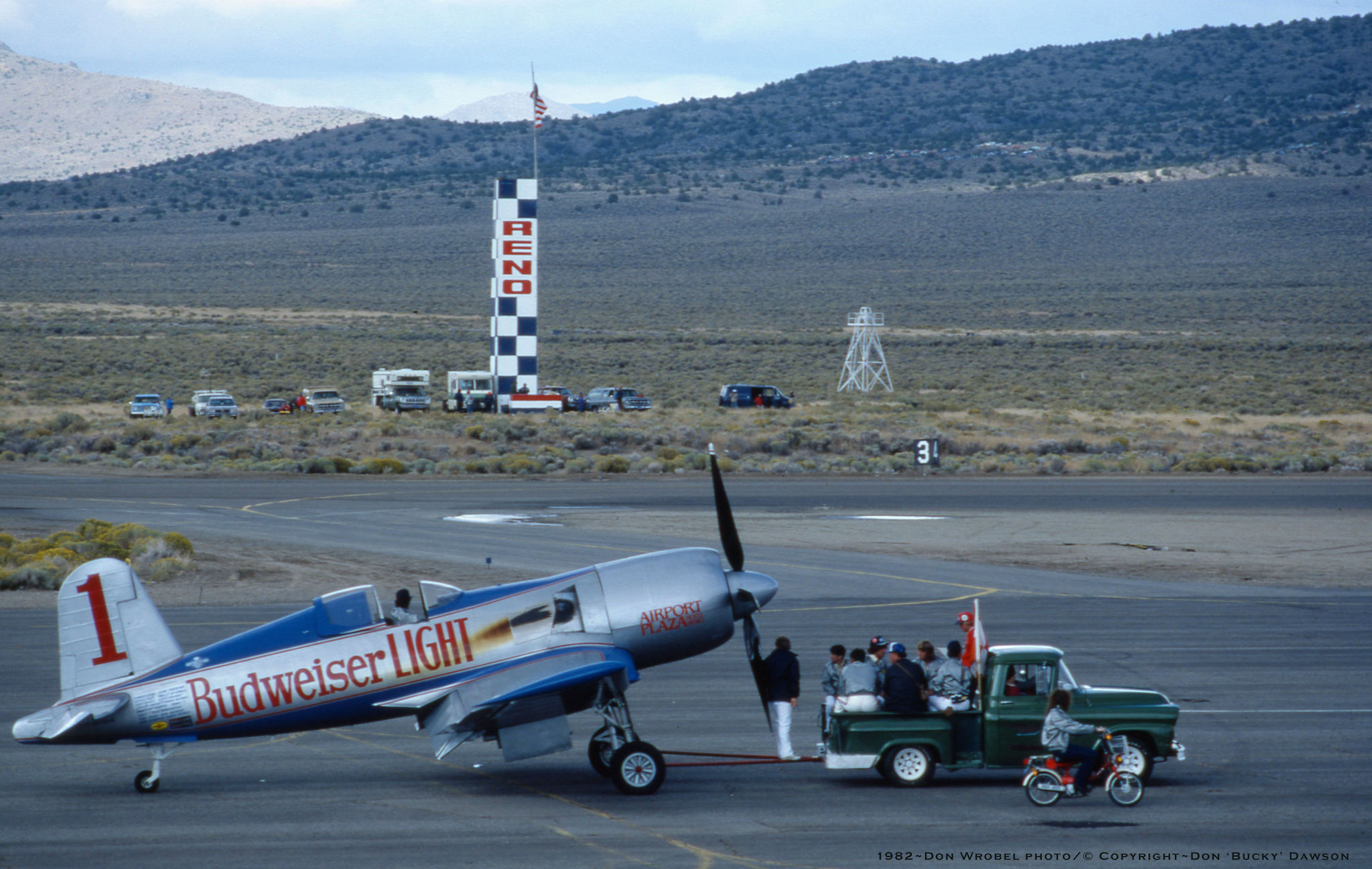
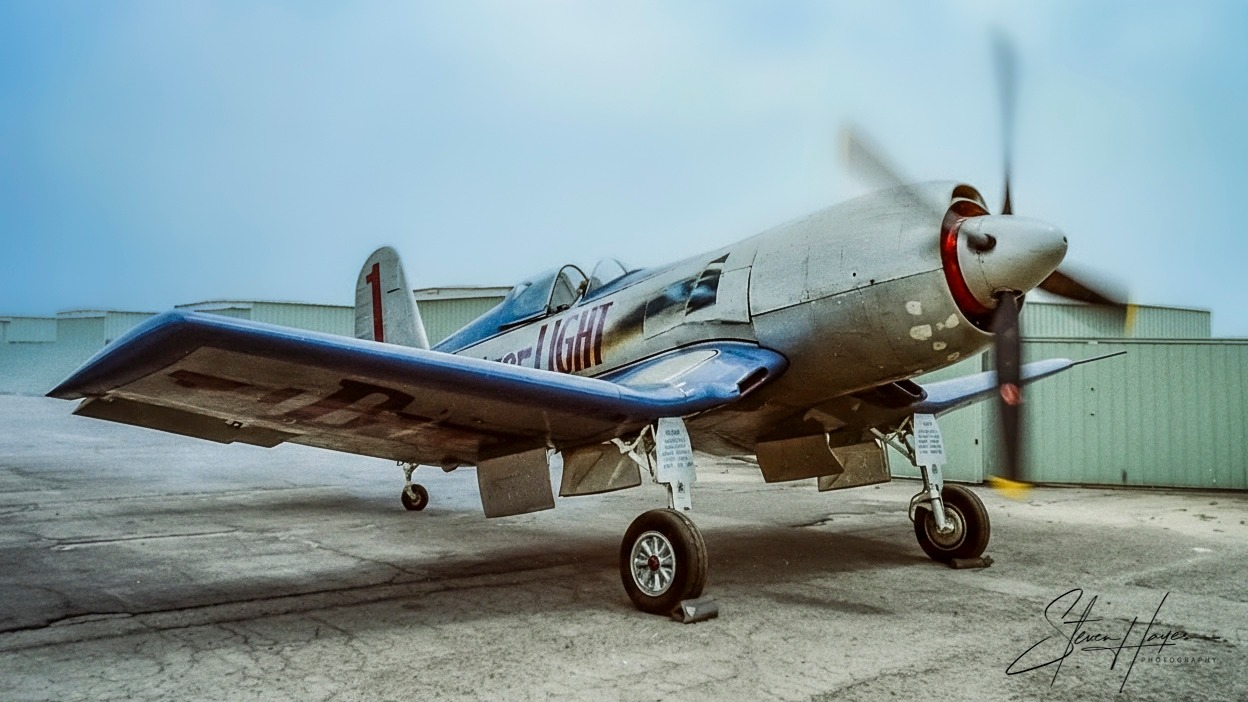
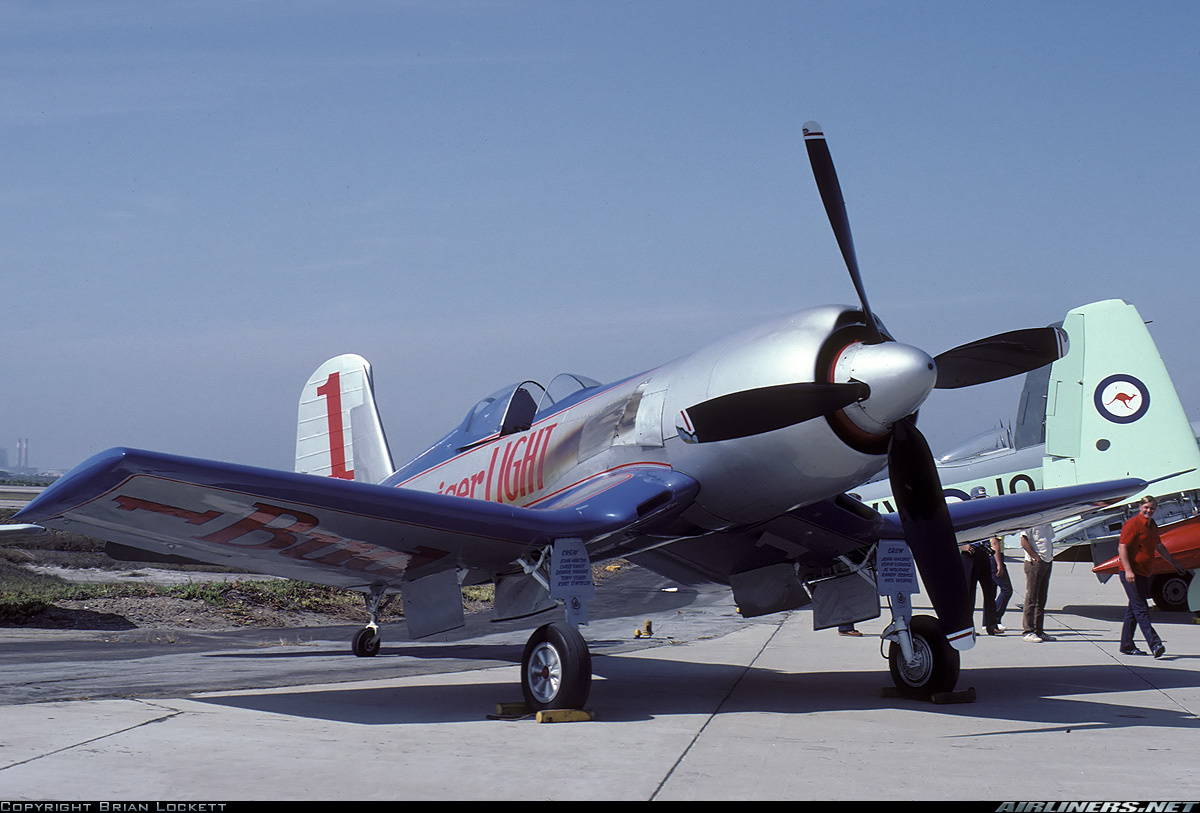
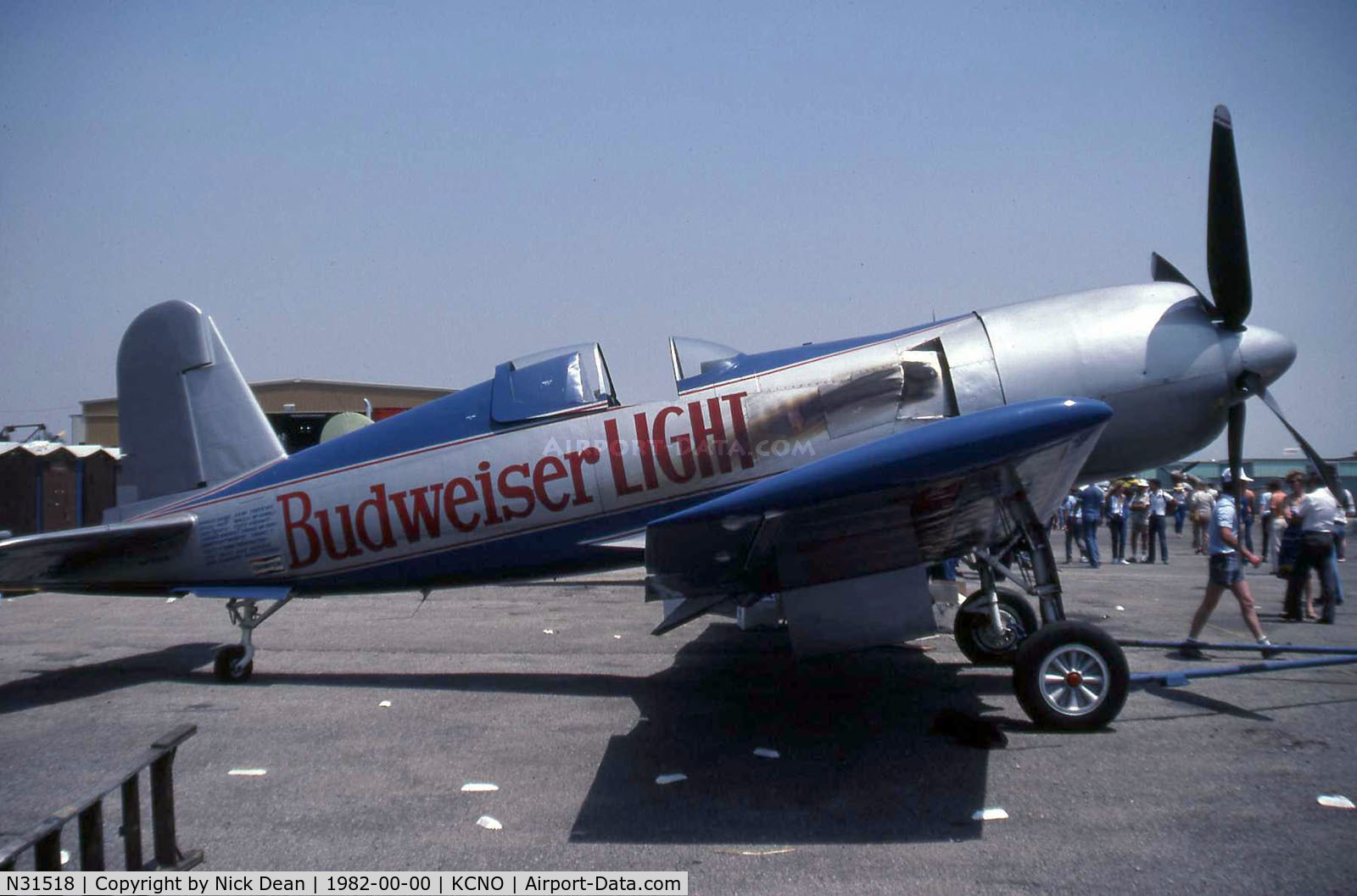
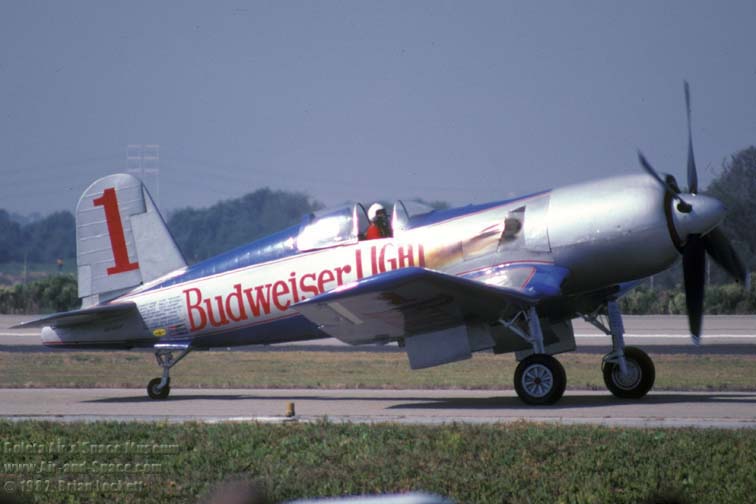
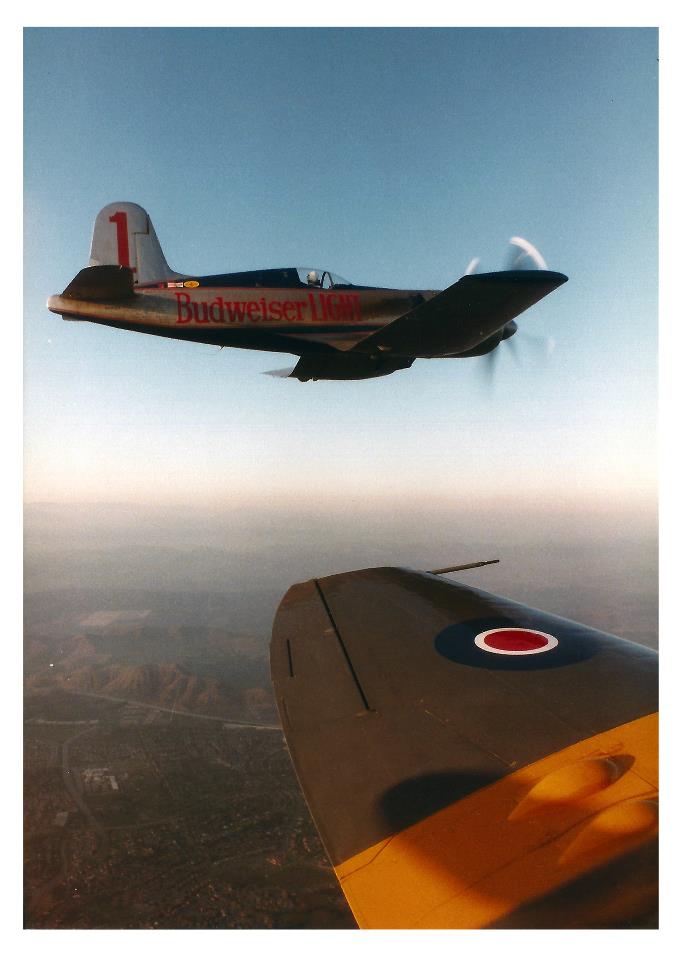
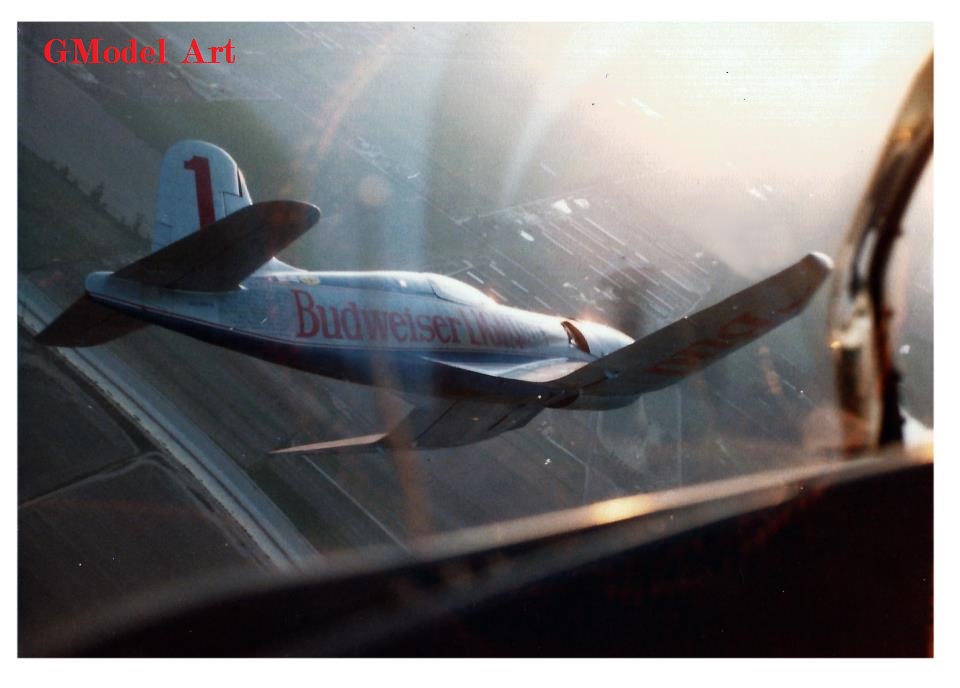
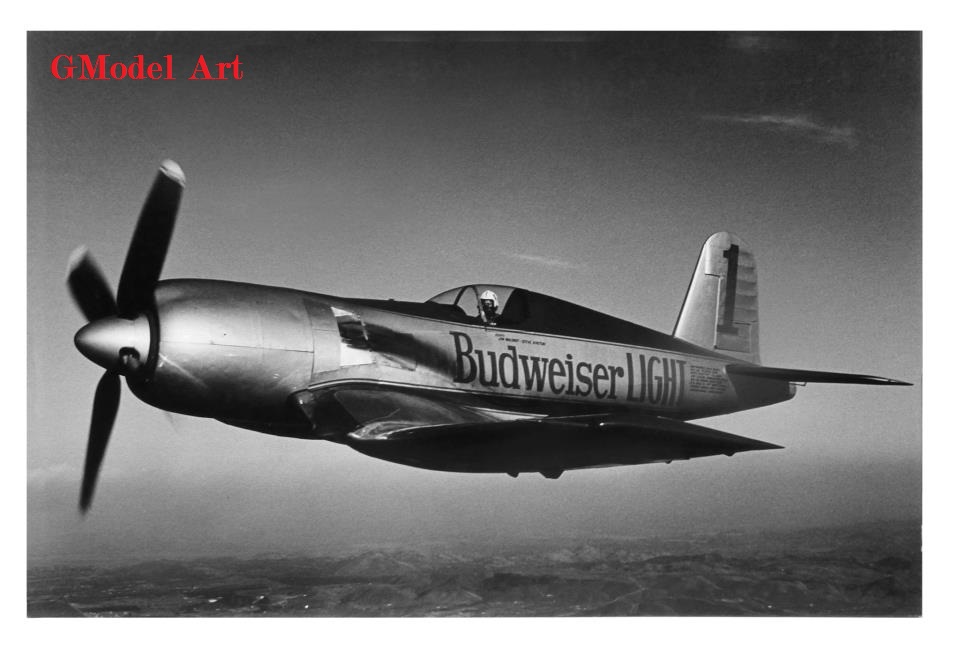
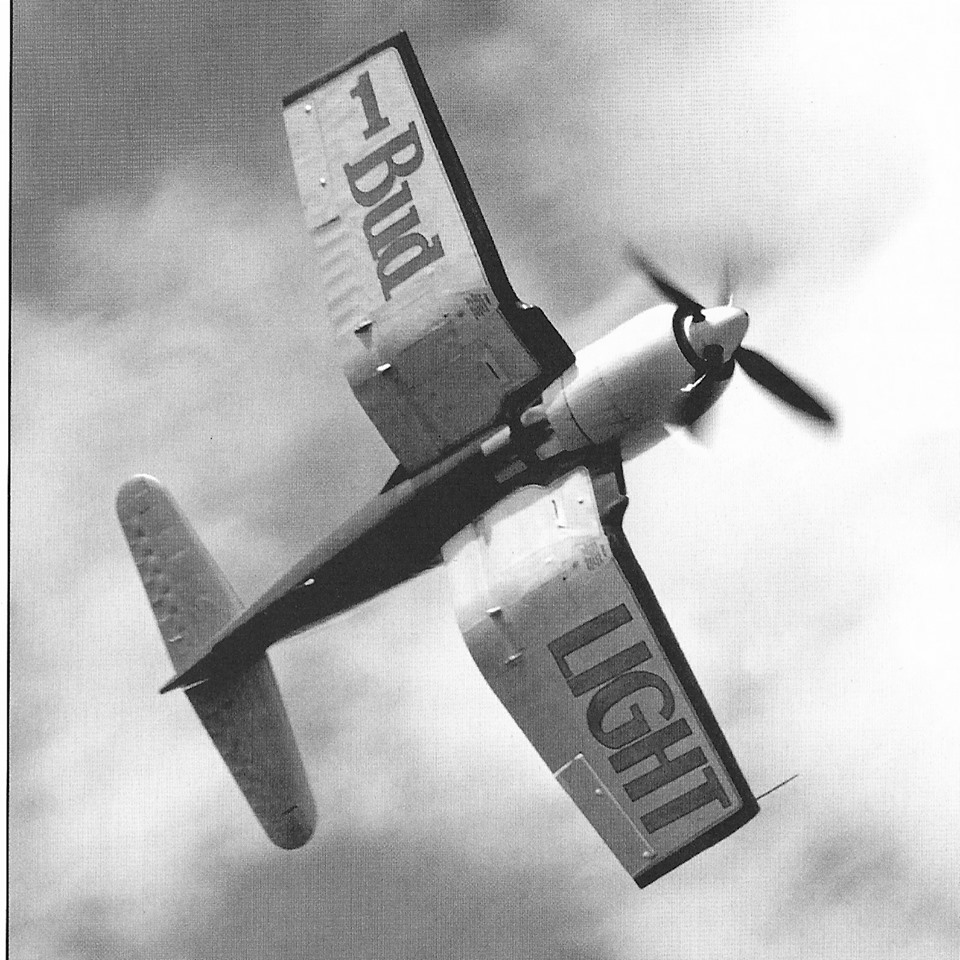
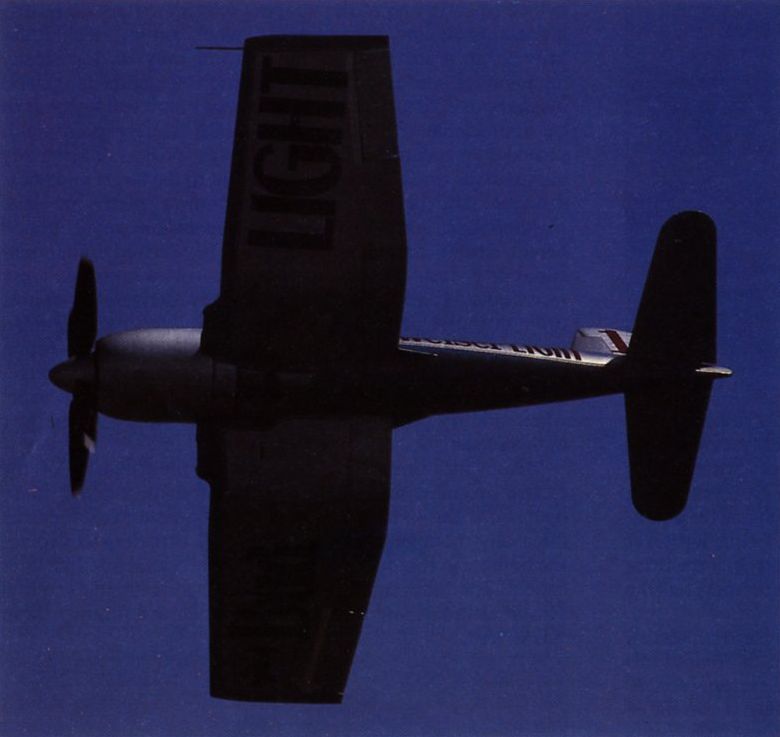
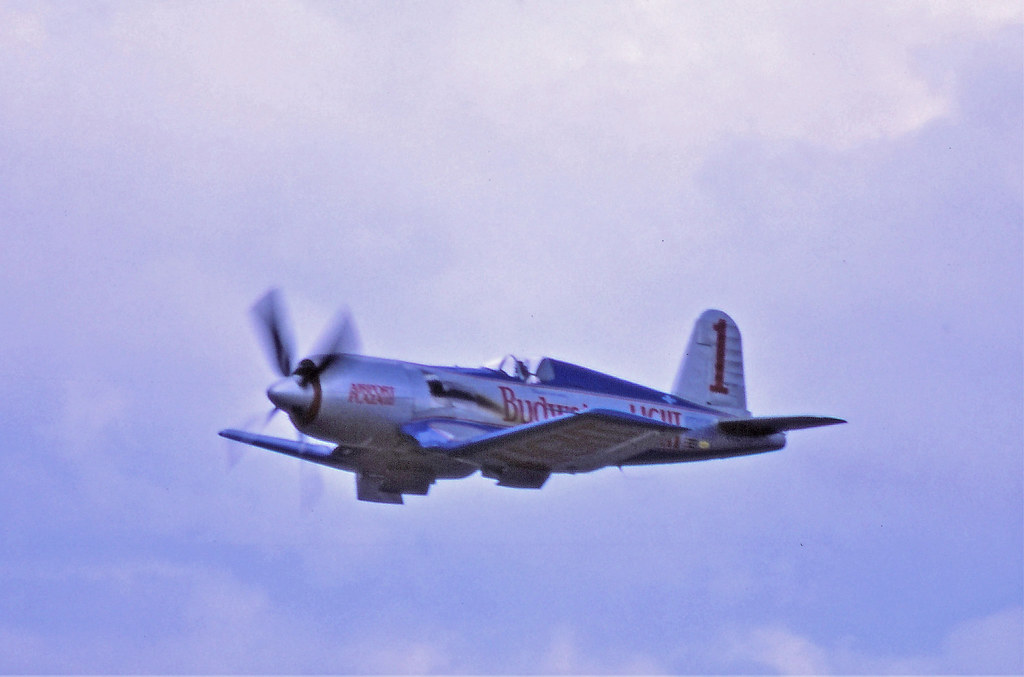
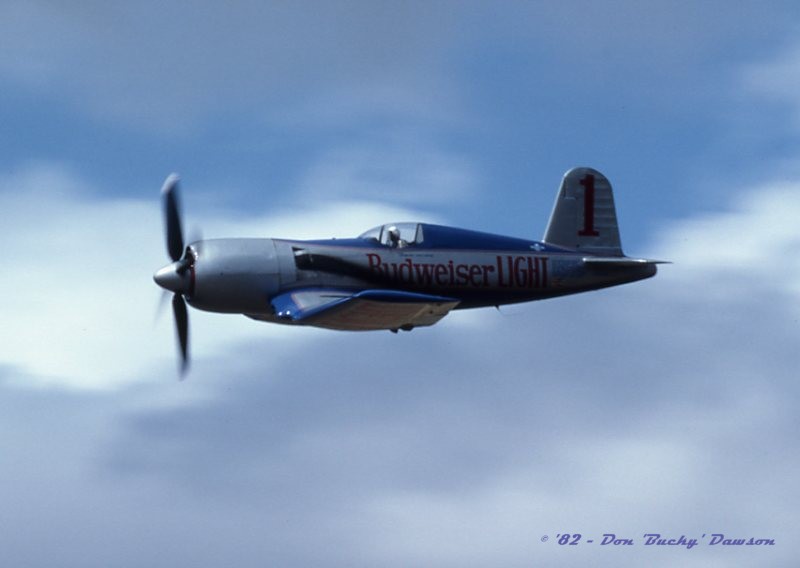
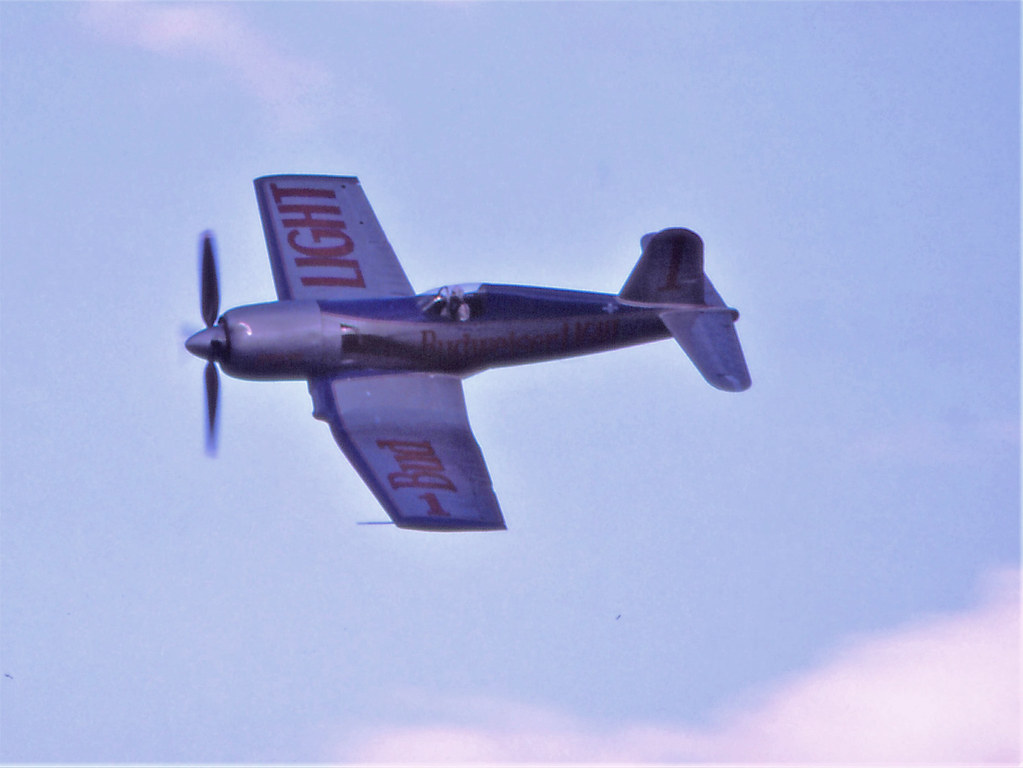
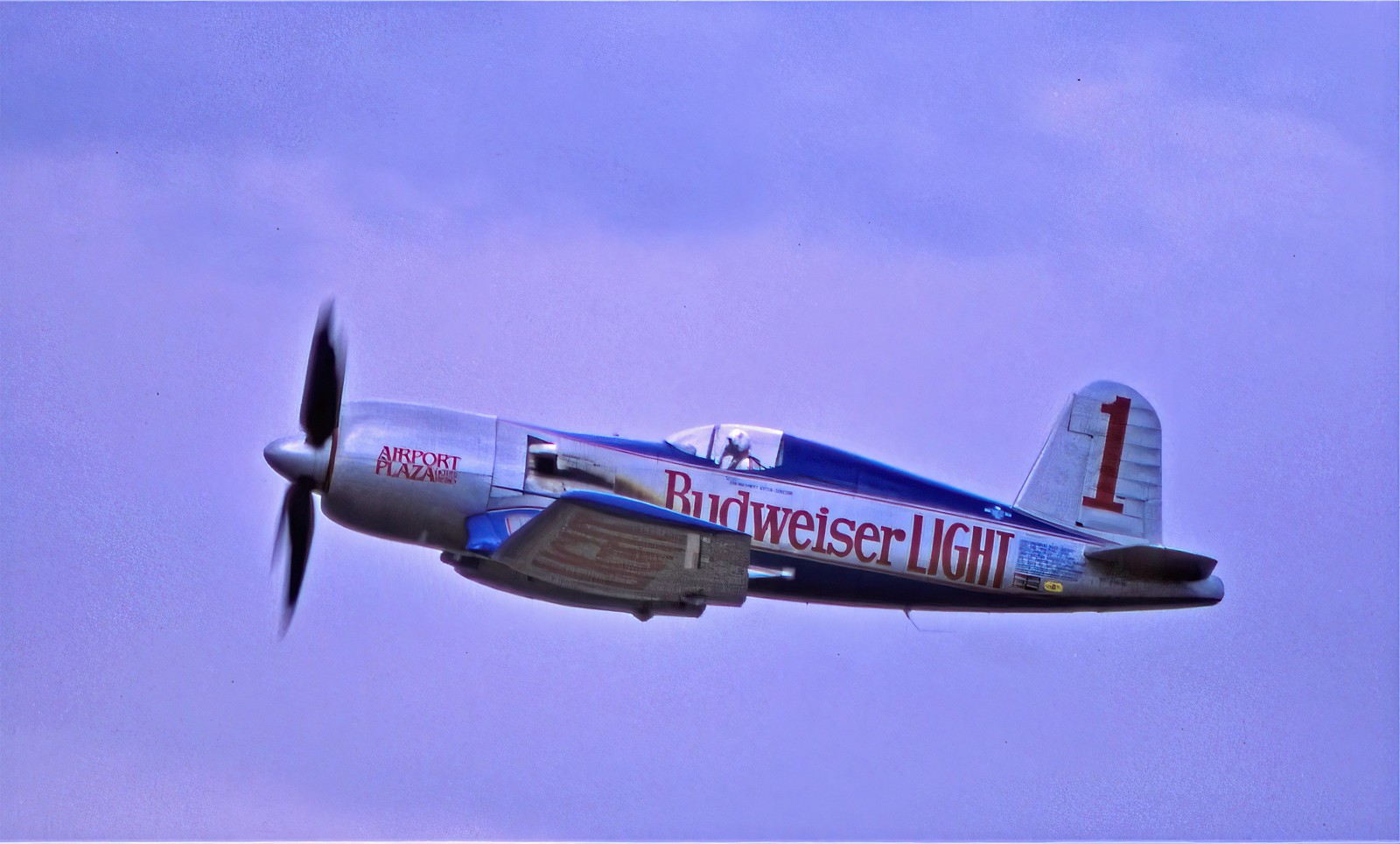
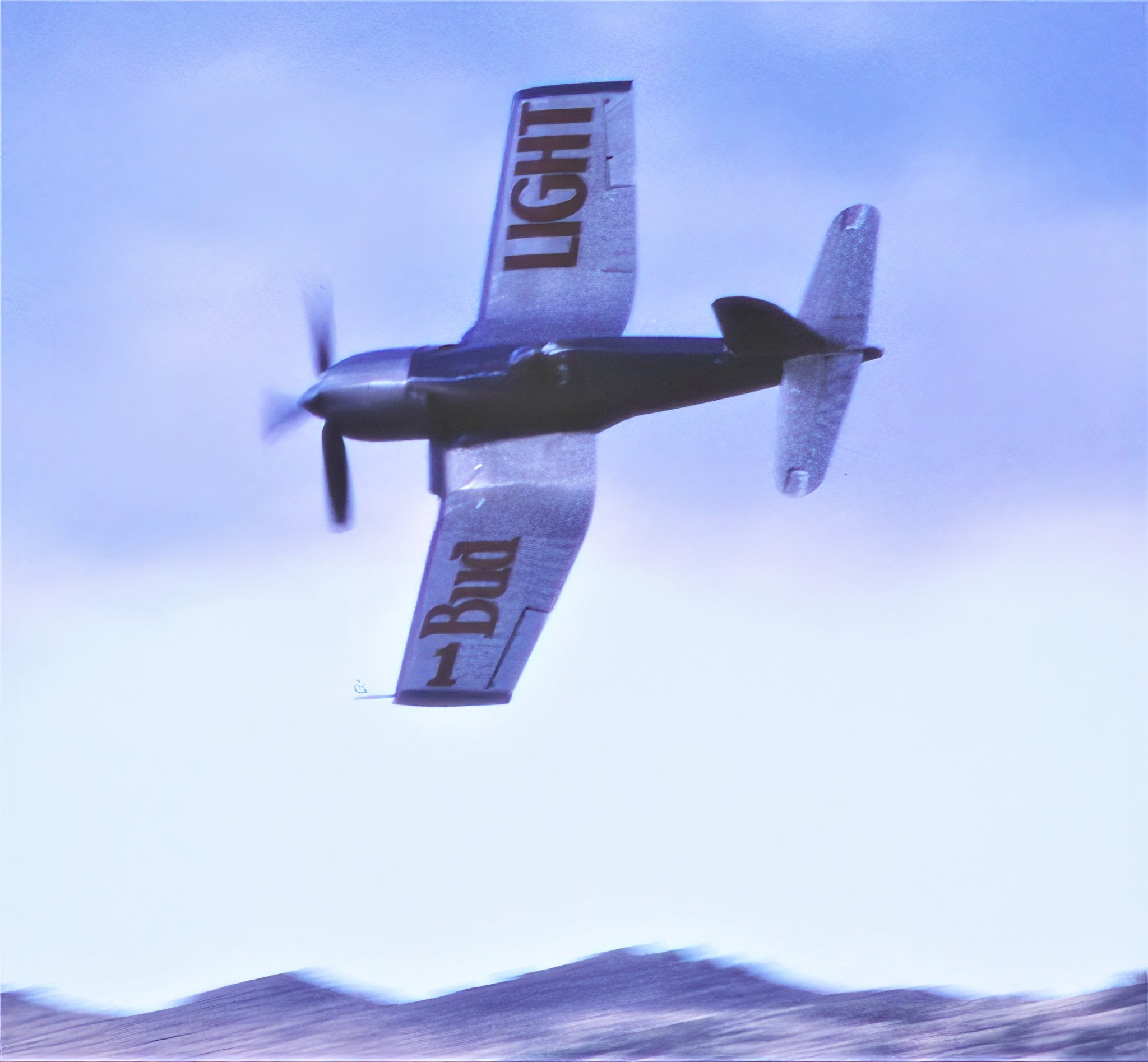
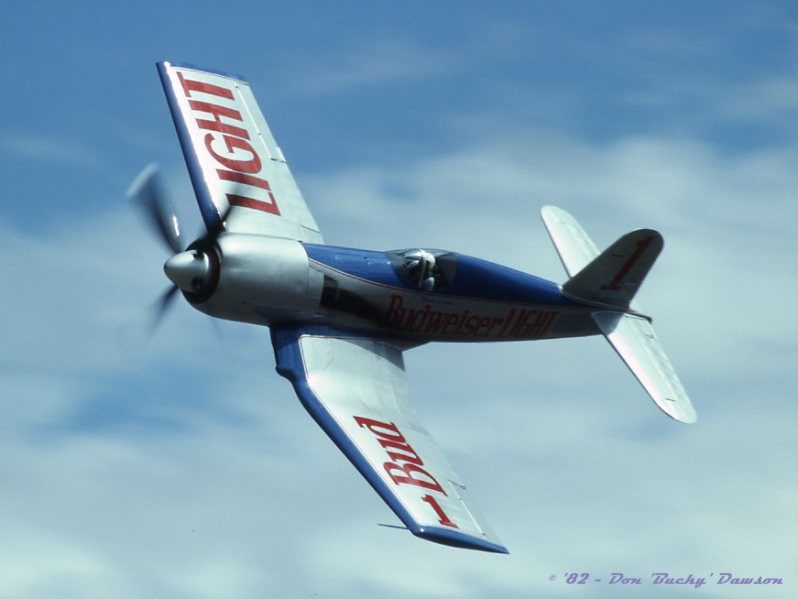
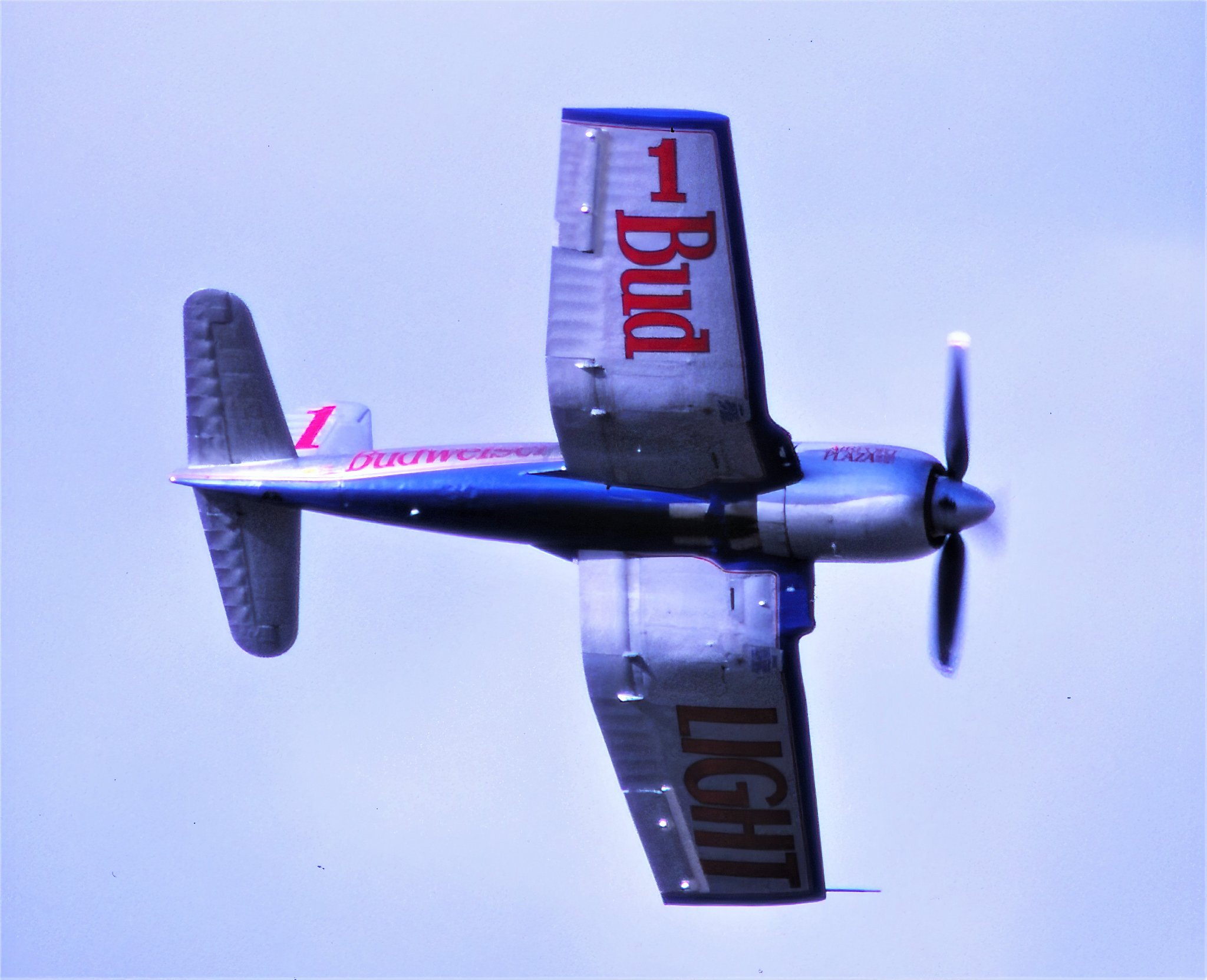
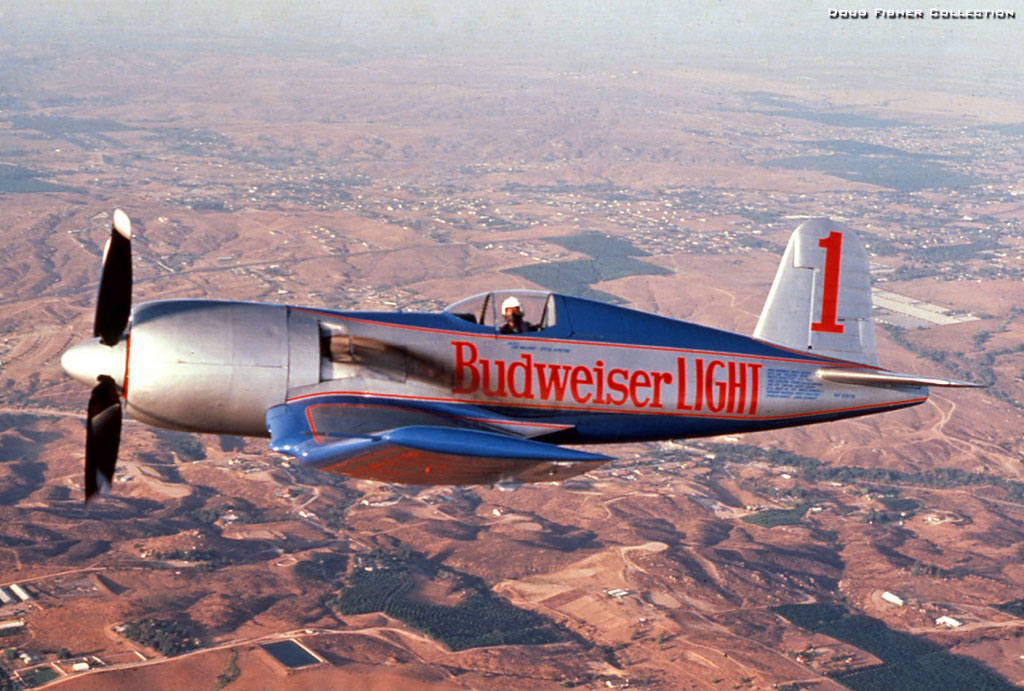
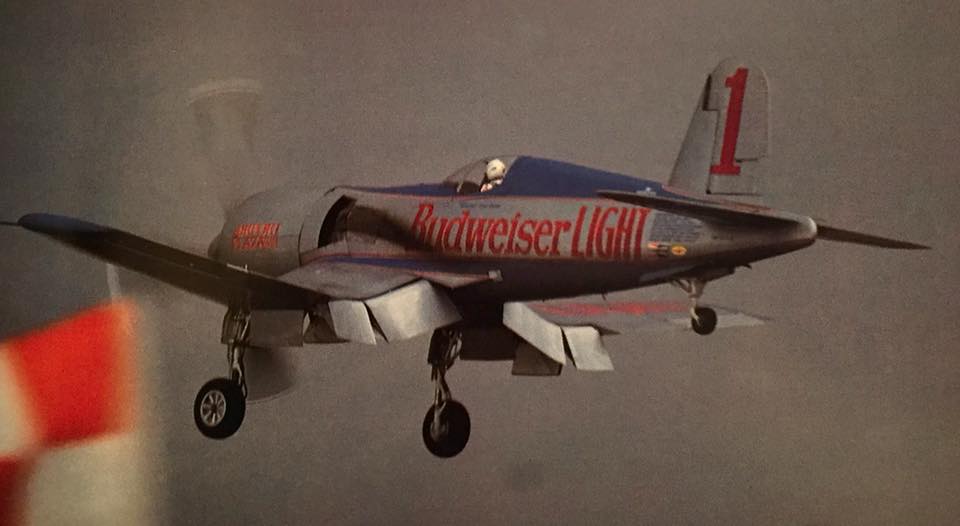
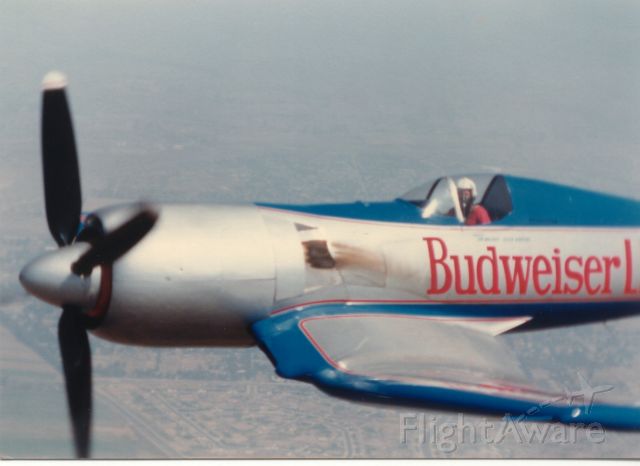
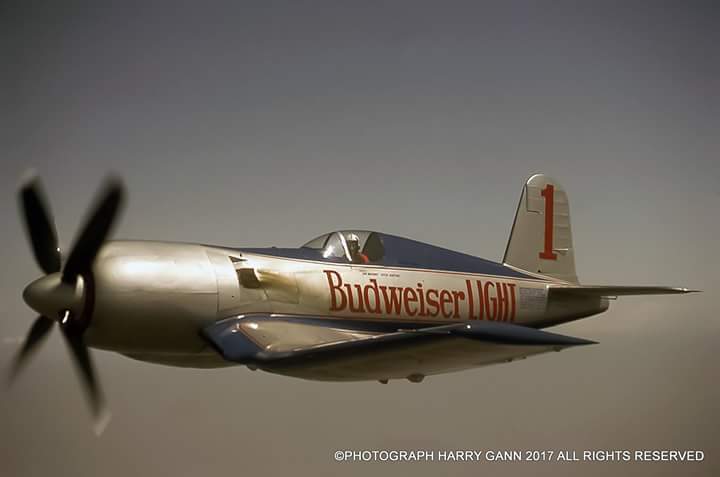
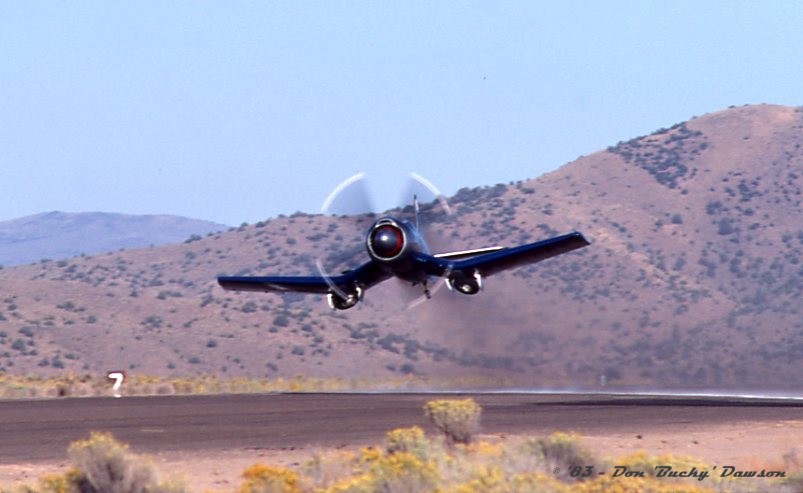
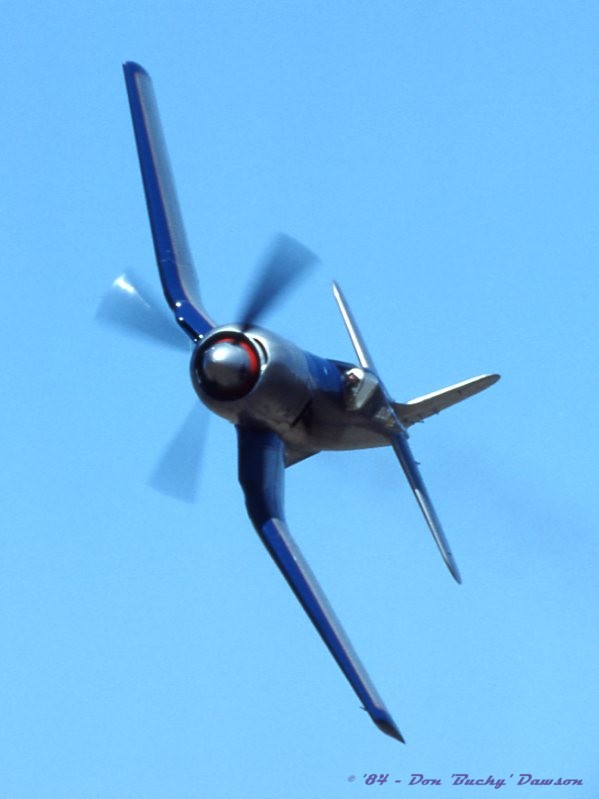
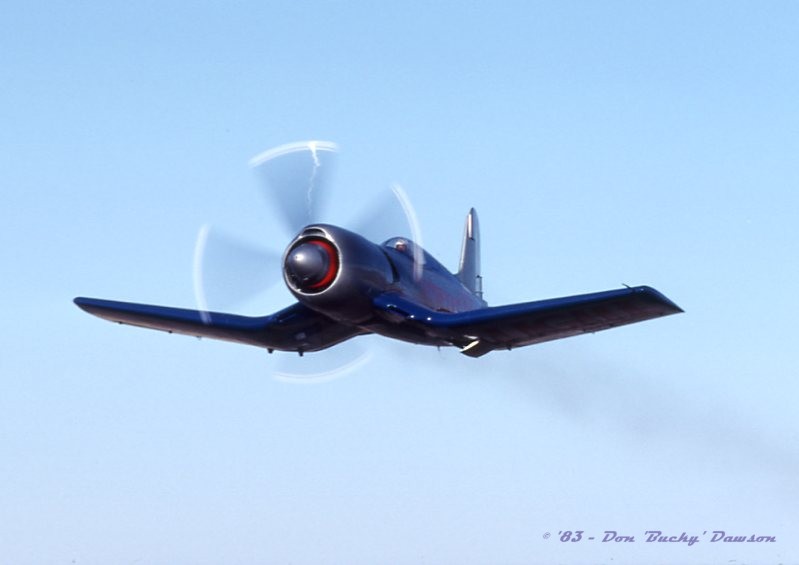
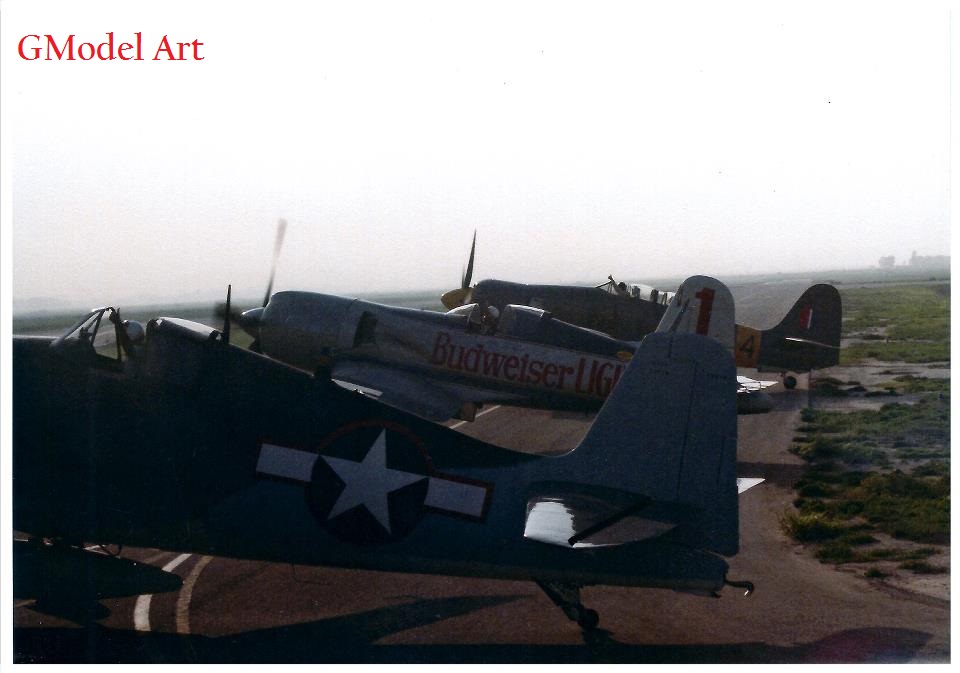
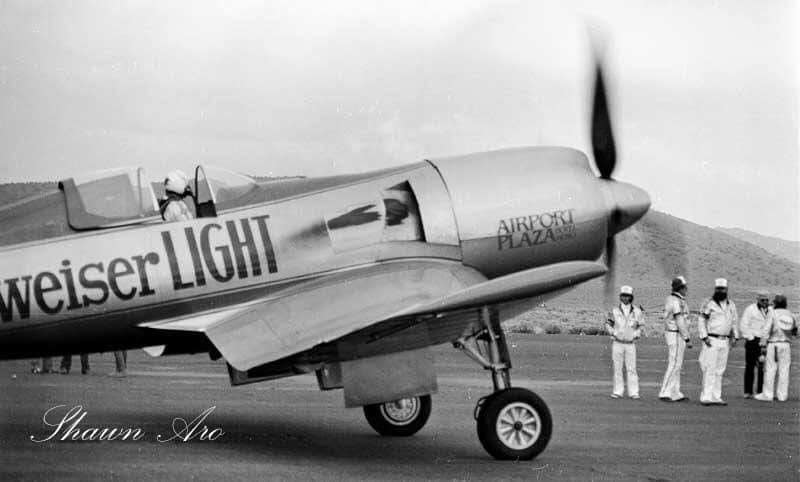
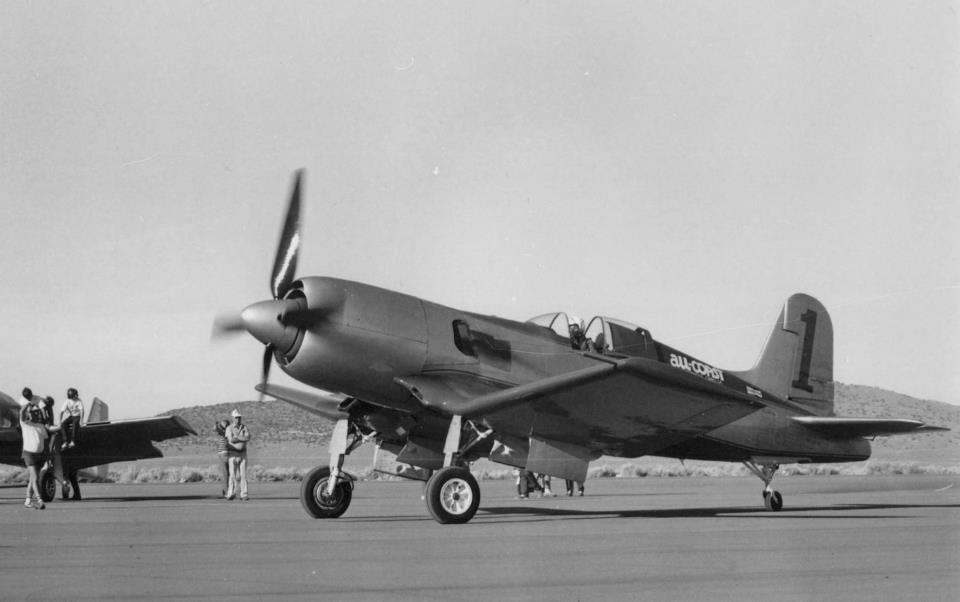
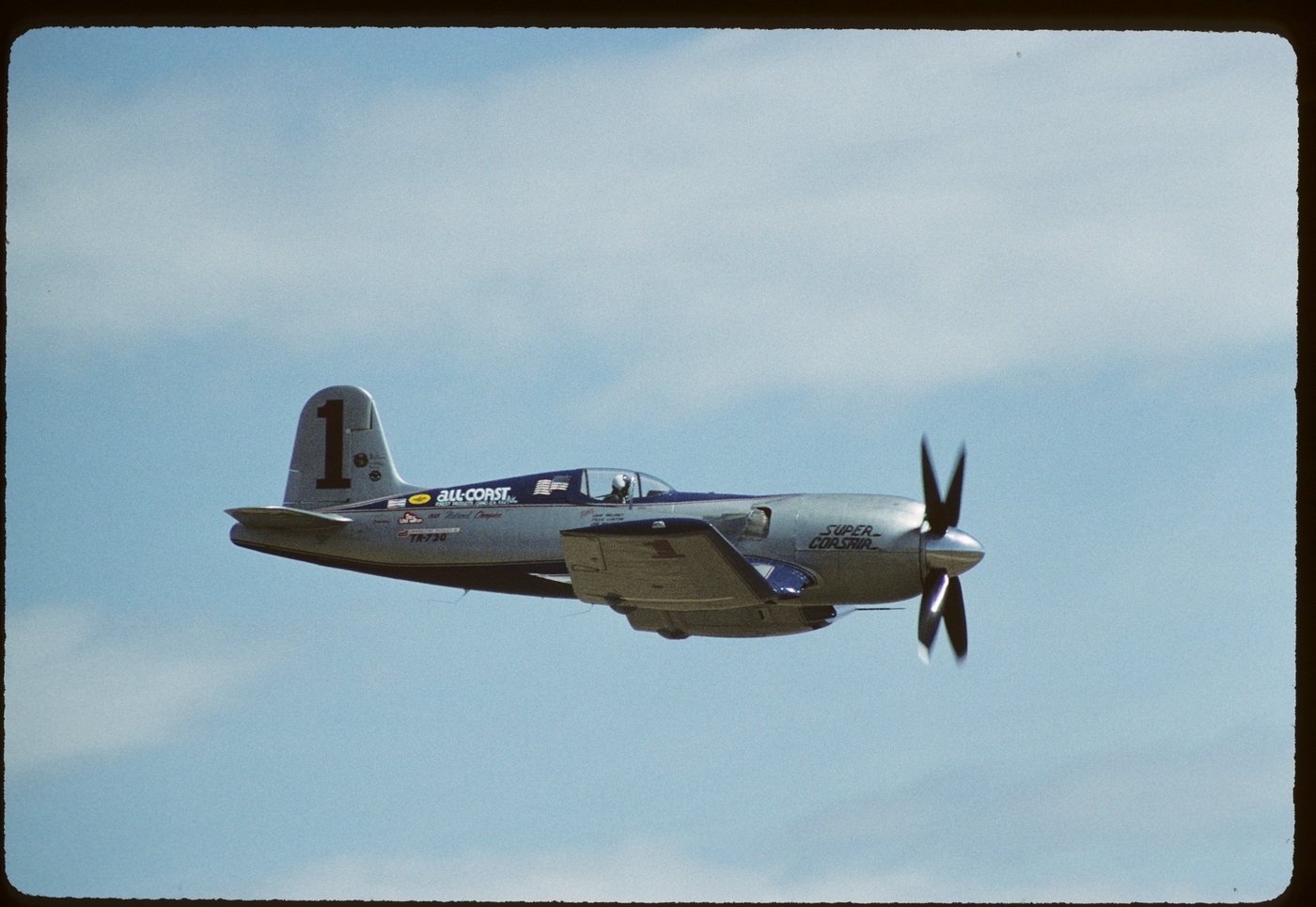
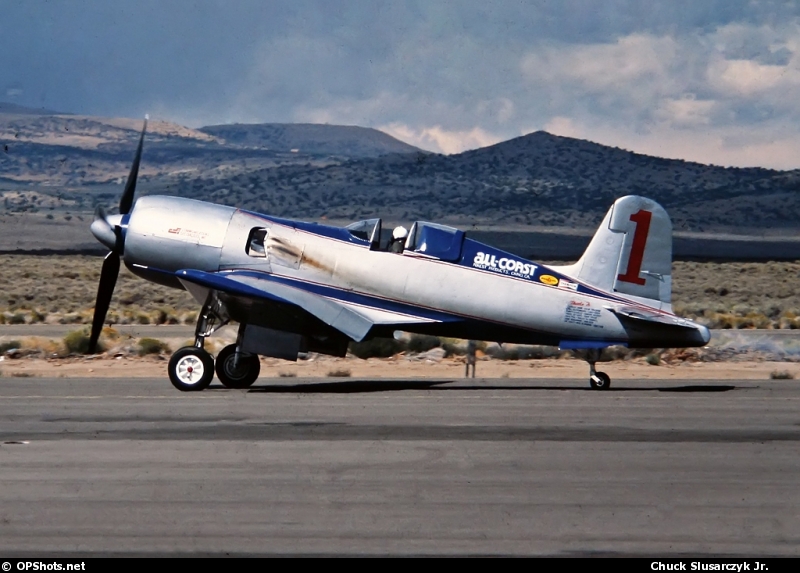
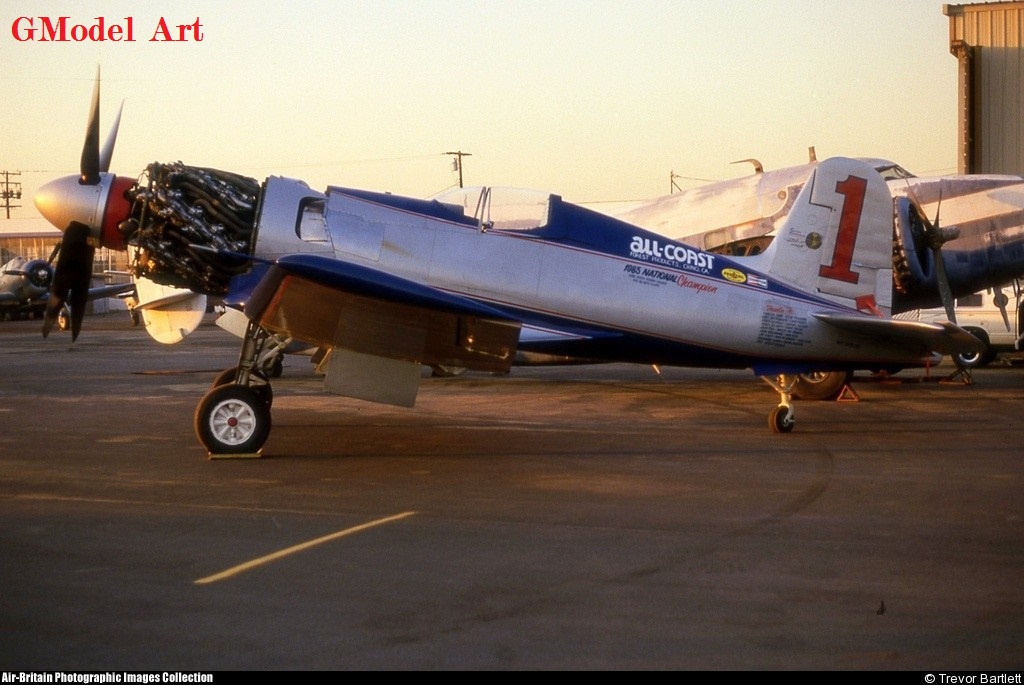
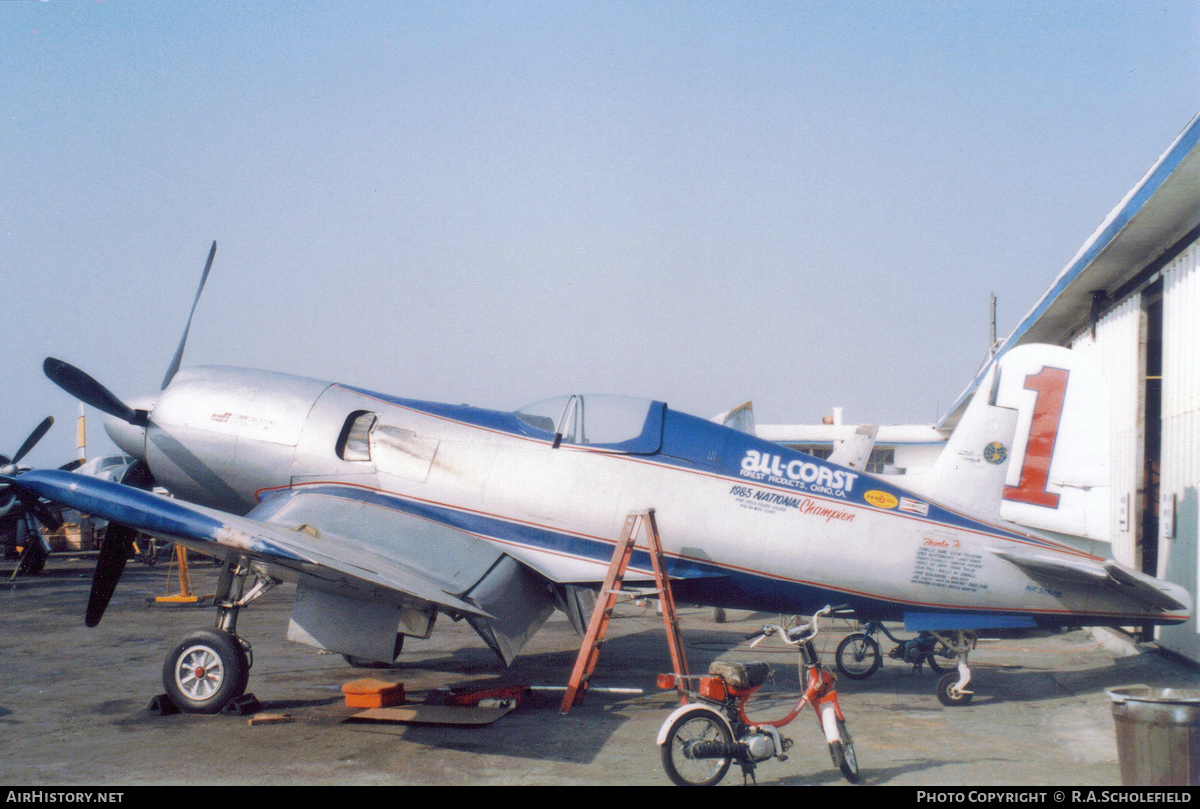
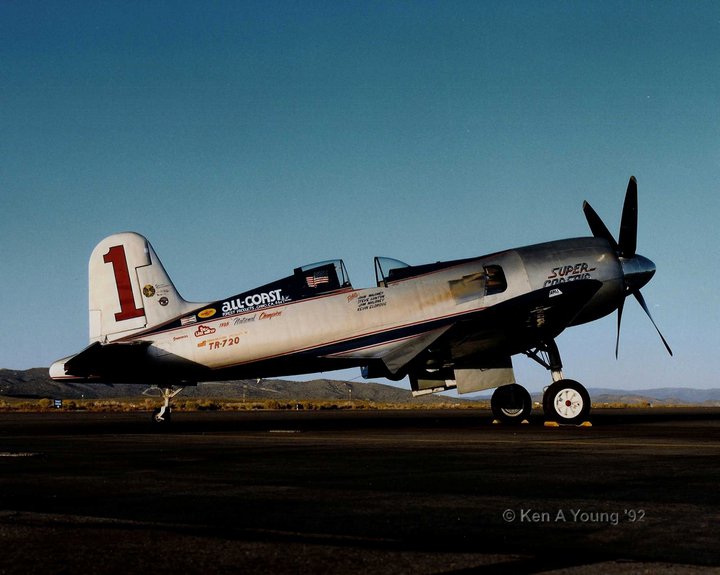
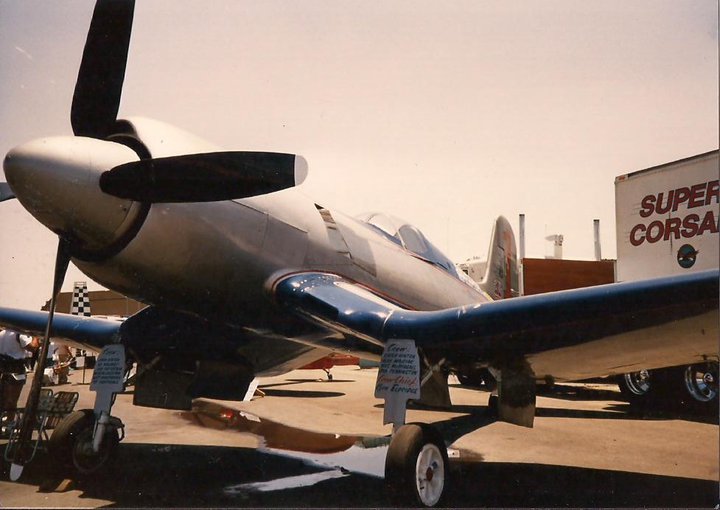
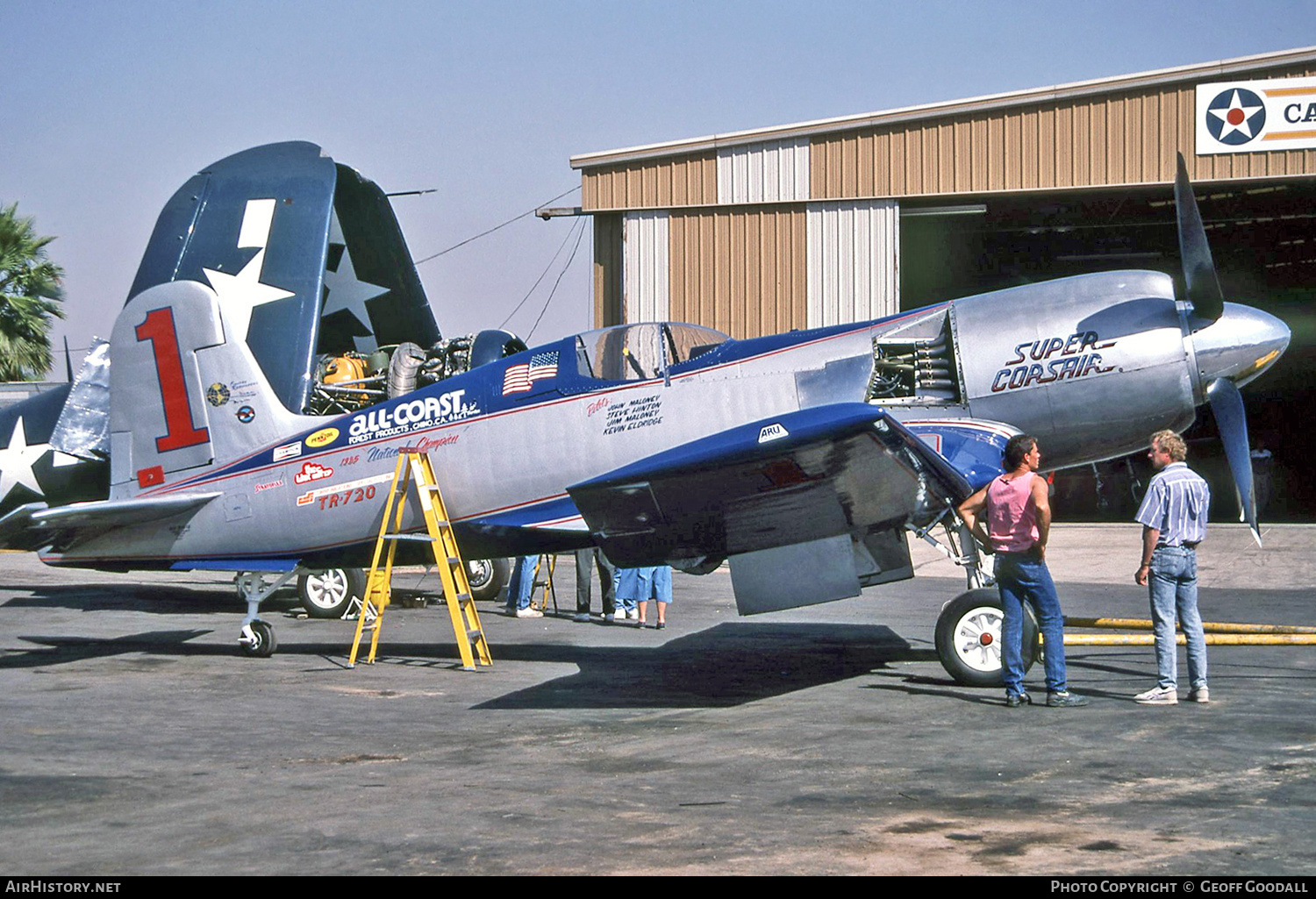
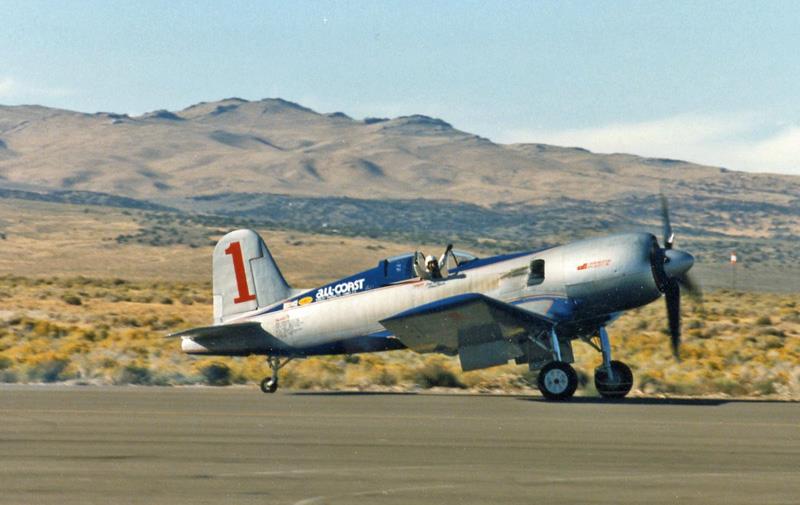
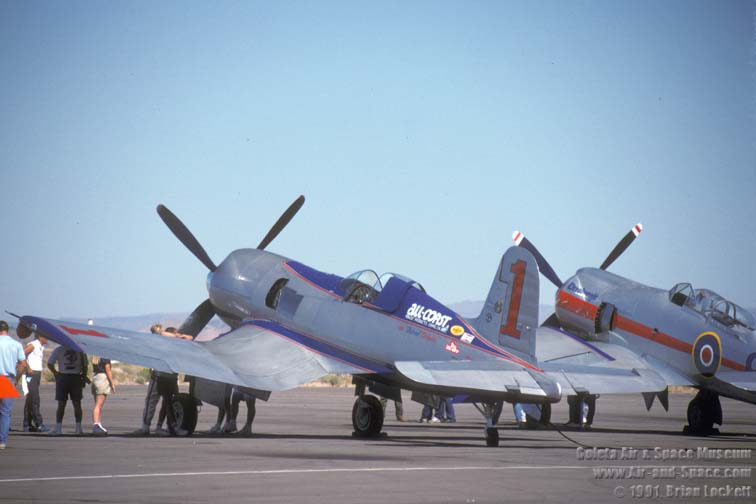
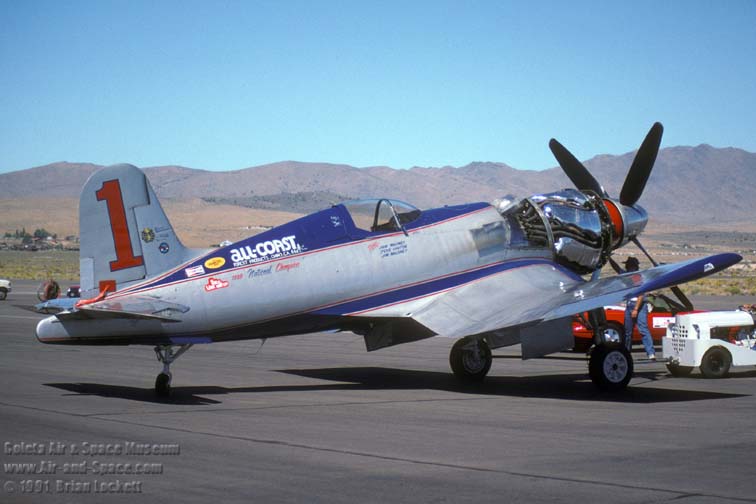
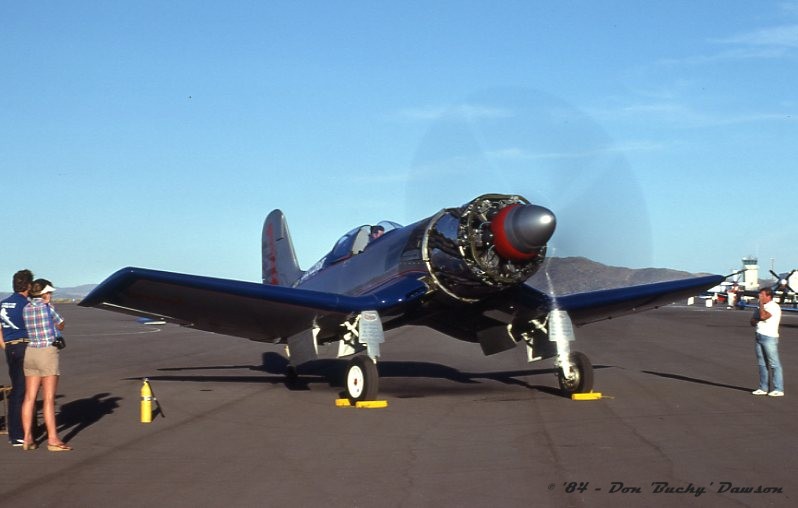
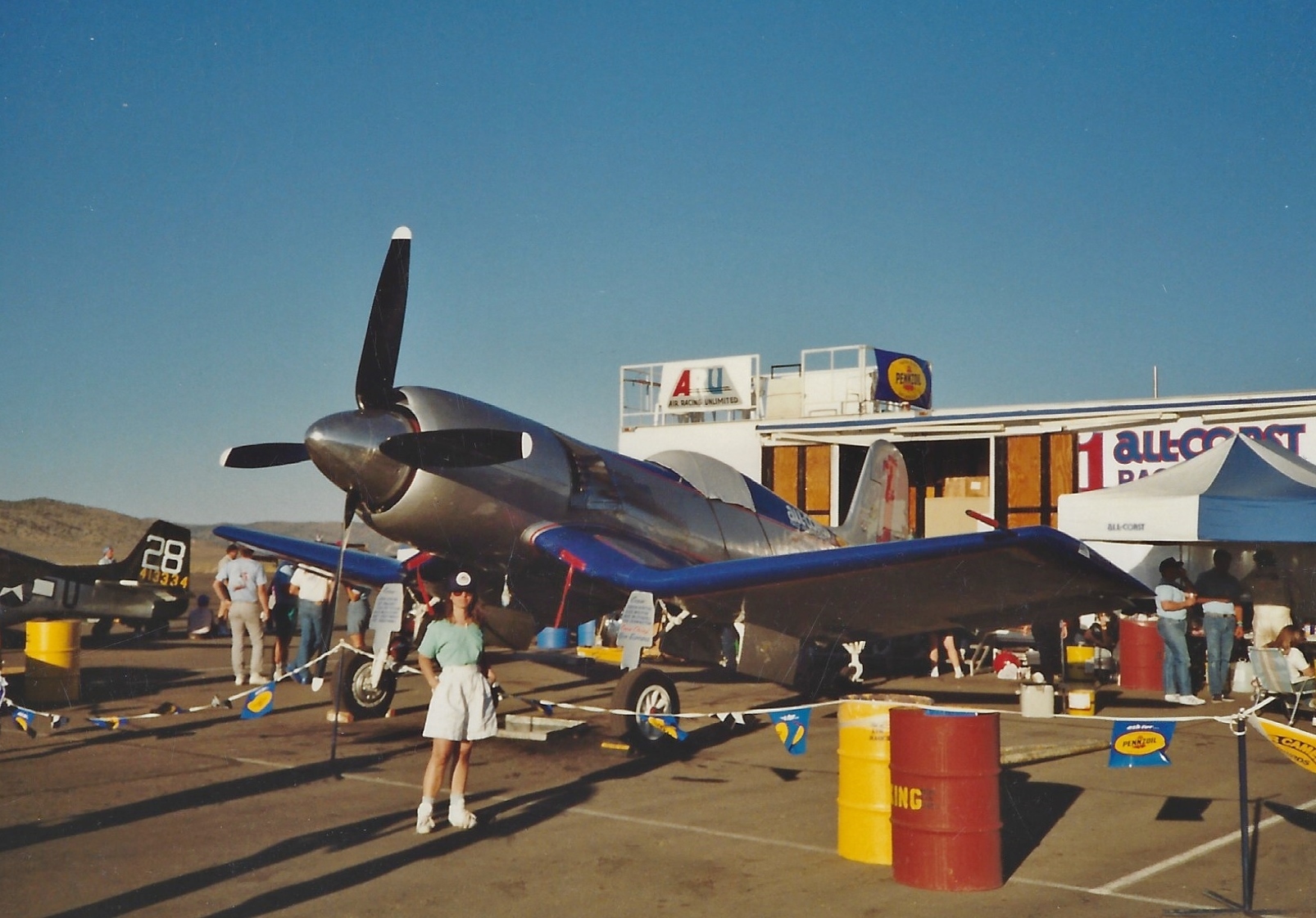
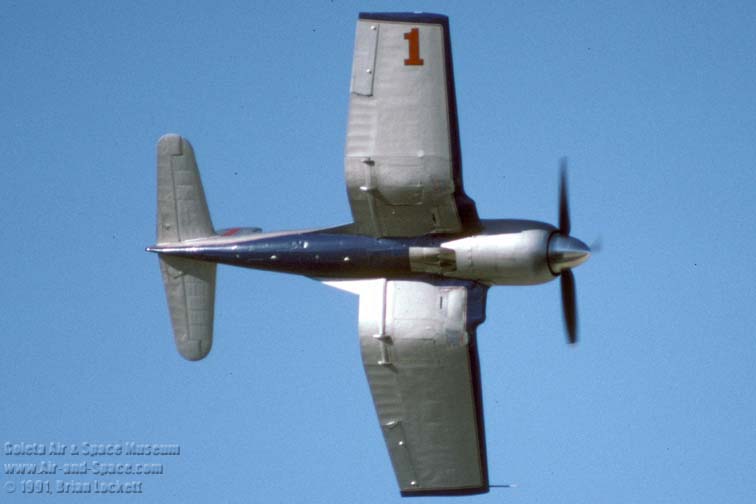
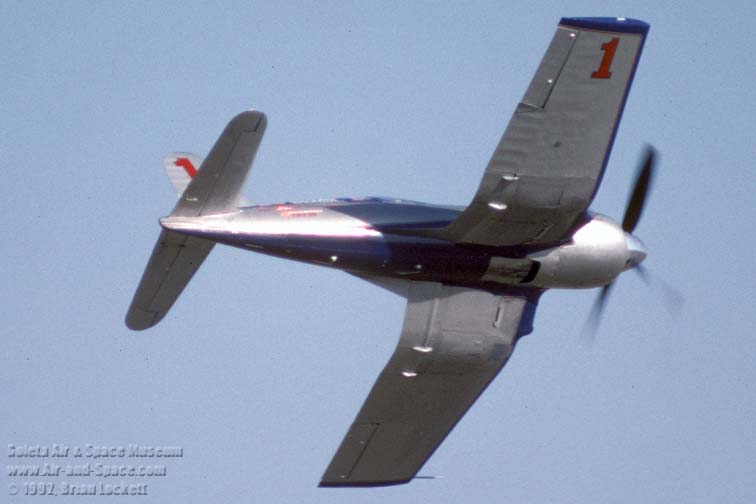
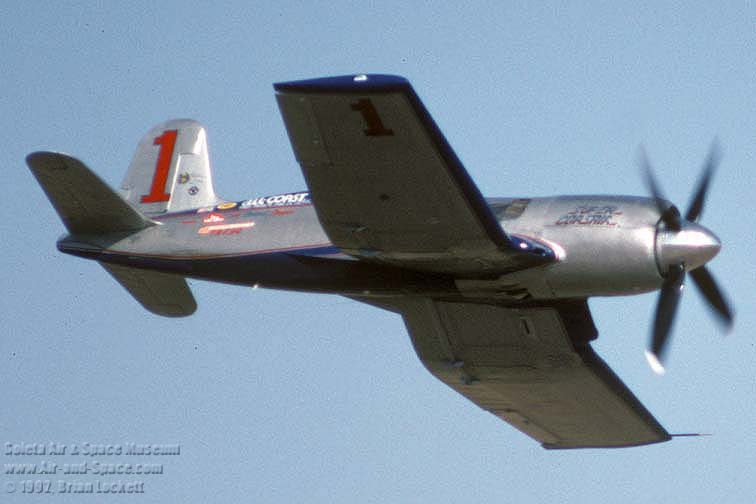
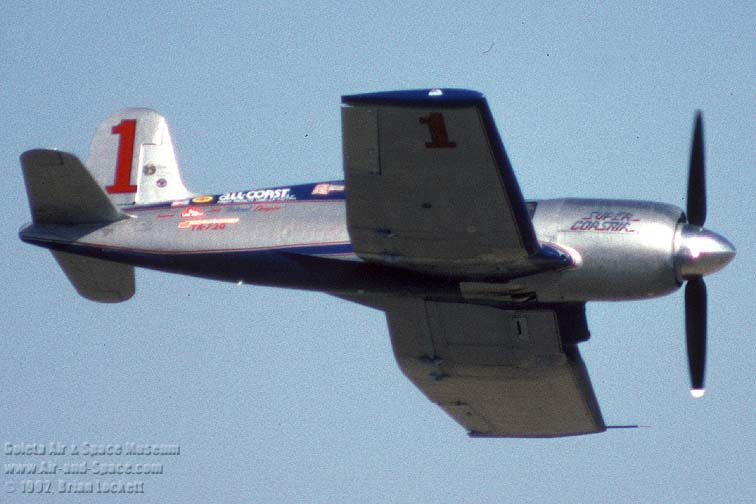
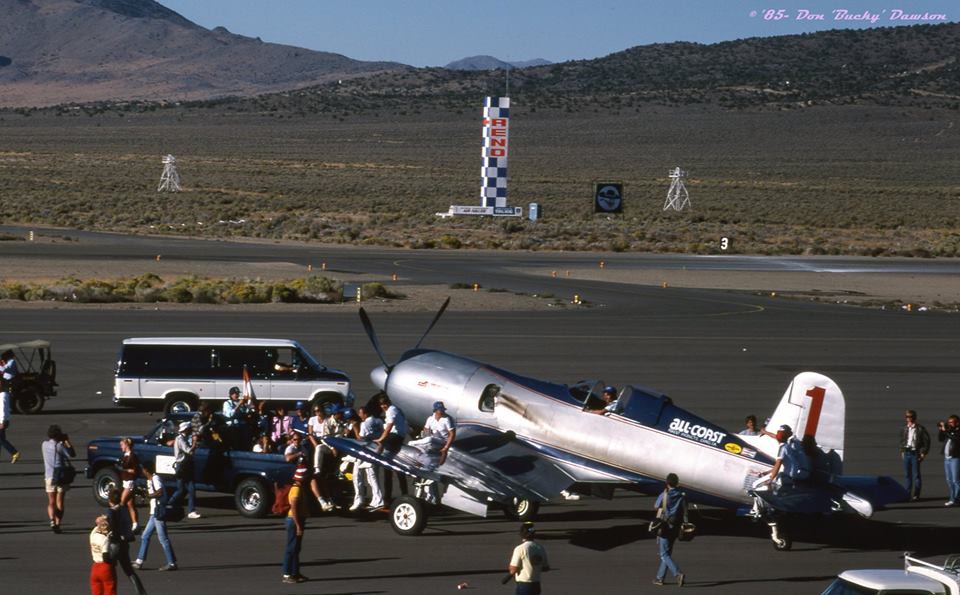
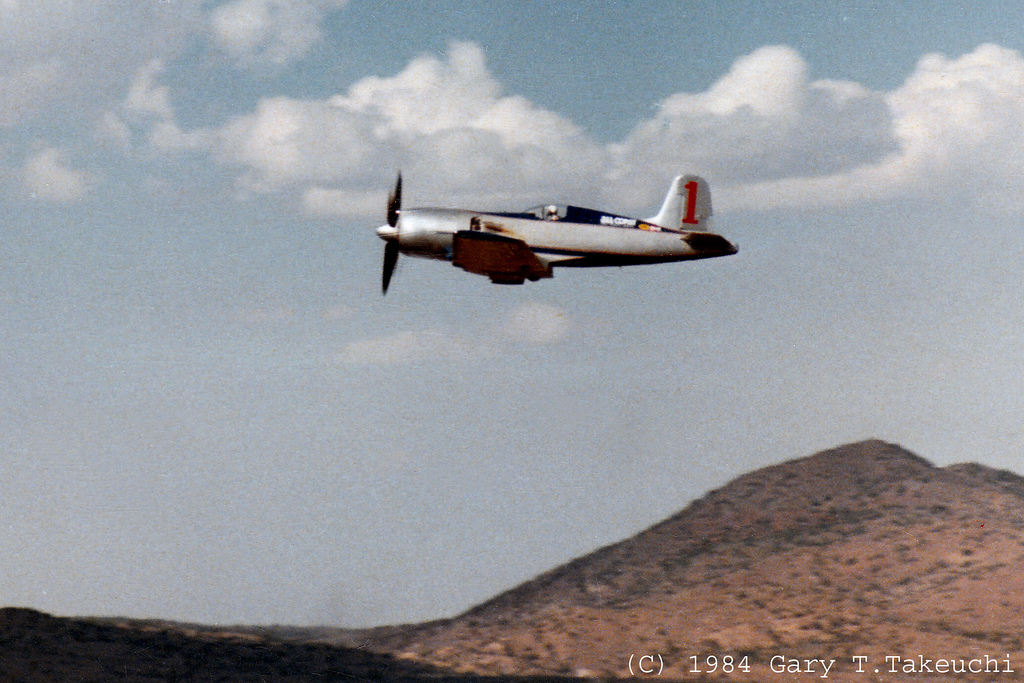
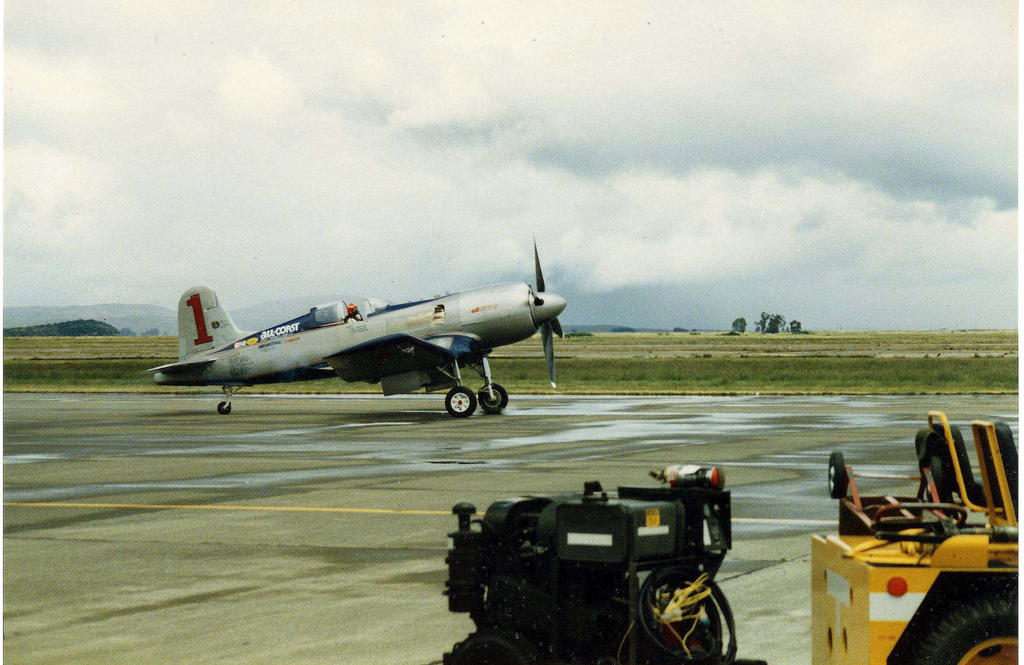
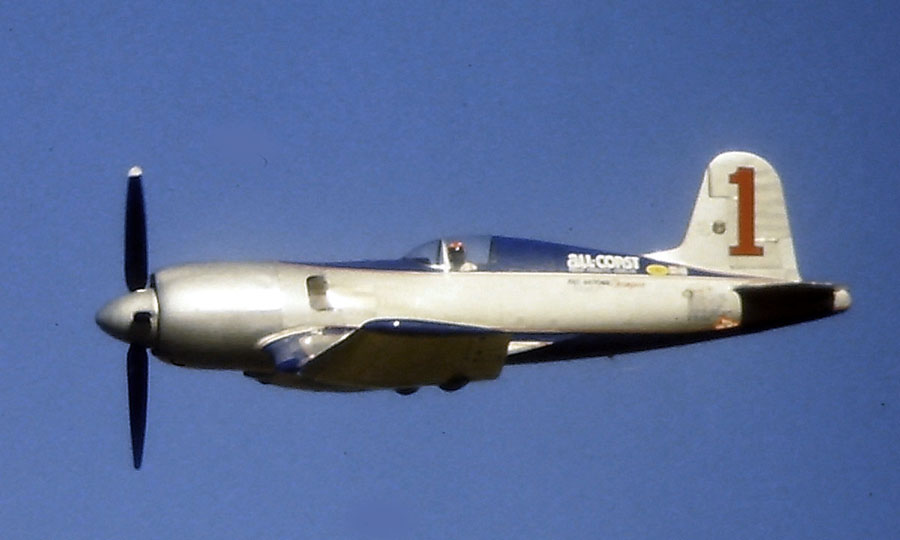
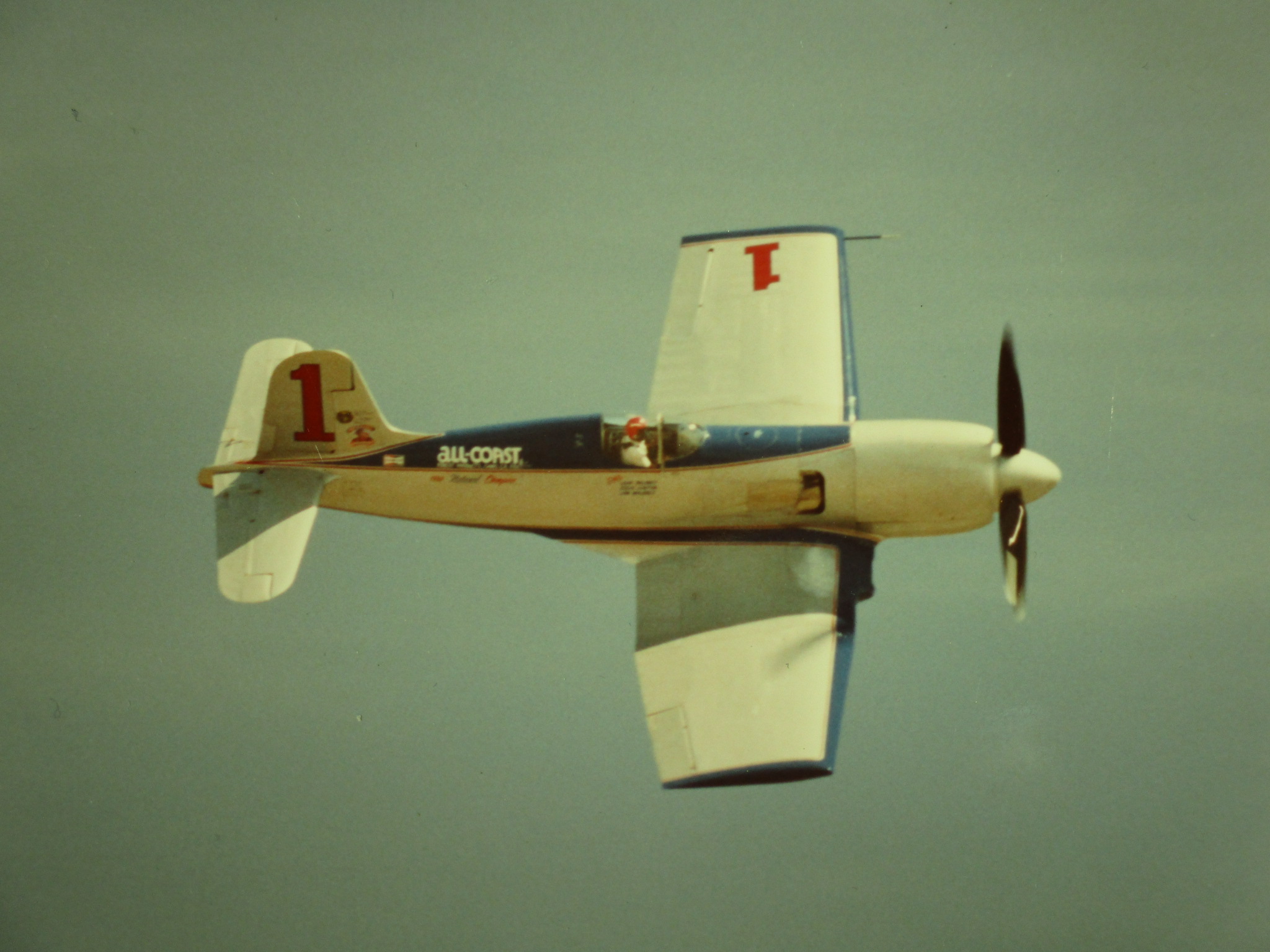
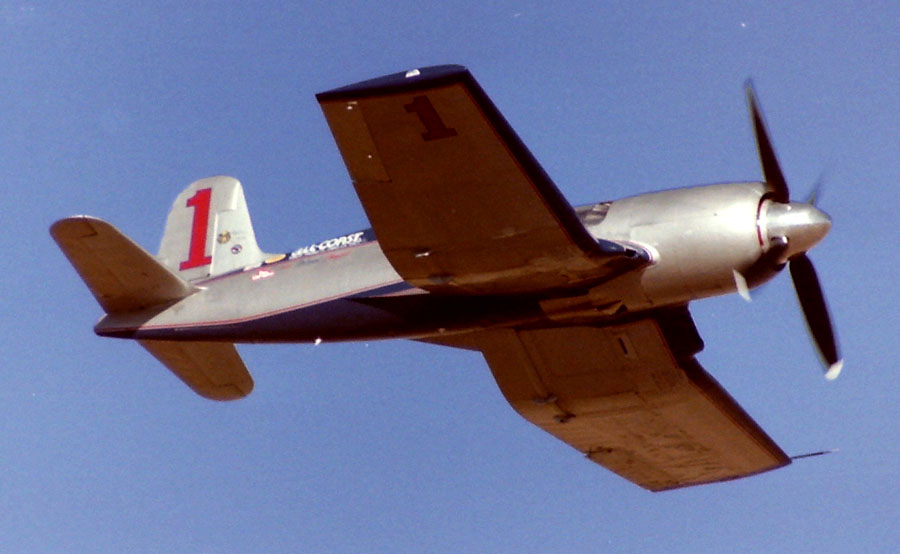
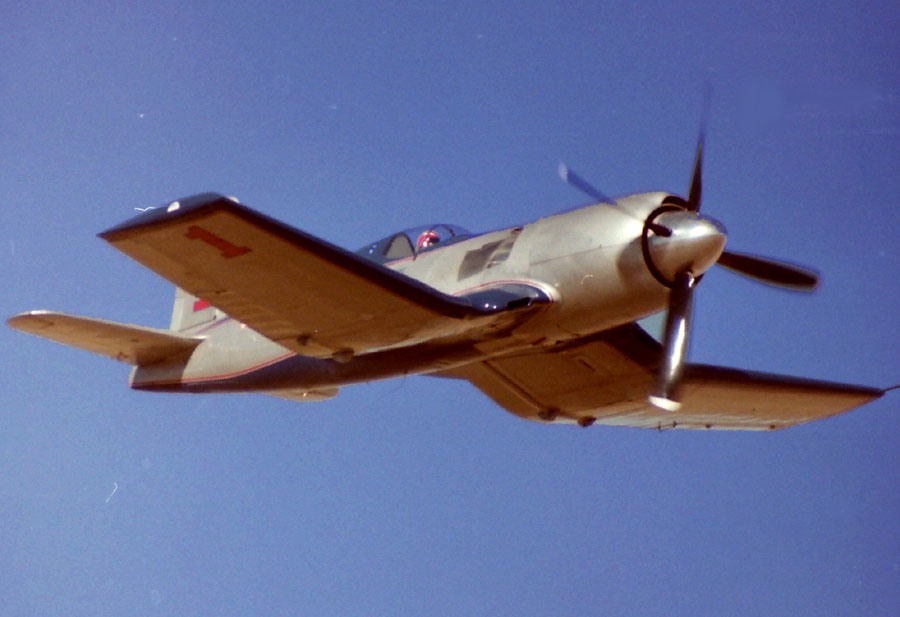
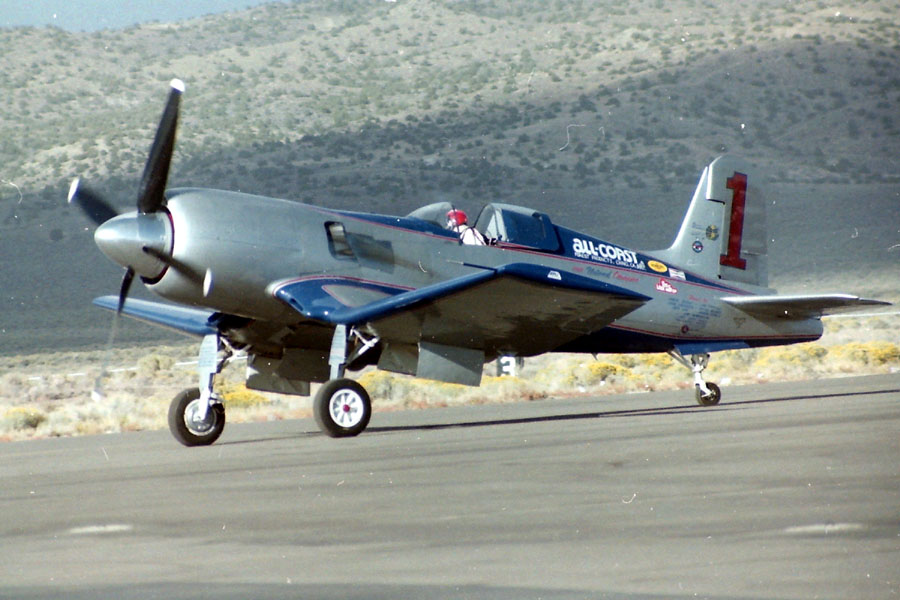
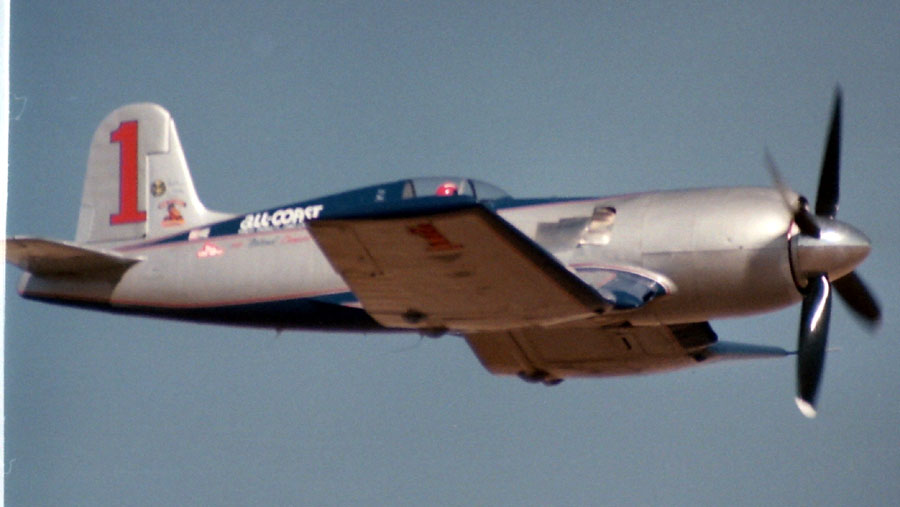
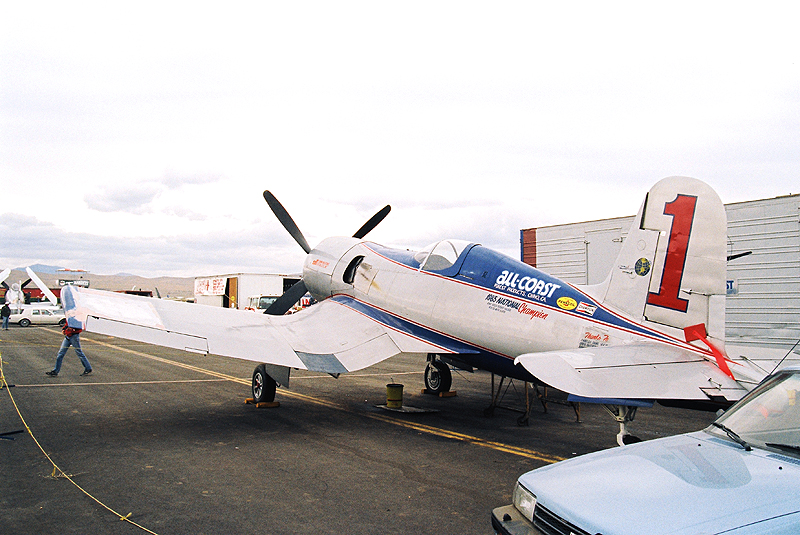
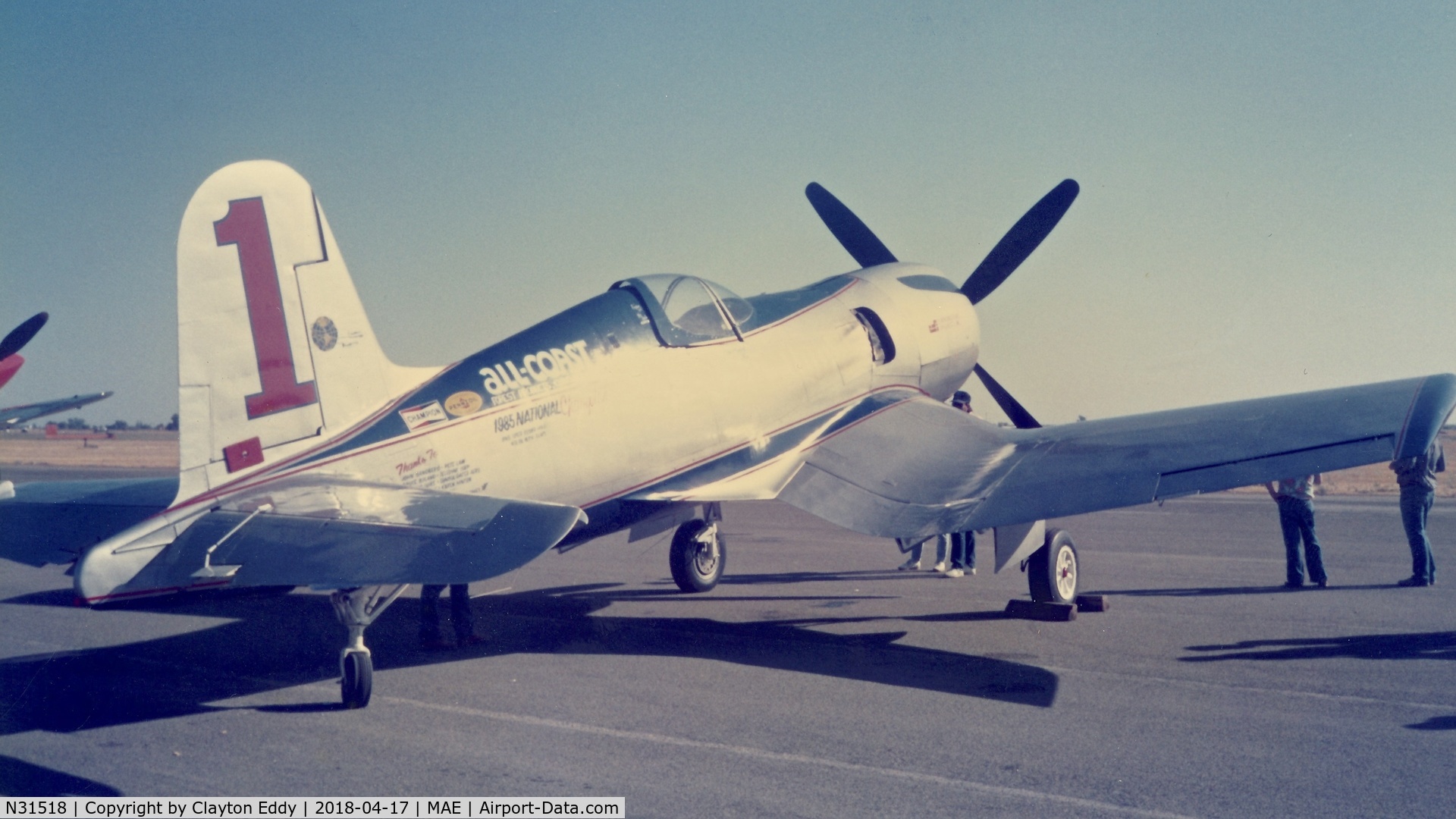
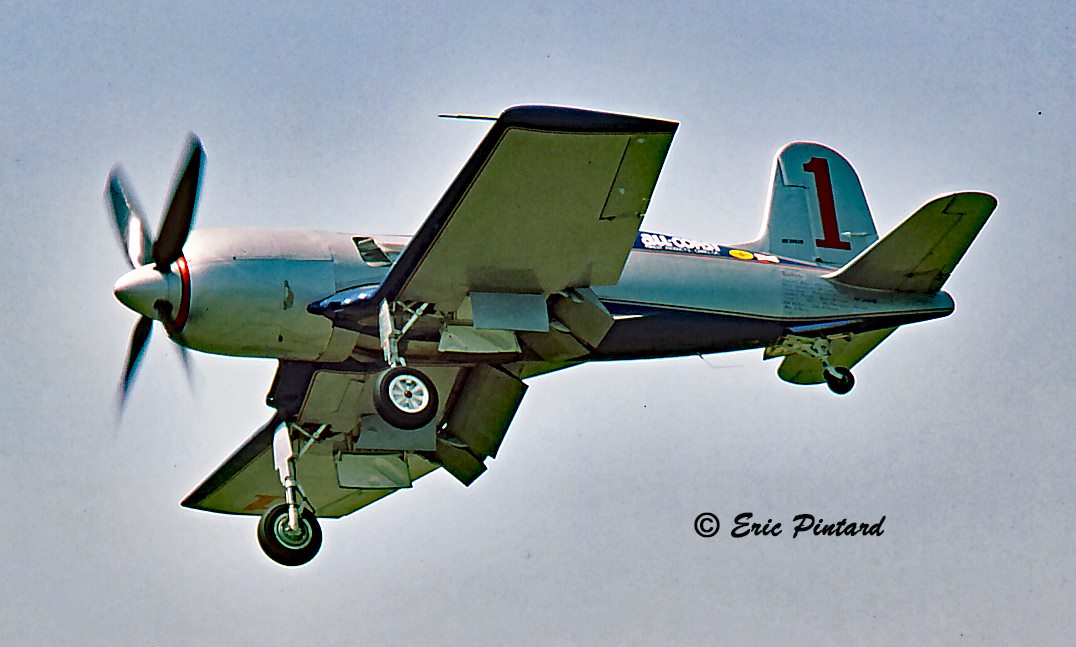
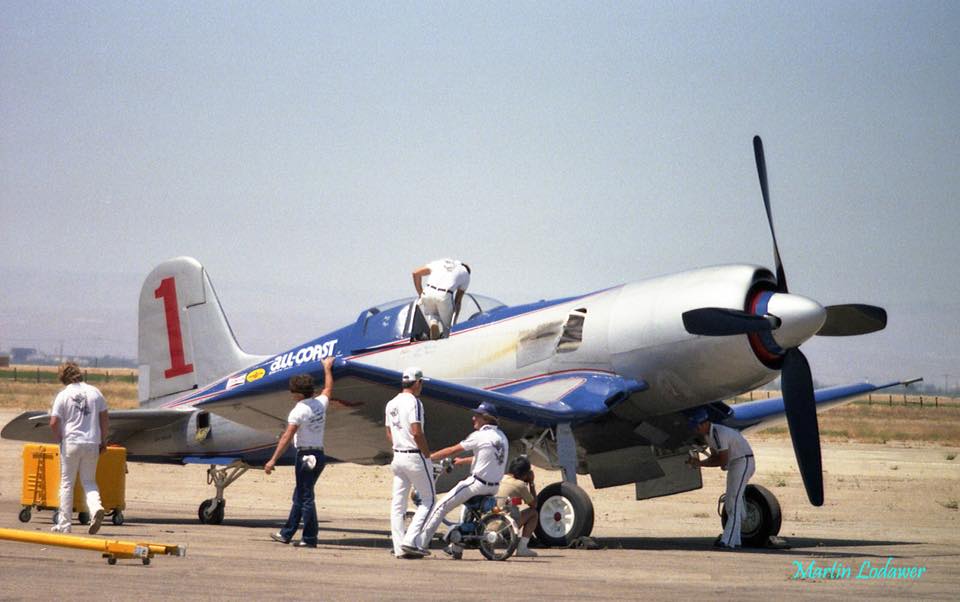
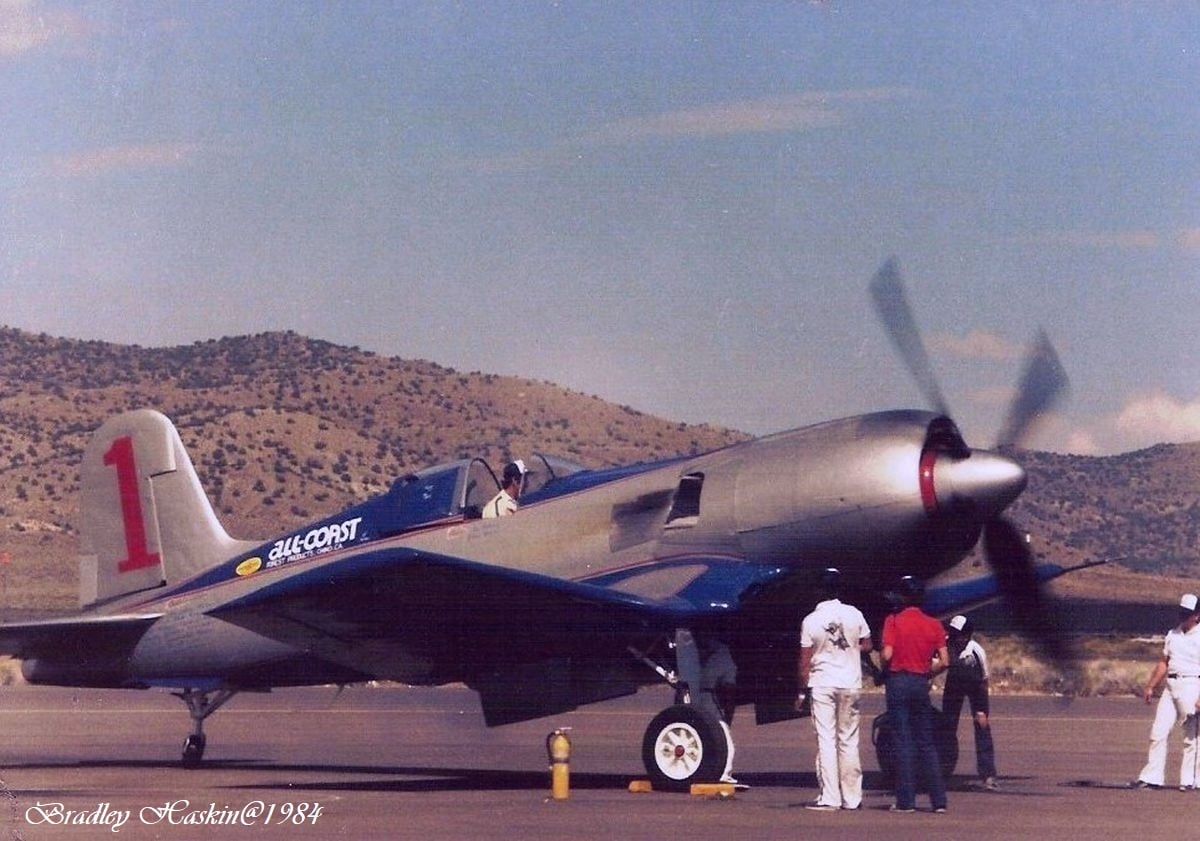
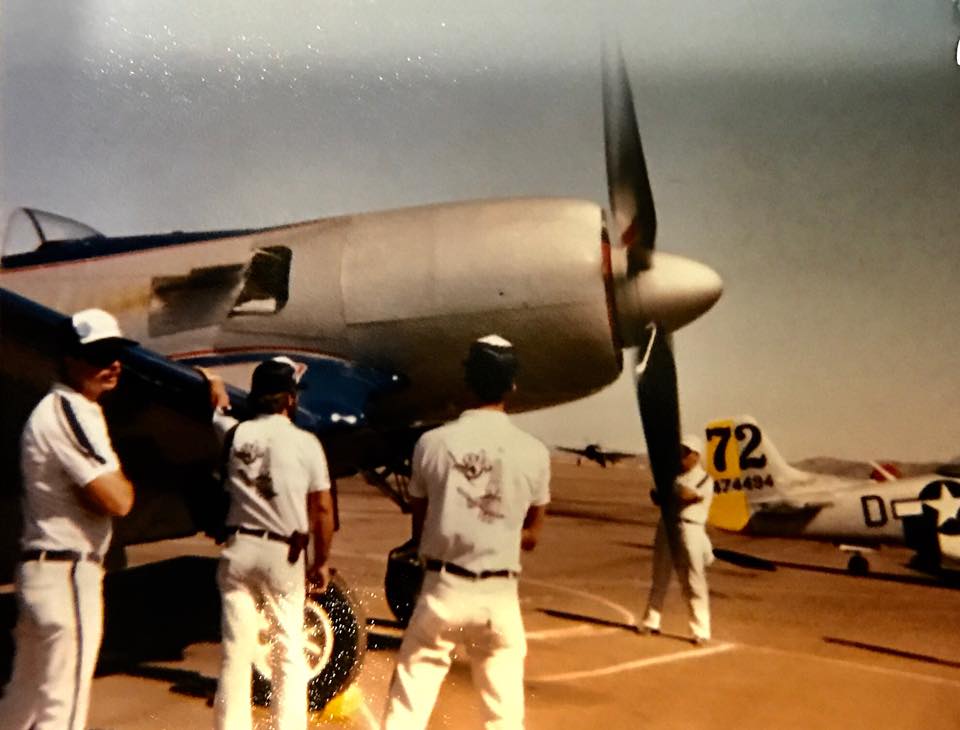
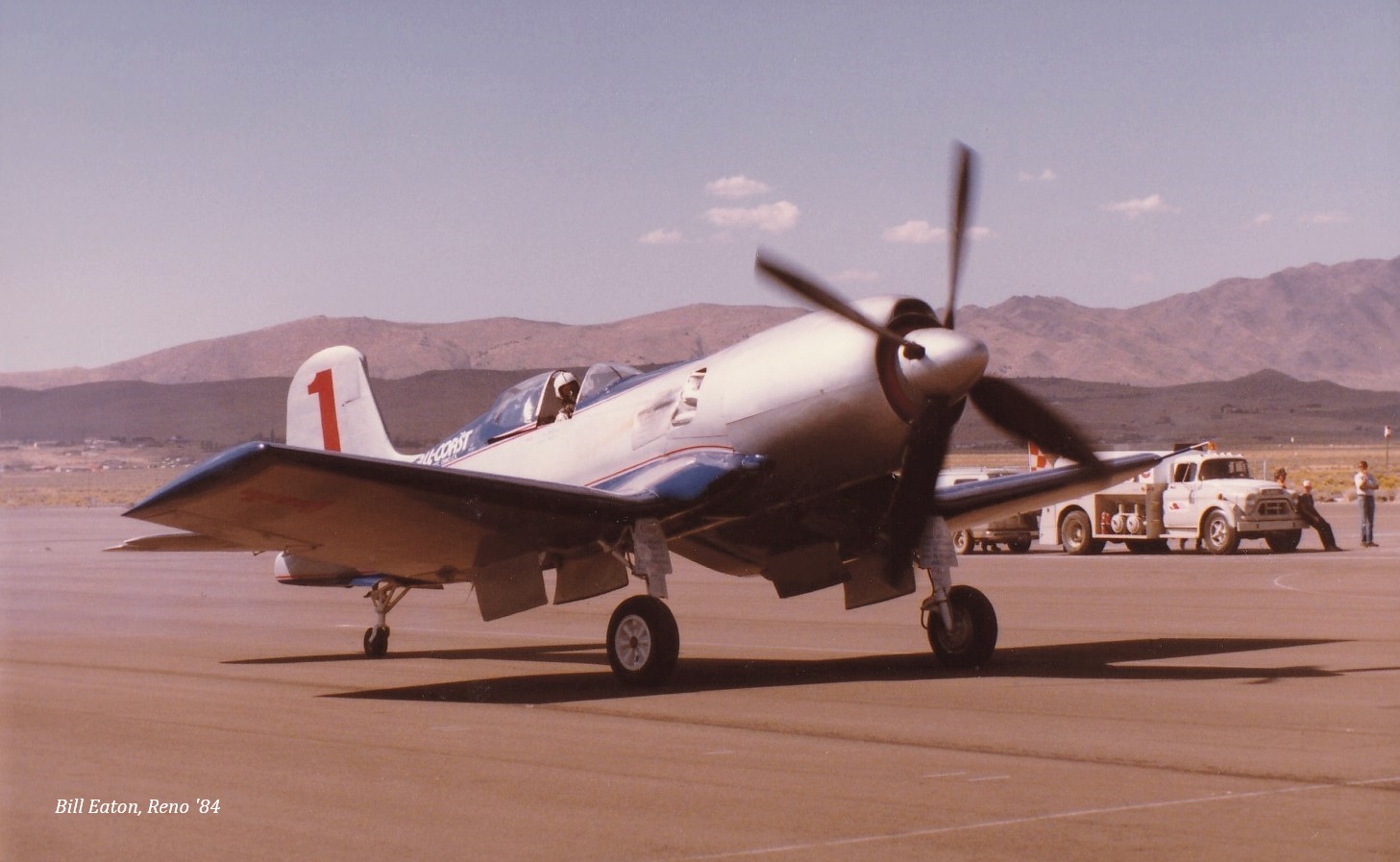
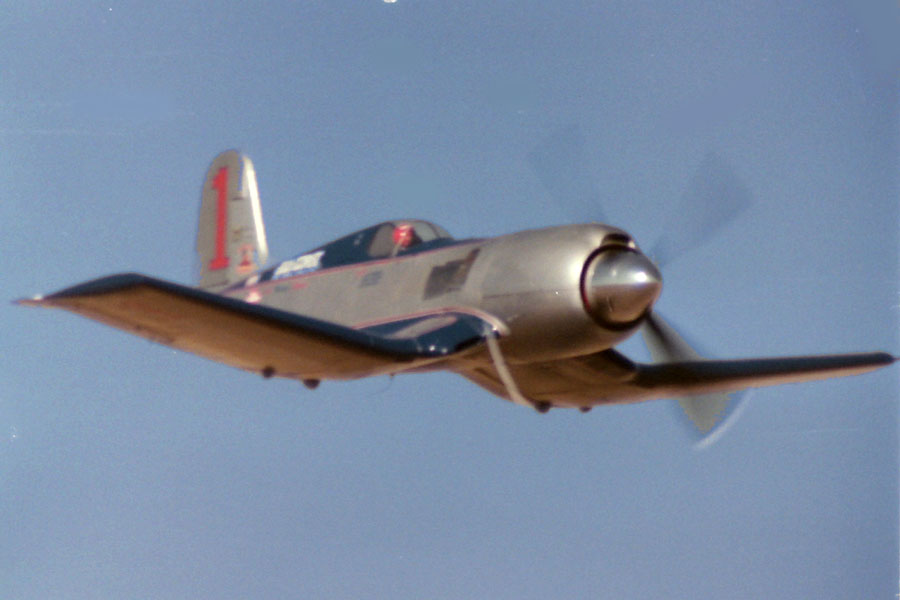
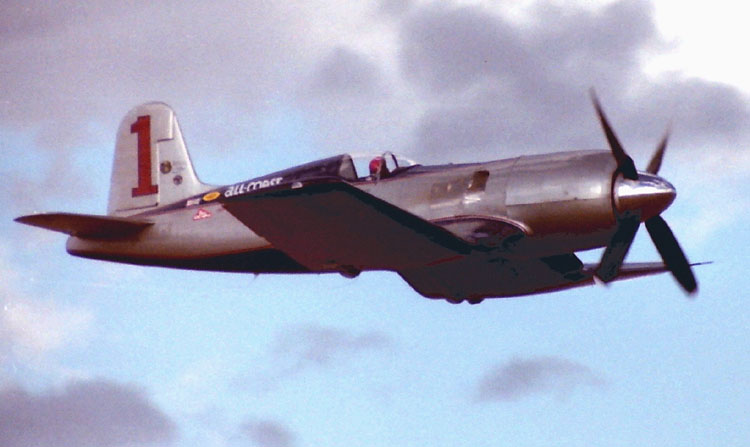
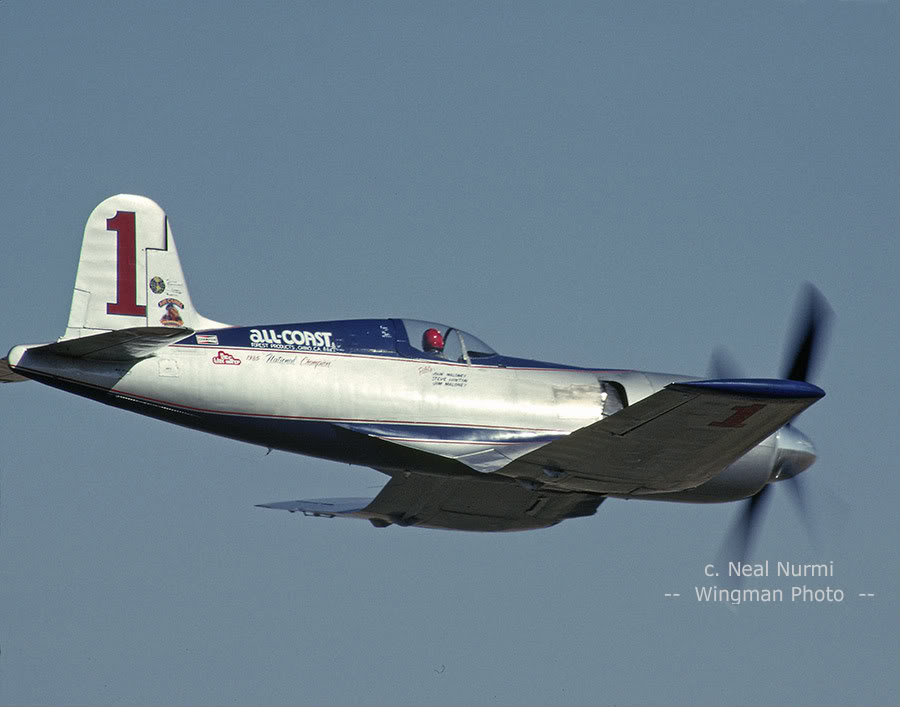
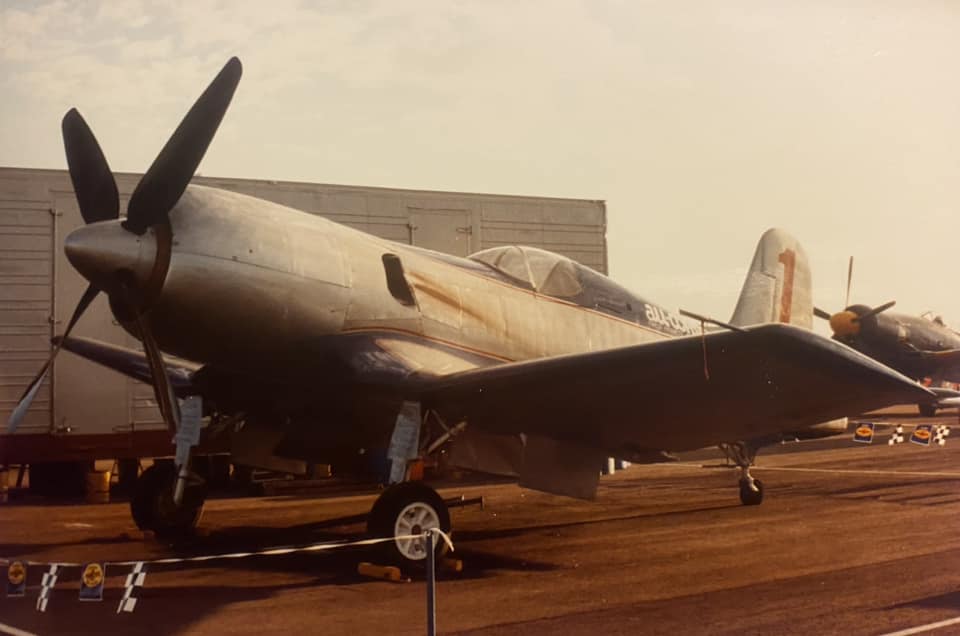
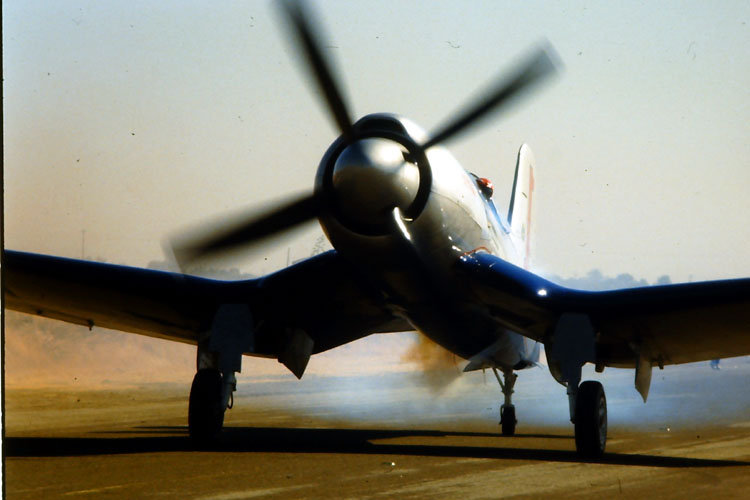
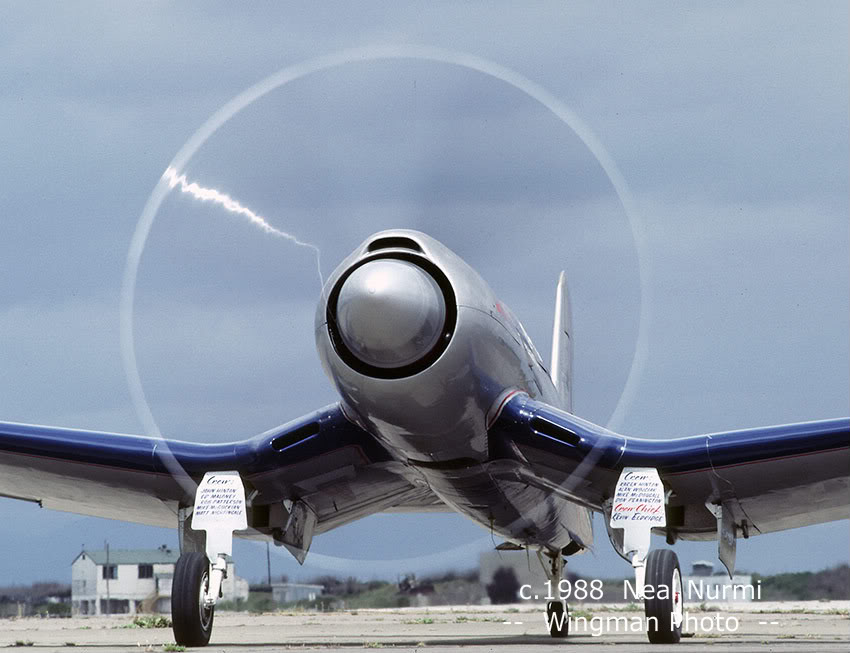
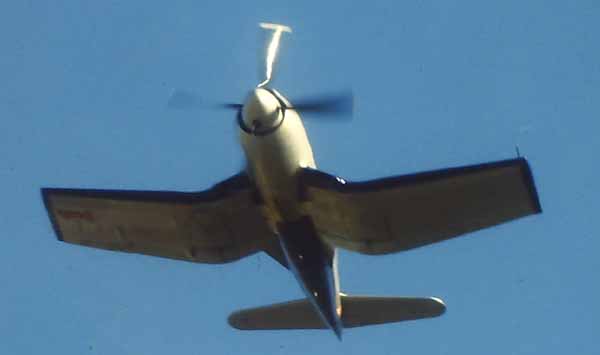
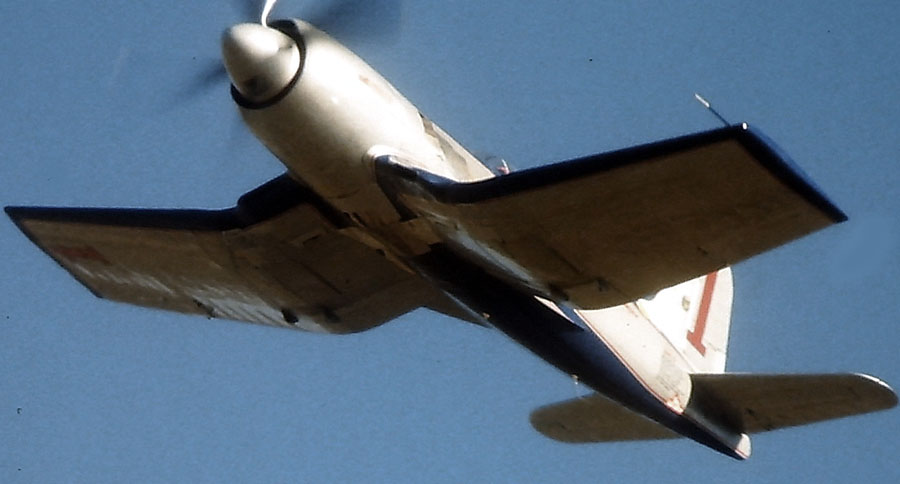
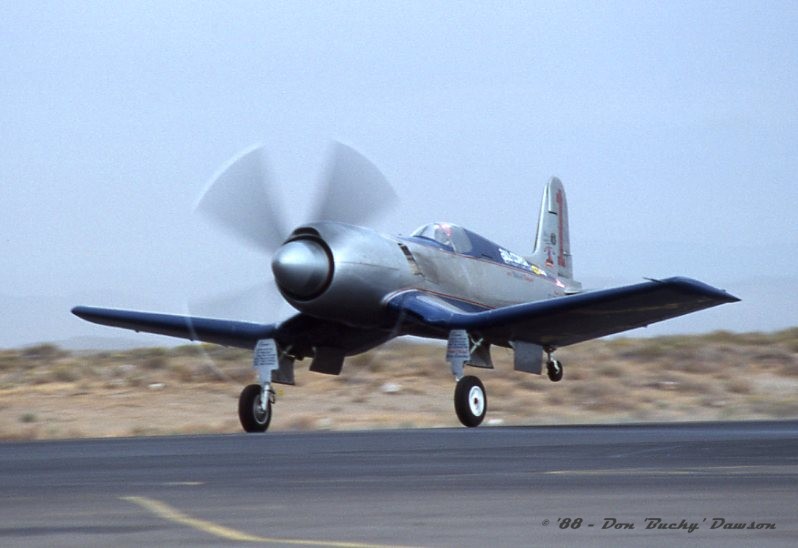
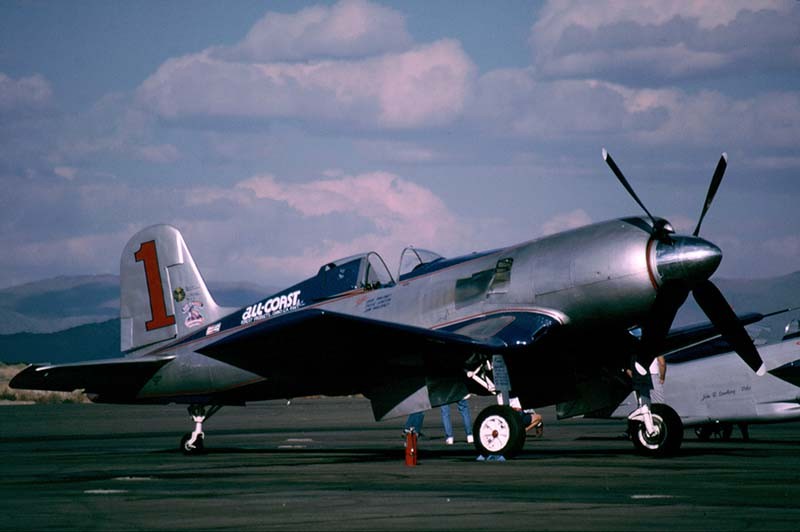
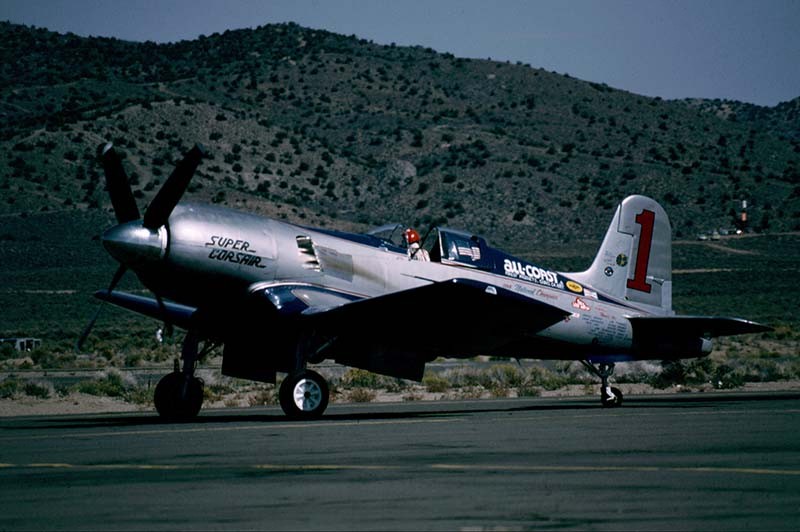
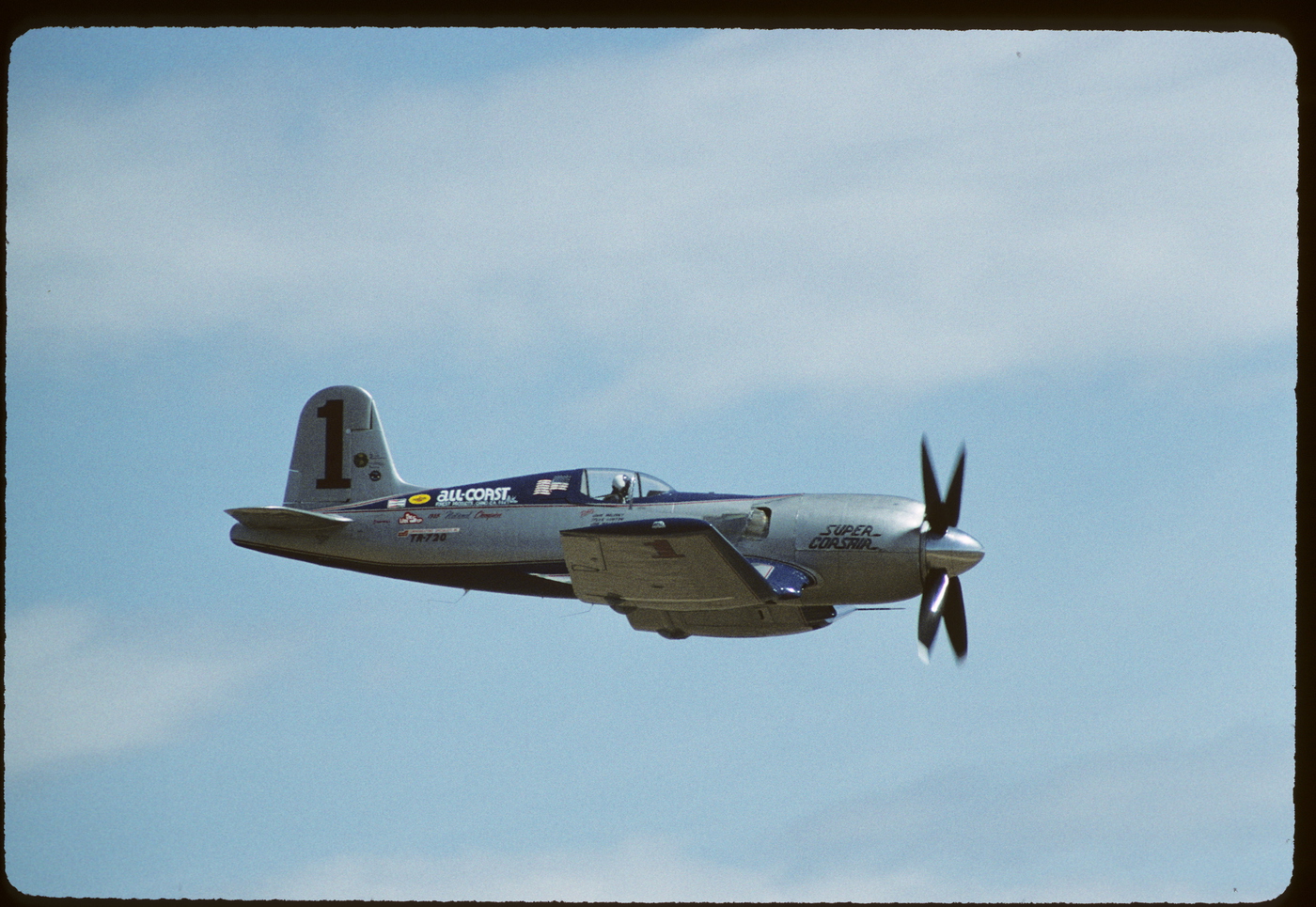
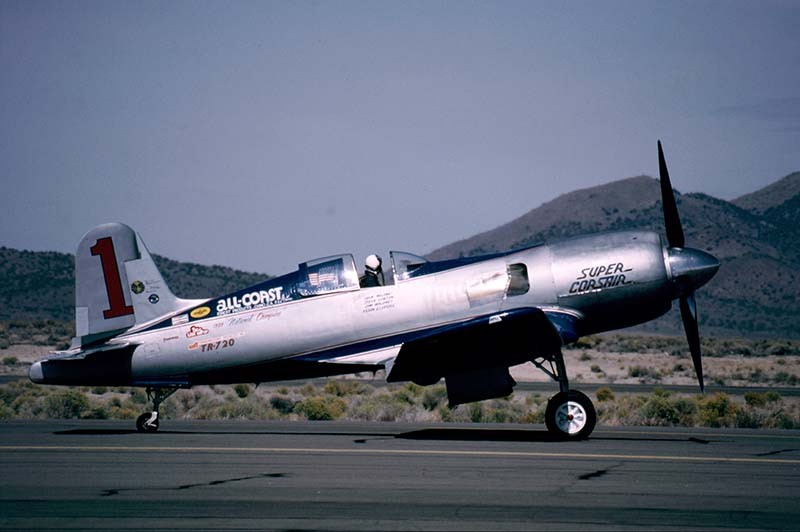
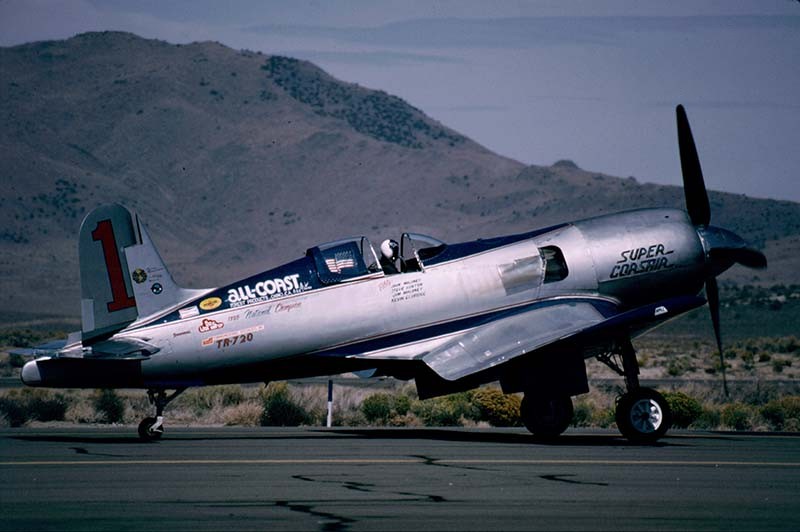
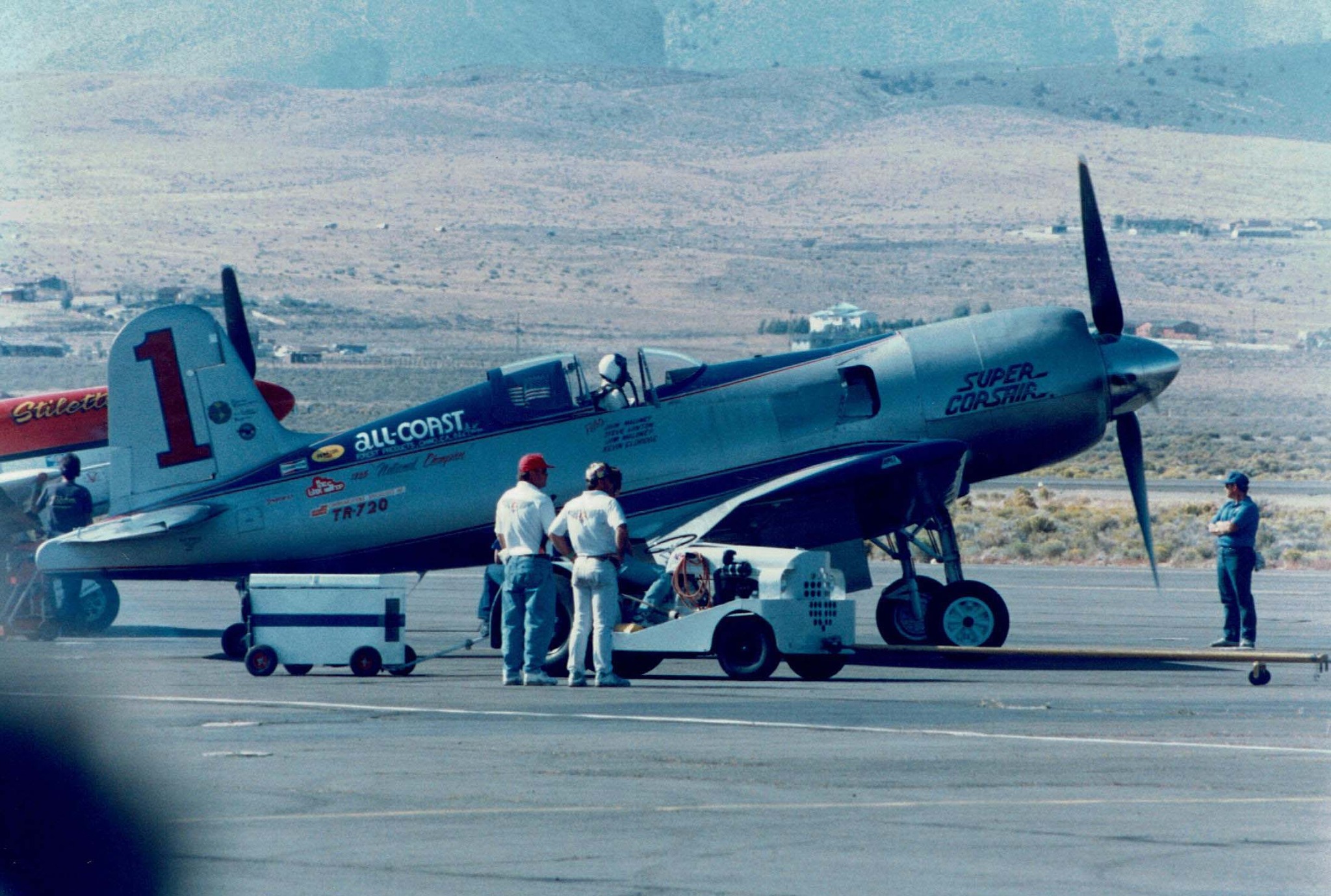
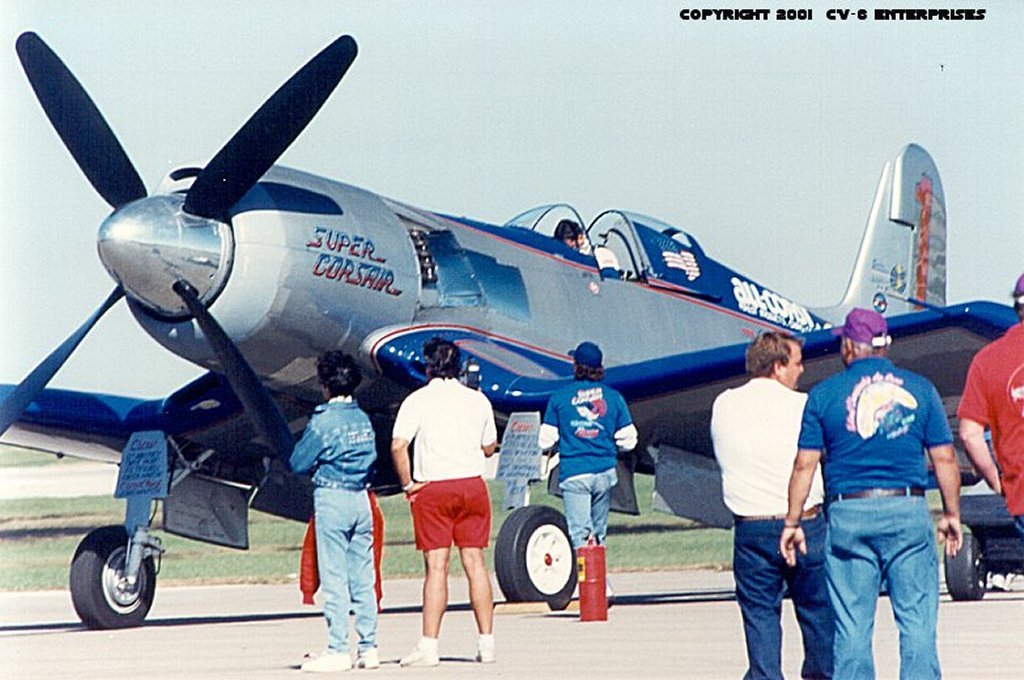
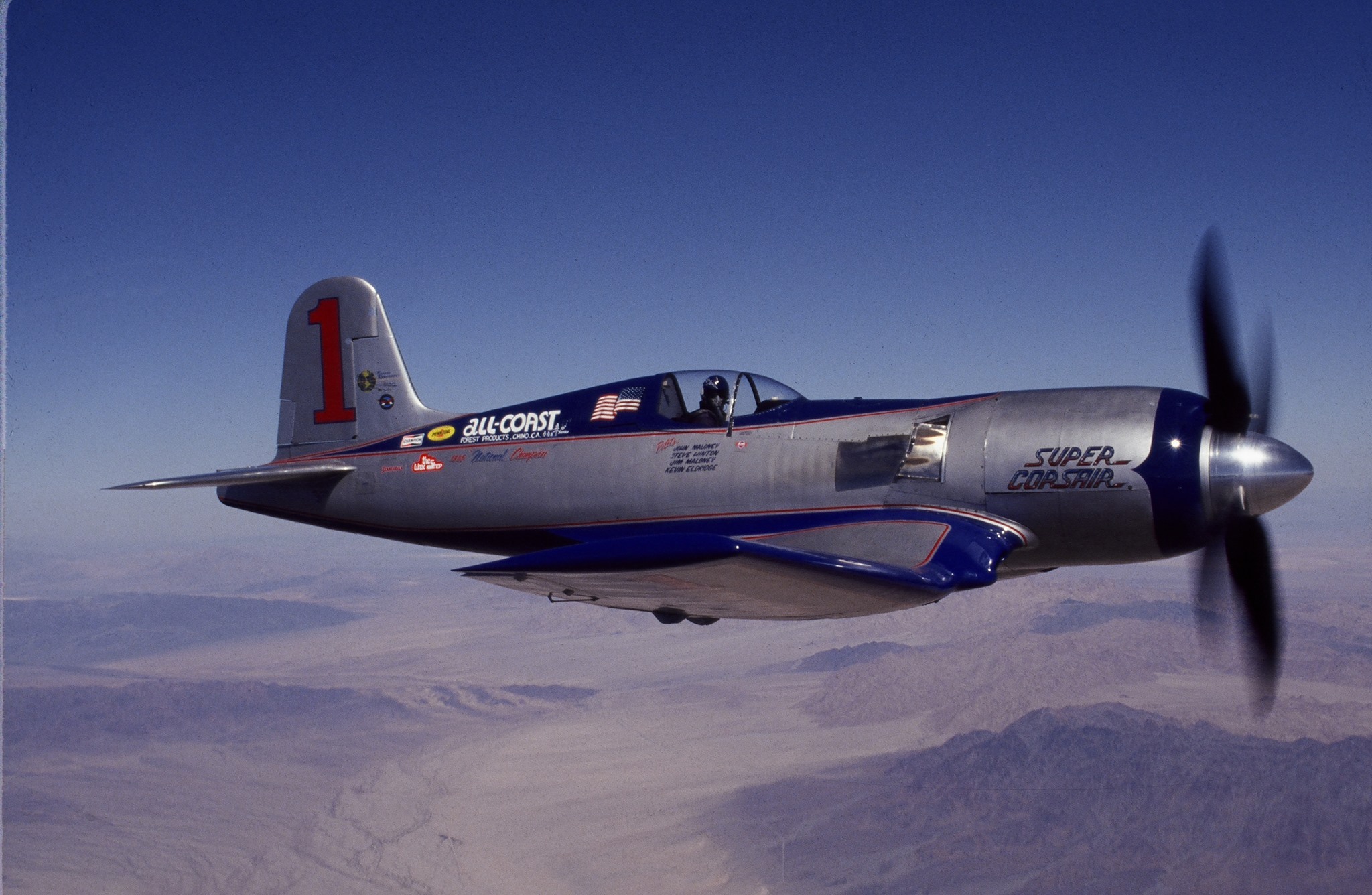
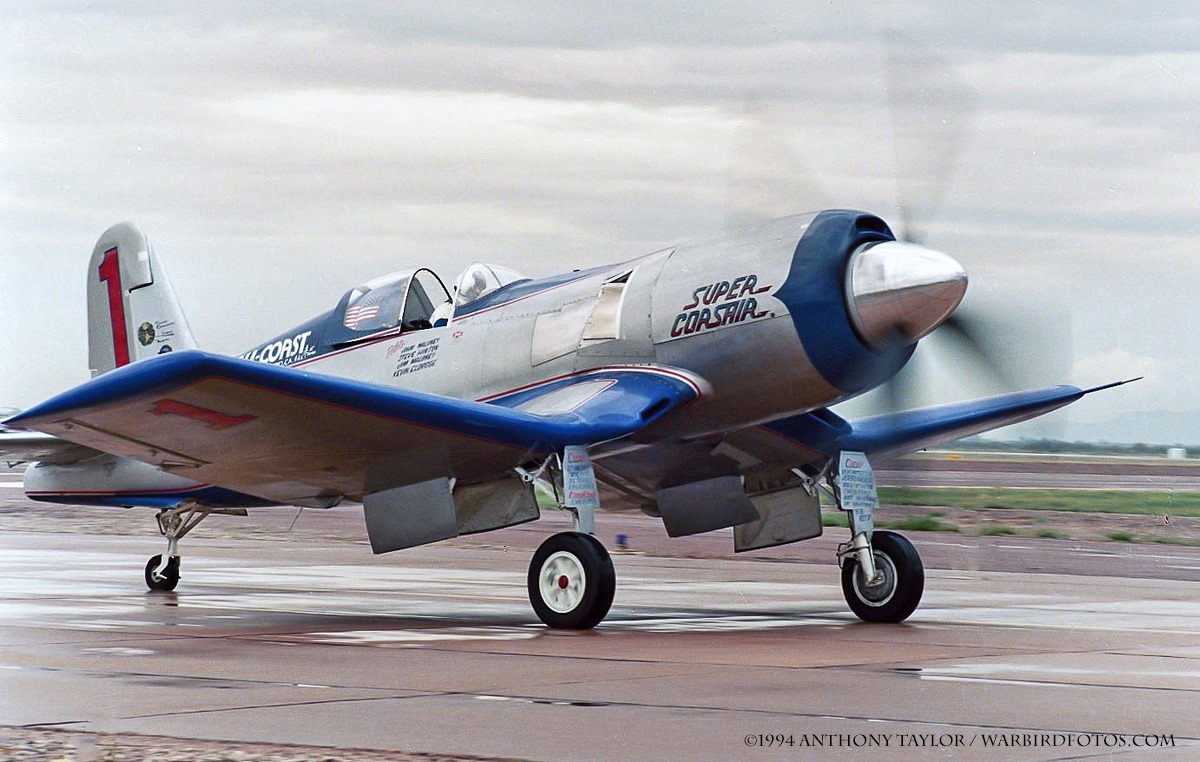
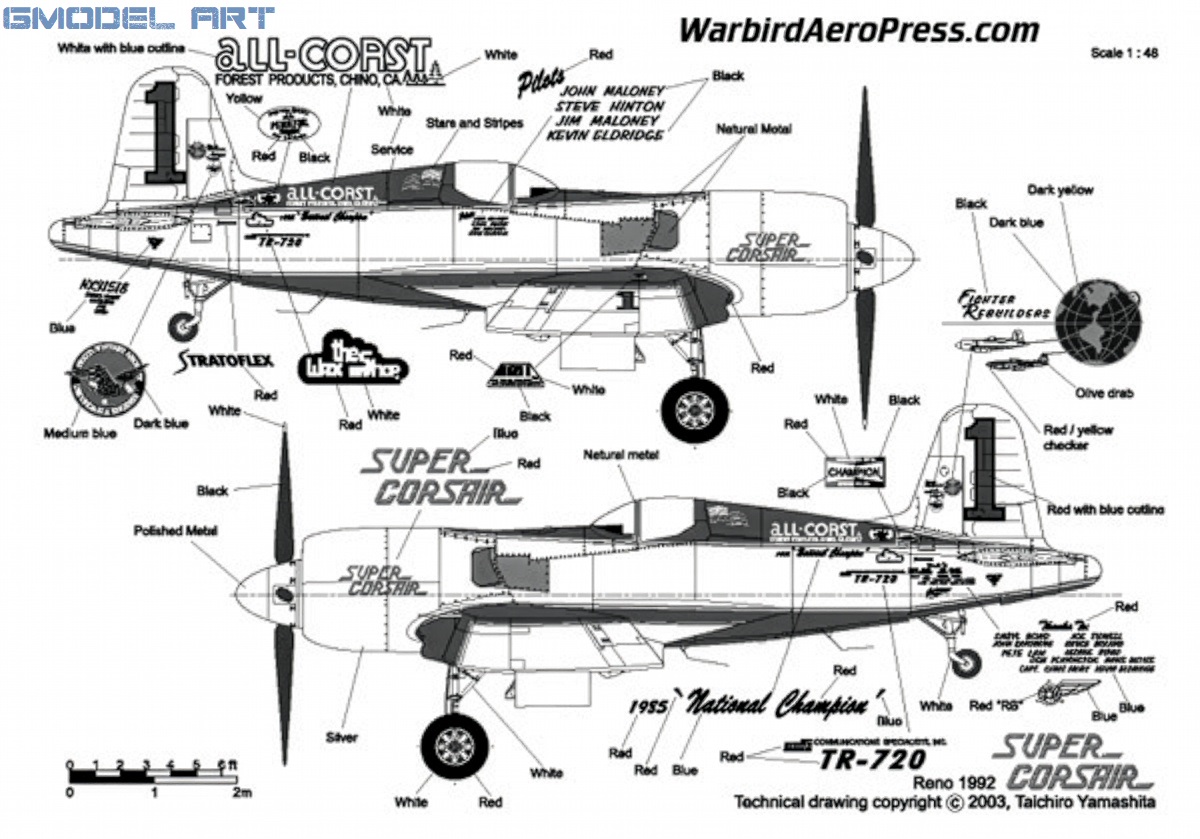
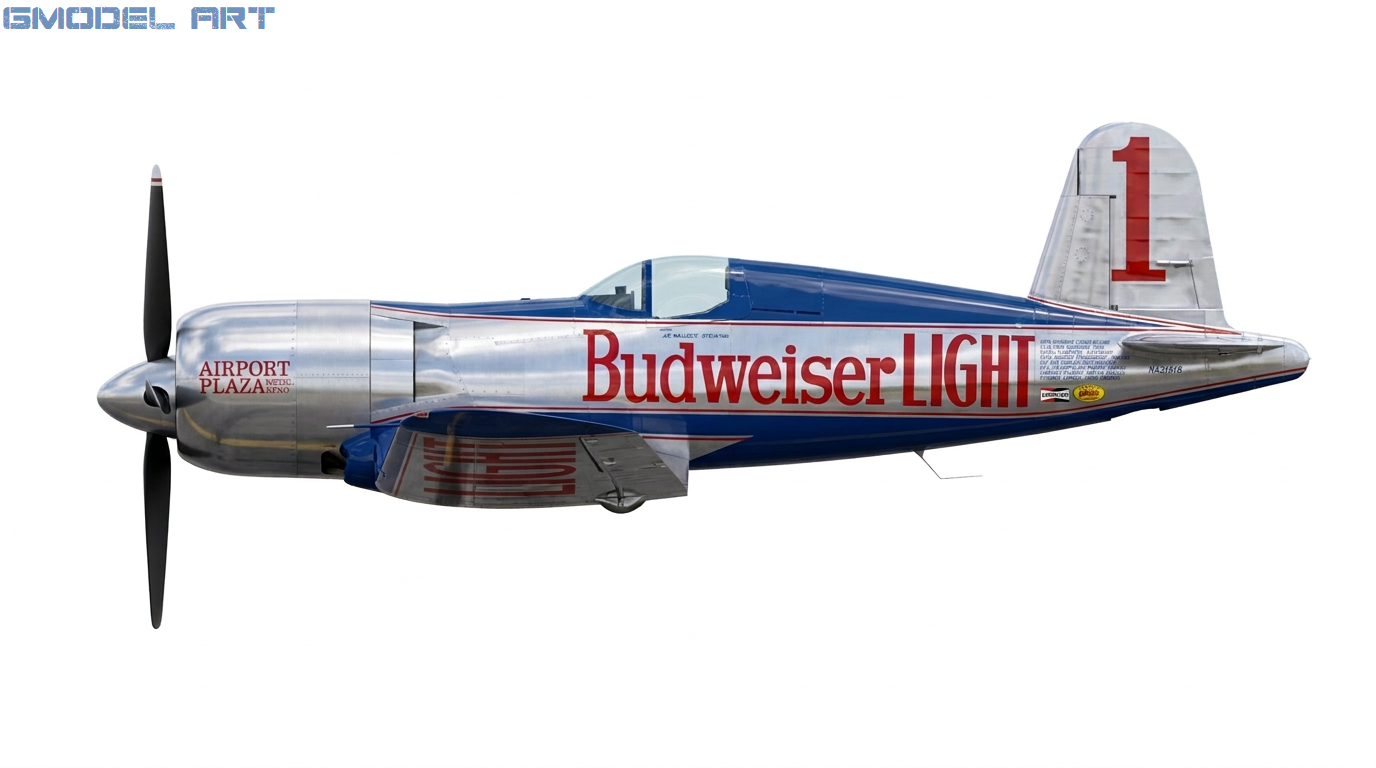
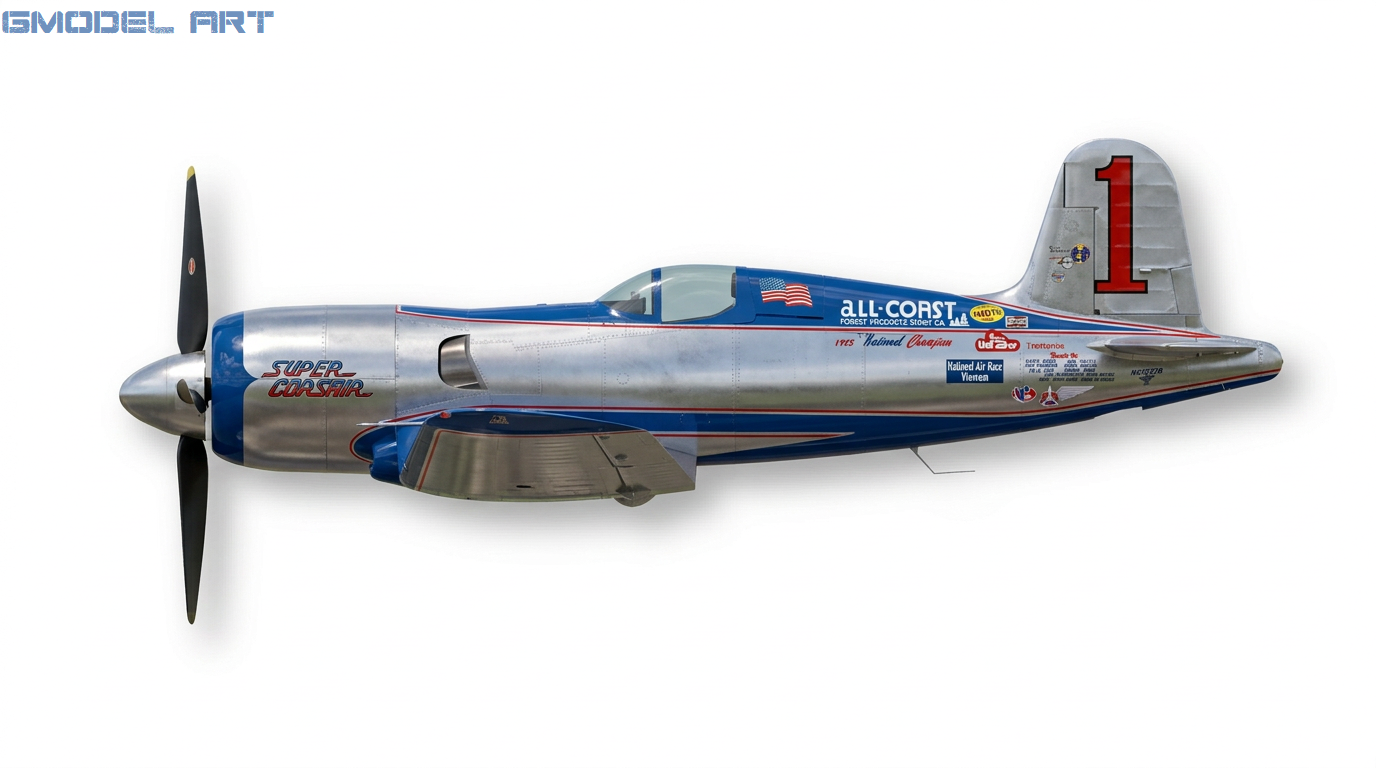
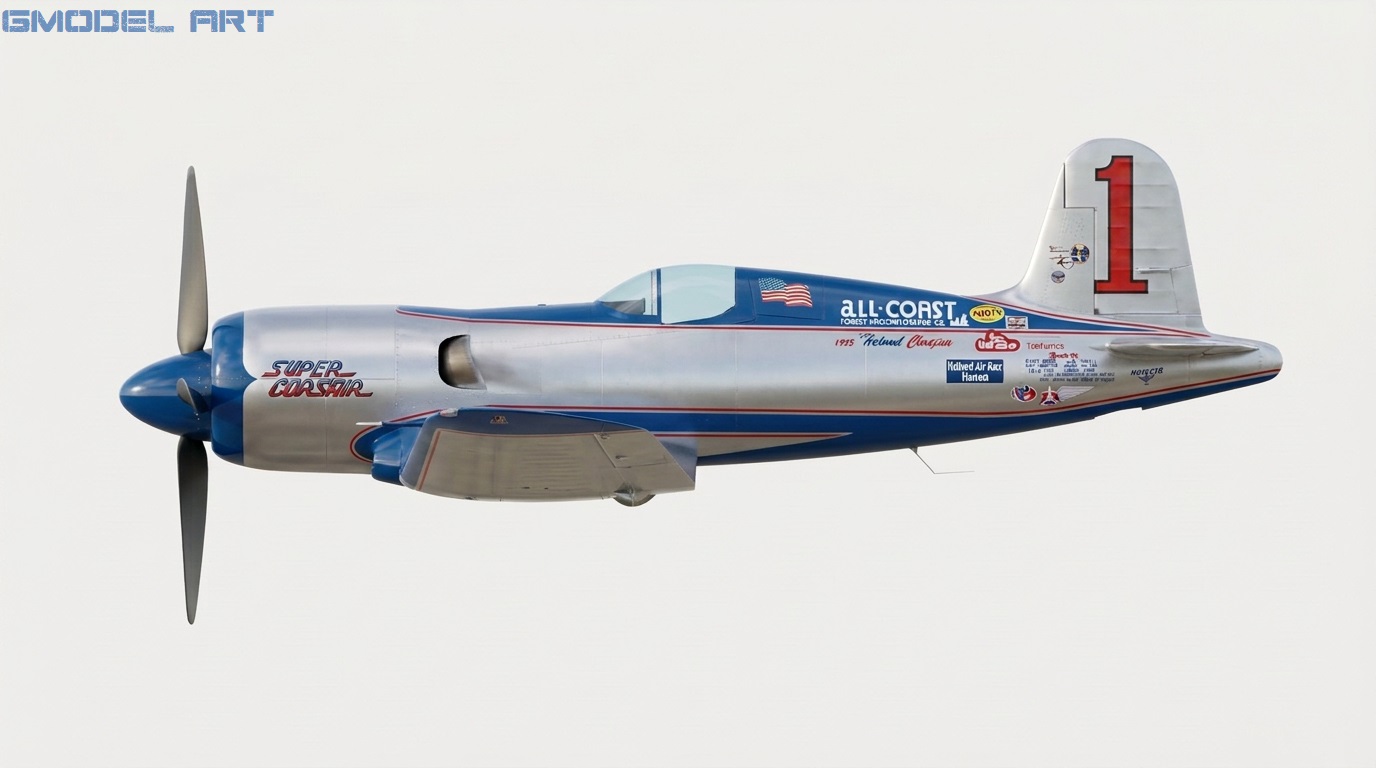
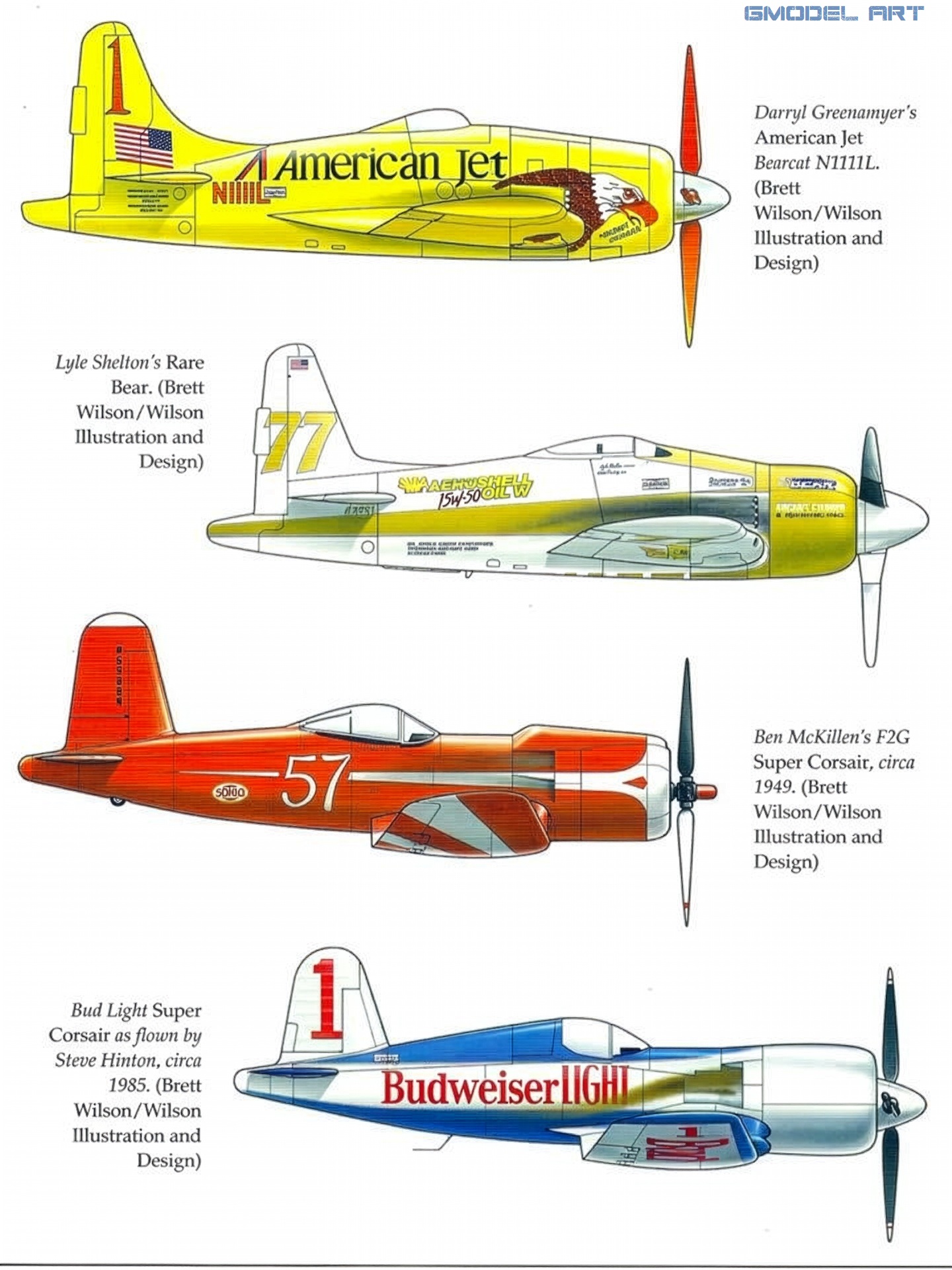
F4u Super Corsair “Budweiser Light 1” – N31518
The Story of the Restoration and Racing Career of a Legendary Reno Aircraft
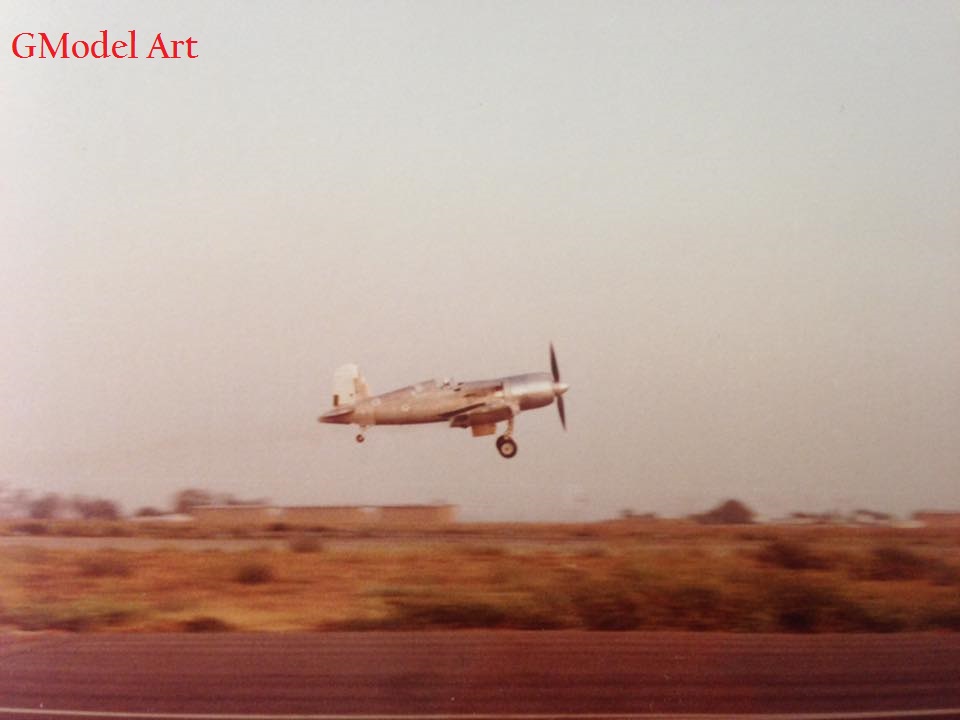
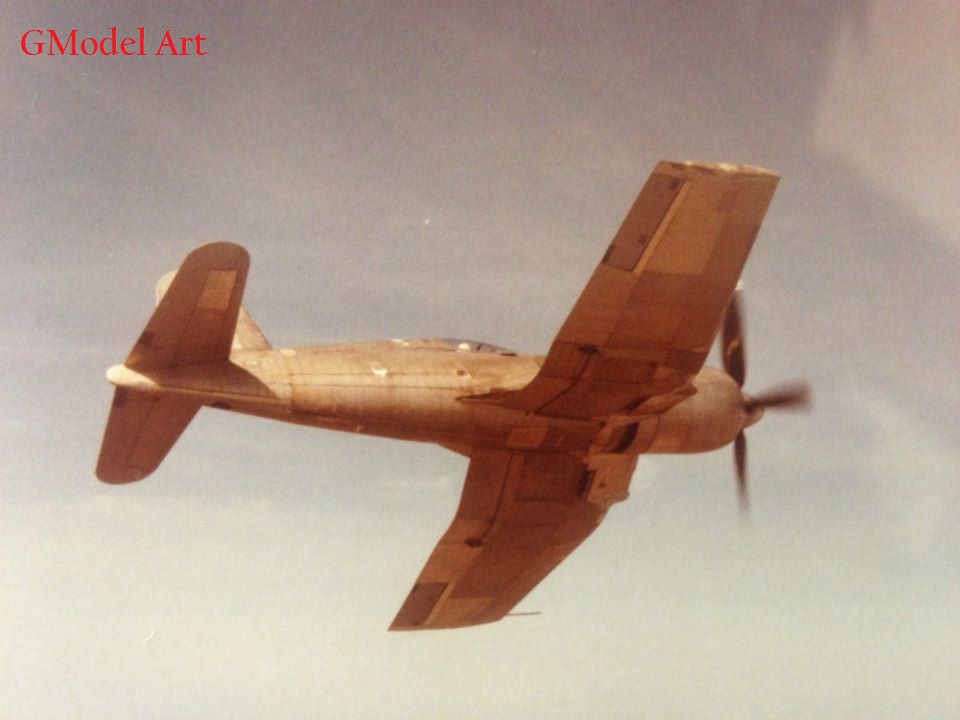
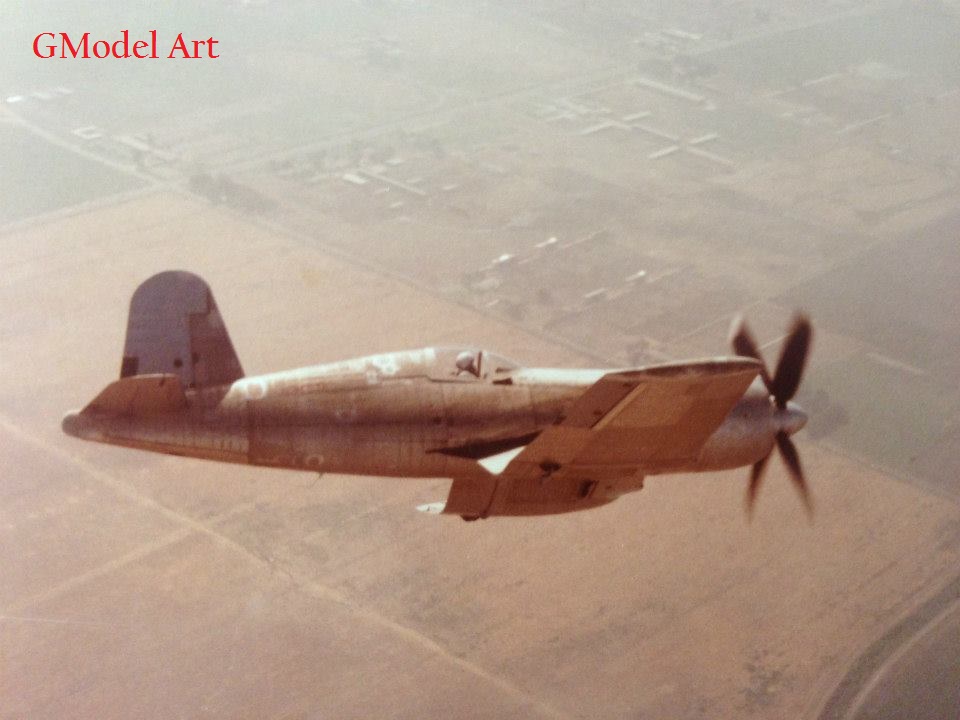
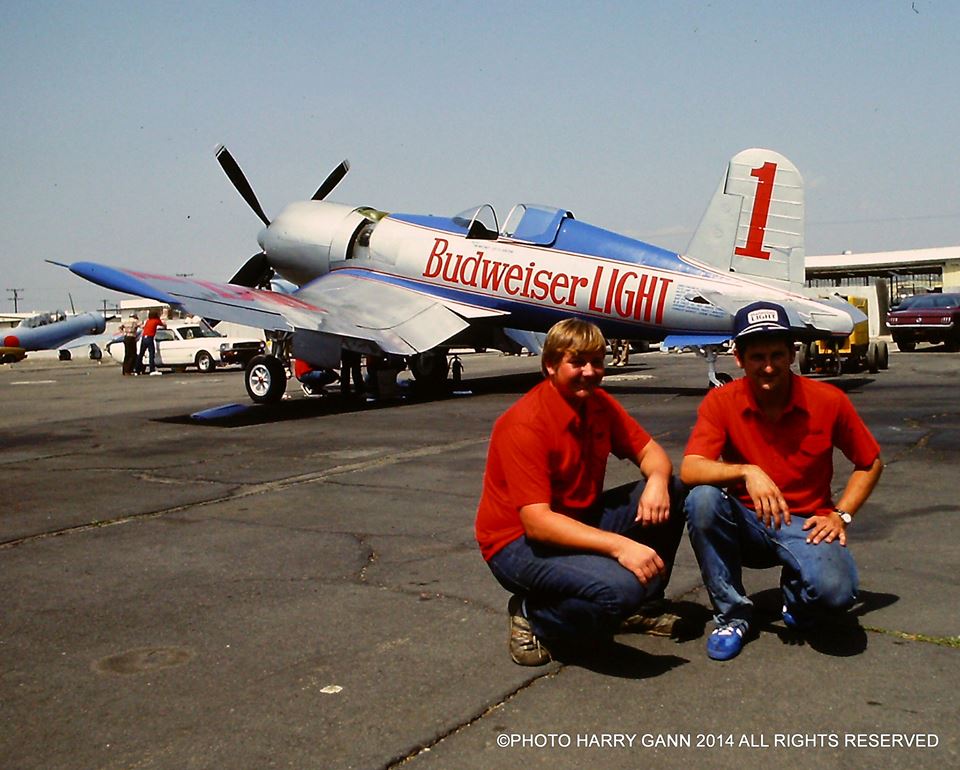
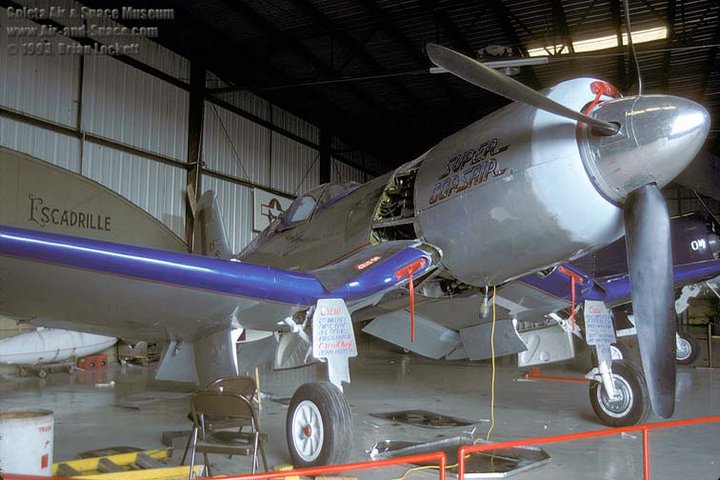
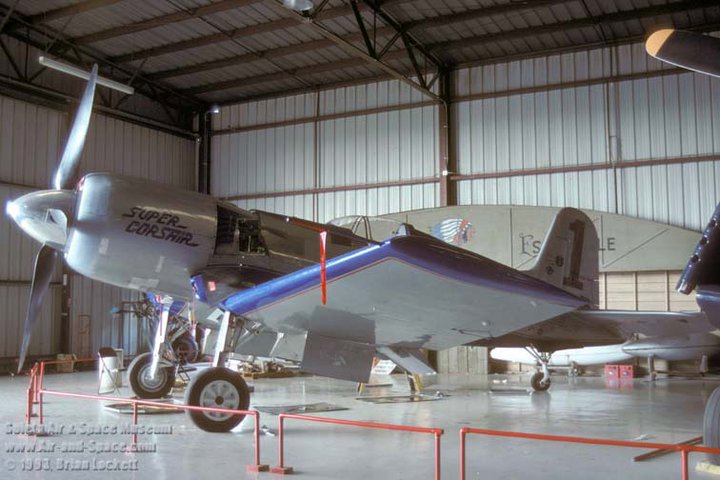
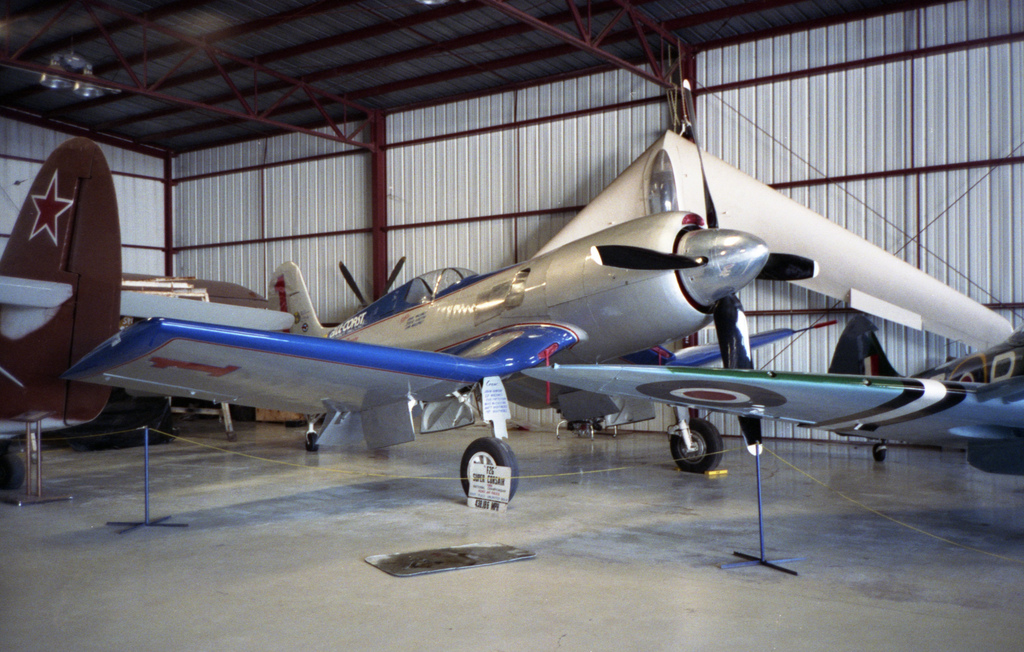
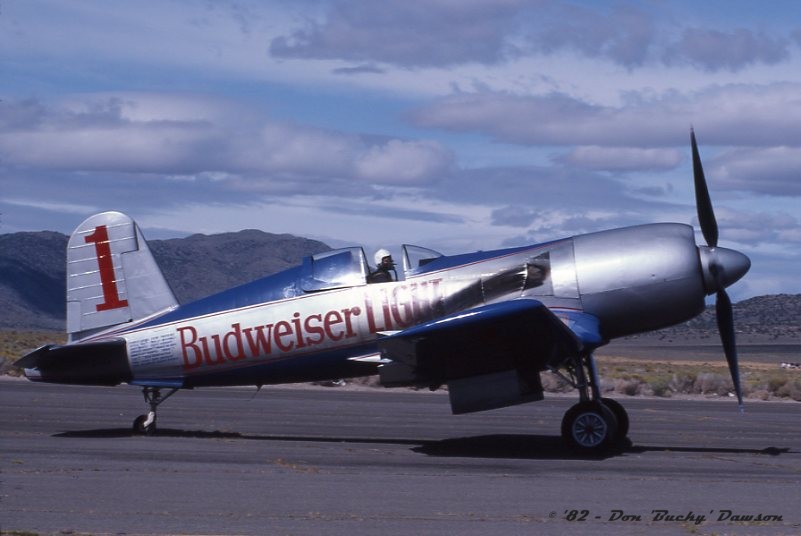
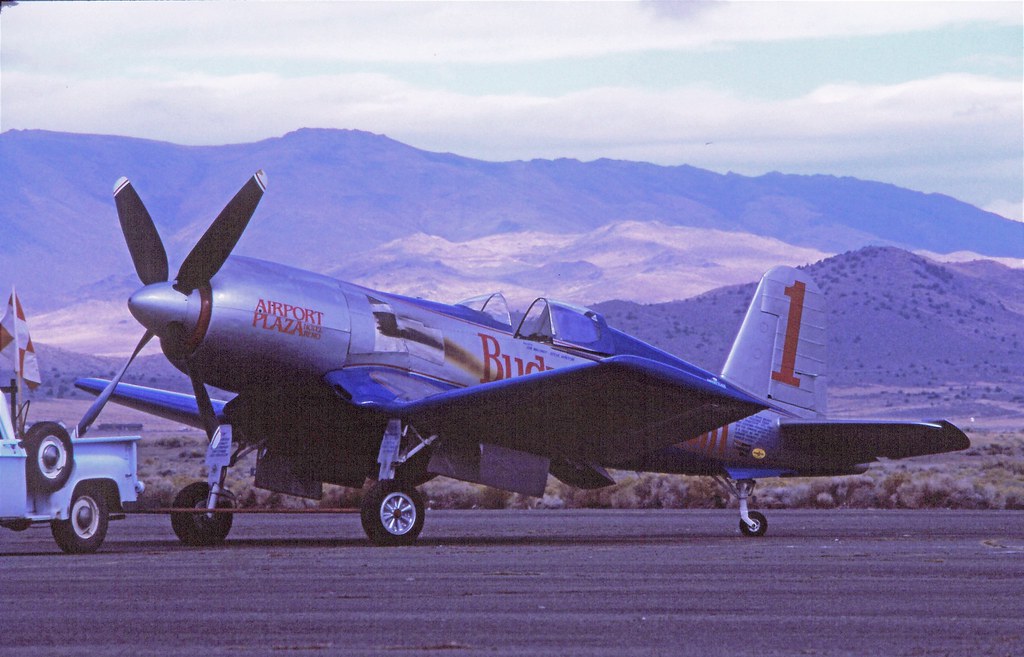
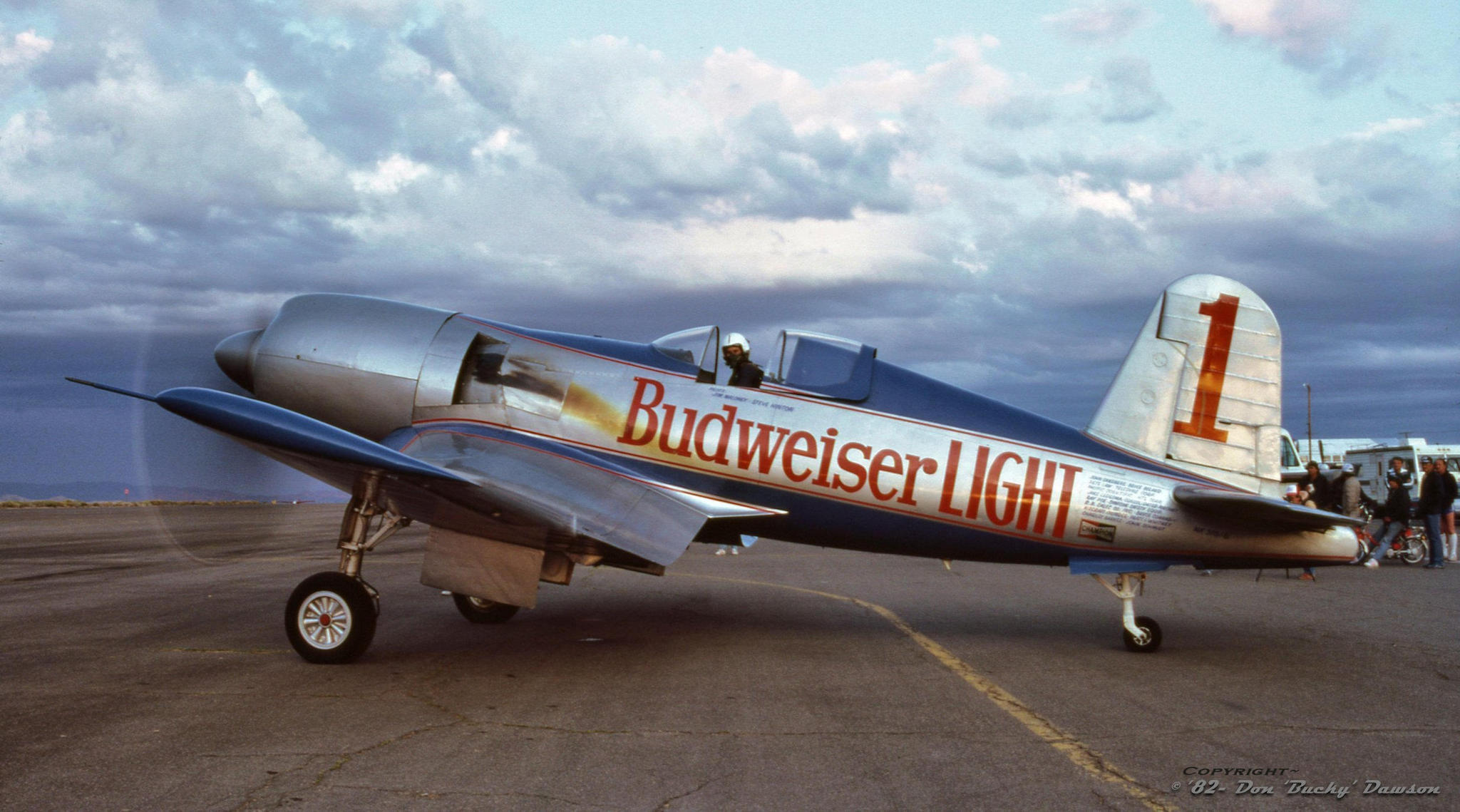
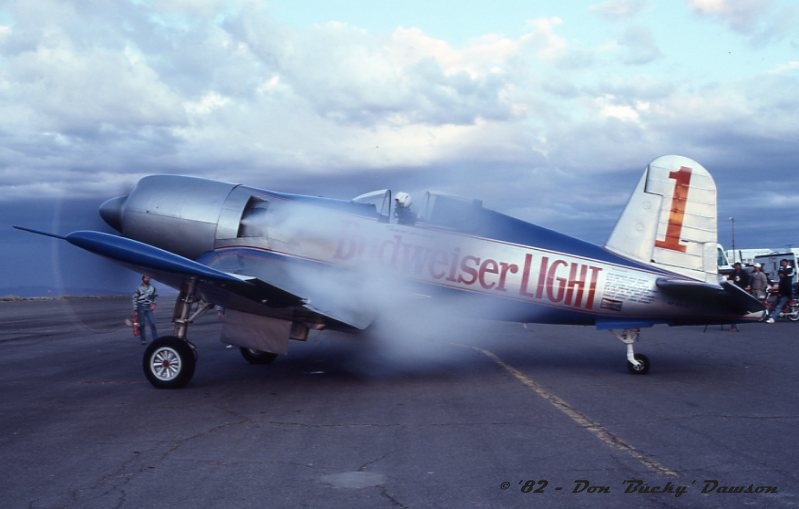
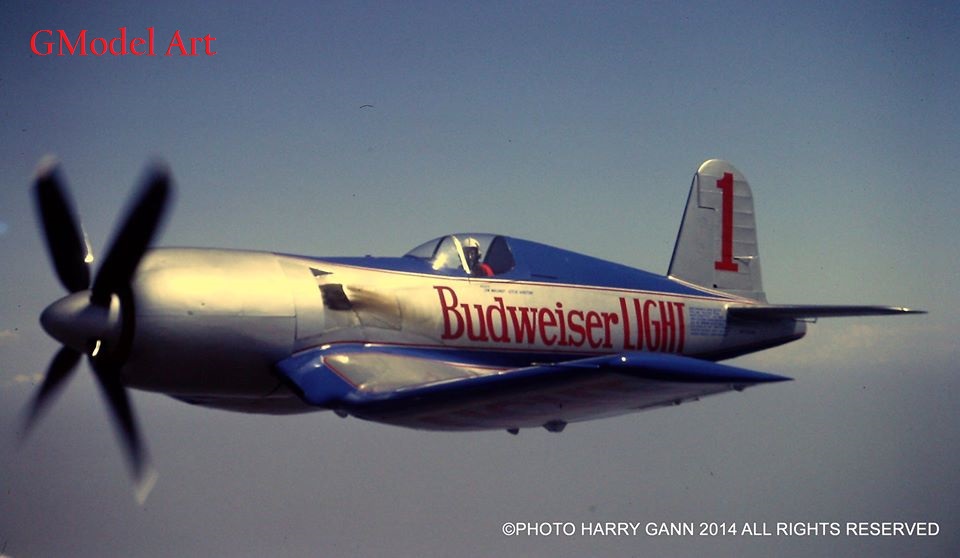
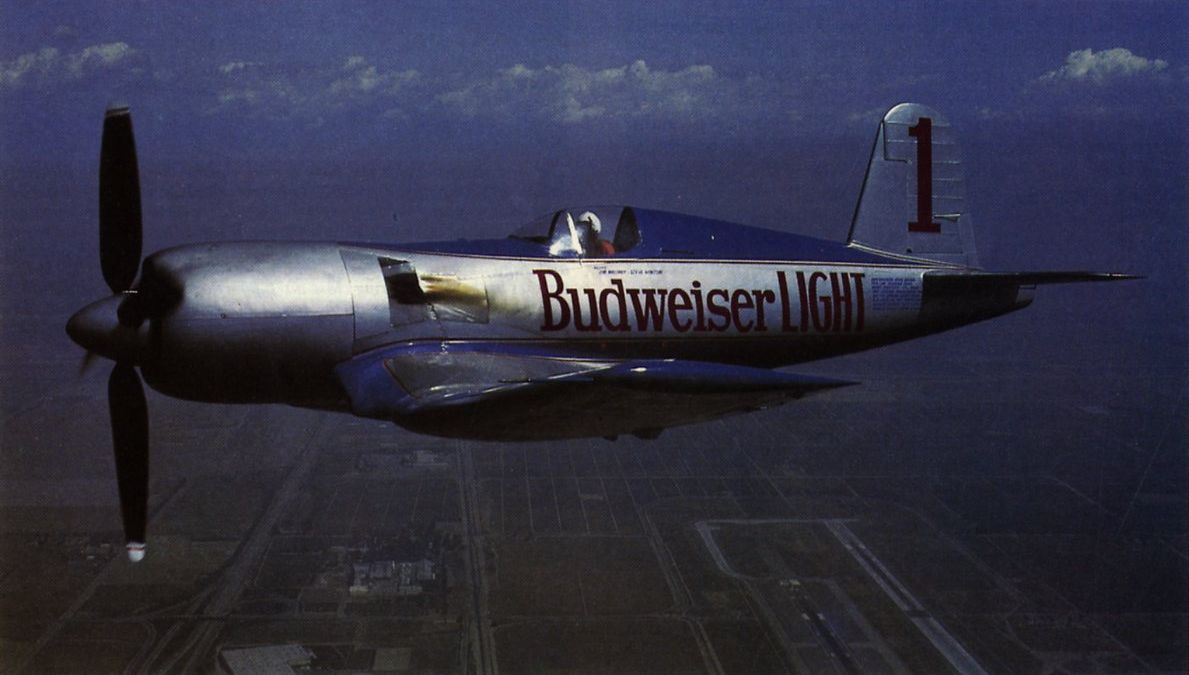
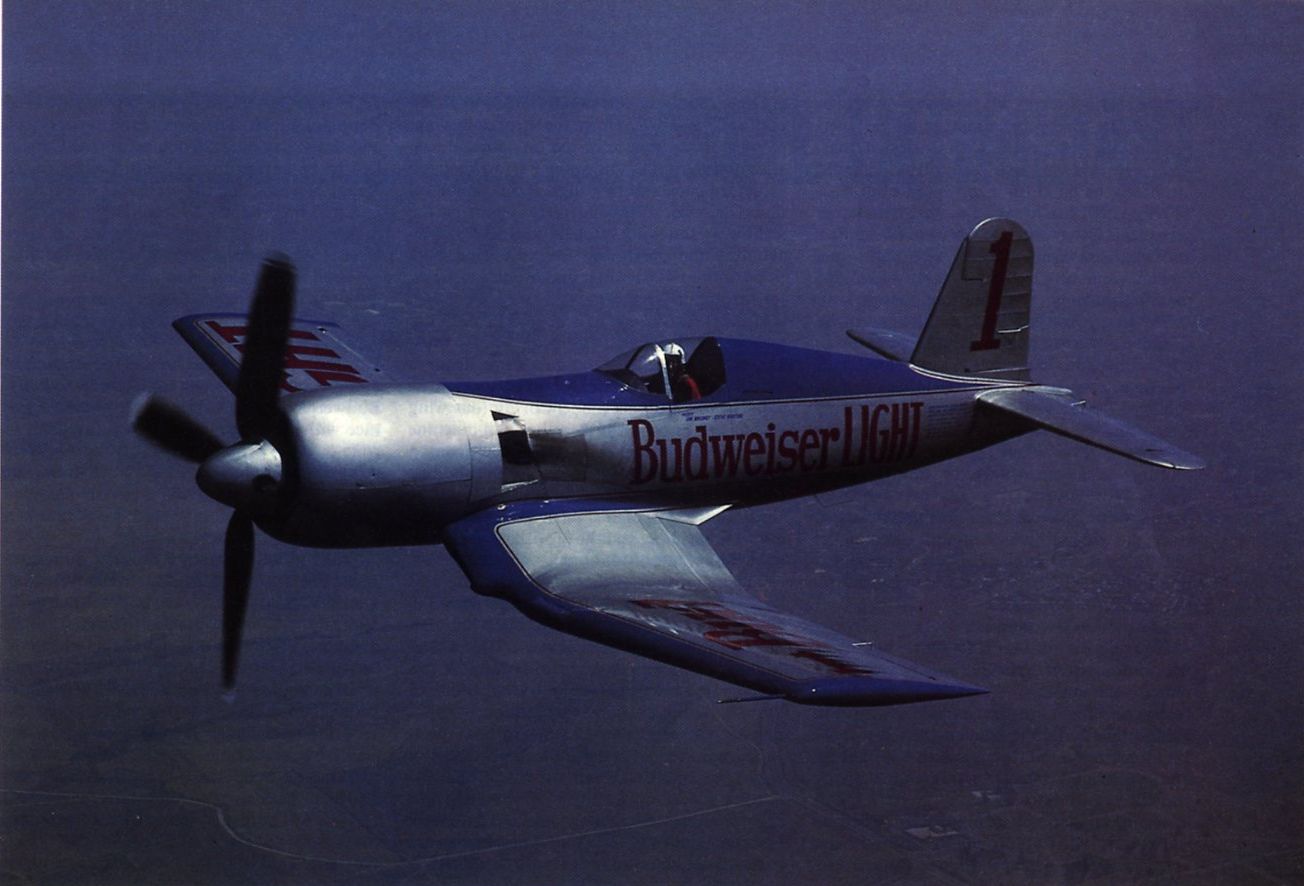
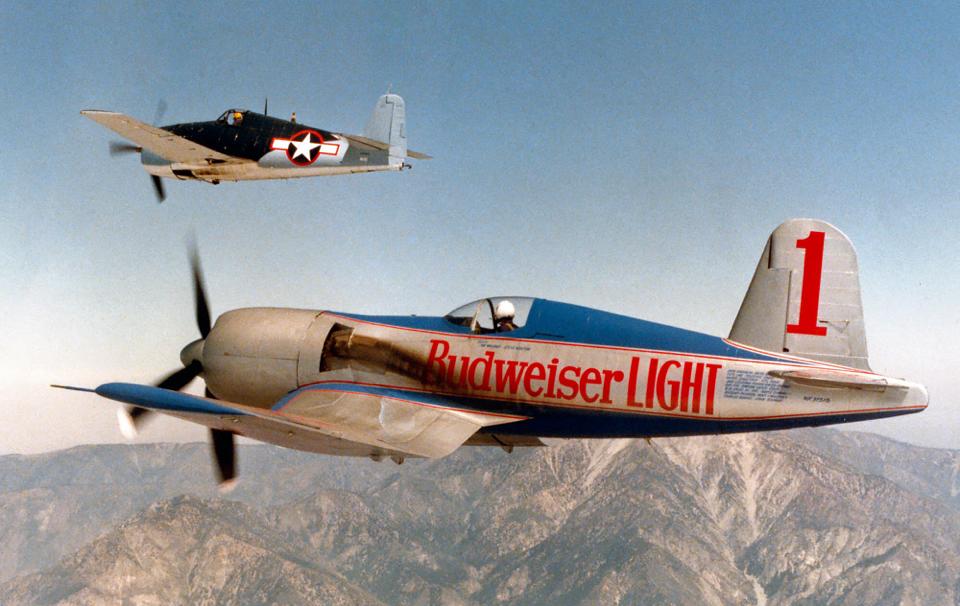
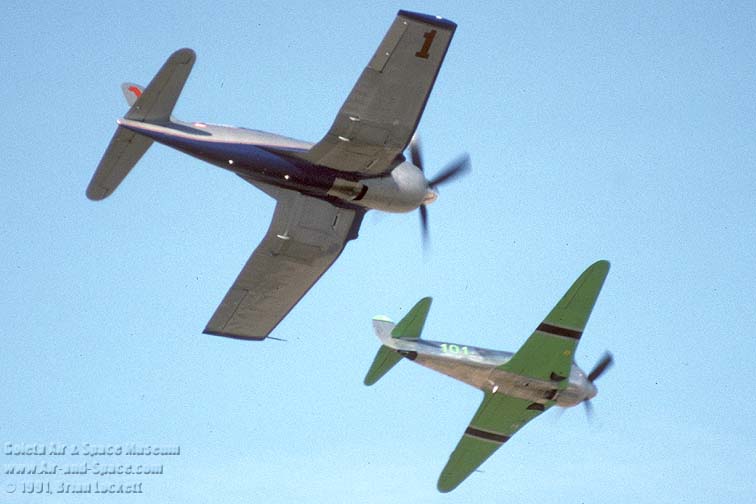
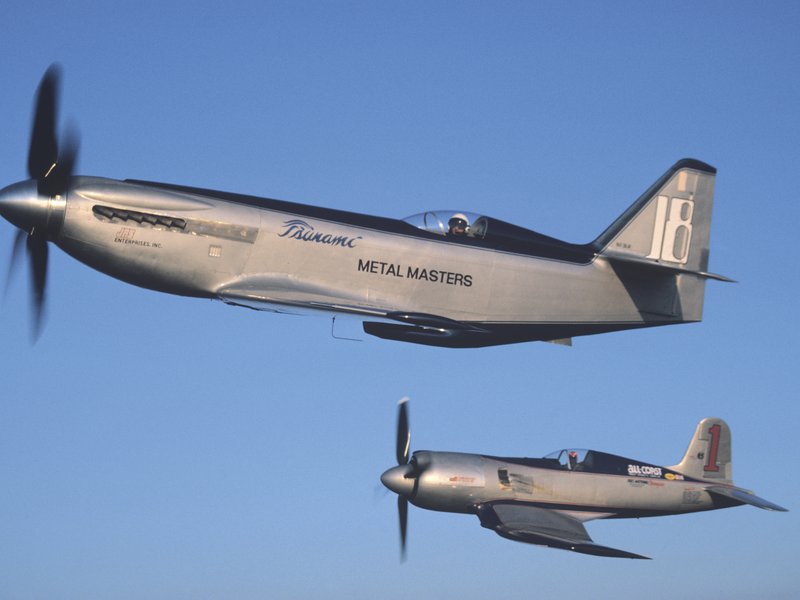
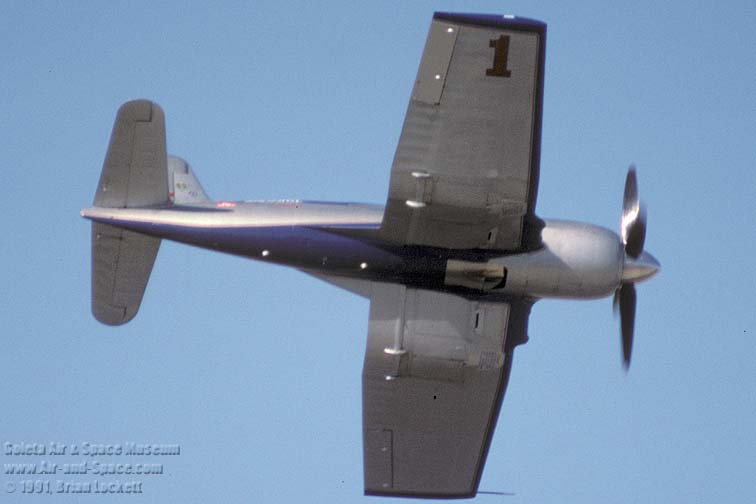
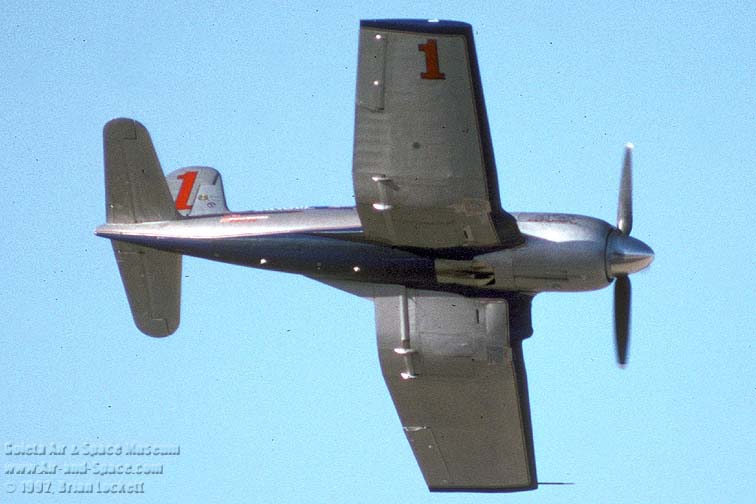
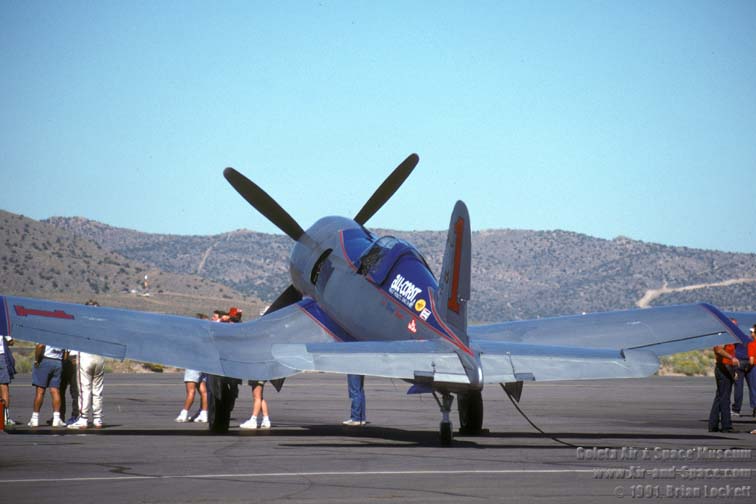
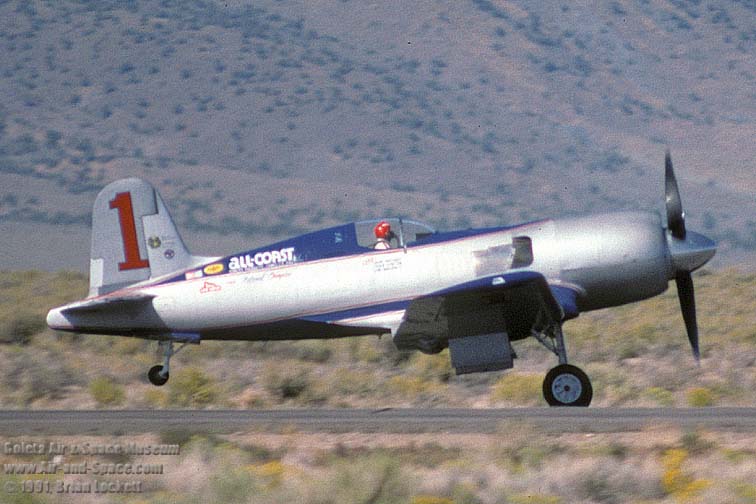
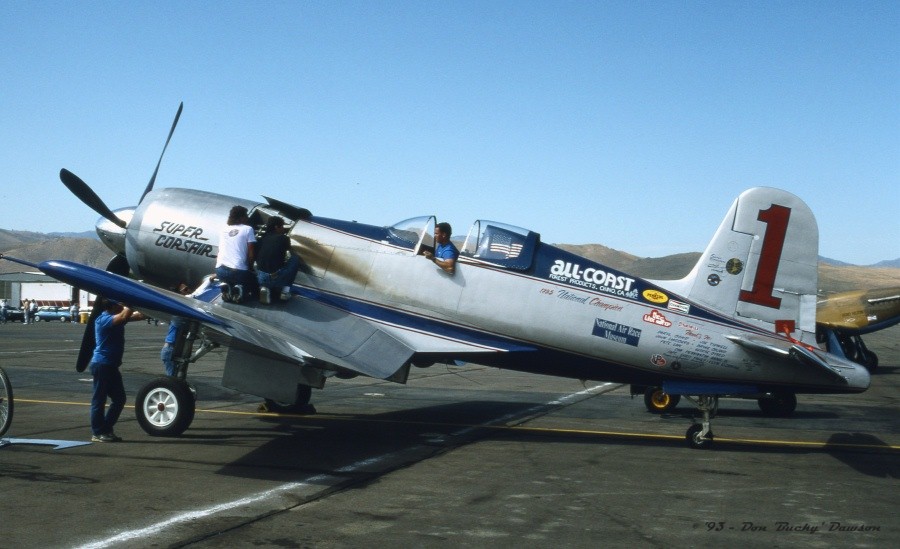
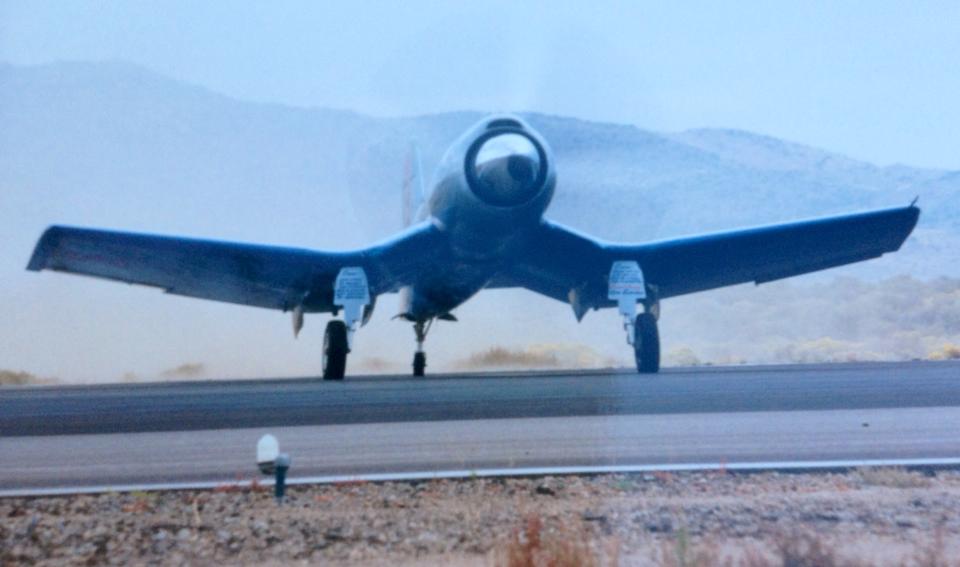
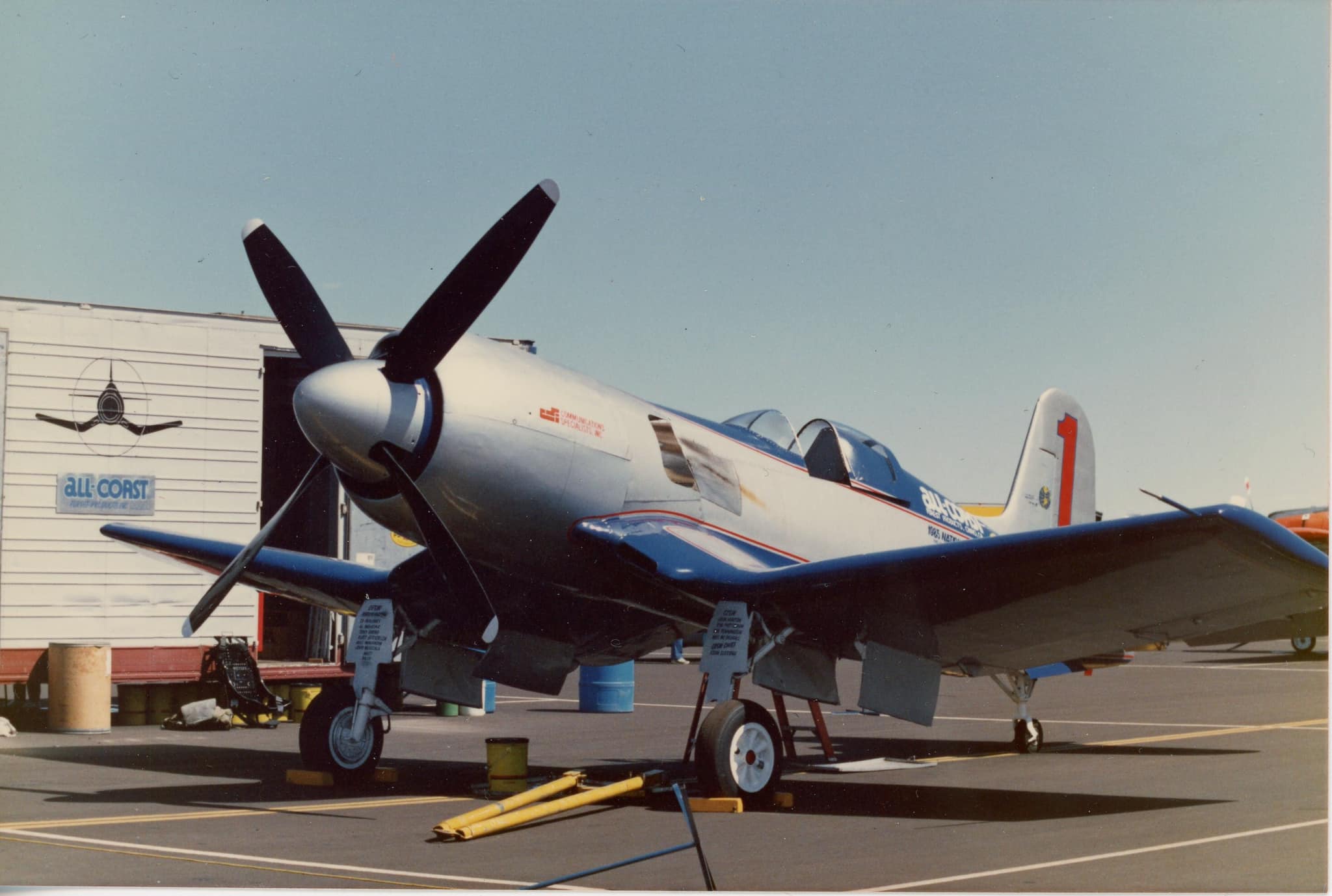
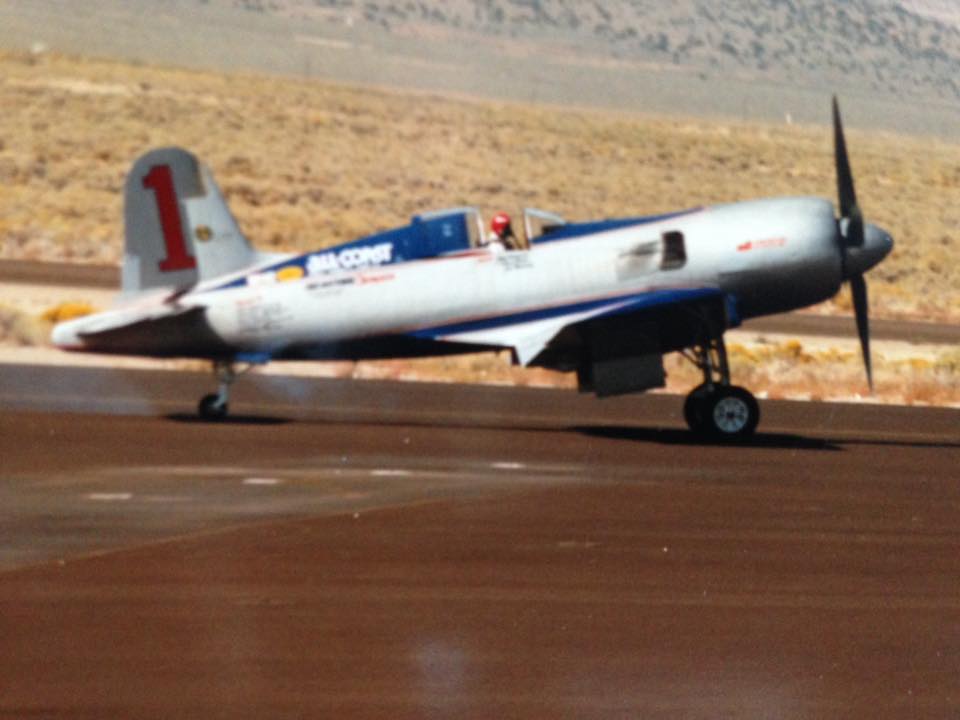
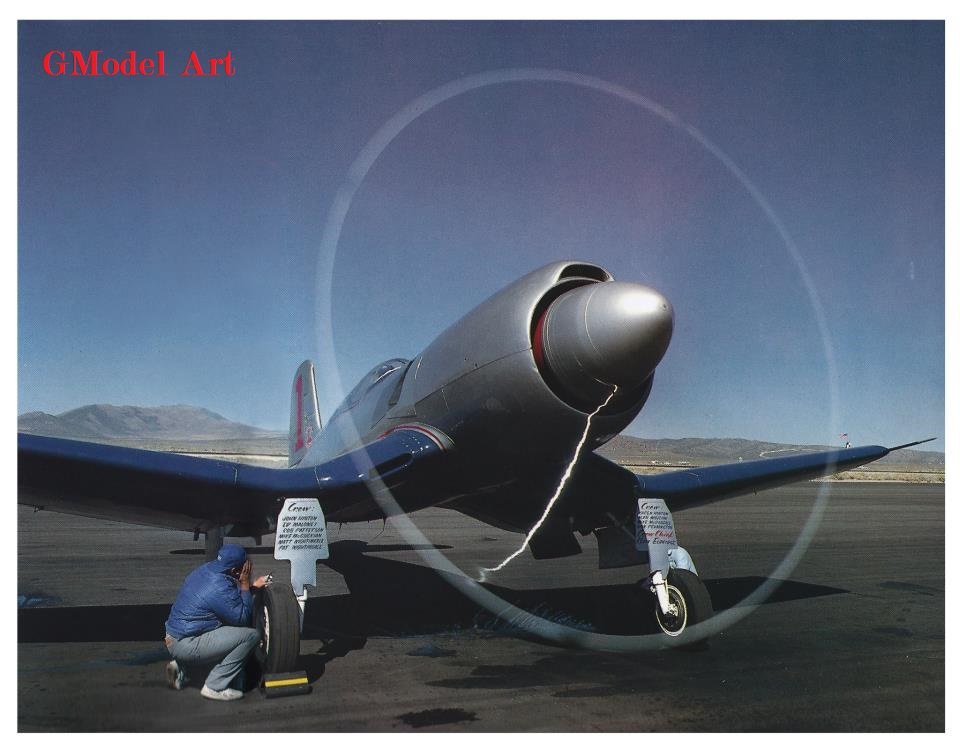
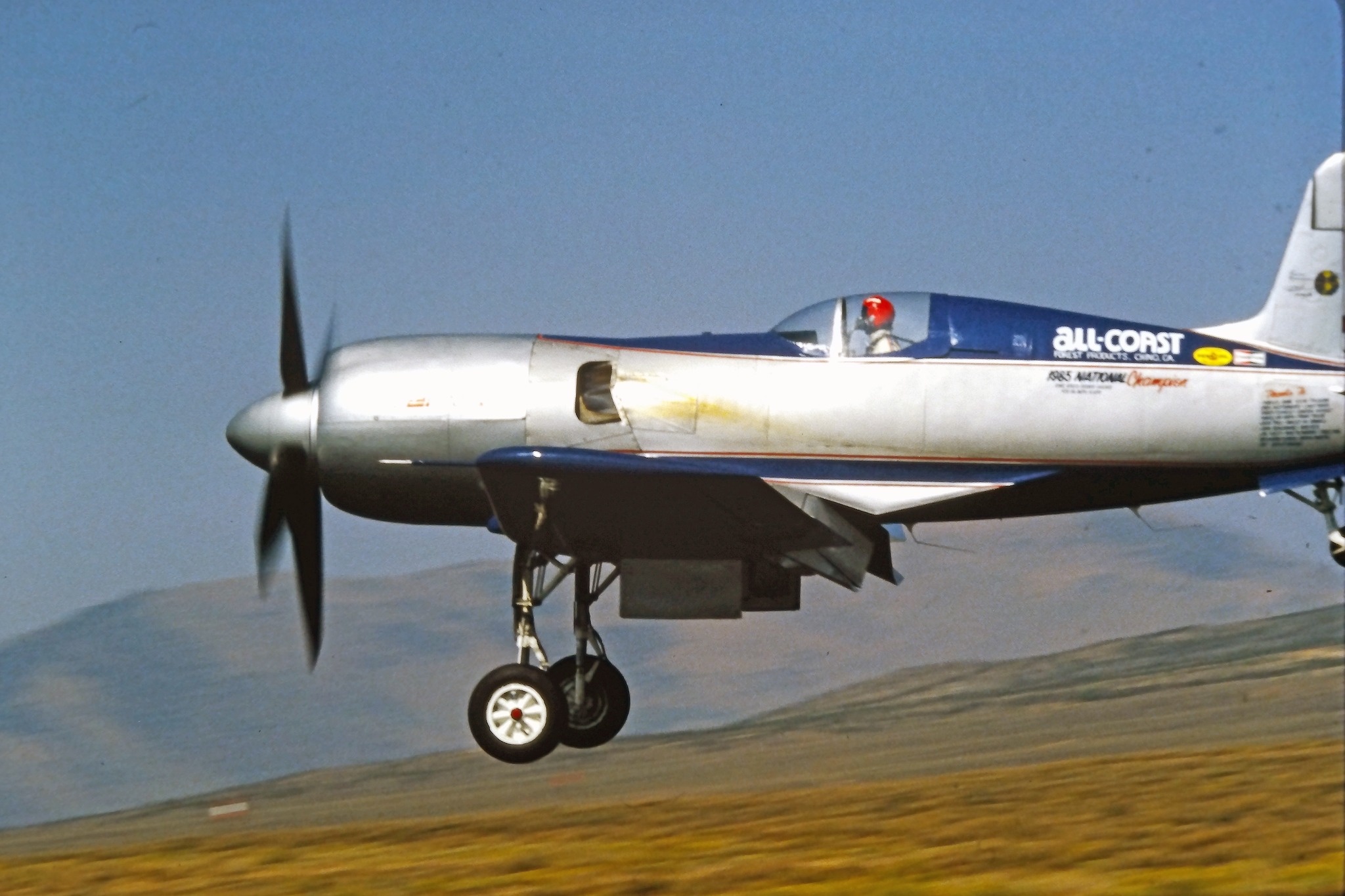
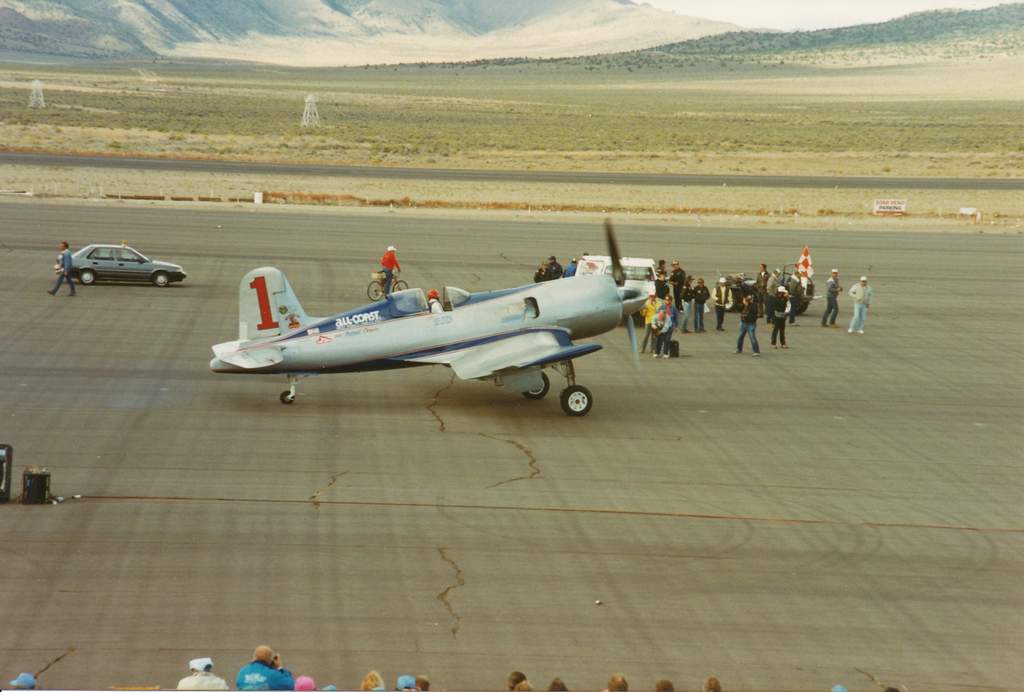
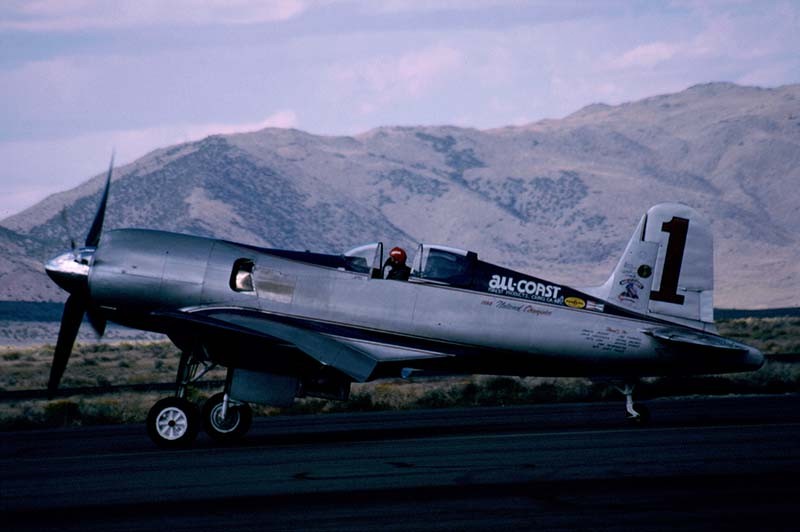
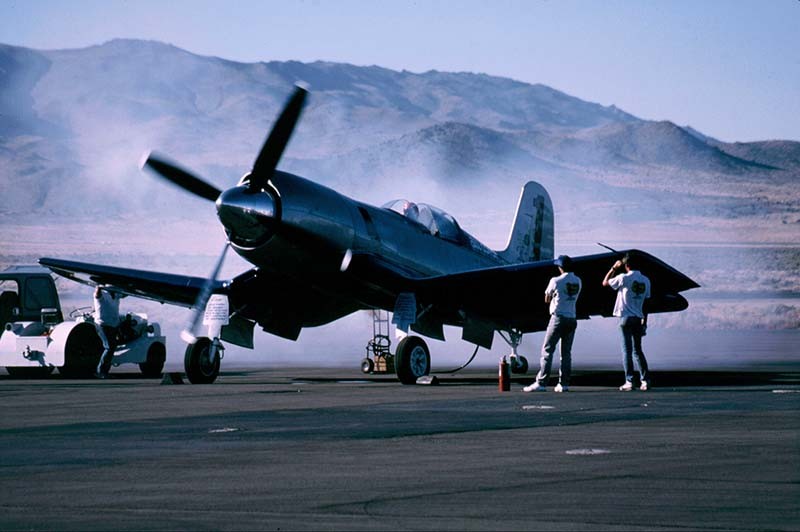
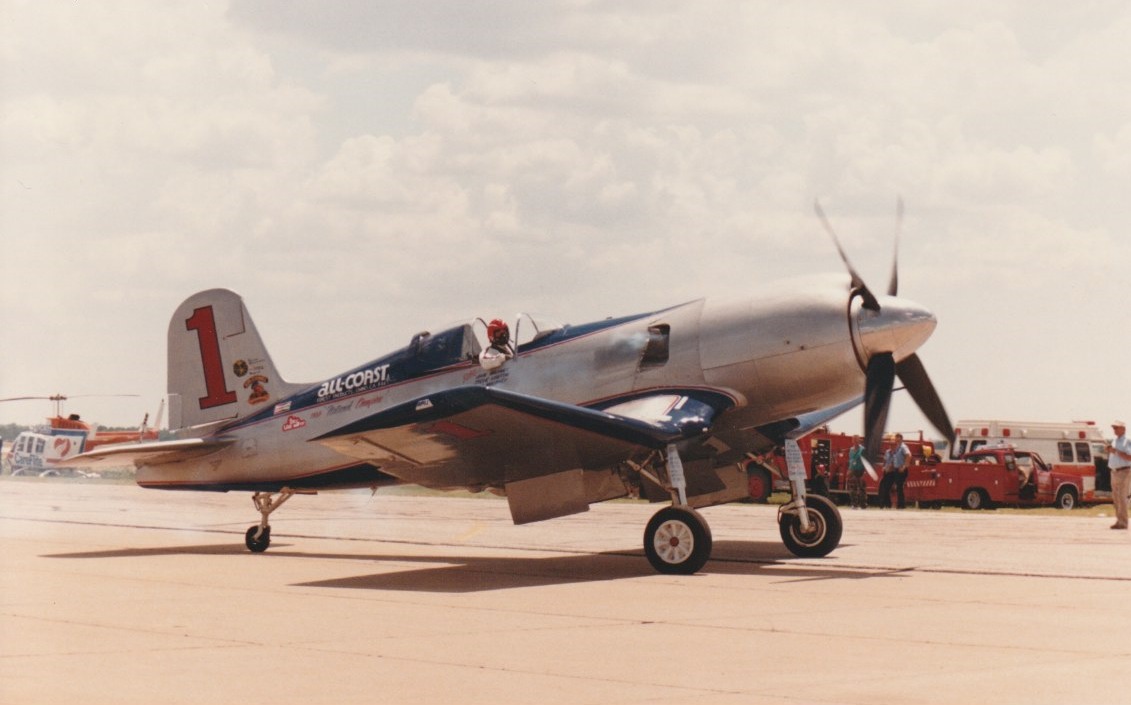
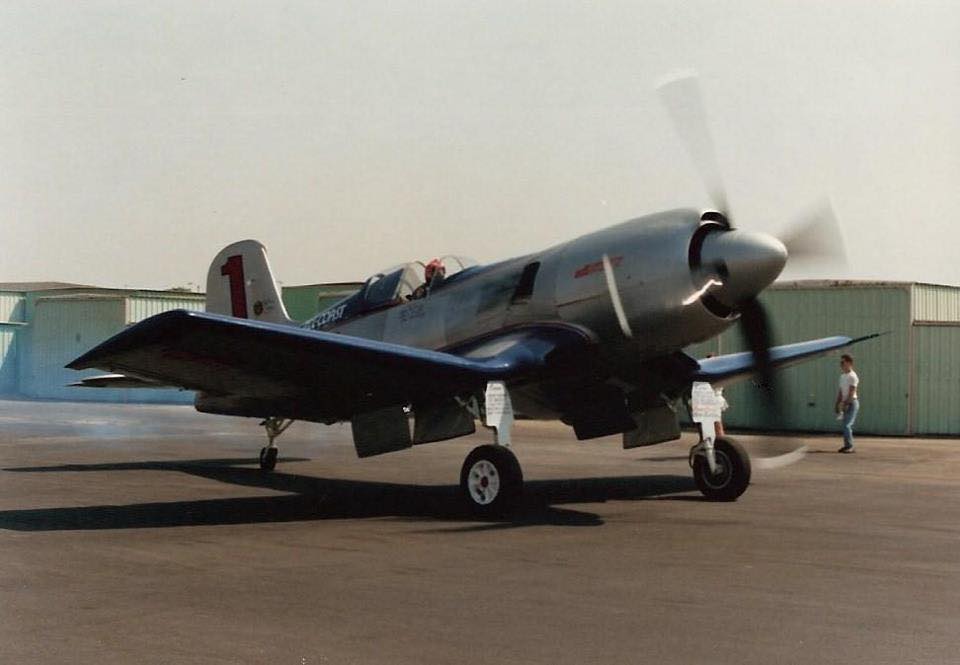
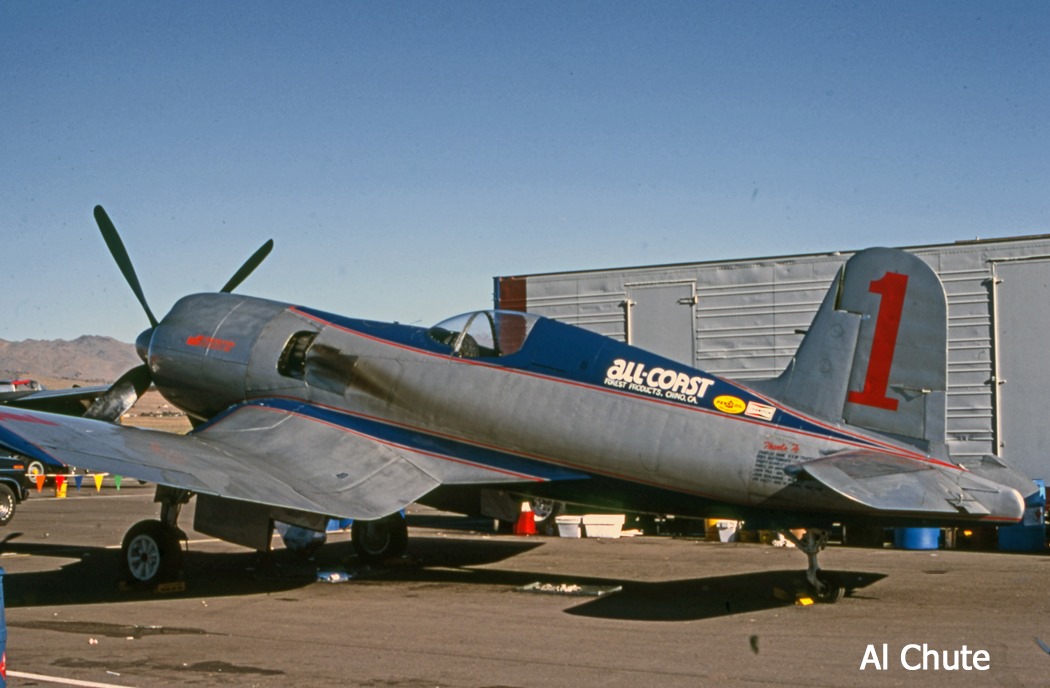
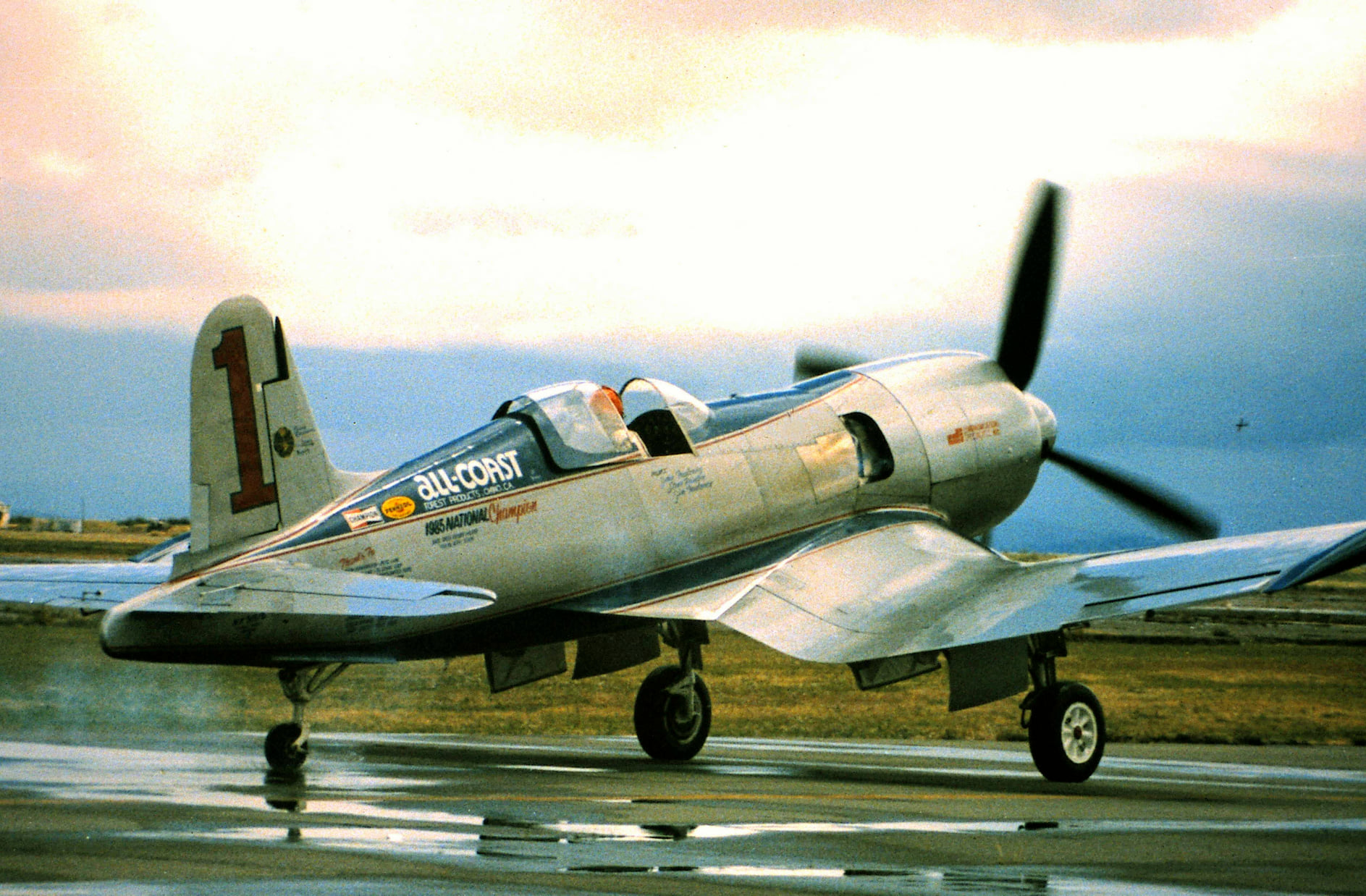
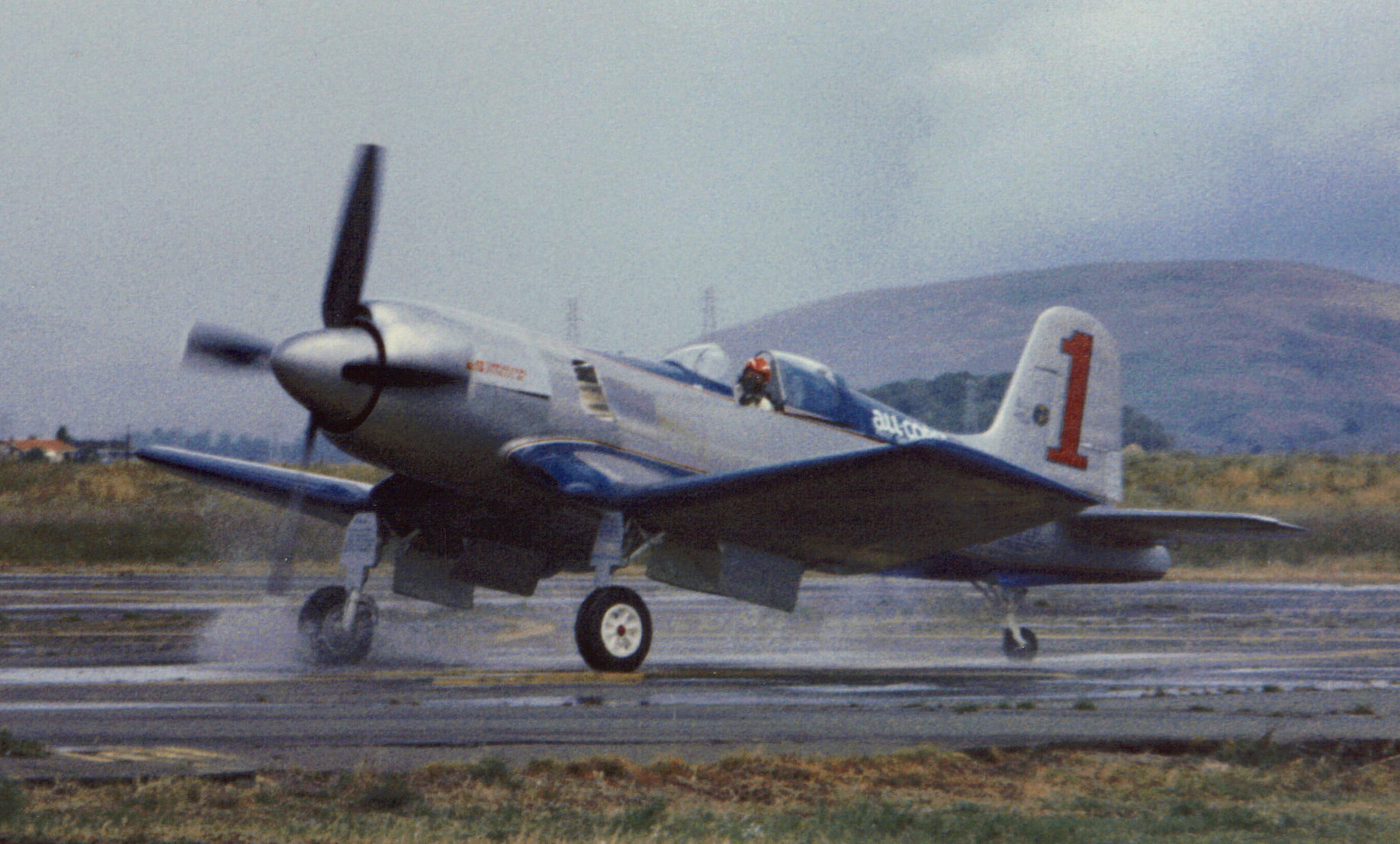
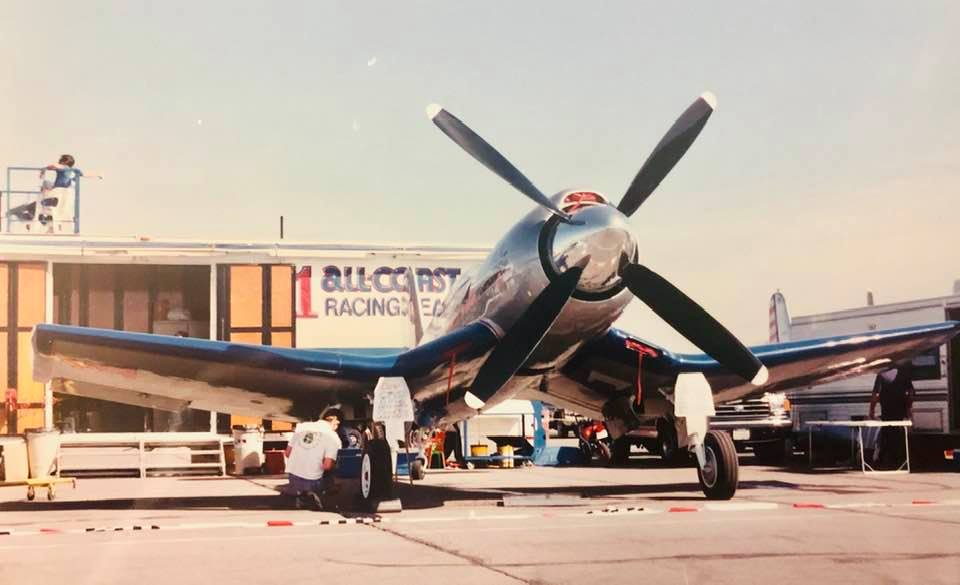
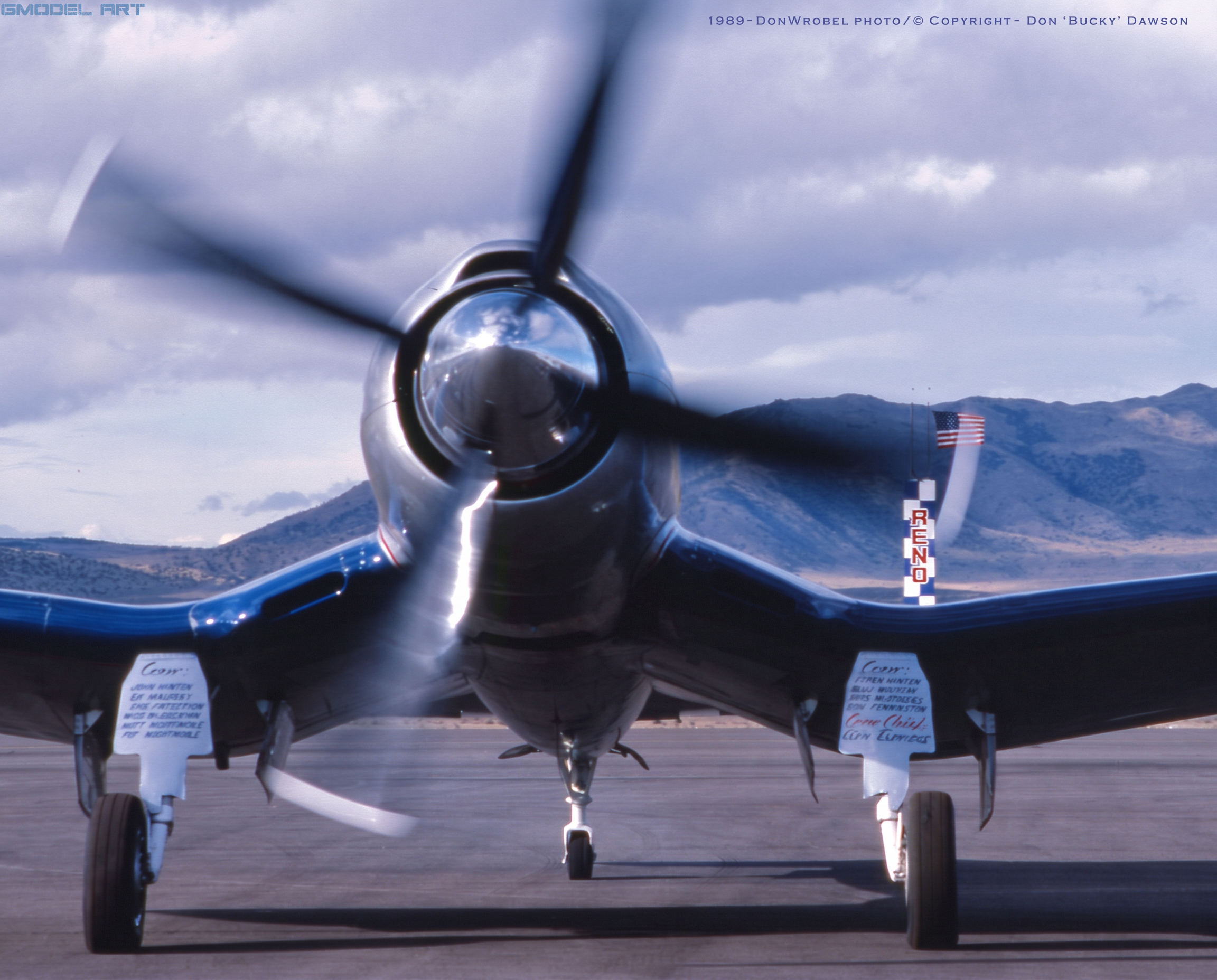
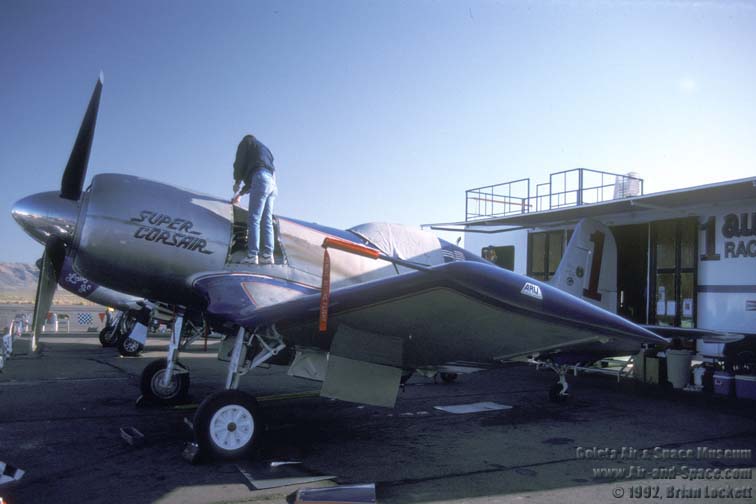
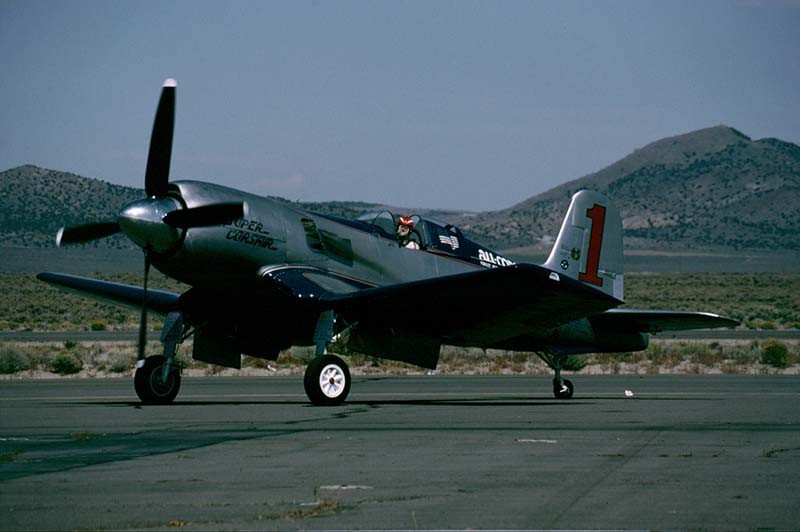
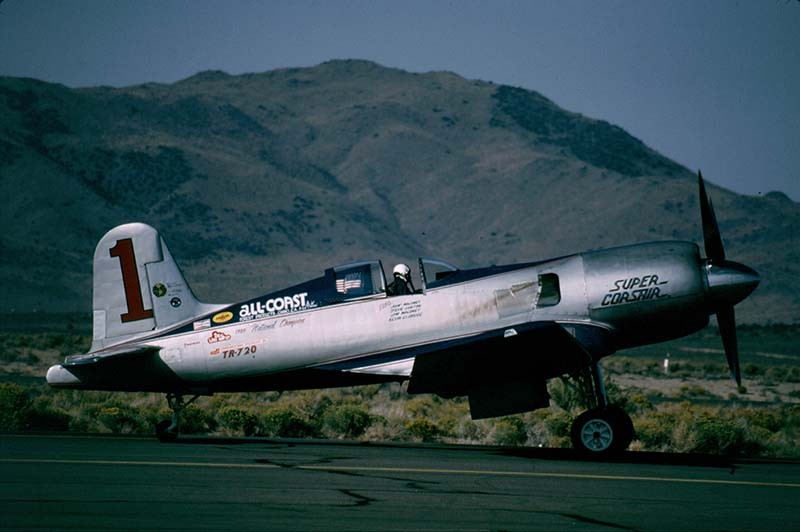
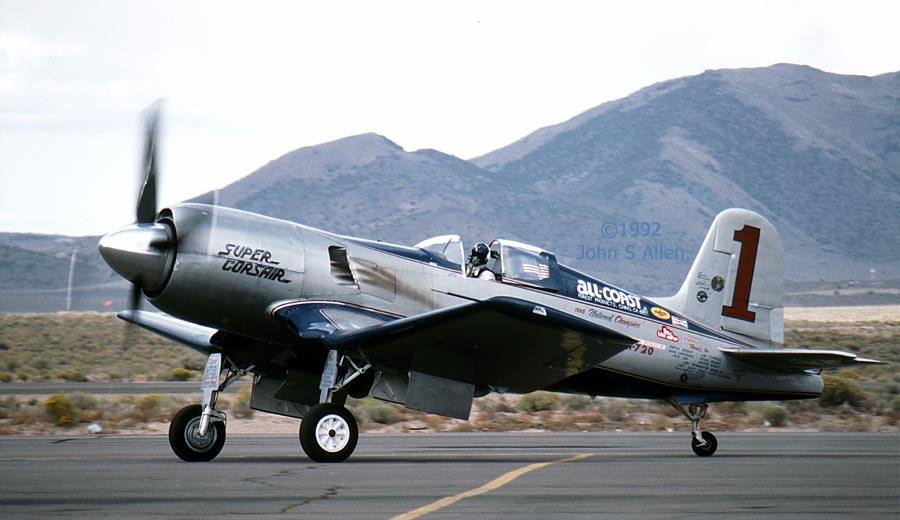
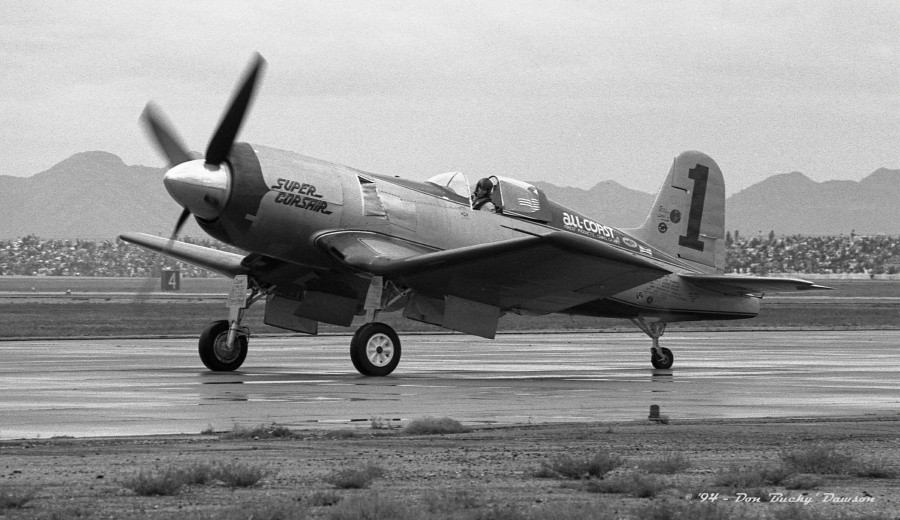
The story of the legendary F4u Super Corsair “Budweiser Light 1” (N31518) remains one of the most fascinating chapters in air racing history. It was far more than simply a modified Corsair; it represented a combination of engineering ambition, aviation passion, and the determination to recreate the spirit of the famous F2G Super Corsair.
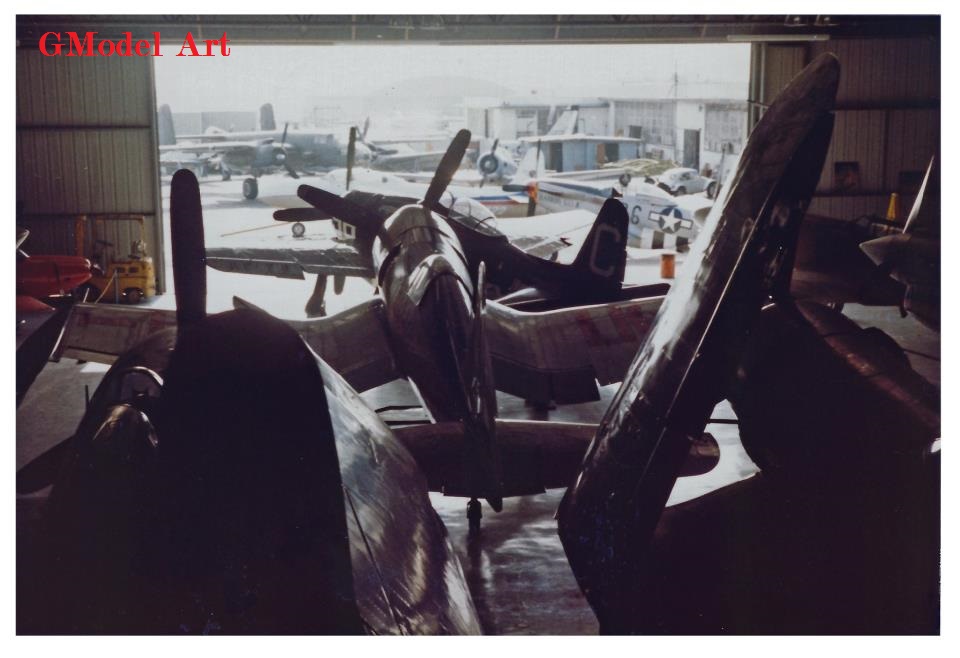
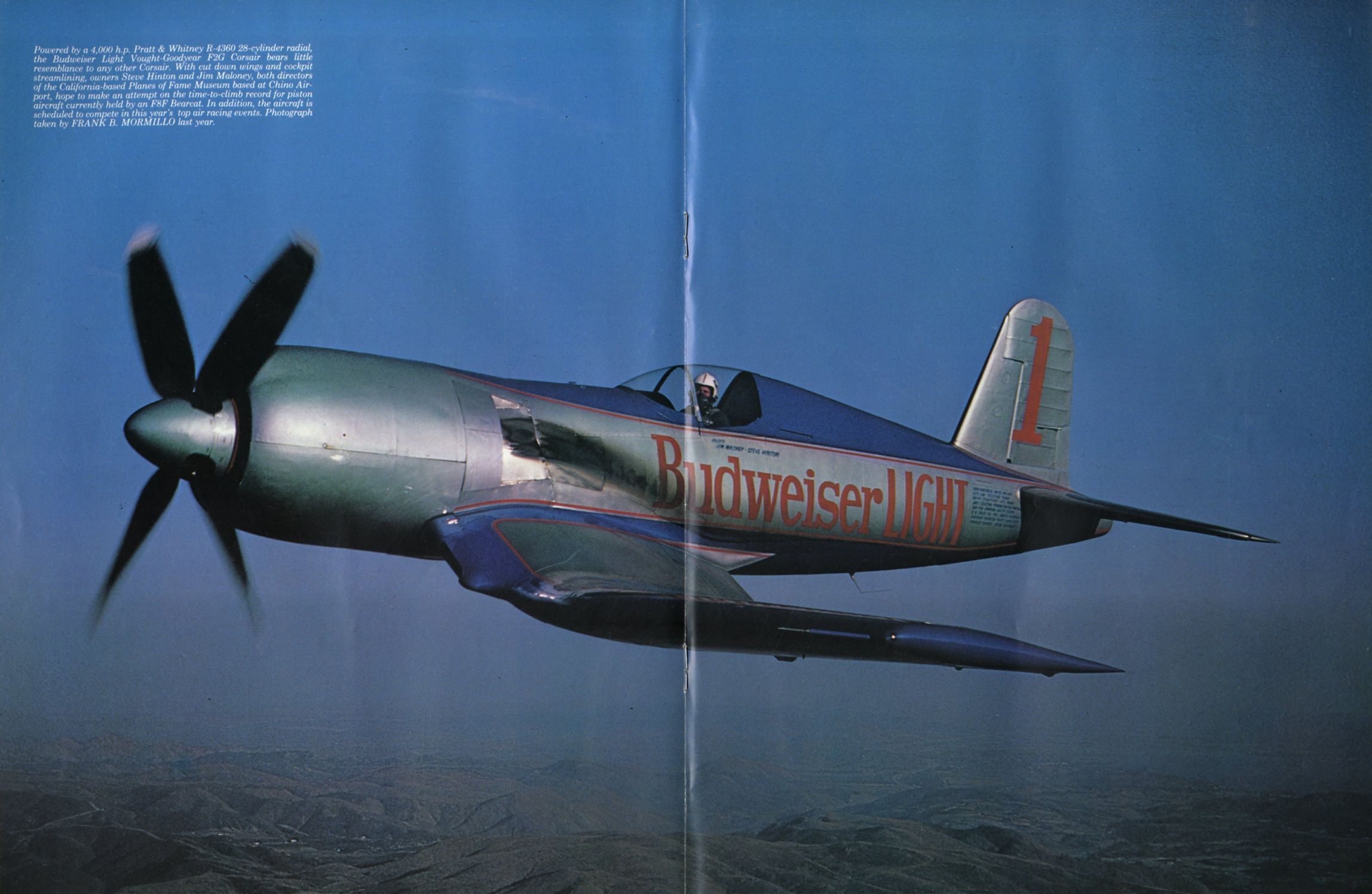
For many aviation and scale modeling enthusiasts, the Super Corsair became the ultimate symbol of piston-engine performance. Personally, my fascination with this aircraft began many years ago after discovering a February 1983 issue of Aircraft Illustrated magazine. The article presented a remarkable racing F4u Corsair unlike anything I had ever seen before.
From that moment, it was love at first sight. In many ways, that article itself became one of the reasons I eventually entered the world of scale modeling.
The Legendary F4u Corsair
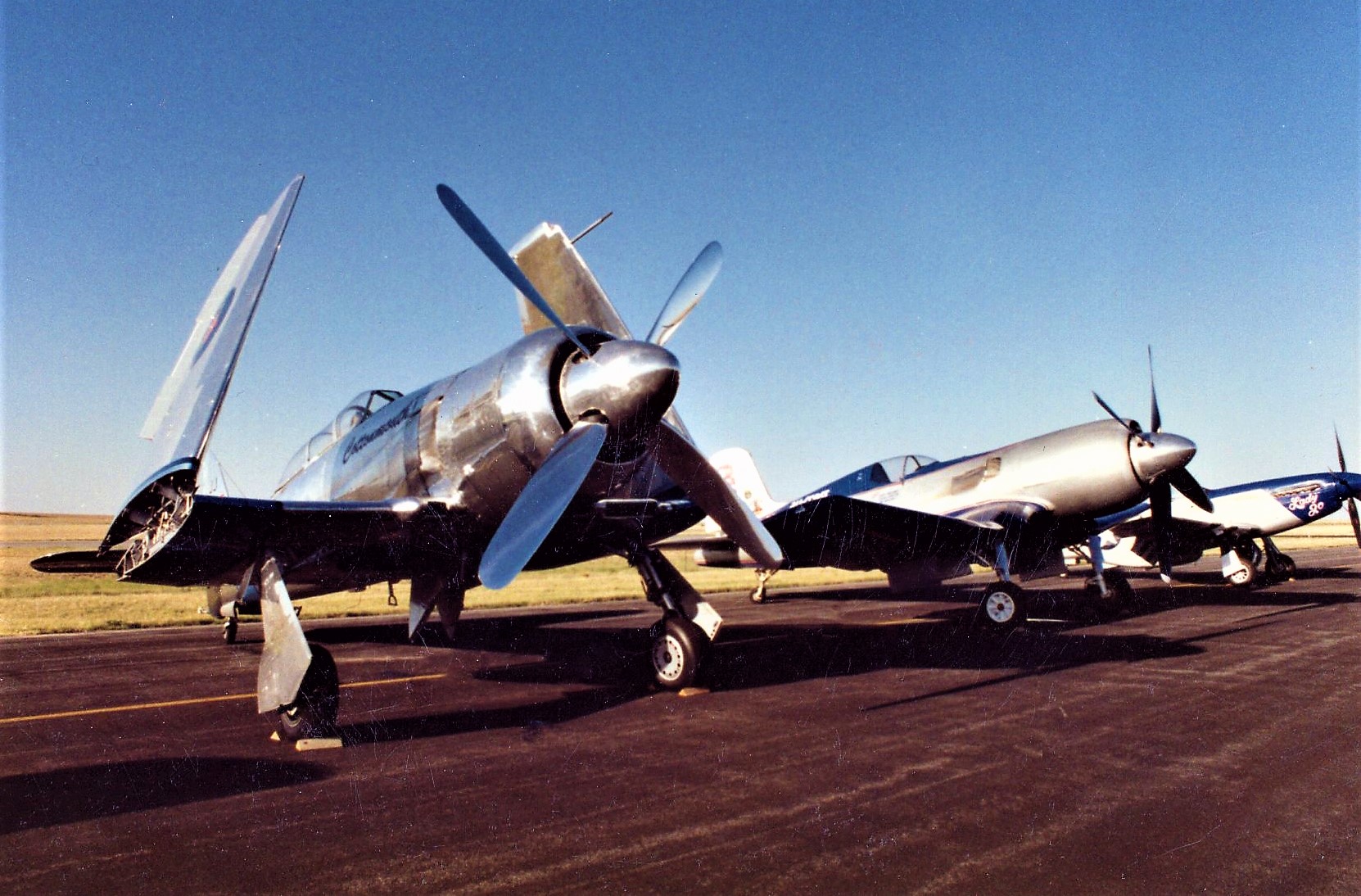
The Vought F4u Corsair remains one of the most recognizable aircraft ever built. With its distinctive inverted gull wings, impressive speed, and exceptional combat performance during World War II, the Corsair established itself as one of the most successful fighter aircraft operated by the United States Navy and Marine Corps.
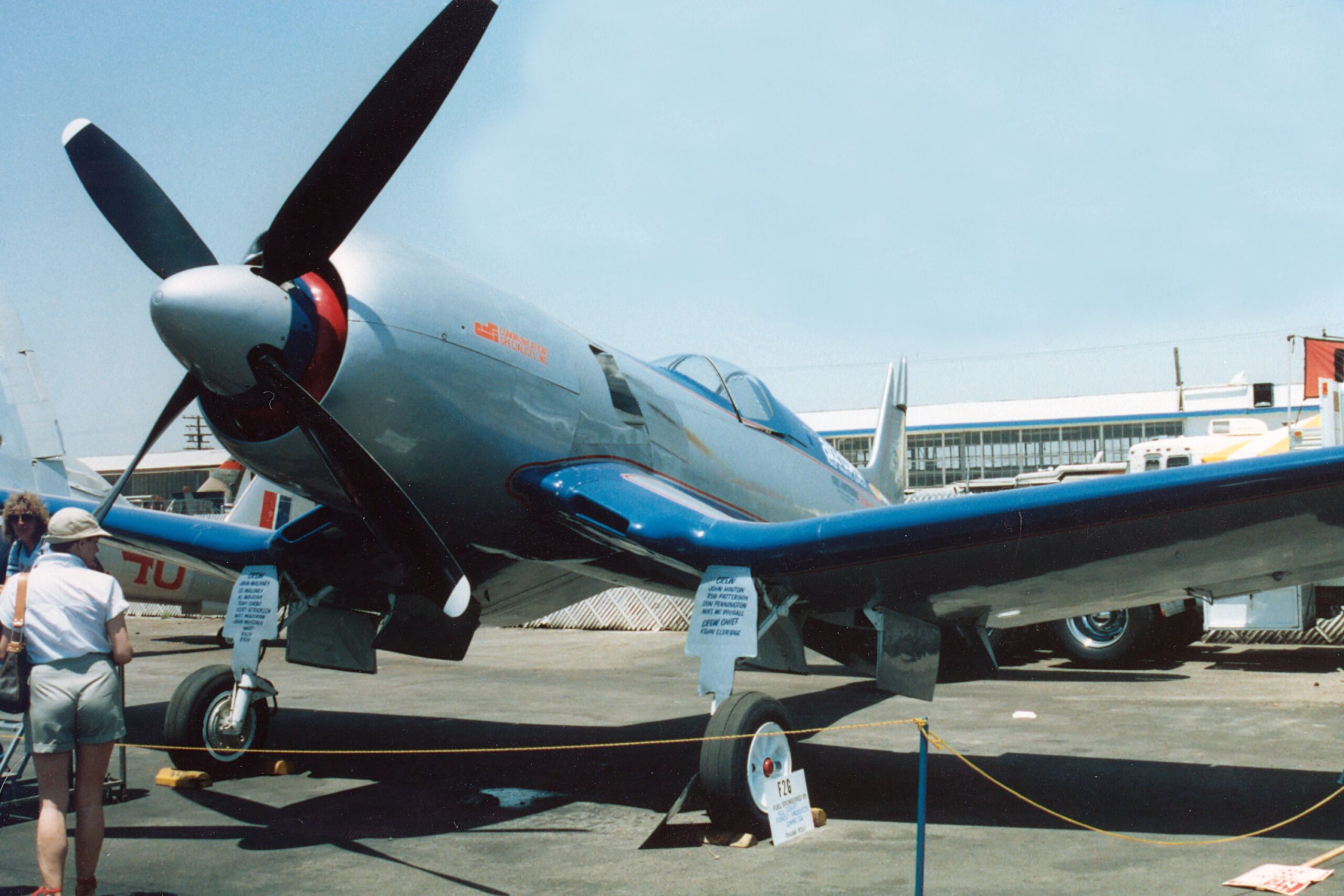
Later came the F2G Super Corsair program, where Goodyear engineers installed the massive Pratt & Whitney R-4360 Wasp Major engine into modified Corsair airframes. The goal was to create a high-performance interceptor capable of countering the increasing threat of Japanese attacks during the final stages of the war.
Only approximately seventeen aircraft were completed before World War II ended. The program never reached full operational combat service, but after the war some of the surviving aircraft eventually found their way into air racing, creating the legend of the Reno Super Corsairs.
Recreating the Super Corsair Dream
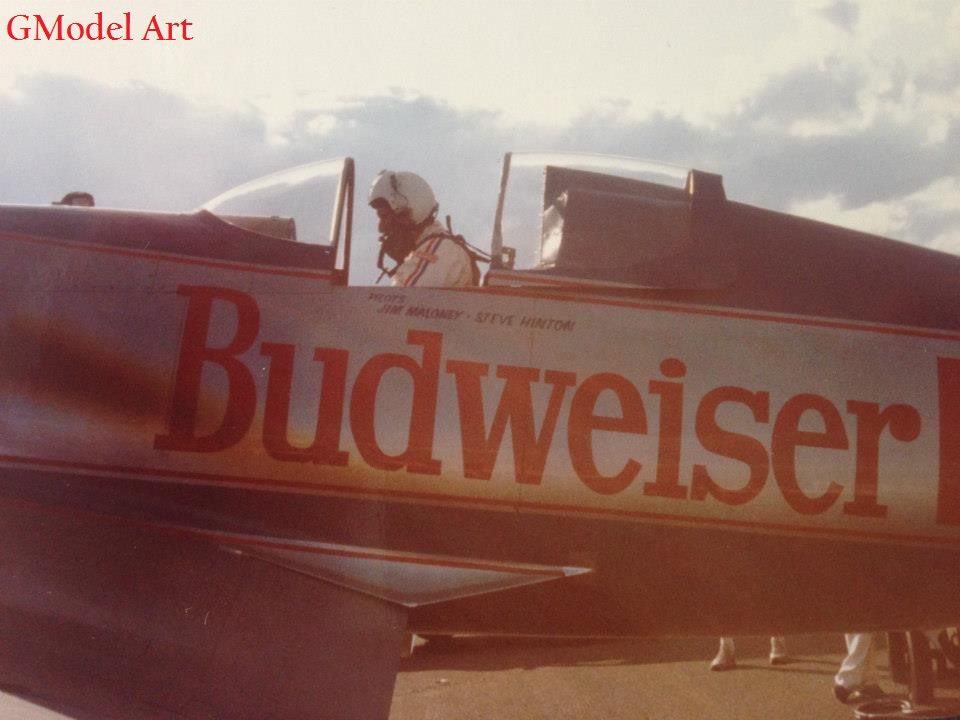
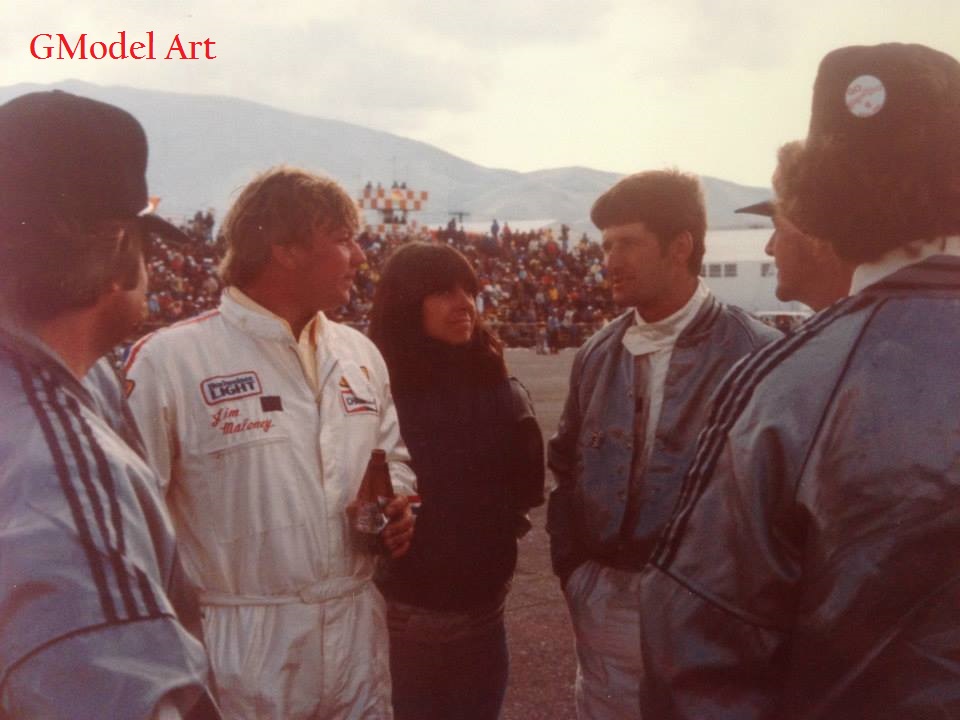
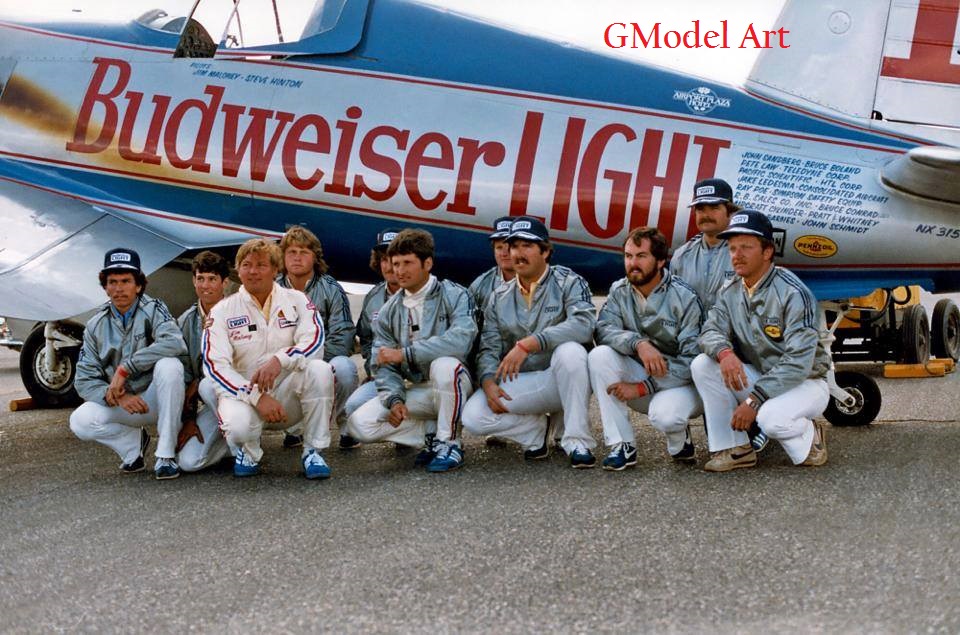
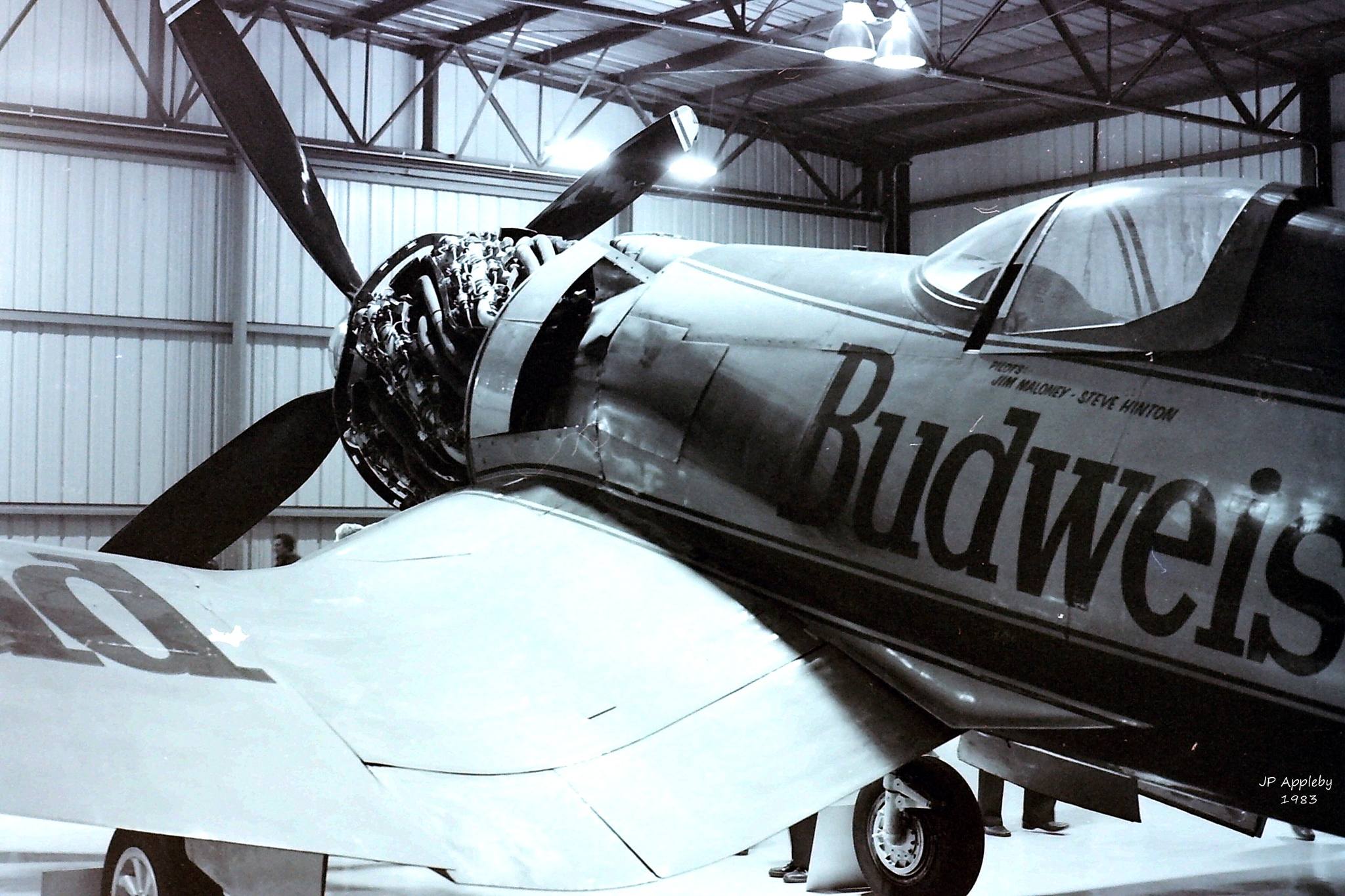
Years later, Jim “Chino Kid” Maloney and Steve Hinton began developing an ambitious project: creating a modern racing aircraft inspired by the legendary F2G Super Corsair.
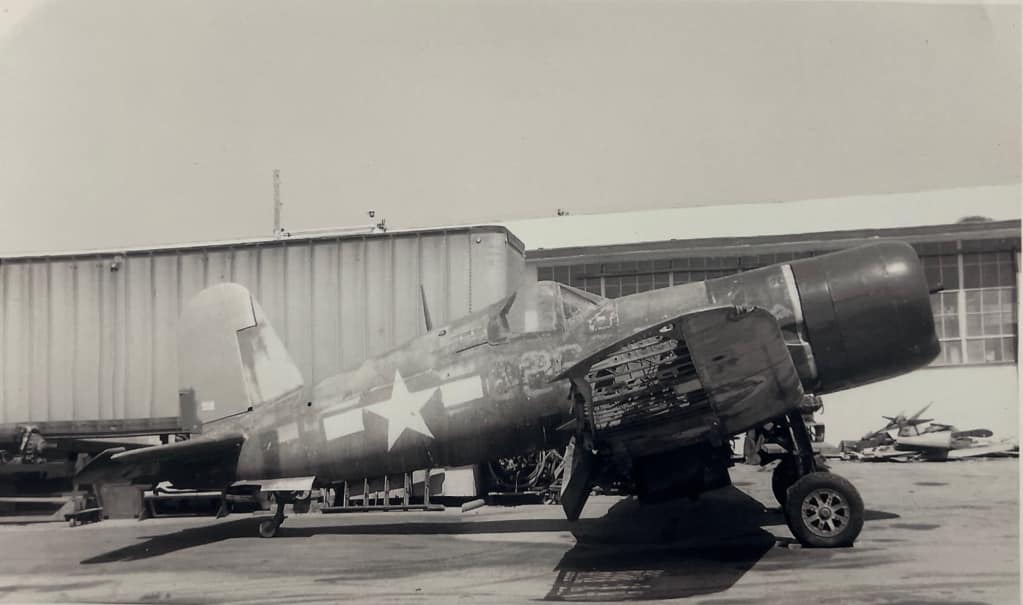
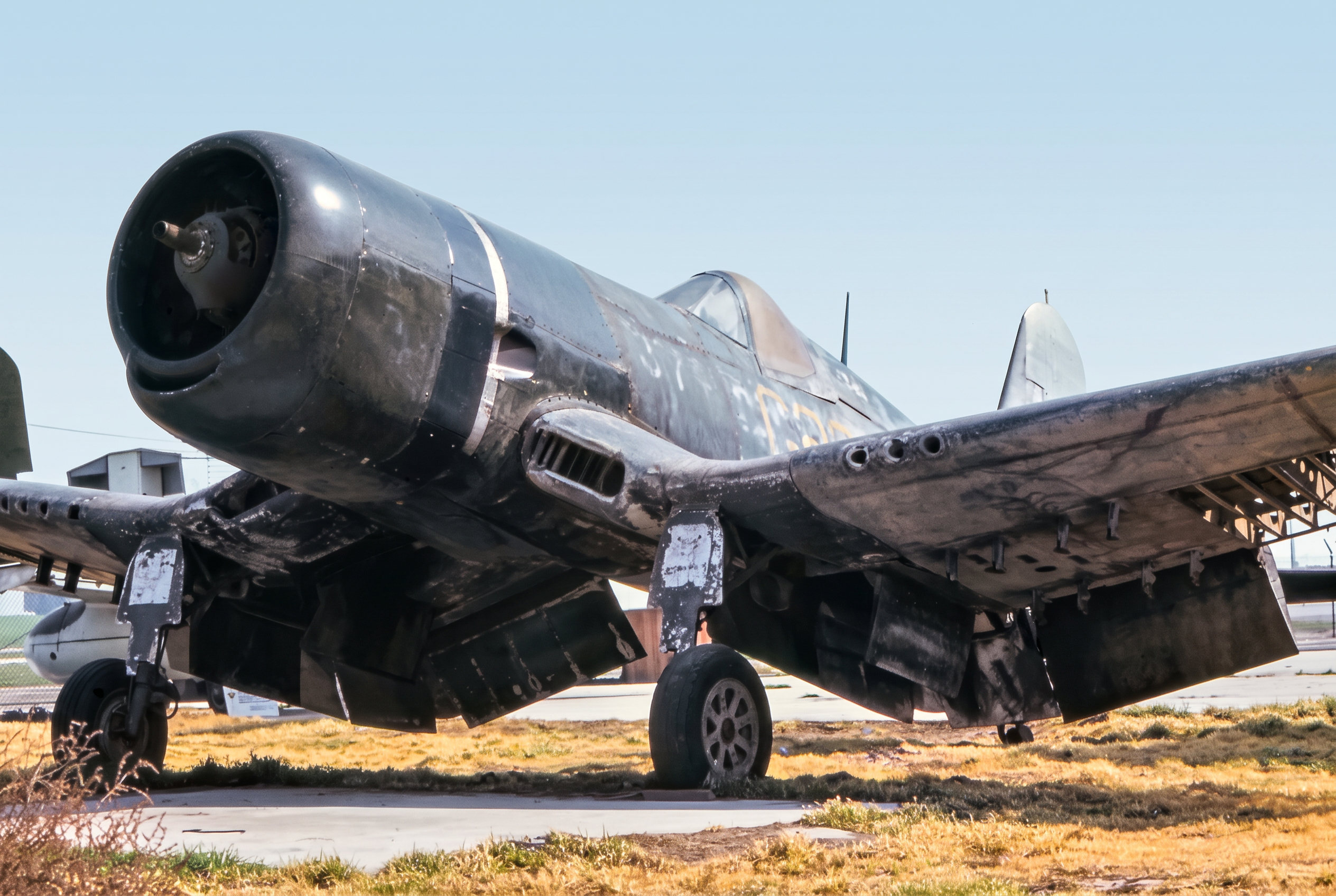
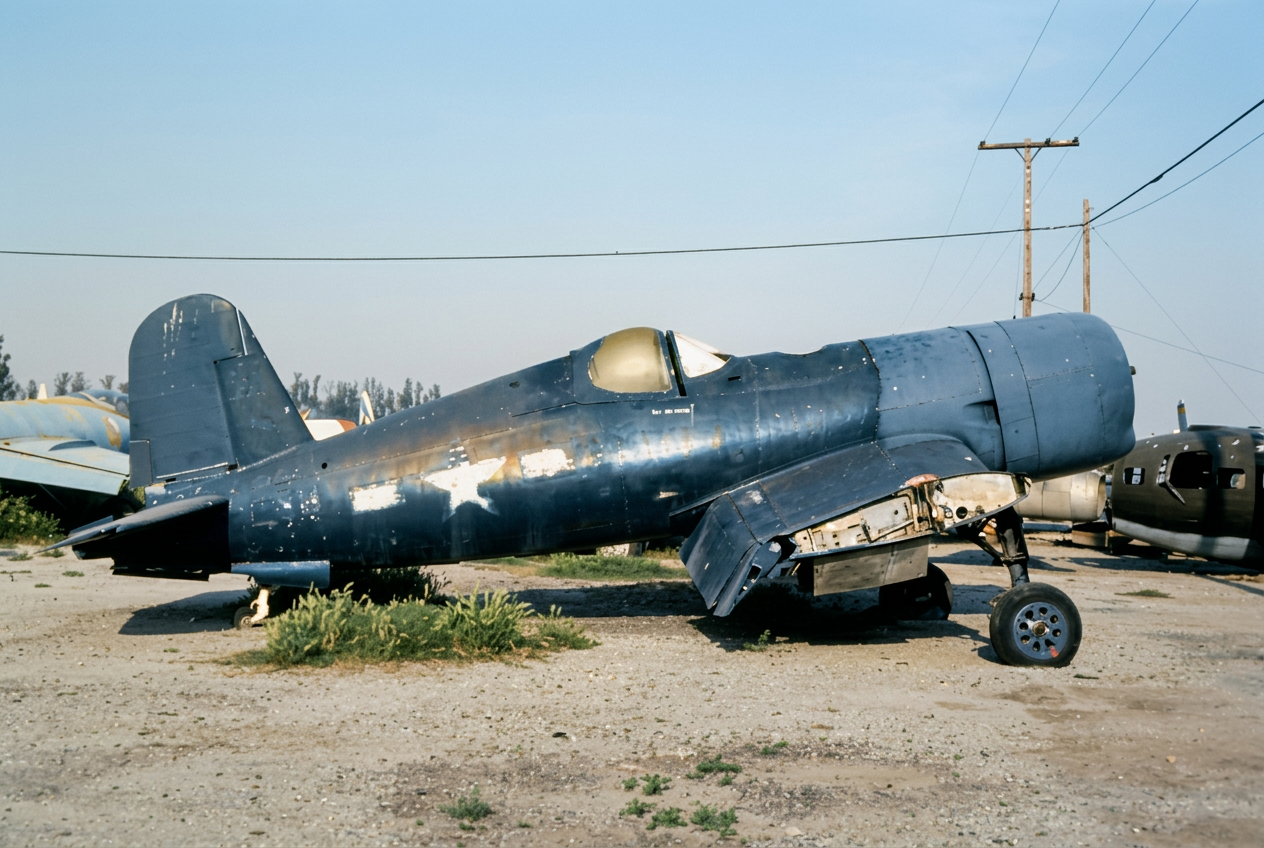
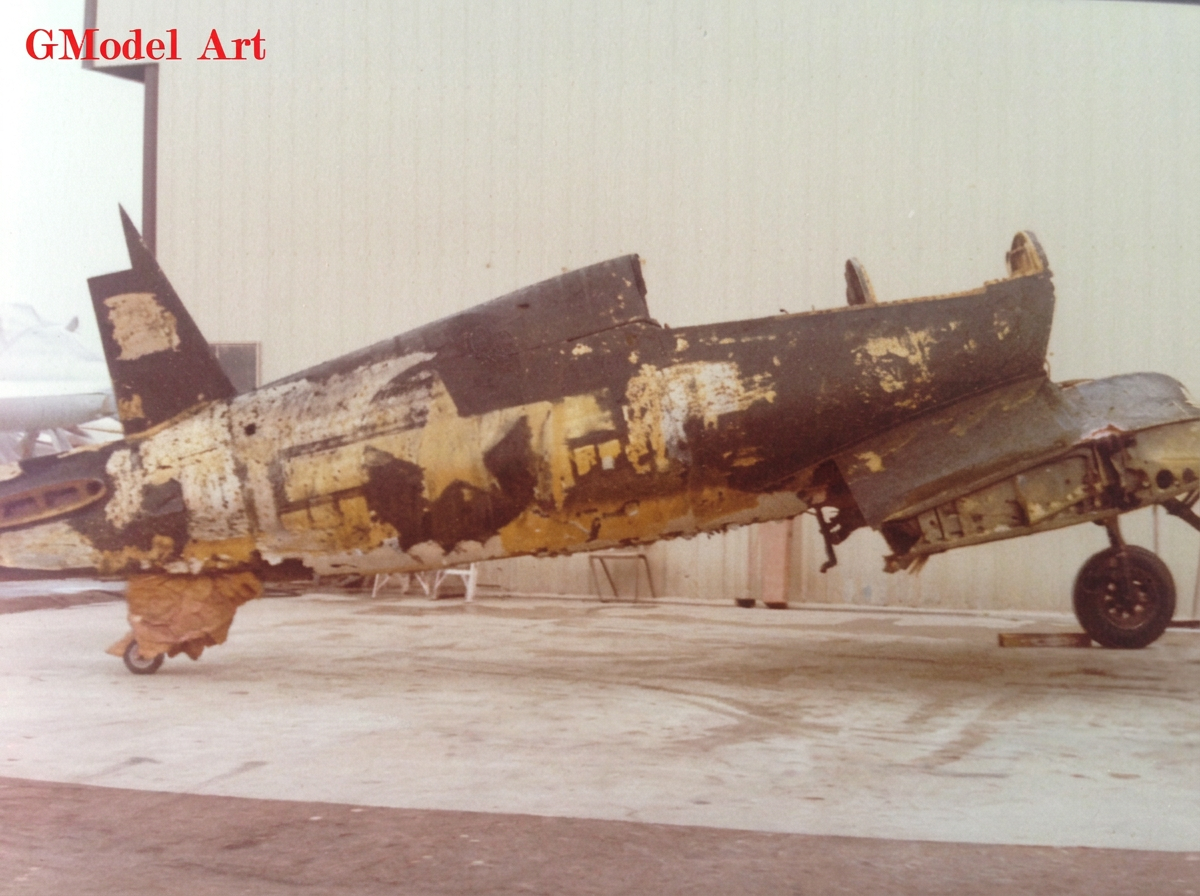
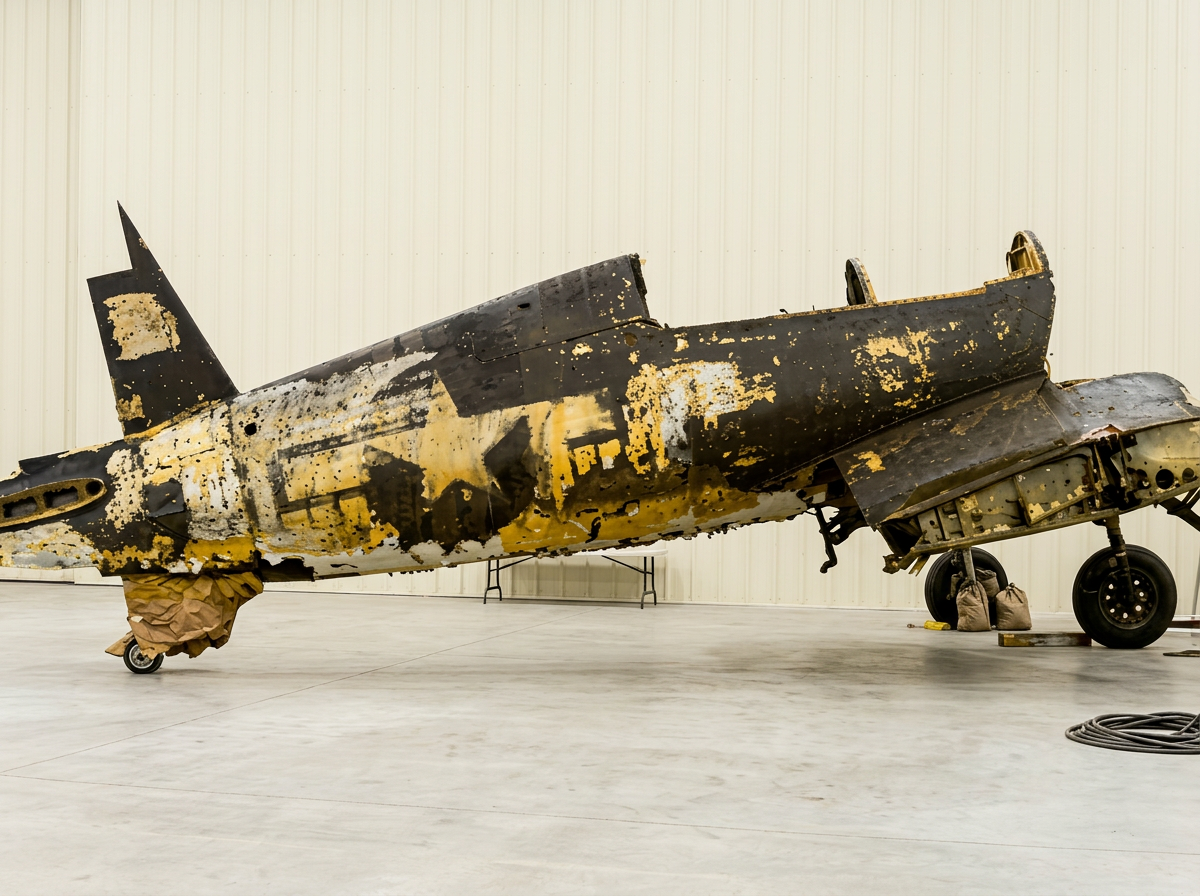
Over the years, many conflicting stories circulated regarding the origins of the aircraft used for the project. Historical information later clarified that the project was based around an original F4u-1A Corsair airframe.
However, the original BuNo (Bureau Number) and data plate information have never been publicly released. As a result, the true identity of the original aircraft remains one of the remaining mysteries surrounding the Super Corsair project.
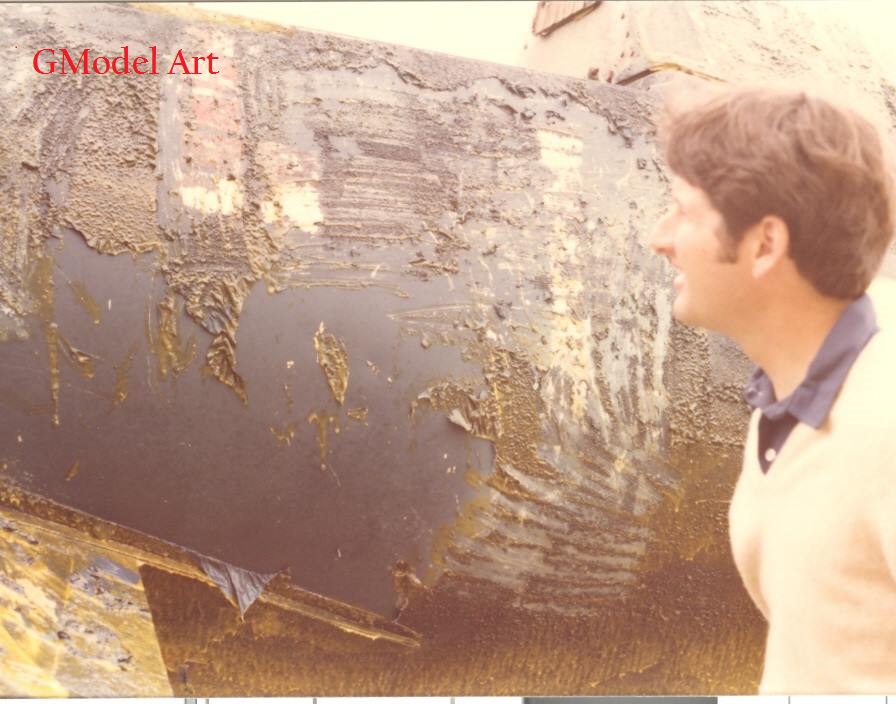
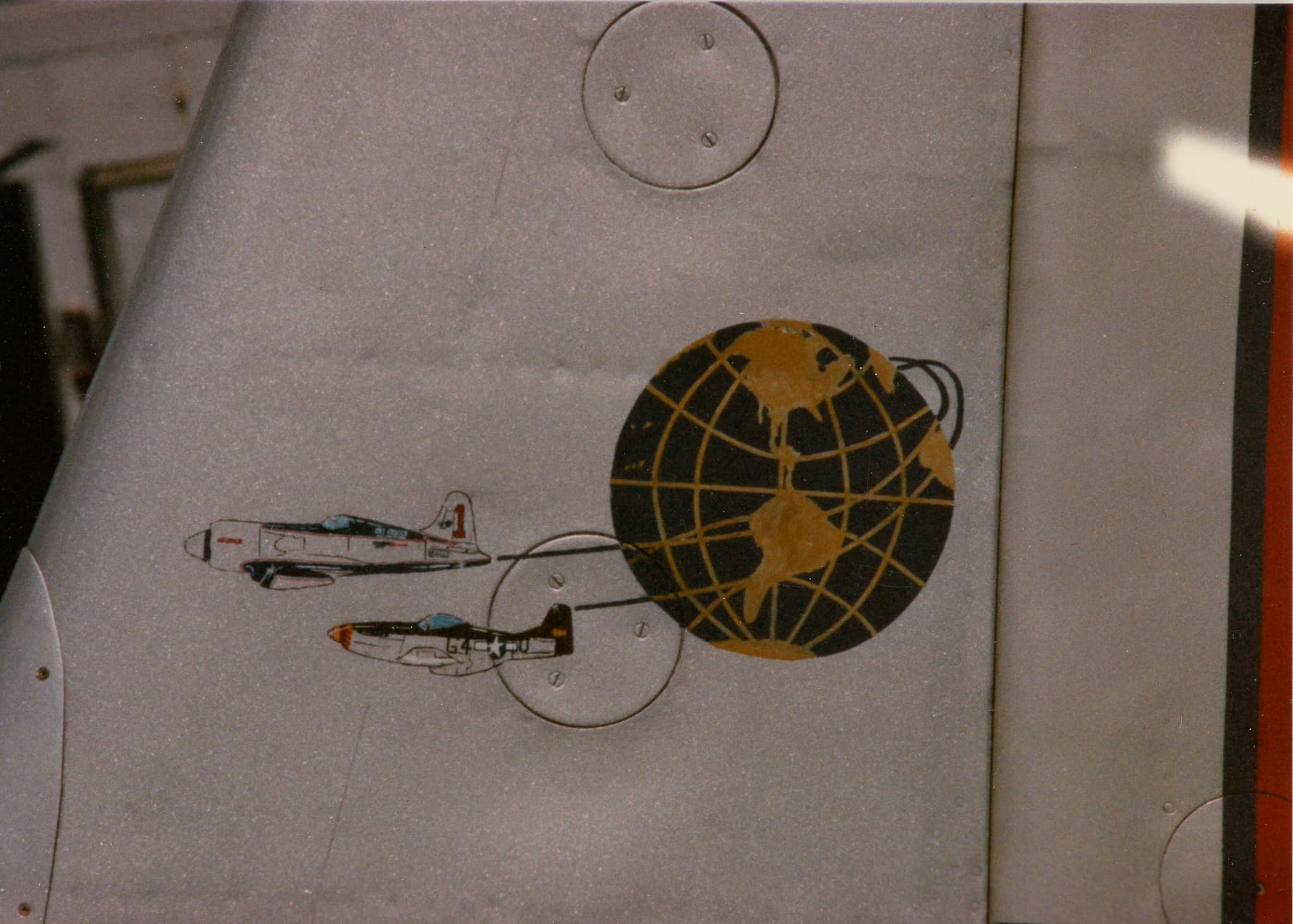
Some photographs of the aircraft also show victory markings, leading to speculation regarding its wartime service history. Whether these markings were authentic wartime markings or later additions during its period associated with MGM Studios remains uncertain.
While it remains possible that the original aircraft possessed an important combat history, no official confirmation has ever been released.
Building the Racing Super Corsair
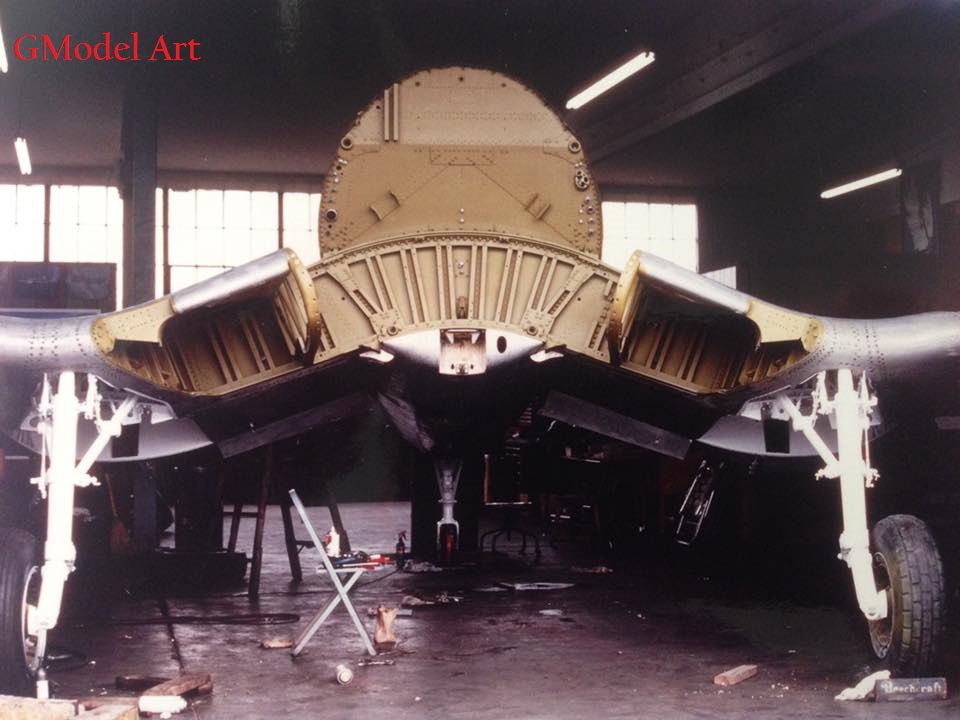
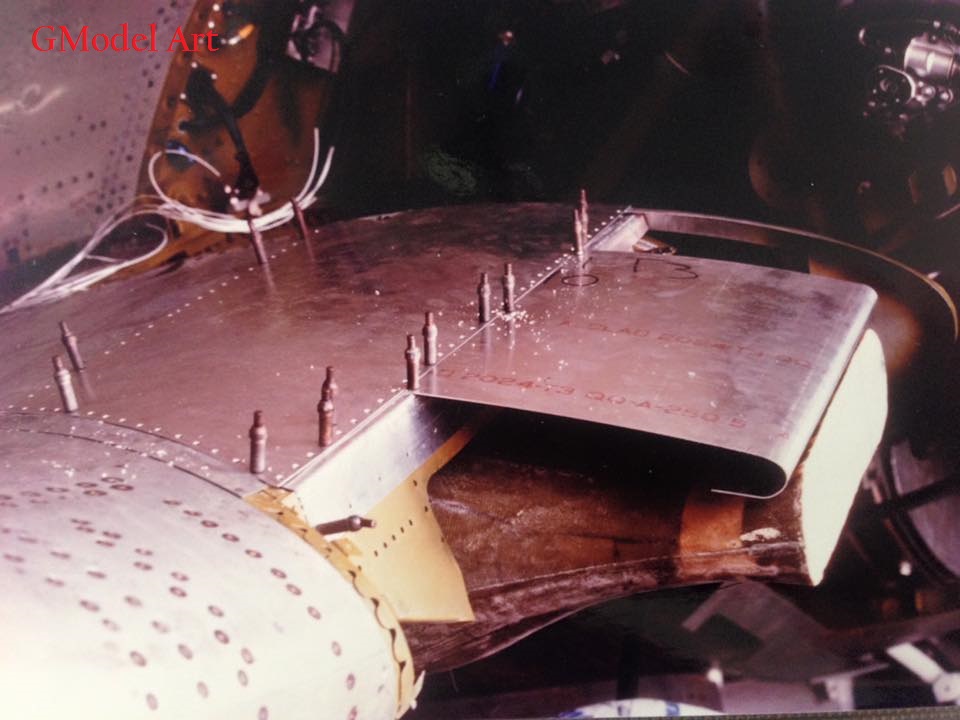
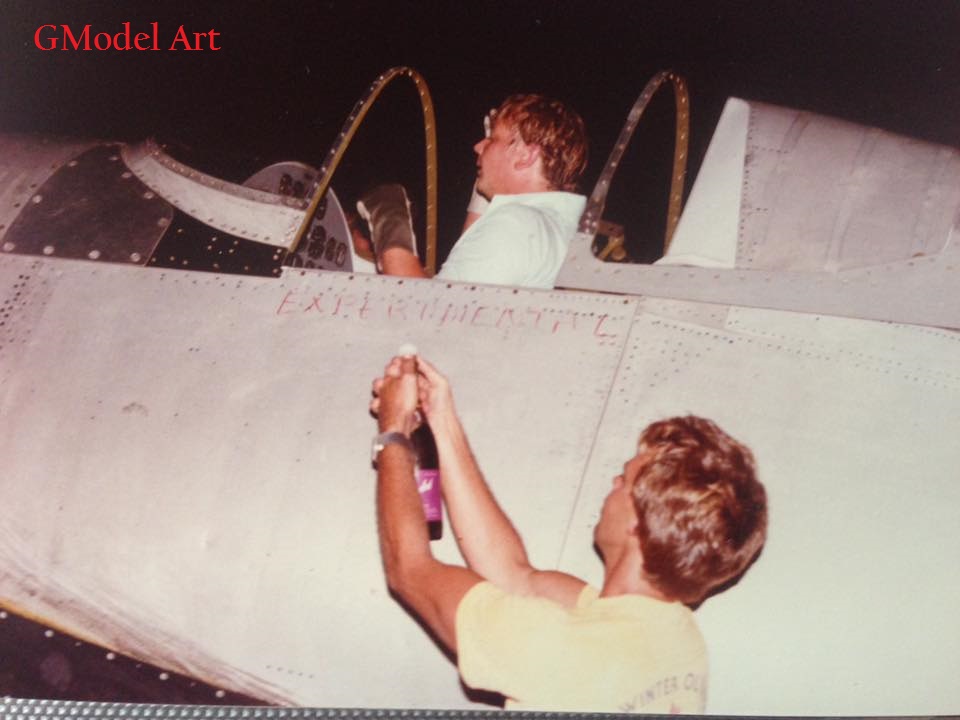
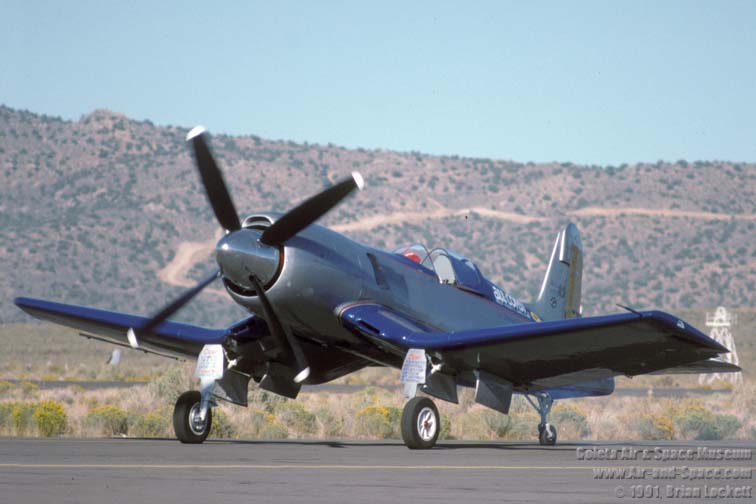
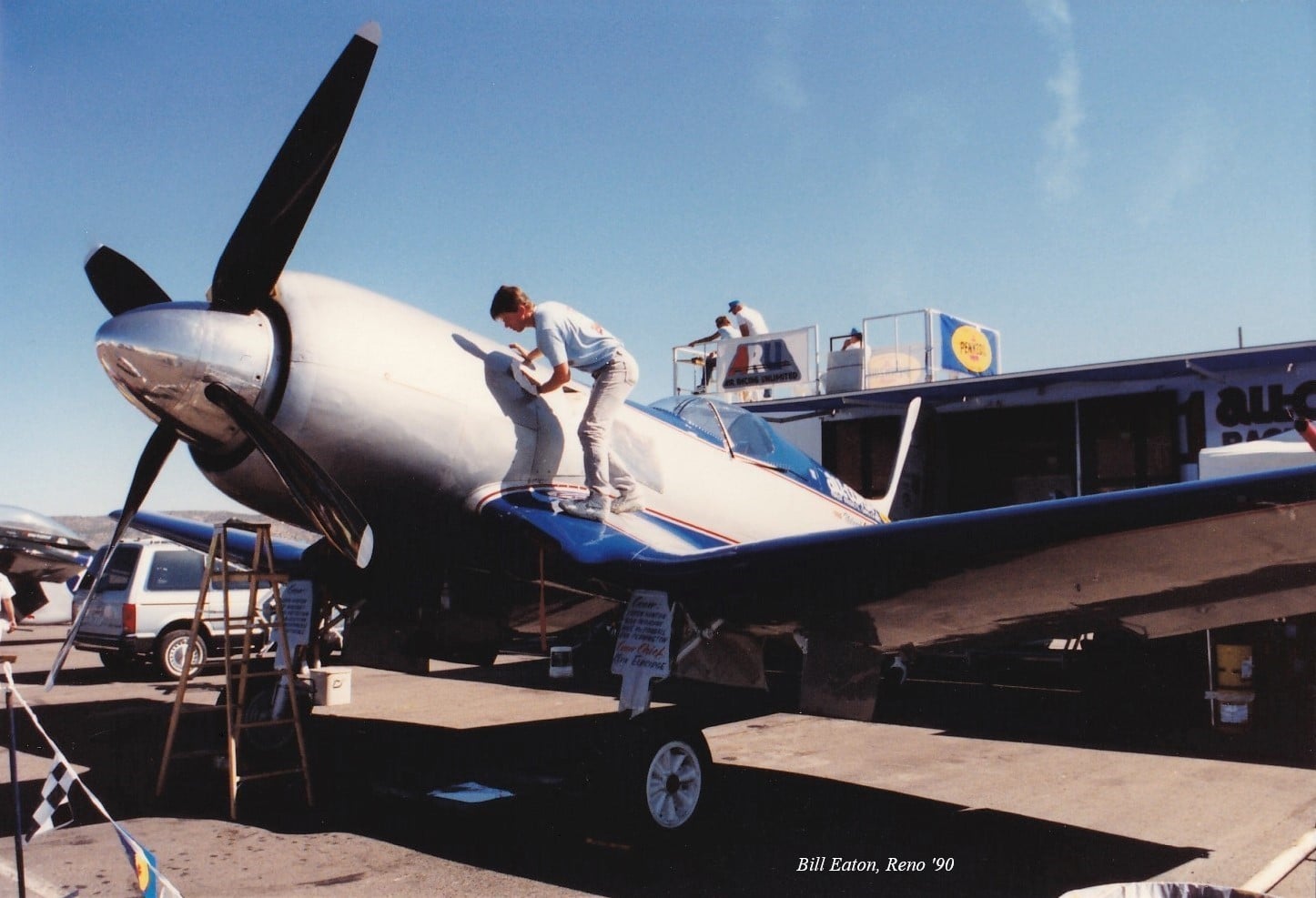
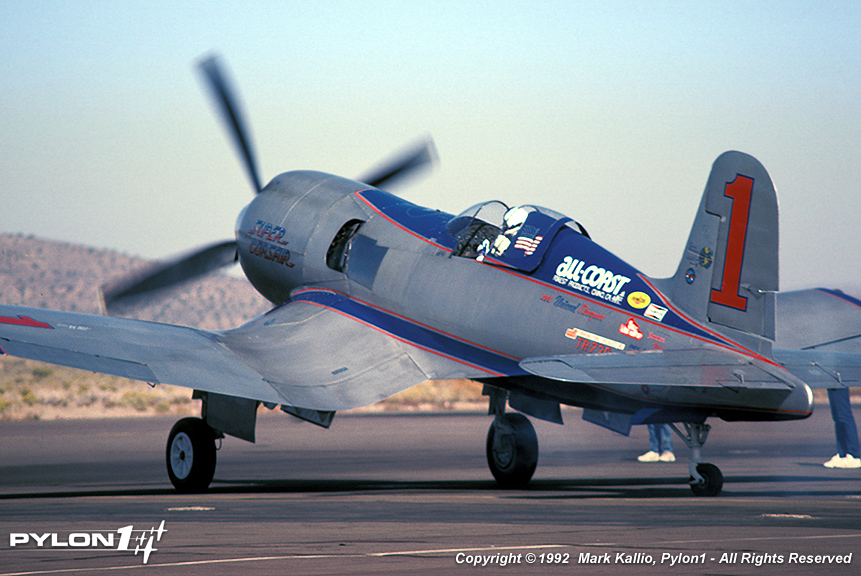
Transforming the aircraft into a Reno racer required extensive modifications.
Major changes included:
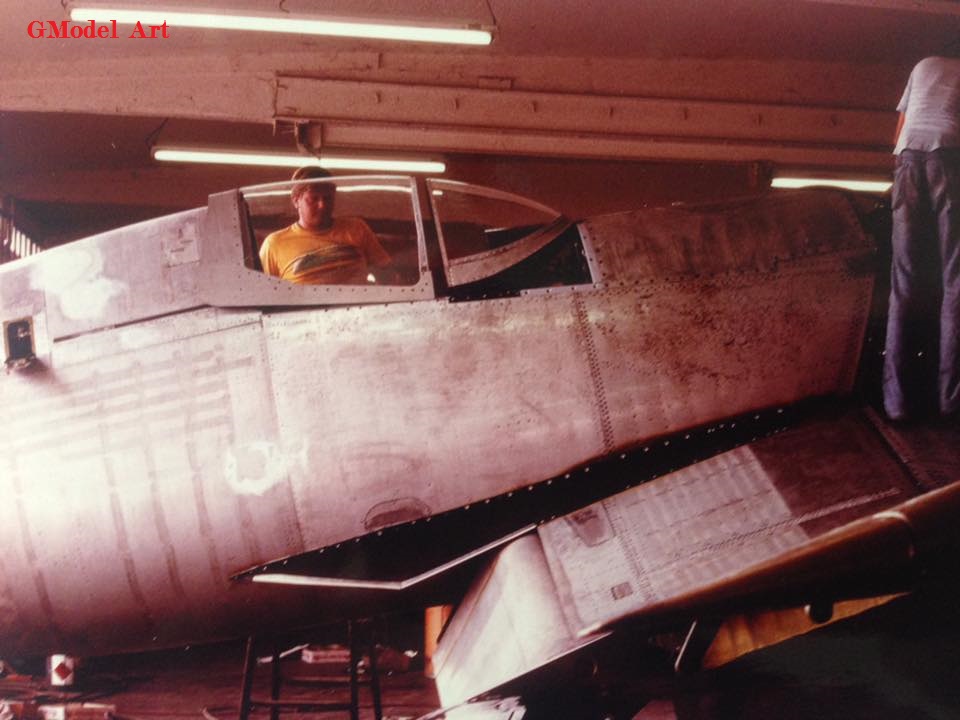
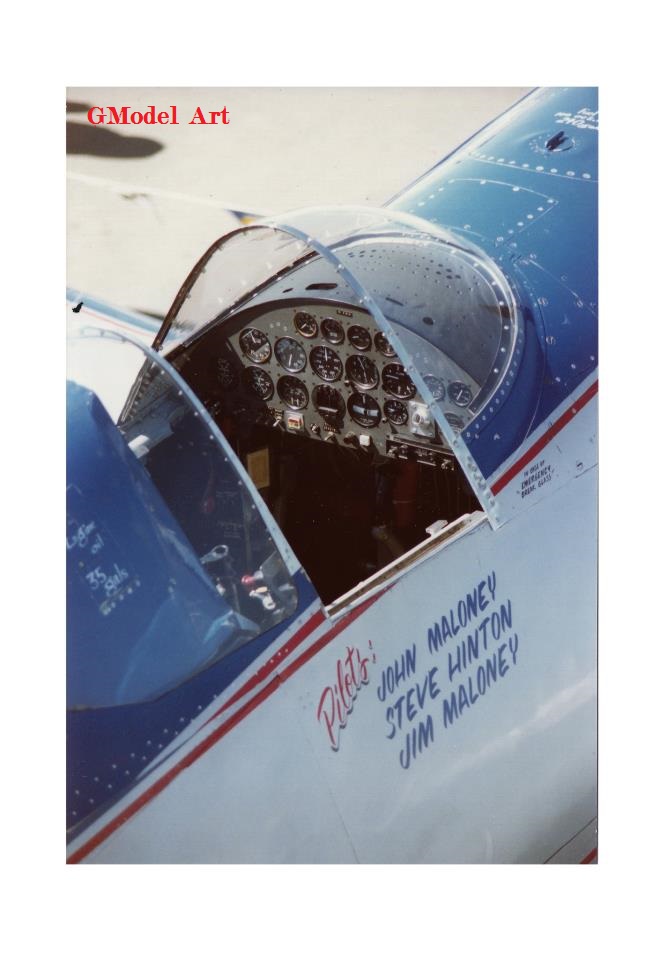
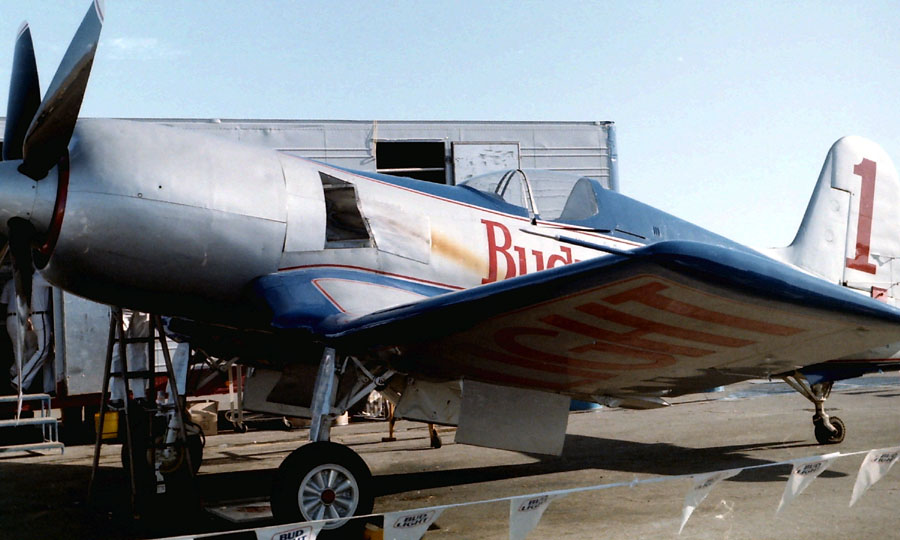
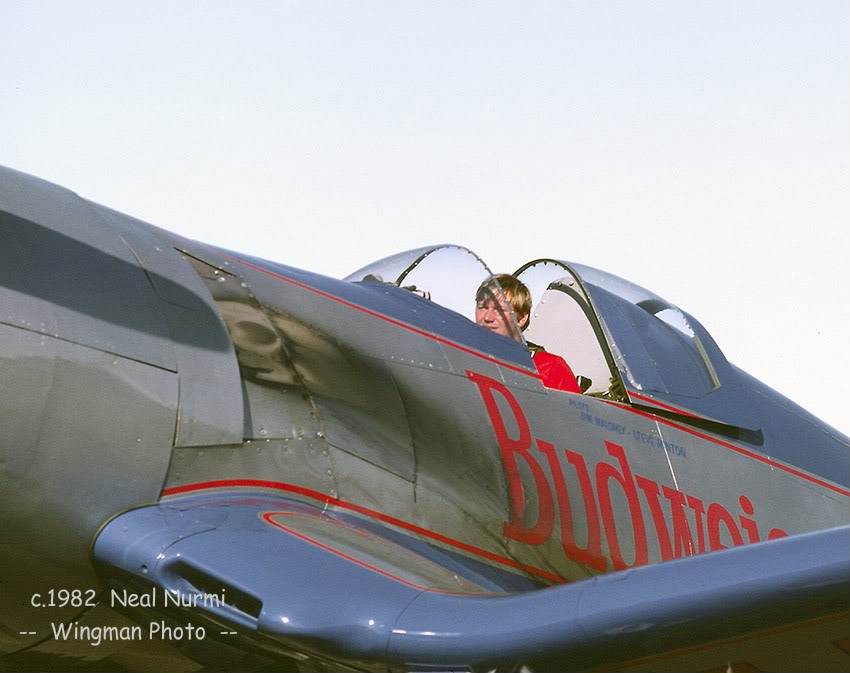
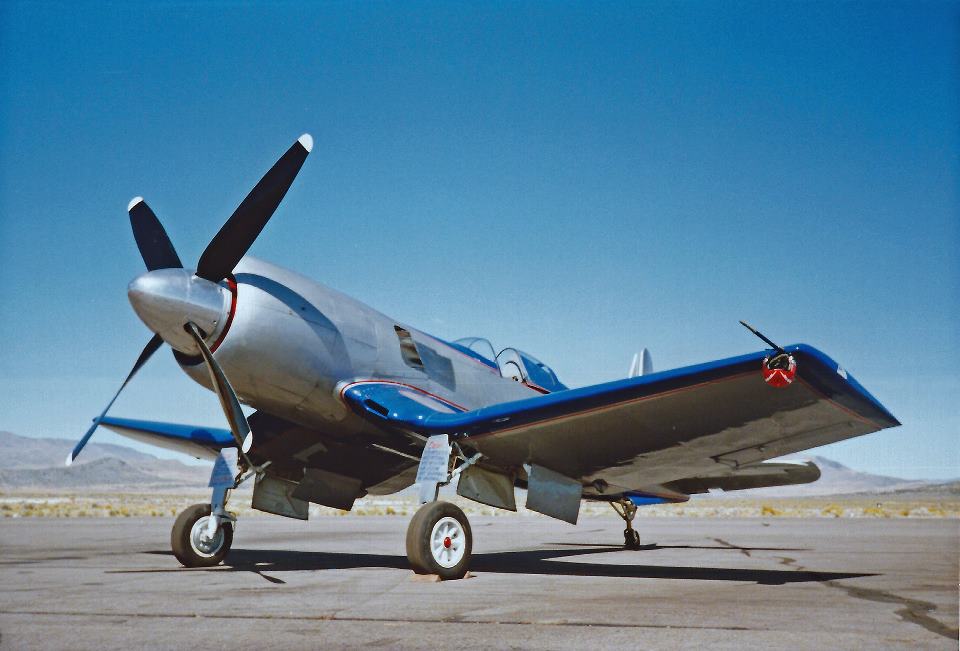
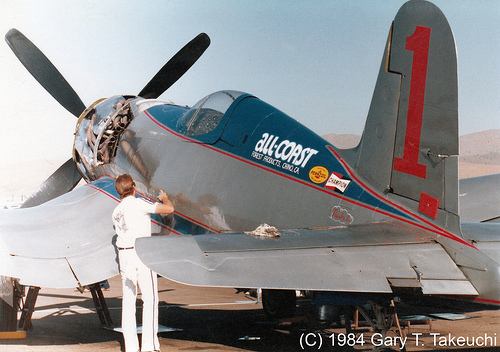
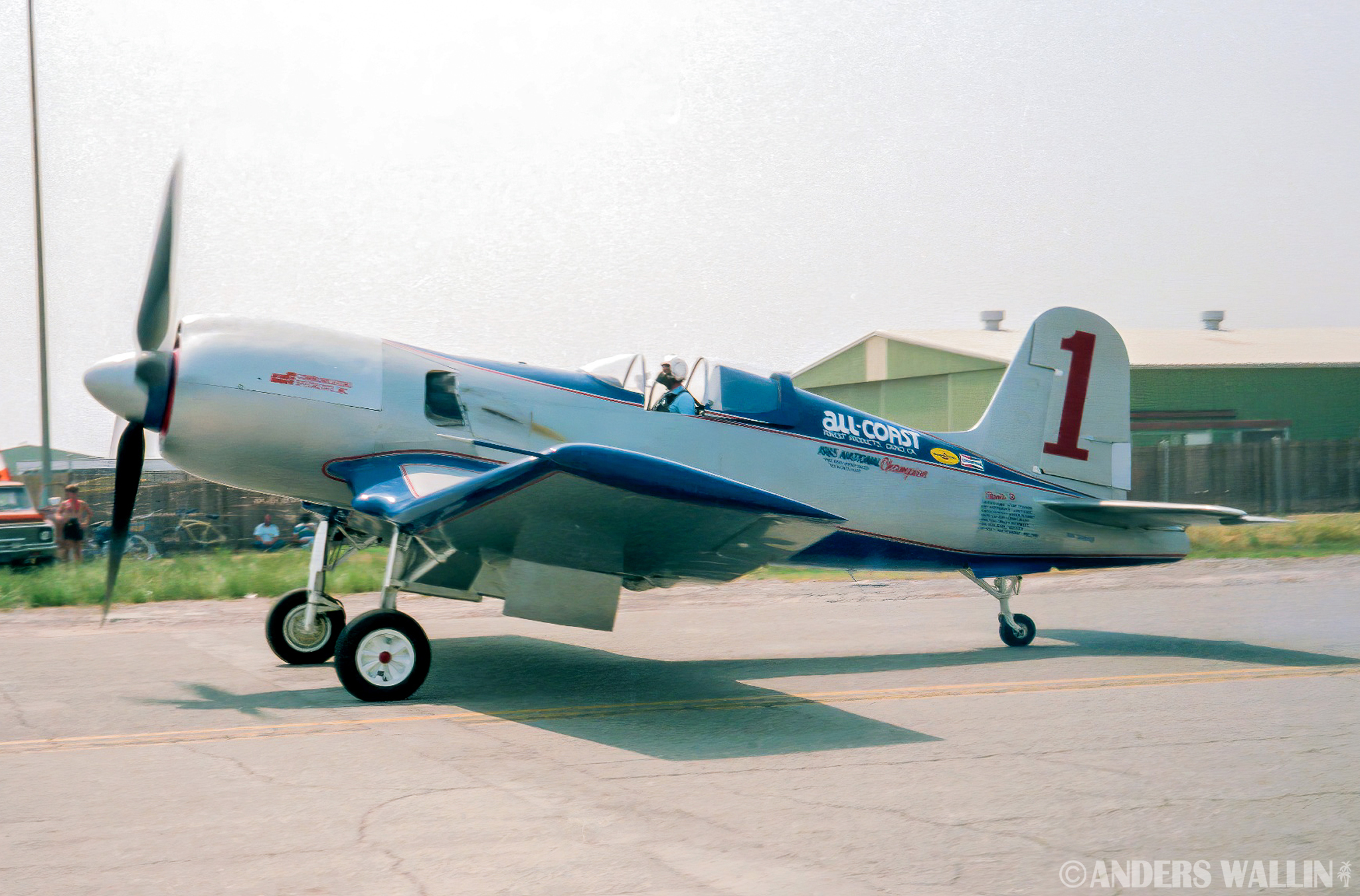
• installation of a new bubble canopy
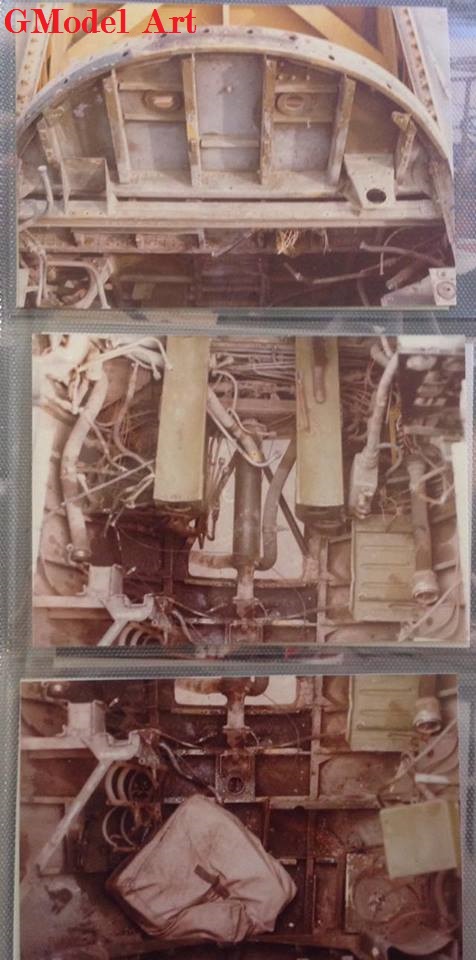
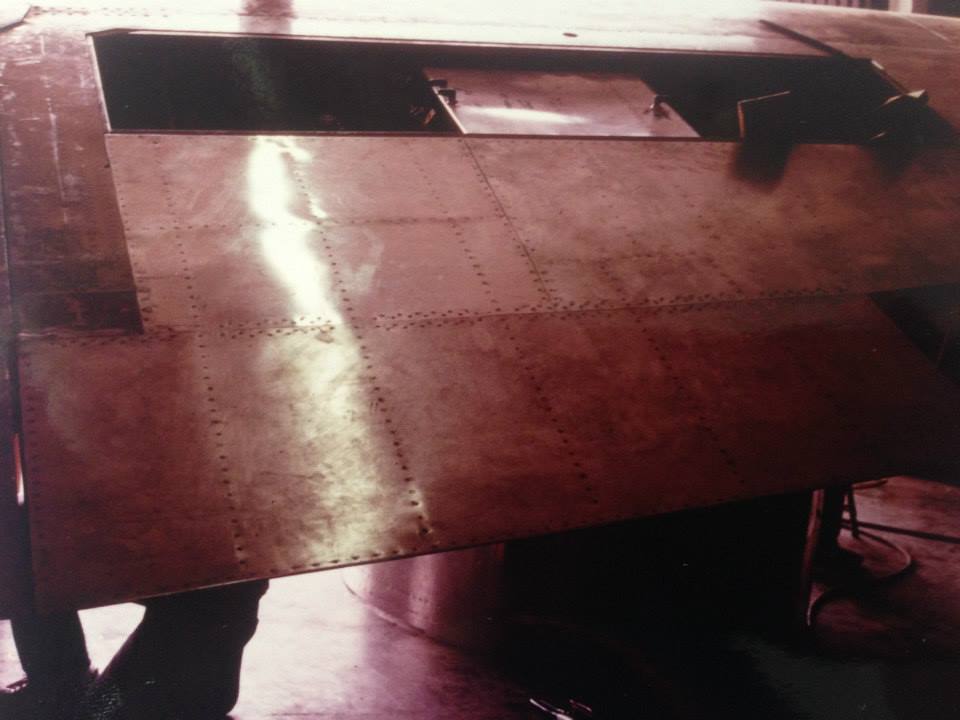
• extensive structural reinforcement of the fuselage
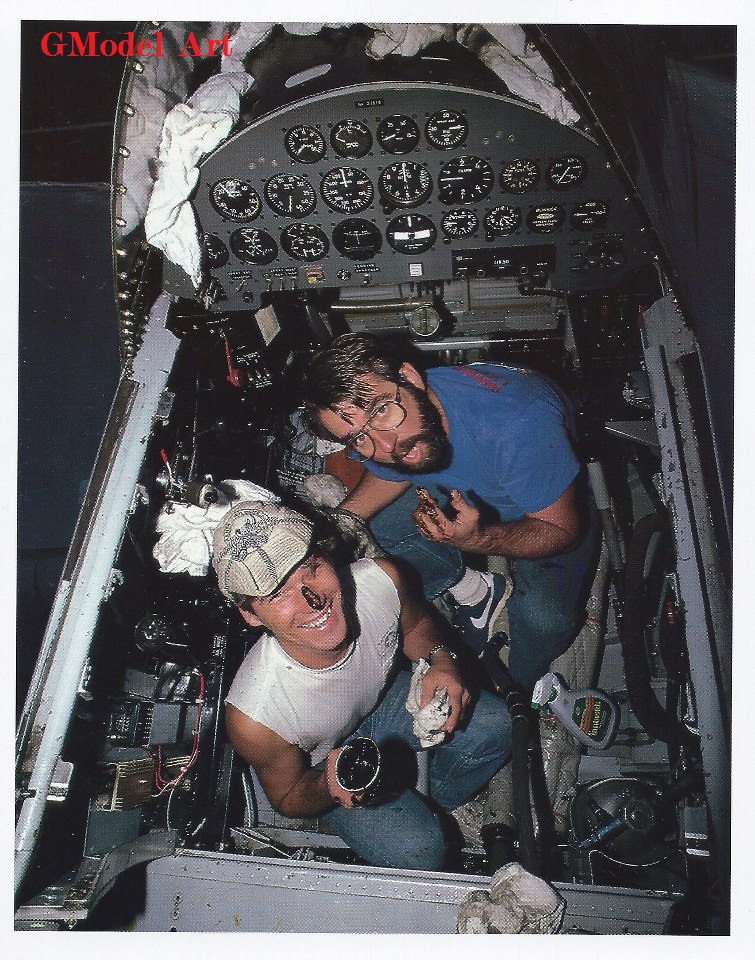
• cockpit redesign
• removal of military equipment and armor
• significant weight reduction
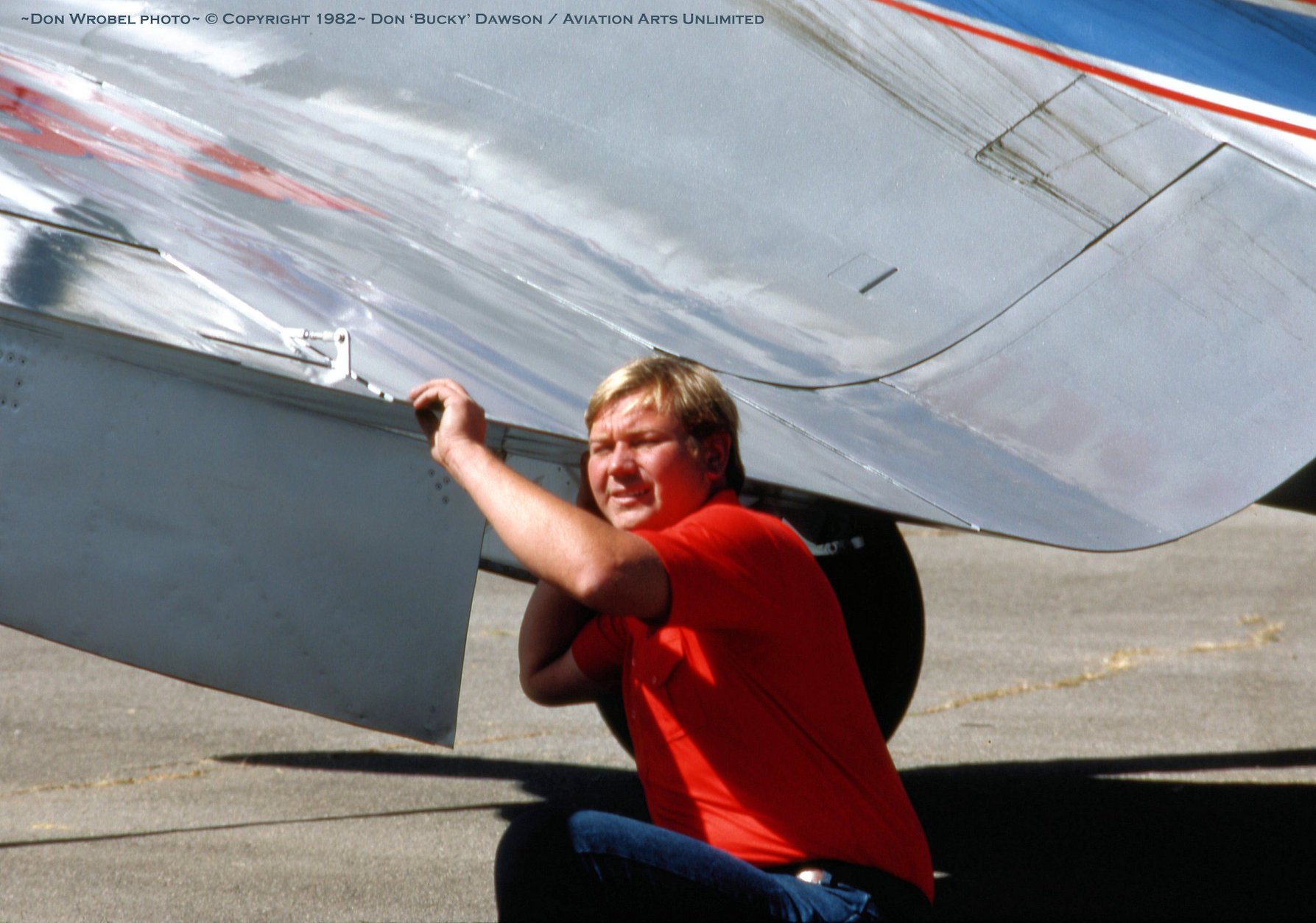
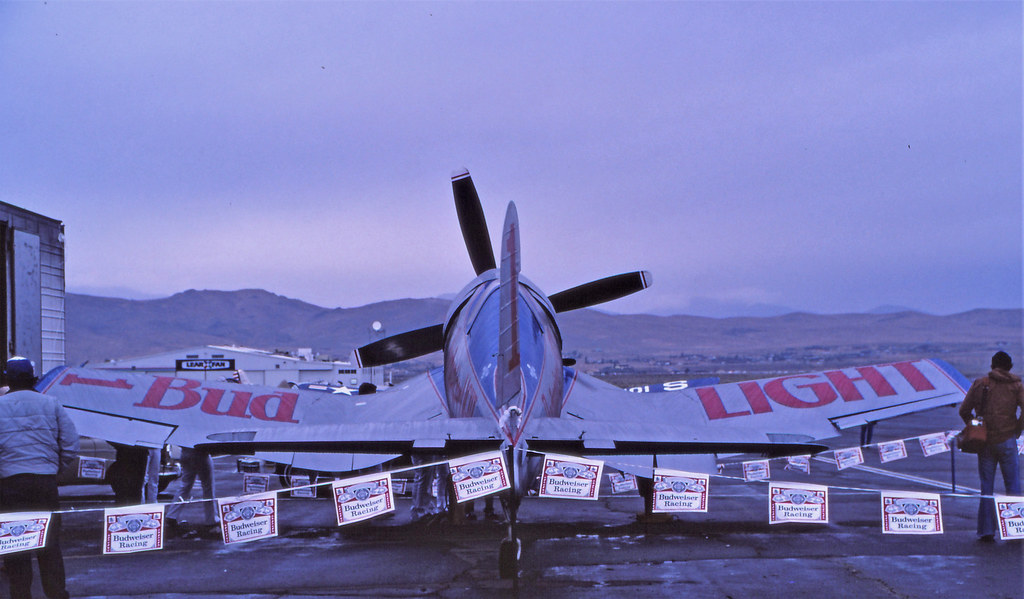
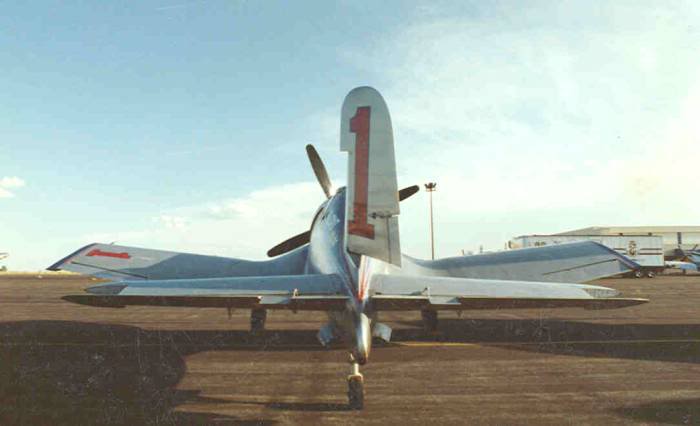
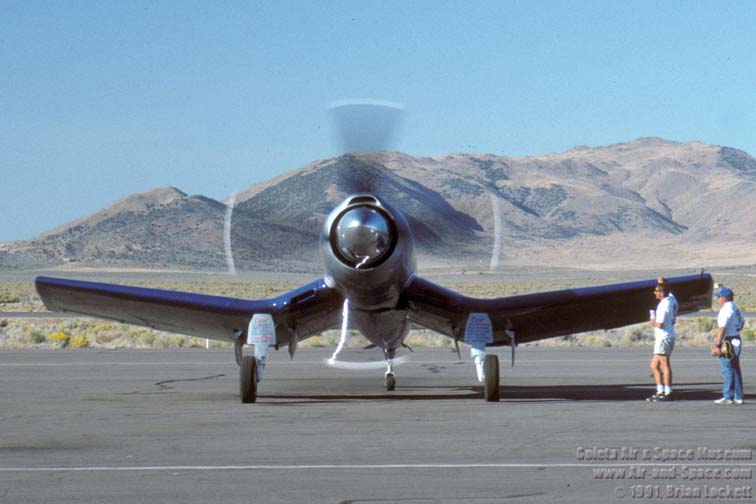
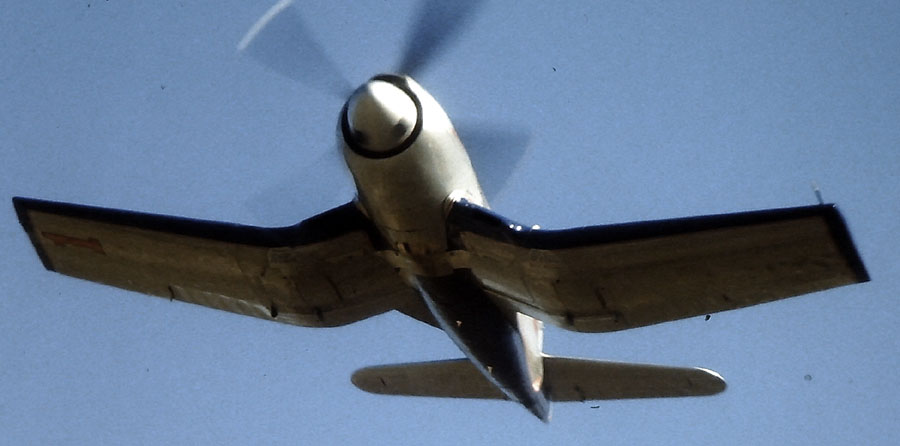
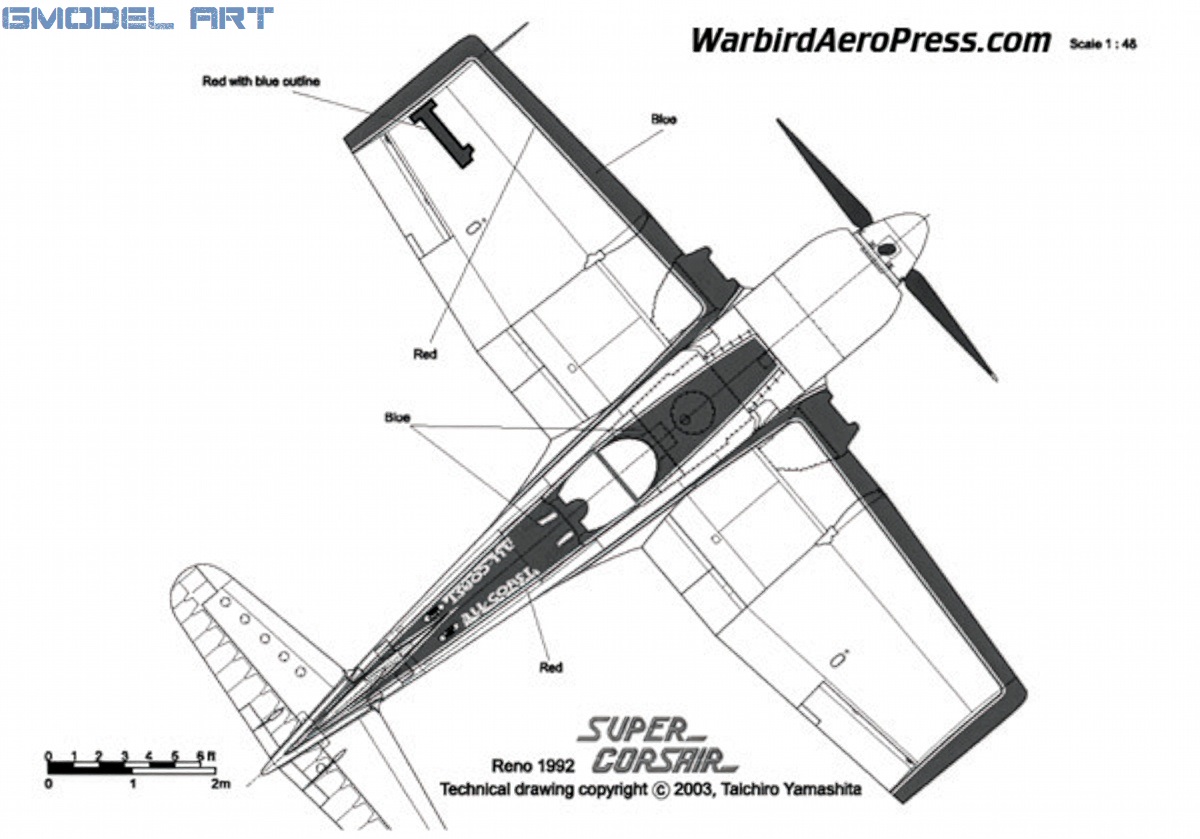
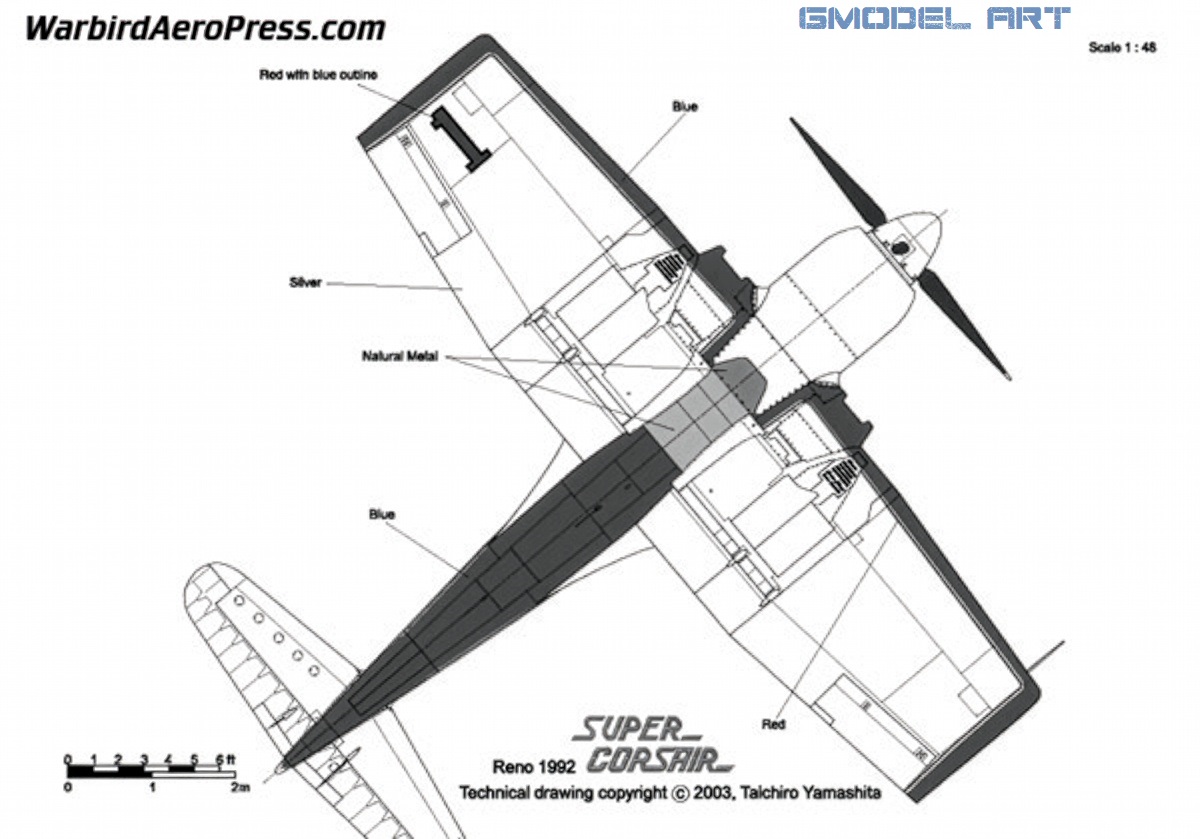
• clipped wing tips for improved racing maneuverability
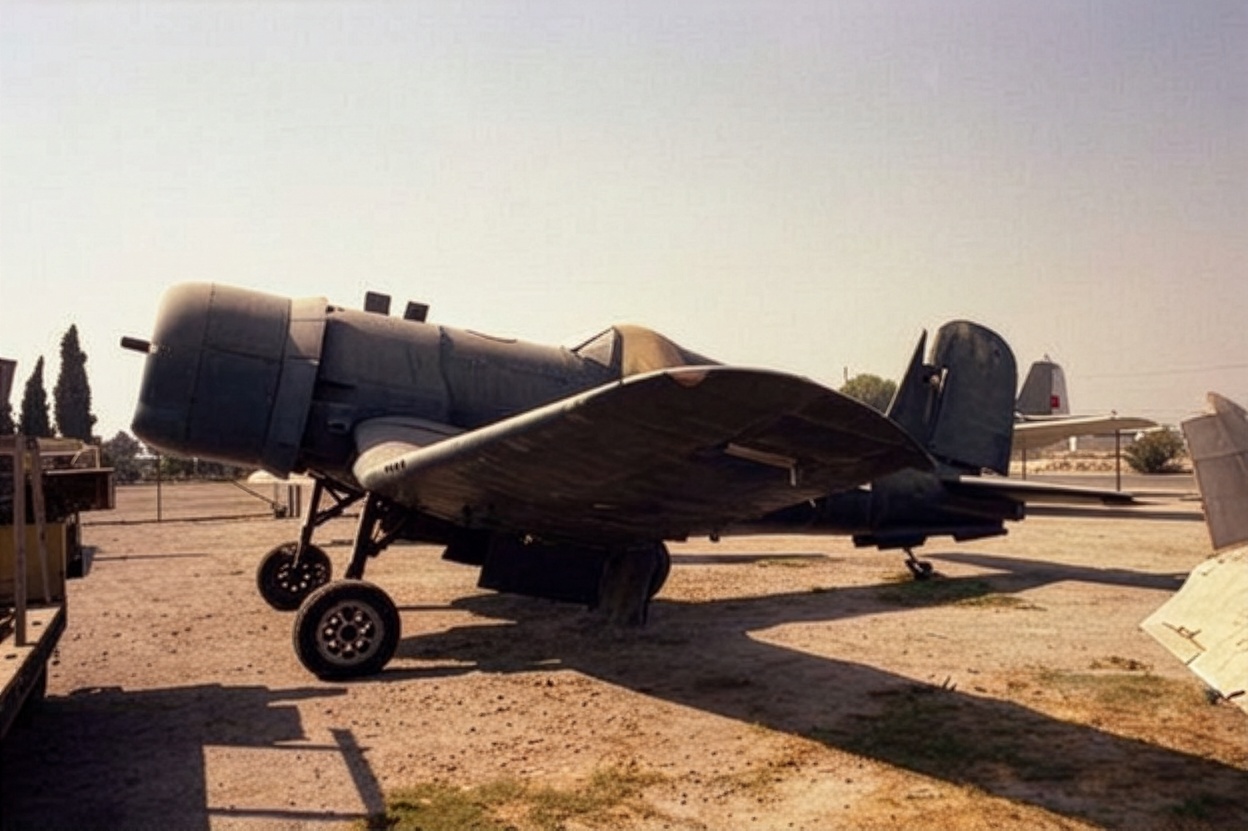
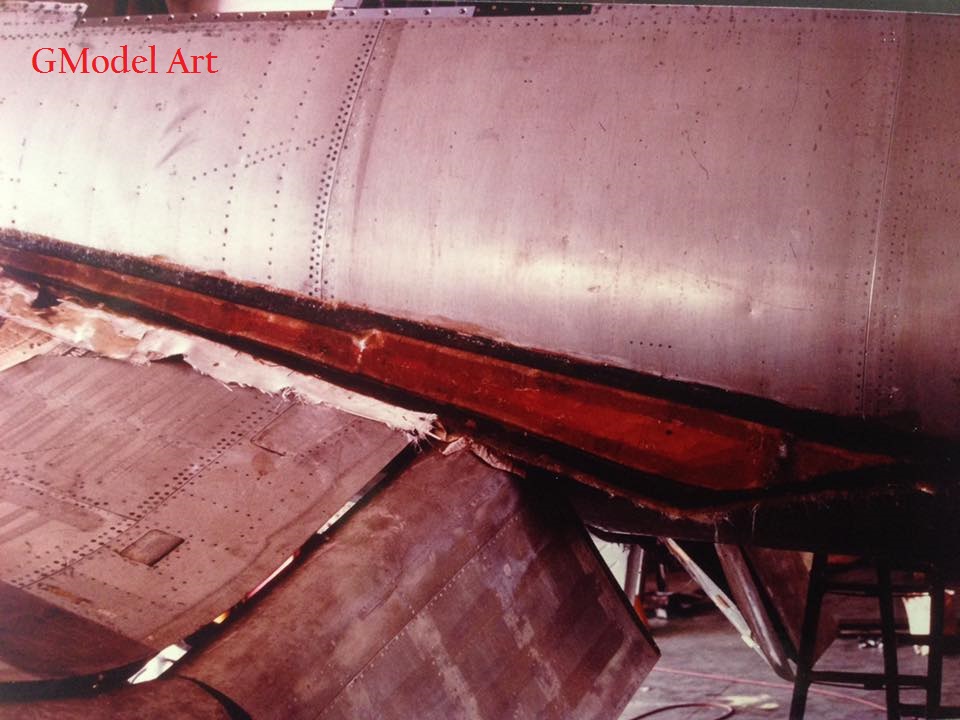
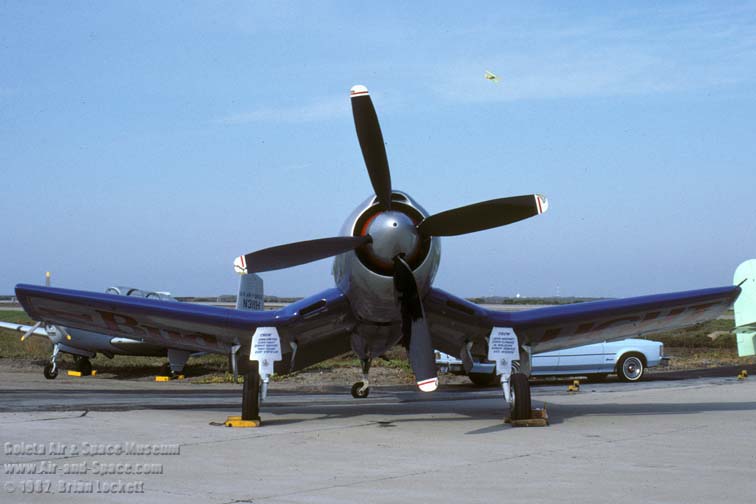
The wings themselves originated from an F4u-4 Corsair .
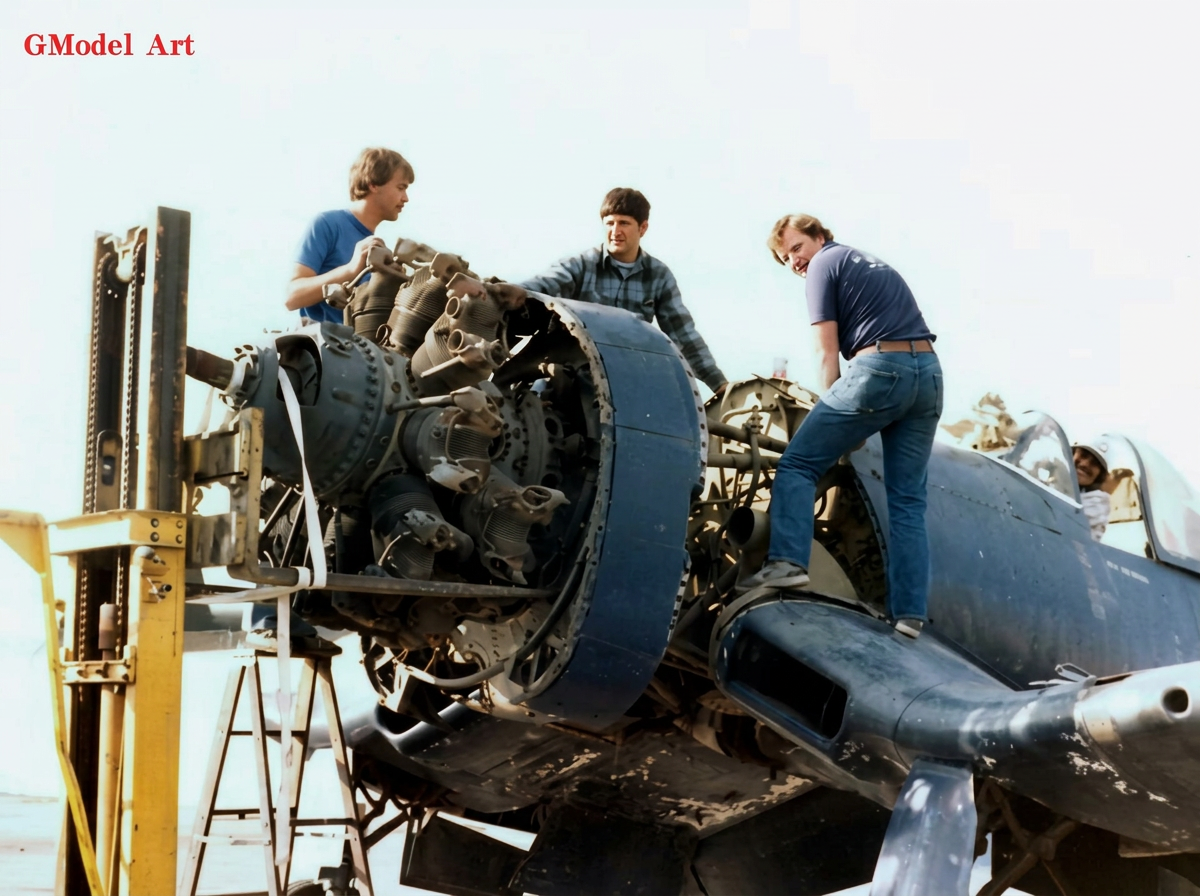
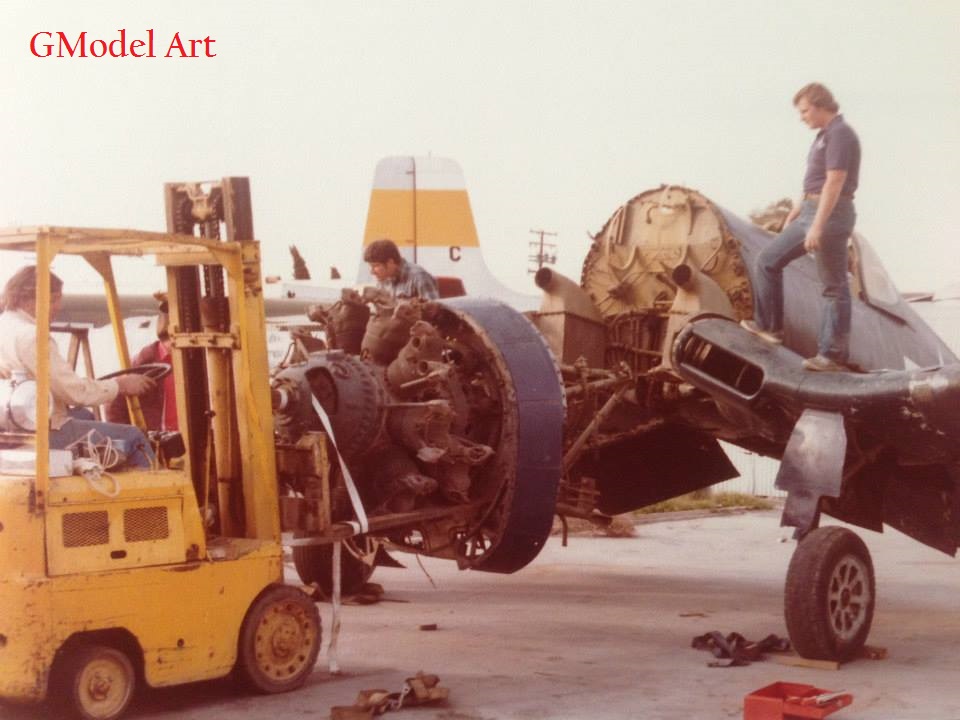
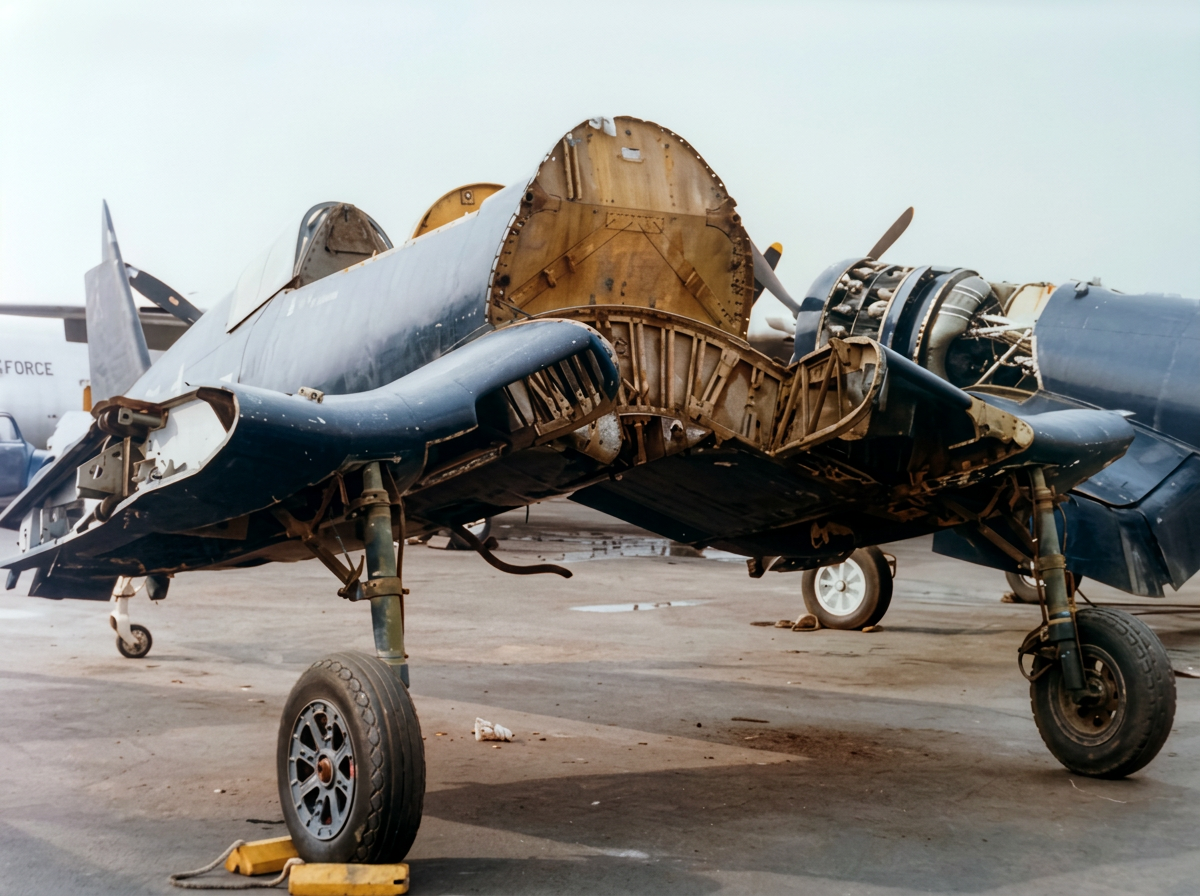
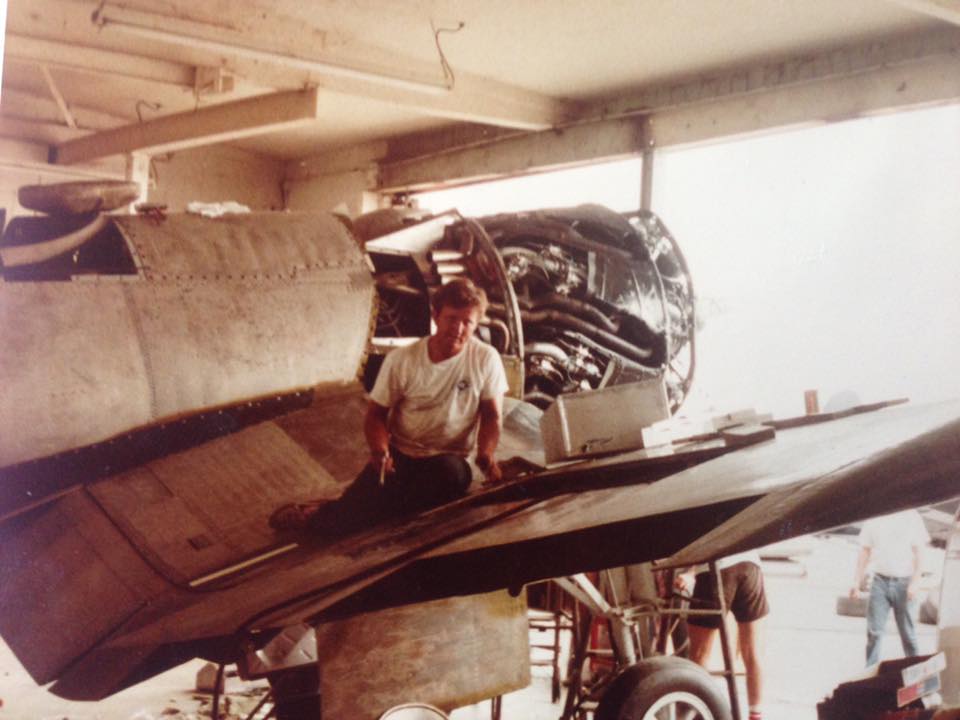
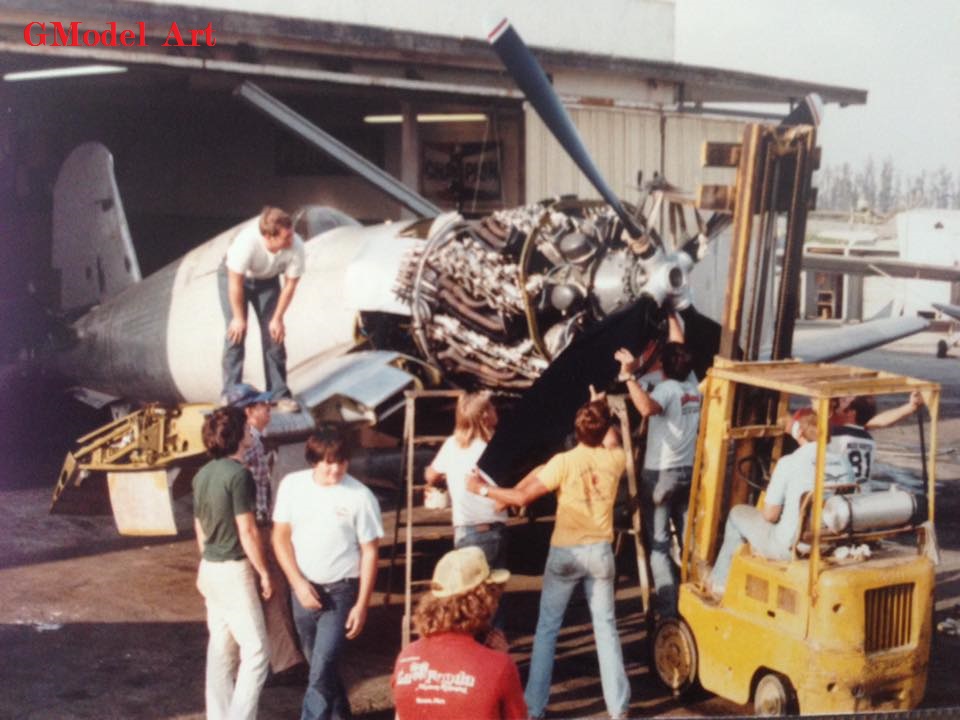
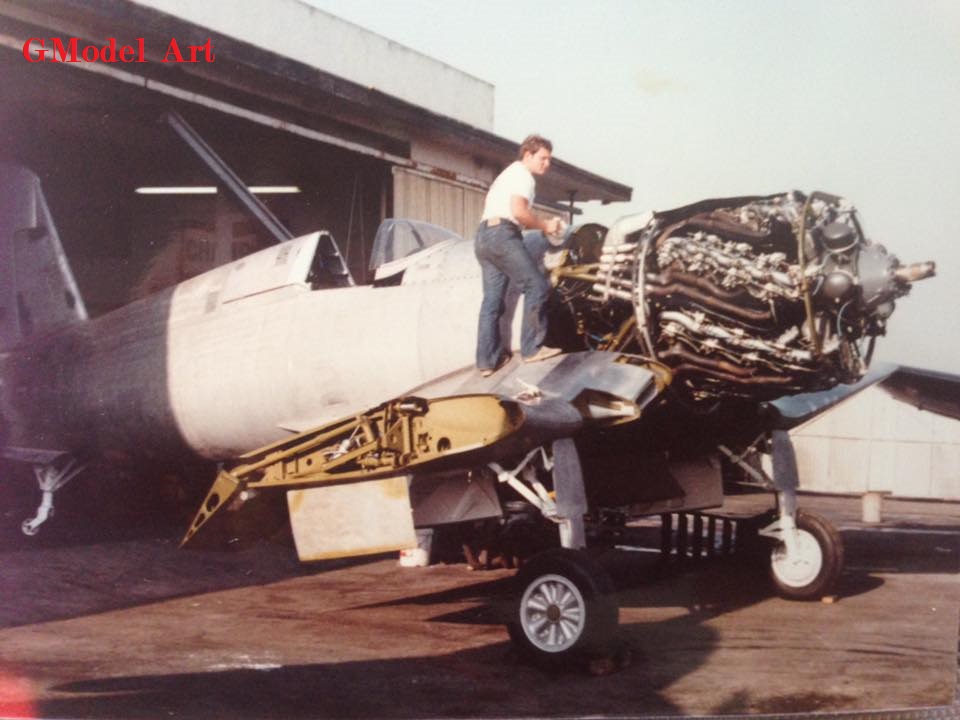
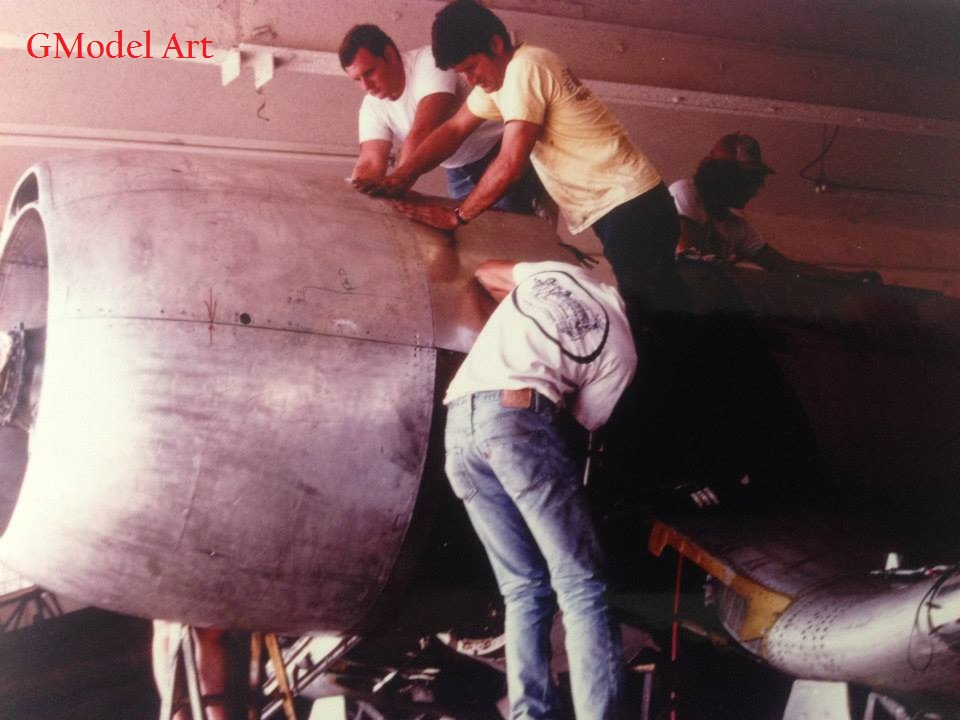
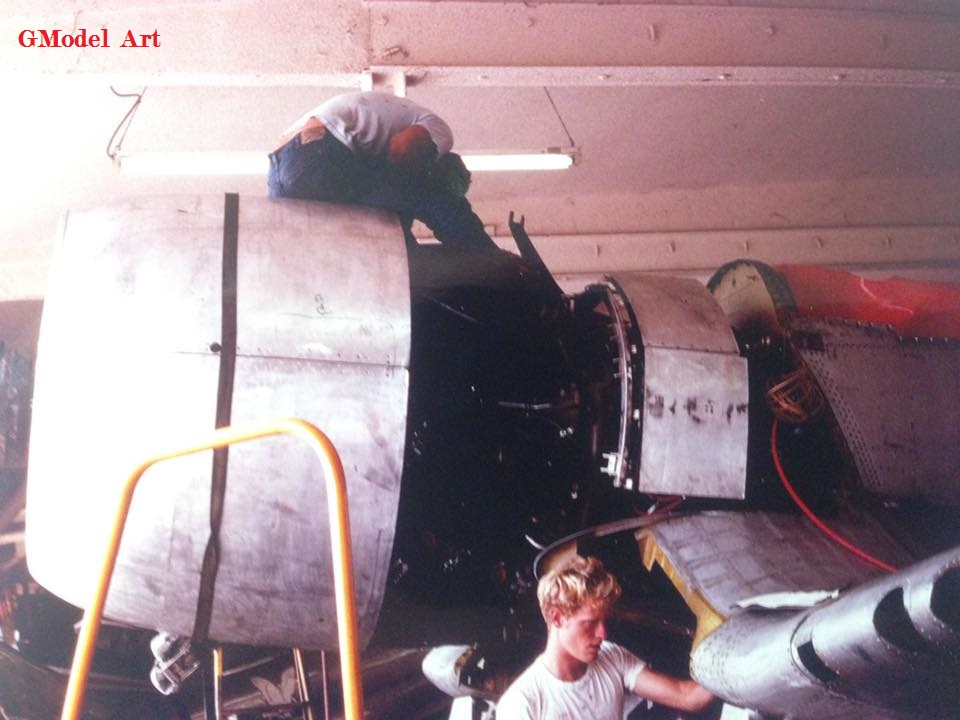
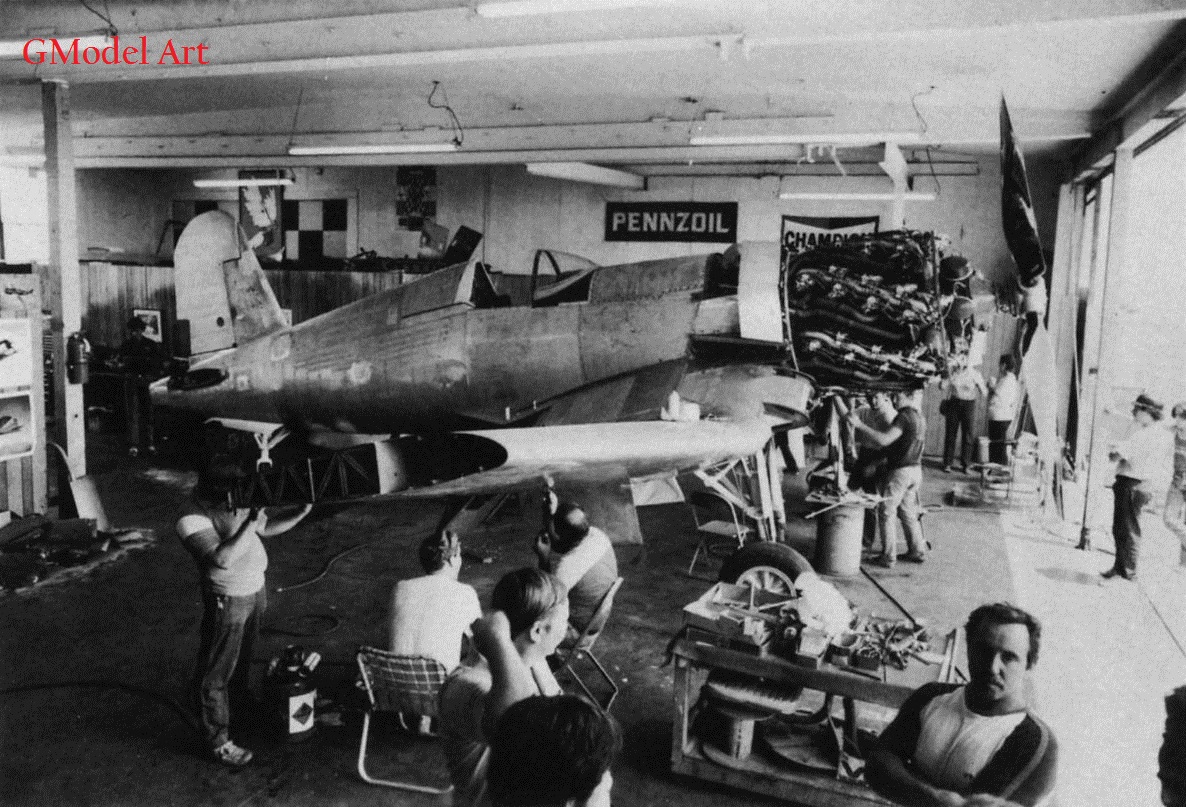
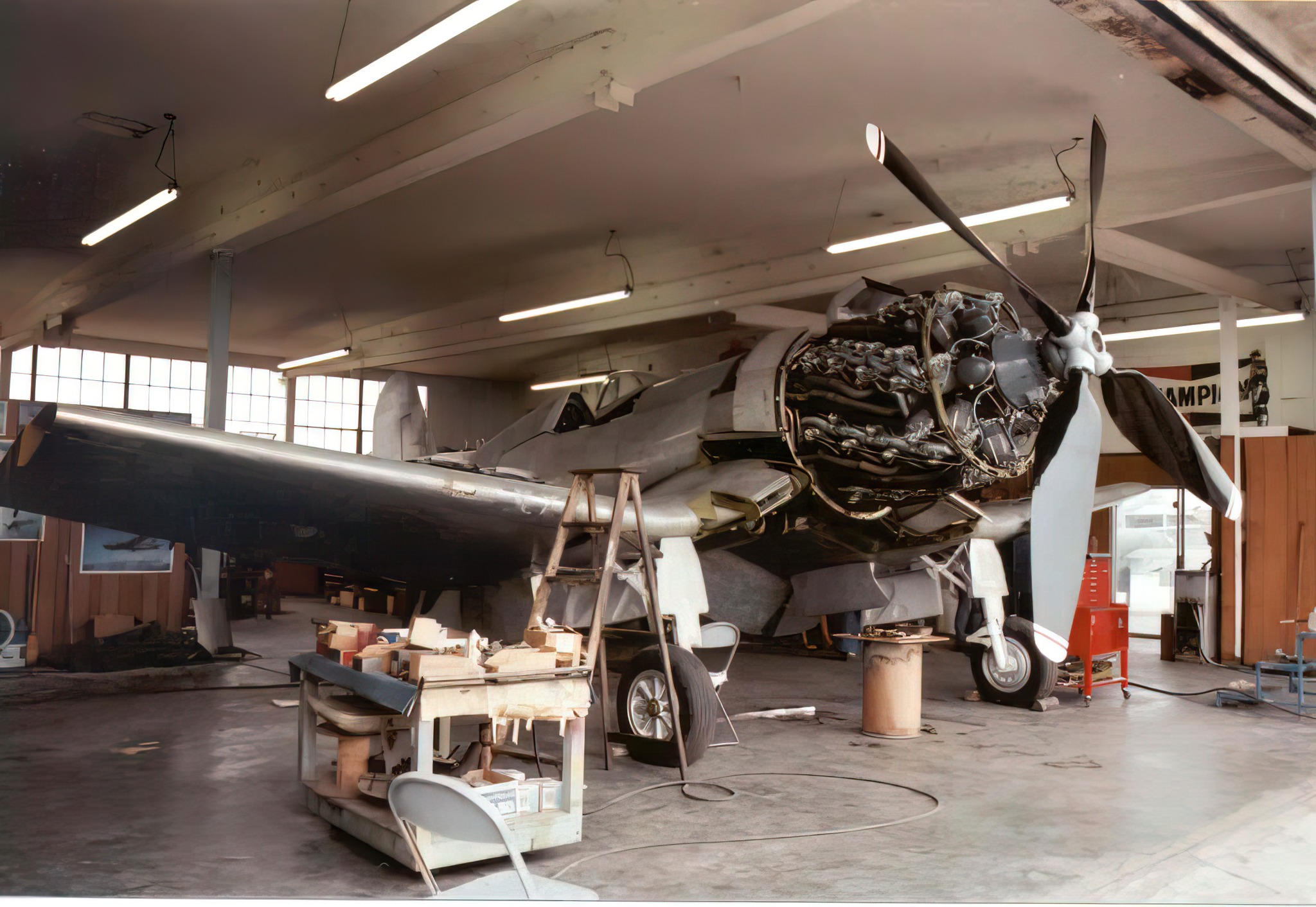
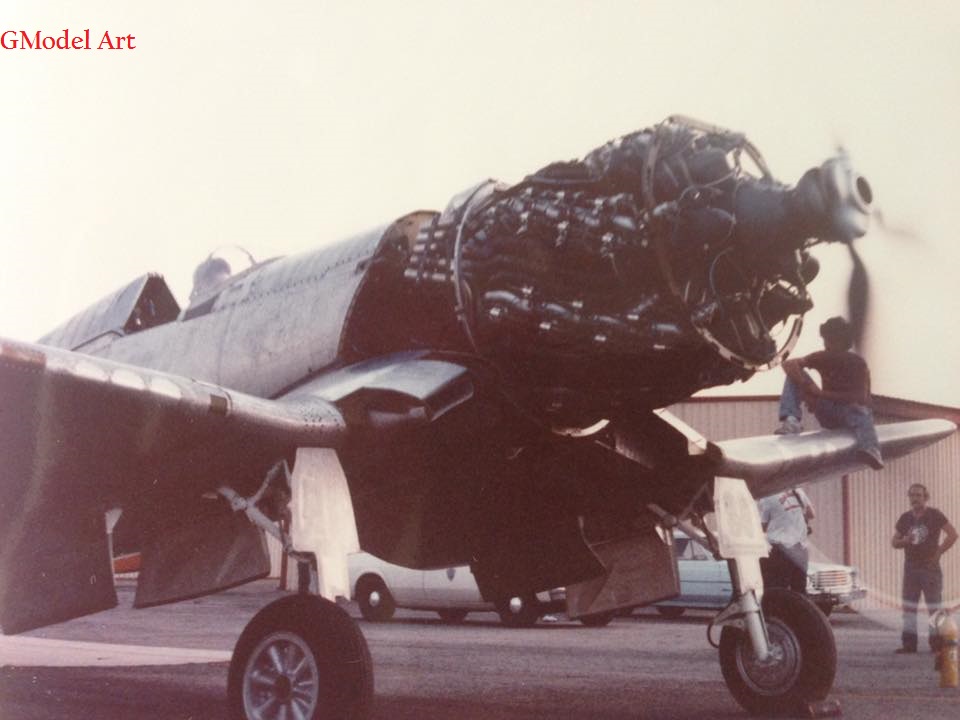
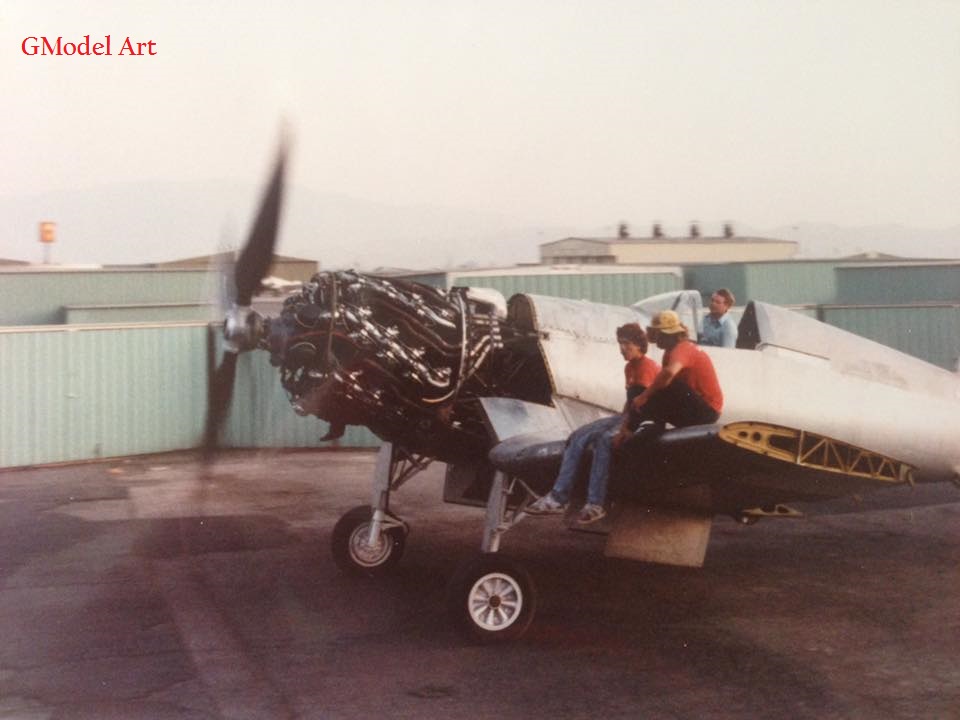
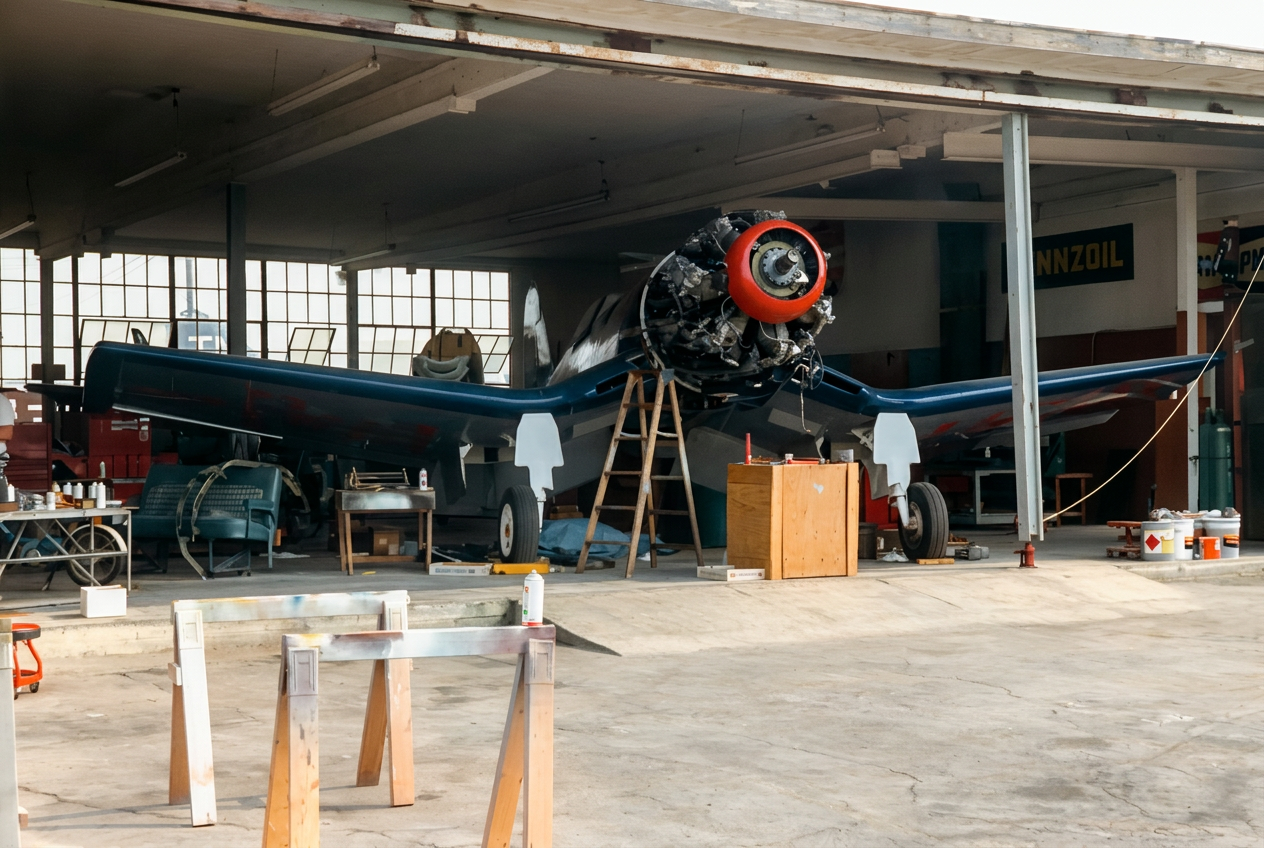
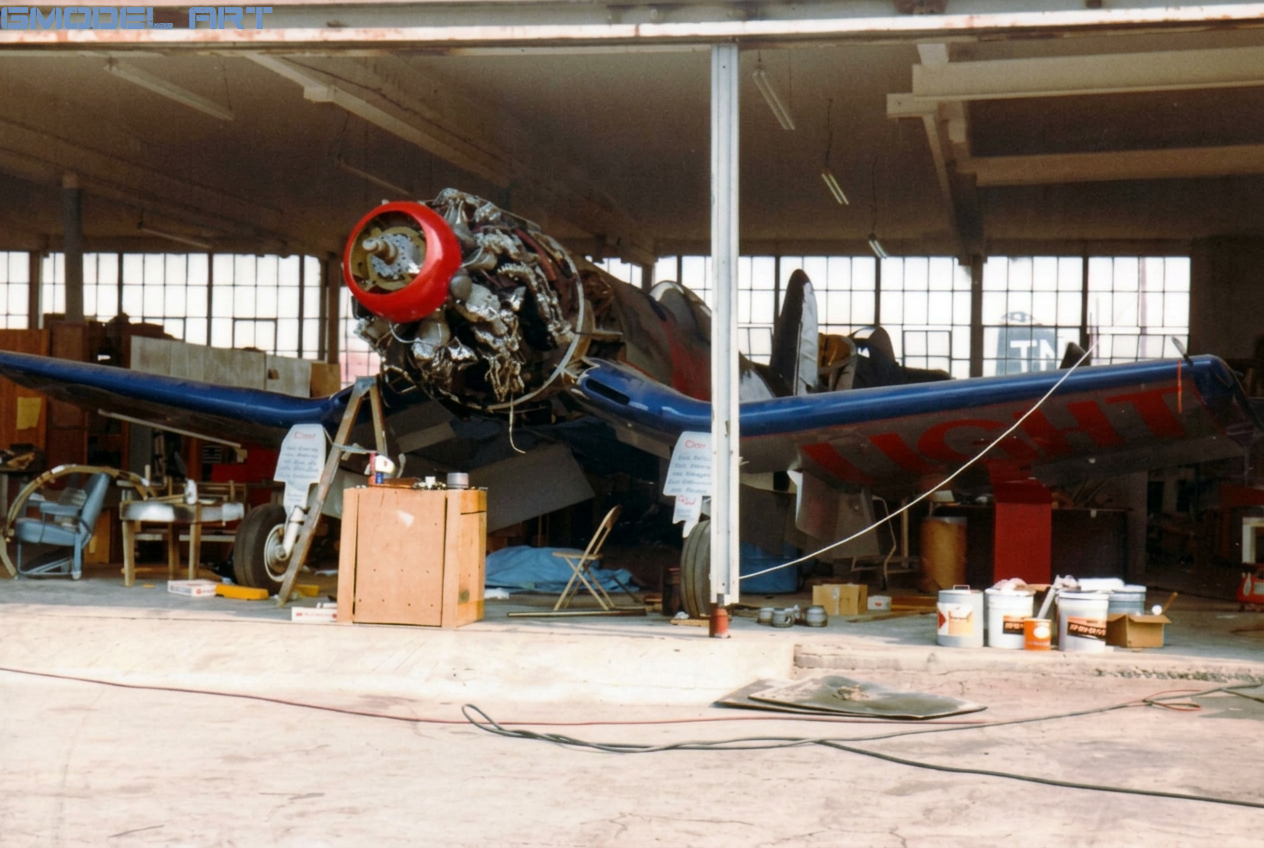
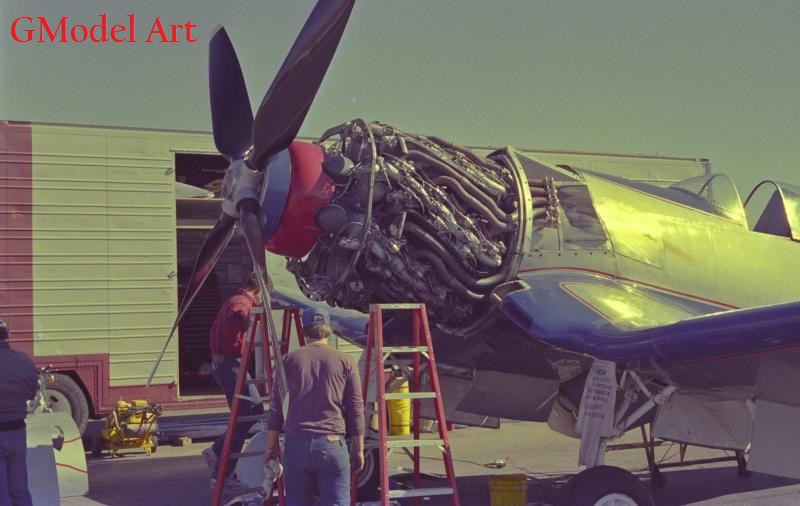
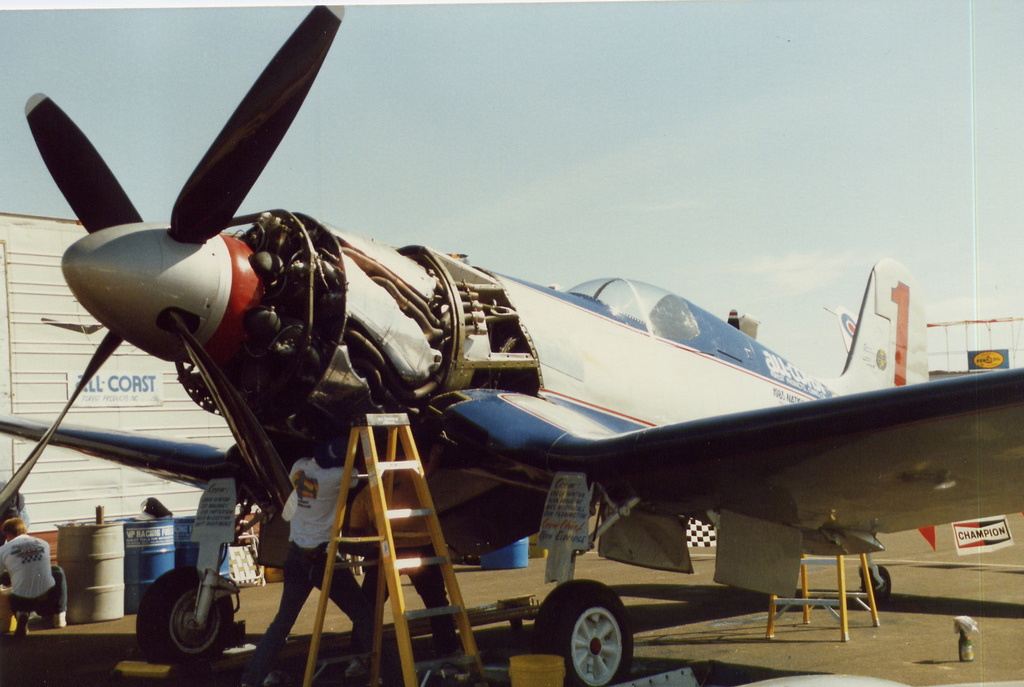
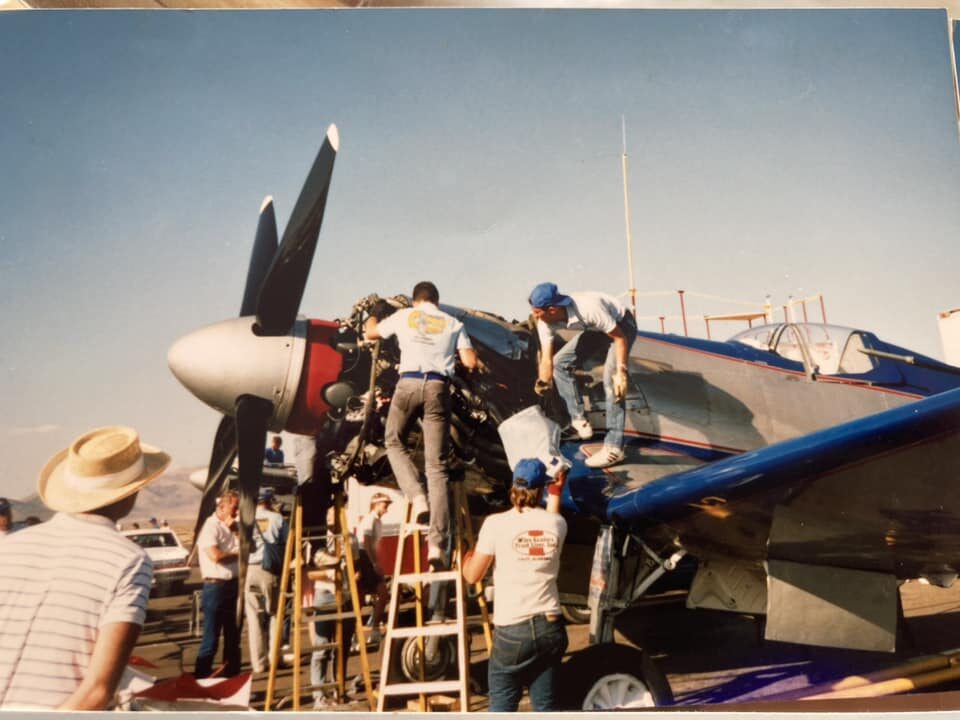
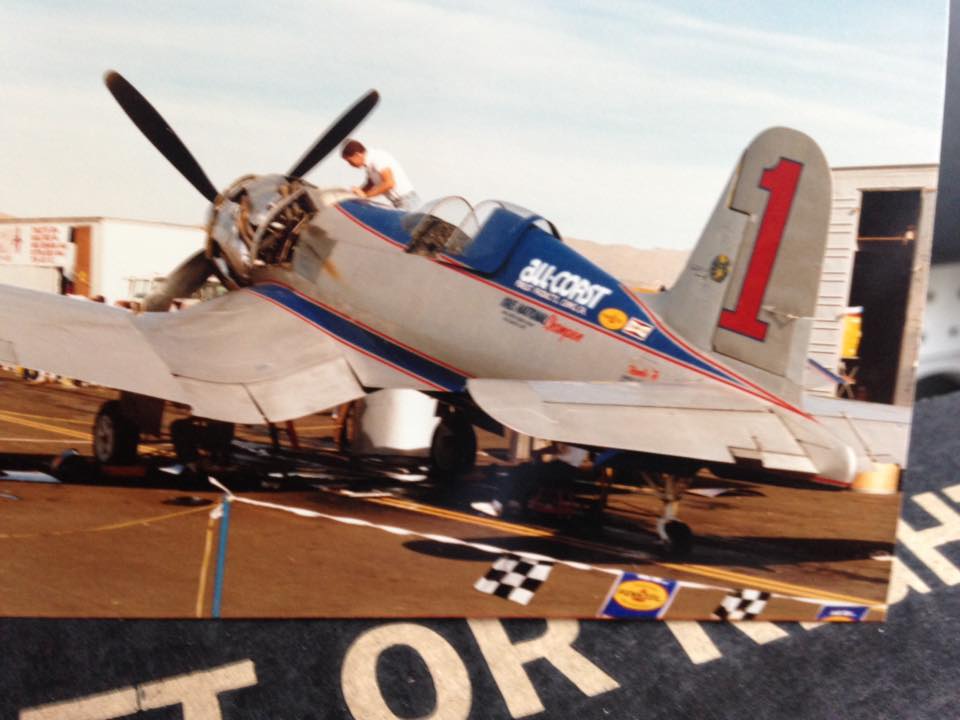
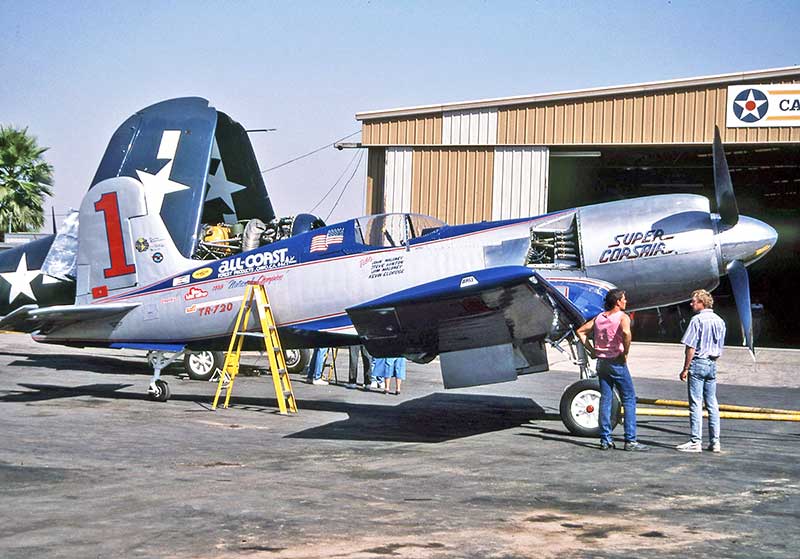
An interesting detail frequently misunderstood concerns early photographs showing an F4u-4 Corsair engine mounted on the aircraft.
This engine was not part of the final racing configuration.
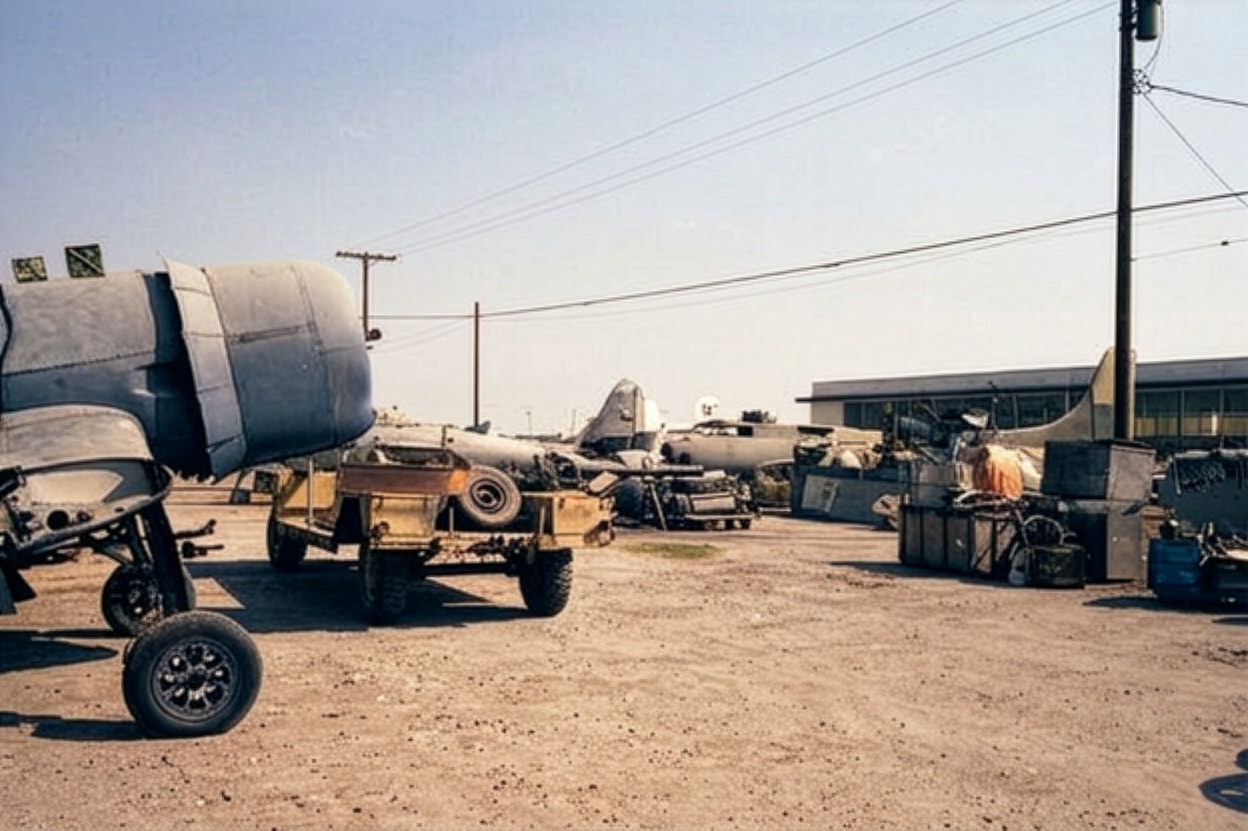
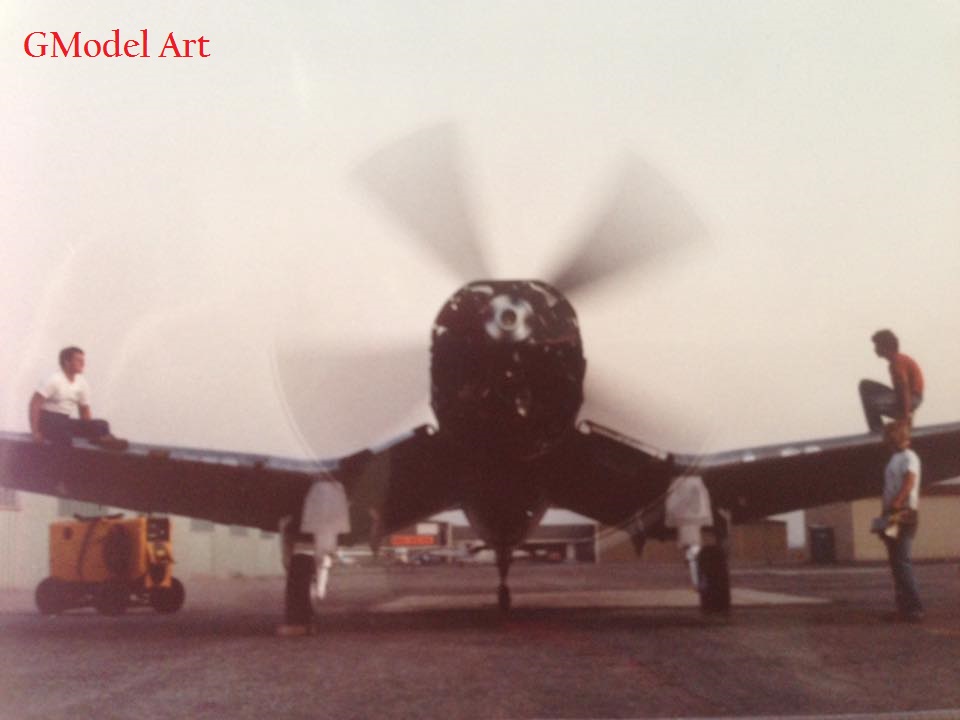
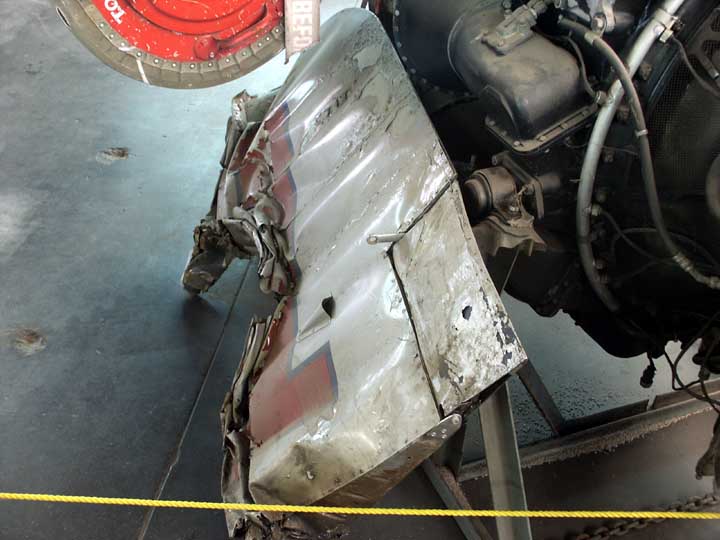
According to information connected directly to the project, the F4u-4 Corsair engine installation was only temporary and was used for storage purposes. During the late 1970s and early 1980s, indoor storage space for the aircraft collection was limited.
The Massive R-4360 Engine
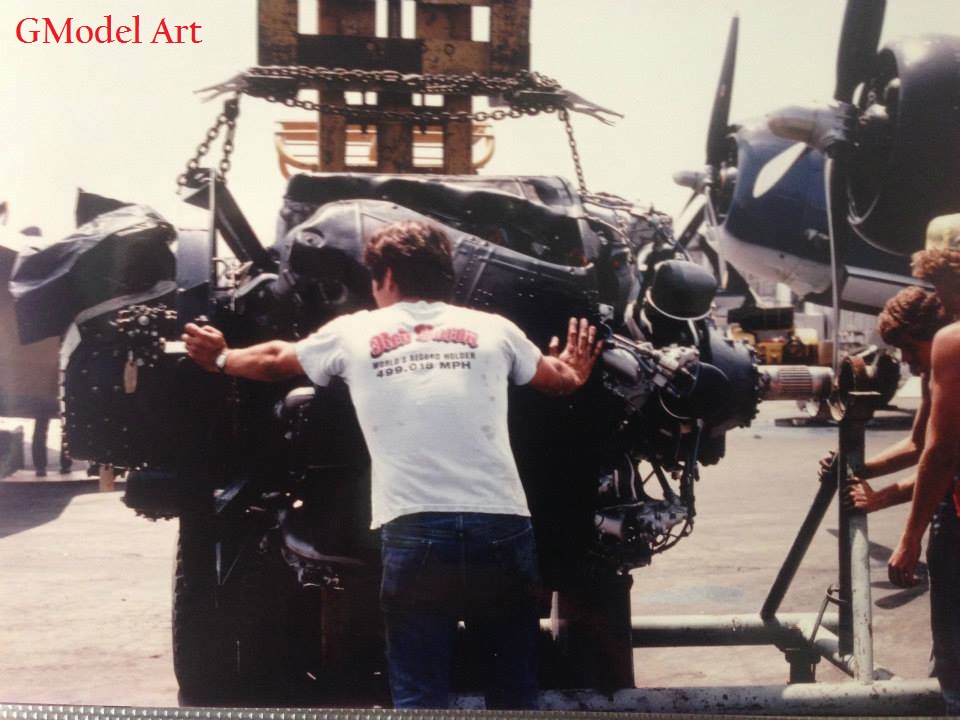
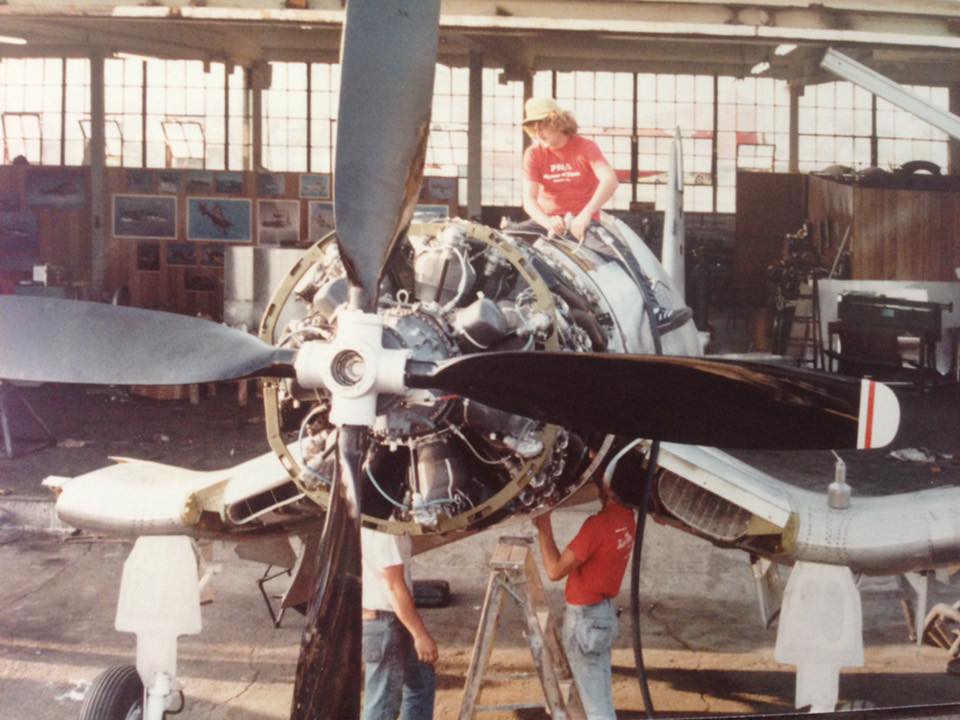
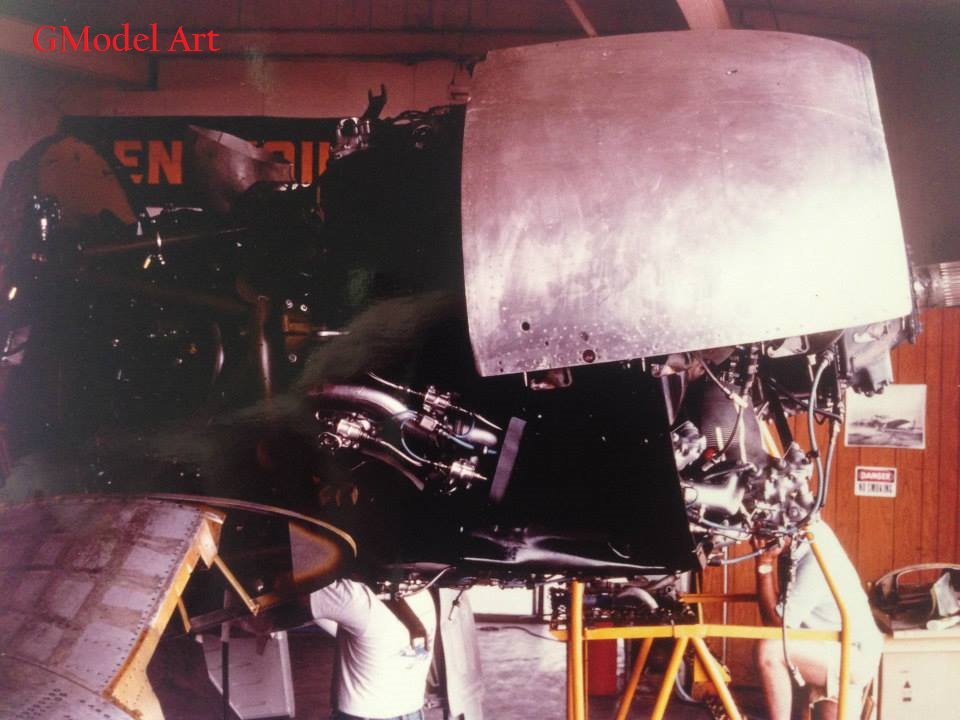
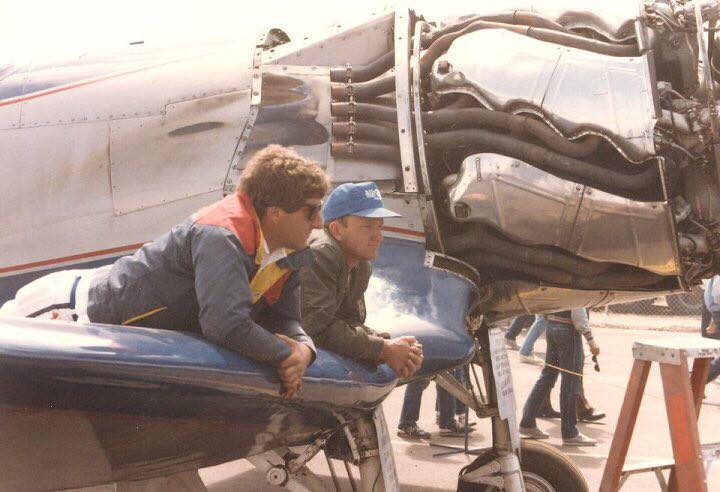
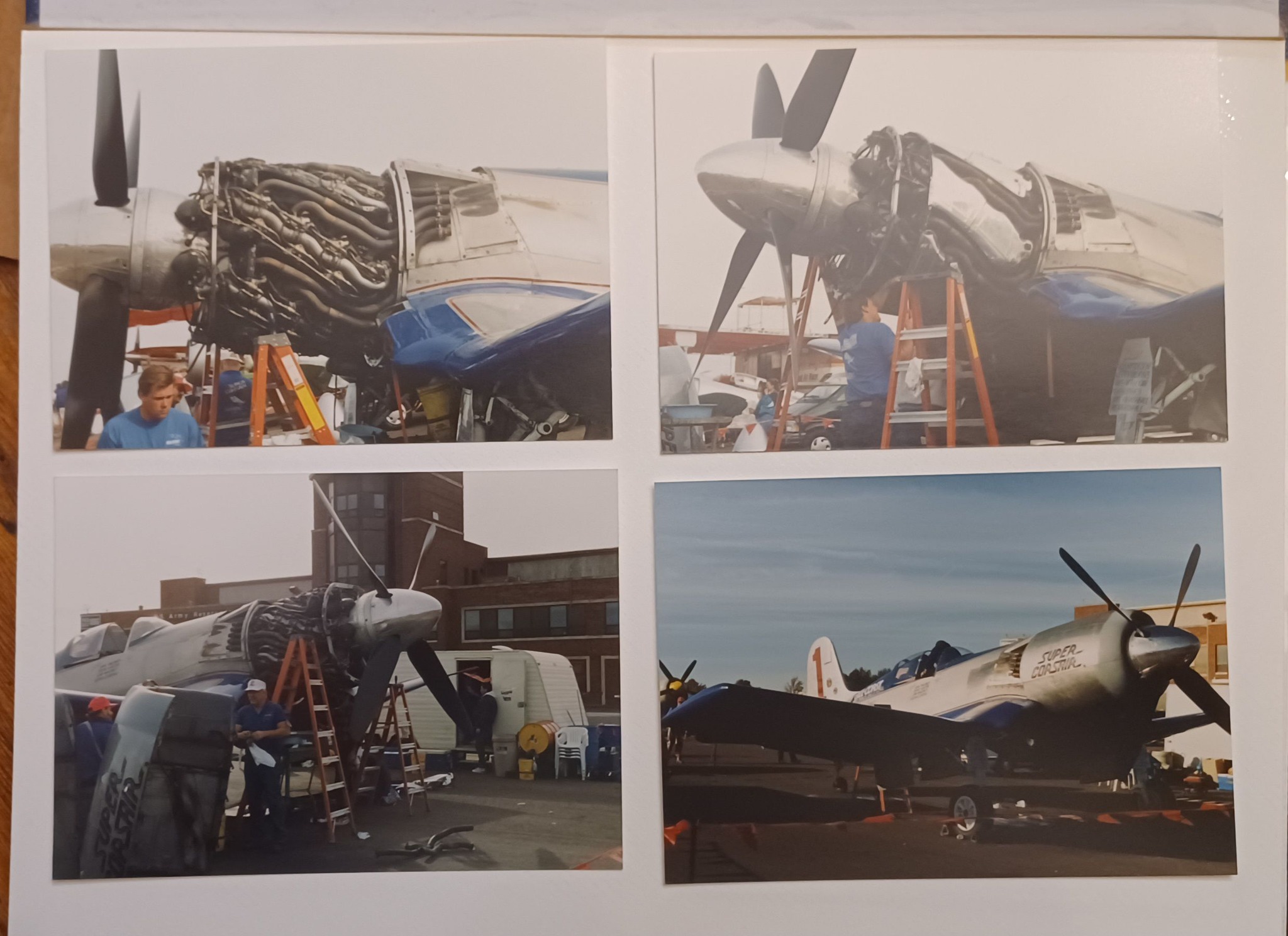
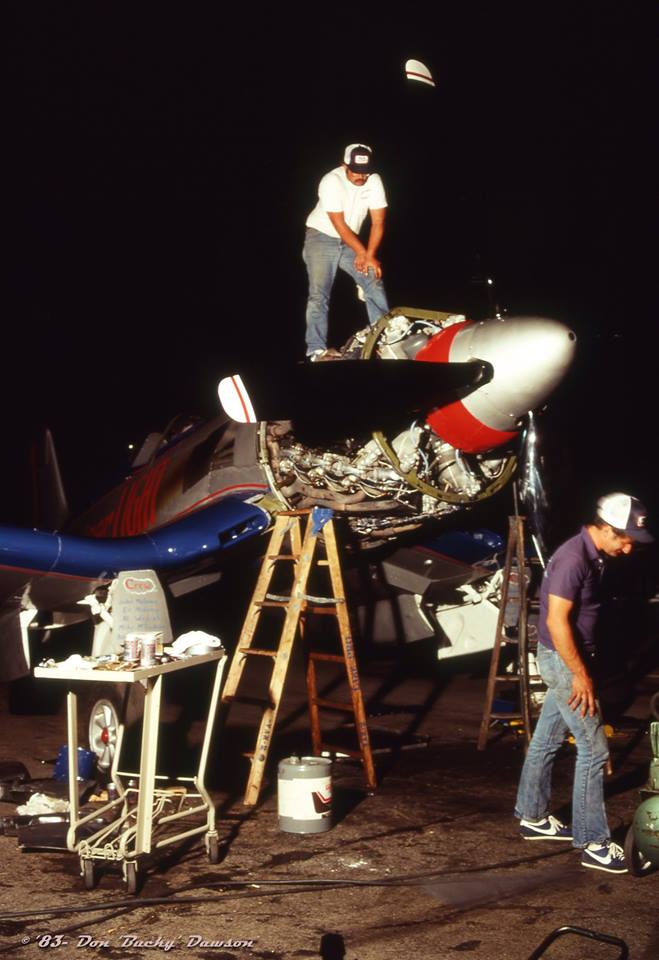
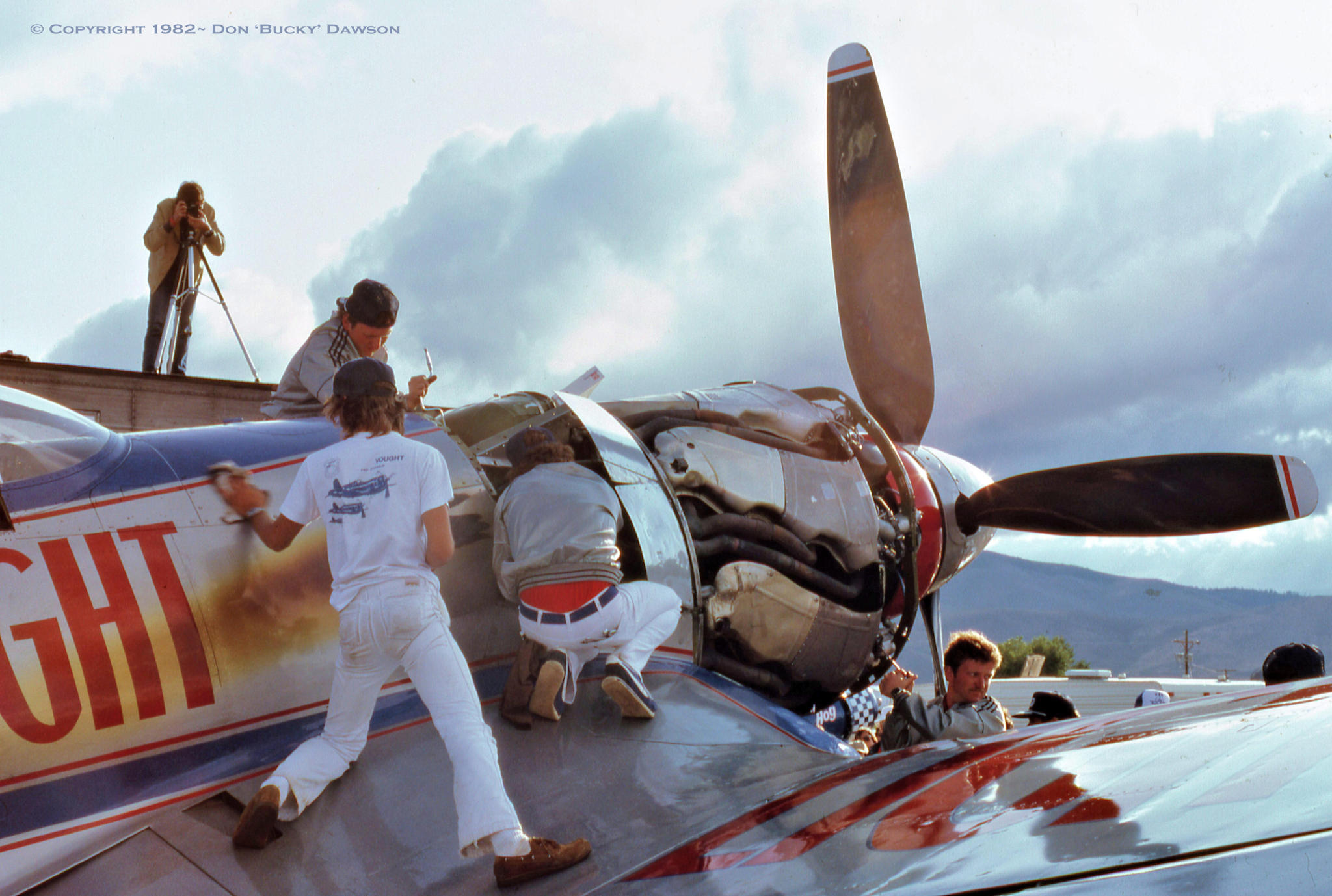
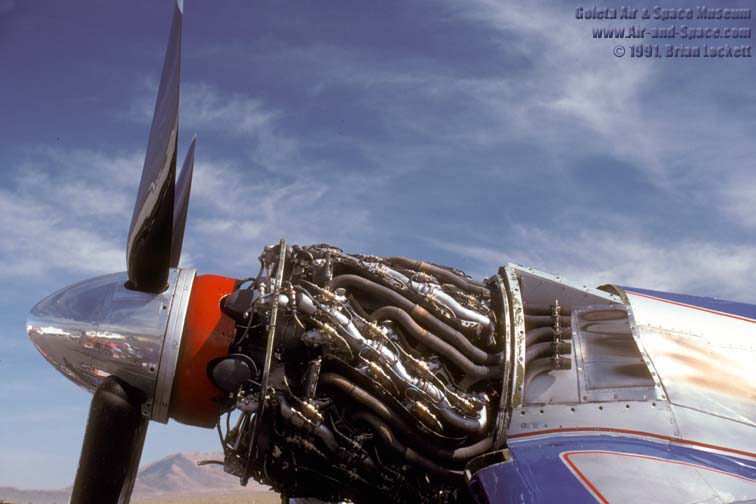
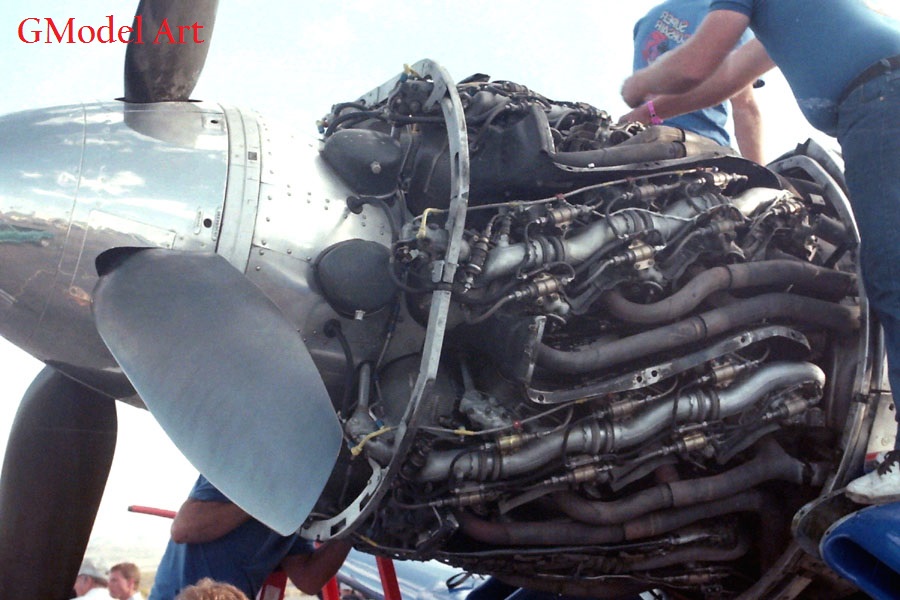
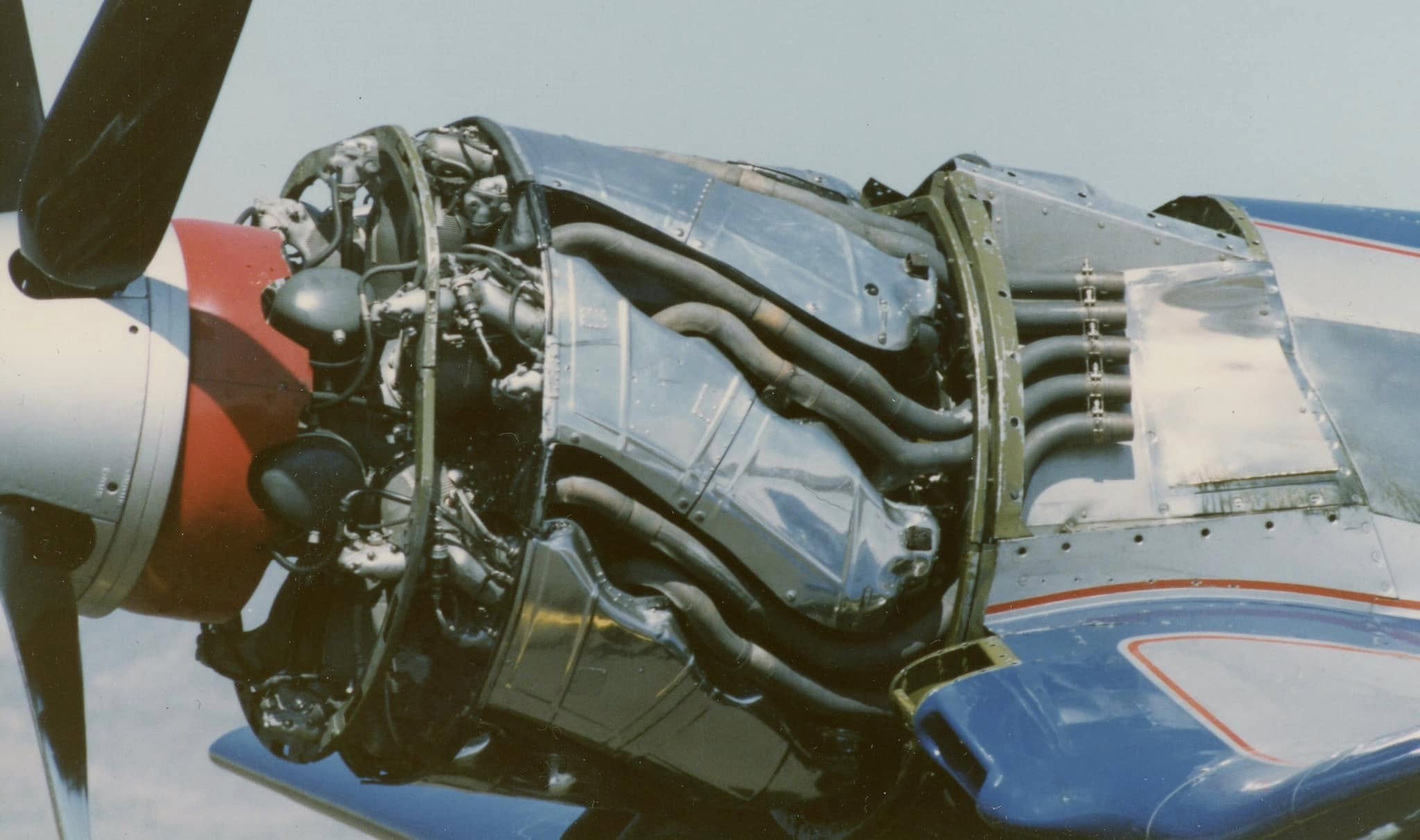
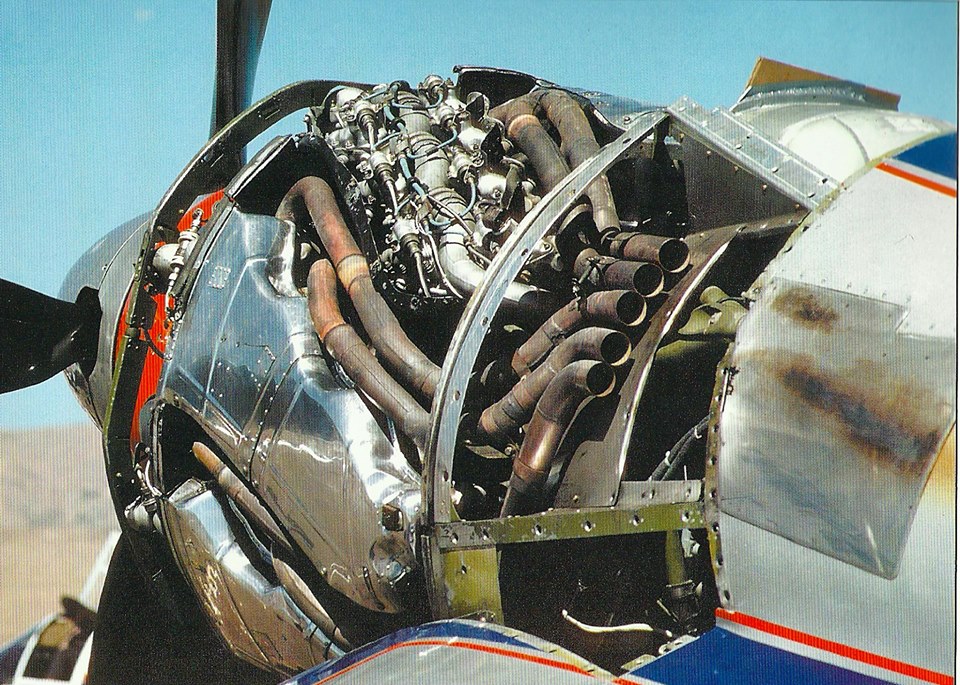
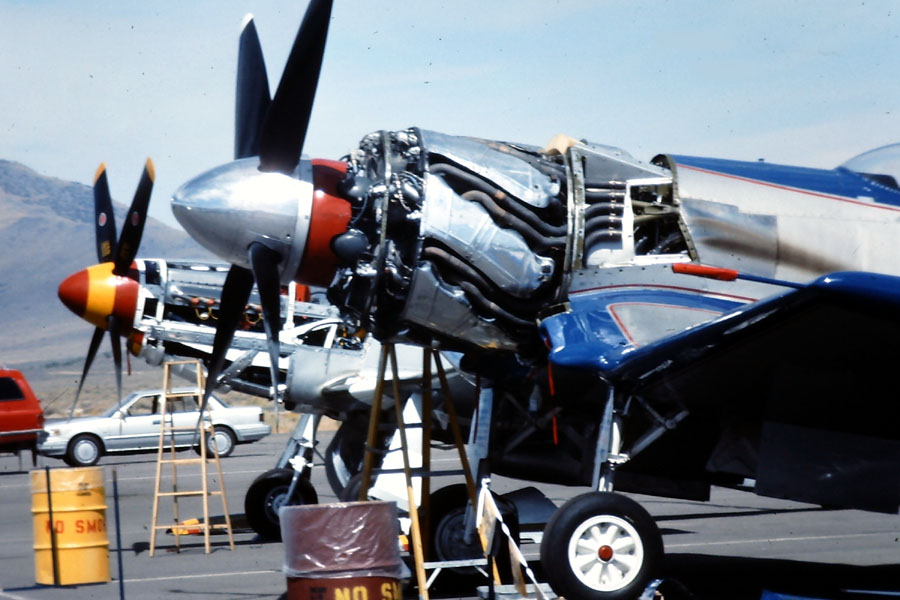
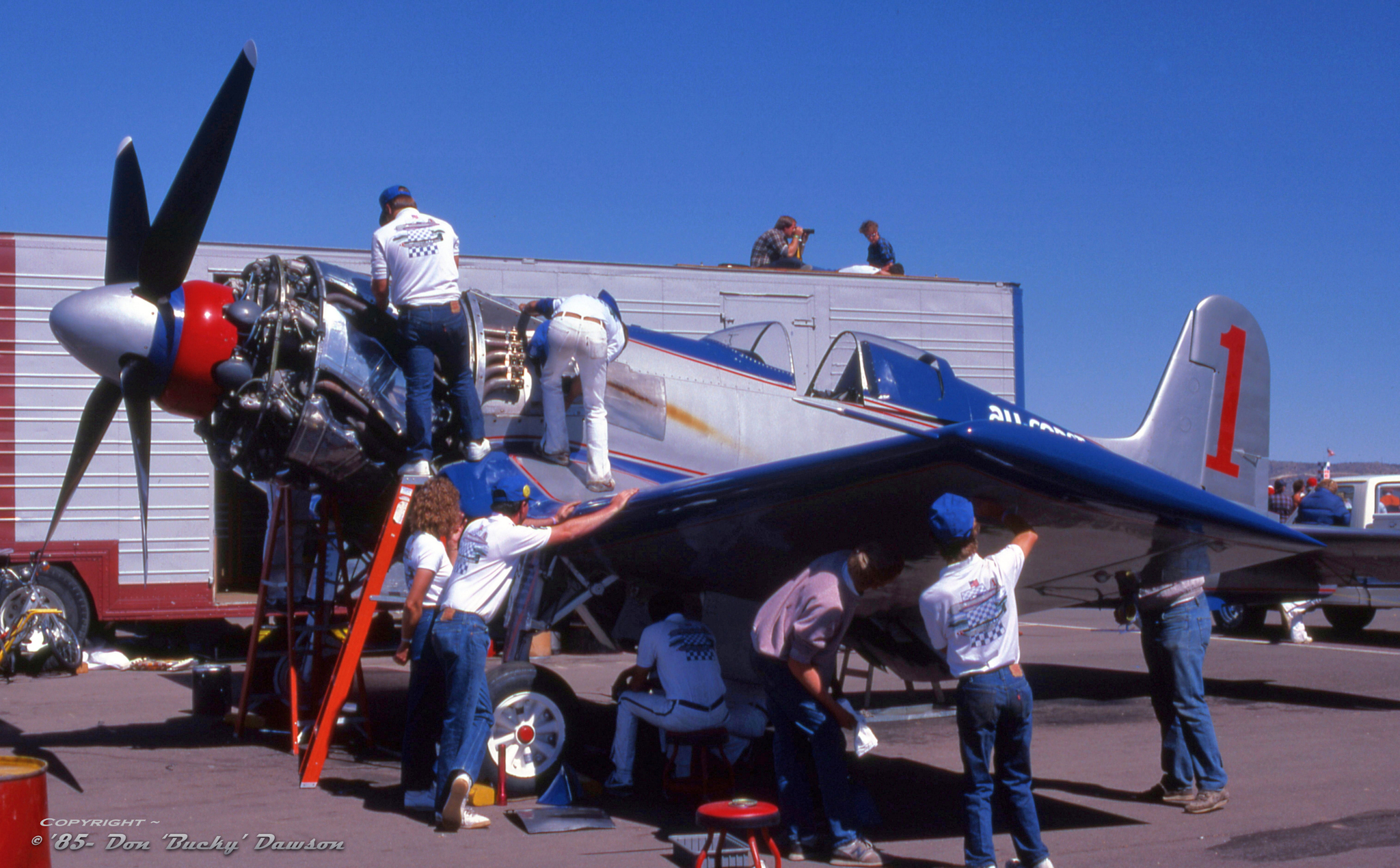
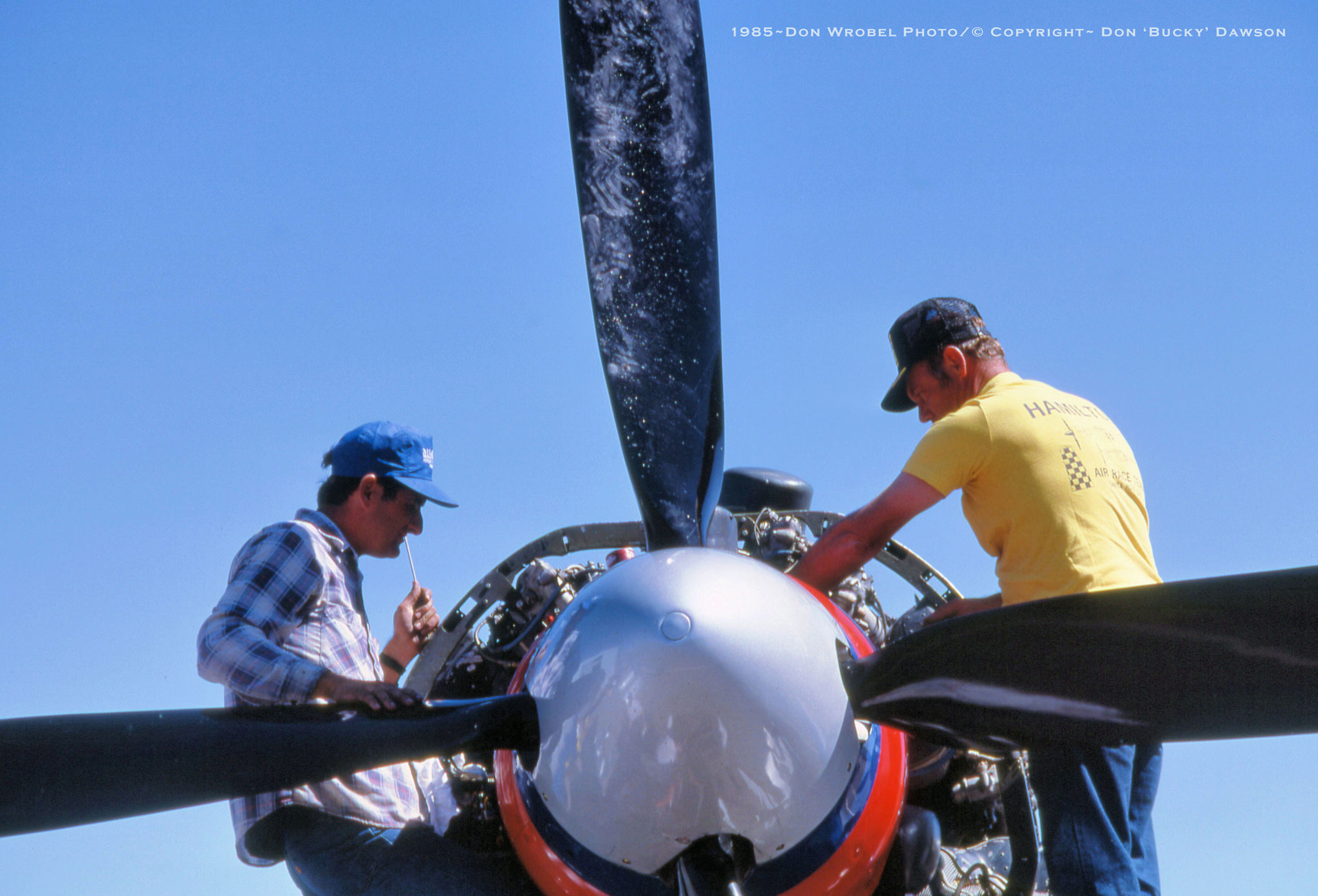
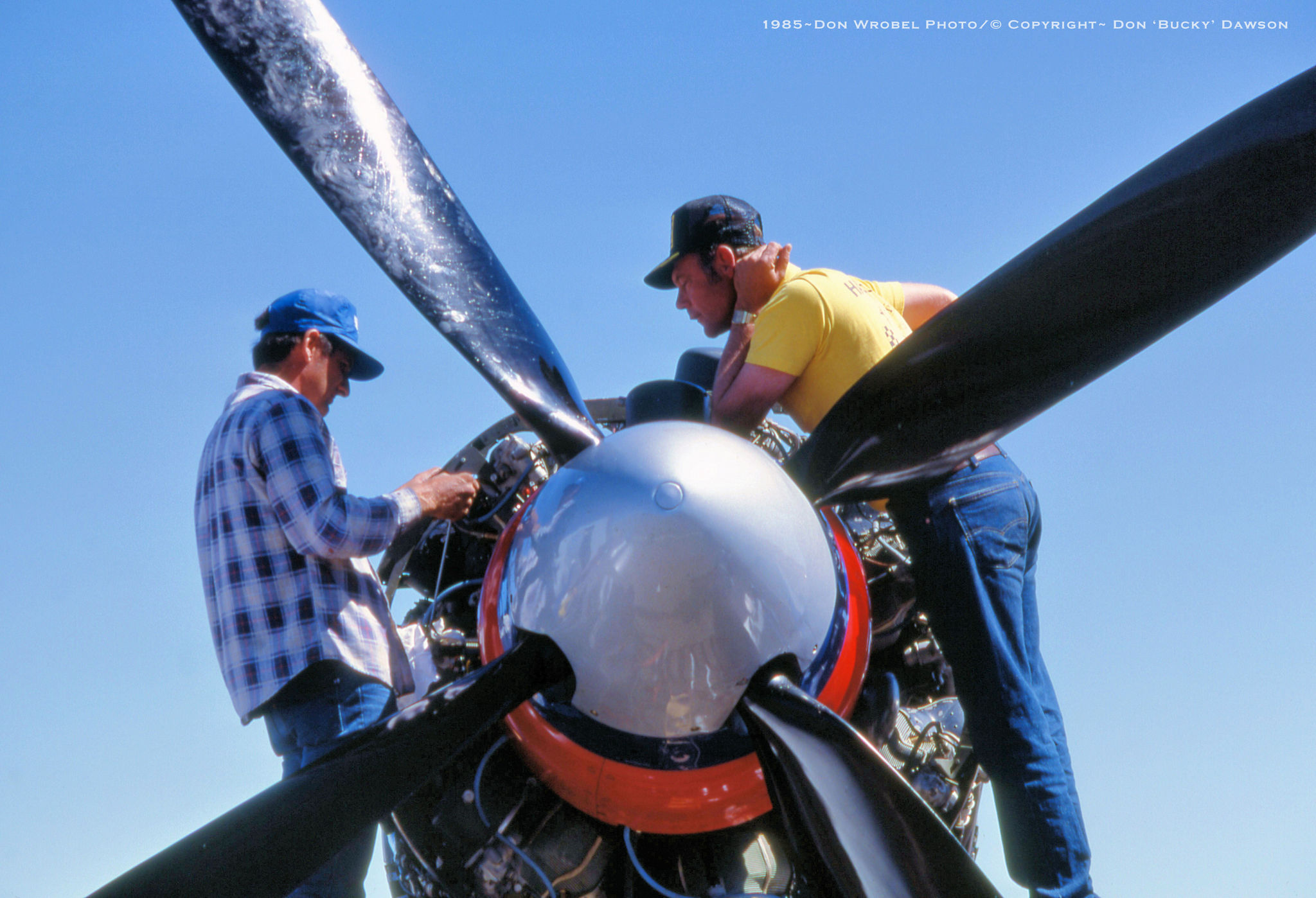
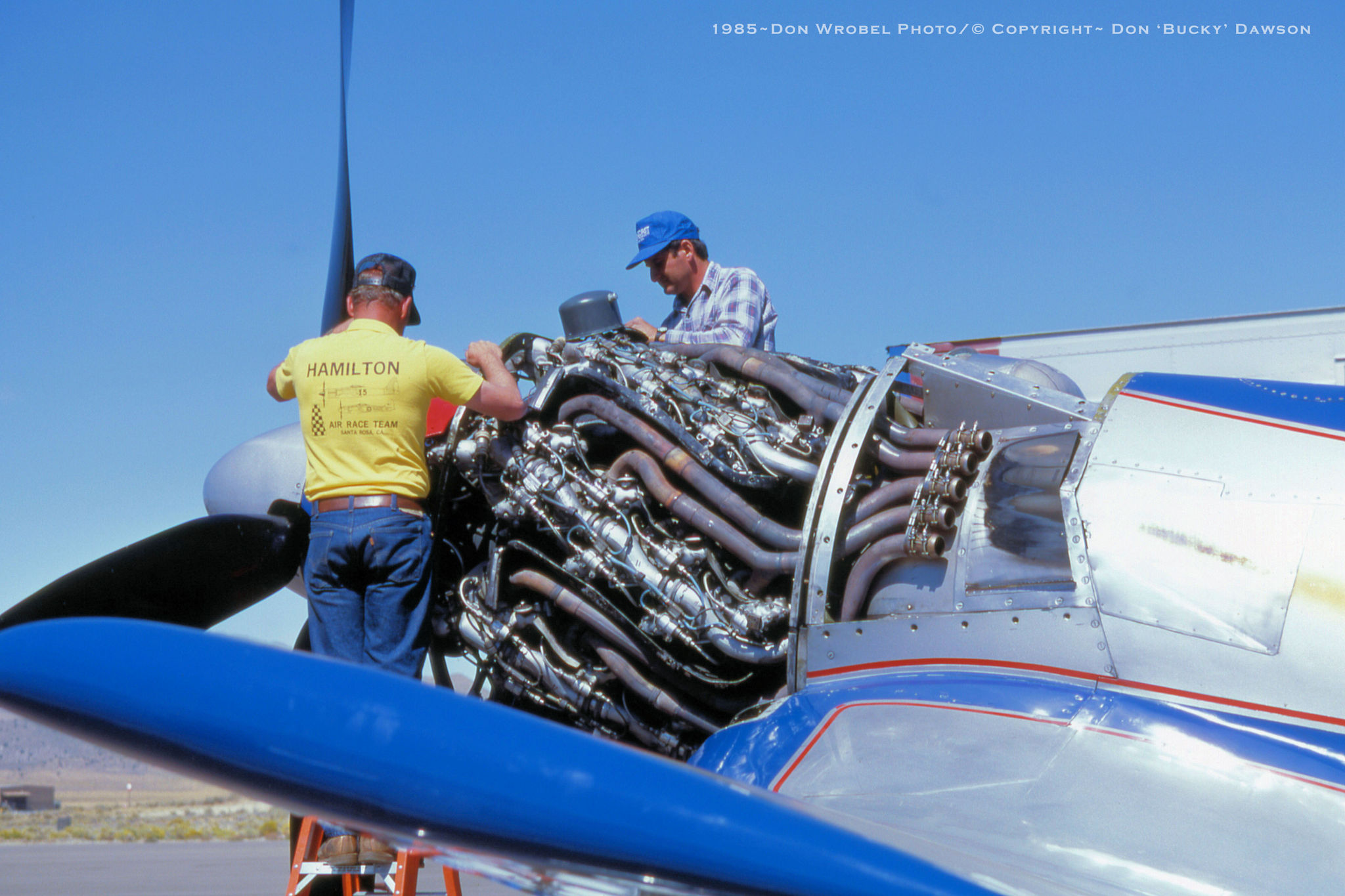
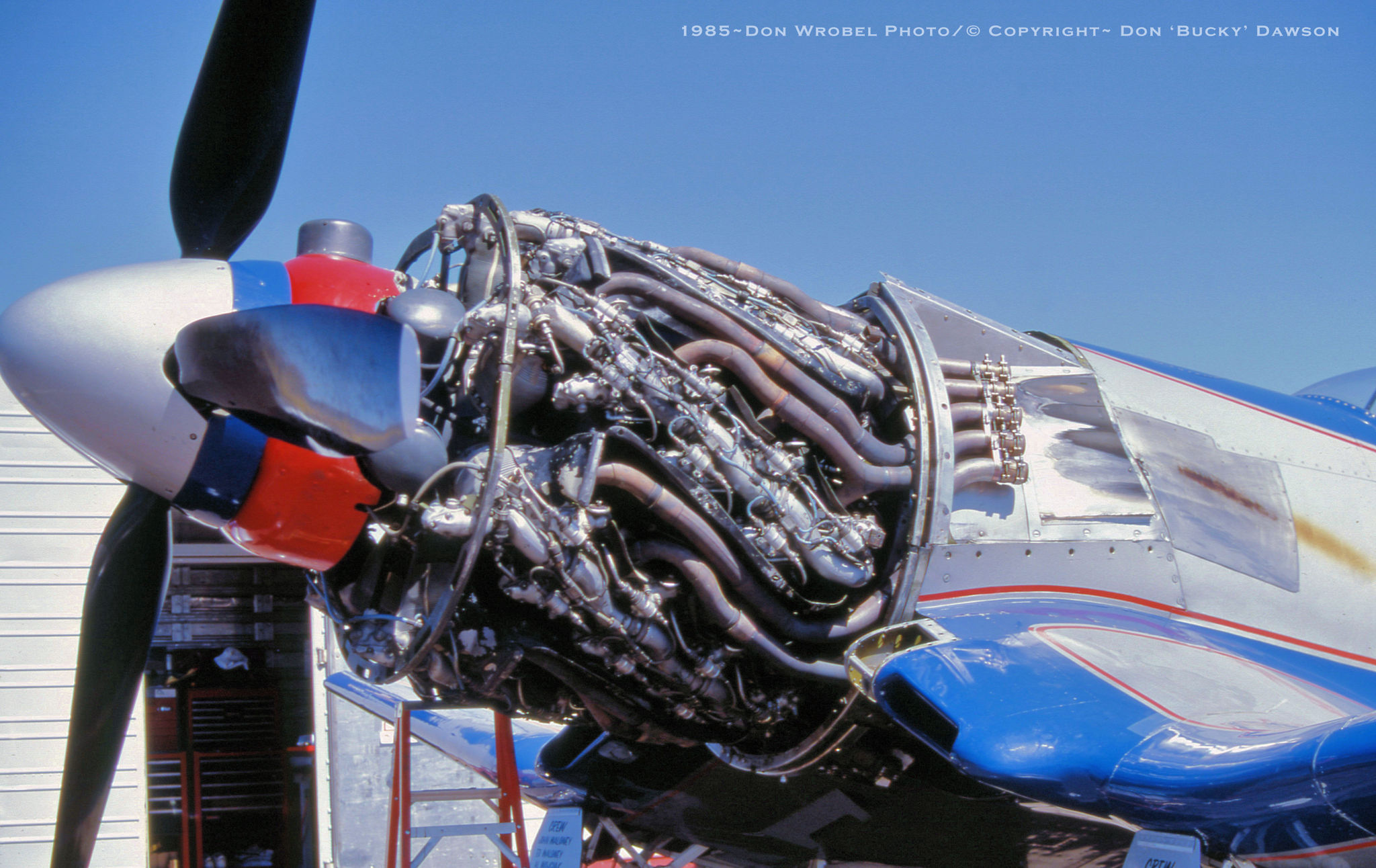
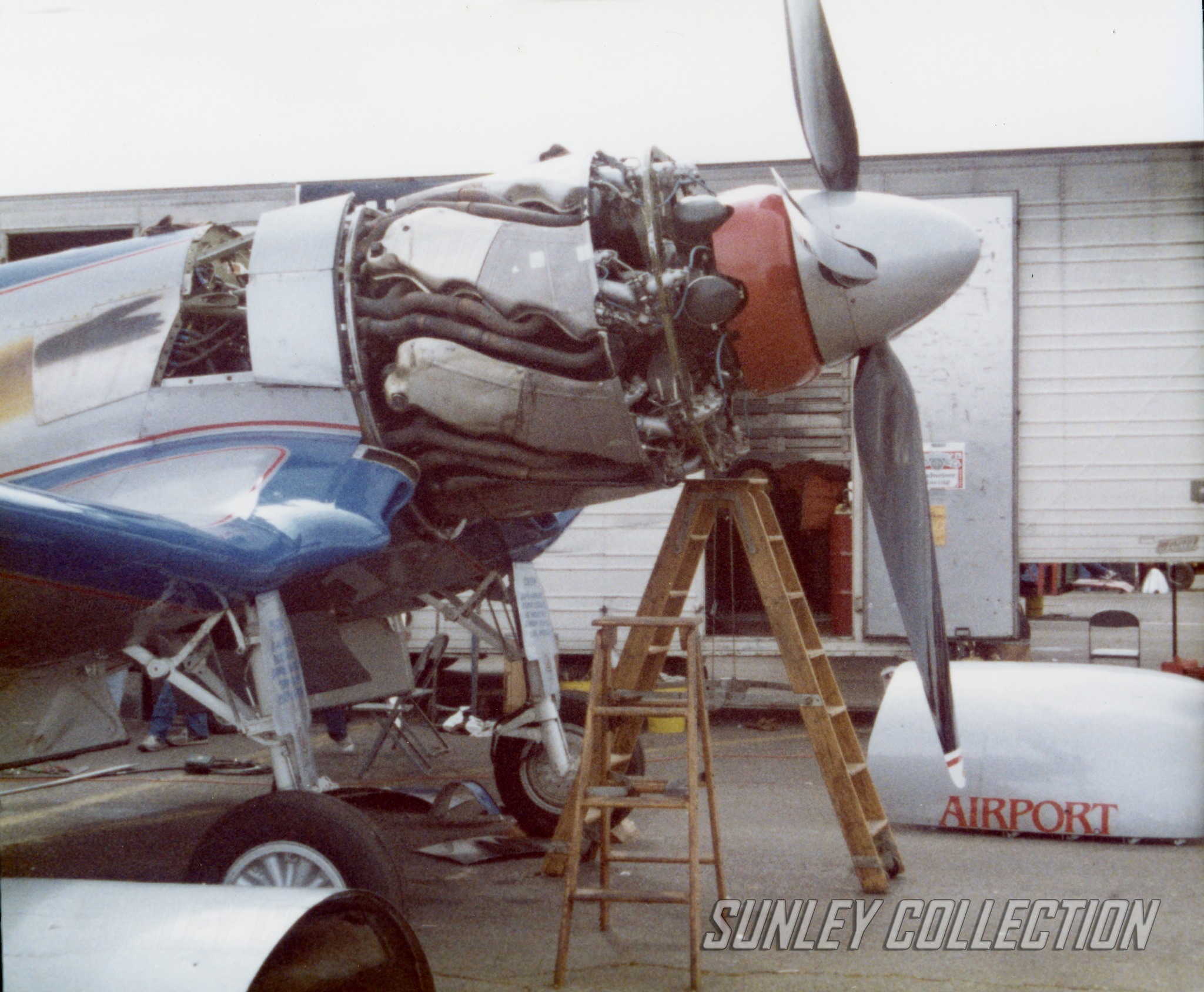
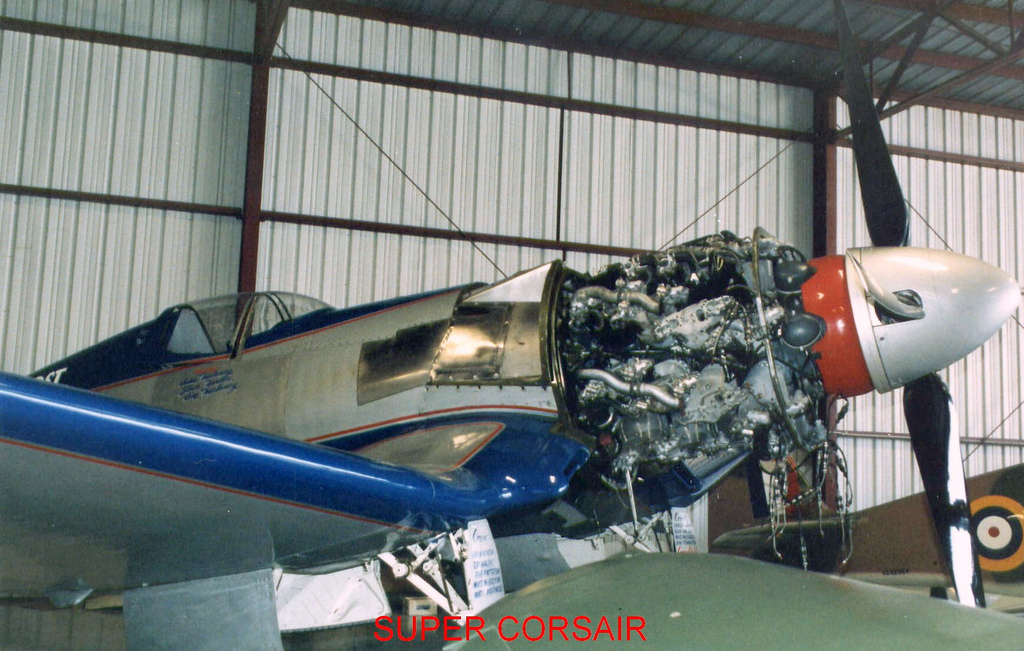
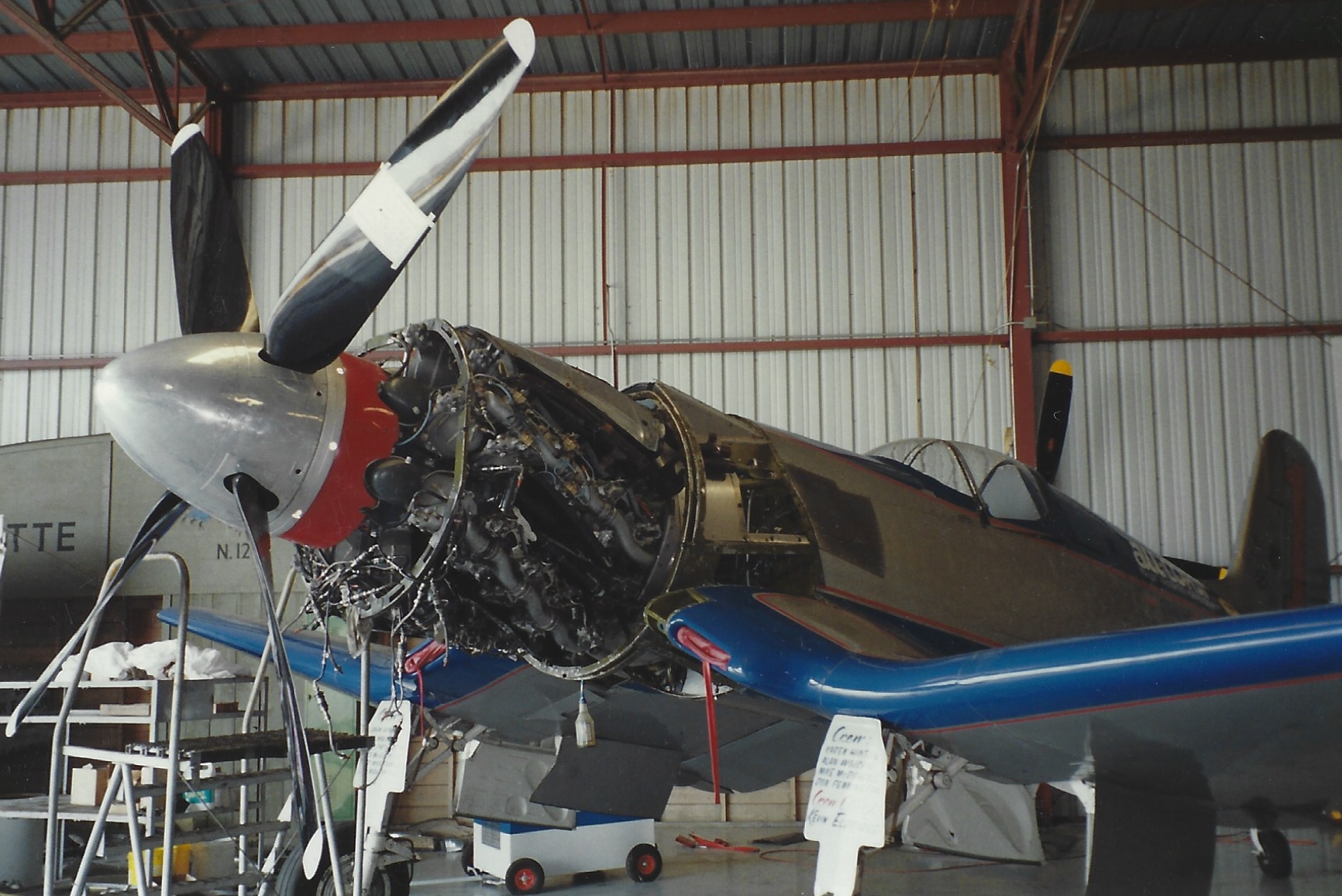
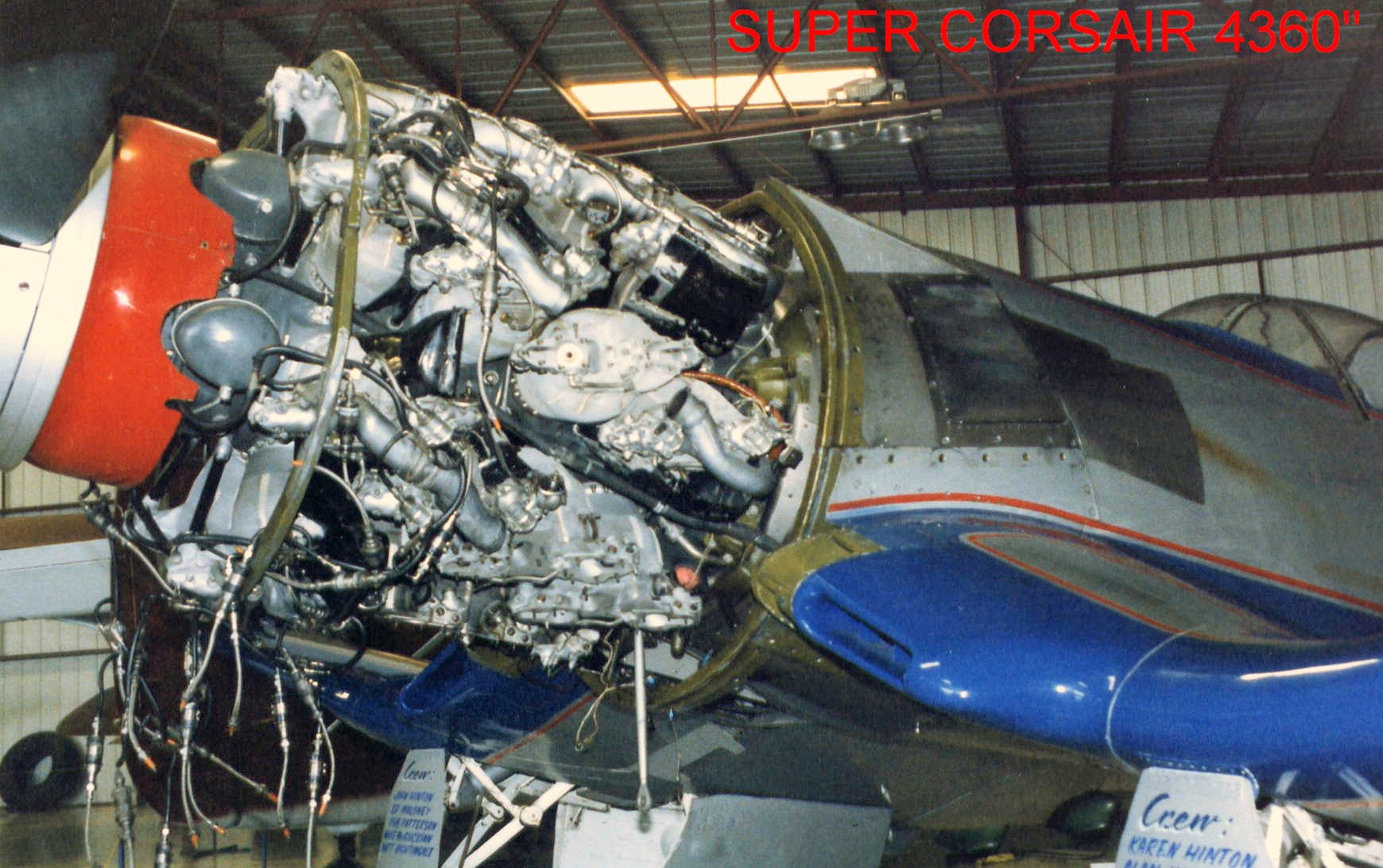
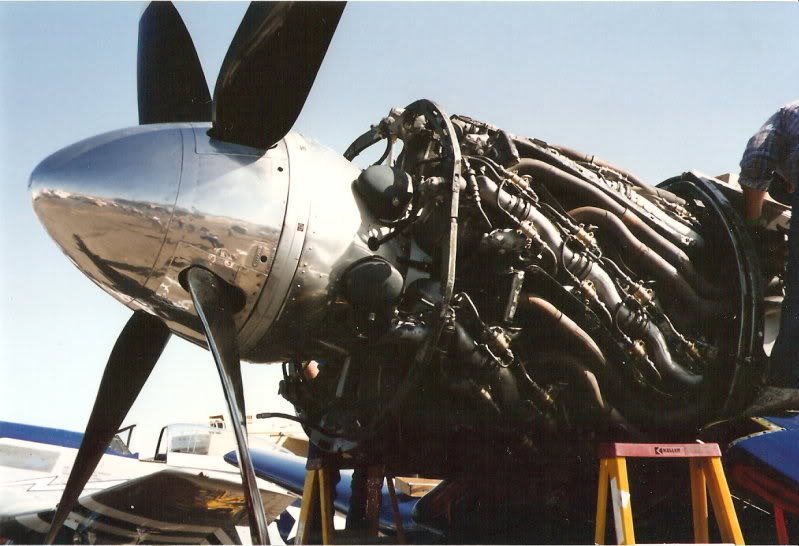
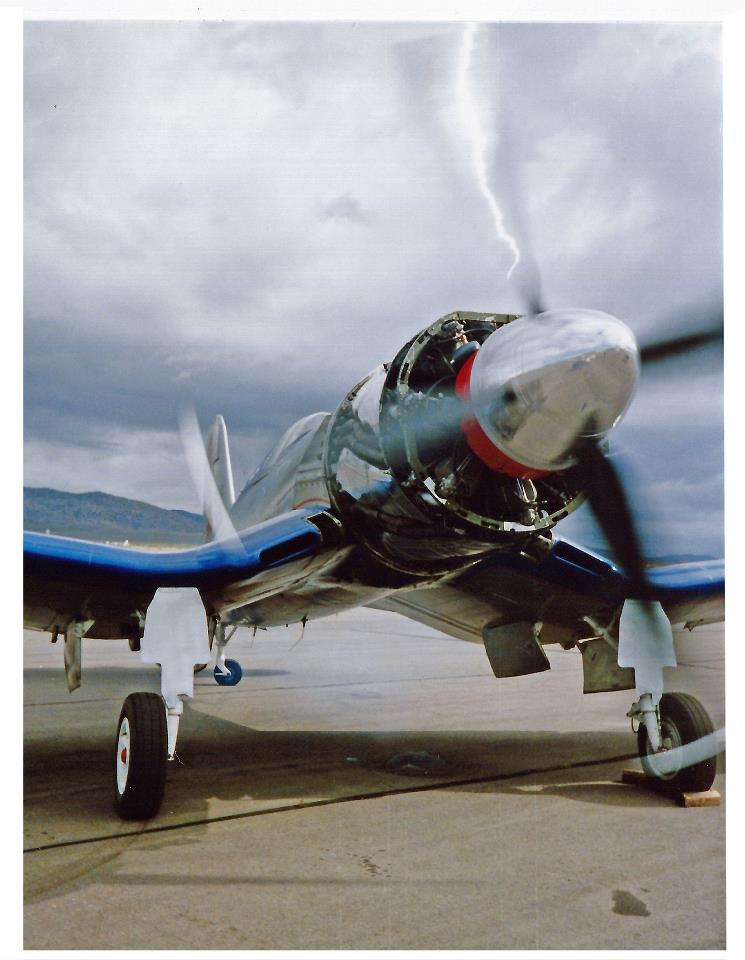
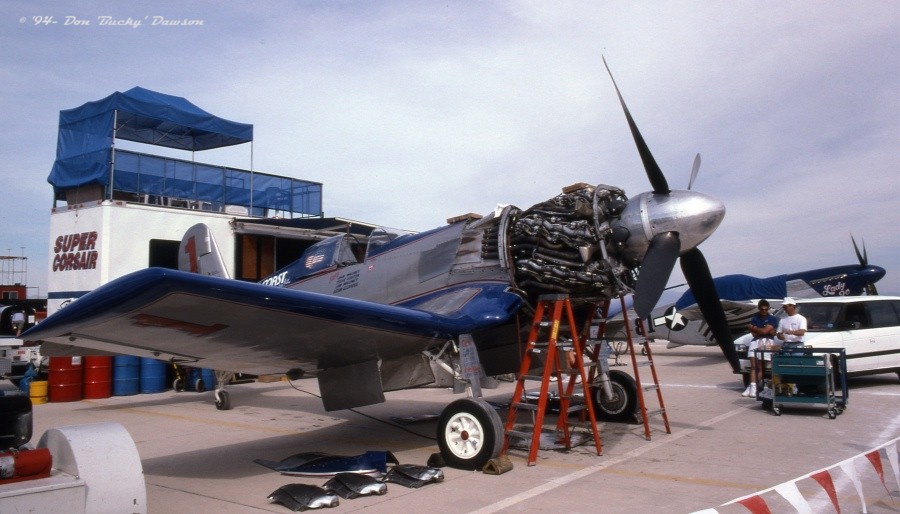
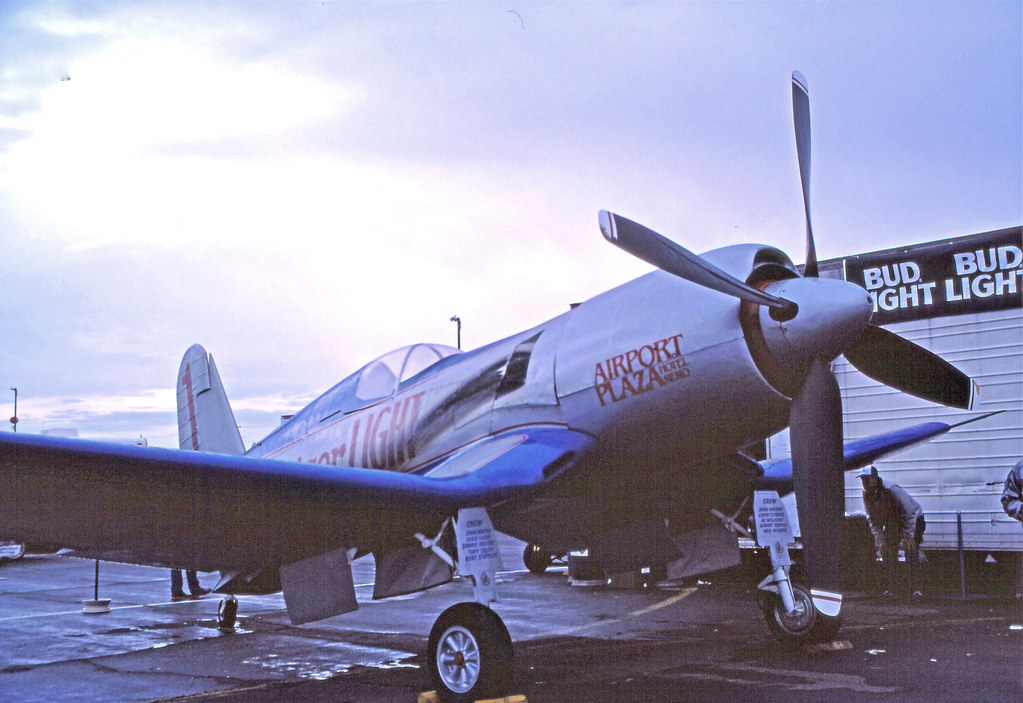
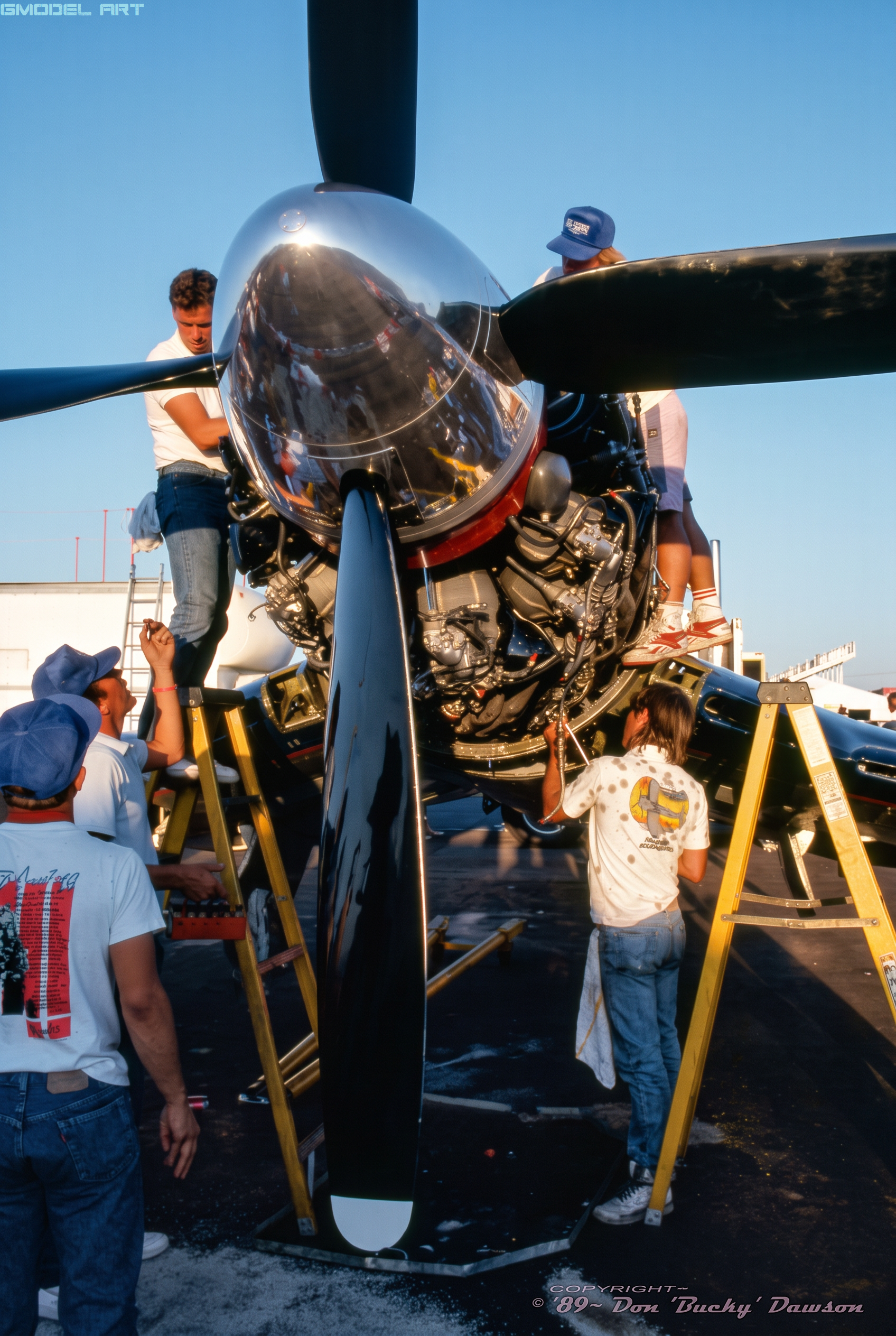
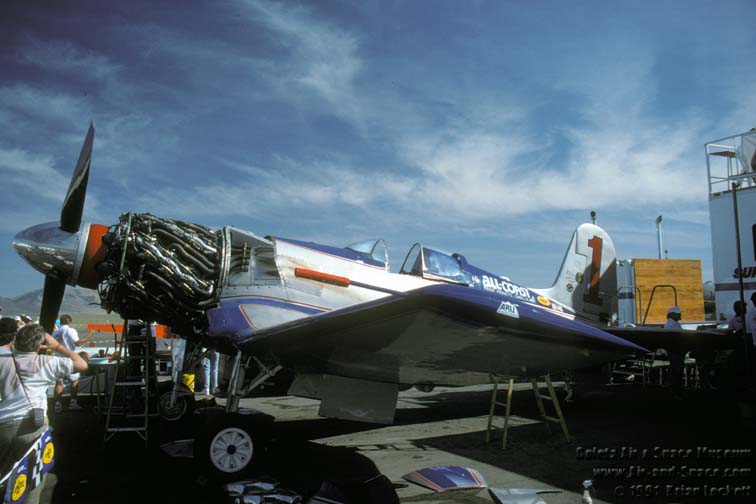
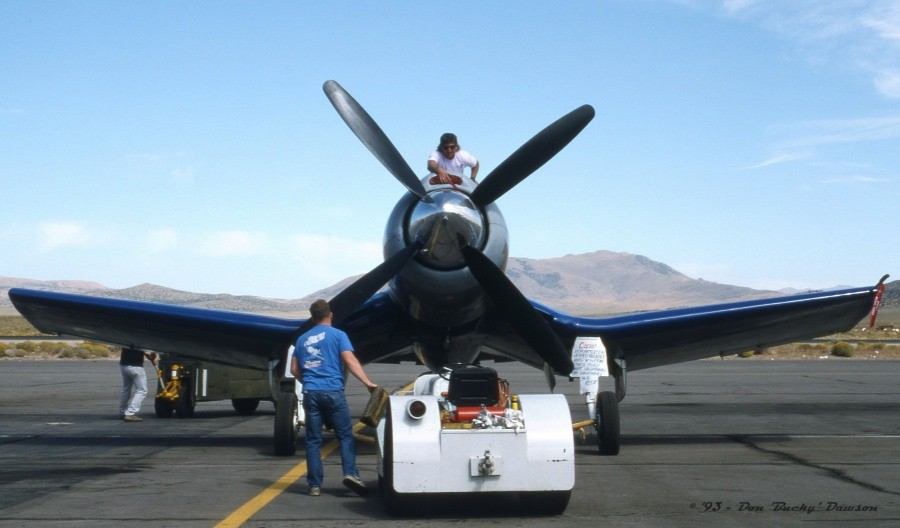
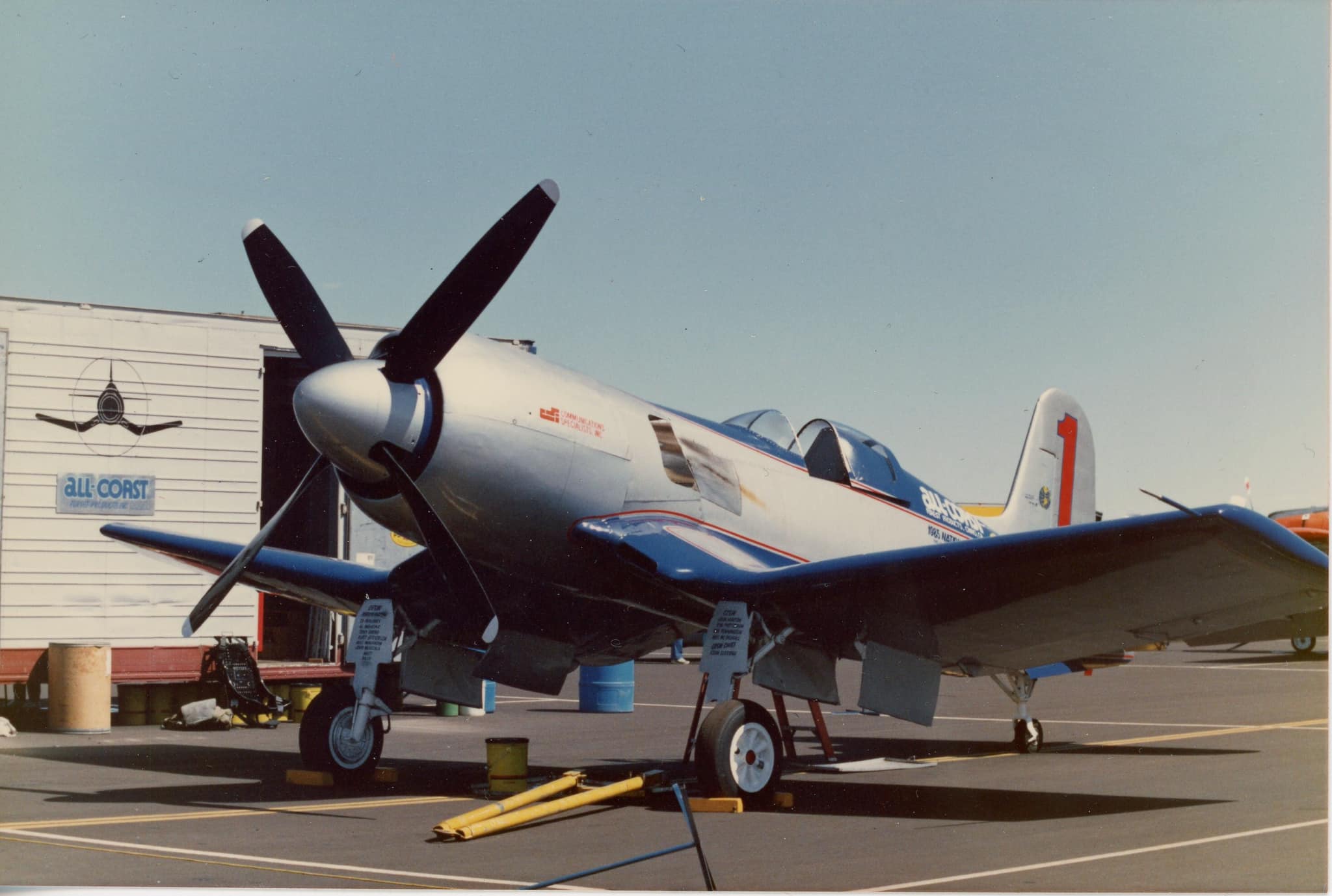
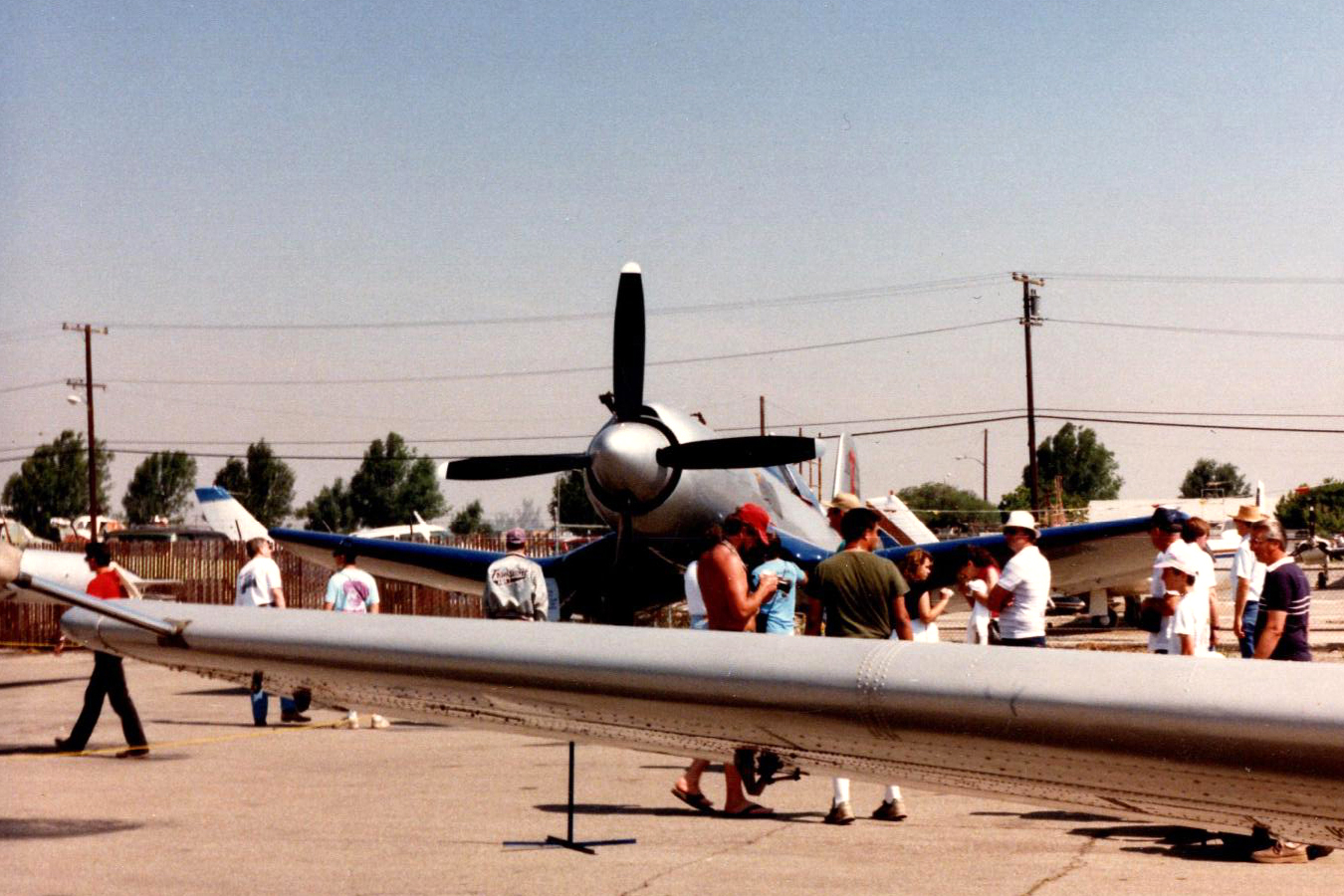
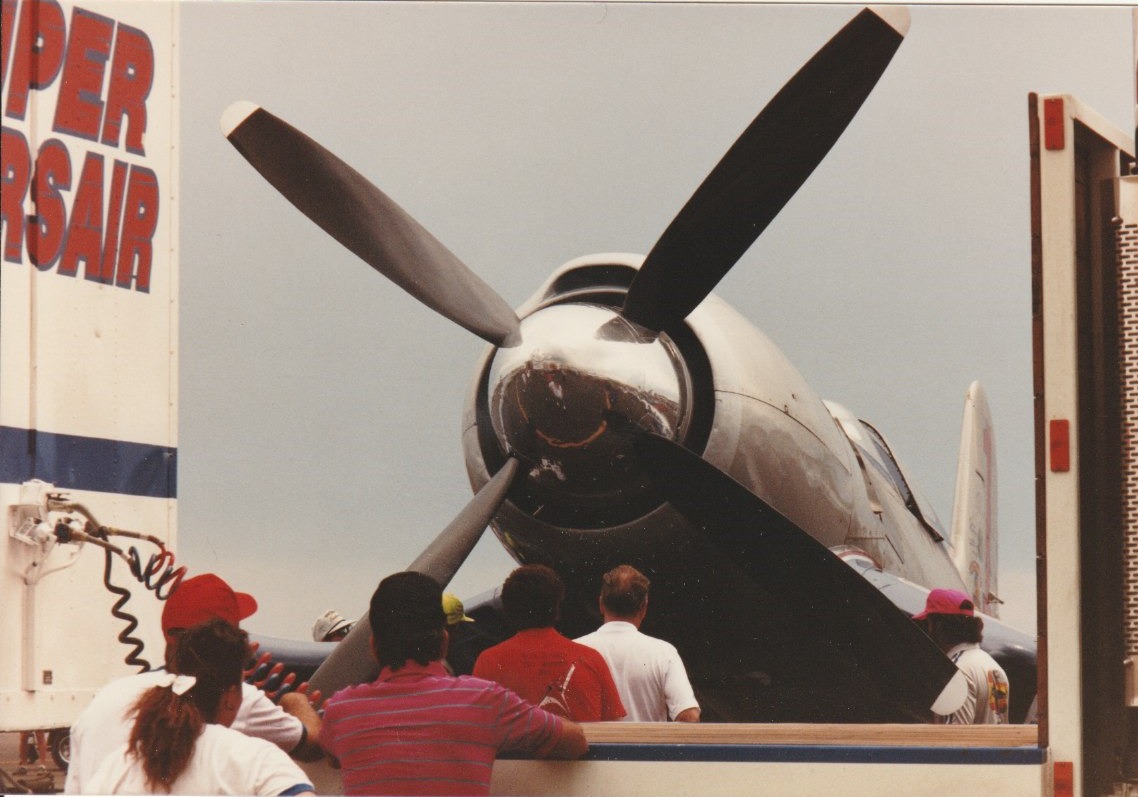
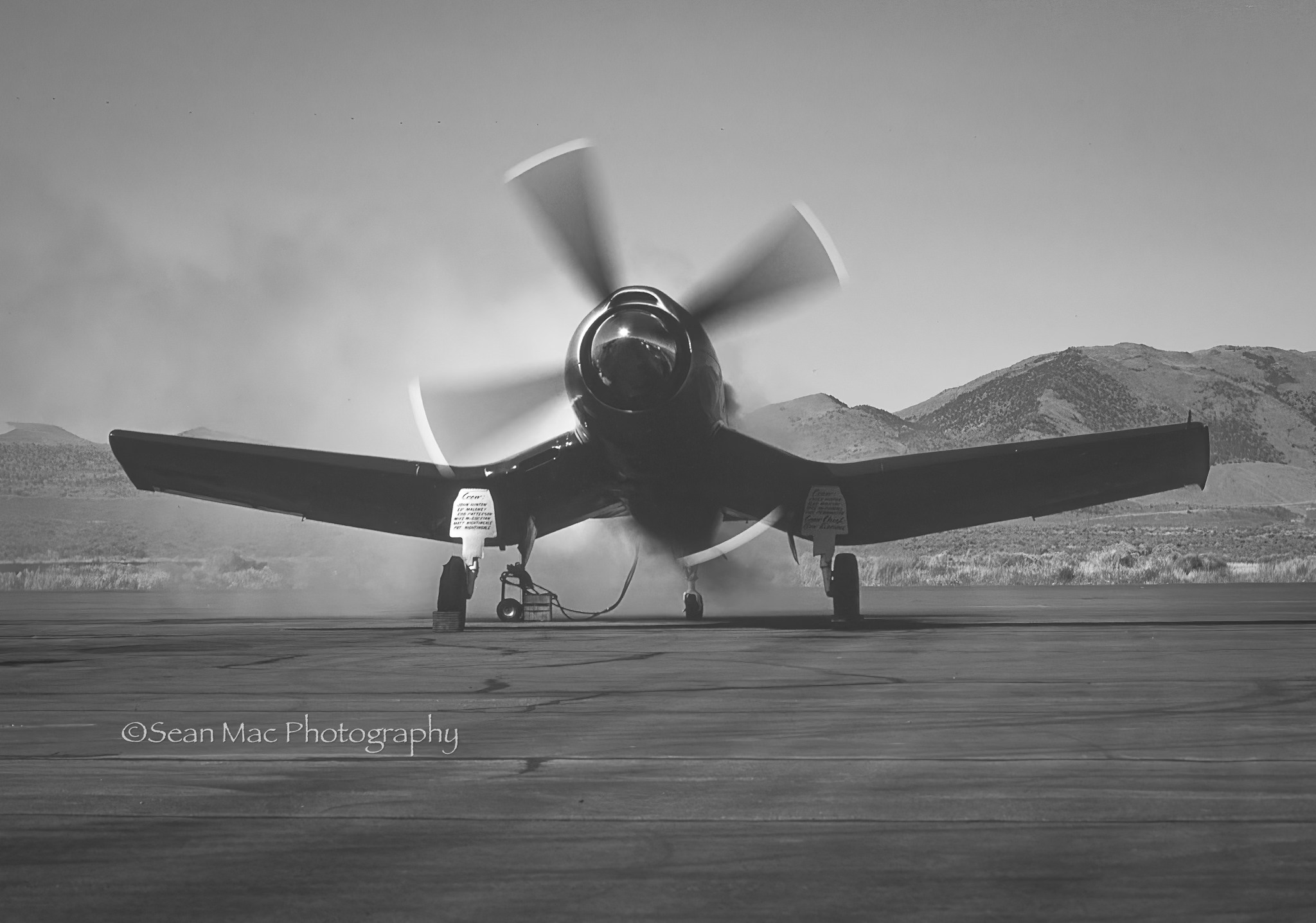
The heart of the Super Corsair became a Pratt & Whitney R-4360 Wasp Major engine sourced from a C-97 aircraft.
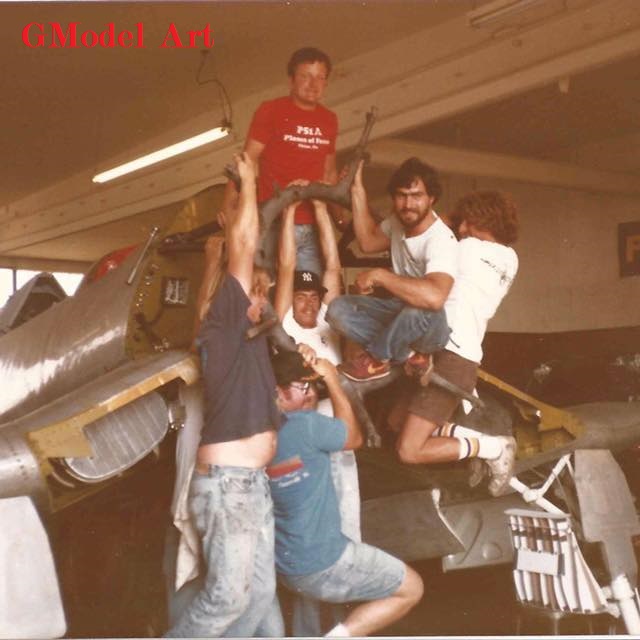
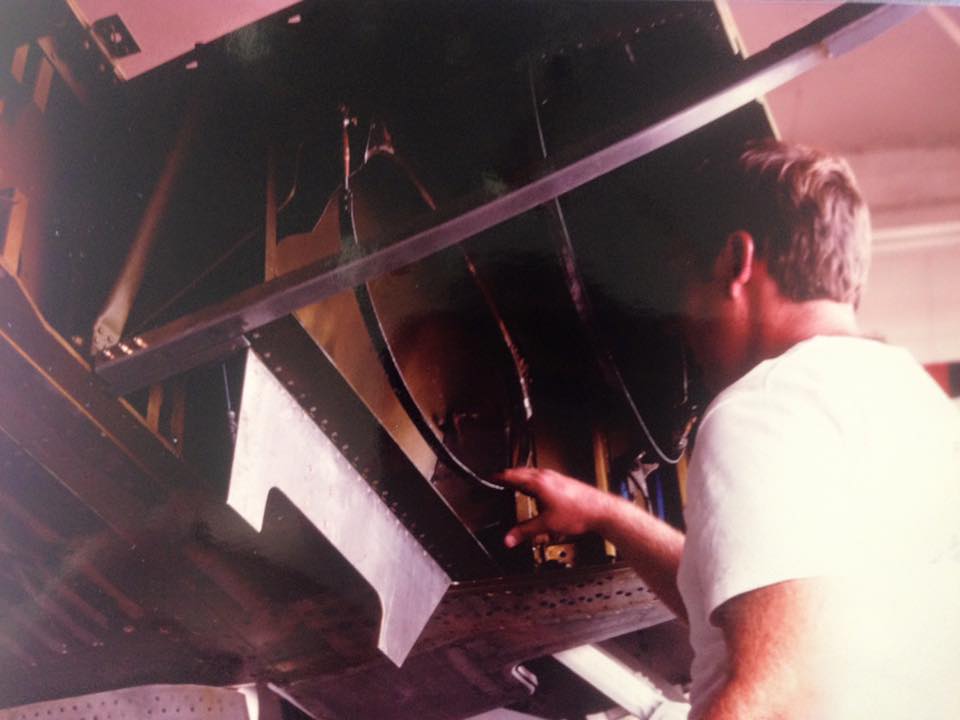
A completely custom engine mount had to be developed specifically for the project.
Several significant modifications were required:
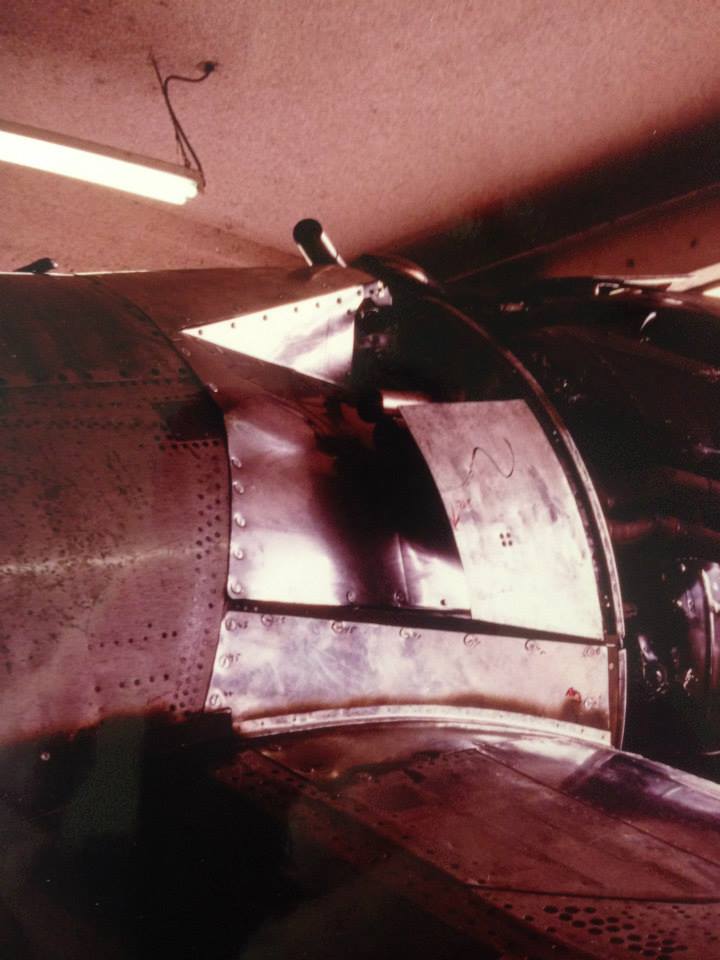
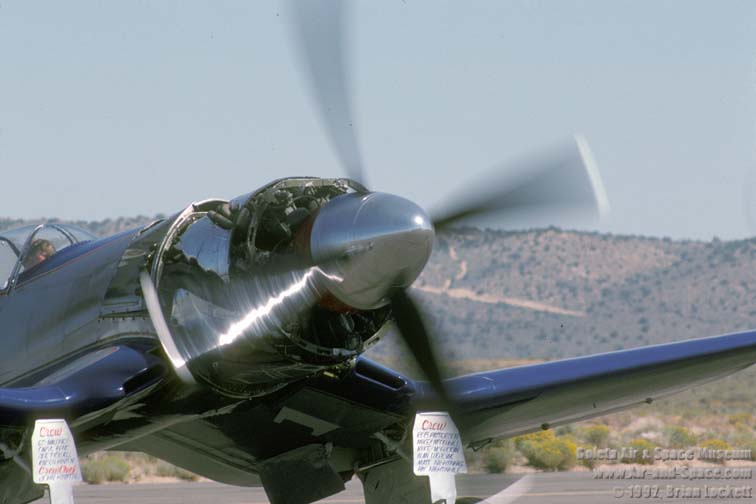
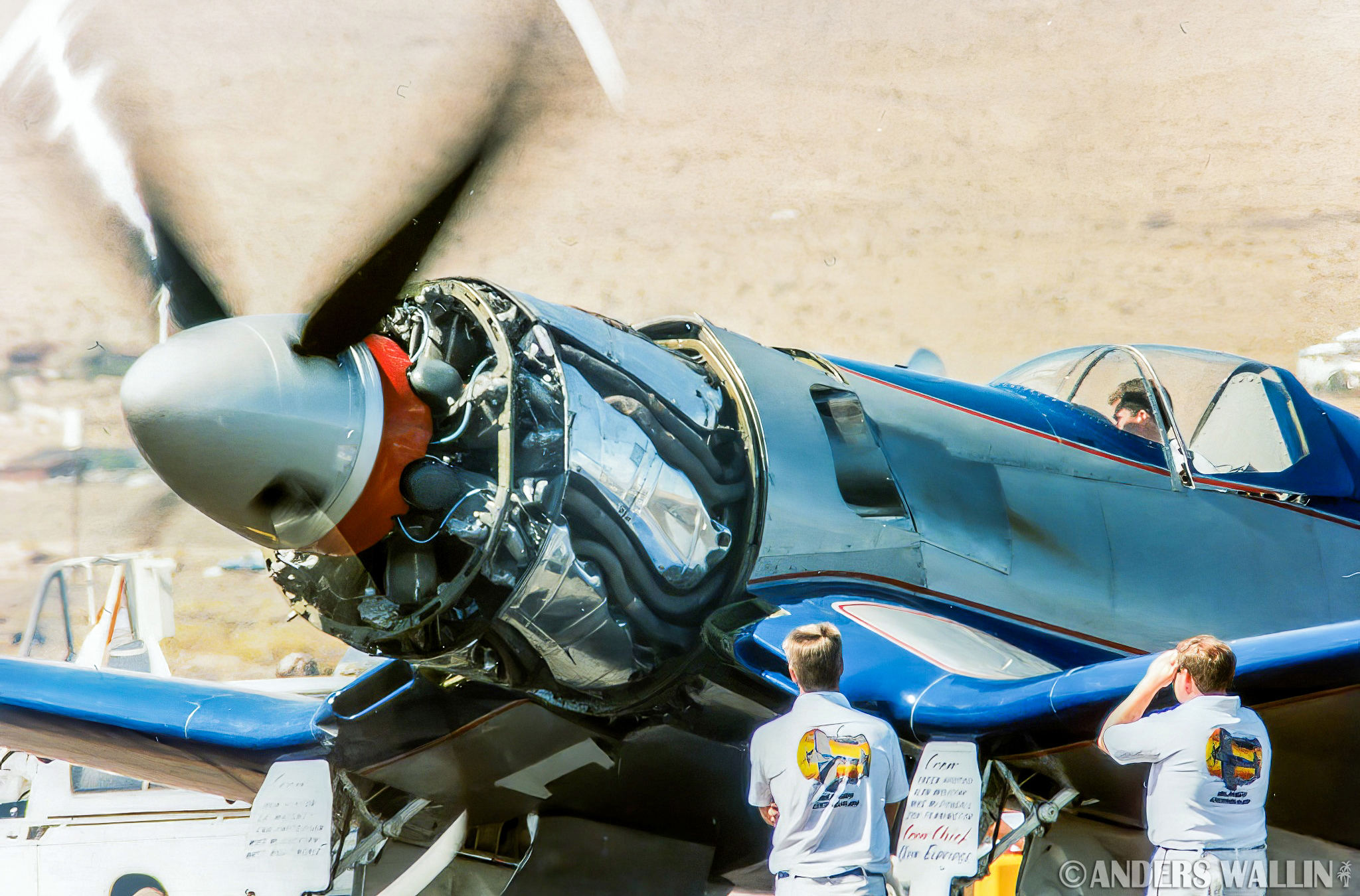
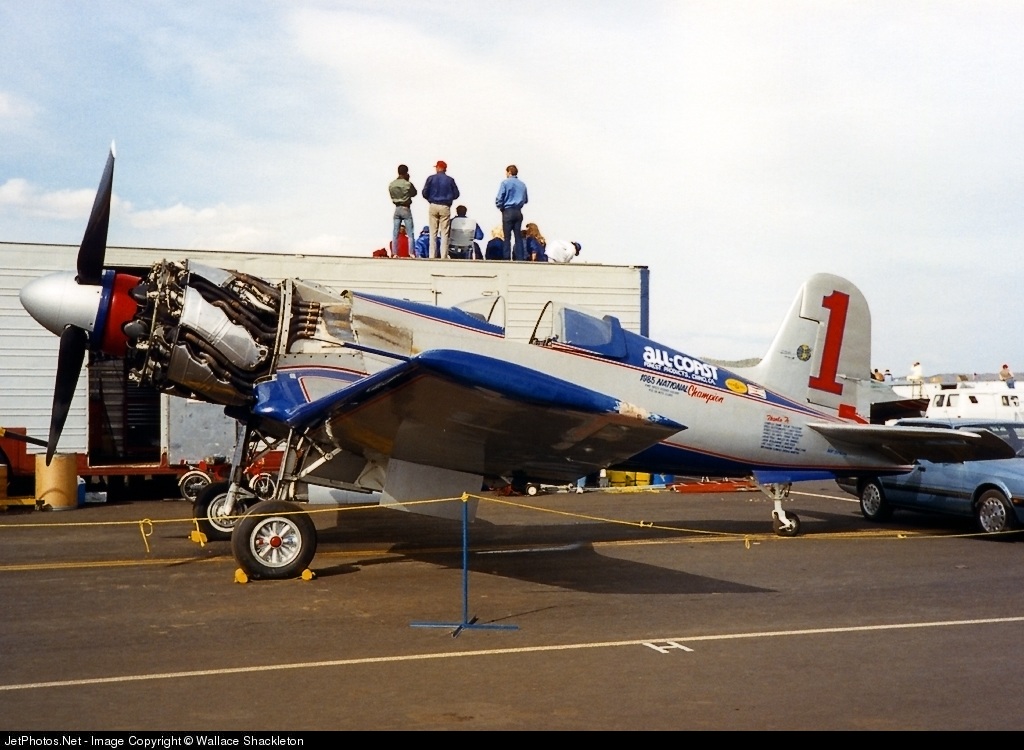
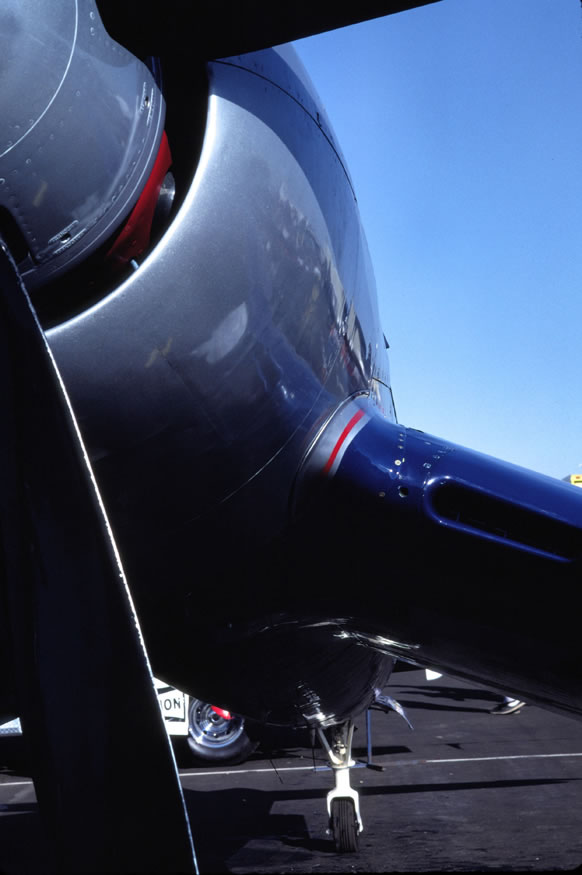
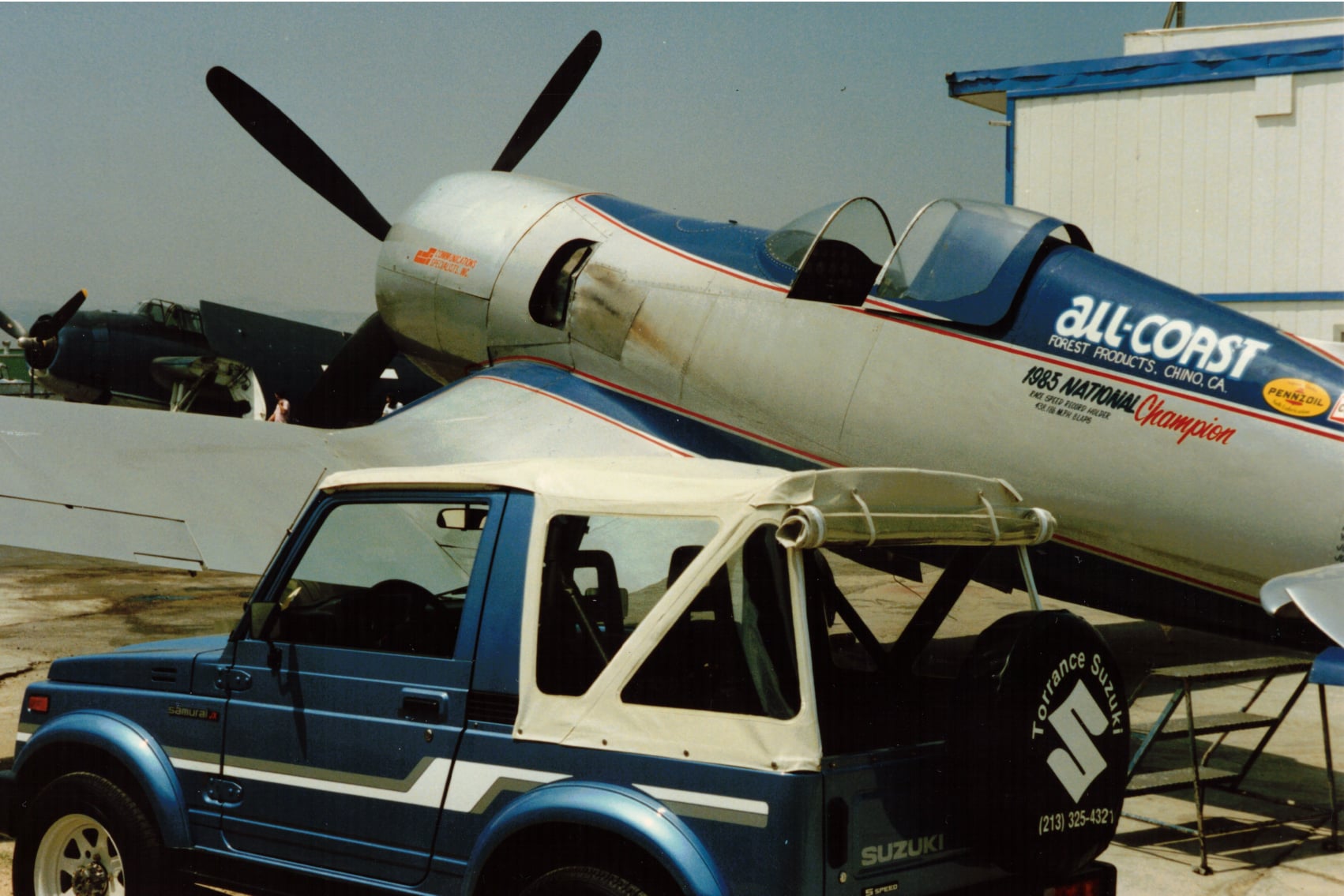
• modified engine cowling adapted from an A-26 Invader
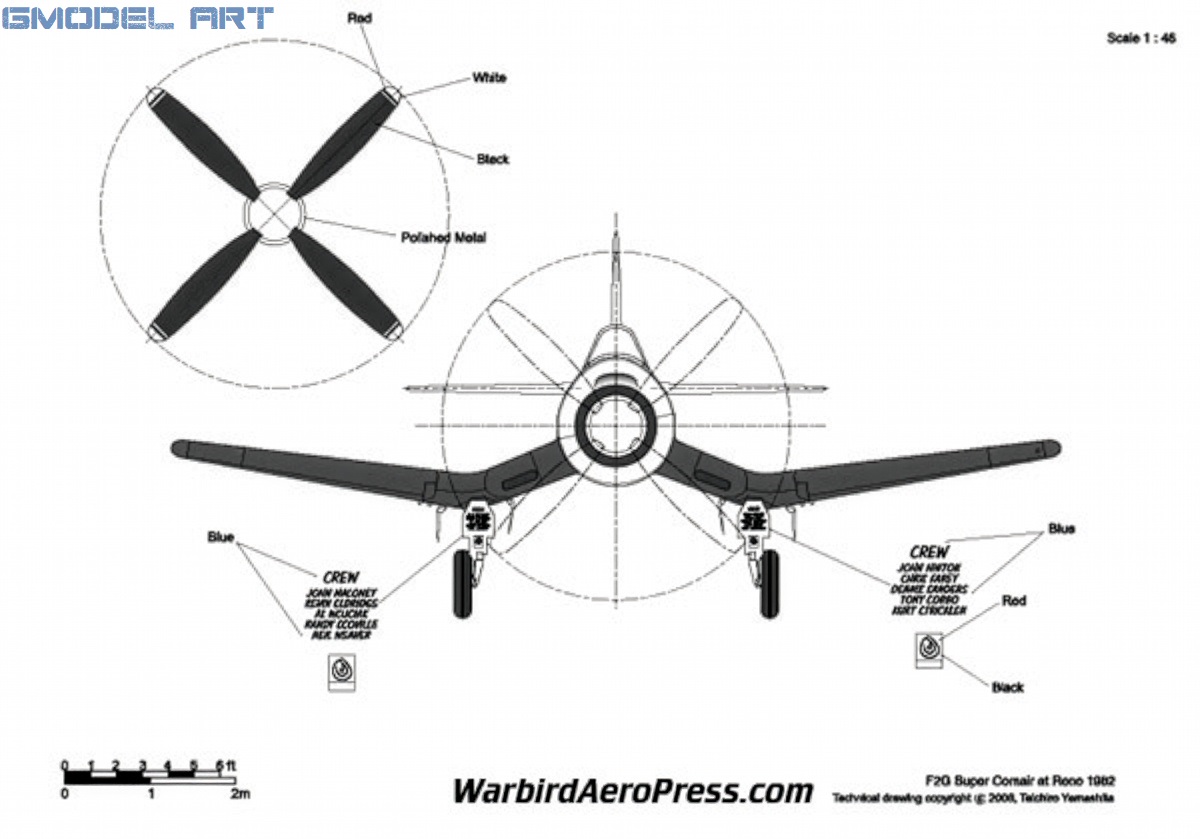
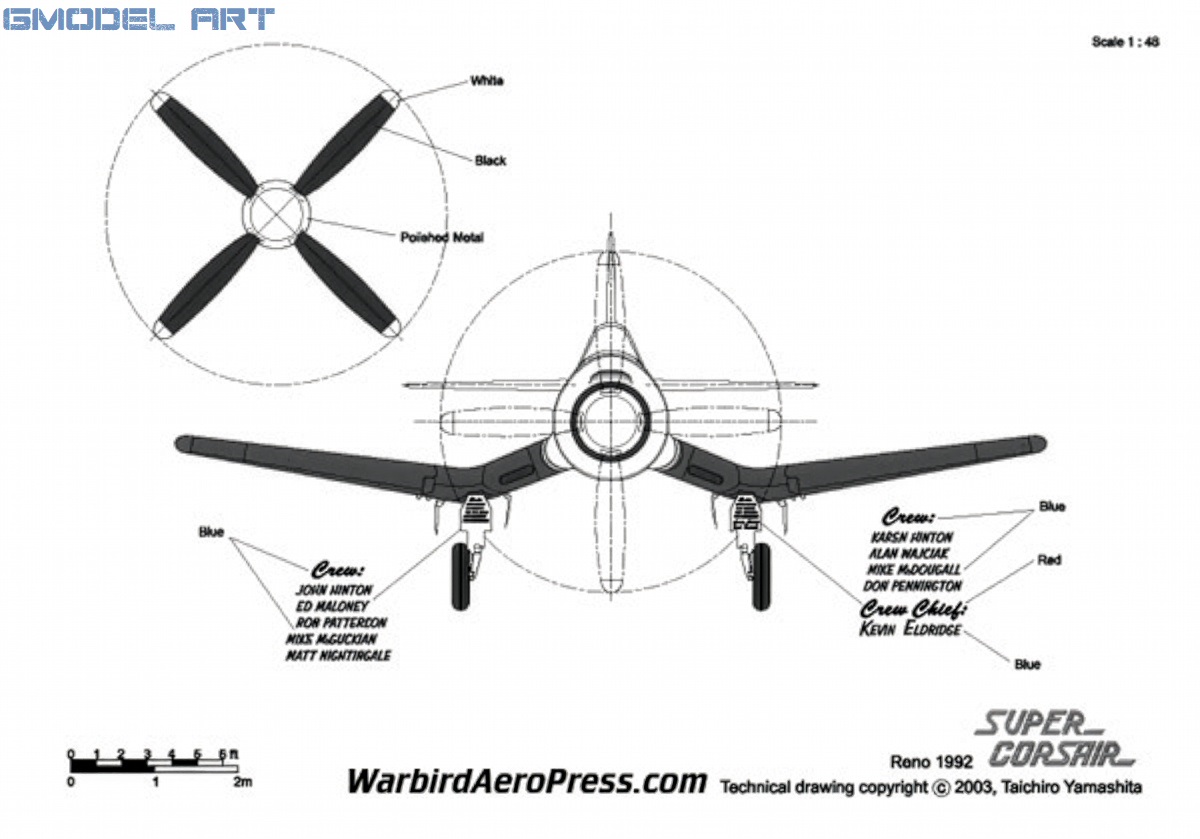
• propeller and spinner from an A-1 Skyraider
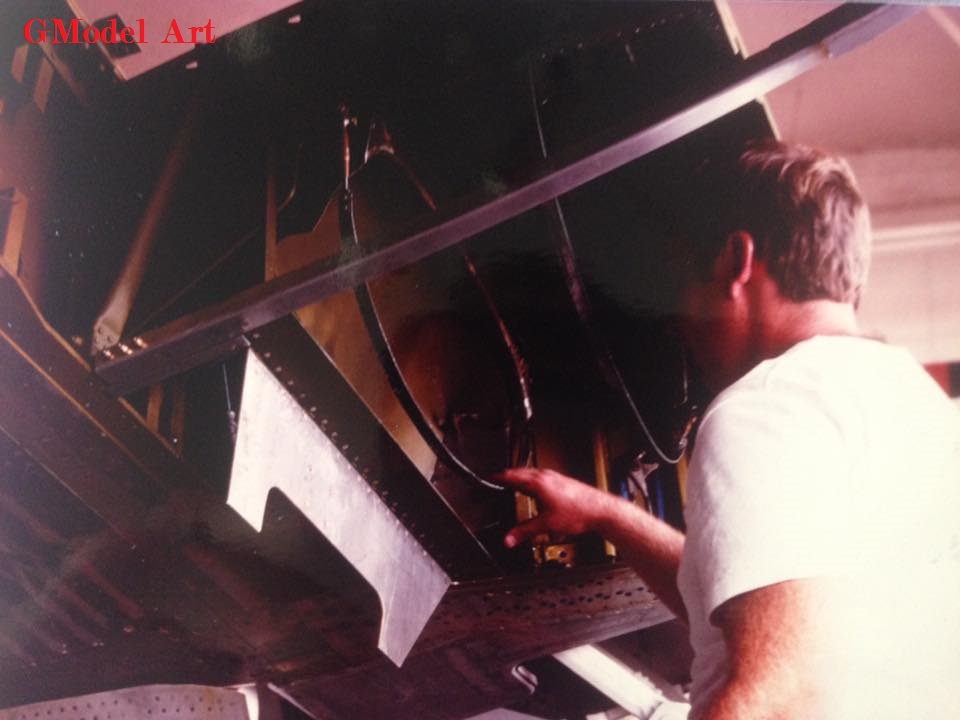
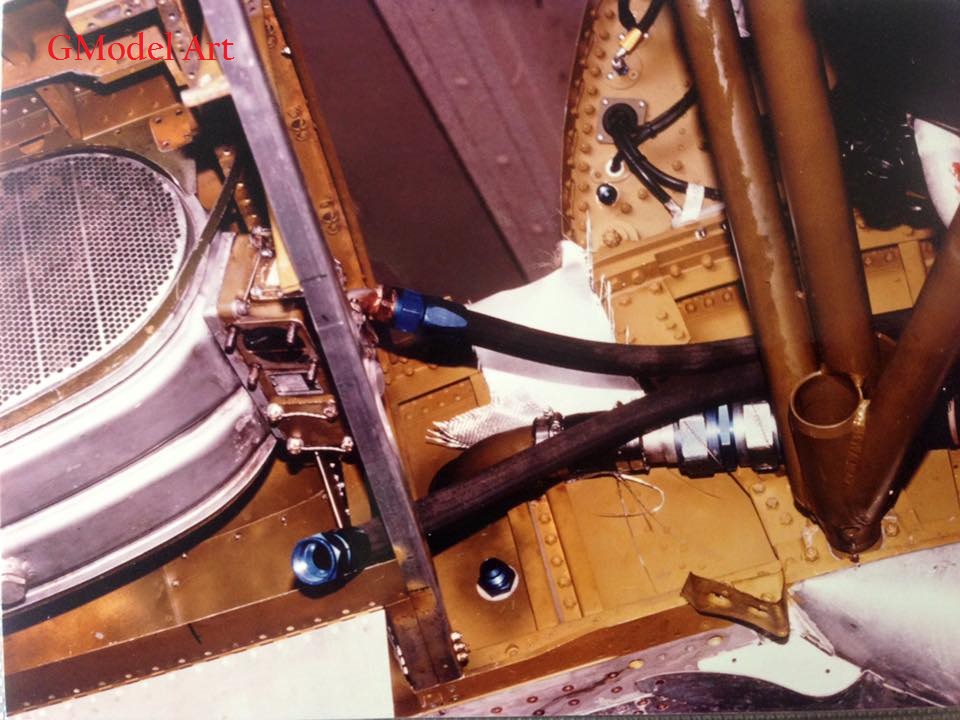
• larger oil coolers sourced from a Grumman S-2 Tracker
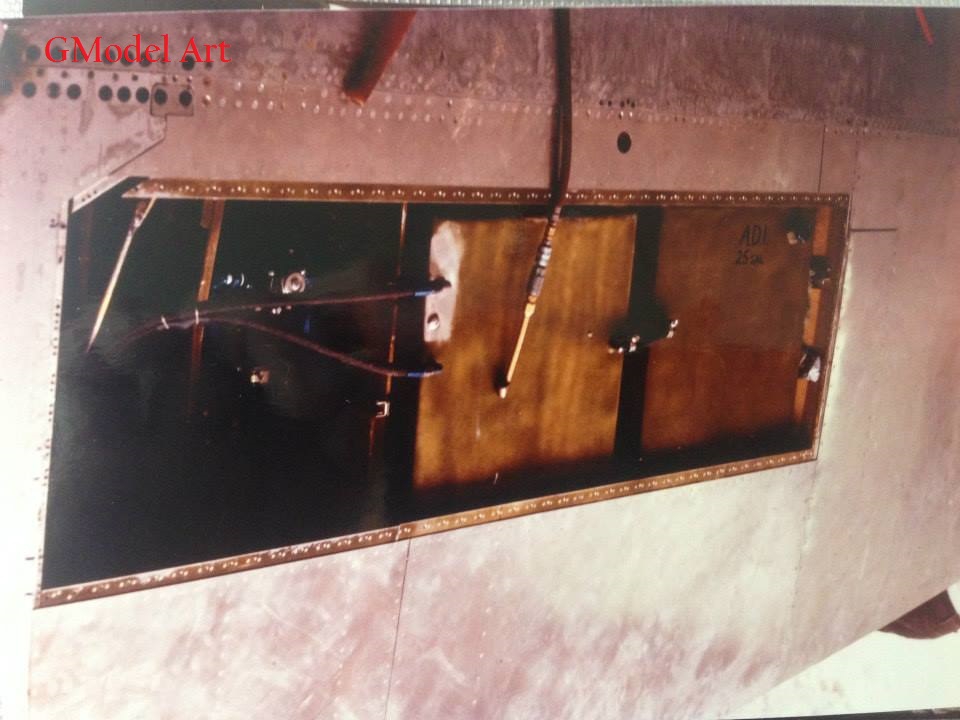
• installation of an ADI (Anti-Detonation Injection) system
• redesign of cooling and fuel systems
Producing approximately 3,800 horsepower, the modified Super Corsair significantly exceeded the power output of the original wartime F2G Corsair aircraft.
Reno Air Races Debut
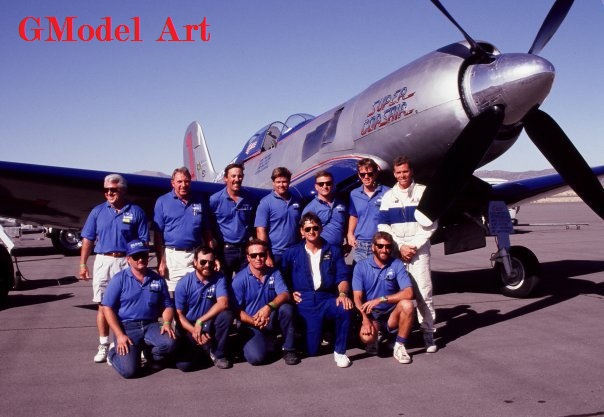
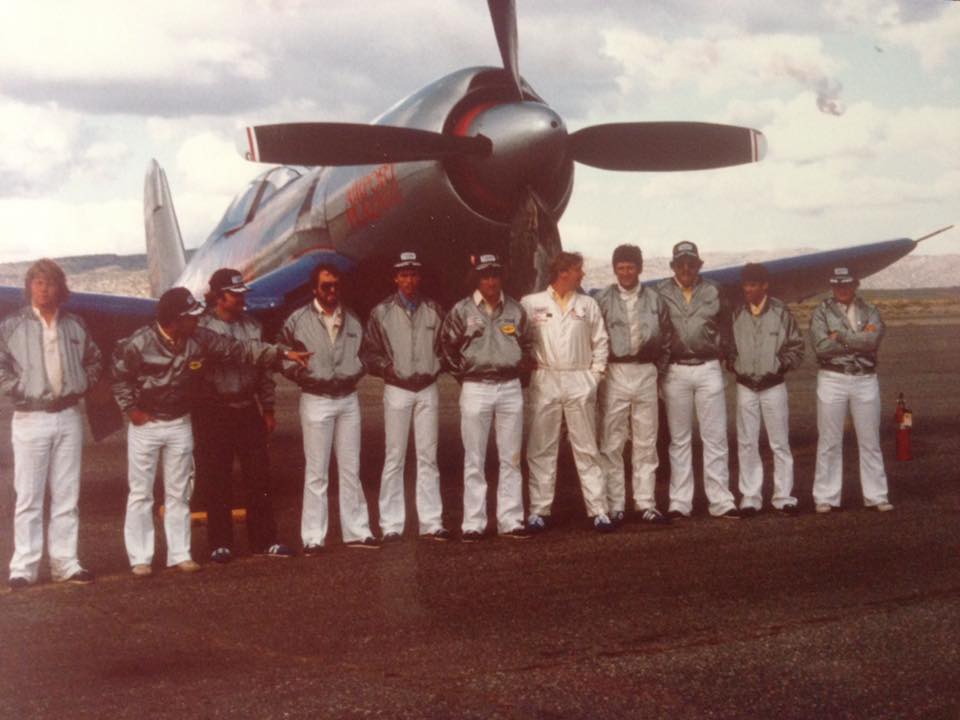
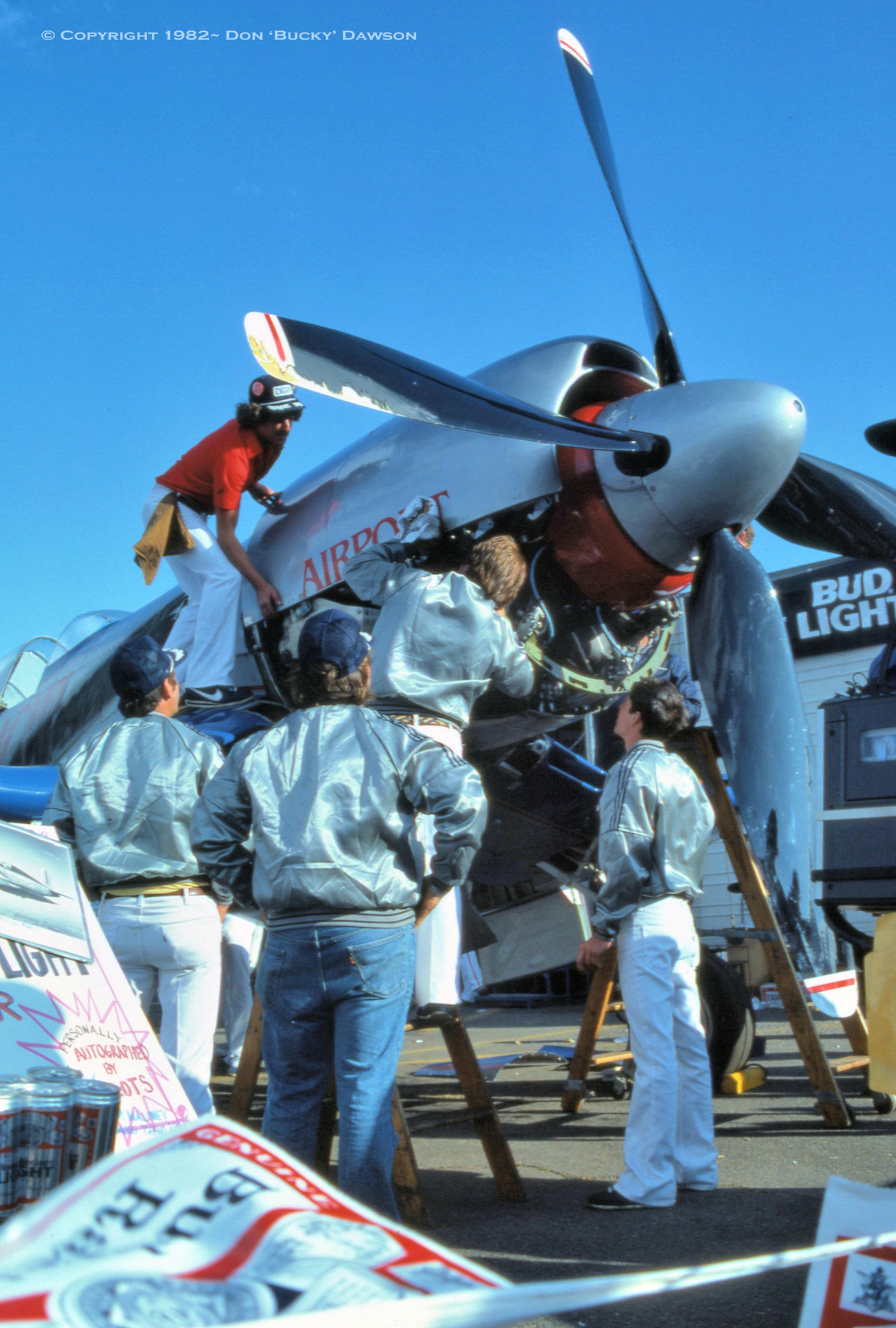
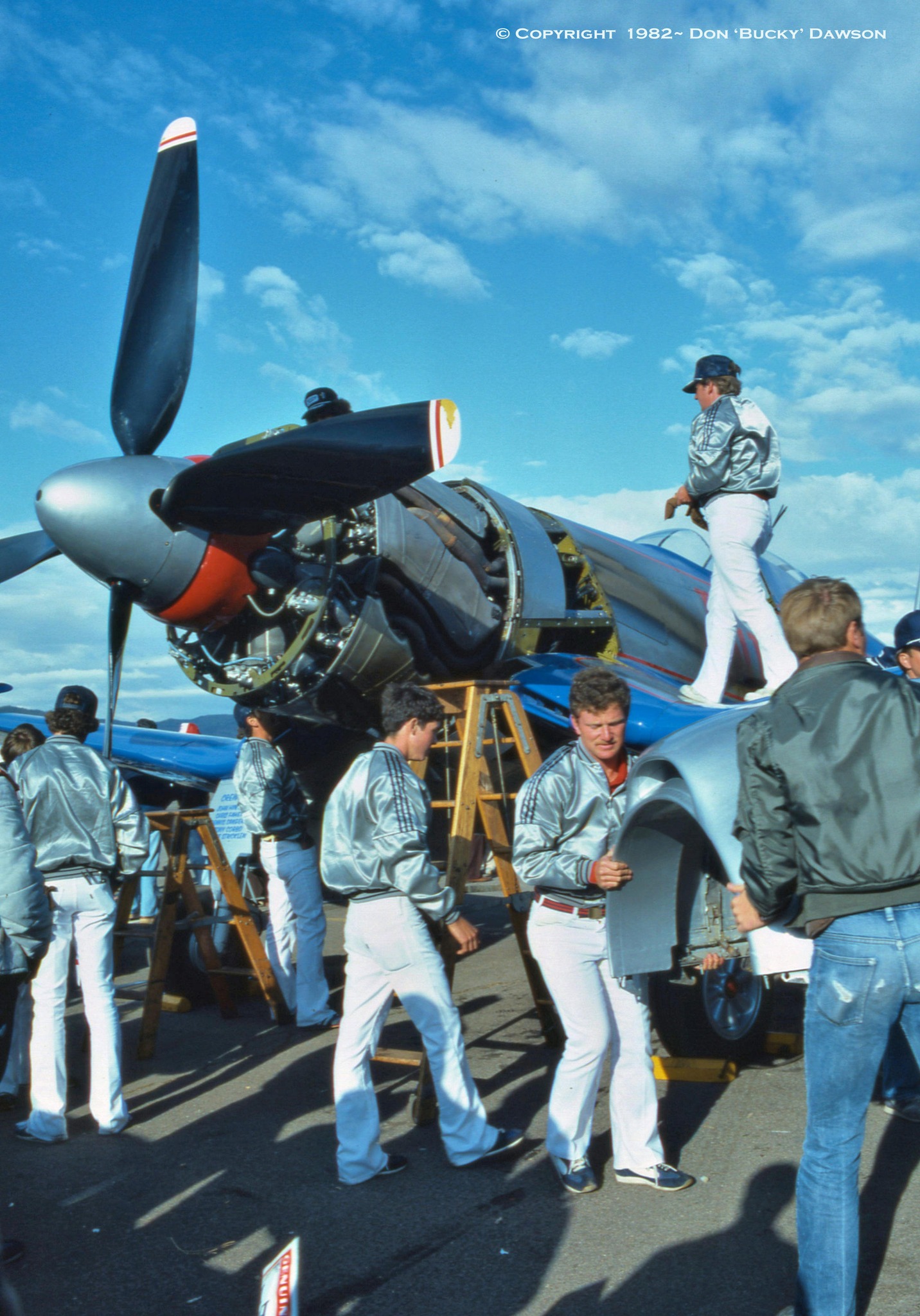
With assistance from Lockheed engineers Pete Law and Bruce Boland, the aircraft was finally completed.
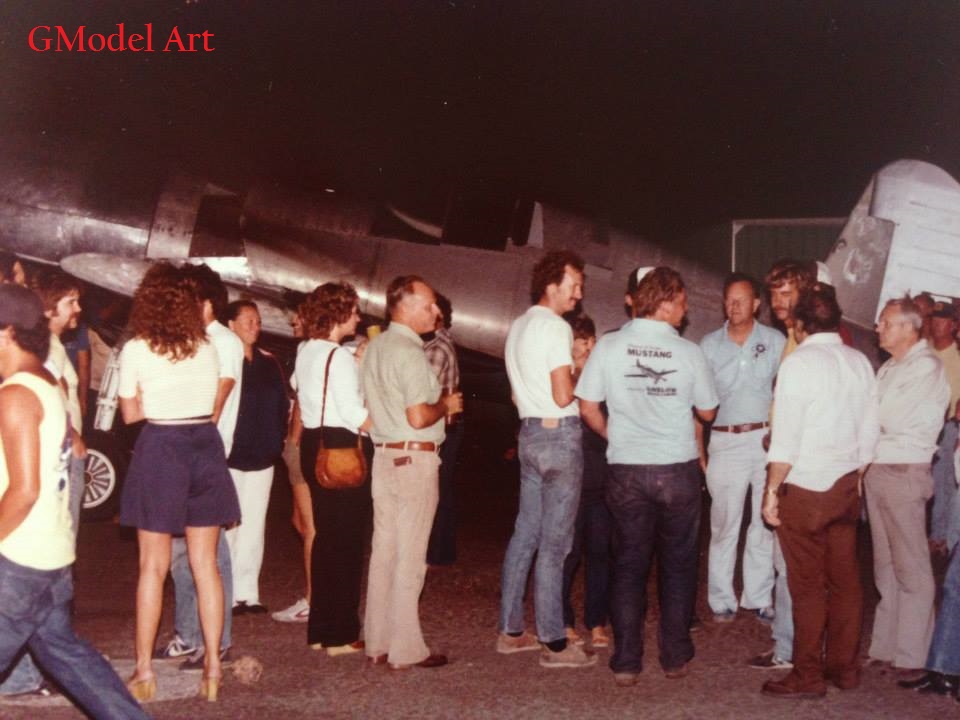
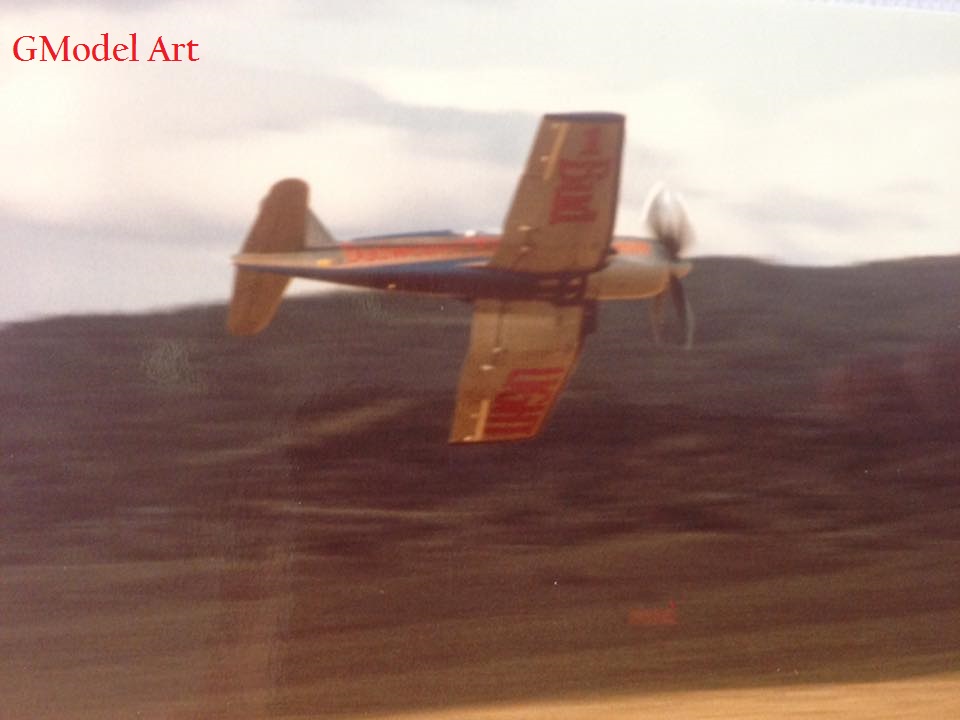
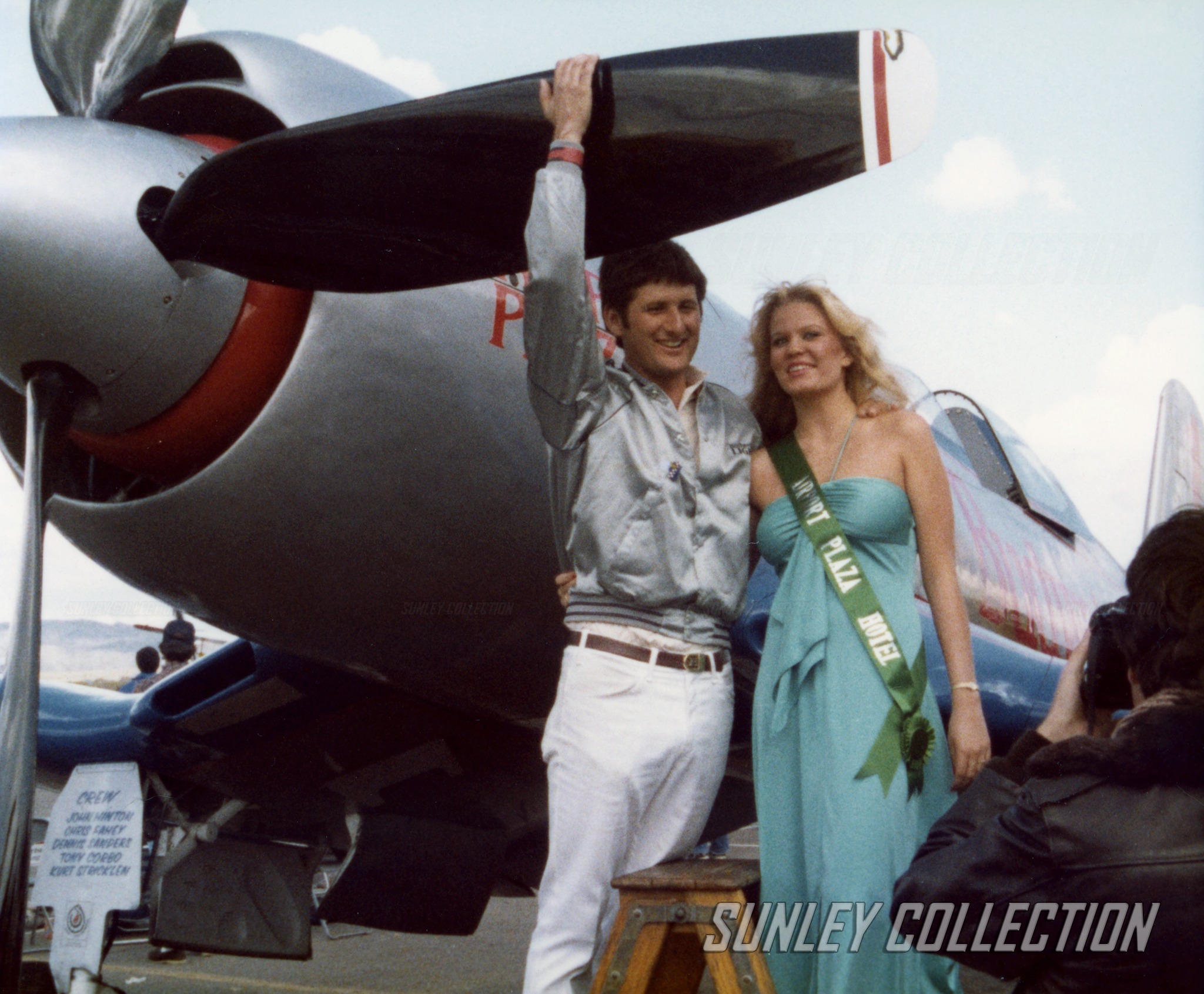
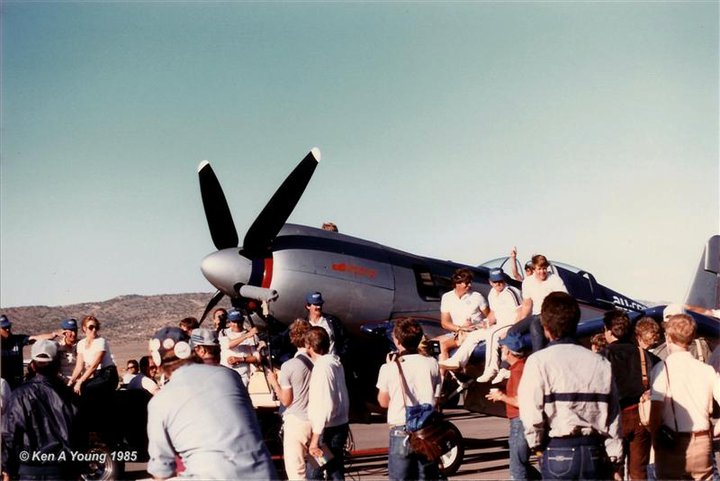
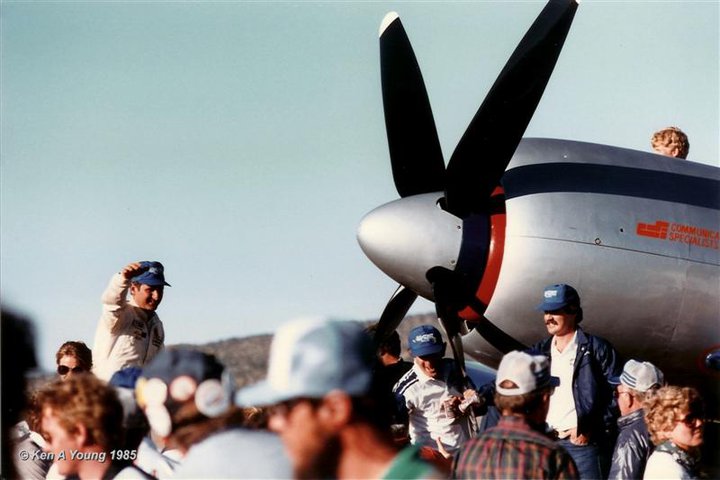
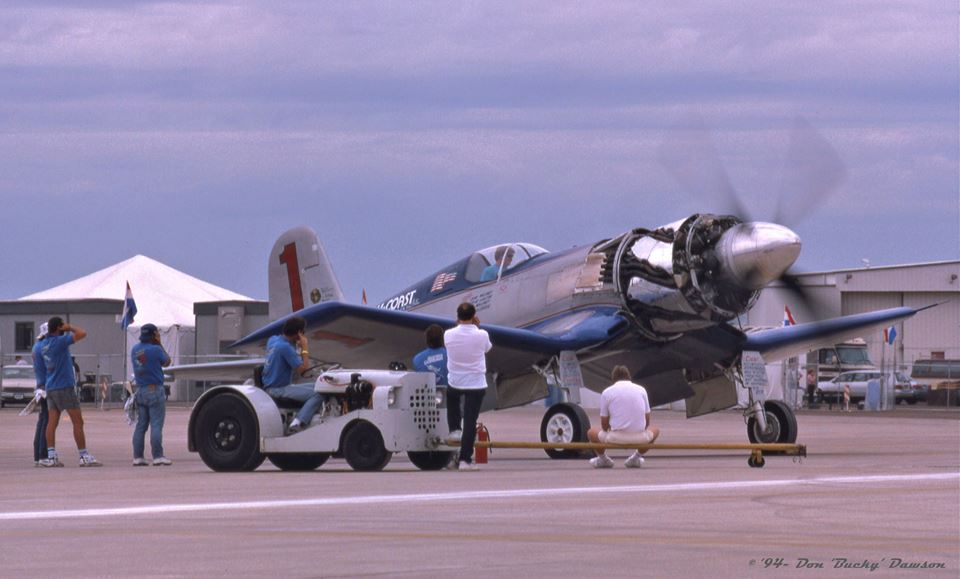
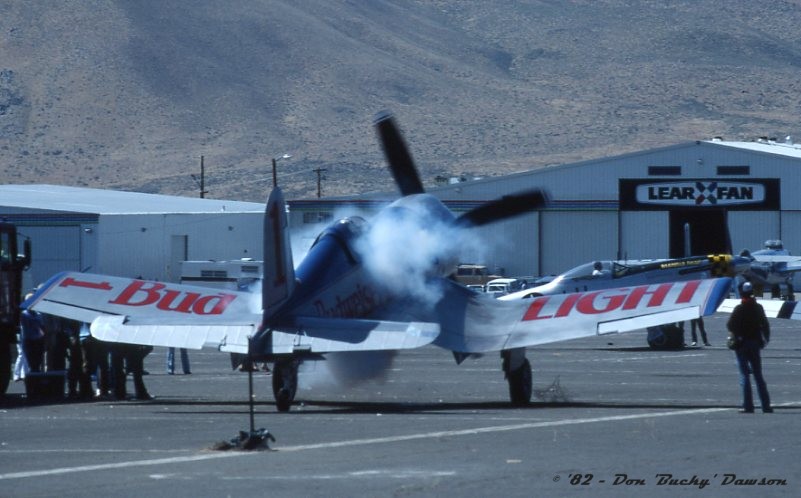
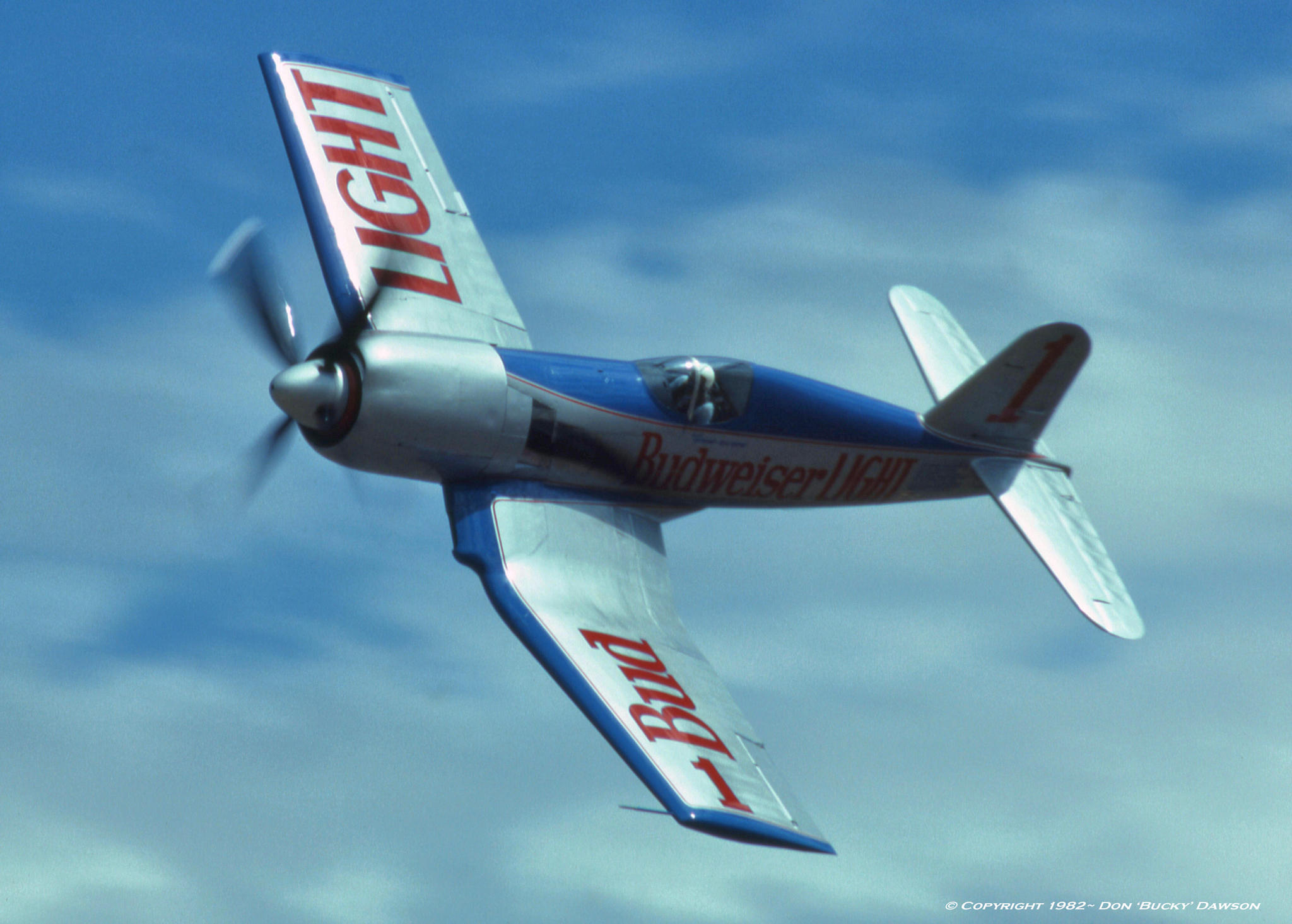
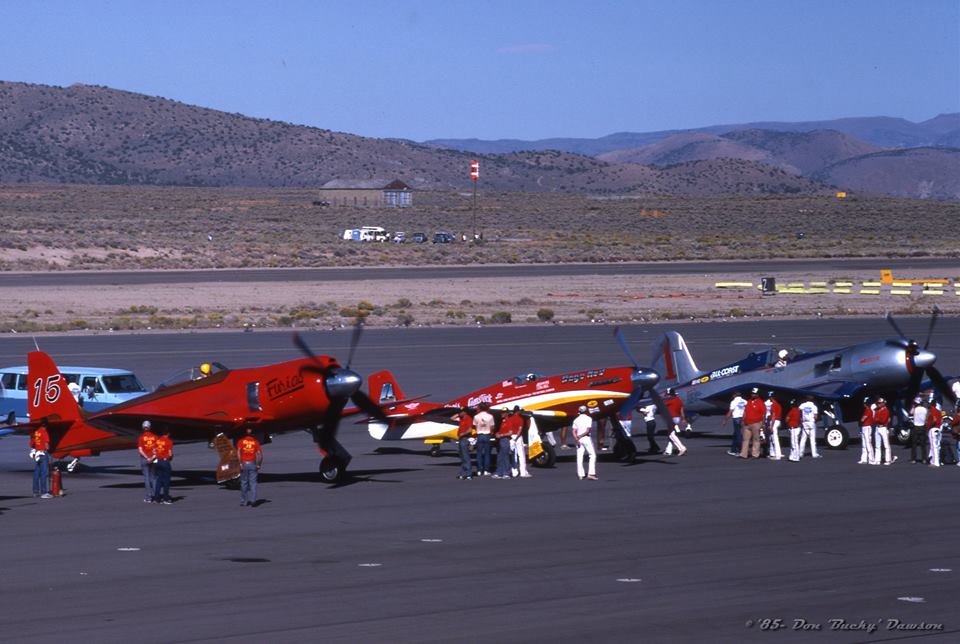
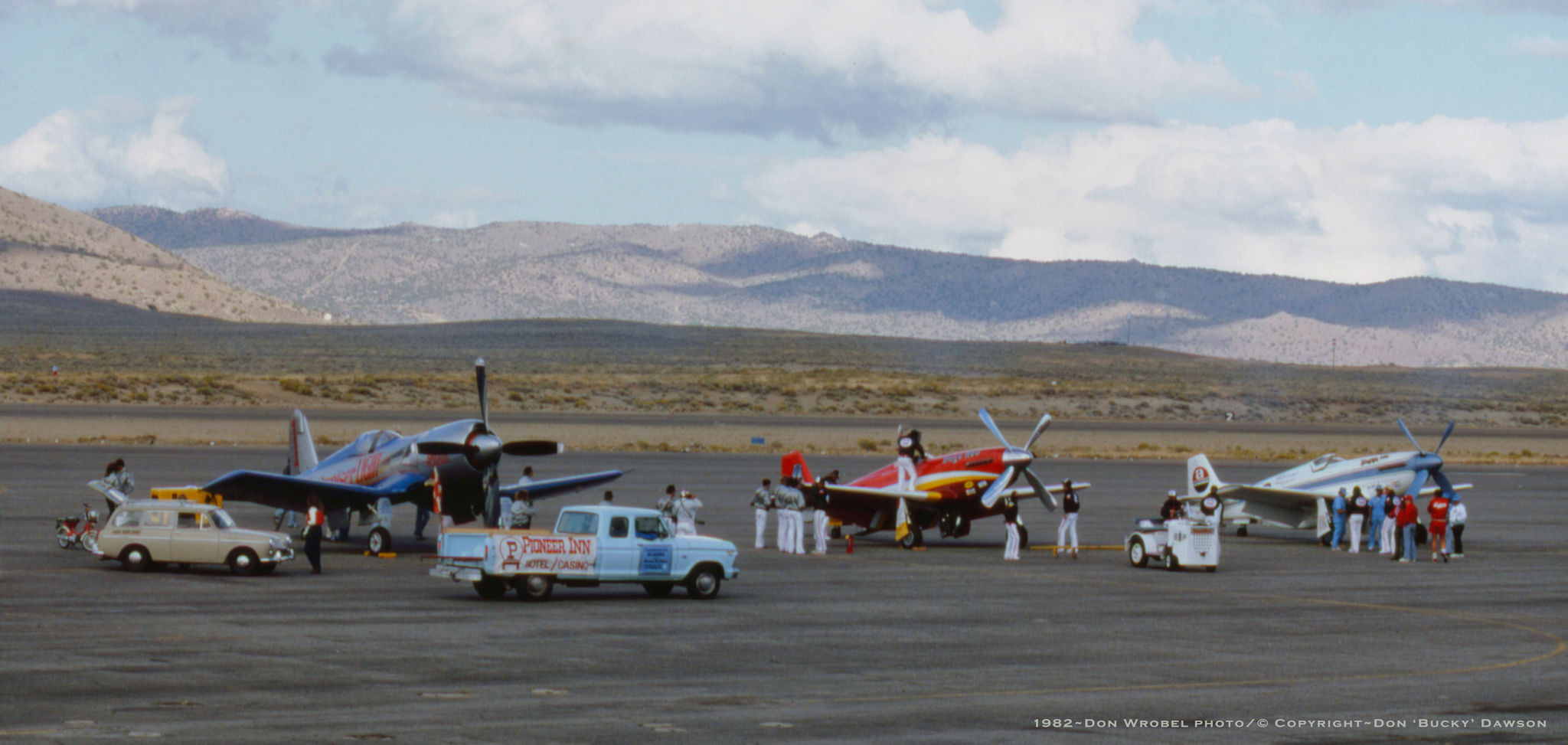
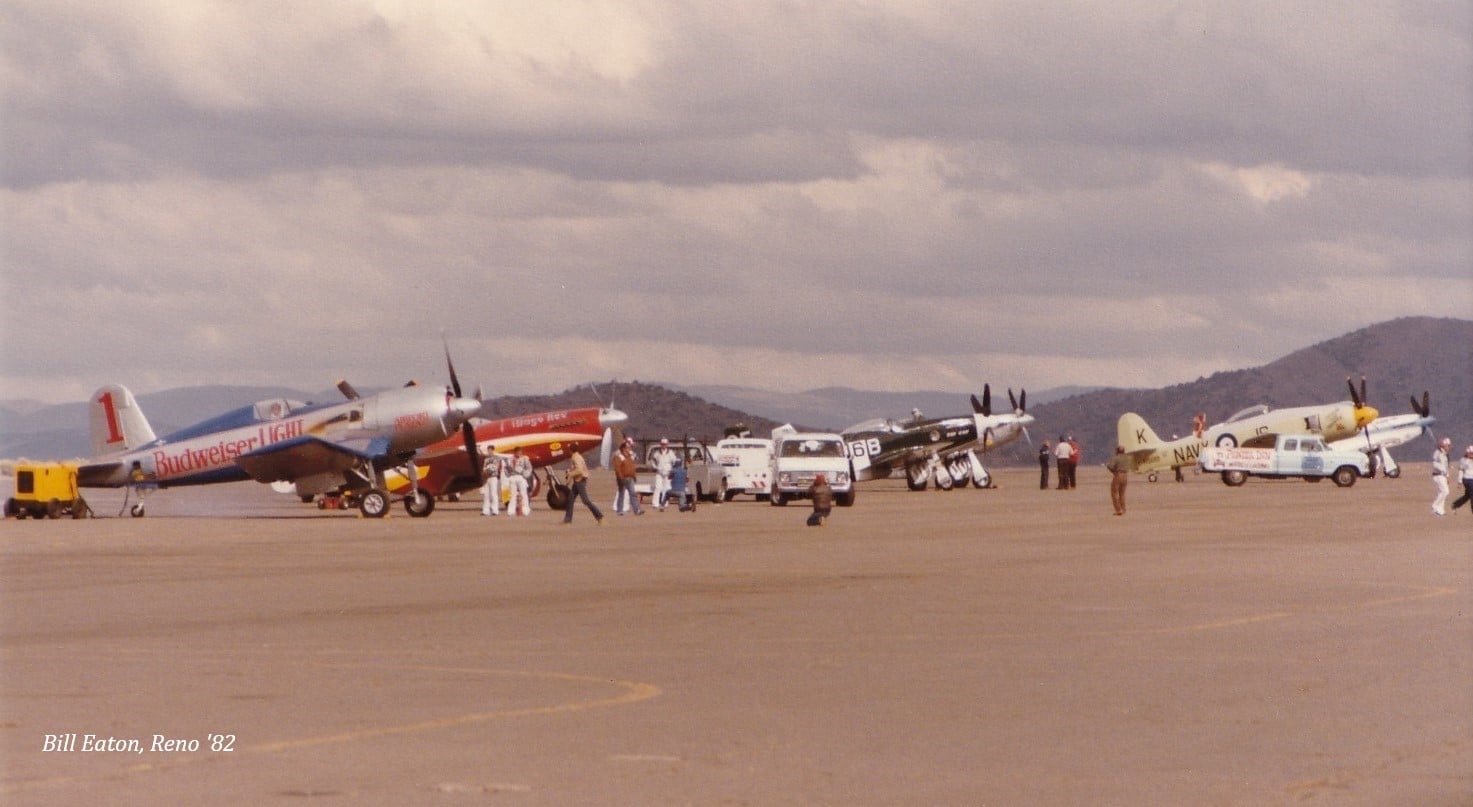
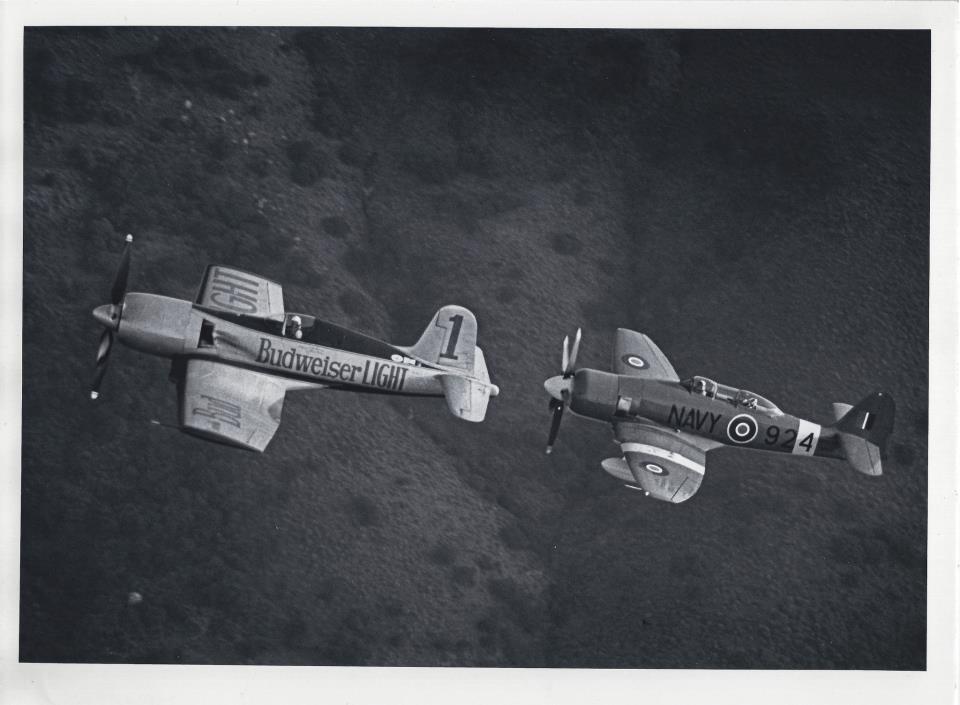
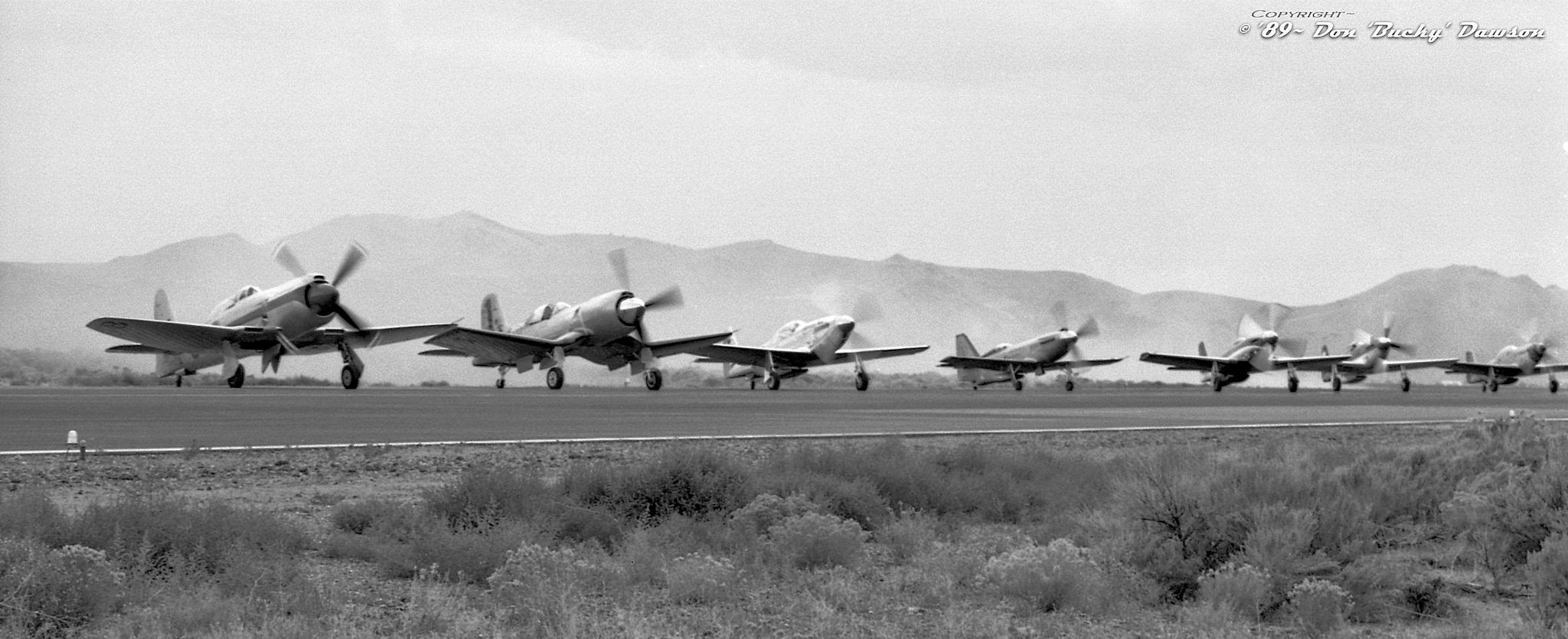
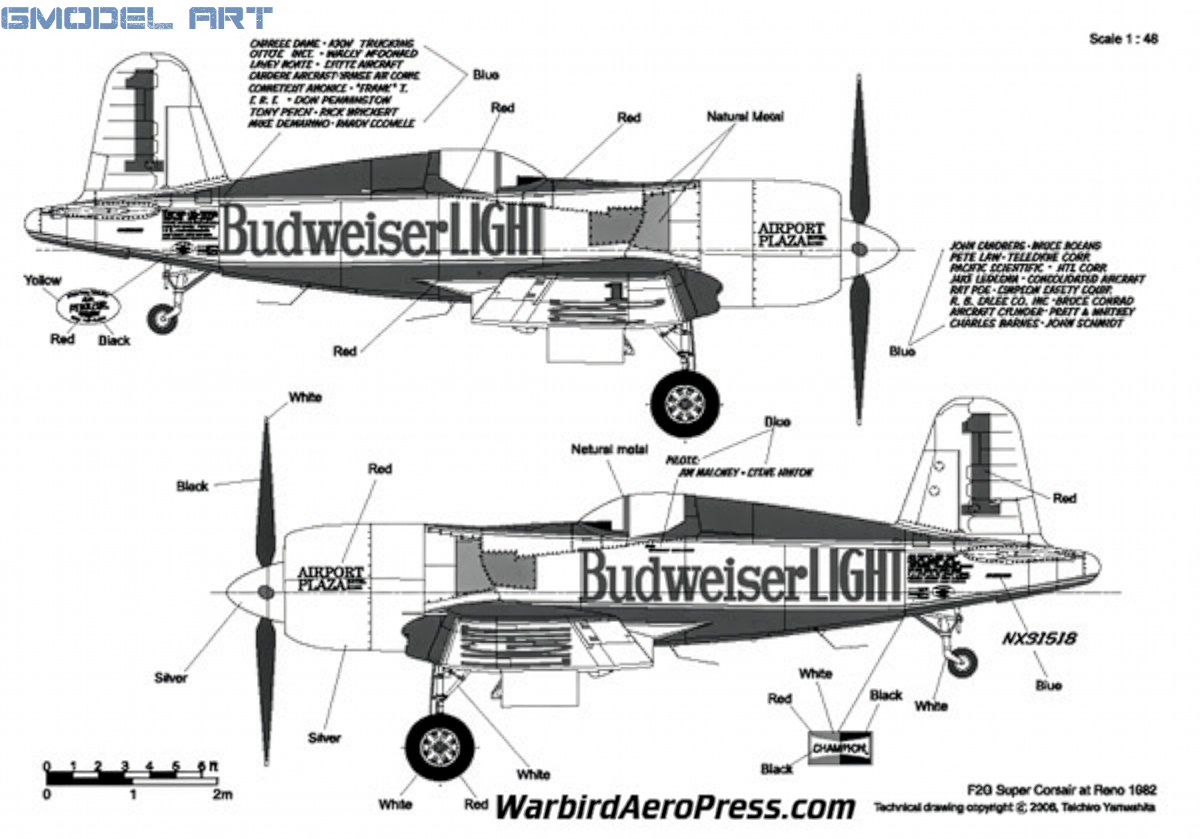
The Super Corsair made its first Reno Air Races appearance in 1982.
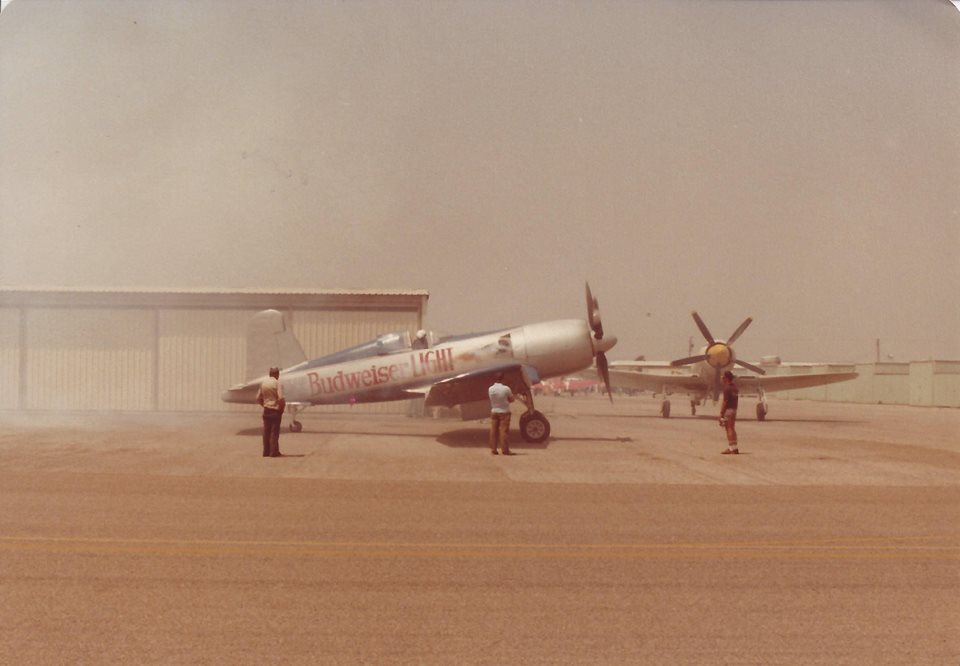
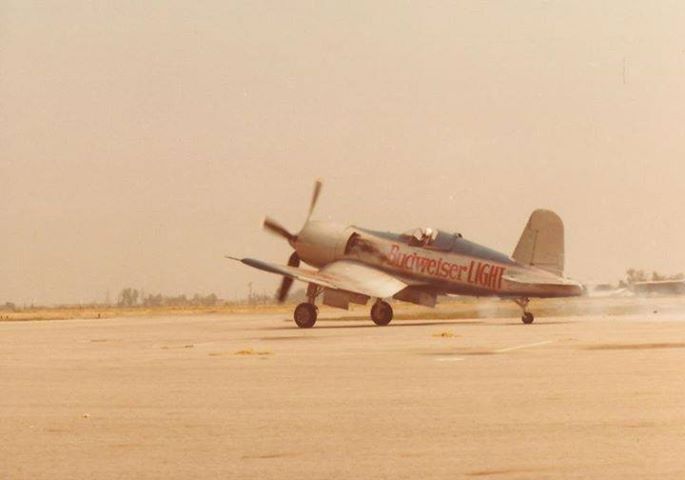
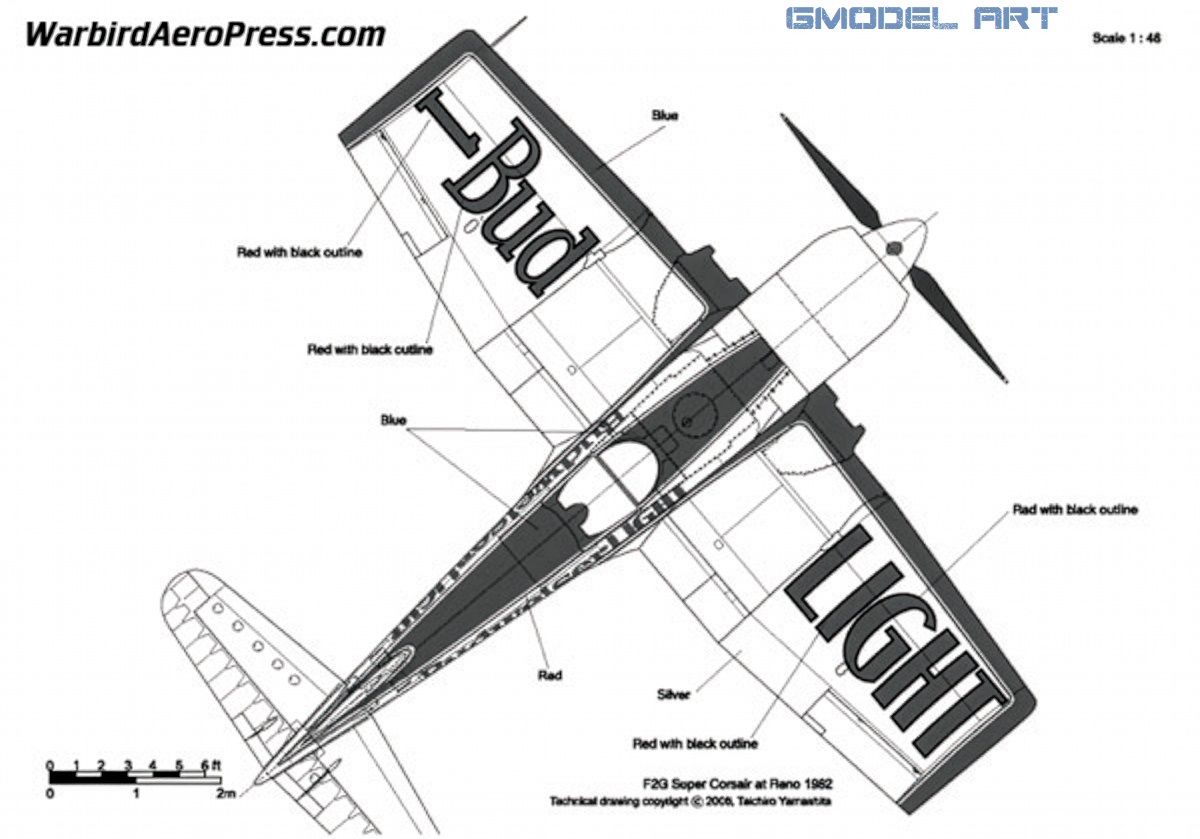
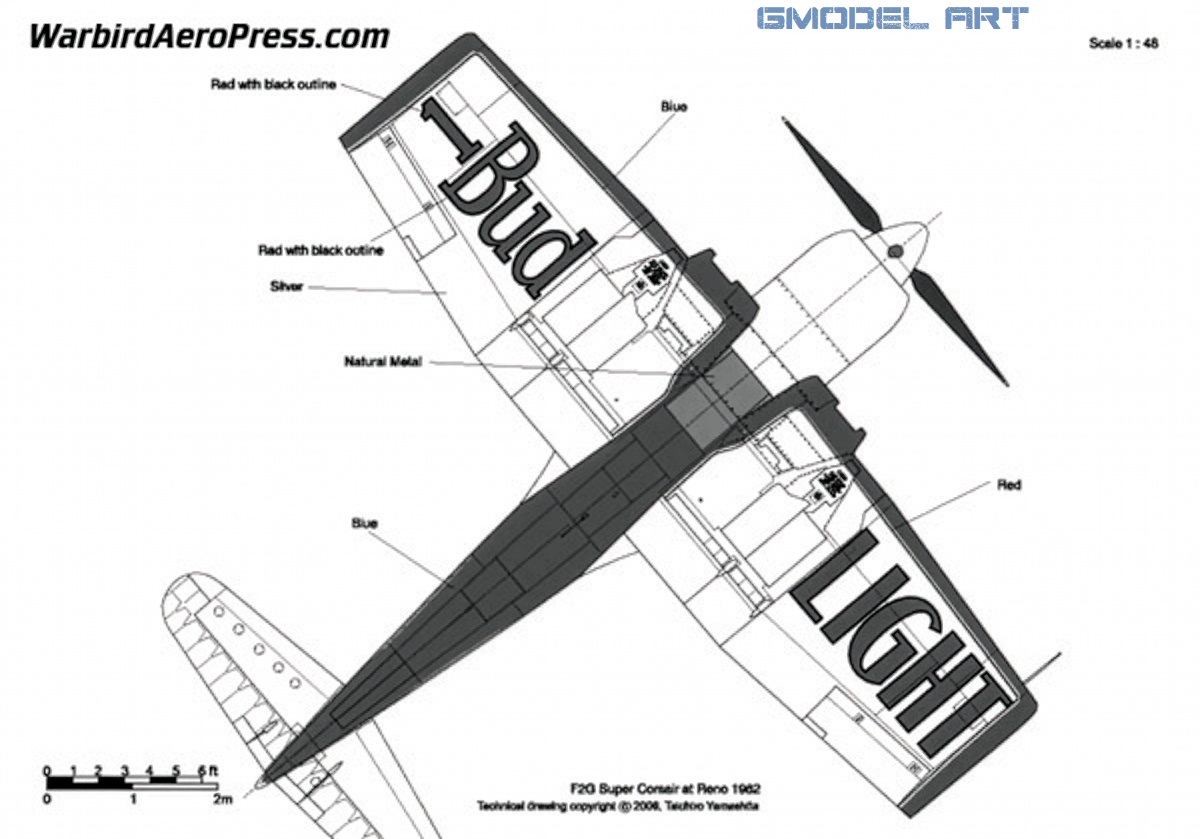
Sponsored by Budweiser, it appeared under the name:
“Bud Light Special”
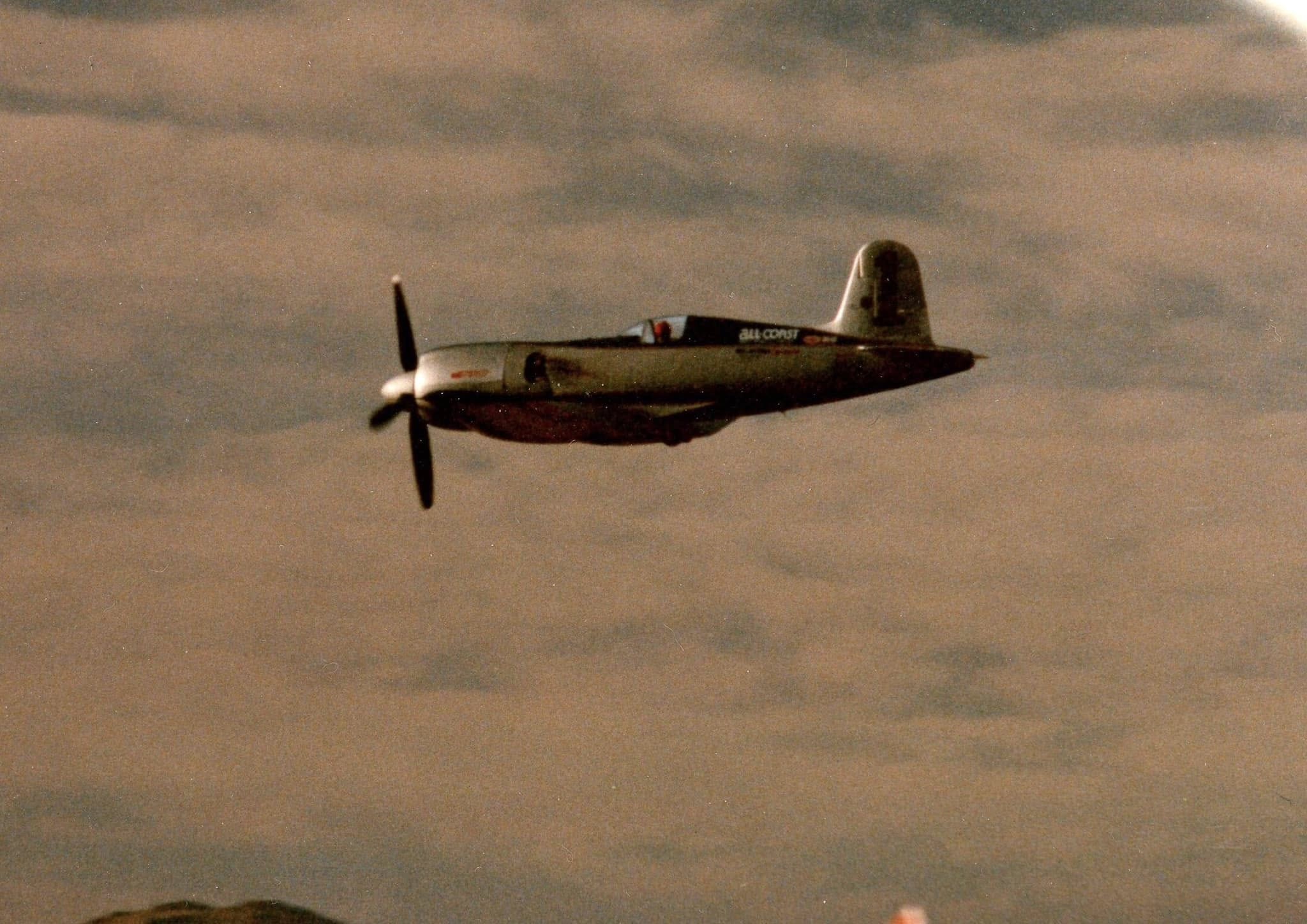
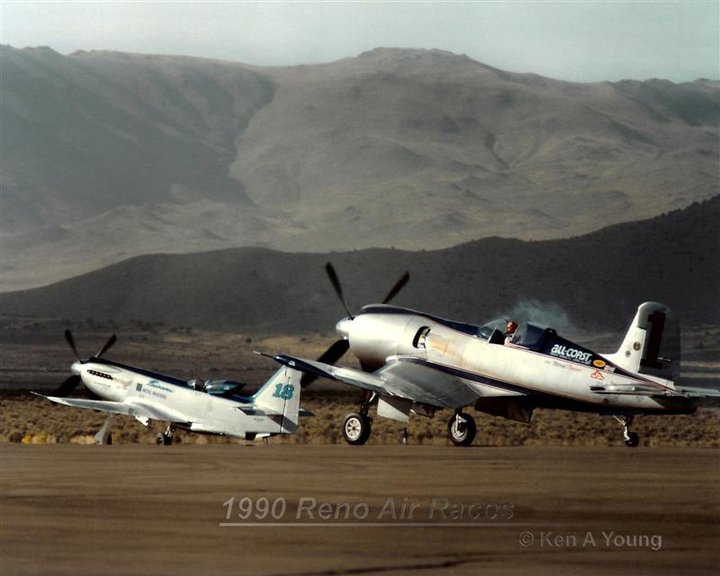
Throughout the following years, the aircraft achieved several notable racing successes.
Reno Air Race Results
1982 – 4th place, Gold Race
1983 – Winner, Unlimited Silver Race
1984 – 3rd place, Gold Championship
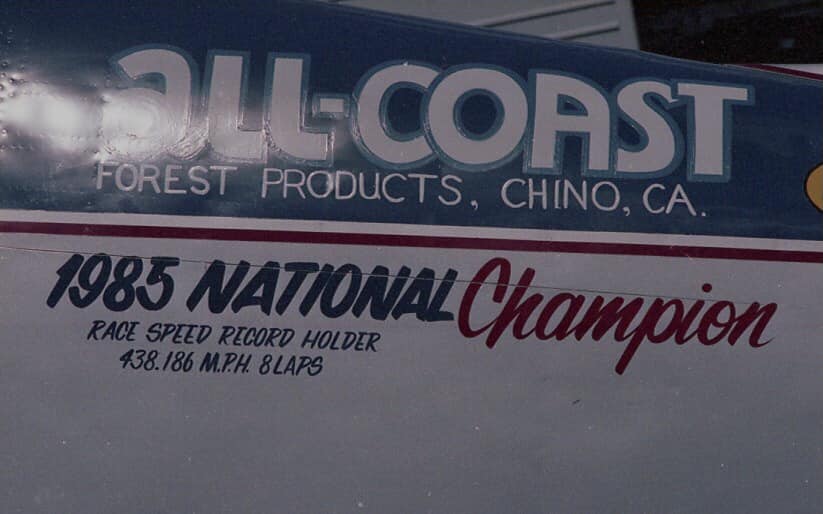
1985 – Gold Champion (Steve Hinton)
1987 – 4th place, Gold Race
1988 – 6th place, Gold Race
1989 – 3rd place, Gold Final
1990 – 5th place, Championship Race
1991 – 7th place, Gold Race
1992 – 6th place, Gold Race (Kevin Eldridge)
1993 – 5th place, Championship Race
The aircraft was flown by several notable pilots:
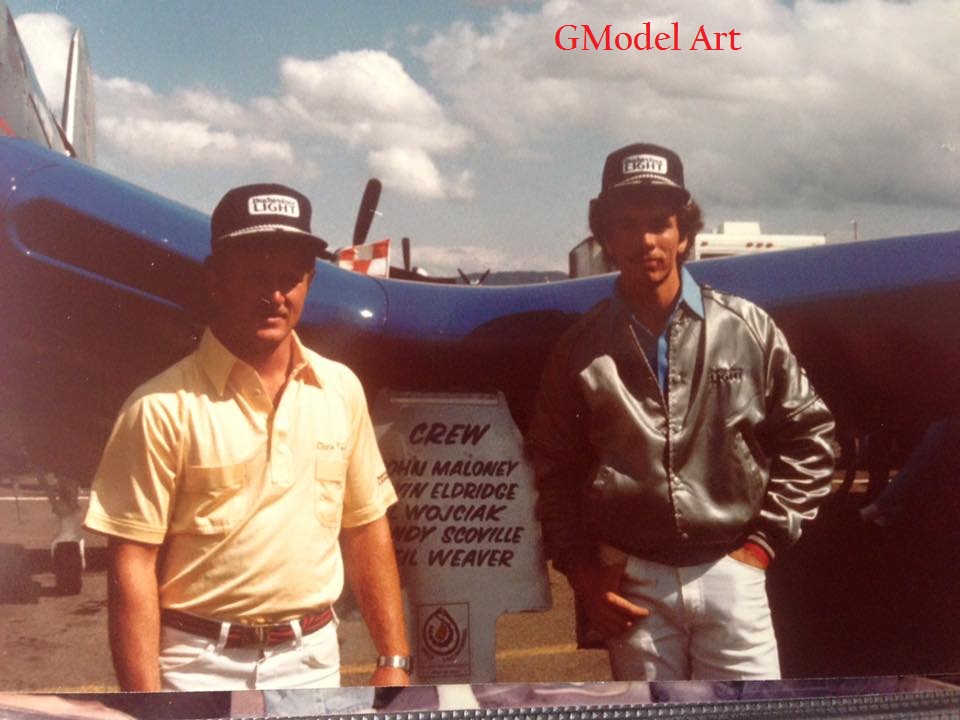
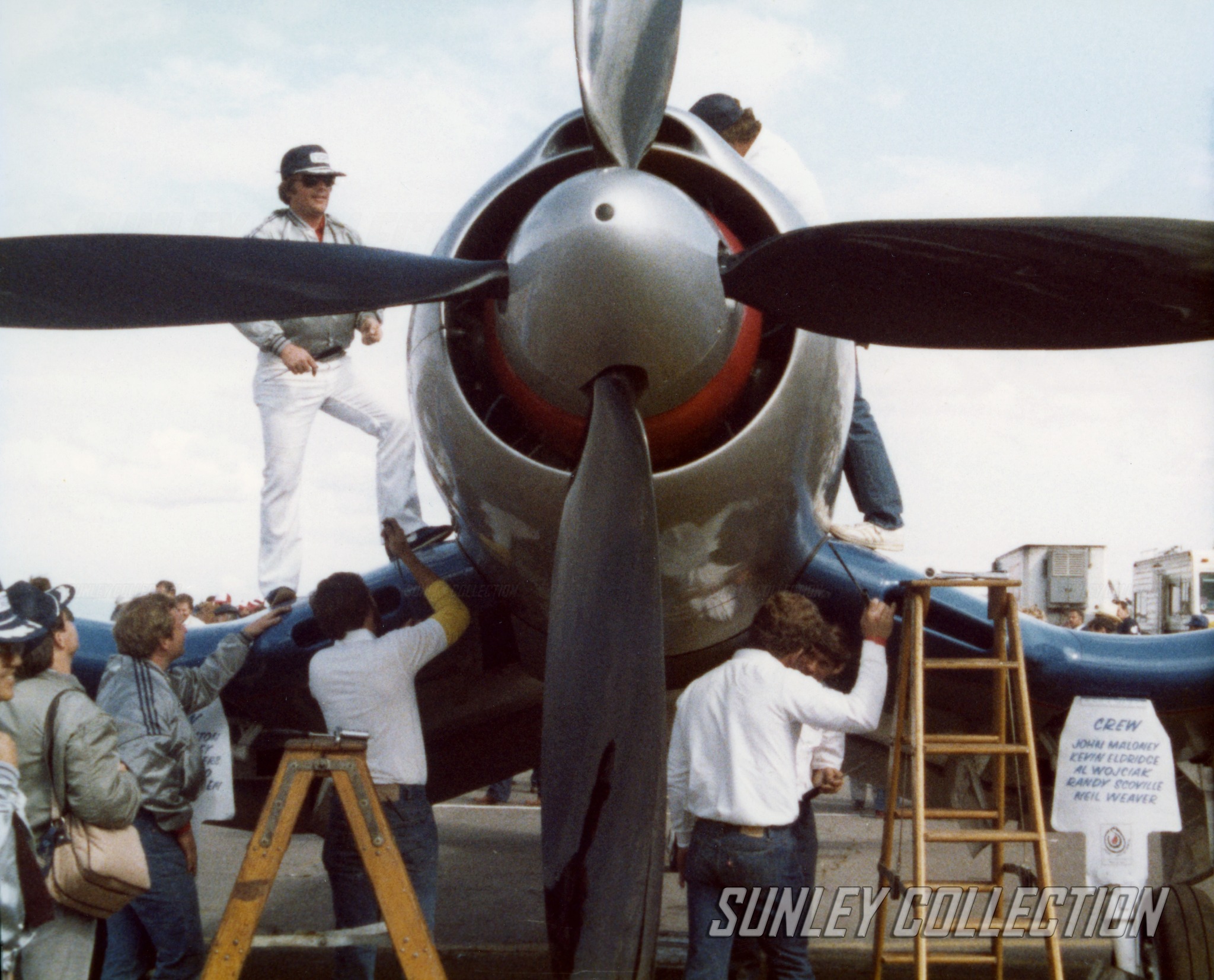
• Steve Hinton
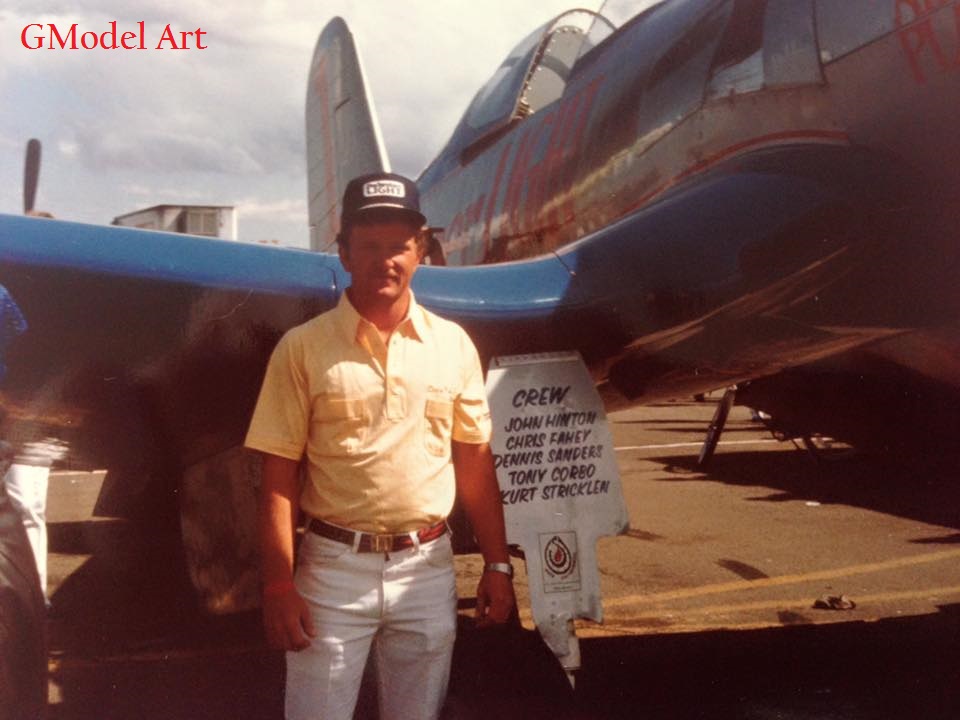
• John Maloney
• Kevin Eldridge
The Final Flight – Phoenix 1994
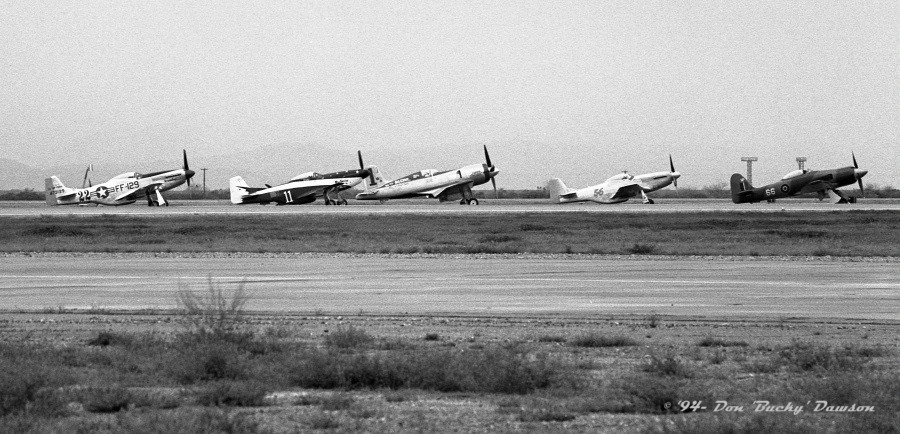
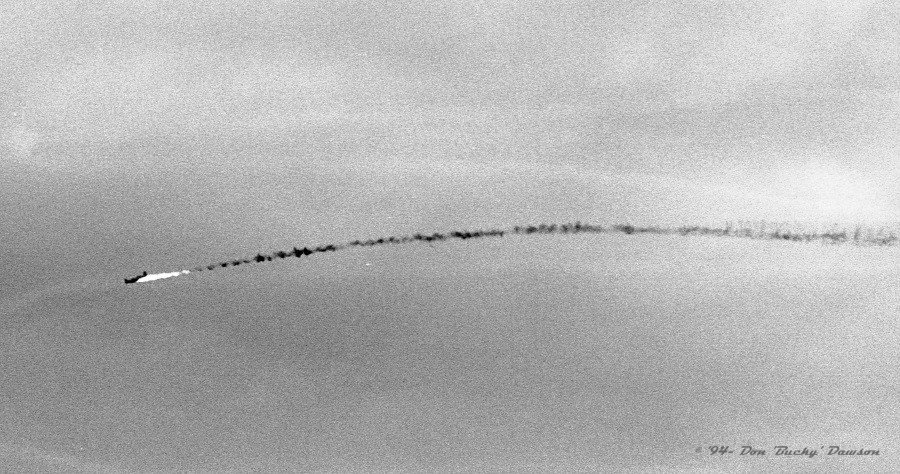
In March 1994, the Super Corsair participated in the Phoenix 500 Air Races.
During Saturday qualifying sessions, the aircraft suffered a severe engine failure.
Witnesses reported:
• white smoke coming from the engine
• three bursts of flame
• fire spreading toward the cockpit
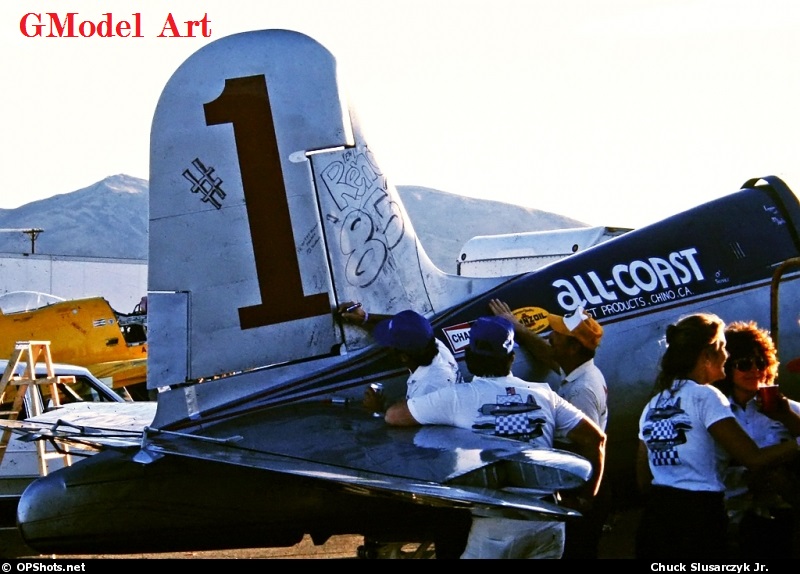
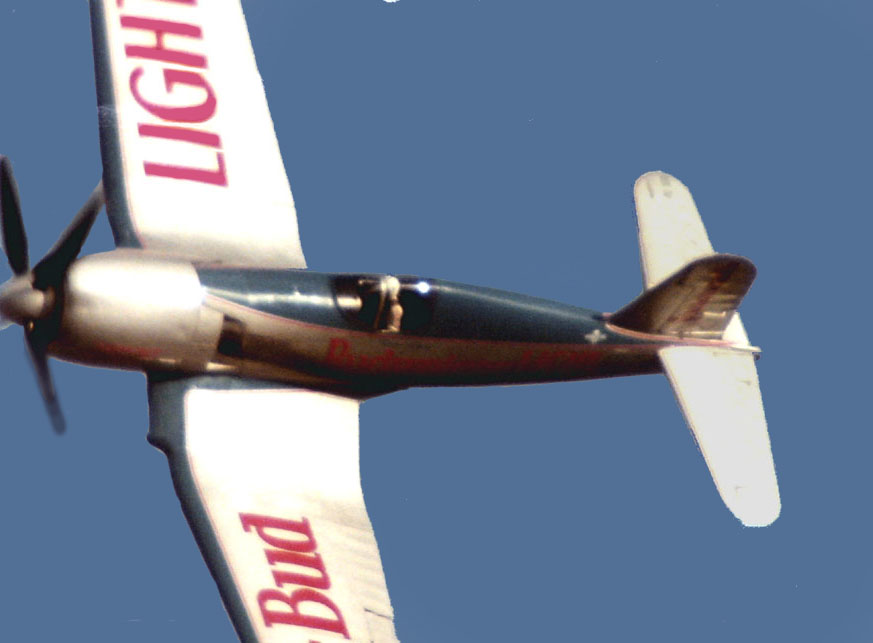
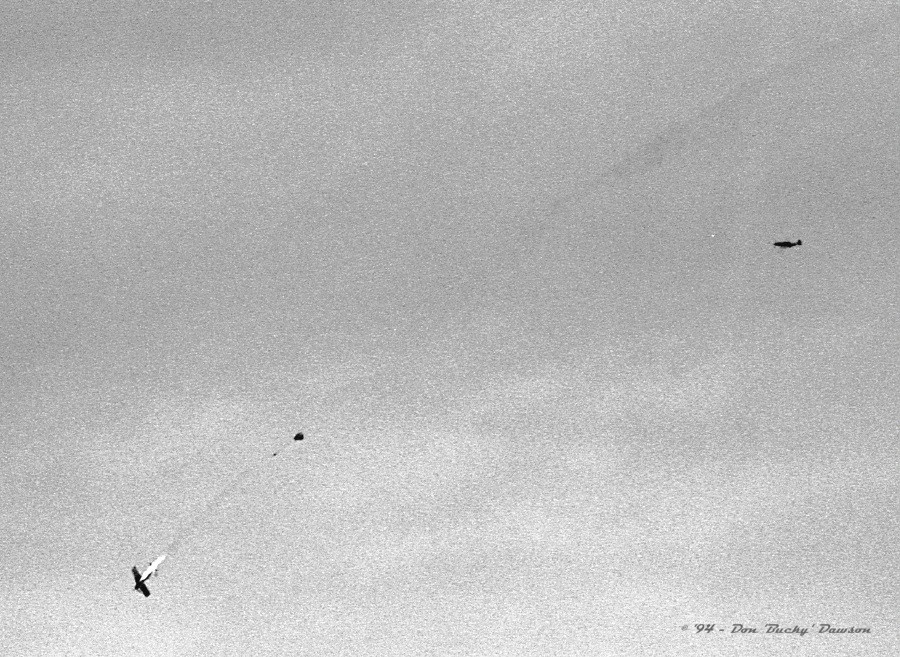
Pilot Kevin Eldridge successfully bailed out of the aircraft, but during the escape he struck the horizontal stabilizer.
He suffered serious injuries:
• two crushed cervical discs
• a broken arm
• a broken leg
Despite these injuries, his parachute deployed successfully and he survived.
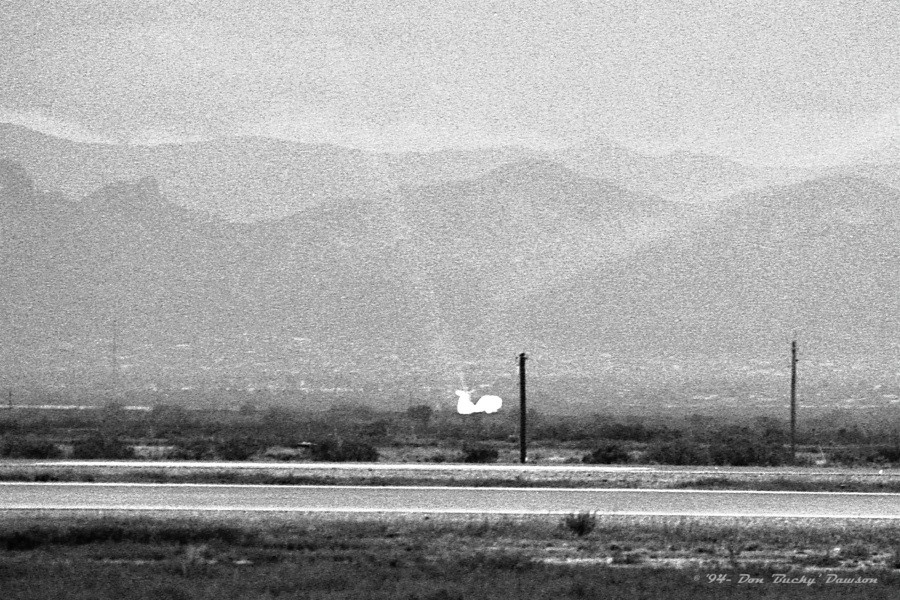
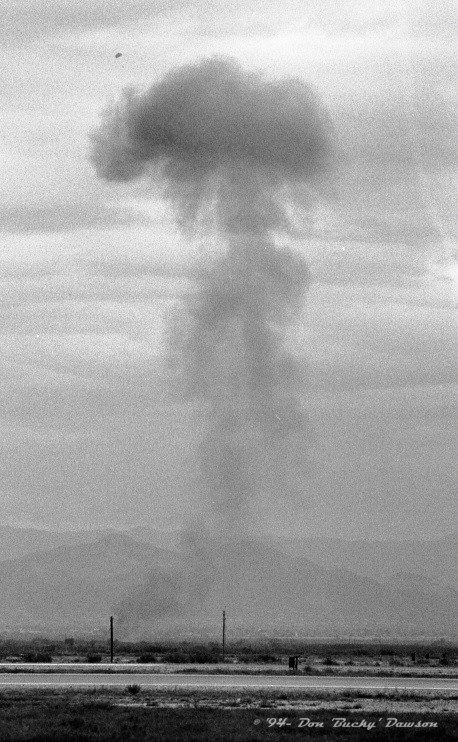
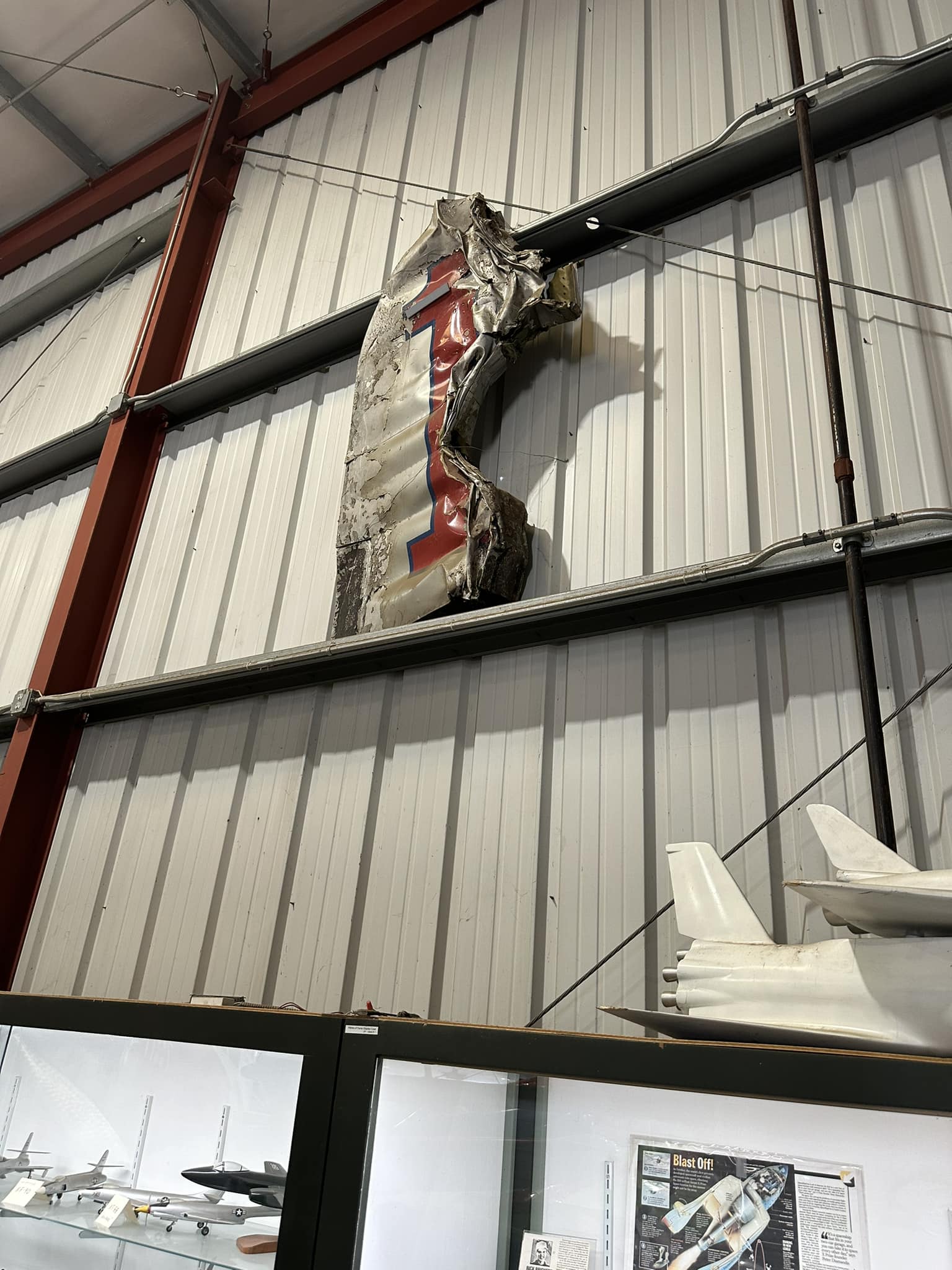
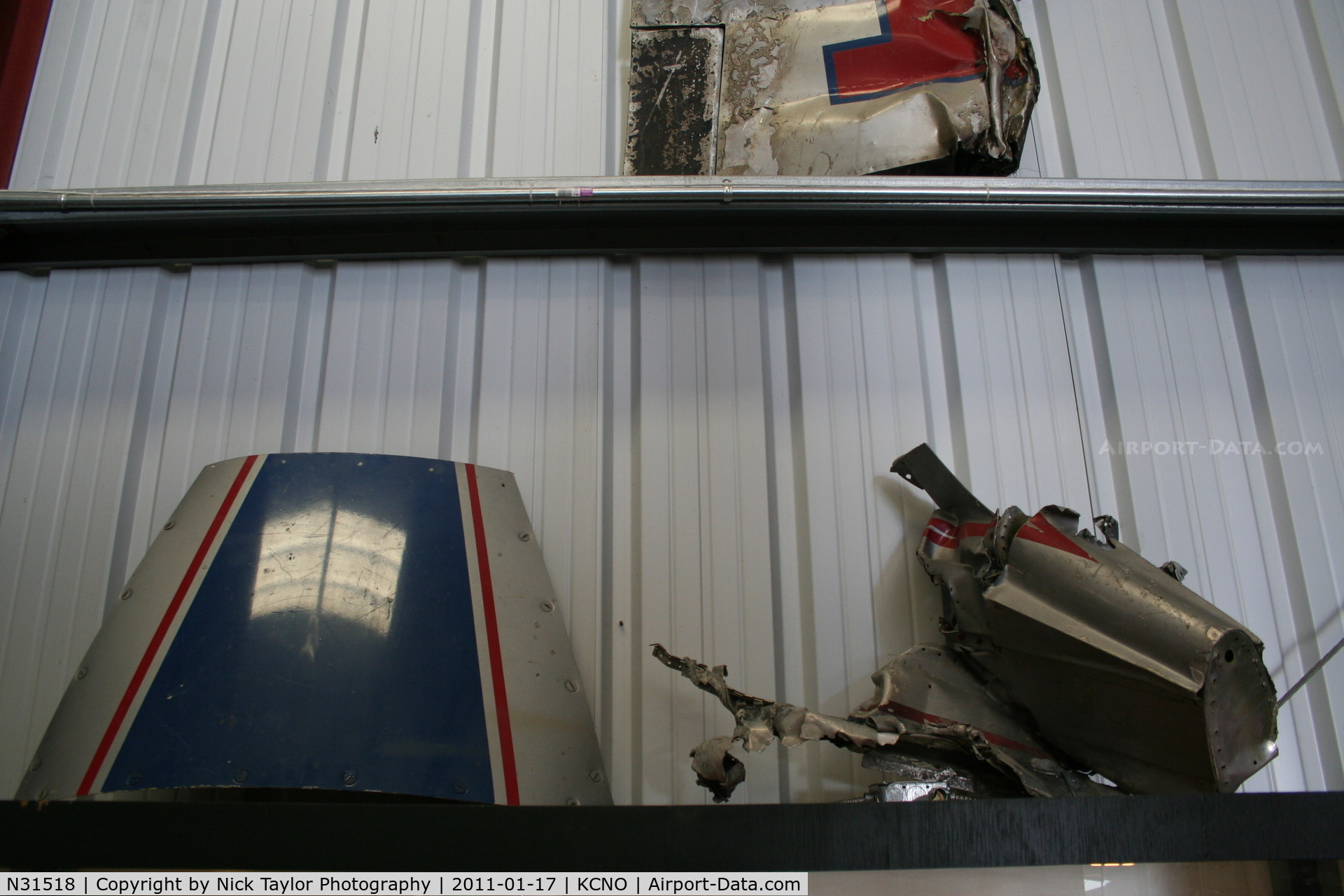
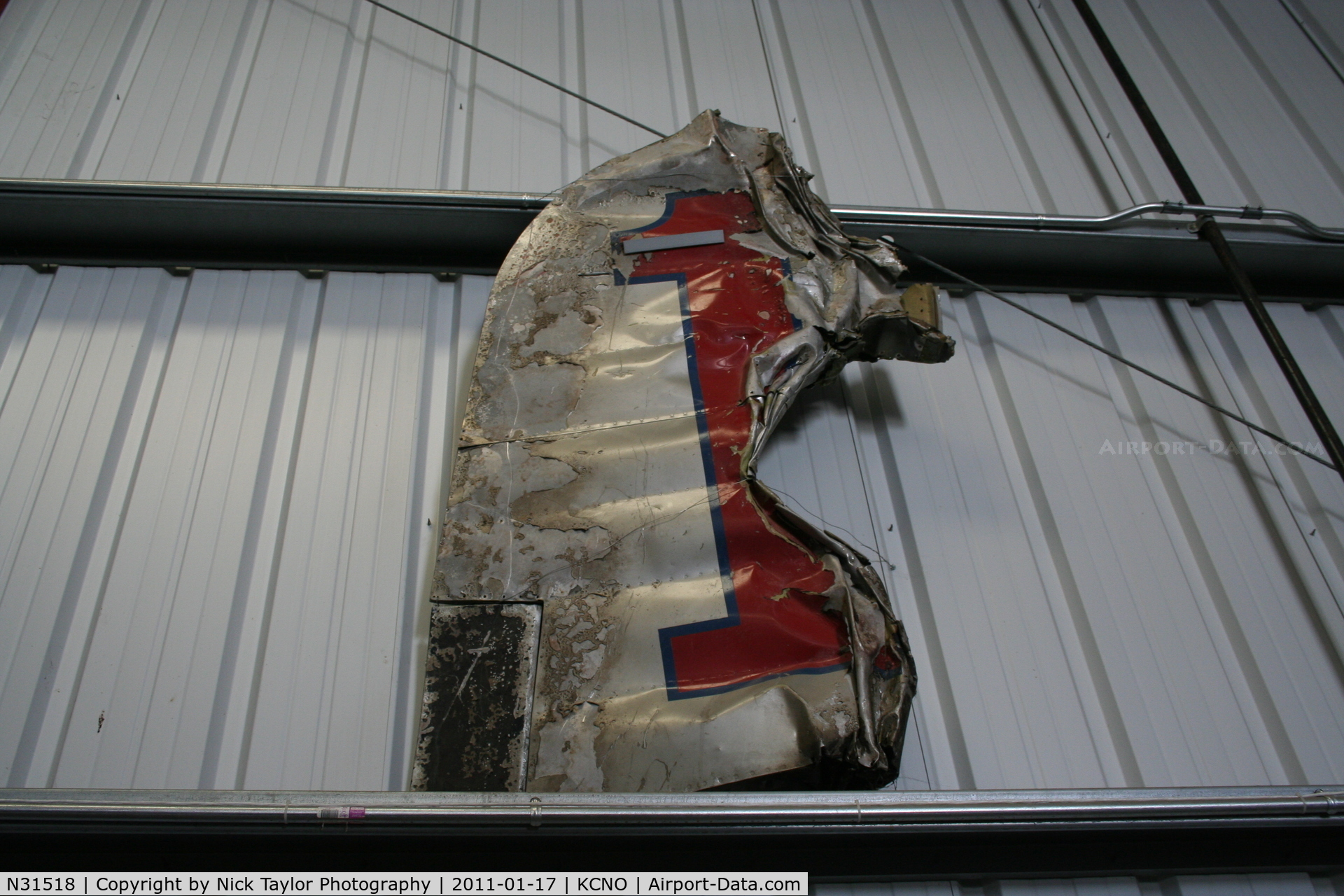
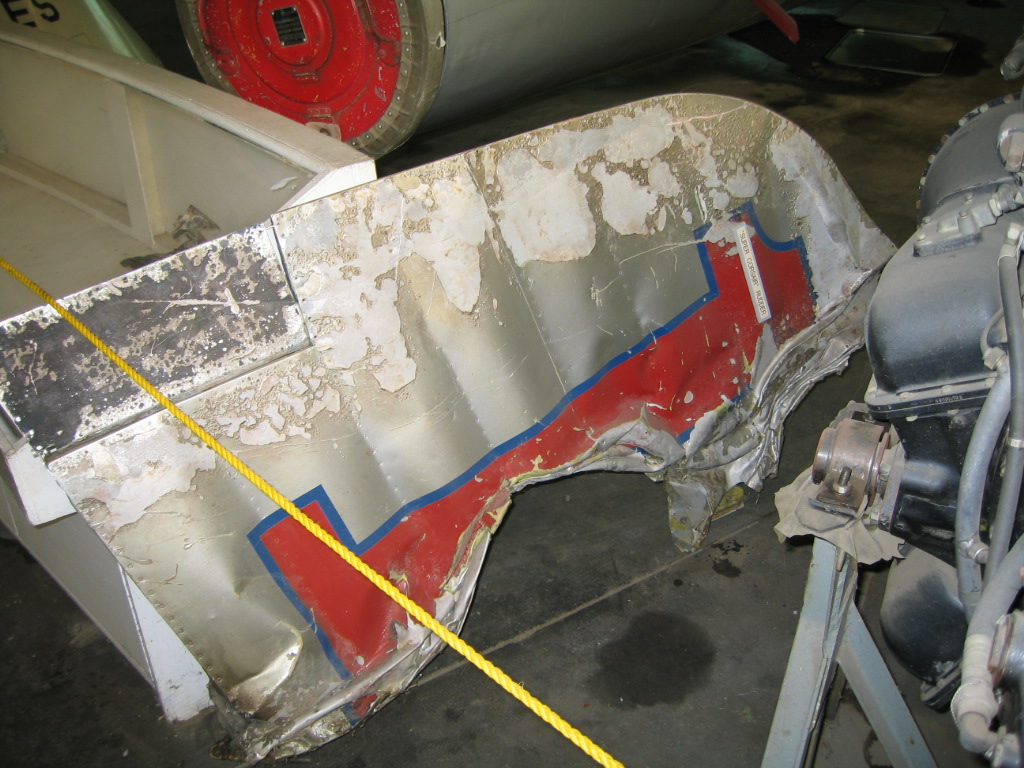
The aircraft rolled inverted and crashed vertically into the desert, ending the racing career of one of the most legendary Corsairs ever seen in Reno.
I still remember the day I first saw the news of the crash.
“F4U Corsair Hondureña (FAH): The 1969 Football War and the Last Piston-Engine Fighter Battles”.
Special thanks to Chris Fahey, Don Dawson, and contributors connected with the Super Corsair project for historical information, corrections, and archival material that helped improve the accuracy of this article.
https://www.aerialvisuals.ca/AirframeDossier.php?Serial=195412
https://www.warbirdregistry.org/corsairregistry/f4u-n31518.html?utm_source=chatgpt.com
https://planesoffame.org/aircraft/plane-F4U-1A?