article
The Forgotten Wings of the Pacific
The Story of Abandoned Allied Aircraft and the Inspiration for Historically Accurate Scale Models and Dioramas
The Pacific Theater of World War II was one of the largest and most demanding aerial campaigns in military history. From the attack on Pearl Harbor to Japan’s final surrender in August 1945, thousands of Allied aircraft operated daily from improvised airfields built on small tropical islands, remote atolls, and coral runways. Aircraft such as the F4U Corsair, P-38 Lightning, P-47 Thunderbolt, P-40 Warhawk, B-24 Liberator, B-25 Mitchell, and C-47 Skytrain, along with many other legendary types, left an enduring mark on the skies of the Pacific.
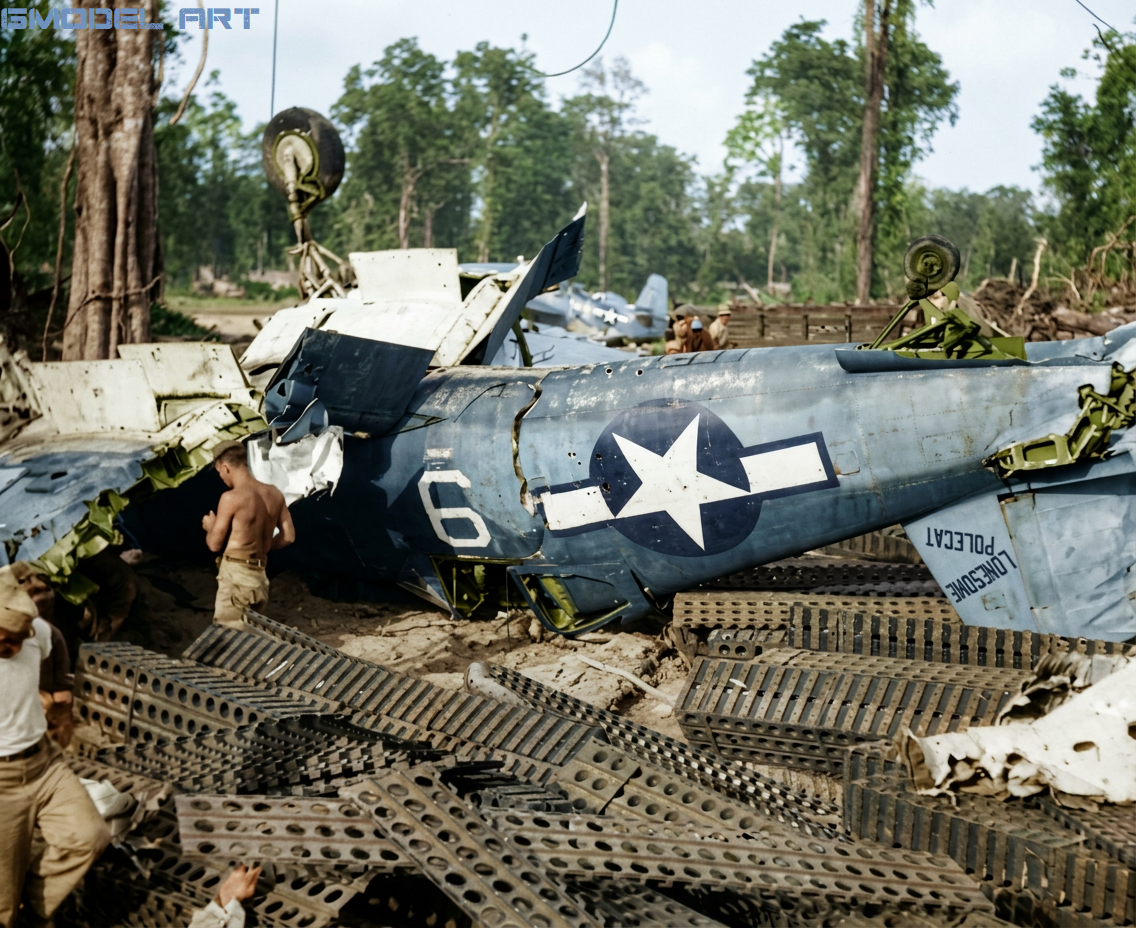
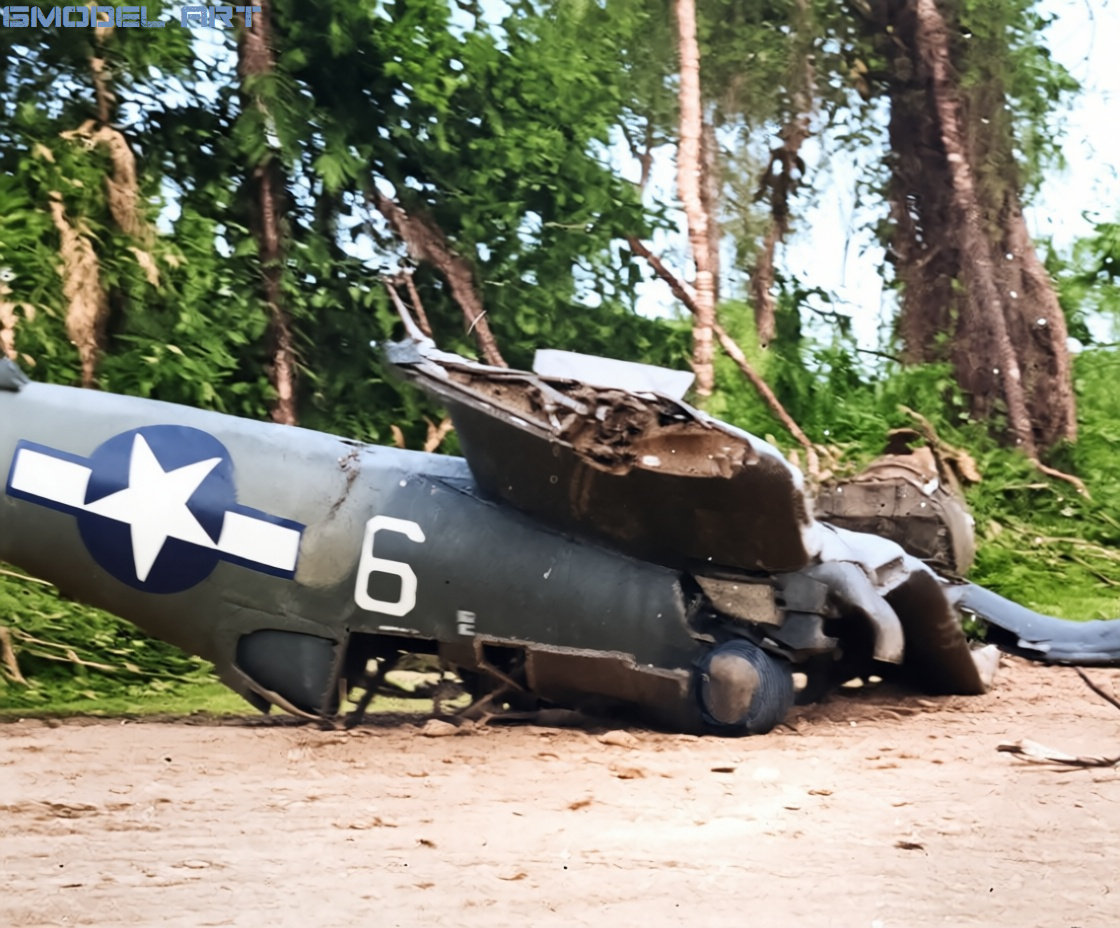
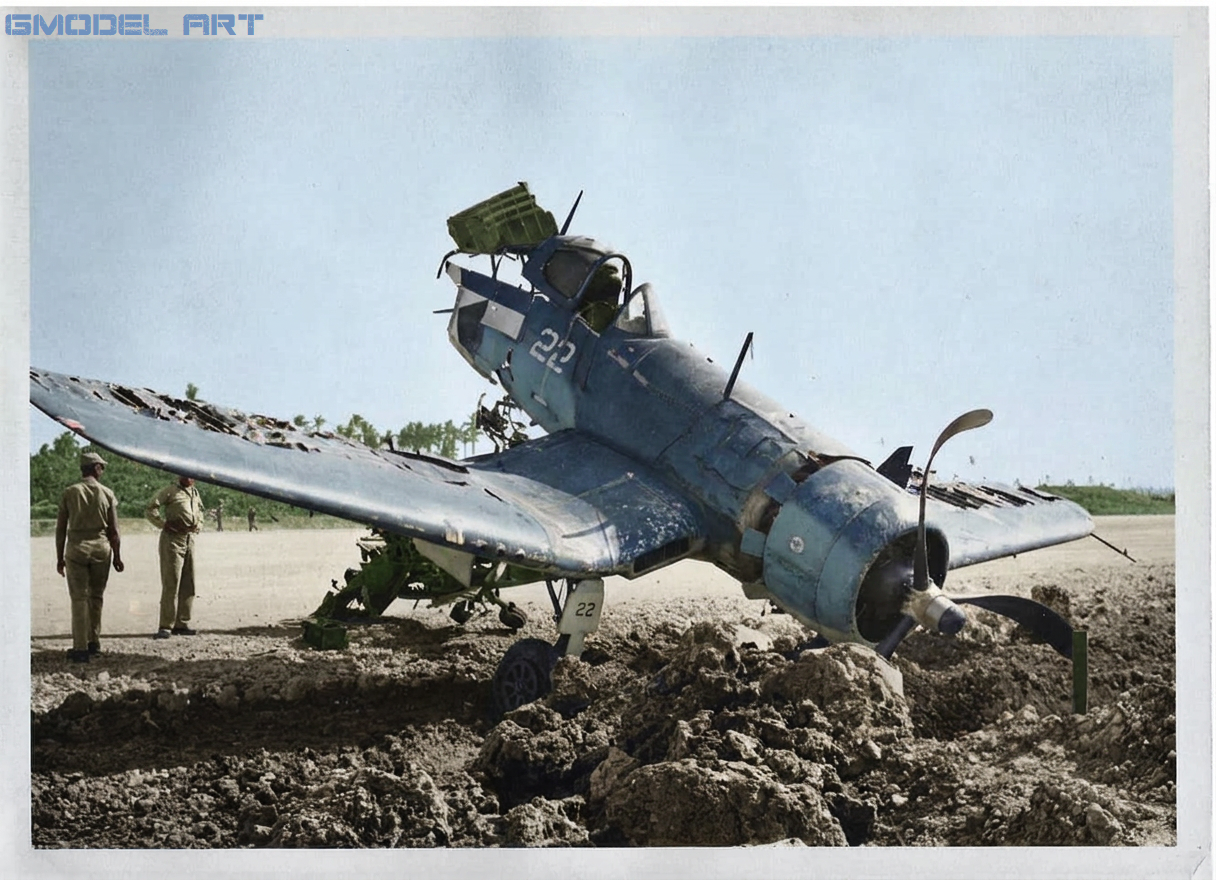
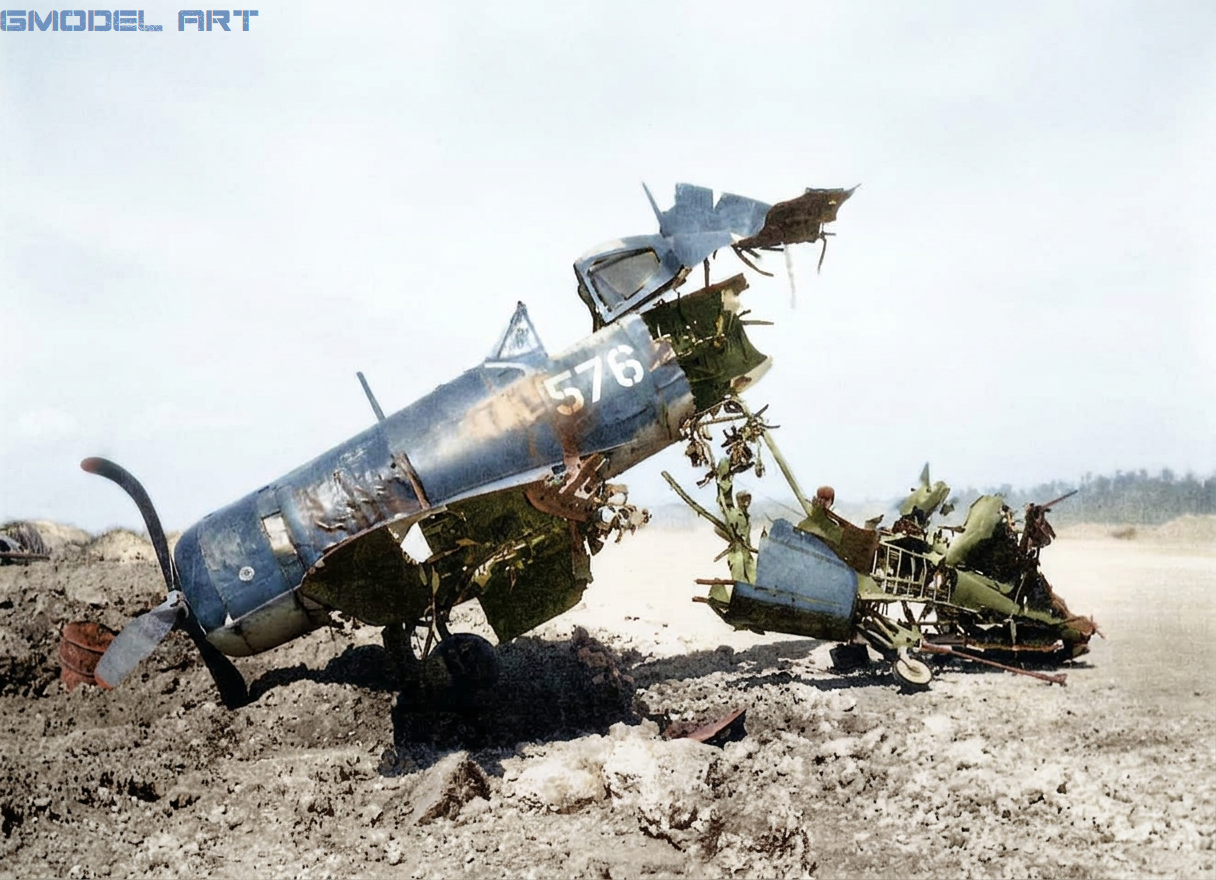
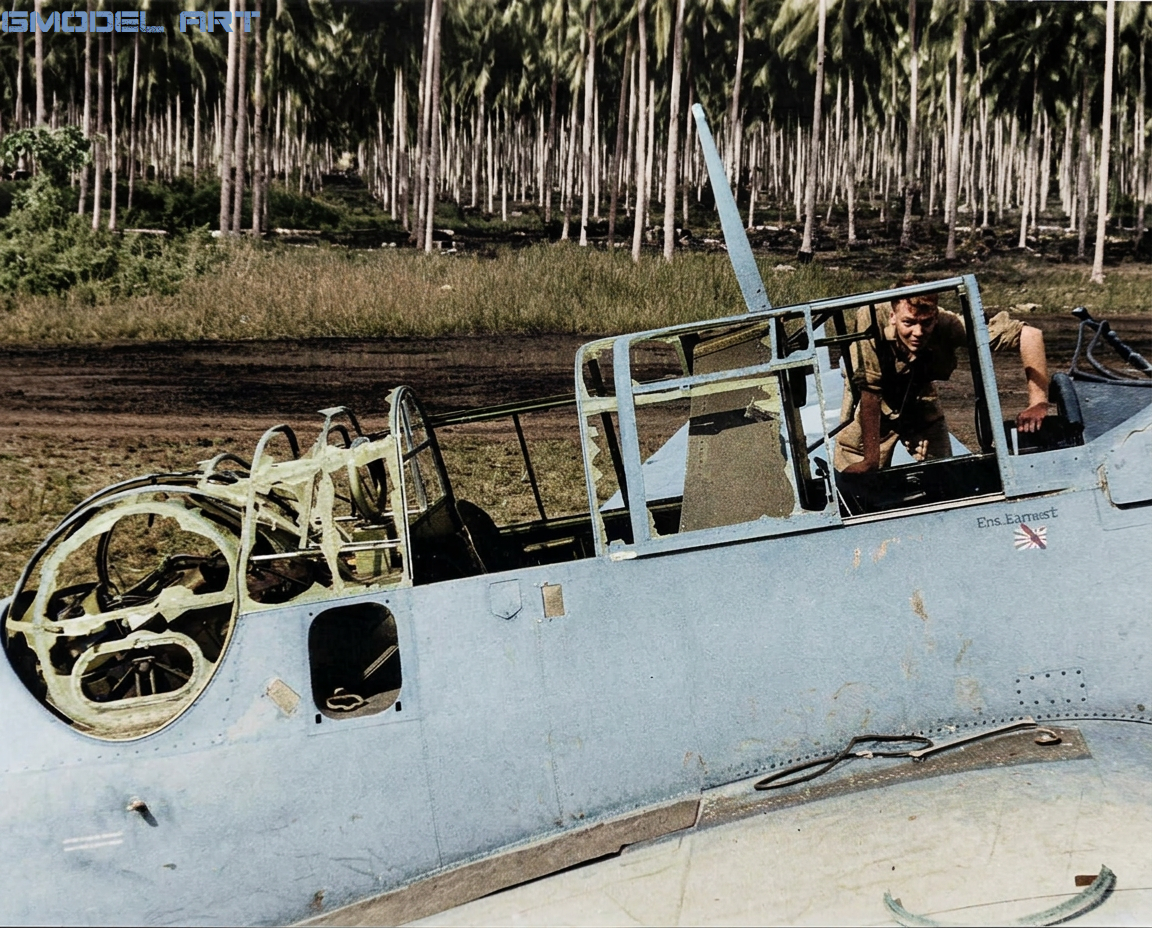
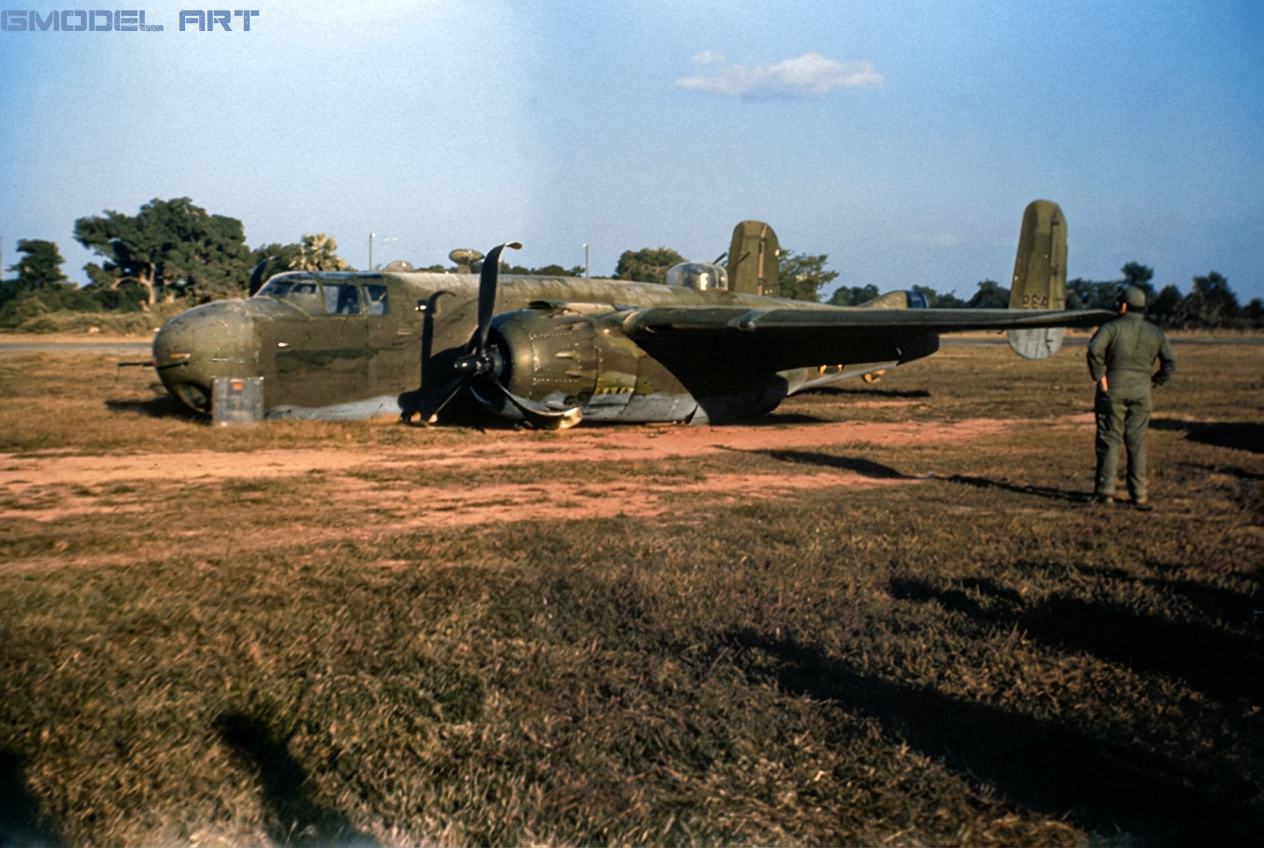
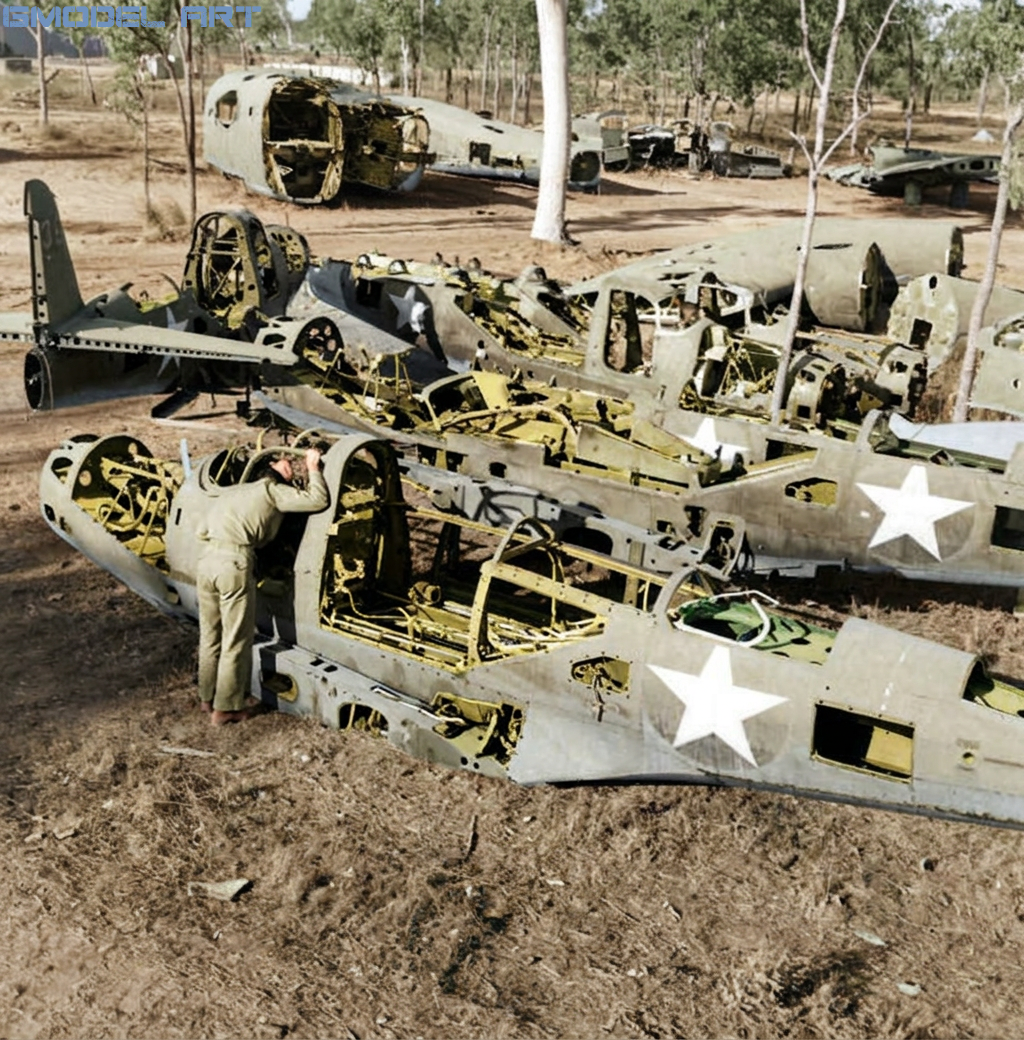
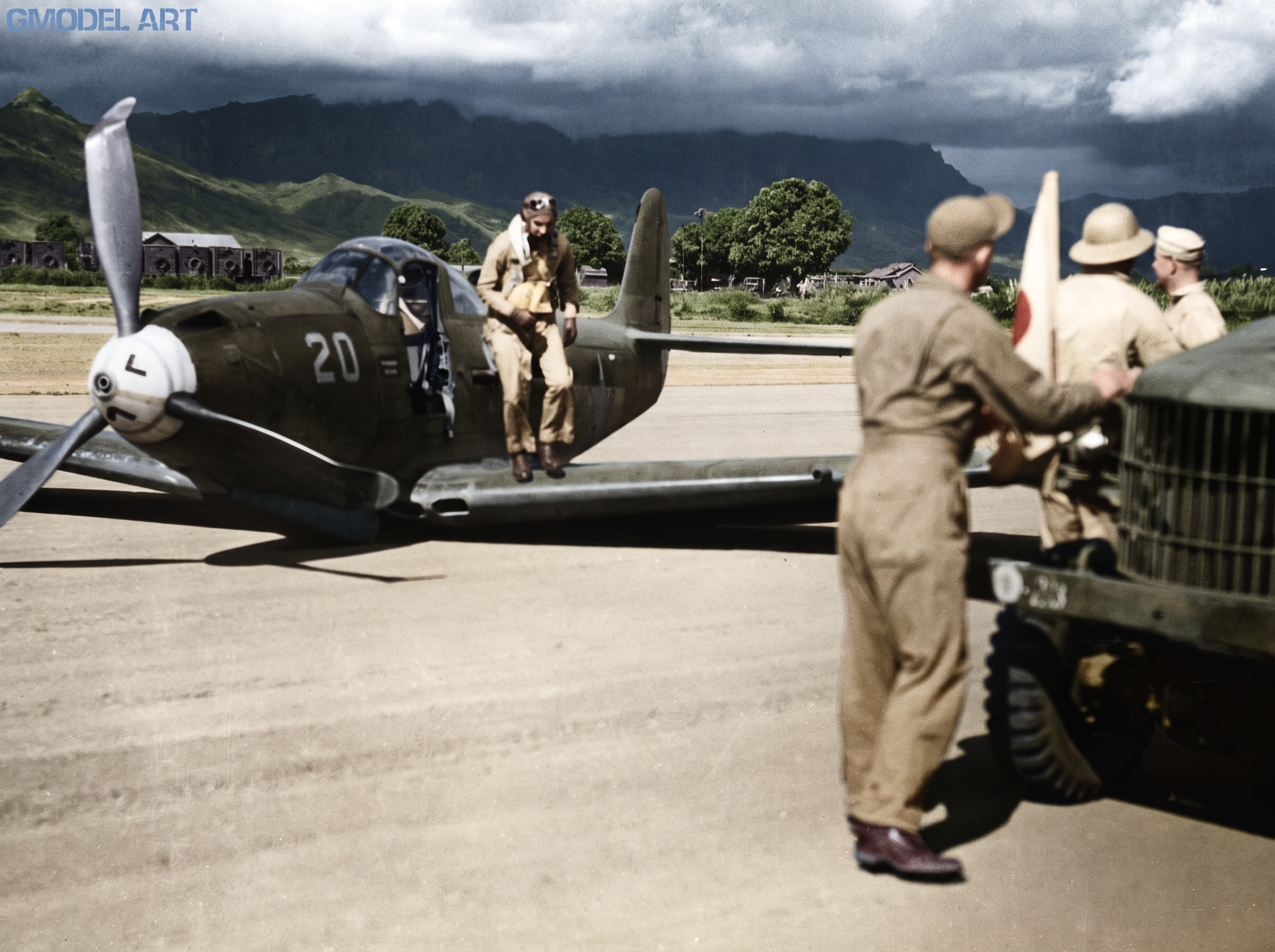
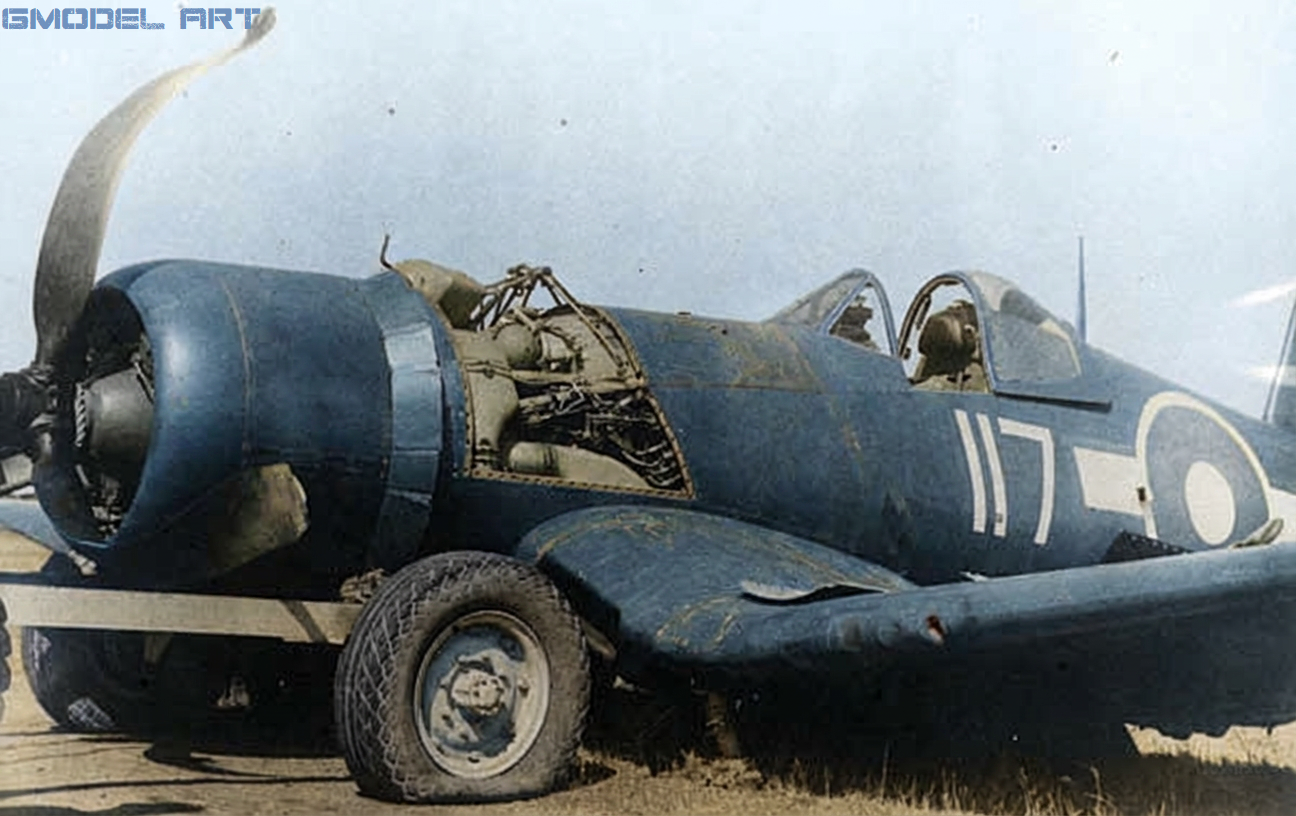
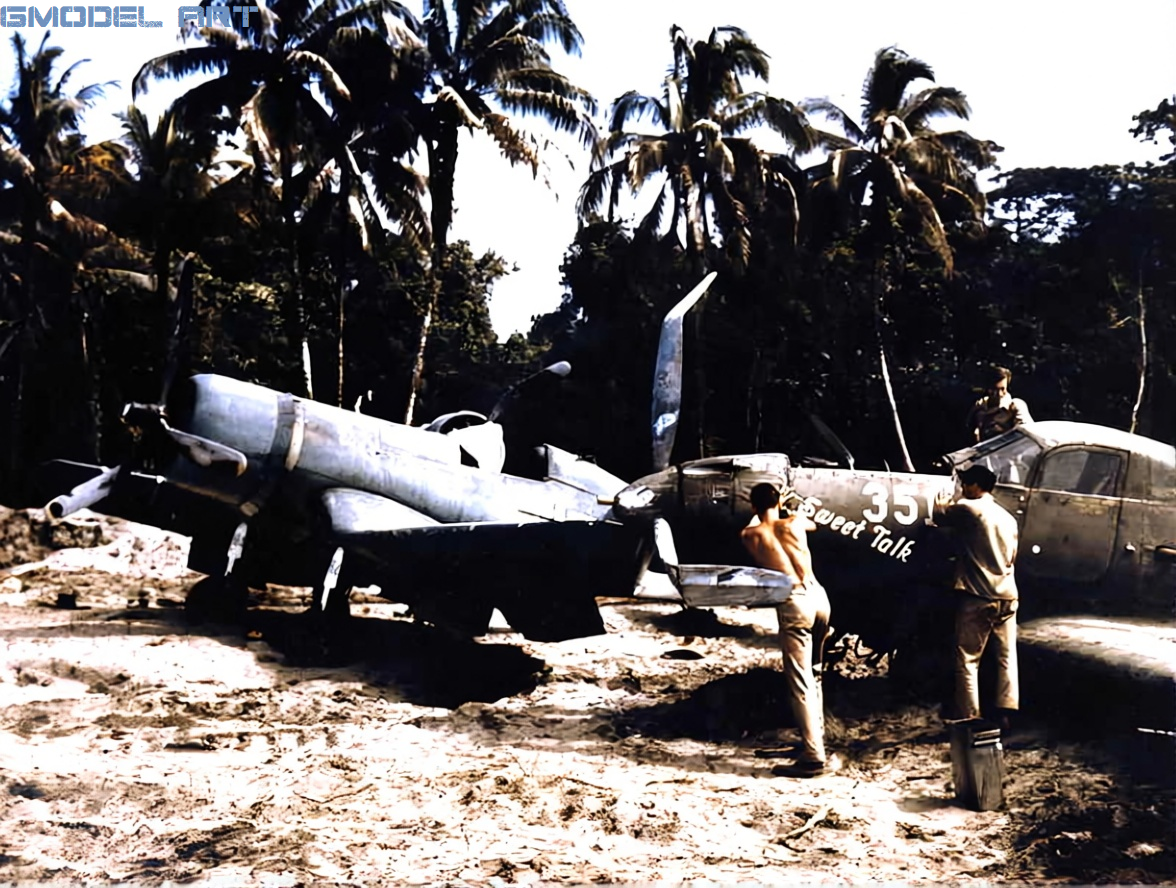
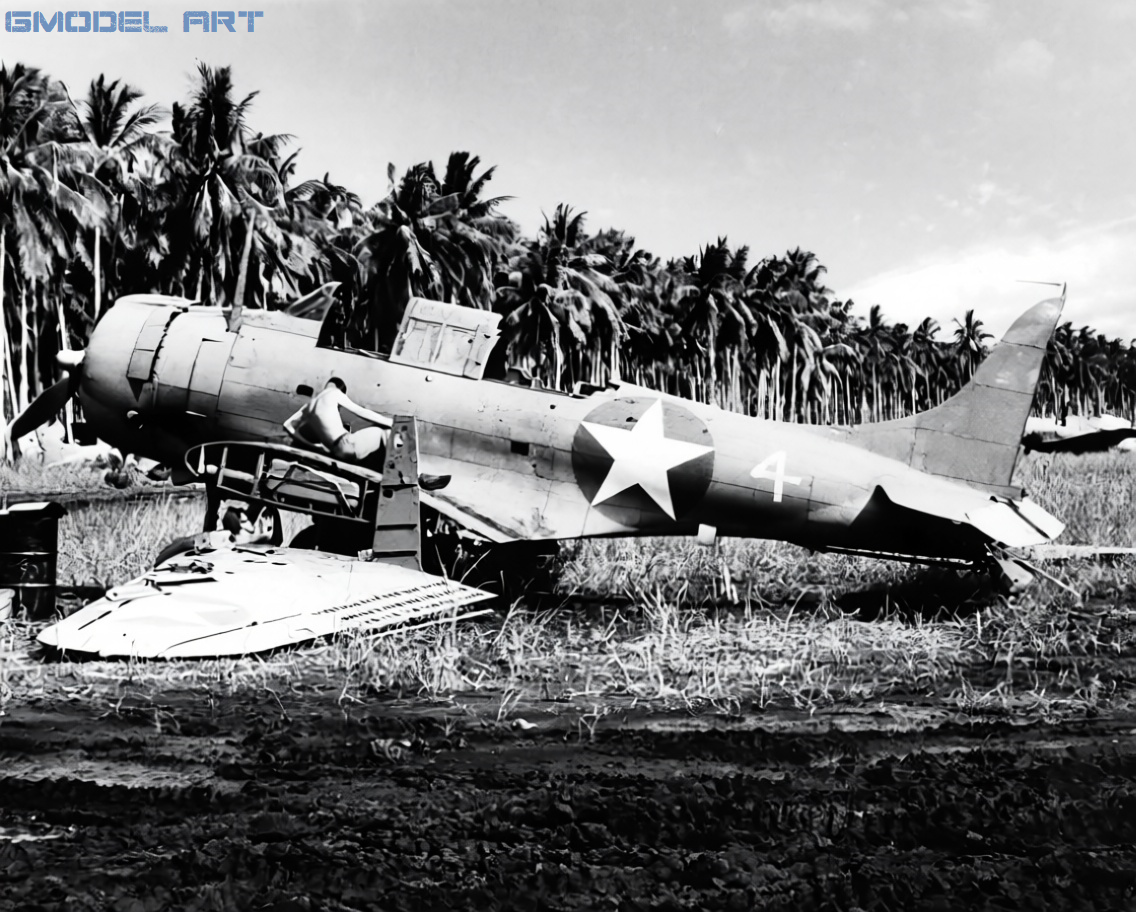
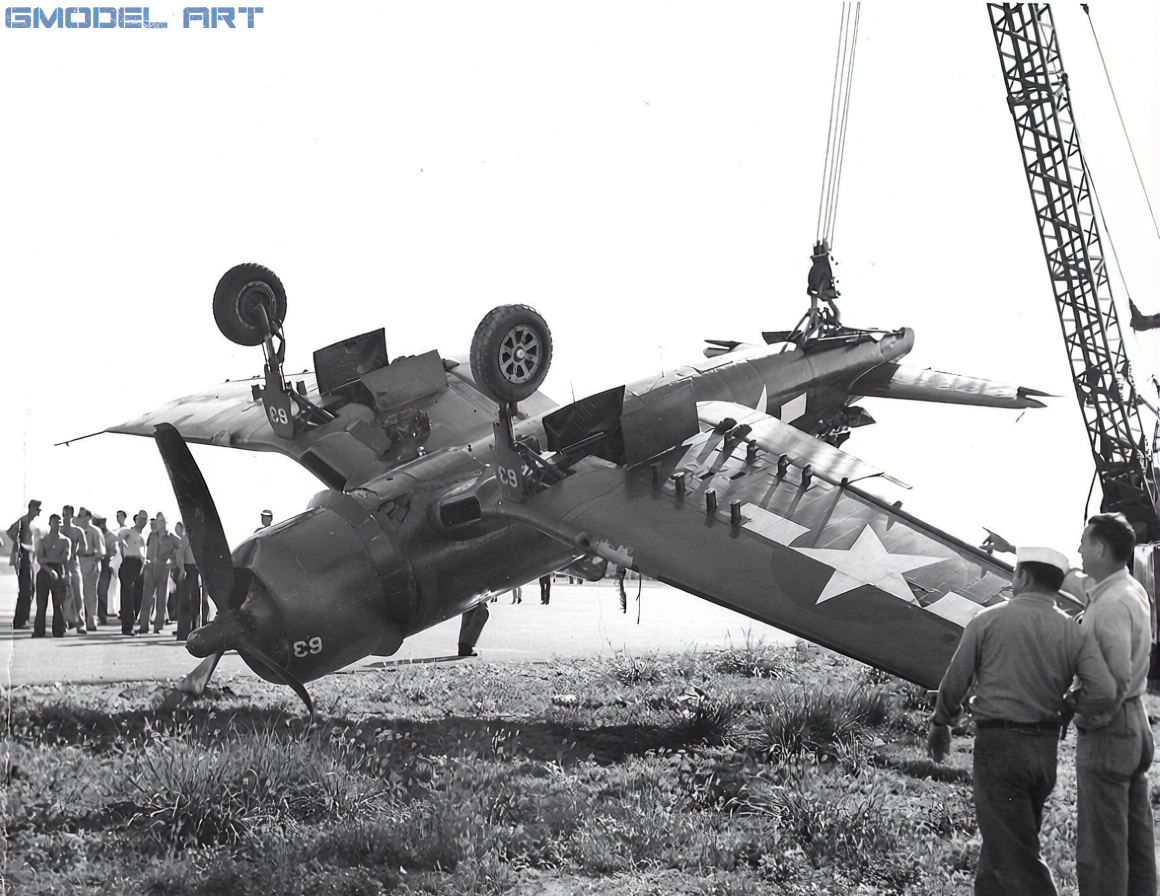
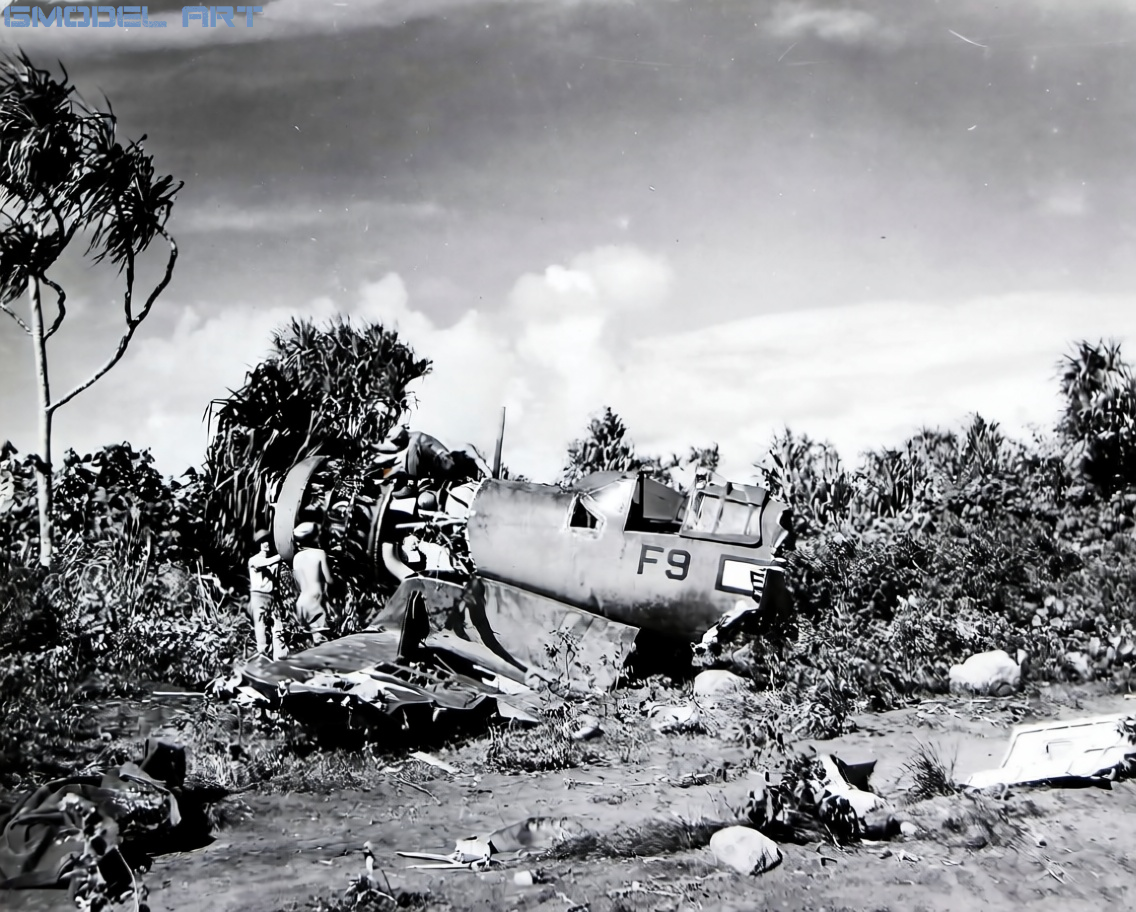
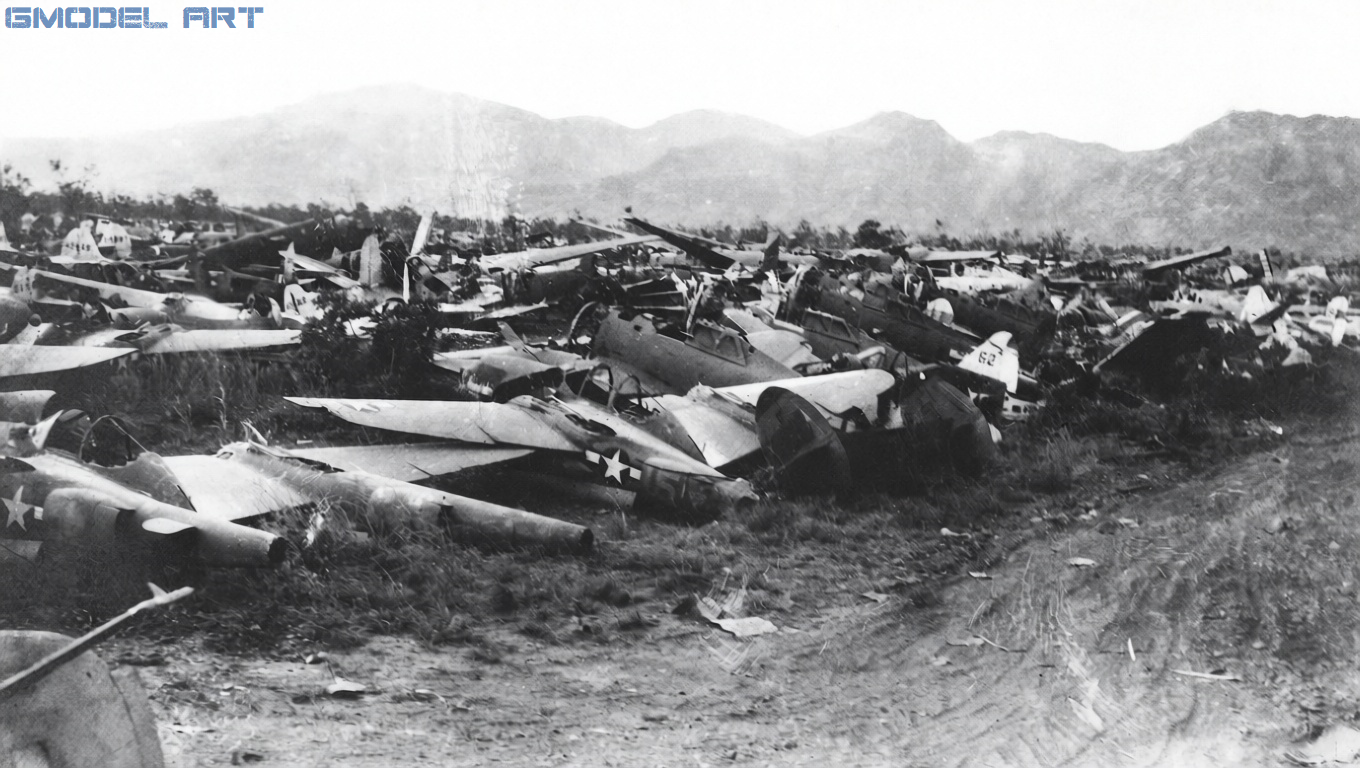
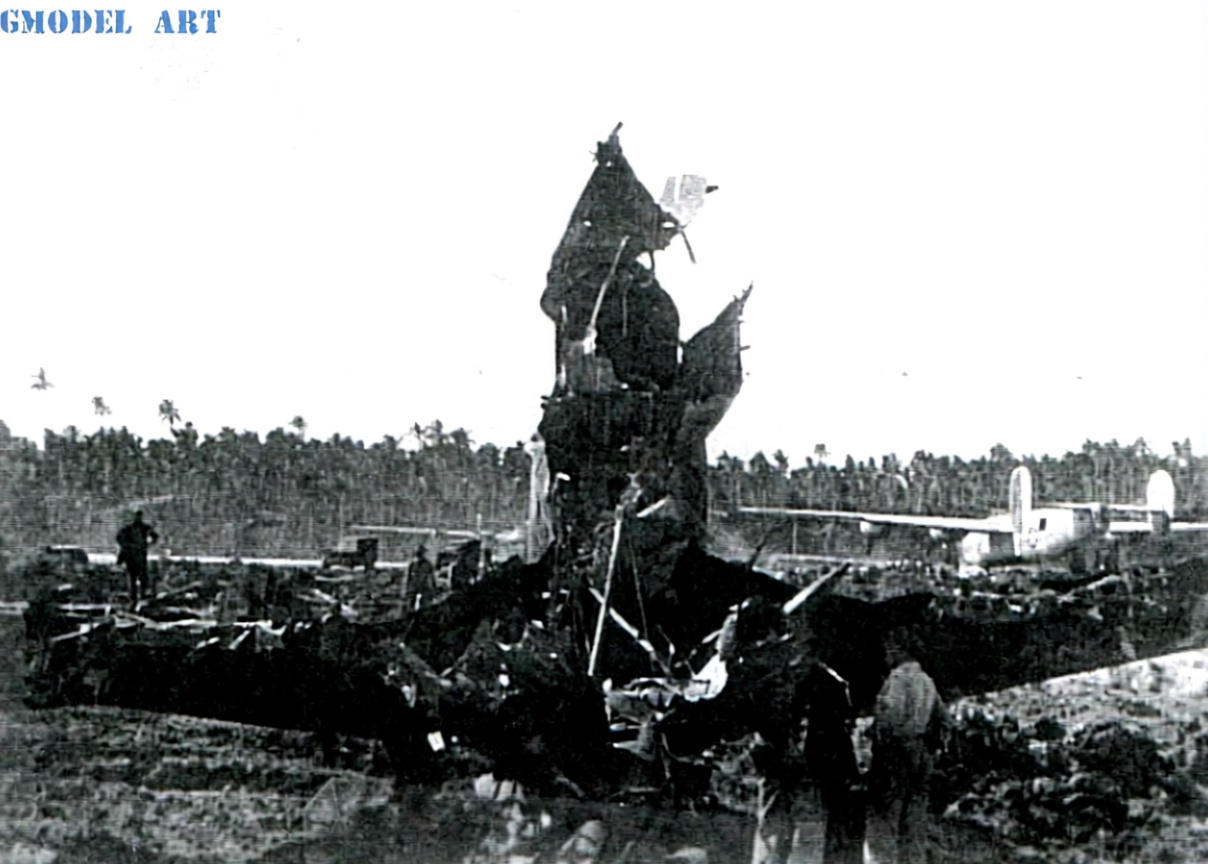
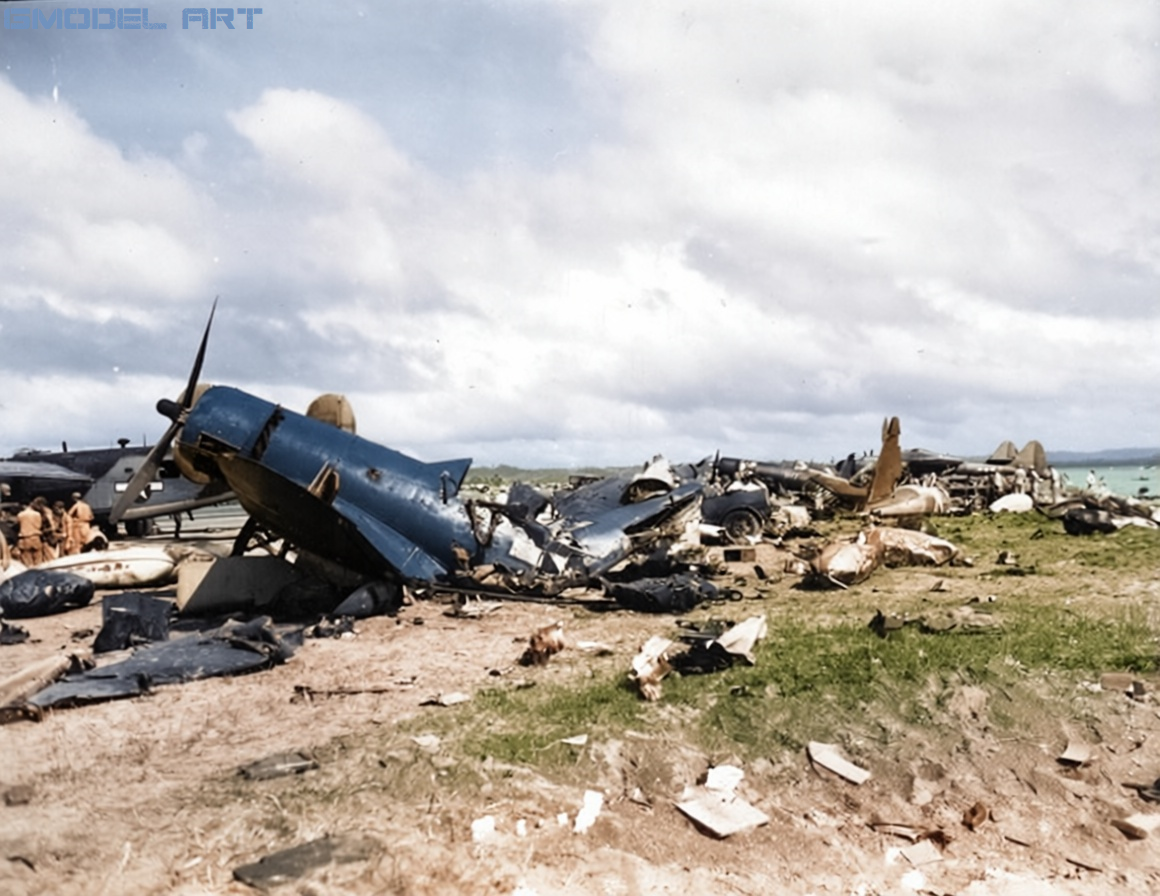
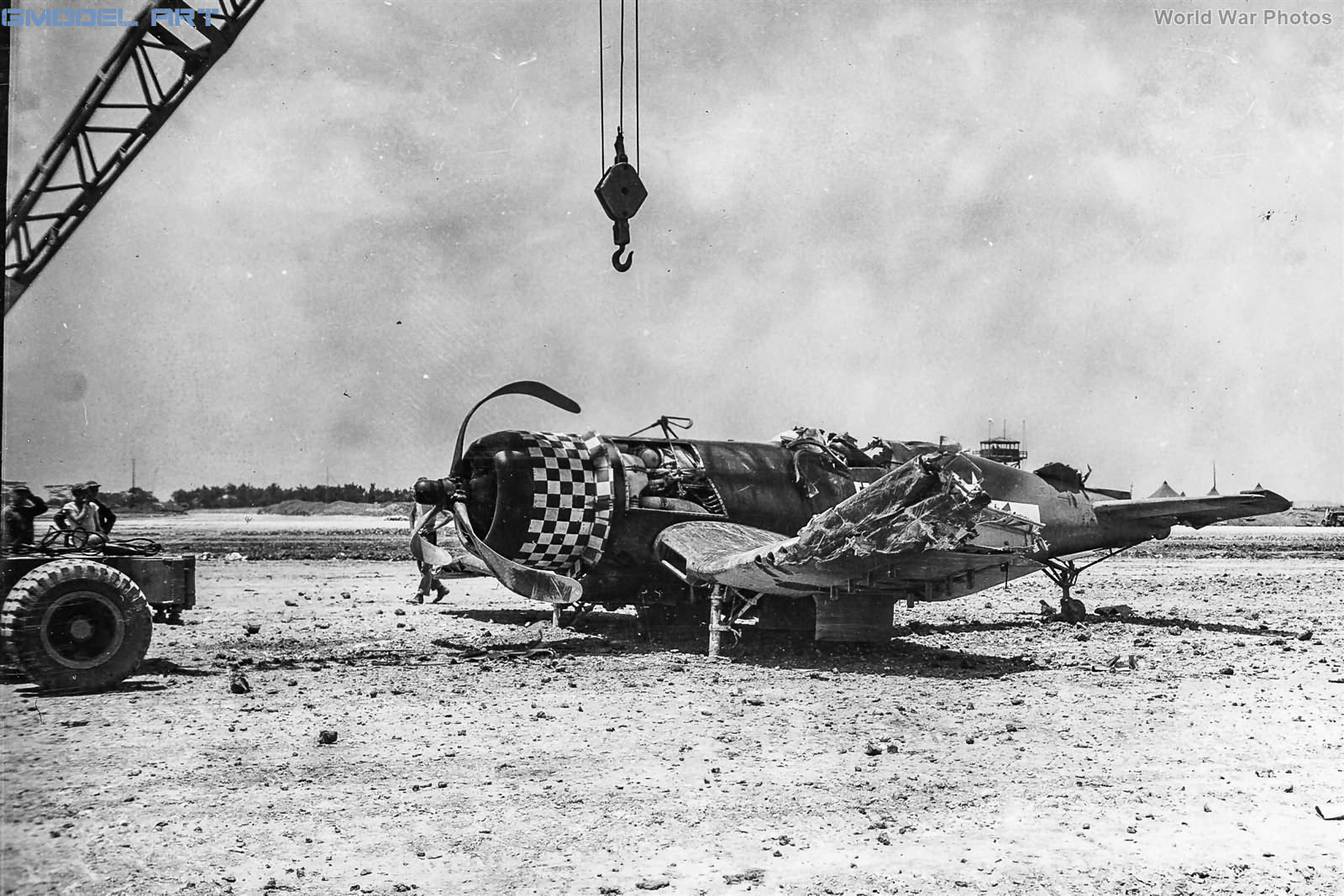
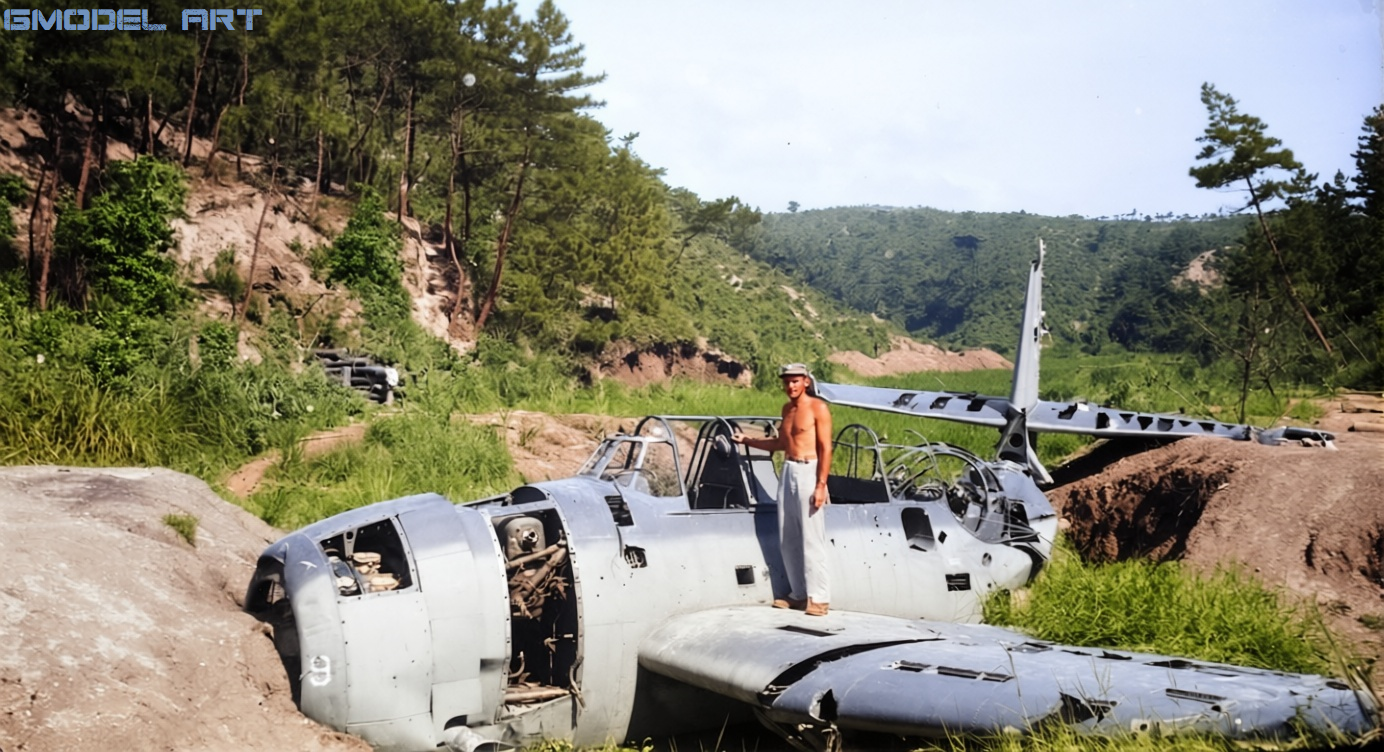
Behind the dramatic air battles, heroic missions, and legendary fighter aces lies a lesser-known yet equally fascinating story. Thousands of Allied aircraft were never lost in combat. Many were damaged during takeoff or landing, suffered major mechanical failures, returned from missions with severe battle damage, or were forced to make emergency landings at remote island airfields. For many of these aircraft, their final flight did not end in a spectacular dogfight but in a quiet abandonment at the edge of an isolated runway.
A War of Distance
Unlike the European Theater, the Pacific War was fought across immense distances. Aircraft routinely flew for hours over open ocean while supply bases were often separated by hundreds or even thousands of kilometers. Most airstrips were hastily constructed from crushed coral or compacted earth and operated under some of the harshest environmental conditions on Earth.
Constant exposure to salt-laden sea air, extreme humidity, torrential tropical rainfall, and intense heat placed enormous stress on both aircraft structures and engines. Under such conditions, even relatively minor damage could permanently ground an aircraft.
When Repair Was No Longer an Option
As Allied forces advanced steadily toward Japan, maintaining operational aircraft became the highest priority. Transporting a severely damaged aircraft to a repair depot was often impossible or simply uneconomical. The cost of transportation, the time involved, and the shortage of replacement parts frequently exceeded the value of the aircraft itself.
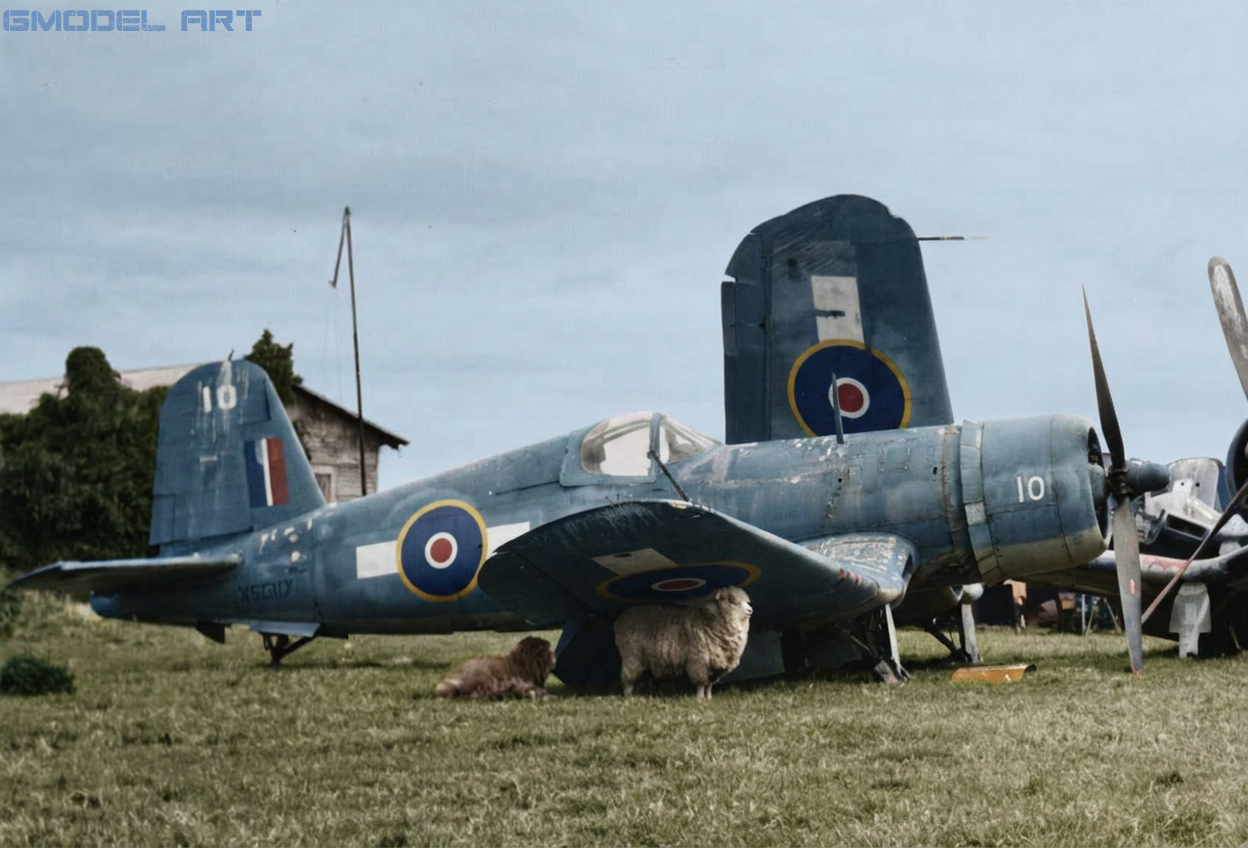
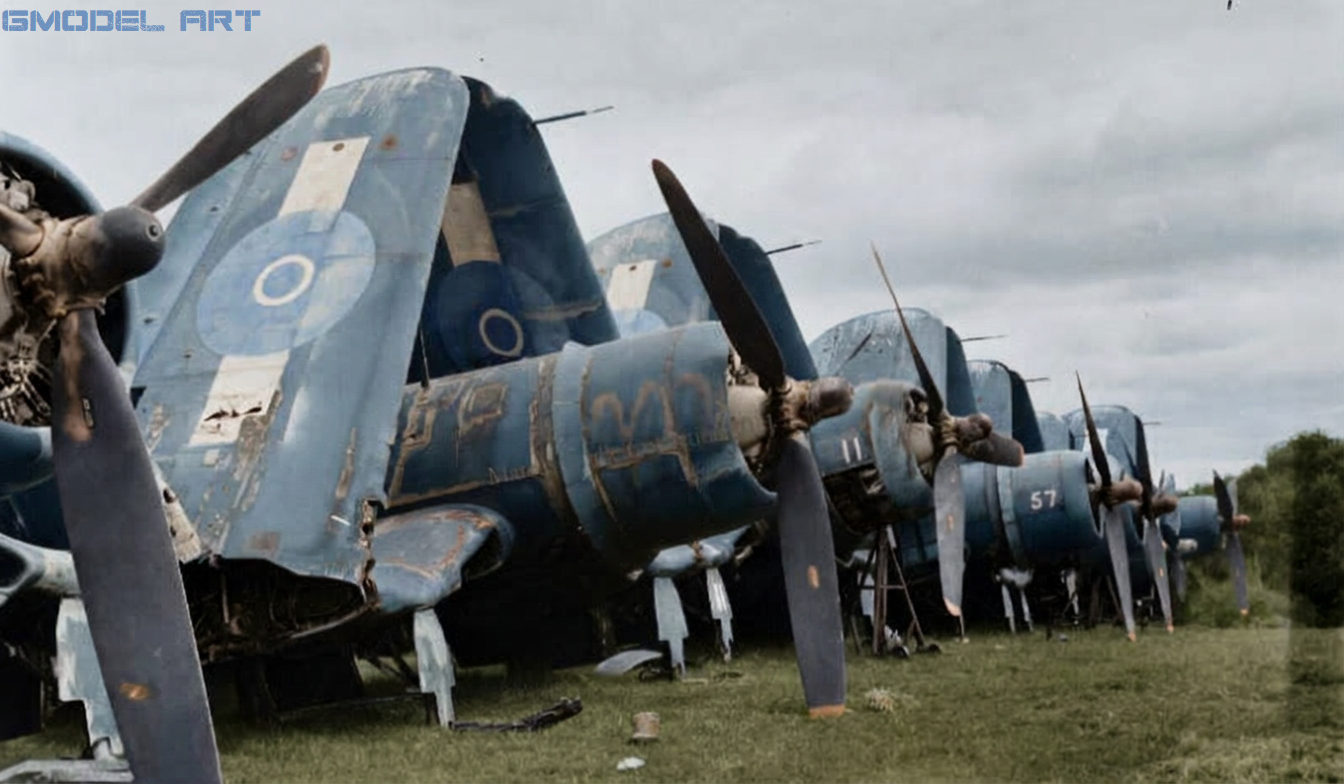
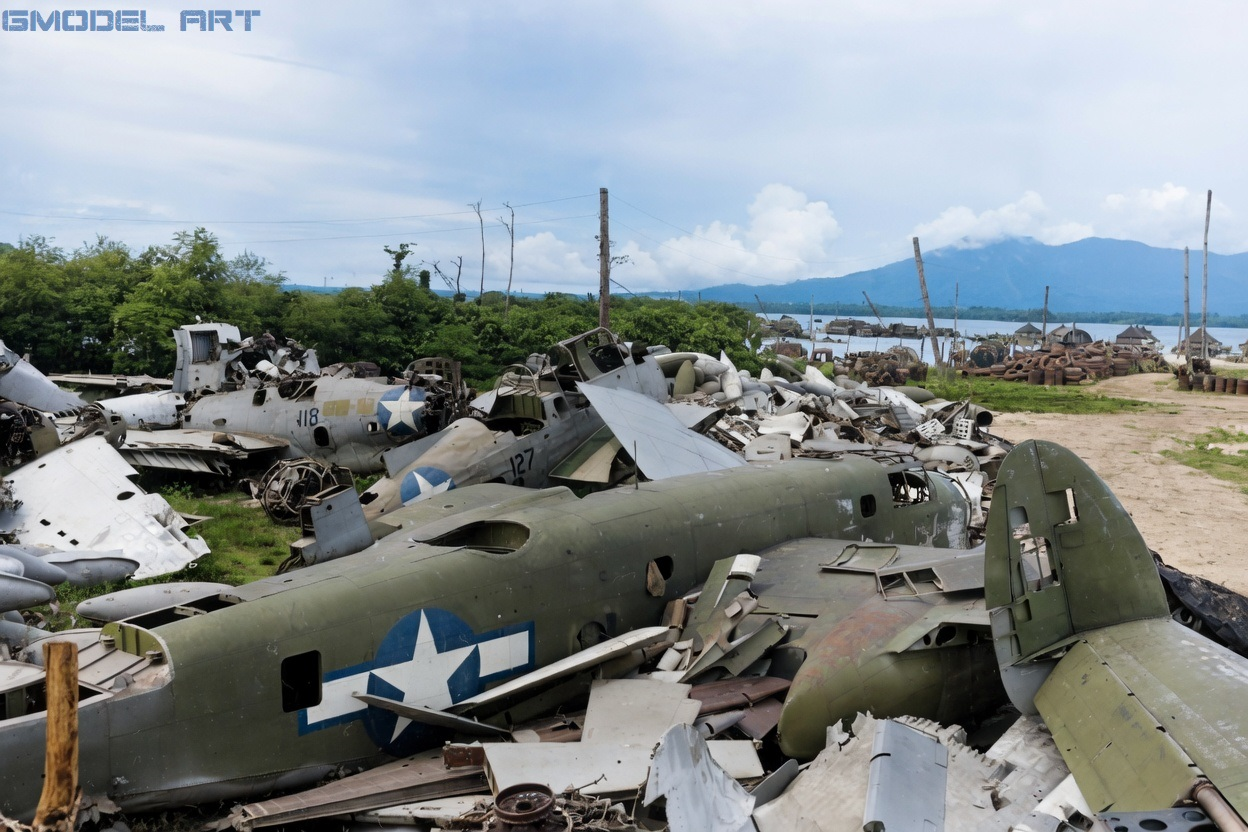
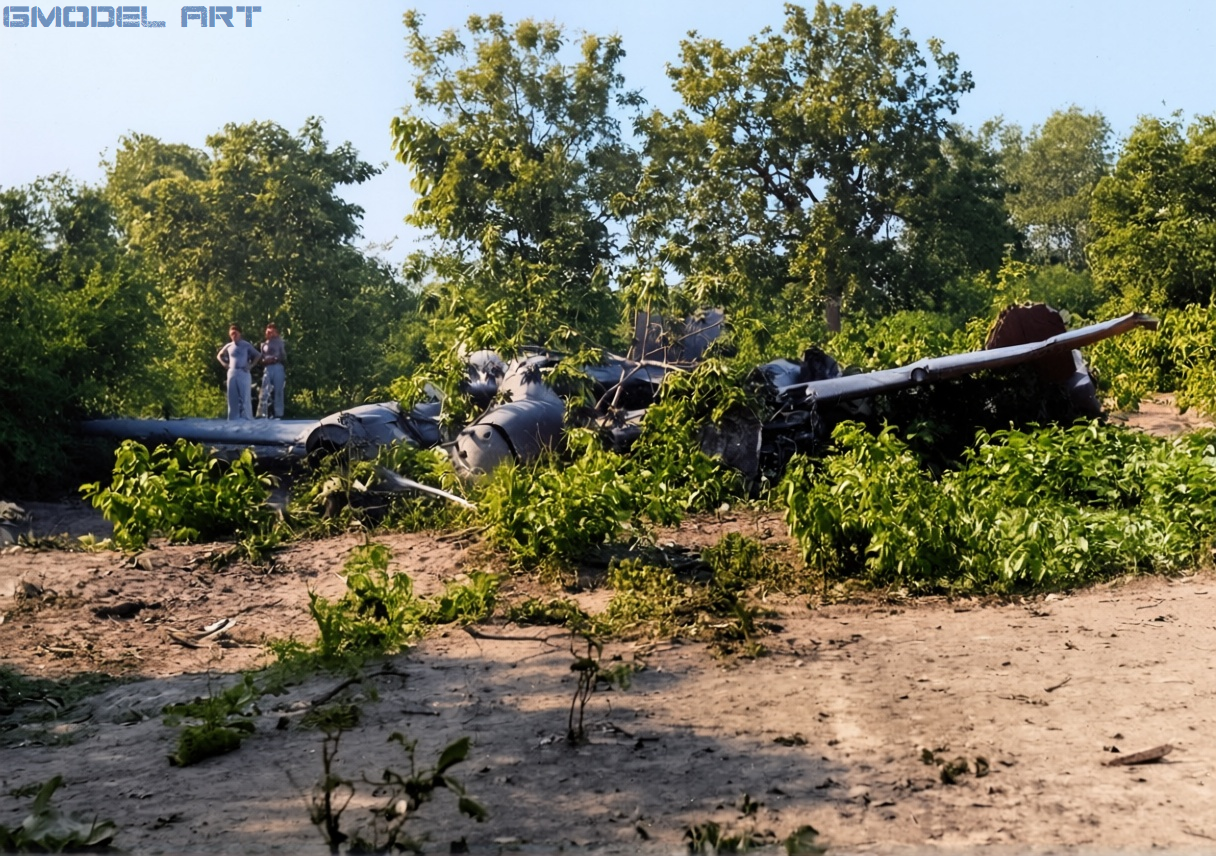
As a result, hundreds of Corsairs, Lightnings, Thunderbolts, and Liberators remained forever where they came to rest after their final landing.
Cannibalization: When One Aircraft Kept Many Others Flying
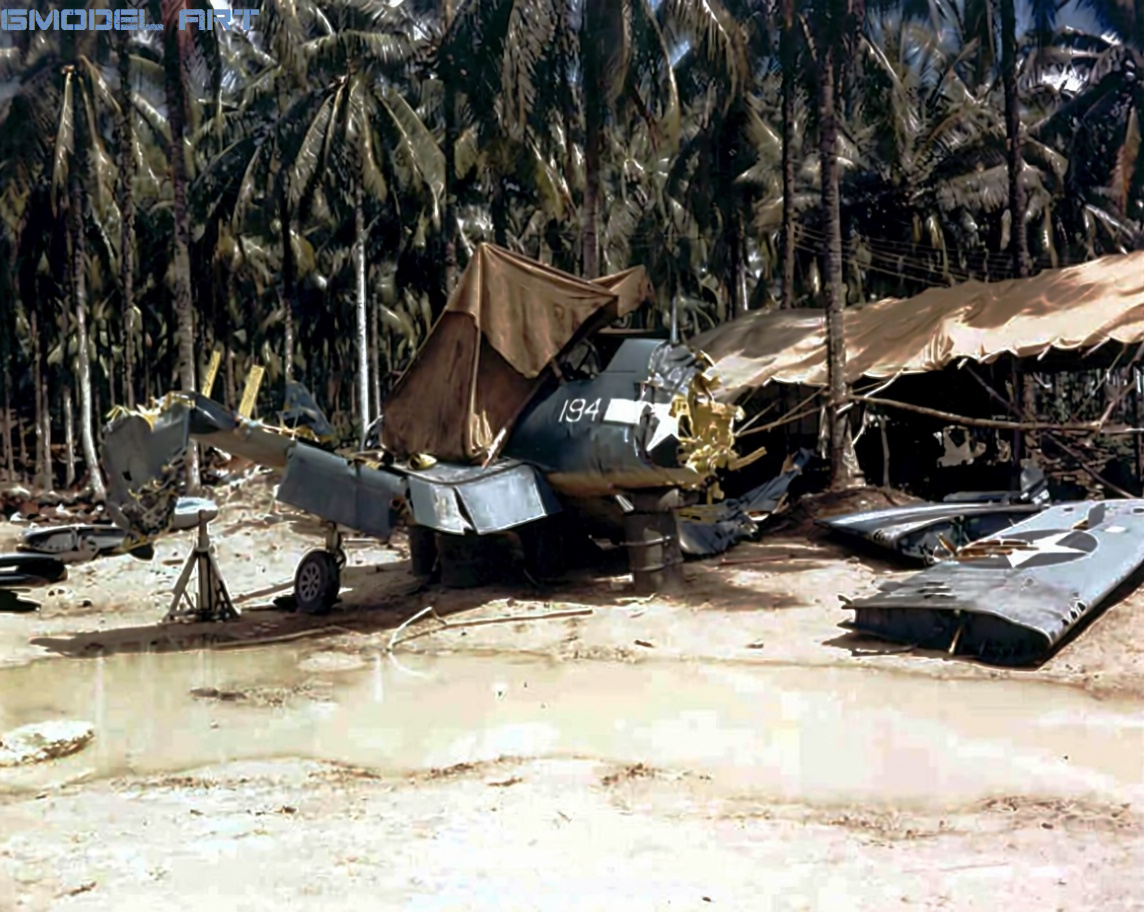
Before being abandoned, every damaged aircraft became a valuable source of spare parts. Maintenance crews removed every reusable component, including:
Engines
Propellers
Canopies
Landing gear assemblies
Wheels
Instrument panels
Radios
Machine guns
Fuel tanks
Hydraulic and electrical systems
Metal access panels
Engine cowlings
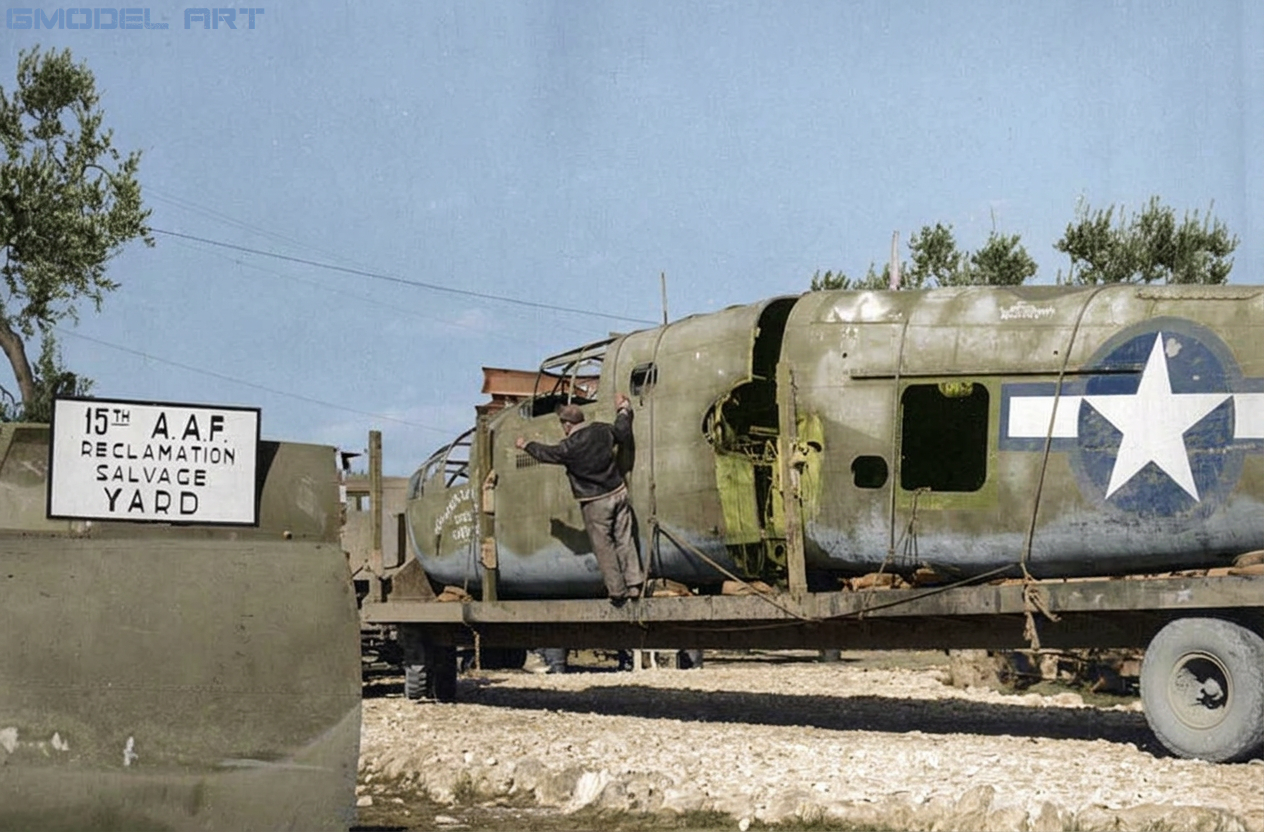
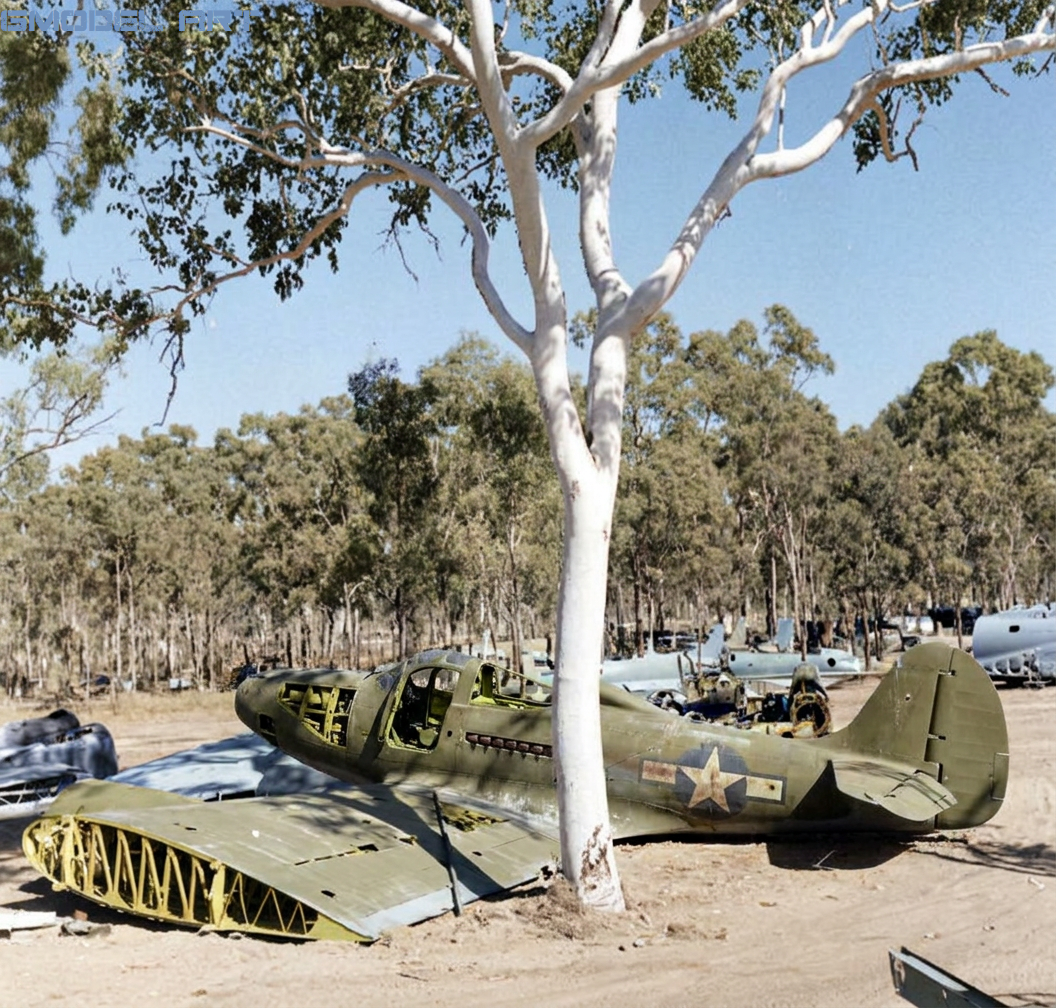
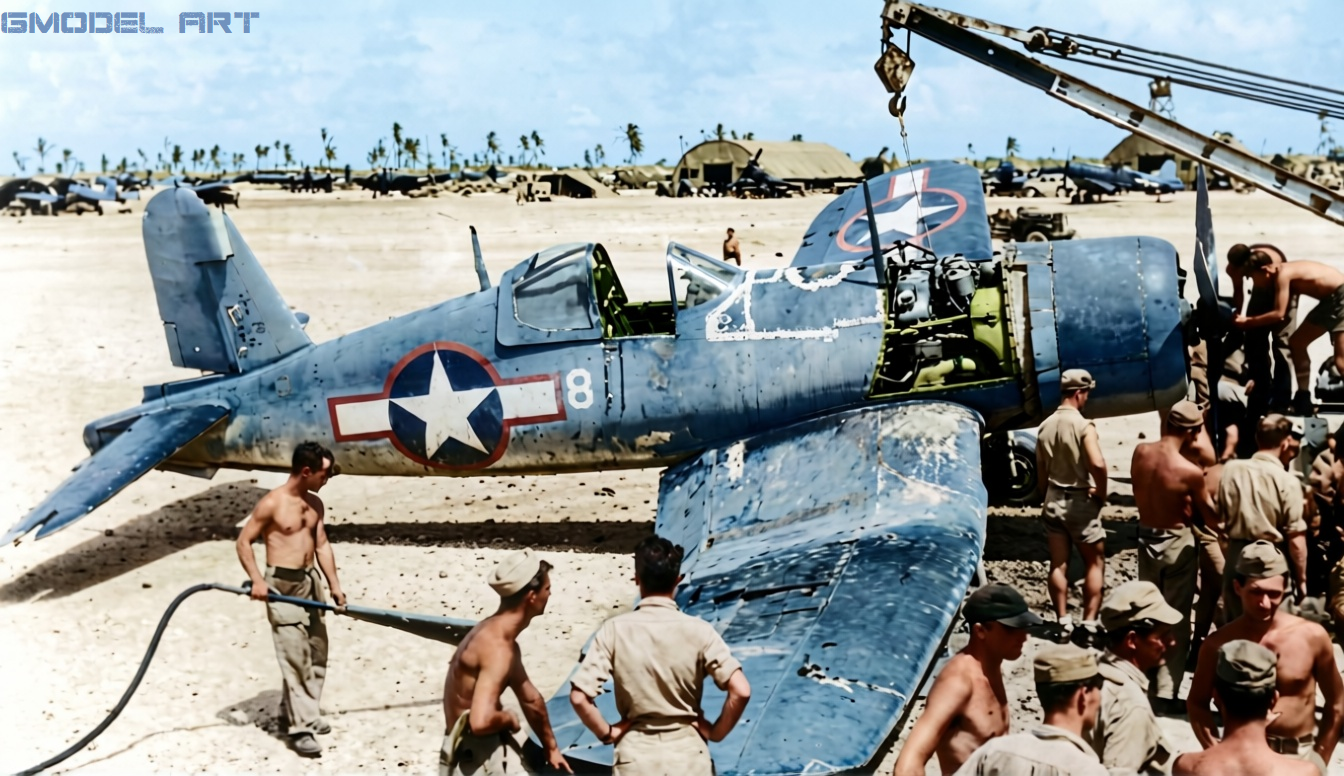
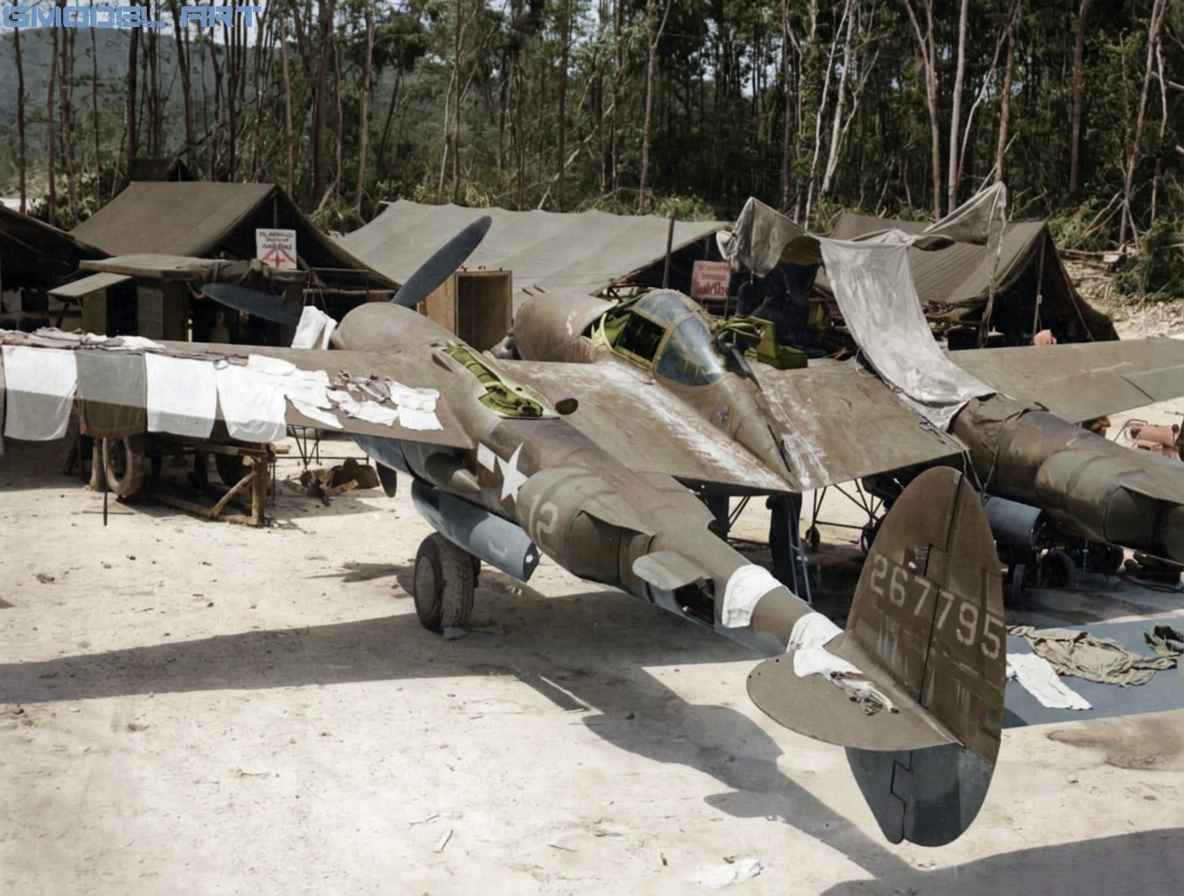
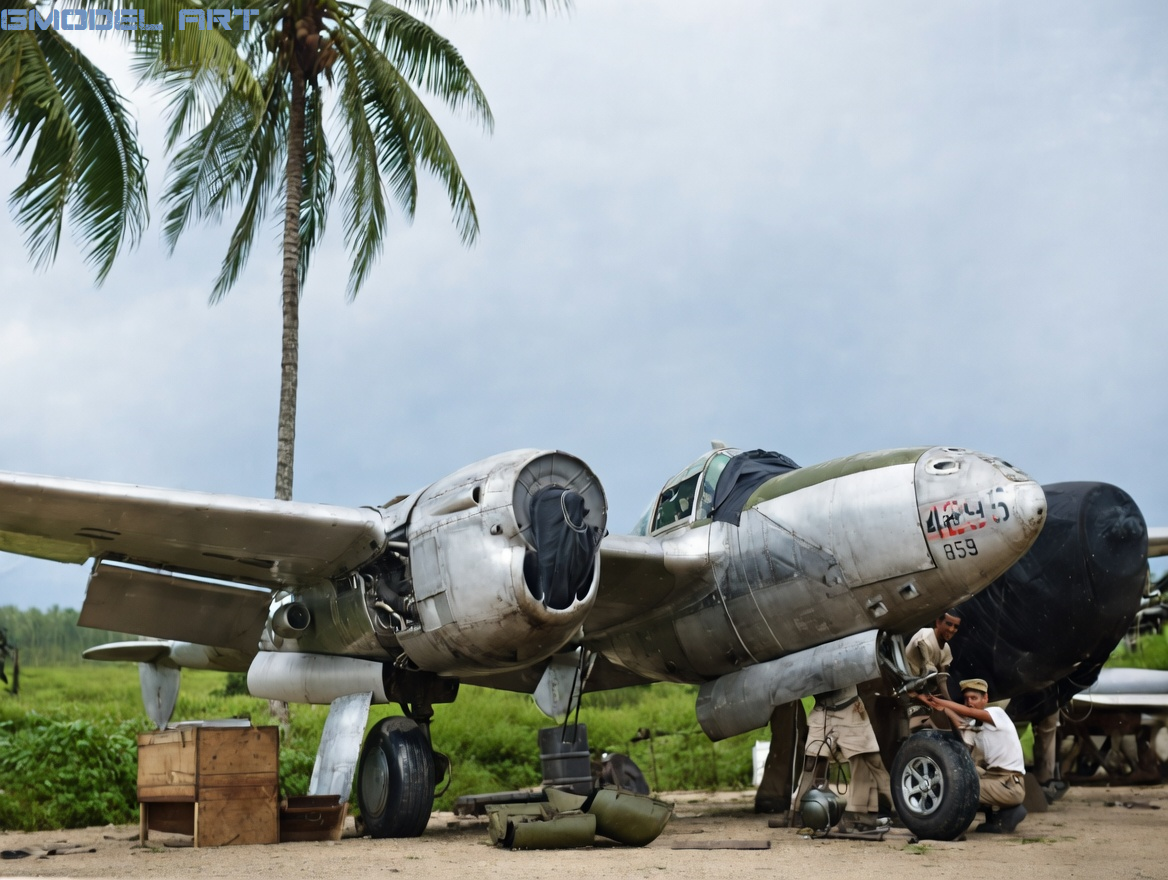
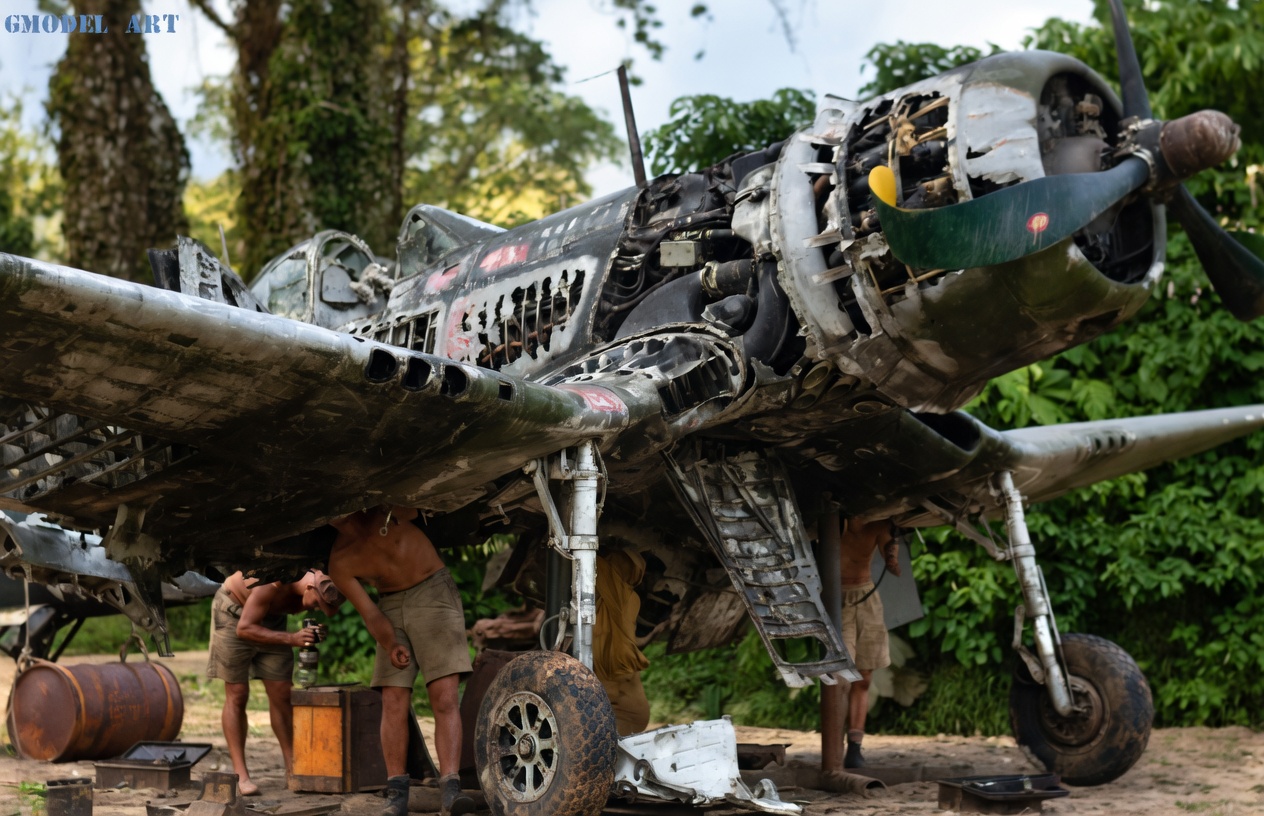
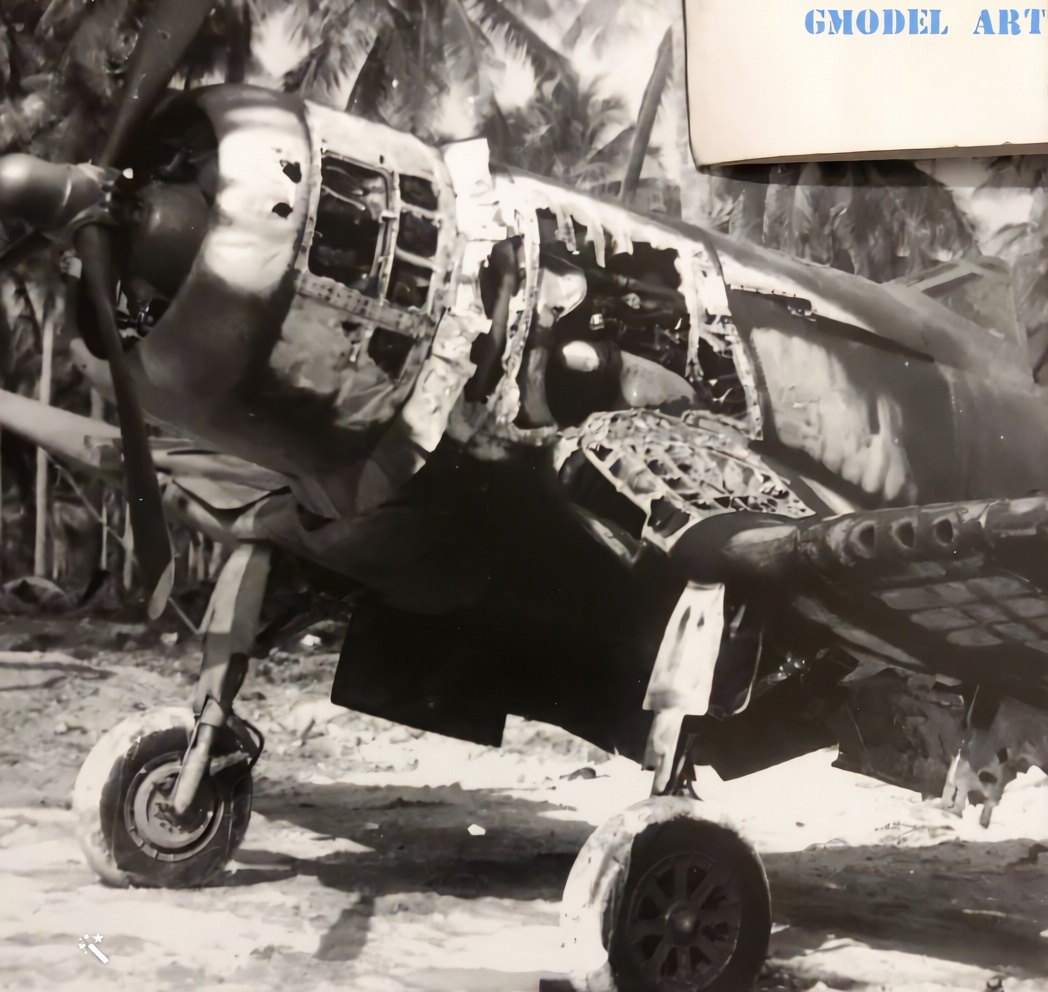
This practice, known as aircraft cannibalization, became essential for keeping the remaining aircraft of each squadron operational. A single damaged Corsair could provide enough components to keep two or even three others flying. For this reason, many surviving photographs show aircraft stripped of their engines, propellers, canopies, or even entire wings.
The Aircraft of the Aces
Among these abandoned aircraft were machines once flown by some of the most famous fighter aces of the United States Army Air Forces, the U.S. Navy, and the U.S. Marine Corps. Many had taken part in historic air battles, escorted bomber formations, or provided close air support during major amphibious landings.
Yet once they sustained severe damage, they were treated no differently from any other aircraft. Operational necessity outweighed historical significance. They were dismantled, stripped for spare parts, and ultimately left behind beneath the relentless tropical sun.
The Great Pacific Aircraft Graveyards
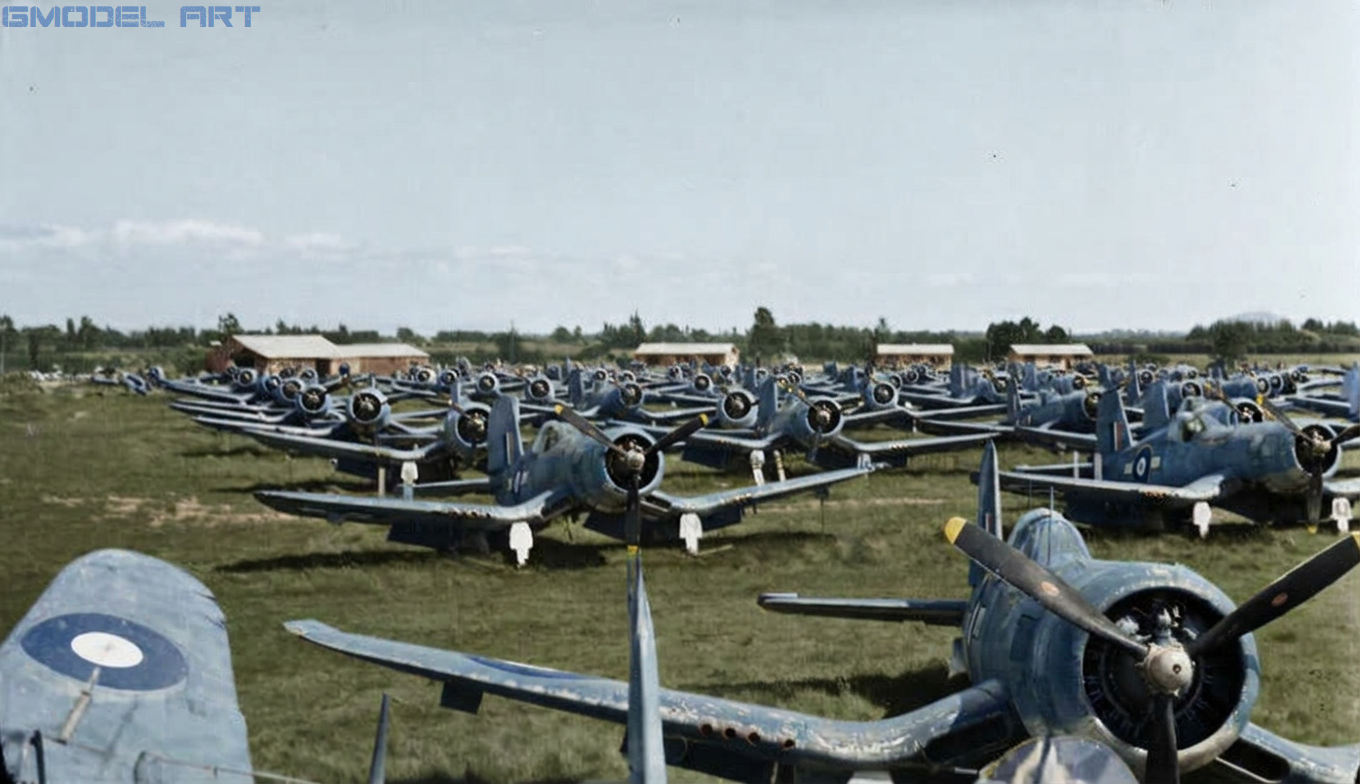
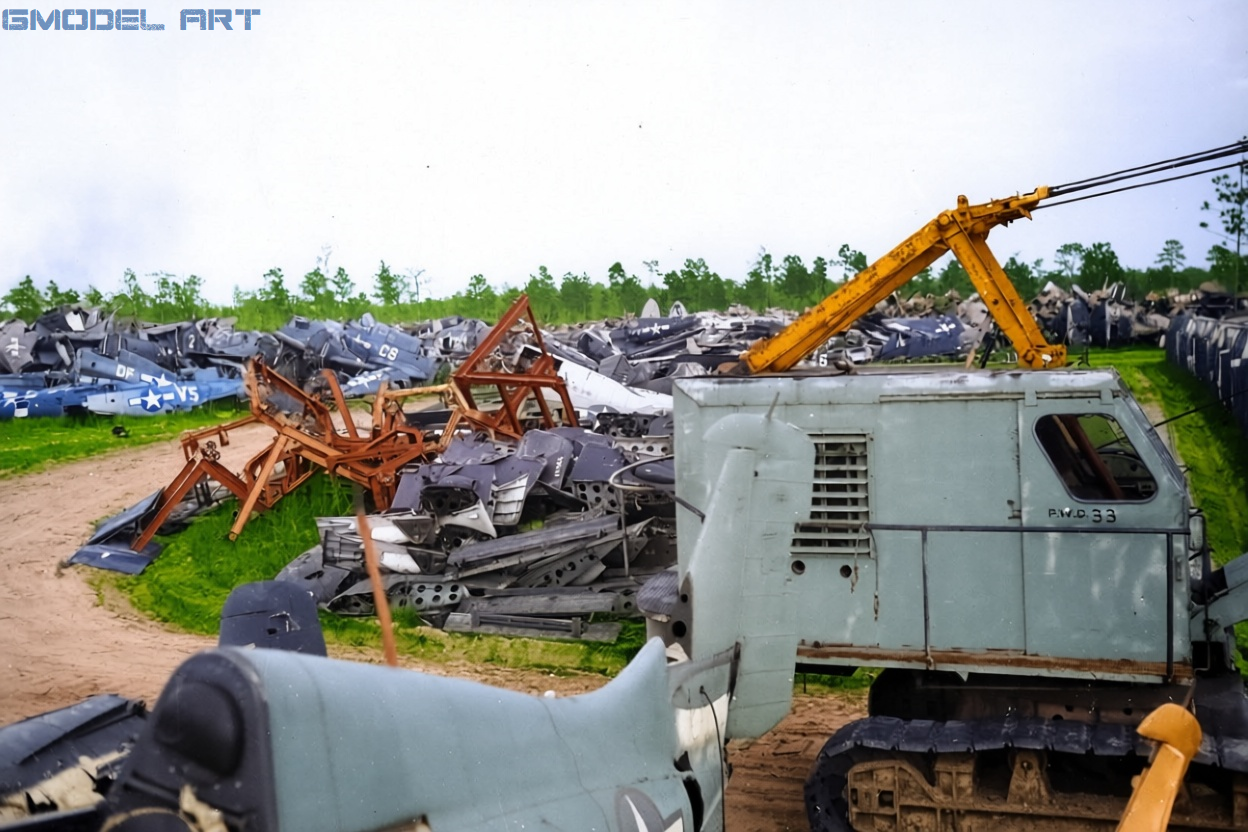
When the war ended in 1945, the Allies found themselves with thousands of aircraft scattered across dozens of Pacific islands. Returning them to the United States would often cost more than replacing them with newly built aircraft.
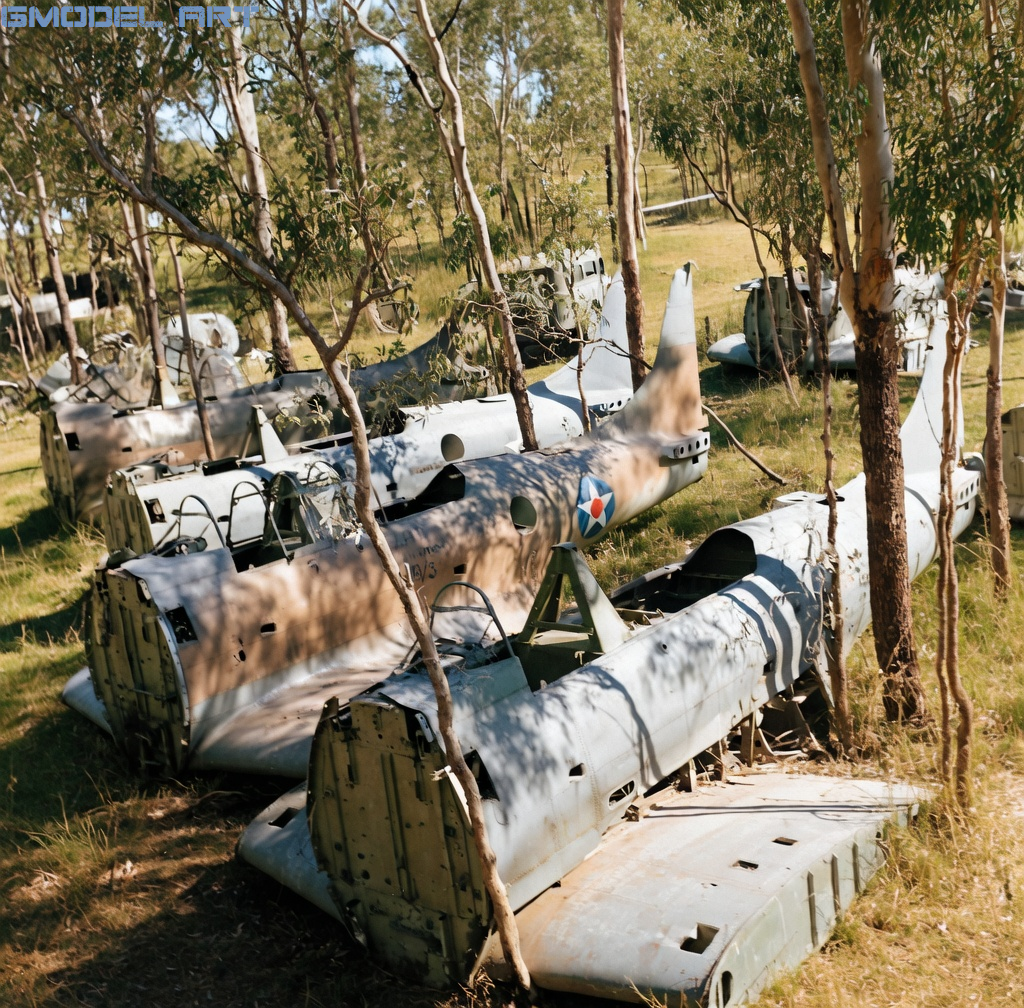
Instead, large aircraft disposal and storage areas were established, many of which have become remarkable historical sites that still exist today.
Among the most significant are:
Biak Island (Indonesia) – Home to numerous abandoned F4U Corsairs, P-38 Lightnings, P-47 Thunderbolts, and B-24 Liberators.
Morotai Island (Indonesia) – One of the Allies’ most important forward operating bases during the final stages of the Pacific campaign.
Tadji Airfield (Papua New Guinea) – A major post-war disposal site containing abandoned fighters and bombers.
Noemfoor Island (Indonesia) – The resting place of several Corsairs, P-38 Lightnings, and transport aircraft.
Buna Airfield (Papua New Guinea) – Aircraft abandoned following the New Guinea campaign.
Guadalcanal (Solomon Islands) – Historic wartime airfields where dozens of Allied aircraft remained for many years after the war.
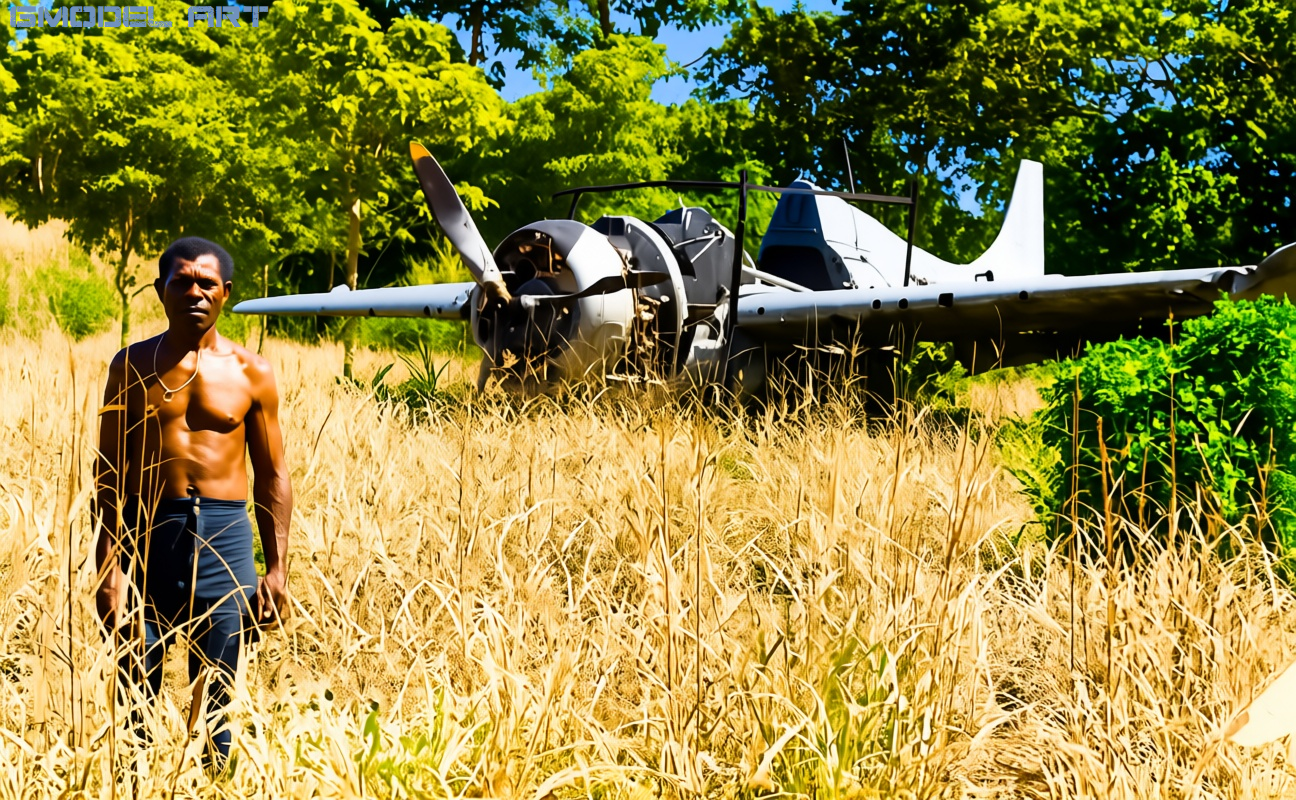
Today, many of these aircraft still rest where they were left more than eighty years ago. Surrounded by dense tropical vegetation or standing silently beside forgotten coral runways, they have become enduring witnesses to one of the most significant air campaigns of the Second World War.