article
USSR/Russia Tactical Camouflage Patterns for Ground Attack Aircraft (1970–1990): Colors, Variations and Modeling Guide
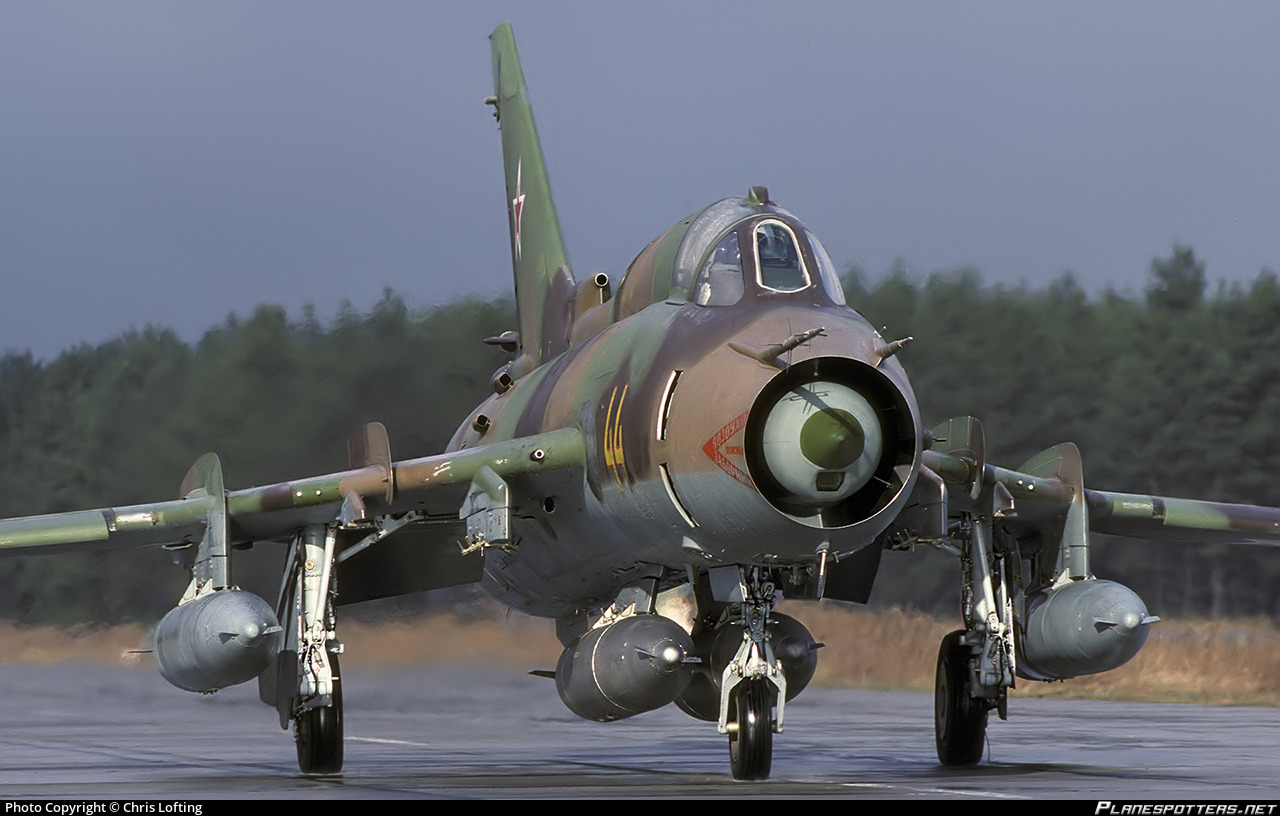
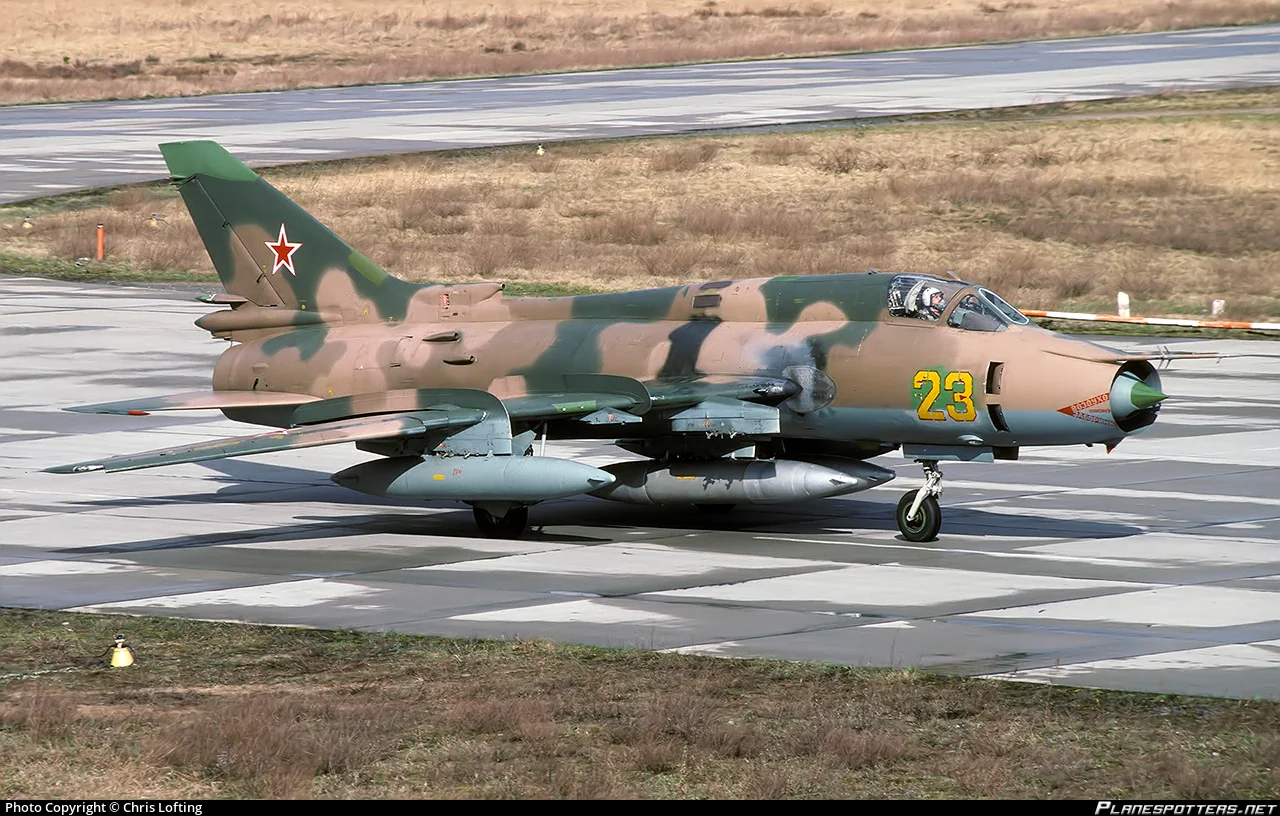
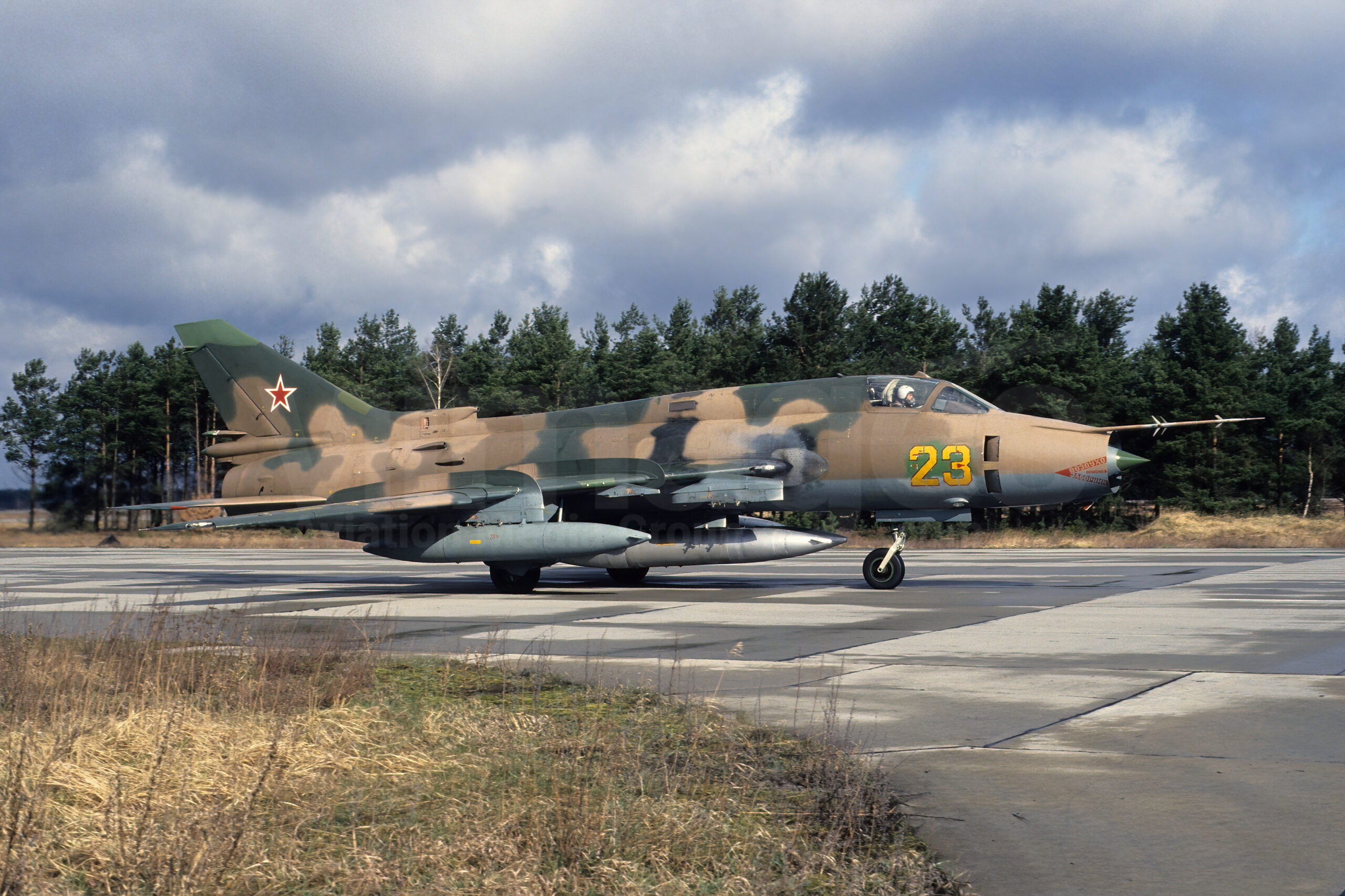
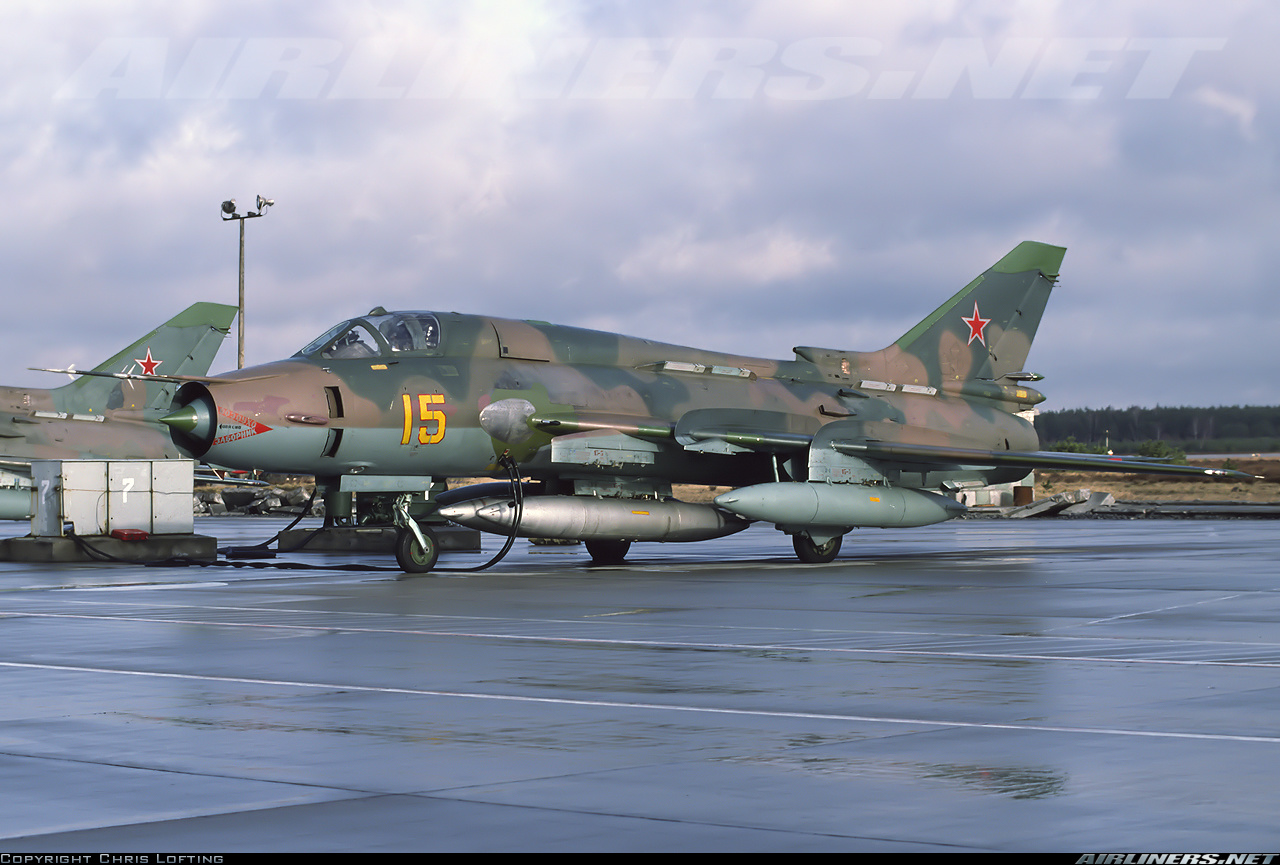
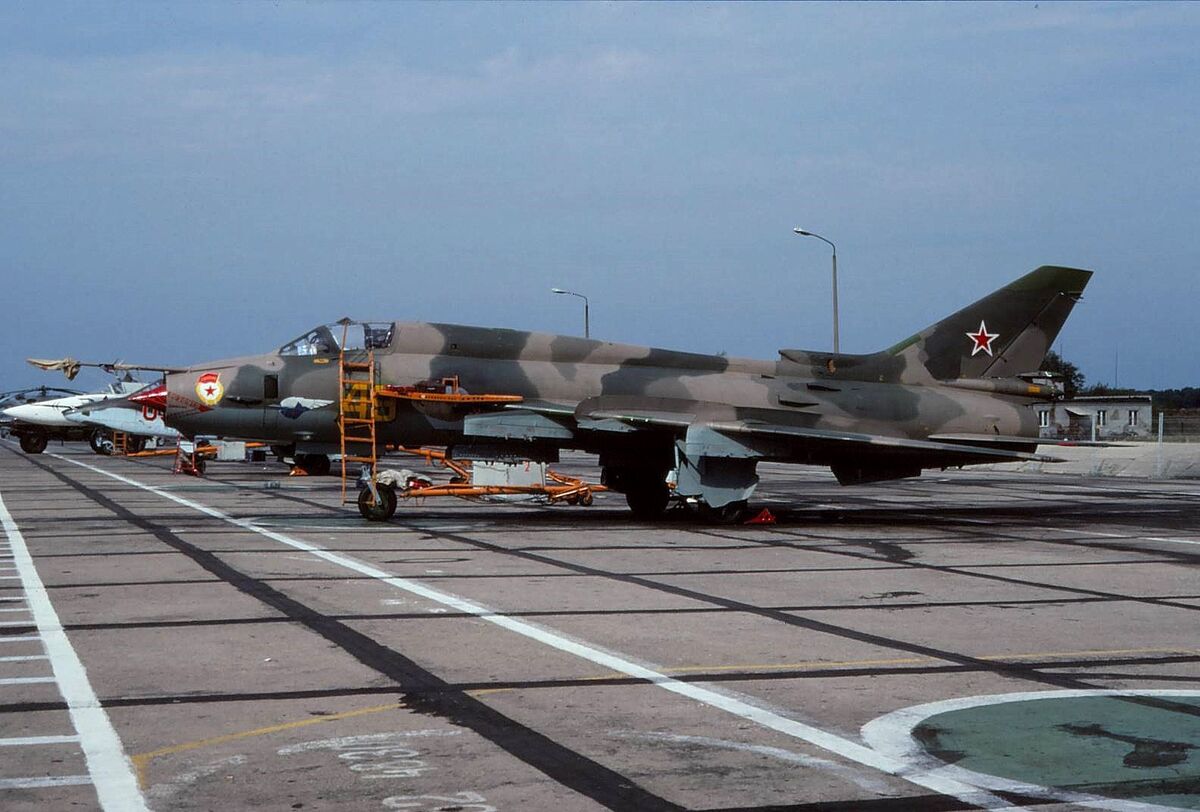
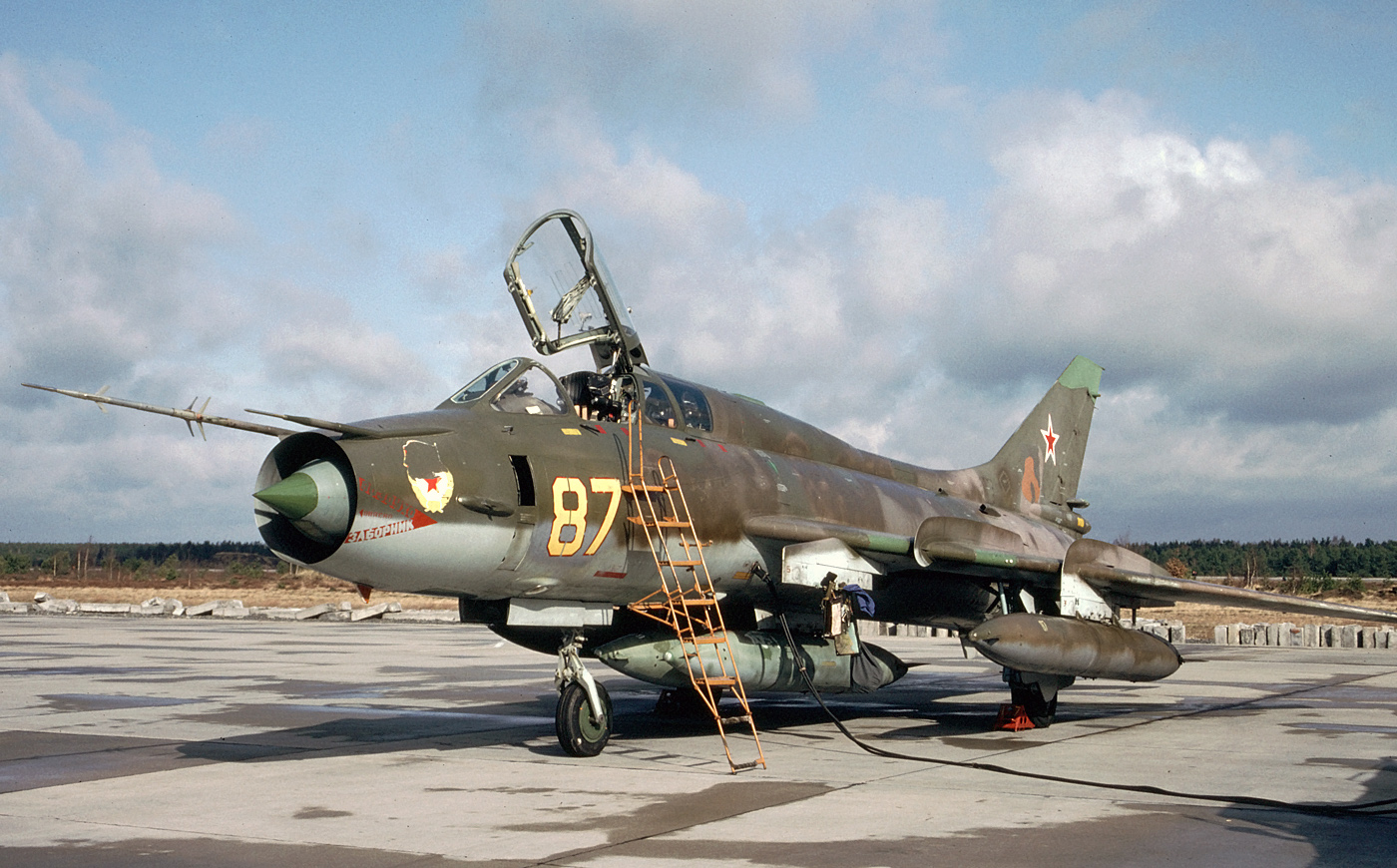
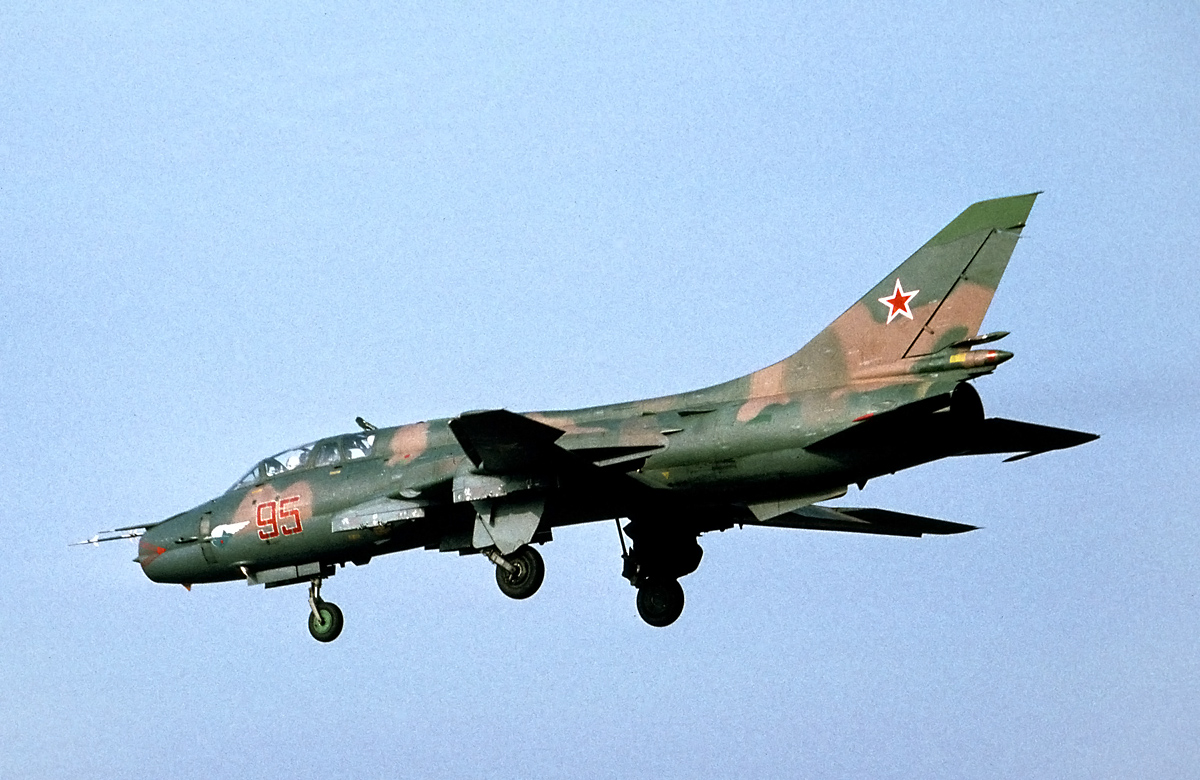
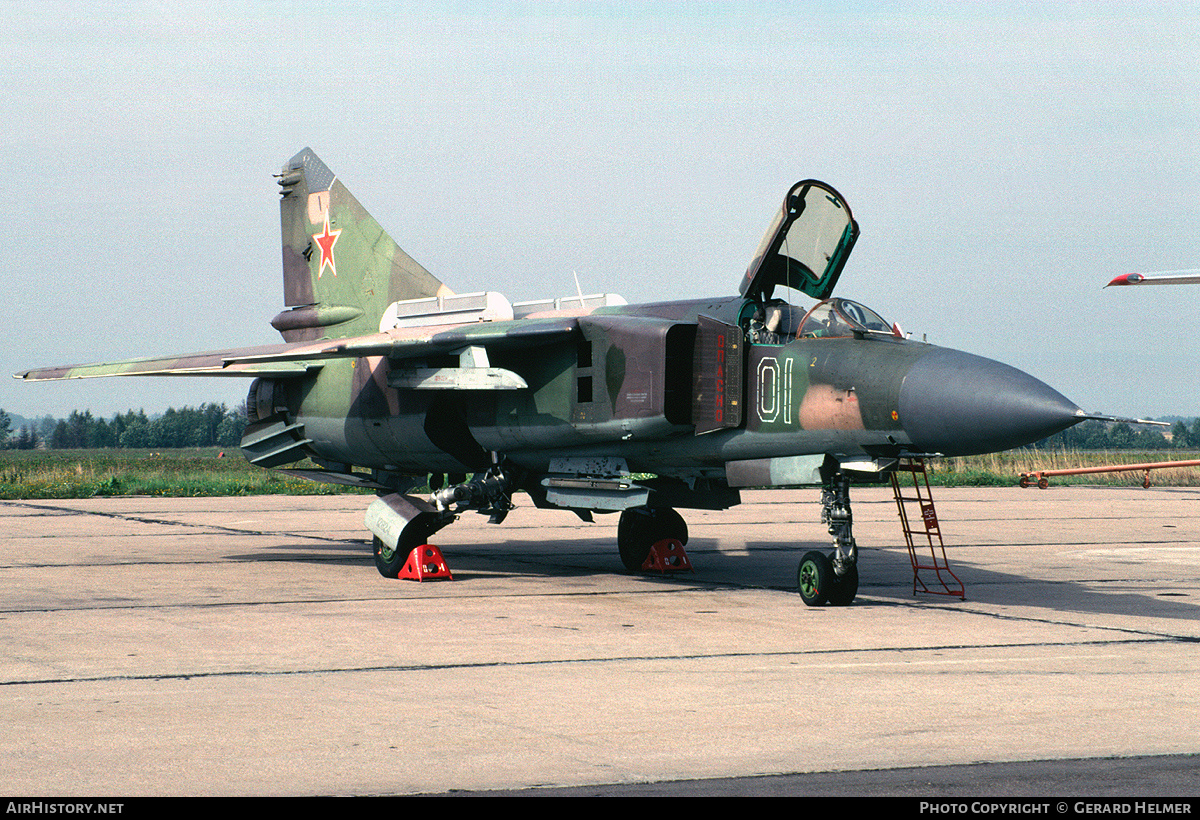
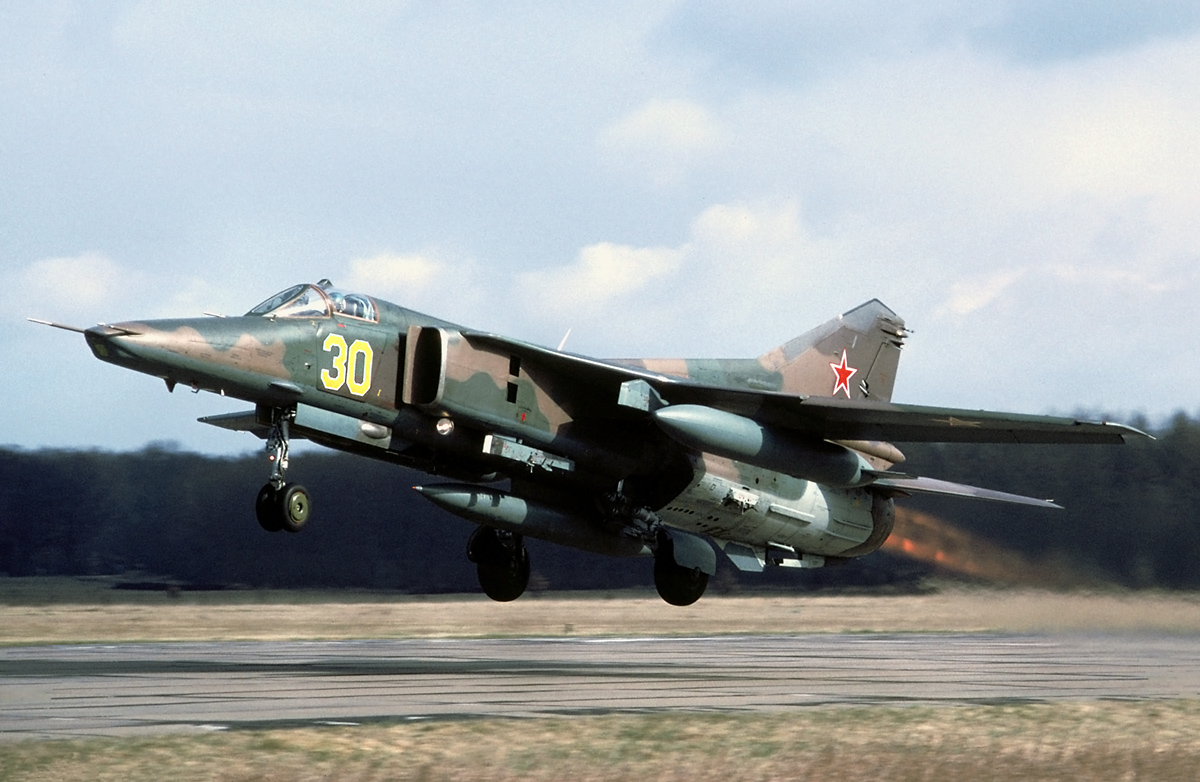
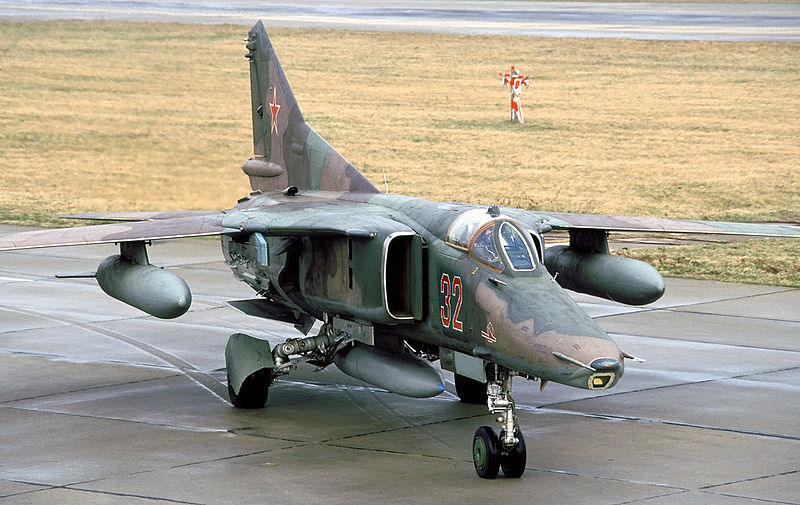
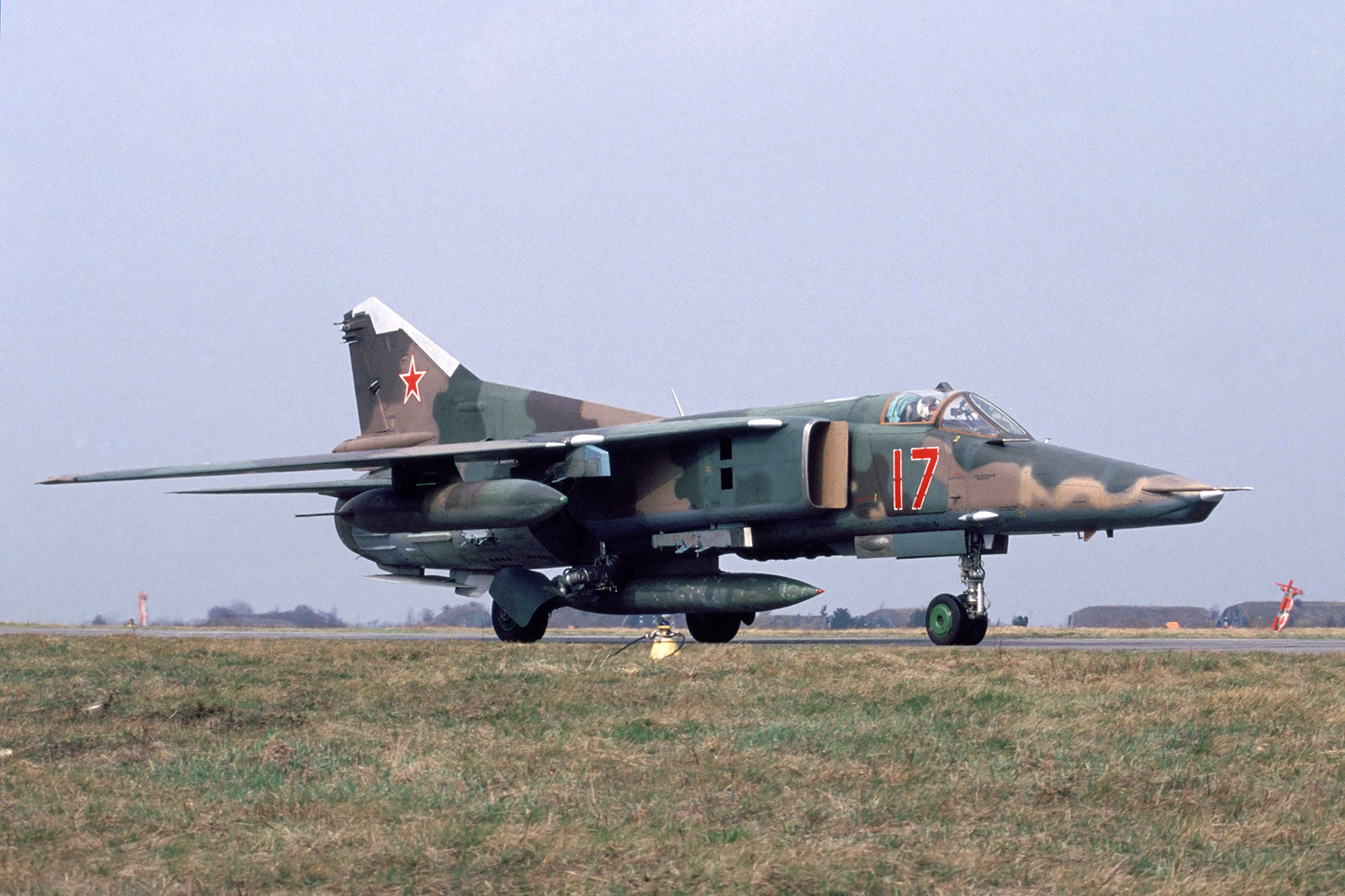
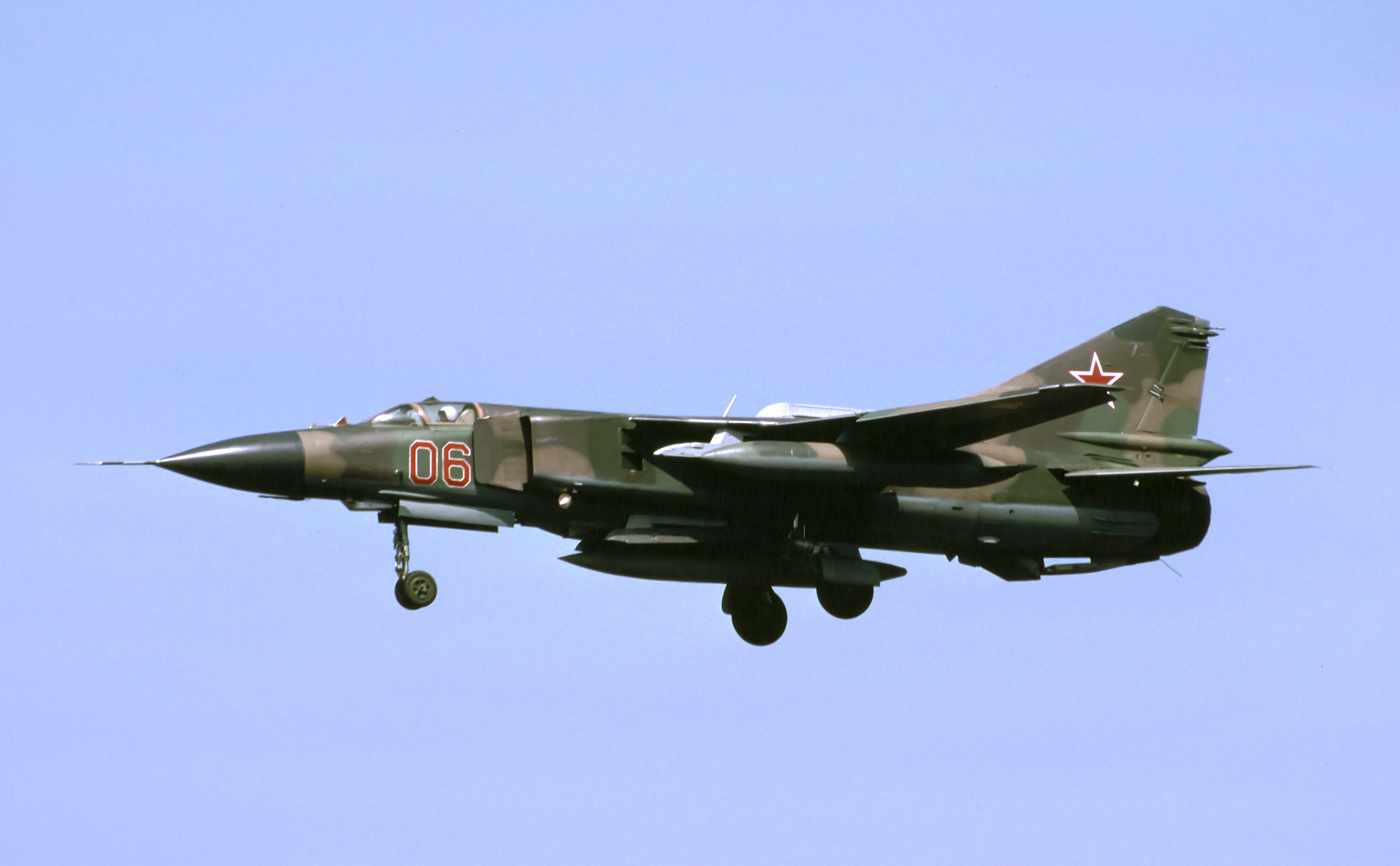
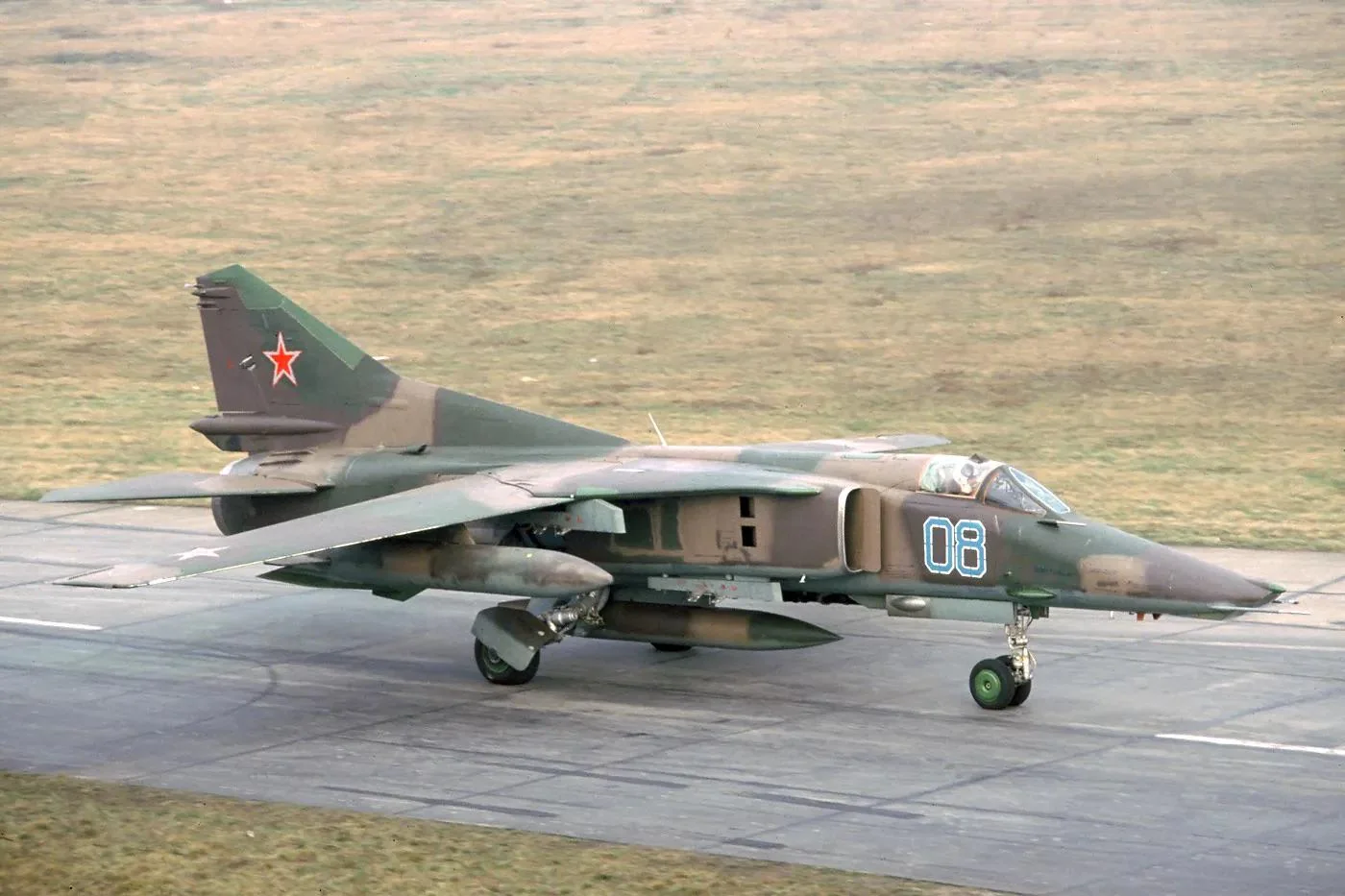
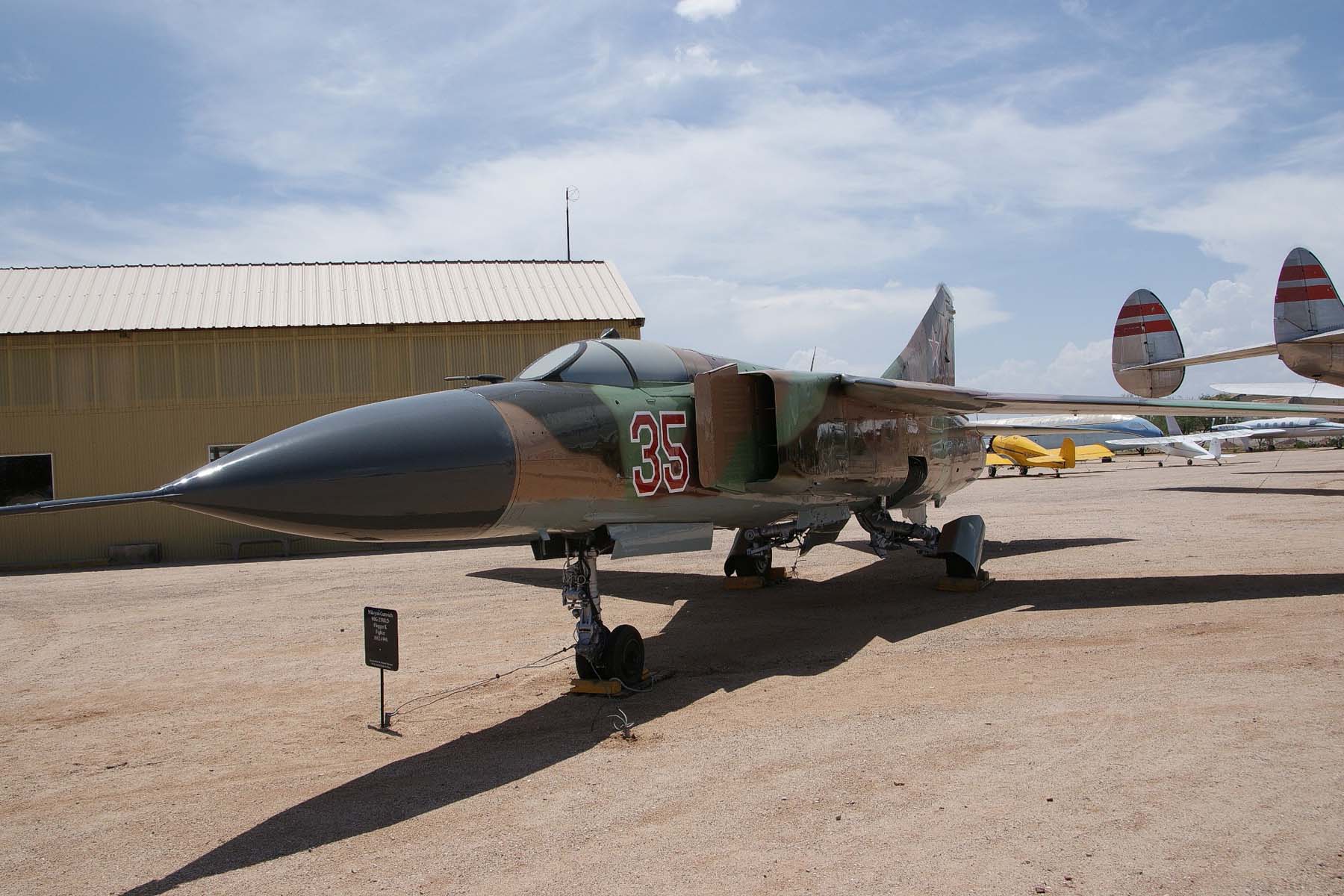
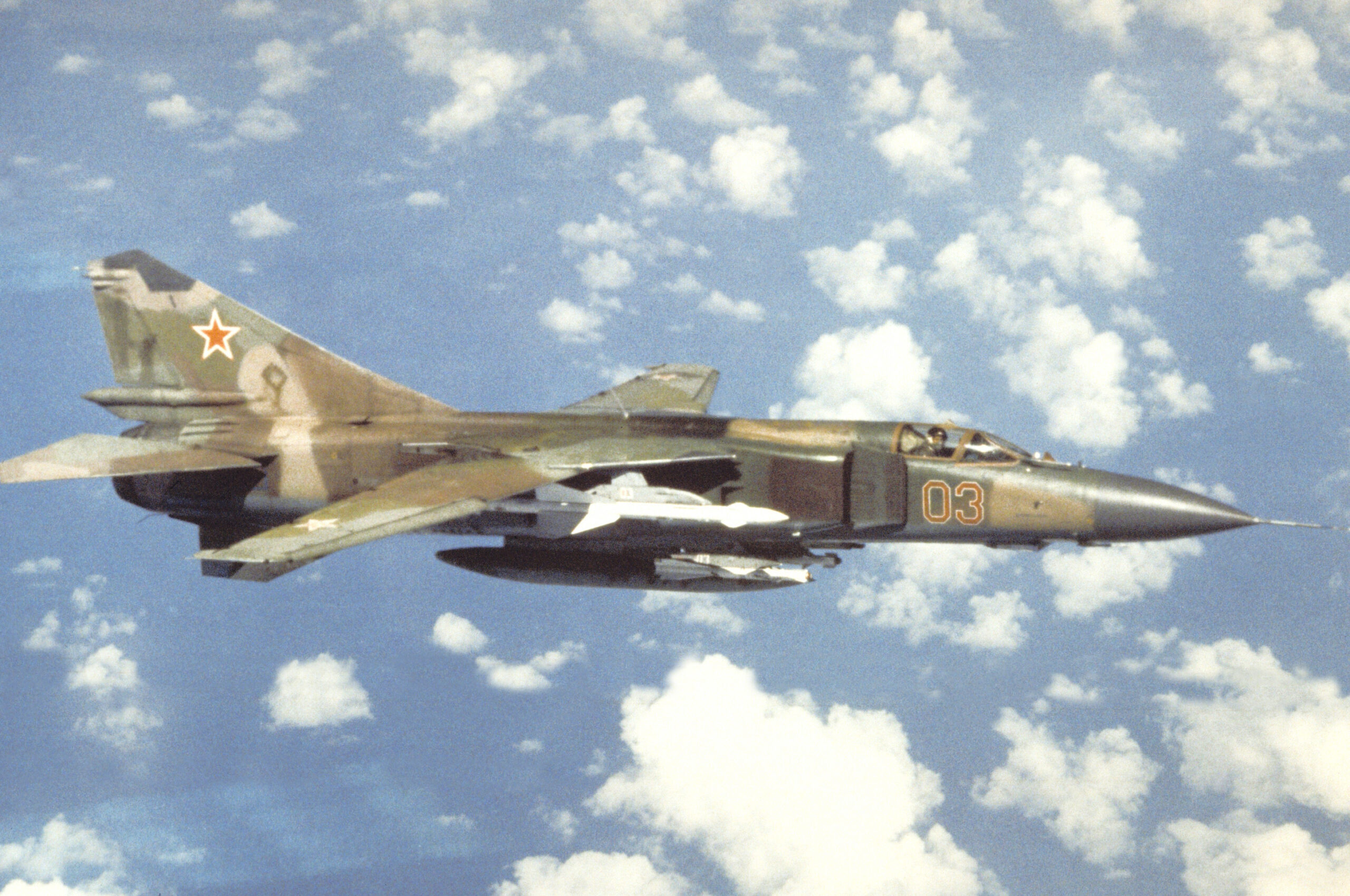
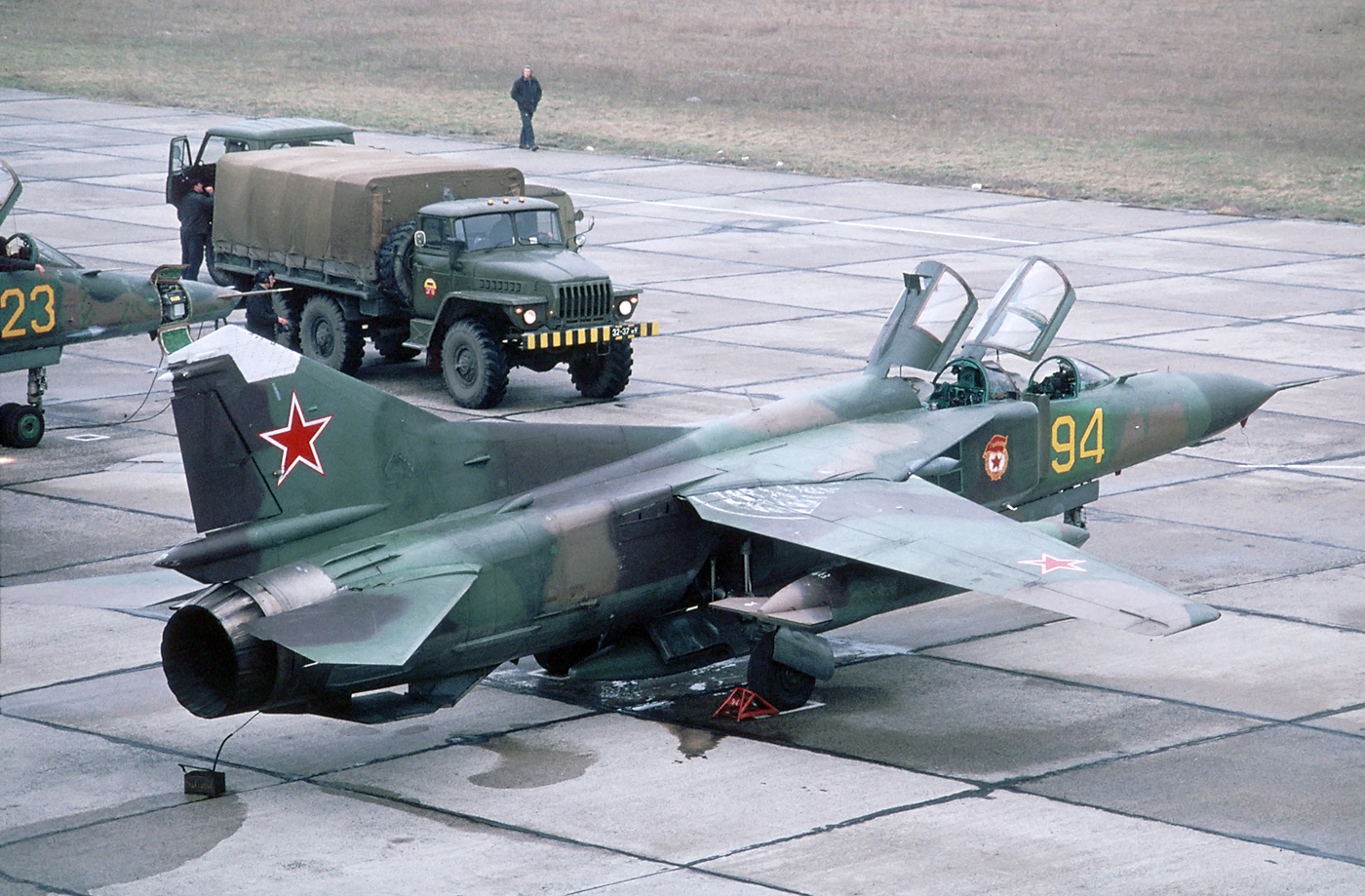
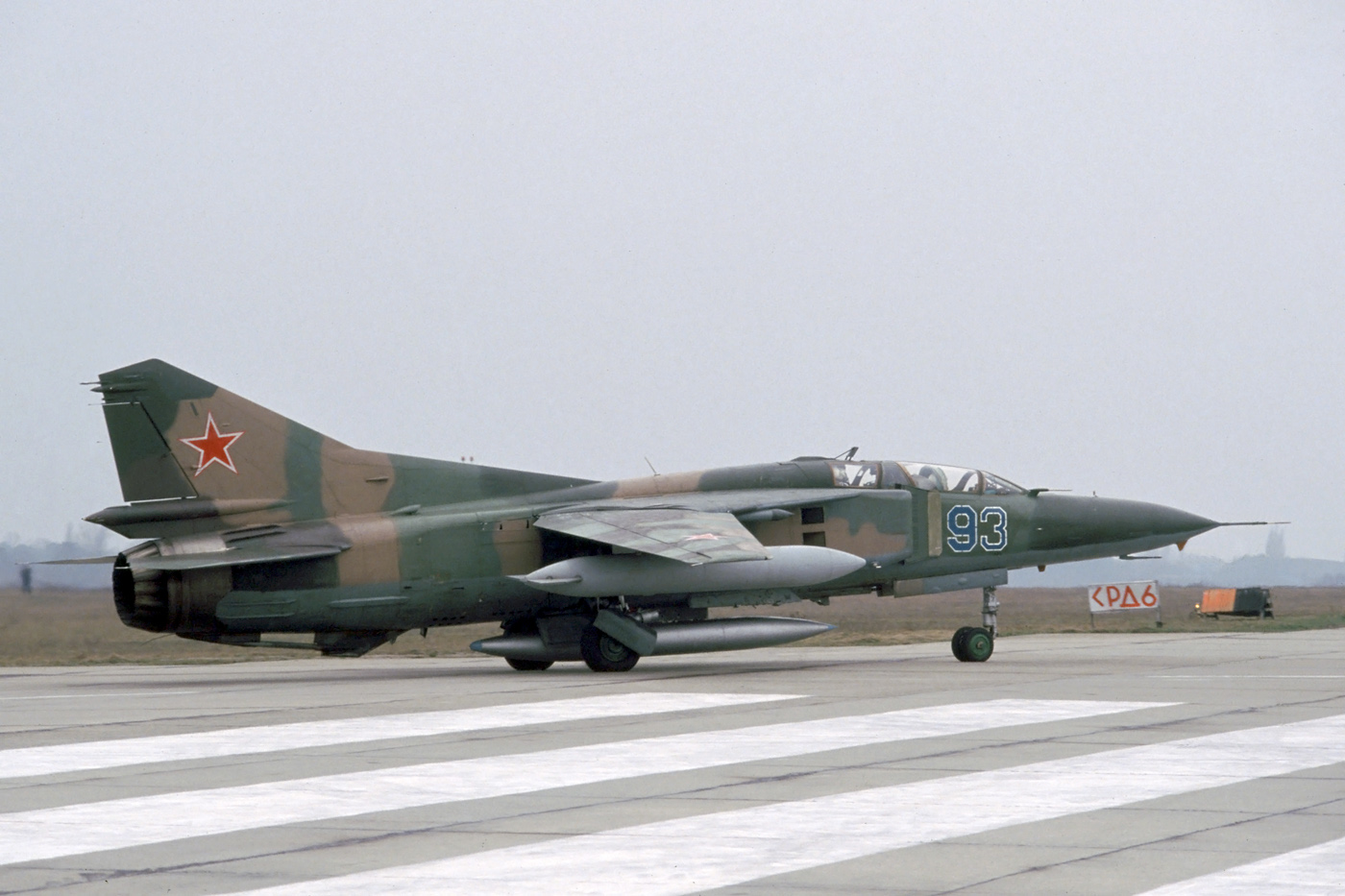
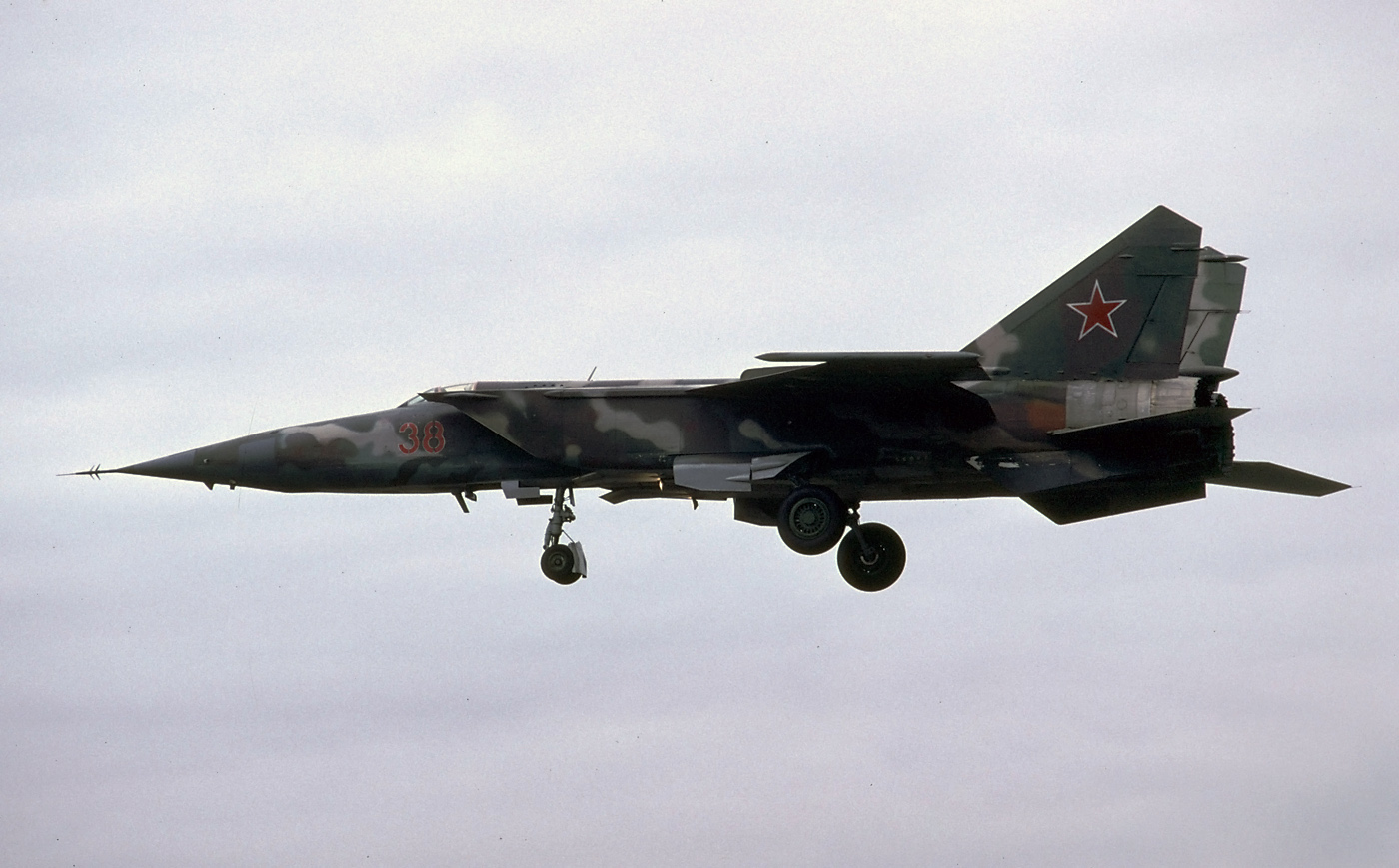
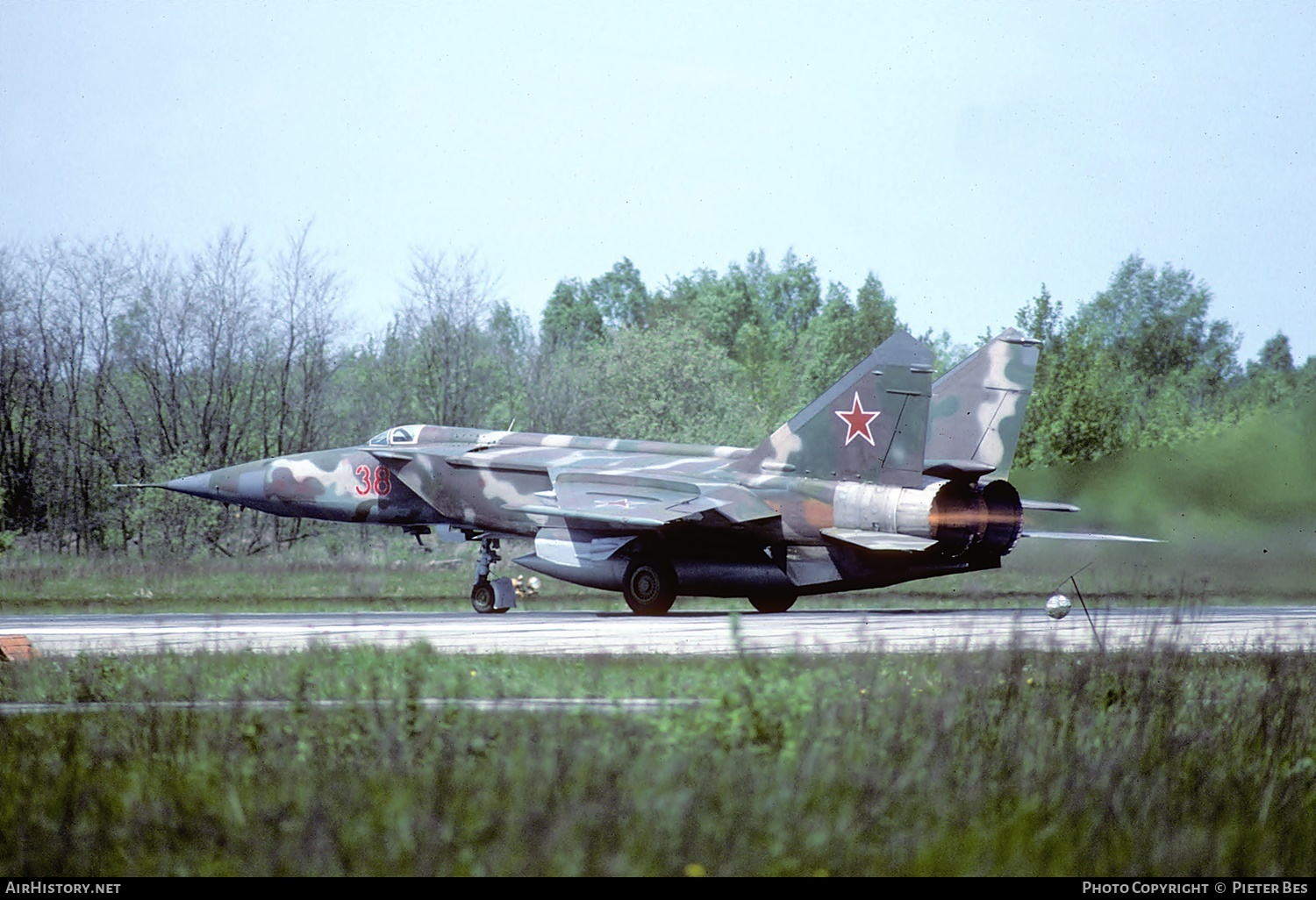
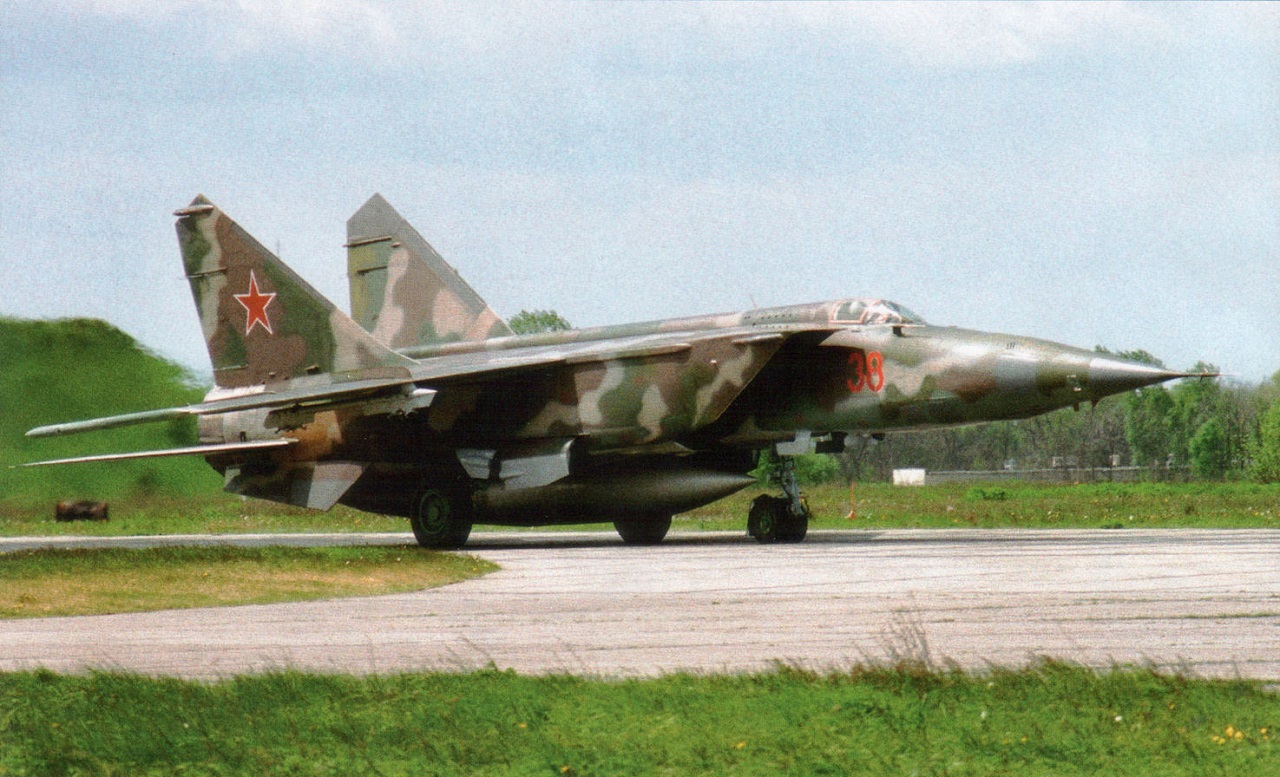
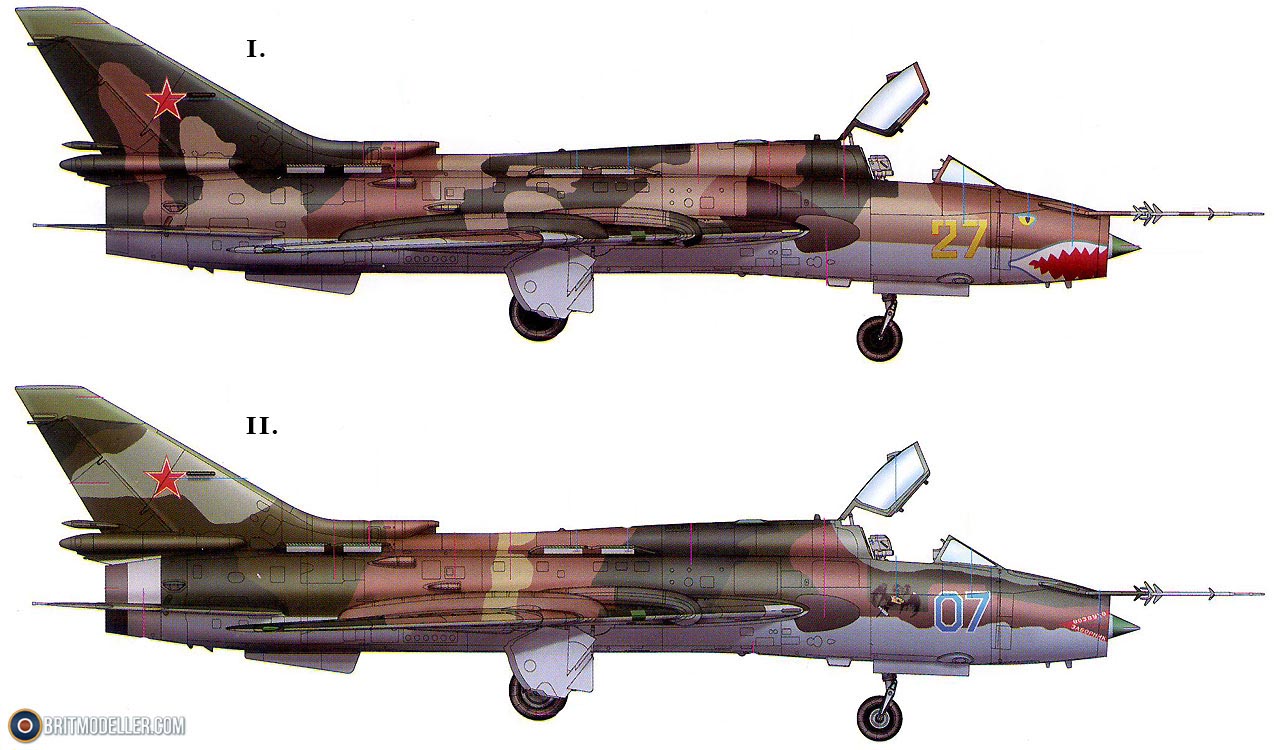
The Cold War produced some of the most recognizable military aircraft ever built, but beyond their powerful engines and aggressive silhouettes, Soviet tactical aviation developed another fascinating characteristic: its highly diverse camouflage systems. During the 1970s, the Soviet Union introduced a tactical camouflage program for aircraft assigned to low-altitude attack missions, close air support operations, and tactical strike roles. Unlike the highly standardized schemes commonly seen in Western air forces, Soviet camouflage systems often embraced regional adaptation, field modifications, and significant variation between aircraft.
The result was a unique visual identity where no two aircraft necessarily looked identical, even when operating from the same unit.
The lack of publicly released official documentation means many aspects of these camouflage systems remain partially undocumented today. However, available evidence and historical analysis allow a reasonably accurate reconstruction of the colors, principles, and applications used throughout Soviet tactical aviation.
Why the Soviet Union Introduced Tactical Camouflage
By the early 1970s, Soviet doctrine increasingly emphasized low-level strike missions. Aircraft flying close to terrain required more effective concealment against both visual observation and ground-based defenses.
The 1974 specifications reportedly allowed aircraft to be painted in two-tone, three-tone, four-tone, and even five-tone camouflage systems with blue-painted undersides.
Rather than enforcing one universal pattern, Soviet planners used a modular approach:
- Five upper-surface colors were available
- Two primary underside colors existed
- Regional conditions influenced color selection
- Summer and winter variations existed
- Units could modify patterns locally
This flexibility explains why Soviet aircraft often display dramatic visual differences.
Main Tactical Camouflage Colors
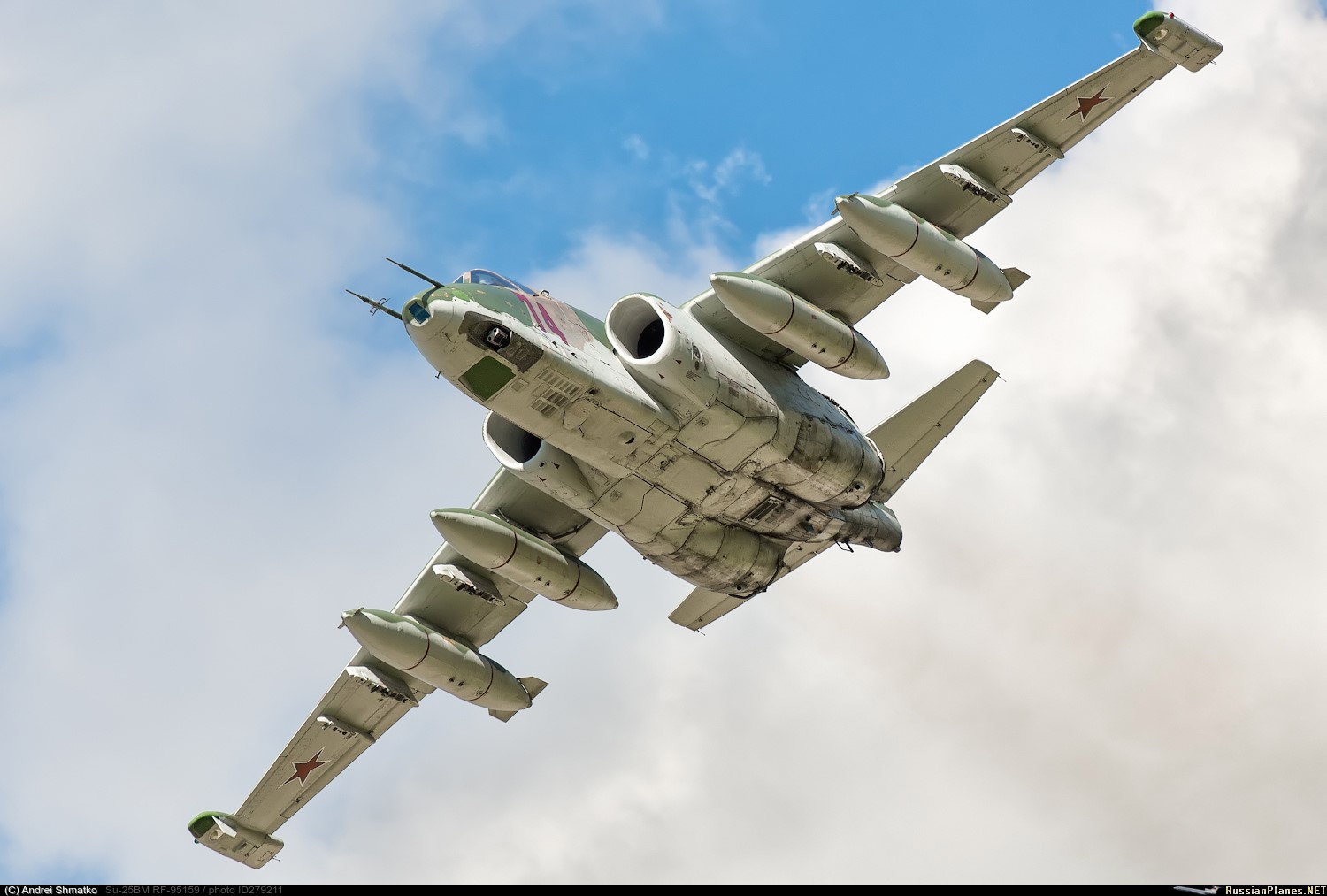
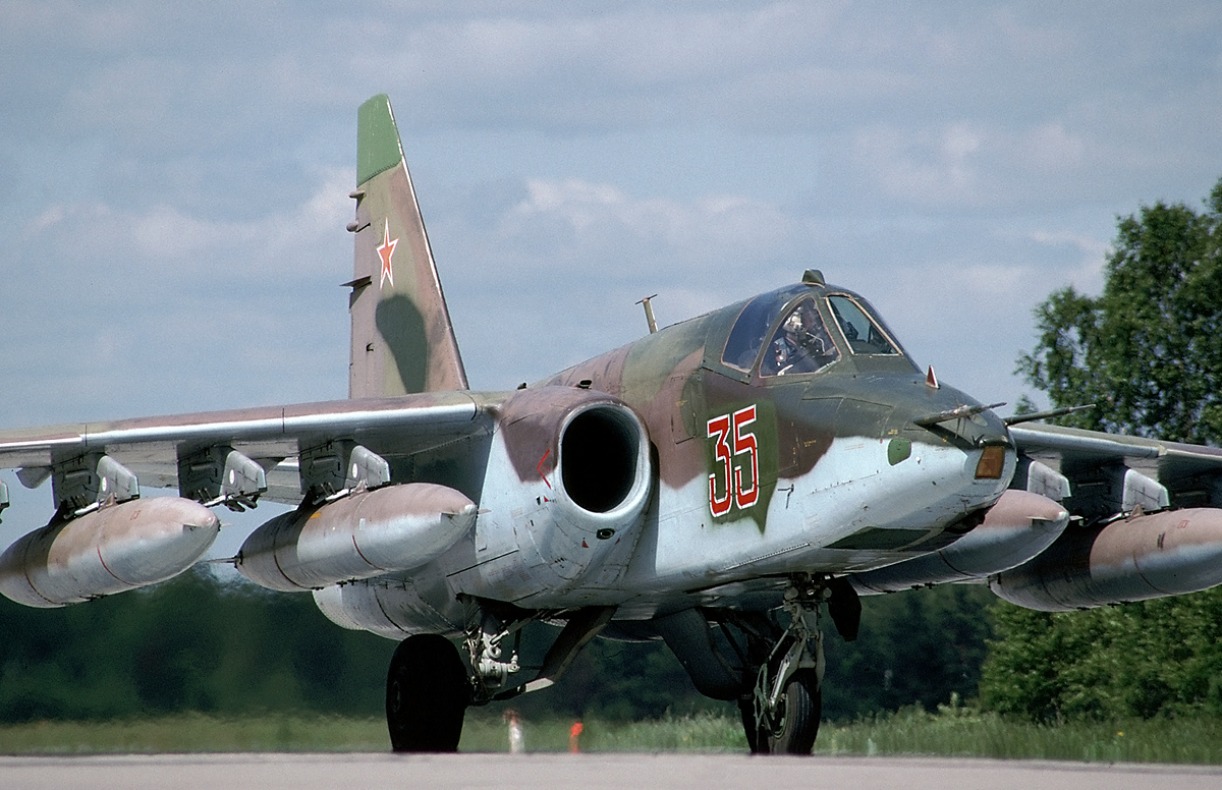
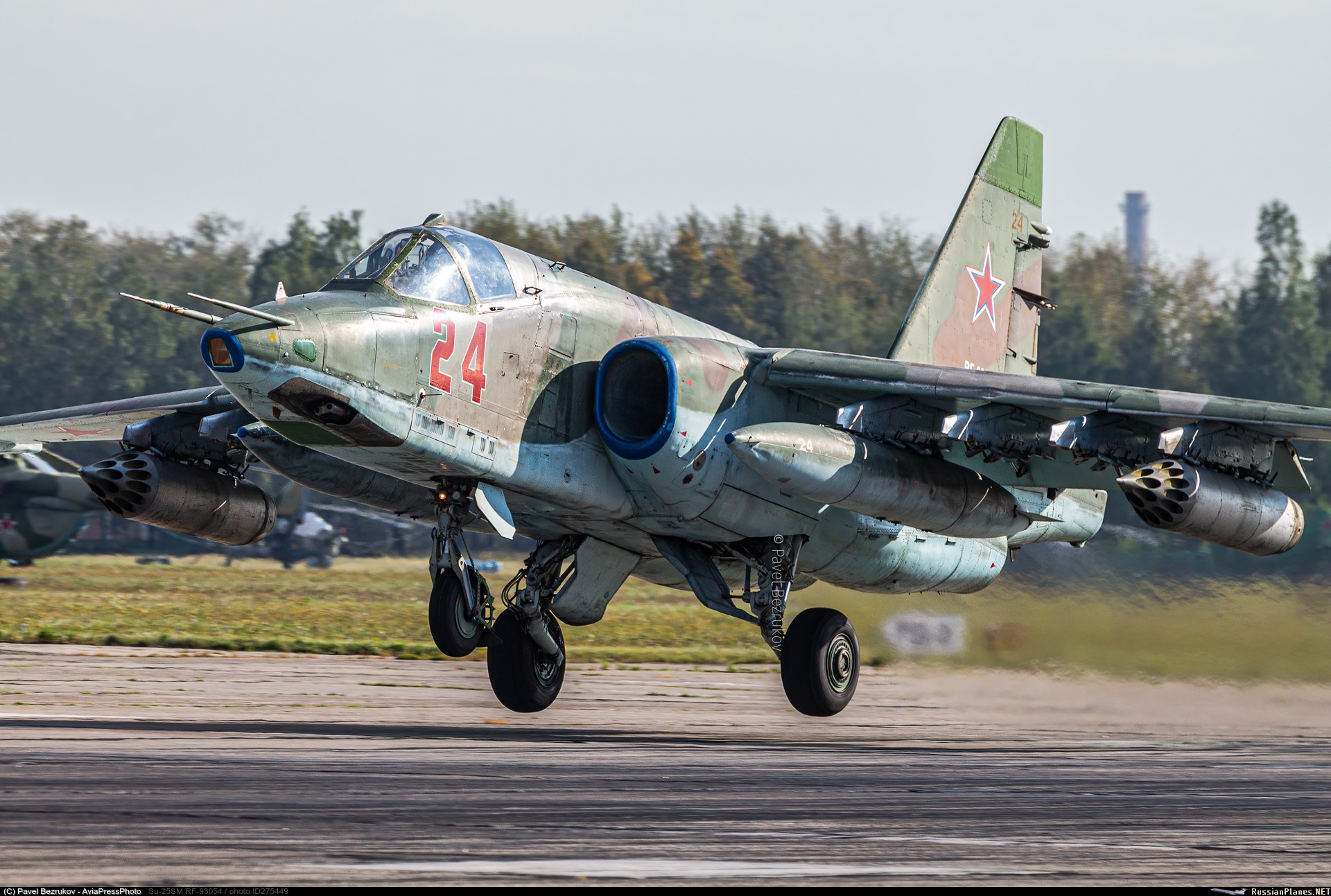
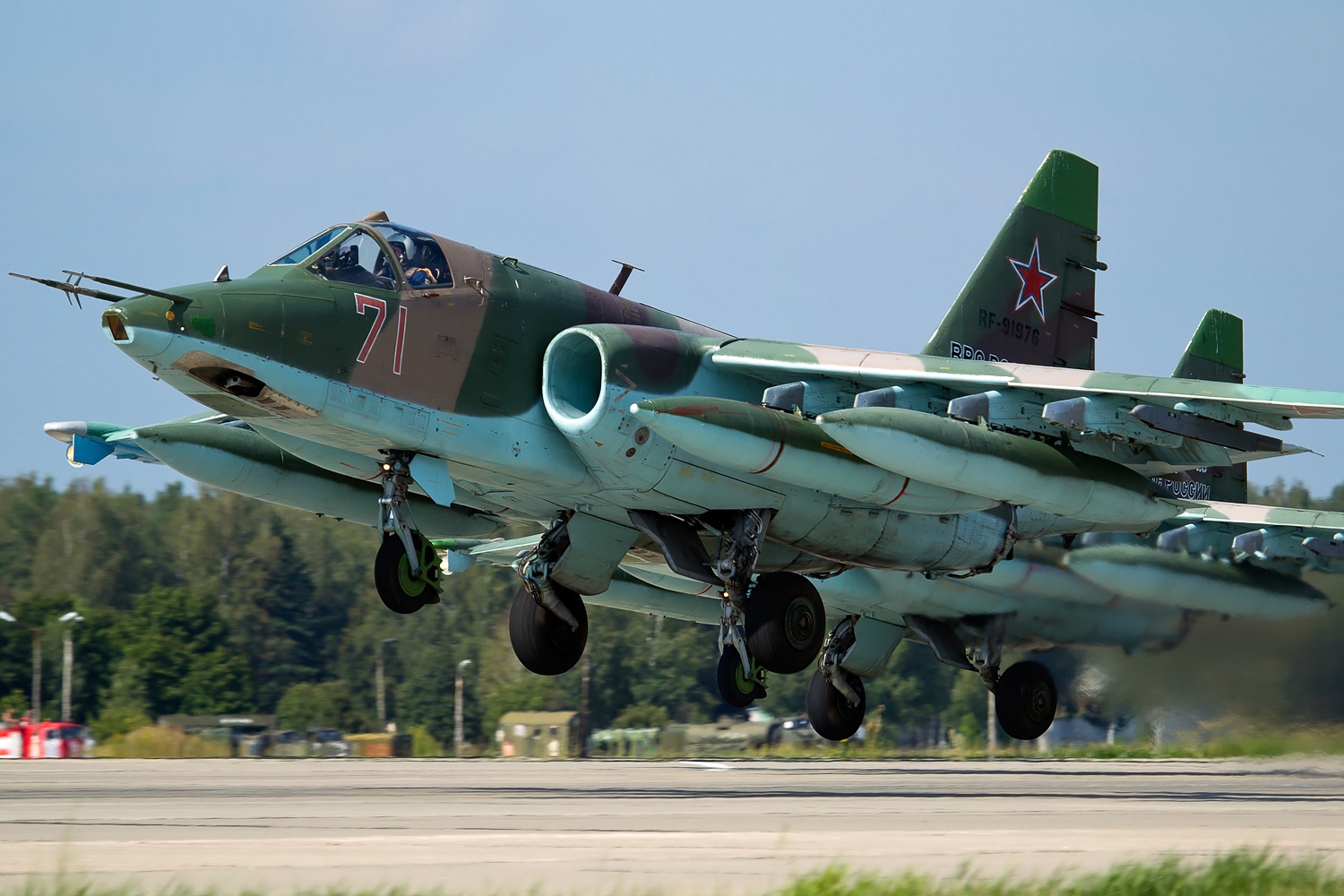
The Soviet tactical system relied heavily on greens and earth tones designed for forests, fields, mountains, and semi-arid environments.
Protective Green
Protective Green represented the darkest green shade in tactical use. Fresh paint frequently resembled German RLM 70 while weathered versions shifted toward FS 34079.
Characteristics:
- Very dark appearance
- Sometimes appeared brown under certain lighting
- Common on aircraft operating in forest environments
Light Green
Despite its name, Light Green was often relatively dark.
The shade typically resembled:
- RLM 82
- ANA 611
- Olive green tones after fading
Some aircraft showed strong olive hues, leading historians to debate whether these represented weathering or separate factory paint formulations.
Brown
The official brown color was usually a chocolate or chestnut shade.
Characteristics:
- Lighter than Protective Green
- Similar to RLM 81 Brown
- Frequently combined with sand tones
Sand
The Soviet interpretation of sand differed considerably from Western desert colors.
Instead of yellow-beige shades, Soviet sand colors leaned toward earth-brown tones similar to RAF Dark Earth and often weathered dramatically toward ochre colors.
Light Sand
Light Sand remains one of the most difficult shades to identify accurately.
Descriptions range from:
- Dark beige
- Yellow-brown
- Pale earth tones
Evidence suggests significant variations due to fading and production differences.
Underside Colors
Most Soviet tactical aircraft used light blue lower surfaces.
Two common underside colors appeared:
Light Blue
- Similar to Korean War Soviet aircraft colors
- Roughly comparable to RLM 65
Gray-Blue
- Less common
- Closer to RLM 76
Rare aircraft deployed in winter environments reportedly received white undersides for snow-covered regions.
Field Repairs and Touch-Ups Created Unique Aircraft
One of the most fascinating aspects of Soviet aircraft camouflage involved field maintenance.
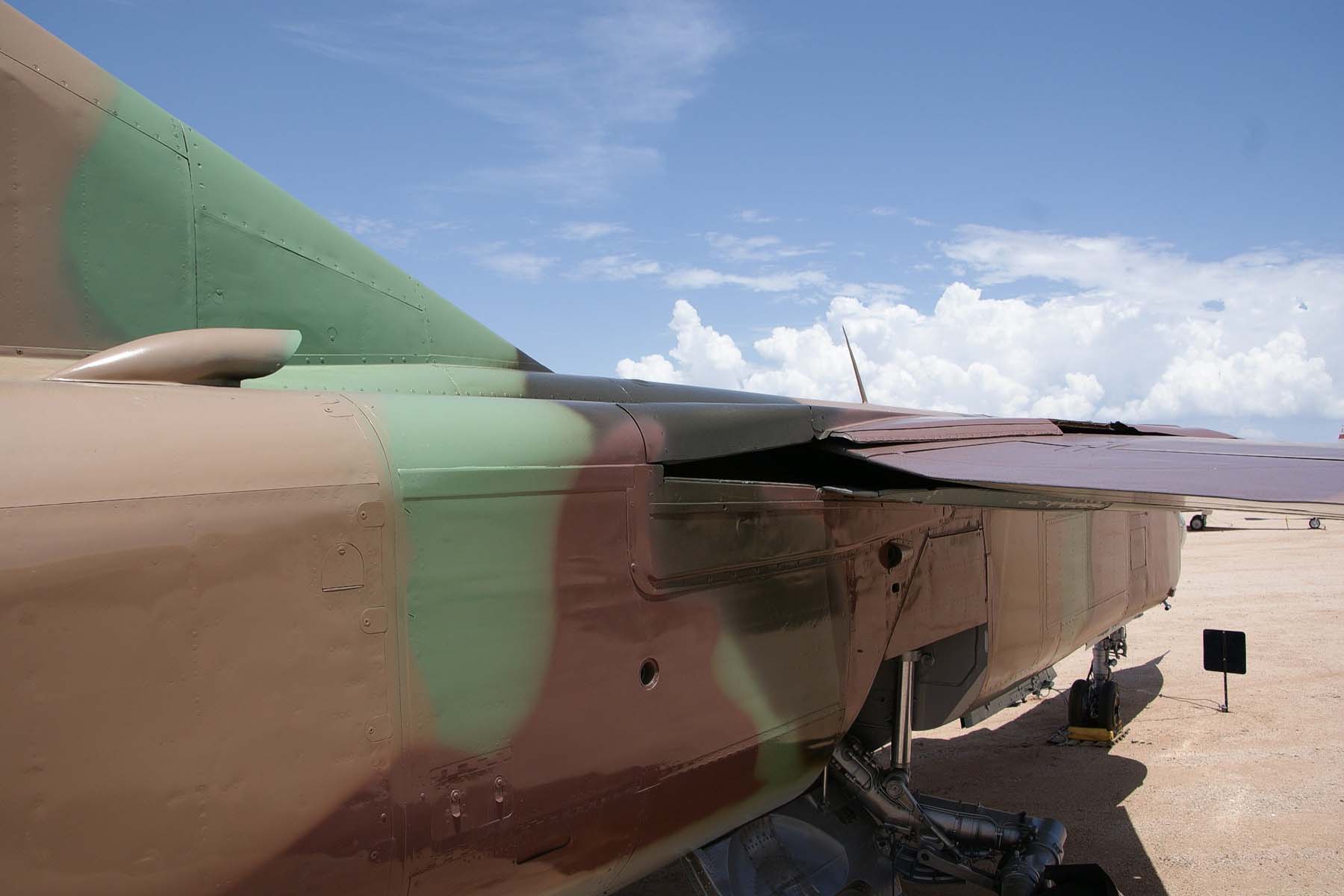
Unlike factory repainting procedures, operational repairs often involved repainting only damaged sections.
This created aircraft with:
- Fresh and faded colors together
- Patchwork paint areas
- Local color substitutions
- Highly irregular appearances
Some touch-up colors became famous among modelers.
One unusual shade became known informally as “Dacha Green,” a vivid bright green resembling traditional paint used on Russian houses.
Another frequently observed field color resembled reddish-brown tones close to RAL 8012.
These unofficial colors sometimes created aircraft appearances completely different from factory specifications.
Radomes and Dielectric Panels
Separate colors often appeared on radomes and electronic panels.
Common colors included:
- Radome Gray
- Radome Green
- Radome White
Aircraft families frequently followed recognizable trends:
Fighter aircraft
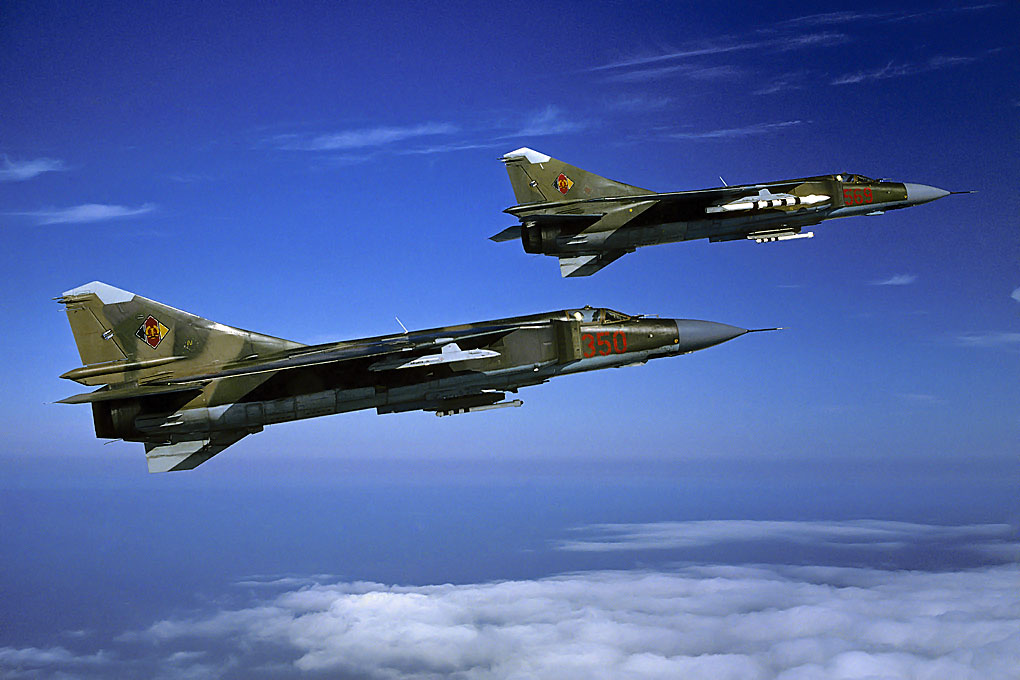
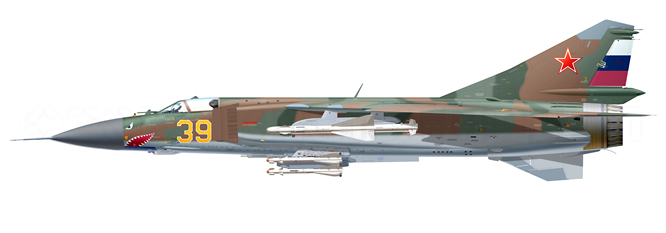
Late variants of the MiG-21 and some early MiG-29 aircraft also adopted tactical camouflage patterns.
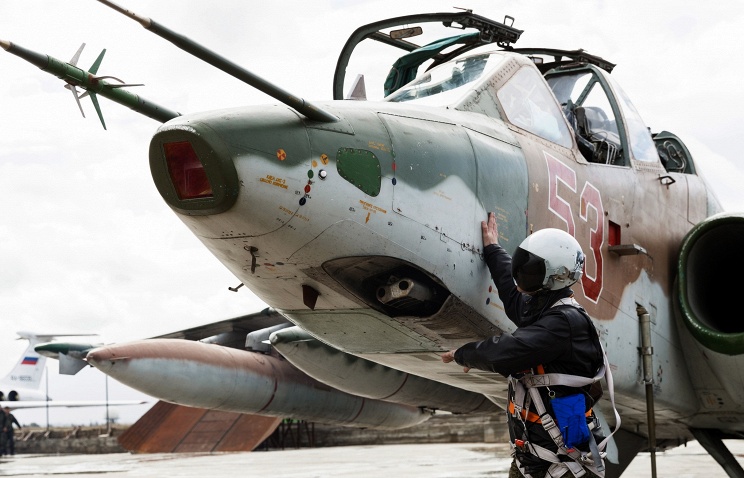
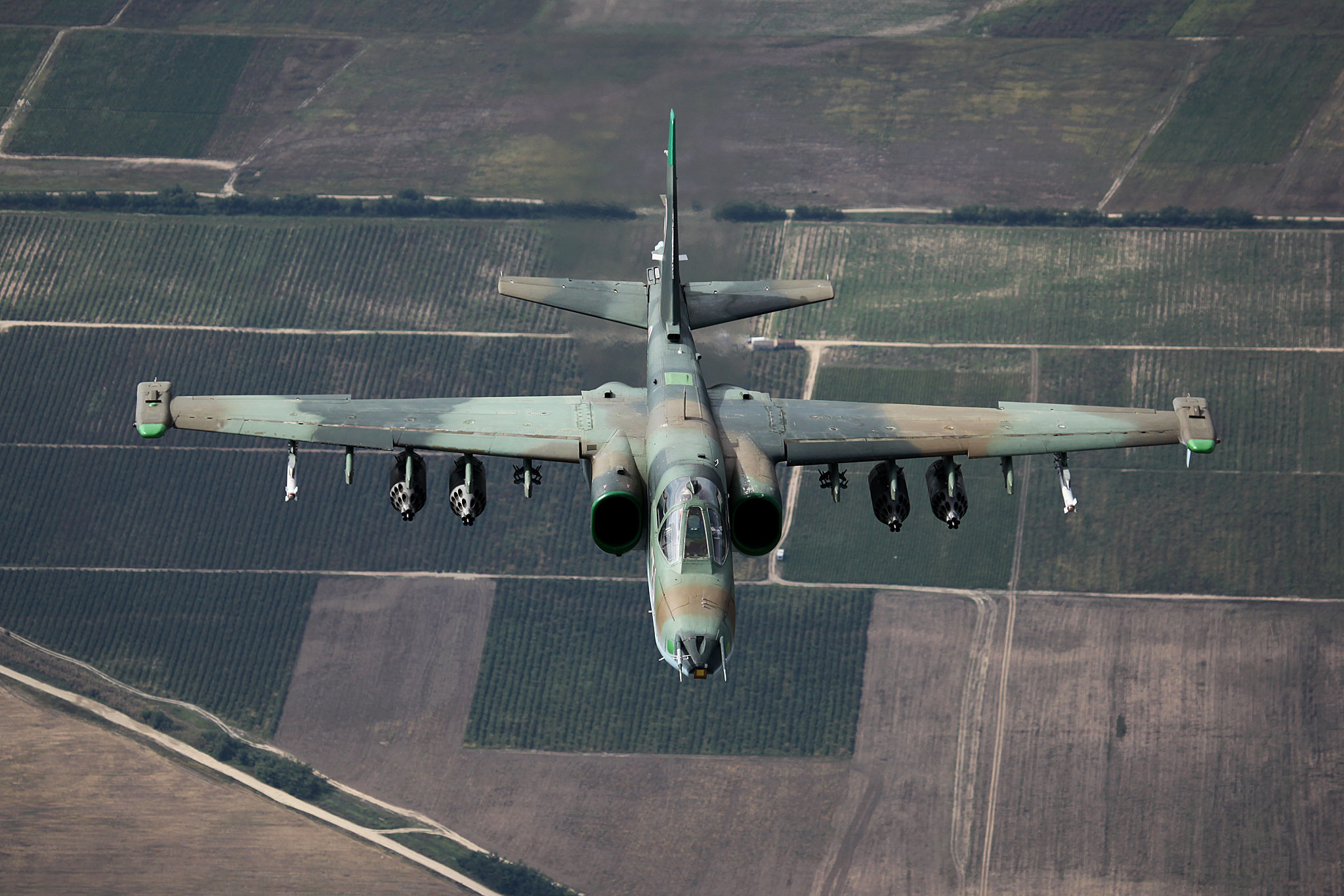
Interestingly, the Su-25 remains one of the few Russian tactical aircraft still retaining camouflage concepts derived from Cold War practices.
Modeling Guide: Paint Selection for Soviet Tactical Aircraft
For scale modelers, Soviet tactical colors remain challenging due to limited references and uncertain historical documentation.
The most recognized dedicated paint manufacturers include:
AKAN offers multiple Soviet tactical paint ranges, including standard colors and Afghanistan-war weathered versions.
Mr. Paint provides a broad tactical range with simpler color organization.
Additional alternatives include:
Modelers should approach color matching cautiously because many available profile drawings and painting instructions originate from black-and-white references.
Final Thoughts
Soviet tactical camouflage systems represent one of the most interesting subjects in military aviation history. Their combination of regional flexibility, field modifications, weathering variations, and undocumented color shifts created aircraft with enormous individuality.
For modelers, this uncertainty is not a disadvantage—it is an opportunity. Unlike highly standardized Western aircraft, Soviet tactical aircraft allow room for interpretation while remaining historically plausible.
GUIDE BY CHRONOLOGY
| Protect. Green | Light Green | Brown | Sand | Light Sand | Other | Lower | ||
| 46314 47314 | USSR (1978-1989) | |||||||
| 73099 | 73098 | 73097 | 73096 | 73023 | ||||
| 46315 | USSR (1978-1989) | |||||||
| 63013 | 63012 | 63014 | 63016 | |||||
| 46316 47316 | USSR/Russia (1960-XXI) | |||||||
| 73024 | 73026 | 73080 | 73025 | 73008 | ||||
| 47320 | Su-25 (after 2006) | |||||||
| 73143 | 73142 | 73141 | 73140 | 73145 | ||||
| 46344 47344 | MiG-29 9.13 | |||||||
| 73024 | 73055 | 73080 | 73096 | |||||
| 47357 | Su-22 (1978-1989) | |||||||
| 73099 | 73098 | 73097 | 73096 | 73023 | ||||
| 47358 | Su-22 (1978-1989) | |||||||
| 73024 | 73026 | 73080 | 73025 | 73023 |
| Light Blue | Gray-Blue | Protective Green | Light Green | Light Green (Faded ?) | Bright Green | |
| Schemes | ||||||
| VVS | Lower (1) | Lower (2) | Upper Camo | Upper Camo | Upper Camo | (Upper Camo) |
| Color matches | ||||||
| Gunze Aqueous | – | – | – | – | – | (H26) (?) |
| Gunze Mr. Color | – | – | – | – | – | (C66) (?) |
| Humbrol | – | – | – | – | – | – |
| Model Master | – | – | – | – | – | – |
| Revell | – | – | – | – | – | – |
| Tamiya | – | – | – | – | – | – |
| Vallejo Model Air | 71.332 | (71.046) | 71.347 | 71.341 | (71.081) | – |
| Vallejo Model Color | – | – | – | – | – | – |
| AKAN | 73008 / 73016 | 73023 | 73024 / 63013 | 73055 | 73099 | – |
| AK Interactive | – | – | – | – | – | – |
| AK Real Colors | – | – | – | – | – | – |
| AMMO by Mig | – | – | – | – | – | – |
| Colourcoats | – | – | – | – | – | – |
| Hataka | (HTK-150) | – | (HTK-016) | (HTK-091) | – | – |
| Lifecolor | – | – | – | – | – | – |
| Mission Models | – | – | – | – | – | – |
| Mr. Paint | – | MRP-168 | MRP-164 | MRP-165 | – | – |
| Xtracolor | – | – | – | – | – | – |
| Xtracrylix | – | – | – | – | – | – |
| Brown | Sand | Light Sand | Ochre Brown | Yellow Sand | |
| Schemes | |||||
| VVS | Upper Camo | Upper Camo | Upper Camo | (Upper Camo) | (Upper Camo) |
| Color matches | |||||
| Gunze Aqueous | – | – | – | – | – |
| Gunze Mr. Color | – | – | – | – | – |
| Humbrol | – | – | – | – | – |
| Model Master | – | – | – | – | – |
| Revell | – | – | – | – | – |
| Tamiya | – | – | – | – | – |
| Vallejo Model Air | (71.282) | (71.246) | (71.244) | (71.032) | (71.143) |
| Vallejo Model Color | – | – | – | – | – |
| AKAN | 73026 / 73098 / 63012 | 73080 / 73097 / 63014 | 73096 | 73025 | 73141 |
| AK Interactive | – | – | – | – | – |
| AK Real Colors | – | – | – | – | – |
| AMMO by Mig | – | – | – | – | – |
| Colourcoats | – | – | – | – | – |
| Hataka | (HTK-087) | (HTK-188) | (HTK-306) | – | – |
| Lifecolor | – | – | – | – | – |
| Mission Models | – | – | – | – | – |
| Mr. Paint | MRP-166 | – | – | MRP-167 | – |
| Xtracolor | – | – | – | – | – |
| Xtracrylix | – | – | – | – | – |
USSR/Russia cockpit Colors