article
Asia Minor Camouflage Scheme (1971–1982) — History, FS Paint Colors & Scale Modeling Guide
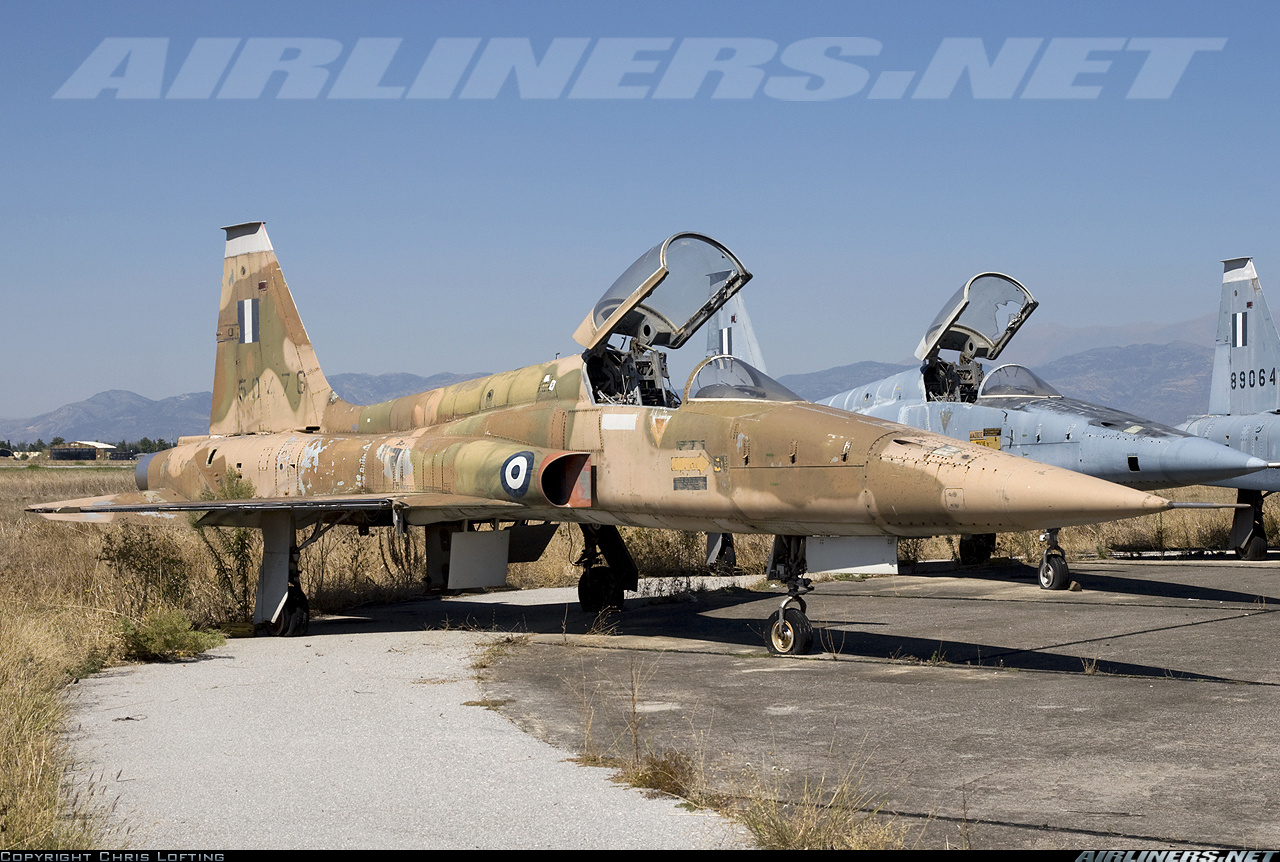
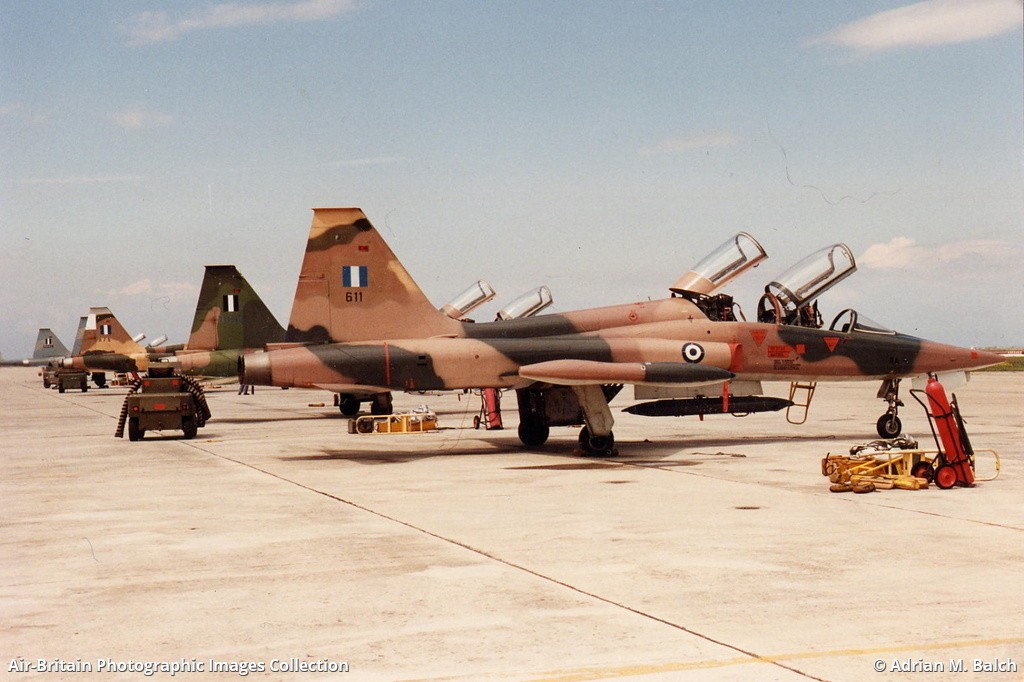
The Asia Minor camouflage scheme was developed to provide United States military aircraft with a more suitable finish for operations in arid and desert environments. Featuring two distinctive tan shades, a dark green upper-surface color and a light gray underside, the scheme became closely associated with Iranian military aviation and several export aircraft operated in the Middle East. It also has a special place in Greek aviation history through the Northrop F-5 Freedom Fighters that entered Hellenic Air Force service wearing this distinctive camouflage.
History and Development of the Asia Minor Camouflage Scheme
The Tactical Air Command (TAC) camouflage schemes were designed to provide effective concealment across a variety of operational environments. However, the standard green-and-brown patterns were not ideally suited to the predominantly dry, sandy landscapes of the Middle East. A desert-oriented alternative was therefore developed, using a combination of tan, brown and green on the upper surfaces and pale gray underneath.
The name Asia Minor referred to the strategic possibility of American aircraft operating from Turkey in the event of a regional conflict. Although the pattern was documented for several aircraft types in United States Air Force technical orders, the scheme was not adopted for operational service by the USAF itself.
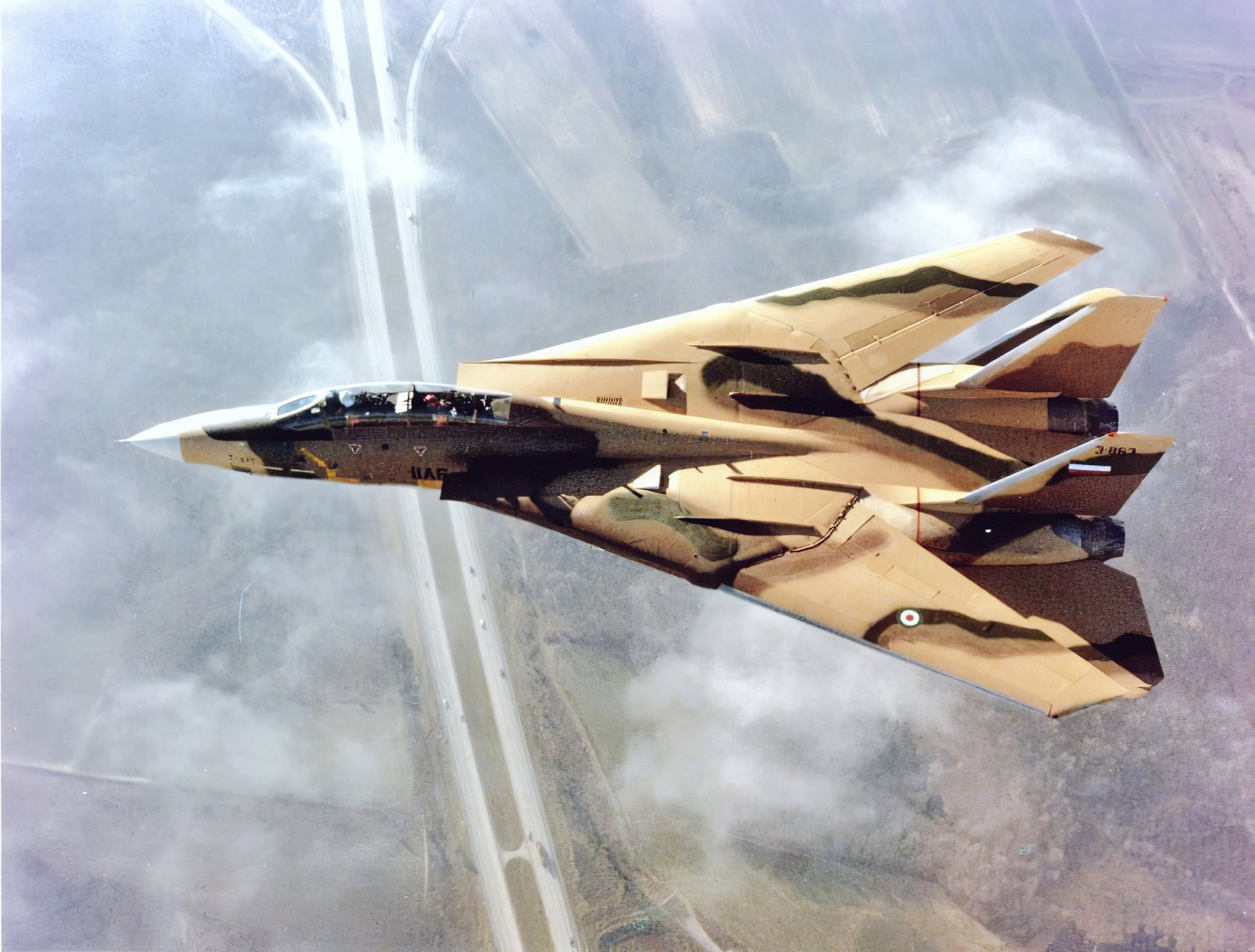
The Asia Minor pattern retained the general concept of earlier multi-color camouflage schemes but changed the balance of its colors. Instead of relying on two greens and a brown, it used two contrasting tan shades and a single dark green. The lighter tan formed the dominant color on many larger aircraft, while the darker brown and green provided contrasting areas intended to break up the aircraft’s outline against desert terrain.
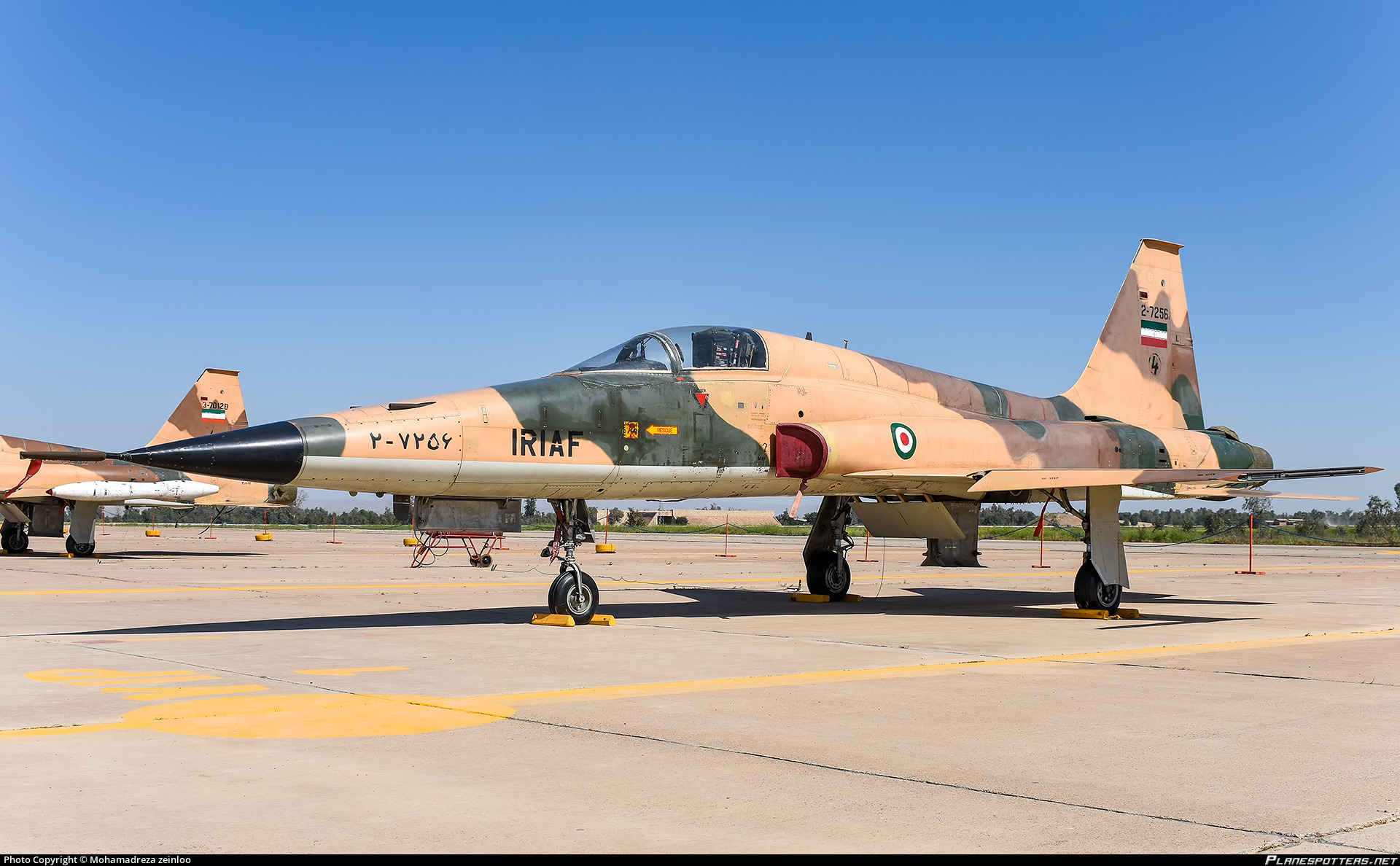
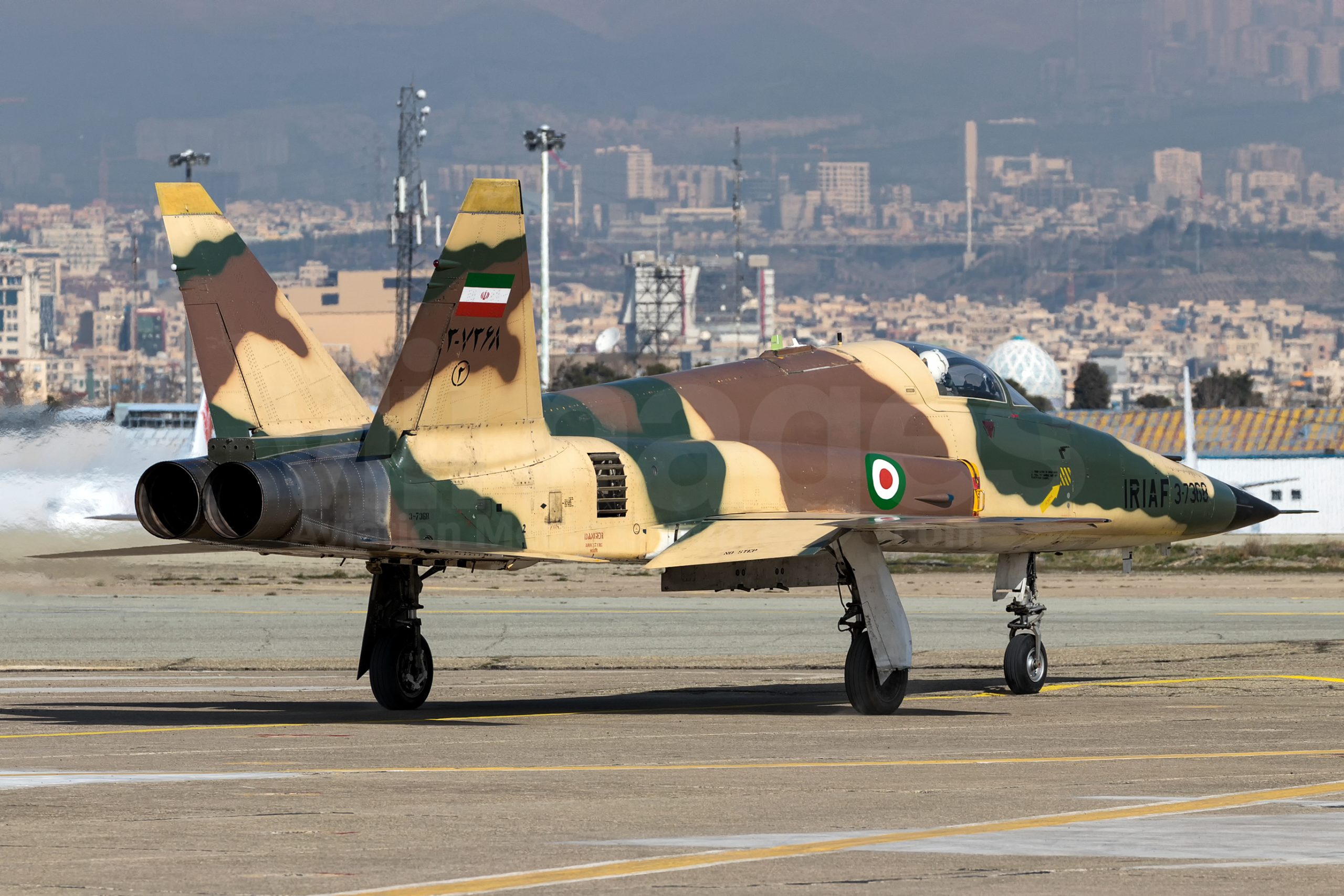
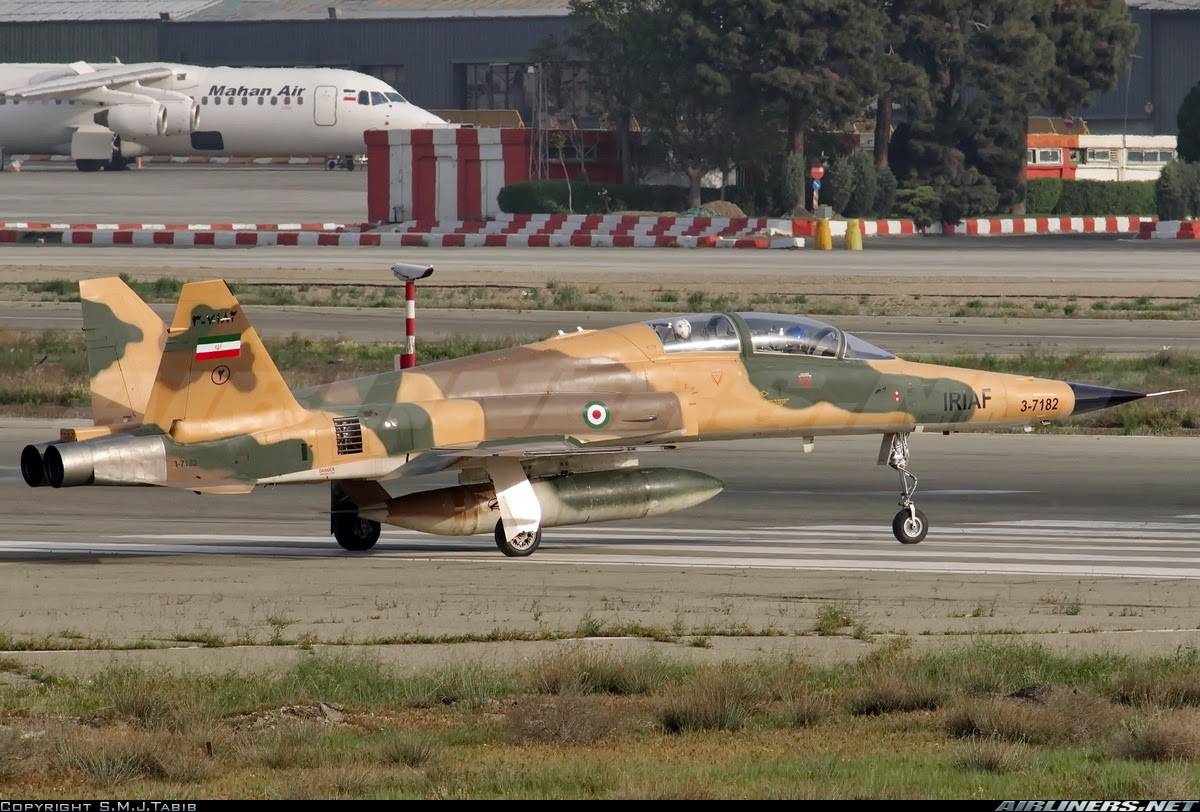
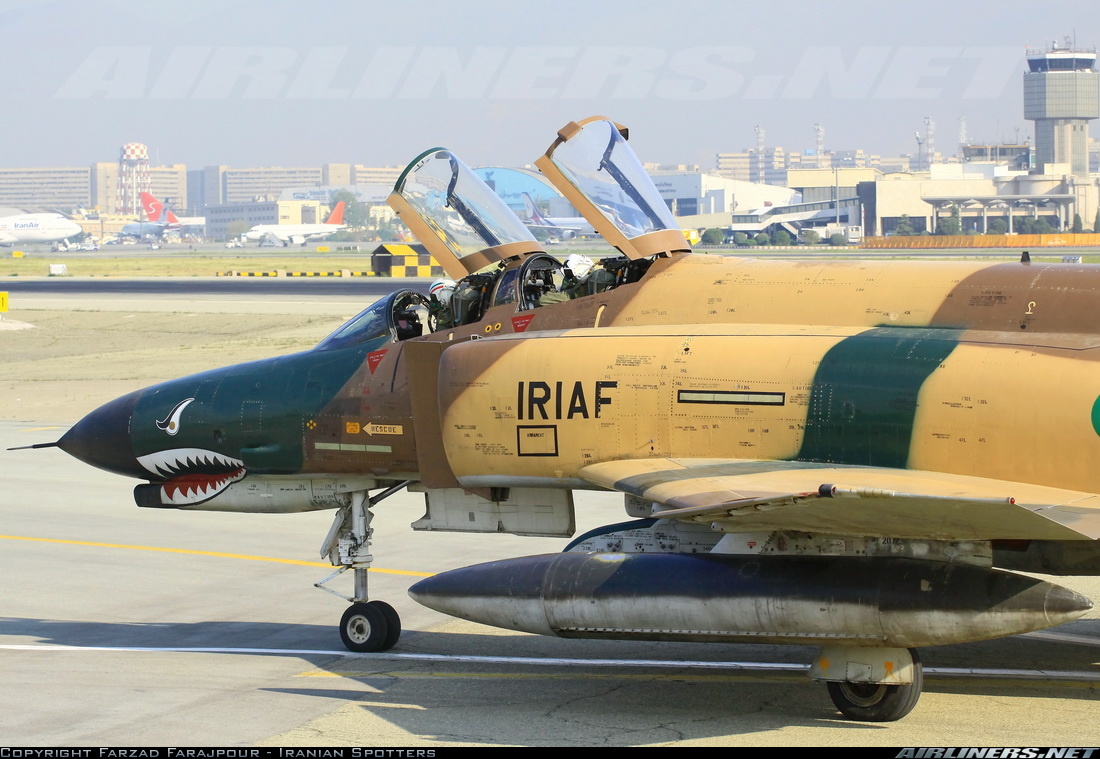
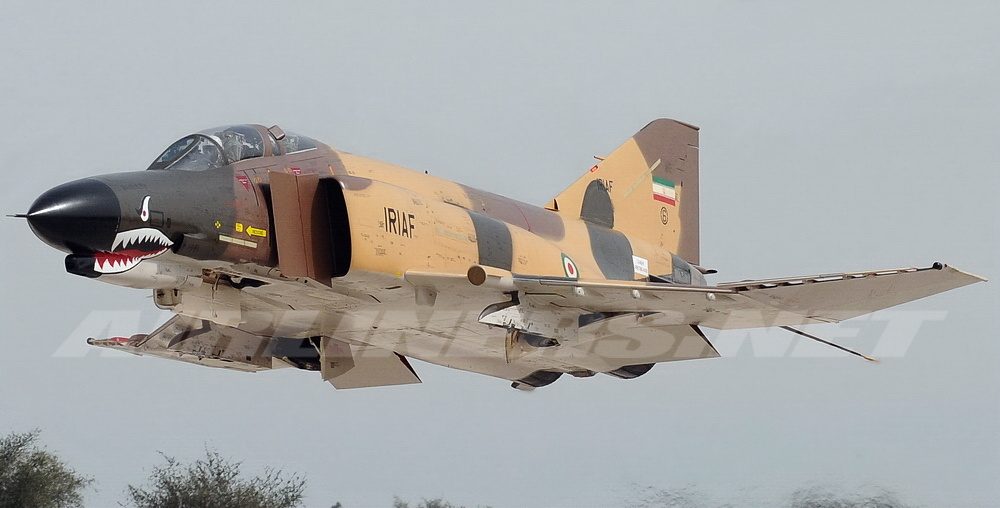
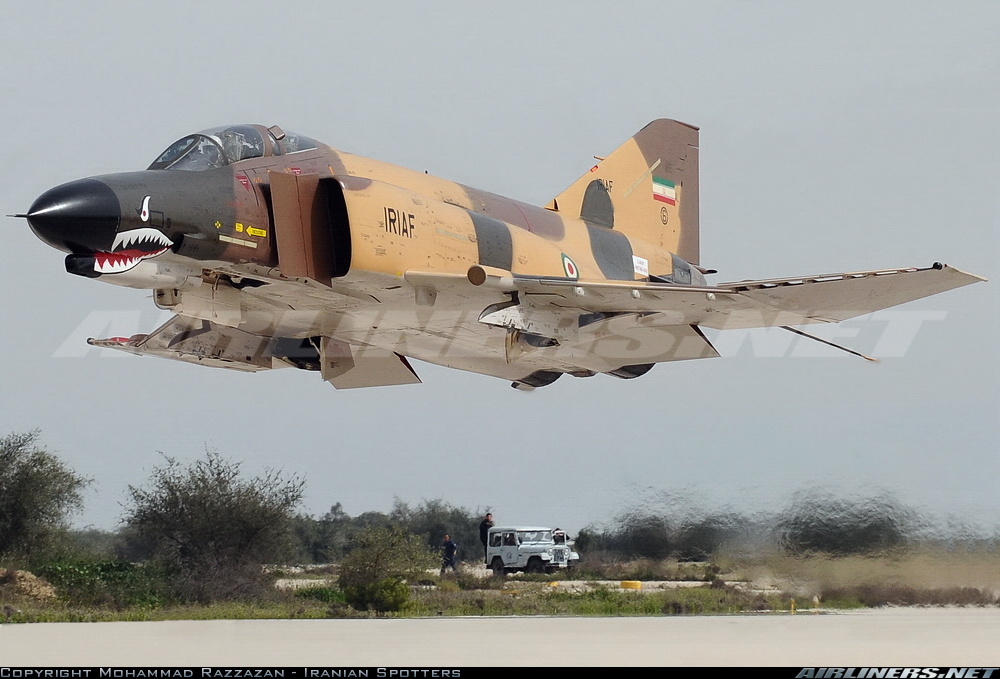
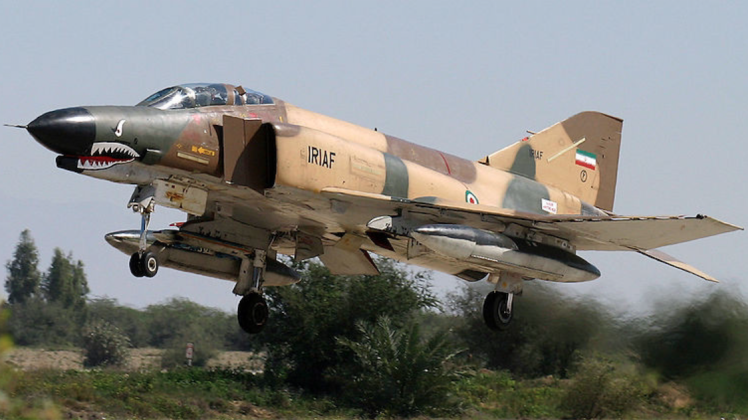
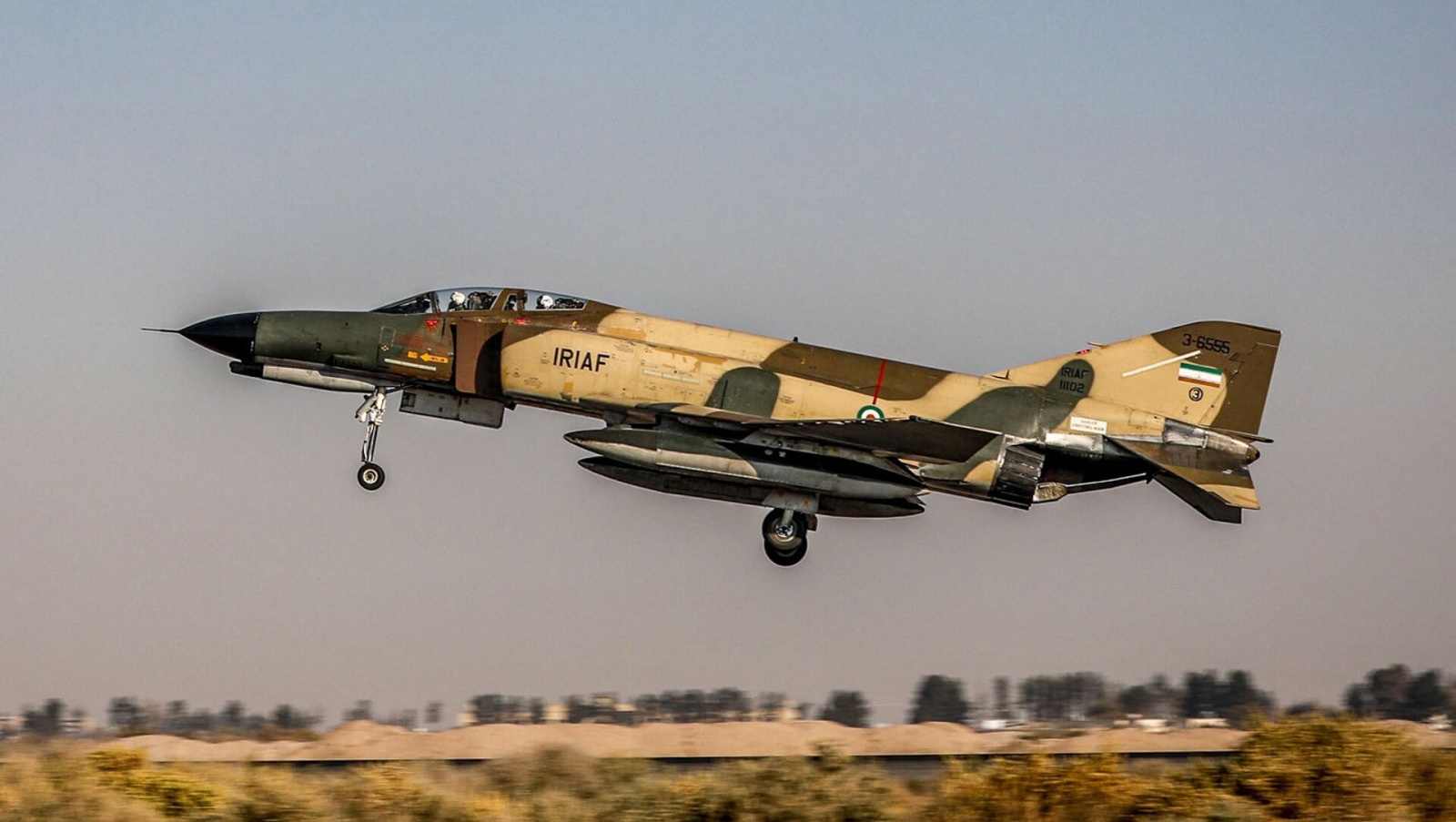
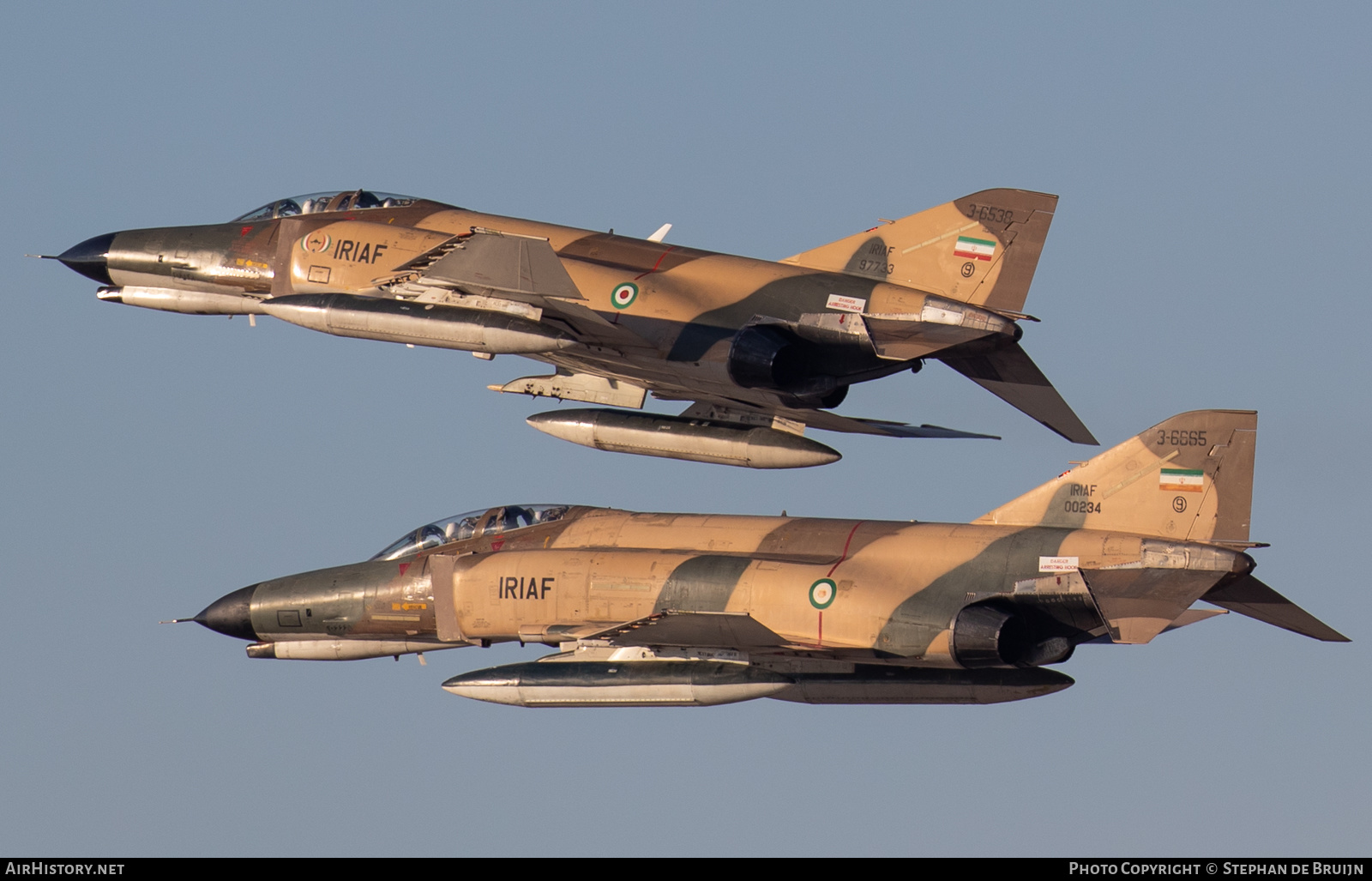
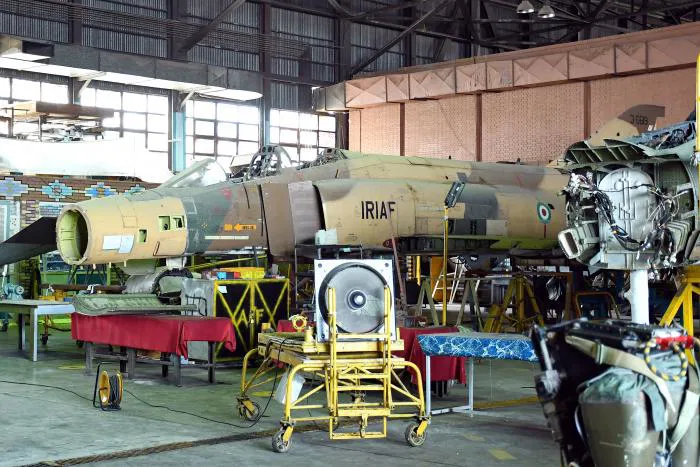
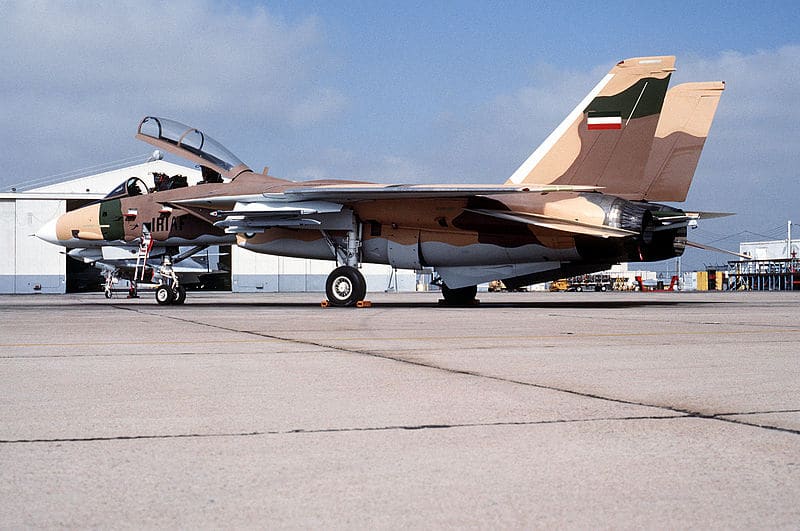
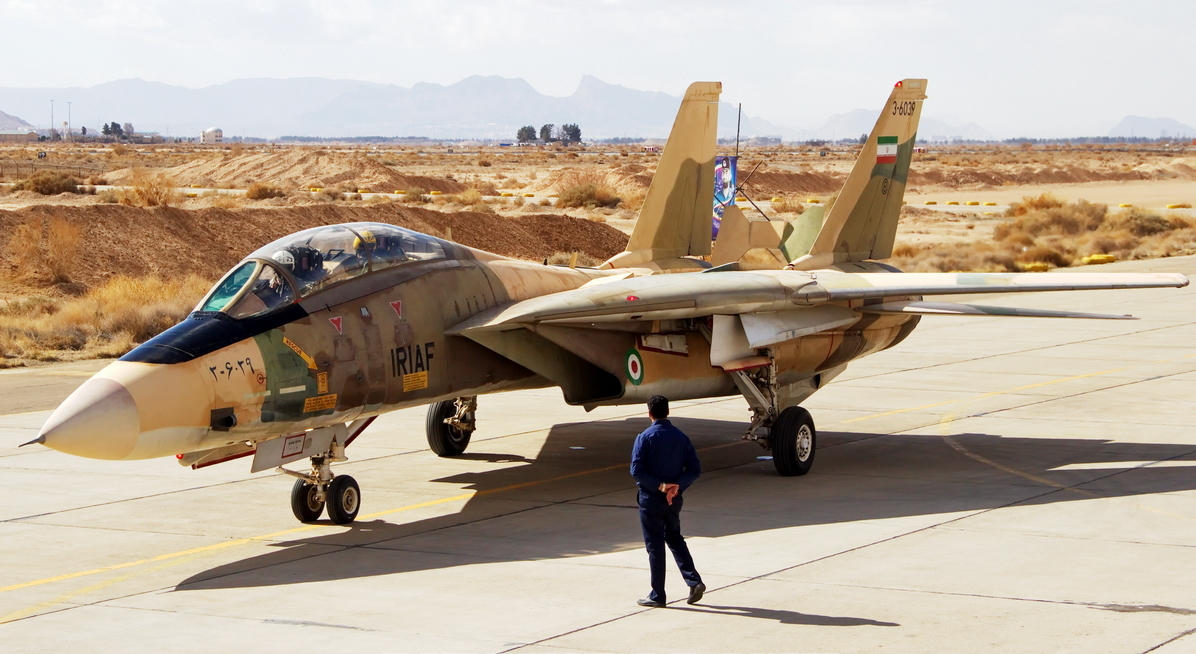
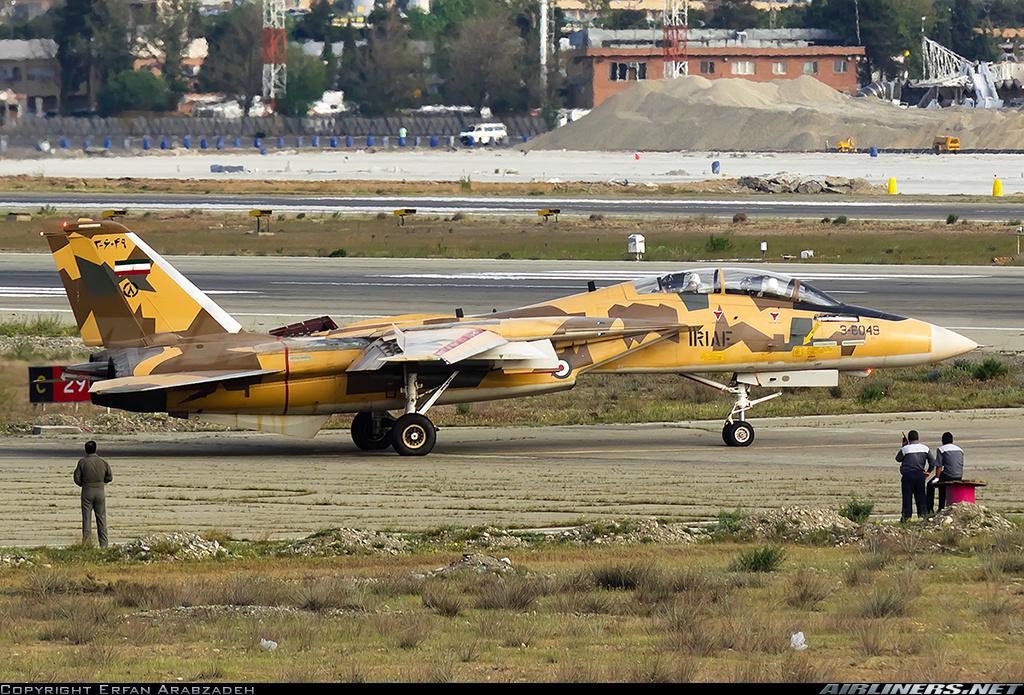
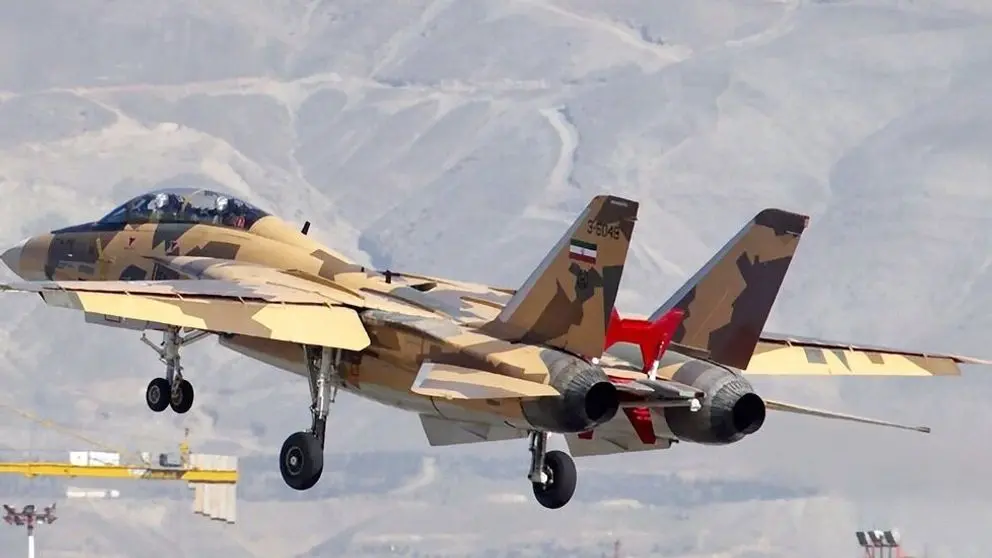
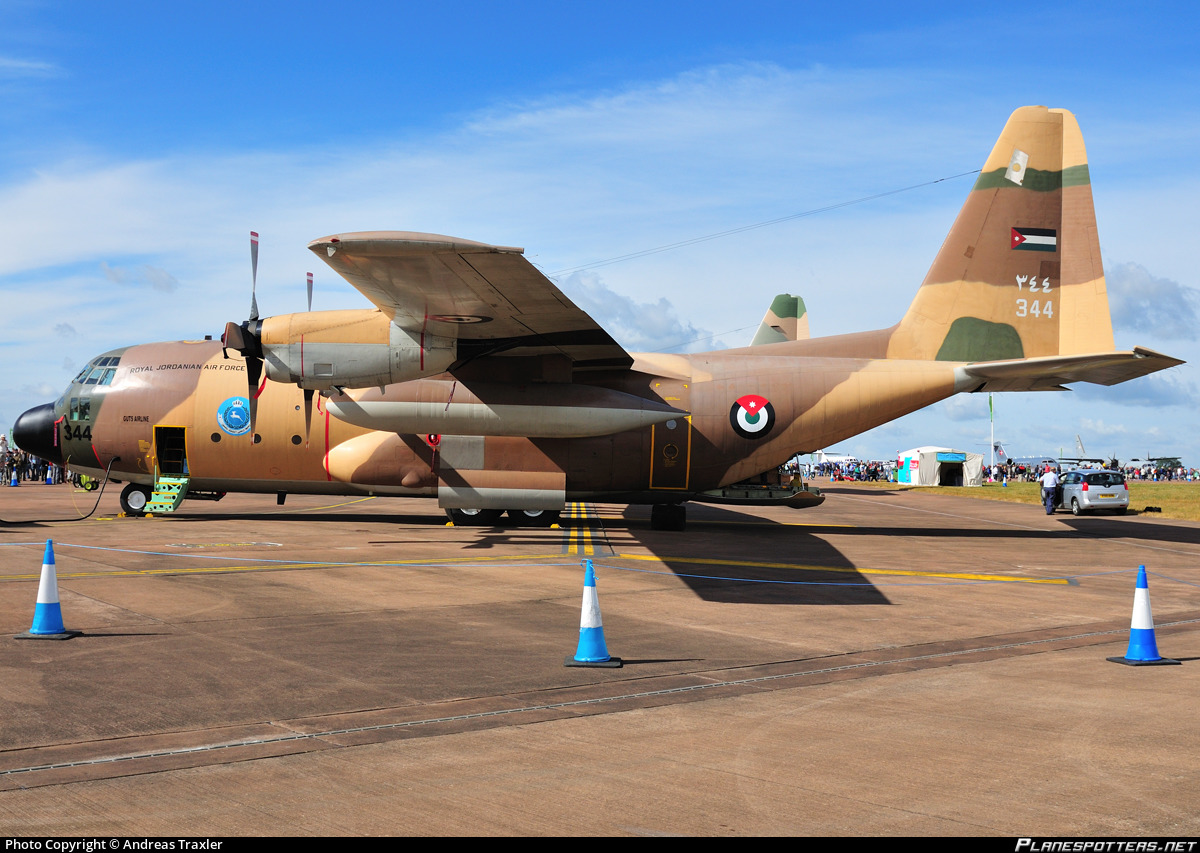
The scheme is particularly associated with aircraft supplied to Iran before the 1979 revolution, including the McDonnell Douglas F-4 Phantom II and Grumman F-14 Tomcat. It was also used on Northrop F-5 Freedom Fighters and Lockheed C-130 Hercules aircraft supplied to Middle Eastern air forces. Following the Iranian Revolution, the Islamic Republic of Iran Air Force continued operating aircraft in Asia Minor camouflage before progressively adopting locally applied finishes during the 1990s.
The Four Colors of Asia Minor Camouflage
The scheme uses four Federal Standard color references. Each has a specific role in reproducing the characteristic appearance of the aircraft.
FS 20400 — Tan Special
FS 20400 Tan Special is the lighter of the two upper-surface tan colors. Its desert-yellow appearance provides the dominant background for much of the camouflage, particularly across the upper wings of larger aircraft such as the F-4 Phantom II and F-14 Tomcat.
The color can appear noticeably more yellow as the finish ages or weathers. Its specified semi-gloss finish is also unusual compared with many other military camouflage colors. For scale modeling, the final appearance should be judged against photographs of the specific aircraft rather than relying exclusively on a fresh paint sample.
FS 30140 — Brown Special
FS 30140 Brown Special is a medium brown with a subtle reddish component. It creates contrast against FS 20400 and helps define the camouflage pattern.
Weathering and fading can reduce the visibility of its reddish undertone, making the color appear more neutral or muted. The correct shade is particularly important when reproducing aircraft preserved in photographs, because lighting, film characteristics and the condition of the original paint can significantly affect the apparent color.
FS 34079 — Forest Green
FS 34079 Forest Green is the dark green component of the Asia Minor scheme. It was reused from earlier United States camouflage systems and provides a strong contrast with the two tan colors.
On aircraft with extensive upper-wing tan coverage, the green may occupy a smaller proportion of the upper surfaces than the brown and tan areas. Its precise distribution depends on the aircraft type and the applicable camouflage pattern.
FS 36622 — Camouflage Gray
FS 36622 Camouflage Gray is the light gray used on the undersides. It contrasts with the darker upper surfaces and completes the four-color scheme.
When building a model, the underside should not automatically be made pure white. FS 36622 is a specific light gray, and preserving its distinction from white helps achieve a more convincing representation.
Aircraft and Operational Use
Iranian Air Force: Phantom II and Tomcat
The Imperial Iranian Air Force operated aircraft in Asia Minor camouflage before the 1979 revolution. Among the best-known examples were the F-4 Phantom II and F-14 Tomcat, both of which became closely associated with Iran’s modern combat aviation capabilities.
Following the revolution, these aircraft continued in service with the Islamic Republic of Iran Air Force. Their subsequent operational histories, maintenance conditions and exposure to the elements produced variations in the appearance of the original camouflage. Photographs of individual aircraft are therefore particularly valuable when determining the appropriate degree of fading and weathering for a scale model.
Northrop F-5 Freedom Fighter
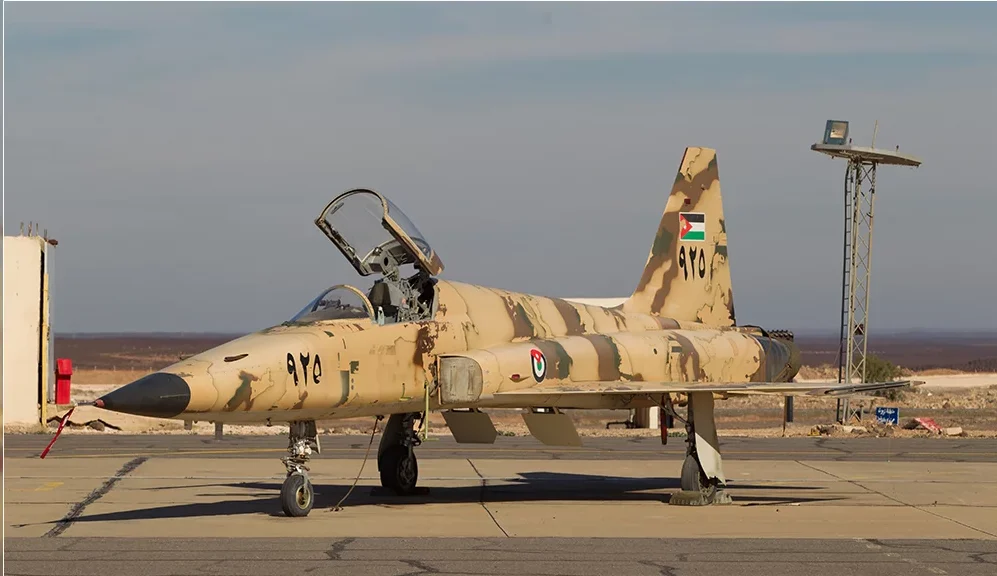
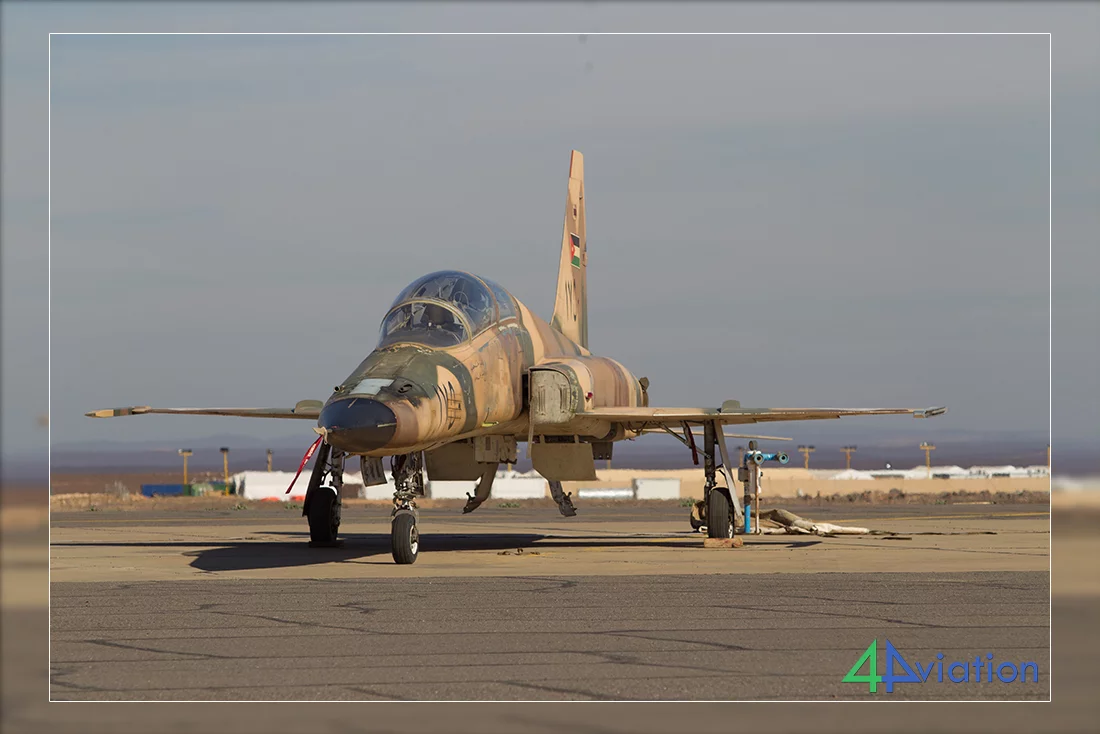
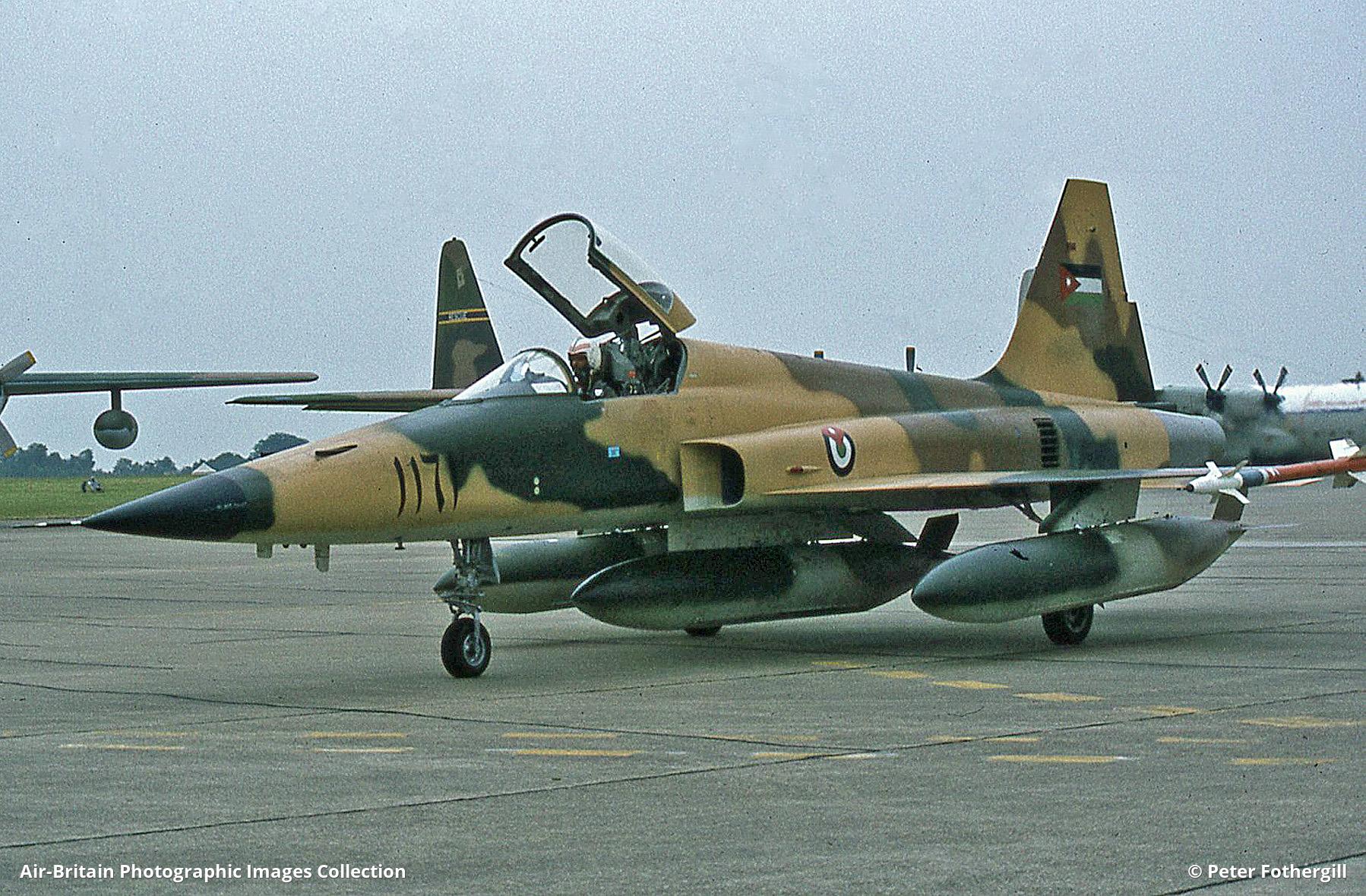
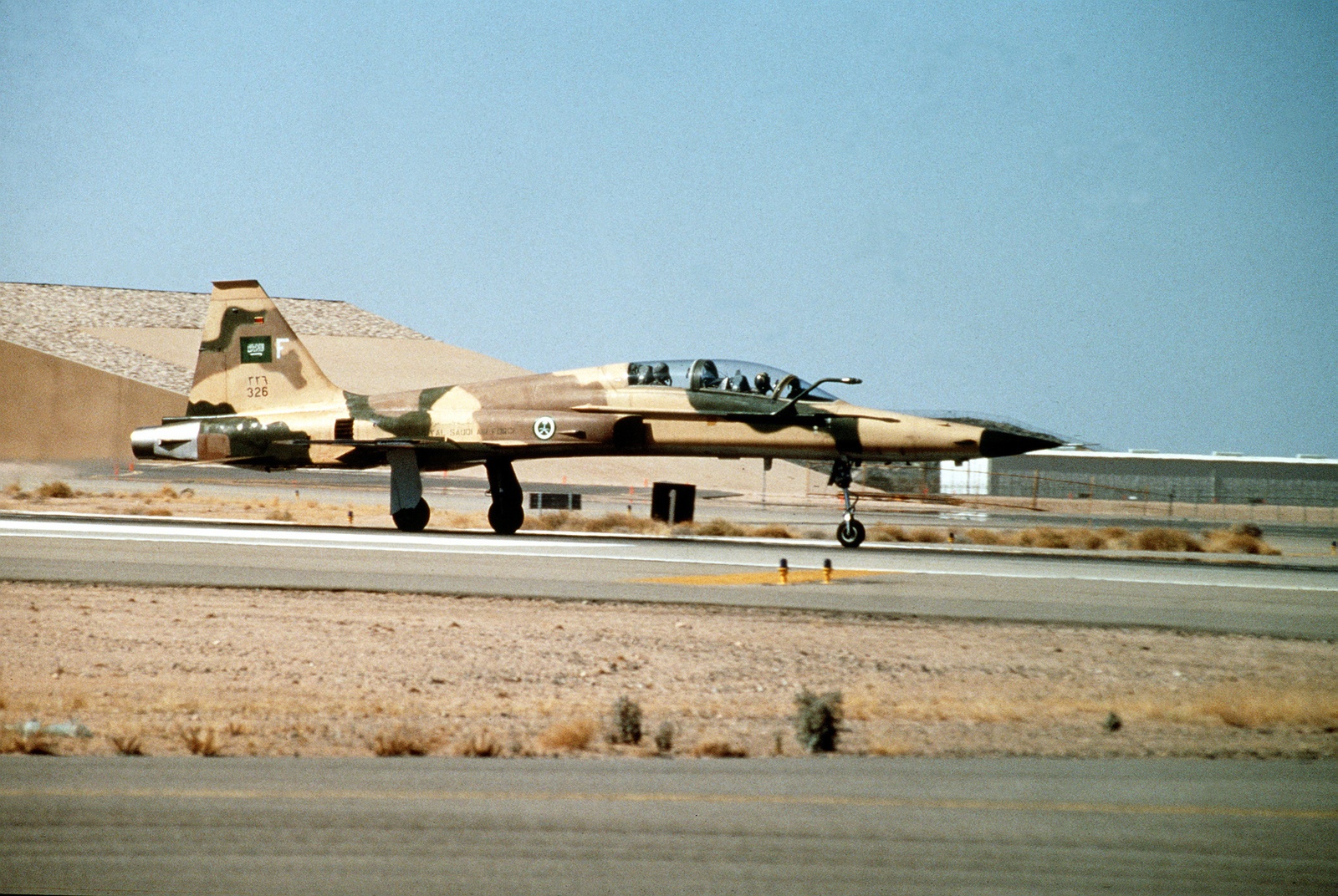
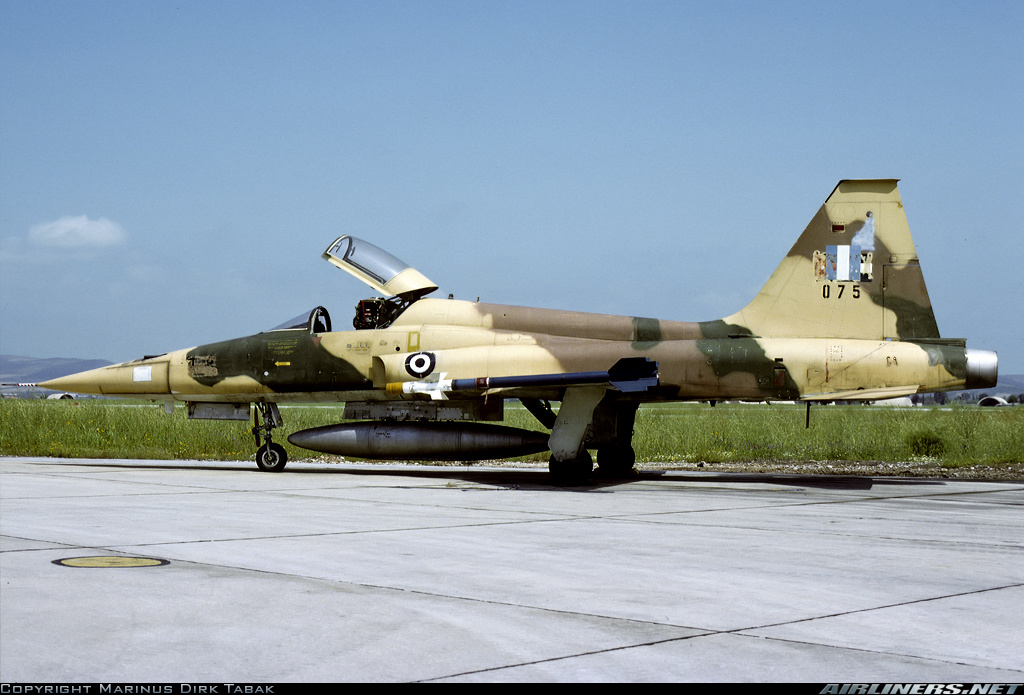
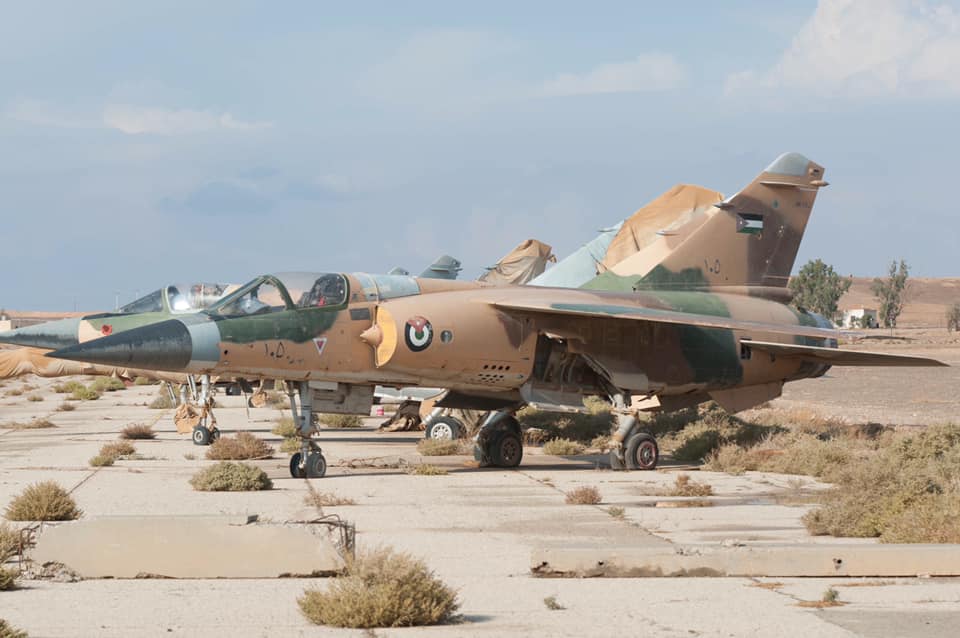
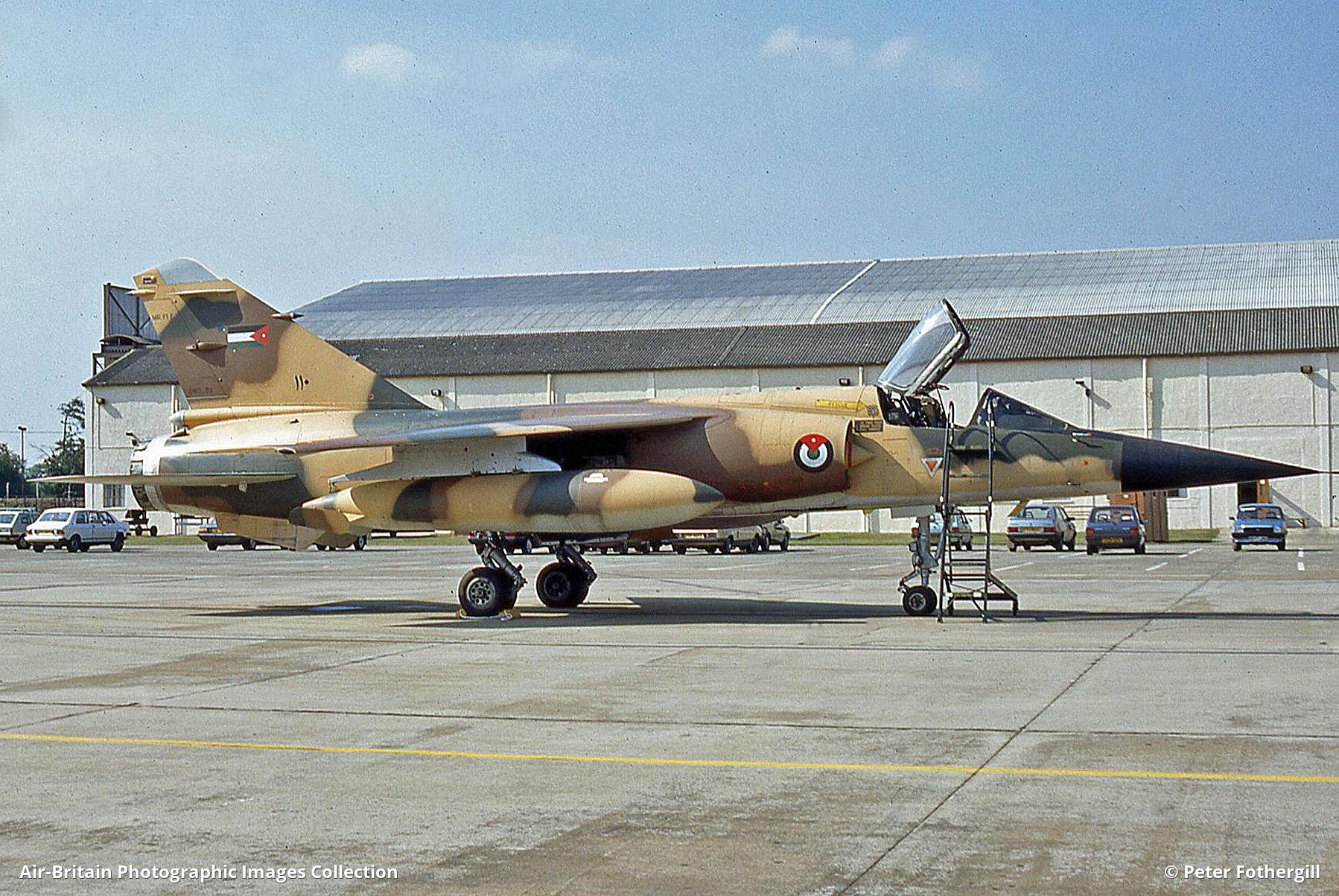
The Northrop F-5A/B Freedom Fighter is another important aircraft associated with the Asia Minor scheme. F-5s supplied to Iran and Jordan carried the desert-oriented colors, and some aircraft subsequently entered Greek service.
These aircraft are of particular interest to Greek aviation enthusiasts and modelers because their camouflage differs visibly from the more familiar Southeast Asia and later Hellenic Air Force schemes. When reproducing a Greek-operated F-5, it is essential to identify the individual airframe and period represented by the reference photographs. Aircraft history and markings should be checked together rather than assuming that every F-5A/B used the same finish throughout its career.
Lockheed C-130 Hercules and Other Aircraft
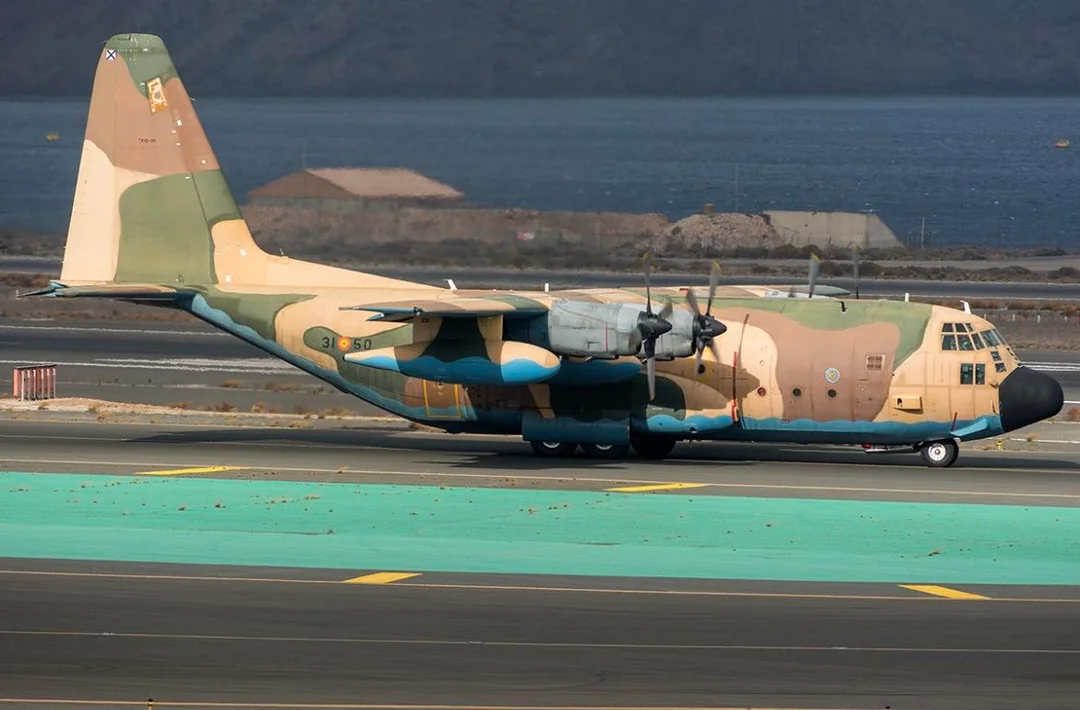
The Asia Minor pattern was also documented for transport and other aircraft types. The Lockheed C-130 Hercules is among the most recognizable examples associated with the scheme.
Technical camouflage diagrams also covered aircraft including the C-47, C-54, F-84, F-101 and F-104. The existence of a published pattern, however, should not be interpreted as proof that every listed aircraft type entered operational service wearing it.
The two special tan colors also appeared in other military paint applications, including certain helicopter and aggressor schemes. Their subsequent use illustrates how colors developed for a specific camouflage requirement could find applications elsewhere.
Asia Minor Camouflage Paint Guide for Scale Modelers
Selecting paint for this scheme requires more than matching four labels. Manufacturer formulas, paint finish, scale effect and the condition of the aircraft being modeled all influence the final result.
The following recommendations are starting points for modelers. Paints carrying the same Federal Standard reference may still differ in appearance between manufacturers, and some historical color matches have been discontinued or reformulated.
| Federal Standard | Official color name | Model paint recommendations |
|---|---|---|
| FS 20400 | Tan Special | MRP-244 Mr. Paint; Vallejo Model Air 71.348; Hataka HTK-A187 |
| FS 30140 | Brown Special | MRP-233 Mr. Paint; Vallejo Model Air 71.035; Hataka HTK-A160; AK Interactive 3rd Generation AK11120 |
| FS 34079 | Forest Green | MRP-101; Vallejo Model Air 71.294; Gunze Mr. Color C309; Hataka HTK-A016 |
| FS 36622 | Camouflage Gray | MRP-104; Vallejo Model Air 71.296; Gunze Mr. Color C311; Hataka HTK-A039 |
FS 20400: Choosing the Right Tan
MRP-244 and Vallejo Model Air 71.348 are possible starting points for FS 20400. The former has been assessed as relatively light and pale, while the Vallejo option may provide a more suitable starting appearance. Actual results depend on the primer, application and lighting.
AK Interactive has also offered a dedicated Asia Minor acrylic set containing AK11116, identified as Tan Yellow FS 20400. However, the manufacturer’s stated color matching and the appearance of the paint should be considered before using it as a precise match. Earlier AK Real Colors formulations included this color, but availability and product references have changed over time.
Hataka HTK-A187 is another option specifically identified for the Asia Minor scheme.
FS 30140: Reproducing Brown Special
MRP-233 and Vallejo Model Air 71.035 are potential choices, but neither should be treated as an unquestionable exact match. MRP-233 has been described as too red in the bottle, while Vallejo 71.035 can appear too brown.
Hataka HTK-A160 and AK Interactive AK11120 provide additional alternatives. RAL 8025 is sometimes cited as a close approximation to FS 30140, making Revell 381 worth considering when working from available paints. This is an approximation rather than a guaranteed equivalence.
FS 34079 and FS 36622
FS 34079 is widely used in aircraft camouflage and is available from several established paint manufacturers. MRP-101, Vallejo Model Air 71.294 and Gunze C309 are possible options.
For FS 36622, MRP-104, Vallejo Model Air 71.296 and Gunze C311 are useful starting points. Hataka HTK-A016 and HTK-A039 are also identified for the green and gray components respectively.
Always check the current manufacturer catalog before purchasing, particularly when using older paint guides that may list discontinued references.
Dedicated Asia Minor Paint Sets
A dedicated four-color set can simplify paint selection and help maintain consistency across the model. AK Interactive’s 3rd Generation acrylic set AK11751 is listed for the Asia Minor colors and includes:
AK11116 — Tan Yellow, FS 20400
AK11120 — Mud Brown, FS 30140
AK11346 — Forest Green, FS 34079
AK11890 — Camouflage Gray, FS 36622
Hataka’s Modern Hellenic Air Force Paint Set Vol. 1, HTK-AS68, includes HTK-A187, HTK-A160, HTK-A016 and HTK-A039 for the corresponding Asia Minor colors. This set is especially relevant to modelers building Greek-operated F-5 aircraft.
Check the manufacturer’s current catalog and the retailer’s listing before ordering, as set contents, product codes and availability can change.
Modeling Guide: Applying the Asia Minor Scheme
1. Confirm the Aircraft and Camouflage Pattern
Start with photographs of the exact aircraft, serial number and period you intend to reproduce. The general four-color scheme is consistent, but the distribution of the colors varies between aircraft types.
Use the appropriate technical camouflage diagram as a guide, then compare it with photographic evidence. This is particularly important for Greek-operated F-5s, Iranian F-4s and F-14s, and transport aircraft.
2. Prepare the Surface
Clean up seams, correct surface imperfections and apply a suitable primer. A neutral primer helps reveal construction flaws and provides a consistent base for the camouflage colors.
Allow each layer to cure according to the paint manufacturer’s instructions before masking or applying another color.
3. Apply the Underside Gray
Apply FS 36622 Camouflage Gray to the lower surfaces first when this sequence makes masking easier. Establish a smooth, even coat without obscuring panel lines, rivets or other fine surface detail.
Once the gray has dried sufficiently, protect the underside before proceeding with the upper camouflage.
4. Build the Three-Color Upper Pattern
Apply FS 20400, FS 30140 and FS 34079 according to the relevant aircraft pattern. Plan the masking sequence in advance to avoid unnecessary handling and to keep the boundaries consistent with the reference.
The lighter tan is often the dominant upper-surface color on larger aircraft, but its exact coverage must be verified for the selected airframe. Do not apply one generic pattern to every aircraft carrying Asia Minor camouflage.
5. Control the Finish and Weathering
Avoid making every color equally faded or applying heavy weathering simply to make the model appear more realistic. The finish should reflect the aircraft’s service environment, age and maintenance condition.
Subtle variation can be introduced through carefully controlled paint modulation, restrained fading and localized surface wear. Keep the tan, brown and green distinguishable, and preserve the pale gray underside.
For a well-maintained aircraft, use restrained weathering. For a heavily operated Iranian aircraft, stronger fading and localized wear may be appropriate if supported by photographs.
6. Apply Markings and Protective Coats
Use photographs and reliable references to confirm national insignia, serials, squadron markings, warning stencils and other details. These features may have changed during an aircraft’s service life.
Choose a gloss or satin preparation appropriate for the decals and the intended final finish. Apply a compatible protective coat and keep its sheen consistent with the aircraft’s documented appearance.
Historical Accuracy and Color Matching
A Federal Standard reference is a valuable starting point, but it does not guarantee that every commercially available paint will reproduce the same appearance. Different paint formulations, aging, exposure to sunlight, photographic reproduction and display lighting can all influence the result.
For the most convincing model, prioritize contemporary photographs of the individual aircraft, use the correct camouflage diagram and test the chosen colors before committing to the complete paint job.
The Asia Minor scheme is distinctive because of the relationship between its two tan shades, dark green and light gray. Maintaining the correct balance between these colors is more important than exaggerating weathering or relying on a single paint manufacturer’s interpretation.
Frequently Asked Questions
What is the Asia Minor camouflage scheme?
Asia Minor is a four-color military aircraft camouflage scheme using FS 20400 Tan Special, FS 30140 Brown Special, FS 34079 Forest Green and FS 36622 Camouflage Gray.
Which aircraft used Asia Minor camouflage?
The scheme is especially associated with Iranian F-4 Phantom II and F-14 Tomcat aircraft, as well as F-5 Freedom Fighters and C-130 Hercules aircraft supplied to Middle Eastern air forces. Some F-5s subsequently served with the Hellenic Air Force.
Did the USAF use the Asia Minor scheme operationally?
No. Although the pattern was documented in USAF technical publications for multiple aircraft types, it was not adopted for operational USAF service.
Which paints are suitable for Asia Minor camouflage?
Options include MRP, Vallejo Model Air, Gunze Mr. Color, Hataka and AK Interactive paints. A dedicated set such as AK Interactive AK11751 or the relevant colors from Hataka HTK-AS68 can simplify the process.
What is the correct underside color?
The specified underside color is FS 36622 Camouflage Gray, a light gray rather than pure white.
How can I model the camouflage accurately?
Use the correct aircraft-specific camouflage diagram, compare the pattern with photographs of the individual aircraft, test the paint colors and apply weathering in accordance with the aircraft’s documented condition.
Conclusion
The Asia Minor camouflage scheme remains an important subject for aviation historians and scale modelers interested in Cold War aircraft and Middle Eastern military aviation. Its combination of two tan shades, dark green and light gray created a distinctive desert-oriented appearance that became closely associated with Iranian aircraft and selected export airframes.
For modelers, the key to an accurate result is to combine the correct four Federal Standard colors with the appropriate aircraft-specific pattern, markings and level of weathering. Whether reproducing an Iranian Phantom II, an F-14 Tomcat or a Greek-operated F-5 Freedom Fighter, careful reference research and restrained paint application will produce a more convincing representation of this distinctive camouflage.
“Hill Gray” Camouflage
| FS 20400 | FS 30140 | FS 34079 | FS 36622 | |
| Tan Special | Brown Special | Forest Green | Camouflage Gray | |
| Schemes | ||||
| Asia Minor | Upper Camo | Upper Camo | Upper Camo | Lower |
| Color matches | ||||
| Gunze Mr. Color | – | – | C309 | C311 |
| Gunze Mr. Hobby | – | – | H309 | H311 |
| Humbrol | – | – | 116 | 28 |
| Italeri | – | 4846AP (!) | 4726AP (!) | 4763AP (!) |
| Model Master | 2021 | 1754 | 1710 | 1733 |
| Revell | – | – | – | – |
| Tamiya Acrylic | – | – | – | – |
| Tamiya Lacquer | – | – | – | – |
| Vallejo Model Air | 71.348 | 71.035 | 71.294 | 71.296 |
| Vallejo Model Color | 70.893 | – | ||
| AKAN | 6/72011 | 72010 | 6/72002 | 6/72023 |
| AK 3Gen Acrylic | – | AK11120 | AK11346 | AK11890 |
| AK Real Color | – | – | RC900 | RC922 |
| AMMO by Mig | – | – | A.MIG-206* | A.MIG-226 |
| Hataka | HTK-_187 | HTK-_160 | HTK-_016 | HTK-_039 |
| Lifecolor | UA 084 | UA 085 | UA 001 | UA 021 |
| Mission Models | – | – | MMP-058 | MMP-095 |
| Mr. Paint | MRP-244 | MRP-233 | MRP-101 | MRP-104 |
| Xtracolor | X145 | – | X110 | X140 |
| Xtracrylix | – | – | XA1110 | XA1140 |
Gallery