2K 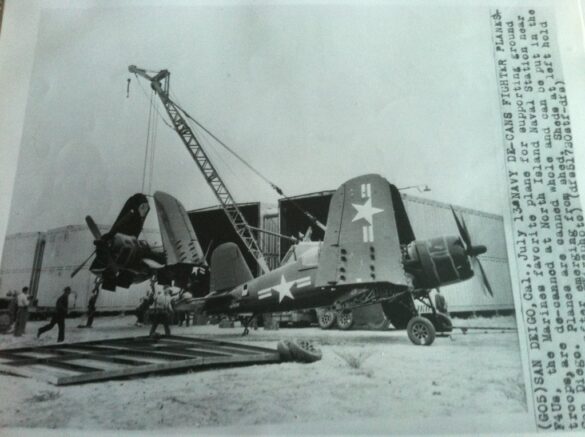


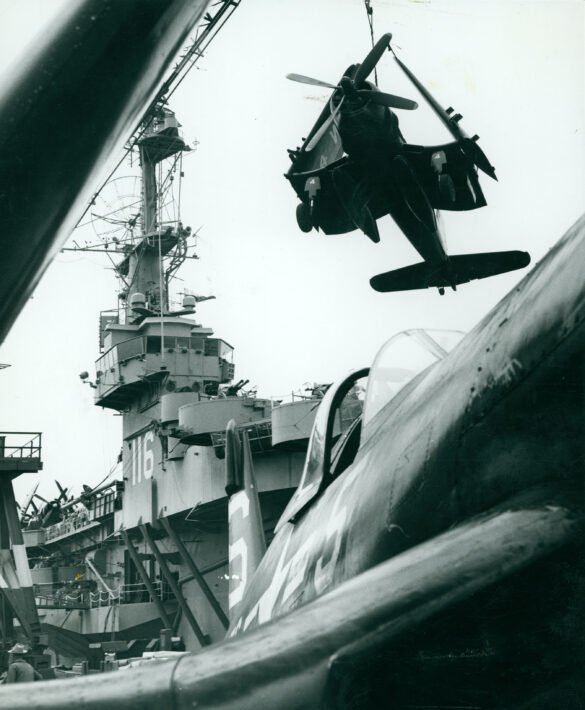
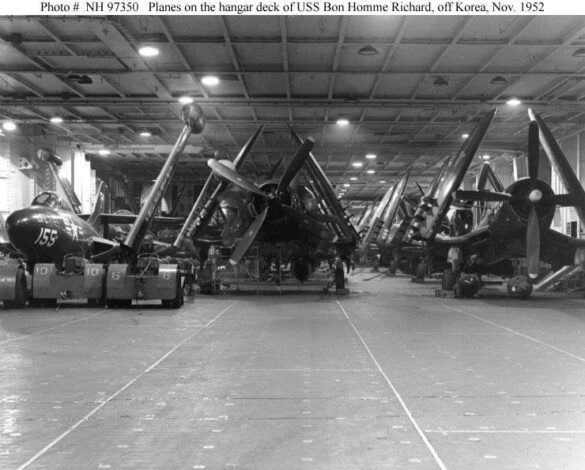
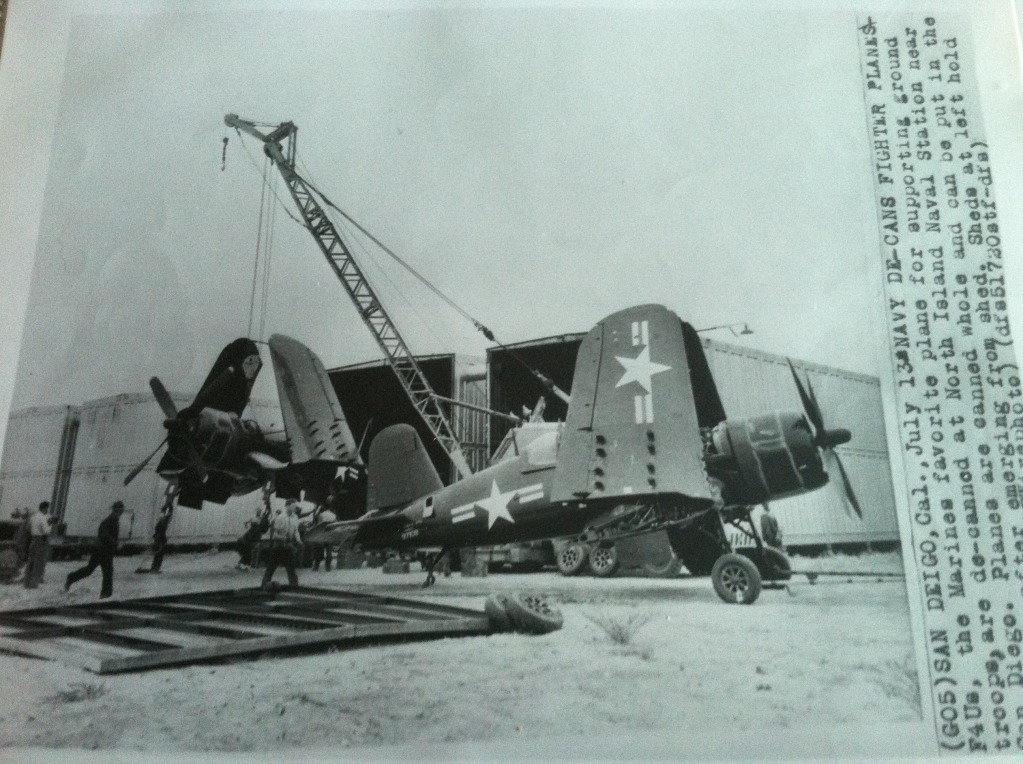
F4U Corsair overhaul NAS Jacksonville 1950 Korean War preparation
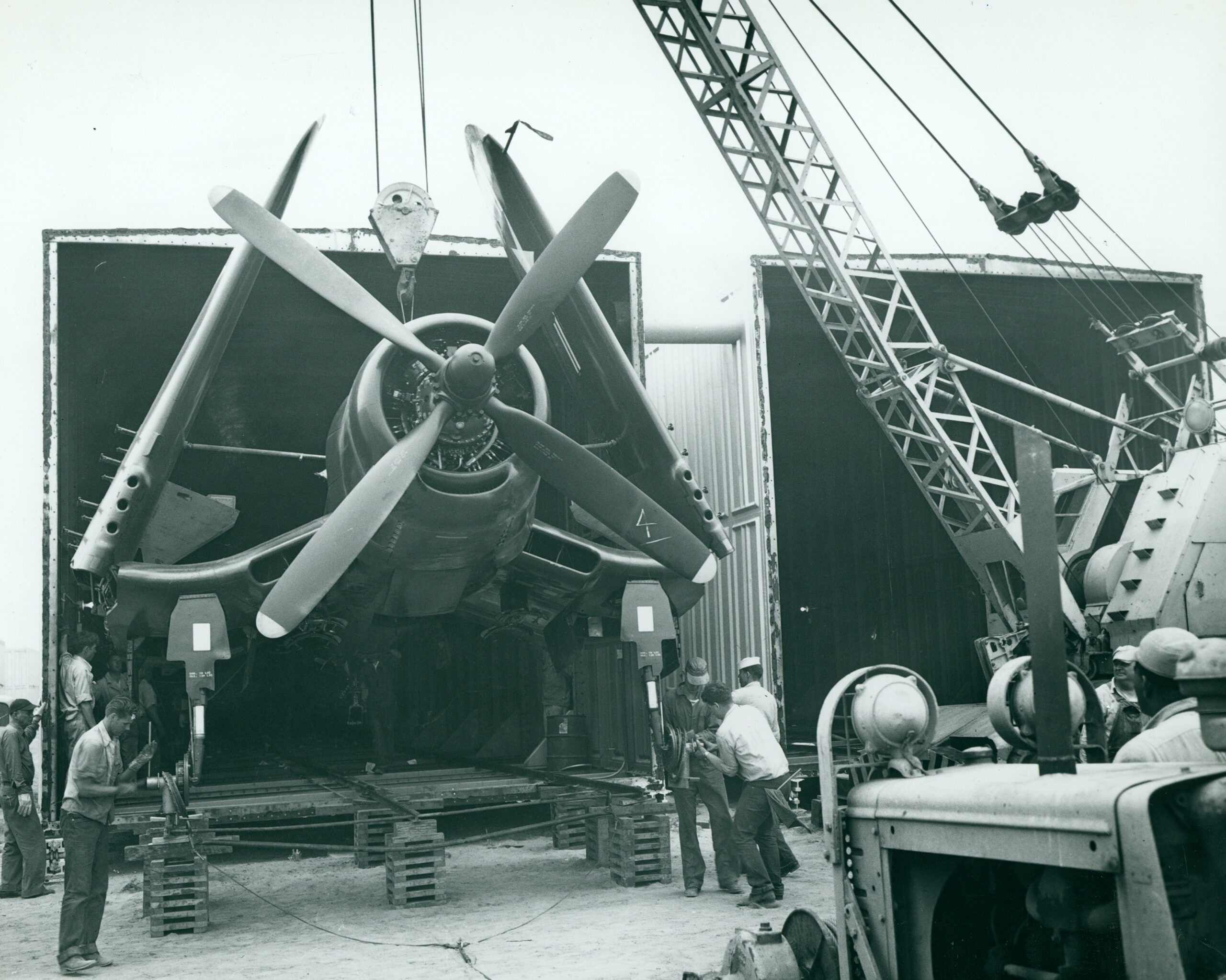
F4U Corsair overhaul NAS Jacksonville 1950 Korean War preparation
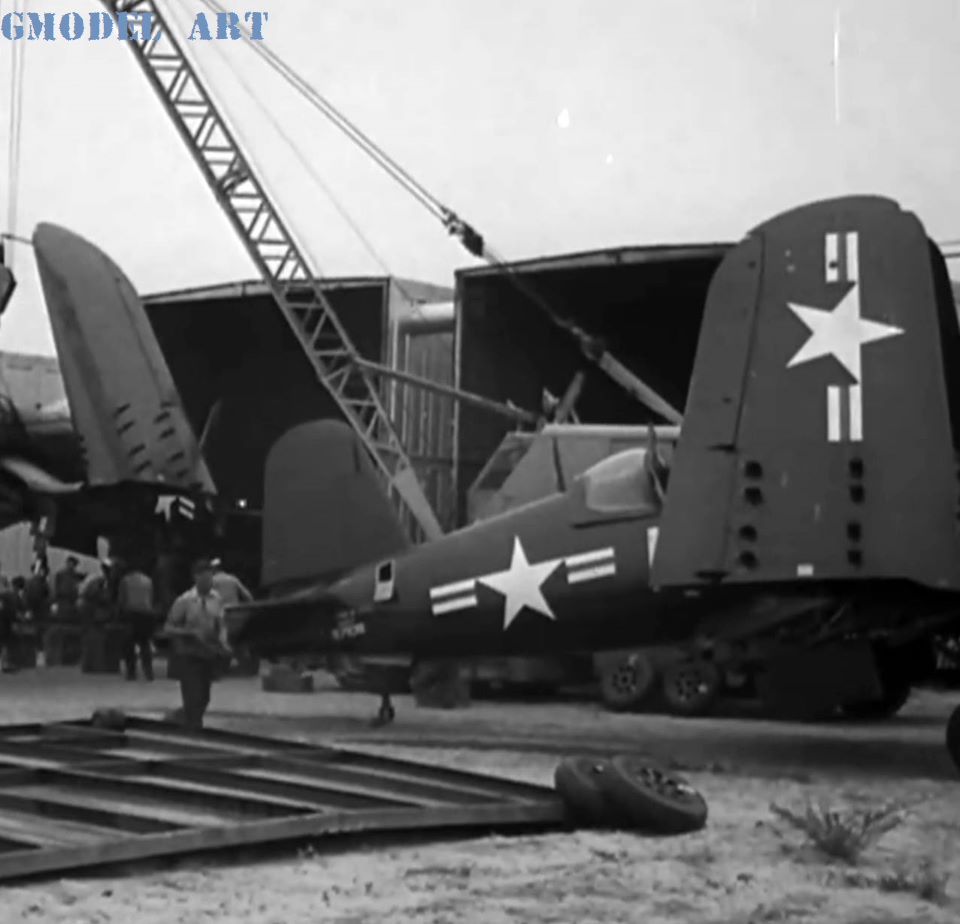
F4U Corsair overhaul NAS Jacksonville 1950 Korean War preparation
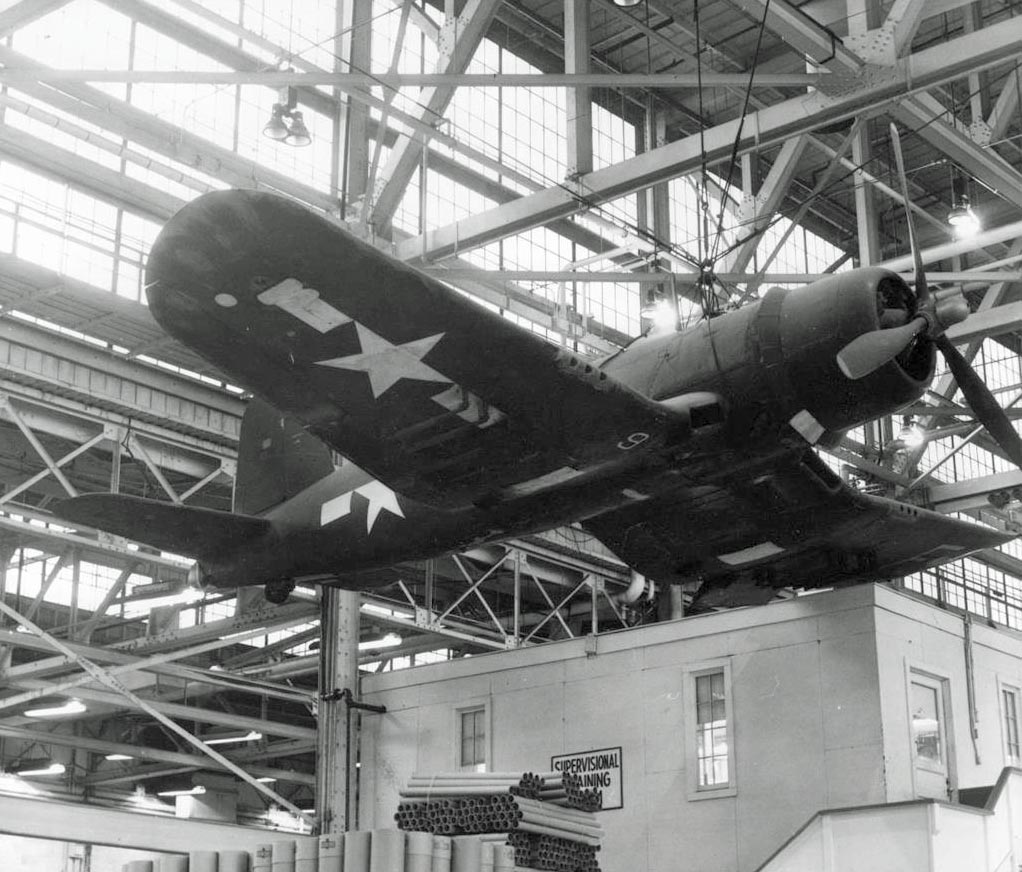
F4U Corsair overhaul NAS Jacksonville 1950 Korean War preparation
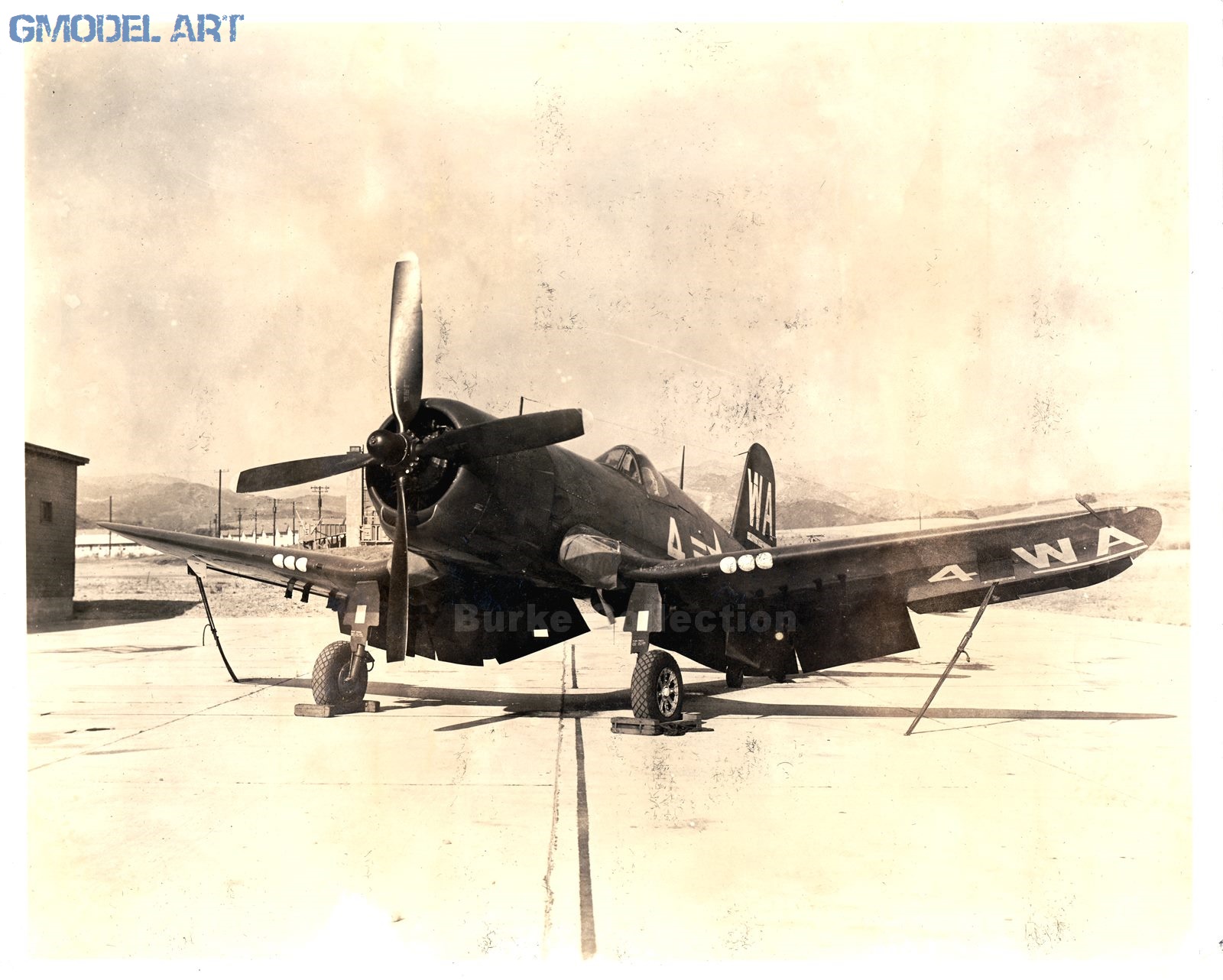
F4U Corsair overhaul NAS Jacksonville 1950 Korean War preparation
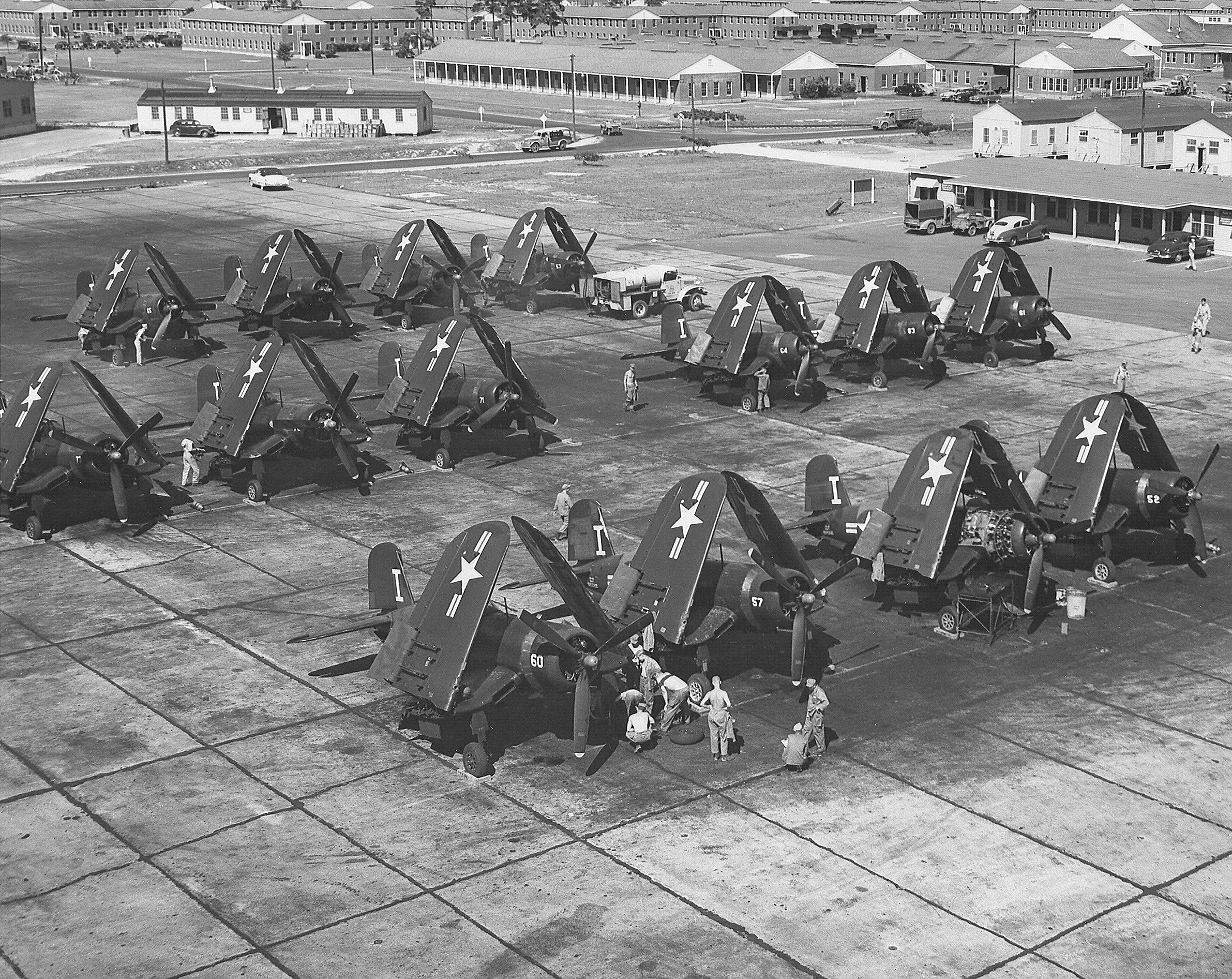
F4U Corsair overhaul NAS Jacksonville 1950 Korean War preparation
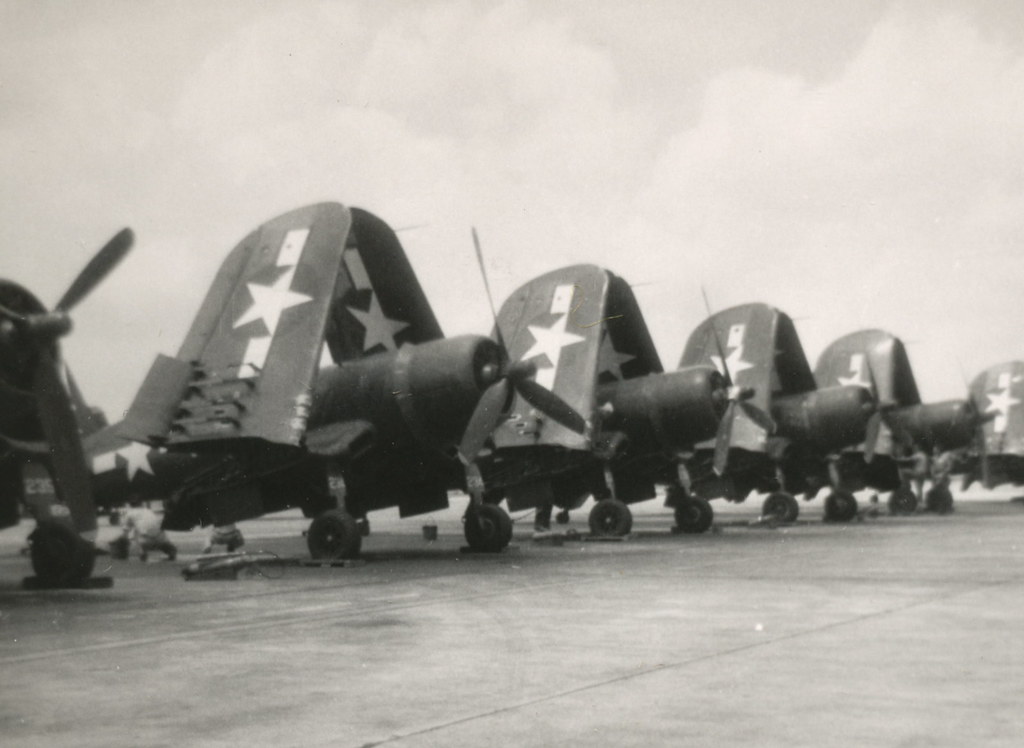
F4U Corsair overhaul NAS Jacksonville 1950 Korean War preparation
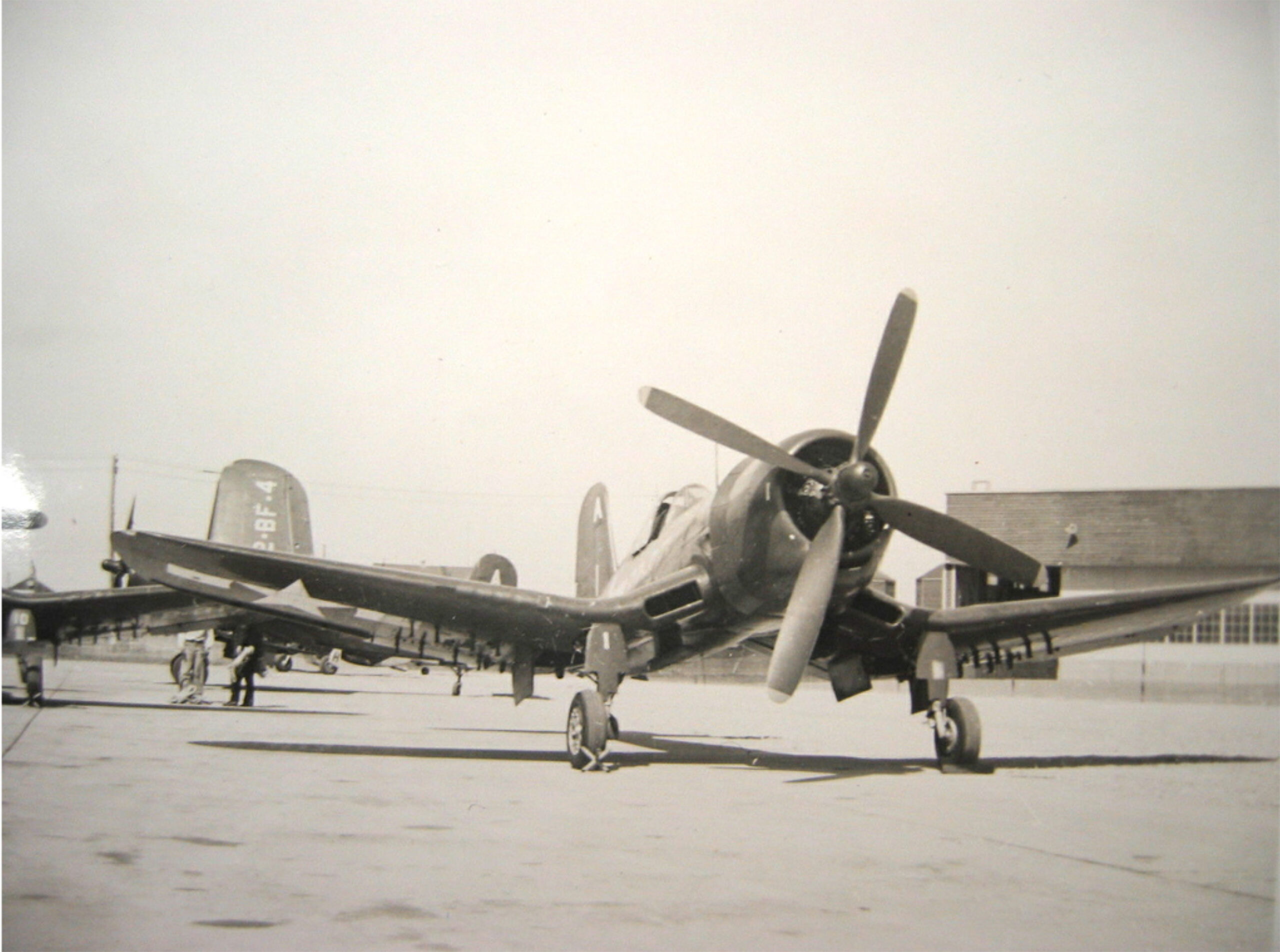
F4U Corsair overhaul NAS Jacksonville 1950 Korean War preparation
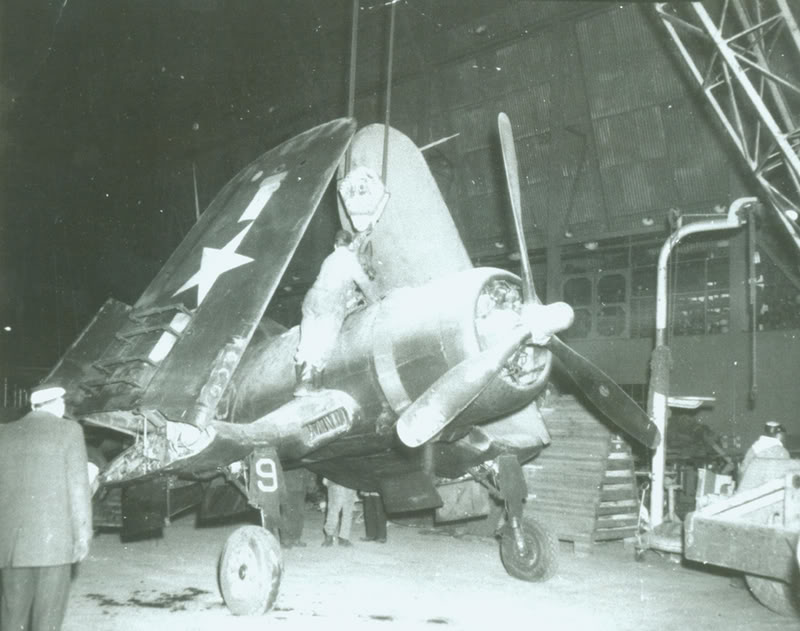
F4U Corsair overhaul NAS Jacksonville 1950 Korean War preparation
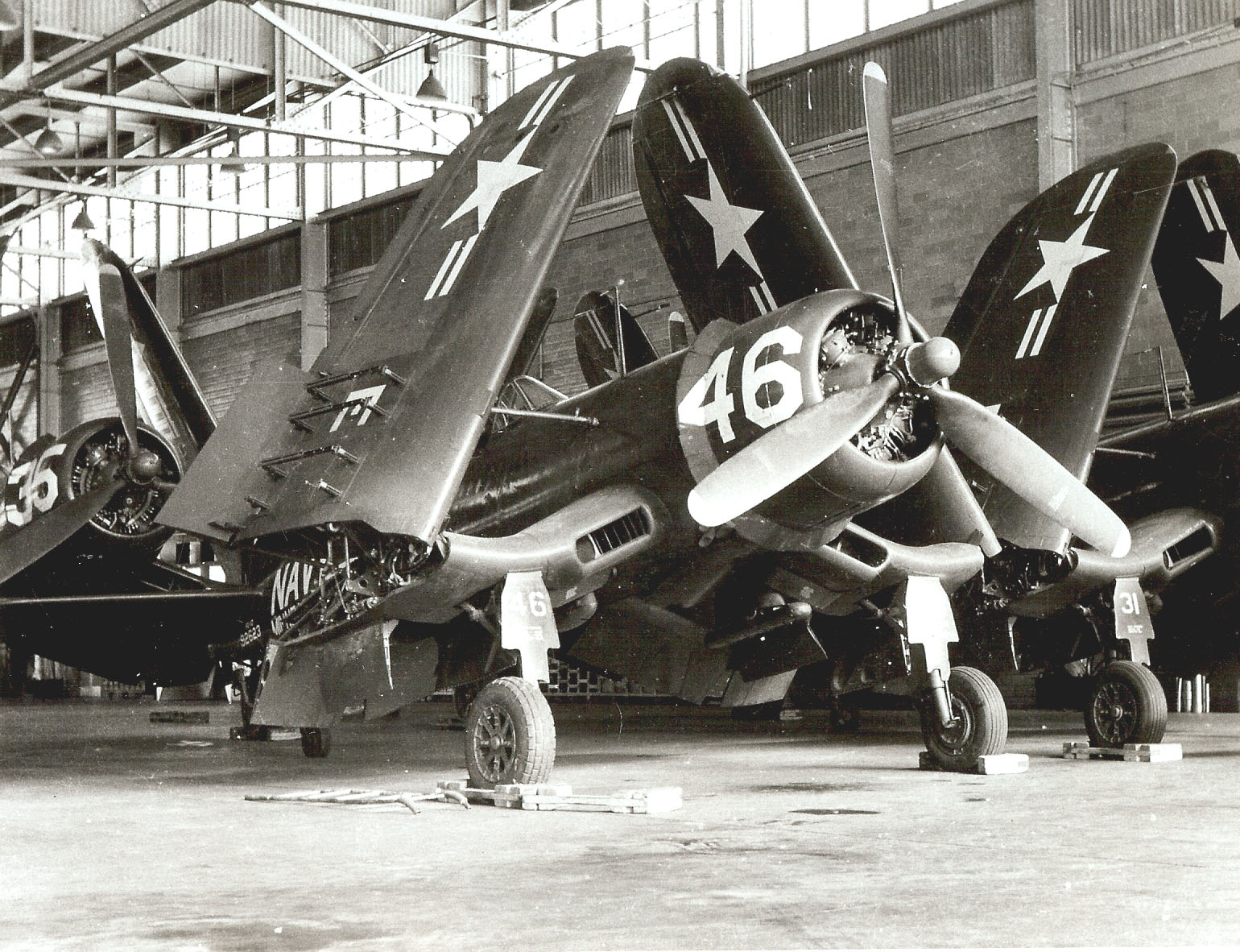
F4U Corsair overhaul NAS Jacksonville 1950 Korean War preparation
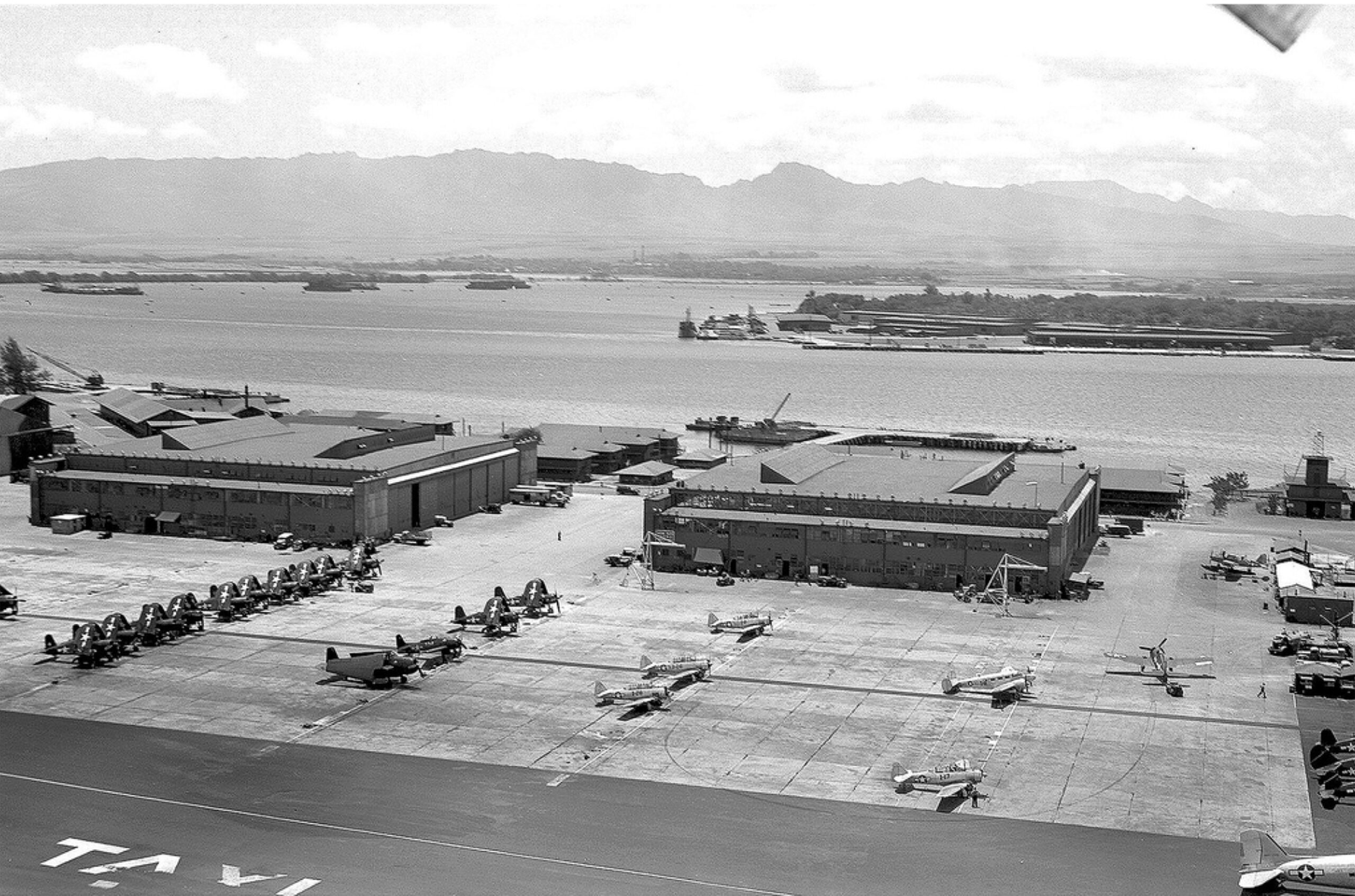
F4U Corsair overhaul NAS Jacksonville 1950 Korean War preparation
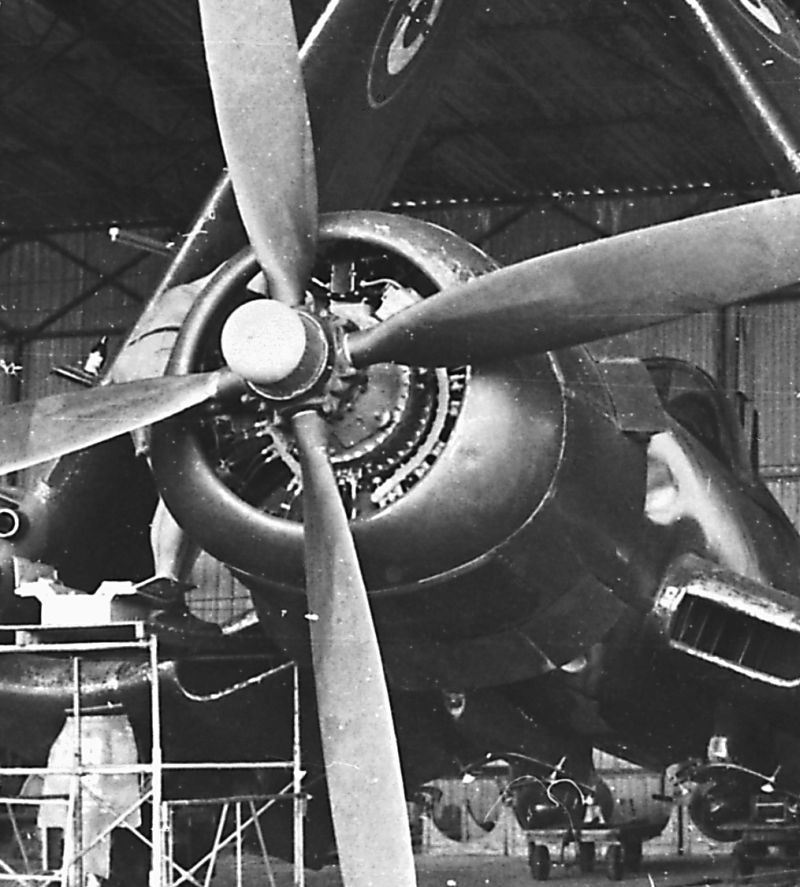
F4U Corsair overhaul NAS Jacksonville 1950 Korean War preparation

F4U Corsair overhaul NAS Jacksonville 1950 Korean War preparation
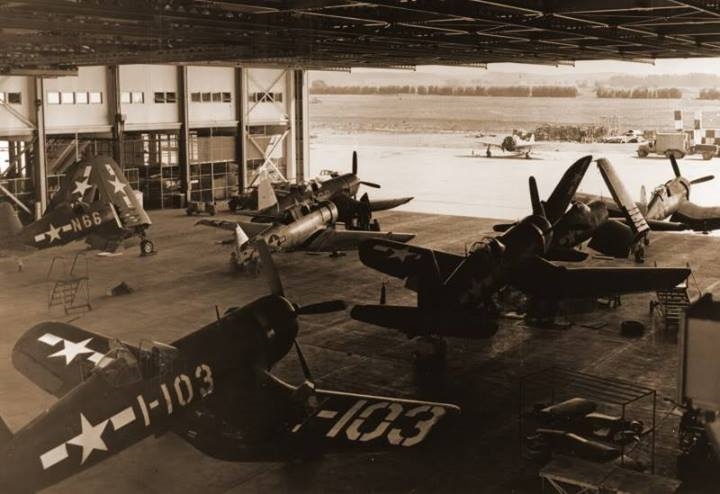
F4U Corsair overhaul NAS Jacksonville 1950 Korean War preparation
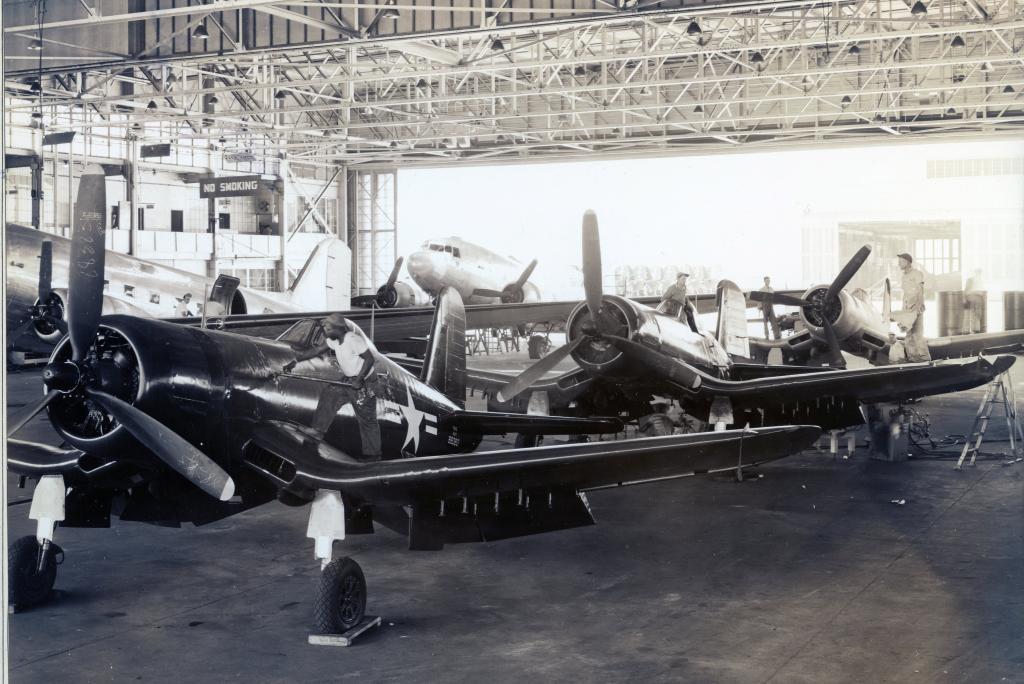
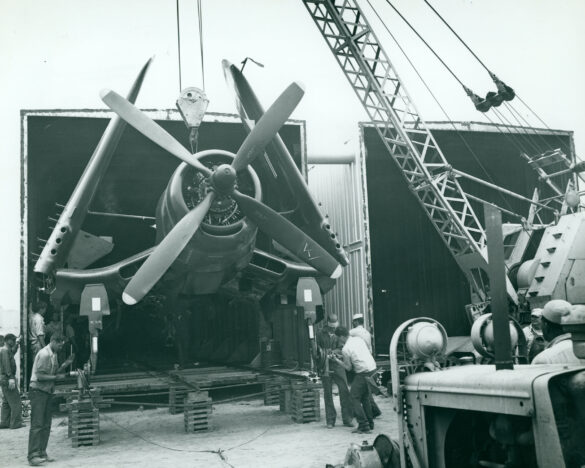
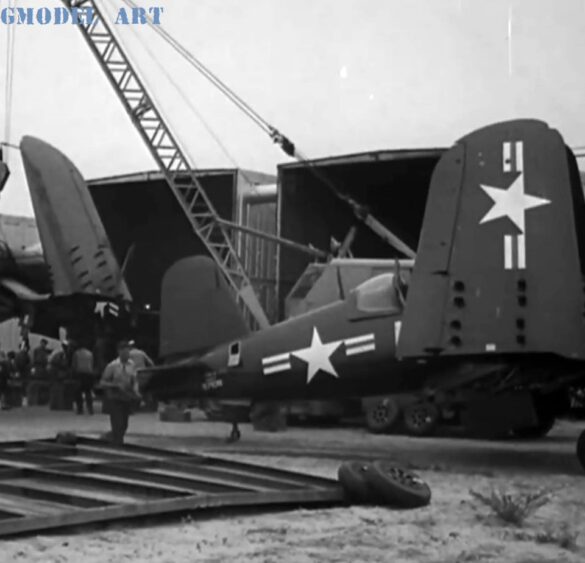
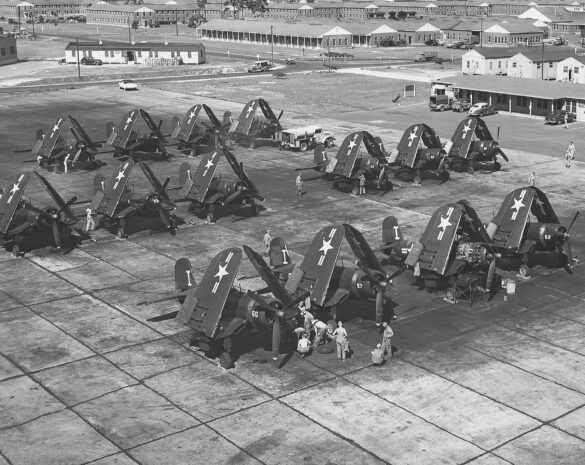
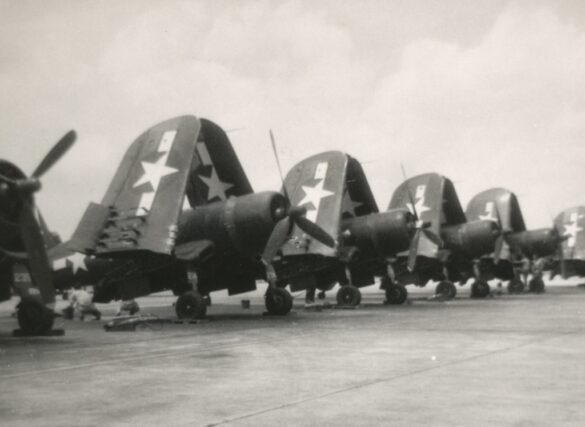
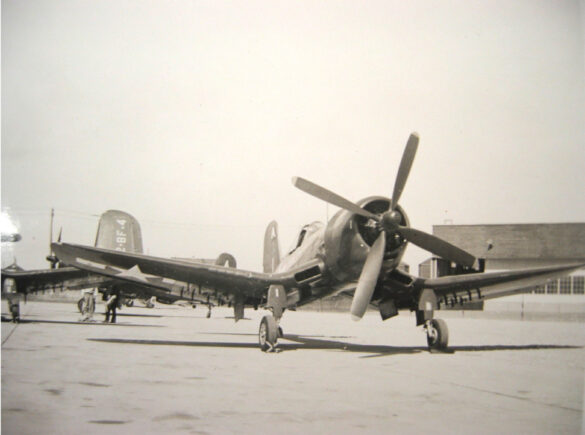
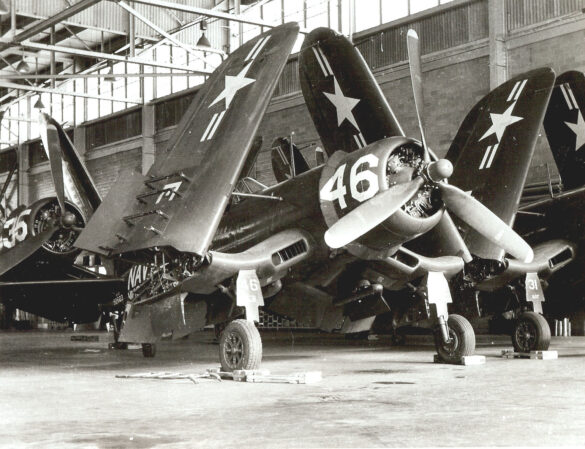
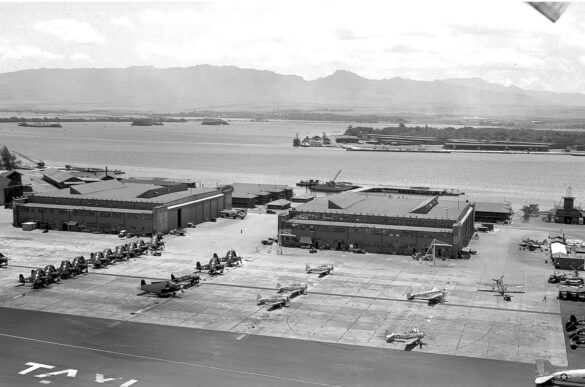
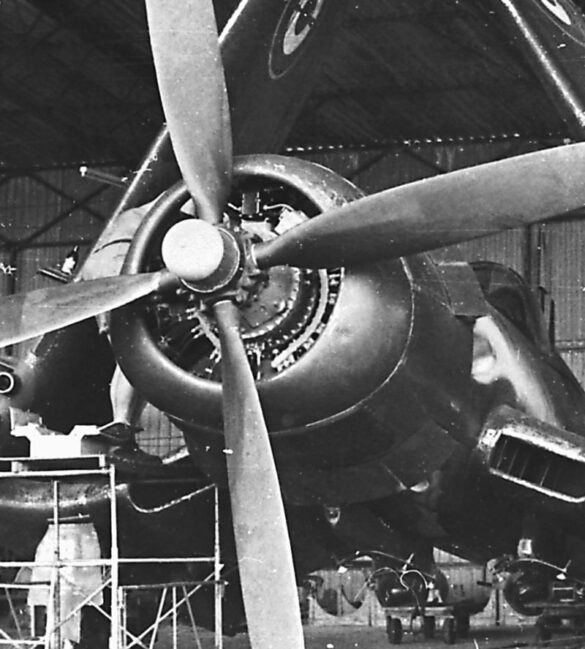
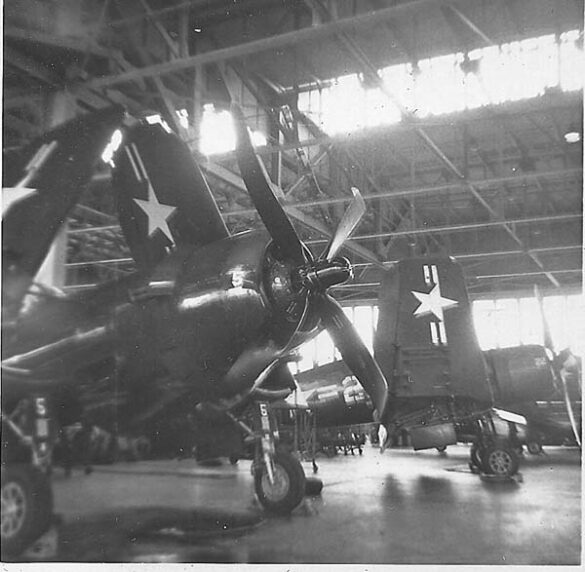
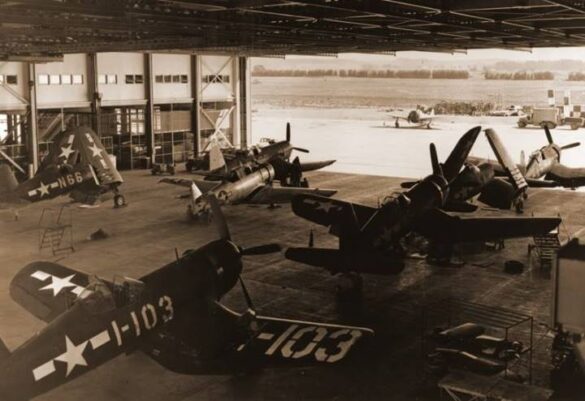
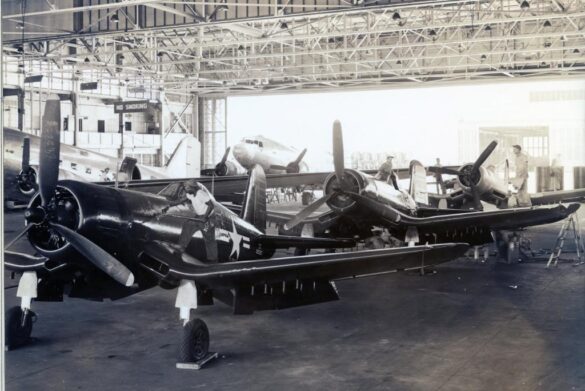
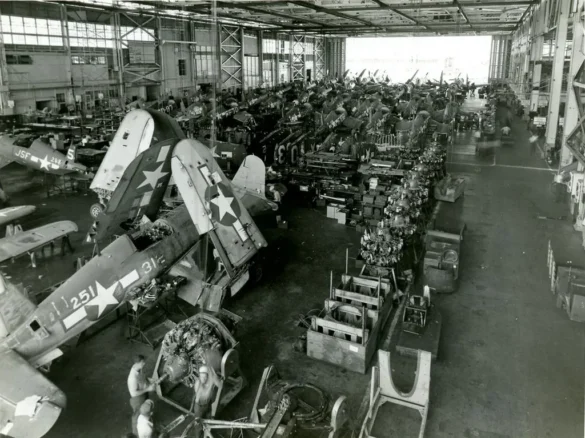
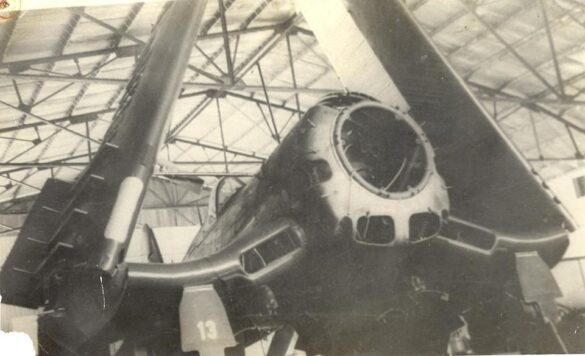
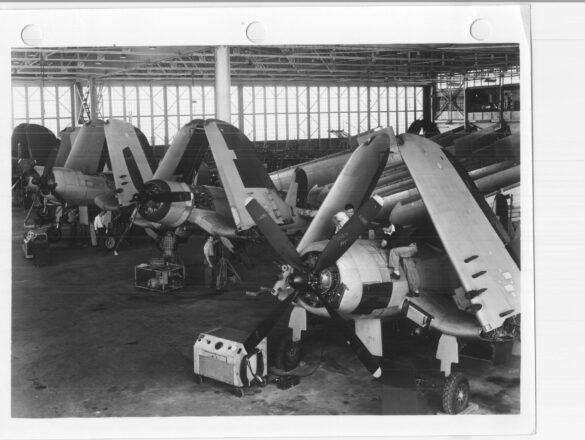
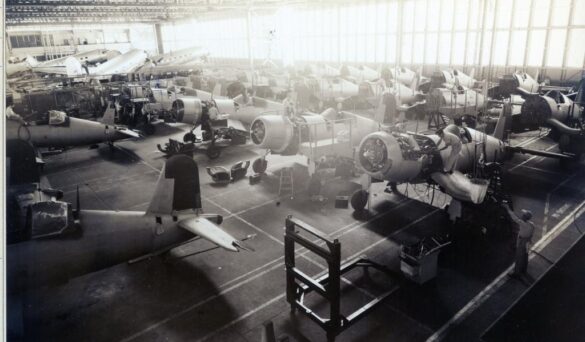
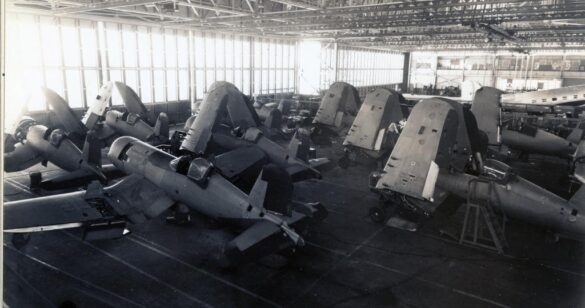
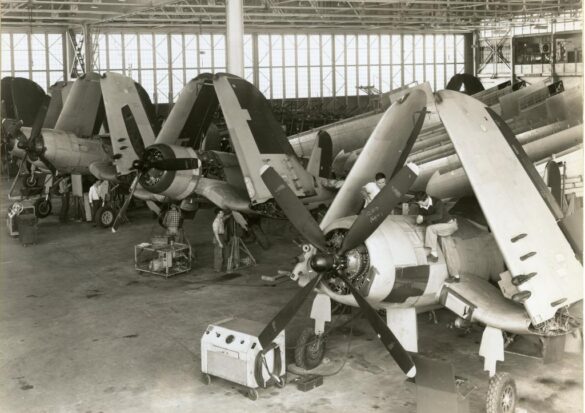
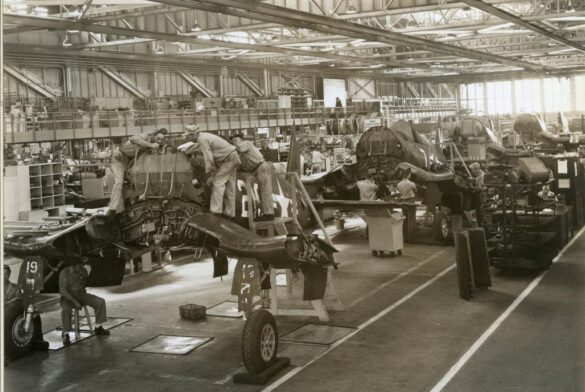
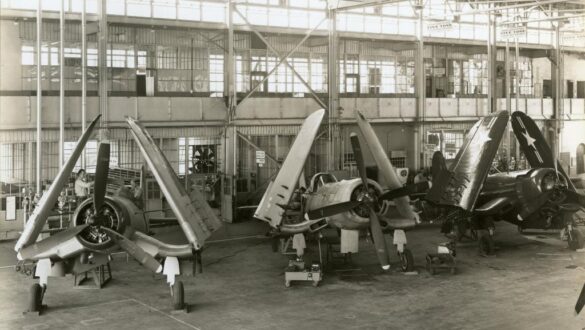
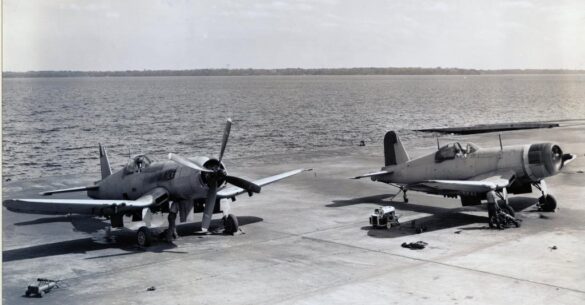
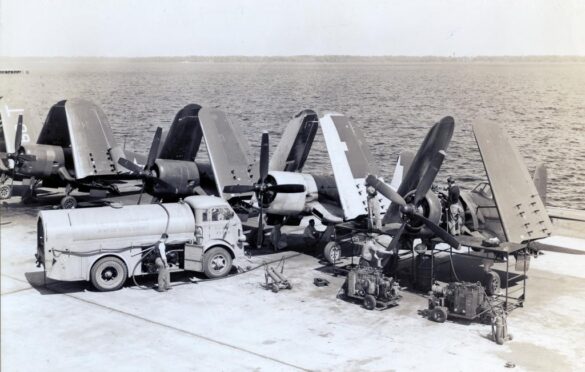
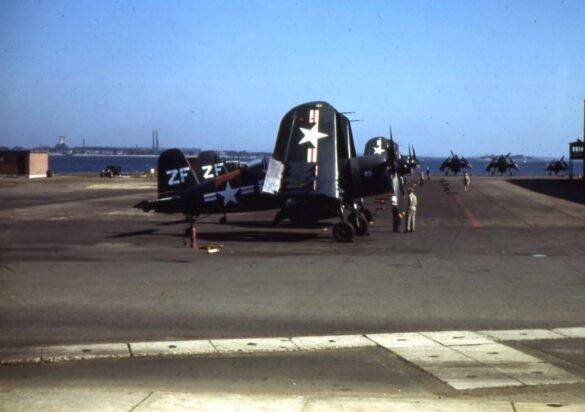
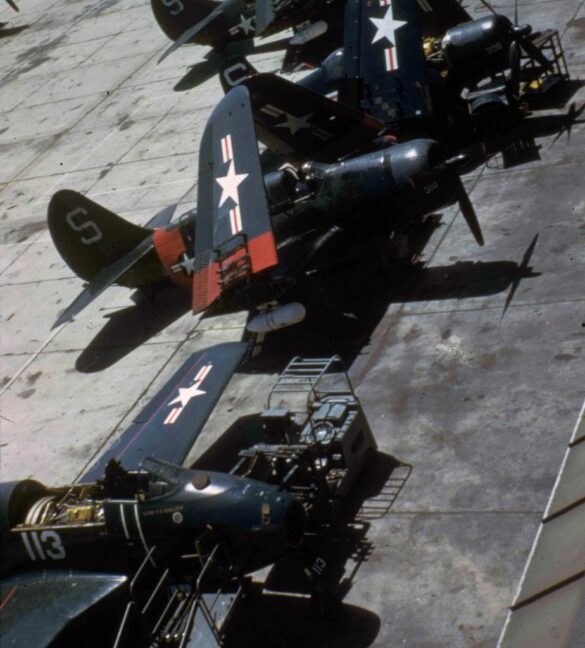
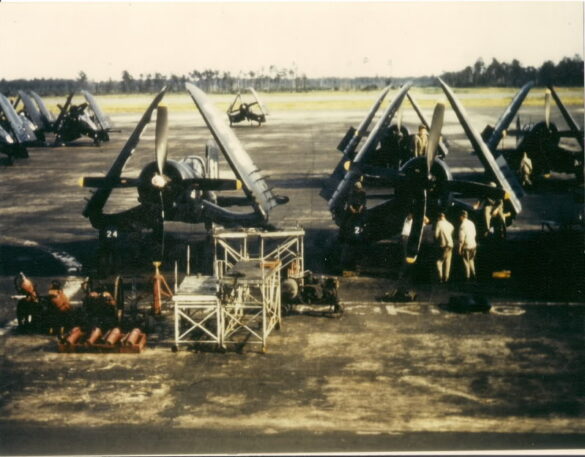
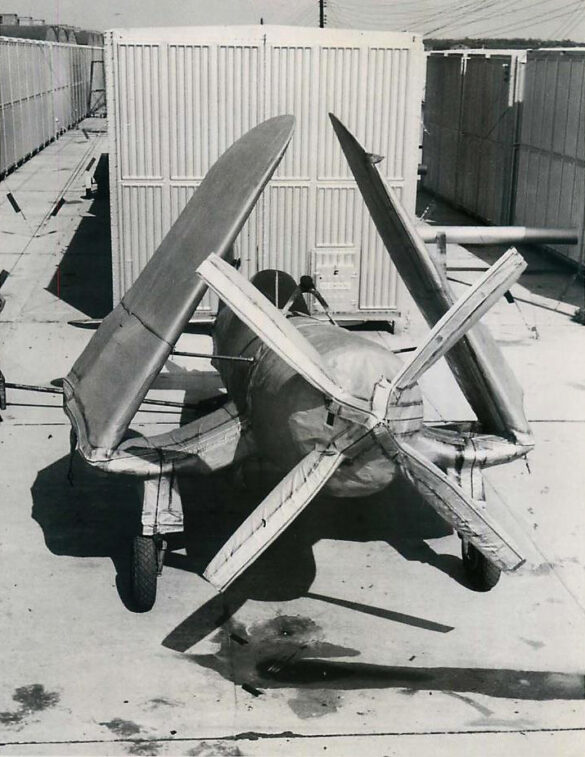
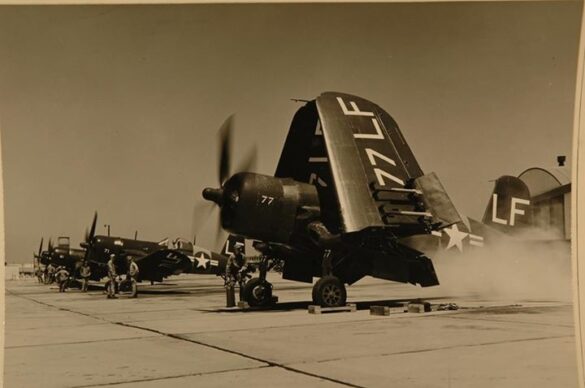
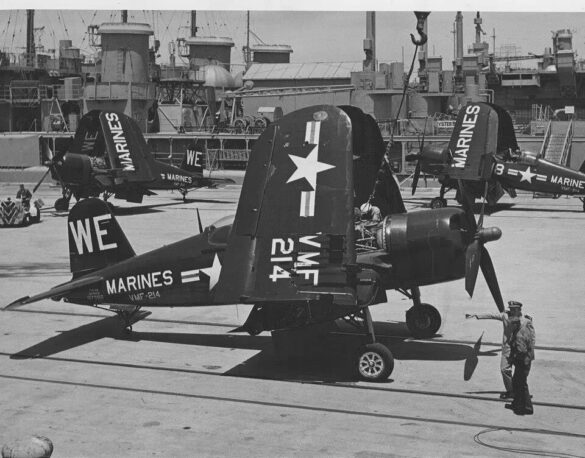
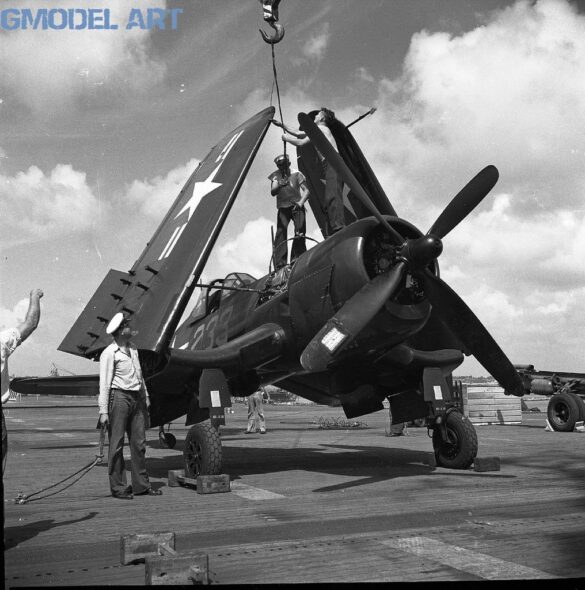
Dozens of Vought F4U Corsair fighters undergoing major overhaul and engine inspection at Naval Air Station Jacksonville in March 1950, just months before the outbreak of the Korean War.
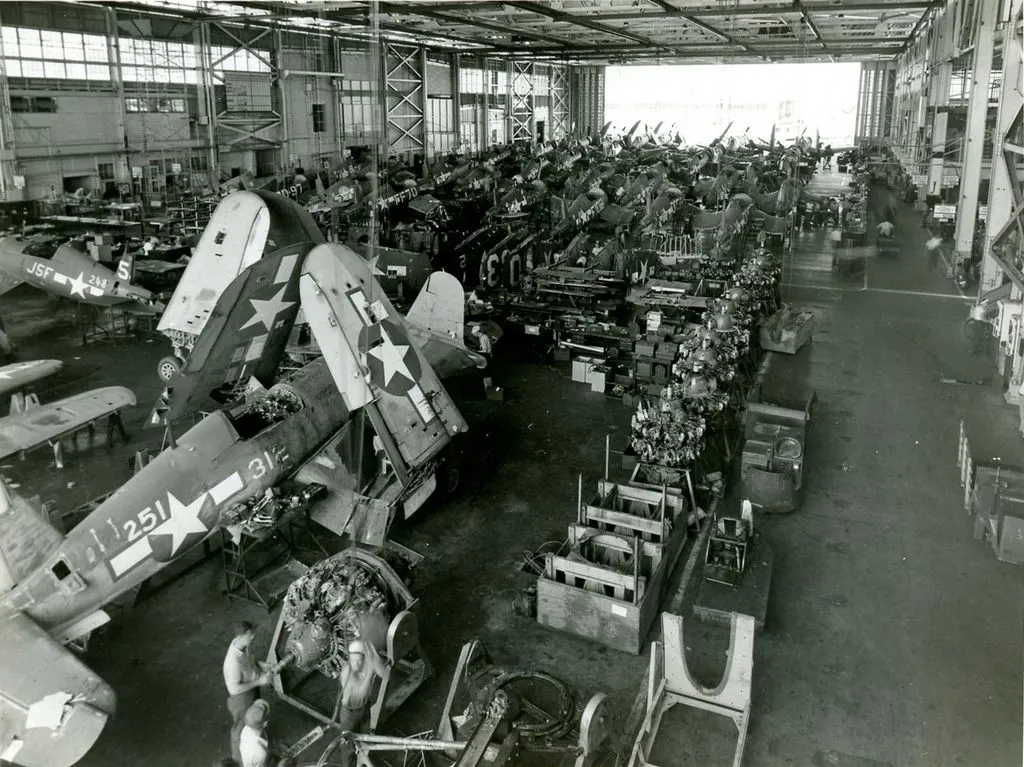
Dozens of Vought F4U Corsair fighters undergoing major overhaul and engine inspection at Naval Air Station Jacksonville in March 1950, just months before the outbreak of the Korean War.
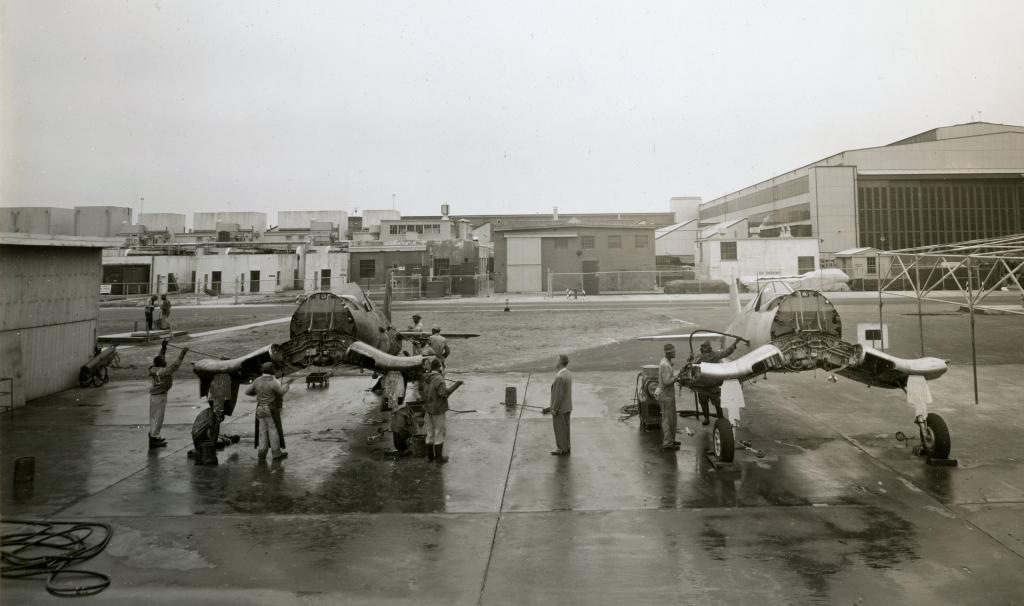
Dozens of Vought F4U Corsair fighters undergoing major overhaul and engine inspection at Naval Air Station Jacksonville in March 1950, just months before the outbreak of the Korean War.
Dozens of Vought F4U Corsair fighters undergoing major overhaul and engine inspection at Naval Air Station Jacksonville in March 1950, just months before the outbreak of the Korean War.
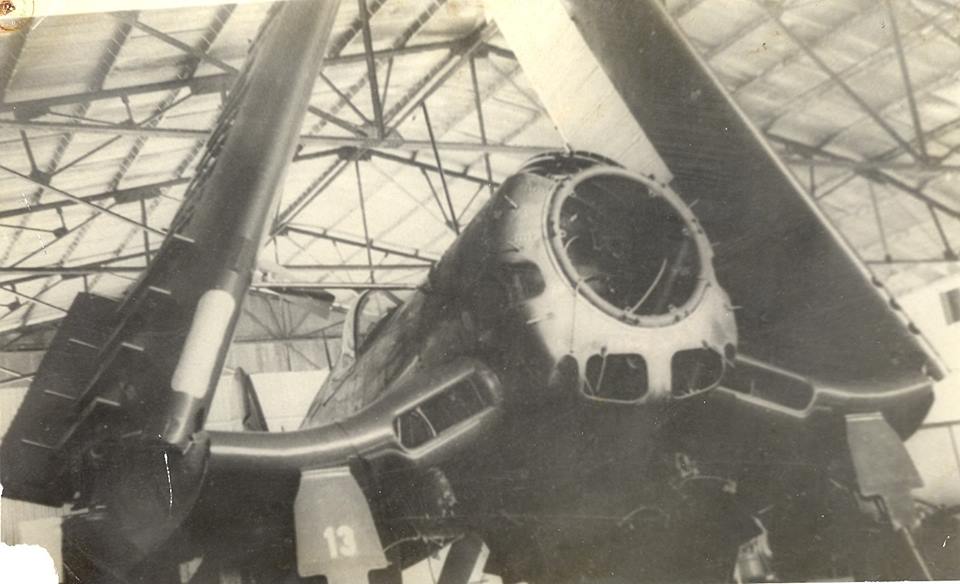
Dozens of Vought F4U Corsair fighters undergoing major overhaul and engine inspection at Naval Air Station Jacksonville in March 1950, just months before the outbreak of the Korean War.
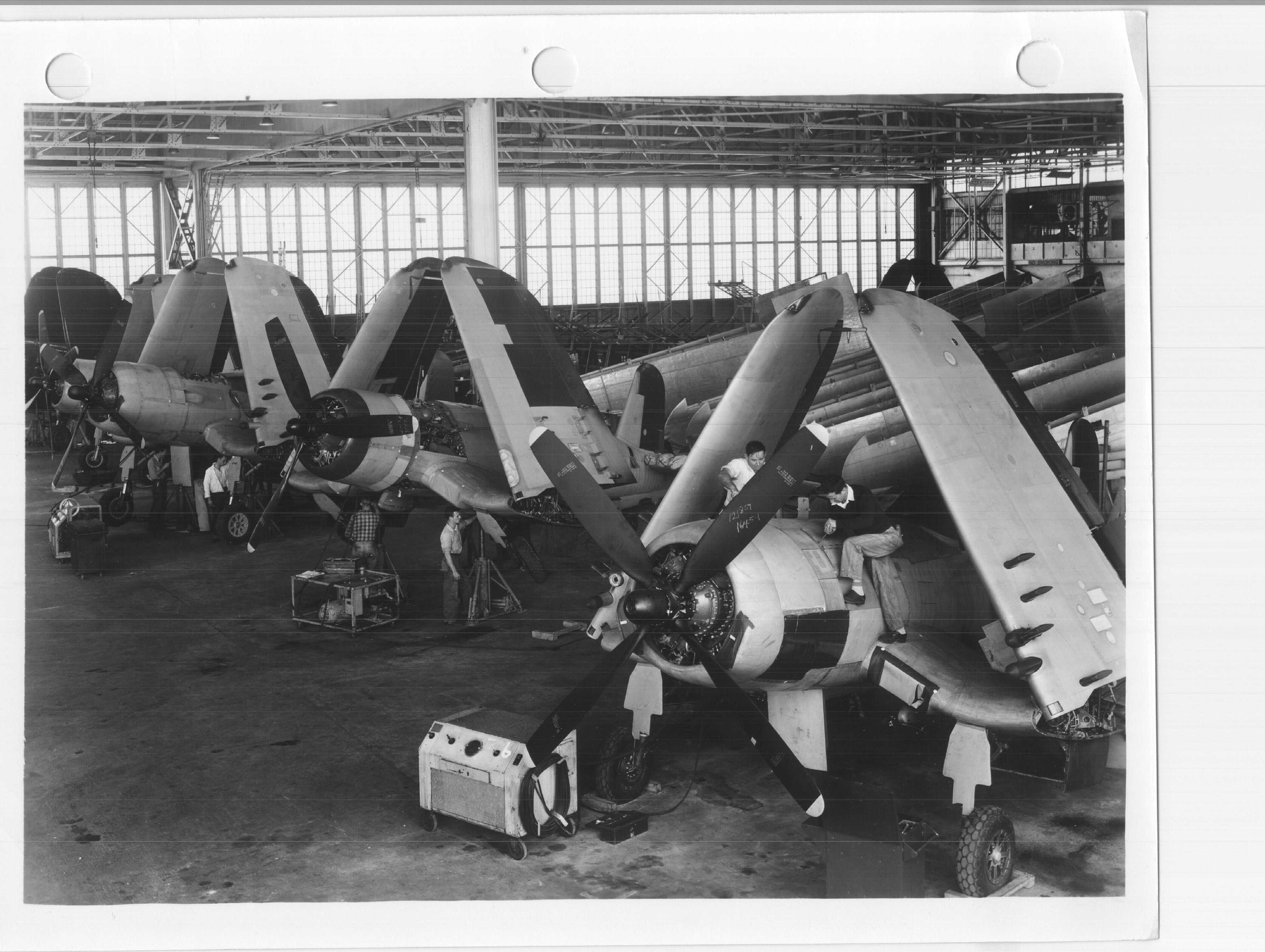
Dozens of Vought F4U Corsair fighters undergoing major overhaul and engine inspection at Naval Air Station Jacksonville in March 1950, just months before the outbreak of the Korean War.
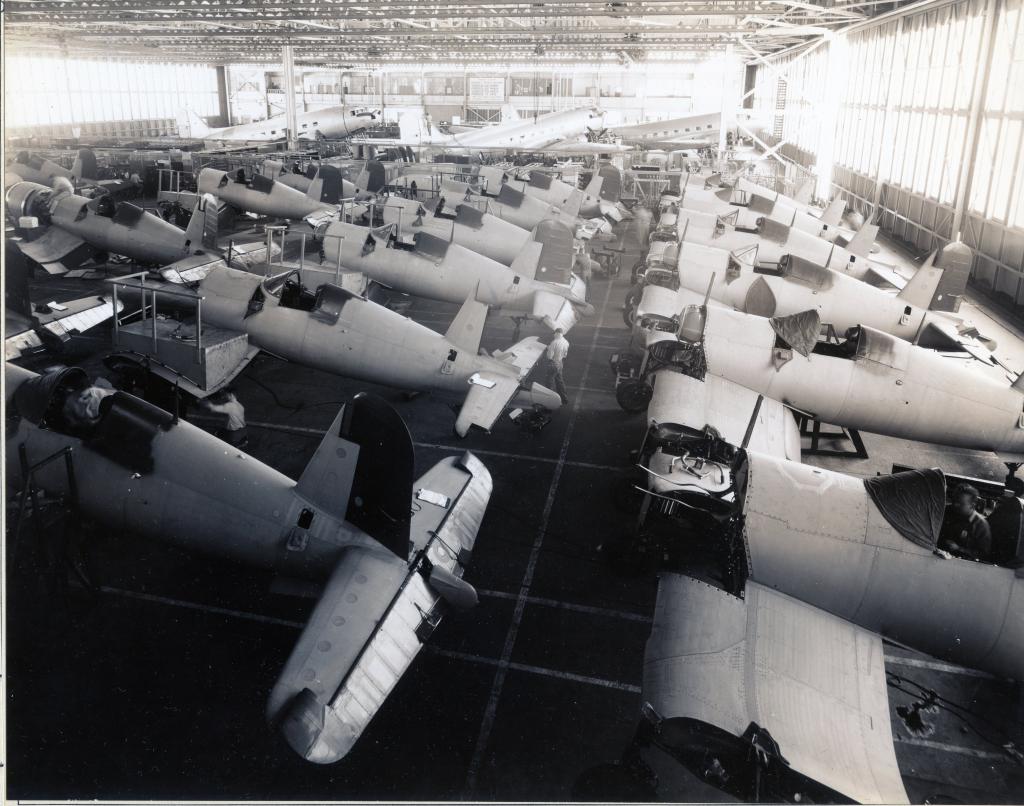
Dozens of Vought F4U Corsair fighters undergoing major overhaul and engine inspection at Naval Air Station Jacksonville in March 1950, just months before the outbreak of the Korean War.
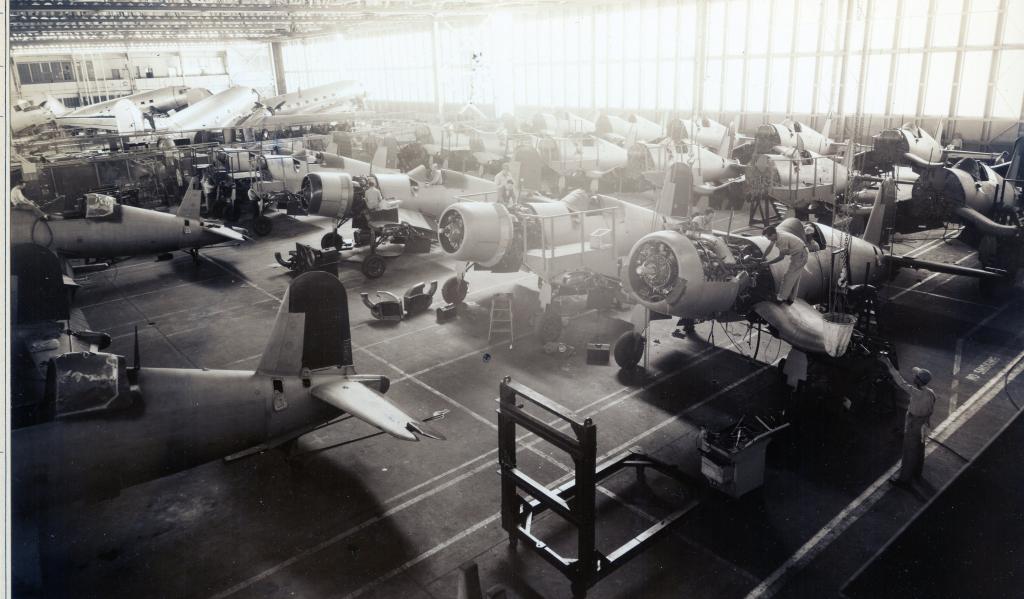
Dozens of Vought F4U Corsair fighters undergoing major overhaul and engine inspection at Naval Air Station Jacksonville in March 1950, just months before the outbreak of the Korean War.
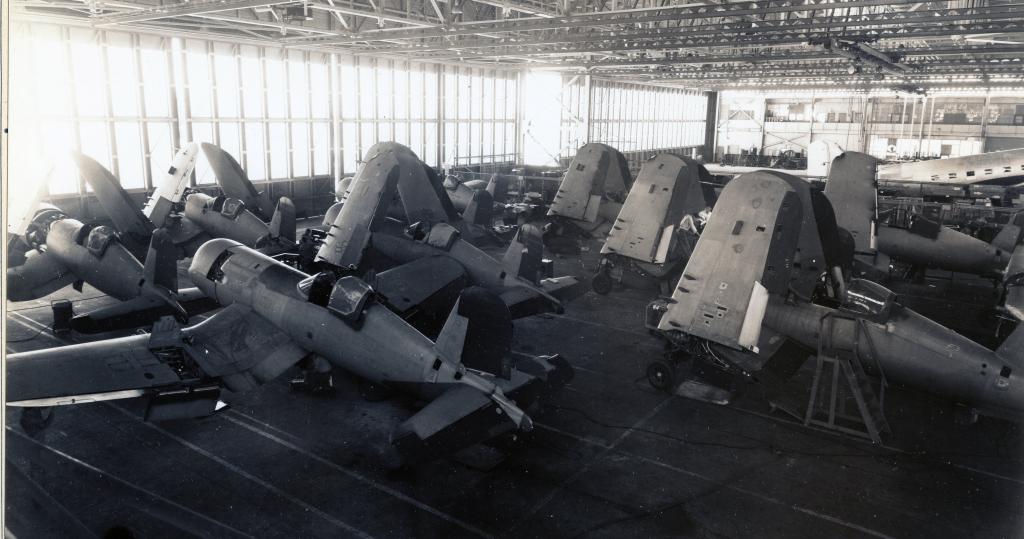
Dozens of Vought F4U Corsair fighters undergoing major overhaul and engine inspection at Naval Air Station Jacksonville in March 1950, just months before the outbreak of the Korean War.
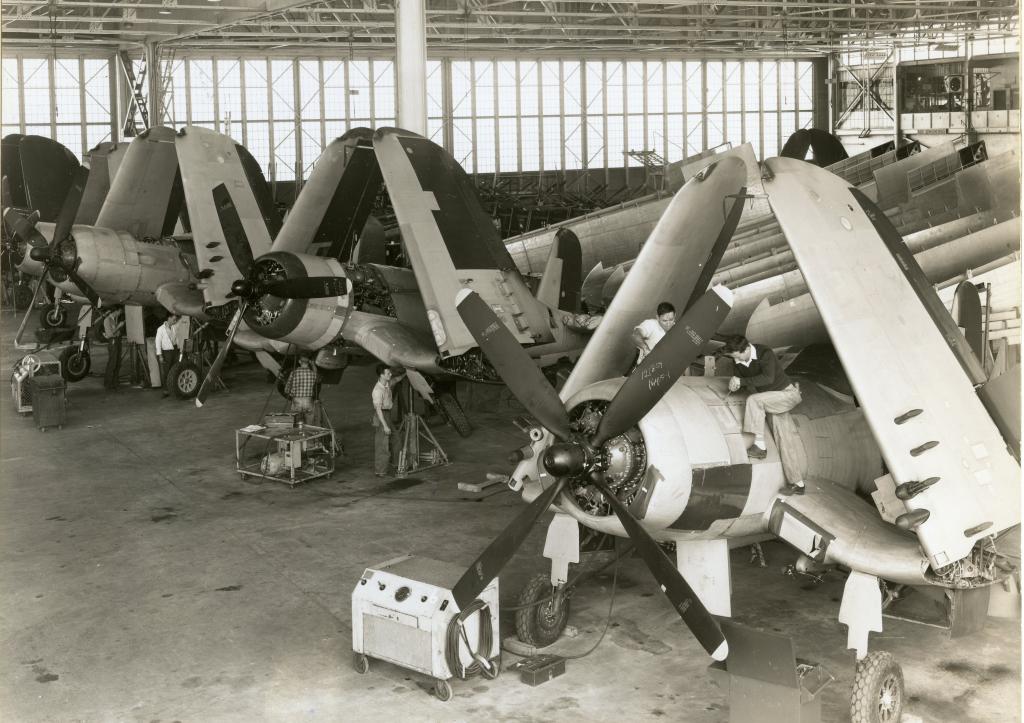
Dozens of Vought F4U Corsair fighters undergoing major overhaul and engine inspection at Naval Air Station Jacksonville in March 1950, just months before the outbreak of the Korean War.
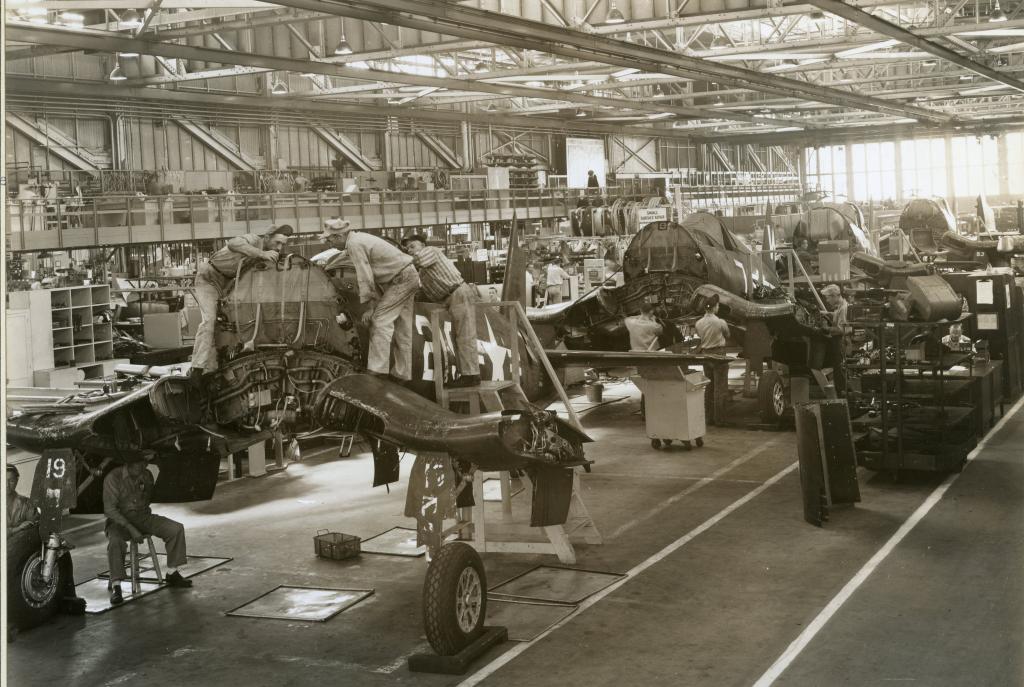
Dozens of Vought F4U Corsair fighters undergoing major overhaul and engine inspection at Naval Air Station Jacksonville in March 1950, just months before the outbreak of the Korean War.
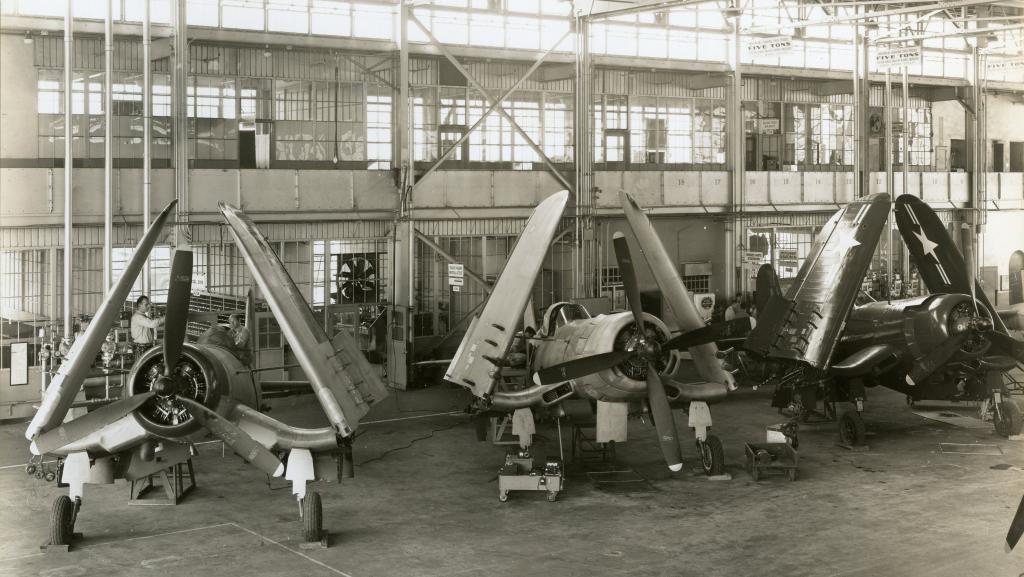
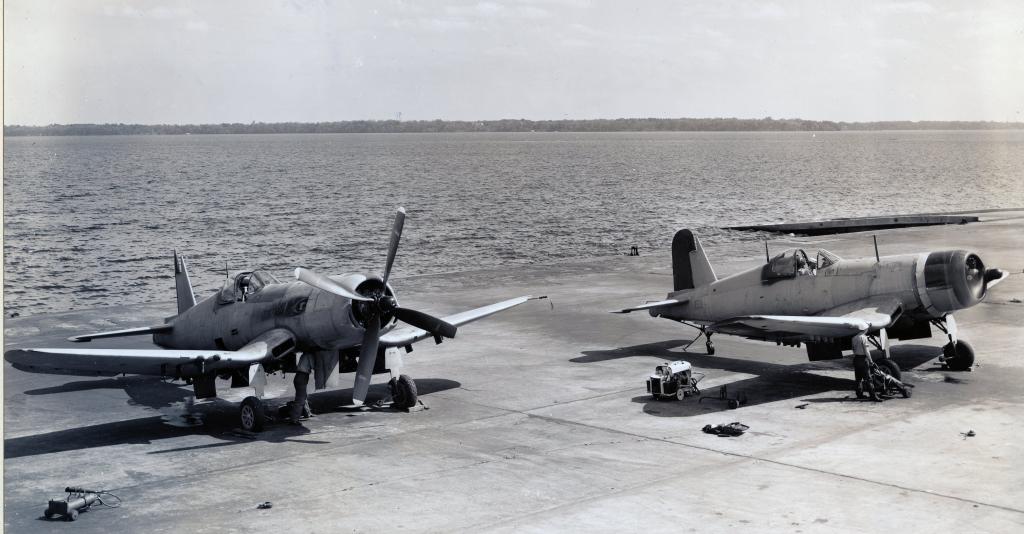
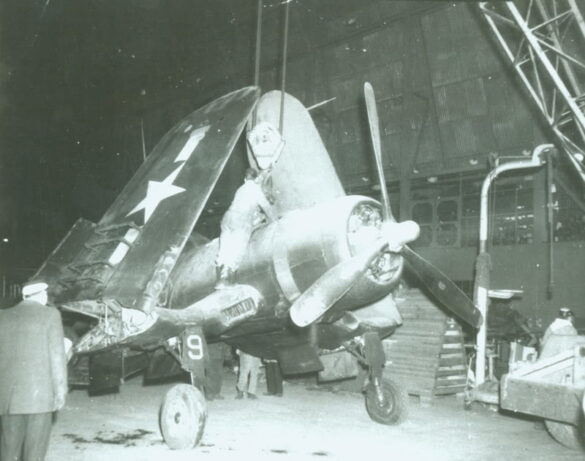
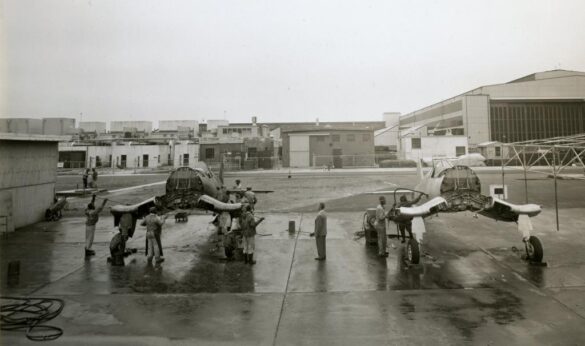
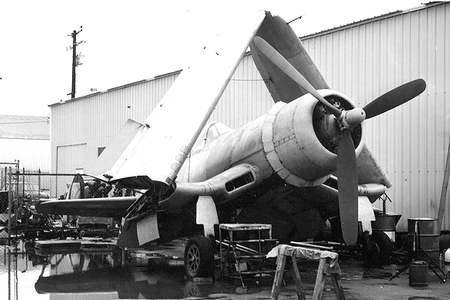
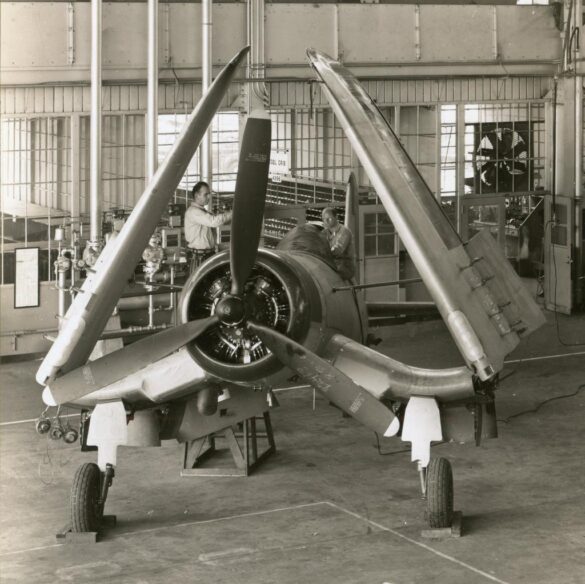
Early Corsair wing panels with fabric-covered control surfaces being repainted while the fuselage remains stripped to bare metal.
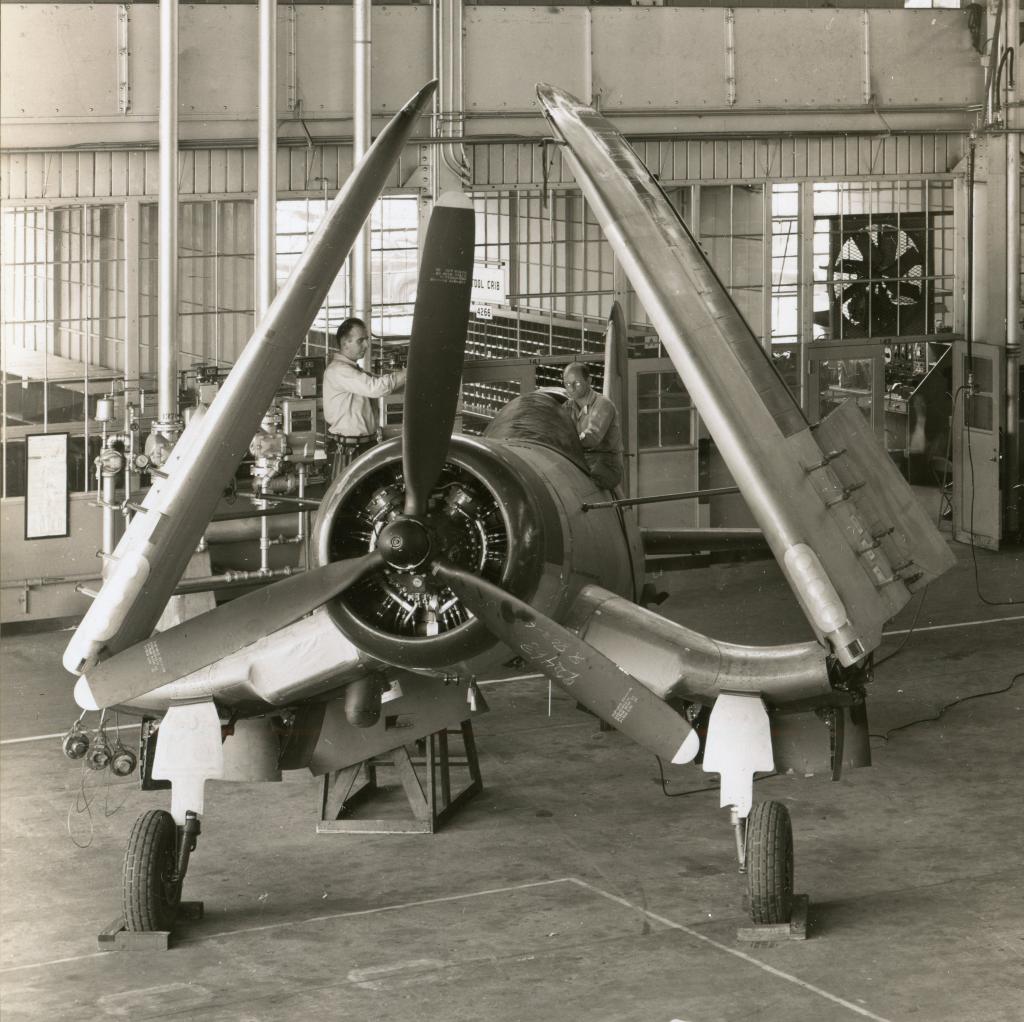
Early Corsair wing panels with fabric-covered control surfaces being repainted while the fuselage remains stripped to bare metal.
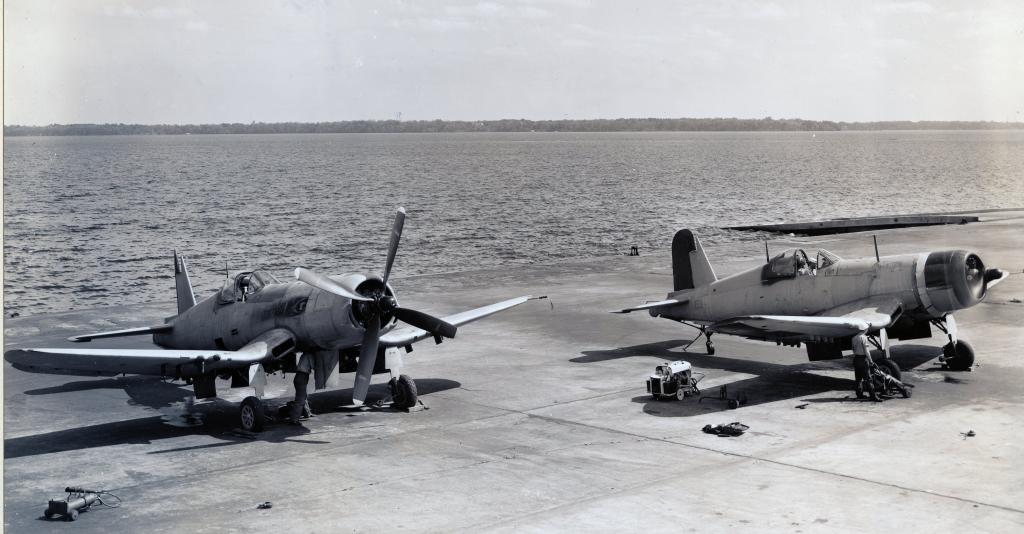
Early Corsair wing panels with fabric-covered control surfaces being repainted while the fuselage remains stripped to bare metal.
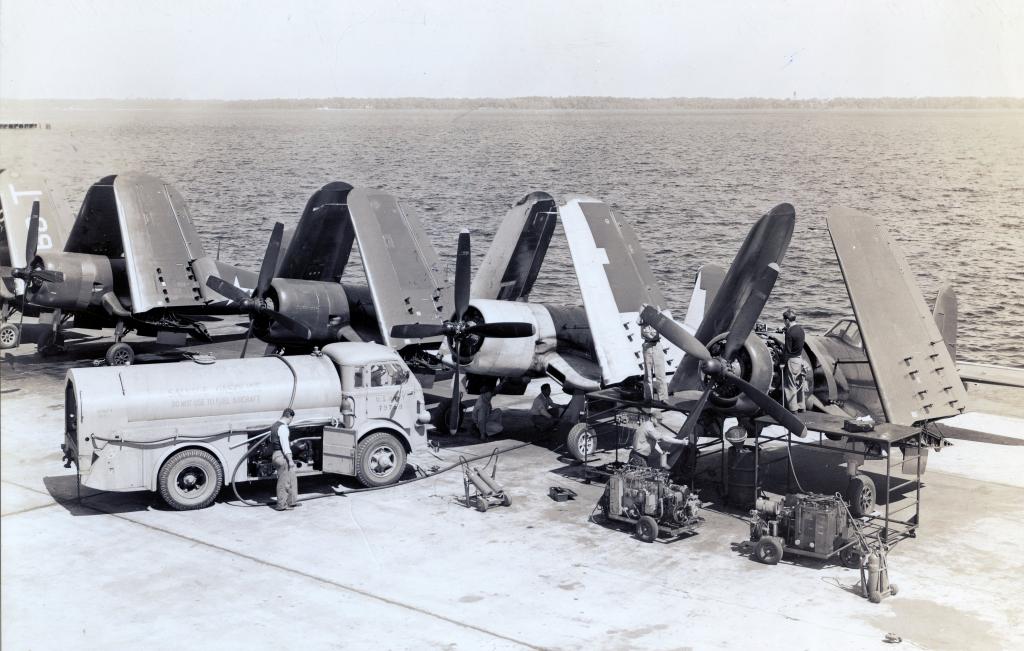
Early Corsair wing panels with fabric-covered control surfaces being repainted while the fuselage remains stripped to bare metal.
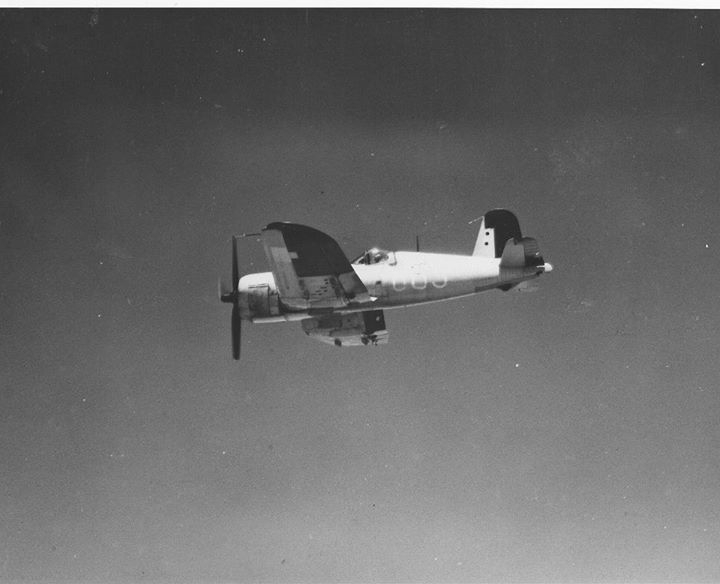
Early Corsair wing panels with fabric-covered control surfaces being repainted while the fuselage remains stripped to bare metal.
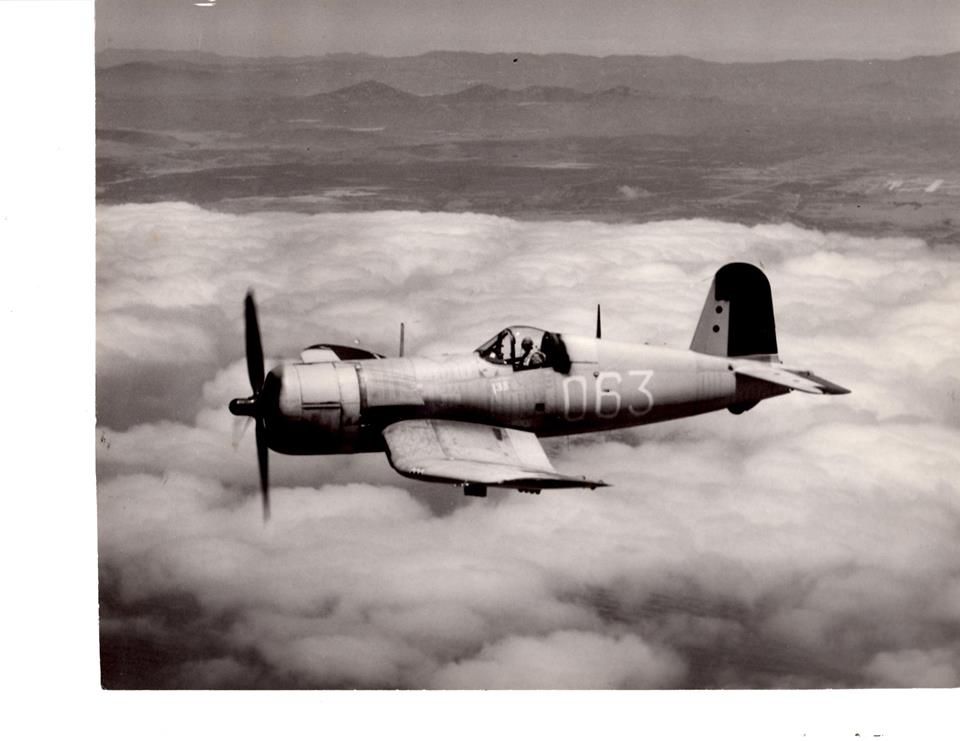
Early Corsair wing panels with fabric-covered control surfaces being repainted while the fuselage remains stripped to bare metal.
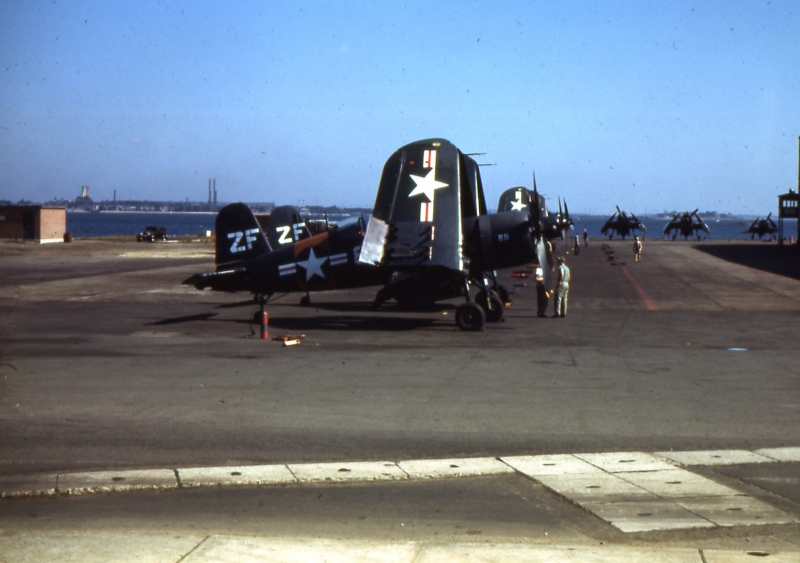
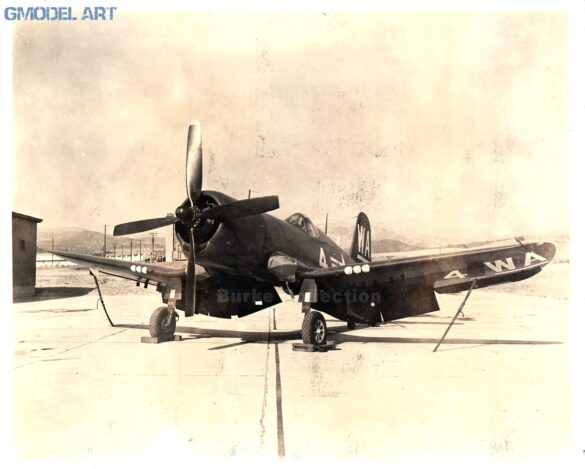
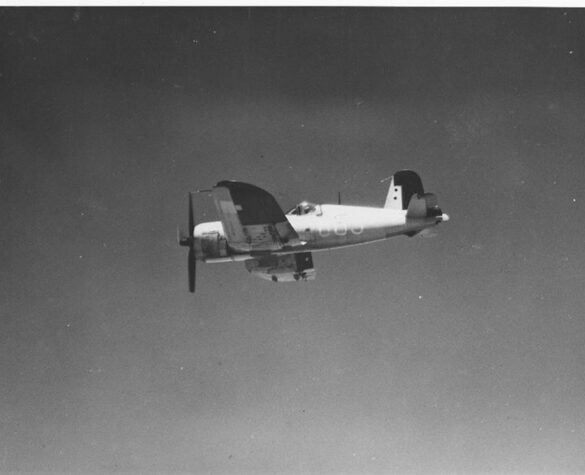
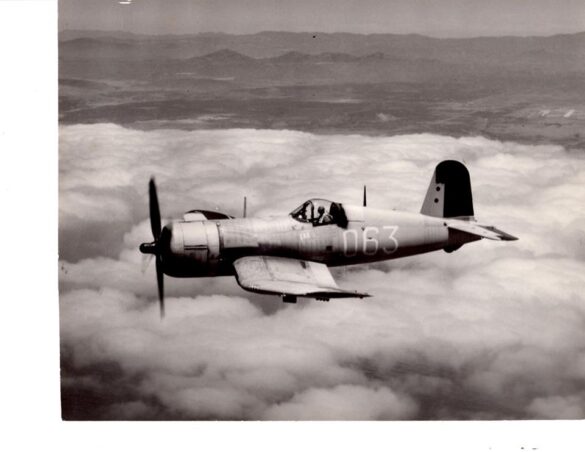
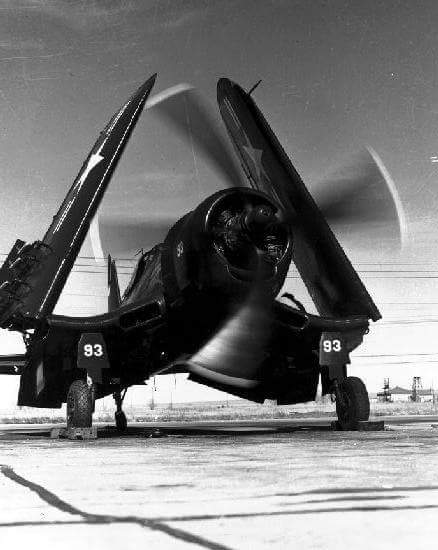
The standard U.S. Navy finish for Corsairs during the Korean War was overall Glossy Sea Blue ANA 623.
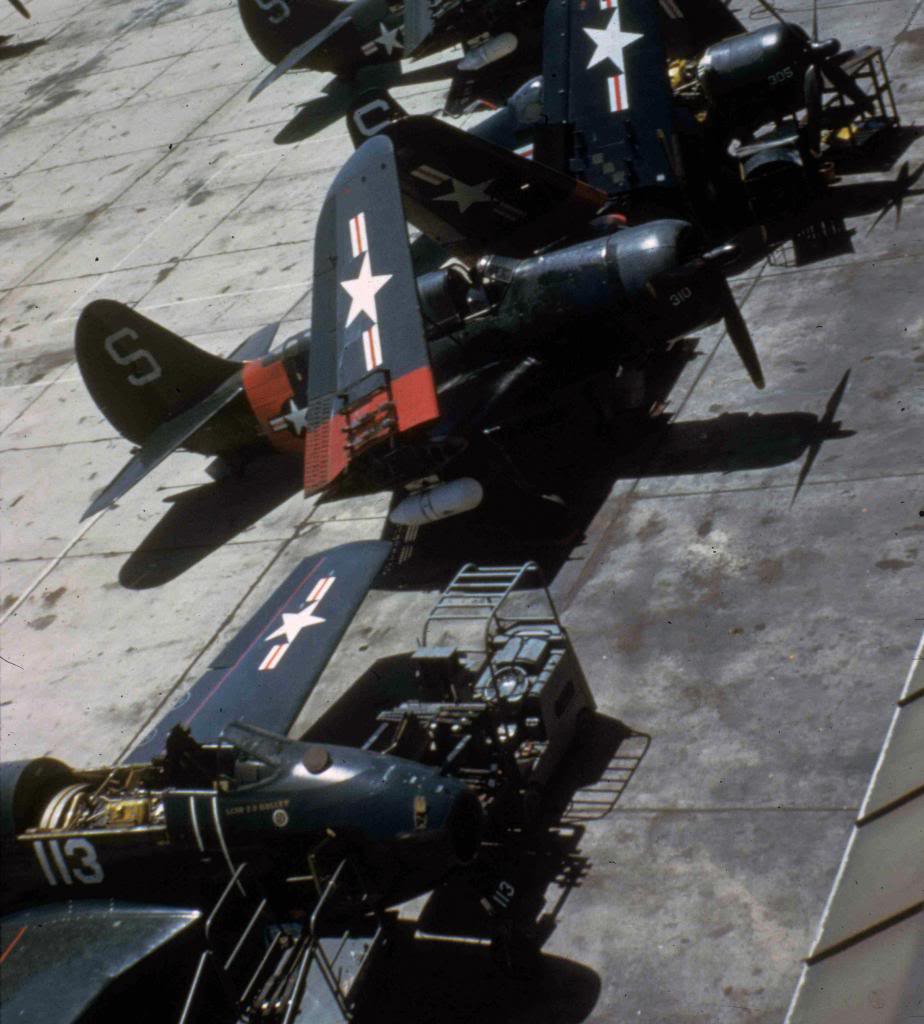
The standard U.S. Navy finish for Corsairs during the Korean War was overall Glossy Sea Blue ANA 623.
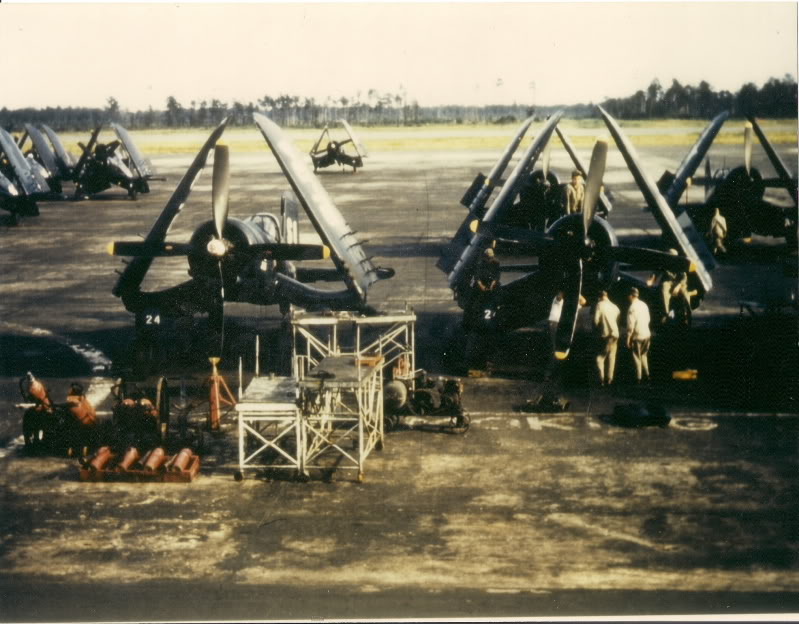
The standard U.S. Navy finish for Corsairs during the Korean War was overall Glossy Sea Blue ANA 623.
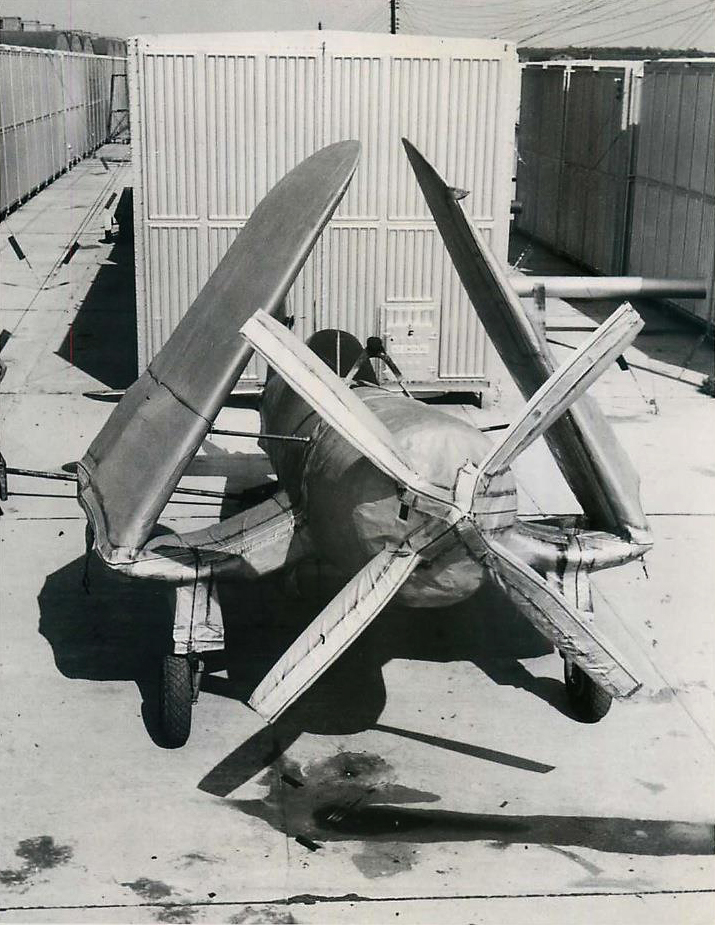
The standard U.S. Navy finish for Corsairs during the Korean War was overall Glossy Sea Blue ANA 623.
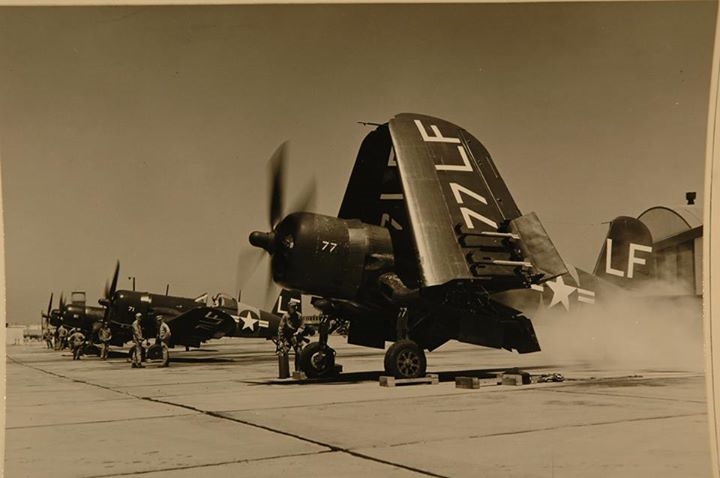
The standard U.S. Navy finish for Corsairs during the Korean War was overall Glossy Sea Blue ANA 623.
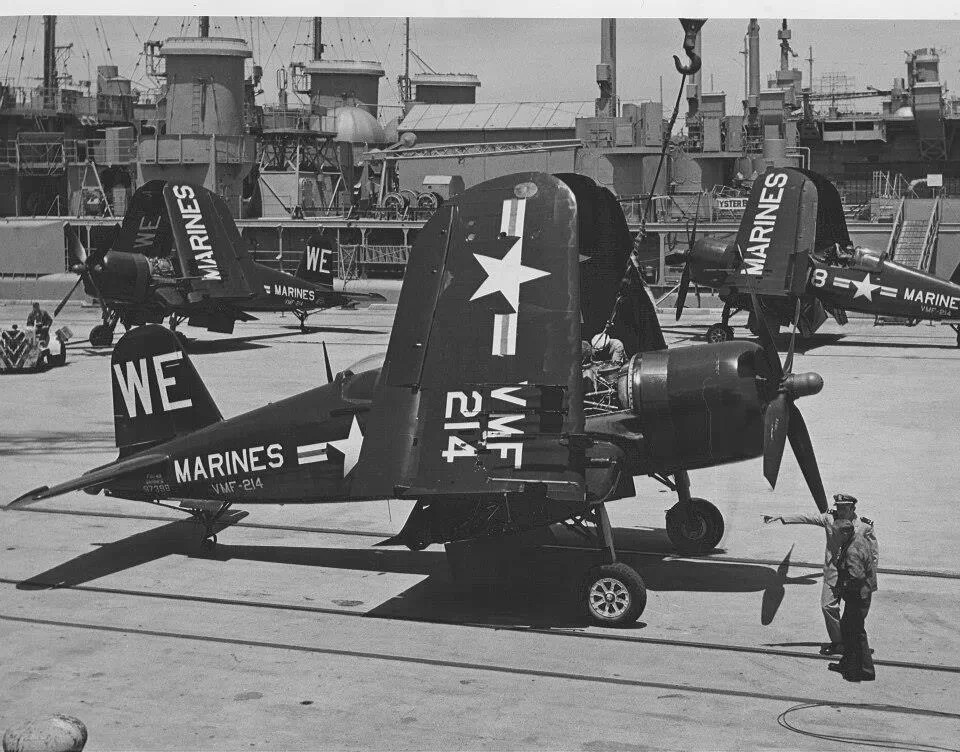
The standard U.S. Navy finish for Corsairs during the Korean War was overall Glossy Sea Blue ANA 623.
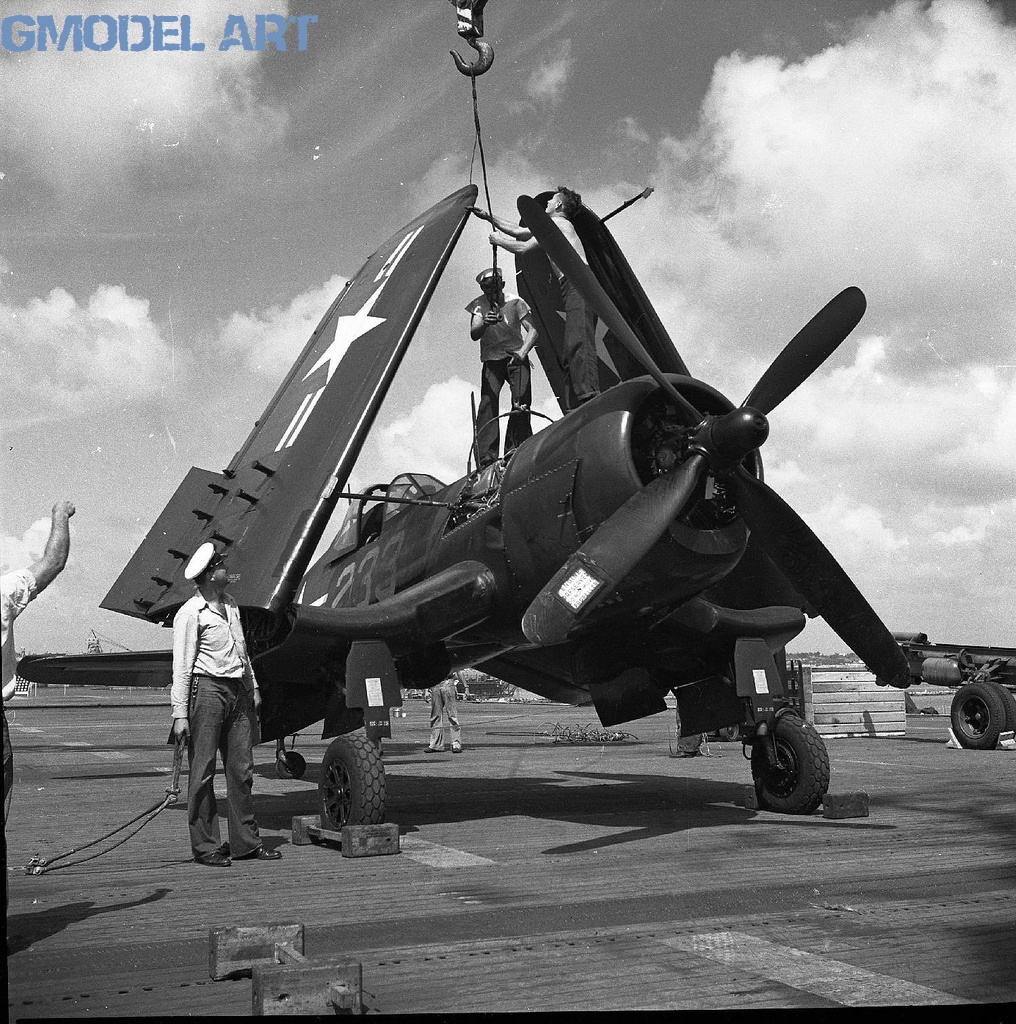
The standard U.S. Navy finish for Corsairs during the Korean War was overall Glossy Sea Blue ANA 623.
The standard U.S. Navy finish for Corsairs during the Korean War was overall Glossy Sea Blue ANA 623.
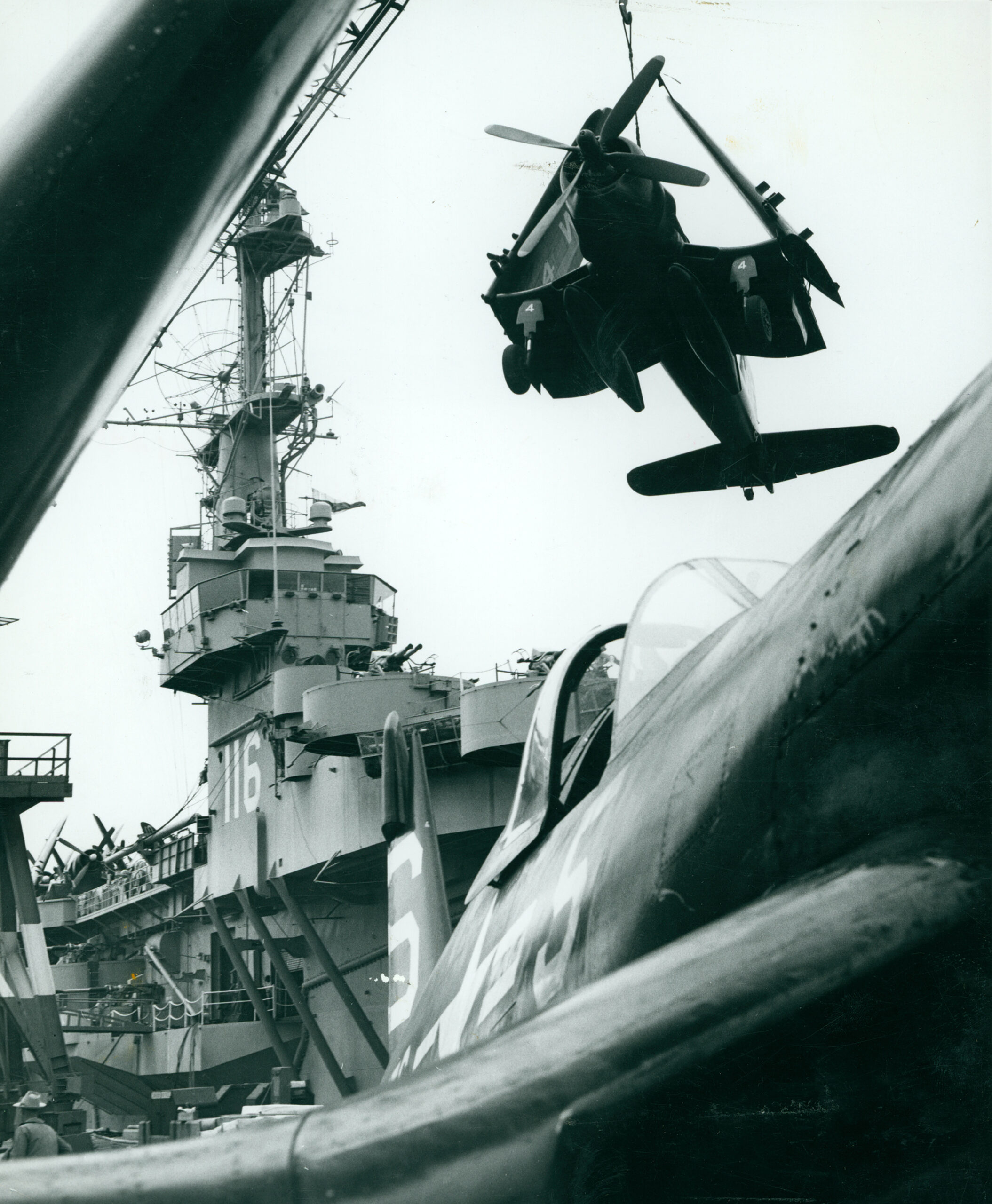
The standard U.S. Navy finish for Corsairs during the Korean War was overall Glossy Sea Blue ANA 623.
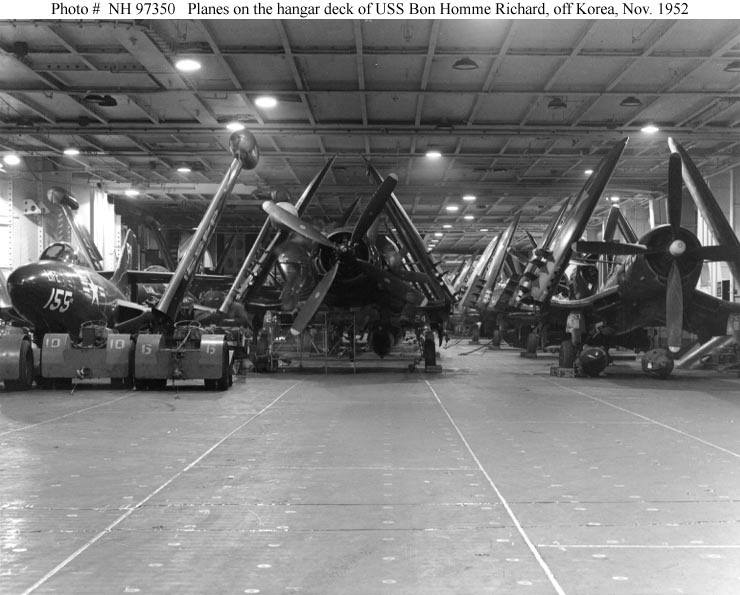
The standard U.S. Navy finish for Corsairs during the Korean War was overall Glossy Sea Blue ANA 623.