article
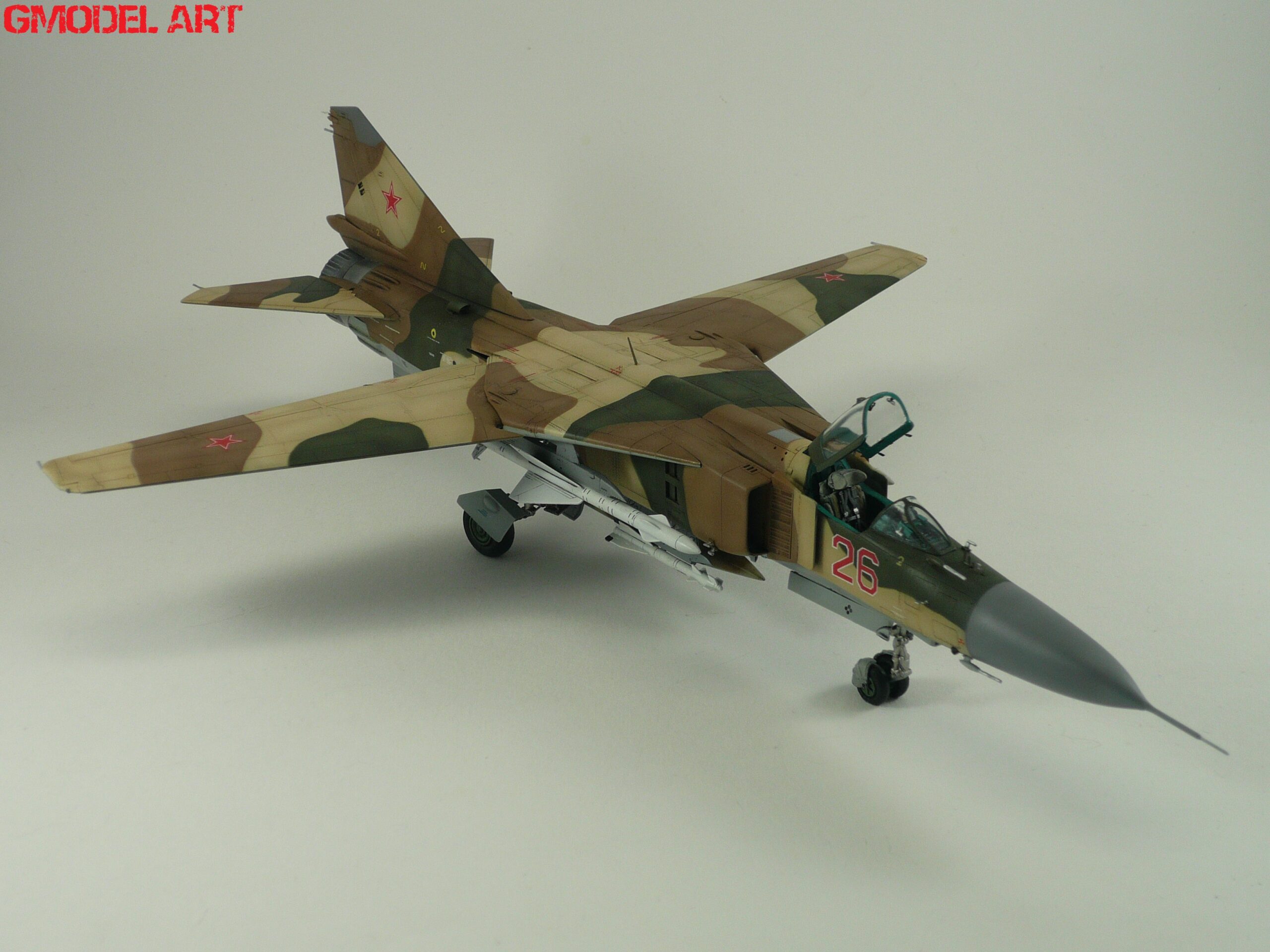
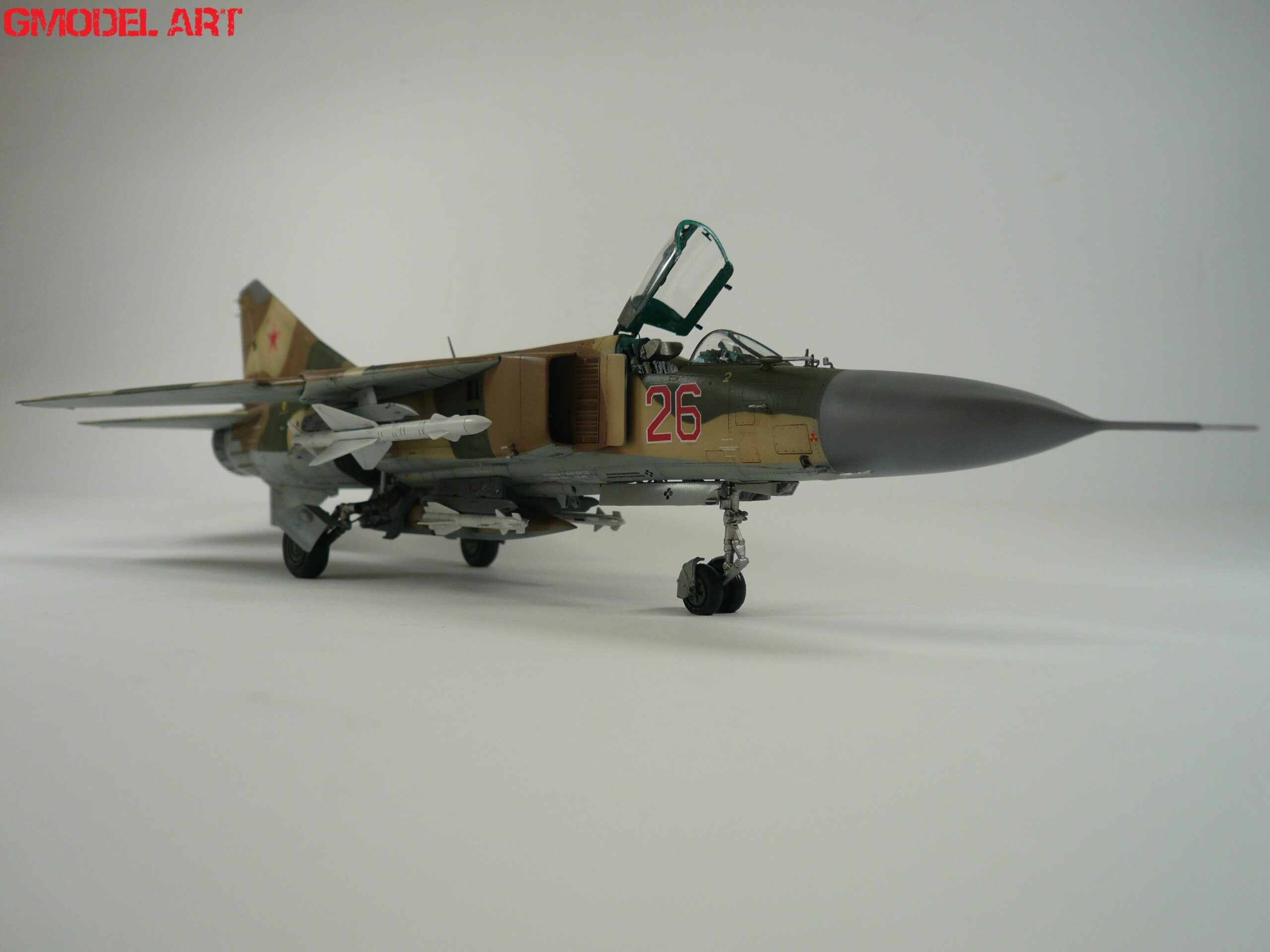
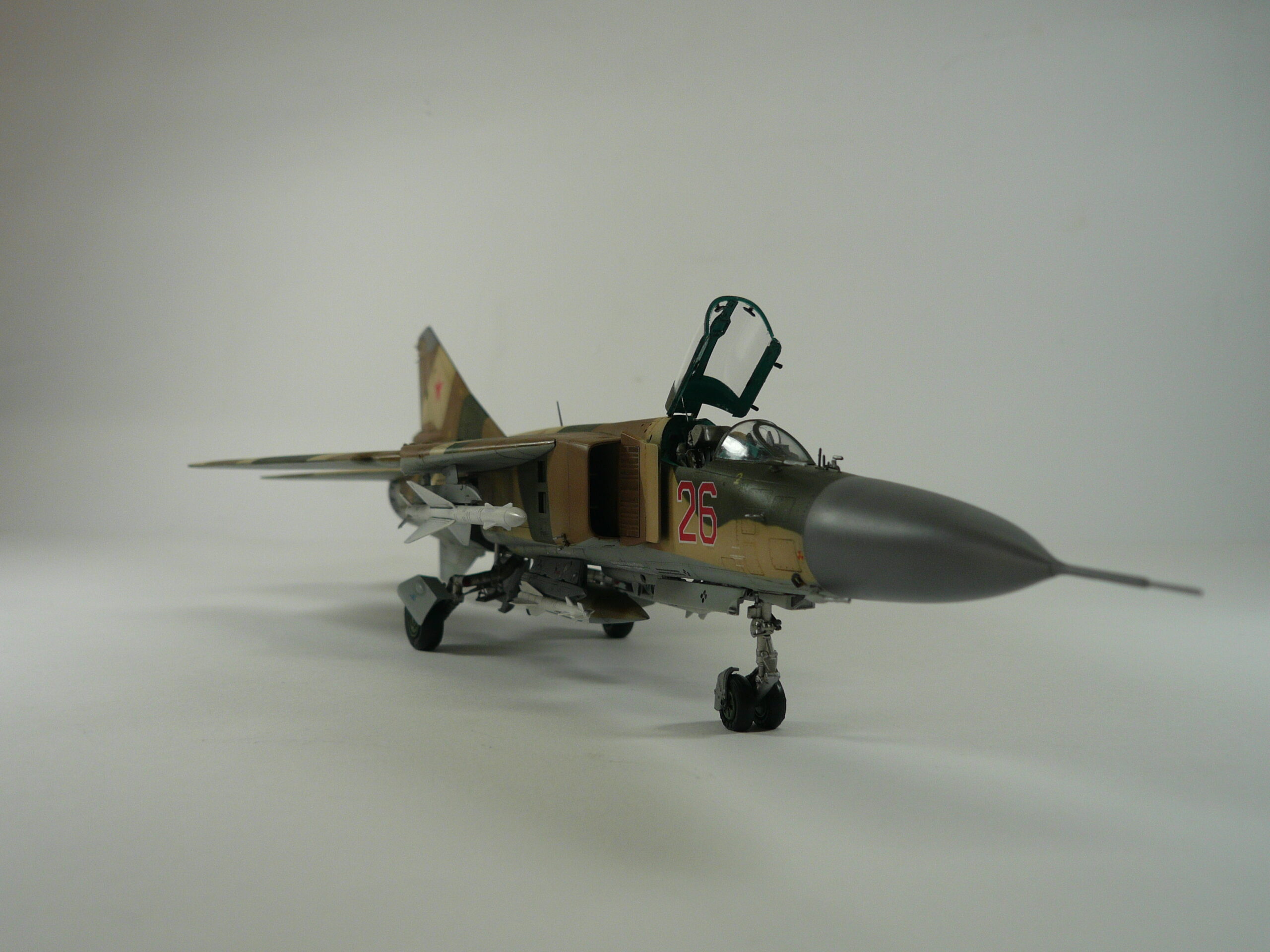
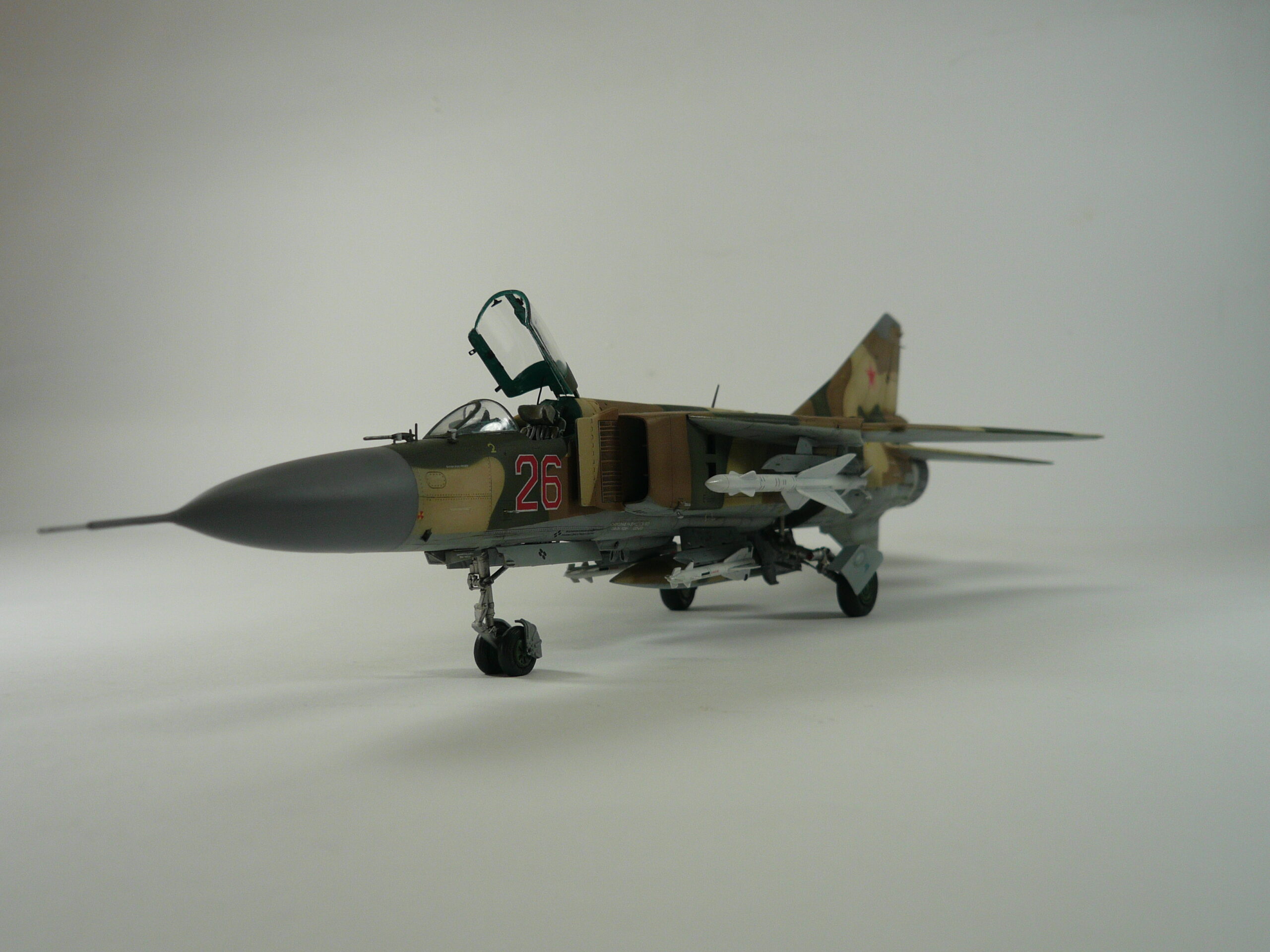
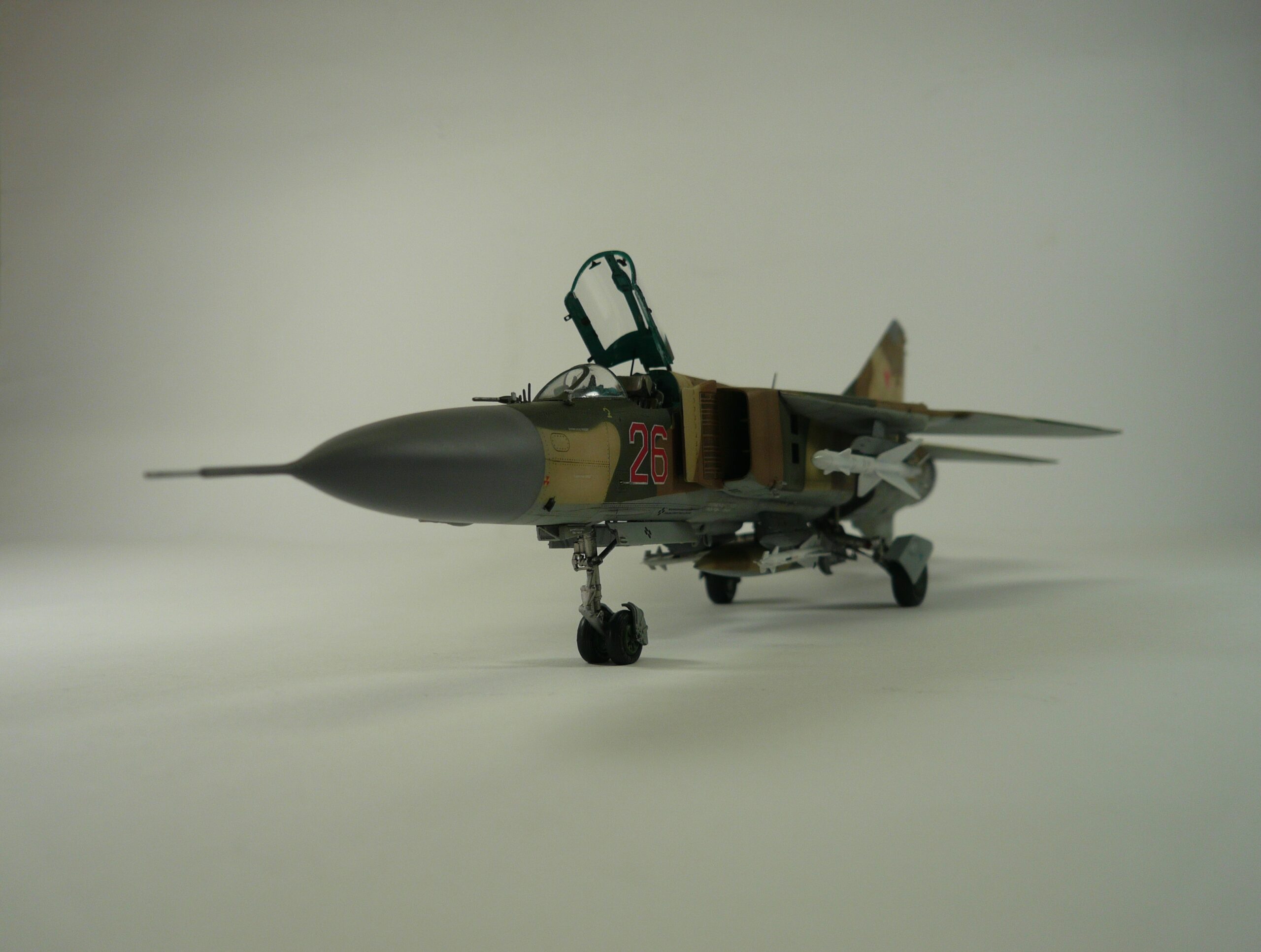
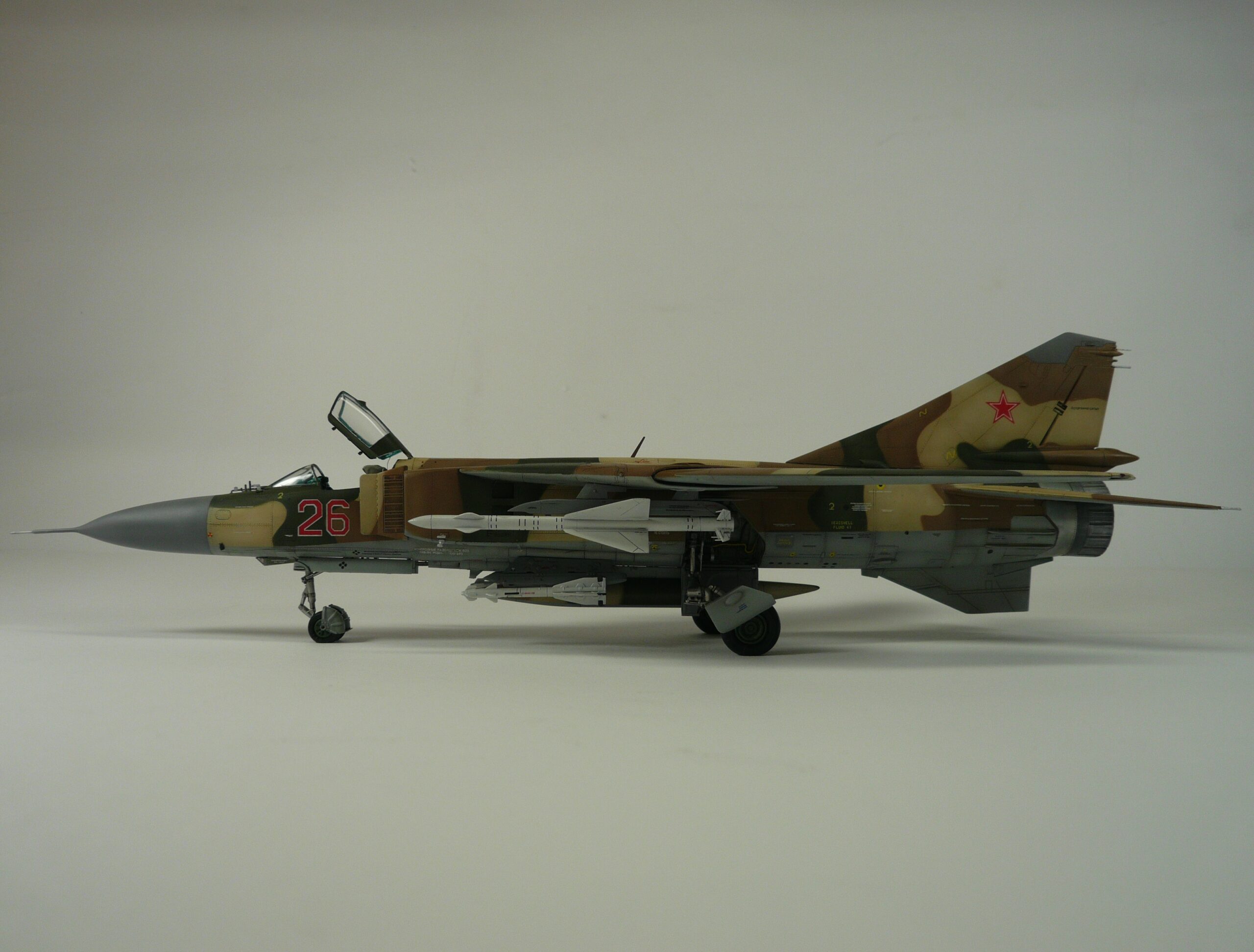
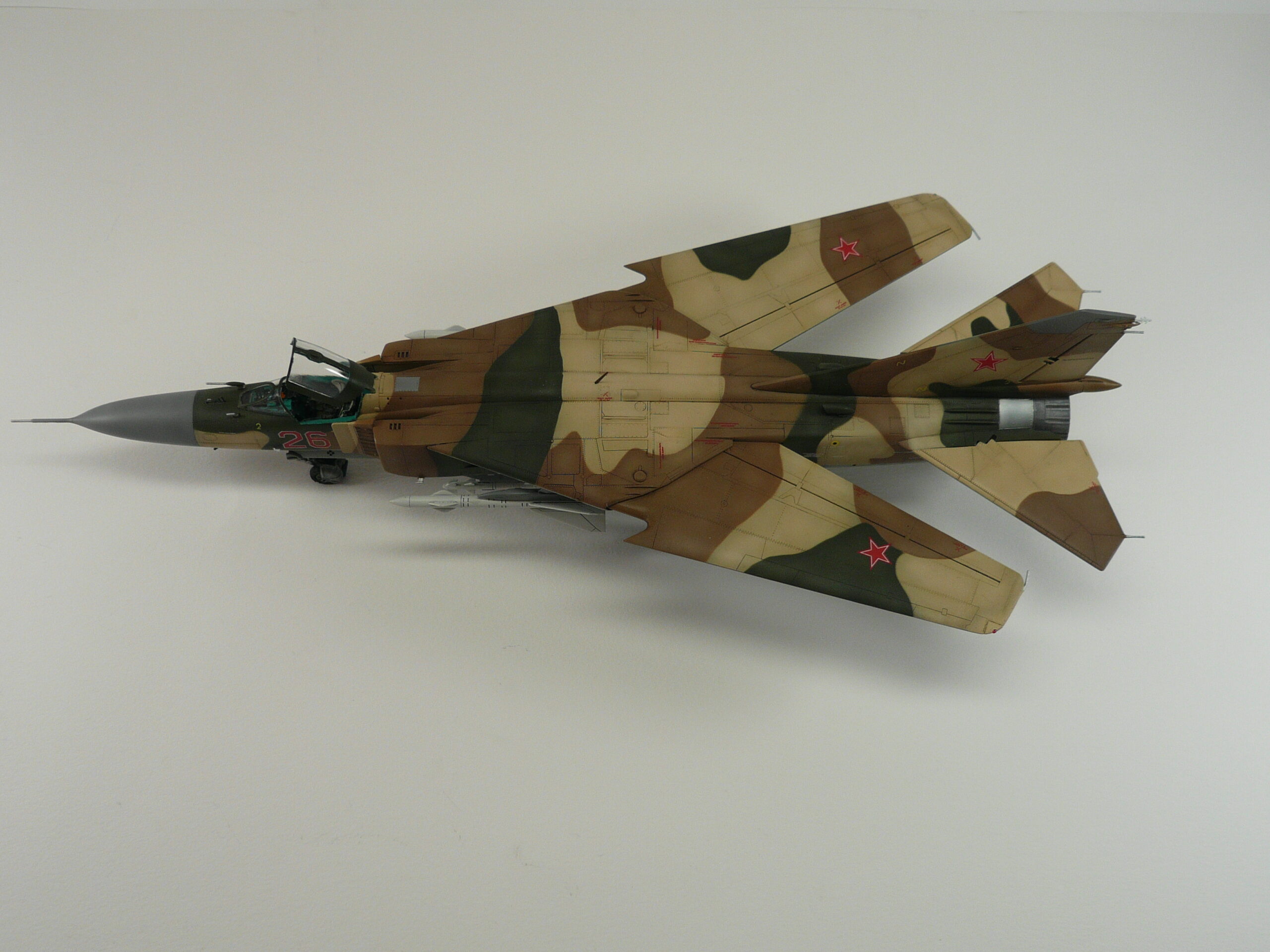
MIG-23ML Flogger-G “Red 26” – Building and Painting a Soviet Cold War Fighter in Scale
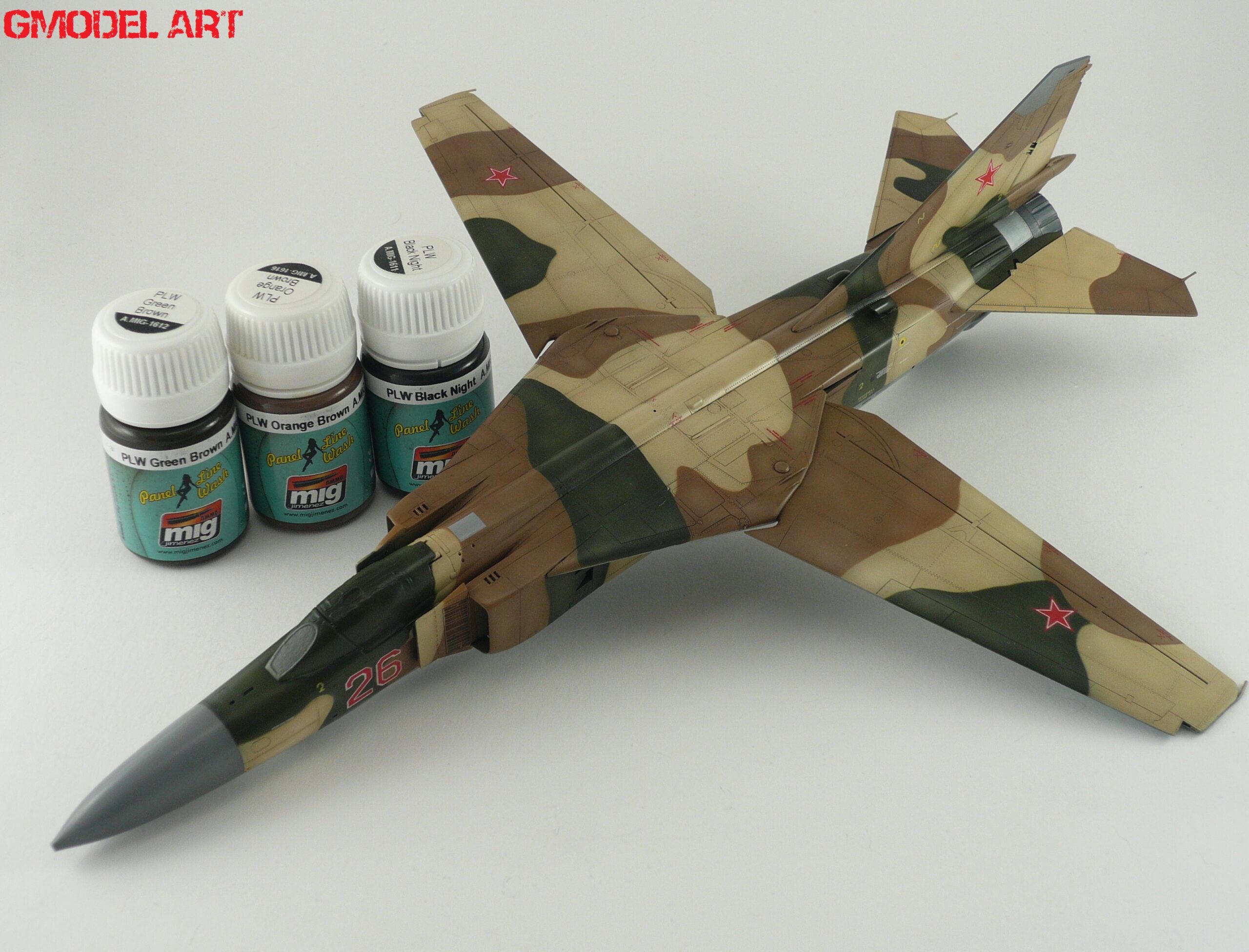
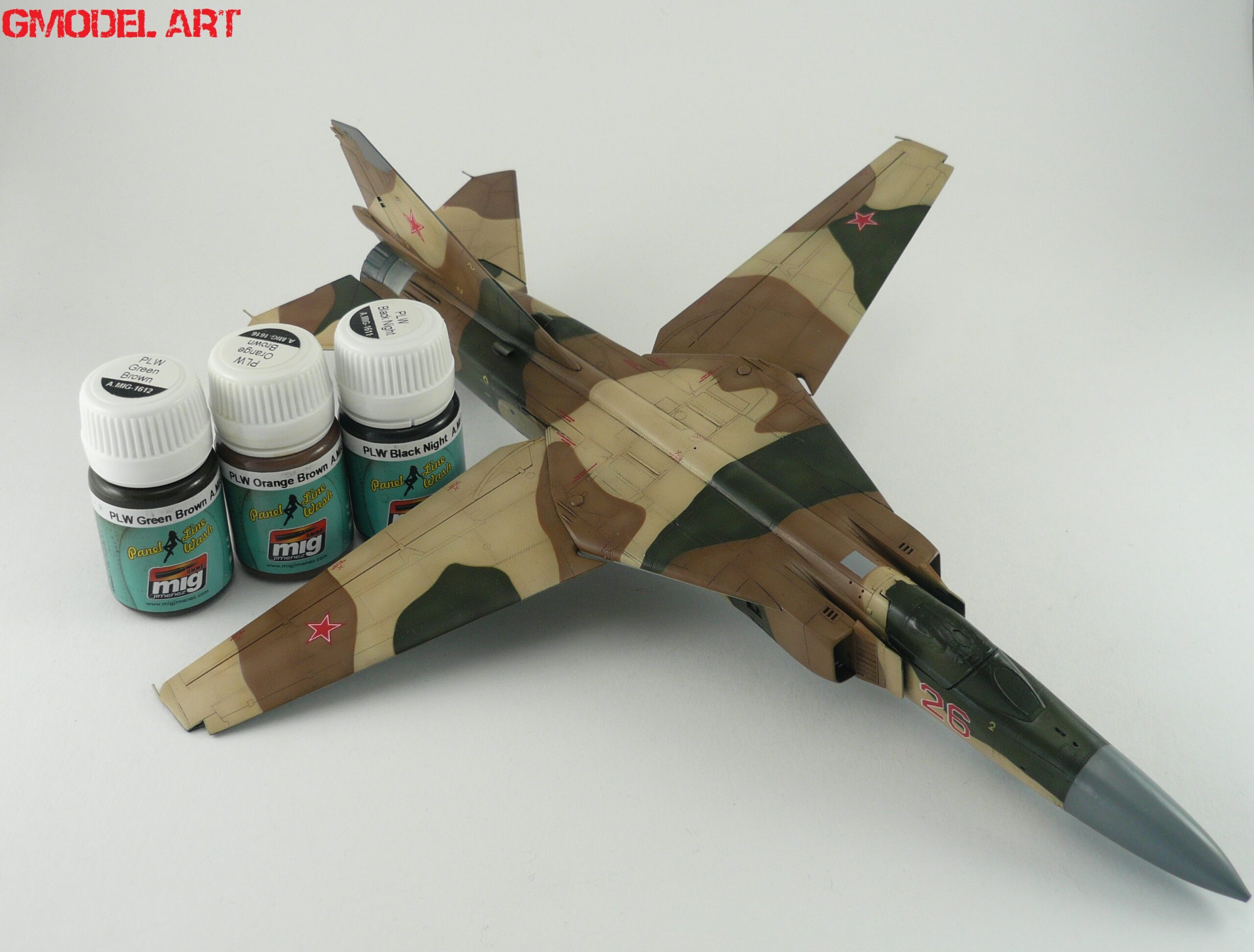
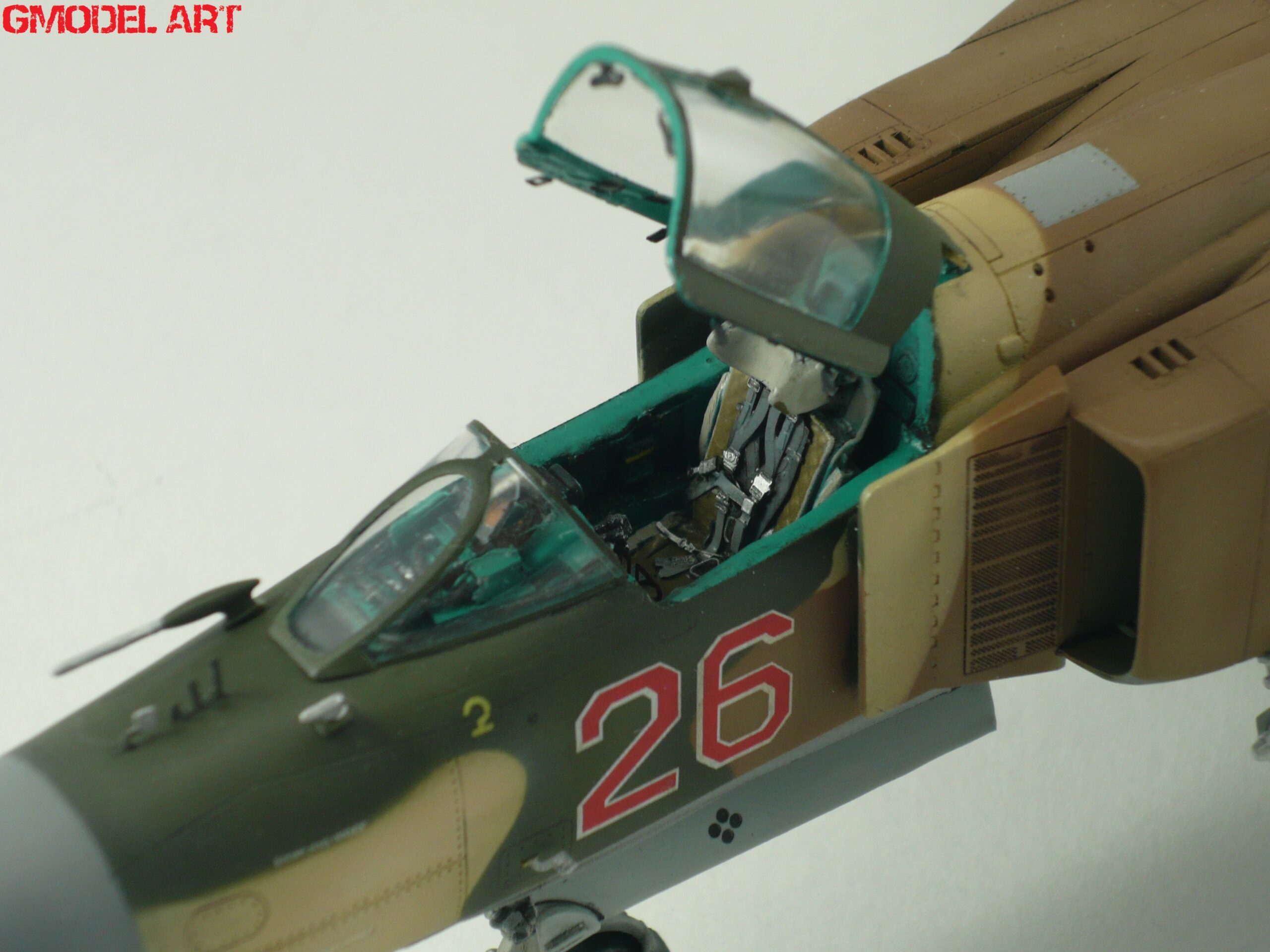
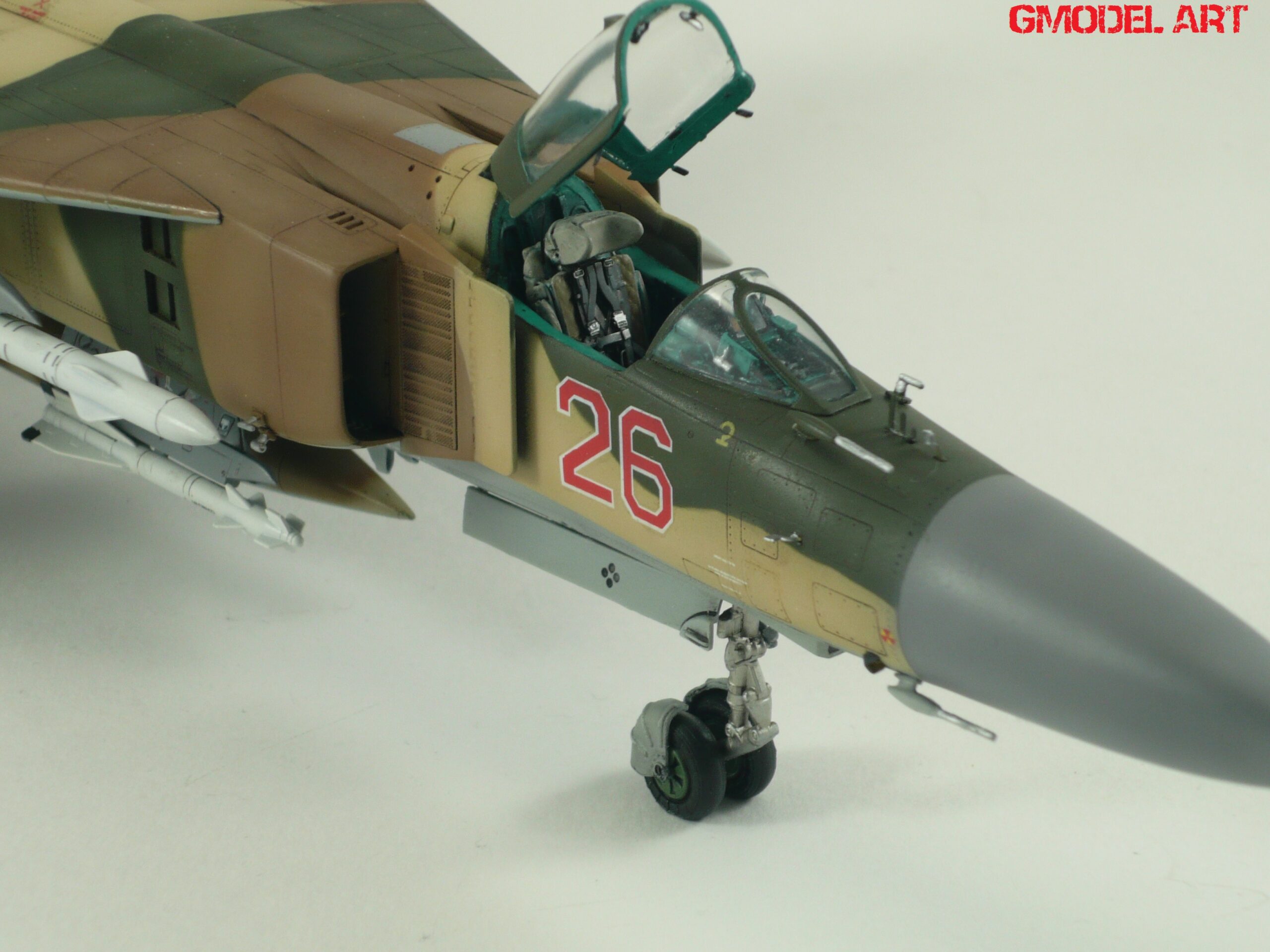
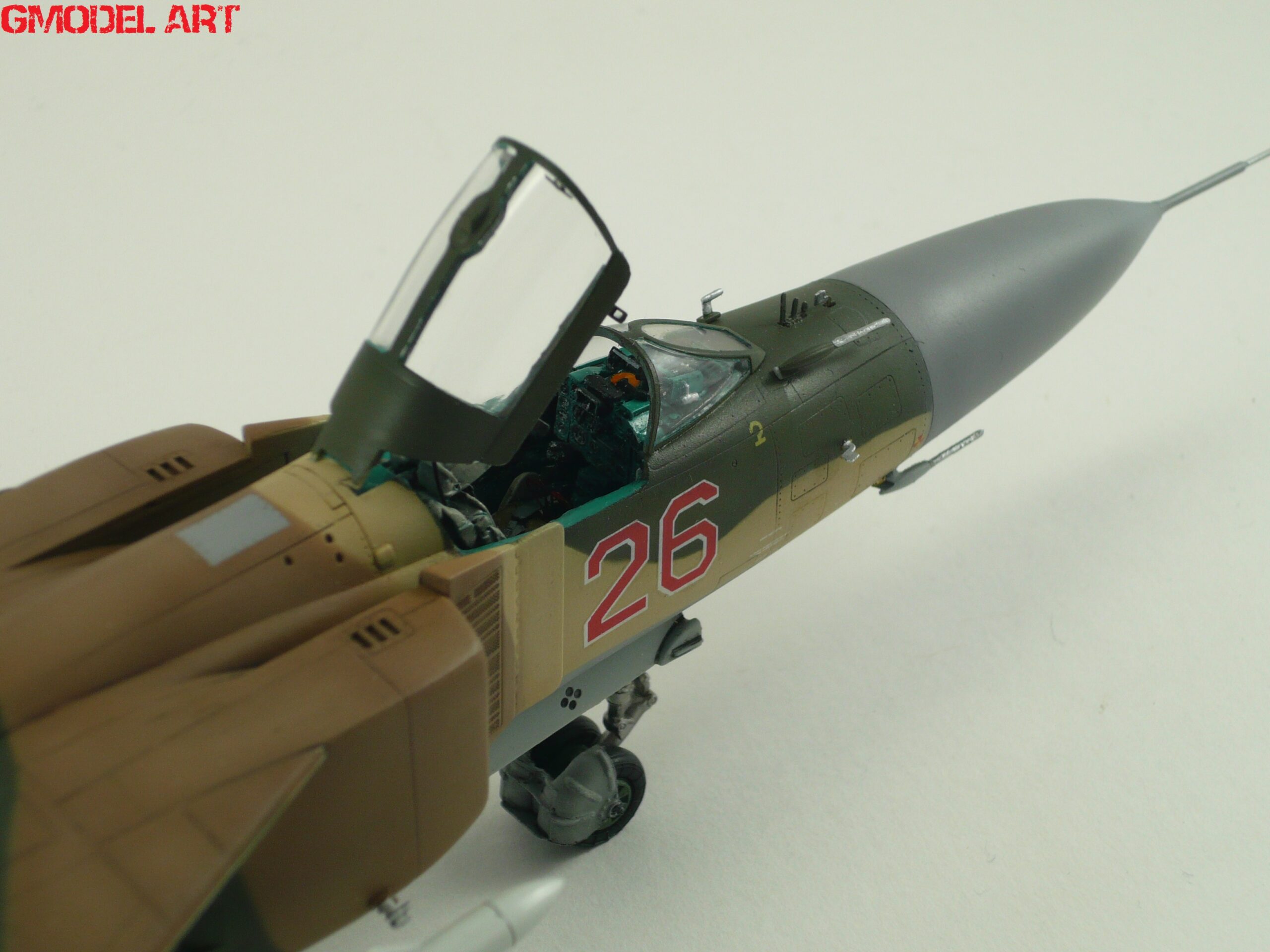
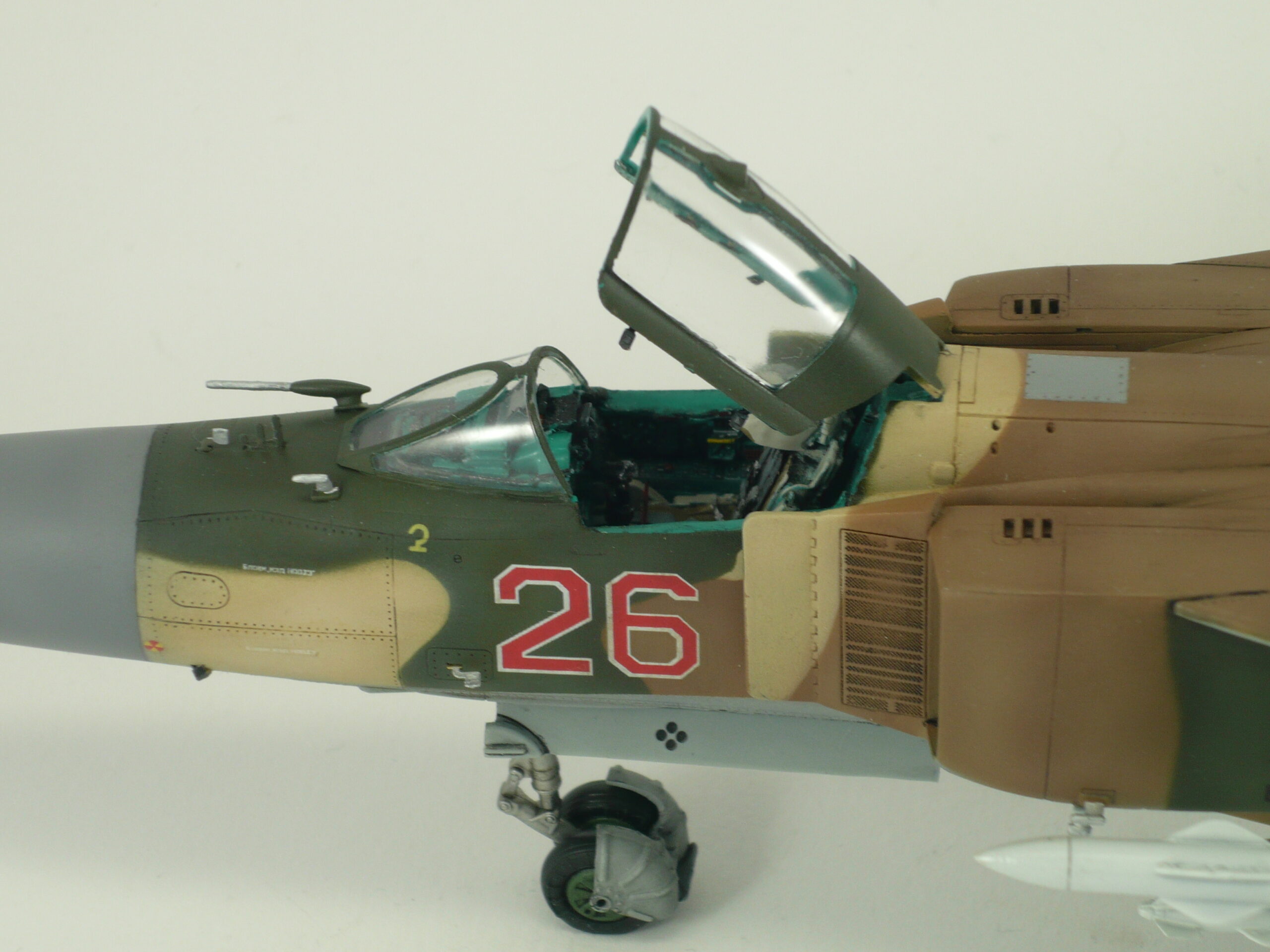
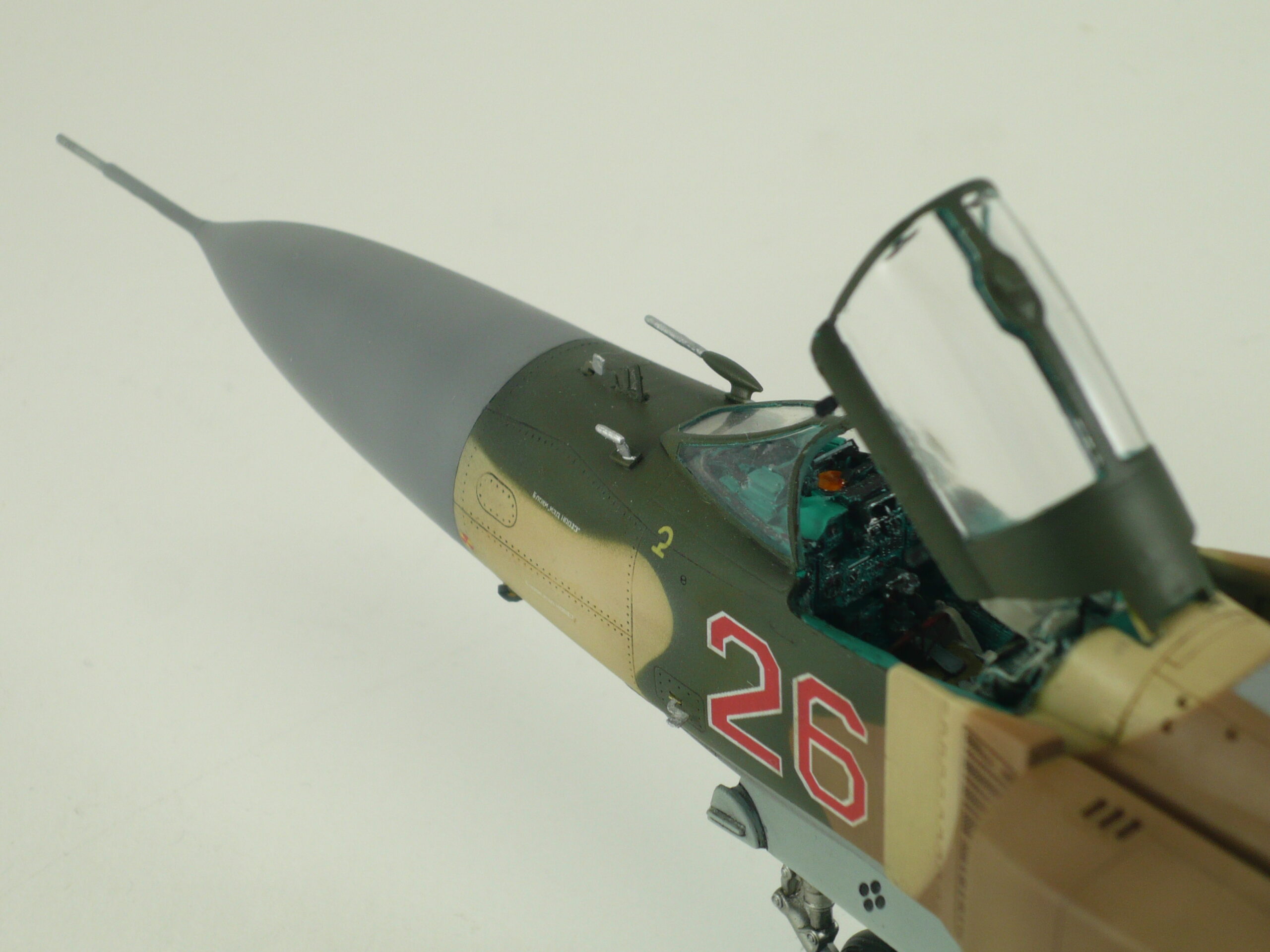
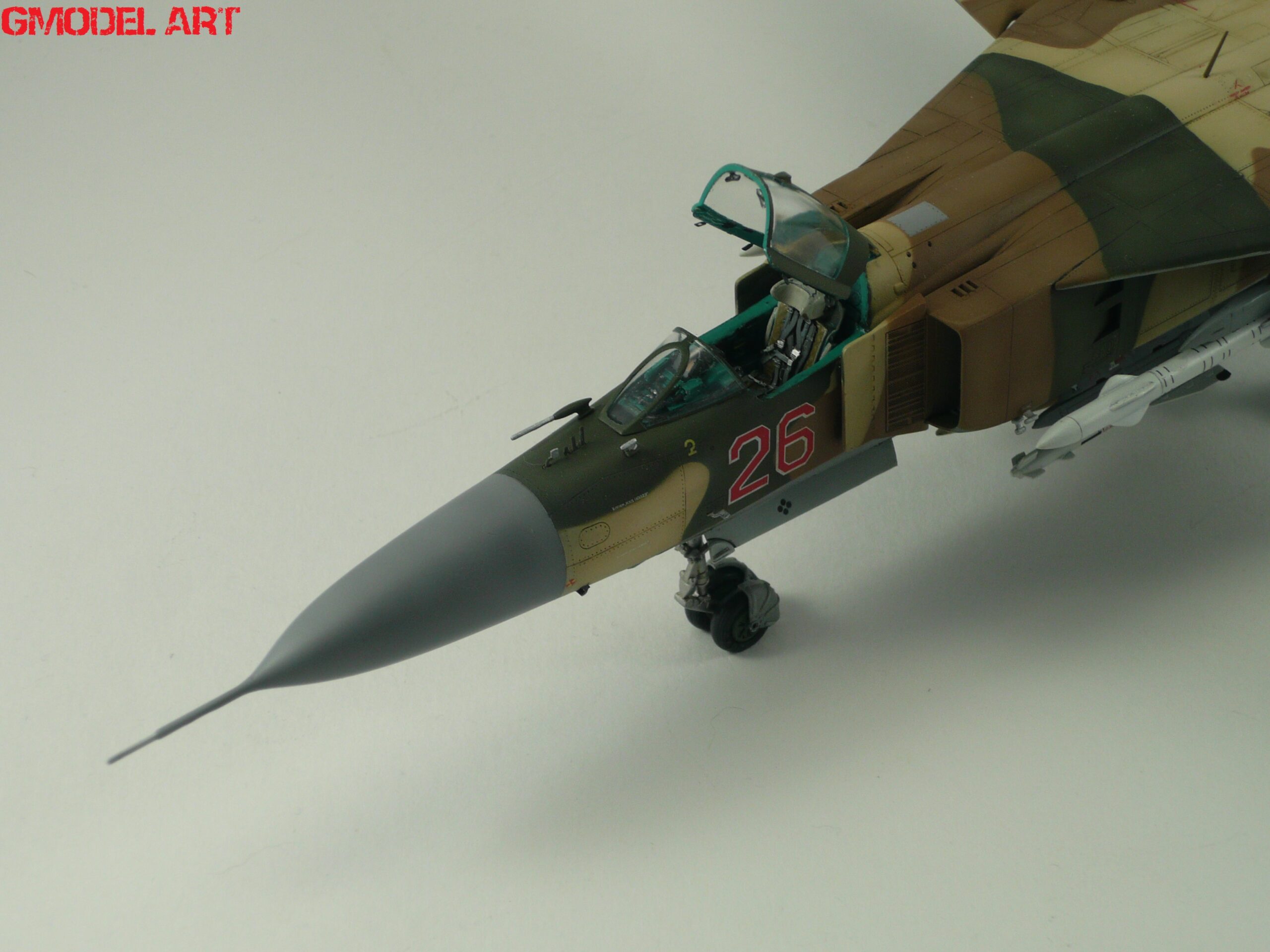
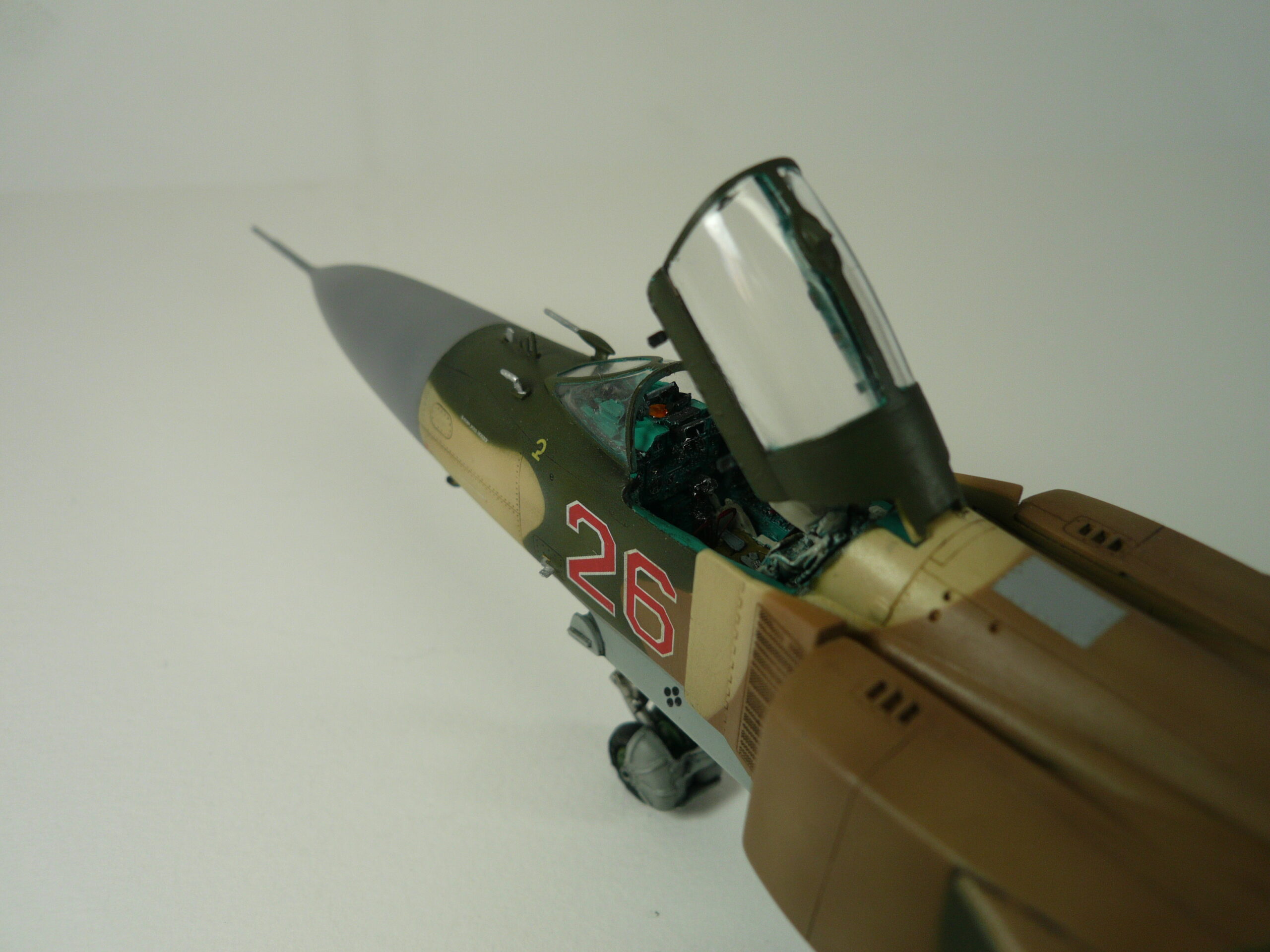
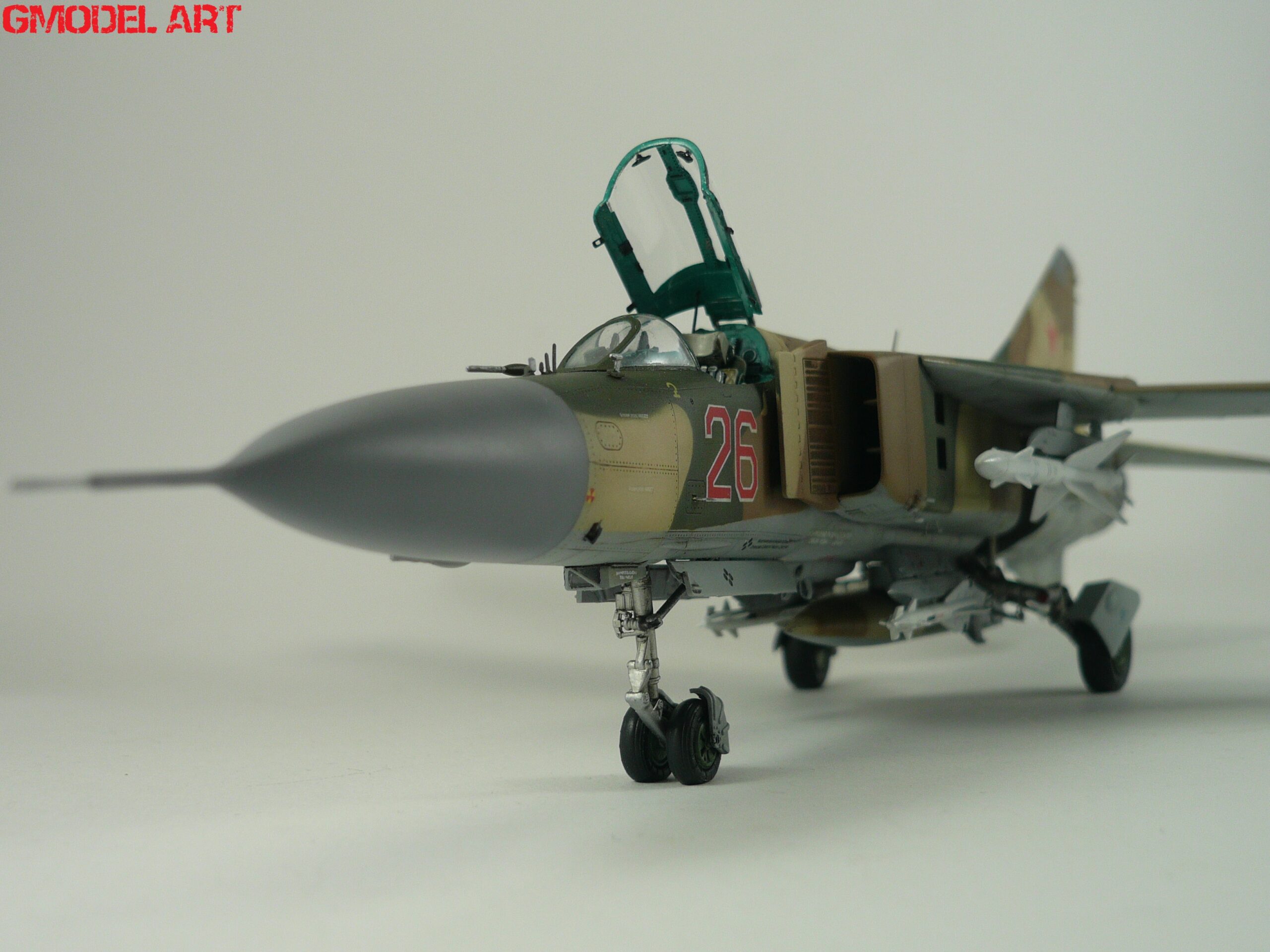
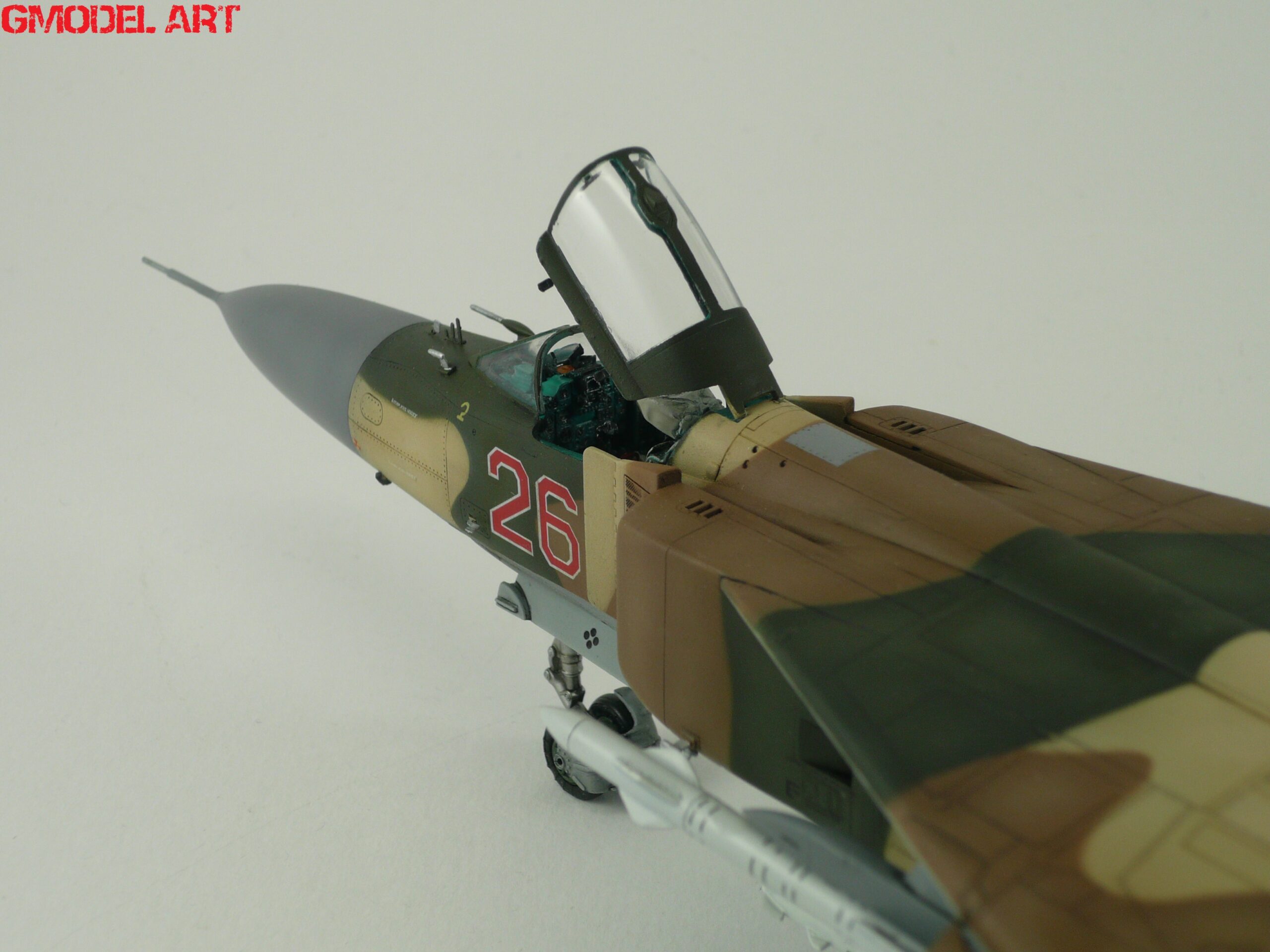
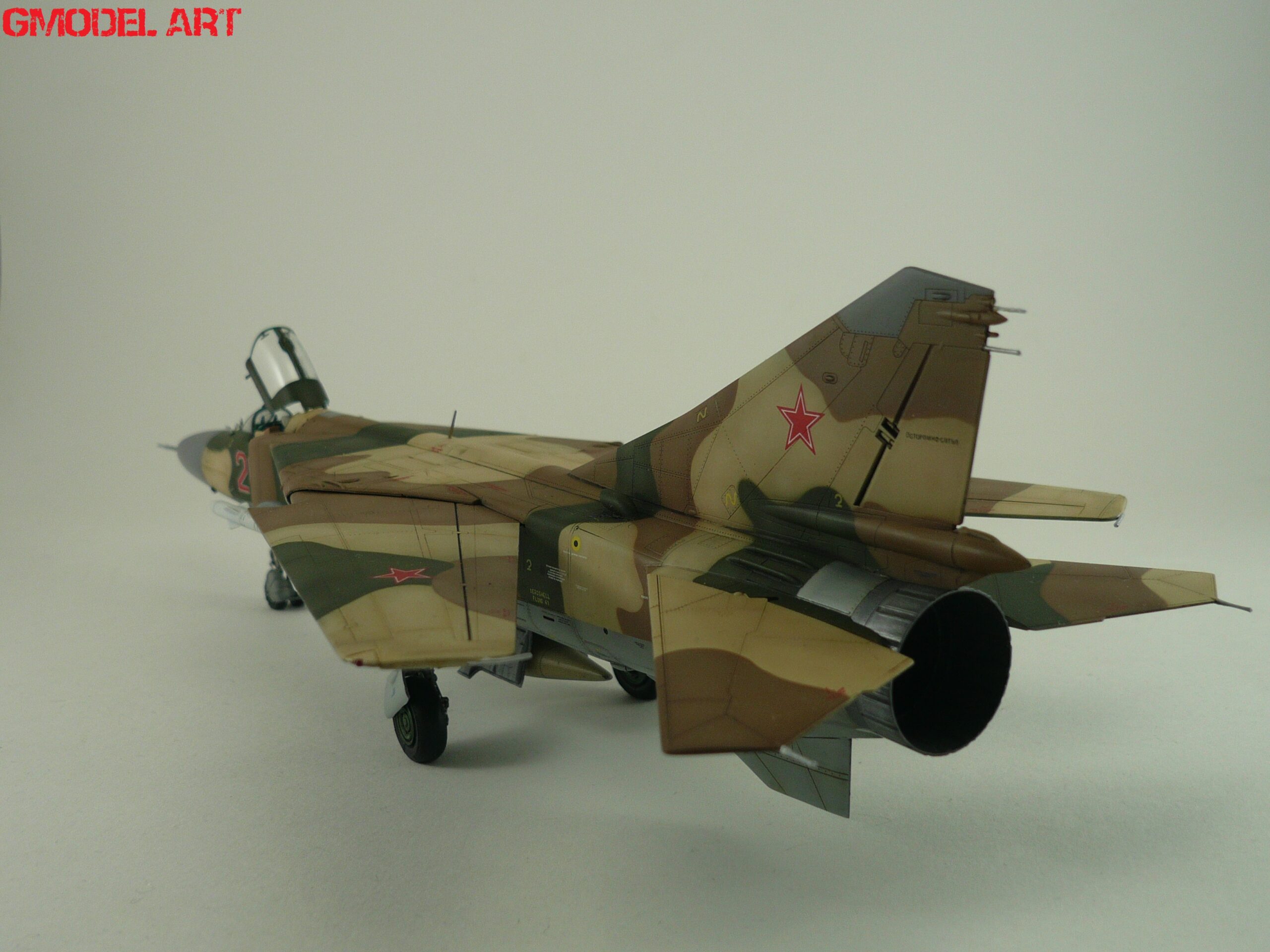
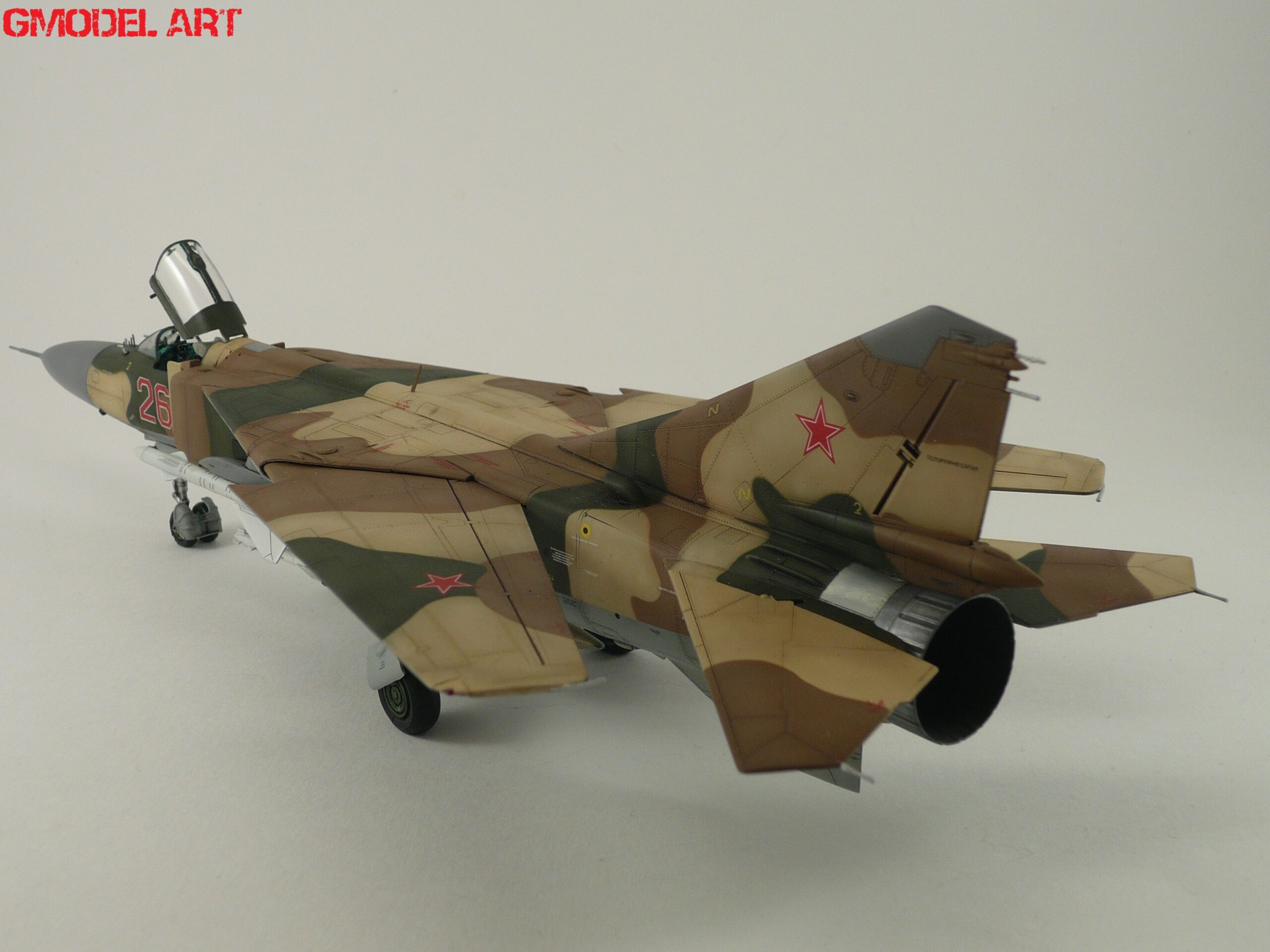
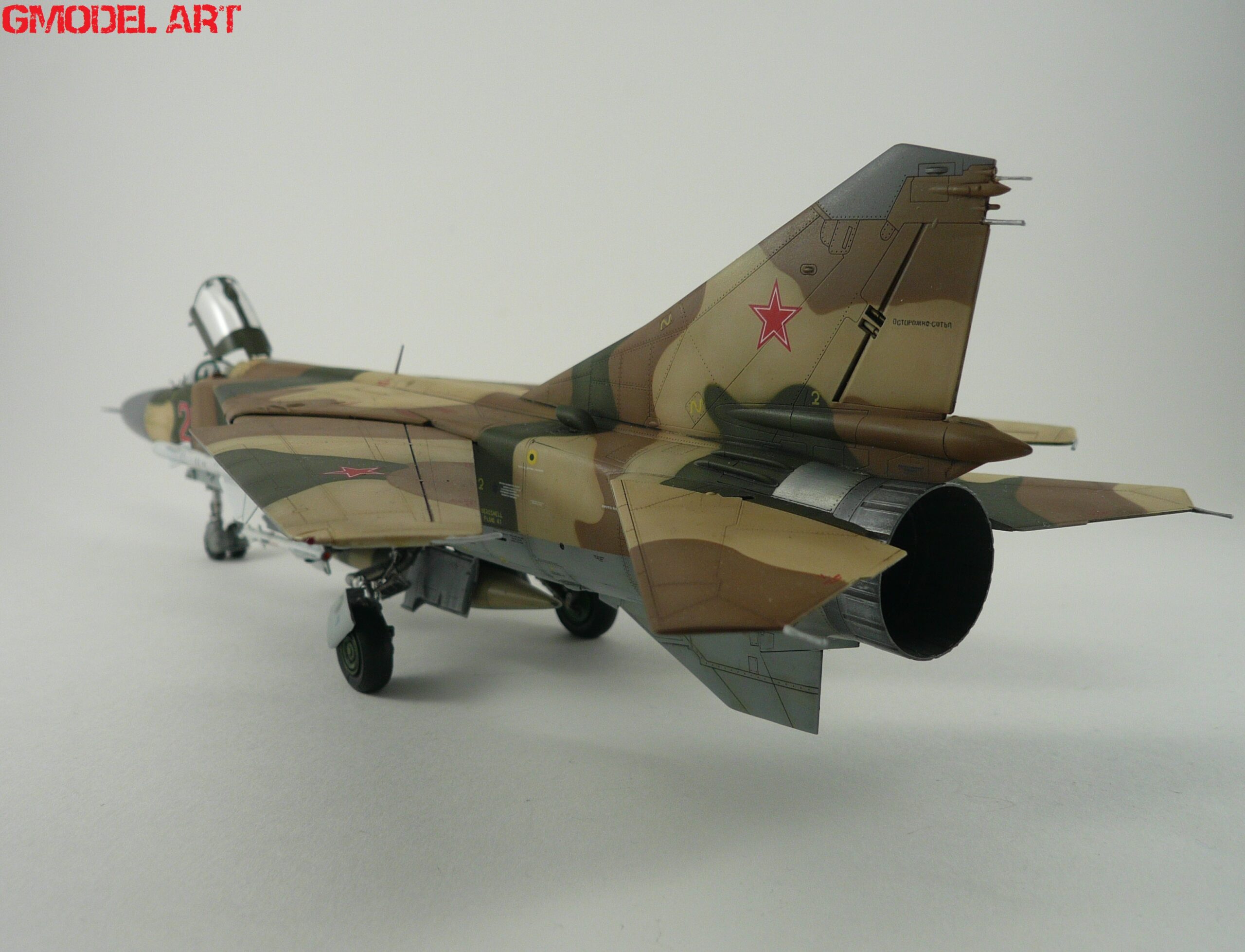
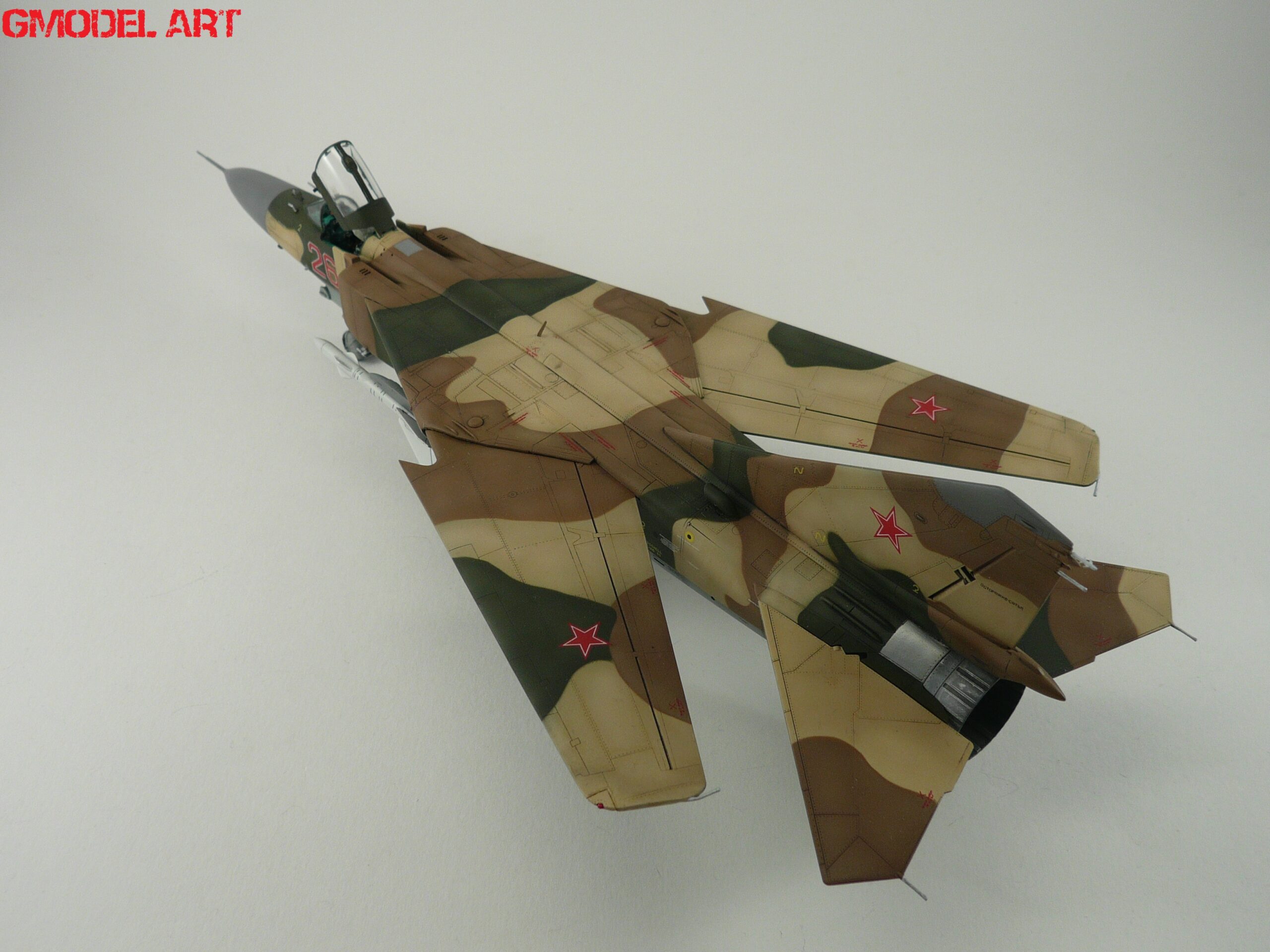
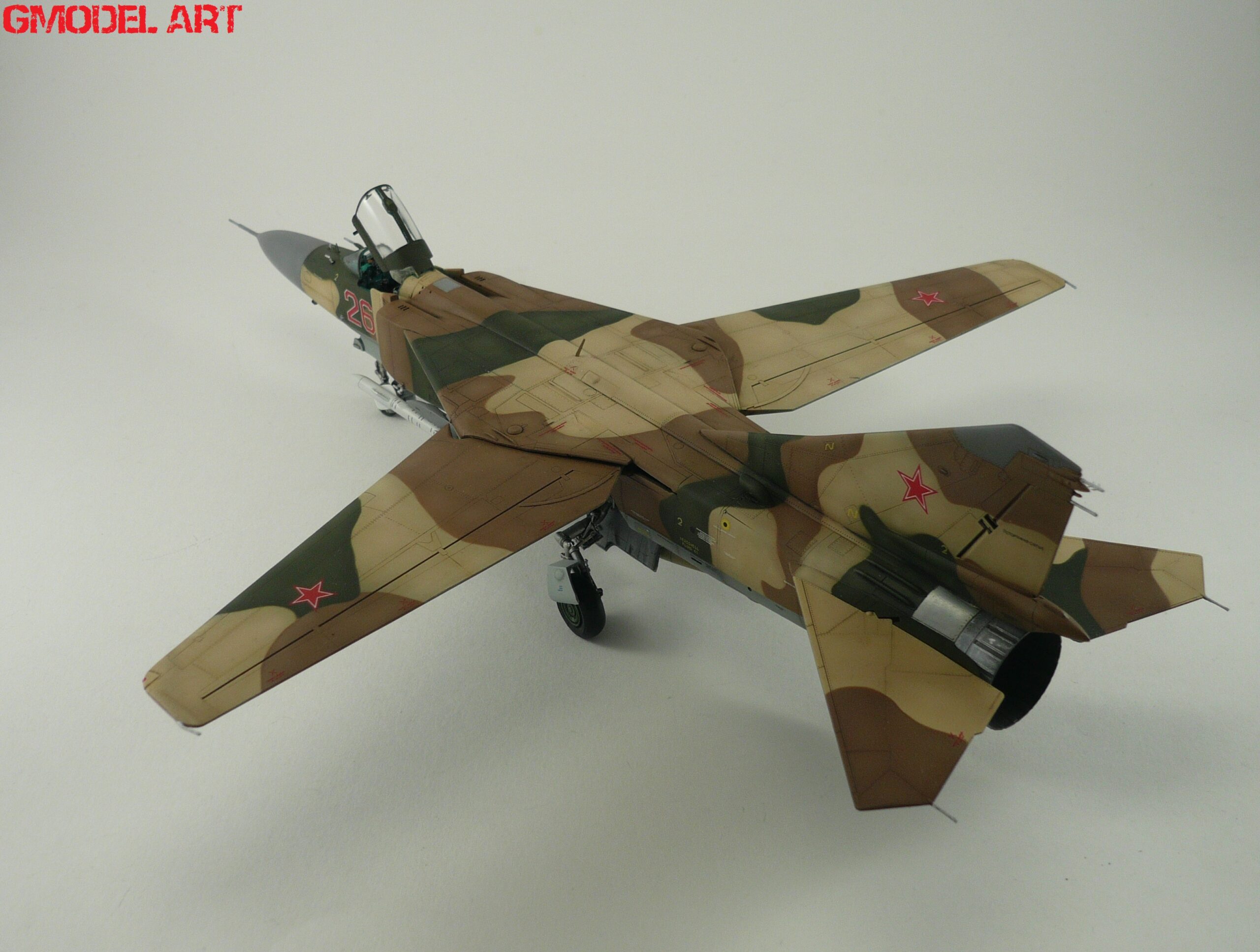
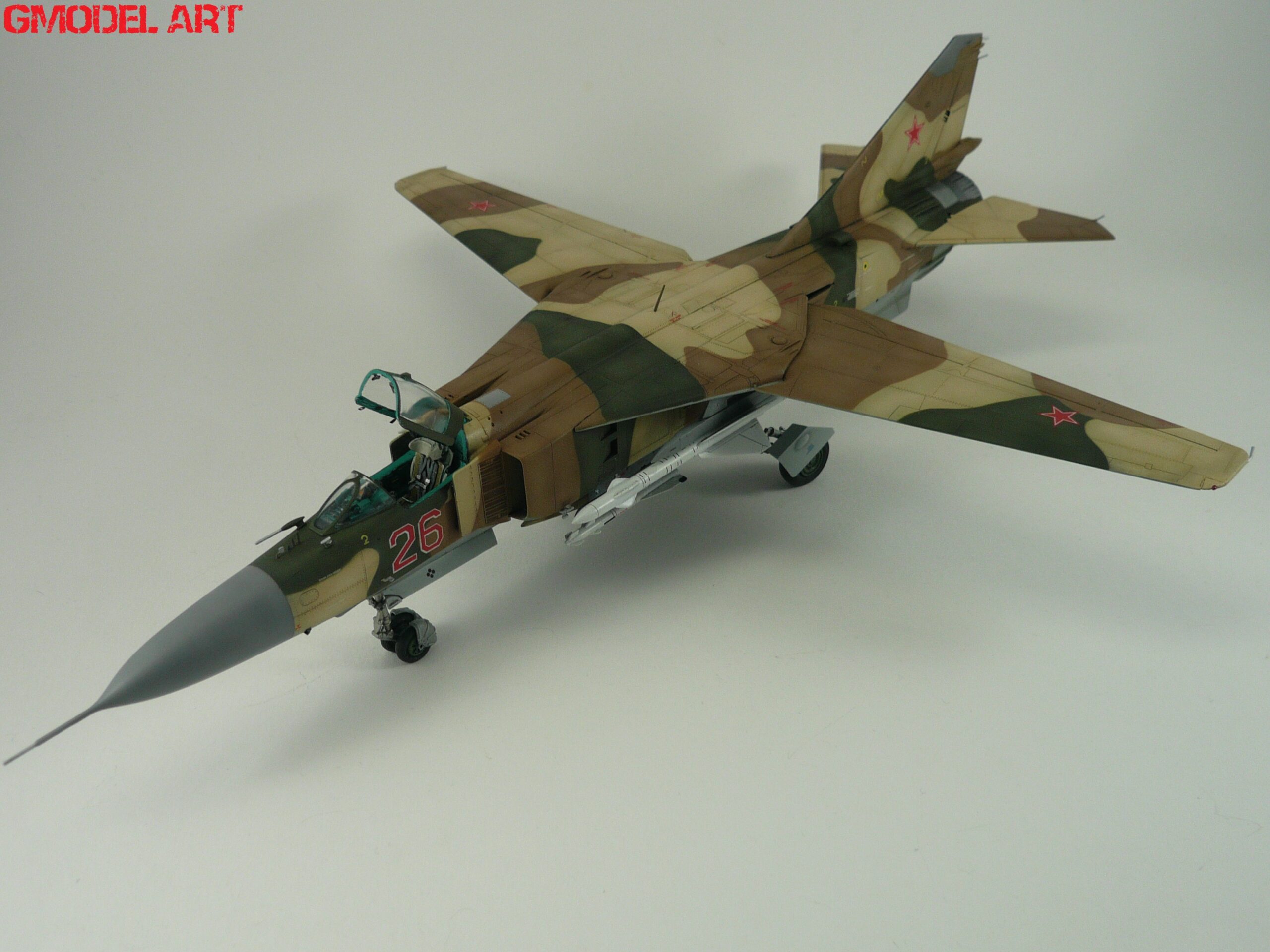
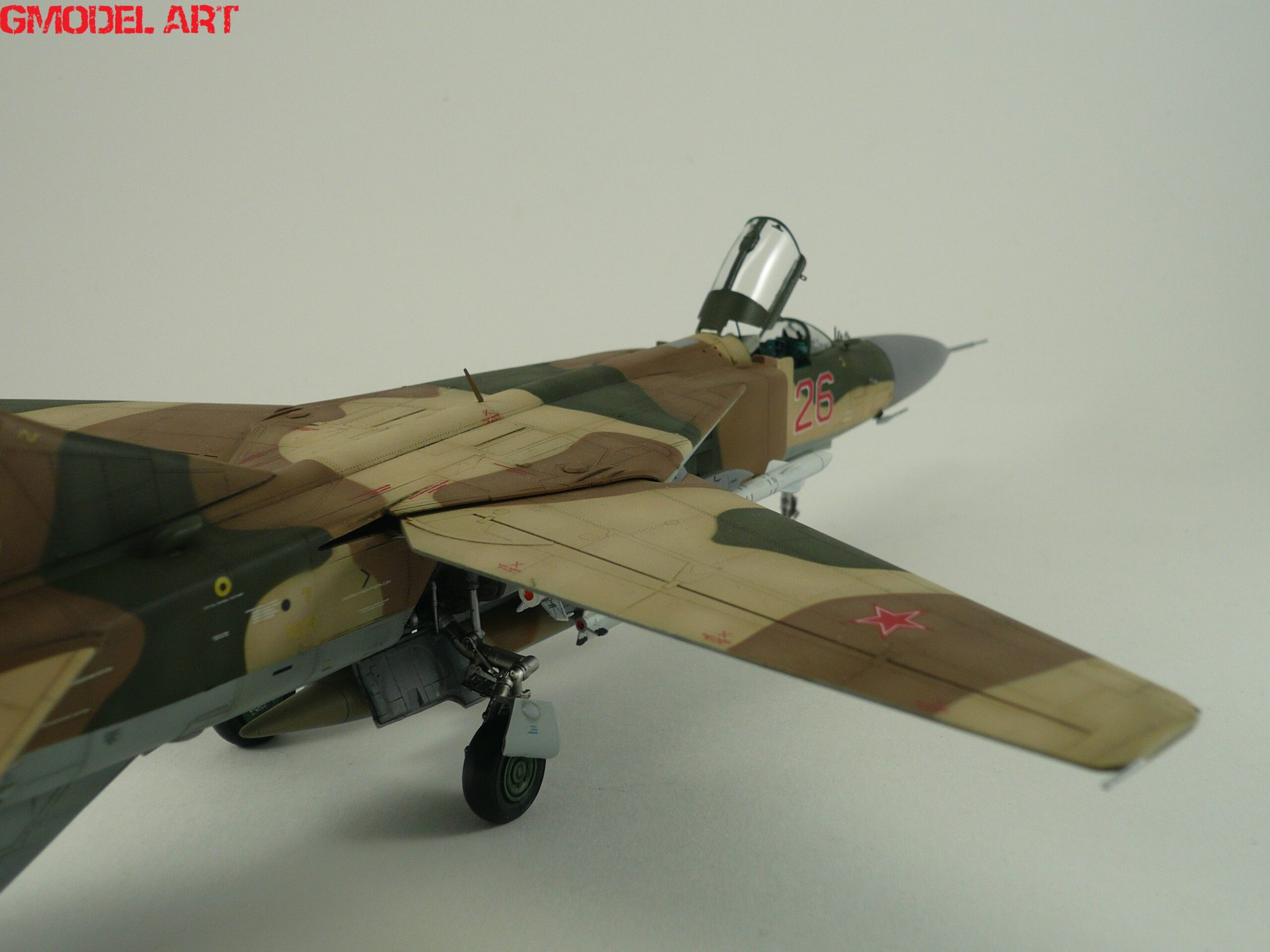
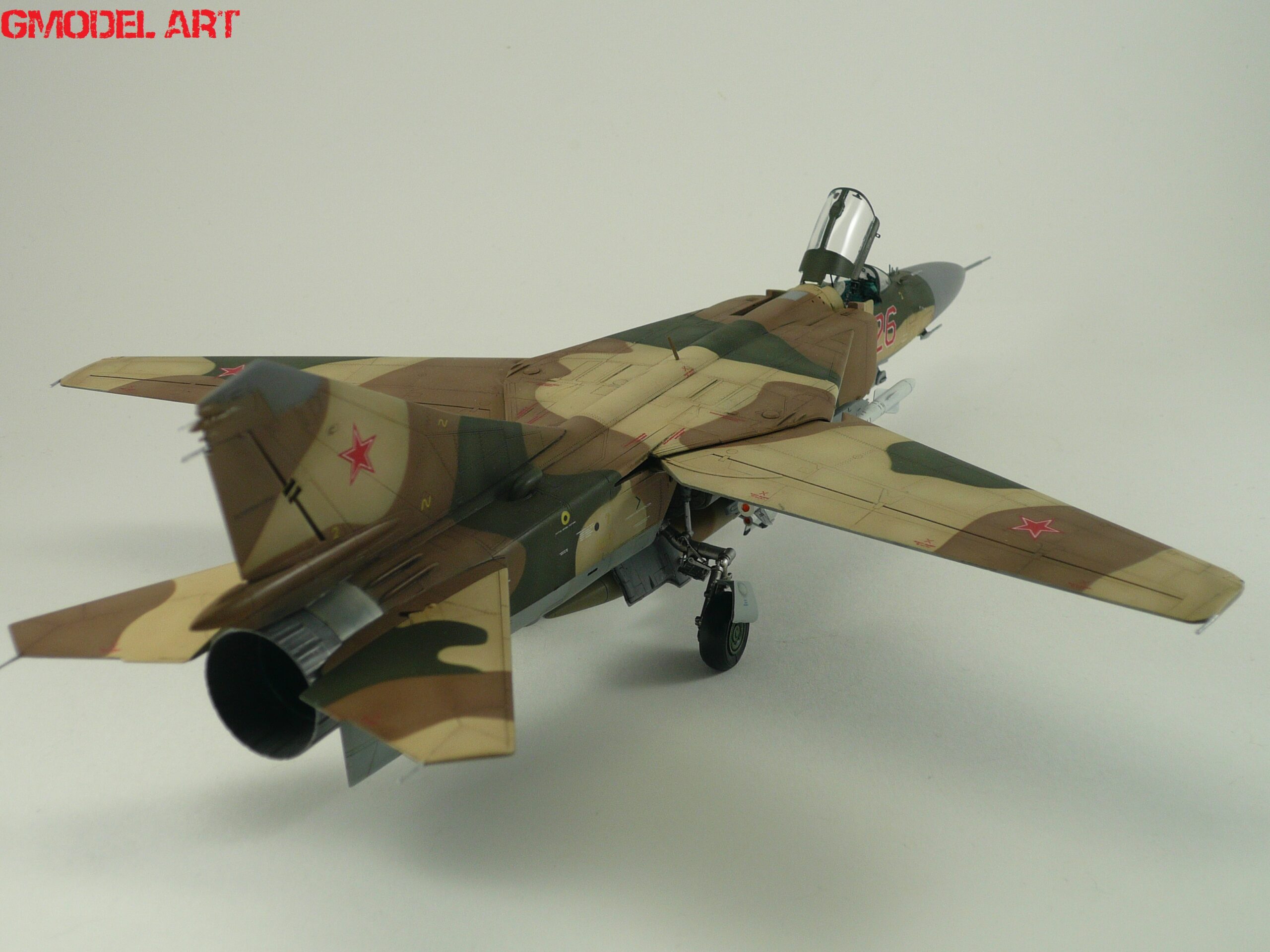
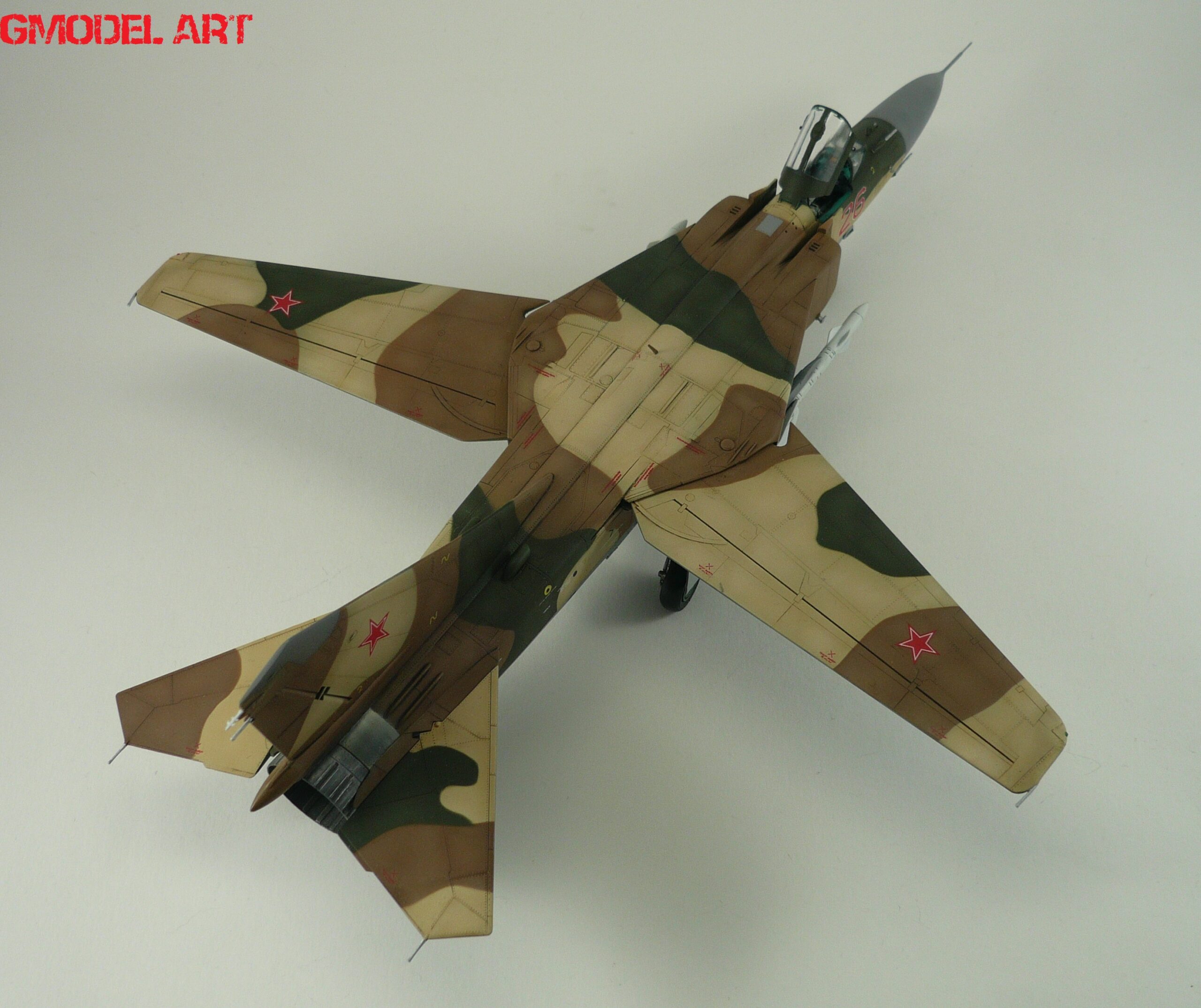
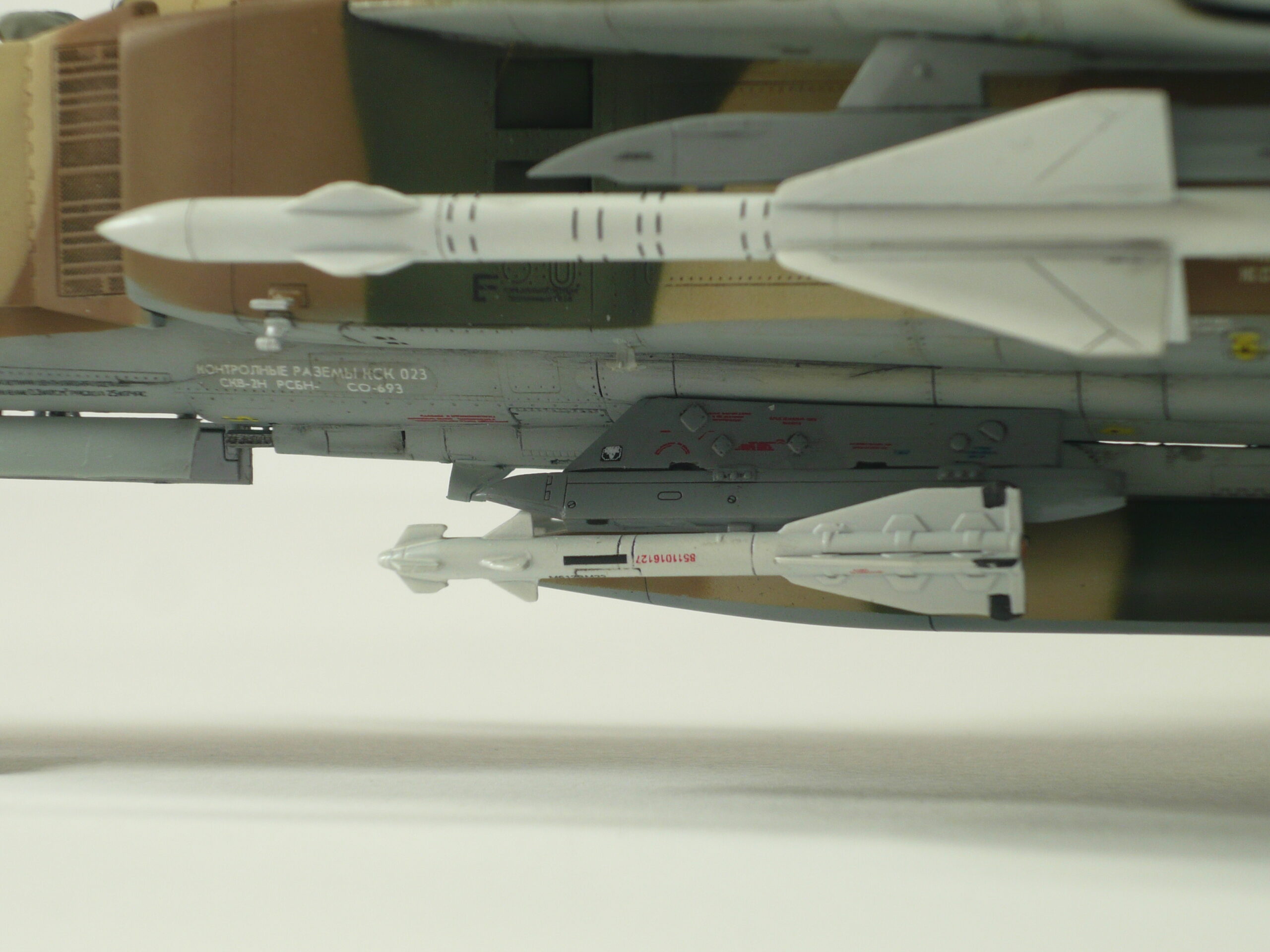
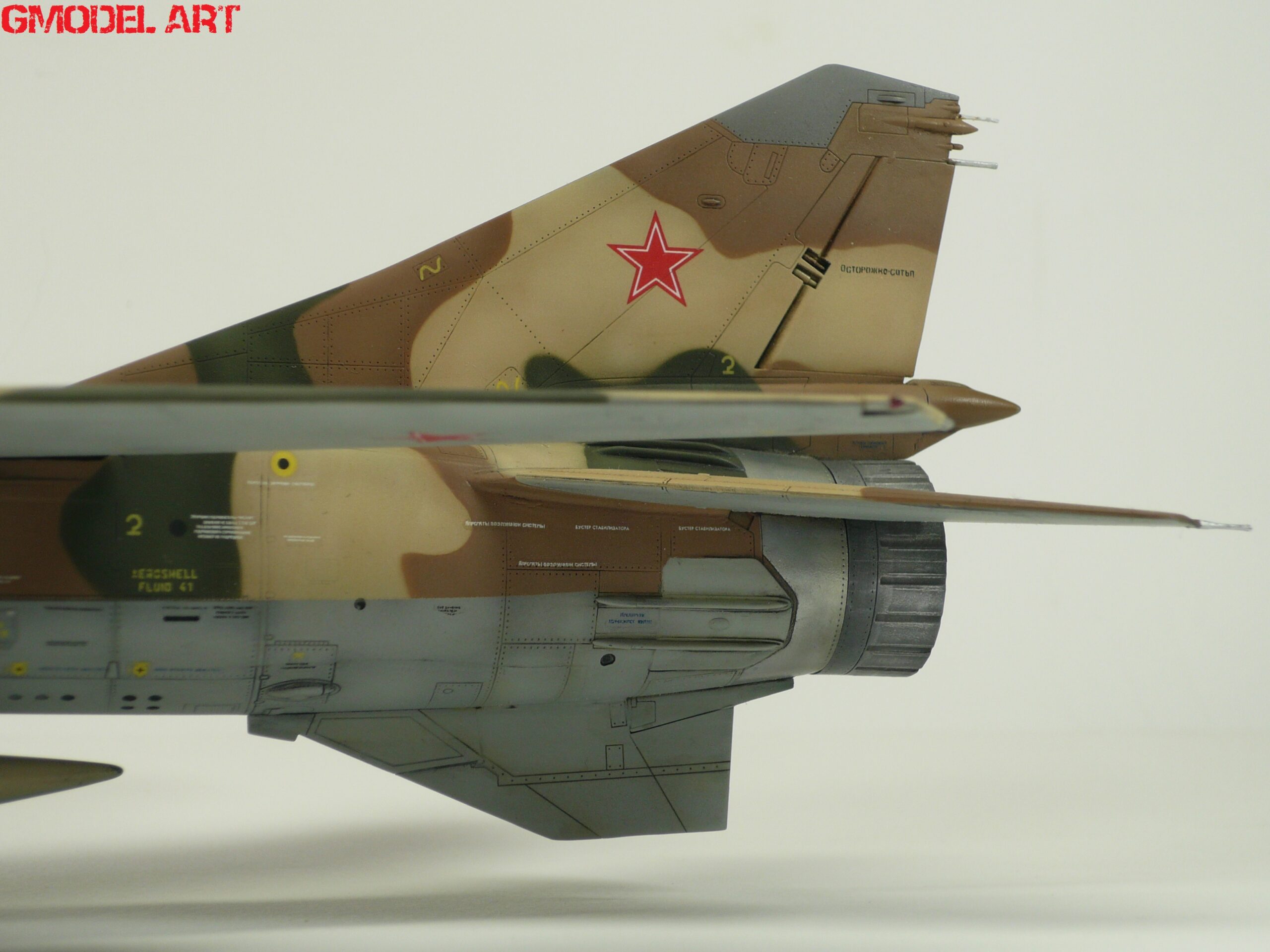
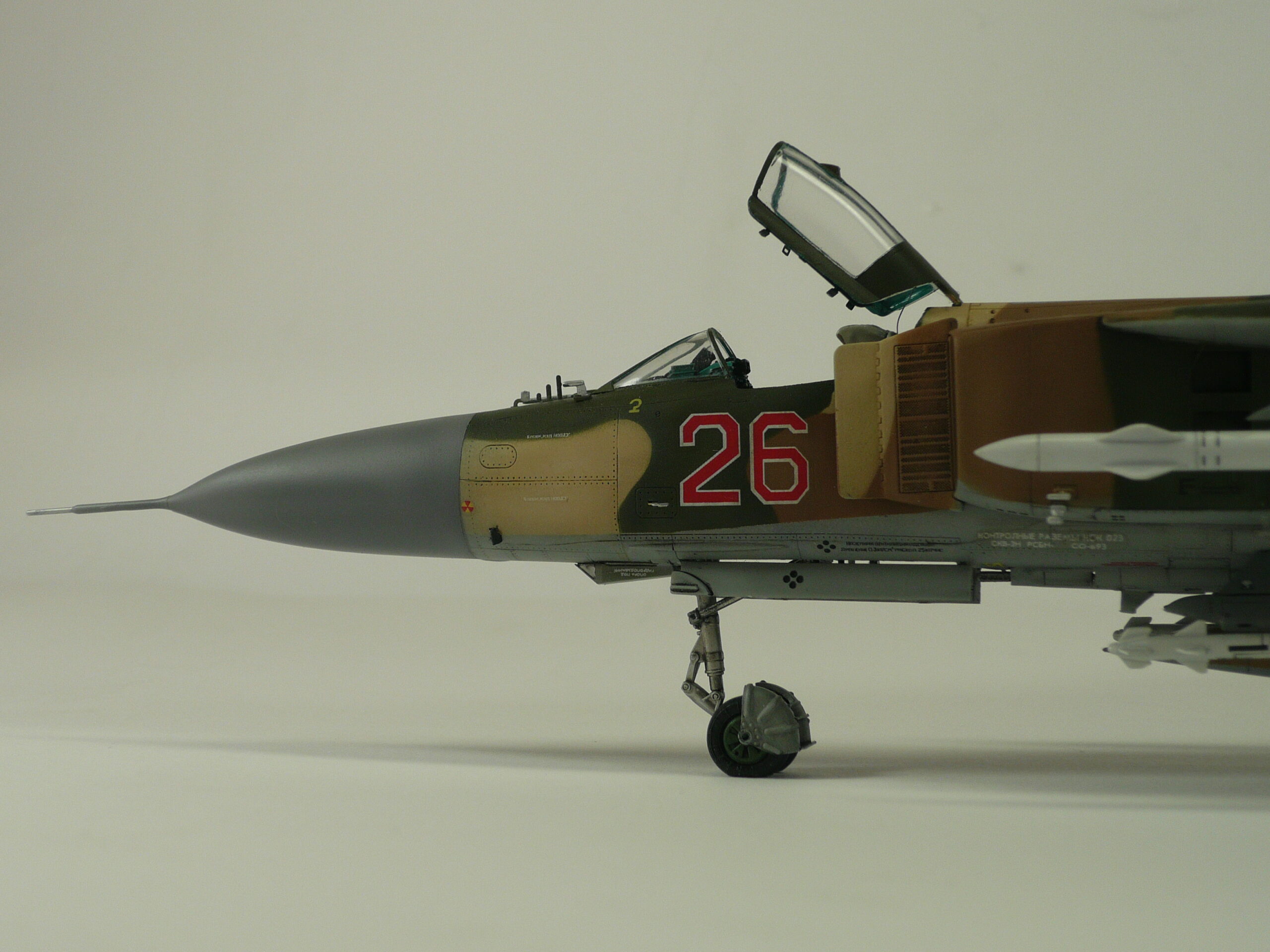
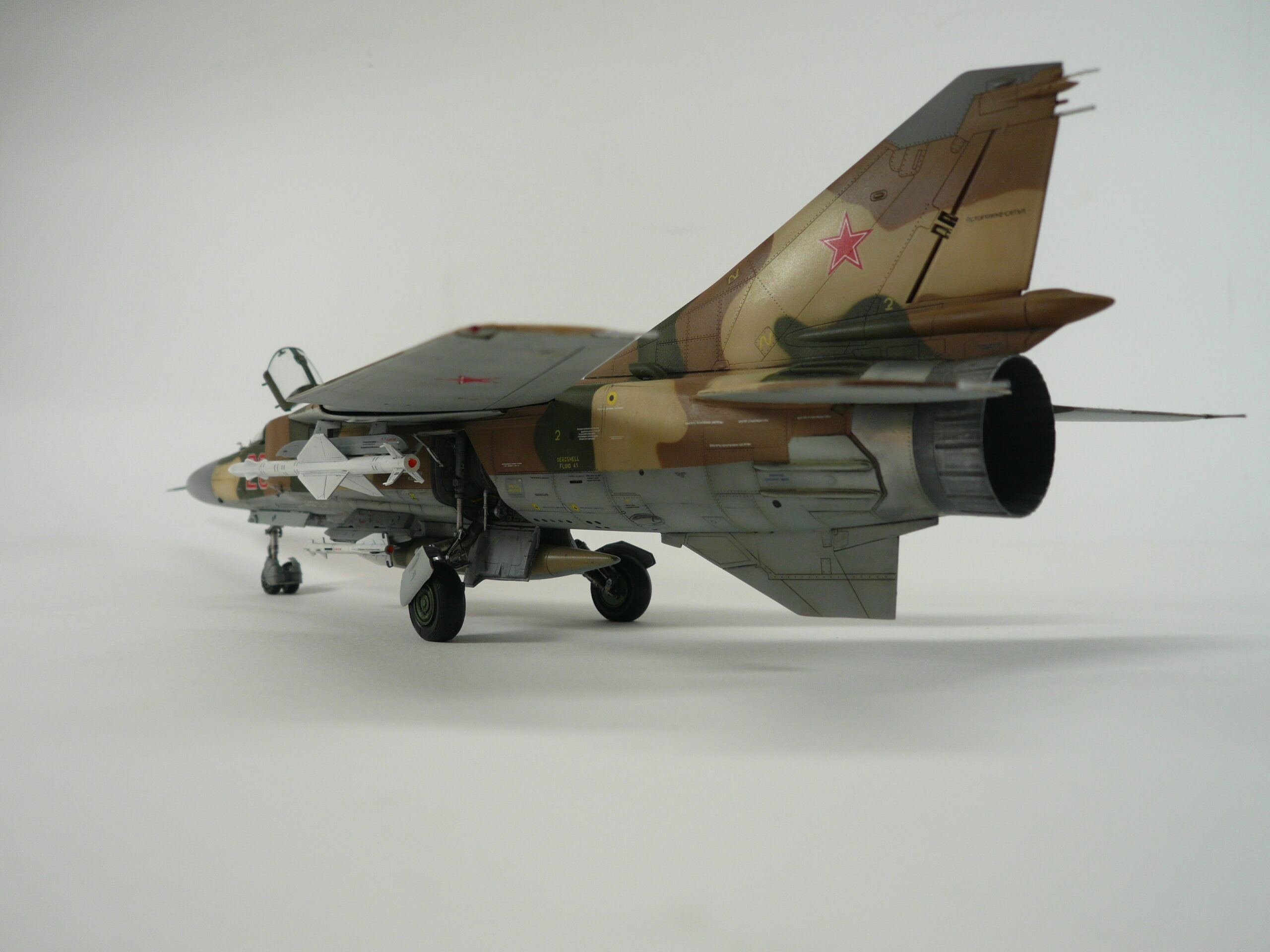
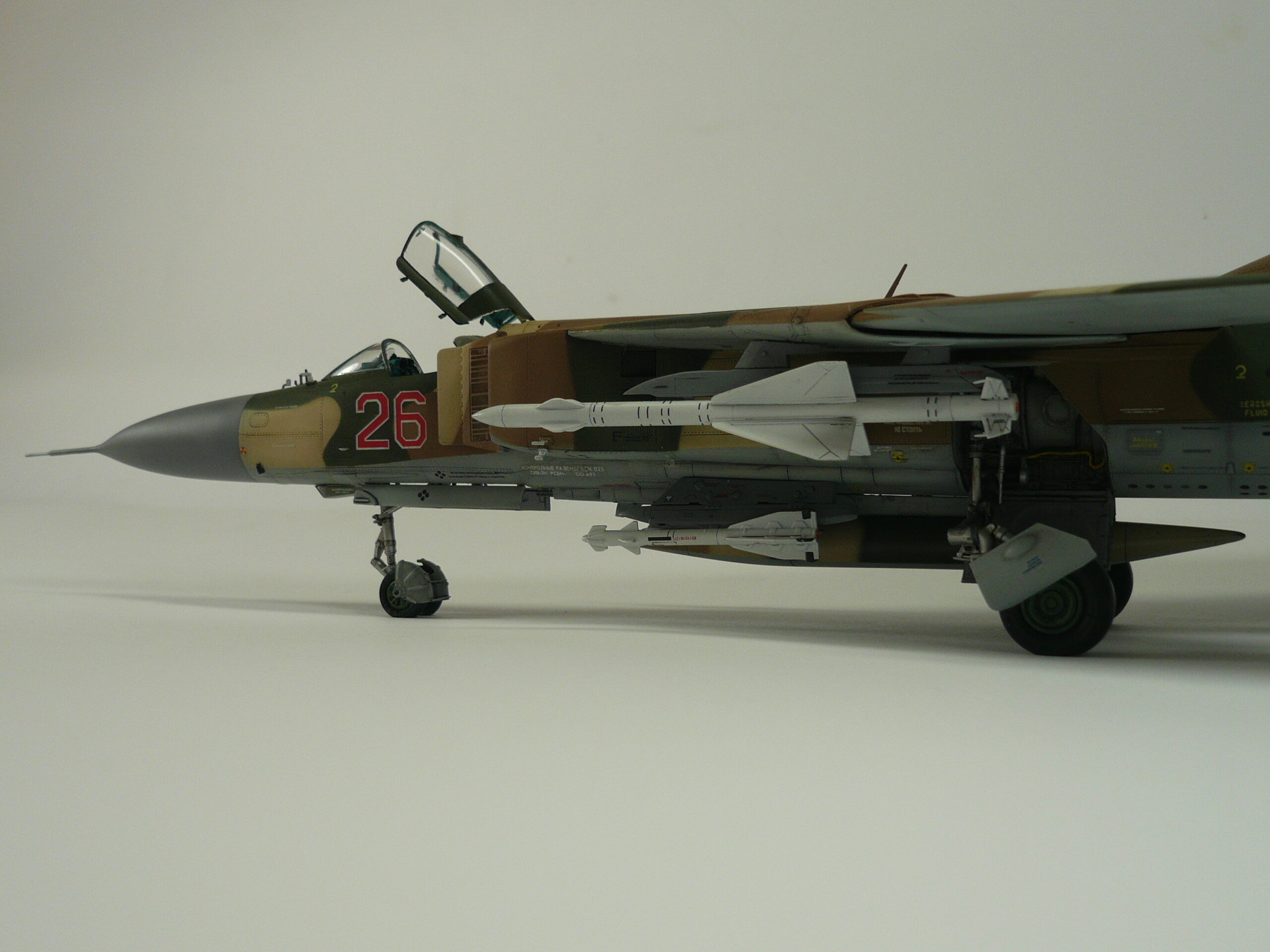
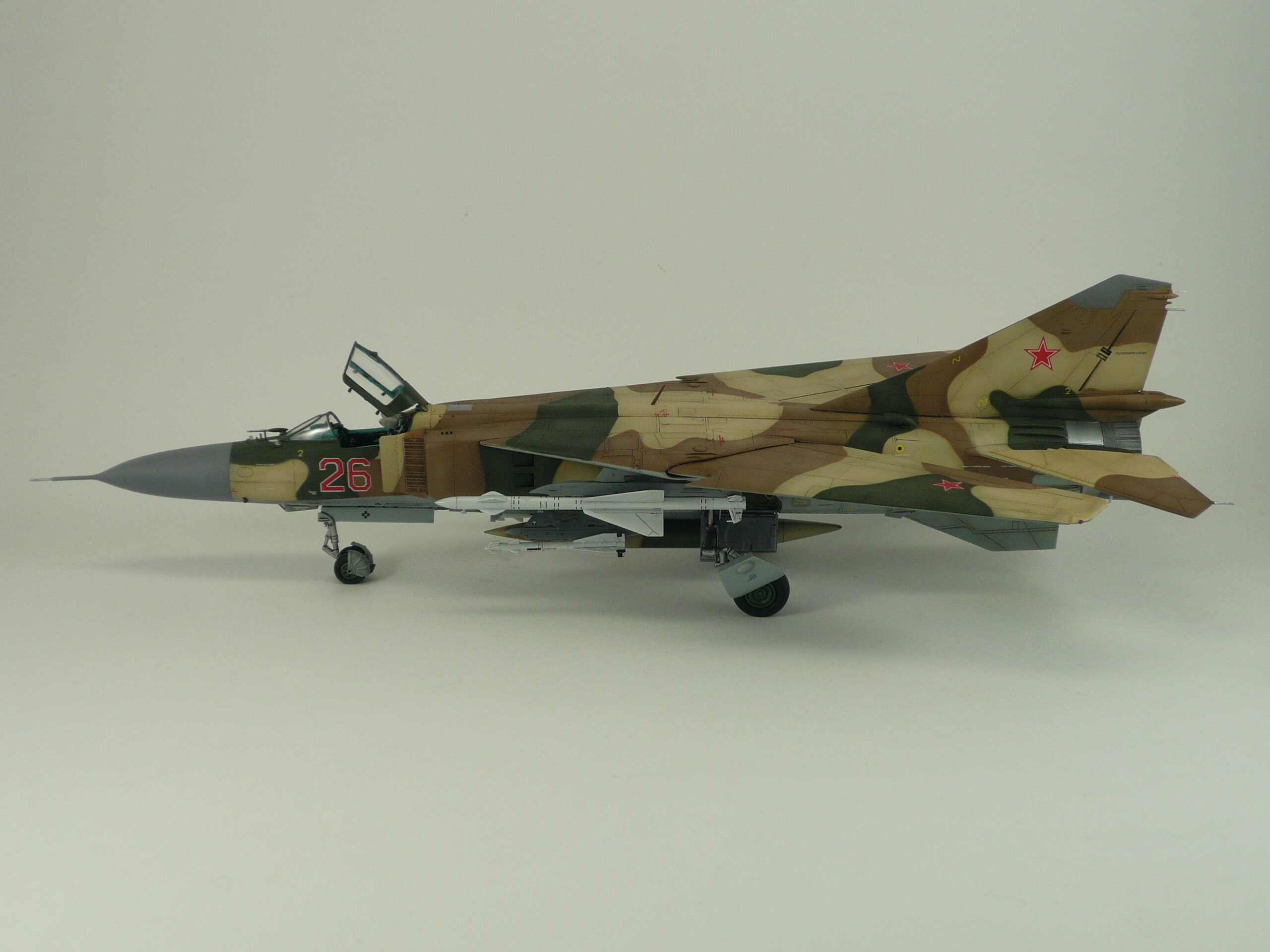
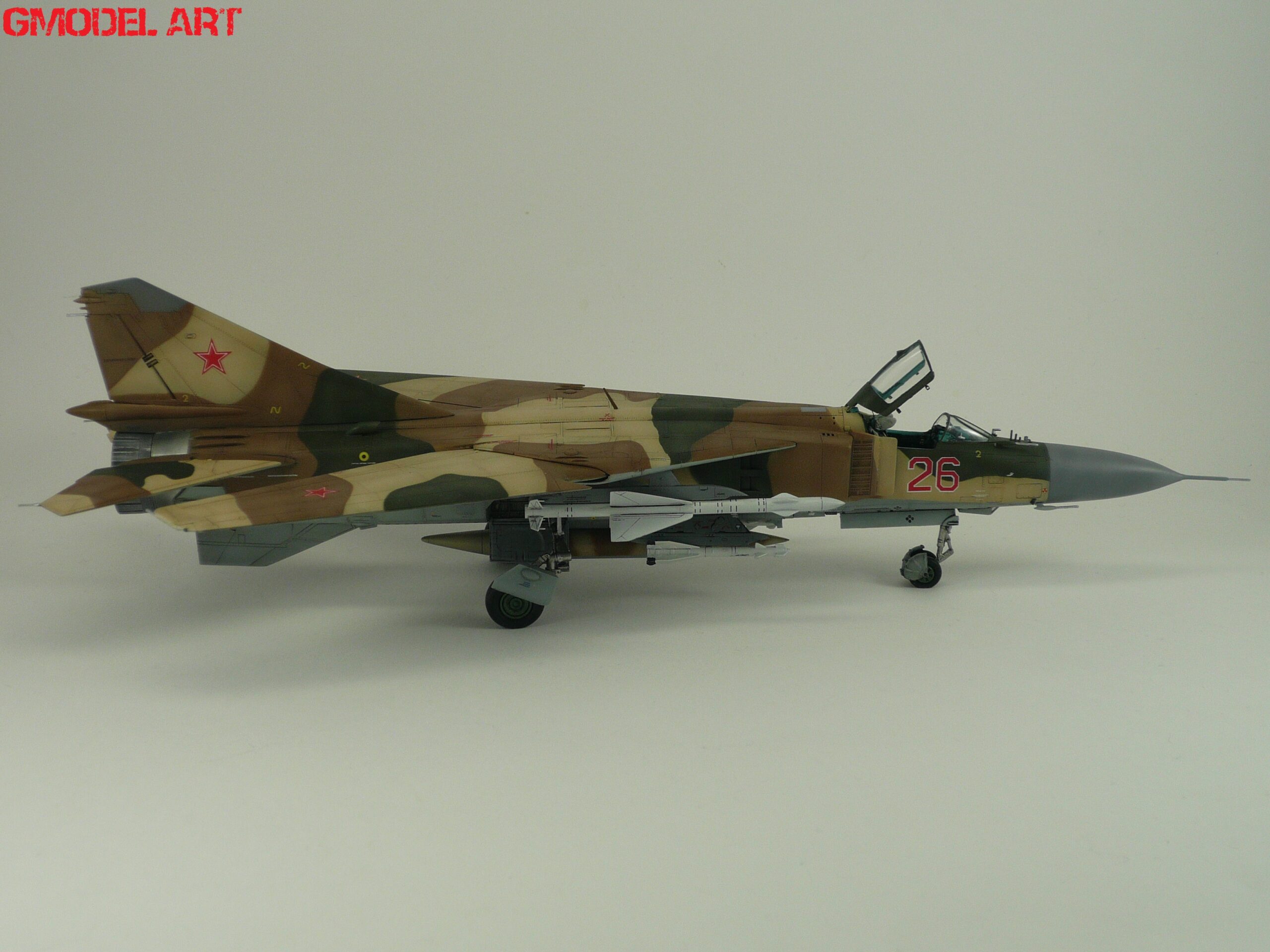
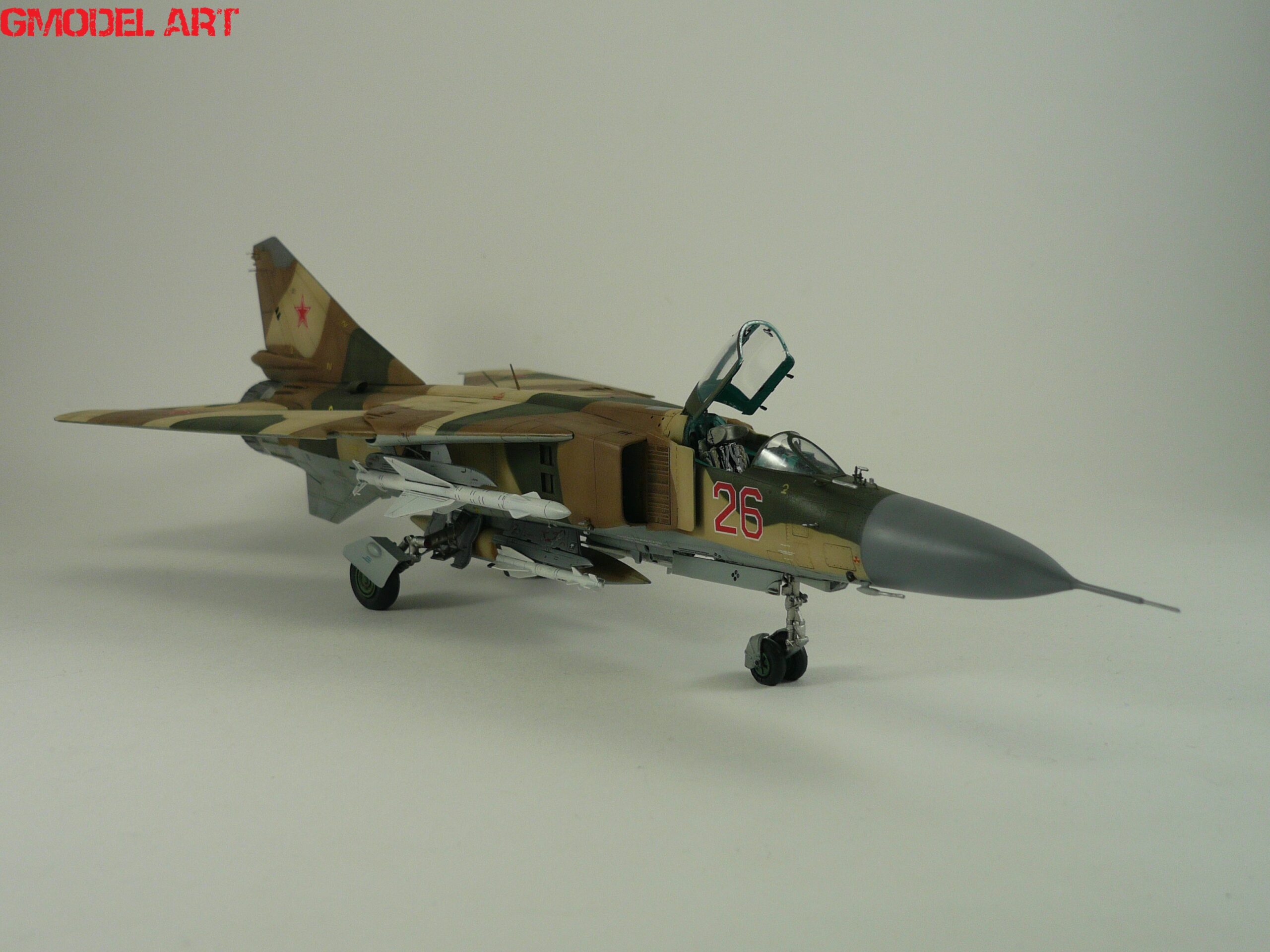
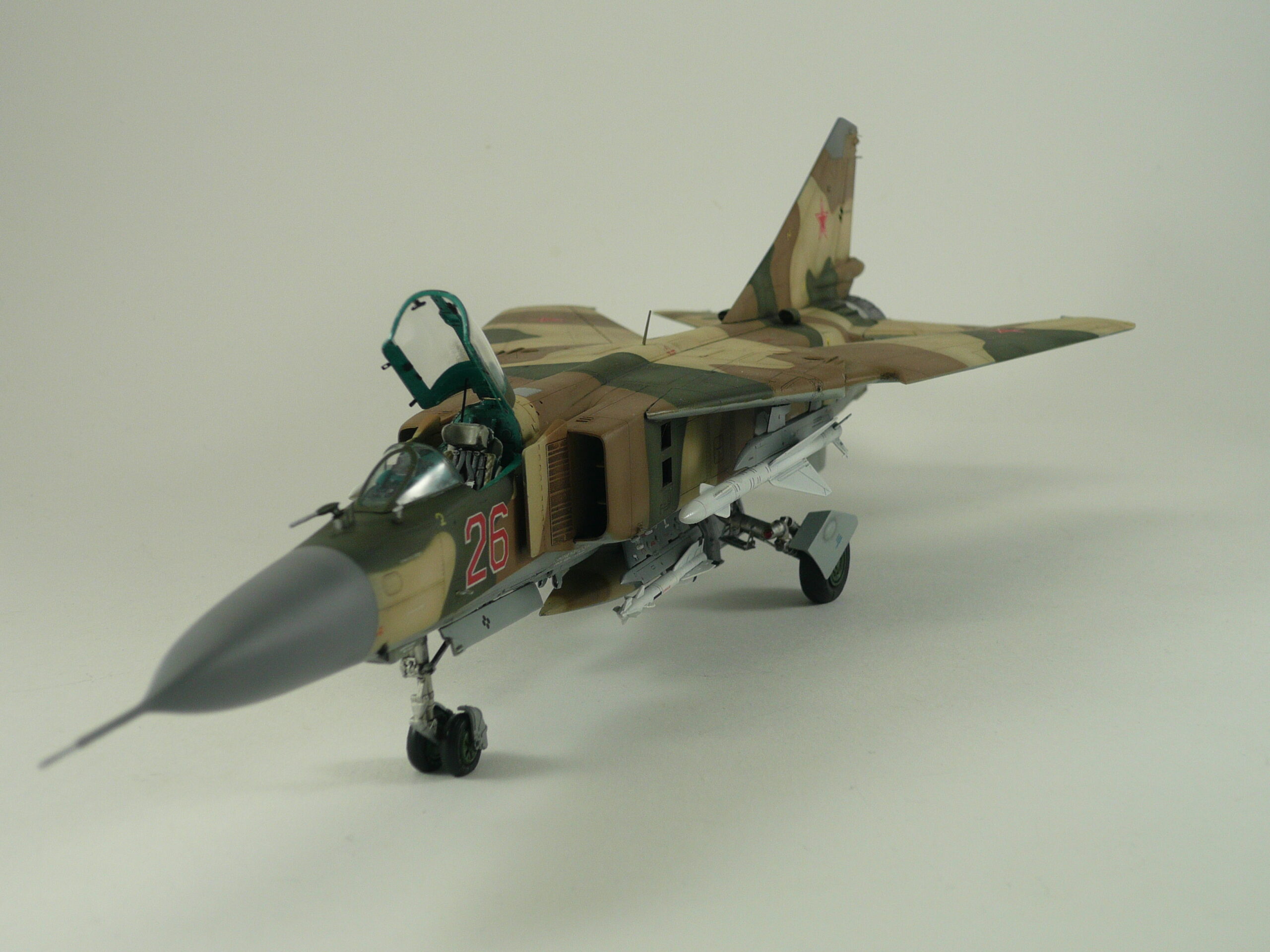
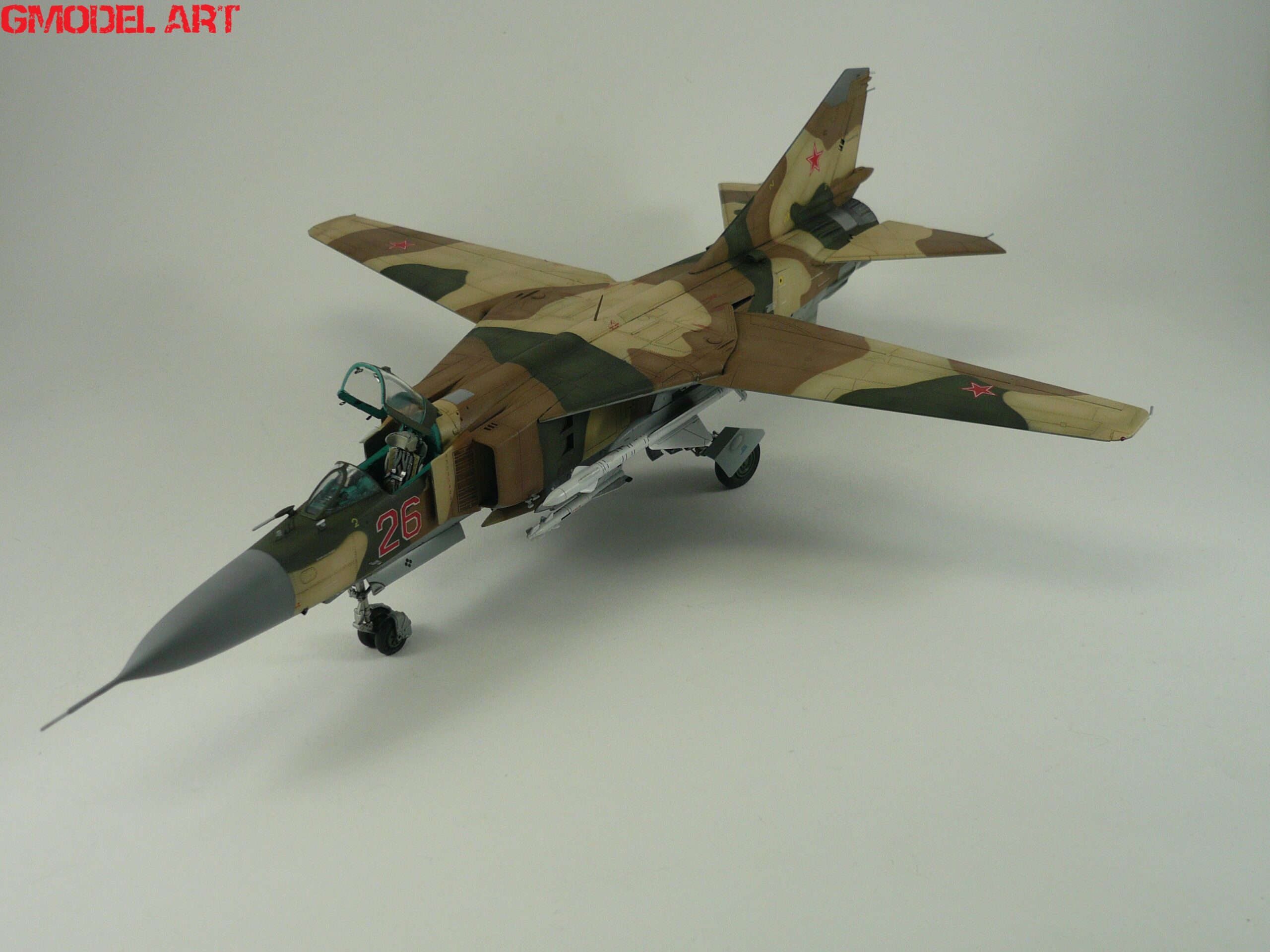
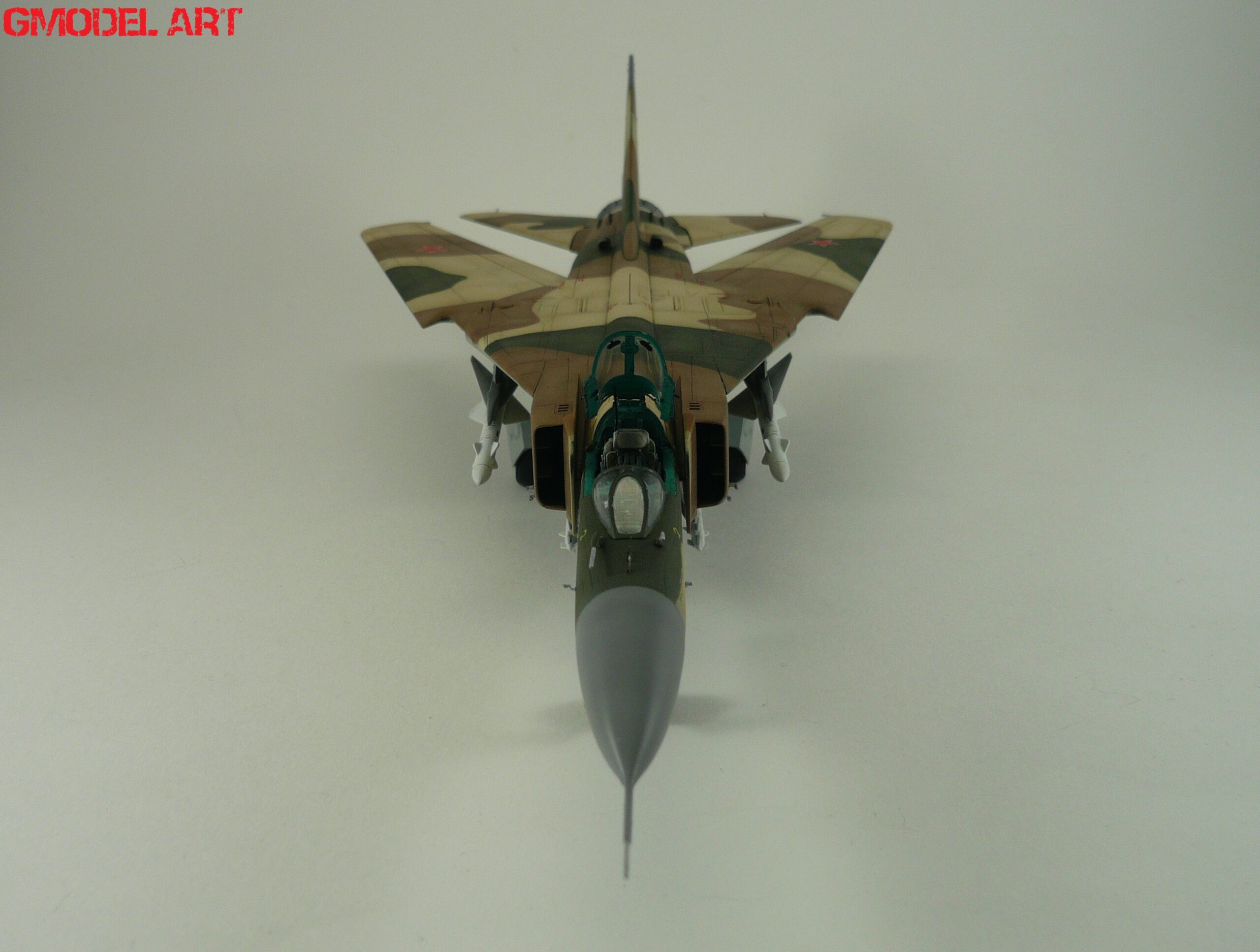
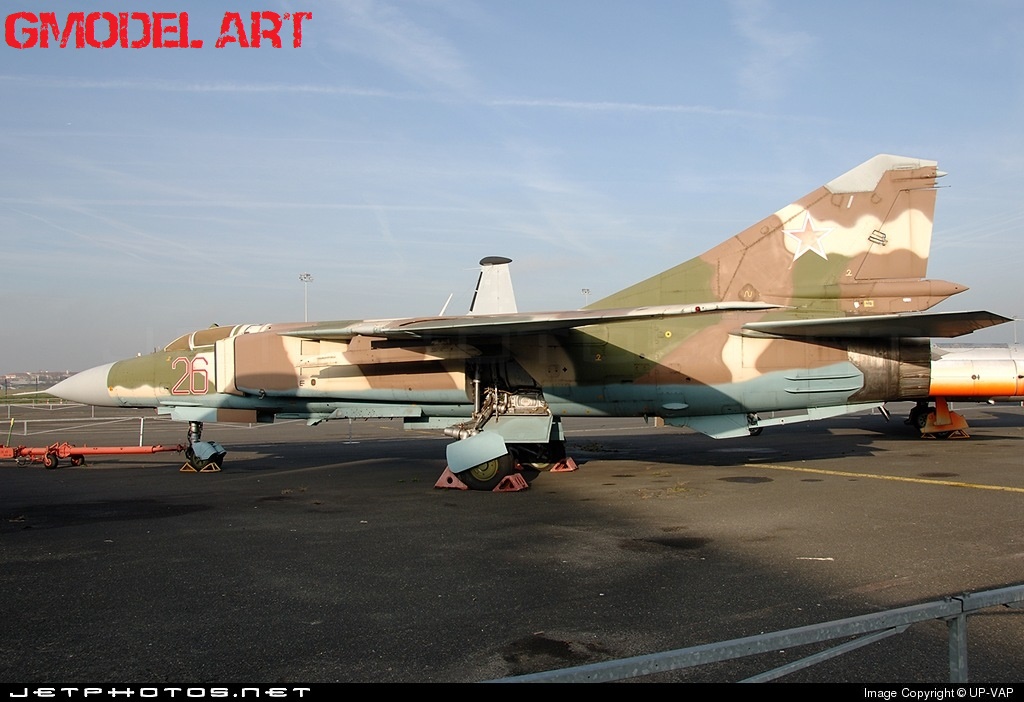
The angular lines, variable-sweep wings, and aggressive profile of the MiG-23ML Flogger-G make it one of the most recognizable Soviet fighter aircraft of the Cold War era. For scale modelers, the aircraft offers a rewarding combination of camouflage complexity, weathering opportunities, and striking visual presence. In this project, the MiG-23ML “Red 26” was recreated using a detailed build process that focused on realistic paint transitions, subtle shading effects, and operational wear.
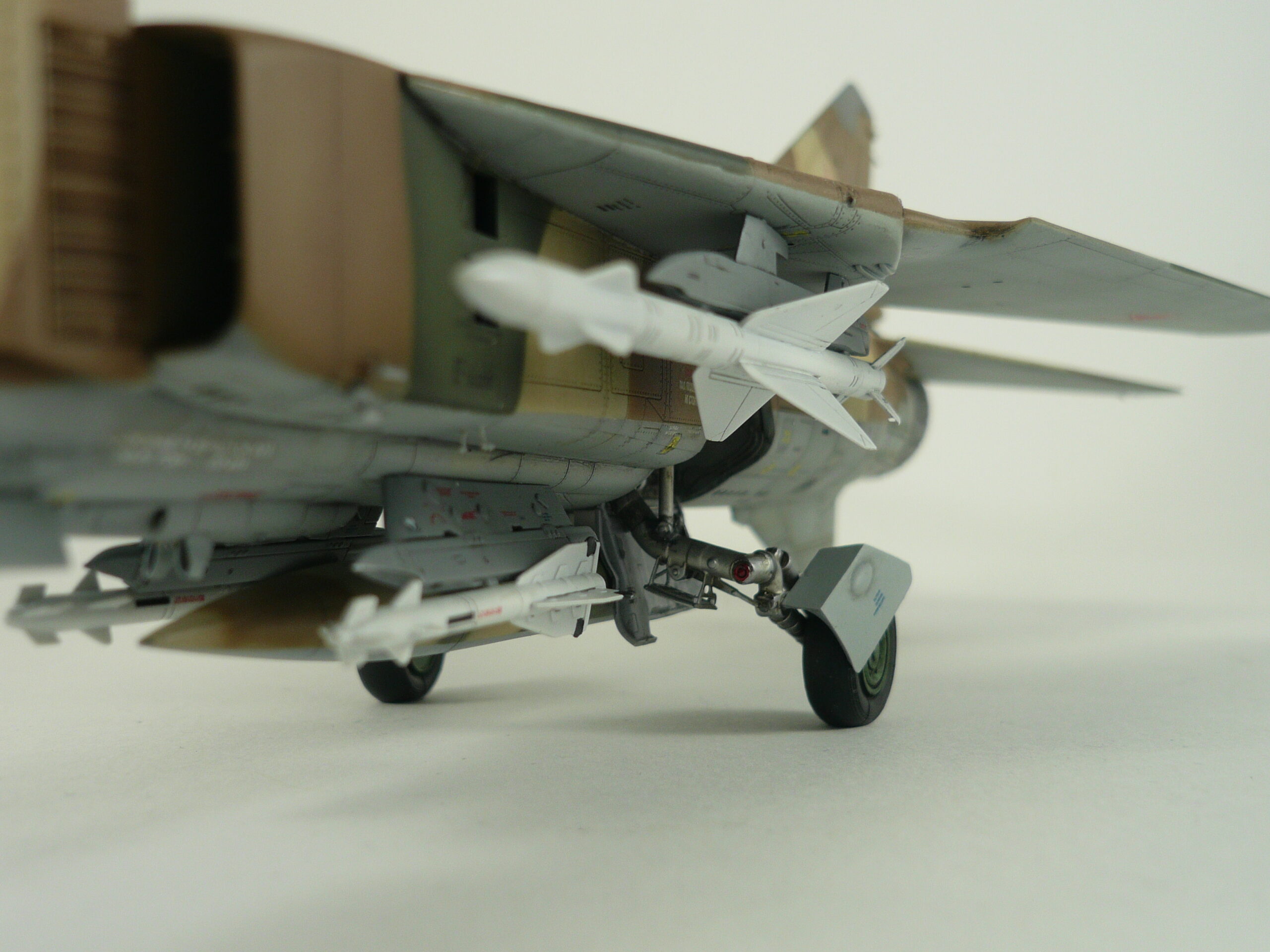
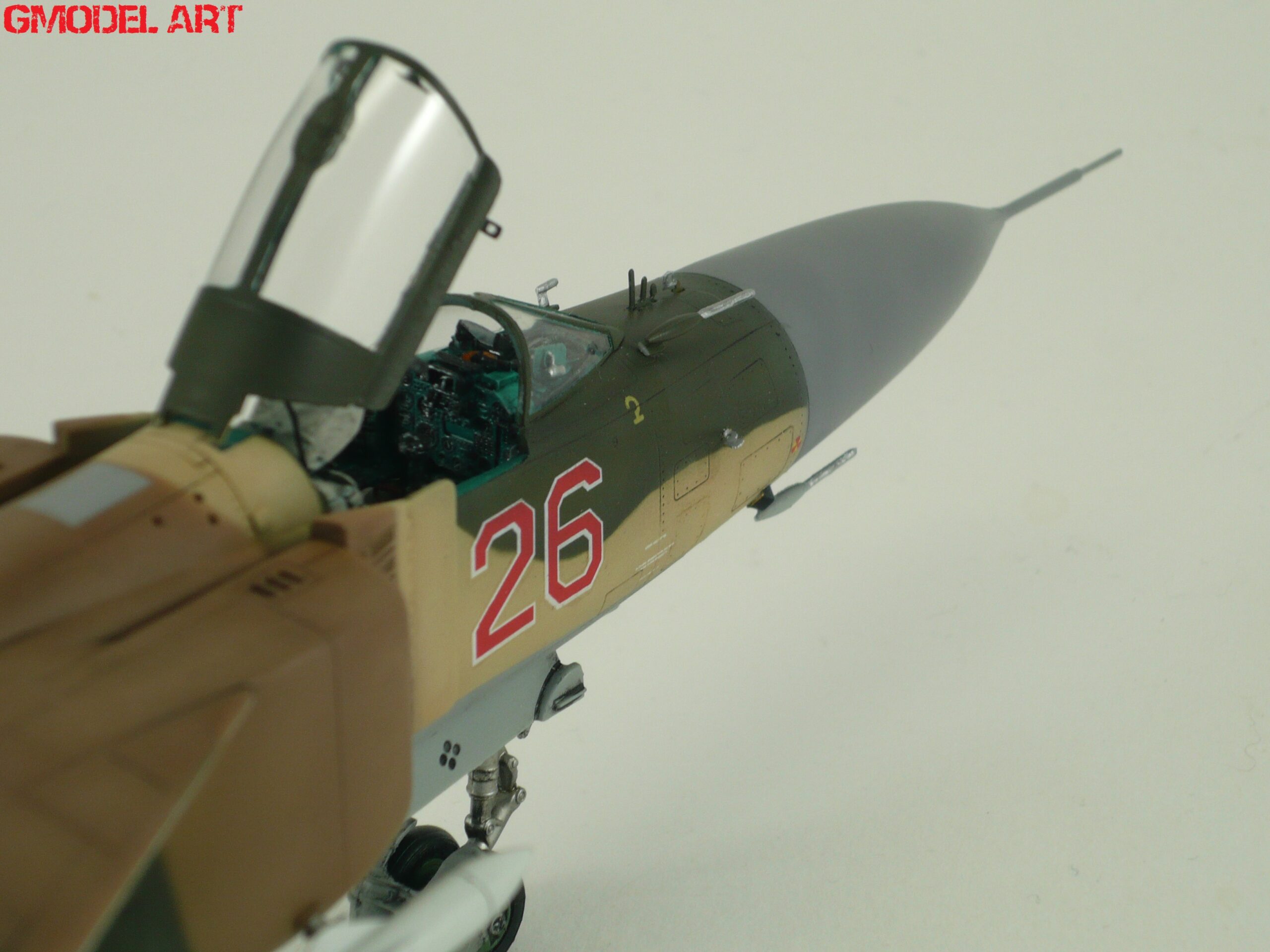
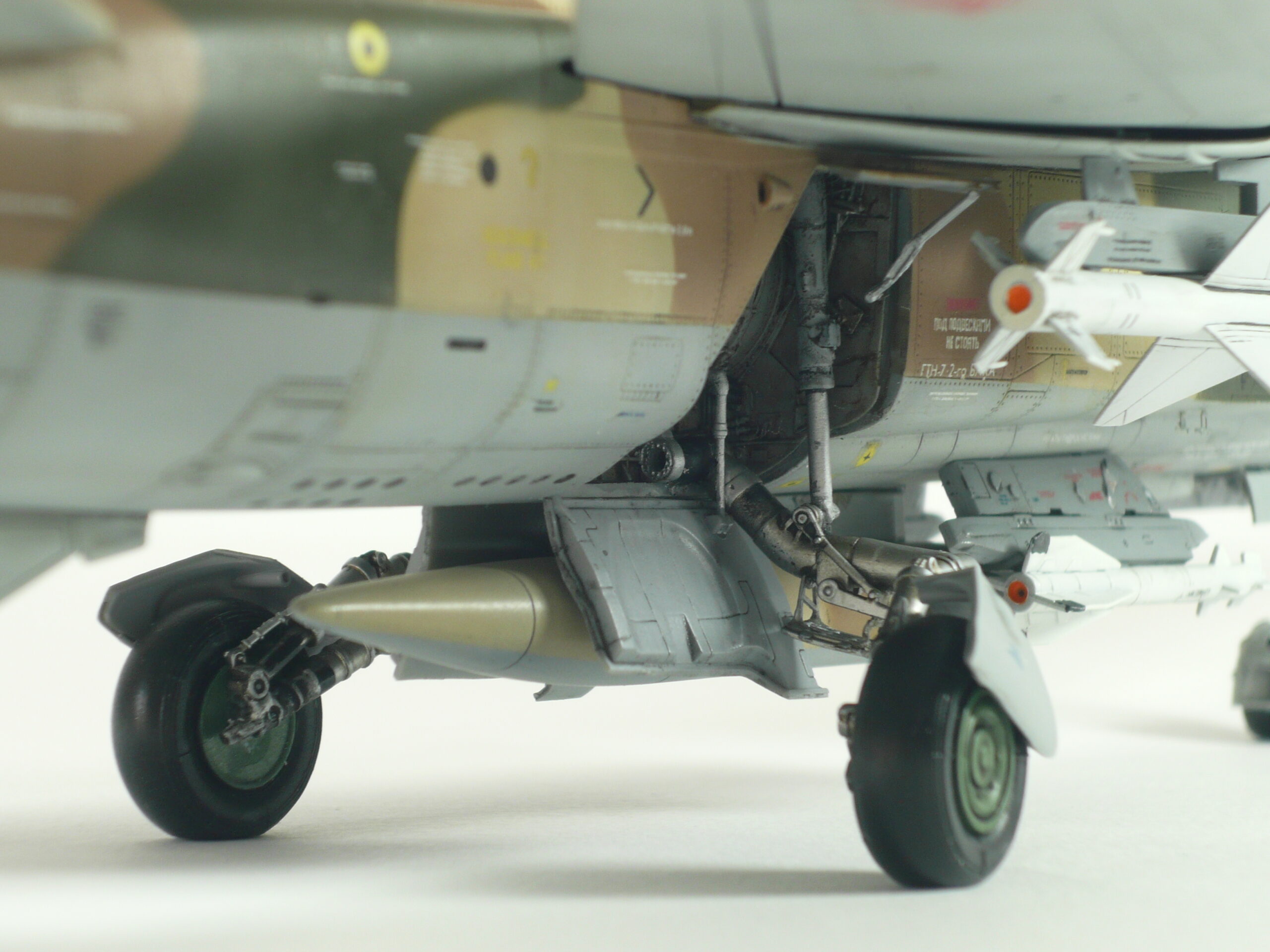
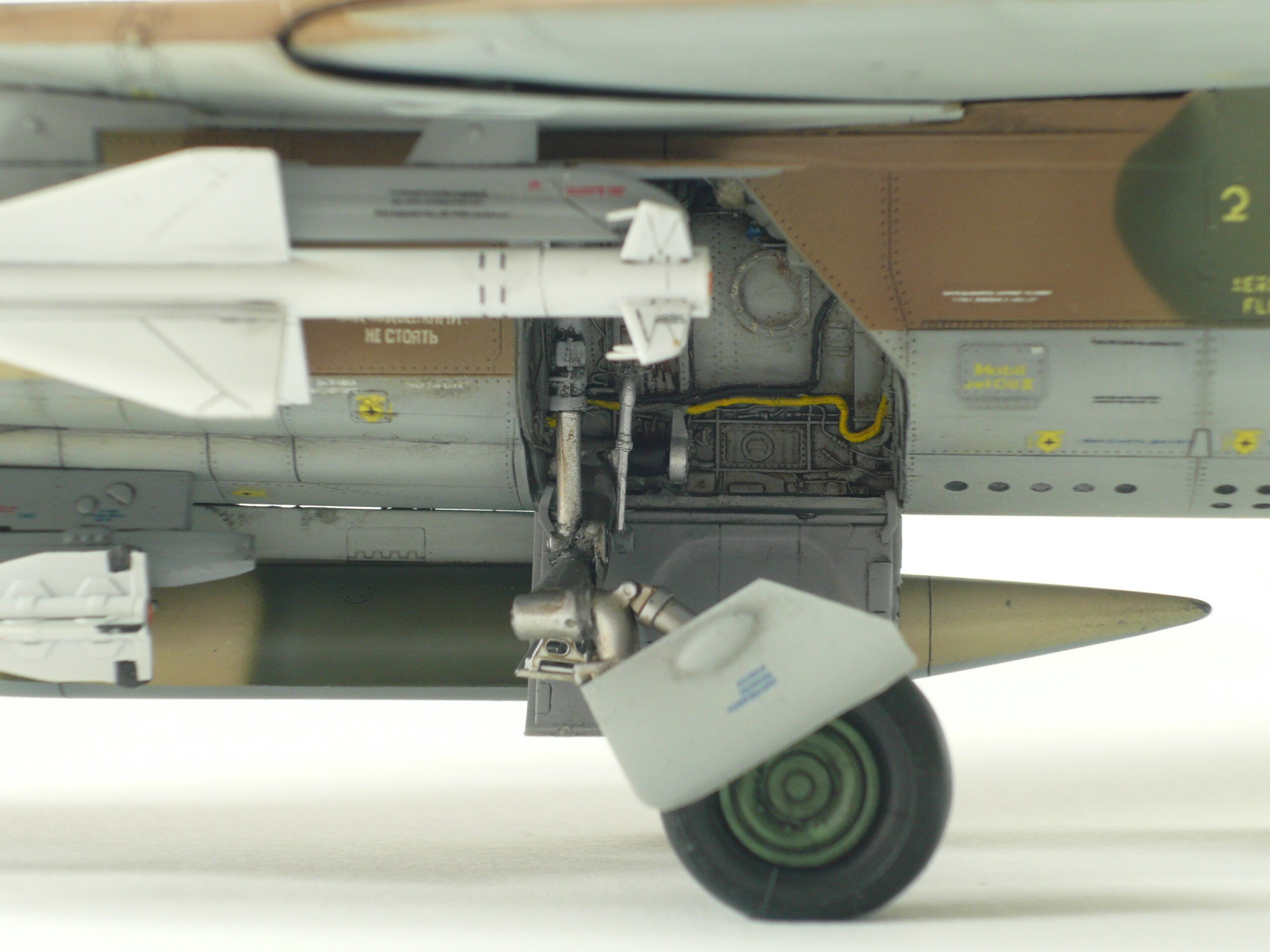
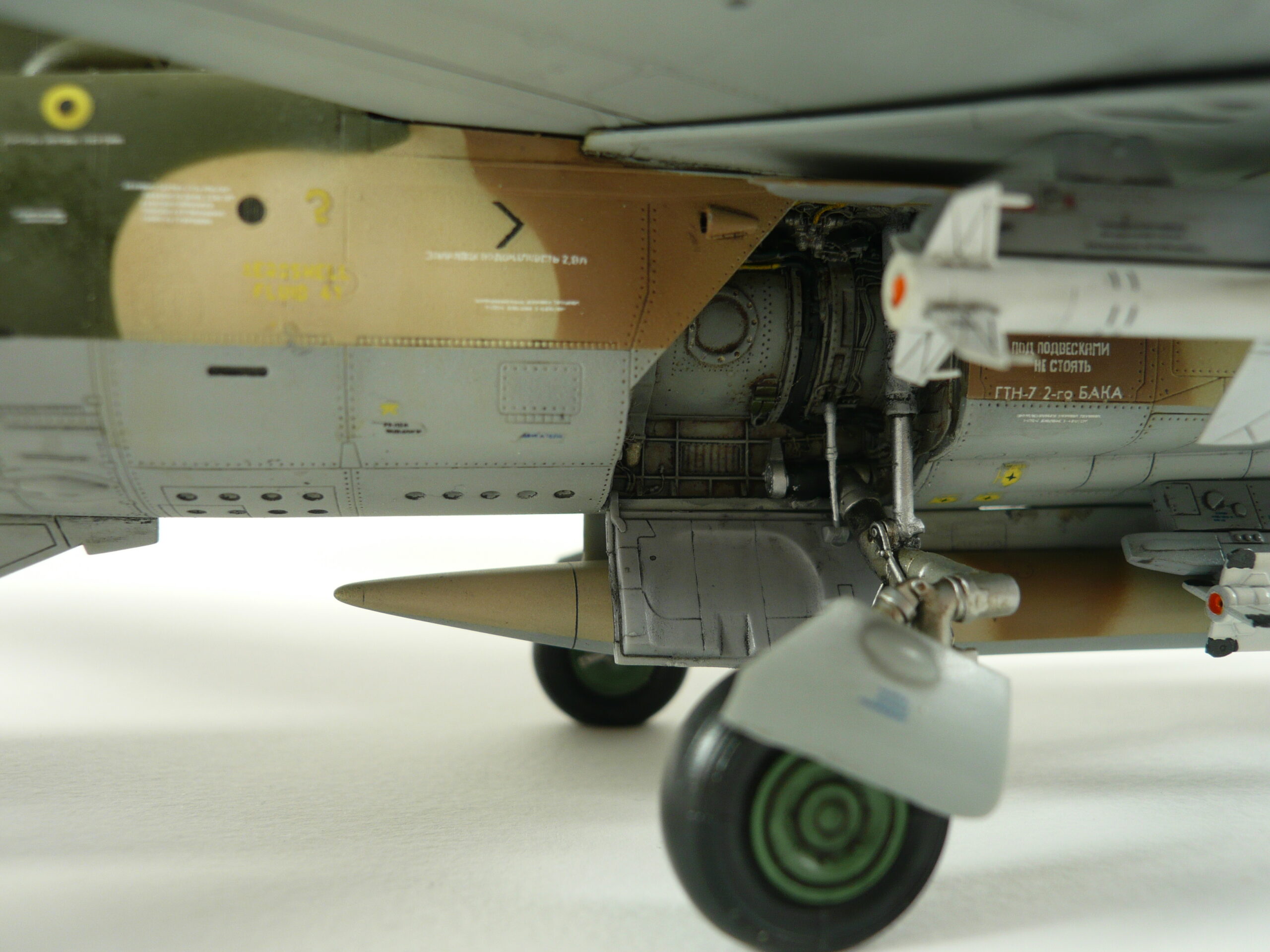
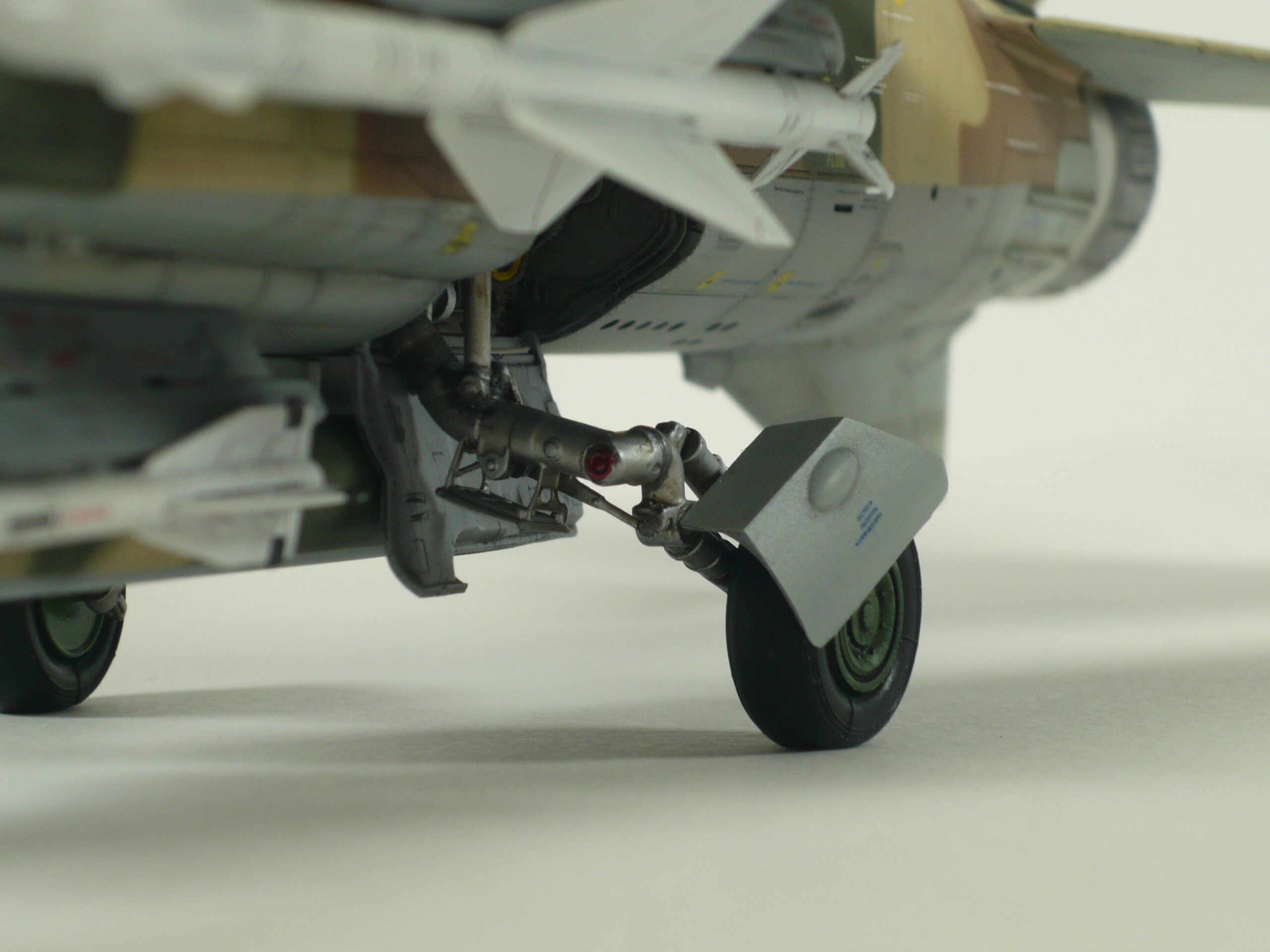
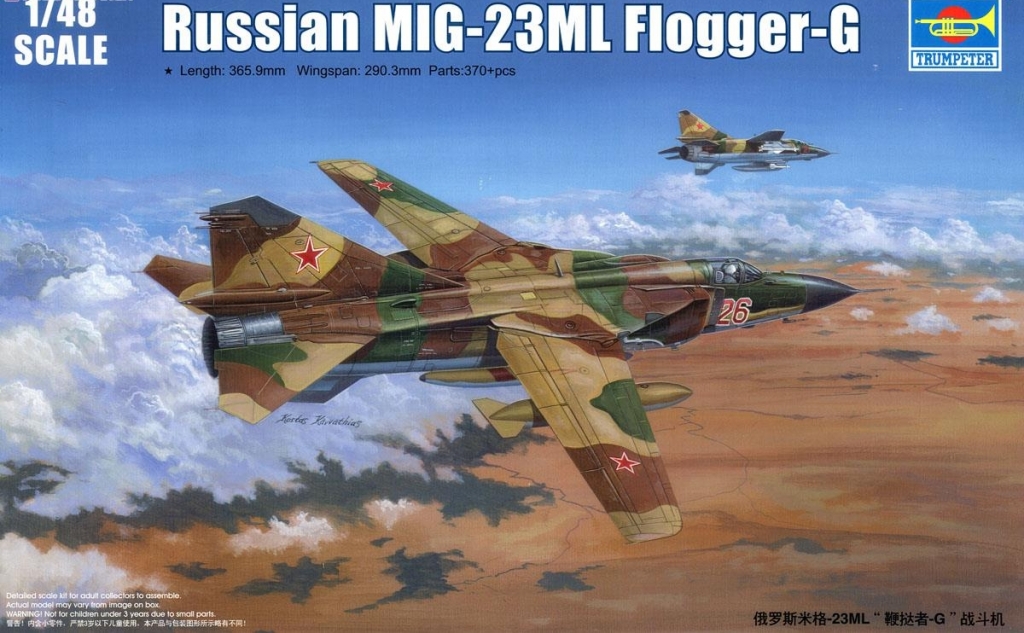
The project began with the construction of the airframe using the Trumpeter MiG-23ML kit, enhanced with aftermarket resin details including a cockpit set and wheel wells from Aires. The resin additions significantly improved interior details and helped create a more authentic appearance in areas often overlooked on standard kit builds.
As with every serious scale model project, preparation before painting played a major role in the final outcome. Once construction was completed, the model was carefully washed with soap and water to remove dust particles, fingerprints, oils, and any remaining residue from sanding and assembly work. Surface preparation is often underestimated, but even small contaminants can affect primer adhesion and paint quality.
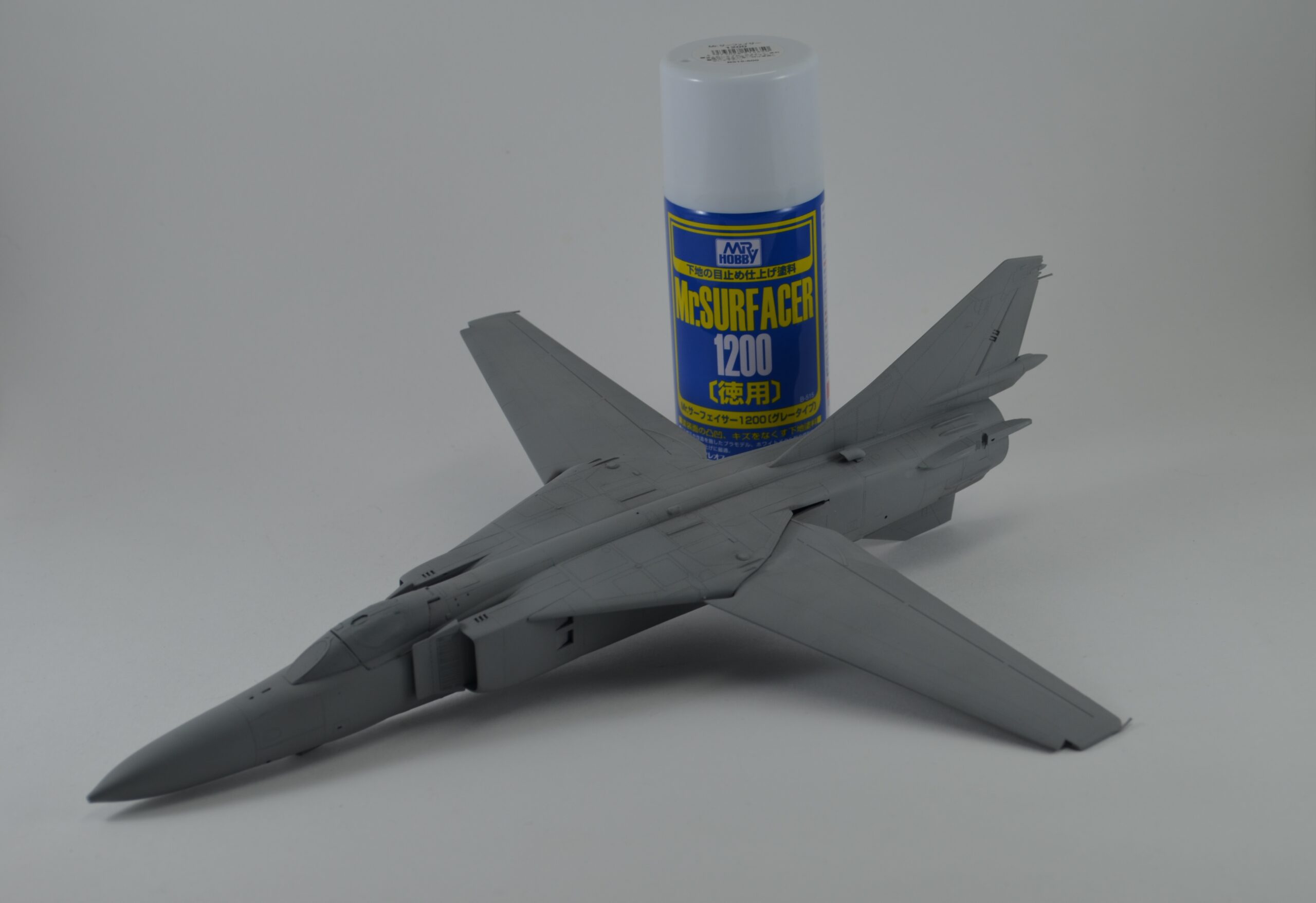
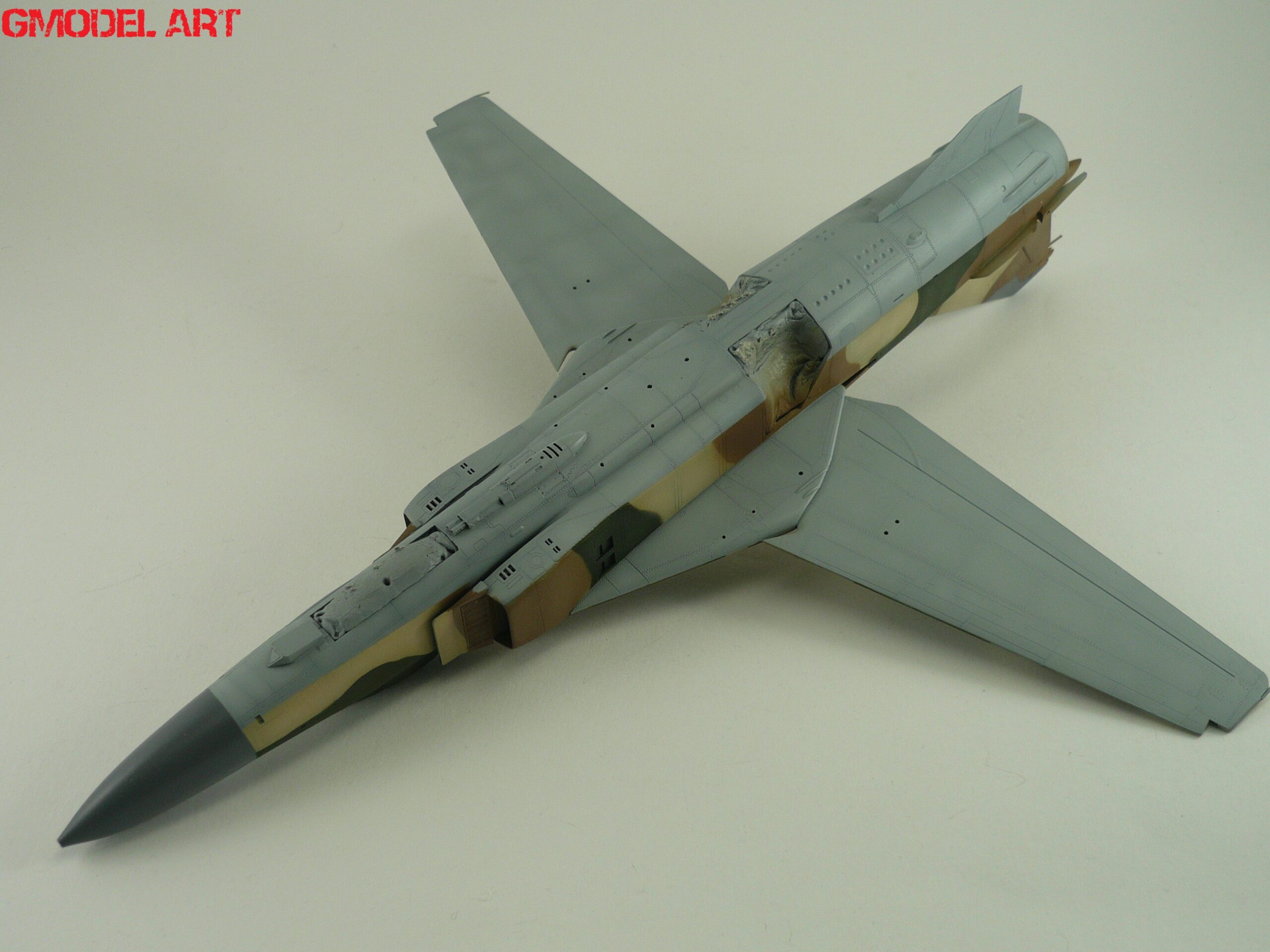
The first painting stage involved applying a primer coat using Mr Surfacer 1200. Primer serves several important purposes beyond simply preparing the surface for paint. It creates a uniform base color, improves paint adhesion, and reveals imperfections such as seam lines, scratches, or filling issues that may not be visible on bare plastic. Any flaws detected at this stage can still be corrected before proceeding further.
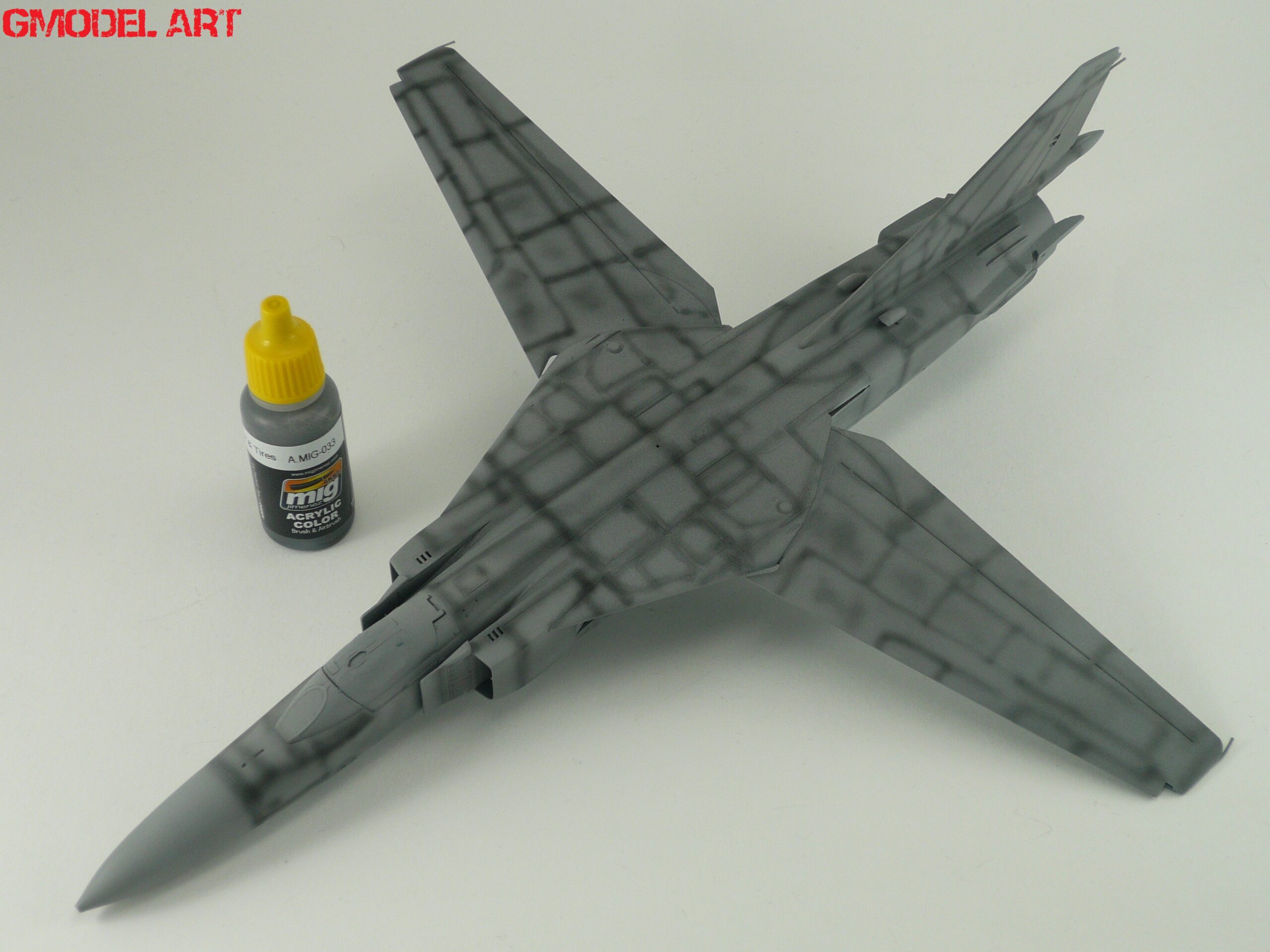
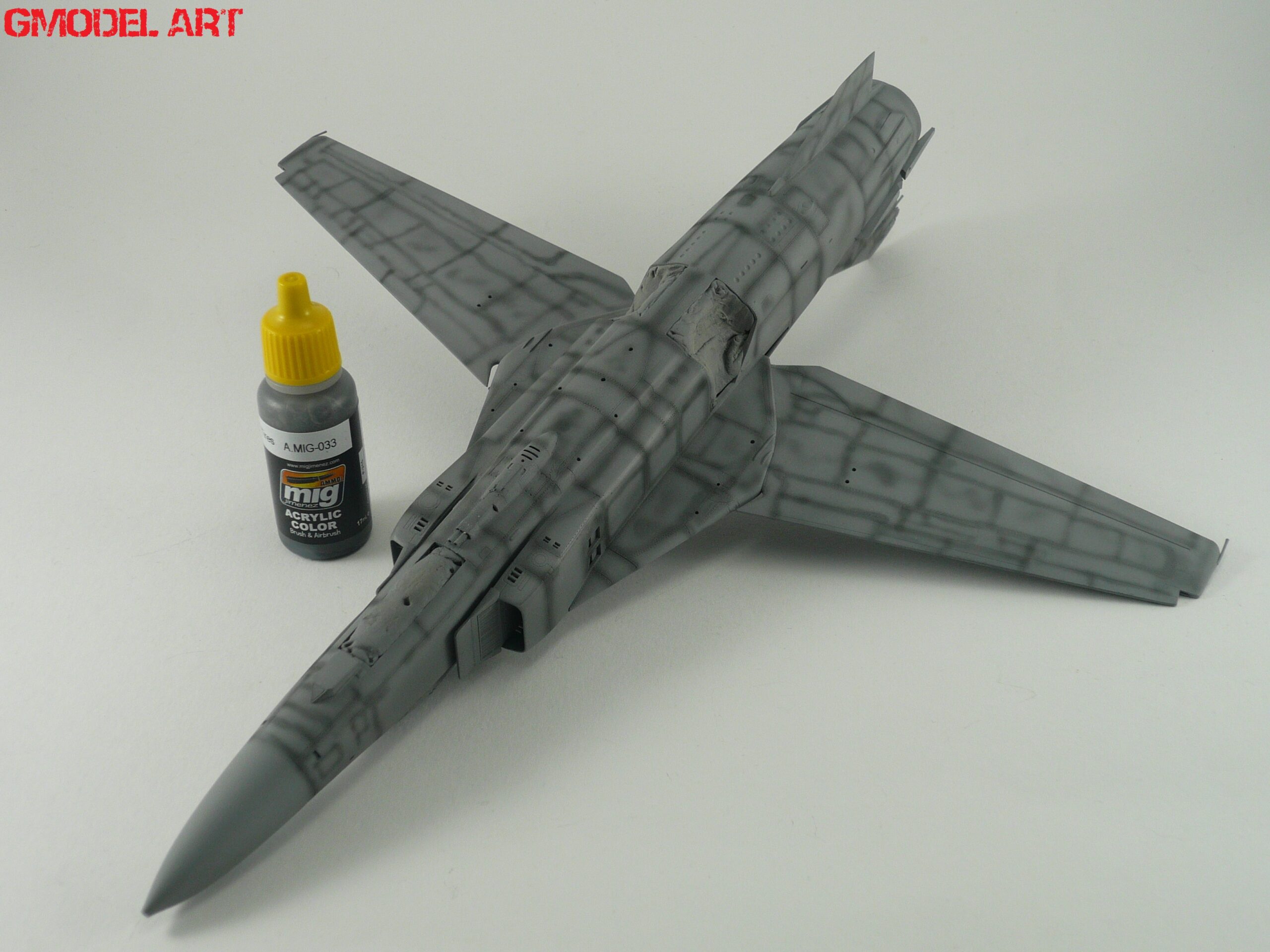
Before applying the main camouflage colors, preshading techniques were introduced to create depth and visual variation across the model surface. A dark Rubber and Tire Black shade was sprayed along panel lines and recessed areas. This stage helps create shadows beneath the final paint layers and avoids a flat appearance once the camouflage is complete.
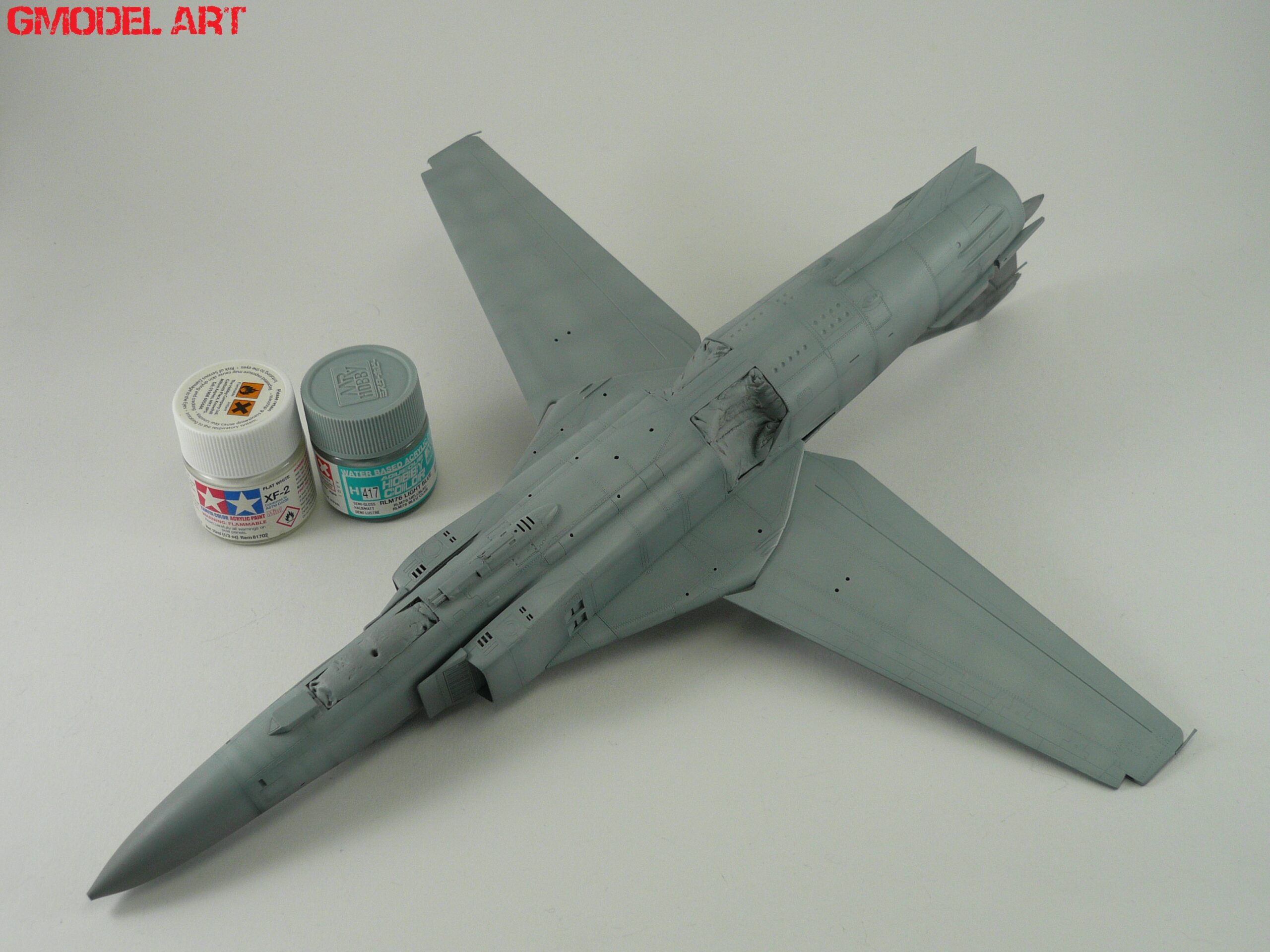
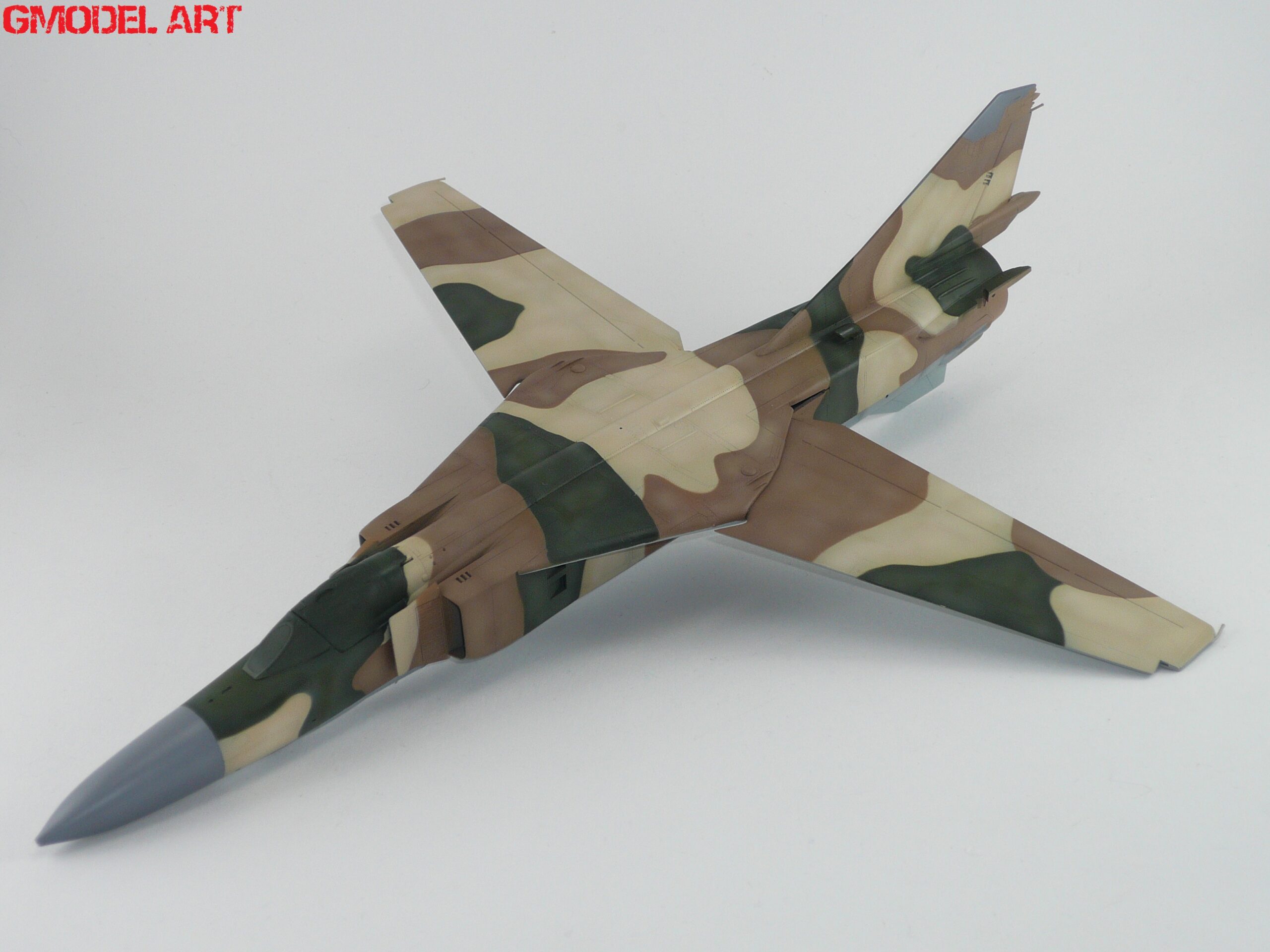
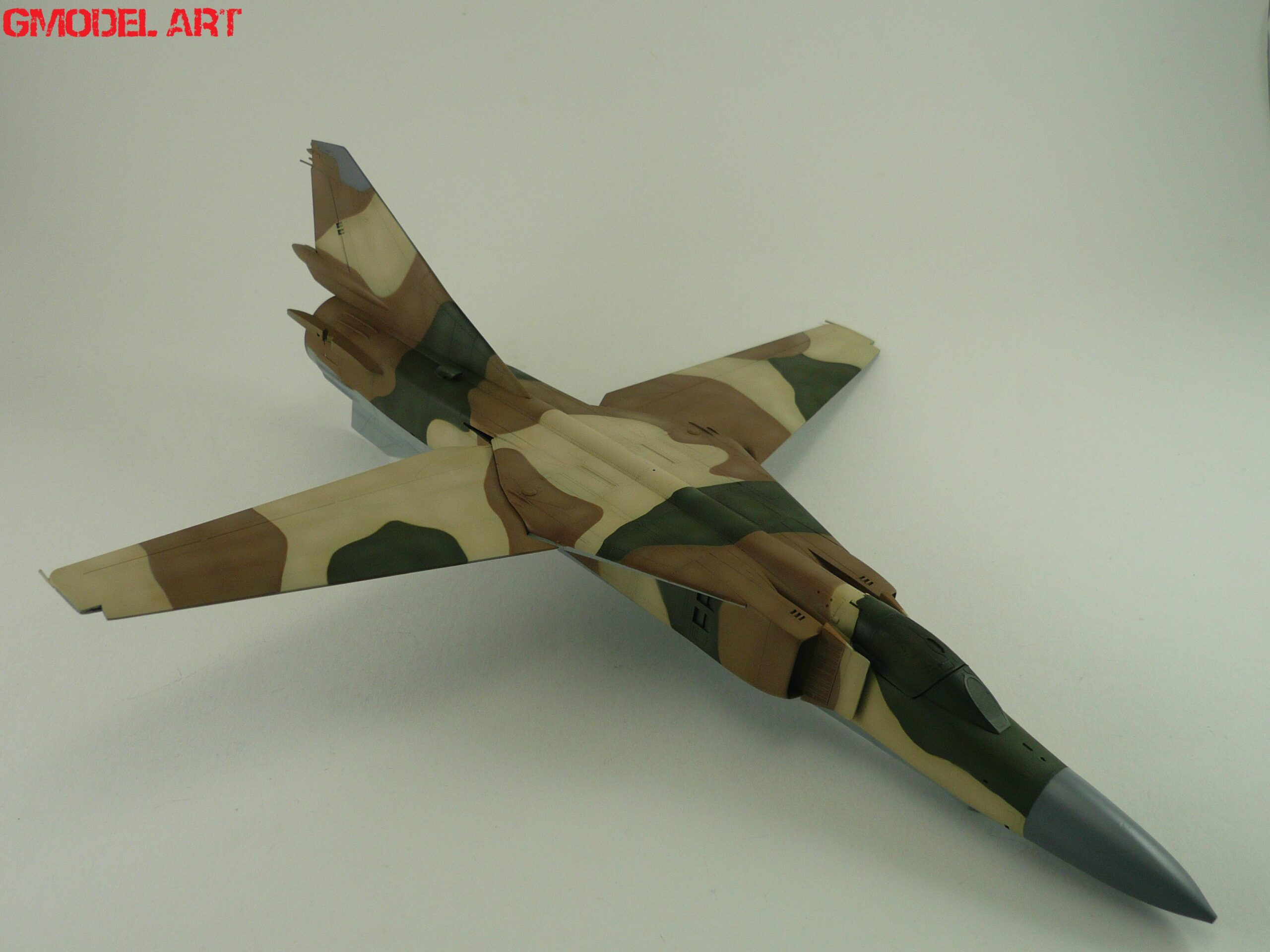
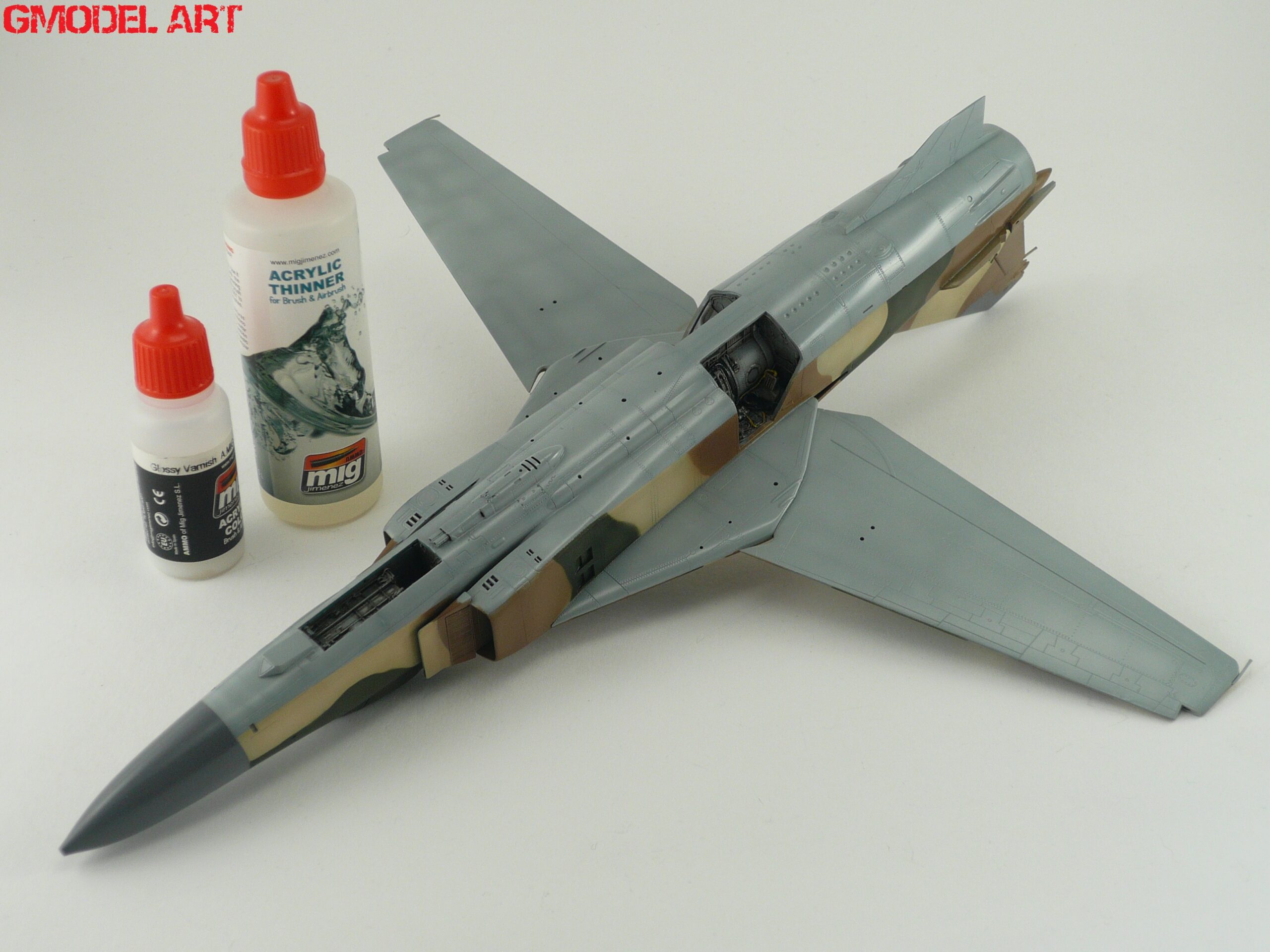
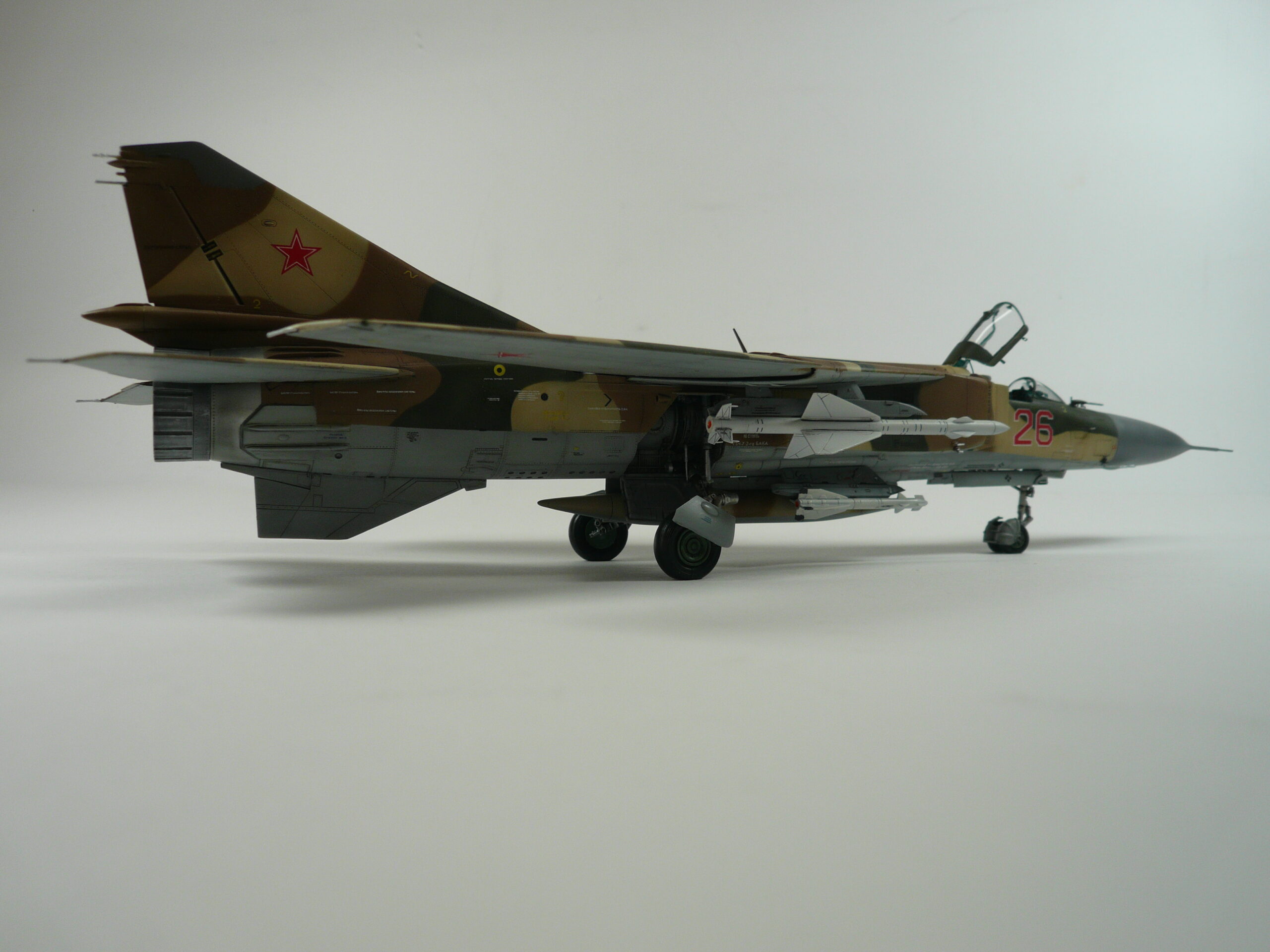
The lower surfaces were painted first using a light blue shade based on Mr Hobby H417 RLM 76 Light Blue. Rather than applying a uniform coat, subtle tonal variations were introduced by mixing small amounts of white into the base color. These lighter shades simulate fading caused by sunlight and operational wear, creating a more dynamic and realistic finish.
Once the underside colors had fully dried, masking protected those areas while work shifted to the upper surfaces. Preshading was repeated before beginning the three-color camouflage pattern.
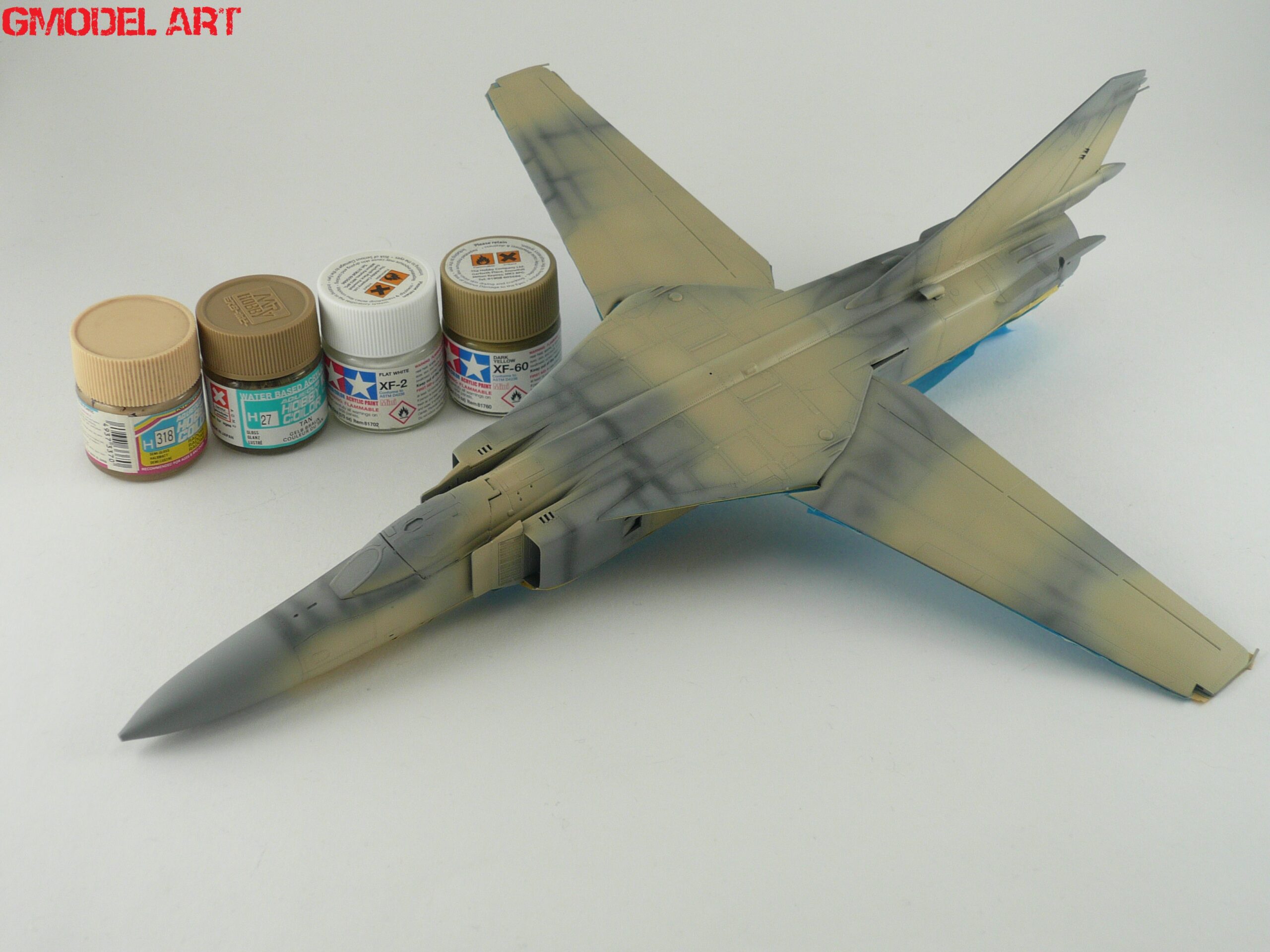
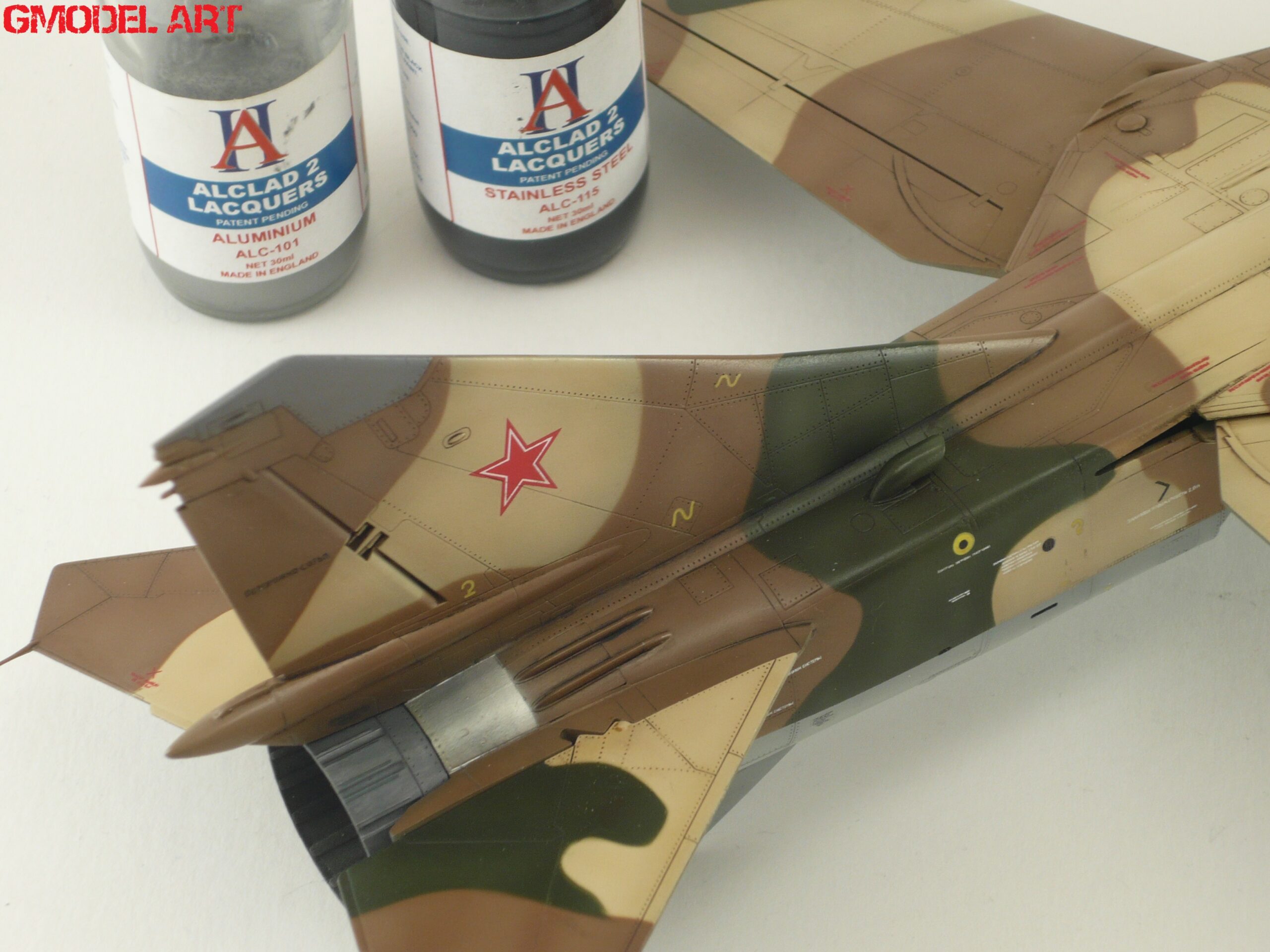
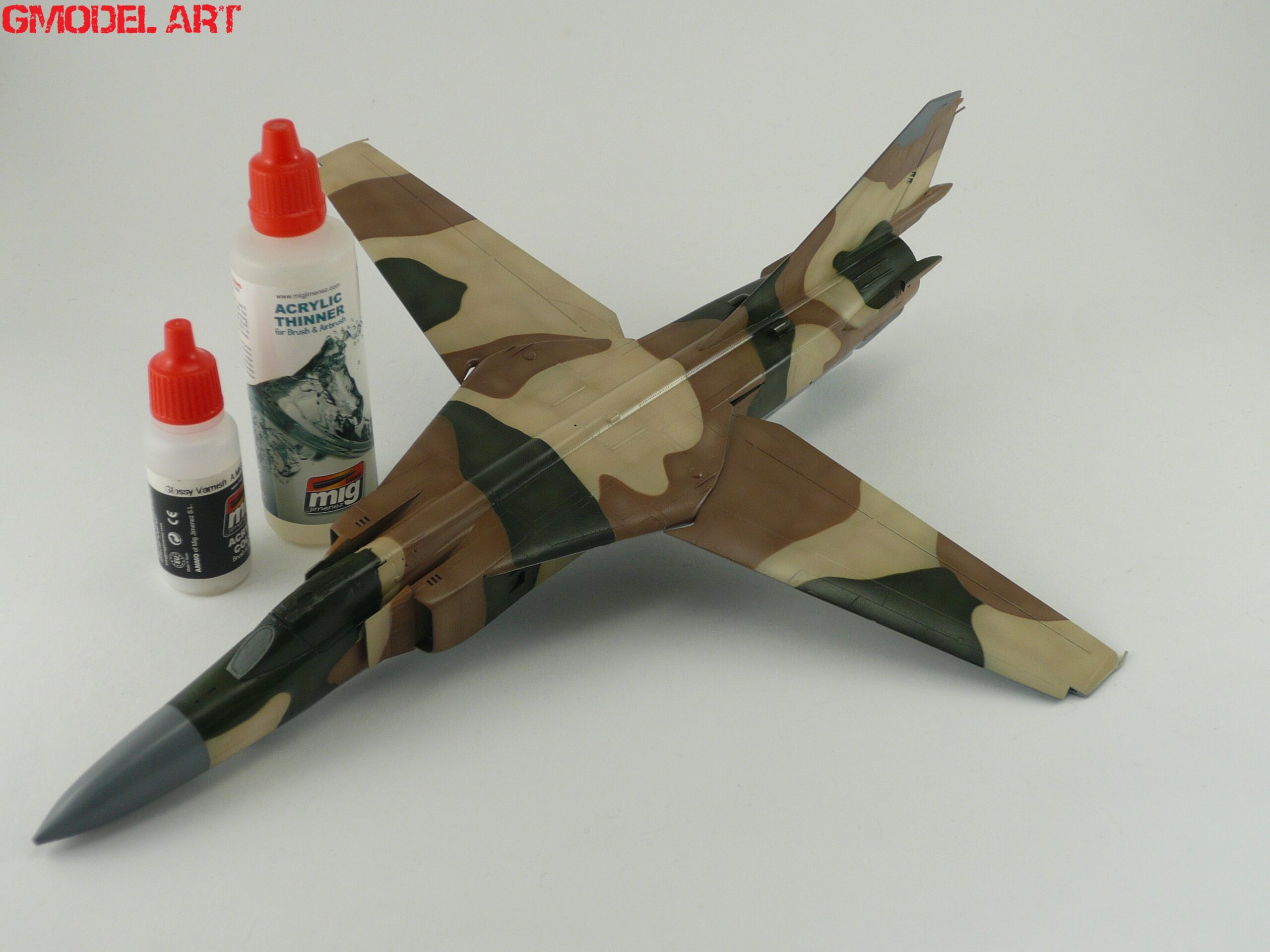
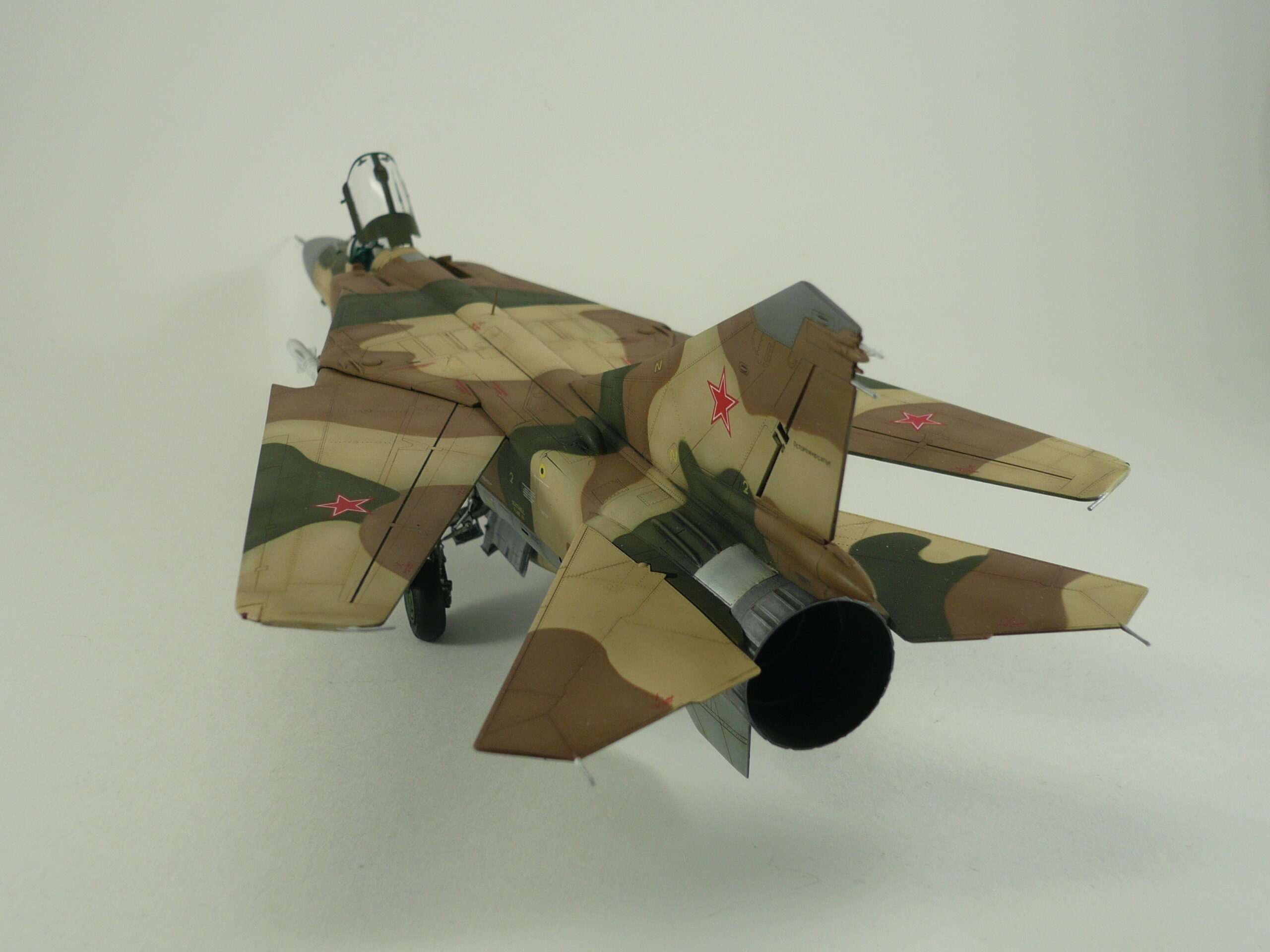
The sand tone was created using Mr Hobby H318 Radome as the base, mixed with H27 Tan and Tamiya XF-60 Dark Yellow. Additional white was used for highlights and faded effects.
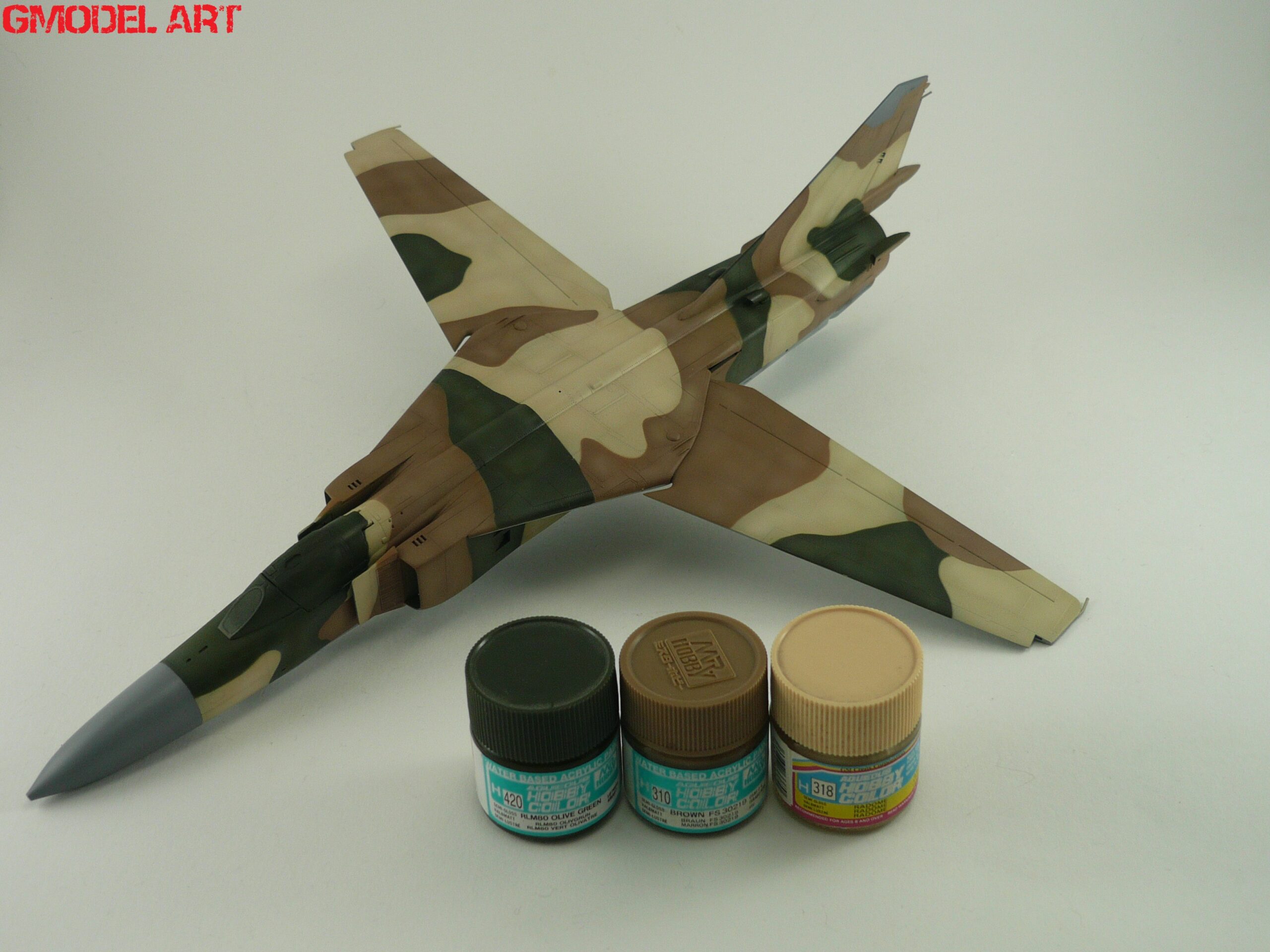
The brown sections used Mr Hobby H310 Brown combined with Dark Earth to create a richer tone. Lighter shades were later introduced to break color monotony and provide subtle weathering effects.
The green camouflage areas utilized Mr Hobby H420 RLM80 Olive Green with Black Green added for darker sections and H303 Green used to create highlights and tonal transitions.
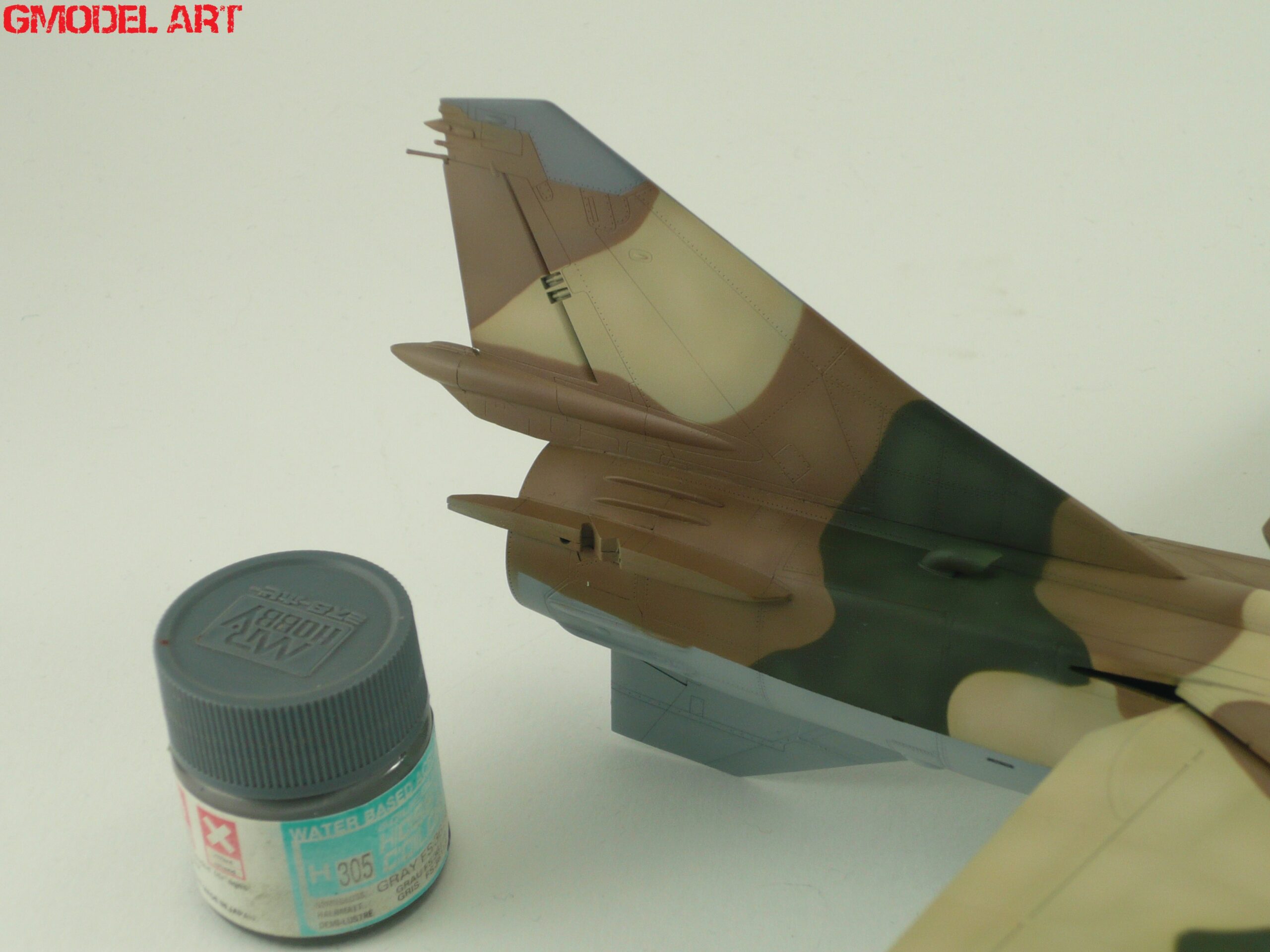
To achieve the tight camouflage boundaries characteristic of operational MiG-23 aircraft, Blu-tack masking was used. This technique creates soft yet controlled transitions between colors and reproduces the scale appearance more effectively than hard masking lines.
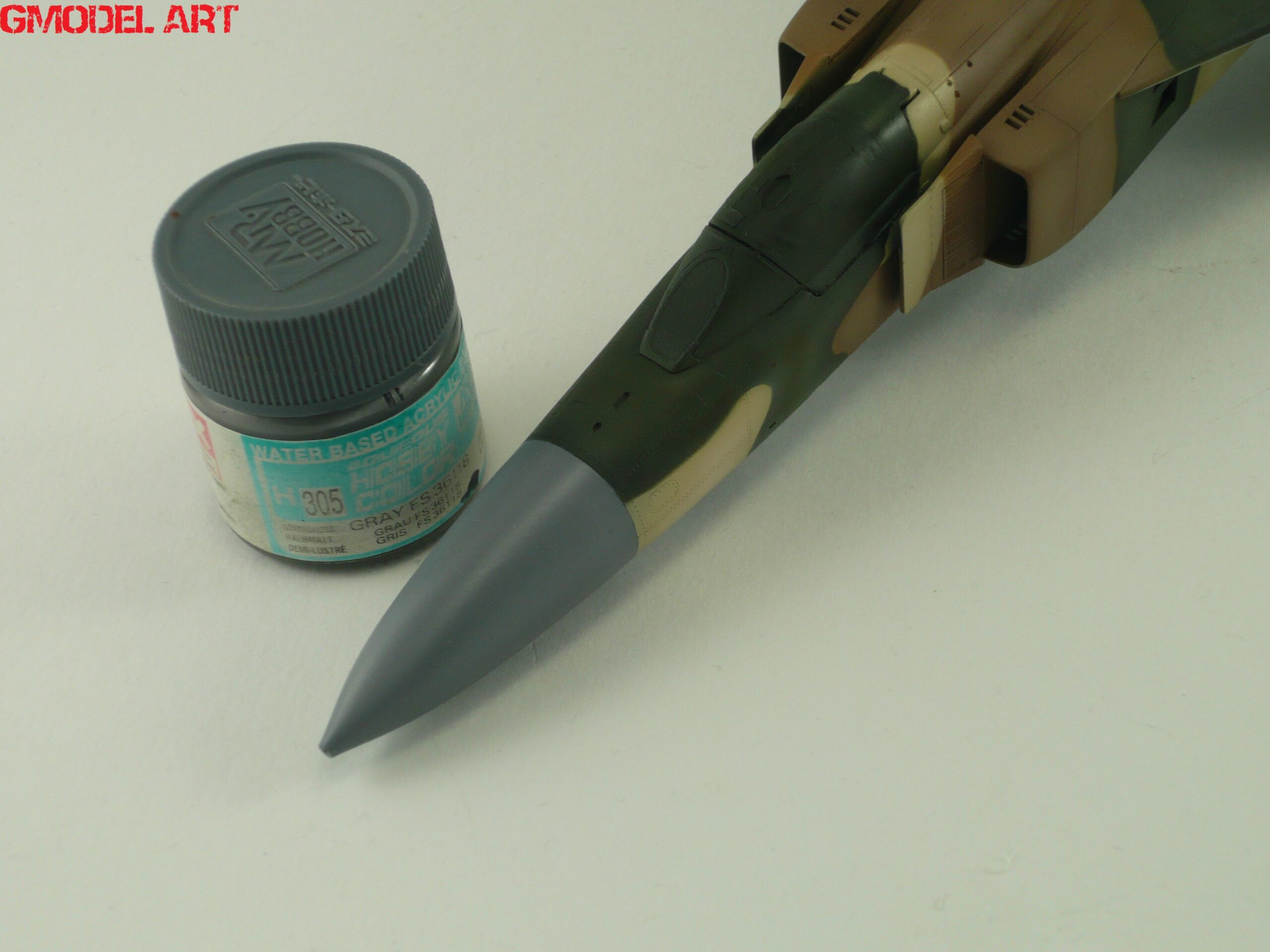
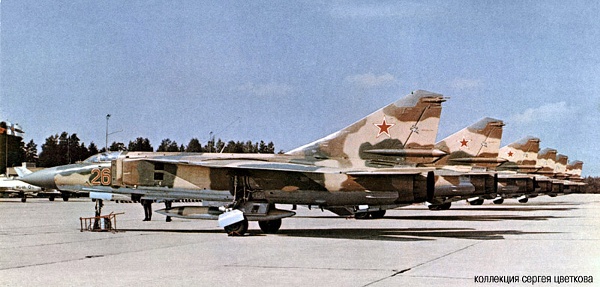
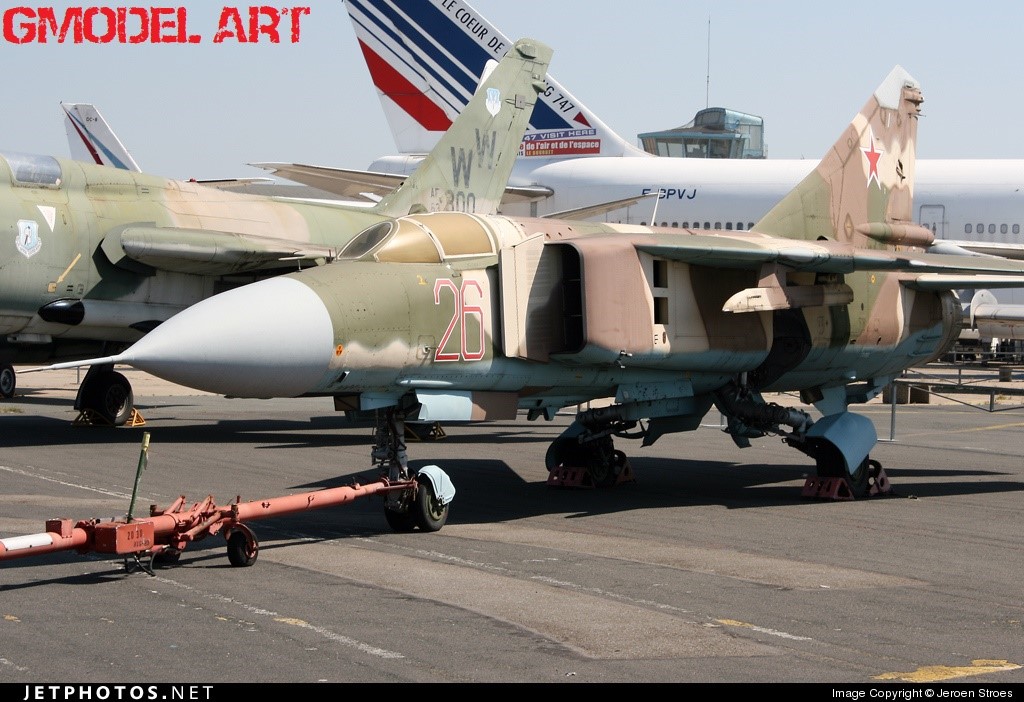
The radome and dorsal fin sections received gray shades to match reference photographs and create additional contrast against the surrounding camouflage pattern. After removing masking materials from the lower surfaces, additional fading and shadow work further enhanced surface depth.
Once painting was completed, a gloss varnish coat sealed the paint and prepared the surface for decals and weathering. Gloss coats are especially important because they reduce silvering beneath decals and create a smoother surface for washes and filters.
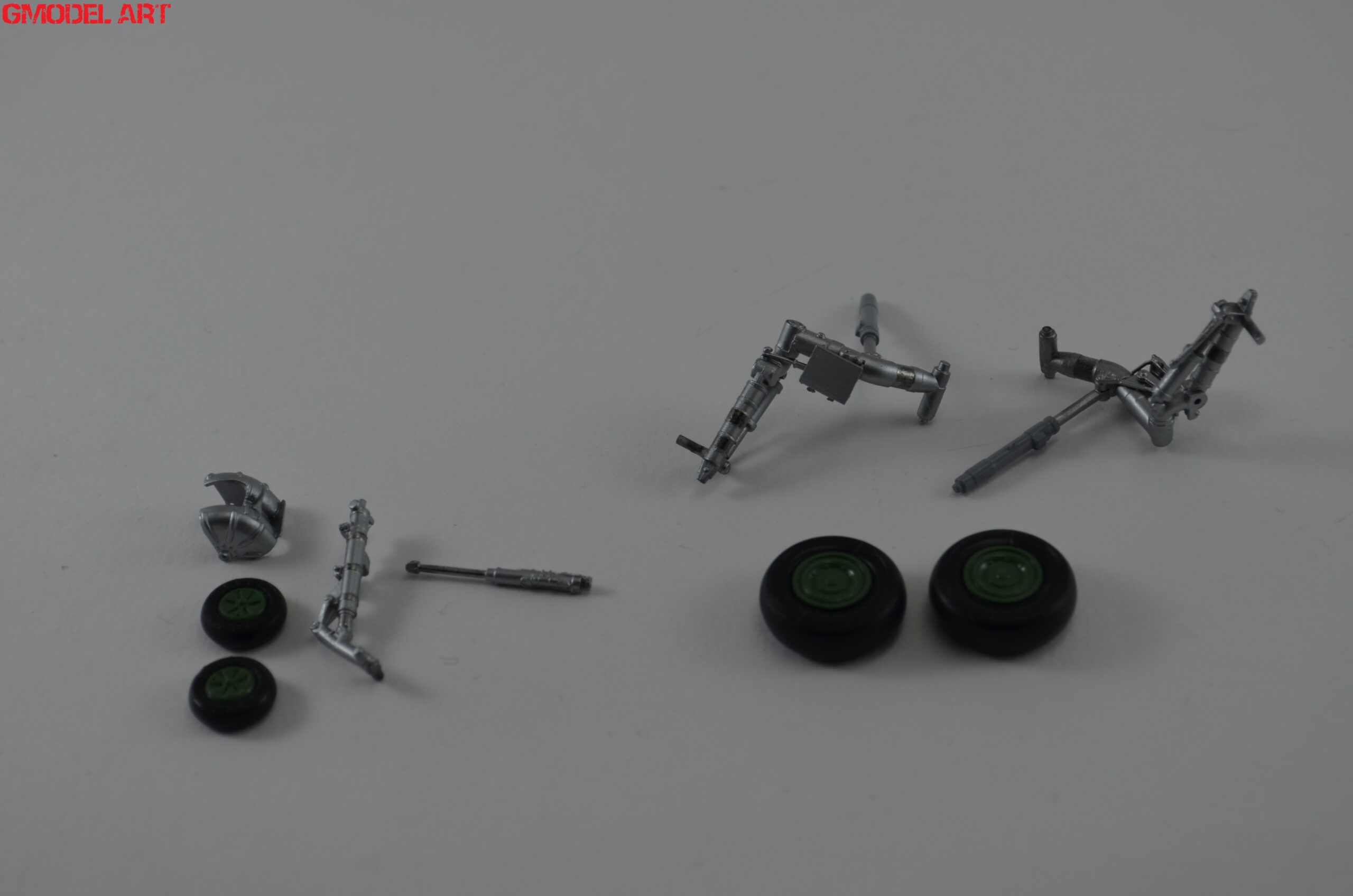
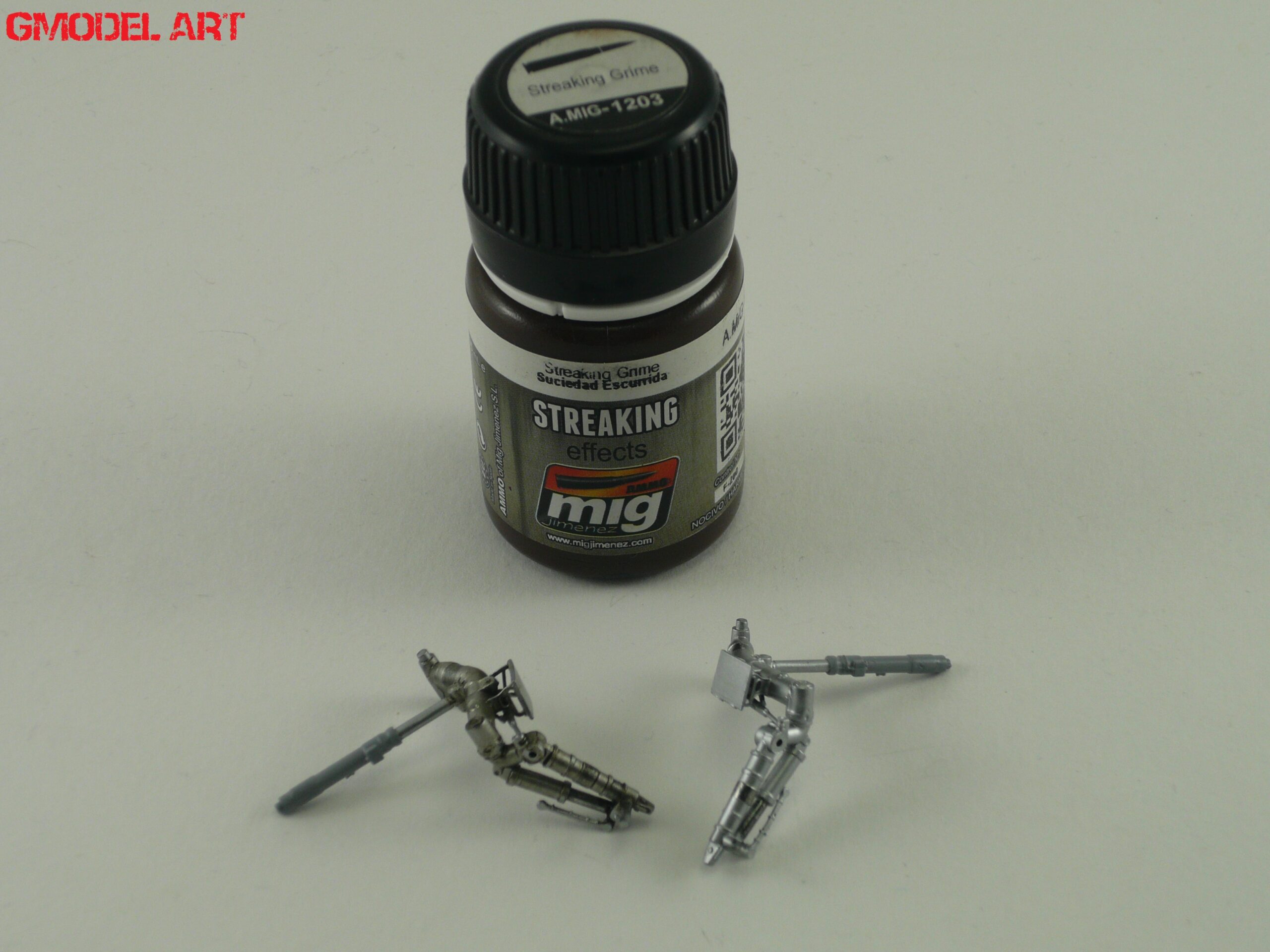
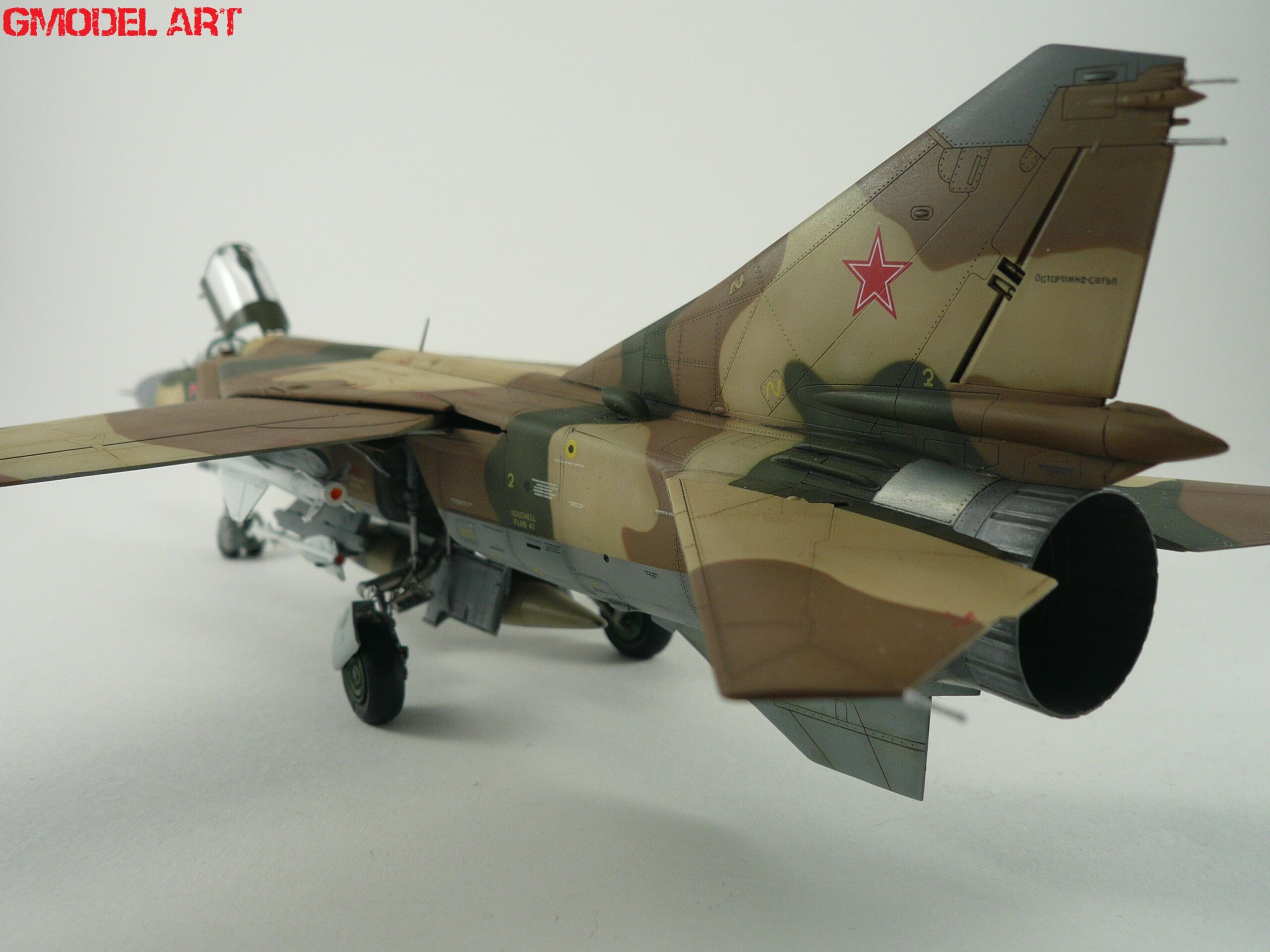
Attention then moved to the landing gear assembly. After a gloss black primer base, metallic finishes were applied using aluminum shades combined with metallic foil details to avoid a uniform appearance. Wheels were painted separately and weathered using streaking products and oil-based effects.
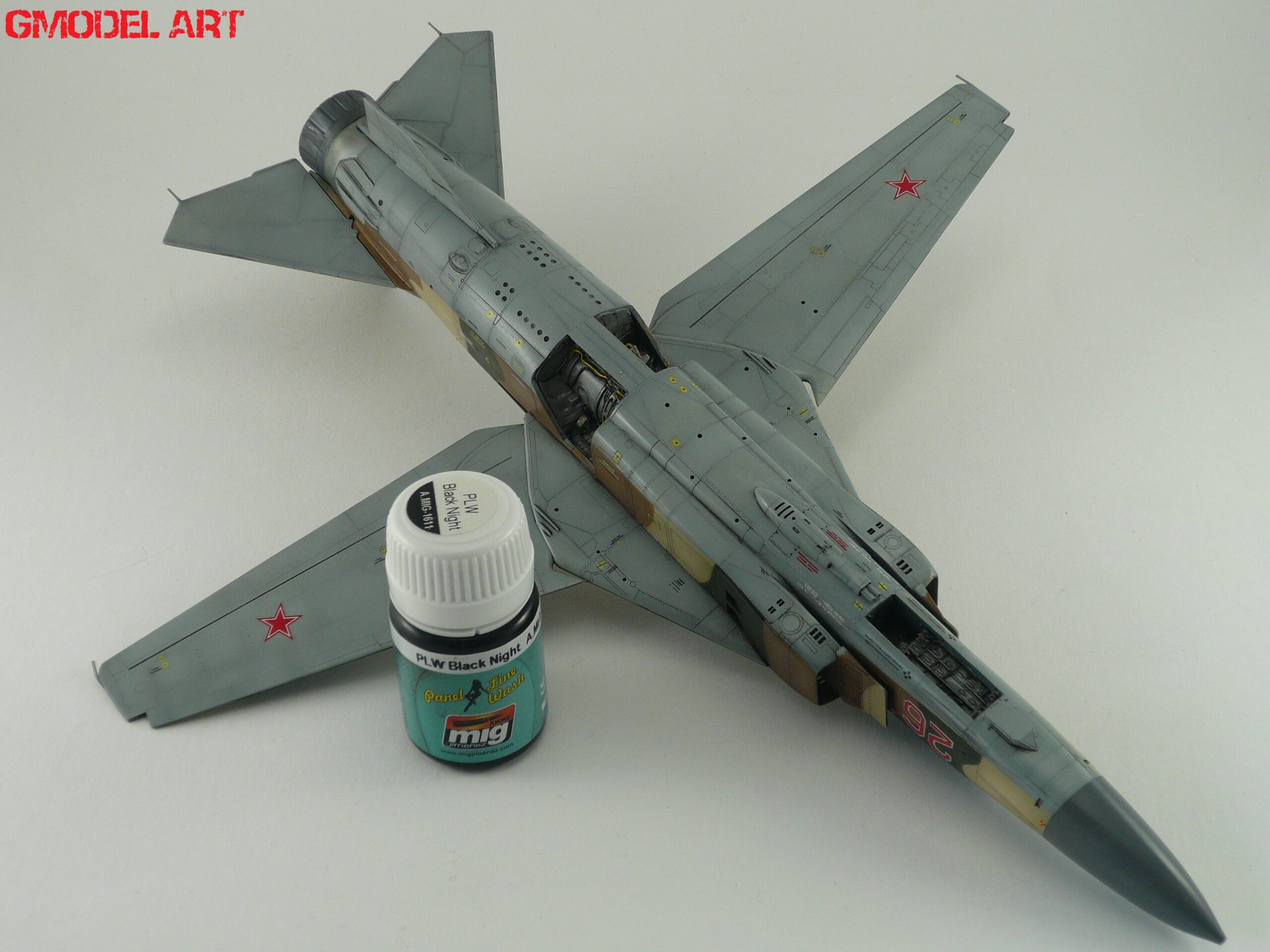
Following decal application, the weathering process began. Different panel line washes were selected according to camouflage colors rather than applying a single universal wash. Green areas received Green Brown washes, while sand and brown surfaces used Orange Brown tones. Lower surfaces utilized darker black-based washes to emphasize structural details.
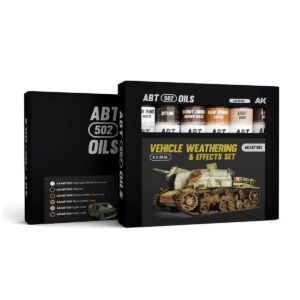
Oil paints were then used to create realistic operational wear and tonal variations. Raw Umber, Yellow Ochre, and Lamp Black oils added depth and subtle discoloration to individual camouflage sections. This stage transforms a painted model into a miniature representation of a real aircraft by introducing irregularity and visual complexity.
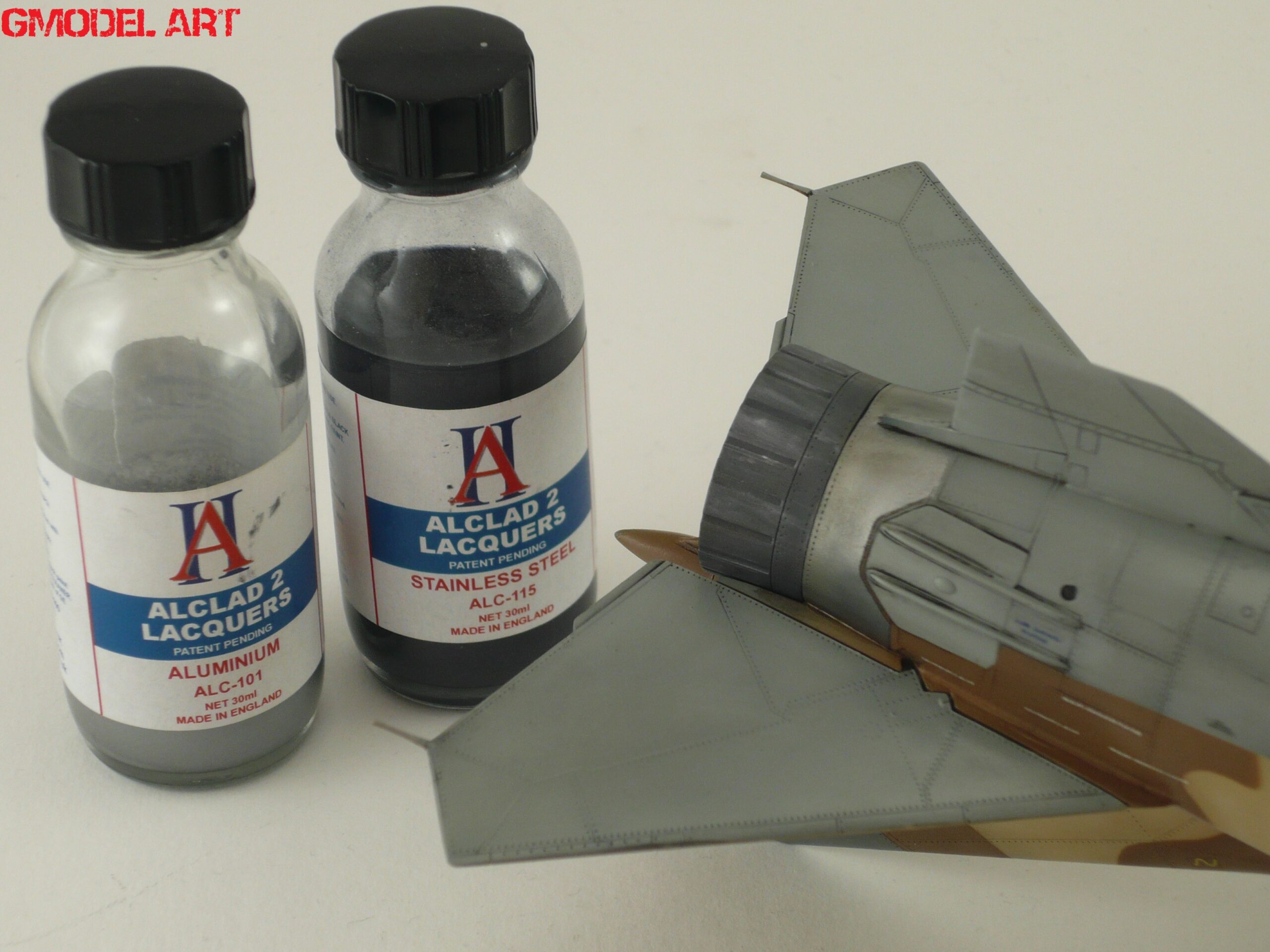
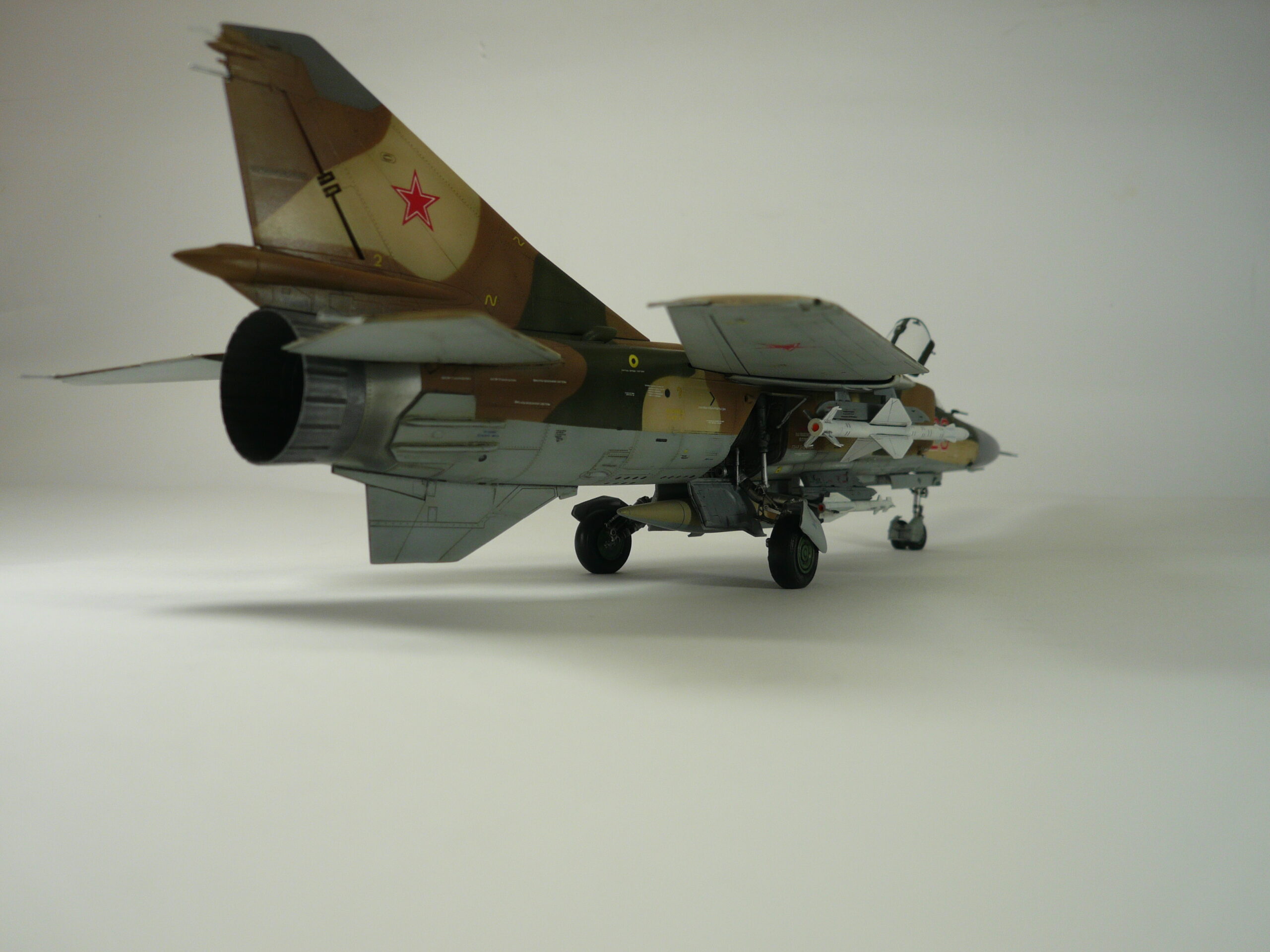
The engine exhaust area received metallic treatment using Aluminum and Stainless Steel shades. Dry brushing techniques and weathering powders created heat-stressed metal effects around the exhaust section, one of the most visually interesting areas on Soviet aircraft.
Finally, the entire model received a matt varnish coat, blending all previous effects together and eliminating unrealistic shine. The result is a scale representation of the MiG-23ML “Red 26” that captures the operational appearance of a Cold War fighter aircraft while showcasing advanced painting and weathering techniques.
https://www.jetphotos.com/aircraft/Mikoyan-Gurevich%20MiG-23ML%20Flogger%20G
The completed model demonstrates how careful preparation, layered painting techniques, and controlled weathering can transform a plastic kit into a realistic miniature aircraft with authentic visual depth and character.
Aggressor camouflage F-16 Alaskan Forest Green “Splinter”