article
P-40E Warhawk Diorama by Gary Sausmikat – A Stunning WWII Scene in 1/48 Scale
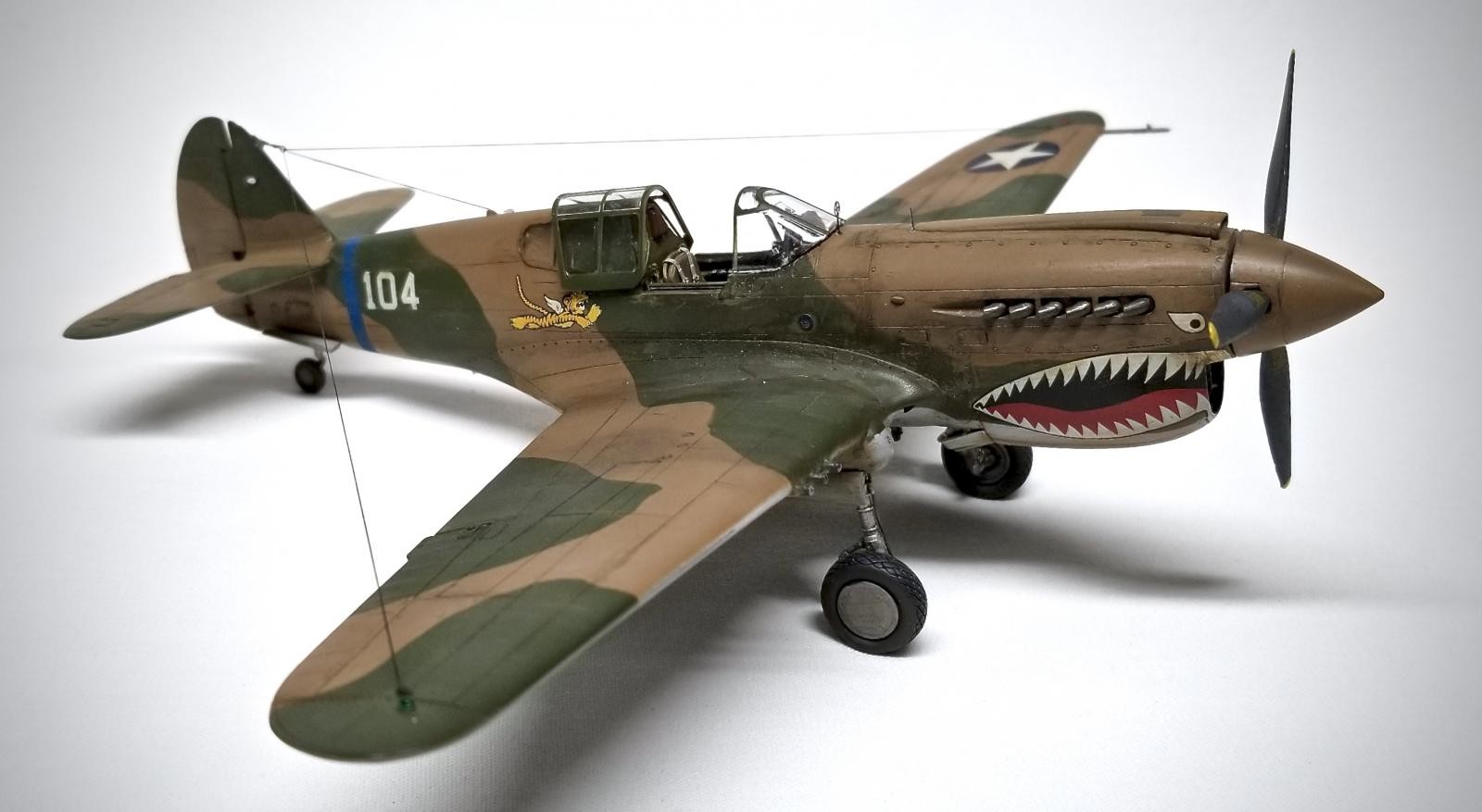
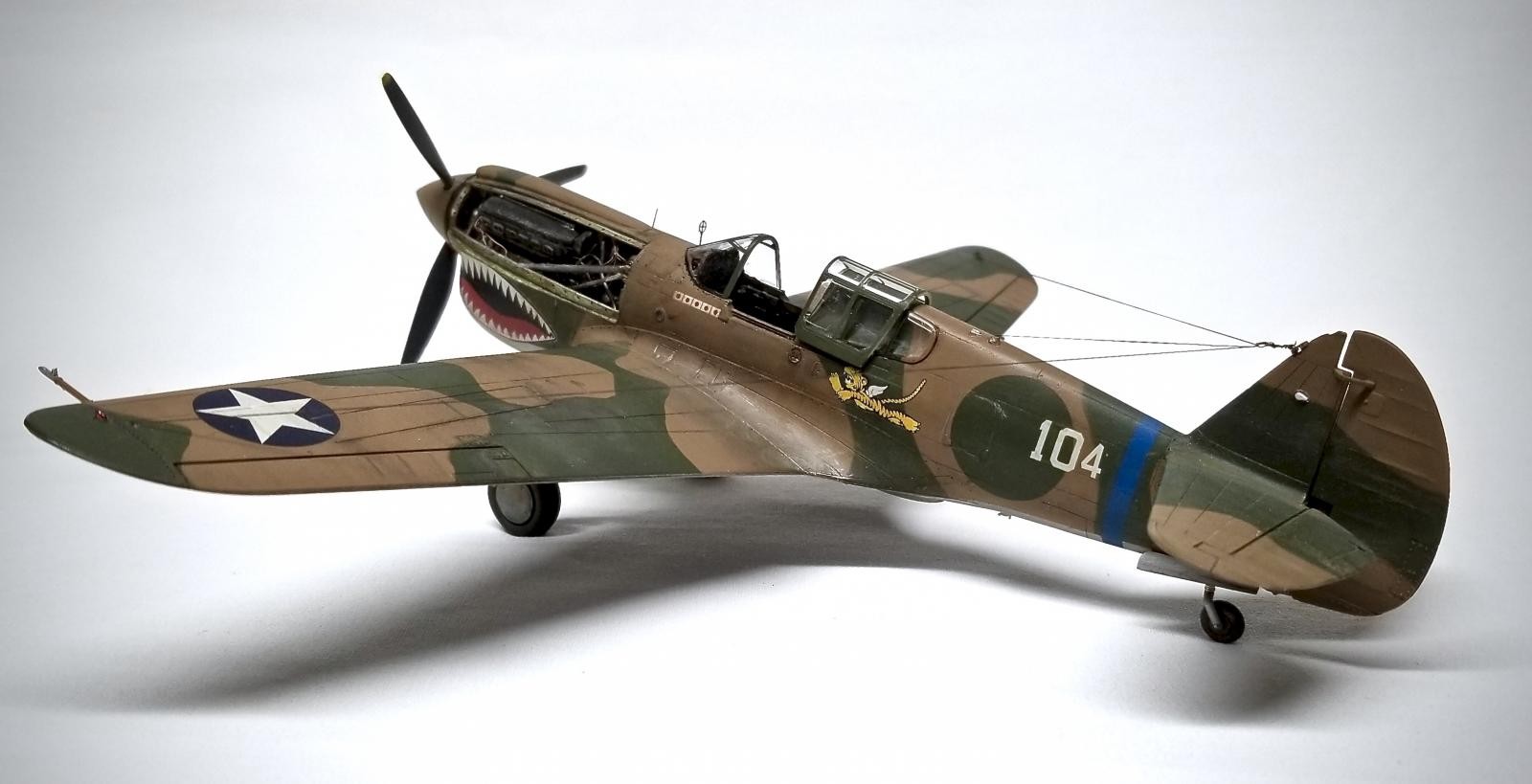
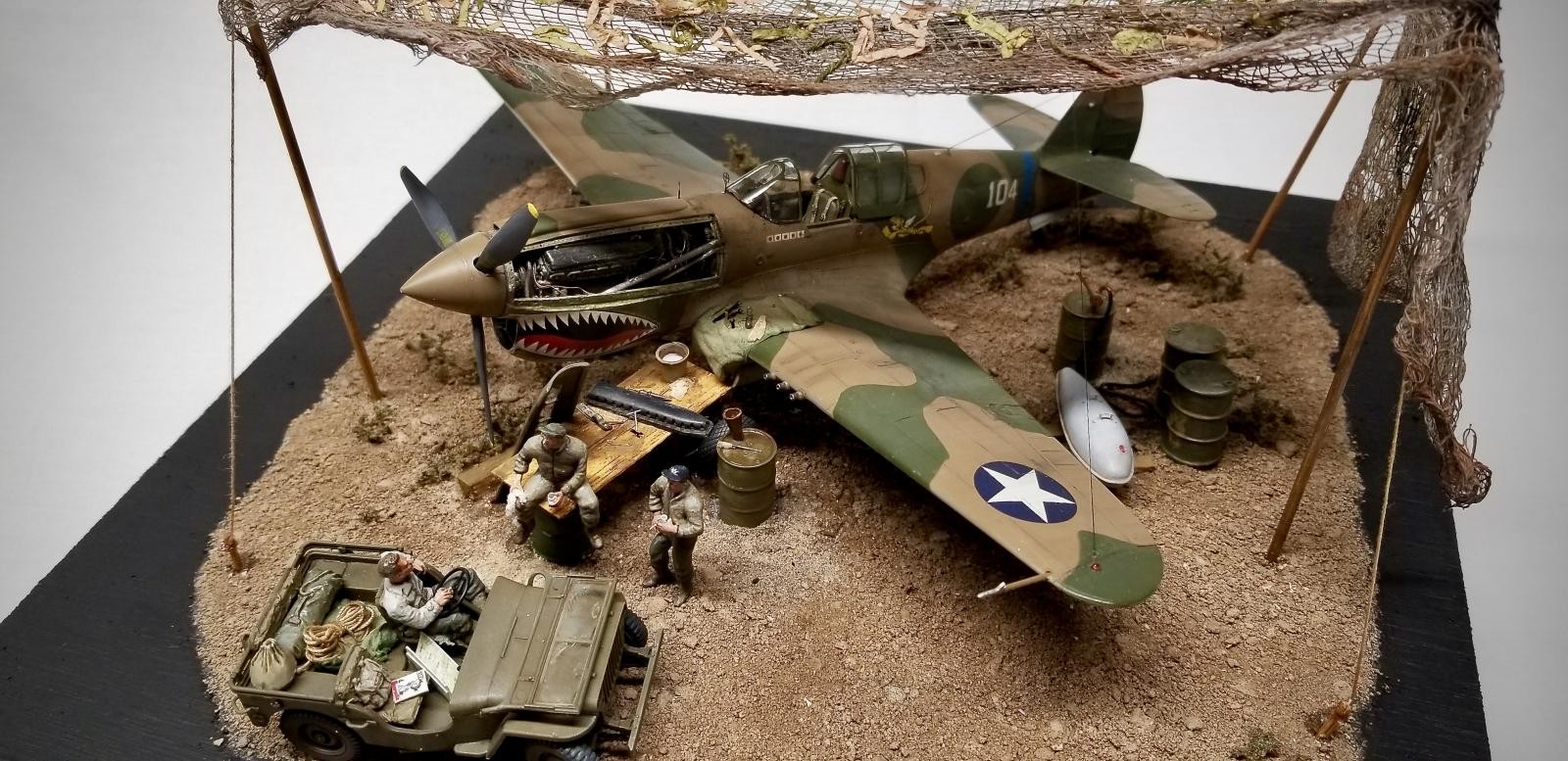
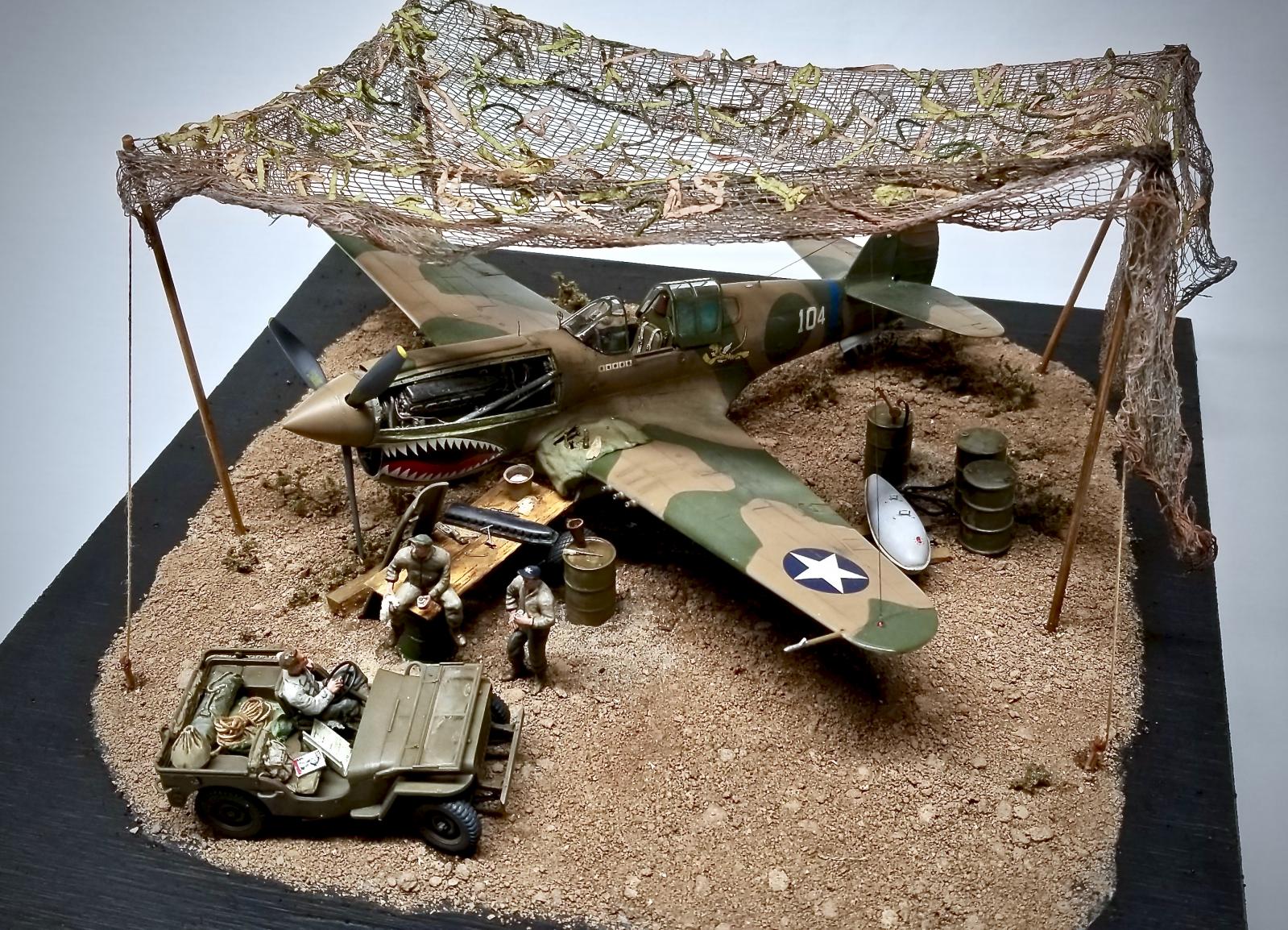
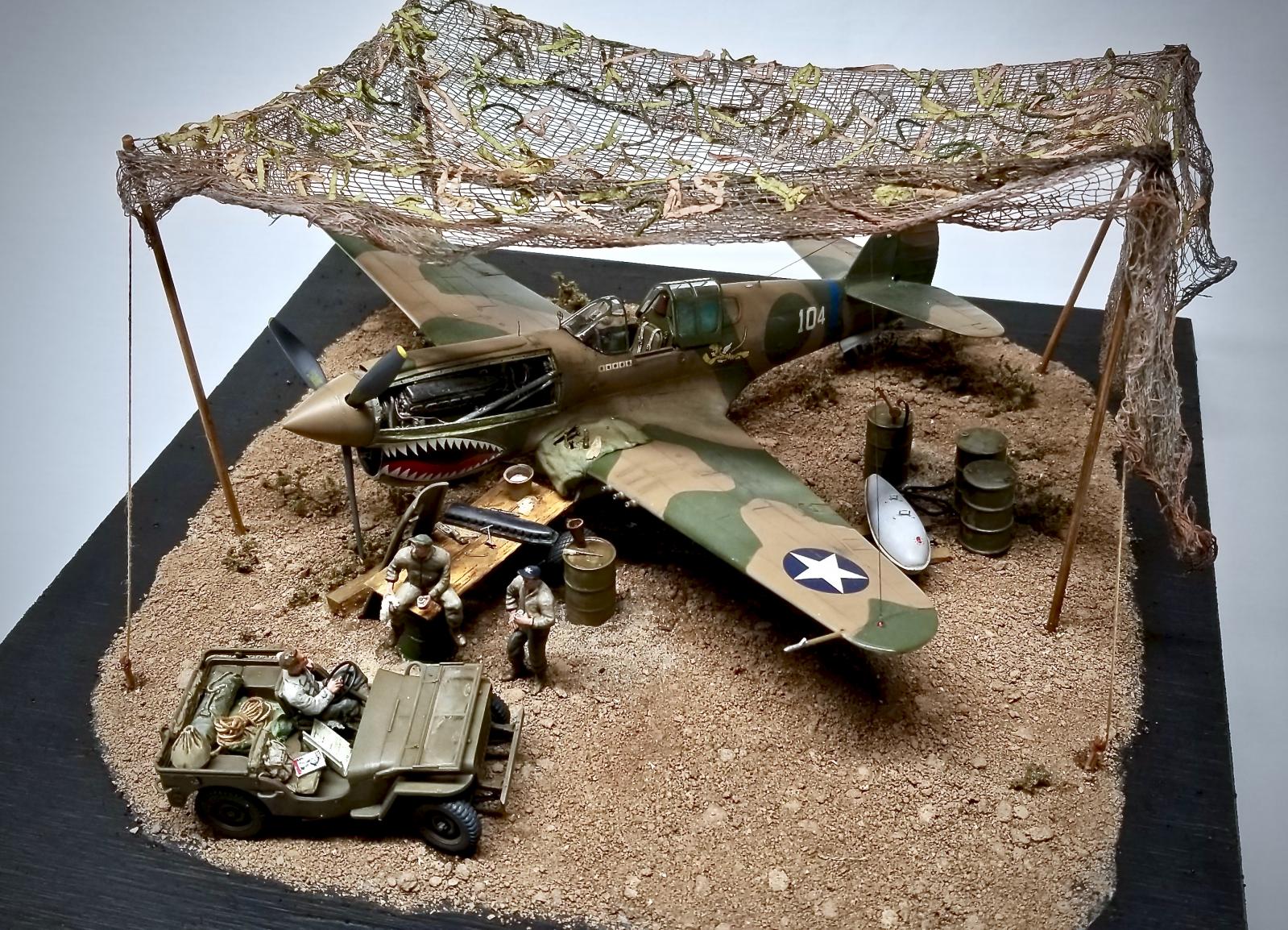
The Curtiss P-40 Warhawk remains one of the most recognizable Allied fighters of the Second World War. Known for its aggressive shark-mouth nose art, rugged construction, and extensive combat service across multiple theaters, the P-40 continues to be a favorite subject among scale modelers worldwide. In this impressive 1/48 scale diorama, modeler Gary Sausmikat brings the famous fighter to life through a highly atmospheric scene built around the Hasegawa P-40E kit.
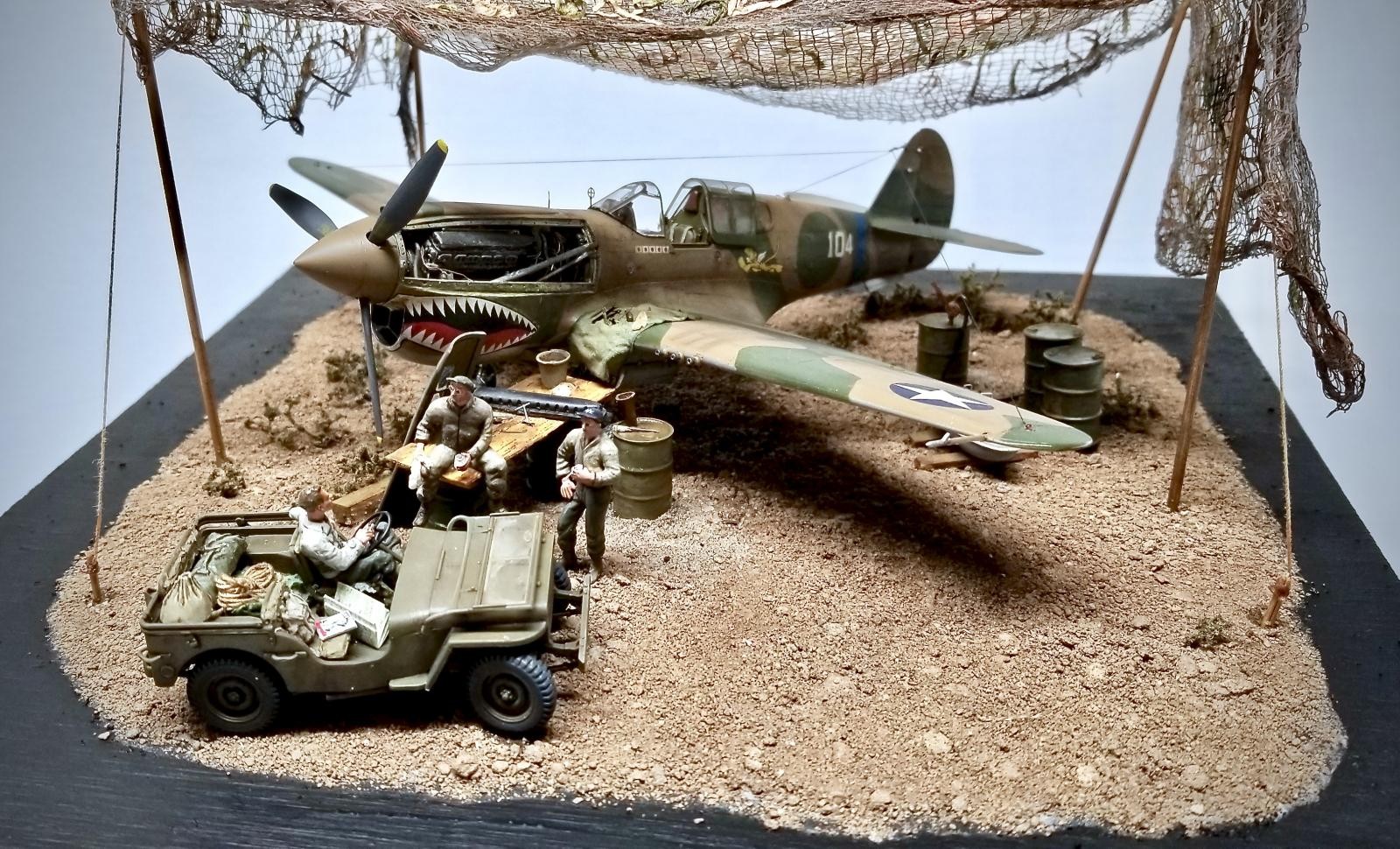
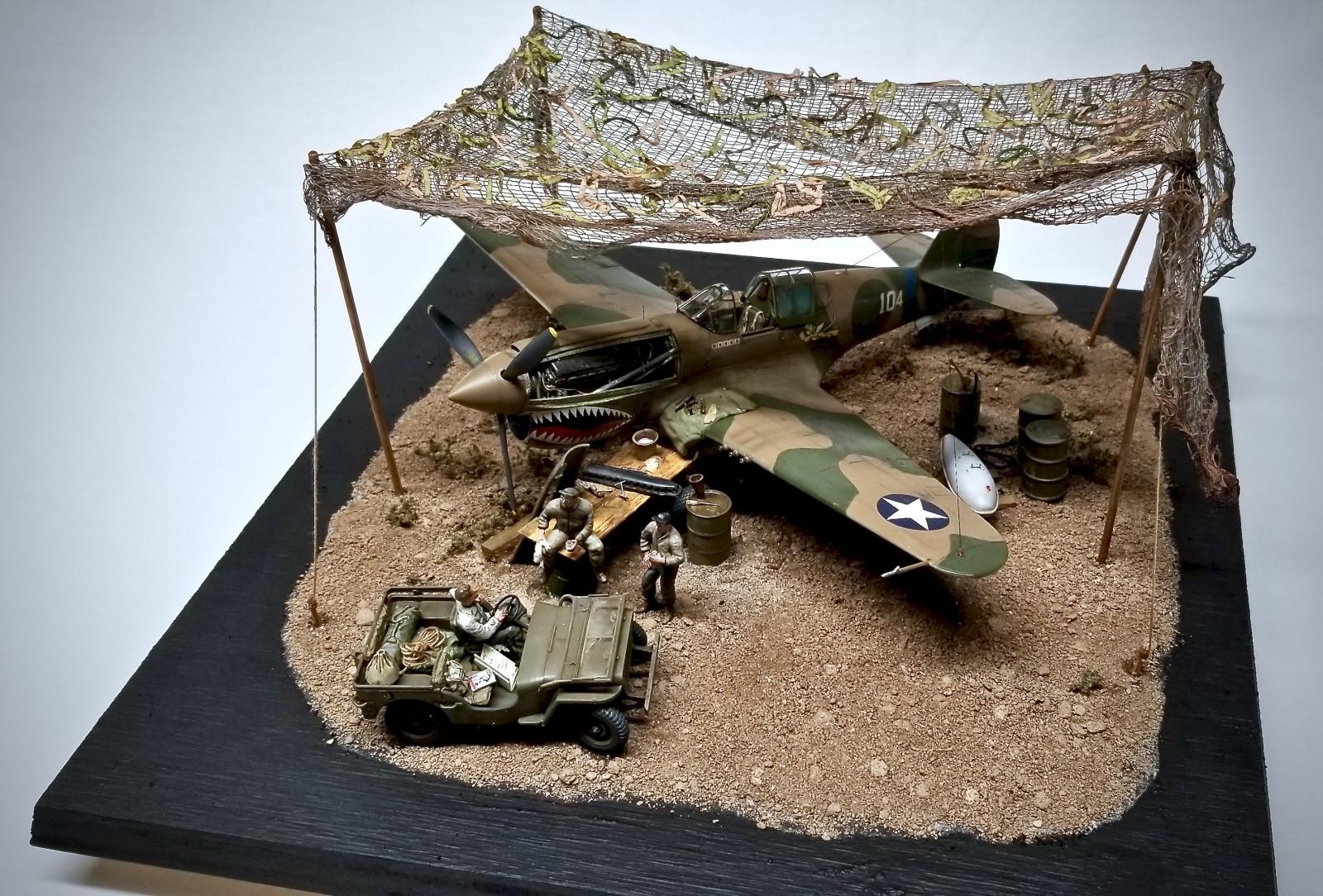
Rather than presenting the aircraft alone, this project captures a realistic operational moment somewhere in a dusty forward airfield during WWII. The combination of detailed figures, vehicle accessories, weathering, and carefully crafted camouflage netting transforms the model into a believable wartime snapshot.
Building the Hasegawa 1/48 P-40E Warhawk
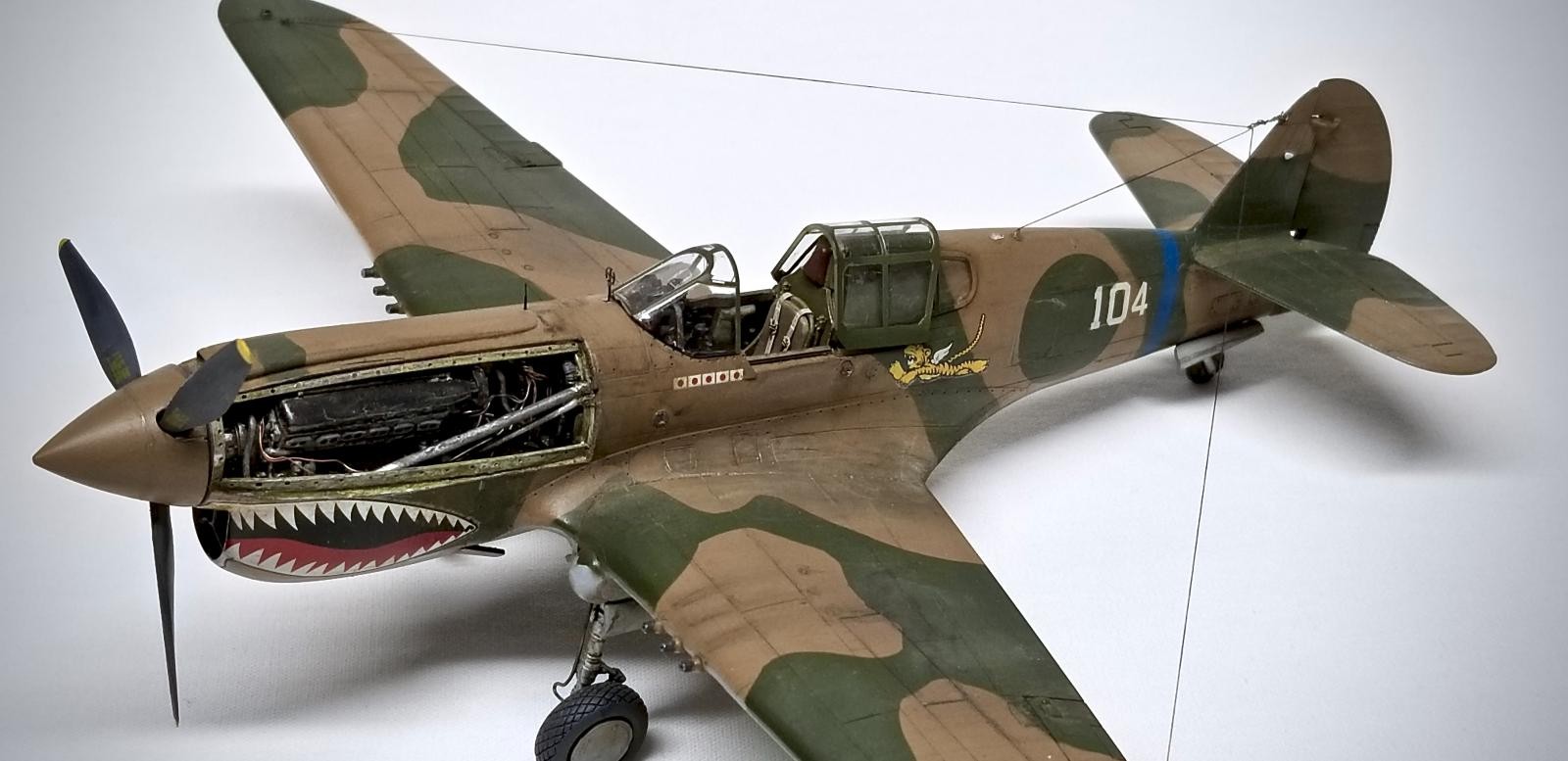
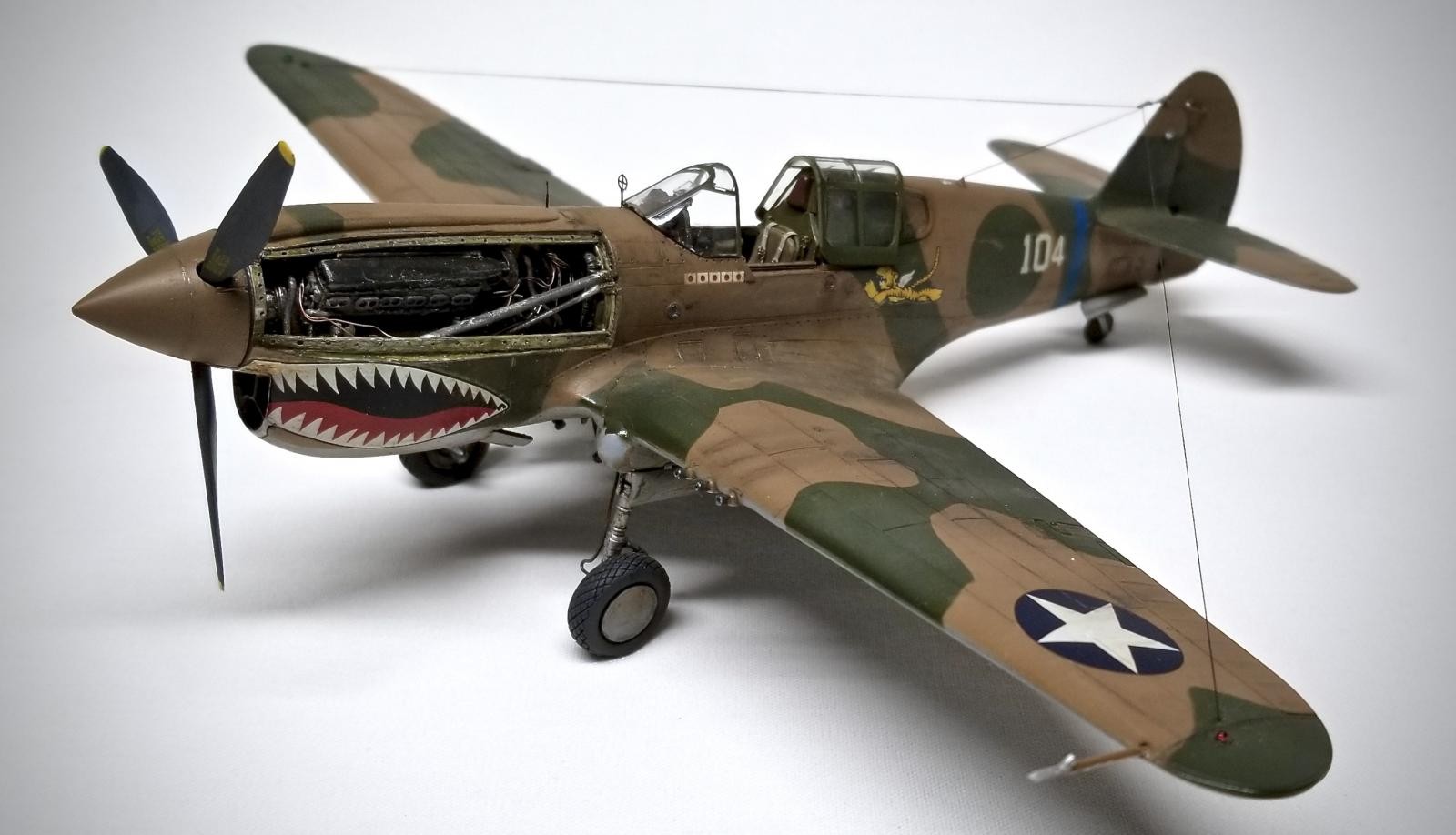
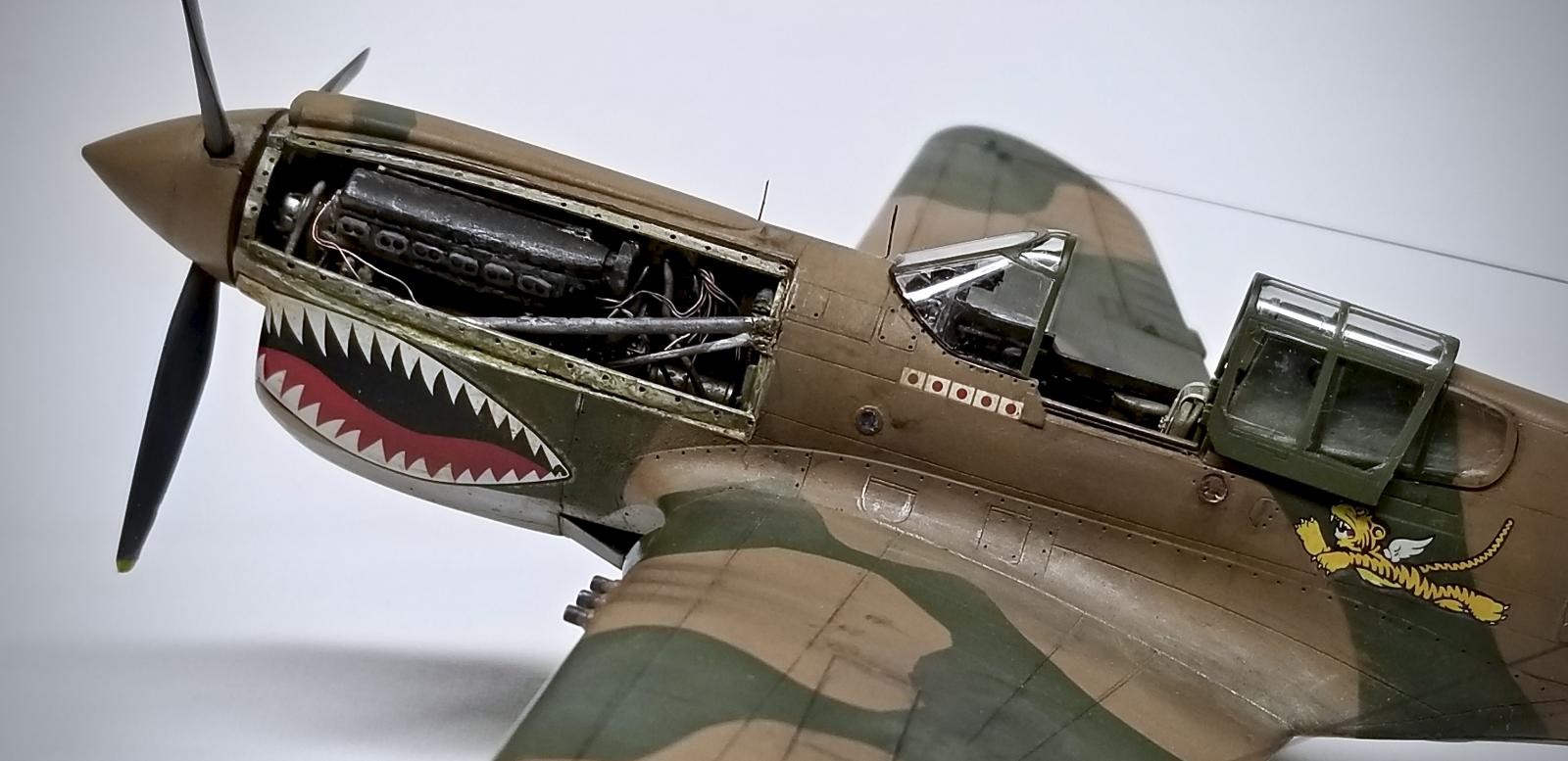
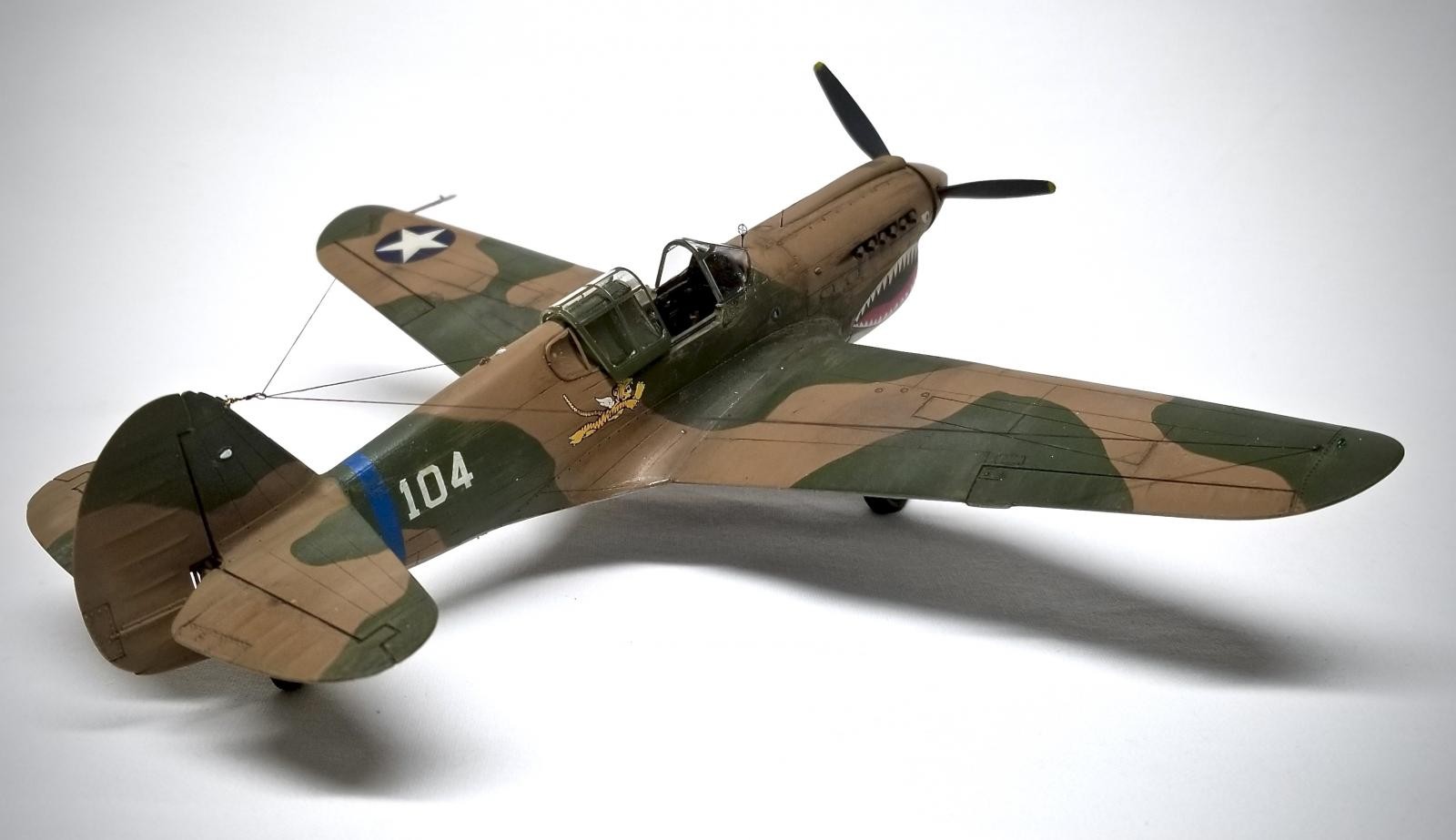
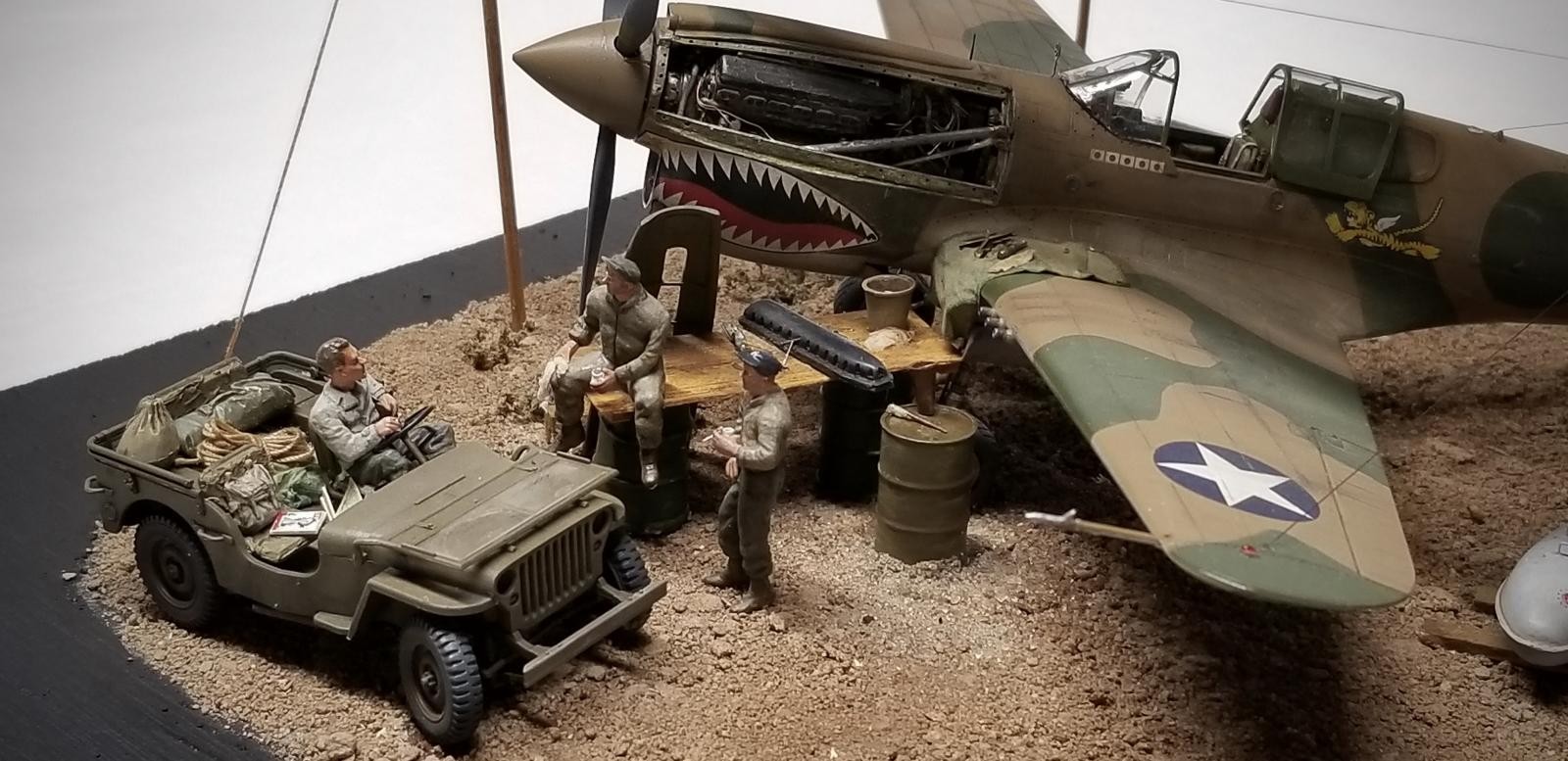
The base of the project is the well-known Hasegawa 1/48 P-40E Warhawk kit, a model respected for its solid shape accuracy and clean surface detail. Gary elevated the build further by incorporating aftermarket improvements, including a Quickboost resin engine and a CMK resin cockpit set.
The resin cockpit dramatically improves the interior appearance with sharper detail, more realistic sidewall structures, and enhanced instrument panel features. Meanwhile, the exposed Quickboost engine adds mechanical depth and visual interest to the finished aircraft, making the diorama feel alive and operational rather than static.
The aircraft was painted using AK Real Colors paints, which helped achieve a convincing wartime finish with subtle tonal variation and realistic fading. The desert camouflage scheme perfectly complements the dusty environment of the diorama and enhances the rugged personality of the P-40E Warhawk.
Realistic WWII Diorama Atmosphere
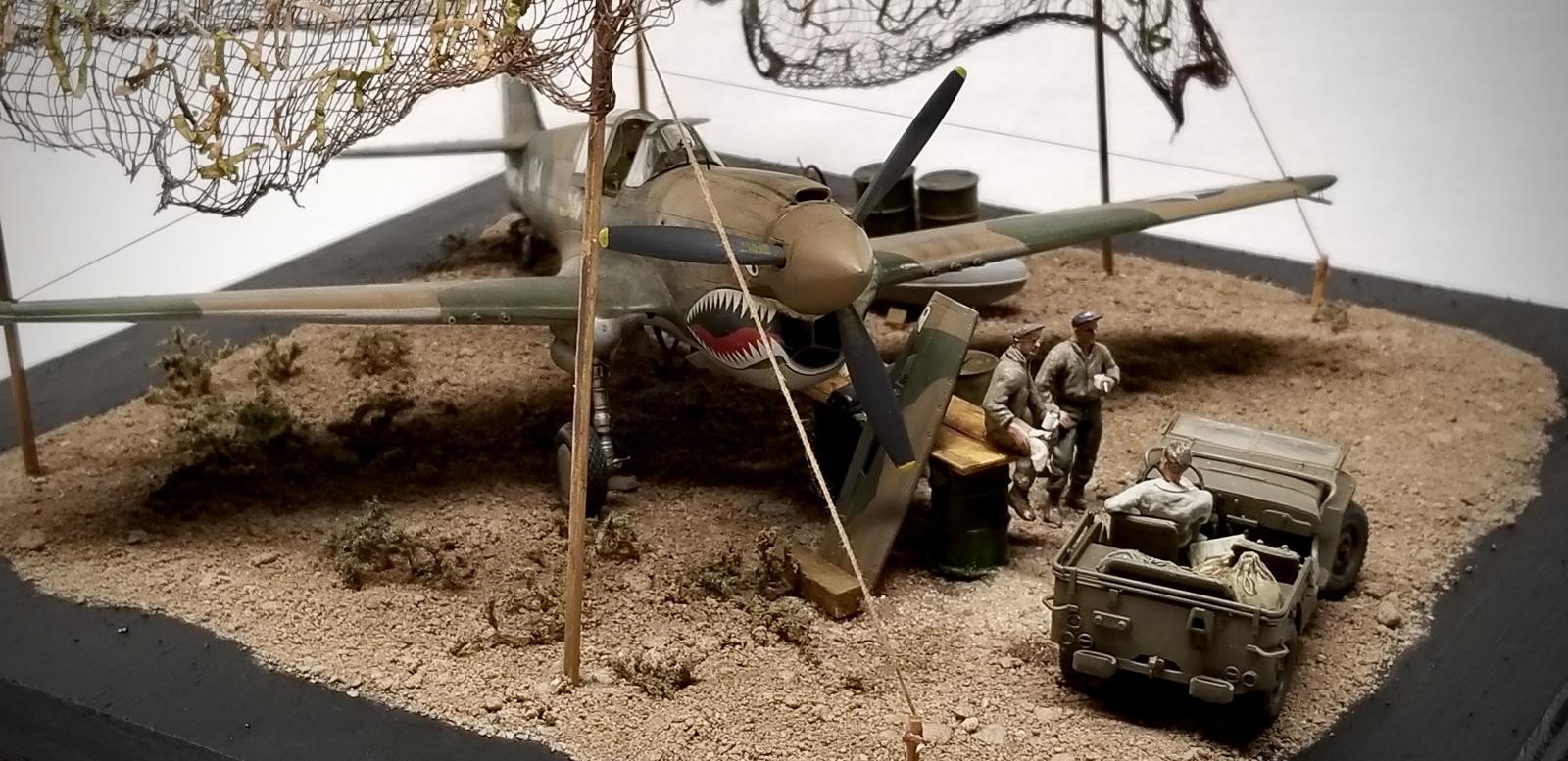
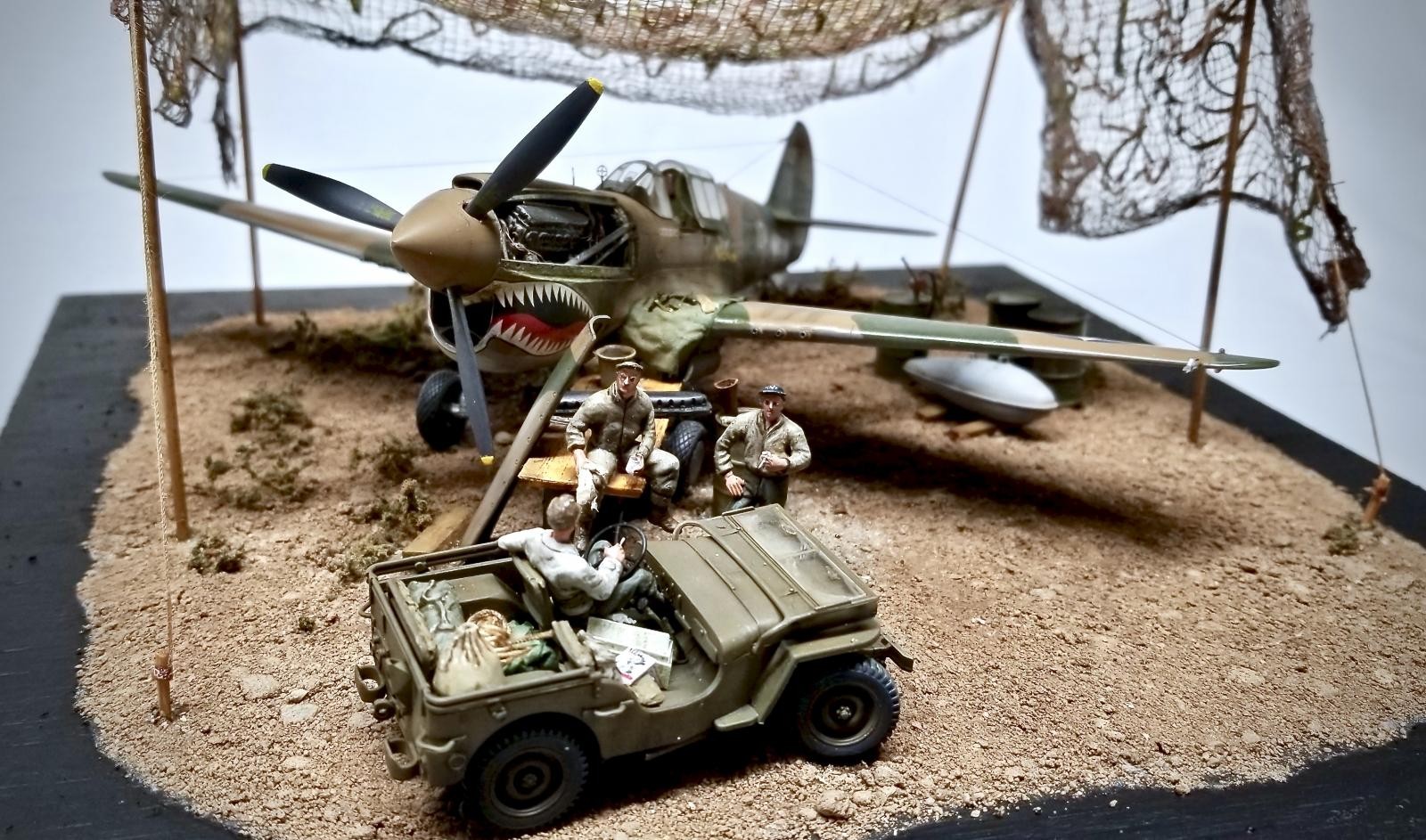
What truly separates this project from a standard aircraft build is the environmental storytelling. Gary used Tamiya US Infantry at Rest figures alongside a military Jeep to create a relaxed maintenance or staging scene between missions.
The figures interact naturally with the aircraft and vehicle, adding scale, realism, and narrative depth. Instead of looking posed, the scene feels authentic and believable, almost like a still frame from a wartime documentary.
One of the most impressive features is the handmade camouflage netting. The camo-net was created using gauze combined with strips of paper painted in multiple camouflage tones. This simple but highly effective technique produces excellent texture and scale appearance while adding visual complexity to the composition.
The camouflage net also helps frame the aircraft visually, drawing attention toward the P-40 while simultaneously making the environment appear functional and lived-in.
Weathering and Finish
The weathering approach remains balanced and realistic throughout the build. Dust accumulation, paint fading, and operational wear are visible without becoming excessive. The finish reflects an aircraft operating in harsh field conditions while still being actively maintained by its ground crew.
Subtle panel shading and restrained paint chipping help preserve scale realism. The result is a weathered but operational fighter aircraft rather than an overdone “museum of scratches” effect that can sometimes appear in heavily weathered models.
The Jeep and accessories also receive consistent treatment, ensuring the entire diorama maintains visual cohesion. This attention to consistency is one of the key reasons the scene works so well overall.
The Curtiss P-40 Warhawk in WWII
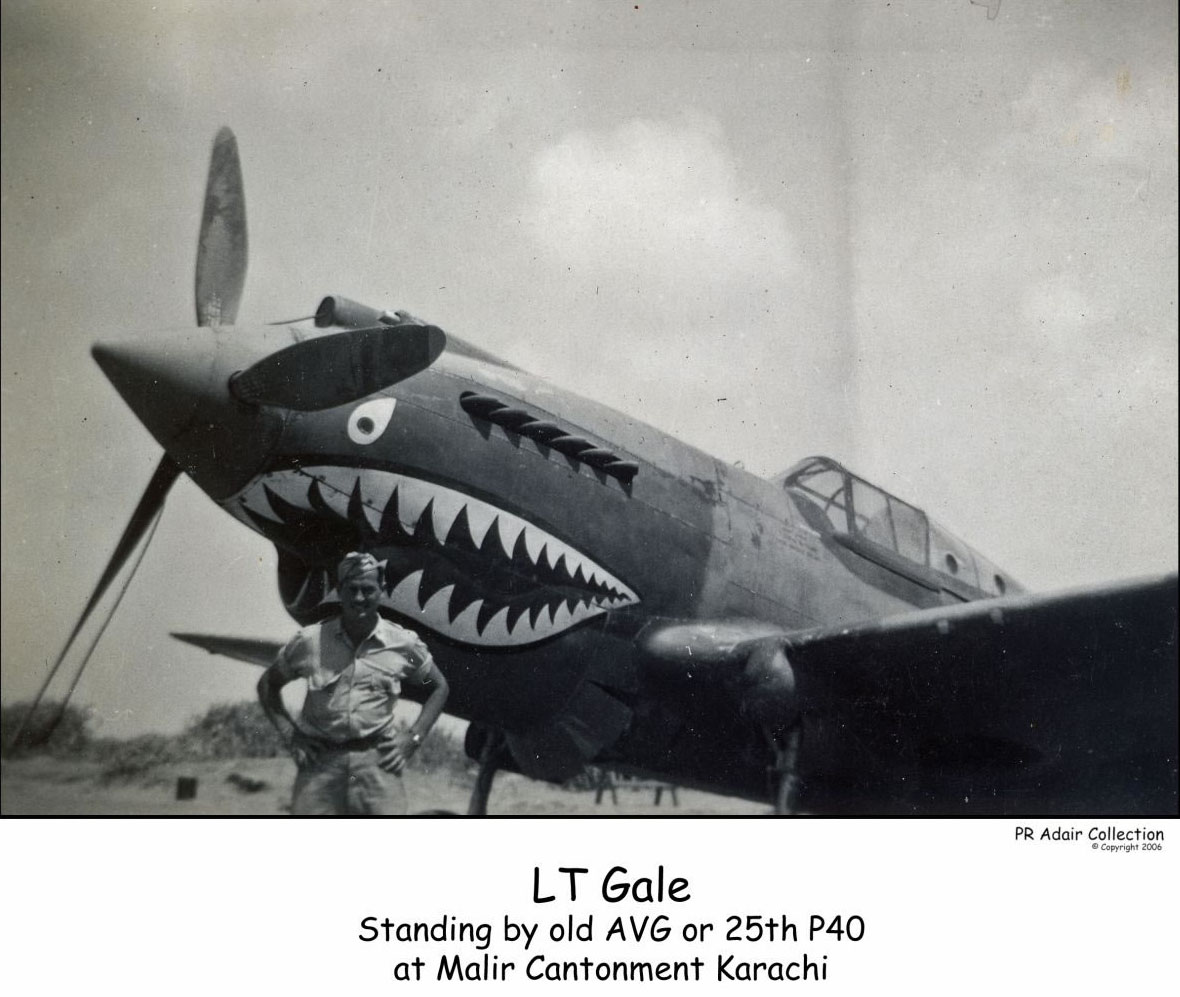
The Curtiss P-40 Warhawk served extensively during World War II with Allied air forces, including the United States Army Air Forces, the Royal Air Force, the Soviet Air Force, and Chinese forces. While later fighters surpassed it in performance, the P-40 earned a reputation for toughness, reliability, and survivability.
The P-40E variant became especially famous through its service with the Flying Tigers and numerous desert air campaigns. Its aggressive appearance and combat history continue to make it one of the most popular WWII aircraft subjects in scale modeling.
For modelers interested in building realistic WWII dioramas, the P-40 offers excellent opportunities for weathering, operational scenes, and field environments thanks to its extensive deployment across desert, tropical, and frontline theaters.
Final Thoughts
Gary Sausmikat’s P-40E Warhawk diorama is an excellent example of how strong storytelling can elevate a scale model into something far more immersive. The combination of quality aftermarket detailing, careful painting, realistic weathering, and environmental composition creates a scene full of atmosphere and authenticity.
The handcrafted camouflage netting deserves special mention for adding texture and realism using simple materials and smart modeling techniques. Combined with the figures and vehicle, the result feels dynamic and cinematic without appearing overcrowded.
This project is a great source of inspiration for modelers interested in WWII aircraft dioramas, desert airfield scenes, or simply pushing their builds beyond a standalone display model.
https://airandspace.si.edu/collection-objects/curtiss-p-40e-warhawk-kittyhawk-ia/nasm_A19650242000
Curtiss P-40E Warhawk
Original build by Gary Sausmikat.
Source and full gallery available at iModeler.
P-40 Warhawk “Miss Frances III” U.S.– 80th Fighter Group, CBI, May 1944
Gallery