article
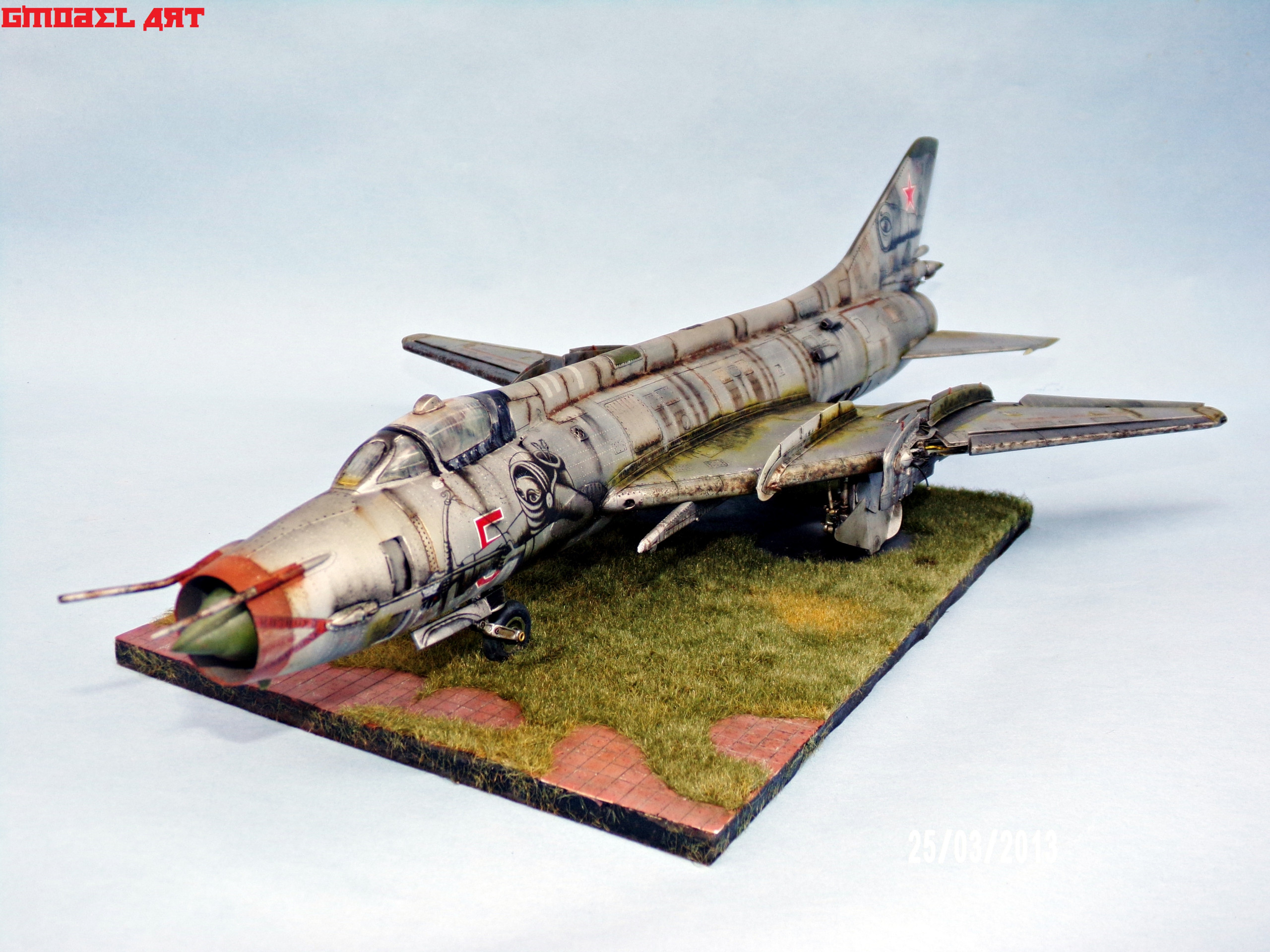
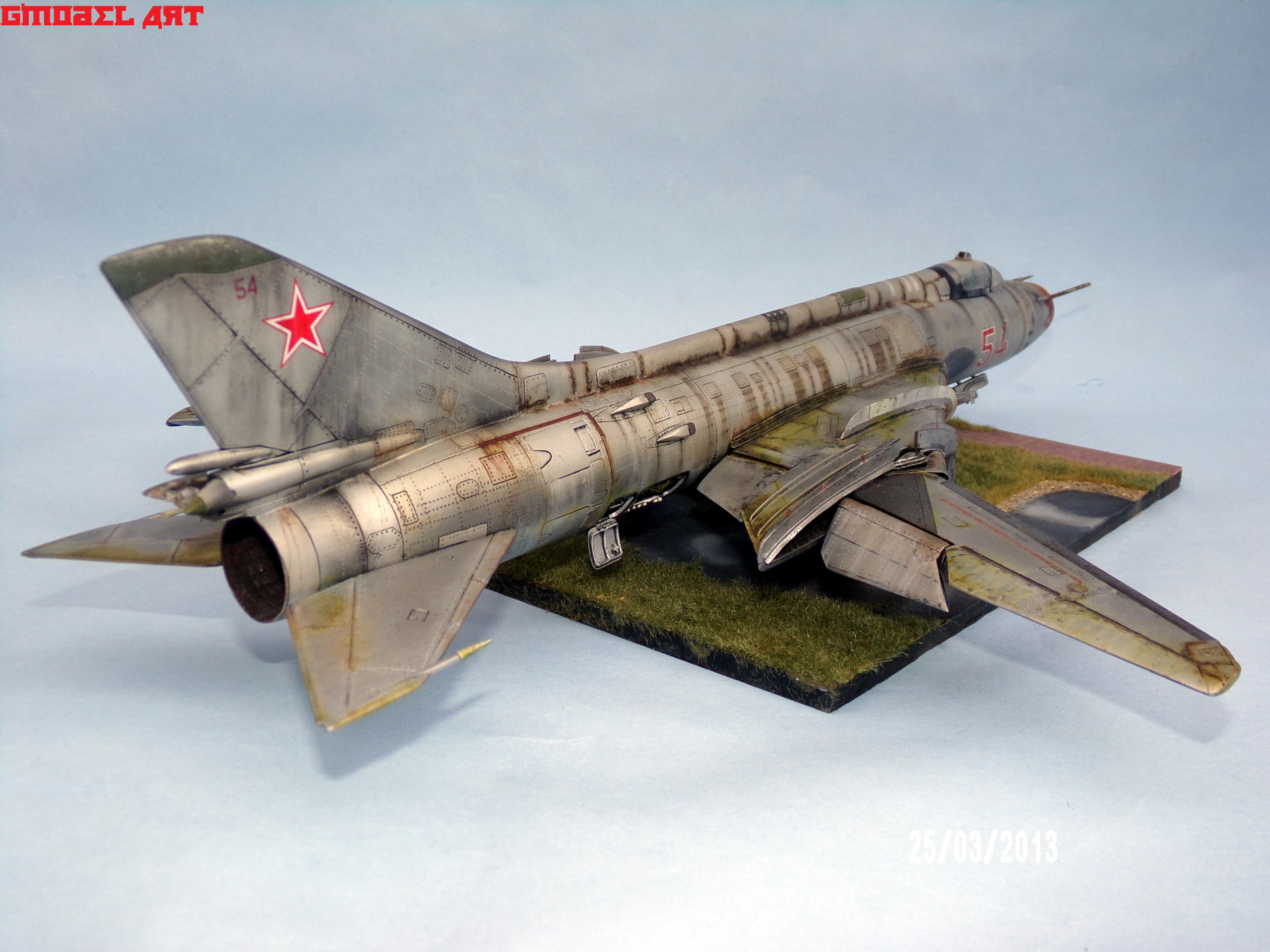
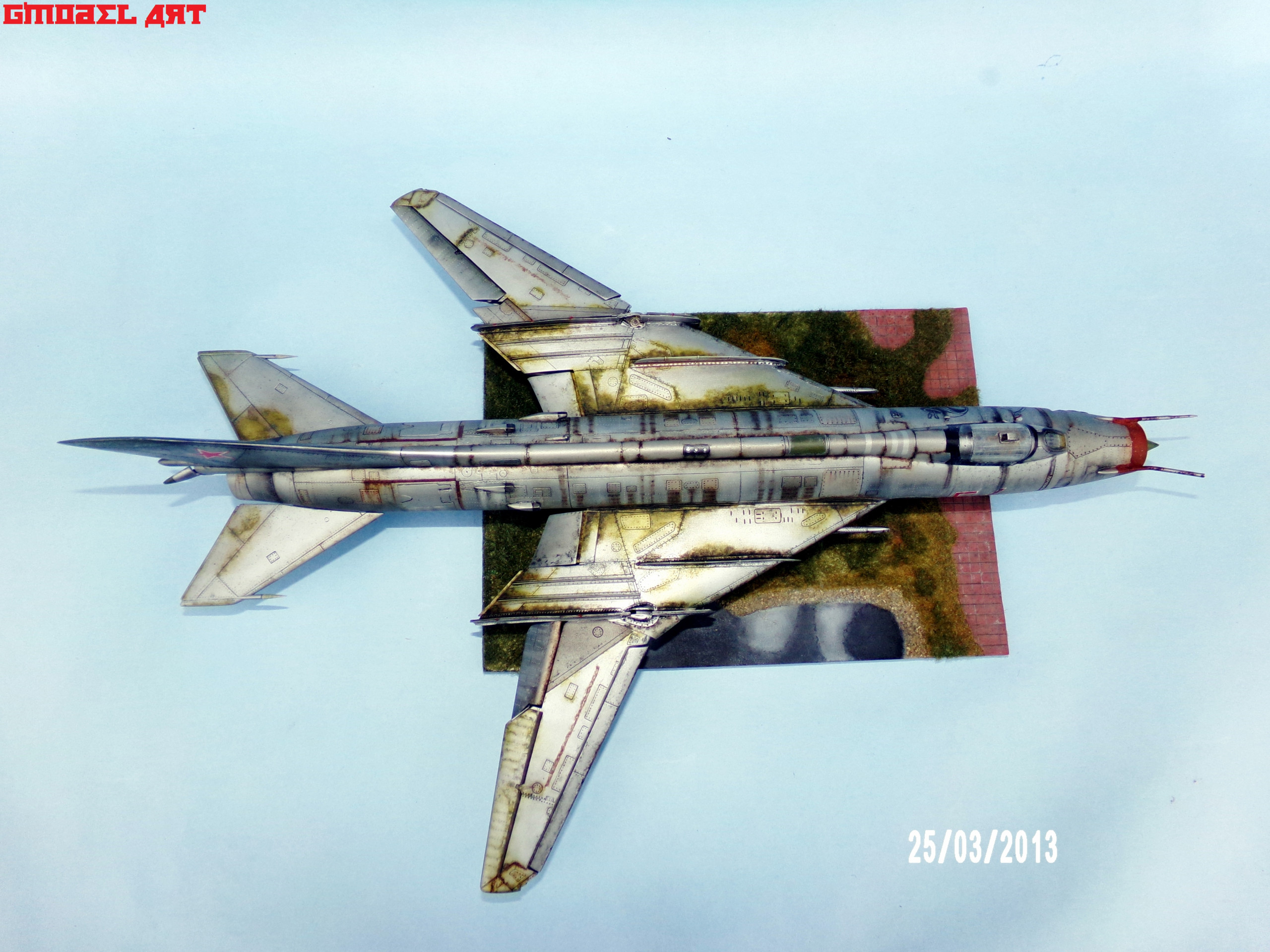
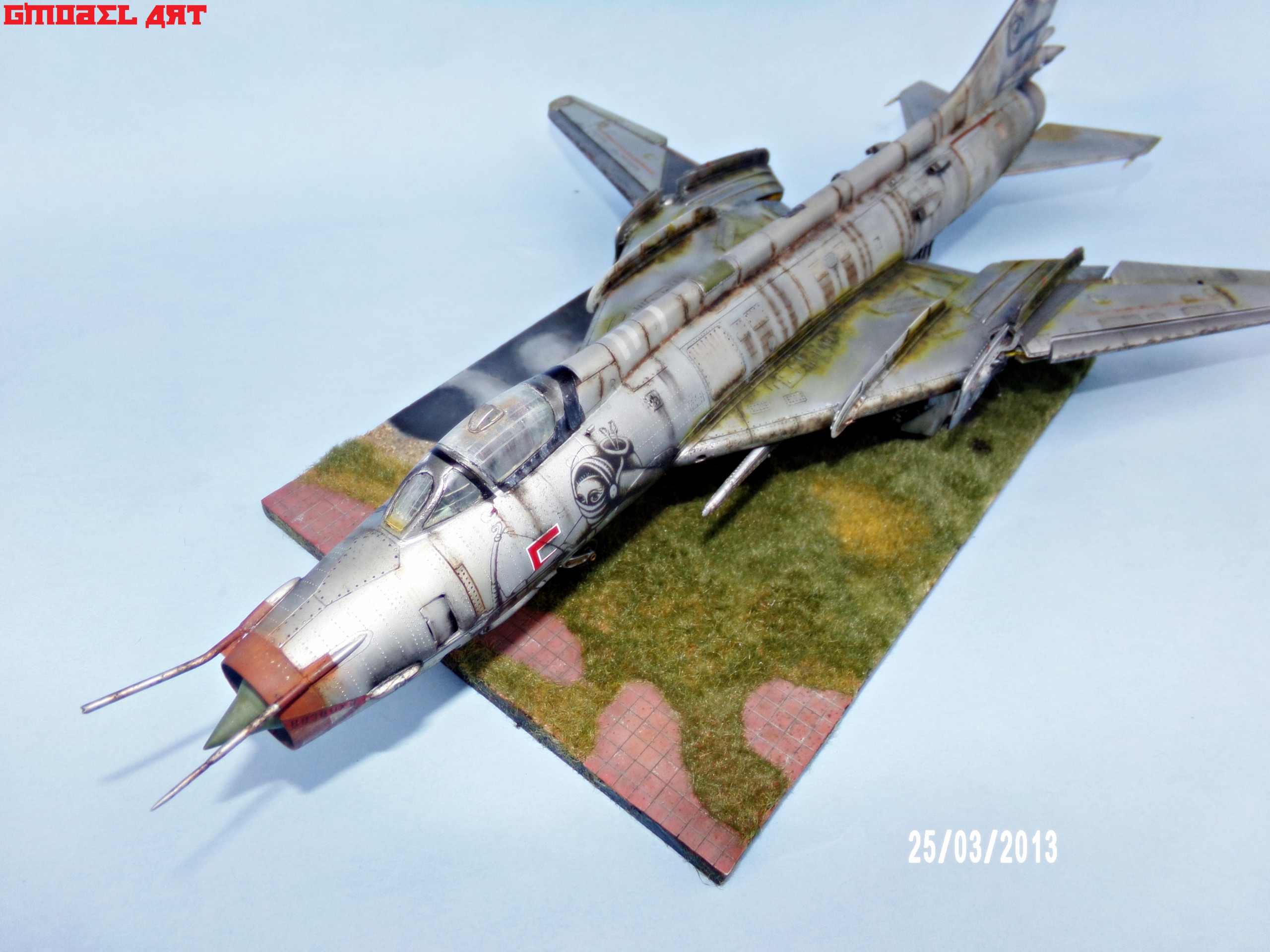
SUKHOI SU-17M – Building a Forgotten Soviet Variable Geometry Icon in 1/48 Scale
Some projects begin with years of research. Others begin with a single photograph.
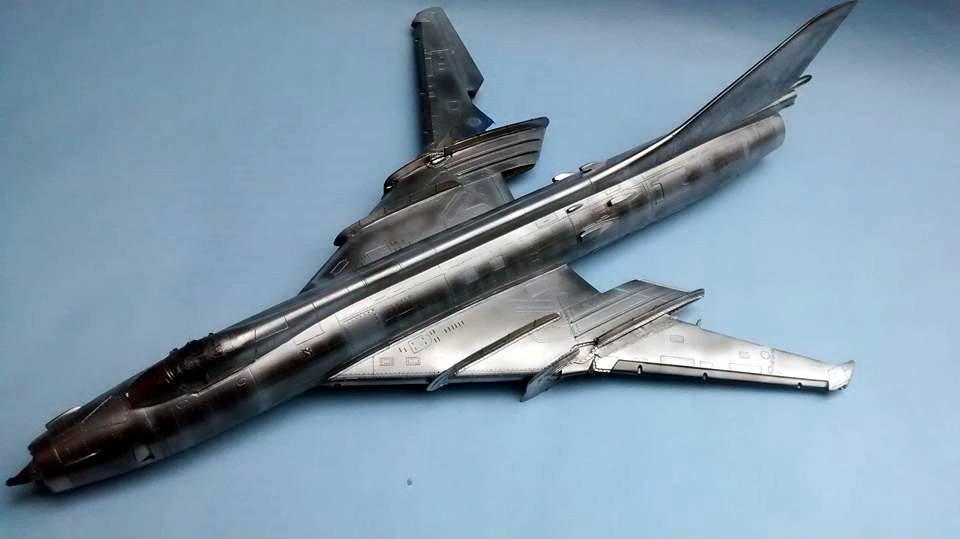
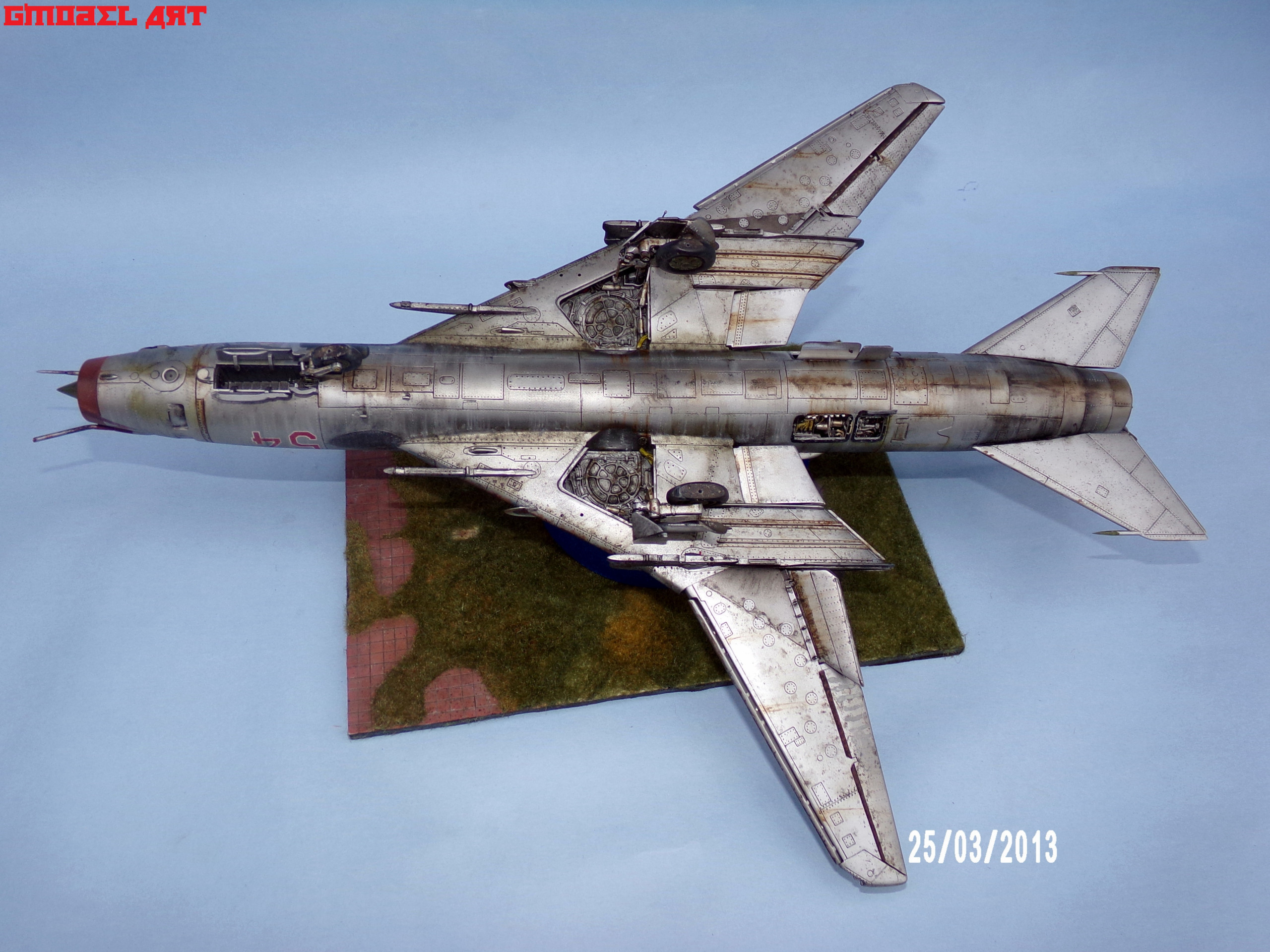
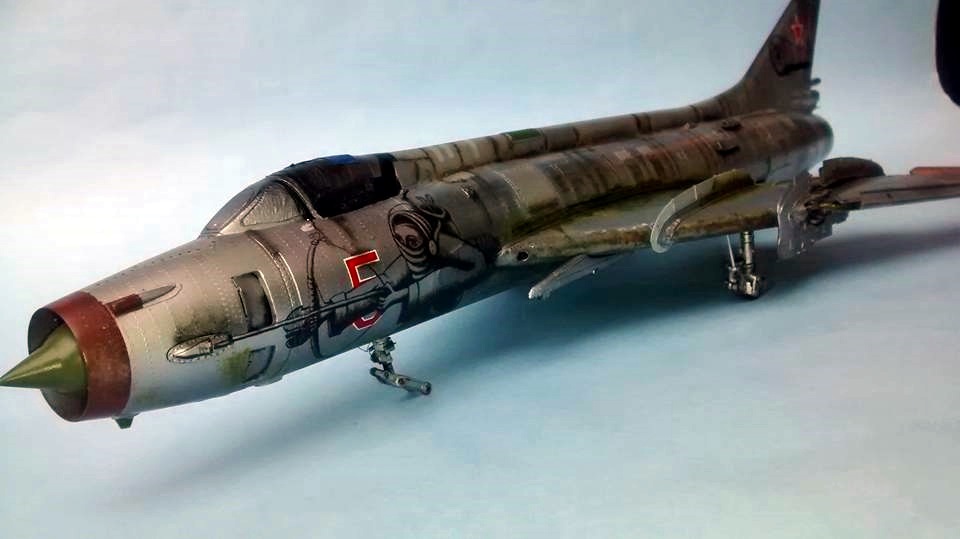
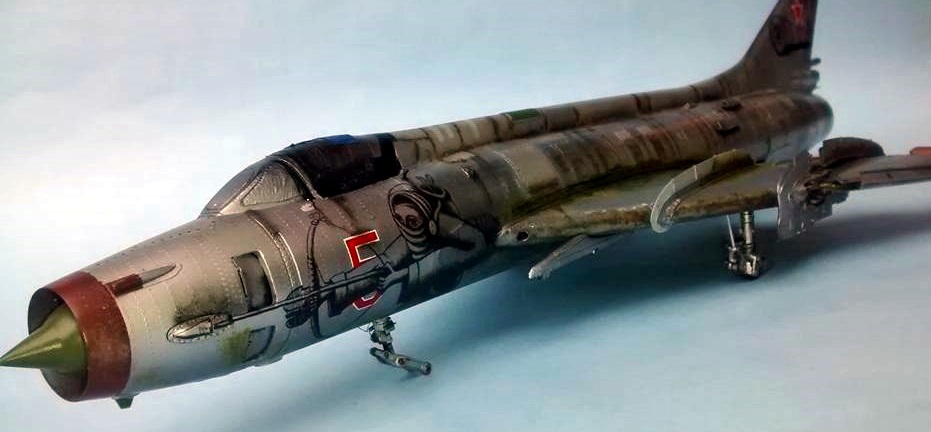
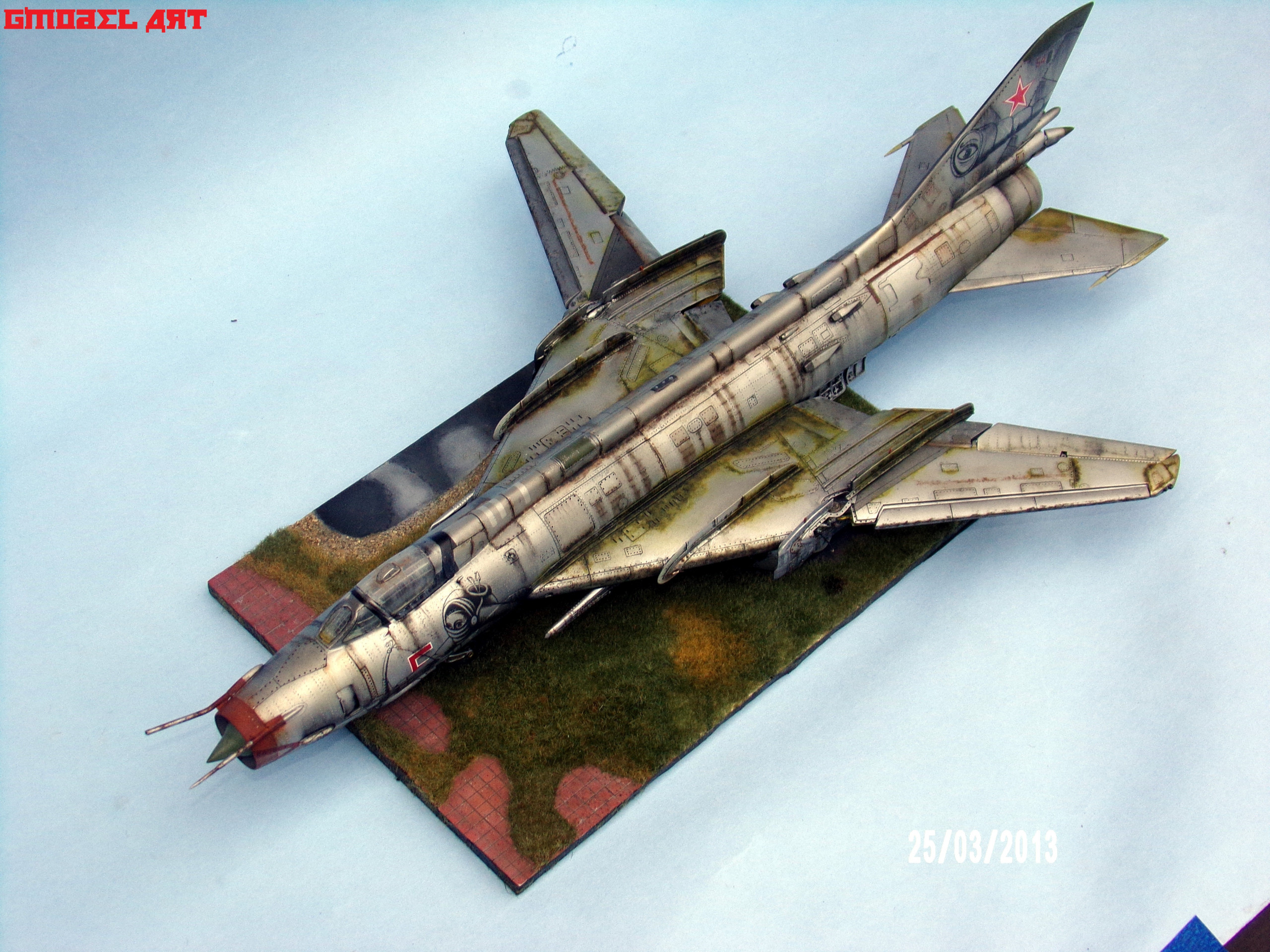
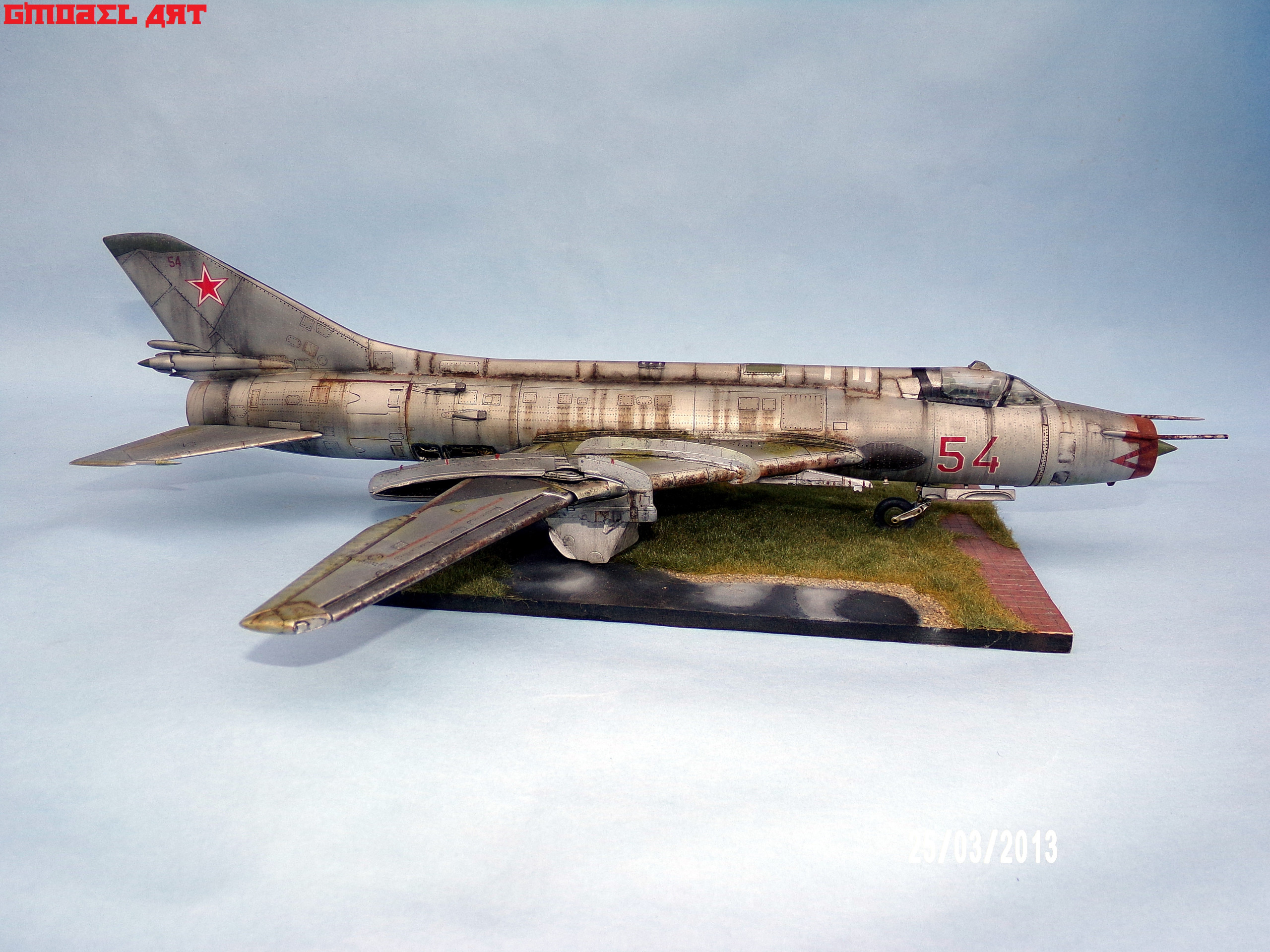
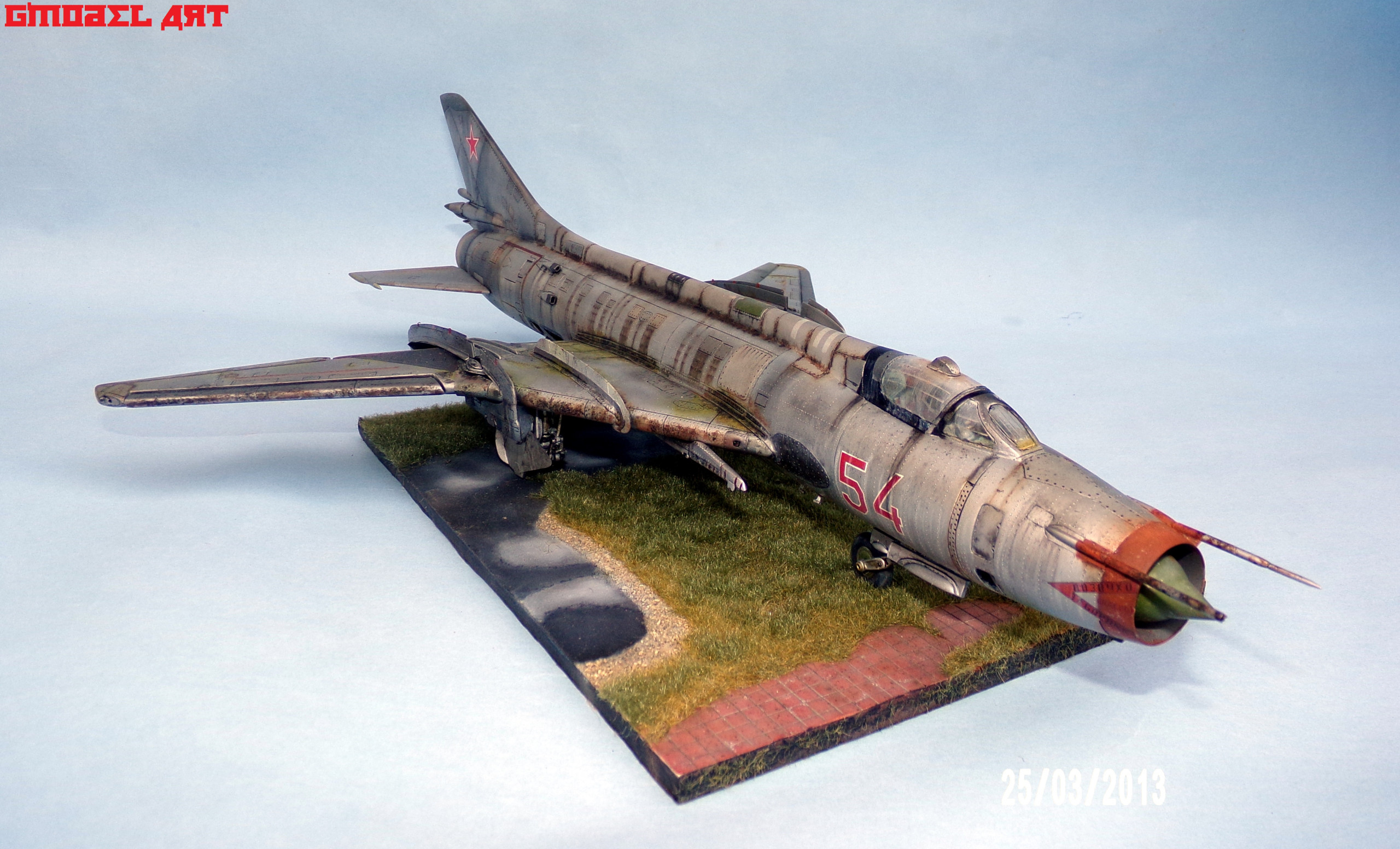
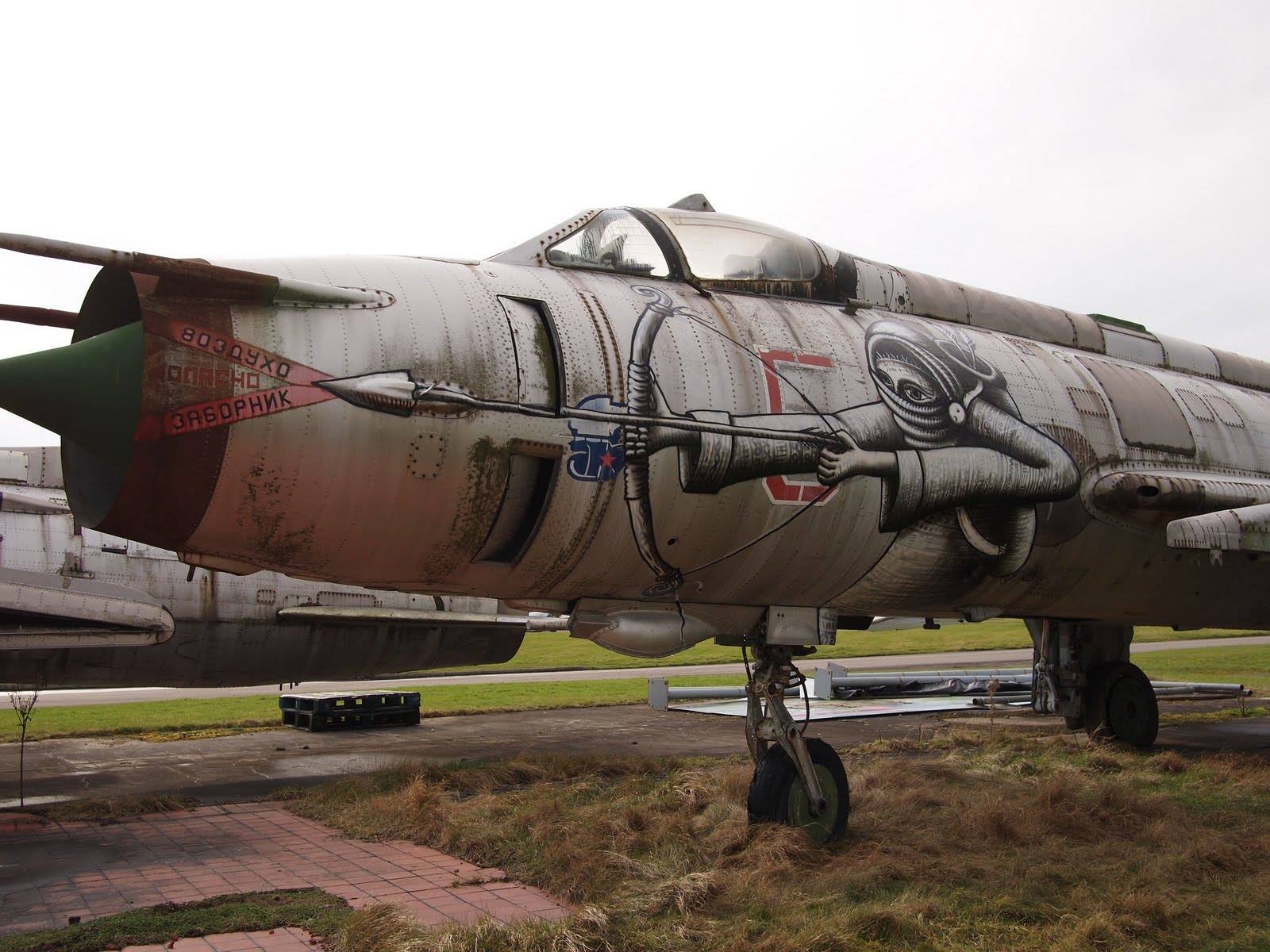
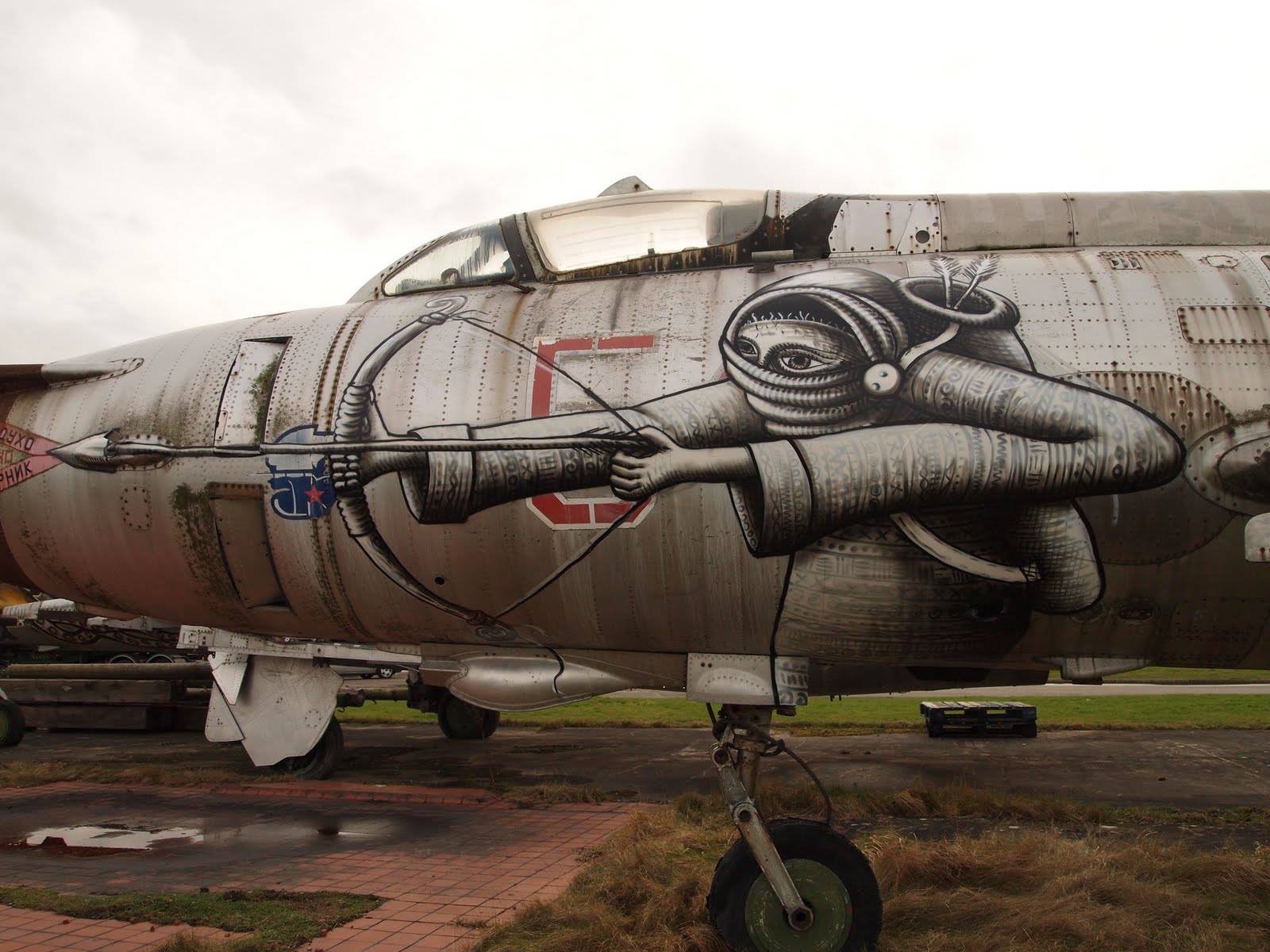
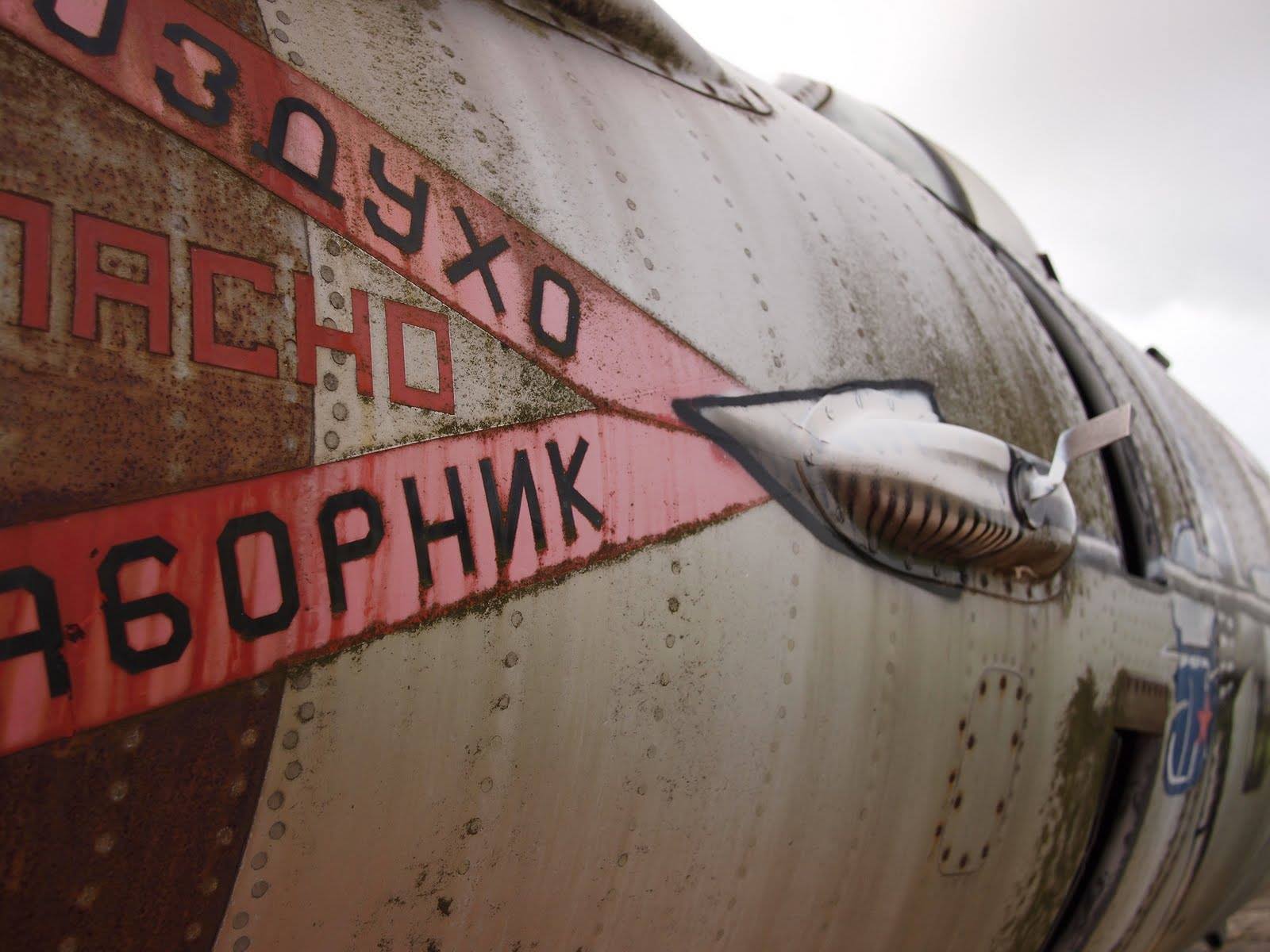
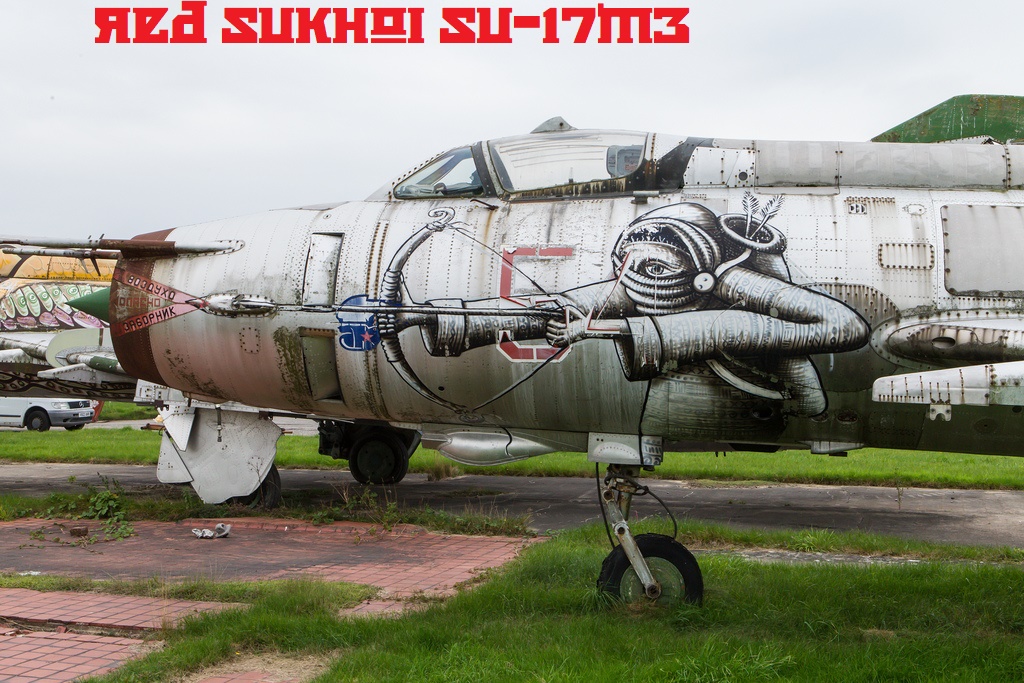
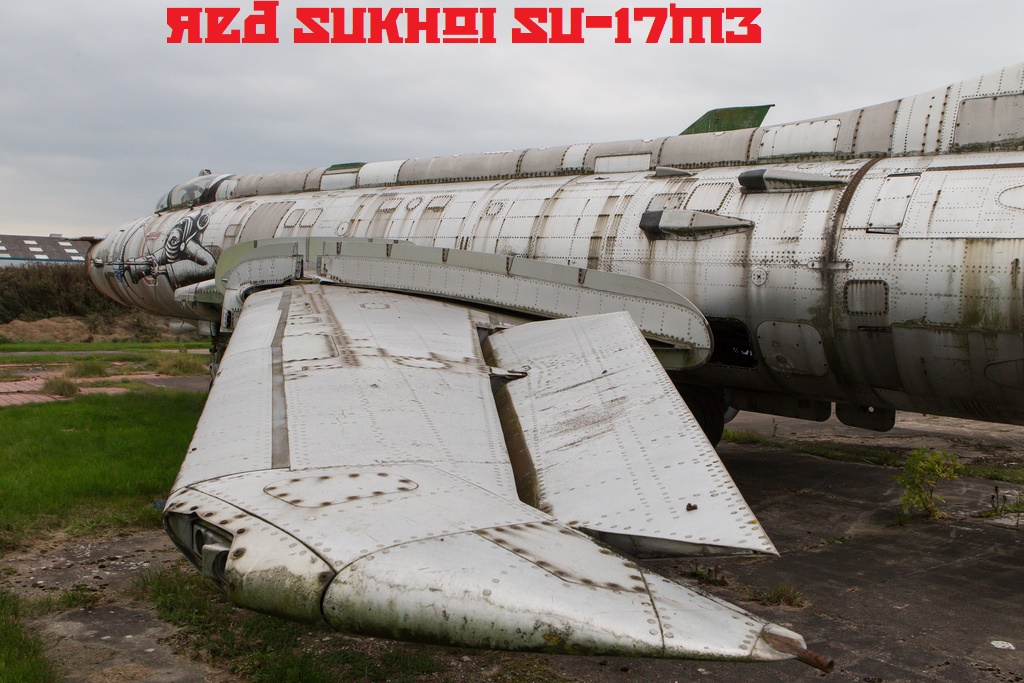
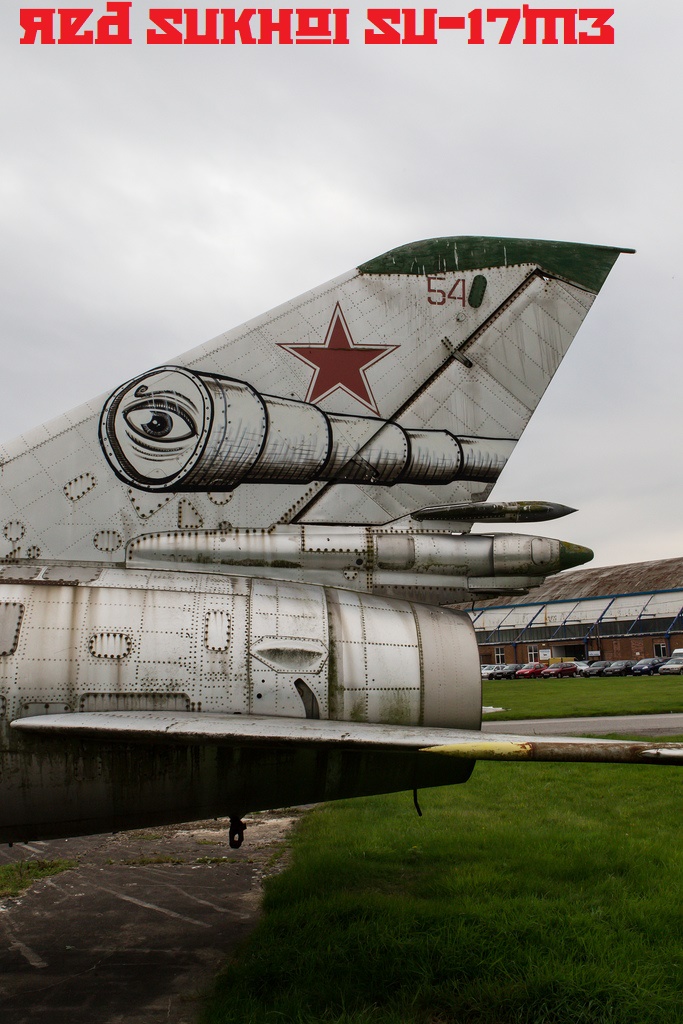
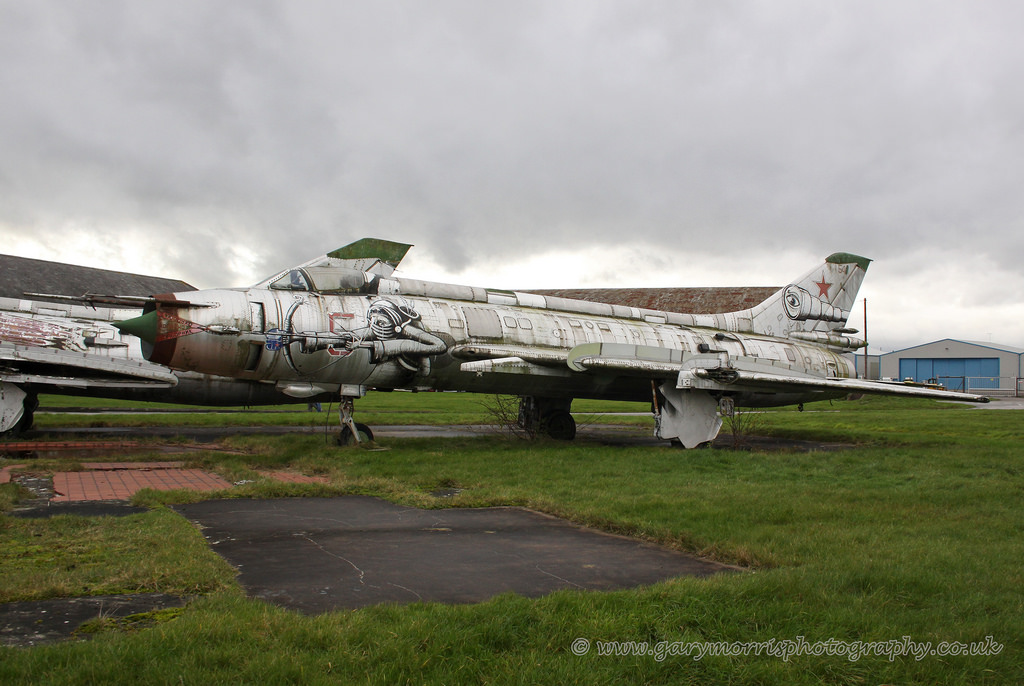
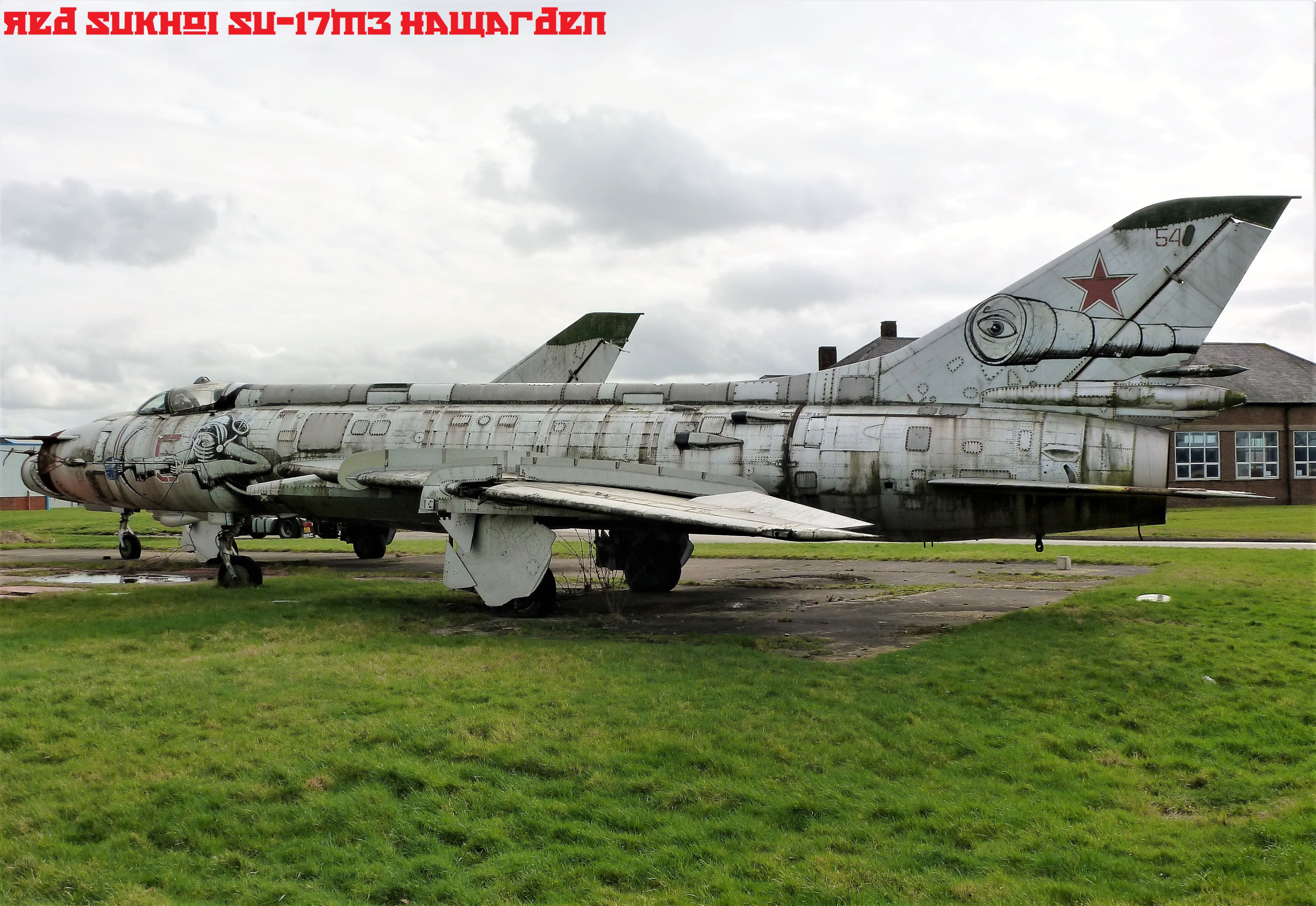
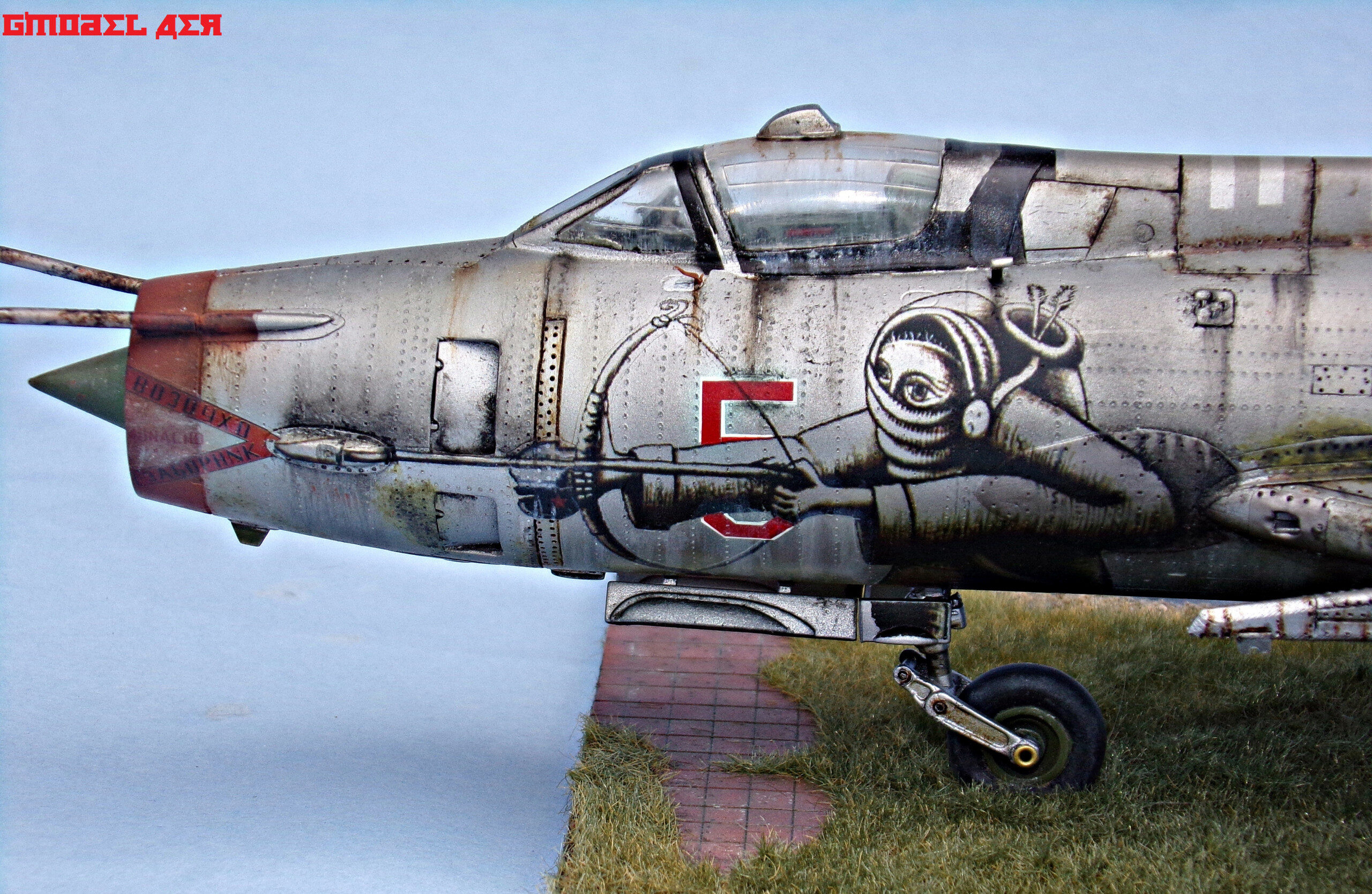
This build started during a period when almost no detailed information about this particular aircraft could be found online. The subject selected was an abandoned SUKHOI SU-17M, displayed outdoors in a public square in the United Kingdom, accompanied by another aircraft from the same family. What immediately stood out was not only the aircraft itself but the visual impact created by years of exposure to weather, oxidation and the gradual transformation of bare aluminum surfaces.
Combined with a strong interest in Soviet aviation, this became the starting point for an ambitious conversion and scratchbuilding project.
Before entering the construction process, it is important to clarify the naming differences within the aircraft family.
The original Soviet development emerged from a requirement to improve short-runway capability during a period where multiple concepts—including V/STOL experimentation—were being explored. Engineers modified the existing SUKHOI SU-7 platform by introducing variable-geometry wings, creating the experimental SU-7IG.
Continuous development led to the production SUKHOI SU-17M, while export aircraft became known as SU-20.
Further improvements in avionics and engine performance produced the later SUKHOI SU-17M3 and SUKHOI SU-17M4 variants, exported internationally as SU-22M3 and SU-22M4.
This distinction is particularly important for modelers because most available 1/48 scale kits represent the later M3 and M4 versions rather than the earlier SUKHOI SU-17M.
The total duration of the project reached approximately four months of active work, excluding breaks and non-modeling periods.
Construction immediately became the most challenging stage.
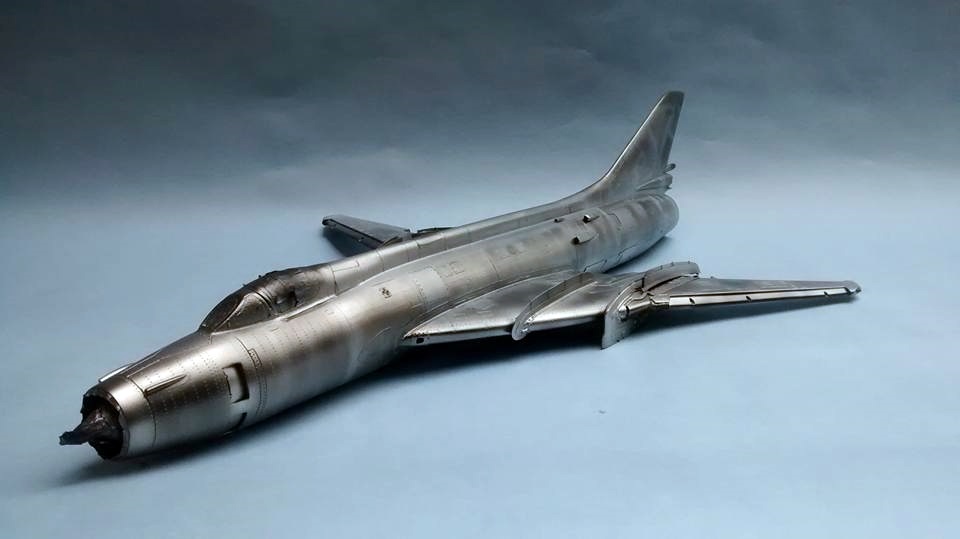
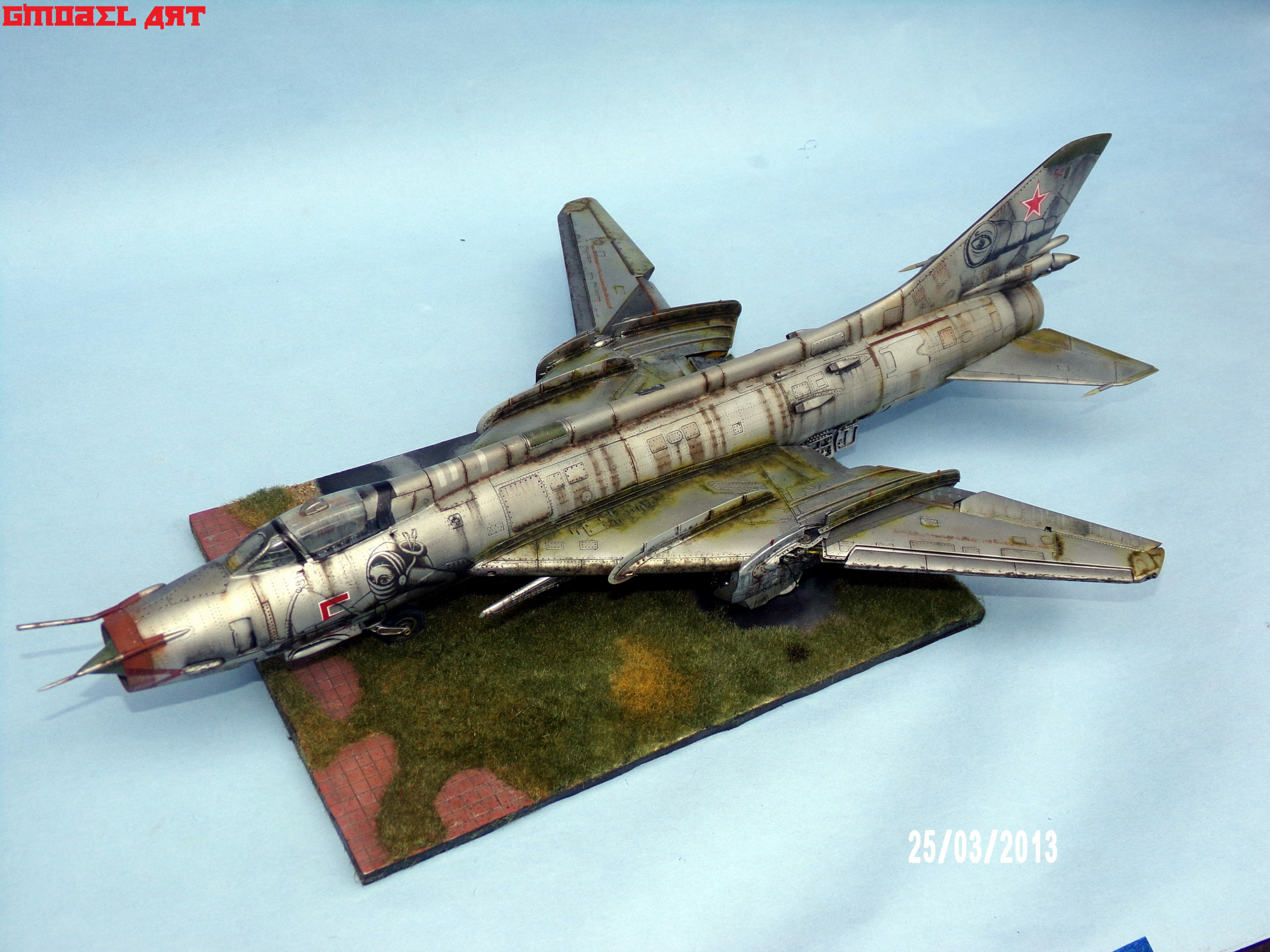
Since there is no dedicated 1/48 kit of the SUKHOI SU-17M, the solution required combining components from two separate kits.
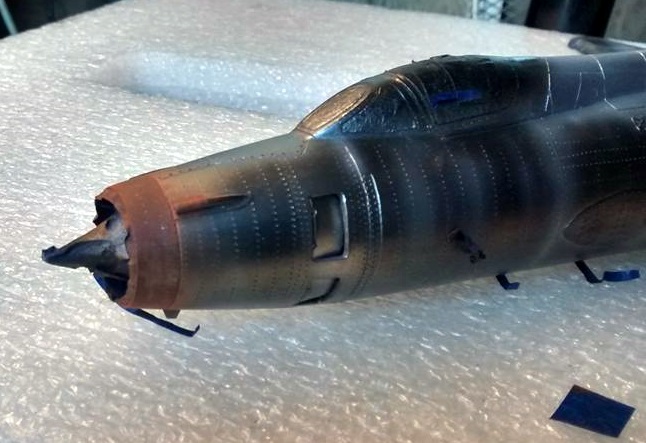
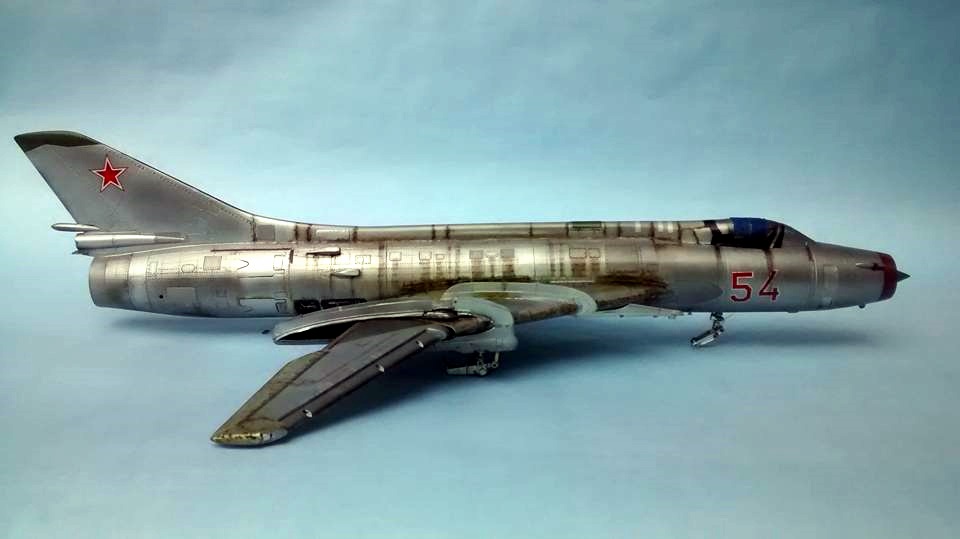
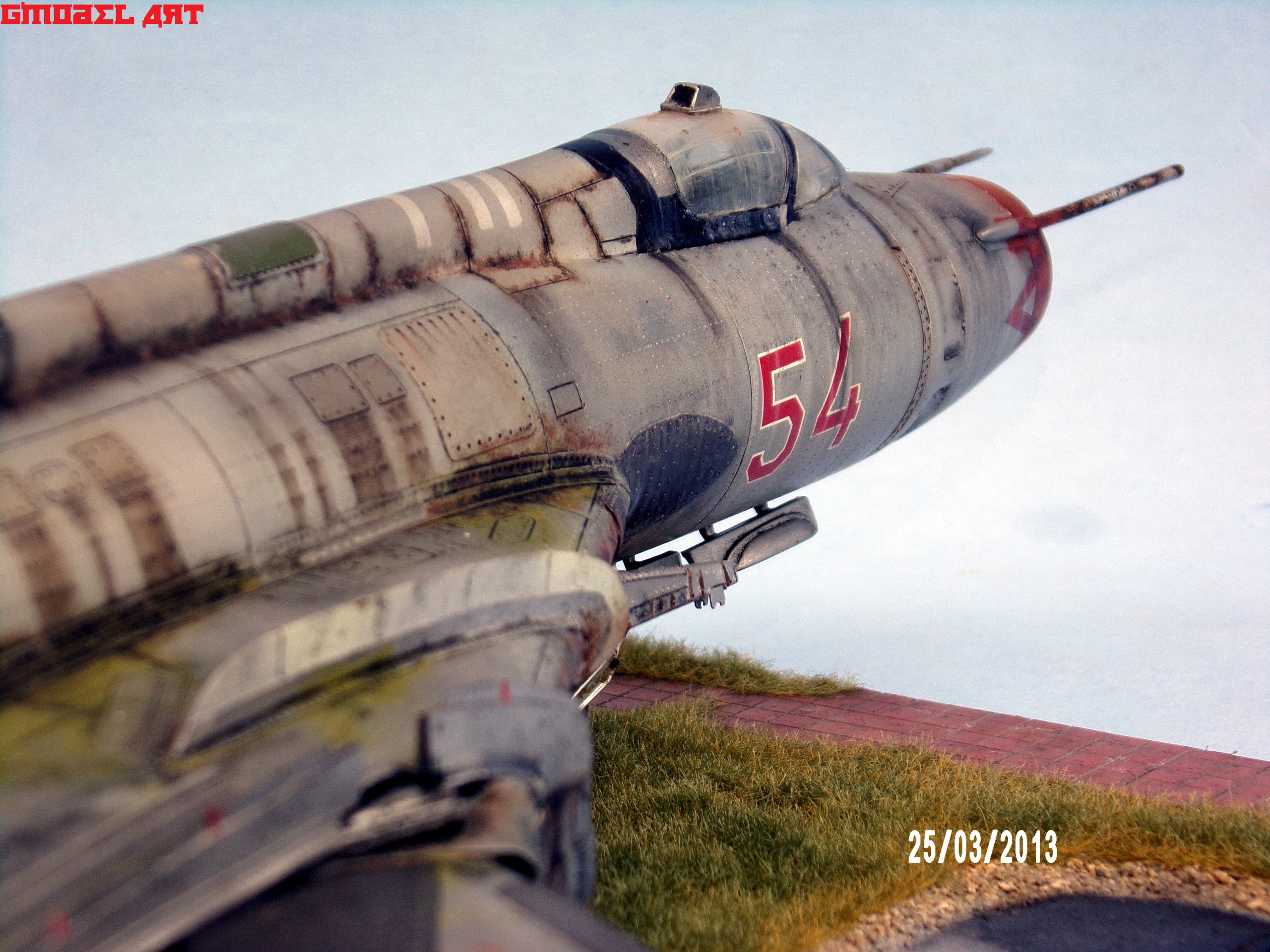
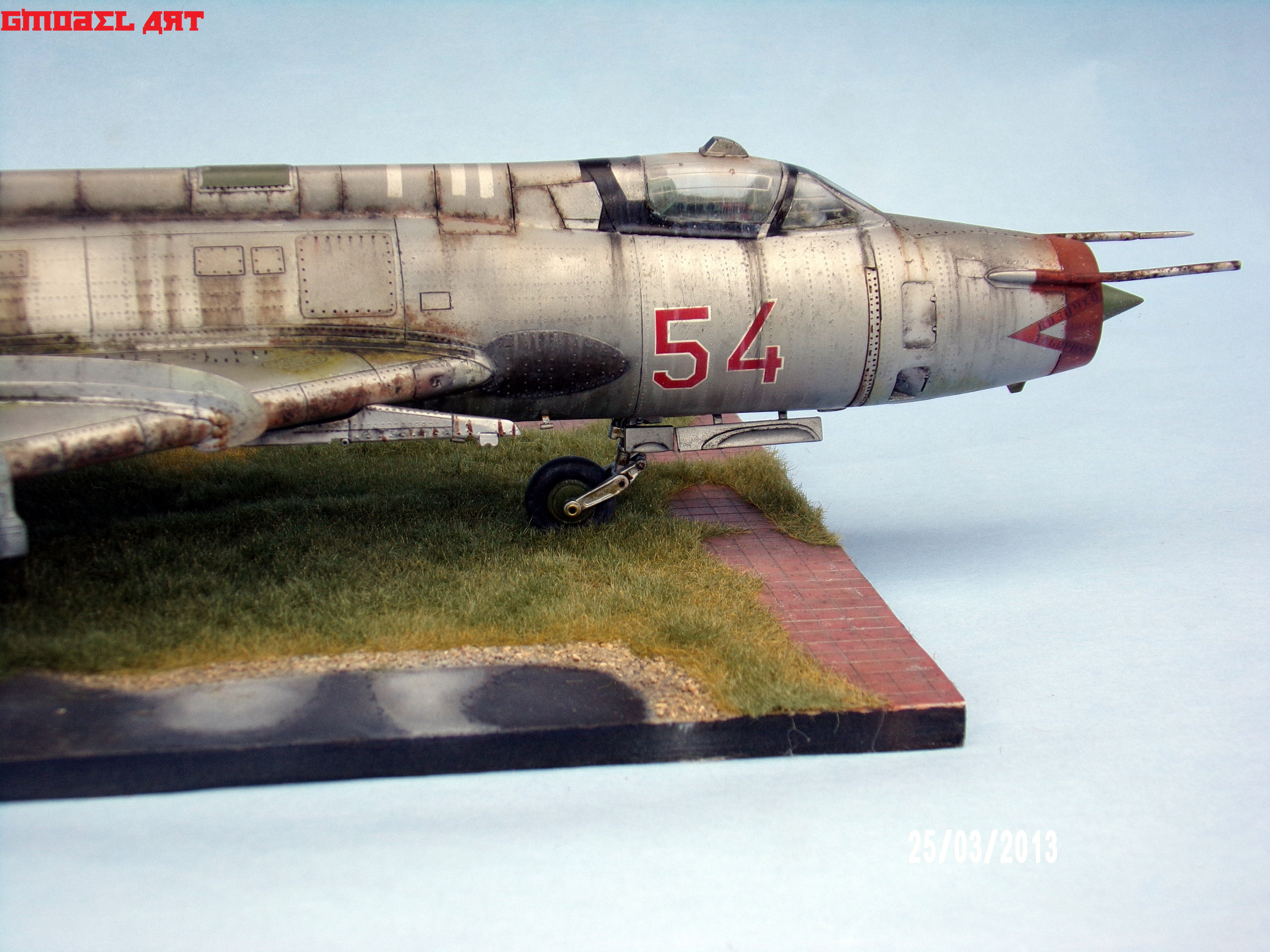
The front fuselage originated from an OEZ SU-7, while the rear fuselage, wings and tail components came from a KP MODELS SU-17M3/M4.
Large structural modifications followed.
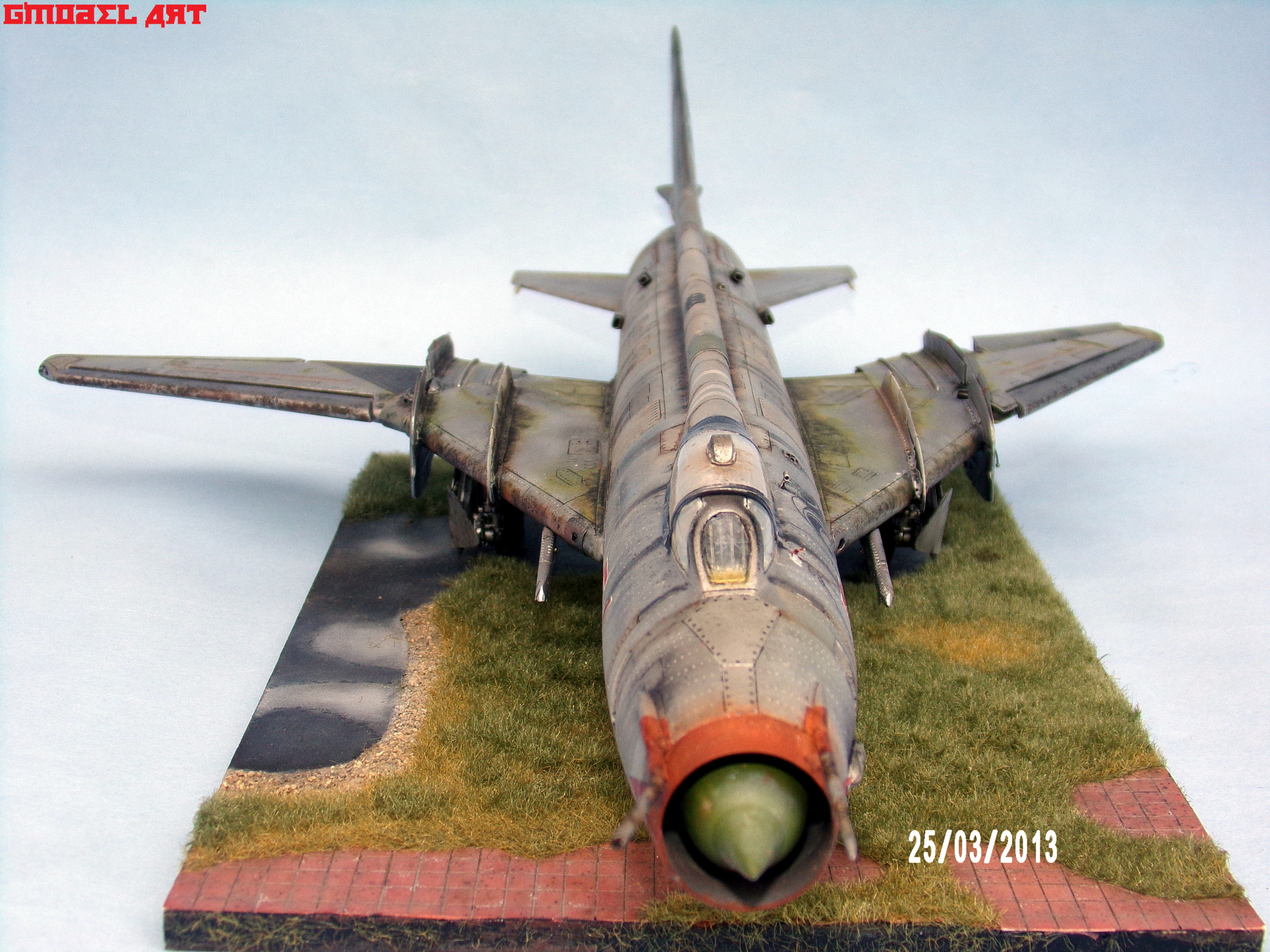
The nose air intakes were opened and reshaped.
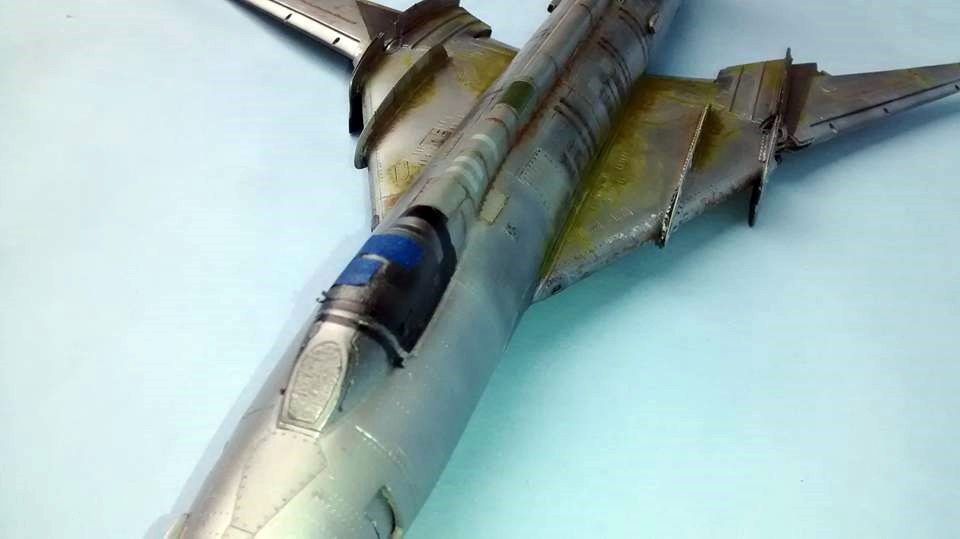
A new dorsal spine extending from cockpit to vertical stabilizer was fabricated, requiring adjustment and cutting of the canopy to match the correct profile.
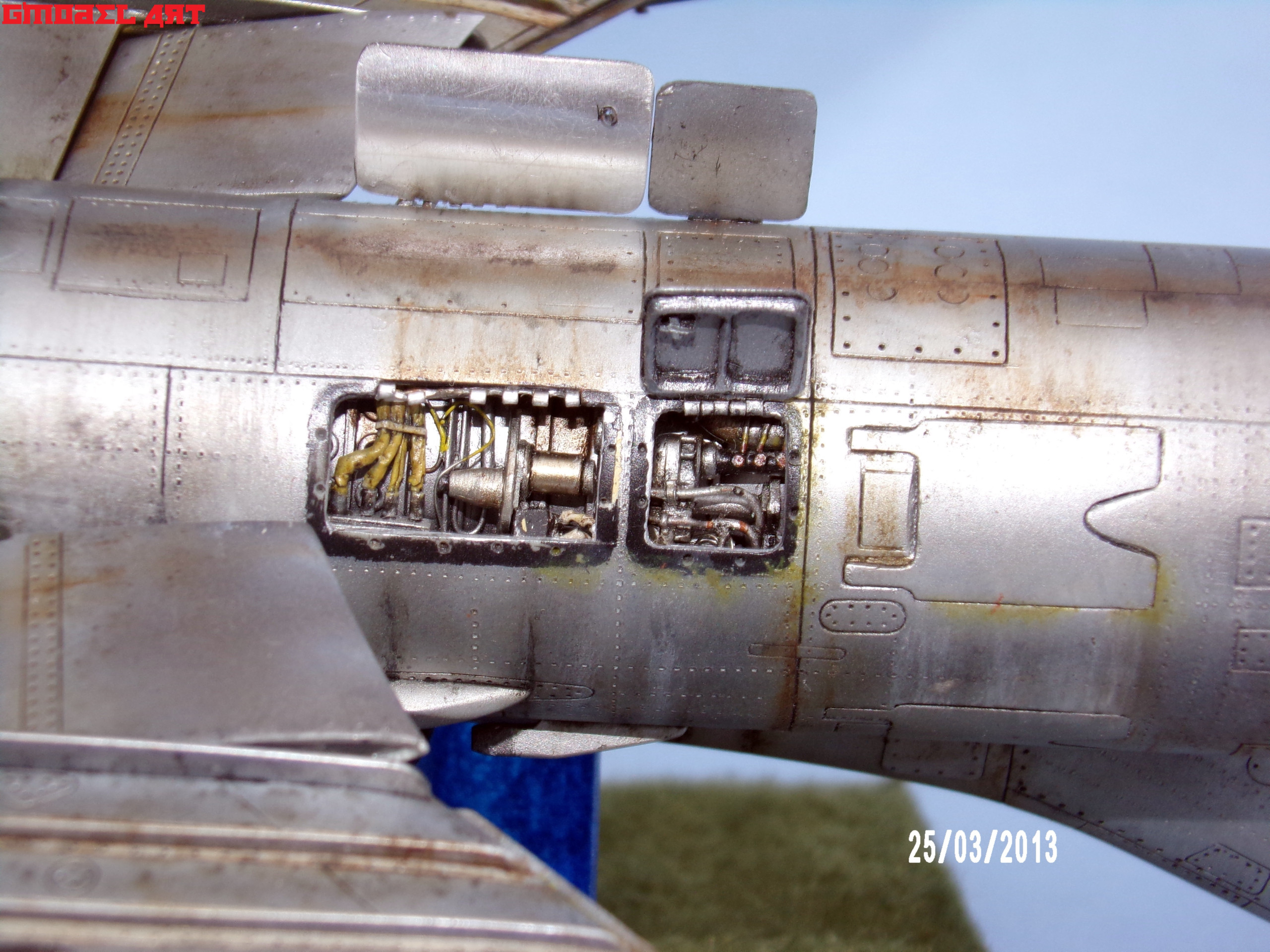
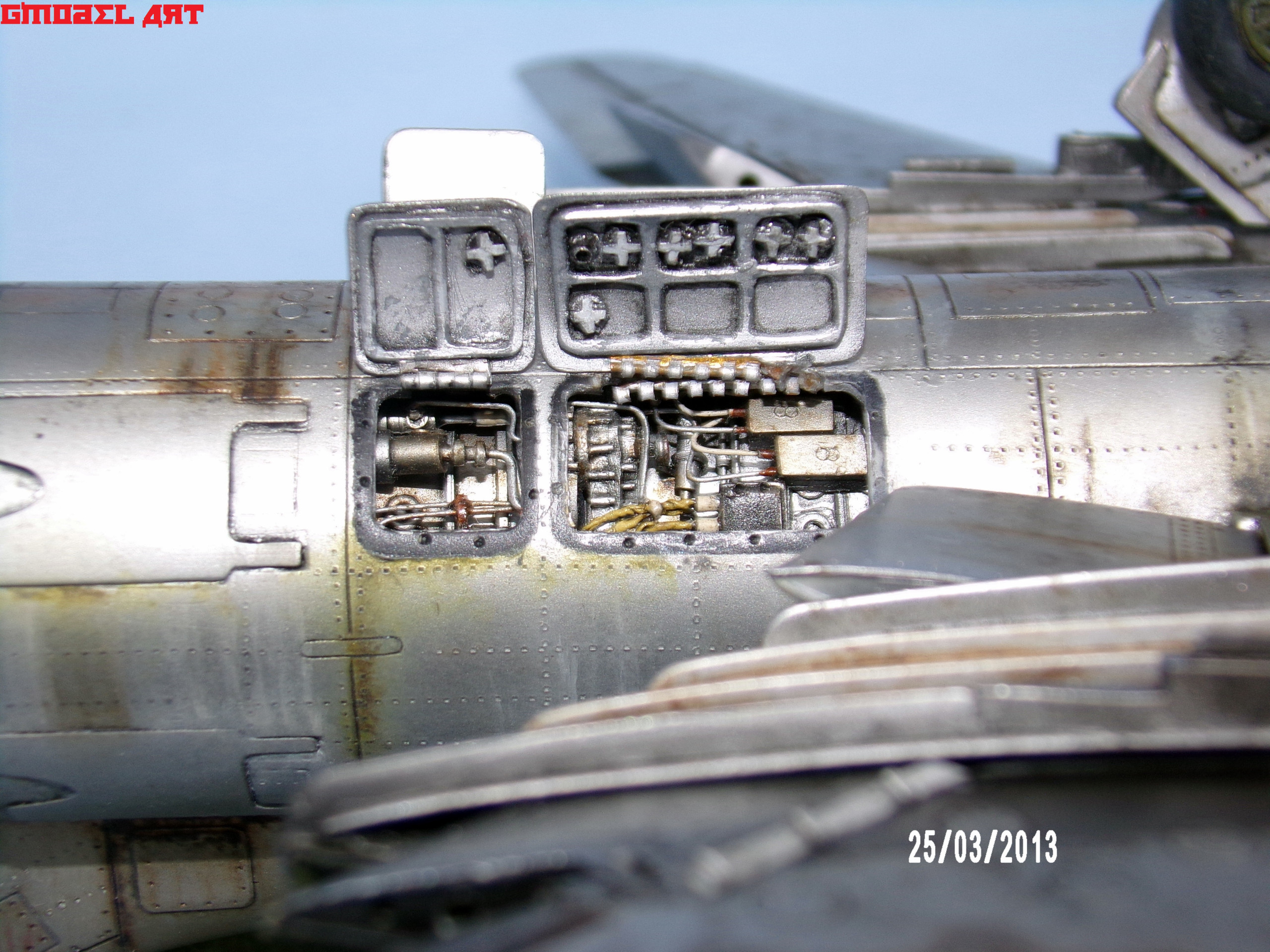
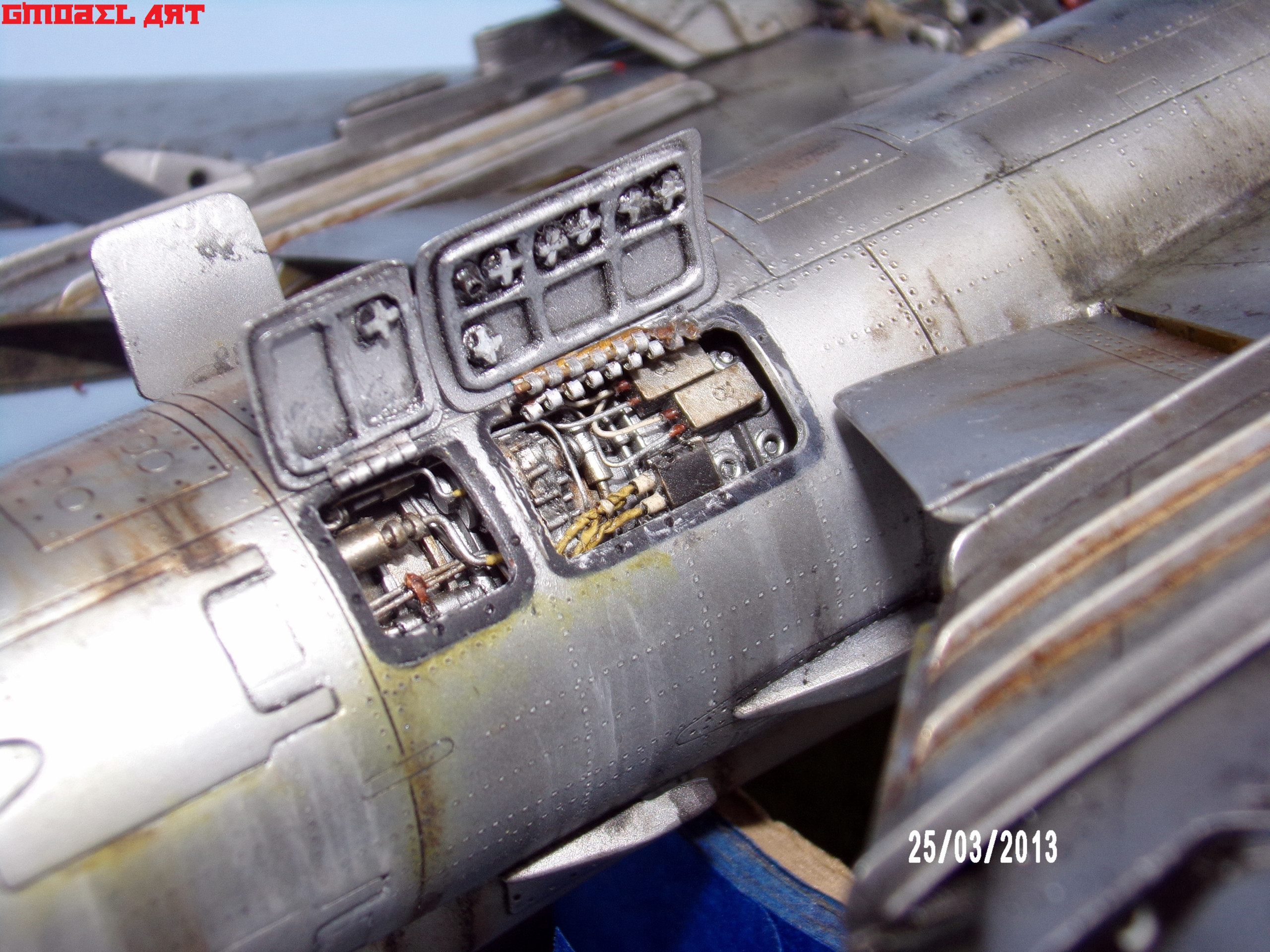
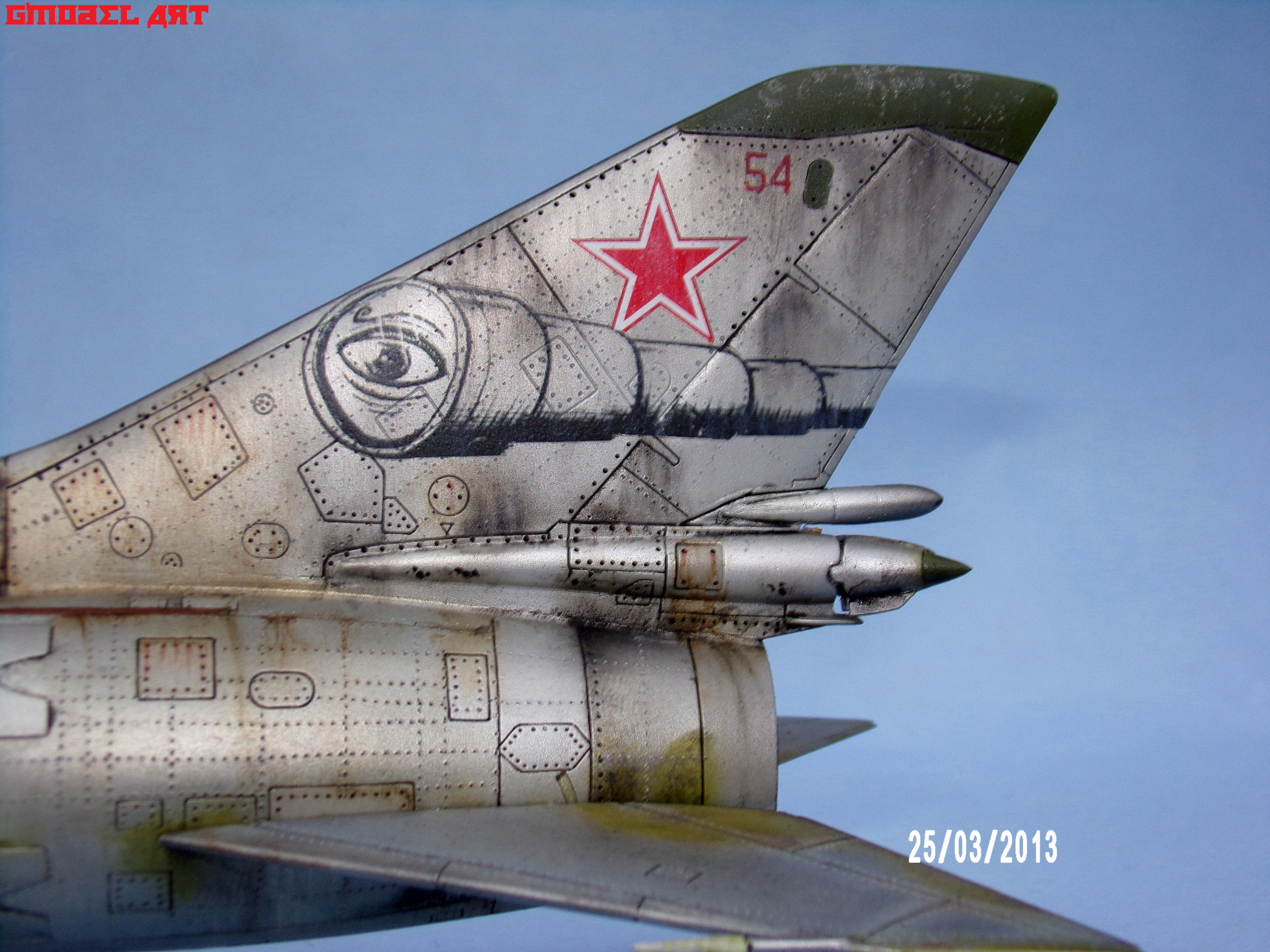
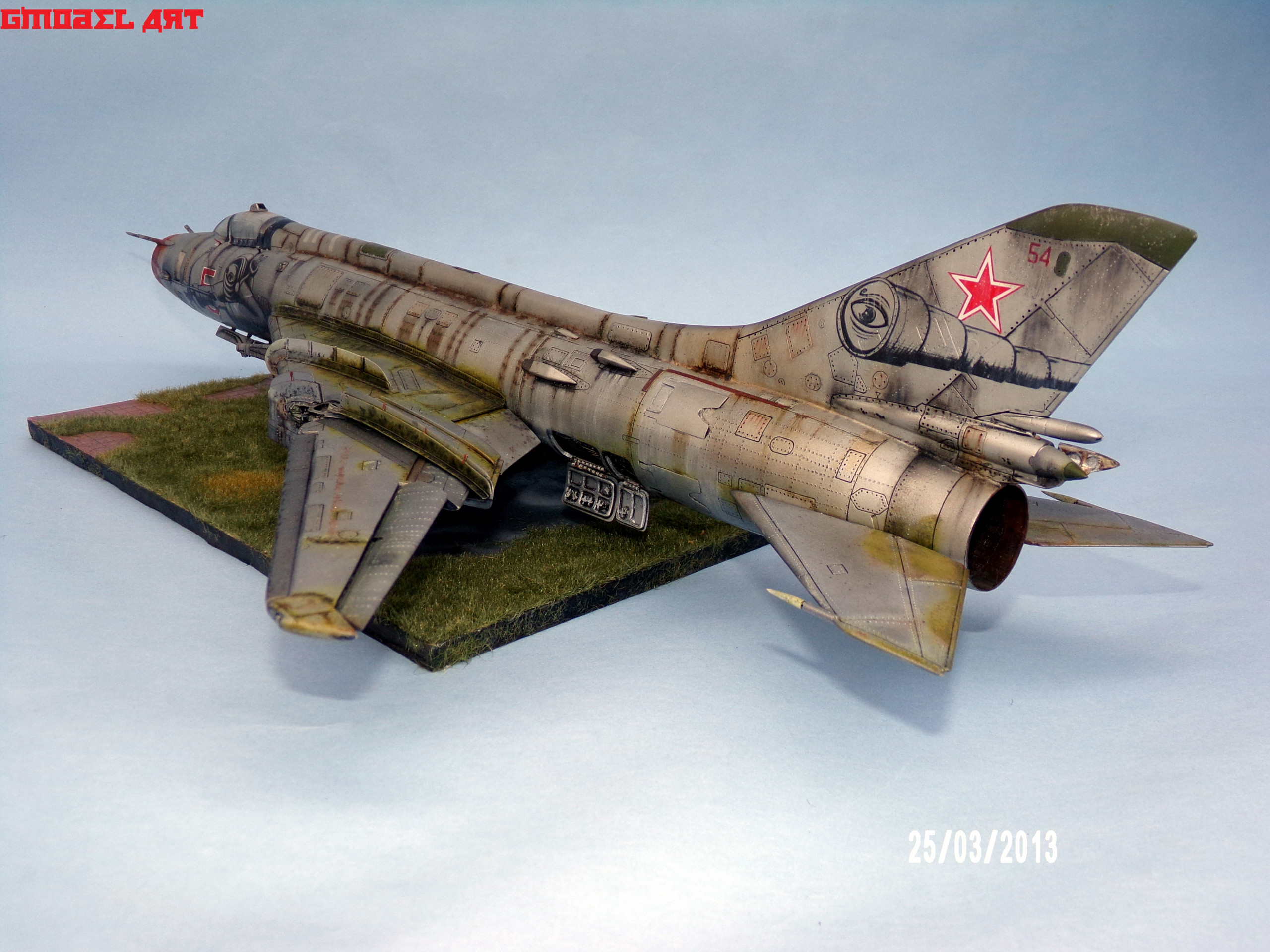
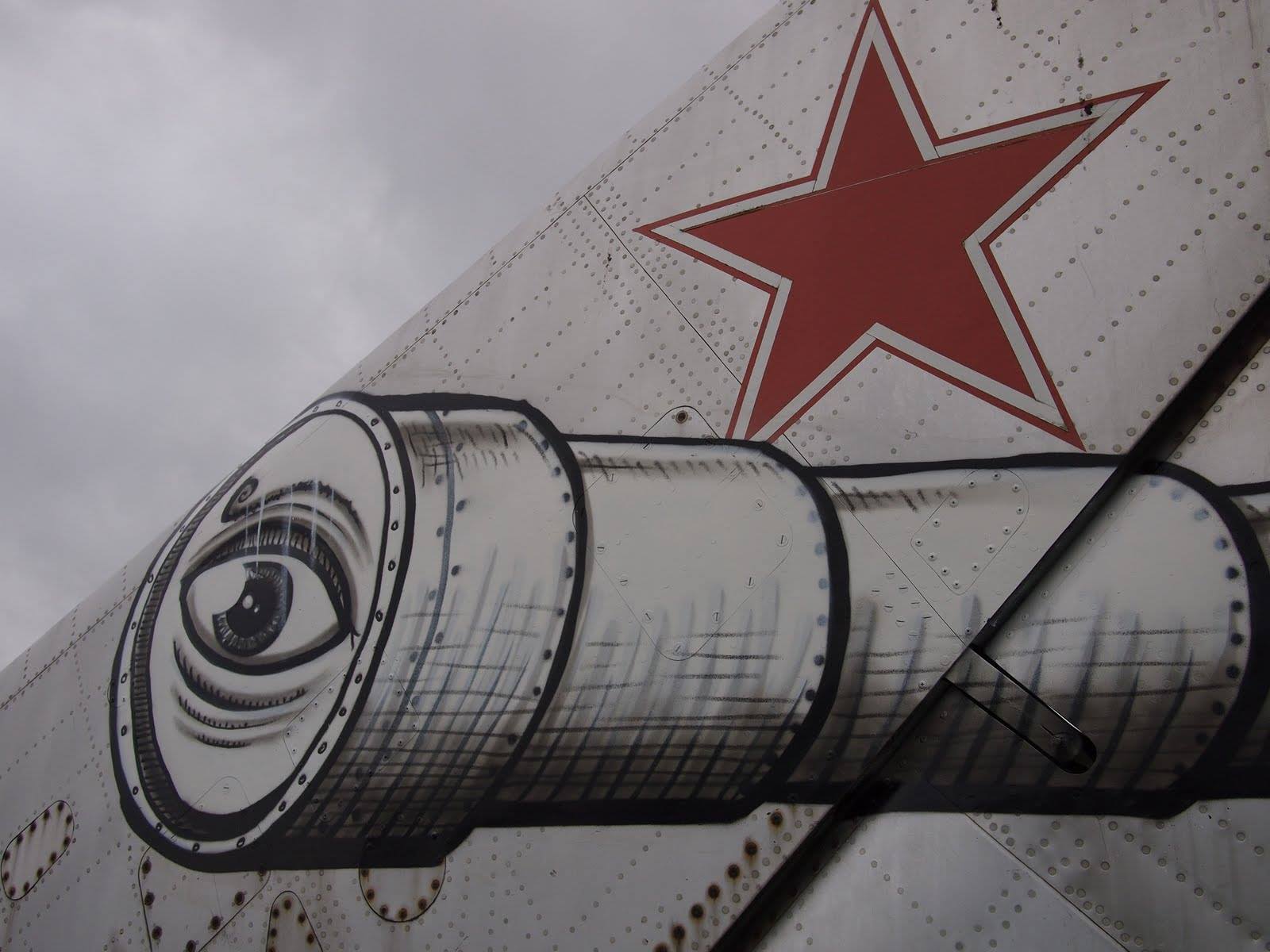
The vertical tail was modified, inspection covers were opened and panel structures refined.
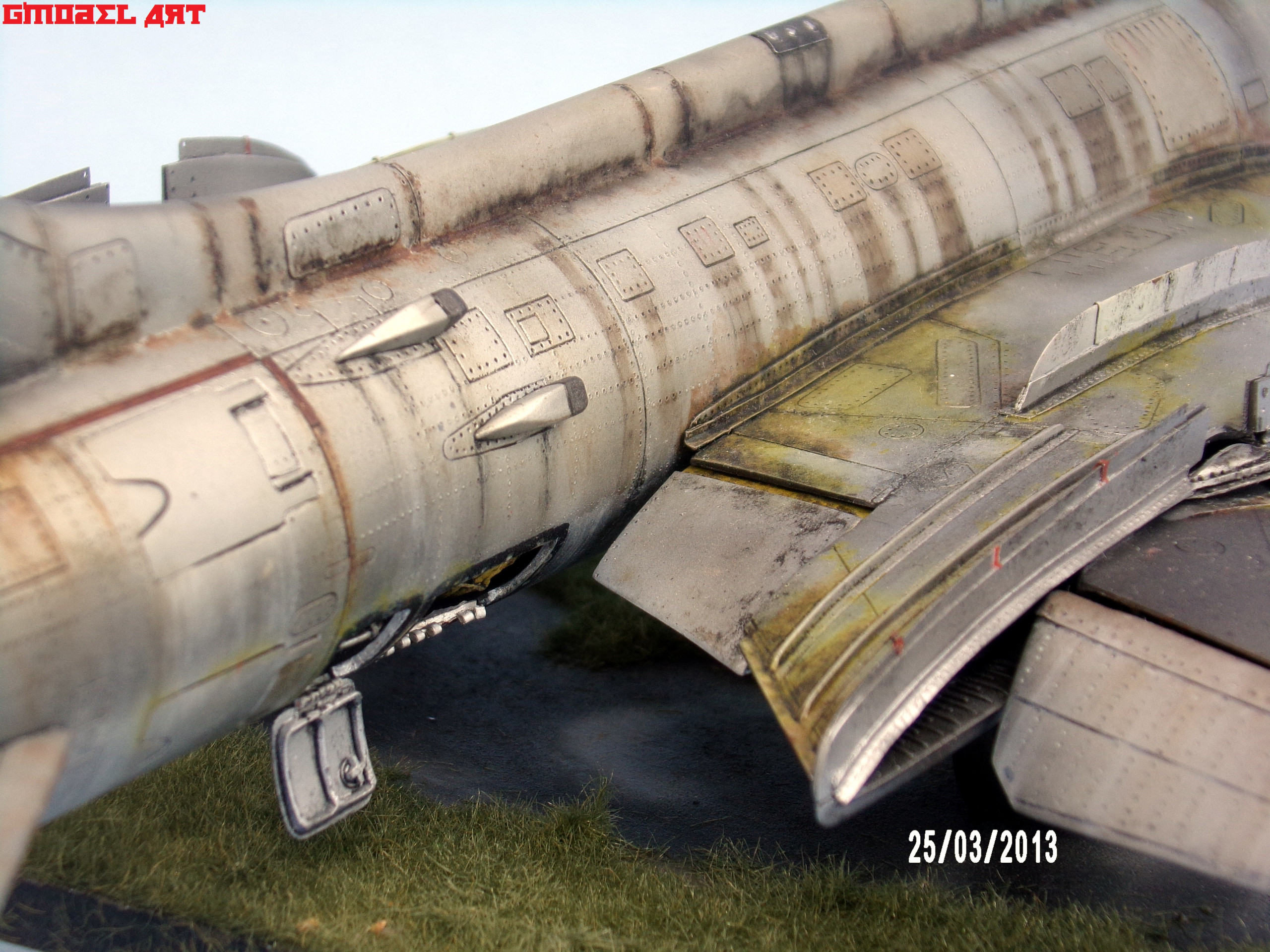
Rivet lines were re-engraved across the complete airframe.
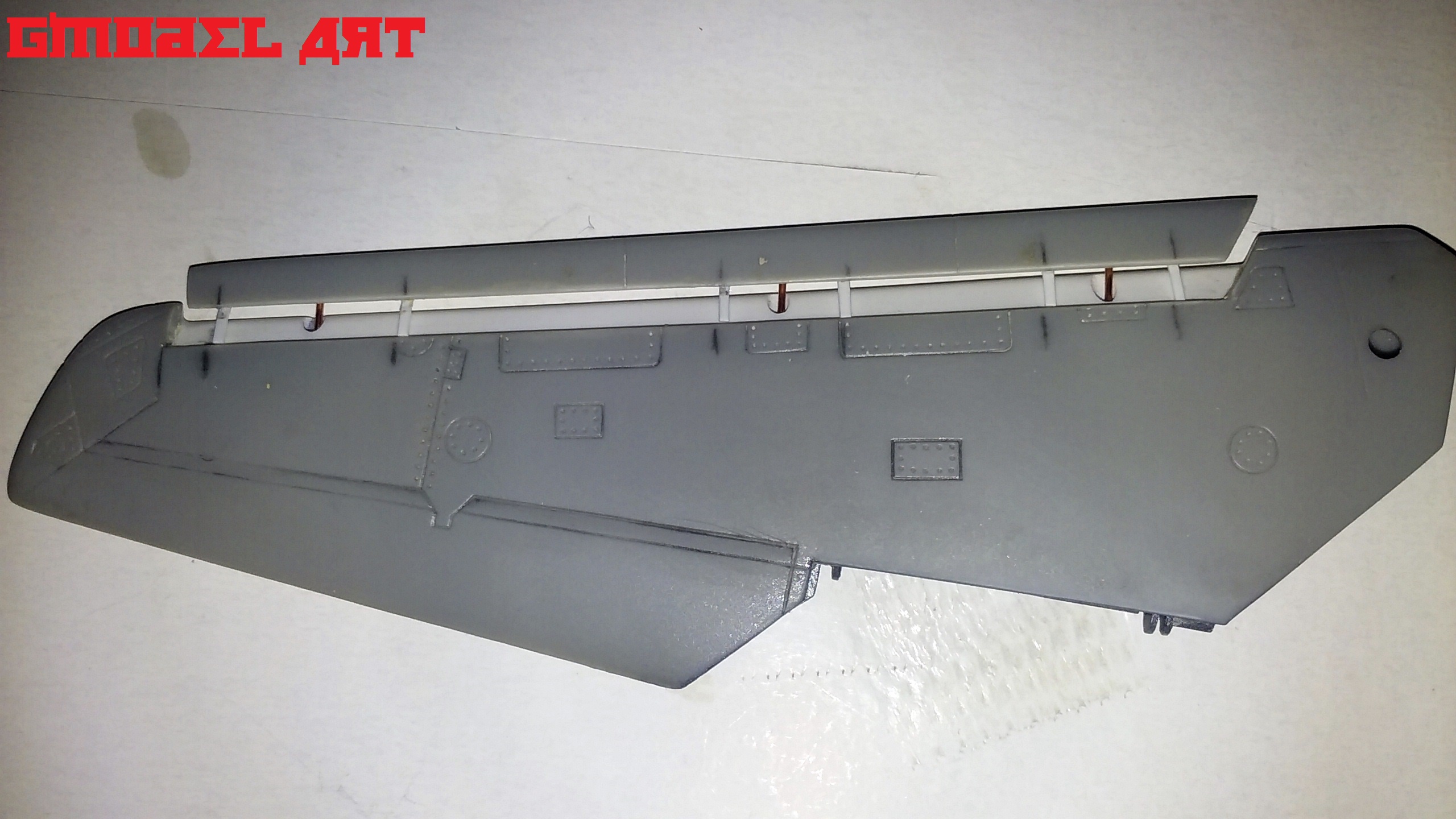
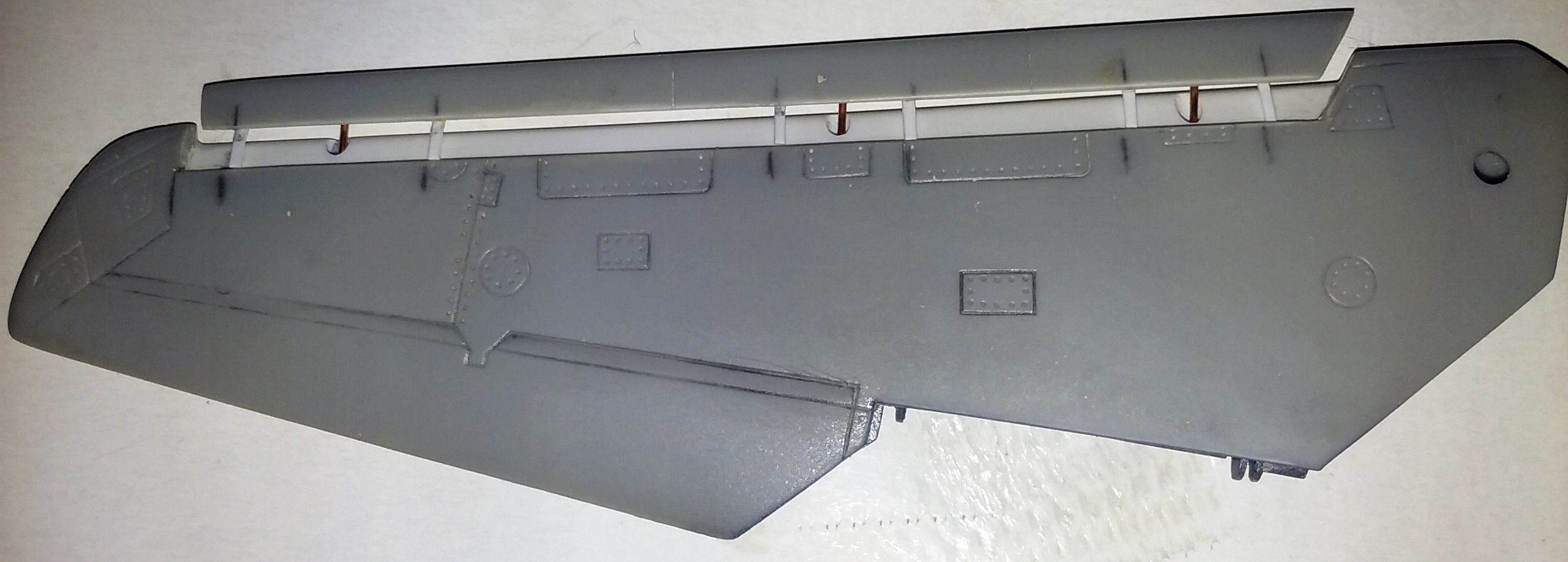
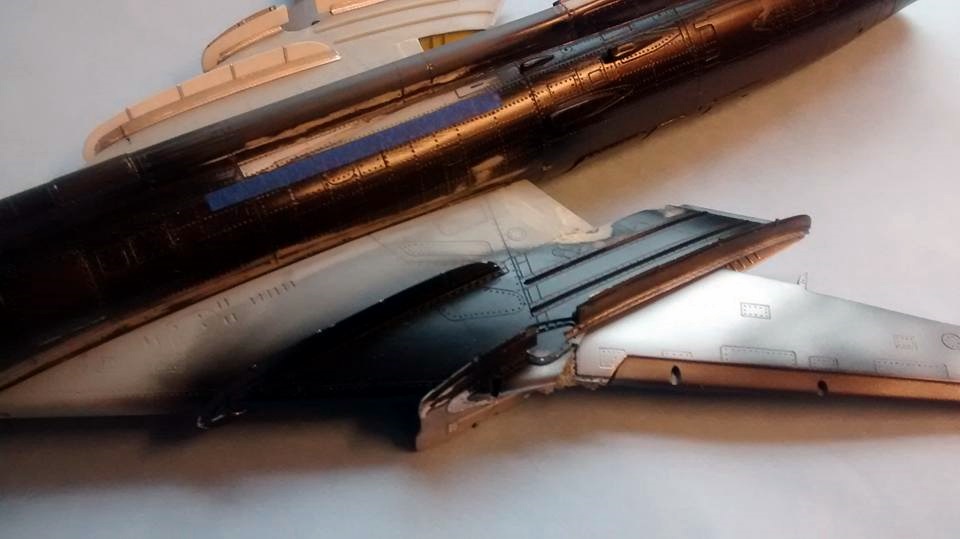
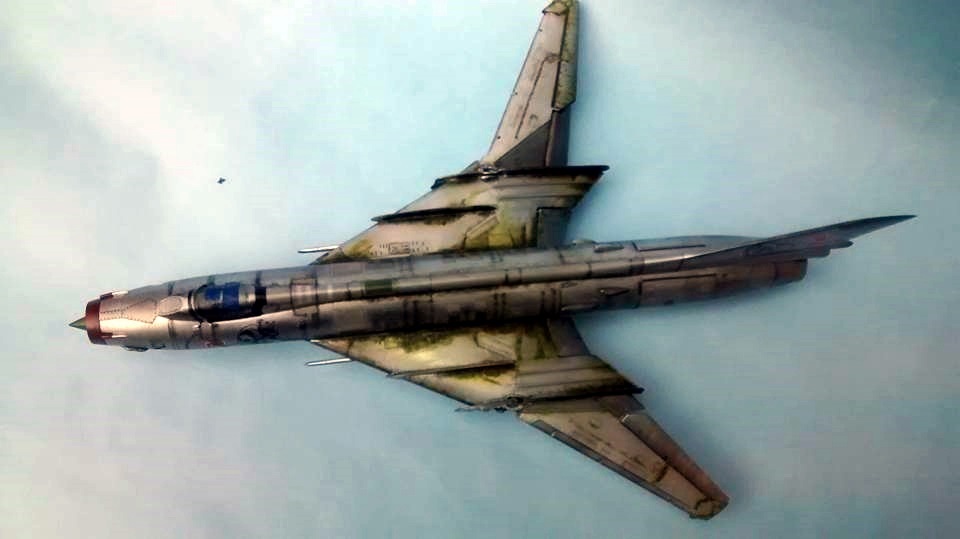
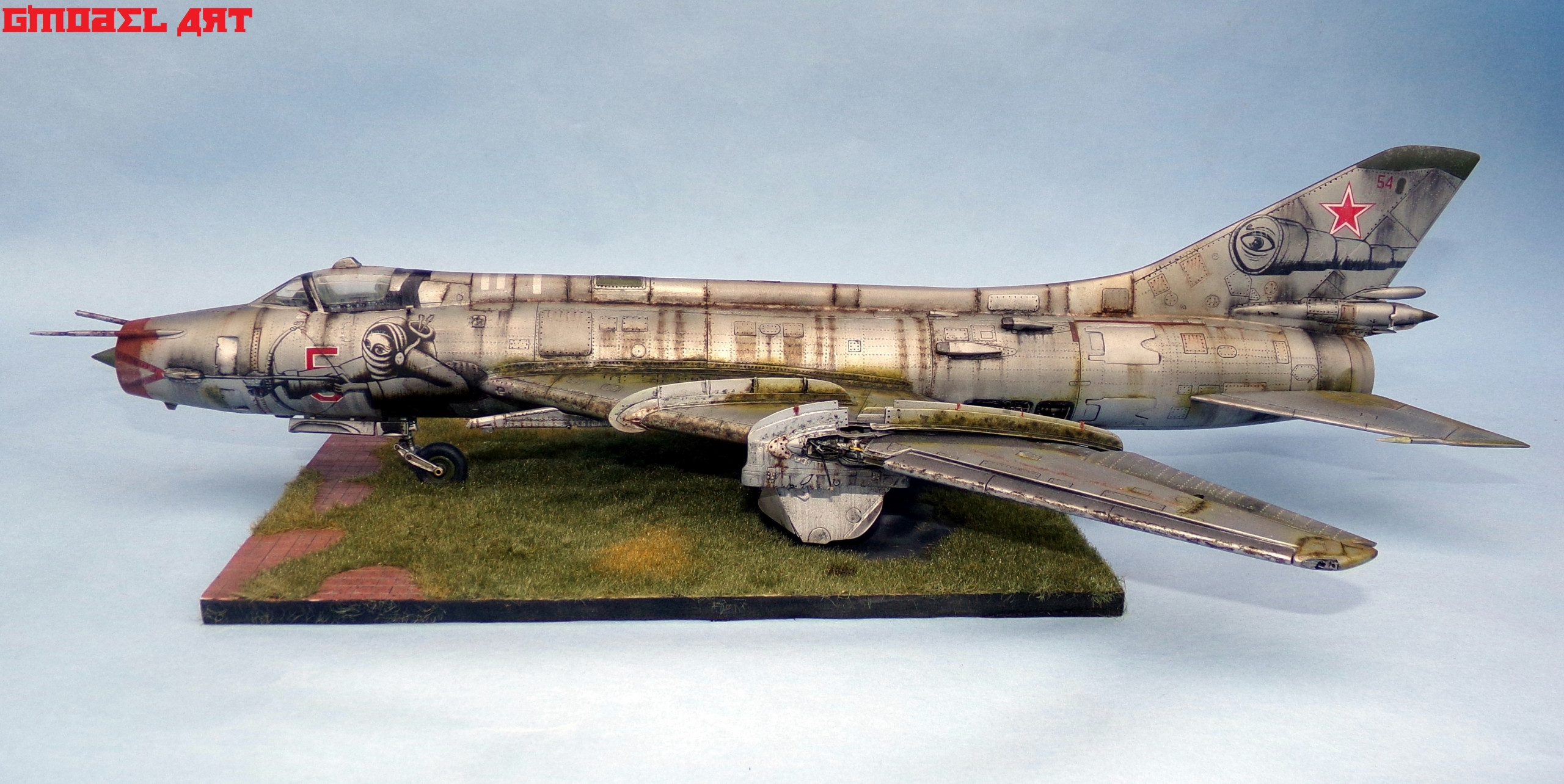
Control surfaces including flaps, slats and ailerons were repositioned to create a more natural parked appearance.
Several areas were completed entirely in scratchbuilding.
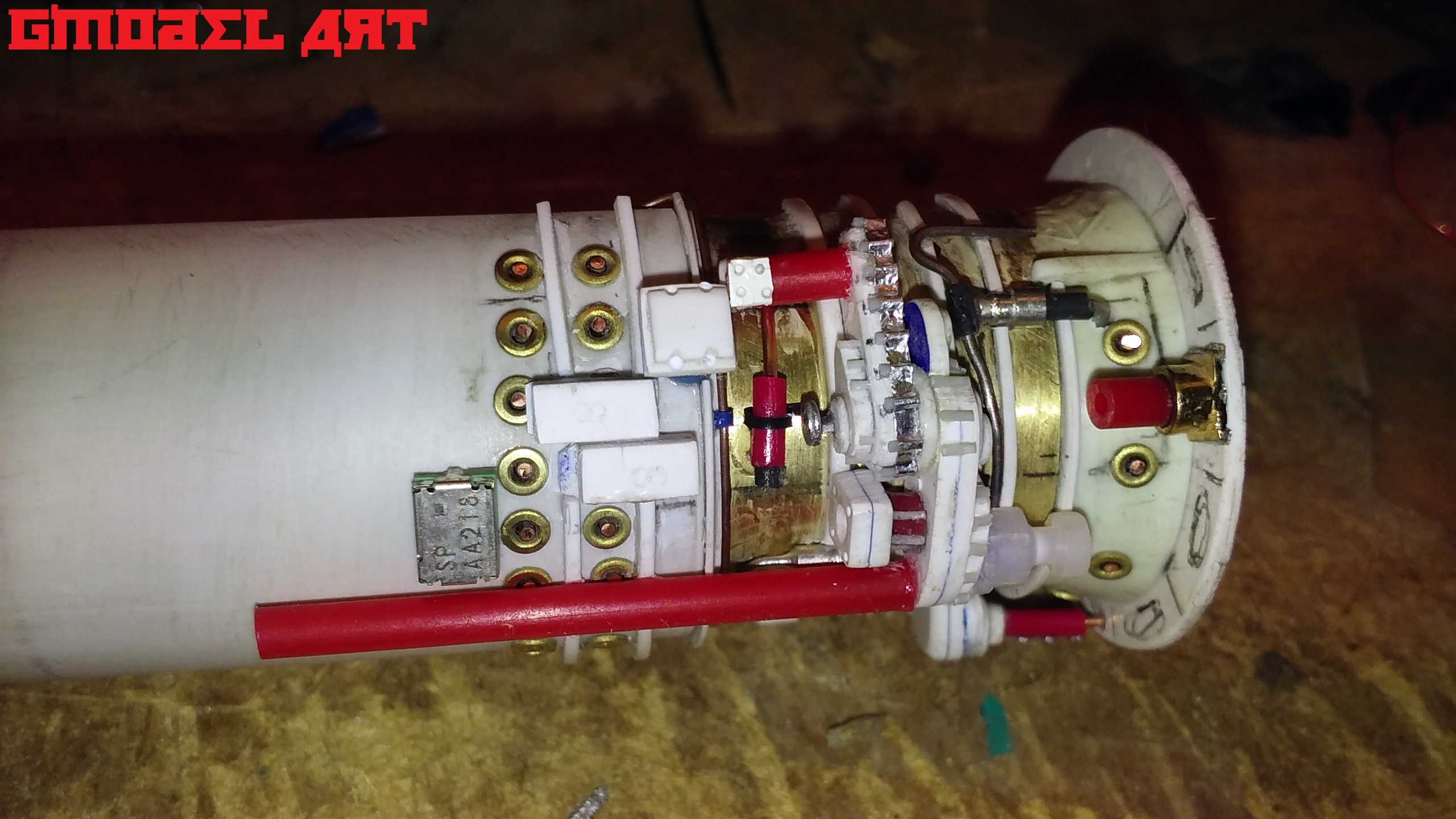
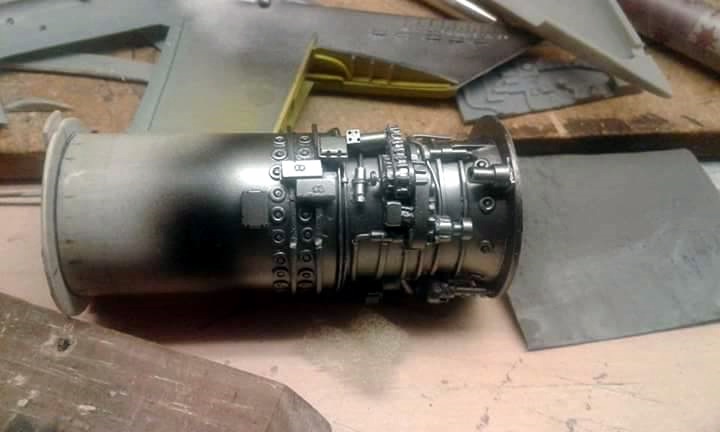
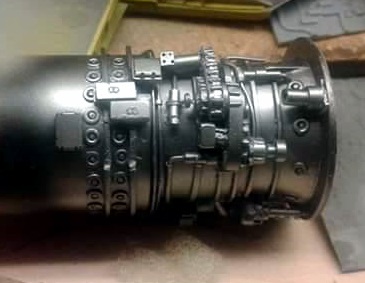
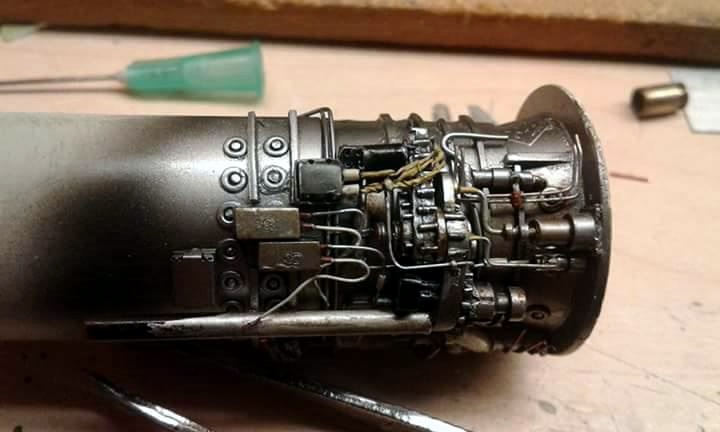
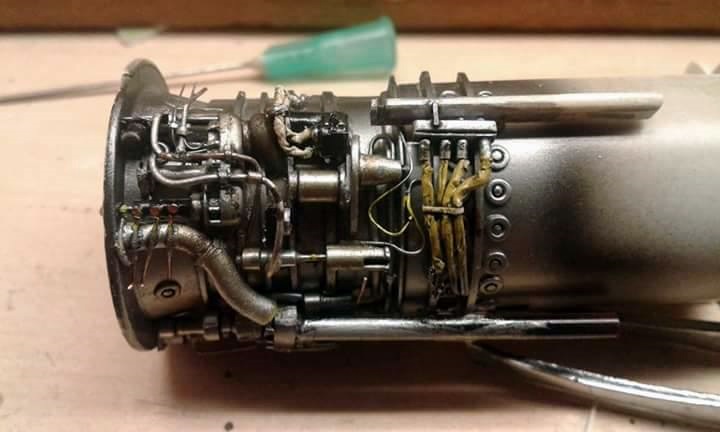
The visible engine section behind the opened maintenance panels was recreated from documentation and photographic references.
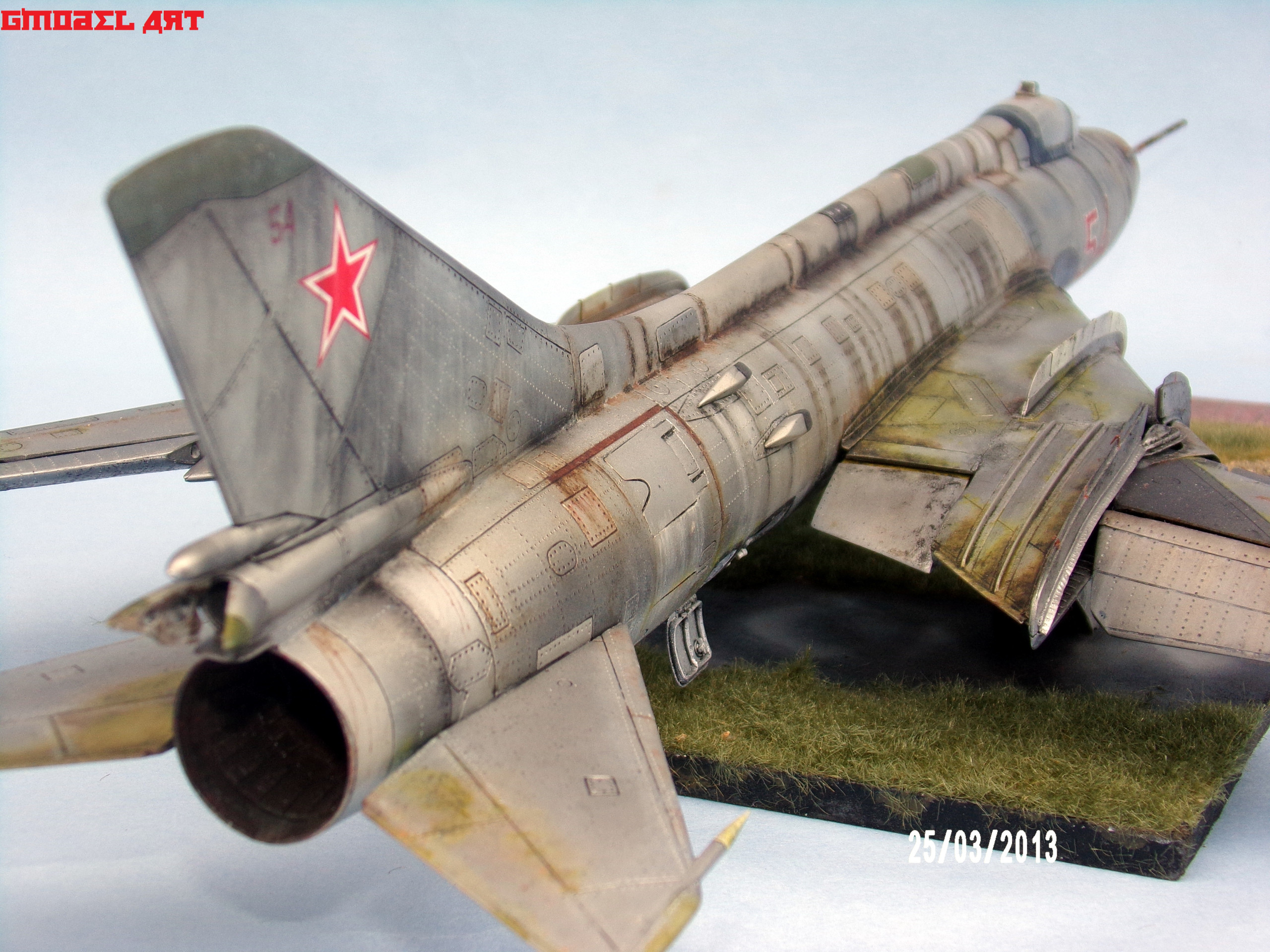
The exhaust area received additional detailing and reconstruction.
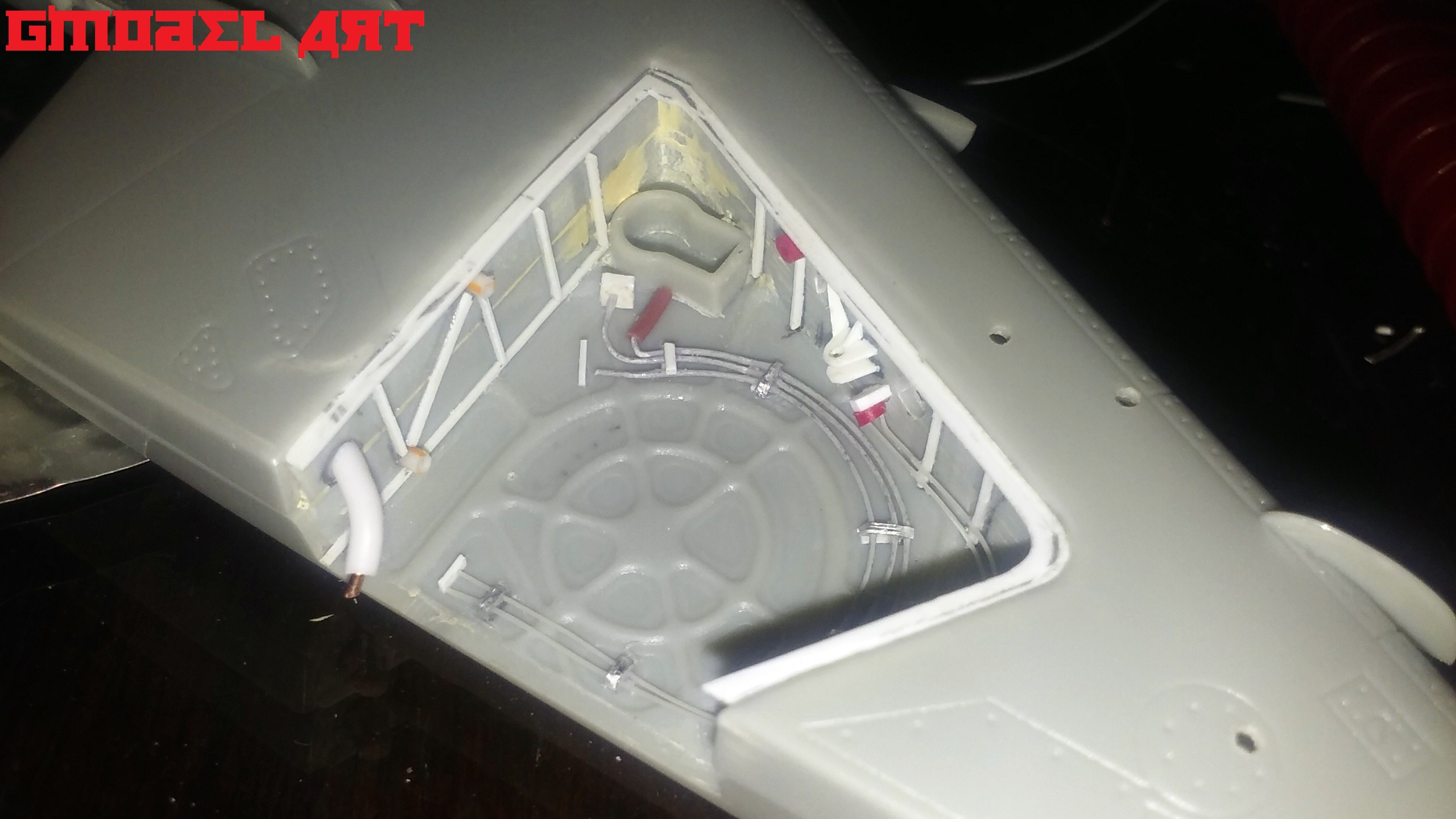
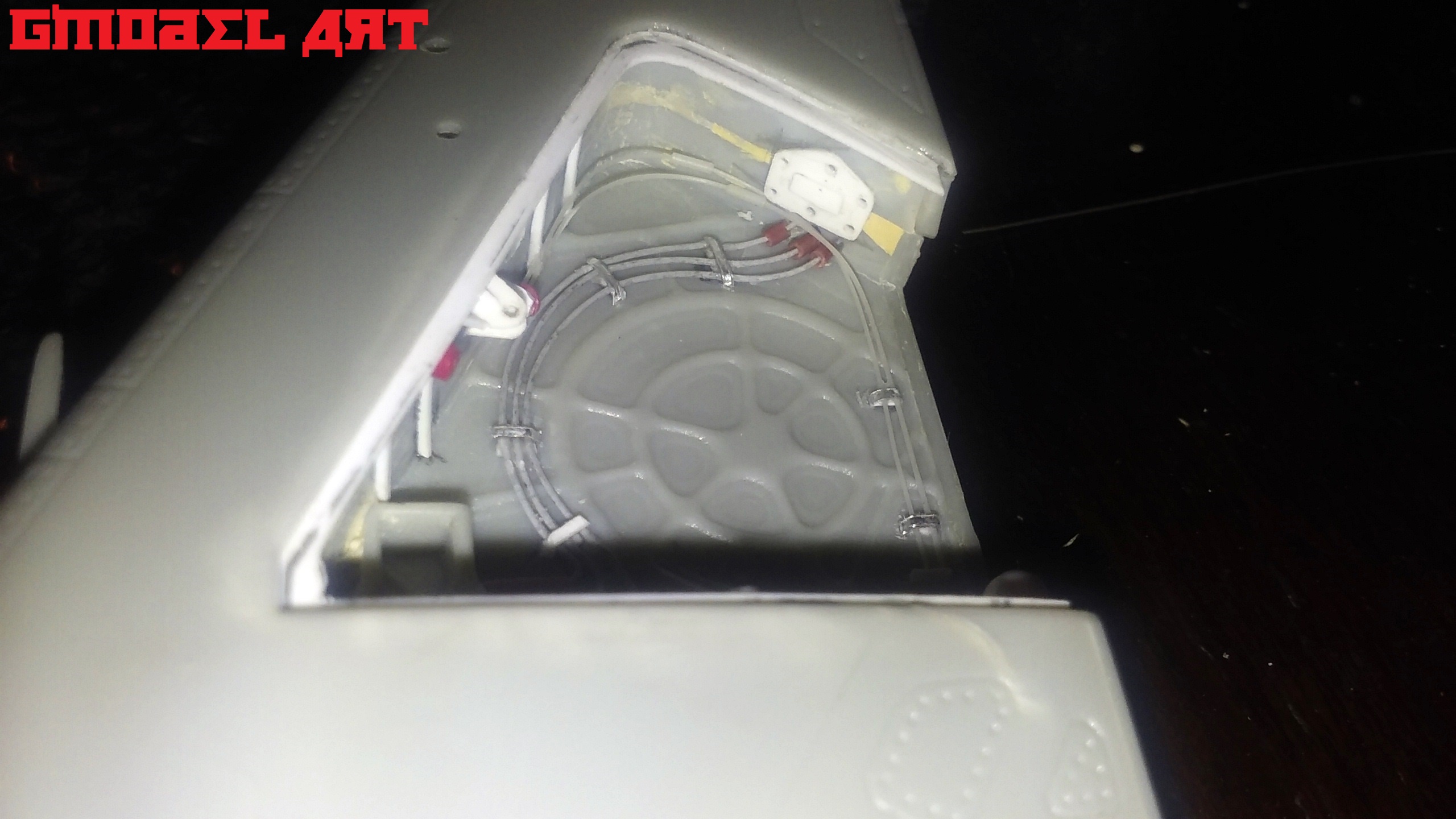
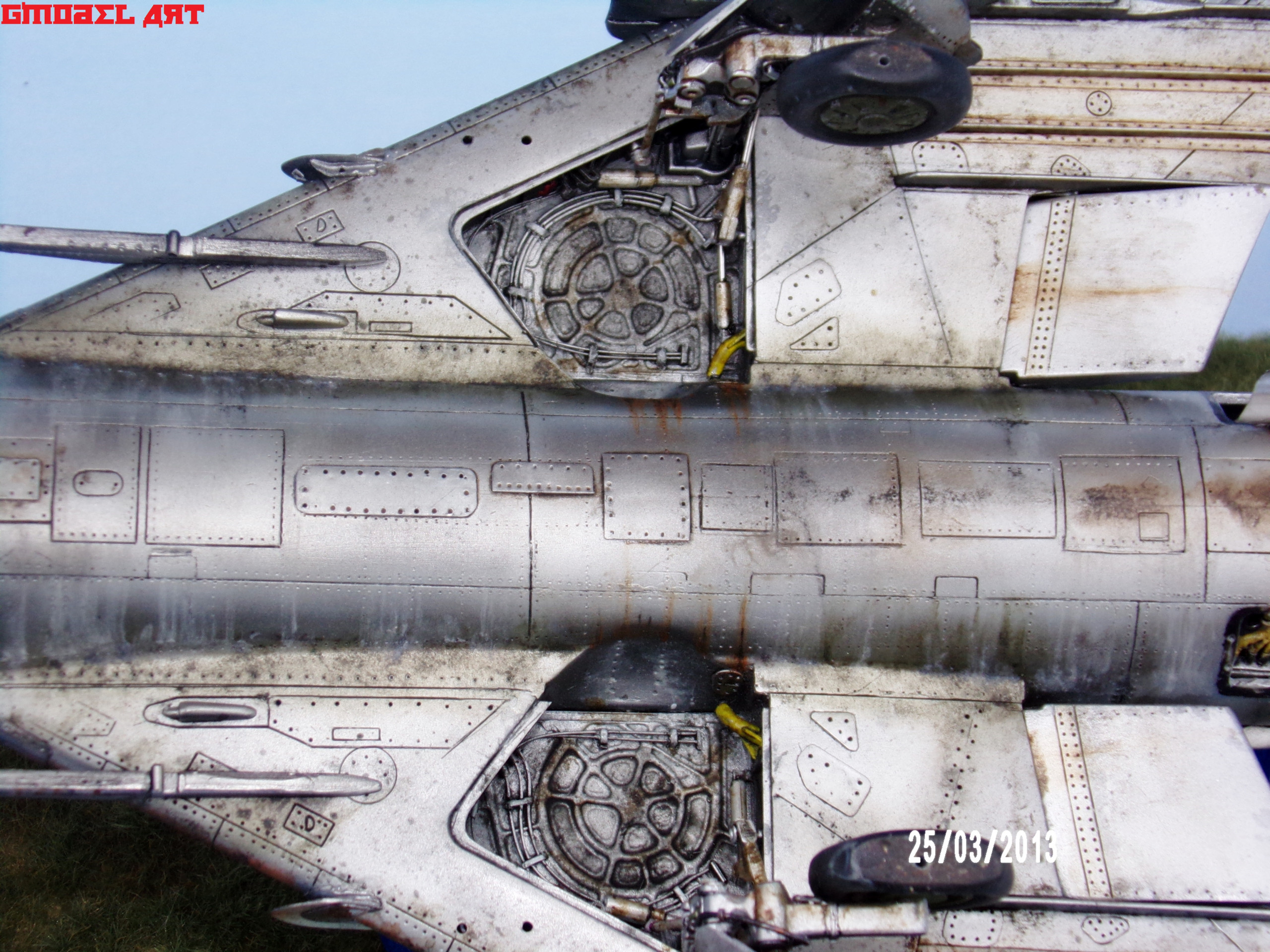
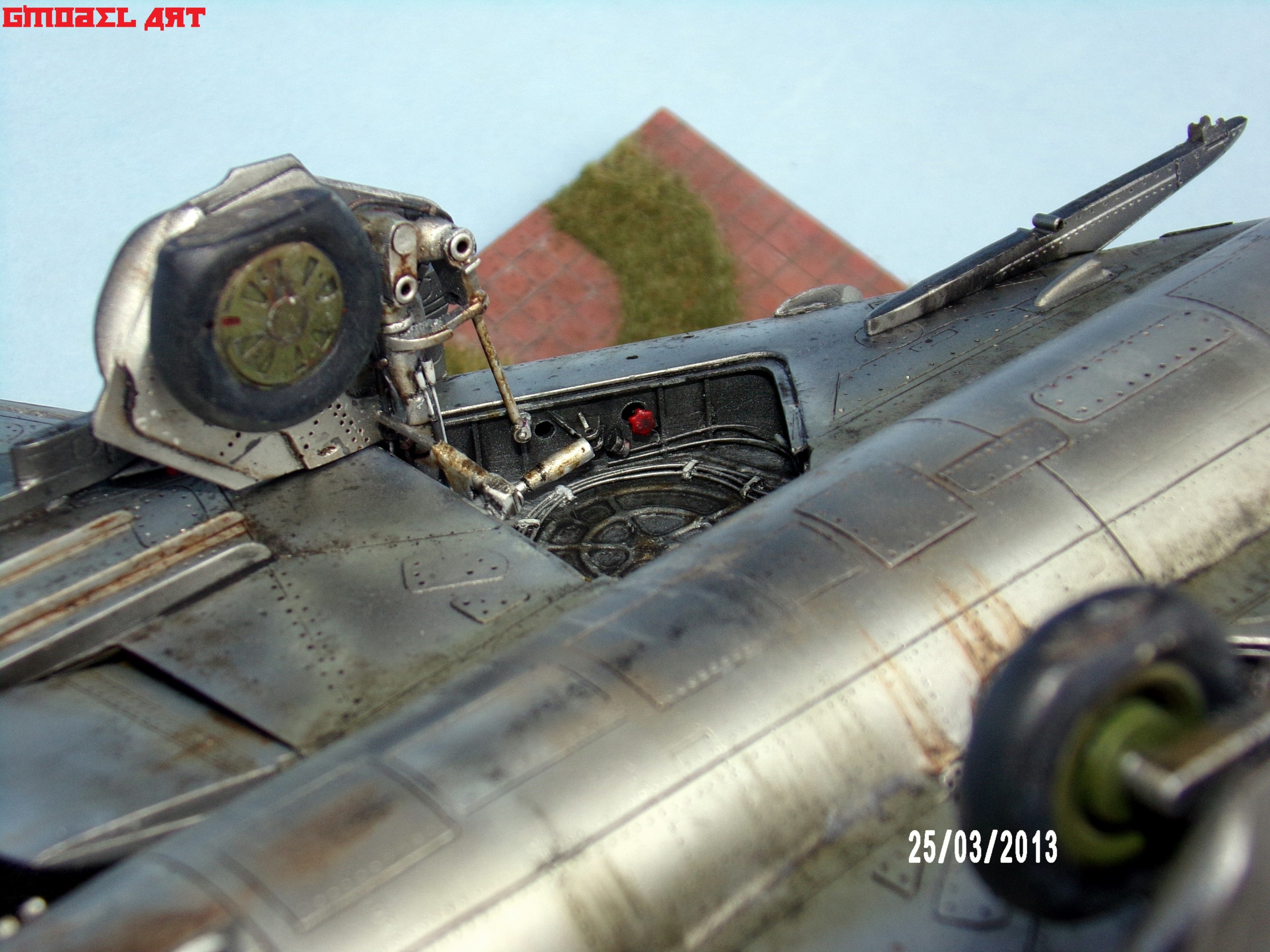
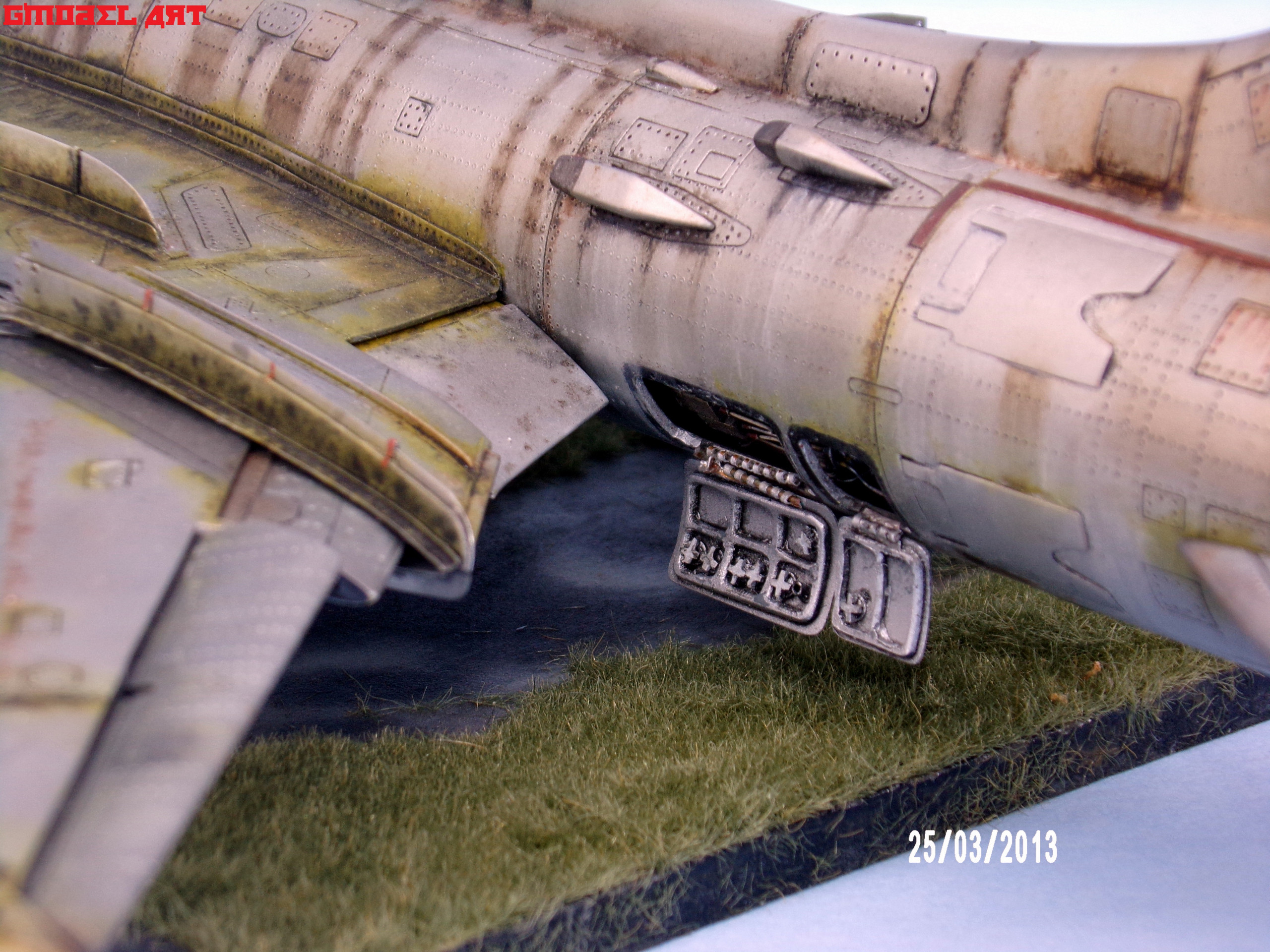
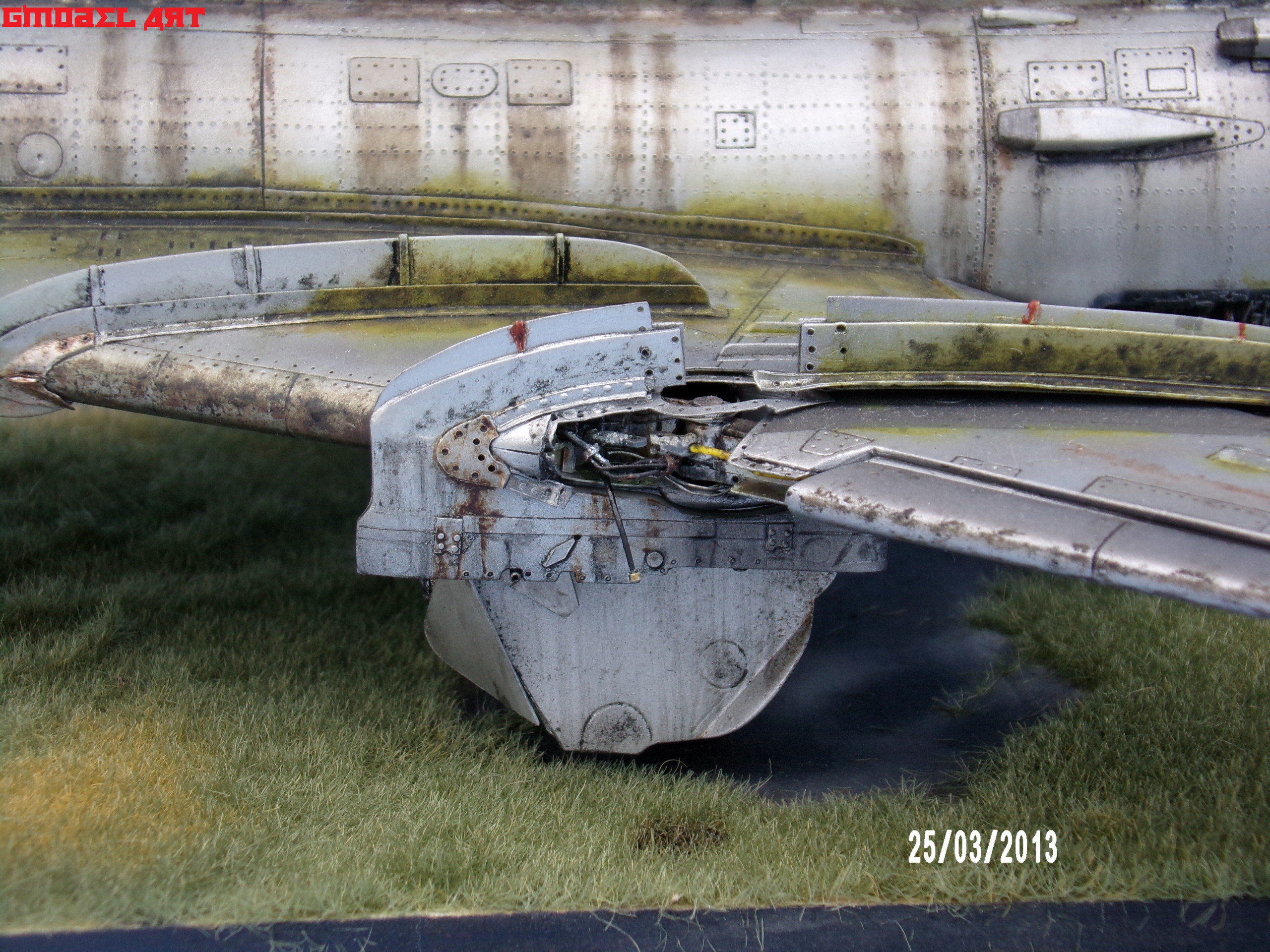
Wheel wells were upgraded with structural ribs, hydraulic lines and internal cabling.
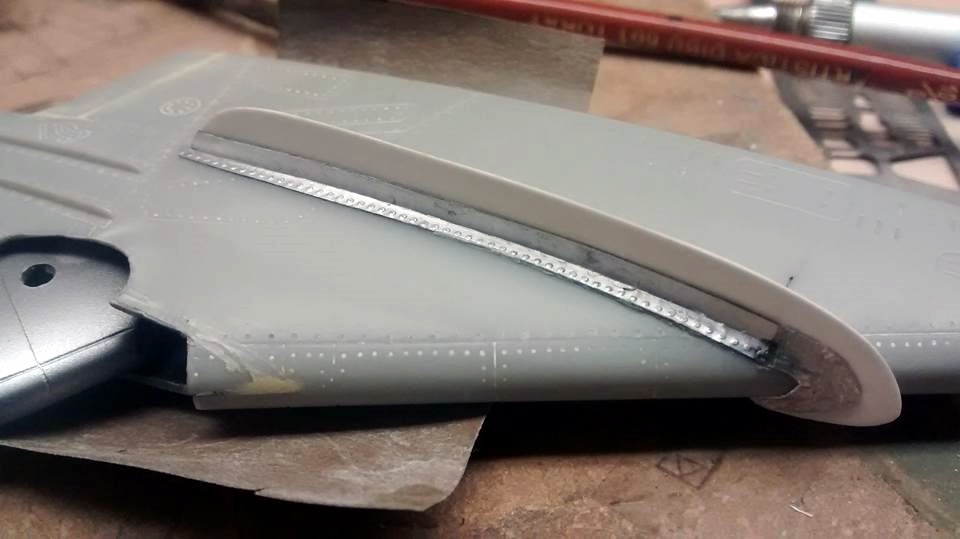
Wing boundary layer separation plates were rebuilt to achieve a thinner and more realistic scale appearance.
These parts were manufactured using high-impact plastic sheet combined with aluminum material.
Painting became one of the most important stages of the entire project.
The model started with a black synthetic base to support metallic finishing.
Metallic layers were applied using AMMO acrylics and ALCLAD lacquer products.
Gray modulation was introduced in selected areas where dust naturally accumulates in order to alter the reflectivity and opacity of the metallic finish.
The objective was not a clean aircraft but one shaped by years of environmental exposure.
Weathering techniques relied heavily on reference photographs of the real aircraft.
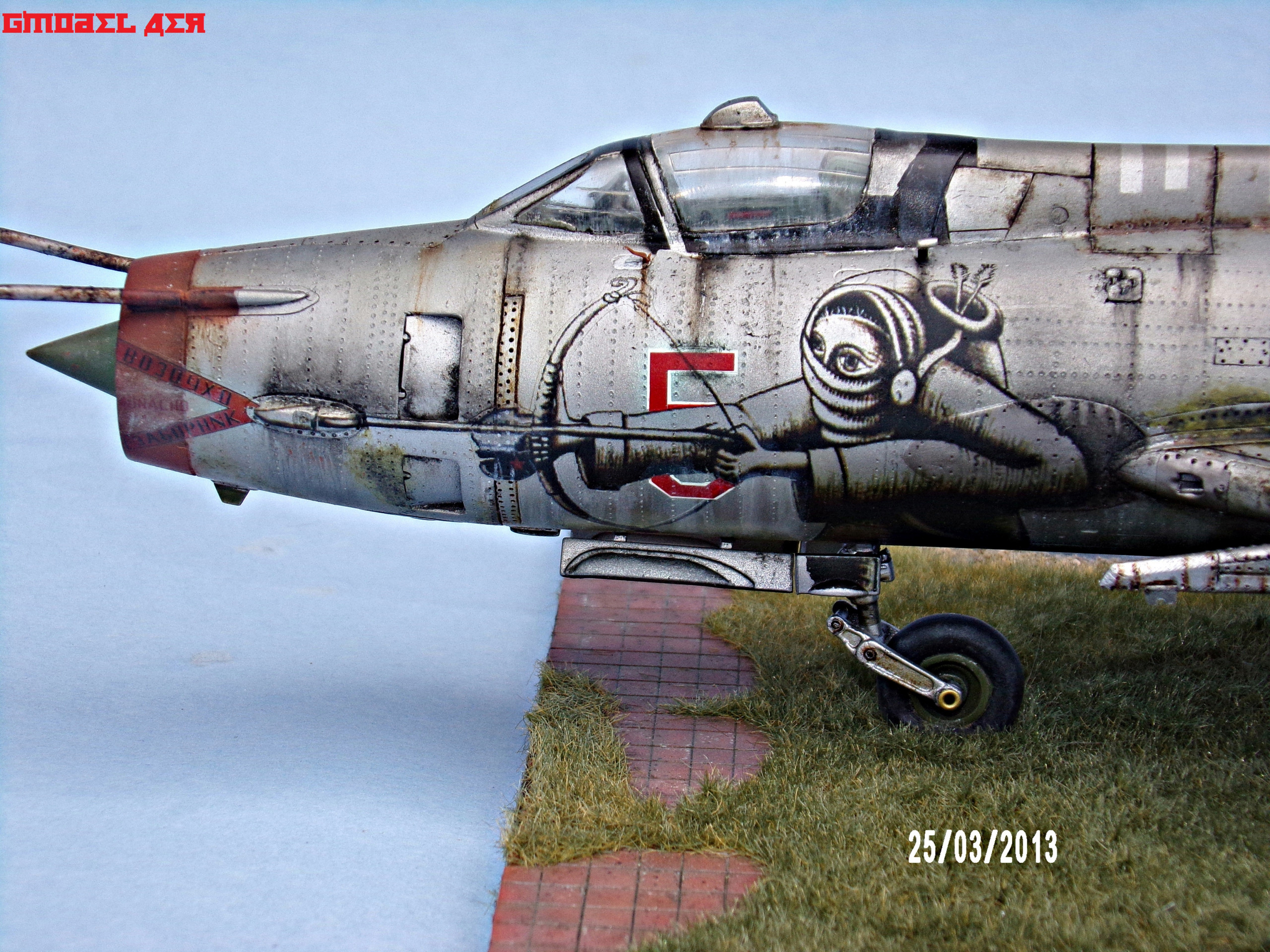
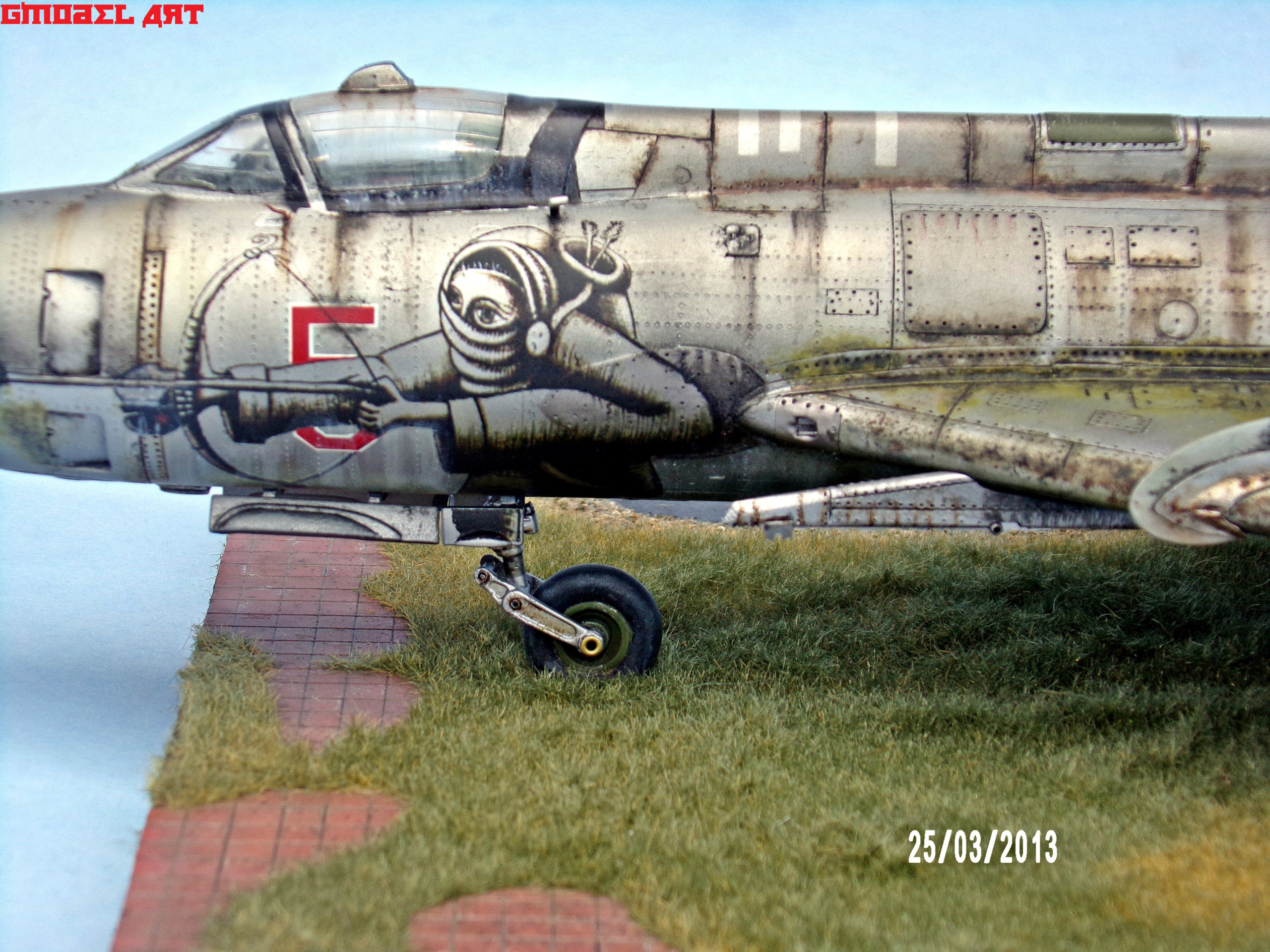
Water accumulation and surface aging were recreated using layered filters in brown and moss-green tones.
Different metallic temperatures and oxidation effects were achieved using extremely diluted medium gray and smoke tones.
Rain marks and streaking were created using black oil paint blended downward following the direction of water flow.
Additional definition was introduced using black watercolor pencils.
Heat-stressed metal and oxidized areas around the exhaust received dark oxide acrylic layers followed by AMMO pigments.
The rusted metal effect inside the engine area was gradually built to preserve realistic tonal transitions.
Graffiti markings were custom produced on blank decal paper while standard markings originated from the donor kit.
Multiple finishing techniques were combined across the aircraft:
Brush staining.
Sponge chipping.
Rain effects.
Drained dirt.
Filter modulation.
Localized fading.
Pigment accumulation.
The result became more than a model of a Soviet aircraft.
This SUKHOI SU-17M attempts to capture the passage of time itself—through oxidized aluminum, faded panels, exposed structures and the atmosphere created by decades of abandonment.
Rather than presenting an operational aircraft, the project focuses on telling the story of what remains after service has ended.
USSR/Russia Tactical Camouflage Patterns for Ground Attack Aircraft (1970–1990): Colors, Variations and Modeling Guide
| Area | FS |
|---|---|
| Weathered Aluminum | FS 17178 |
| Burnt Metal | FS 30099 |
| Exhaust Area | FS 36081 |
| Oxidized Panels | FS 36270 |
| Dark Metal | FS 36118 |
| Dust Effects | FS 36375 |
| Rust Deposits | FS 30117 |
Gallery