article
Goodyear FG-1A Corsair “Lucky Gallon” #92 — Racing History, Modifications & Restoration
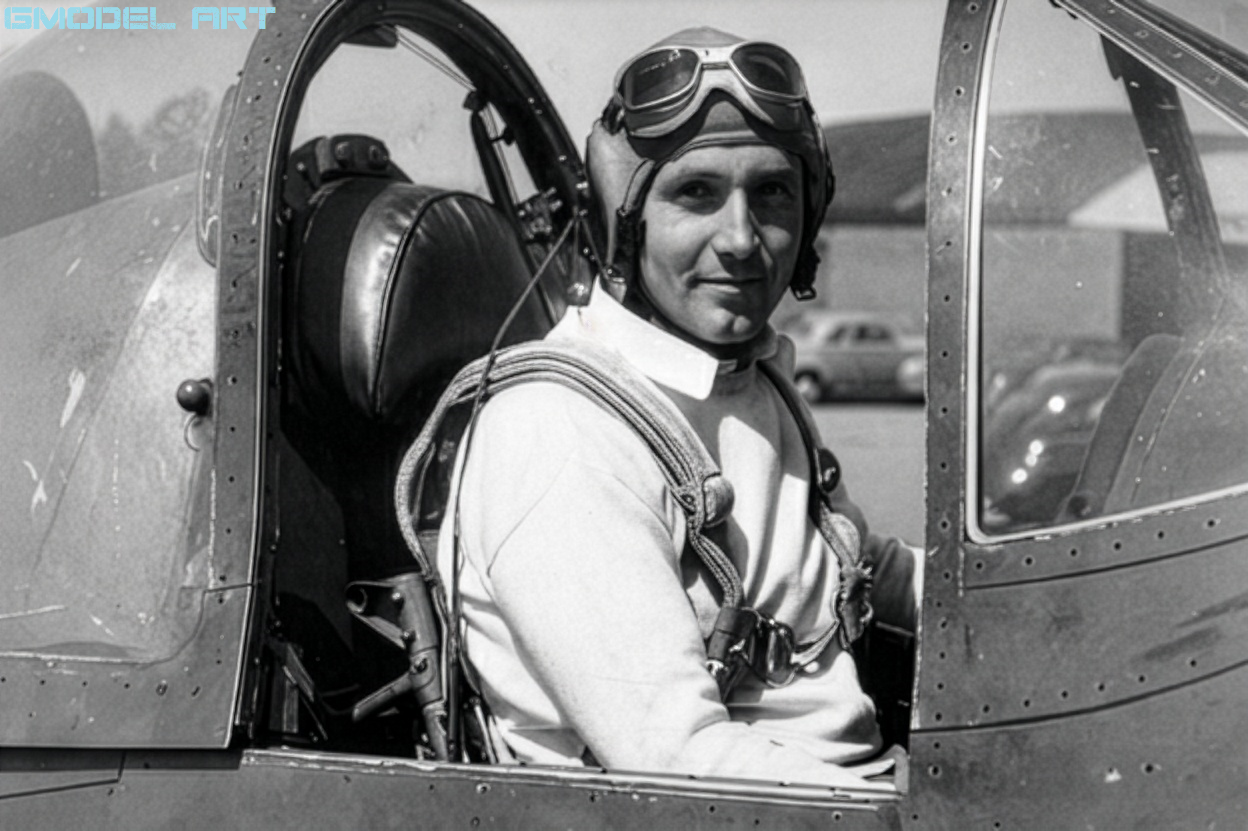
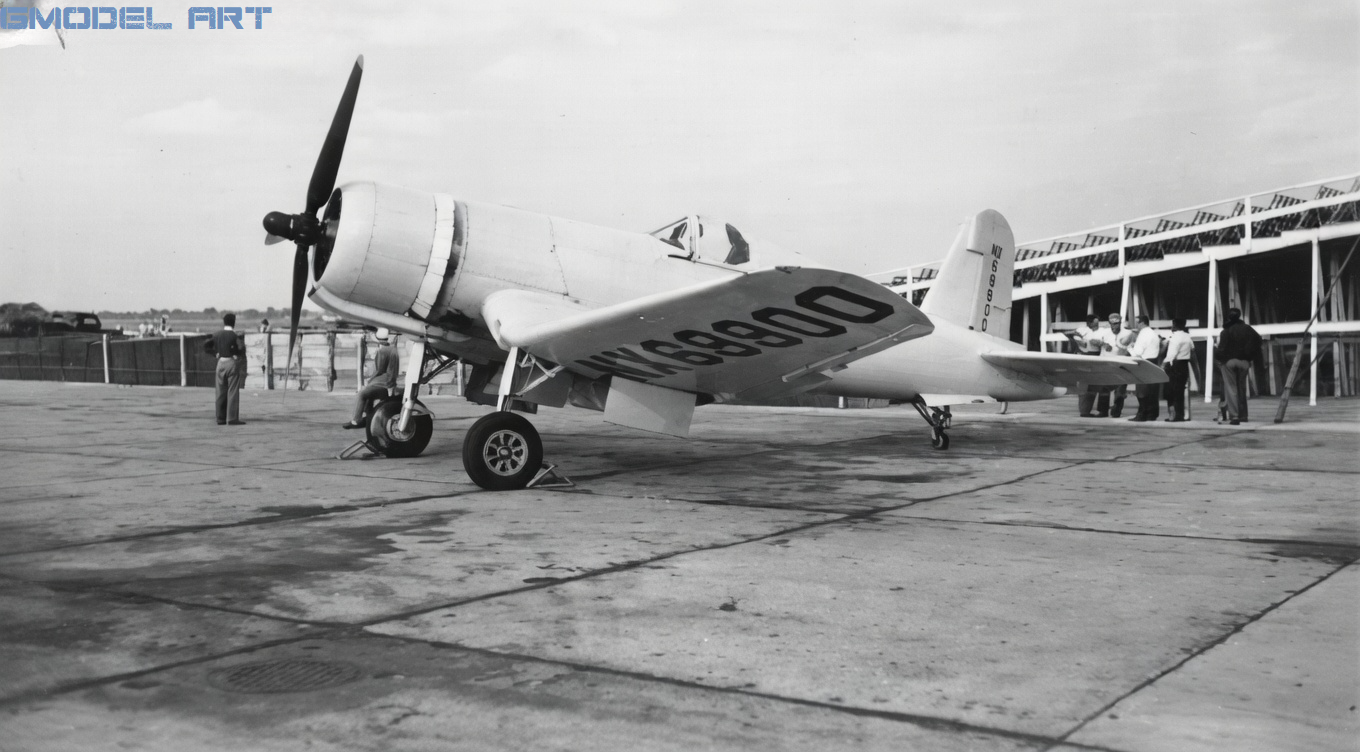
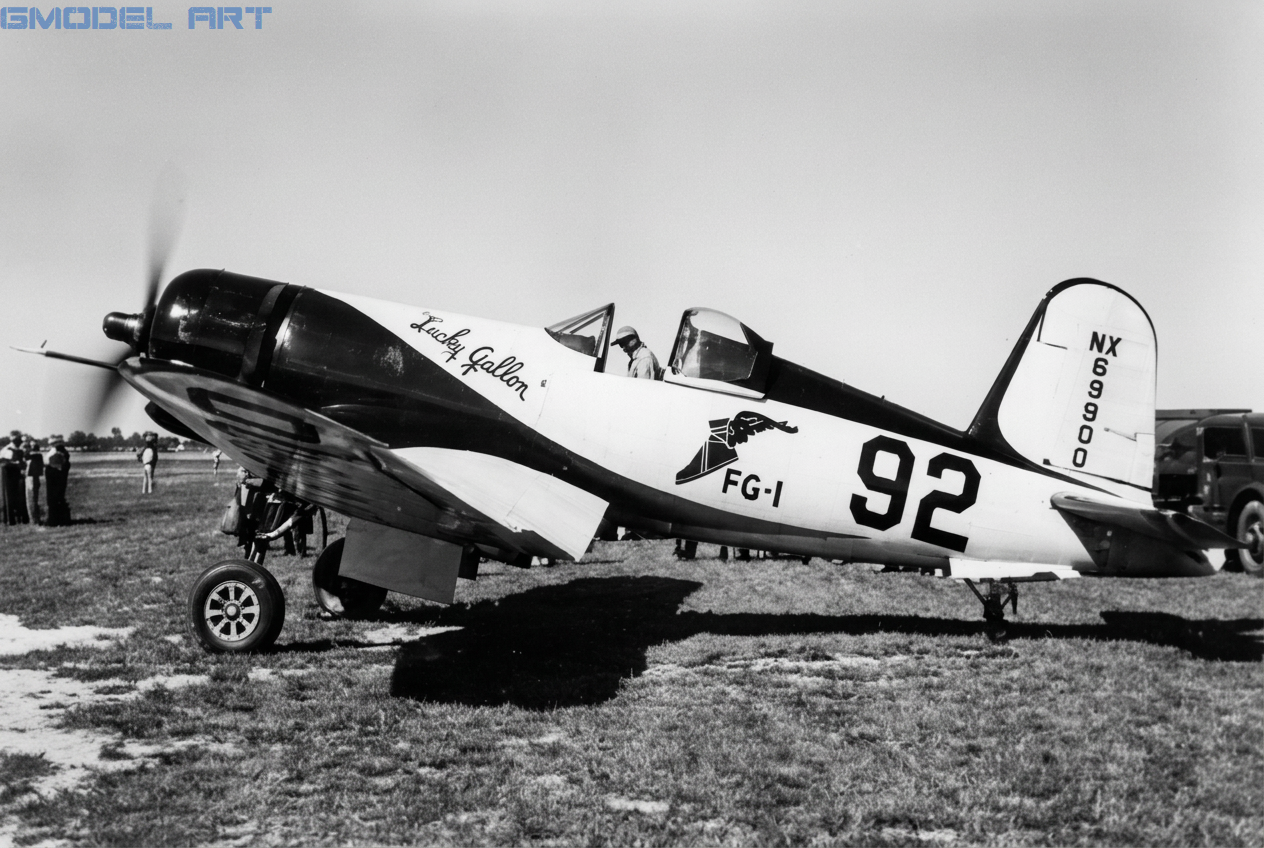
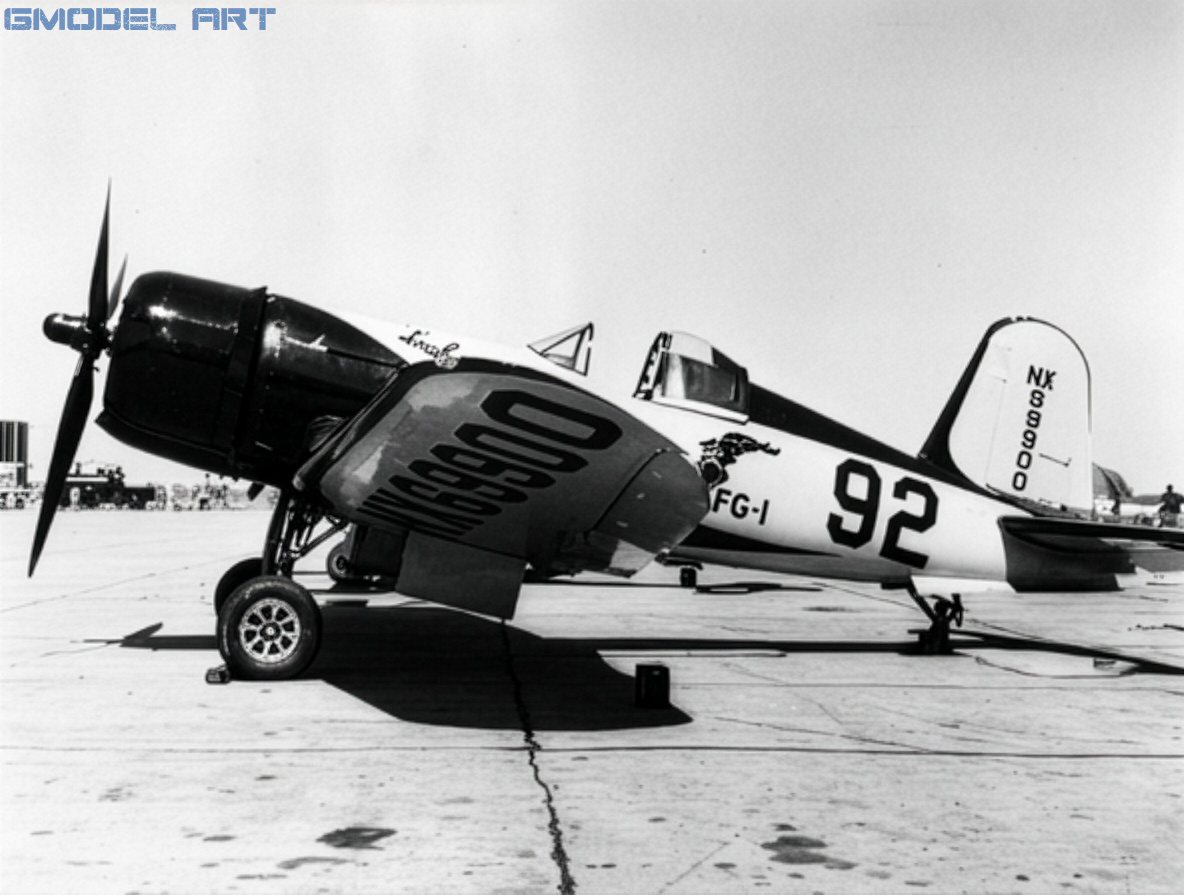
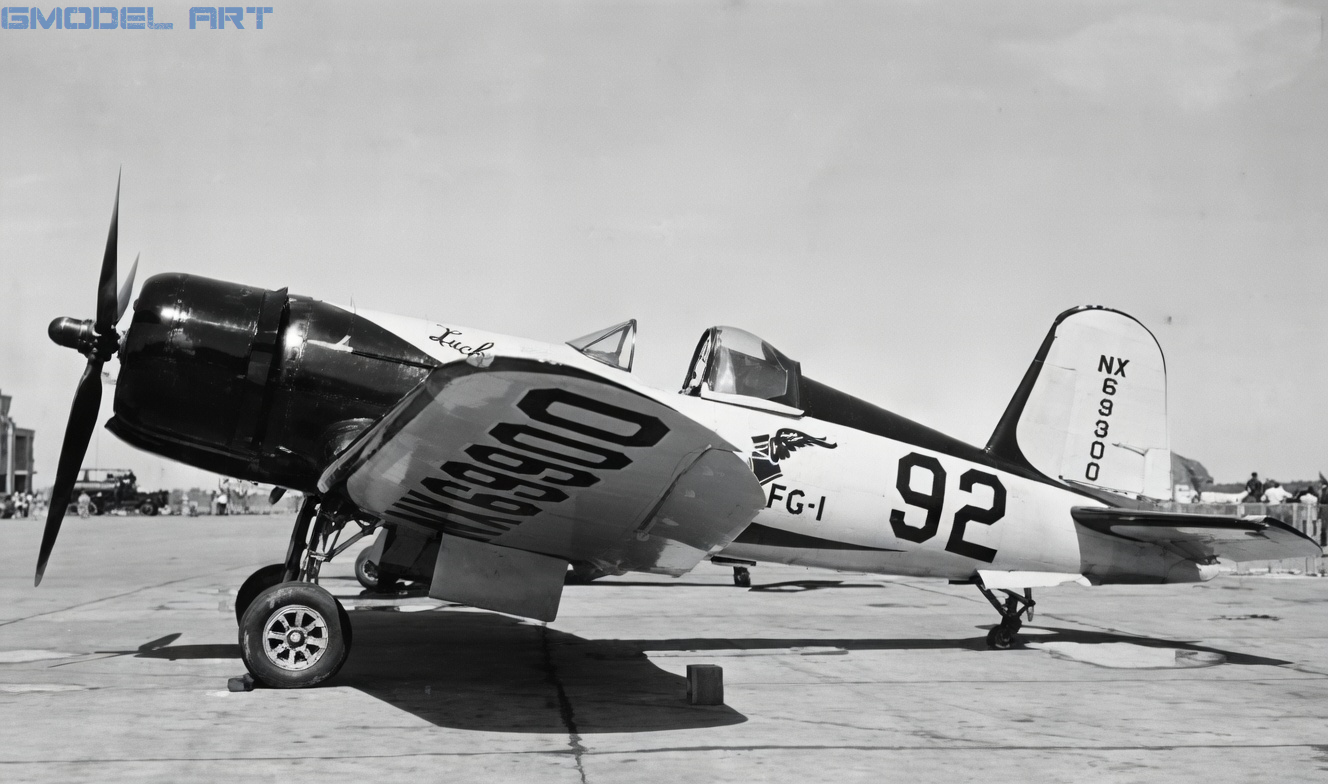
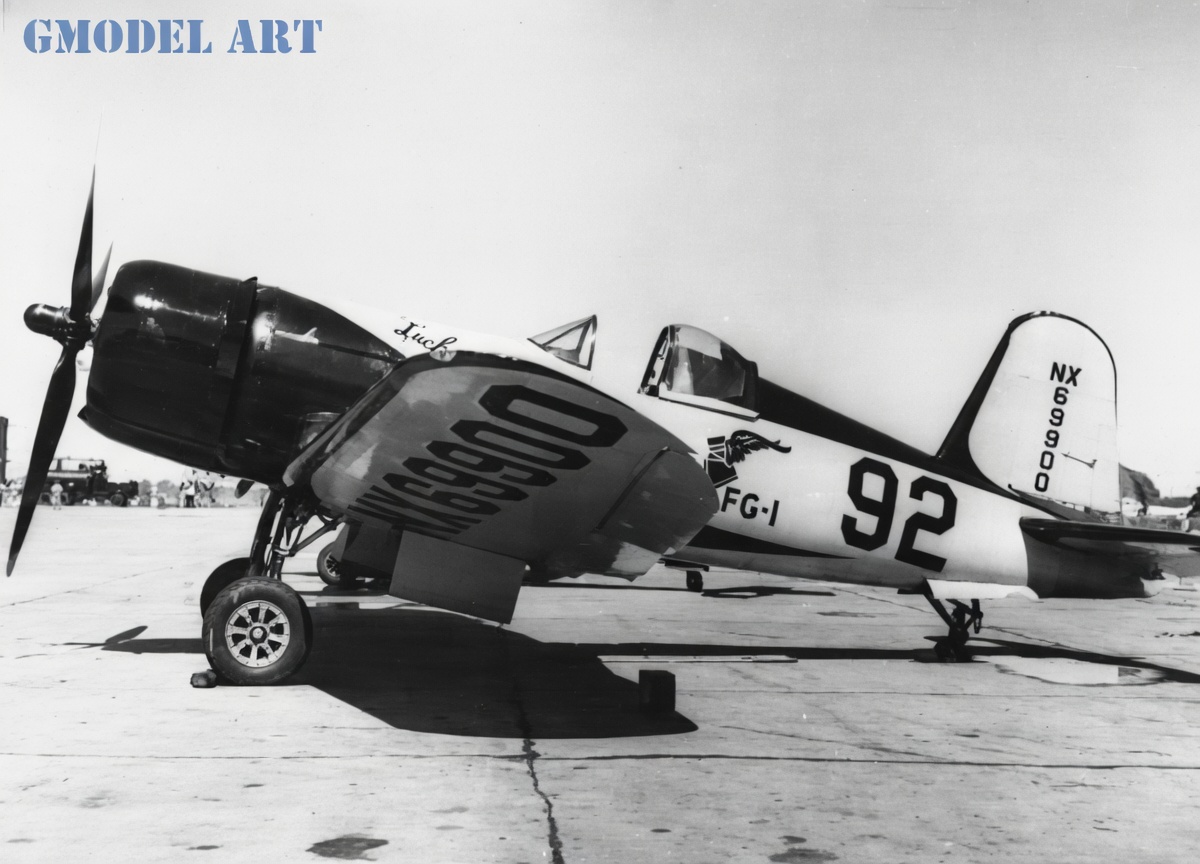
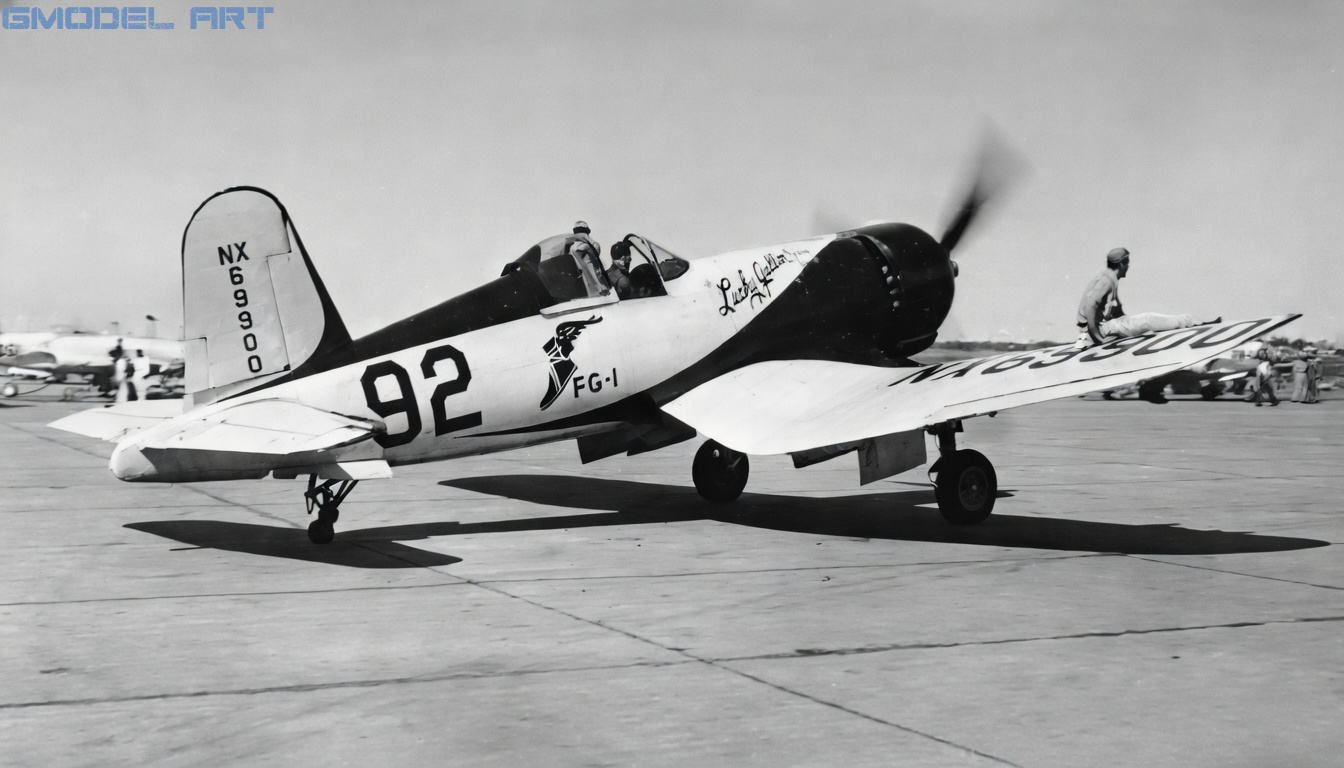
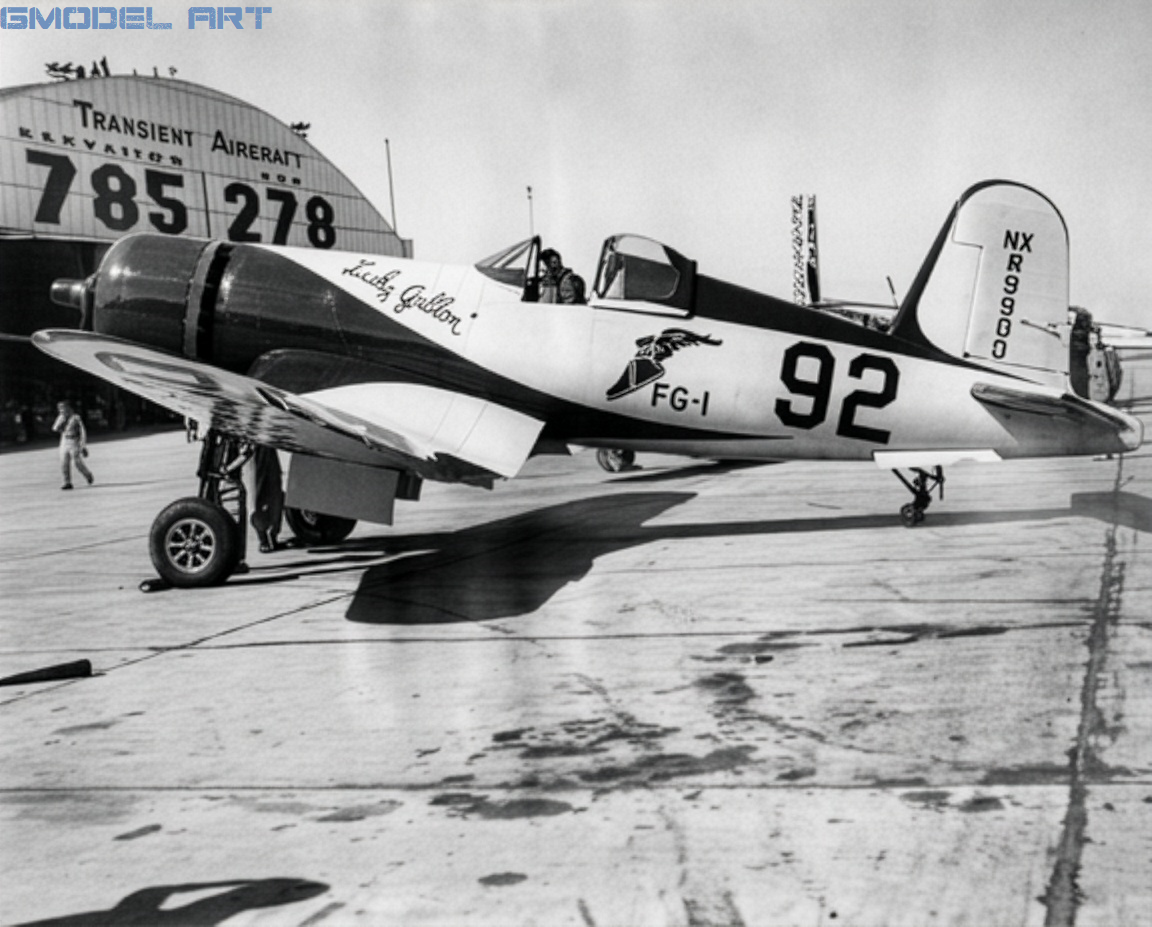
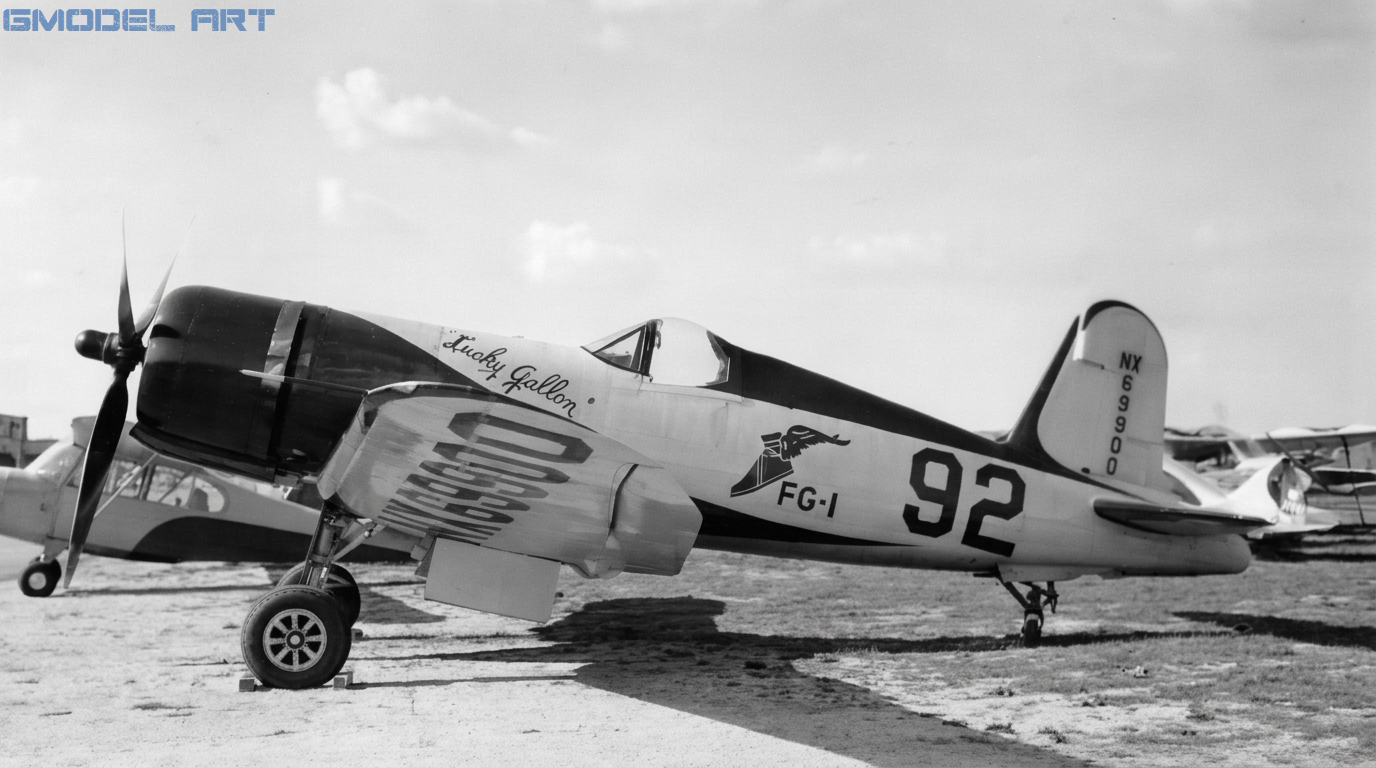
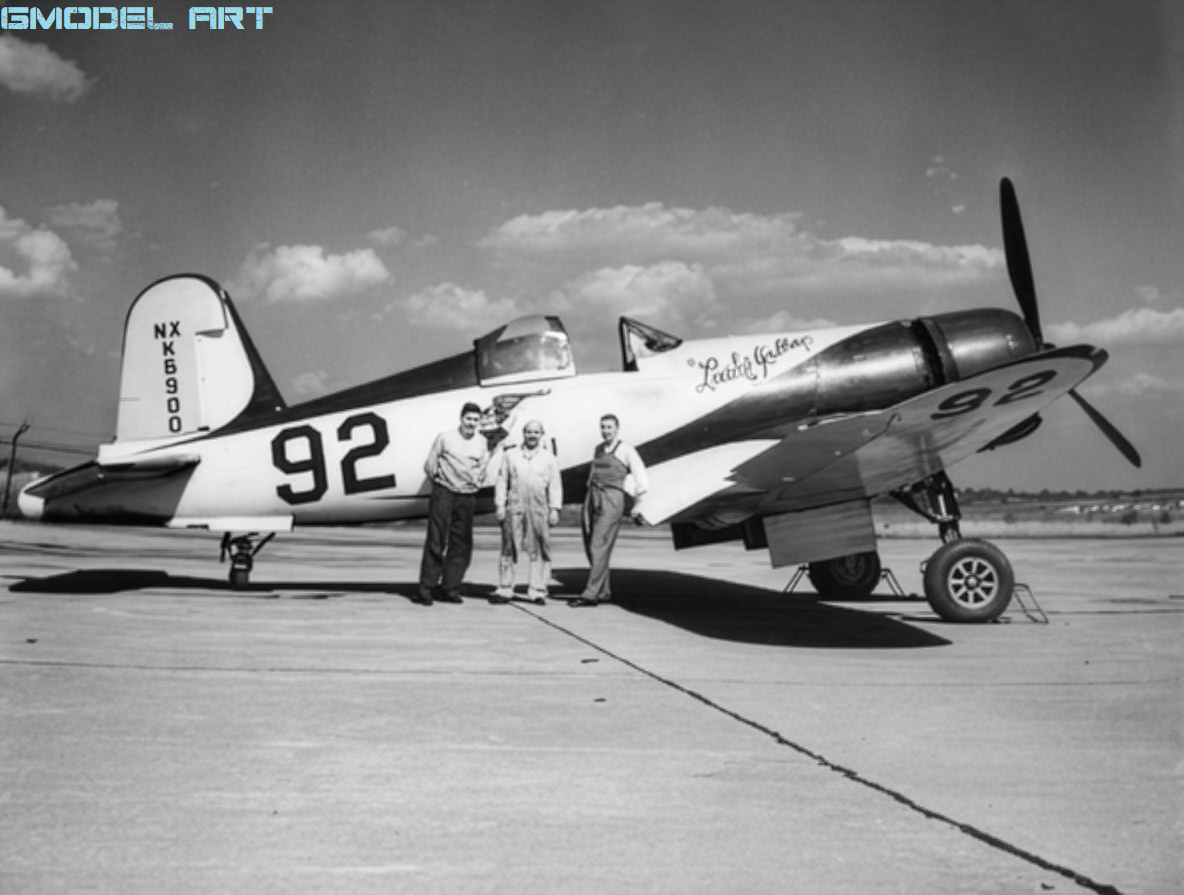
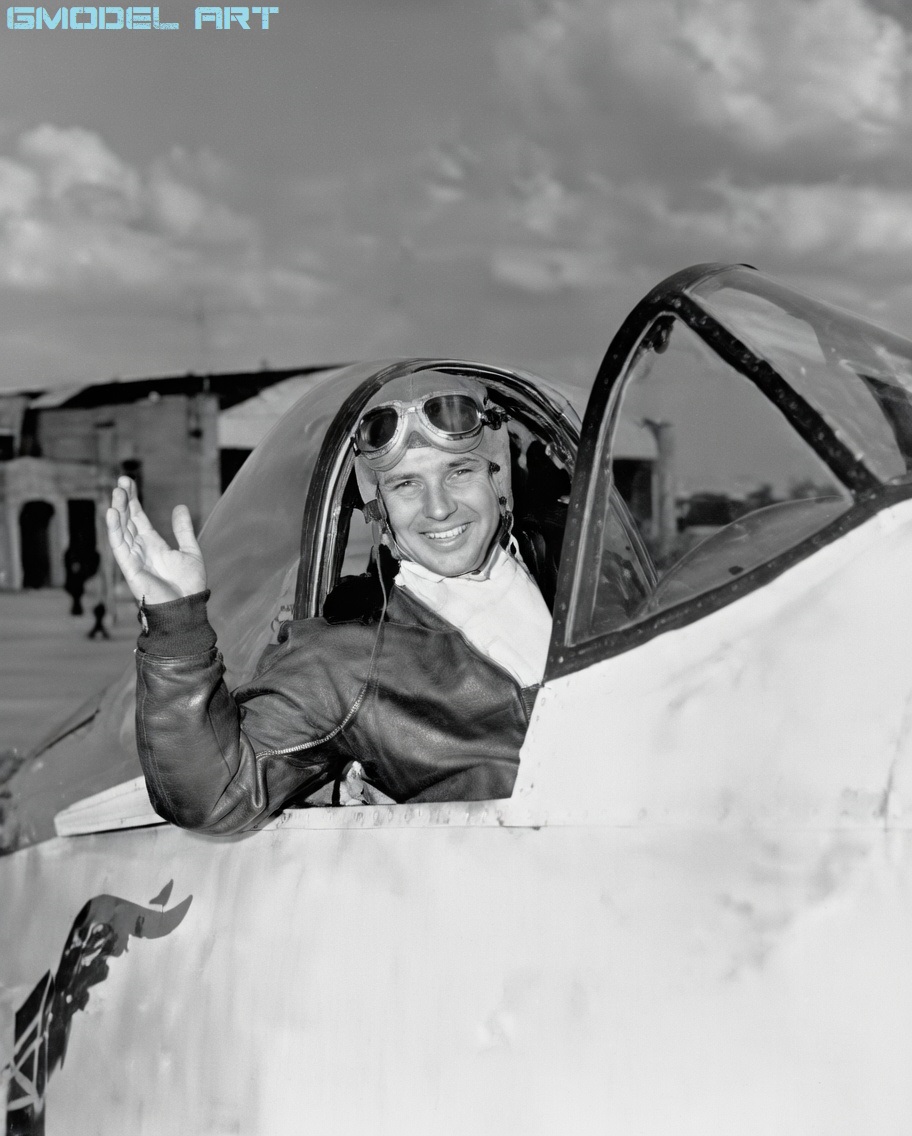
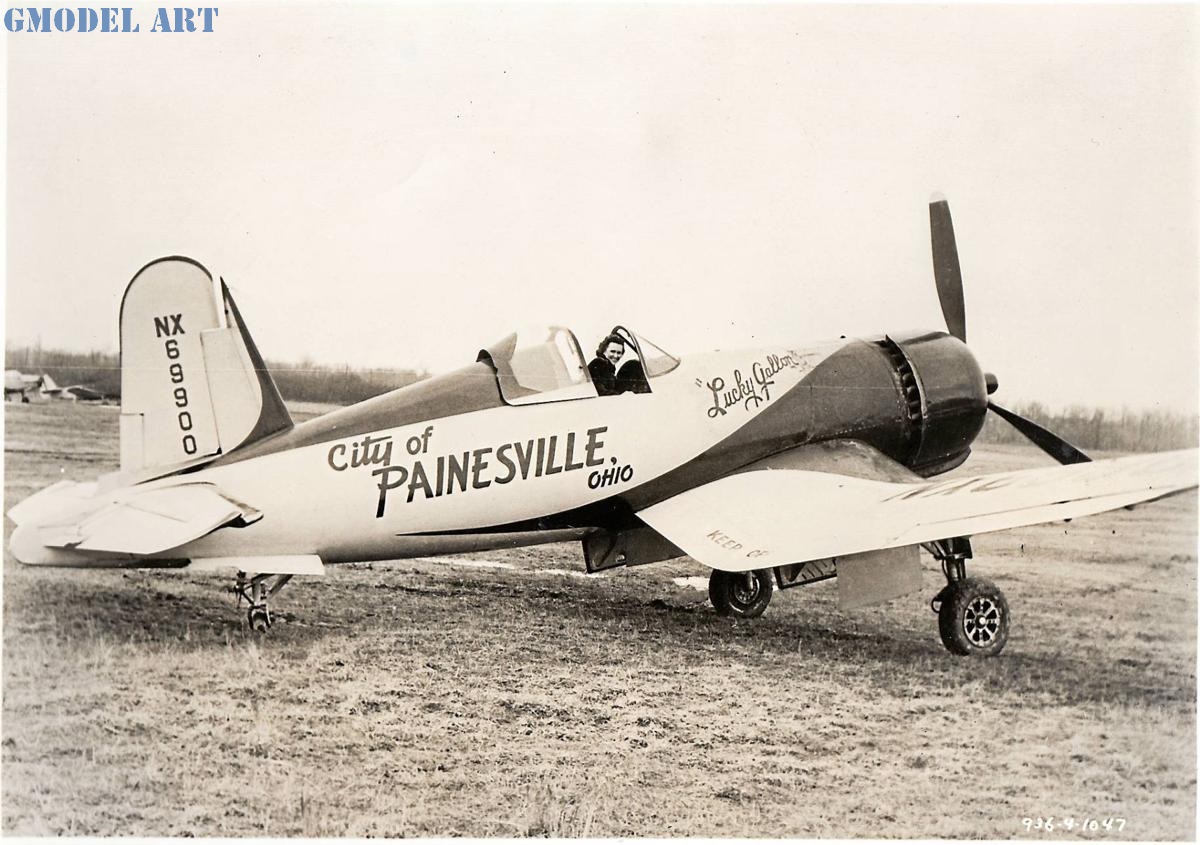
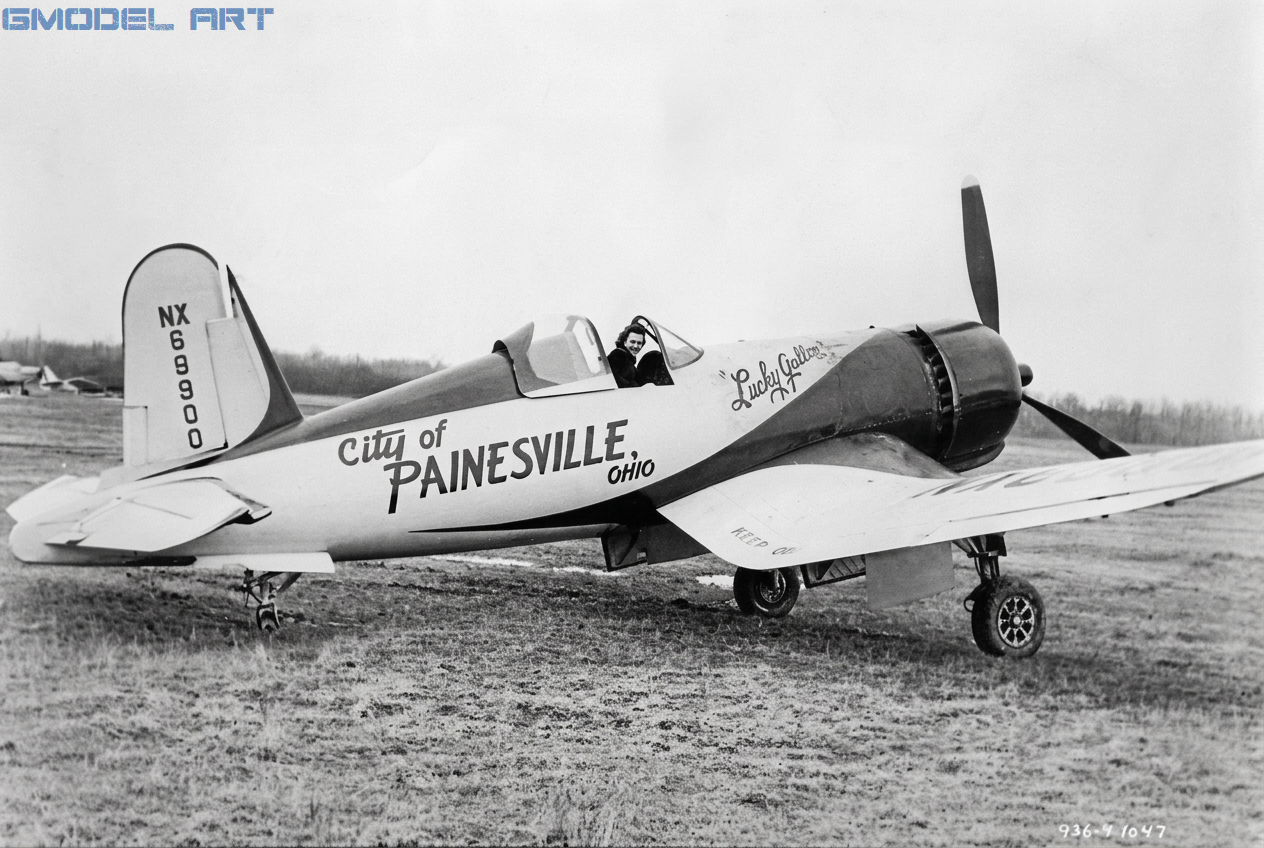
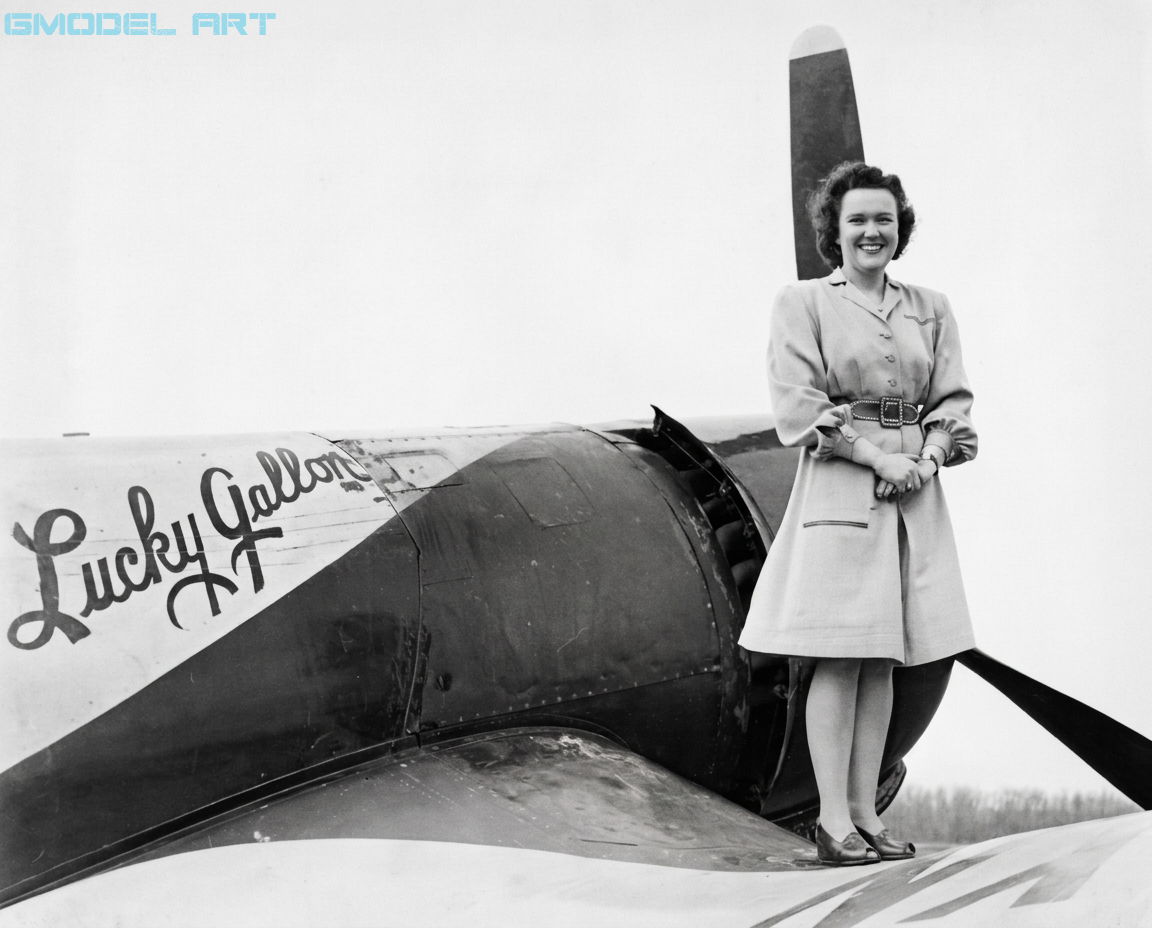
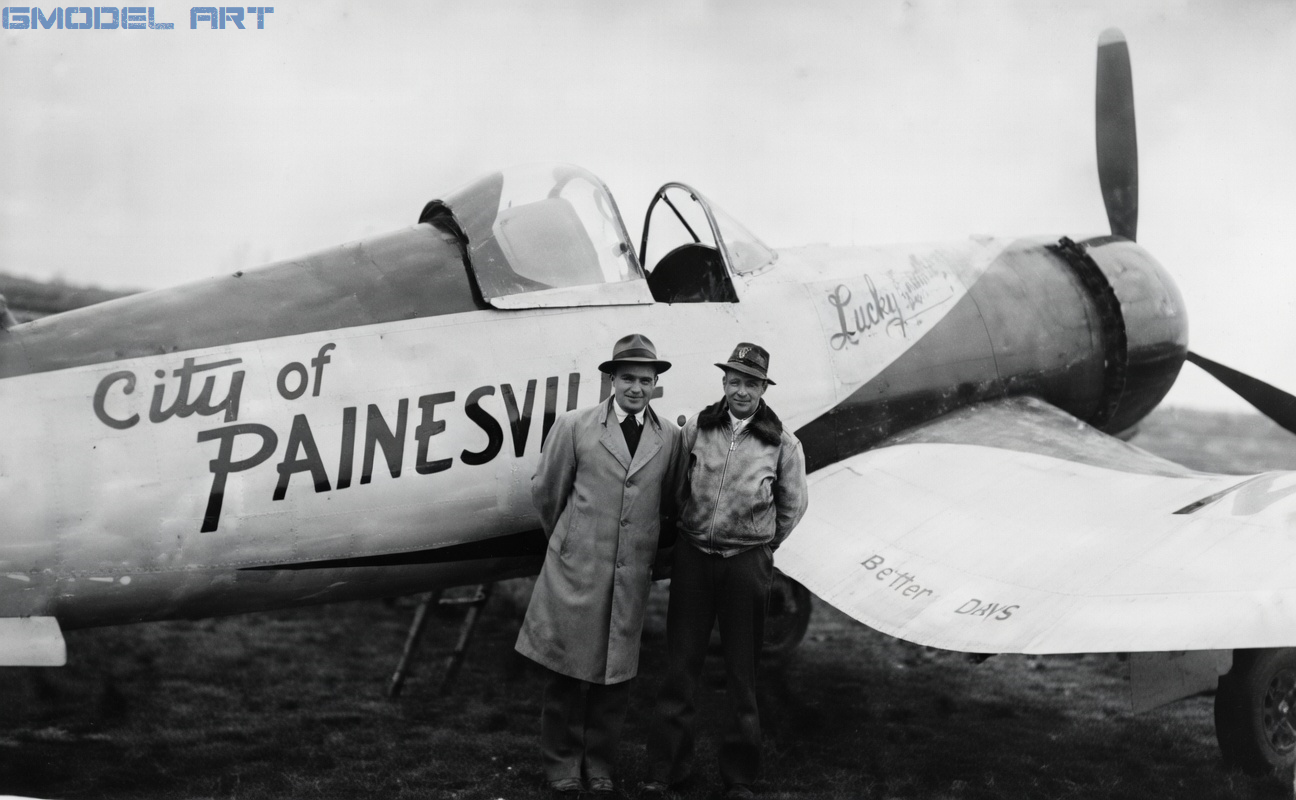
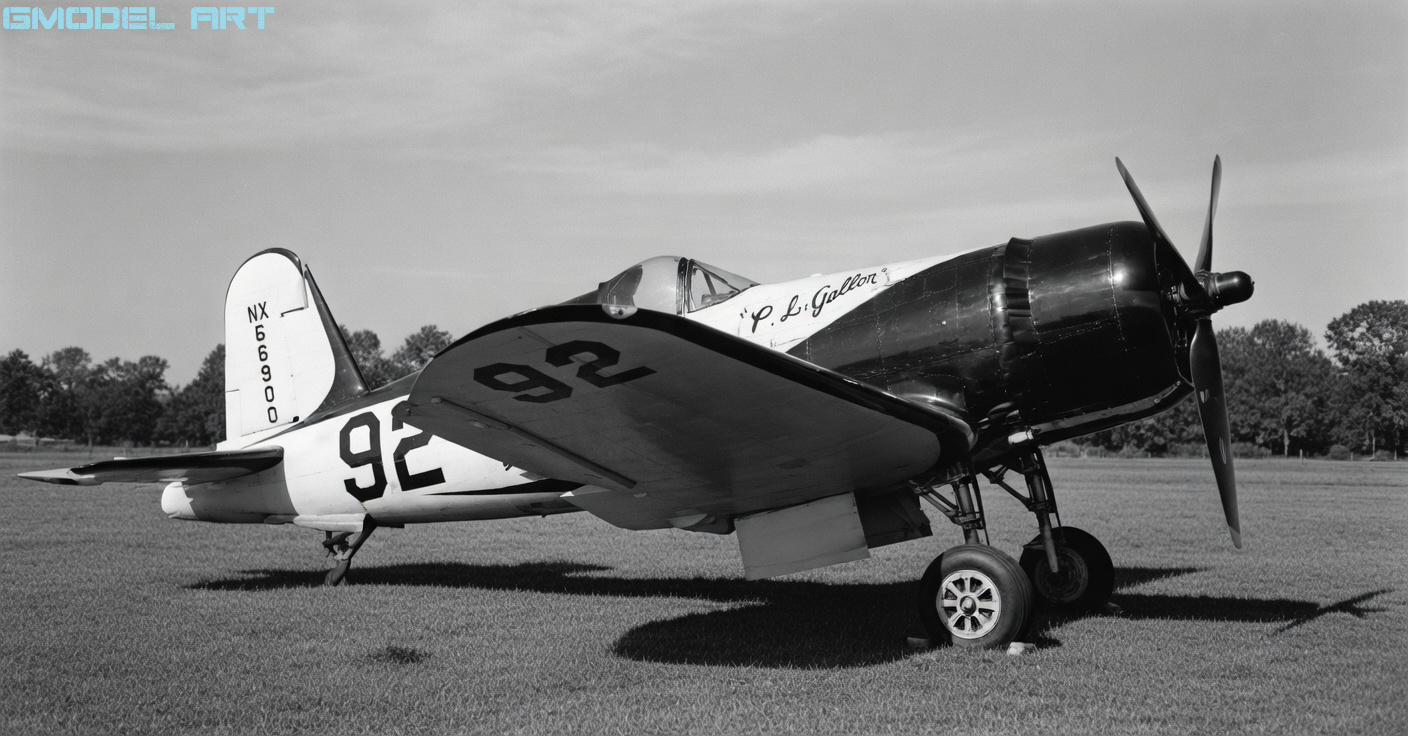
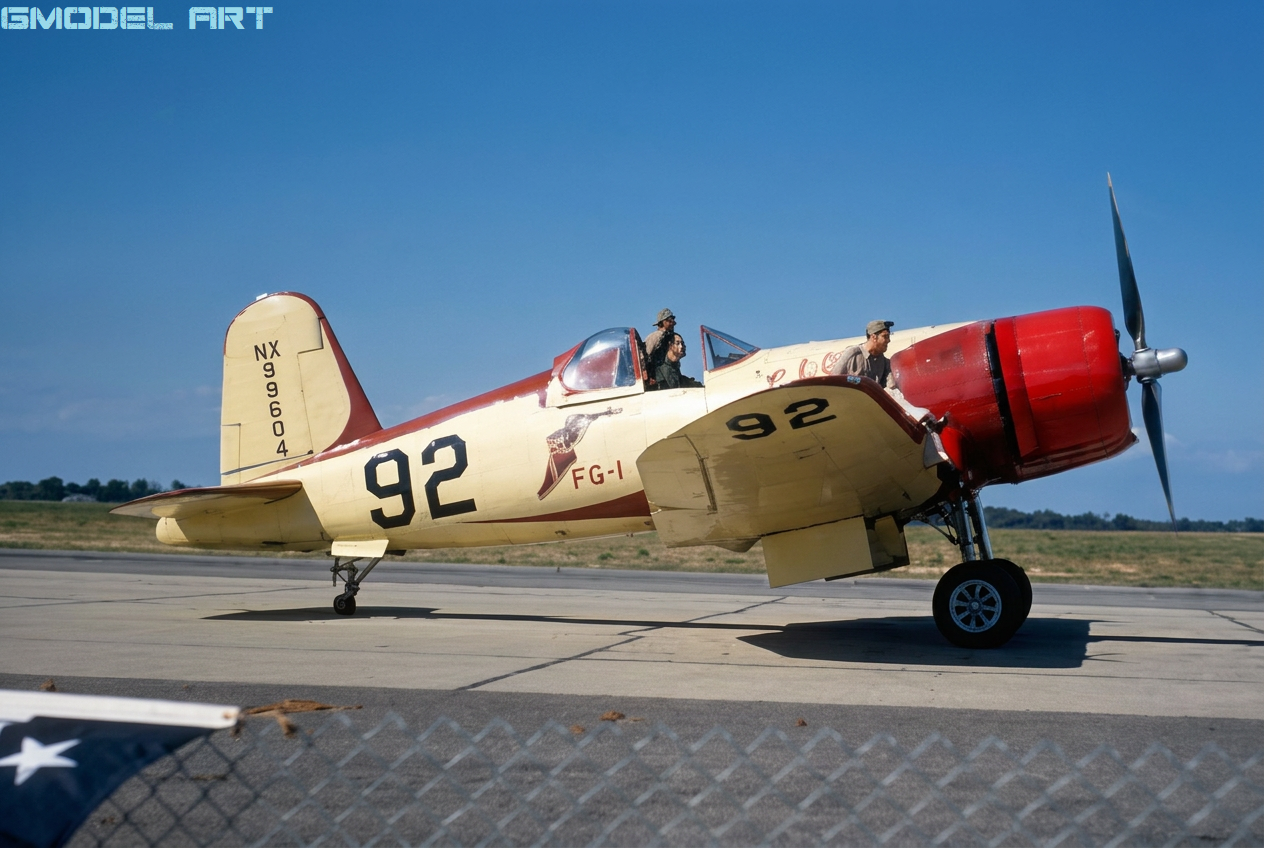
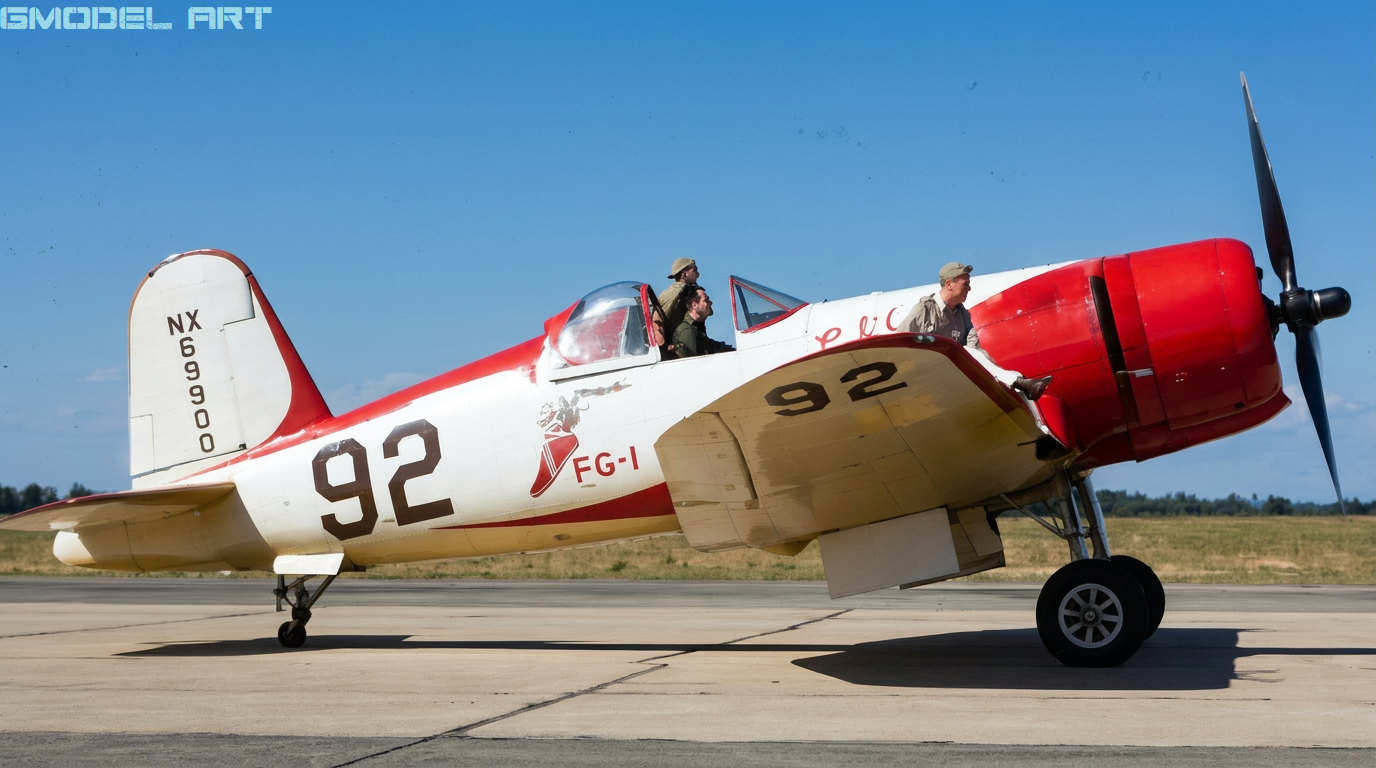
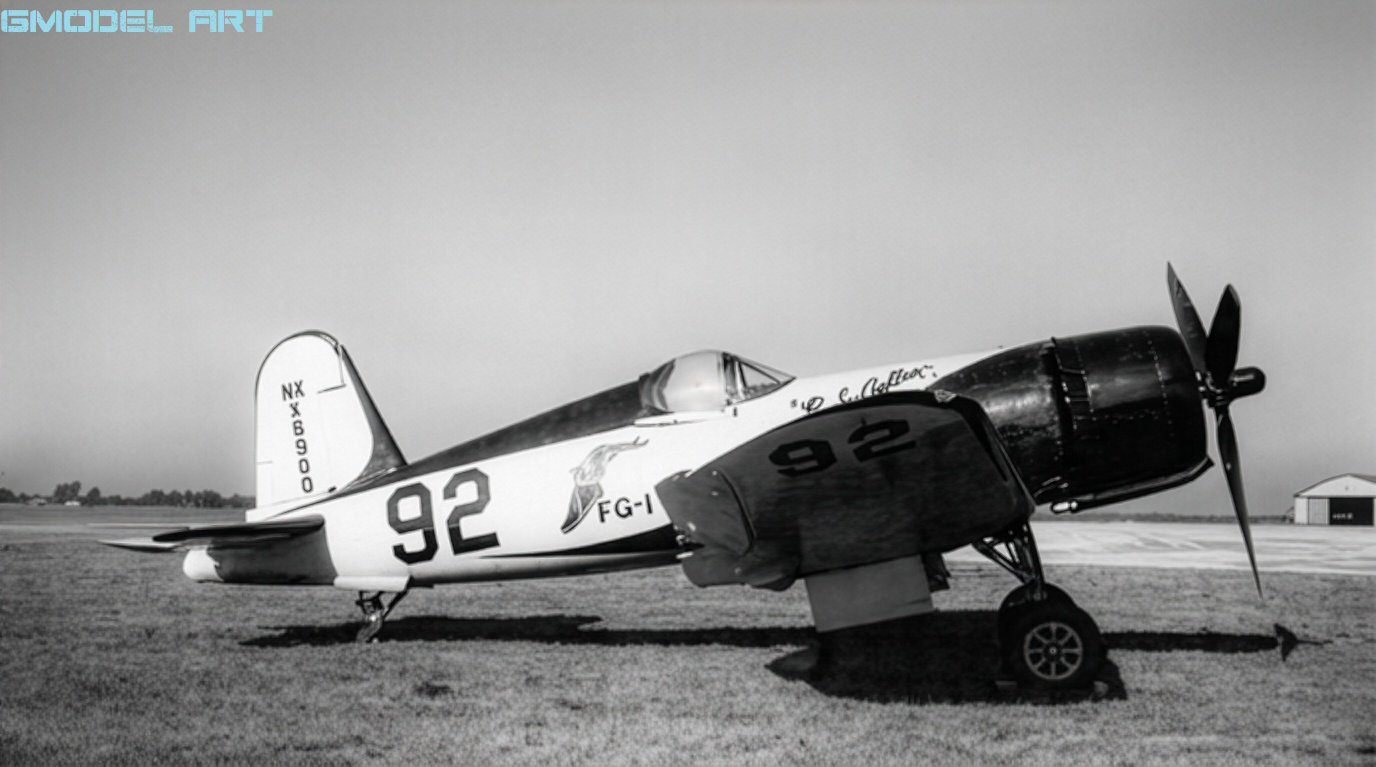
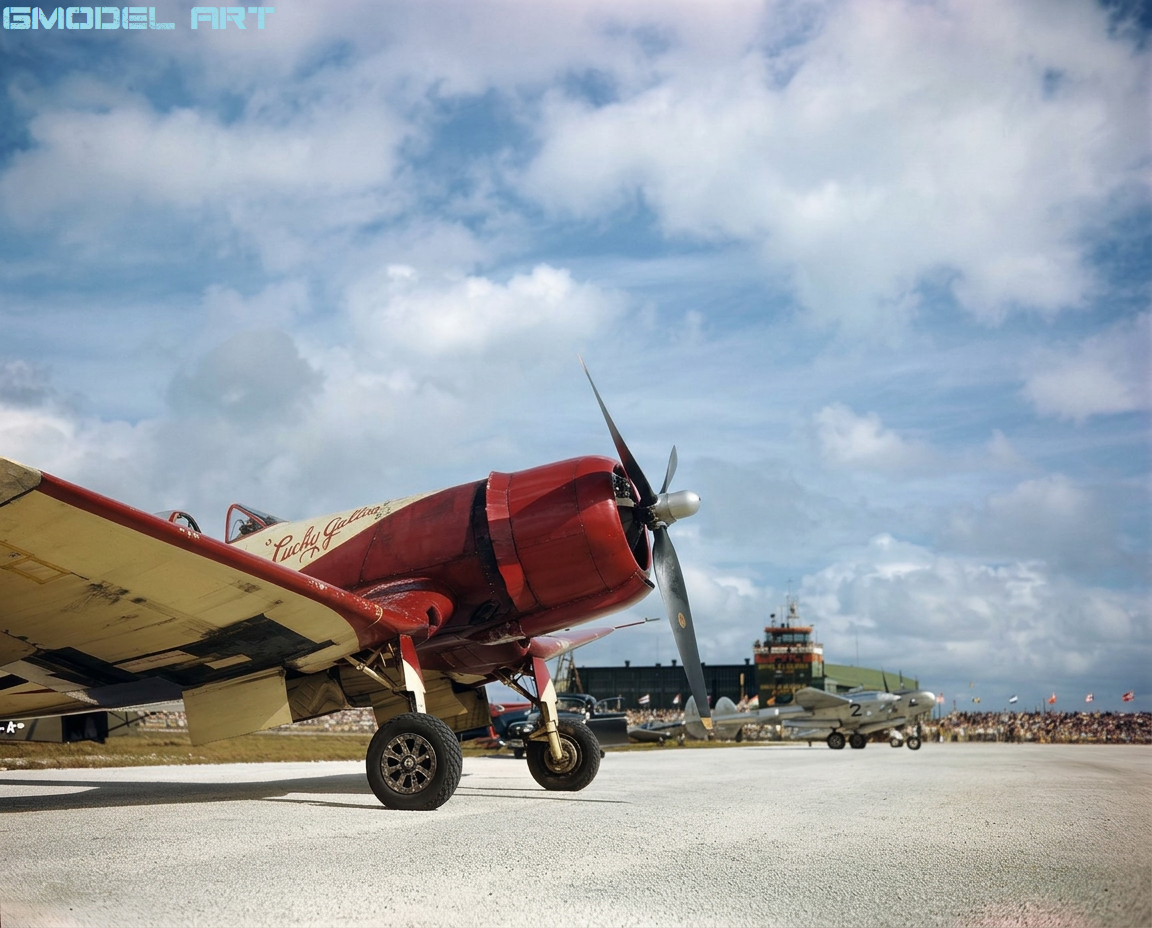
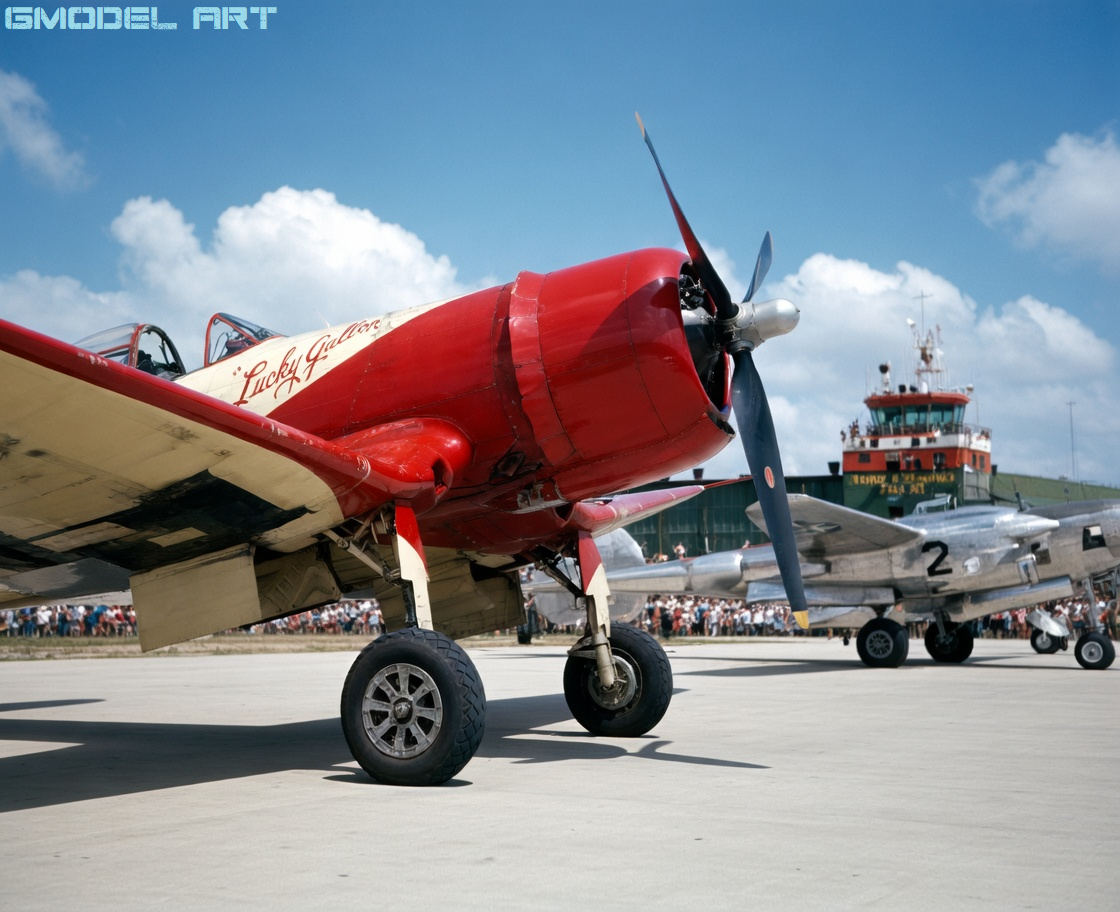
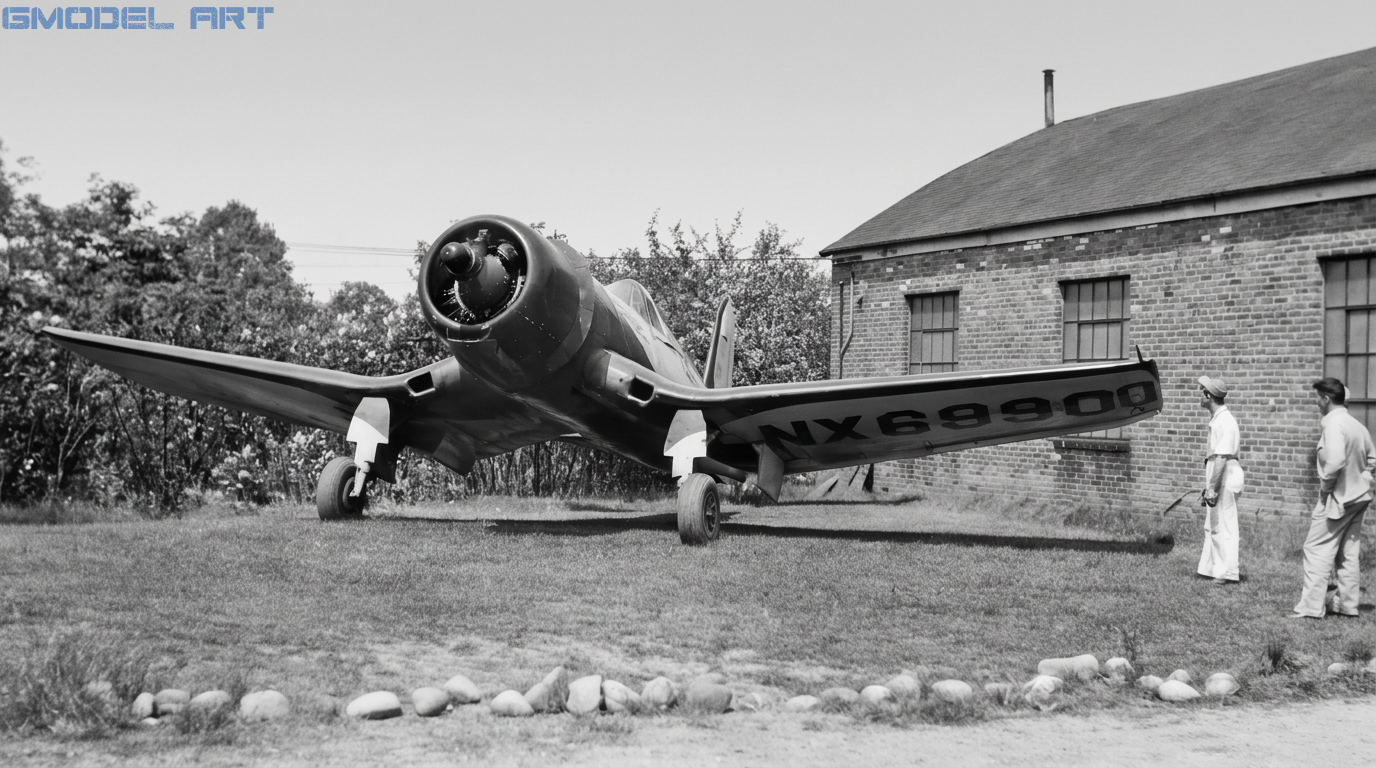
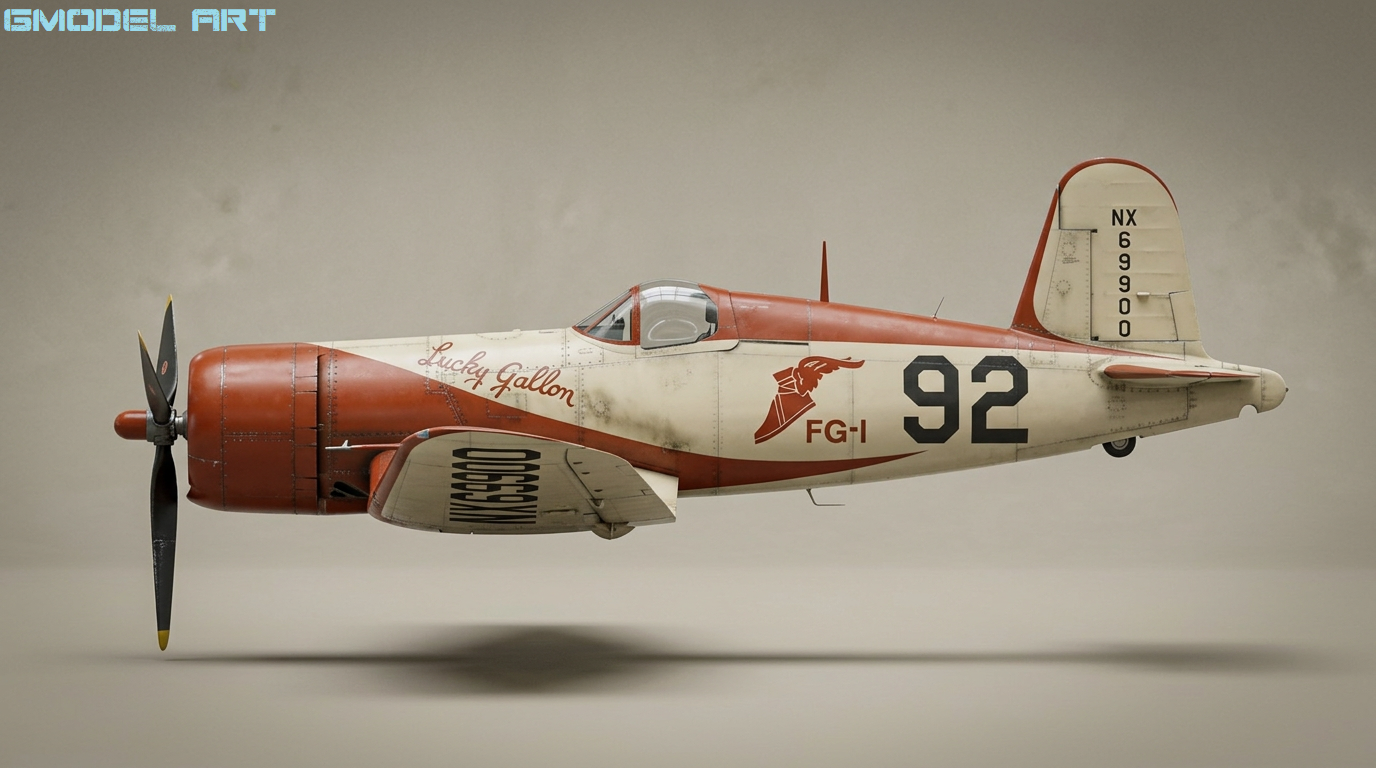
The Goodyear FG-1A Corsair BuNo 13481, registered as NX69900 after entering civilian ownership, became known as “Lucky Gallon,” racing number #92. Flown by Cook Cleland, the aircraft competed in the 1946 Cleveland Air Races, joining the post-war movement that transformed former military aircraft into high-speed racing machines.
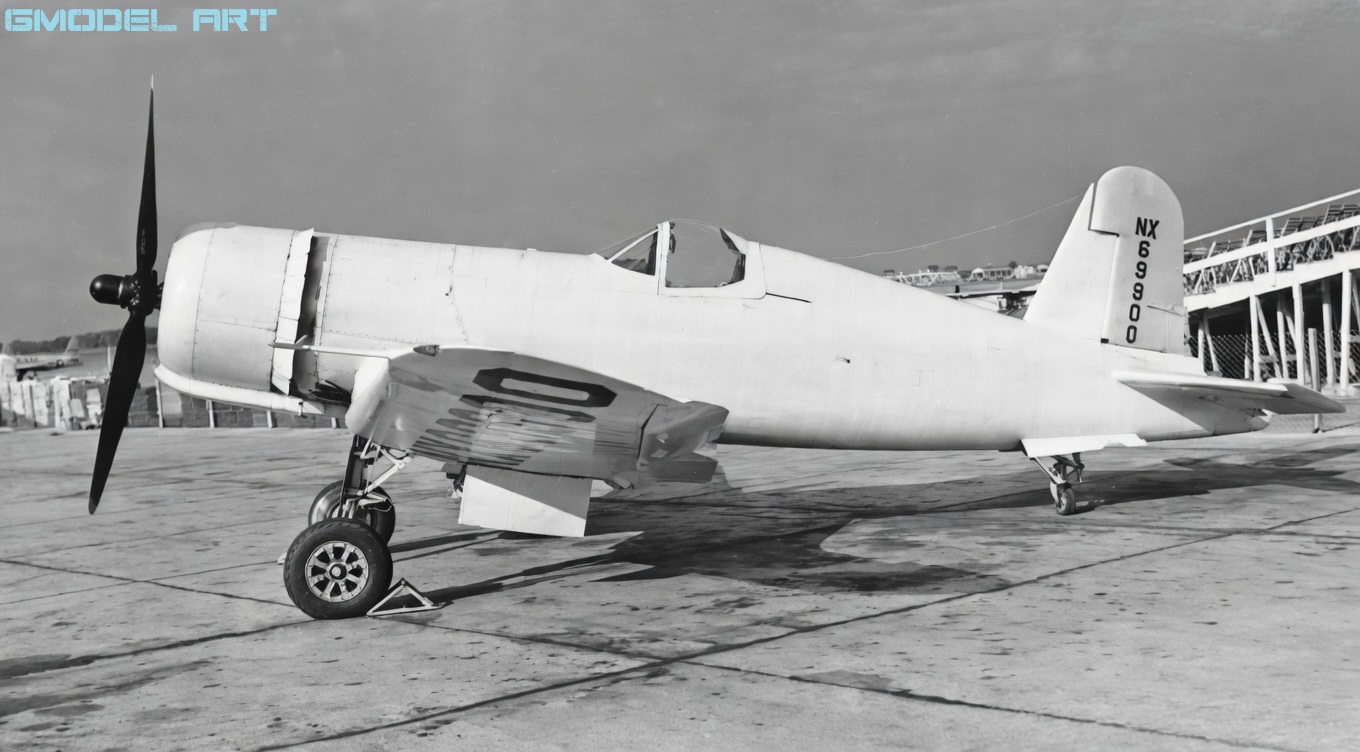
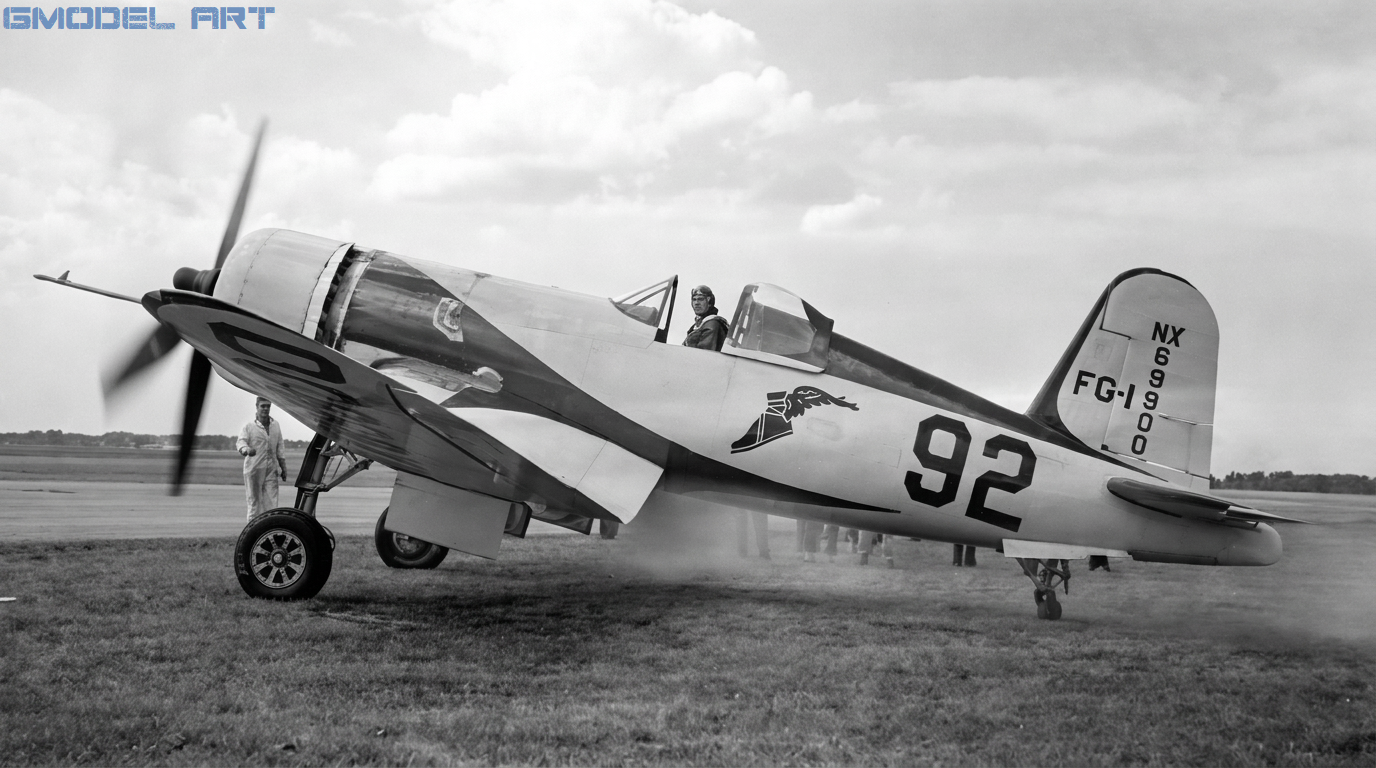
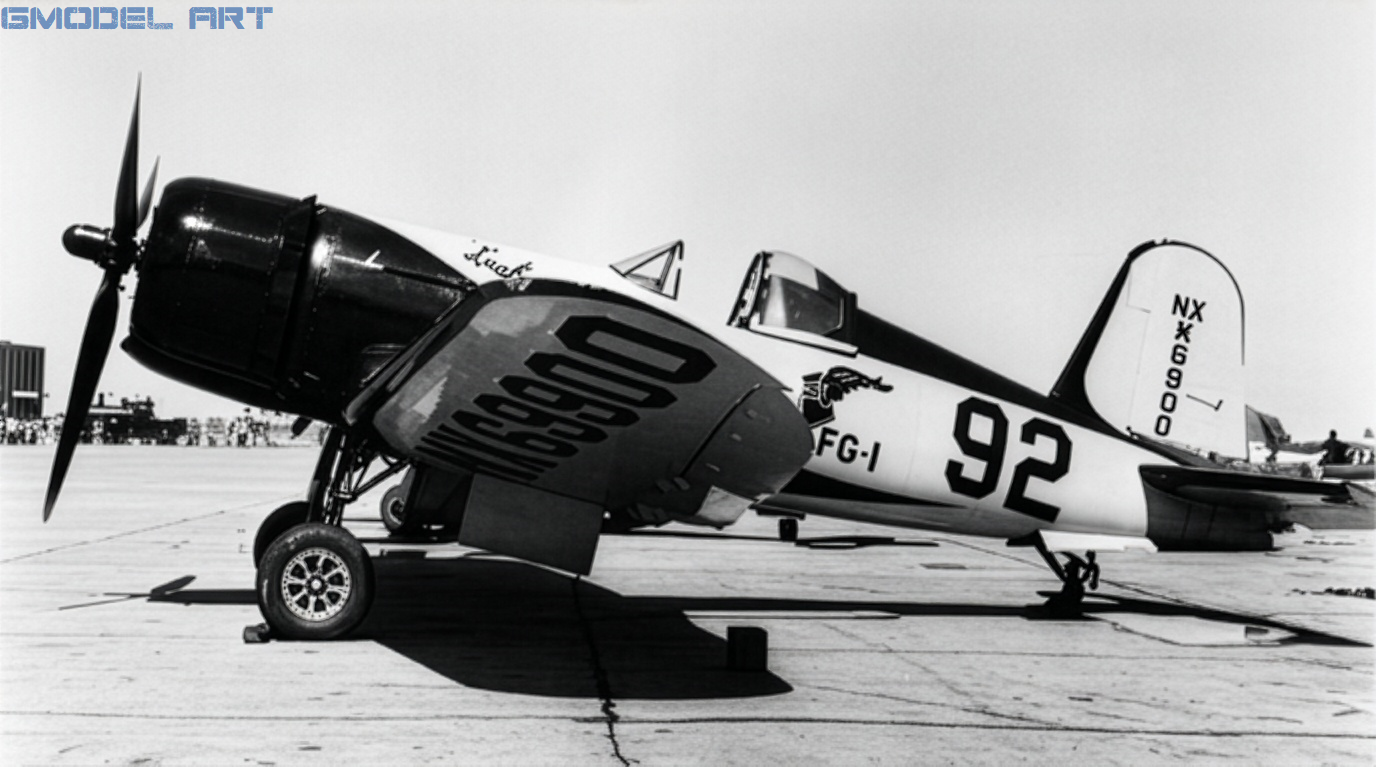
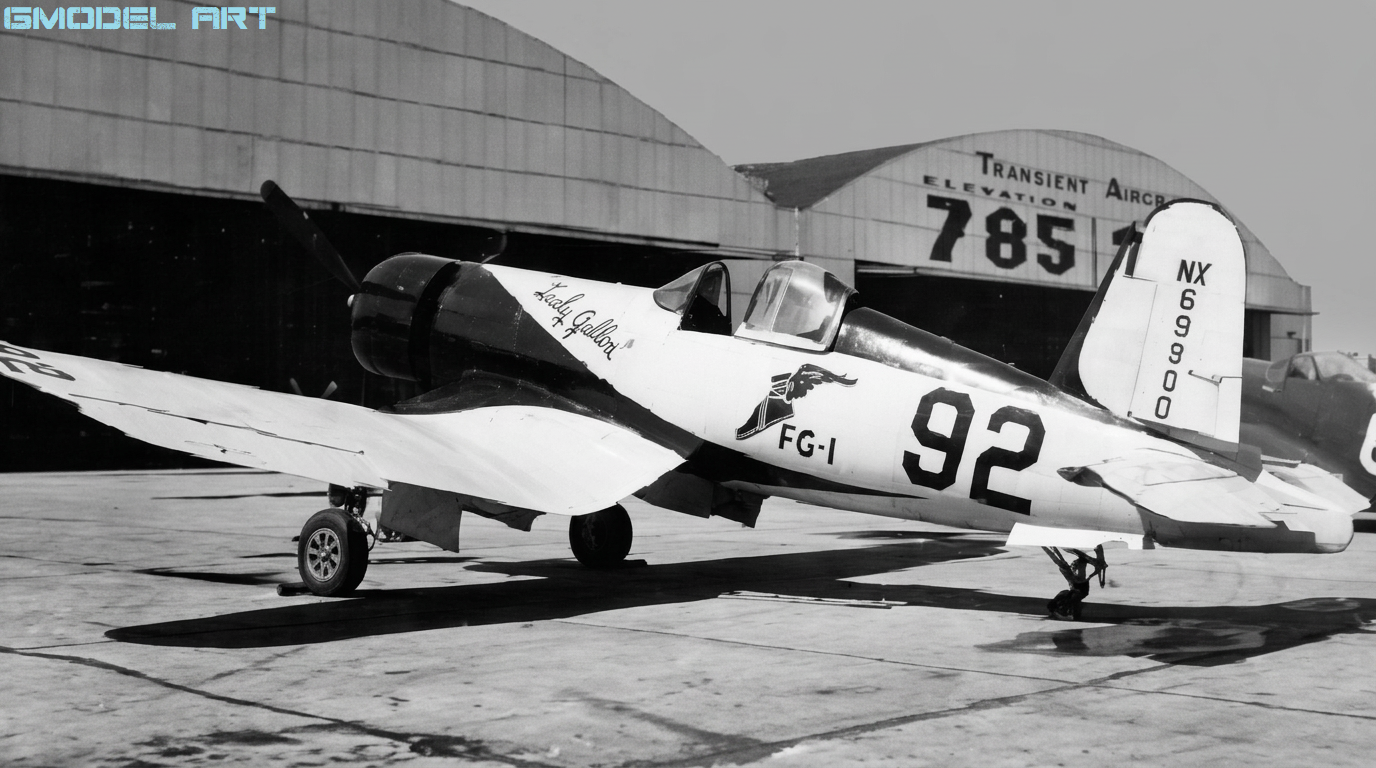
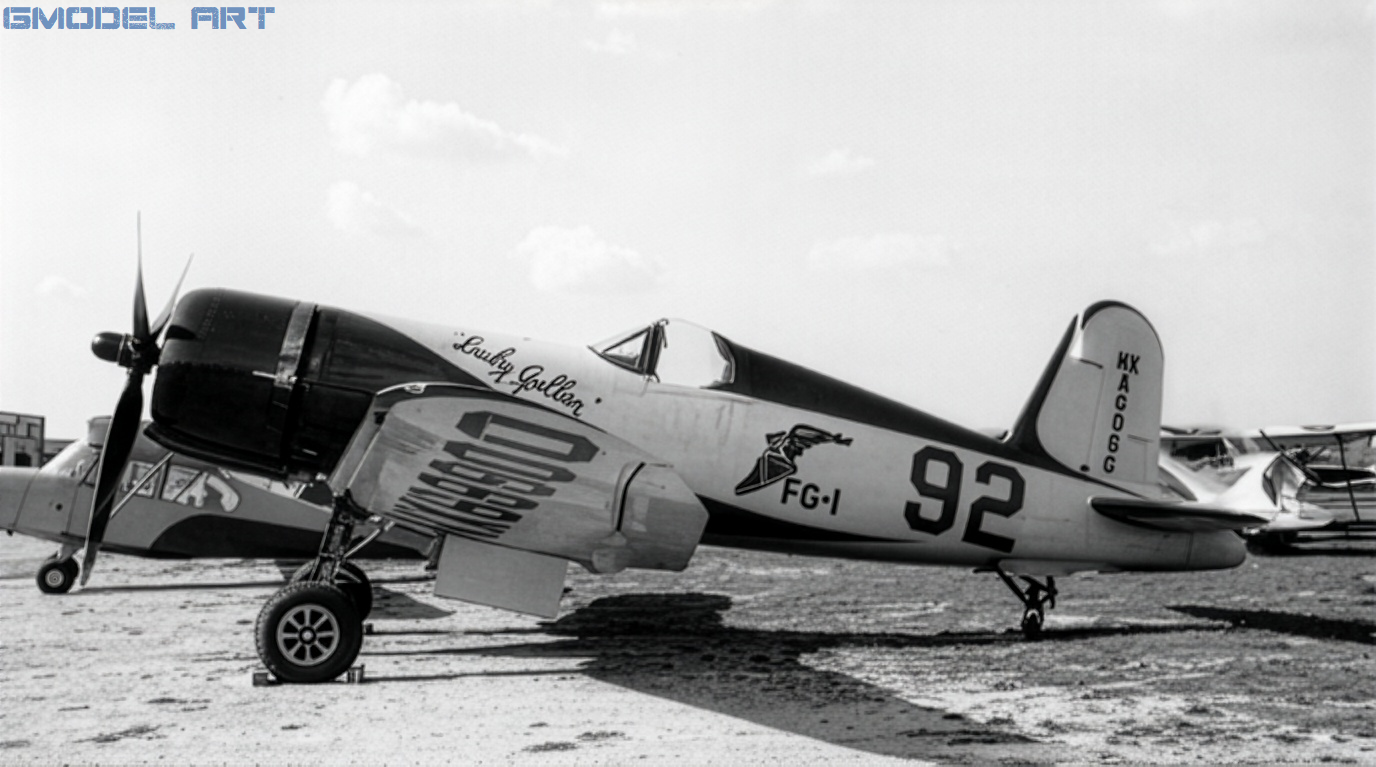
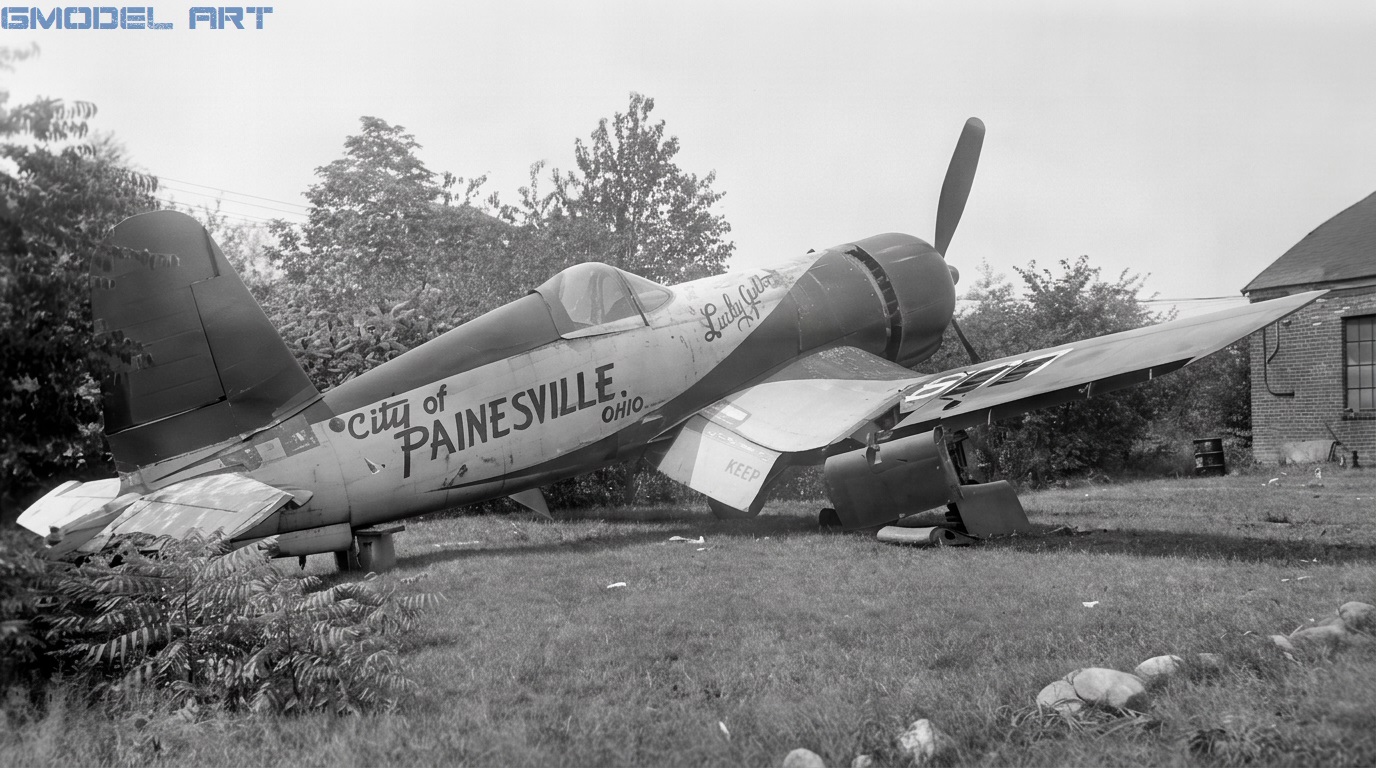
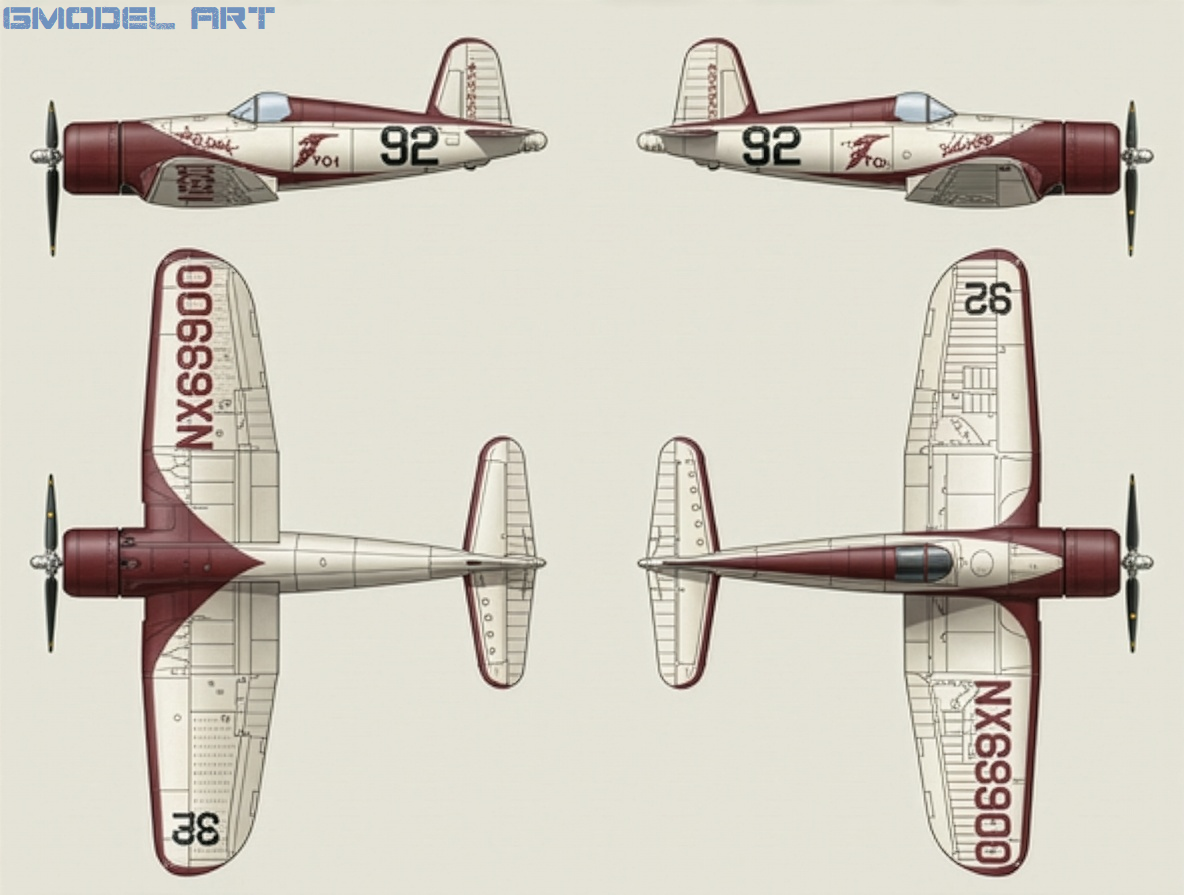
The conversion involved more than a new paint scheme. Changes to the wings, engine cowling, oil-cooler openings and gun ports gave the aircraft a distinctive appearance that separated it from a standard military Corsair.
Today, Lucky Gallon is the subject of a restoration project led by Chuck Wahl of Vulture’s Row Aviation, with the goal of returning this historic racing aircraft to flying condition.
From Goodyear Production to Civilian Racing
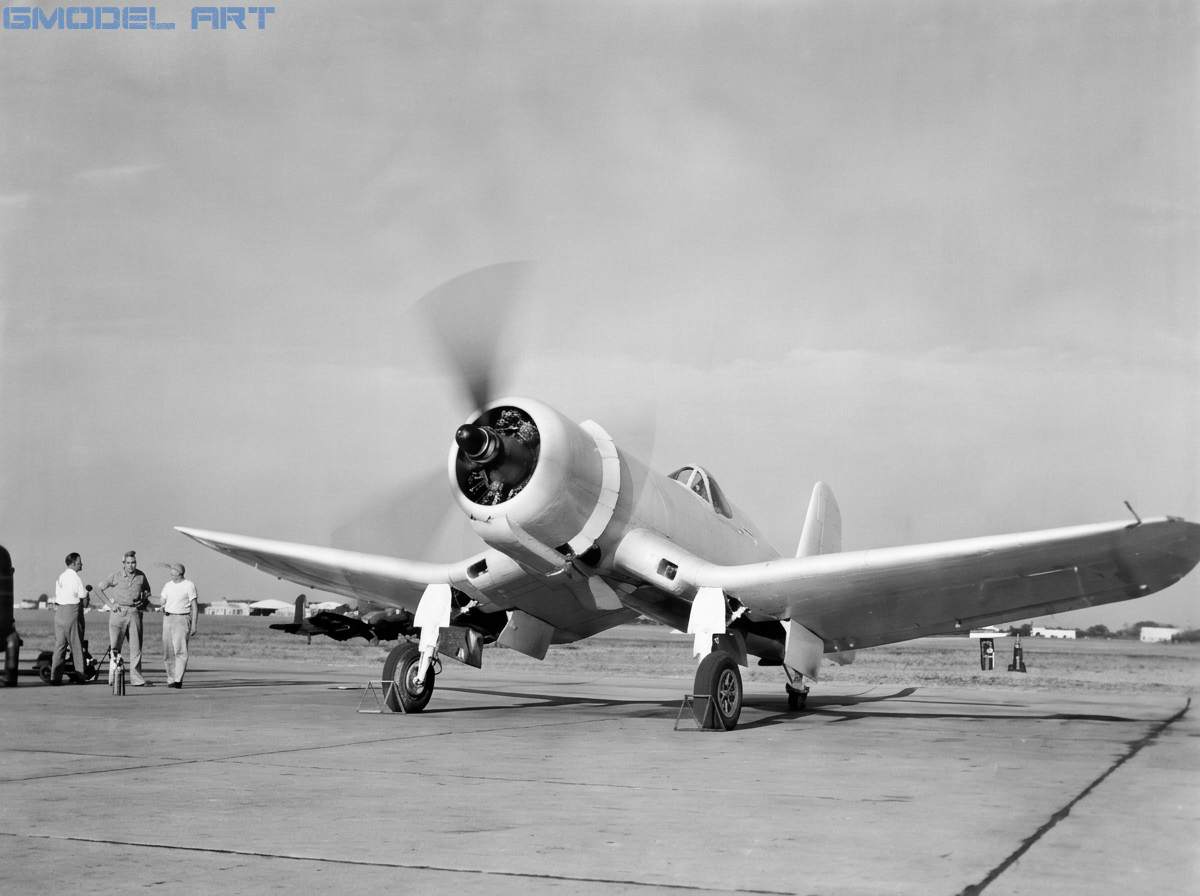
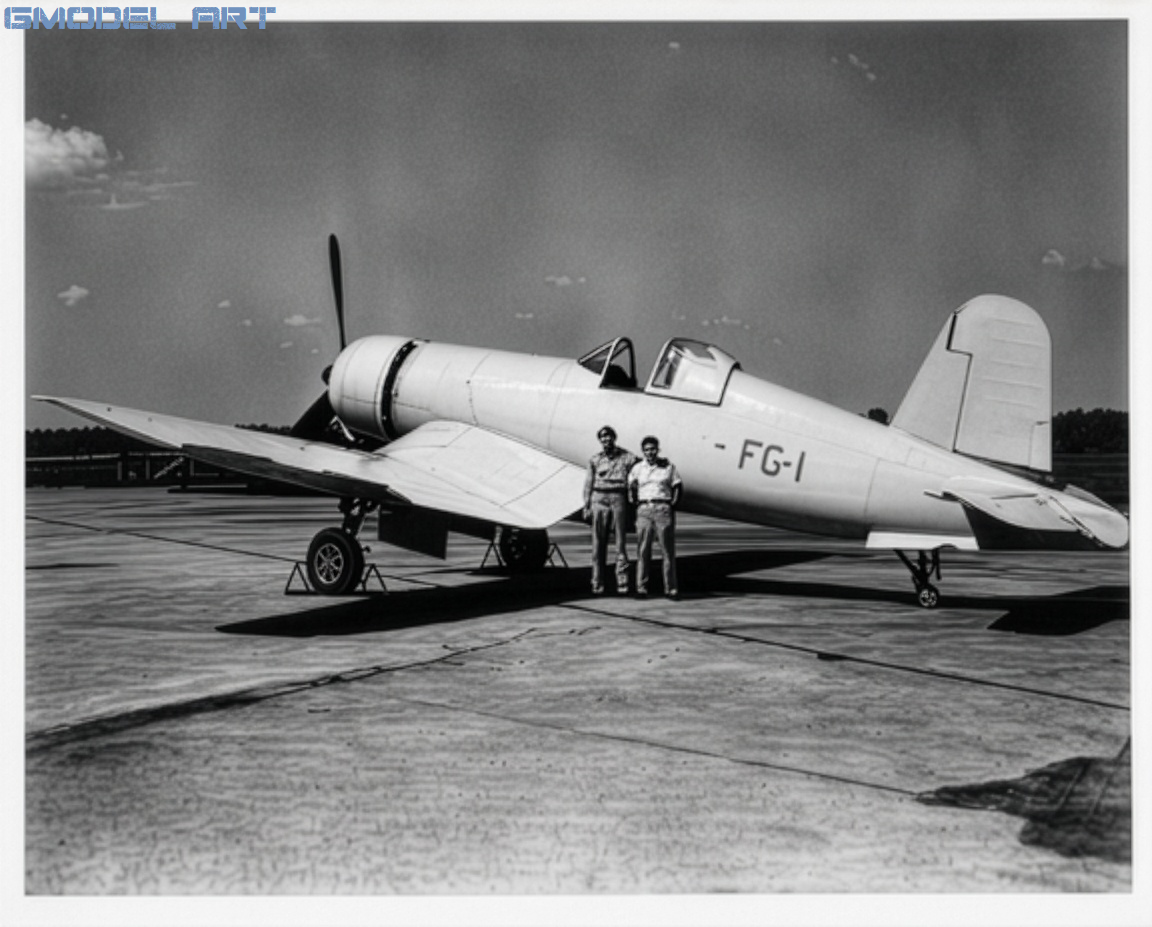
The aircraft was built by Goodyear as an FG-1A Corsair, carrying Bureau Number 13481. Delivered toward the end of the Second World War, it had a relatively short military career before being released as surplus and entering civilian ownership.
In 1946, Cook Cleland acquired the Corsair and prepared it for air racing. As part of its conversion, military equipment that was no longer required for racing, including its armament and other heavy equipment, was removed.
The aircraft received the name Lucky Gallon and racing number #92. Its new role demanded a different approach to weight, external configuration and presentation, turning a wartime fighter into a competitor on the American air-racing circuit.
The 1946 Cleveland Air Races
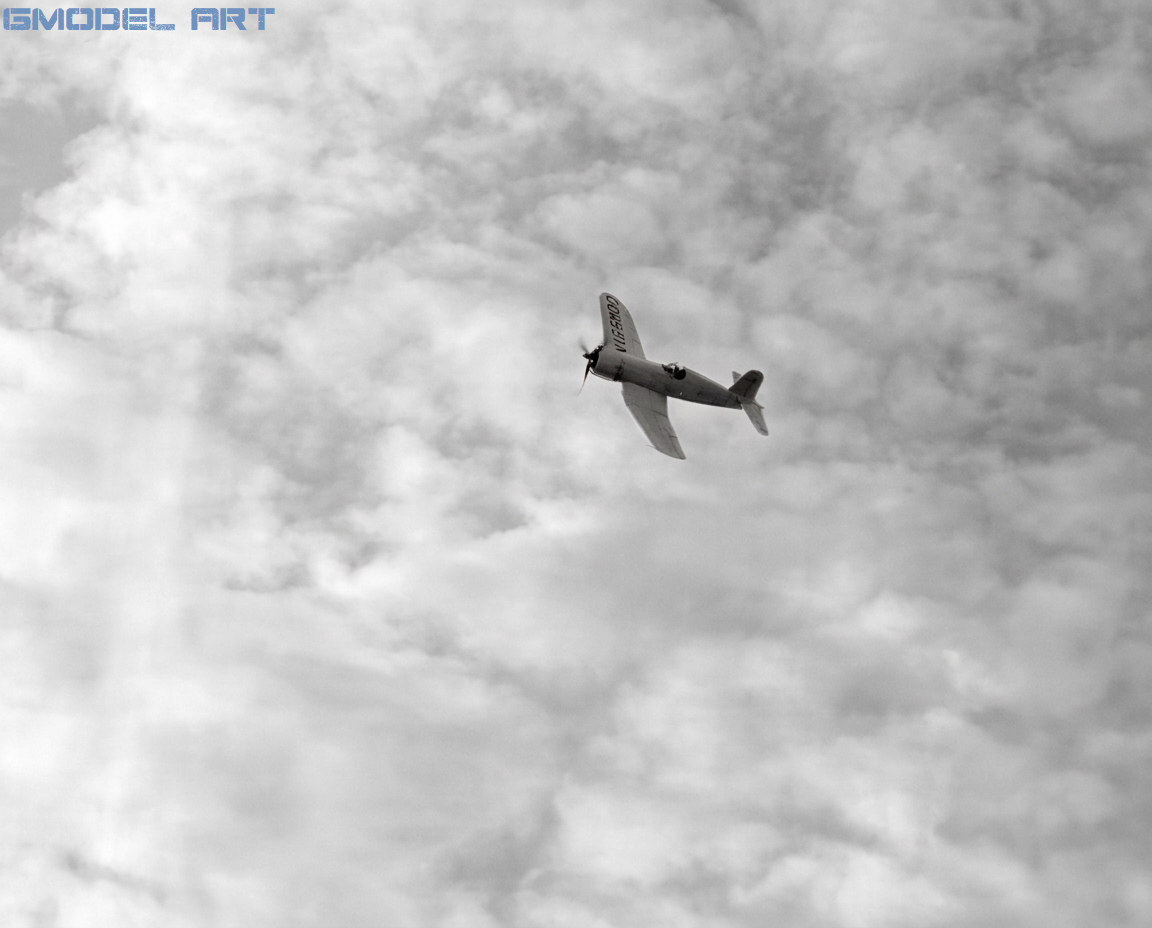
Lucky Gallon competed at the Cleveland Air Races from August 30 to September 2, 1946, with Cook Cleland at the controls.
During the qualifying rounds for the piston-powered division of the Thompson Trophy competition, the Corsair placed sixth, recording a speed of approximately 361.8 mph. In the B Feature race, it also finished sixth, at a reported speed of approximately 357.5 mph.
Although it did not win the main trophy, its participation illustrates how surplus military aircraft were adapted for the demanding world of post-war air racing.
Racing Modifications and Distinctive Features
Lucky Gallon received several external modifications that are important when identifying the aircraft and reproducing it accurately in scale.
Intercooler Air Intake Beneath the Engine
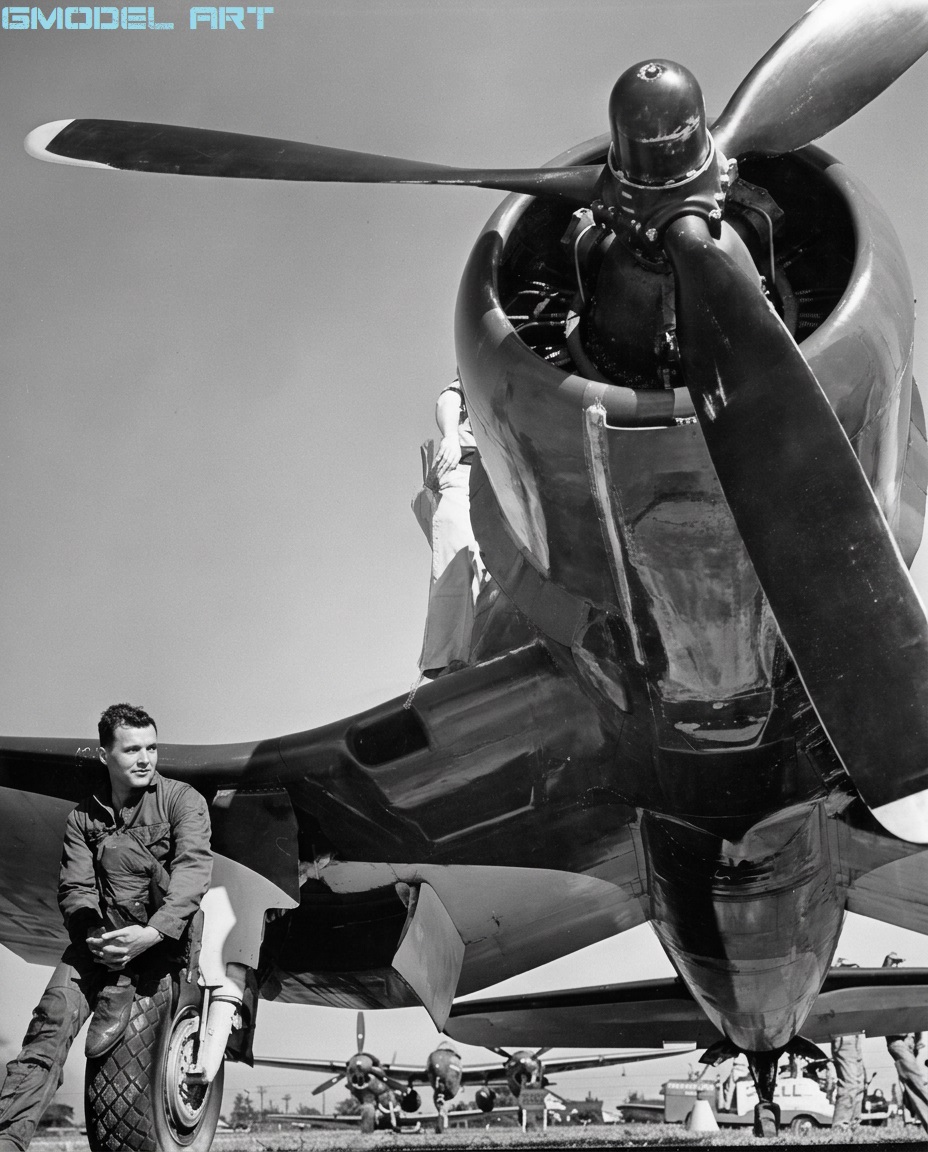
One of its distinctive features is the intercooler air intake beneath the engine cowling. The intake was formed as an extension along the lower part of the cowling, giving the aircraft a recognisable profile.
For a scale model, this feature requires attention to its position, shape and proportions rather than relying on the standard configuration of a stock Corsair kit.
Oil Coolers and Gun Ports
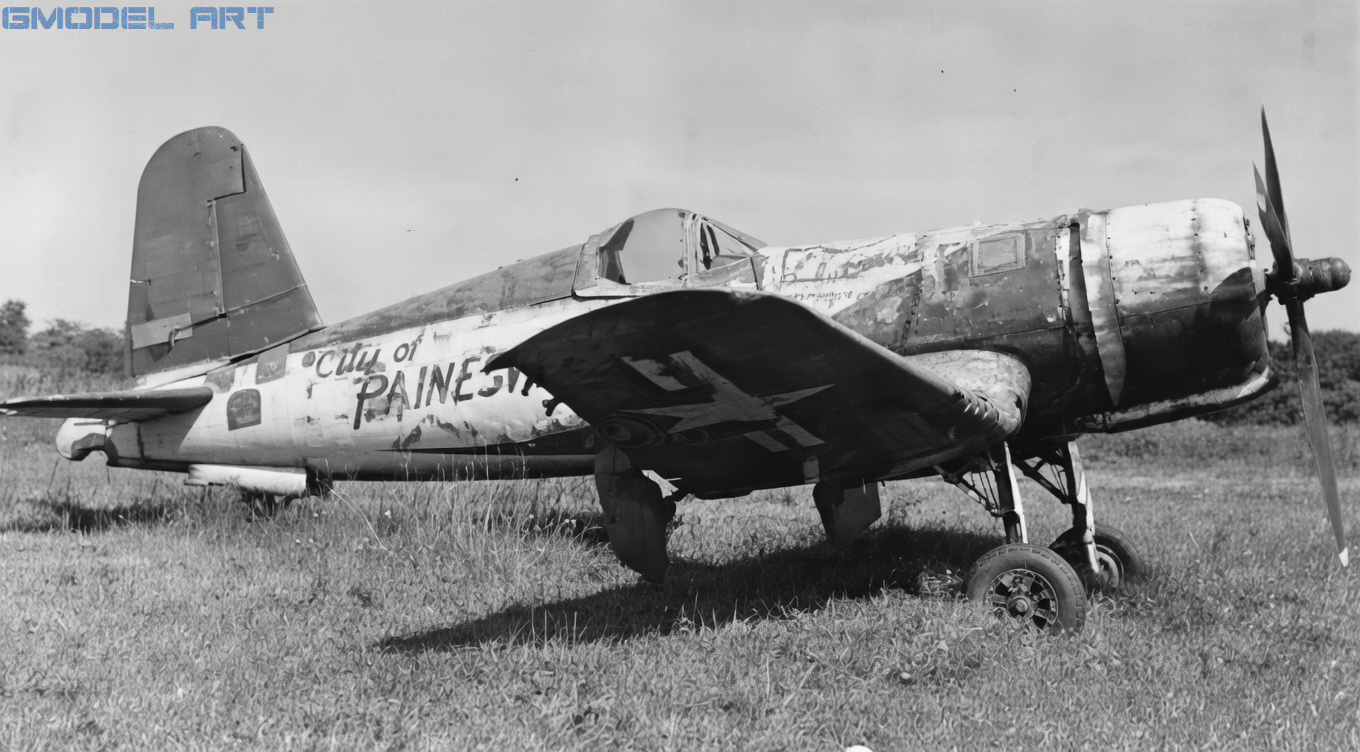
The oil coolers at the wing roots were covered over a substantial portion of their openings, leaving less space for airflow. The gun ports were also covered to reduce aerodynamic drag.
These alterations changed the appearance of the wing-root areas and are important details for anyone building a model of Lucky Gallon rather than a standard military FG-1A or F4U variant.
Clipped Wing Tips
At some point during its racing history, the aircraft’s wing tips were cut back, changing the original wing outline. This is a significant external modification and should be represented when building the aircraft in the configuration that includes the clipped tips.
The wing shape must be considered alongside the other racing modifications, as reproducing only the markings on a standard Corsair would not accurately capture the aircraft’s distinctive appearance.
The Extended Vertical Stabilizer
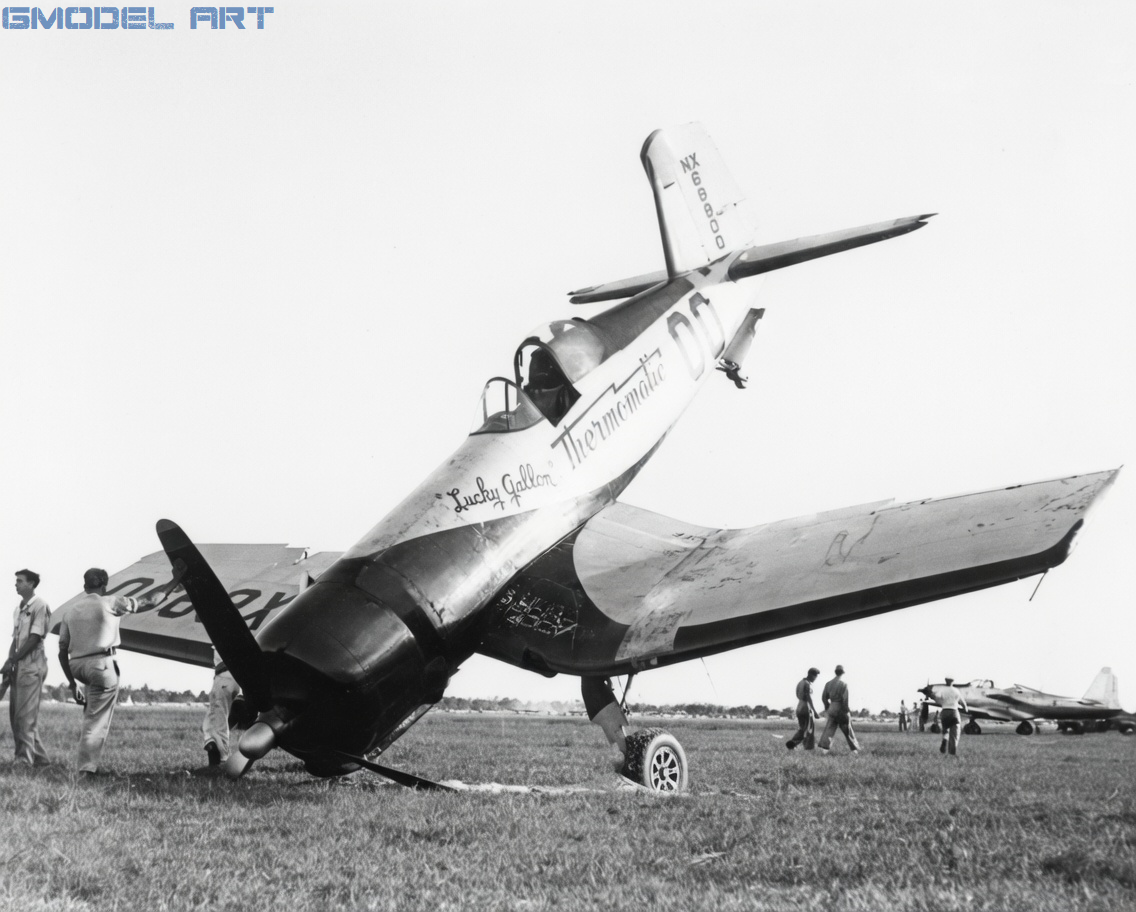
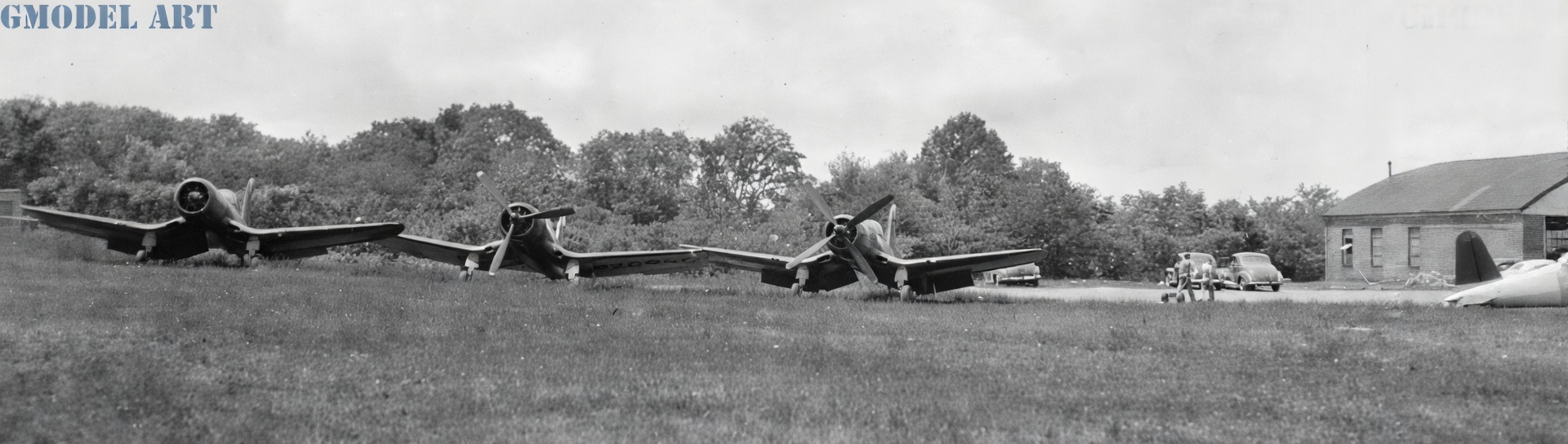
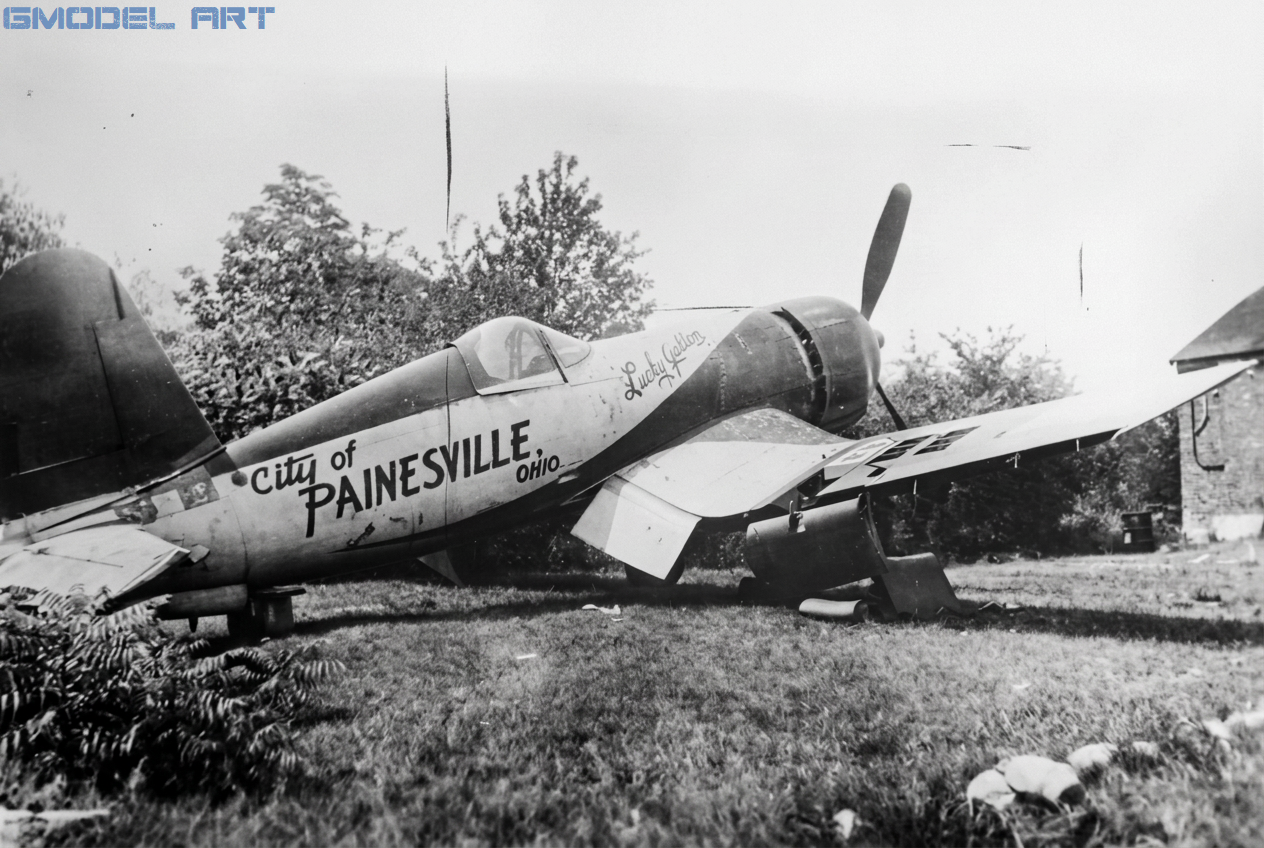
Some photographs show Lucky Gallon with an extension to its vertical stabilizer, resembling the taller tail associated with the F2G Corsair.
According to Chuck Wahl, however, this modification was not functional. The aircraft appears to have been abandoned and no longer in flying condition in photographs that clearly show the extension. It should therefore not automatically be treated as part of the aircraft’s operational racing configuration in 1946.
The F4U-1D Aircraft Cover
The reference to a borrowed F4U-1D Corsair concerns the aircraft cover associated with that machine. It does not change the identity of Lucky Gallon itself, which was built by Goodyear as an FG-1A Corsair
Lucky Gallon’s Racing Colors
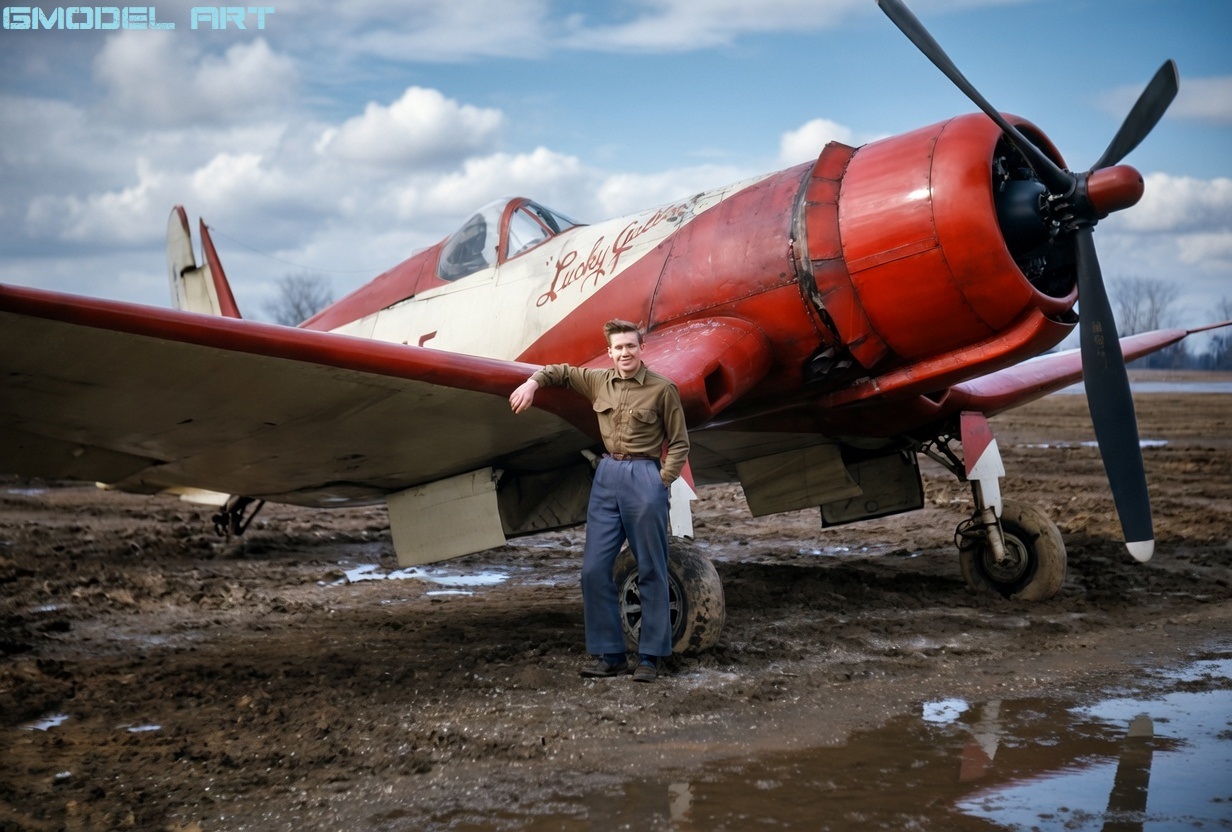
Lucky Gallon’s racing scheme is an important part of its identity. The main color is a very light off-white, while the red markings have a subtle warmth.
Based on my assessment of the color photograph, the white appears to contain only a minimal beige tint, while the red contains a very small amount of brown—less than one part in ten. The red should therefore remain recognisably red rather than becoming dark maroon or brown-red.
The following color descriptions are intended as visual guidance for model painting, not as verified historical paint specifications.
| Area | Color appearance | Modeling guidance |
|---|---|---|
| Main finish | <span style=”color:#F1EBDD”>■</span> Very light off-white | White with a minimal beige tint; avoid a cold, pure white appearance |
| Racing markings | <span style=”color:#B95748″>■</span> Warm red | Red with a very small brown component, less than 10% by visual estimation |
| Overall finish | Off-white with red markings | Preserve the contrast between the light airframe and the warmer red areas |
The displayed swatches are illustrative digital approximations, not measured color samples from the original aircraft. No specific Federal Standard (FS) code is assigned because a verified historical color specification for Lucky Gallon’s racing scheme has not been established here.
When selecting model paints, compare physical paint samples with the available color reference before committing to the final finish.
Damage, Preservation and the Soplata Collection
Around 1950, Lucky Gallon suffered serious damage when strong winds struck the aircraft while it was parked at Willoughby, Ohio.
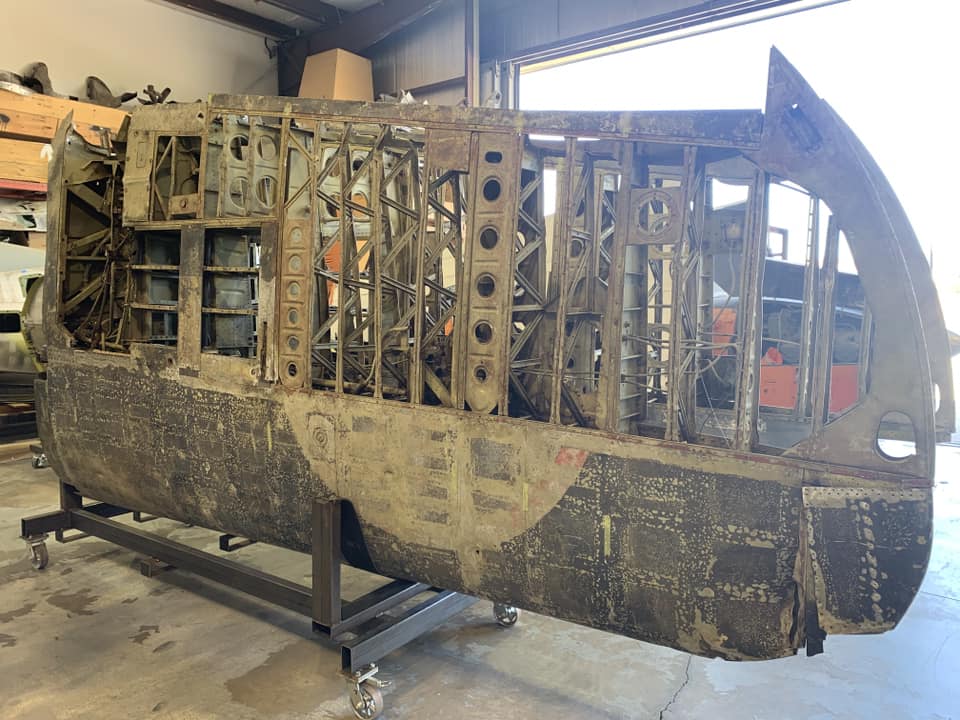
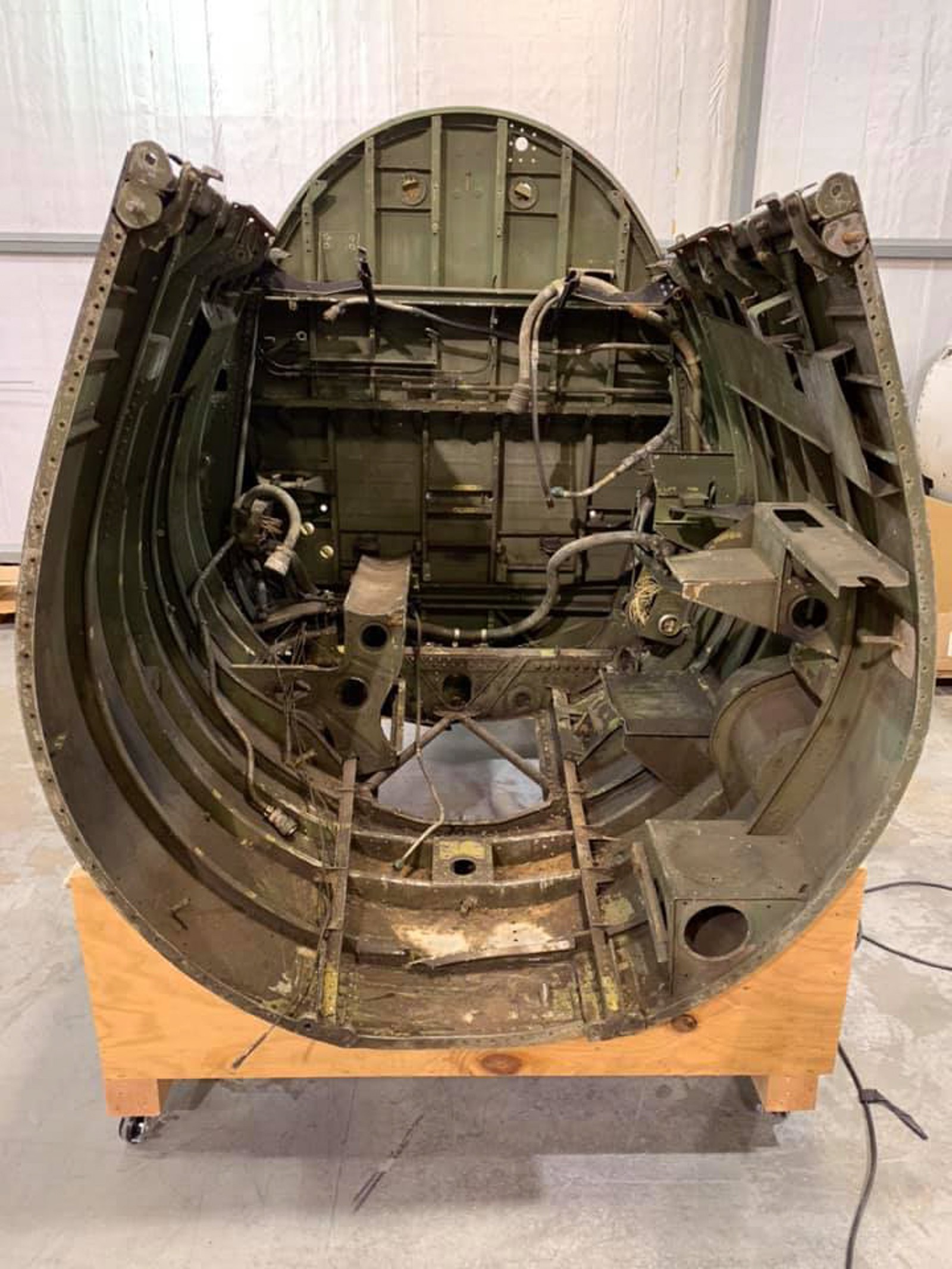
In 1953, the remains entered the aviation collection of Walter Soplata in Newbury, Ohio. Over the following decades, much of the aircraft was lost or discarded. By around 2000, the surviving material consisted mainly of the forward fuselage and other remaining components.
Although only part of the original aircraft survived, these remains preserved an important connection to the Corsair’s post-war racing history and eventually provided the basis for a restoration project.
Restoration by Chuck Wahl and Vulture’s Row Aviation
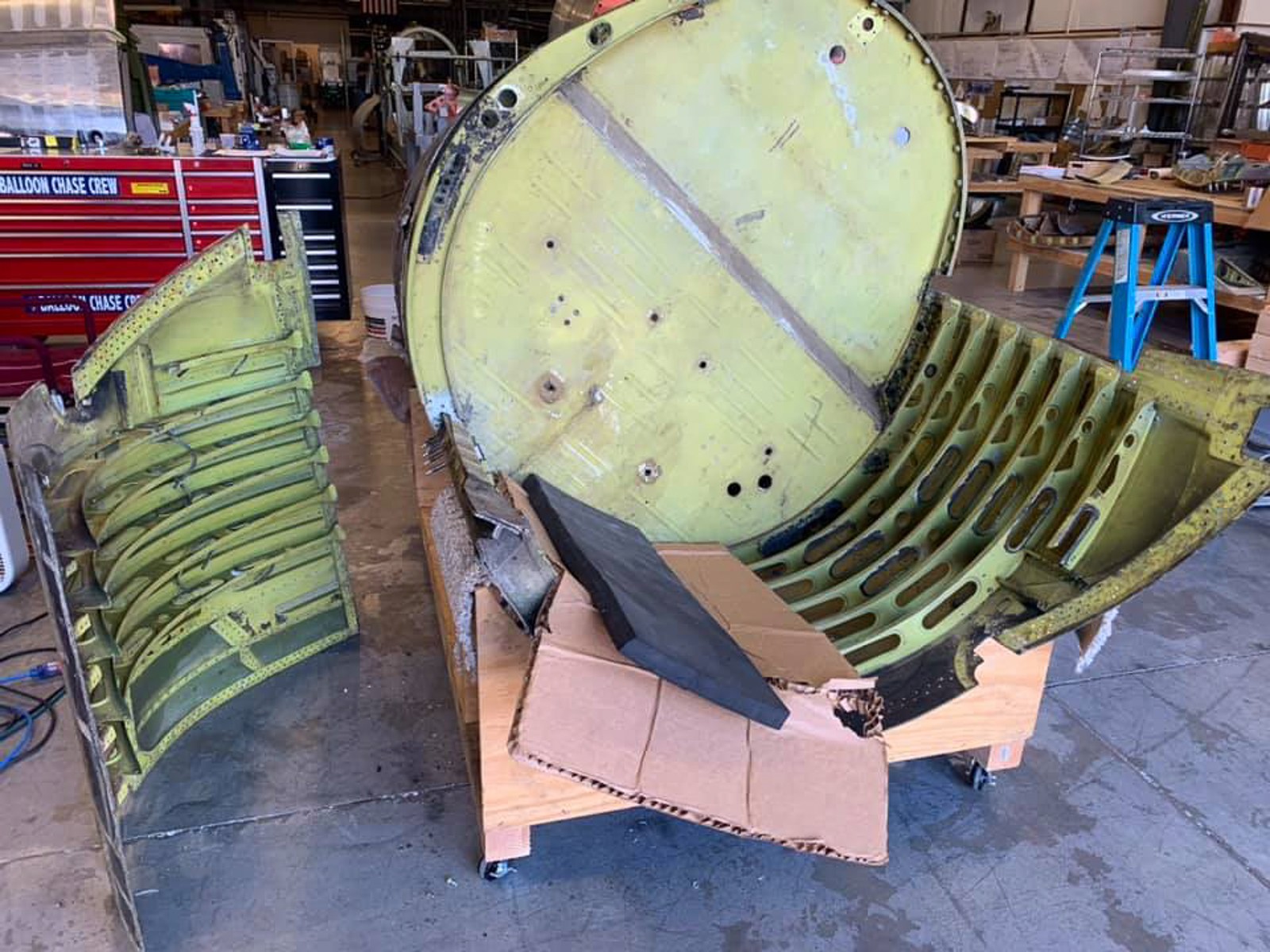
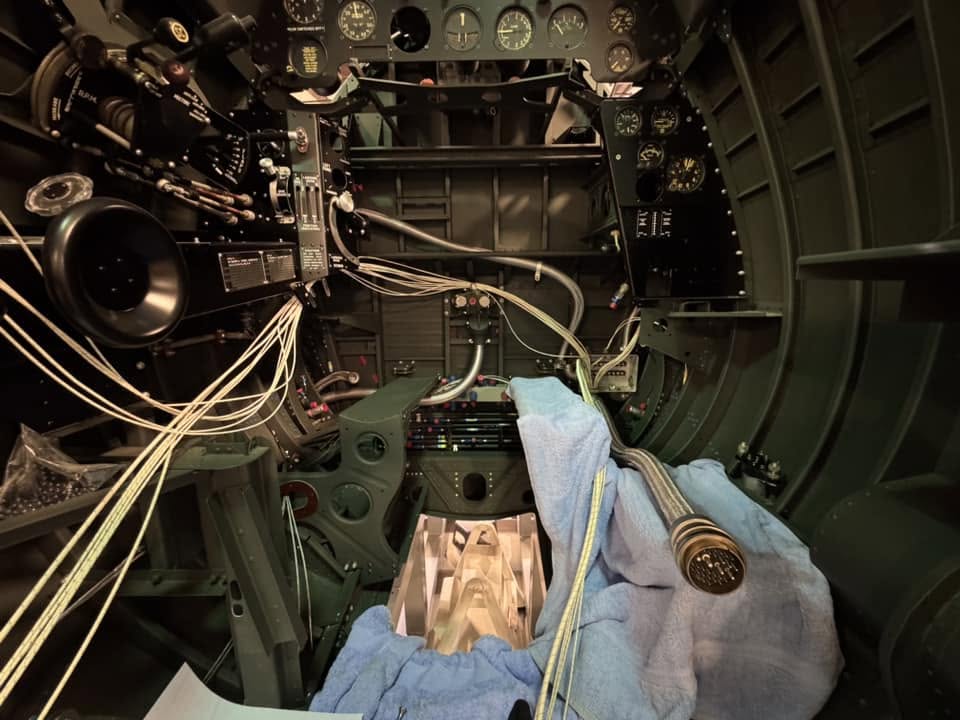
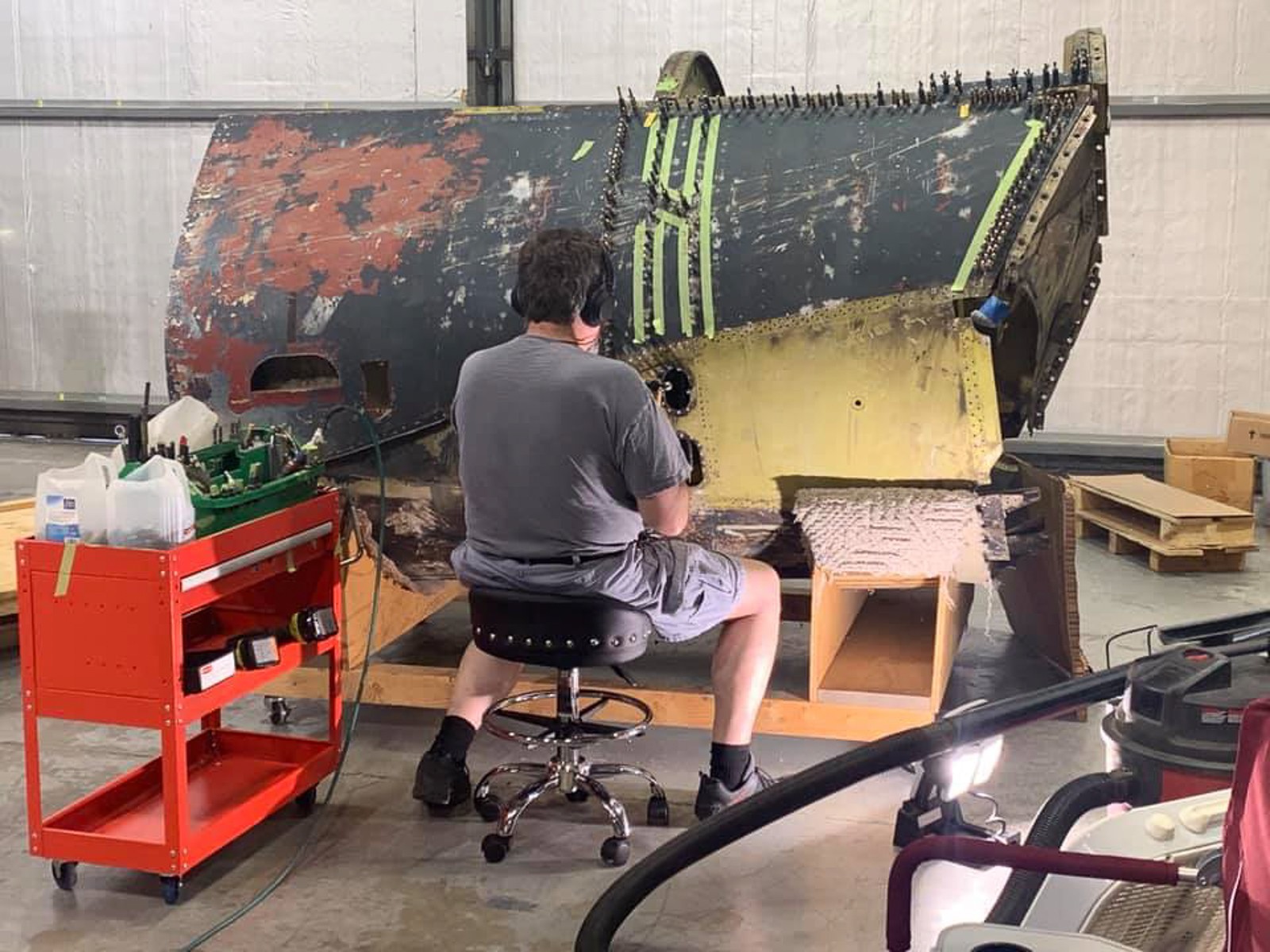
Lucky Gallon is now being restored by Chuck Wahl of Vulture’s Row Aviation, with the aim of returning the aircraft to flying condition.
The project is particularly challenging because it relies on surviving original components rather than a largely complete airframe requiring routine repairs. Restoration work has included major structural areas, including the wing and the central fuselage structure.
The long-term objective is to preserve the aircraft’s historical identity and recreate its racing appearance. If completed as intended, the project will bring an unusual chapter of American air-racing history back to life.
Modeling Guide: Building the Lucky Gallon
A convincing scale model of Lucky Gallon requires attention to the aircraft’s identity, its racing modifications and the correct stage of its history.
The FG-1A designation must be retained: Lucky Gallon should not be incorrectly identified as an FG-1D simply because a reference mentions a borrowed F4U-1D aircraft cover.
The most important details to consider are:
Wing tips: Reproduce the clipped outline in the configuration being modeled.
Engine cowling: Add the distinctive intercooler intake beneath the cowling. Thin plastic sheet can be shaped into an extension along the lower cowling.
Oil coolers: Represent the partially covered openings at the wing roots.
Gun ports: Reproduce the covered openings rather than the standard exposed gun-port arrangement.
Vertical stabilizer: Do not automatically include the later extension; its appearance is associated with a condition in which the aircraft was reportedly no longer operational.
Paint scheme: Use a very light off-white with a minimal beige tint and a warm red with a very small brown component.
Markings: Apply the Lucky Gallon name and racing number #92 according to the chosen historical configuration.
For the paintwork, the priority is the overall visual relationship between the off-white airframe and the red markings. A small test sample is recommended before painting the complete model, particularly because the subtle color differences are easily exaggerated by some model paints.
FG-1D Corsair ‘Race 94’: From WWII to Reno – History, Conversions & Modeling
A Distinctive Corsair in American Air-Racing History
The Goodyear FG-1A Corsair “Lucky Gallon” #92 represents an unusual stage in the history of the Corsair: its transformation from a wartime aircraft into a post-war racing machine.
Its 1946 Cleveland appearances, distinctive aerodynamic changes and surviving remains make it an especially interesting subject for aviation historians and scale modelers. The ongoing restoration offers the possibility of preserving not simply another Corsair, but a specific aircraft with its own identity and place in American air-racing history.
https://aerialvisuals.ca/AirframeDossier.php?Serial=59196&utm_source=chatgpt.com
Gallery