article
F-15B Baz Israeli Air Force — Twin Tail Squadron | Scale Model
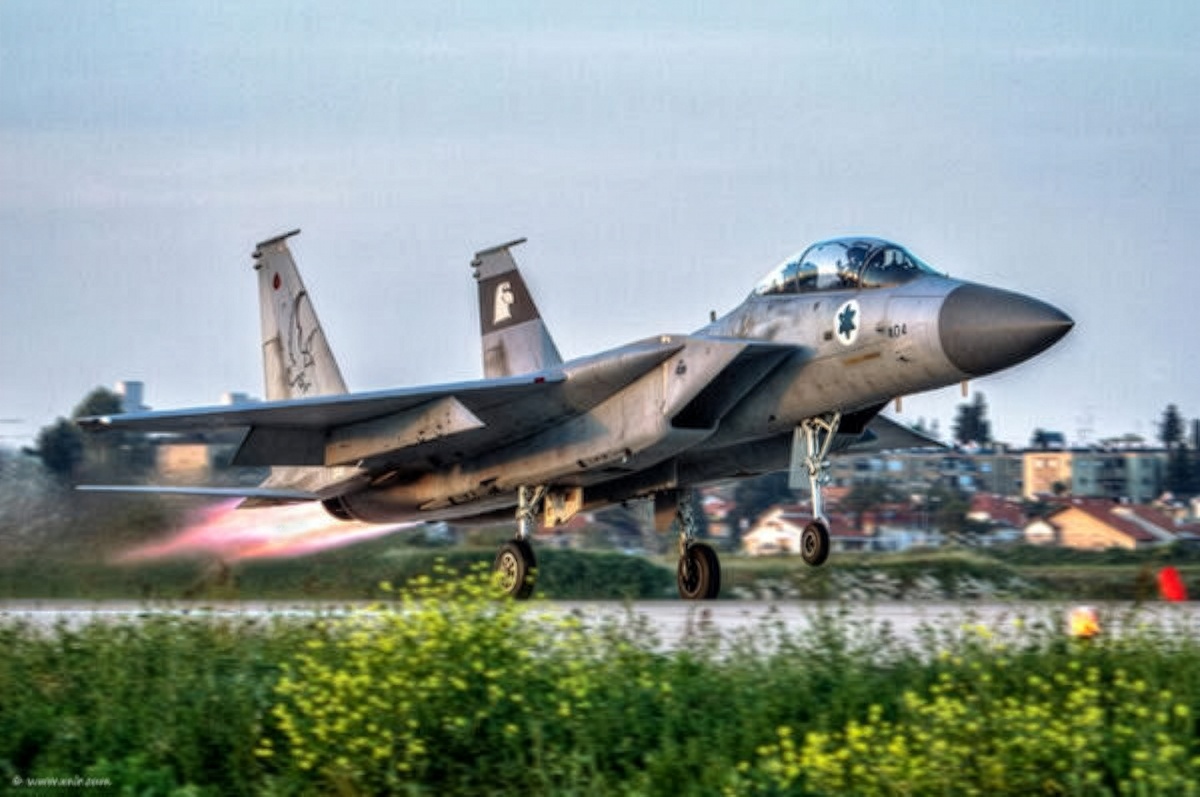
The Israeli Air Force F-15 Baz is one of the most recognizable versions of the legendary McDonnell Douglas Eagle. Introduced into Israeli service in the late 1970s, the F-15 became a central component of the country’s air-superiority capability. Its impressive combat record, distinctive appearance and extensive upgrades have made the Israeli Baz a particularly attractive subject for scale aircraft modelling.
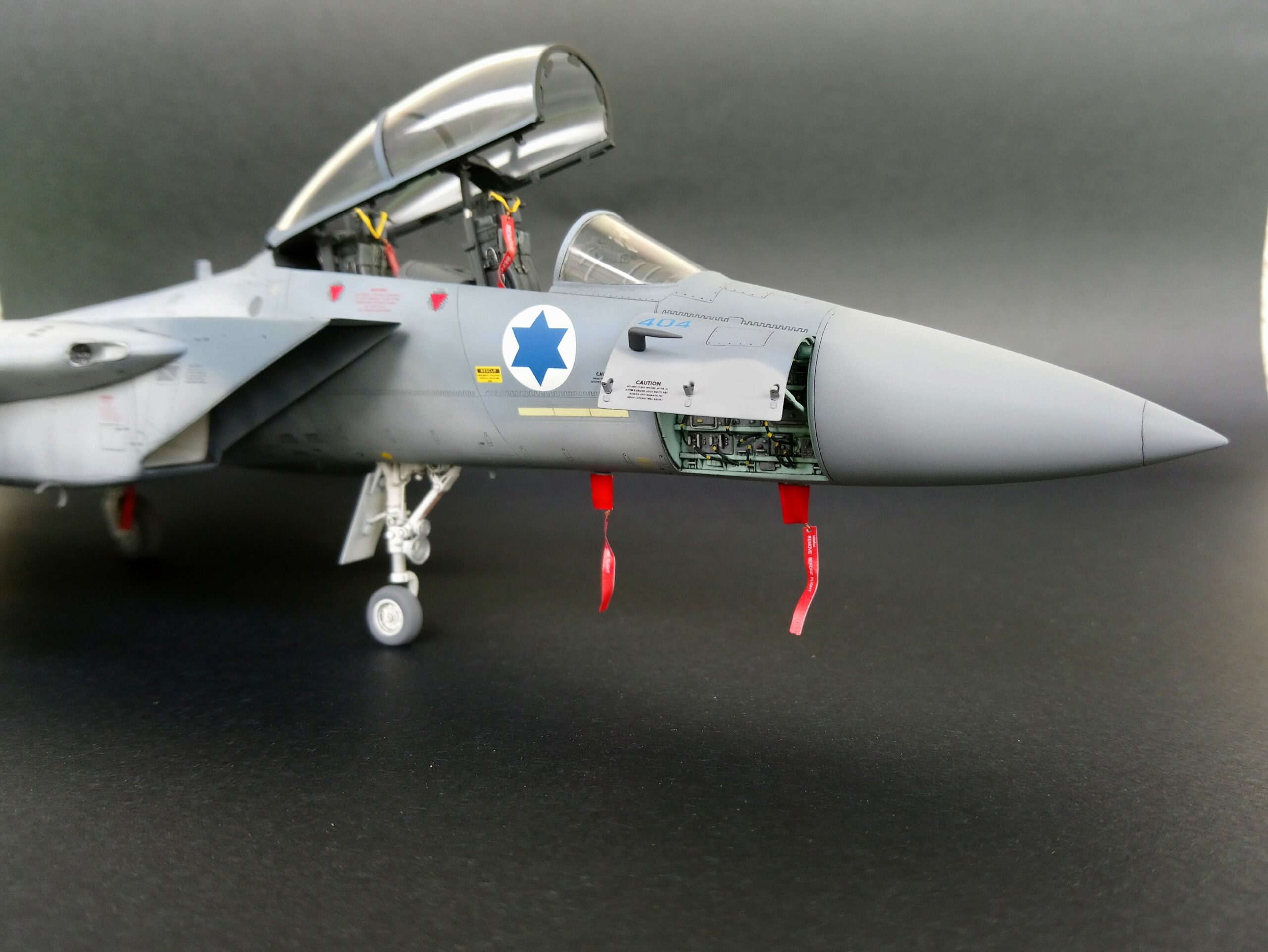
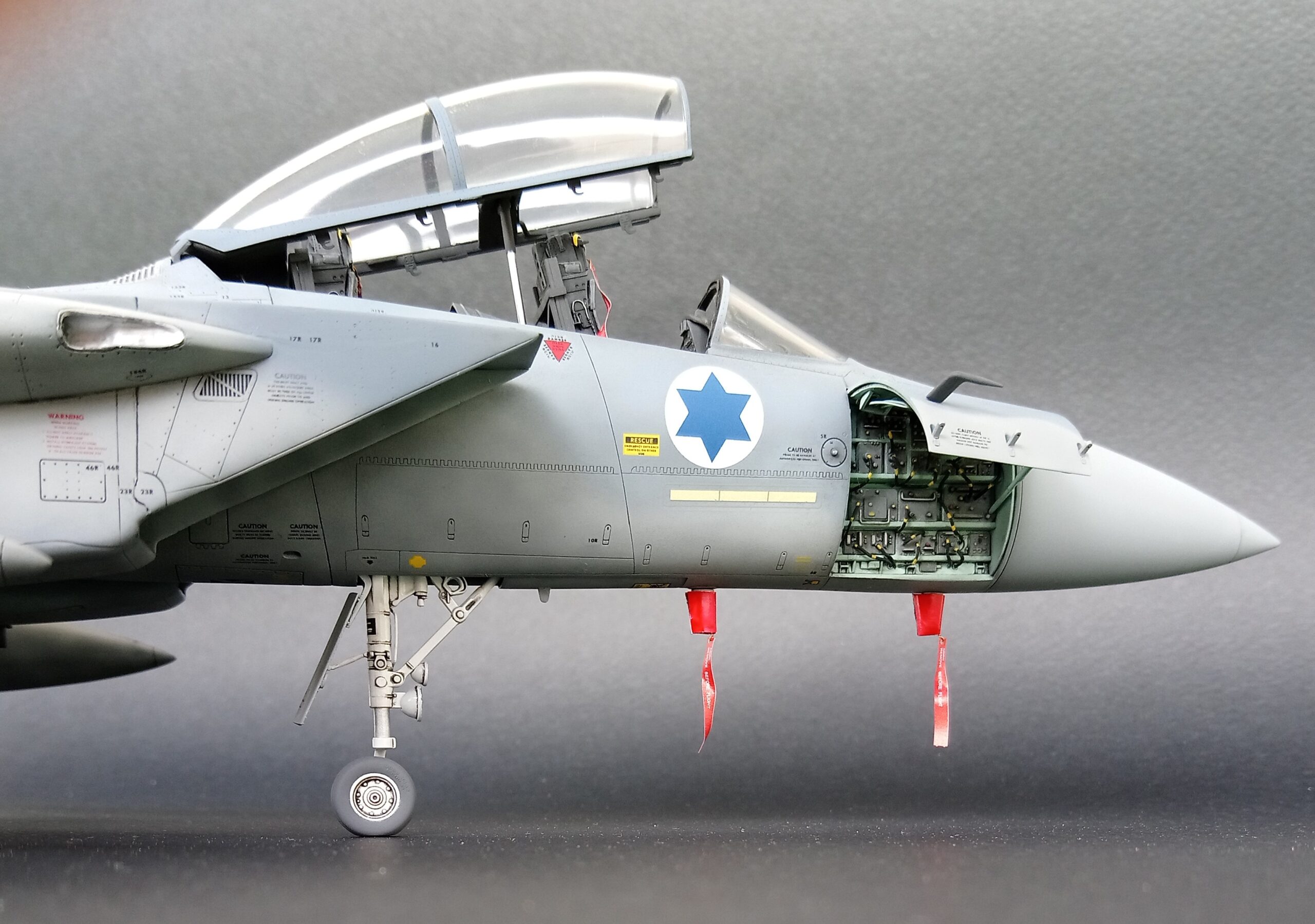
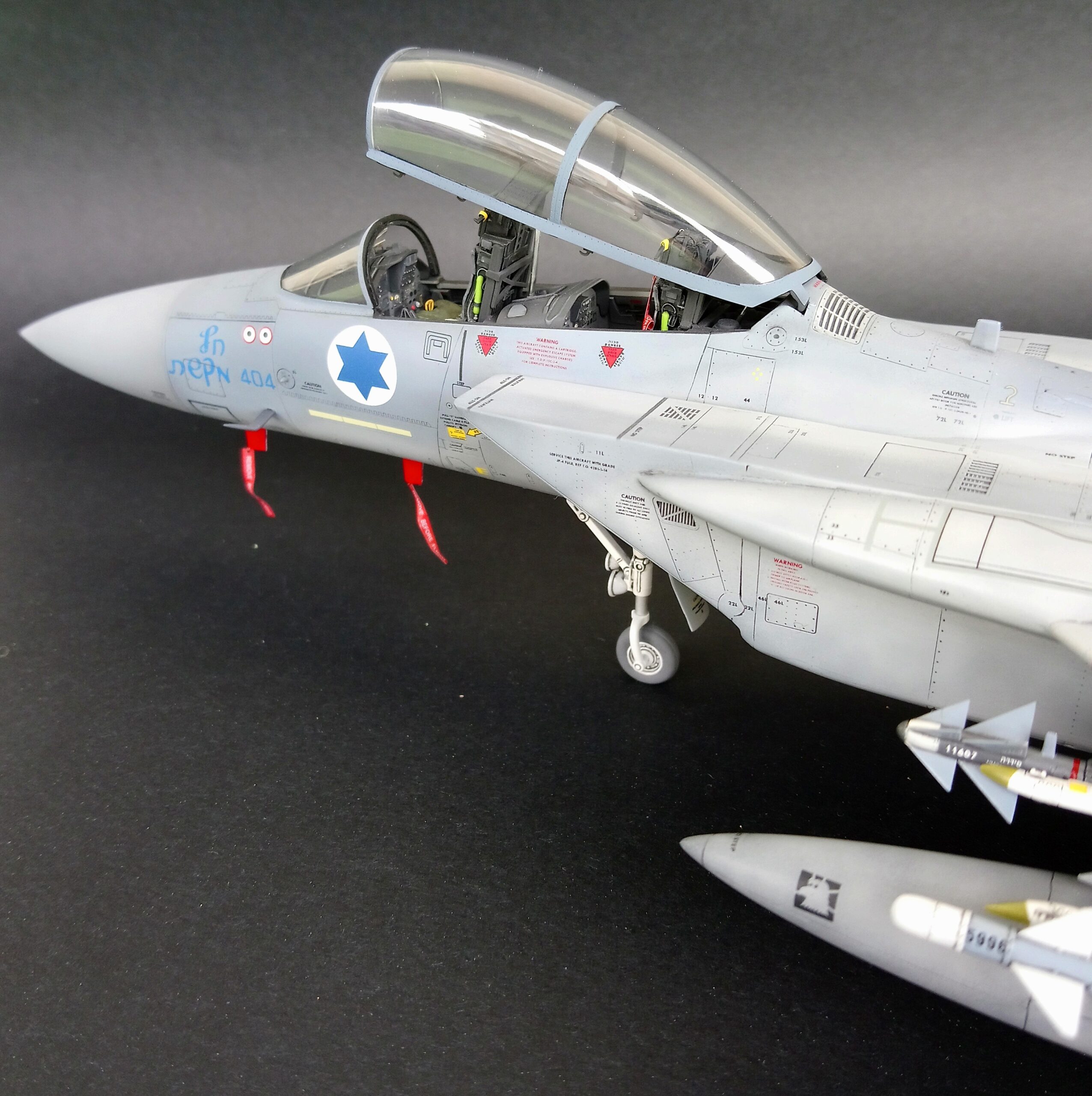
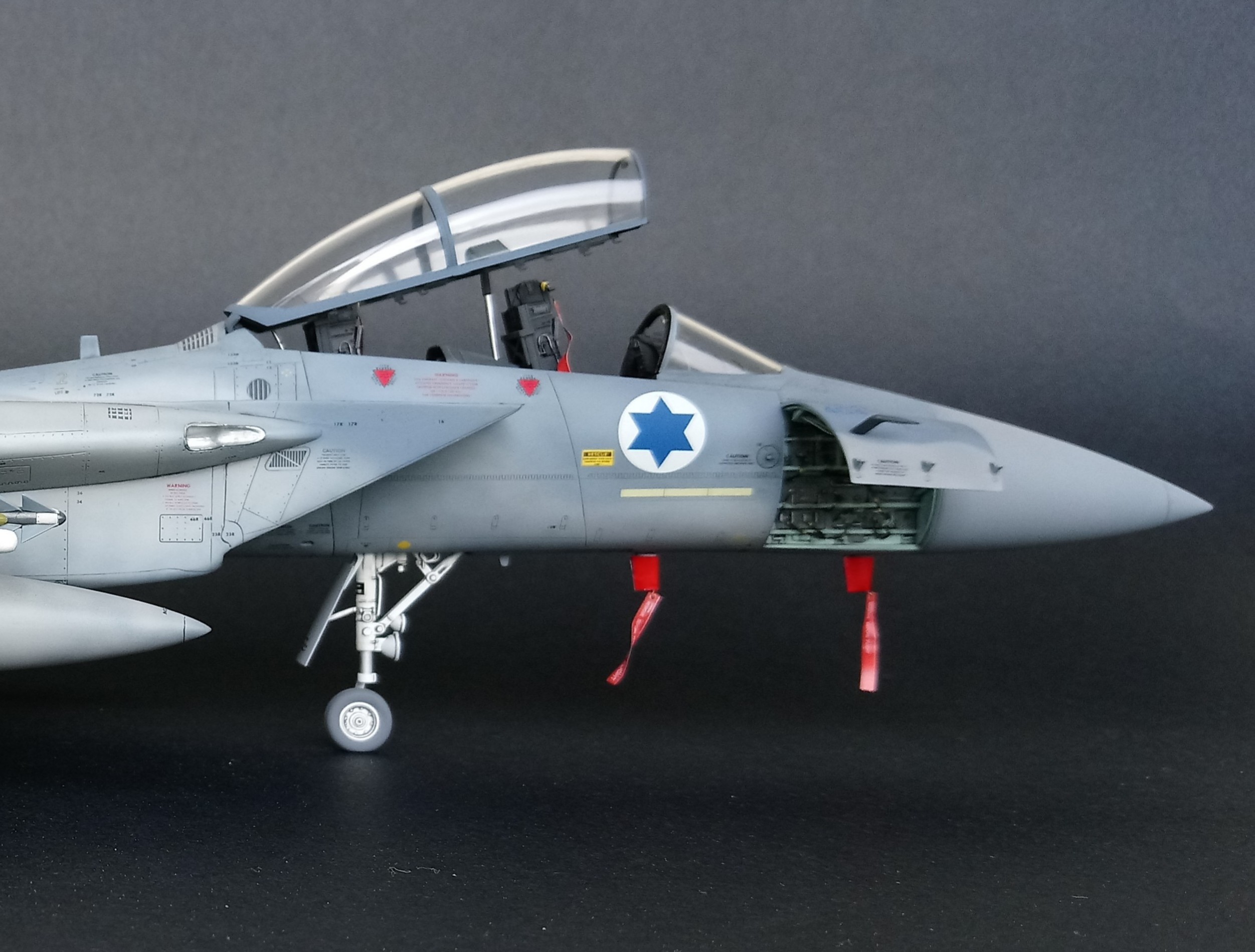
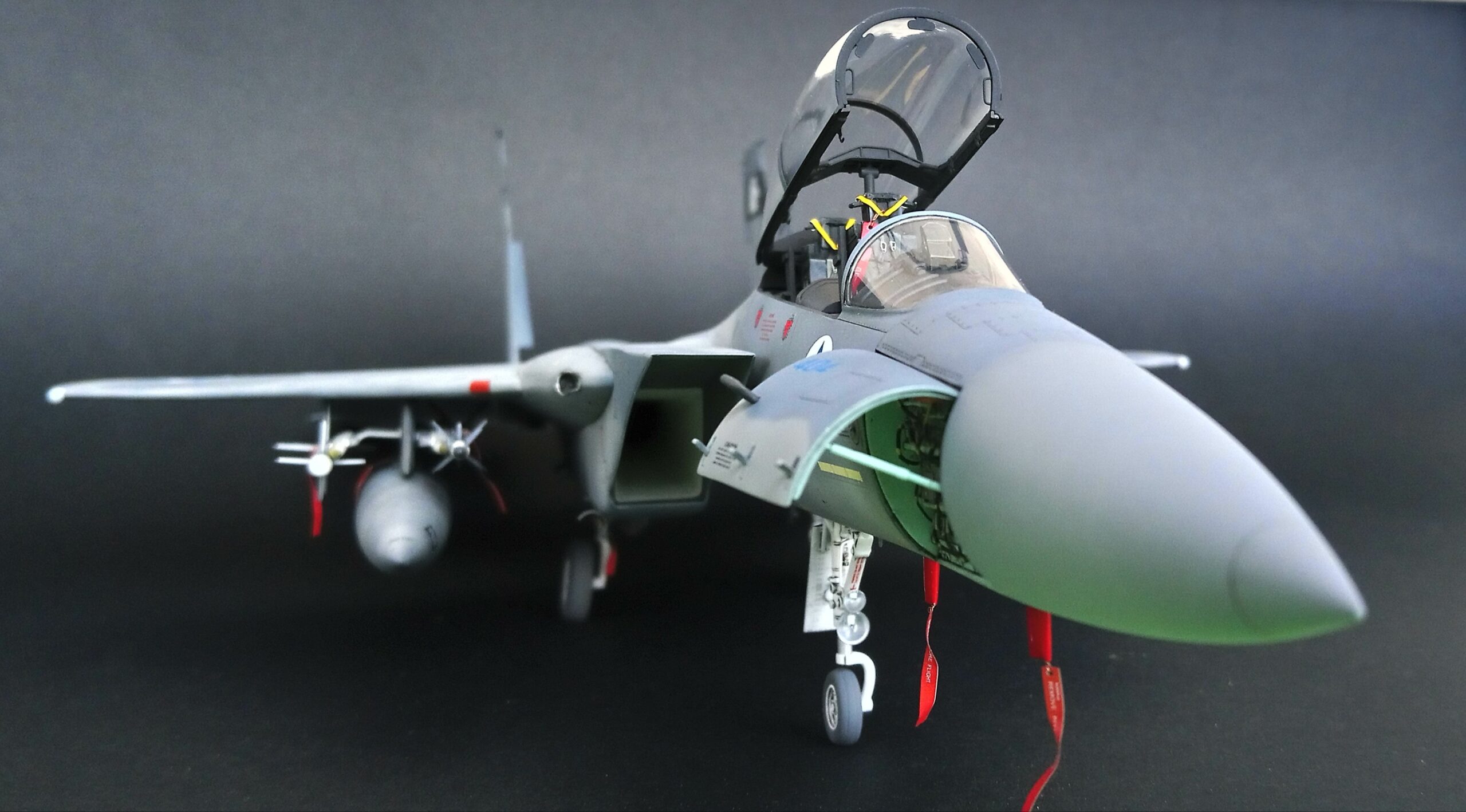
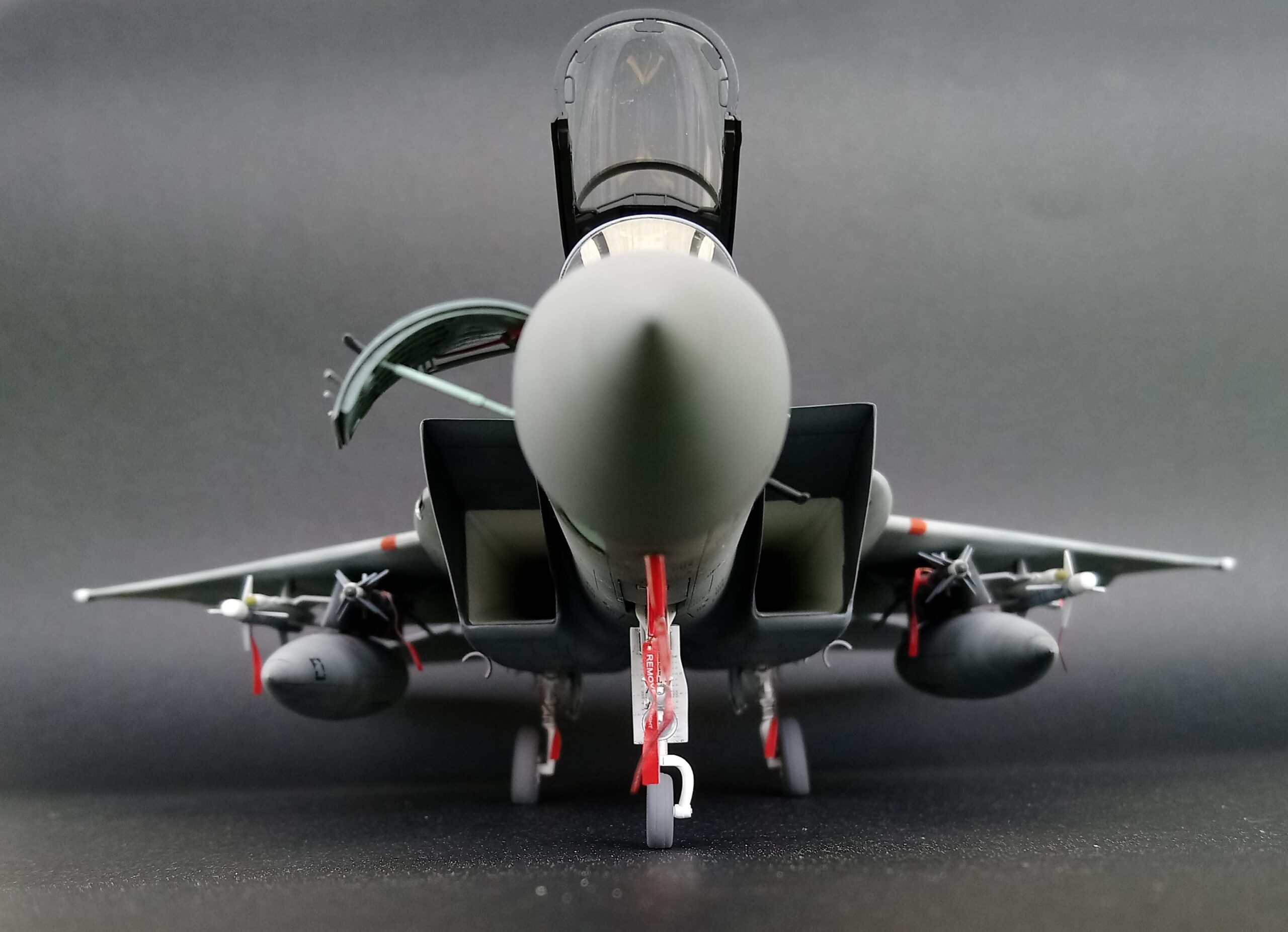
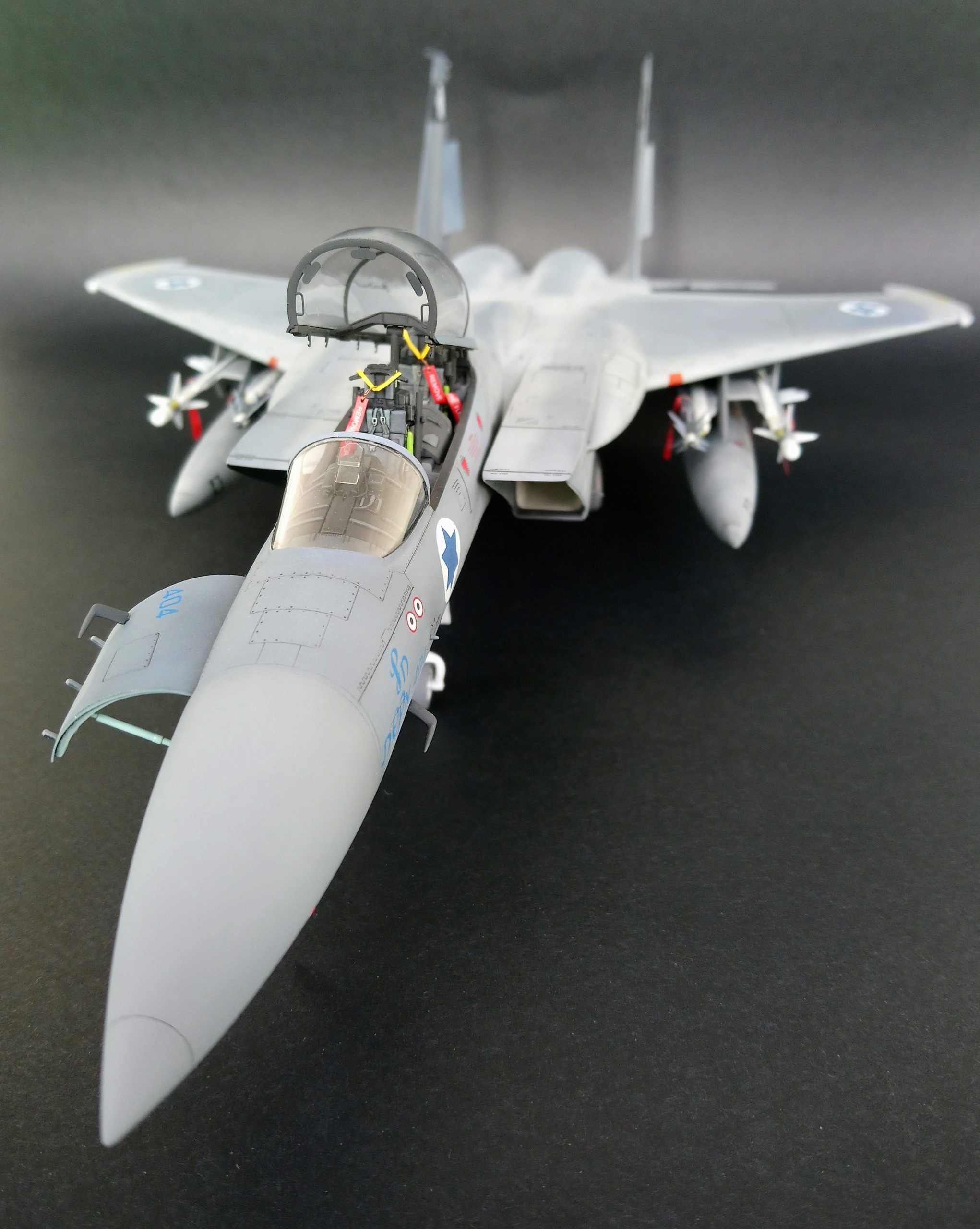
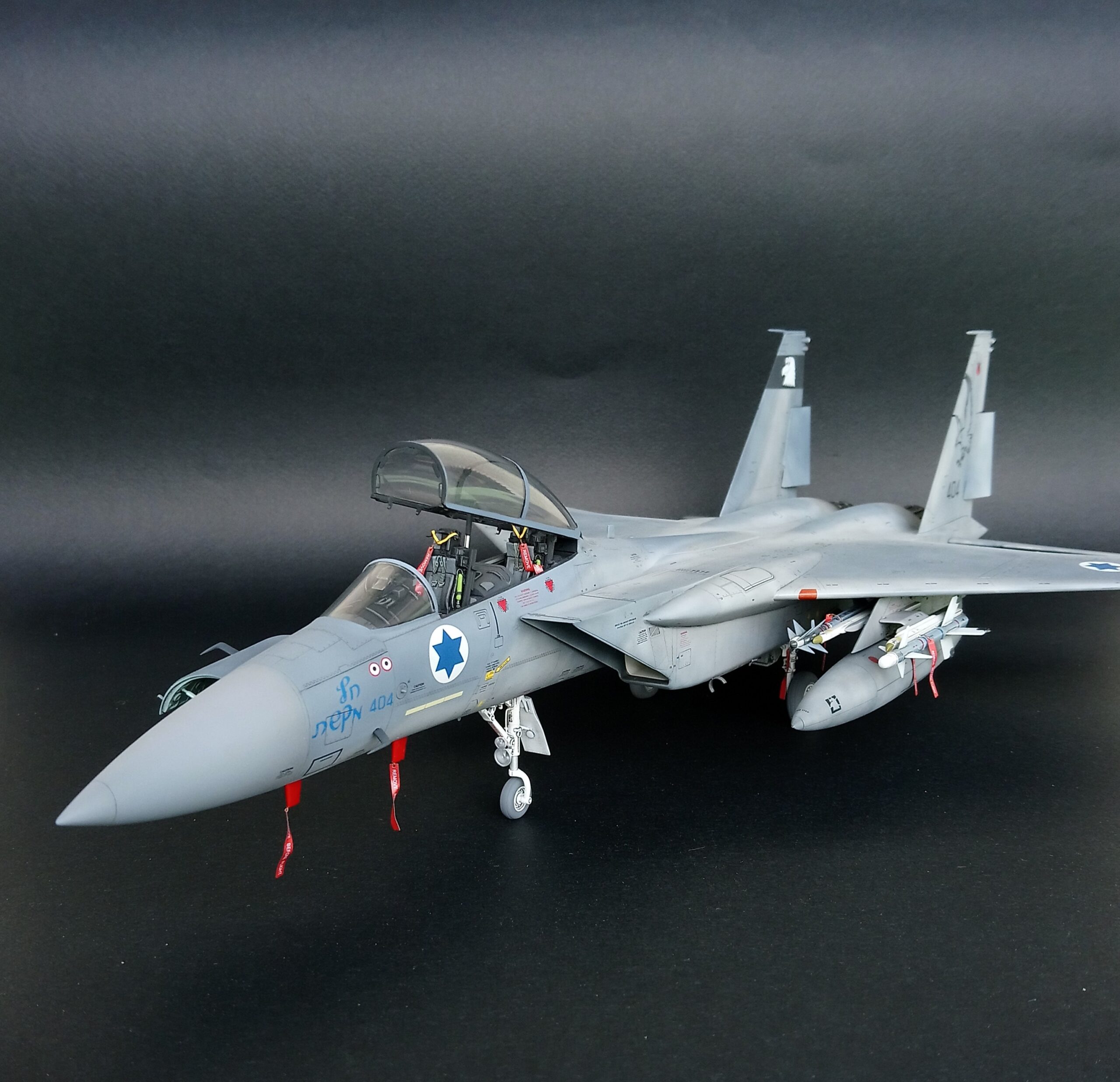
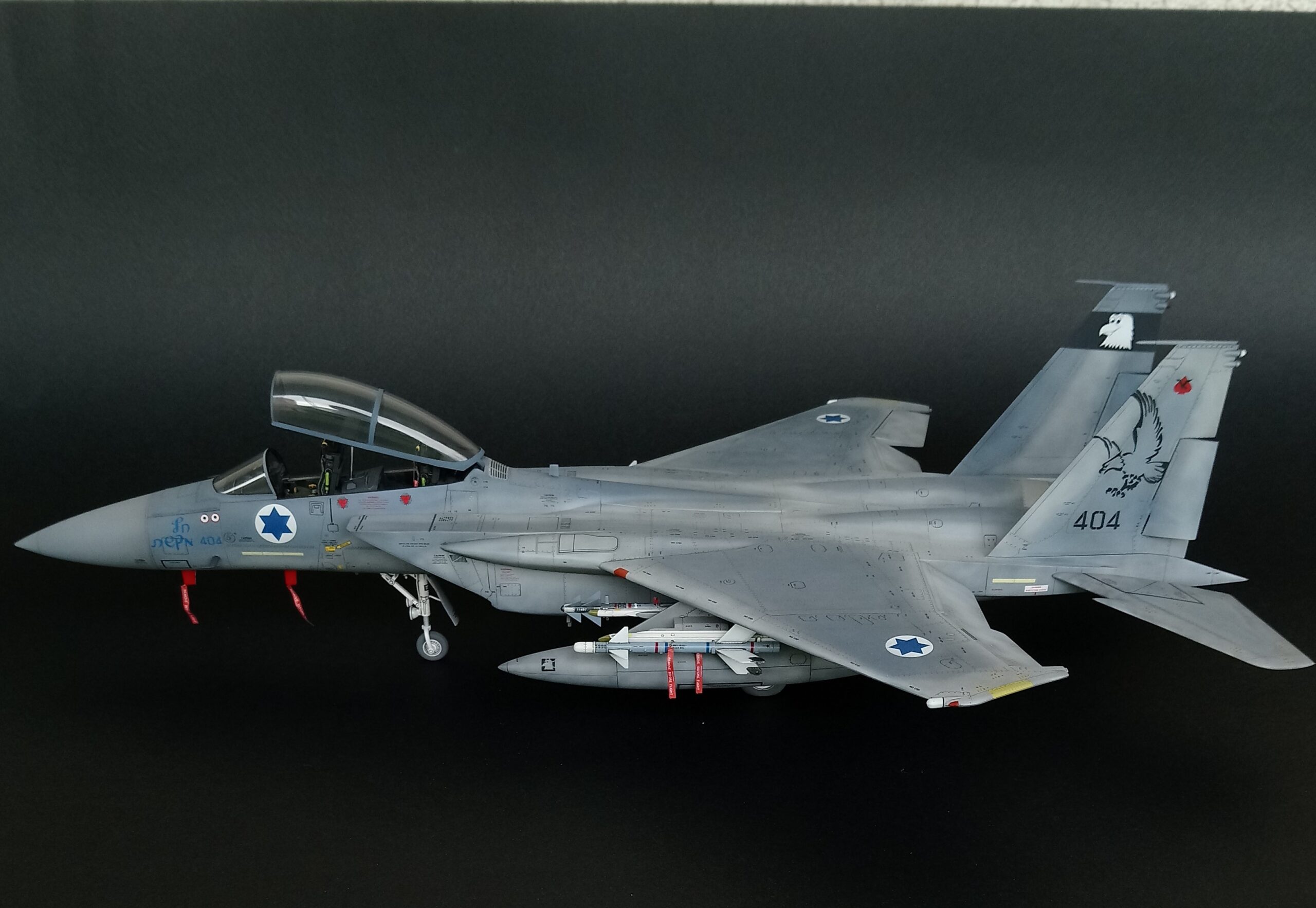
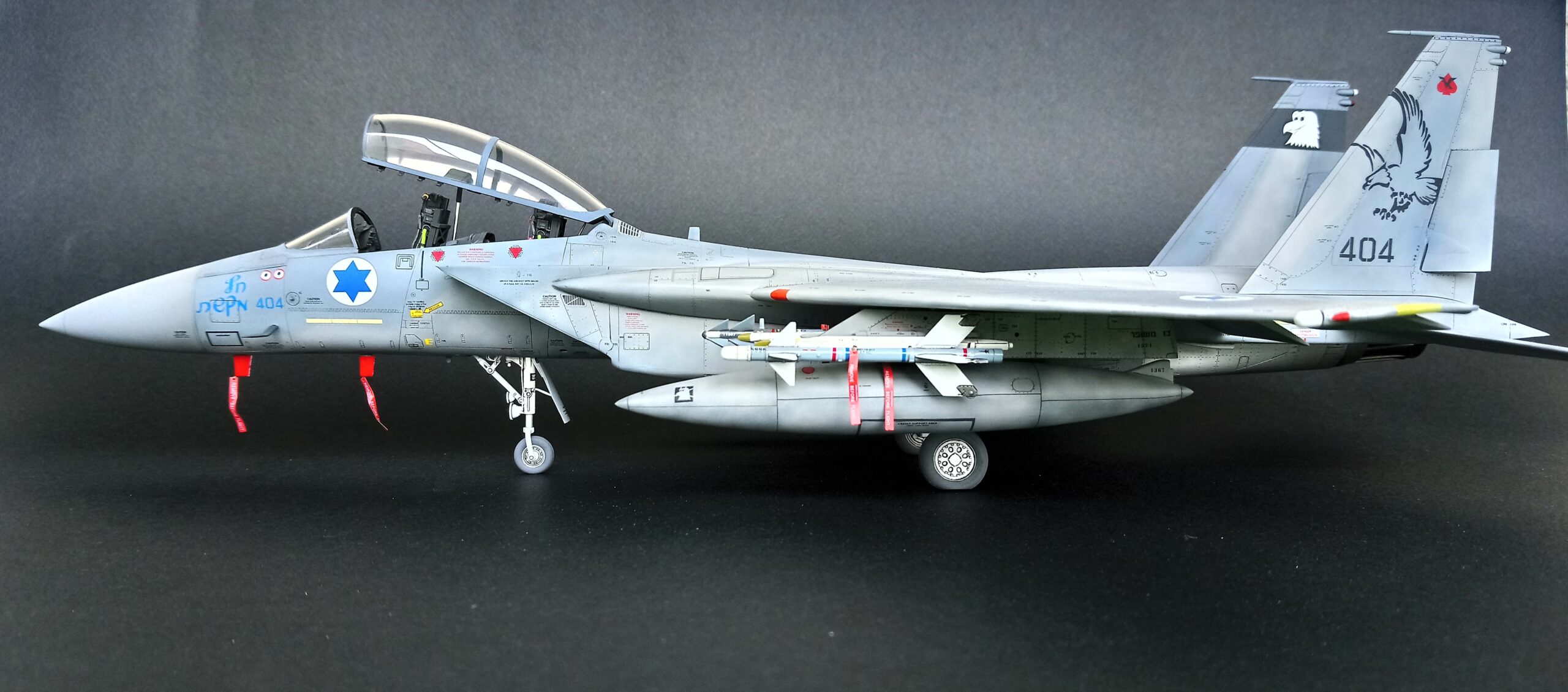
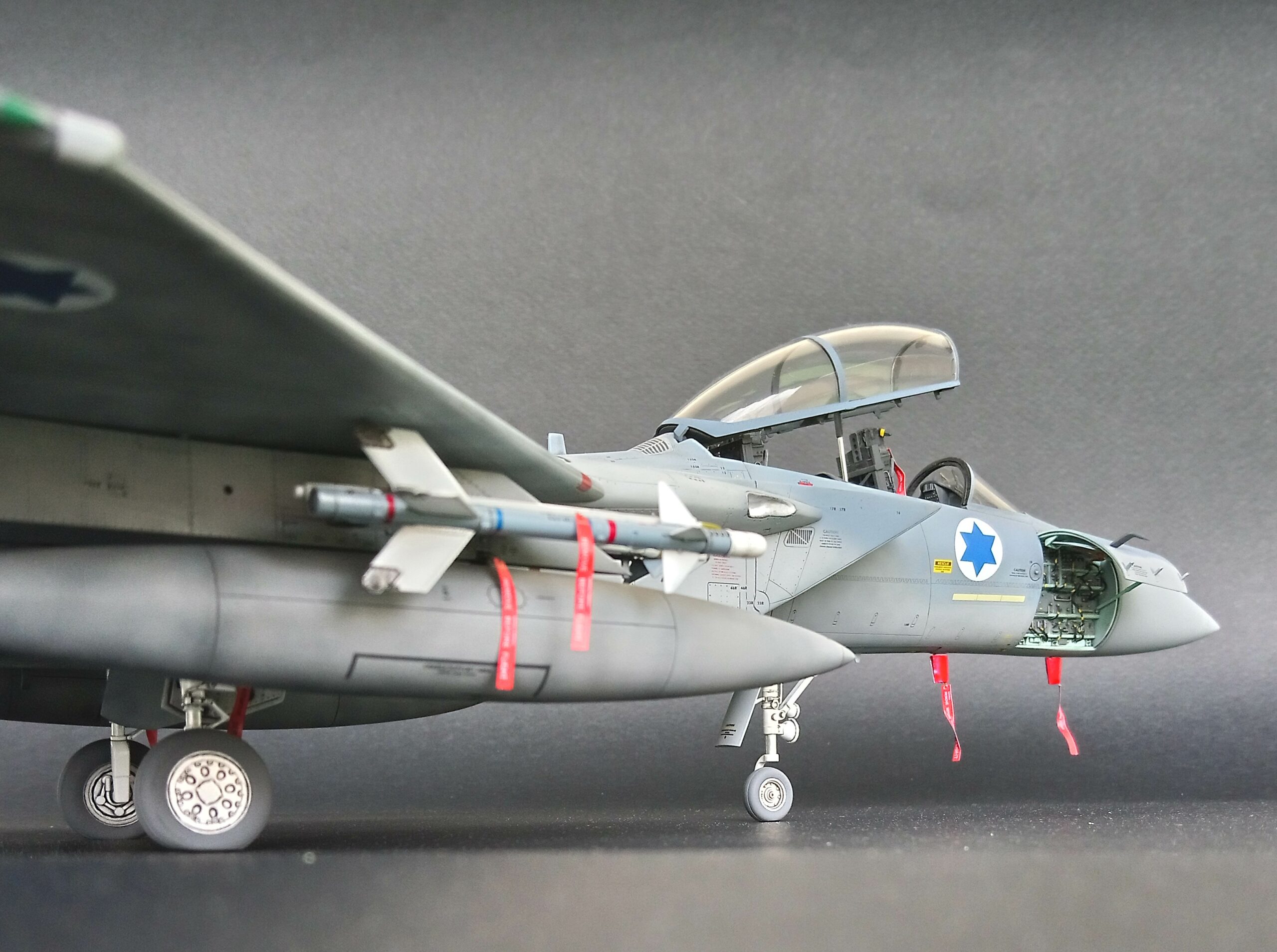
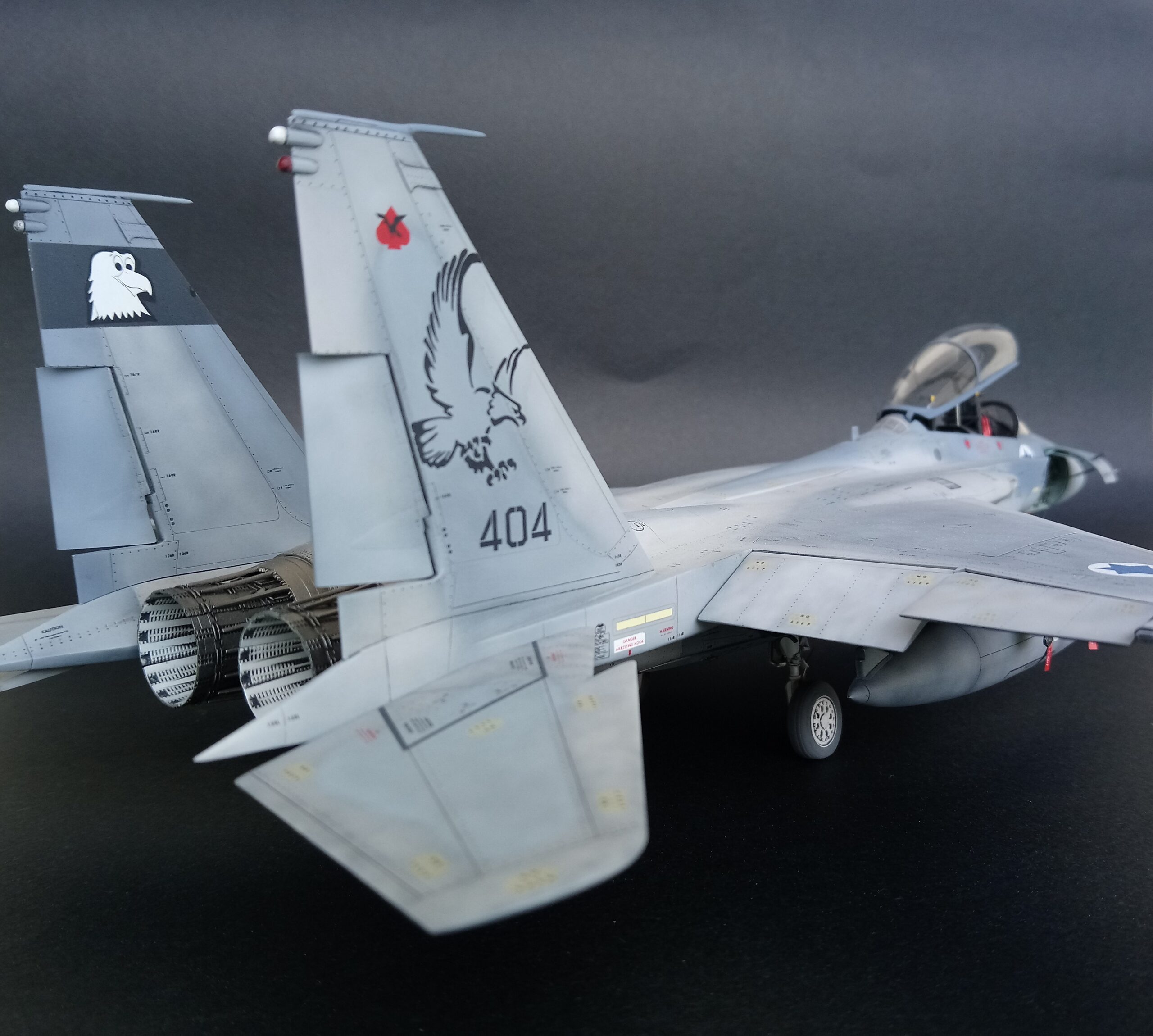
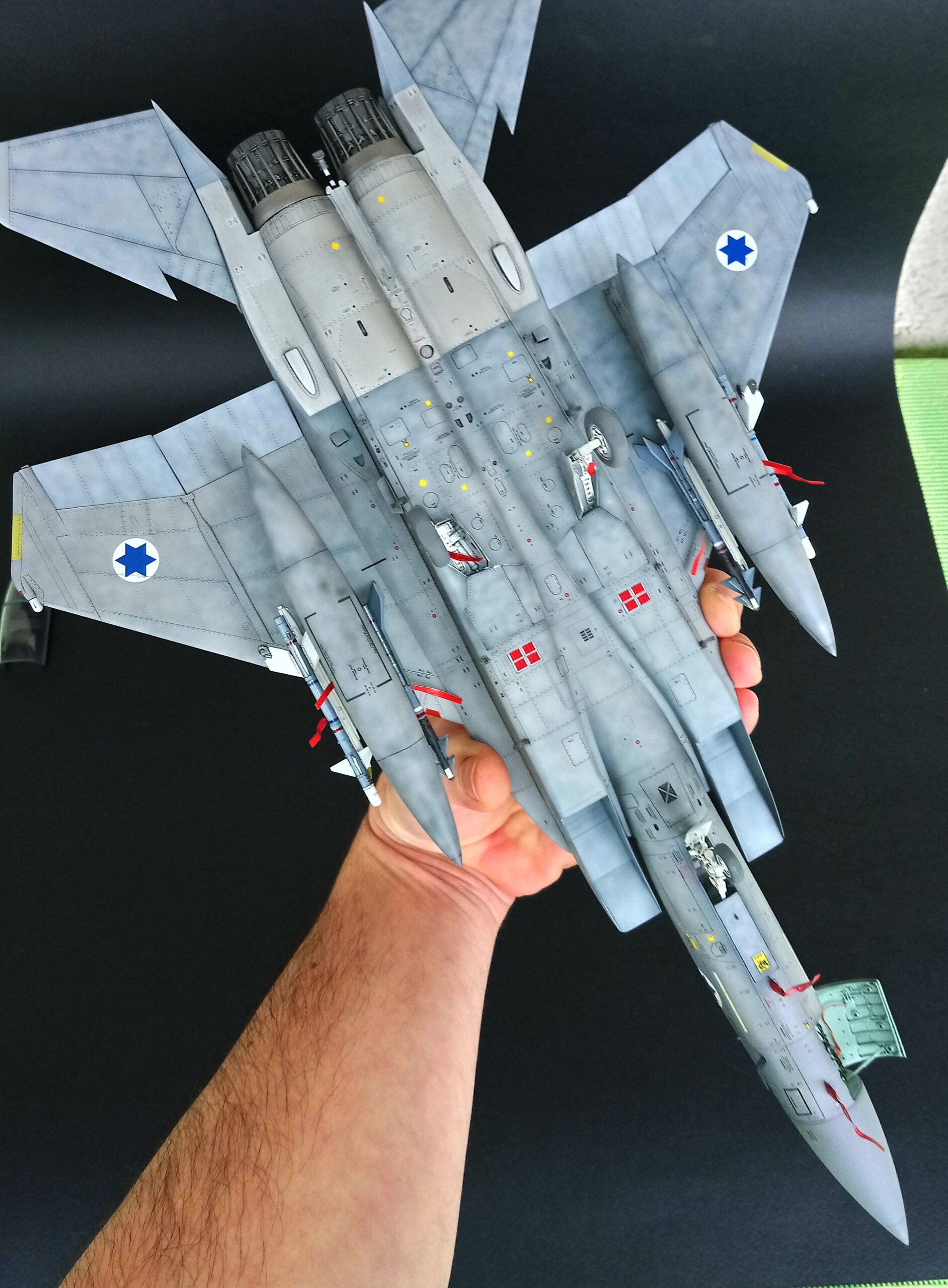
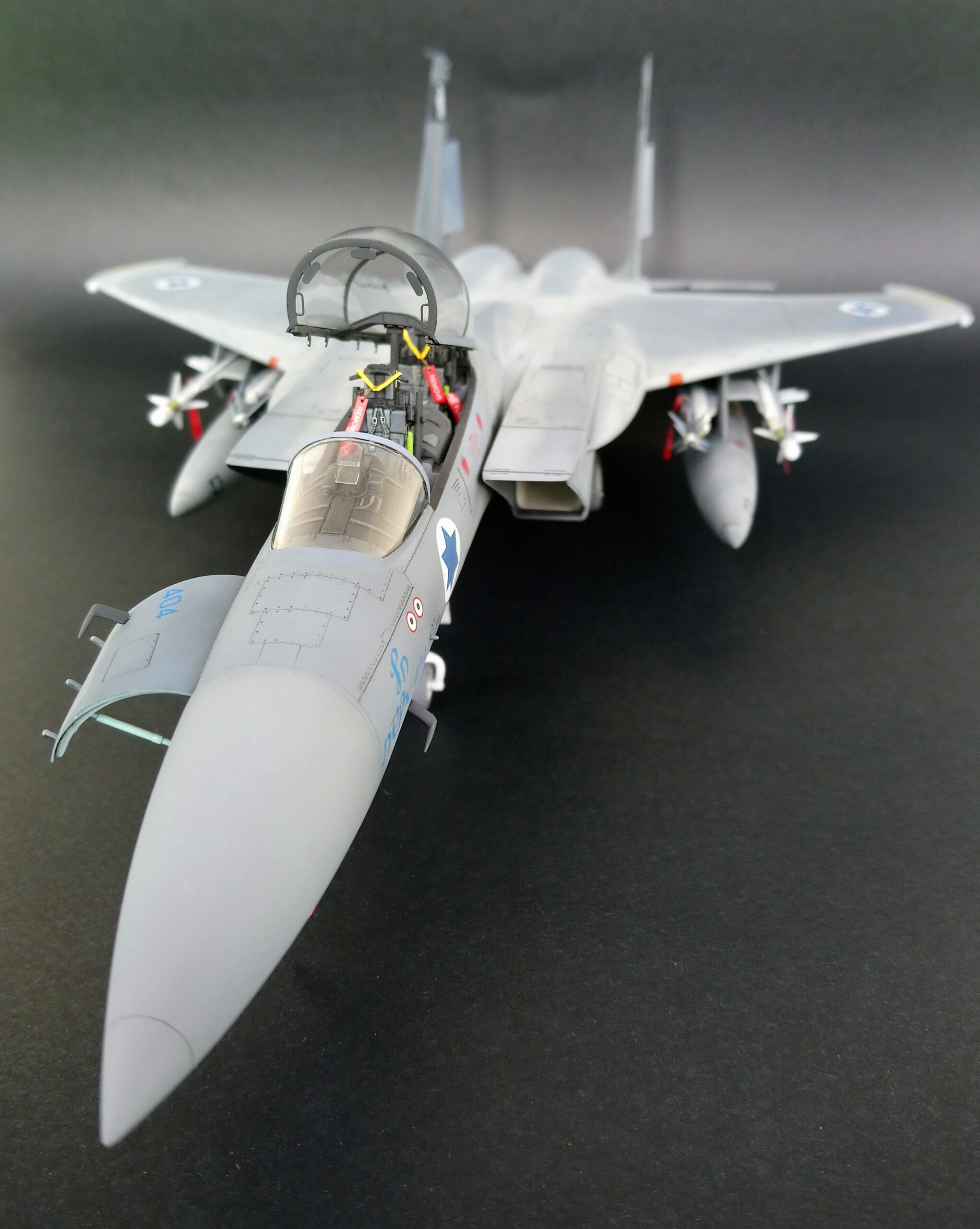
This GModel Art feature presents an Israeli Air Force F-15B Baz built by Stelios Iosifidis, representing an aircraft associated with the Twin Tail Squadron and carrying markings that celebrate its air-to-air victories. The model combines the engineering of the Great Wall Hobby kit with carefully selected aftermarket accessories, distinctive Israeli markings and a finish that highlights the characteristic details of the Eagle.
The Israeli Air Force F-15 Baz
The F-15 Eagle was developed by McDonnell Douglas as a dedicated air-superiority fighter. Its combination of powerful engines, high performance, advanced radar and substantial air-to-air weapons capacity made it one of the most influential combat aircraft of its generation.
Israel became the first international operator of the F-15, with the first aircraft arriving in 1976. Known locally as the Baz, meaning falcon, the Israeli Eagles entered service at a time when air superiority was a major strategic priority. The aircraft subsequently became associated with numerous significant operations and air-combat engagements.
The Israeli F-15 fleet initially included the F-15A and F-15B, followed by the single-seat F-15C and two-seat F-15D. Over time, Israeli-specific modifications and successive upgrades enhanced the aircraft’s operational capabilities. These improvements helped the Baz remain relevant well beyond its original configuration.
The two-seat F-15B is particularly interesting to modellers because it combines the distinctive Eagle airframe with a tandem cockpit. Although it shares the basic design of the single-seat F-15A, its longer forward fuselage and second cockpit give it a recognizably different profile.
The later F-15I Ra’am, meaning thunder in Hebrew, is a separate Israeli-specific derivative of the F-15E Strike Eagle, developed for long-range multirole missions. The Baz and Ra’am belong to the same broader aircraft family, but they should not be confused: the F-15B represented in this build is an F-15 Eagle, not an F-15E Strike Eagle.
Combat History and the Israeli Eagle’s Reputation
Israeli F-15s achieved international recognition through their performance in air-to-air combat. The first confirmed Israeli F-15 air-to-air victory came in 1979, and Israeli Eagles subsequently participated in engagements involving several types of opposing combat aircraft.
The aircraft’s performance, radar and weapons systems gave Israeli pilots a formidable platform for beyond-visual-range interception as well as close-range combat. The F-15’s large airframe, twin-engine configuration and powerful acceleration also contributed to its enduring reputation.
The Israeli fleet later expanded beyond the original air-superiority mission. Upgraded Baz aircraft acquired additional capabilities, while the F-15I Ra’am introduced a purpose-built strike platform based on the F-15E design.
For scale modellers, this operational history offers a wide range of subjects, from early F-15A and F-15B aircraft to later upgraded Eagles carrying distinctive squadron markings and victory symbols. Correctly identifying the individual aircraft, its variant and the period represented is essential when selecting decals and finishing details.
Building the F-15B Baz Twin Tail Squadron Model
Stelios Iosifidis chose the Great Wall Hobby F-15B/D kit as the basis for this Israeli Air Force project. The model was constructed essentially out of the box, with a small number of aftermarket additions used to enhance specific areas.
The Great Wall Hobby kit provides the foundation for the characteristic proportions and external details of the Eagle. The builder retained the kit’s basic configuration while concentrating additional work on the cockpit area, finishing and markings.
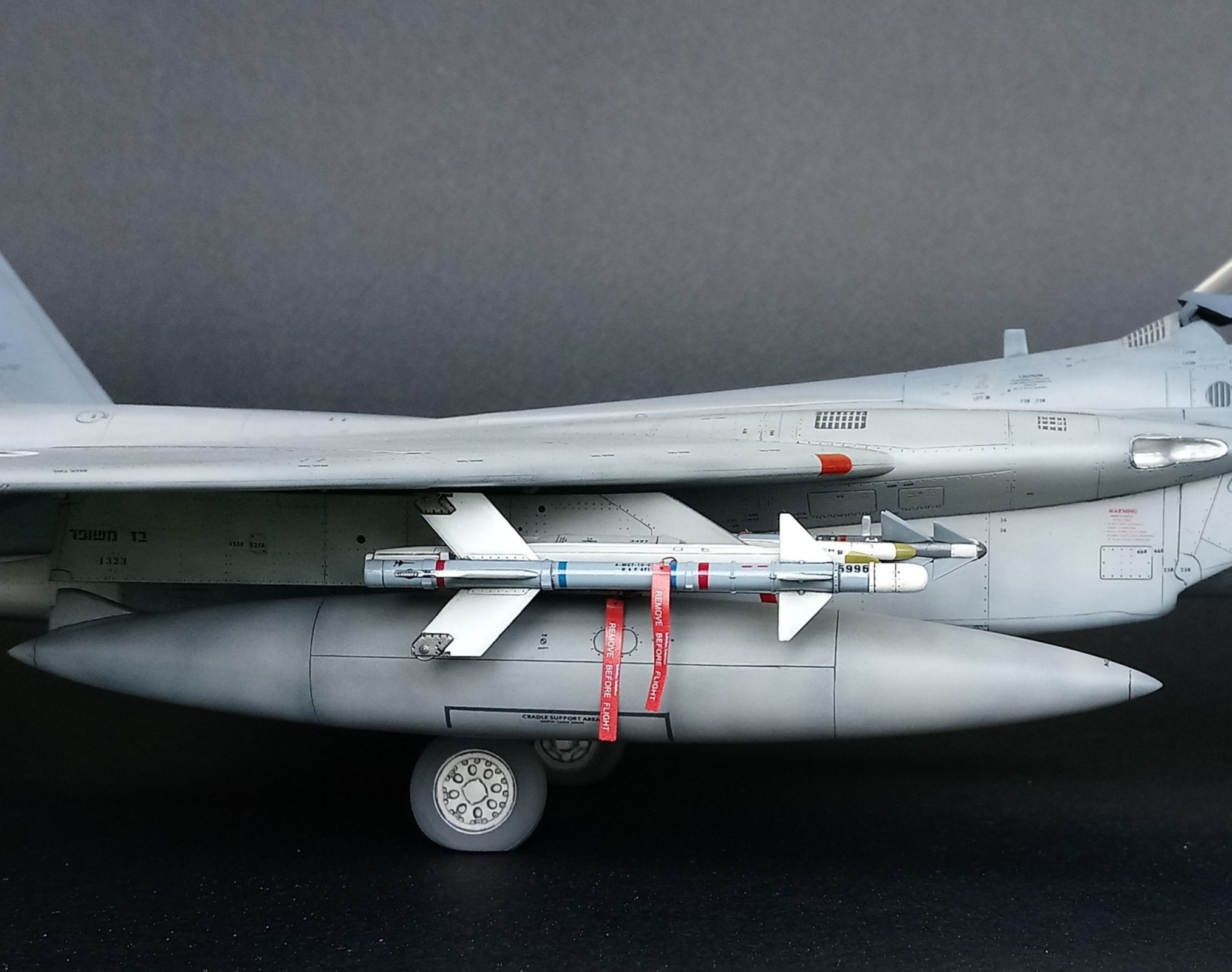
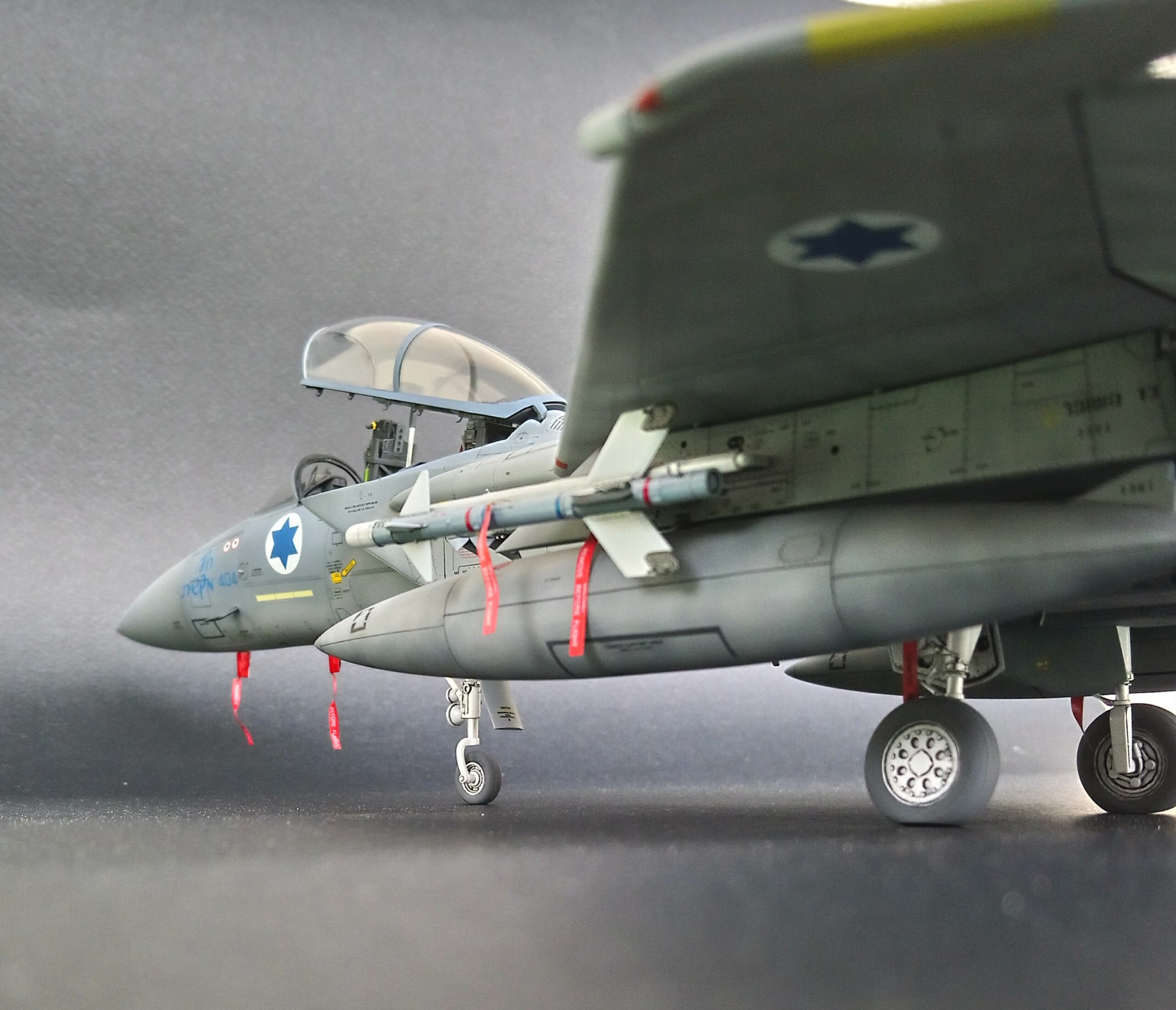
The aftermarket additions included Aires ejection seats, Eduard Remove Before Flight accessories and a Skies Decals sheet for the Israeli markings. Together, these elements help give the finished model a more individual character without requiring an extensive conversion or a complete set of replacement components.
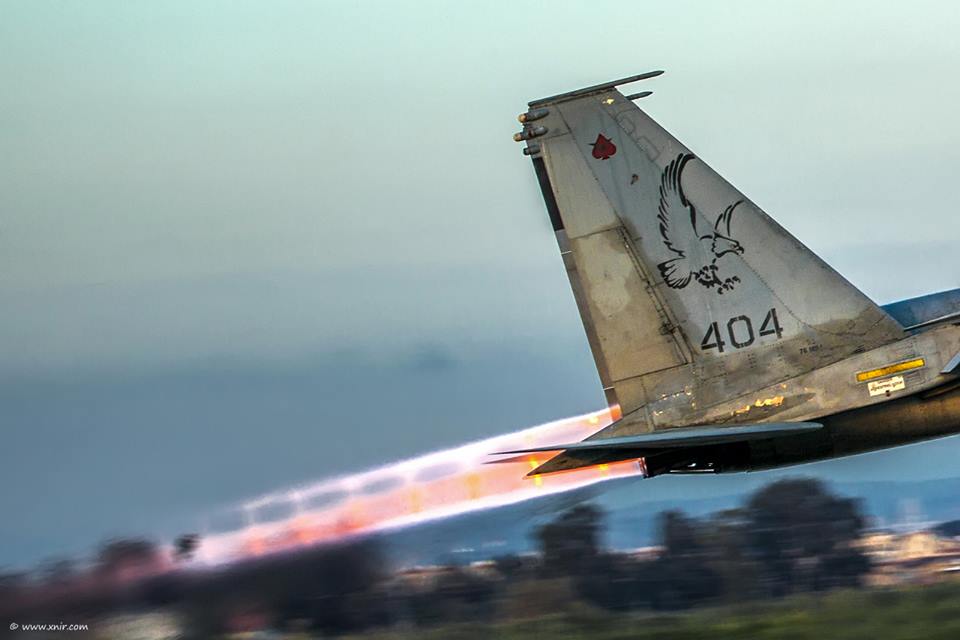
The aircraft is presented as an Israeli F-15B associated with the Twin Tail Squadron, with two credited aerial victories represented on the model. The aircraft’s reported nickname, “Arrow from Bow,” adds another personal detail to this particular subject.
The combination of Israeli insignia, squadron identity and victory markings makes this build more than a generic representation of an F-15. It captures a specific interpretation of the Israeli Eagle and illustrates how carefully selected decals can define the character of a scale aircraft.
Paints, Metallic Finishes and Weathering
Gunze acrylic paints were used for the principal paintwork. Metallic surfaces were finished using the Model Master Metalizer range, providing a contrasting treatment for the appropriate metallic areas.
The weathering was completed with Winsor & Newton oil paints, allowing the builder to add depth and definition to selected panel lines and surface details. Gloss and matt varnishes from the same manufacturer were used to establish the final surface finish.
The combination of acrylic base colours, metallic finishes and oil washes is a practical approach to aircraft modelling. Each material serves a different purpose: the base coats establish the overall appearance, the metallic paints reproduce selected metal surfaces, and the oil washes help emphasize structural detail.
When reproducing an Israeli F-15B, the precise colour arrangement should be checked against references for the individual aircraft and period. Later upgrades, operational use and maintenance can produce differences in appearance, so a model should not automatically be finished according to the scheme of a different F-15 variant.
The final finish should also balance panel definition with the overall appearance of the real aircraft. Subtle weathering is generally more convincing than uniformly dark panel lines or exaggerated staining across every surface.
Model Details and Materials
| Component | Details |
|---|---|
| Aircraft | McDonnell Douglas F-15B Baz |
| Operator | Israeli Air Force (IAF) |
| Squadron association | Twin Tail Squadron |
| Base kit | Great Wall Hobby (GWH) F-15B/D |
| Construction | Primarily out of the box |
| Ejection seats | Aires aftermarket set |
| Remove Before Flight accessories | Eduard |
| Decals | Skies Decals |
| Main paints | Gunze acrylics |
| Metallic finish | Model Master Metalizer |
| Weathering | Winsor & Newton oils |
| Varnishes | Winsor & Newton gloss and matt |
Final Thoughts
This Israeli Air Force F-15B Baz by Stelios Iosifidis demonstrates how a well-chosen kit, selective aftermarket accessories and a considered finishing process can produce a distinctive scale aircraft.
The Great Wall Hobby kit provides the starting point, while the Aires seats, Eduard accessories and Skies Decals help define the individual aircraft. The combination of Gunze acrylics, Model Master metallic finishes and Winsor & Newton oil weathering completes the presentation.
For modellers interested in modern military aviation, Israeli Air Force markings and the history of the F-15 Eagle, this build offers an appealing subject that connects the technical features of the aircraft with its operational identity.
Explore more aircraft builds, historical aviation features and scale modelling guides on GModel Art, where aviation history meets the craft of scale modelling.
F-15E Strike Eagle By:Steve Bowe