article
F4U Corsair Hondureña (FAH): The 1969 Football War and the Last Piston-Engine Fighter Battles
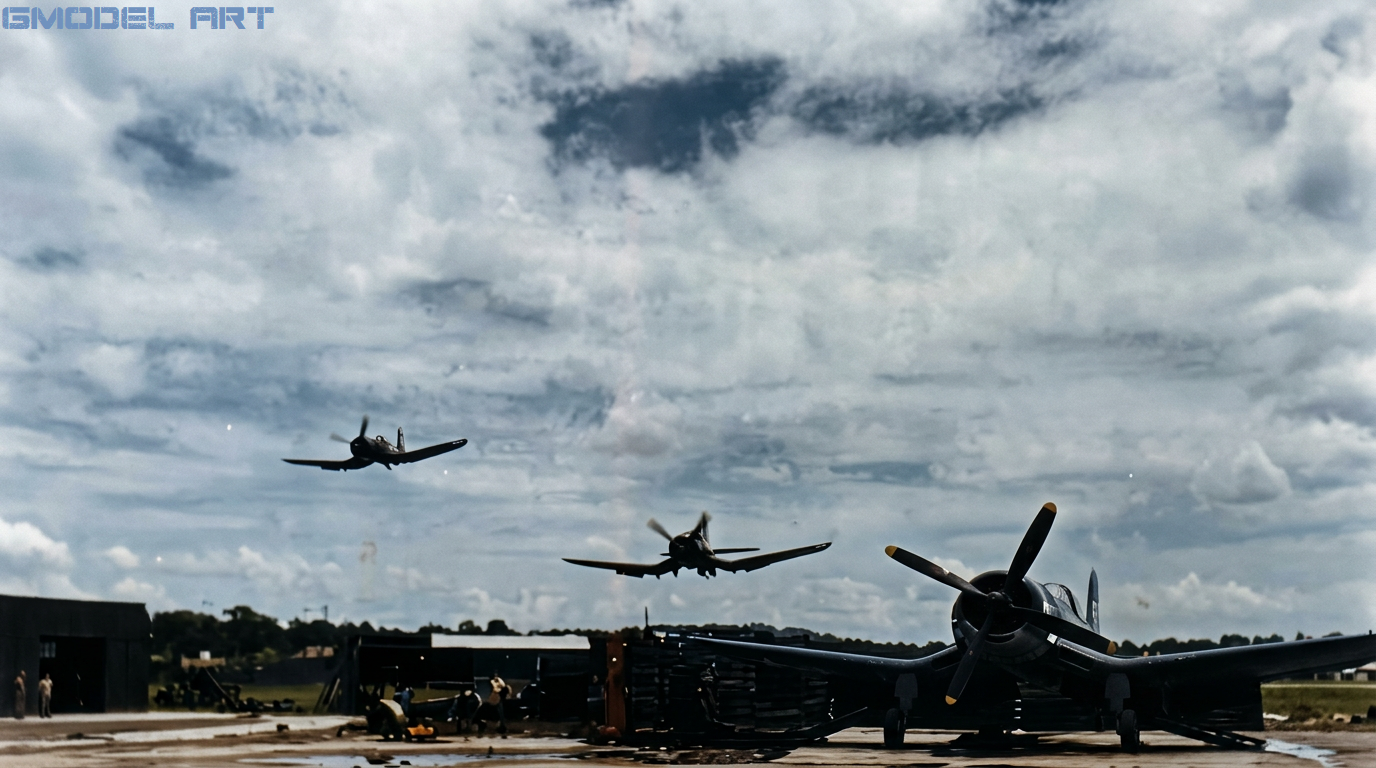
The Vought F4U Corsair was one of the most recognizable fighter aircraft of World War II and the Korean War. Its distinctive inverted gull wings, powerful Pratt & Whitney R-2800 radial engine, and impressive performance made it one of the most successful naval fighters of its era. Yet the Corsair’s operational career continued long after jet fighters had begun to dominate military aviation.
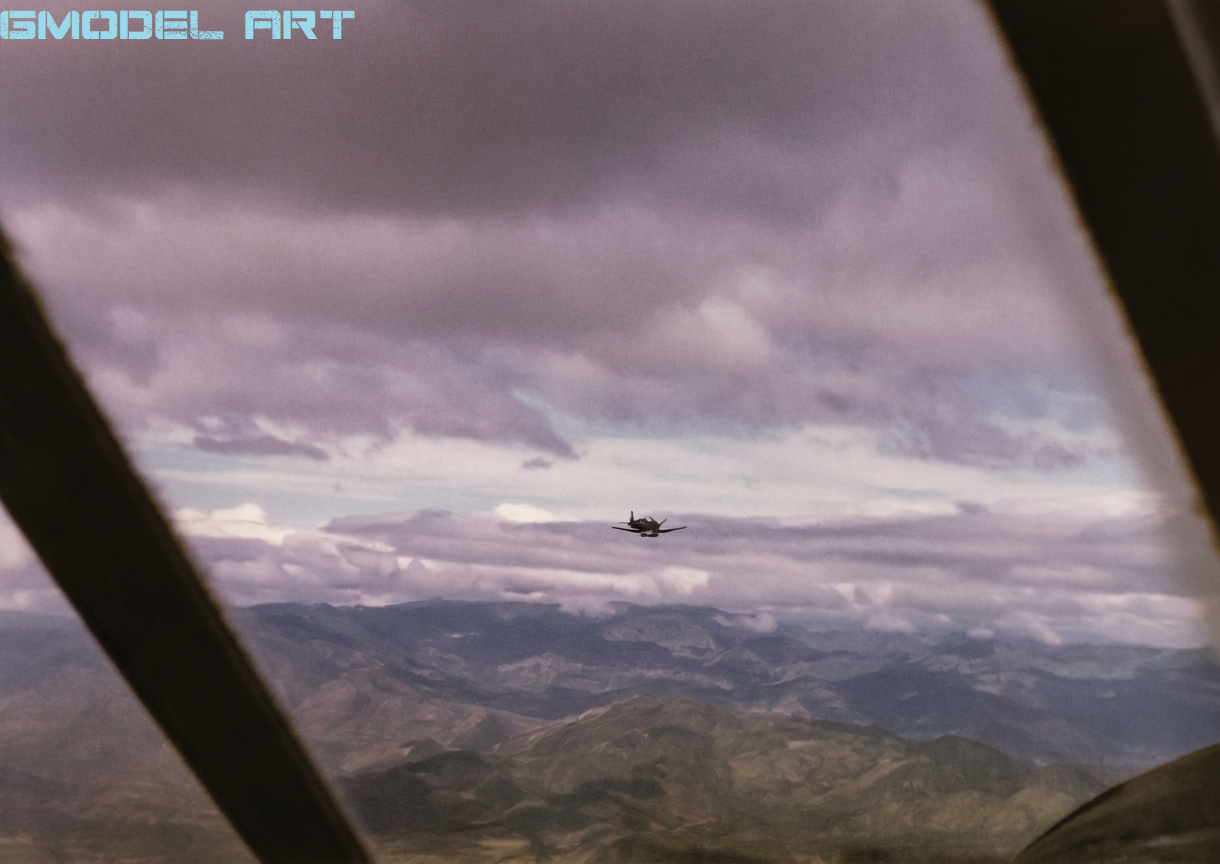
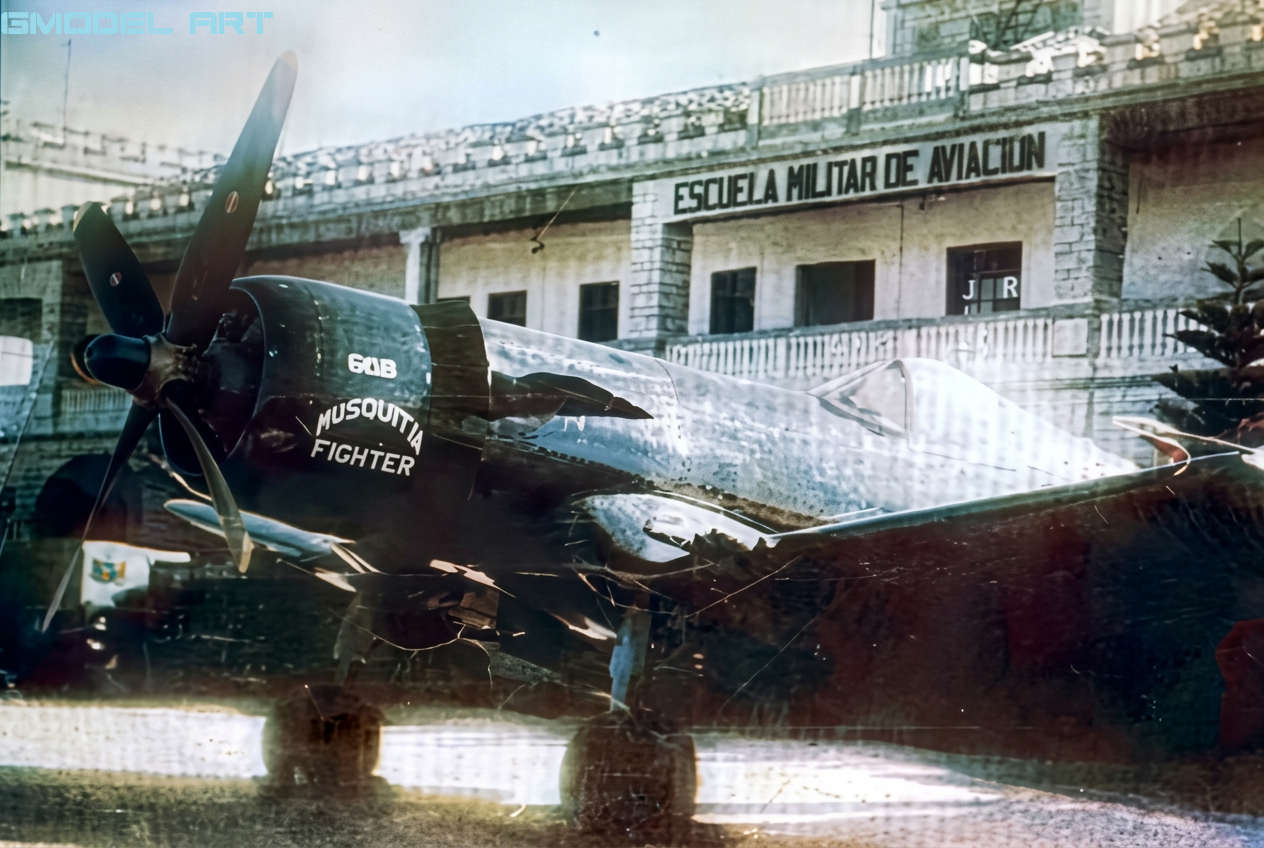
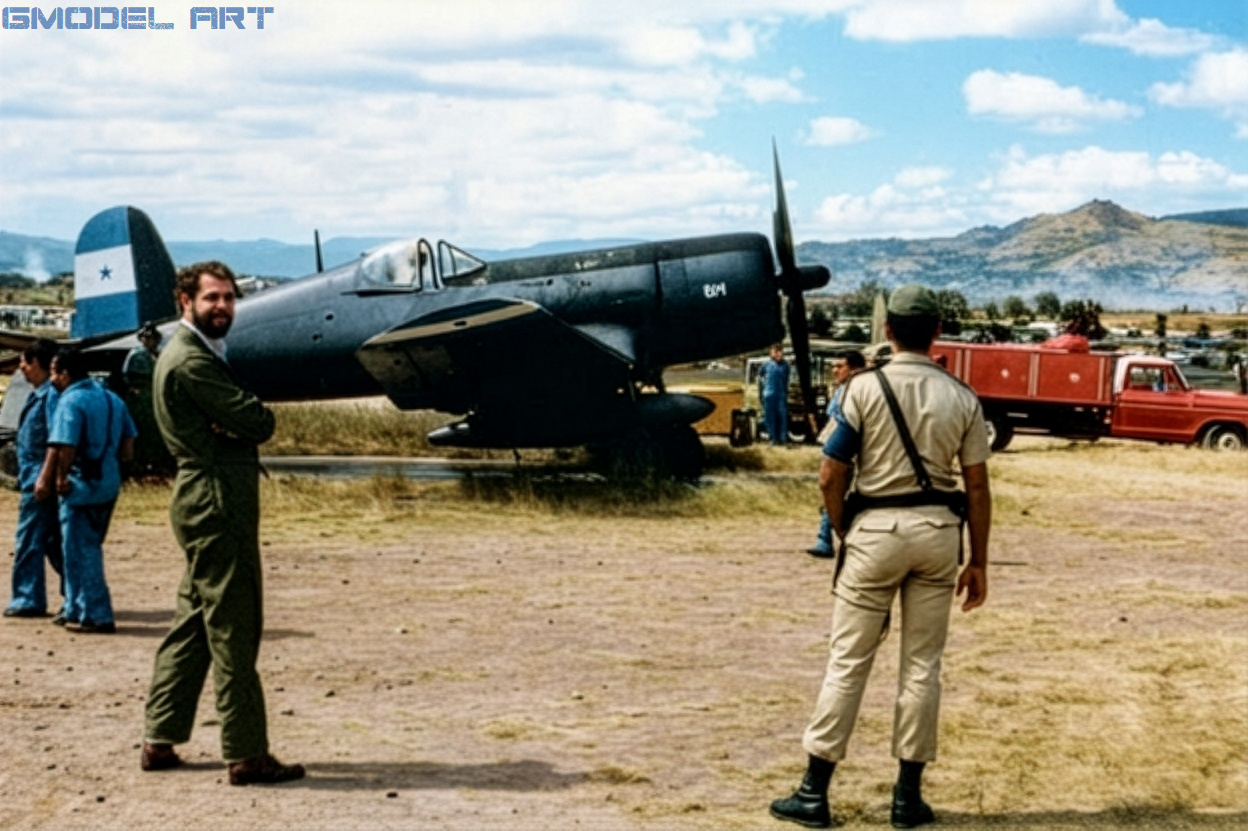
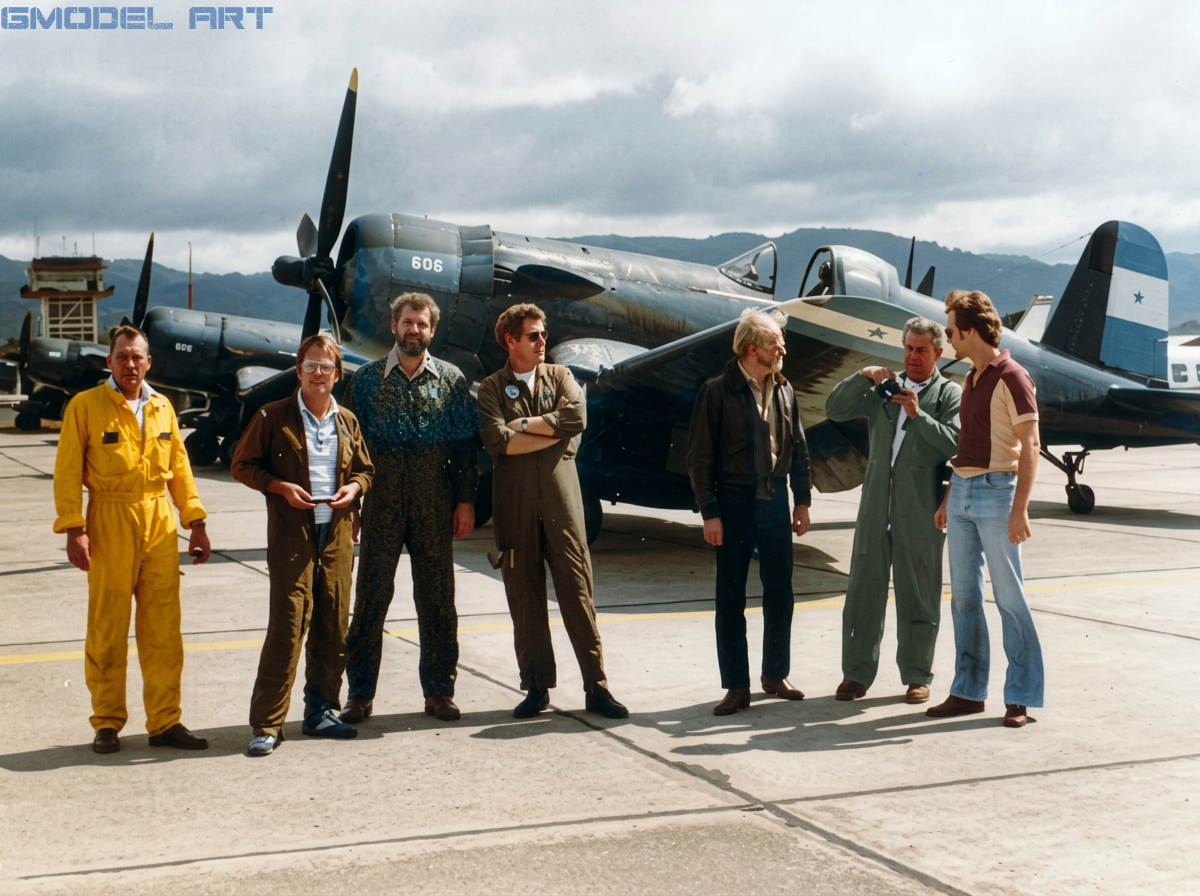
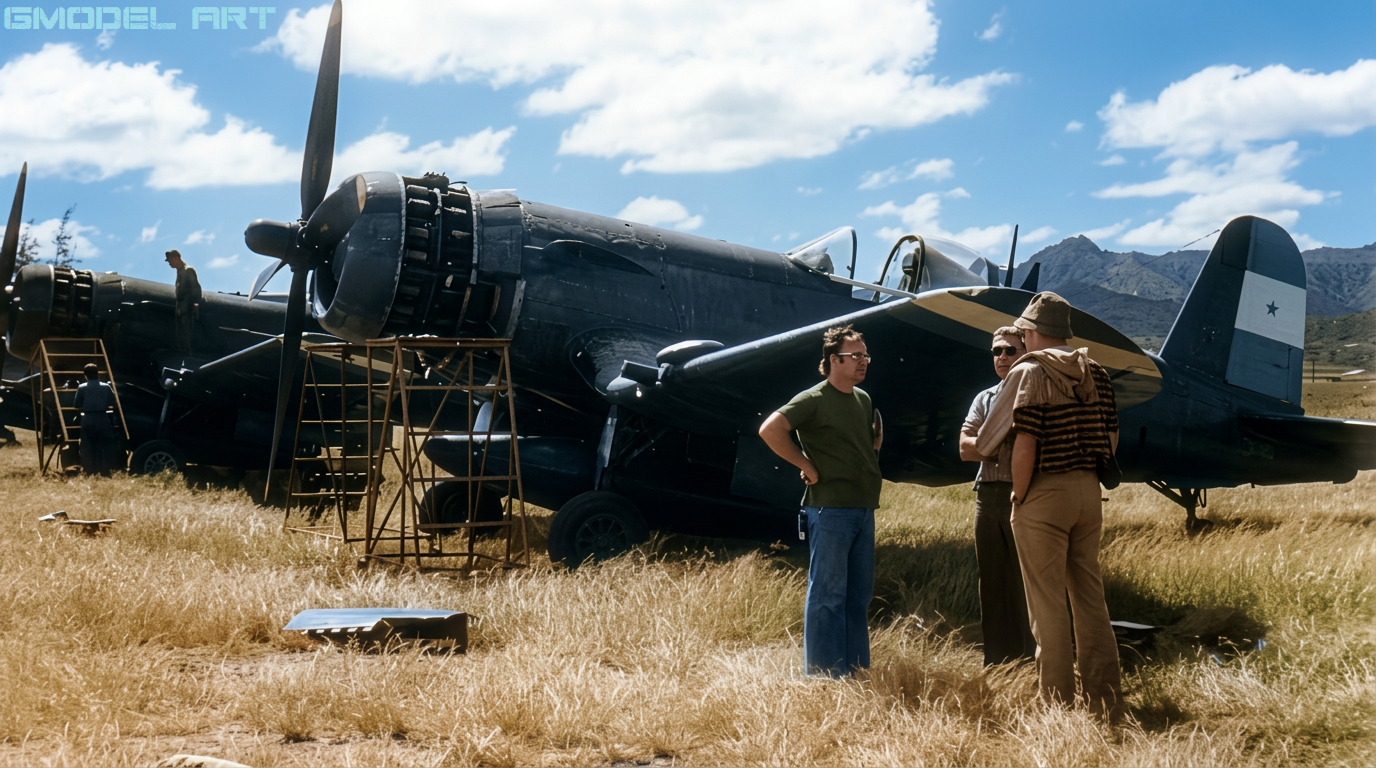
In Central America, the Fuerza Aérea Hondureña (FAH), the Honduran Air Force, continued operating these veteran aircraft into the late 1970s. Their most famous combat episode came during the July 1969 conflict between Honduras and El Salvador, internationally known as the Football War, or the Hundred Hours’ War.
The conflict began on 14 July 1969, when El Salvador launched military operations against Honduras. Fighting continued for several days, with a ceasefire taking effect on 18 July. Although the football matches between the two countries’ national teams during the qualifying campaign for the 1970 FIFA World Cup helped bring international attention to their tensions, the underlying causes included migration, land ownership, economic inequality, and longstanding political disputes.
For aviation historians and scale modellers, the conflict represents a remarkable late chapter in the history of piston-engine combat aircraft. Both air forces employed aircraft originally developed during World War II, resulting in some of the last widely recognized air-to-air engagements between piston-engine fighters.
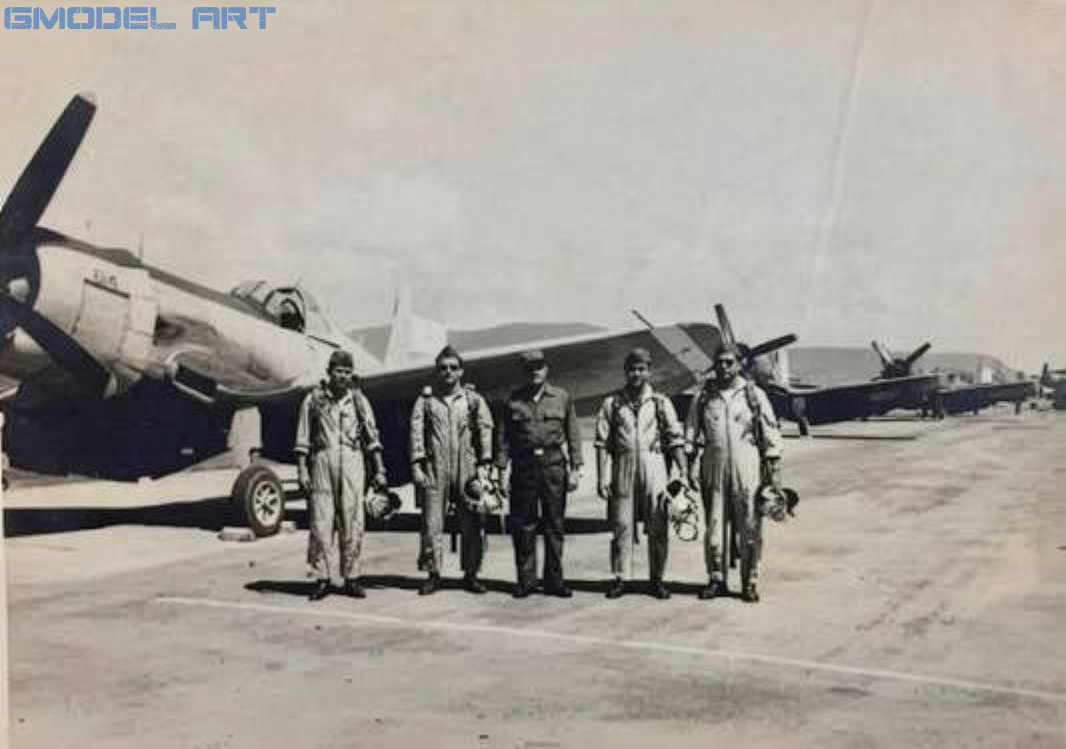
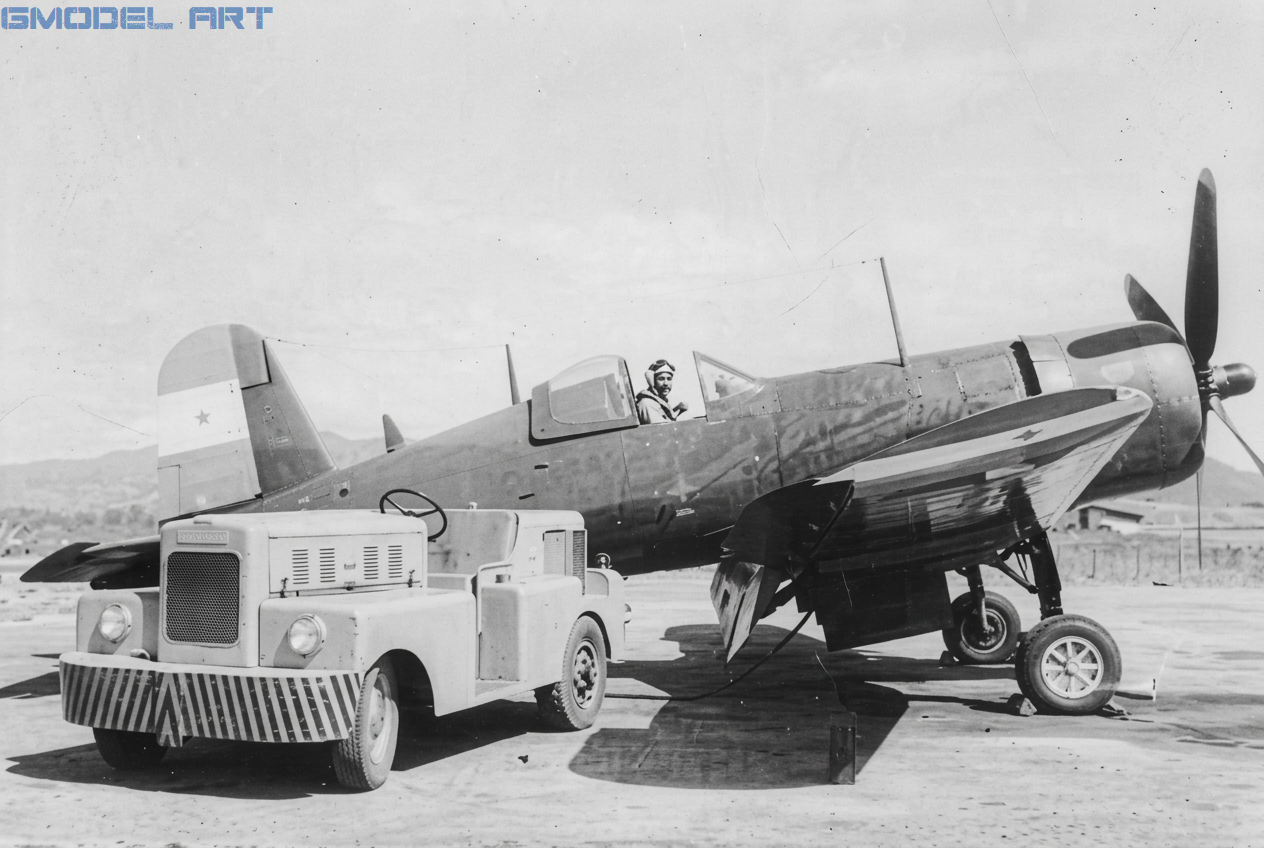
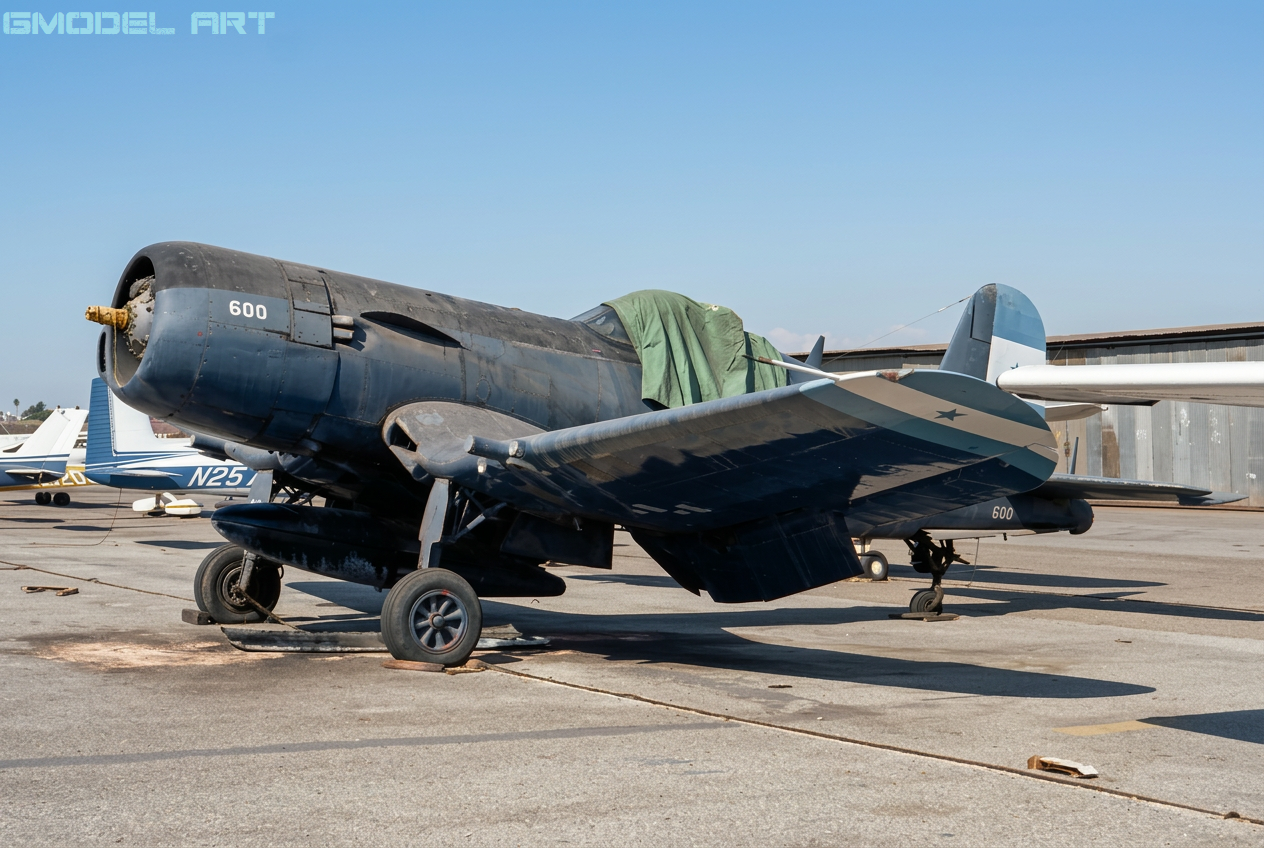
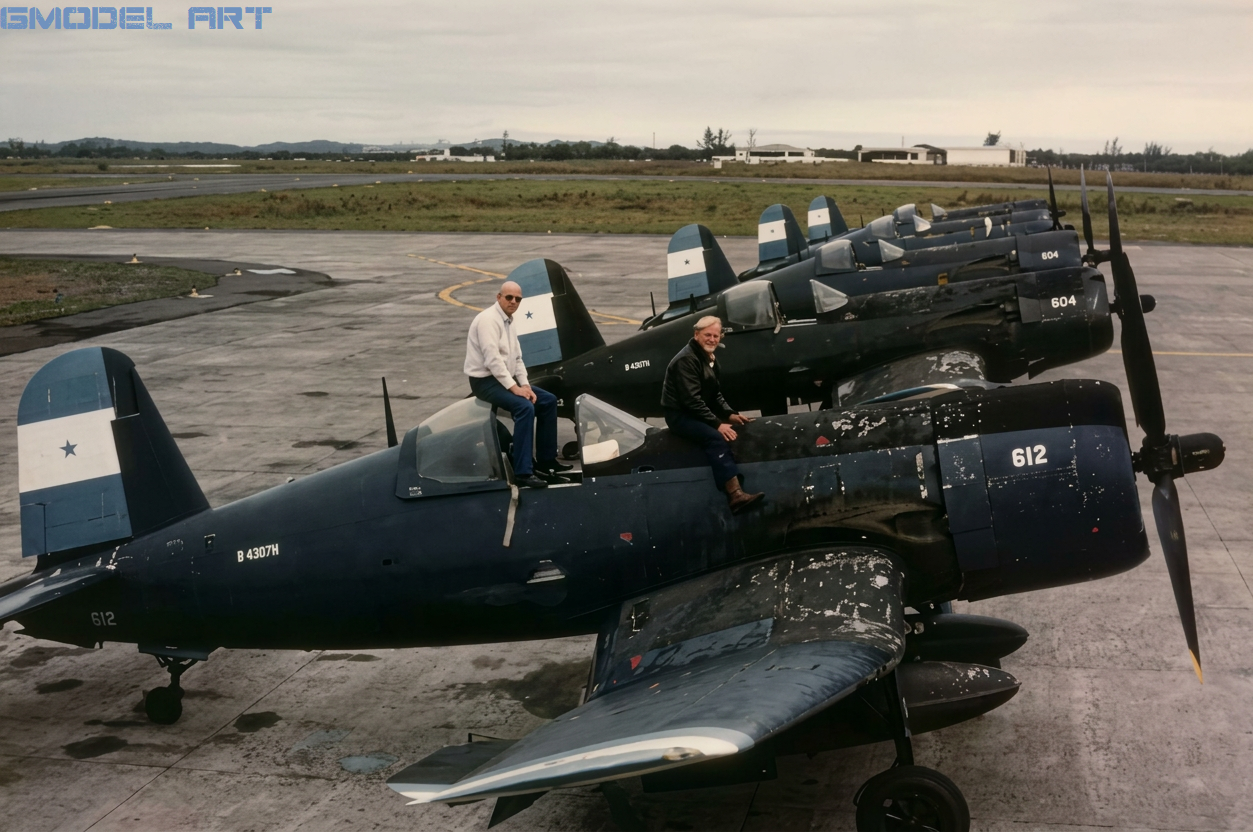
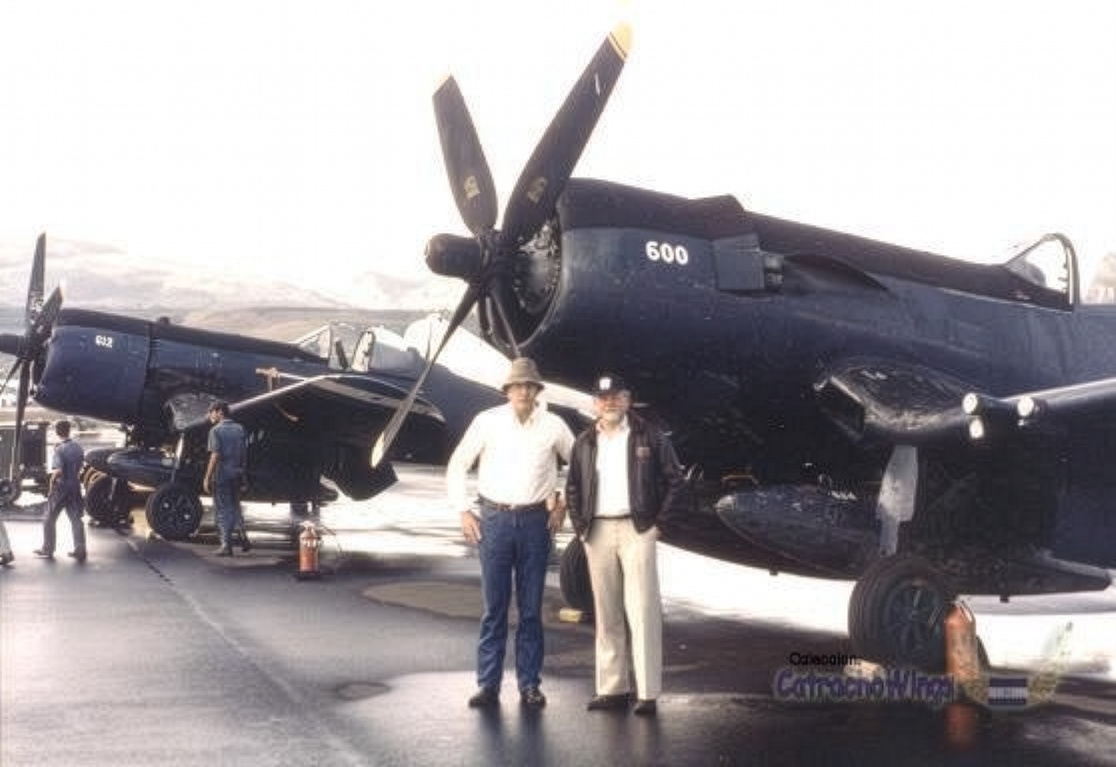
The Honduran Corsair Fleet
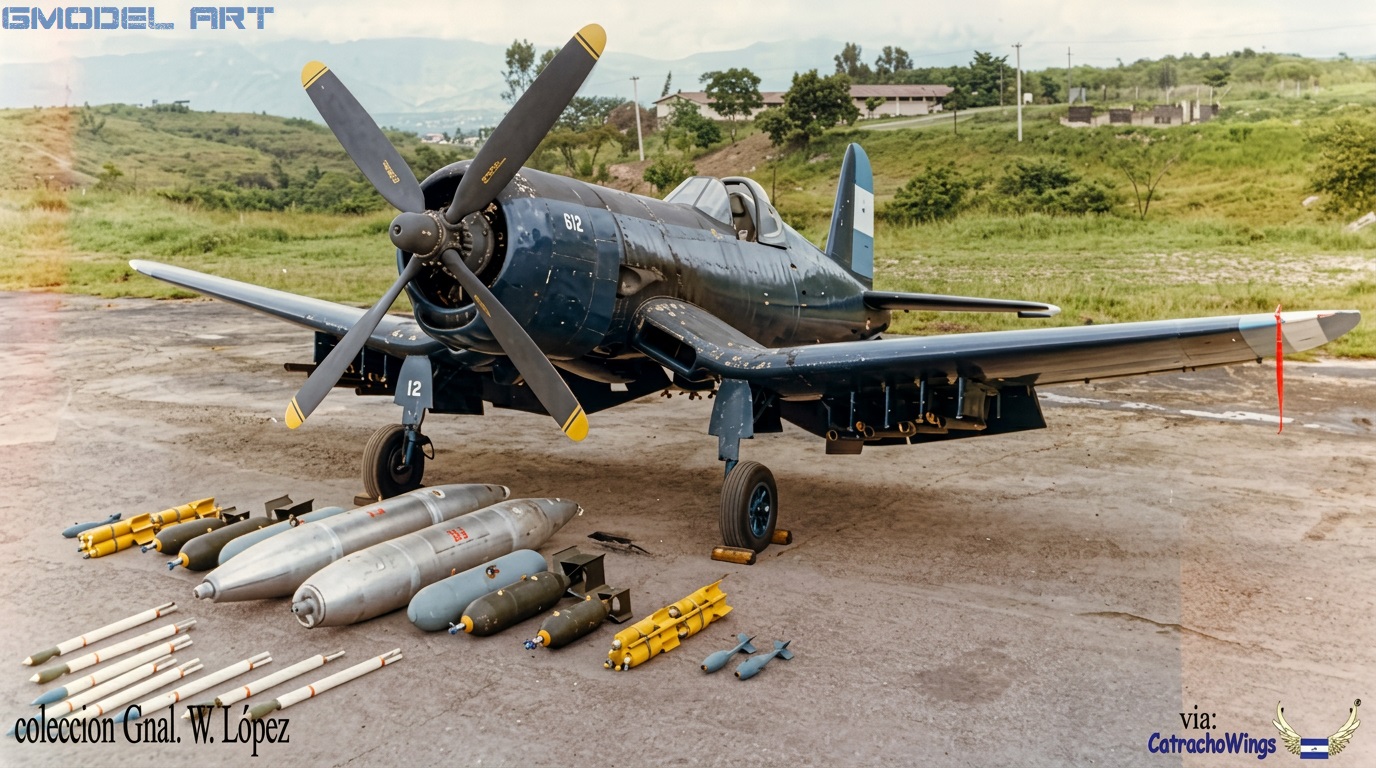
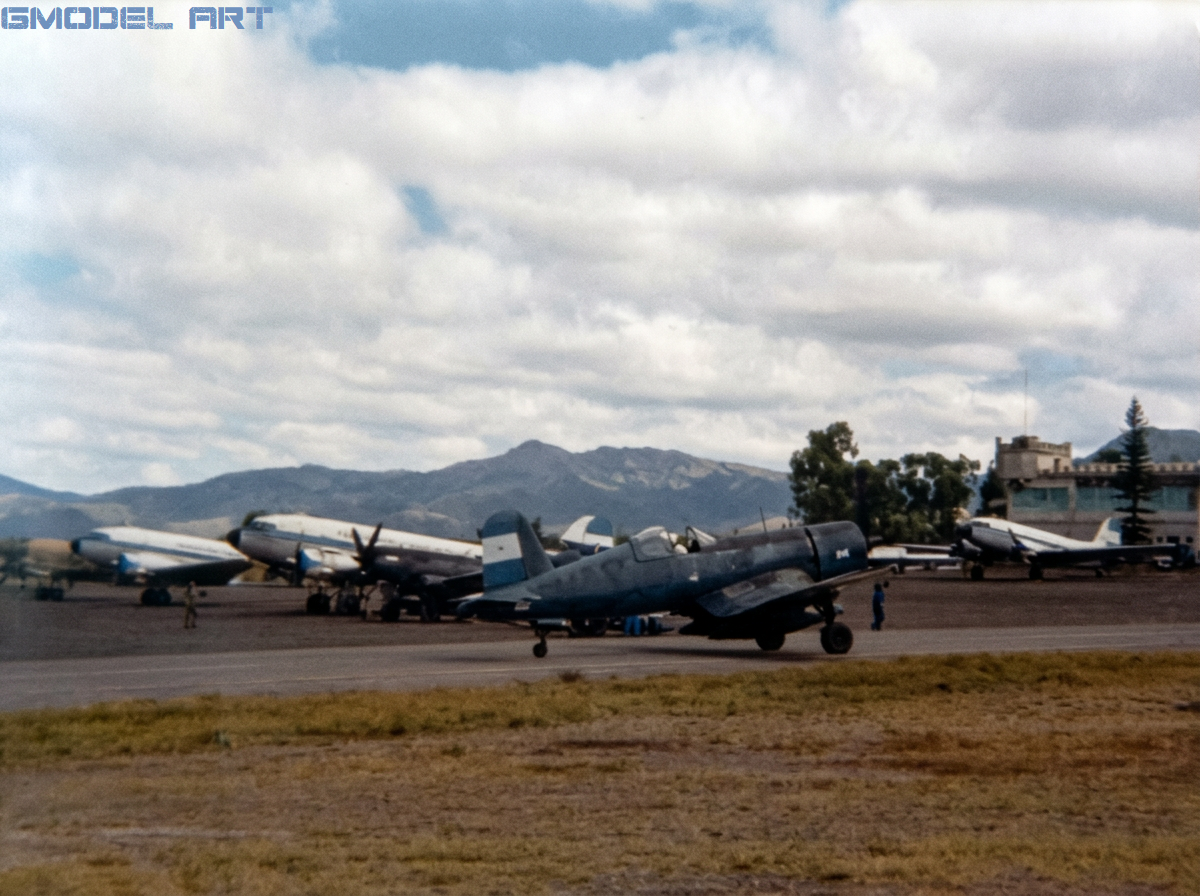
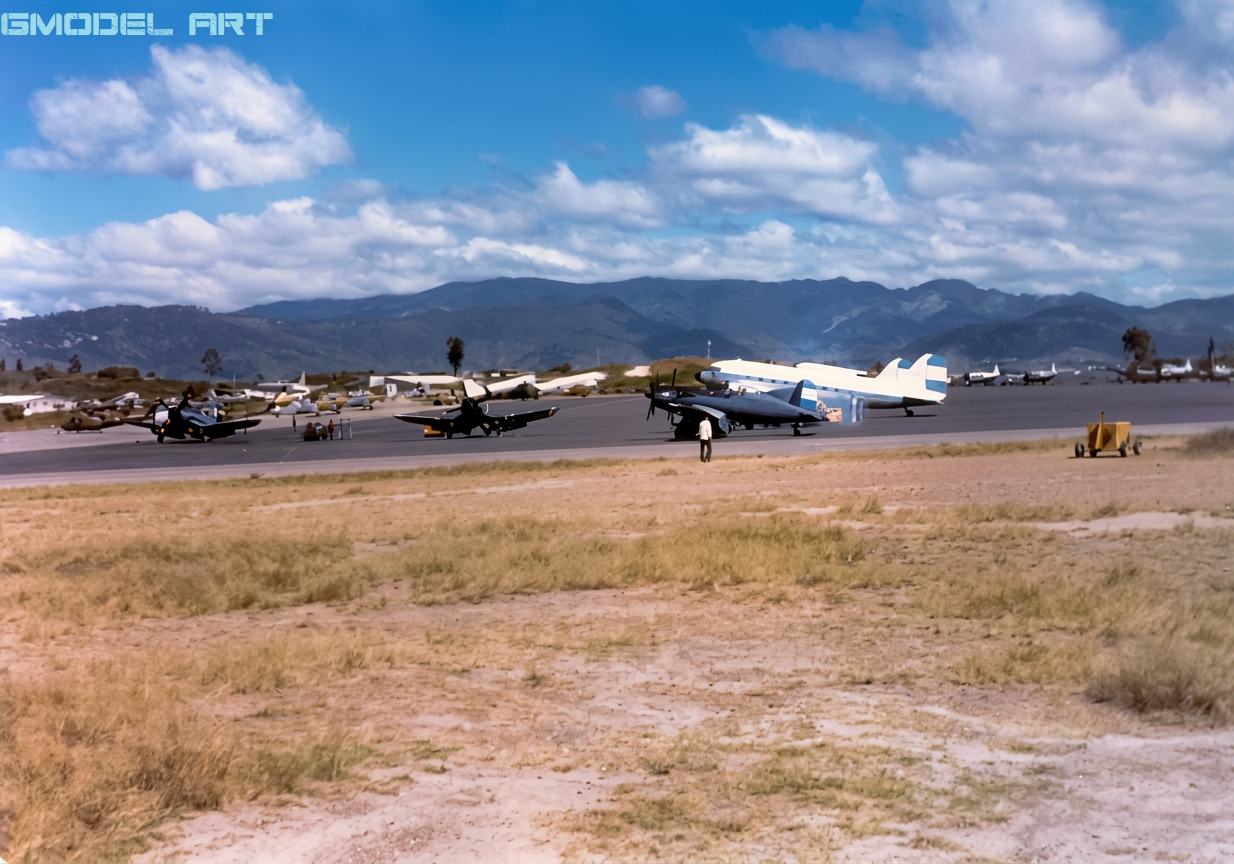
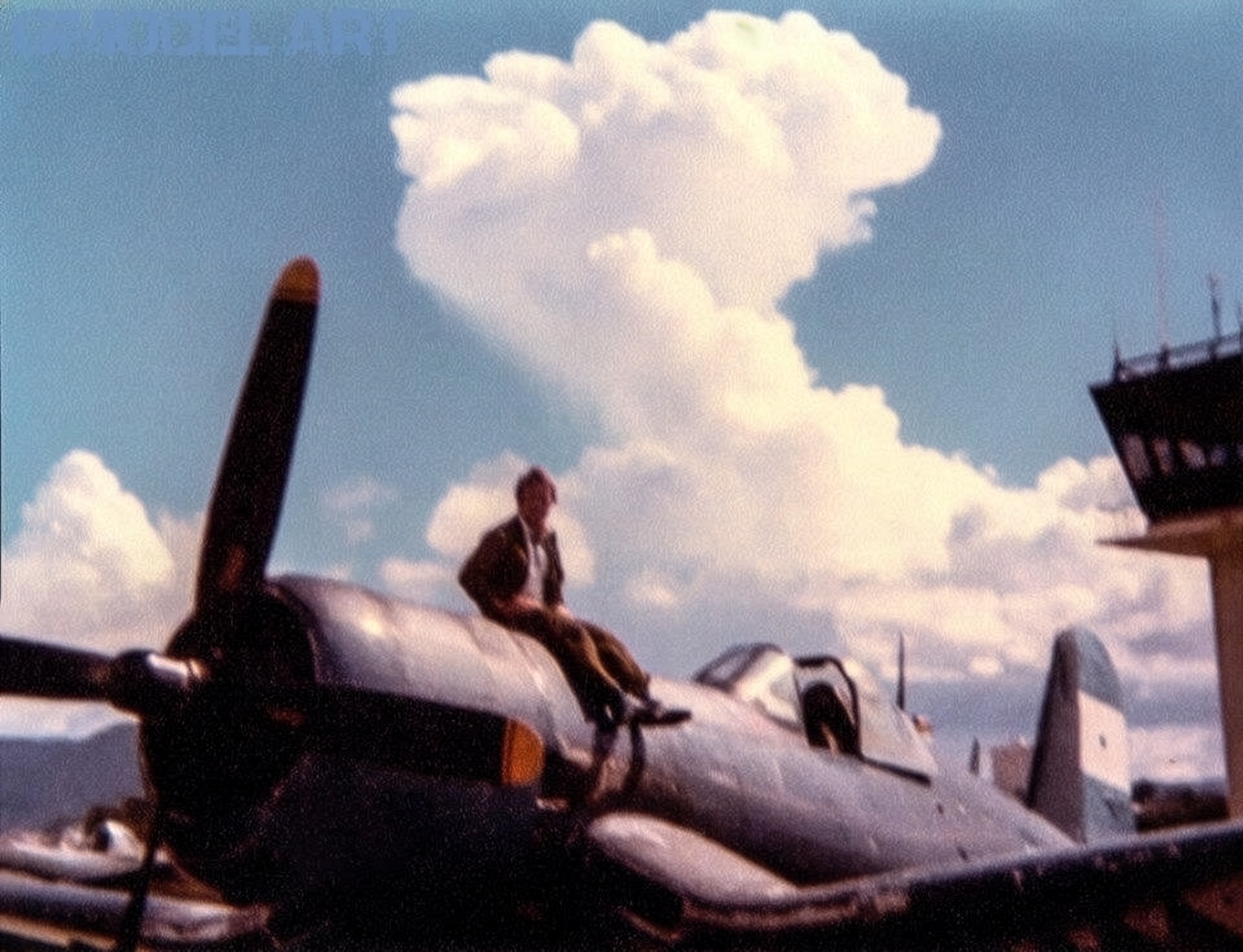
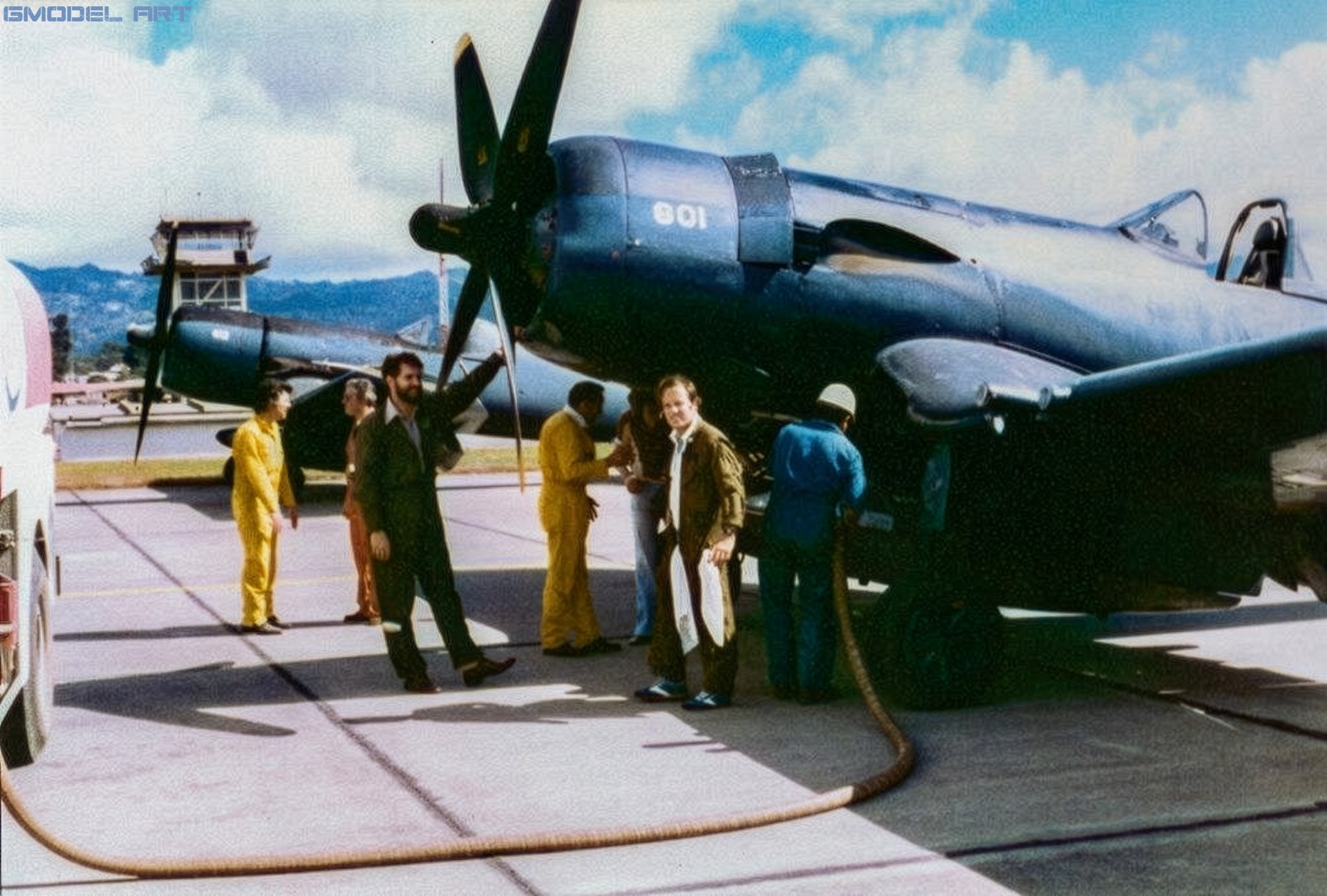
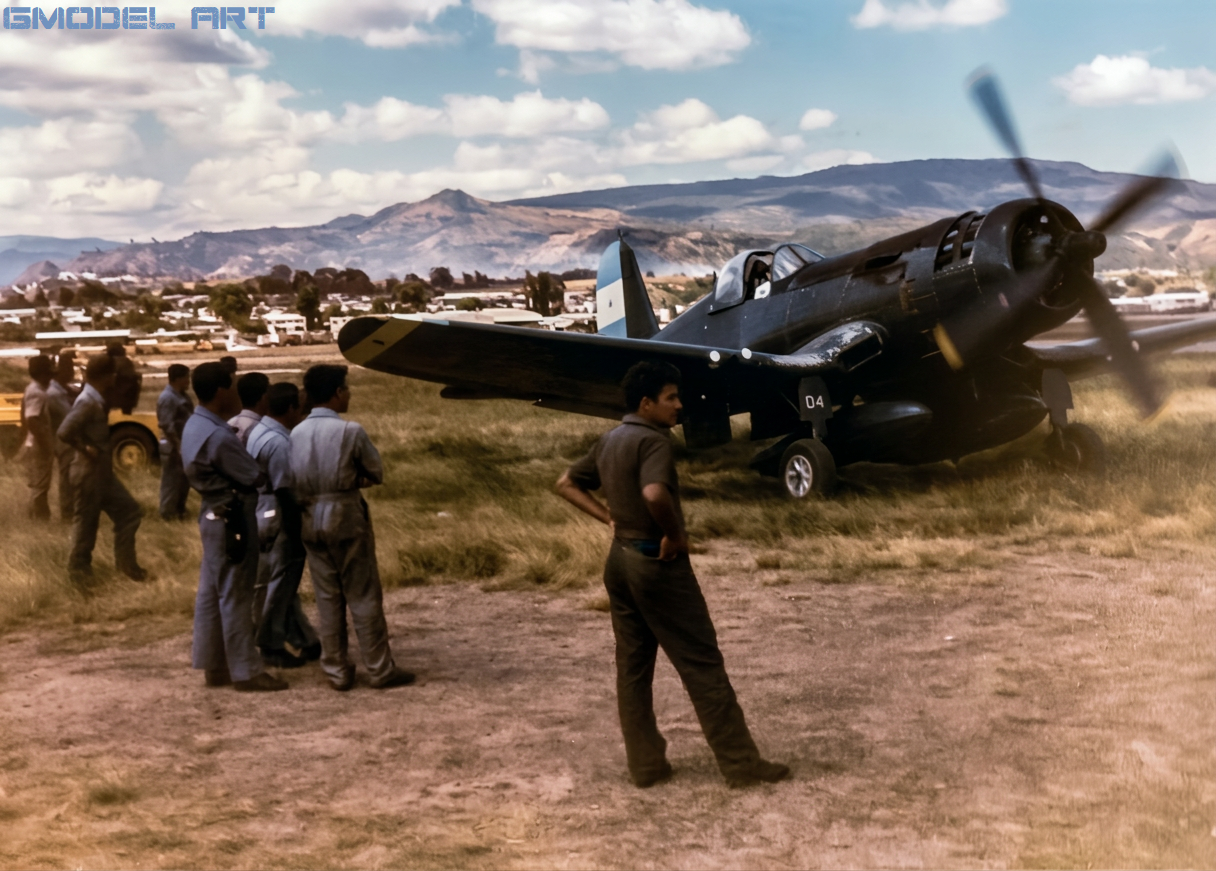
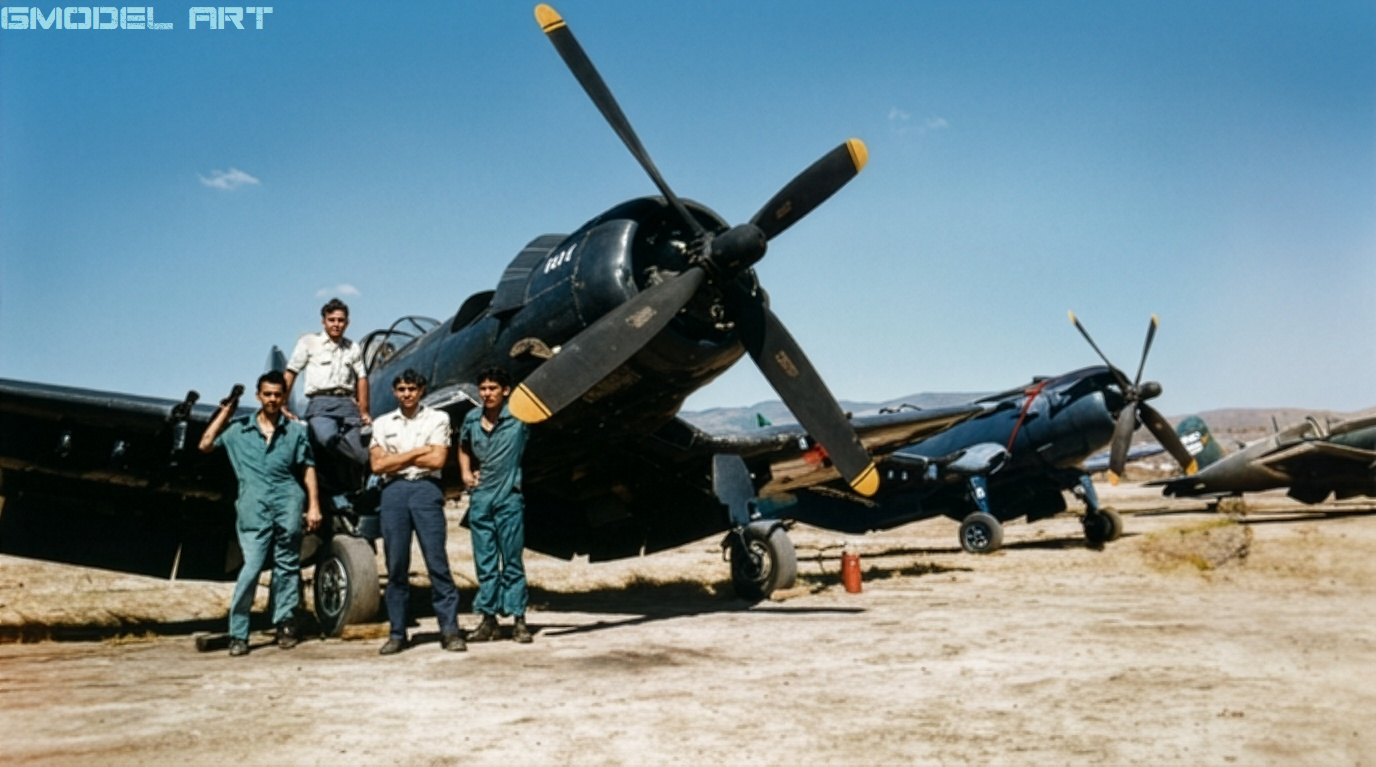
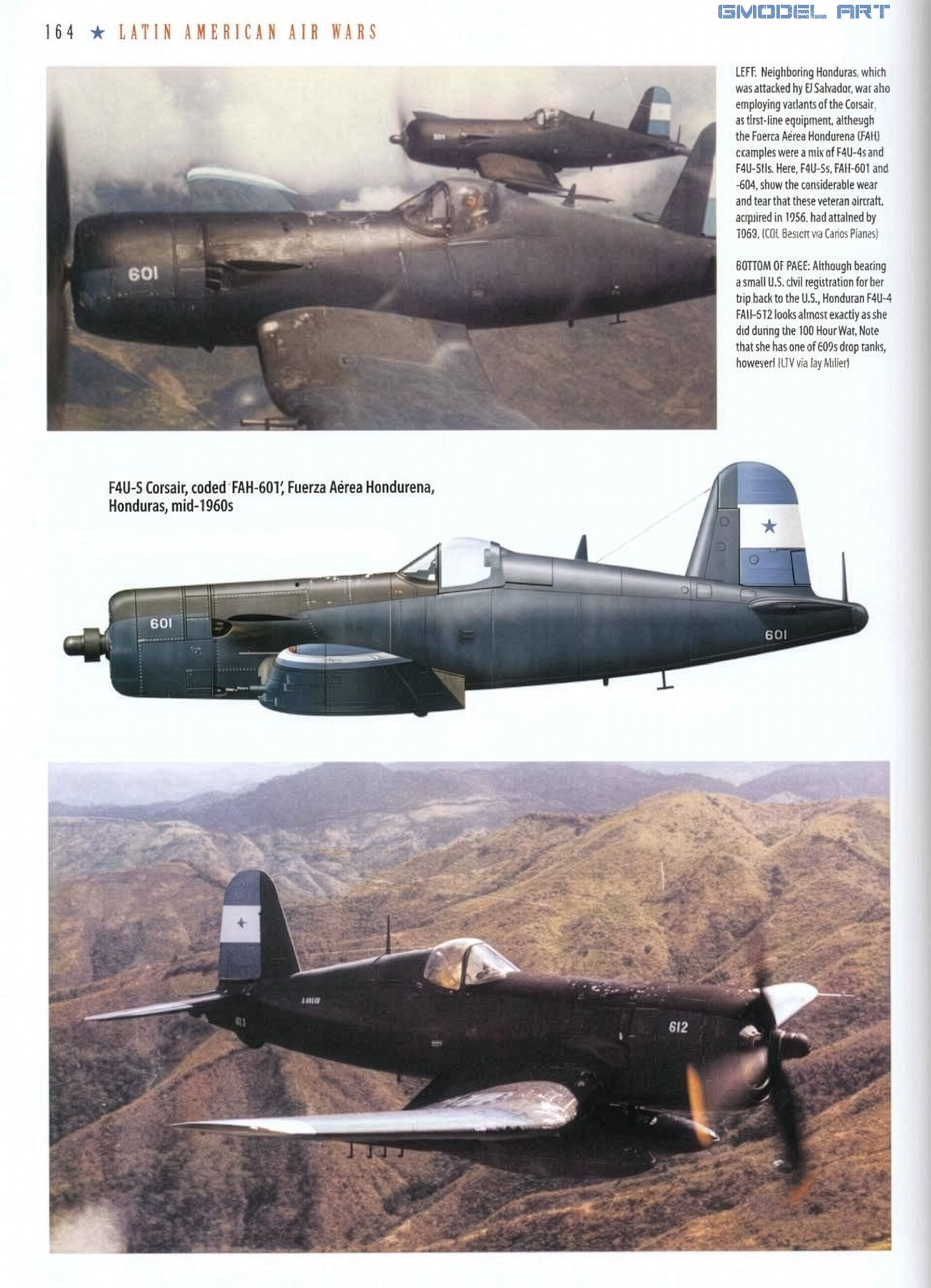
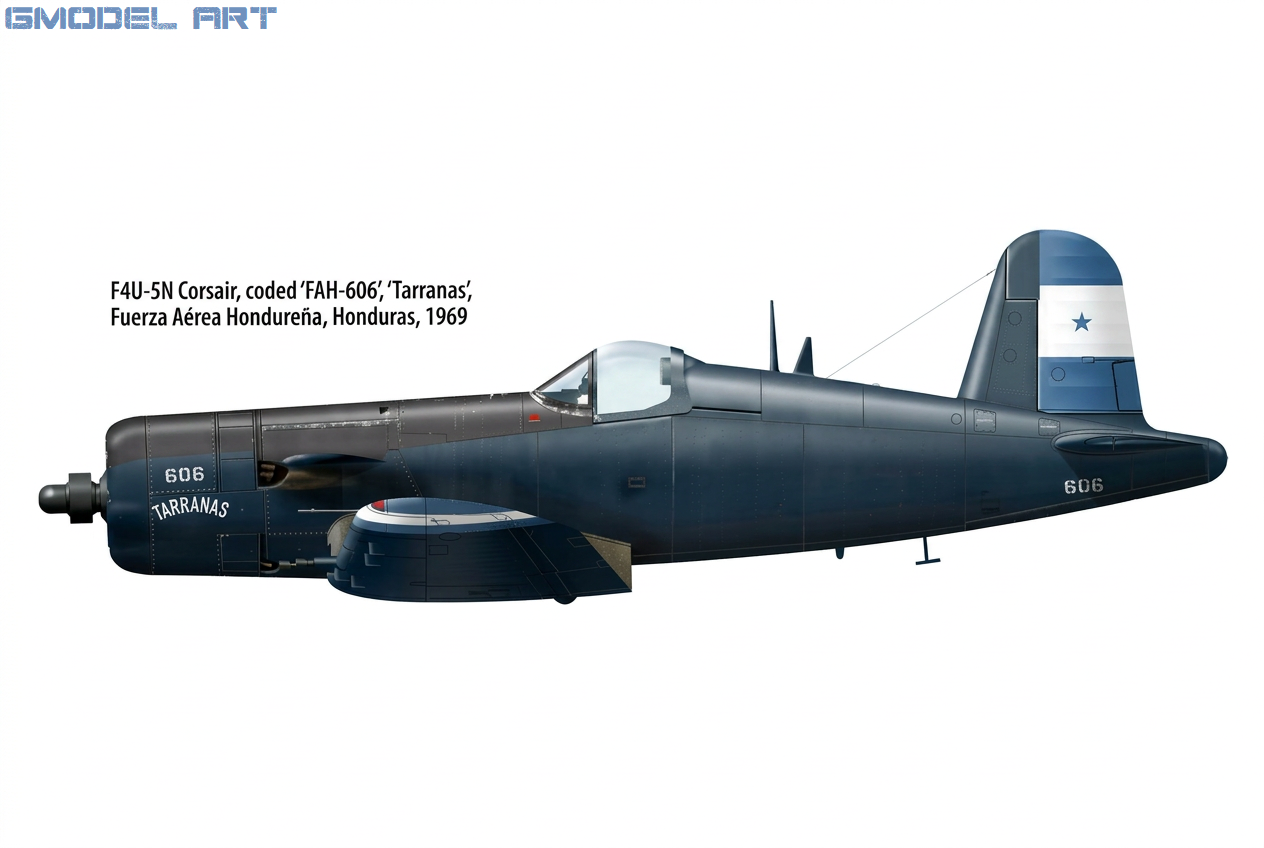
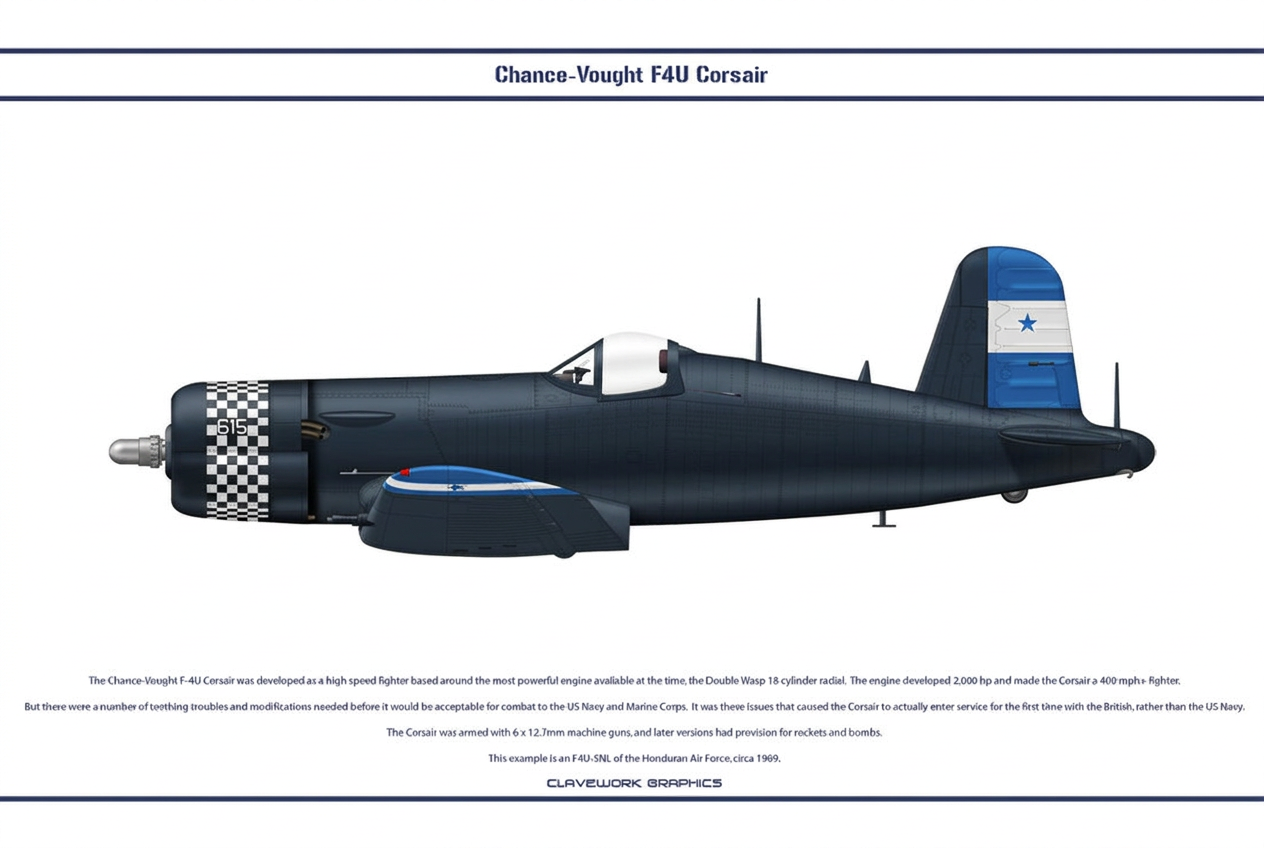
Honduras acquired second-hand American Corsairs during the 1950s. Historical accounts cited for this article identify the acquisition of F4U-5N/NL-family aircraft in 1956, followed by additional F4U-4s around 1960. The Honduran fleet therefore included more than one Corsair variant, with differences in configuration and appearance.
The F4U-4 Corsair was a post-war development featuring an improved engine and revised performance characteristics. The later F4U-5 Corsair incorporated further improvements to the engine installation, cowling, and other systems. The F4U-5N was developed for night-fighter operations and was originally equipped with radar.
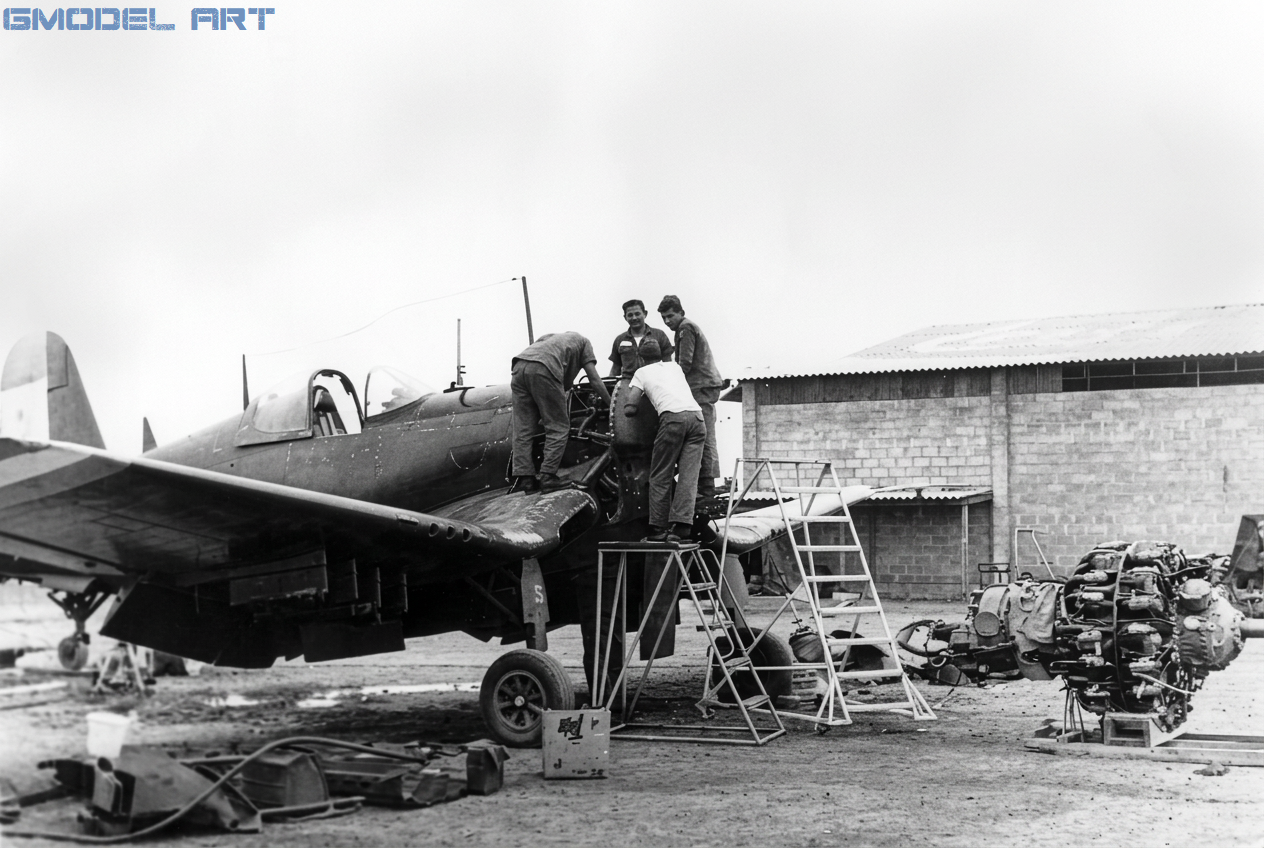
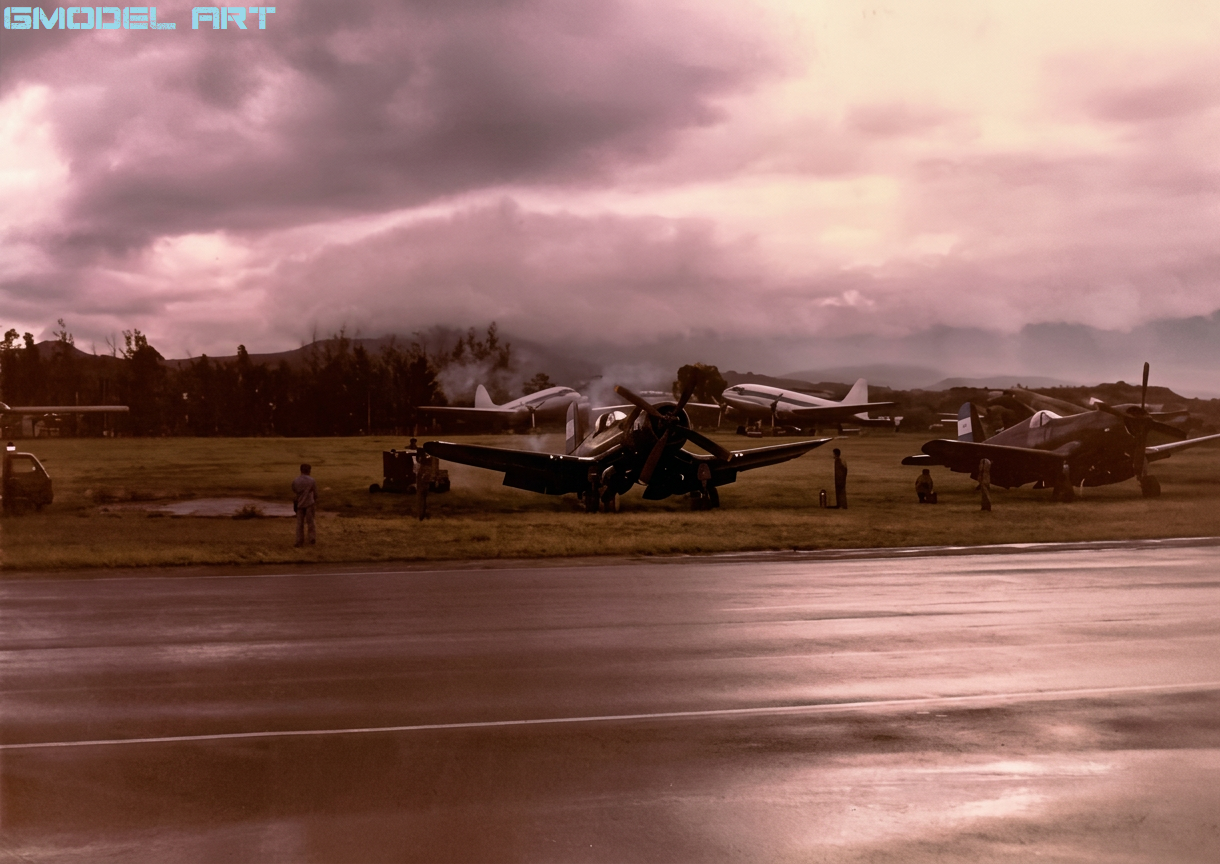
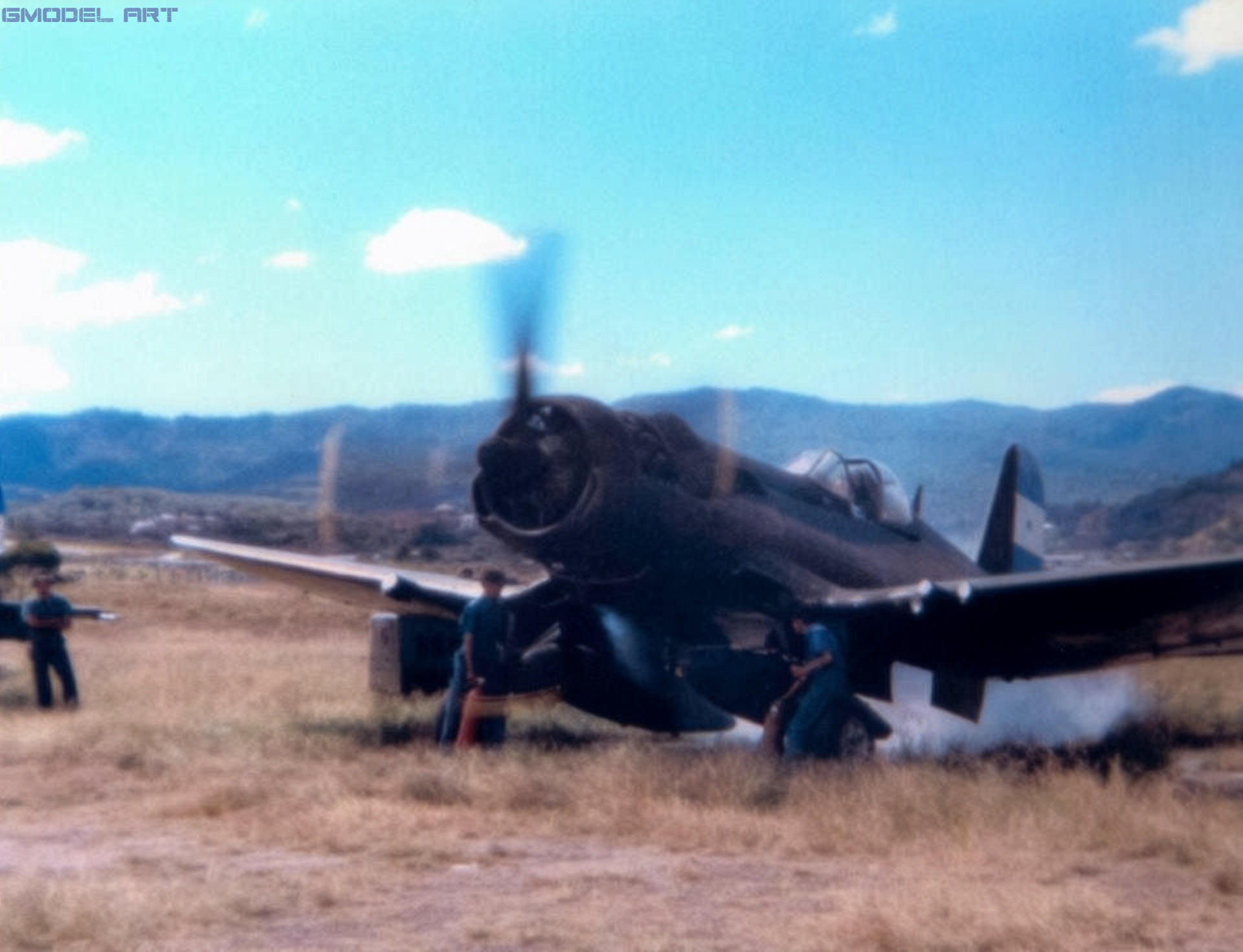
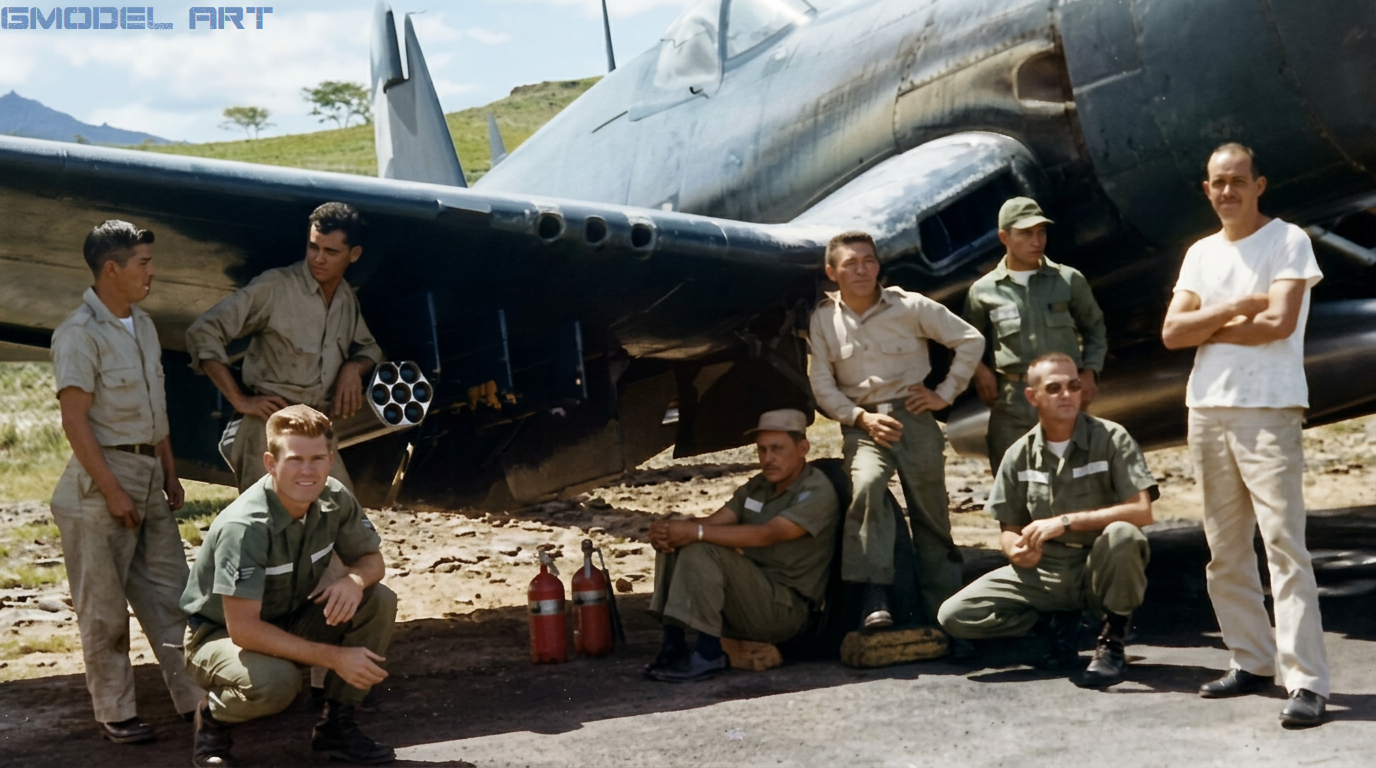
The Honduran aircraft continued in service through the 1969 conflict and remained operational for several more years. Their continued use reflected the practical needs of a relatively small air force, where proven piston-engine aircraft could remain useful despite the growing availability of jet fighters elsewhere.
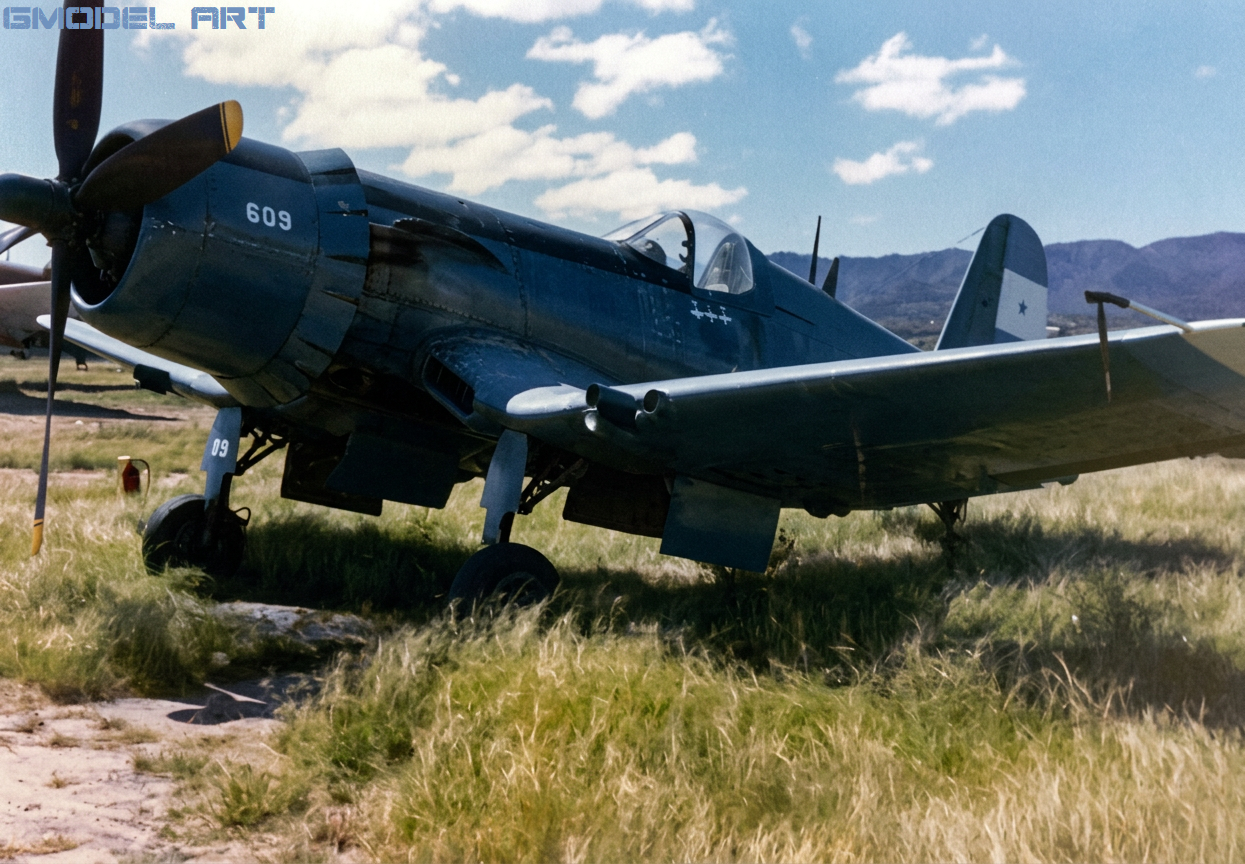
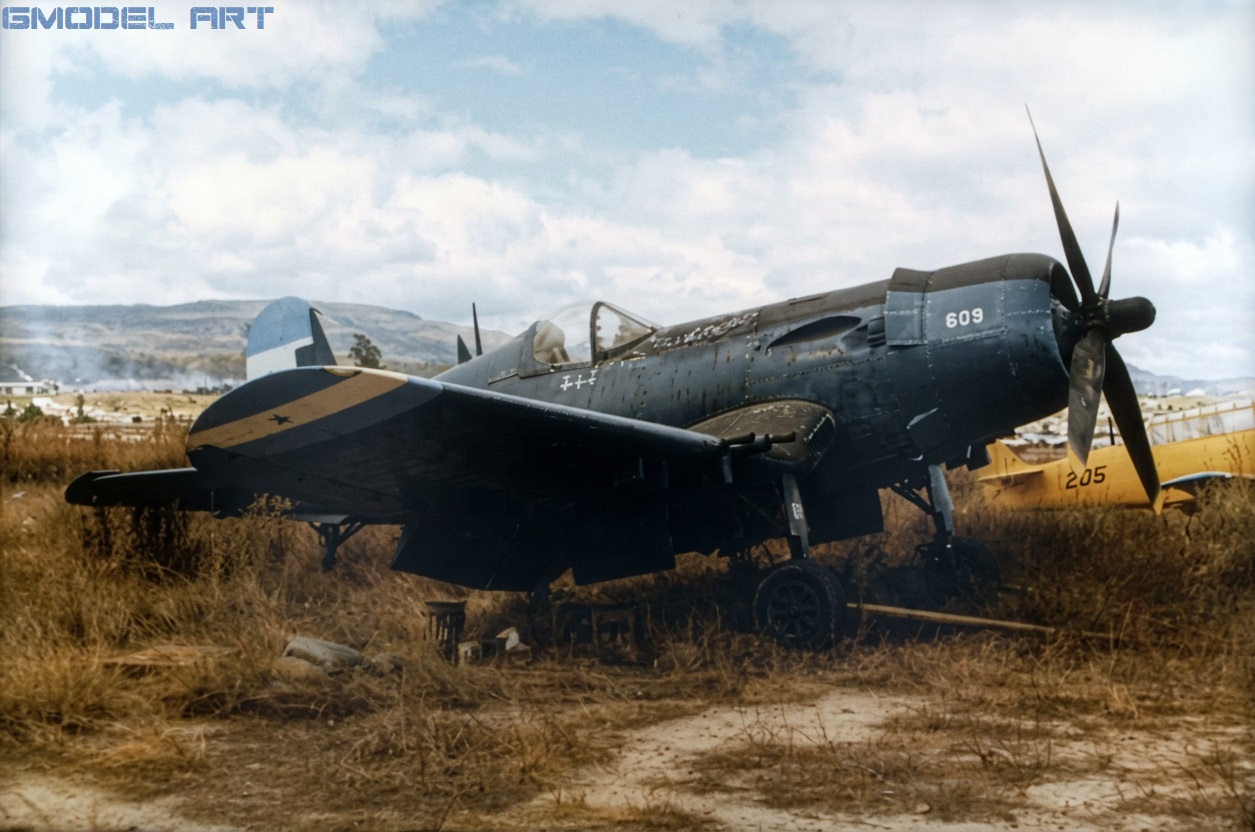
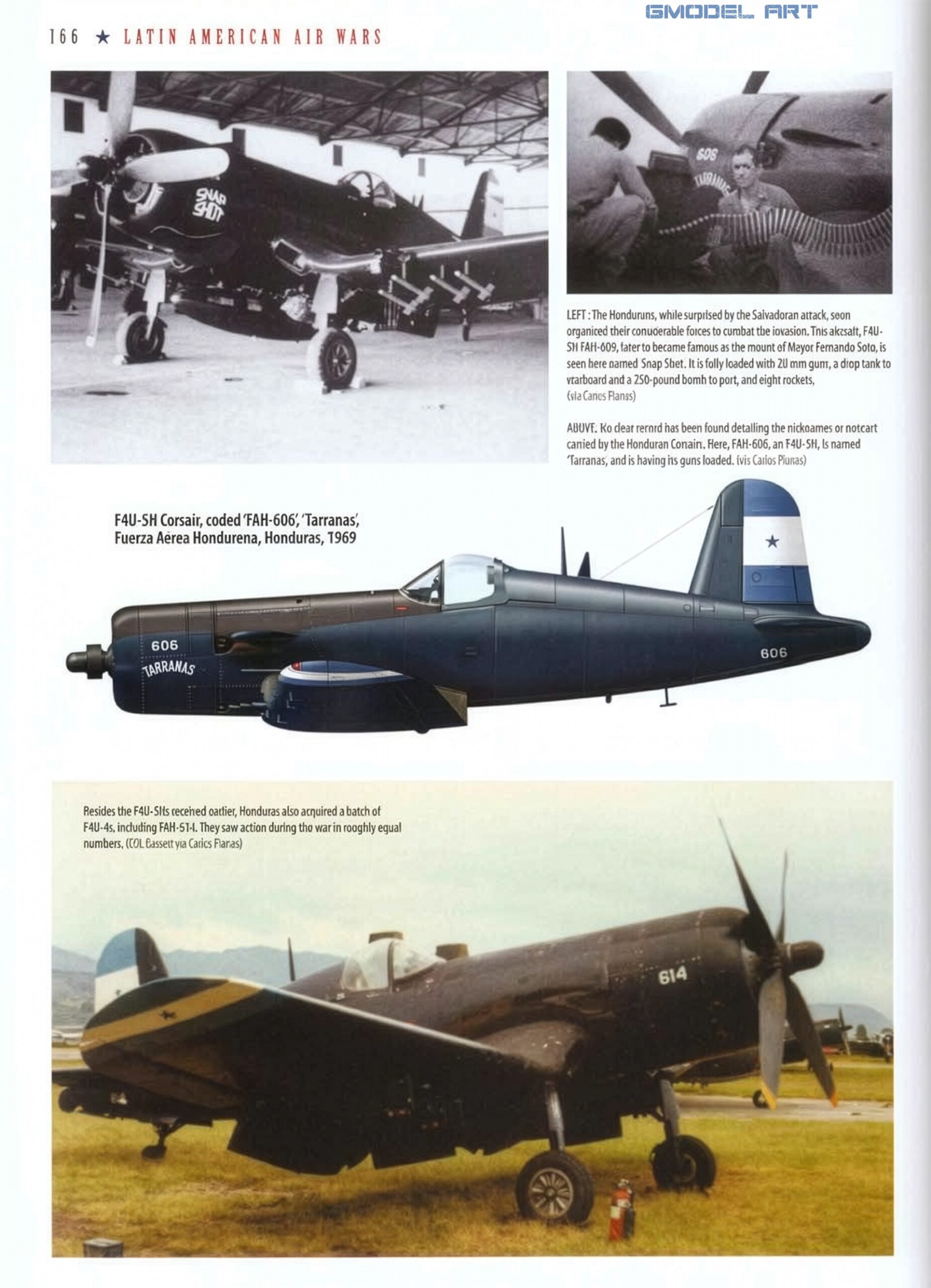
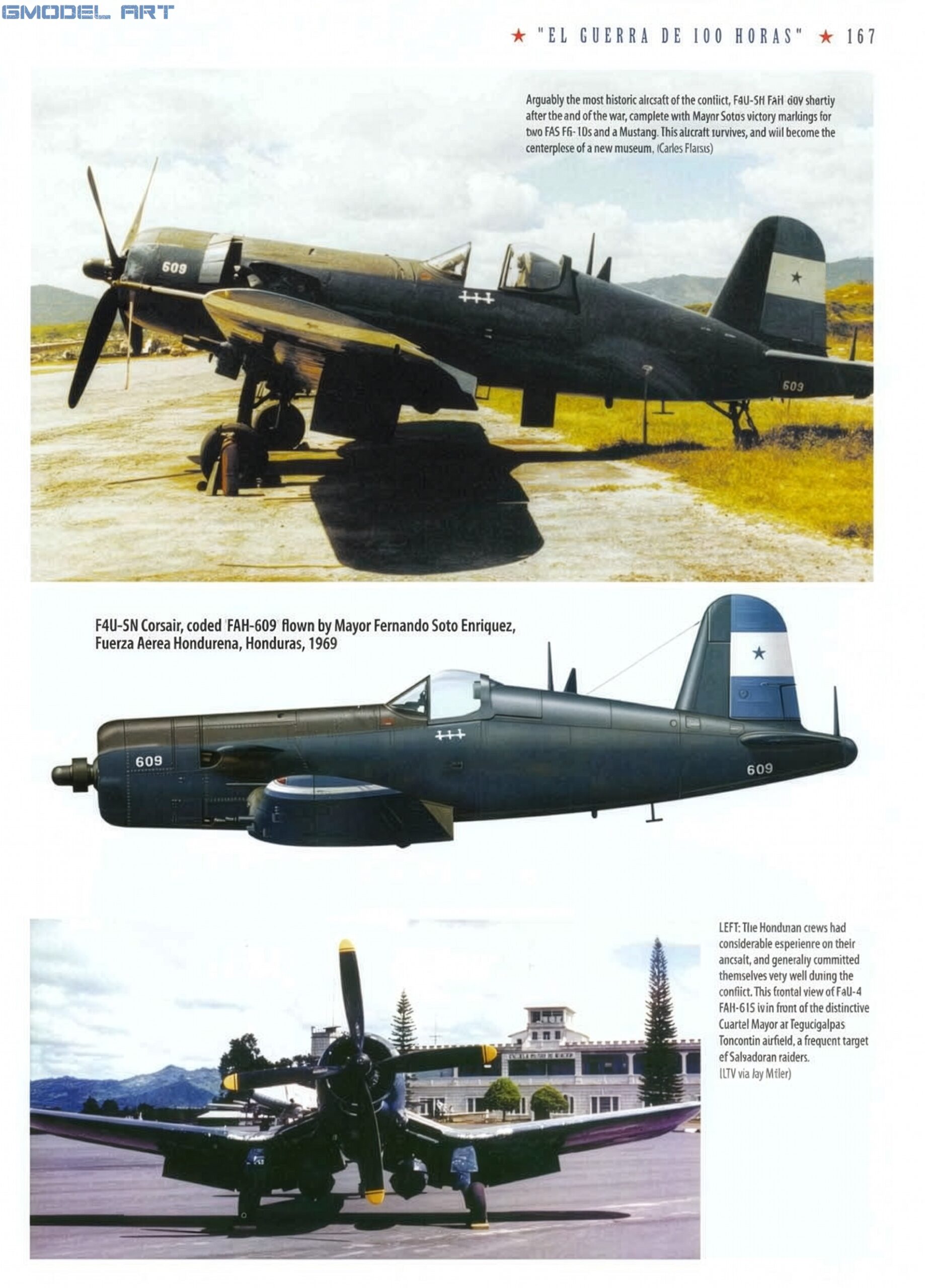
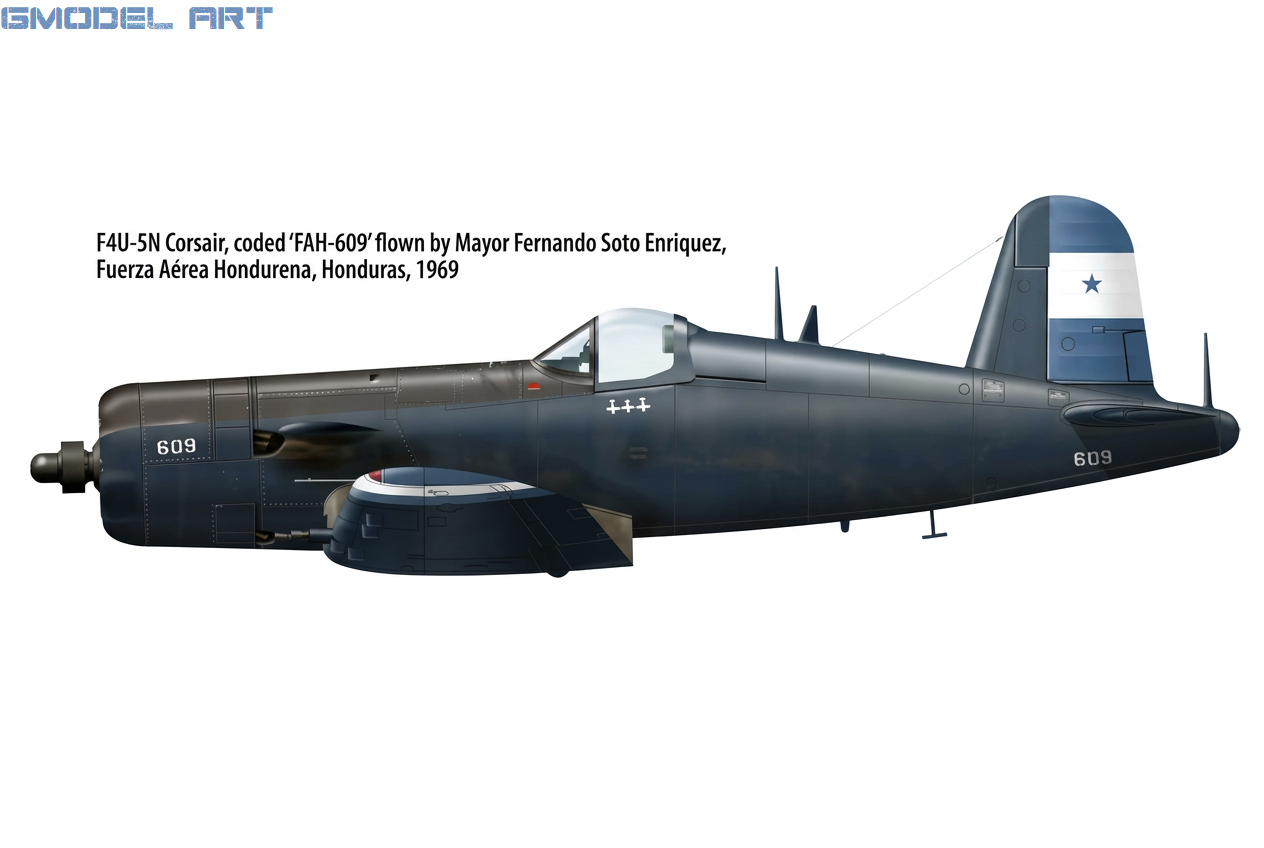
FAH-609 and Fernando Soto Henríquez
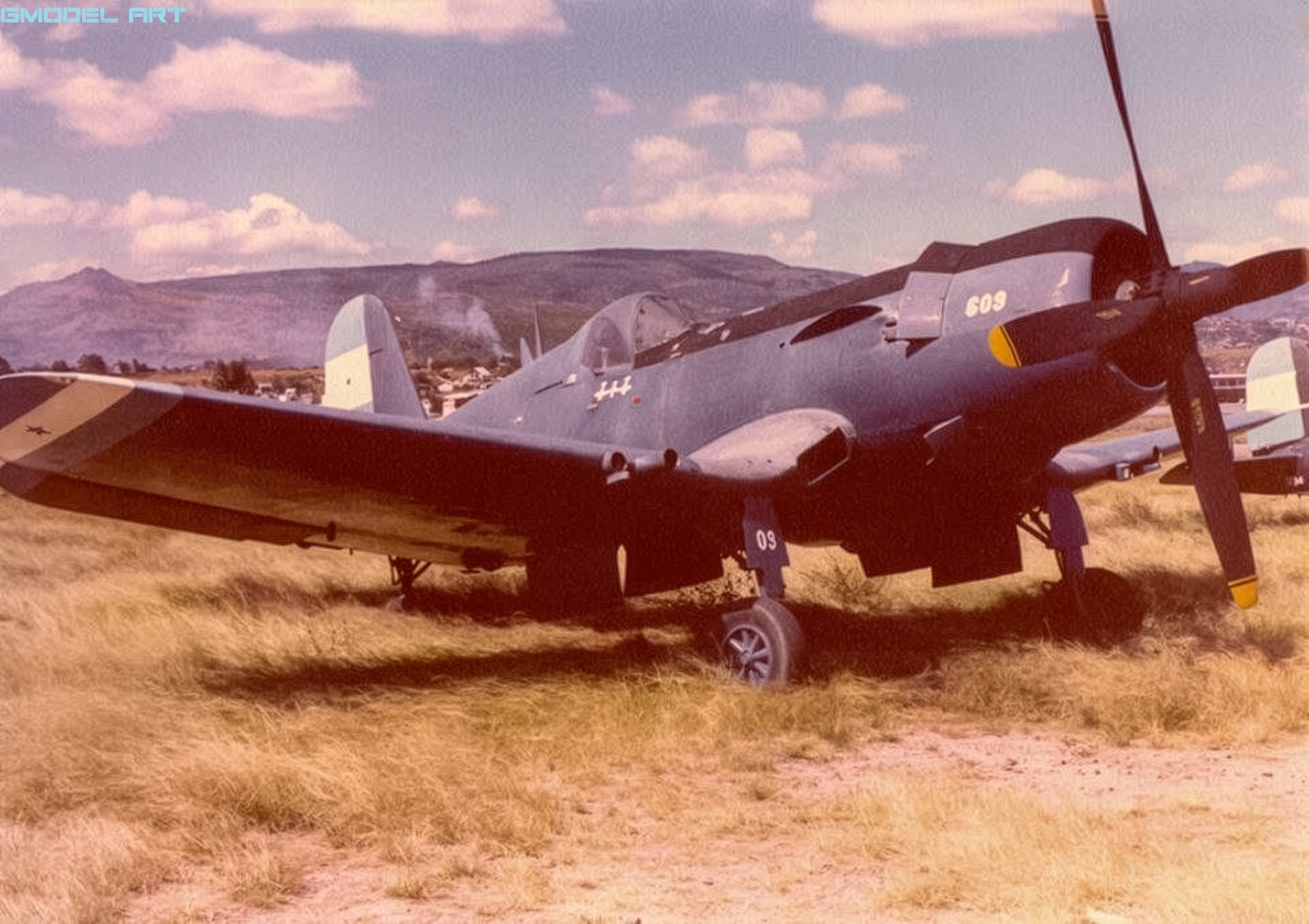
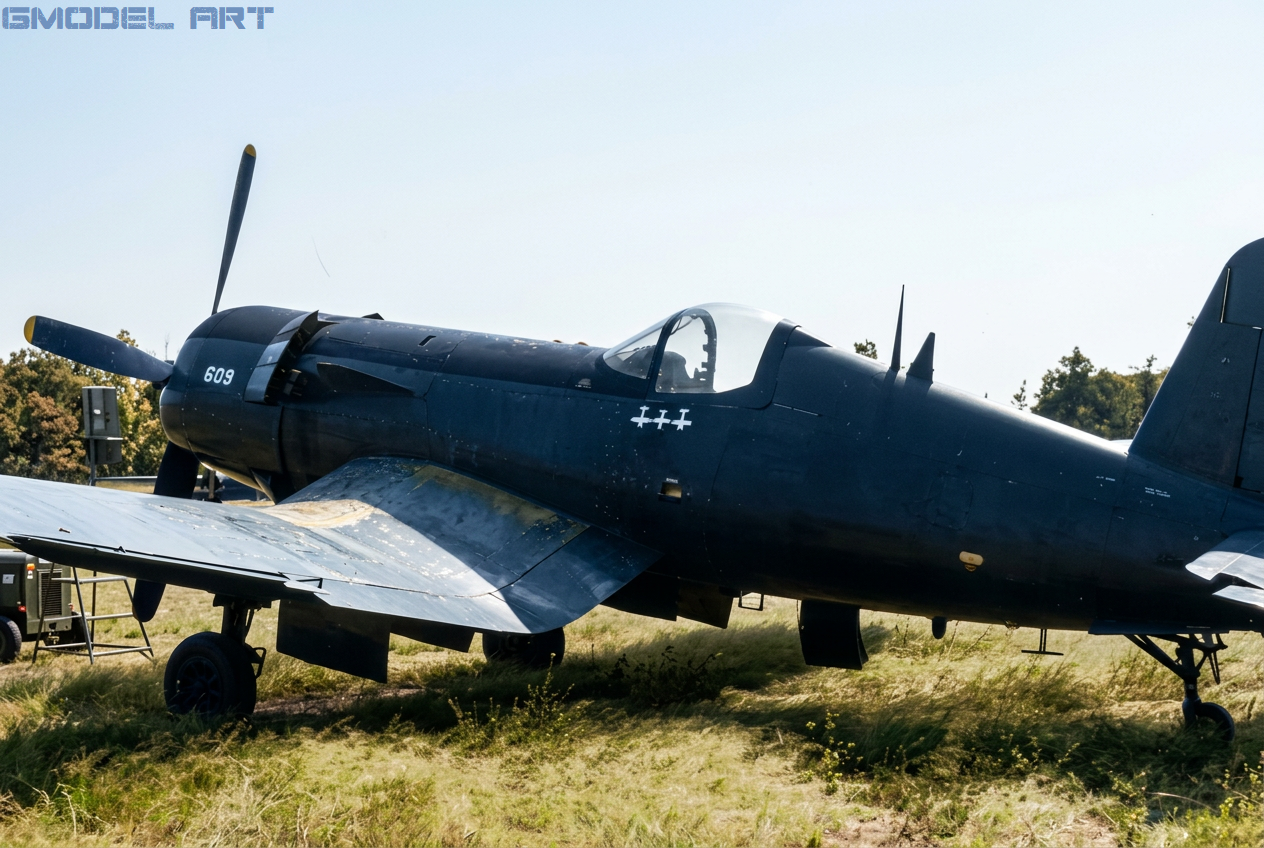
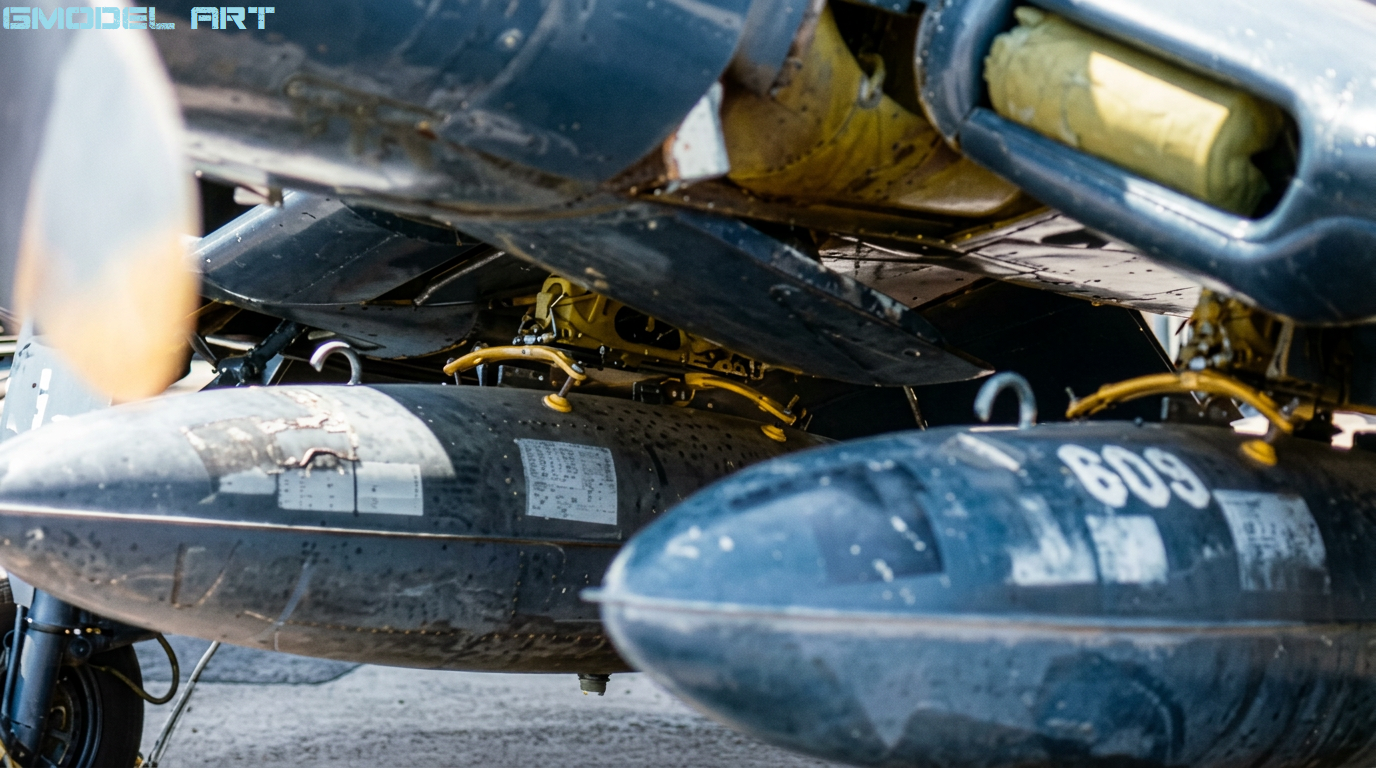
The most famous Honduran Corsair was FAH-609, associated with Honduran pilot Fernando Soto Henríquez. Its United States Navy Bureau Number, or BuNo, was 124715. Historical records associate the aircraft with the F4U-5N family, although some sources identify it as an F4U-5NL.
On 17 July 1969, Soto participated in aerial engagements against Salvadoran aircraft. He was credited with three victories: one Cavalier F-51D Mustang and two Goodyear FG-1D Corsairs.
These engagements became a defining part of the history of FAH-609 and the wider story of the Football War. The Mustang and Corsair had earned their reputations during World War II, yet both remained in combat service in Central America more than two decades later.
FAH-609 remains an especially significant subject for aviation enthusiasts and scale modellers because of its association with Soto Henríquez and the final era of piston-engine fighter combat.
Honduran Corsair Serial Numbers and Bureau Numbers
The following table brings together Honduran FAH serial numbers and their corresponding United States Navy Bureau Numbers, where available. It is intended as a research reference for identifying individual aircraft and exploring possible modelling subjects. Entries that require further confirmation are identified accordingly.
| Honduran serial | US Navy BuNo | Identification notes |
|---|---|---|
| FAH-600 | 124724 | Corsair; variant requires confirmation |
| FAH-601 | 124560 | Corsair; variant requires confirmation |
| FAH-602 | 124447 | Corsair; variant requires confirmation |
| FAH-603 | Unconfirmed | BuNo not established |
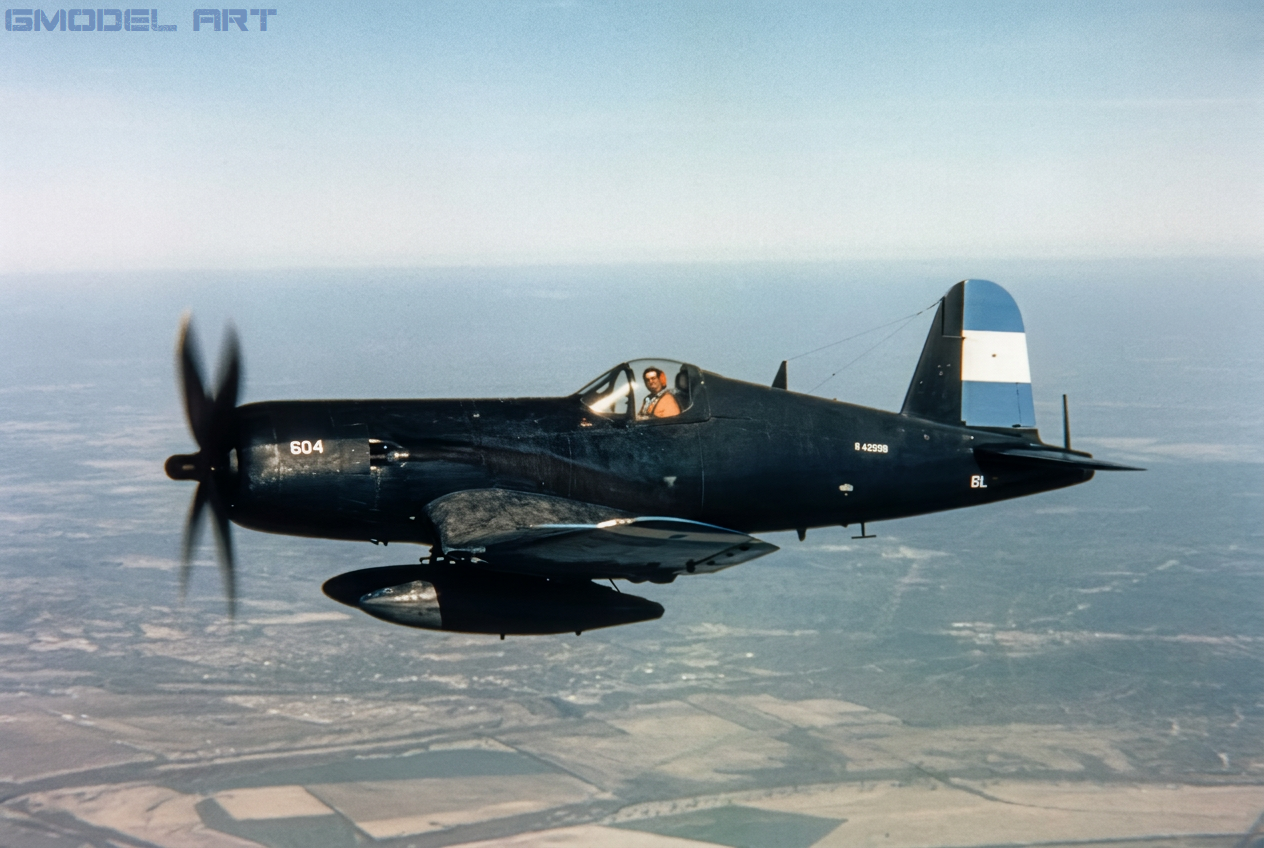
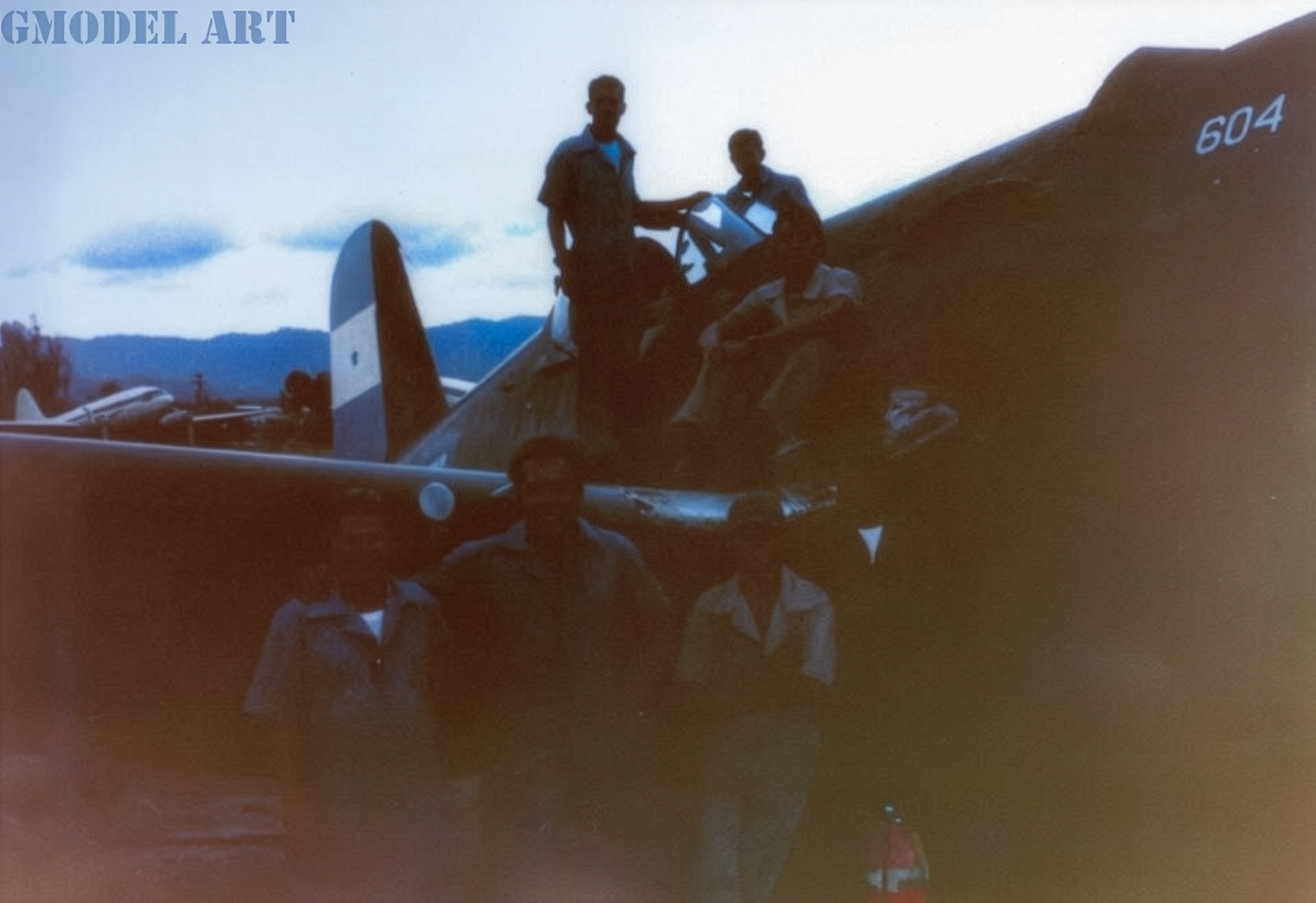
| FAH-604 | 122179 | Corsair; variant requires confirmation |
| FAH-605 | 122184 | Corsair; variant requires confirmation |
| FAH-606 | 124486 | Corsair; variant requires confirmation |
| FAH-607 | Unconfirmed | BuNo not established |
| FAH-608 | Unconfirmed | BuNo not established |
| FAH-609 | 124715 | F4U-5N/NL family; associated with Fernando Soto Henríquez |
| FAH-610 | 97388 | F4U-4 |
| FAH-611 | 97382 | F4U-4; identification requires cross-checking |
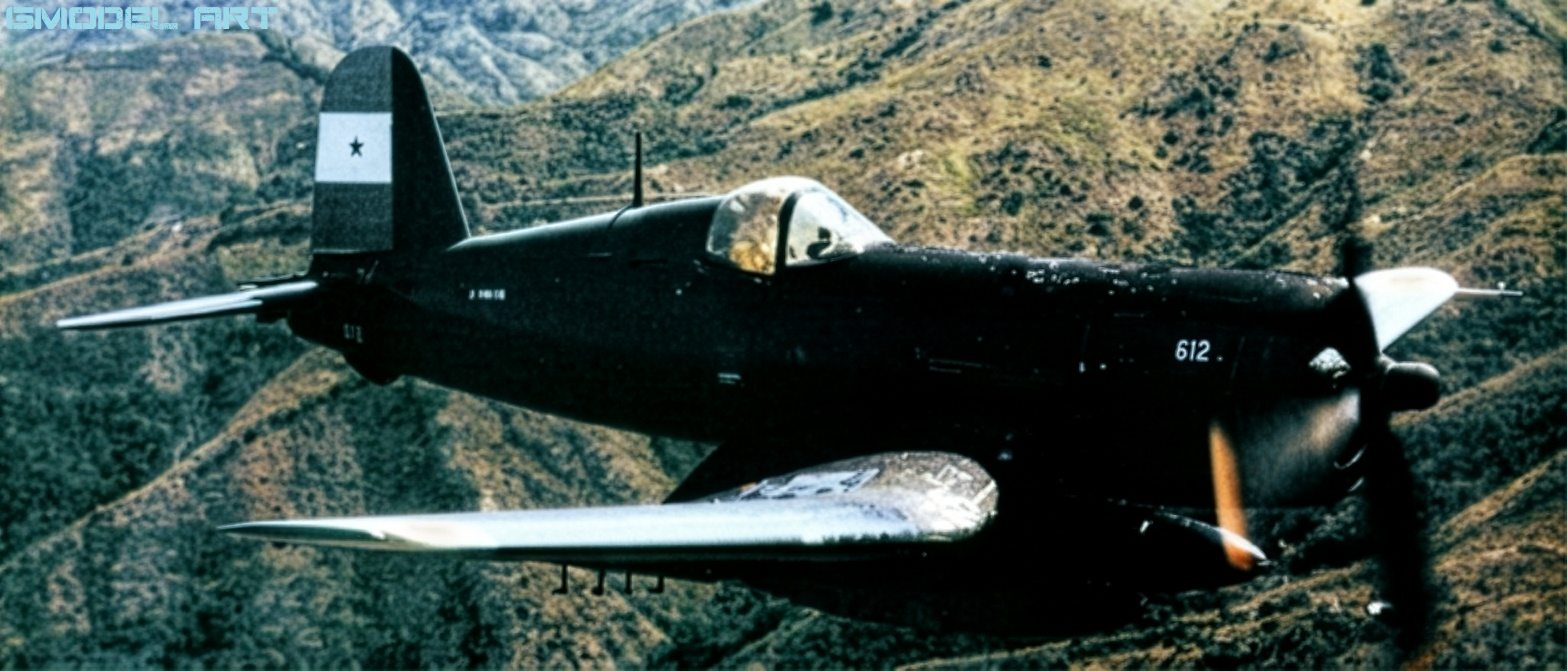
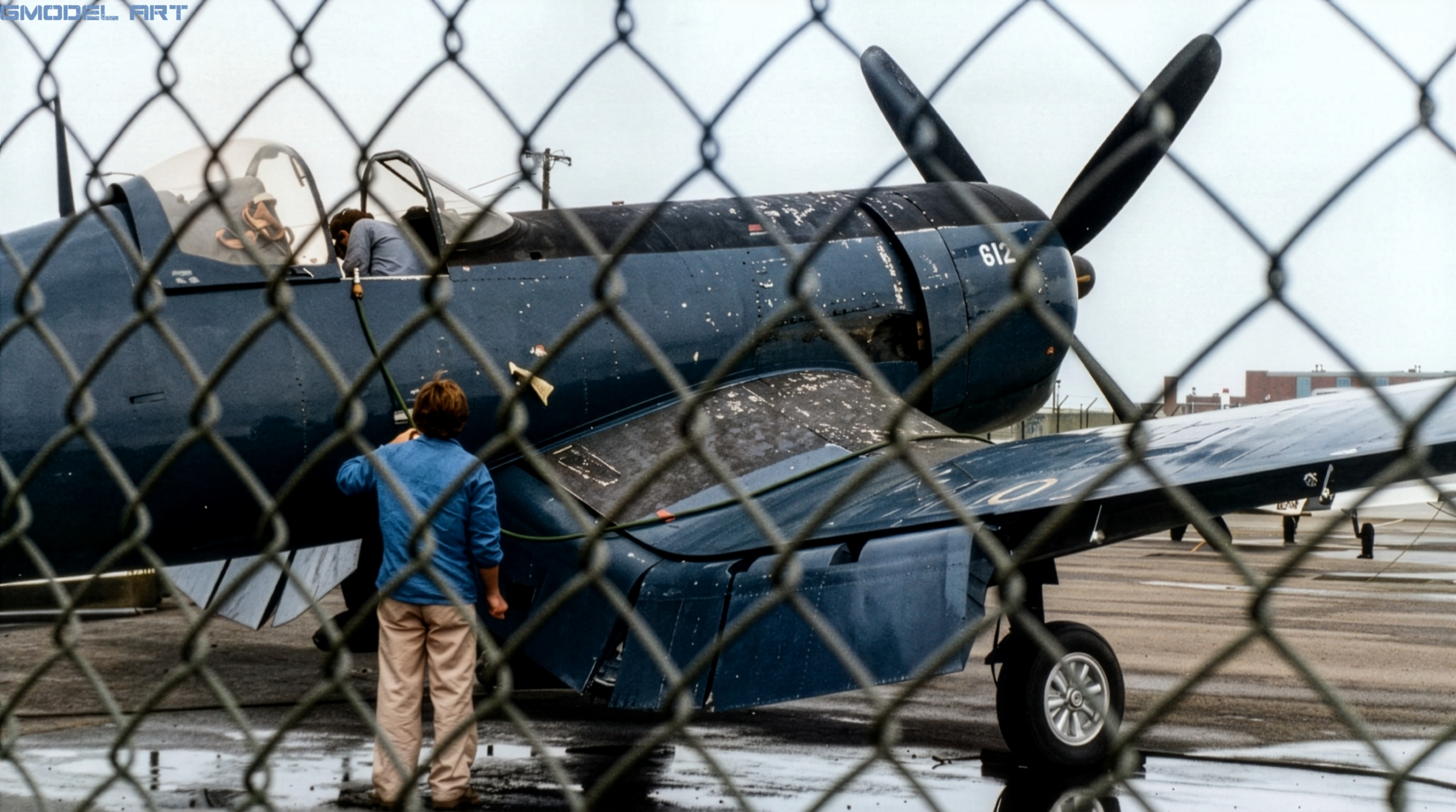
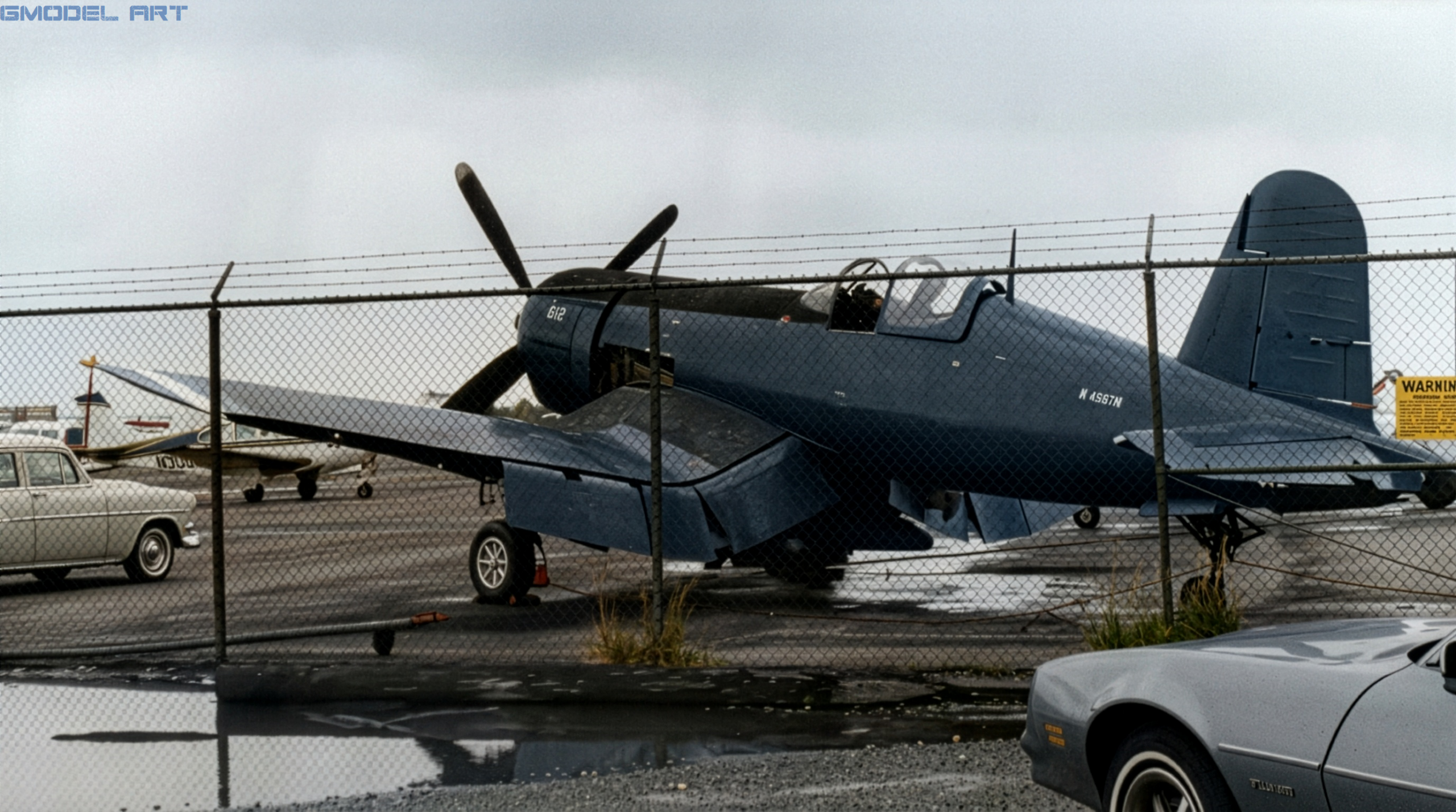
| FAH-612 | 97288 | F4U-4 |
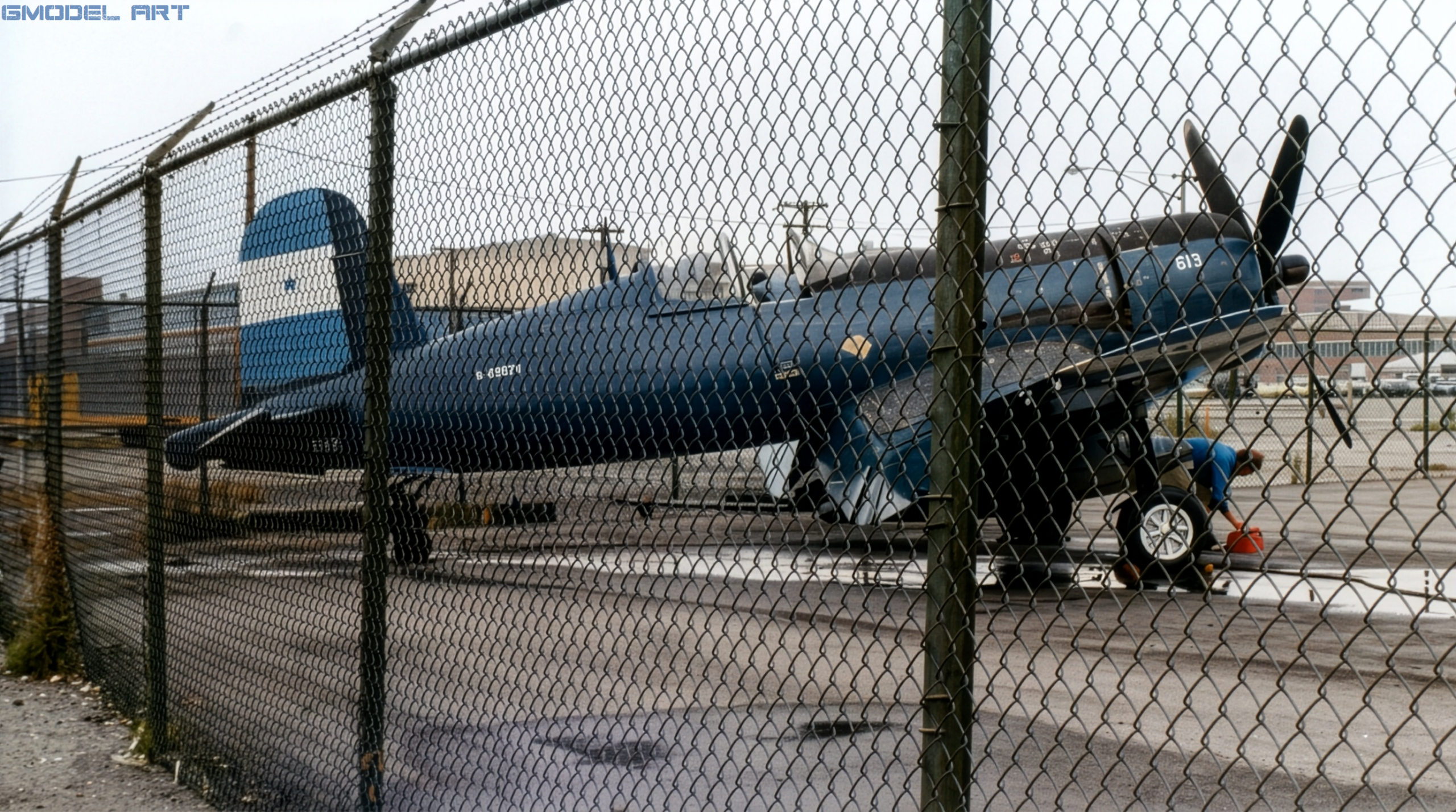
| FAH-613 | Unconfirmed | BuNo not established |
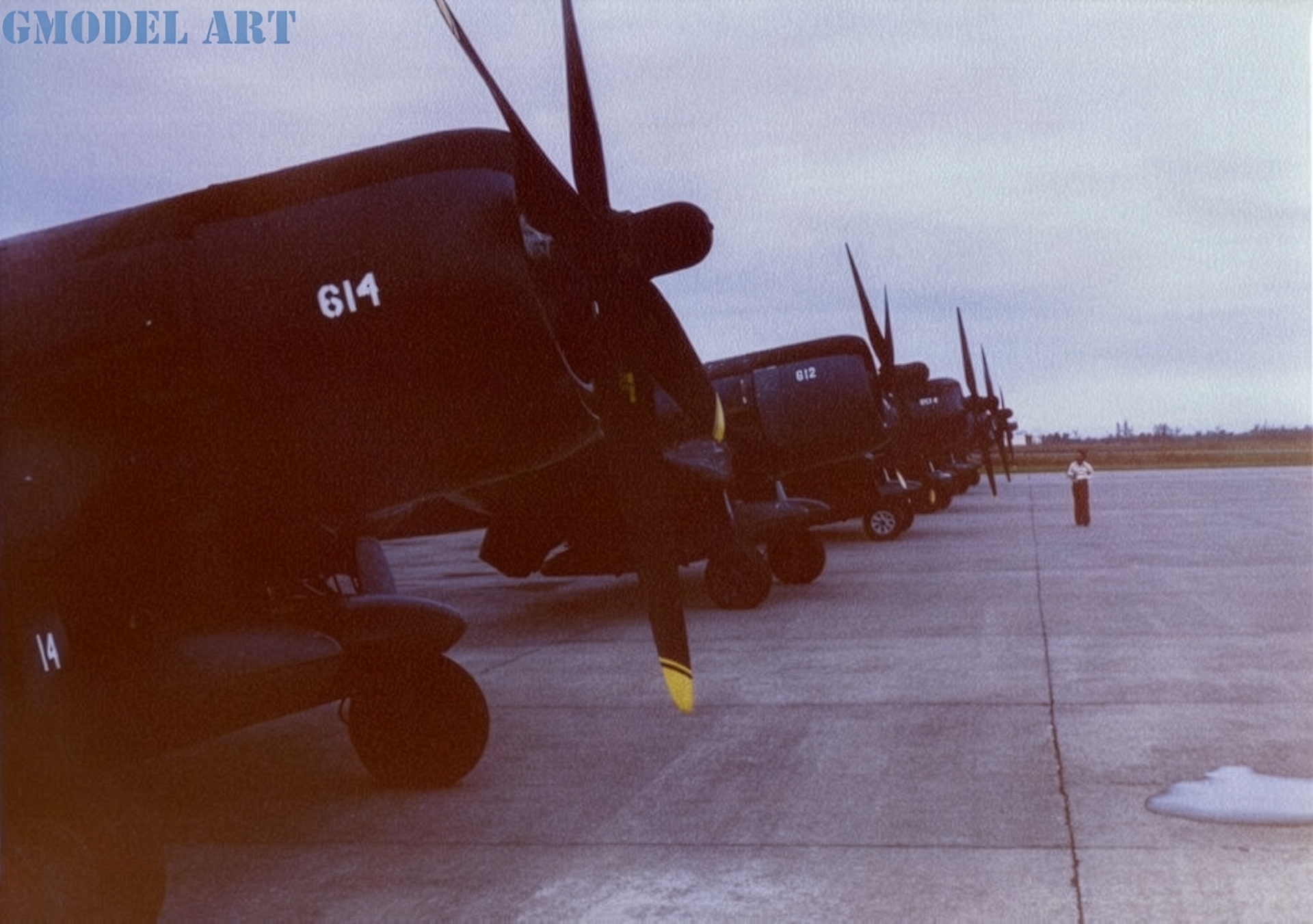
| FAH-614 | 96995 | F4U-4 |
| FAH-615 | 97280 | F4U-4 |
| FAH-616 | 97320 | F4U-4 |
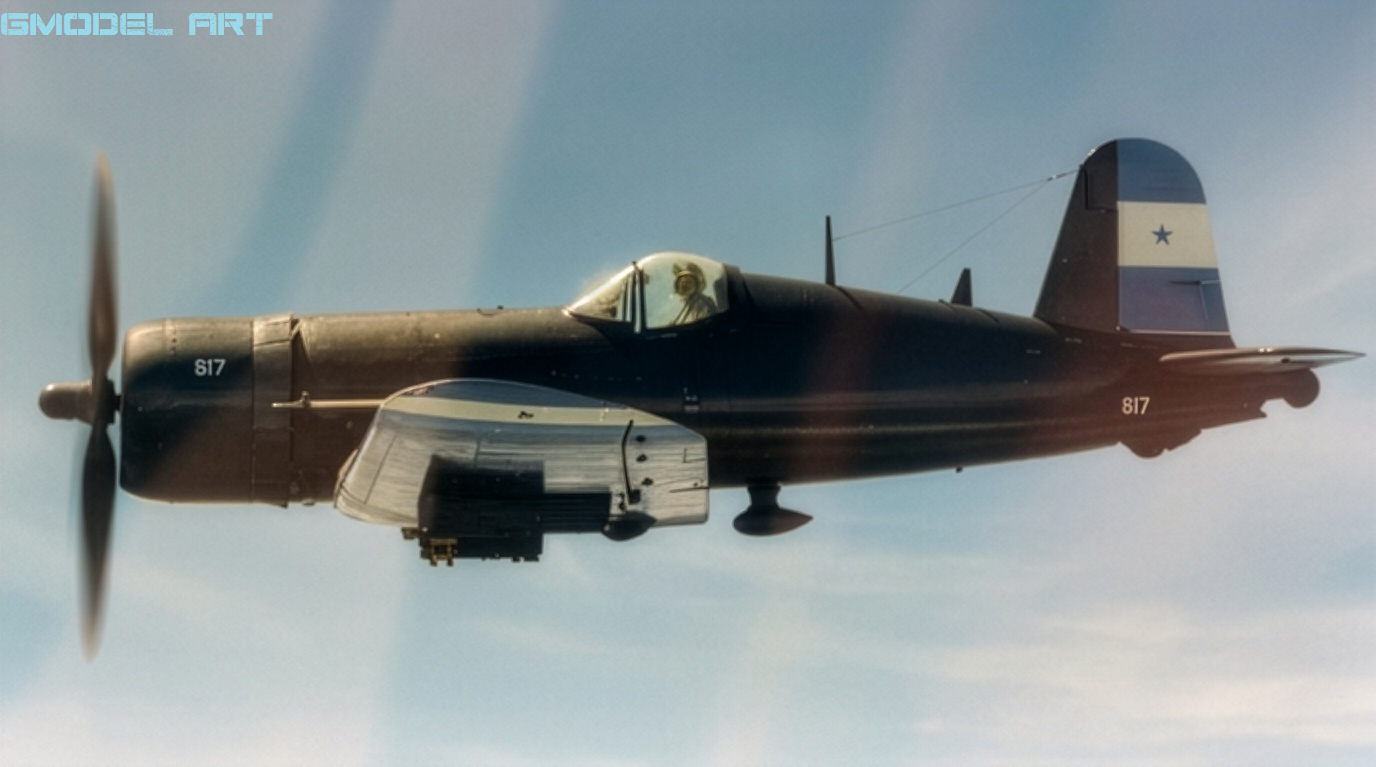
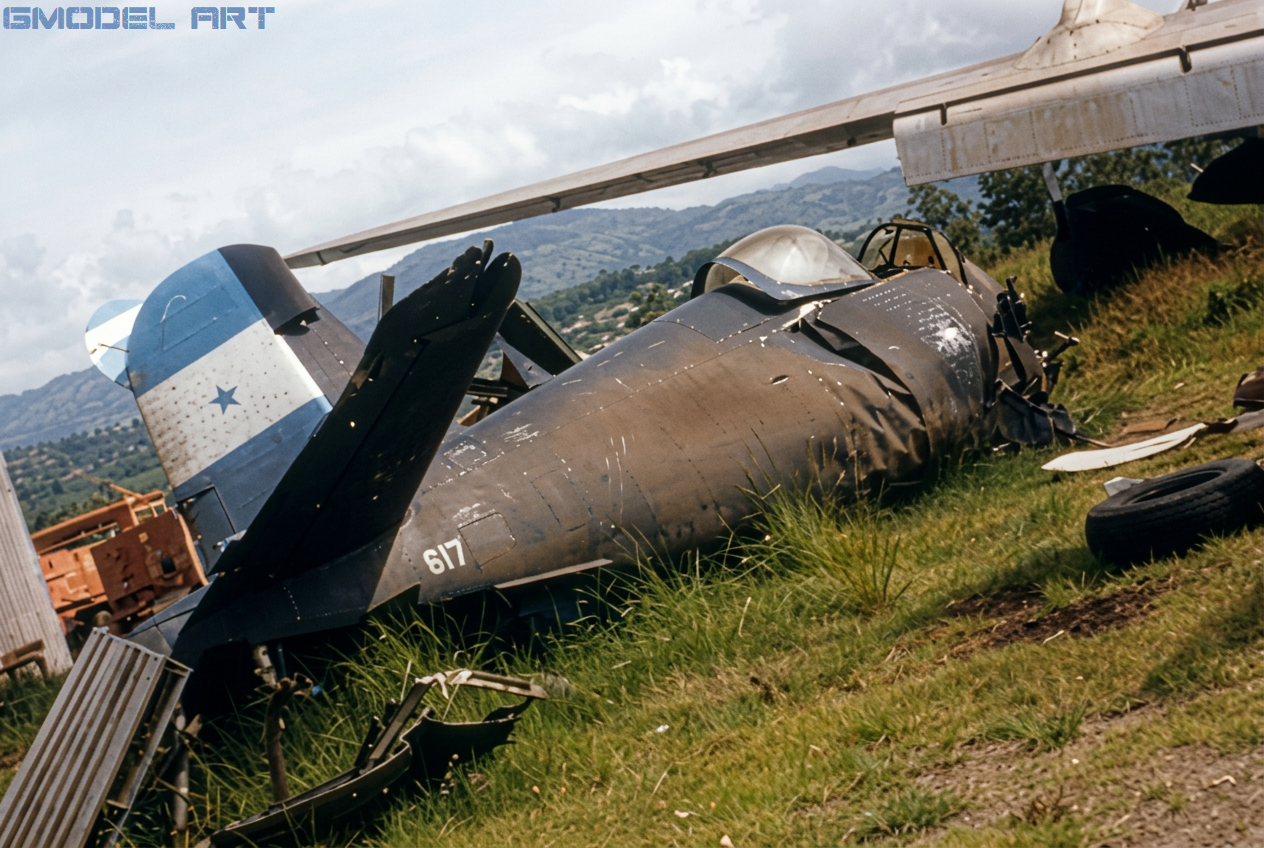
| FAH-617 | 97059 | F4U-4 |
| FAH-618 | 96885 | F4U-4 |
| FAH-619 | Unconfirmed | BuNo not established |
| FAH-620 | Unconfirmed | BuNo not established |
| FAH-692 | 124692 | Corsair; variant requires confirmation |
The identifications above should be treated as a working reference rather than a definitive aircraft register. Where the available information is incomplete or published records differ, additional photographs and individual aircraft records are needed.
The Final Years of Honduran Corsair Service
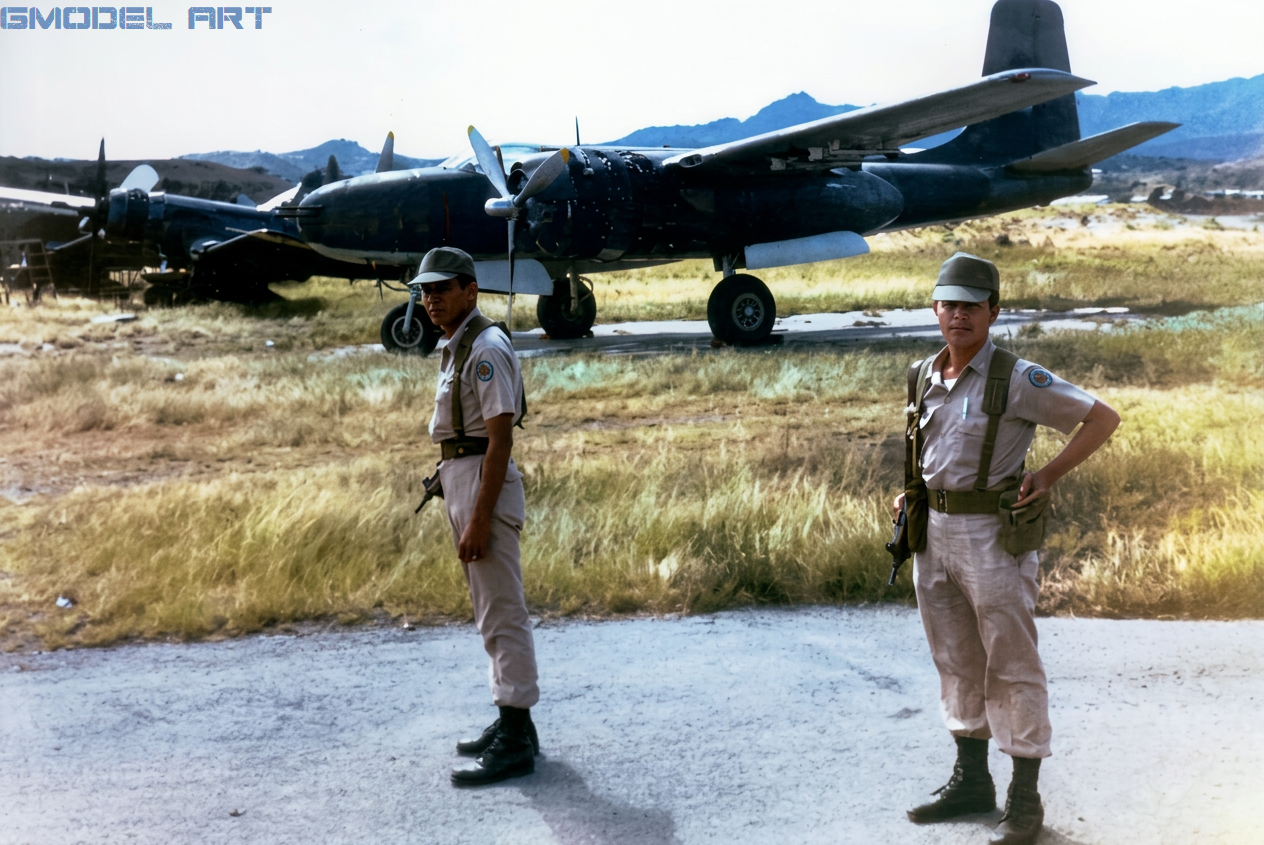
The Honduran Corsairs remained in service after the July 1969 conflict. Their eventual withdrawal took place toward the end of the 1970s.
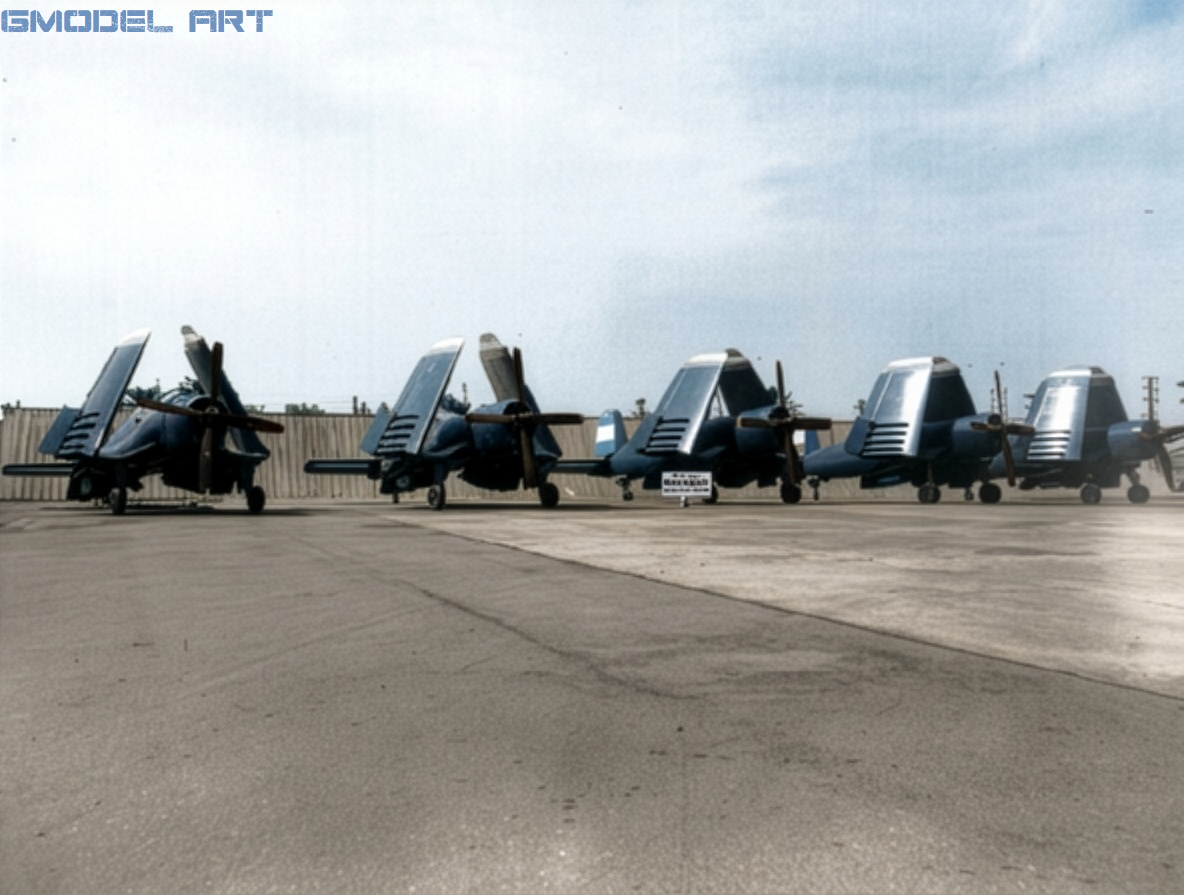
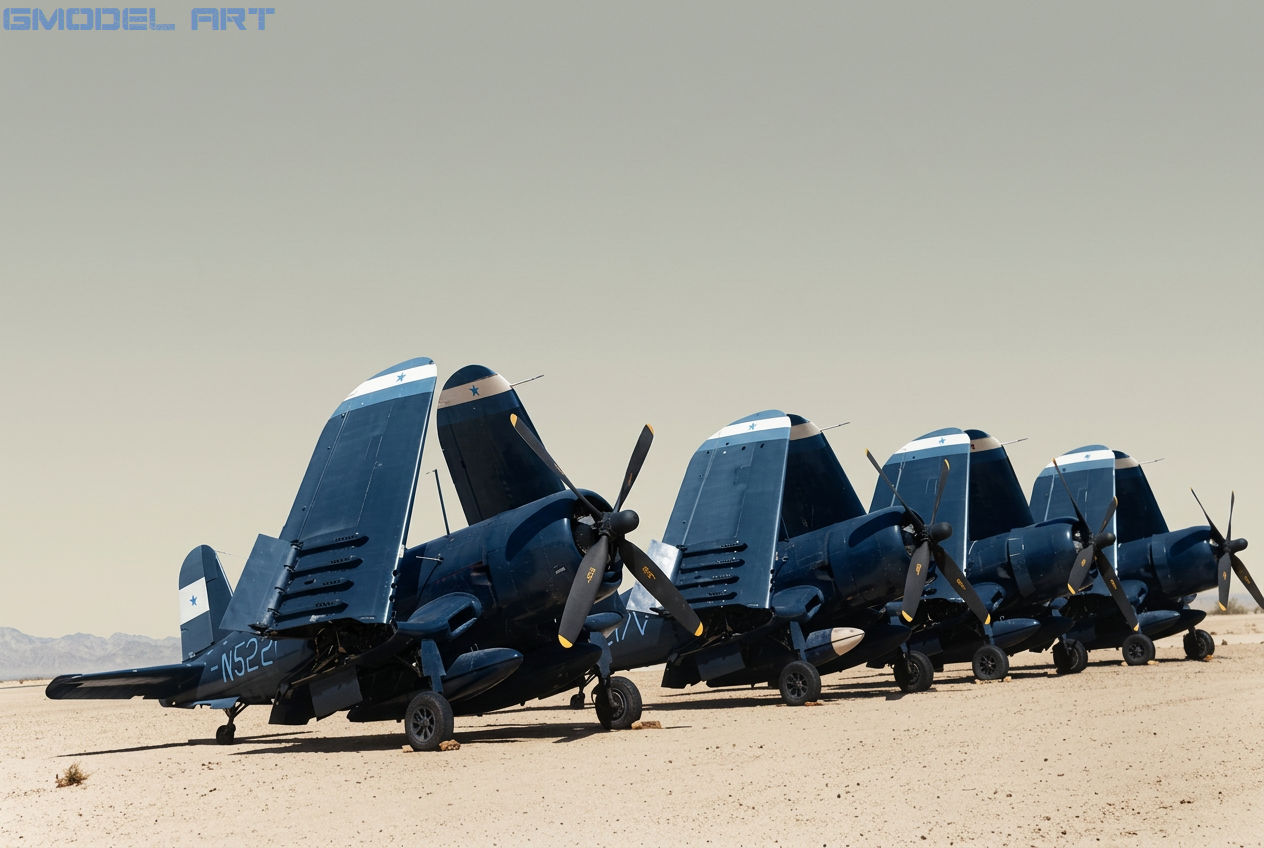
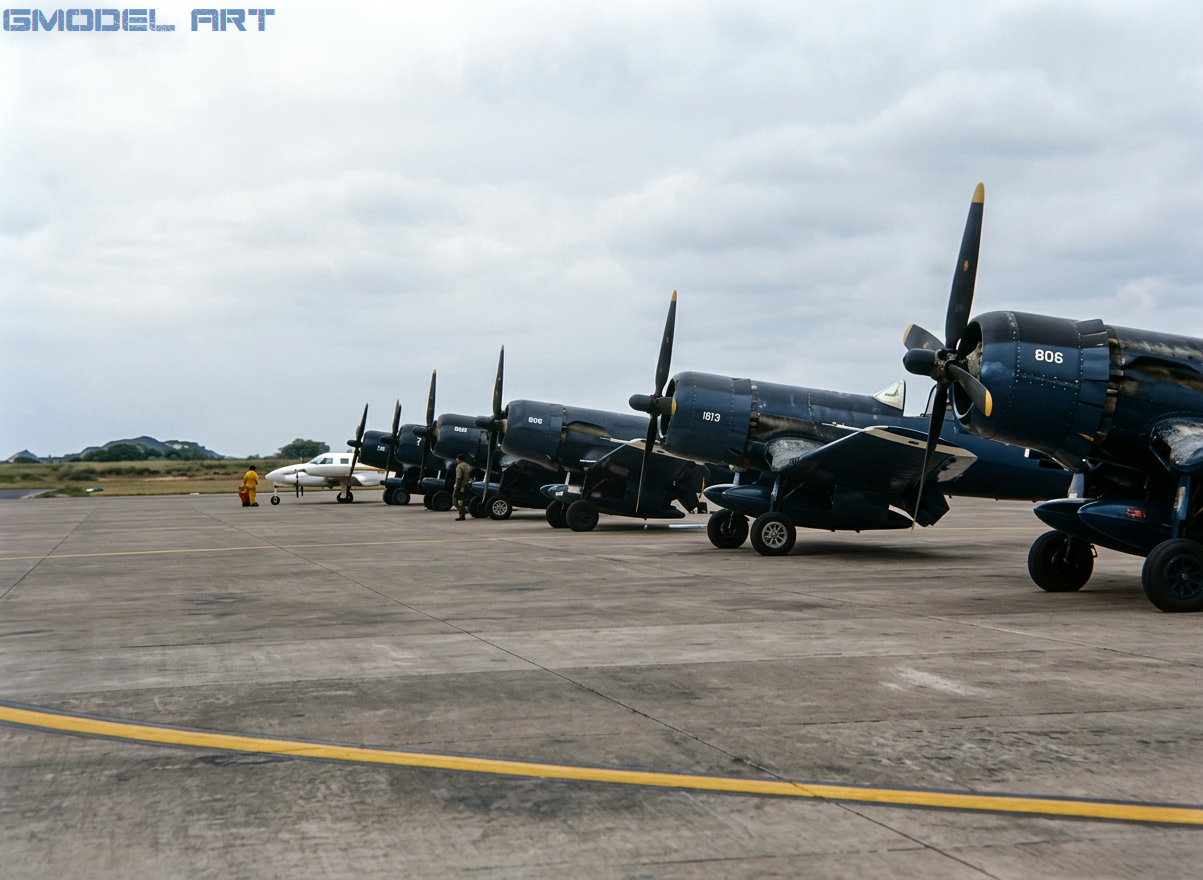
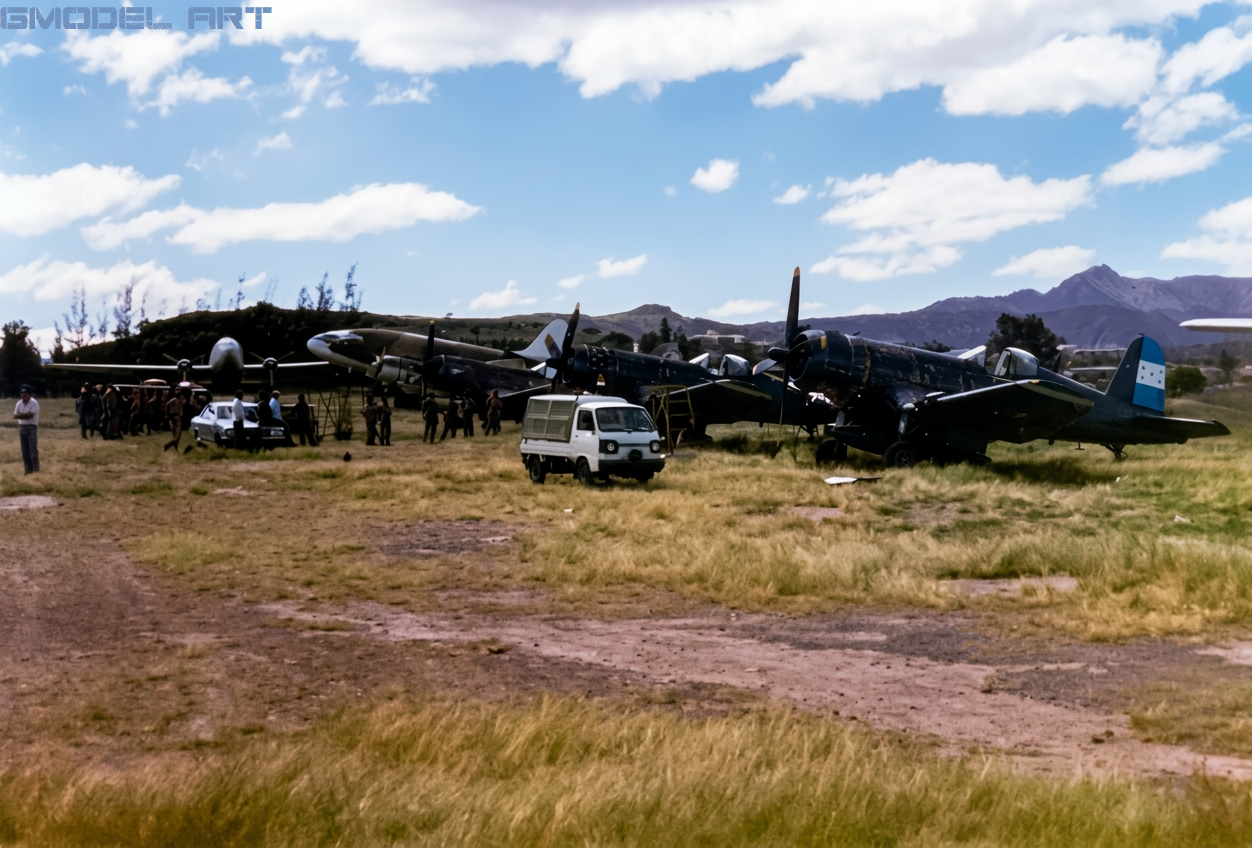
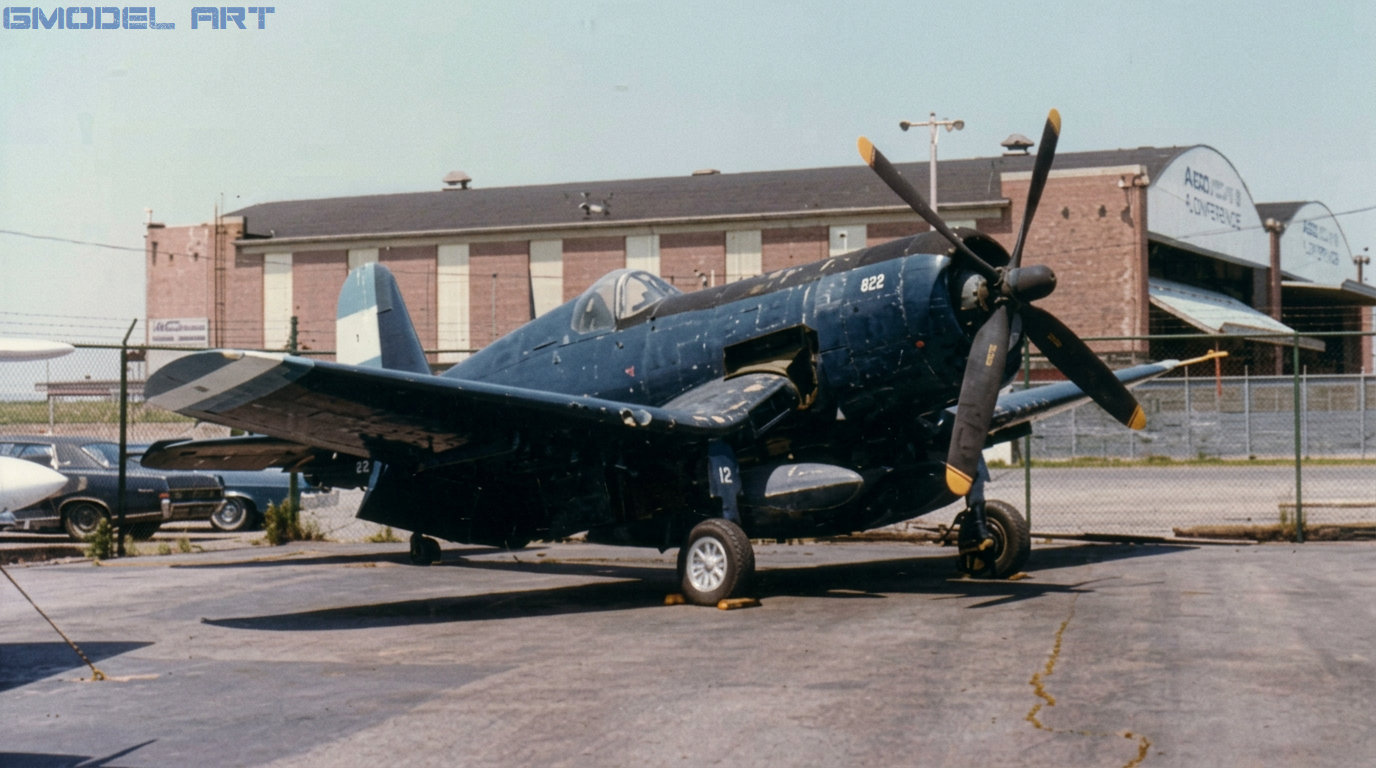
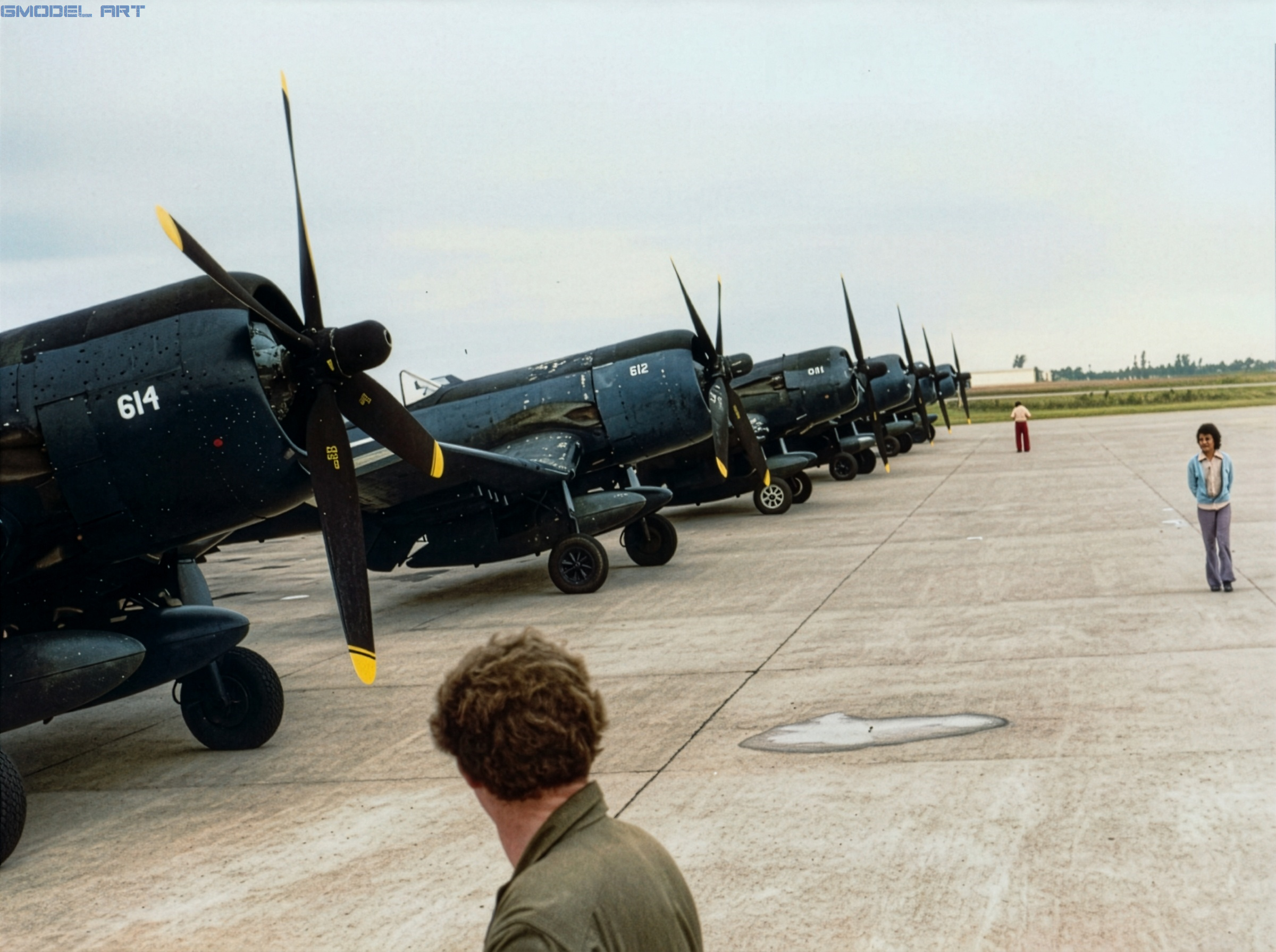
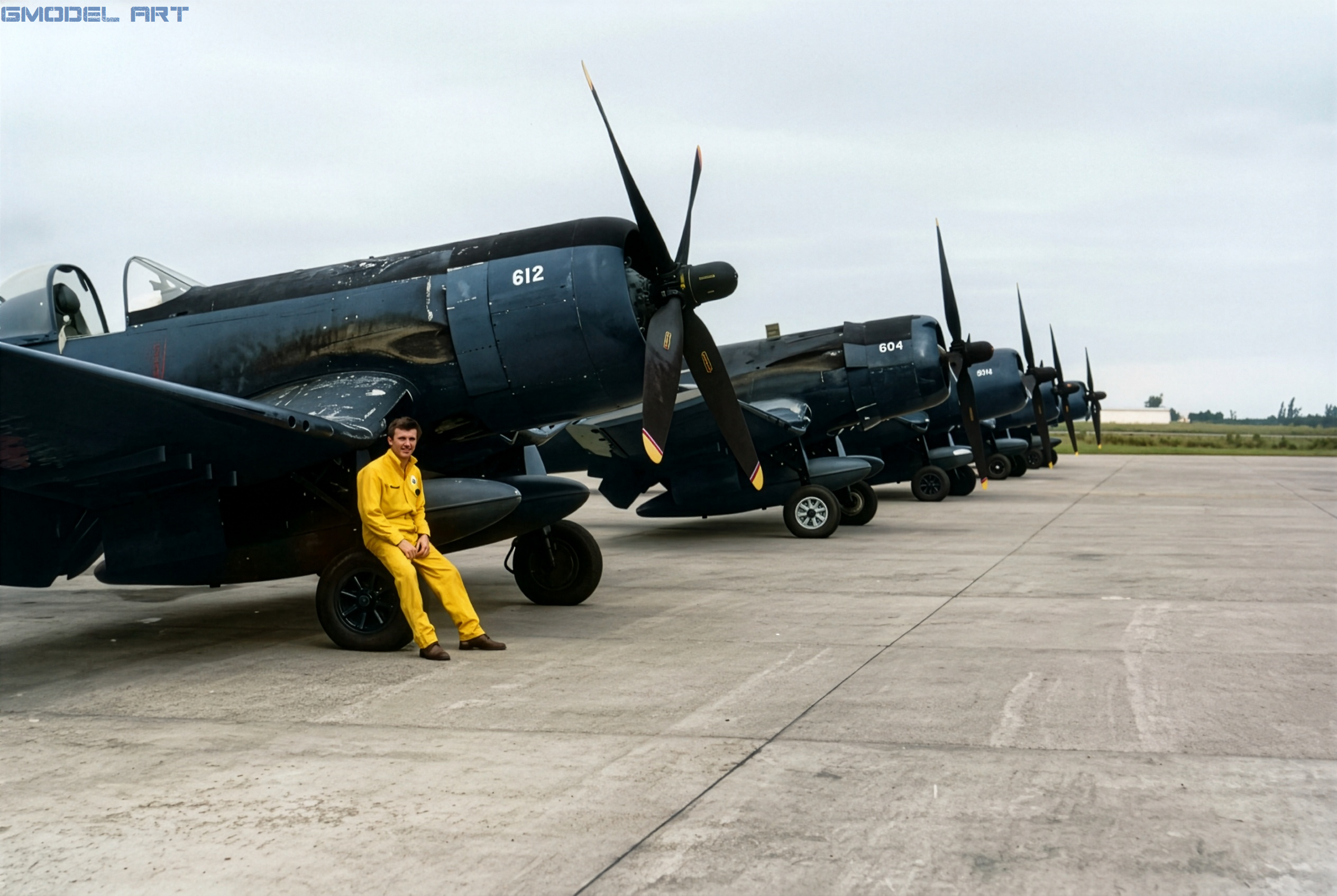
In 1978, the remaining aircraft were sold to Hollywood Wings, based in Long Beach, California. Published accounts describe seven relatively complete Corsairs that were able to return to the United States under their own power, while parts from ten additional aircraft were transported by rail.
The sale marked the end of the Corsair’s operational era in Honduras, although individual aircraft continued their lives as privately owned warbirds, restoration projects, and museum exhibits.
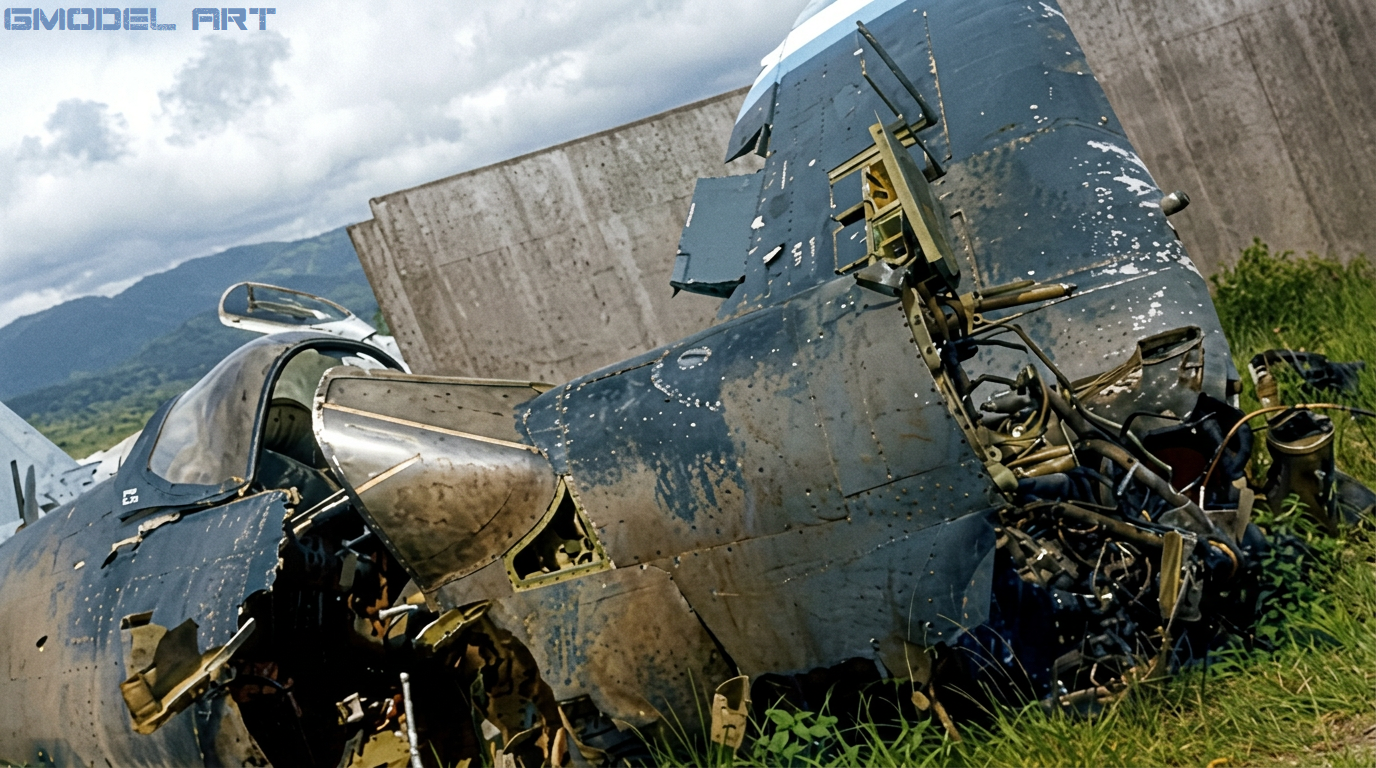
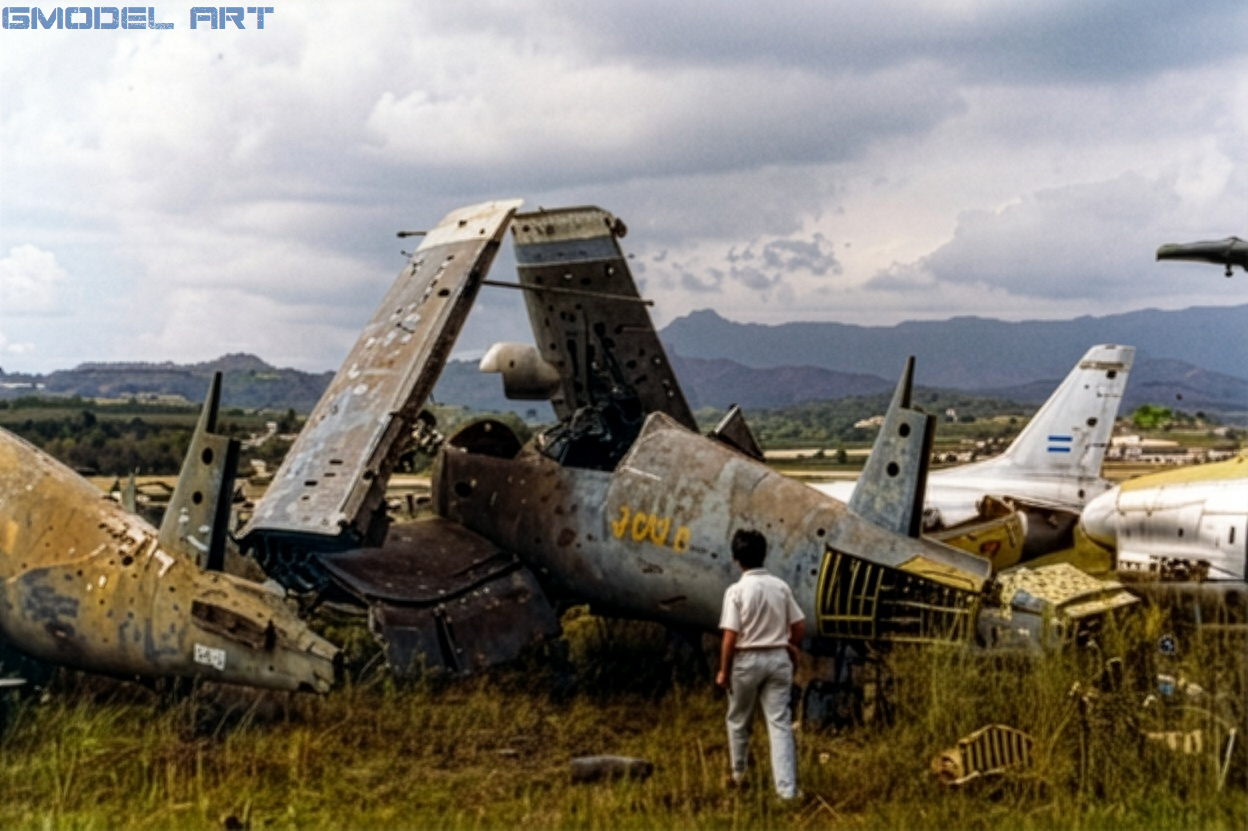
FAH-609 was preserved for its historical significance, maintaining a direct connection with the aerial engagements of July 1969. The surviving Honduran Corsairs remain valuable subjects for documenting the aircraft’s long post-war service and the different finishes applied during its later years.
Scale Modelling Guide: Honduran F4U Corsair Colours and Finishes
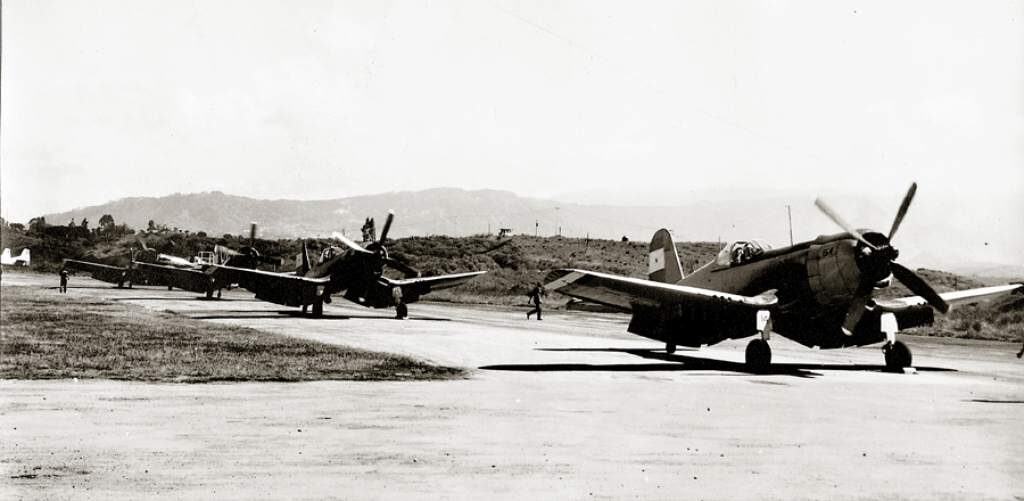
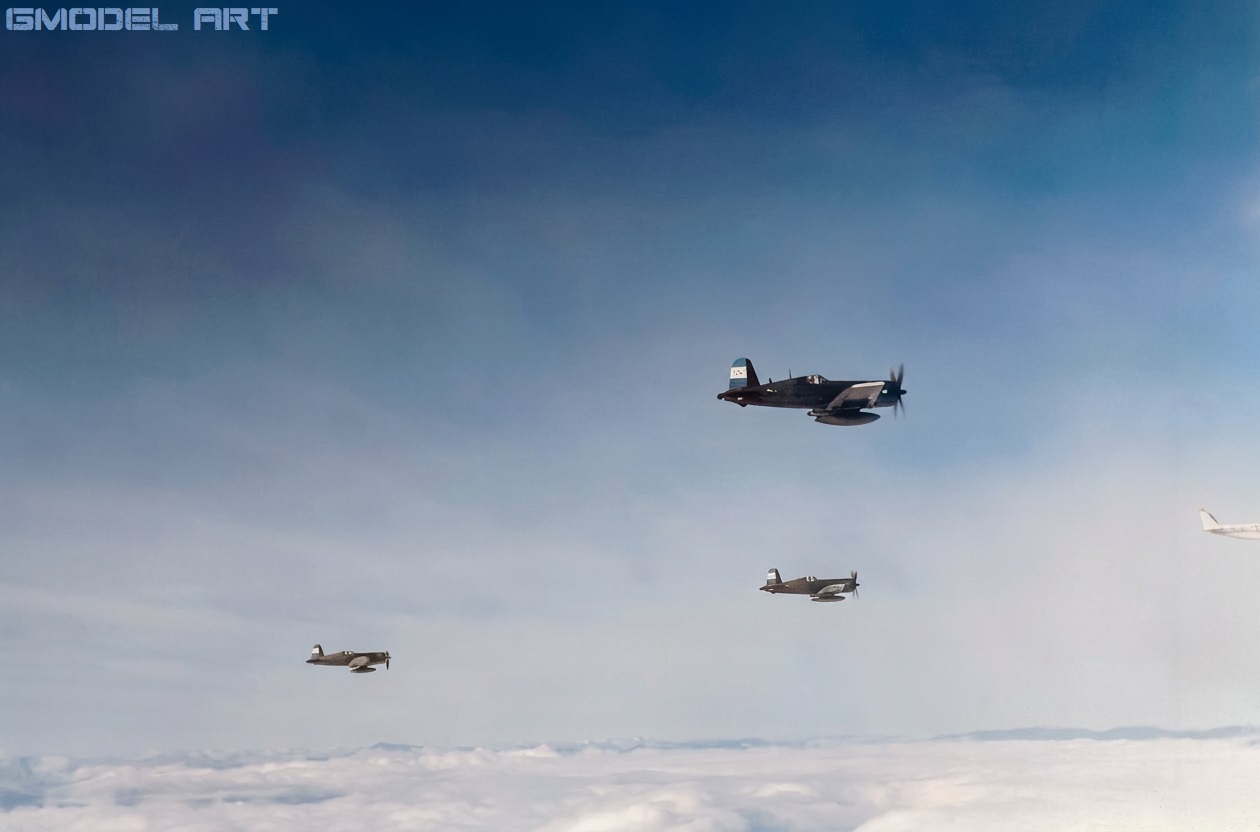
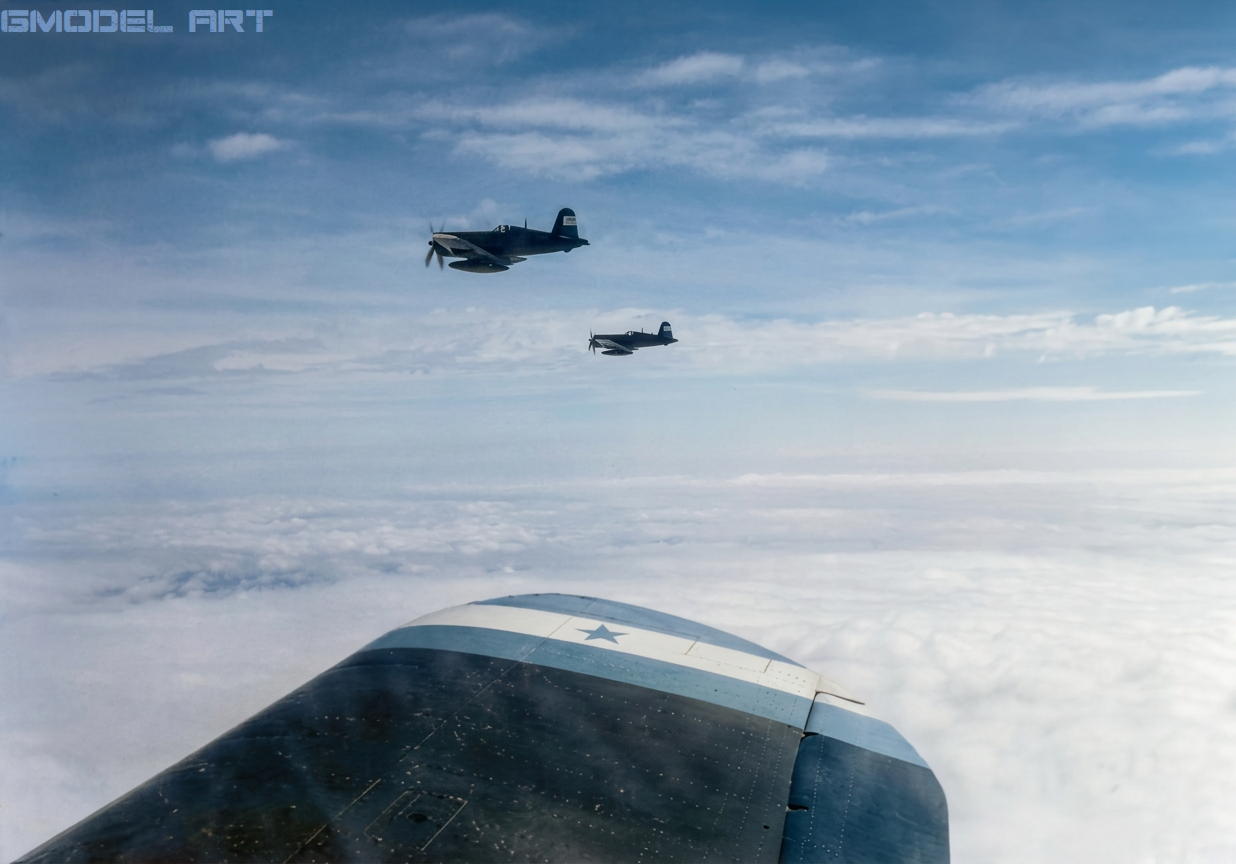
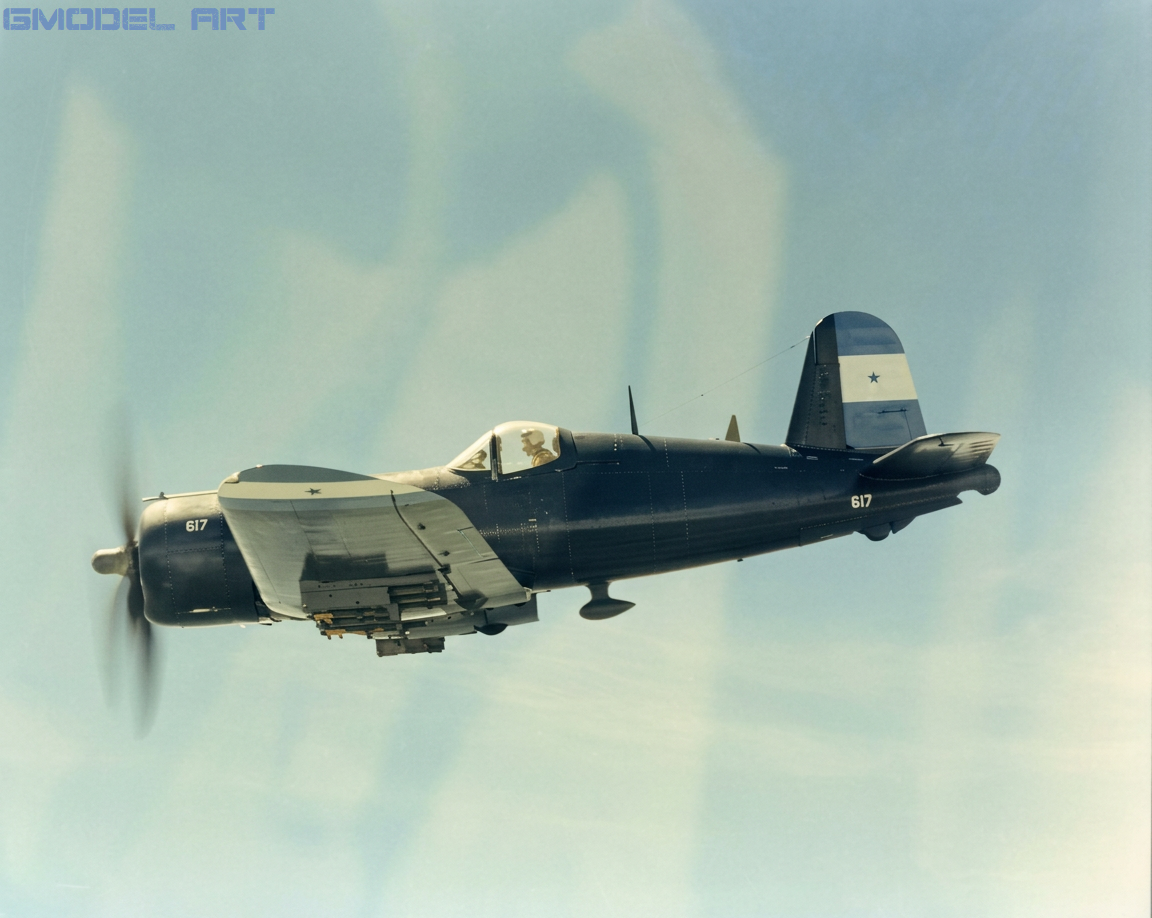
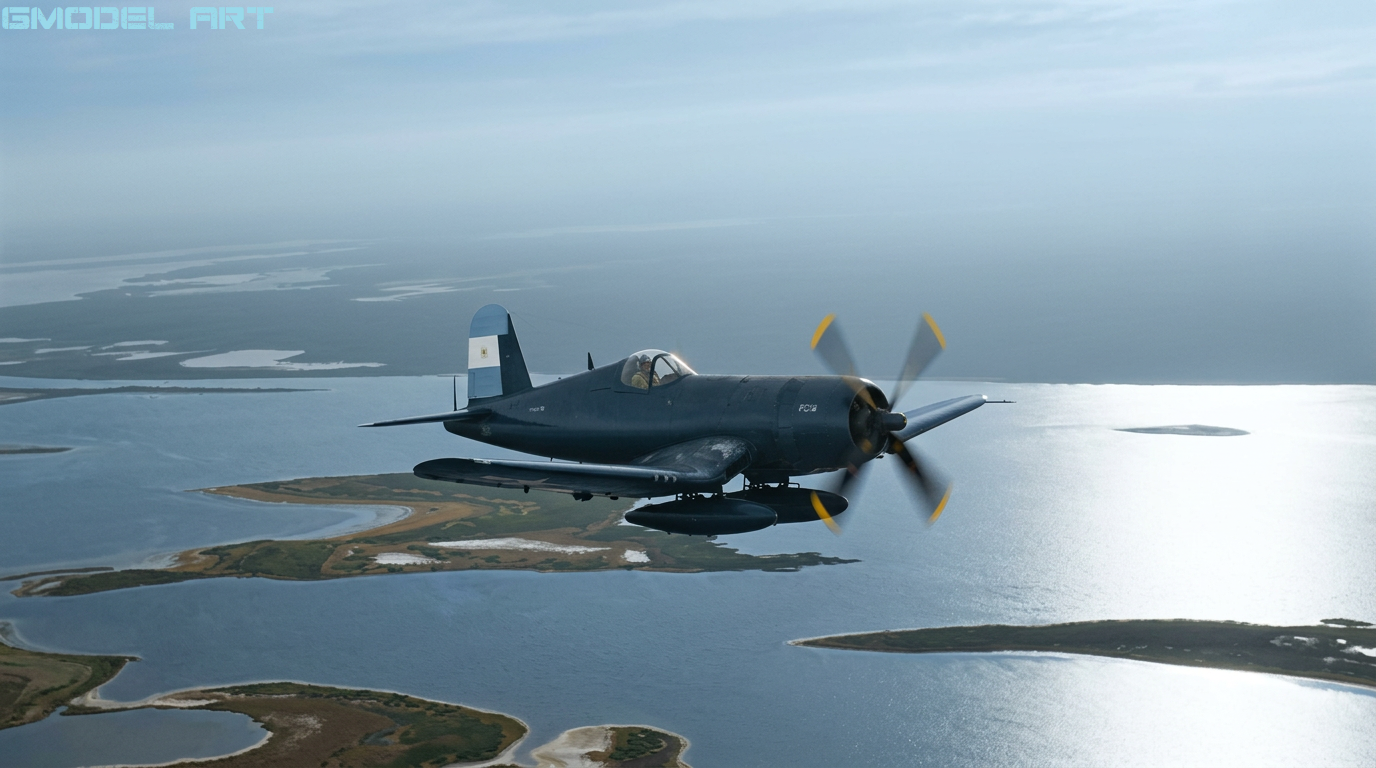
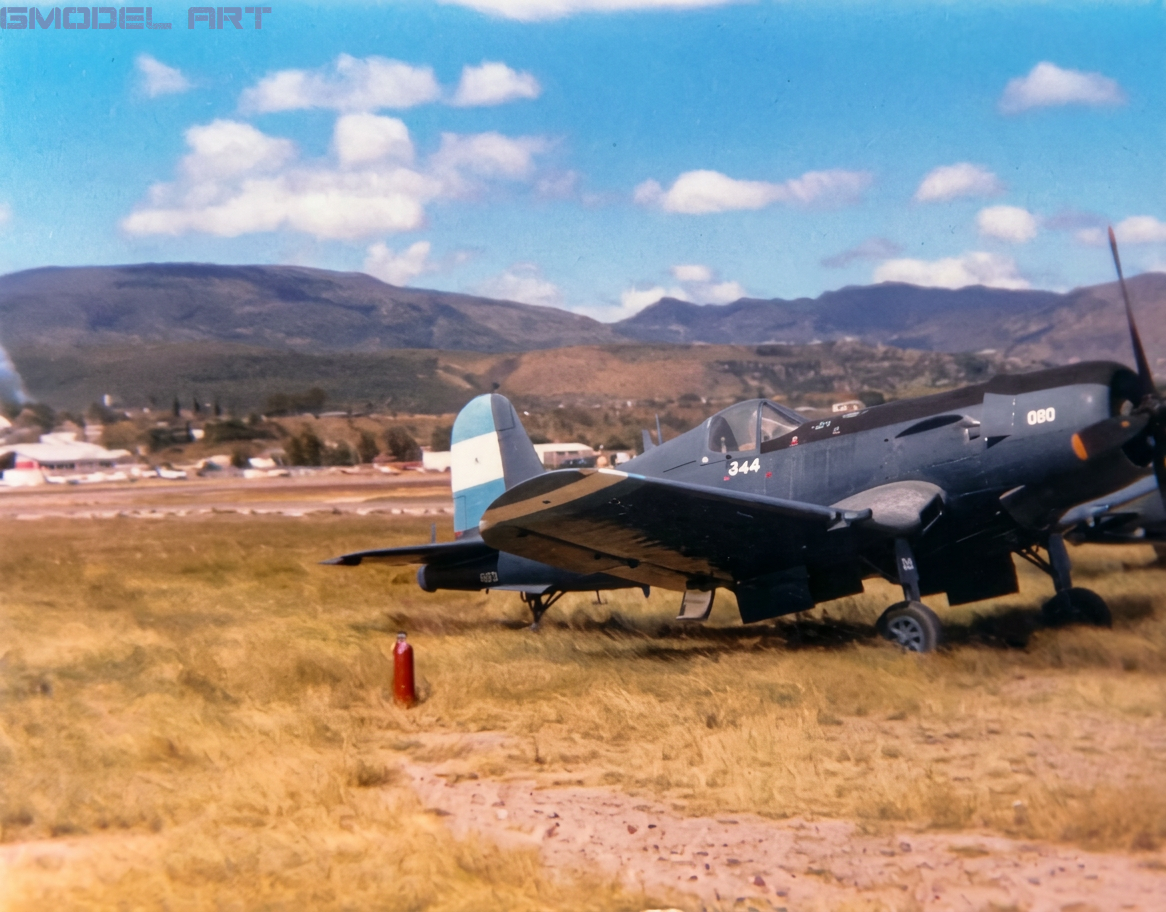
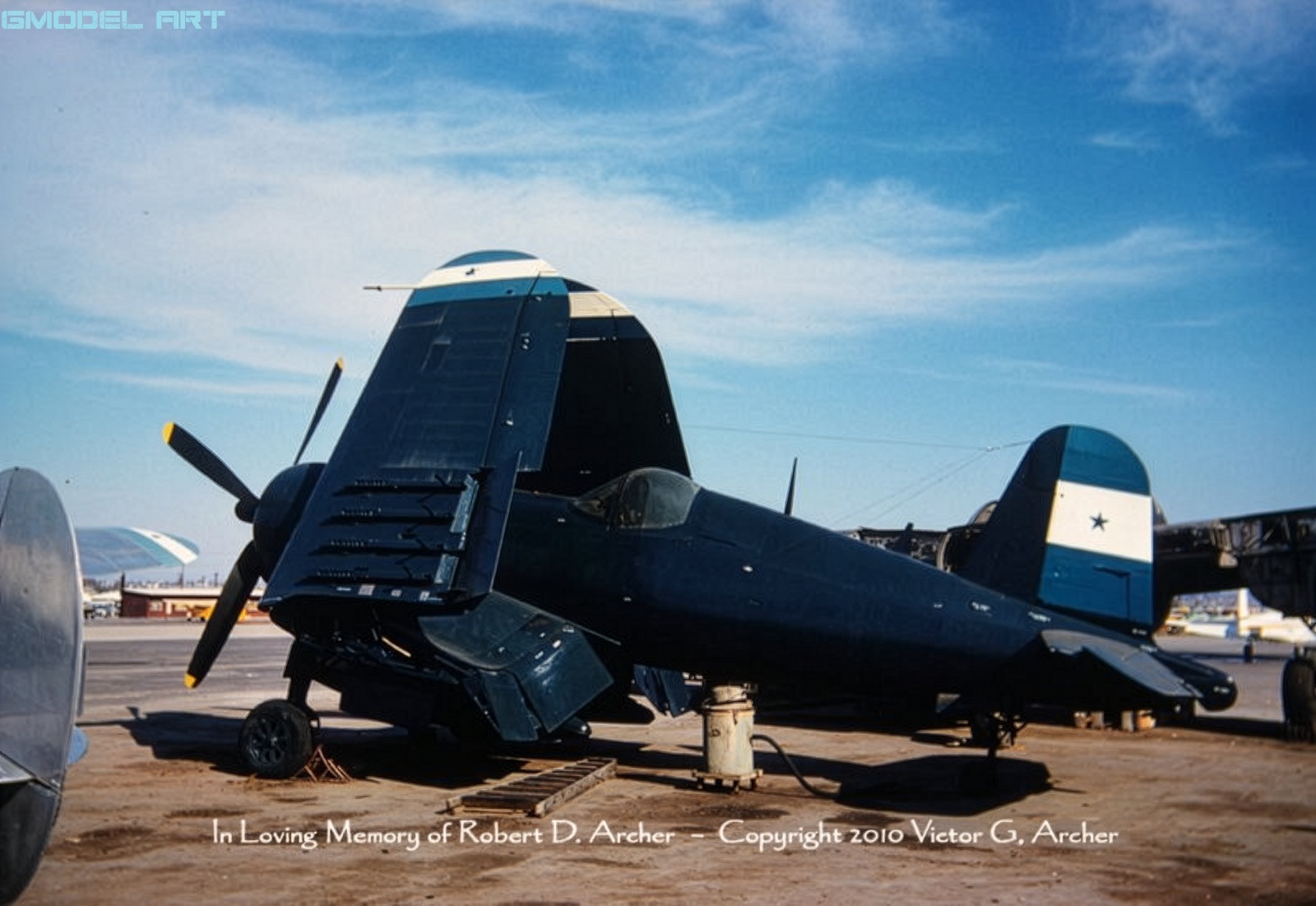
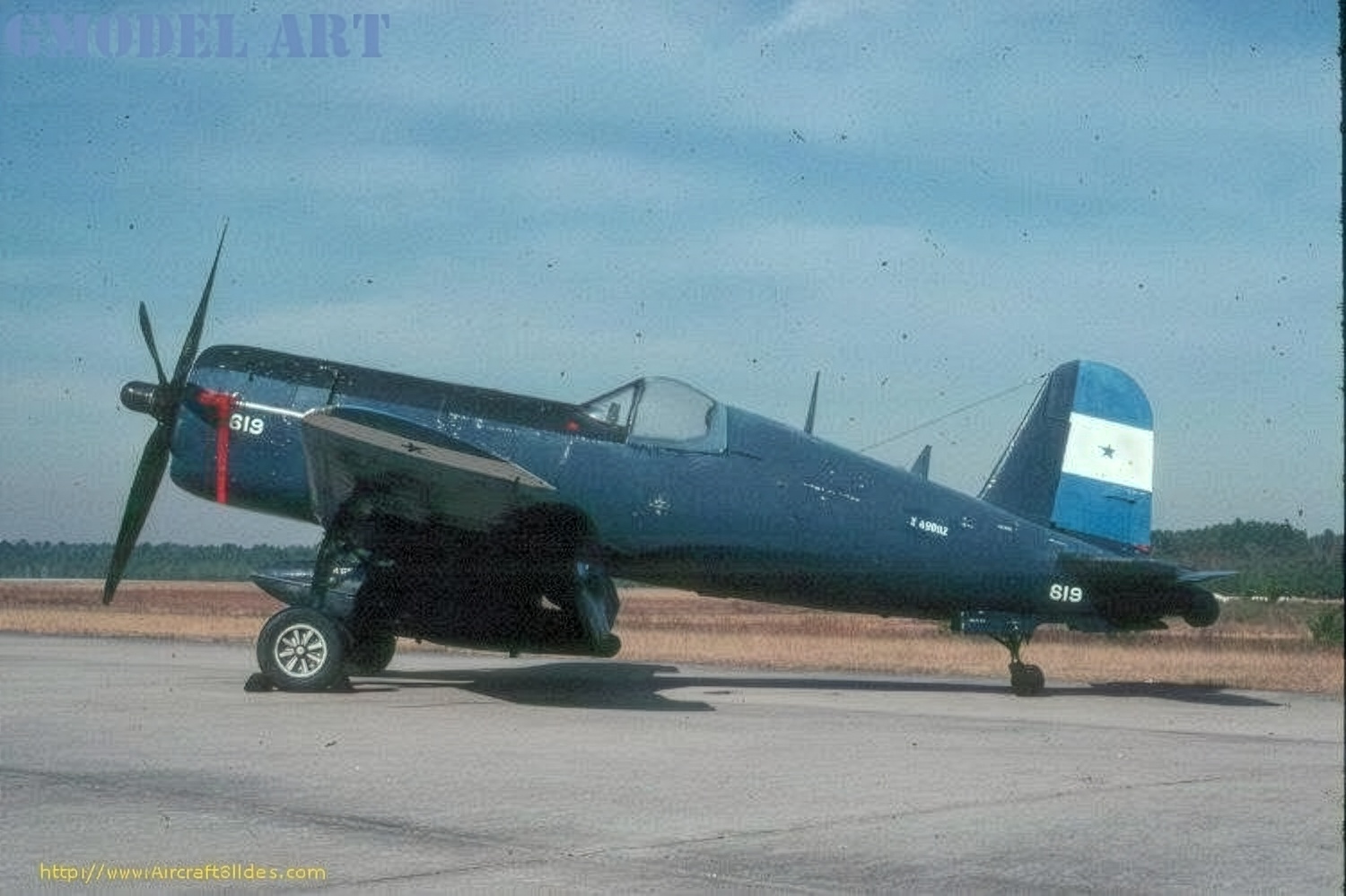
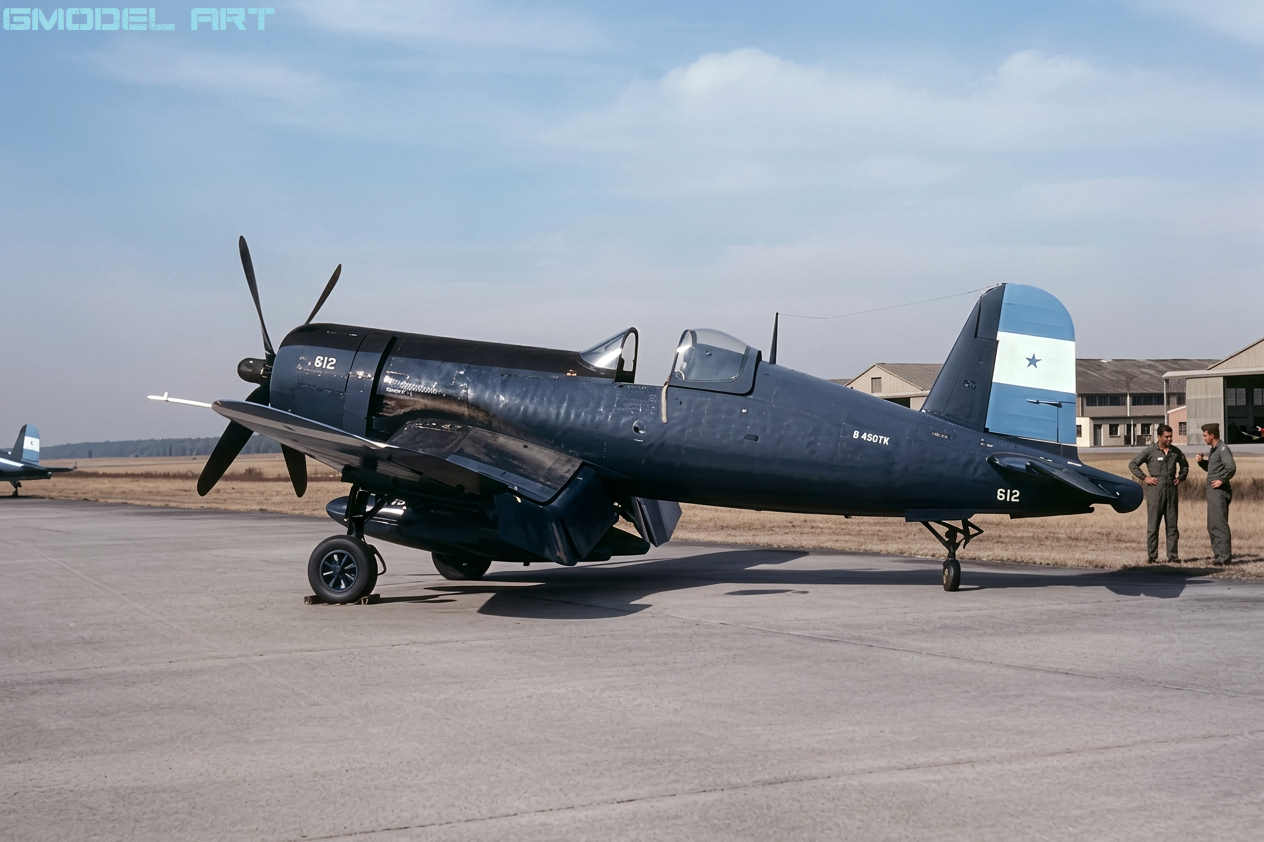
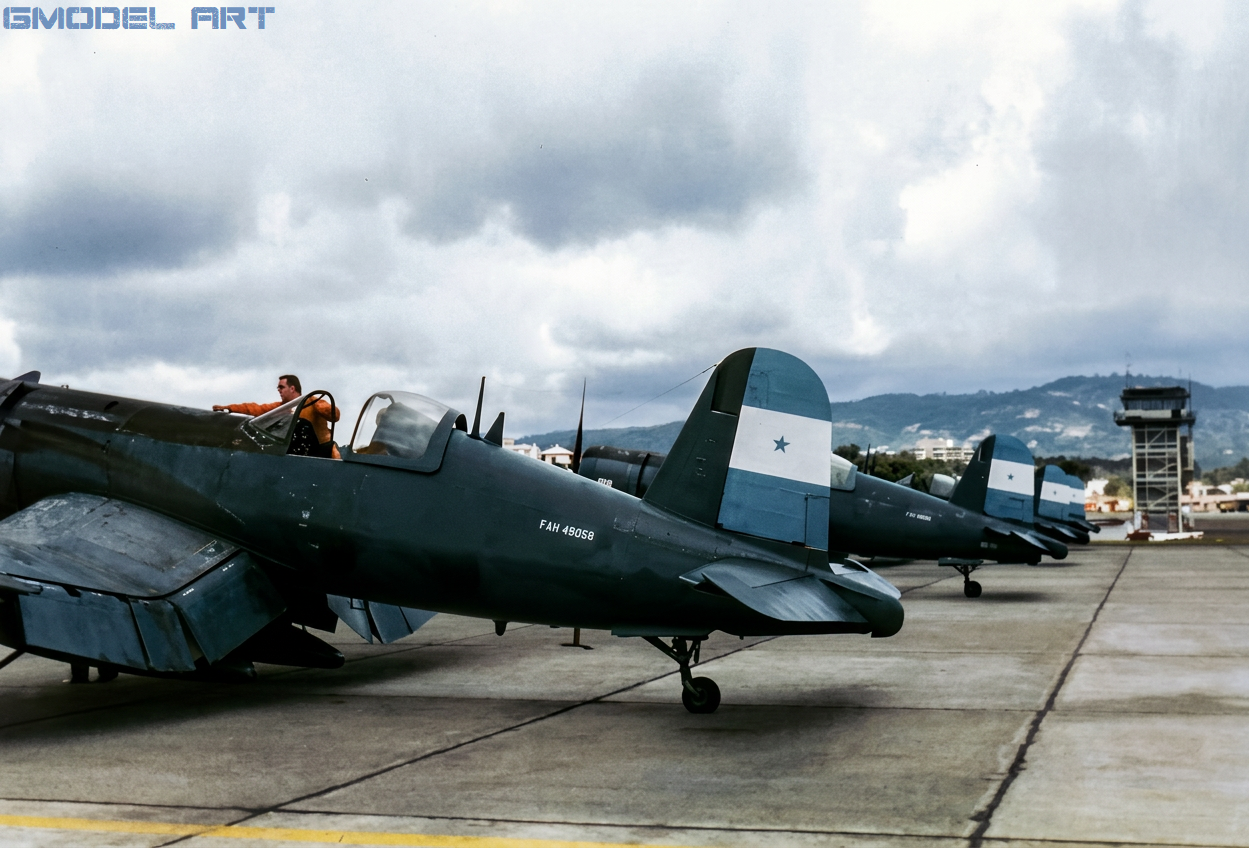
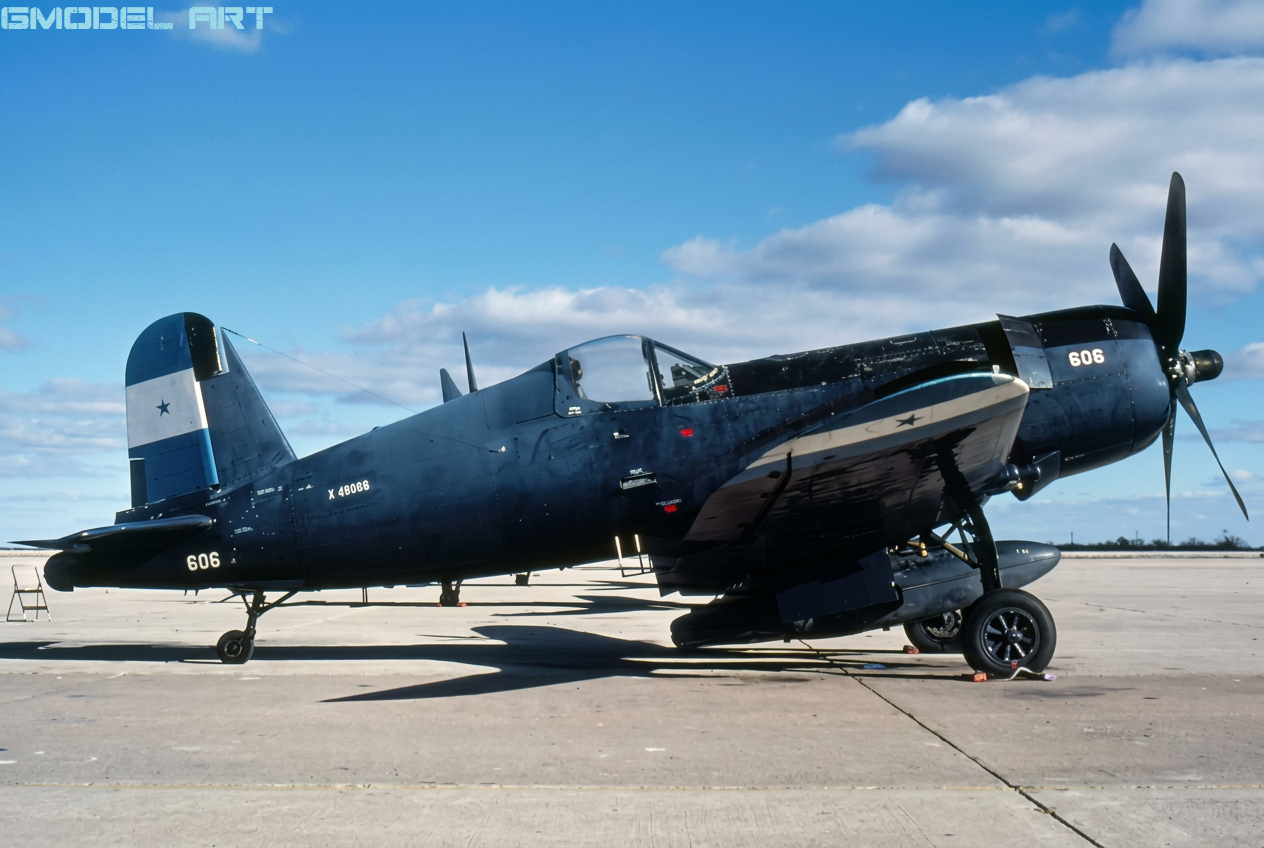
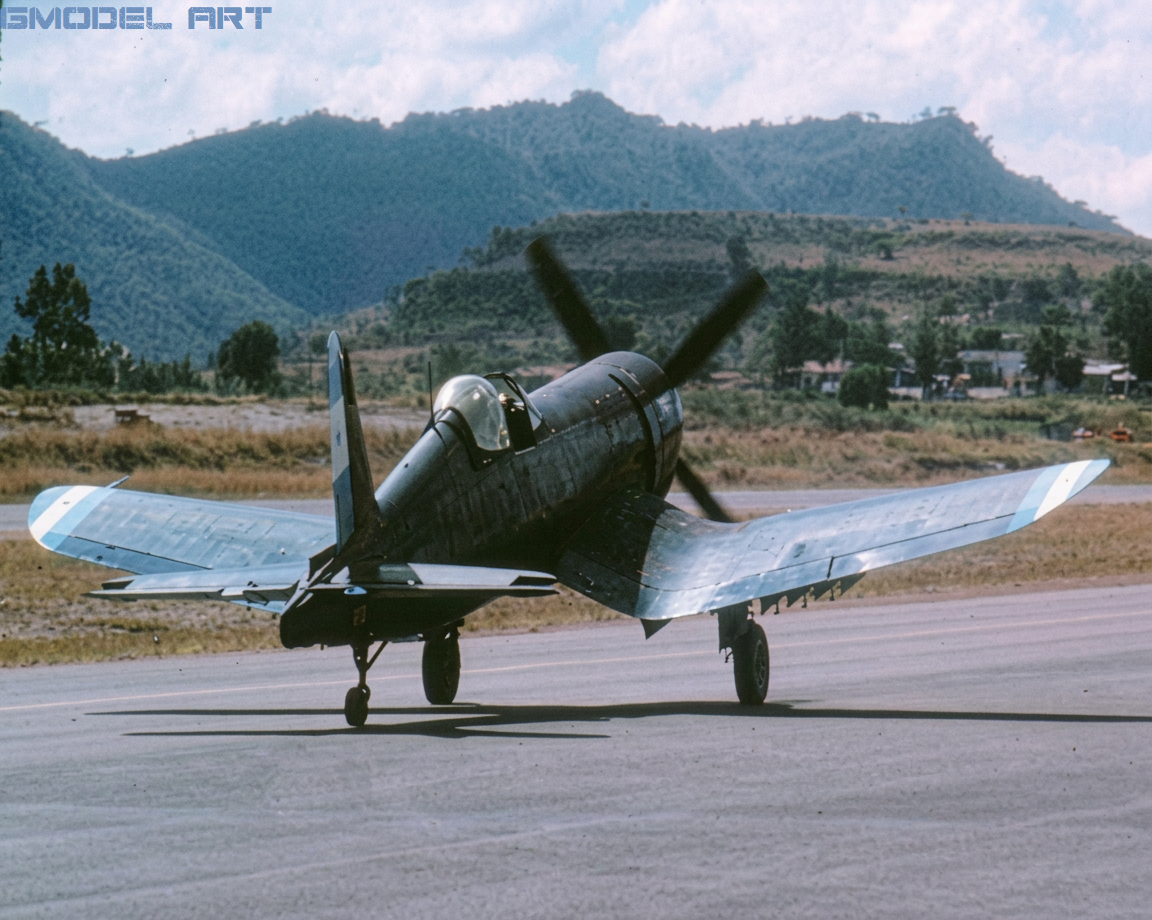
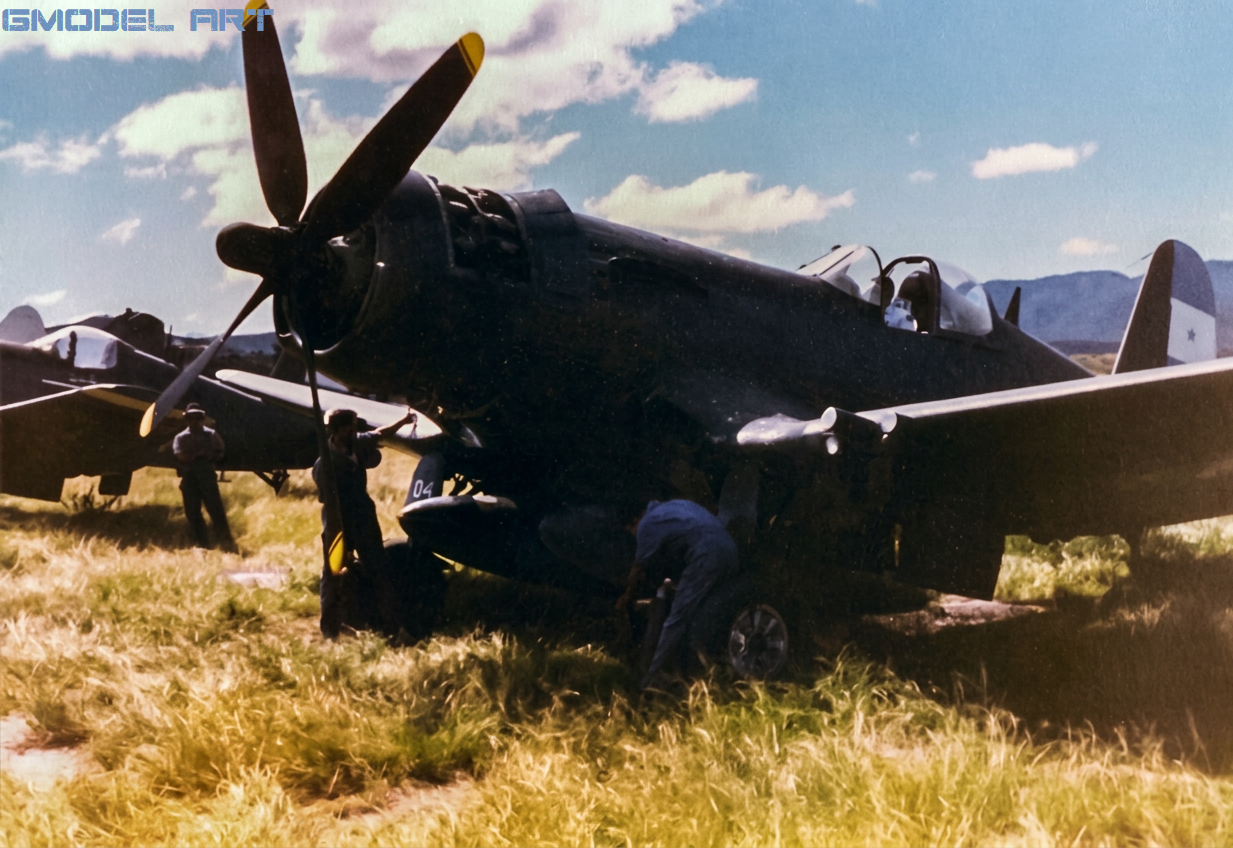
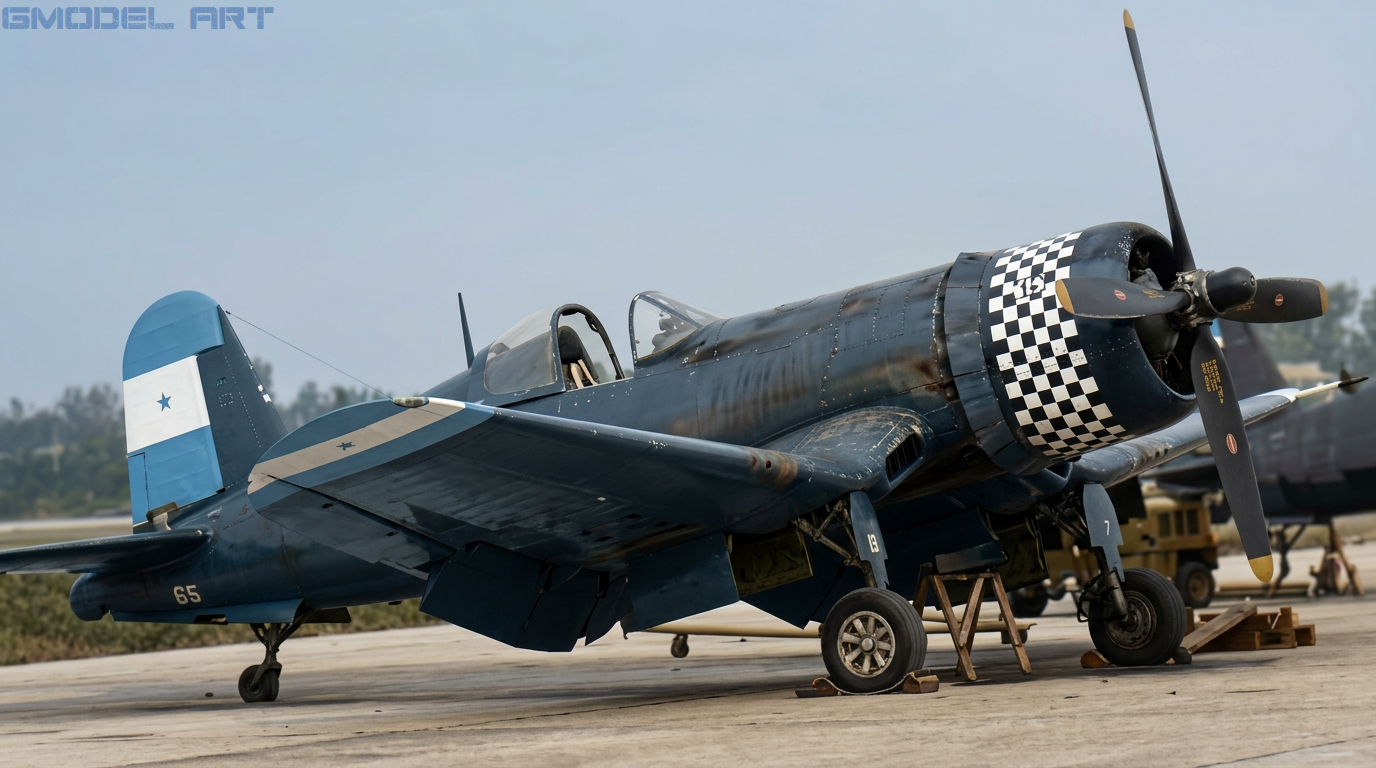
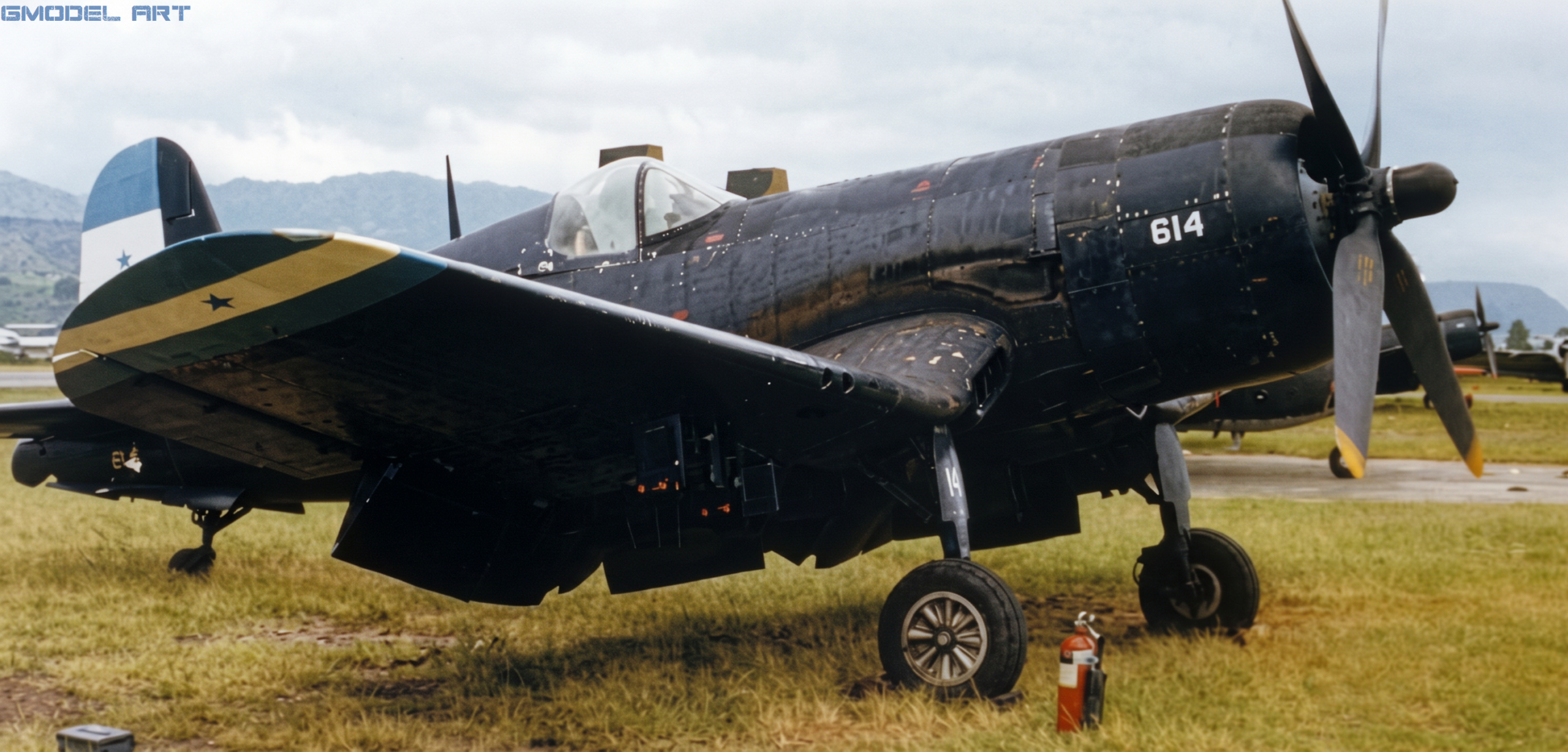
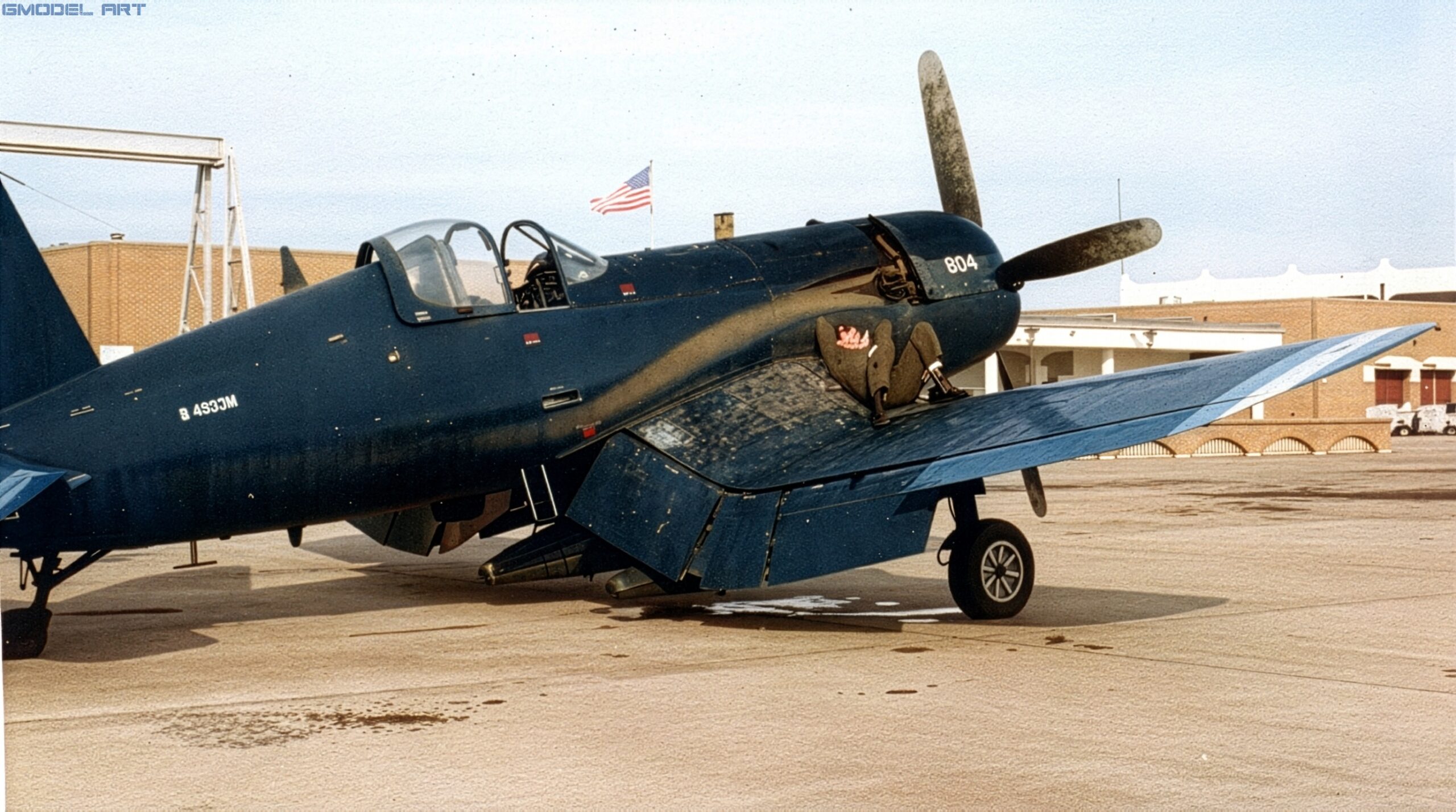
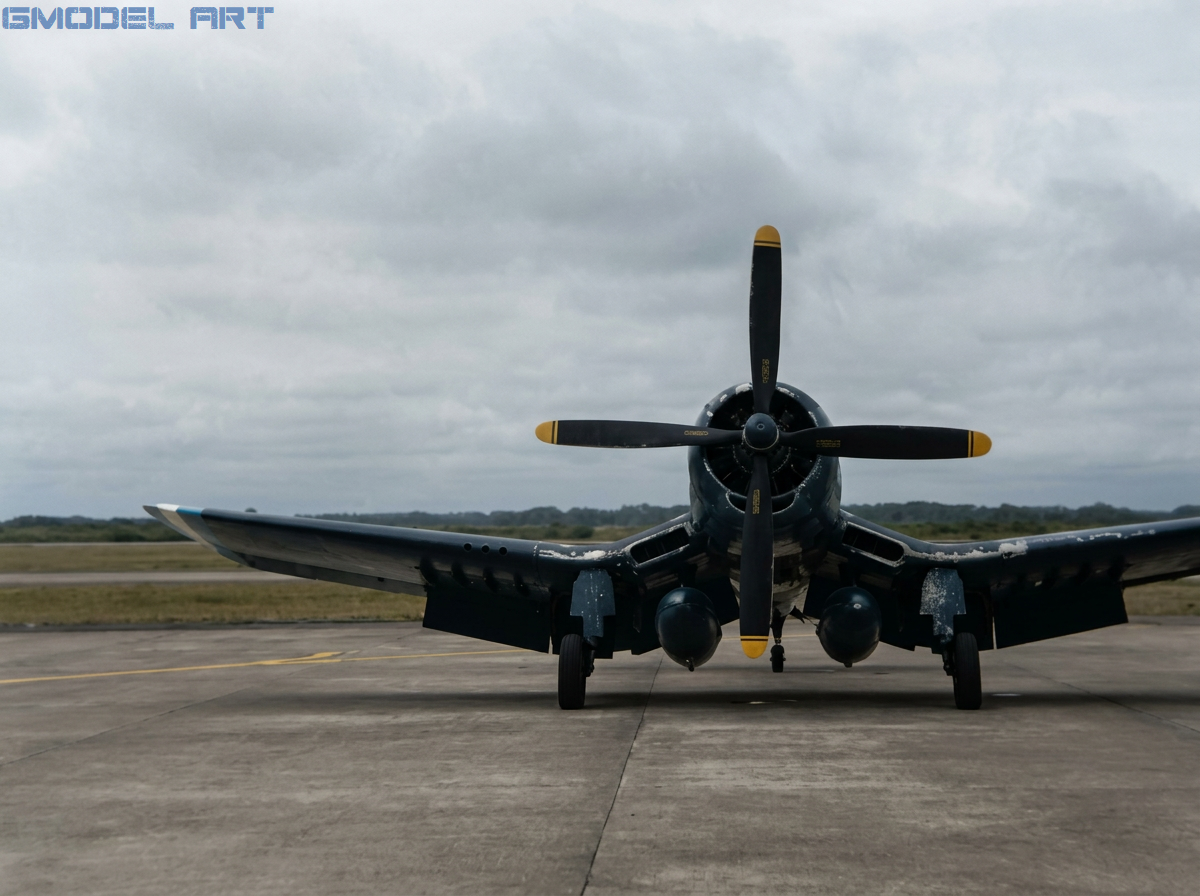
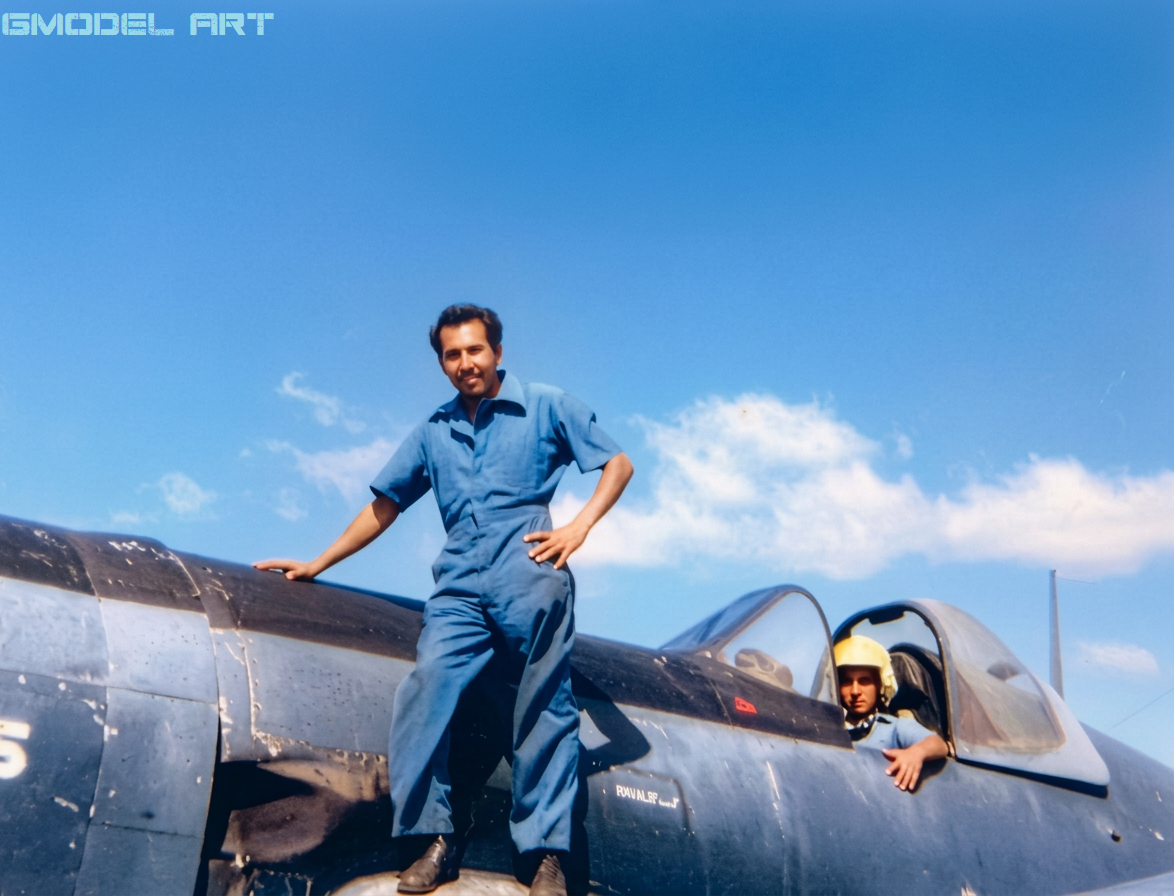
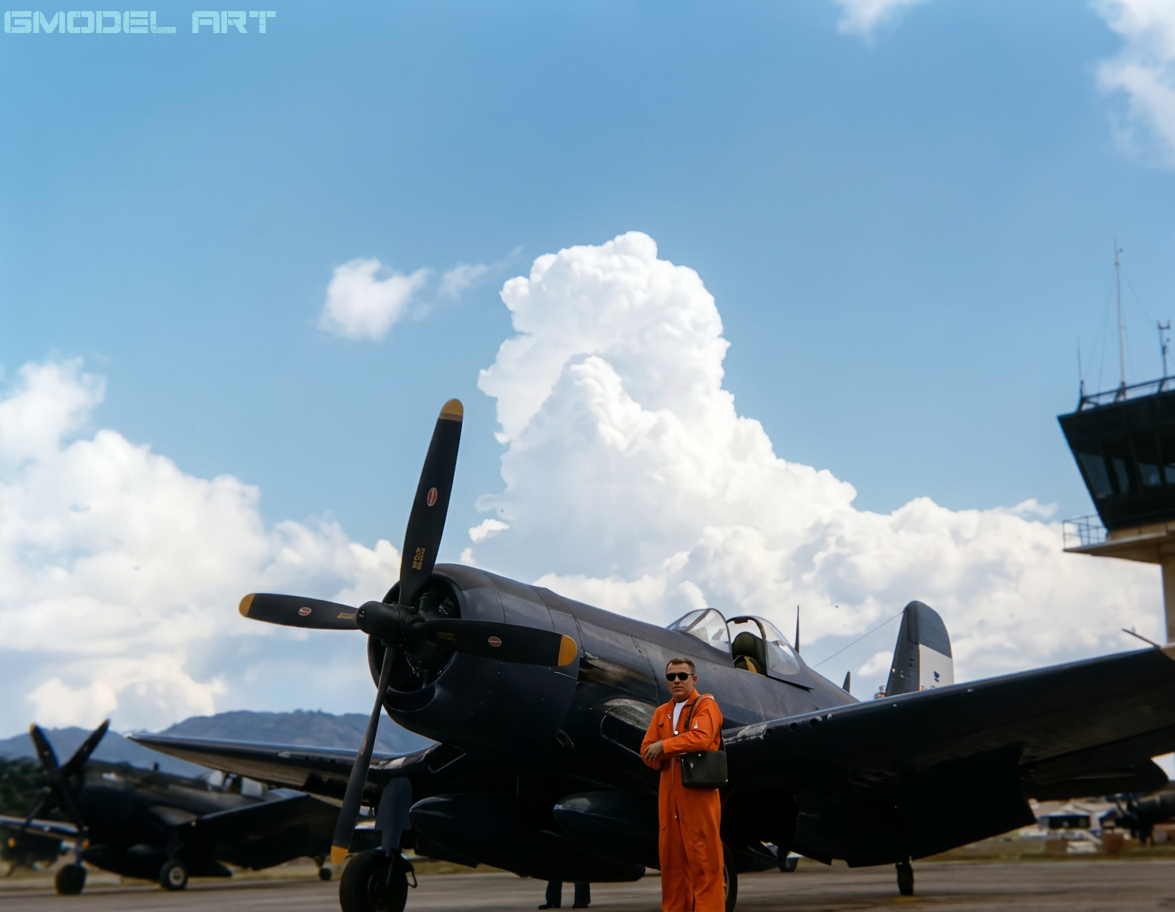
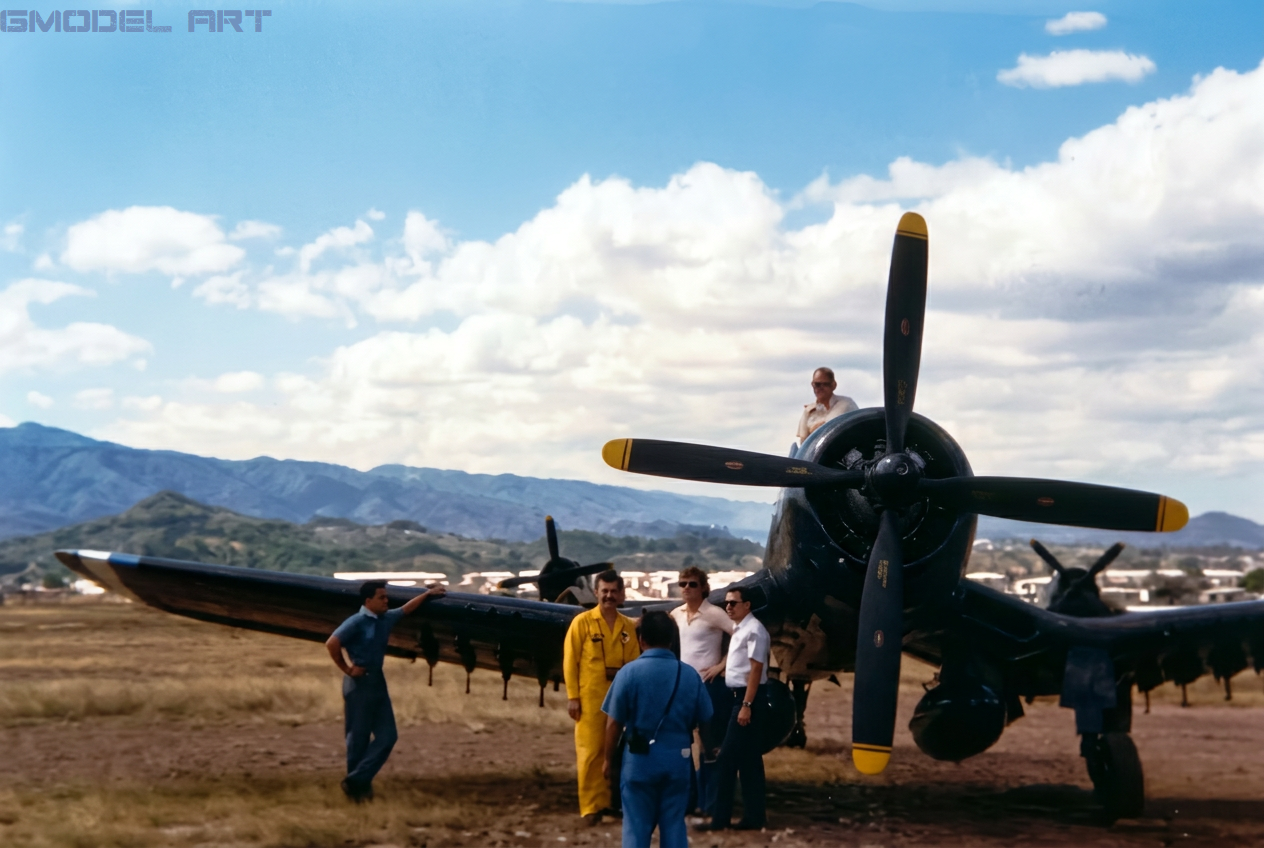
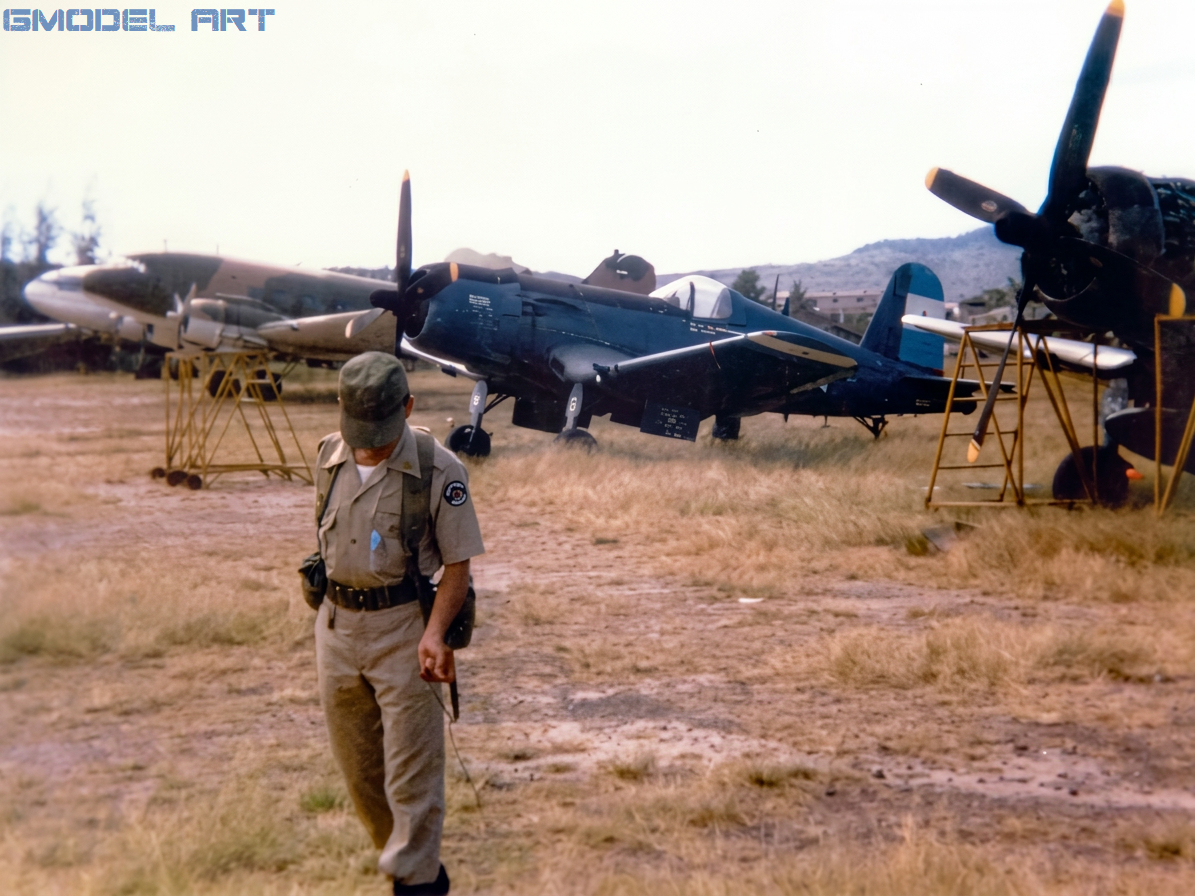
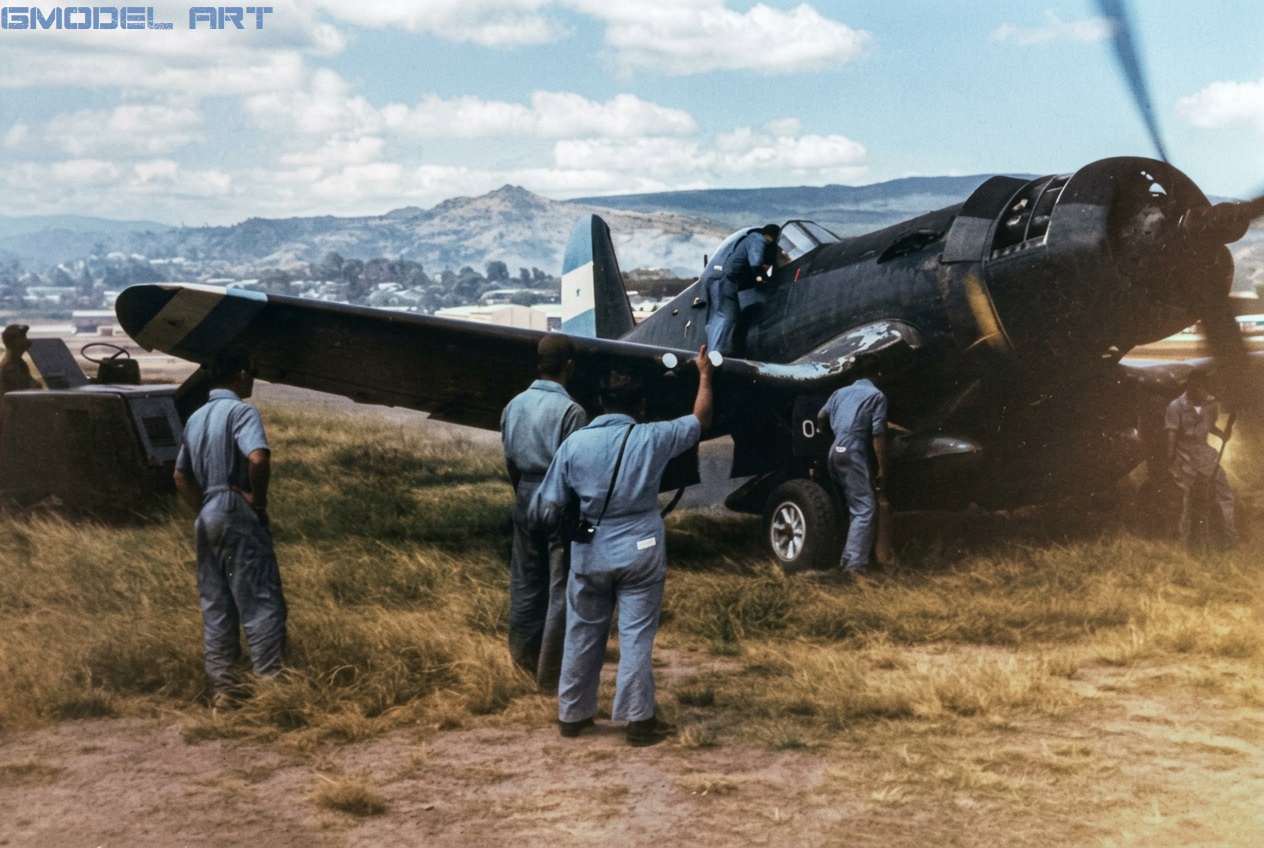
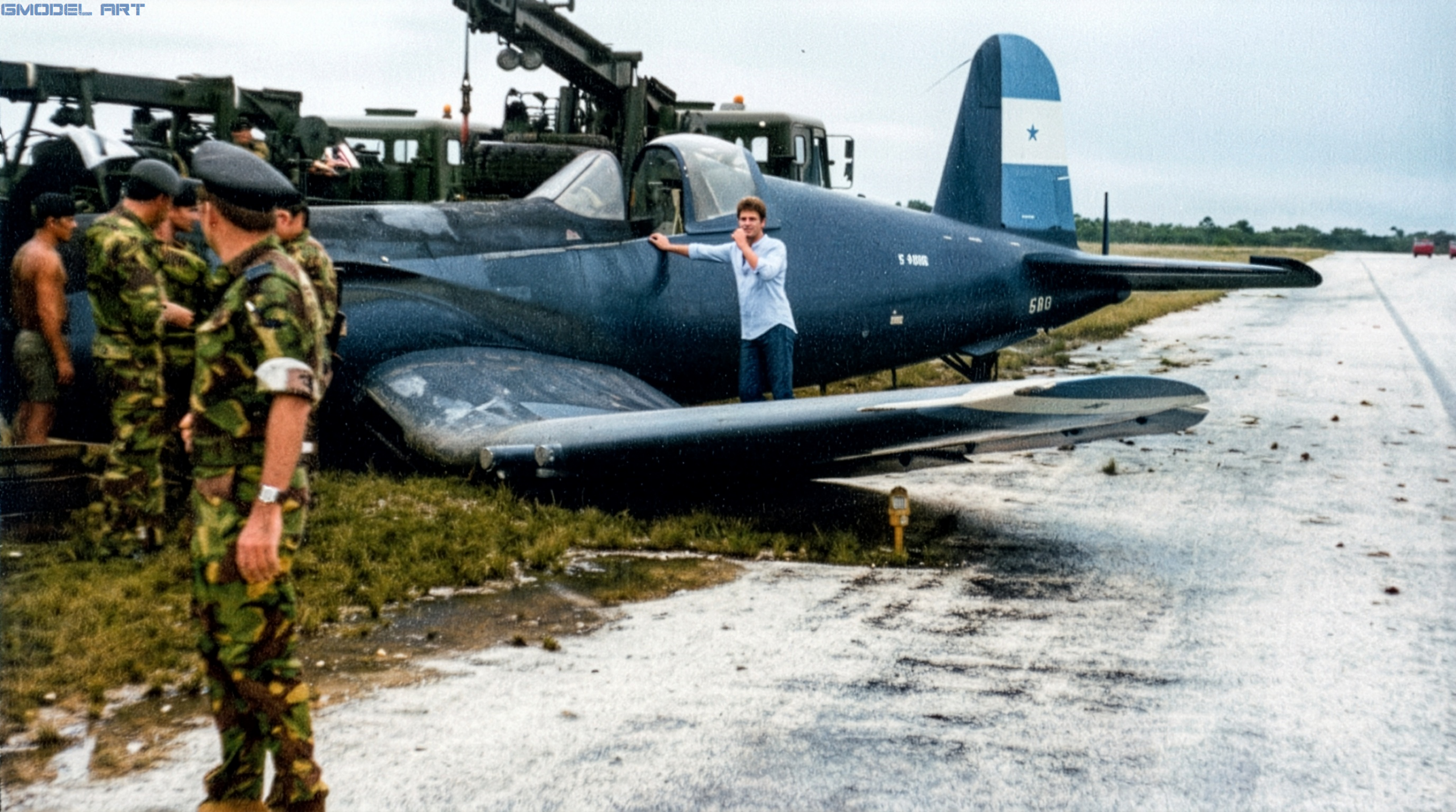
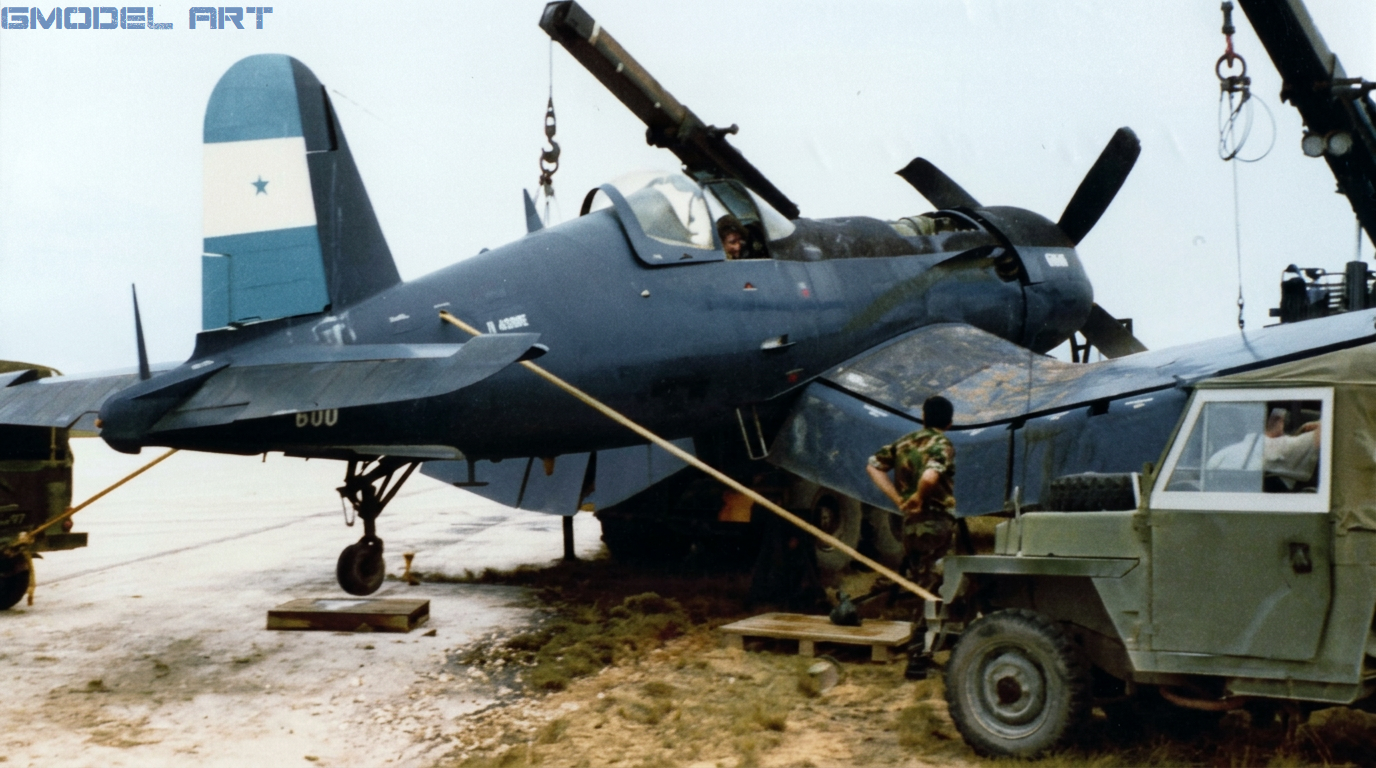
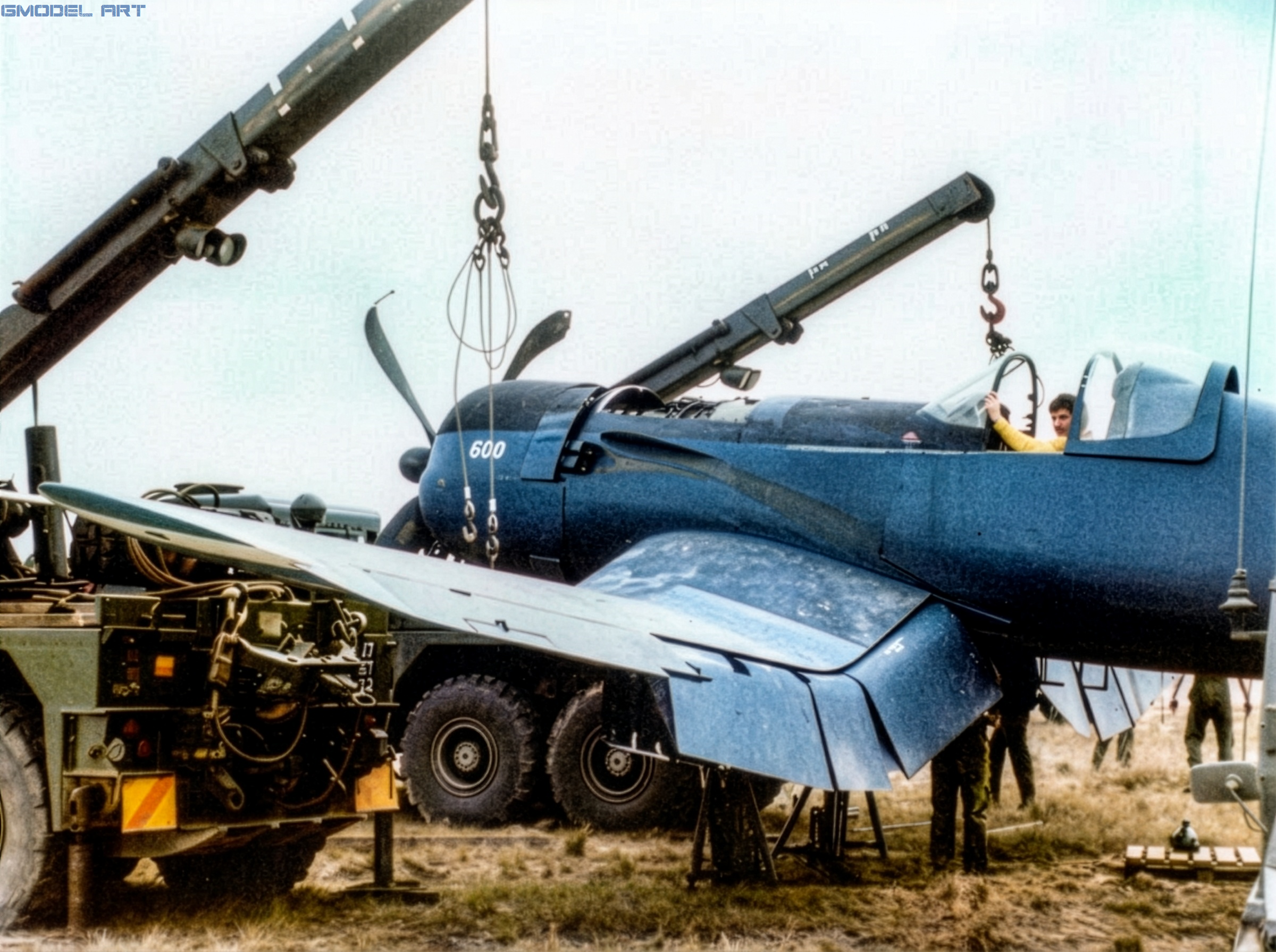
Honduran Corsairs offer several interesting possibilities for scale modelling. The dark blue finish is the principal reference for many aircraft, but photographs also suggest variations that may reflect repainting, repairs, and gradual changes during their long operational careers.
The aircraft were repainted at different times, and their appearance did not necessarily remain identical throughout their service. Some examples appear to show a slightly lighter shade of blue. Such differences should be reproduced selectively and only when supported by suitable photographic references.
Glossy Sea Blue — ANA 623 / FS 15042
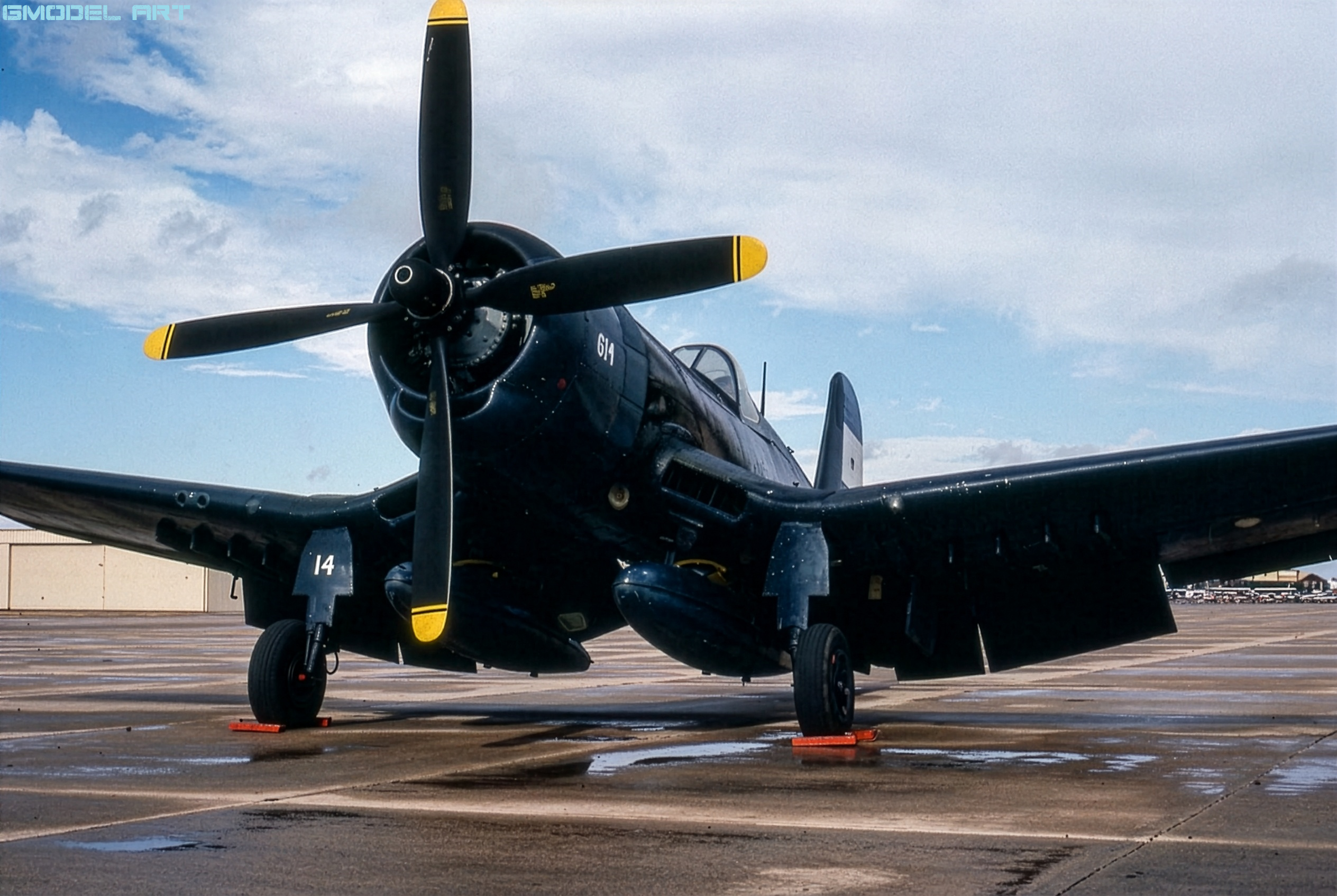
Glossy Sea Blue — ANA 623 / FS 15042 is the main colour reference for Honduran Corsairs retaining the dark blue naval finish. ANA 623 is the historical colour designation, while FS 15042 is widely used as a modern modelling reference for a comparable glossy dark blue appearance.
For the model, aim for a convincing overall dark blue finish without making every surface look artificially uniform. Subtle variations in sheen, restrained tonal differences, and carefully controlled signs of use can help represent an aircraft that remained in operational service for many years.
For a suitable paint reference, see Glossy Sea Blue by Mr. Color at GModel Art.
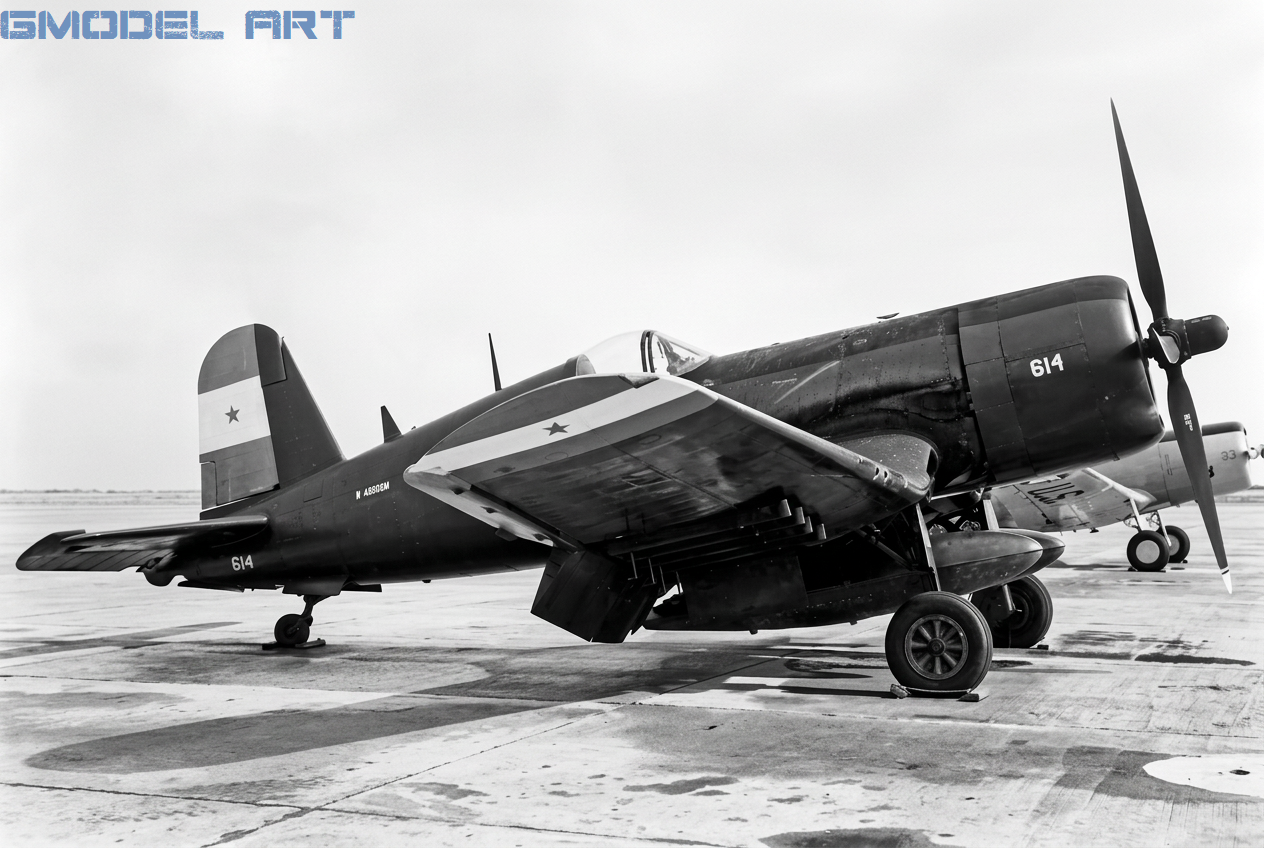
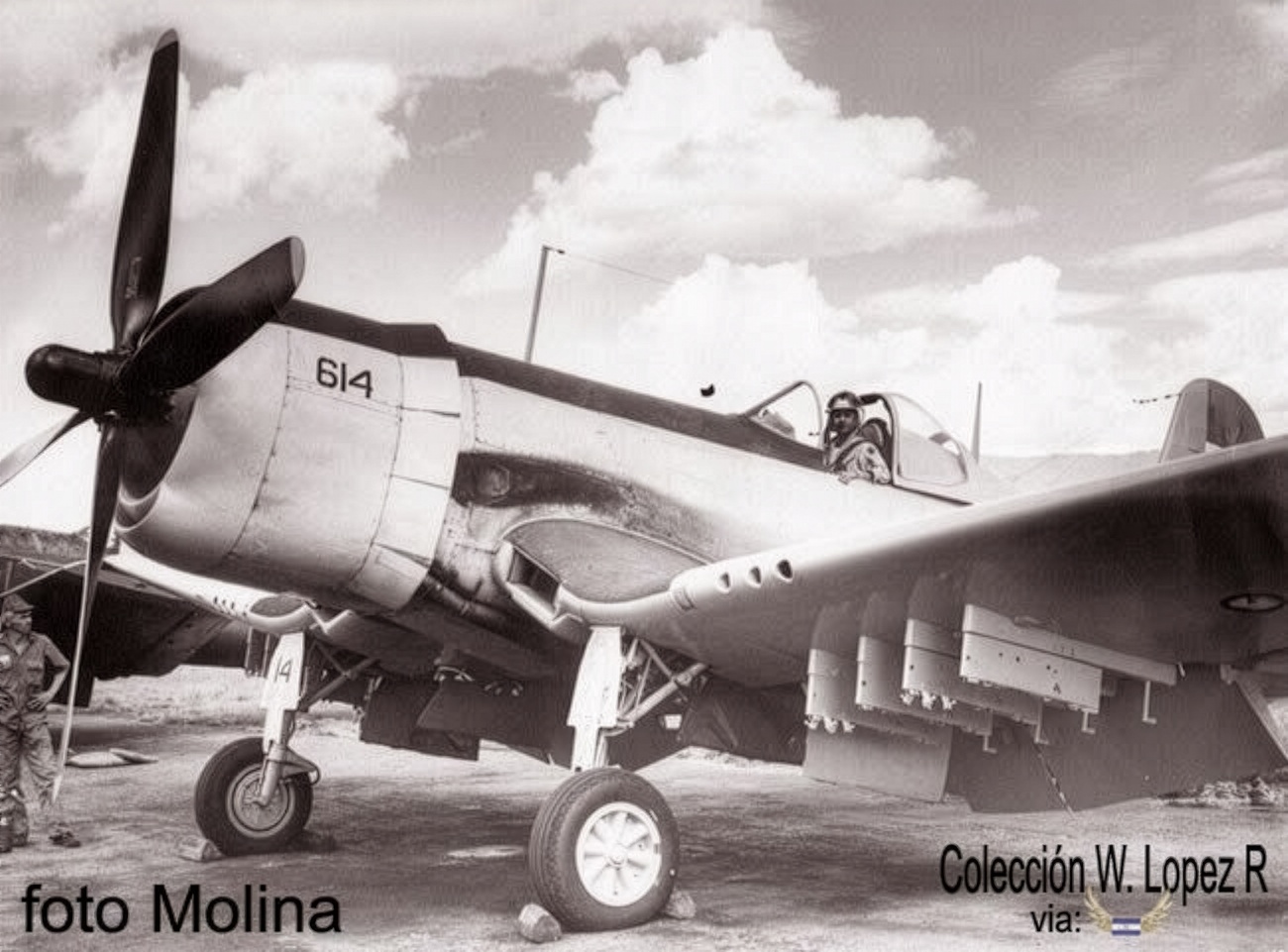
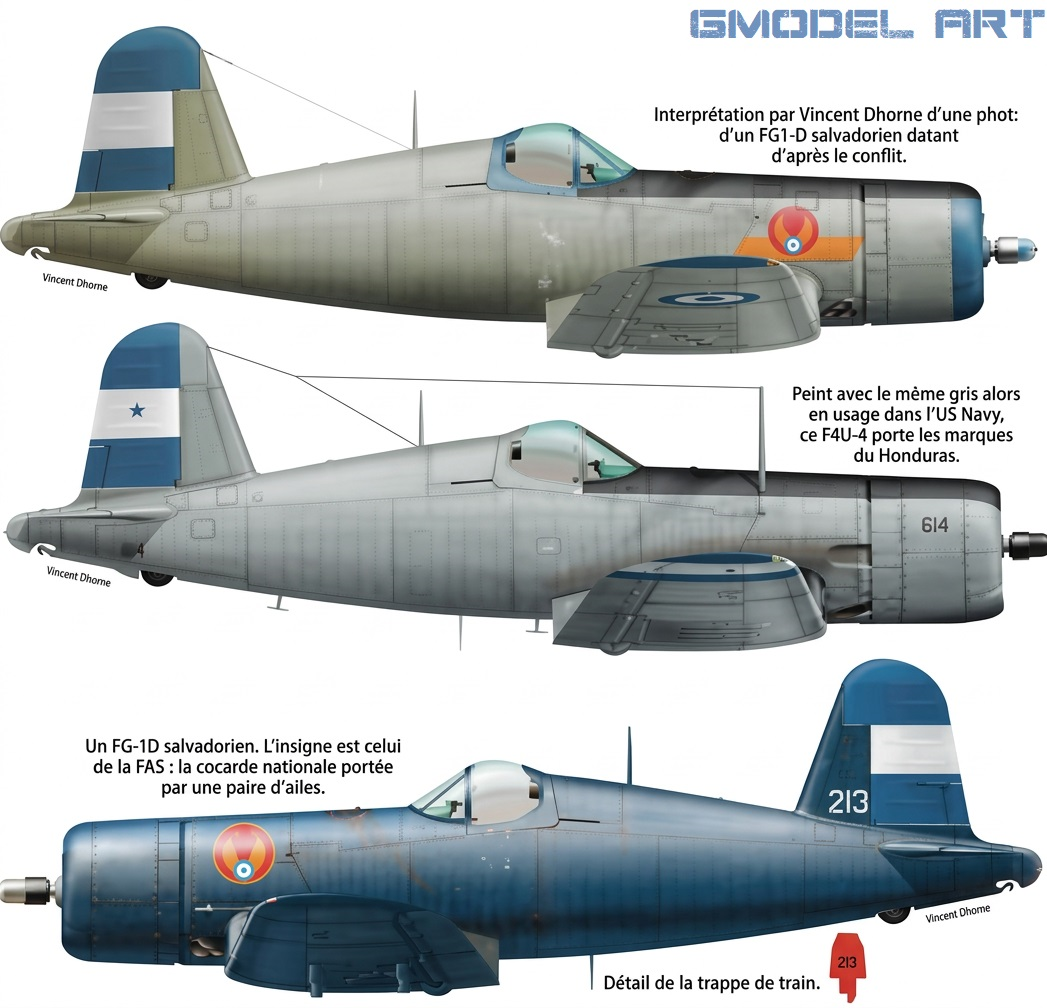
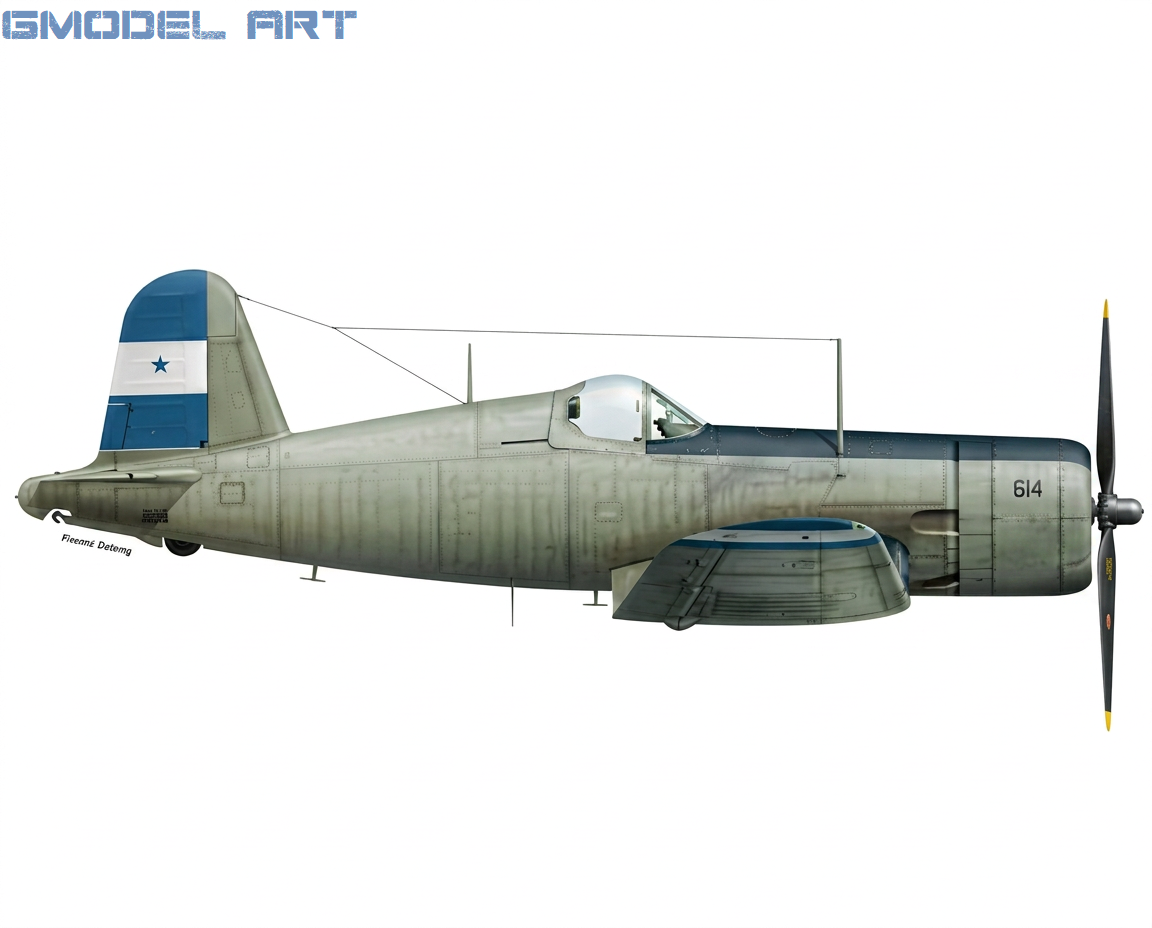
FAH-614: Light Gull Gray — FS 16440
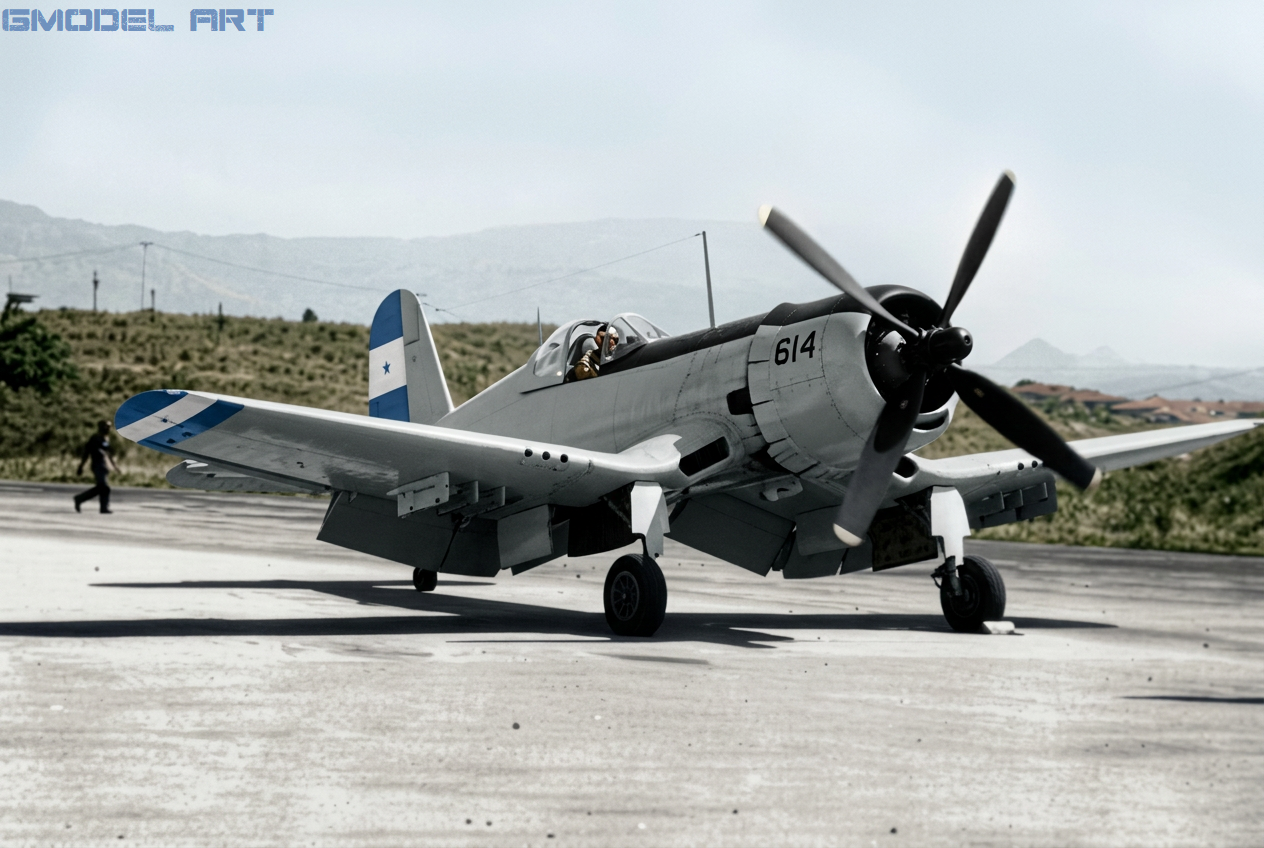
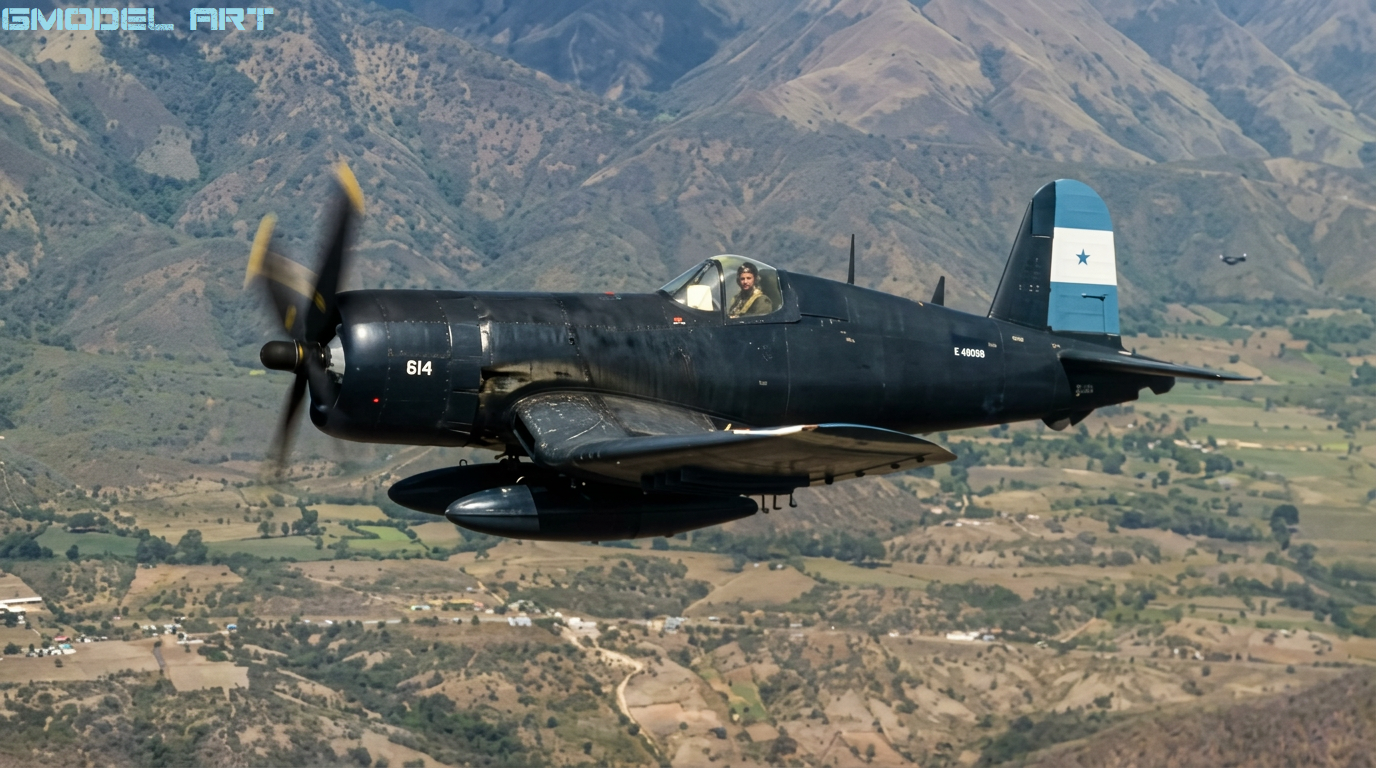
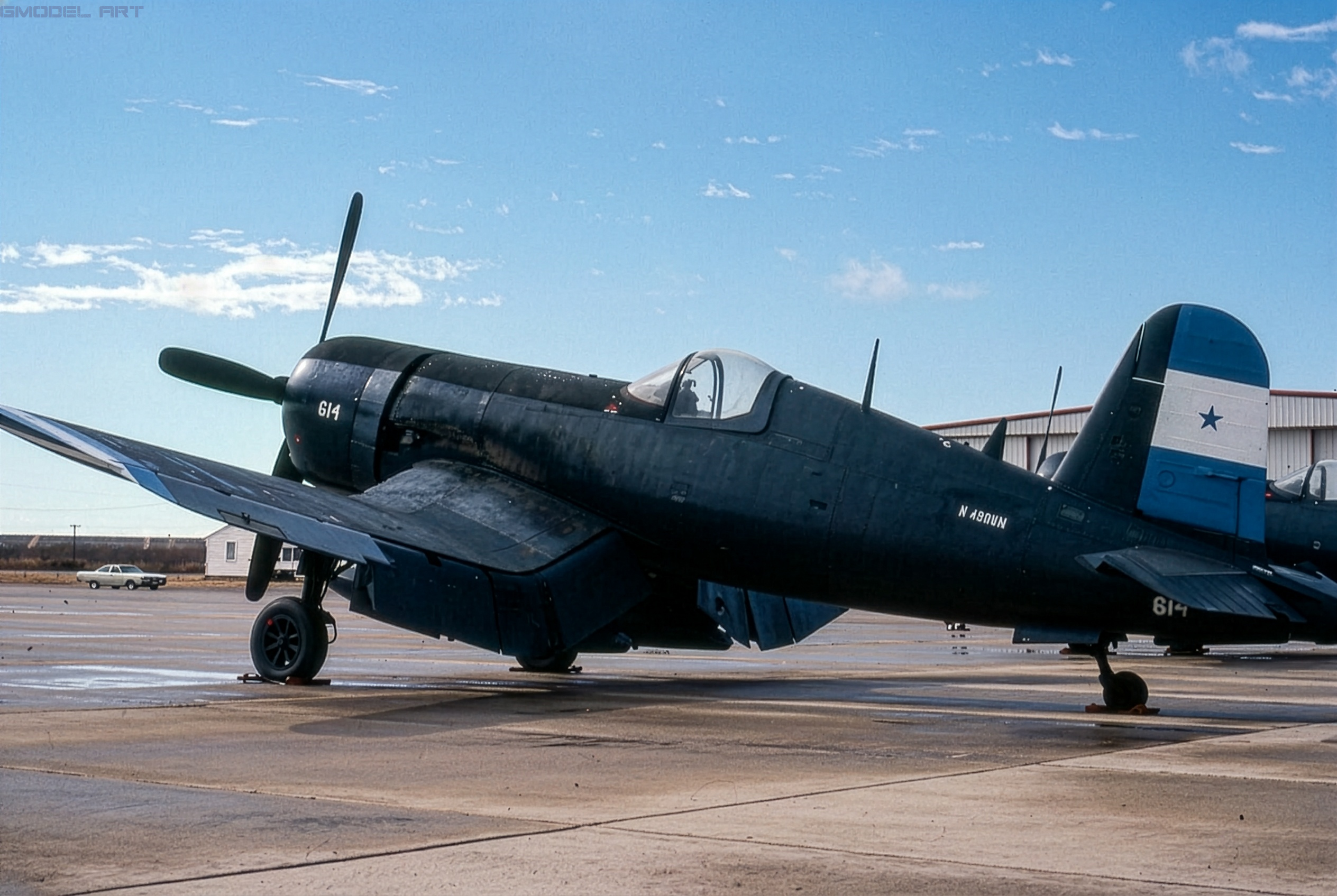
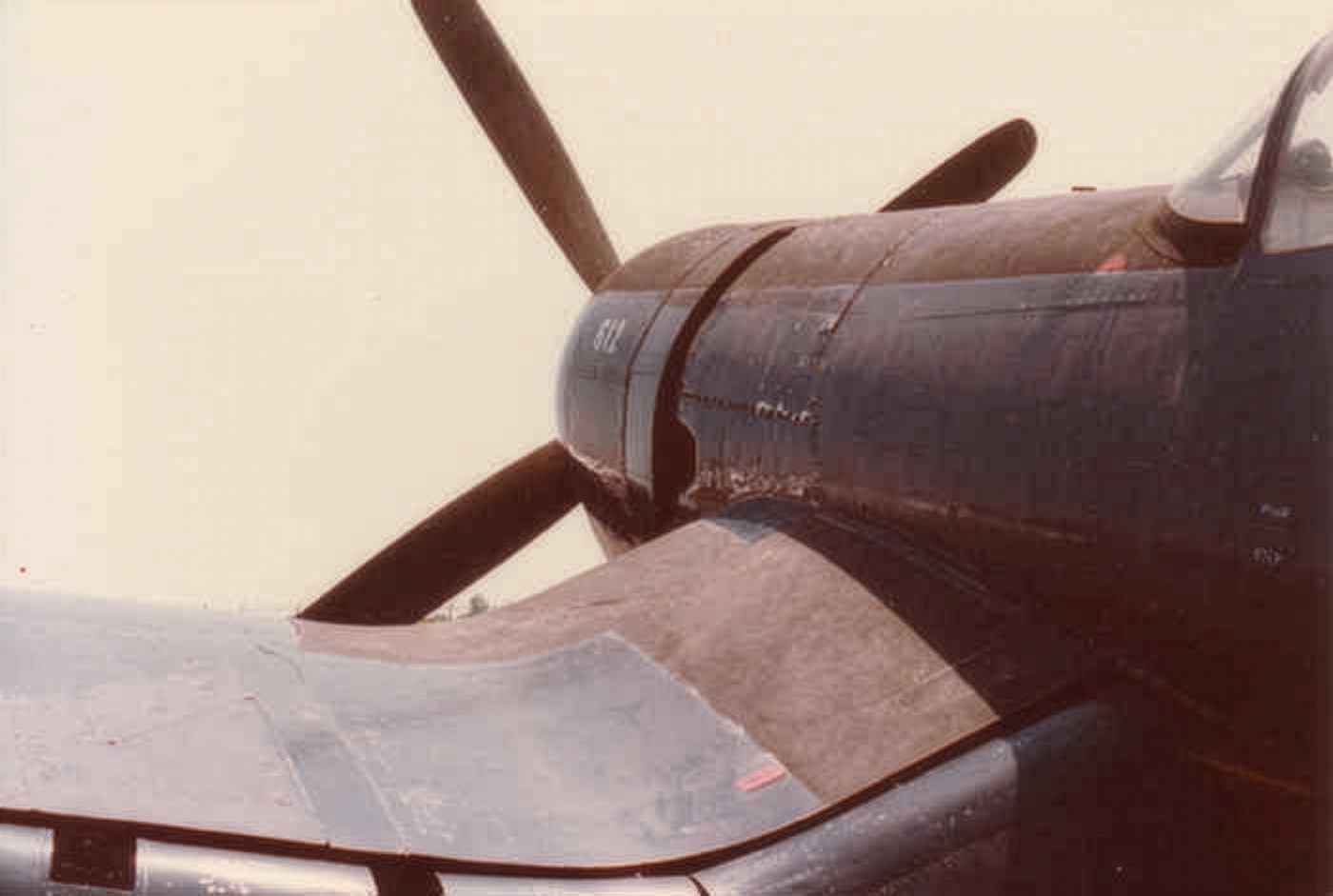
FAH-614, BuNo 96995, is a particularly interesting aircraft within the Honduran Corsair fleet. Photographs associated with the 1969 conflict appear to show this aircraft in an unusual grey finish rather than the more familiar dark blue.
The possible colour identification is Light Gull Gray, with Federal Standard FS 16440 serving as a modelling reference. This identification should remain provisional until confirmed by photographs from the relevant period or reliable archival evidence.
One possible explanation is that FAH-614 retained a finish acquired during its earlier service with the United States Navy before being sold to Honduras. The specific unit from which the aircraft originated has not been conclusively established. NAS Olathe Naval Reserve has been suggested as a possible connection, but this attribution requires independent confirmation.
The broader historical context is relevant. After the Korean War, the US Navy increasingly adopted grey finishes on its aircraft. Colours and schemes varied according to the period, aircraft type, and operational requirements. Identifying the correct Light Gull Gray therefore requires more than a general colour description or a modern photograph.
Readers can consult the additional reference article that will be linked at the end of this feature to explore Light Gull Gray and compare it with other grey finishes used by the US Navy and other aviation operators from the 1950s onwards.
For additional paint options, see Light Gull Gray products at GModel Art.
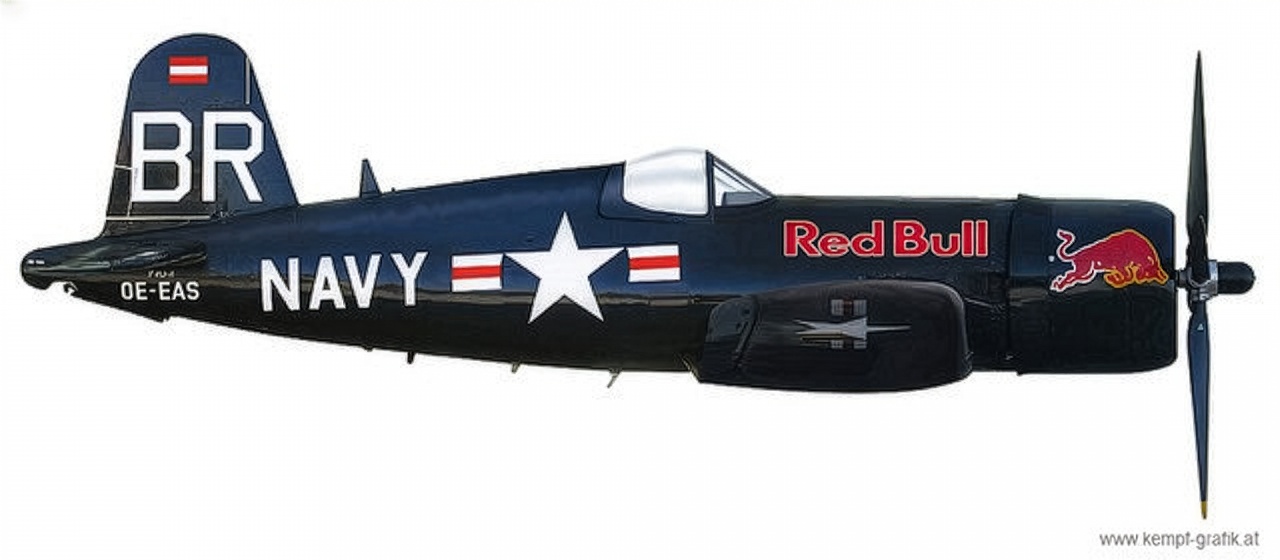
After the war, FAH-614 was repainted Glossy Sea Blue. Today, the aircraft is associated with The Flying Bulls collection in Austria. Its present-day appearance should be distinguished from its operational configuration during service with the Honduran Air Force.
Anti-Glare Panel and Wing Walk Areas
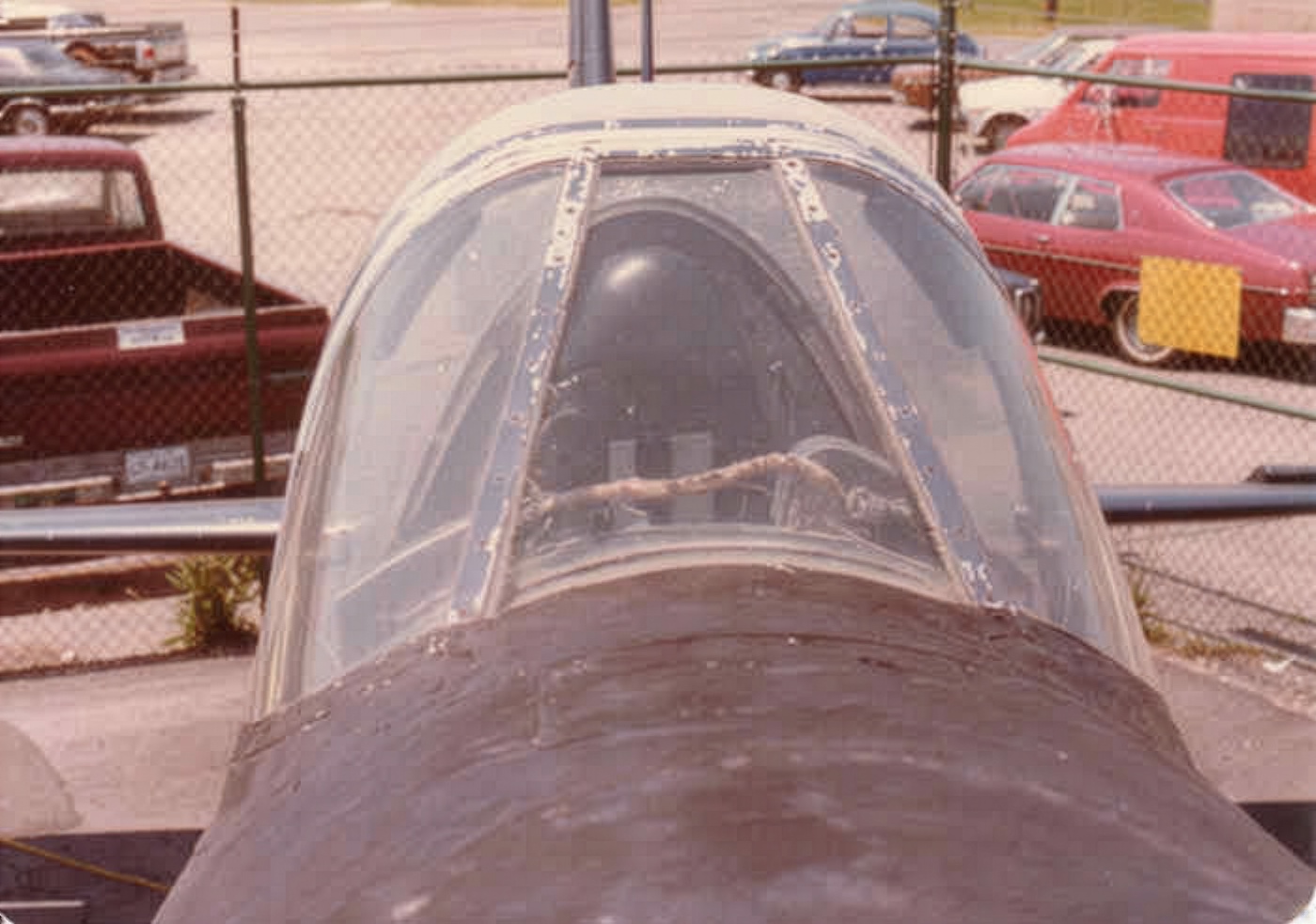
A characteristic feature visible on Corsairs is the matte black anti-glare panel ahead of the cockpit. Its purpose was to reduce sunlight reflections that could interfere with the pilot’s gunsight. On a scale model, this area should have a distinctly matte finish, contrasting with the surrounding blue paint.
Another detail concerns the upper wing surfaces where maintenance personnel walked. Some aircraft display a large, non-slip surface in these areas. Its shape, position, and extent should be based on photographs of the individual aircraft rather than automatically applied to every Honduran Corsair.
The FAH-614 Exhaust Modification
A distinctive modification has been reported on FAH-614: an extension at the exhaust outlet beneath the fuselage. According to the available description, it may have been intended to reduce the visibility of exhaust flames during night operations.
The purpose of this modification has not been conclusively established. Before reproducing it, examine photographs of FAH-614 carefully to determine the extension’s shape, length, position, and attachment points. This feature should not be added to other Honduran Corsairs without photographic evidence.
Weathering a Honduran F4U Corsair Model
Weathering a Honduran F4U Corsair requires a different approach from that used for a Corsair operating in the Pacific during World War II.
Although the Honduran aircraft remained in service for several decades, their weathering should not automatically reproduce the heavy wear often seen on wartime Pacific aircraft. Environmental conditions, maintenance practices, repainting, and operational use all influence the appearance of an individual airframe.
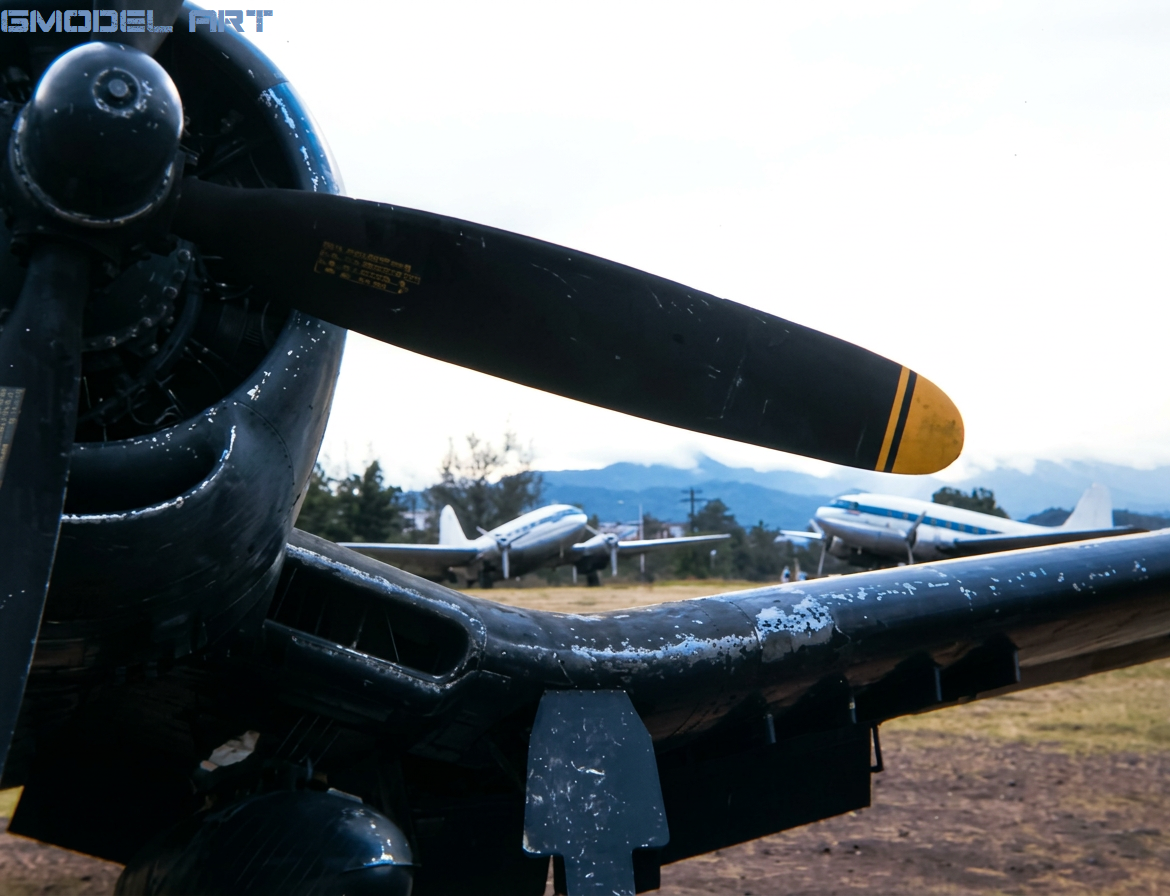
A more restrained approach is therefore recommended. Use limited fading, subtle tonal variation, and carefully placed signs of use rather than extensive paint chipping or widespread exposure of bare metal.
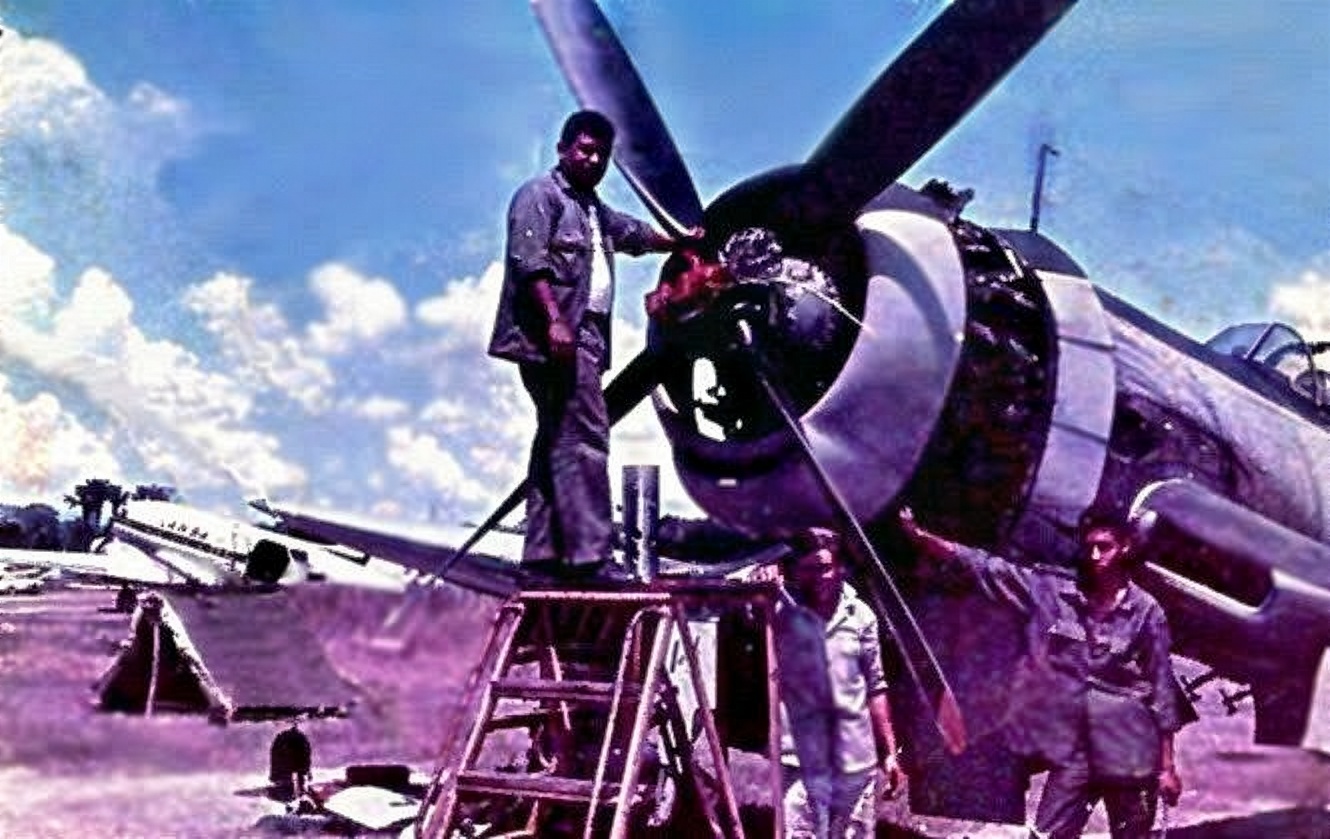
Pay particular attention to maintenance access areas, the surfaces around the cockpit, and locations affected by repeated servicing. Weathering should be selective and consistent with the photographic evidence for the aircraft being modelled, rather than applied uniformly across the entire airframe.
For FAH-614, the priority is to reproduce its distinctive reported grey appearance during the 1969 period, while treating the exact shade as provisional until further evidence becomes available. For other Honduran Corsairs, Glossy Sea Blue remains the principal starting point, with individual differences guided by available photographs.
The goal is not simply to create a heavily weathered model, but to produce a historically informed representation of the Honduran Corsairs, reflecting their varied finishes and long operational service without unnecessary exaggeration.
US Navy Vietnam War Camouflage 1955-1971