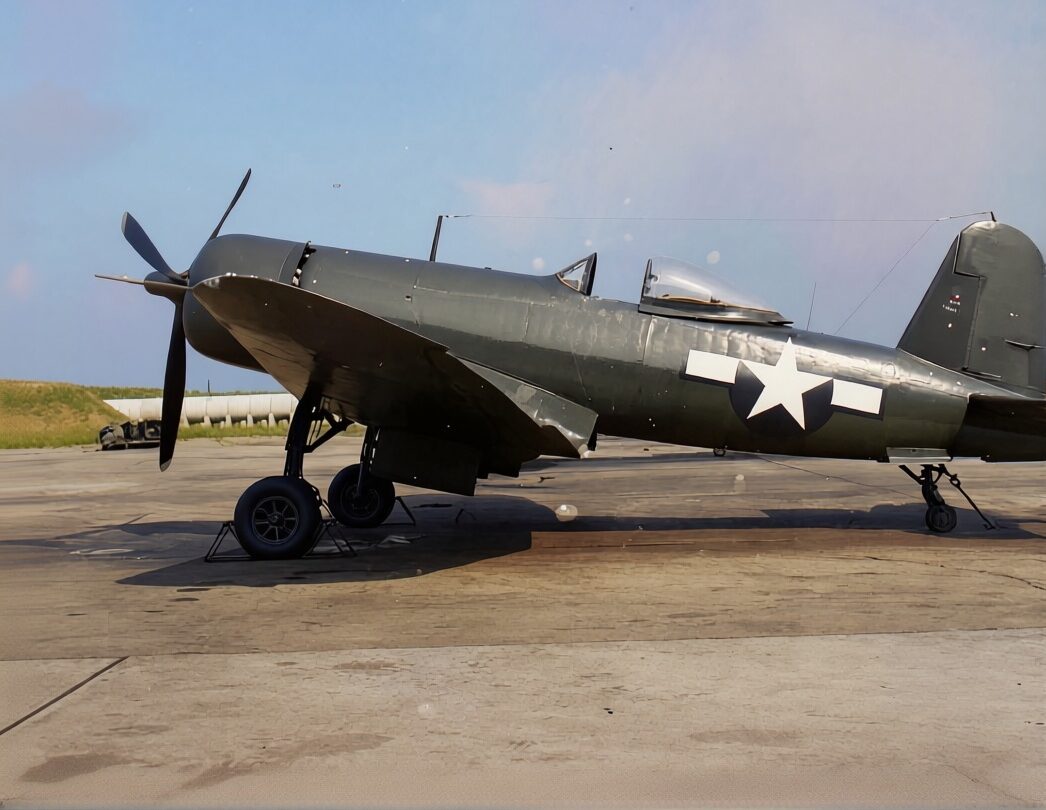
article
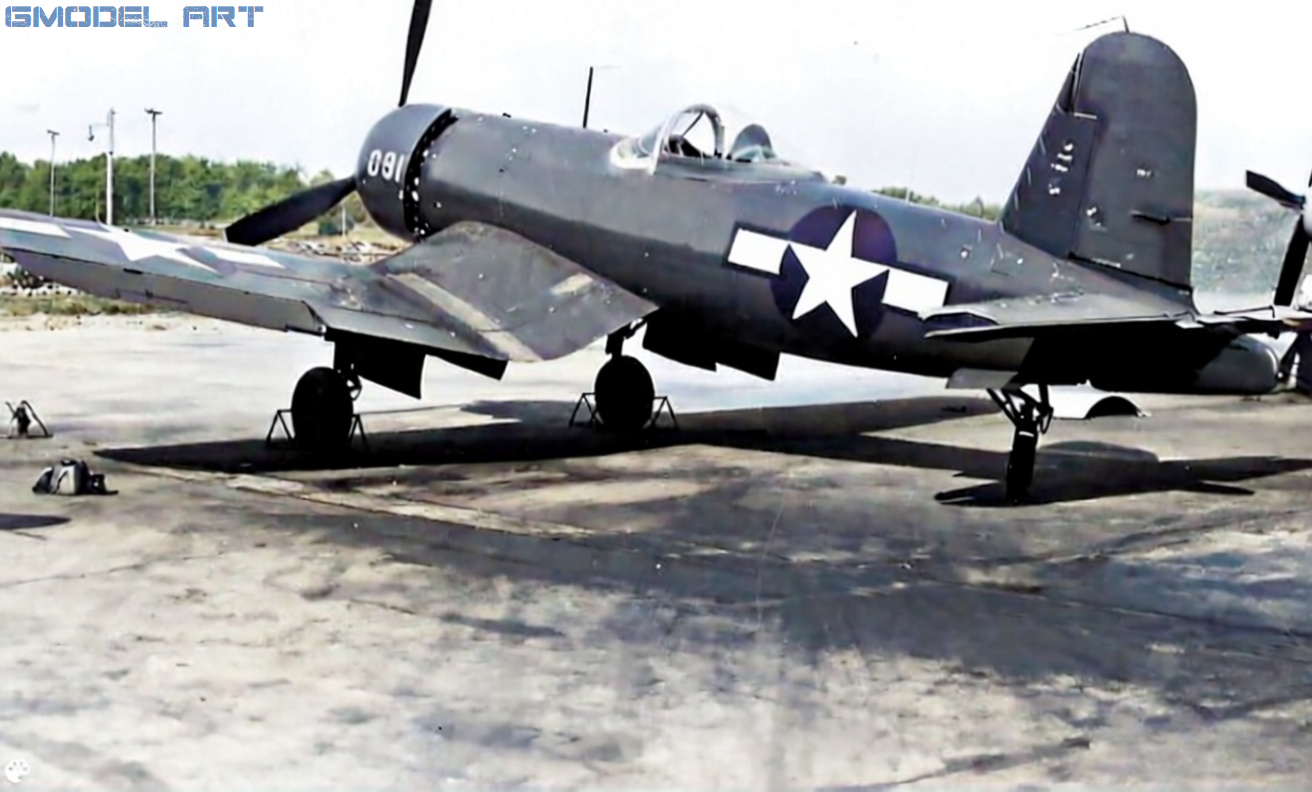
GOODYEAR FG-1A “091” & “092”: THE EXPERIMENTAL BUBBLE-CANOPY CORSAIRS THAT SHAPED THE SUPER CORSAIR
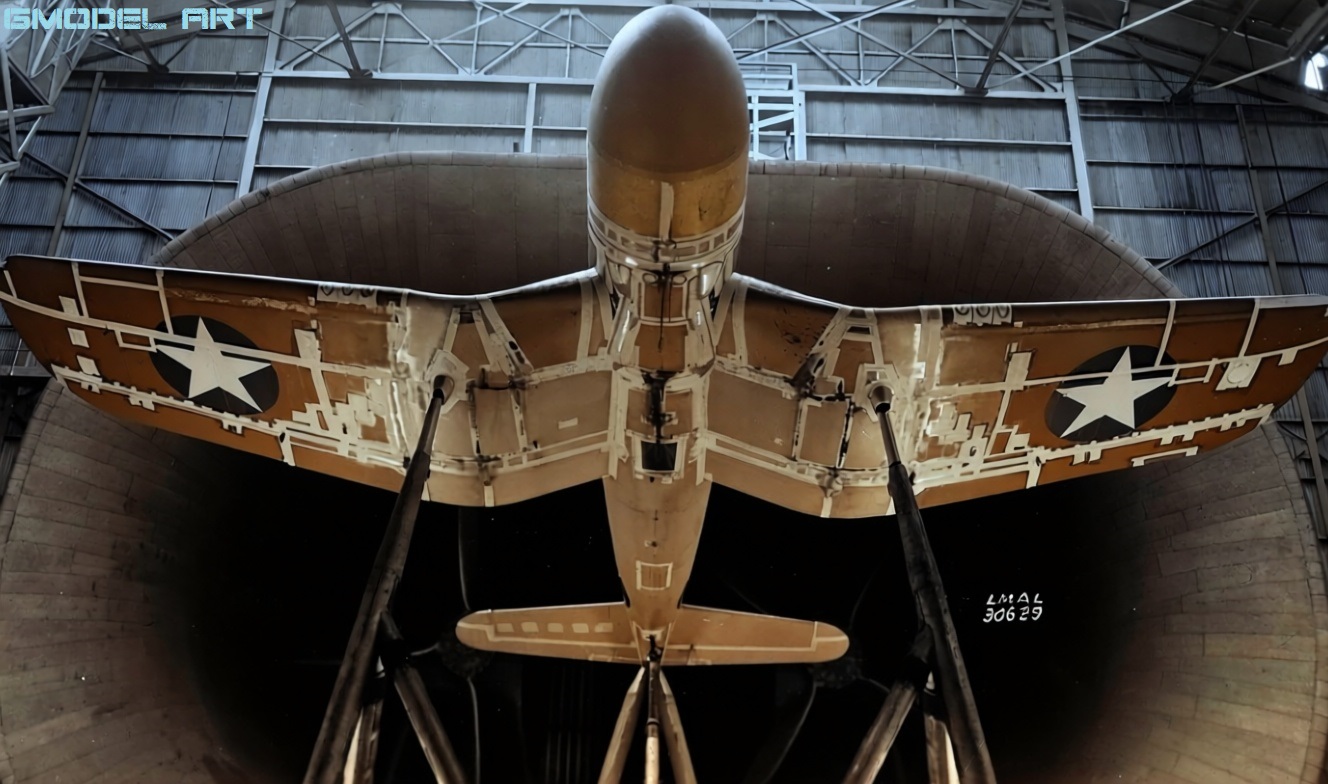
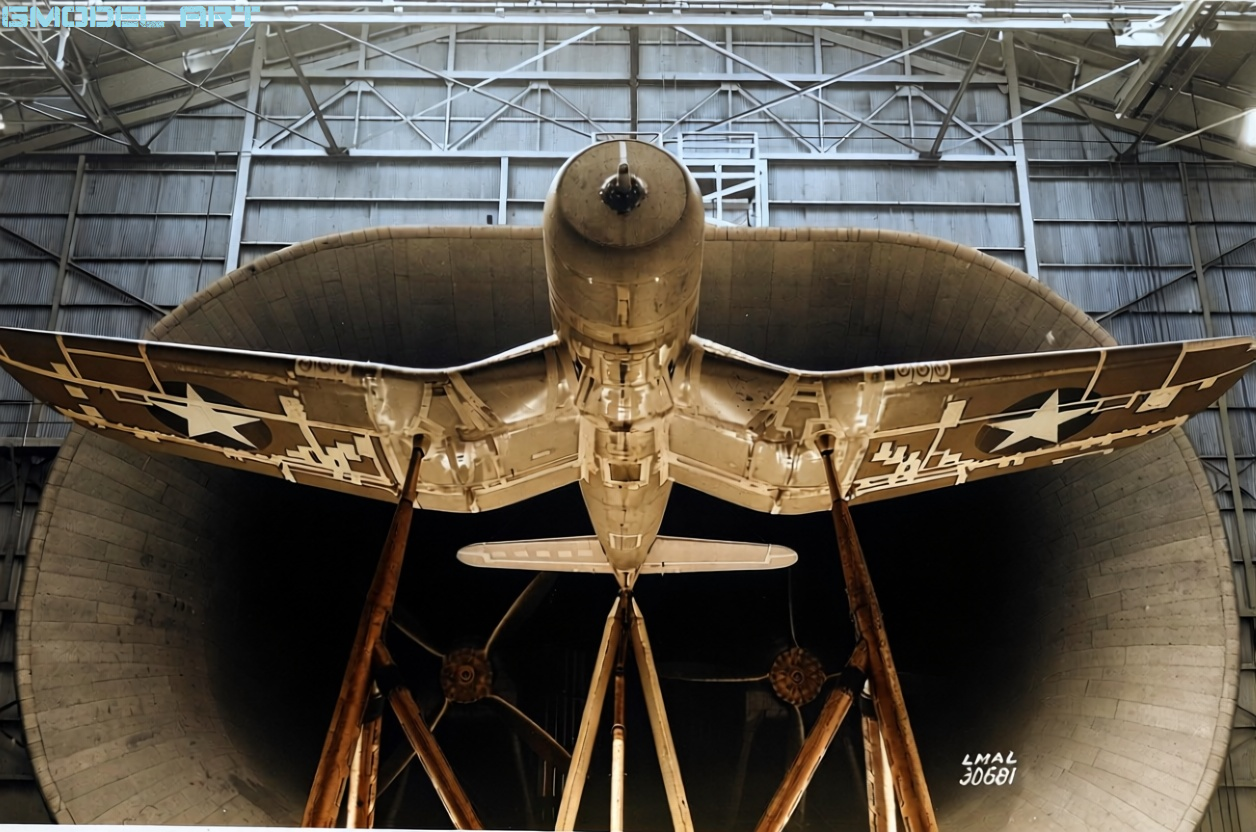
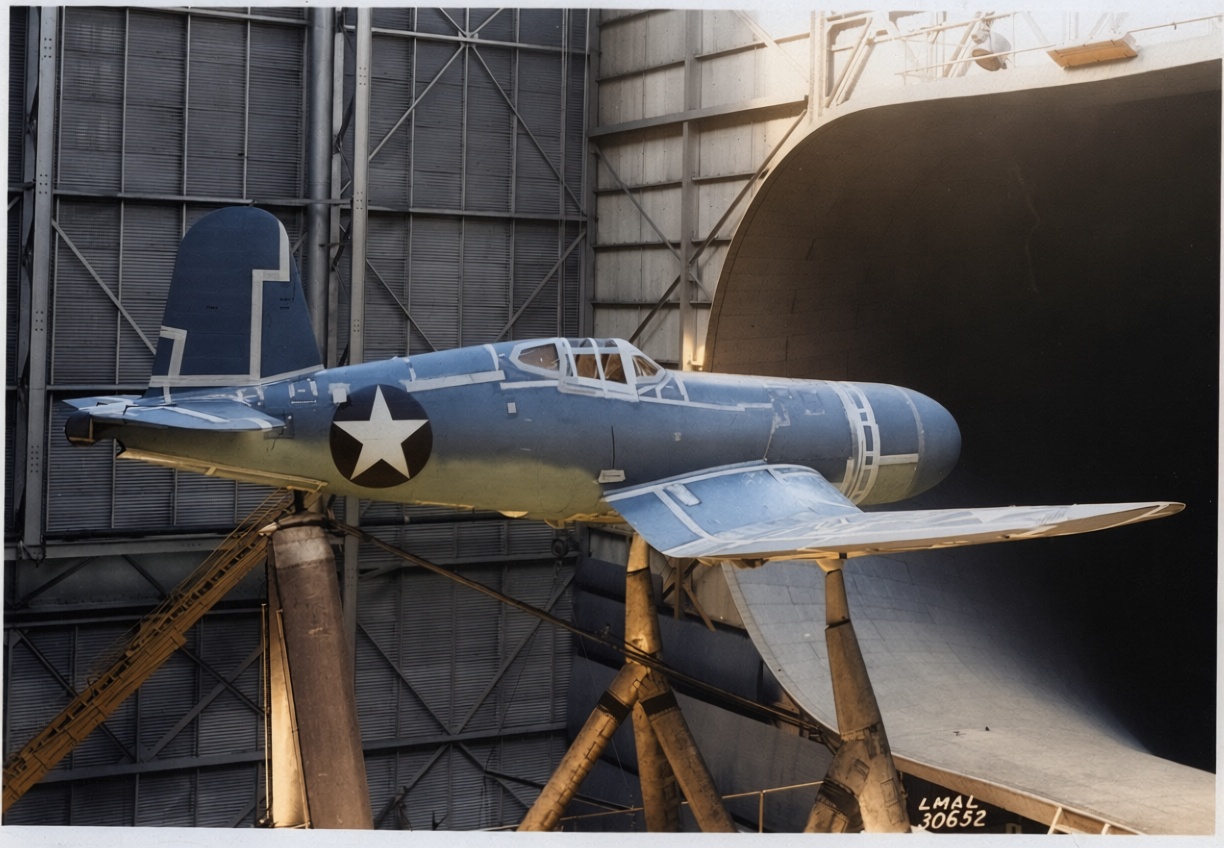
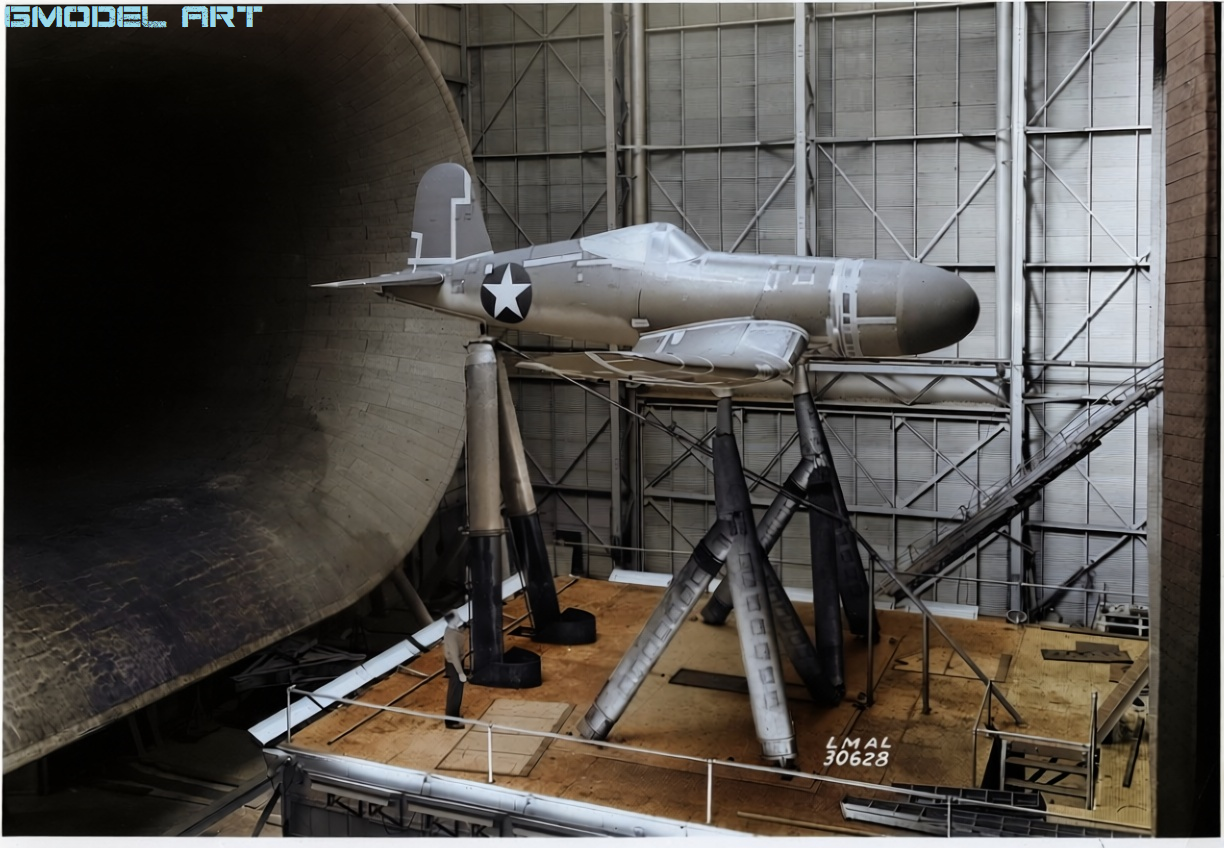
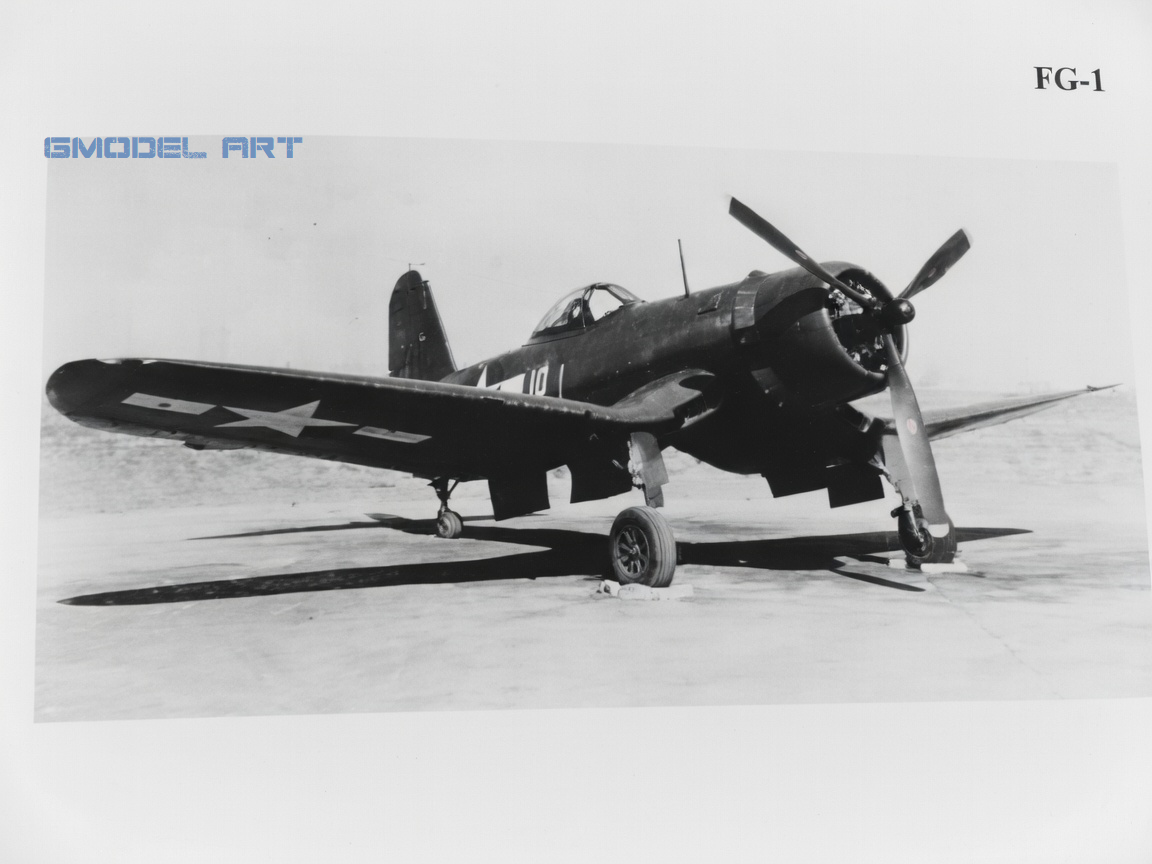
The story of the Vought Corsair is often told through the legendary combat achievements of the F4U-1A, F4U-1D, and the mighty F2G Super Corsair. Yet hidden within Goodyear’s wartime flight-test program lies one of the most fascinating and least documented chapters in Corsair history: the experimental FG-1A aircraft known simply as “091” and “092”.
These two unique fighters represented an ambitious attempt to solve one of the Corsair’s greatest shortcomings—pilot visibility.
The Problem with the Birdcage Corsair
Early Corsairs employed the famous “birdcage” canopy, a heavily framed structure composed of numerous plexiglass panels. Although structurally strong, the design severely restricted the pilot’s field of view, particularly during carrier approaches, air combat, and emergency situations.
The issue was not unique to the Corsair. Throughout World War II, several fighters evolved toward more streamlined canopy designs. The North American P-51D Mustang and Republic P-47D Thunderbolt adopted full bubble canopies, dramatically improving all-around visibility and situational awareness. Similar concepts were being explored across Allied aviation programs.
Goodyear’s Experimental Aircraft “091” and “092”
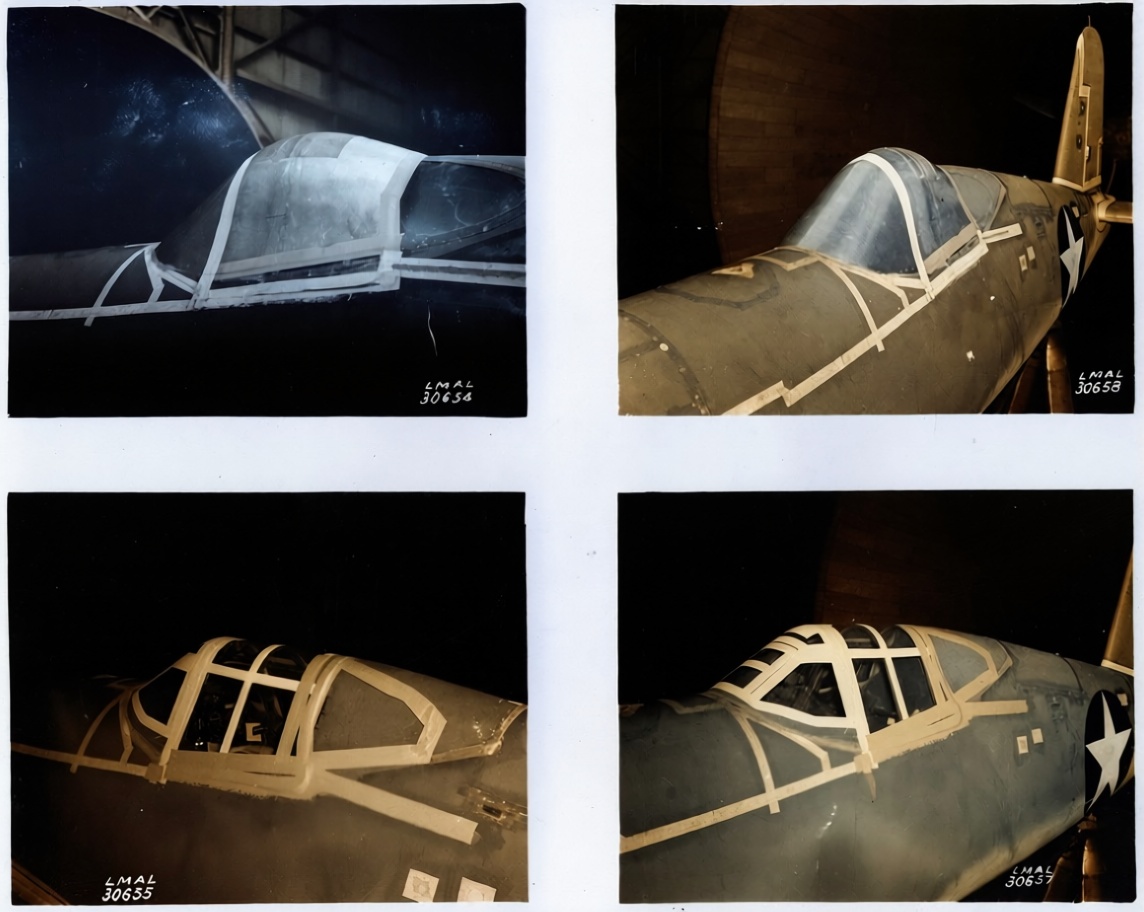
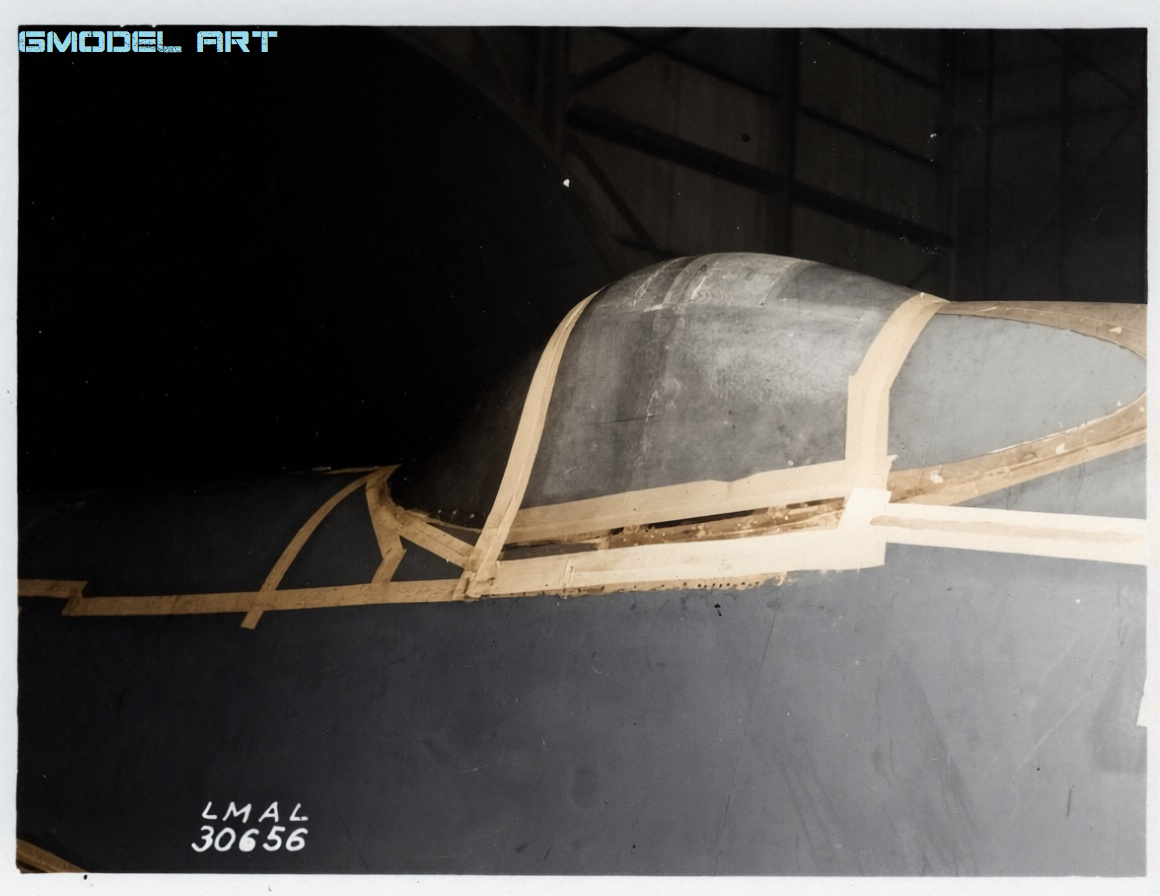
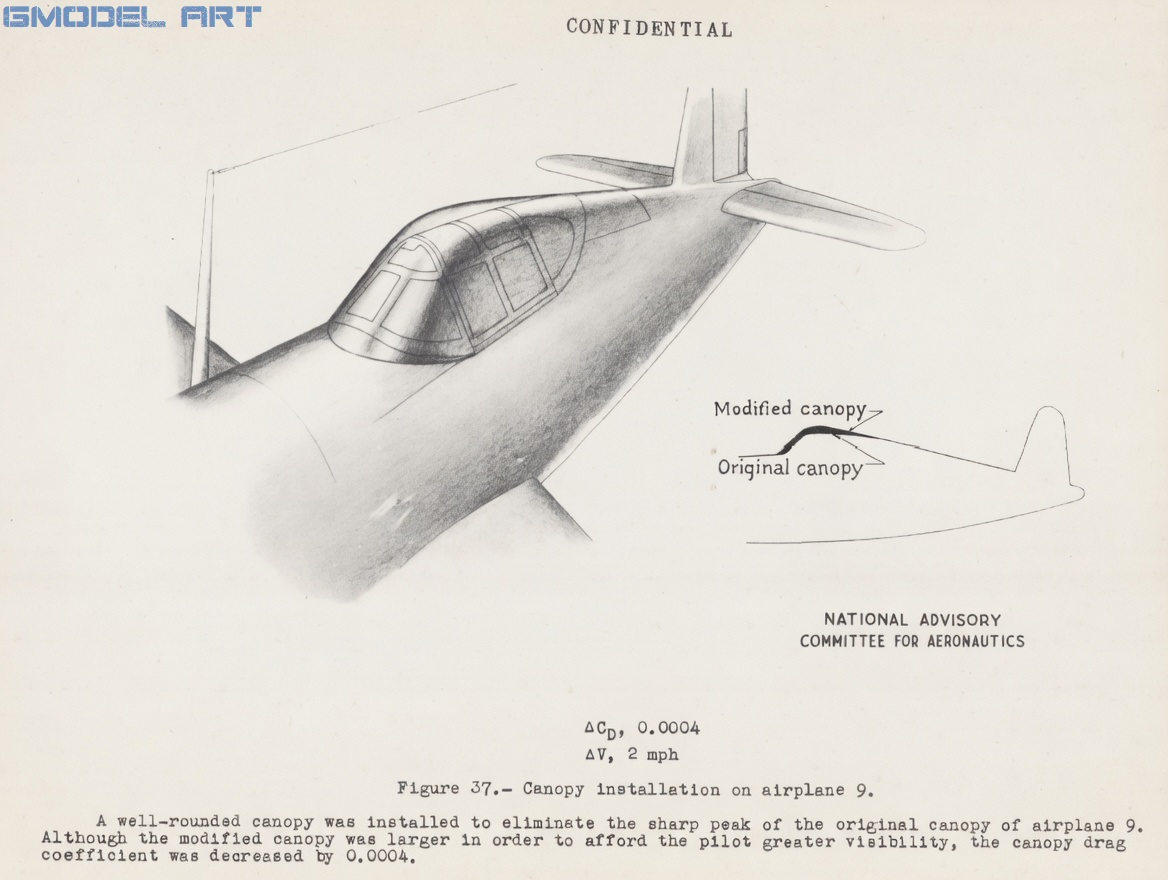
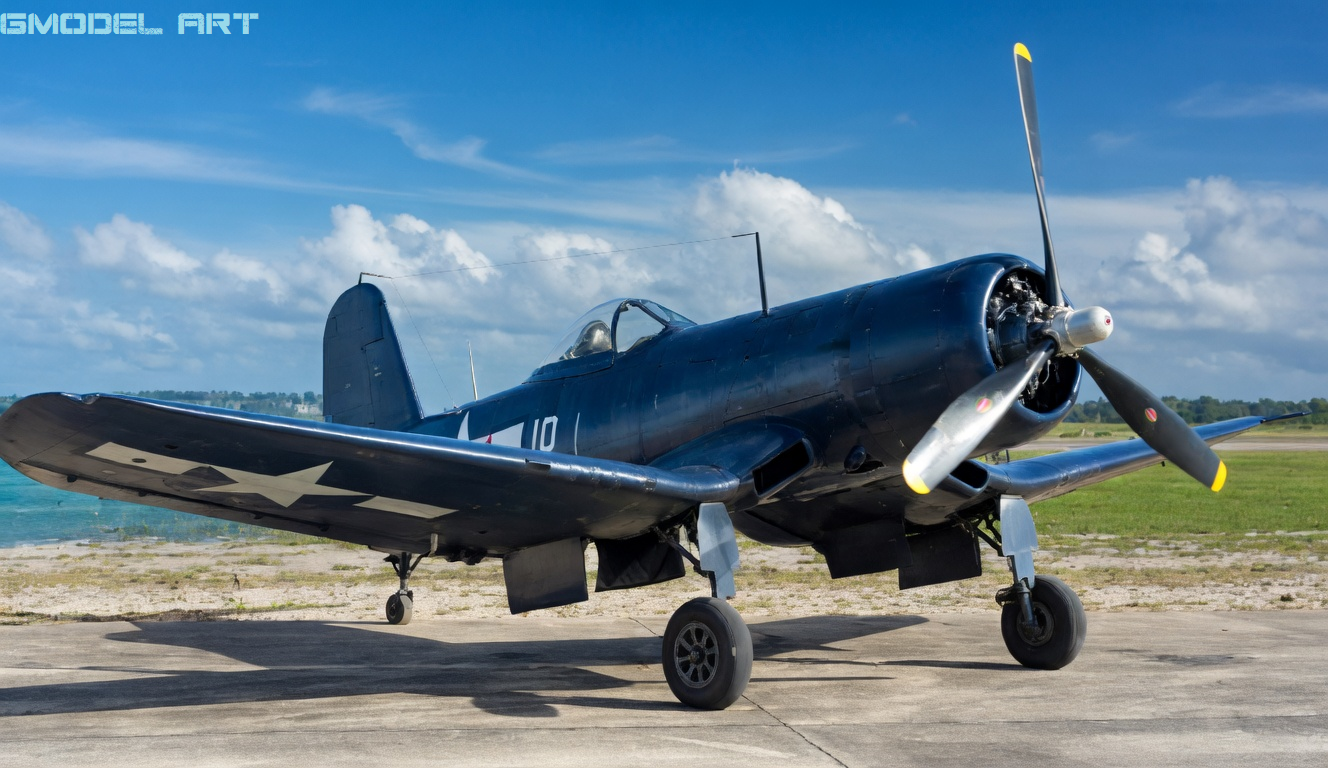
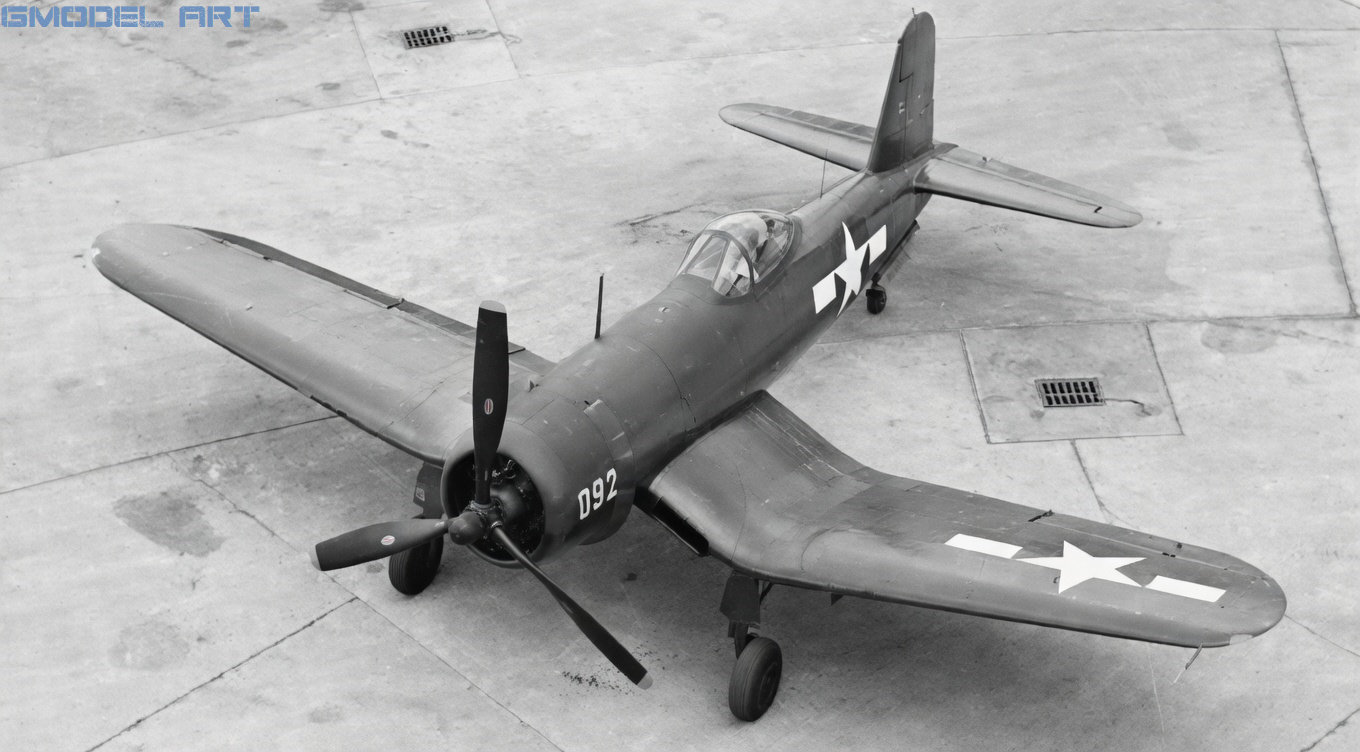
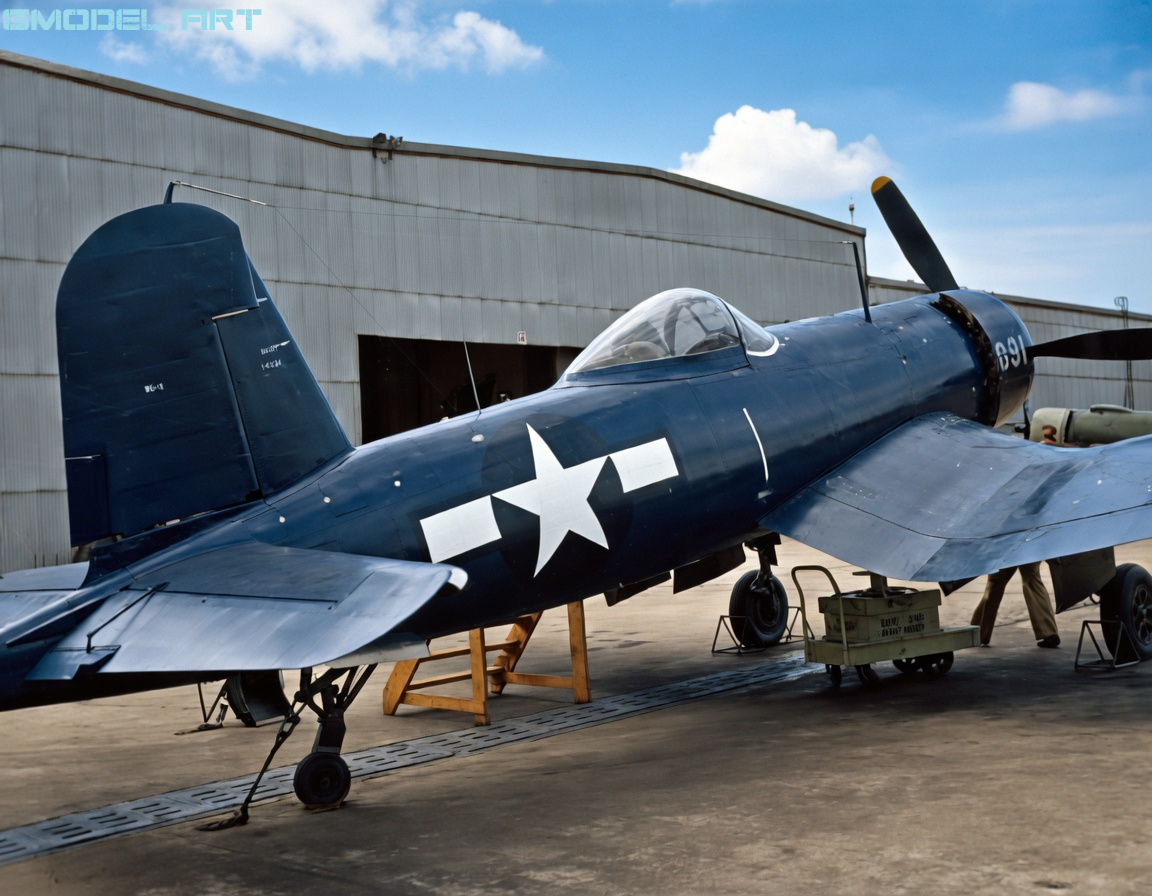
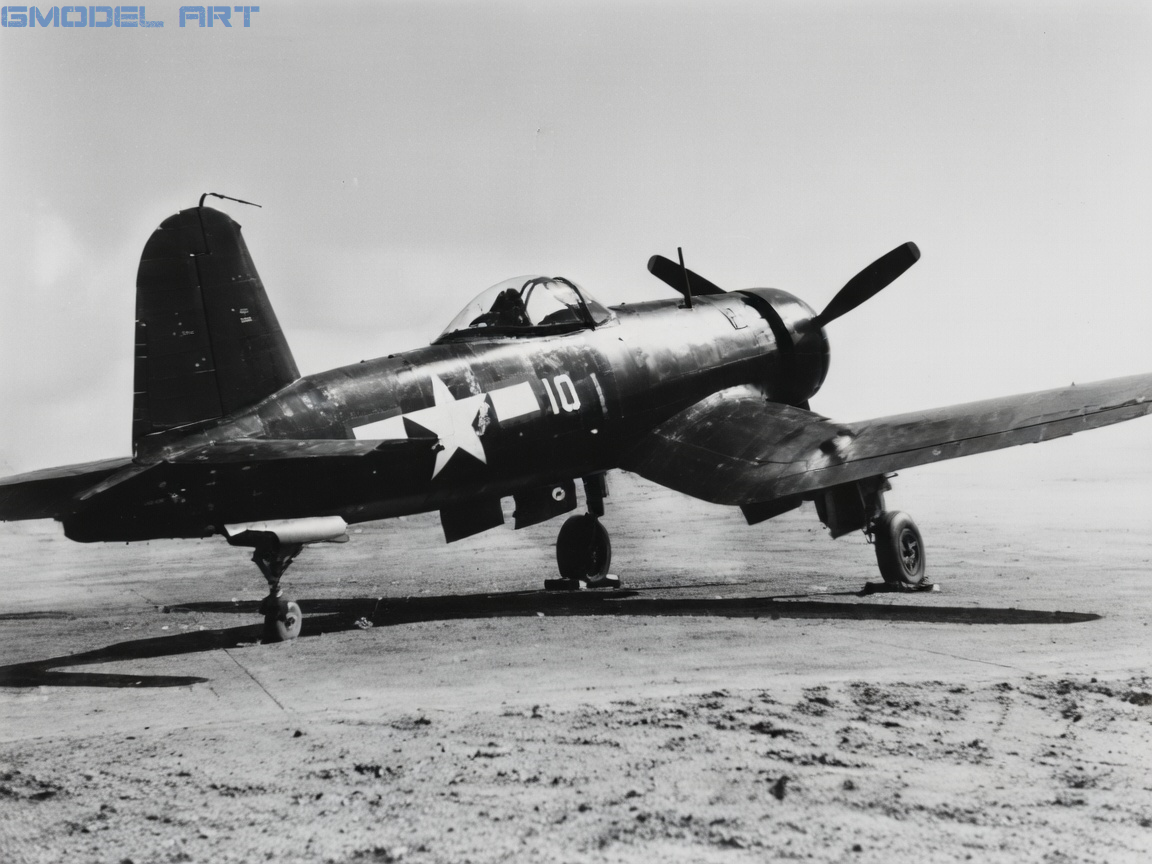
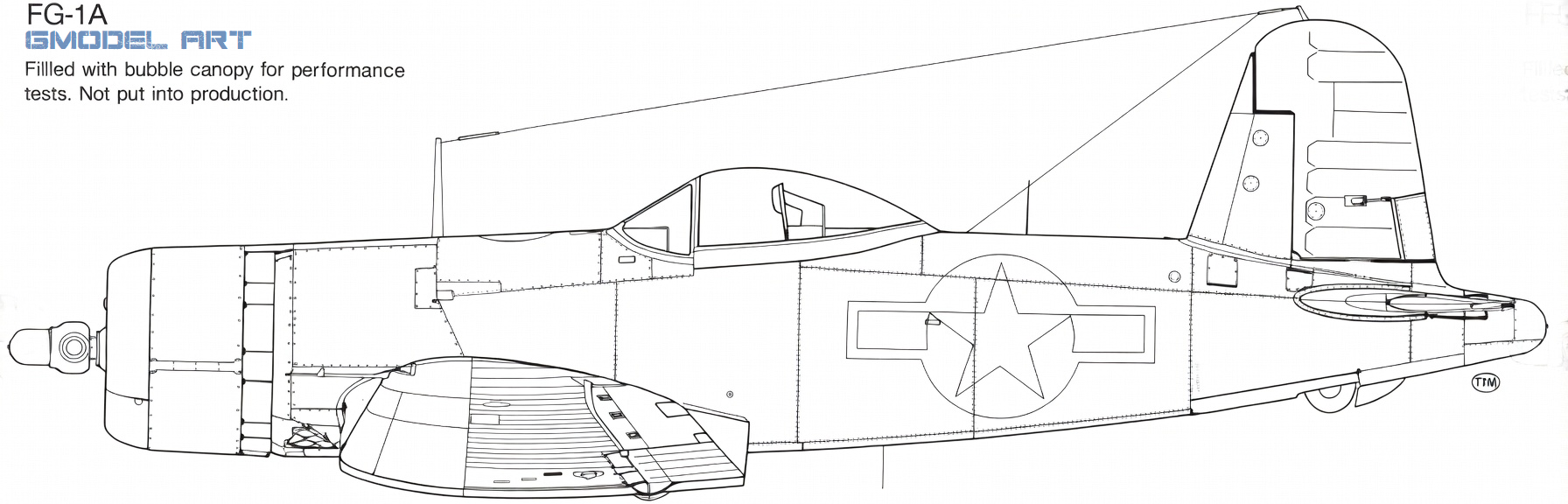
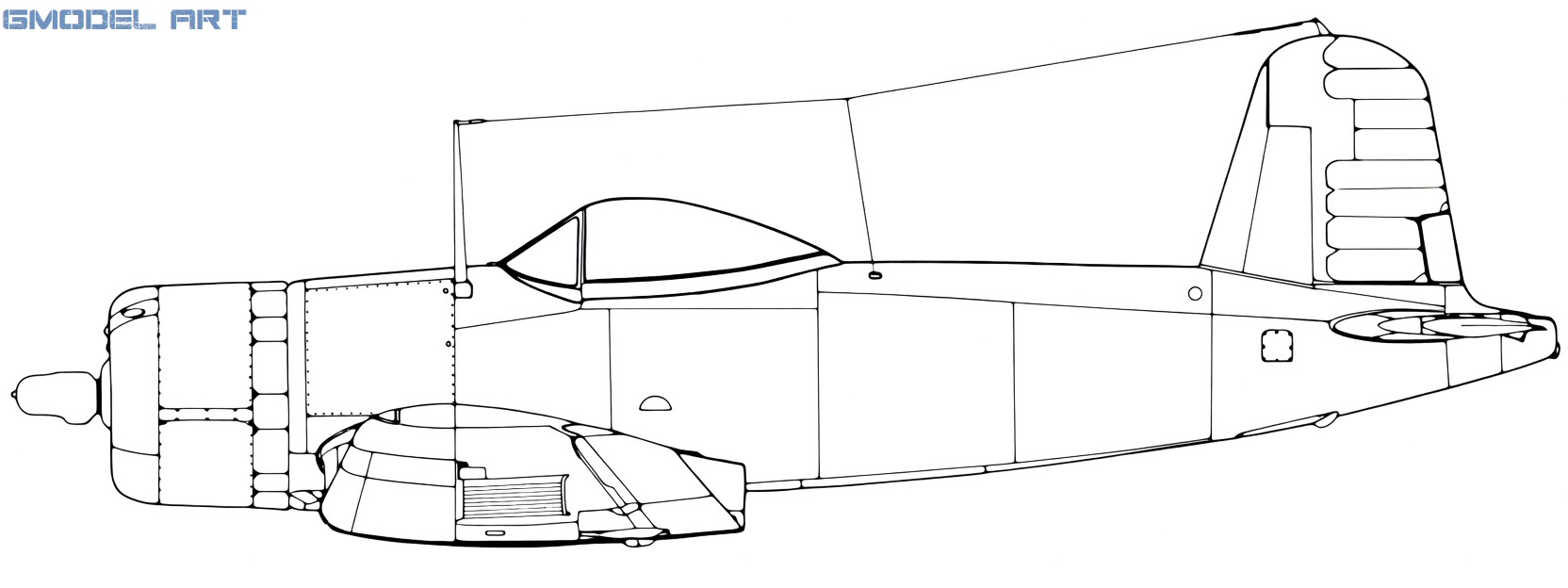
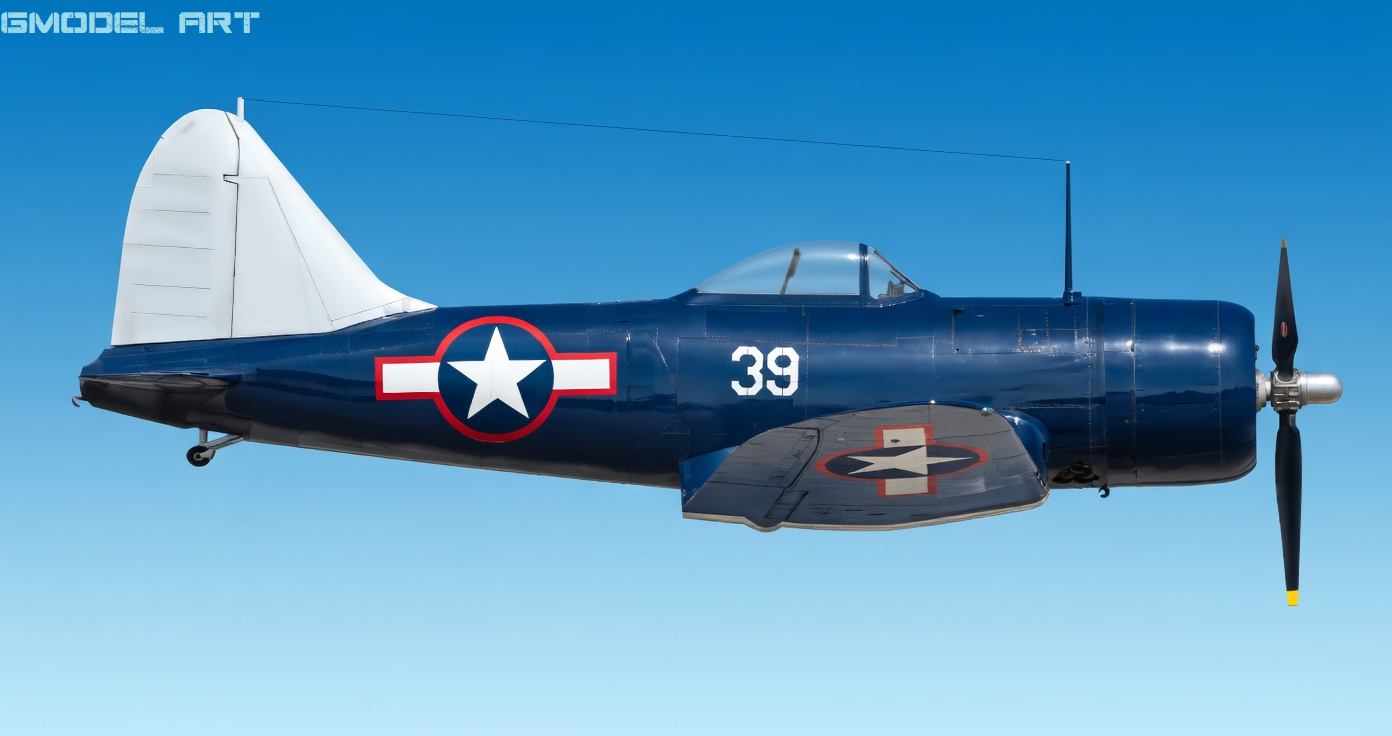
According to documentation preserved by former Goodyear personnel and later published by researcher Rodney Williams, Goodyear removed two FG-1A Corsairs from the production line and converted them into experimental aircraft designated “091” and “092”. The company described them as possessing a “360-degree teardrop canopy,” a term that would later become universally known as the bubble canopy.
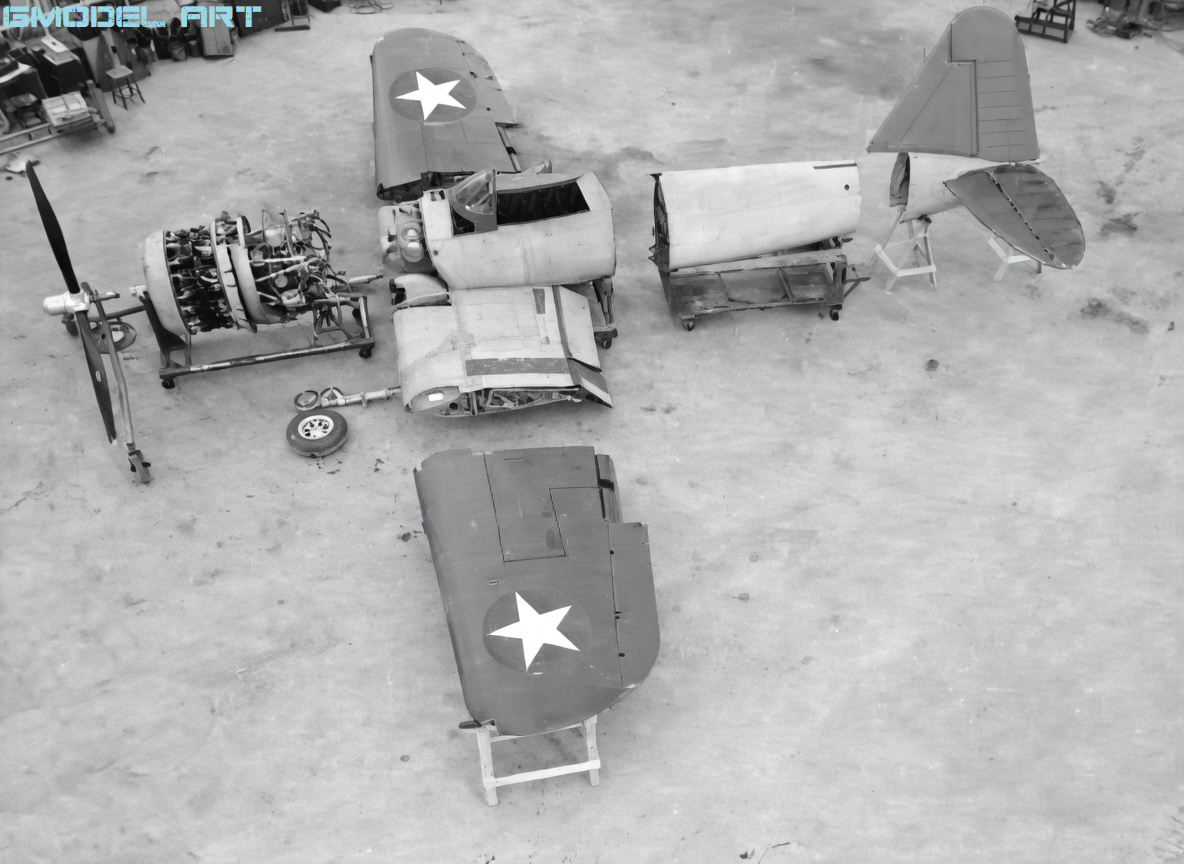
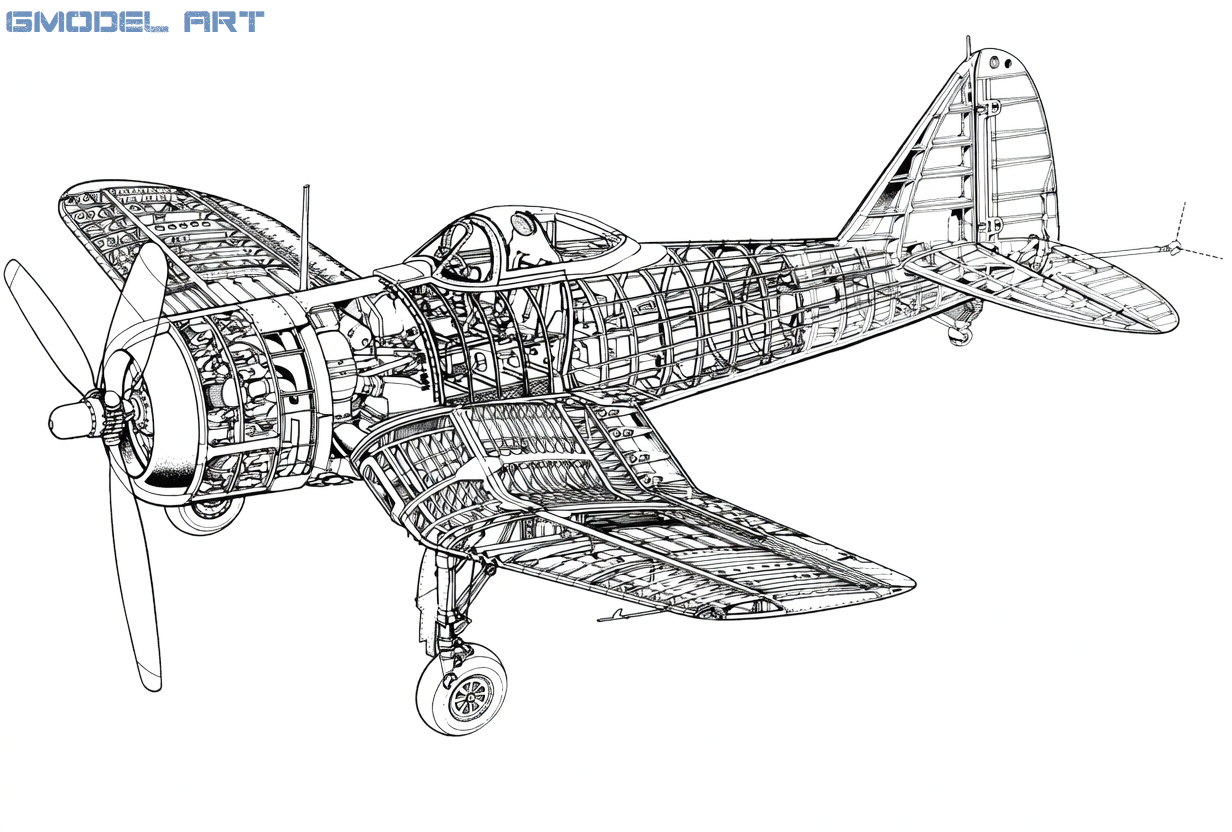
The aircraft retained the standard Pratt & Whitney R-2800 engine and Hamilton Standard three-bladed propeller while incorporating extensive modifications to the upper rear fuselage behind the cockpit. The dorsal decking was lowered, allowing the installation of a streamlined canopy that provided significantly improved visibility.
BuNo 14091 and 14092: Fact or Classification Mystery?
One of the most debated aspects of these aircraft concerns their Bureau Numbers.
Rodney Williams reported that Goodyear documents from 1987 listed the machines as BuNo 14091 and 14092 and placed them within a class identified as XF2G-1 aircraft, despite retaining their FG-1A designation.
However, modern Corsair historians, including Dana Bell, offer a more nuanced interpretation. Bell notes that BuNo 14092 belonged to a small group of nine Goodyear test aircraft that received various F2G-related modifications but were never formally redesignated as XF2G prototypes. The evidence suggests that these experimental Corsairs represented developmental stepping stones rather than official XF2G conversions.
For this reason, the classification of 14091 and 14092 as true XF2G-1 aircraft should be treated cautiously until additional primary documentation emerges.
Was the Hawker Typhoon an Inspiration?
Several secondary sources claim that Goodyear engineers utilized or adapted a canopy derived from the British Hawker Typhoon. According to these accounts, the original Typhoon canopy geometry did not align properly with the Corsair windscreen, forcing engineers to fabricate a larger forward windscreen section.
At present, no surviving NACA report or official Goodyear engineering document has been located to conclusively confirm this claim. The possibility remains plausible given wartime Allied cooperation and contemporary canopy developments, but historians should regard the Typhoon connection as an informed hypothesis rather than an established fact.
NACA and the Evolution of Corsair Aerodynamics
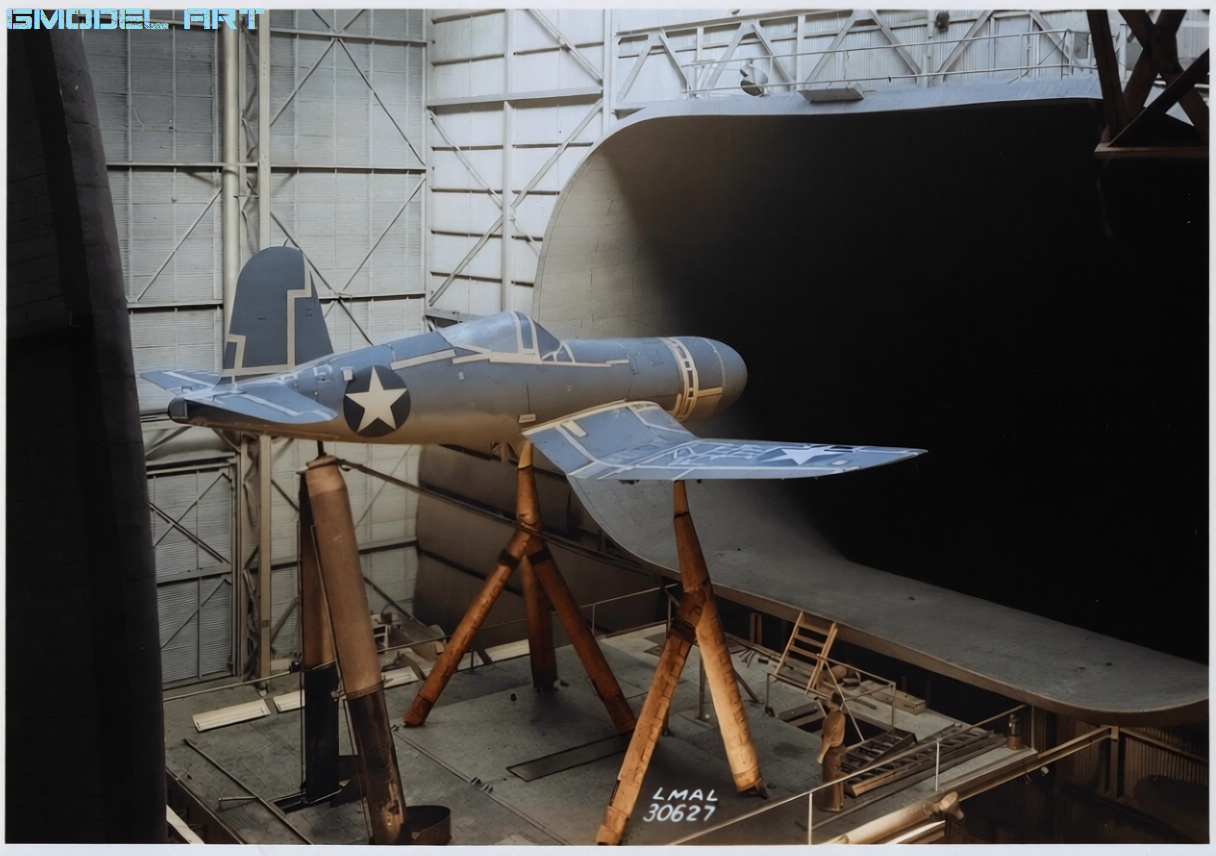
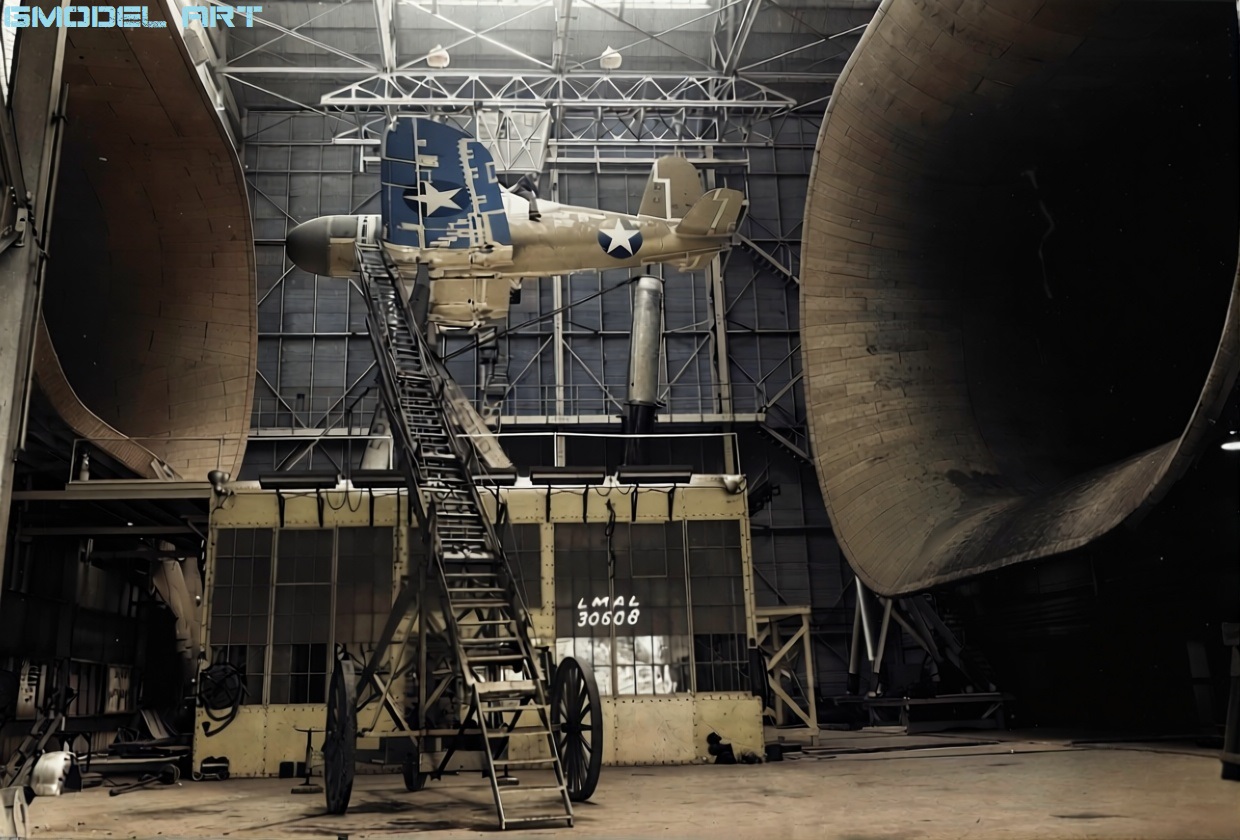
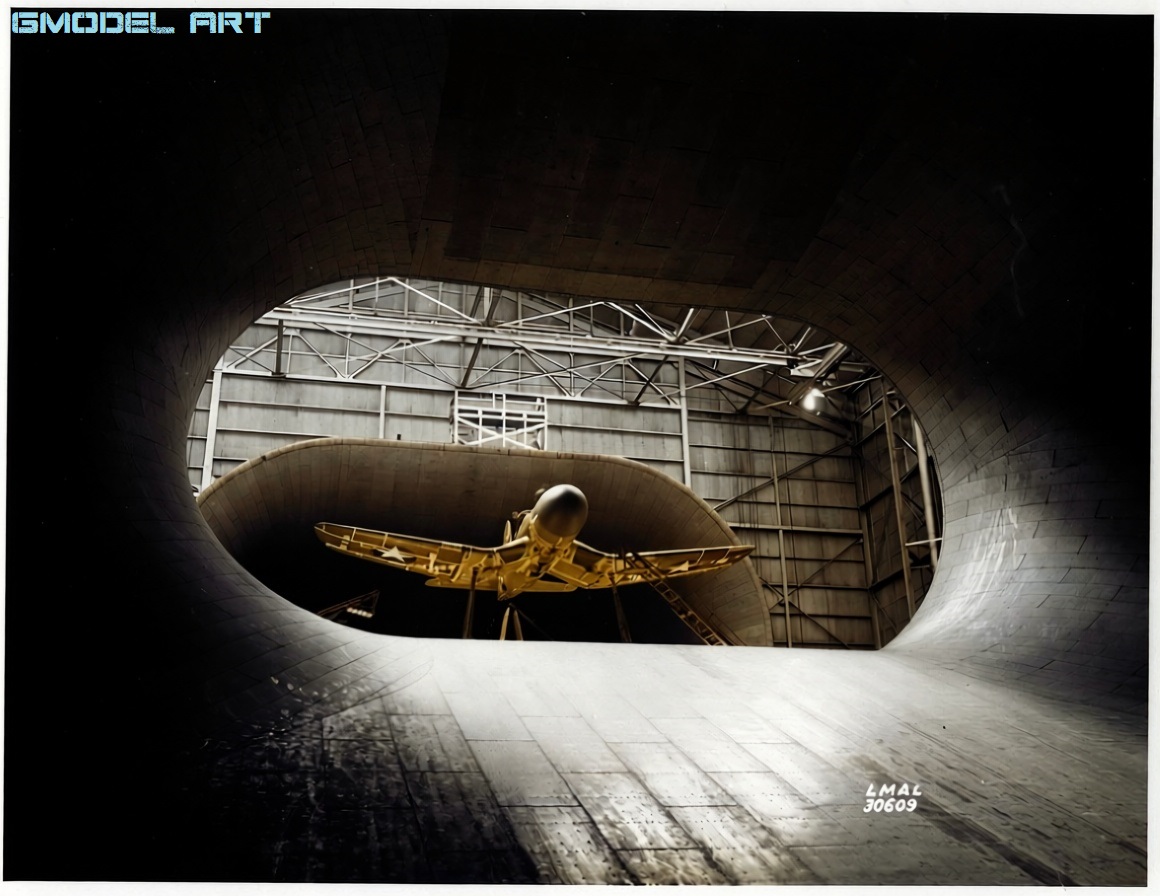
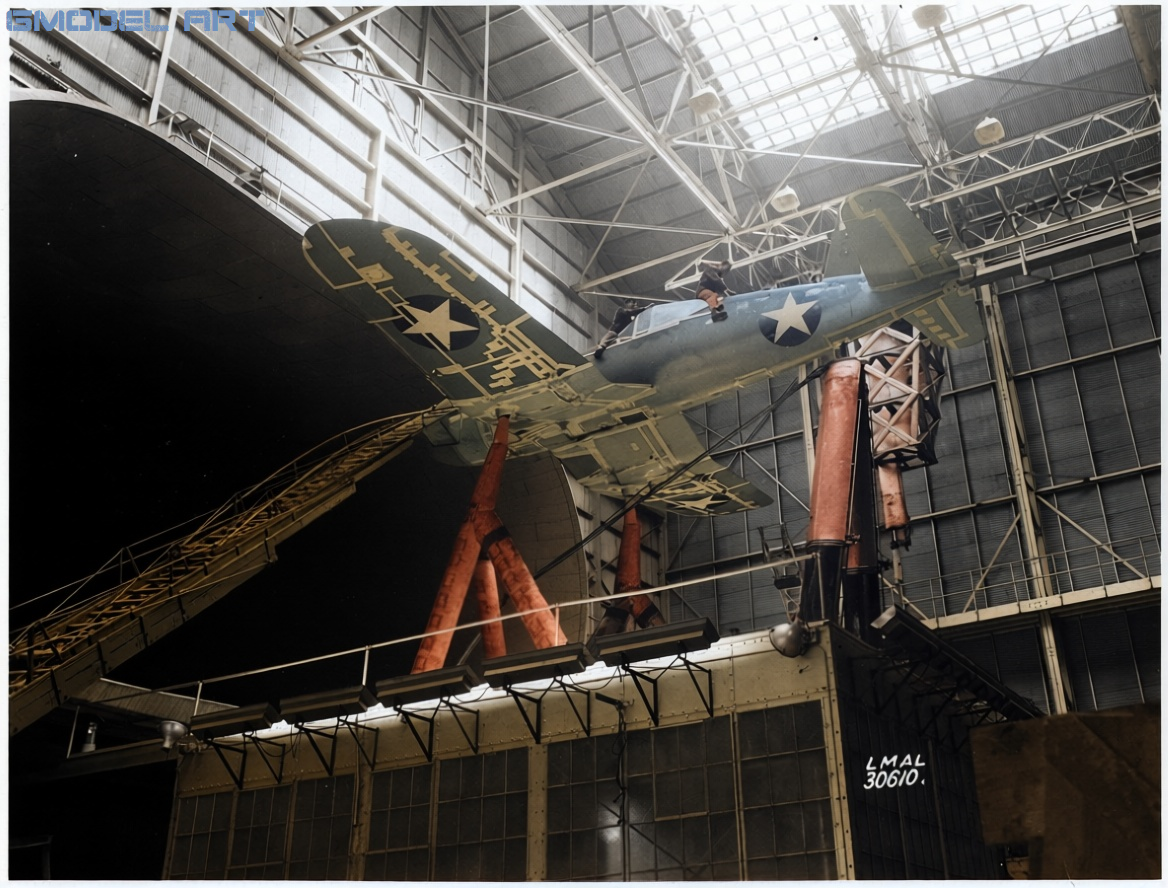
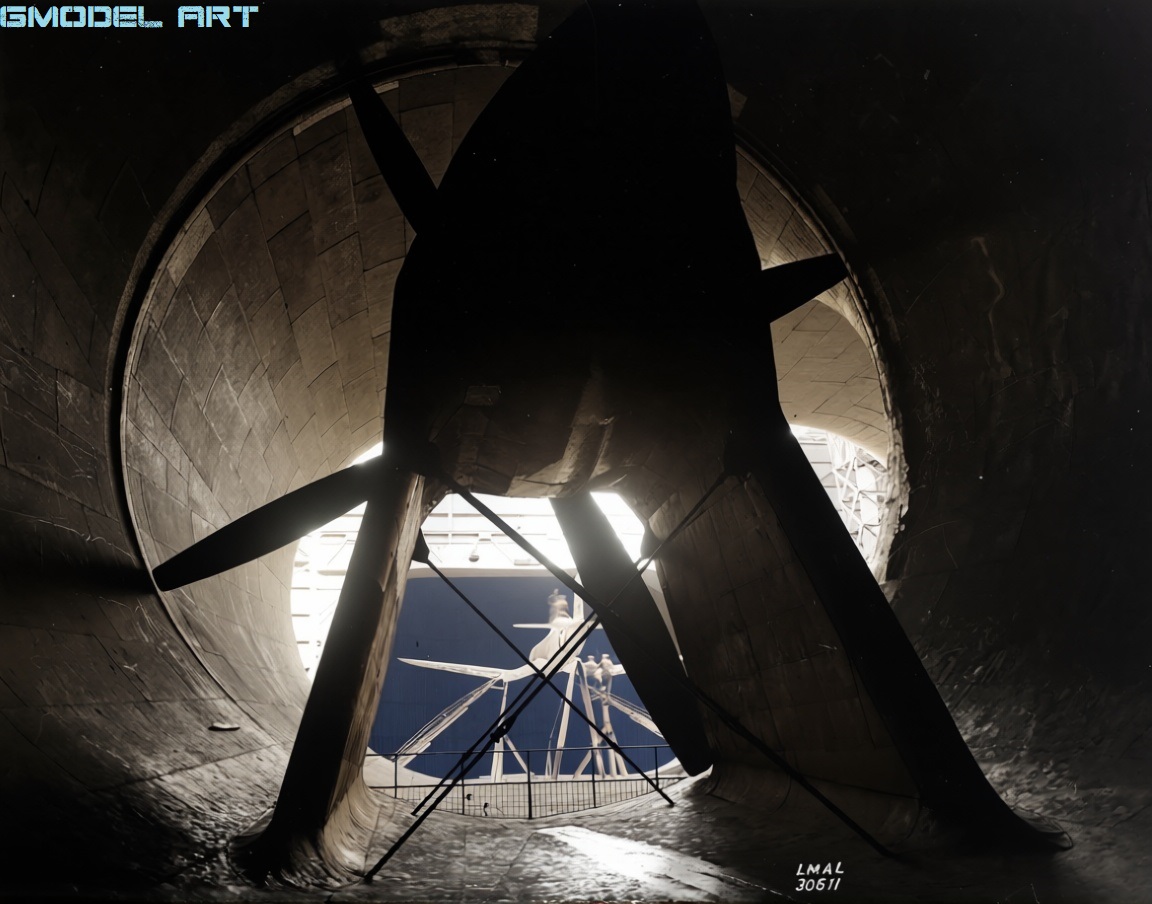
The National Advisory Committee for Aeronautics (NACA) conducted extensive aerodynamic studies of the Corsair throughout the war. These investigations influenced cockpit visibility improvements, pilot positioning, and airflow management around the canopy and fuselage. The later F4U-1A configuration, with its raised cockpit and simplified canopy framing, reflected lessons learned from these evaluations.
Although no currently available NACA report explicitly references aircraft “091” and “092”, their experimental nature fits within the broader pattern of wartime aerodynamic refinement that characterized the Corsair program.
The Road to the F2G Super Corsair
The experimental bubble-canopy FG-1As did not directly create the F2G Super Corsair, but they contributed valuable experience in modifying the Corsair airframe for improved visibility and performance.
The primary driver behind the F2G program remained the installation of the massive 28-cylinder Pratt & Whitney R-4360 Wasp Major engine, an effort that began long before the kamikaze threat emerged in the Pacific. Goodyear engineers combined this new powerplant with a lowered rear fuselage and a fully developed bubble canopy, producing one of the fastest piston-engine naval fighters ever constructed.
In that sense, aircraft “091” and “092” can reasonably be viewed as experimental ancestors of the Super Corsair concept—even if they were never official XF2G prototypes.
Legacy
The story of Goodyear’s experimental Corsairs illustrates how incremental innovation often shapes aviation history. Hidden behind official production records and overshadowed by famous operational variants, these unusual test aircraft demonstrated ideas that would later become standard practice.
Whether designated FG-1A testbeds, developmental F2G studies, or unofficial XF2G precursors, “091” and “092” remain among the most intriguing and mysterious Corsairs ever built.
| ANA 623 (1) | |
| Glossy Sea Blue | |
| Schemes | |
| Basic | Overall |
| Color matches | |
| Gunze Aqueous | H55 |
| Gunze Mr Color | C71 / C365* |
| Humbrol | 181* |
| Model Master | 1717* |
| Revell | – |
| Tamiya | XF-17 (!) |
| Vallejo Model Air | 71.300* |
| Vallejo Model Color | (70.898) |
| AKAN | (72042) |
| AK Interactive | AK 2234 |
| AK Real Colors | RC258 |
| AMMO by Mig | (A.MIG-227) |
| Colourcoats | ANA623 |
| Hataka | HTK-_001* |
| Lifecolor | UA 047* |
| Mission Models | MMP-065* |
| Mr Paint | MRP-14 |
| Xtracolor | X121* |
| Xtracrylix | XA1121* |
XF4u-3B Corsair – Chance Vought’s High-Altitude Turbocharged Prototype (Tamiya 1/48 Build)
To date, there is no known commercial kit that specifically represents the experimental Goodyear FG-1A “091” and “092” with their original tear-drop canopy.
To build them, modelers will have to proceed with extensive modifications (scratch-building), using as a base a 1/48 or 1/32 scale F4U-1A or FG-1A Corsair kit. The most important operations include:
Removal and reconfiguration of the upper rear fuselage behind the cockpit.
Scratch construction of the original tear-drop (bubble) canopy.
Modification of the windshield according to available photographs.
Retention of the Pratt & Whitney R-2800-10 Double Wasp engine and the Hamilton Standard three-blade propeller.
Careful study of the few historical photographs, as several details remain controversial or unconfirmed.
The construction of the FG-1A “091” and “092” is a particularly demanding project for advanced modelers, but offers the opportunity to recreate a virtually unknown but important page in the evolution of the Corsair.
Gallery