article
A-7E Corsair II HAF Araxos Cemetery – Hasegawa 1/48 Corsair Graveyard Build
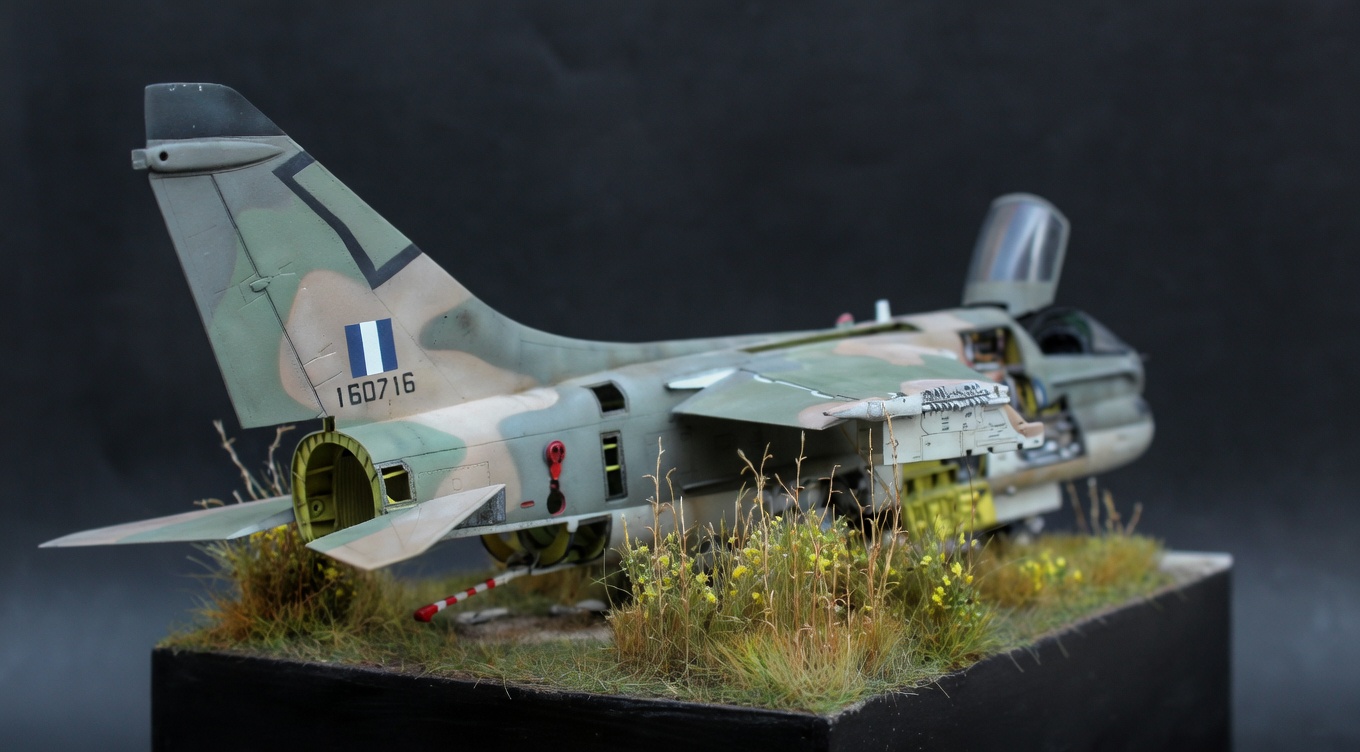
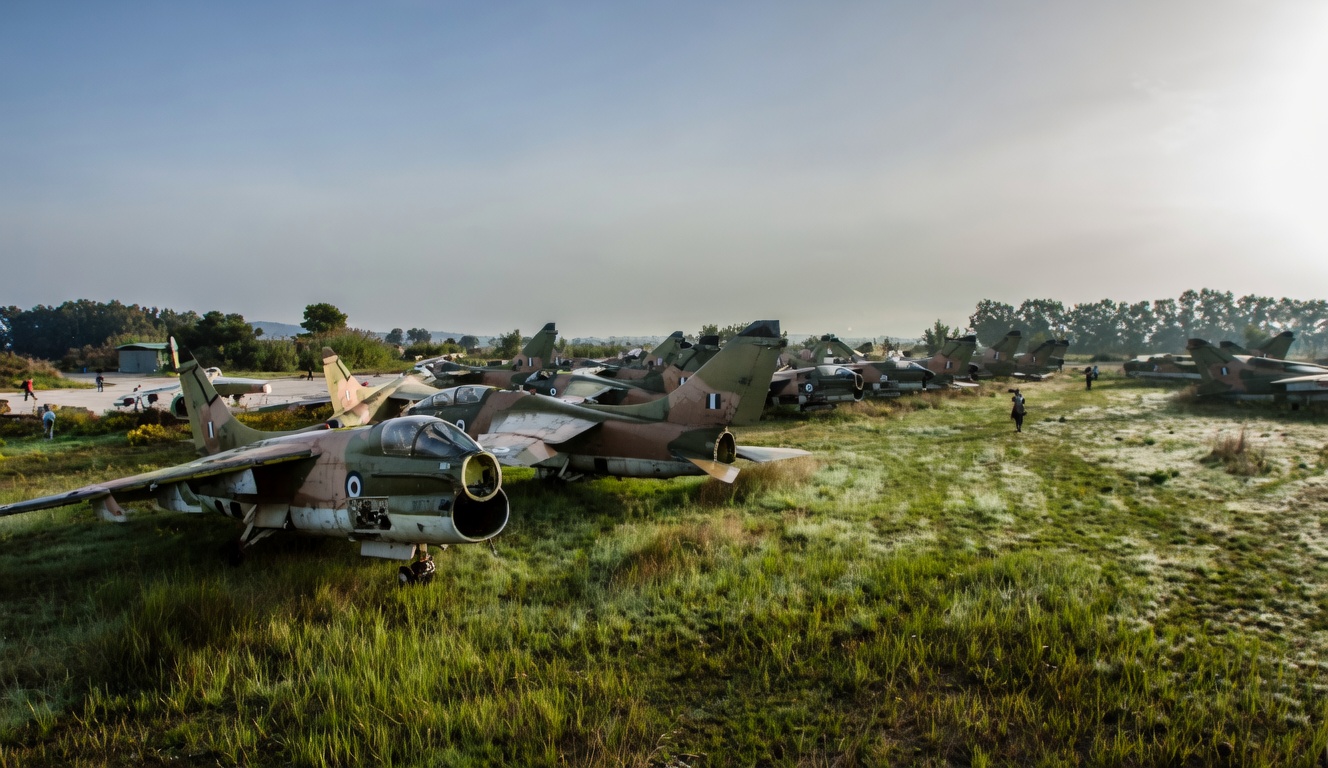
The abandoned Hellenic Air Force A-7E Corsair II aircraft resting at Araxos Air Base have become an iconic sight for aviation enthusiasts and scale modelers alike. Exposed to years of sun, rain, sea air, and neglect, these once-proud attack aircraft now form what many have called the “Corsair Graveyard” of Greece.
For years, I wanted to recreate one of these weathered veterans in miniature. Despite the melancholy atmosphere surrounding the subject, the combination of faded camouflage, missing panels, exposed structures, rust streaks, and open maintenance compartments created an irresistible challenge from both artistic and technical perspectives. When the decision was finally made to begin the project, I knew it would demand patience, research, and countless hours of scratchbuilding.
Choosing the Right Kit: Hasegawa or Hobby Boss?
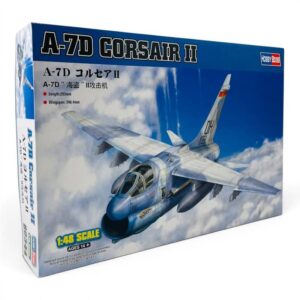
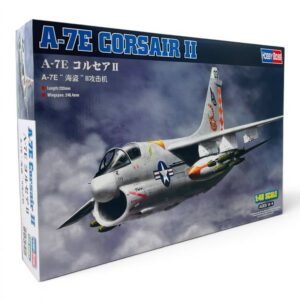
The first major question concerned the base kit itself. Should I choose the modern Hobby Boss tooling or the classic Hasegawa 1/48 A-7E Corsair II?
After examining both options, I concluded that the Hasegawa kit still offered the best foundation for a heavily modified project. Although it requires more work in several areas, its overall proportions and surface details made it ideal for an extensive super-detailing effort.
Given that much of the original aircraft would be removed, opened, or rebuilt entirely, the traditional strengths of the Hasegawa kit outweighed its limitations.
Cockpit and Resin Upgrades
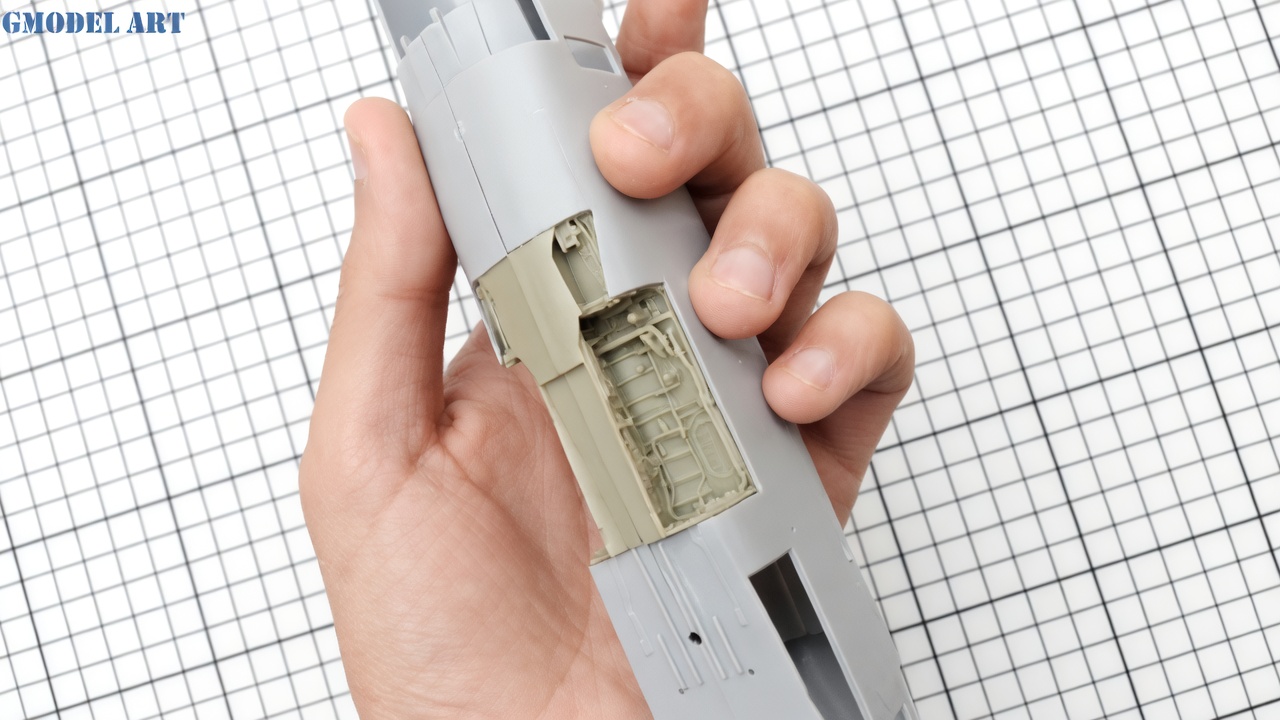
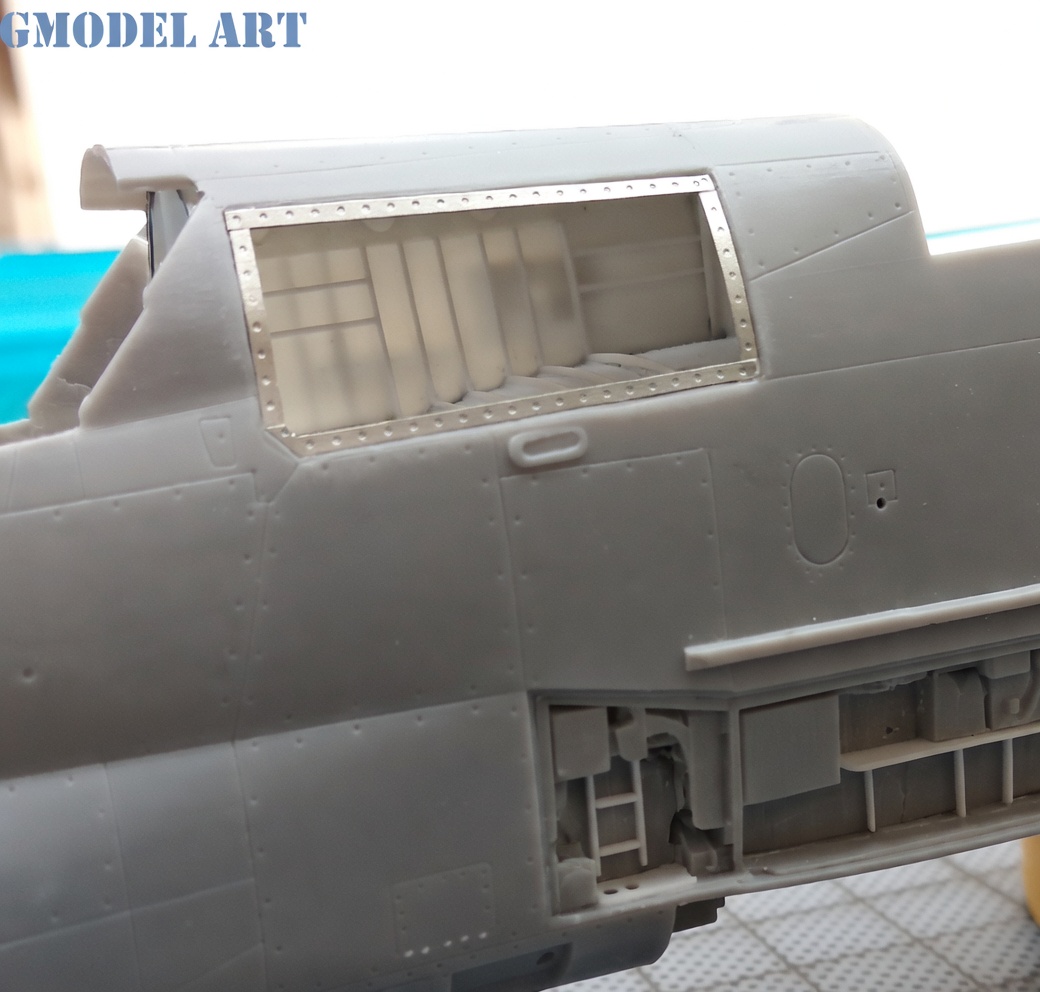
The cockpit received a complete replacement using the Aires resin set, accompanied by matching Aires wheel wells.
These aftermarket components provided an excellent starting point, but substantial modifications were still necessary to represent the abandoned state of the real aircraft.
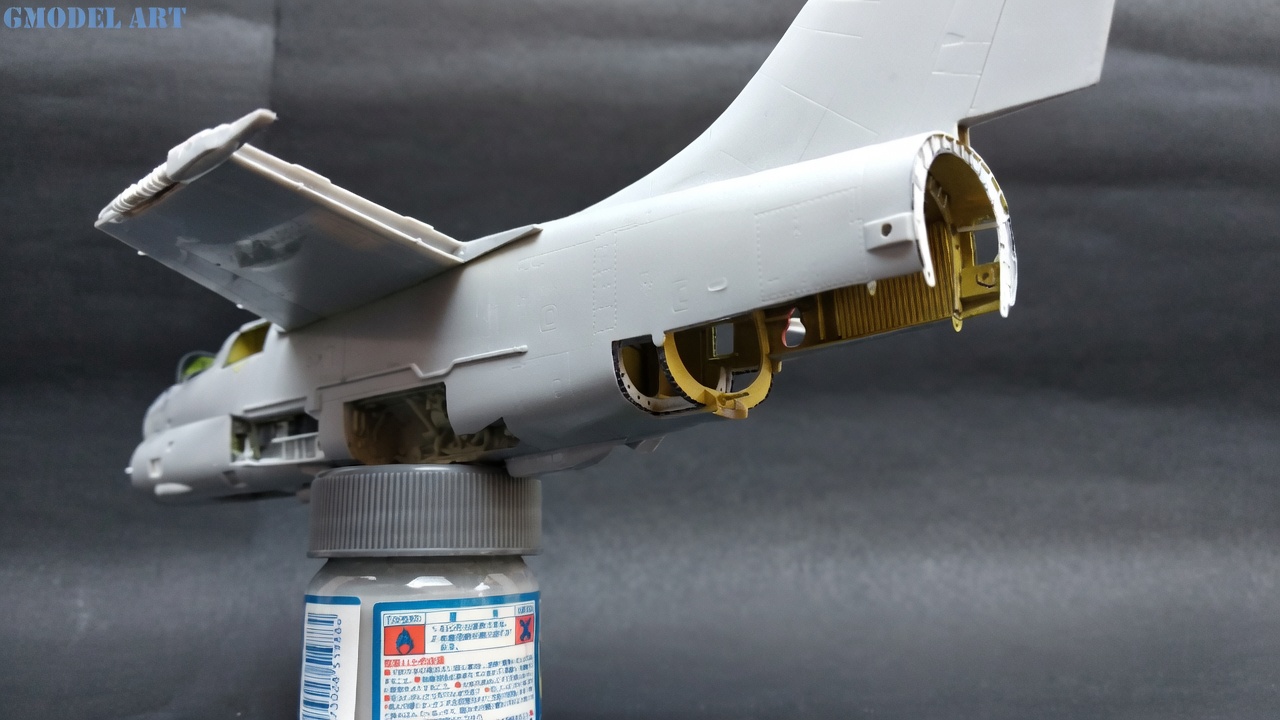
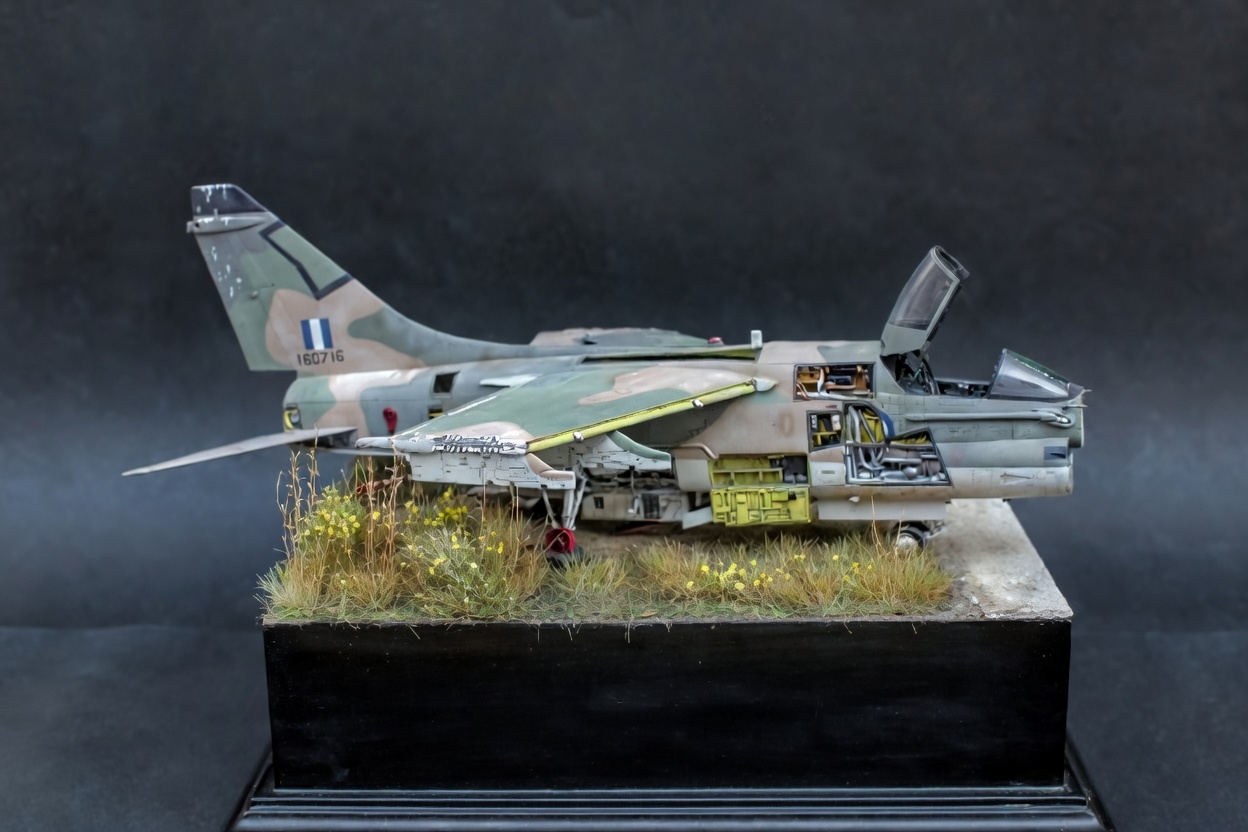
Many original systems and electronic boxes were removed entirely, reflecting the condition observed on the surviving Corsairs at Araxos. The interior areas were reworked to show empty compartments, exposed framework, and maintenance access points.
Extensive Scratchbuilding with Evergreen Plastic
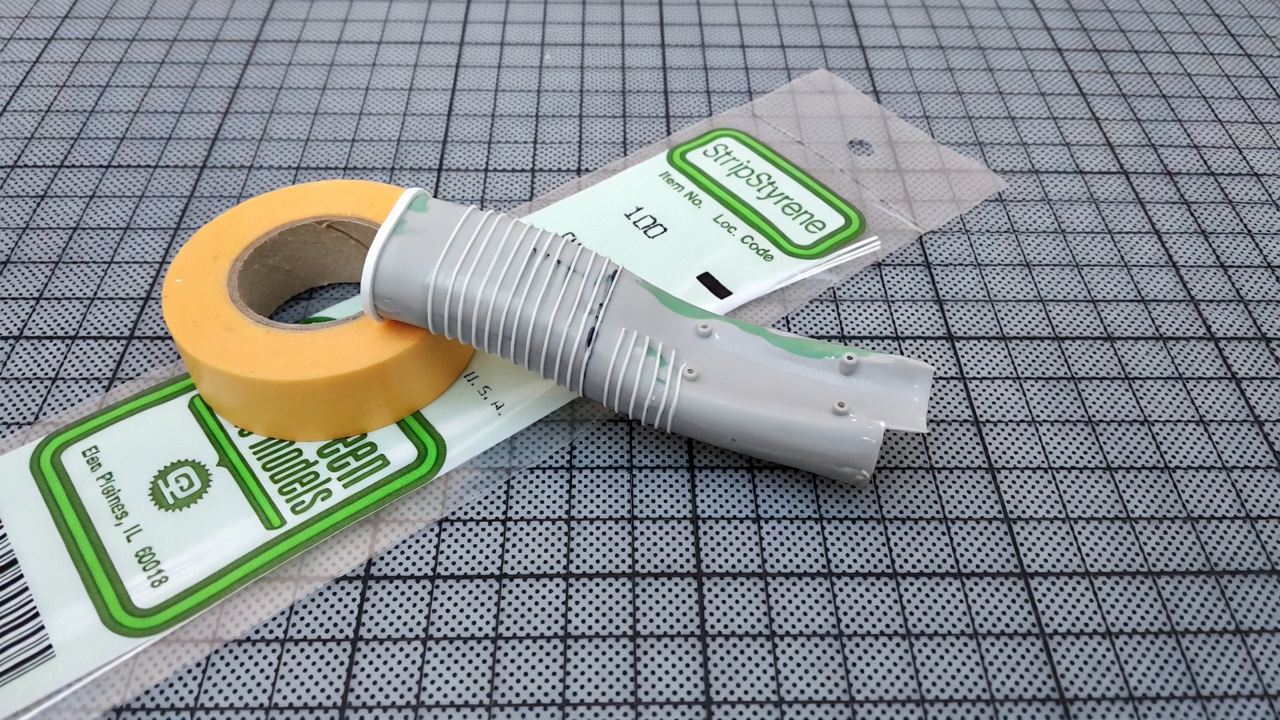
The majority of the project depended on scratchbuilt components created from Evergreen styrene materials.
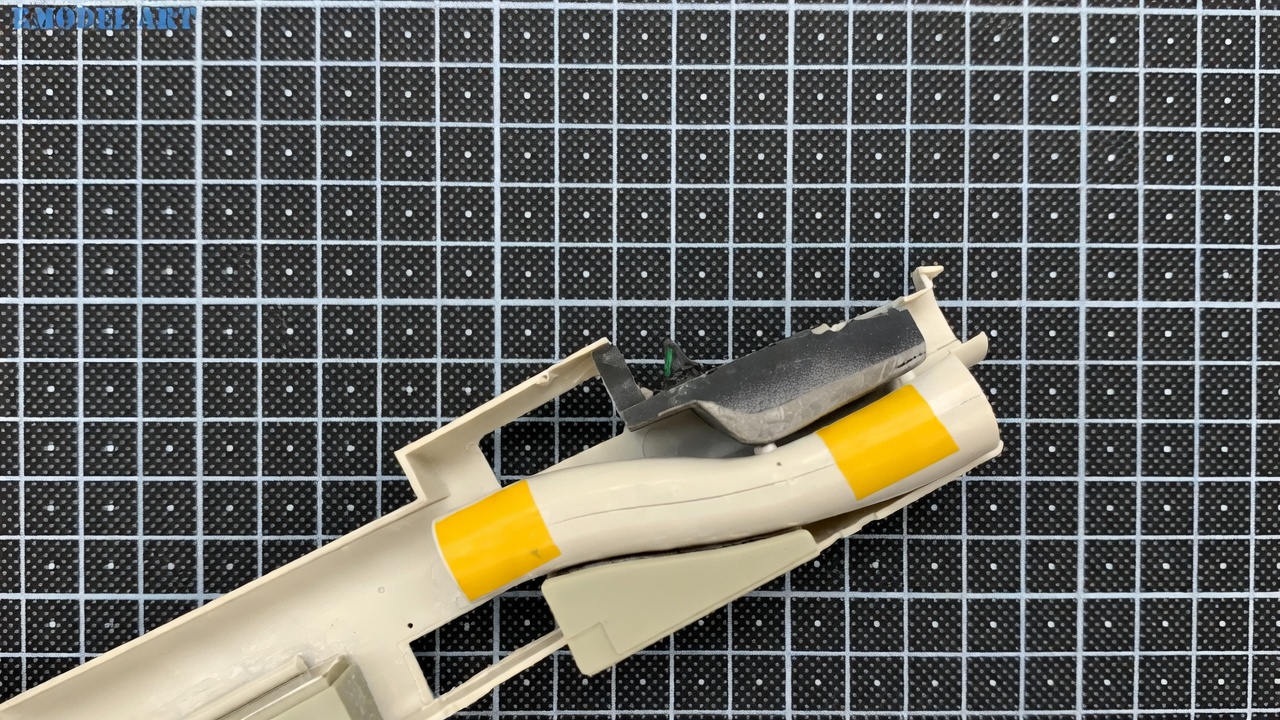
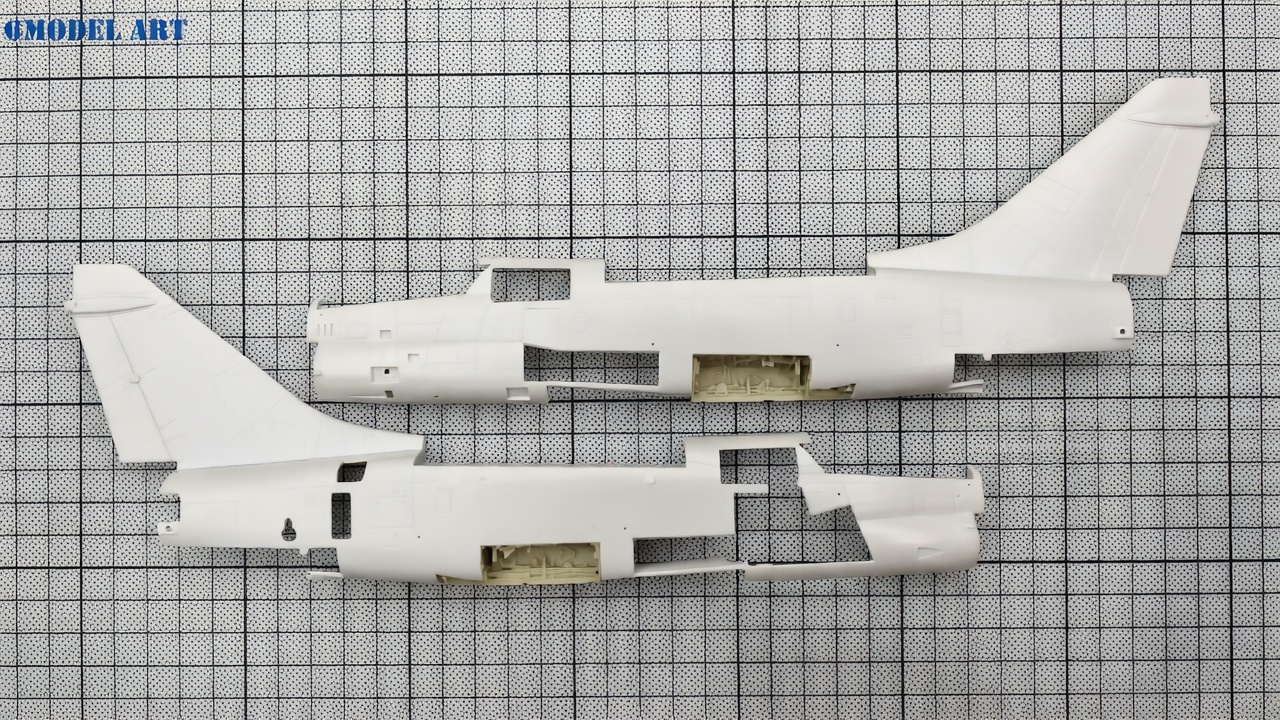
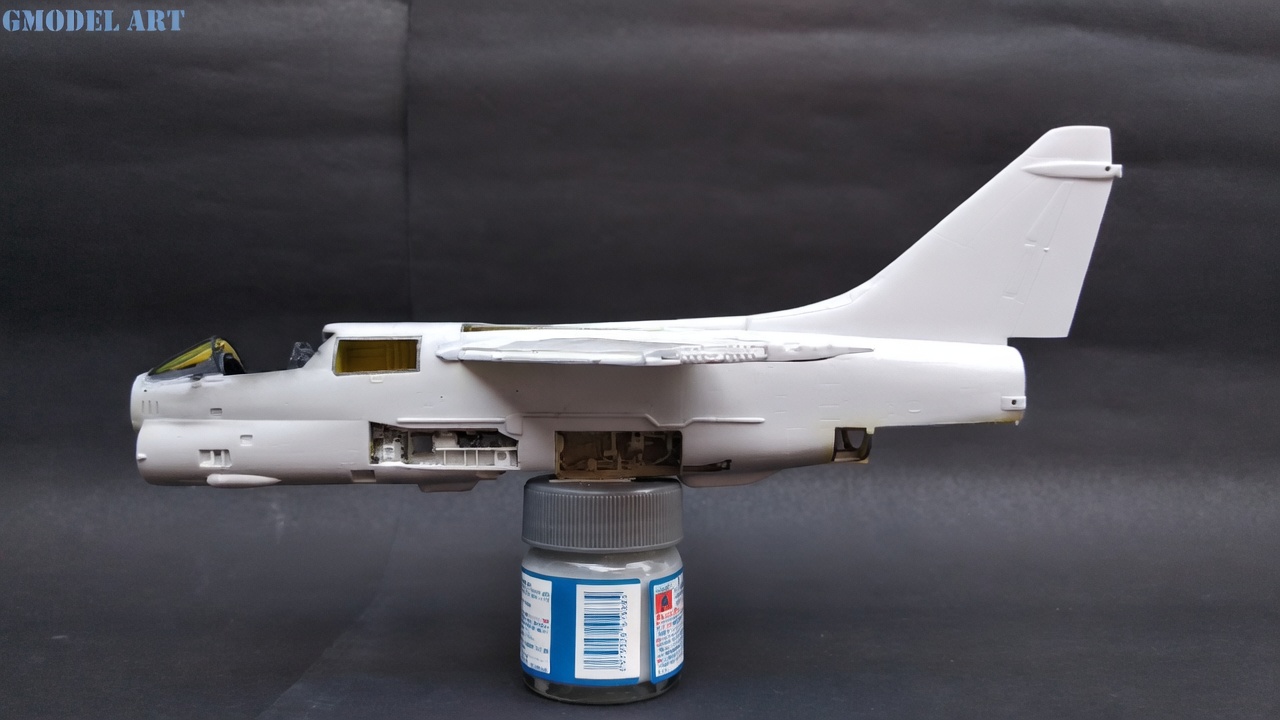
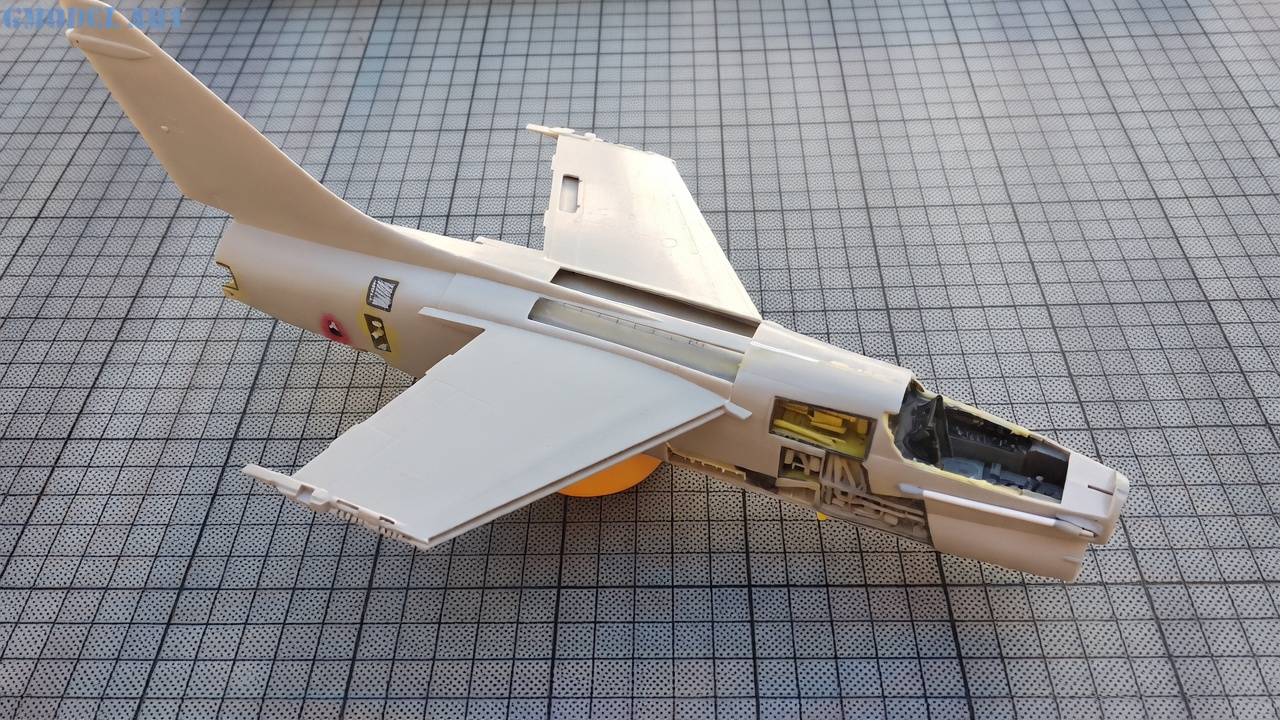
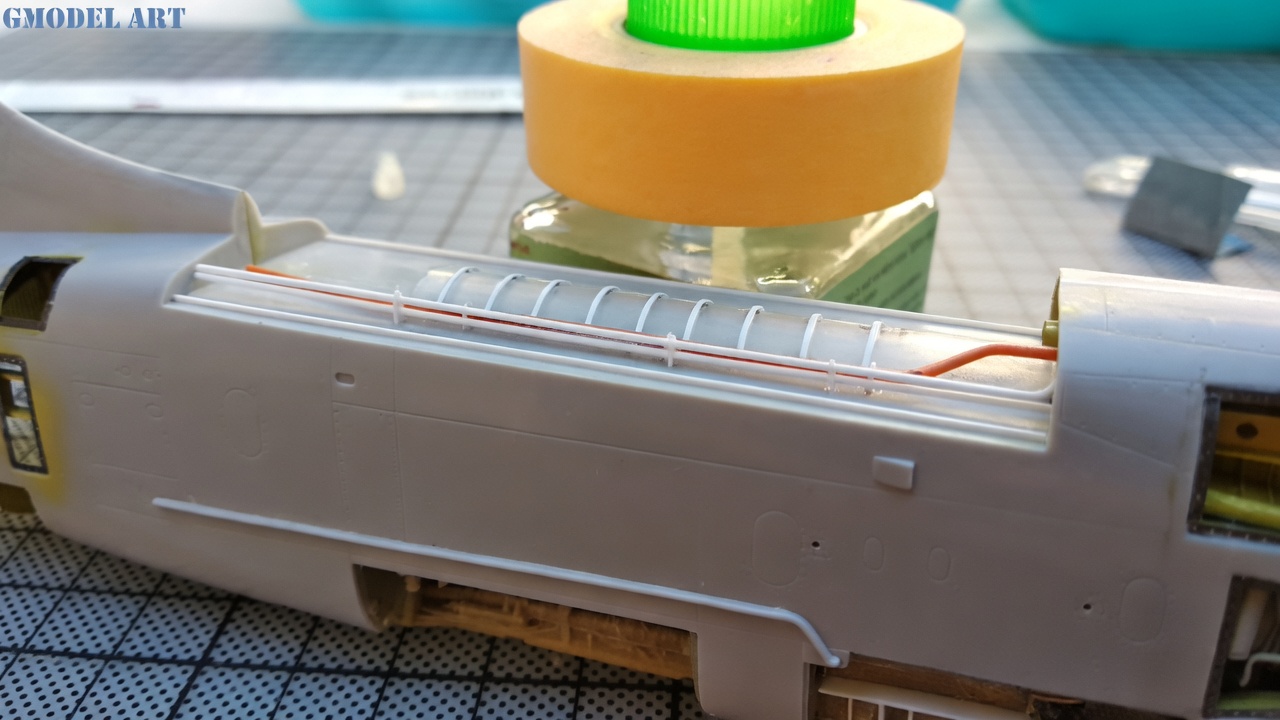
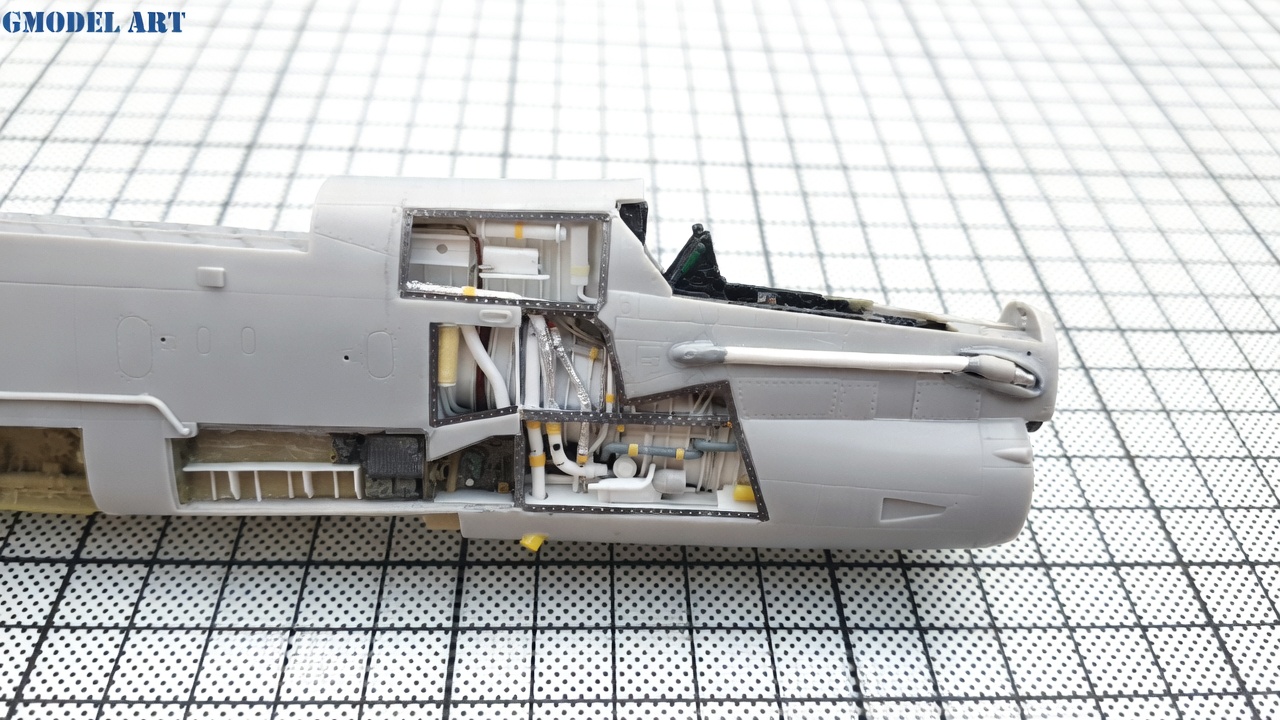
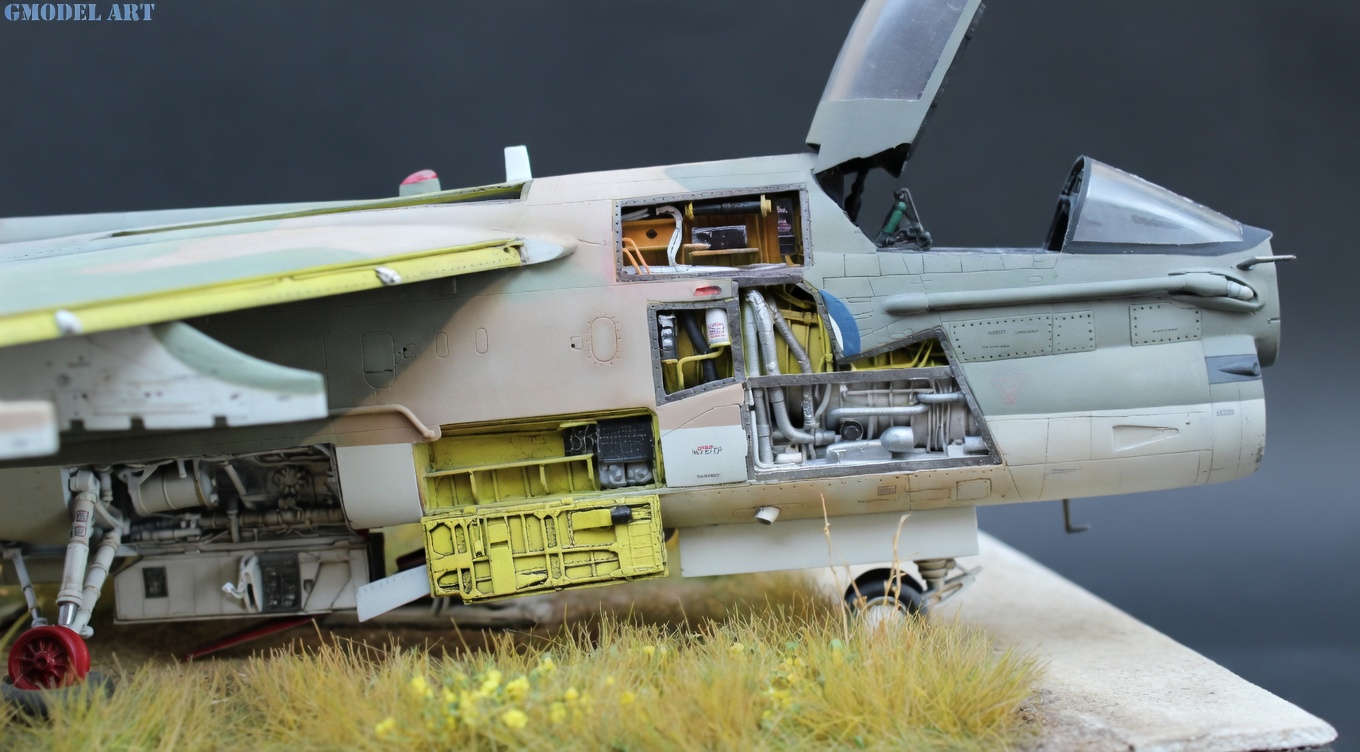
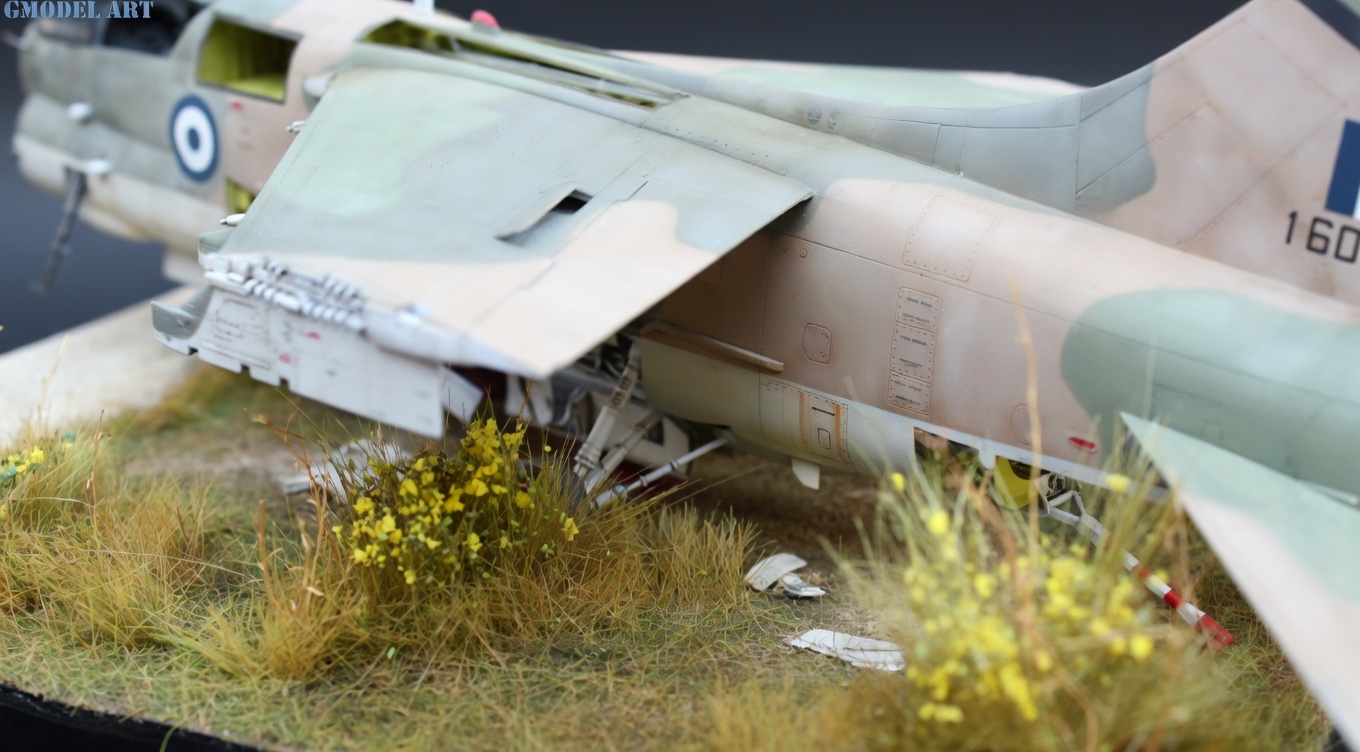
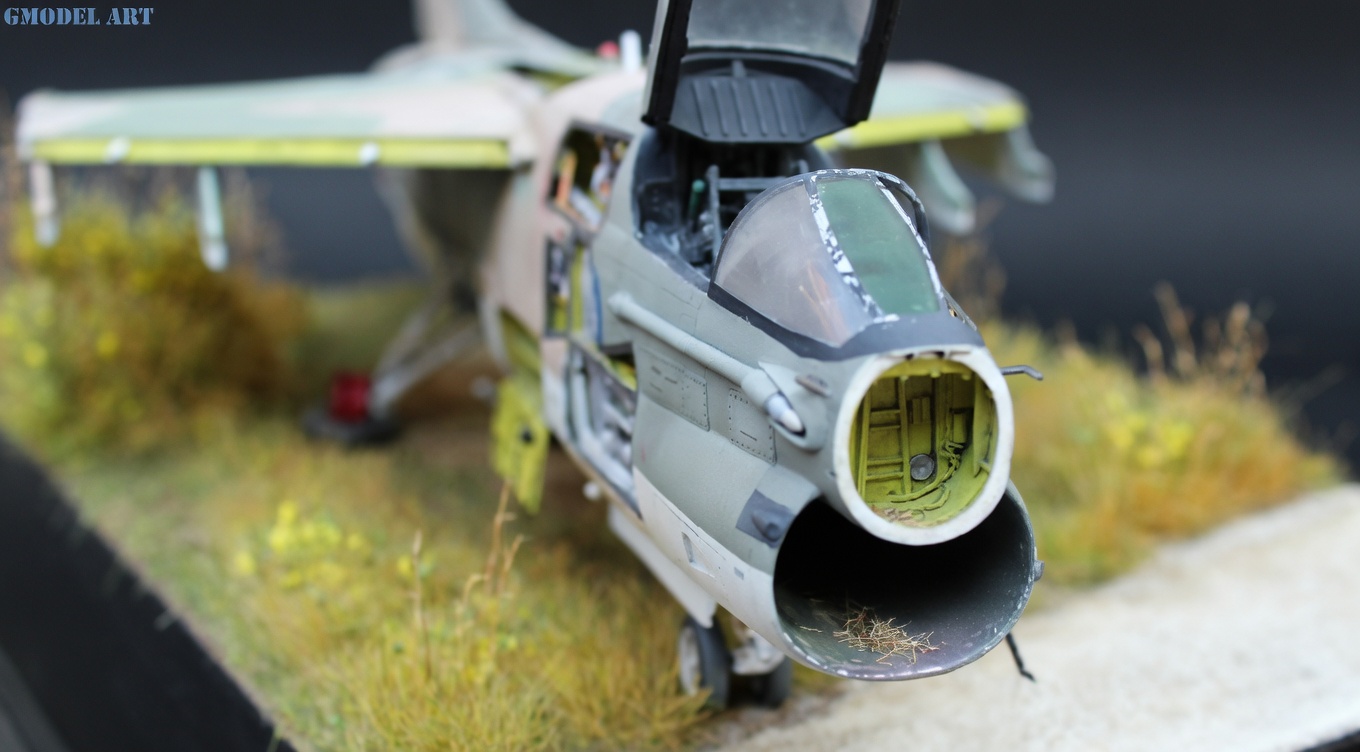
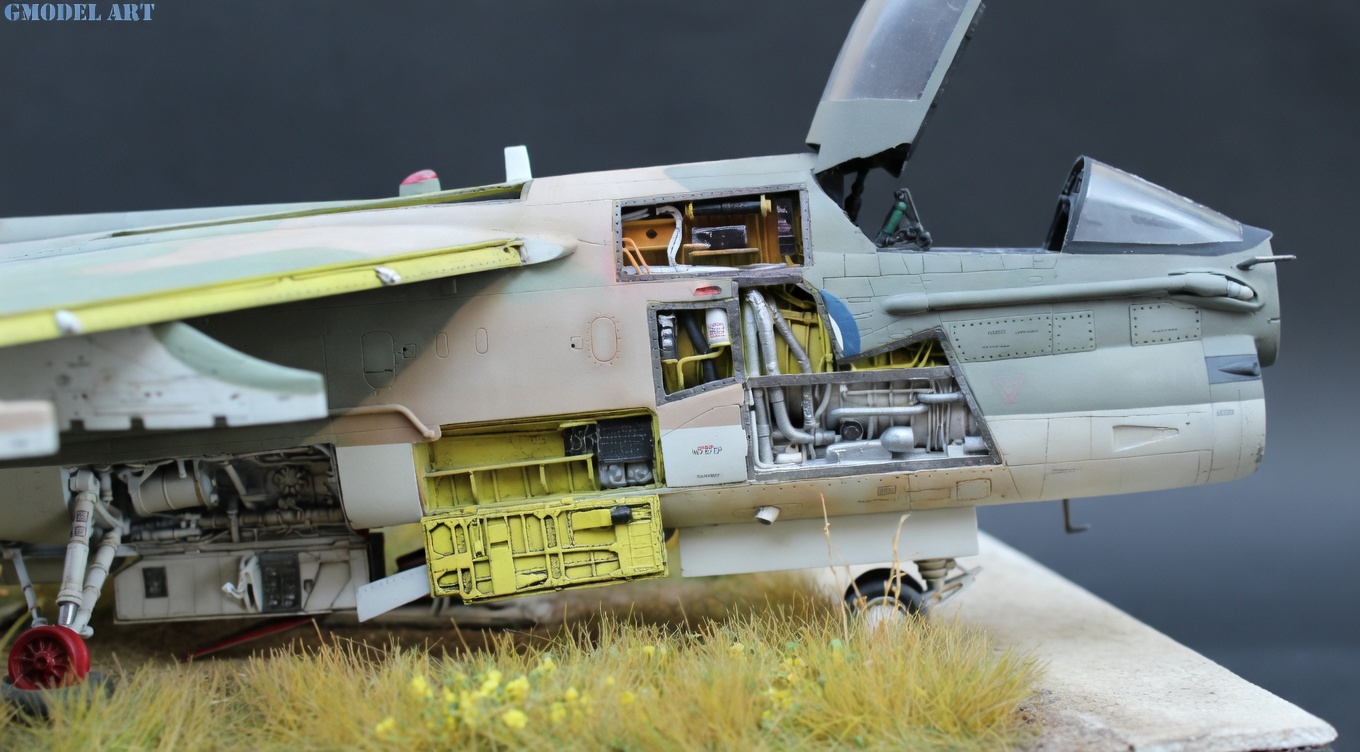
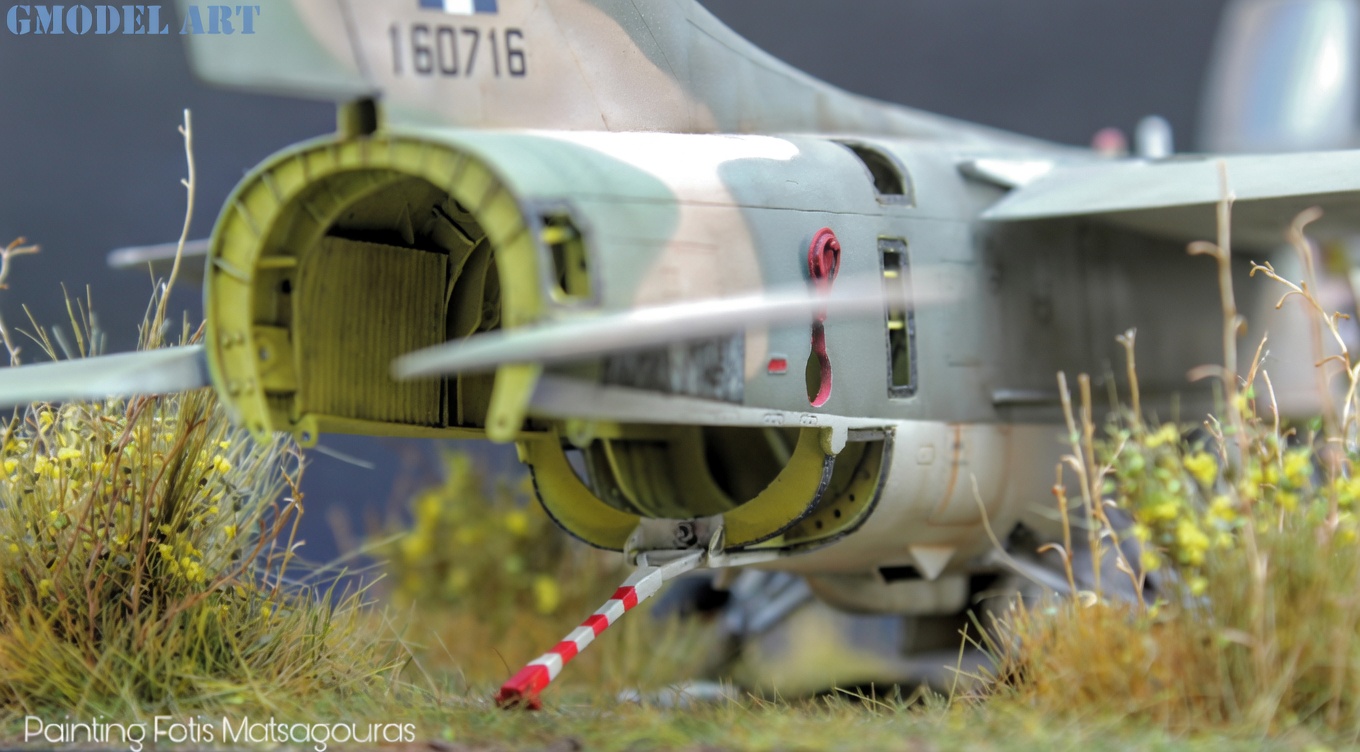
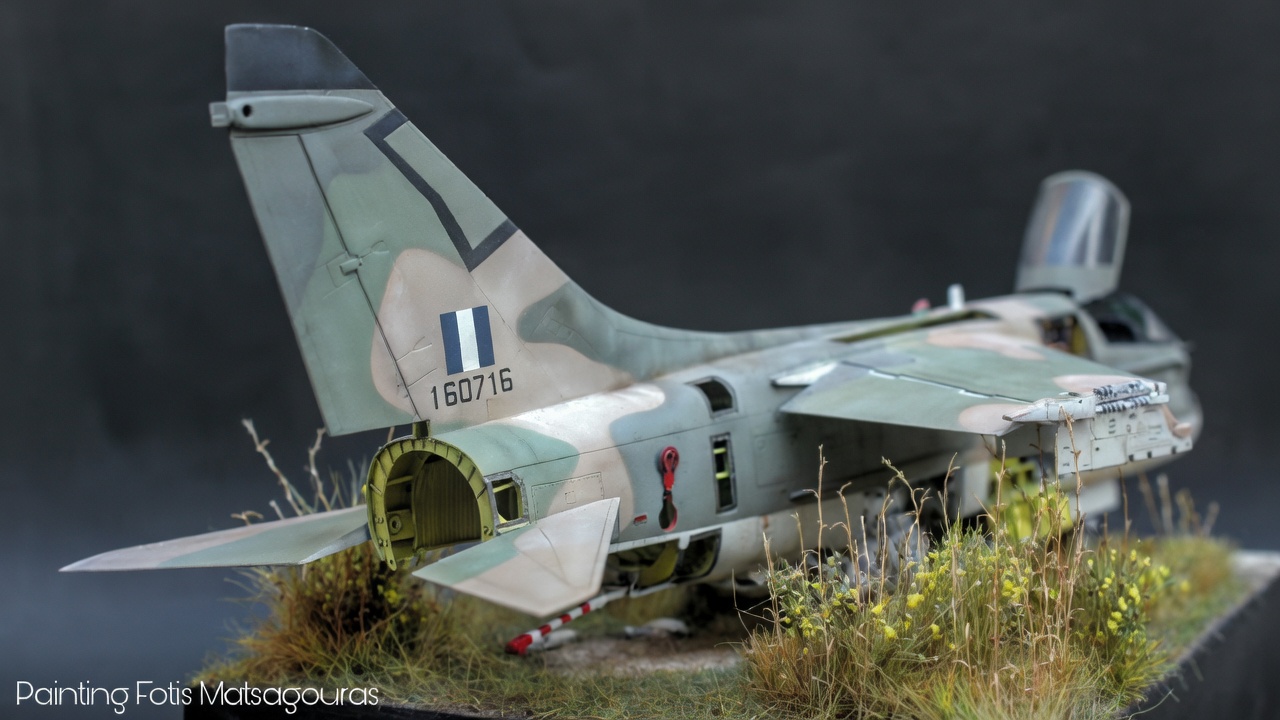
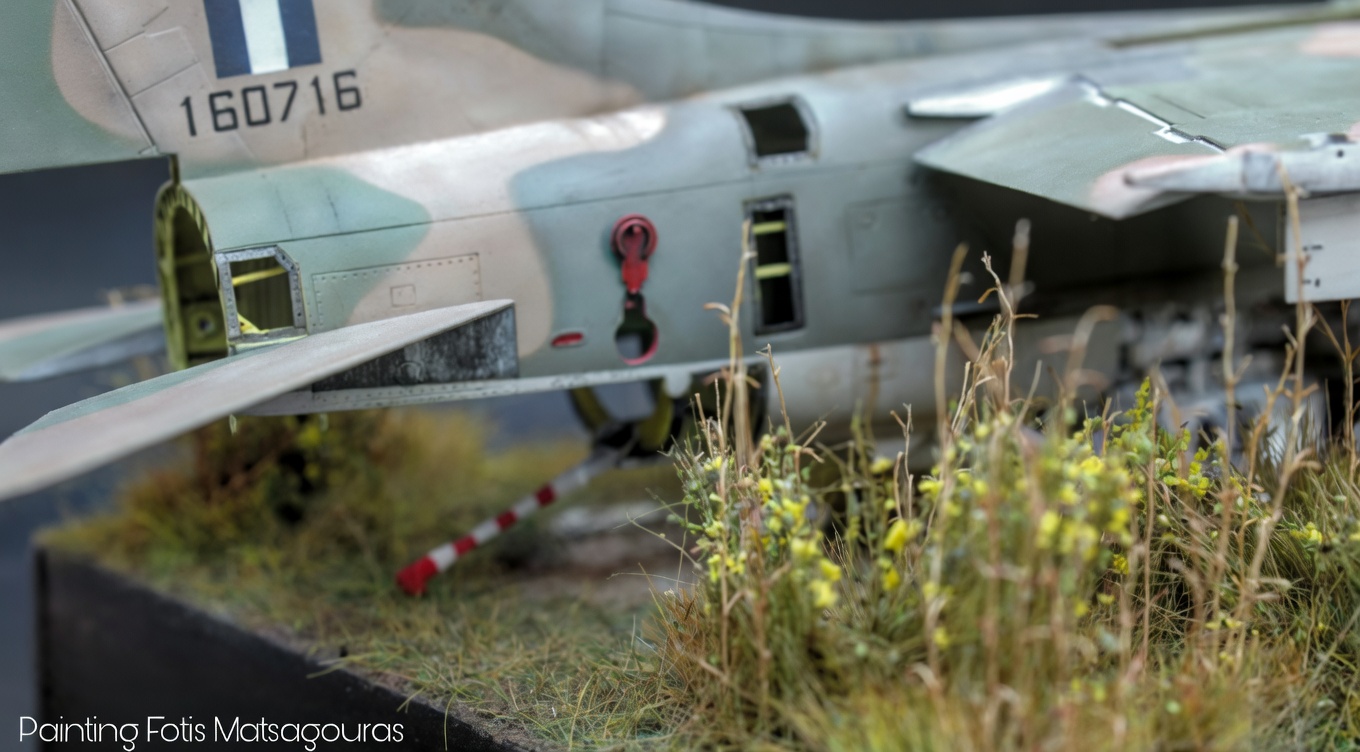
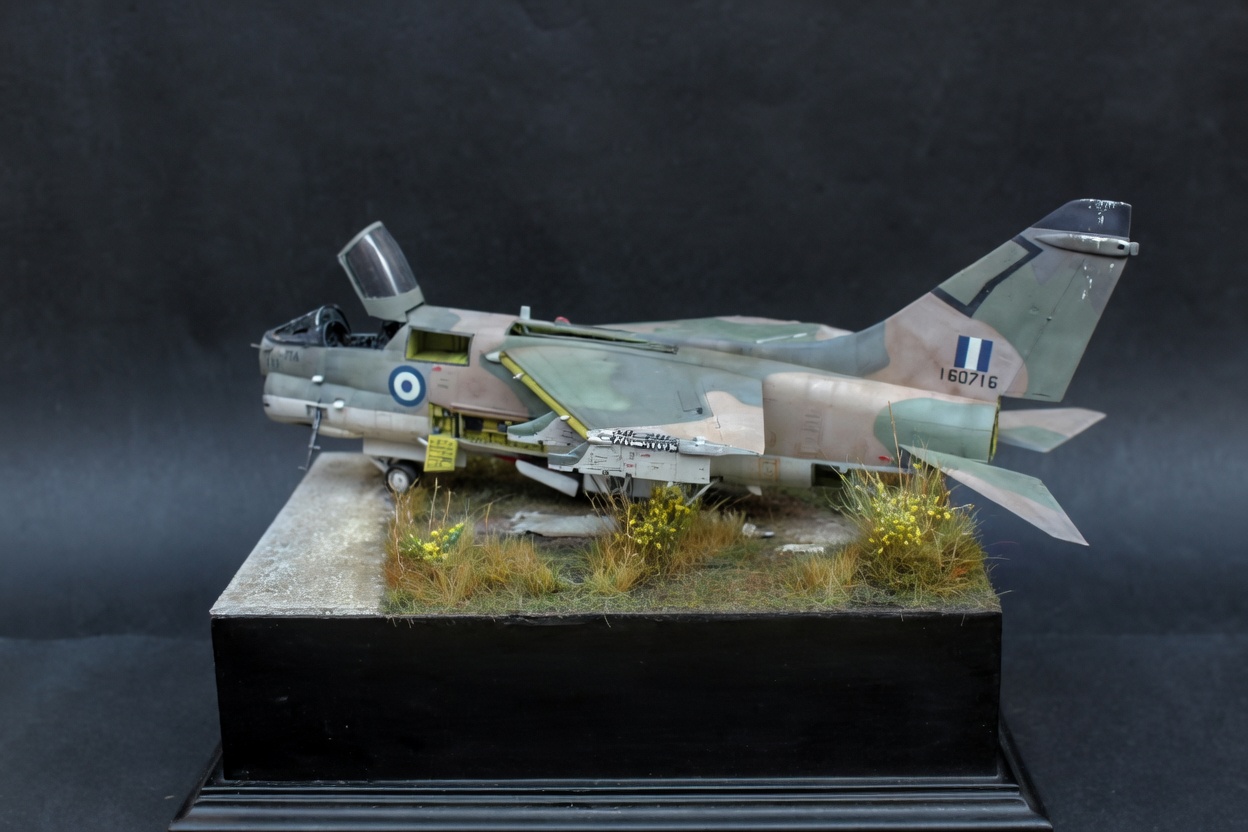
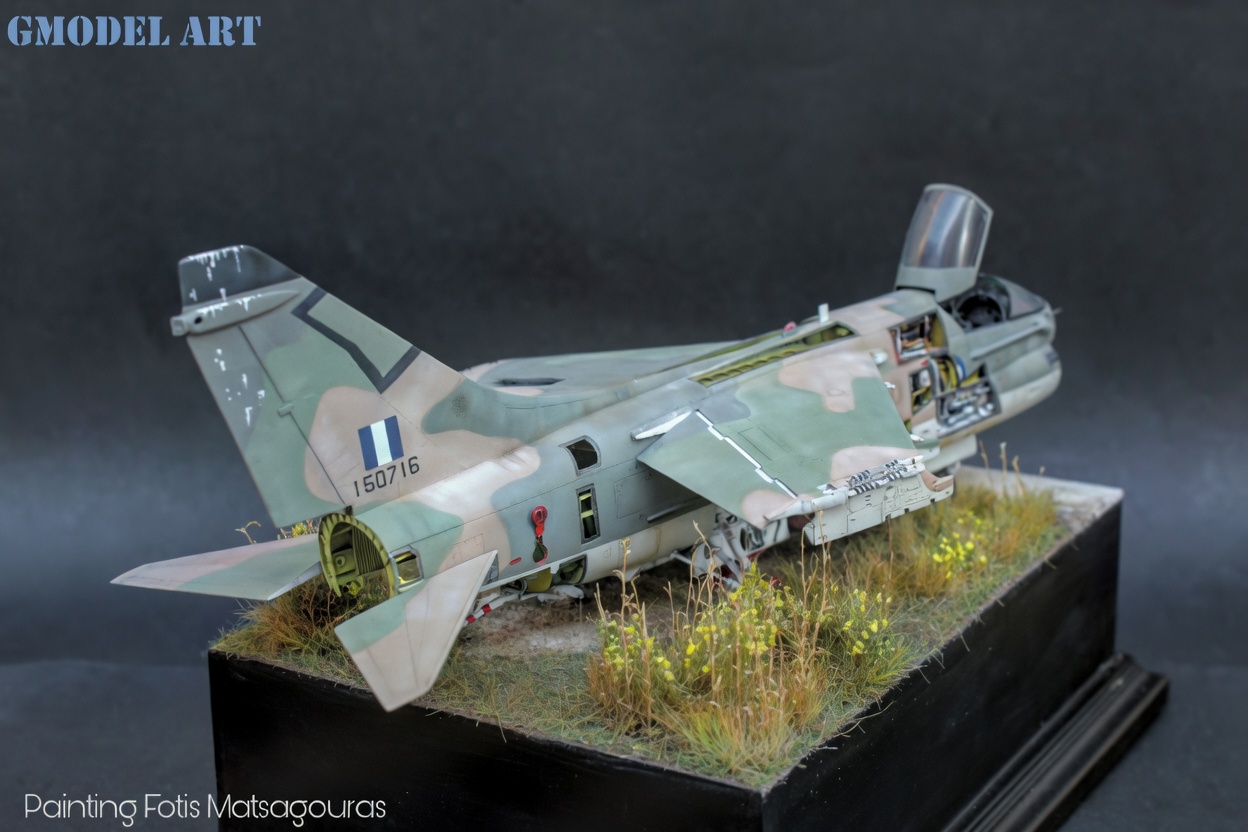
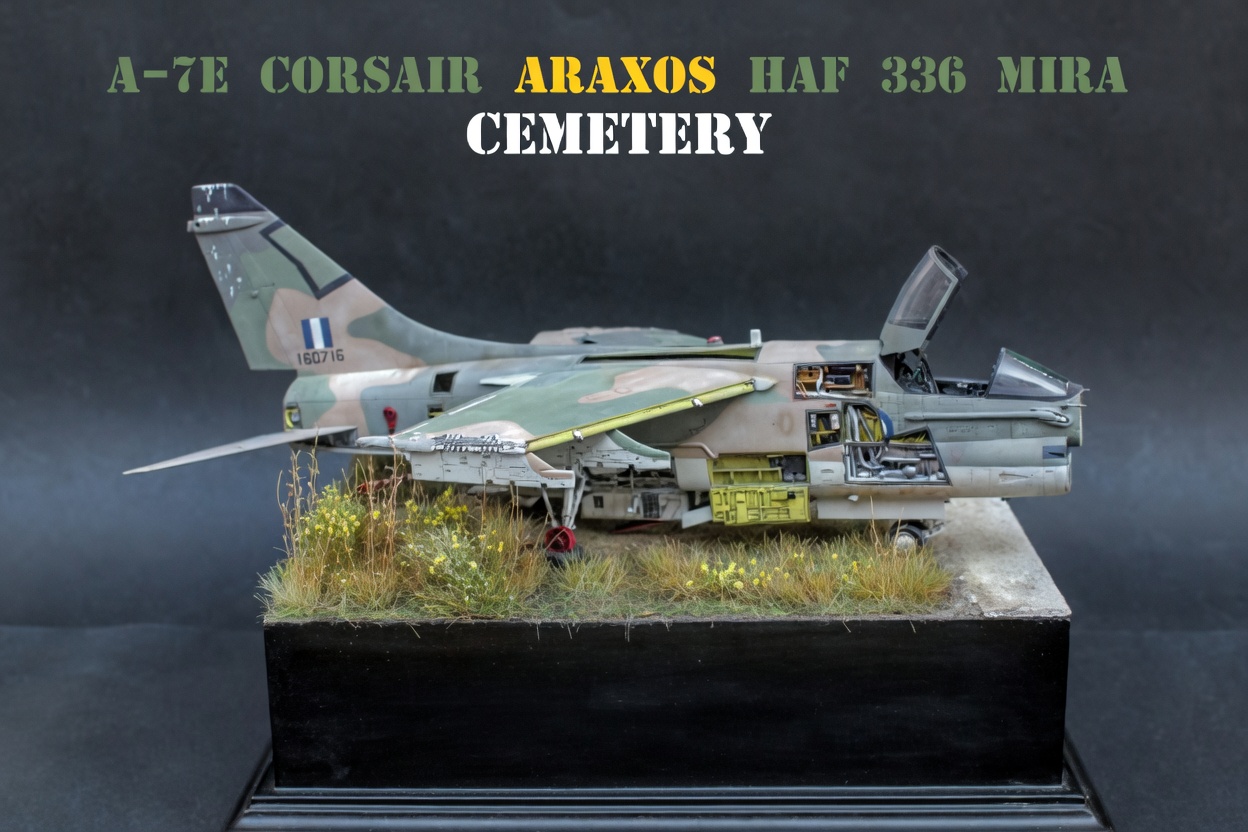
The left side of the fuselage features an open access door communicating with the engine intake area, while the right side includes multiple opened panels exposing cables, piping, and internal structures. Every visible component was constructed from scratch using photographs of the real aircraft as references.
The radar compartment received similar treatment. Since the radar equipment had long been removed from the actual aircraft, the model reproduces an entirely empty bay, emphasizing the abandoned condition of the machine.
Another important correction involved the refueling probe assembly. The kit part proved inaccurate for the configuration being represented, leading to a complete reconstruction using Evergreen materials. A Master metal probe sensor completed the assembly.
Building the Engine Bay from Scratch
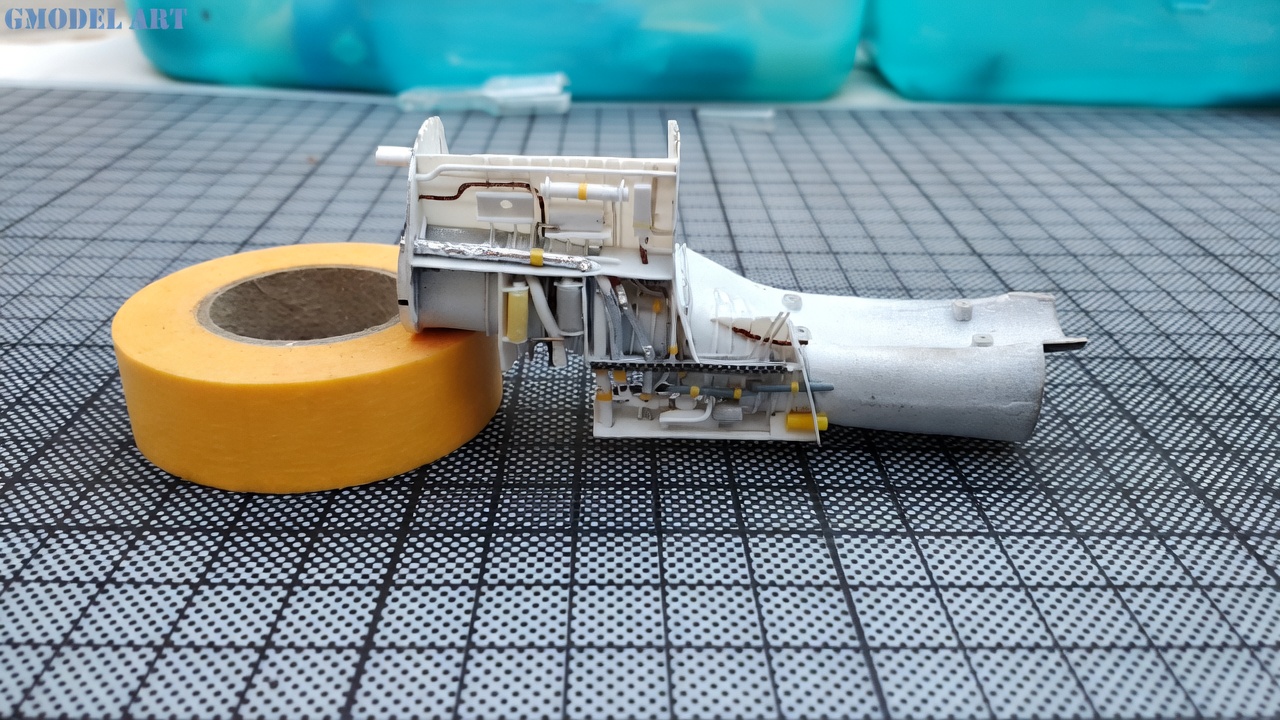
Perhaps the most demanding aspect of the project was the engine compartment.
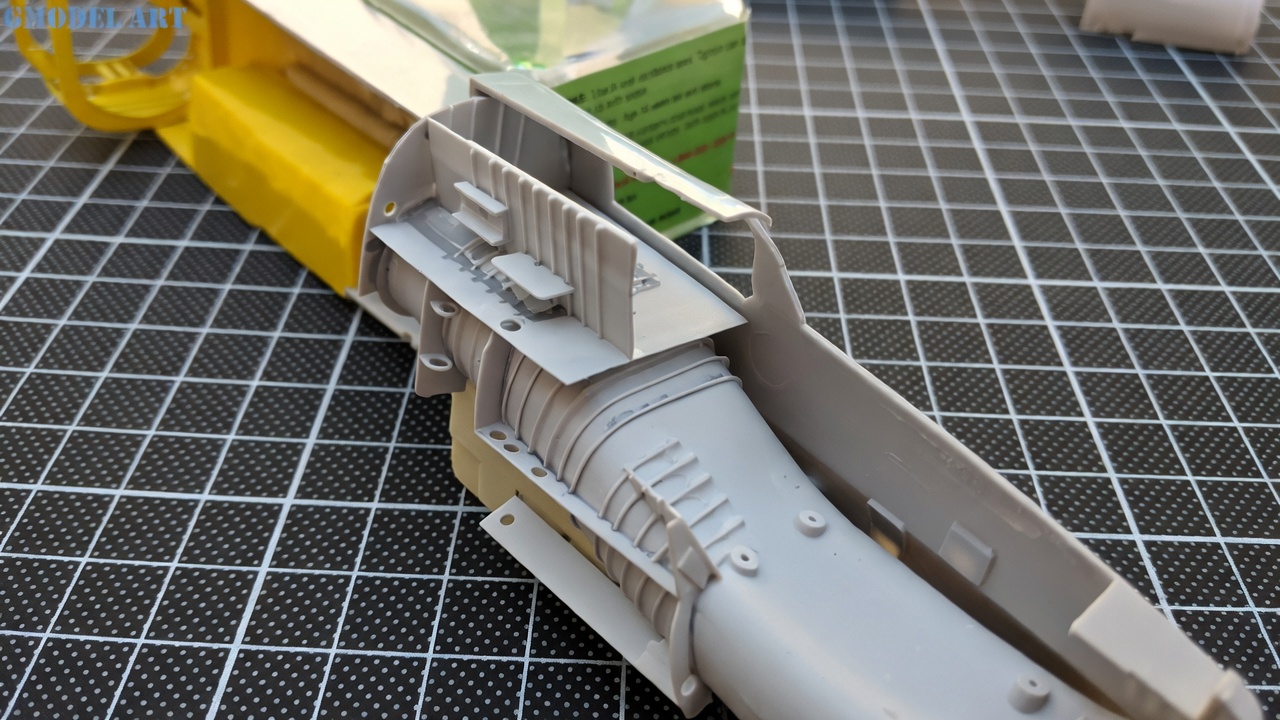
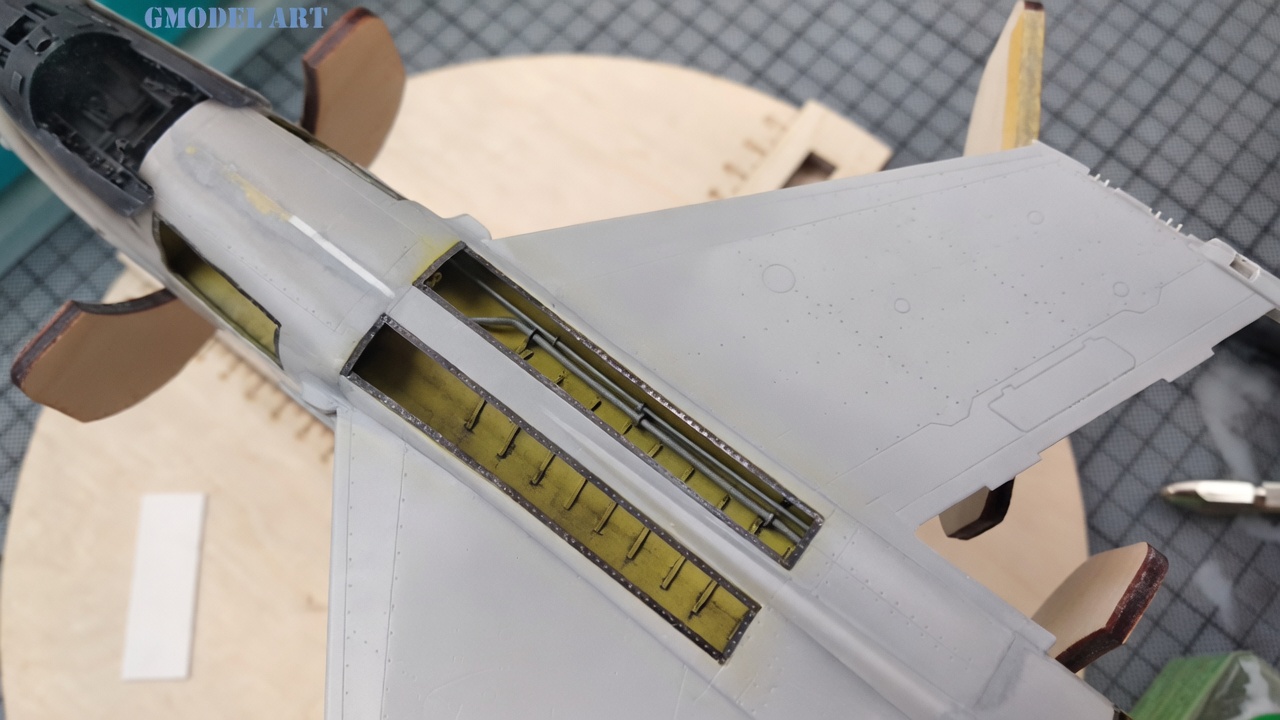
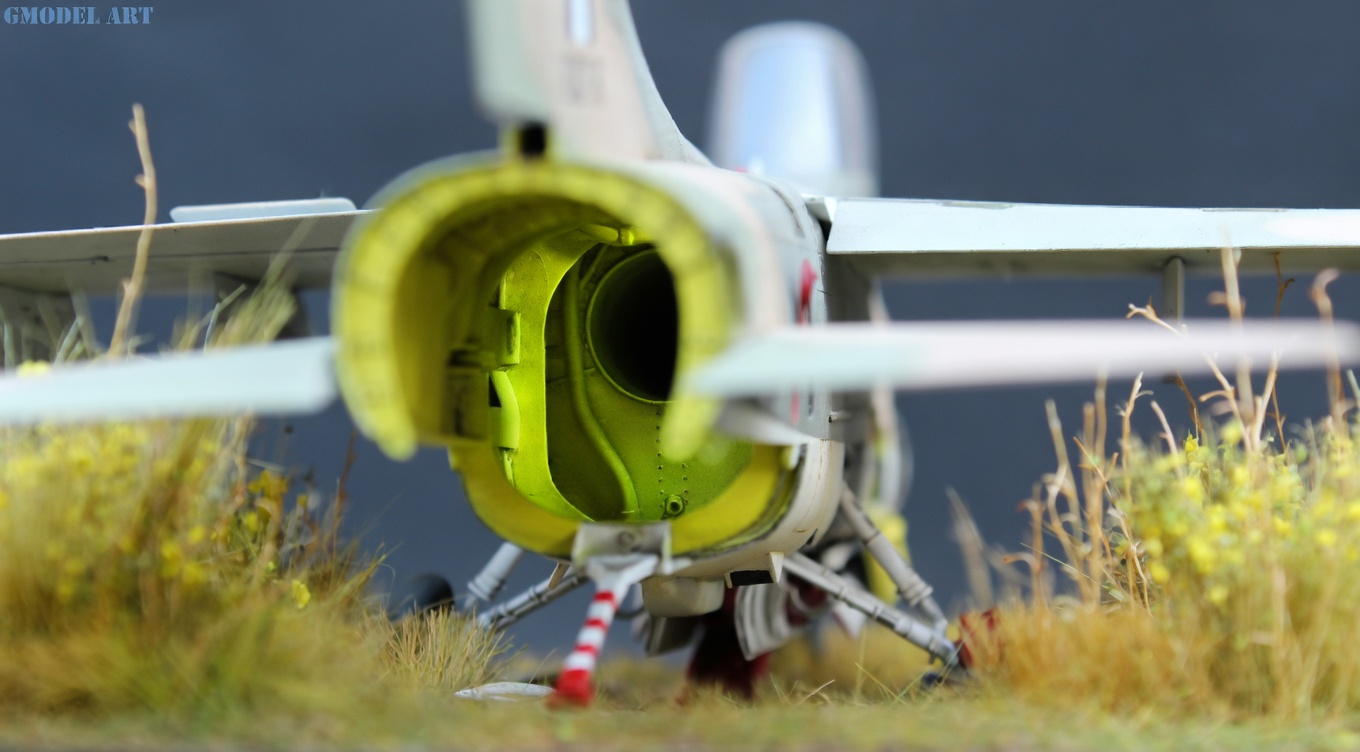
The entire engine bay was scratchbuilt from the ground up after extensive study of photographs from the Araxos aircraft cemetery. Virtually every operational component had disappeared from the real aircraft, leaving only structural ribs, pipes, and remnants of internal systems.
Replicating this appearance required restraint as much as detail. Rather than filling the space with mechanical complexity, the objective was authenticity: emptiness, exposed framework, and signs of decades of abandonment.
The resulting structure captures the haunting atmosphere of the original aircraft while remaining faithful to documented references.
Wheels, Landing Gear and Open Compartments
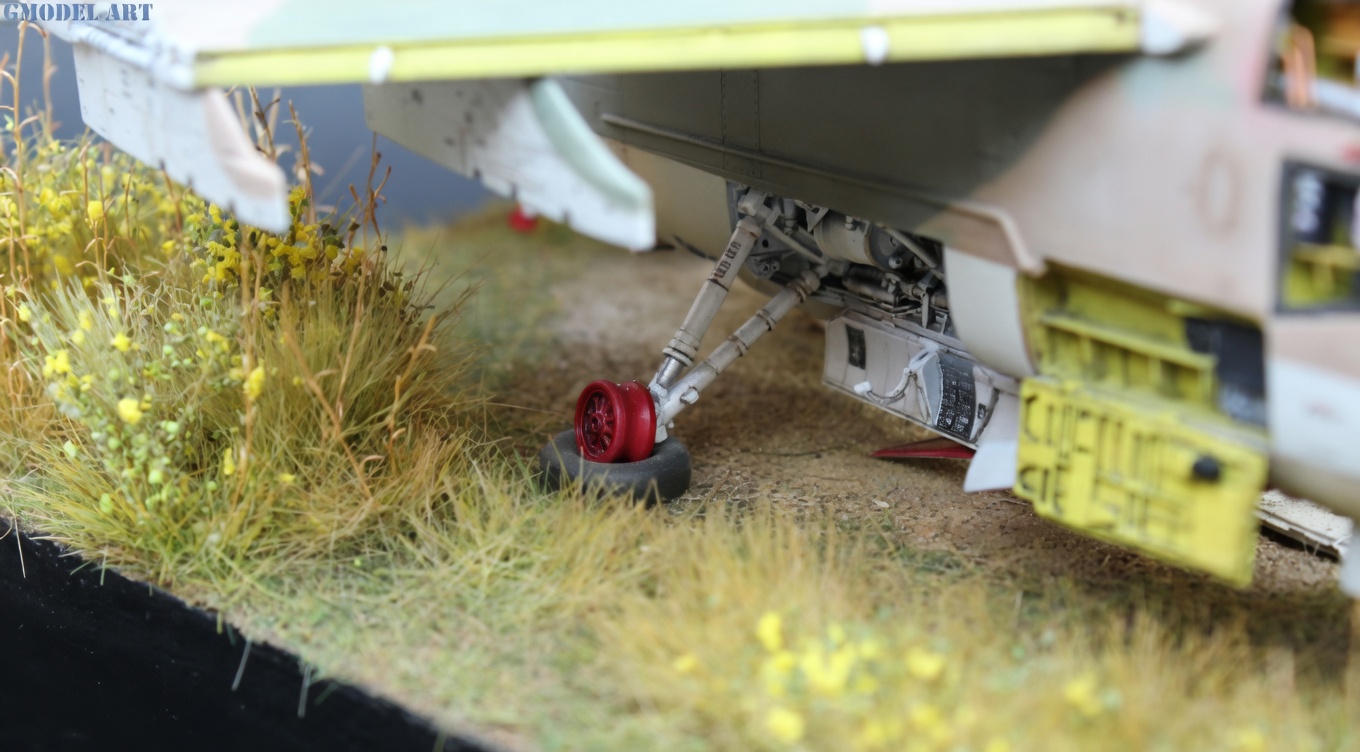
To maintain historical accuracy, one wheel was deliberately flattened to simulate years of inactivity, while the second tire received subtle deformation to suggest gradual air loss over time.
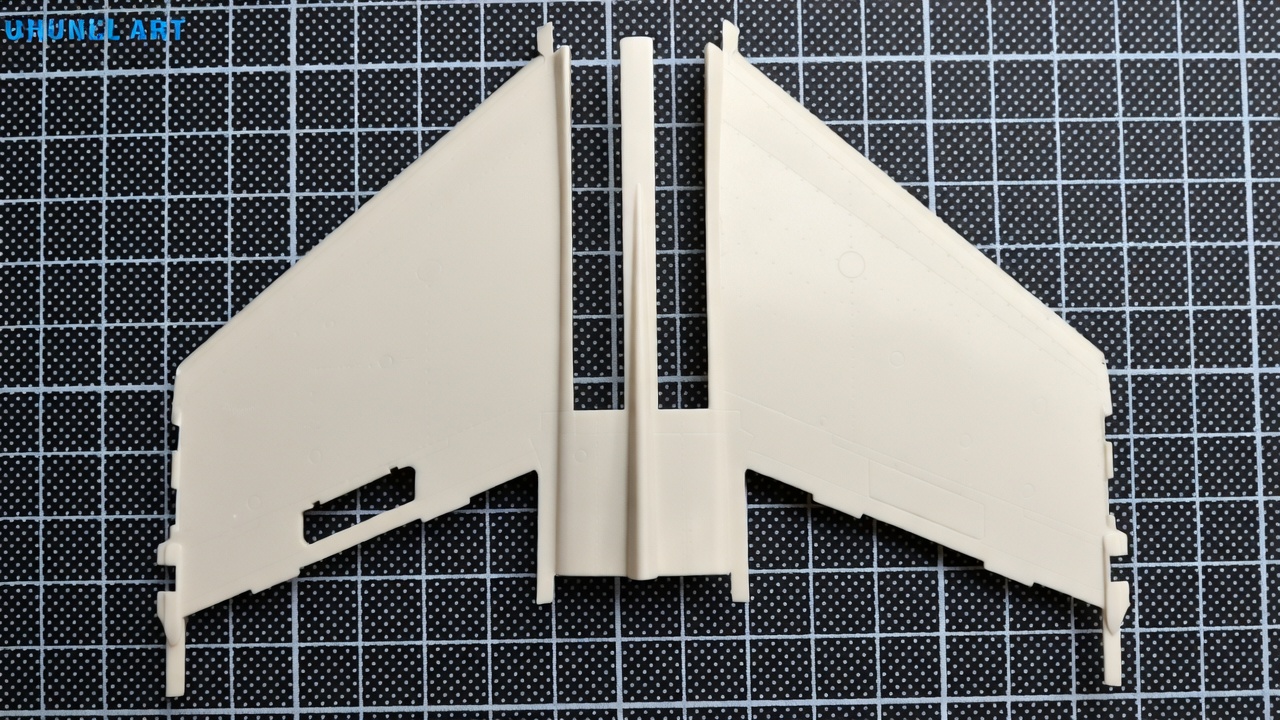
Additional attention was devoted to the rear maintenance lockers. These were opened and detailed individually, adding another layer of realism to the model. The decision to retain only portions of both wings further reinforced the appearance of a dismantled airframe awaiting its final fate.
These choices transformed the model from a conventional aircraft build into a narrative piece centered on time, decay, and memory.
Painting the Faded Hellenic Air Force Camouflage
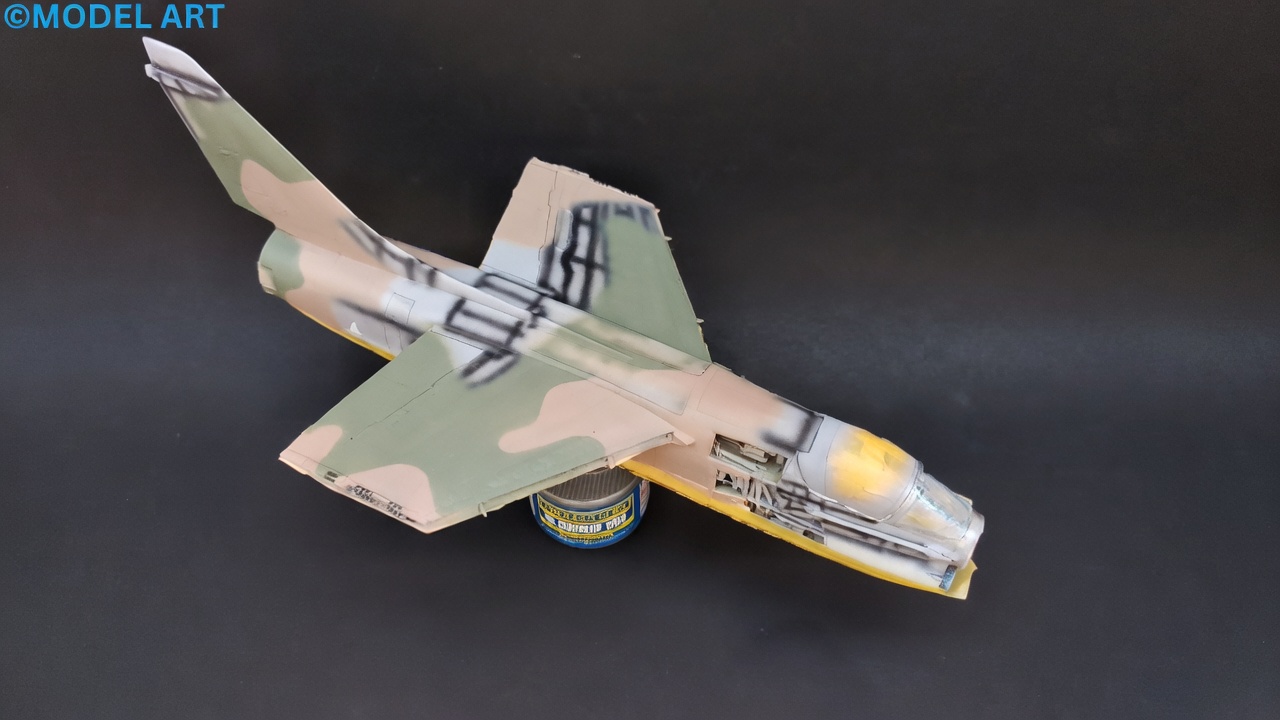
For painting, MRP lacquers were selected to reproduce the classic Southeast Asia-style camouflage worn by Greek Corsairs.
The colors used were:
To replicate decades of exposure to sunlight and harsh weather conditions, every color was lightened with white in an approximate 70:30 ratio. The original camouflage had almost disappeared on many aircraft at Araxos, requiring extremely faded and desaturated tones.
A gloss varnish layer followed the painting process and was allowed to cure for two full days before weathering commenced.
Advanced Oil Weathering Techniques
Weathering relied heavily on artist oils, including dark green, light green, brown, white, and gray tones.
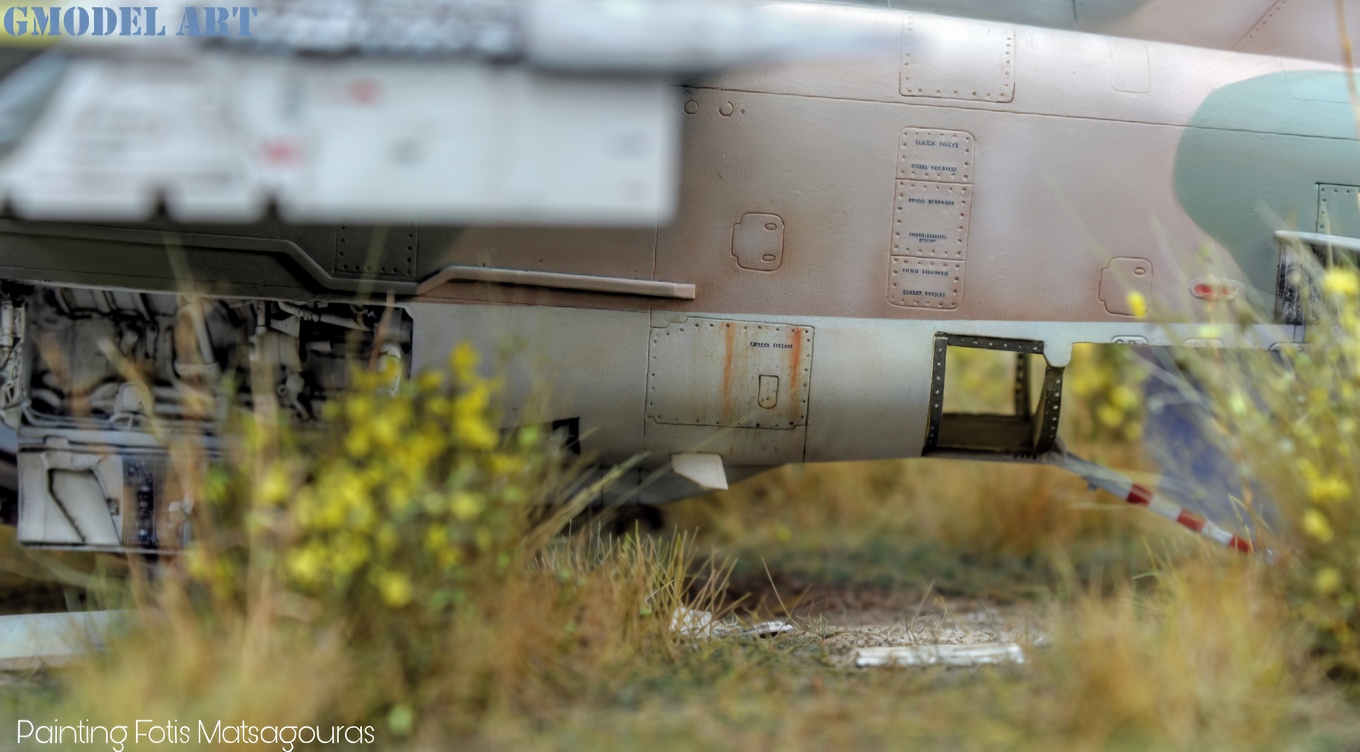
Each camouflage color received corresponding filters and highlights to enhance surface details, rivets, and panel lines while preserving the faded appearance characteristic of the real aircraft.
Rust streaking became particularly important underneath the fuselage, where years of environmental exposure had produced dramatic runoff patterns. These subtle additions helped reinforce the narrative of abandonment without becoming excessive or unrealistic.
The engine compartment itself remained untreated by final flat coatings, preserving slight tonal variations and emphasizing its exposed condition.
Icarus Decals and Final Details
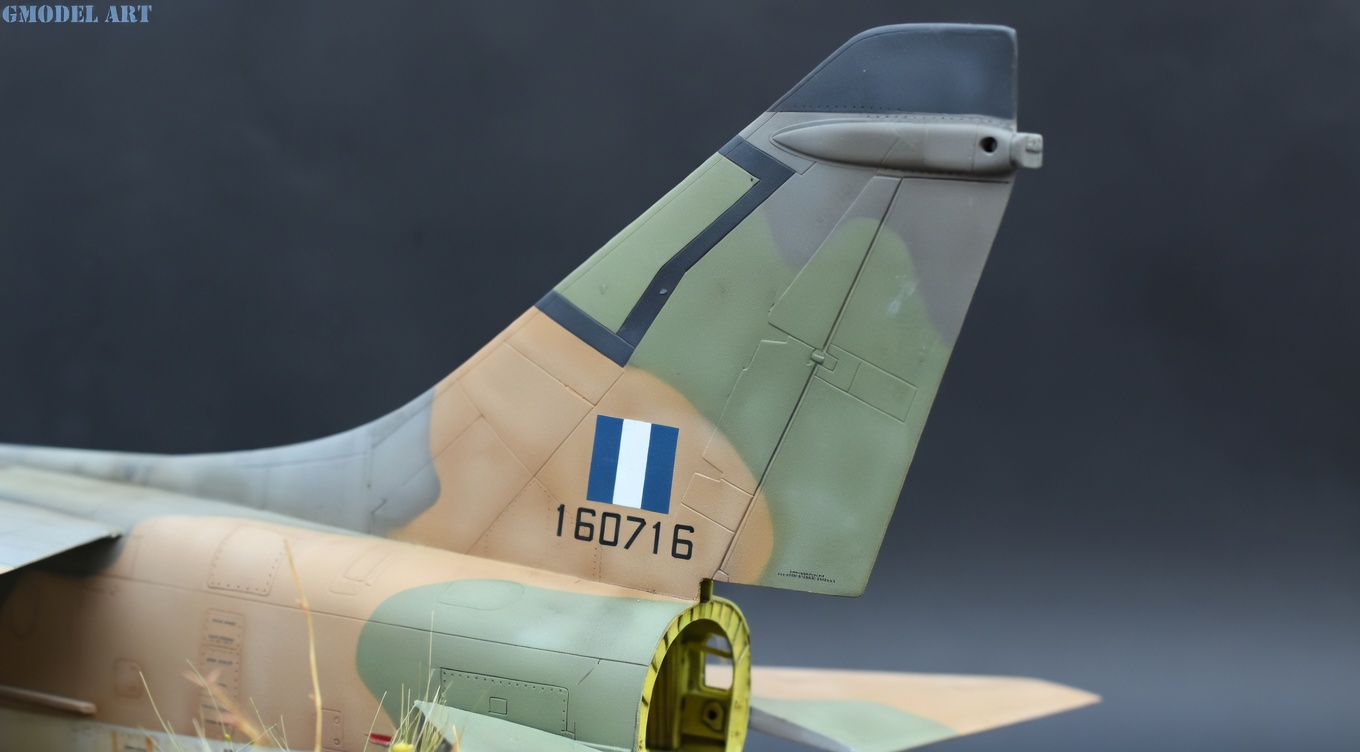
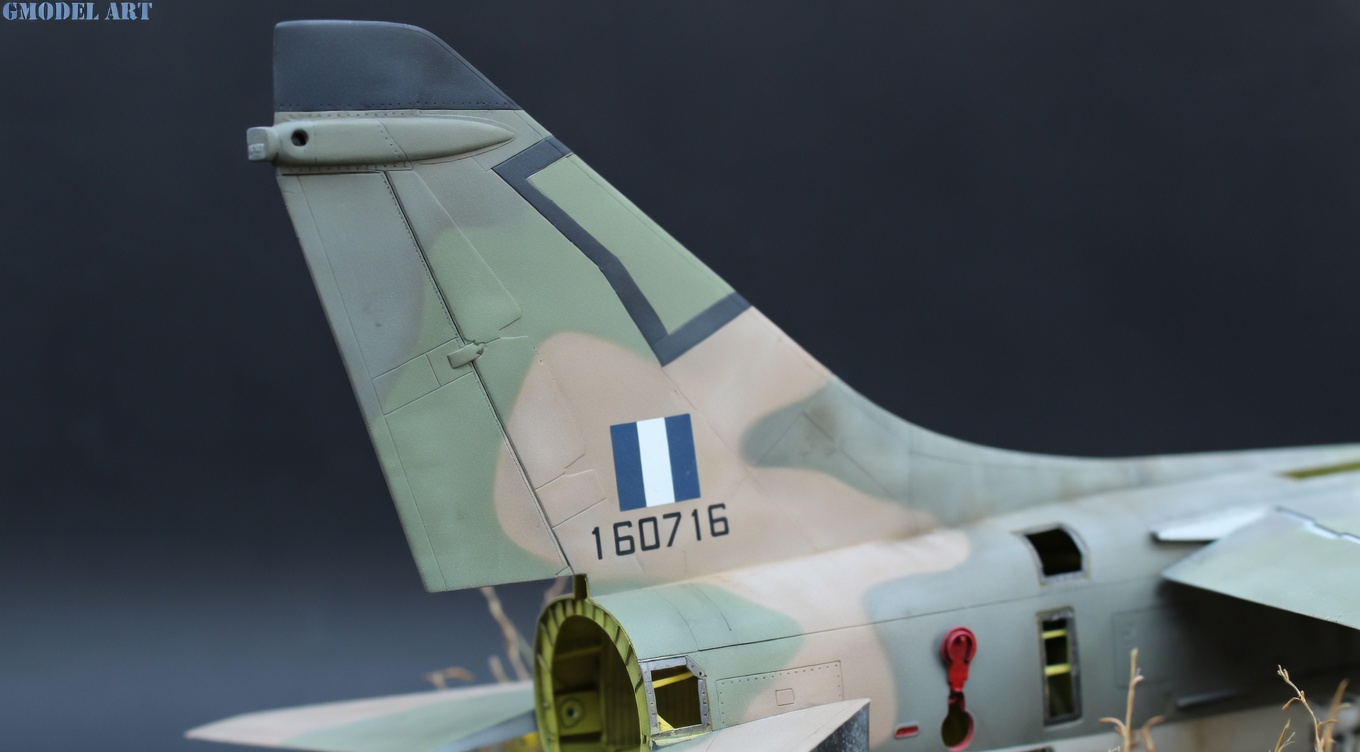
The model carries markings from Icarus Decals, accurately representing a Hellenic Air Force aircraft from its final years of service.
Fortunately, the original insignia remained in relatively good condition on the real machine, meaning extensive decal modification was unnecessary.
After completing the weathering process, the aircraft received a final coat of MRP flat varnish, with selected access doors and maintenance panels left open to reveal the extensive internal detailing beneath.
The finished project stands not merely as a model, but as a tribute to one of the most recognizable symbols of modern Greek military aviation history.
The silent Corsairs of Araxos may no longer fly, but through scale modeling, their stories continue to endure.
Vietnam Camouflage (TAC SEA Designs 1964–1996) – The Most Iconic Cold War Aircraft Scheme
Scale Modeling Paint Reference – A-7E Corsair II HAF (Araxos Cemetery Project)
| Area | Official Color | FS Code | MRP | AK Real Colors | Mr. Color | Tamiya (Approximation) |
|---|---|---|---|---|---|---|
| Upper Surfaces (Dark Green) | Dark Green | FS 34079 | MRP-097 | RC024 | C309 | XF-62 + a small amount of XF-27 |
| Upper Surfaces (Medium Green) | Medium Green | FS 34102 | MRP-098 | RC023 | C303 | XF-67 + a small amount of XF-4 |
| Upper Surfaces (Tan) | Tan | FS 30219 | MRP-099 | RC013 | C310 | XF-52 + XF-59 |
| Lower Surfaces | Light Gray | FS 36622 | MRP-100 | RC222 | C311 | XF-19 + XF-2 |
| Cockpit Interior | Dark Gull Gray | FS 36231 | MRP-038 | RC242 | C317 | XF-54 |
| Wheel Wells & Landing Gear | Gloss White | FS 17875 | MRP-004 | RC001 | C1 | X-2 |
| Air Intake Interior | Insignia White | FS 17875 | MRP-004 | RC001 | C1 | X-2 |
| Engine Bay (Weathered) | Zinc Chromate Green / Metallic Areas | FS 34151 (approx.) | MRP-131 | RC262 | C351 | XF-4 with additional weathering |
| Exhaust Area | Burnt Metal | — | MRP-42 | RC020 | C61 | X-10 with pigments |
| Radar & Electronics Bays | Interior Green / Primer Shades | FS 34151 | MRP-131 | RC262 | C351 | XF-4 |
Weathering Mix for the Abandoned Araxos Corsair
| Effect | Materials |
|---|---|
| Paint Fading | 70% base color + 30% white |
| Oil Filtering | White, light green, dark green, brown, and grey oils |
| Rust Streaks | Burnt Sienna and Dark Rust oil paints |
| Dust Effects | Buff pigments with a light grey wash |
| Hydraulic Leaks | Dark Brown and Black enamel wash |
| Oxidized Metal | Light Grey dry-brushing on metallic surfaces |
Historical Note
The abandoned Hellenic Air Force A-7E Corsair II aircraft at Araxos Air Base displayed exceptionally heavy fading caused by intense Mediterranean sunlight, humidity, and salt-laden air from the western Peloponnese. To accurately reproduce the atmosphere of the famous “Corsair Graveyard,” modelers should significantly lighten the original camouflage colors and apply extensive filters, rust effects, and discoloration around maintenance panels, exposed structures, and open equipment bays.
Gallery