article
Vietnam Camouflage (TAC SEA Designs 1964–1996) – The Aircraft Colors That Defined an Era
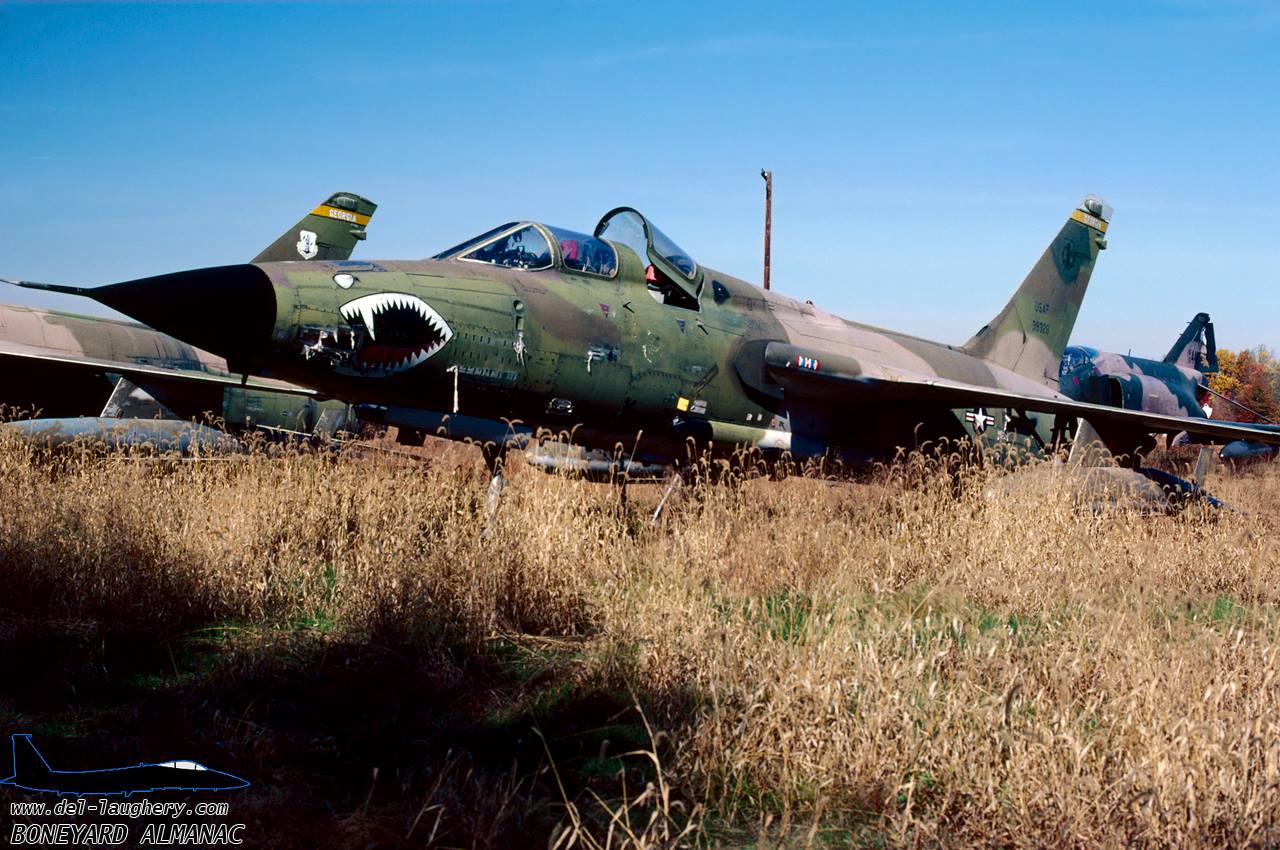
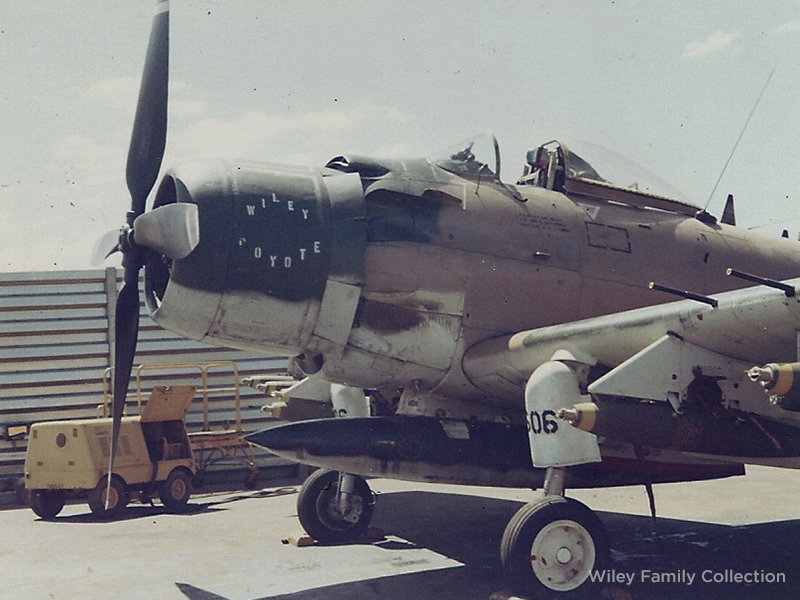
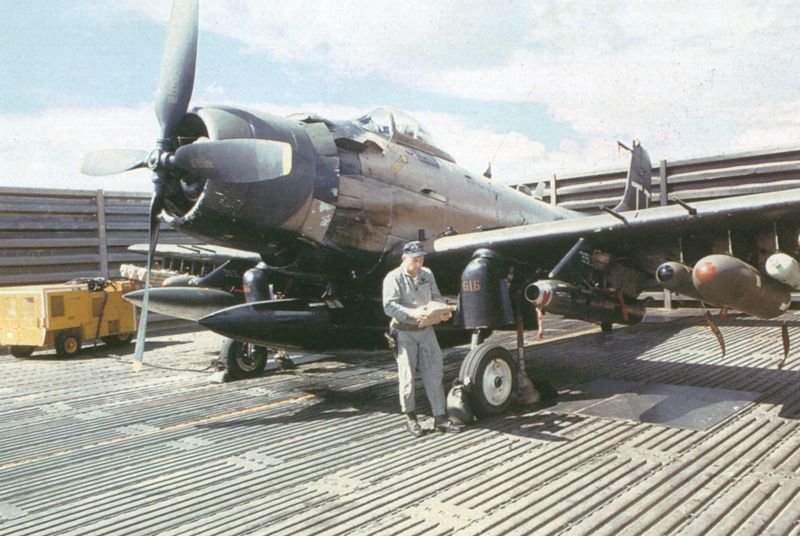
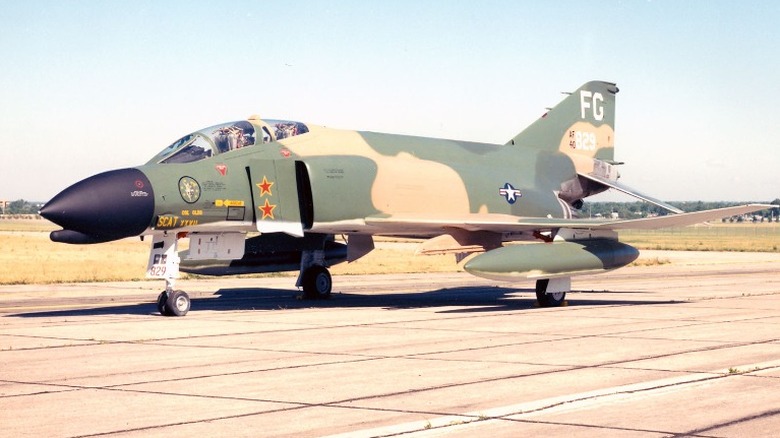
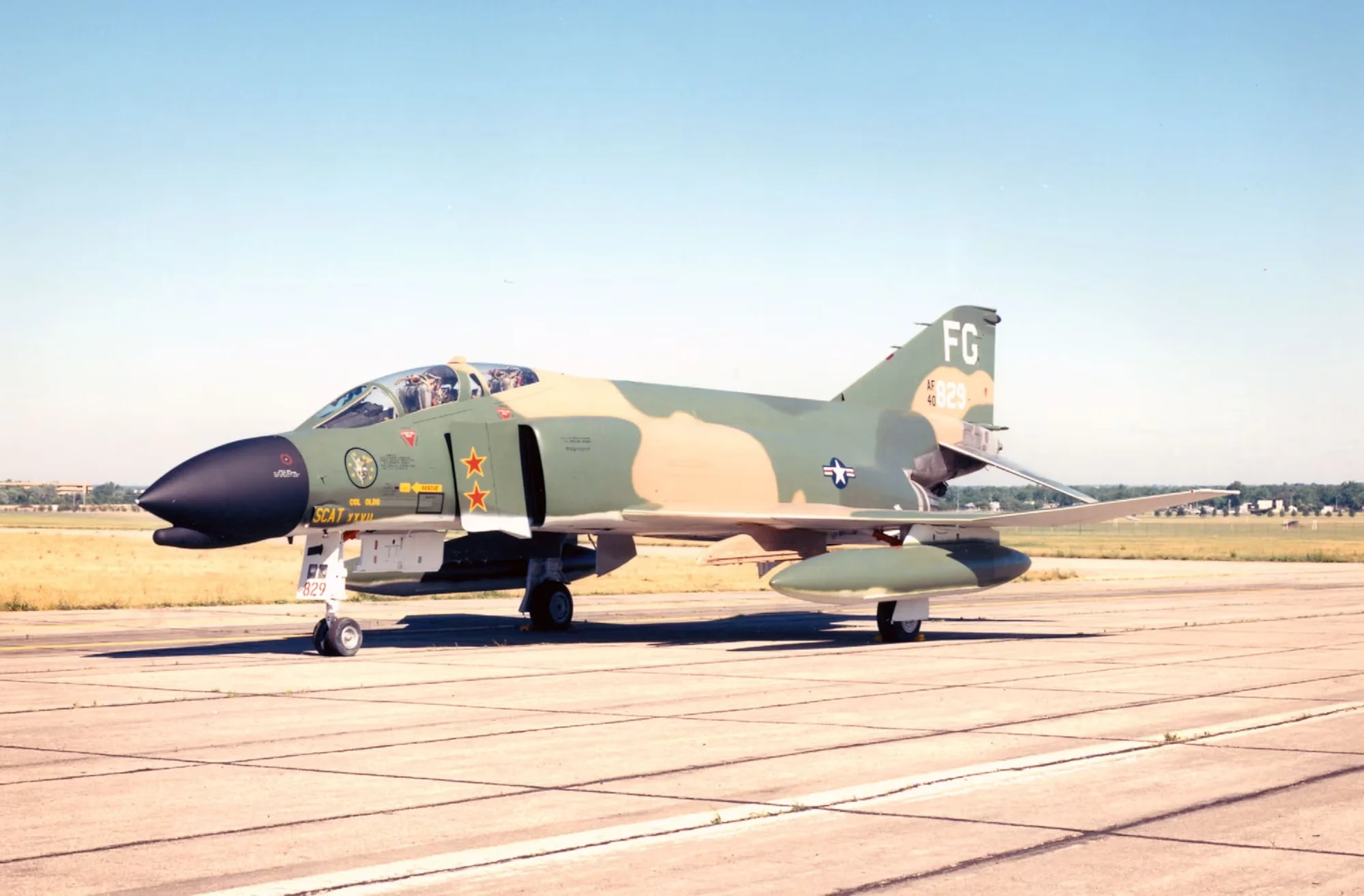
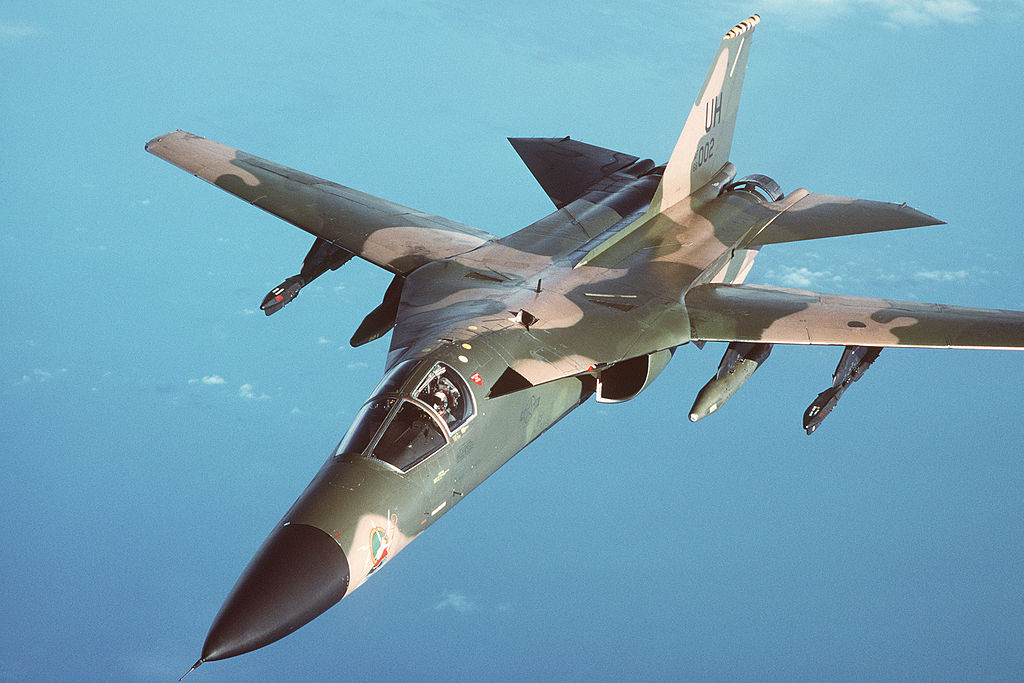
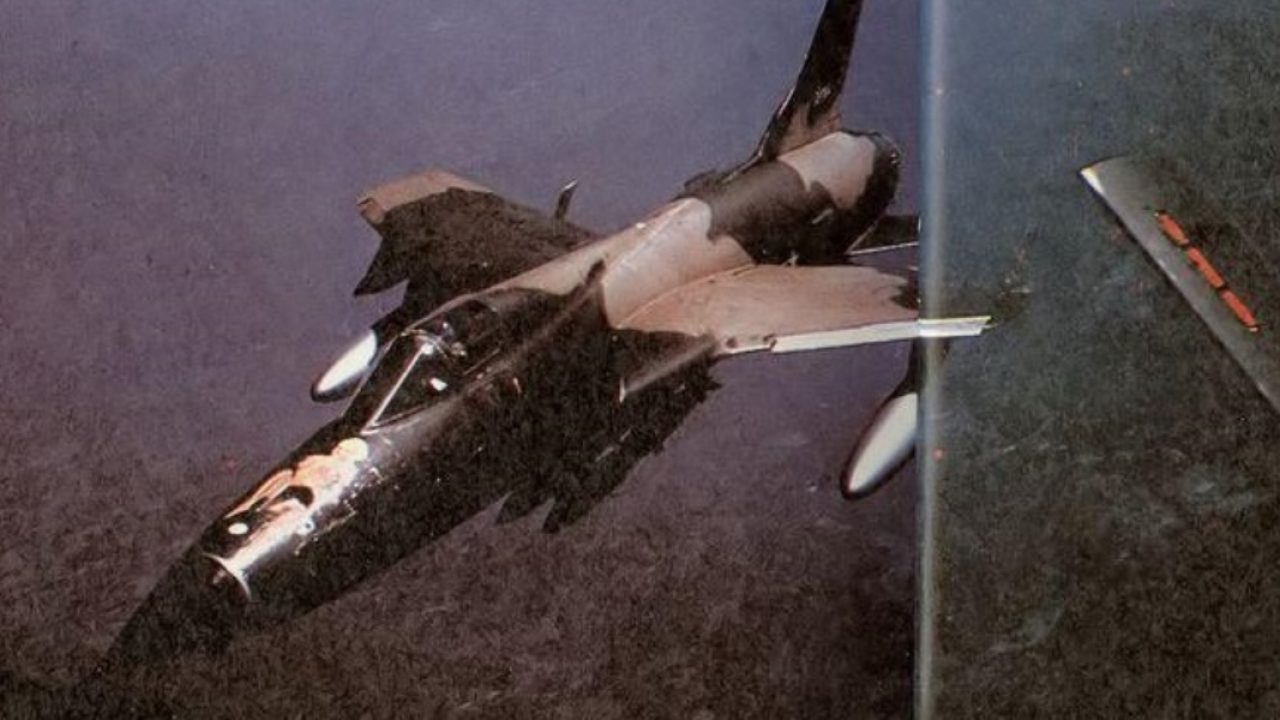
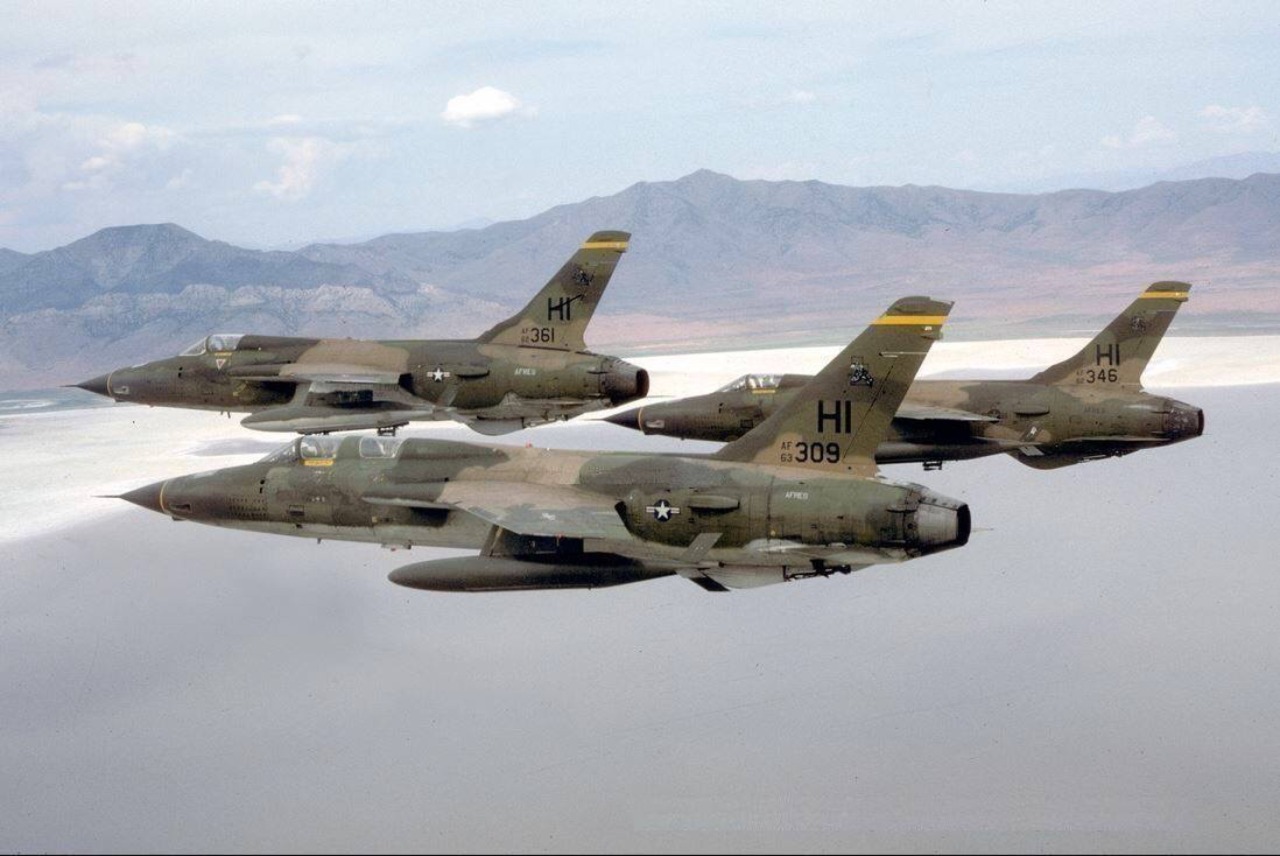
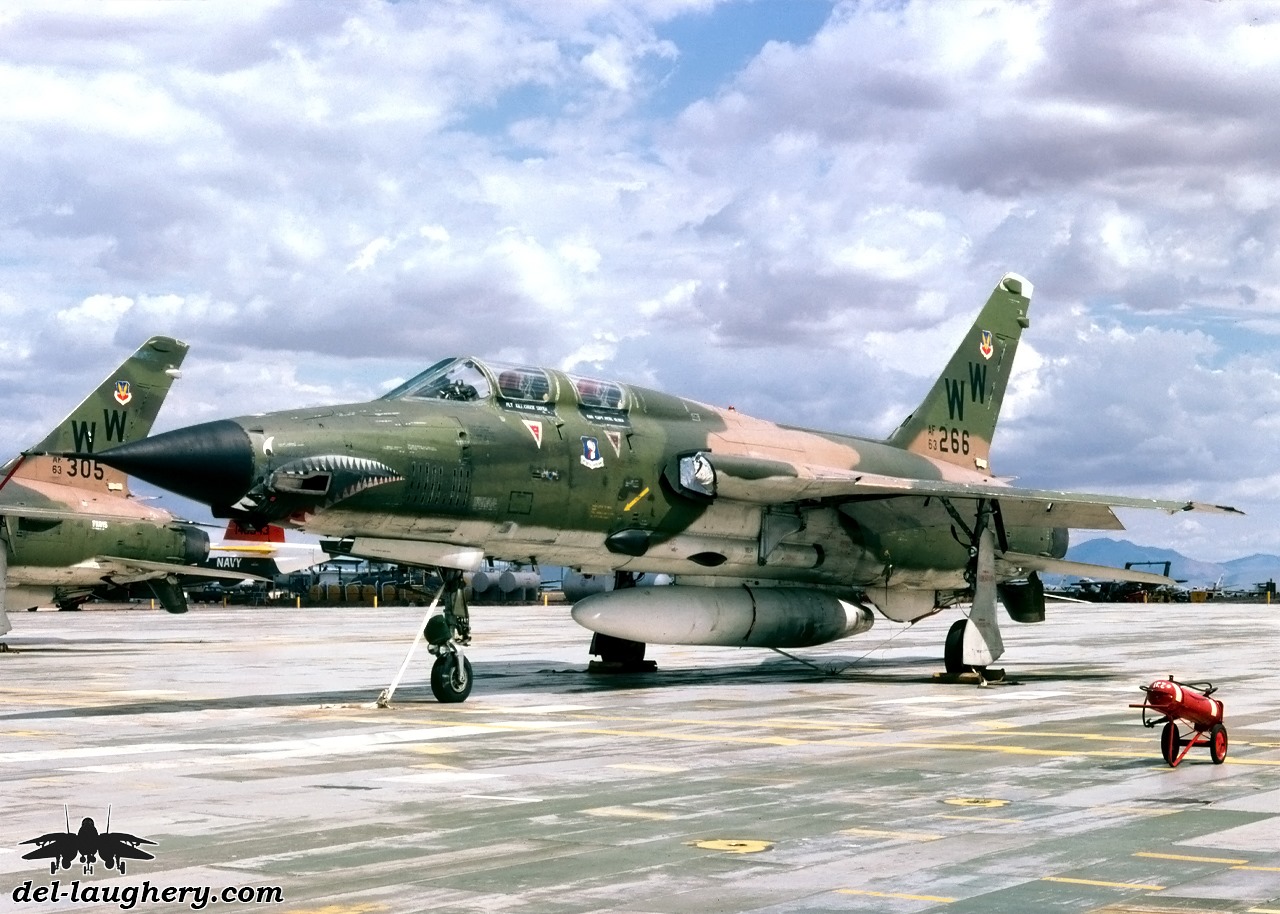
Few military aircraft camouflage schemes became as recognizable as the Tactical Air Command camouflage introduced during the Vietnam War era. Commonly known as the Vietnam Camouflage or TAC SEA Scheme, this finish became one of the defining visual symbols of Cold War aviation.
Although most aviation enthusiasts refer to it simply as the “SEA Camouflage,” its official origin goes beyond Southeast Asia. Developed by the United States Air Force in 1964, the scheme was intended to improve aircraft survivability across multiple operational environments and not exclusively for Vietnam.
Its combination of green, brown and gray tones would eventually influence air forces around the world and remain operational for more than three decades.
The Birth of the TAC SEA Camouflage
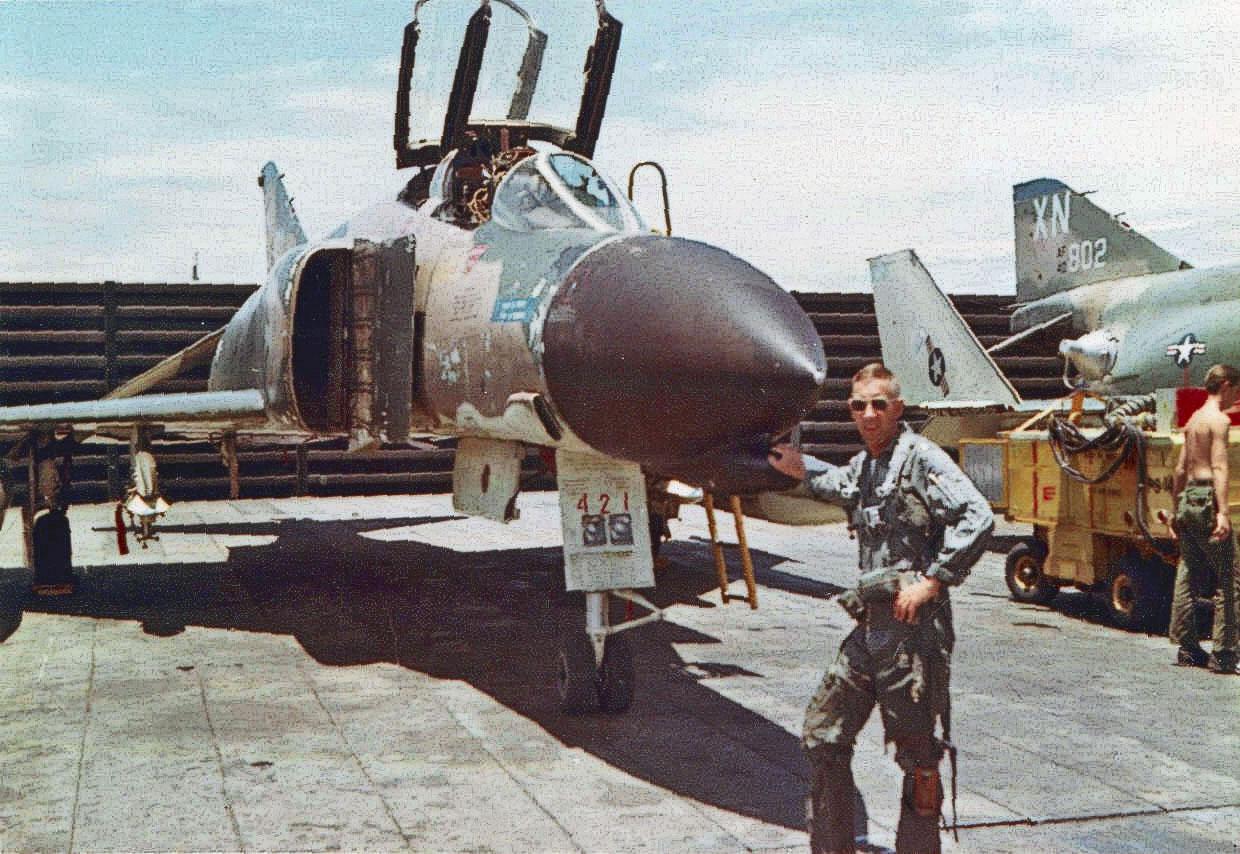
As American involvement in Vietnam intensified, aircraft operating at low and medium altitude became increasingly vulnerable.
To improve concealment over dense vegetation and tropical terrain, Tactical Air Command introduced a disruptive camouflage concept that entered widespread operational use from 1965 onward.
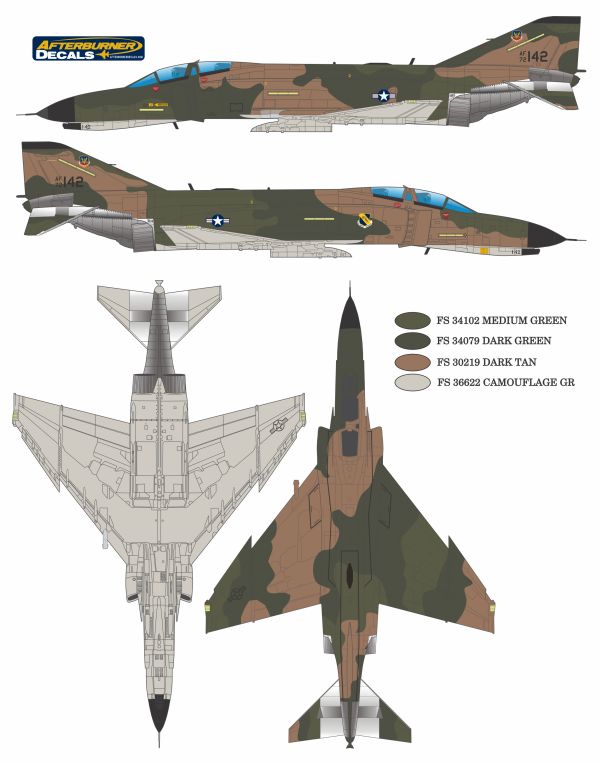
The standard upper surface pattern used three colors:
Lower surfaces received:
Unlike later wraparound schemes, the light underside reduced visibility from below while preserving terrain blending from above.
Because application was performed manually following technical templates, every aircraft developed subtle differences and unique transitions.
The Colors Behind the Vietnam Camouflage
The effectiveness of TAC SEA came from balancing contrast and environmental adaptation.
FS 34079 Forest Green formed the dark structural base of the pattern.
FS 34102 Medium Green introduced softer tonal transitions and often weathered differently depending on climate and maintenance cycles.
FS 30219 Dark Tan added disruption and frequently faded into lighter desert-like shades.
FS 36622 Camouflage Gray completed the lower surfaces and often appeared warmer and lighter than expected in operational photography.
Later operational developments introduced wraparound versions that eliminated the gray underside and increased overall concealment.
Aircraft That Wore the TAC SEA Scheme
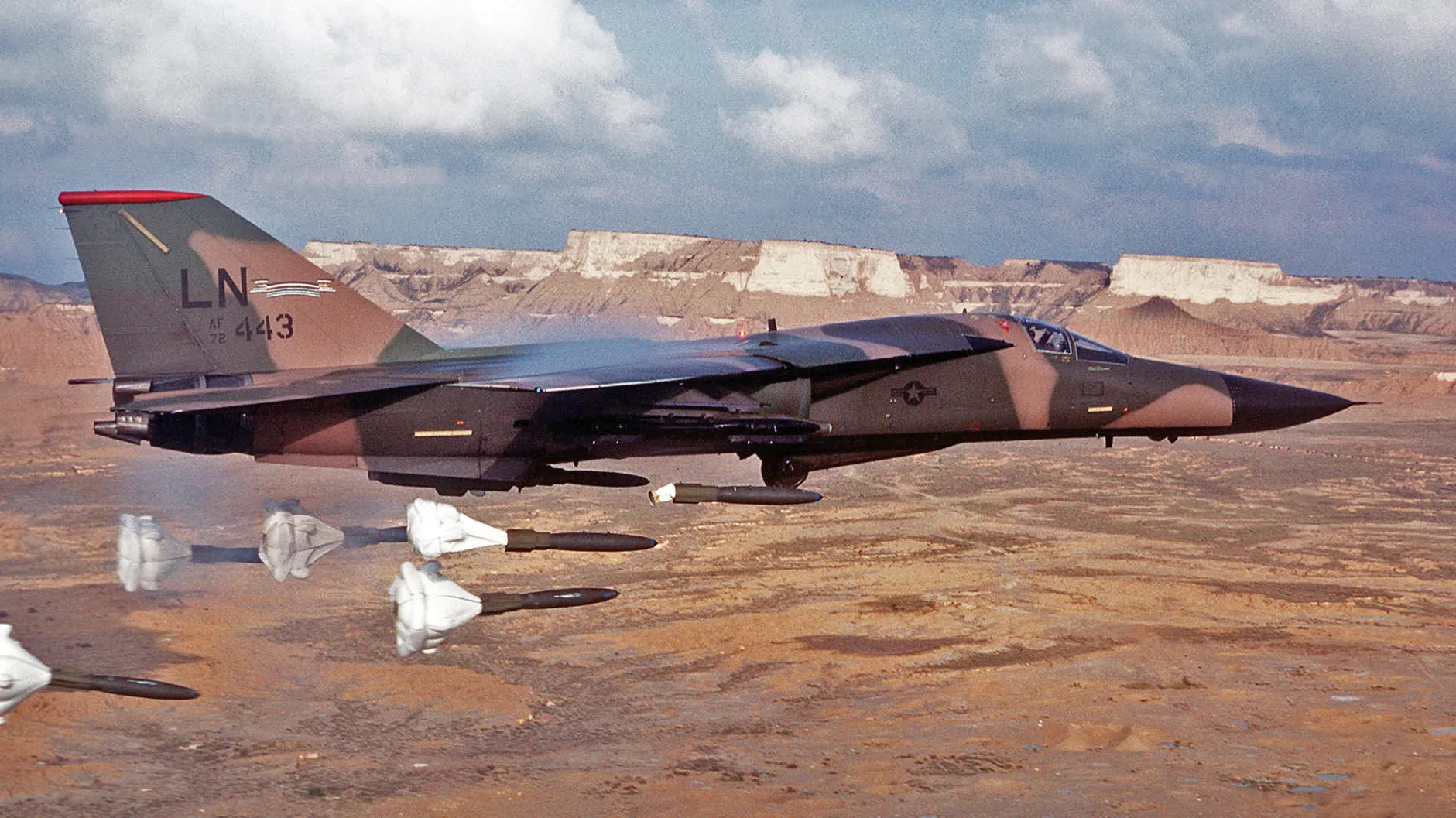
The Vietnam camouflage became one of the most widely adopted tactical aircraft finishes of the Cold War.
Among the most famous aircraft to operate in TAC SEA colors were:
Fairchild Republic A-10 Thunderbolt II (early evaluations)
Several countries later adopted local adaptations of the pattern due to its effectiveness across tropical, temperate and mixed environments.
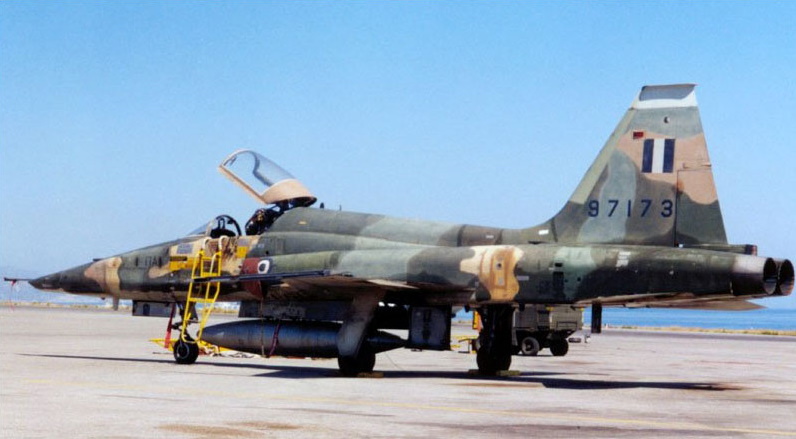
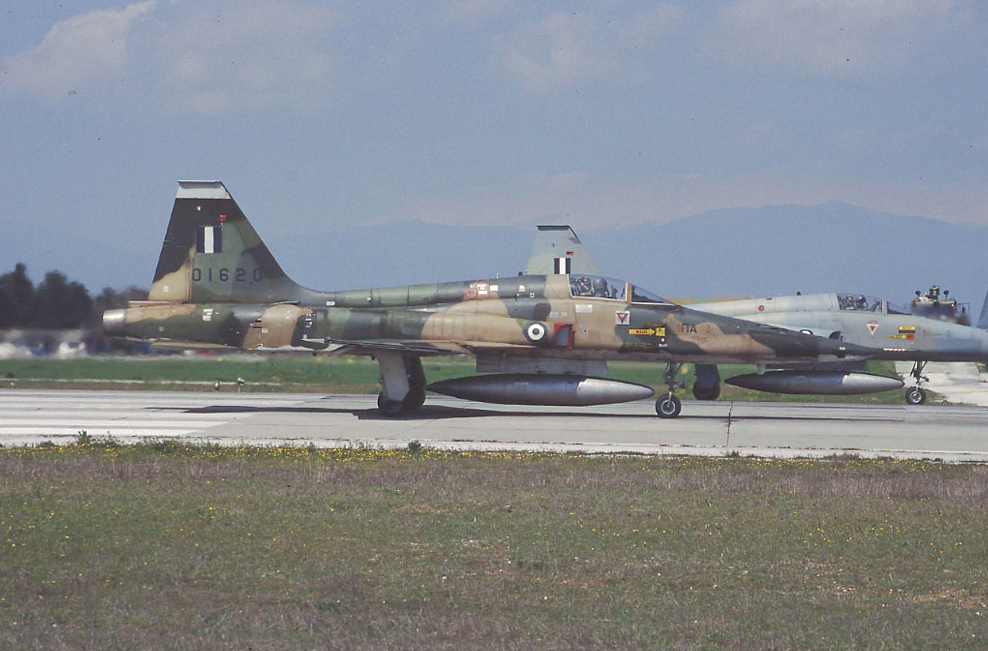
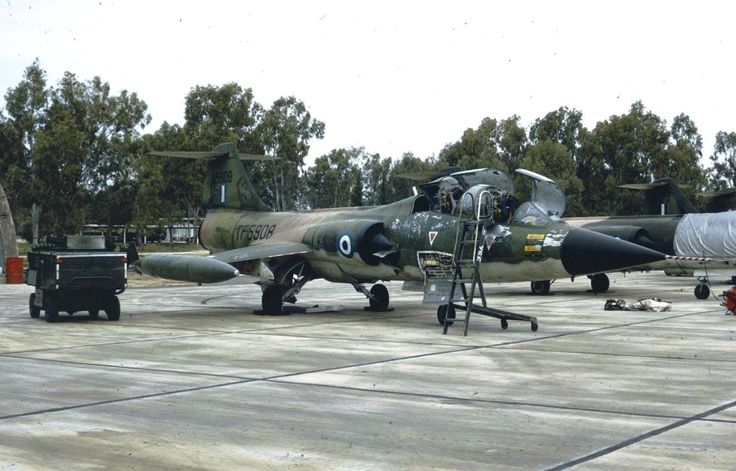
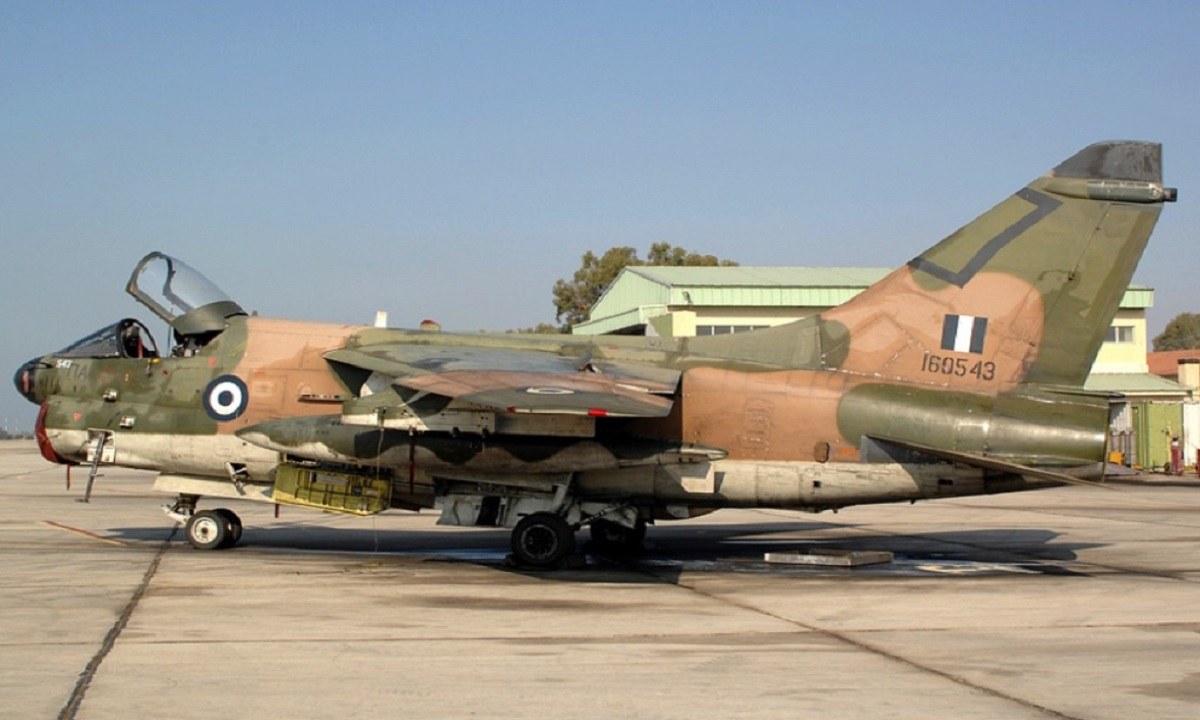
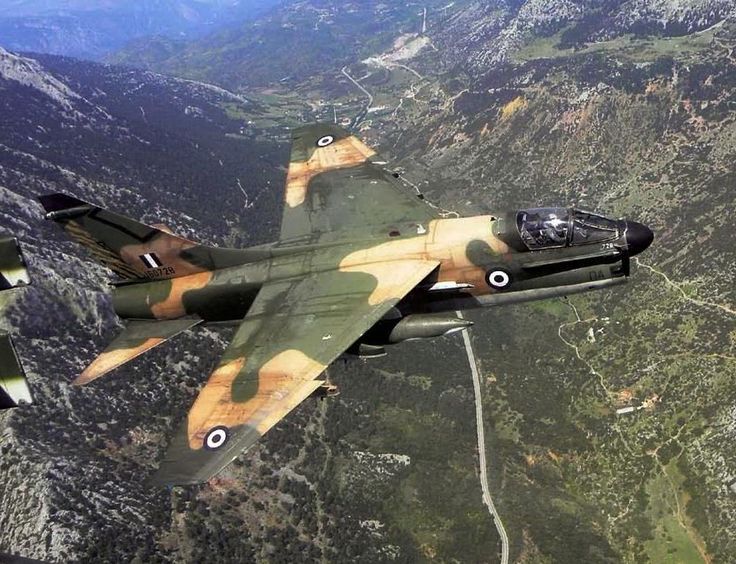
Vietnam Camouflage in the Hellenic Air Force
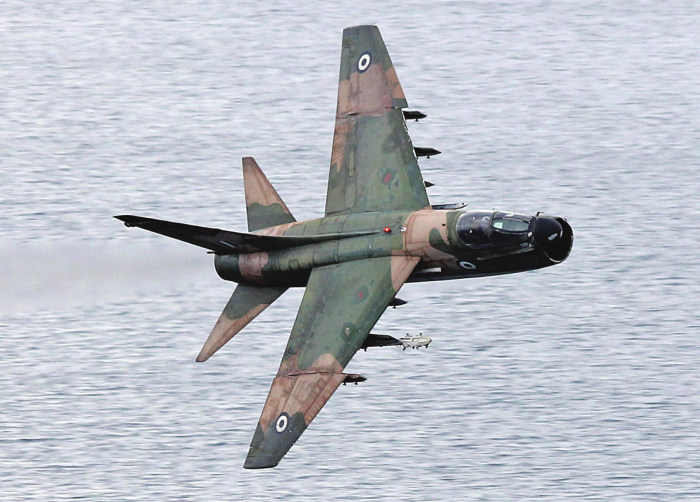
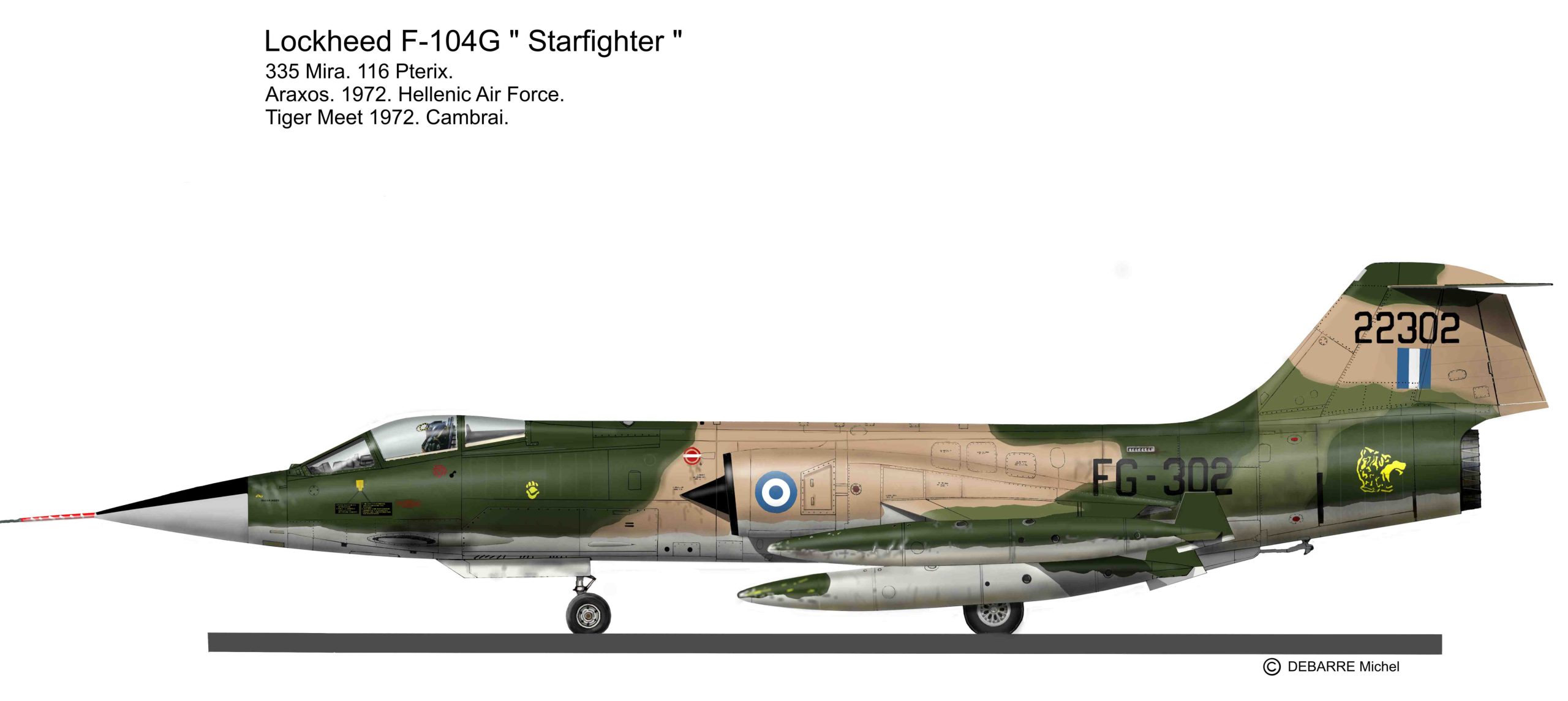
One of the lesser-known chapters of TAC SEA history is its adoption by the Hellenic Air Force during the Cold War period.
Beginning in the early 1970s, Greece introduced Vietnam-inspired camouflage finishes across several aircraft fleets.
Aircraft associated with this style included:
A-7Ε Corsair II
Although local weathering and maintenance conditions created variations in appearance, the overall TAC SEA identity remained immediately recognizable.
For many aviation enthusiasts and scale modelers, these aircraft became some of the most iconic examples of Hellenic Air Force camouflage.
Paint Guide for Scale Modelers
| Color | FS Reference | Description |
|---|---|---|
| Forest Green | FS 34079 | Main dark green |
| Medium Green | FS 34102 | Olive medium green |
| Dark Tan | FS 30219 | Warm brown tone |
| Camouflage Gray | FS 36622 | Light underside gray |
| Black Variant | FS 17038 | Night operation underside |
When reproducing TAC SEA in scale, avoid excessive contrast. Real aircraft usually showed fading, repainting and operational discoloration rather than aggressive weathering.
More than sixty years after its introduction, Vietnam Camouflage remains one of the most influential aircraft finishes ever developed and continues to inspire aviation historians and scale modelers worldwide.
A-7E Corsair hellenic cemetery
| FS 30219 | FS 34102 | FS 34079 | FS 36622 | FS 17038 | |
| Dark Tan | Medium Green | Forest Green | Camouflage Gray | Black | |
| Schemes | |||||
| TAC | Upper Camo | Upper Camo | Upper Camo | Lower | |
| TAC SEA | Upper Camo | Upper Camo | Upper Camo | Lower | |
| TAC Wraparound | Wrap Camo | Wrap Camo | Wrap Camo | ||
| Color matches | |||||
| Gunze Mr. Color | C310 | C303 | C309 | C311 | C2 |
| Gunze Mr. Hobby | H310 | H303 | H309 | H311 | H2 |
| Humbrol | 118 | 117 | 116 | 28 | 21 |
| Italeri | 4709AP | 4862AP | 4726AP (!) | 4763AP (!) | 4695AP |
| Model Master | 1742 | 1713 | 1710 | 1733 | 1747 |
| Revell | – | – | – | – | 07 |
| Tamiya Acrylic | – | – | – | – | X-1 |
| Tamiya Lacquer | – | – | – | – | LP-1 |
| Vallejo Model Air | 71.125 | 71.289 | 71.294 | 71.296 | – |
| Vallejo Model Color | 70.874* | – | 70.893 | – | 70.861 |
| AKAN | 6/72021 | 6/72003 | 6/72002 | 6/72023 | – |
| AK 3Gen Acrylic | AK11121 | AK11342 | AK11346 | AK11890 | – |
| AK Real Color | RC895 | RC905 | RC900 | RC922 | – |
| AMMO by Mig | A.MIG-202 | A.MIG-004 | A.MIG-206* | A.MIG-226 | – |
| Hataka | HTK-_012 | HTK-_021 | HTK-_016 | HTK-_039 | HTK-_100 |
| Lifecolor | UA 015 | UA 002 | UA 001 | UA 021 | LC 52 |
| Mission Models | MMP-066 | MMP-028** | MMP-058 | MMP-095 | – |
| Mr. Paint | MRP-103 | MRP-102 | MRP-101 | MRP-104 | MRP-172 |
| Xtracolor | X102 | X116 | X110 | X140 | X012 |
| Xtracrylix | XA1102 | XA1116 | XA1110 | XA1140 | XA1012 |
Gallery