article
Hill Gray I, Hill Gray II and HAVE GLASS — USAF Camouflage History & Modeling Guide
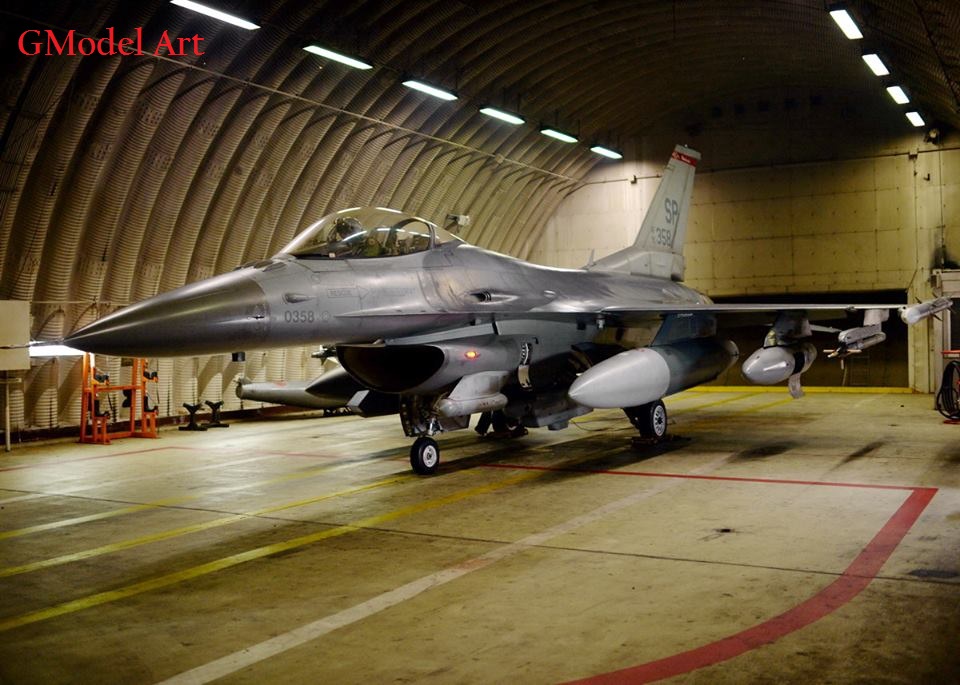
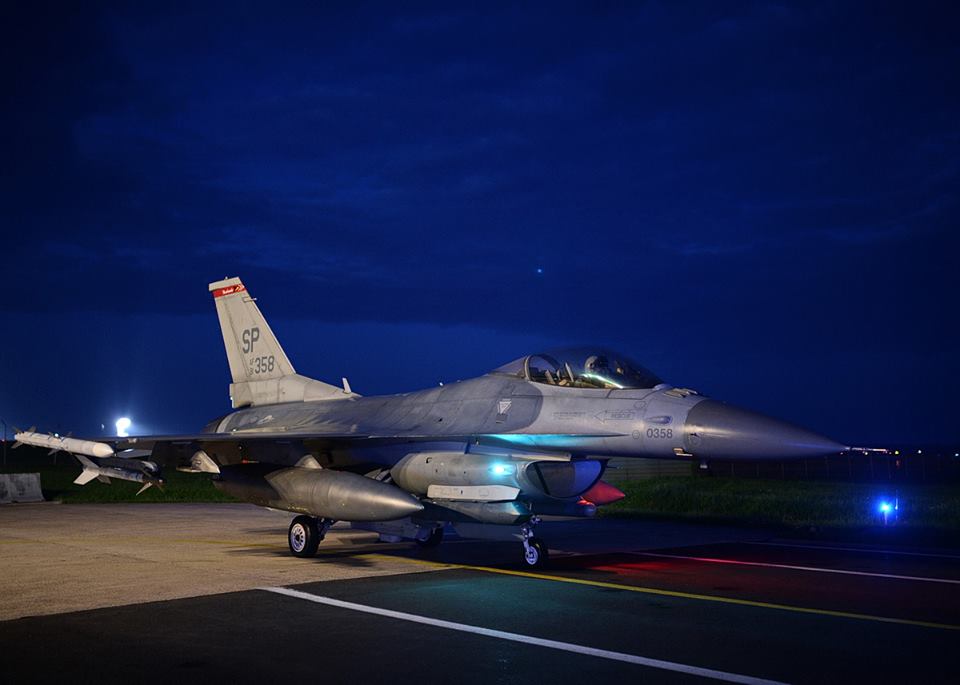
The United States Air Force (USAF) has used several distinctive gray camouflage schemes to reduce the visual contrast of its combat aircraft against different backgrounds and lighting conditions. Among the most recognizable are the early three-tone gray scheme introduced on the F-16 Fighting Falcon, the Hill Gray I and Hill Gray II schemes developed for the F-4 Phantom II, the two-tone tactical gray scheme used by selected A-7D Corsair II & A-7K Corsair II units, and the later HAVE GLASS radar-signature-reduction coating.
Although these finishes may appear similar in photographs, they represent different stages in the evolution of USAF camouflage and aircraft surface treatment. Their colors, patterns, sheen and application varied according to the aircraft type, unit, period and operational requirements.
This guide examines the development of these schemes and provides practical instructions for reproducing them on scale models, including Federal Standard (FS) color references, MRP Color recommendations, metallic undercoats and specialized HAVE GLASS varnishes.
The Early USAF Three-Tone Gray Scheme
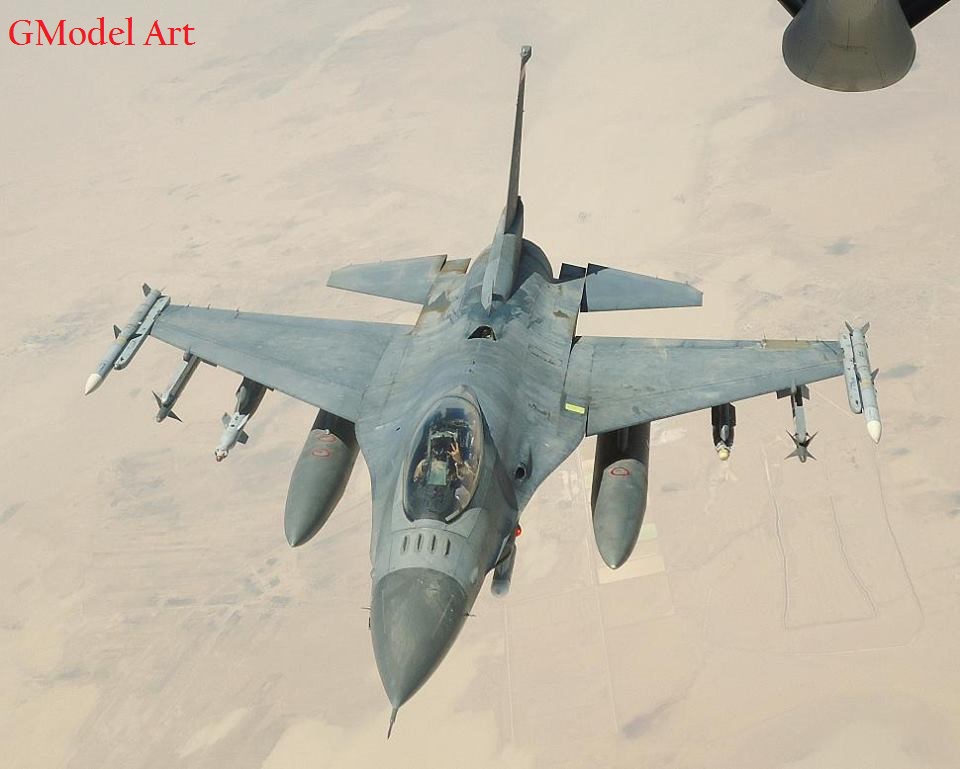
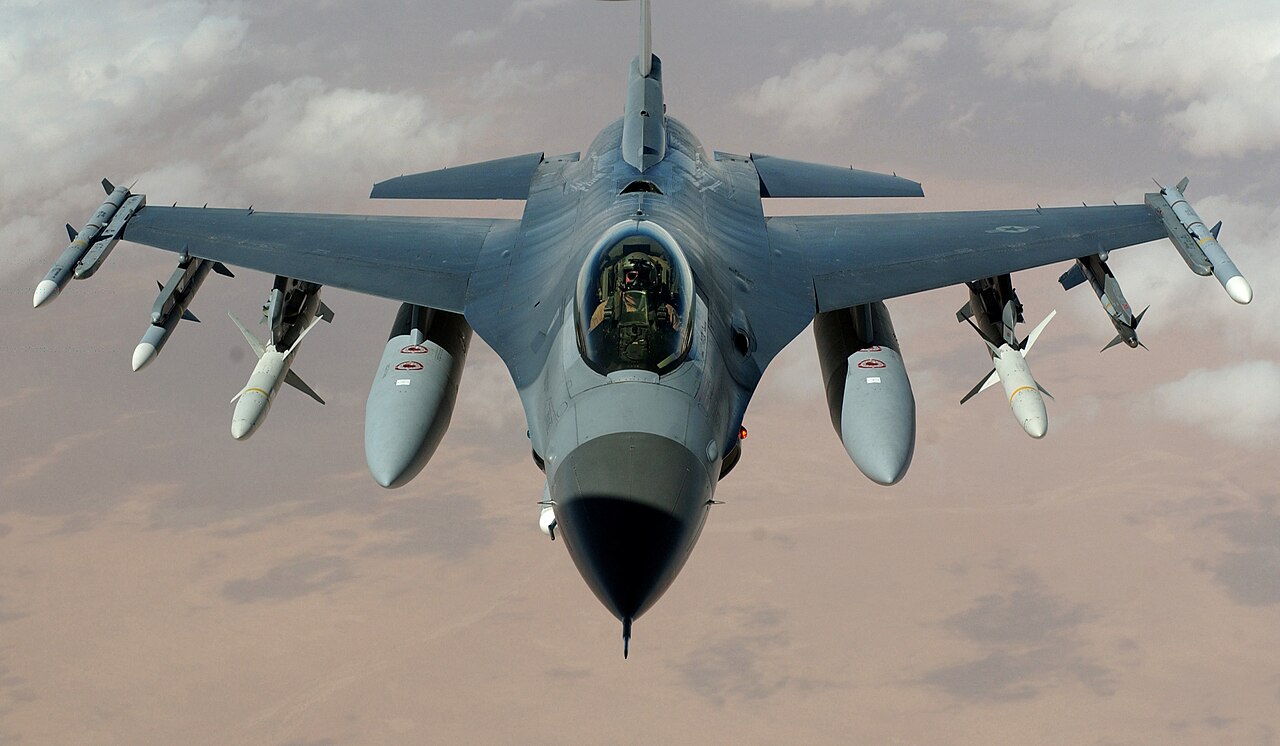
When the F-16 Fighting Falcon entered USAF service in 1978, it introduced a distinctive three-tone gray camouflage intended to reduce the aircraft’s visual contrast in operational environments. The scheme was initially and unofficially associated with the name Egypt I, partly because early F-16s appeared during exercises connected with the Middle East.
The scheme used three principal colors:
FS 36118 Medium Gunship Gray covered the upper wings and upper fuselage, extending forward toward the canopy.
FS 36270 Medium Gray was applied to the forward upper fuselage, vertical tail, horizontal stabilizers and selected external components.
FS 36375 Light Ghost Gray covered the lower fuselage and other surfaces beneath the wing chord line. The upper portion of the air intake could remain FS 36270 where visible from above.
The exact boundaries between the colors could vary. Photographs of individual aircraft are therefore more reliable than a generic profile when reproducing a particular airframe.
Early F-16s also appeared with black radomes. This treatment was subsequently replaced by less conspicuous gray finishes, although radome color continued to vary because of differences in surface material, coating, weathering and maintenance.
The early F-16 scheme provided an important reference for the later Project Hill camouflage developed for the F-4 Phantom II.
Hill Gray I: The First Project Hill Scheme
The Project Hill Variable Gray Paint Scheme was developed to improve the tactical camouflage of USAF F-4 Phantom II aircraft. Its name referred to Hill Air Force Base, a major maintenance center for the Phantom fleet.
The officially recognized Hill Gray I scheme was approved in November 1985. It used the same basic three-color combination as the early F-16 scheme:
Its pattern was similar to the F-16 arrangement, but the distribution of the darker gray differed in important details. In particular, FS 36118 did not extend onto the outer dihedral sections of the wings in the same way as on the F-16.
Hill Gray I was used on F-4 Phantom II variants, including the F-4E Phantom II and F-4G Phantom II Wild Weasel. Early related gray finishes and aircraft prepared for export may predate the formal approval of the official Hill Gray I scheme, so individual aircraft should be identified from dated photographs and reliable references.
The three-color arrangement broke up the aircraft’s outline while providing a more suitable appearance for operations than the earlier European One camouflage on some aircraft.
However, operational experience revealed a weakness. During rolls and other maneuvers, the lighter undersides could become conspicuous, particularly when the aircraft exposed its lower surfaces against the background.
This problem led to a revised scheme.
Hill Gray II: A Revised Camouflage Pattern
Hill Gray II evolved from the operational experience gained with Hill Gray I. The principal change was the extension of the camouflage pattern across the undersides, creating a more consistent visual treatment when the aircraft maneuvered.
The darker gray was also extended forward of the canopy to form an anti-glare area. The revised arrangement reduced the contrast between the upper and lower surfaces when viewed from different angles.
Hill Gray II became associated particularly with the F-4G Phantom II Wild Weasel, although the scheme was also applied to F-4E Phantom II SPA aircraft. Units began transitioning to the revised scheme in 1986.
The Hill Gray II appearance is often described as a two-tone scheme, but the complete pattern and its boundaries should not be simplified without checking the individual aircraft. The final appearance depends on the pattern layout, the locations of the gray areas and any changes introduced during maintenance or repainting.
The later scheme also introduced changes in paint finish, including semi-gloss versions of selected gray colors. The corresponding Federal Standard references include FS 26118 and FS 26270. These should not be confused with their flatter counterparts, FS 36118 and FS 36270: the first digit of the FS code indicates the general surface finish.
For a scale model, the distinction between the colors and their sheen is important. Two paints that appear similar in hue can produce different results if one is too glossy or too flat.
Hill Gray II became one of the most recognizable late-service camouflage finishes of the USAF F-4 Phantom II, particularly on aircraft assigned to the Wild Weasel mission.
Experimental Patterns and Aircraft-Specific Variations
Not every USAF aircraft followed a single standardized gray pattern. Experimental applications, local repainting and changes introduced during depot maintenance created variations that are important to modelers.
Some F-4 Phantom II aircraft received irregular or experimental gray patterns. An example is an F-4D Phantom II associated with the Texas Air National Guard at Bergstrom Air Force Base, which displayed an unusual arrangement rather than a straightforward reproduction of the standard Hill Gray pattern.
Such aircraft should be modeled from photographs of the specific airframe. It is not advisable to transfer the pattern from another F-4 variant merely because both aircraft wore gray camouflage.
Another important distinction concerns the false canopy markings associated with certain early camouflage treatments. These did not remain a universal feature of the subsequent Hill Gray II scheme. Their presence should be confirmed from the aircraft being modeled rather than assumed from the general camouflage name.
The same principle applies to radomes, pylons, external tanks, control surfaces and replacement panels. The visible finish of these components may differ from the surrounding fuselage because of different materials, paint batches, aging or later maintenance.
The A-7D/K Corsair II Two-Tone Grey Tactical Scheme
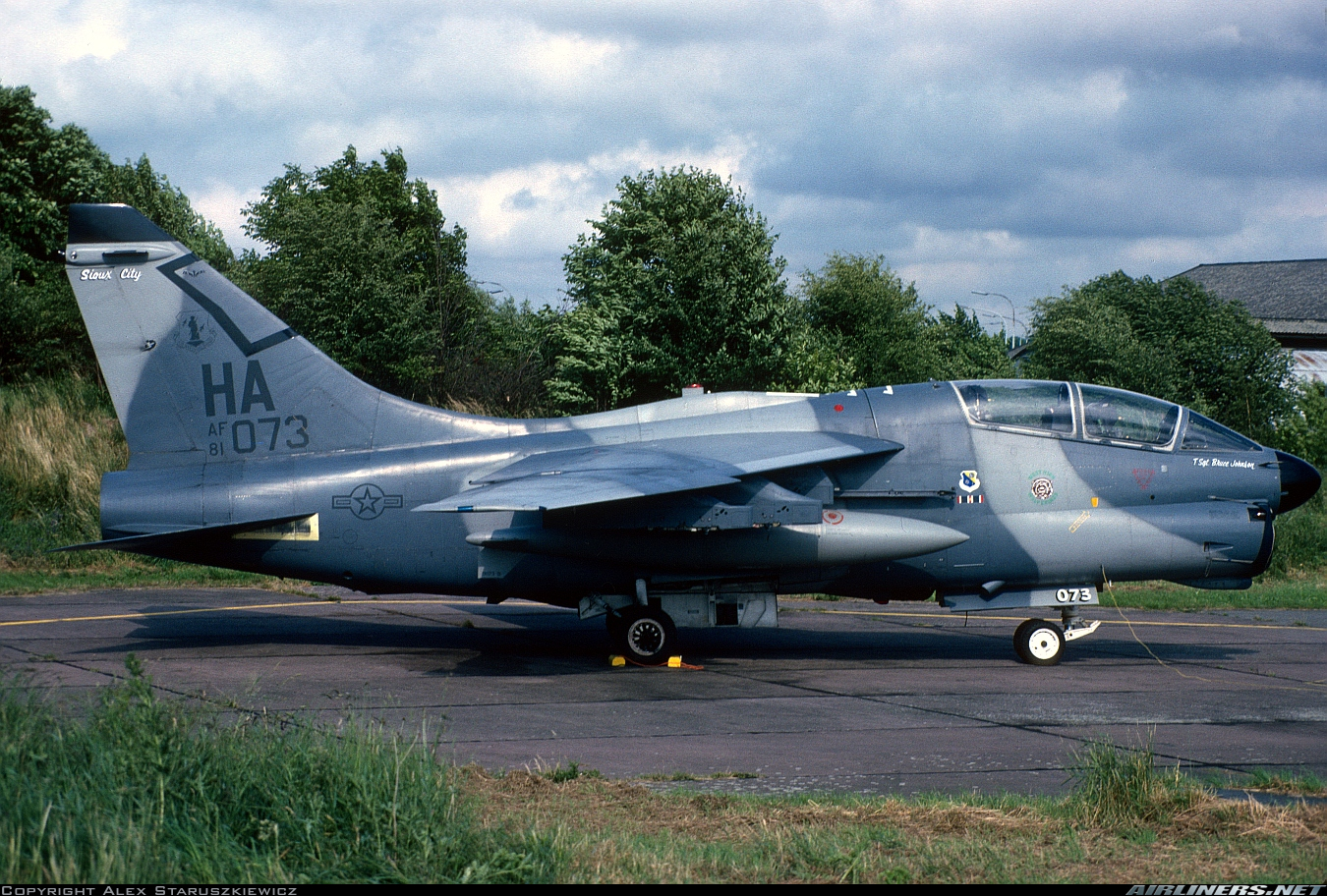
Selected Air National Guard units operating the A-7D/K Corsair II used a disruptive two-tone gray camouflage scheme. Although it shared colors with the Hill Gray II family, it was not simply the F-4 Phantom II pattern transferred to another aircraft.
The scheme is commonly described as the Two-Tone Grey Tactical Scheme or Two-Tone Grey Wraparound Scheme. The principal color references include:
FS 26270 Ocean Gray, the semi-gloss version of the FS 36270 gray color family
The distribution of these colors created a different, more angular disruptive pattern intended to break up the aircraft’s outline.
The term wraparound needs to be used carefully. Variations existed, and a pattern described as wraparound should not automatically be assumed to continue identically over every wing and underside surface. Reference photographs and unit-specific profiles should guide the reconstruction.
For modelers, the A-7D/K scheme requires particular attention to the demarcation between the two grays and to how the pattern continues around the fuselage, wings and other surfaces.
Do not use the standard Hill Gray I or Hill Gray II pattern as a substitute. The color relationship may be similar, but the pattern is a separate feature of the A-7D/K tactical scheme.
USAF F-16 Gray Camouflage After the Gulf War
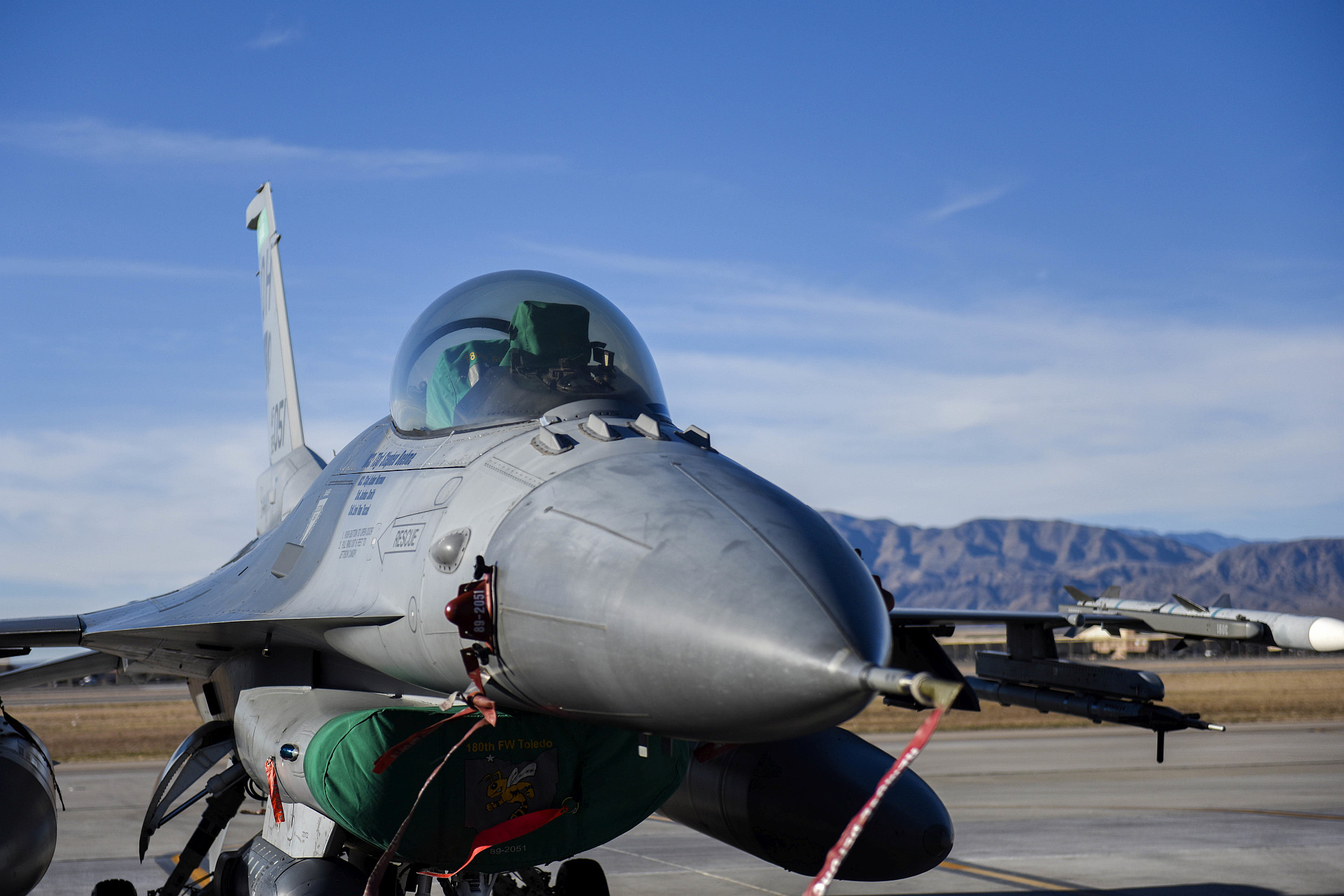
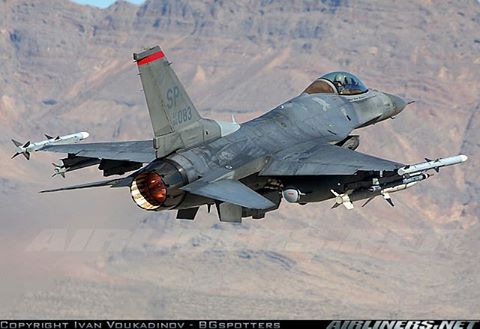
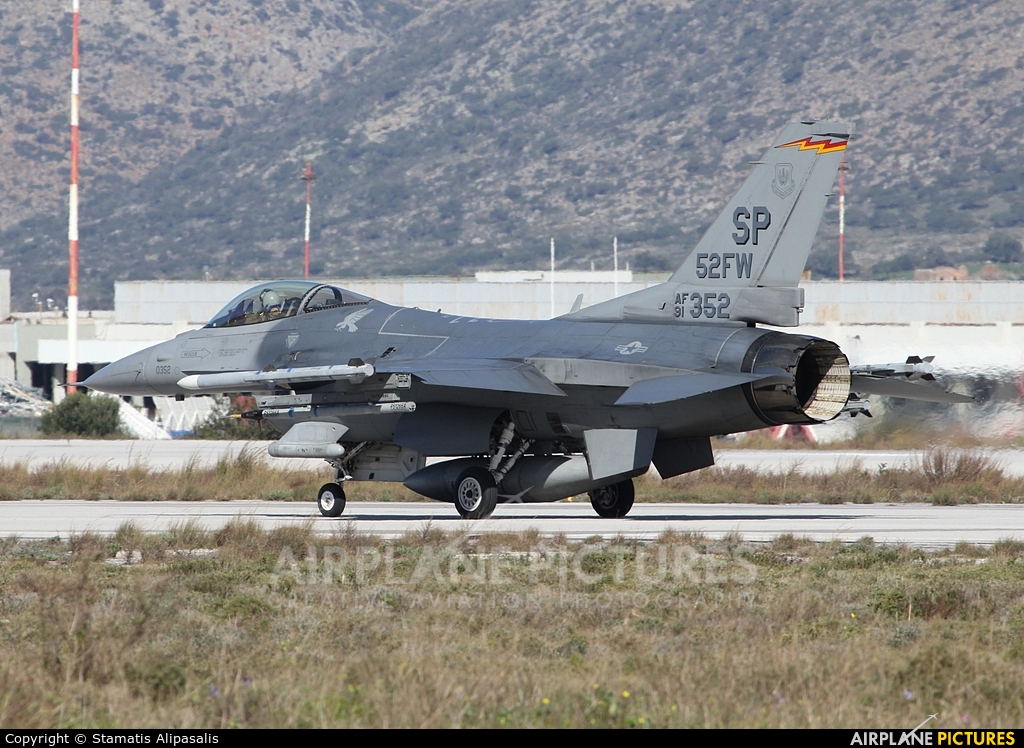
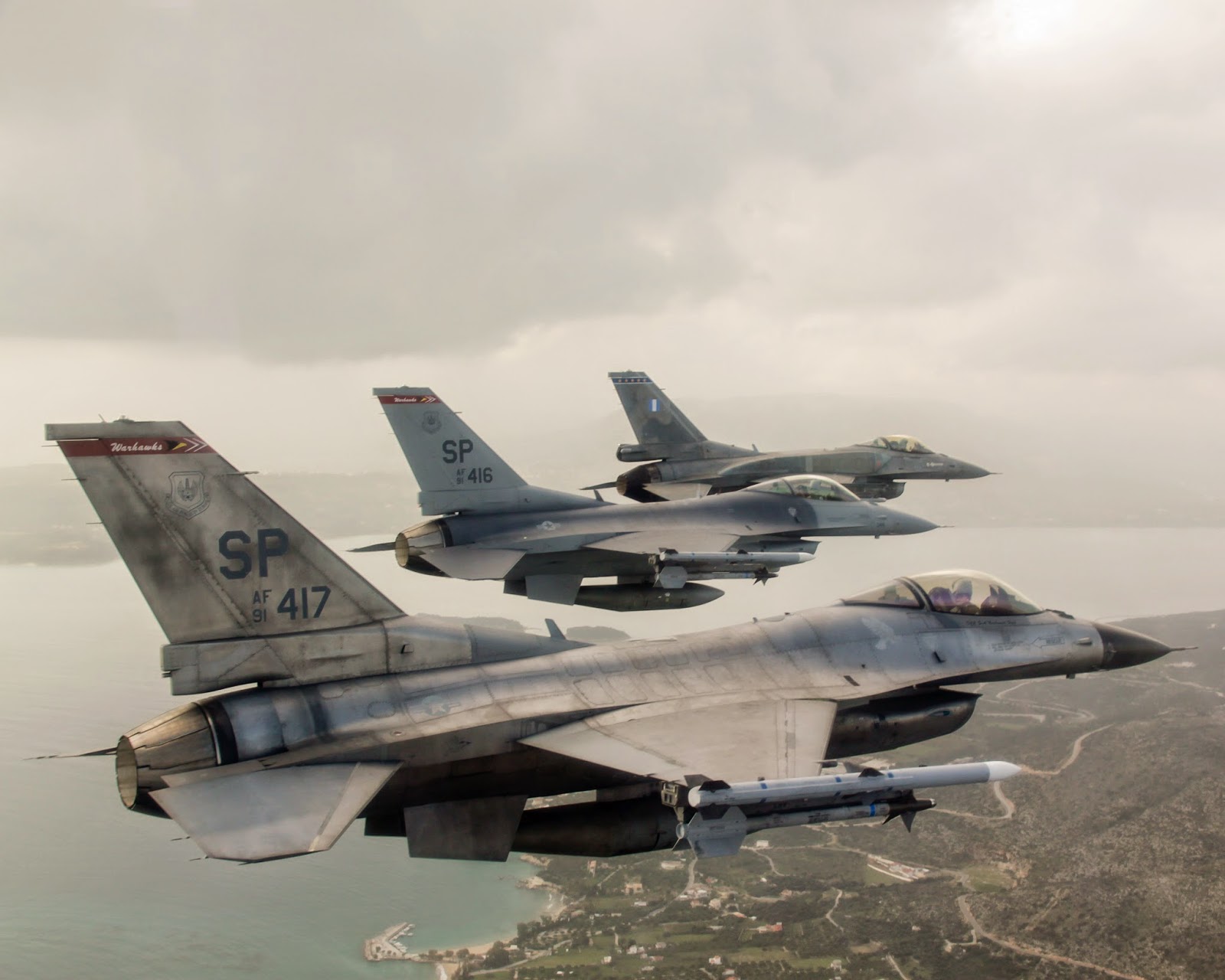
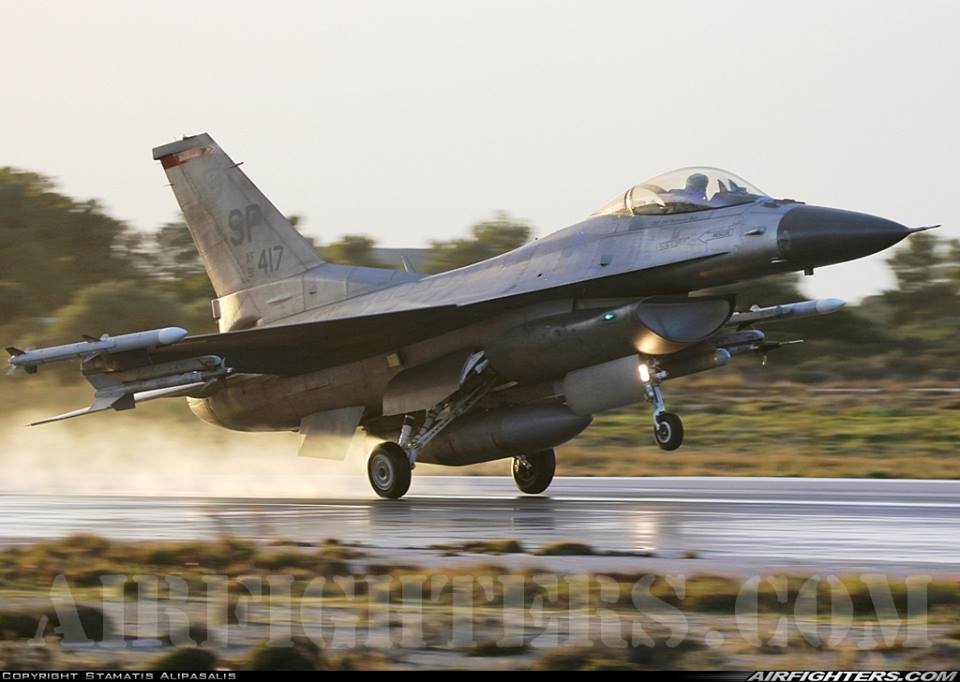
Following the 1991 Gulf War, USAF F-16s increasingly appeared in a simplified two-tone gray arrangement. In this scheme, FS 36270 replaced the lighter FS 36375 on the lower surfaces, while the aircraft retained the general gray camouflage appearance of earlier F-16s.
Unlike Hill Gray II, the standard post-Gulf War F-16 scheme did not reproduce the upper pattern as a mirrored design across the underside.
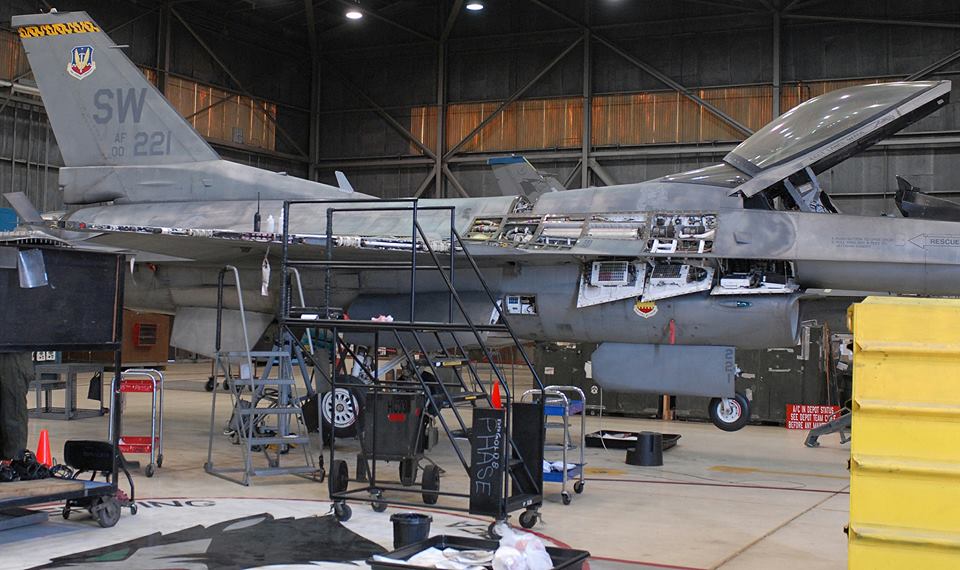
This change was implemented through depot-level repainting, while aircraft delivered from the factory could retain the earlier three-tone arrangement. The difference is visible in photographs of F-16s from different periods.
Low-visibility markings also became a characteristic feature of these aircraft. However, individual markings, radomes, external tanks and replacement panels still varied.
A late-service F-16 should therefore not automatically be assigned the same underside color as an earlier aircraft. The production date, service history and reference photograph are essential when determining the correct scheme.
HAVE GLASS: From Gray Camouflage to a Specialized Coating
HAVE GLASS represents a different development from Hill Gray I and Hill Gray II. It is associated with efforts to reduce radar cross-section and is not simply another name for a conventional gray camouflage pattern.
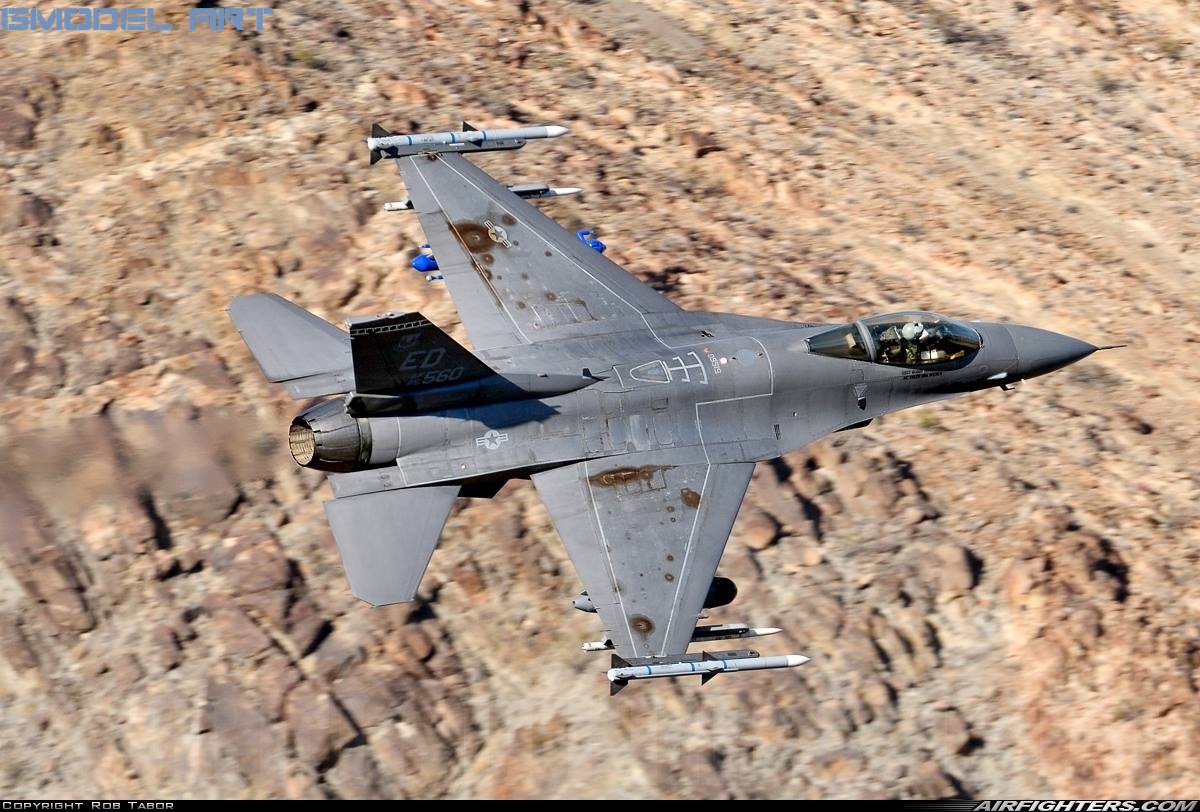
The surface treatment and its visible appearance evolved through different applications. The HAVE GLASS II generation included special coatings applied to selected areas of the aircraft. The treatment could add a distinctive metallic or reflective character to the paintwork, while some earlier finishes were also susceptible to flaking.
Later HAVE GLASS applications introduced further coating developments. HAVE GLASS V is associated with a newer coating and a more uniform gray appearance on applicable F-16 aircraft. FS 36170 Camouflage Gray is a key color reference for this later finish.
On relevant aircraft, selected components may remain in FS 36270 Medium Gray, including radomes, antennas, pylons or wingtip rails. The exact arrangement varies by aircraft, operator, version and date. Do not assume that every F-16 or F-35 carrying a gray low-observable finish uses an identical set of colors.
The F-35 Lightning II also uses specialized low-observable surface treatments, but its finish should not be treated as interchangeable with every HAVE GLASS application on the F-16.
For scale modeling, three features should be considered separately:
The underlying camouflage color.
The surface sheen and texture produced by the specialized coating.
The color and finish differences between the main fuselage and individual components.
The objective is to reproduce the appearance of the specific aircraft, rather than to apply a universally metallic finish to every aircraft described as HAVE GLASS.
Modeling Guide: FS Colors and Paint Recommendations
Accurate color selection is the starting point for reproducing USAF gray camouflage. The following table provides useful references for the principal schemes discussed in this article.
| Color reference | Common name | Typical application |
|---|---|---|
| FS 36118 | Medium Gunship Gray / Gunship Gray | Darker gray in early F-16 camouflage and Hill Gray schemes |
| FS 36270 | Medium Gray | Gray used on upper surfaces, sides and selected components, depending on the scheme |
| FS 36375 | Light Ghost Gray | Lower surfaces in the early F-16 three-tone scheme and other specified applications |
| FS 26118 | Semi-gloss Gunship Gray | Semi-gloss finish associated with selected later Hill Gray applications |
| FS 26270 | Semi-gloss Medium Gray / Ocean Gray in some scheme references | Two-tone A-7D/K tactical gray scheme and other applications requiring this finish |
| FS 36170 | Camouflage Gray | Key color reference for applicable HAVE GLASS and low-observable finishes |
Federal Standard references identify a color and general finish category; they do not guarantee that every manufacturer’s paint will look identical. Lighting, surface preparation, paint thickness and the final varnish can all affect the appearance of the finished model.
MRP Color Recommendations
MRP Color offers useful paint references for building these USAF gray schemes. The following products are suitable starting points for matching the listed colors.
| MRP Color product | Color reference | Recommended use |
|---|---|---|
| MRP-40 | FS 36118 | Gunship Gray for applicable Hill Gray and F-16 patterns |
| MRP-39 | FS 36270 | Medium Gray for the relevant gray camouflage areas and selected components |
| MRP-38 | FS 36375 | Light Ghost Gray for the lower surfaces of applicable three-tone schemes |
| MRP-280 | FS 36170 | Camouflage Gray for applicable HAVE GLASS finishes |
| MRP-278 | HAVE GLASS Special Matt Varnish | Special-effect finishing layer intended to reproduce the characteristic HAVE GLASS surface appearance |
Check the product labels and manufacturer’s current instructions before painting, especially when combining paints and varnishes. MRP-39 is the FS 36270 reference; the A-7D/K scheme may call for the semi-gloss FS 26270 version of this gray family, so the final sheen must be considered separately.
For other brands, common equivalents include Mr. Color C305 / Mr. Hobby H305 for FS 36118, C306 / H306 for FS 36270 and C308 / H308 for FS 36375. Tamiya XF-24 is a useful approximation for FS 36118, while other colors may require careful comparison with a reliable color reference.
For FS 36170, MRP-280 is a useful dedicated option. Other manufacturers also offer colors labeled FS 36170, but their appearance and metallic character can differ noticeably. Always test the complete finish before committing to the model.
Modeling the HAVE GLASS Finish: Metallic Undercoat, Dedicated Paint and Varnish
Reproducing HAVE GLASS convincingly requires more than applying a gray paint. The special coating affects the way light is reflected by the surface, creating a subtle finish that differs from ordinary matt or satin camouflage.
Dedicated modeling paints and special-effect varnishes are available for this purpose. The MRP Color combination of MRP-280 Camouflage Grey FS 36170 and MRP-278 HAVE GLASS Special Matt Varnish is a practical starting point.
My recommendation is to experiment with a thin aluminium or metallic undercoat before applying the specialized HAVE GLASS paint. This is a modeling technique intended to help create depth in the finish; it is not a claim that the actual aircraft’s coating was applied over a visibly metallic layer.
Recommended Painting Sequence
1. Prepare the surface
Finish sanding and cleaning the model, remove dust and apply a suitable primer. A smooth, consistent surface helps the subsequent layers produce an even result.
2. Apply a thin aluminium or metallic base coat
Use a restrained metallic layer rather than a highly polished silver finish. The purpose is to provide a subtle foundation for the later coats, not to make the aircraft appear to be bare metal.
Test this technique on spare plastic or a sample surface before using it on the model. The metallic layer may influence the final appearance depending on the opacity and thickness of the camouflage paint.
3. Apply MRP-280 Camouflage Grey FS 36170
Spray several controlled coats and allow each layer to settle according to the manufacturer’s instructions. The gray should remain the dominant visible color. Avoid applying the paint so thinly that the model looks silver or excessively metallic.
4. Apply decals and any necessary gloss layer
Allow the paint to cure properly. If a gloss surface is needed for decals, apply a compatible gloss varnish as appropriate and let it dry before continuing with the finishing process. Avoid unnecessary thick layers that obscure surface detail.
5. Apply MRP-278 HAVE GLASS Special Matt Varnish
Apply the dedicated special-effect varnish in controlled layers, following the manufacturer’s instructions. Begin with light coats and evaluate the result as you go. The aim is to reproduce the subtle surface character of HAVE GLASS, not an exaggerated glitter or mirror-like effect.
6. Evaluate the finish in different lighting
Inspect the model under diffuse daylight and artificial lighting. A realistic surface should show a restrained difference in sheen and reflection without looking like polished metal. Compare the result with photographs of the exact aircraft whenever possible.
Important Advice About the Metallic Base
The aluminium or metallic undercoat is my personal recommendation for experimentation, not a mandatory step. The final result depends on the primer, the metallic layer, the opacity of the gray paint and the special-effect varnish.
If the finish becomes too bright, grainy or metallic, increase the coverage of the gray paint, reduce the metallic effect or omit the metallic base altogether. Different model surfaces and paint systems can produce different results, so a test piece is strongly recommended.
MRP-280 and MRP-278 provide a useful dedicated combination, but the final appearance should be guided by photographs of the aircraft being modeled. Not every HAVE GLASS finish has the same degree of visible metallic effect.
Modeling Hill Gray I and Hill Gray II
For Hill Gray I, concentrate on the three-color arrangement and the precise boundaries between FS 36118, FS 36270 and FS 36375. The darker gray should not be extended into areas where the chosen reference photograph shows a different color.
For Hill Gray II, study the underside as carefully as the upper surfaces. The revised pattern is one of the most important characteristics of the scheme. Pay particular attention to the darker anti-glare area forward of the canopy and to the finish of the paintwork.
On both schemes, compare the aircraft’s radome, external tanks, pylons and markings with photographs of the specific airframe. These components should not automatically be painted to match the surrounding camouflage.
Use a low-tack masking material appropriate for the paint system, especially where several colors meet. Allow the paint to cure sufficiently before masking, and apply thin layers to avoid raised ridges along demarcation lines.
Modeling the A-7D/K Two-Tone Grey Scheme
The A-7D/K Corsair II requires a different approach because its disruptive two-tone pattern is distinct from the Hill Gray arrangement.
Study the color boundaries and how they continue across the fuselage and wings. Use FS 36118 and the specified FS 26270 finish where supported by the reference for that aircraft.
Avoid assuming that every aircraft carried exactly the same wraparound pattern. Some aircraft may show differences in the treatment of the wings, undersides and external stores. Use a photograph or reliable profile matching the correct version and unit.
Modeling F-16 Radomes and Weathering
F-16 radomes can vary from a tone close to the fuselage gray to a much darker gray. Their dielectric materials and surface coatings weather differently from the surrounding aircraft skin, and dirt or age can further change their appearance.
A radome should therefore not automatically be painted black or in exactly the same shade as the fuselage. FS 36270 is a useful starting reference for many aircraft, but a darker or warmer gray may be more appropriate for a specific photograph.
Weathering should remain restrained and aircraft-specific. Panel lines, surface discoloration, coating wear and replaced components can help reproduce the operational appearance, but excessive contrast or uniform chipping can obscure the defining features of the scheme.
Aircraft and Camouflage Reference Table
| Aircraft | Scheme or finish | Principal references |
|---|---|---|
| F-16A Fighting Falcon, early service | Early three-tone gray | FS 36118, FS 36270, FS 36375 |
| F-4E Phantom II | Hill Gray I or Hill Gray II, depending on period and aircraft | Refer to the applicable pattern and finish |
| F-4G Phantom II Wild Weasel | Particularly associated with Hill Gray II | FS 36118 and FS 36270 family; verify aircraft-specific details |
| A-7D/K Corsair II | Two-Tone Grey Tactical Scheme | FS 36118 and FS 26270 |
| USAF F-16 Fighting Falcon, selected post-Gulf War repainting | Simplified two-tone gray | FS 36118 and FS 36270 in applicable areas |
| F-16 Fighting Falcon, HAVE GLASS applications | Specialized low-observable coating; version-dependent | FS 36170 and selected FS 36270 components as applicable |
| F-35 Lightning II | Low-observable gray finish and specialized surface treatments | Use aircraft- and operator-specific references |
This table is a guide to identifying the principal schemes, not a substitute for a specific aircraft’s documented paint pattern.
Photo Identification and Suggested Captions
1. Early F-16A Fighting Falcon — Exercise Border Star ’81
A very early F-16A Fighting Falcon during Exercise Border Star ’81, showing the black radome seen on some early aircraft. The aircraft also carries an older TER-7 triple ejector rack, which was later superseded by the Viper-specific TER-9.
2. F-16A Fighting Falcon — New York Air National Guard, Gulf War
This Gulf War-era F-16A Fighting Falcon of the New York Air National Guard illustrates the clear demarcation between FS 36270 Medium Gray and FS 36375 Light Ghost Gray. The lower-surface color helps distinguish the early three-tone arrangement from later repainting schemes.
3. USAF F-16 Fighting Falcons — Two-Tone Gray Finish
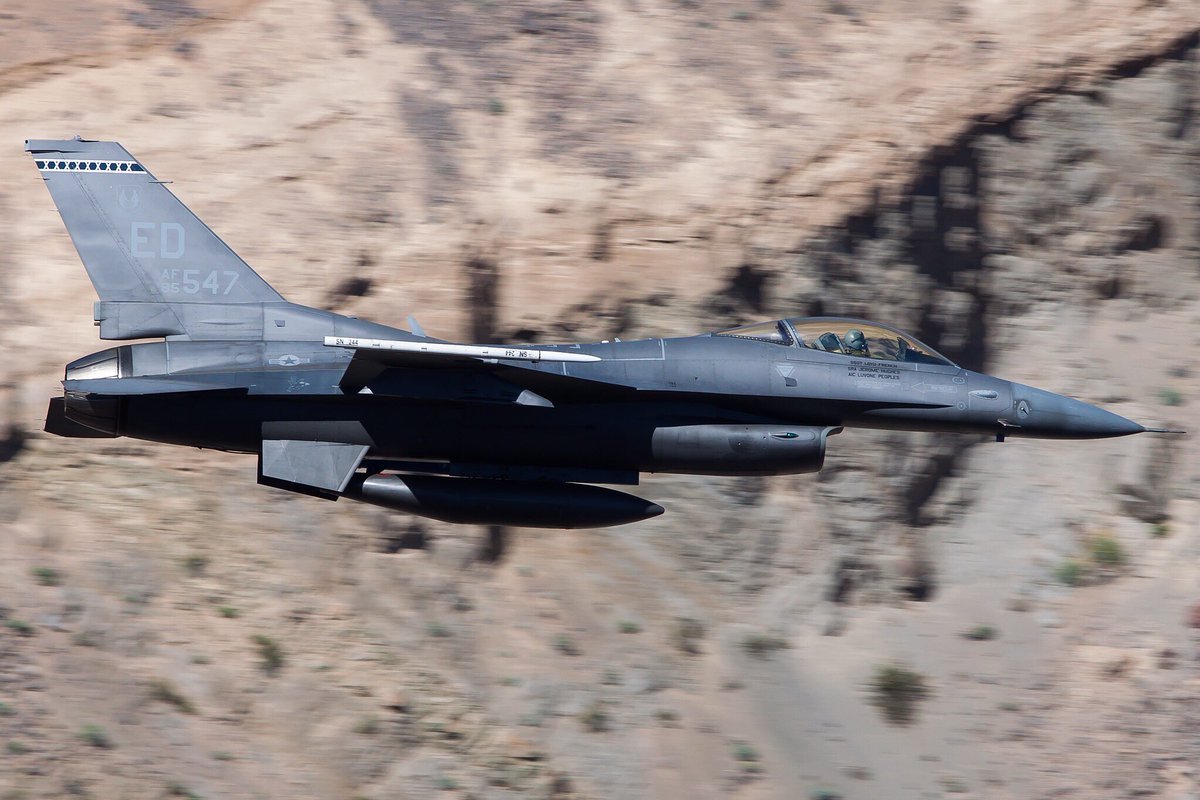
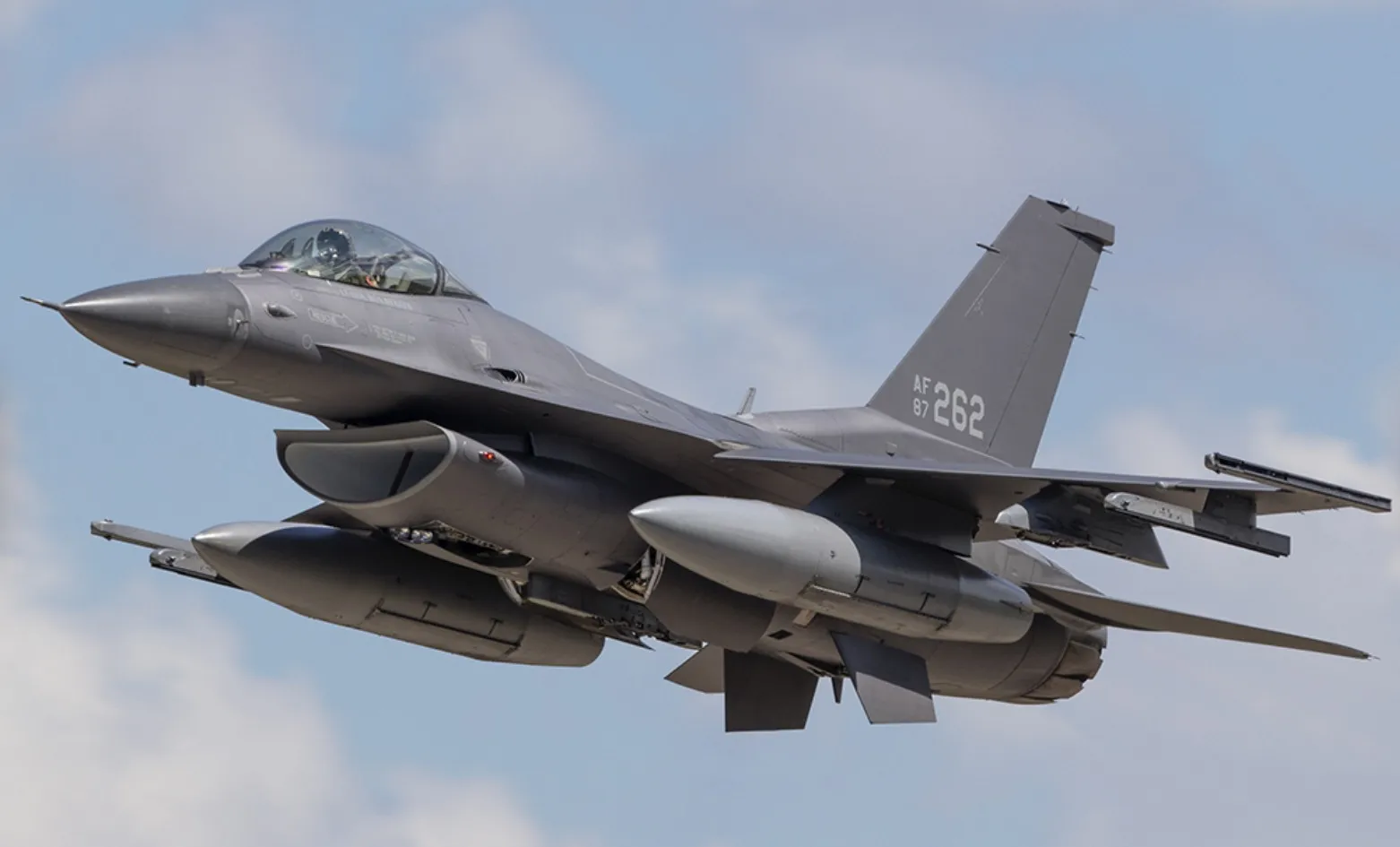
USAF F-16 Fighting Falcons displaying the later two-tone gray appearance adopted by many aircraft during the 1990s. External tanks and radomes may differ from the main fuselage, reflecting variations in paint application, component finish and weathering.
4. F-16 Fighting Falcon, Airframe 01-053 — 2005
The final F-16 delivered to the USAF from the Lockheed Martin plant in Fort Worth in 2005, airframe 01-053, showing the lighter FS 36375 lower surfaces associated with the original factory-applied three-tone scheme.
5. F-4G Phantom II Wild Weasel — Hill Gray II
An F-4G Phantom II Wild Weasel in Hill Gray II camouflage, equipped with AGM-88 High-speed Anti-Radiation Missiles (HARM). This combination is strongly associated with the Wild Weasel mission and the suppression of enemy air defenses.
6. Spangdahlem 52nd Tactical Fighter Wing — F-16C and F-4G
Aircraft associated with the 52nd Tactical Fighter Wing at Spangdahlem, including an F-16C Fighting Falcon Block 30/32 and an F-4G Phantom II Wild Weasel. The image illustrates the use of different gray camouflage arrangements across USAF combat aircraft.
7. Hill Gray II — Underside Pattern
An underside view illustrating the continuation of the Hill Gray II pattern across the lower surfaces. The revised arrangement addressed the excessive visibility of lighter undersides during maneuvering. The false-canopy feature associated with certain earlier treatments should not be assumed to be present on every Hill Gray II aircraft.
8. Experimental F-4D Phantom II — Texas Air National Guard
An experimental gray pattern on an F-4D Phantom II associated with the Texas Air National Guard at Bergstrom Air Force Base. Its irregular arrangement demonstrates why aircraft-specific photographs are essential when reproducing non-standard camouflage.
9. A-7D/K Corsair II — Two-Tone Grey Tactical Scheme
An A-7D/K Corsair II displaying the disruptive two-tone gray tactical scheme used by selected Air National Guard units. Although related gray colors were used on Hill Gray II aircraft, the A-7 pattern was distinct and should be reconstructed from the appropriate reference.
10. YF-22 and X-35 — Experimental Gray Finishes
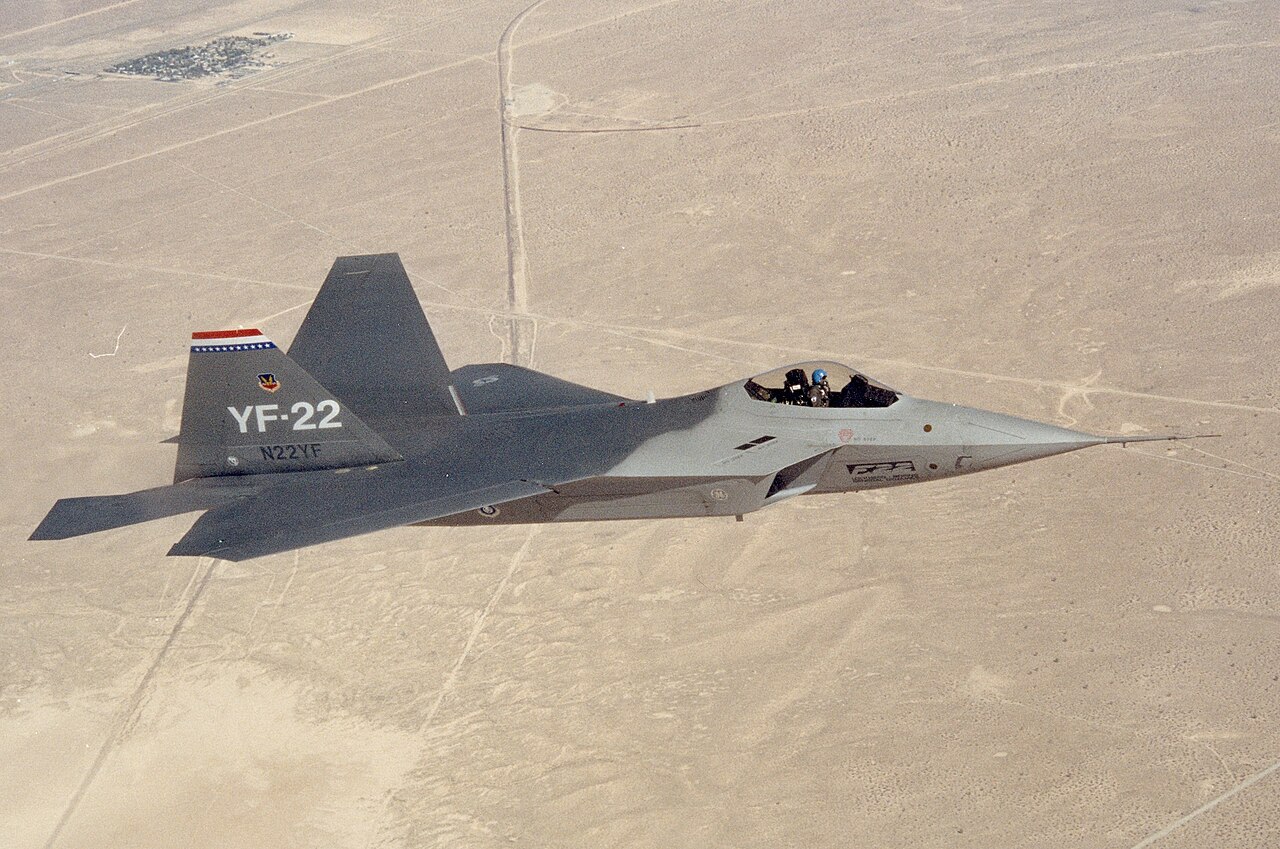
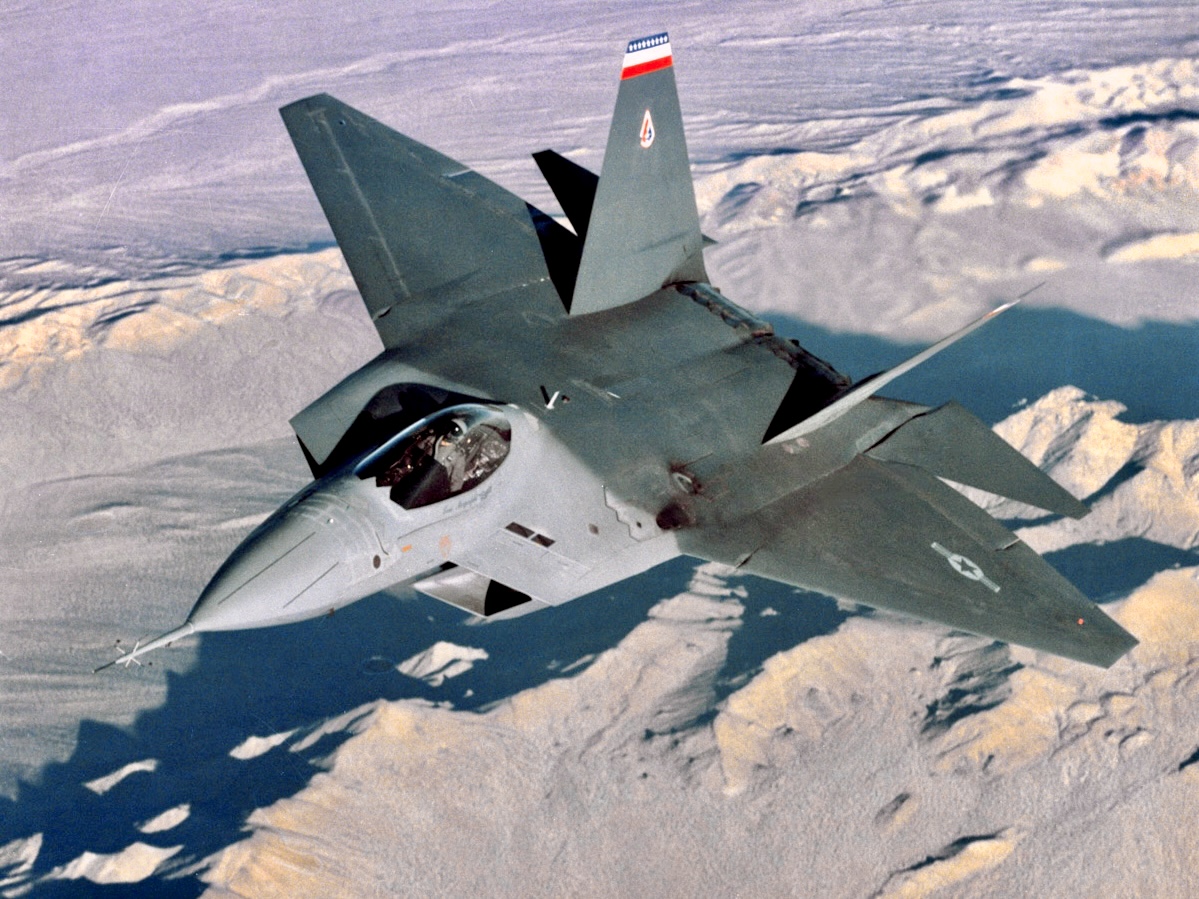
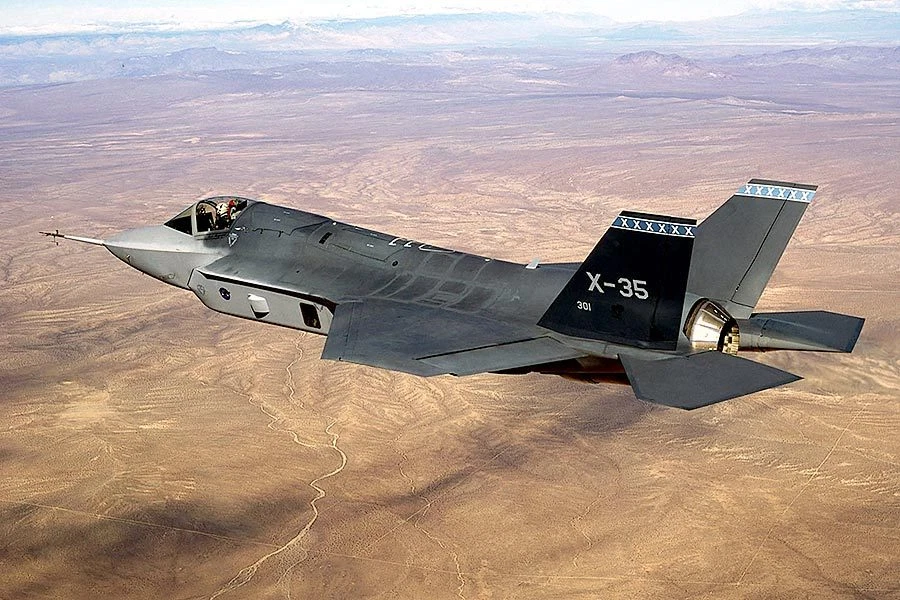
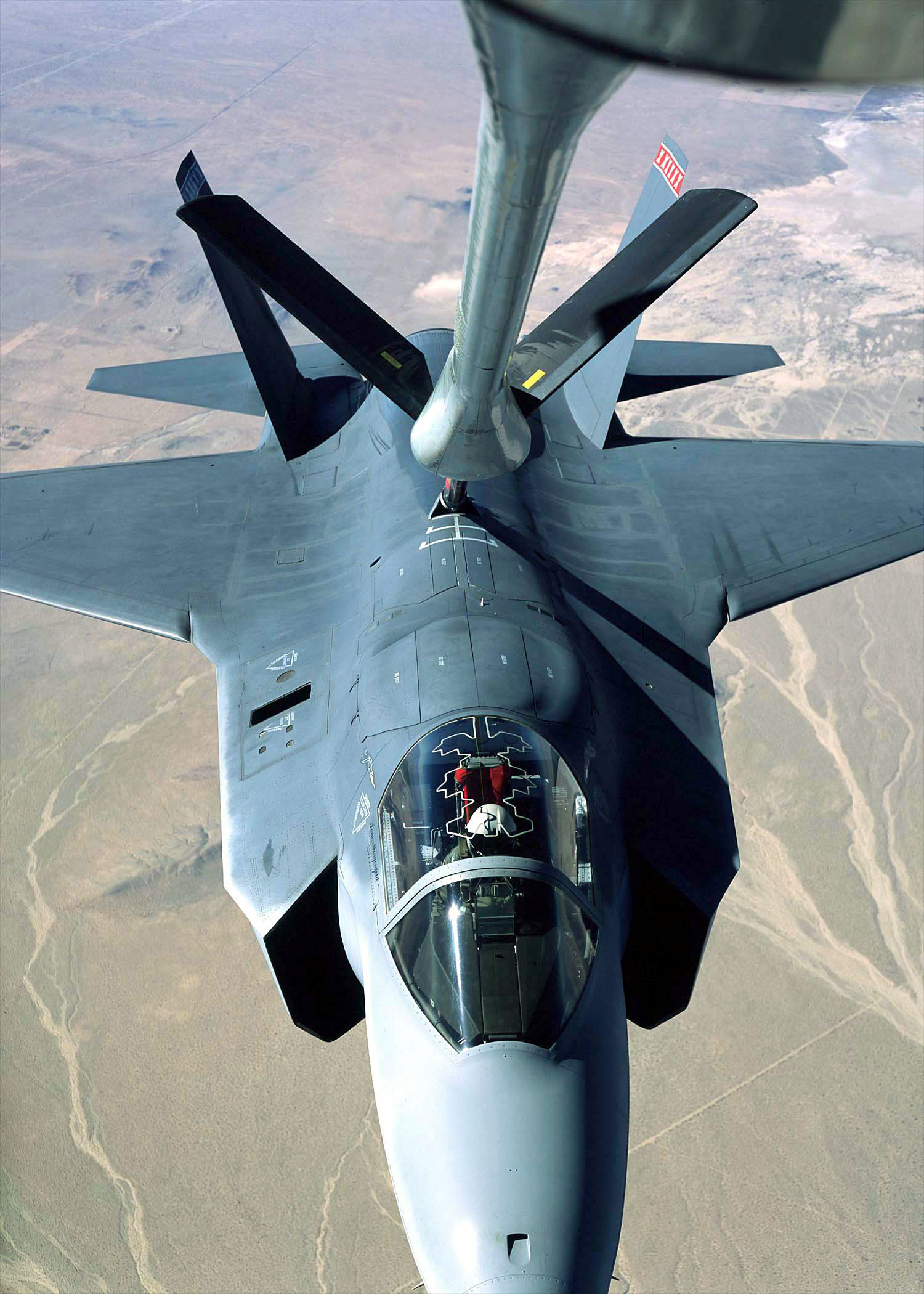
The YF-22 Lockheed–Boeing–General Dynamics Advanced Tactical Fighter prototype and the X-35 Lockheed Martin Joint Strike Fighter concept demonstrator illustrate the use of gray finishes on advanced aircraft demonstrators. Similarities to earlier gray schemes do not mean that their surface treatments were identical to operational HAVE GLASS applications.
Final Thoughts
The evolution from the early F-16 three-tone gray scheme to Hill Gray I, Hill Gray II, later two-tone gray finishes and HAVE GLASS reflects the changing requirements of USAF combat aircraft.
For scale modelers, the key to an accurate result is to distinguish between the camouflage pattern, the FS color references and the surface finish. Hill Gray I and Hill Gray II should not be treated as interchangeable patterns, while the A-7D/K two-tone tactical scheme requires its own reference. HAVE GLASS adds another layer of complexity because the coating affects surface reflection in addition to the visible gray tone.
MRP-40, MRP-39 and MRP-38 provide useful starting points for the principal conventional gray colors, while MRP-280 Camouflage Grey FS 36170 and MRP-278 HAVE GLASS Special Matt Varnish offer a dedicated option for applicable HAVE GLASS finishes.
My recommendation is to test the metallic undercoat, specialized gray paint and varnish together on a sample before applying them to the finished model. The most convincing result is the one that matches the specific aircraft and its period of service, rather than one that simply looks more metallic or more heavily weathered.
| FS 36118 | FS 36270 | FS 36375 | |
| Medium Gunship Gray | Medium Gray | Light Ghost Gray | |
| Schemes | |||
| F-16 / Hill Gray I | Upper | Sides | Lower |
| Hill Gray II | Upper | Lower | |
| Color matches | |||
| Gunze Mr. Color | C305 | C306 | C308 |
| Gunze Mr. Hobby | H305 | H306 | H308 |
| Humbrol | 125 | 126 | 127 |
| Italeri | 4752AP | 4746AP | 4762AP (!) |
| Model Master | 1723 | 1725 | 1728 |
| Revell | 74 | 43 | – |
| Tamiya Acrylic | (XF-24) | – | – |
| Tamiya Lacquer | – | LP-85 | LP-37 |
| Vallejo Model Air | 71.097* | 71.275 | – |
| Vallejo Model Color | 70.836* | 70.870 | 70.615 |
| AKAN | 6/72040 | 6/72028 | 6/72032 |
| AK 3Gen Acrylic | AK11881 | AK11886 | AK11888 |
| AK Real Colors | RC913 | RC918 | RC920 |
| AMMO by Mig | A.MIG-204 | A.MIG-211 | A.MIG-203 |
| Hataka | HTK-_031 | HTK-_054 | HTK-_037 |
| Lifecolor | UA 022 | UA 028 | UA 026 |
| Mission Models | MMP-084 | MMP-118 | MMP-073 |
| Mr. Paint | MRP-40 | MRP-39 | MRP-38 |
| Xtracolor | X130 | X133 | X136 |
| Xtracrylix | XA1130 | XA1133 | XA1136 |
F-4E Phantom II AUP HAF Aegean Ghost — Technical Details & Modeling Guide
Reference Sources
The World Wars — Aircraft Colors and Camouflage, US Air Force (1947–Today): https://www.theworldwars.net/resources/file.php?r=camo_usaf
Fündekals — F-4 Phantom Hill Gray I reference: https://fundekals.net/wp-content/uploads/2023/06/FD48039_Inst.pdf
USAF Special Interest Group — A-7D/K Corsair II Two-Tone Grey Tactical Scheme: https://www.usaf-sig.org/Files/Double_Ugly_01_A-7D-K_001.pdf
USAF Special Interest Group — F-16 Viper FAQ: https://www.usaf-sig.org/index.php/component/content/article/82-f-16-viper-faq-stuff-you-wanted-to-know-about-the-f-16cd
The Aviationist — HAVE GLASS V F-16 reference: https://theaviationist.com/2021/04/28/rdaf-f-16s-have-glass/