article
Northrop P-61 Black Widow: Full History, Radar Technology & Advanced Modeling Guide
Introduction
The Northrop P-61 Black Widow stands apart from almost every other aircraft of World War II. It was not adapted into a night fighter. It was conceived, designed, and built for one purpose: to hunt in total darkness.
For a modeler, this aircraft offers something rare. It combines heavy technology, aggressive design, and a finish that demands skill rather than simple execution. To understand how to build it correctly, you first need to understand what it really was.
The Evolution of a Night Hunter
In 1940, the United States gained access to British airborne radar technology during the early stages of the war. This changed everything. Night combat was no longer blind—it became calculated.
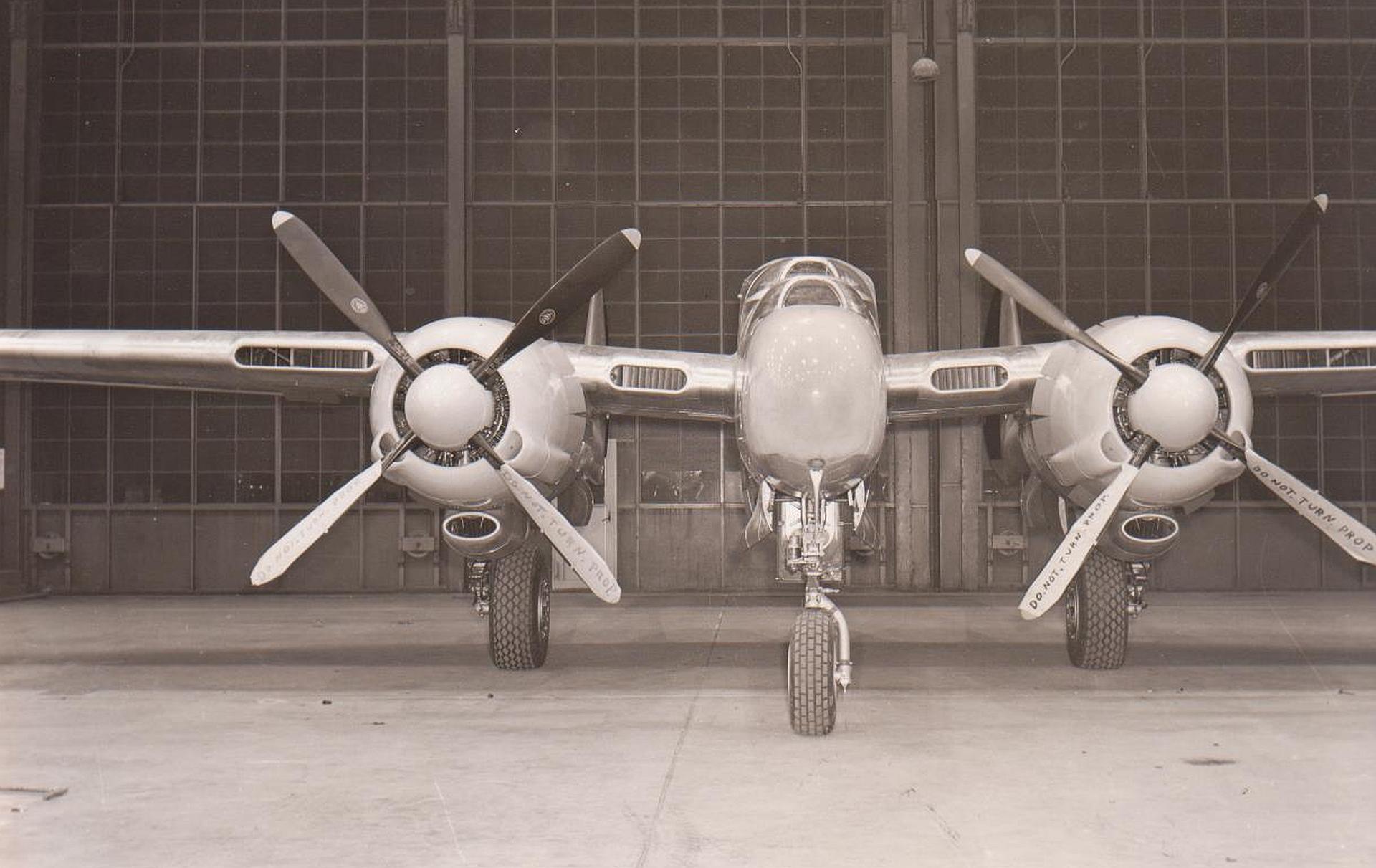
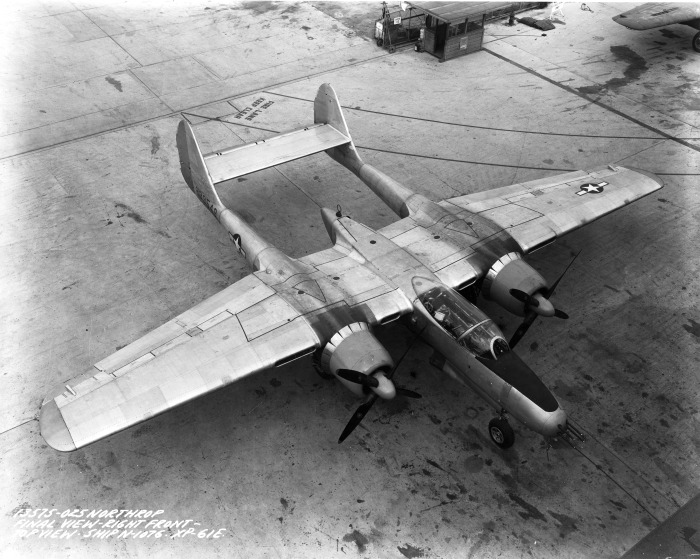
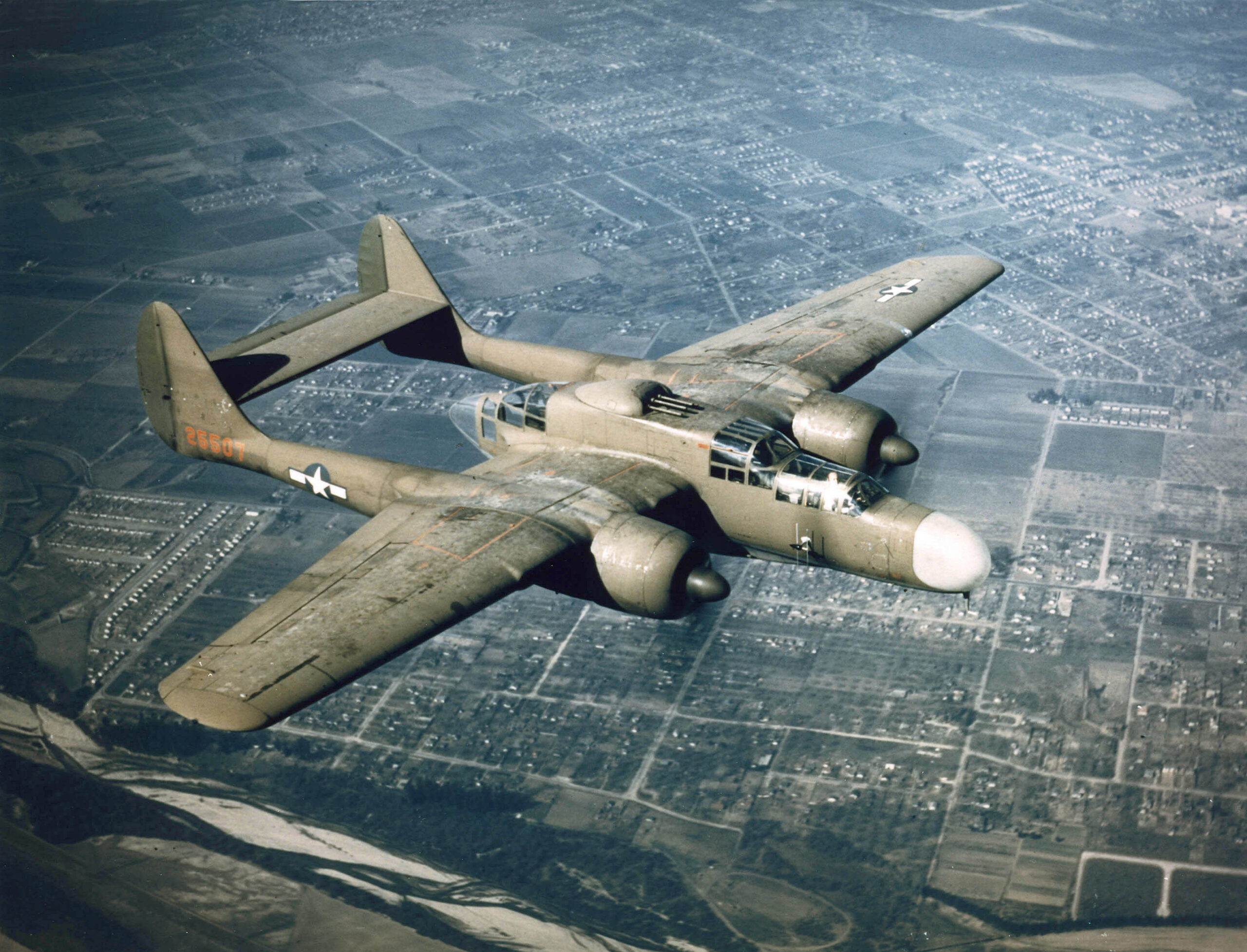
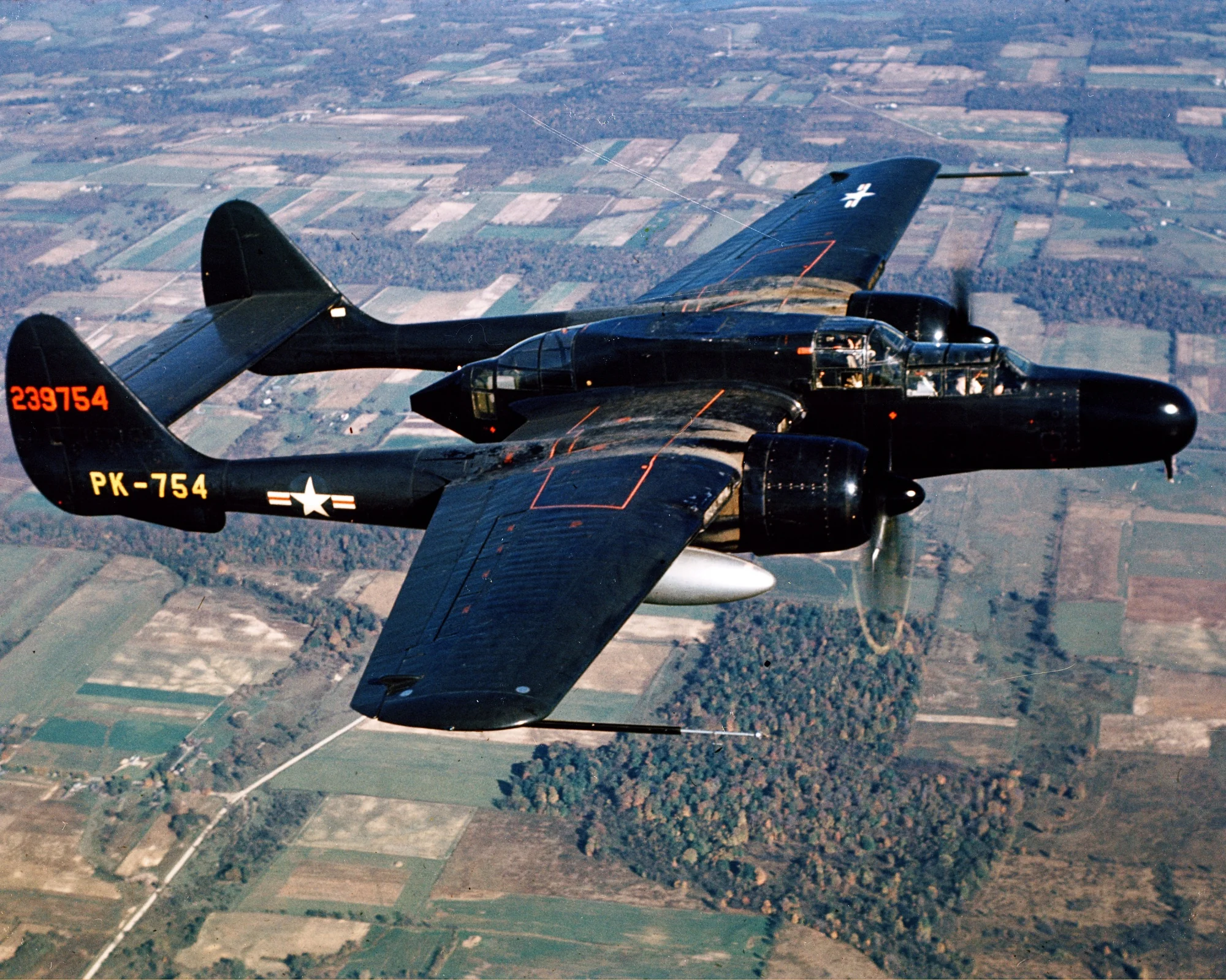
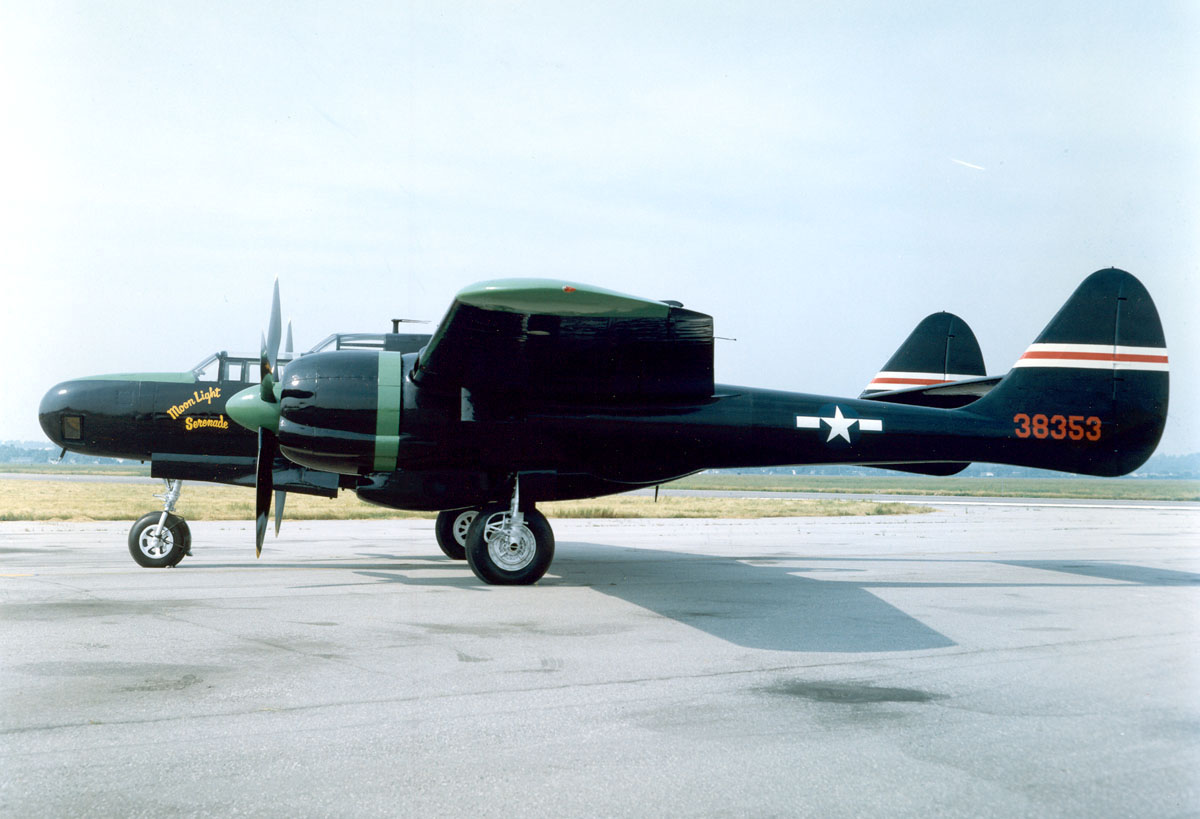
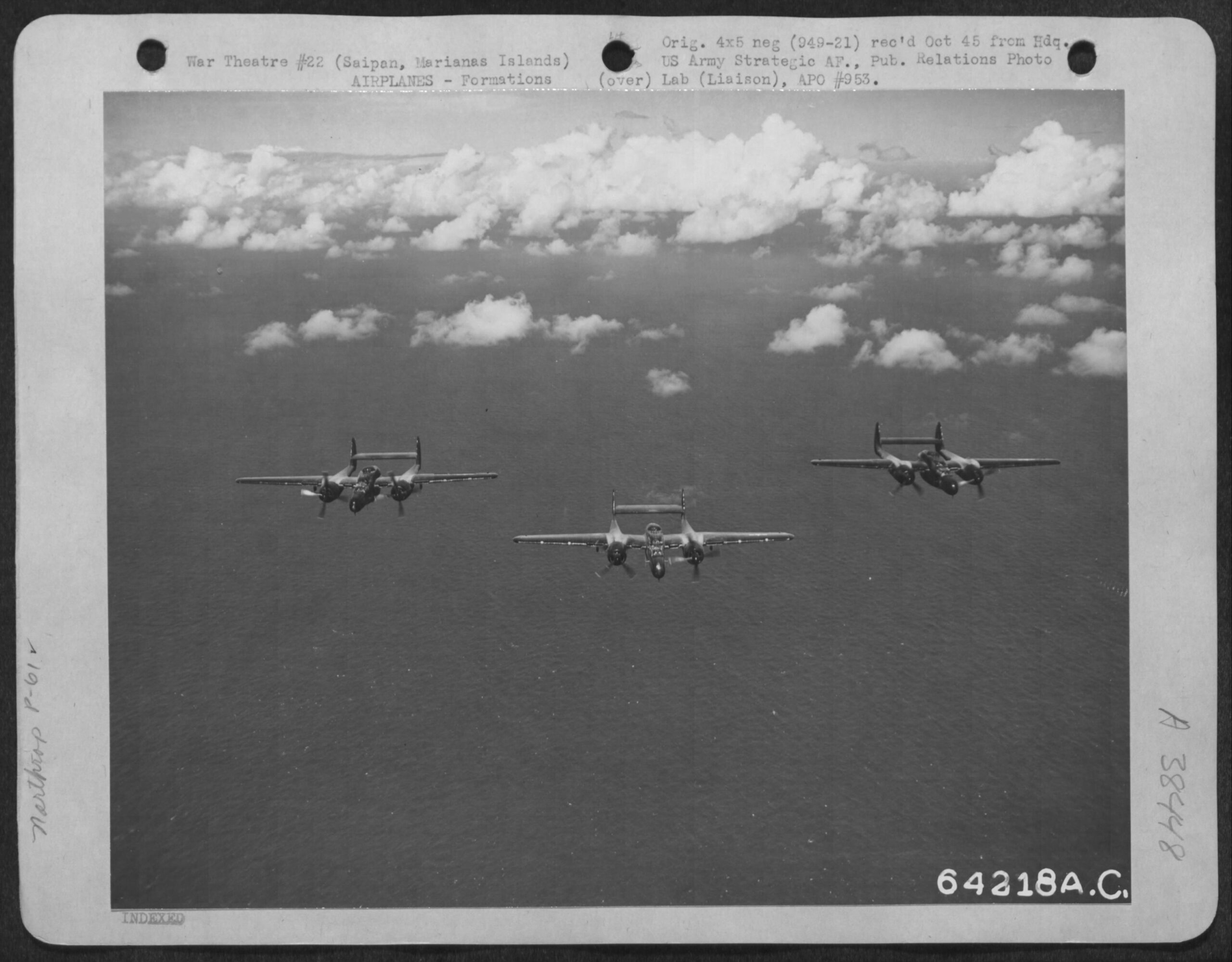
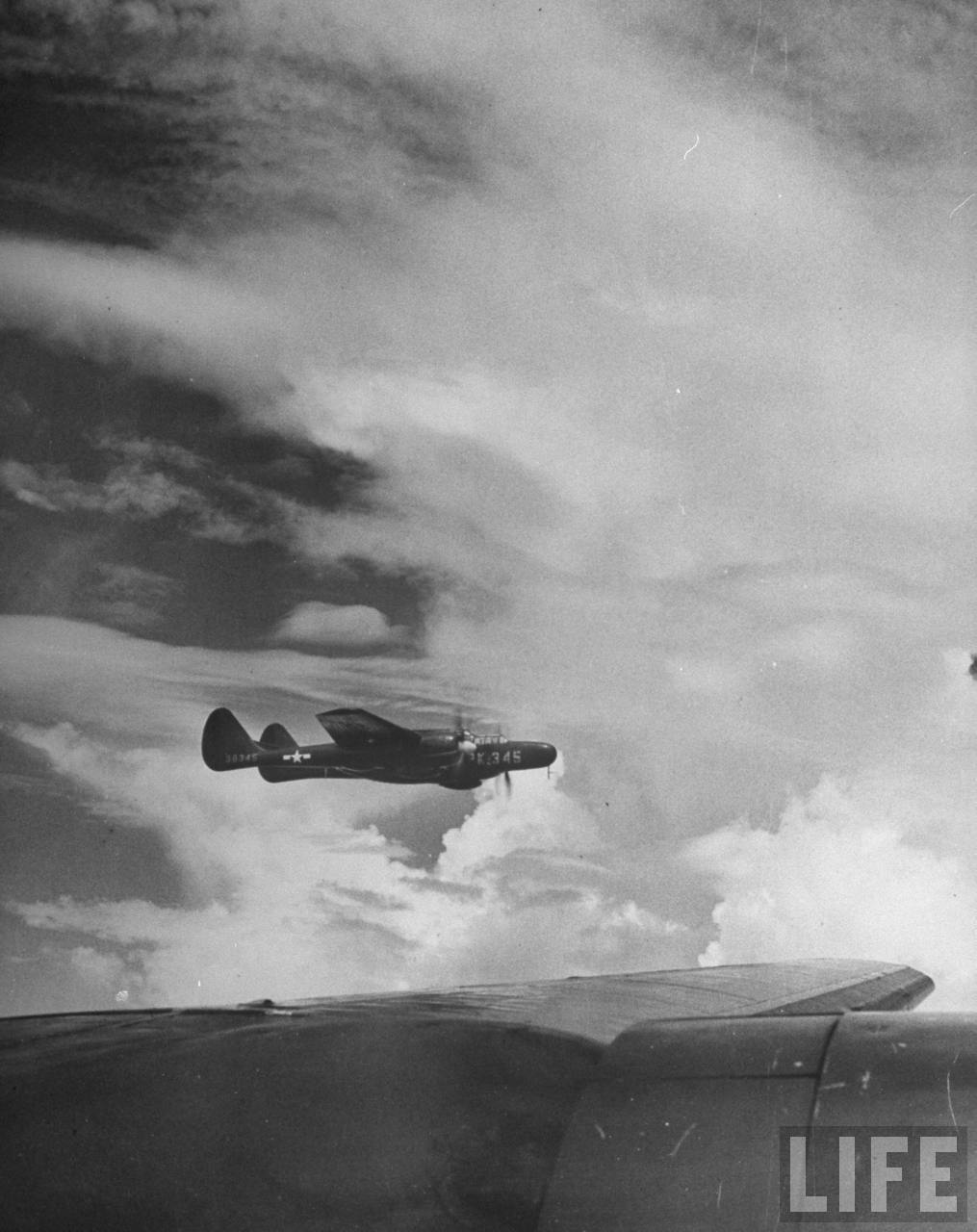
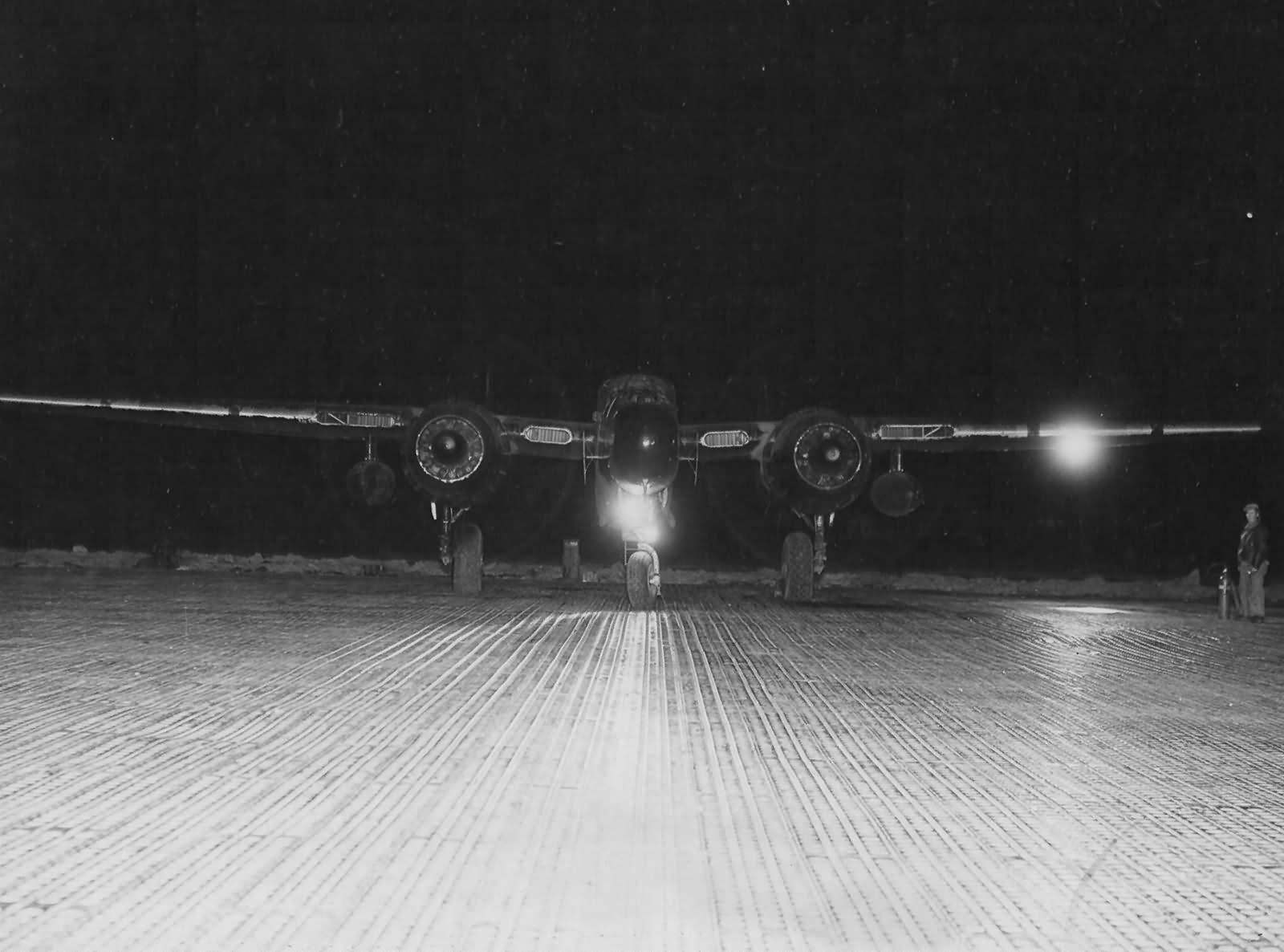
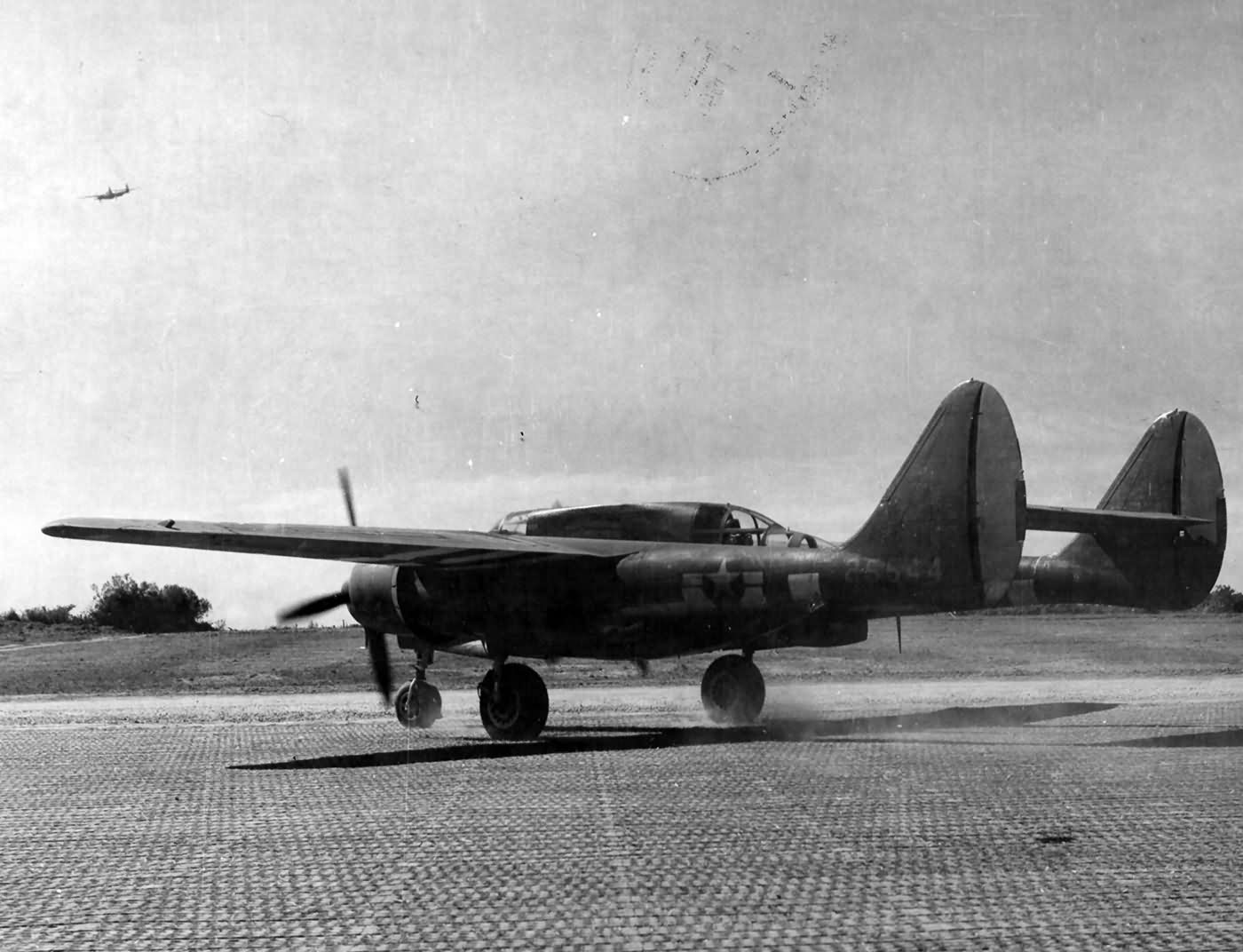
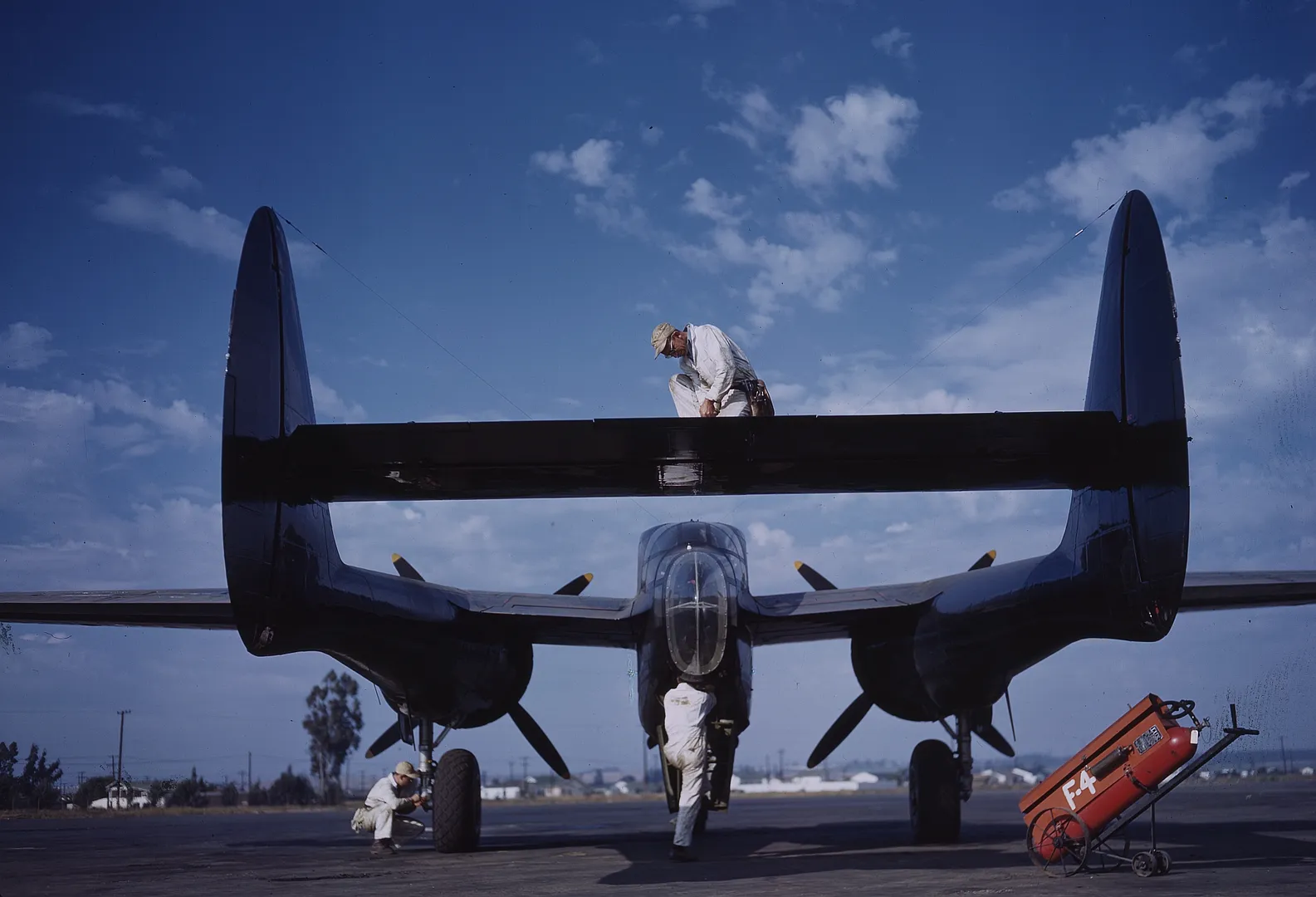
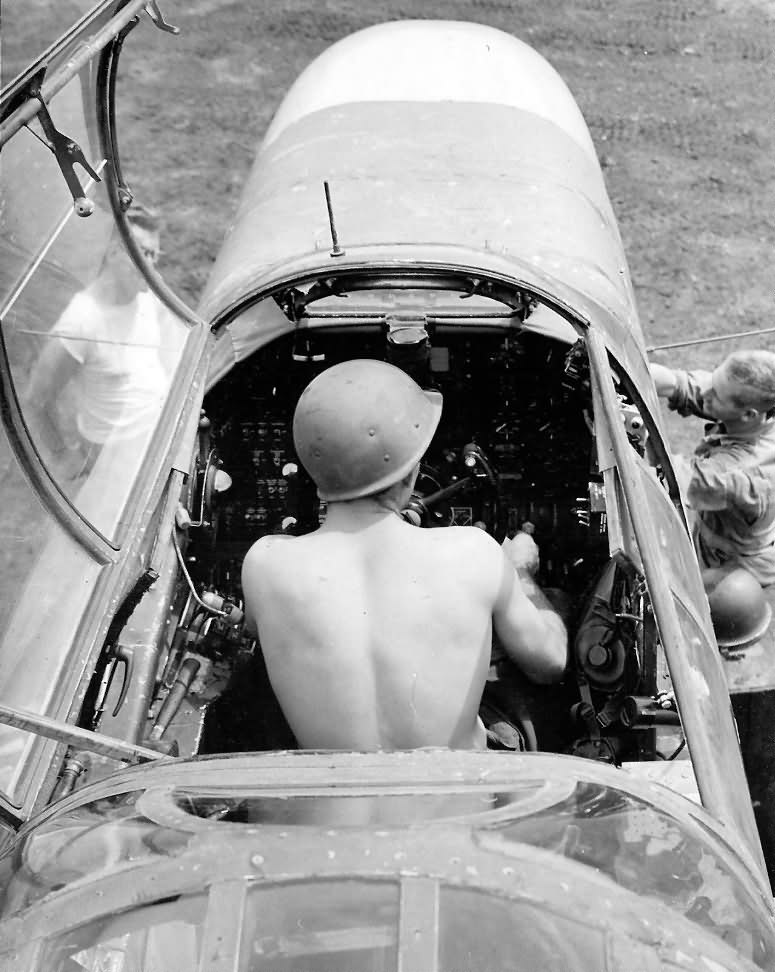
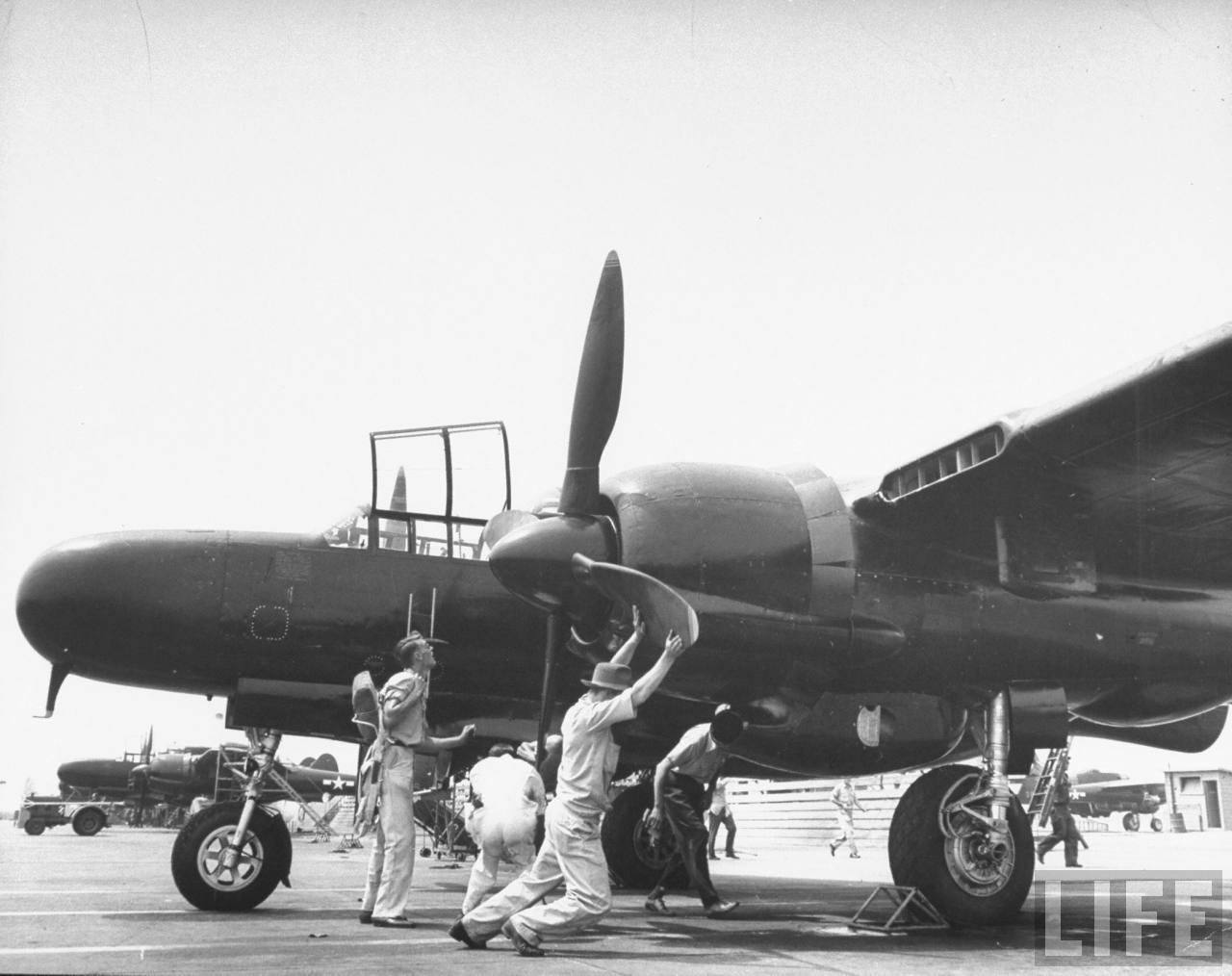
Northrop responded with a radical design. Instead of modifying an existing fighter, they created a dedicated platform around radar interception. The result was a twin-boom aircraft with a large central nacelle housing a crew of two or three: pilot, radar operator, and sometimes a gunner.
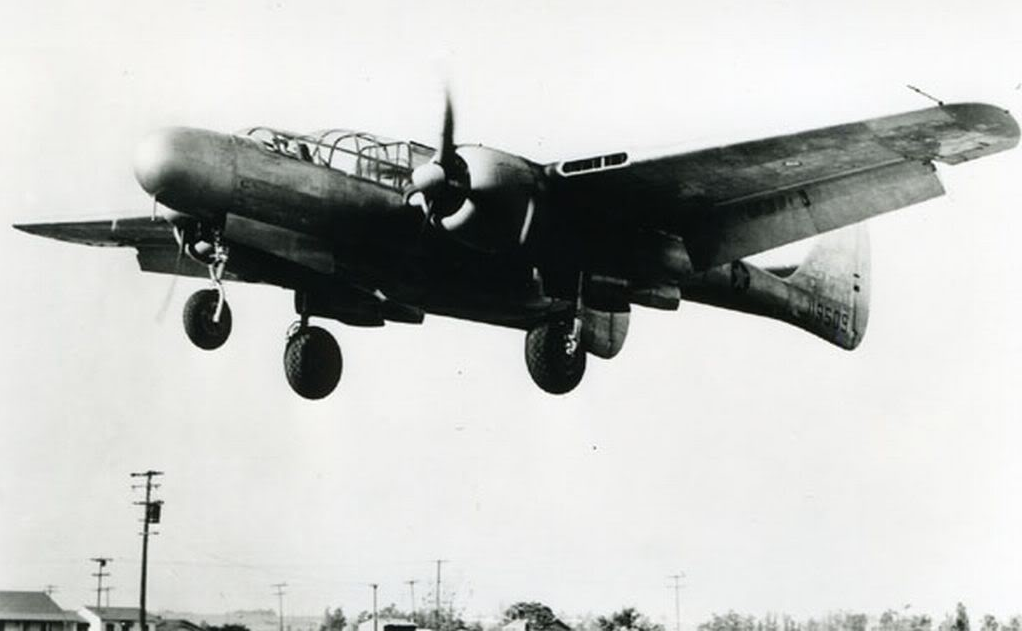
The first prototype flew in May 1942. By 1944, the P-61 was operational, entering combat in both the European and Pacific theaters. It was not fast compared to single-engine fighters, but speed was never the point. The aircraft’s strength was awareness. It could find, track, and destroy targets in complete darkness.
Radar and Combat Capability
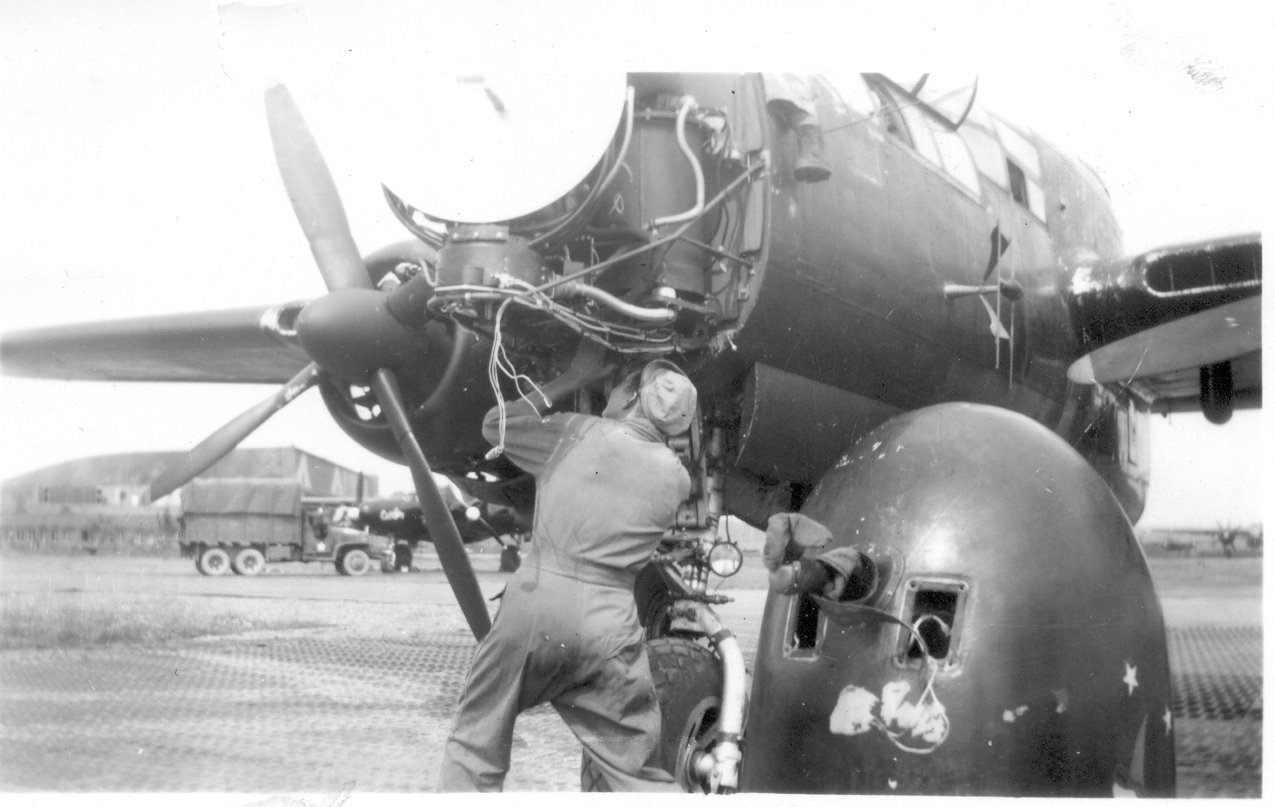
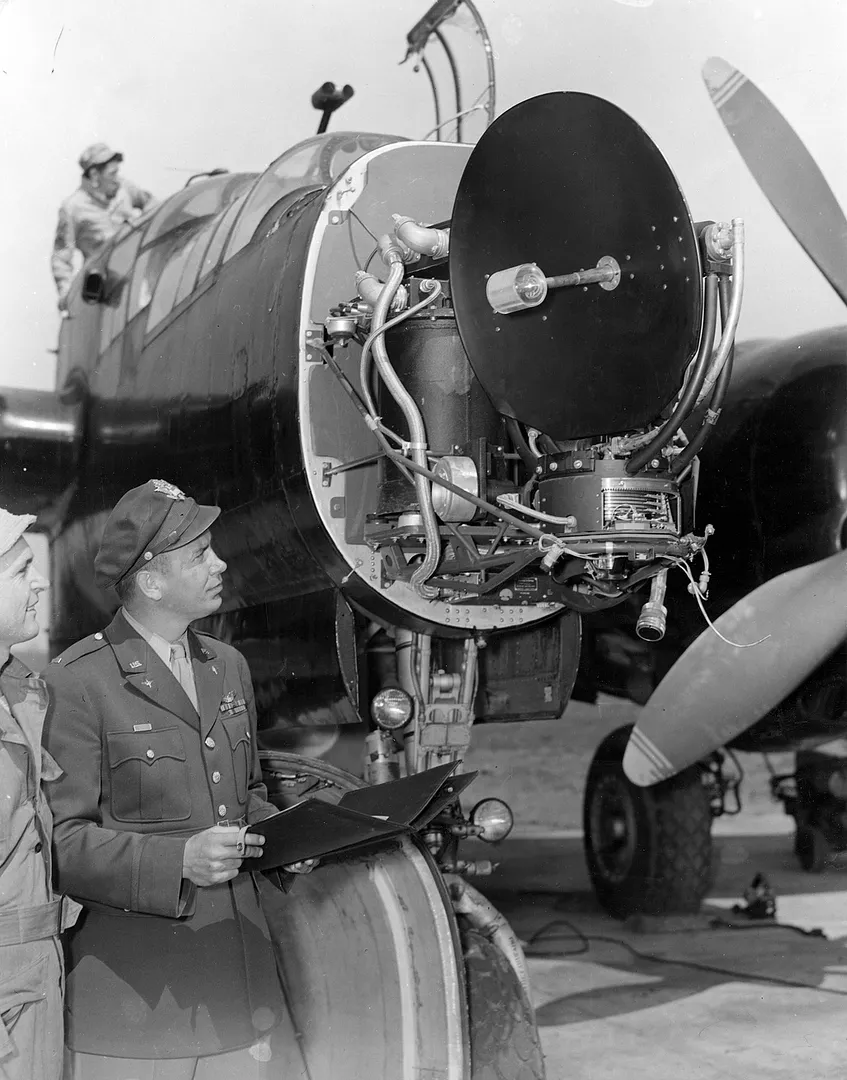
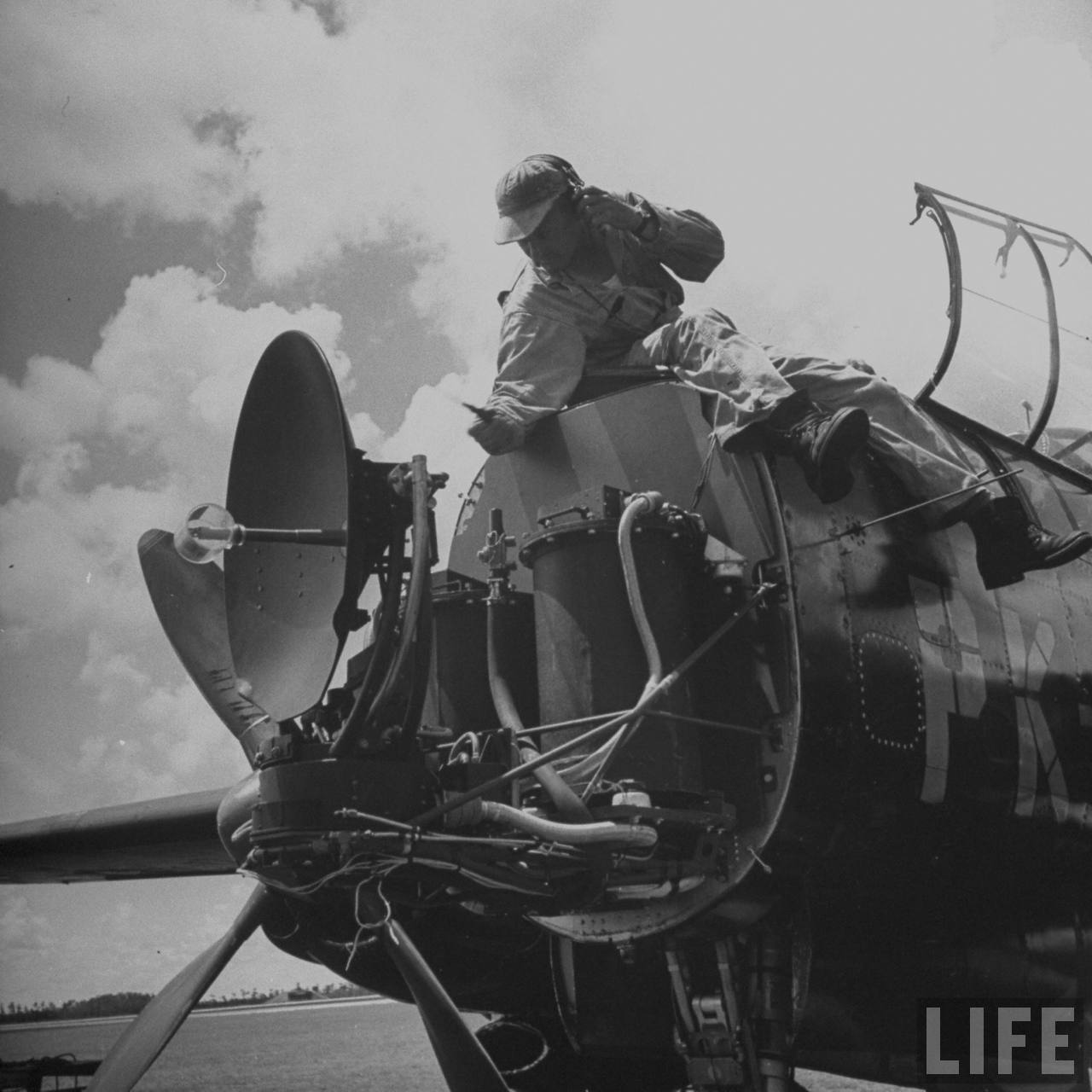
The heart of the P-61 Black Widow was its SCR-720 radar system. This was not a simple detection tool. It allowed the crew to locate enemy aircraft beyond visual range and guide the pilot into firing position without ever seeing the target.
This created a new kind of air combat:
- Interception without visual contact
- Controlled approach guided by instruments
- Surprise attacks in total darkness
In many ways, this was the foundation of modern all-weather interception.
Armament – Built to Destroy, Not to Chase
The P-61 carried an unusually heavy armament for a fighter aircraft:
- Four 20 mm cannons mounted under the fuselage
- Four .50 caliber machine guns in a dorsal turret
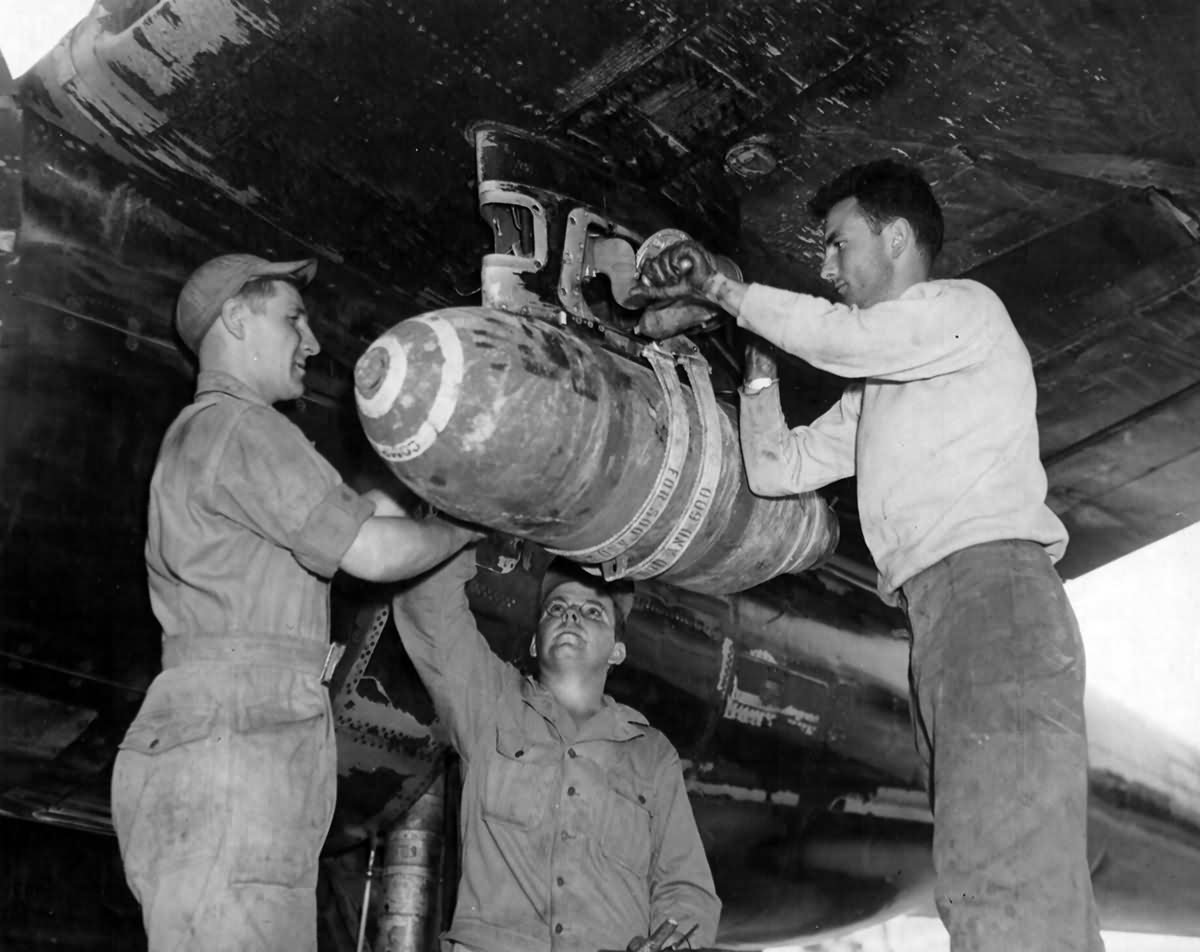
- Capability to carry bombs or rockets
This combination meant that once the target was acquired, the engagement was short and decisive. The aircraft did not need to maneuver aggressively. It needed to get close once—and finish the job.
Operational Reality and Wear
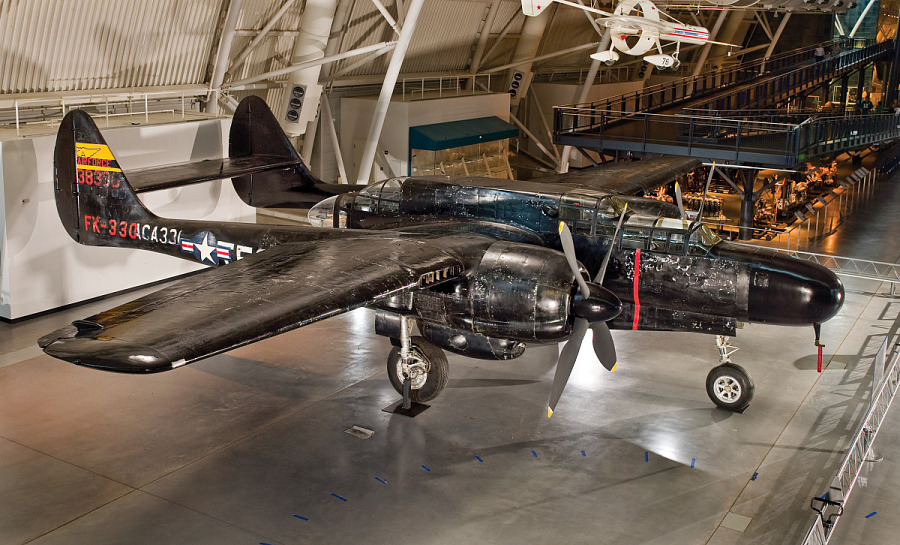
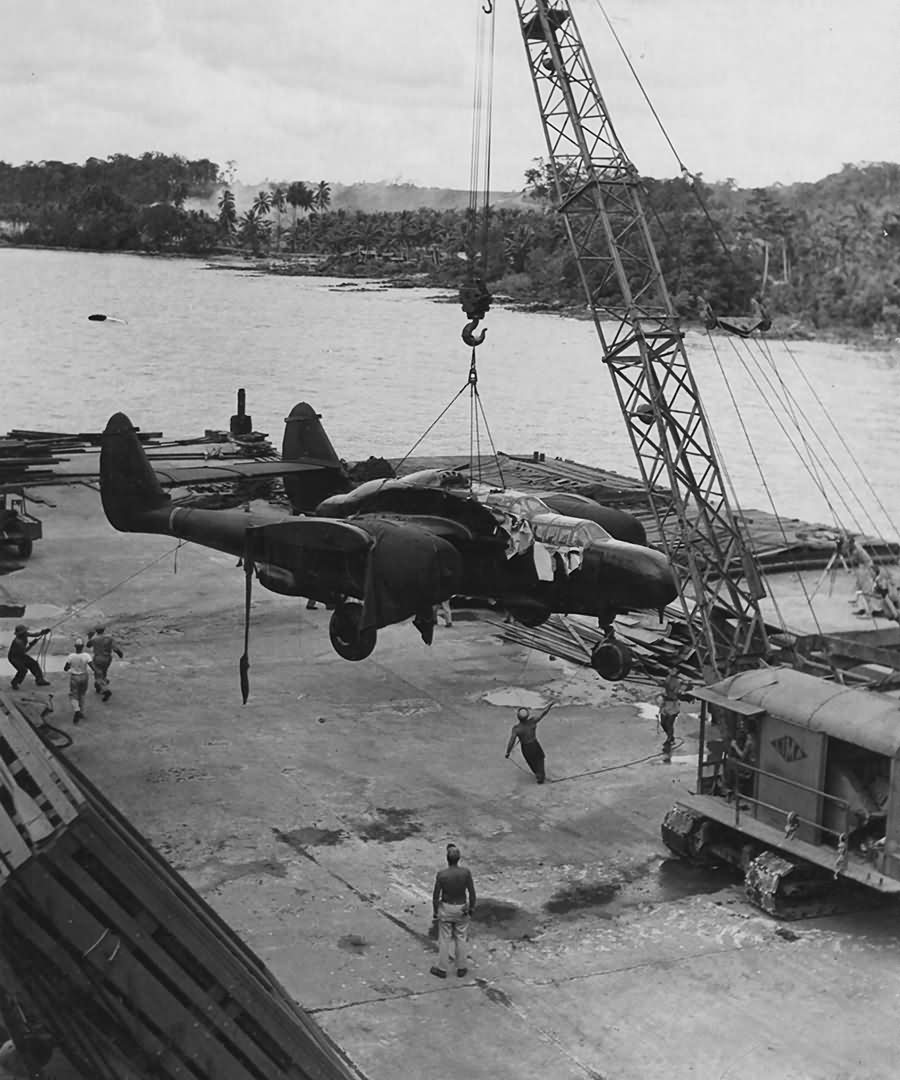
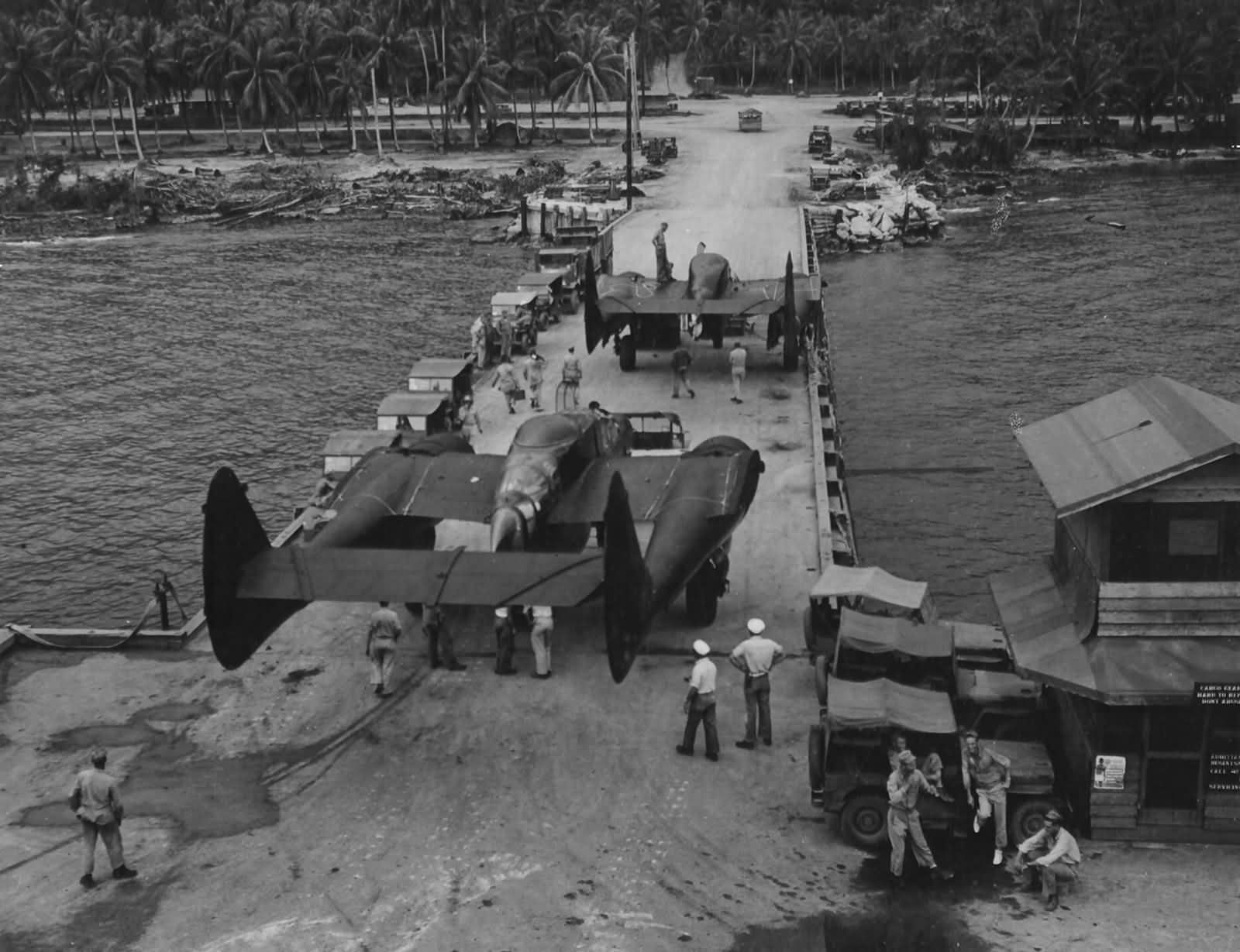
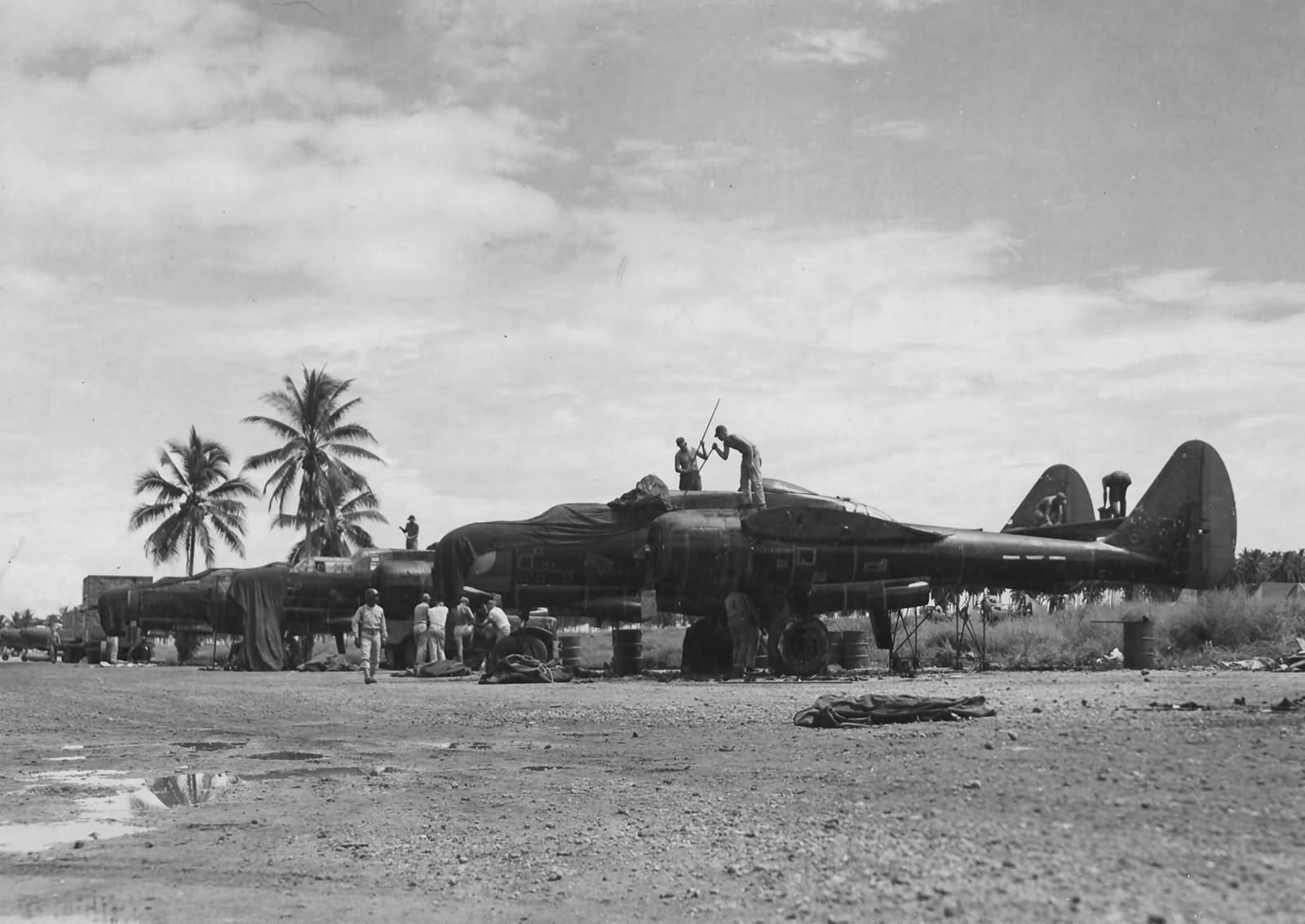
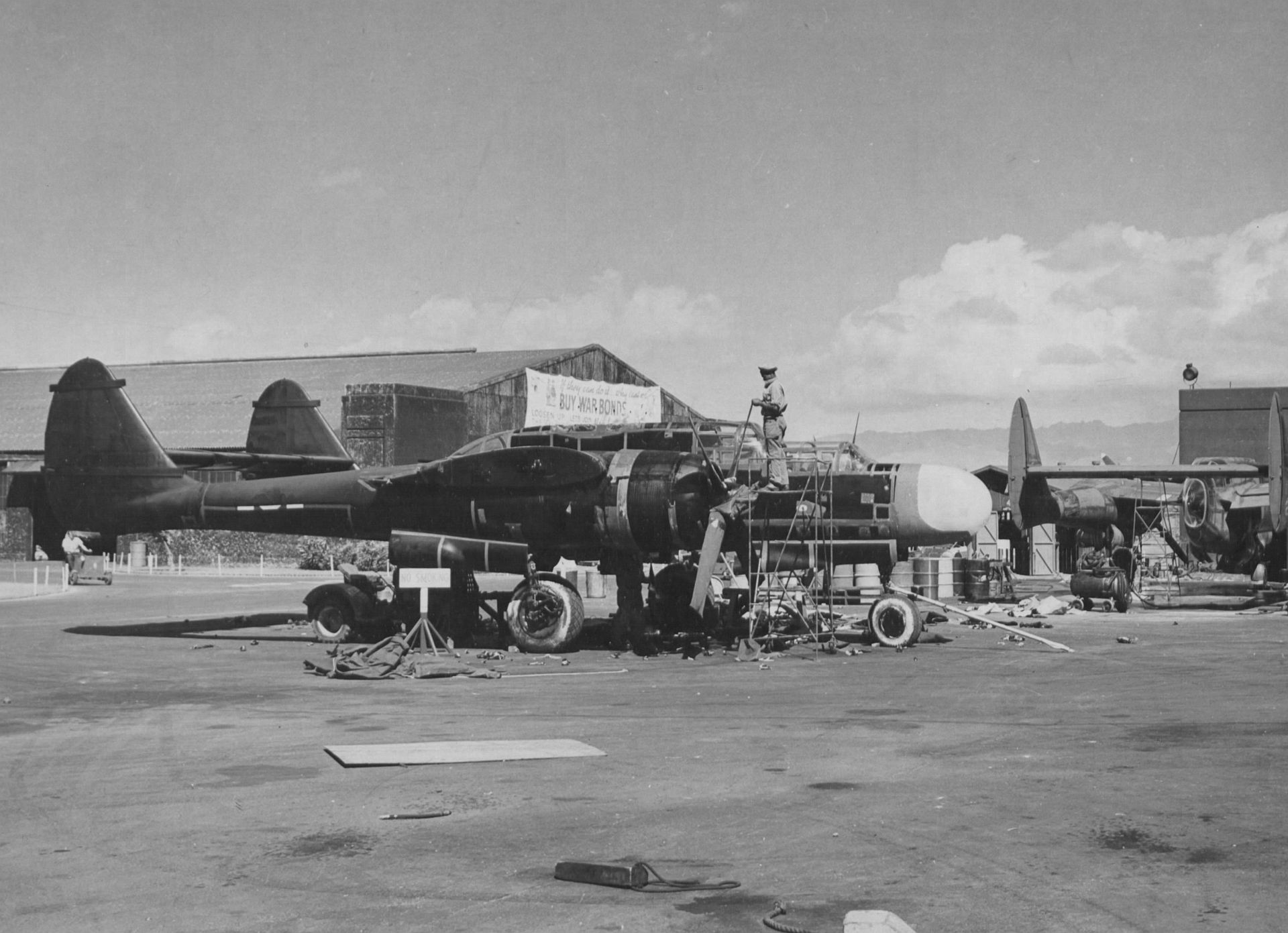
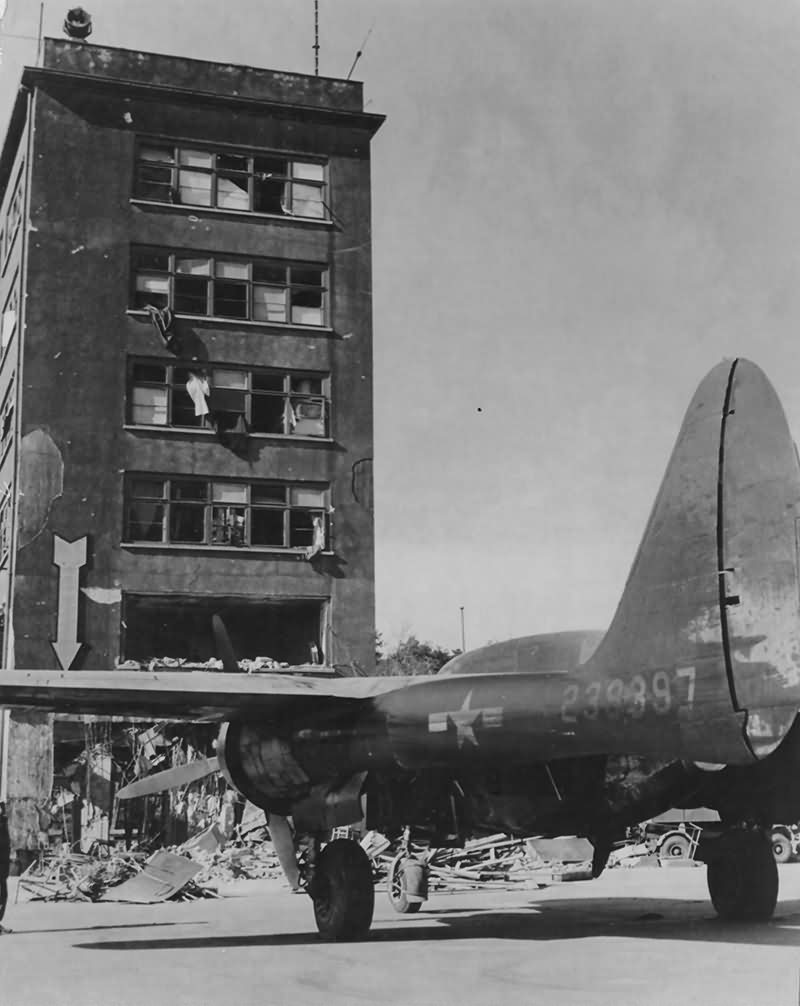
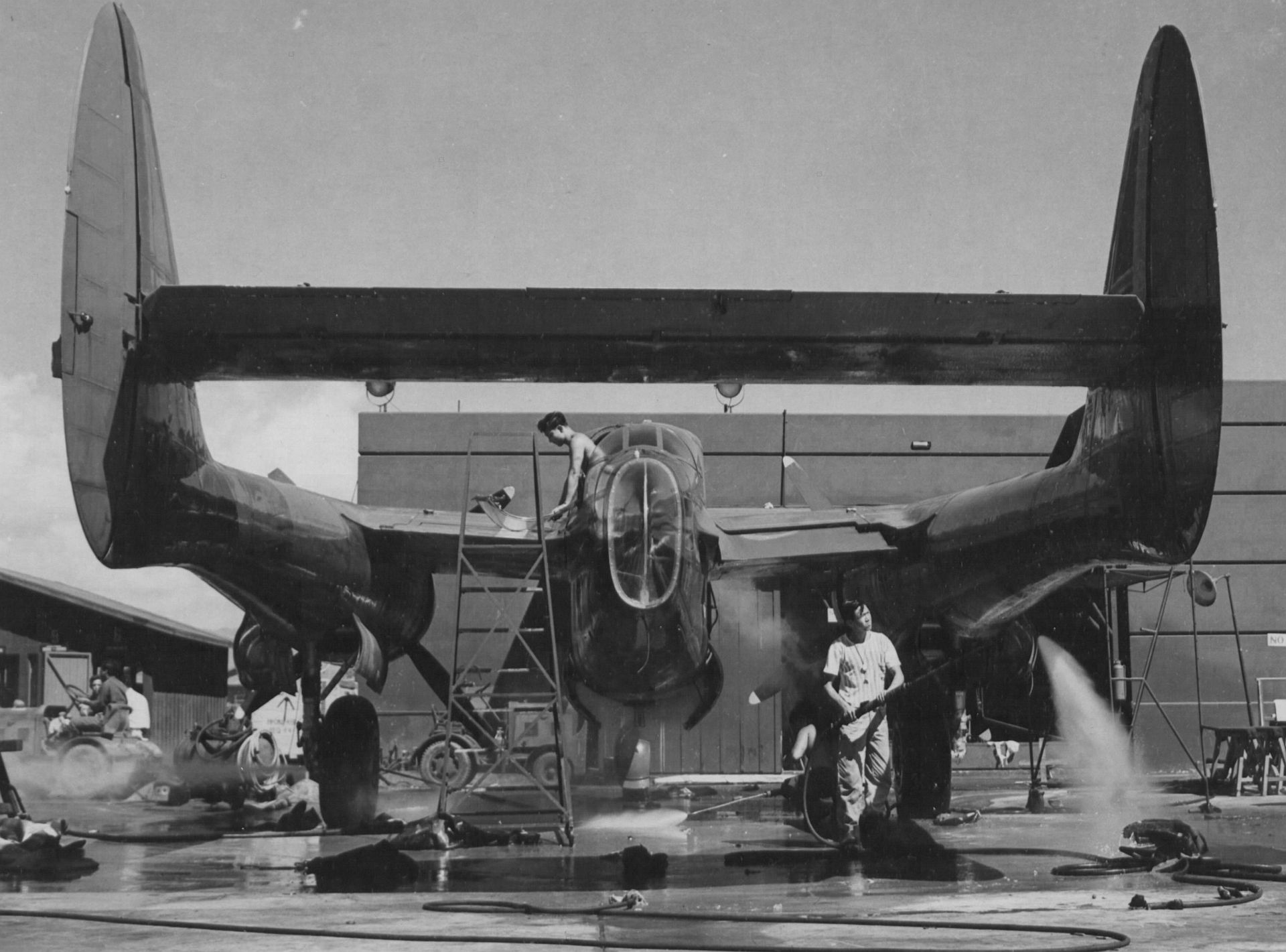
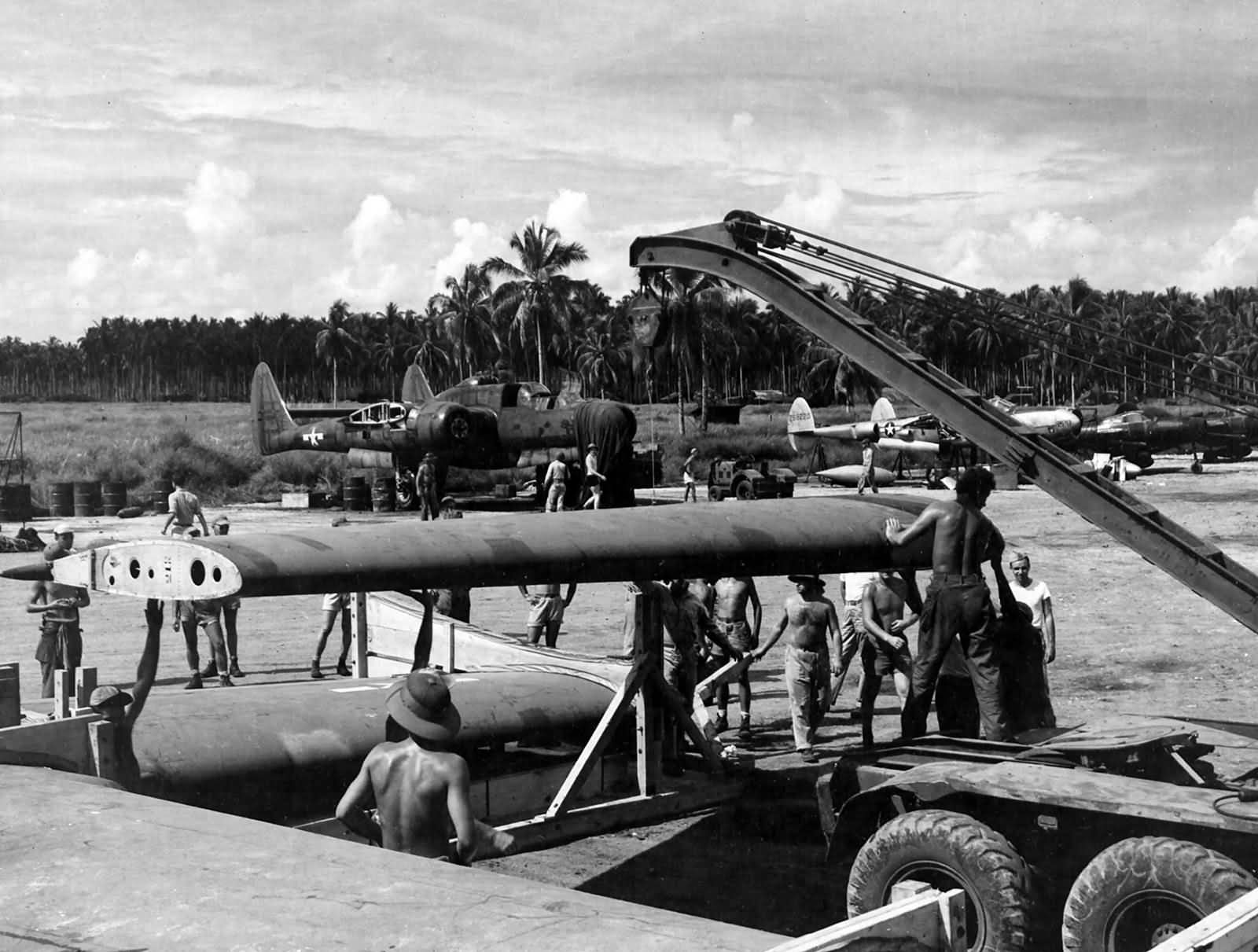
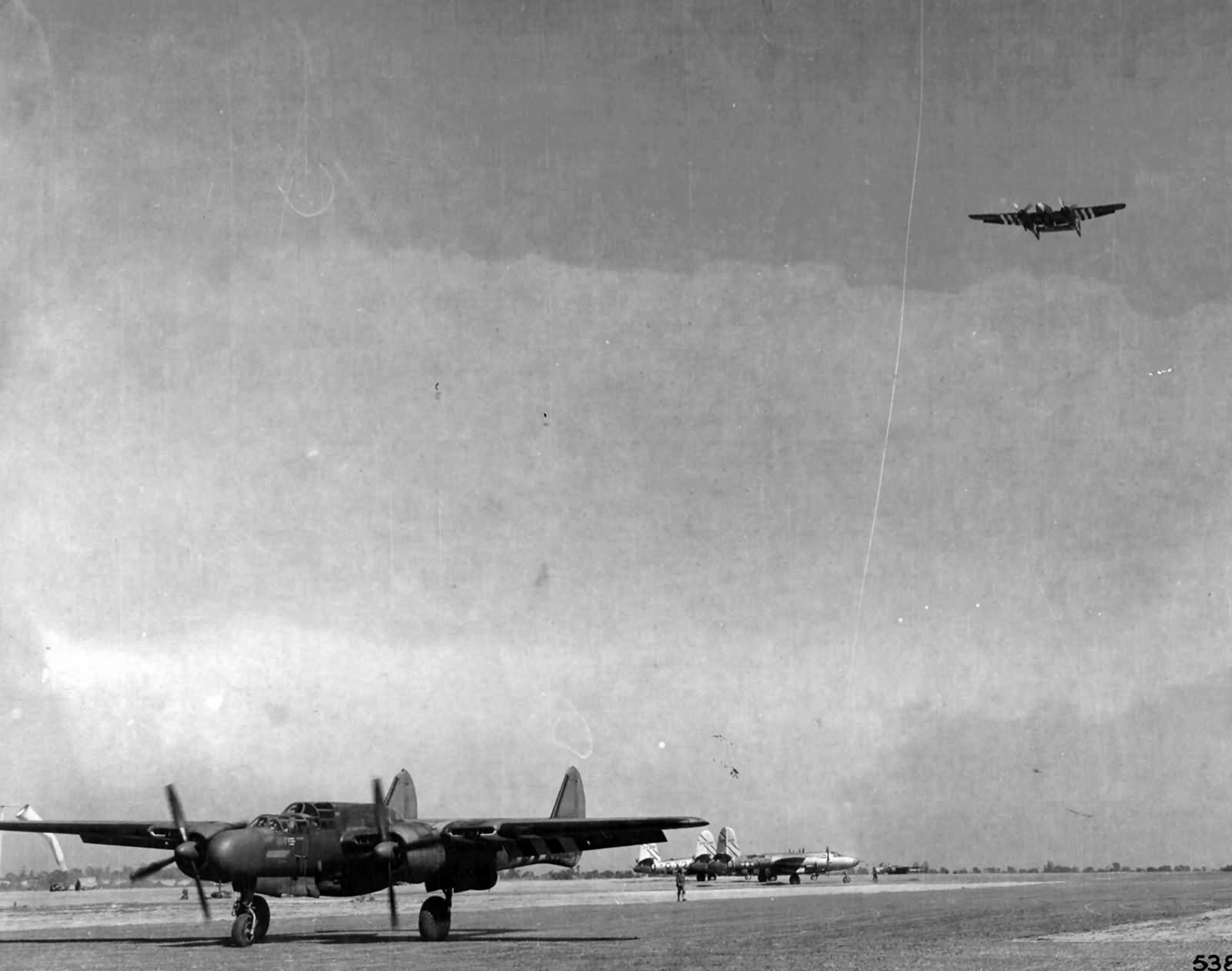
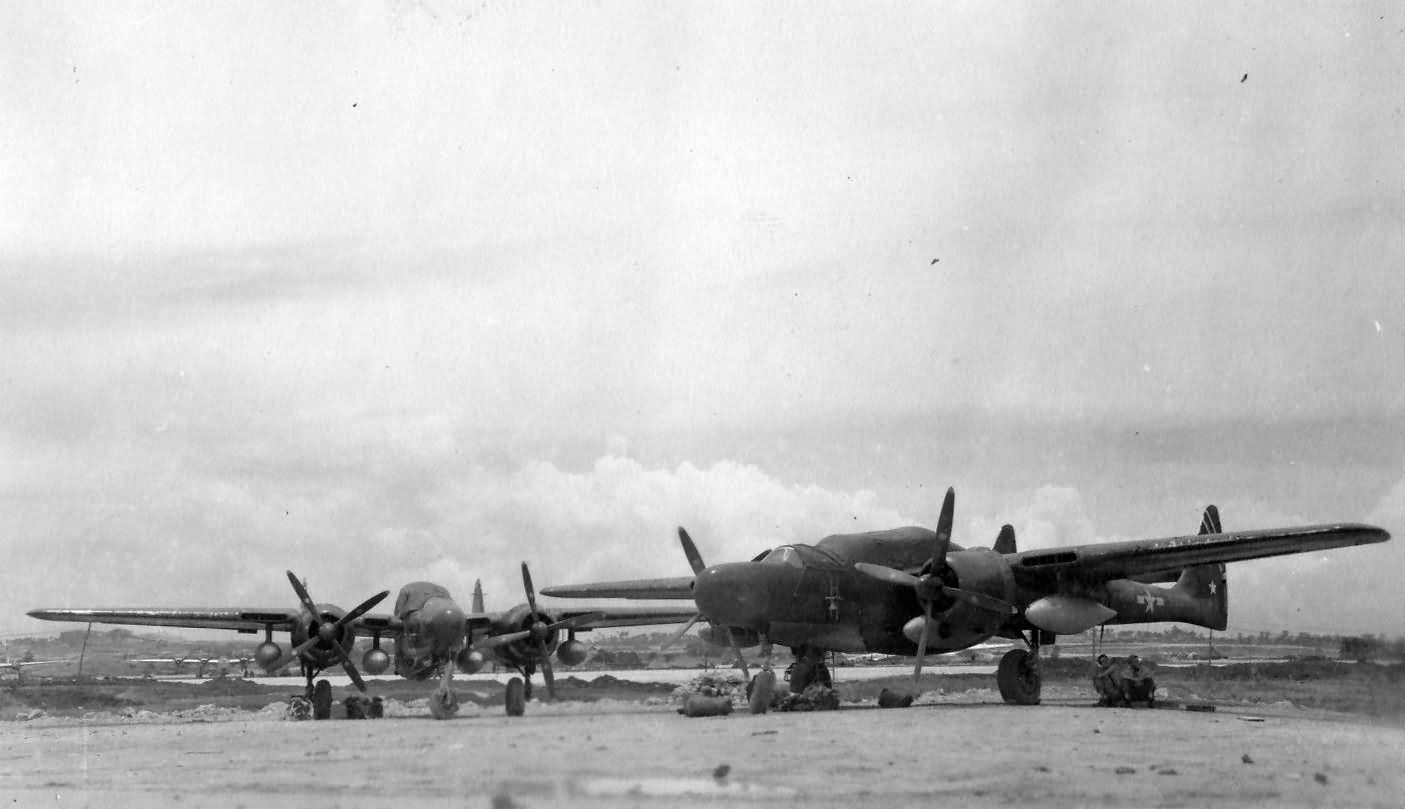
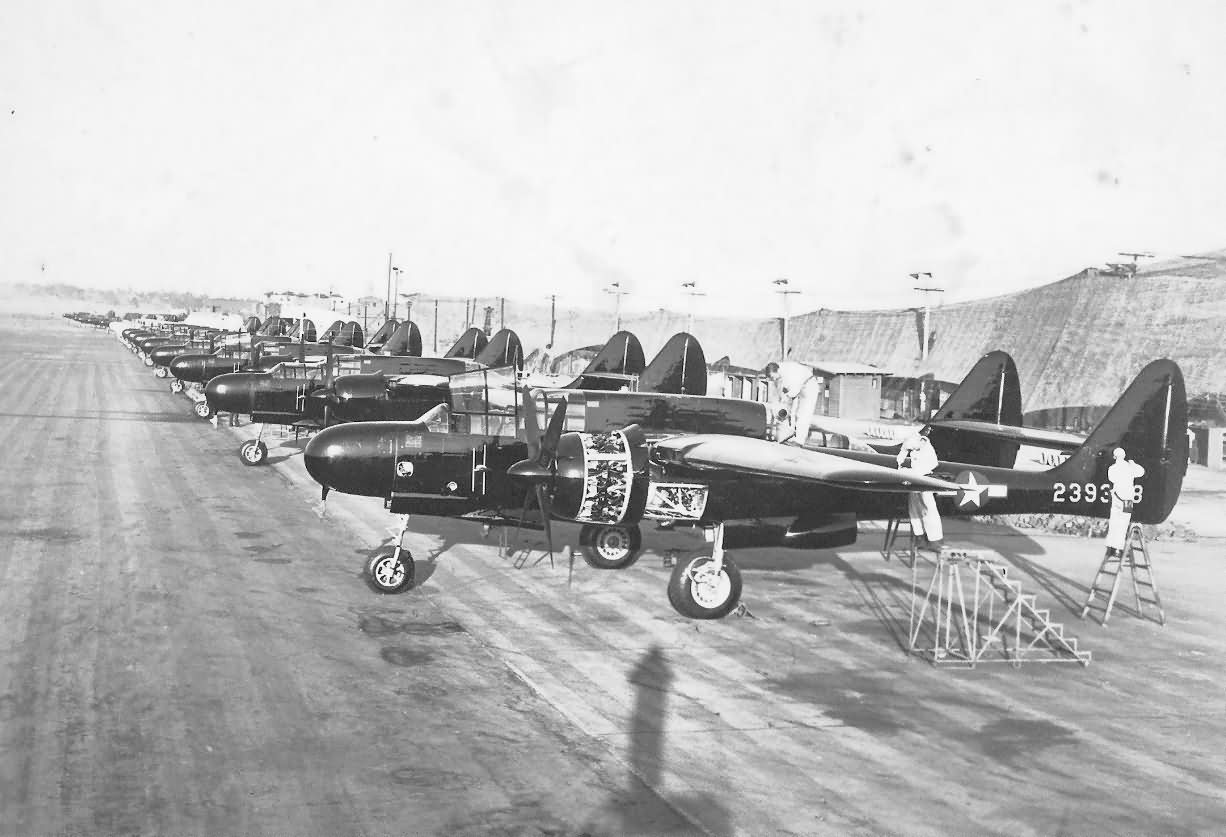
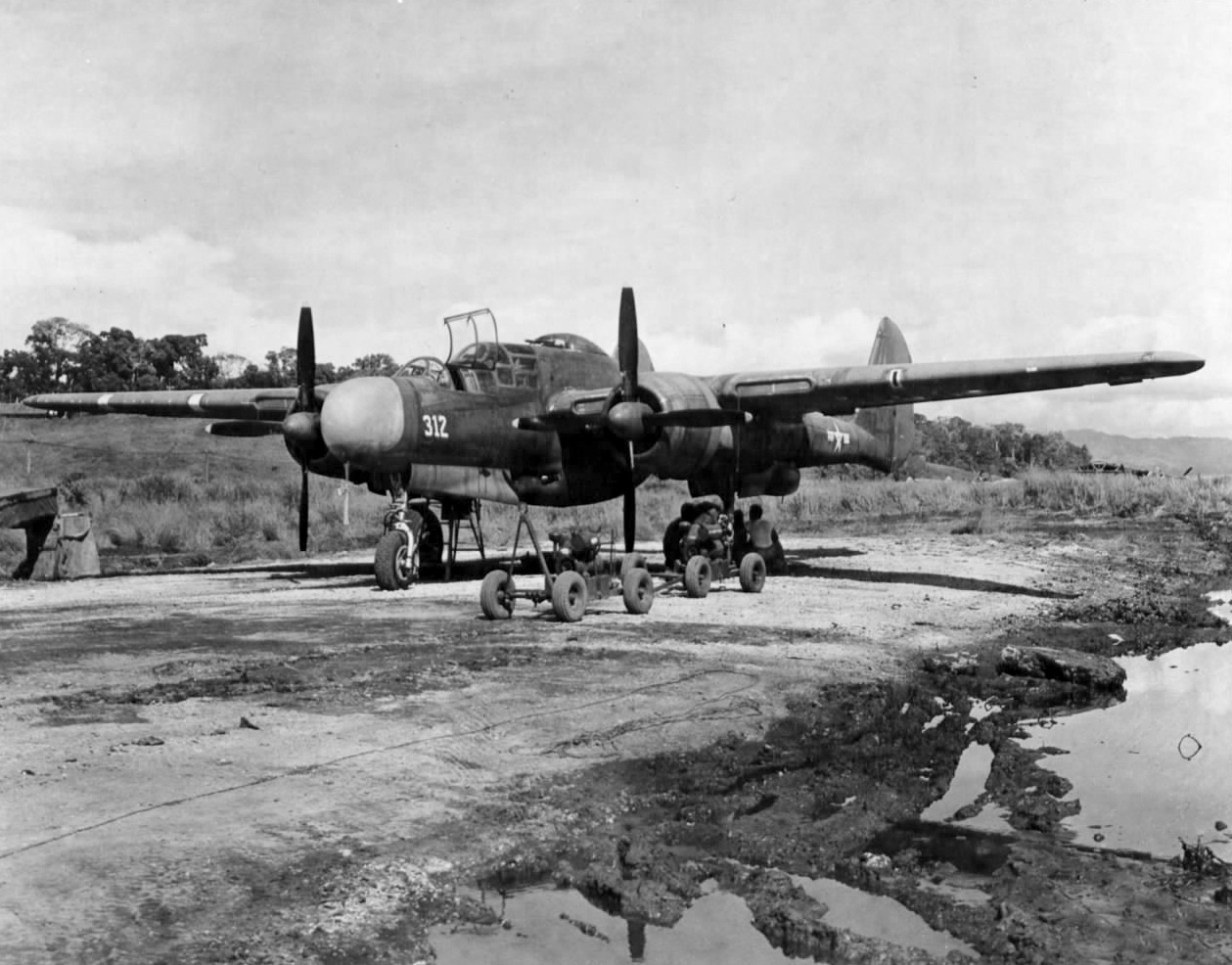
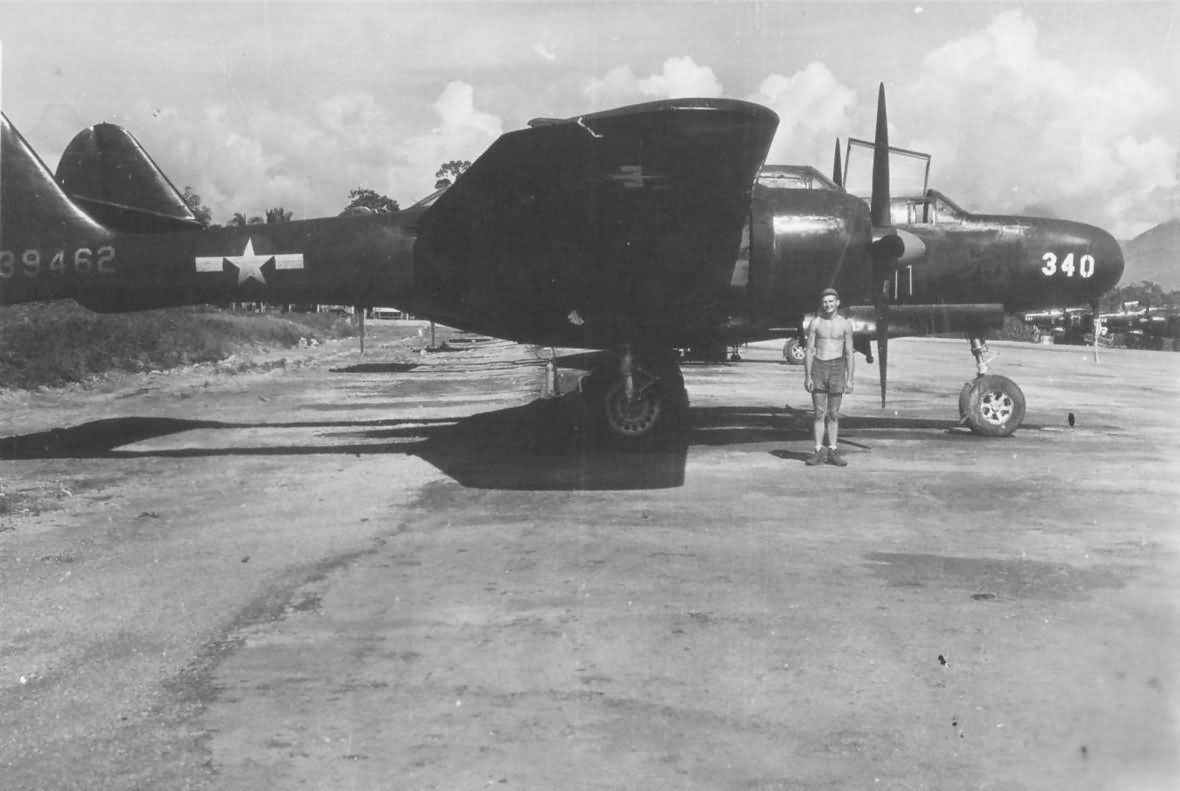
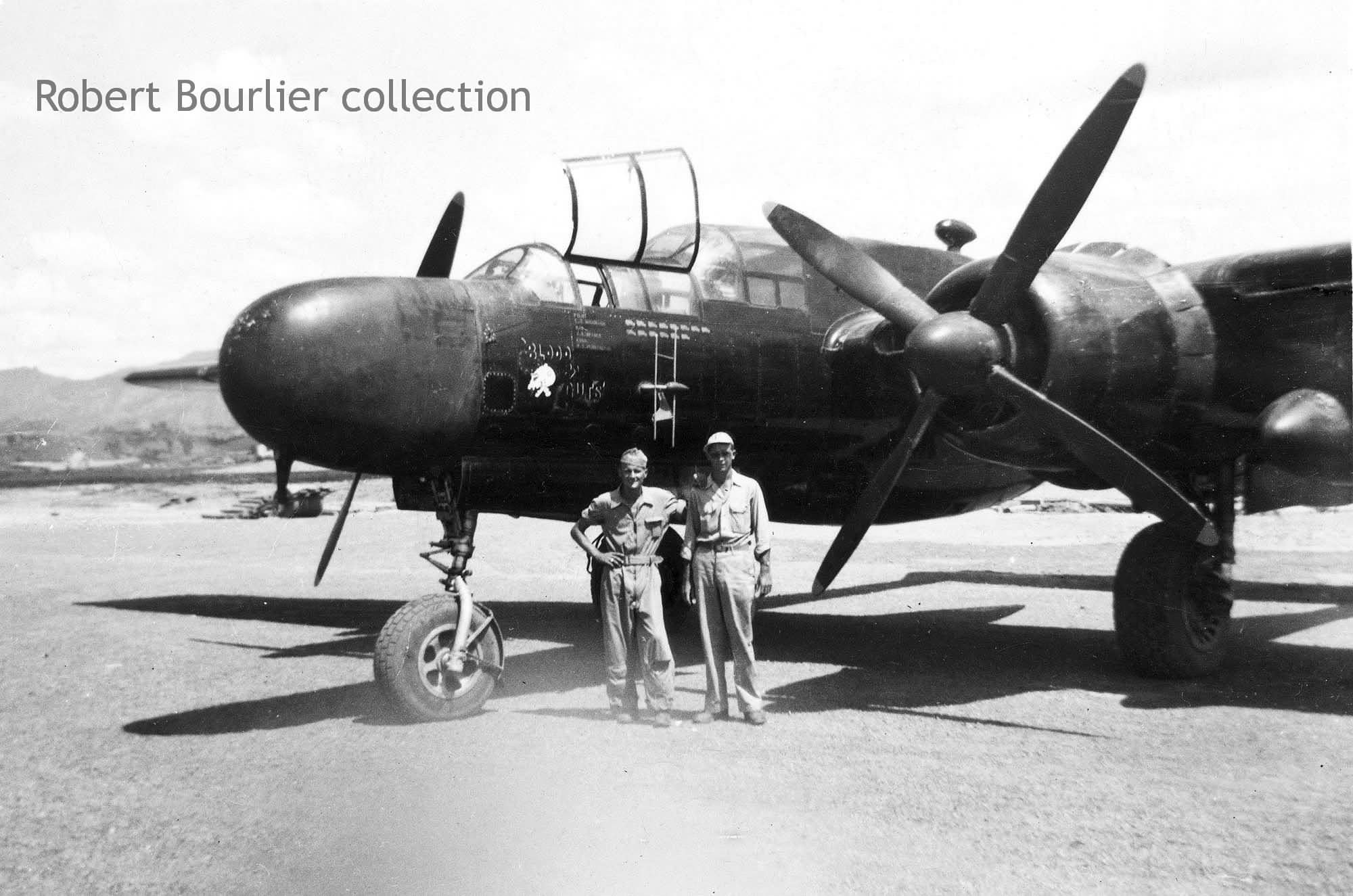
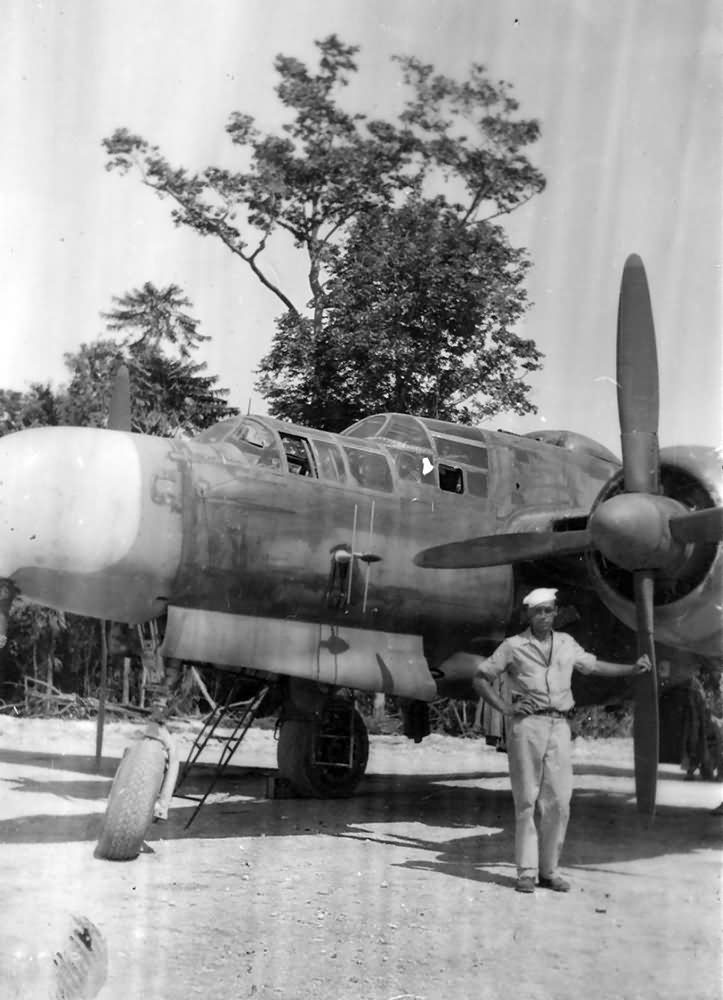
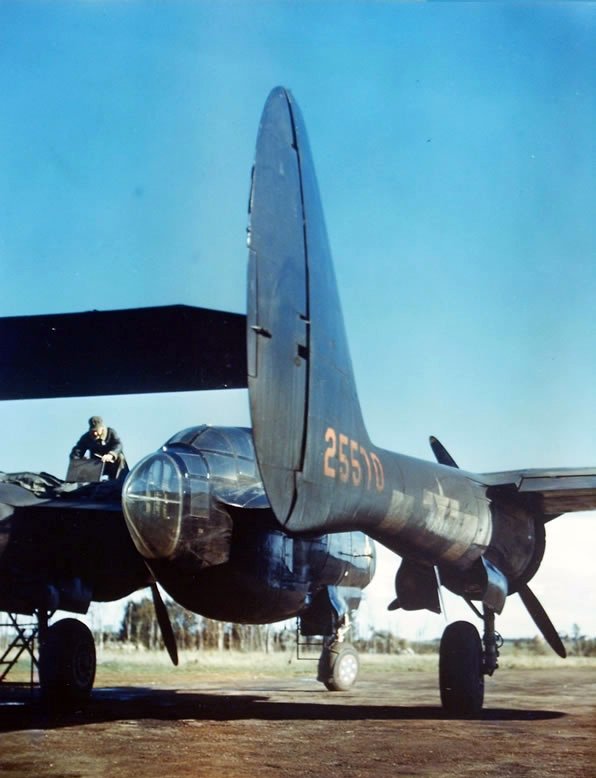
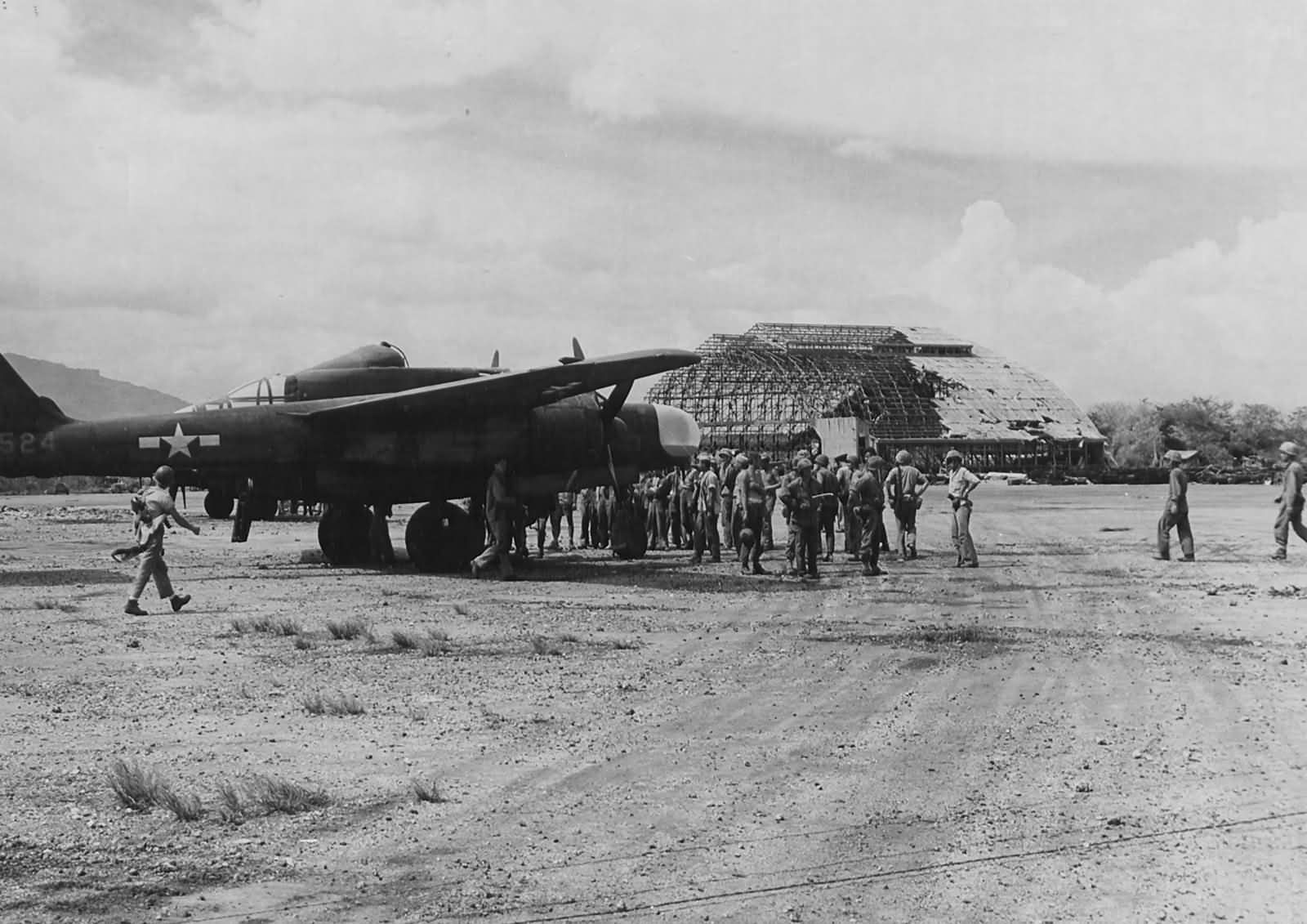
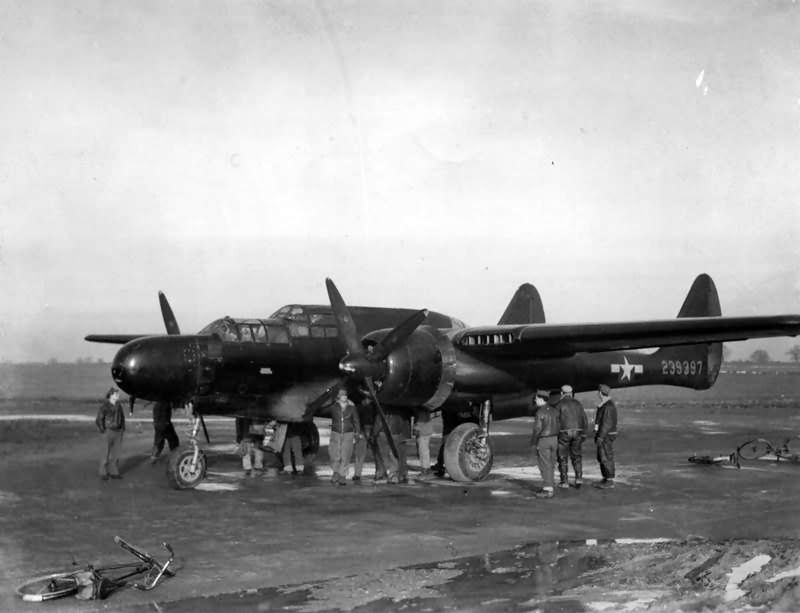
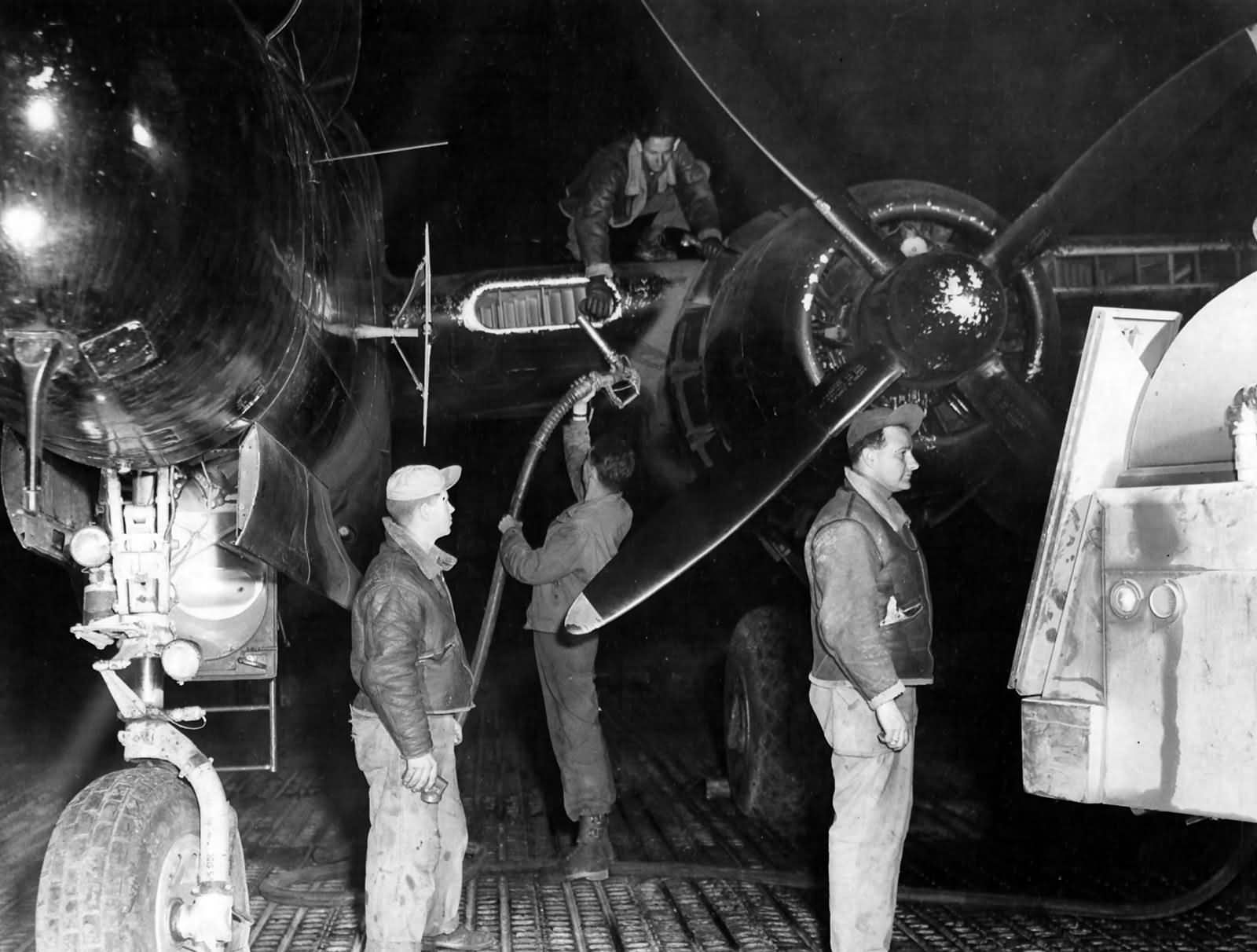
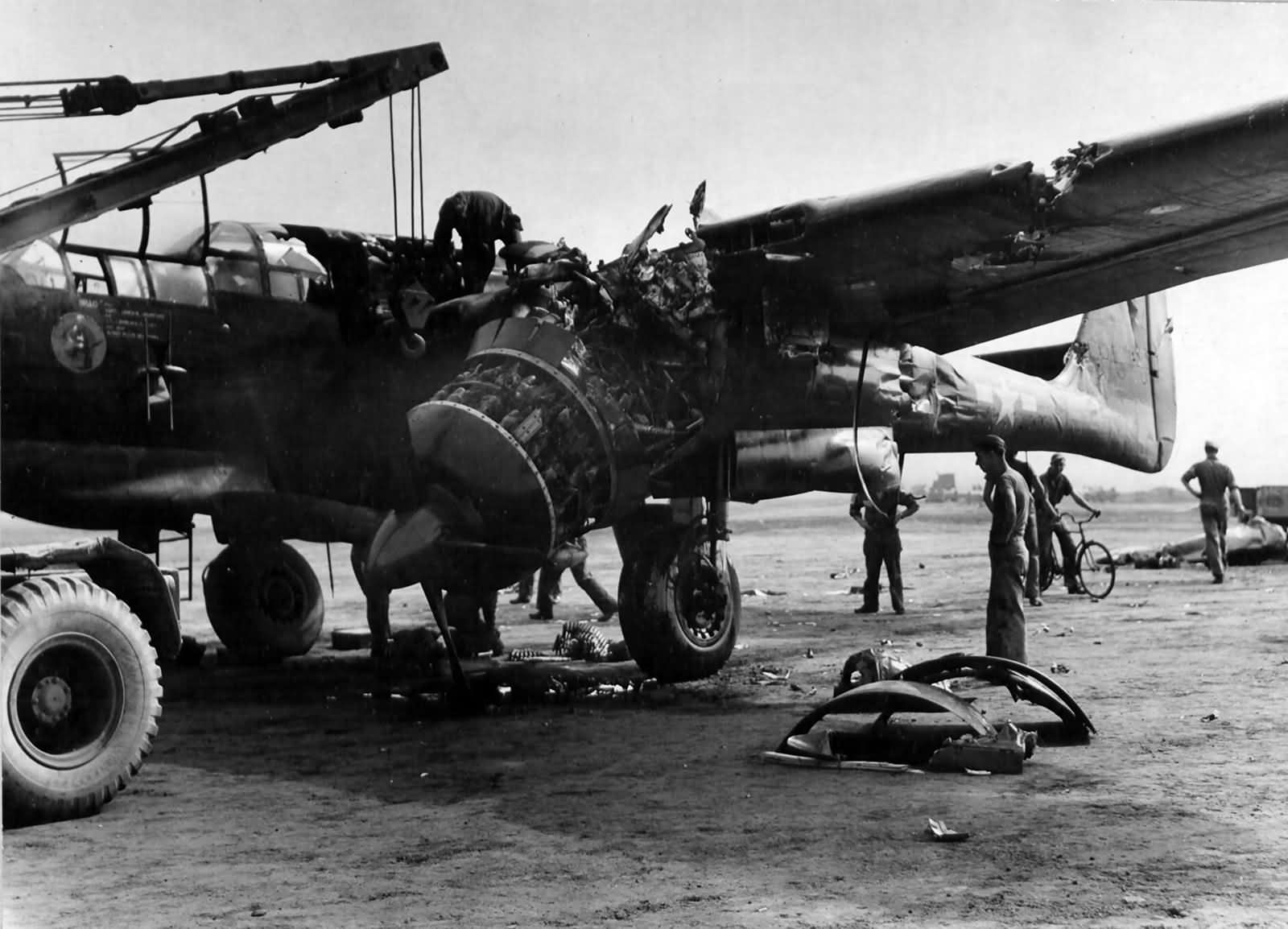
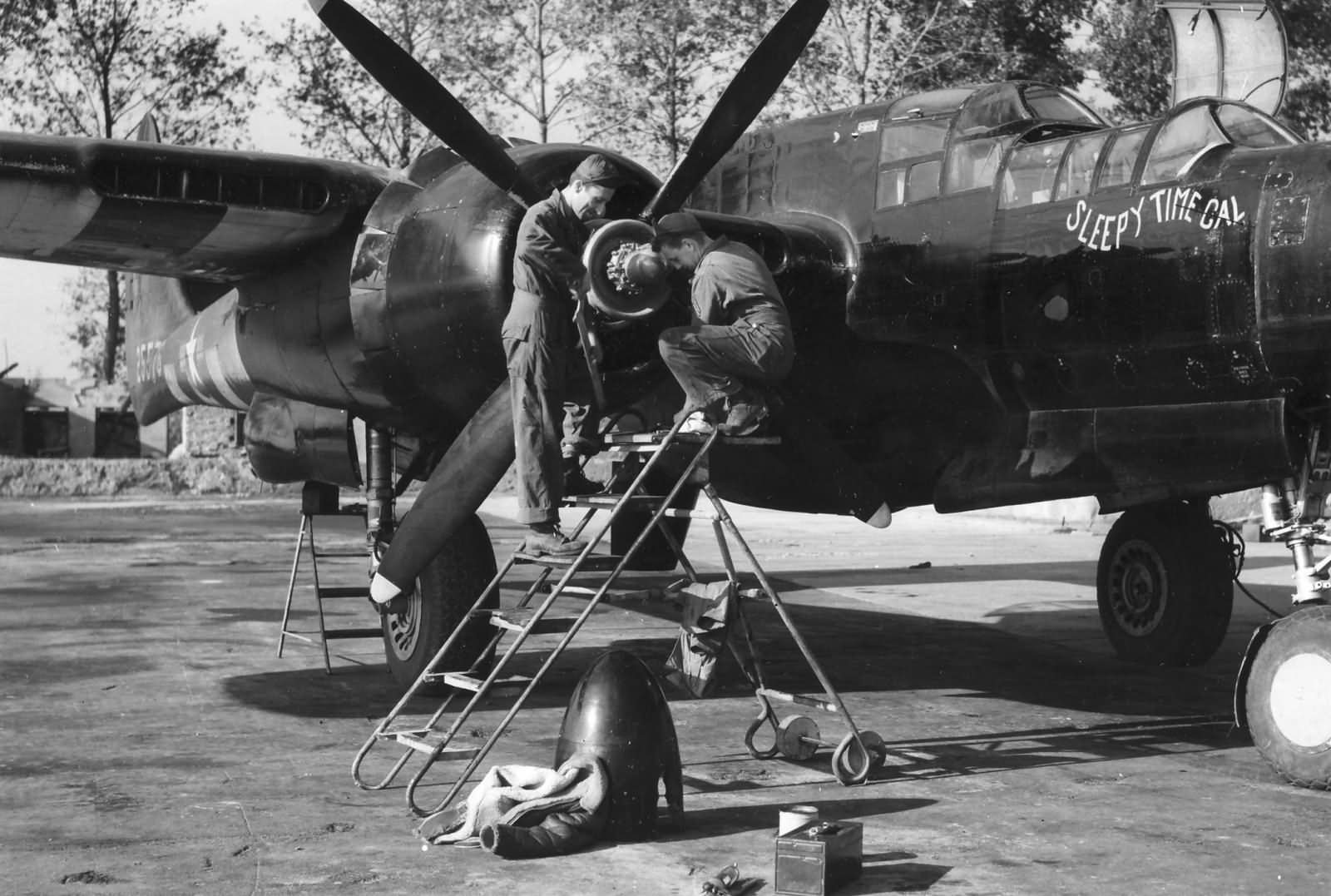
In Europe, the aircraft operated in cold, damp environments. In the Pacific, it faced heat, humidity, and rough airstrips. These conditions had a visible effect on the aircraft’s finish.
One of the most important observations for modelers is this:
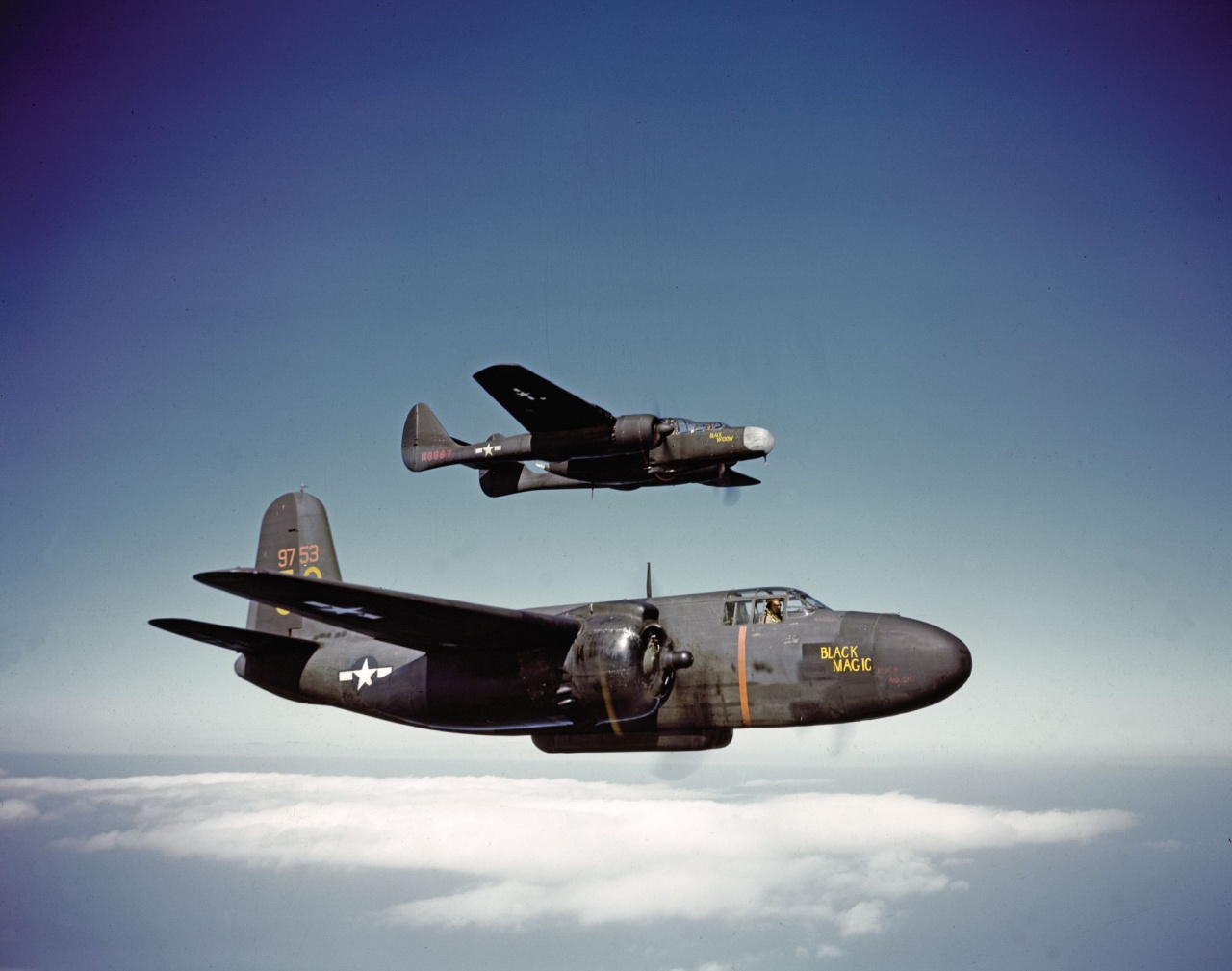
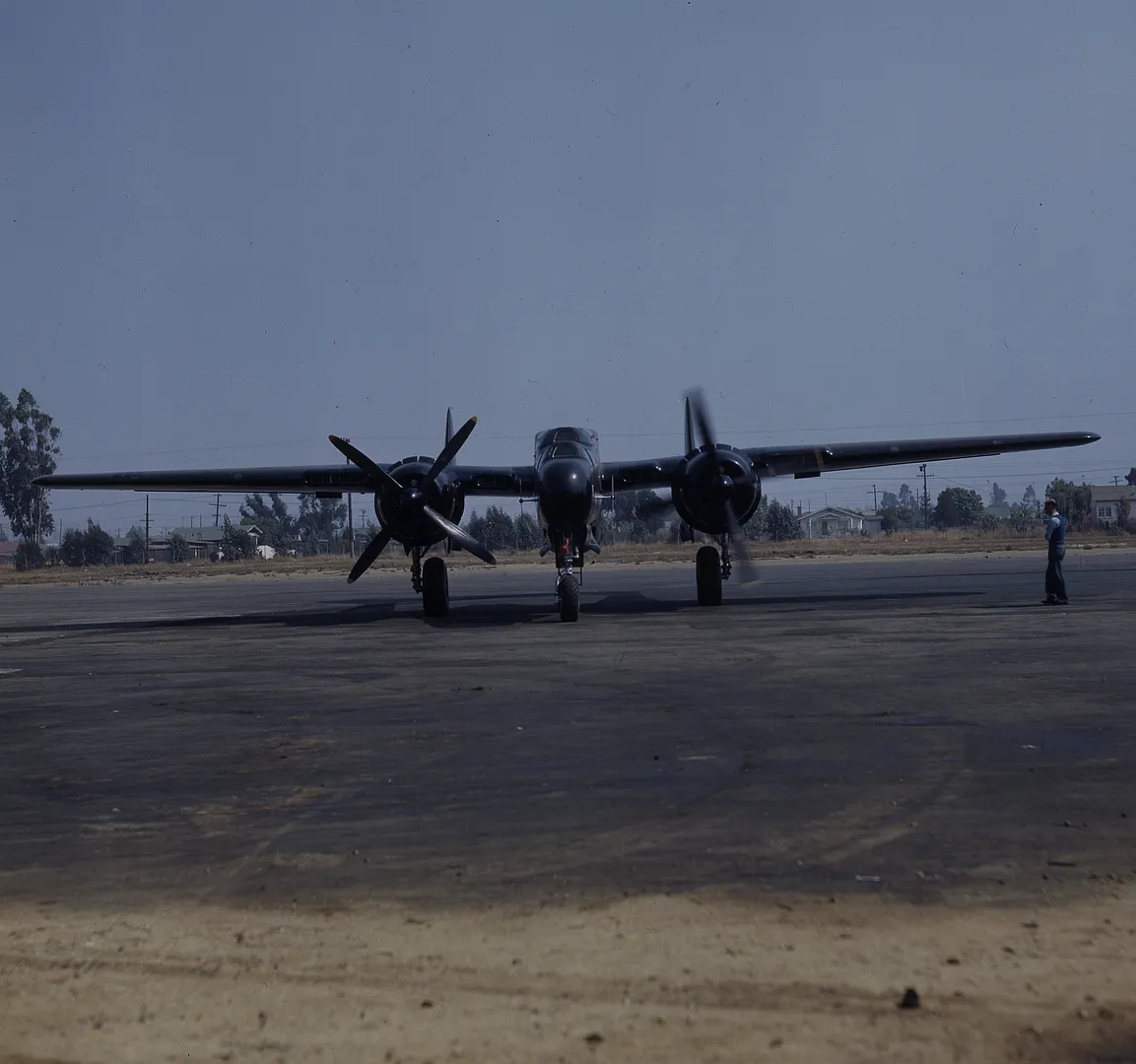
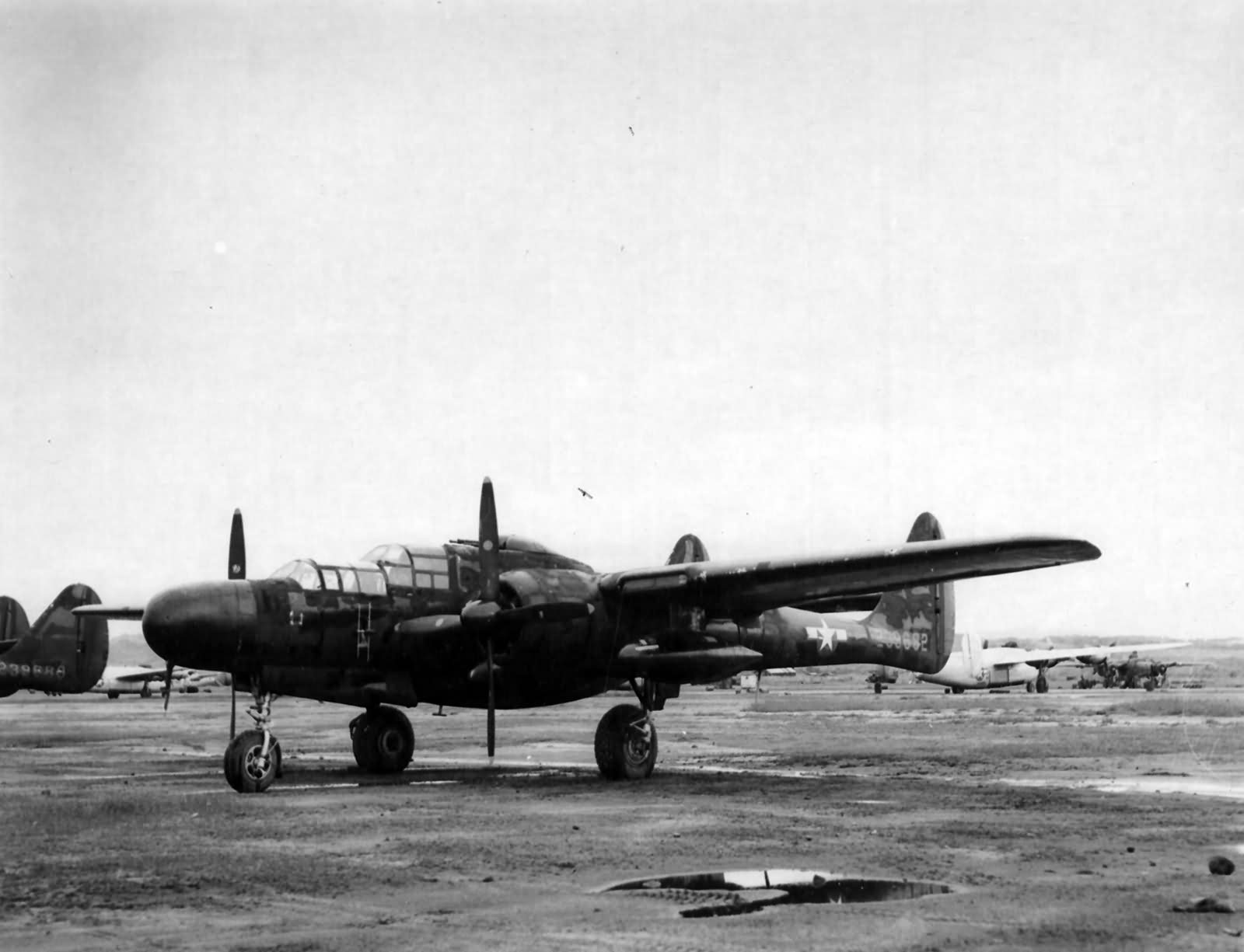
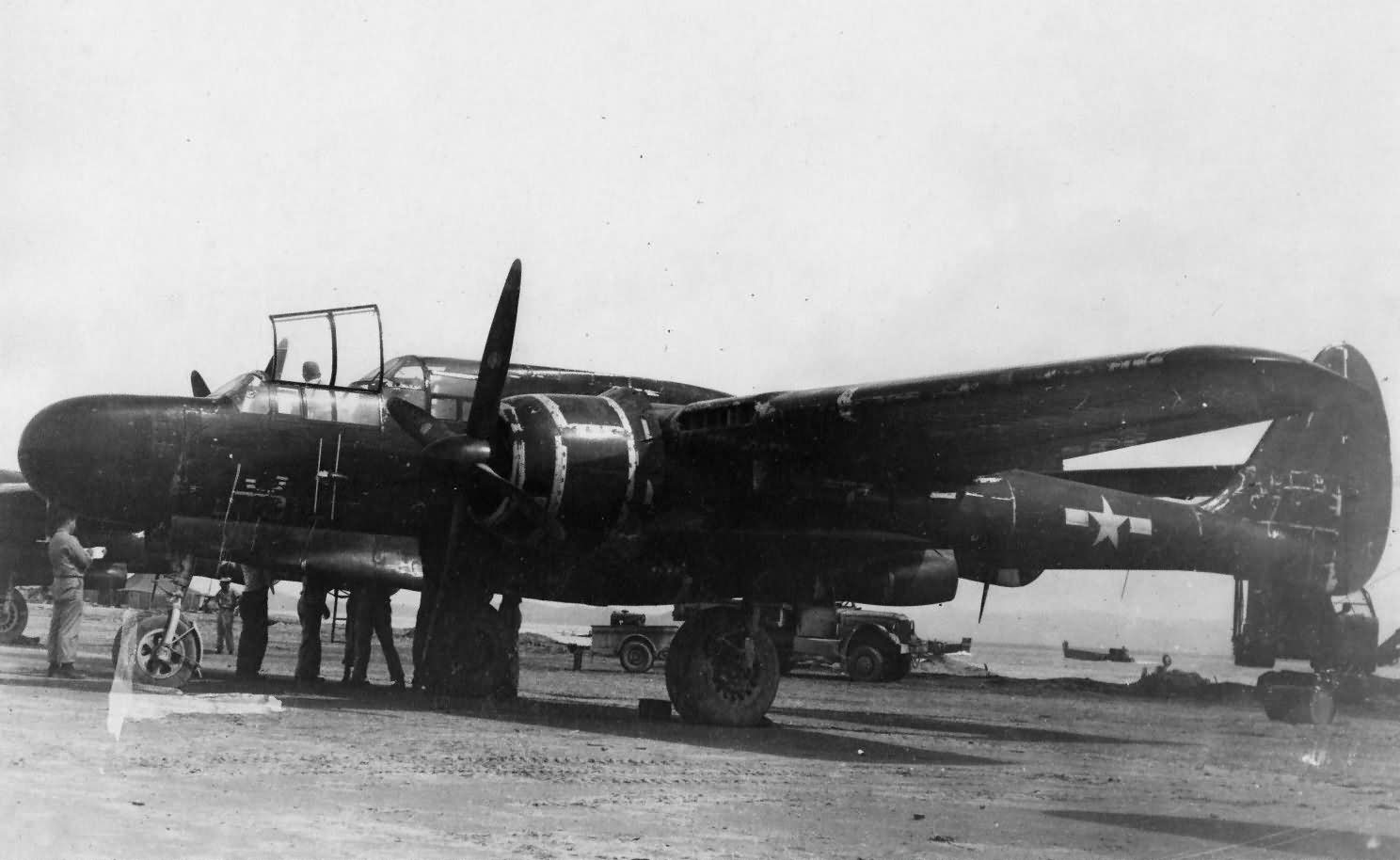
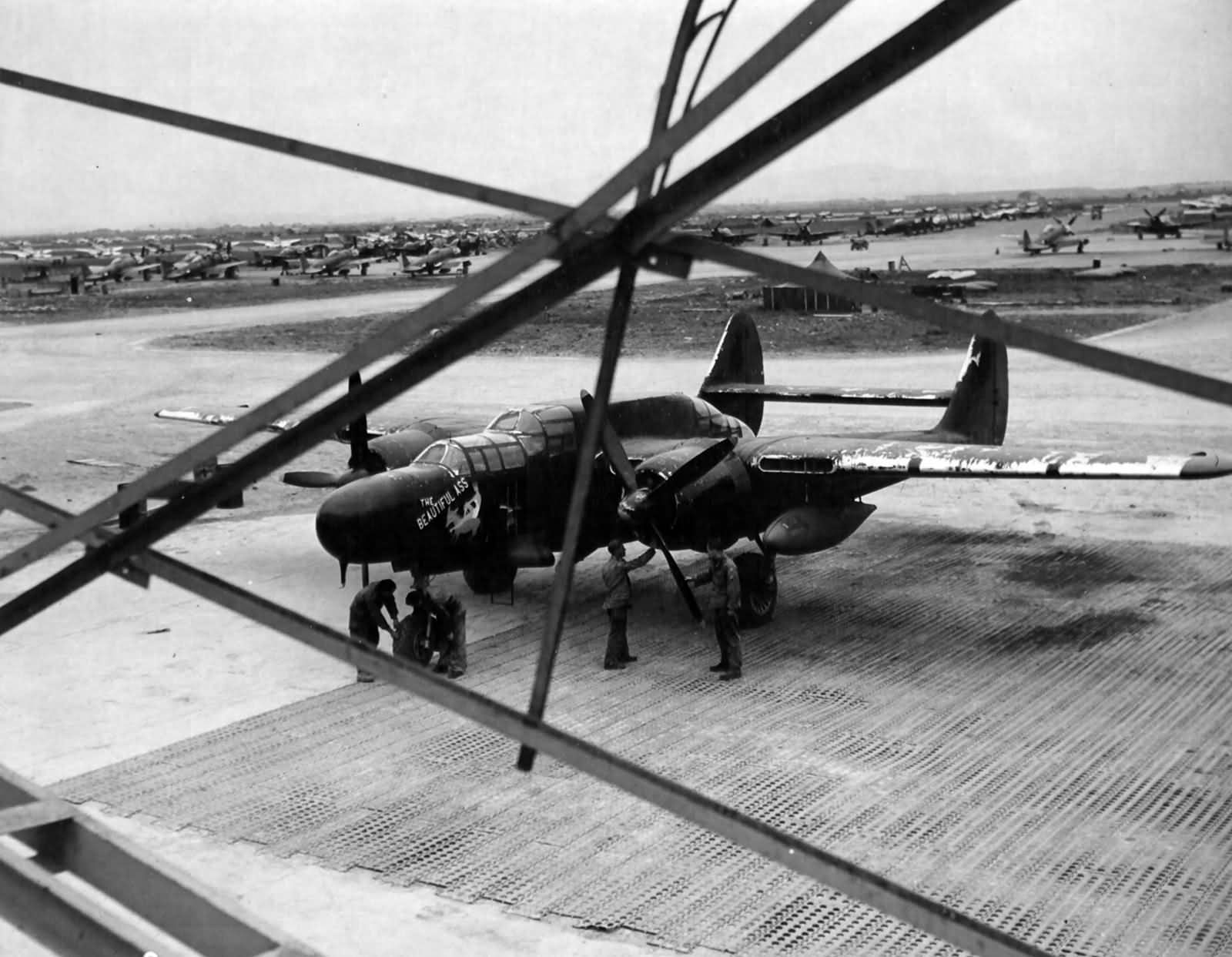
The black paint did not remain intact.
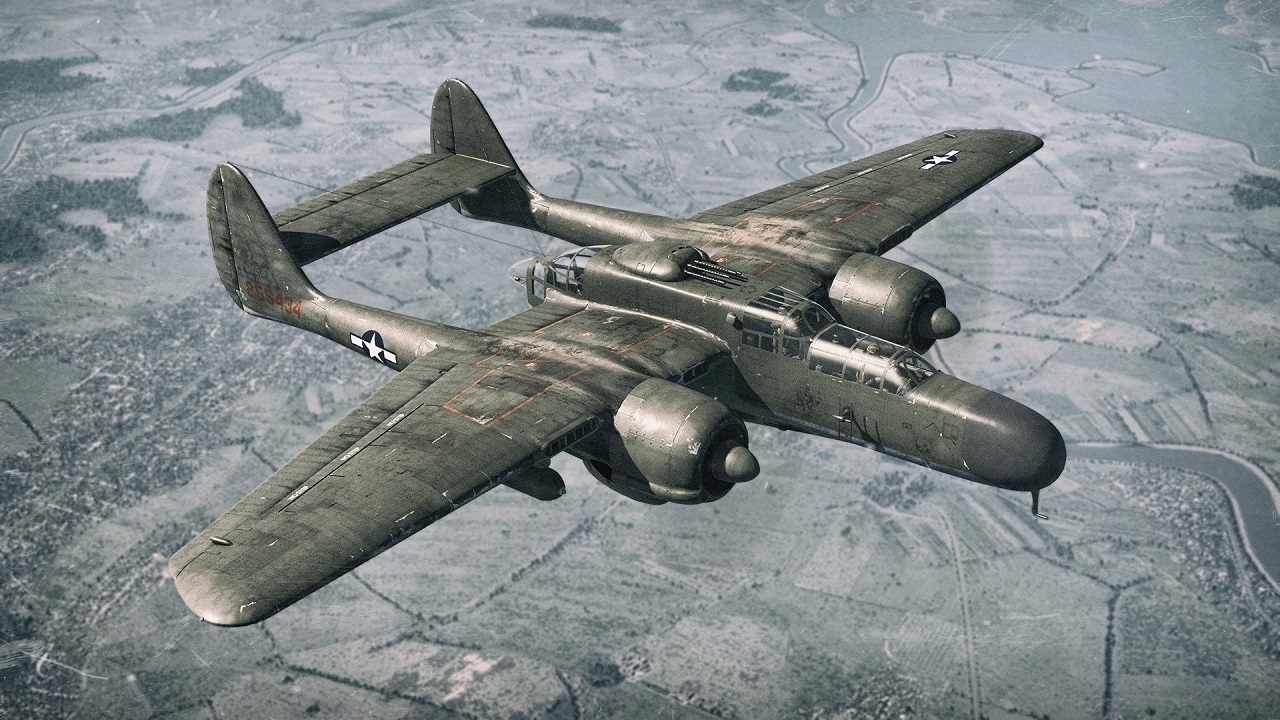
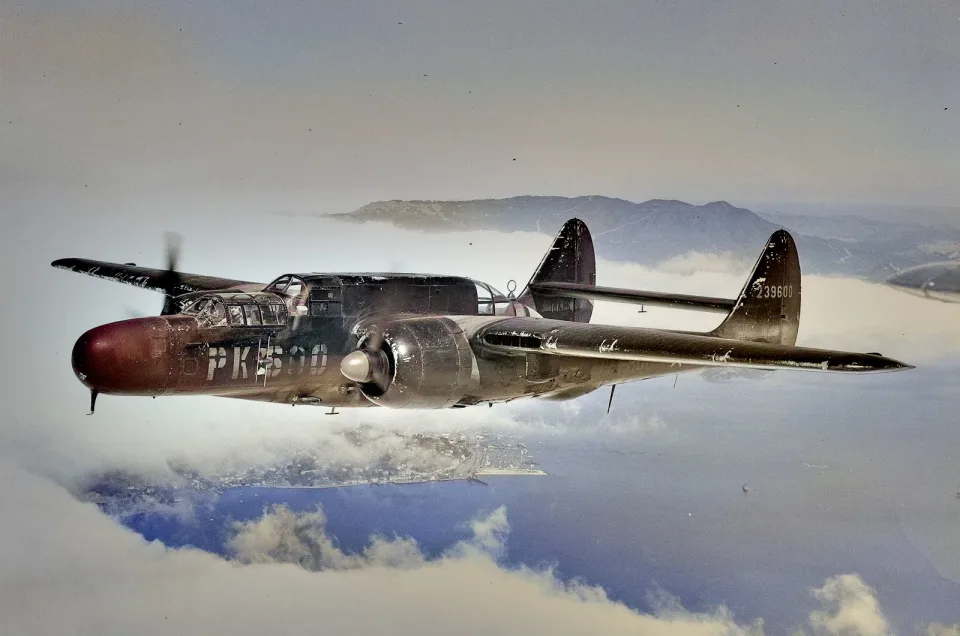
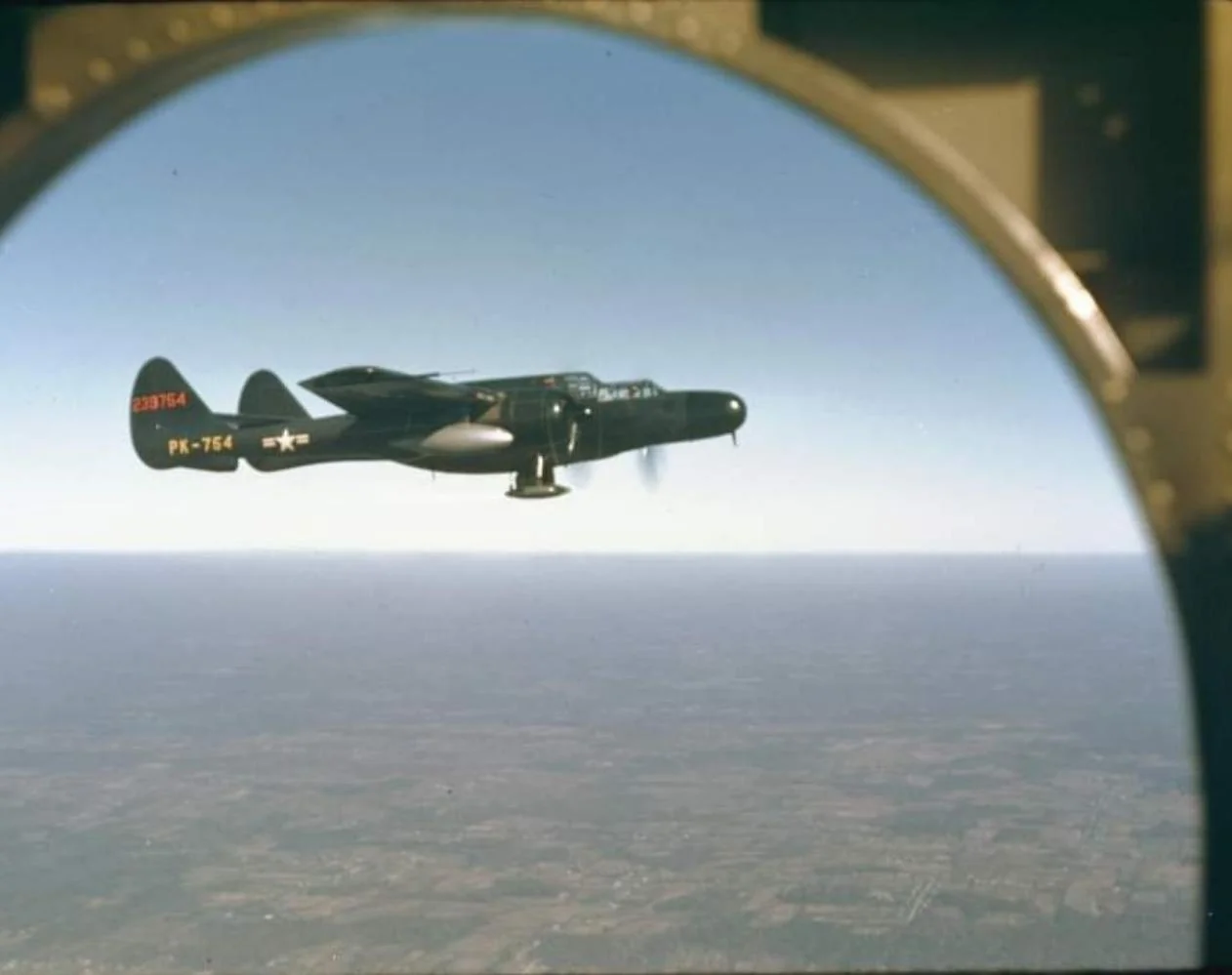
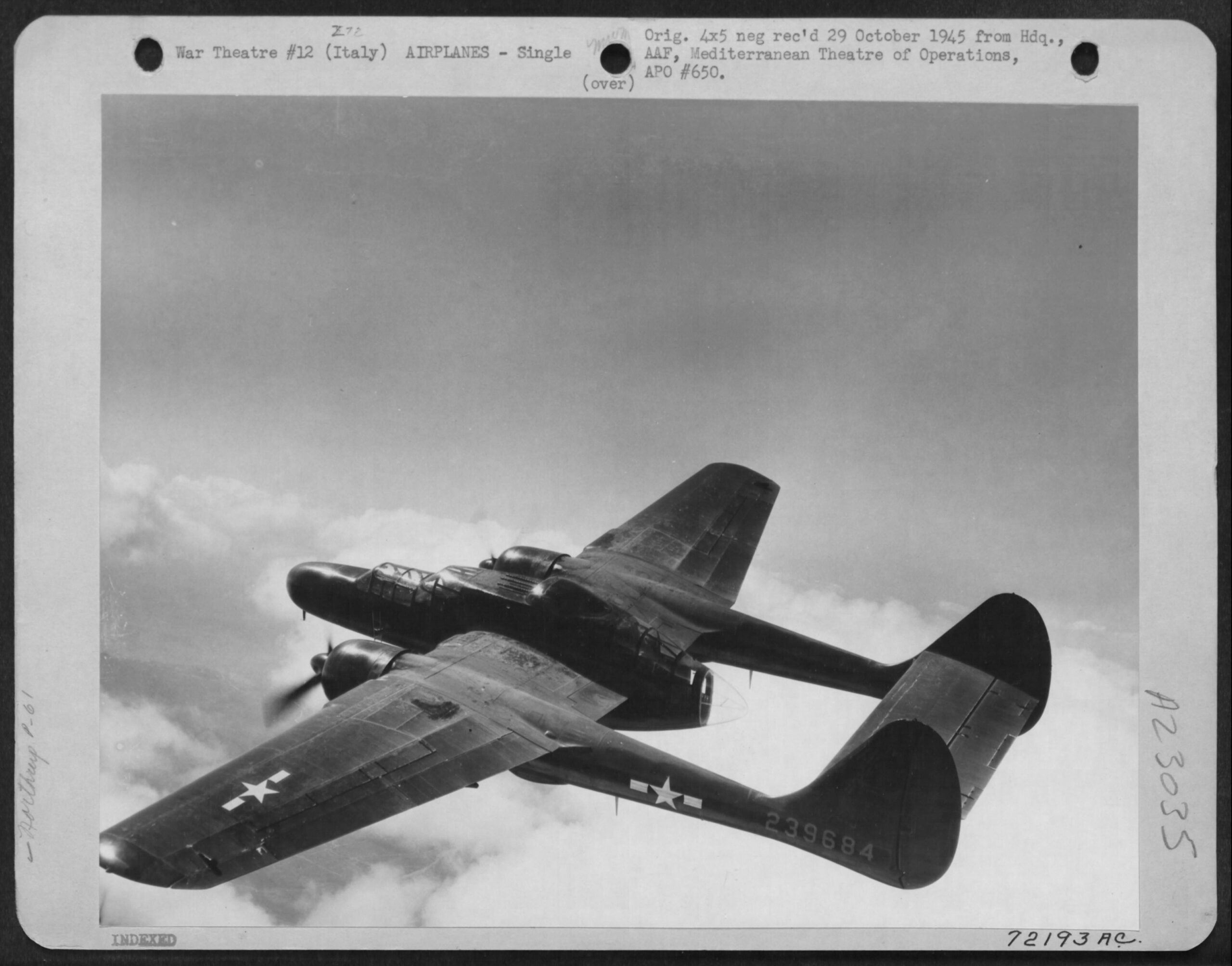
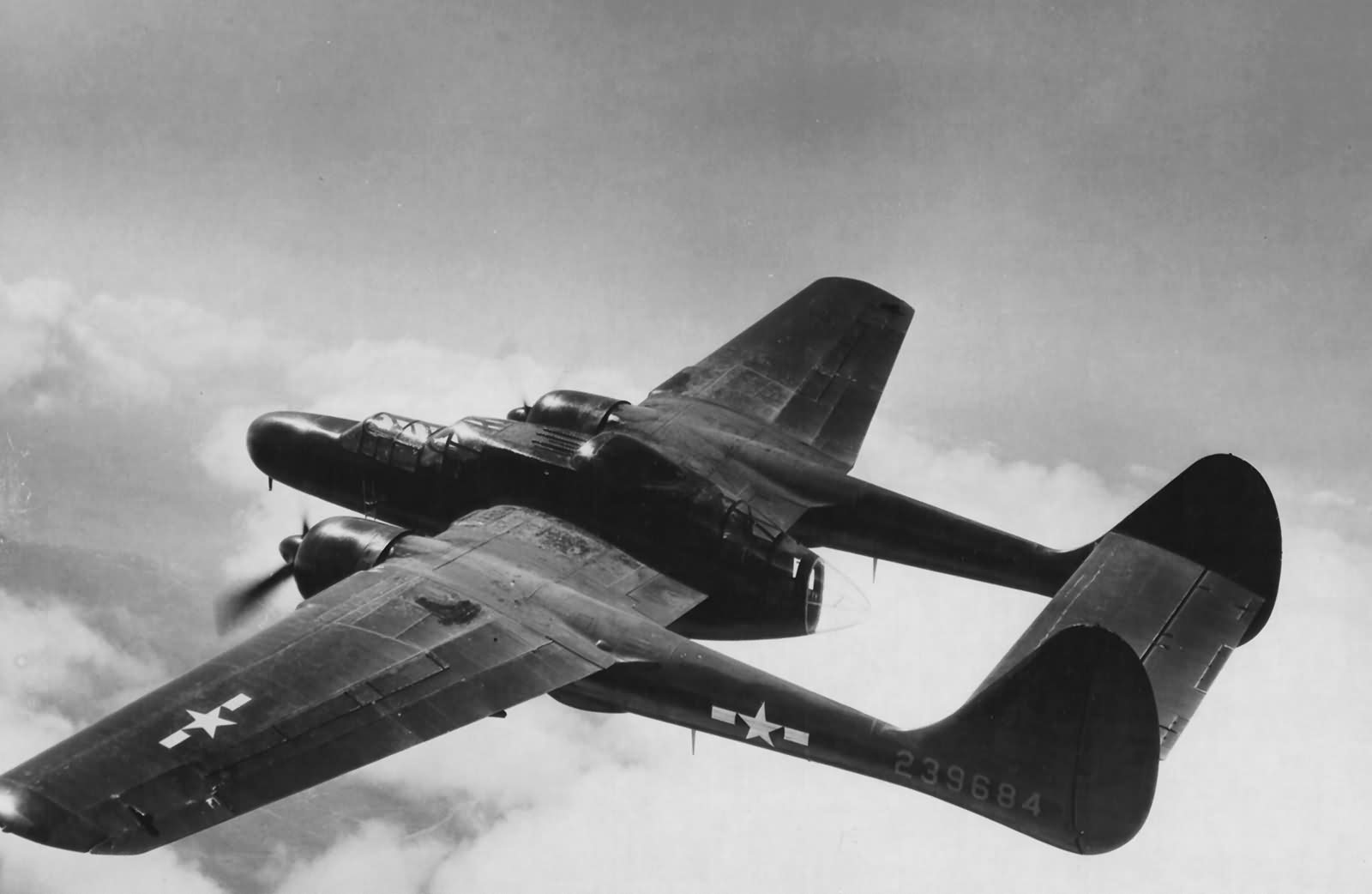
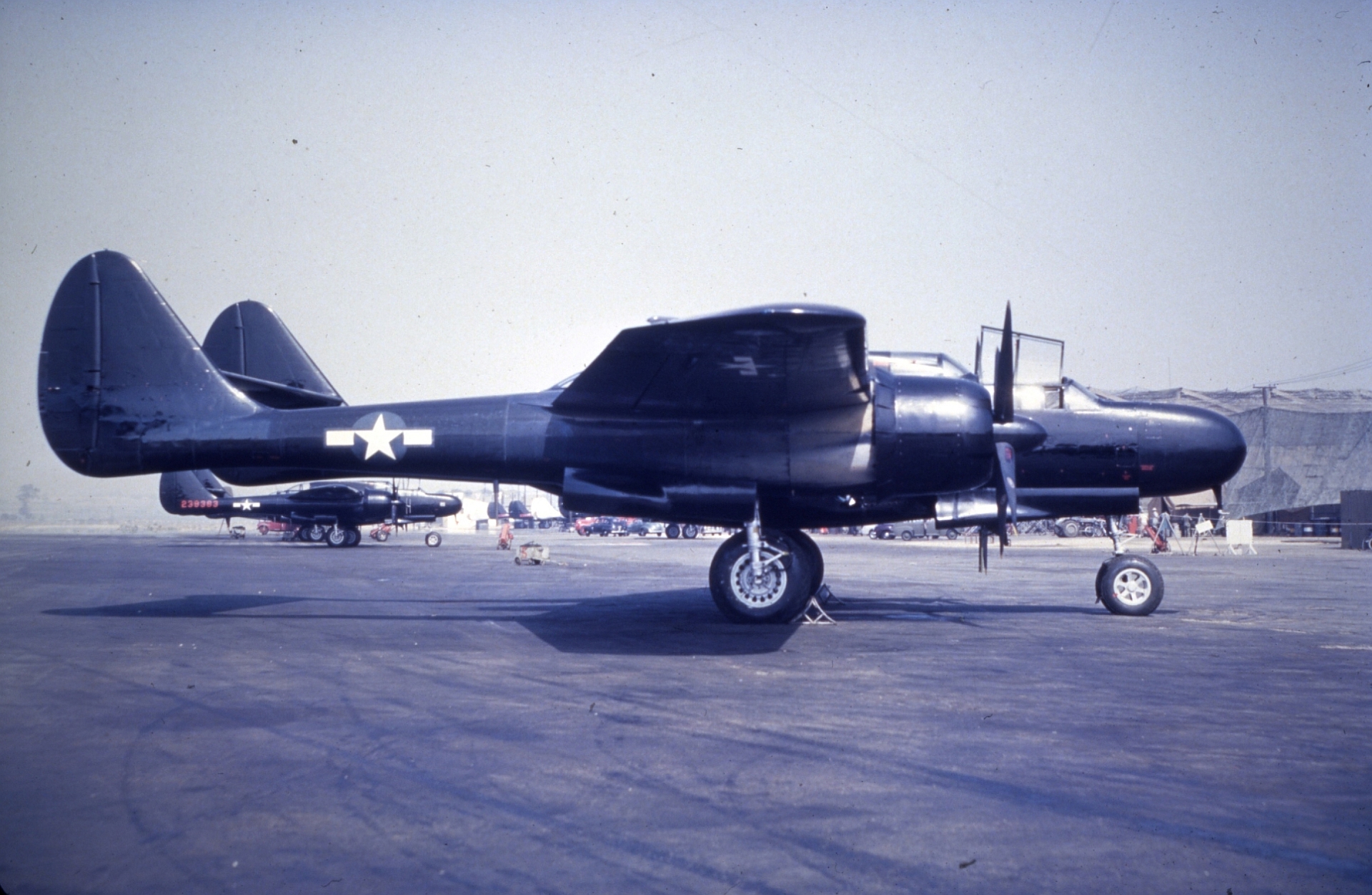
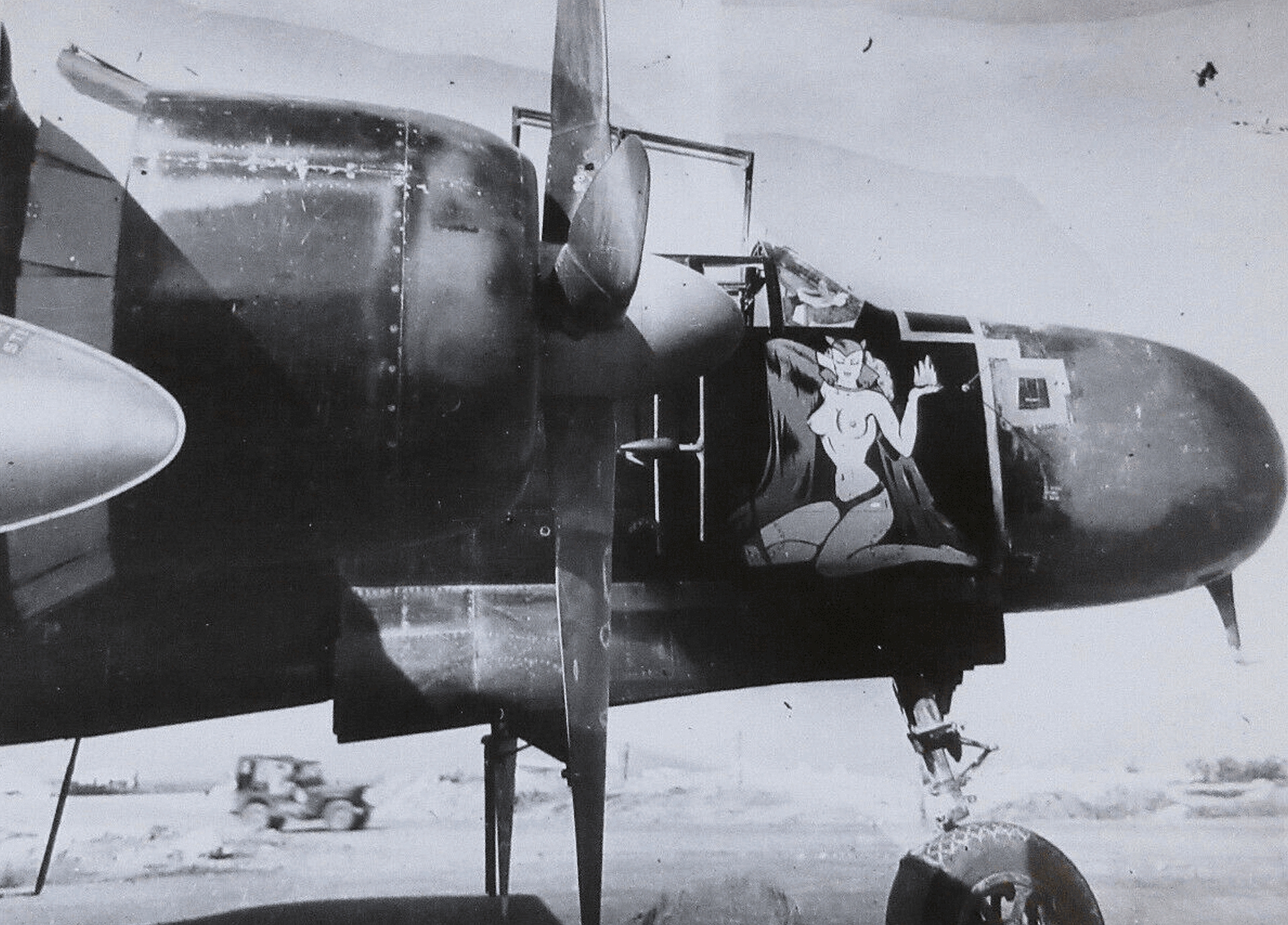
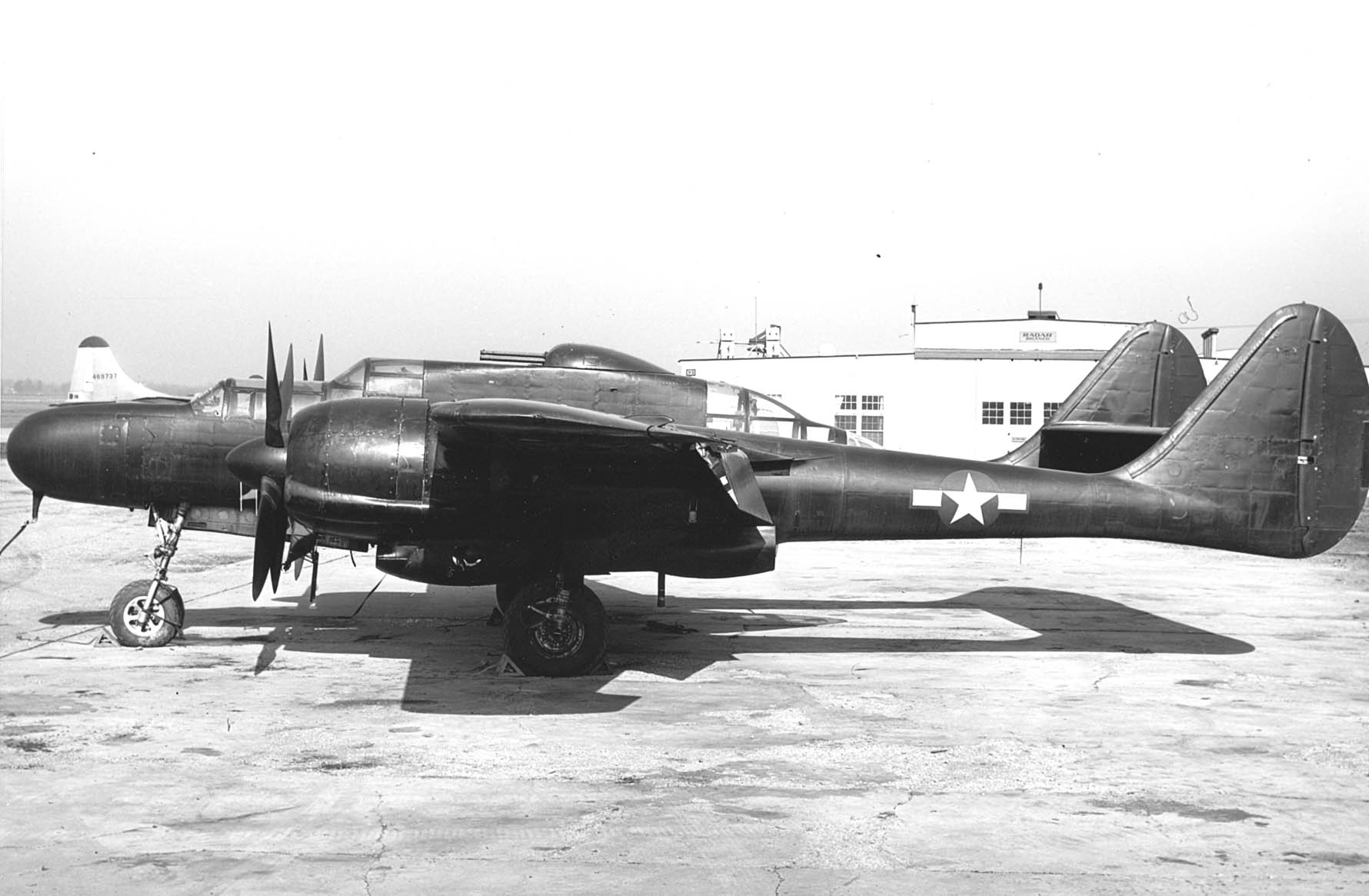
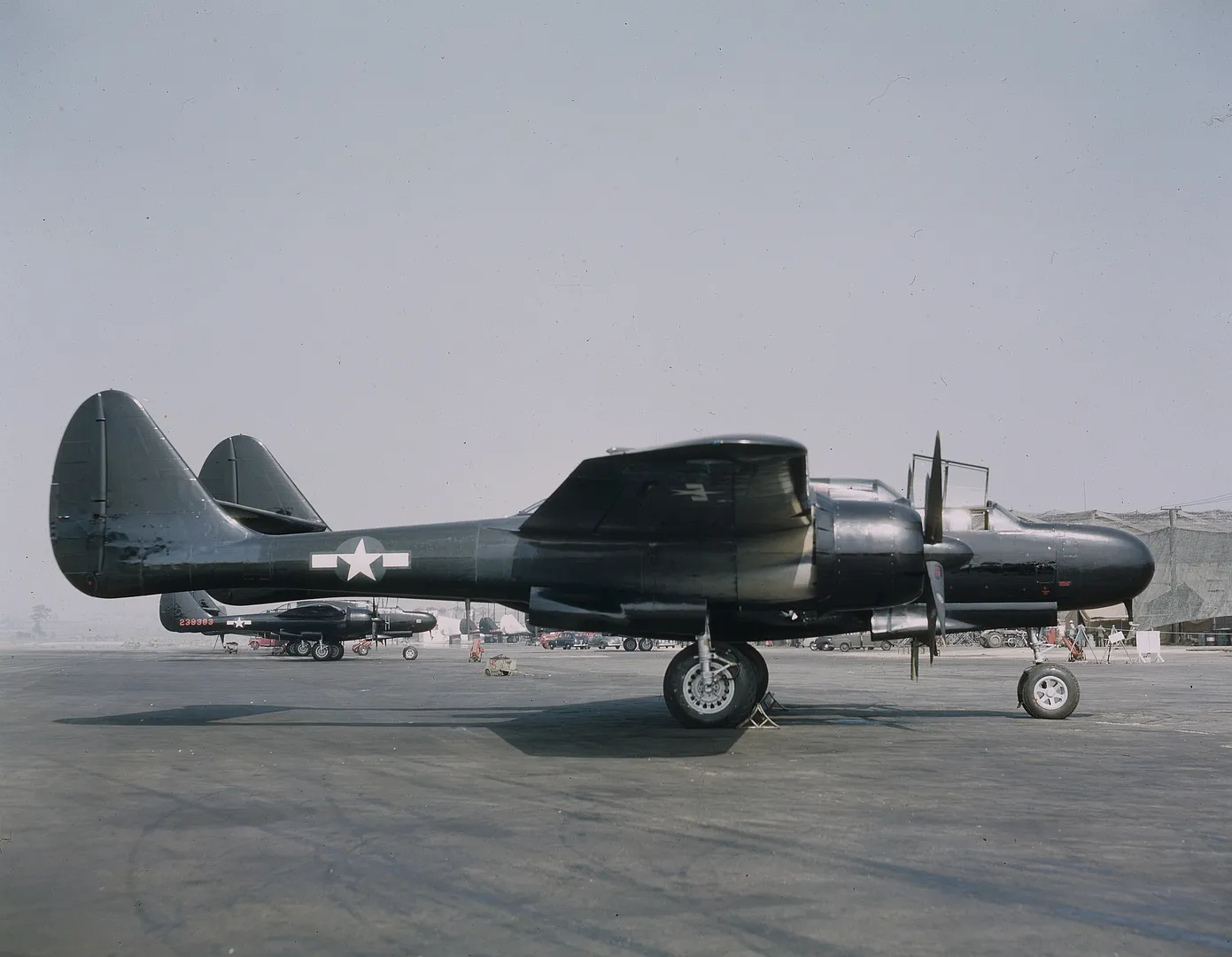
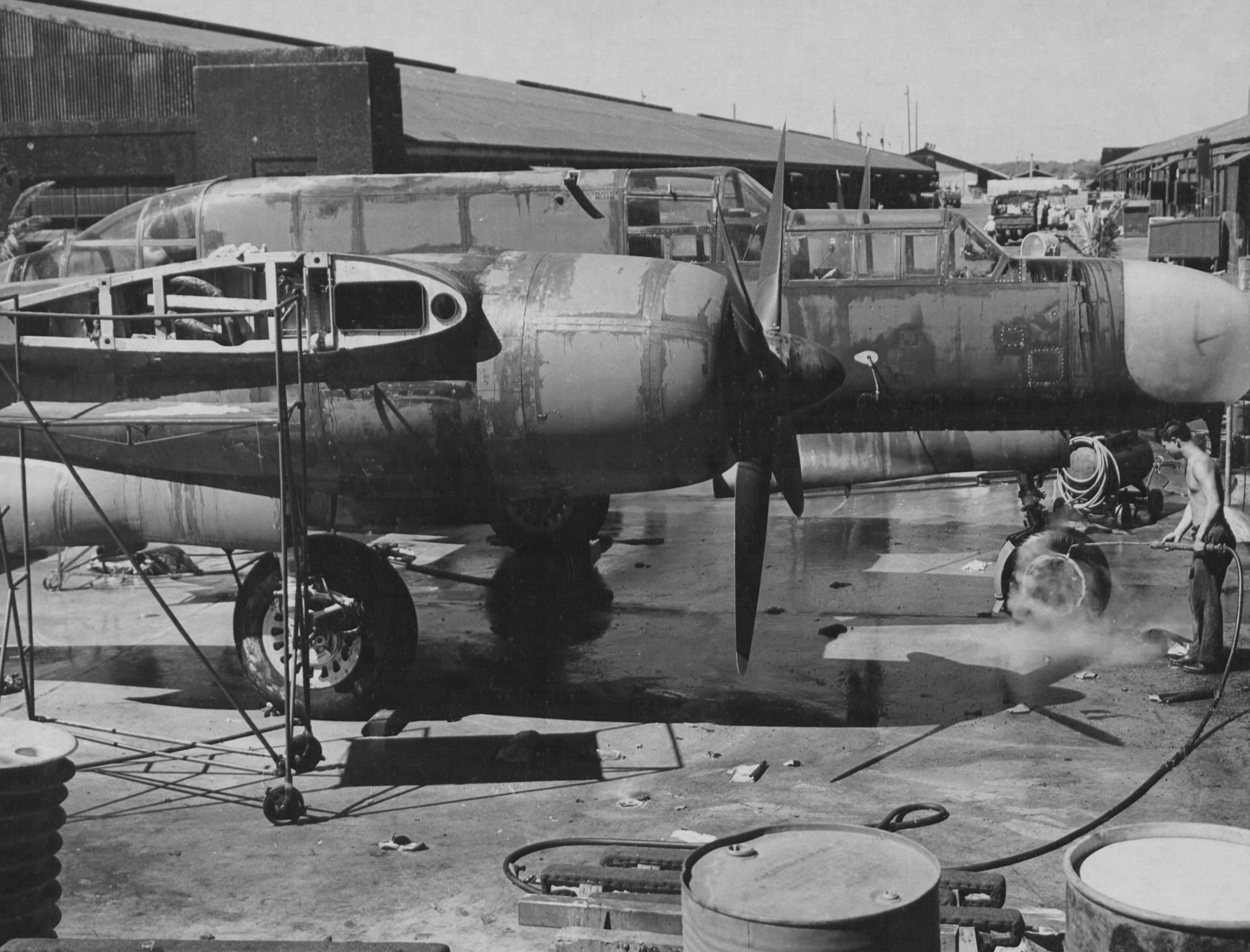
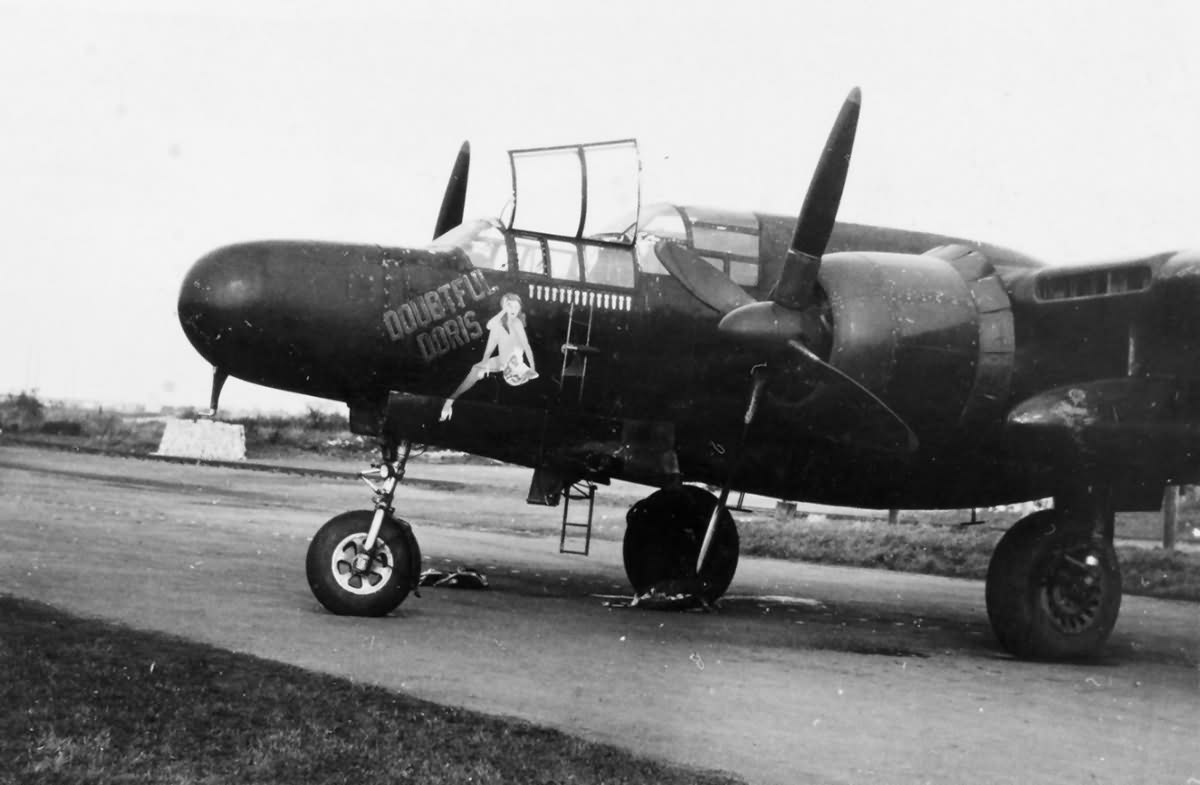
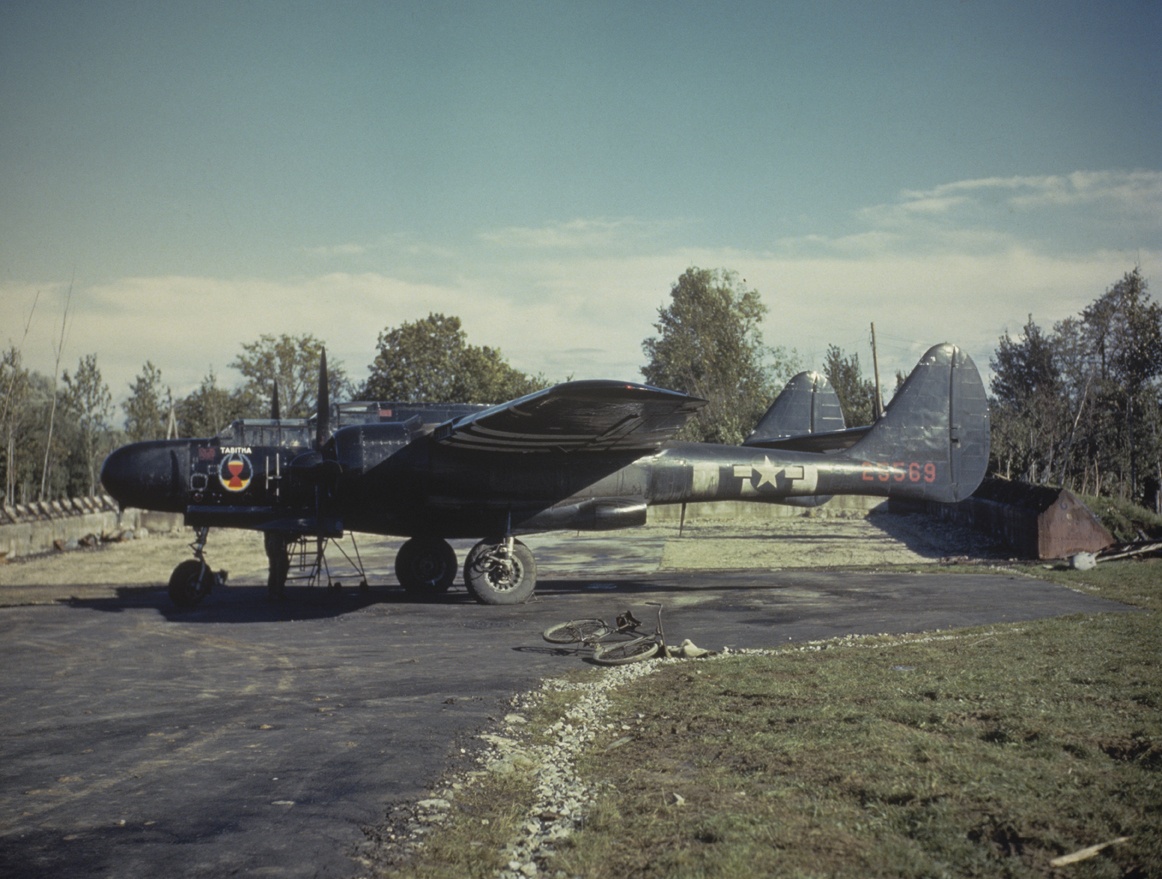
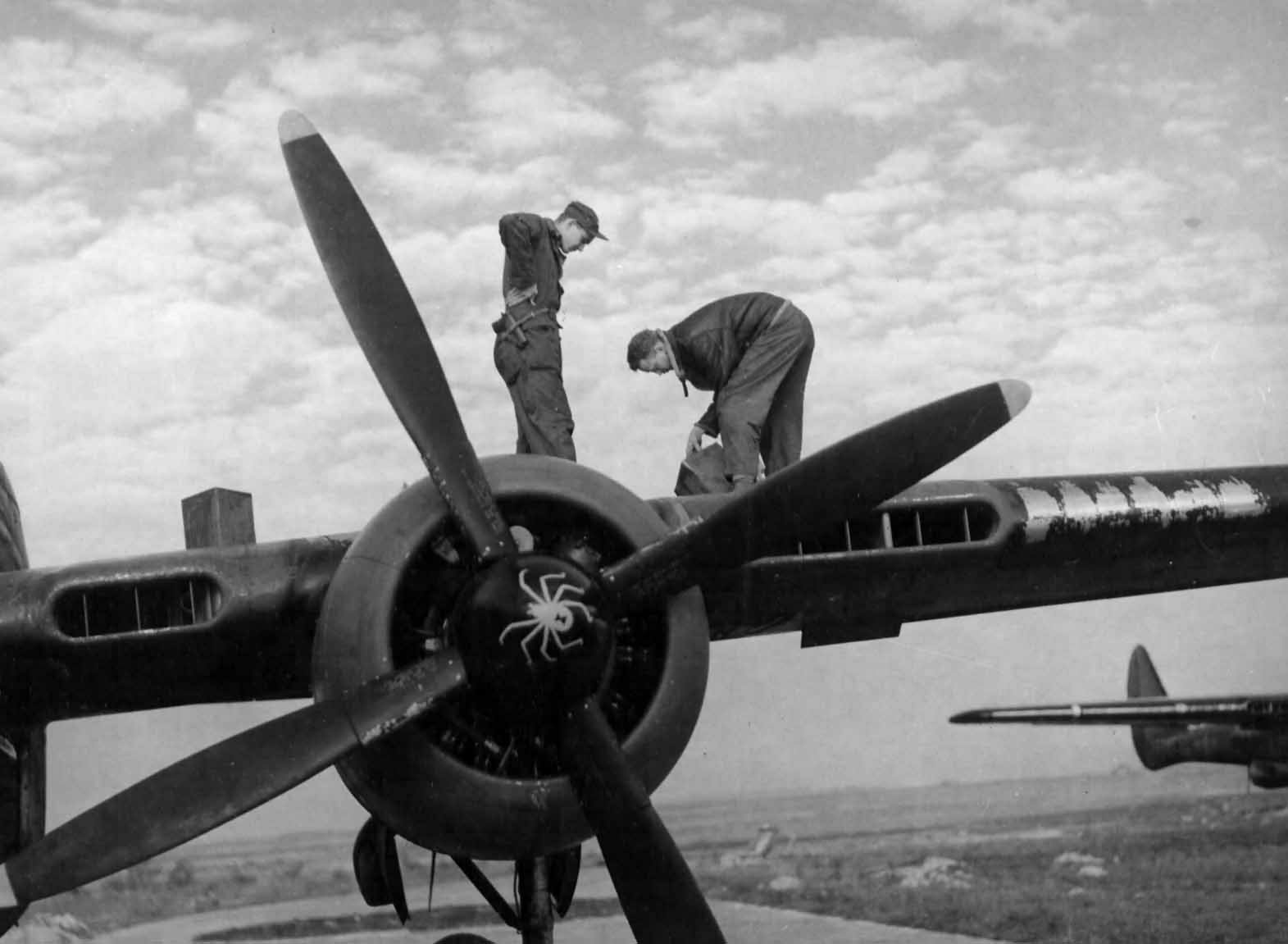
Large areas of the aircraft showed noticeable paint wear and peeling, especially on high-traffic surfaces and exposed panels. This was not subtle fading. It was physical degradation of the paint layer, revealing primer or bare metal underneath.
This detail is often overlooked, but it is essential if you want an authentic result.
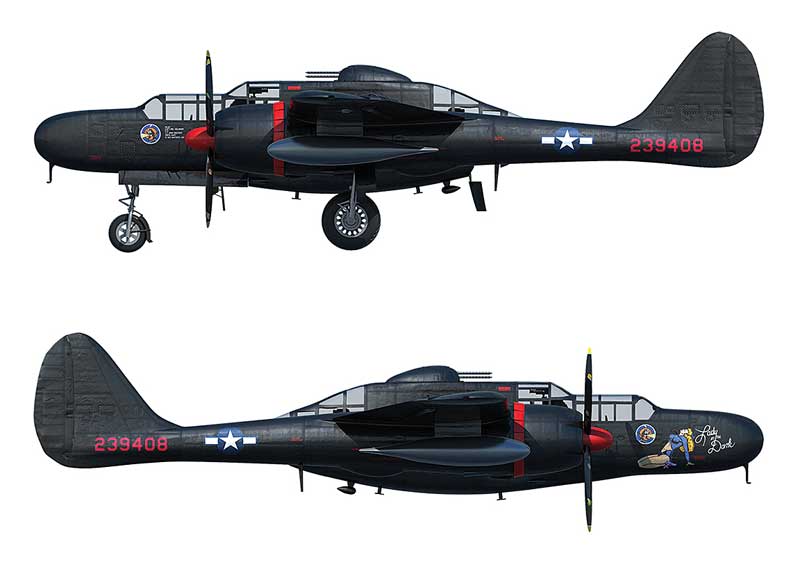
| Area | Scheme | Color | FS Code |
|---|---|---|---|
| Upper surfaces (late war) | Night Fighter | Glossy Black | FS 17038 |
| Entire airframe (some units) | Night Fighter | Glossy Black | FS 17038 |
| Early production | OD / Gray | Olive Drab | FS 34087 |
| Early lower surfaces | OD / Gray | Neutral Gray | FS 36270 |
| Cockpit | Interior | Interior Green | FS 34151 |
| Wheel bays | Interior | Zinc Chromate | FS 33481 |
| Propellers | Standard | Black | FS 17038 |
| Prop tips | Safety | Yellow | FS 33538 |
Translating Reality into Modeling
This is where most builds fail. The assumption is simple: black aircraft, simple finish. The reality is the opposite.
A convincing P-61 Black Widow model depends almost entirely on how you treat the surface.
The goal is not to paint it black. The goal is to recreate a surface that has lived through operational stress.
Building Strategy
Start with preparation. The large surfaces of the P-61 Black Widow will expose every flaw. Seam work must be clean, and a proper primer layer is essential to detect imperfections before painting begins.
Once the surface is ready, the painting process should be built in layers.
Begin with an undercoat in aluminum or primer green in selected areas. This will serve as the base for paint chipping later. Apply a chipping medium such as hairspray or dedicated fluid, then spray the black top coat.
As you begin to wear the surface, focus on logic. Areas around panels, walkways, and maintenance zones should show heavier wear. Avoid randomness. Controlled damage always looks more realistic than excessive effects.
Working the Black Surface
A single black tone will flatten the entire model. Instead, build variation:
- Slightly faded panels using dark gray tones
- Subtle shifts in temperature using very diluted filters
- Soft transitions rather than hard contrasts
Oil paints are particularly effective here. They allow you to create depth and break the monotony without overdoing it.
Chipping and Peeling Effects
This aircraft gives you the rare opportunity to go further with paint wear.
Larger chipped areas can be introduced, especially on wings and access panels. The key is balance. Too little, and the model looks artificial. Too much, and it becomes unrealistic.
The best approach is to study reference photos and mimic patterns rather than invent them.
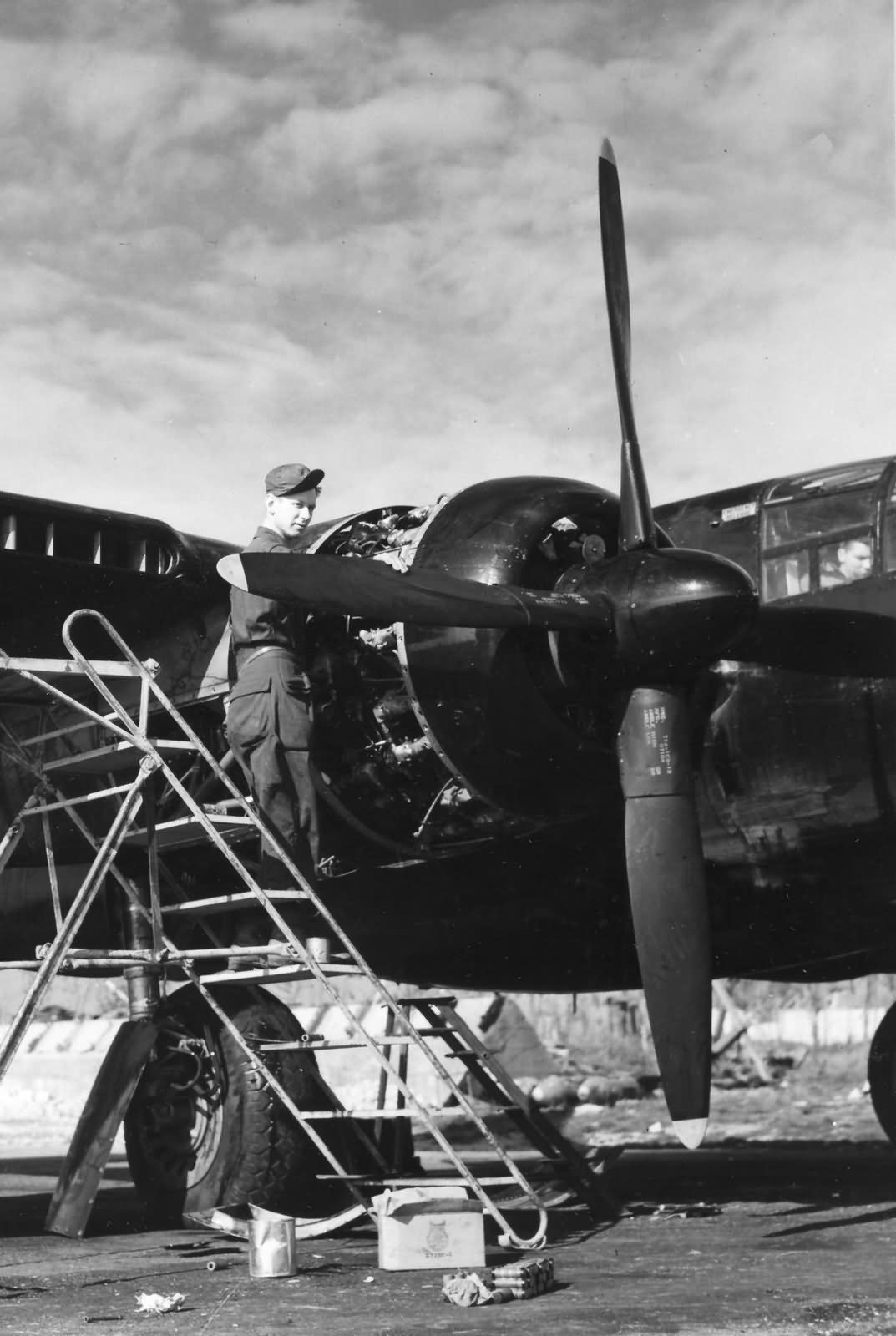
Opening the Aircraft – Where Detail Matters
The P-61 Black Widow is not meant to be displayed closed.
Its structure allows you to expose:
- Engines
- Gun bays
- Radar compartment
Opening these areas transforms the model. The contrast between the dark exterior and the detailed interior creates visual interest and tells a more complete story.
If you leave everything closed, the model risks looking heavy and uniform.
Kit Recommendation
If you are aiming for a high-quality result, the best choice is clear.
The Great Wall Hobby P-61 Black Widow kit offers excellent detail, accurate proportions, and the flexibility to display open panels. It is the most complete option currently available.
For a simpler build, the HobbyBoss P-61 Black Widow kit is easier to assemble, though it sacrifices some refinement.
Your choice depends on your goal. If you want a standout piece, invest in the better kit.
Common Mistakes
Uniform black finish removes all realism.
Lack of surface variation makes the model look toy-like.
Excessive small chipping does not match the real aircraft.
Closed panels waste the design potential of the subject.
Conclusion
The Northrop P-61 Black Widow is not just another WWII aircraft to build. It represents a turning point in aerial warfare, where technology began to define combat as much as performance.
For the modeler, it offers something equally important: the opportunity to move beyond basic painting and into interpretation.
If you approach it with patience, variation, and attention to real operational wear, the result is not just a model. It is a piece that carries weight, presence, and authenticity.
F-104G Starfighter HAF ARAXOS 336MDB OLYMPOS
https://airandspace.si.edu/collection-objects/northrop-p-61c-black-widow/nasm_A19510044000