article
Desert camouflage paint scheme.RAF North Africa (1941–1945)
RAF Middle East Command
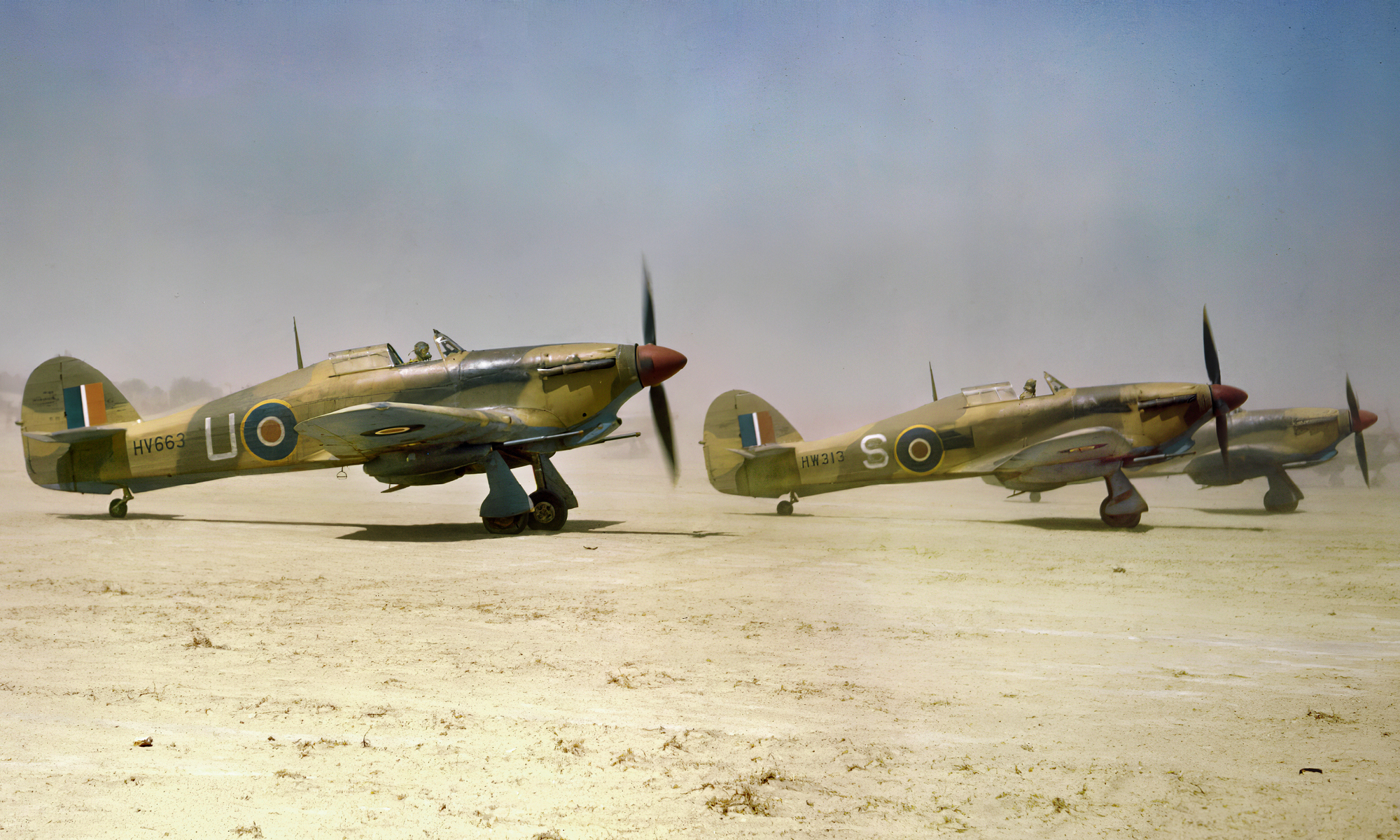
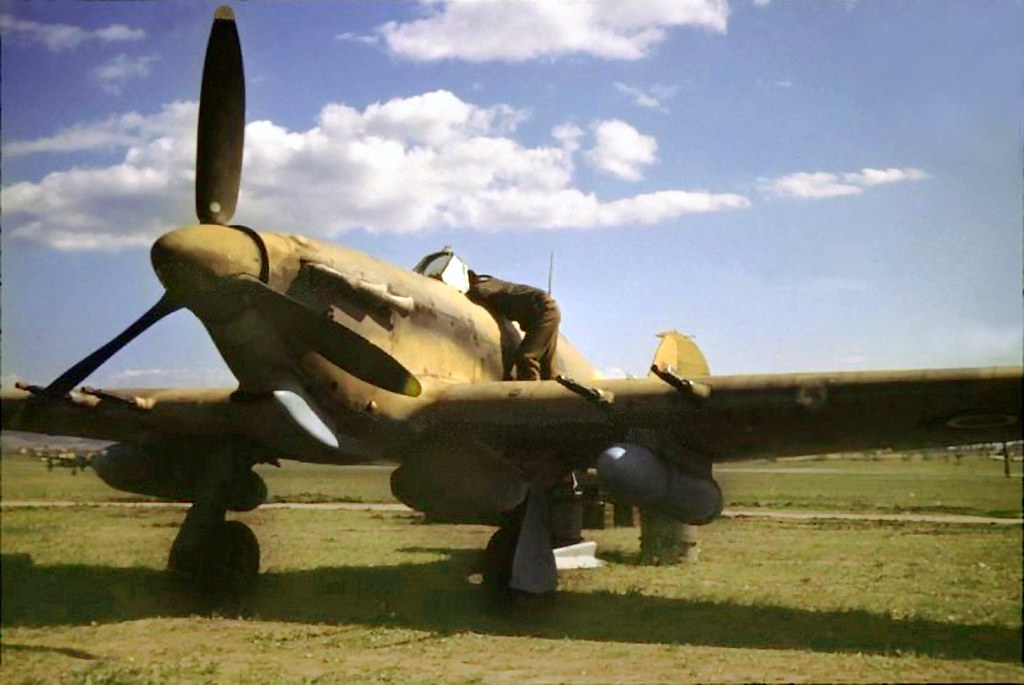
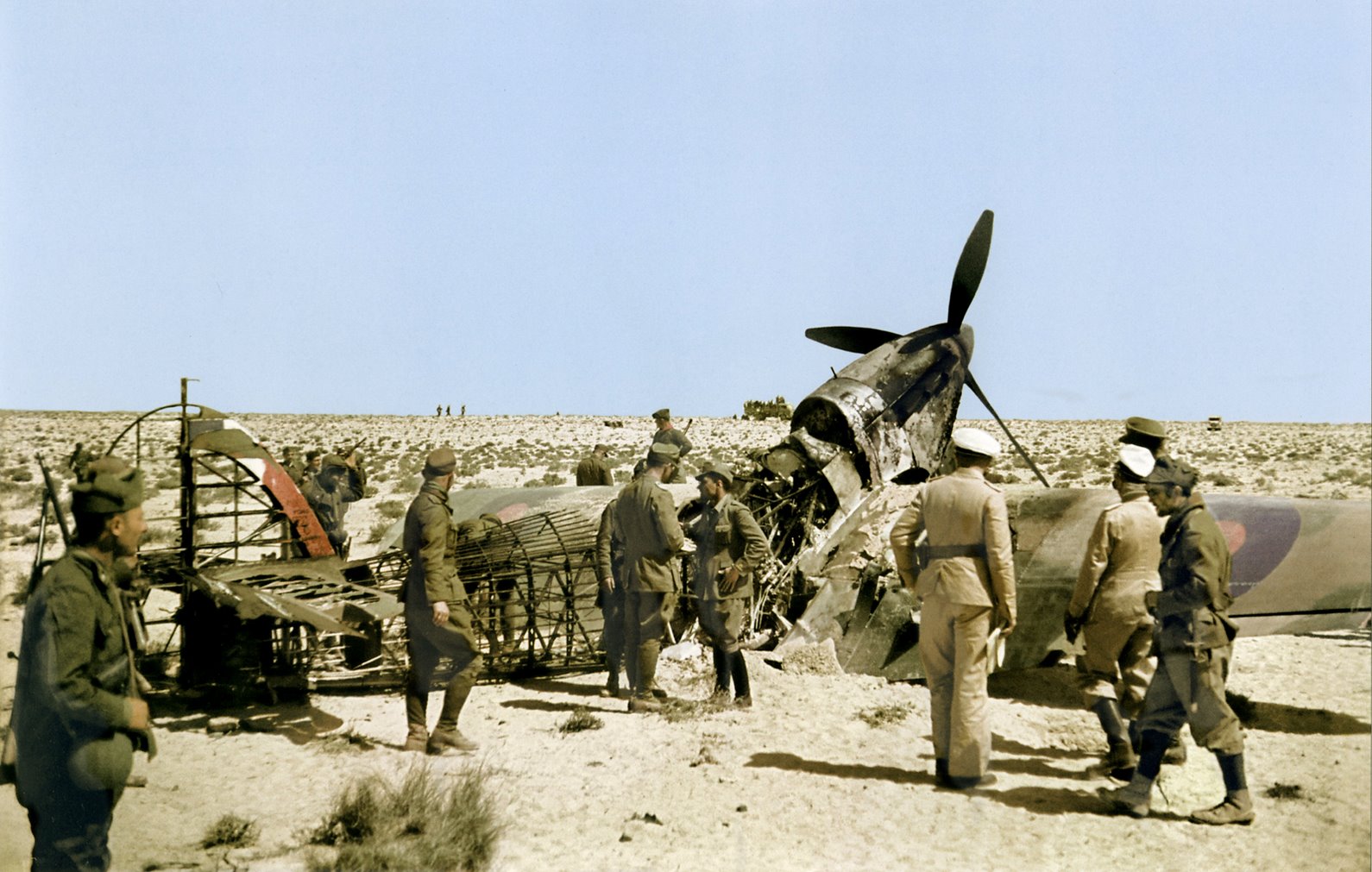
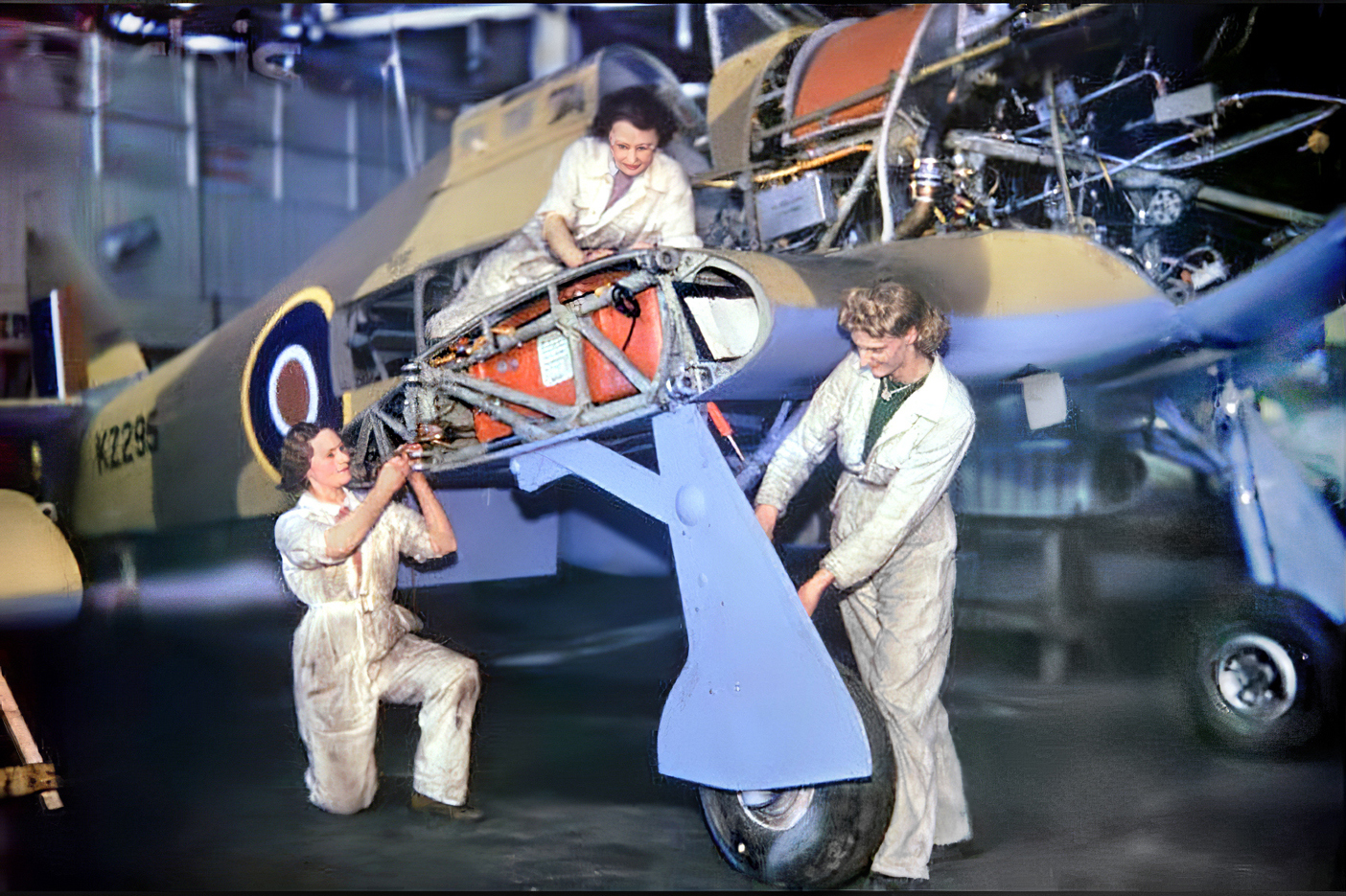
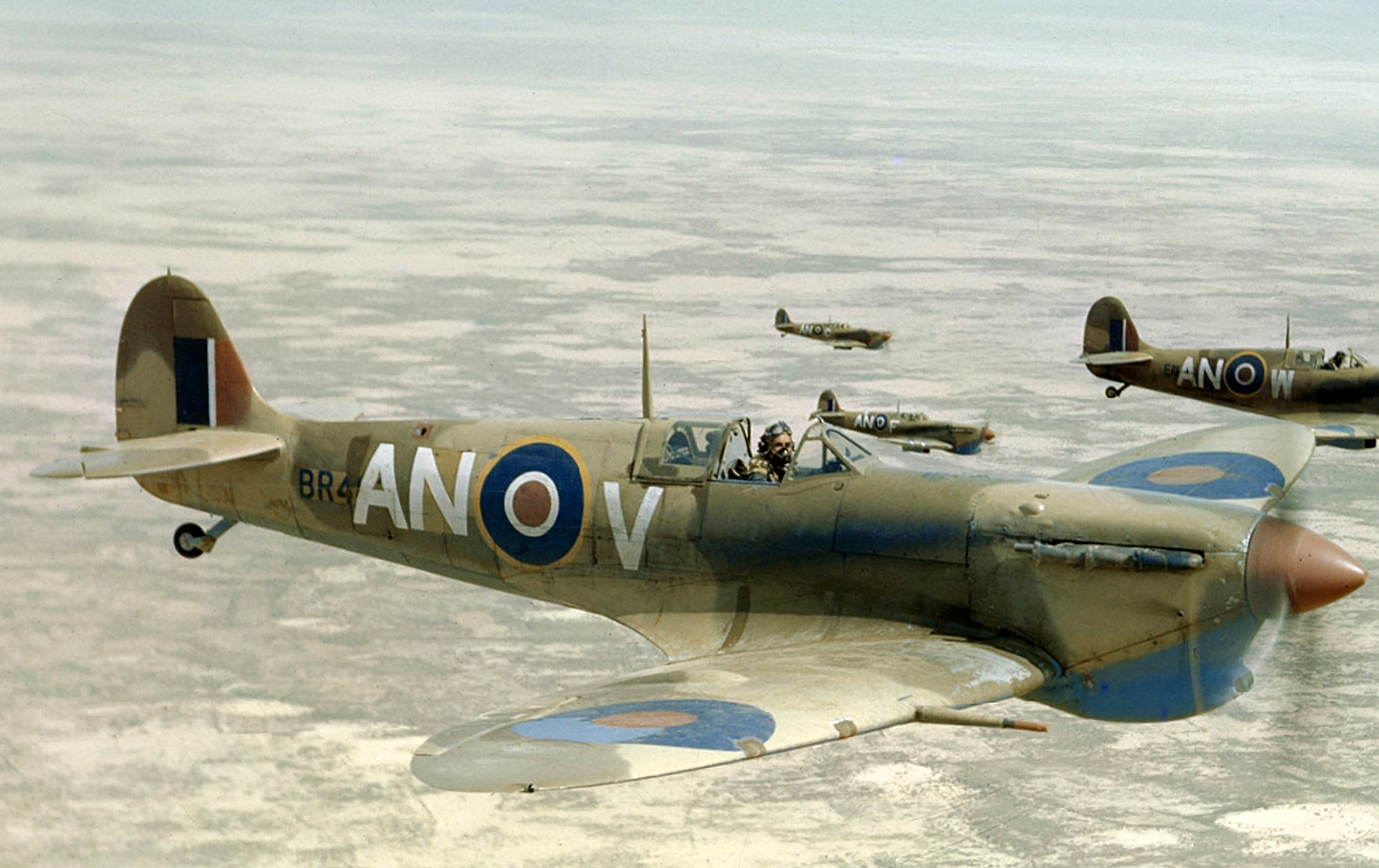
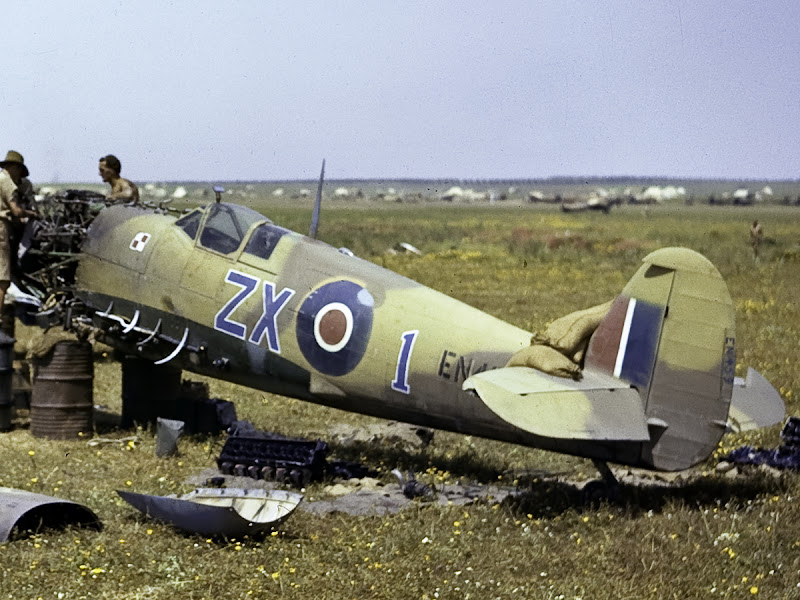
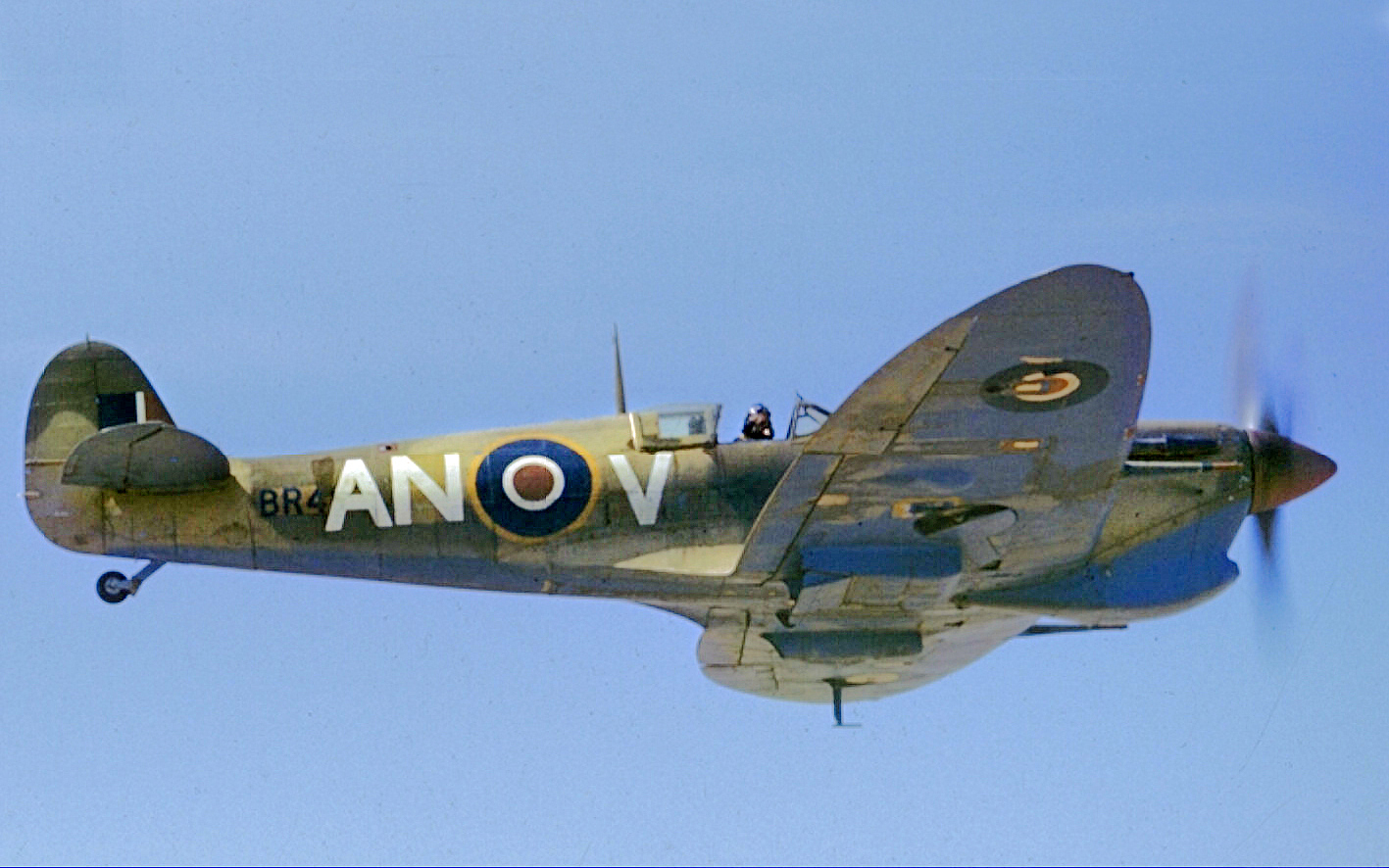
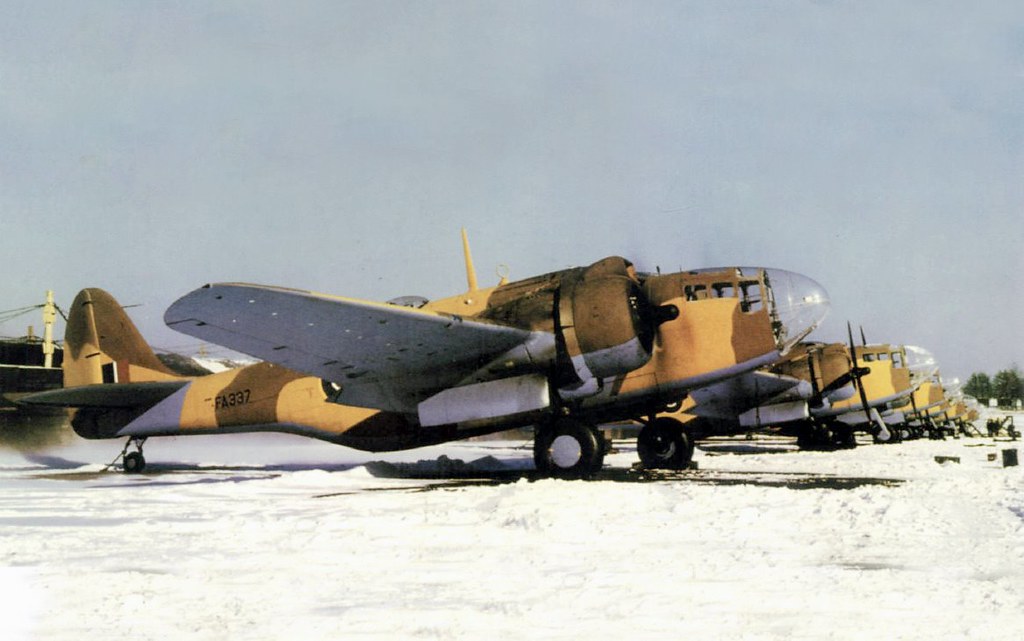
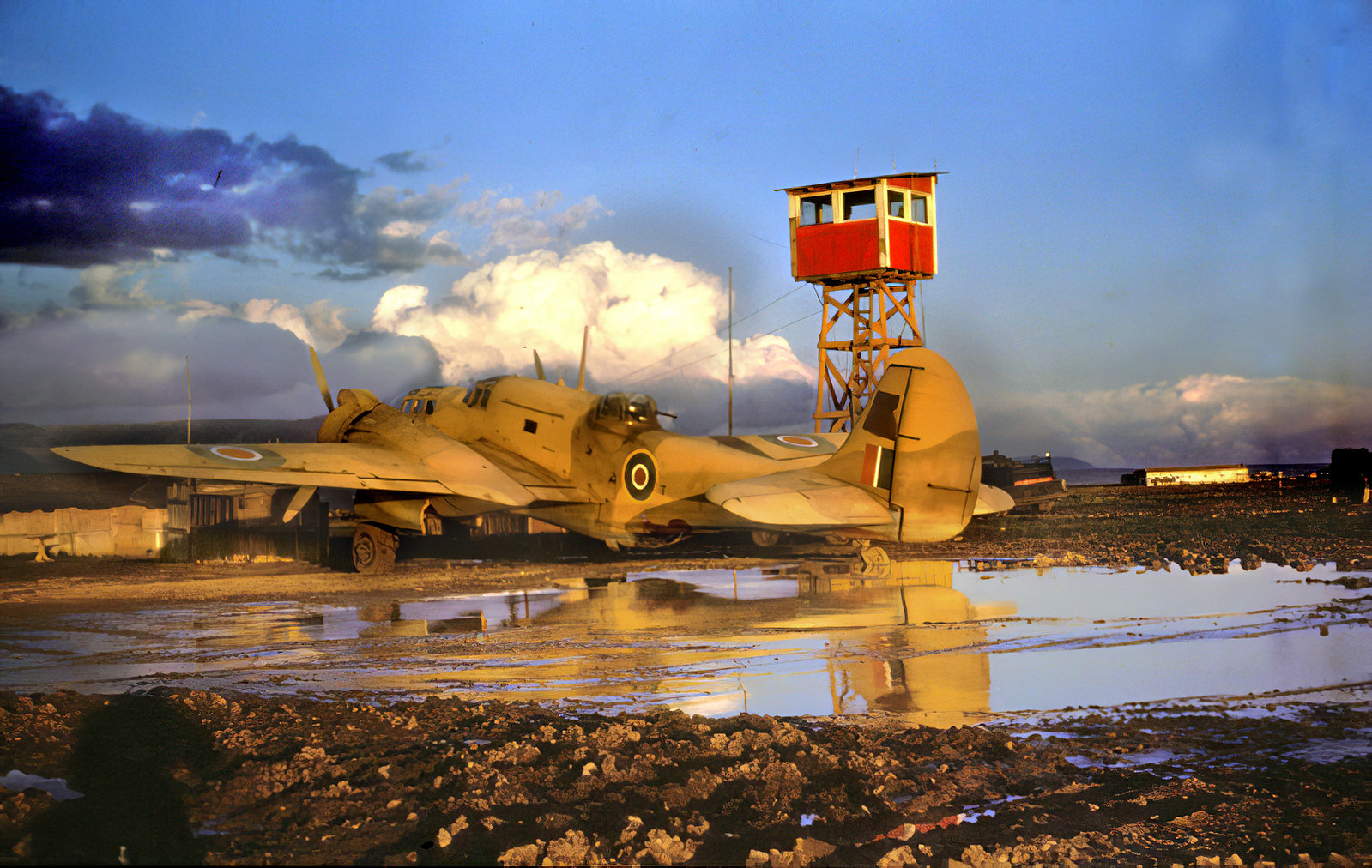
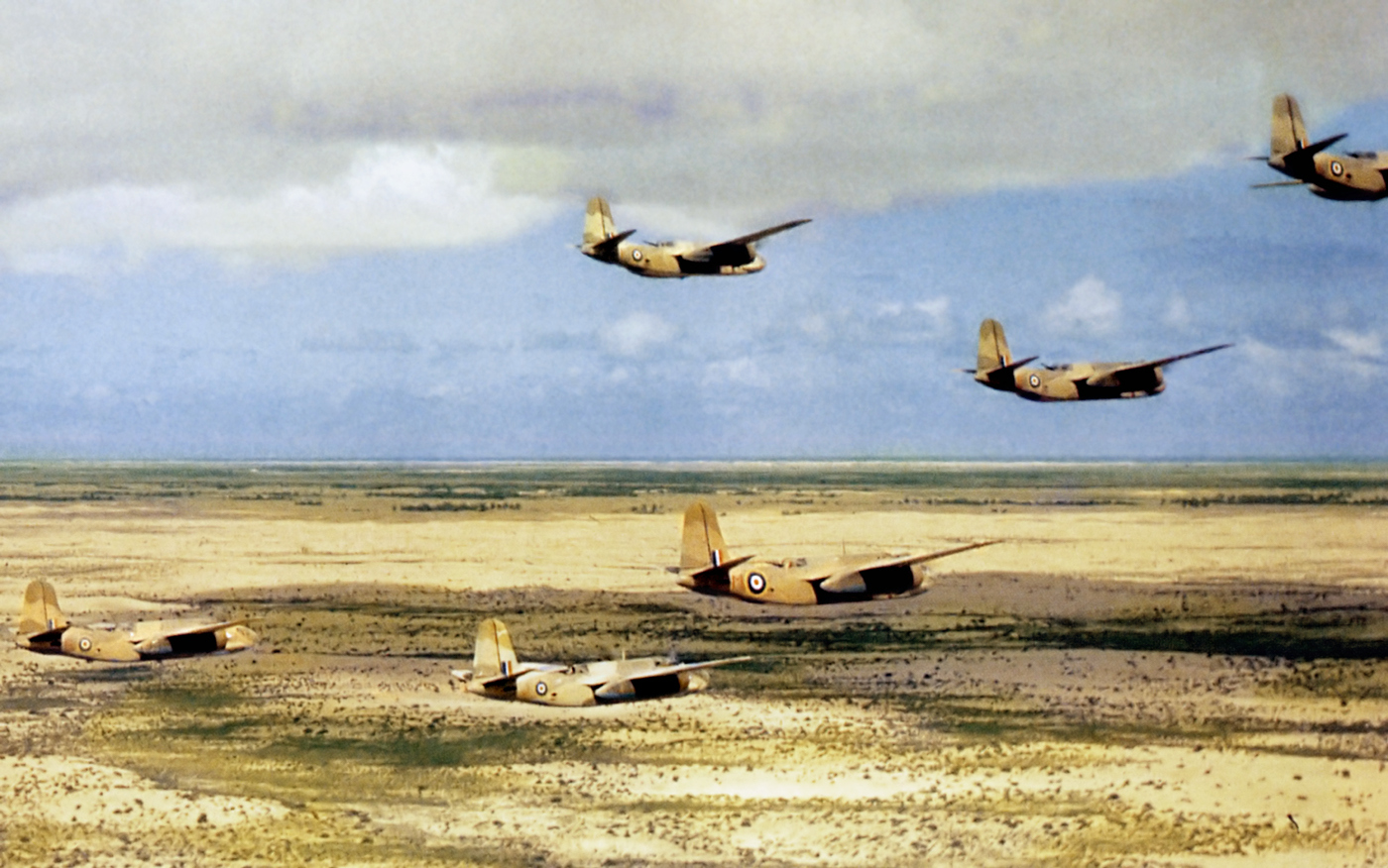
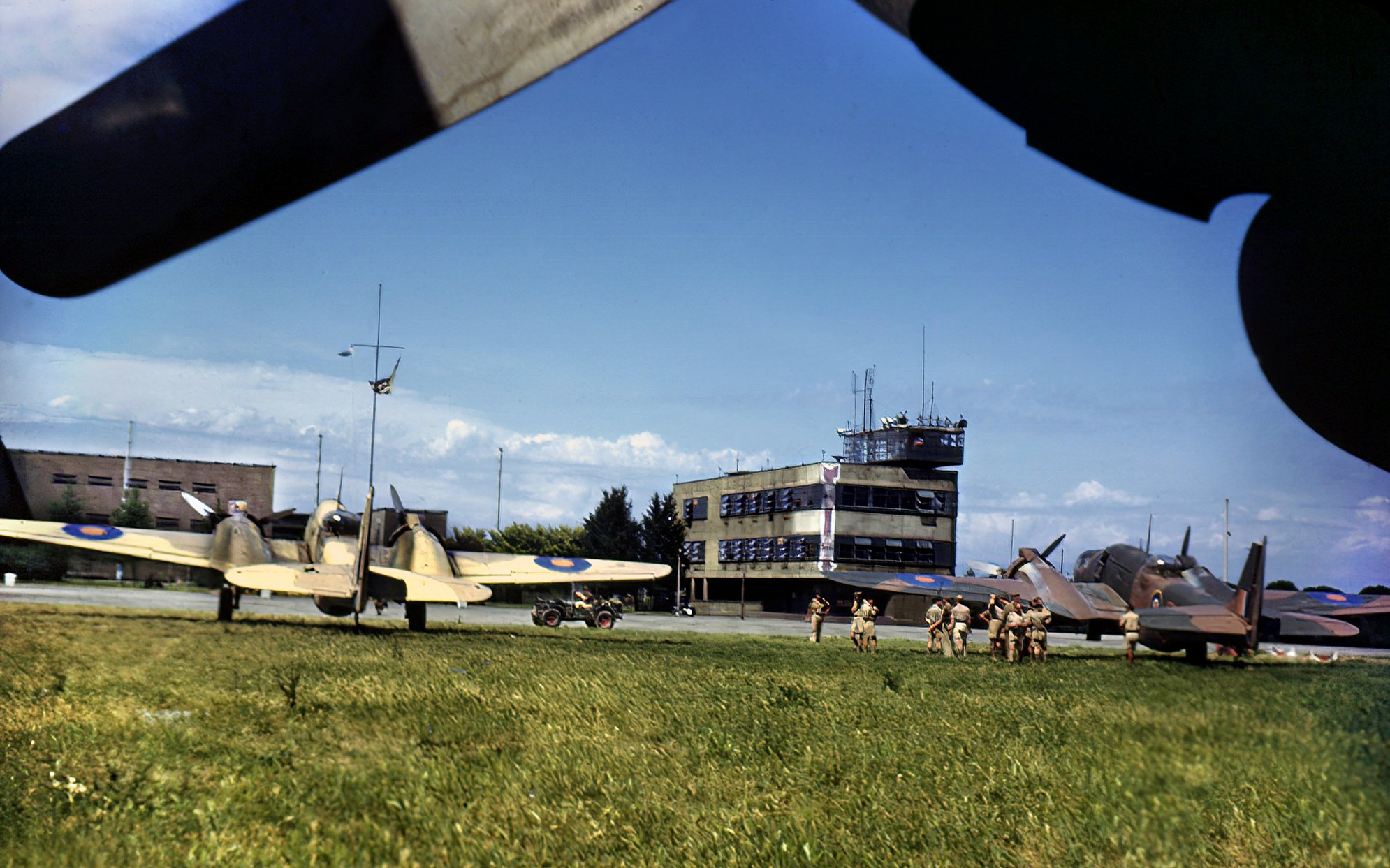
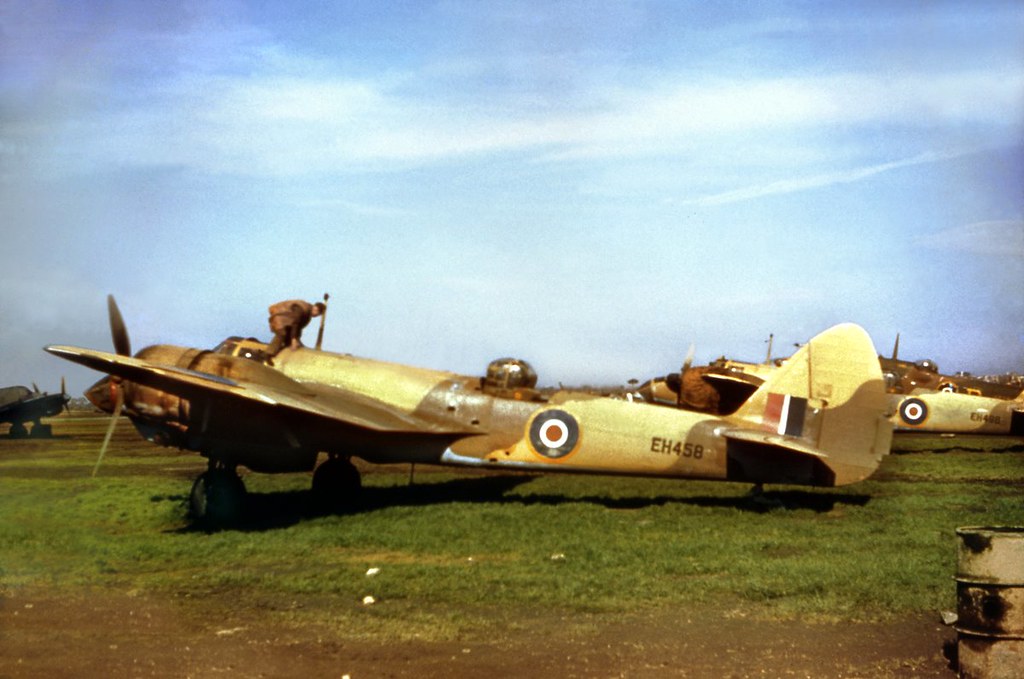
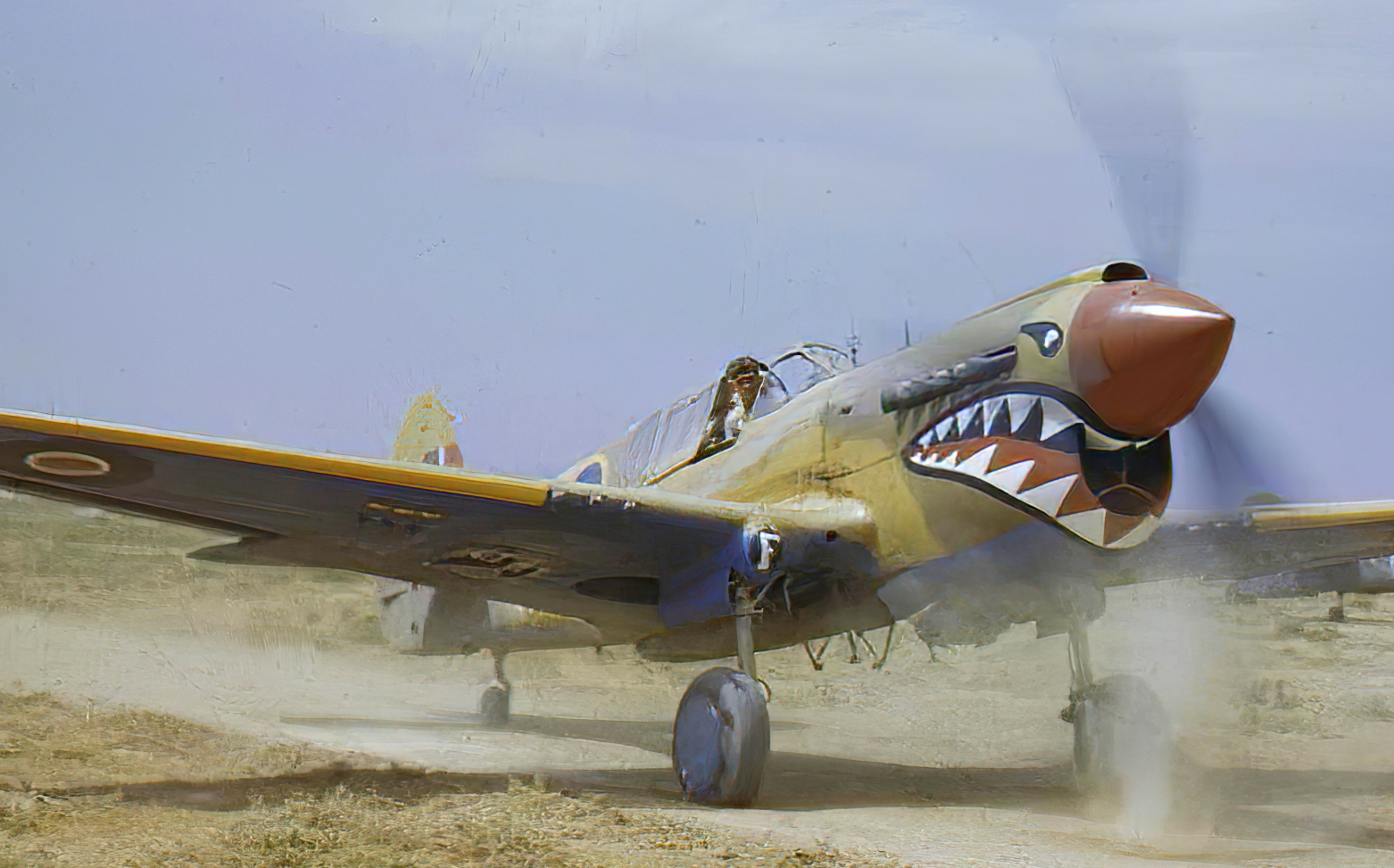
The RAF Desert Camouflage Scheme remains one of the most recognizable military aircraft paint schemes of the Second World War. Developed for operations across North Africa, Libya, Egypt, Tunisia, Malta, and later Italy, the camouflage combined operational effectiveness with a distinctive appearance that continues to attract aviation historians and scale modelers alike.
The scheme became officially standardized on 2 July 1942 under Air Ministry Order A.664/42. Although commonly referred to as a new camouflage pattern, it was essentially a formalization of the earlier Tropical Land Scheme that had already been used extensively across the desert theater.
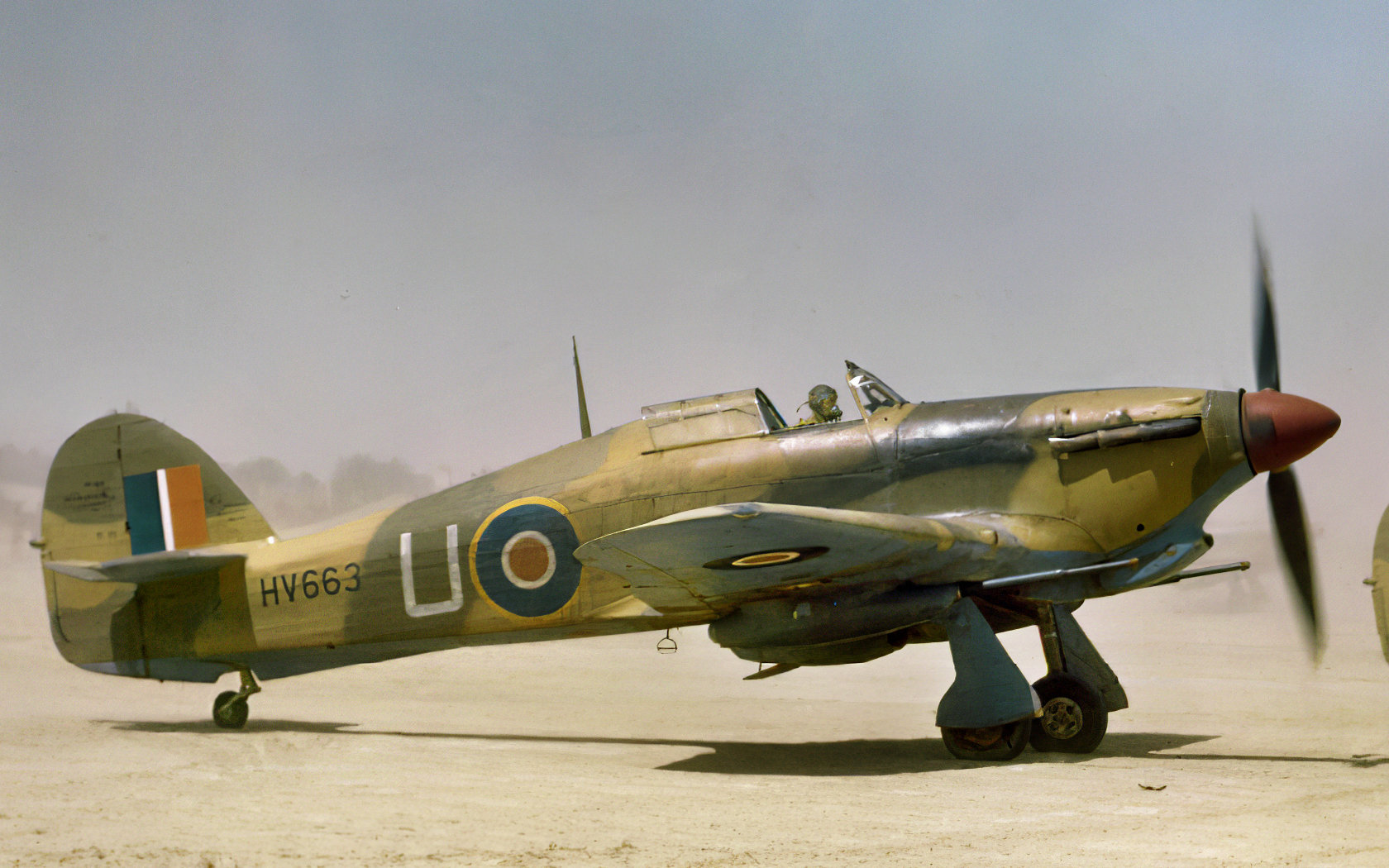
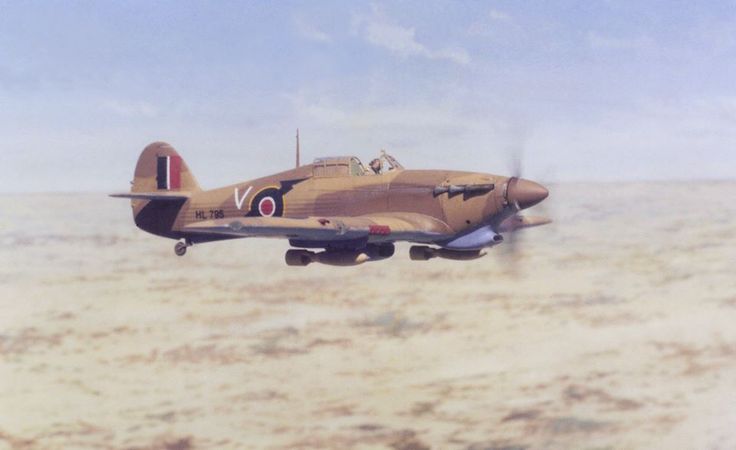
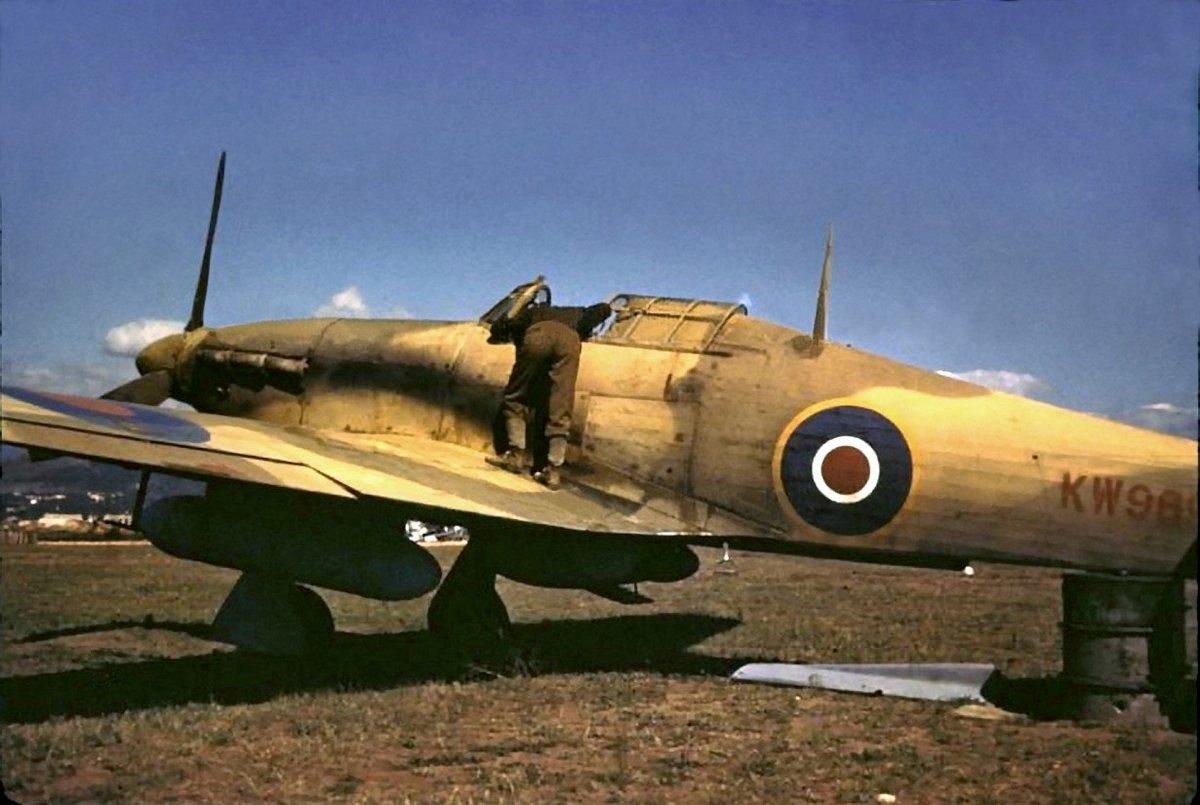
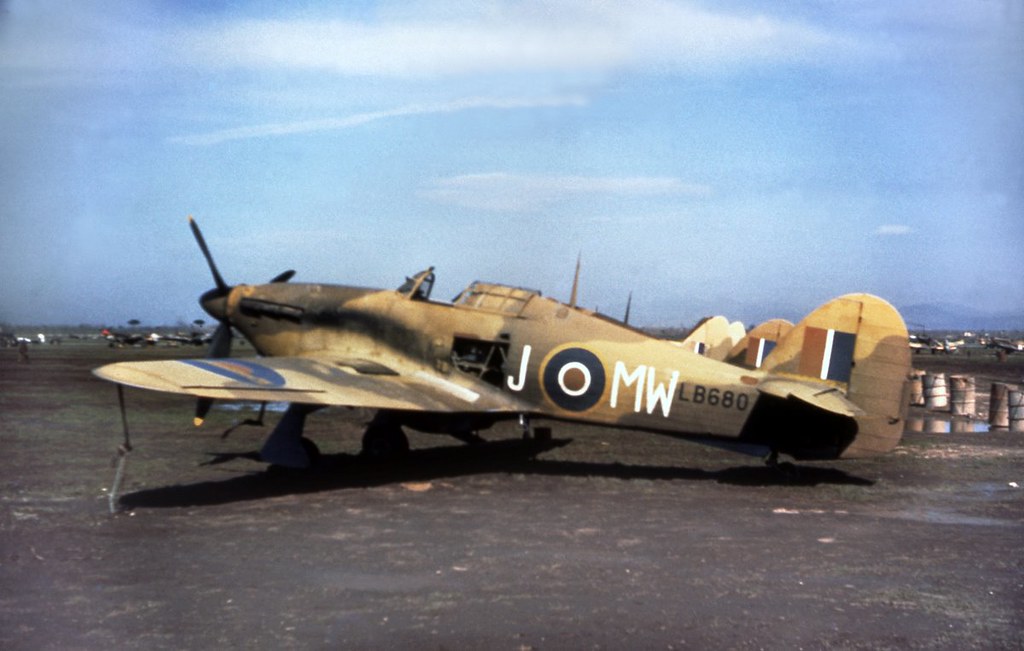
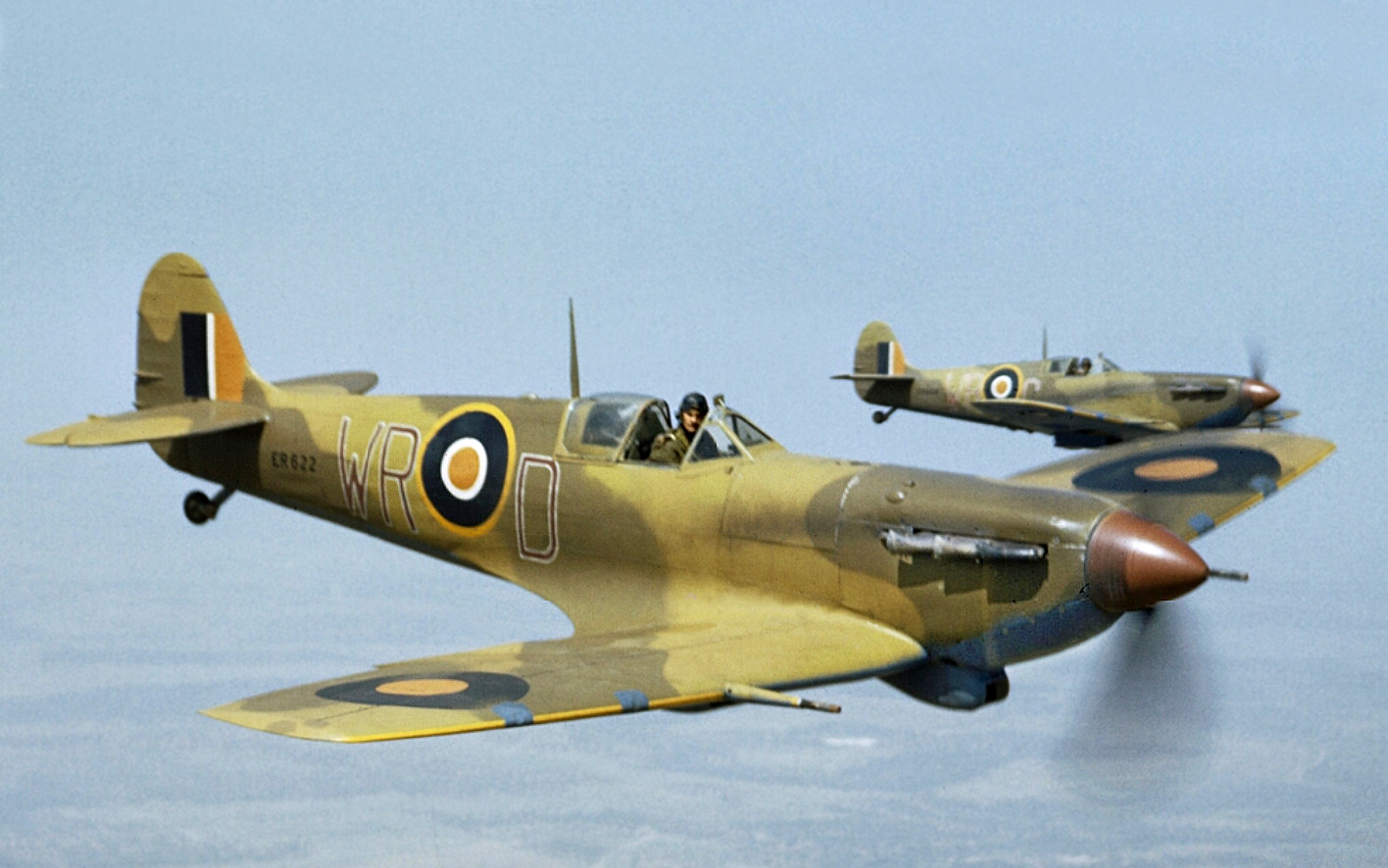
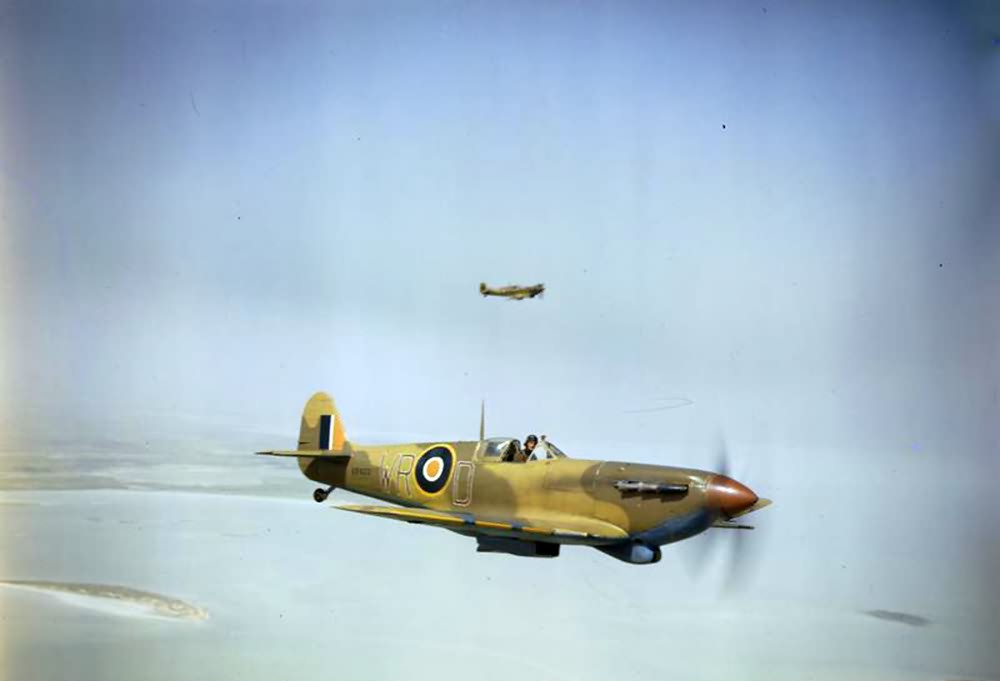
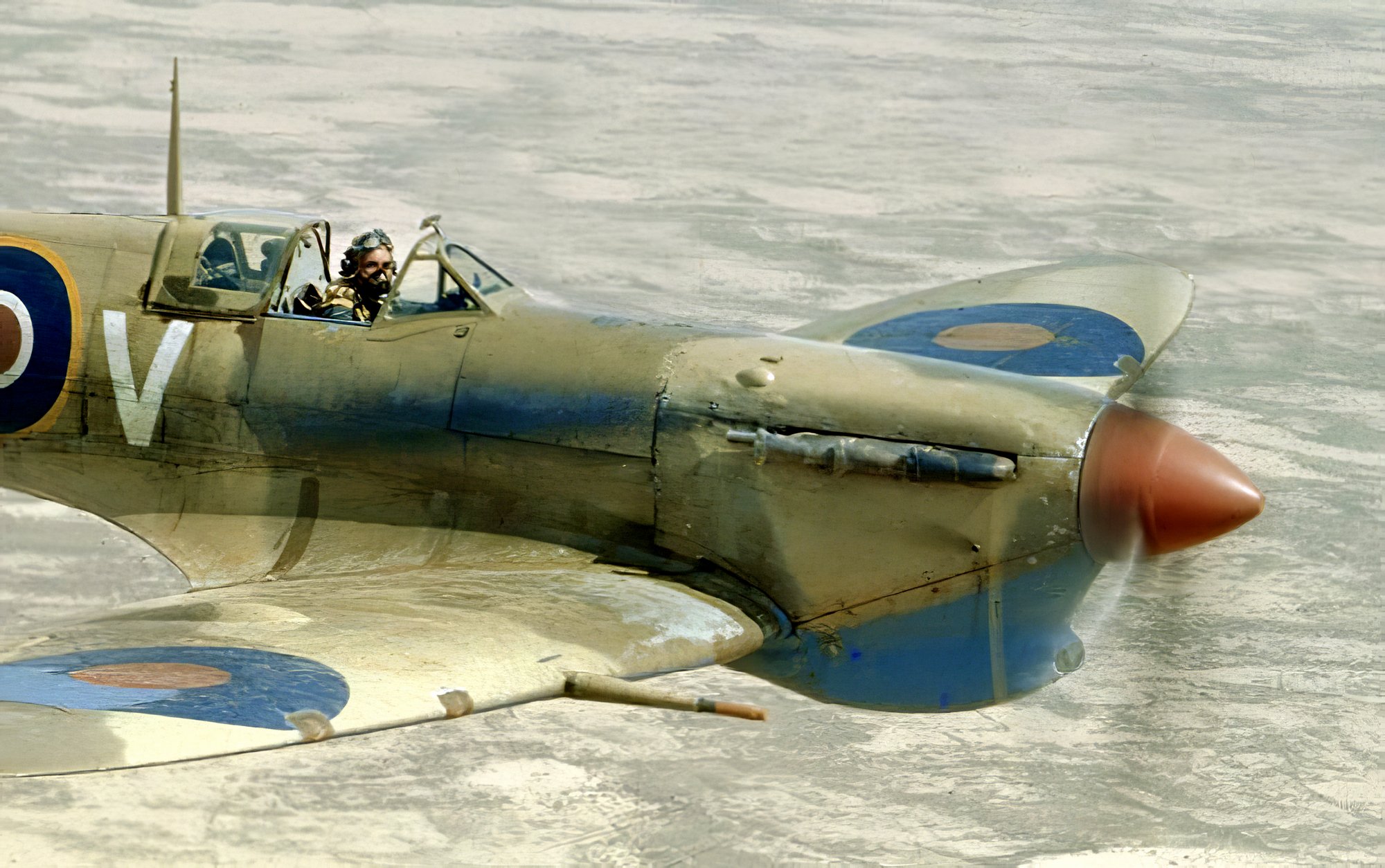
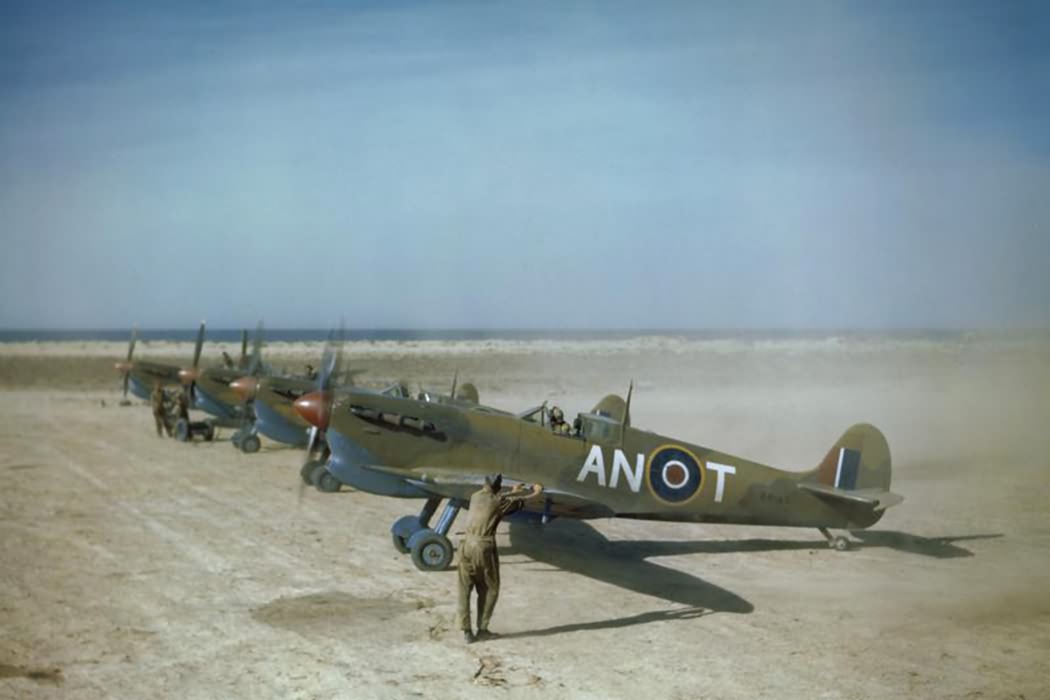
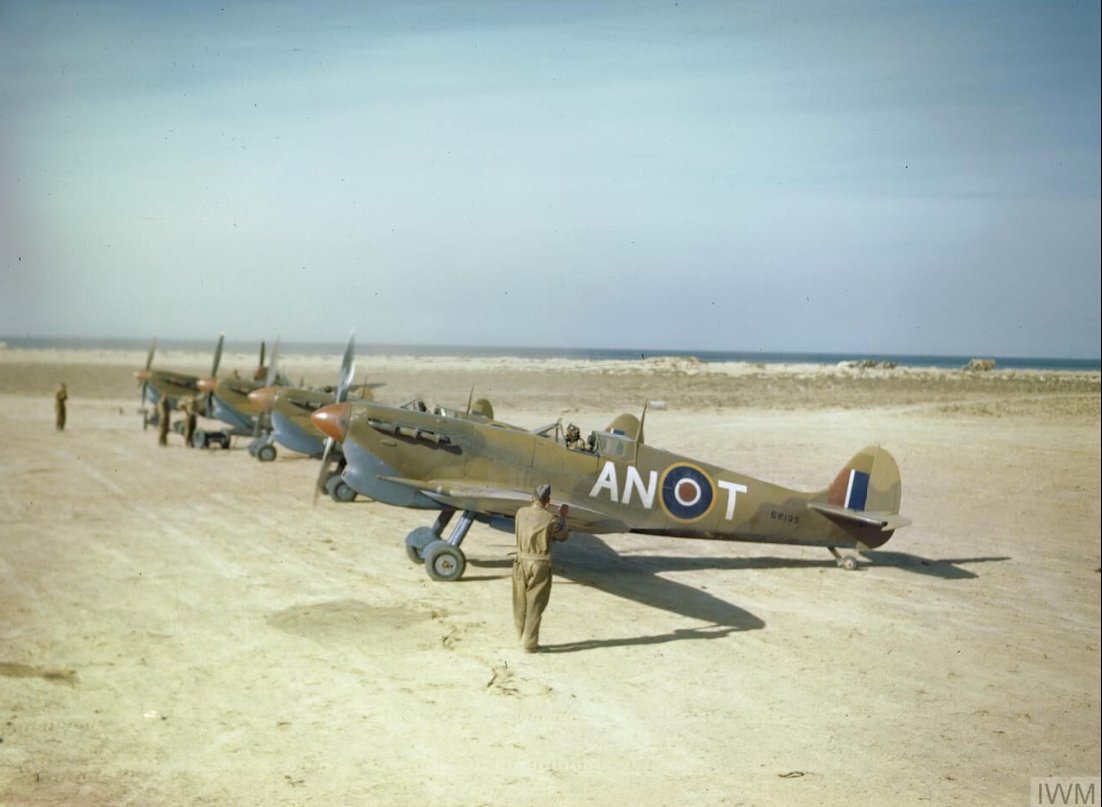
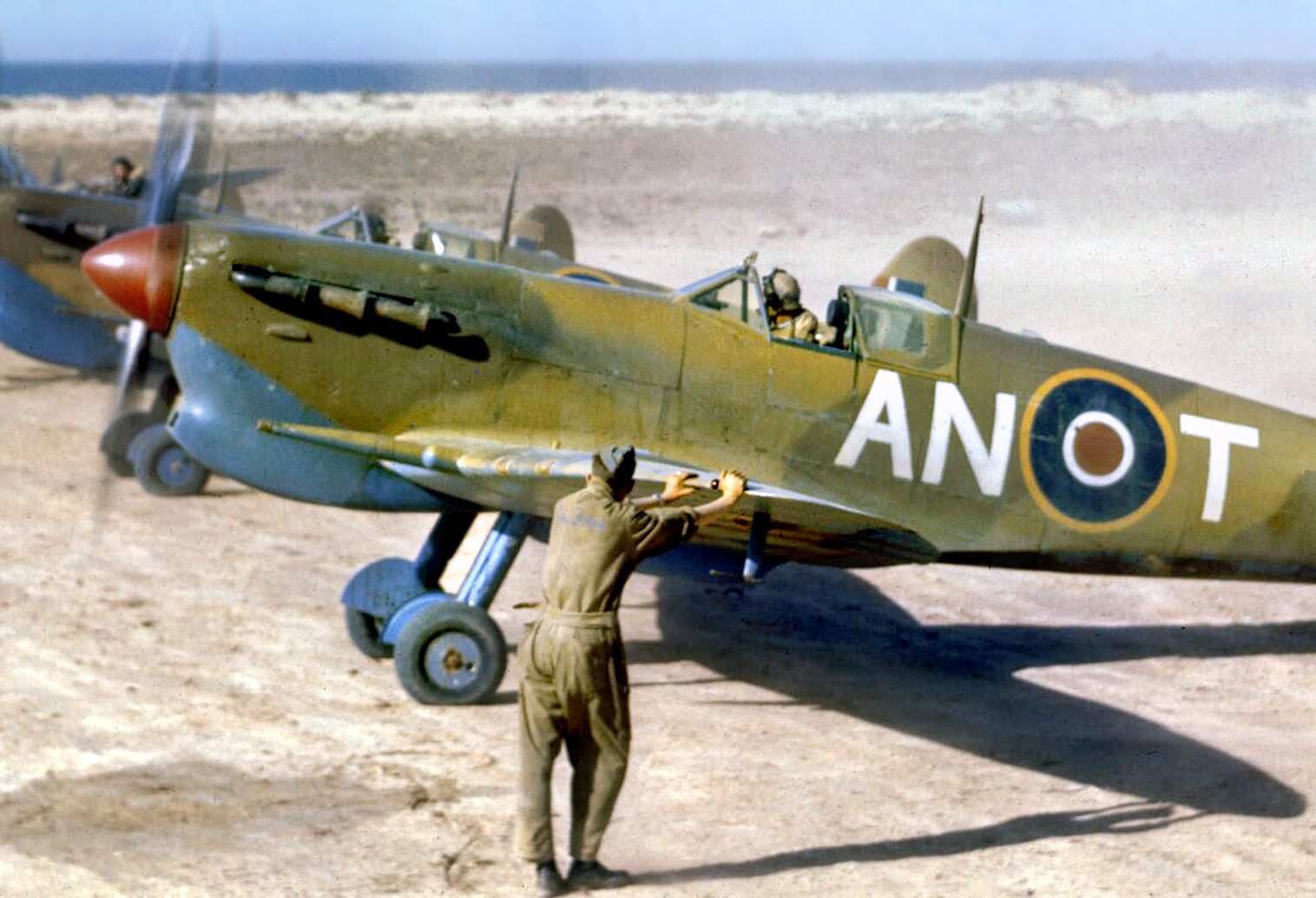
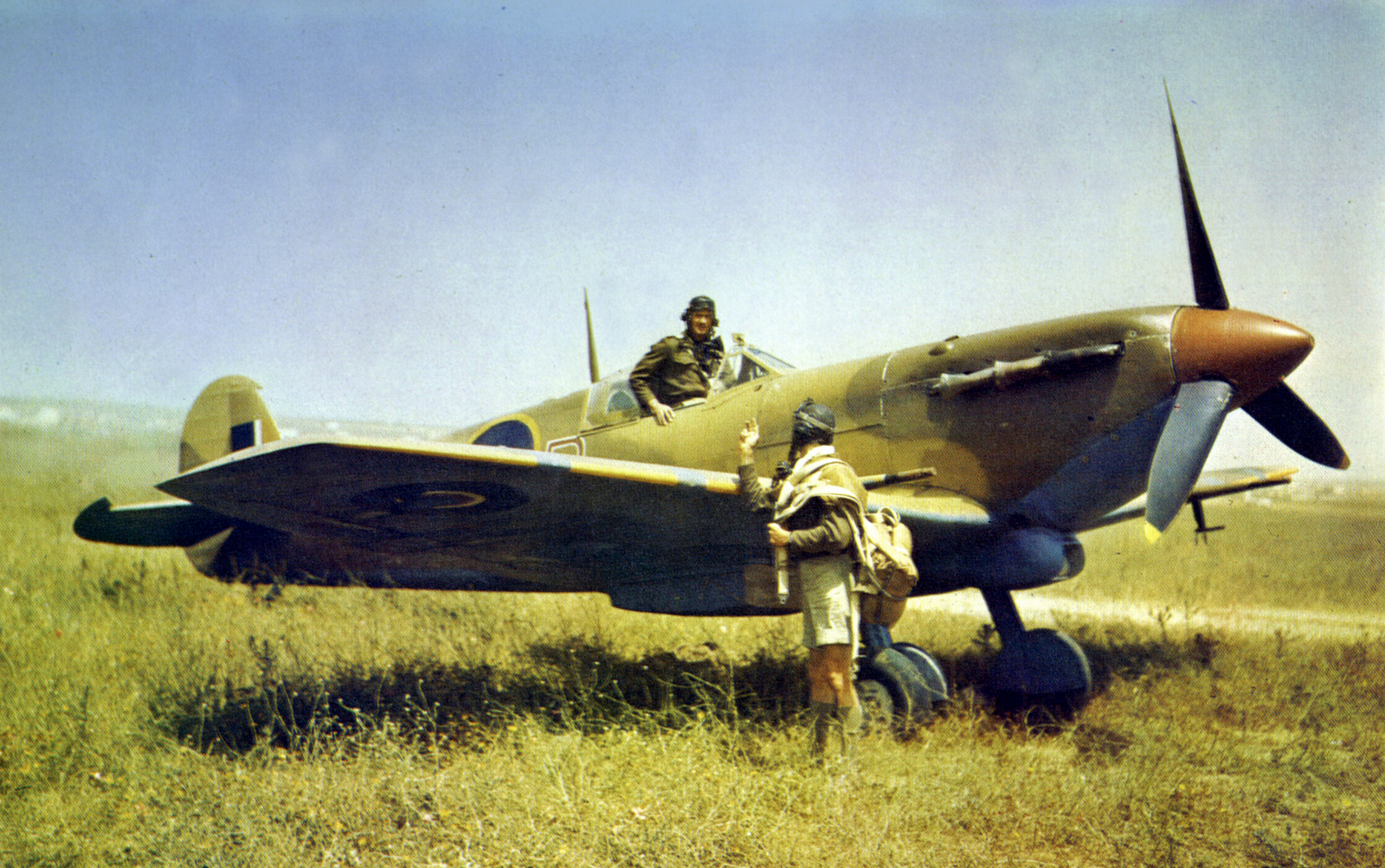
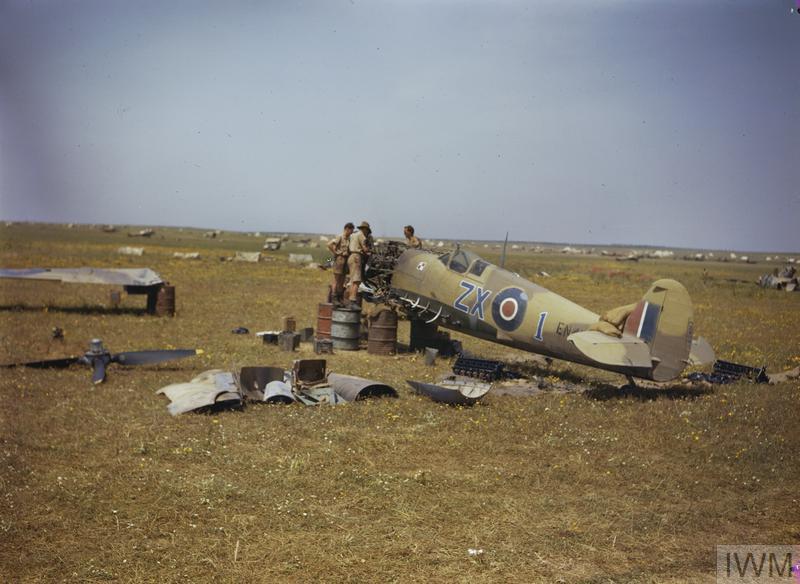
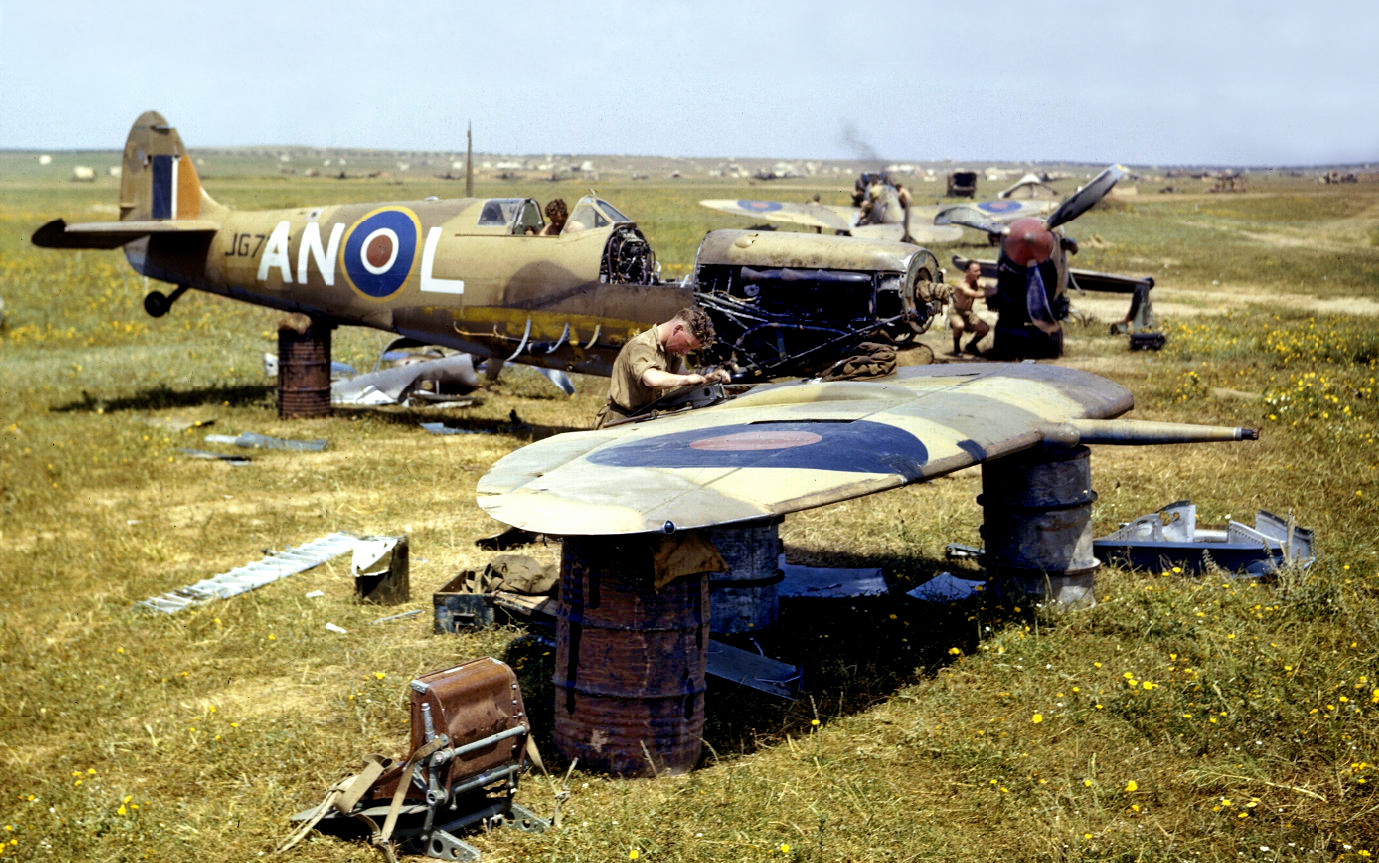
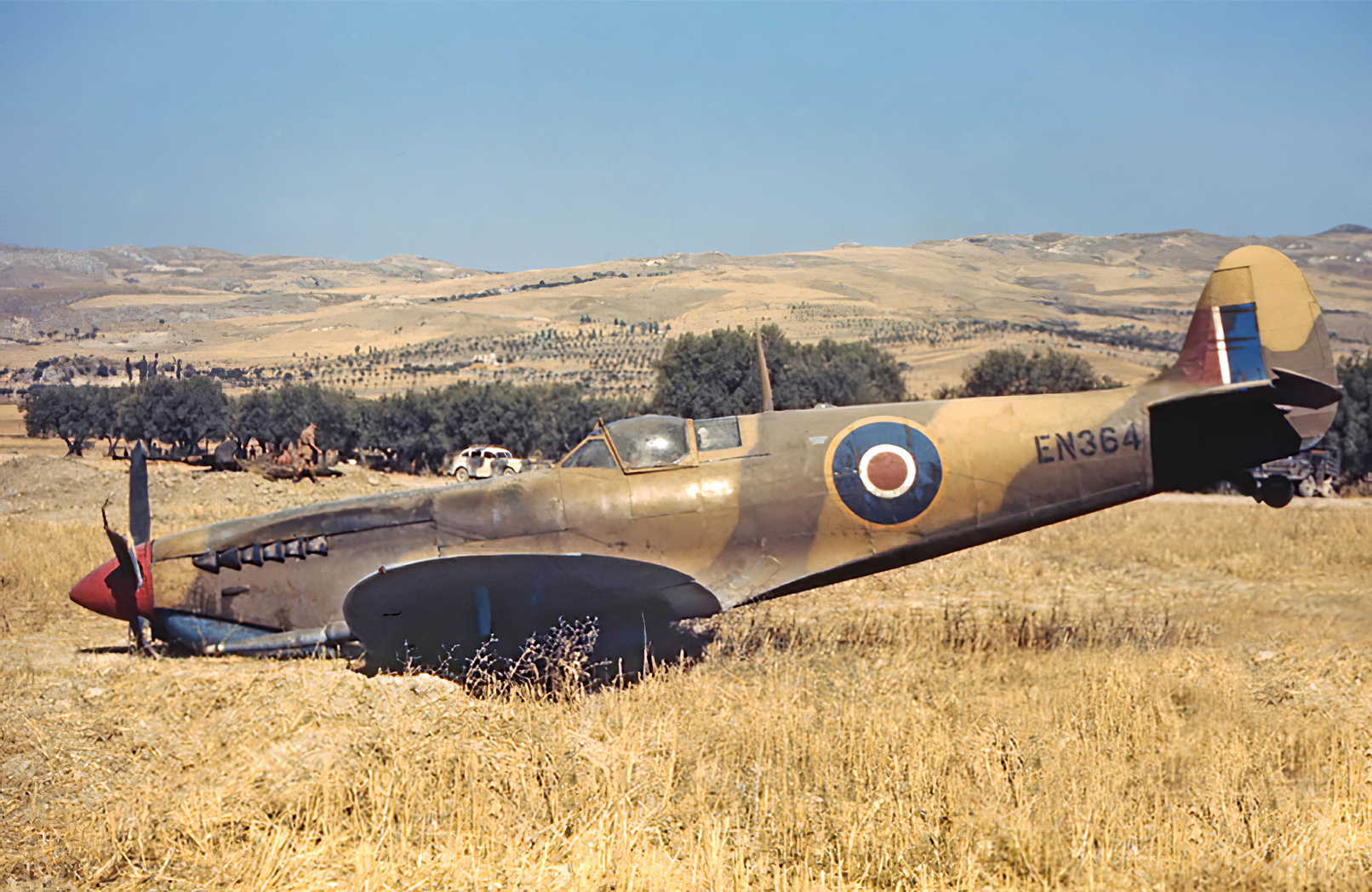
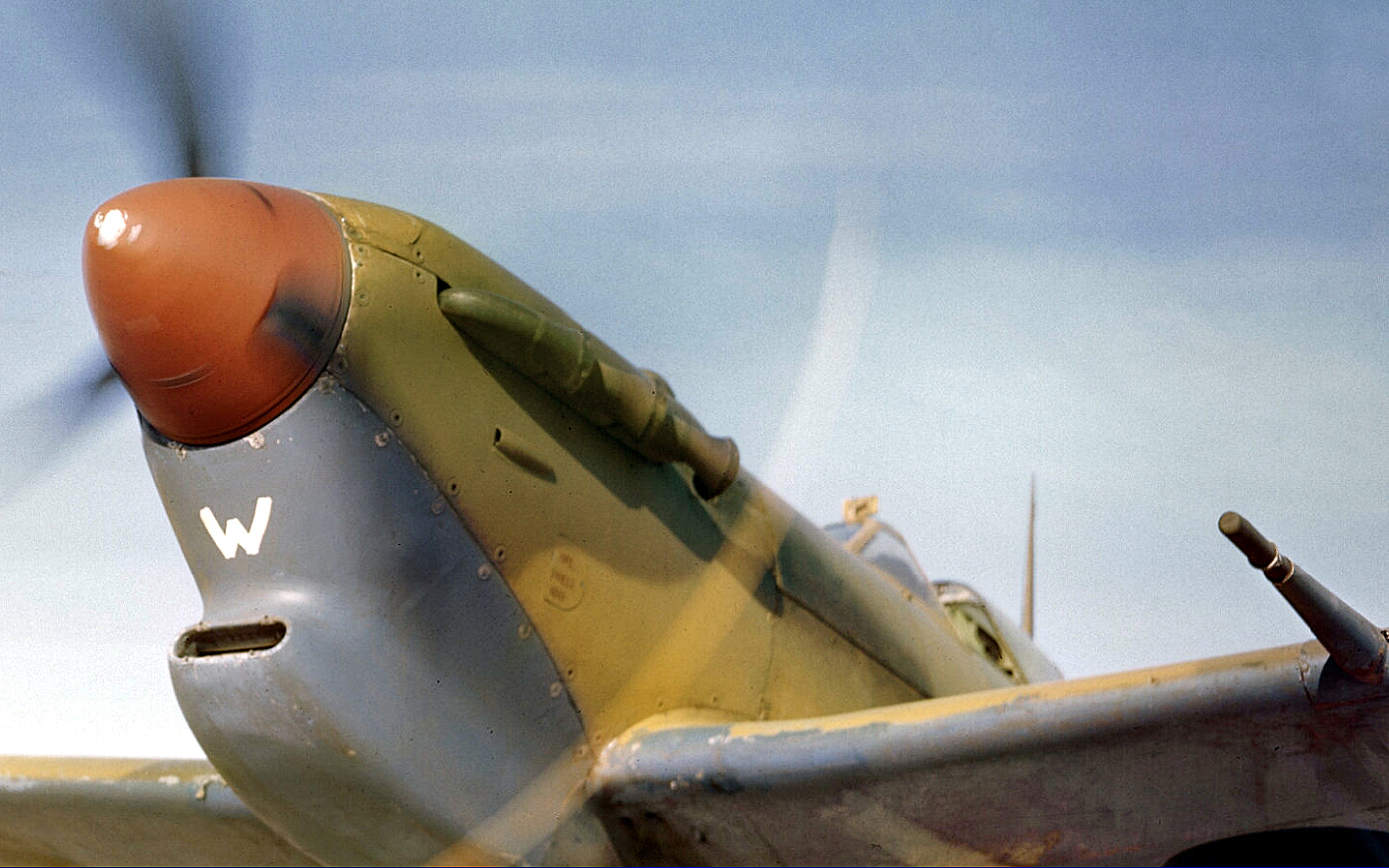
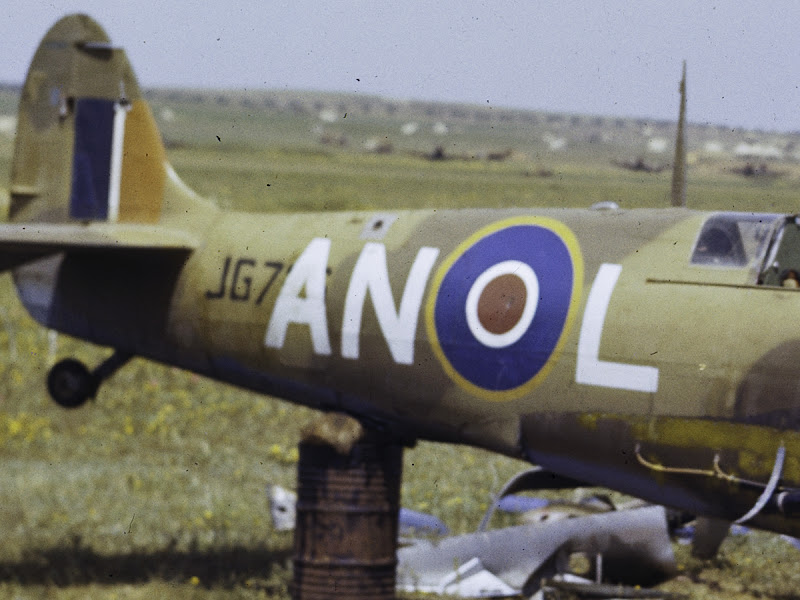
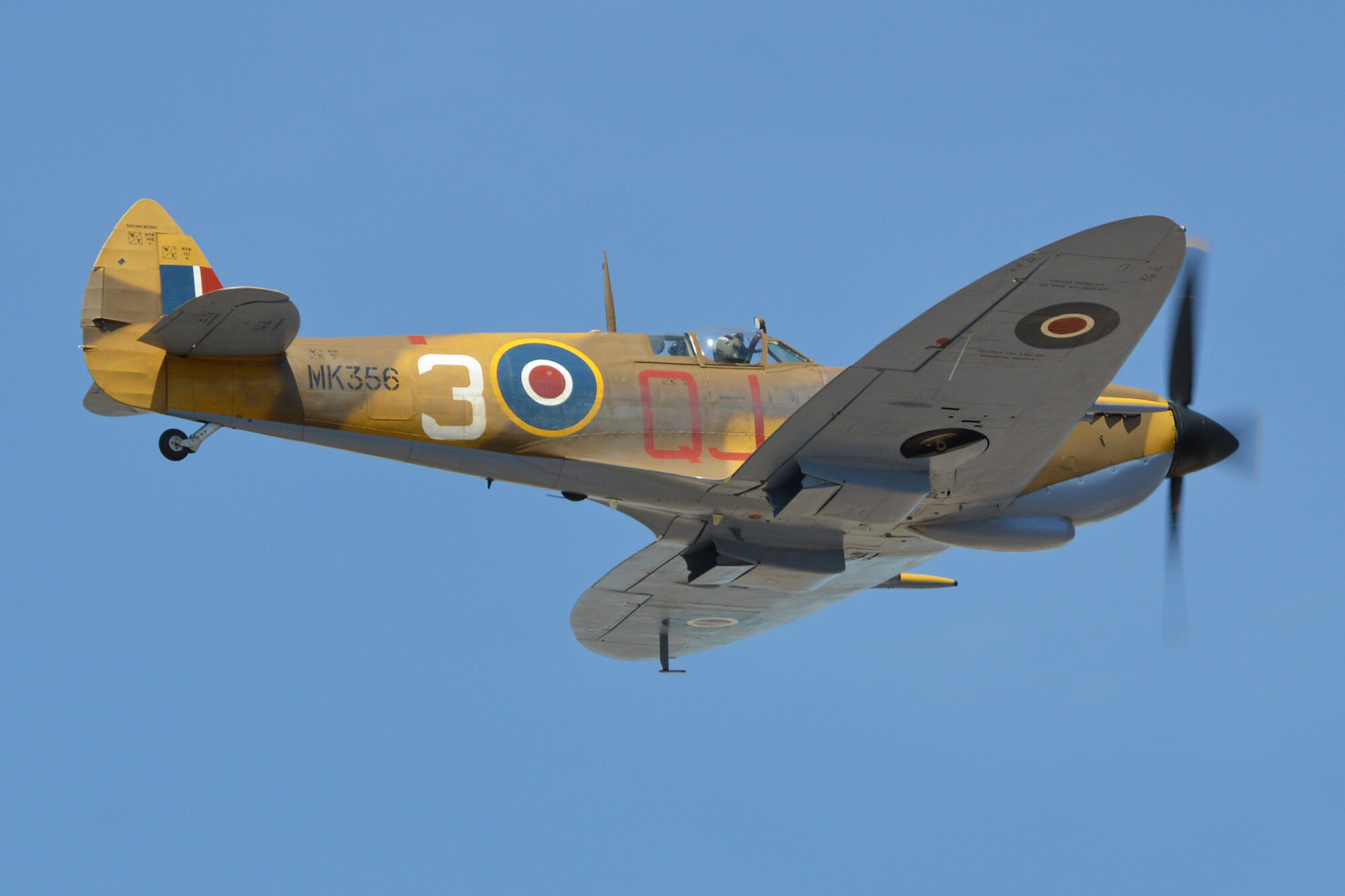
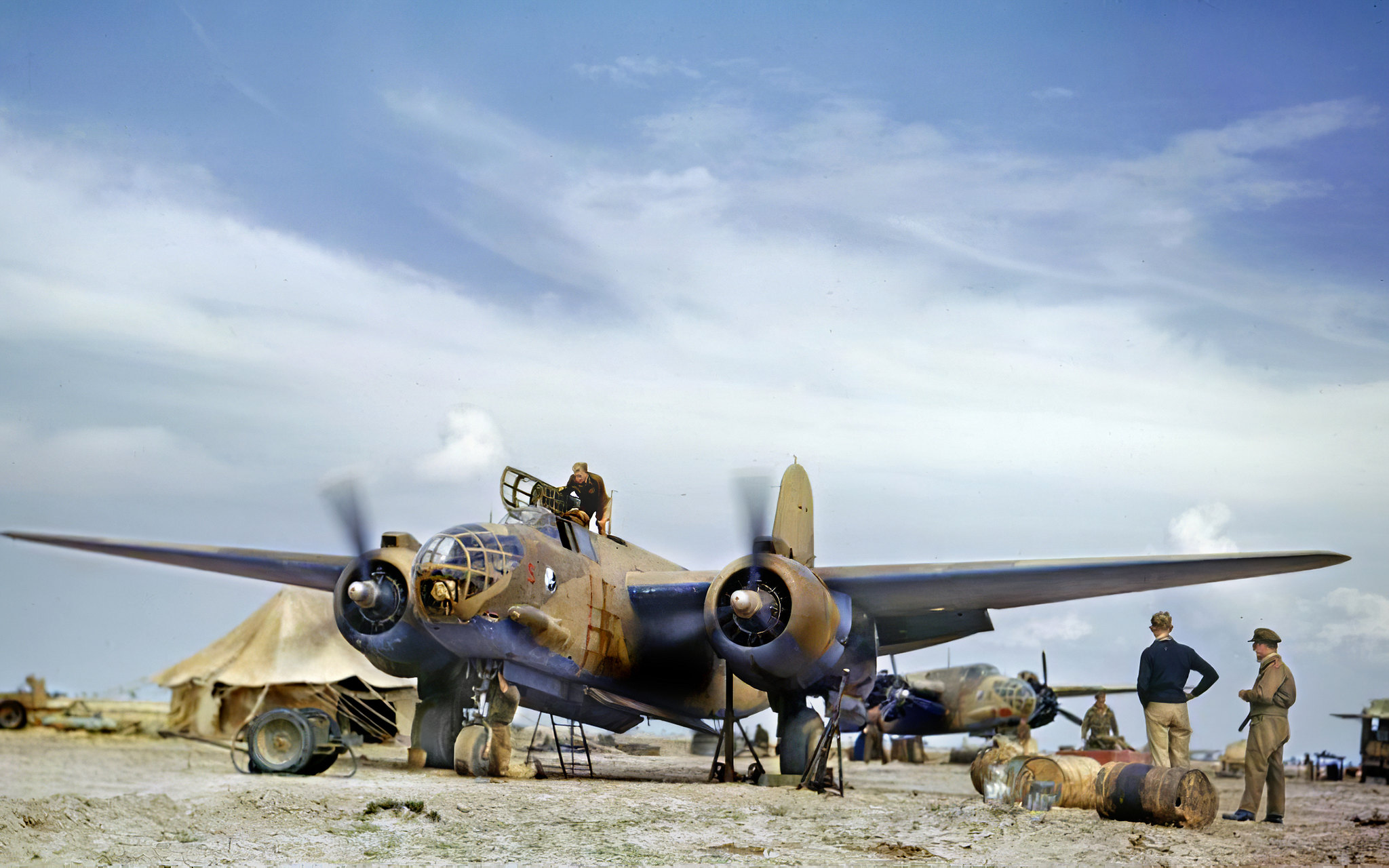
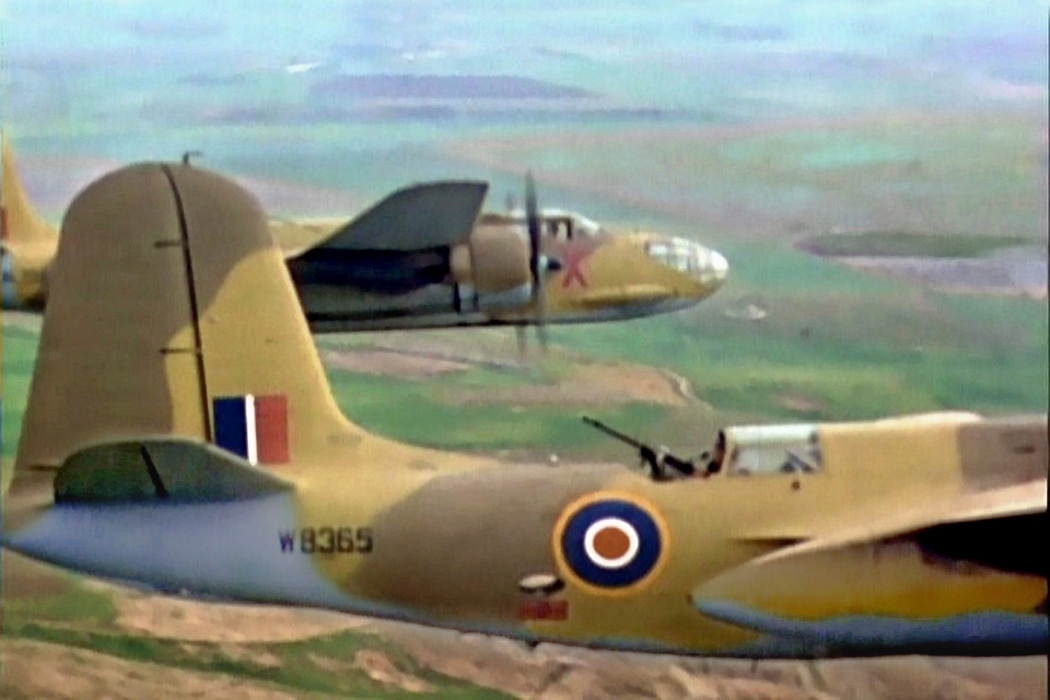
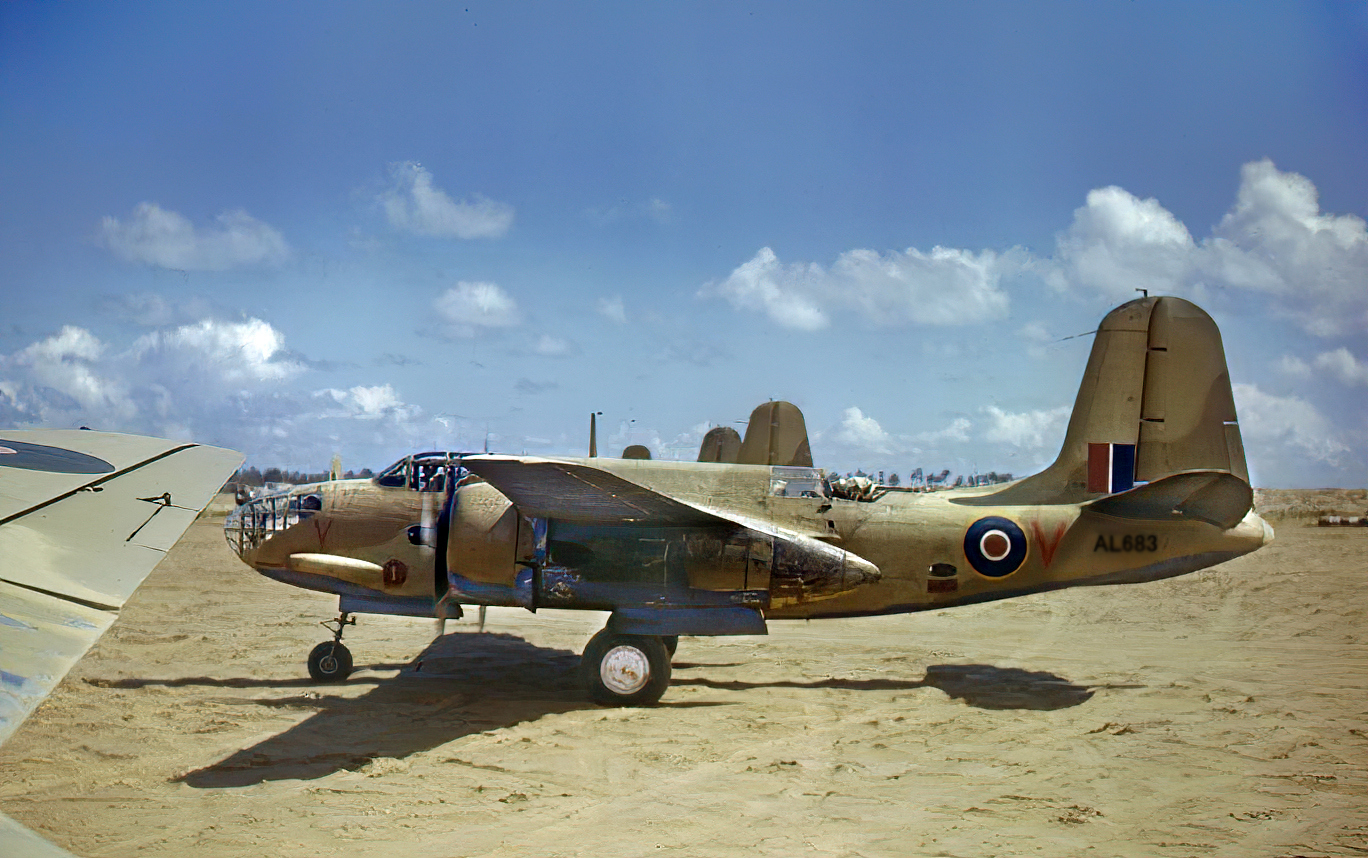
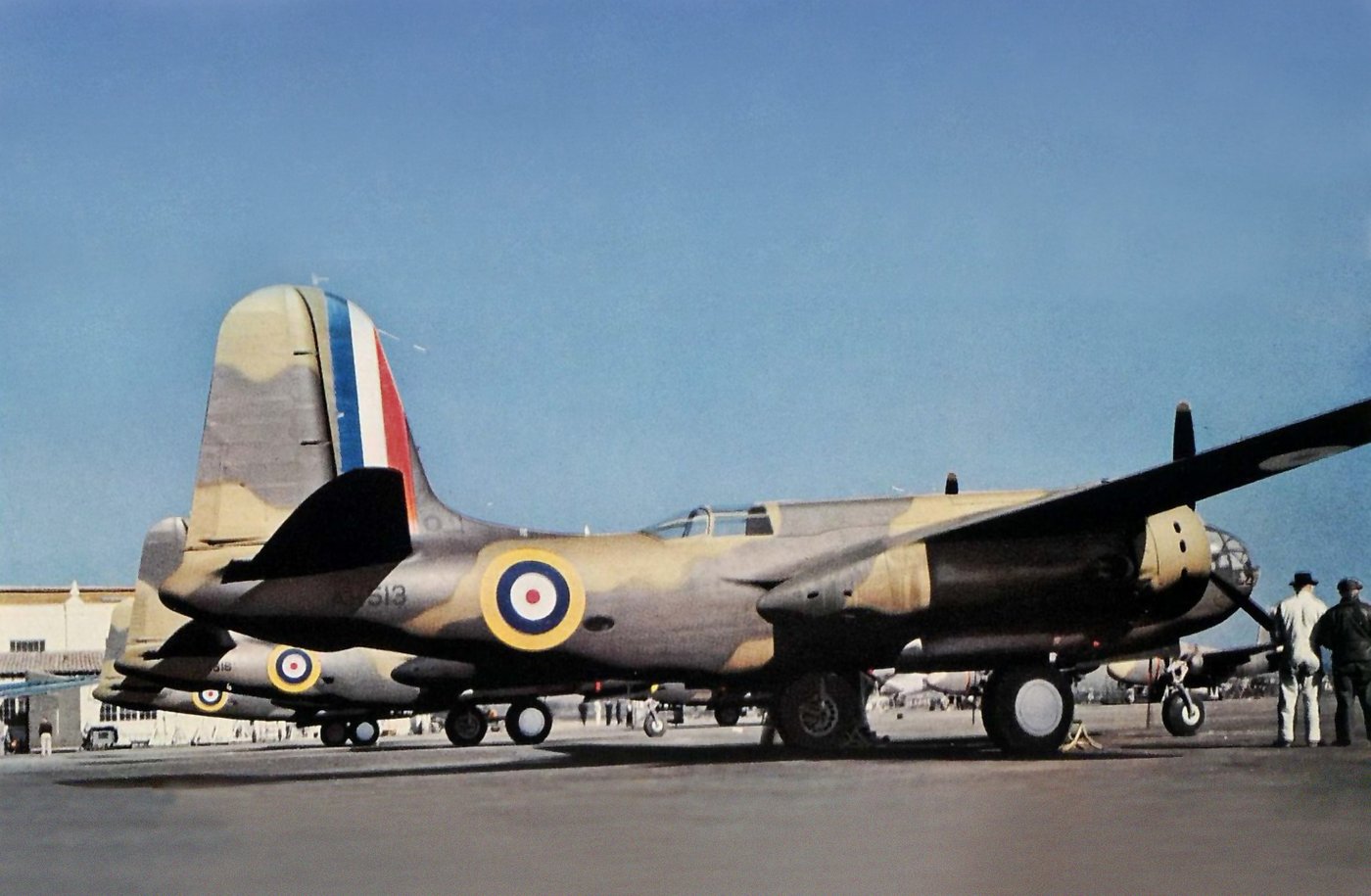
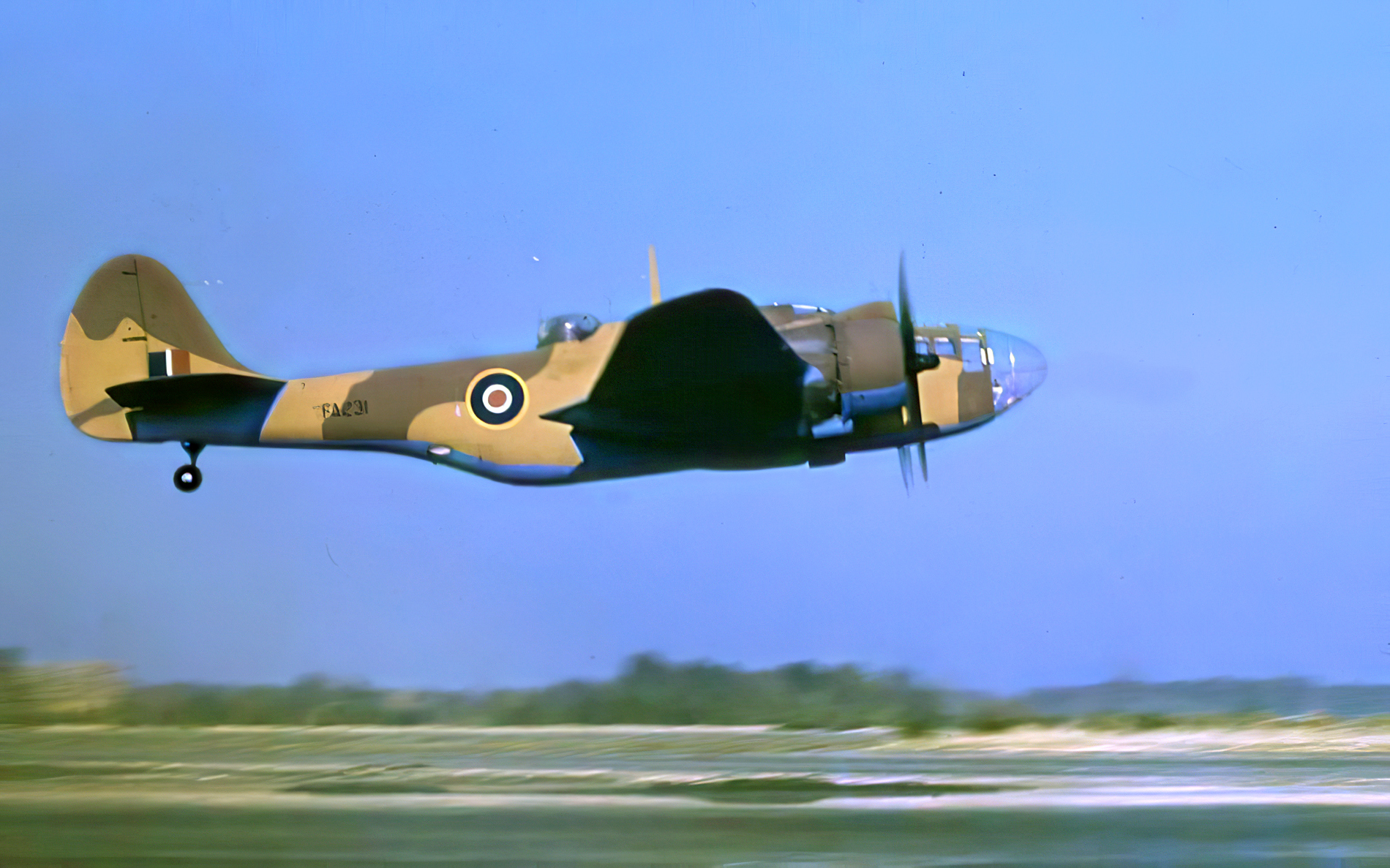
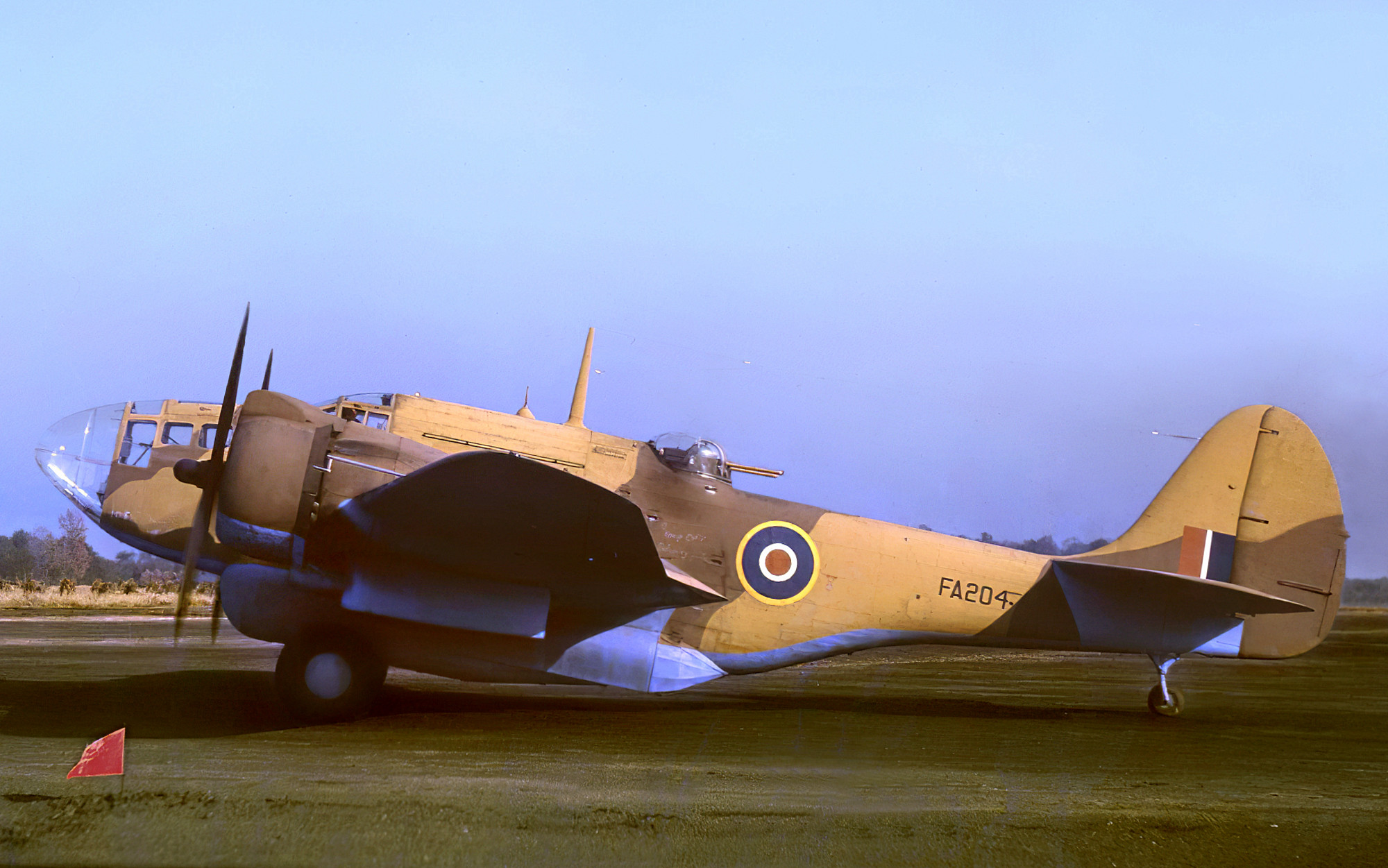
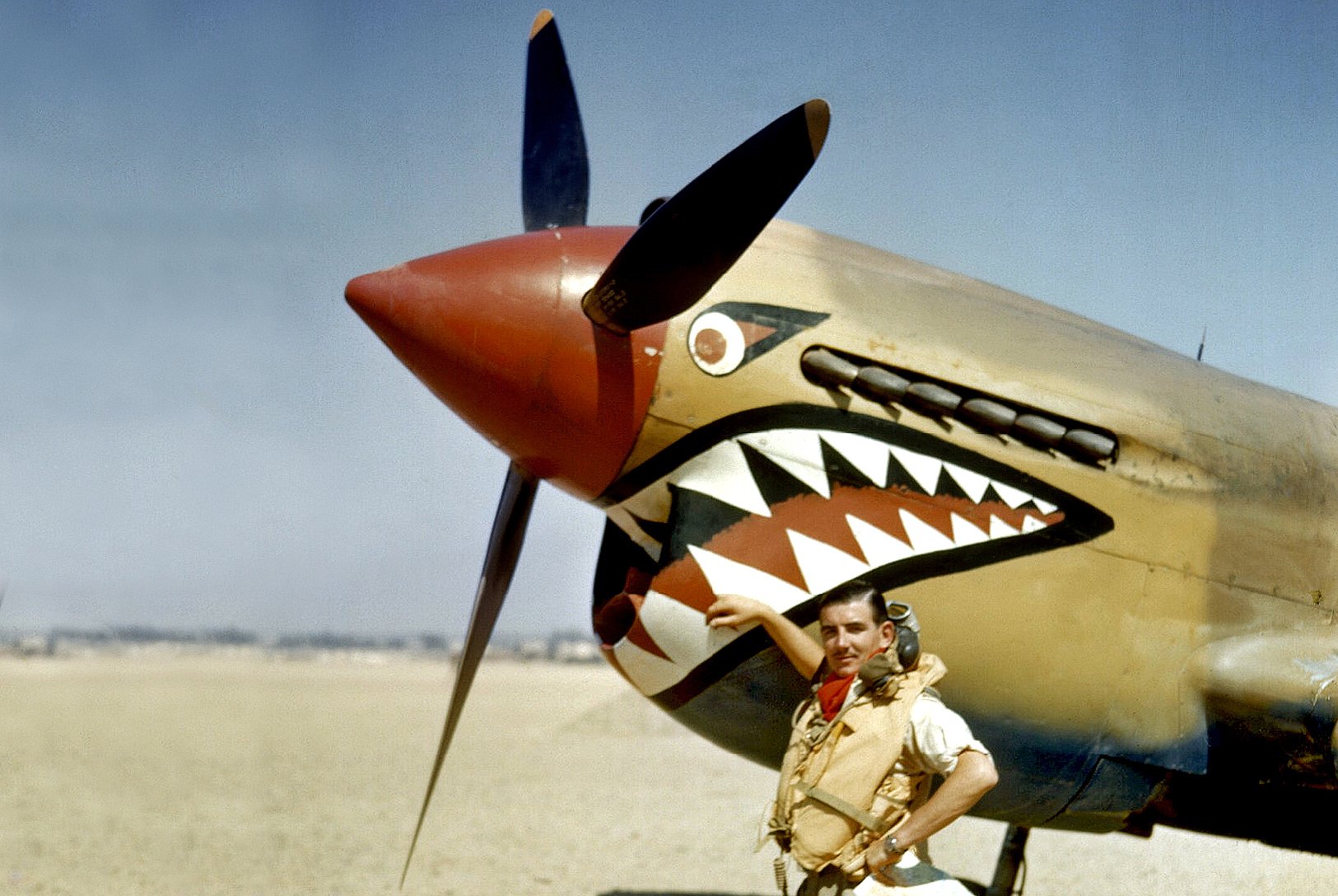
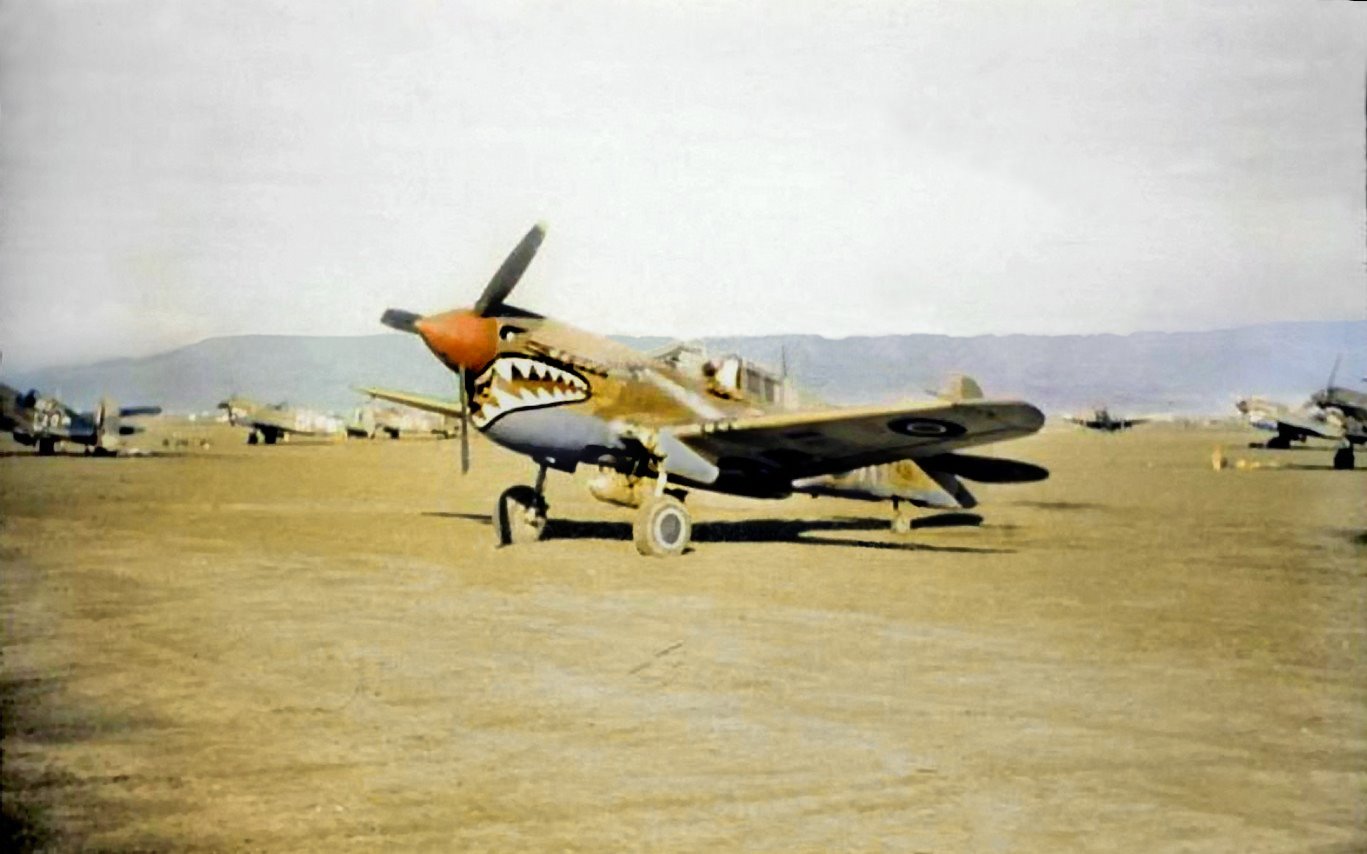
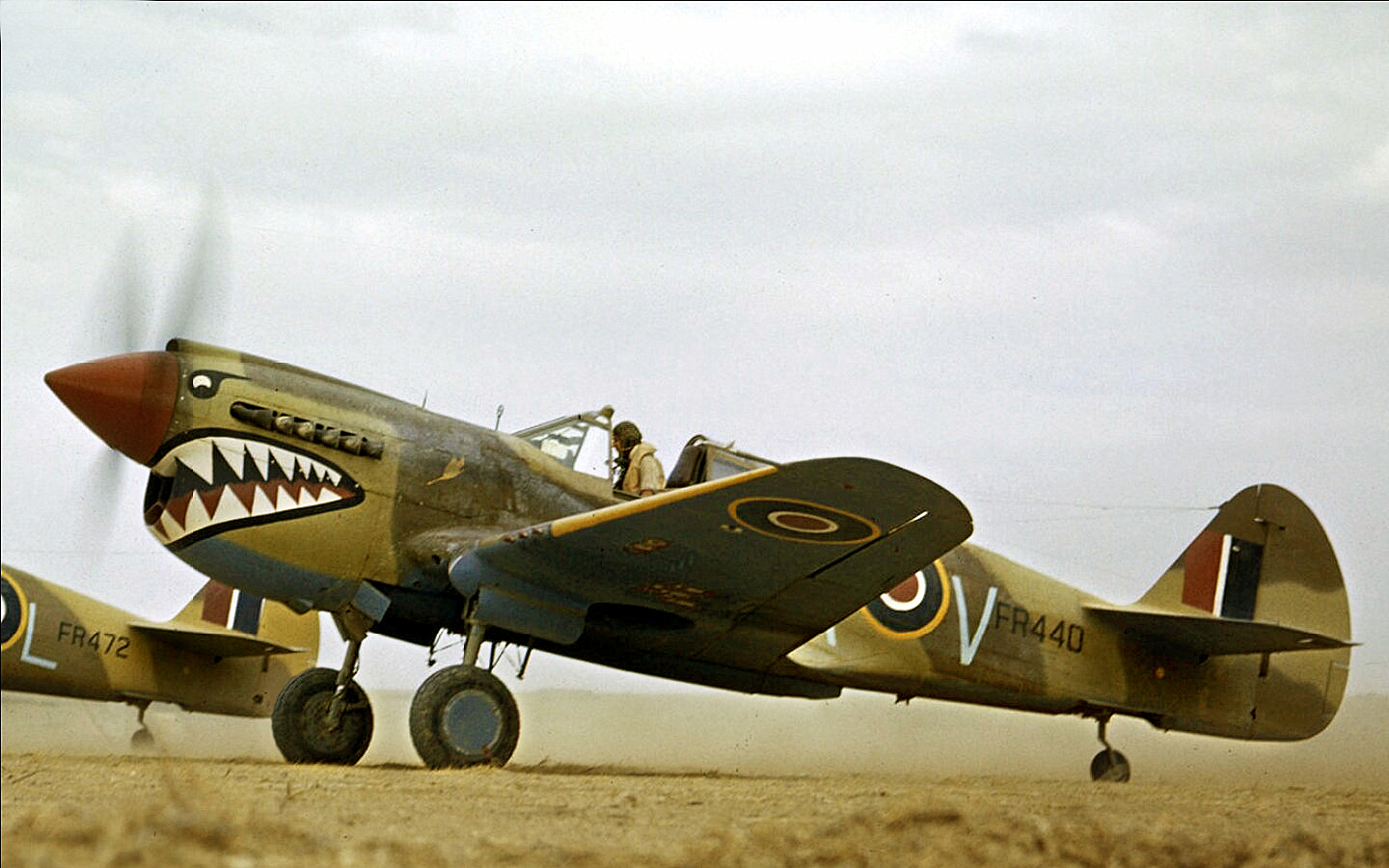
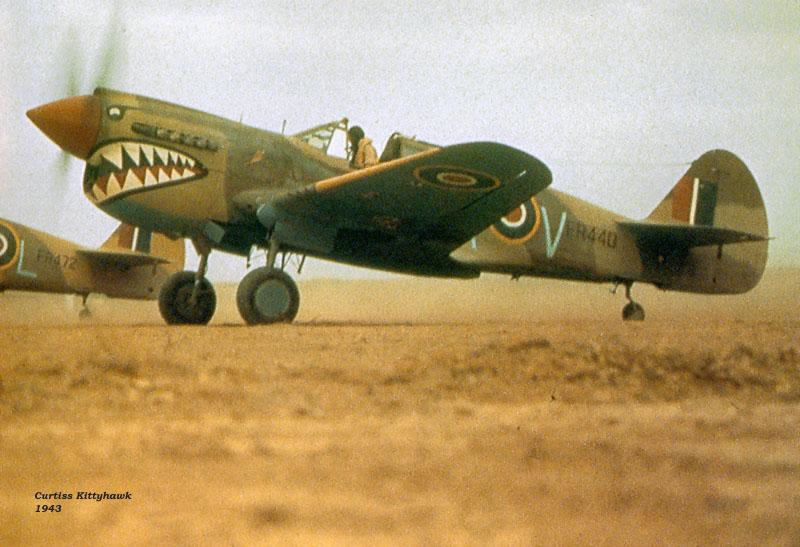
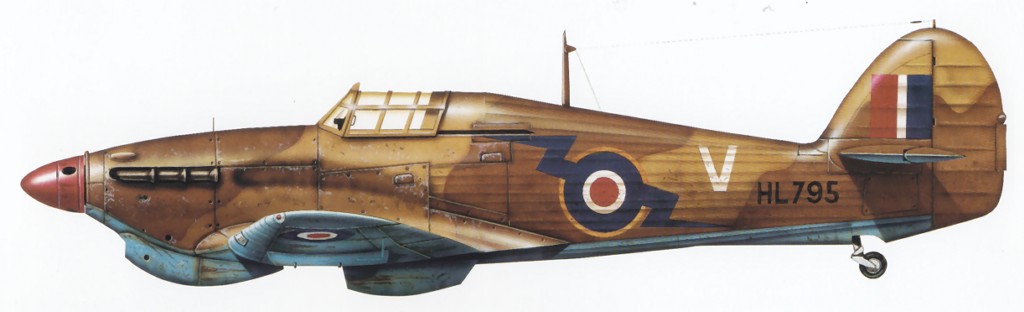
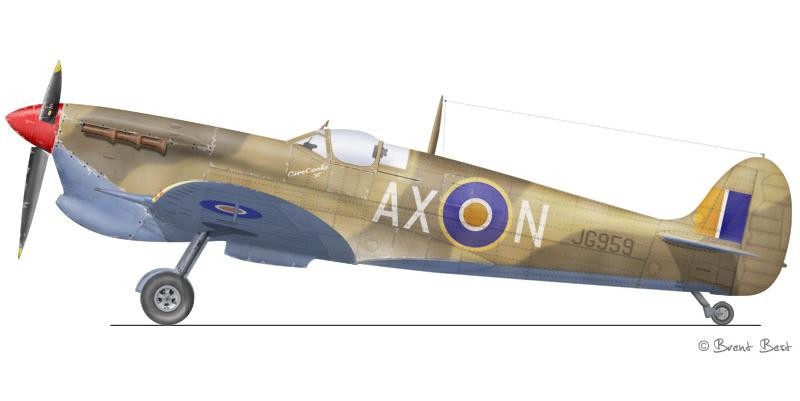
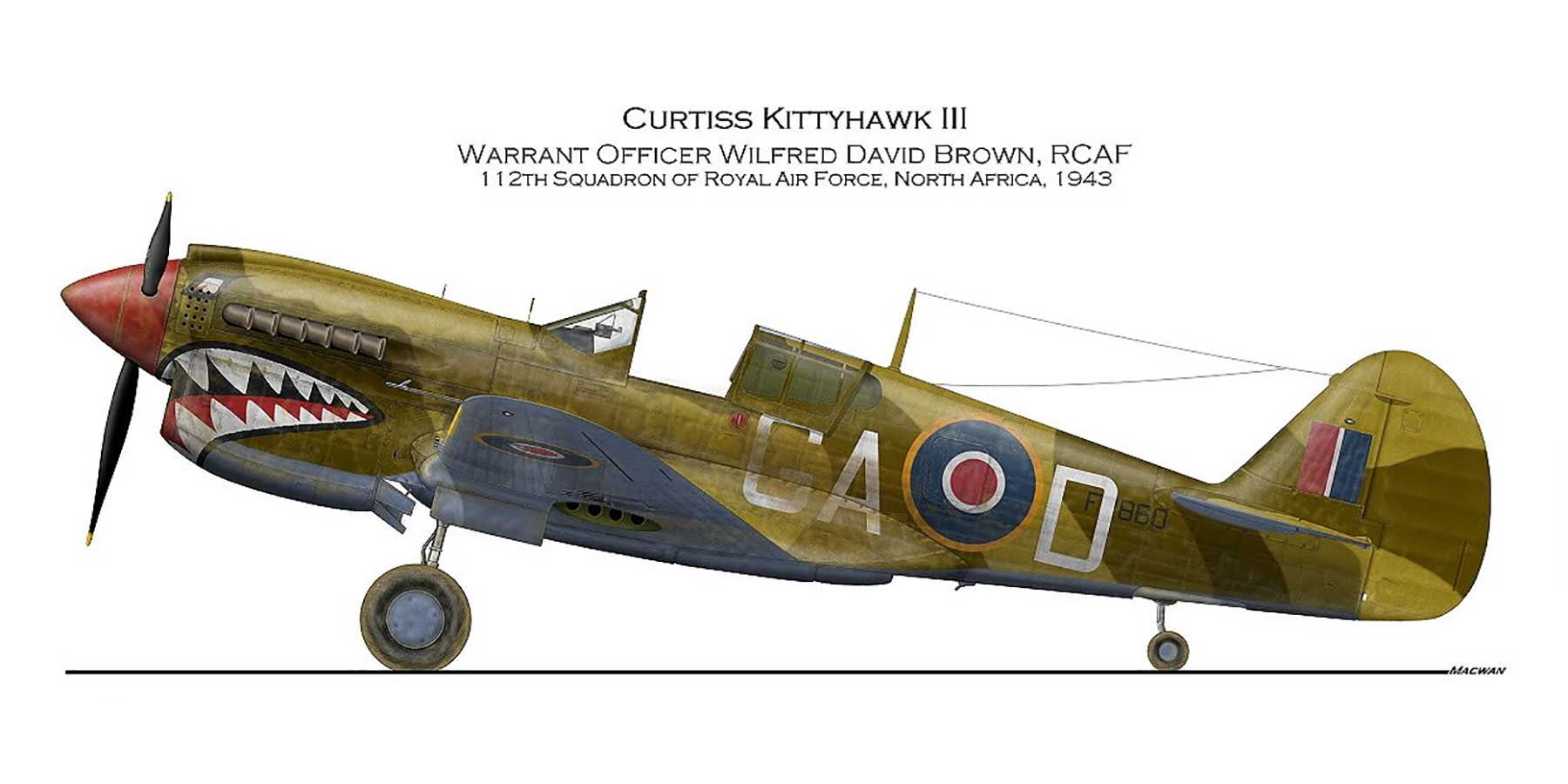
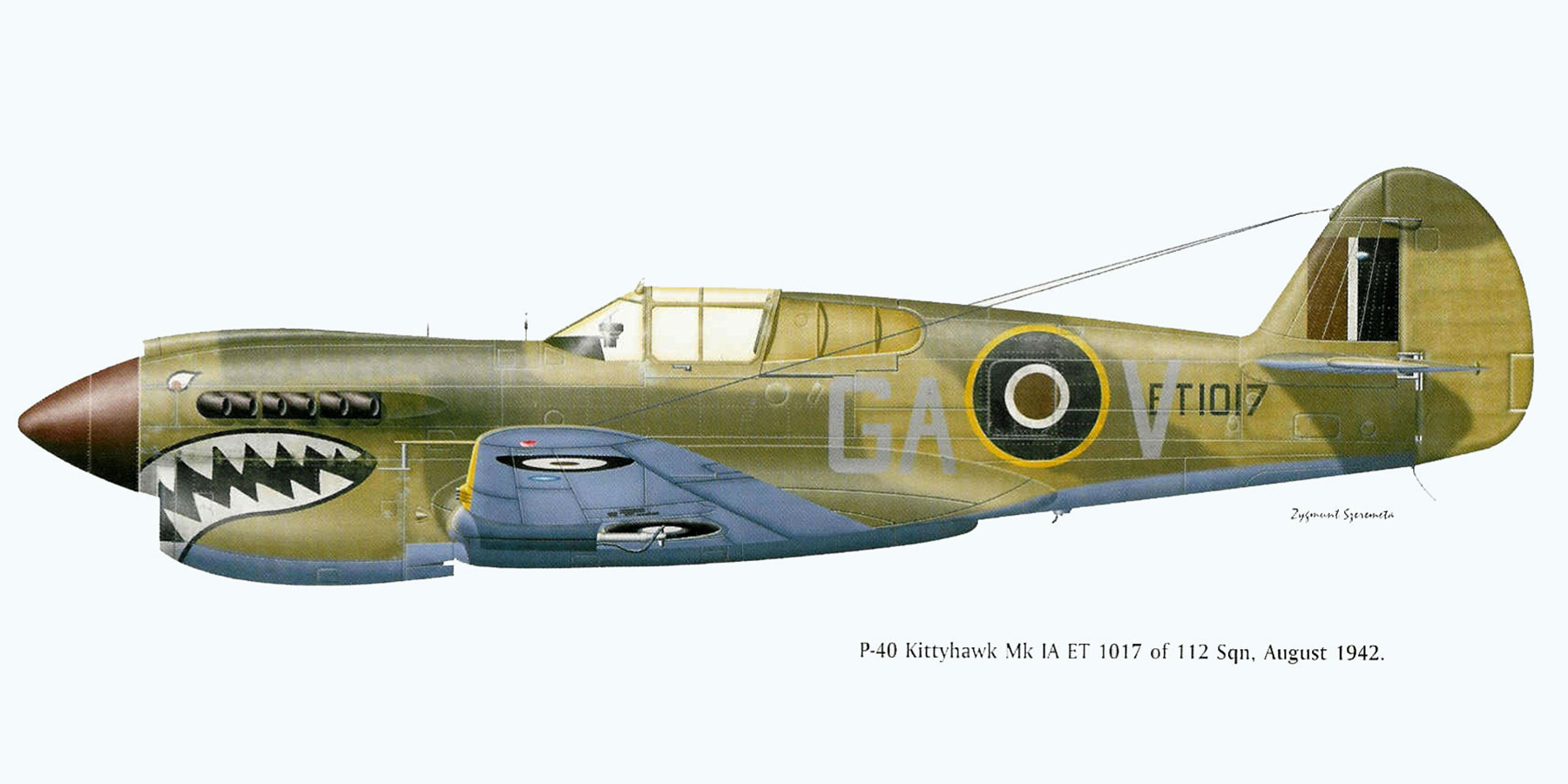
The upper surfaces were painted in Dark Earth and Middle Stone, colors specifically selected to blend with the desert terrain of North Africa. The undersides received Azure Blue, a blue-grey shade optimized for concealment against the bright Mediterranean and North African skies. Together, these colors formed what became known simply as the Desert Scheme.
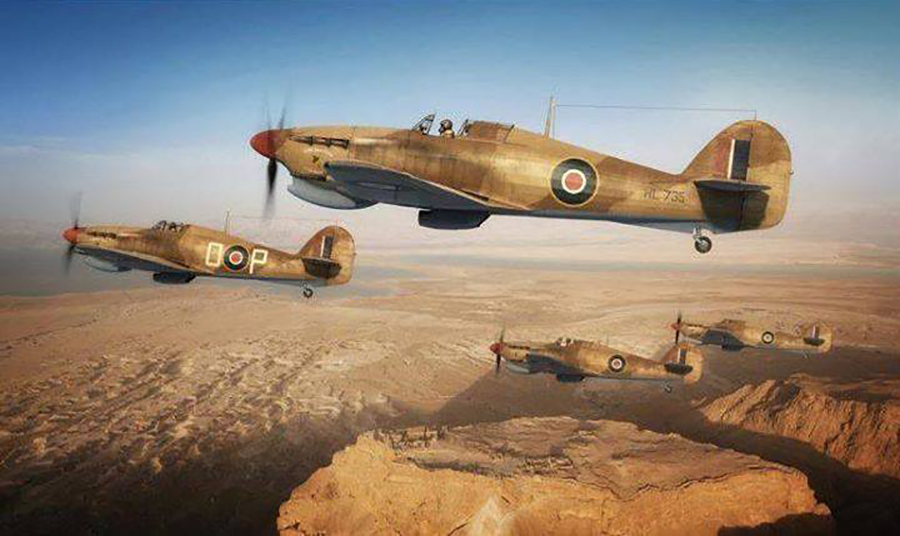
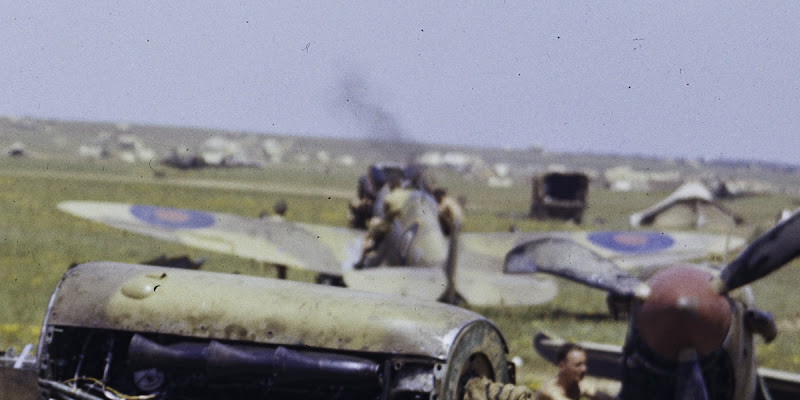
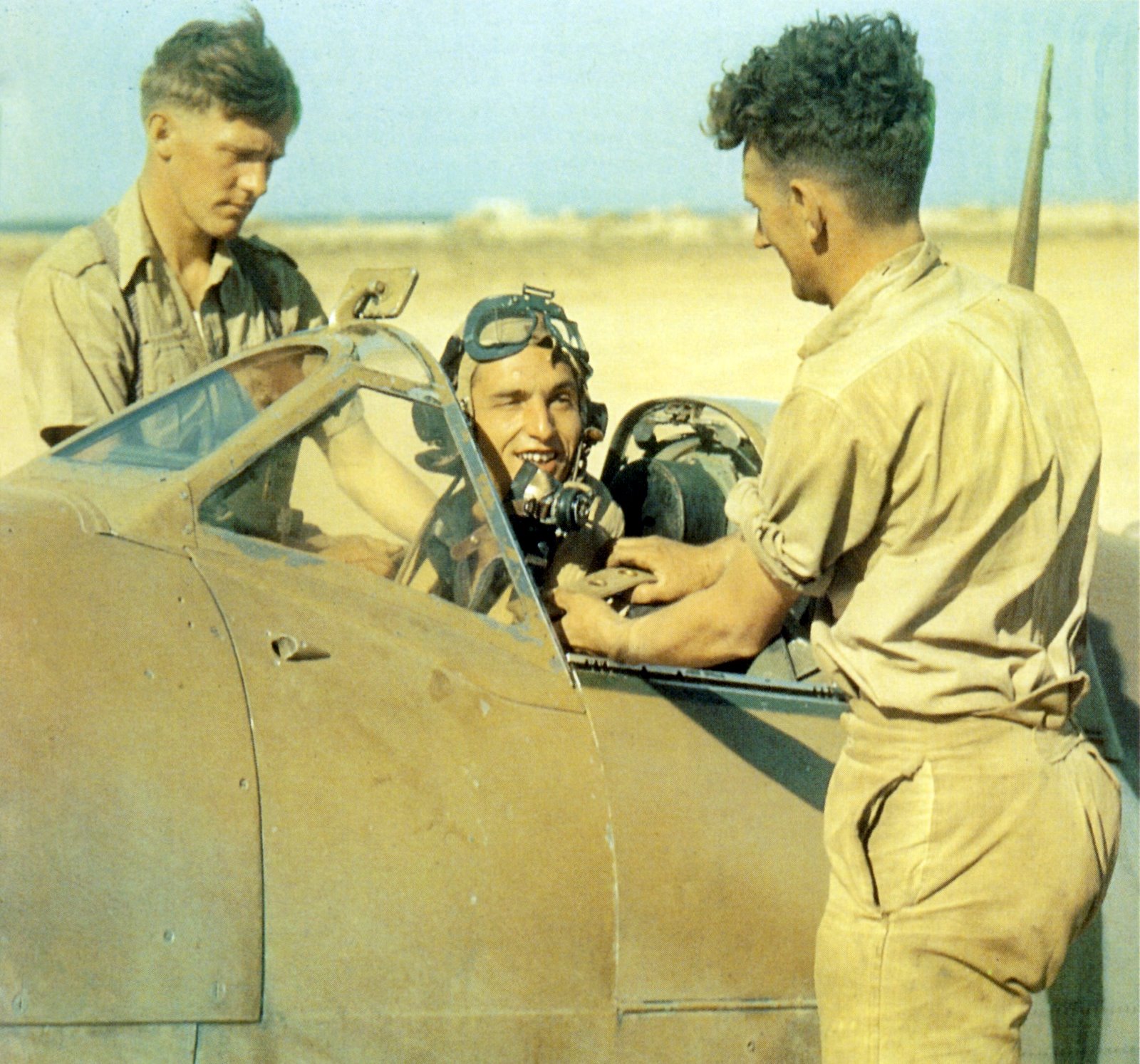
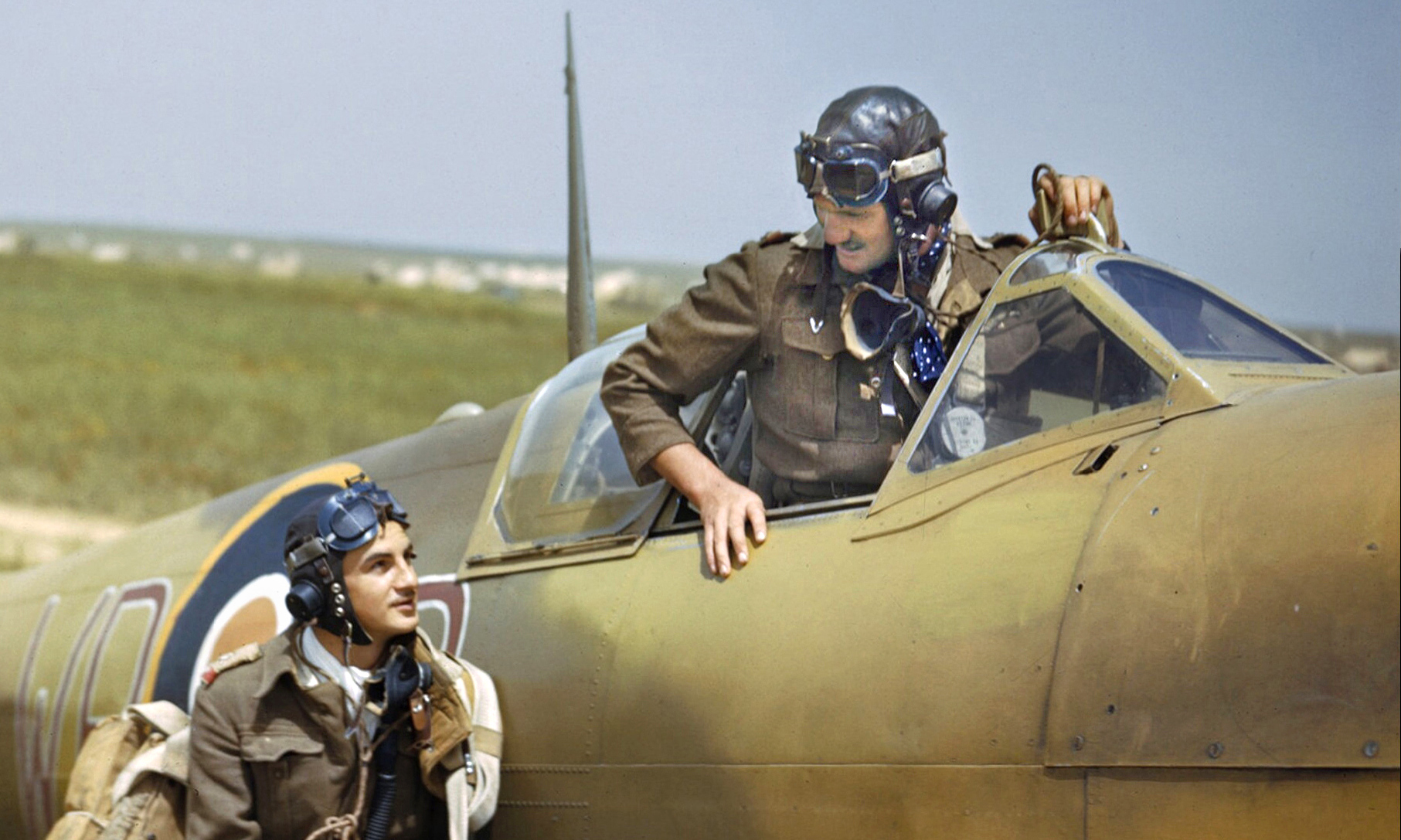
The camouflage was employed extensively by the Desert Air Force (DAF), one of the most successful Allied tactical air forces of the war. The DAF included units from the Royal Air Force, Royal Australian Air Force, South African Air Force, United States Army Air Forces, and several other Allied nations.
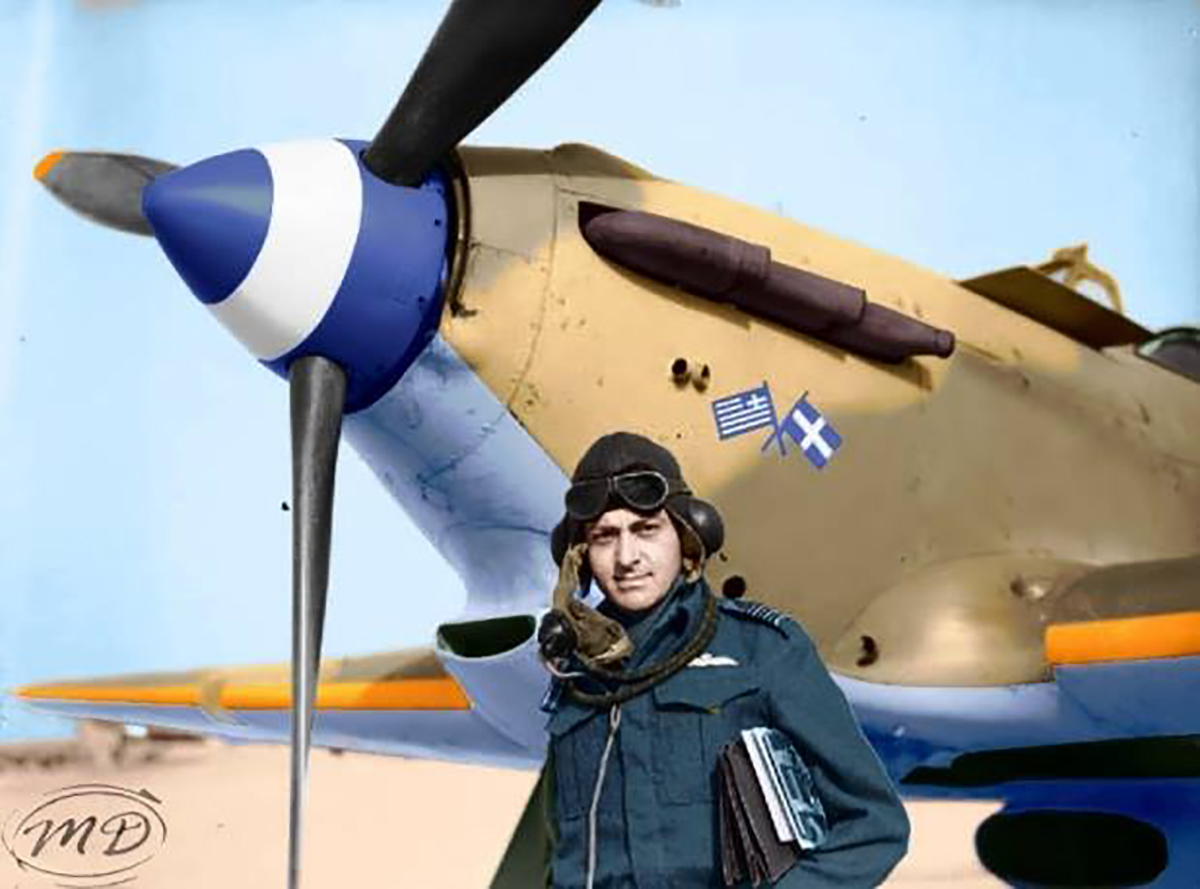
Among the Allied forces operating under DAF command were the exiled Greek squadrons. The Hellenic Air Force established three notable units in the Middle East theater. The 13th Light Bombing Squadron flew aircraft such as the Avro Anson, Bristol Blenheim, and Martin Baltimore. Fighter operations were conducted by No. 335 and No. 336 Greek Fighter Squadrons, which initially operated the Hawker Hurricane before transitioning to the Supermarine Spitfire.
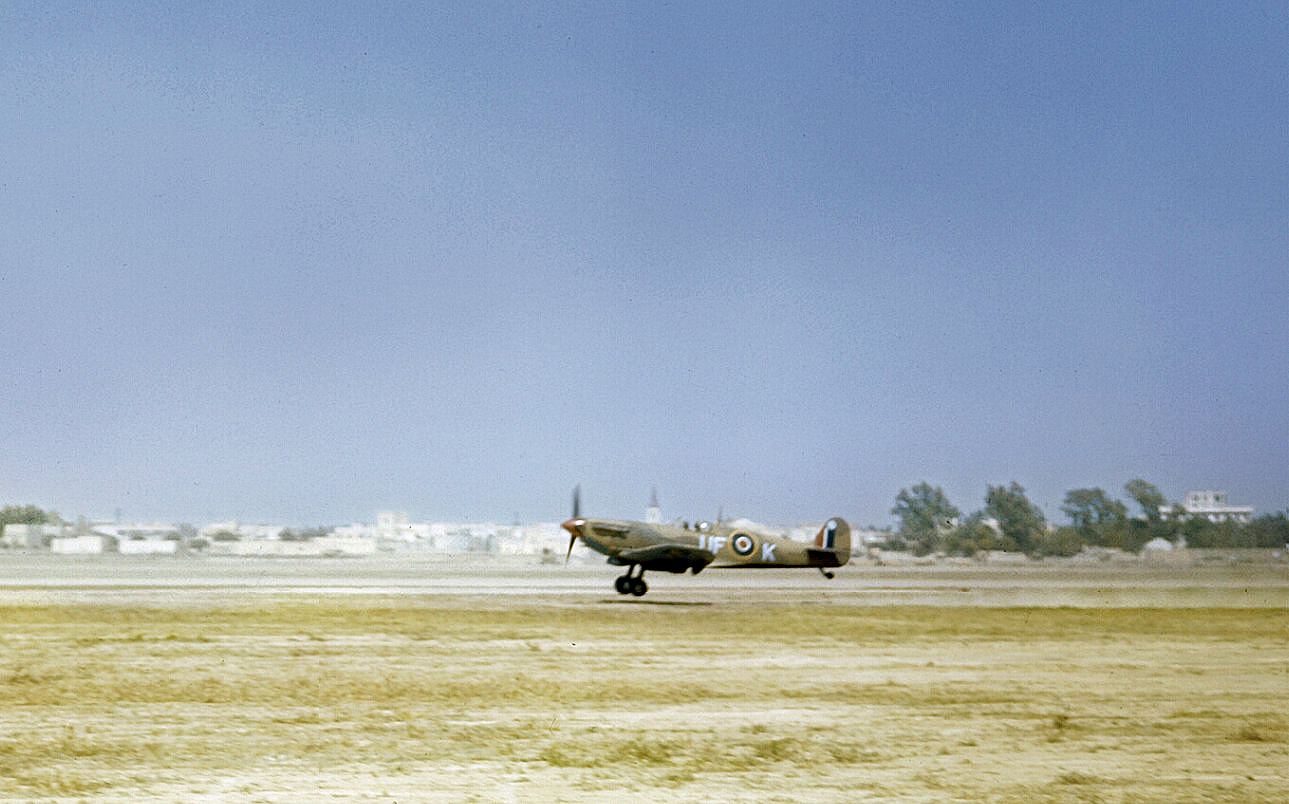
The Desert Scheme became closely associated with many famous air battles fought over El Alamein, Tobruk, Libya, Tunisia, Sicily, Malta, Crete, and the Mediterranean Sea. Aircraft painted in Dark Earth and Middle Stone with Azure Blue undersides became symbols of Allied air power during the campaign against Axis forces.
A notable feature frequently seen on desert-based aircraft was the use of red or dull red spinners. Wartime RAF red differed from both pre-war and post-war roundel colors and displayed a distinctive terracotta or brick-red appearance. Squadron codes were often painted in Dull Red or White, creating considerable variation among operational units.
Following the Allied invasion of Italy in 1943, the need for desert camouflage gradually diminished. As combat operations moved northward into greener and more temperate regions, RAF aircraft increasingly reverted to the standard Day Fighter Scheme used in Europe. Nevertheless, many aircraft retained their Desert Scheme appearance well into 1944. On 7 September 1944, Air Ministry Order A.864/44 formally ended the use of desert camouflage on fighter aircraft, although Azure Blue undersides continued to appear on many aircraft operating over the Mediterranean.
The Desert Scheme remains one of the most visually appealing camouflage patterns ever applied to military aircraft. Its combination of Middle Stone, Dark Earth, and Azure Blue creates a striking contrast that perfectly captures the atmosphere of the North African campaign. For aviation enthusiasts and scale modelers alike, it represents one of the defining paint schemes of World War II.
Aircraft That Wore RAF Desert Scheme (1941–1945)
- Gloster Gladiator
- Hawker Hurricane Mk.I , Mk.II
- Supermarine Spitfire Mk.V ,Mk.VIII
- Curtiss P-40 Tomahawk
- Curtiss p-40 Kittyhawk
- Bristol Beaufighter
- Fairey Battle
- Bristol Blenheim
- Douglas A-20 Havoc
- Martin Maryland
- Martin Baltimore
- Martin B-26 Marauder
- North American B-25 Mitchell
- Vickers Wellington
- Consolidated B-24 Liberator
- Bristol Beaufort
- Lockheed Hudson
- Avro Anson
Harrier FA.2 Project – Build, Paint & Weathering Guide
Camo Colors :
- Azure Blue: Despite being such a notable RAF underside color, Azure Blue is also notably absent in the Gunze lineup, although a version is available as a Mr. Color paint set. It is well known that Humbrol 157 is too dark, possibly matching the pre-war shade. The AK Real Colors version (RC291) is excellent. This is a relatively easy color to get right and most other ranges should be relatively accurate.
- Red: Wartime red is only available in the Mr. Paint range (MRP-123) and labeled RAF Markings Red as well as Colourcoats (ACRN22) where it is labeled RAF/FAA Red. Its closet FS match is FS 30109 which is carried by Vallejo (70.982) and Lifecolor (UA 088). Less pedantic modellers (this is a relatively small piece of the aircraft, after all) are likely to be well served using Post Office Red/Cherry Red BS 356 or US Insignia Red (FS 31136) and in fact, any basic red that is darker than it is lighter should suffice (Tamiya XF-7 is excellent).
| Azure Blue | Middle Stone | Dark Earth | Dull Red | |
| Schemes | ||||
| Desert | Lower | Upper camo | Upper camo | (Spinner) |
| Color matches | ||||
| Gunze Aqueous | – | H71 | H72 | – |
| Gunze Mr. Color | C370 | C21 | C22 / C369 | – |
| Humbrol | 157 (!) | 225 | 29 | – |
| Model Master | 2048 | 2052 | 2054 | – |
| Revell | – | – | 182 | – |
| Tamiya | – | – | – | – |
| Vallejo Model Air | 71.108** | 71.031** | 71.323 | – |
| Vallejo Model Color | 70.902** | 70.882** | – | (70.982) |
| AKAN | 70004 | – | 70010 | – |
| AK Interactive | AK 2017 | AK 2016 | AK 2012 | – |
| AK Real Color | RC291 | RC292 | RC287 | – |
| AMMO by Mig | – | A.MIG-200 (!) | A.MIG-070 | – |
| Colourcoats | ACRN34 | ACRN11 | ACRN10 | ACRN22 |
| Hataka | HTK-_028 | HTK-_013 | HTK-_009 | – |
| Lifecolor | UA 098** | UA 097** | UA 092** | (UA 088) |
| Mission Models | MMP-092 | MMP-076 | MMP-078 | – |
| Mr. Paint | MRP-119 | MRP-121 | MRP-108 | MMP-123 |
| Xtracolor | X026 | X009 | X002 | – |
| Xtracrylix | XA1026 | XA1009 | XA1002 | – |