article
RAF Photo-reconnaissance High Altitude PRU (1940-1945)
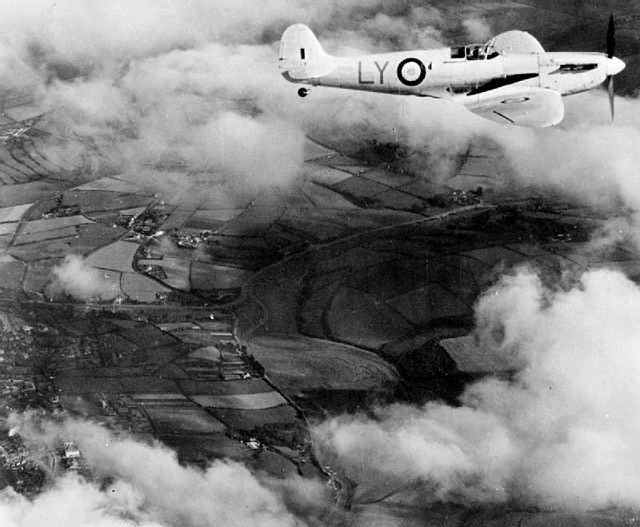
During the early years of the Second World War, aerial photography became one of the most valuable strategic tools available to the Royal Air Force. Long before satellites and advanced electronic intelligence, specialized aircraft crossed enemy territory at extreme altitude to collect images of military installations, troop concentrations, naval movements, industrial targets, and airfields.
These missions demanded an entirely different philosophy of camouflage.
Beginning in late 1940, RAF tactical reconnaissance aircraft started abandoning conventional combat camouflage and introduced dedicated finishes designed specifically for photographic operations. Unlike fighters and bombers that relied on disruptive patterns, reconnaissance aircraft needed concealment through altitude and reduced visibility.
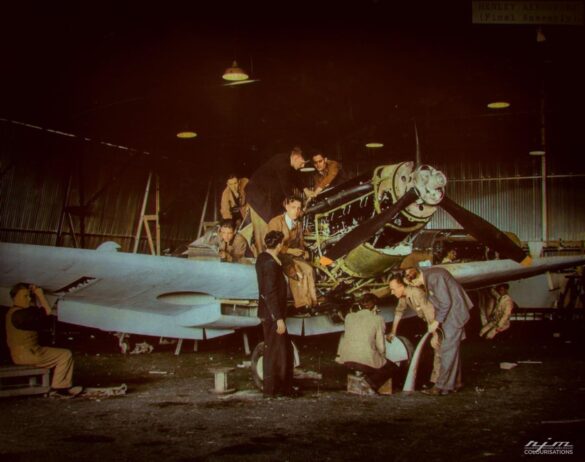
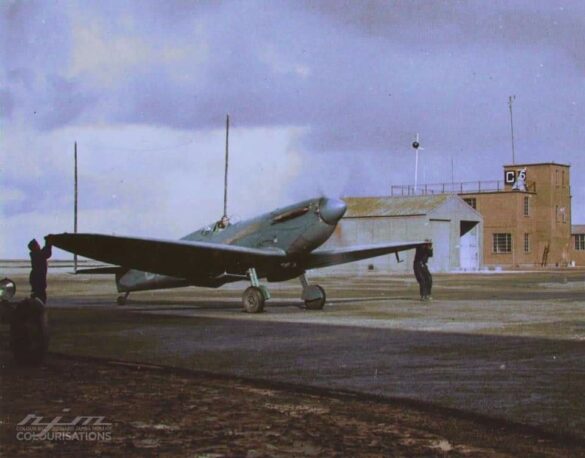
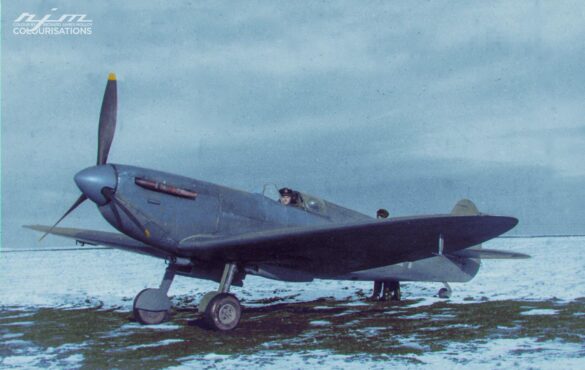
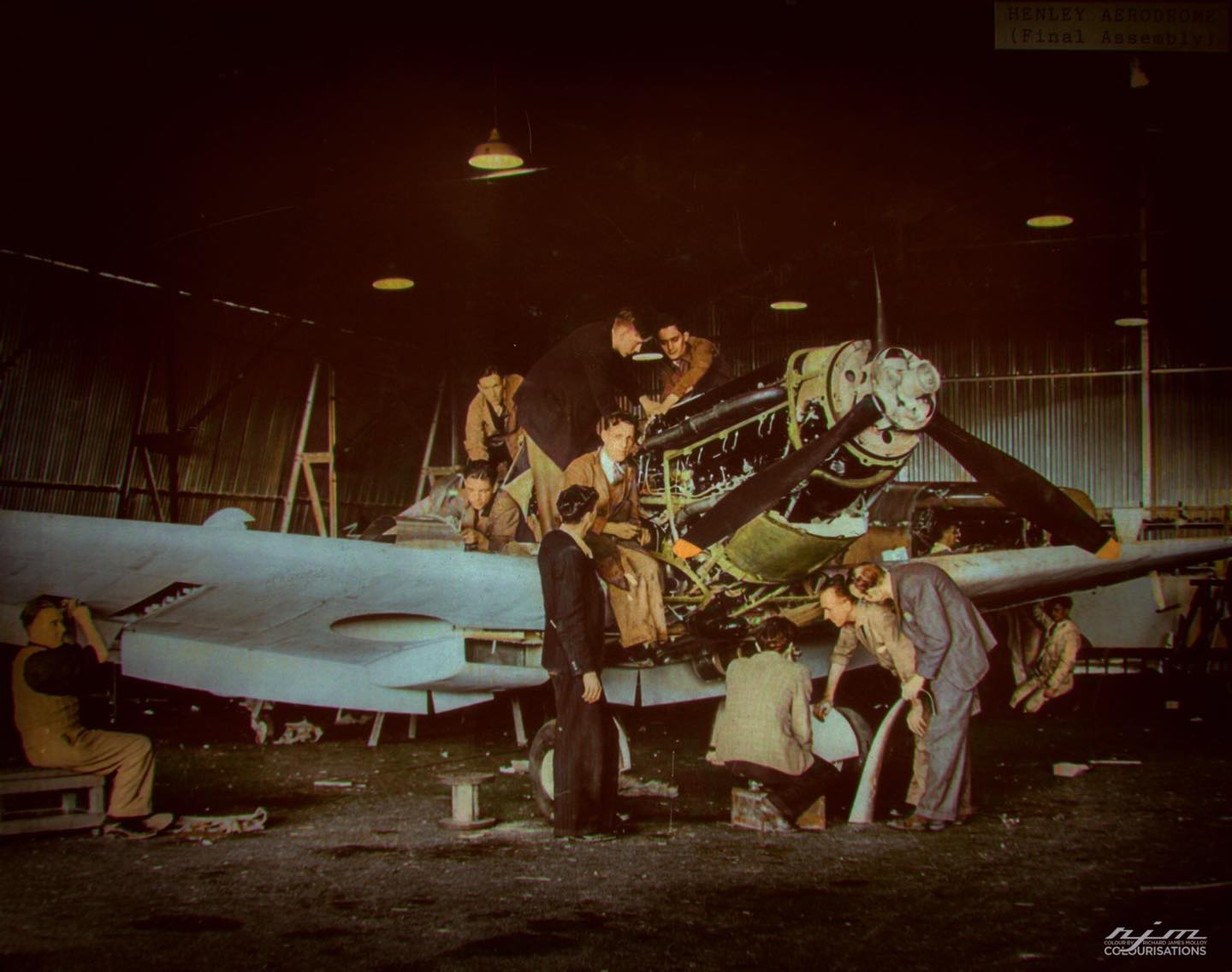
The earliest experiments were conducted under the leadership of Sidney Cotton and the Photographic Development Unit (PDU). Cotton had already gained considerable experience flying covert photographic missions over Germany before the war officially expanded. His work led to the development of one of the most unusual RAF colors of the period: Camotint Green.
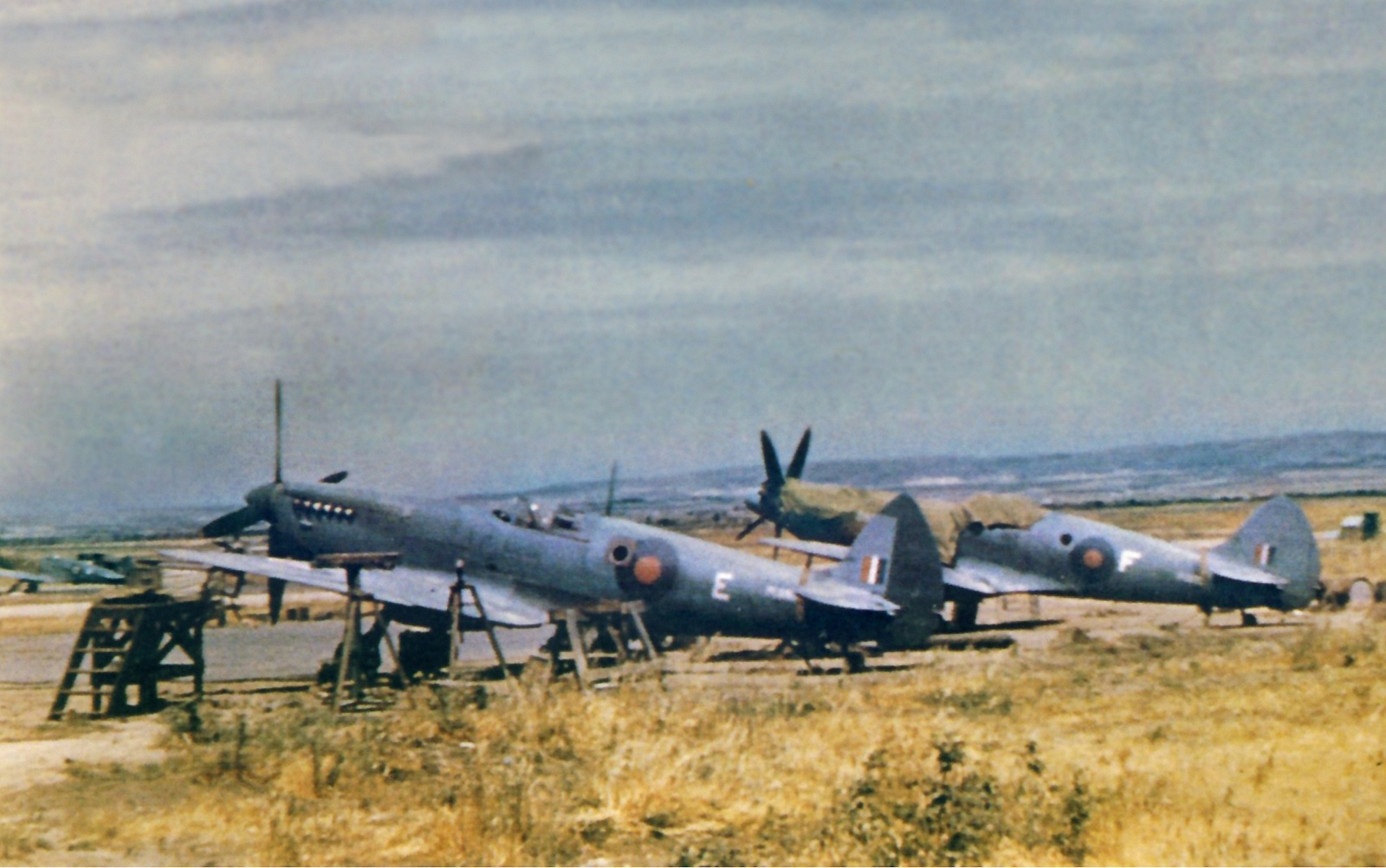
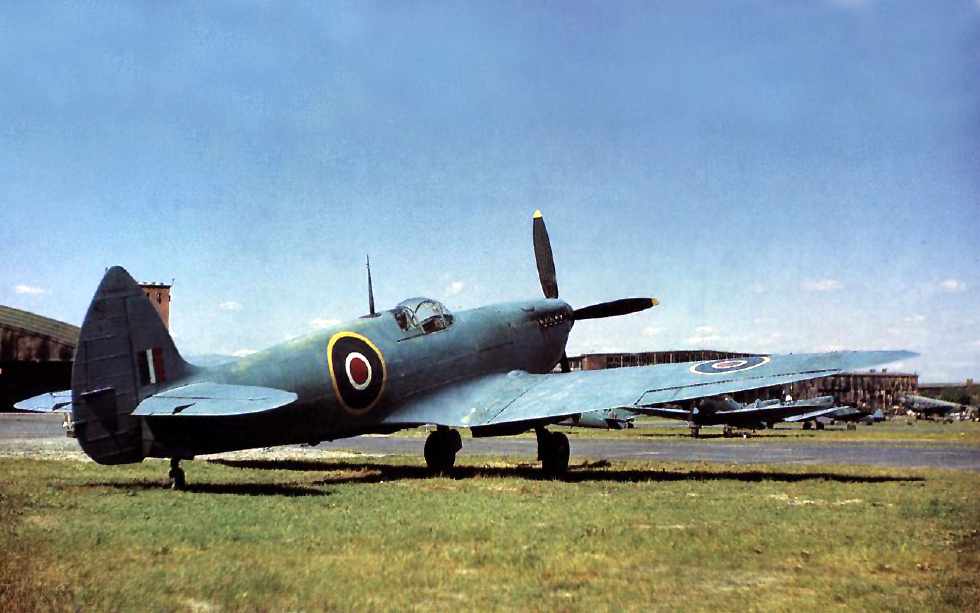
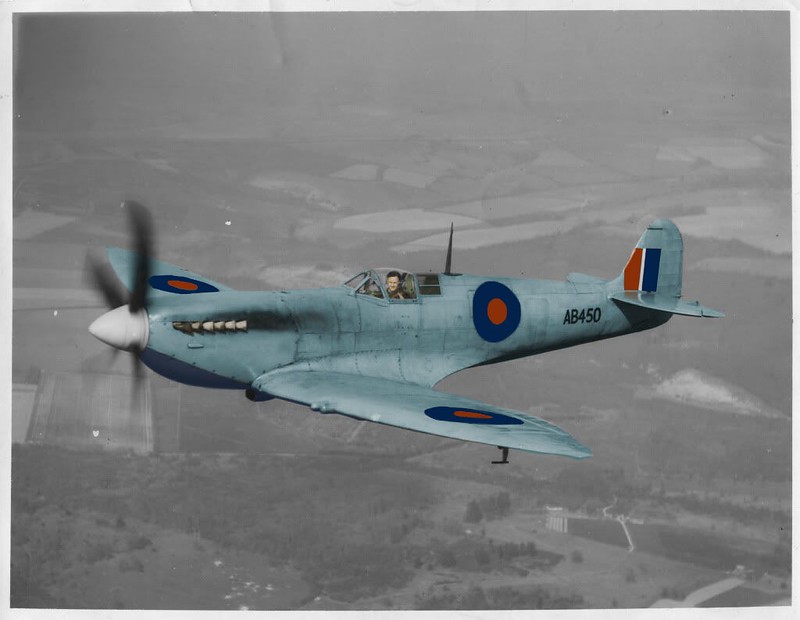
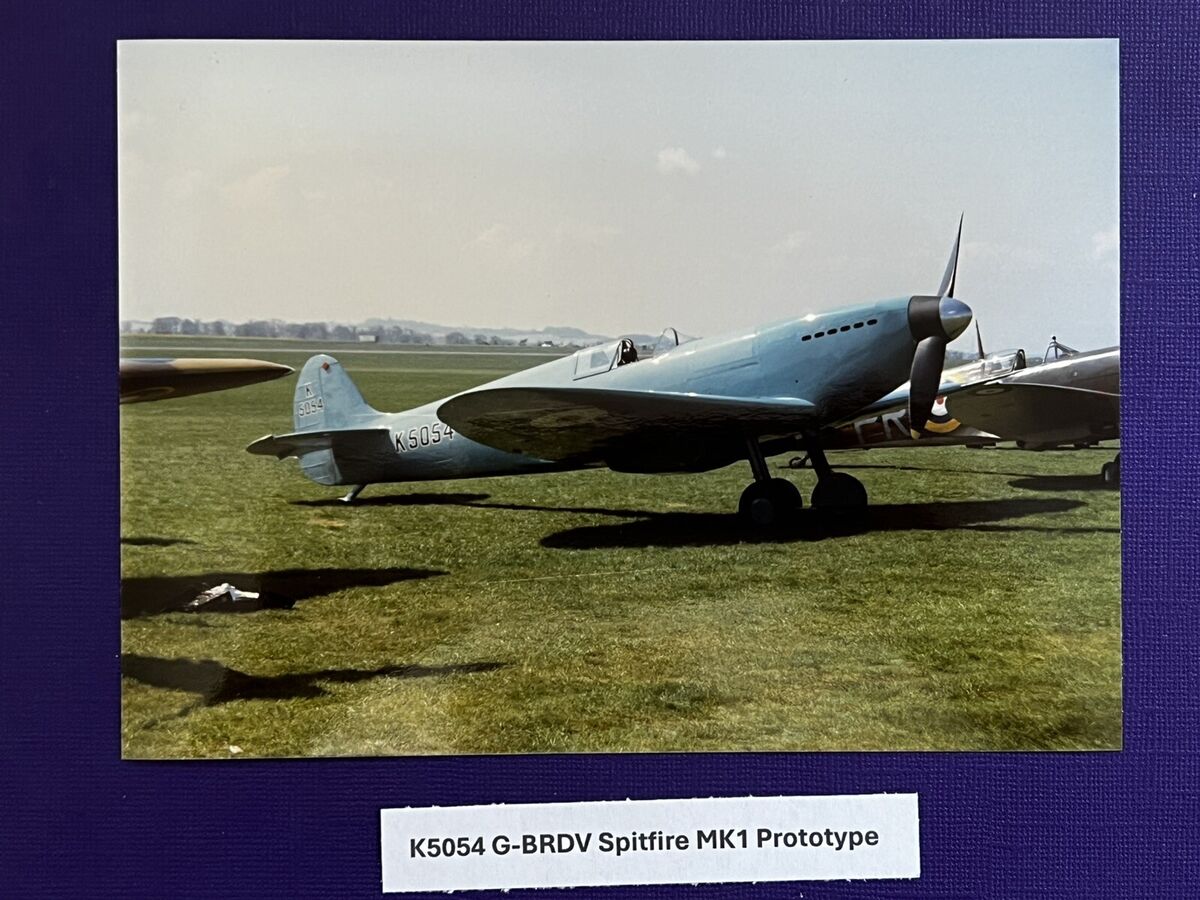
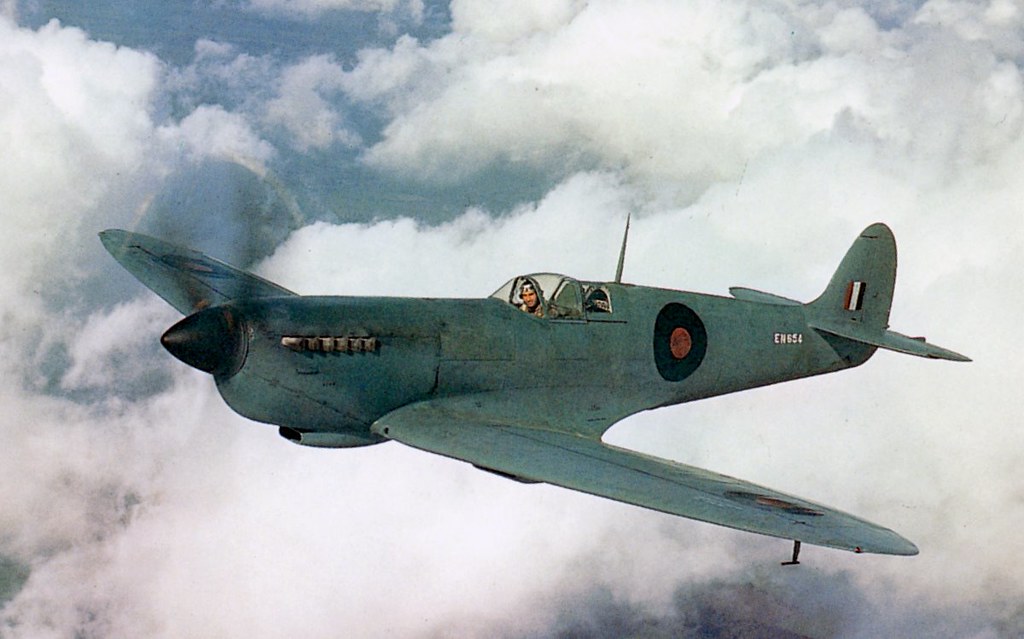
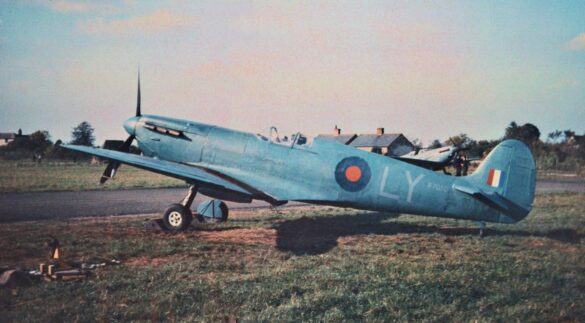
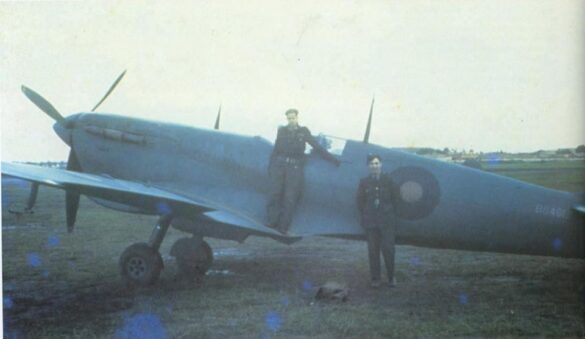
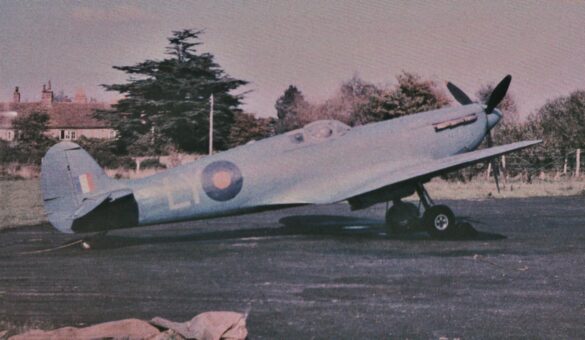
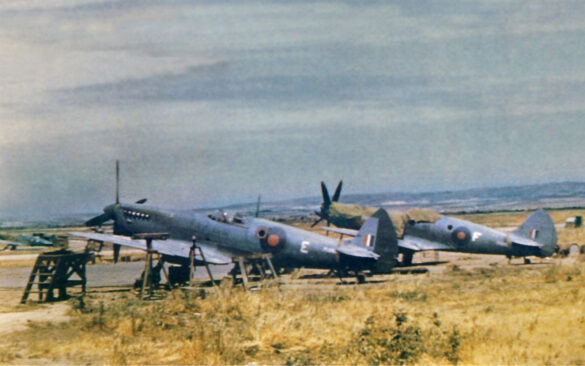
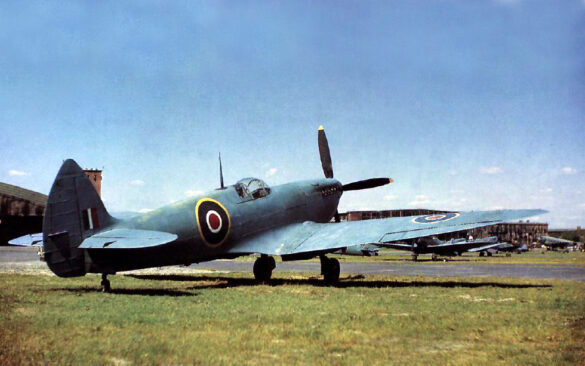
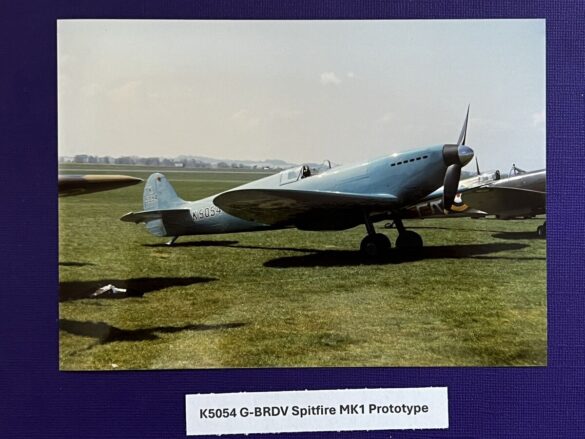
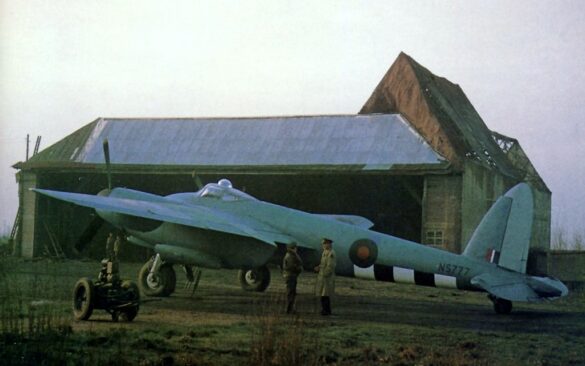
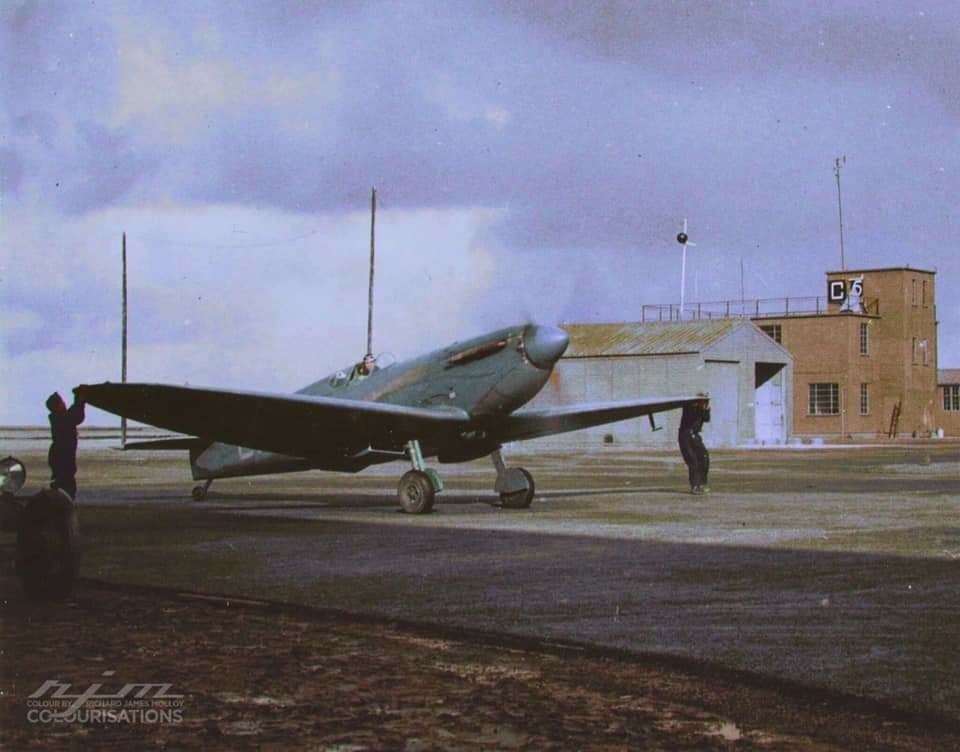
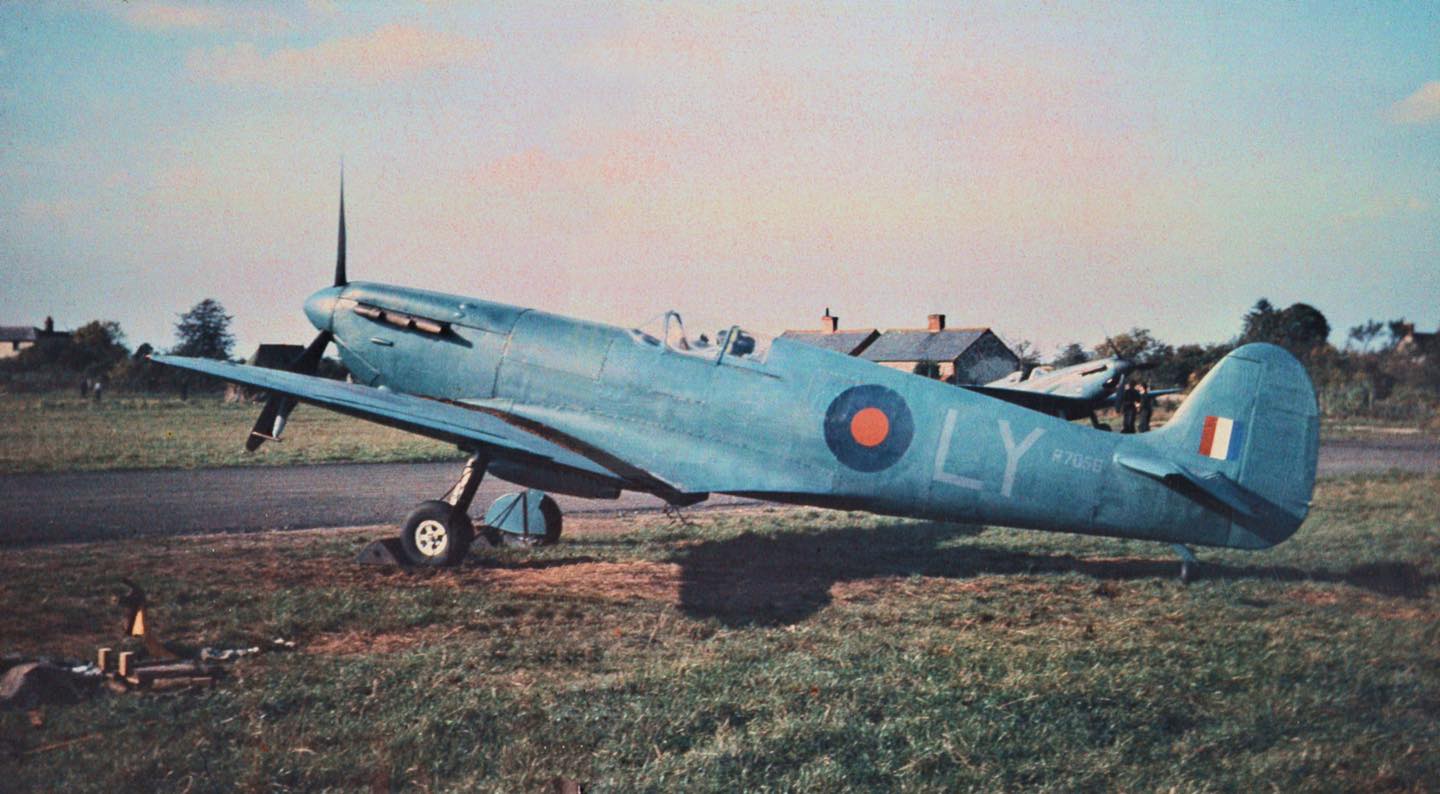
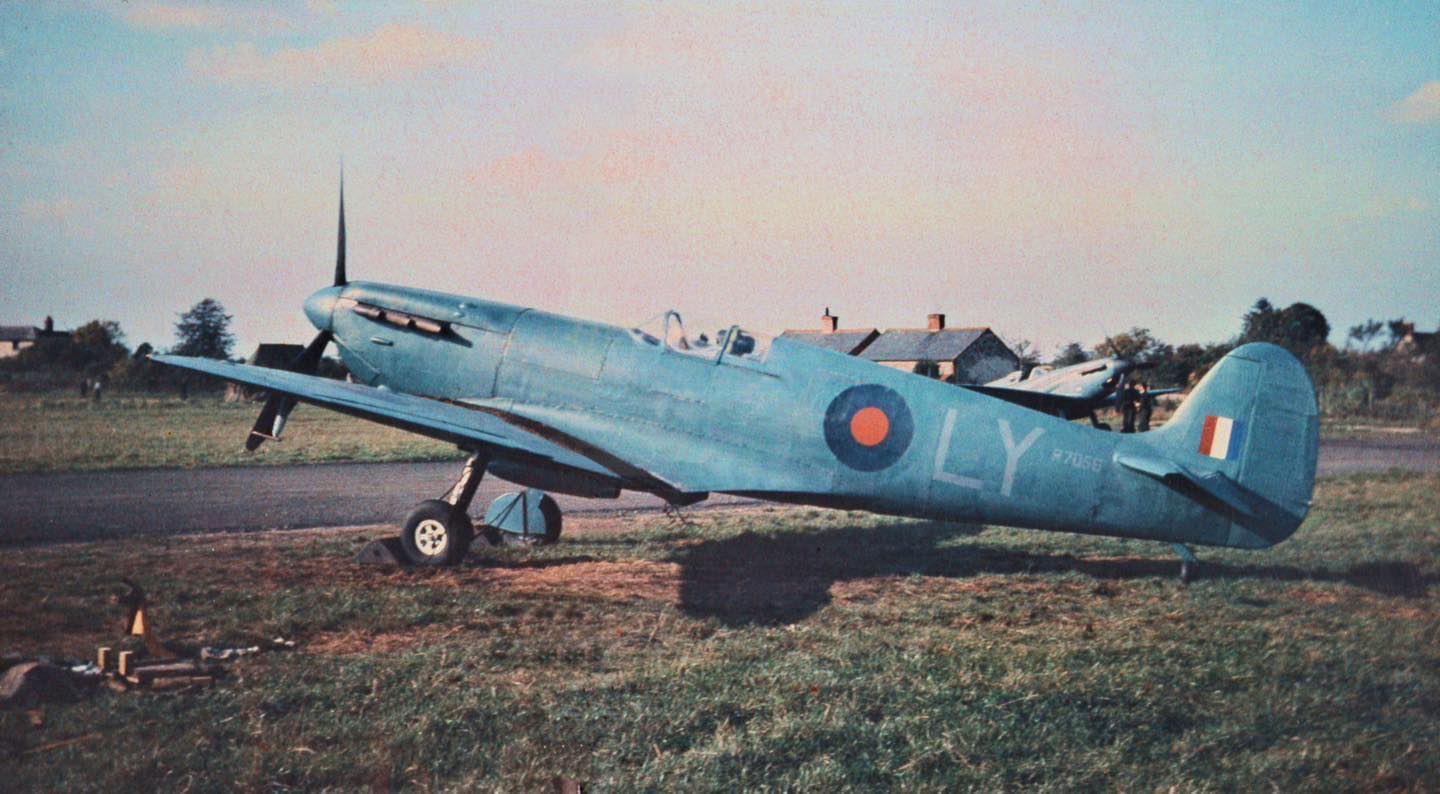
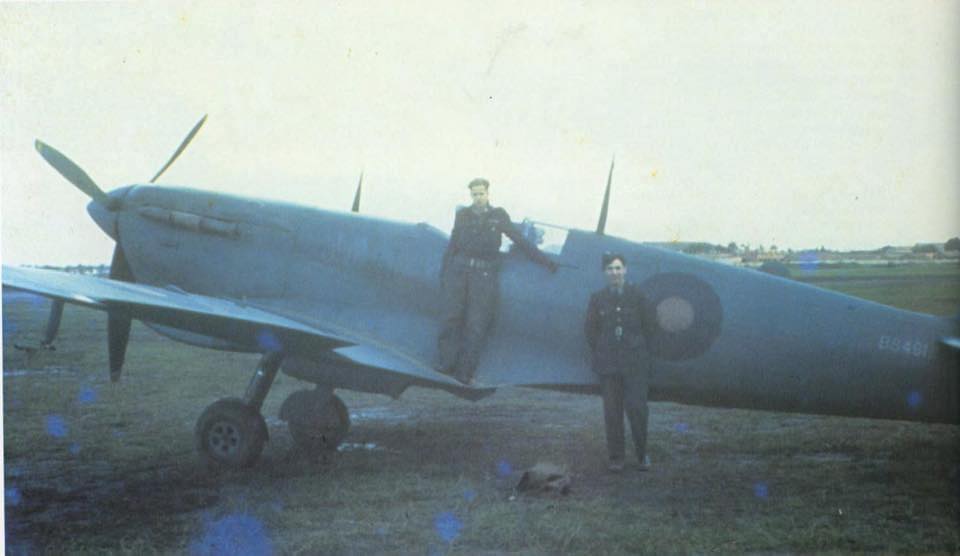
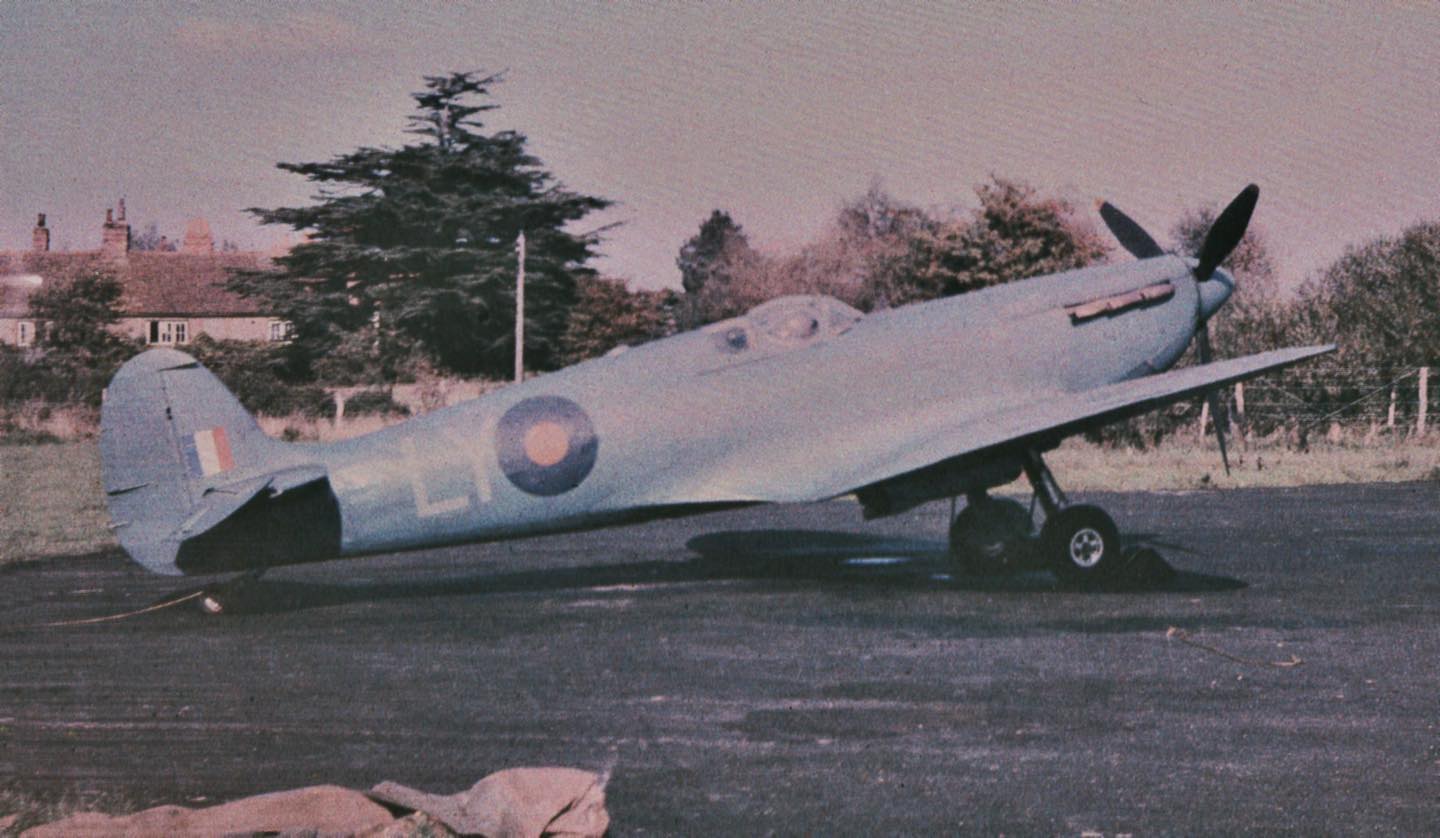
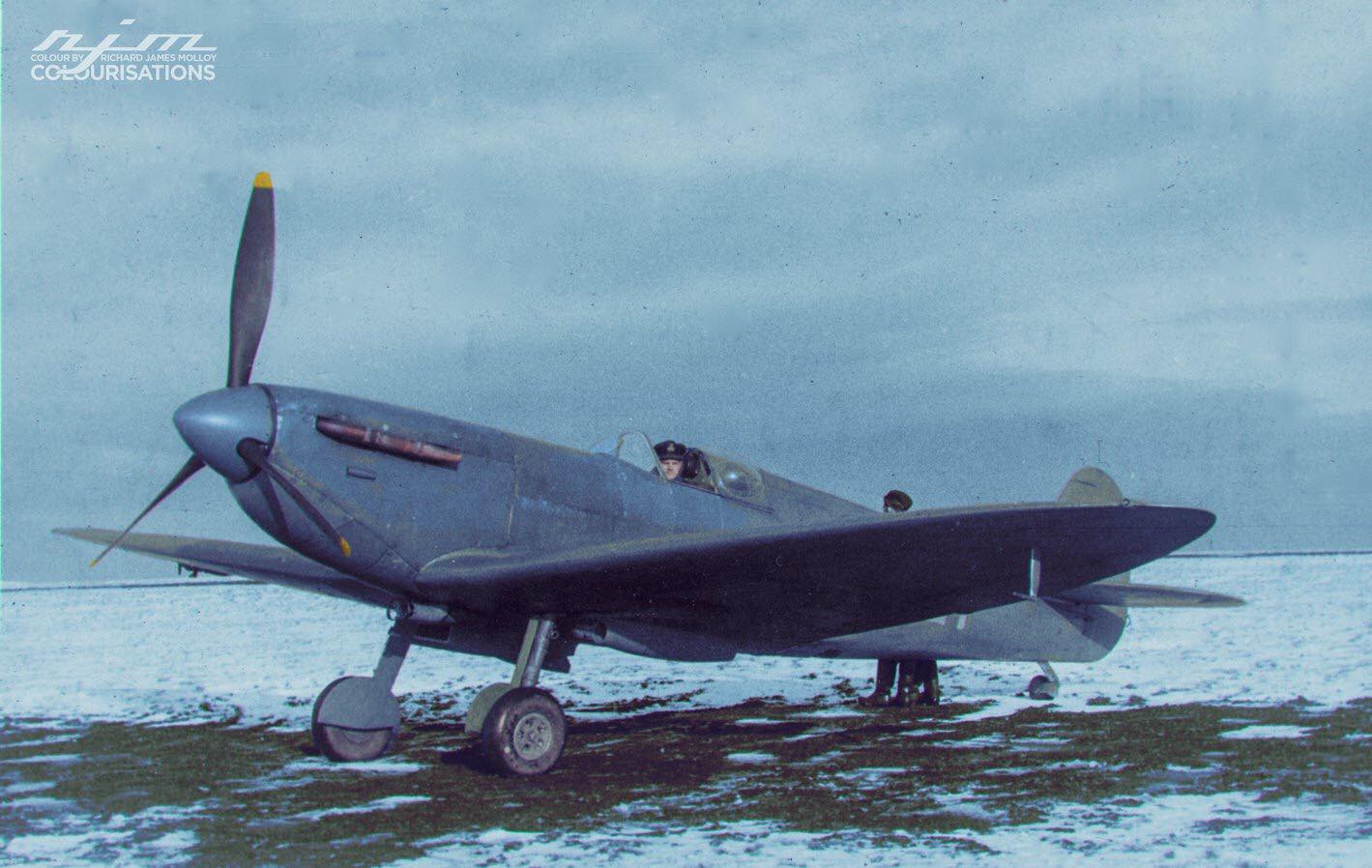
Camotint Green was a pale green-blue shade frequently described historically as “Duck Egg Green,” although surviving evidence suggests it was likely closer to Eau-de-Nil. This finish appeared on early reconnaissance aircraft including modified Bristol Blenheims and early reconnaissance Spitfires. The color also influenced what later became Sky Type S.
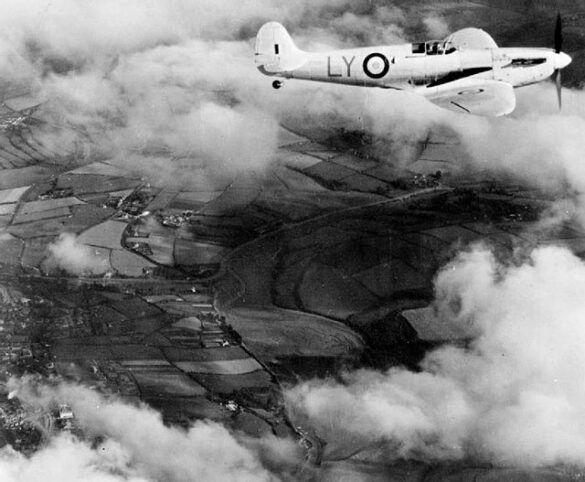
As reconnaissance operations moved to progressively higher altitudes, Camotint Green became less effective. Aircraft flying above cloud layers required a finish that blended with atmospheric haze rather than terrain.
This requirement led to the introduction of PRU Blue around 1941.
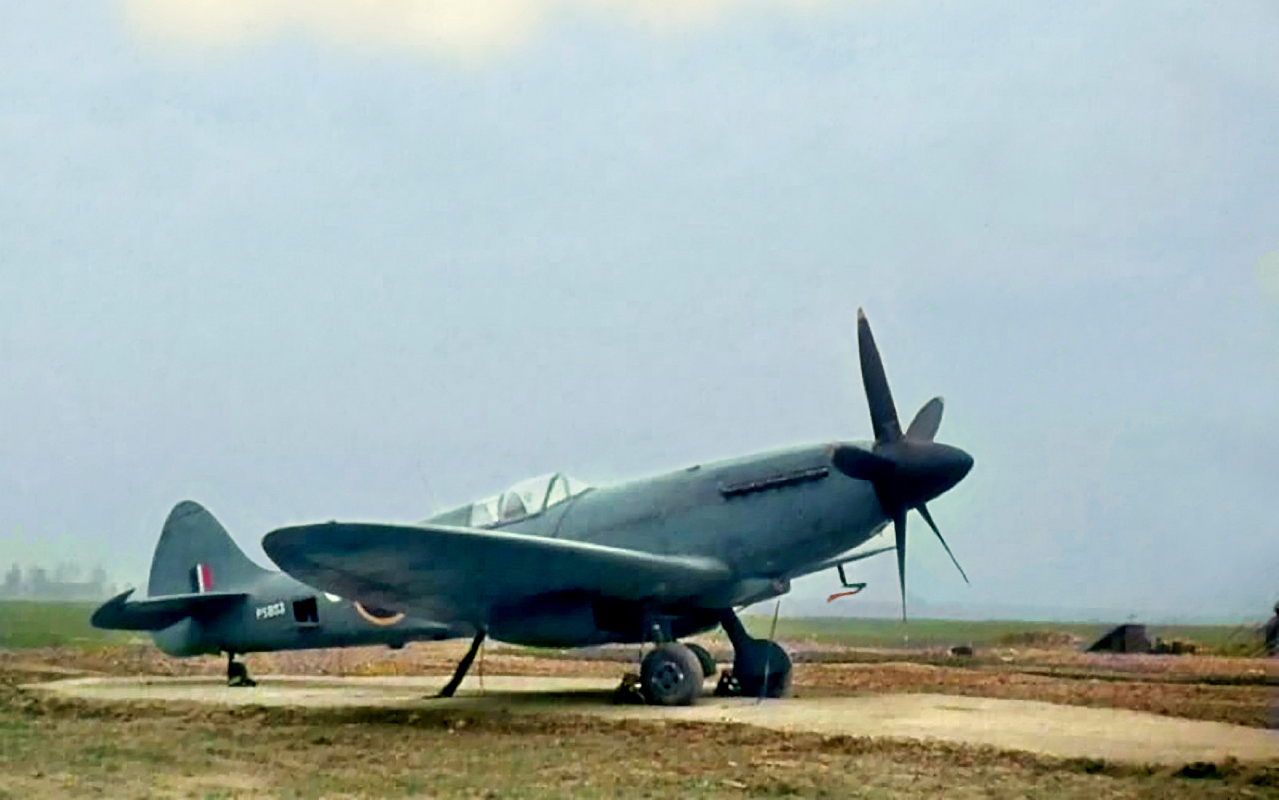
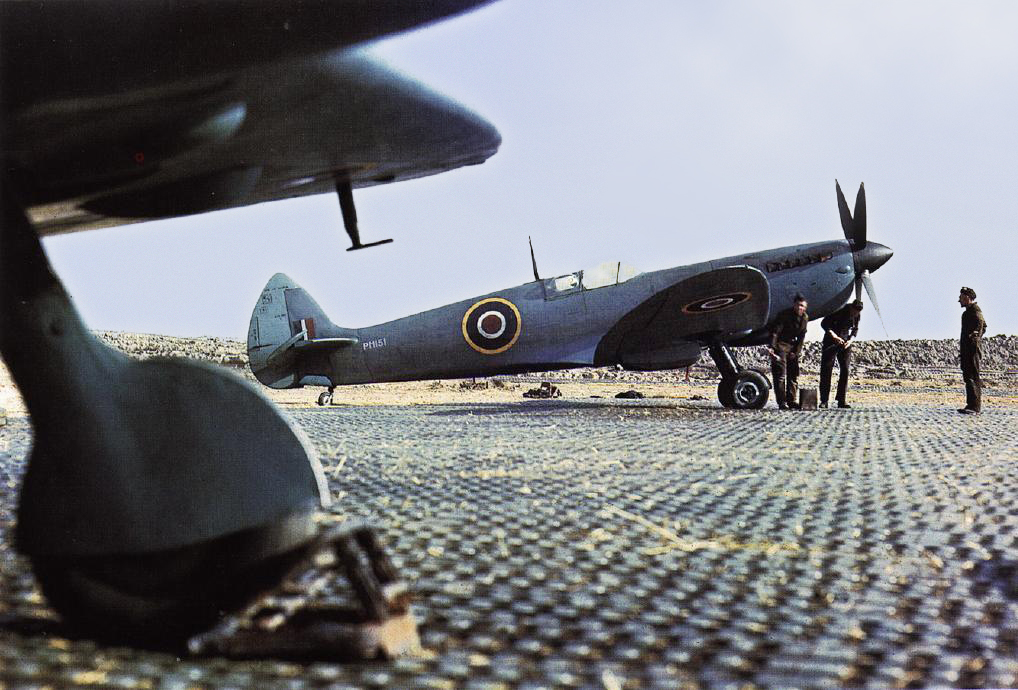
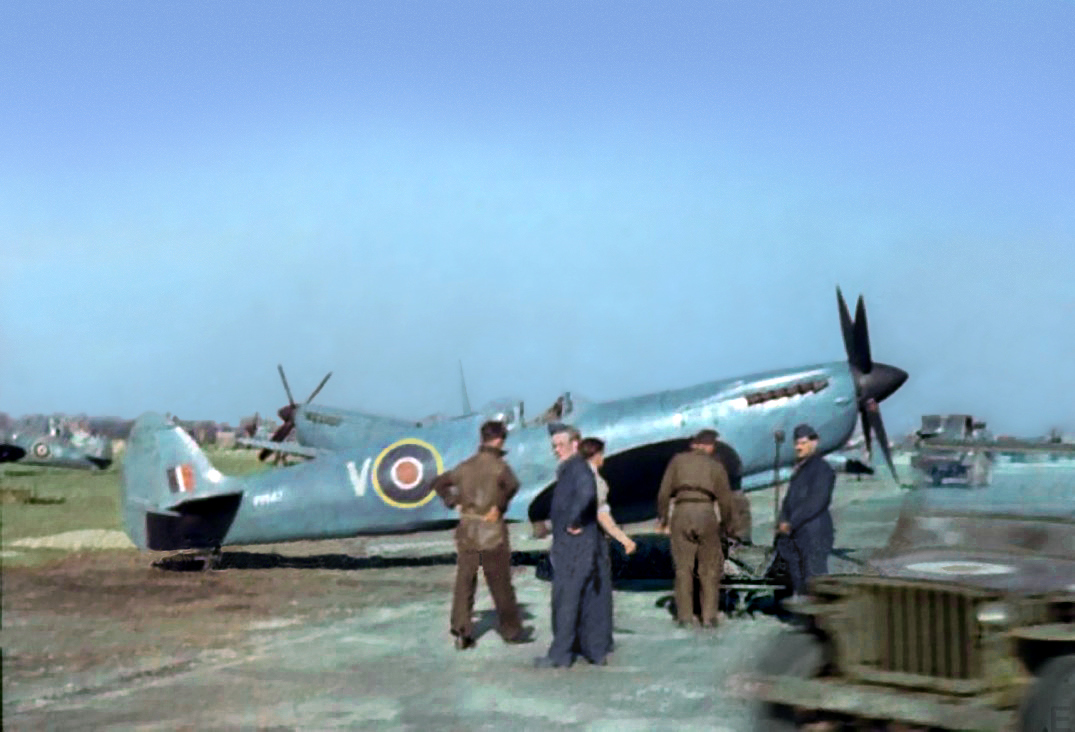
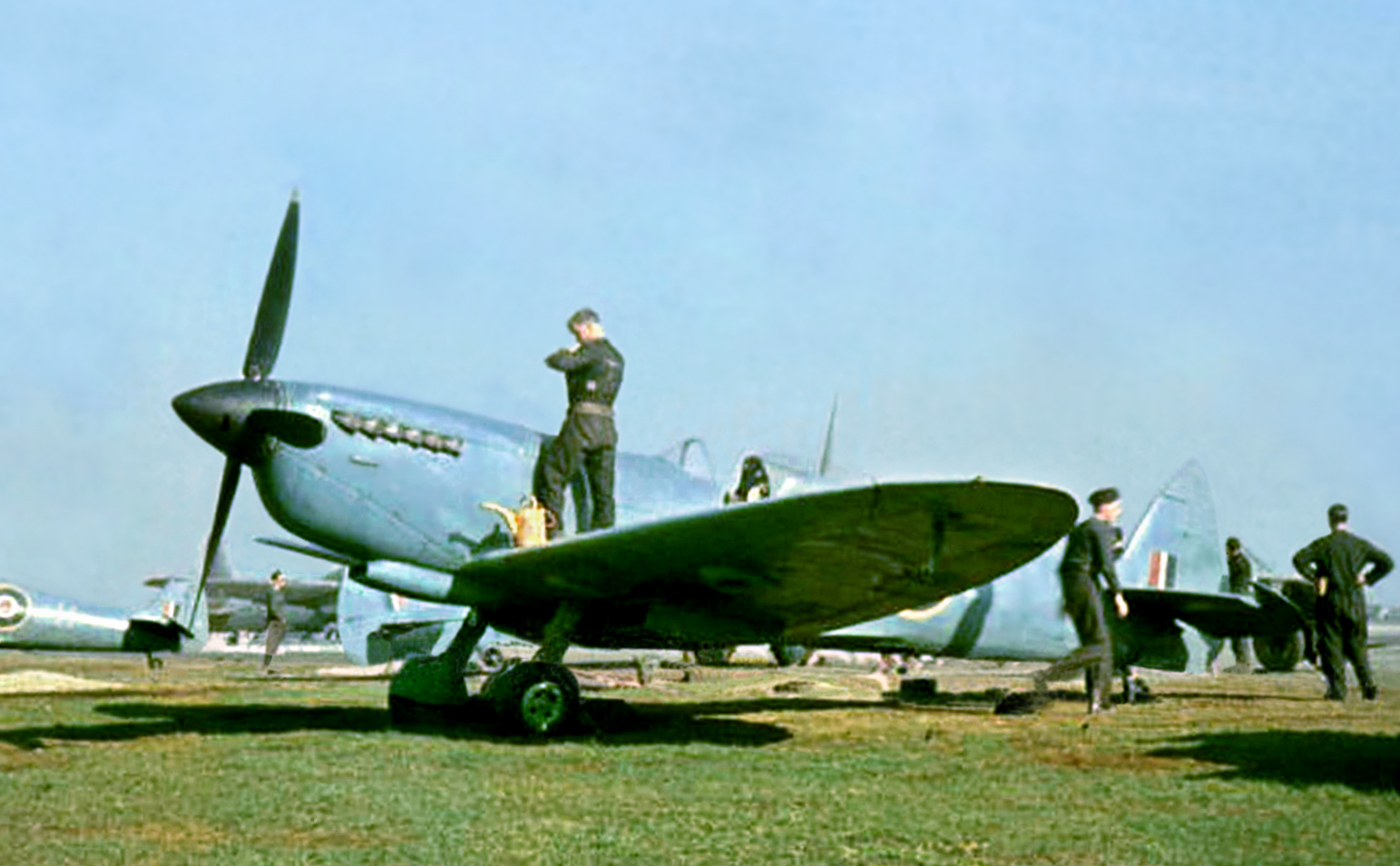
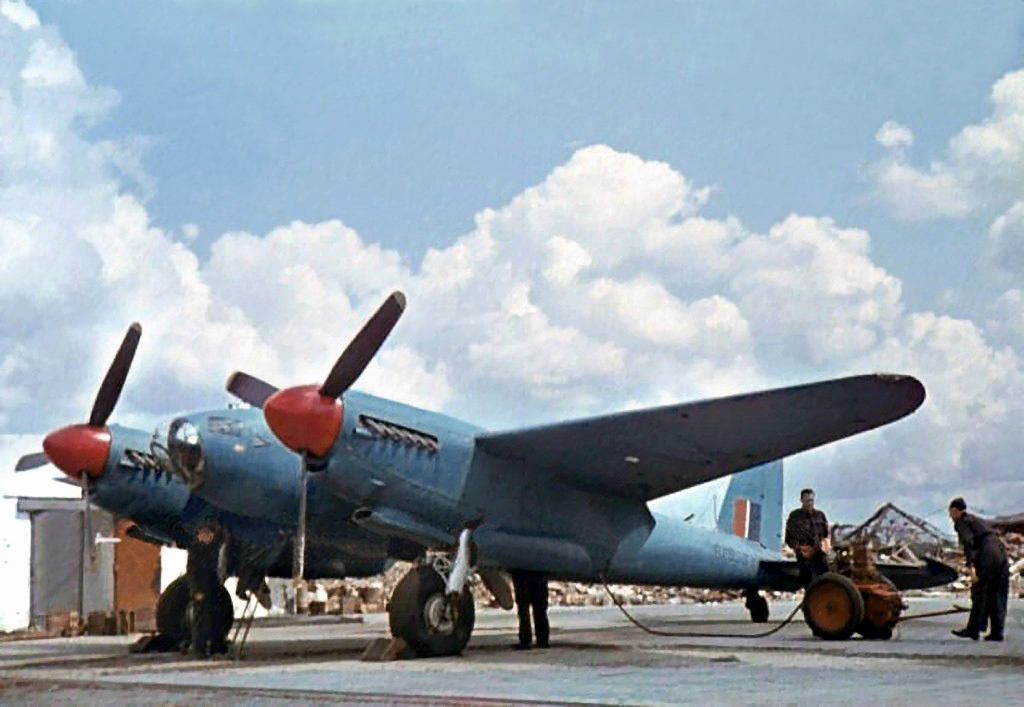
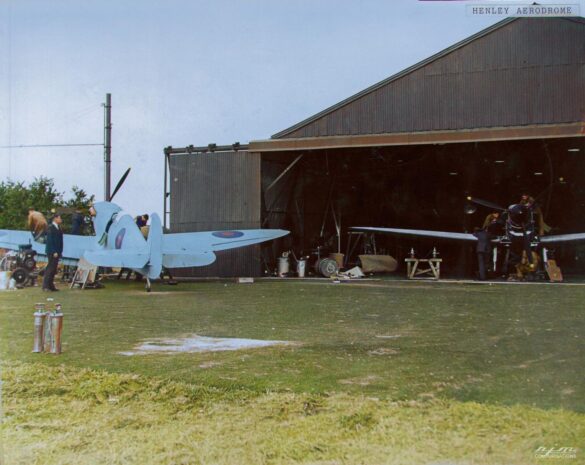
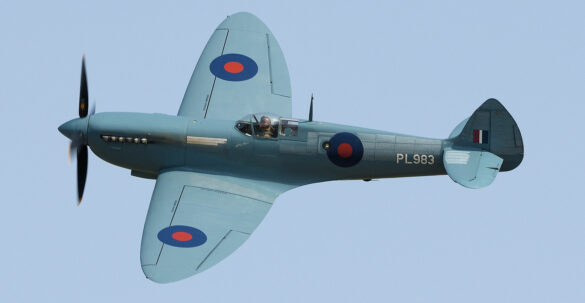
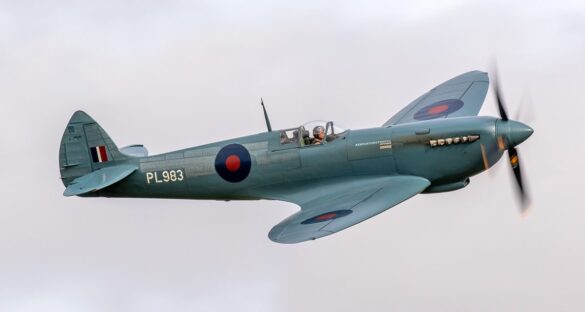
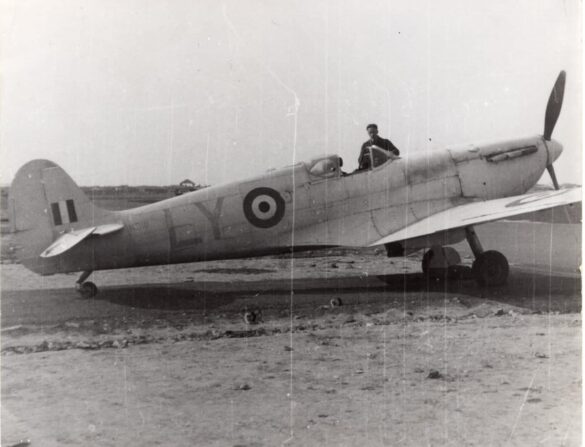
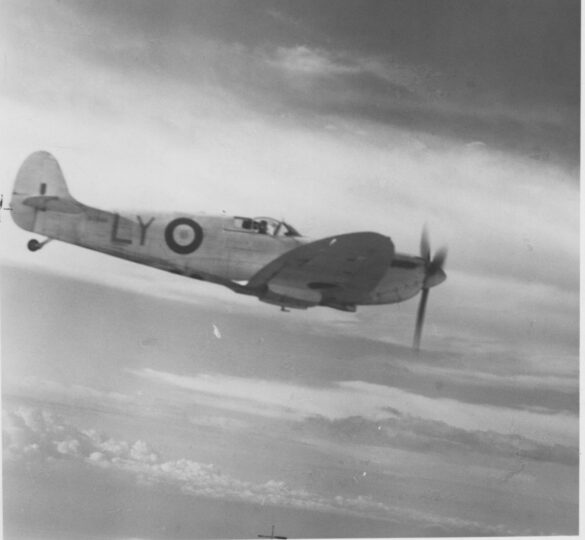
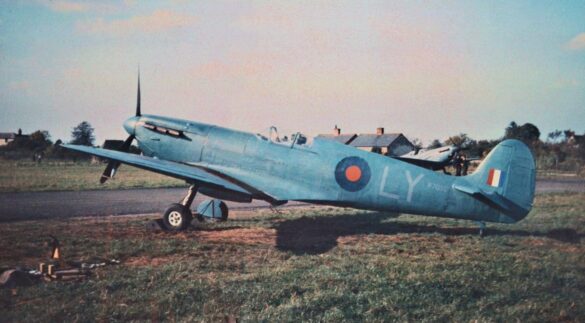
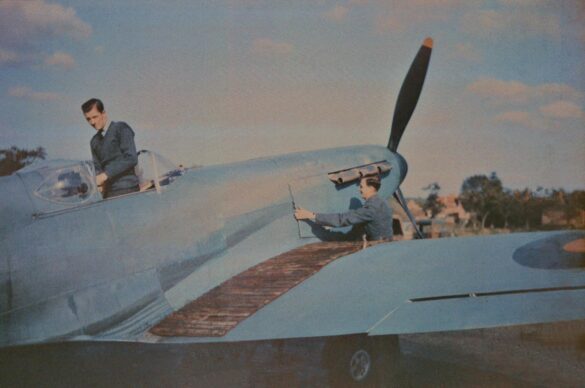
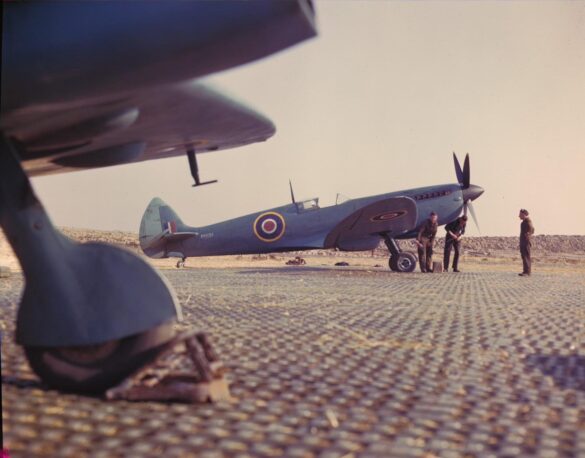
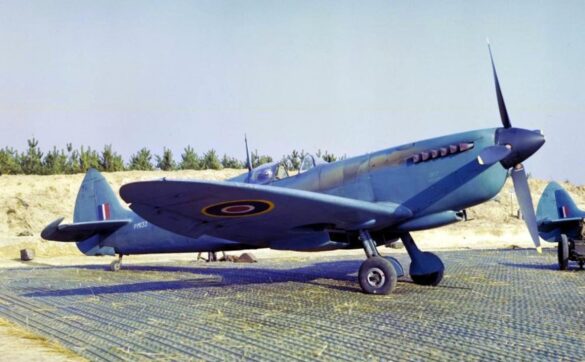
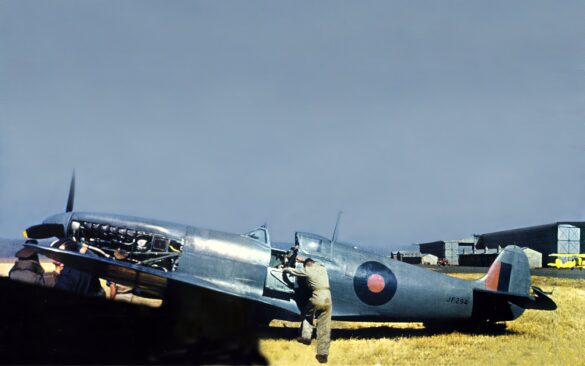
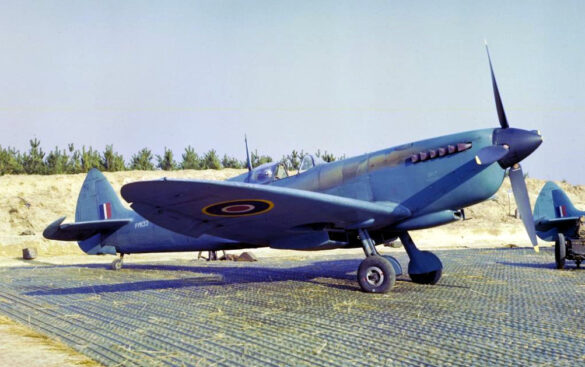
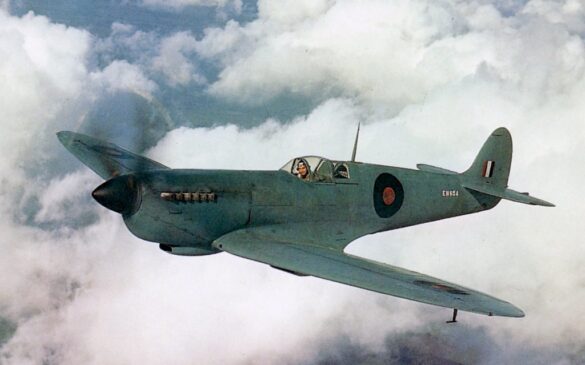
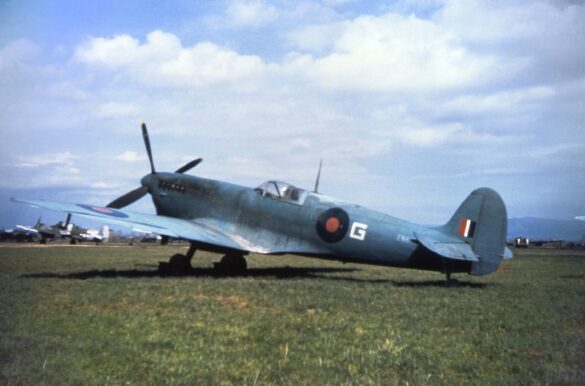
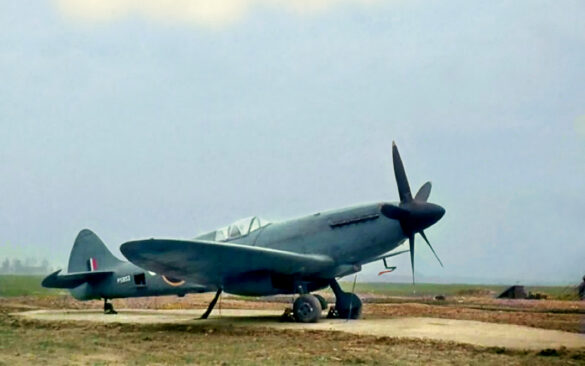
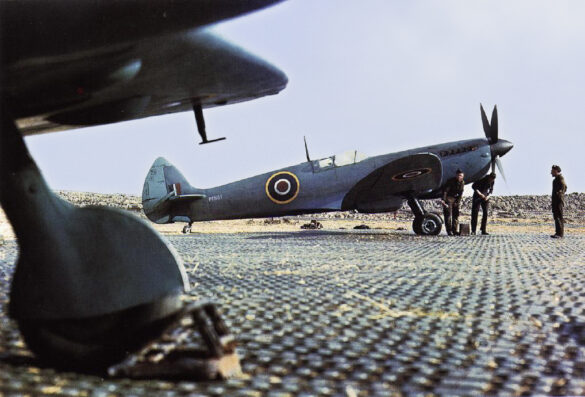
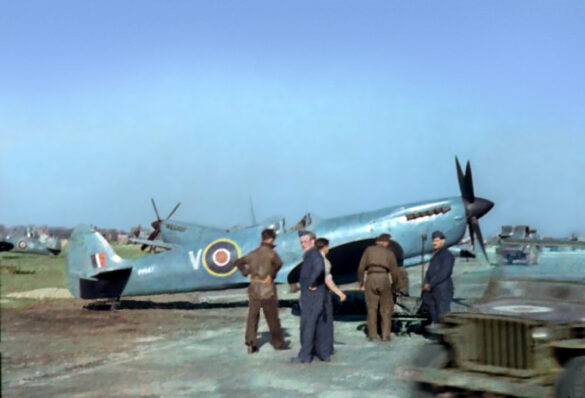
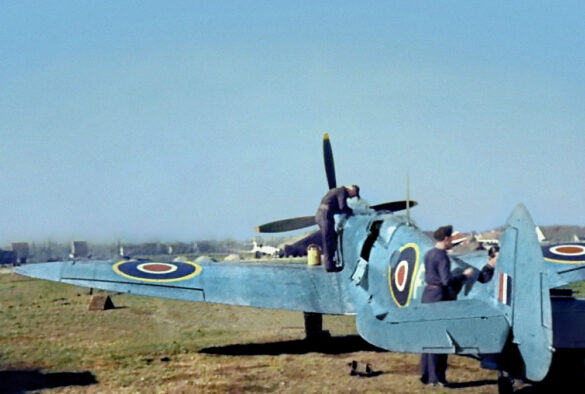
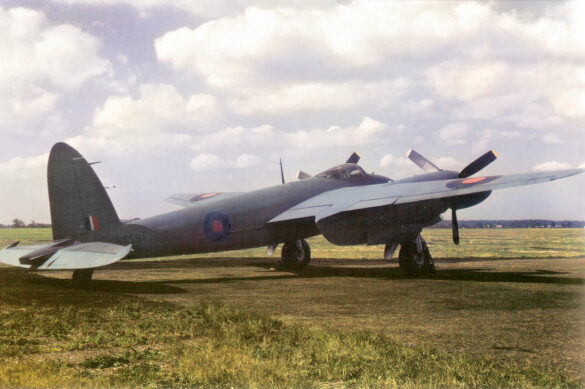
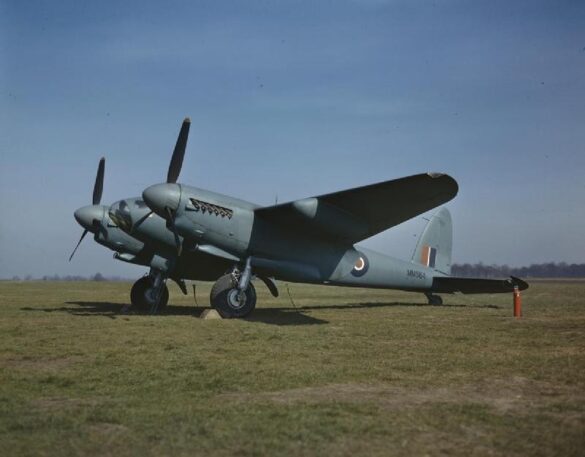
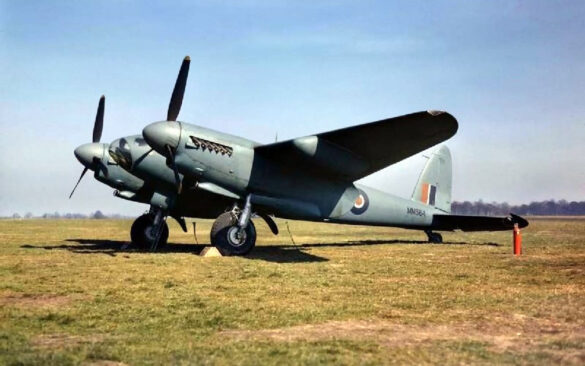
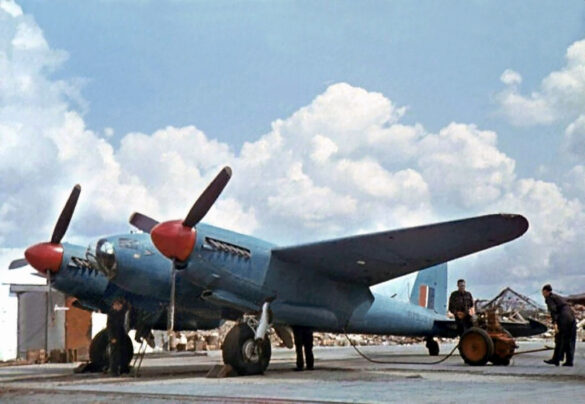
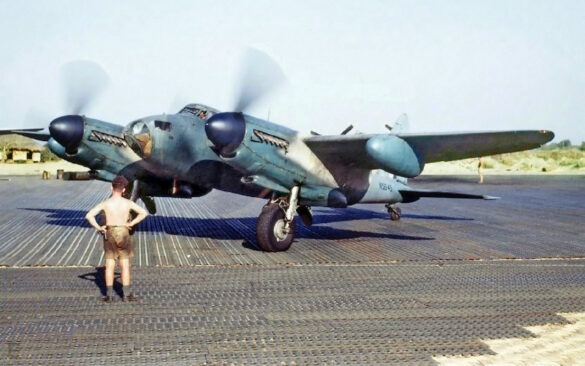
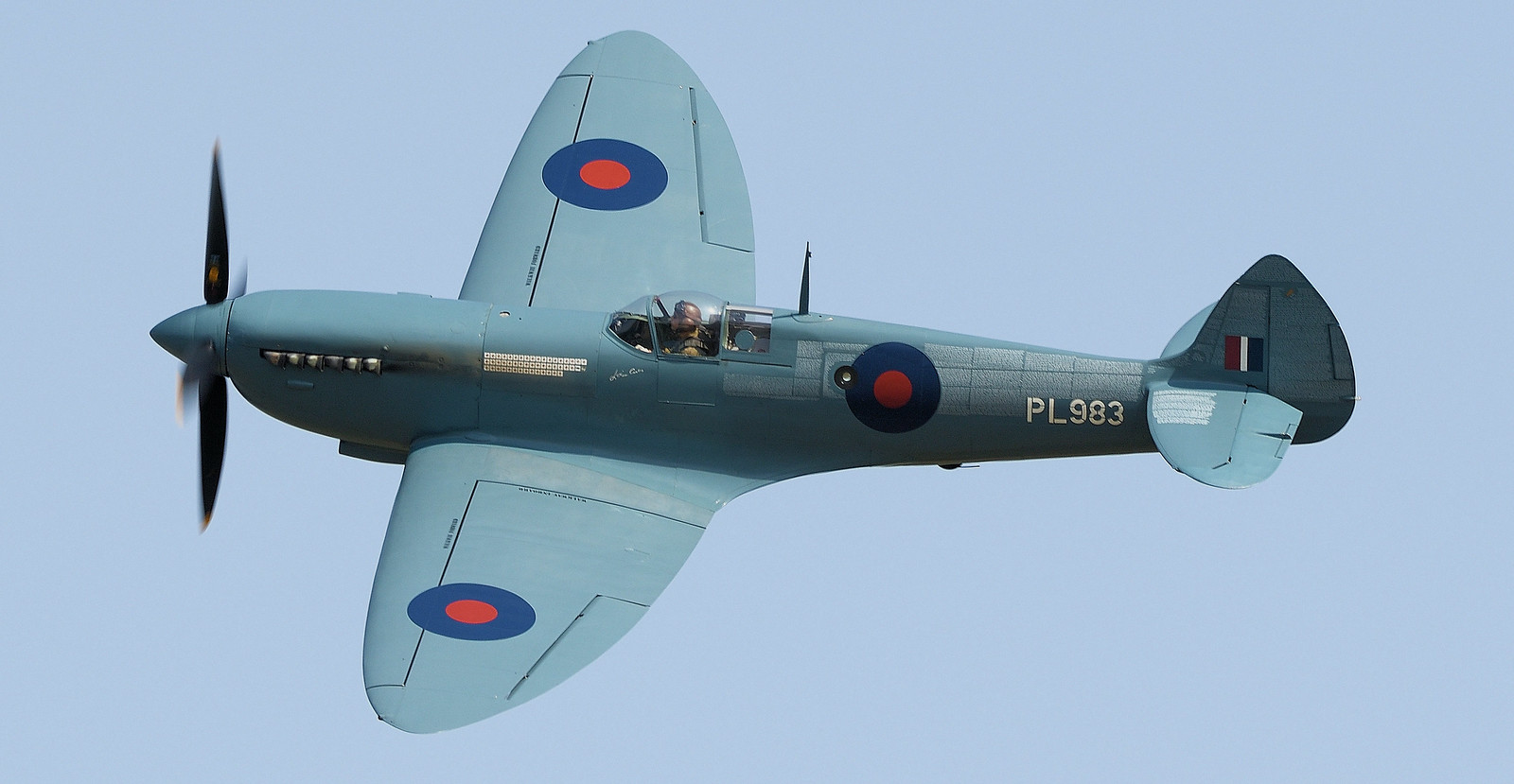
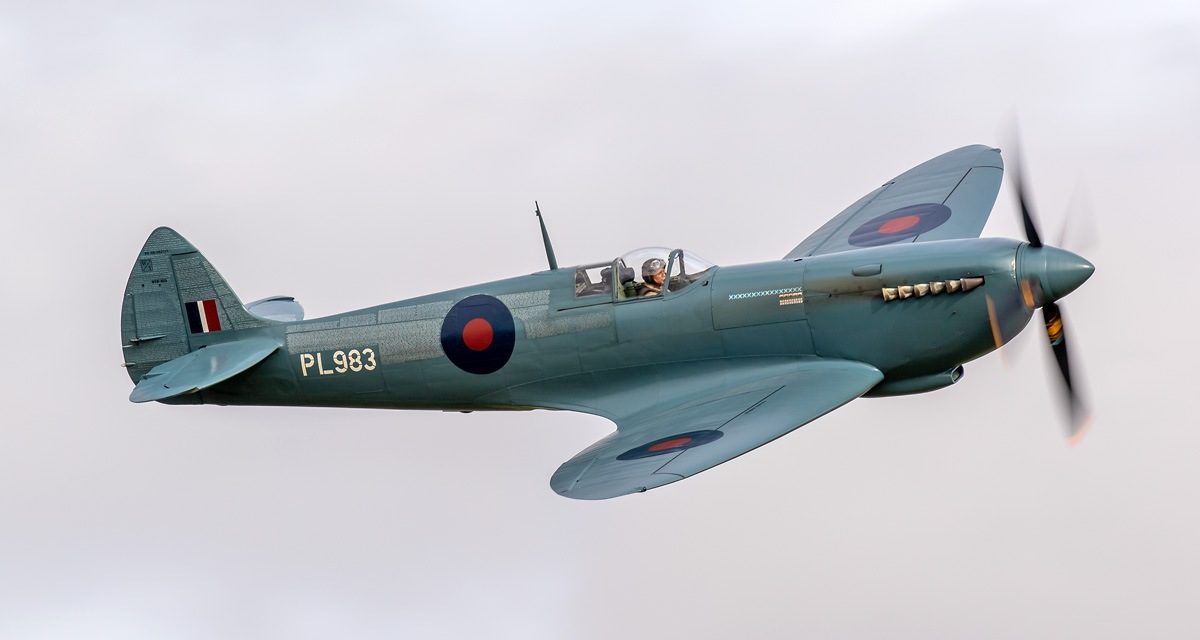
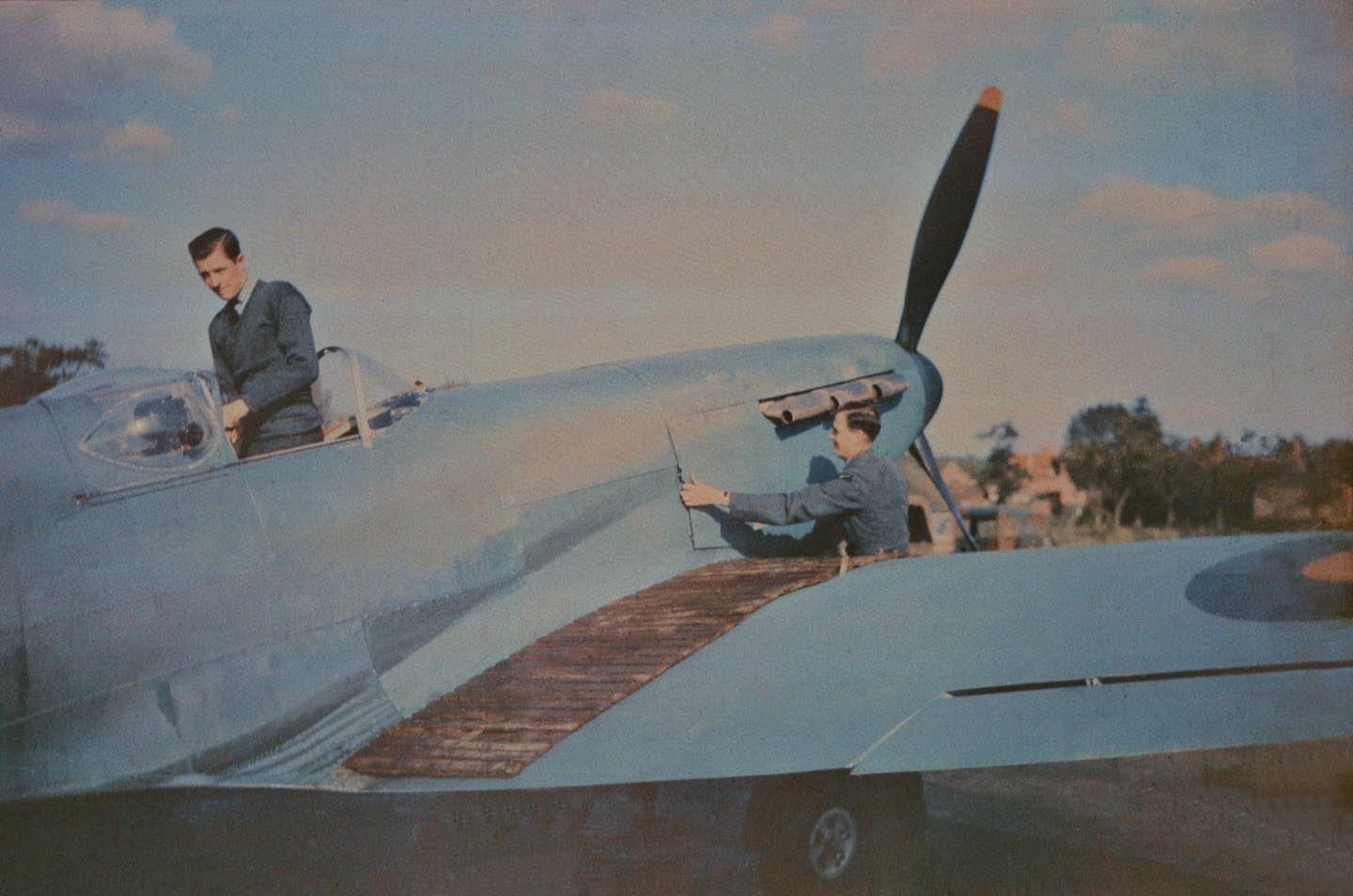
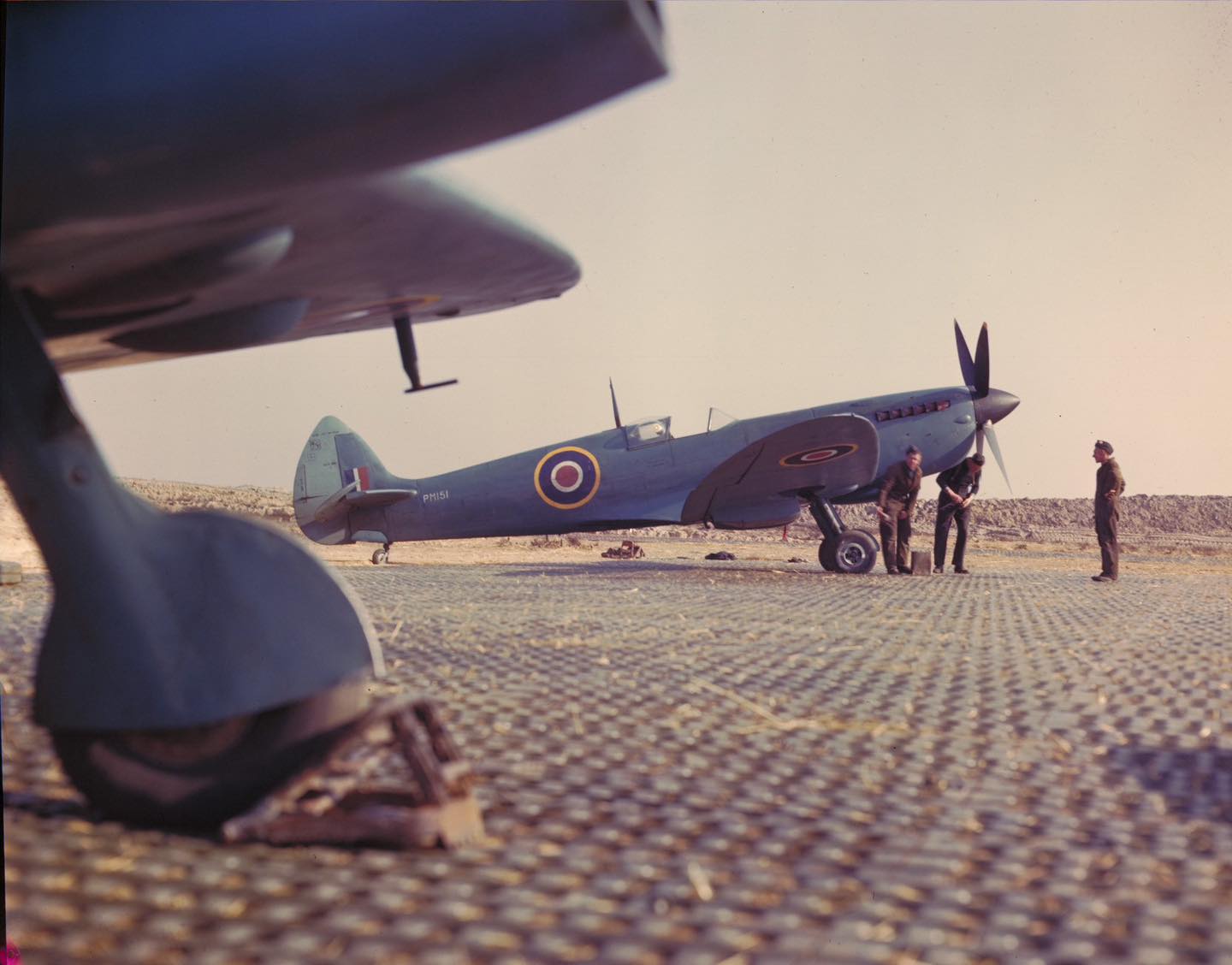
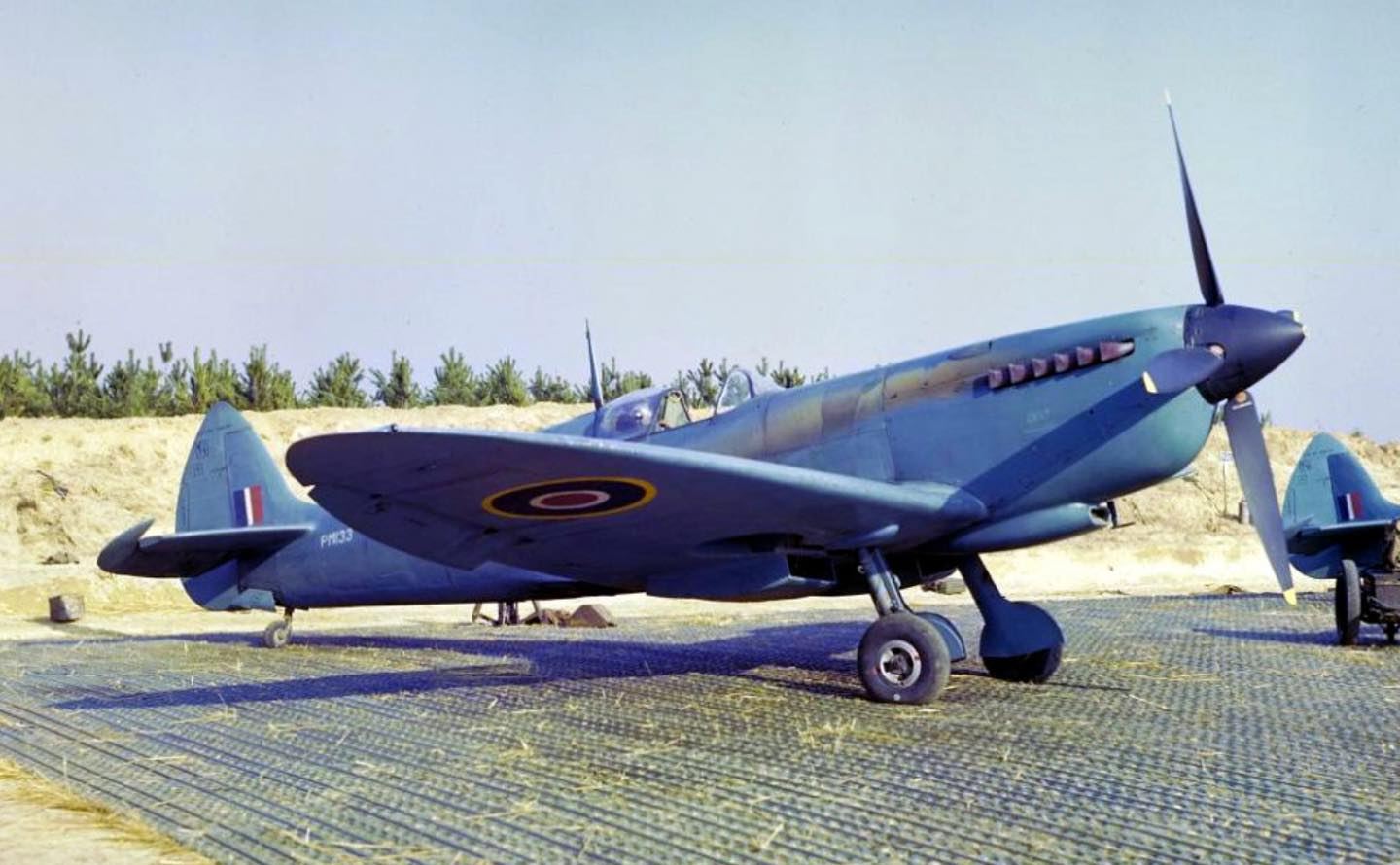
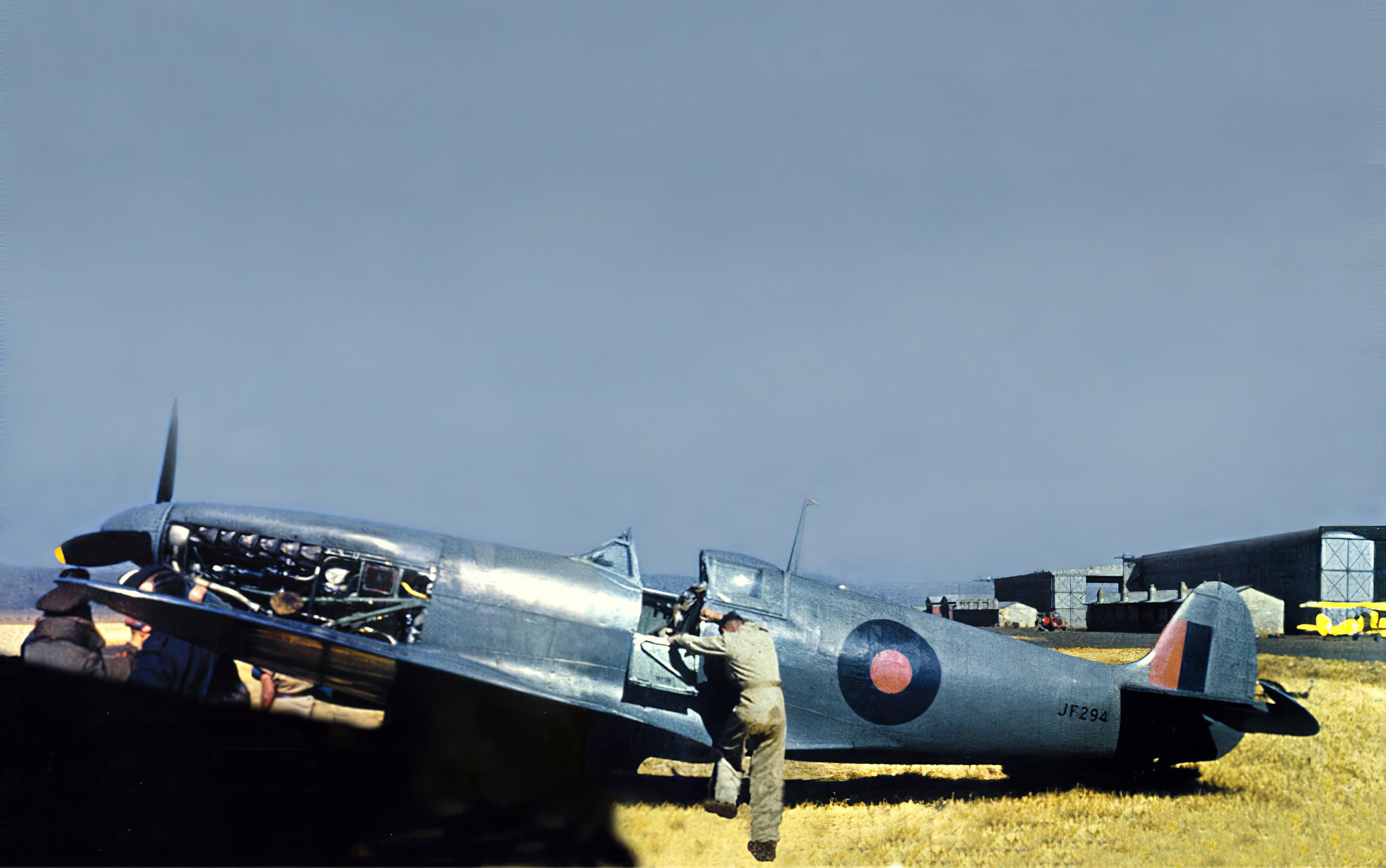
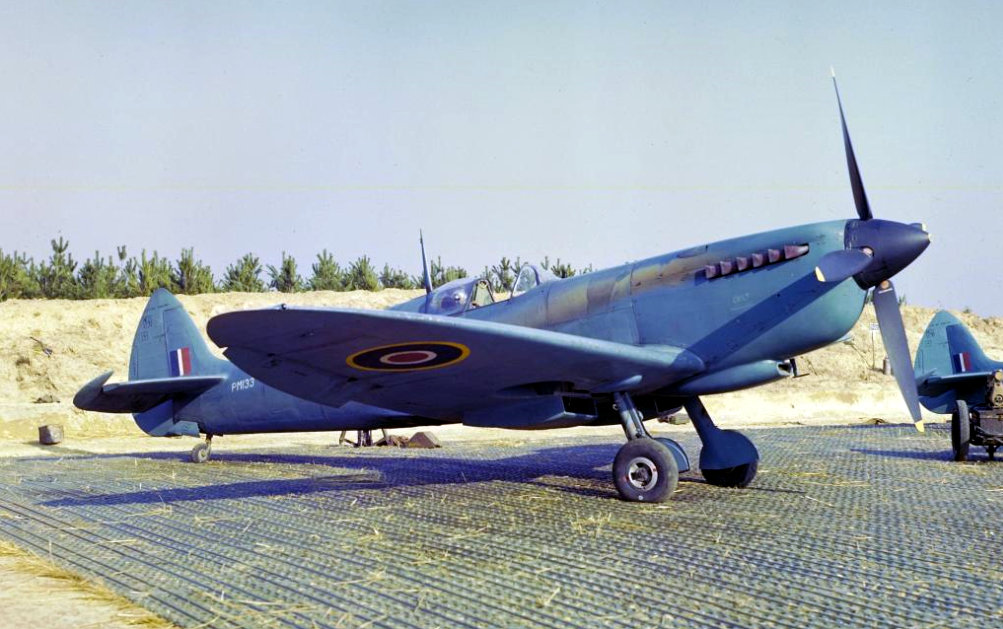
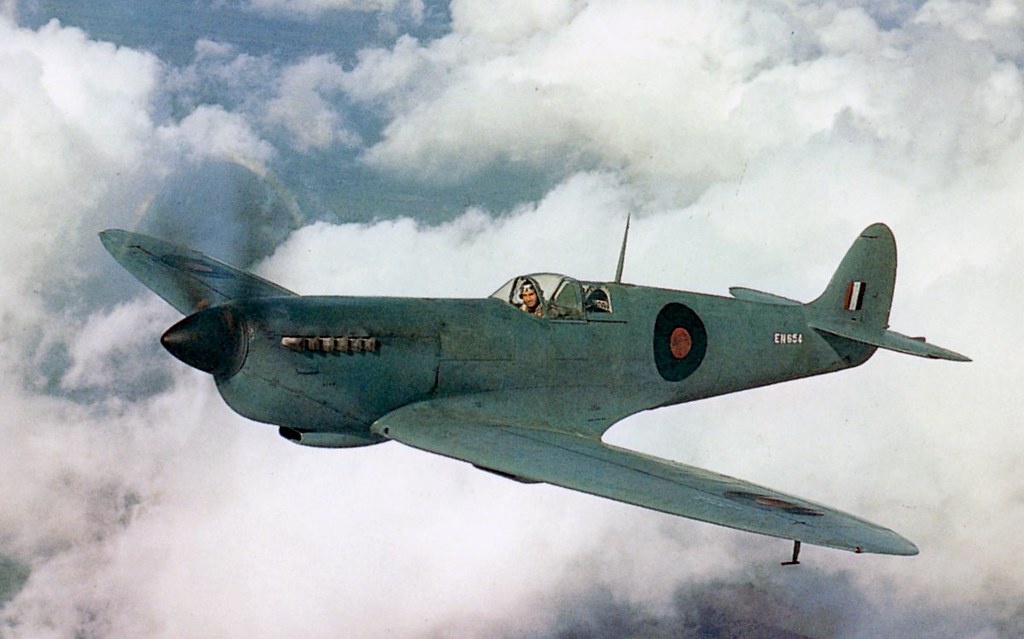
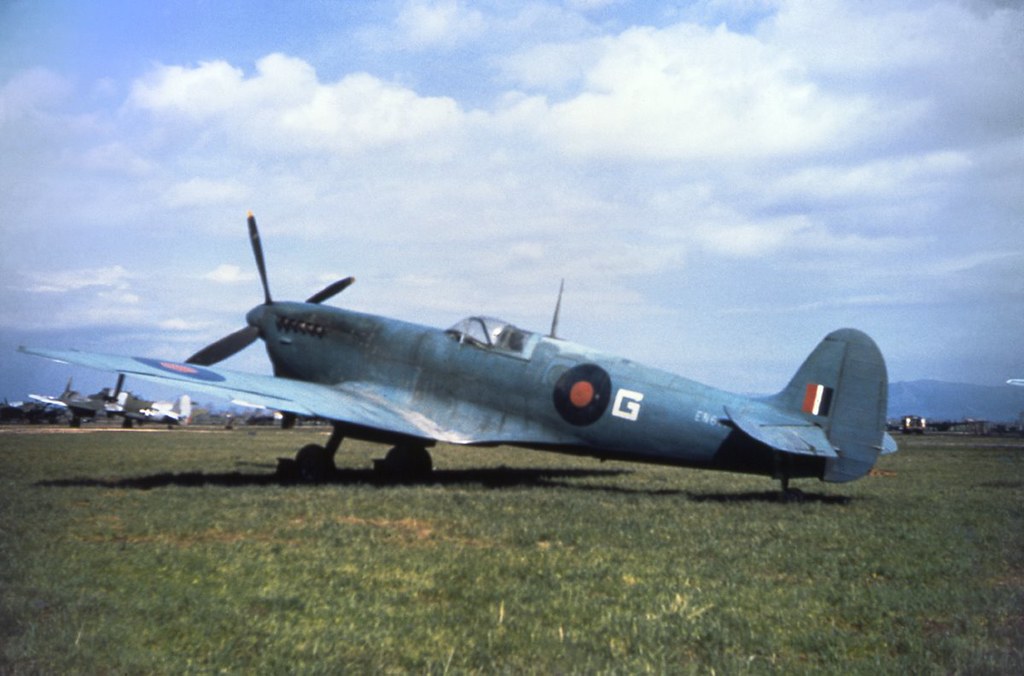
PRU, standing for Photo Reconnaissance Unit, introduced a revolutionary approach to aircraft concealment. Developed by Cotton and the PDU team, PRU Blue was a muted medium blue with a subtle grey character designed specifically to reduce aircraft visibility at operational reconnaissance altitudes.
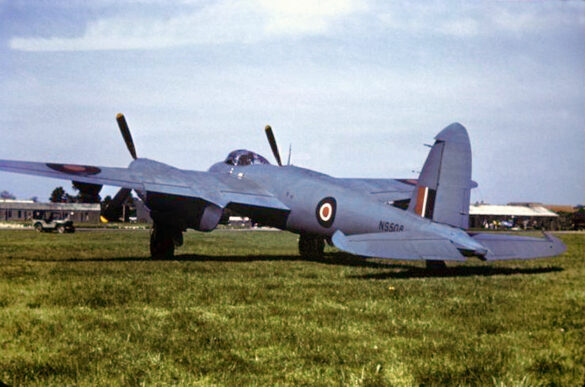
Unlike traditional camouflage patterns, aircraft were usually painted entirely in a single overall color.
PRU Blue quickly became the standard finish for RAF high-altitude photographic operations and remained one of the most recognizable reconnaissance schemes of the war.
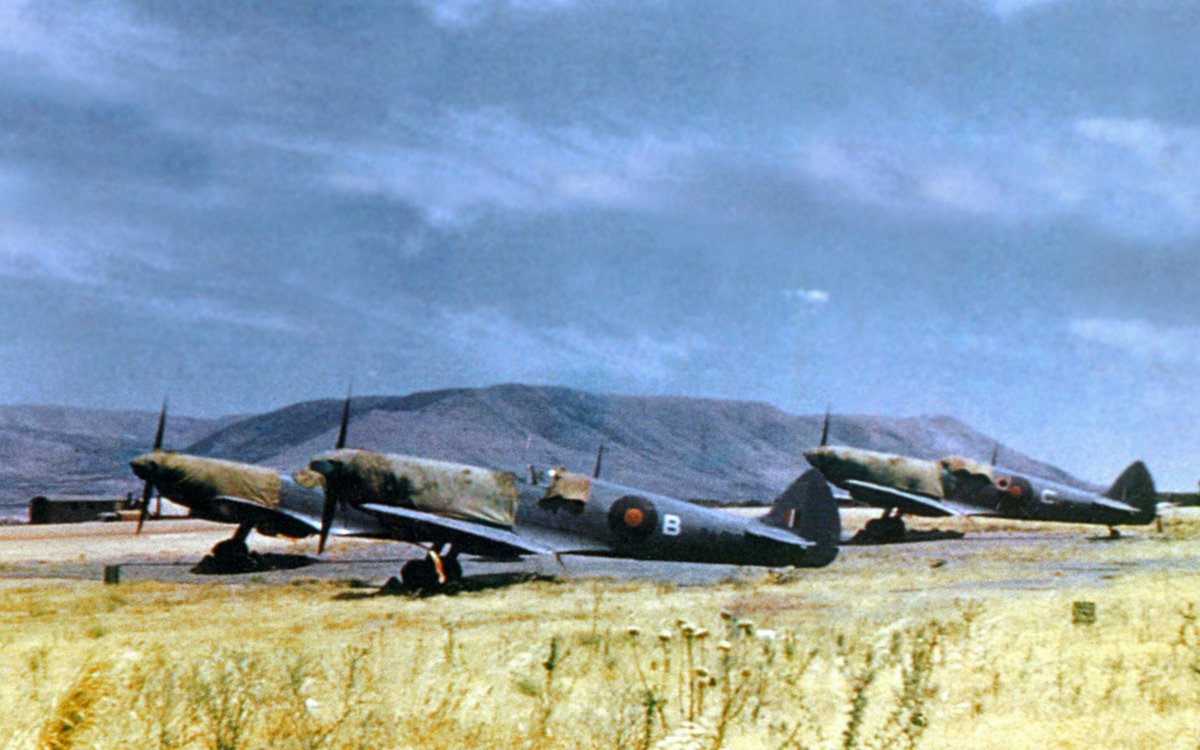
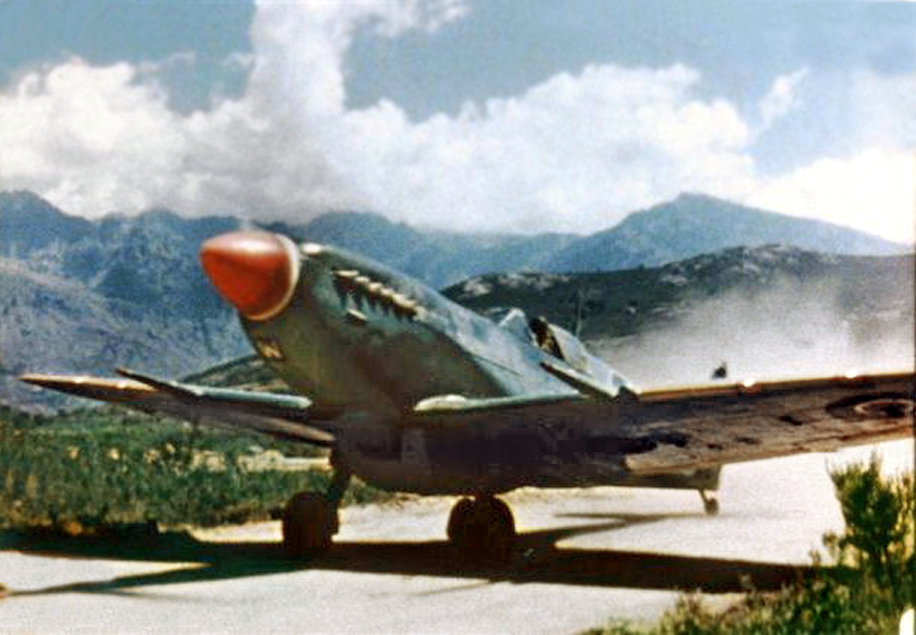
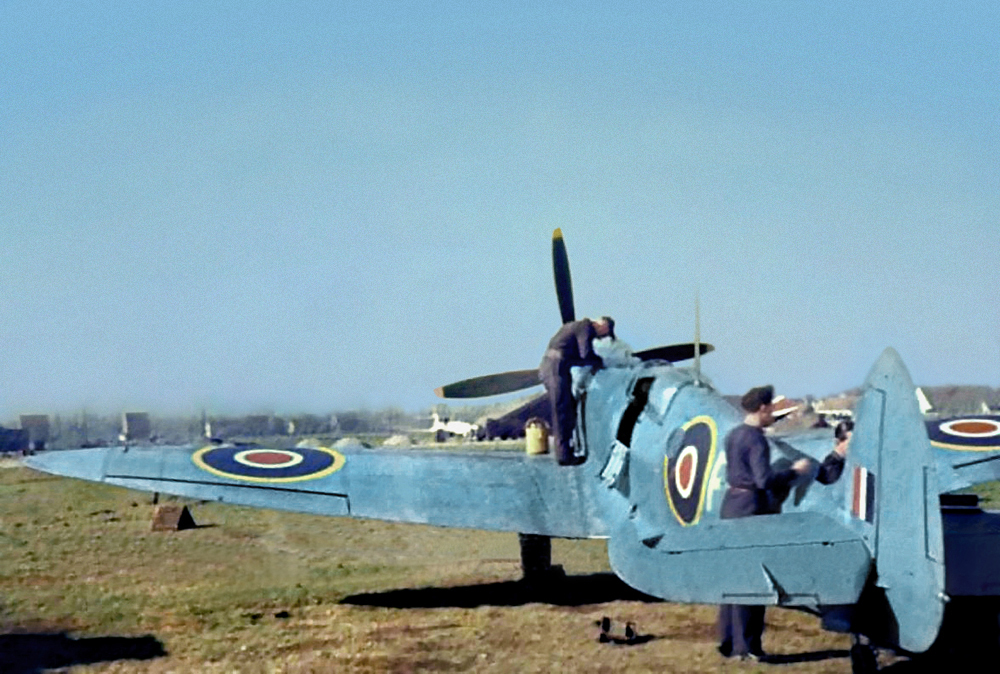
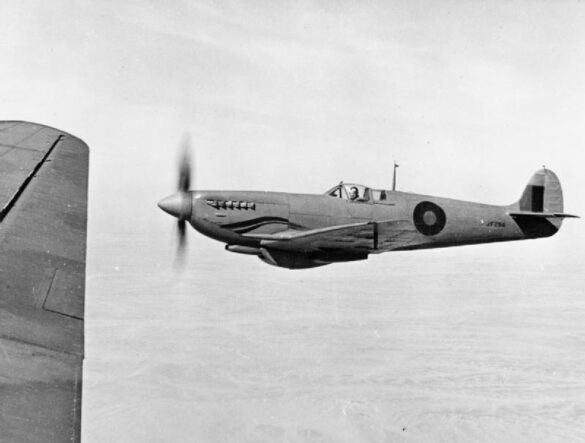
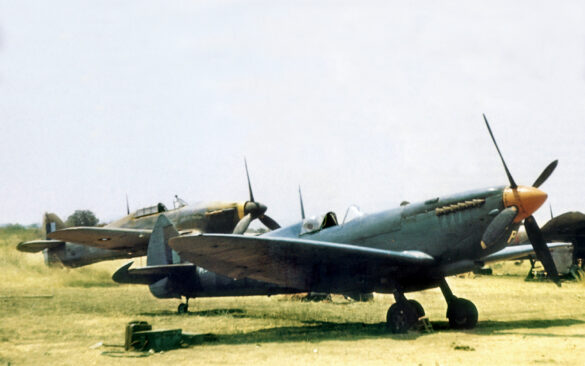
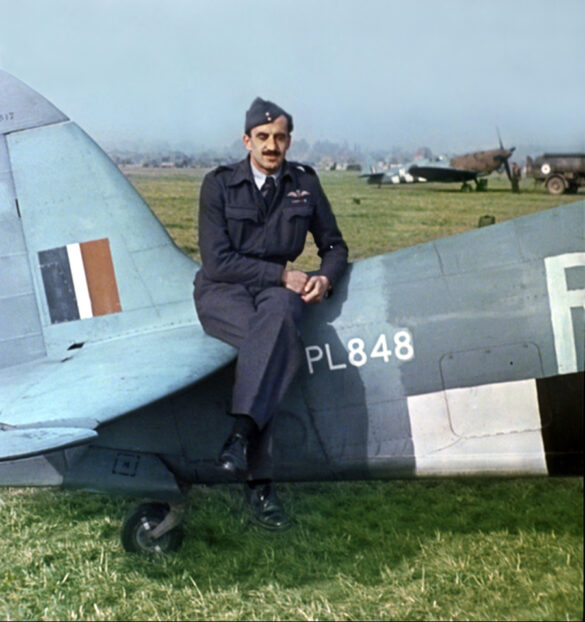
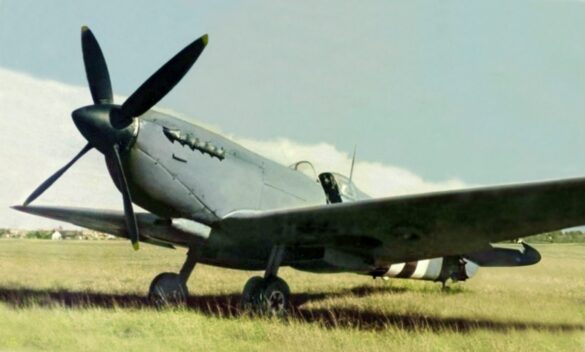
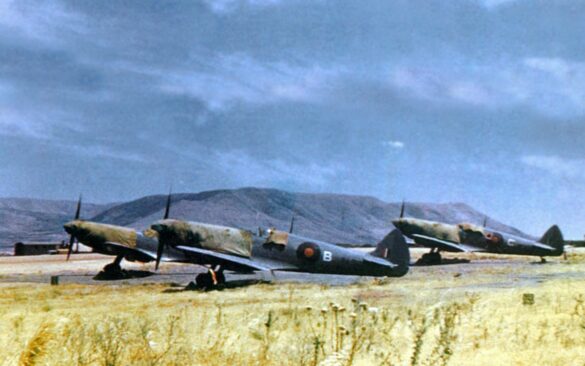
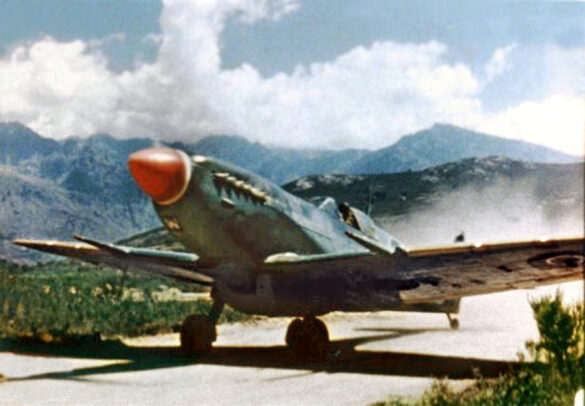
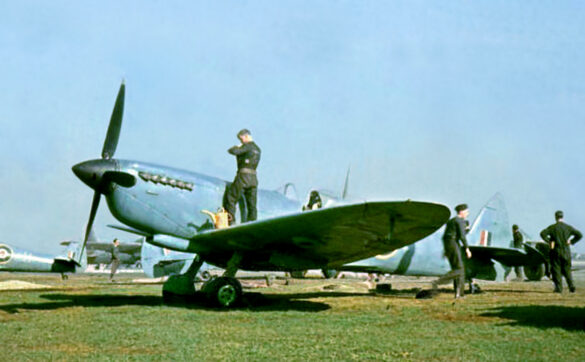
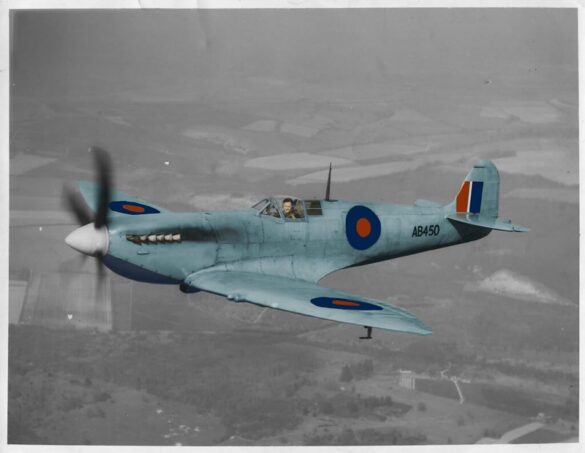
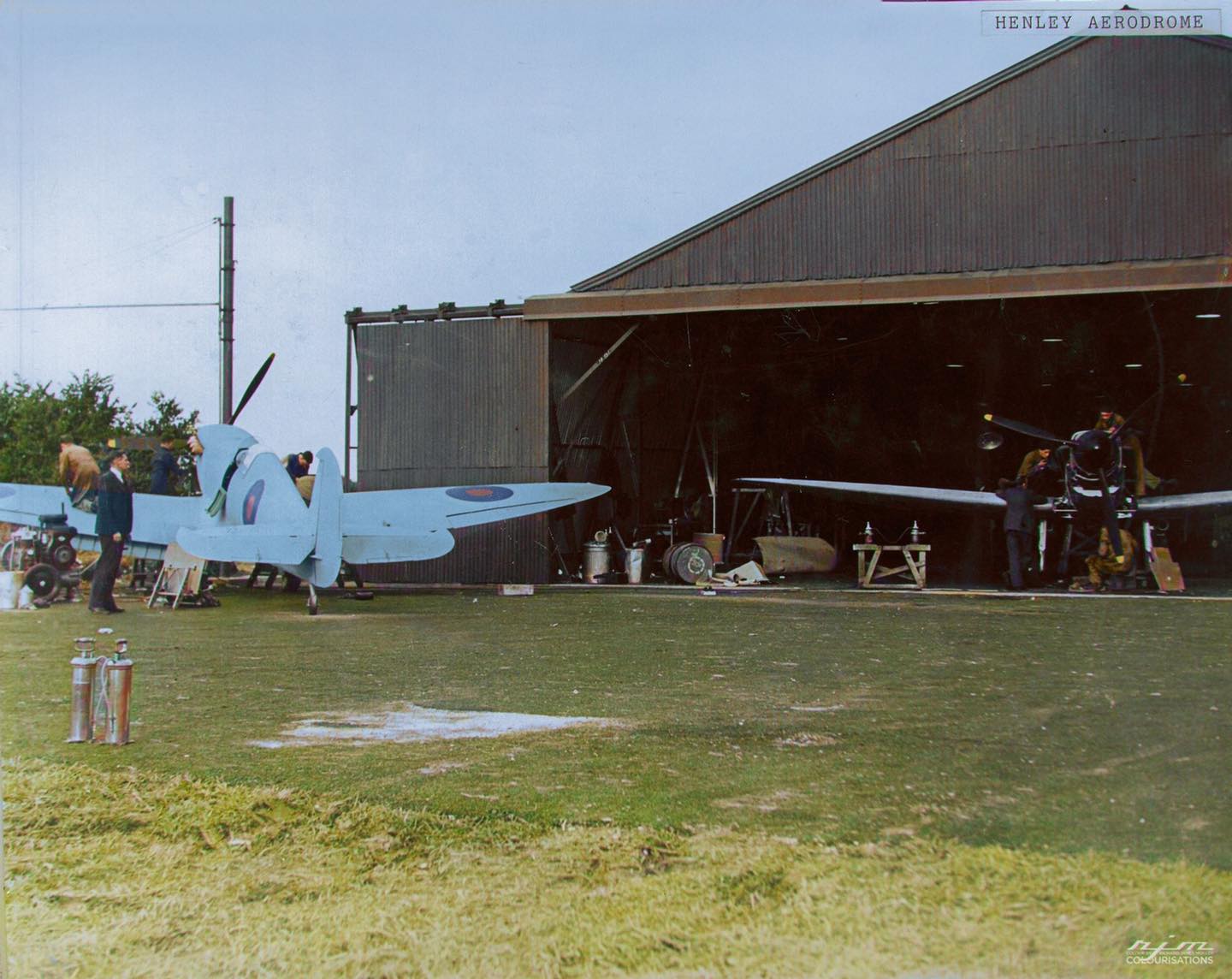
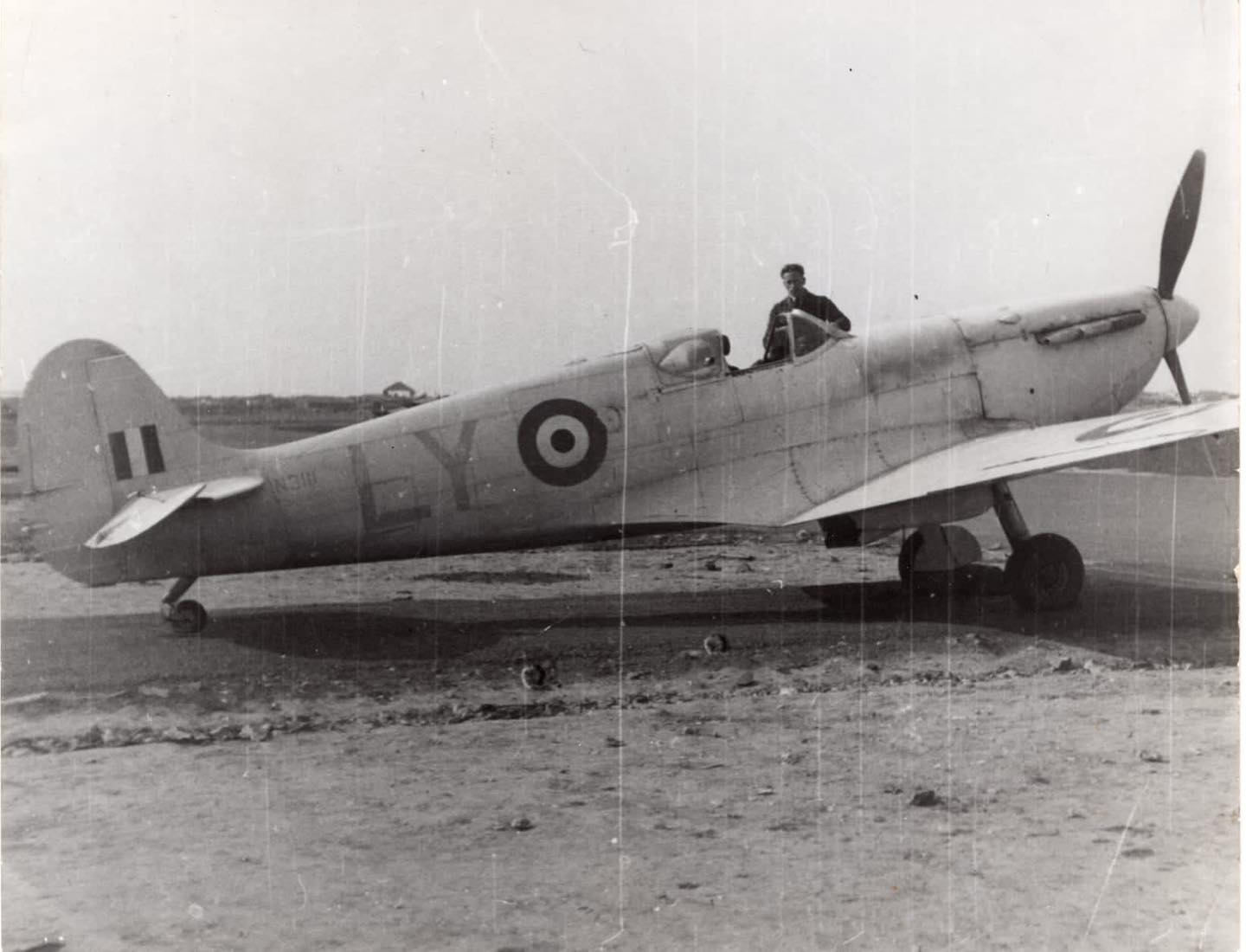
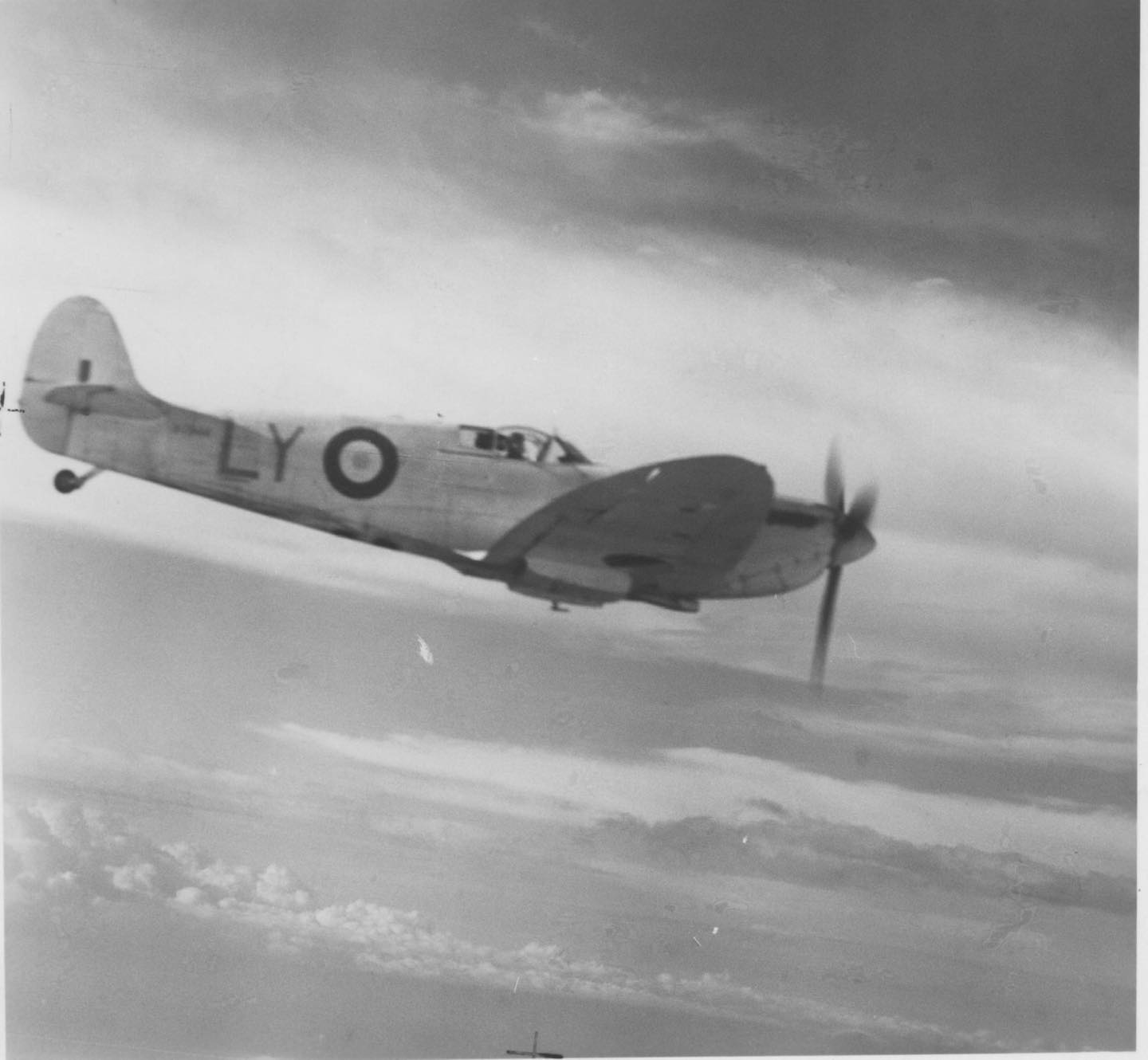
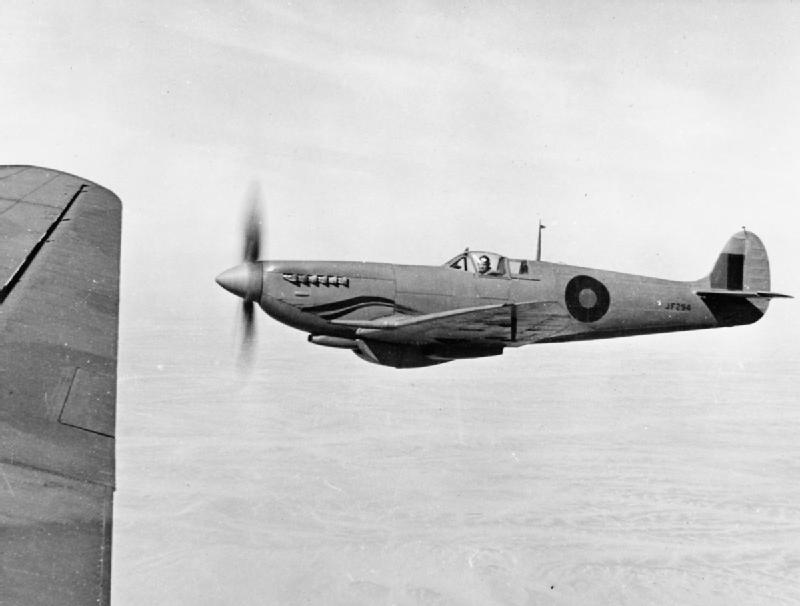
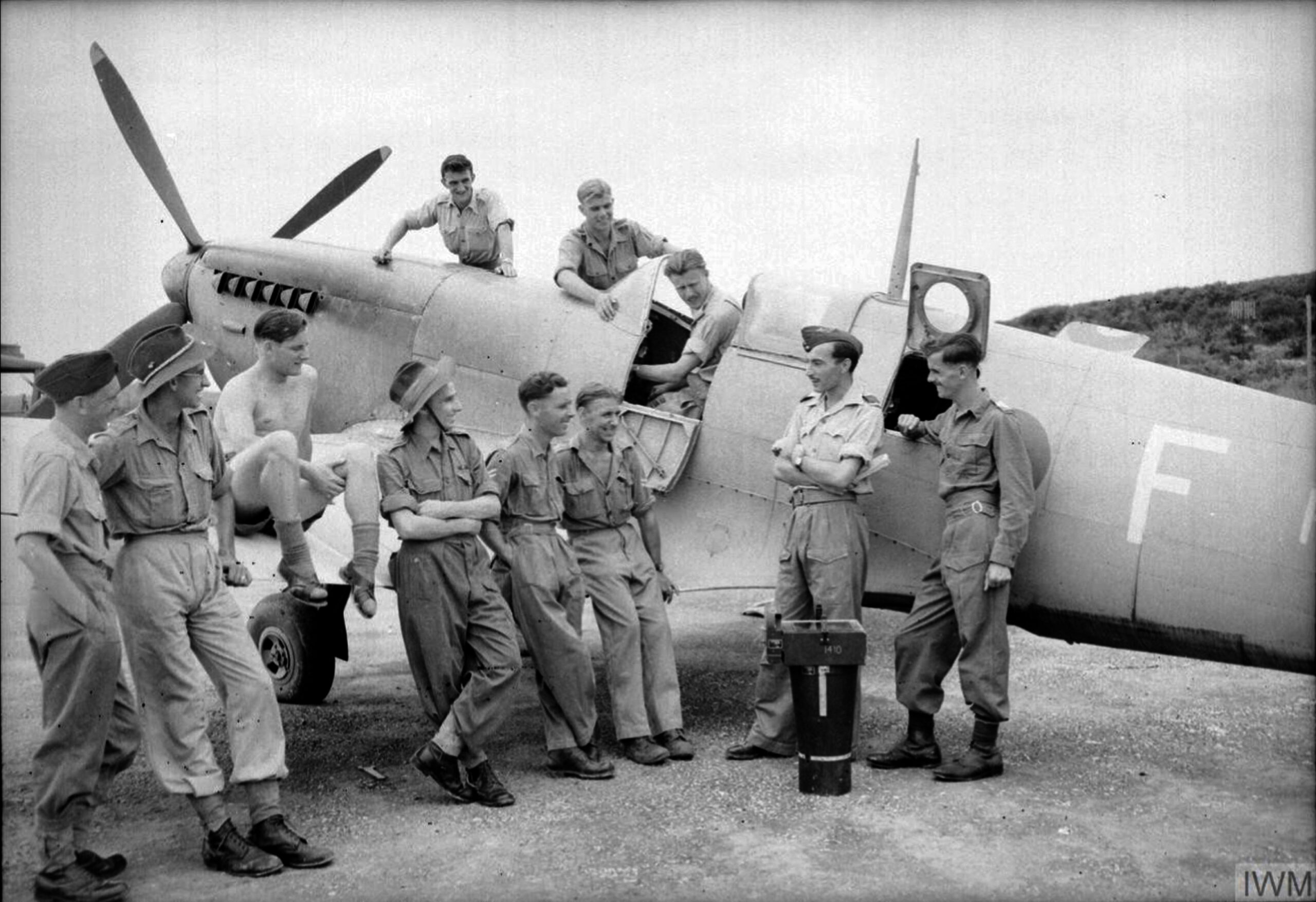
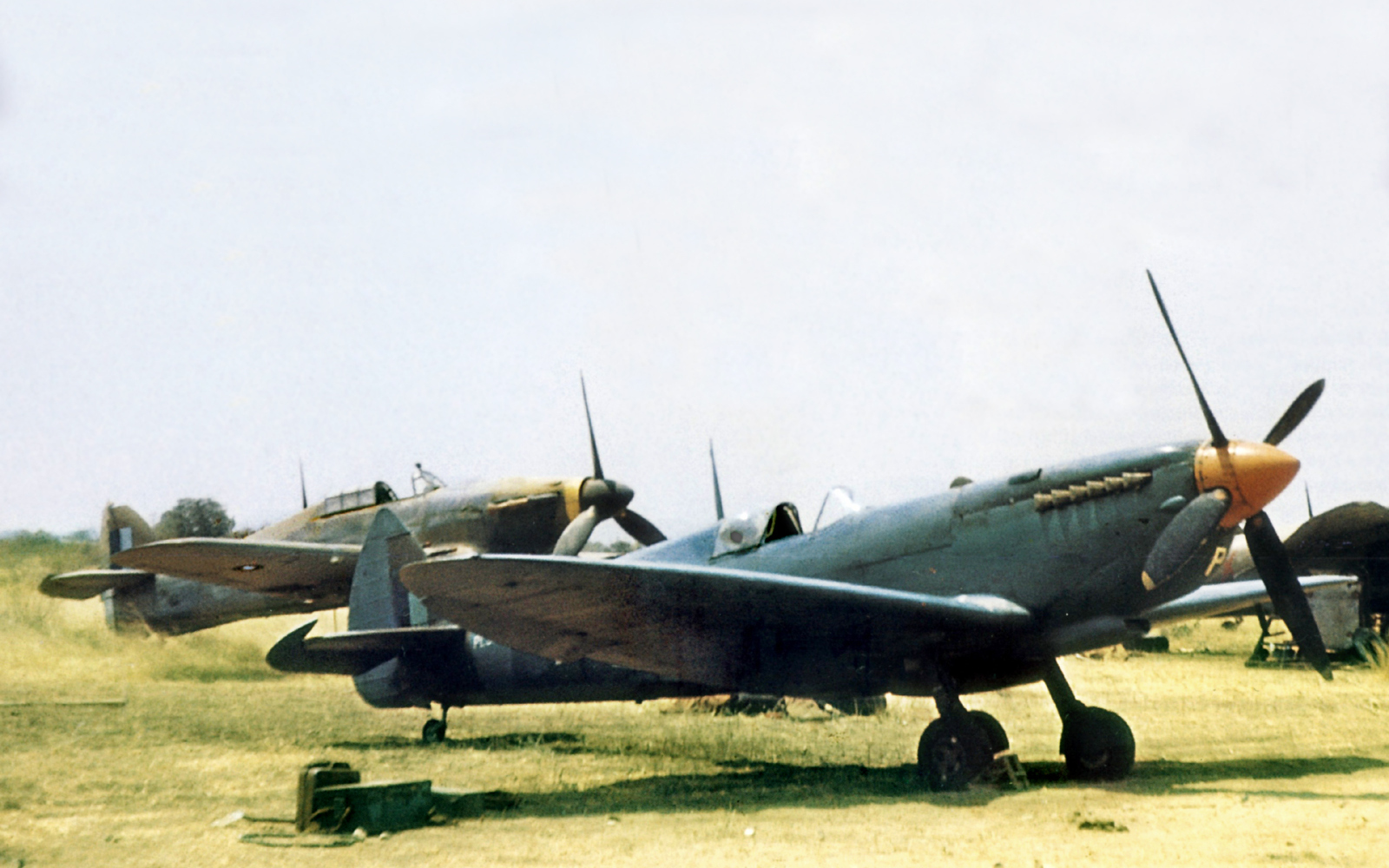
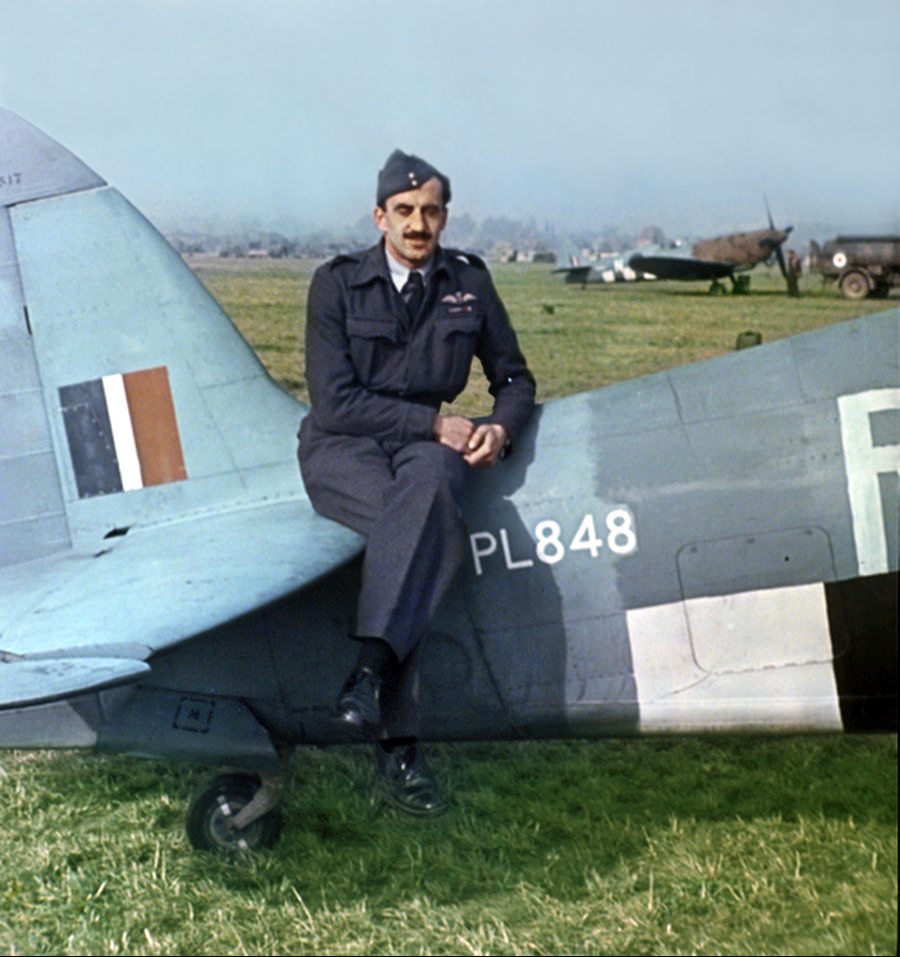
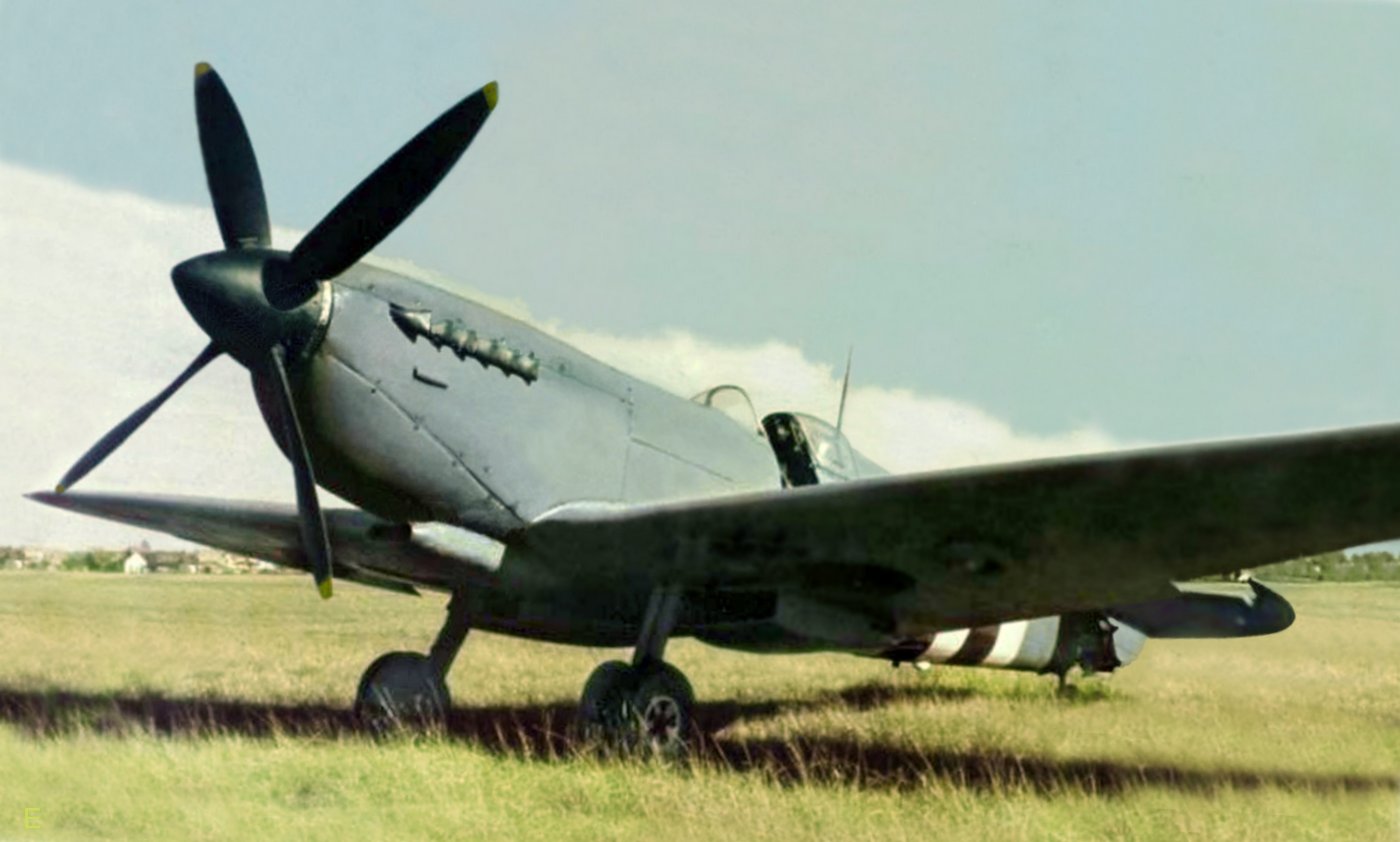
Among the aircraft most strongly associated with the finish was the Supermarine Spitfire PR series. These stripped-down, long-range variants operated without armament in many cases and depended on altitude and speed rather than combat capability.
Modified Bristol Blenheims also continued reconnaissance duties during the early phase of adoption.
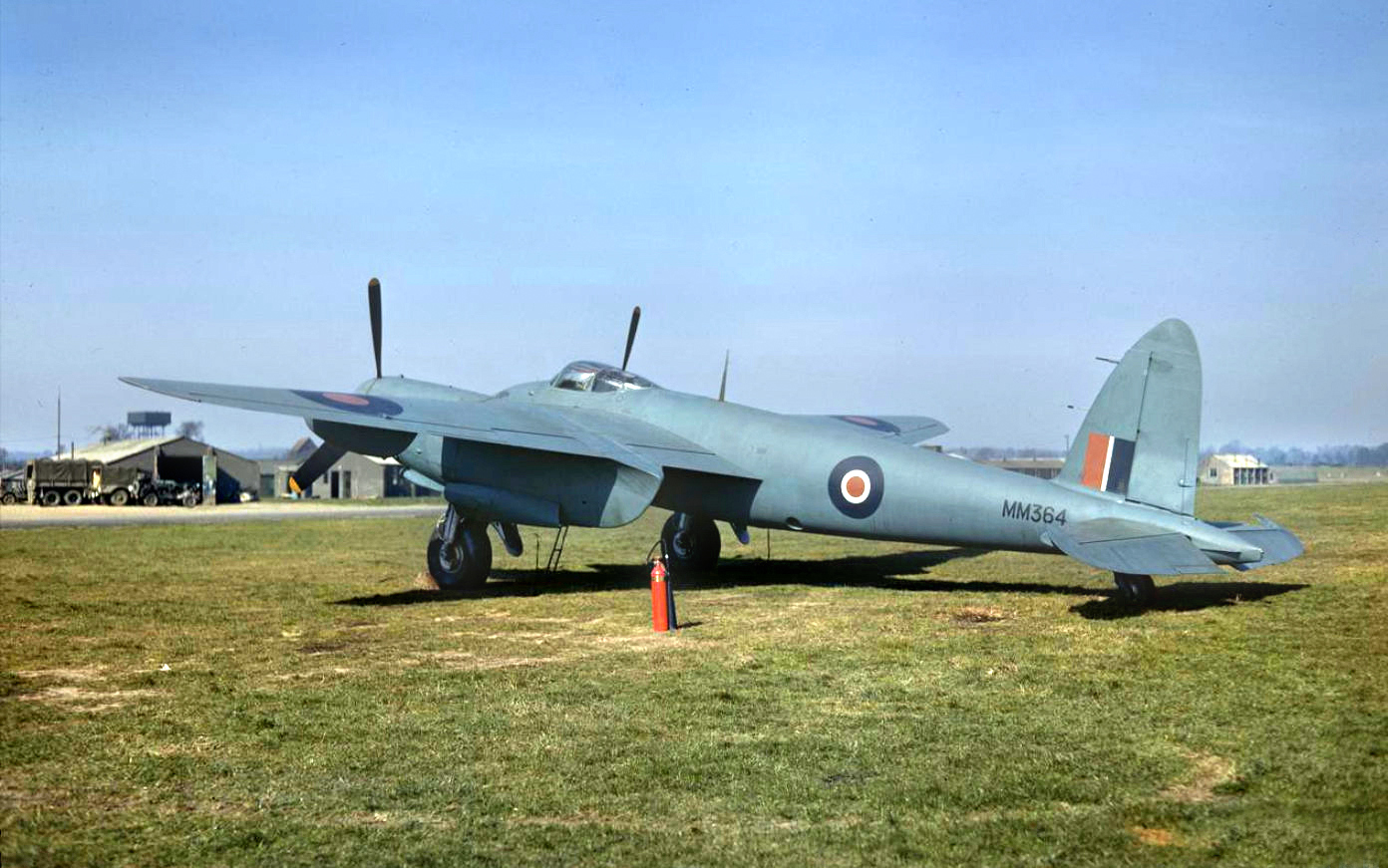
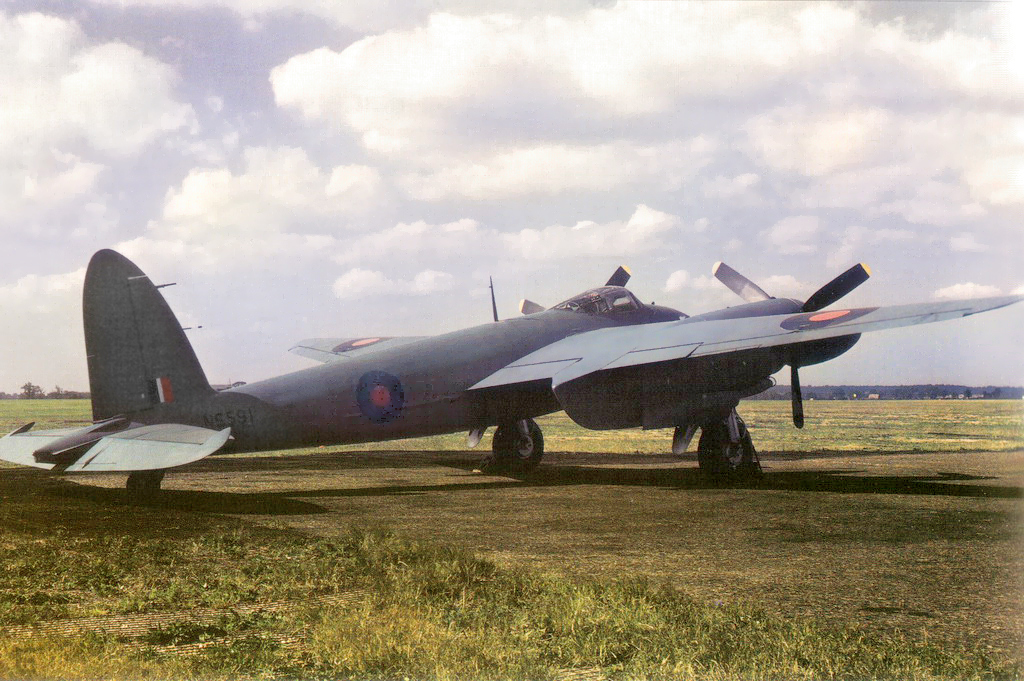
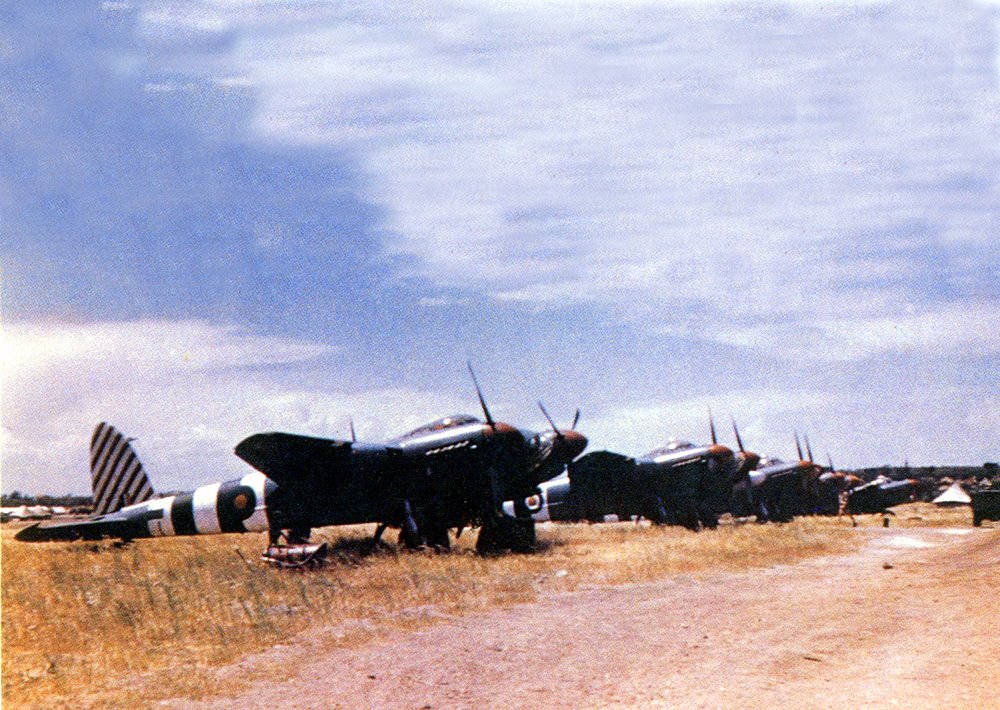
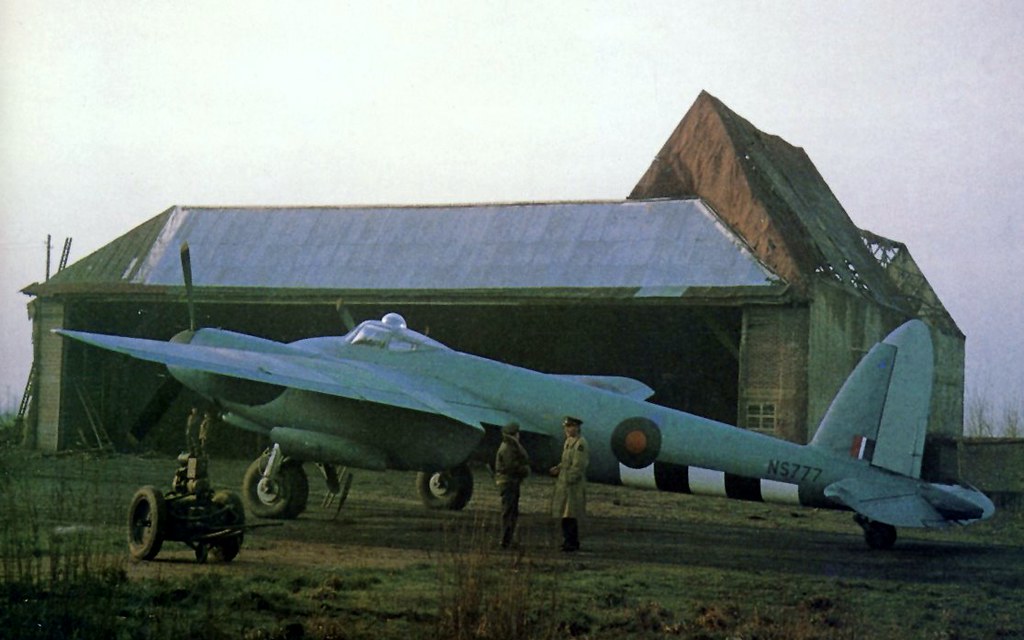
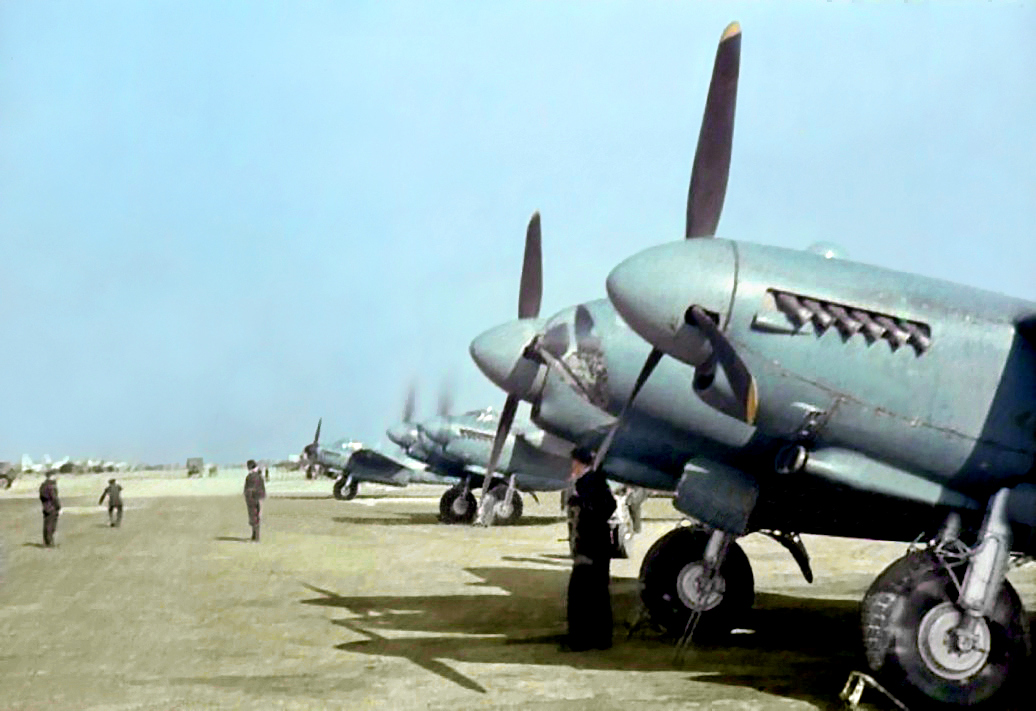
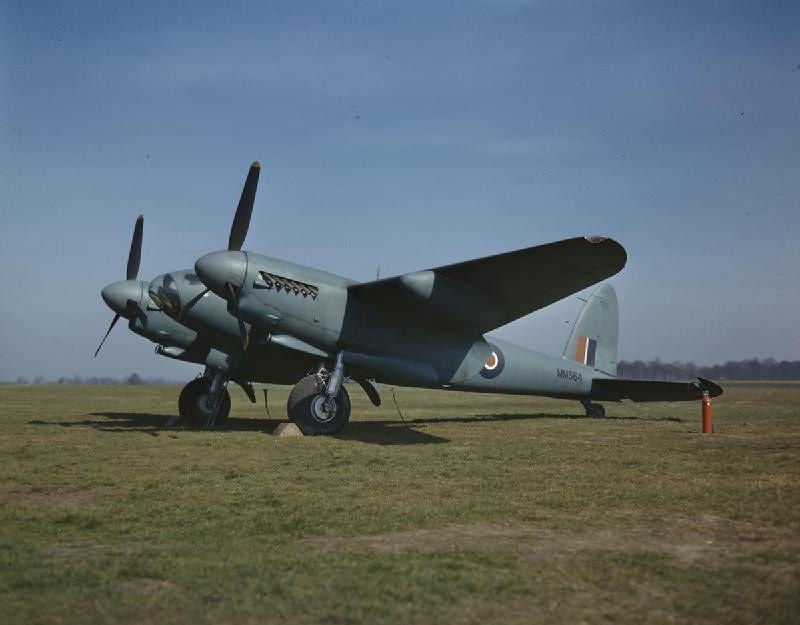
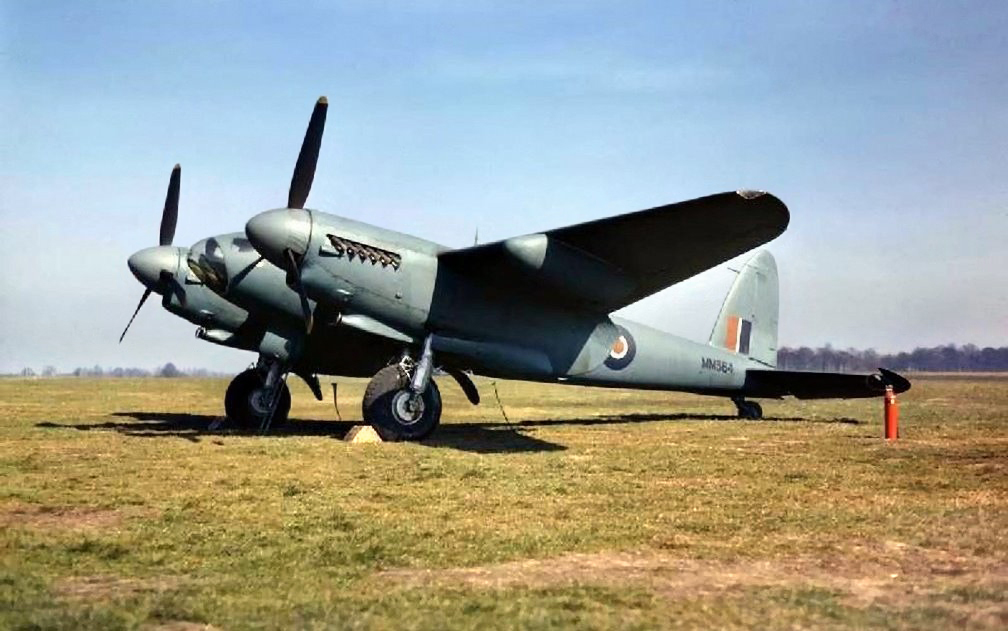
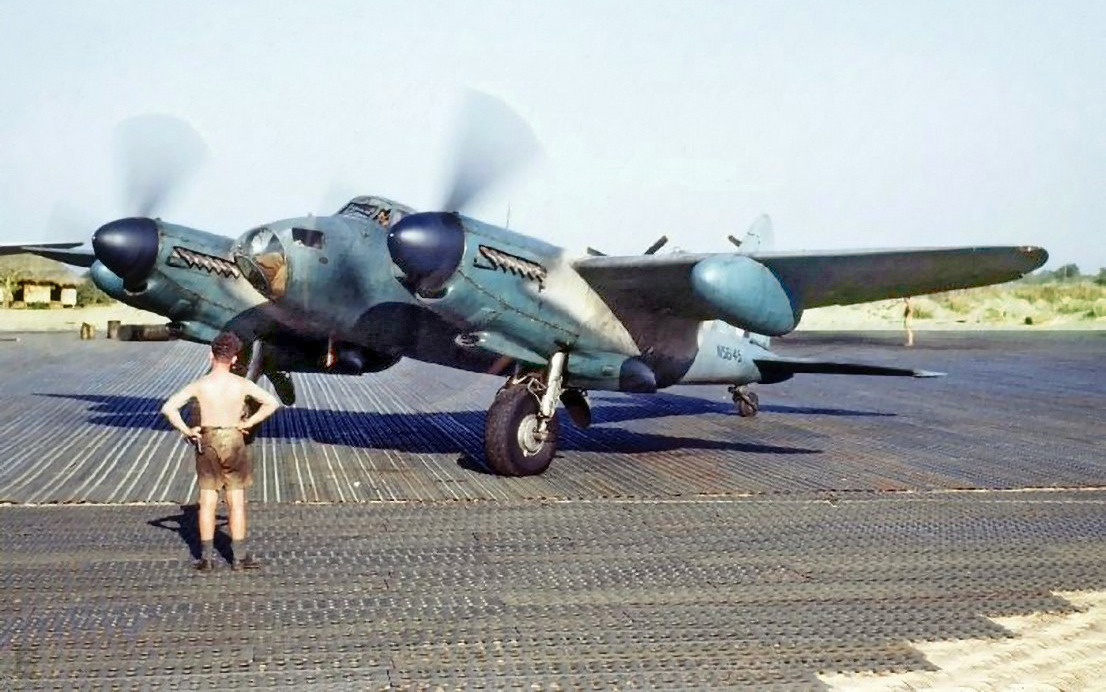
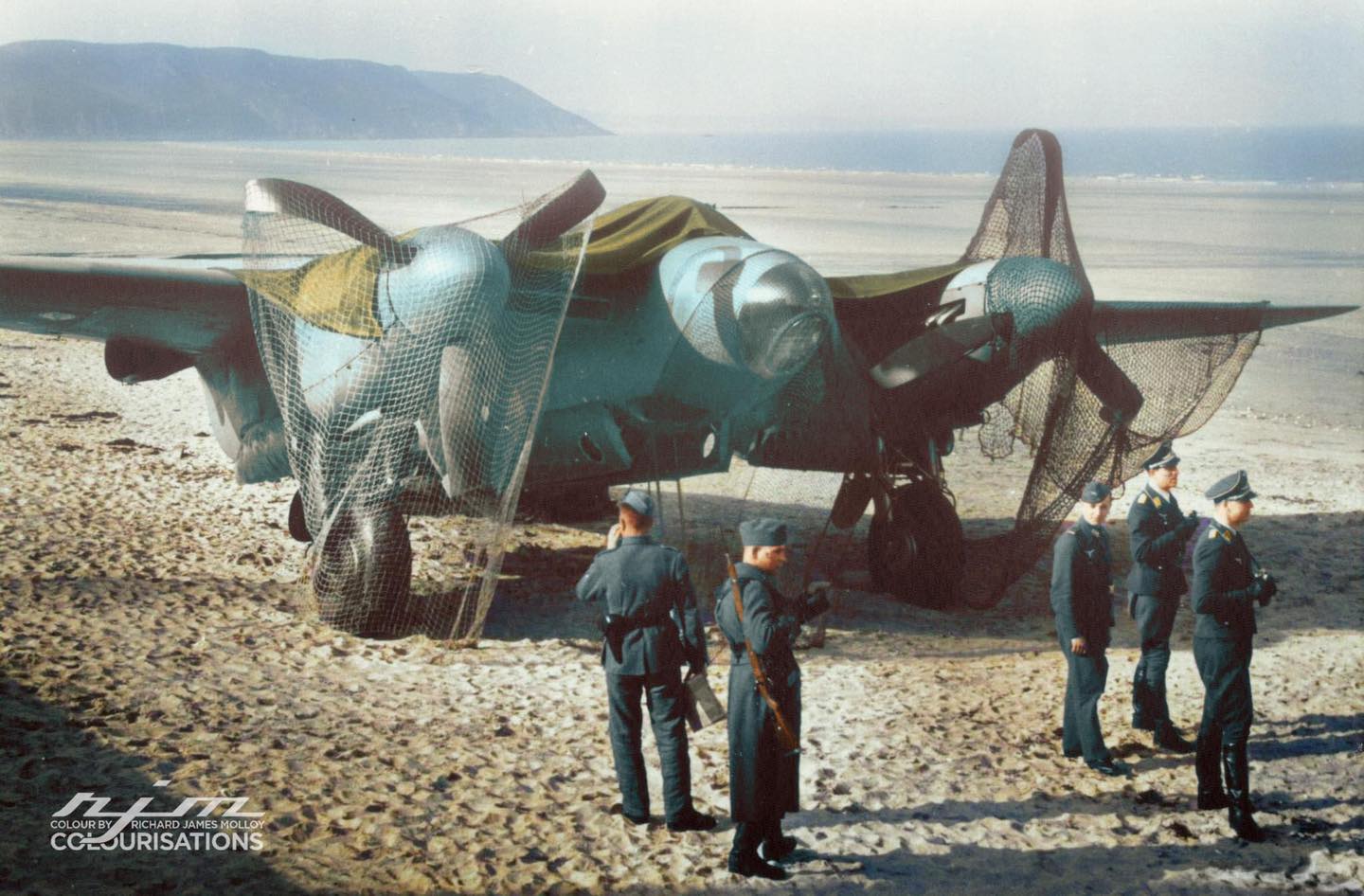
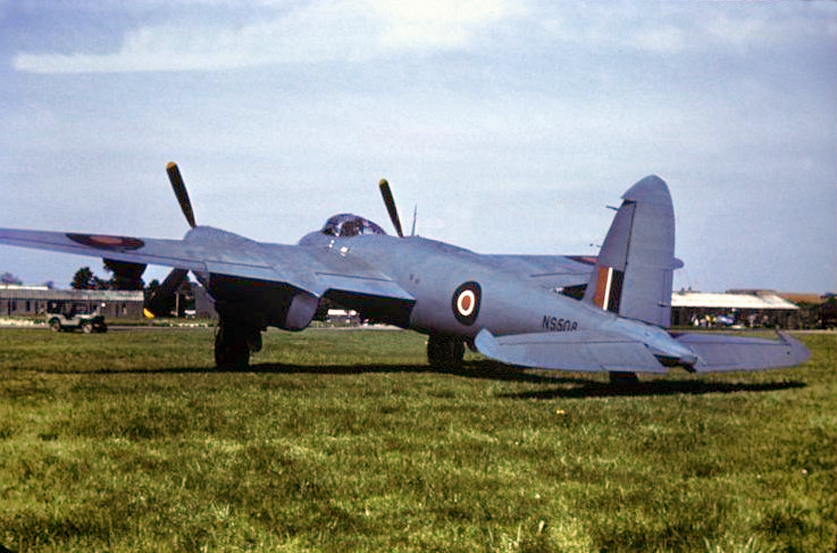
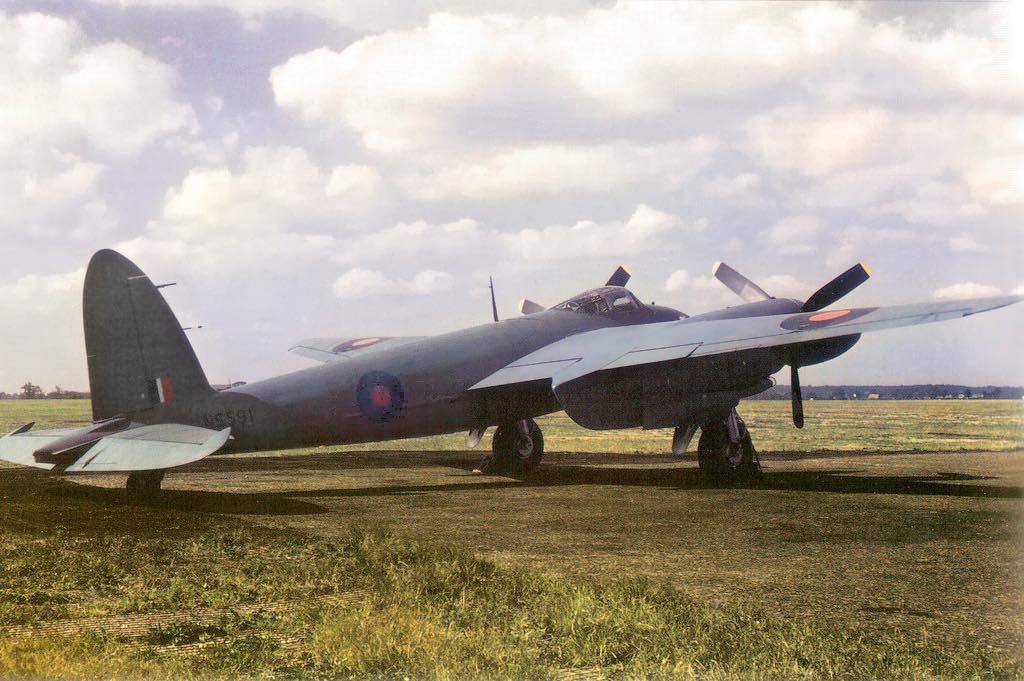
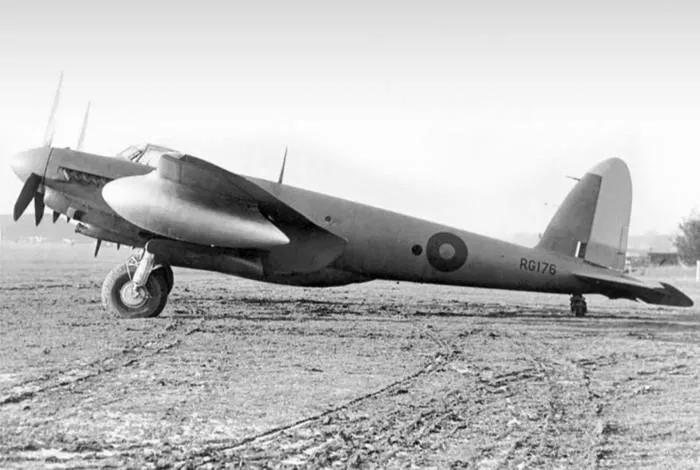
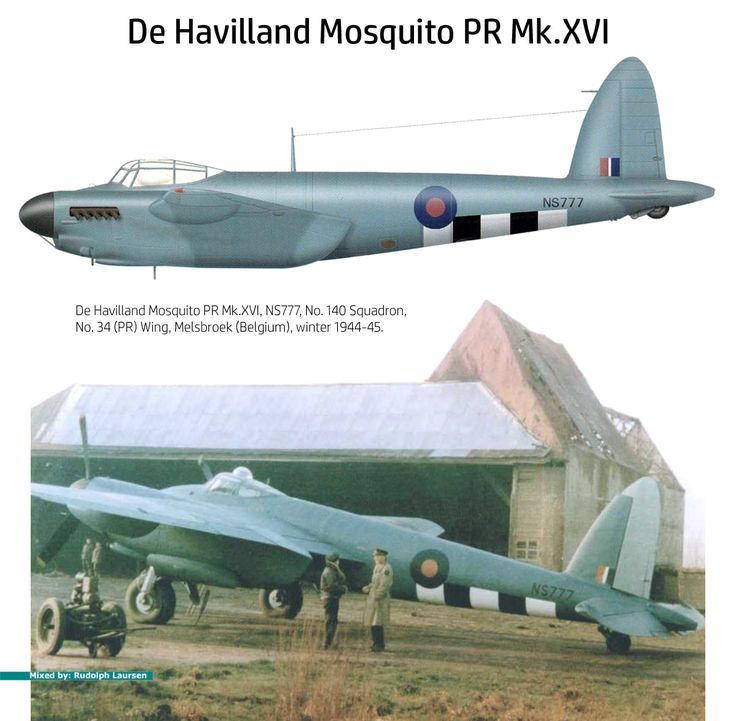
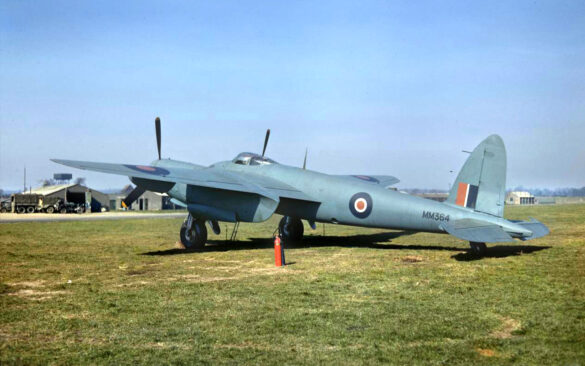
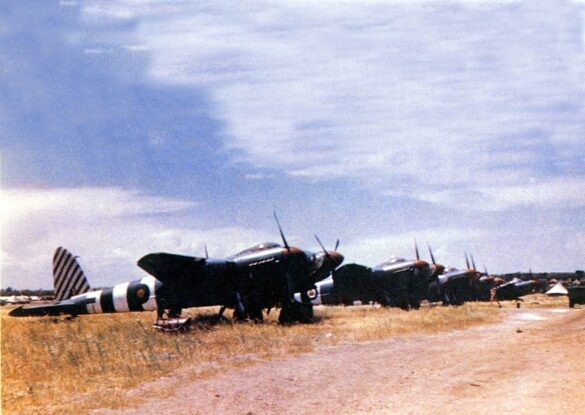
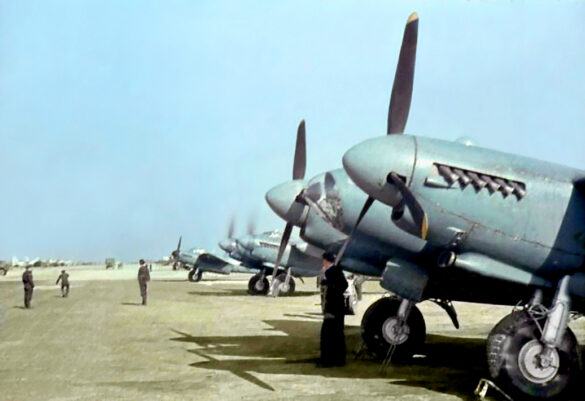
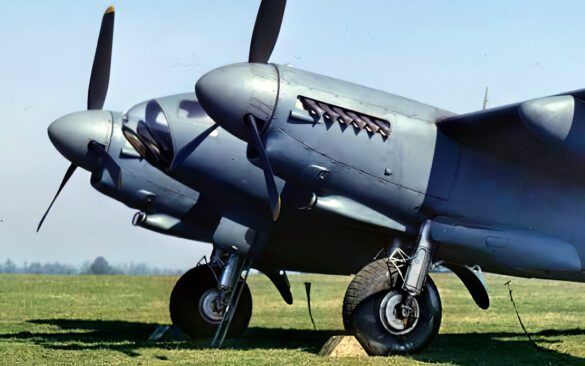
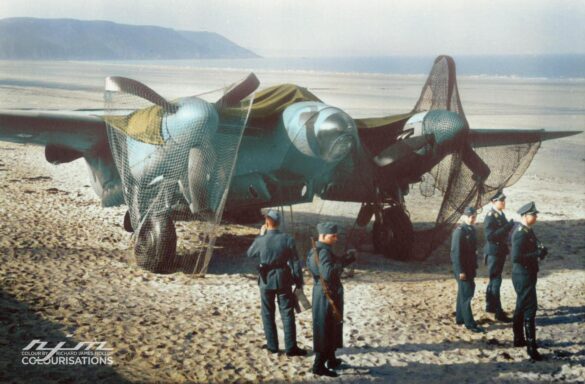
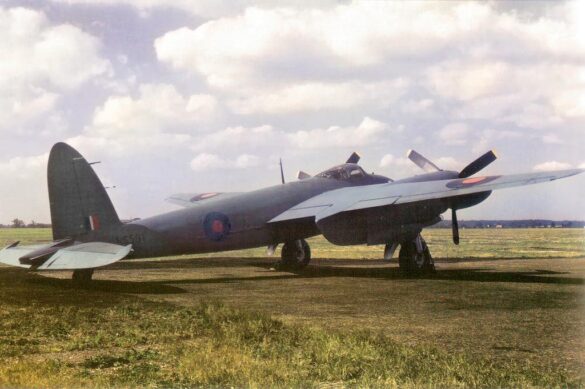
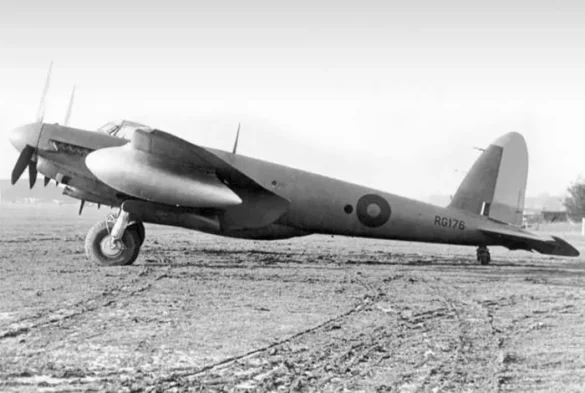
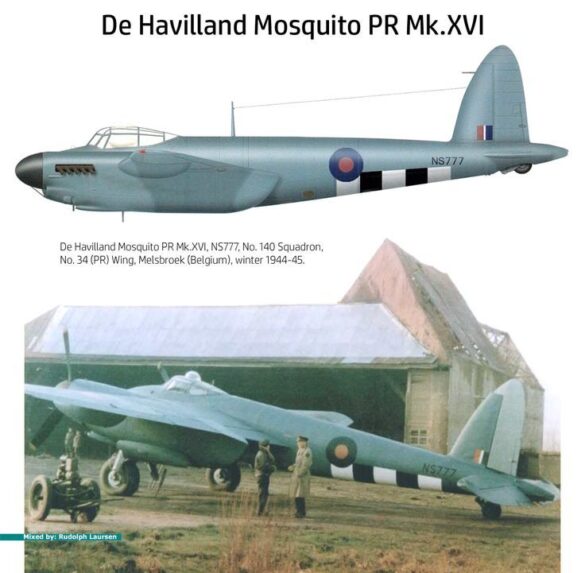
Another iconic aircraft was the de Havilland Mosquito reconnaissance family. Fast, lightweight, and capable of operating at impressive altitudes, Mosquito PR aircraft became some of the most successful reconnaissance platforms of the war.
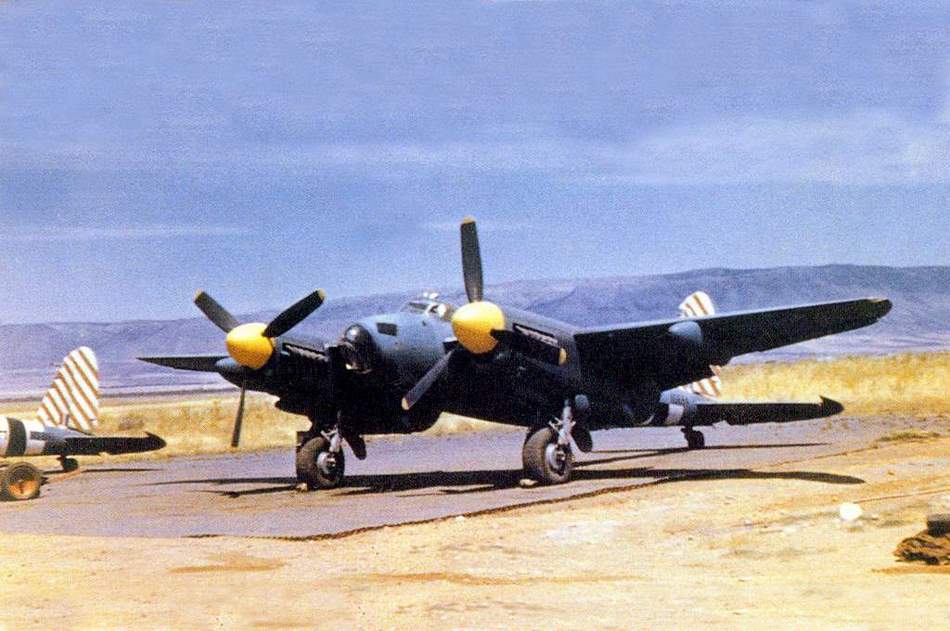
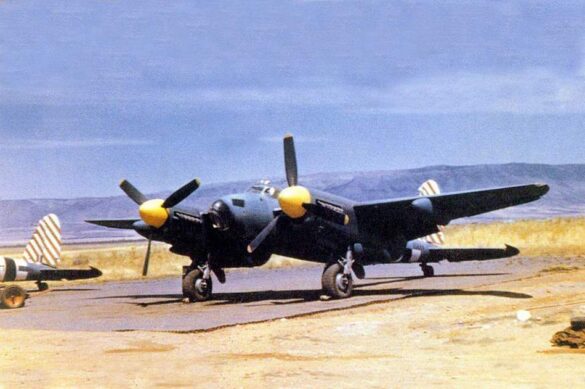
The scheme also appeared on USAAF-operated aircraft working alongside RAF reconnaissance units. Reverse Lend-Lease aircraft and reconnaissance versions of American designs adopted equivalent PRU finishes for operational compatibility.
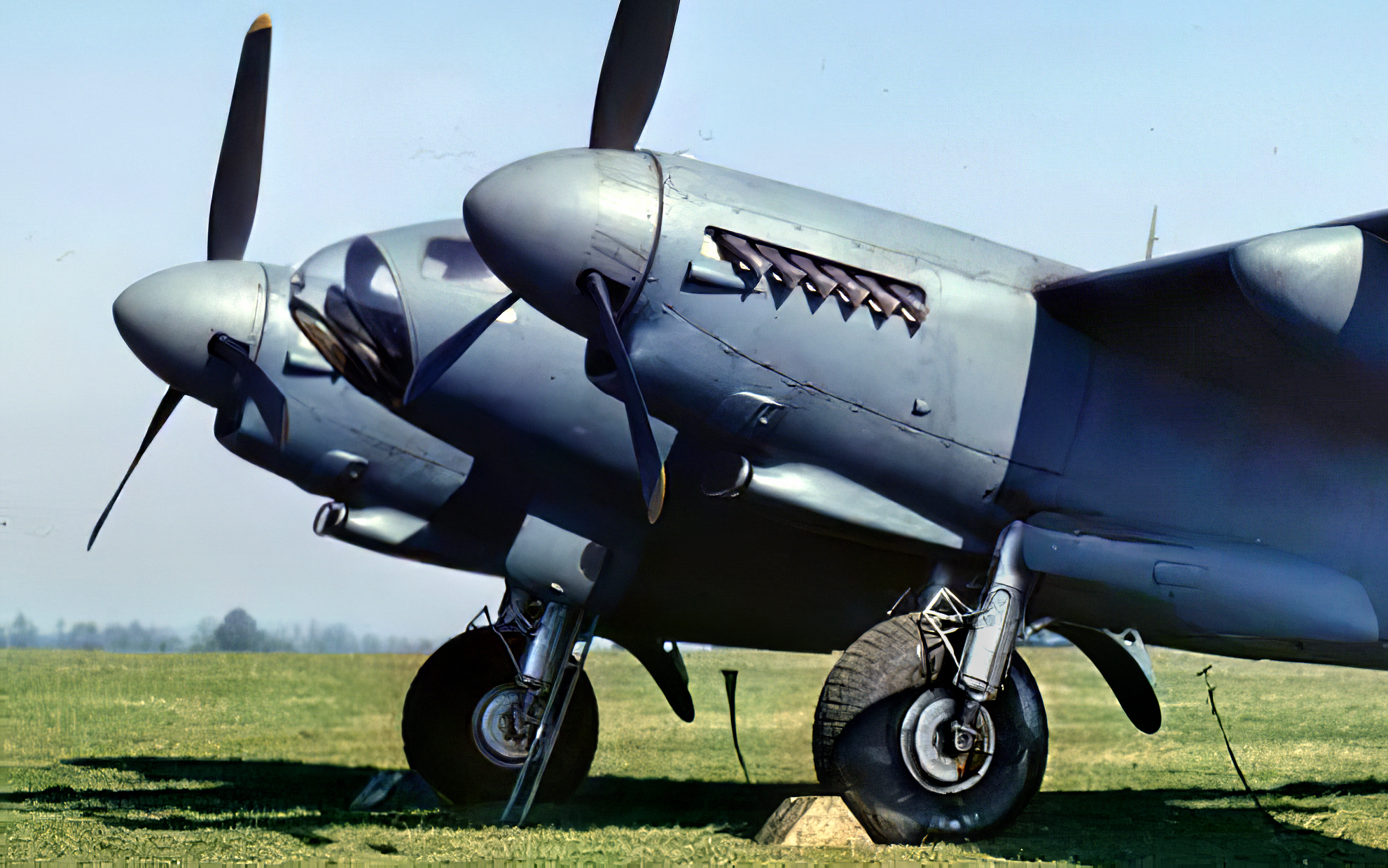
One distinctive feature frequently visible in photographs is the treatment of spinners. Most reconnaissance aircraft retained PRU Blue spinners, although black spinners became increasingly common during later operational periods.
For modelers, PRU Blue remains one of the most attractive RAF finishes because weathering dramatically changes the appearance. Fresh paint appears darker and cleaner, while operational aircraft often faded toward a lighter blue-grey tone.
Compared with combat camouflage, the simplicity of a single-color reconnaissance finish places much greater emphasis on subtle weathering, surface texture, panel variation, and photographic references.
Today the PRU Blue aircraft remain among the most elegant and distinctive aircraft ever operated by the Royal Air Force.
Aircraft That Wore RAF Photo Reconnaissance High Altitude PRU Colors
- Supermarine Spitfire PR Mk.VII ,PR Mk.XI ,PR Mk.XIX
- Bristol Blenheim PR
- de Havilland Mosquito PR Mk.IV ,PR Mk.VIII ,PR Mk.XVI
RAF Desert Camouflage 1942–1945: The Complete Guide to North Africa and Mediterranean Aircraft Colors
| Camotint Green | PRU Blue | |
| Schemes | ||
| PRU Early | Overall | |
| PRU Late | Overall | |
| Color matches | ||
| Gunze Aqueous | (H74) | – |
| Gunze Mr. Color | (C26) | – |
| Humbrol | – | 230 |
| Model Master | – | 2061 |
| Revell | – | – |
| Tamiya | – | – |
| Vallejo Model Air | – | 71.109** |
| Vallejo Model Color | – | – |
| AKAN | – | – |
| AK Interactive | – | – |
| AK Real Color | – | RC297 |
| AMMO by Mig | – | – |
| Colourcoats | – | ACRN14 |
| Hataka | HTK-_051 | HTK-_042 |
| Lifecolor | – | – |
| Mission Models | – | – |
| Mr. Paint | – | MRP-120 |
| Xtracolor | – | X008 |
| Xtracrylix | – | XA1008 |
Gallery