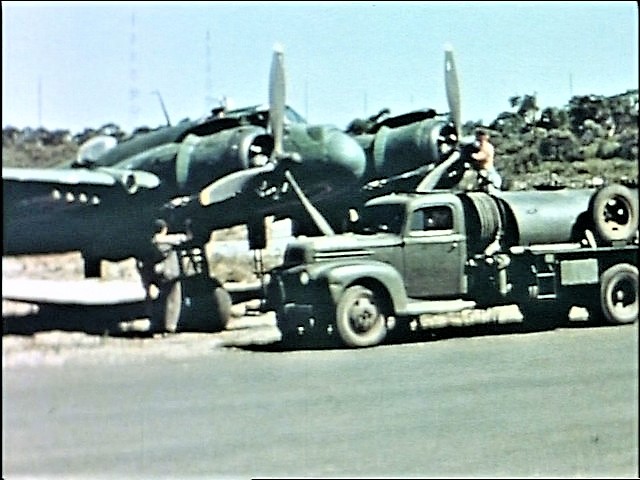
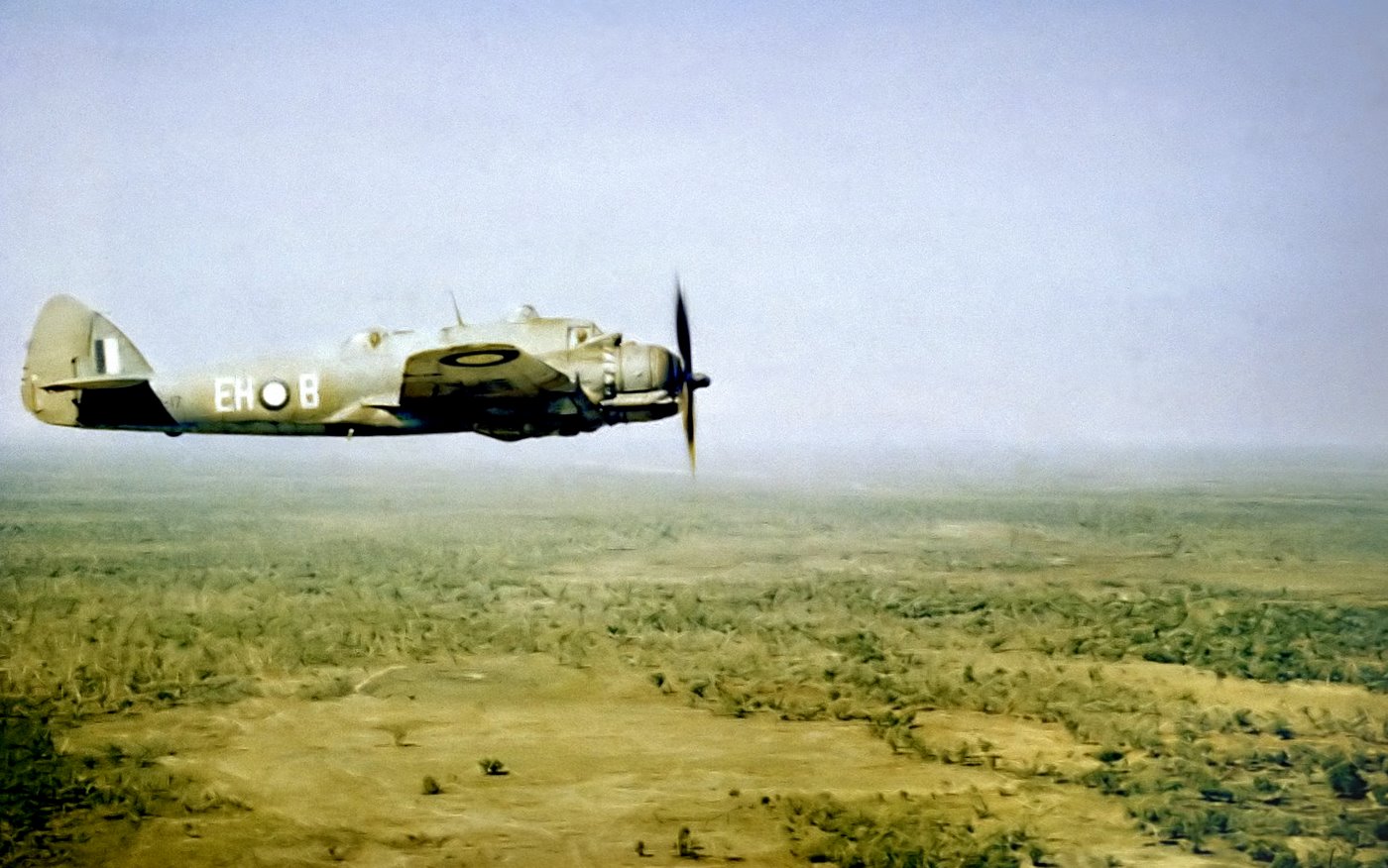
article
The Ultimate RAAF Royal Australian Air Force Camouflage Guide 1941–1945
Introduction
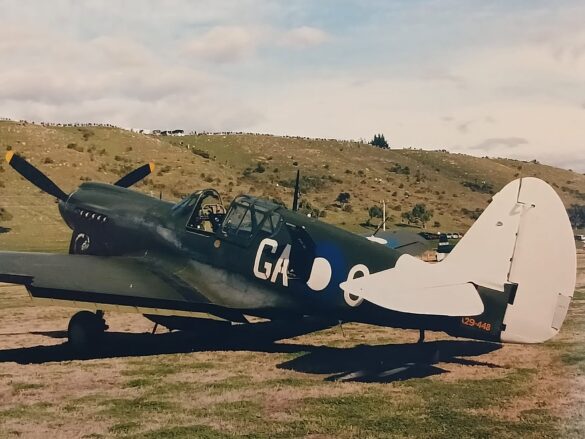
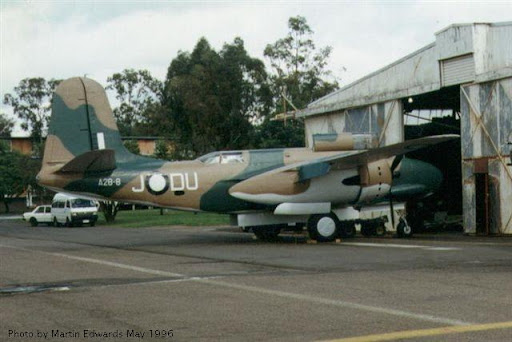
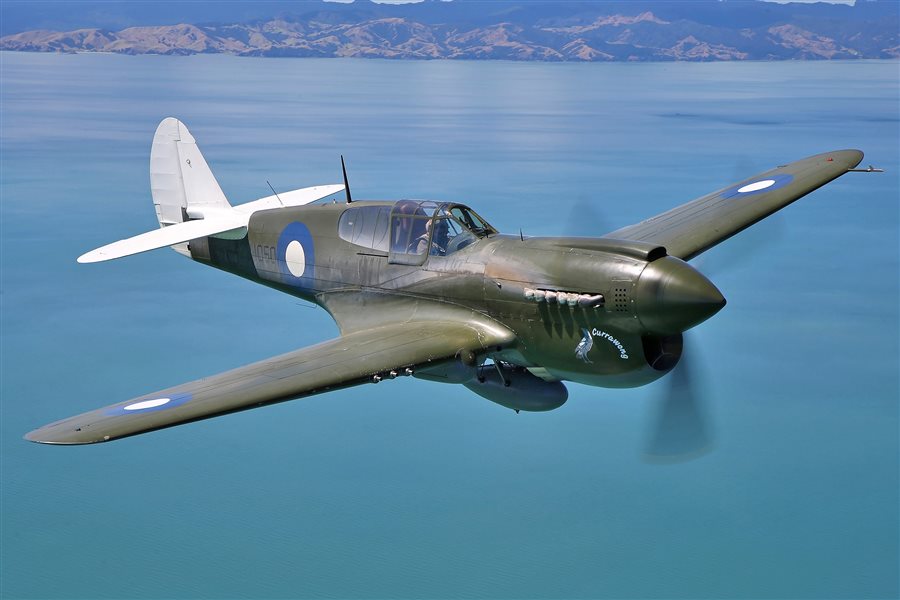
During World War II, the Royal Australian Air Force developed its own camouflage approach adapted to the Pacific theater. While it was strongly influenced by RAF standards, it gradually evolved into a more practical system designed for jungle, island, and maritime environments.
The result was a distinctive visual identity: darker, more saturated greens and browns, and simplified schemes as the war progressed.
Early War Camouflage (1941–1943)
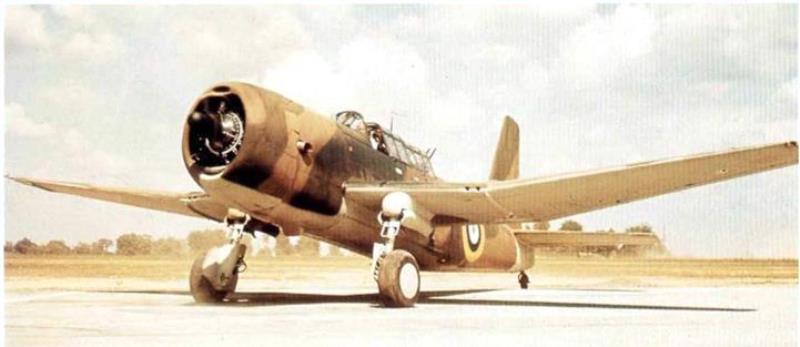
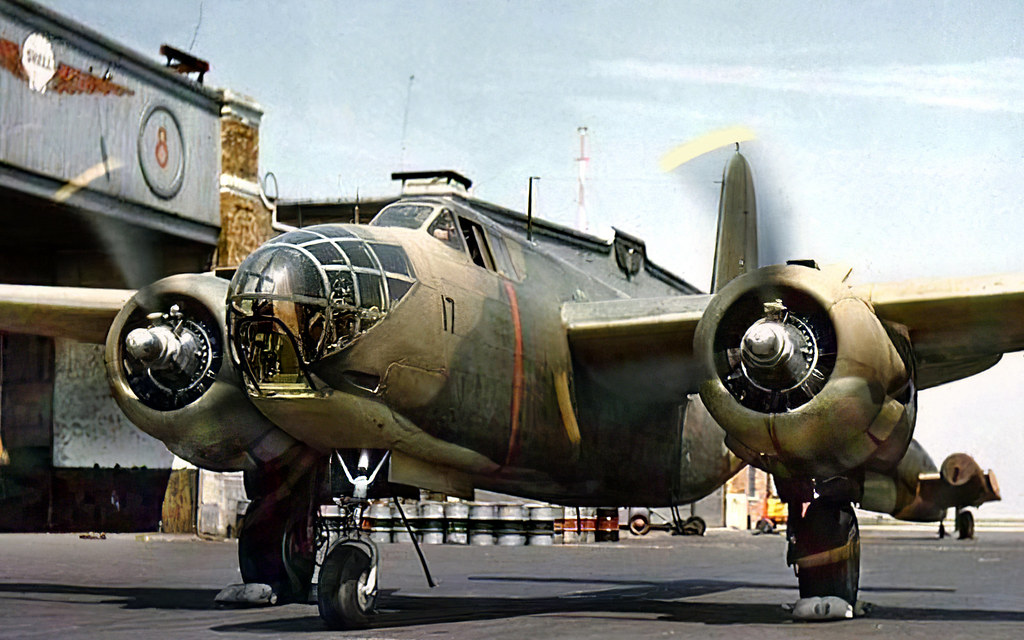
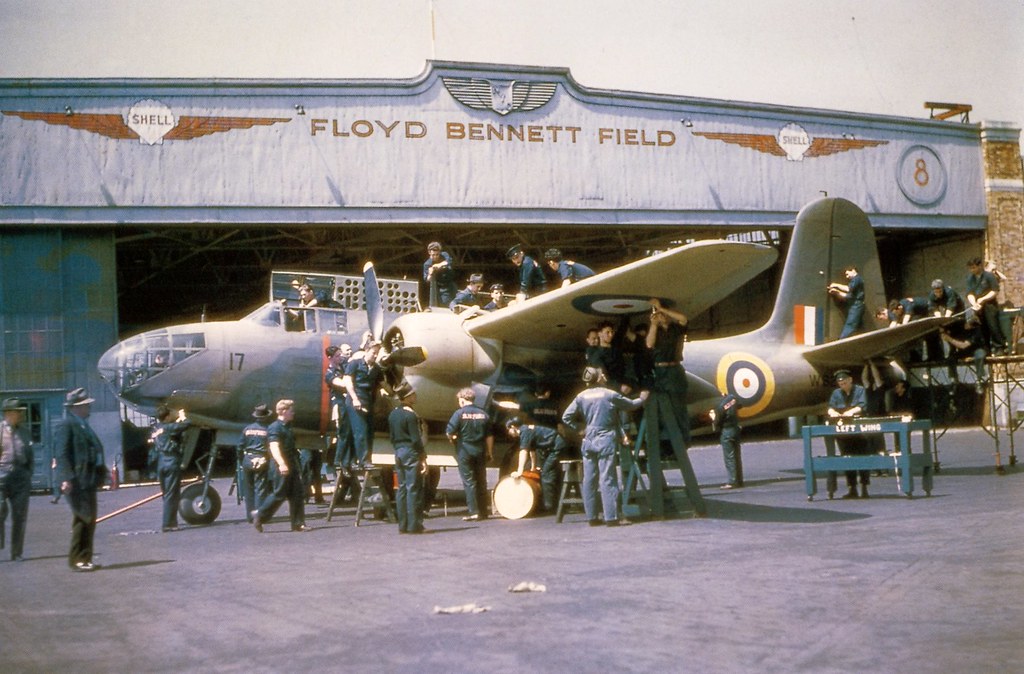
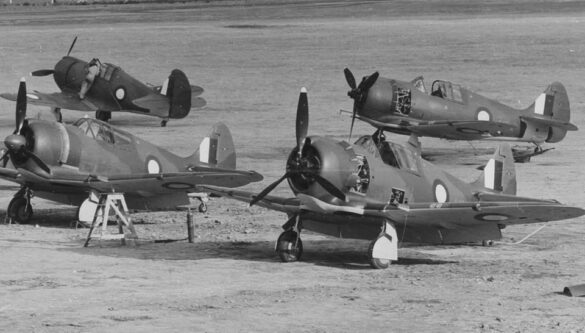
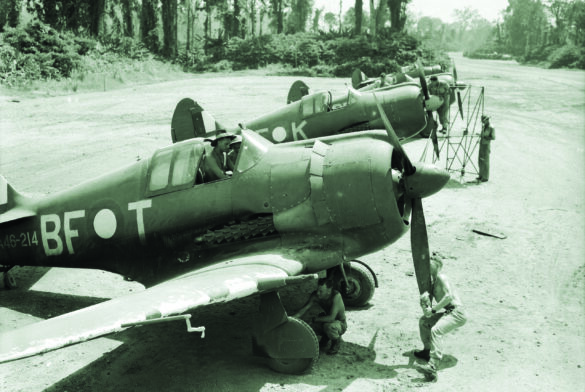
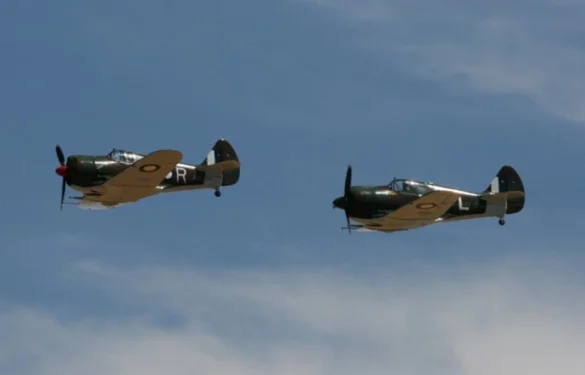
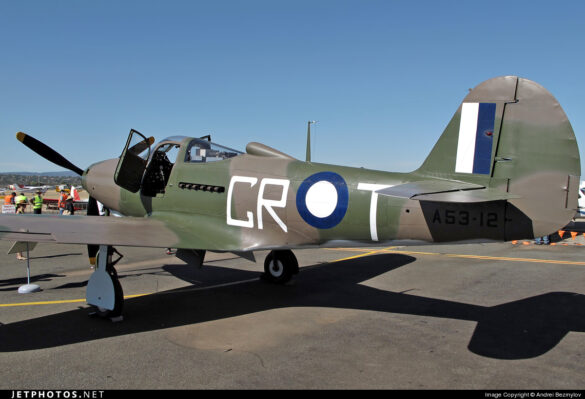
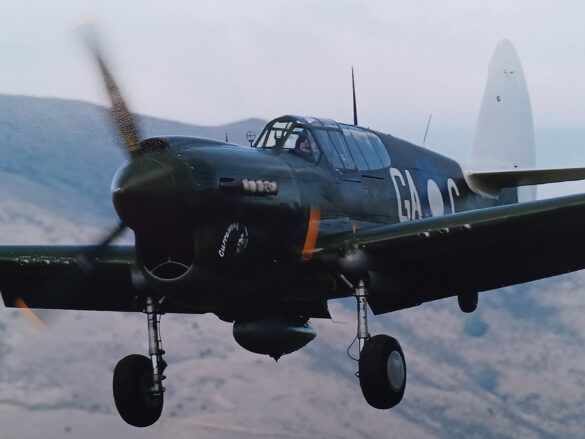
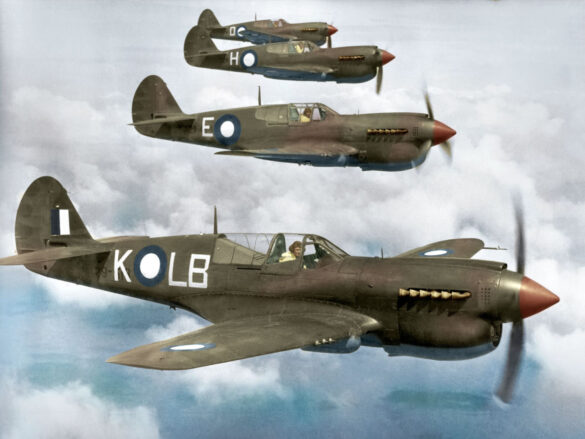
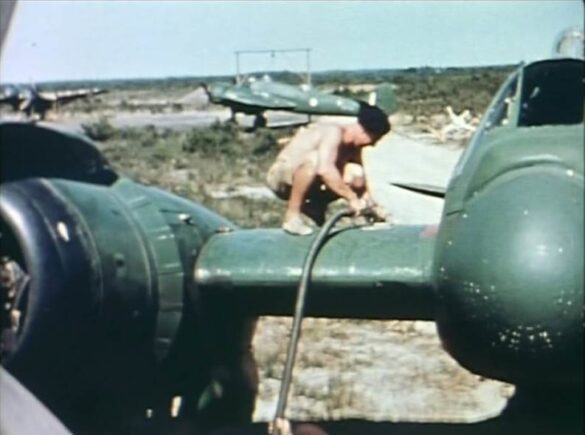
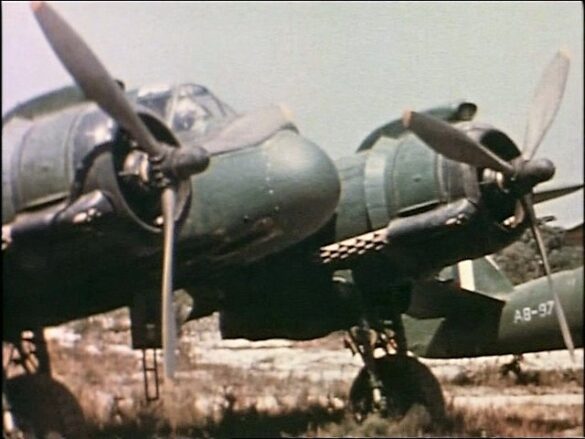
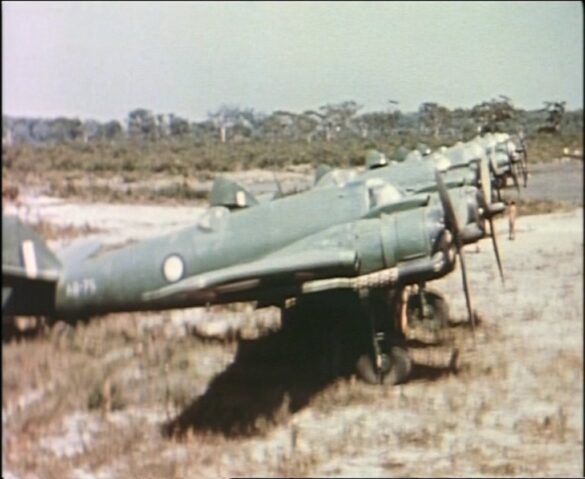
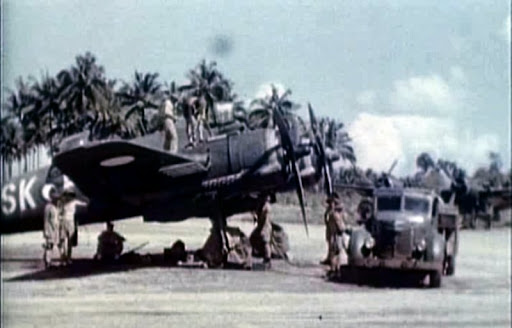
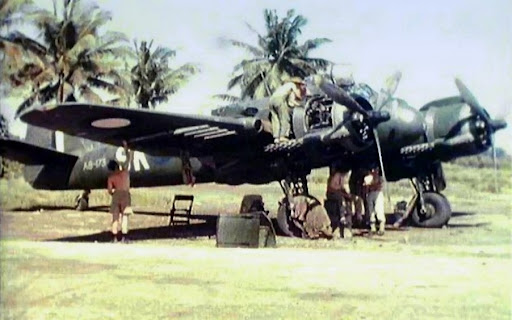
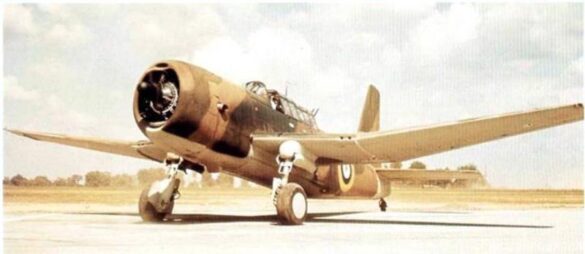
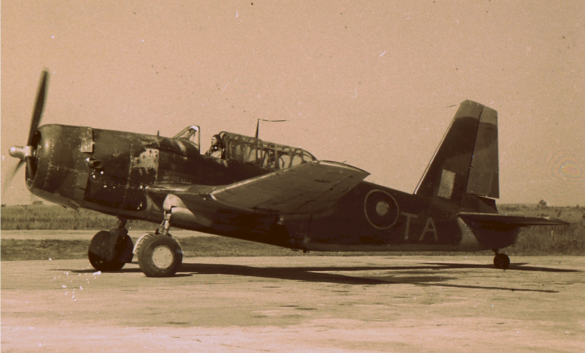
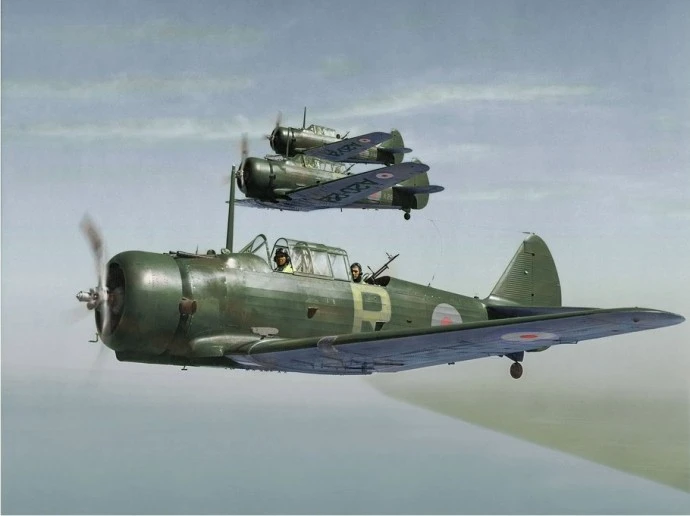
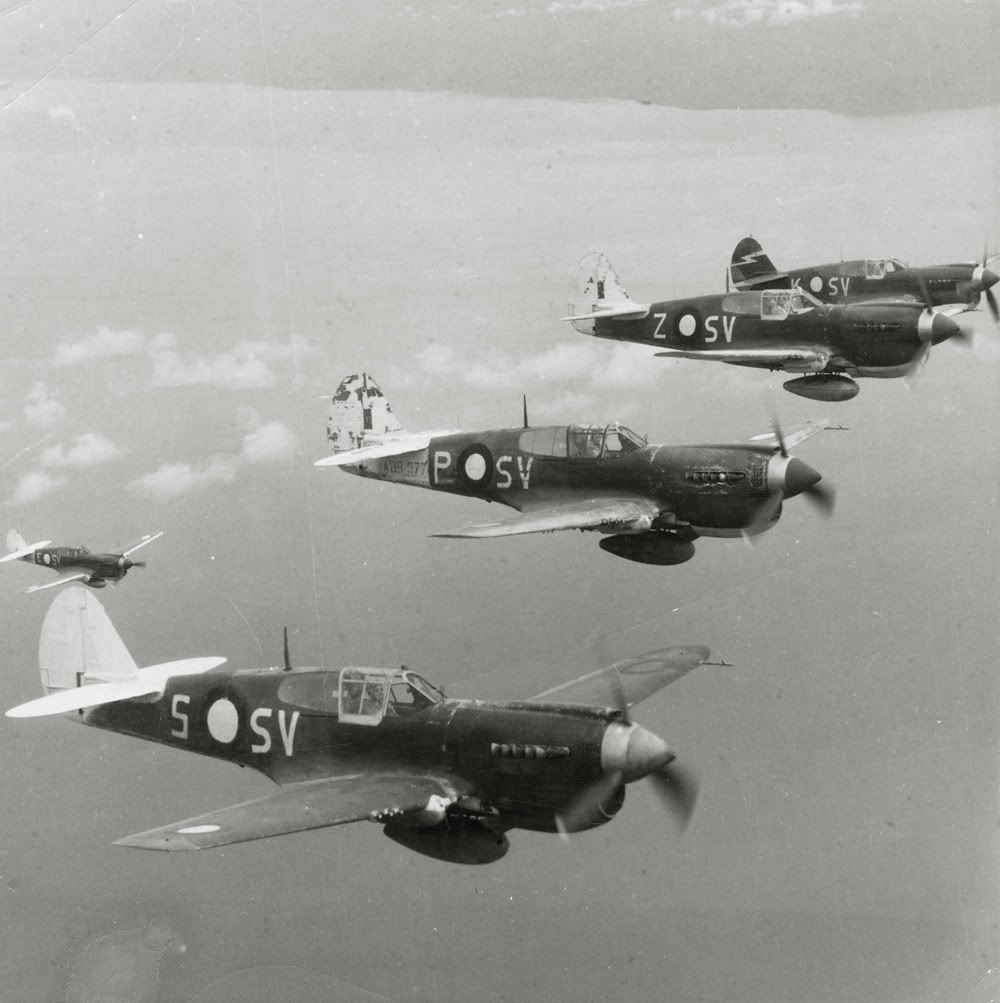
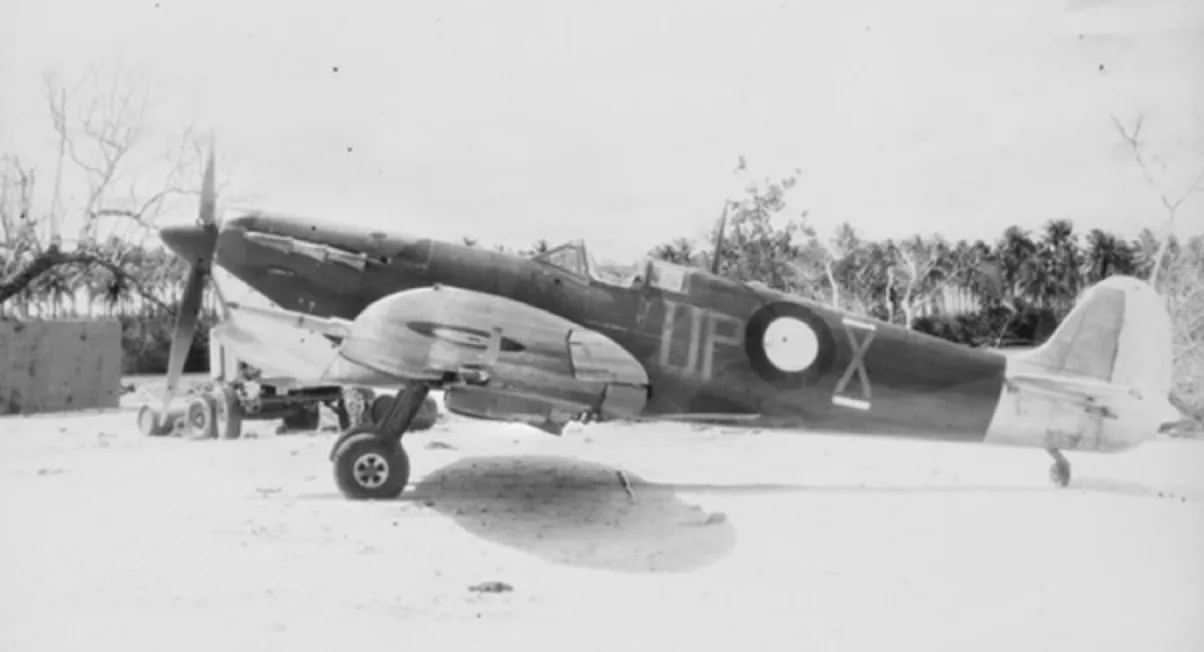
At the start of the Pacific conflict, most RAAF aircraft used a two-tone upper surface camouflage system.
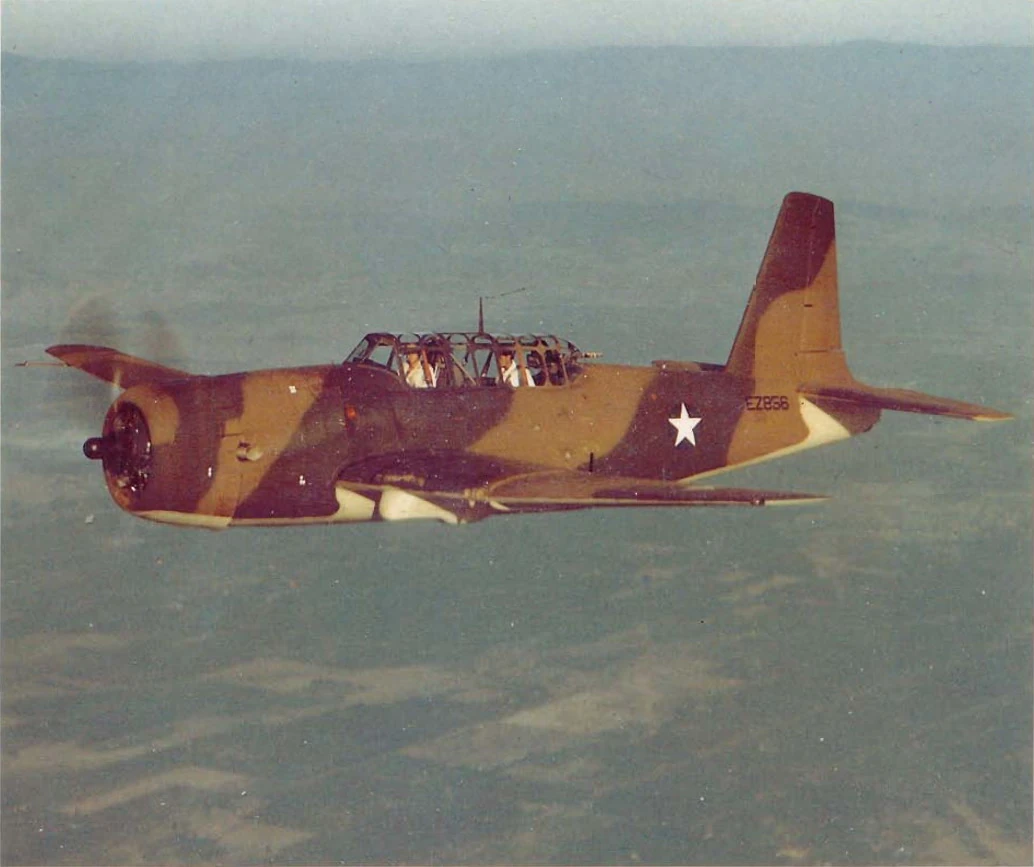
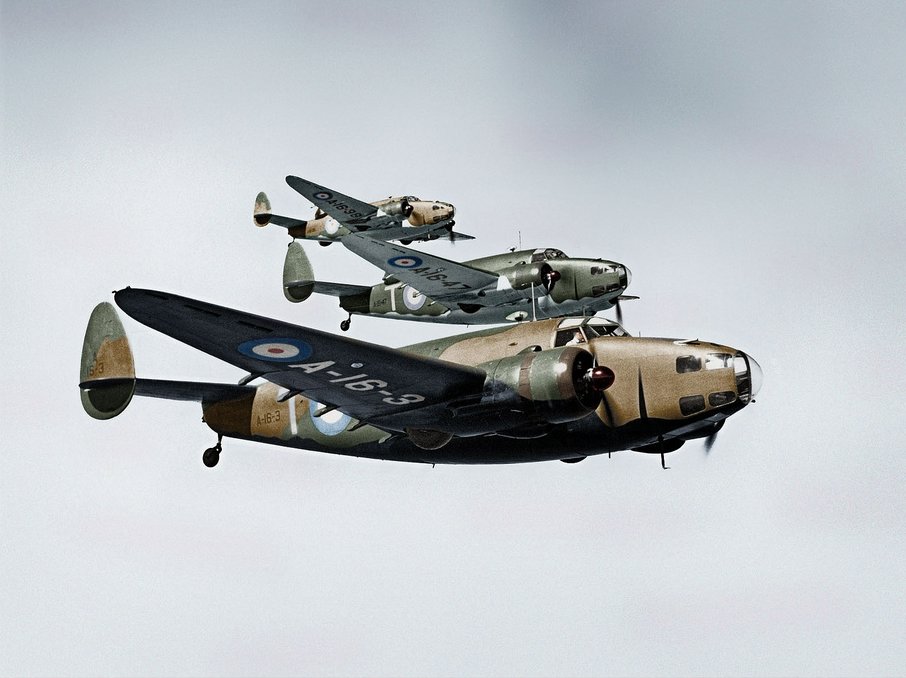
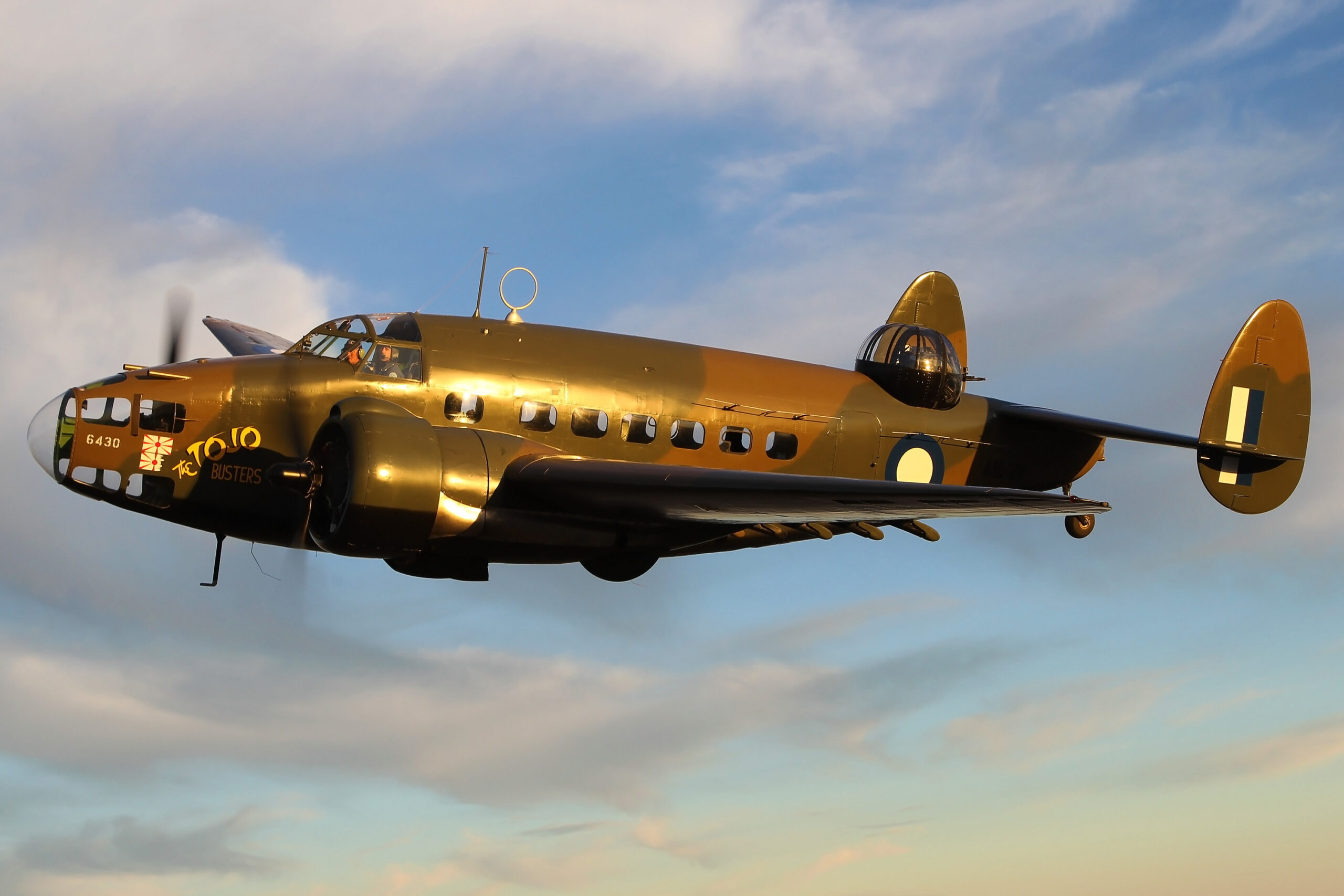
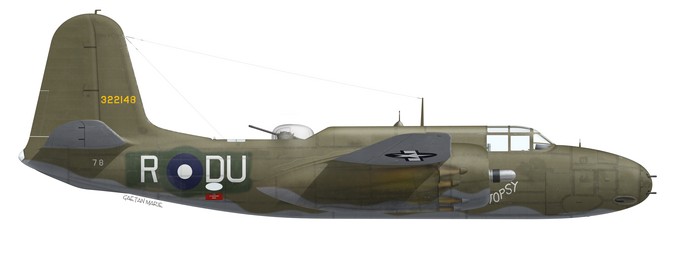
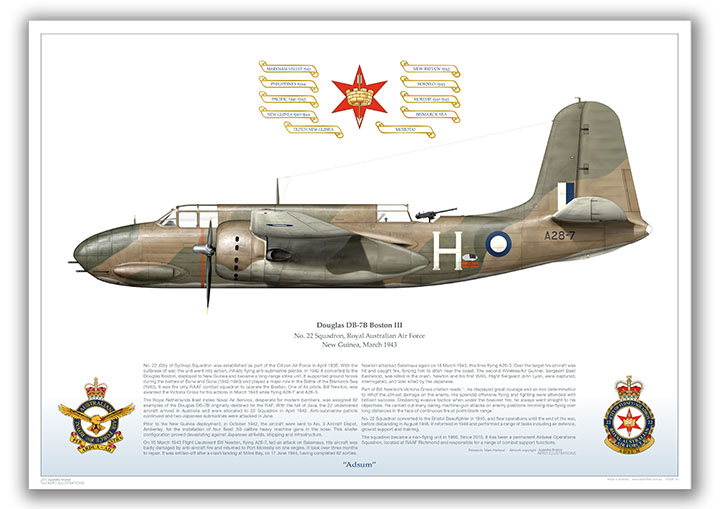
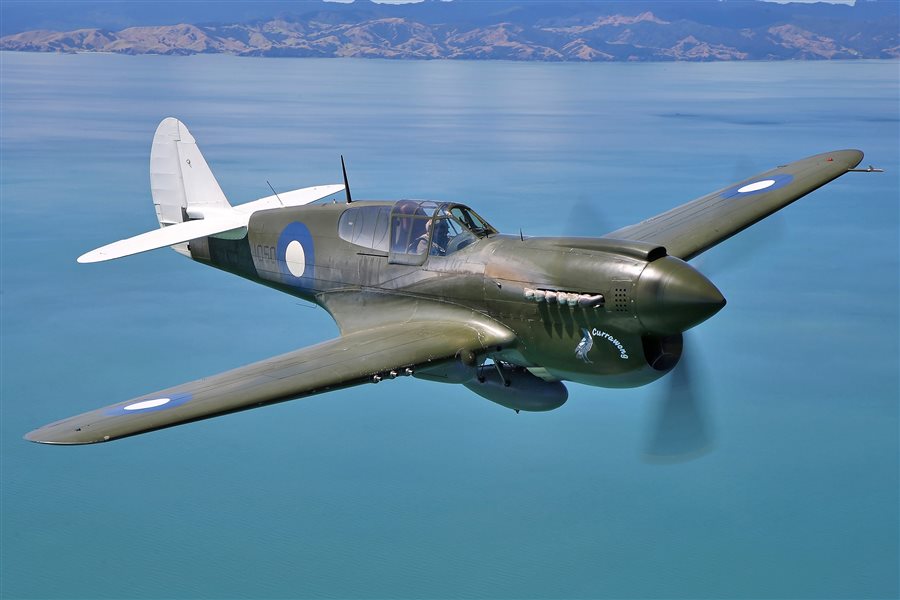
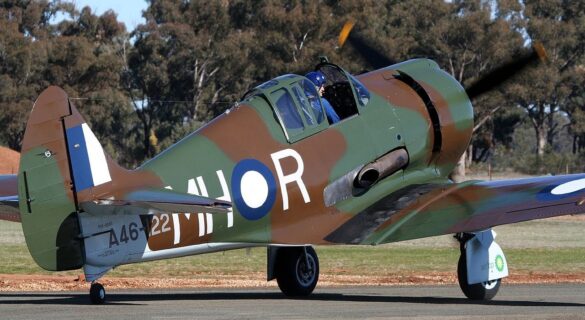
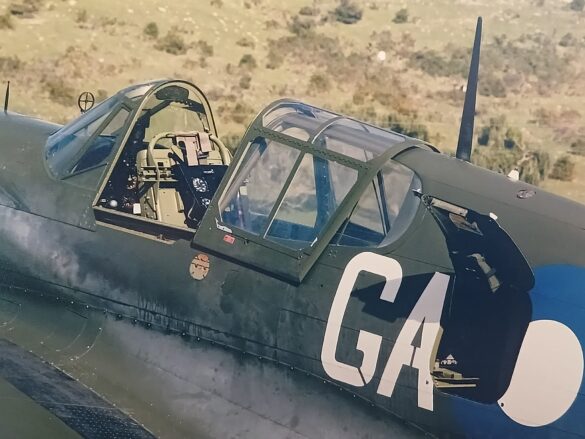
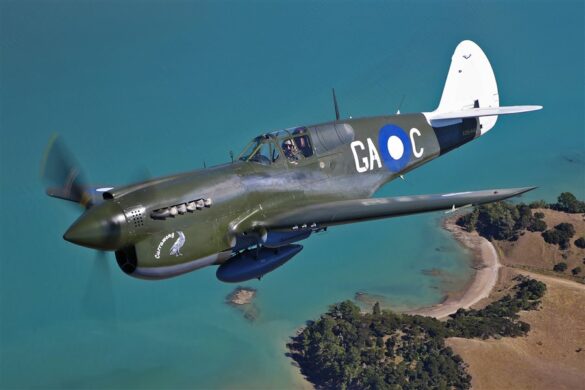
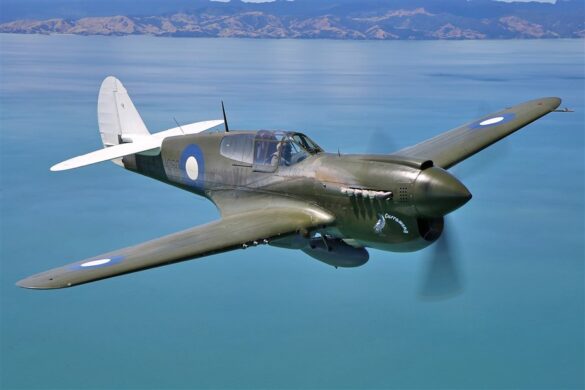
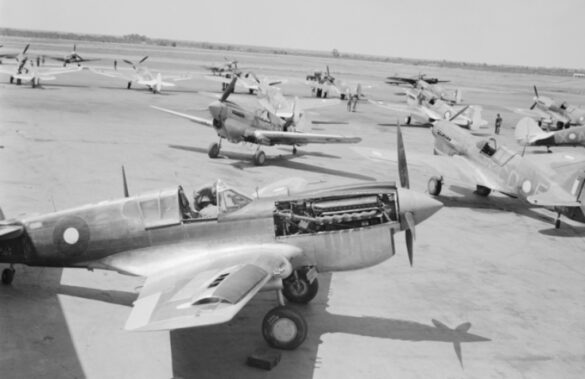
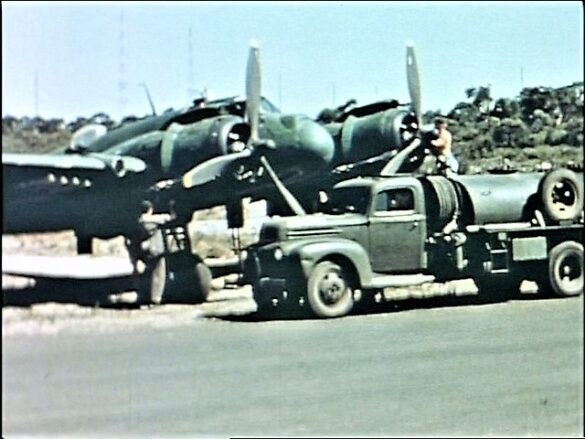
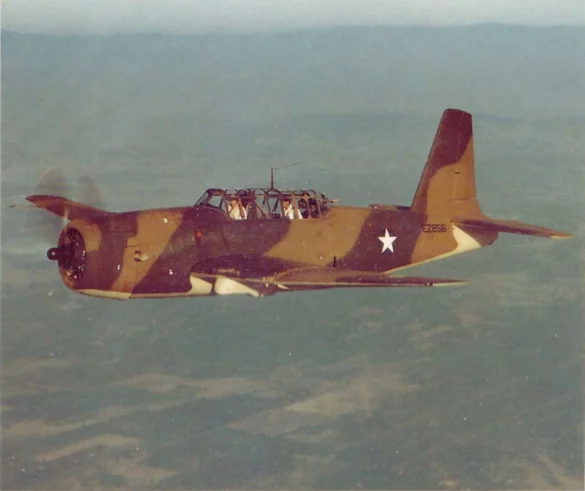
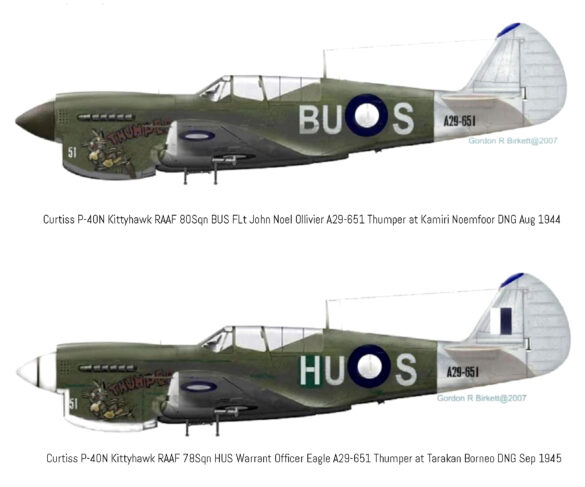
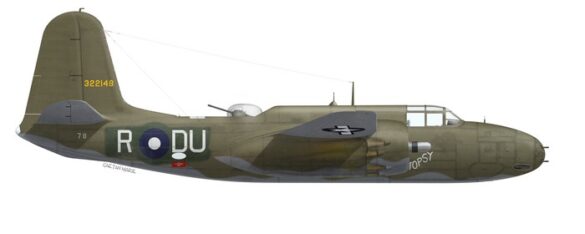
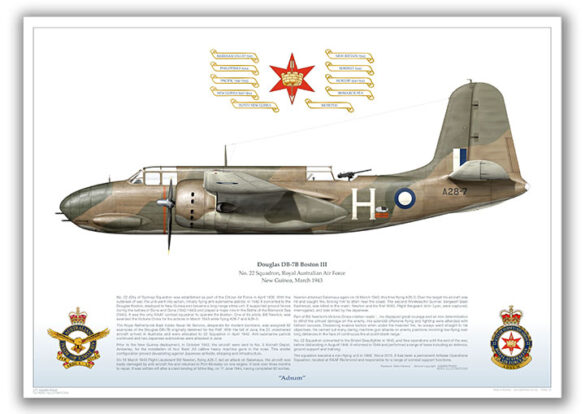
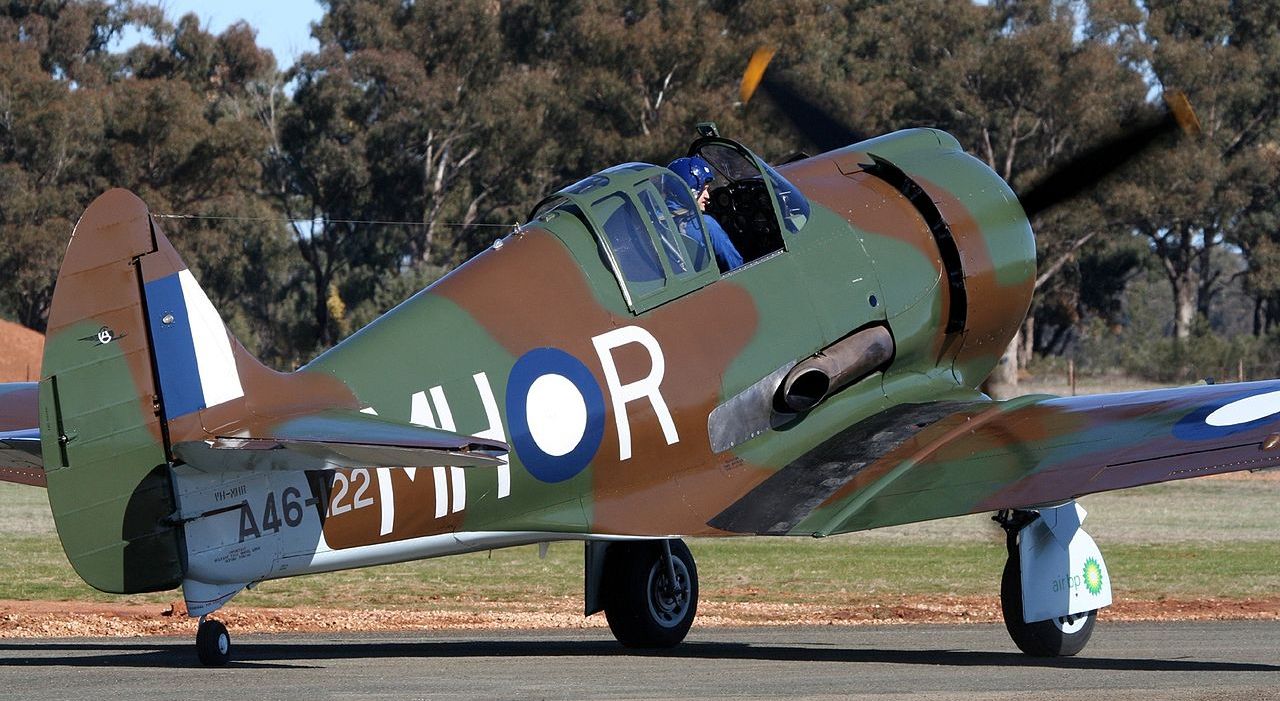
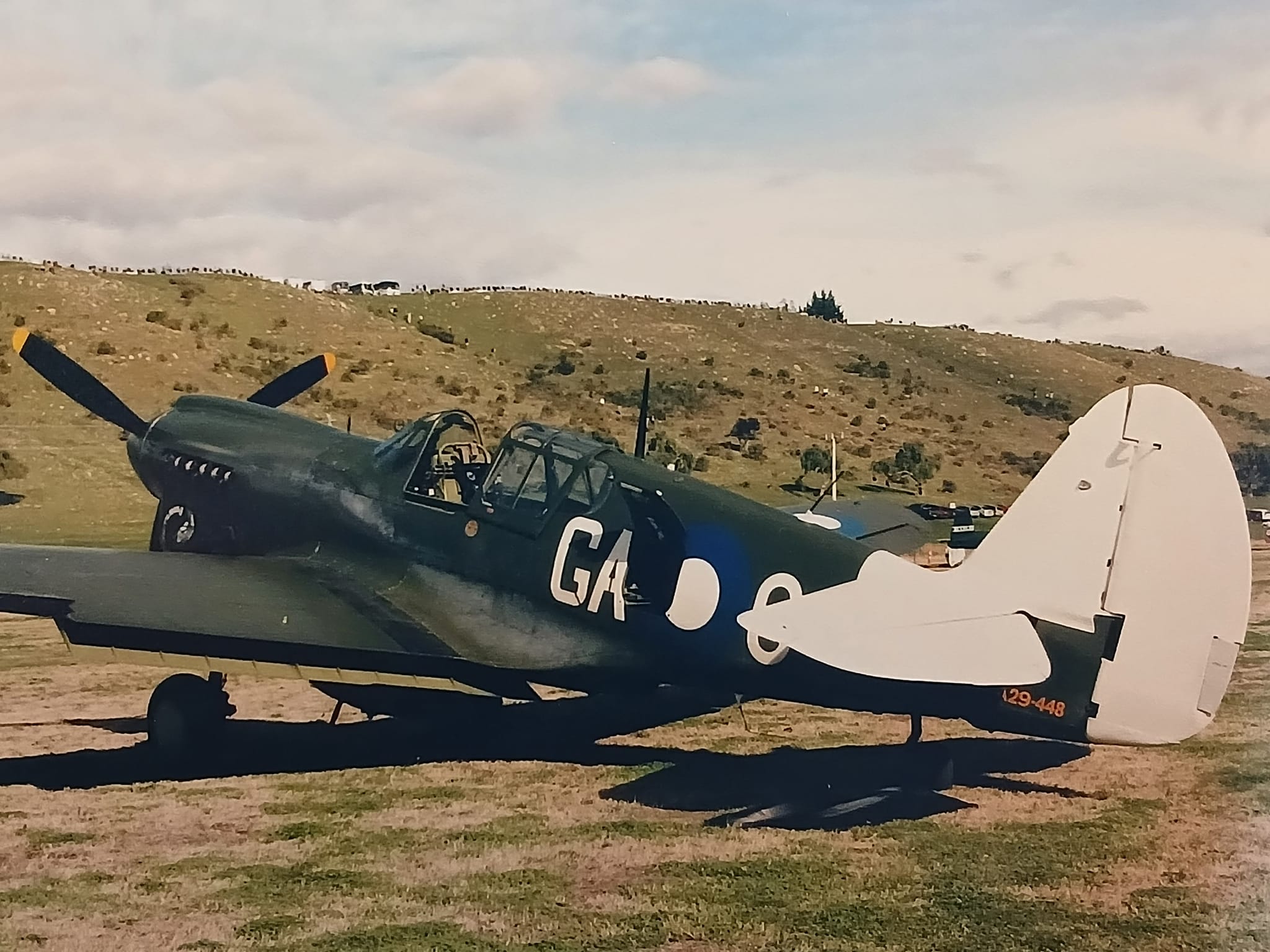
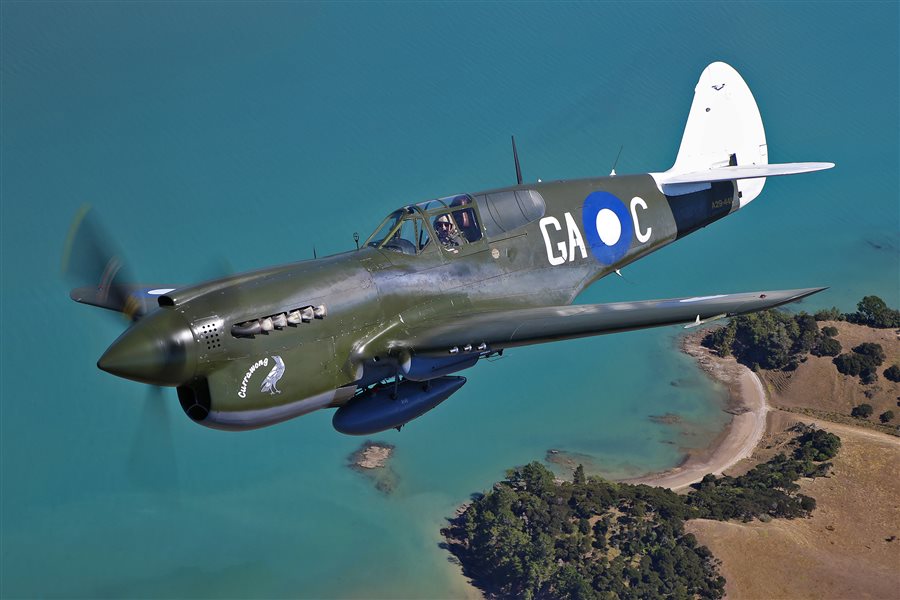
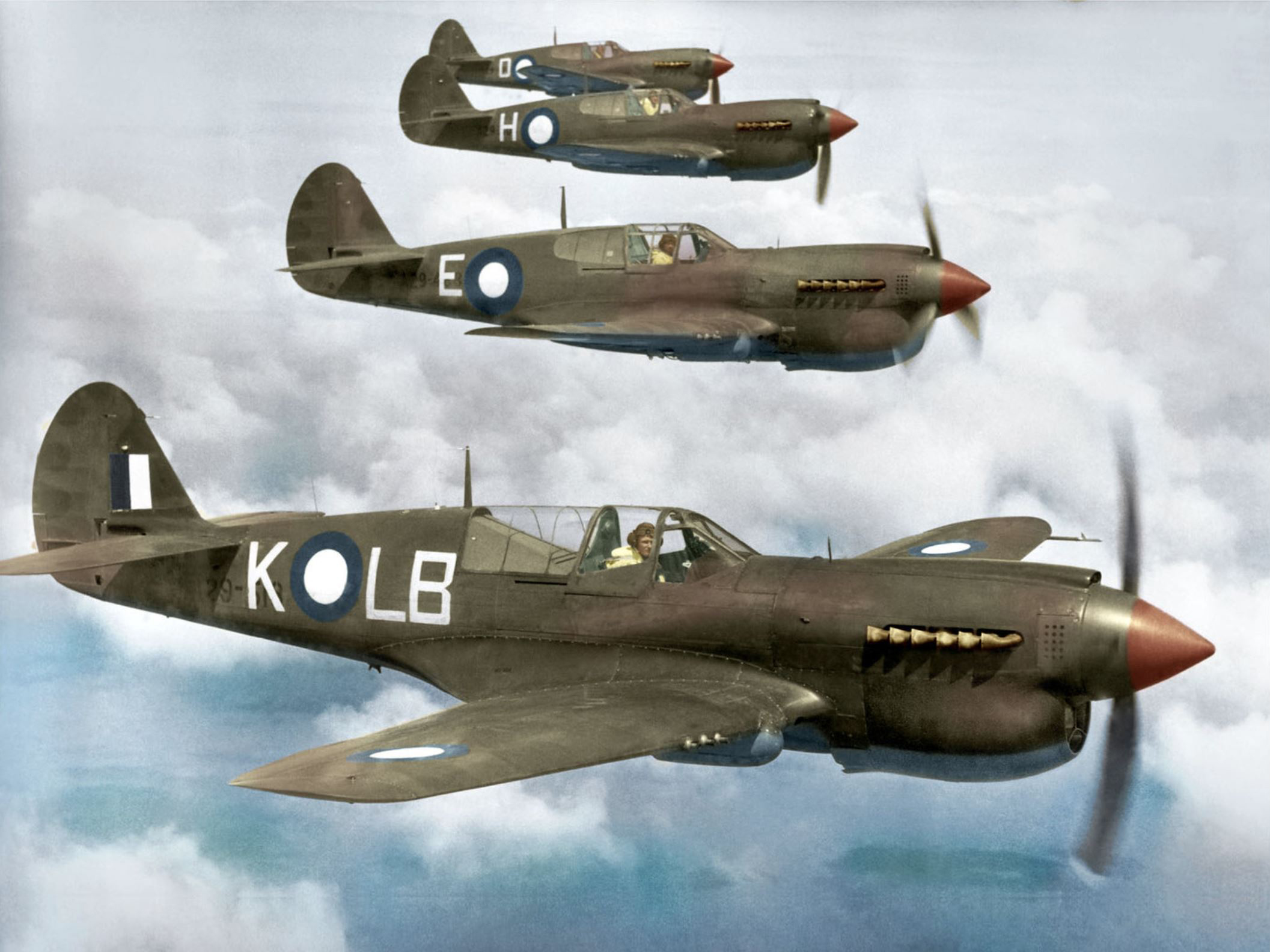
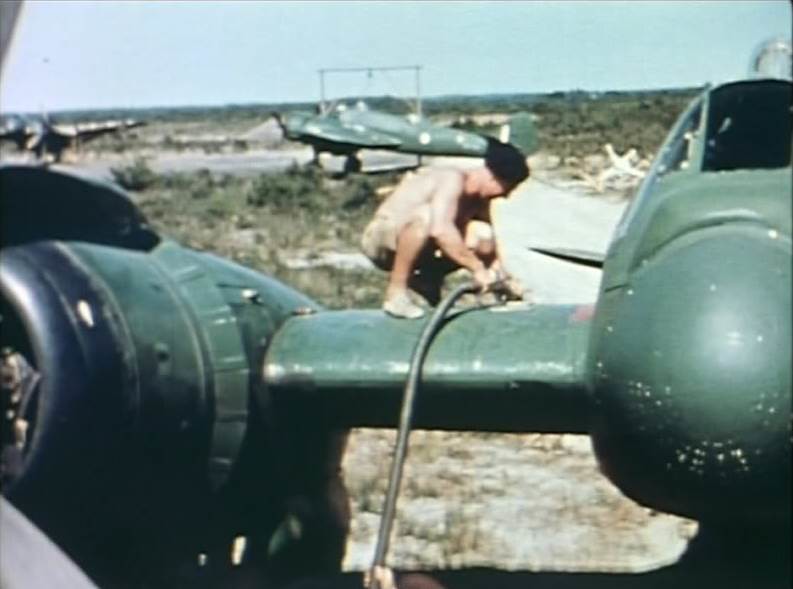
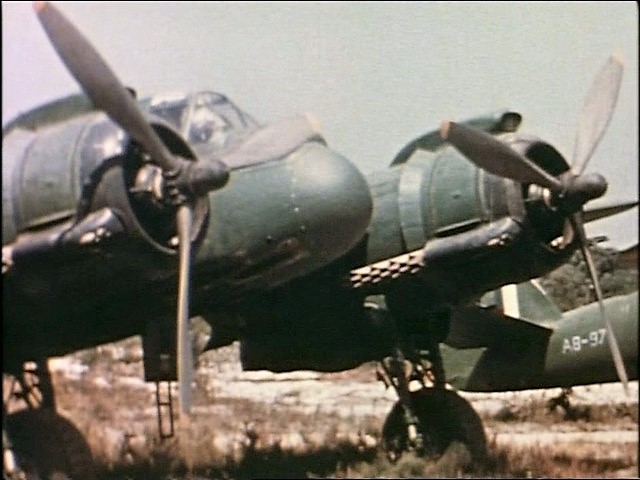
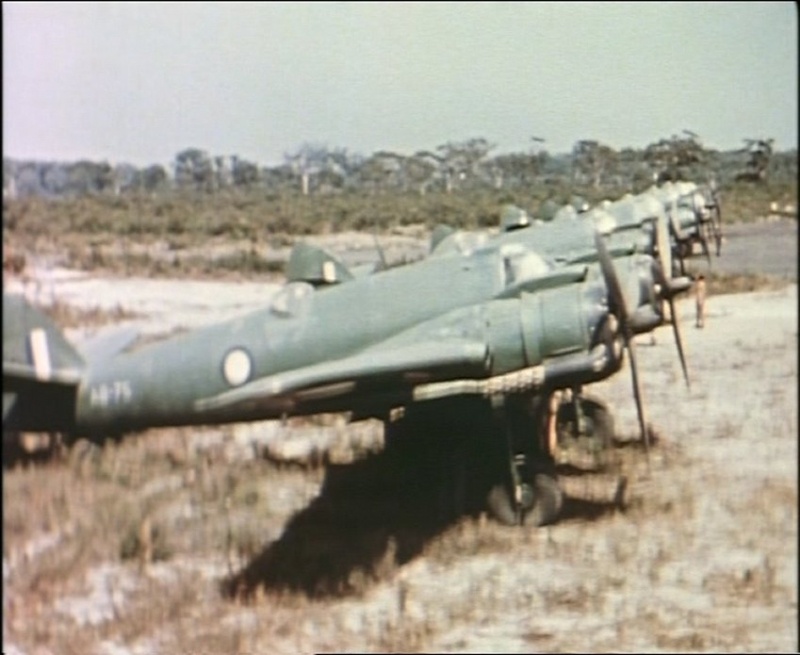
The typical combination was Earth Brown and Foliage Green. Earth Brown was a deep chocolate tone, noticeably darker than RAF Dark Earth, while Foliage Green was a dense jungle green optimized for concealment over tropical terrain.
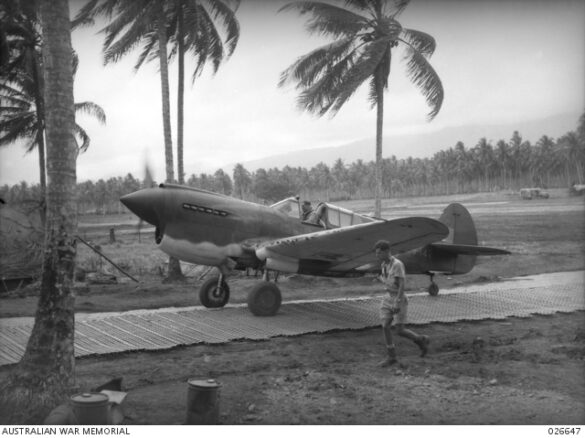
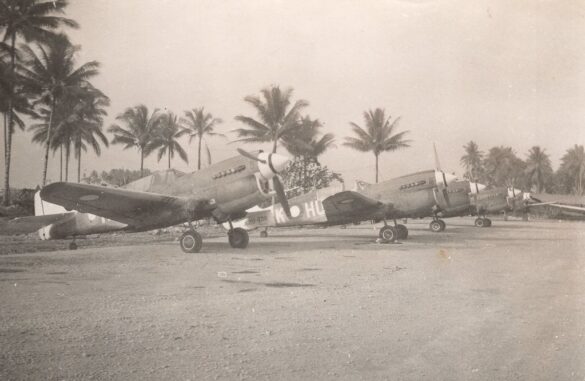
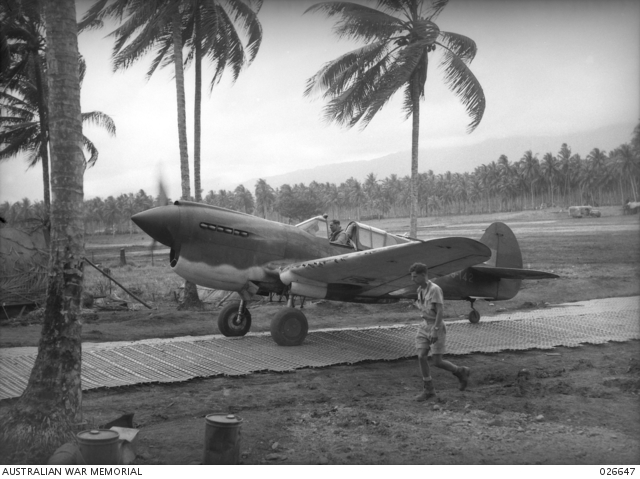
This combination was especially effective on airfields surrounded by dense vegetation in northern Australia and New Guinea.
Underside Colors
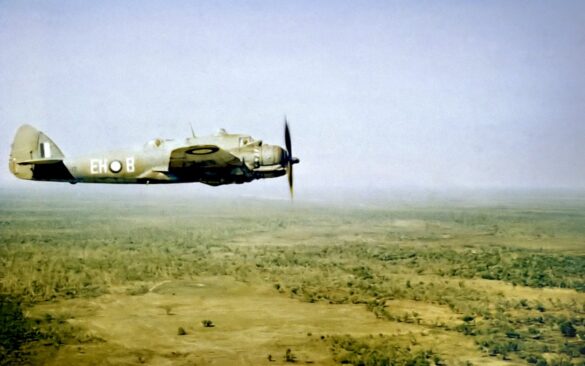
The standard underside color during this period was Sky Blue. This tone was slightly brighter than its RAF counterpart and suited the clear, bright skies of the Pacific region.
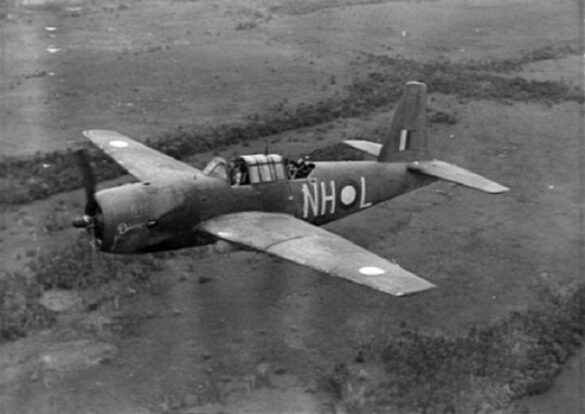
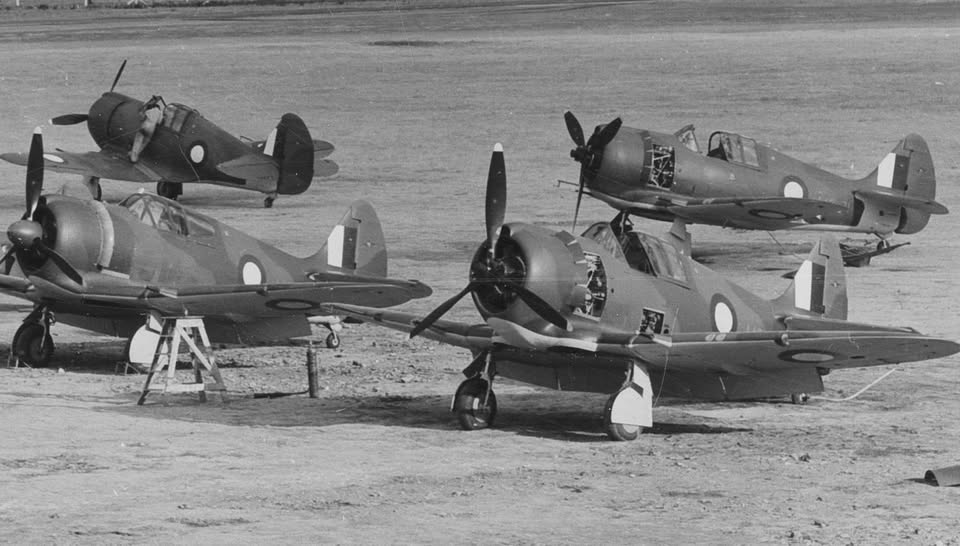
In addition to camouflage, many aircraft carried simple identification markings such as white tail sections or white wing leading edges. These helped improve recognition between Allied aircraft in combat environments where visual identification was critical.
Night Operations
Aircraft assigned to night missions often received specialized dark finishes.
These included Night and Special Night paints, used primarily on reconnaissance and maritime strike aircraft.
One of the most iconic applications was the Catalina flying boats used in long-range covert missions. These aircraft were fully painted black and became known for their “Black Cats” operations deep behind enemy lines.
Camouflage Changes After 1943
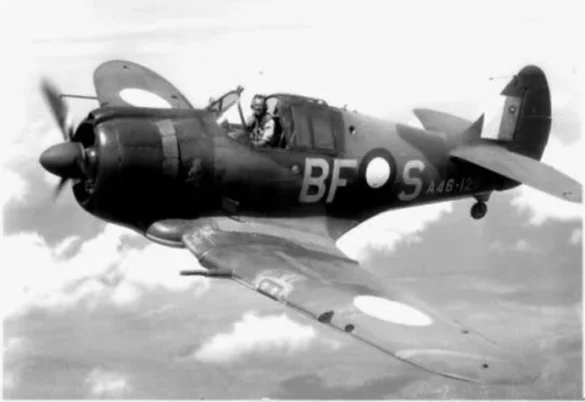
From late 1943 onward, RAAF camouflage became significantly simplified.
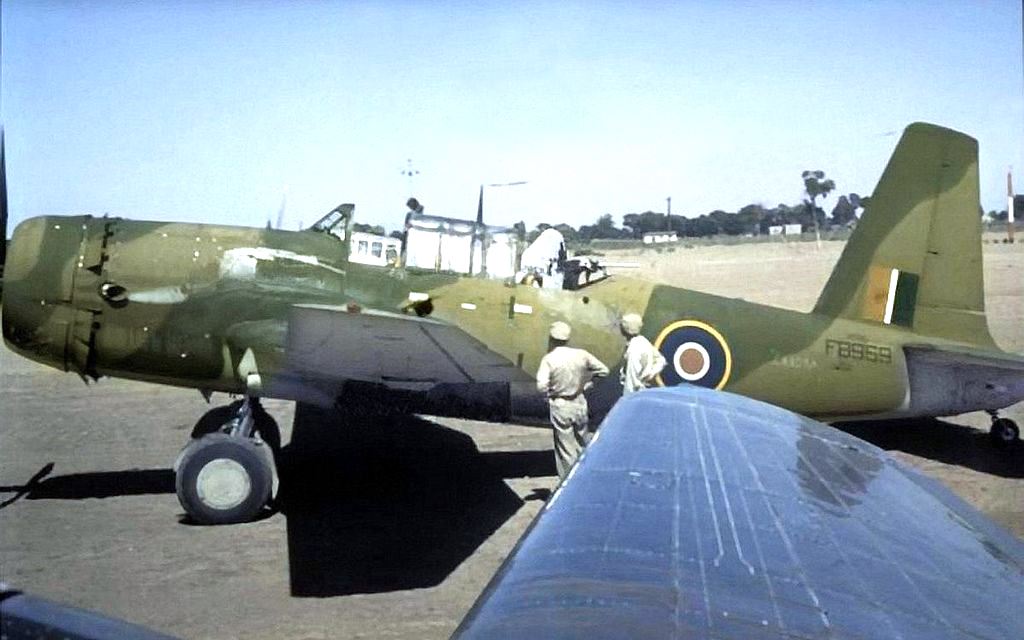
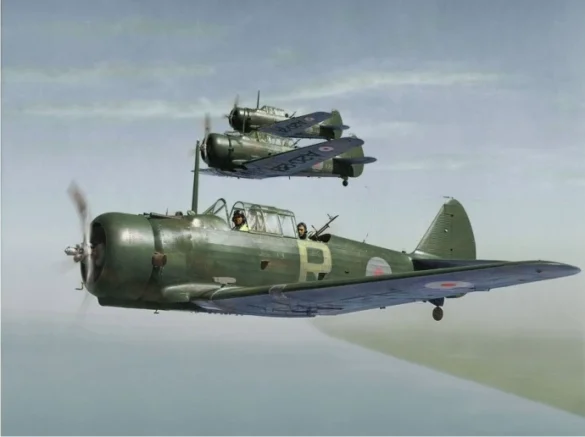
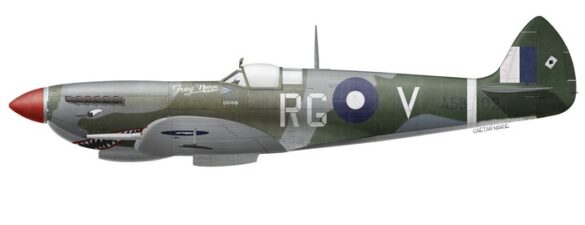
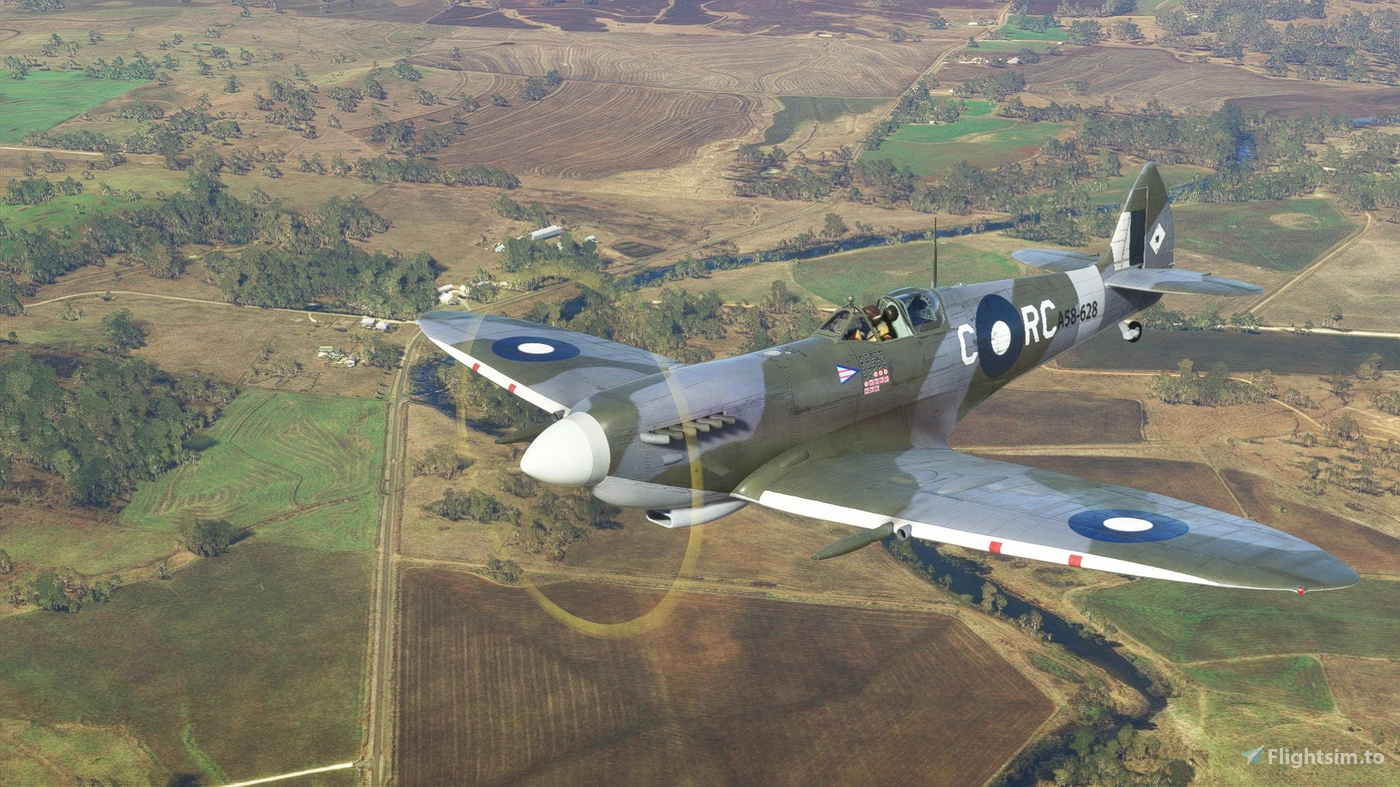
Earth Brown was gradually removed from most schemes, leaving aircraft with a single upper surface color of Foliage Green.
Undersides transitioned to Medium Sea Grey, replacing the earlier Sky Blue in many operational aircraft.
This change reflected both supply simplification and operational efficiency during the later stages of the war.
Late War Configurations (1944–1945)
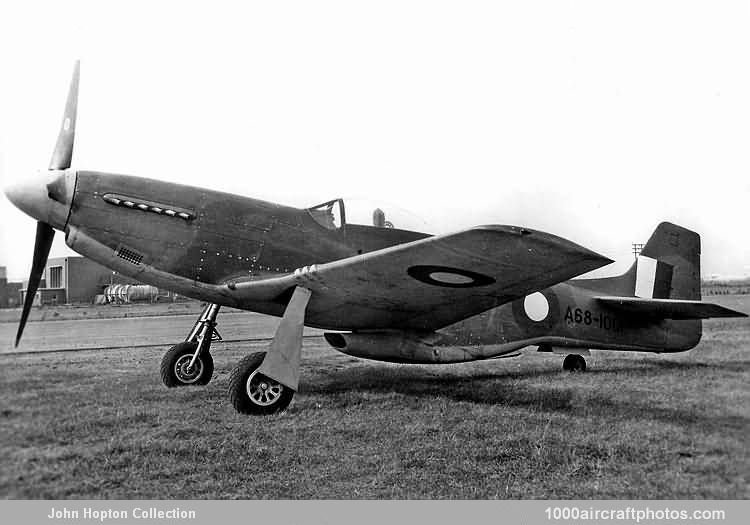
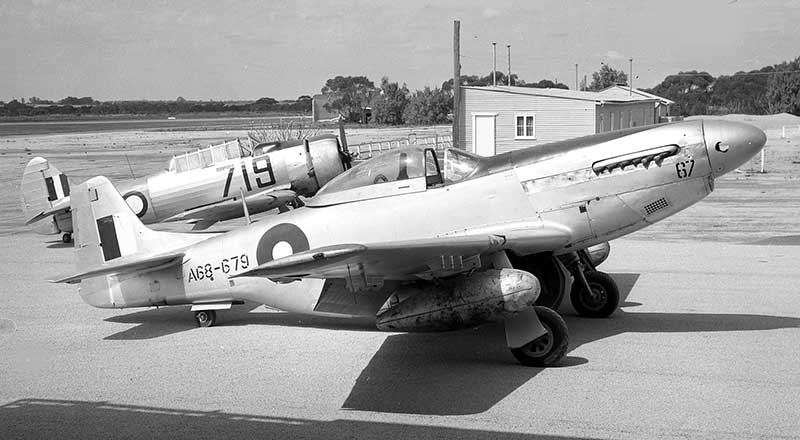
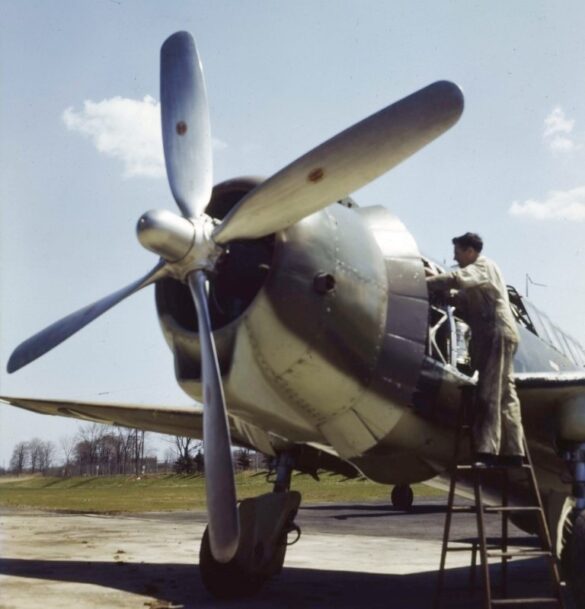
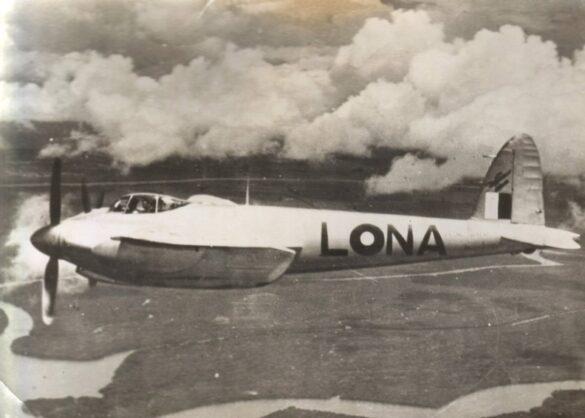
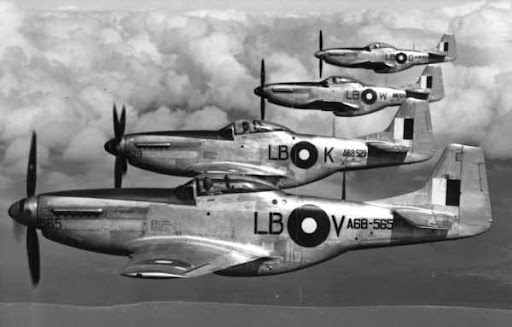
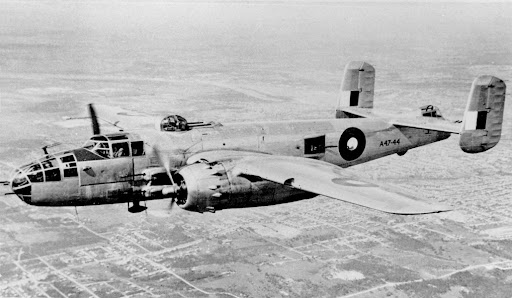
By 1944, further changes were introduced. Many new aircraft were delivered in Natural Metal Finish and often remained unpainted unless operational requirements dictated otherwise.
At this stage, the RAAF operated a mixed fleet appearance:
- Fully camouflaged aircraft still in earlier schemes
- Single-color Foliage Green aircraft
- Natural metal aircraft
This mix was typical of late-war Allied air forces operating under rapid production and deployment conditions.
Lend-Lease and Allied Aircraft
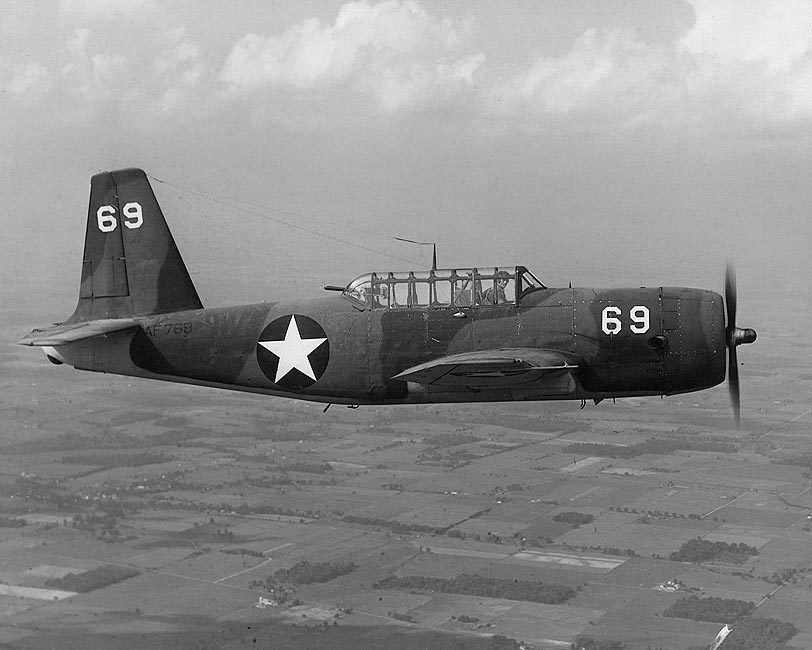
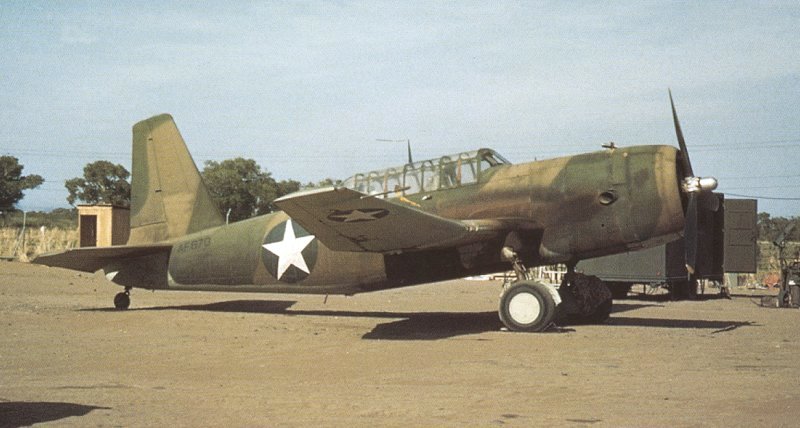
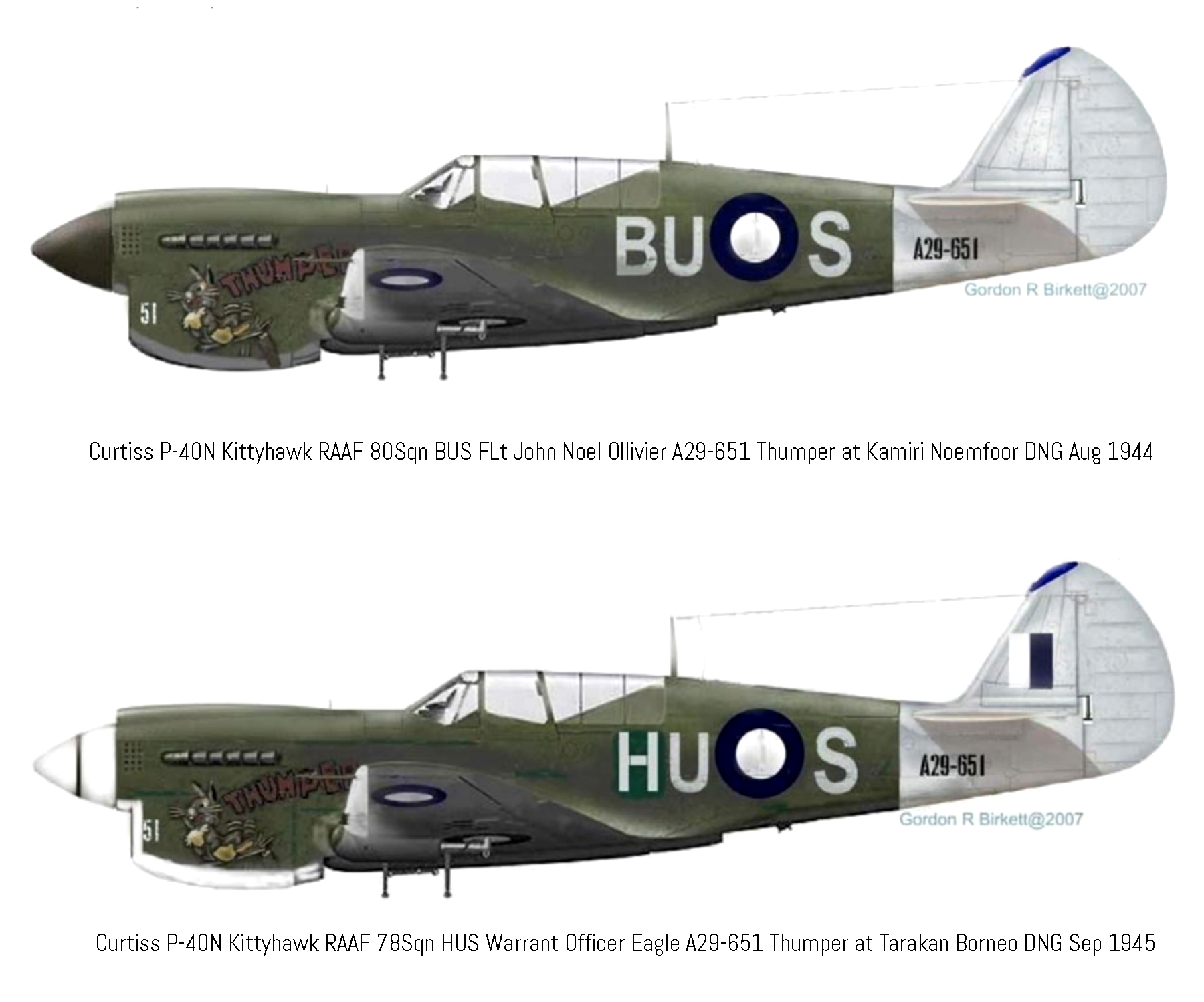
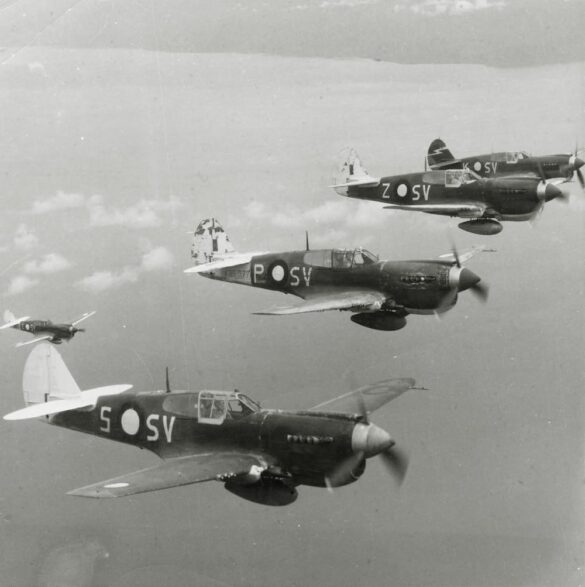
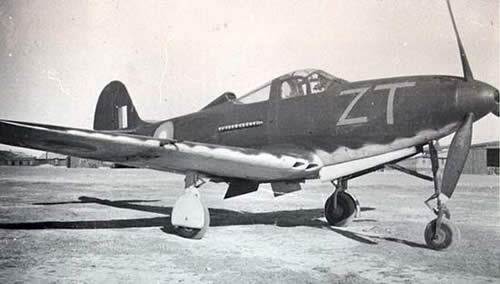
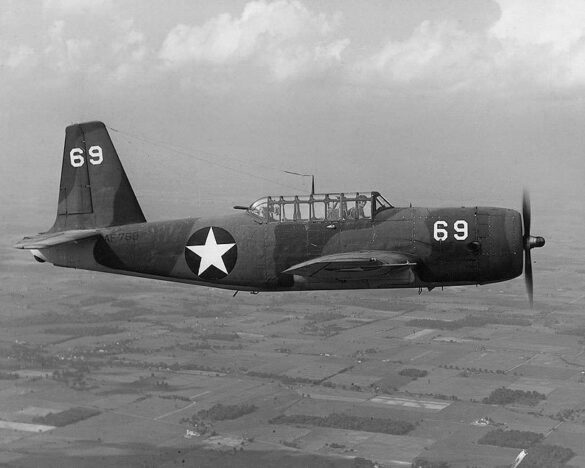
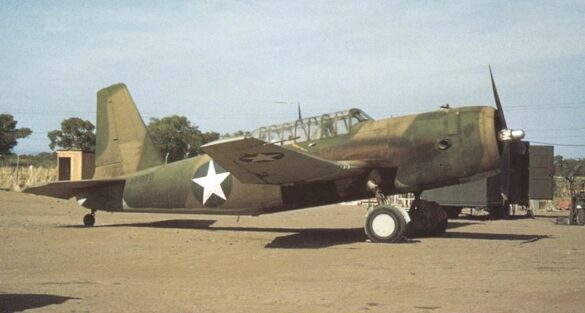
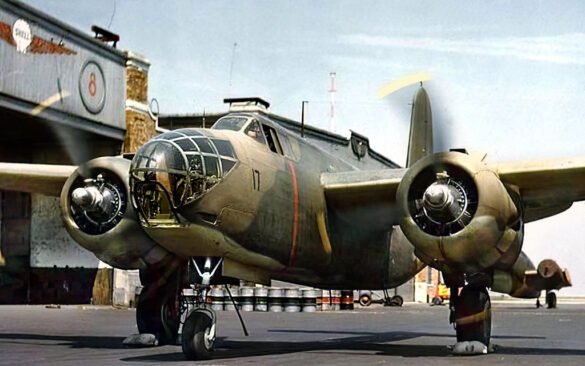
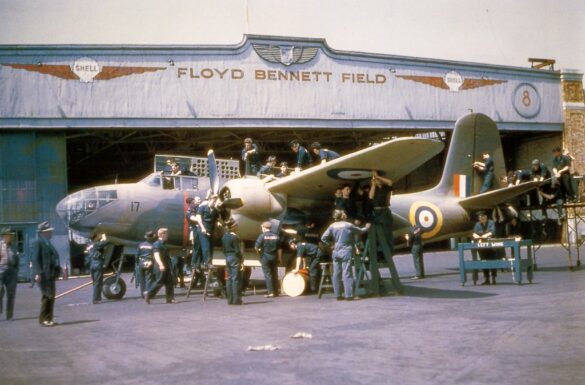
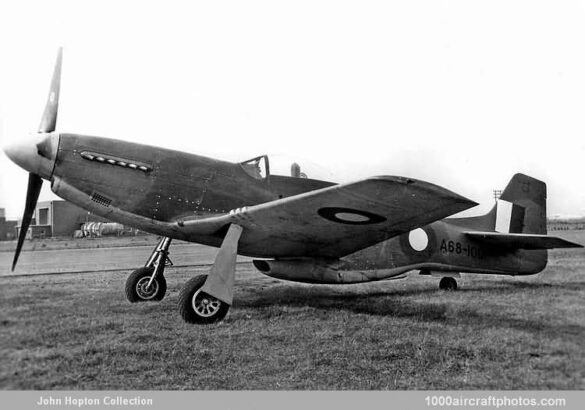
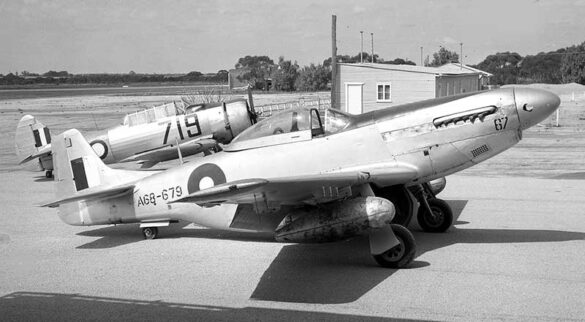
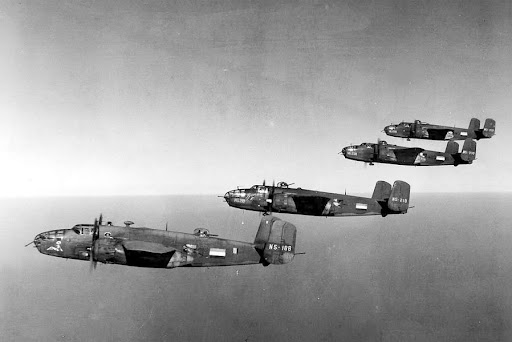
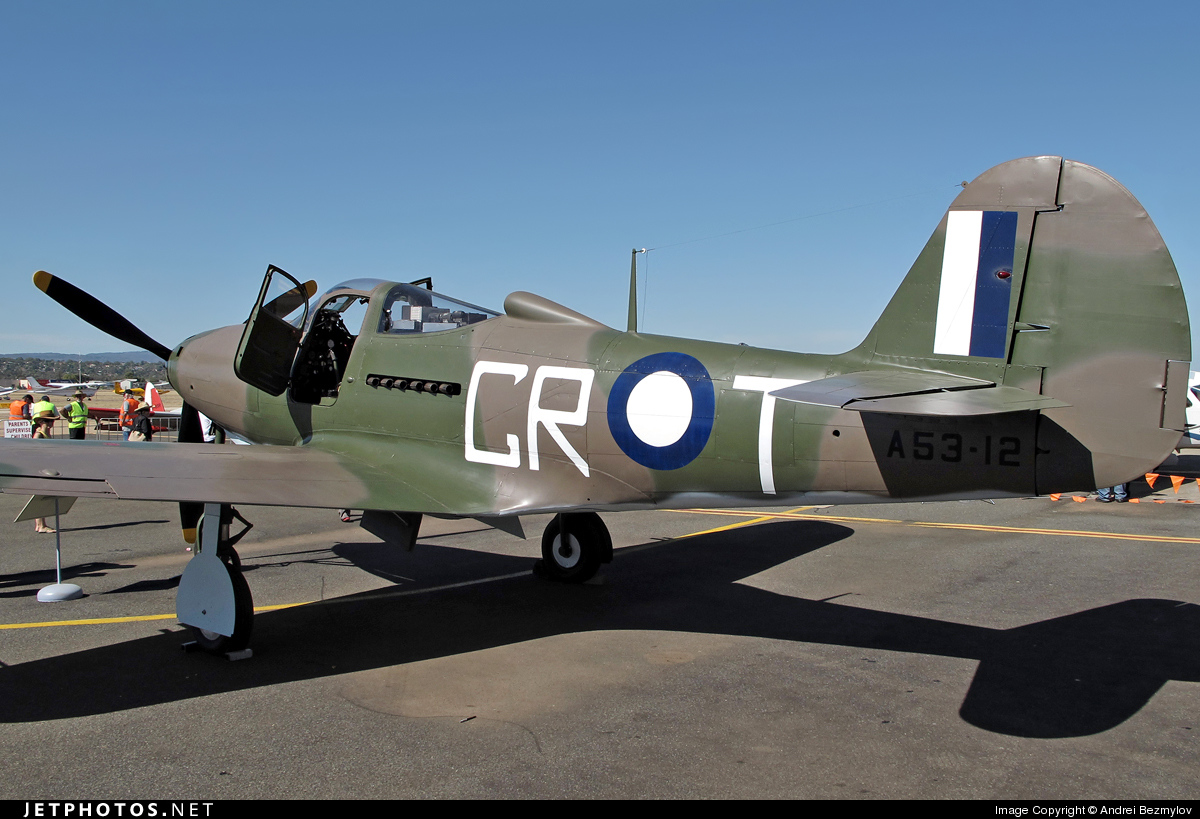
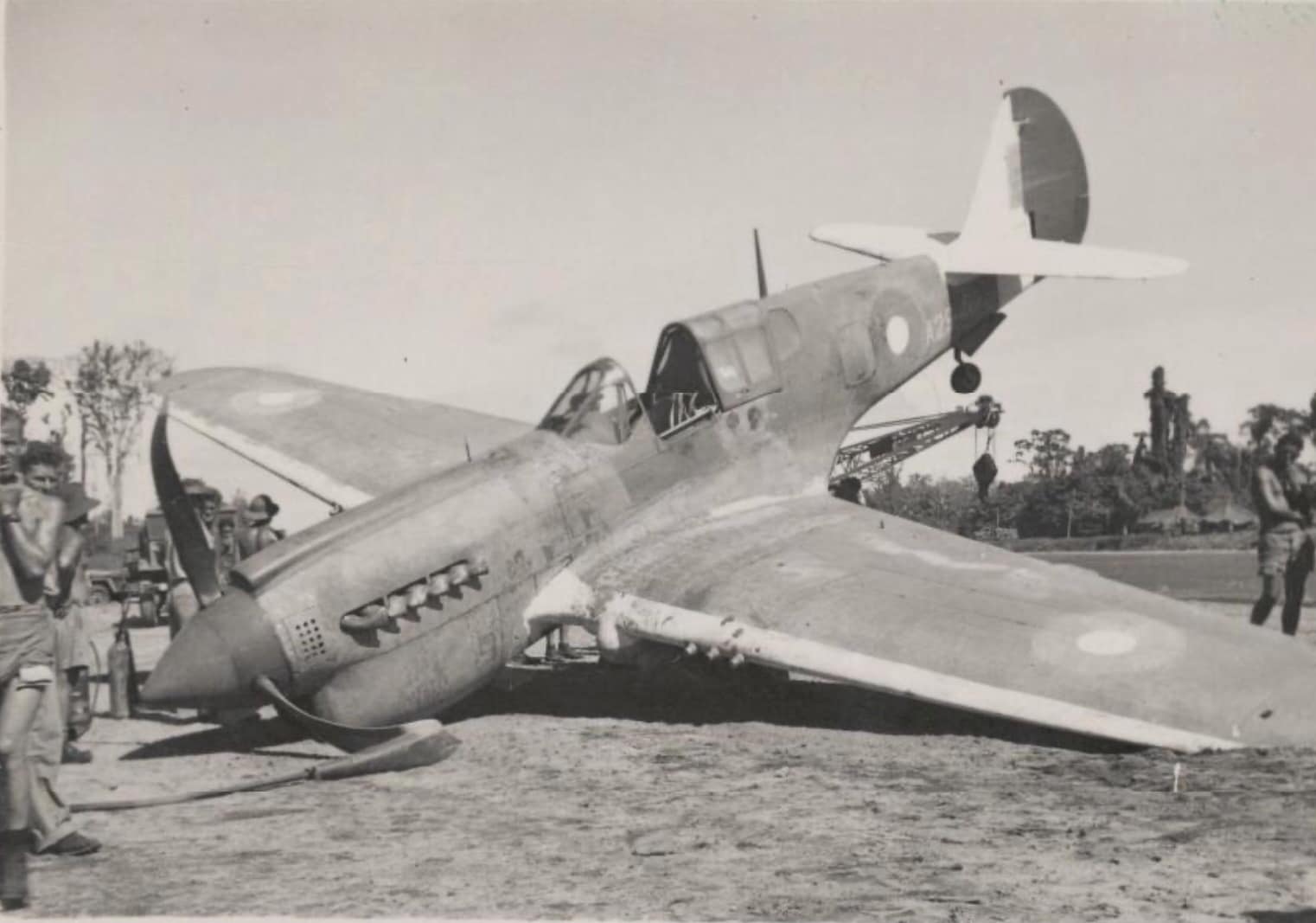
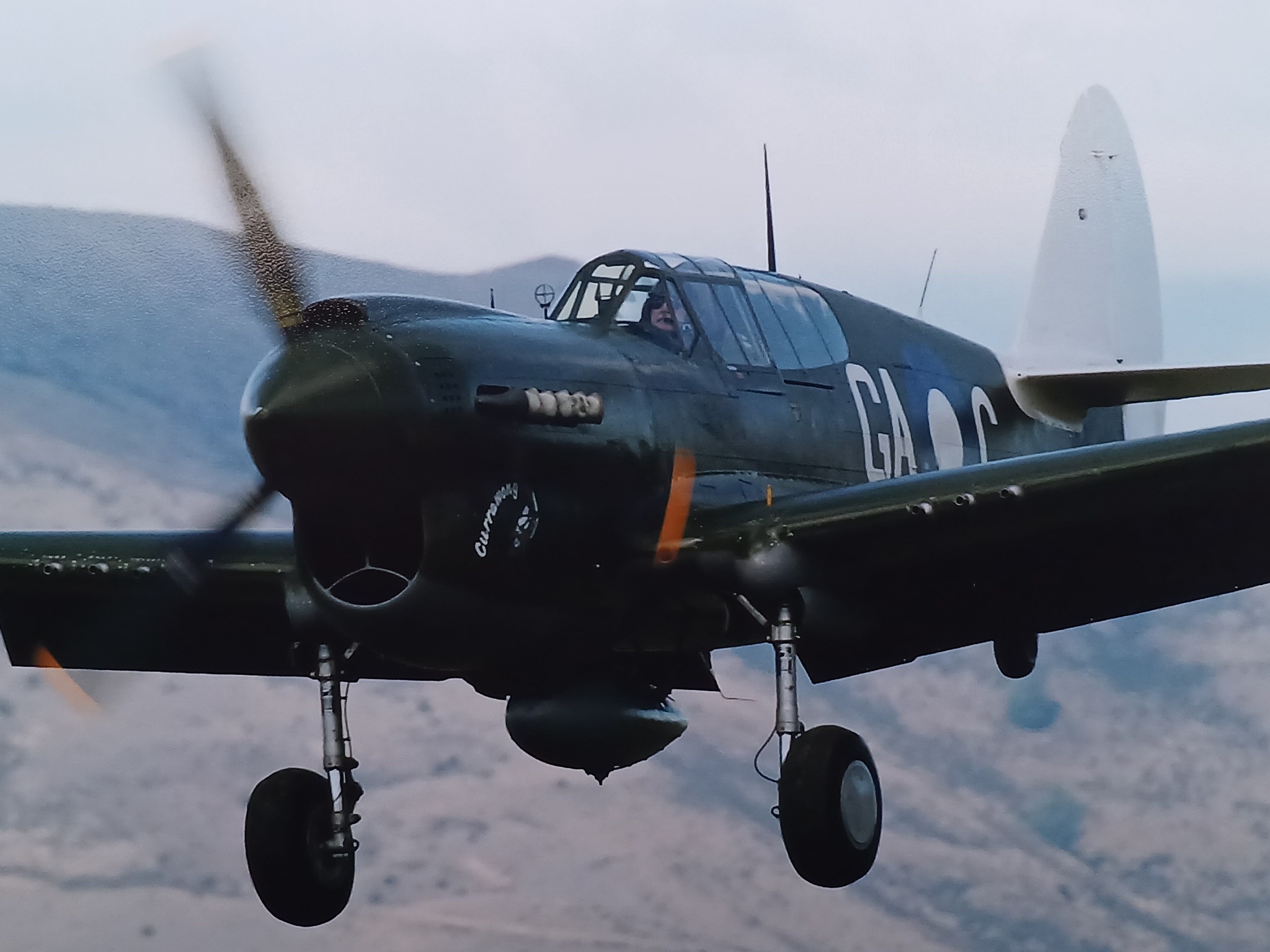
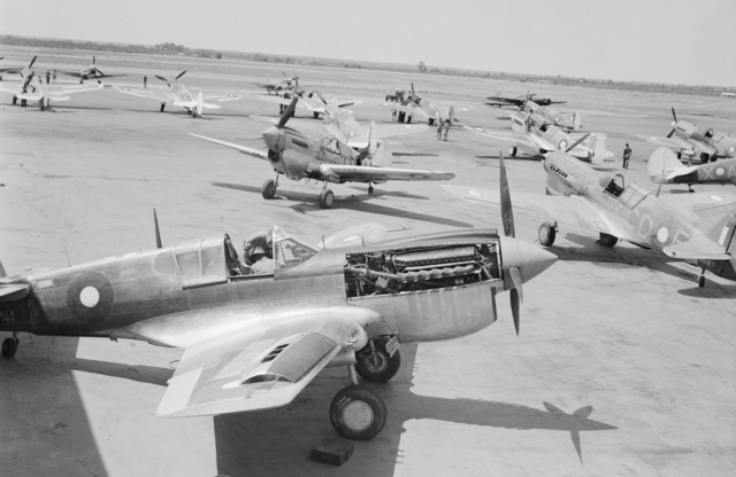
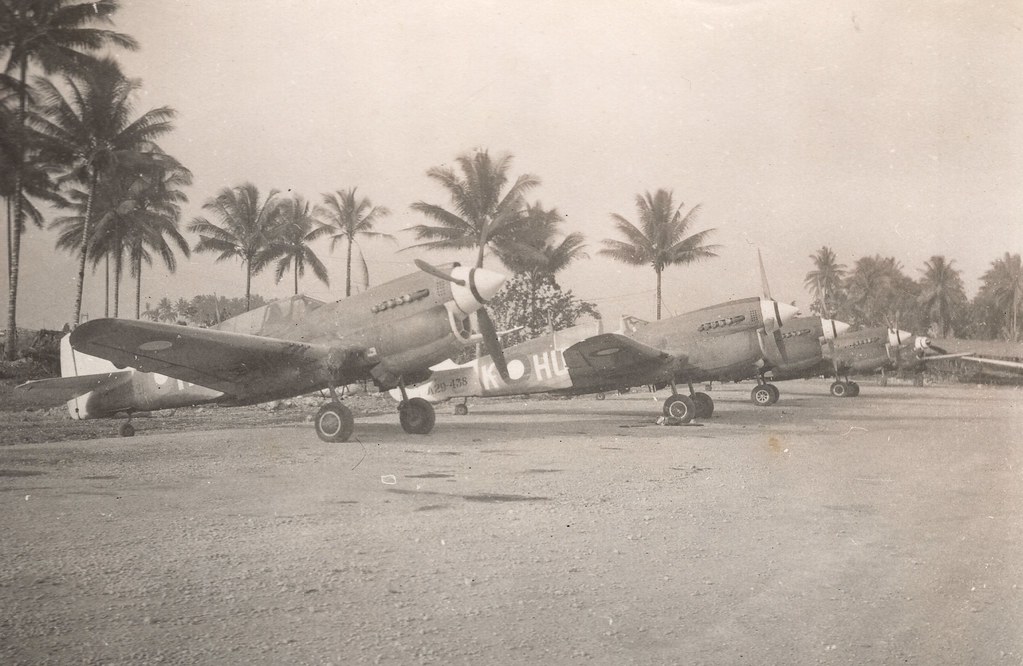
A large portion of RAAF aircraft came from US Lend-Lease production. These aircraft generally retained their original American camouflage of Olive Drab over Neutral Gray, sometimes with additional field modifications.
Some aircraft received partial repainting, most commonly on undersides, to better match local RAAF operational colors.
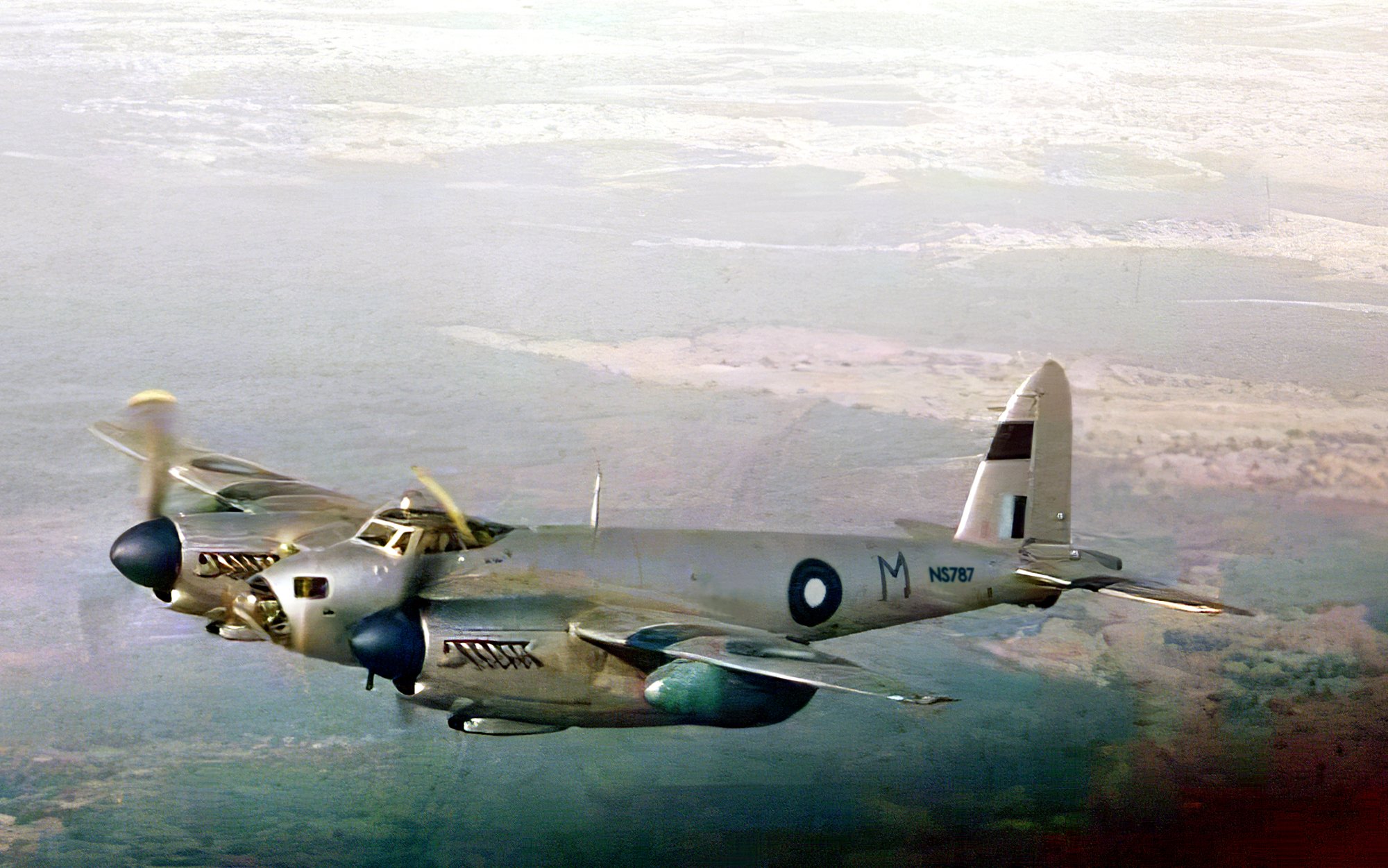
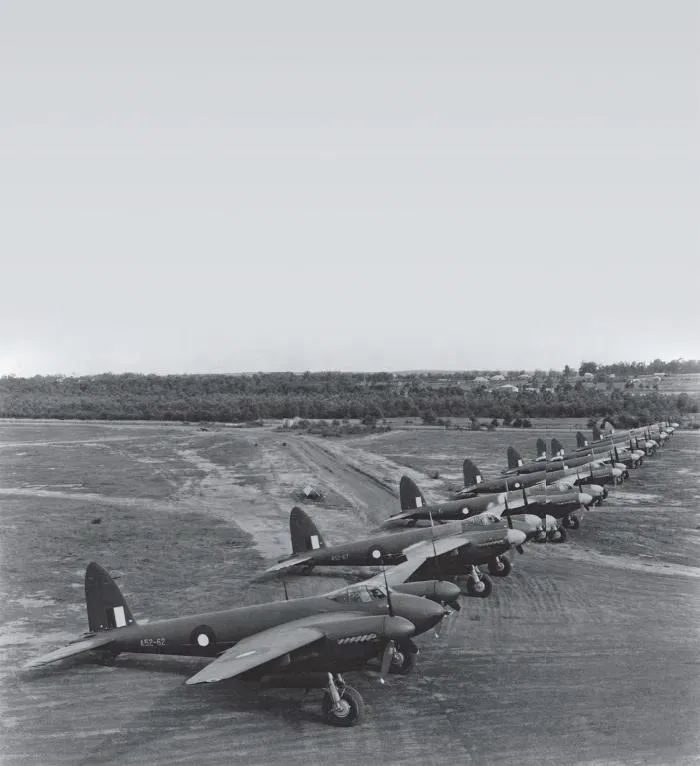
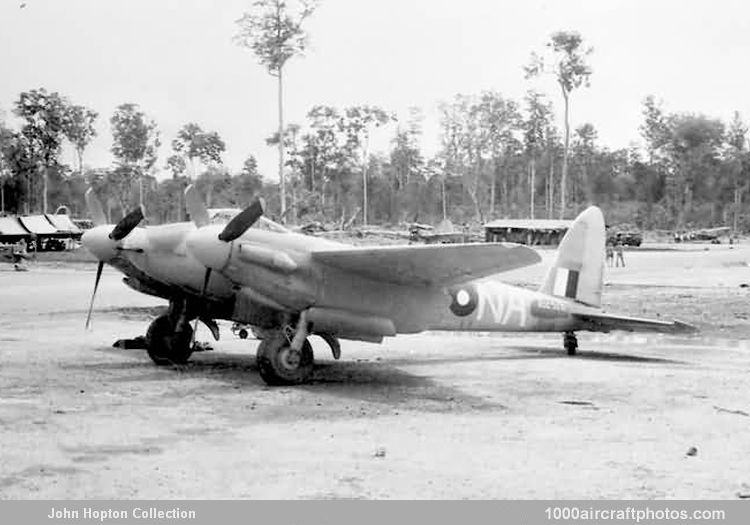
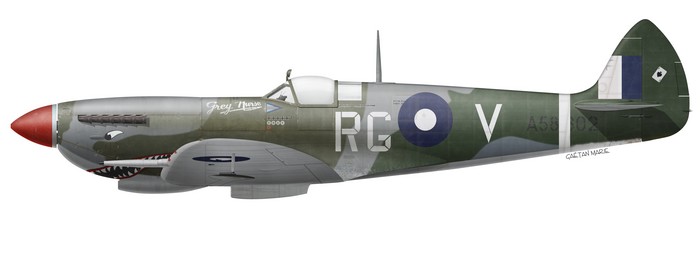
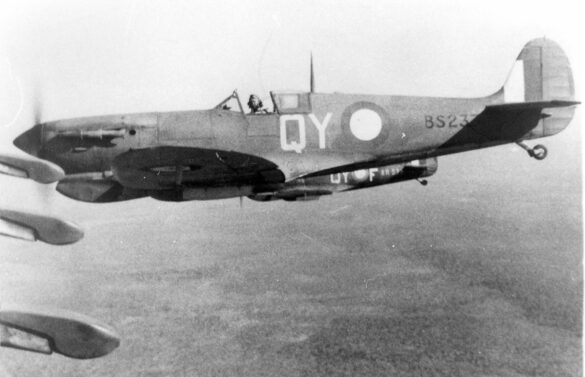
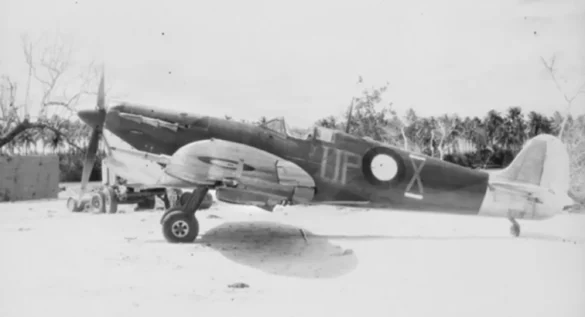
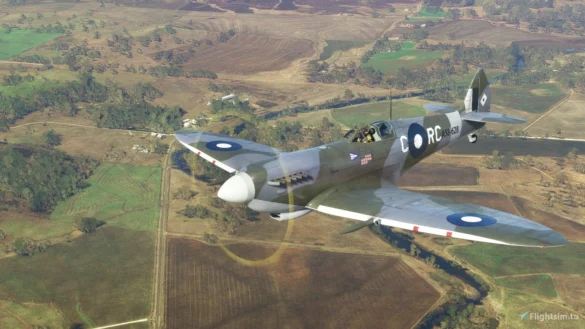
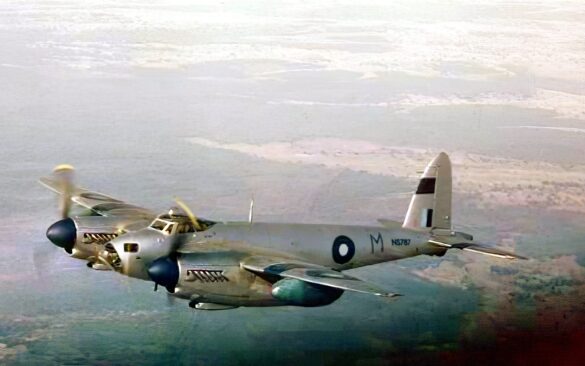
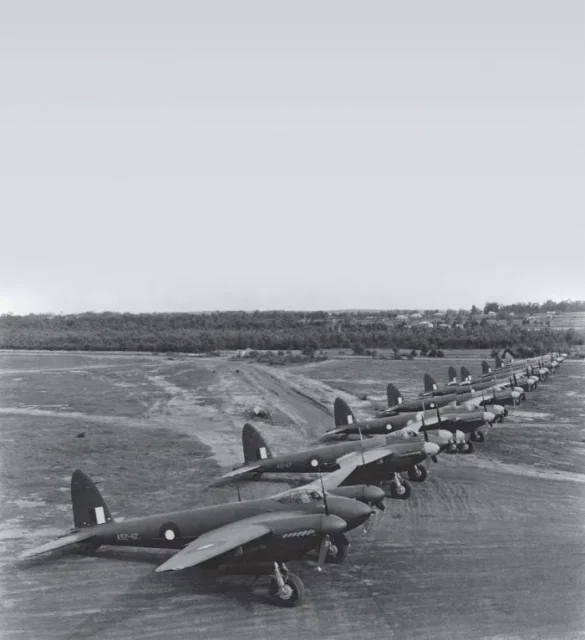
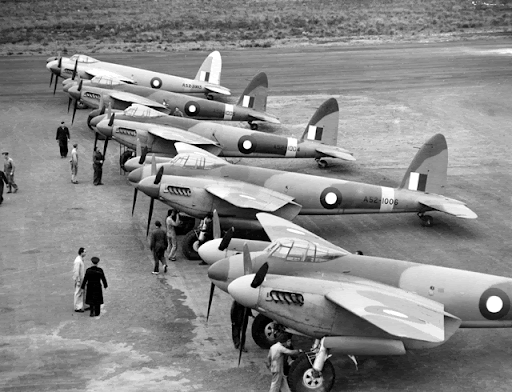
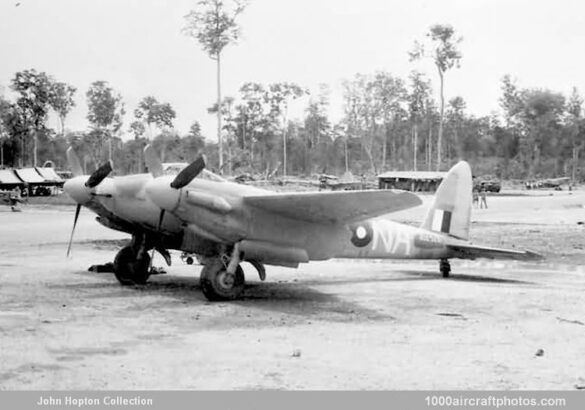
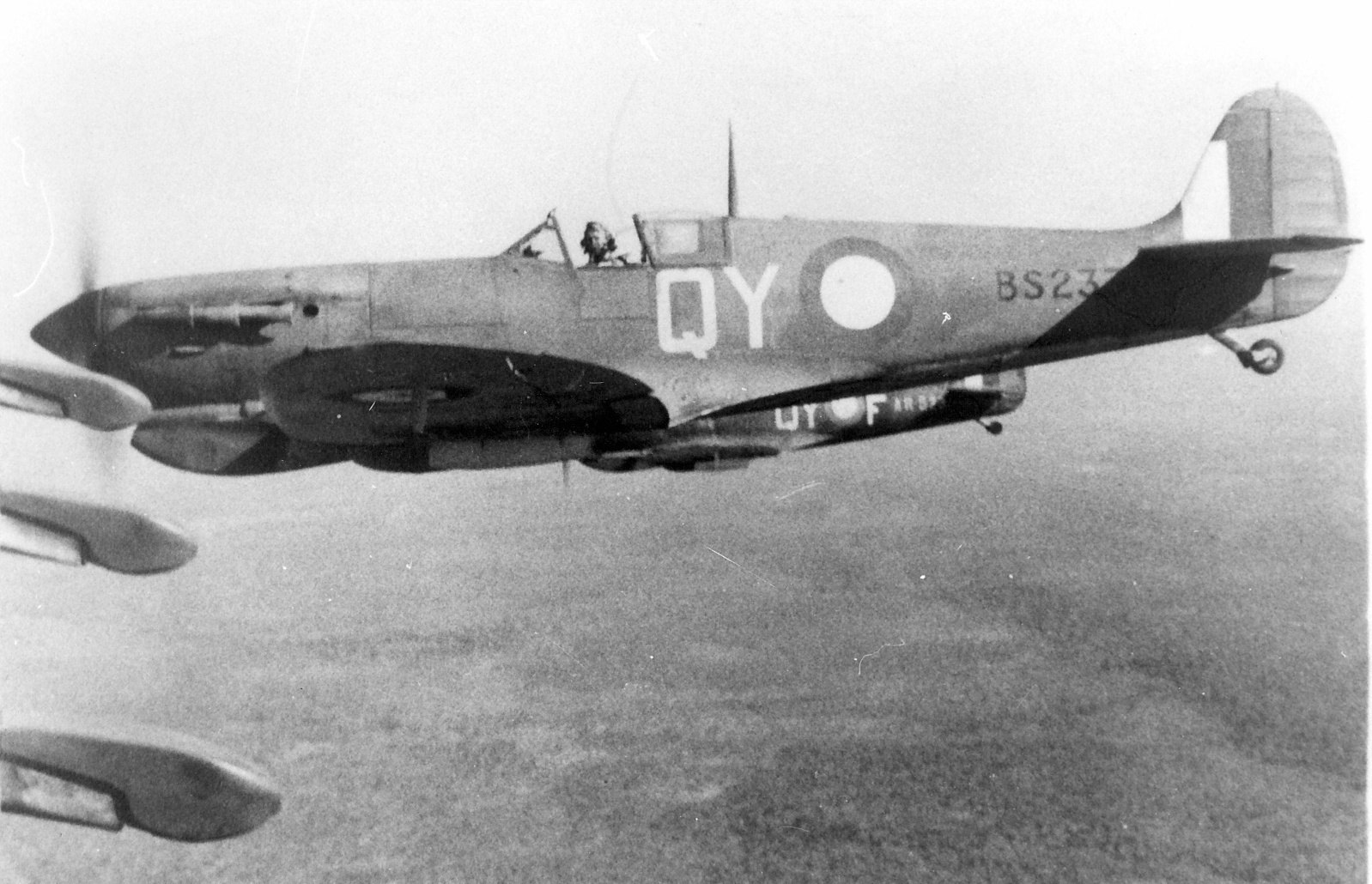
British aircraft such as Spitfires and Mosquitos usually retained their original RAF camouflage schemes, although local touch-ups and repairs often introduced RAAF colors into the finish.
Because of this, strict camouflage uniformity was rare, and operational necessity often dictated final appearance.
Fighter aircraft:
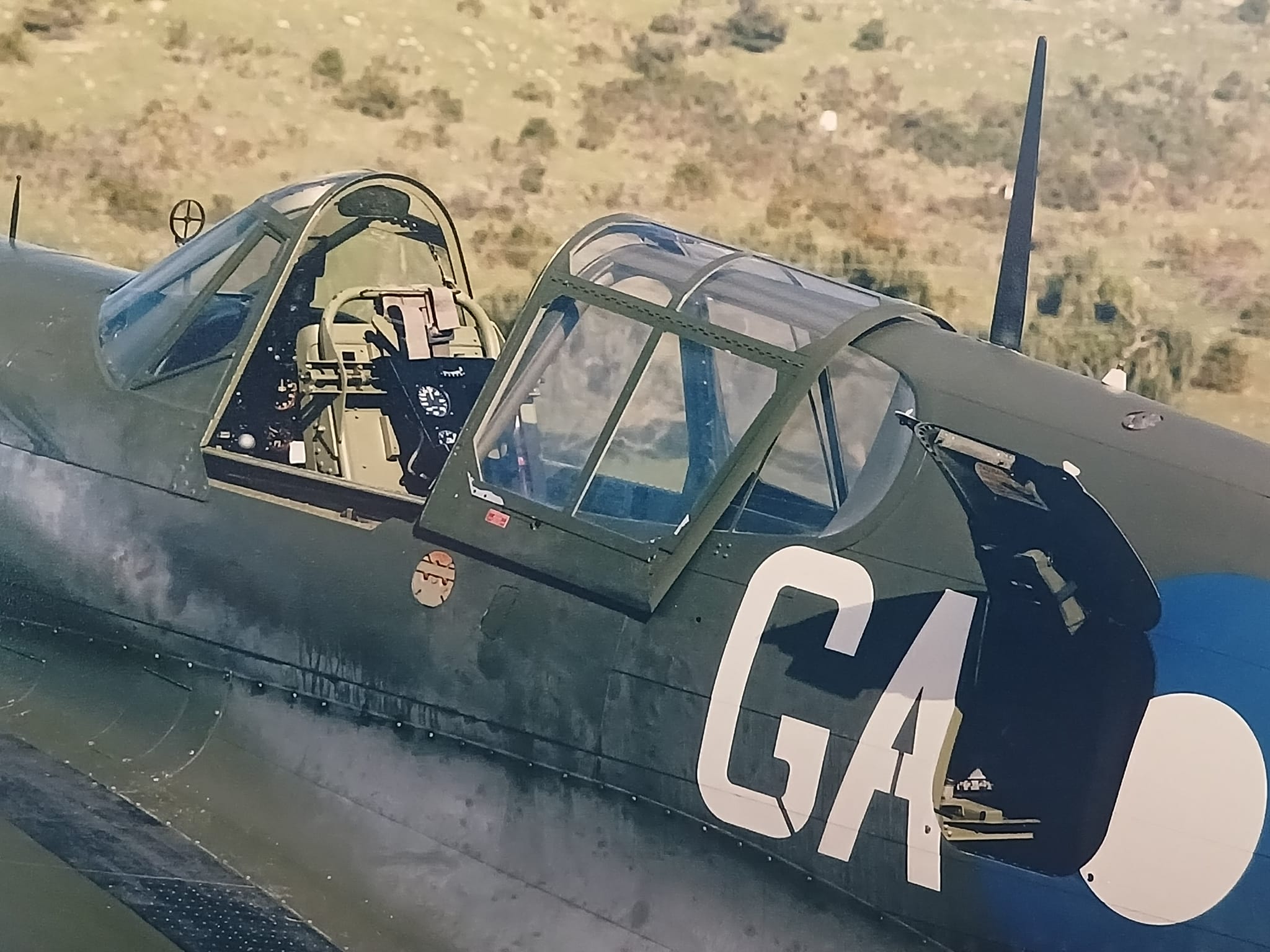
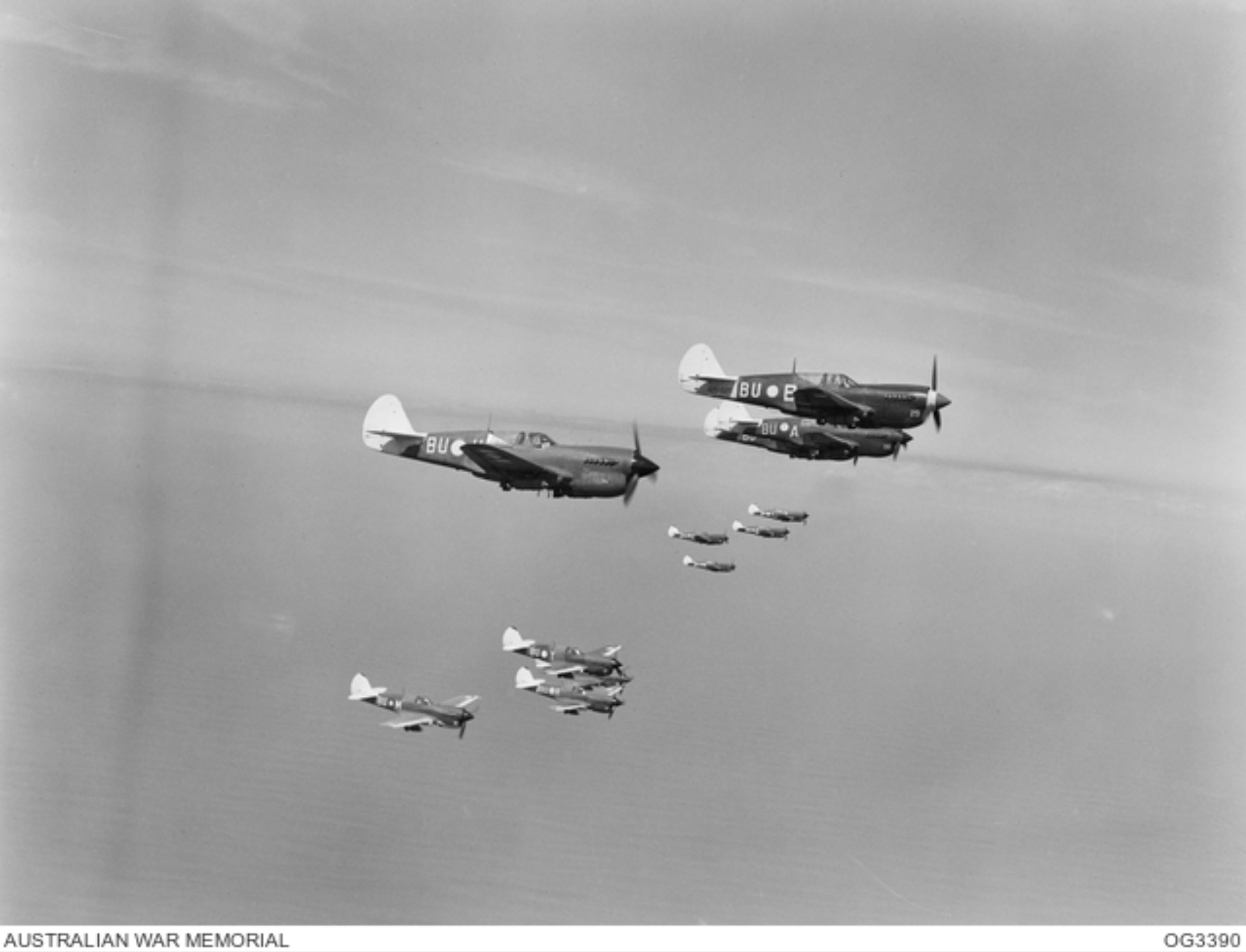
Curtiss P-40 Warhawk
P-51 Mustangs
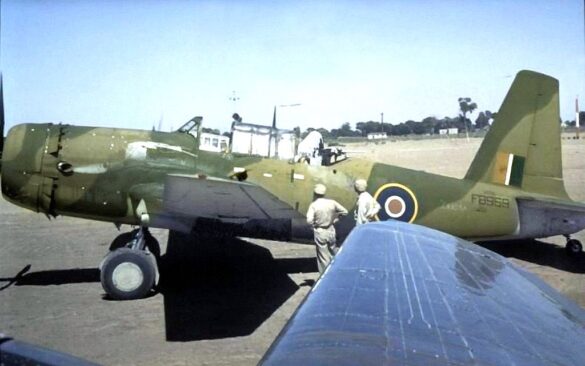
Vultee Vengeance
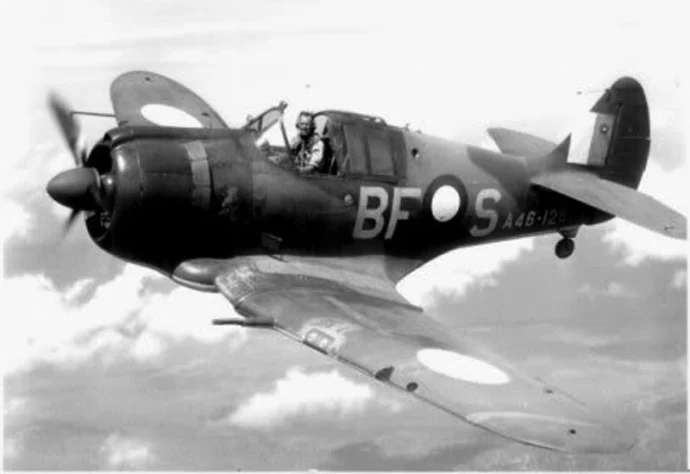
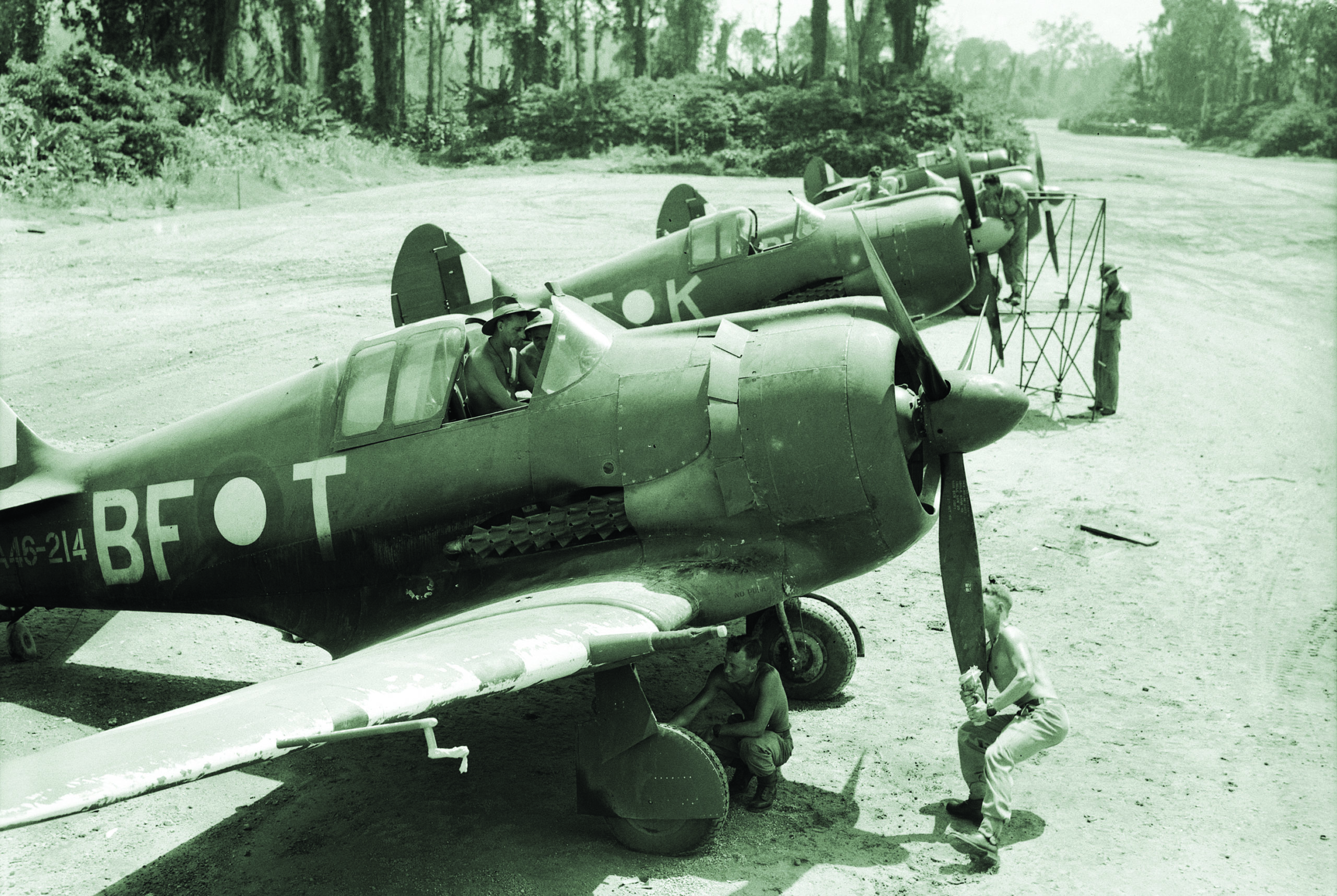
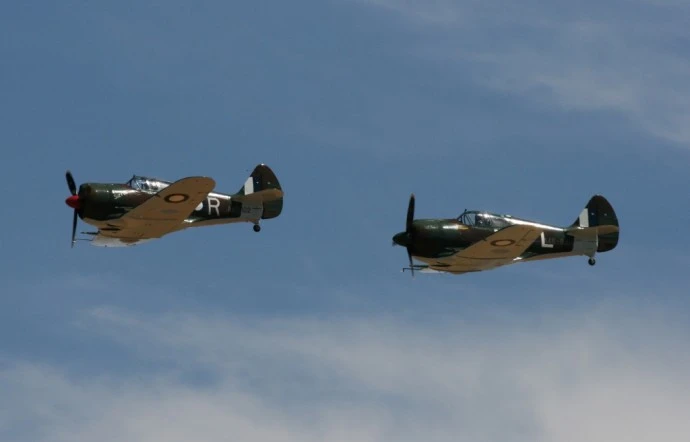
CAC Boomerang
CAC Wirraway
Supermarine Spitfire Mk VIII
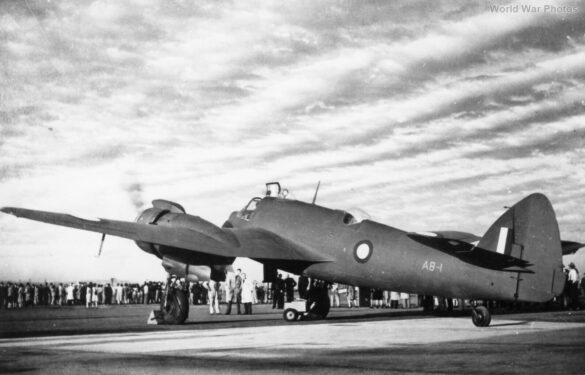
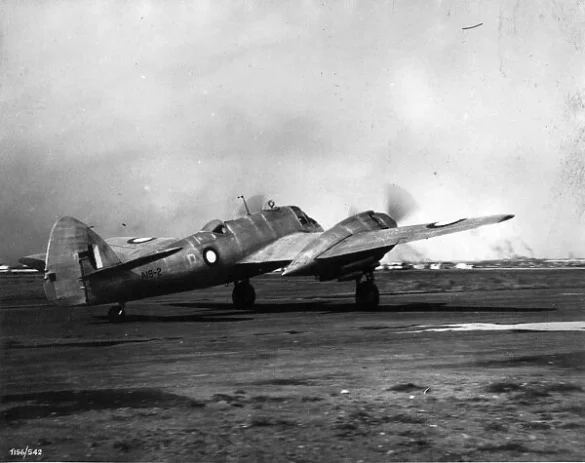
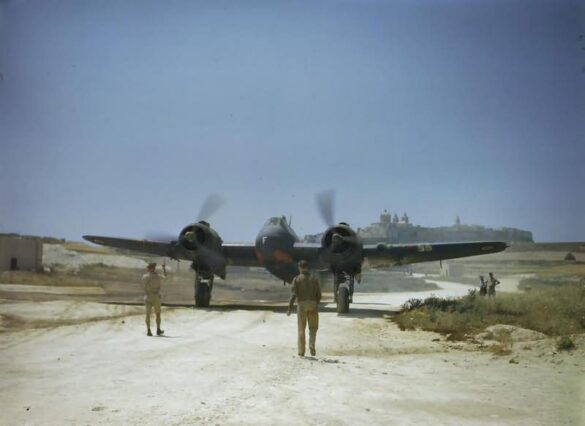
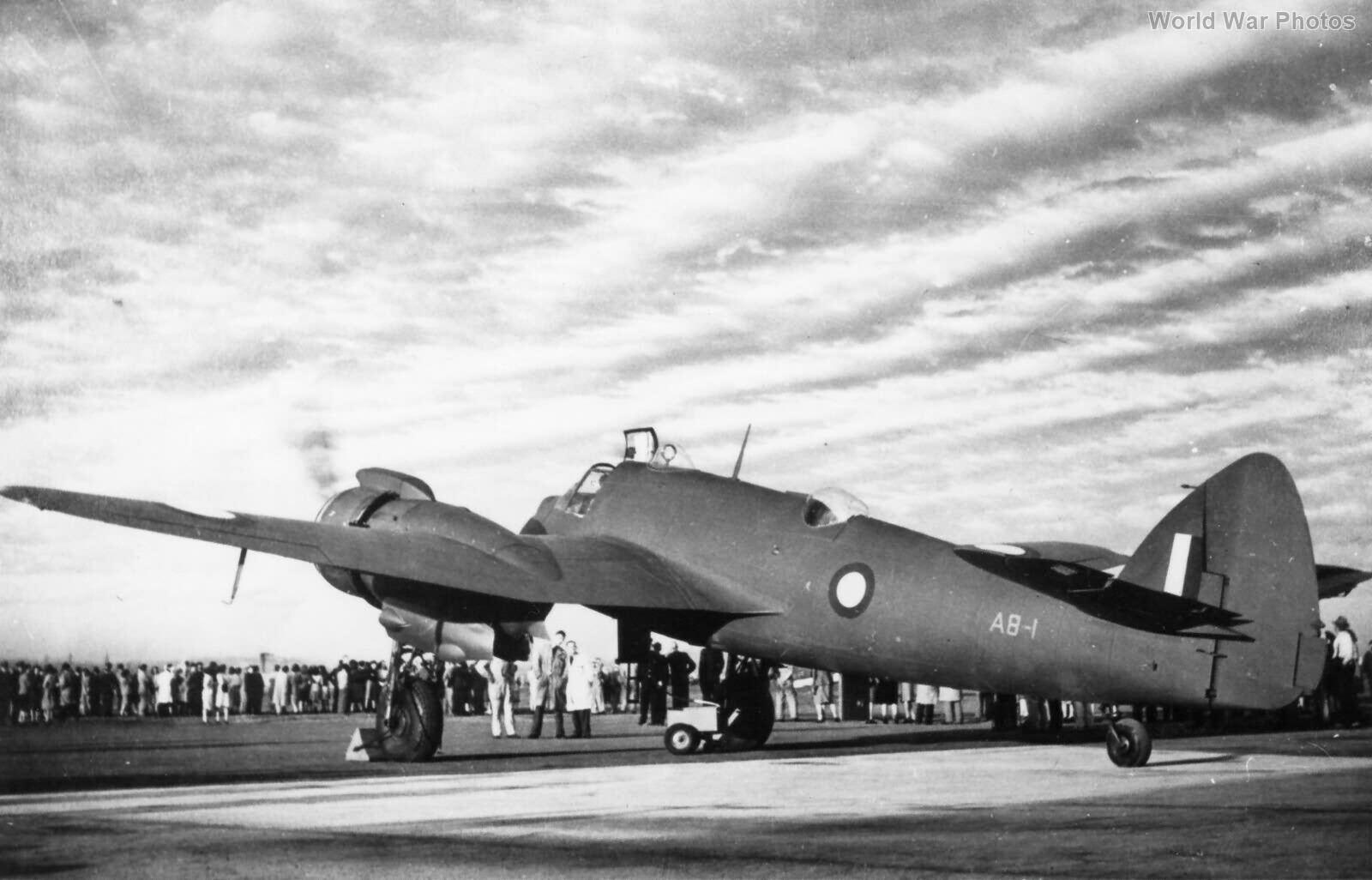
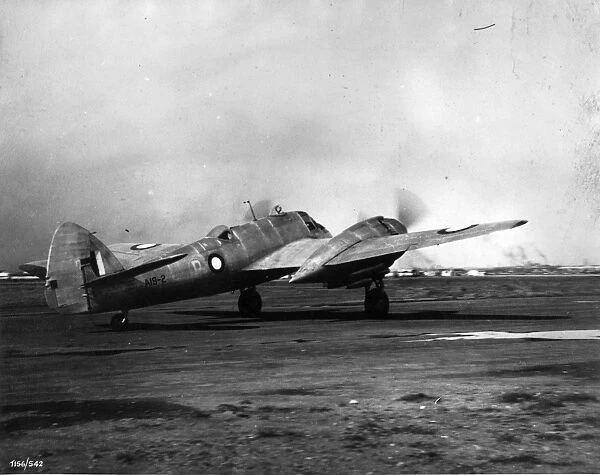
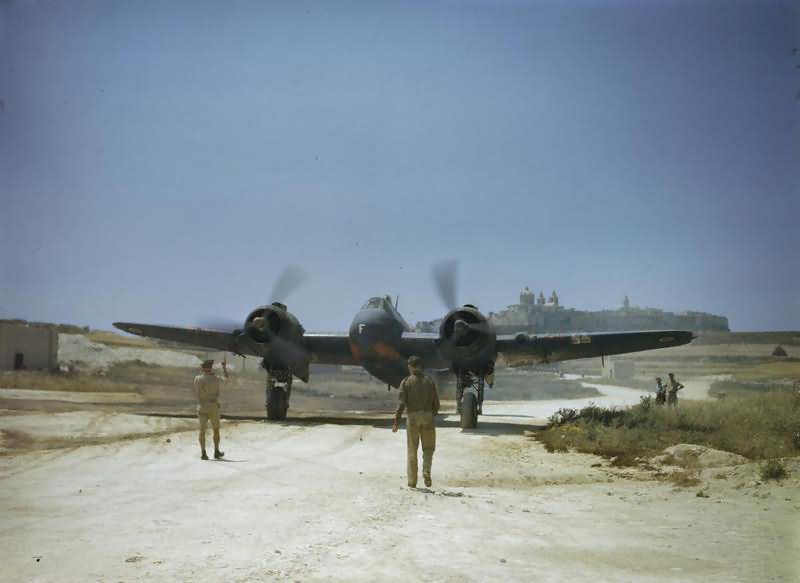
Bristol Beaufort Mk.VIII
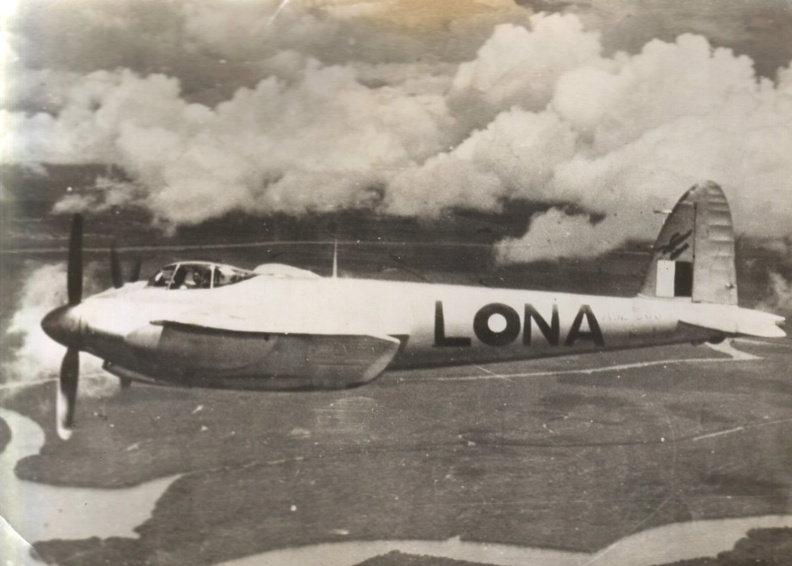
Mosquito
Bell P-39 Airacobra
Brewster F2A Buffalo
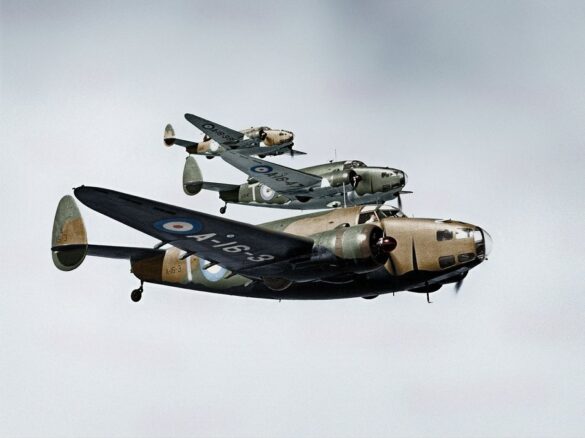
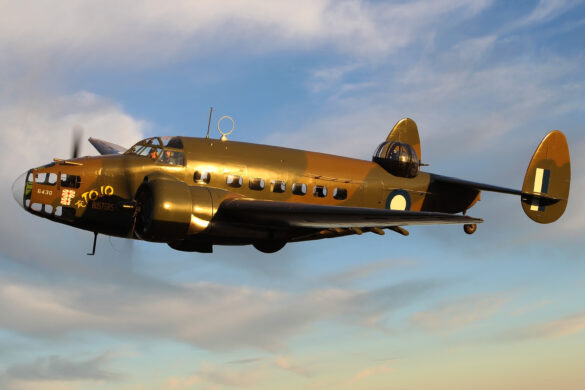
Lockheed Hudson
Bristol Beaufighter
Douglas A-20 Boston
Late War Simplification
As the war progressed, camouflage philosophy shifted from complex multi-tone schemes to simpler and faster application methods.
The dominance of Foliage Green on upper surfaces reflects this transition. It provided adequate concealment in jungle environments while reducing production complexity.
Medium Sea Grey undersides also contributed to operational standardization across multiple aircraft types.
Lend-Lease Influence
American-built aircraft played a major role in shaping the visual diversity of the RAAF fleet. Their original USAAF camouflage often remained unchanged or only partially modified.
This created a mixed visual environment where American, British, and Australian paint systems coexisted within the same squadrons.
Despite this variation, operational effectiveness remained the priority over visual consistency.
Final Observation
RAAF camouflage between 1941 and 1945 was not a fixed system but a constantly evolving solution shaped by geography, supply chains, and combat reality.
From early RAF-influenced schemes to simplified late-war finishes and natural metal aircraft, it represents one of the most adaptive camouflage systems of the Second World War.
Color camo:
Only Colourcoats and Lifecolor make RAAF-specific paints. Of the four main colors, the underside Sky Blue and Medium Sea Grey are closest to their RAF equivalents and should be an acceptable substitute. Earth Brown and Foliage Green are trickier and, barring specific paints, can be matched to their closest FS equivalents, FS 30099 or FS 34092/34096. Because the latter are almost universally available, only direct matches are provided below. FS 30099 is rarer, but available from Vallejo, AK Real Colors, and Hataka. Tamiya’s Flat Earth (XF-52) is probably the closest generic equivalent, and certainly closer to the RAAF color than RAF Dark Earth. Colourcoats also has a small range of RNZAAF colors.
| K3/195 | K3/183 | K3/178 | K3/177 | ||
| RAAF Sky Blue | RAAF Medium Sea Grey | RAAF Earth Brown | RAAF Foliage Green | Aluminium | |
| Schemes | |||||
| RAAF (1941-42) | Lower | Upper camo | Upper camo | ||
| RAAF (1943-44) | Lower | Upper | |||
| RAAF (1944-45) | Overall | ||||
| Color matches | |||||
| Gunze Aqueous | – | (H335) | – | – | (H8) |
| Gunze Mr. Color | – | (C335) / (C363) | – | – | (C8) |
| Humbrol | (23) | (165) | – | – | 56 |
| Model Master | – | (2058) | – | – | 1781 |
| Revell | – | – | – | – | 99 |
| Tamiya | – | (XF-83) | (XF-52) (?) | – | XF-16 |
| Vallejo Model Air | (71.404) | (71.307) | – | – | 71.062 |
| Vallejo Model Color | – | (70.870) | (70.872) | – | – |
| AKAN | – | (70016) | – | – | 76004 |
| AK Interactive | – | (AK 2013) | – | – | – |
| AK Real Color | – | (RC289) | (RC029) | – | RC020 |
| AMMO by Mig | – | (A.MIG-246) | – | – | A.MIG-194 |
| Colourcoats | ACOZ01 | ACOZ12 | ACOZ03 | ACOZ02 | – |
| Hataka | – | (HTK-_034) | (HTK-_256) | – | HTK-_078 |
| Lifecolor | UA 515 | UA 515 | UA 513 | UA 514 | LC-74 |
| Mission Models | – | (MMP-094) | MMM-003 | ||
| Mr. Paint | – | (MRP-112) | MRP-F043 | MRP-F034 | MRP-3 |
| Xtracolor | – | (X003) | X142 | ||
| Xtracrylix | – | (XA1003) | (XA1216) | ||
Gallery